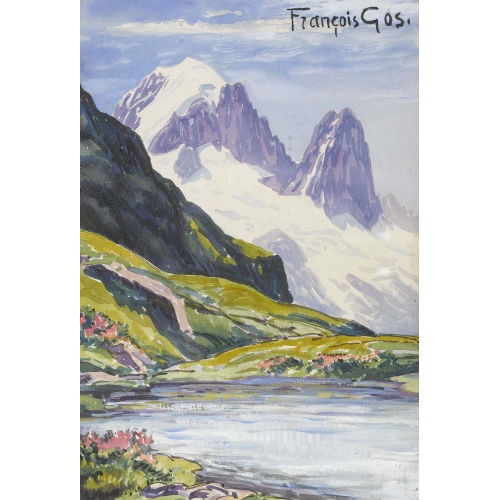
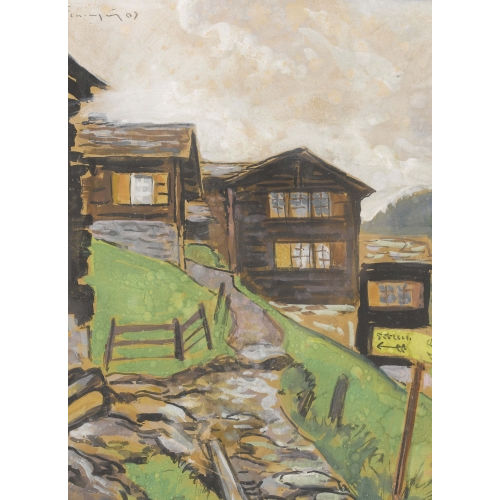
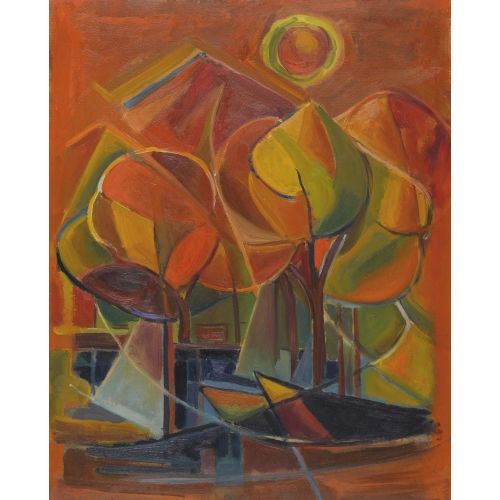
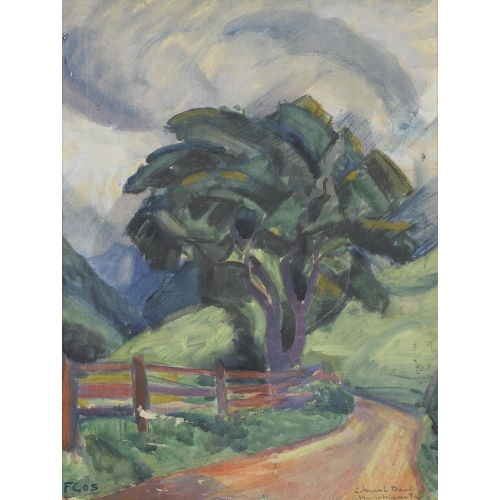
François Gos
Born in 1880.
Died in 1975.
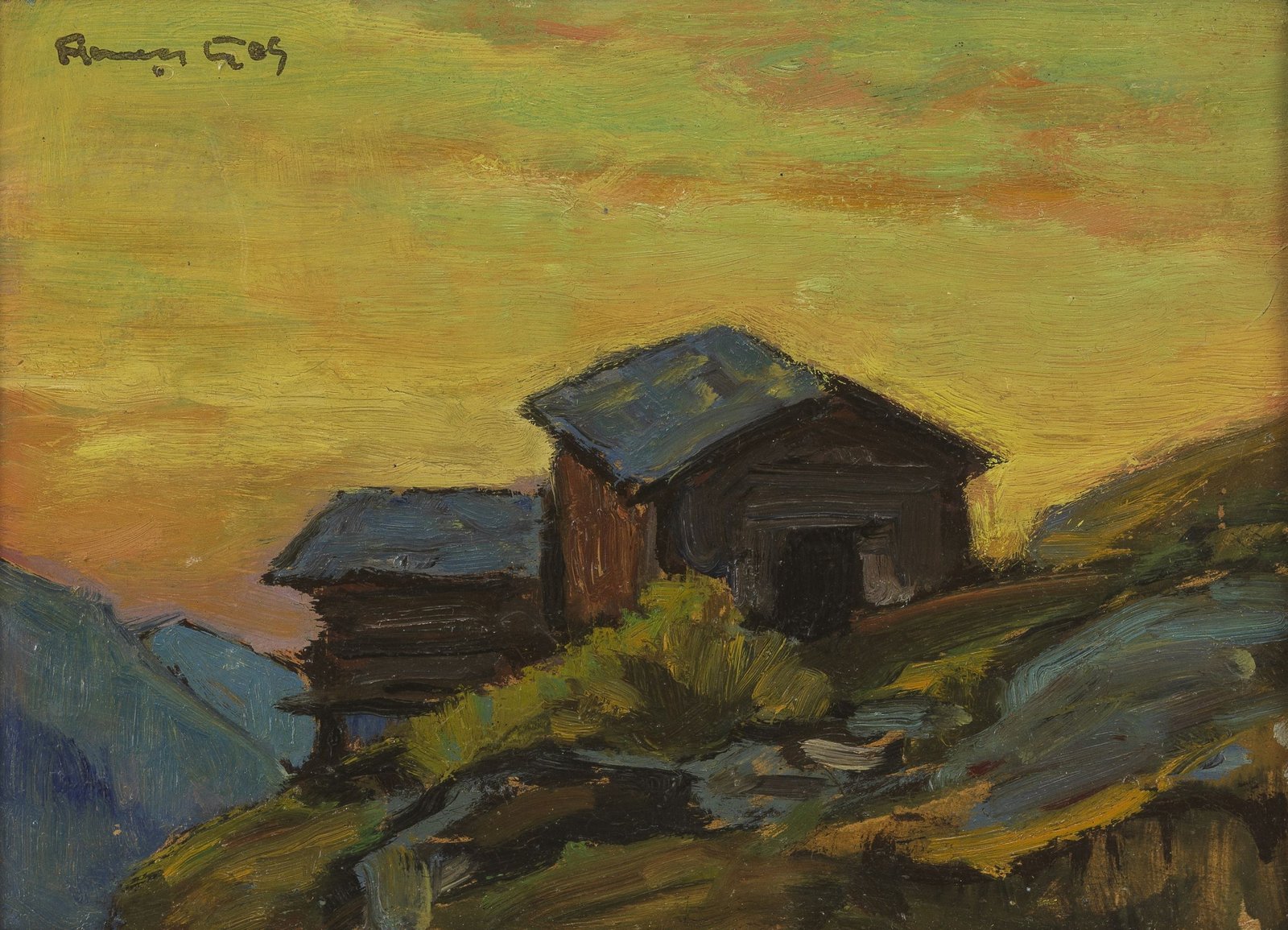
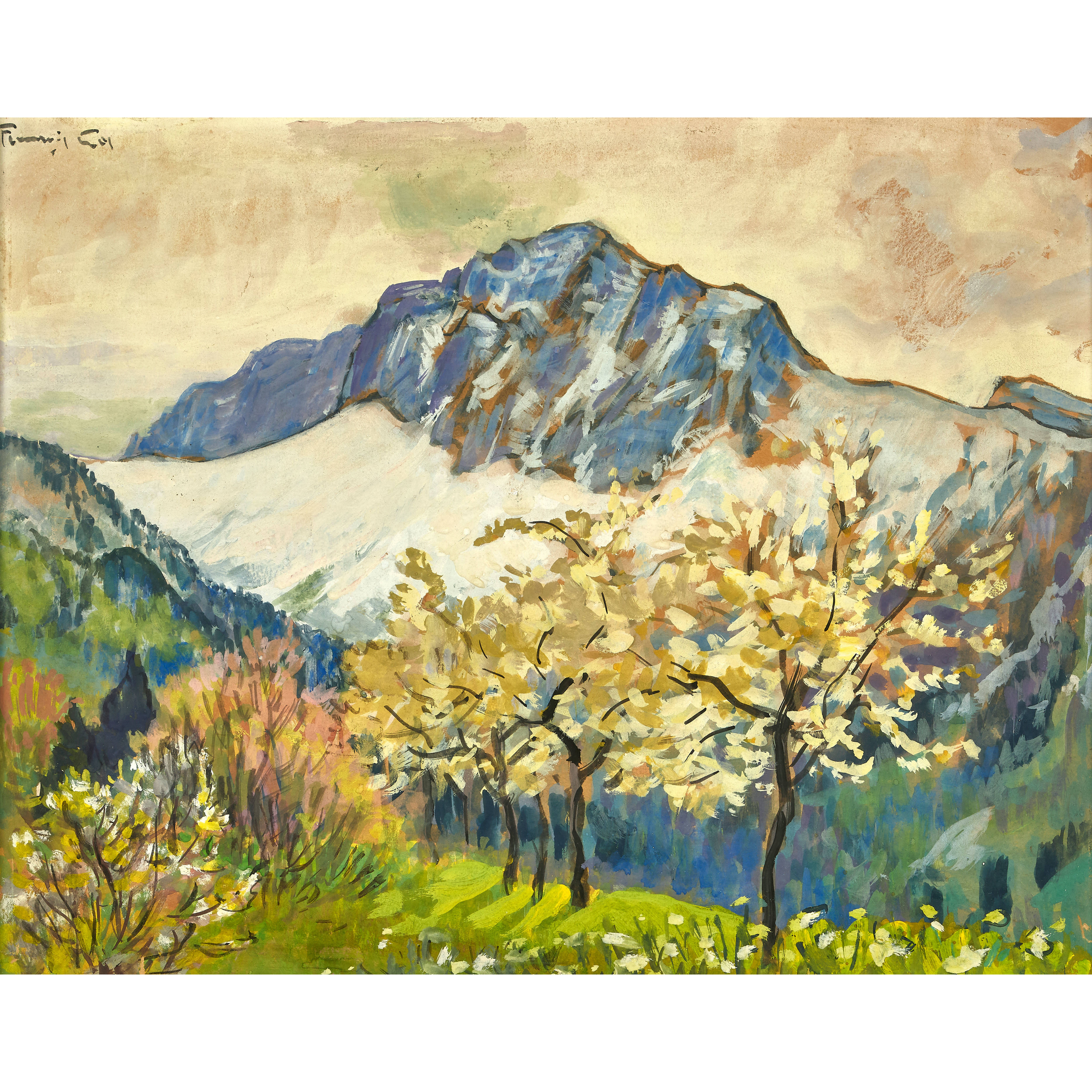
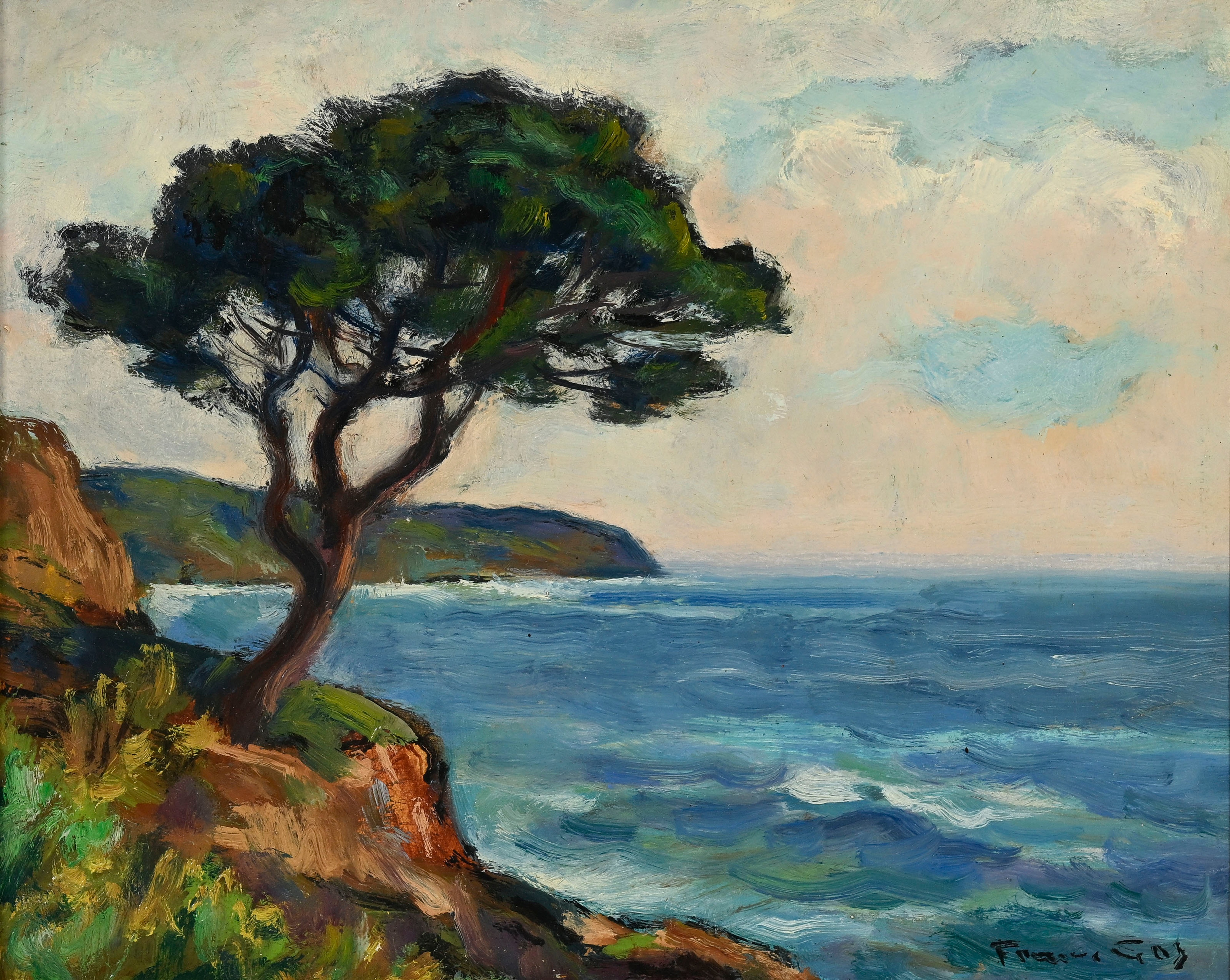
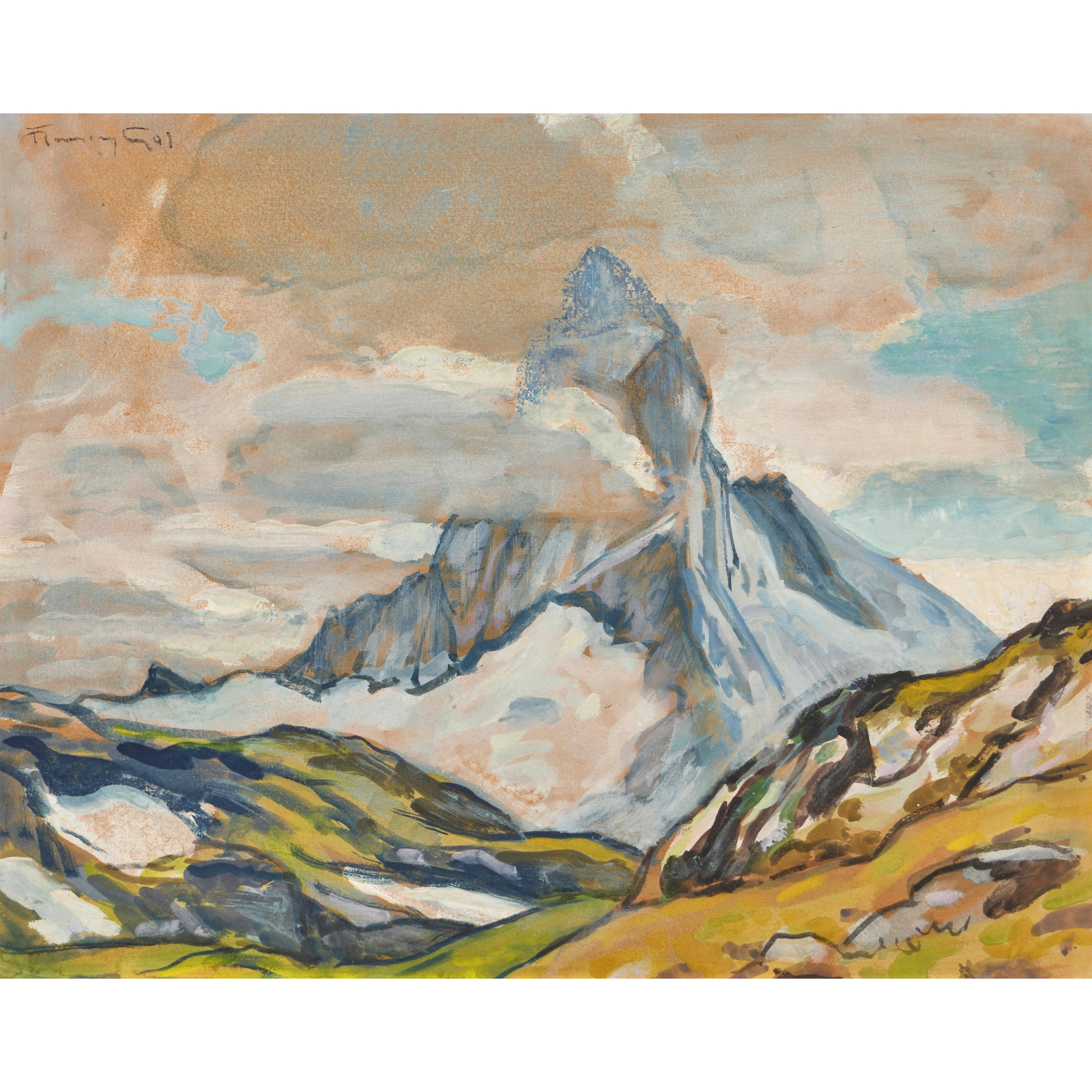
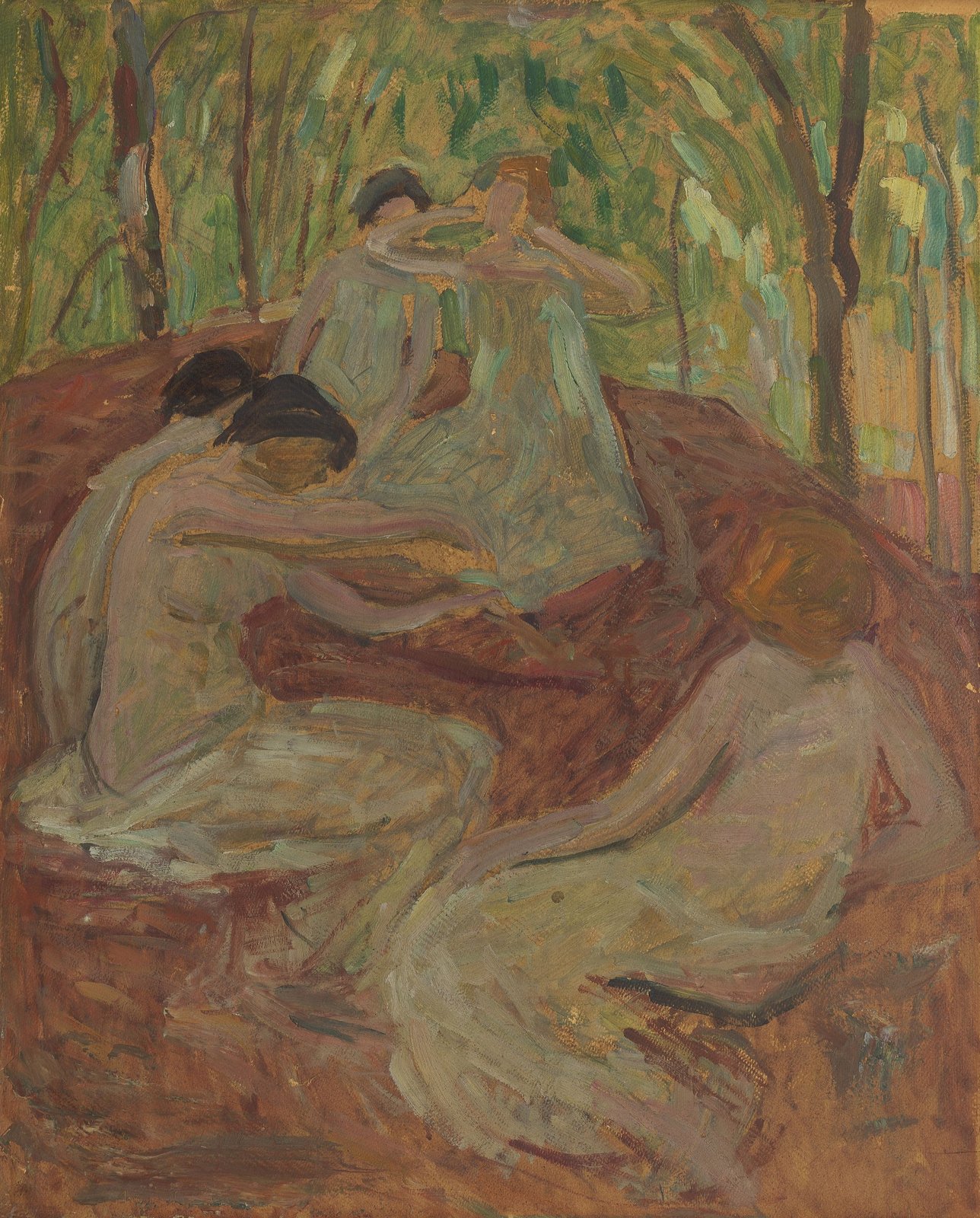
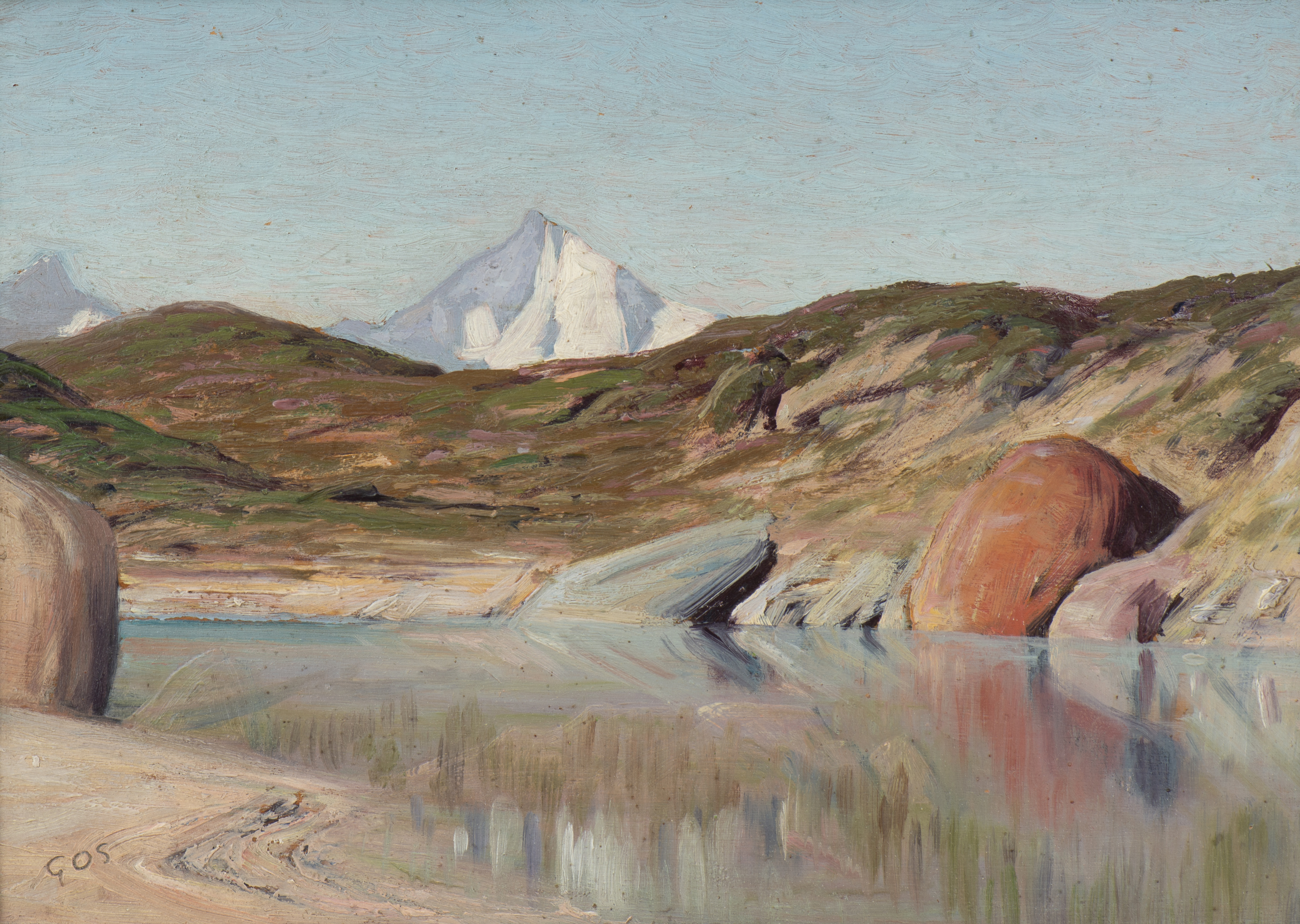
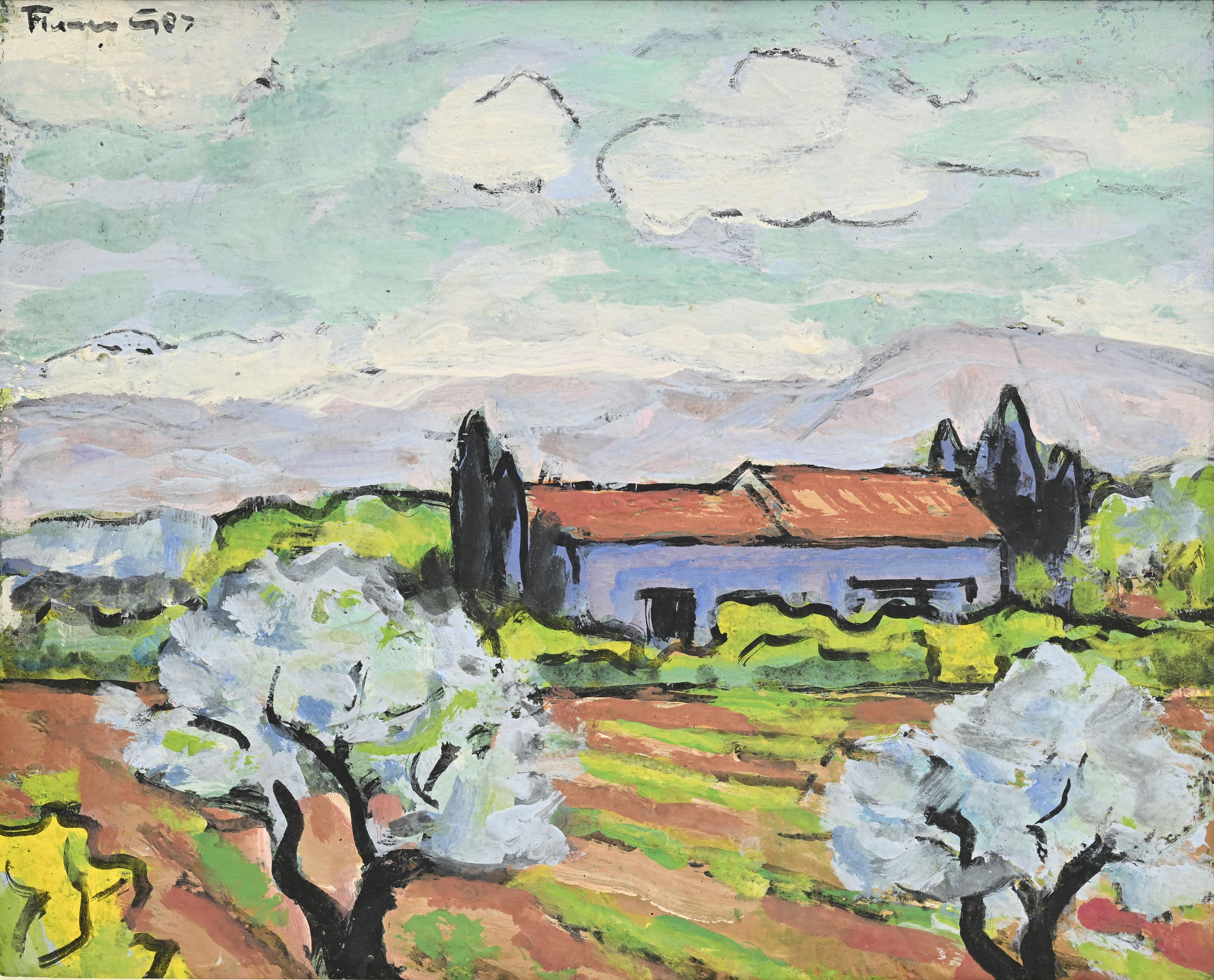
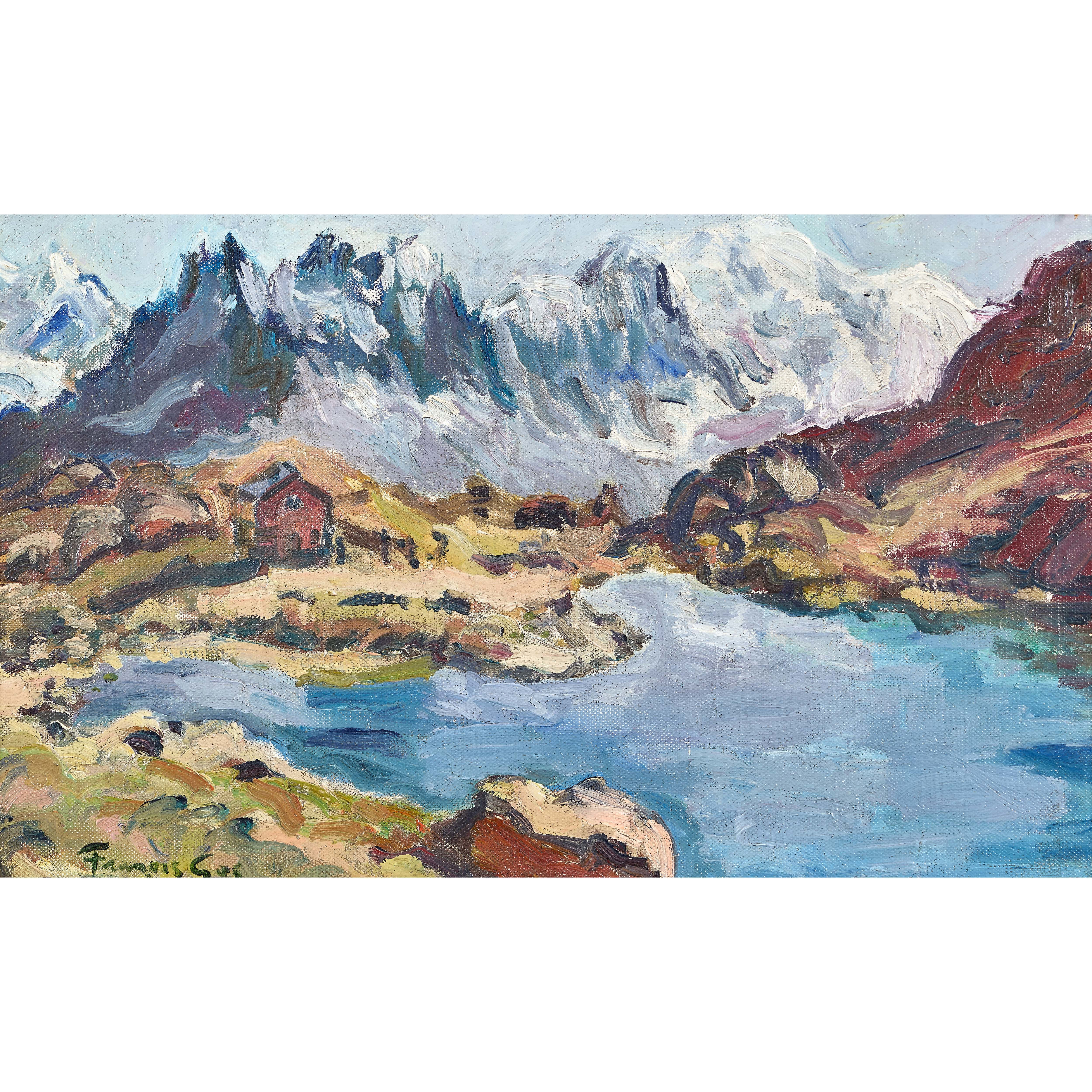
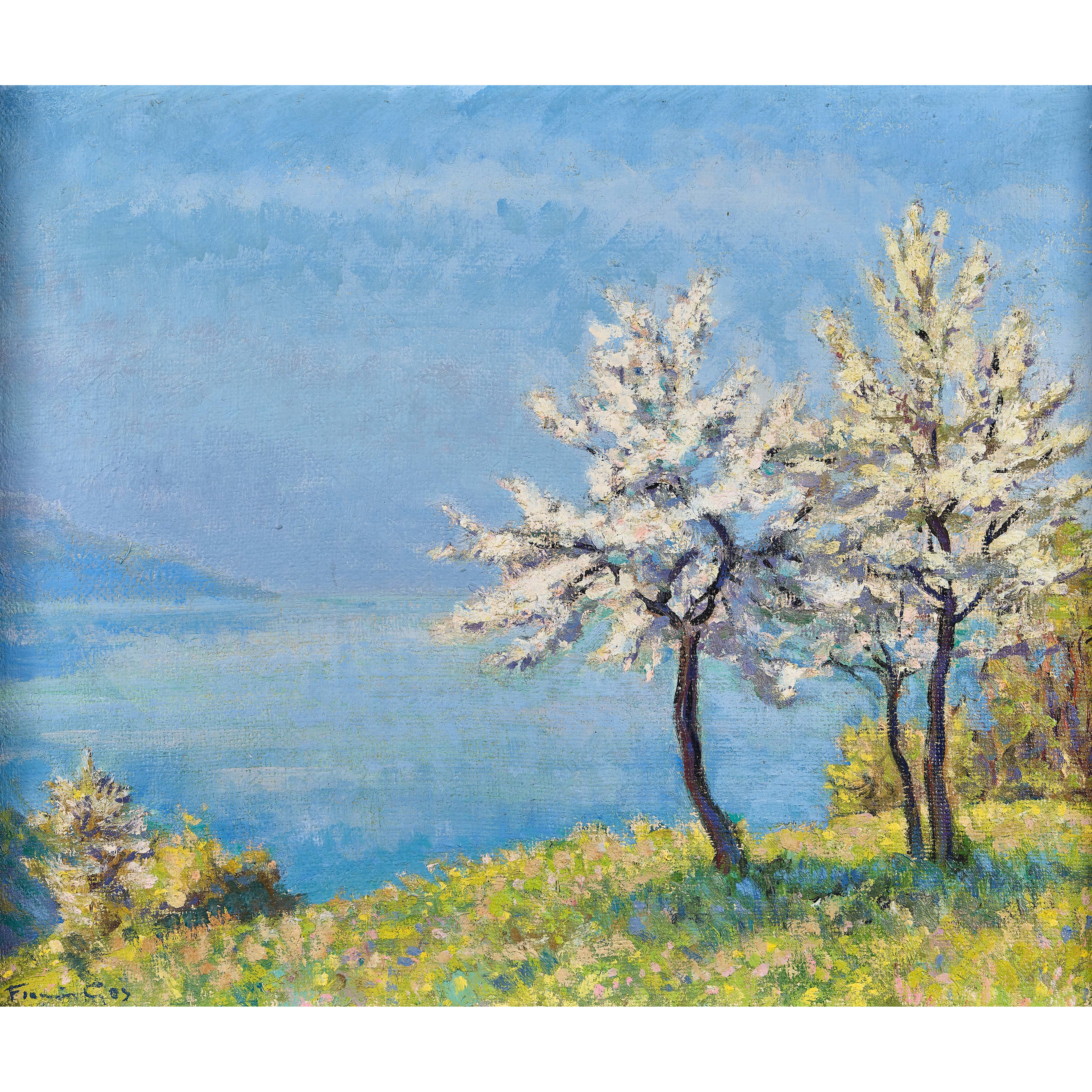
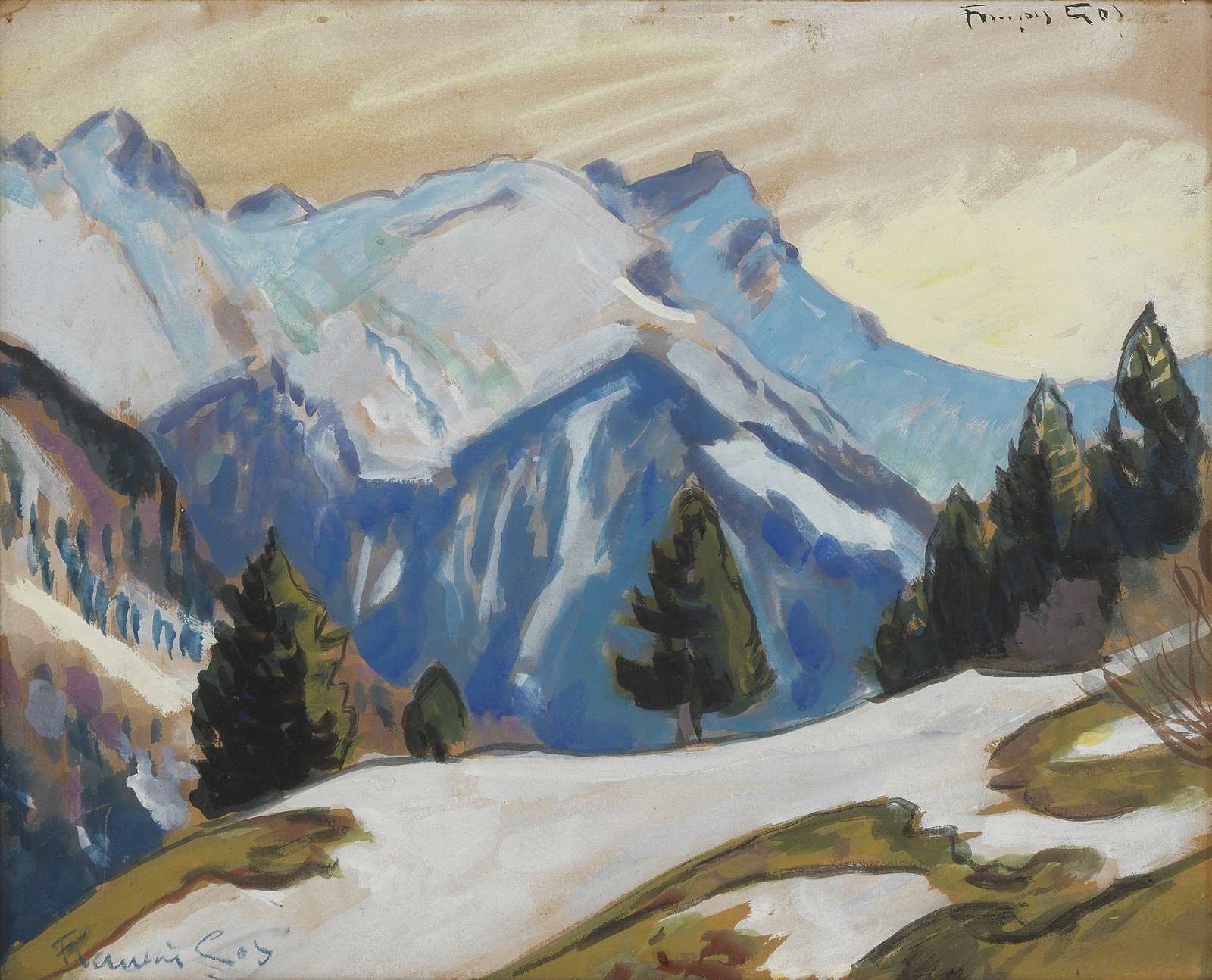
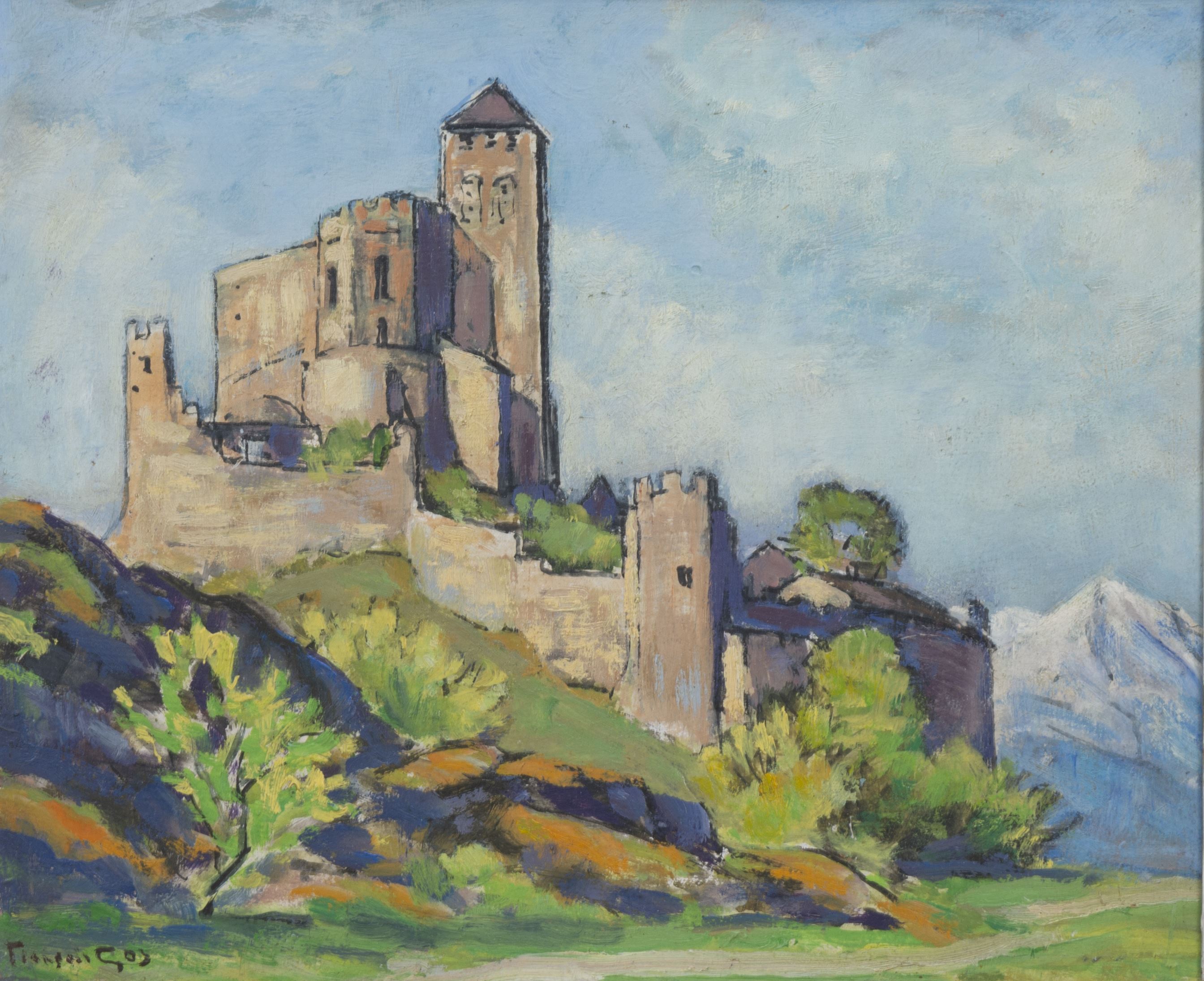
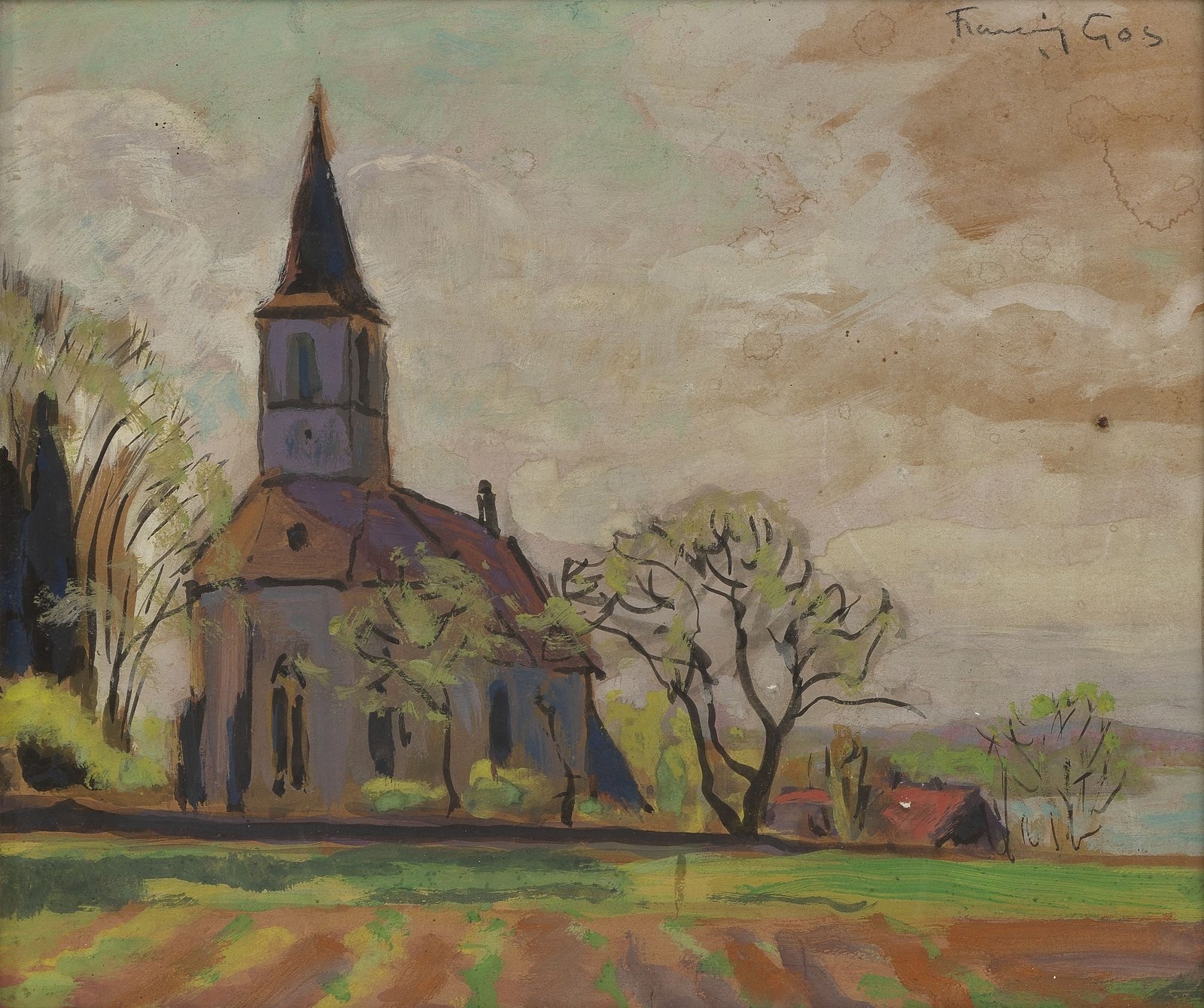
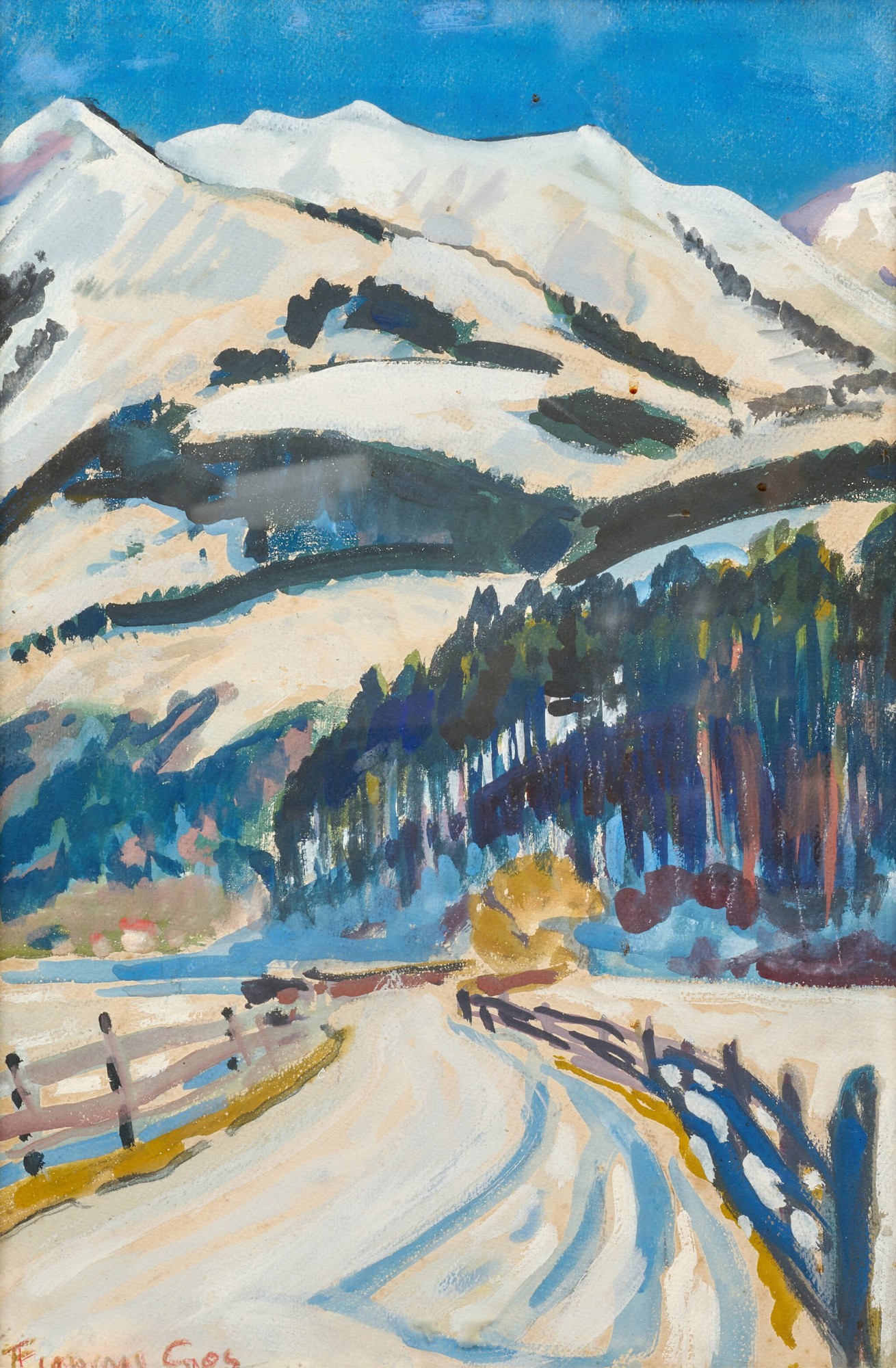
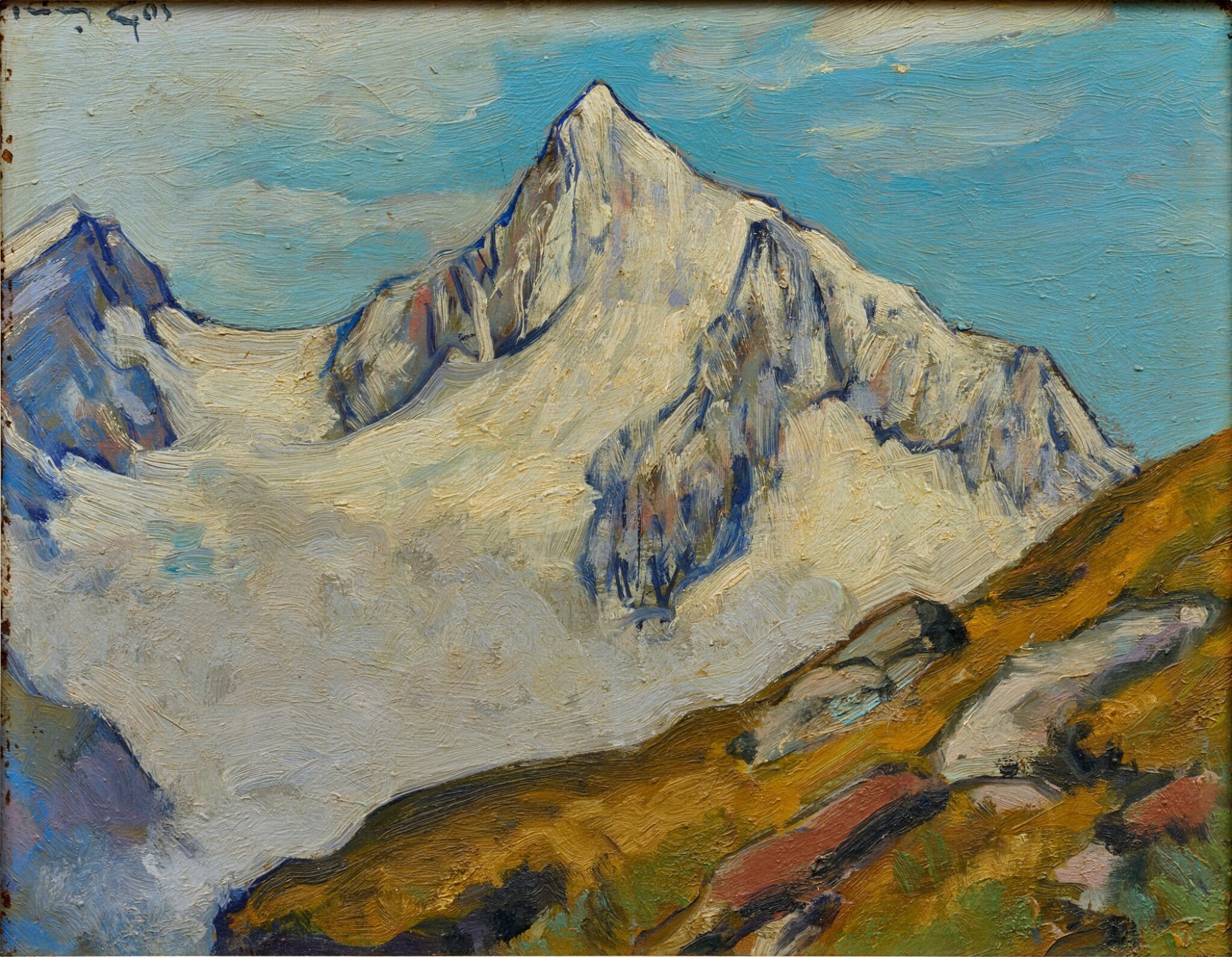
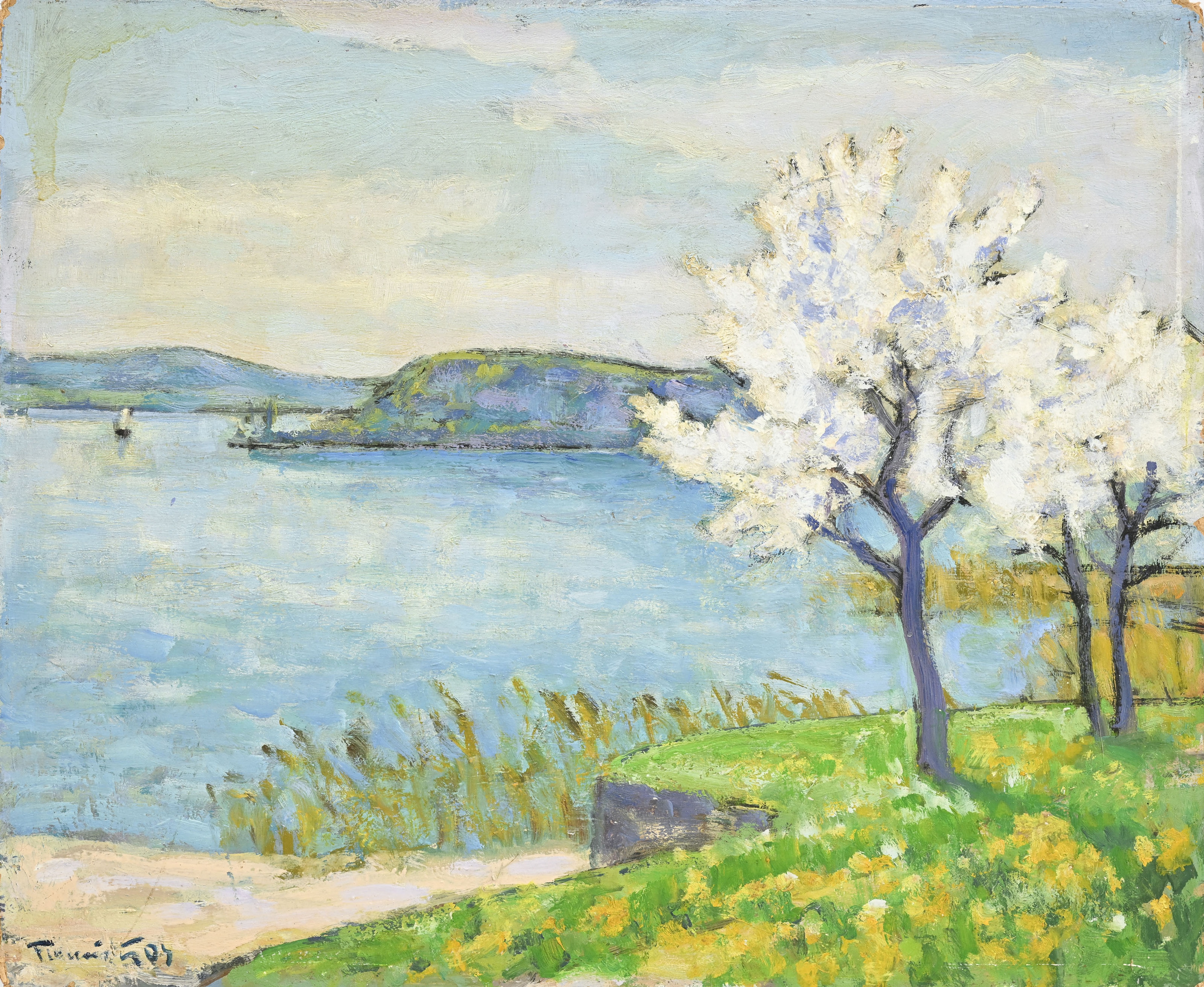
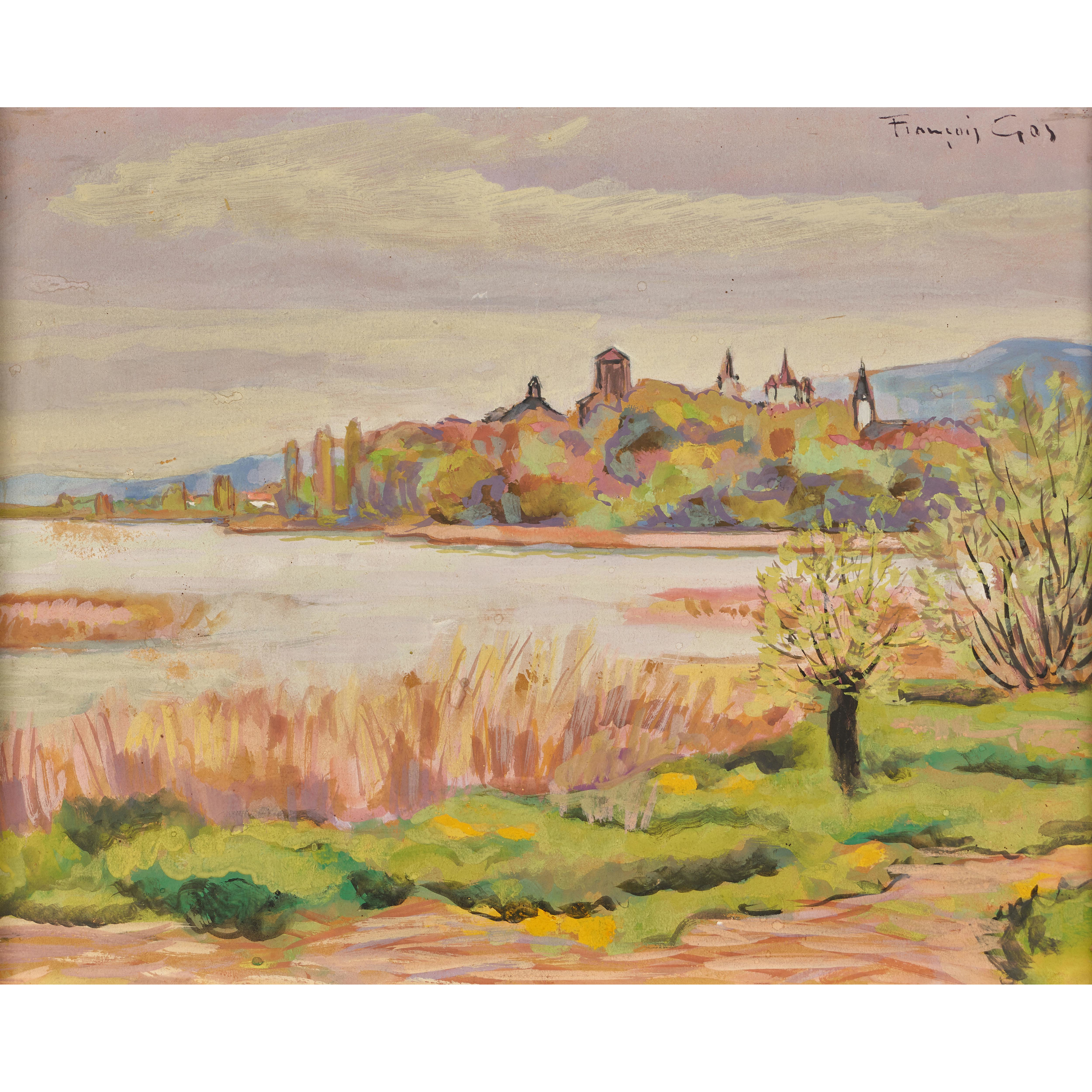
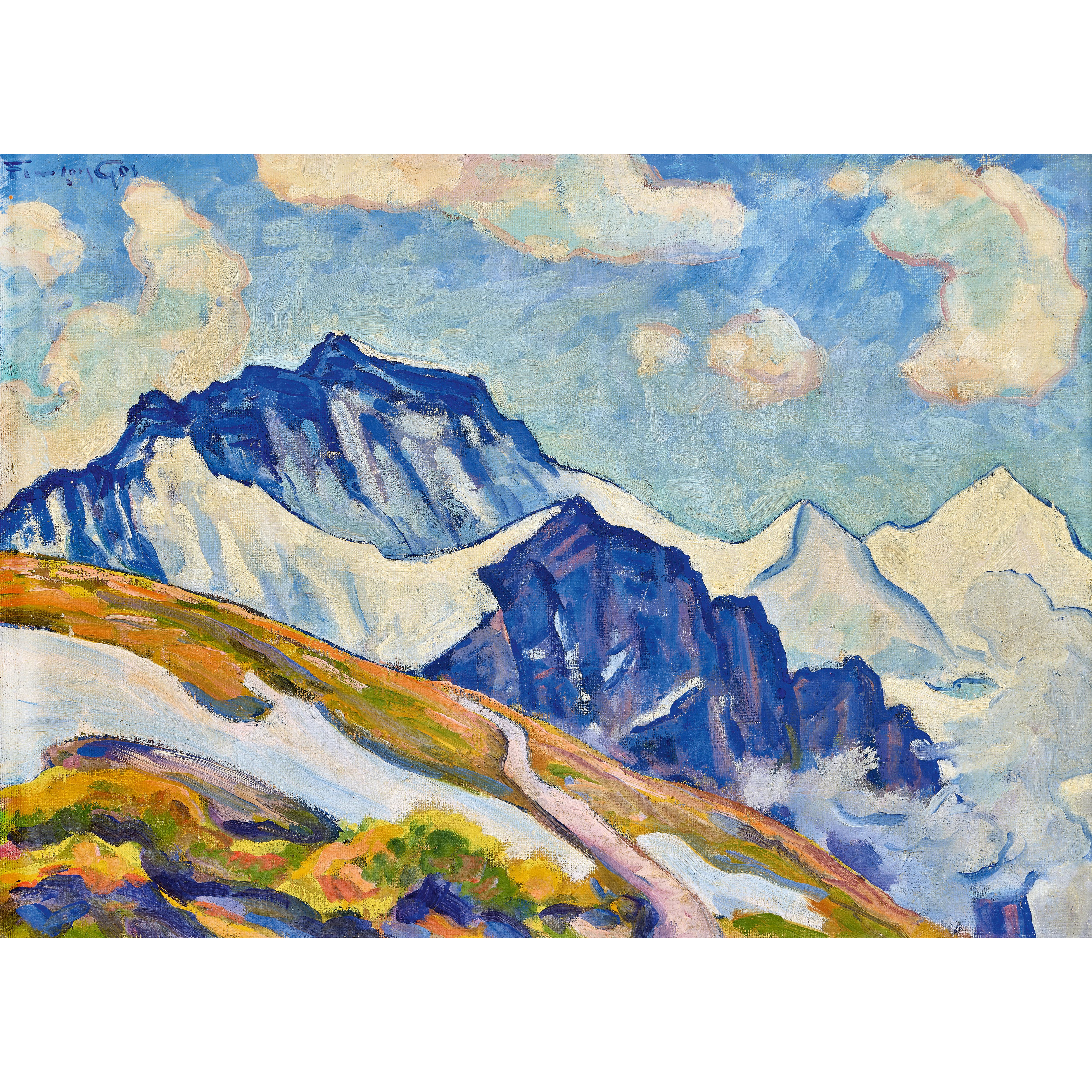
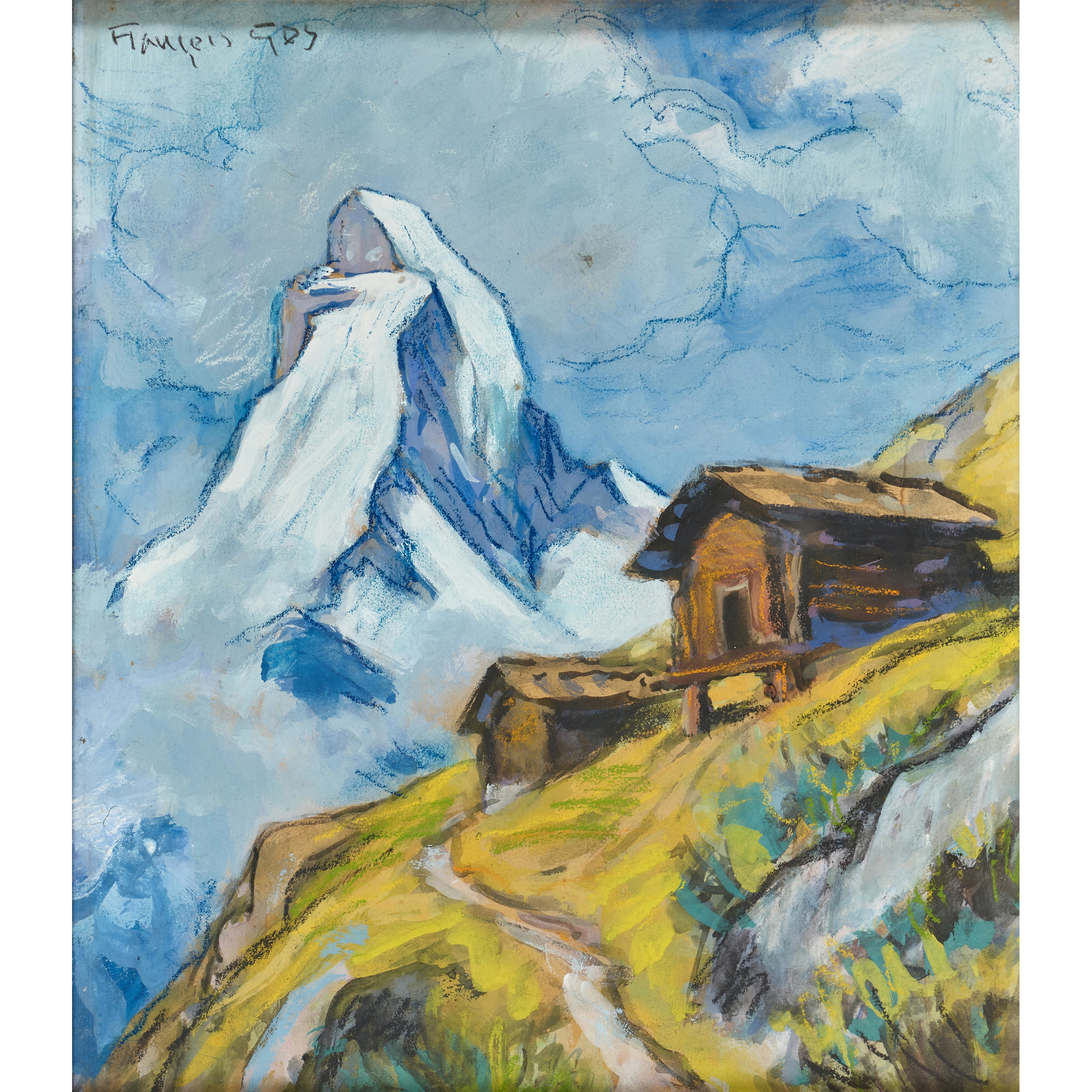
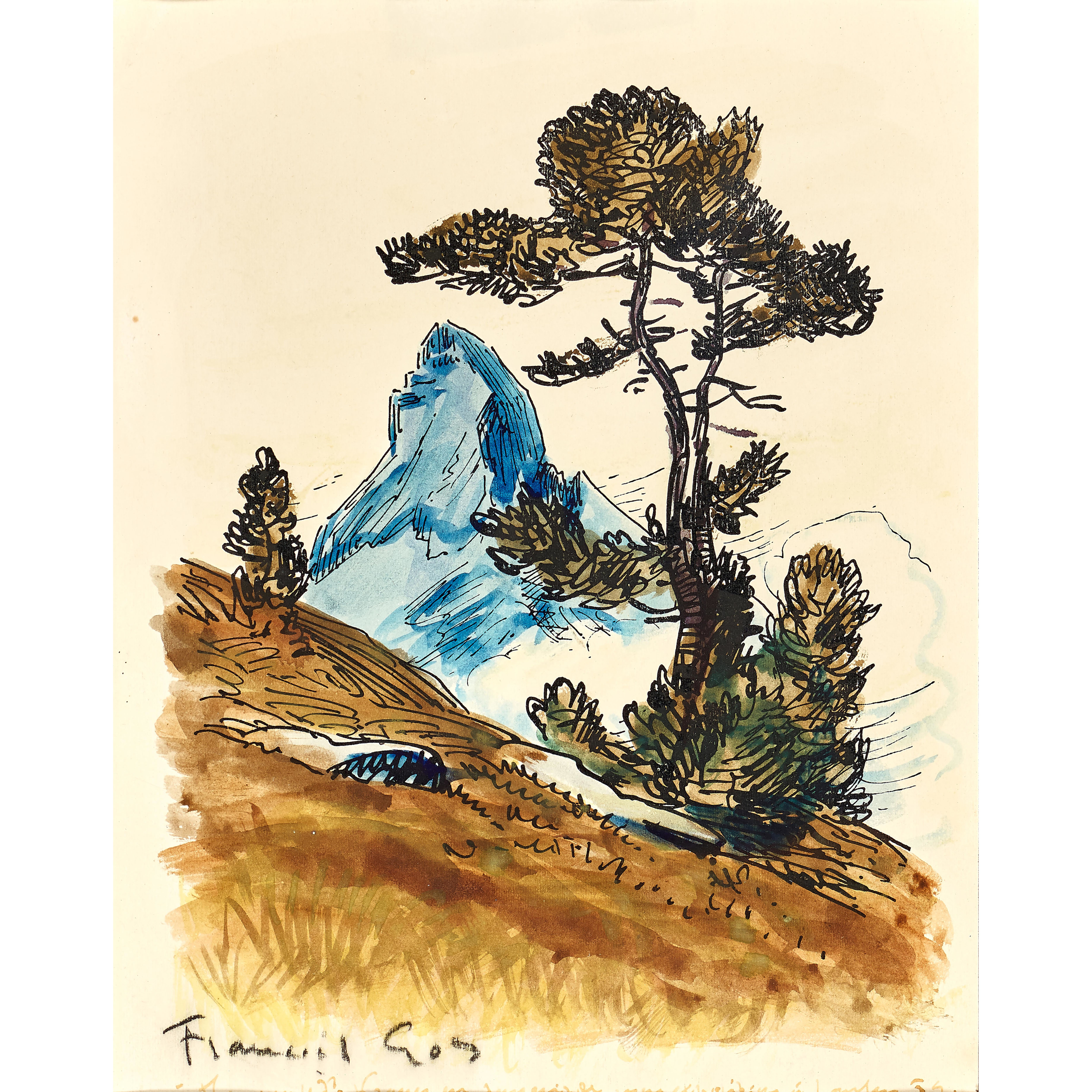
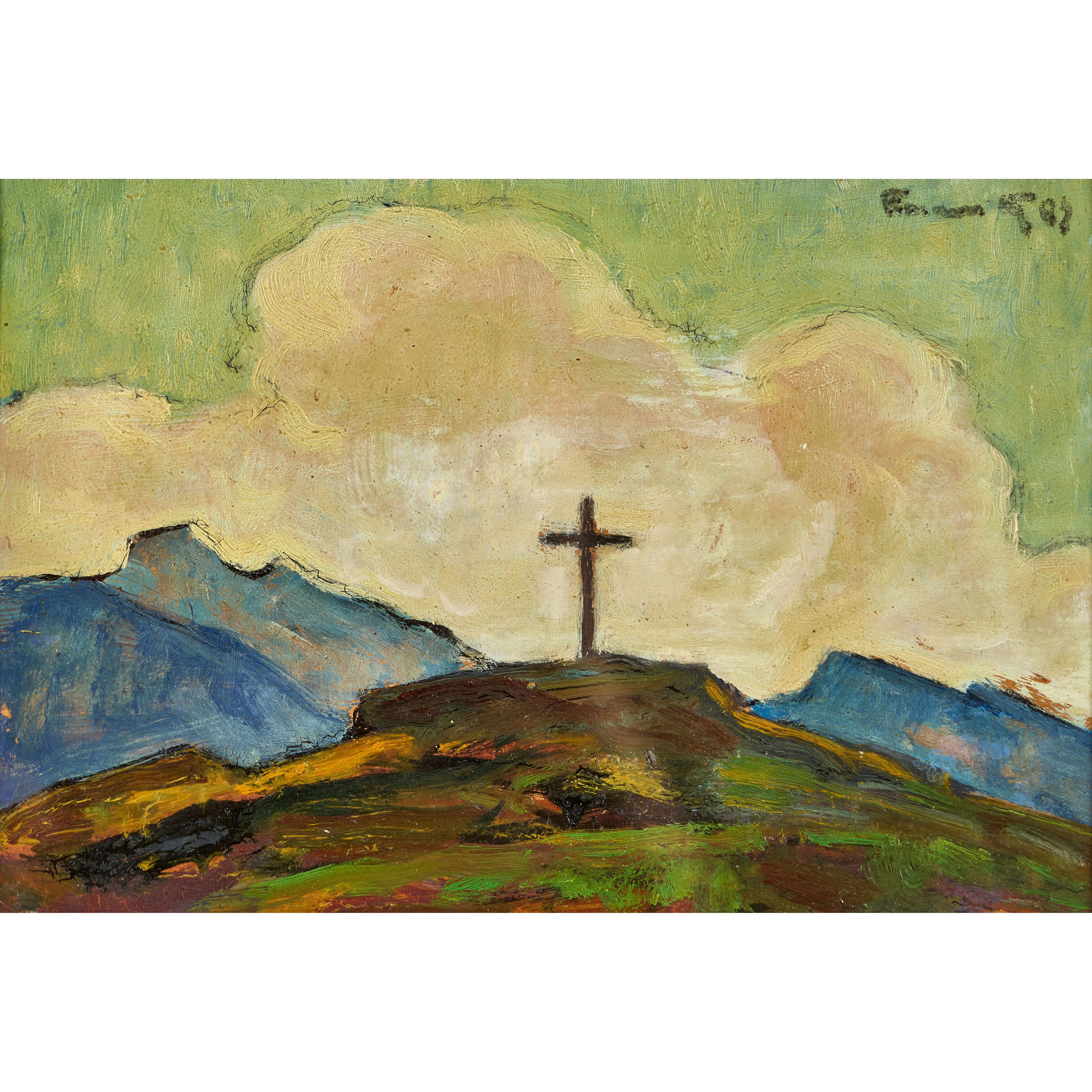
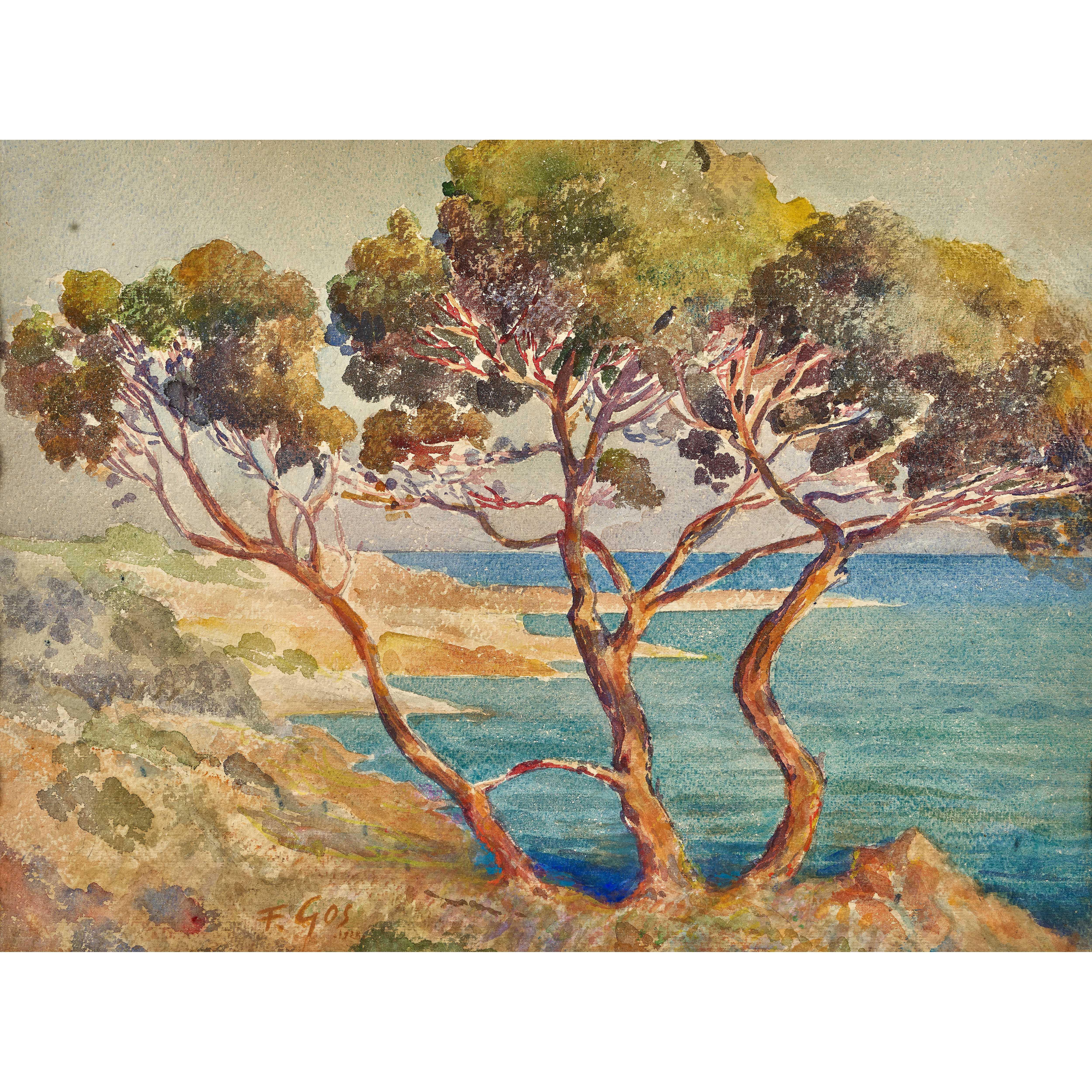
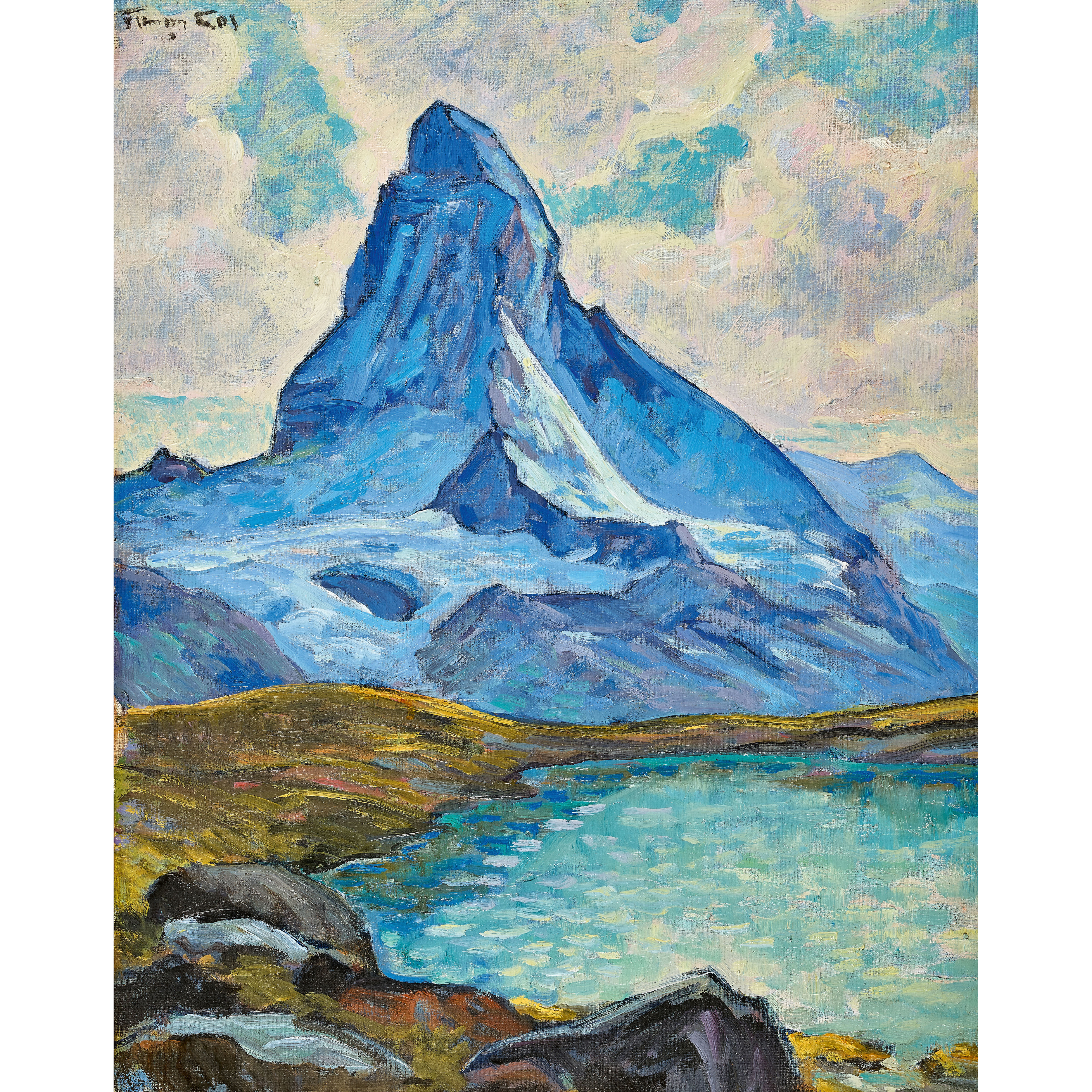
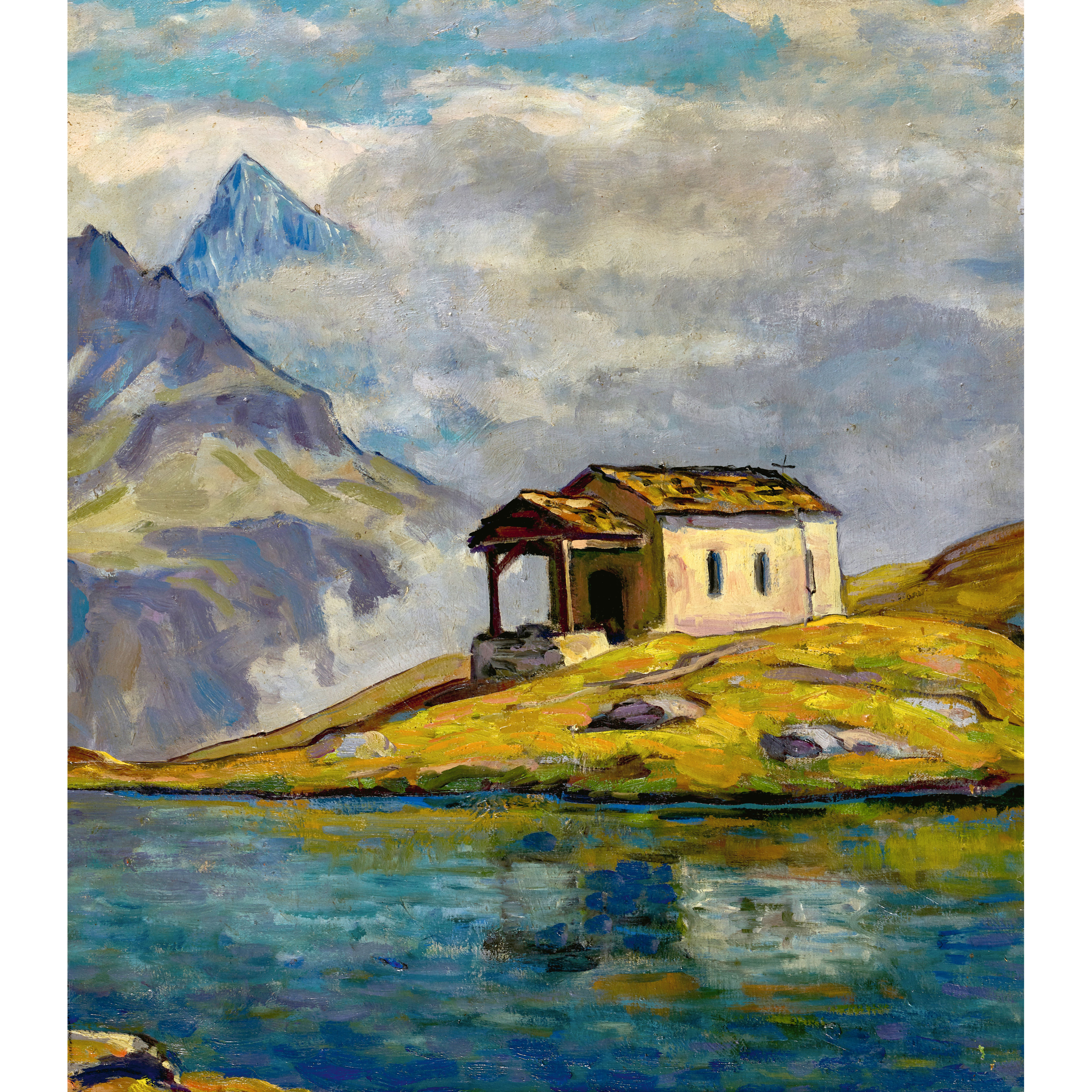
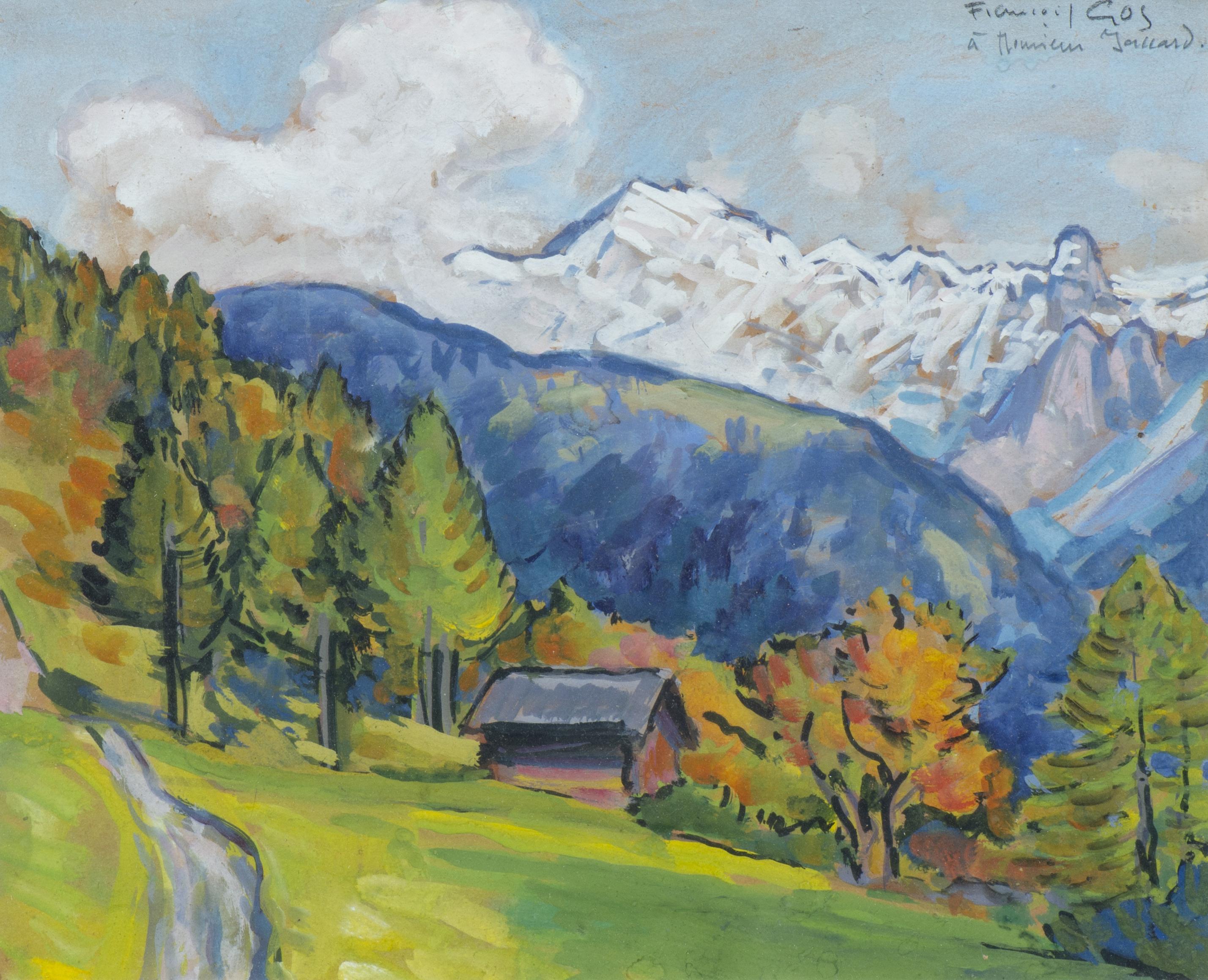
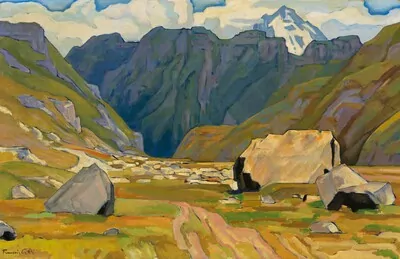
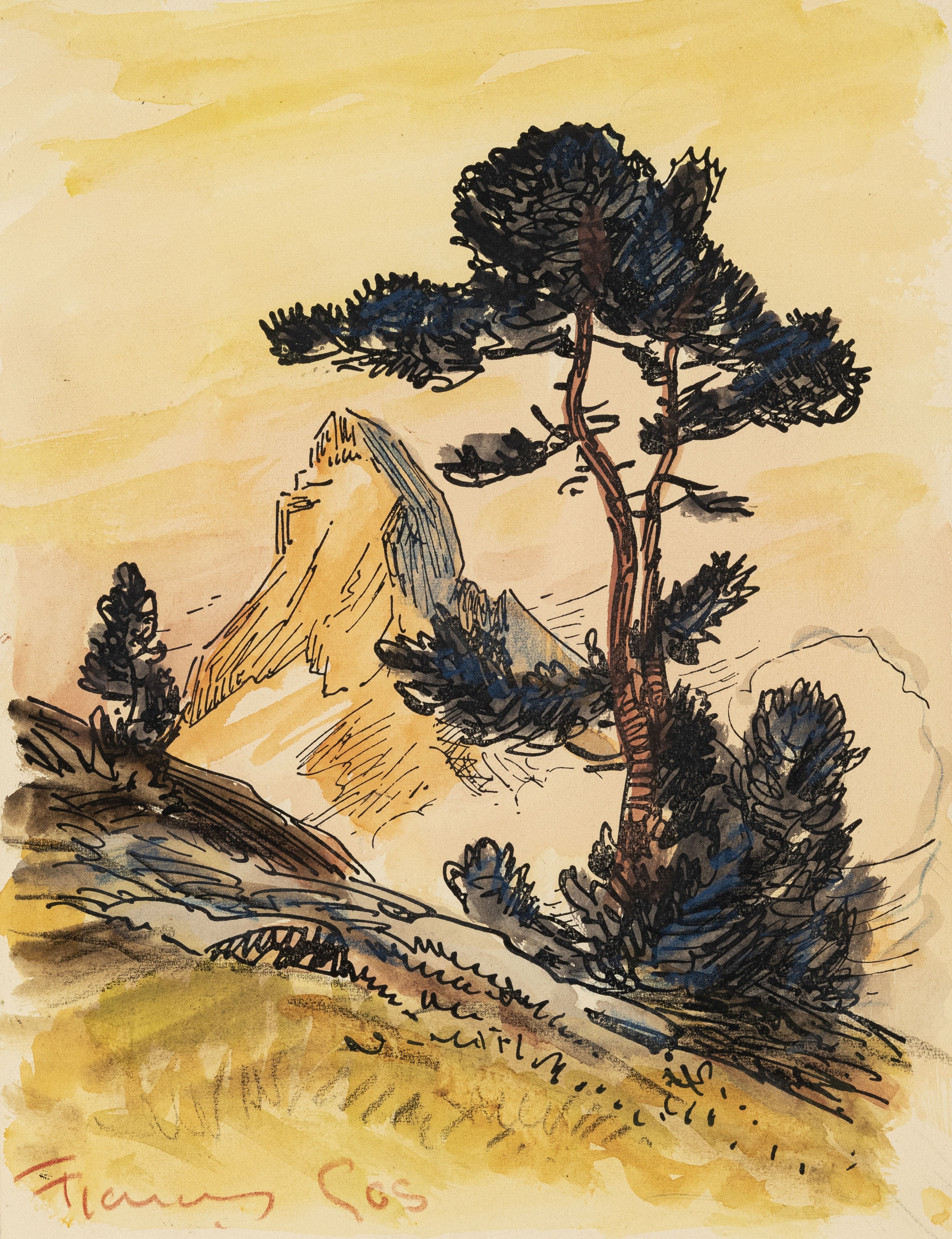
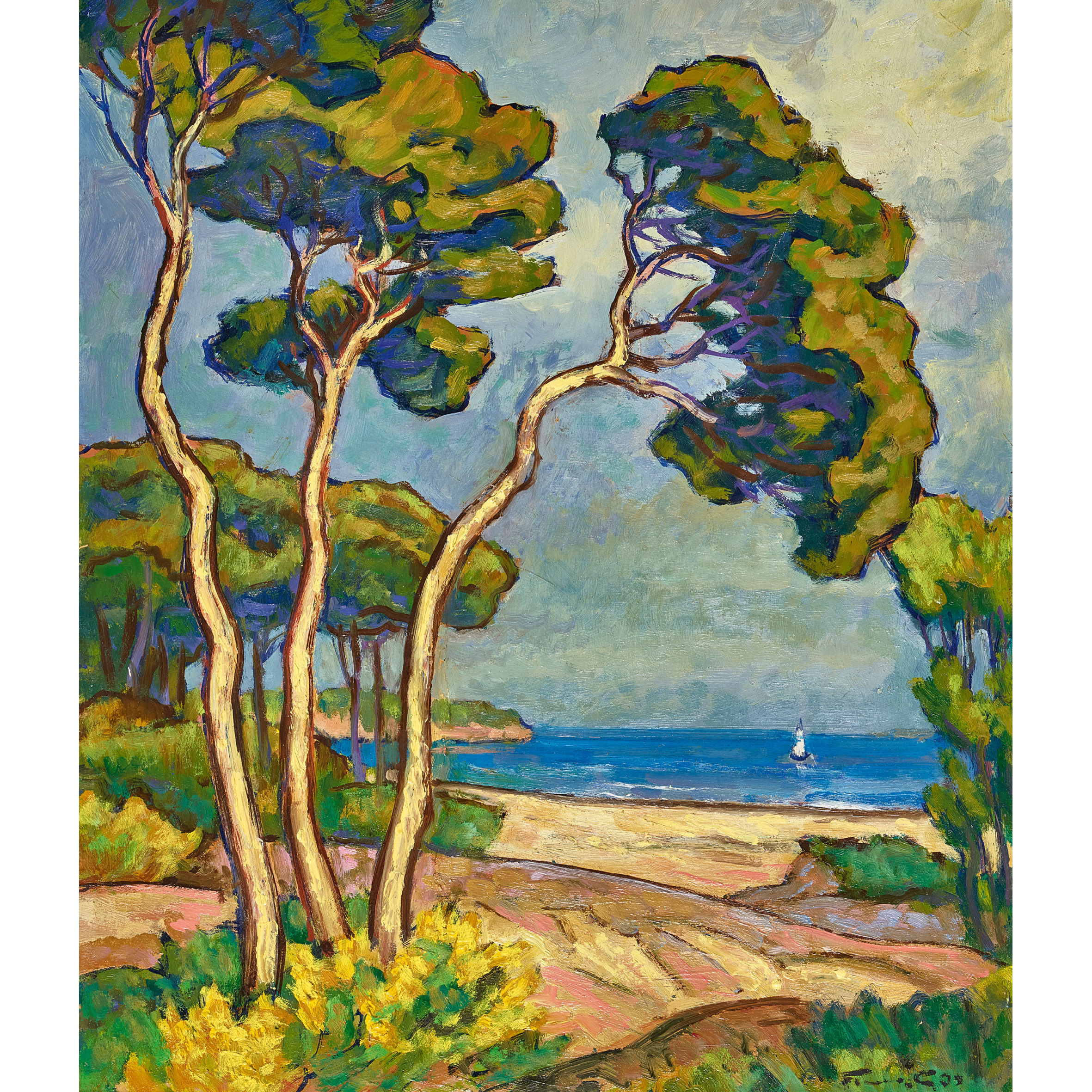
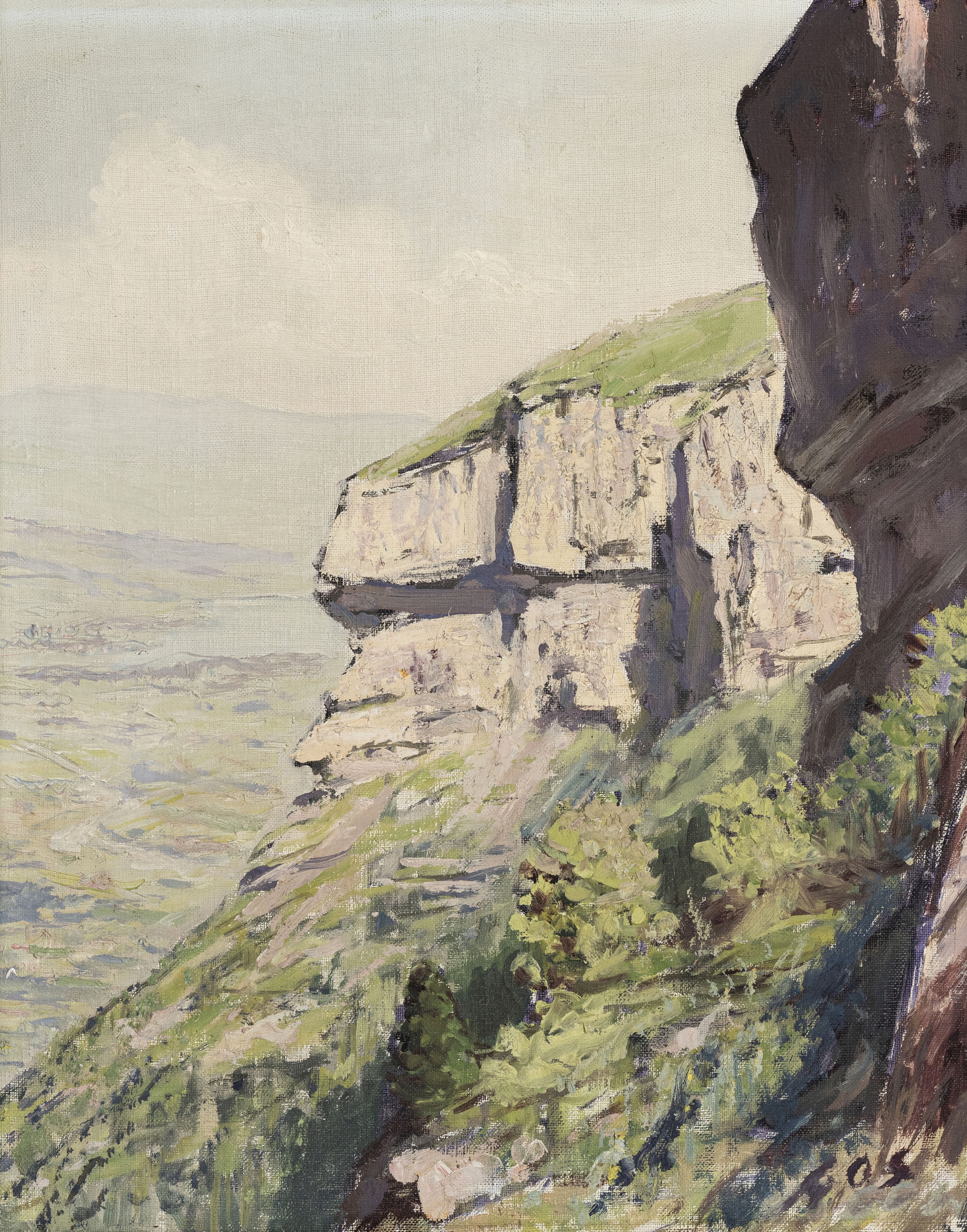
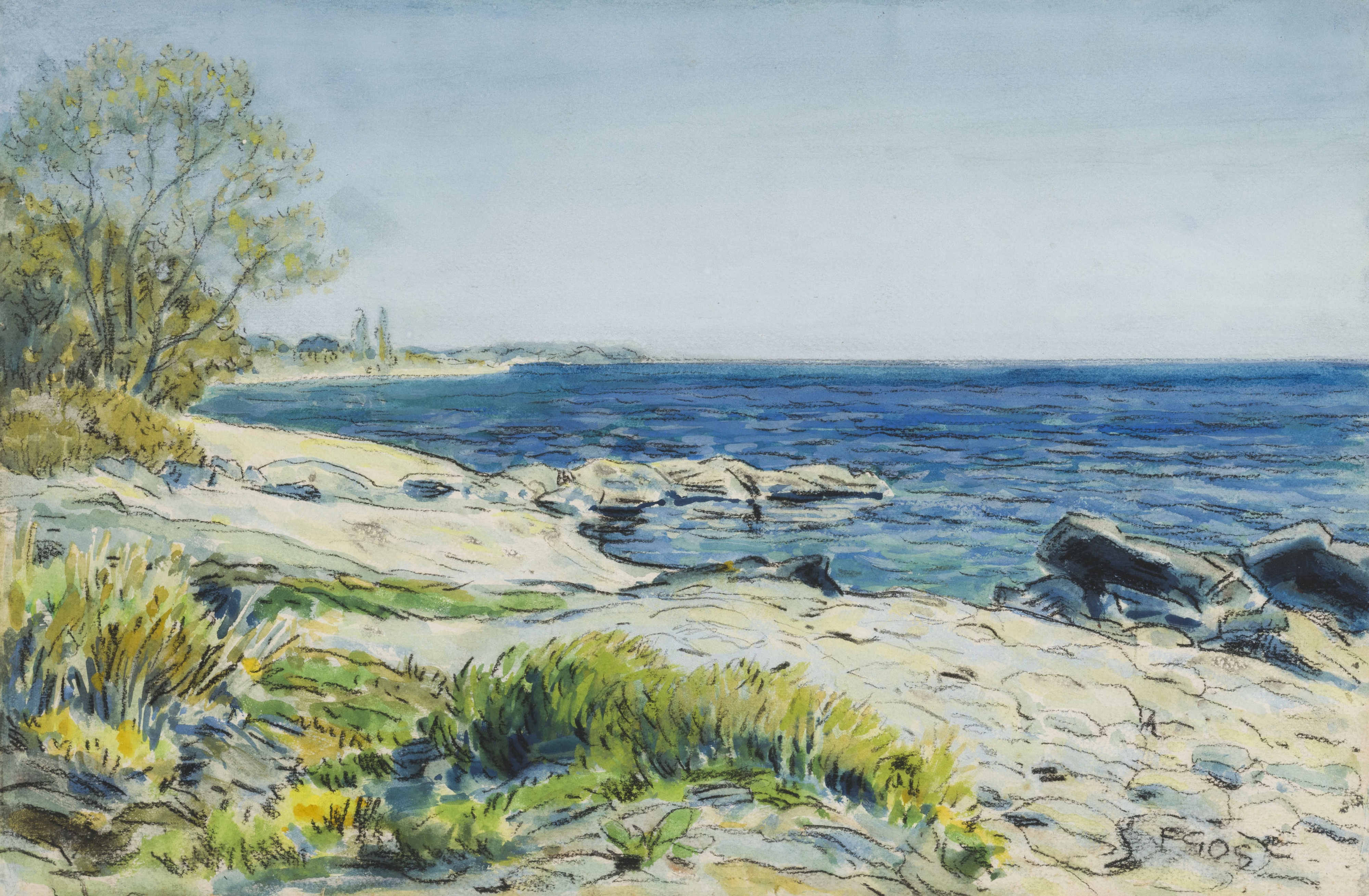
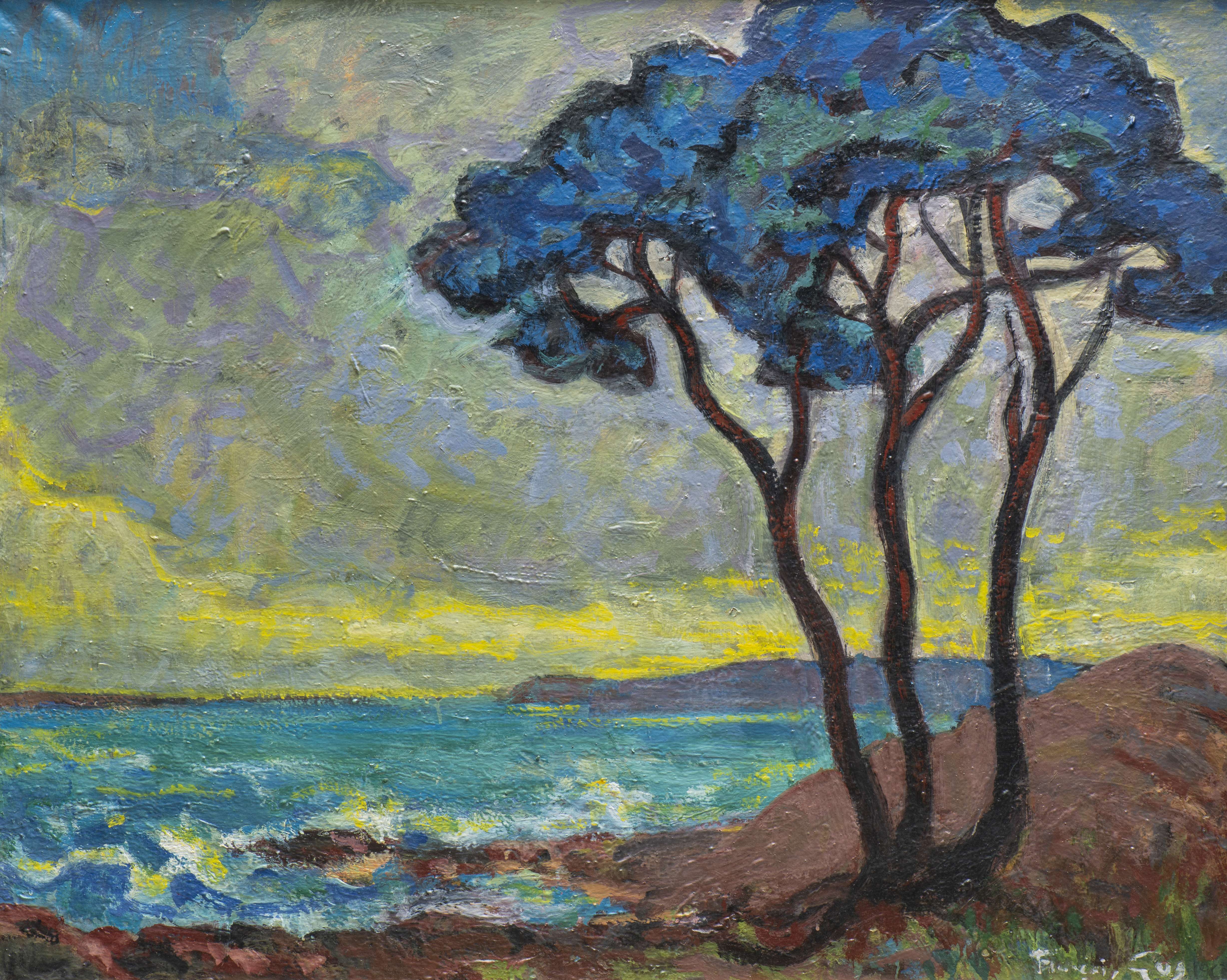
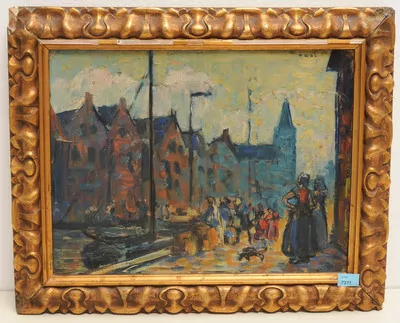
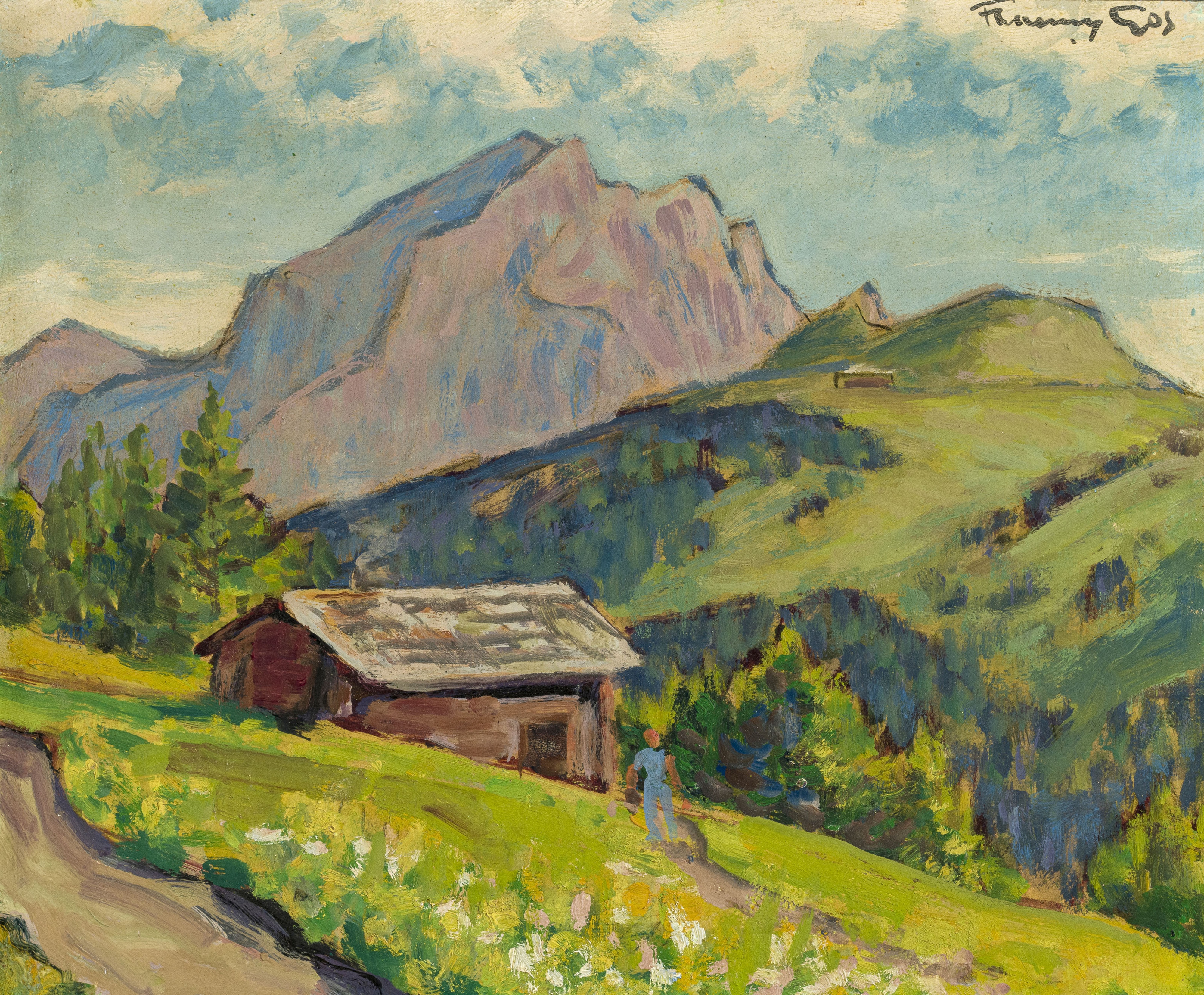
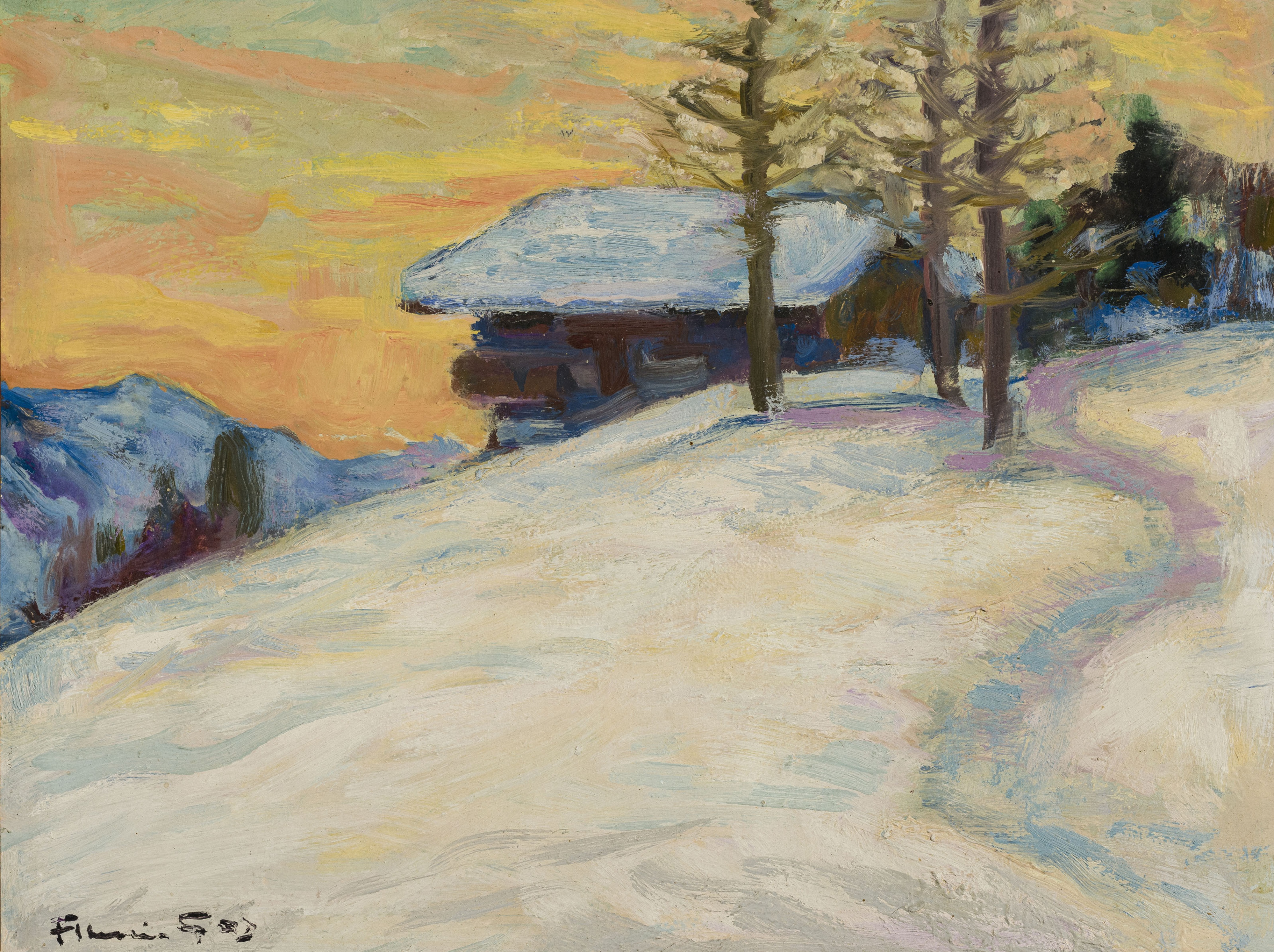
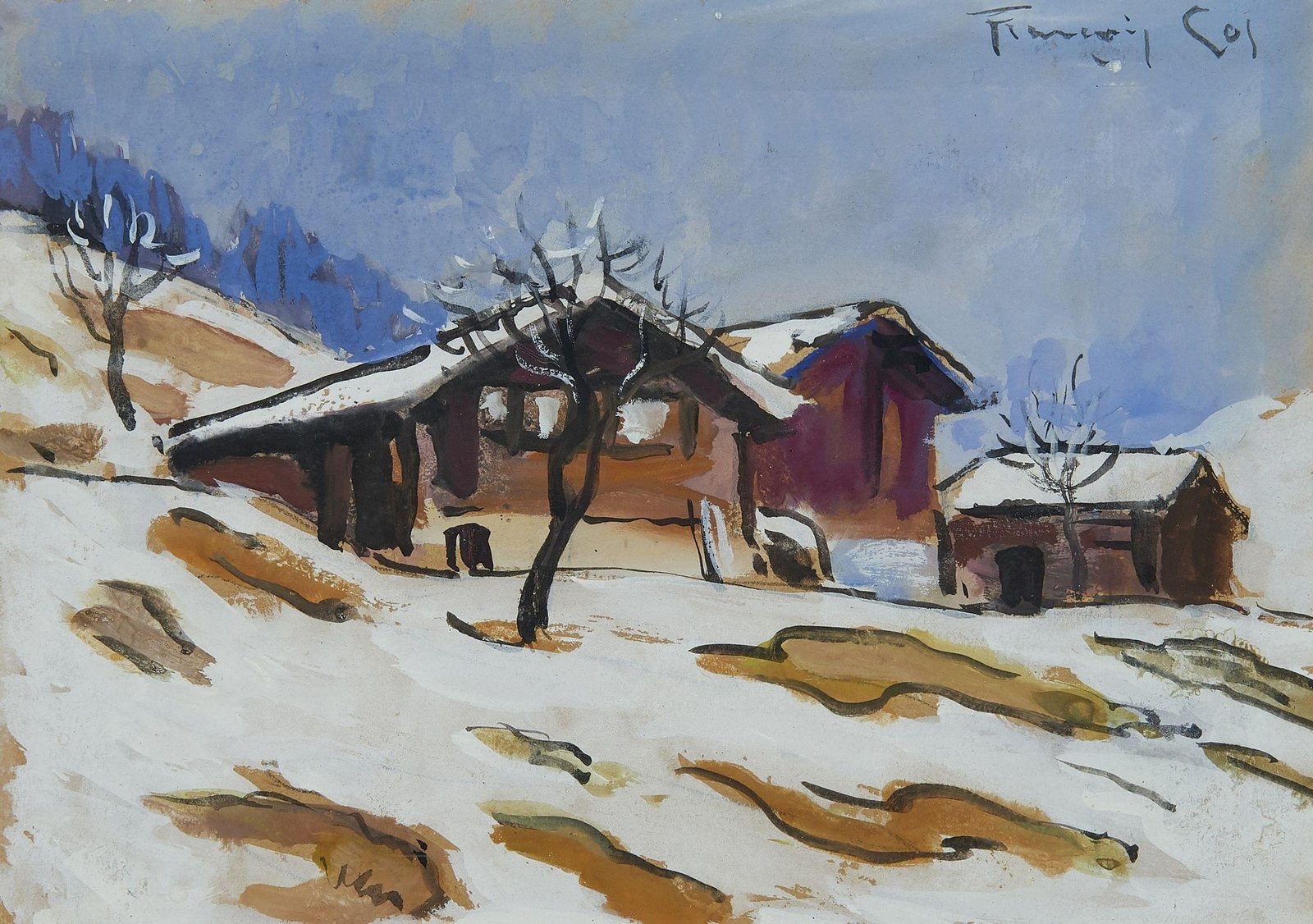
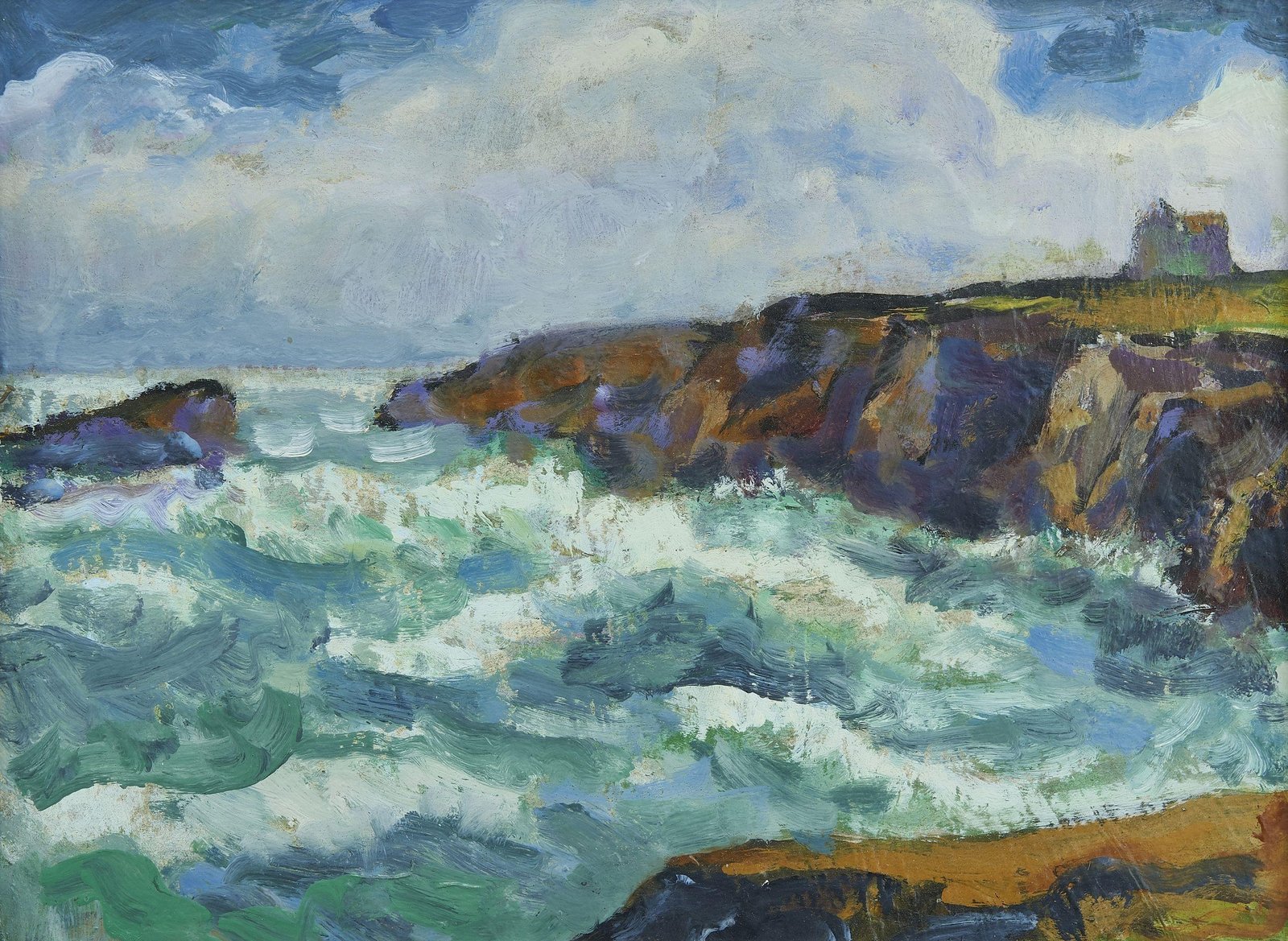
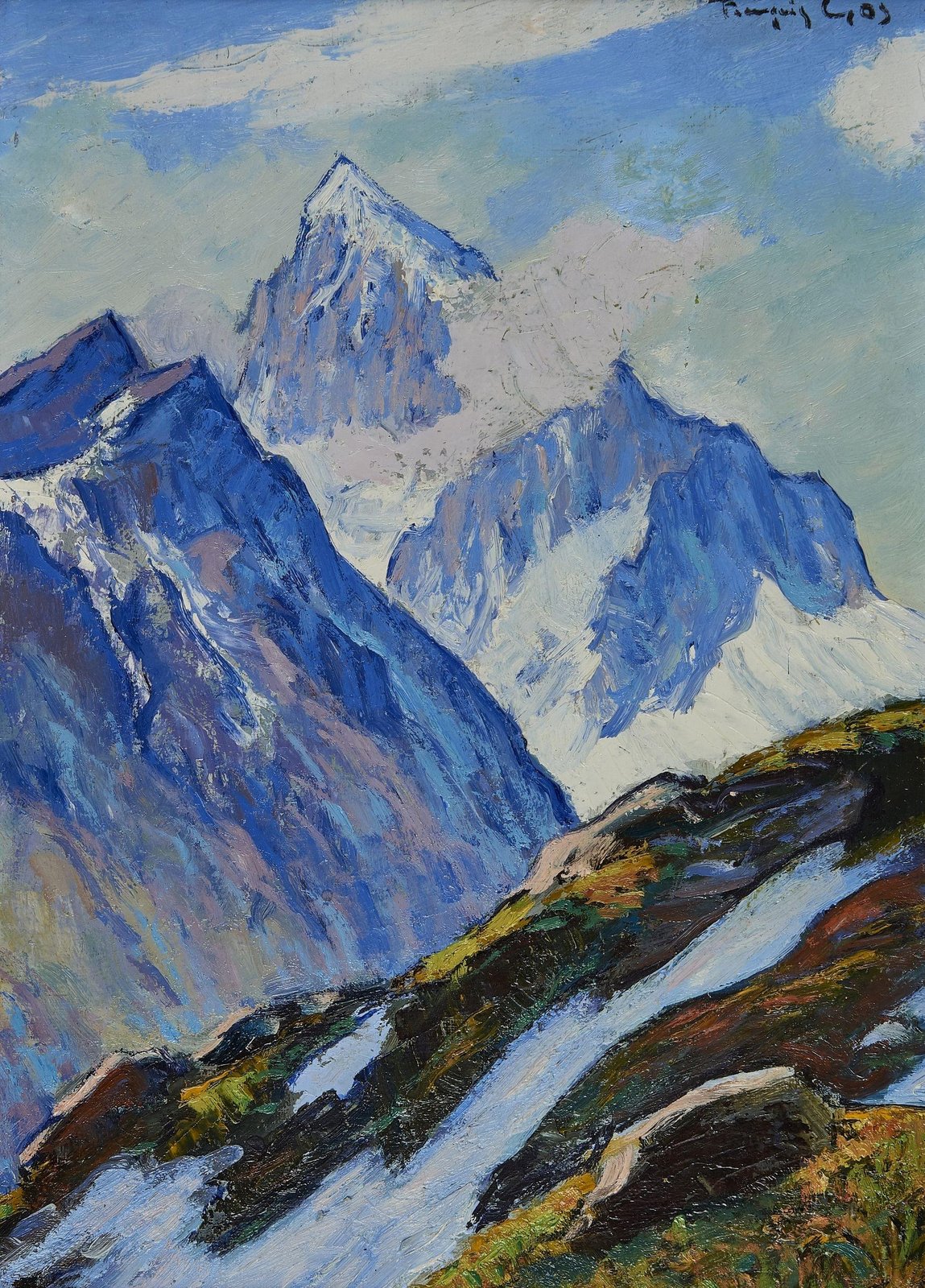
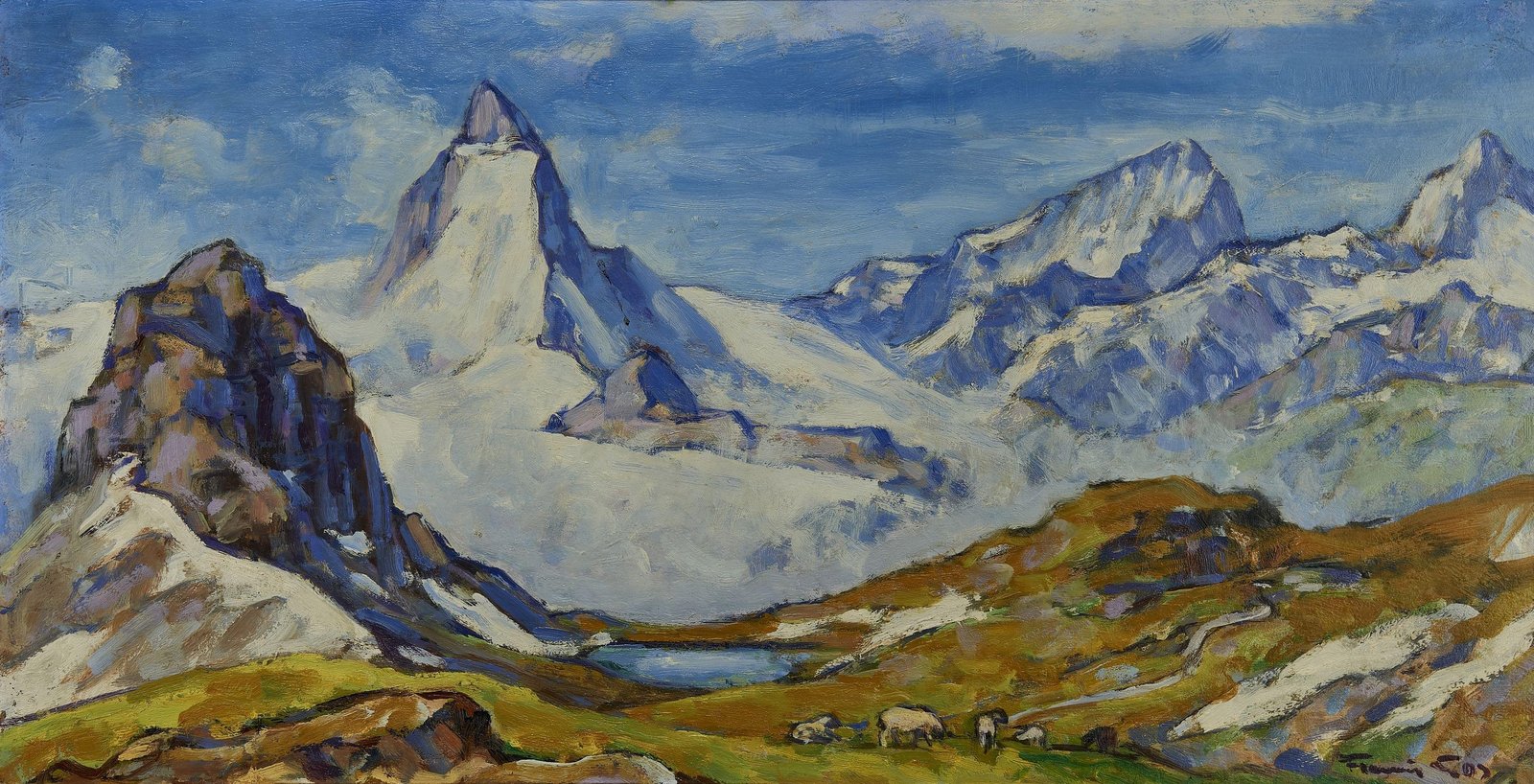
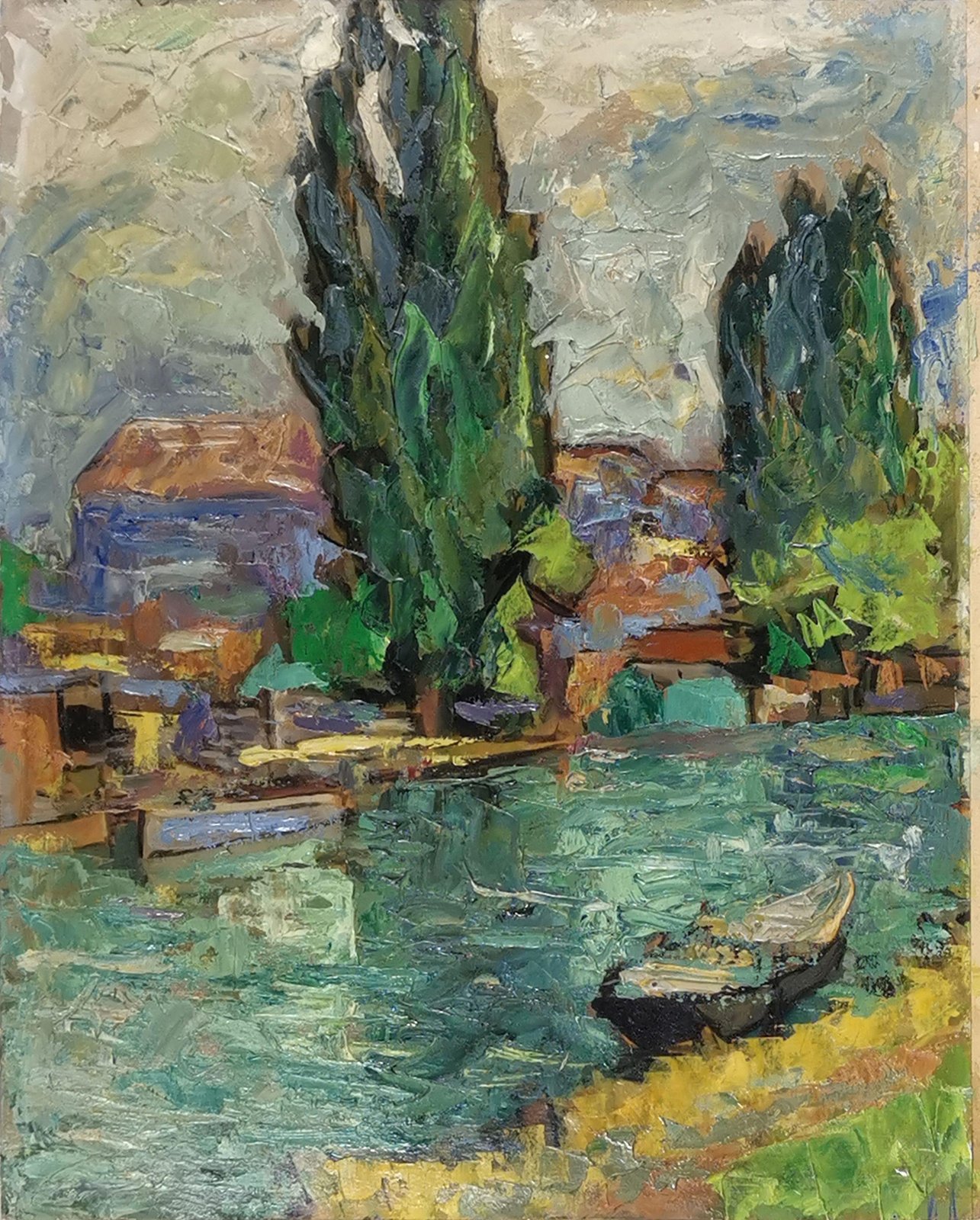
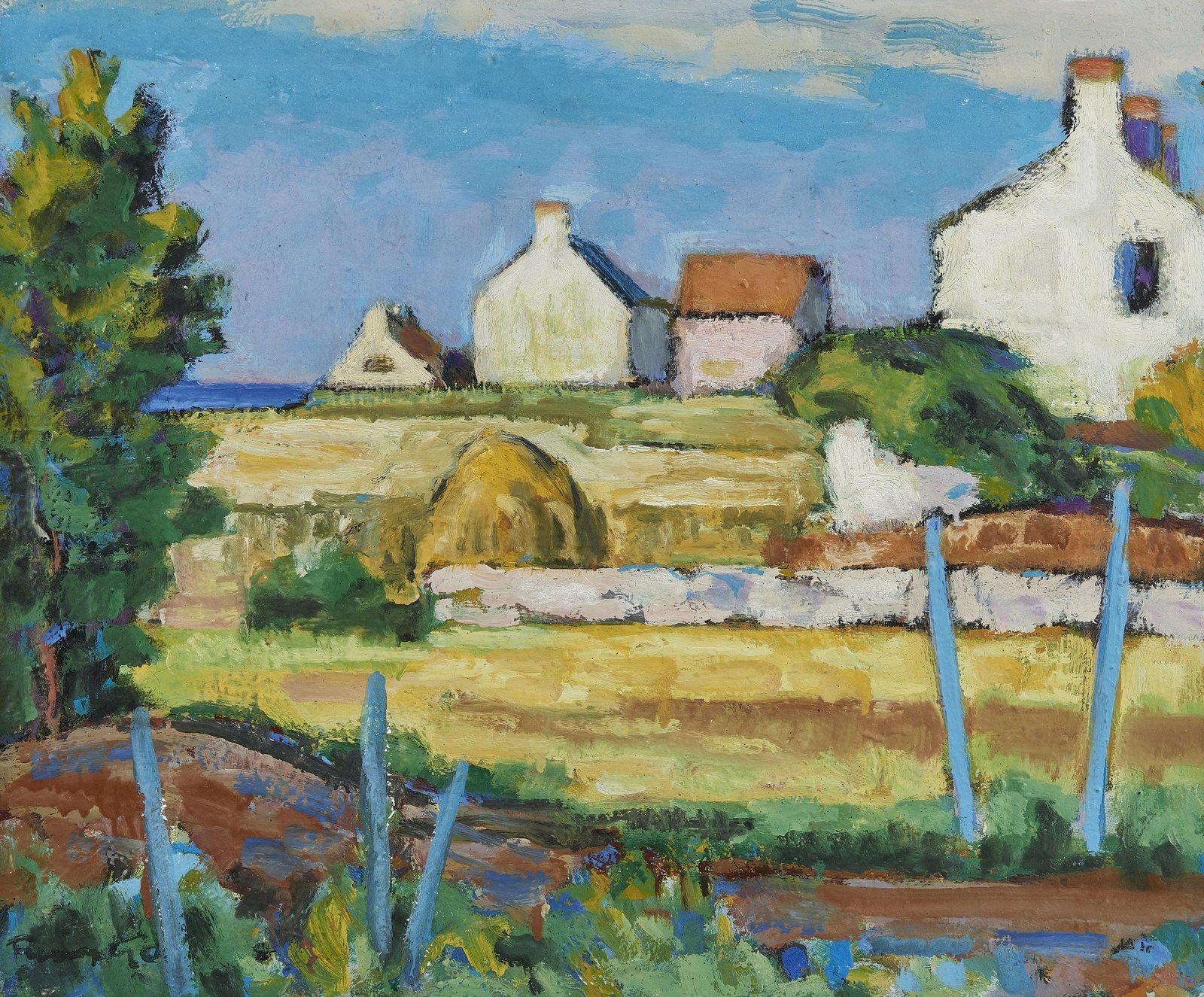
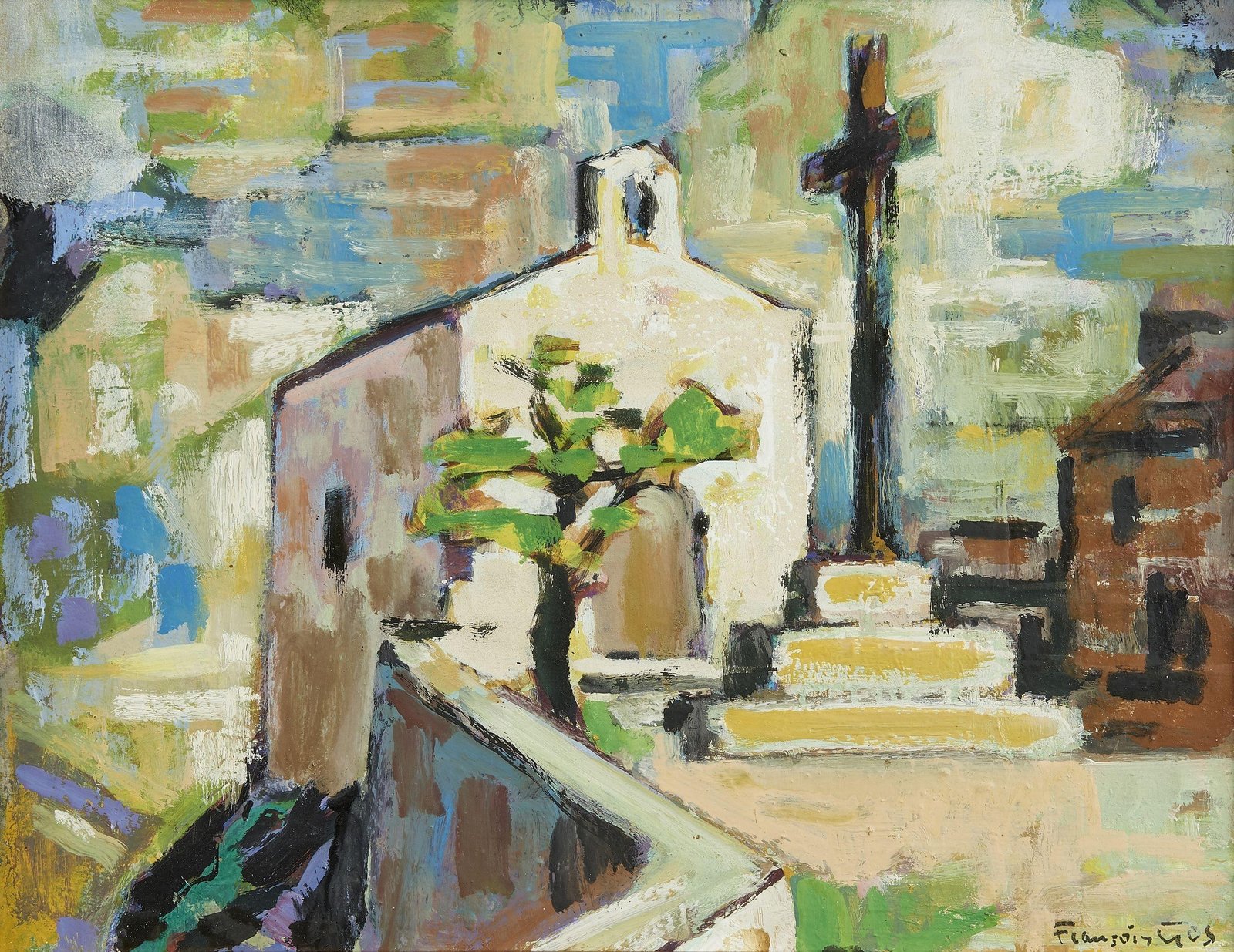
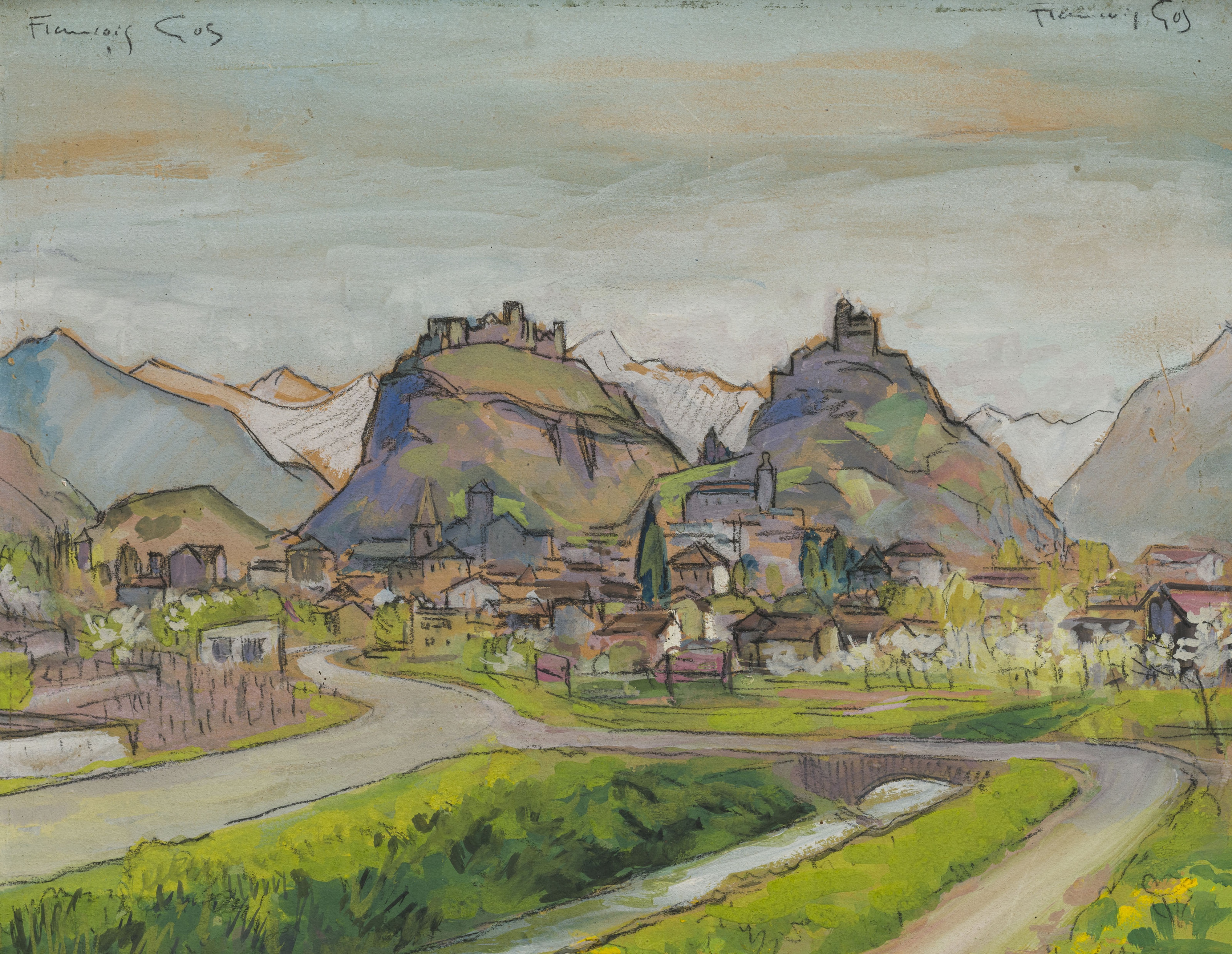
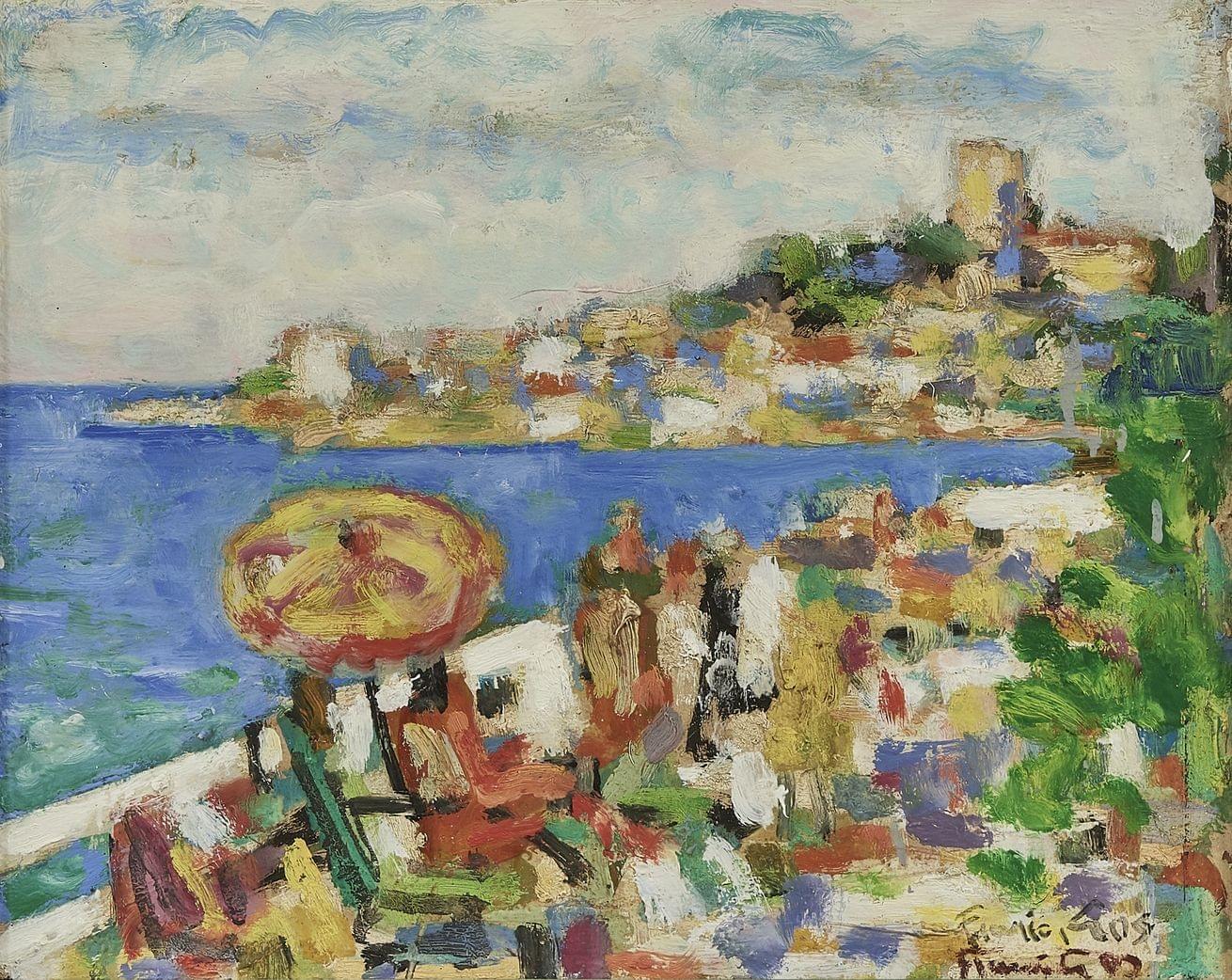
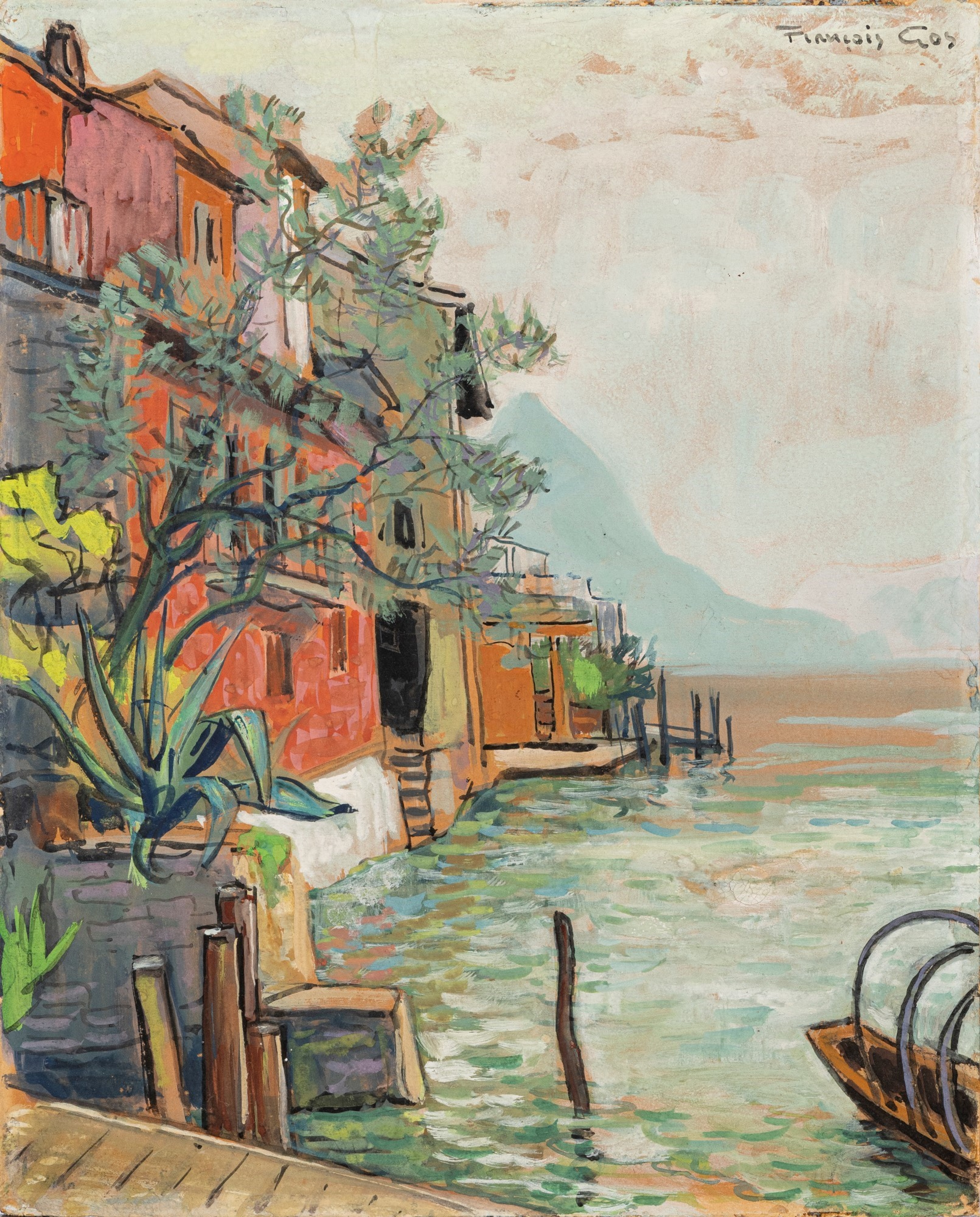
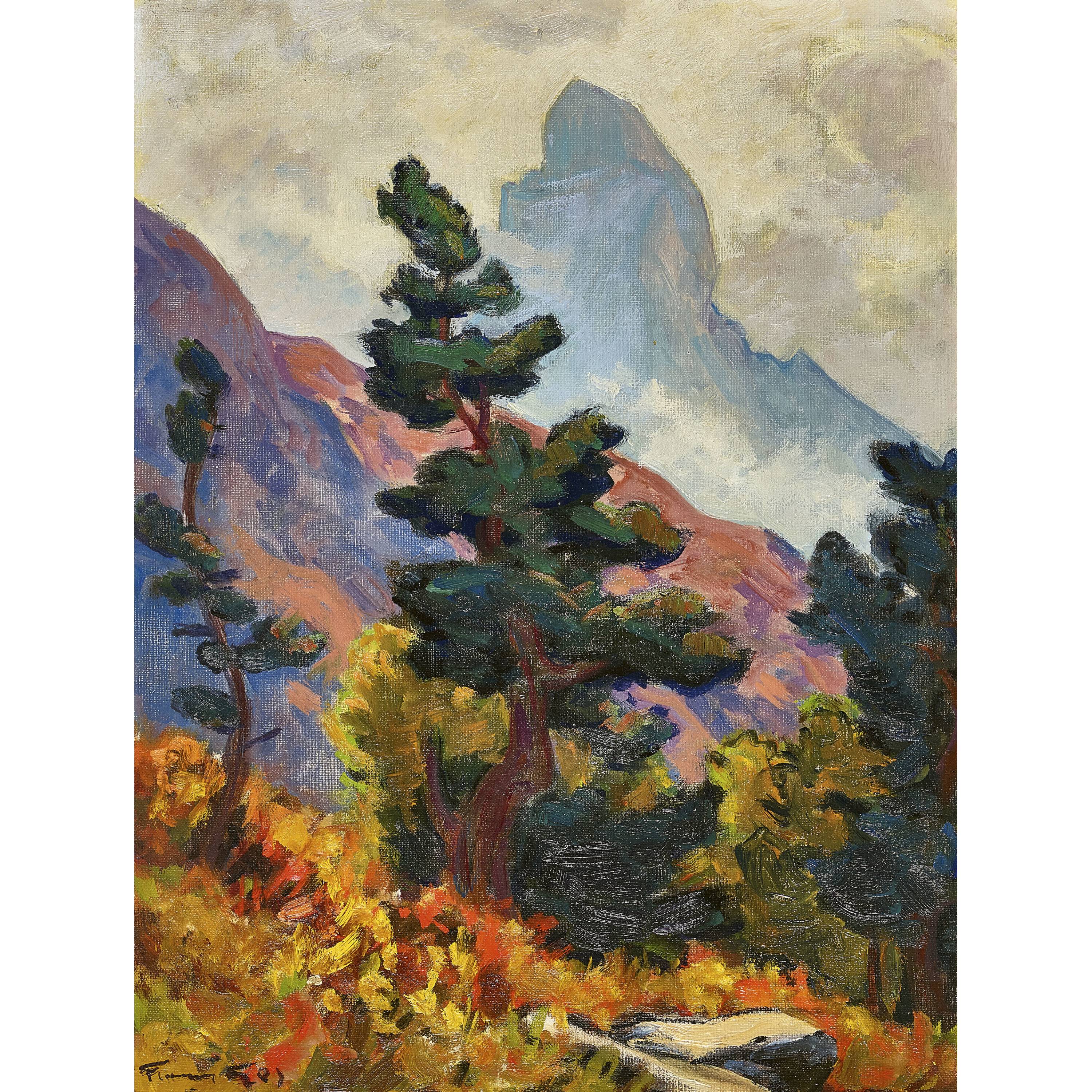
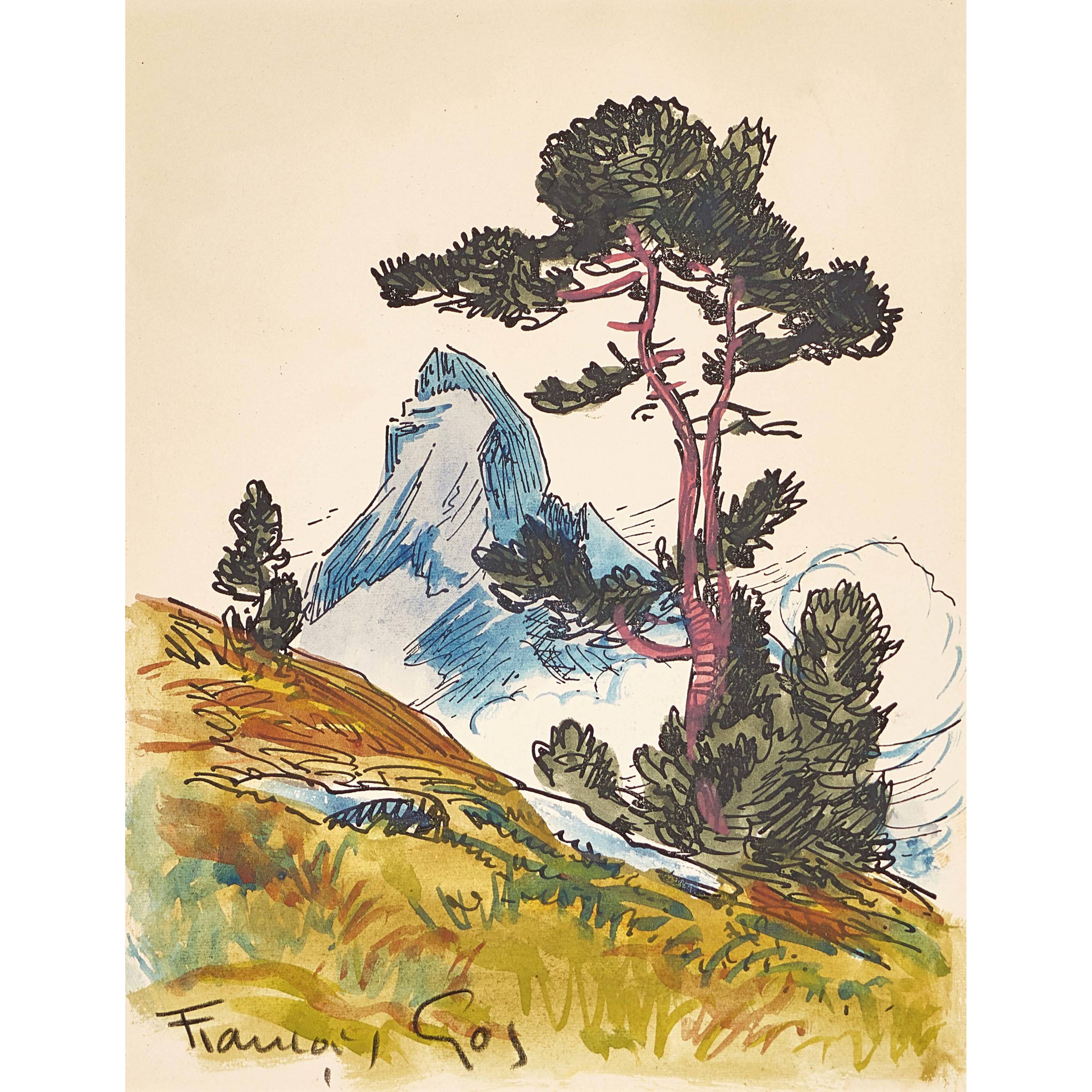
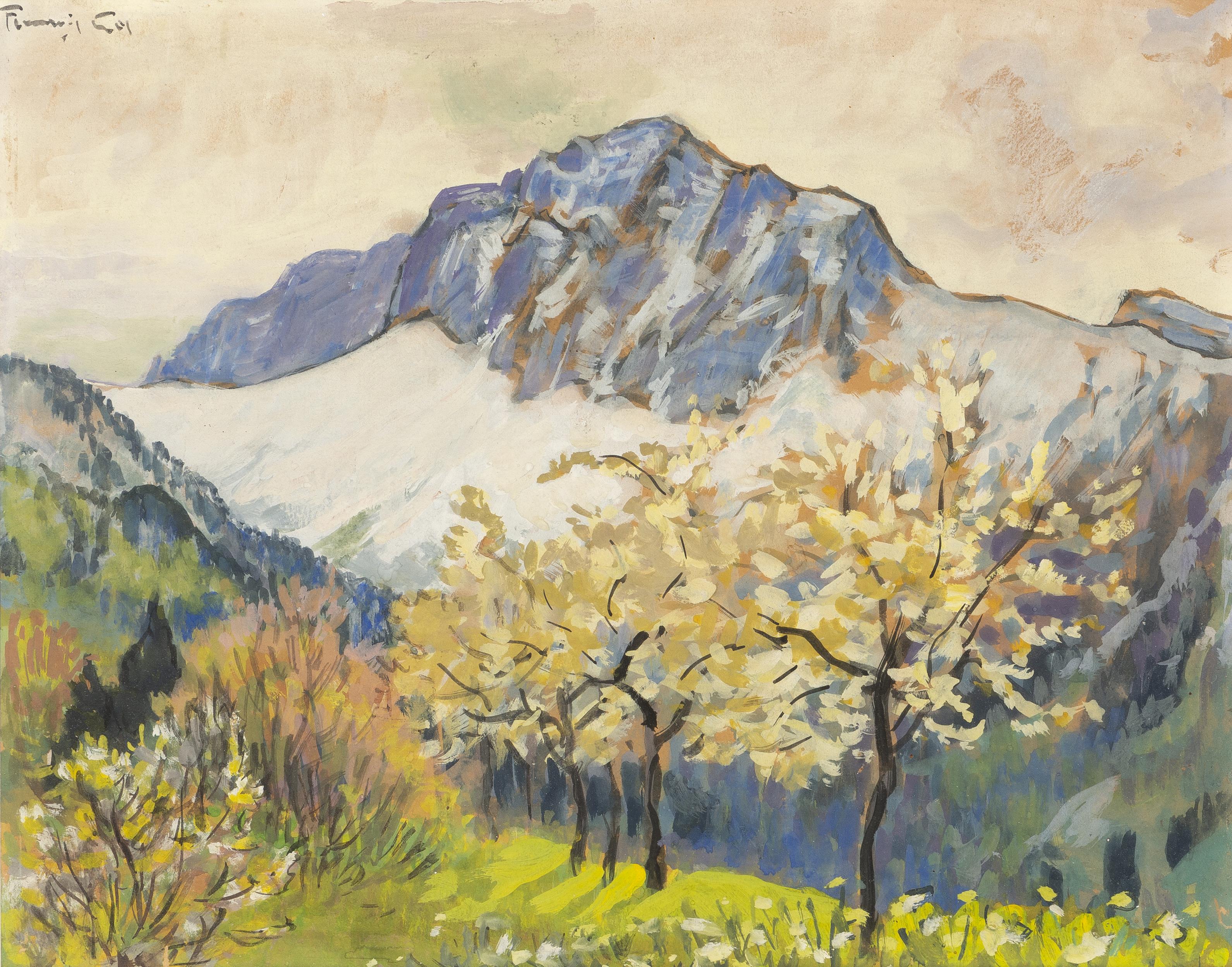
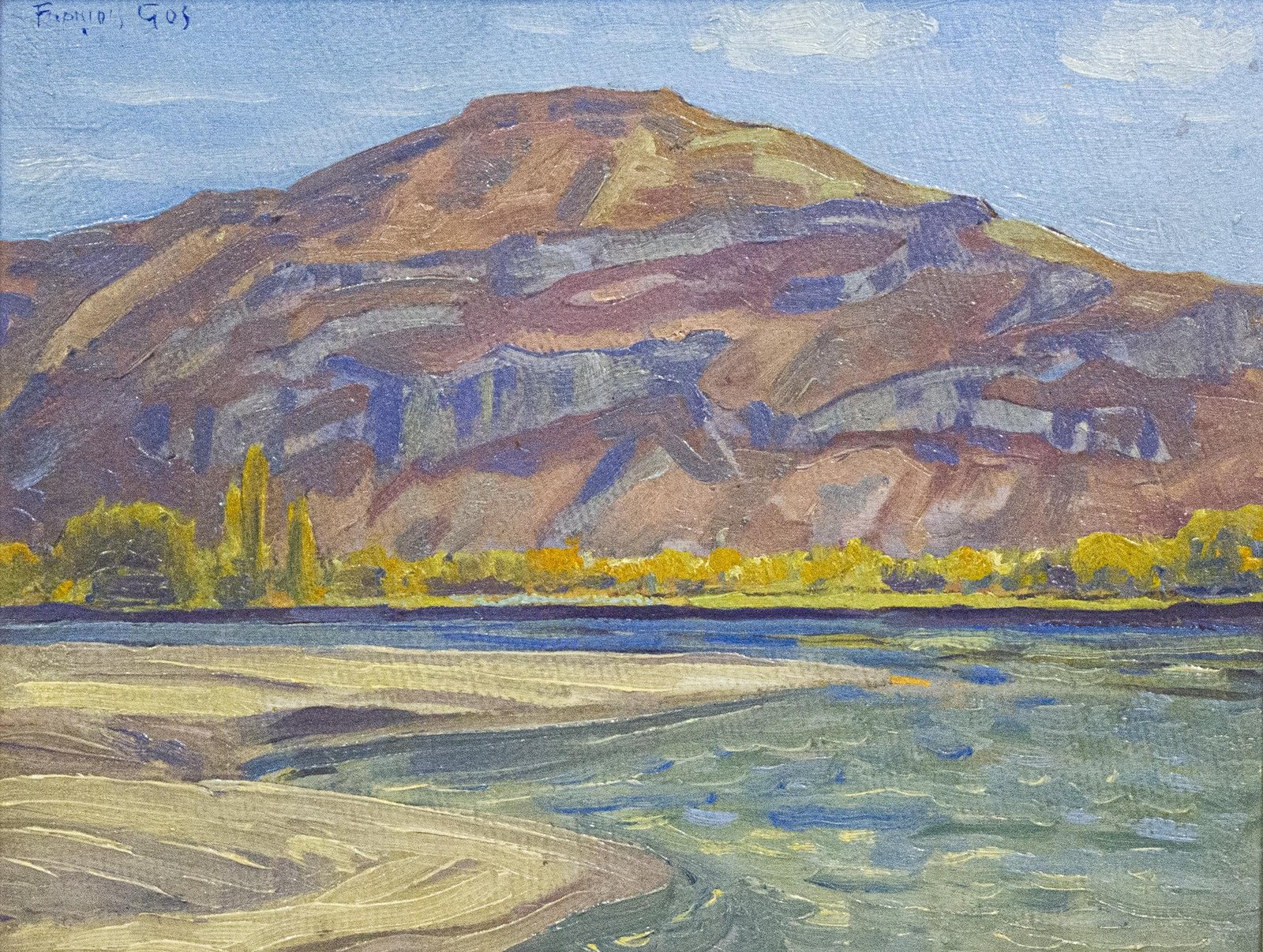
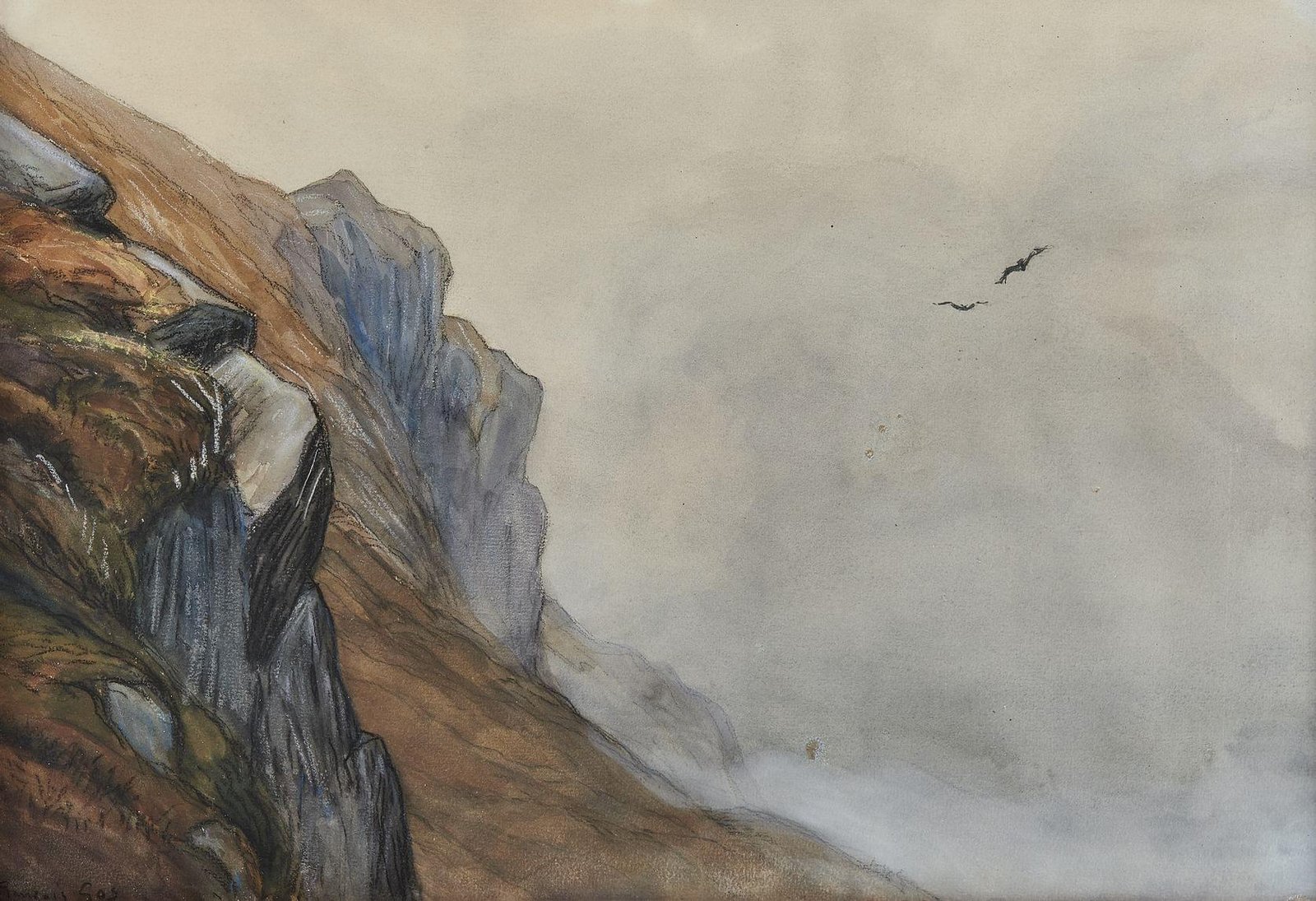
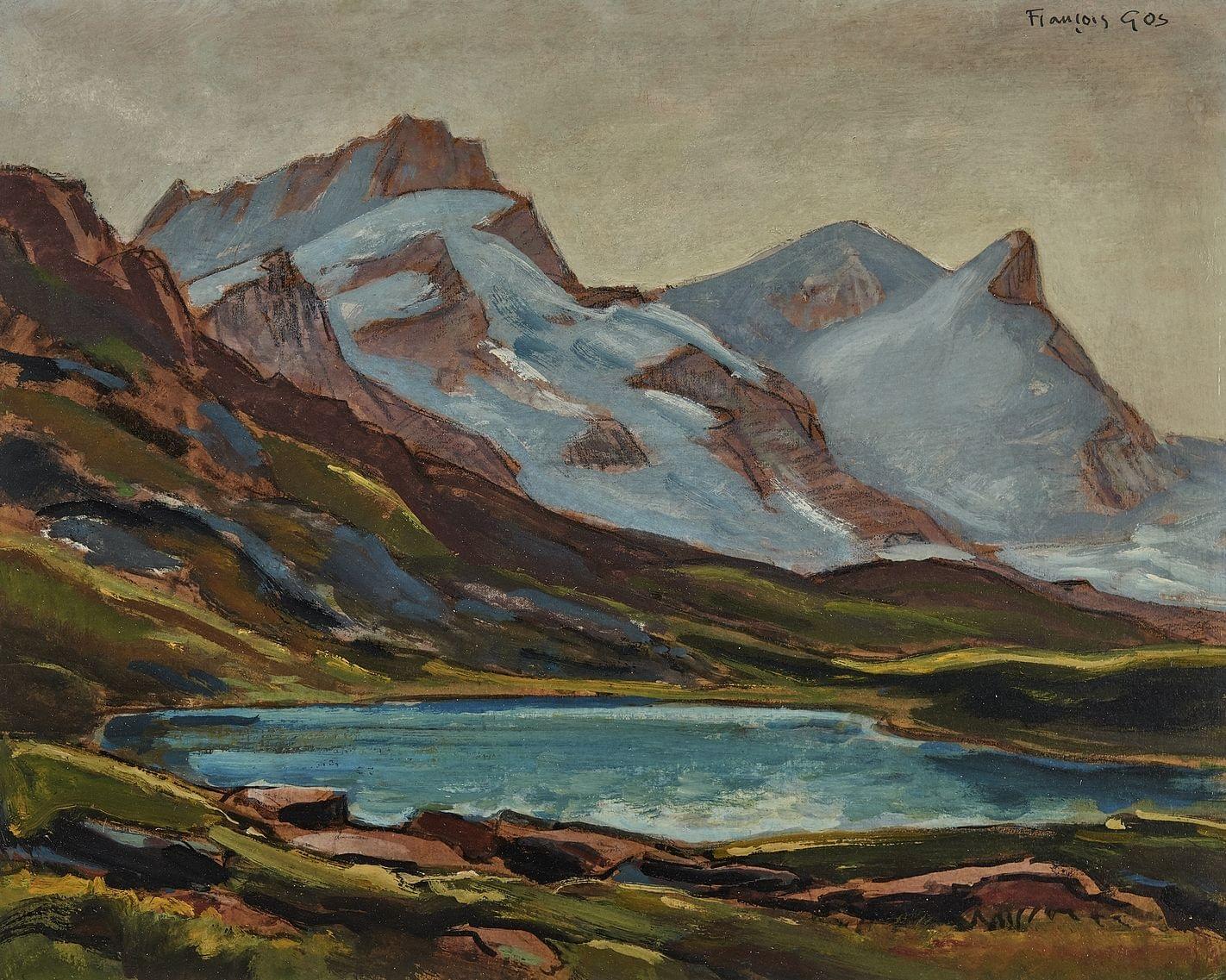
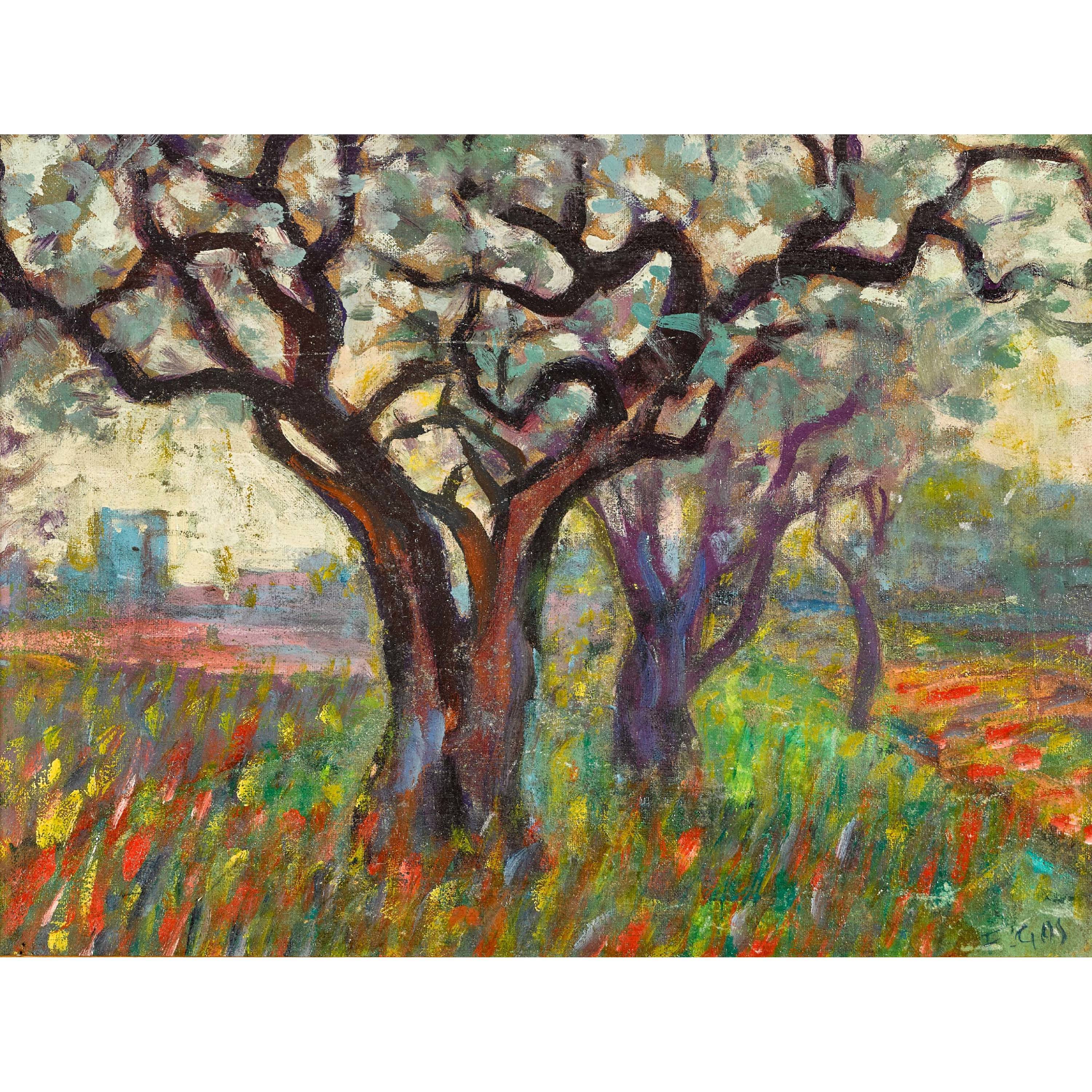
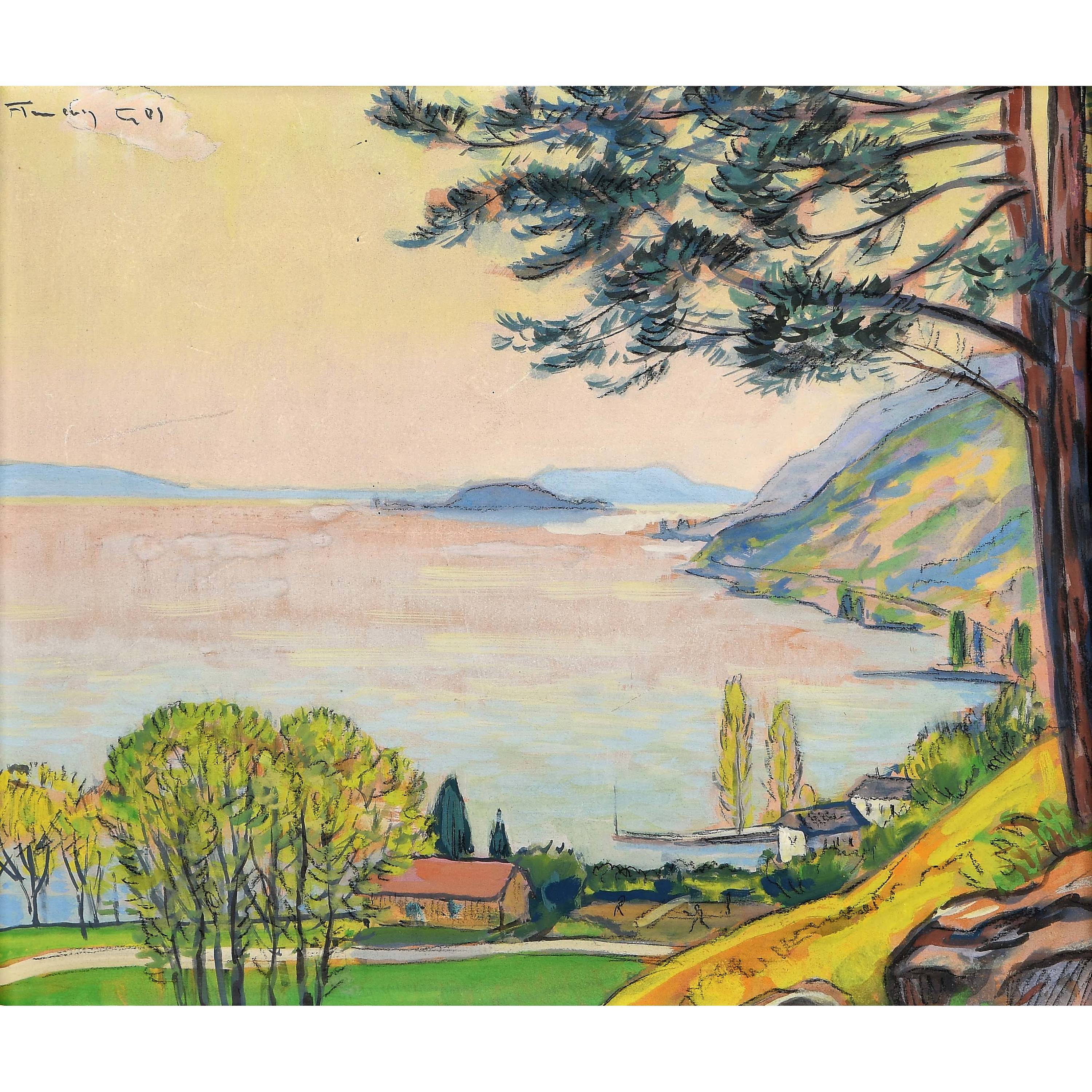
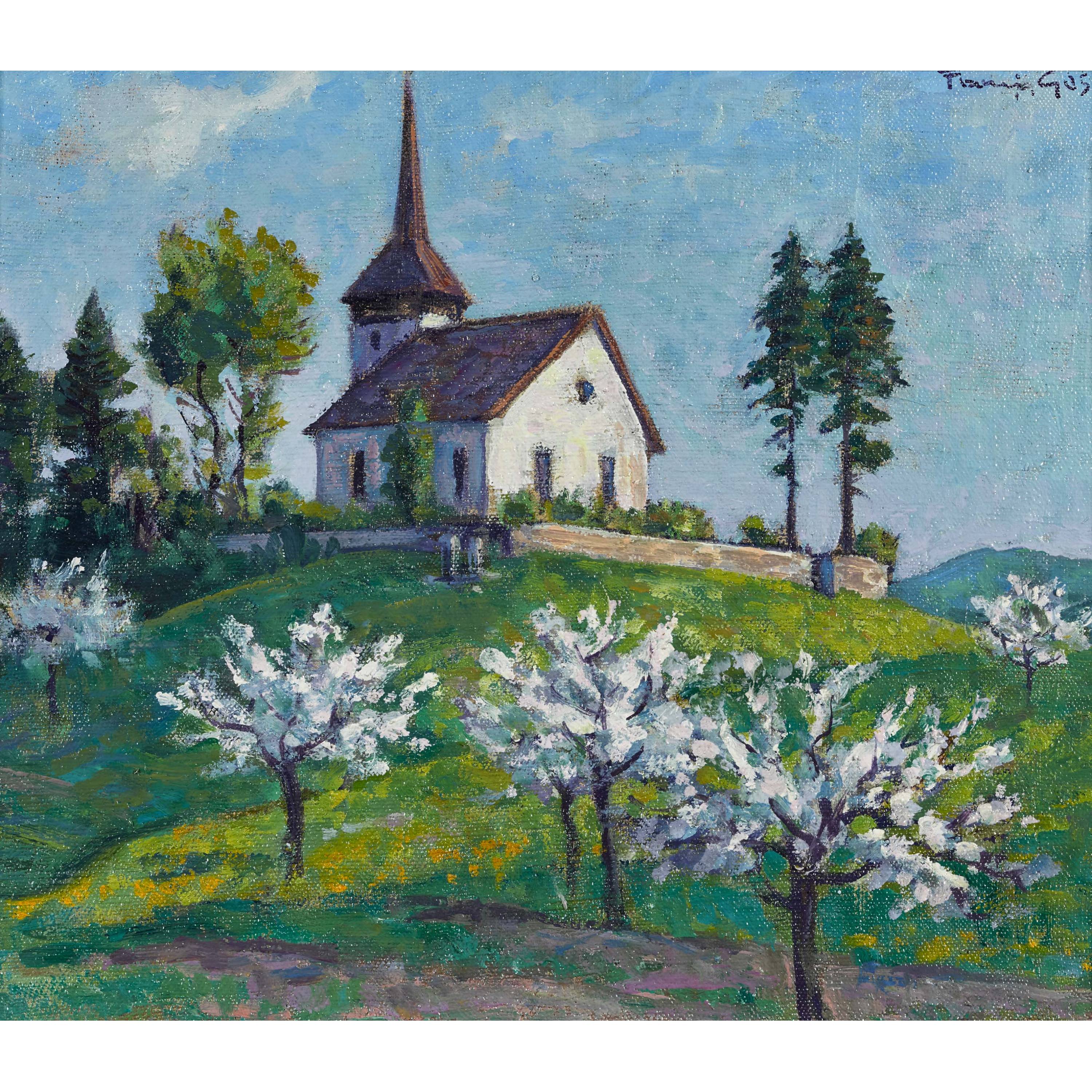
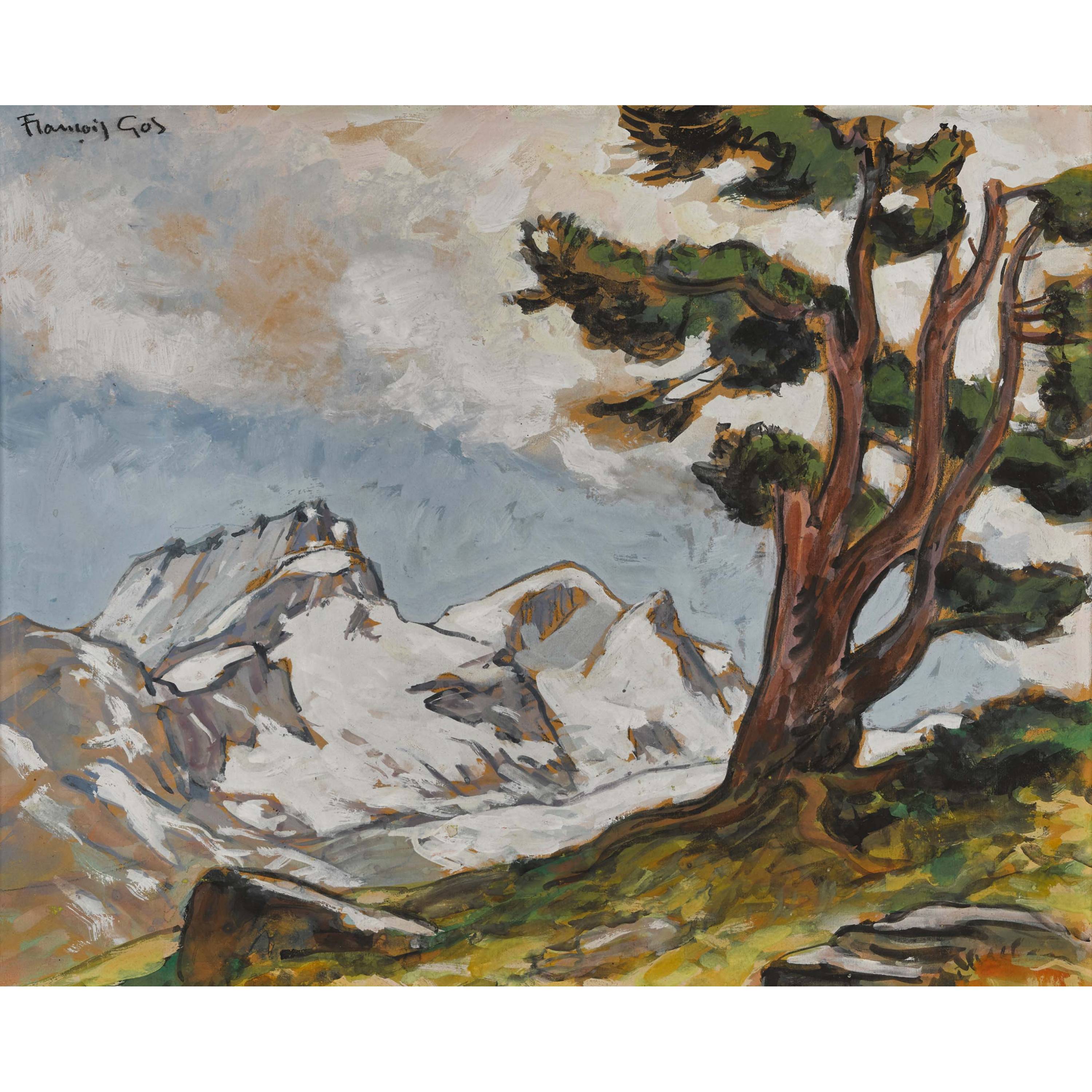
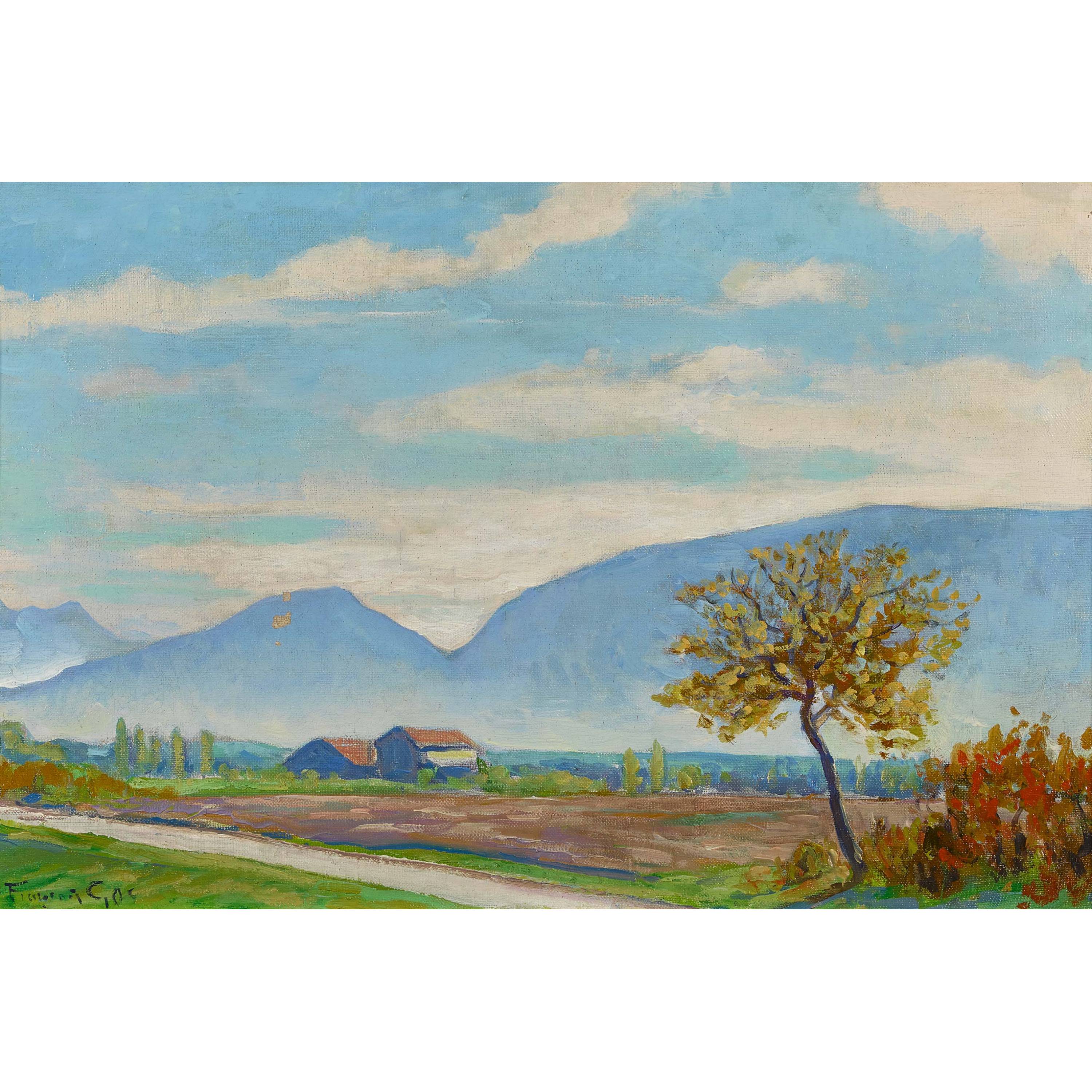
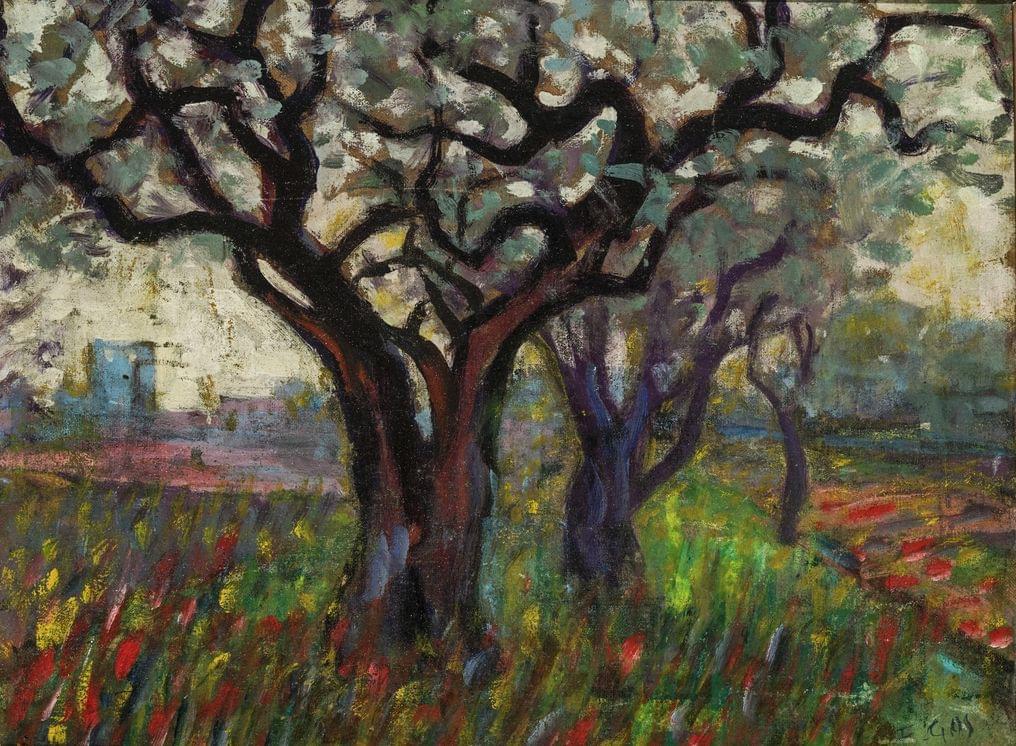
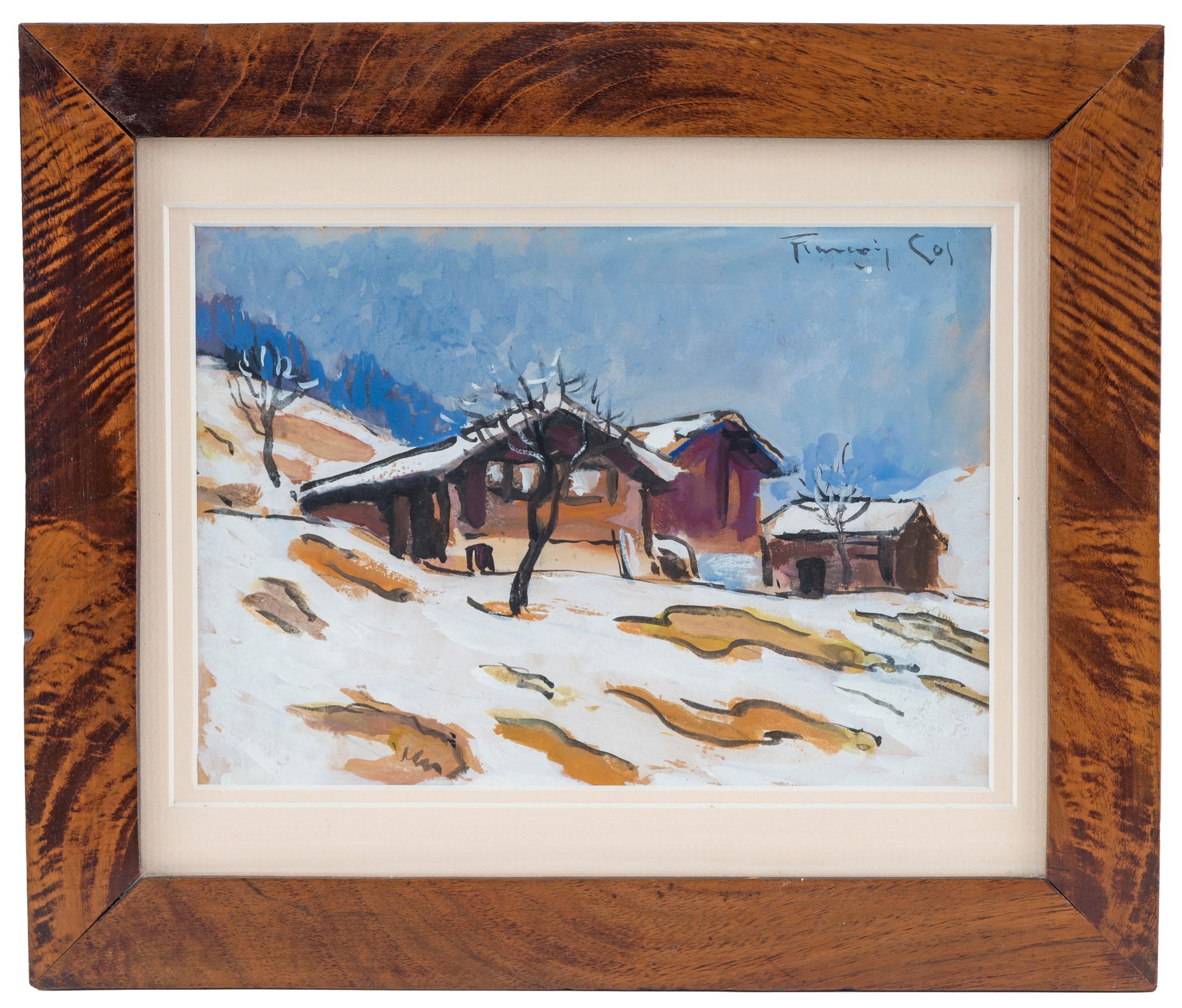
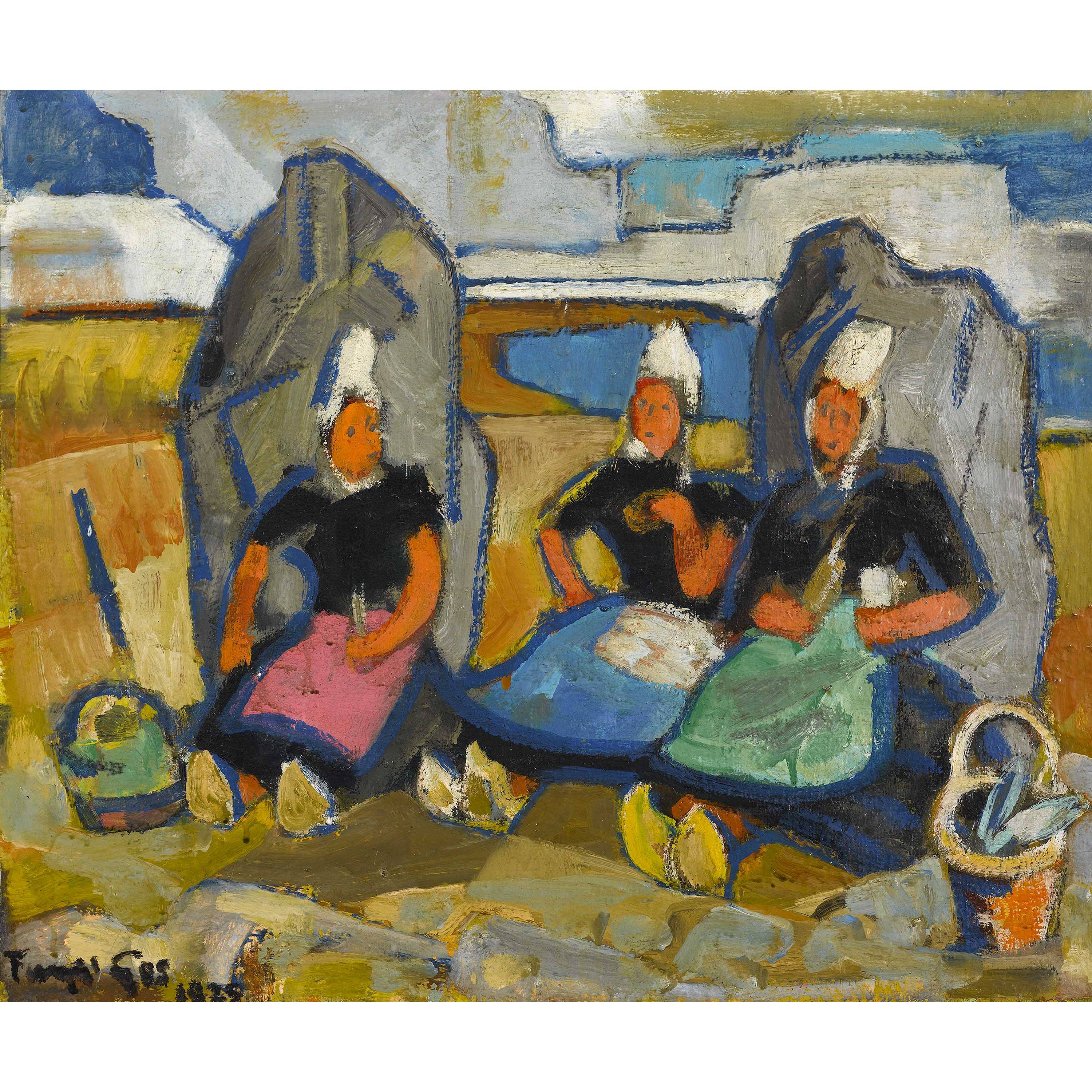
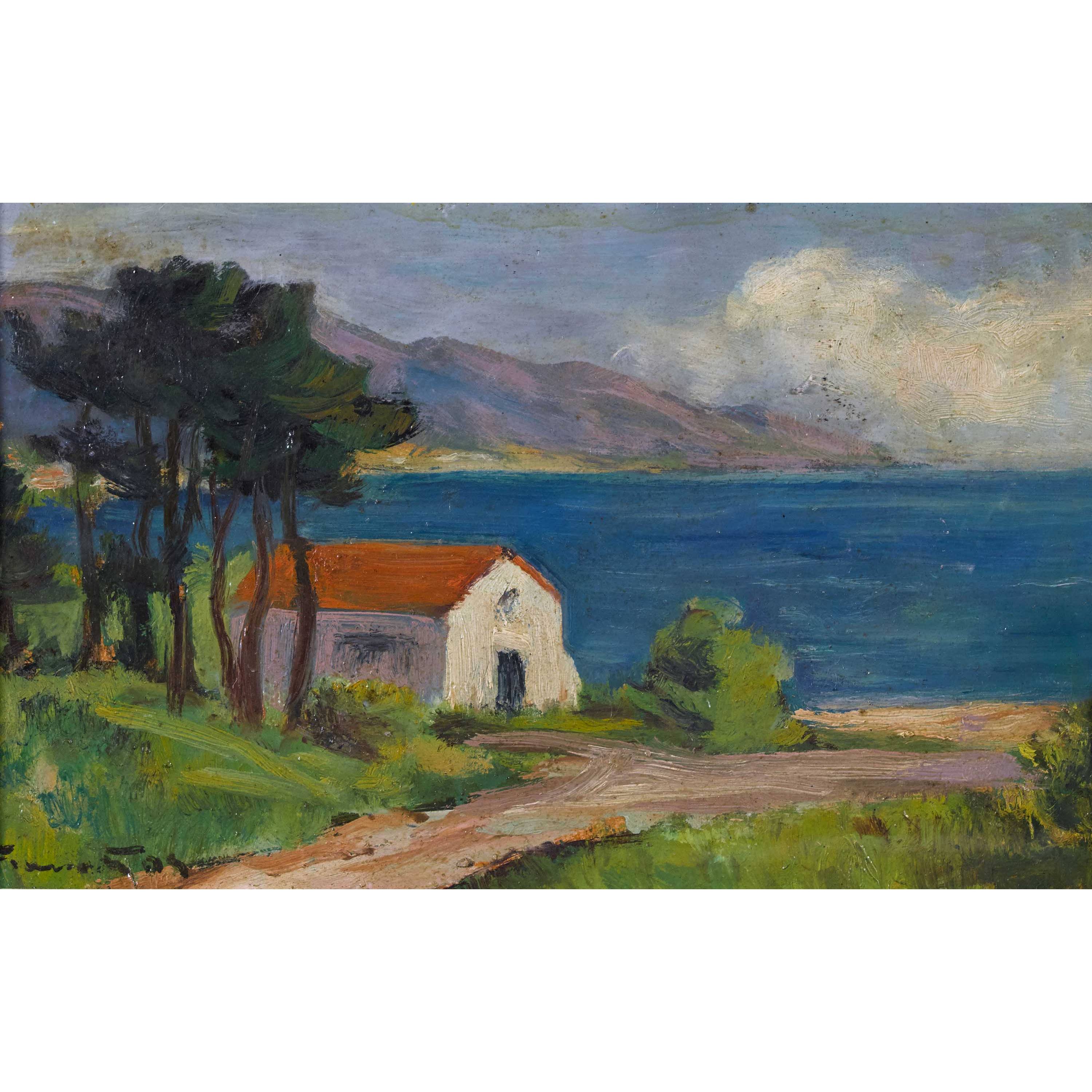
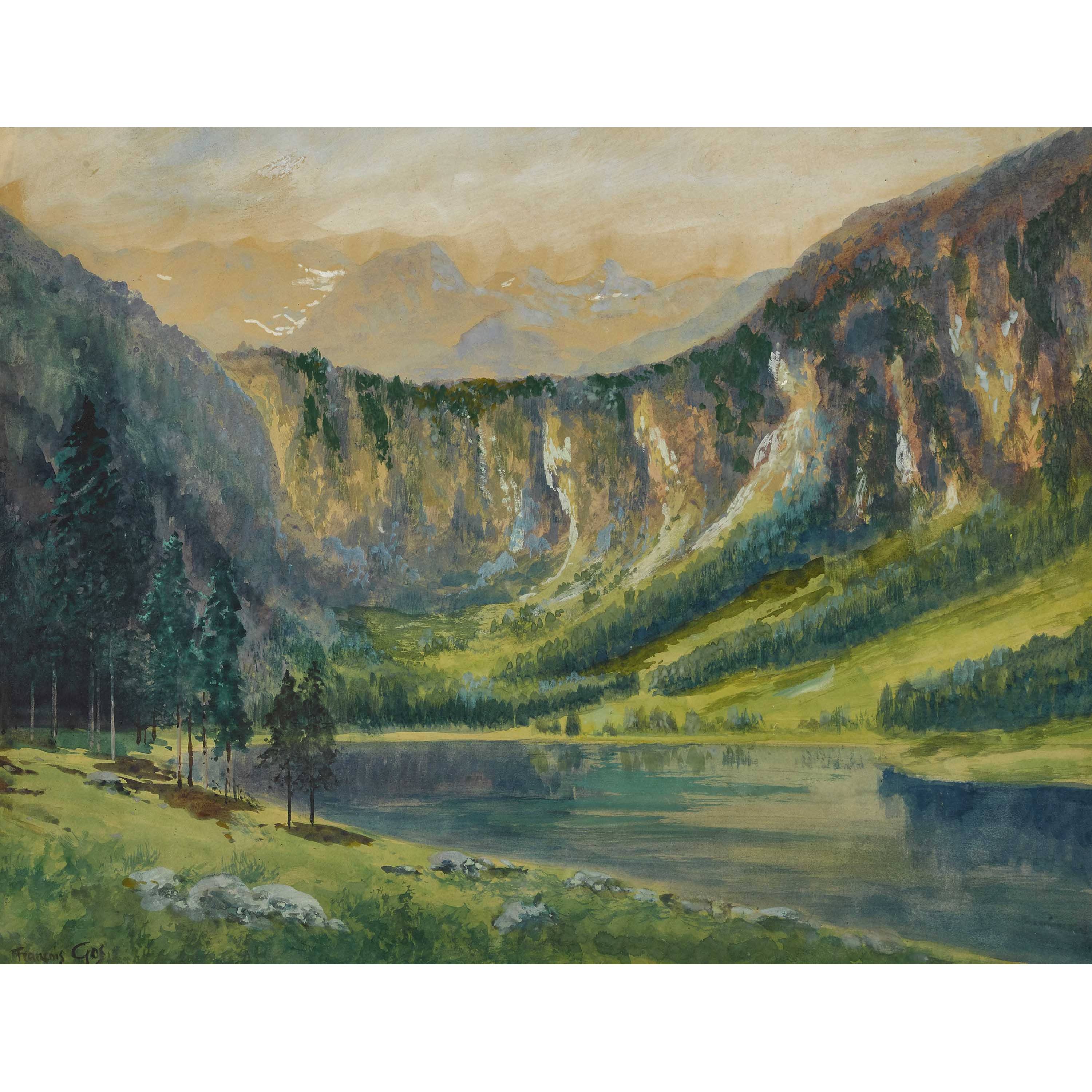
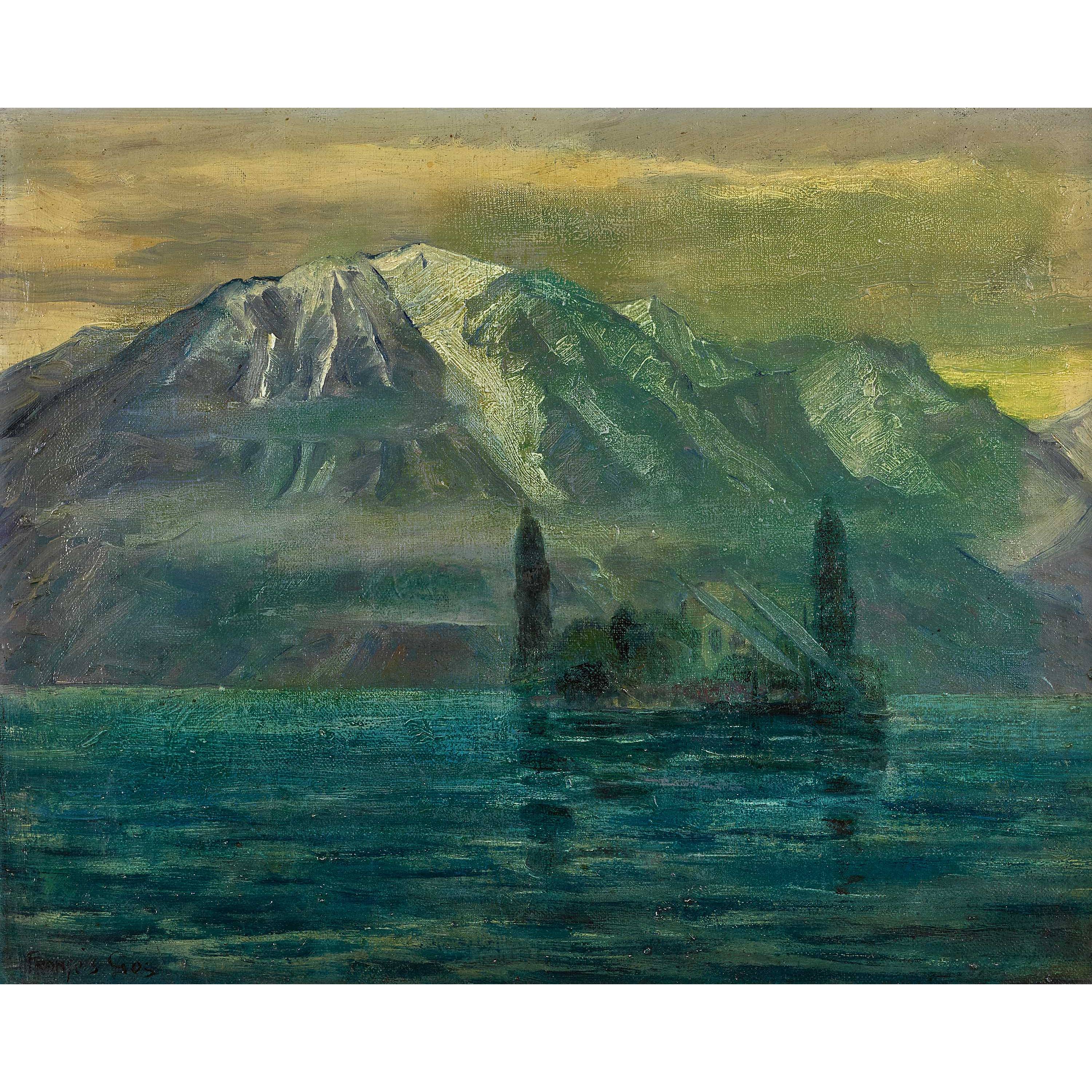
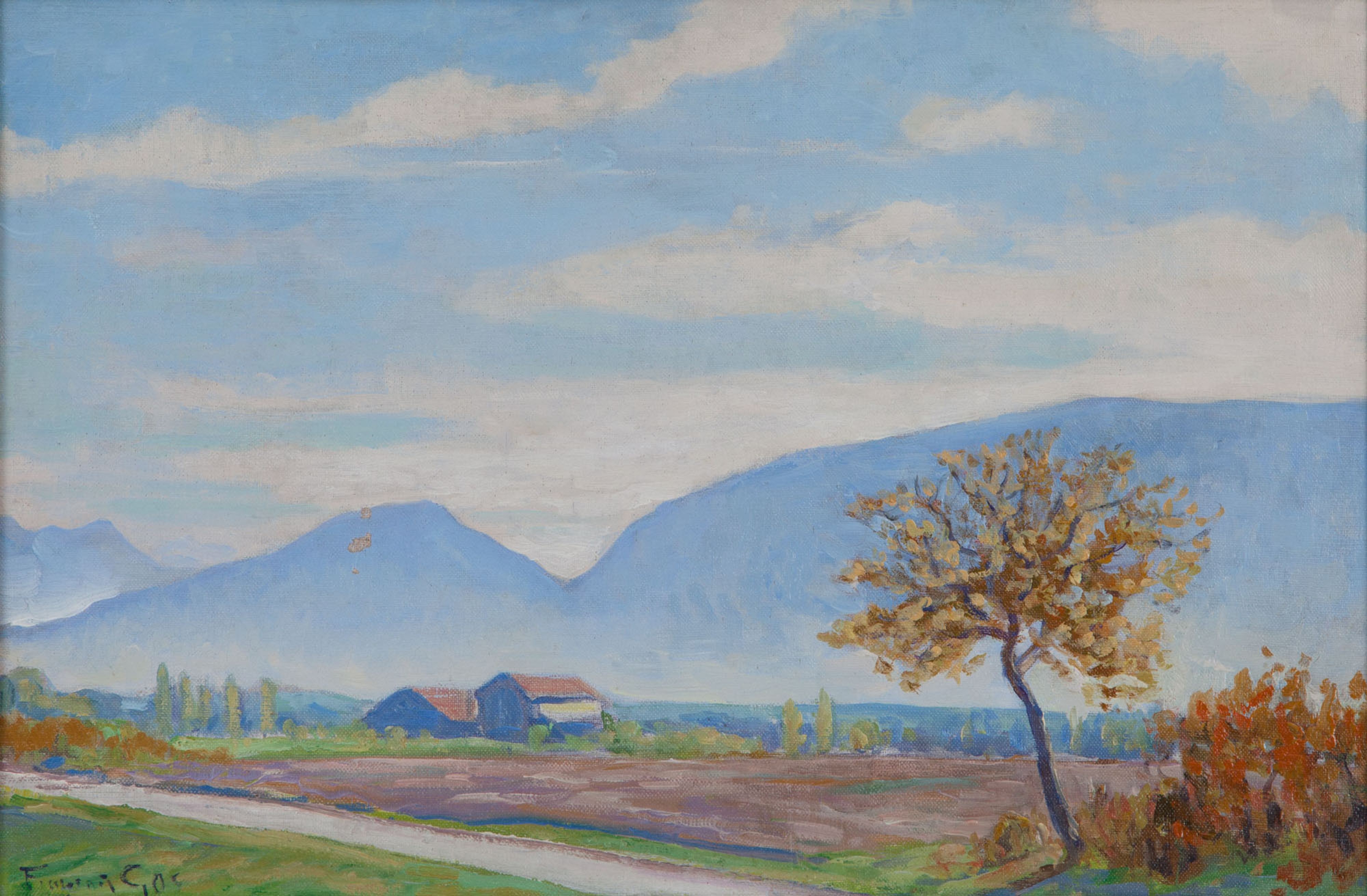
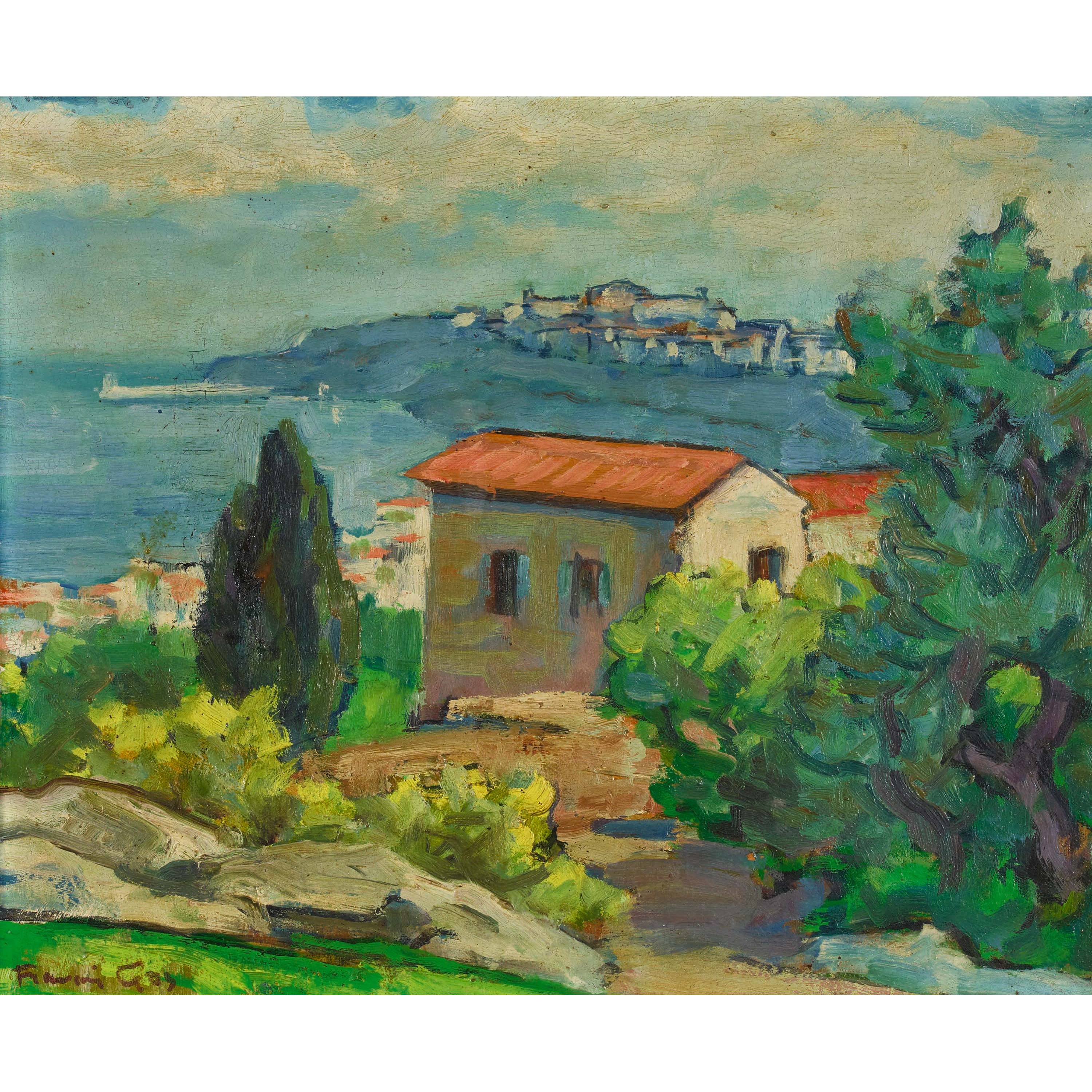
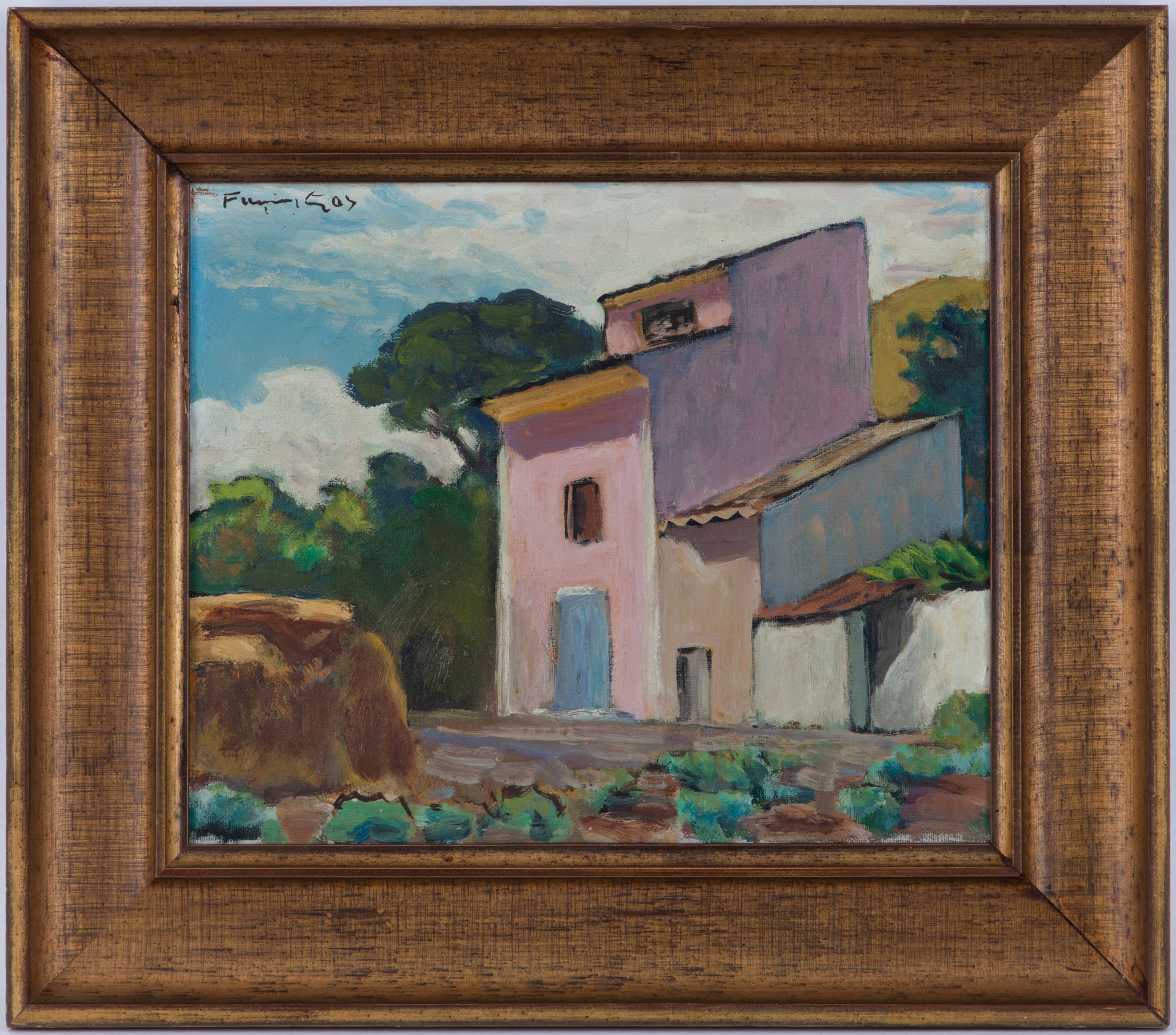
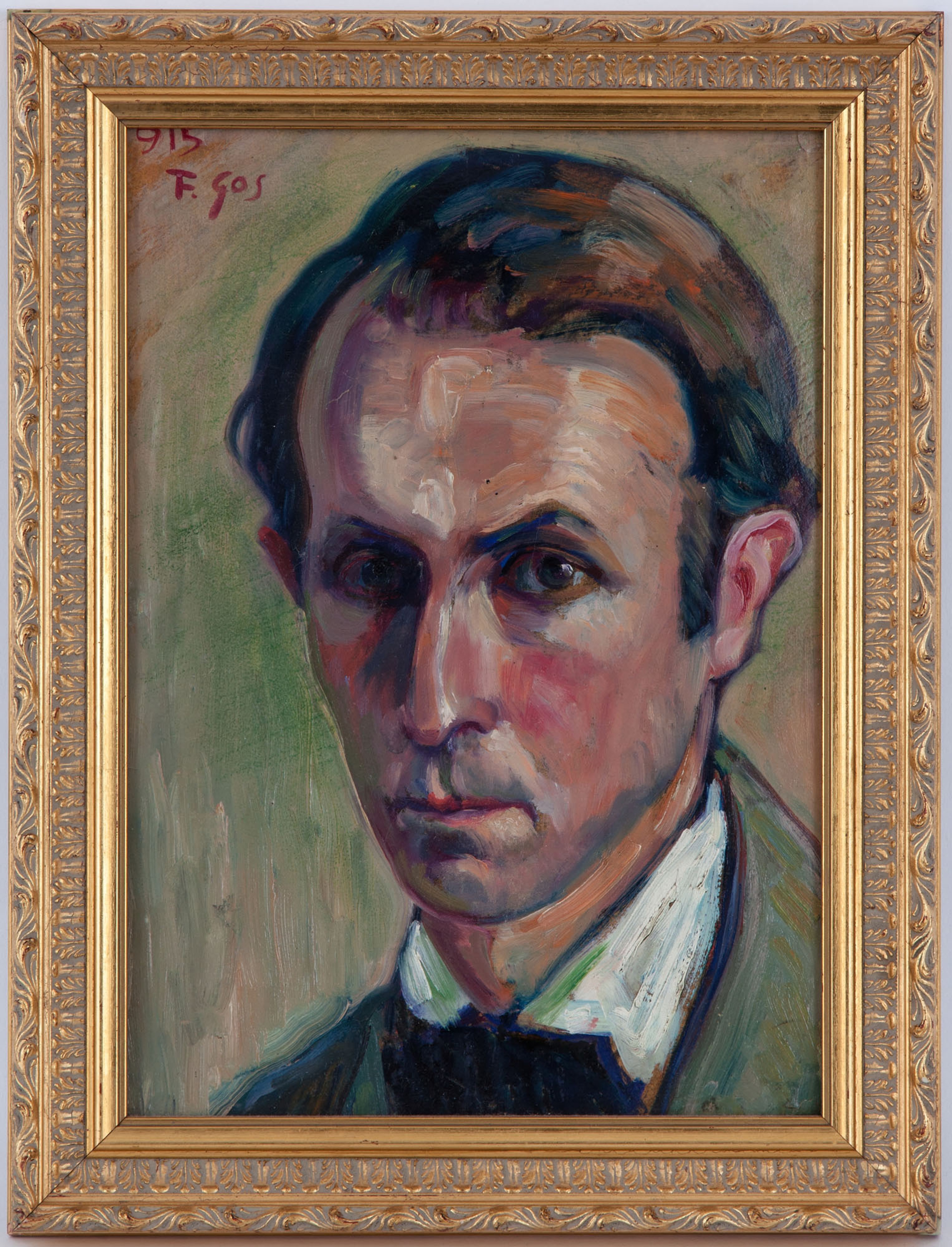
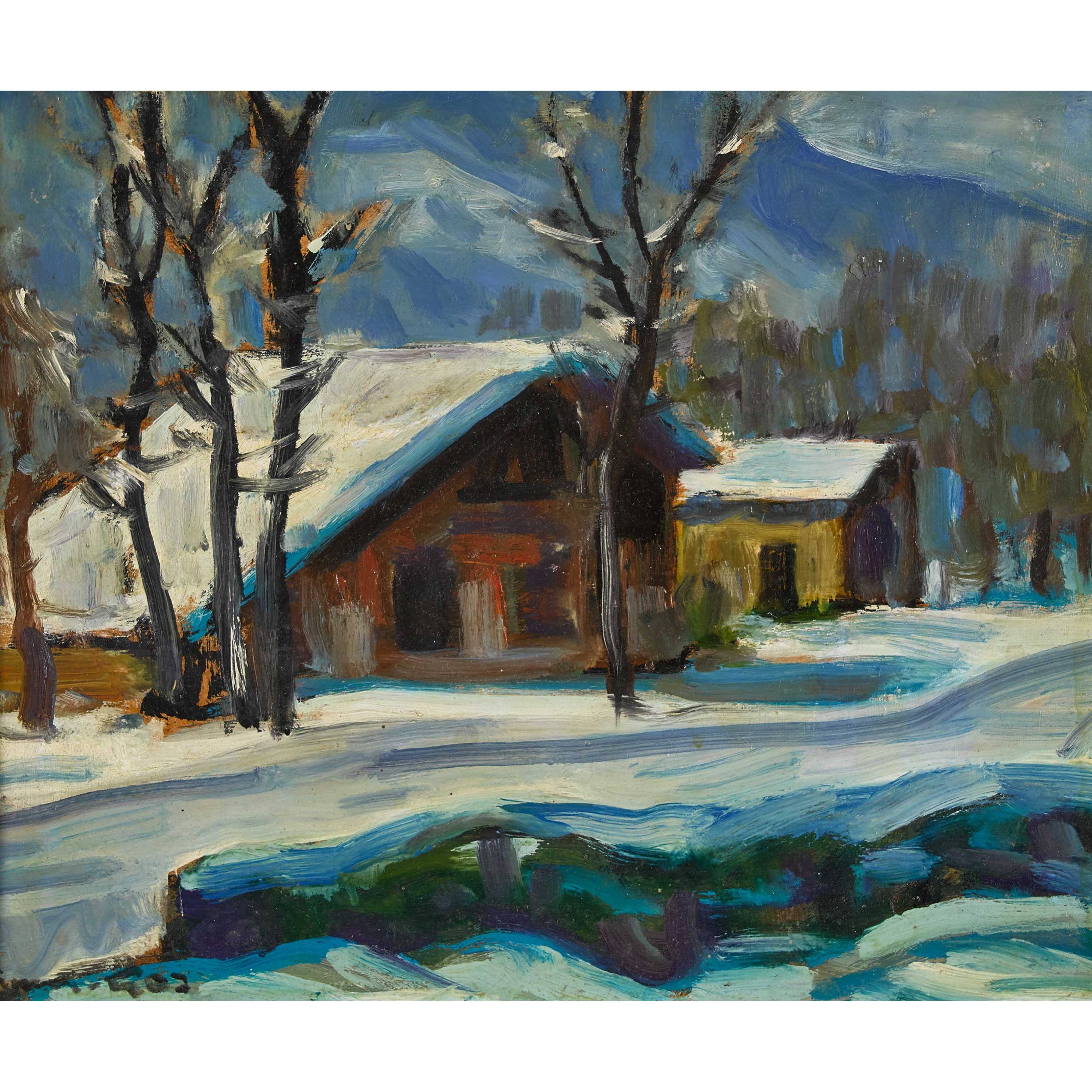
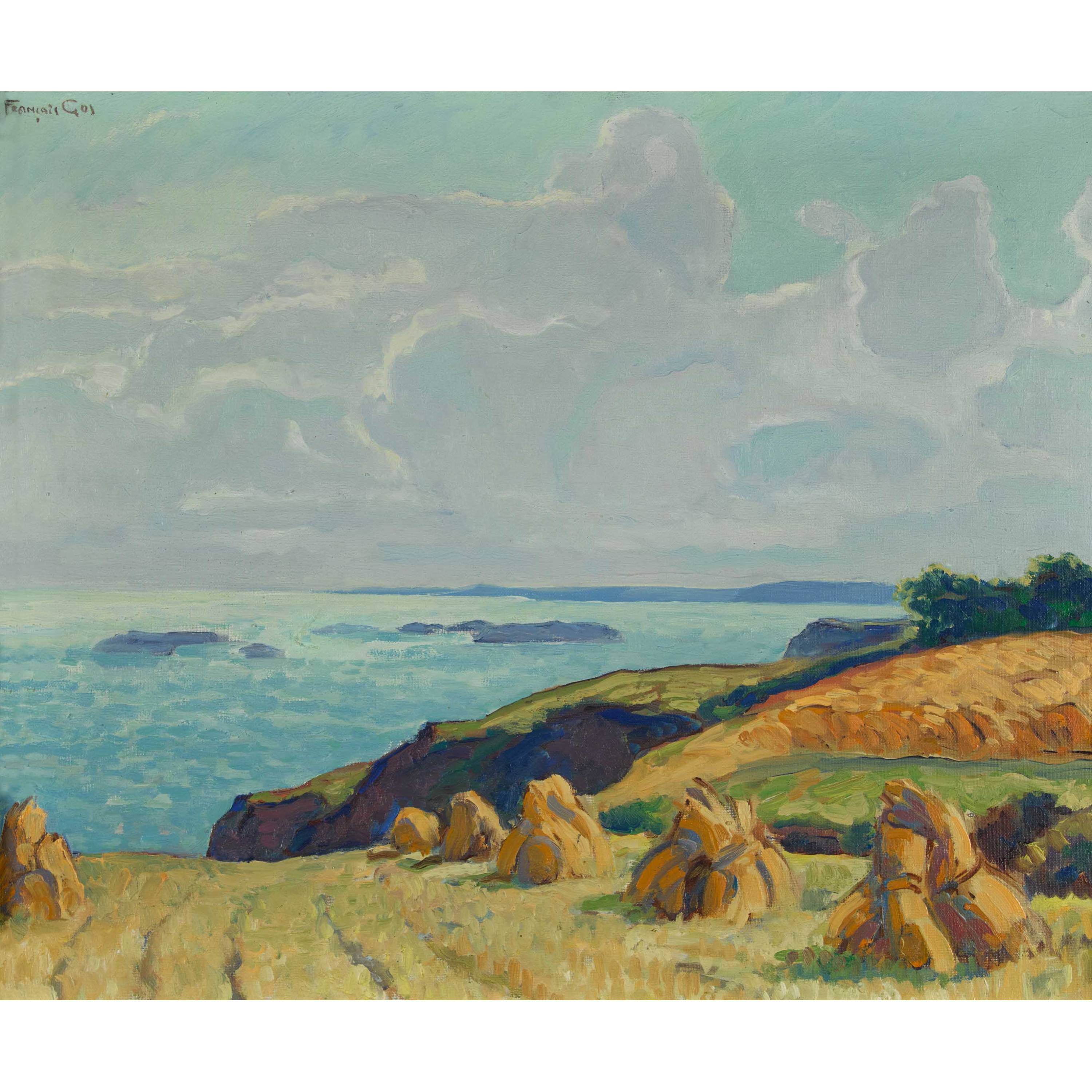
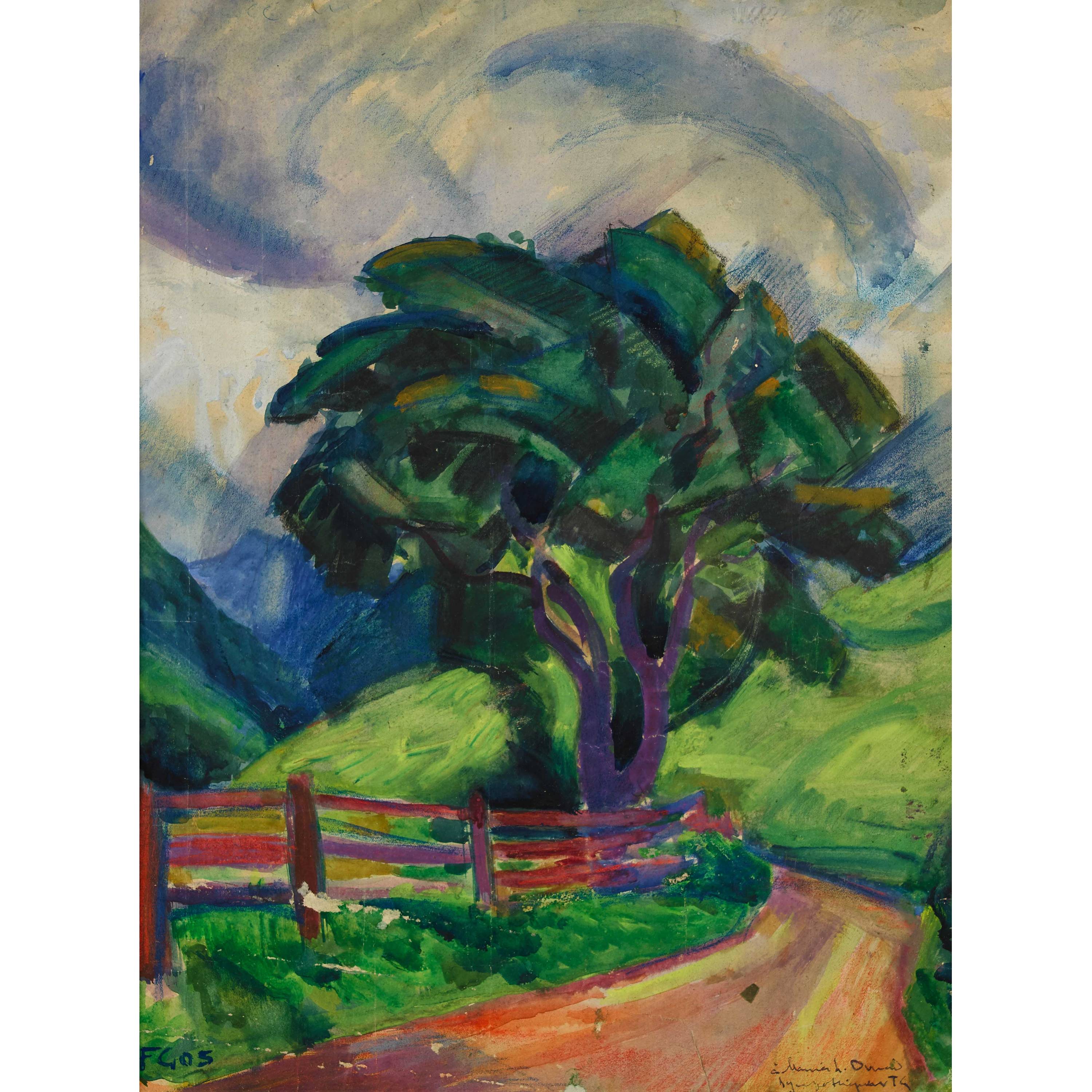
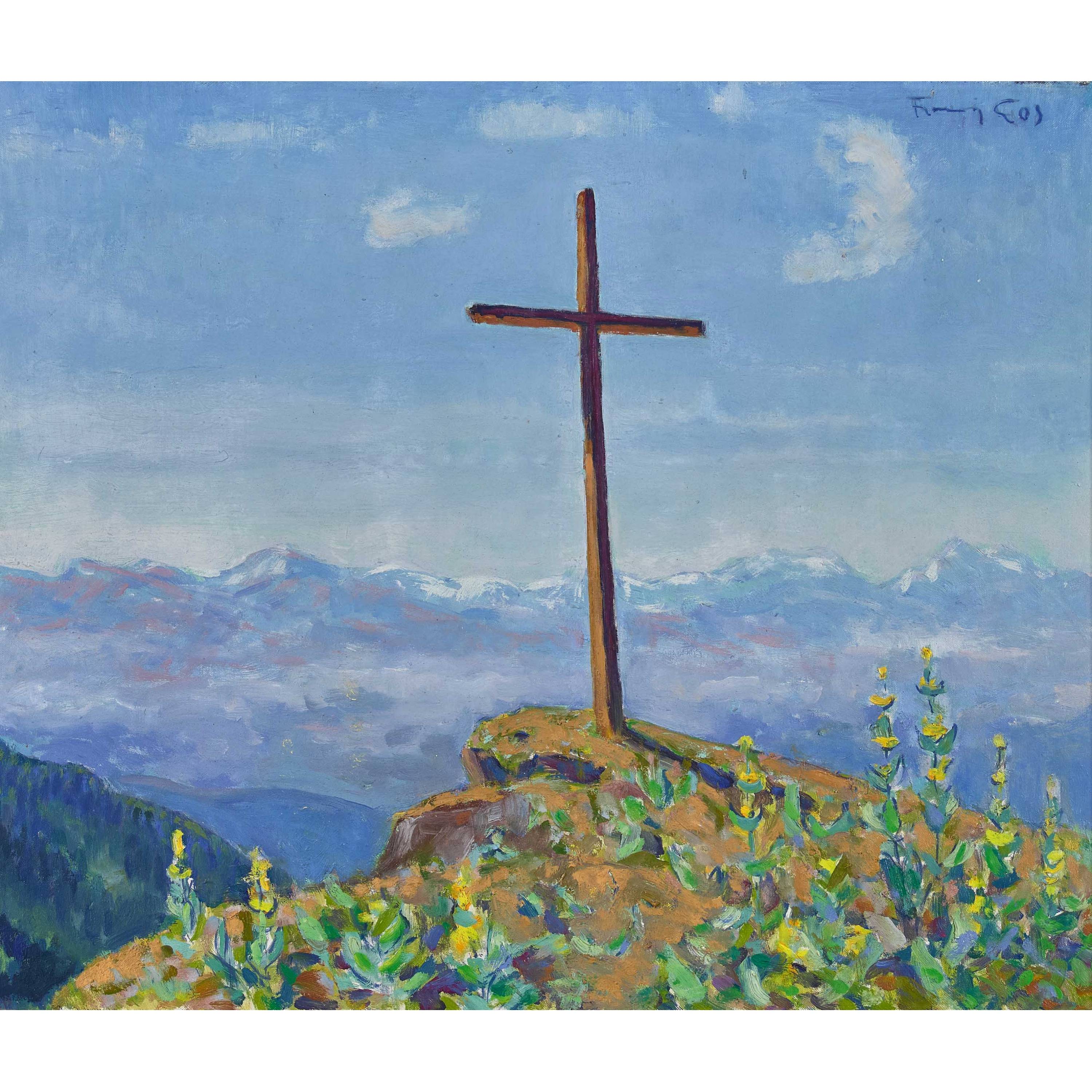
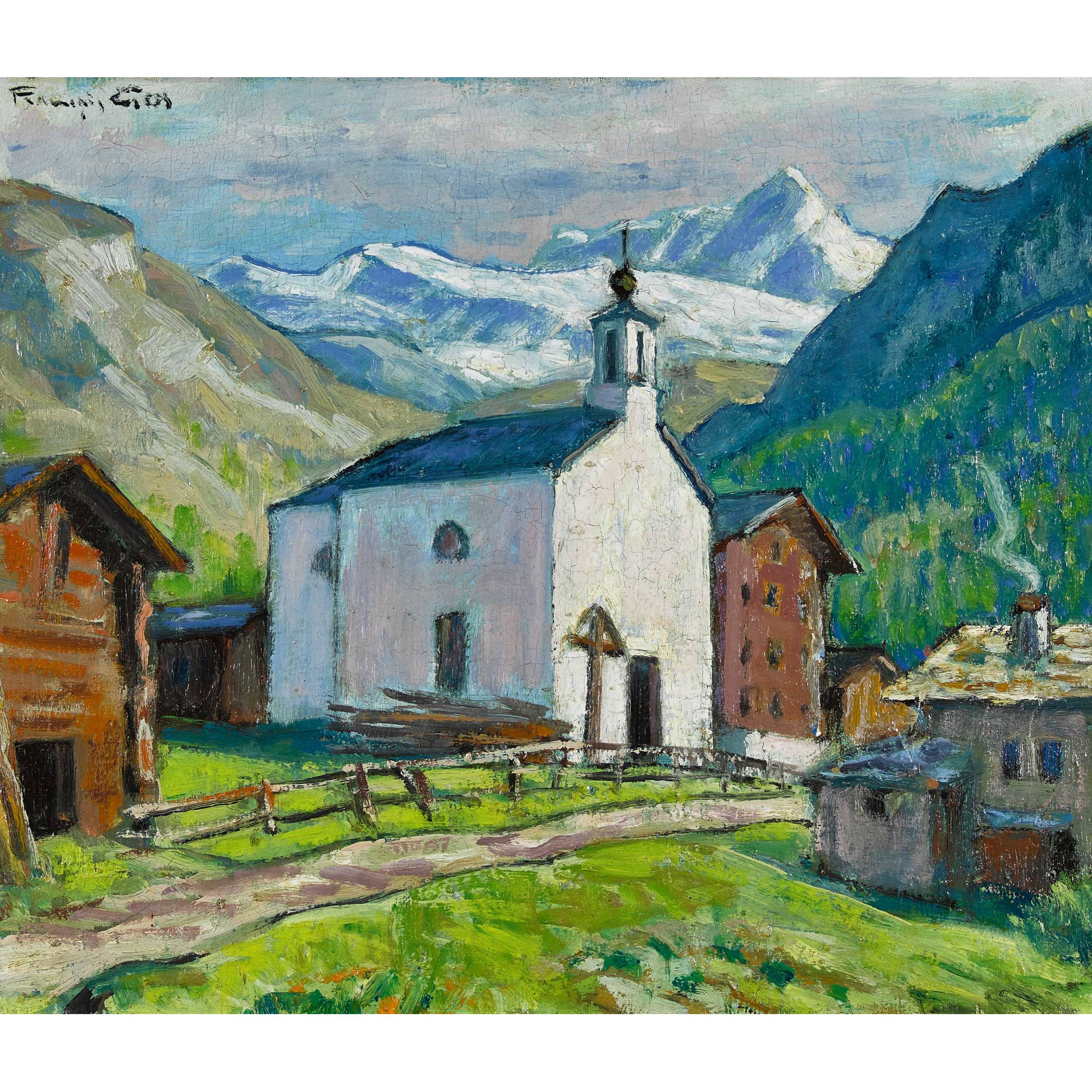
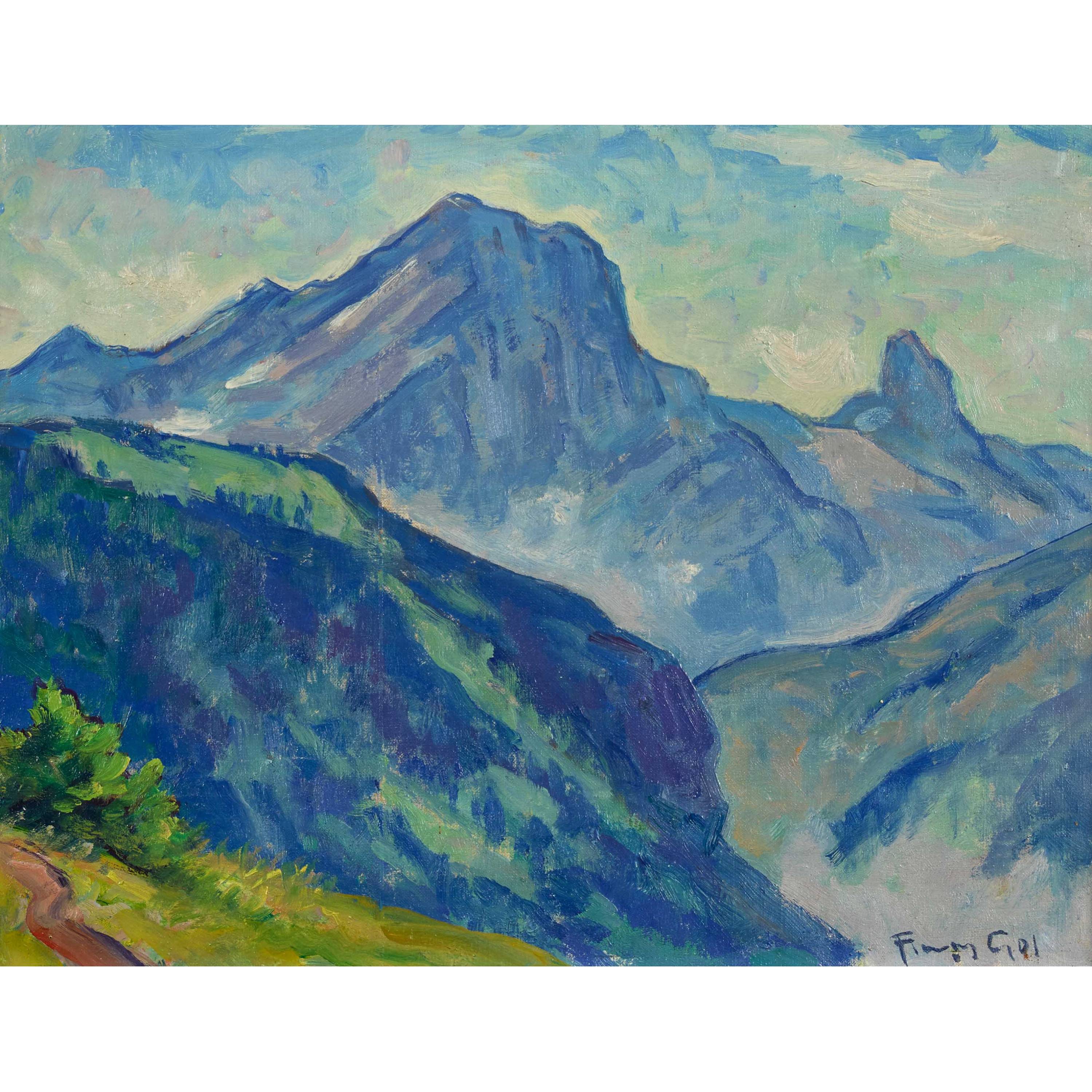
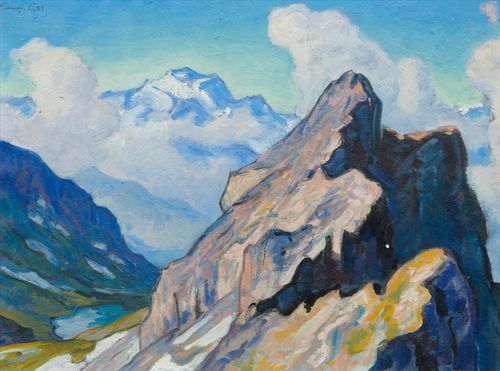
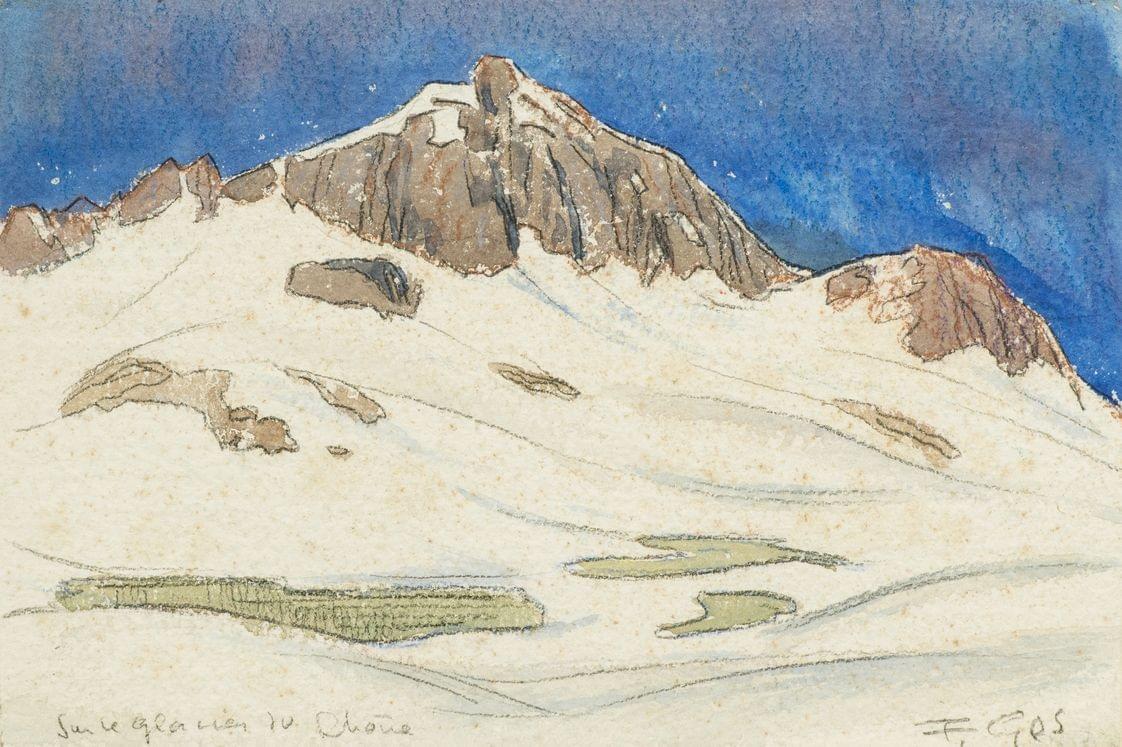
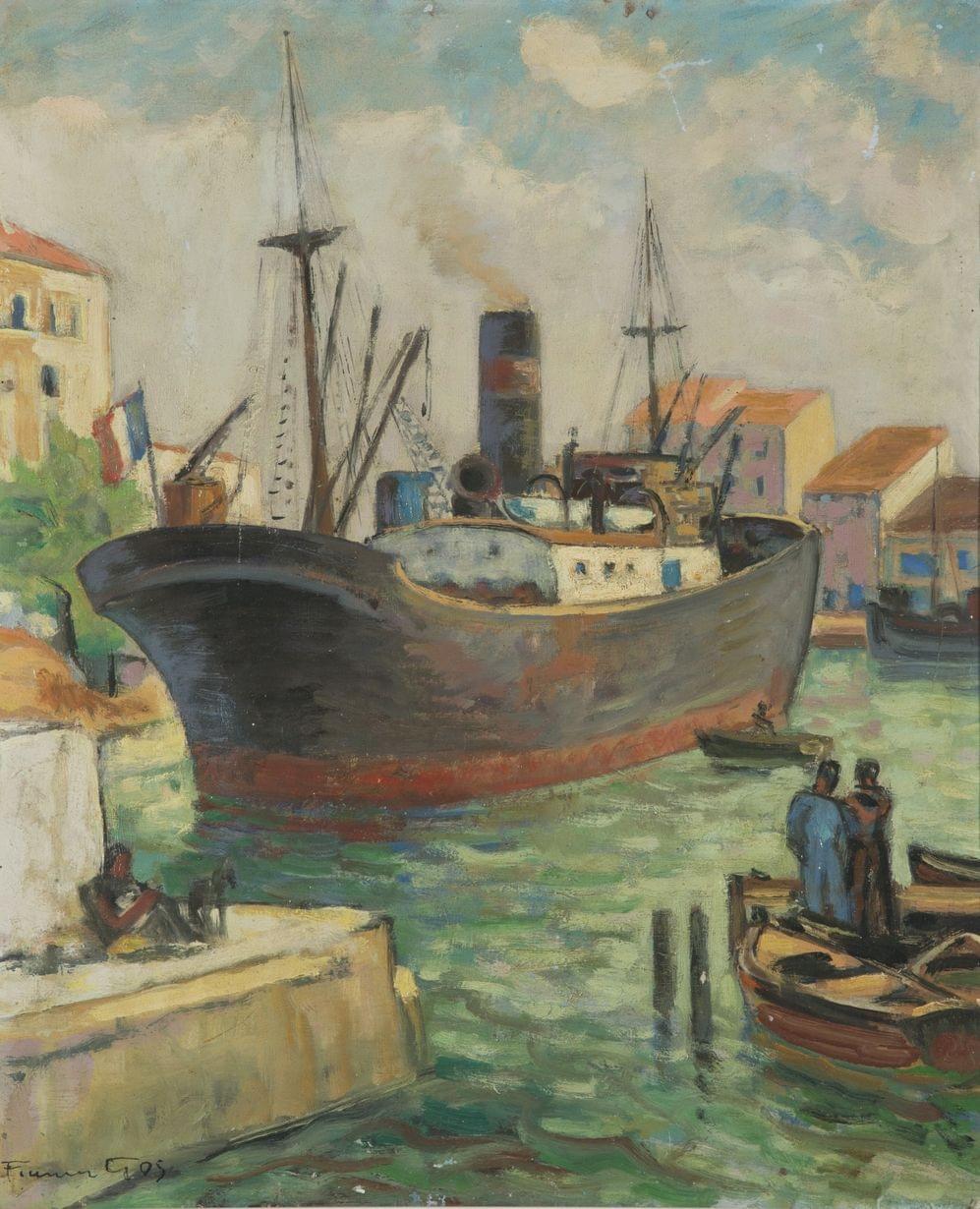
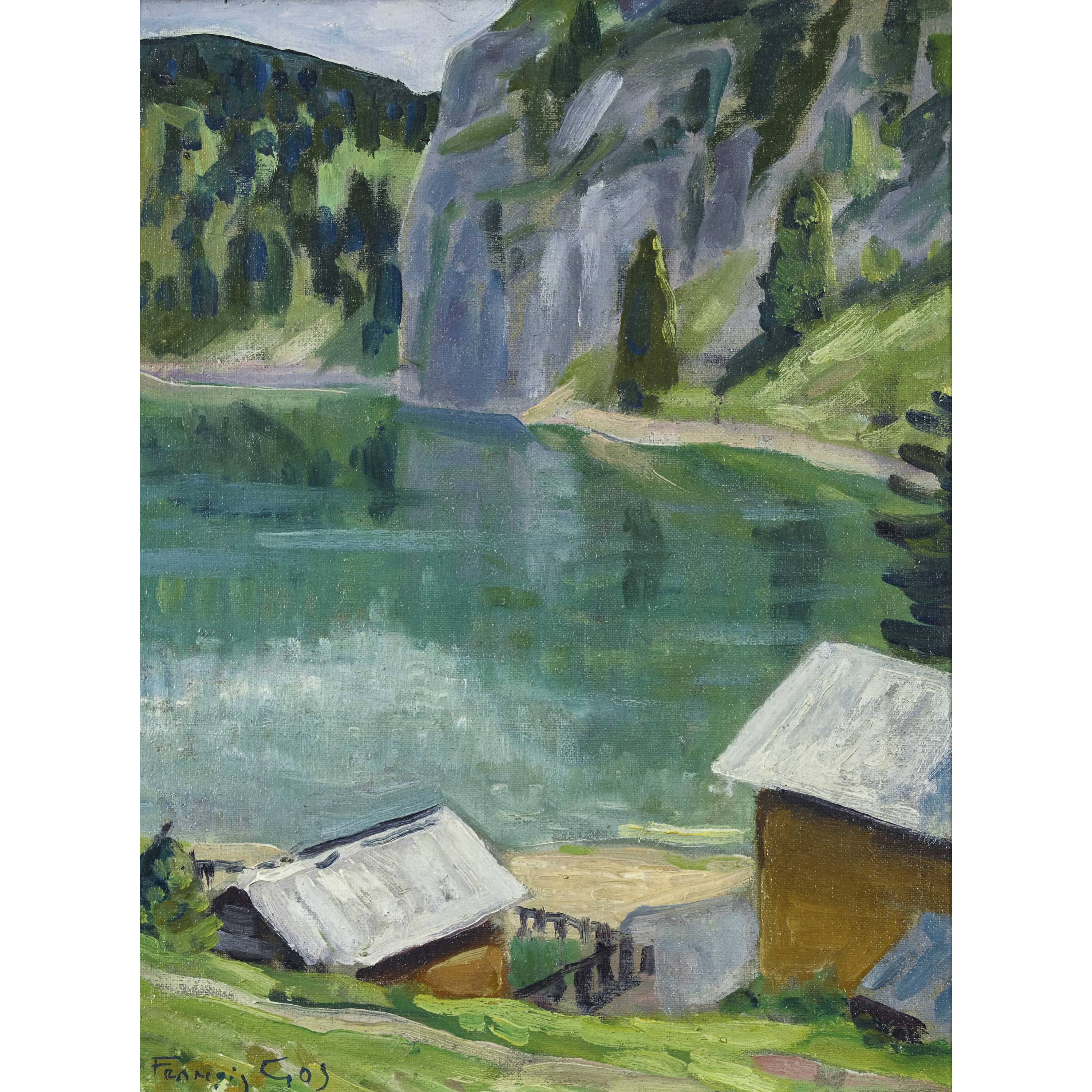
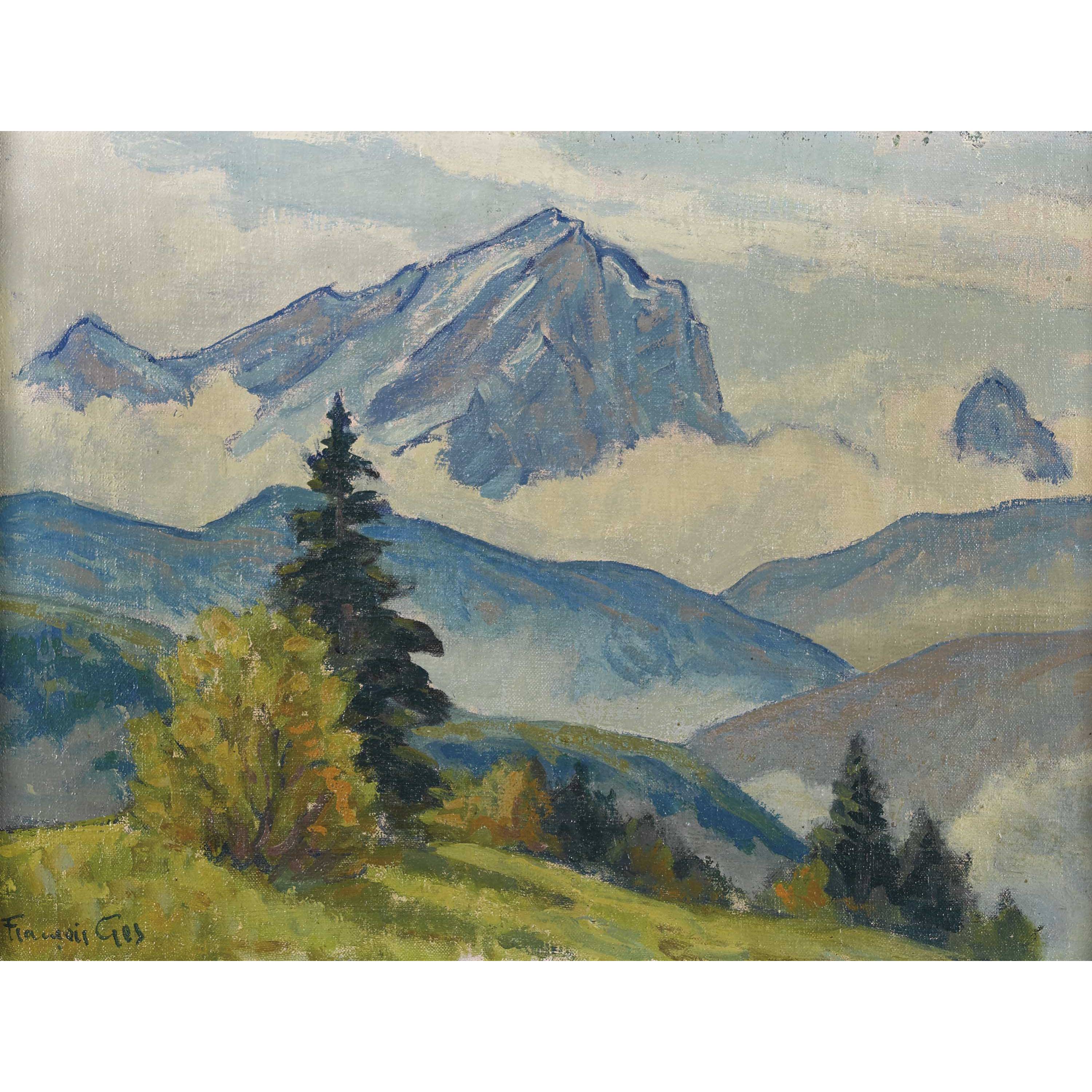
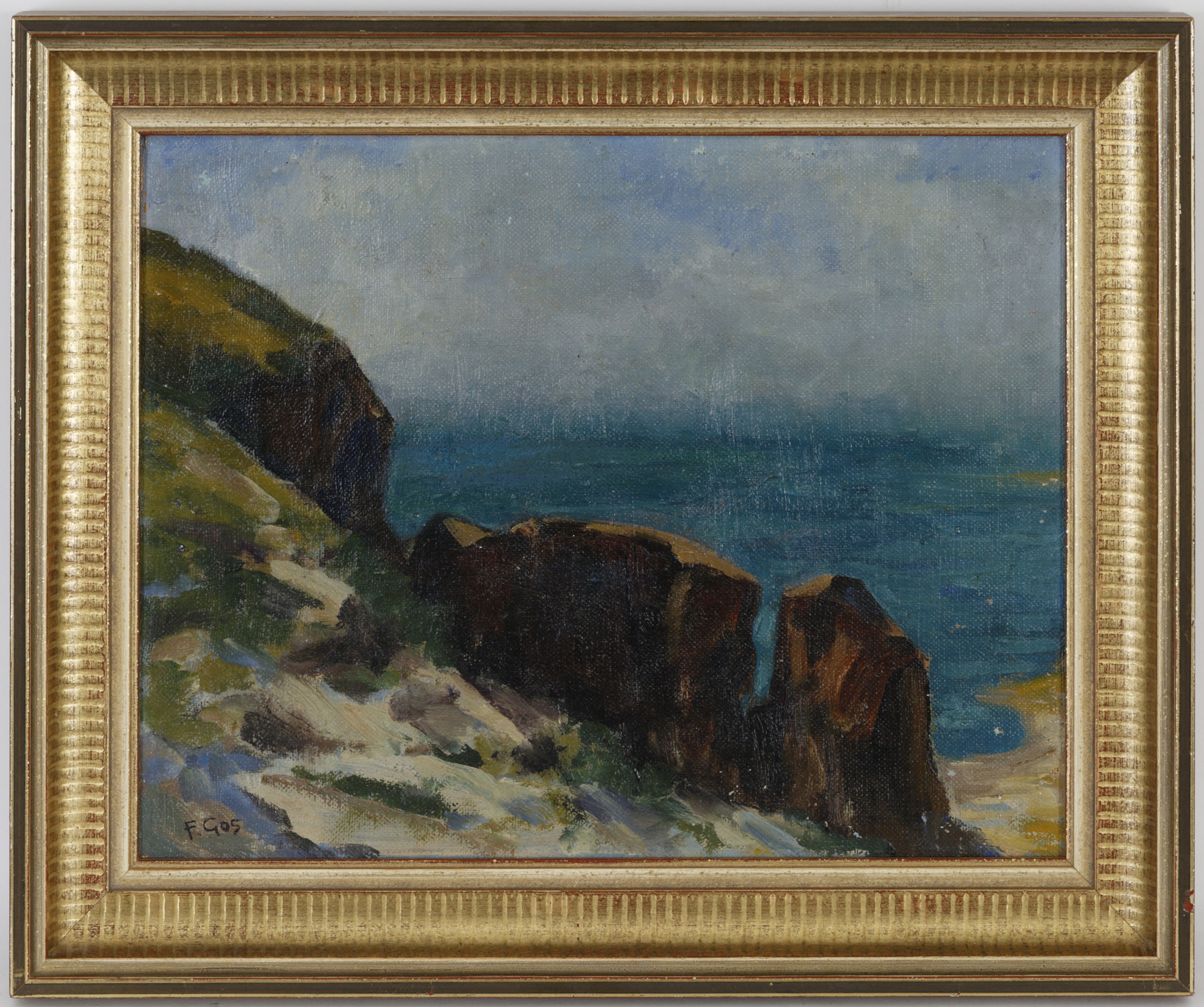
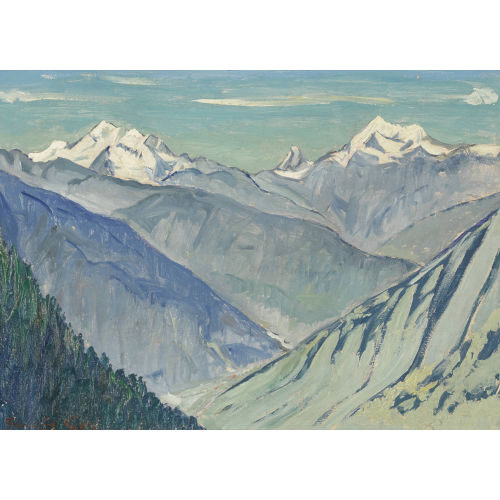
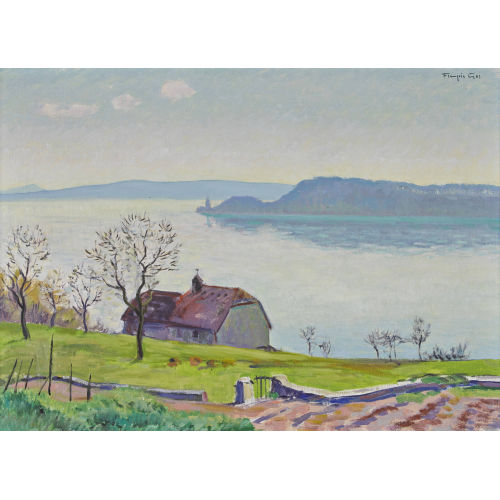
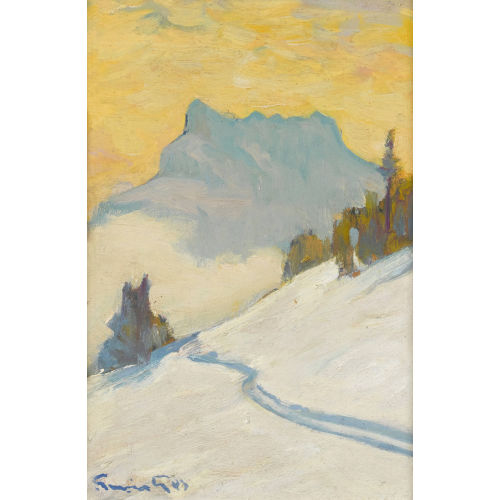
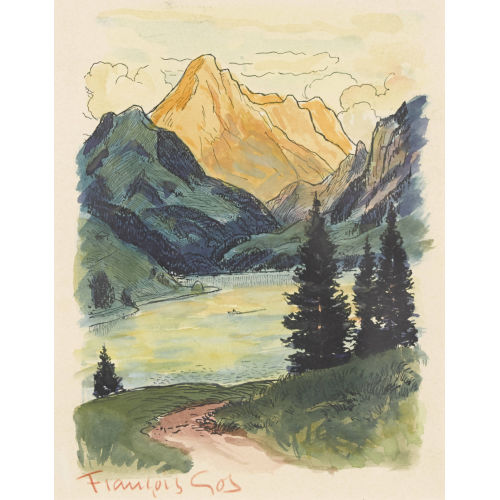
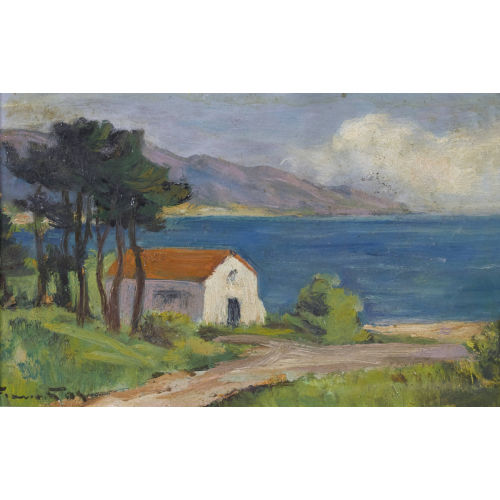
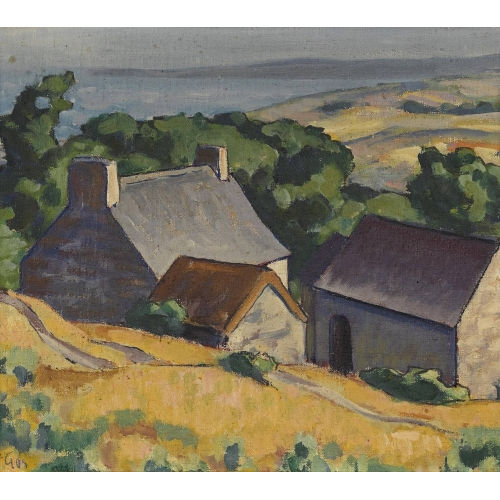
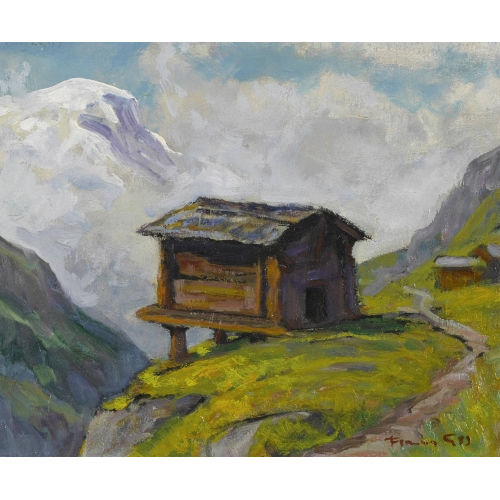
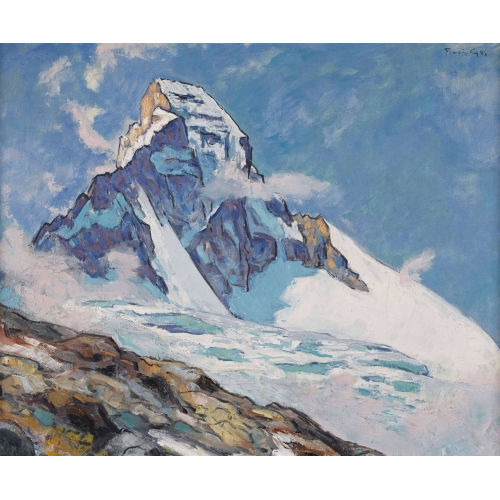
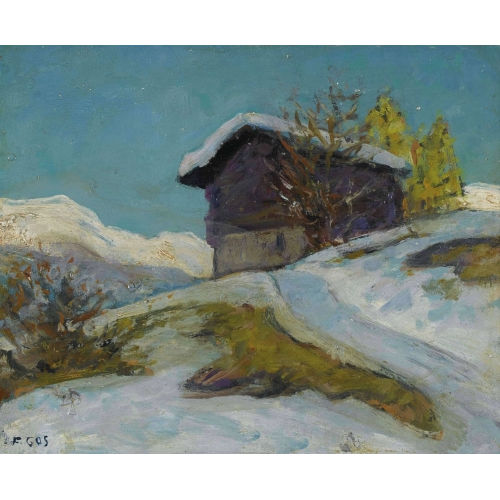
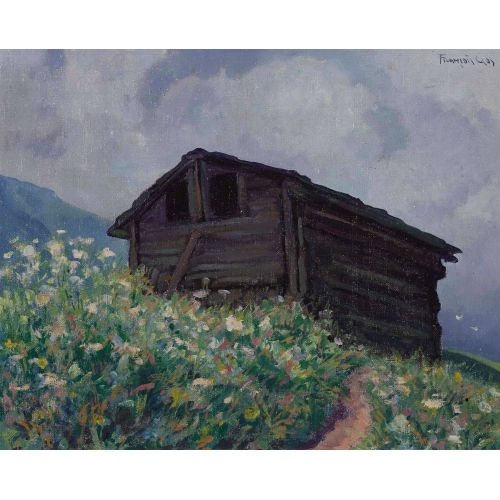
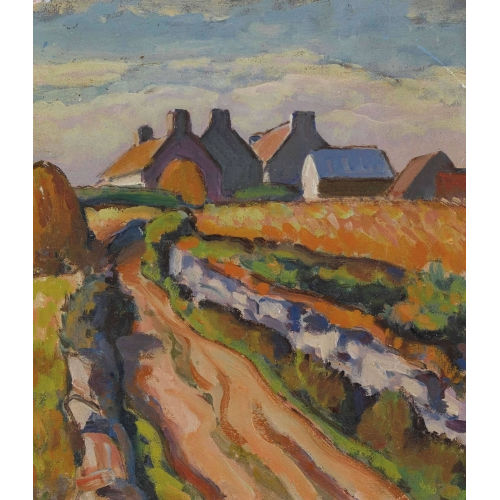
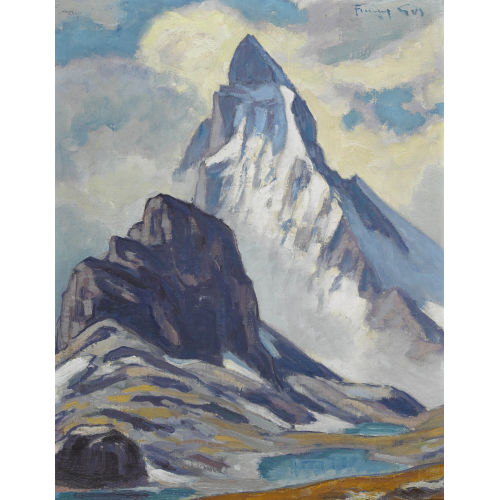
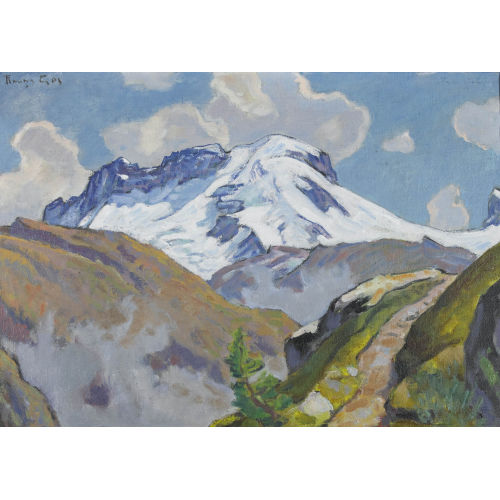
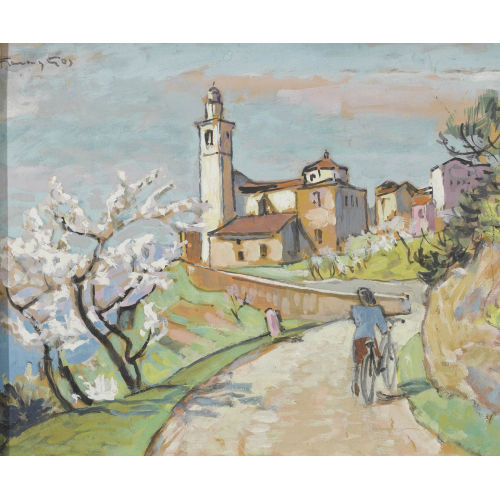
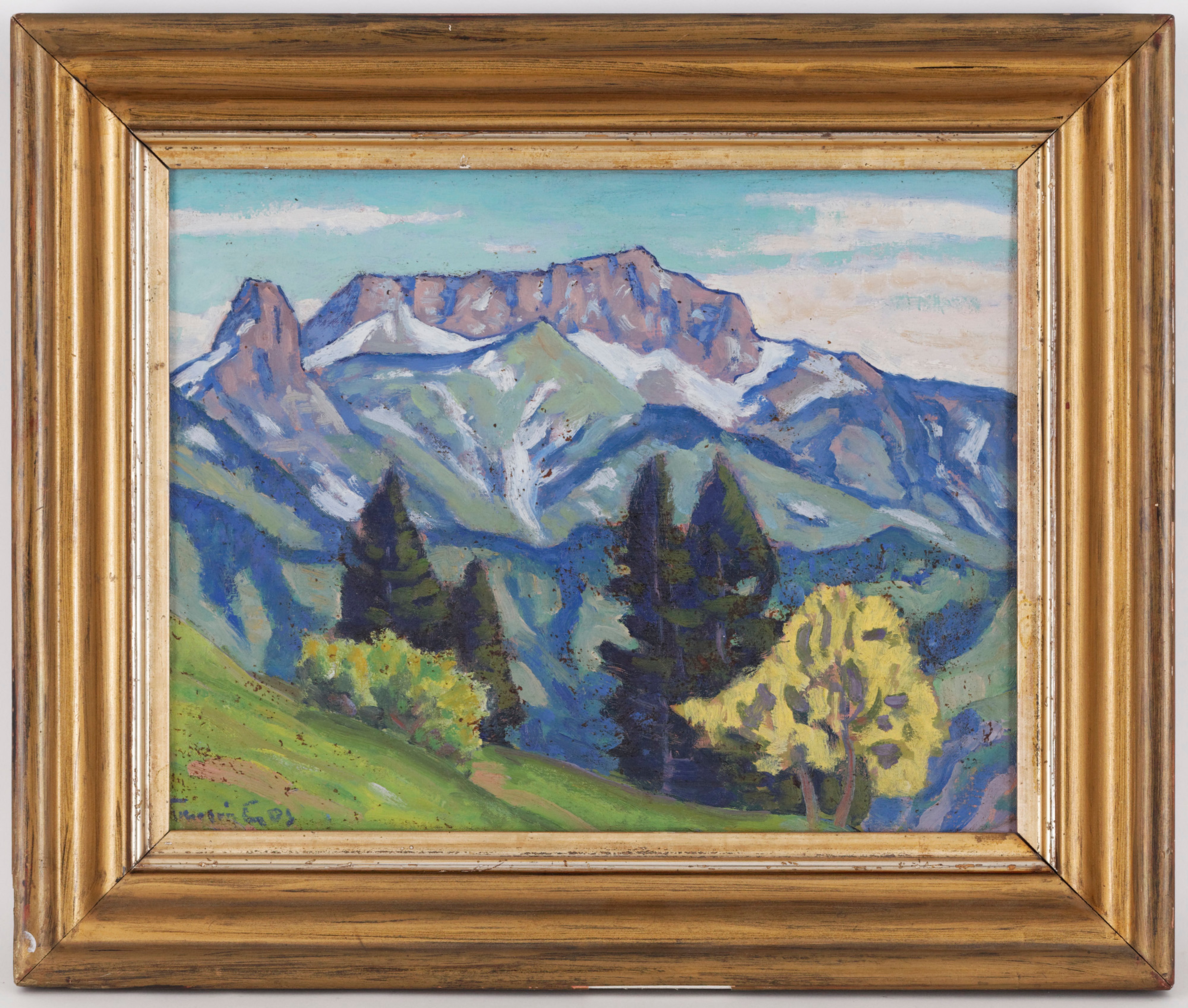
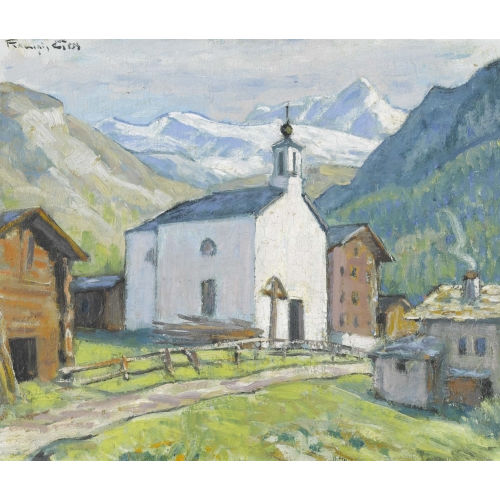
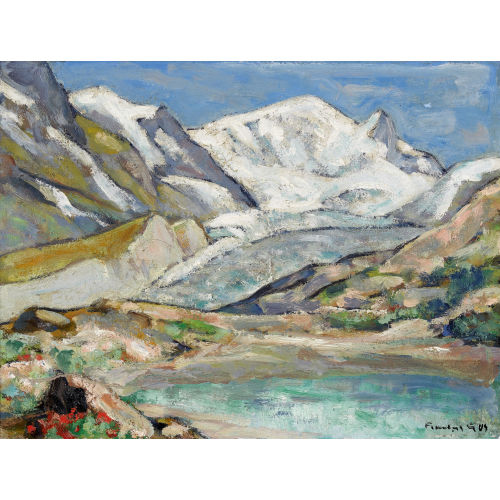
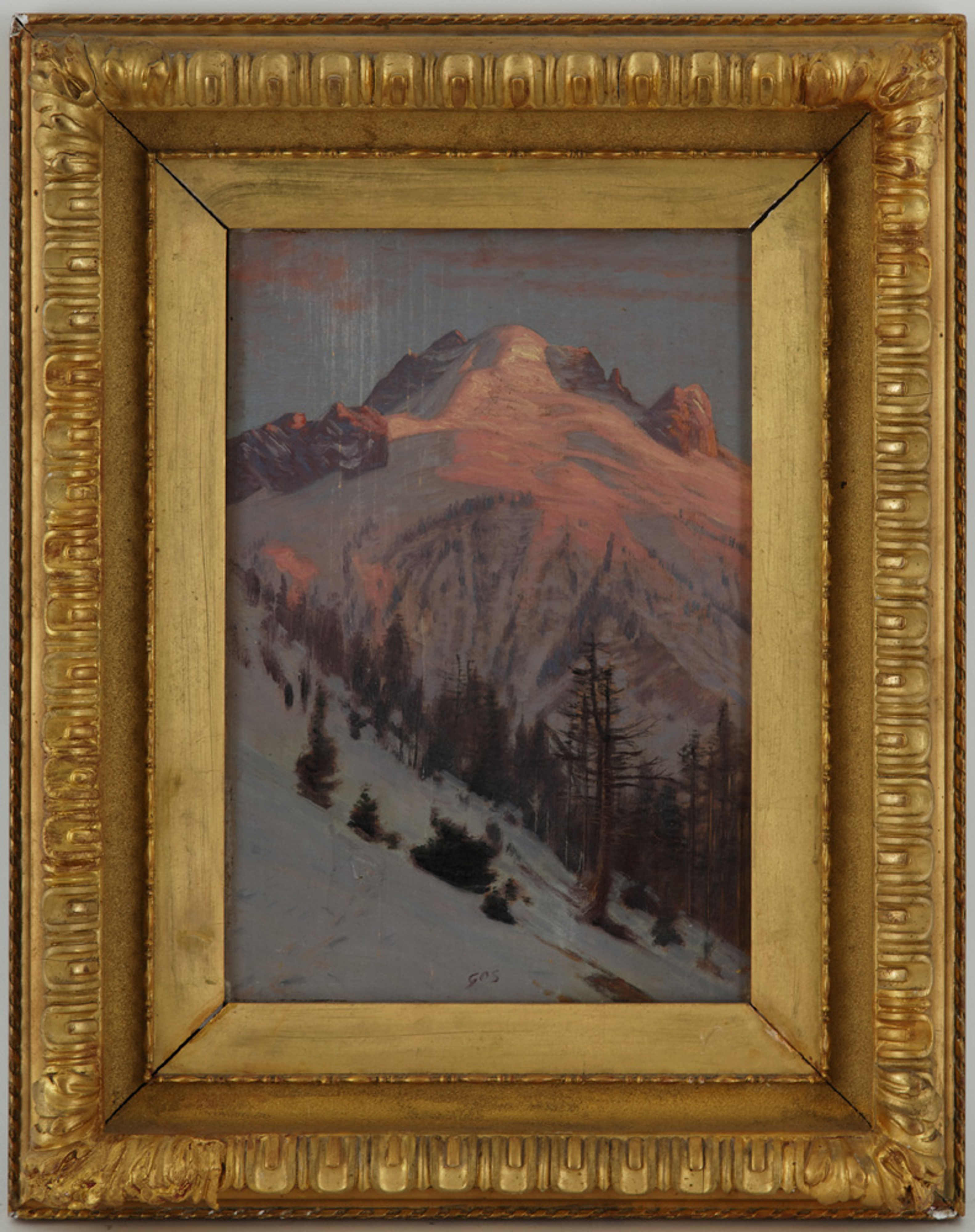
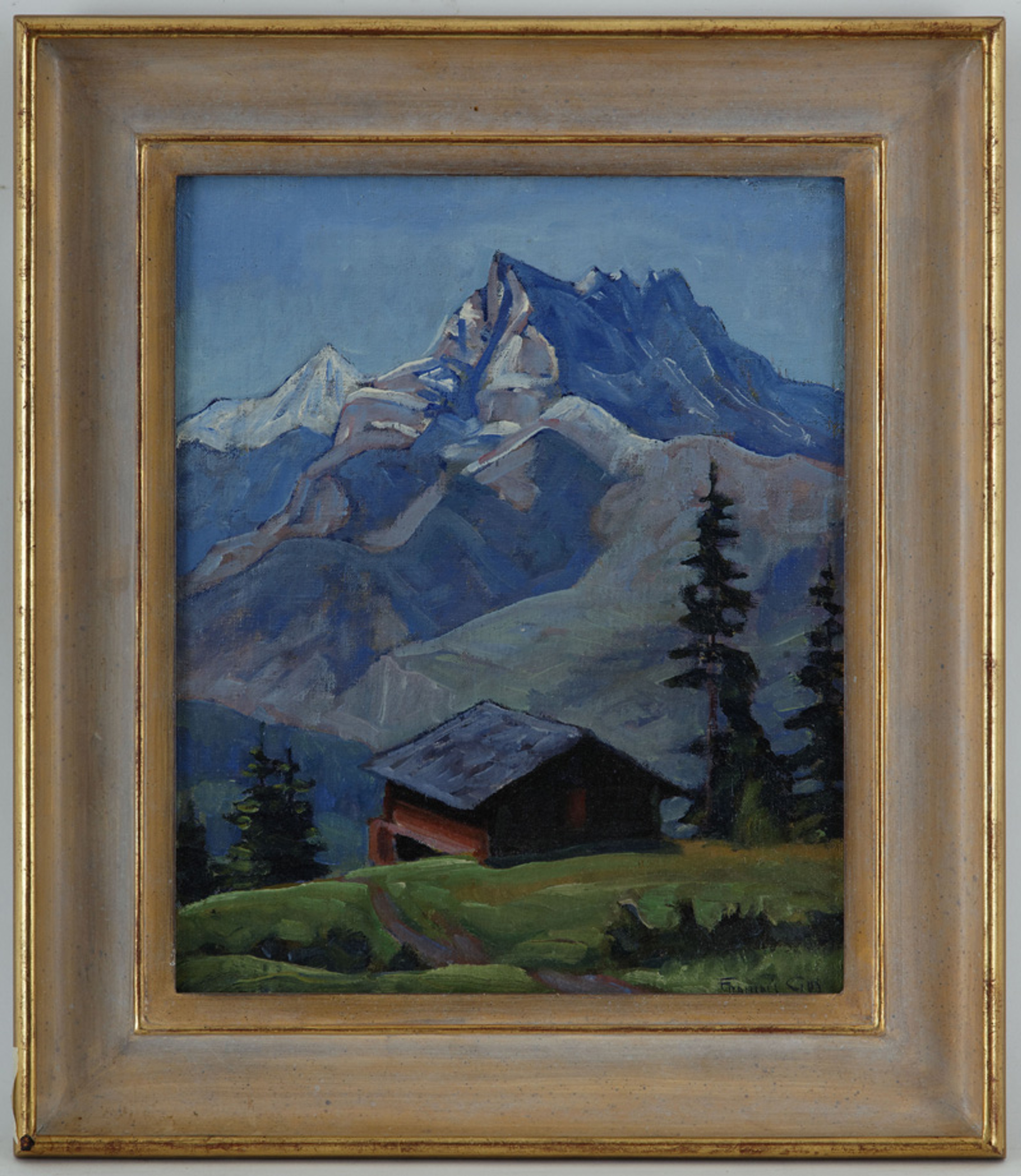
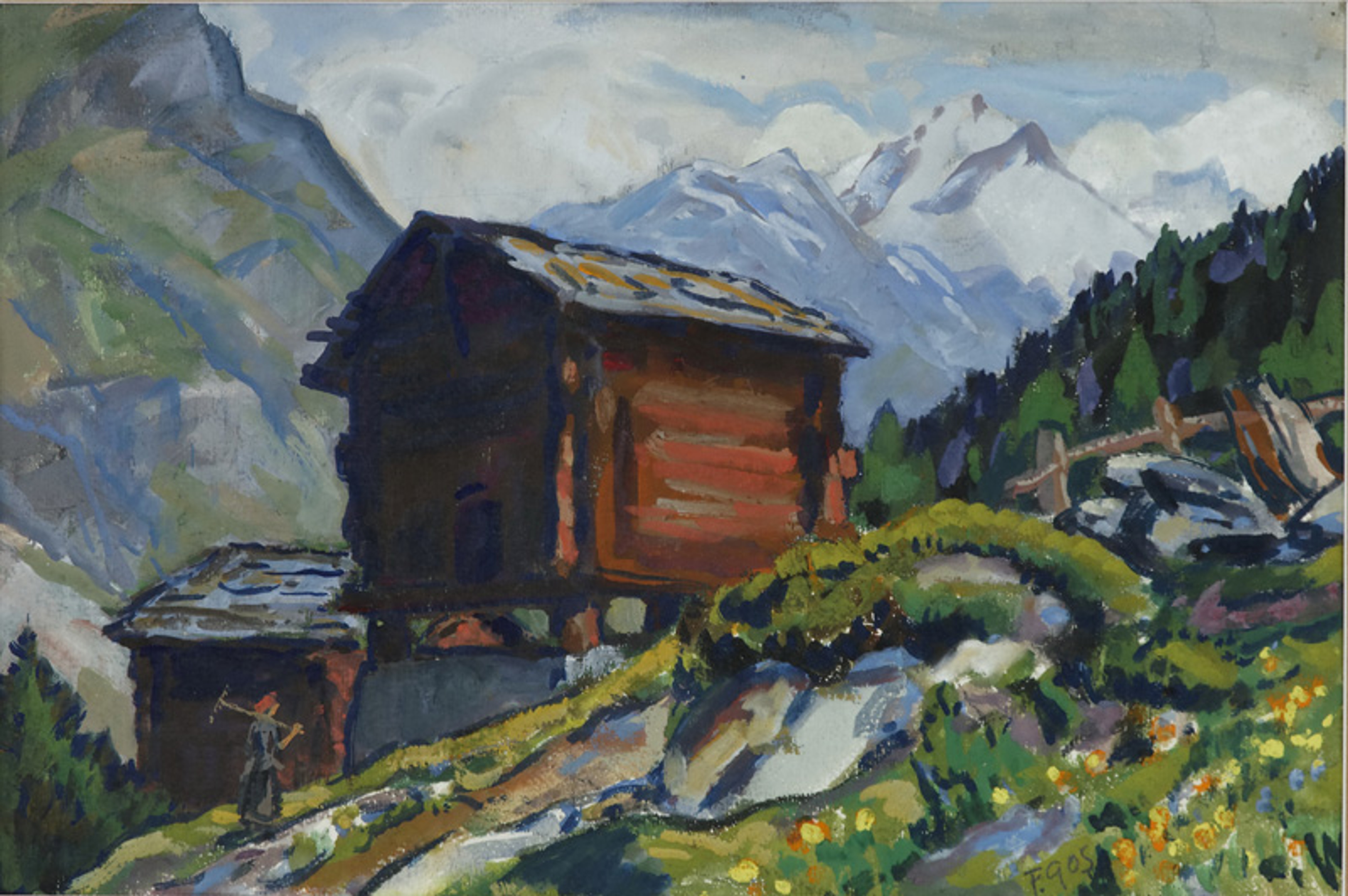
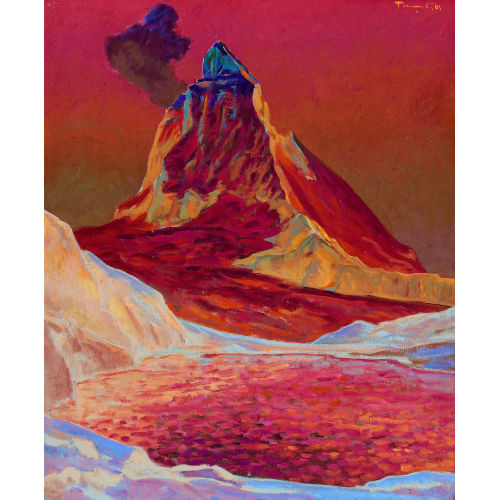
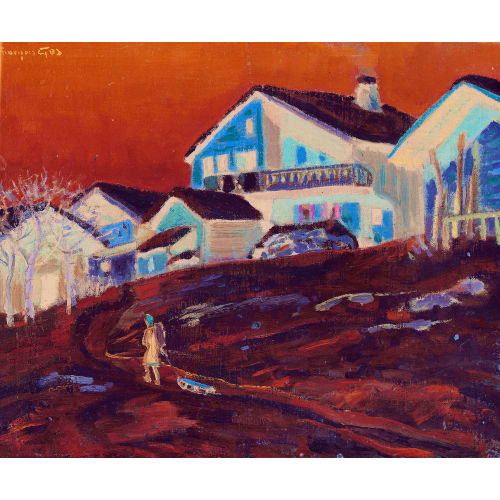
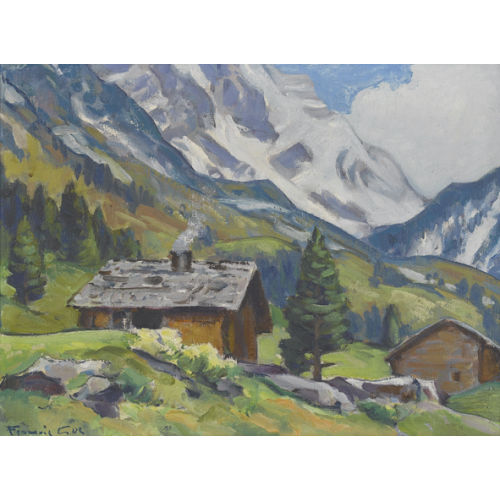
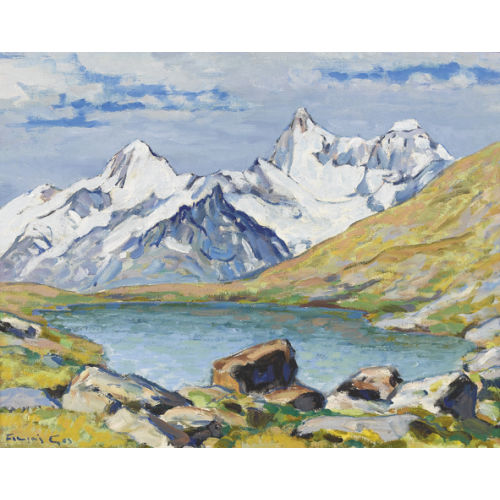
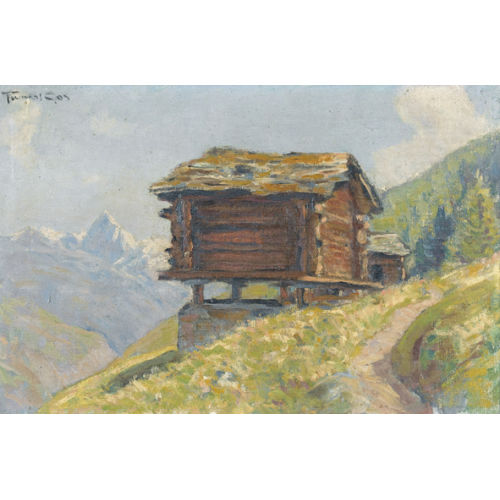
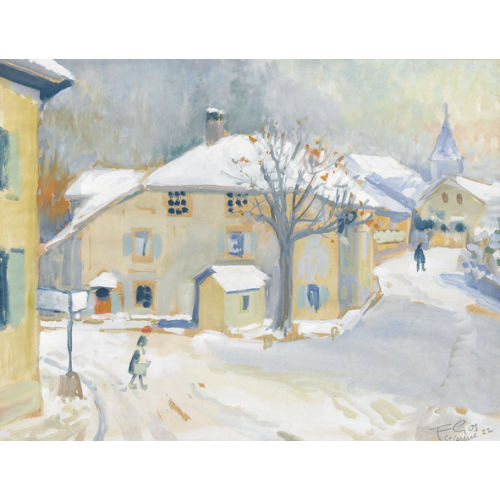
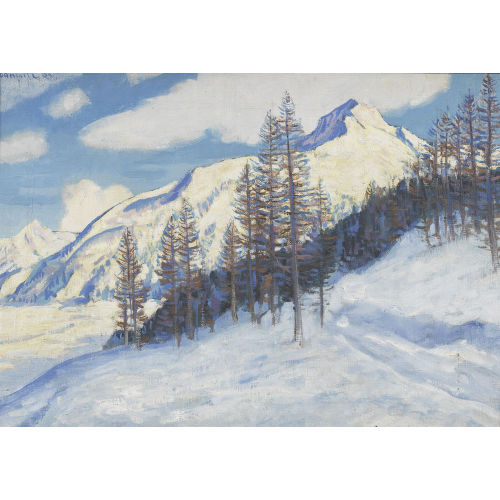
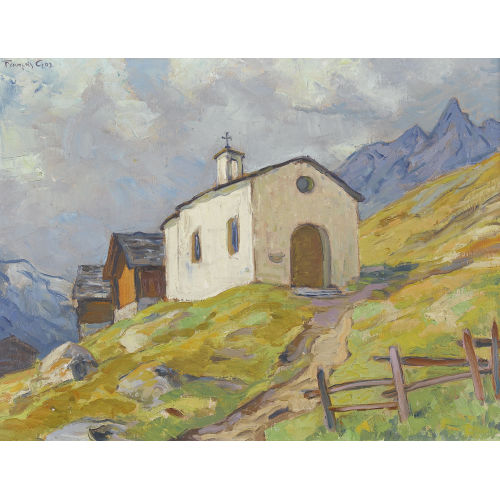
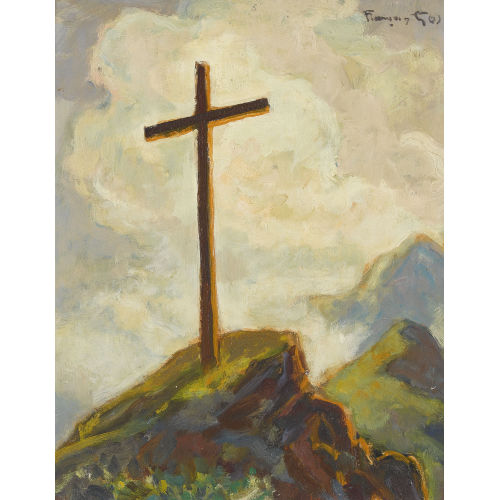
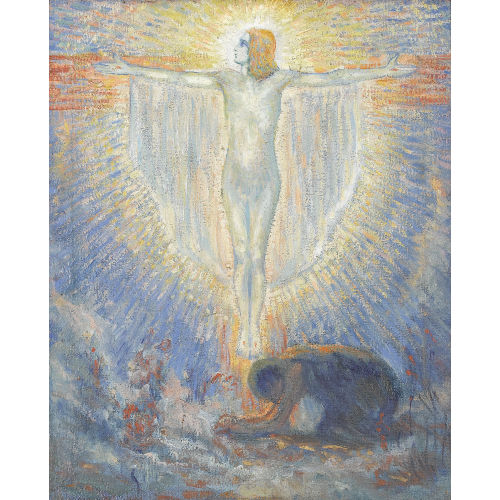
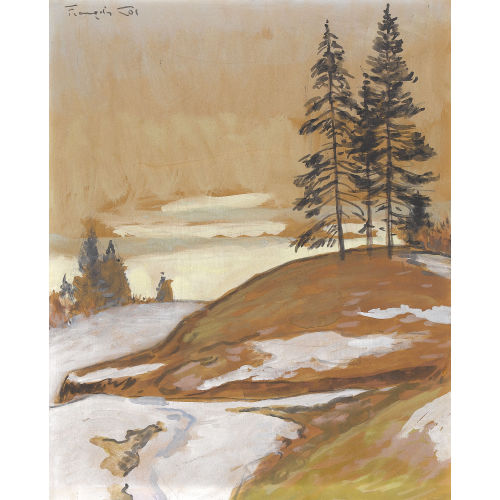
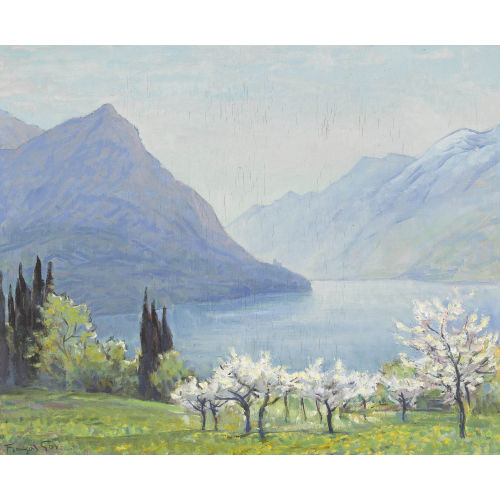
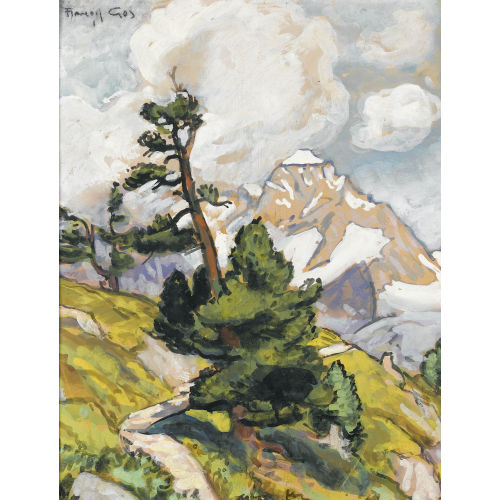
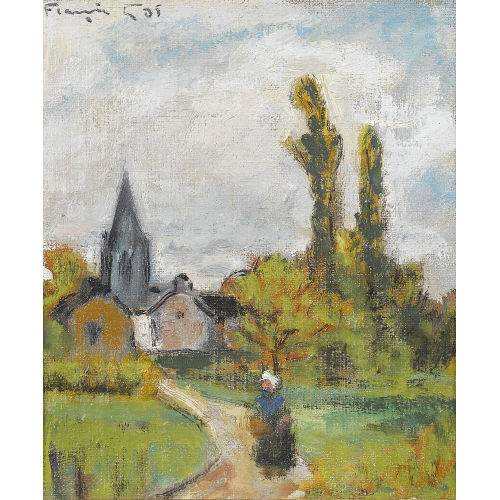
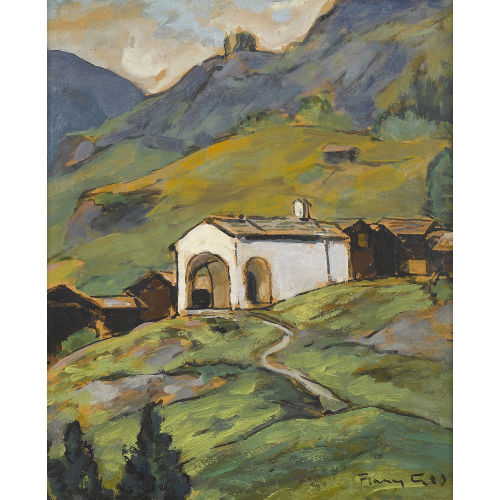
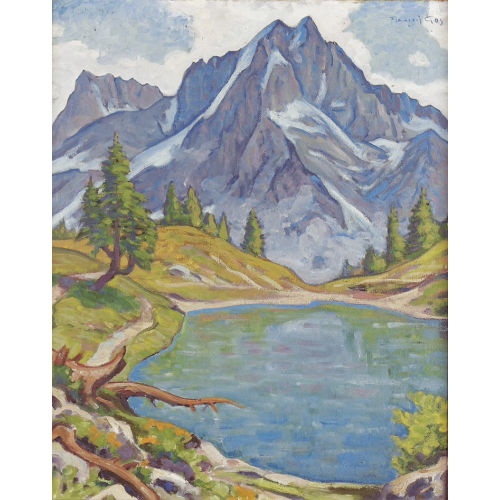
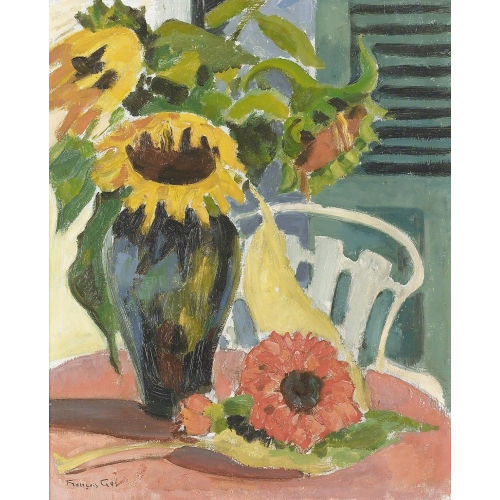
François Gos, son of Albert Gos (painter), developed a multifaceted practice encompassing painting and sculpture as well as applied and graphic work. After first attending the Collège Calvin and then graduating from the École des Beaux-Arts de Genève, he spent time in Munich at the beginning of the 20th century, a stay that ranks among the noted stages of his career.
Among his institutional commitments, he is cited as a co-founder of the École d’art de Lausanne.
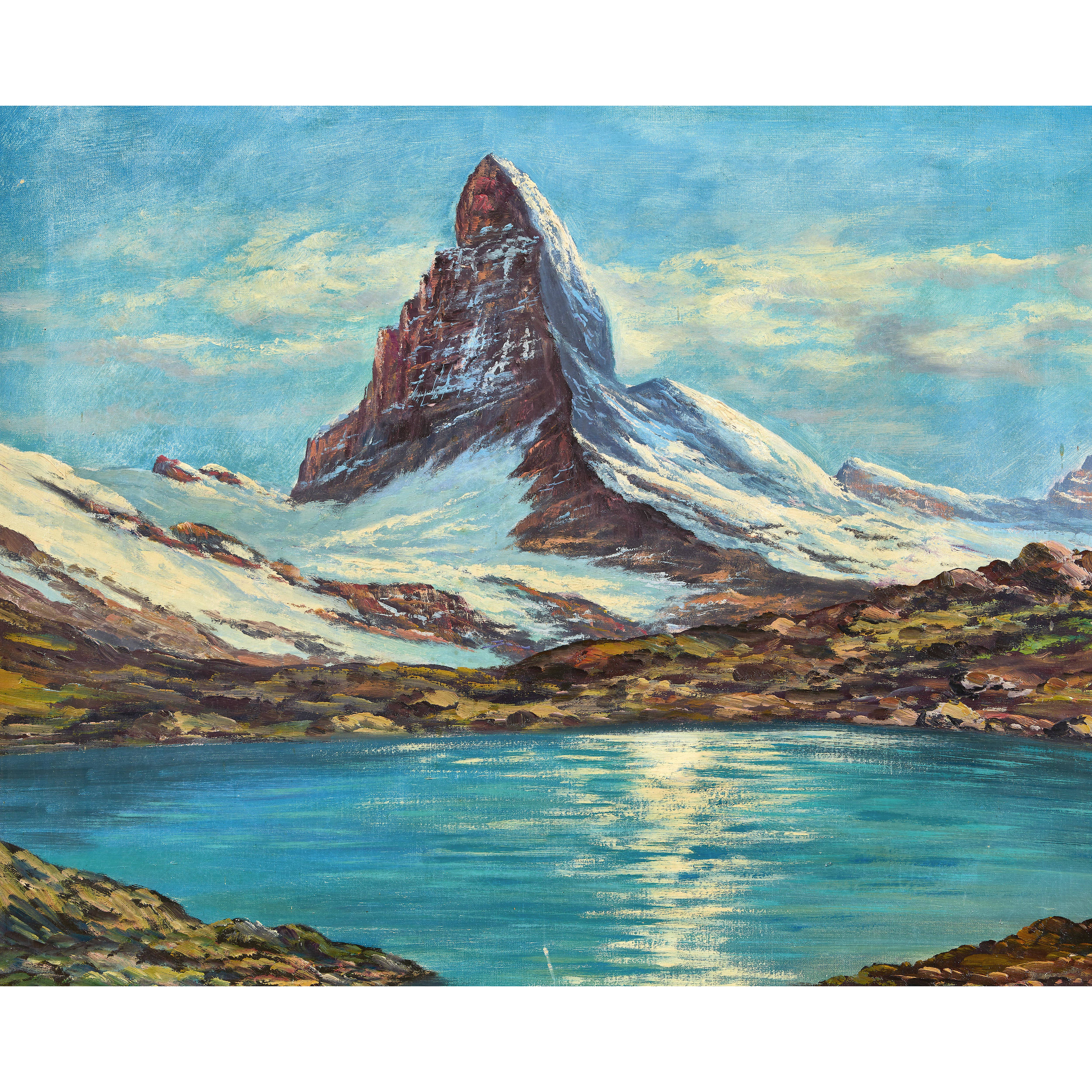
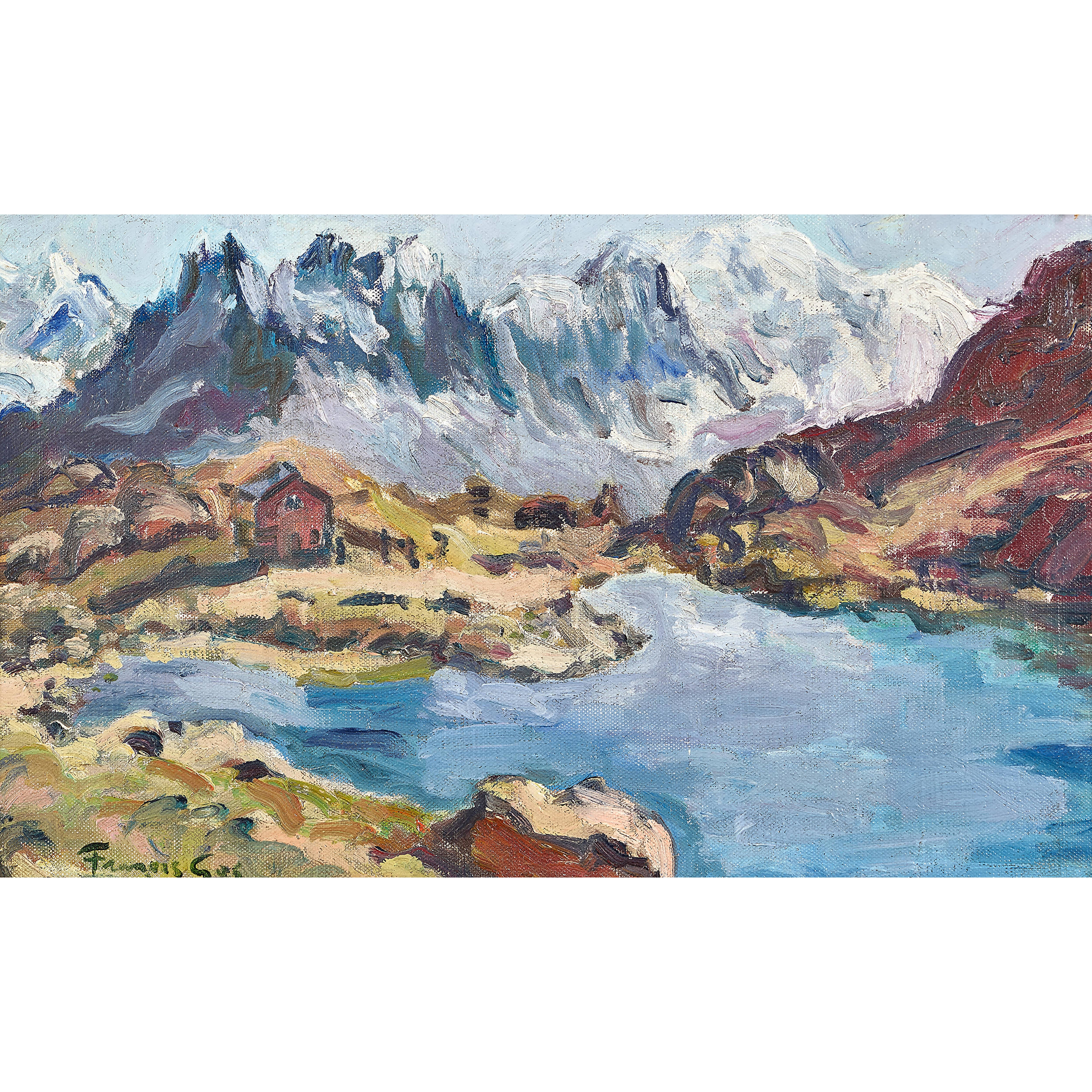
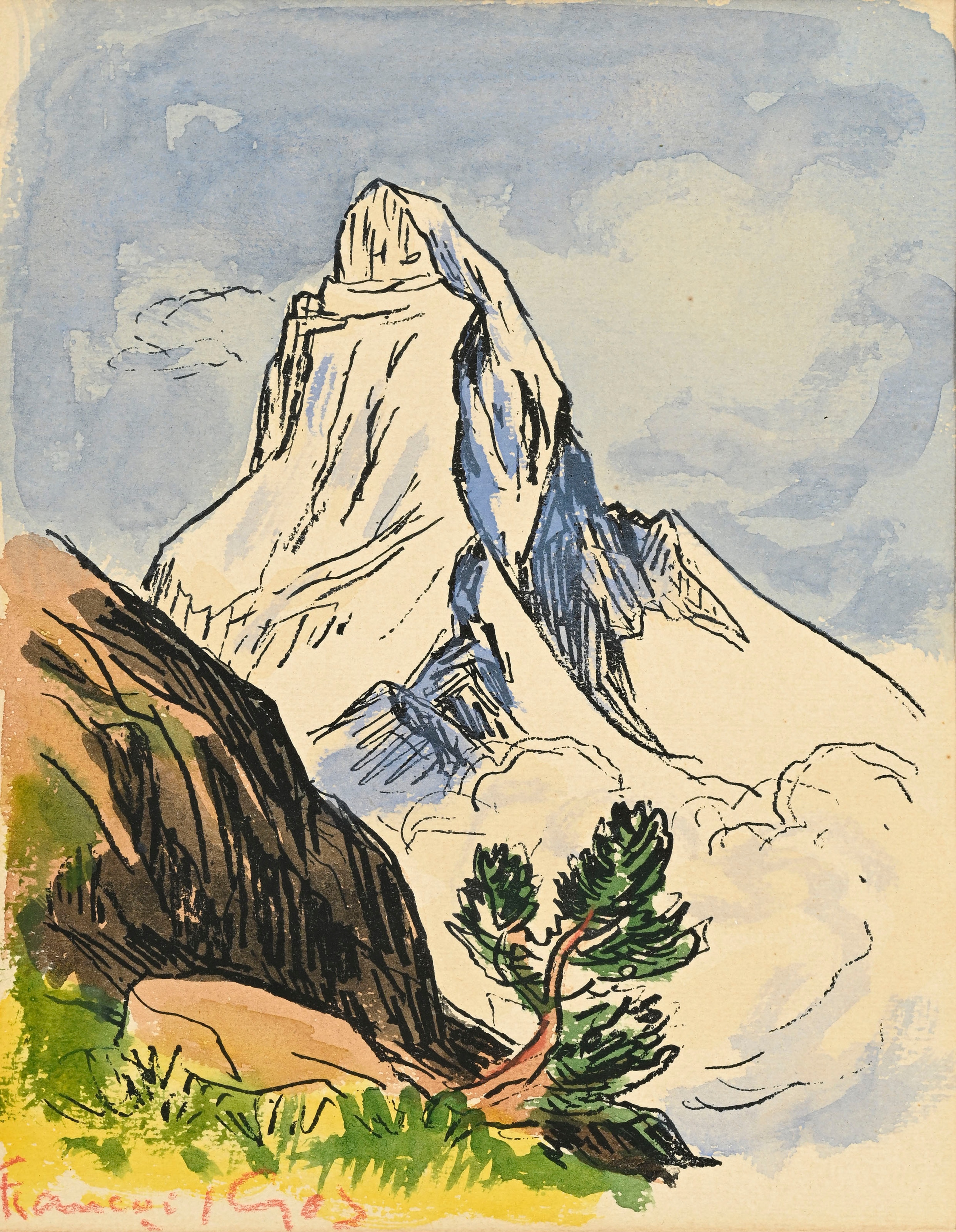
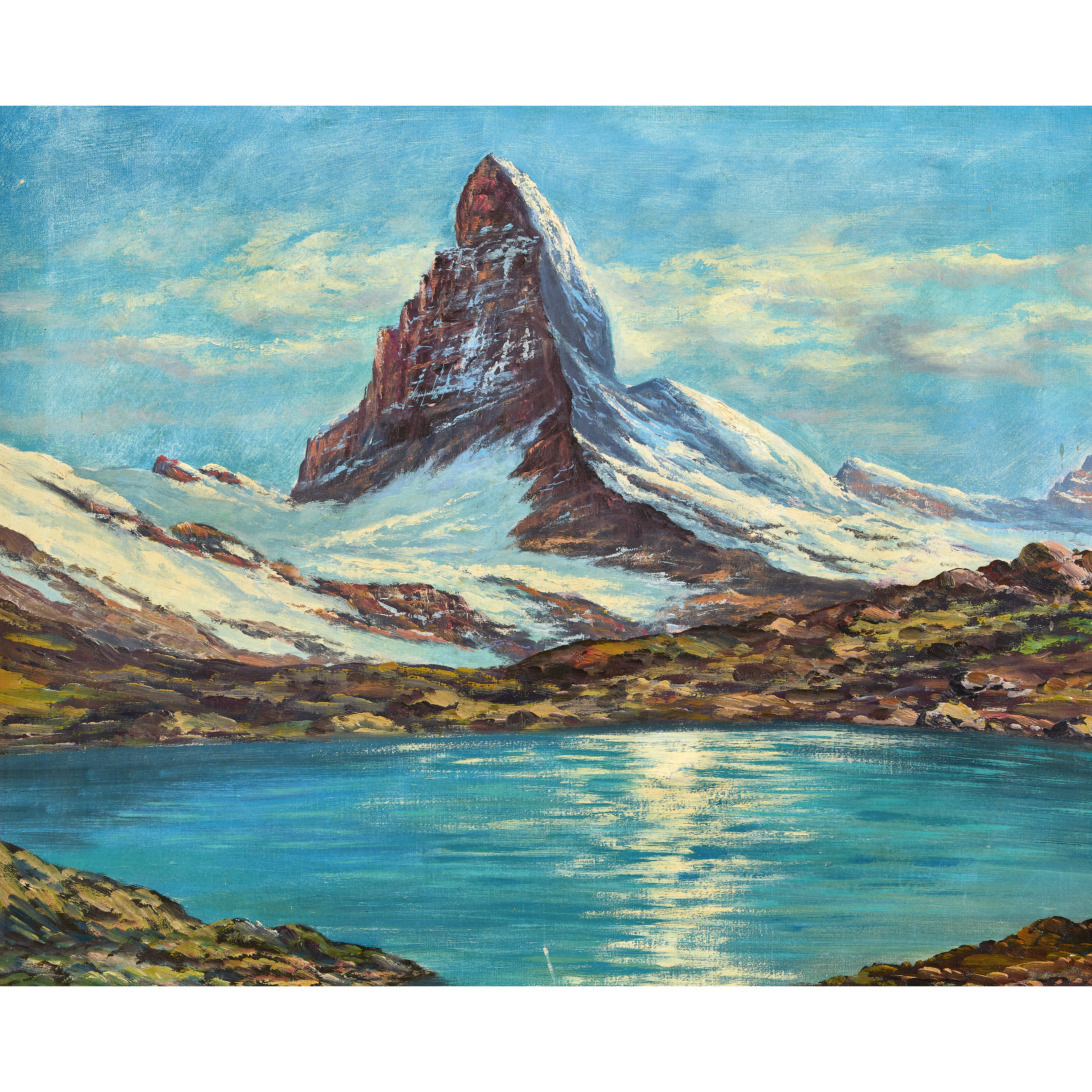
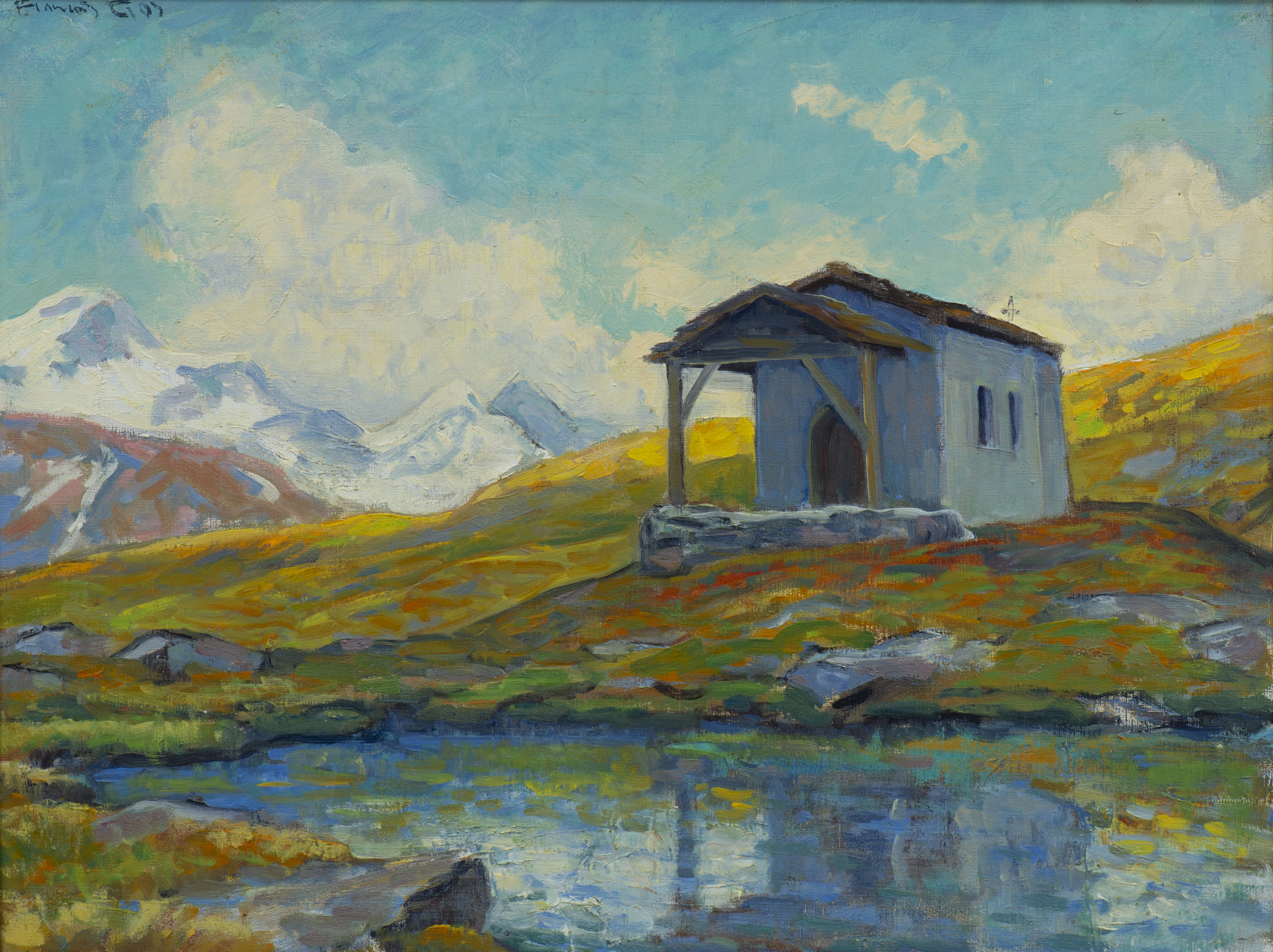
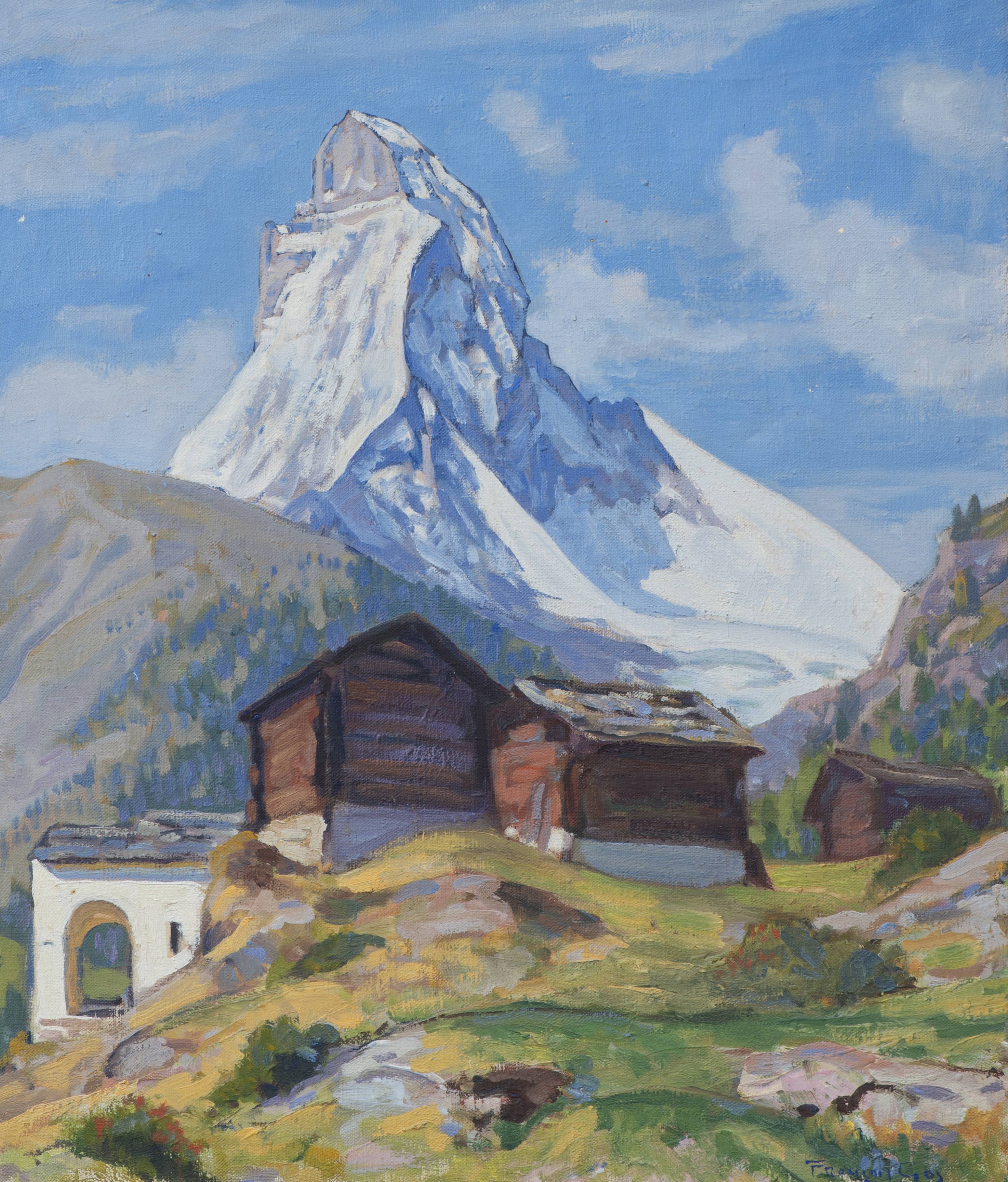
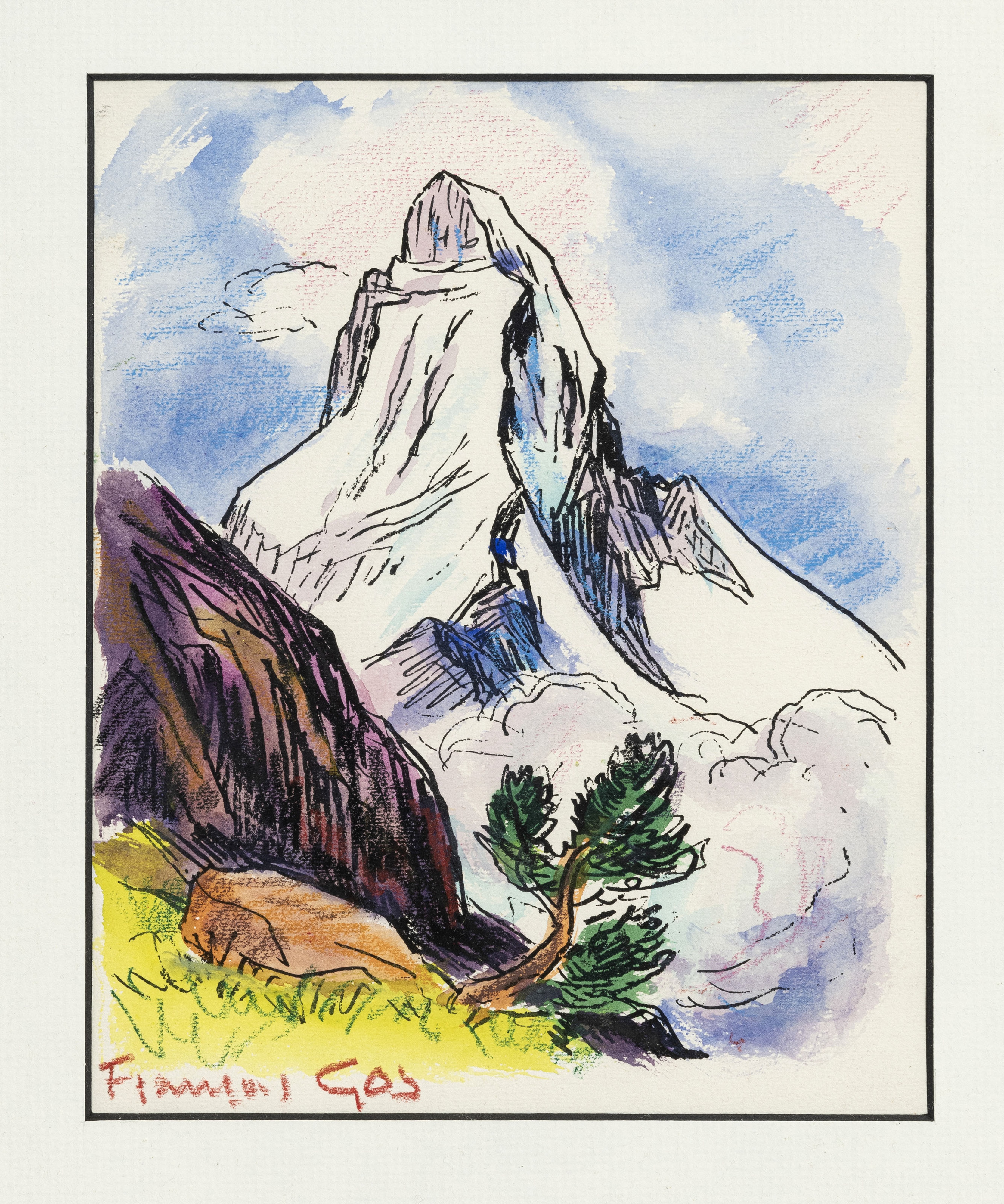
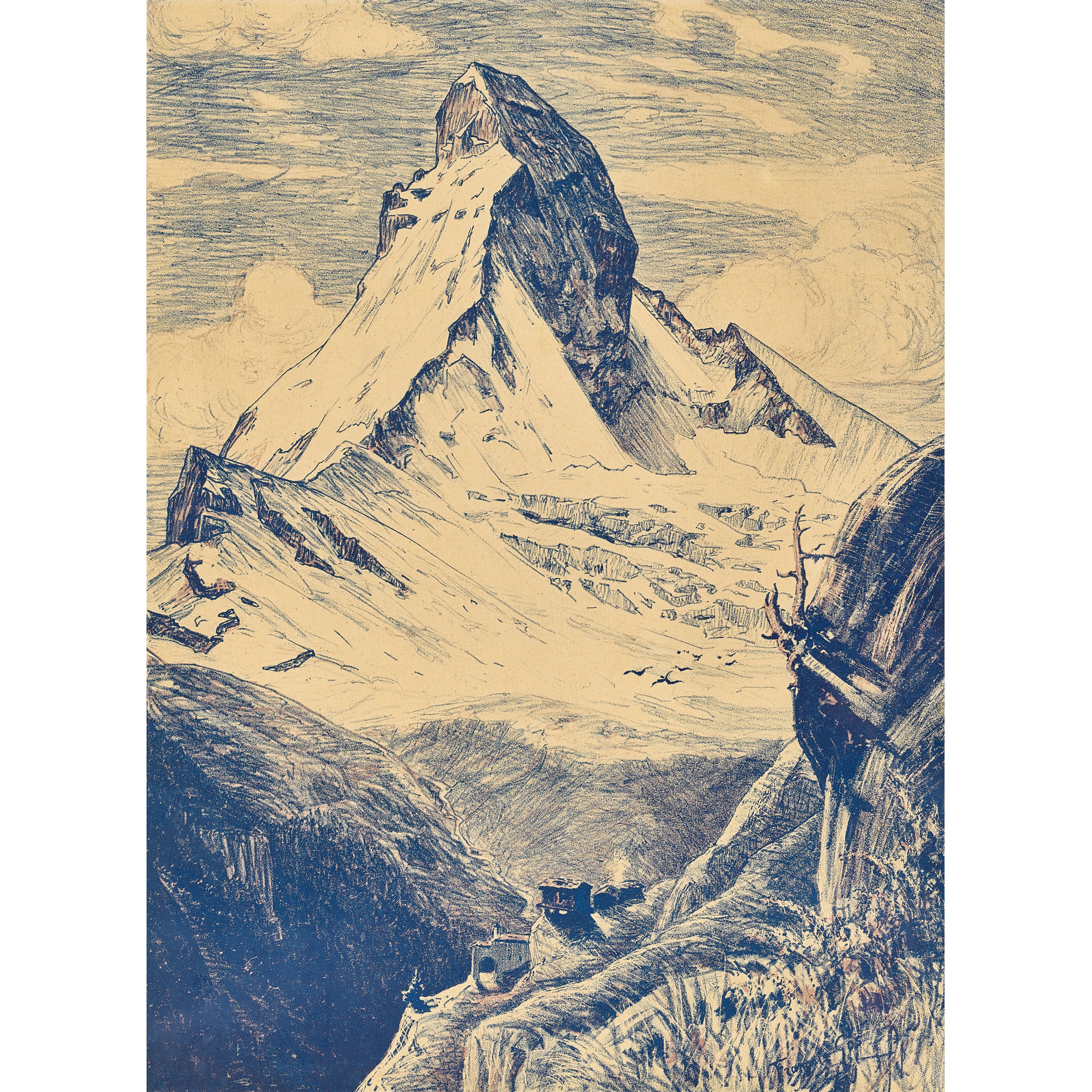
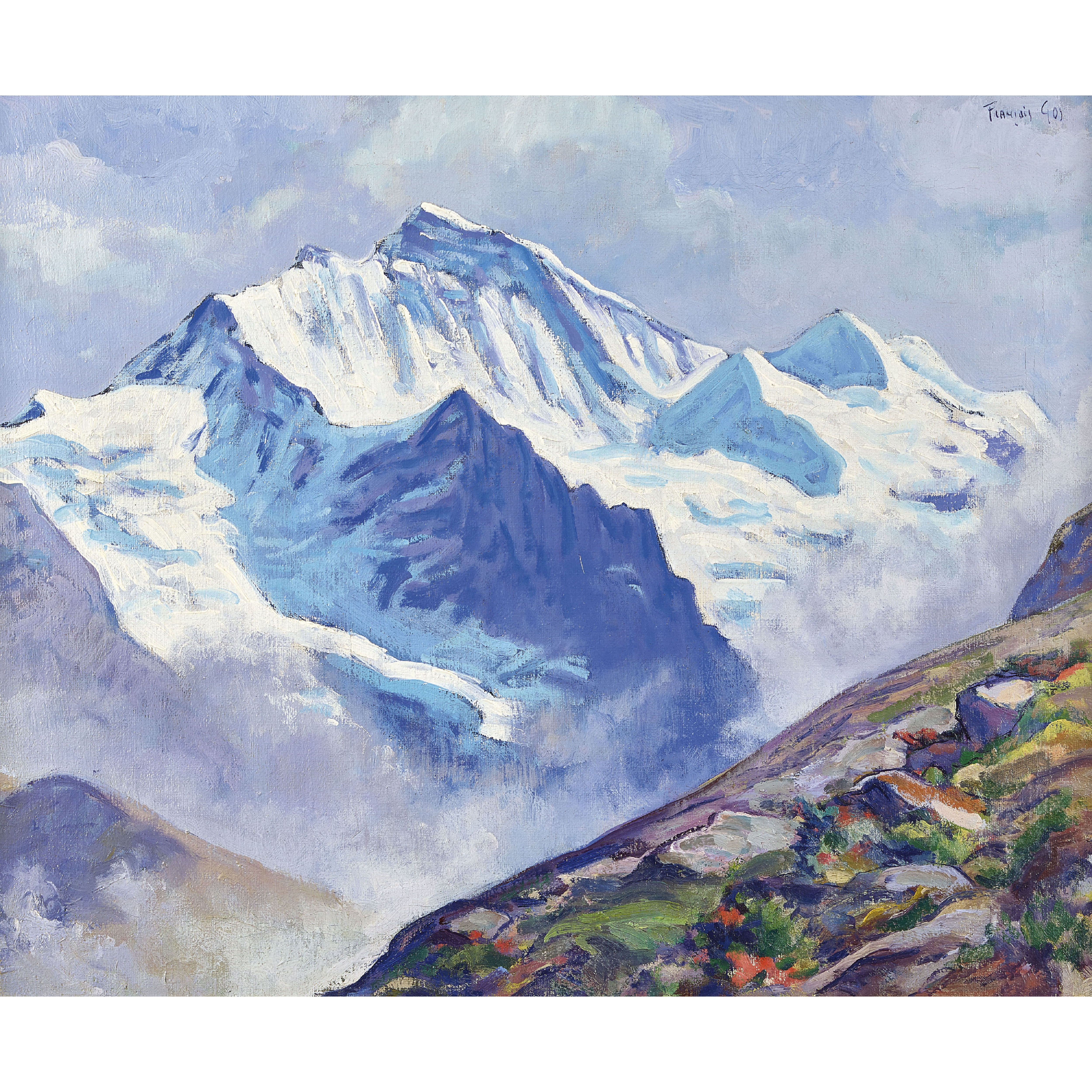
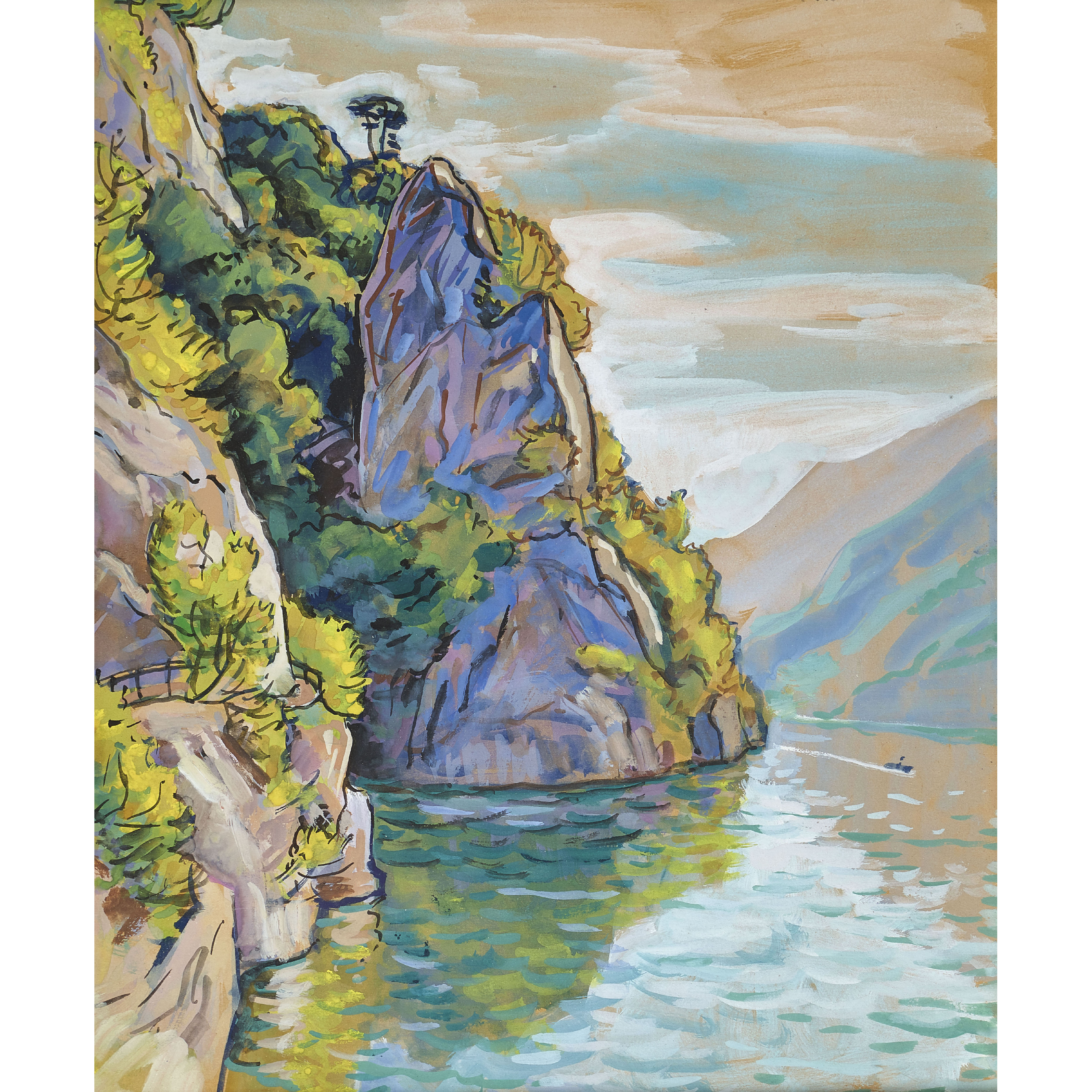
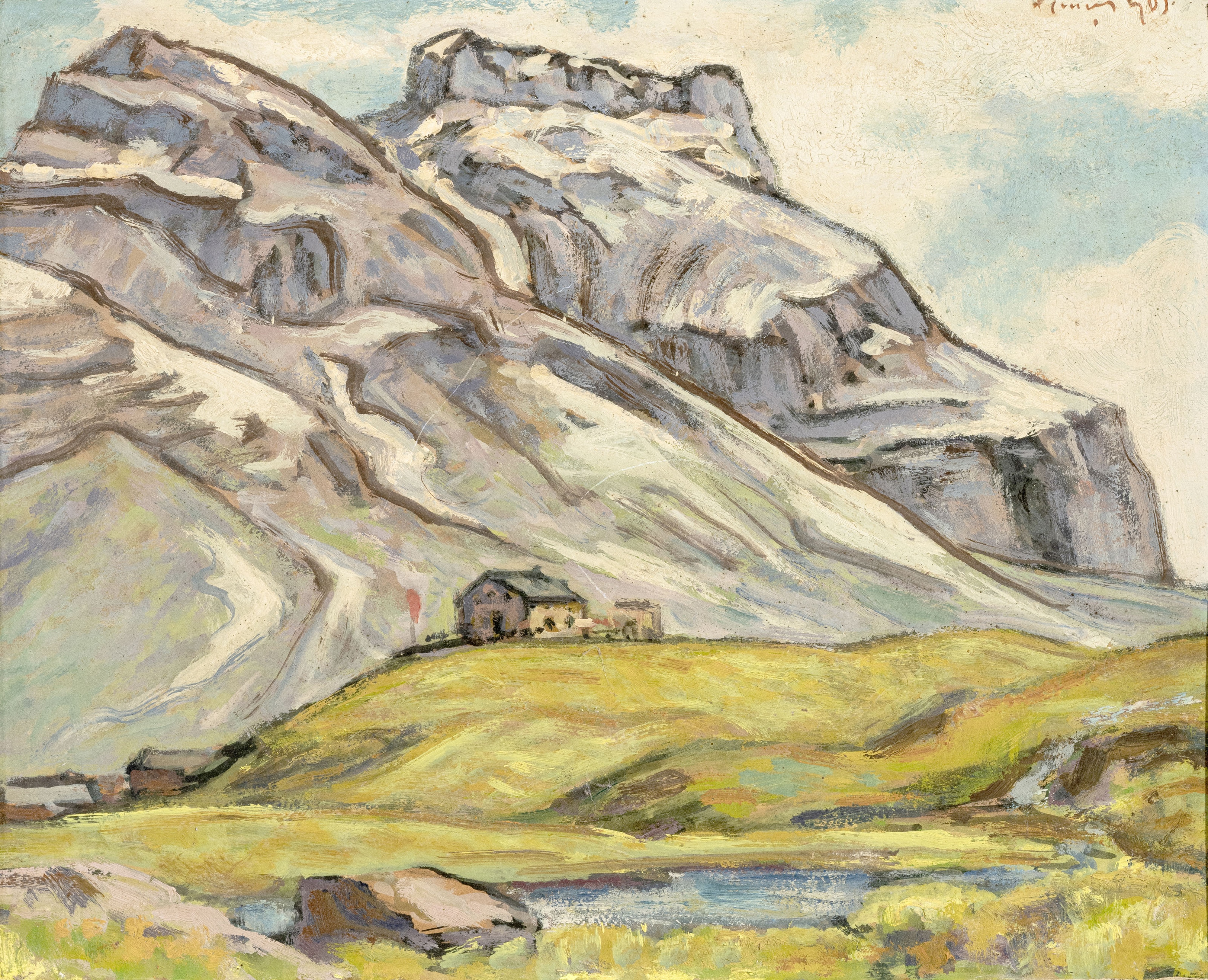
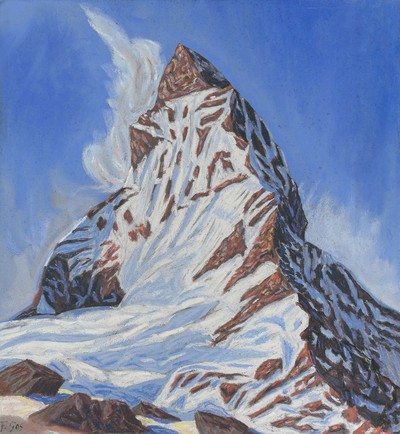
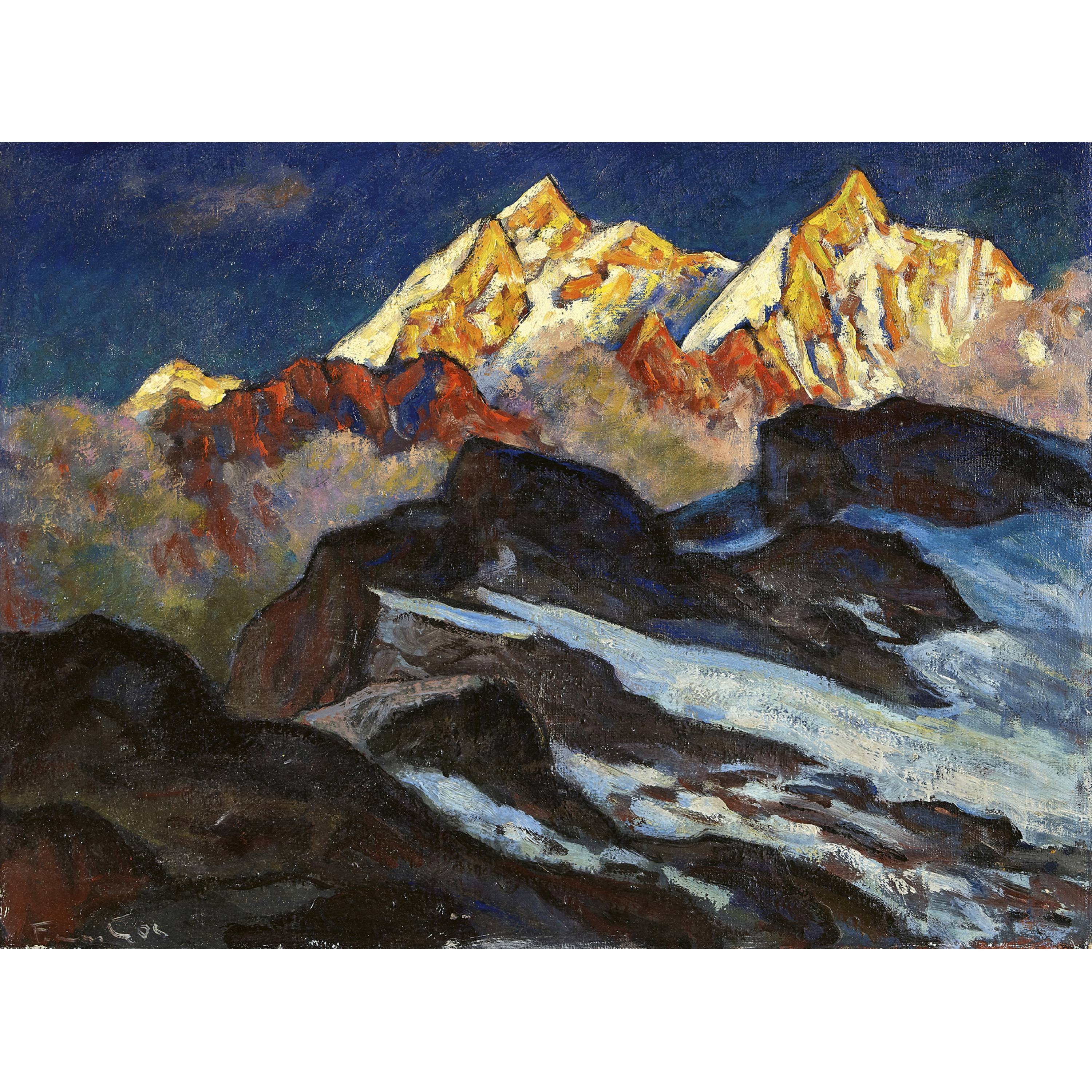
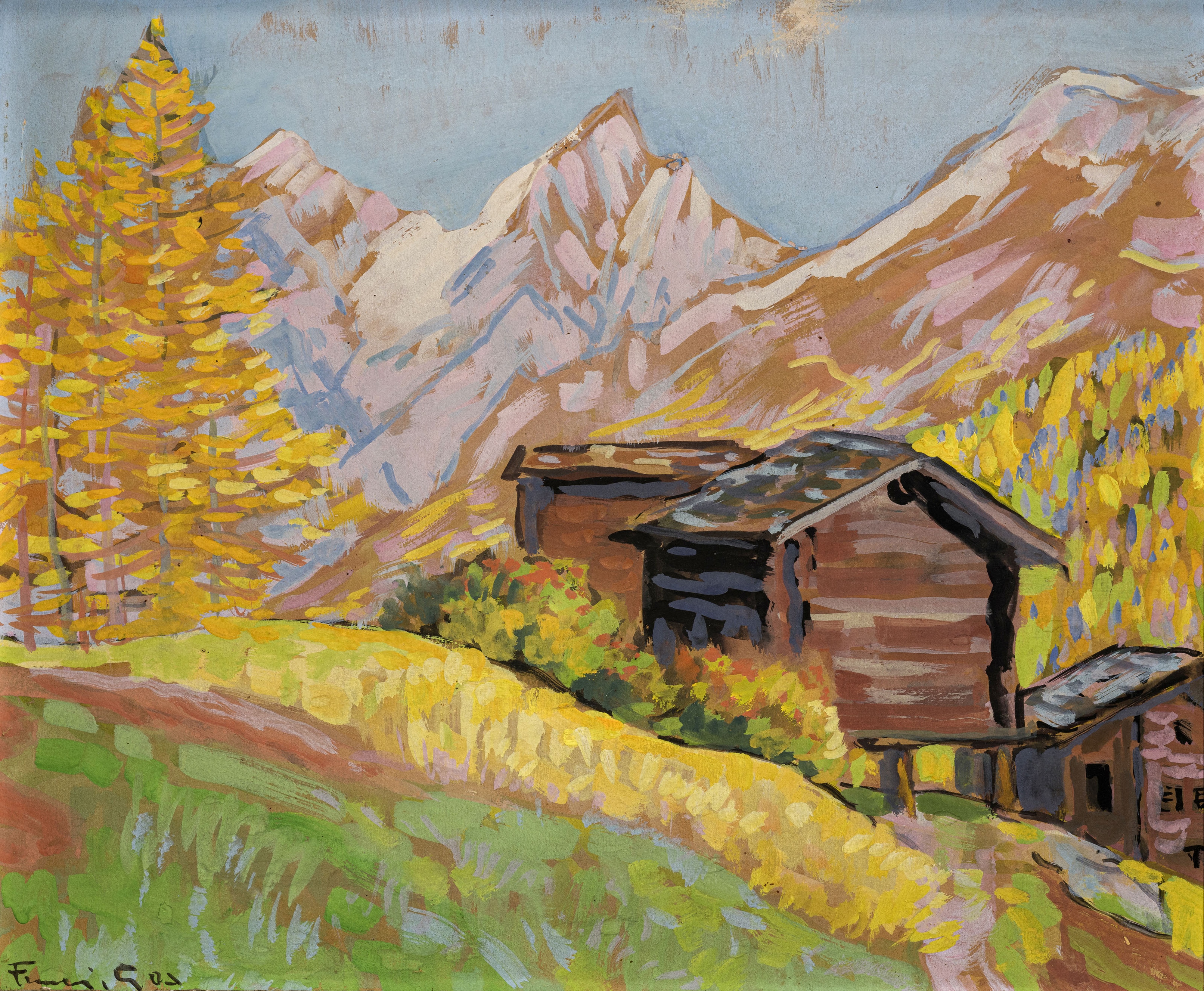
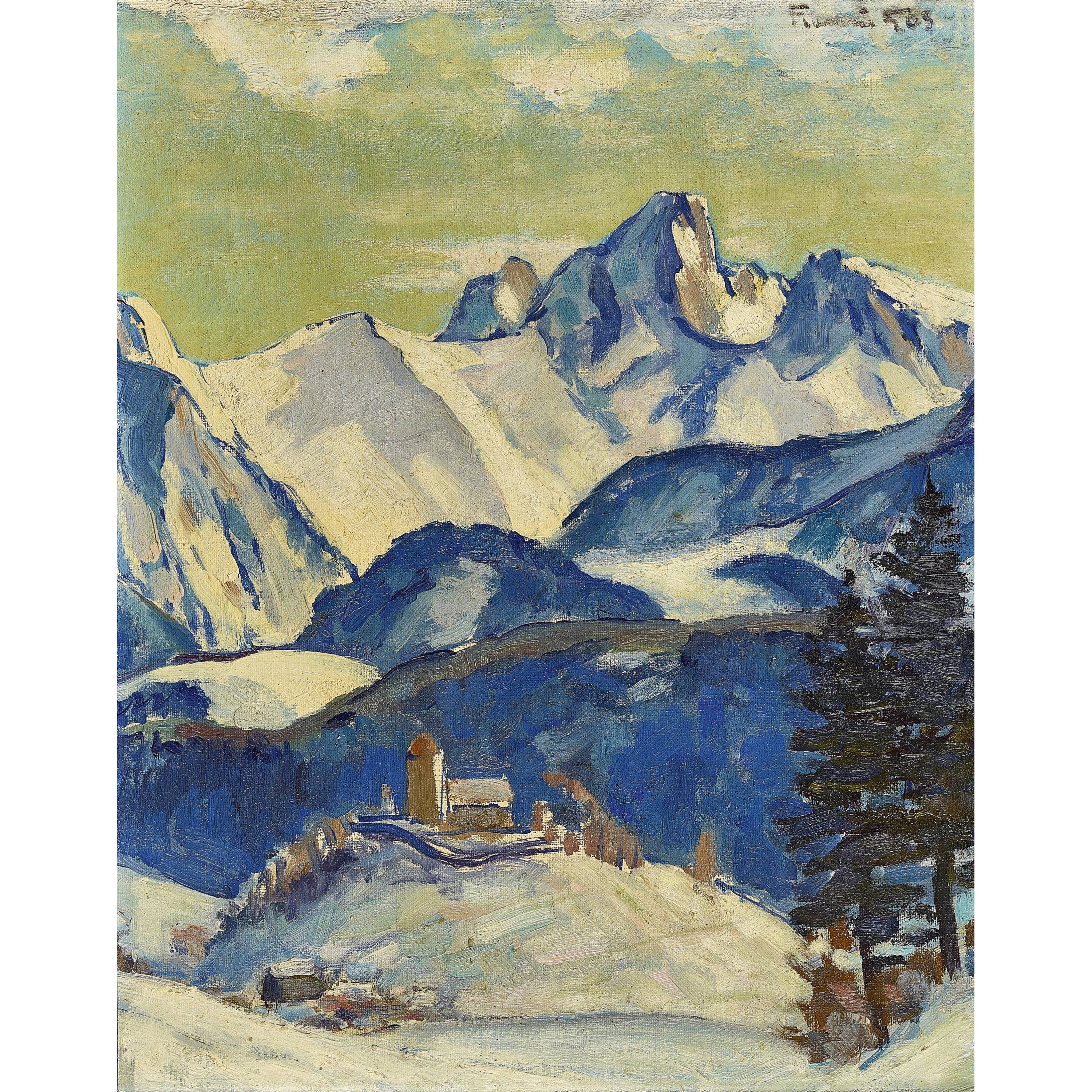
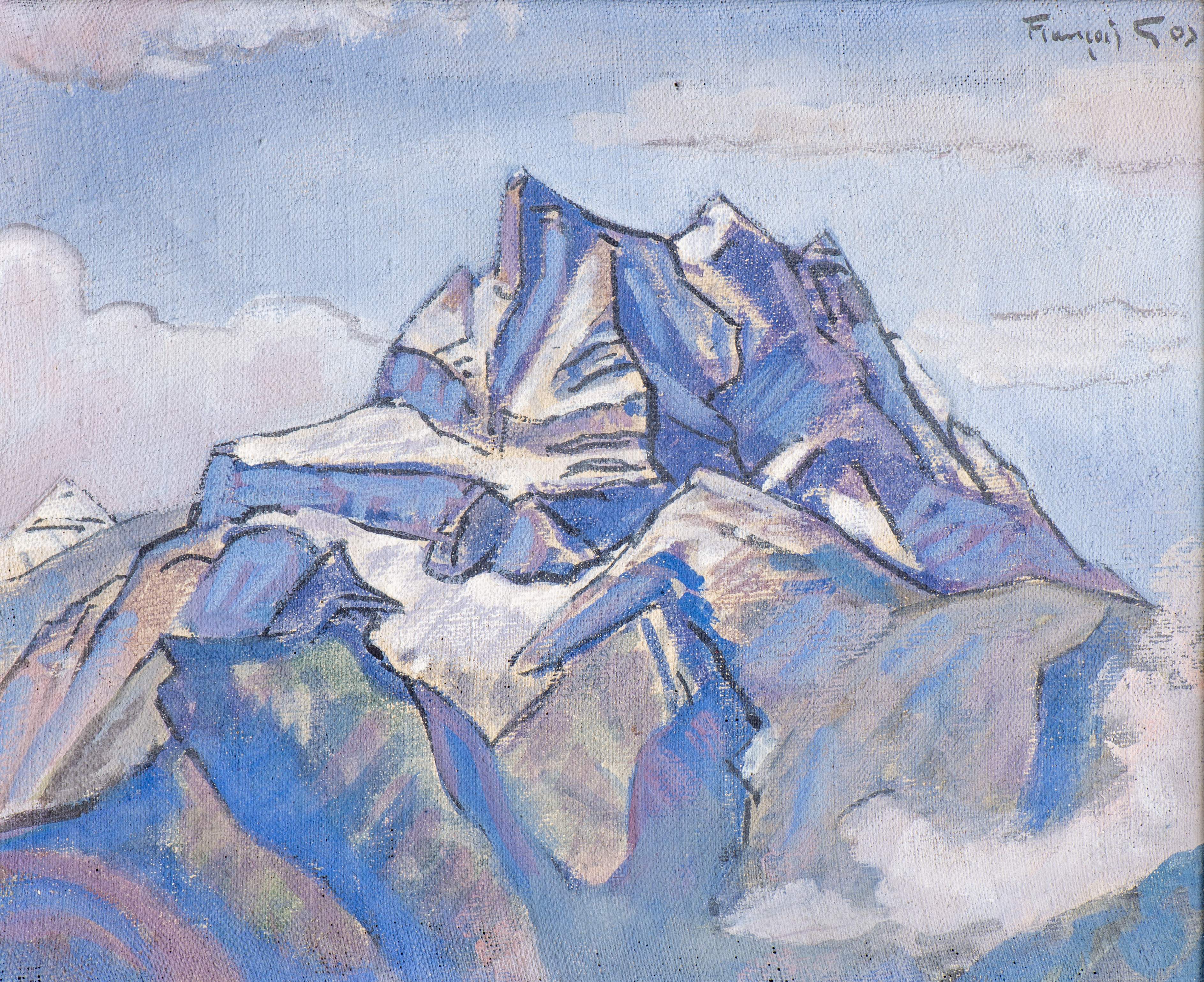
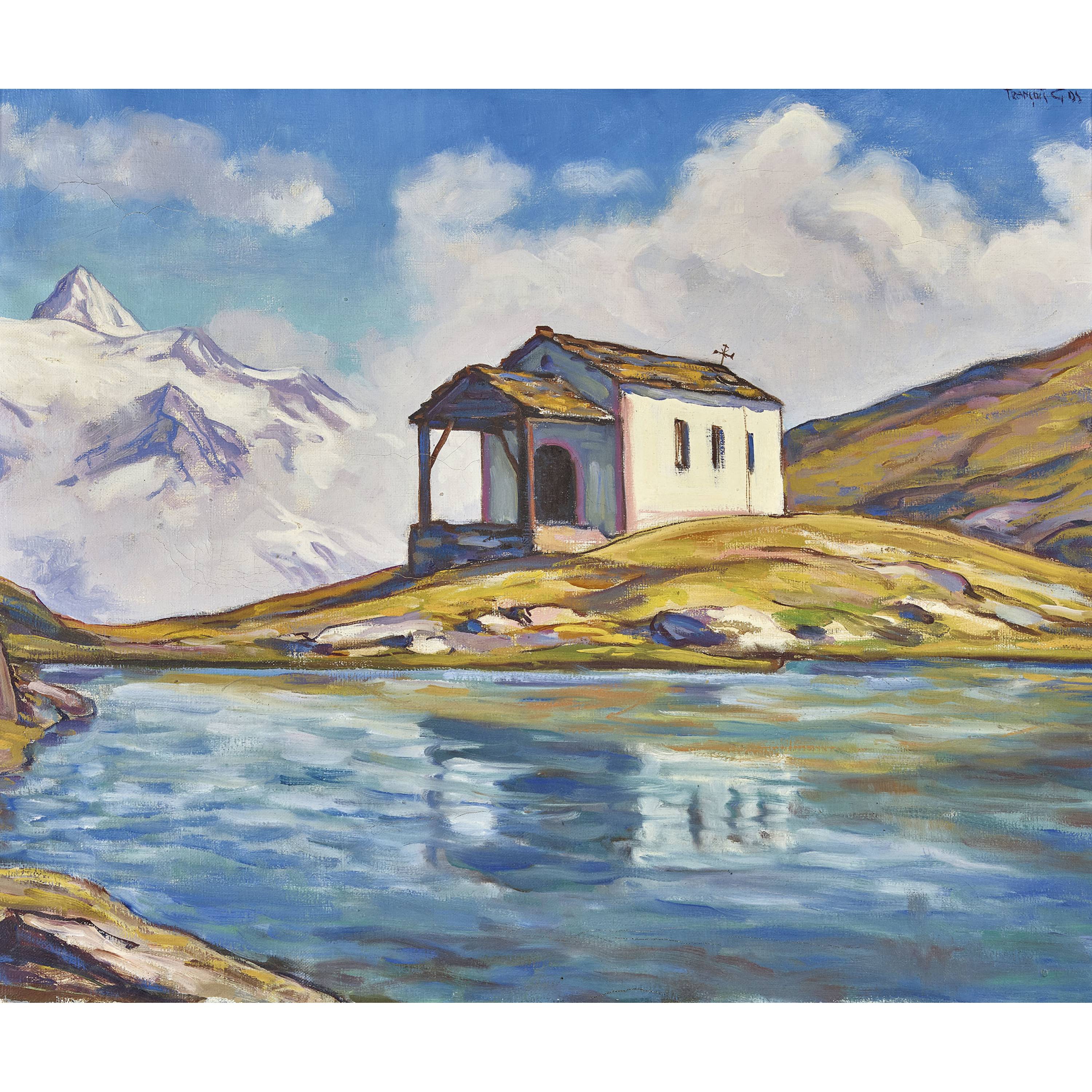
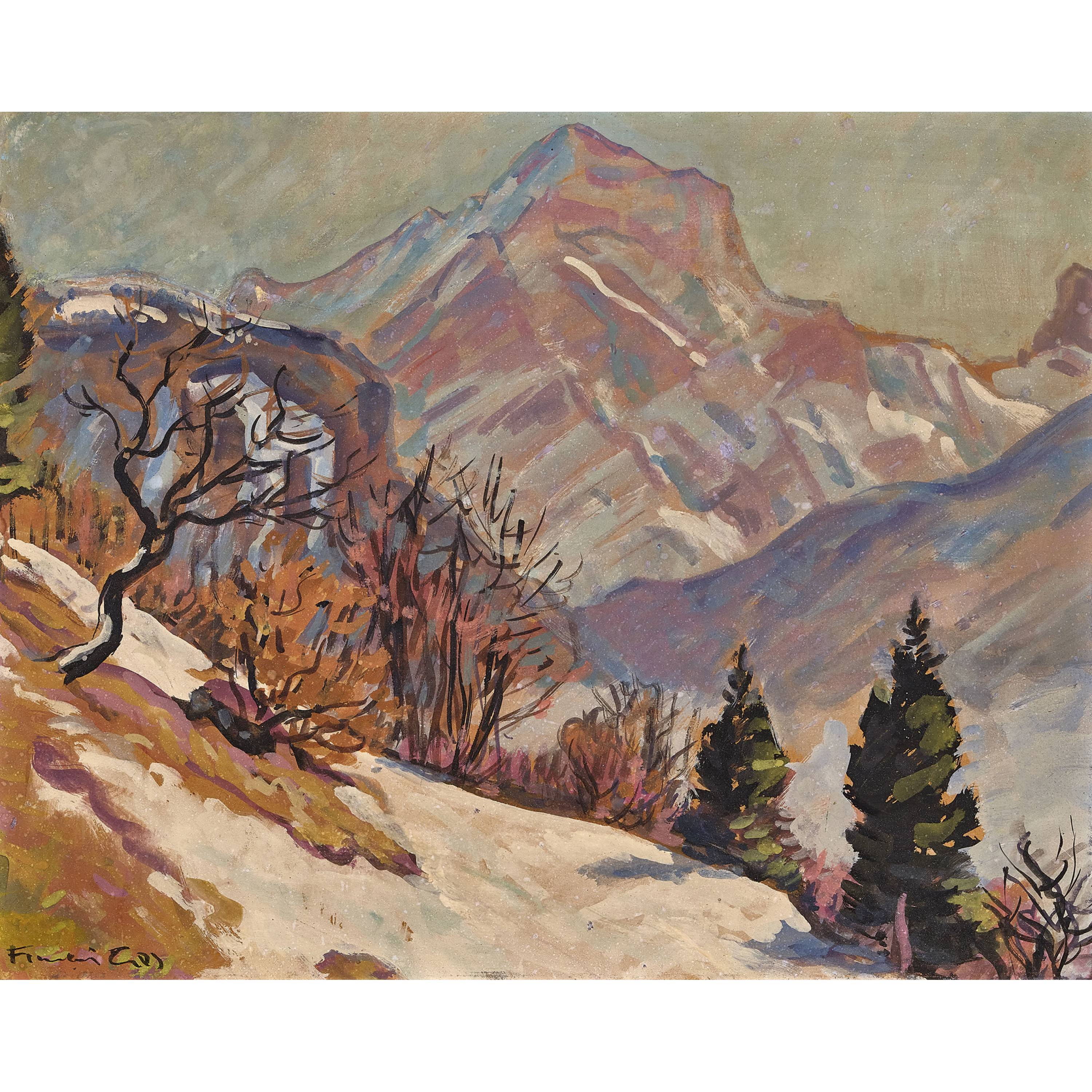
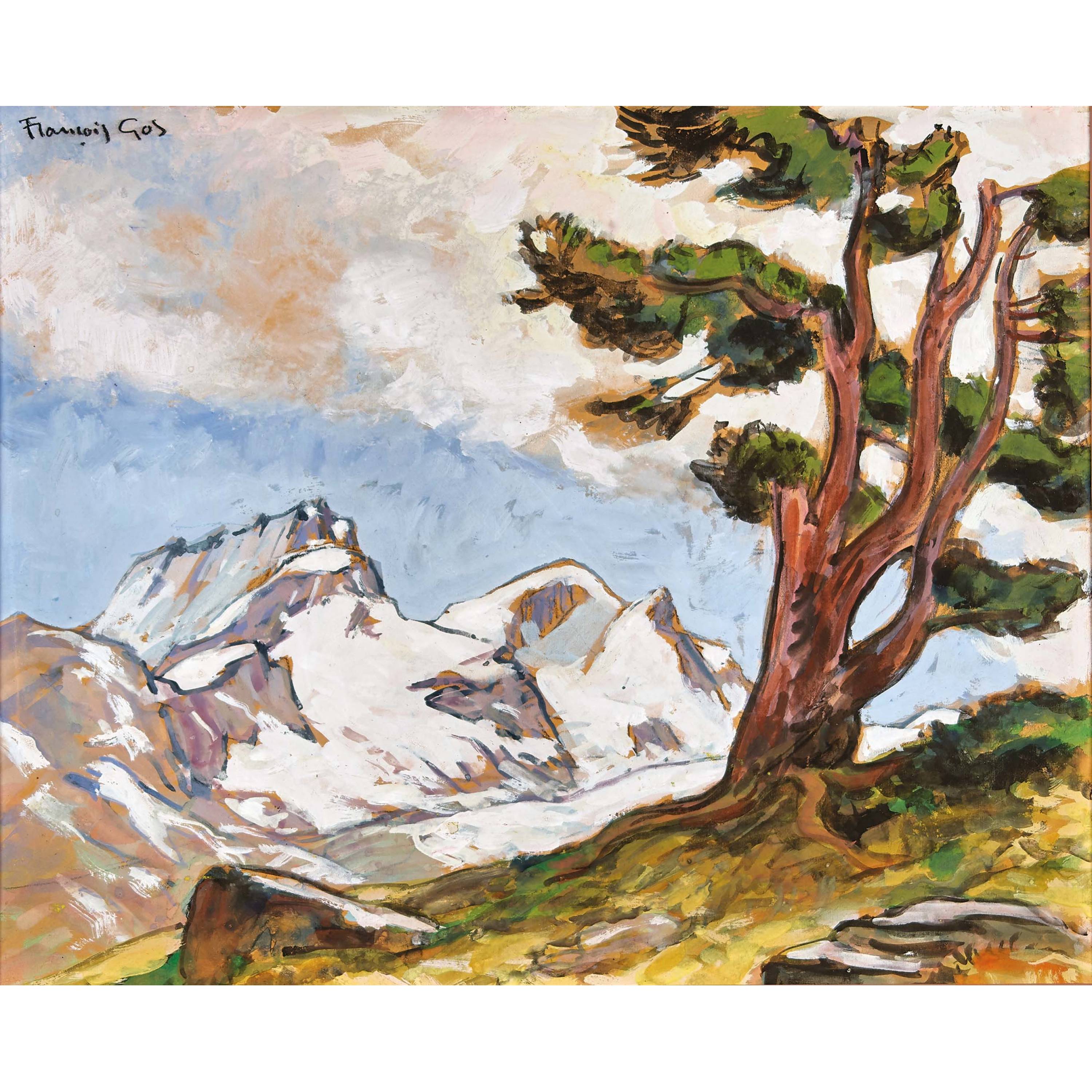
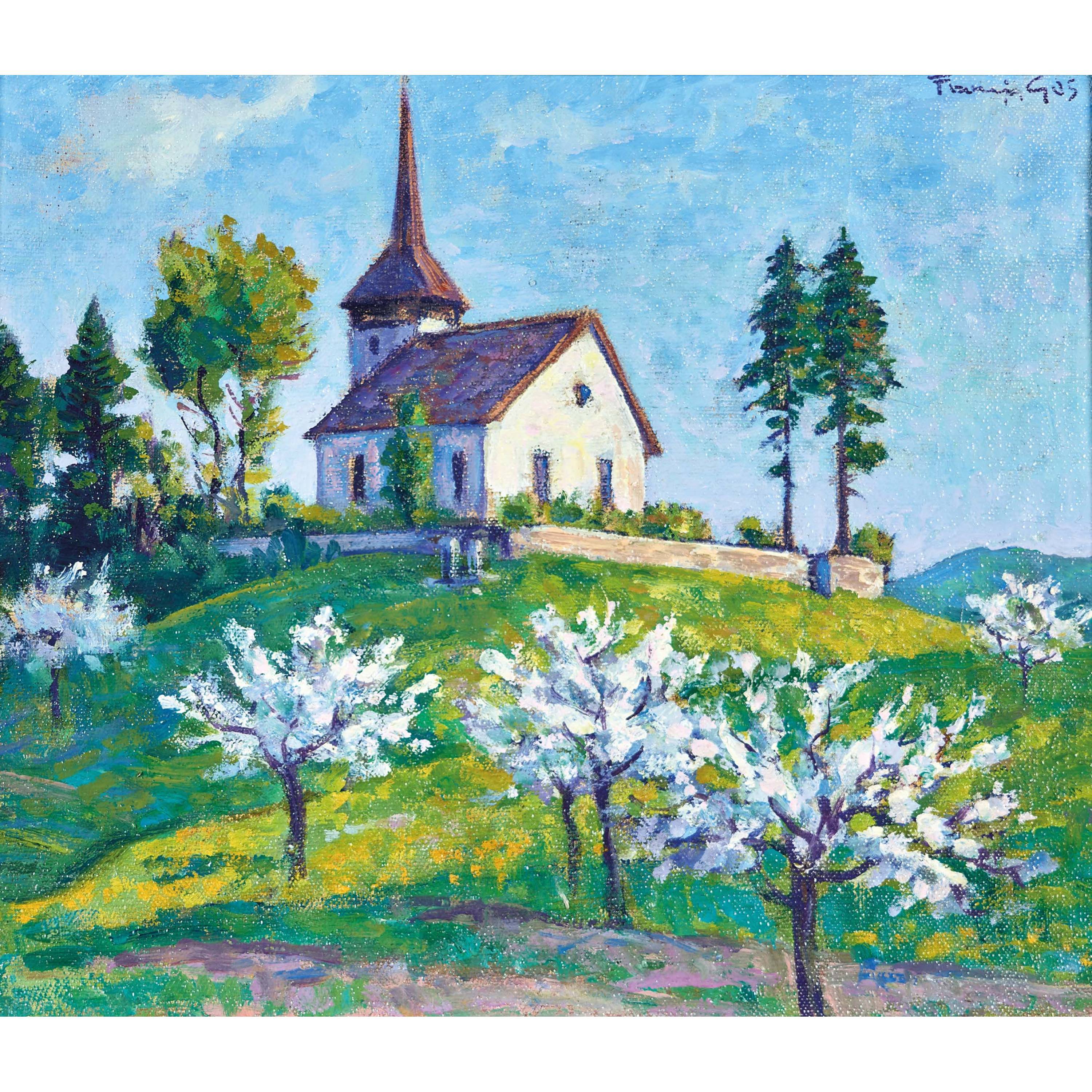
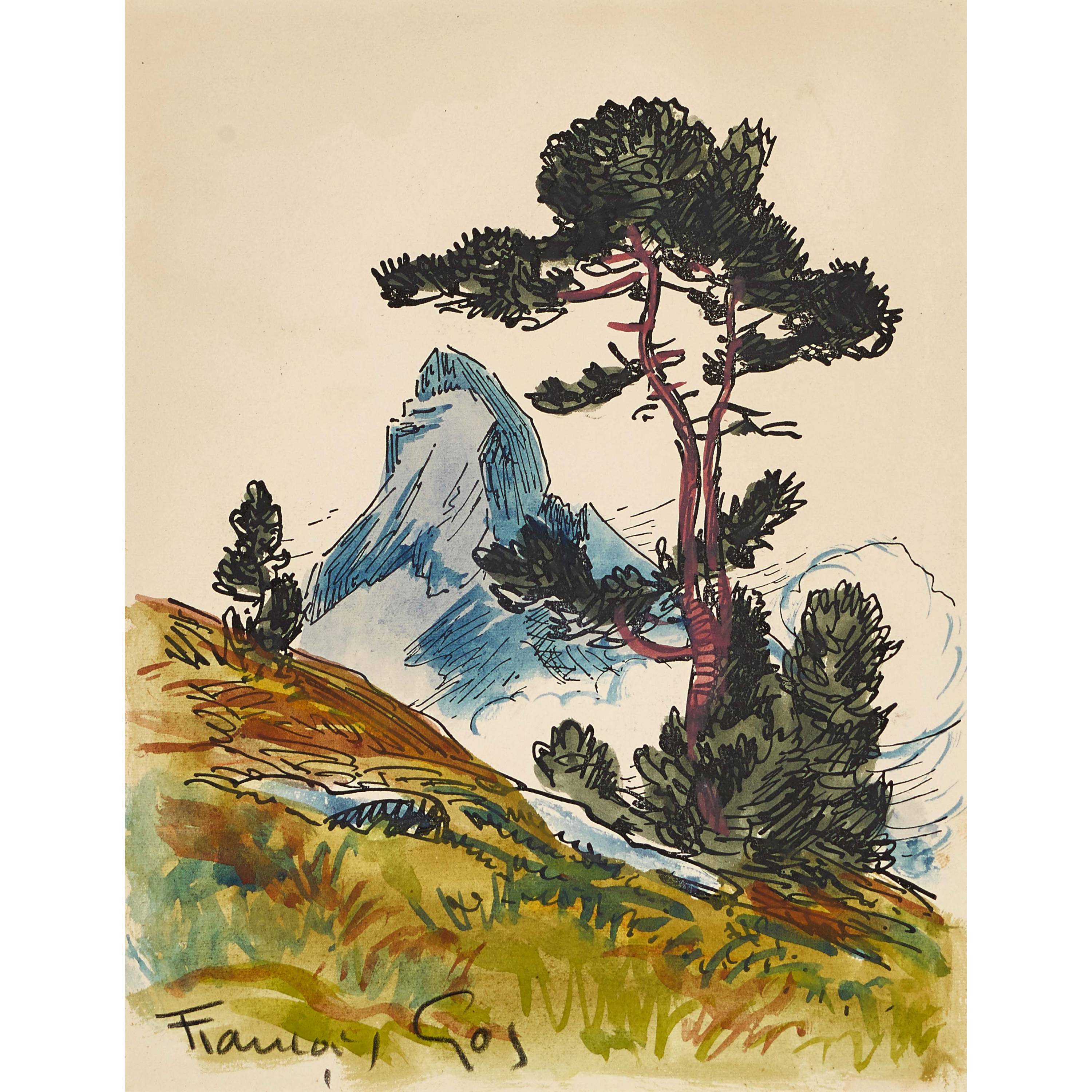
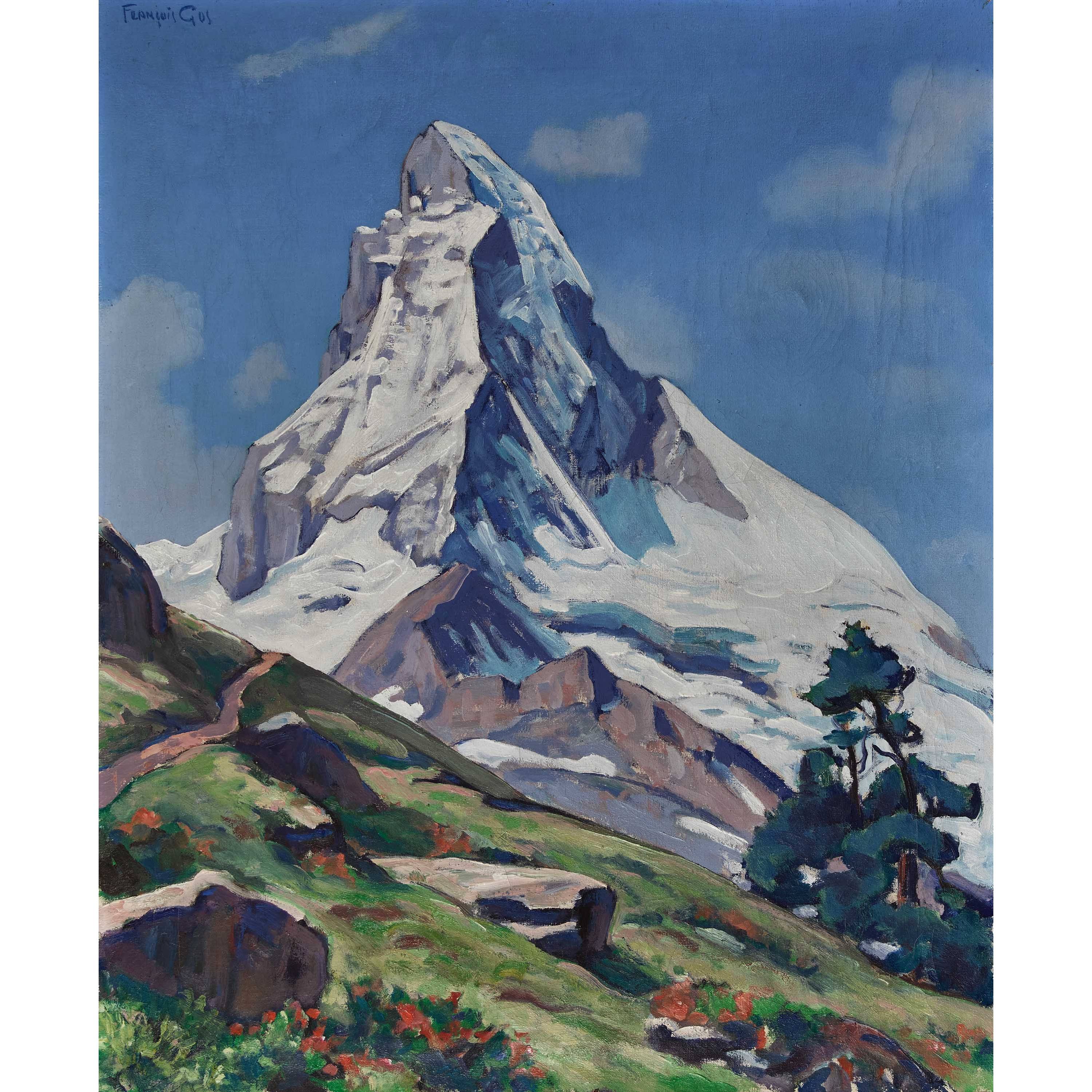
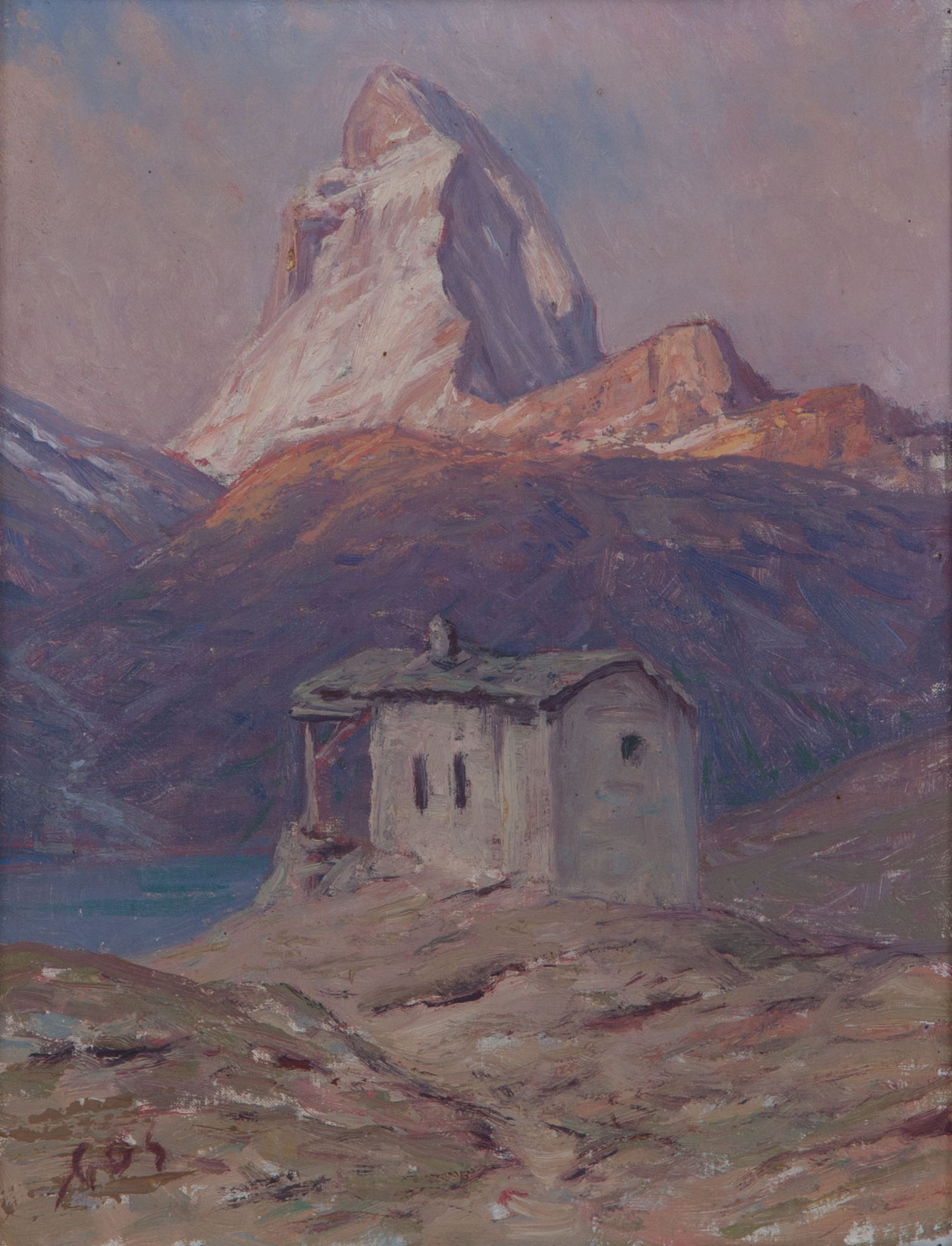
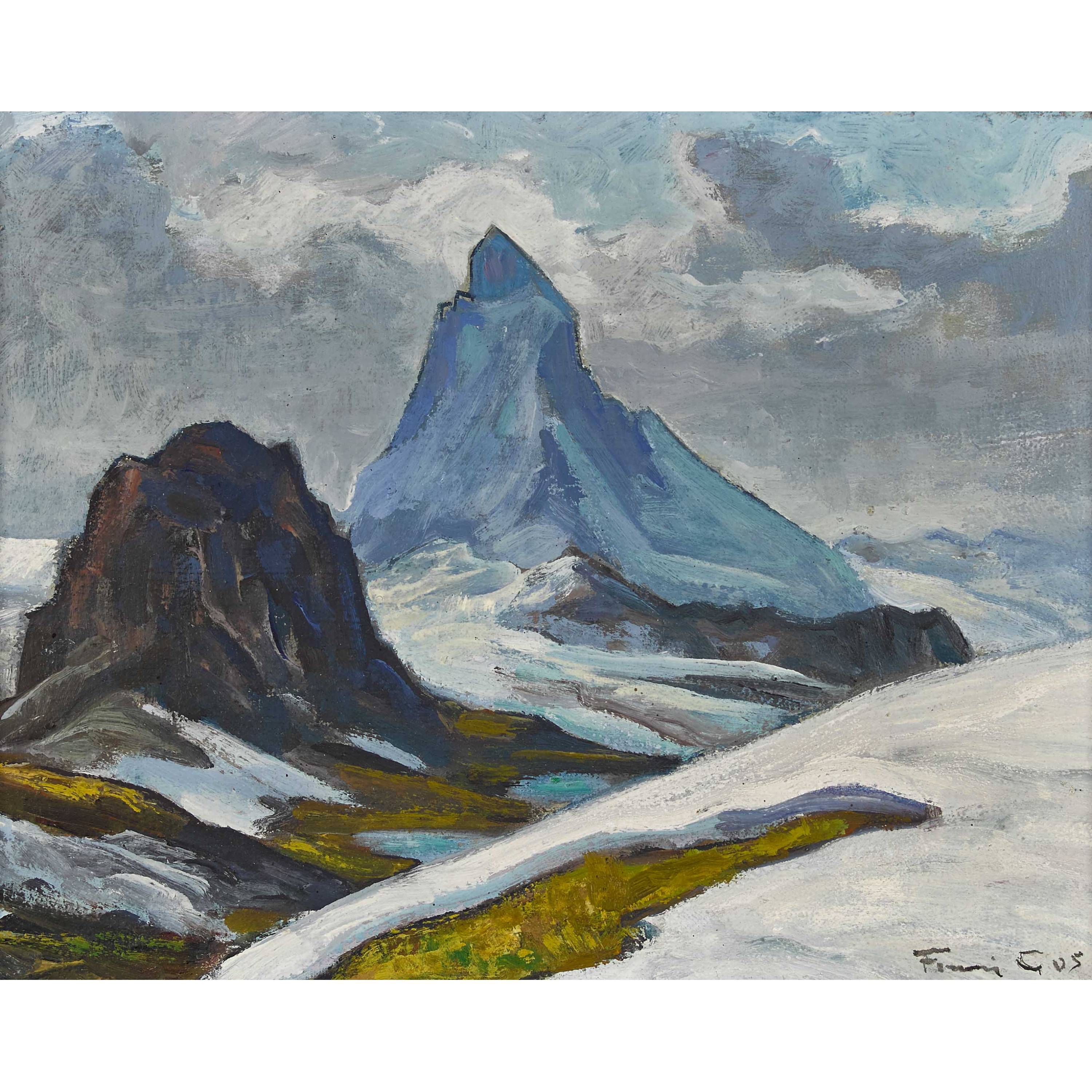
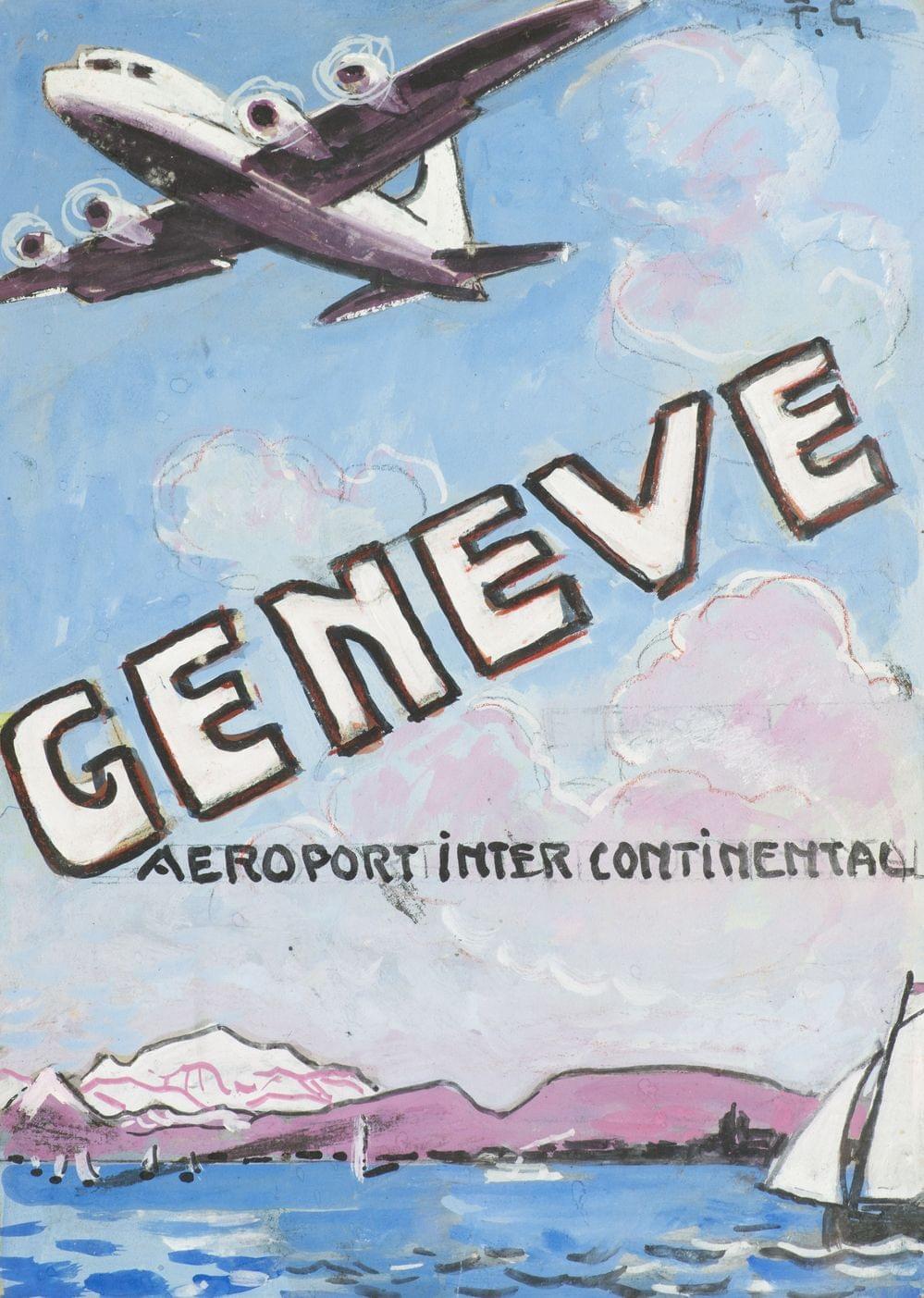
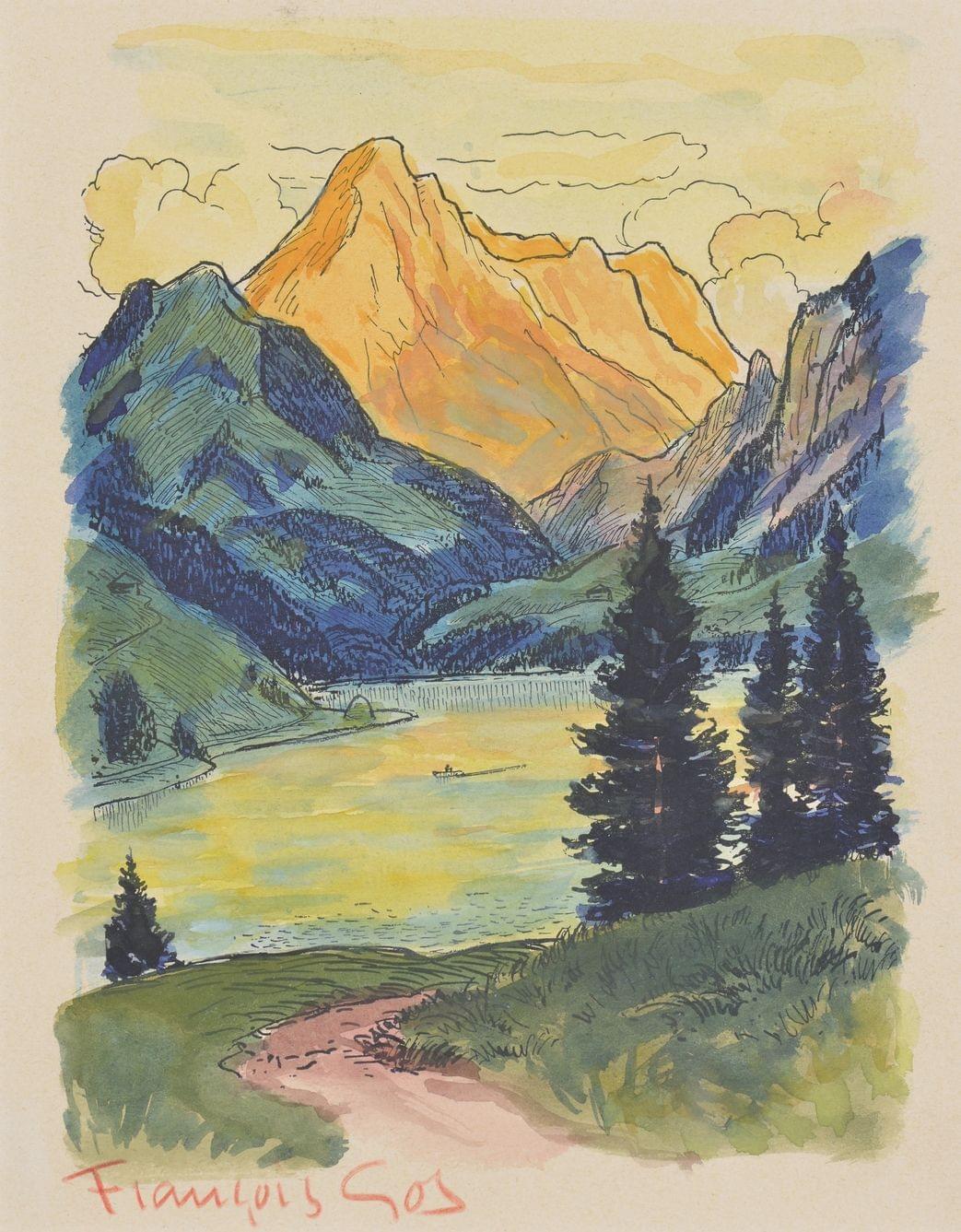
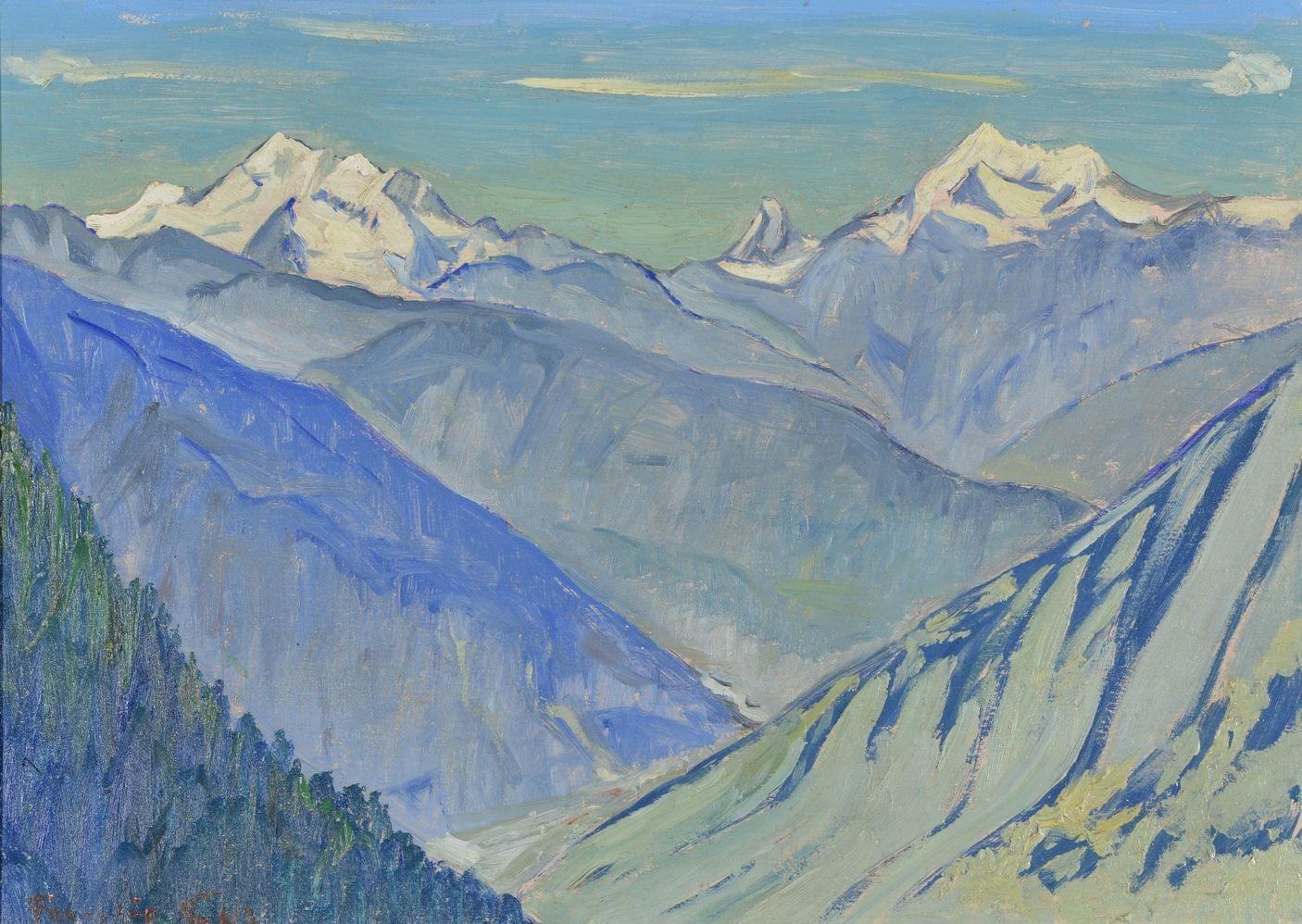
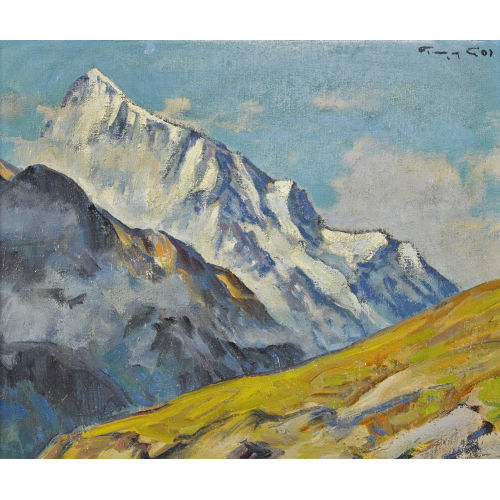
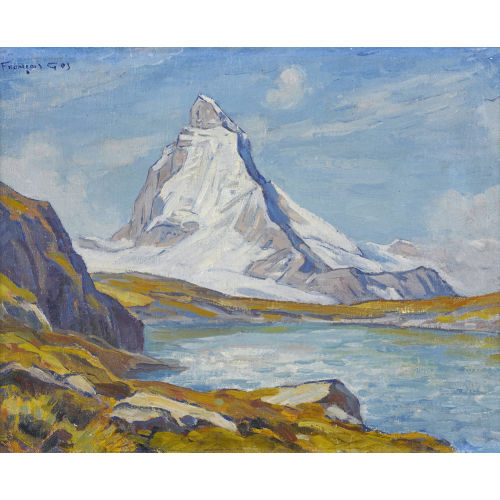
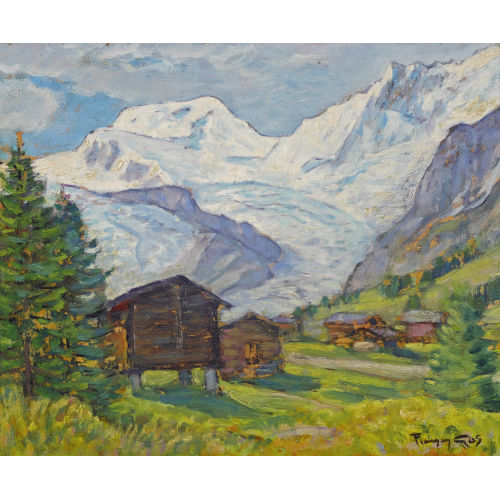
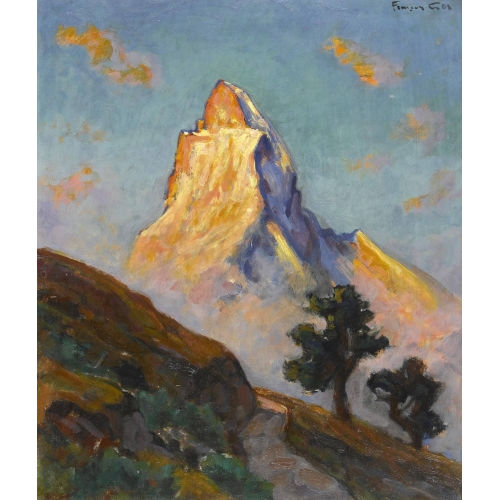
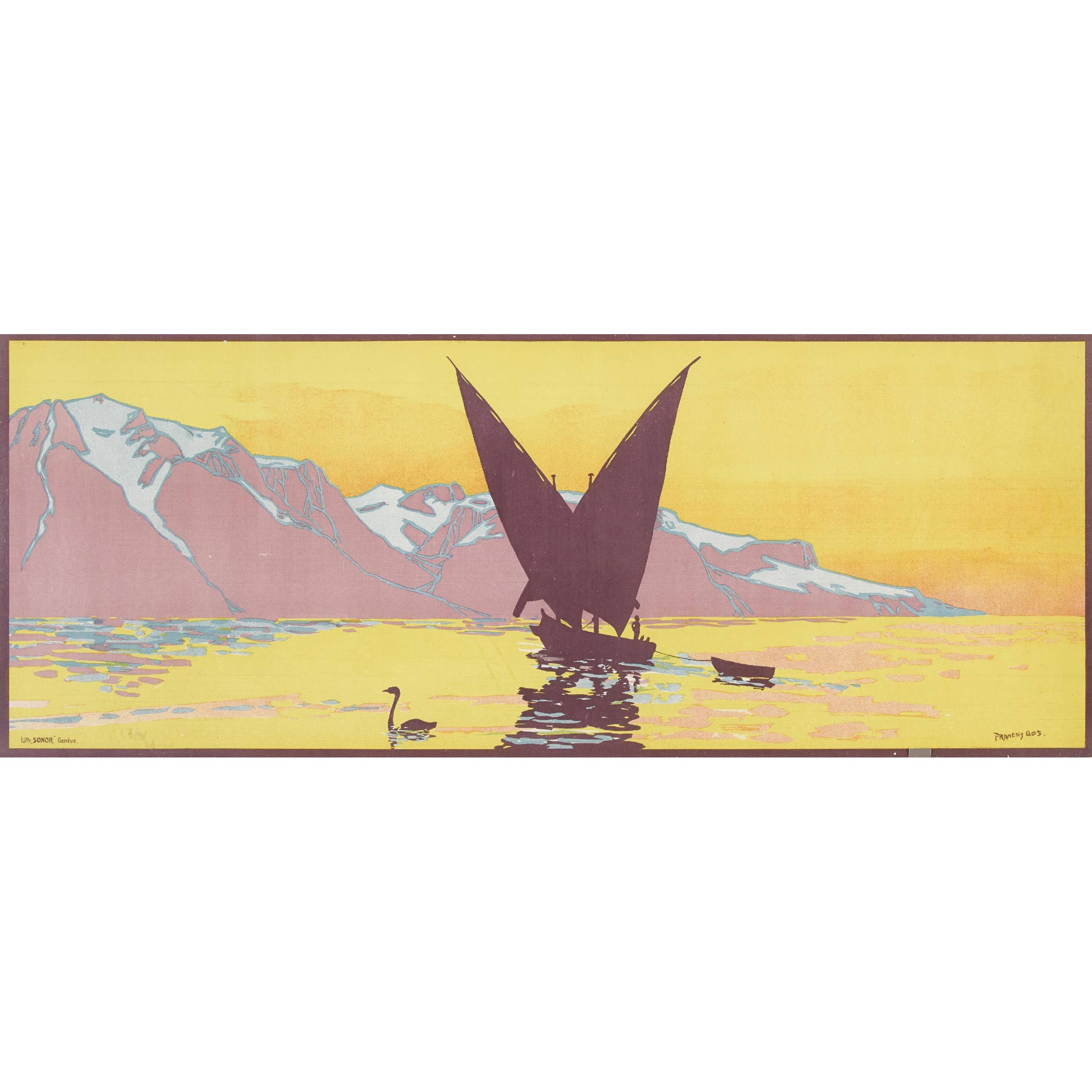
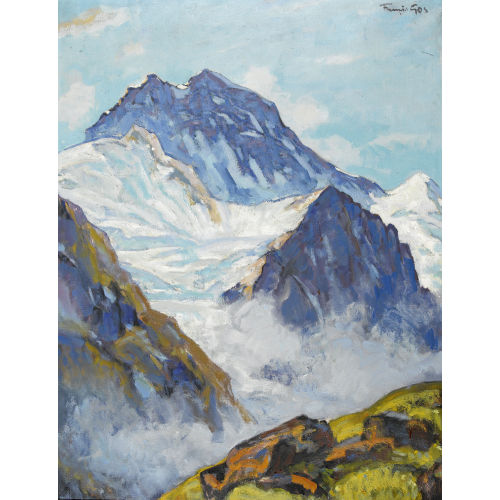
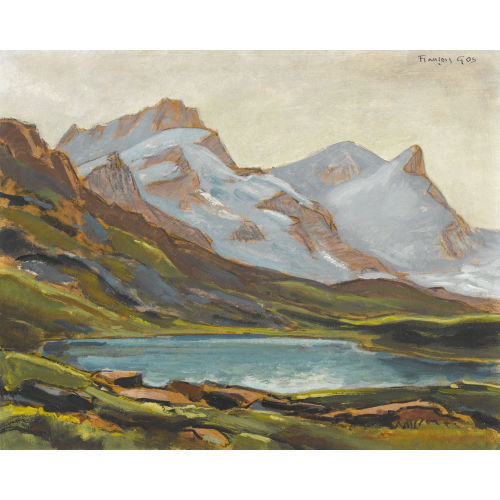
His applied output included the creation of motifs and ornamental variations for the embroidery manufacturers of St Gallen, as well as tourist posters, postcards, postage stamps, and illustrations for the press. He also carried out large-scale commissions, notably panoramas for the railways and for renowned hotels in Zermatt.
The artist’s public activity is reflected in numerous solo and group exhibitions and, according to the biographical notices, in several international distinctions.
In the fields of sculpture and architecture, the monument in Amersfoort (Holland), dated 1917, and the execution of capitals for the first Goetheanum in Dornach in 1921 are documented.
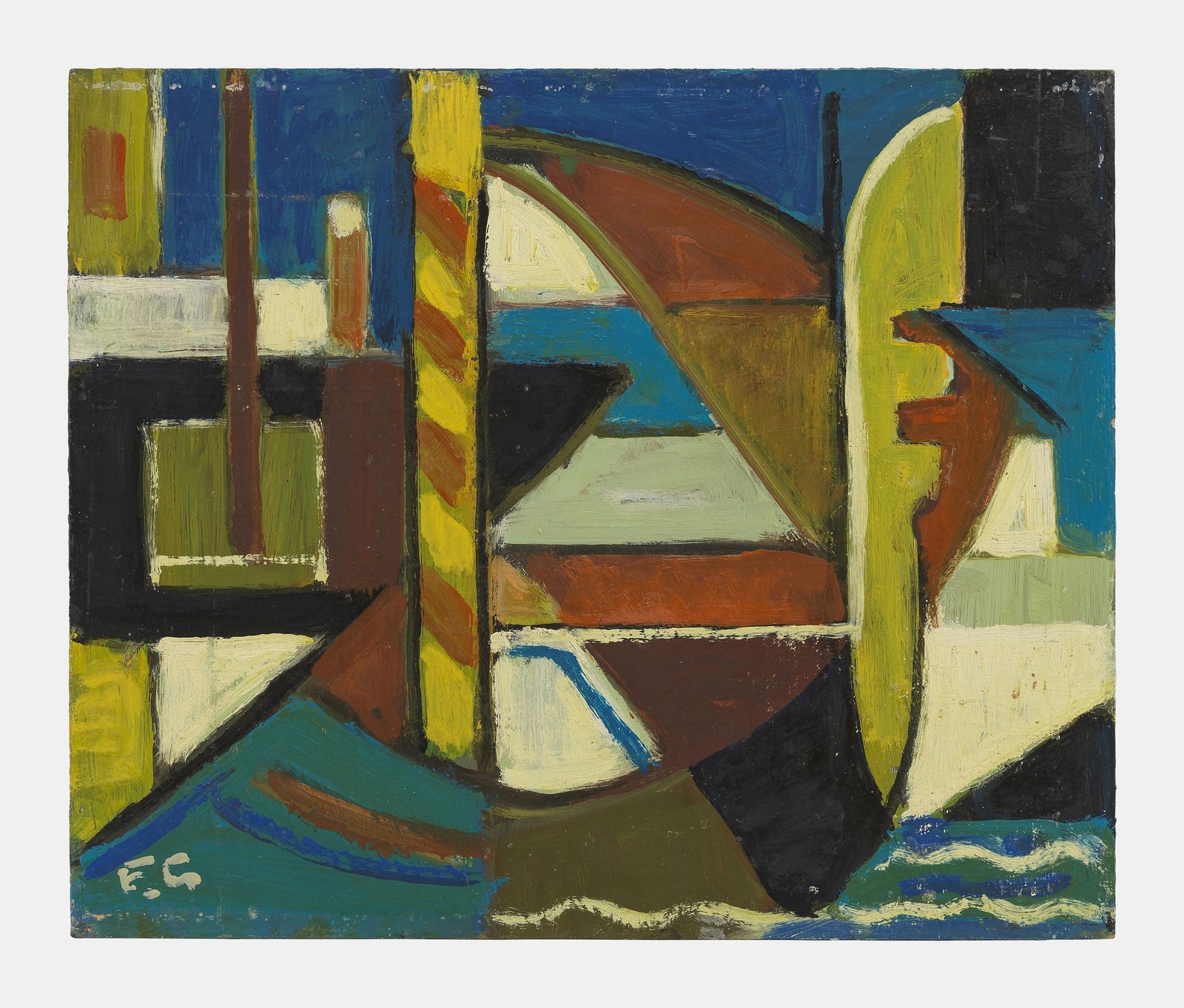
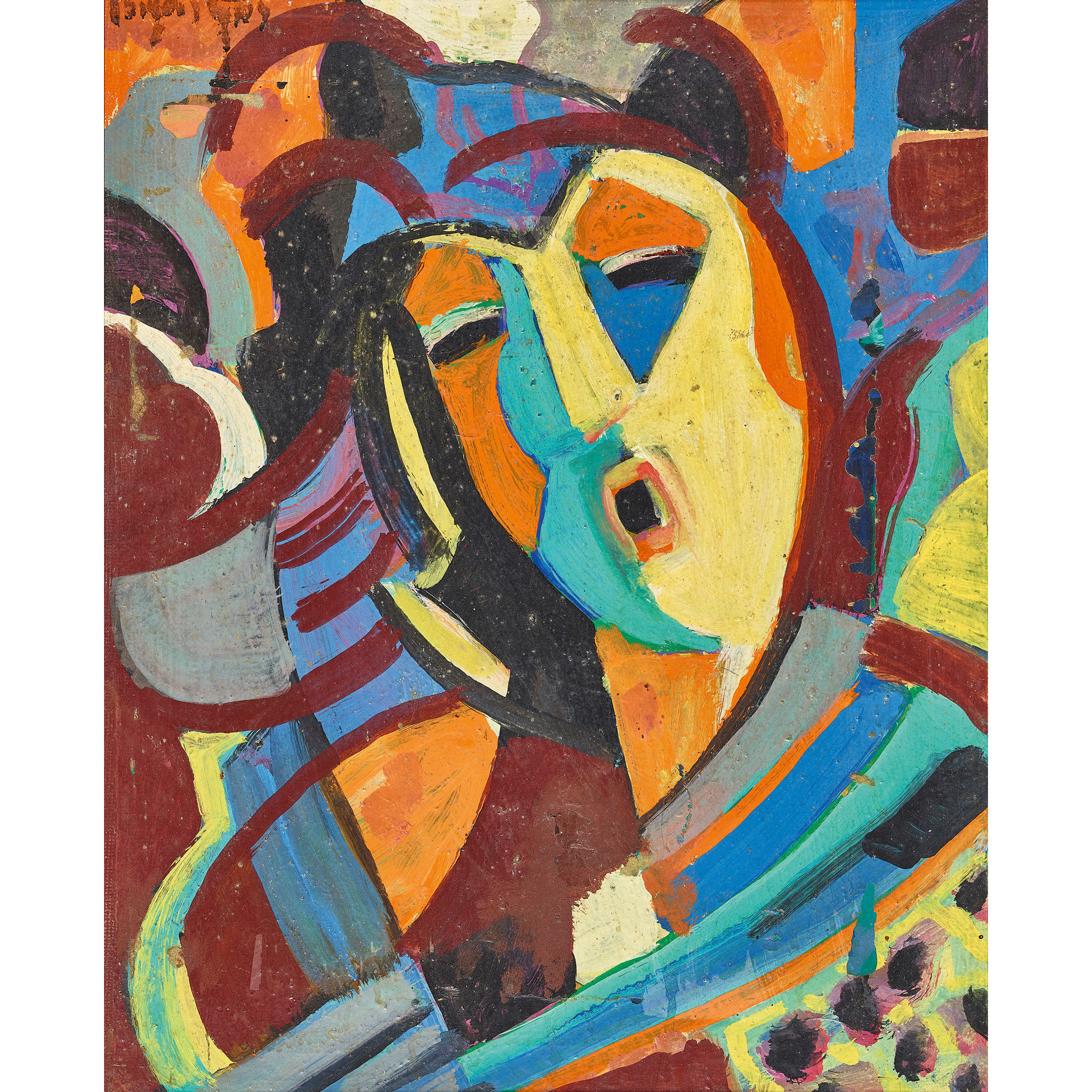
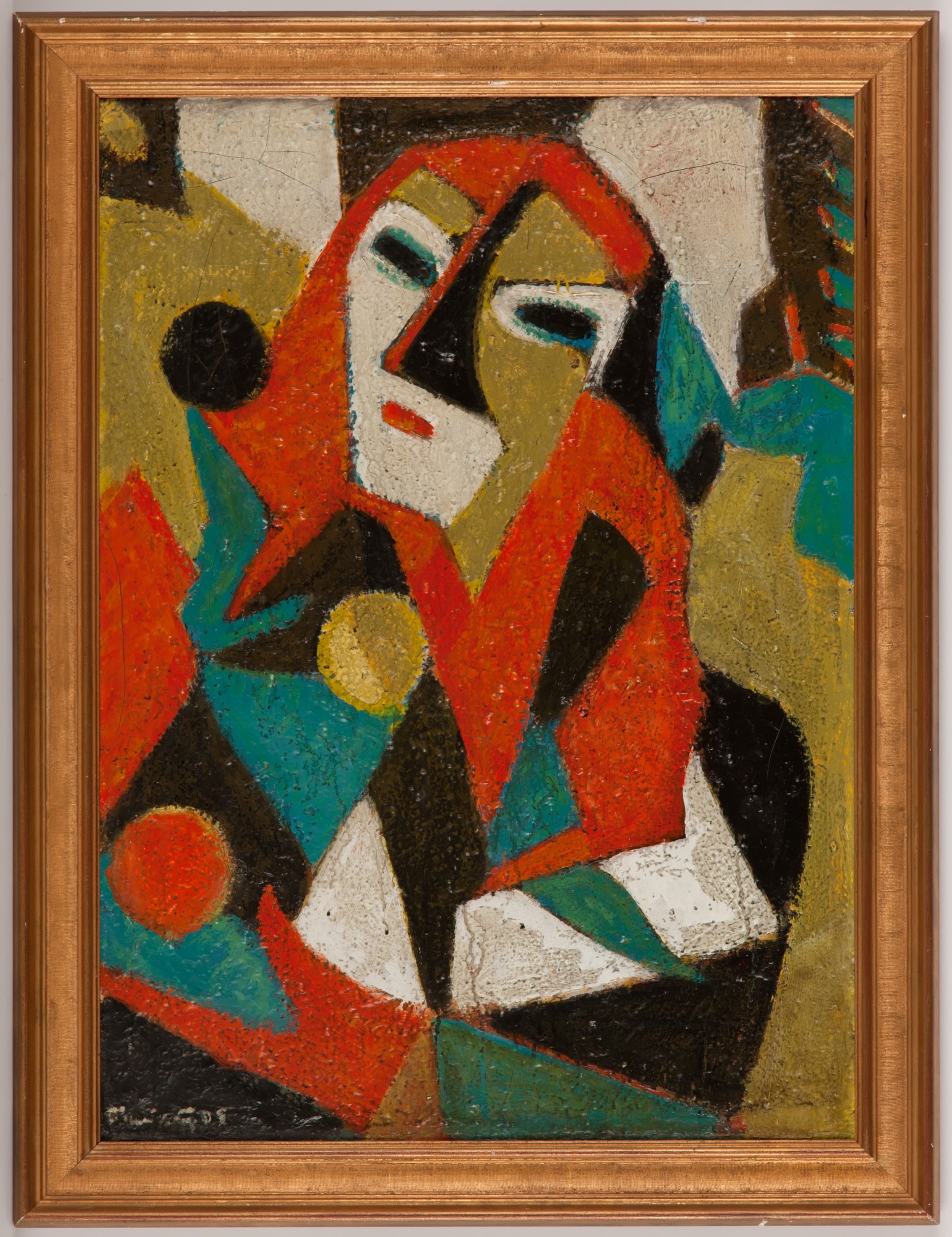
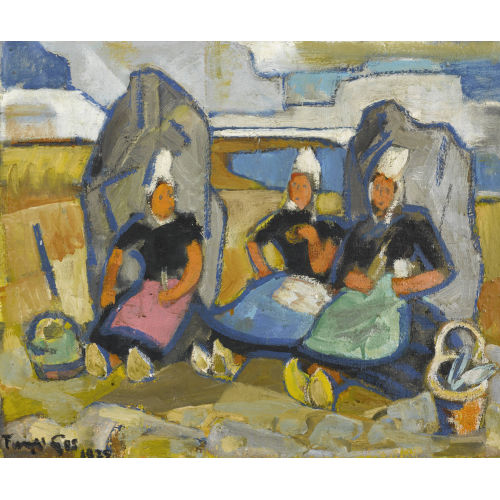
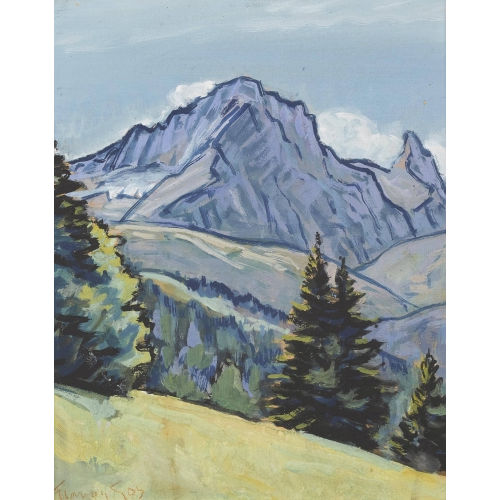
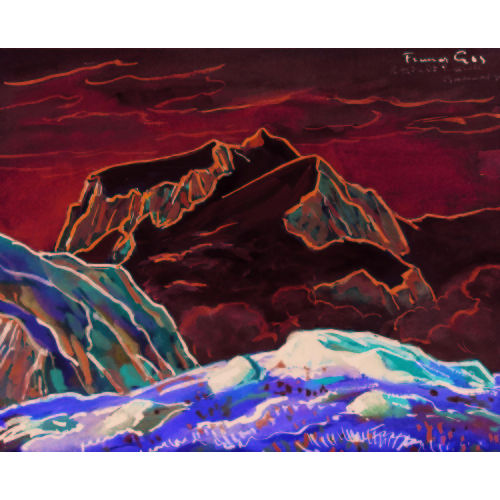
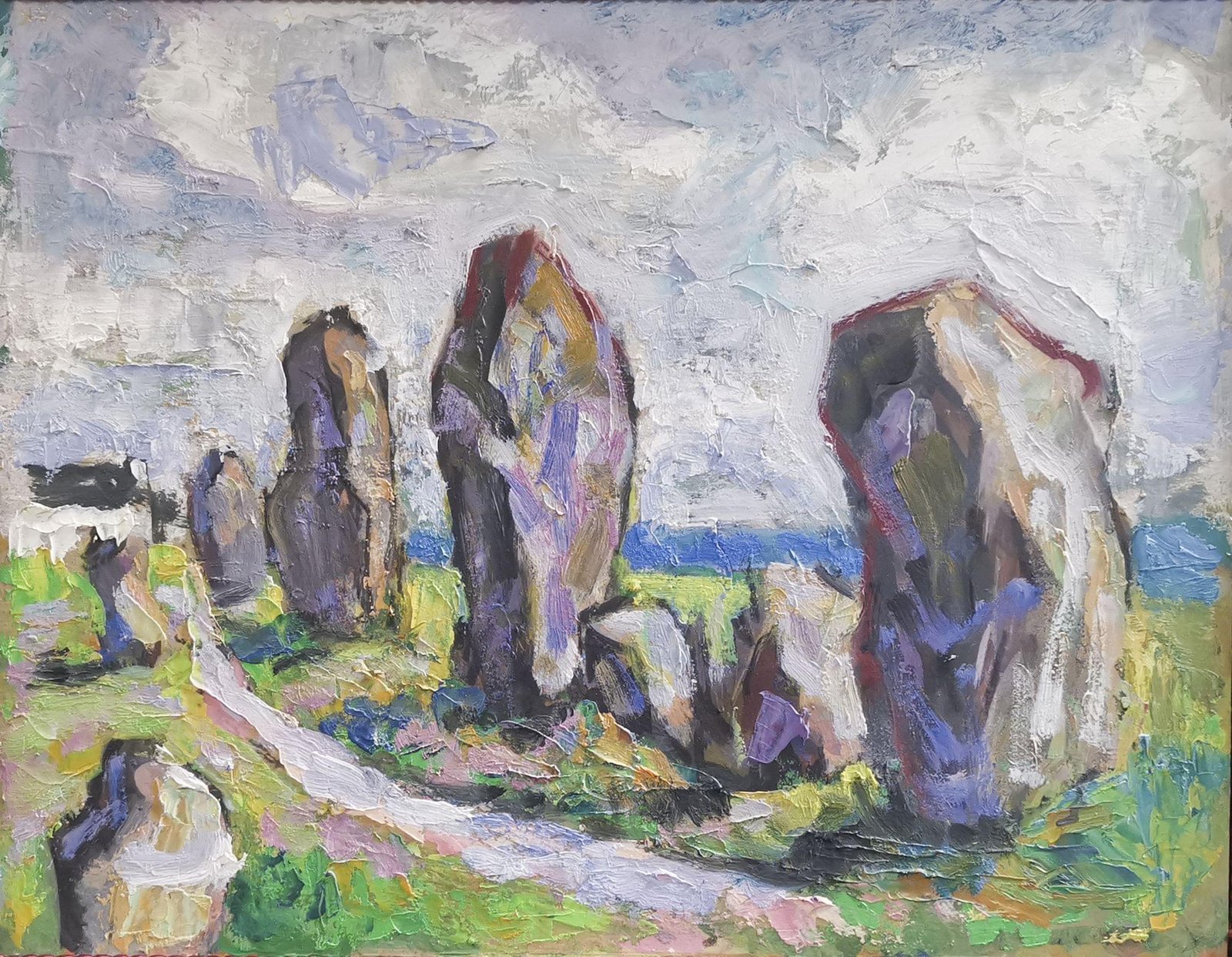
The end of his career also saw a presence in the media: weekly illustrated articles published in the Tribune de Genève (1960s–1970s), and a Télévision suisse romande programme devoted to the artist in 1960. The notices also point to a late evolution towards less figurative compositions and more muted colouring, which is said to have surprised part of his audience.
The editorial documentation mentions a biographical booklet published in 1979 and the reissue, in facsimile and in a boxed set, of La Flore Alpine Décorative in 2001. In his private life, he married Marguerite Engel in 1923, with whom he had two children, and the family was established in Geneva, at the residence known as «La Soleillane», Chemin Venel no. 7, in the Champel district.
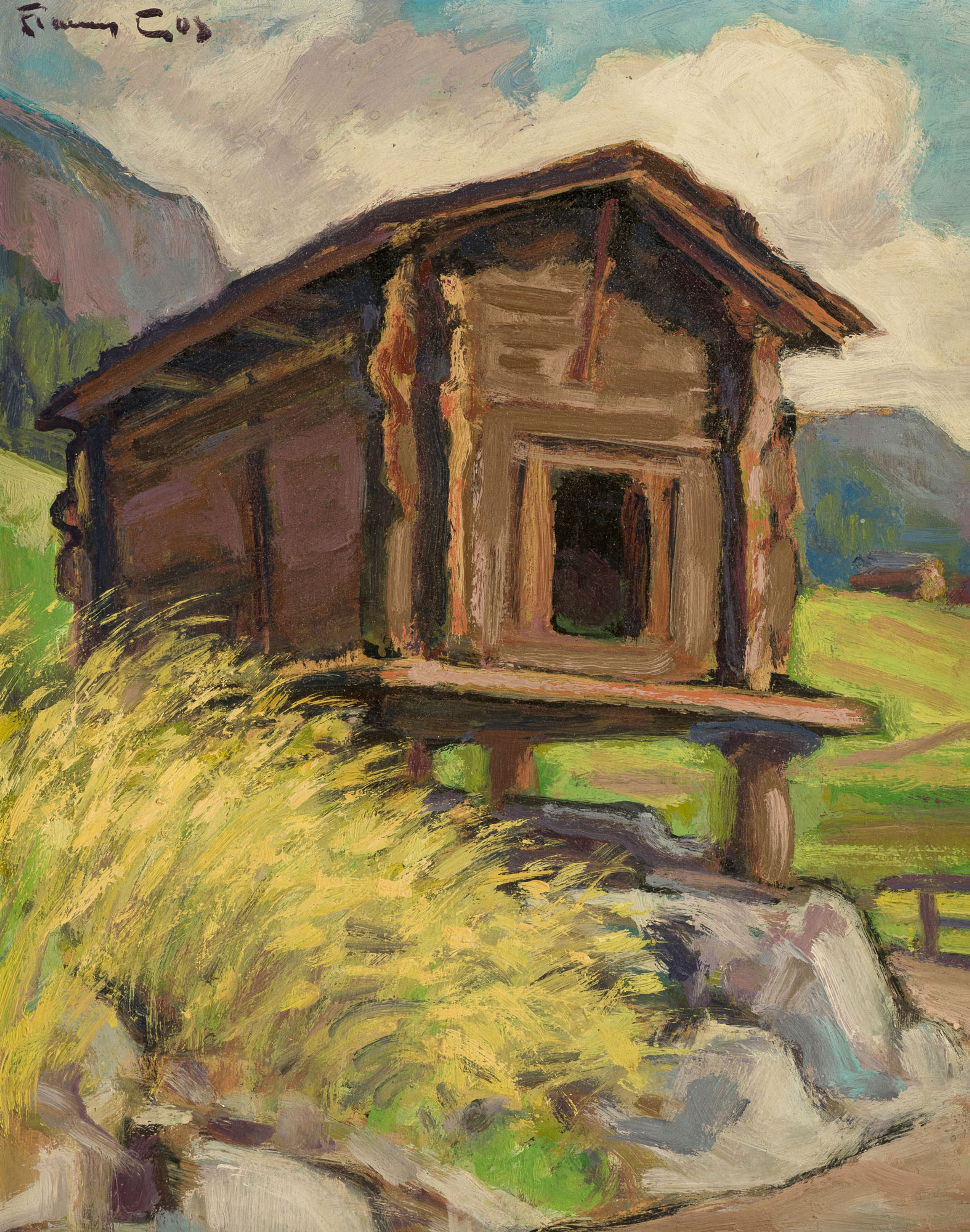
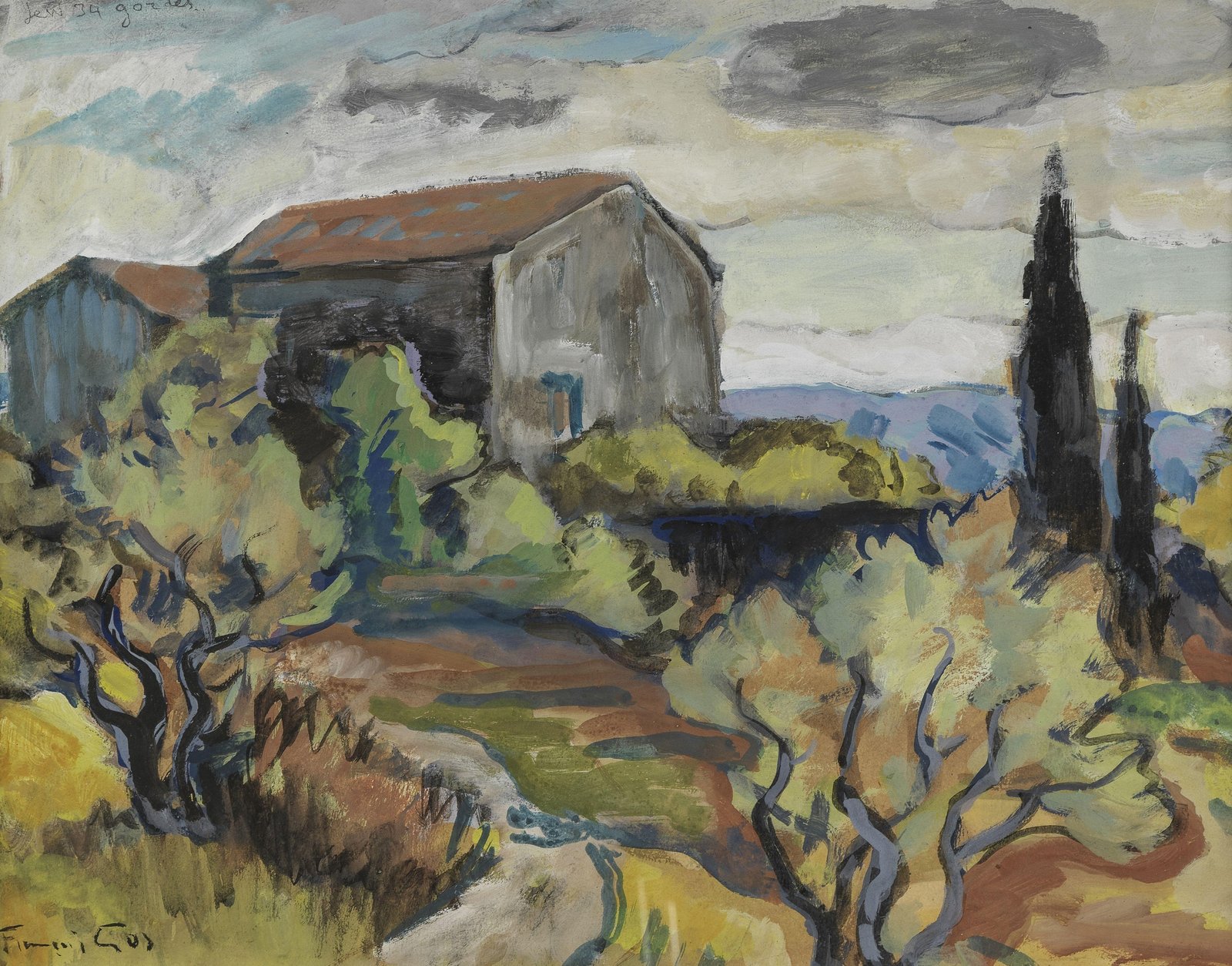
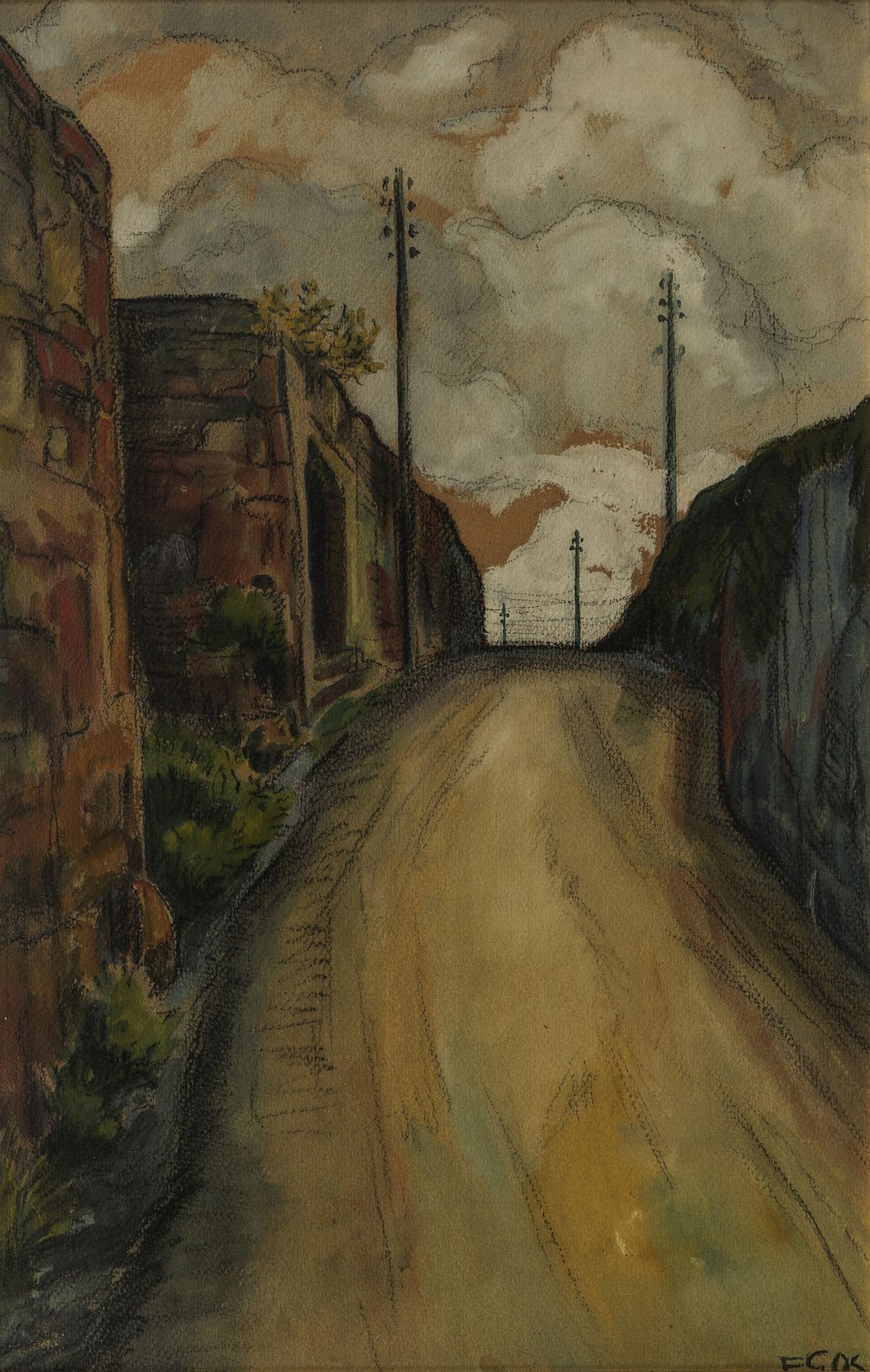
The diversity of media—monumental and architectural works, applied productions for the textile industry, images for the press, and panoramic commissions—runs through all accounts of his activity.