François de Ribaupierre
Born in 1886.
Died in 1981.
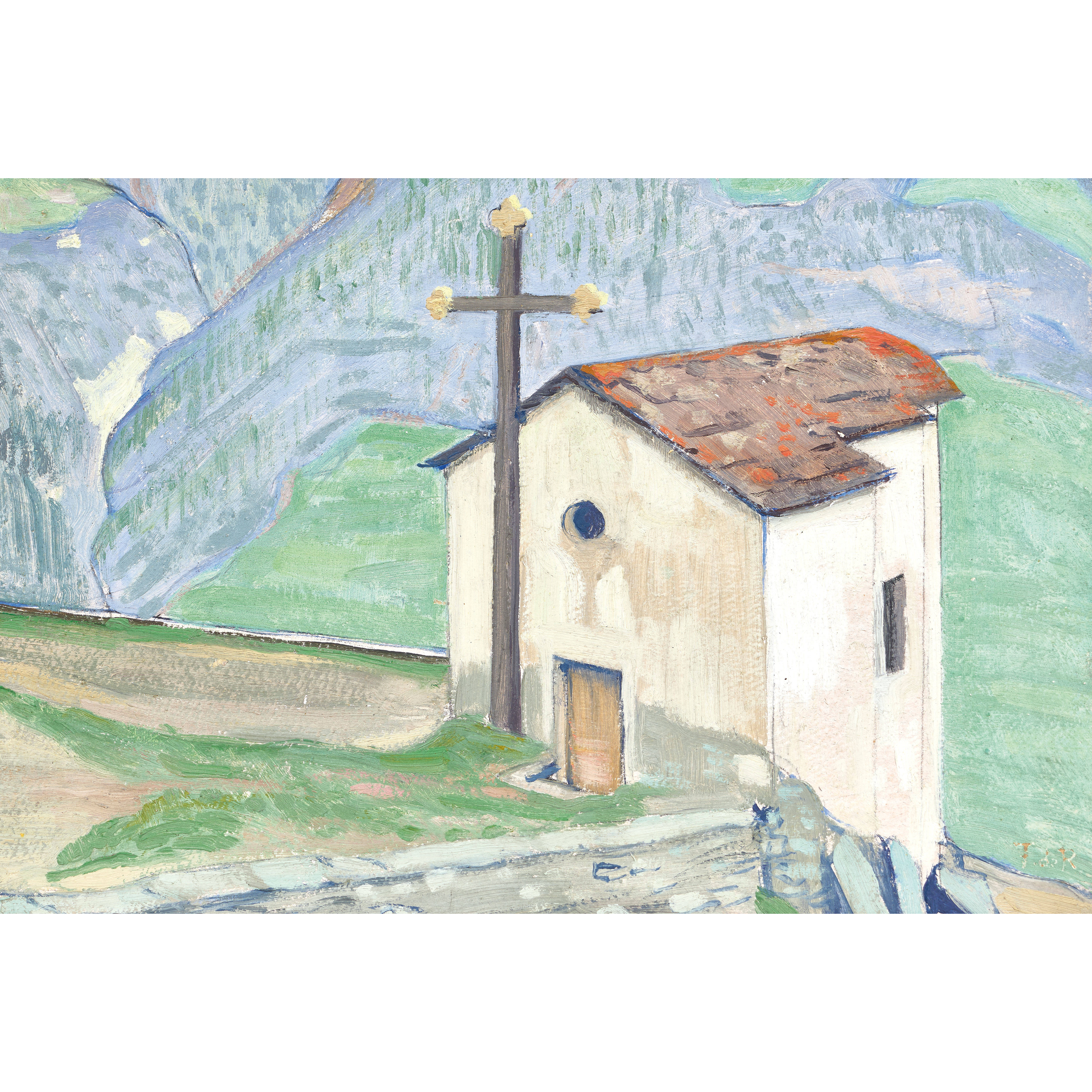
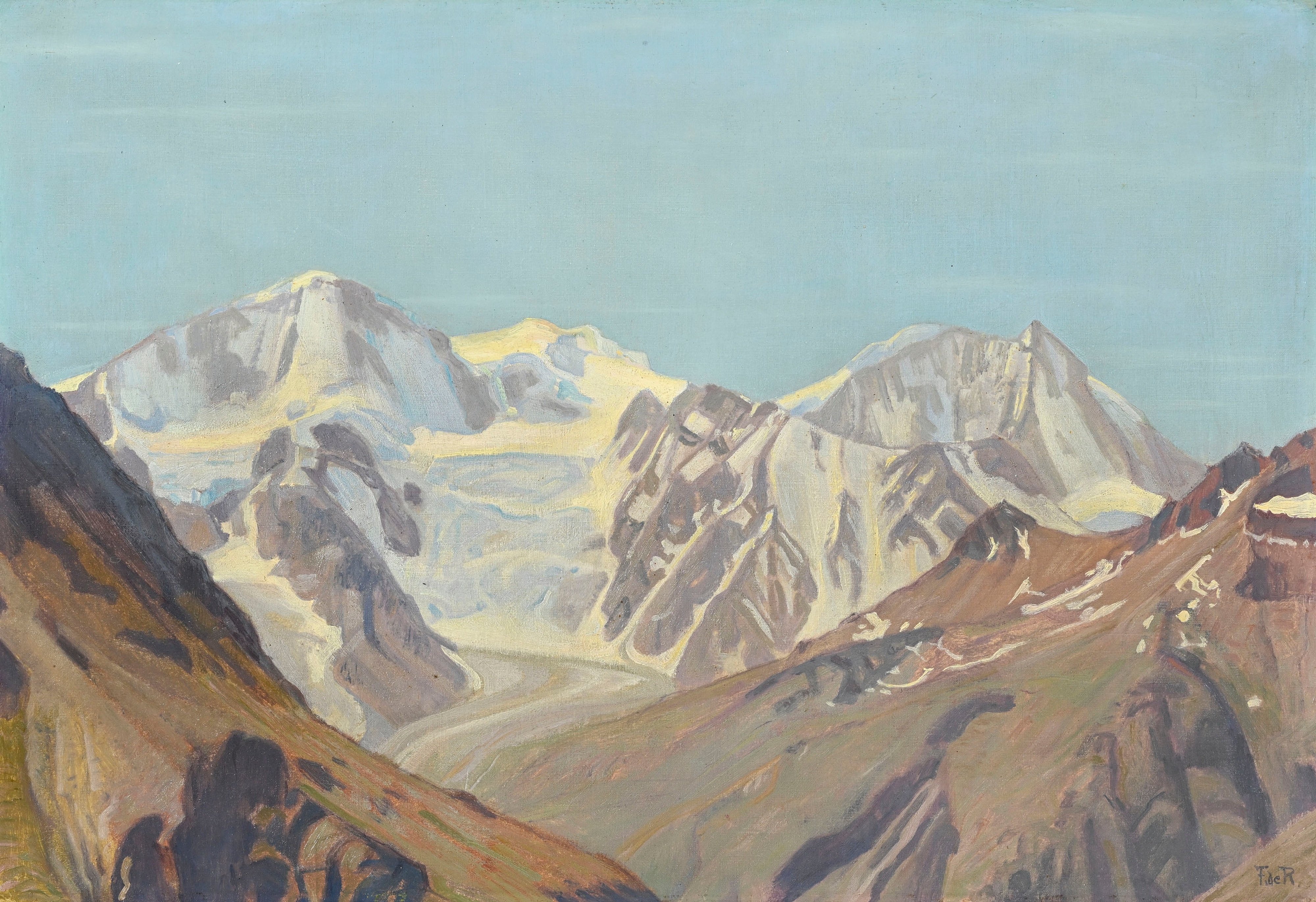
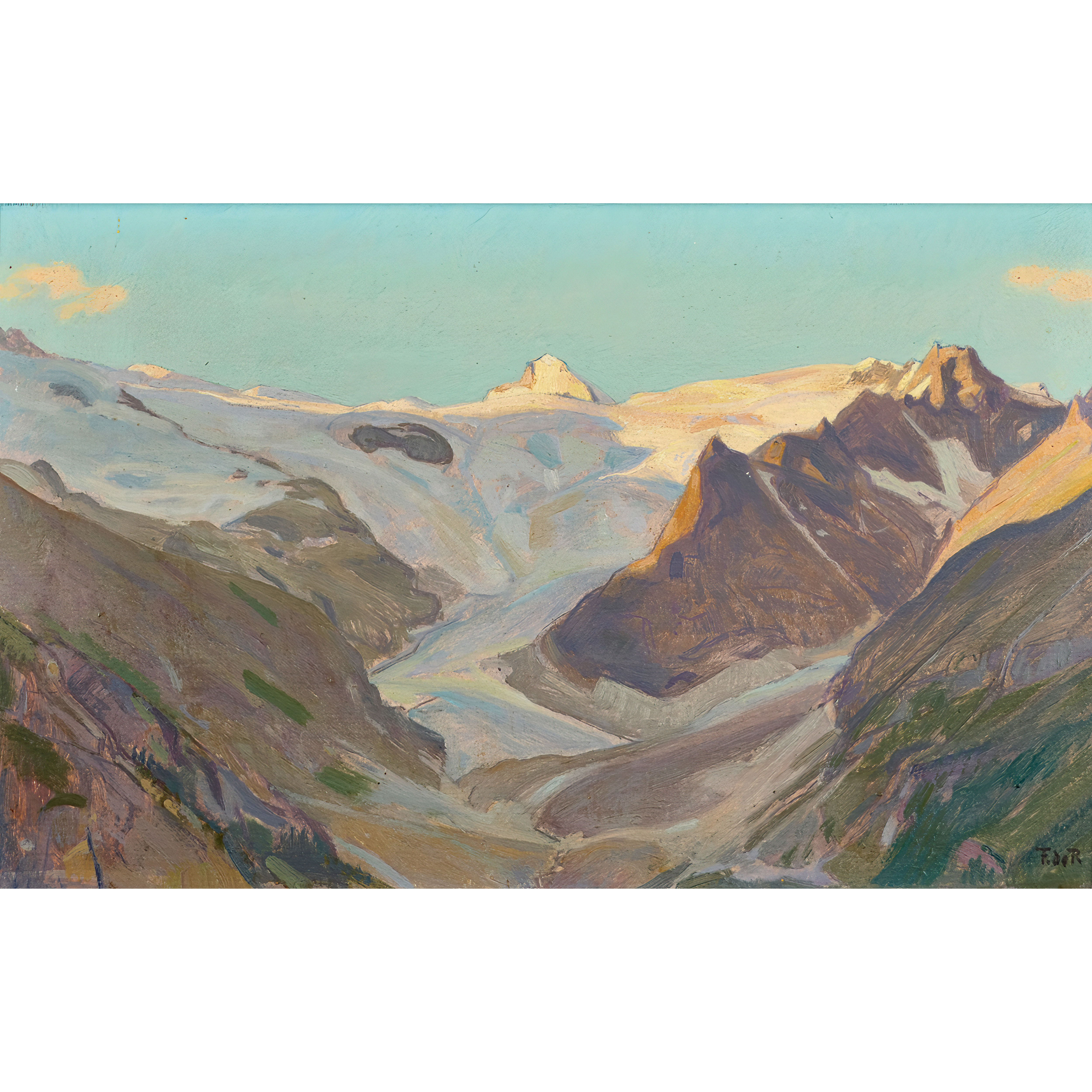
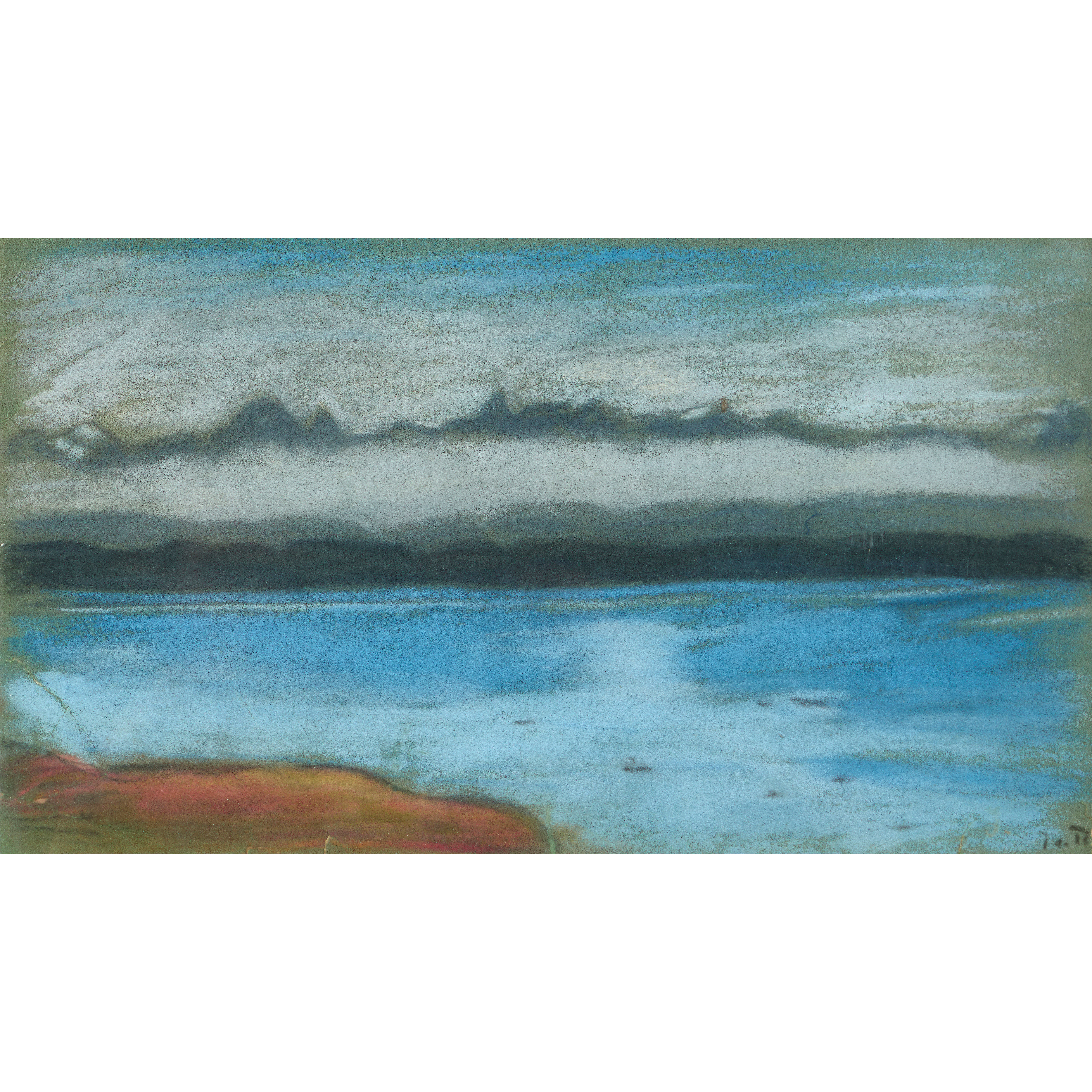
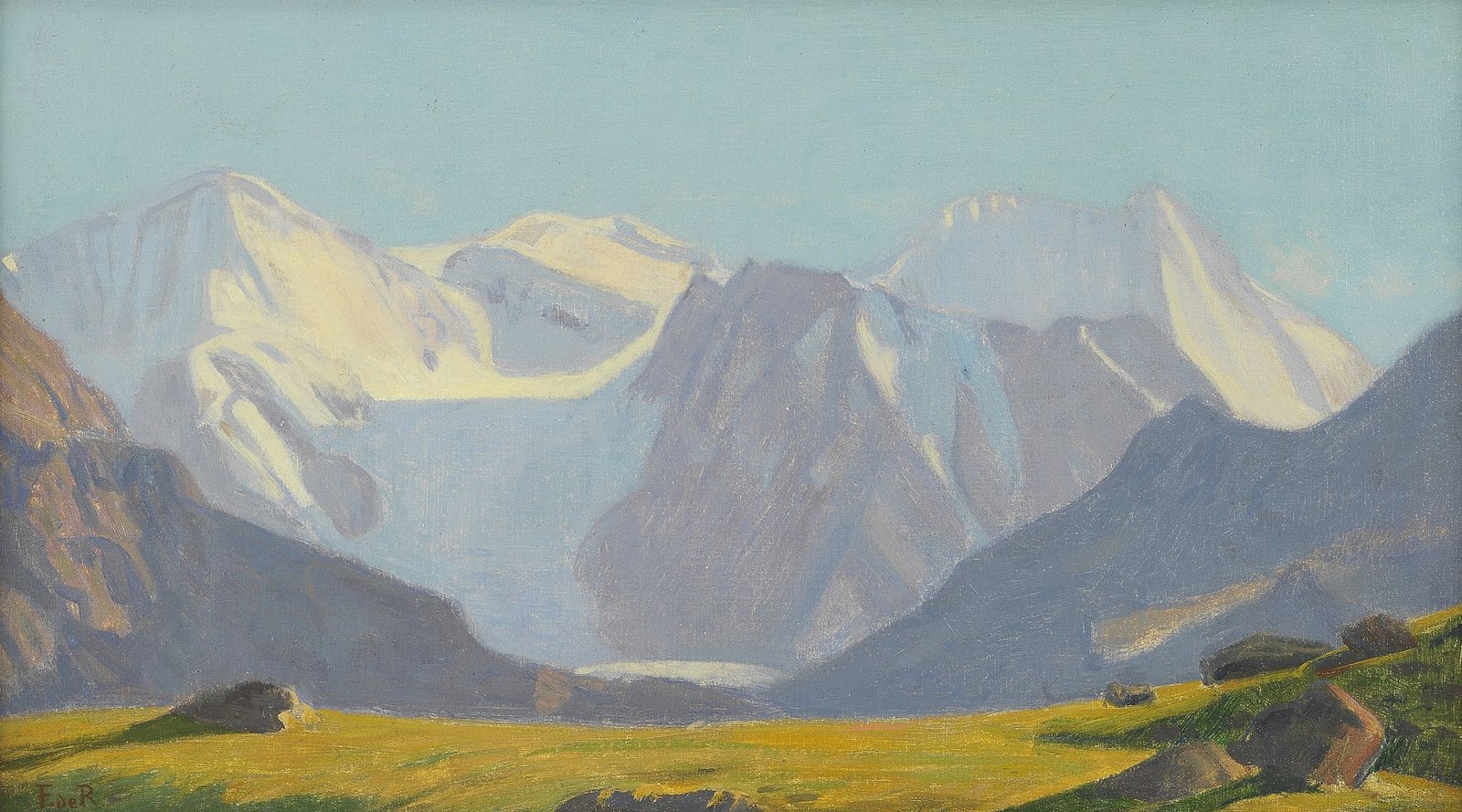
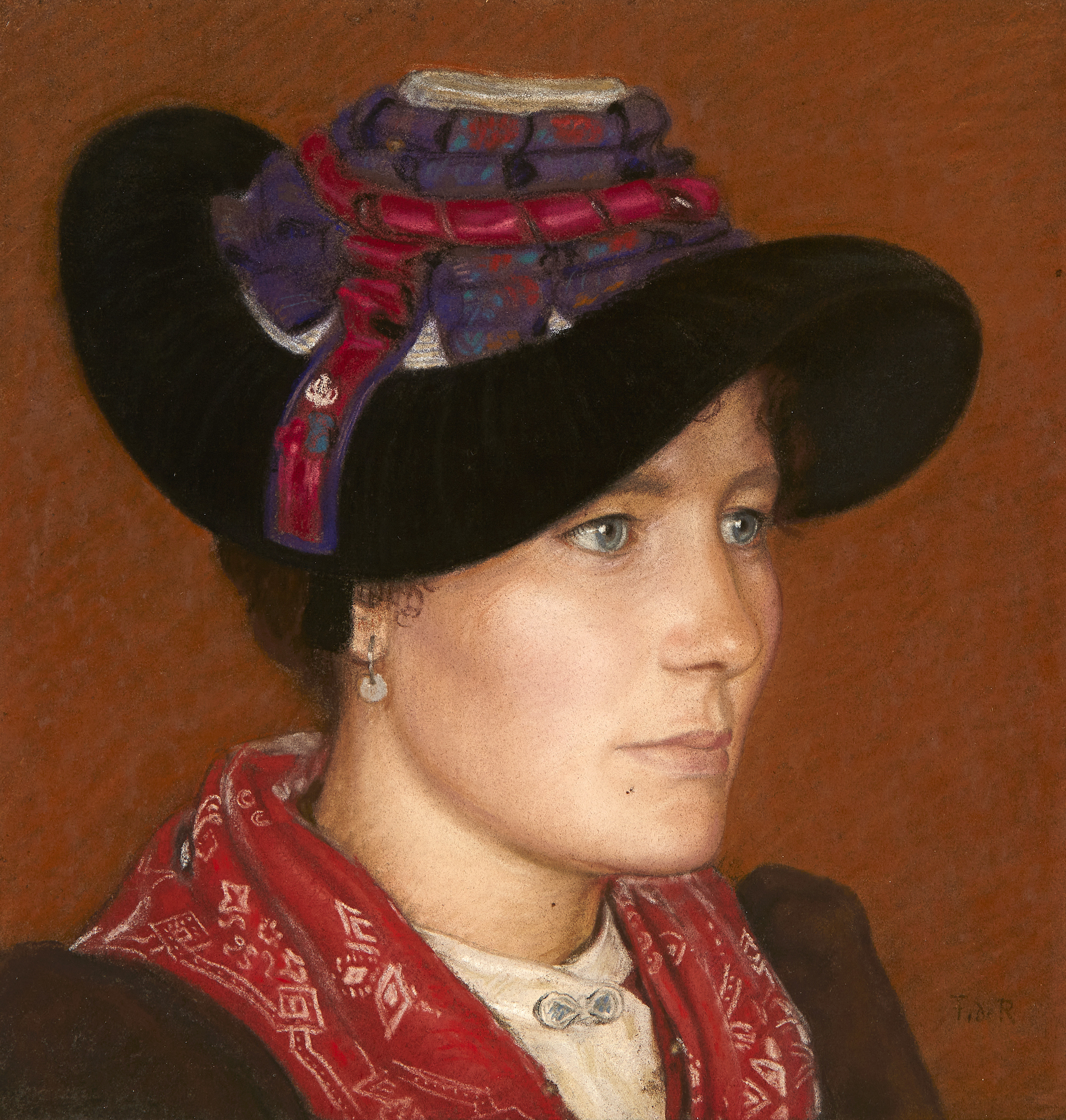
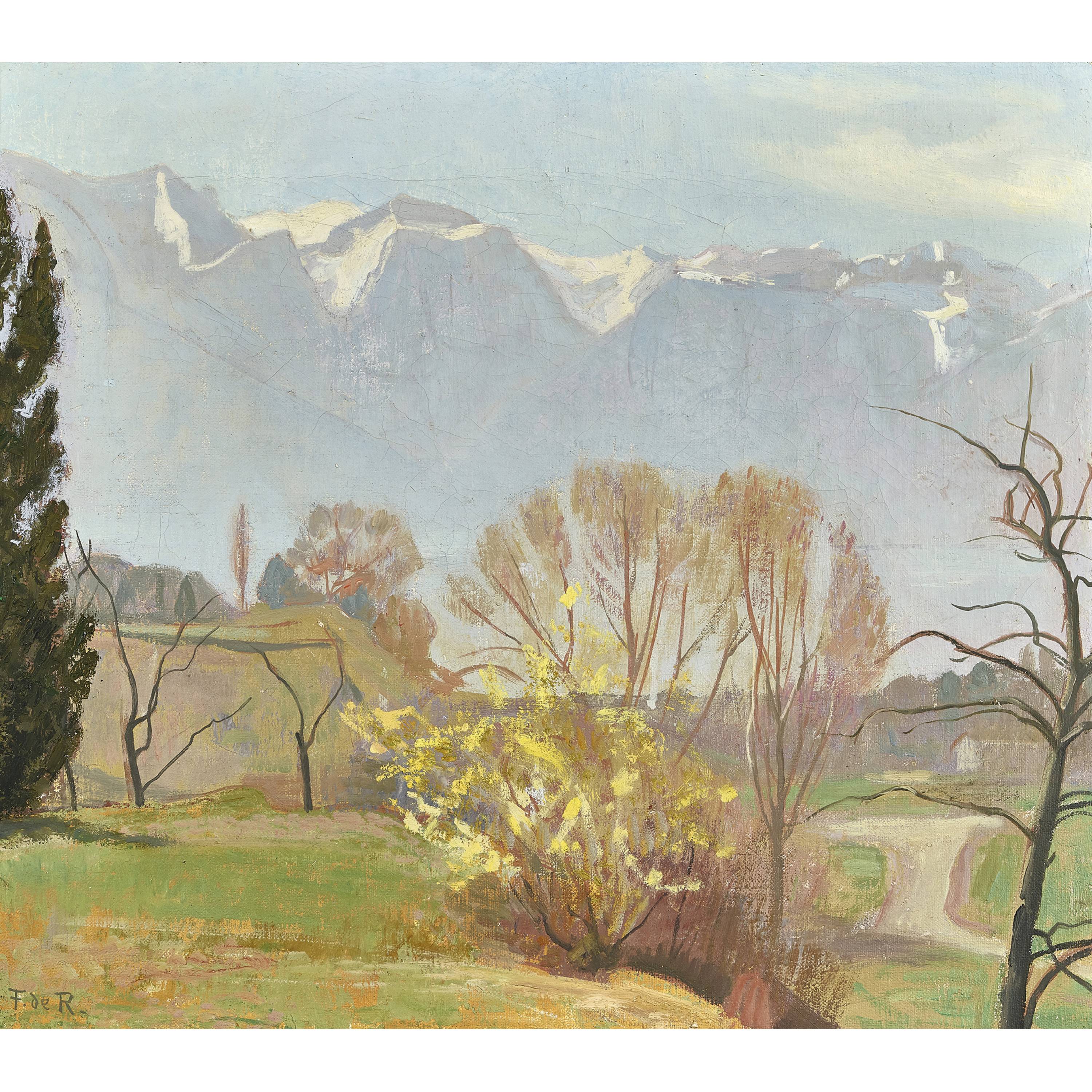
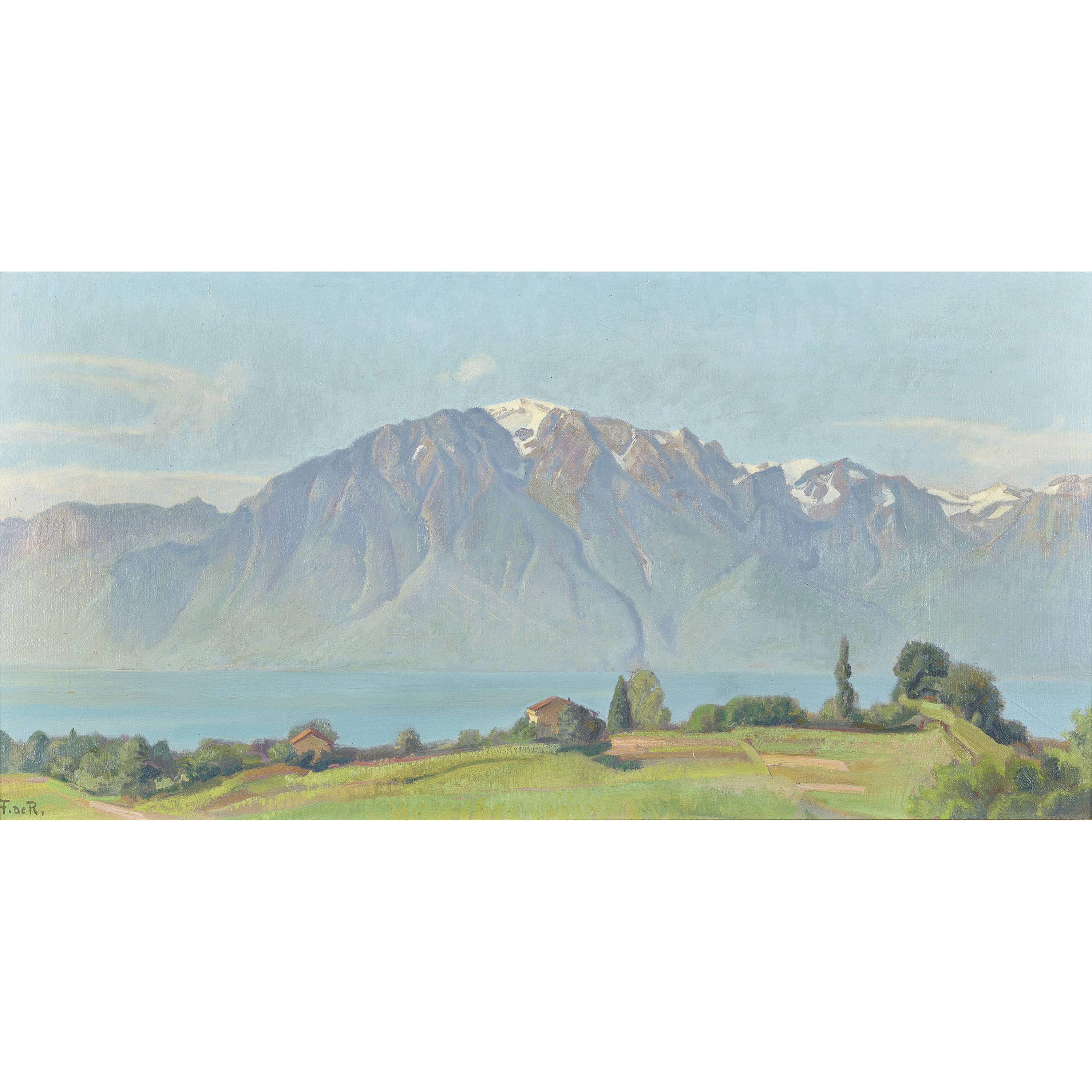
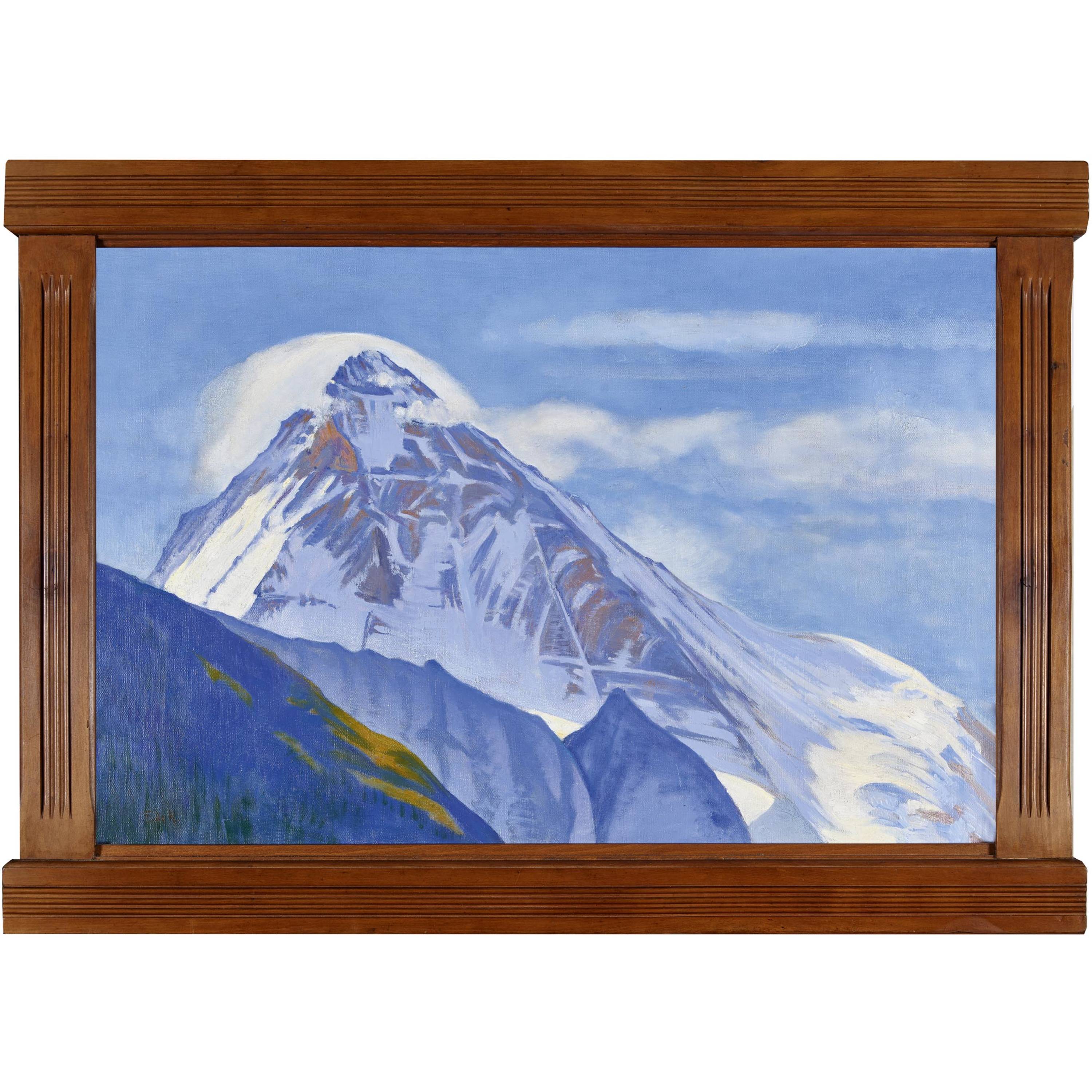
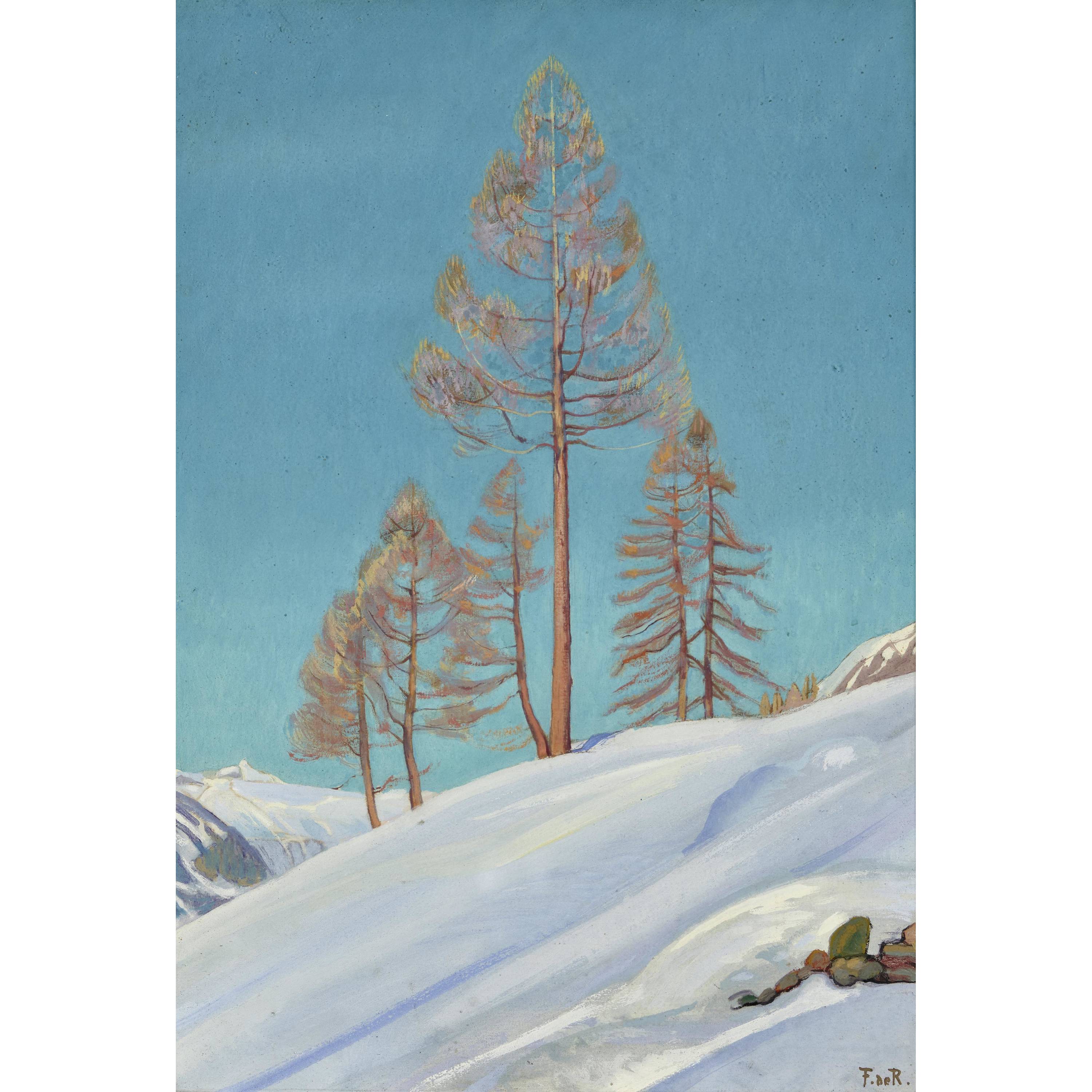
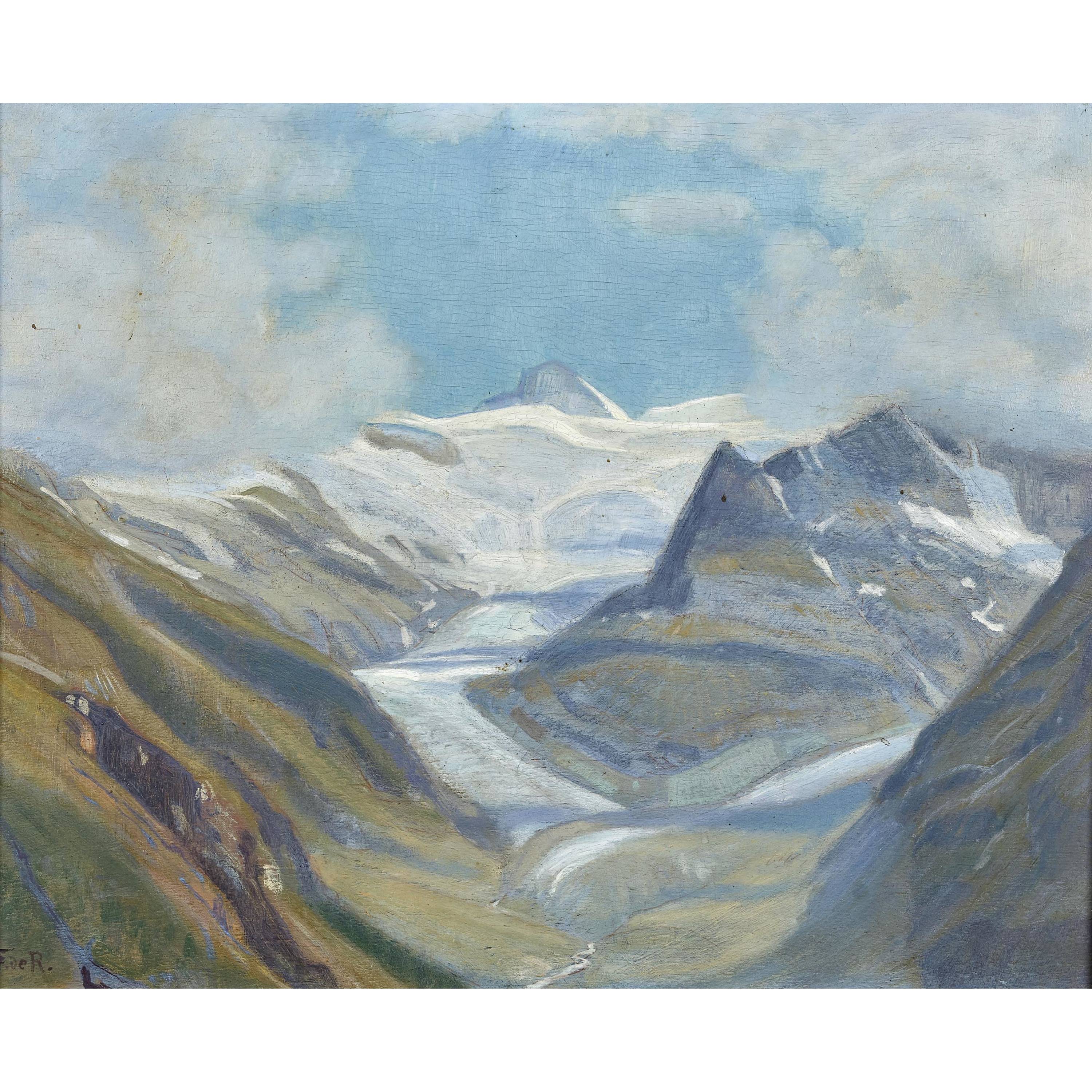
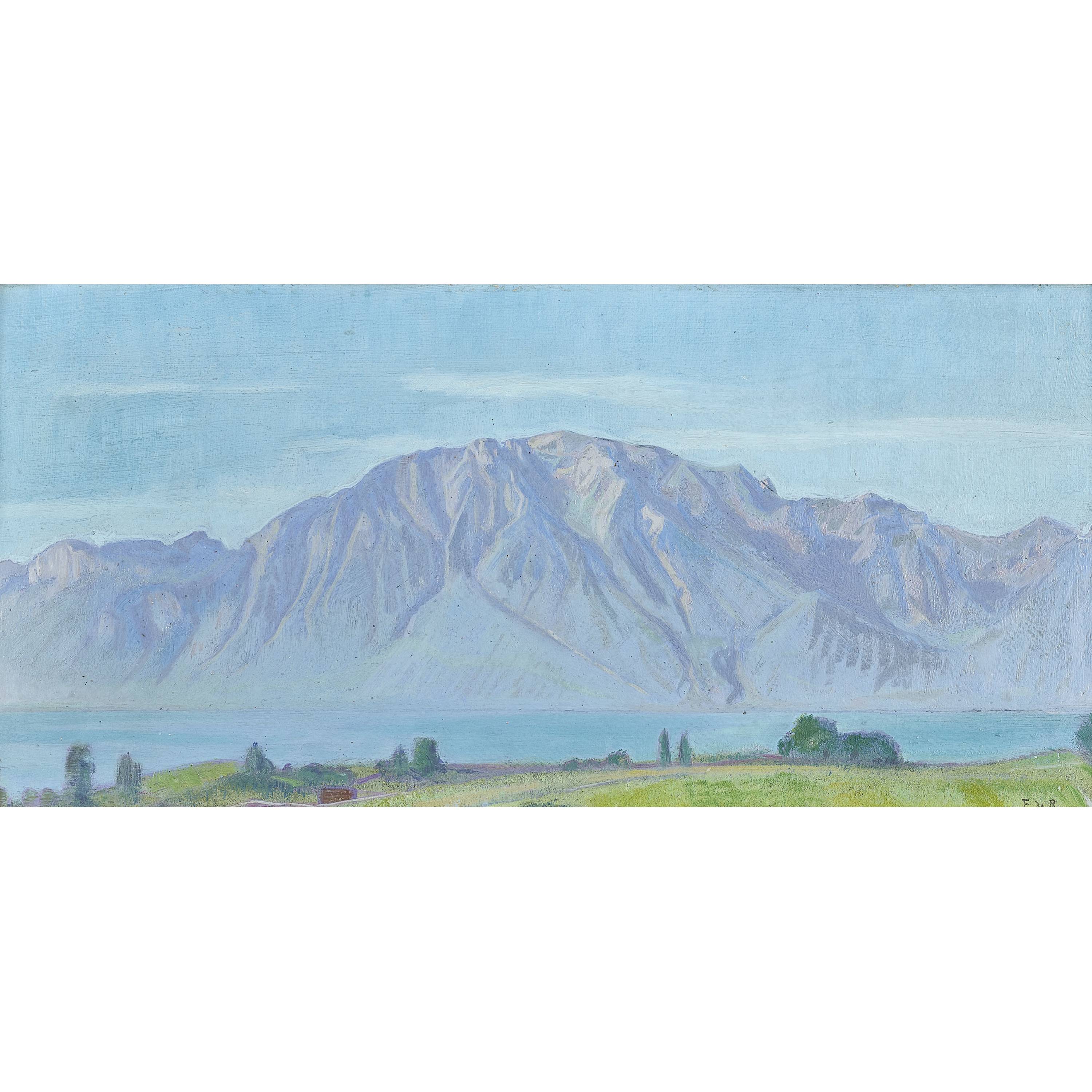
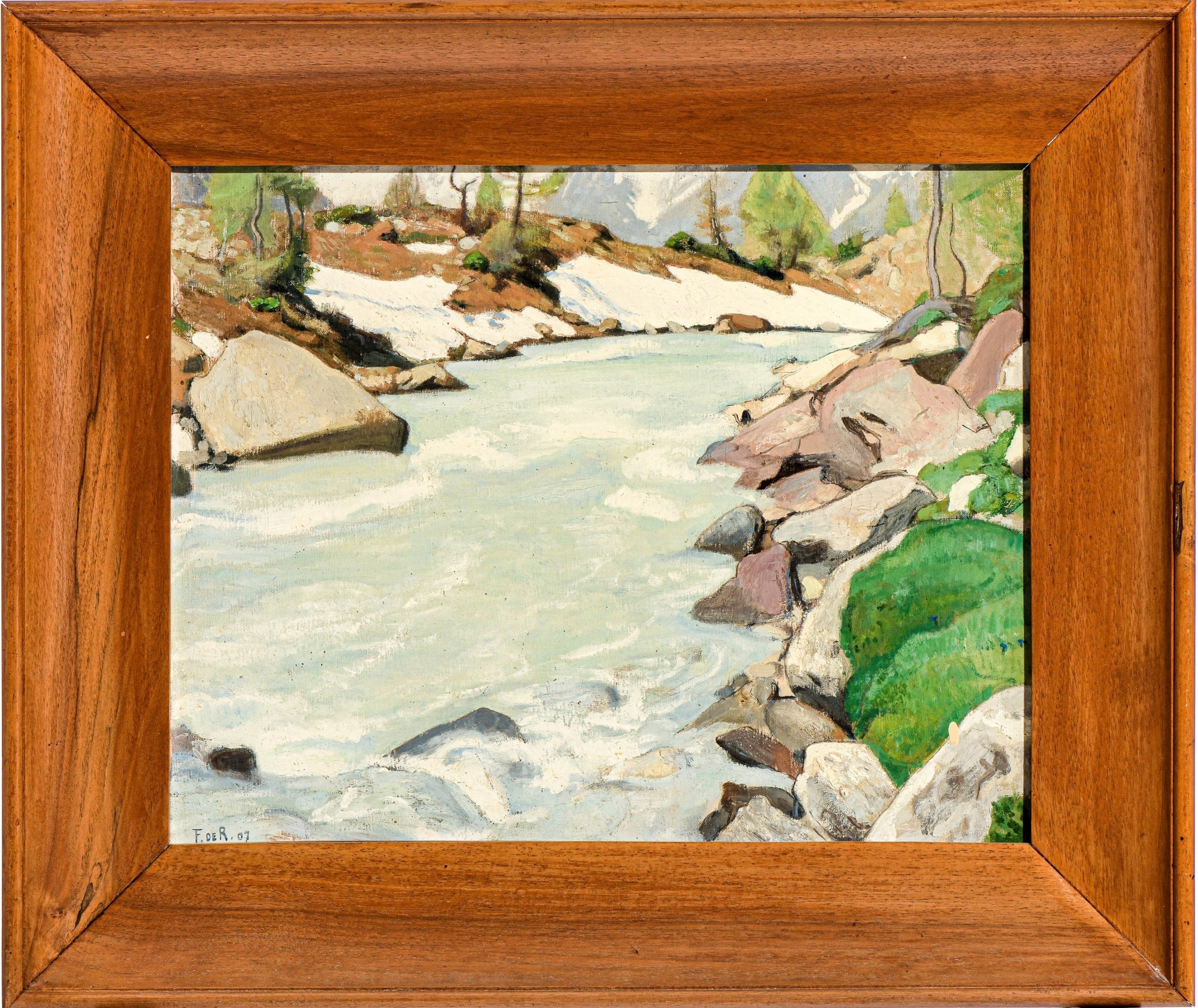
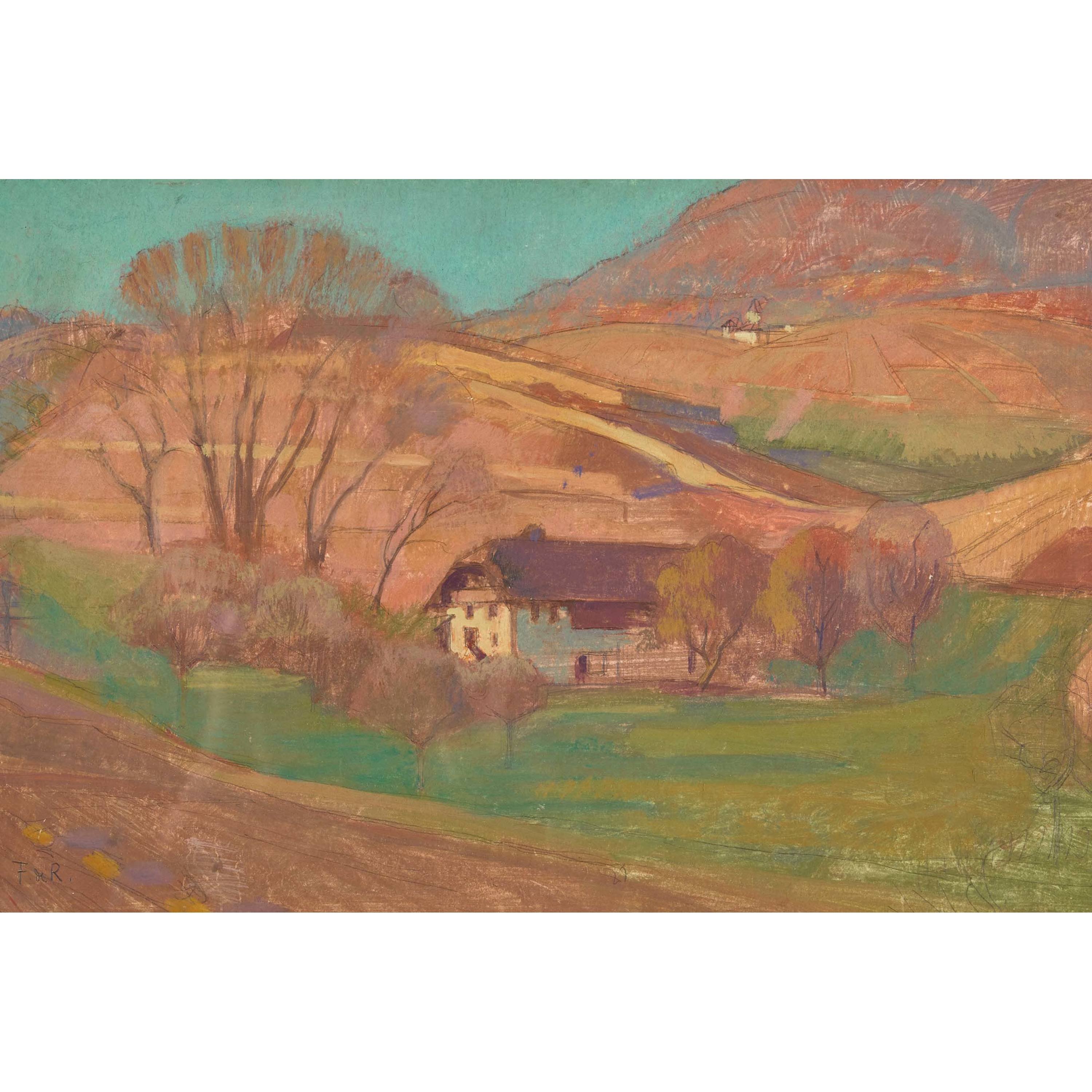
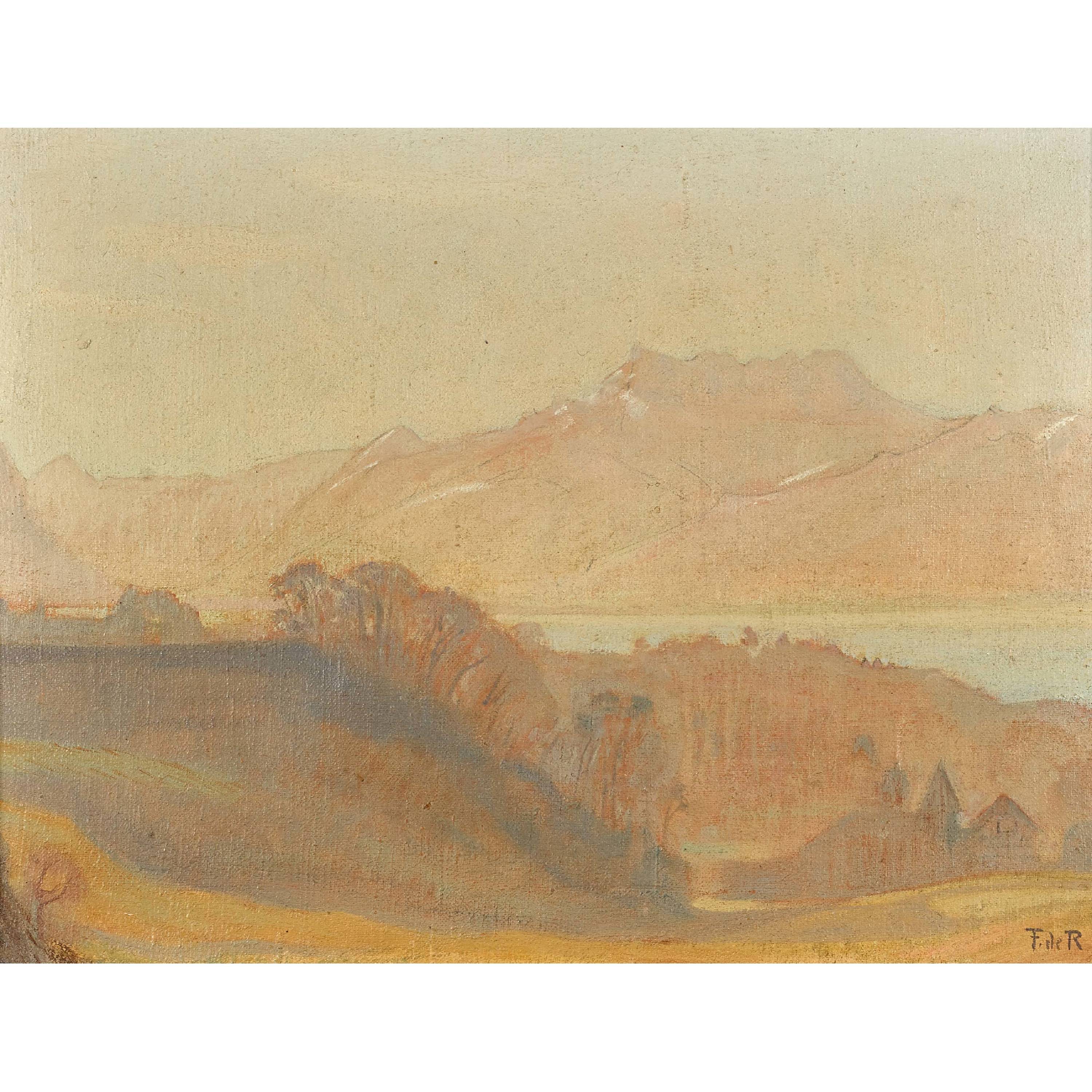
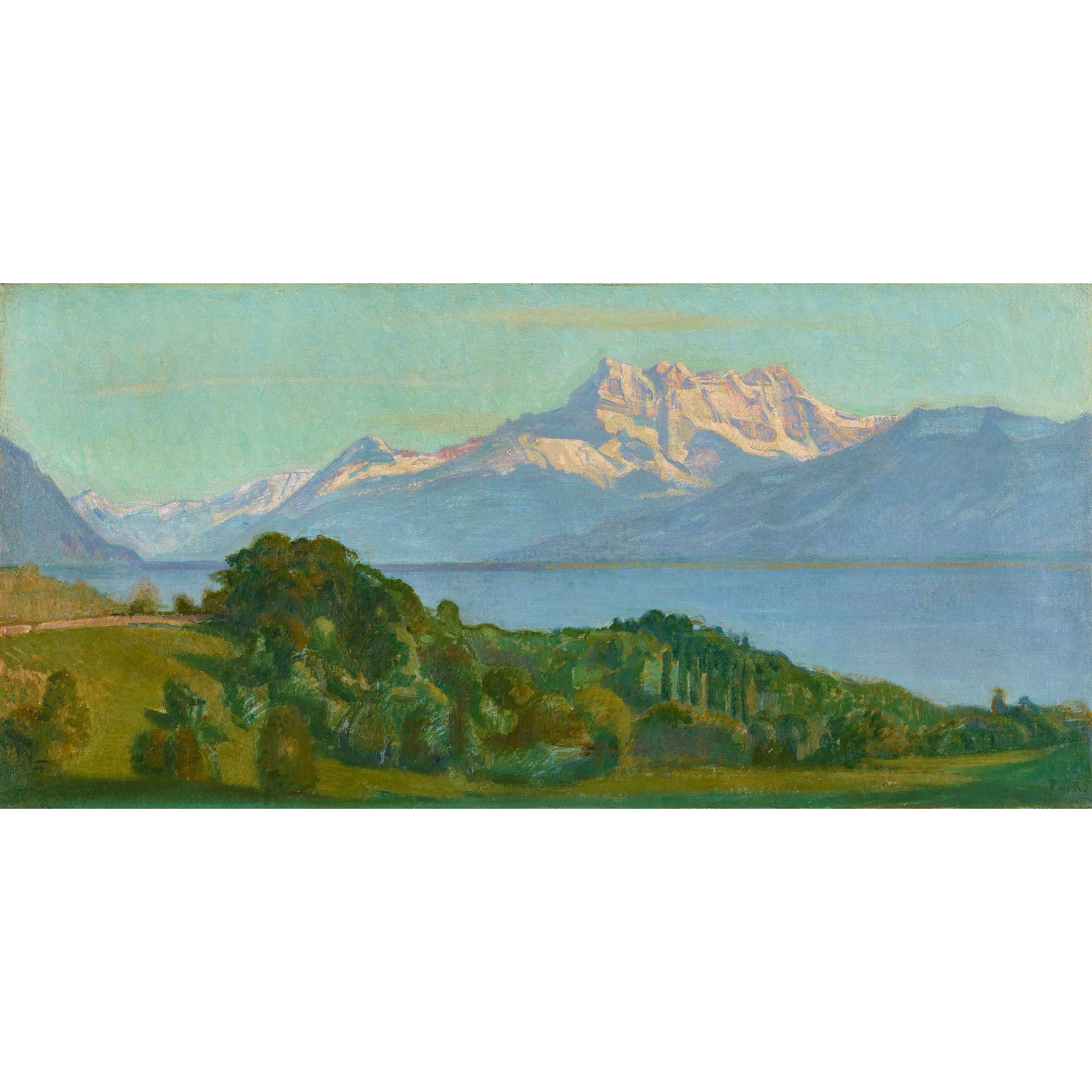
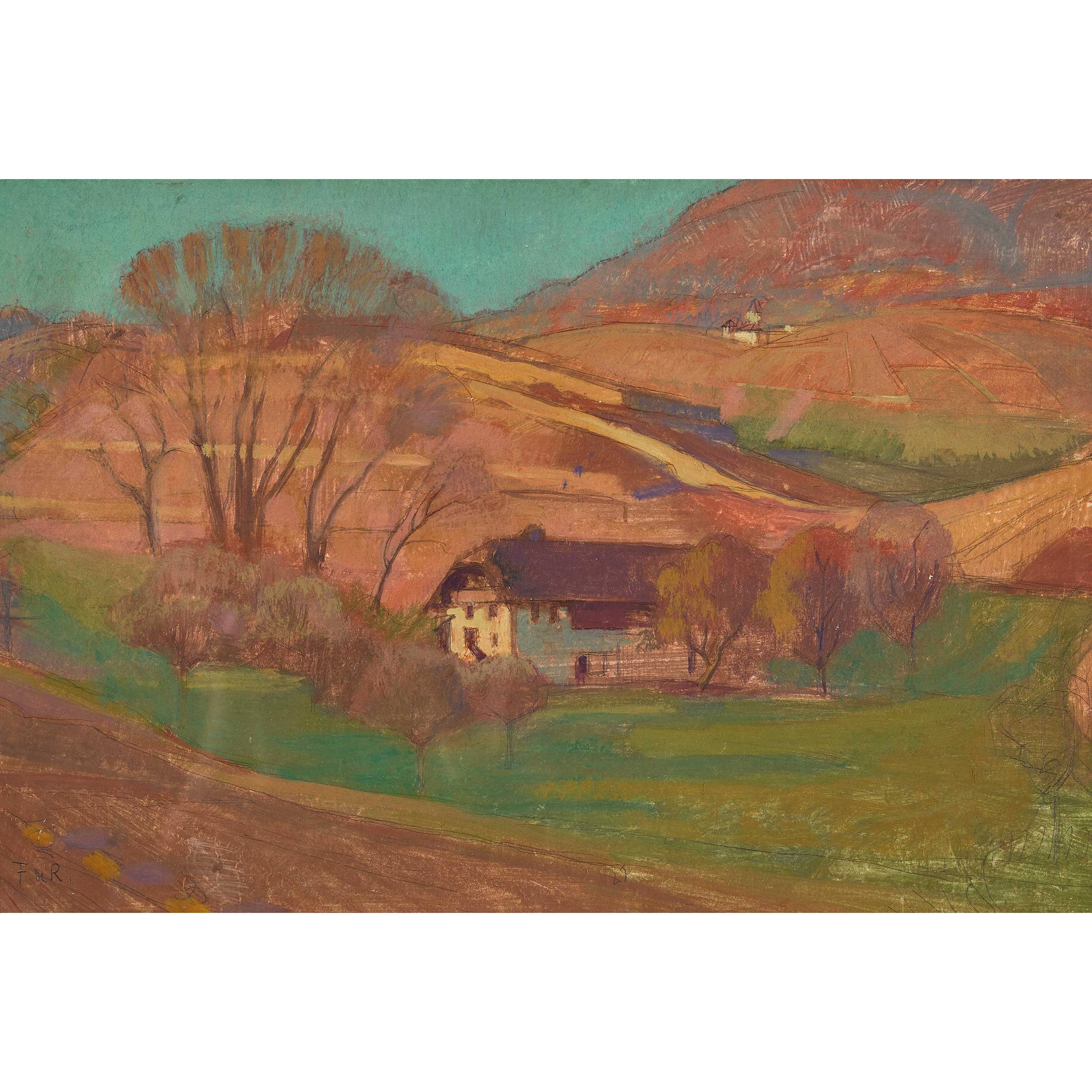
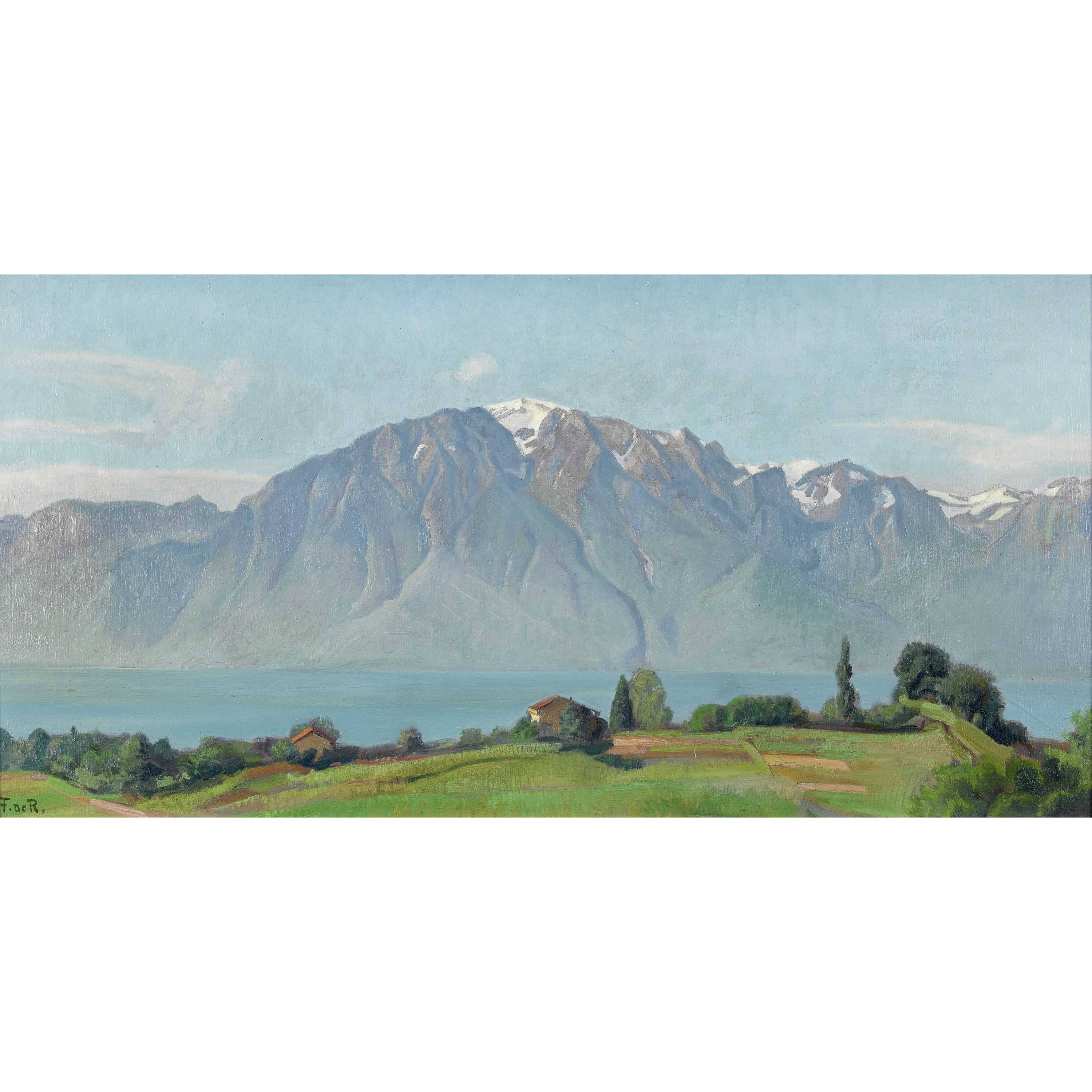
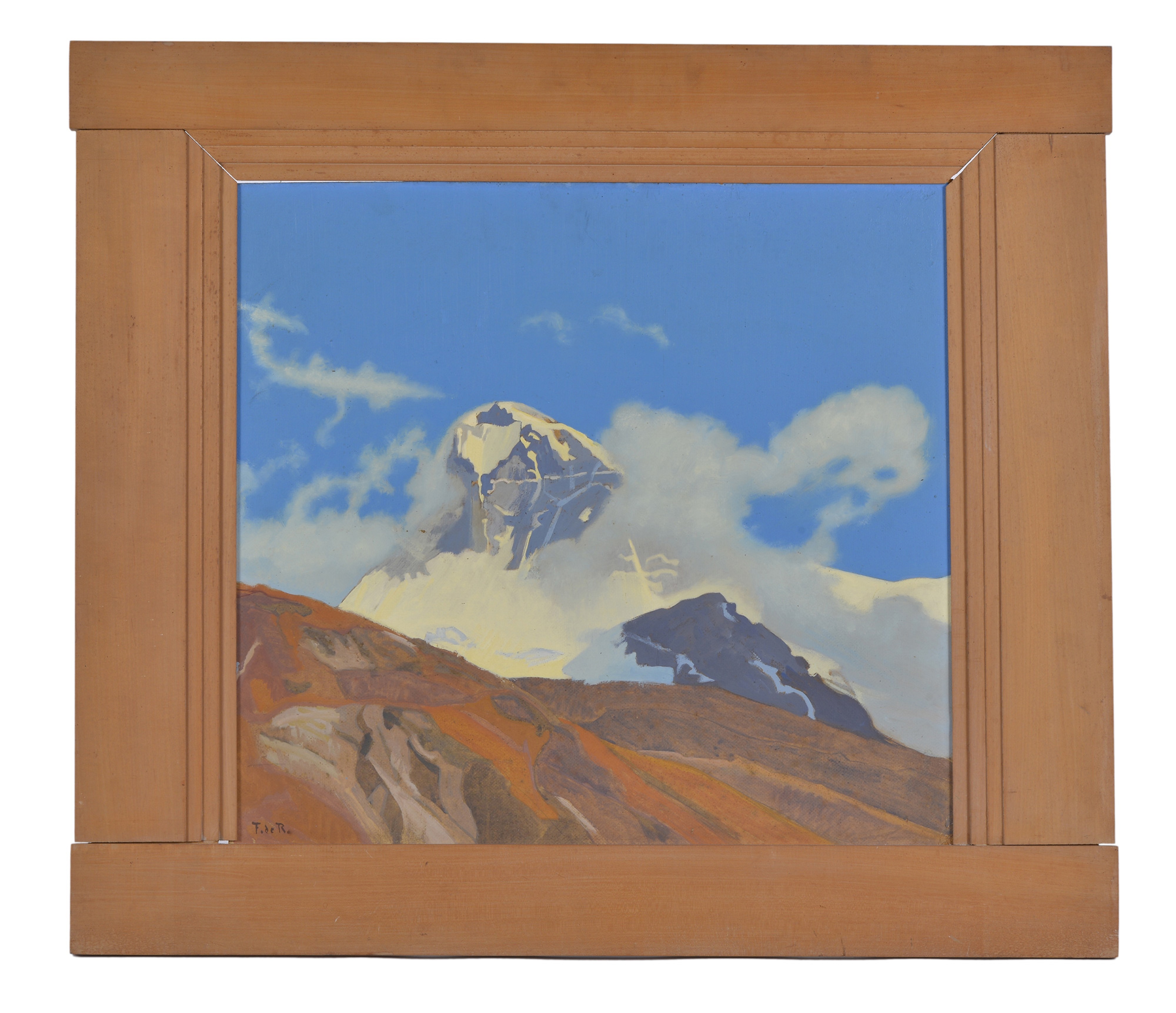
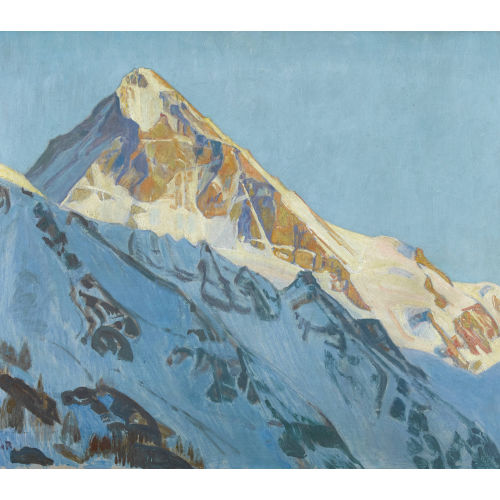
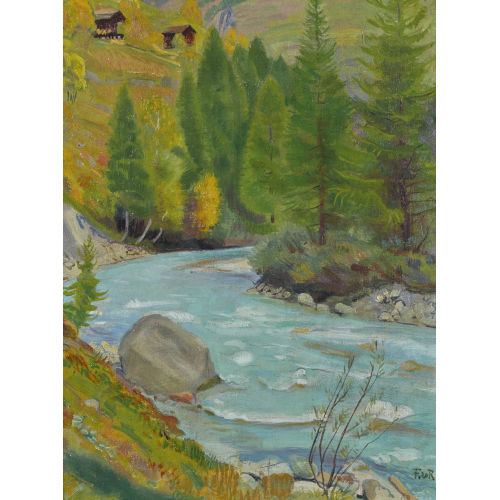
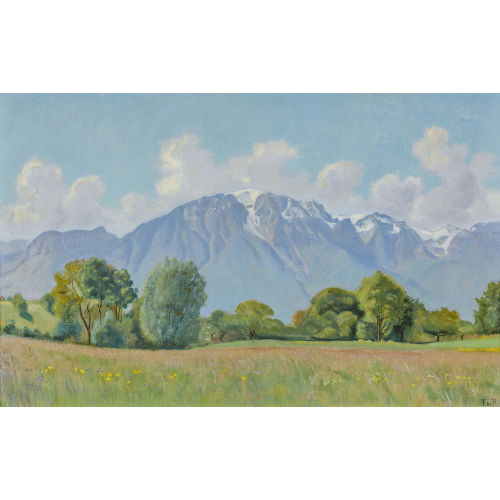
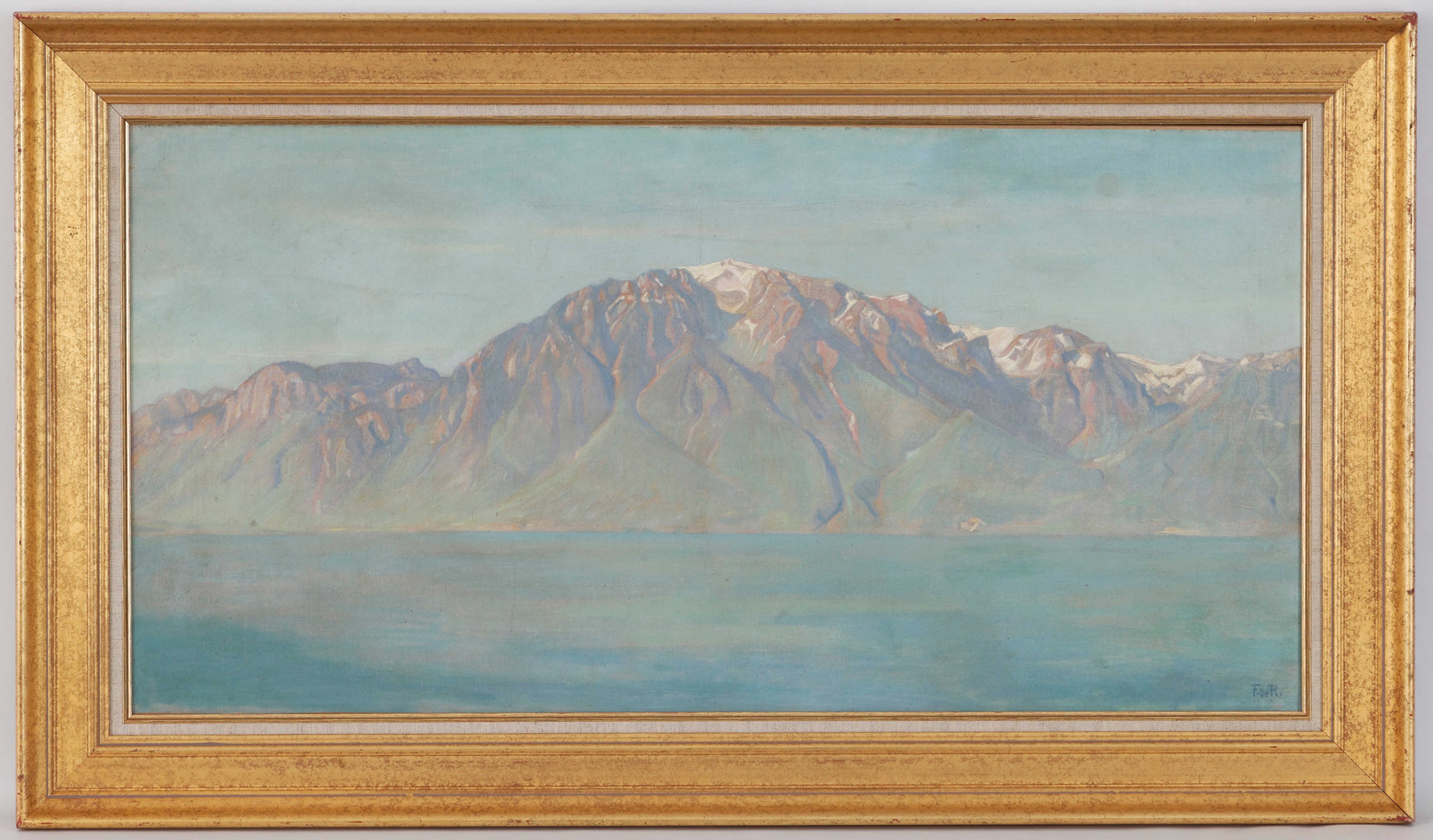
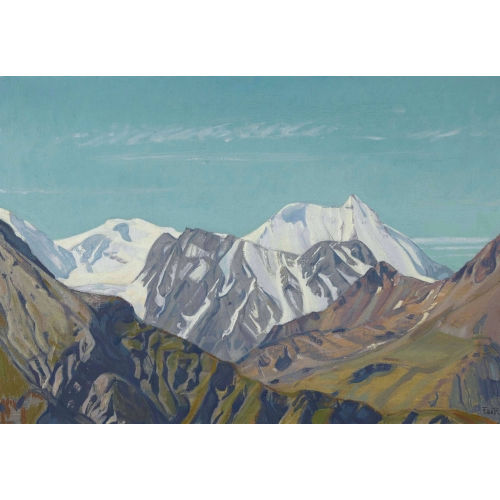
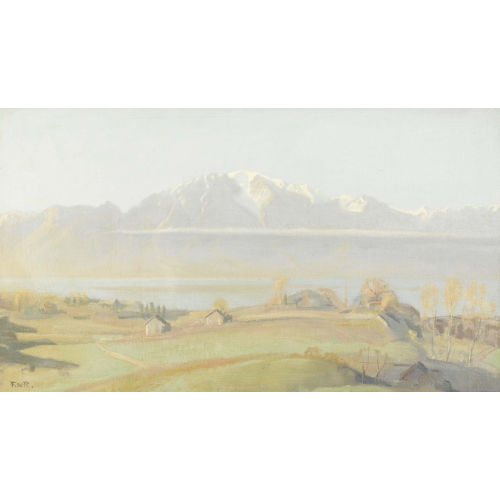
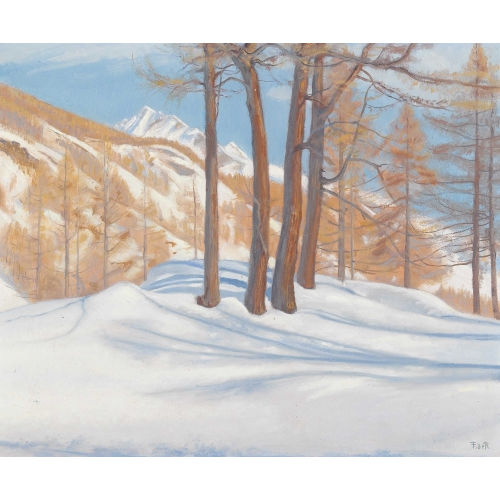
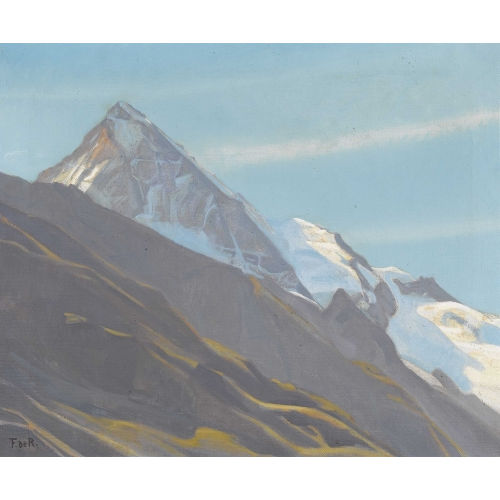
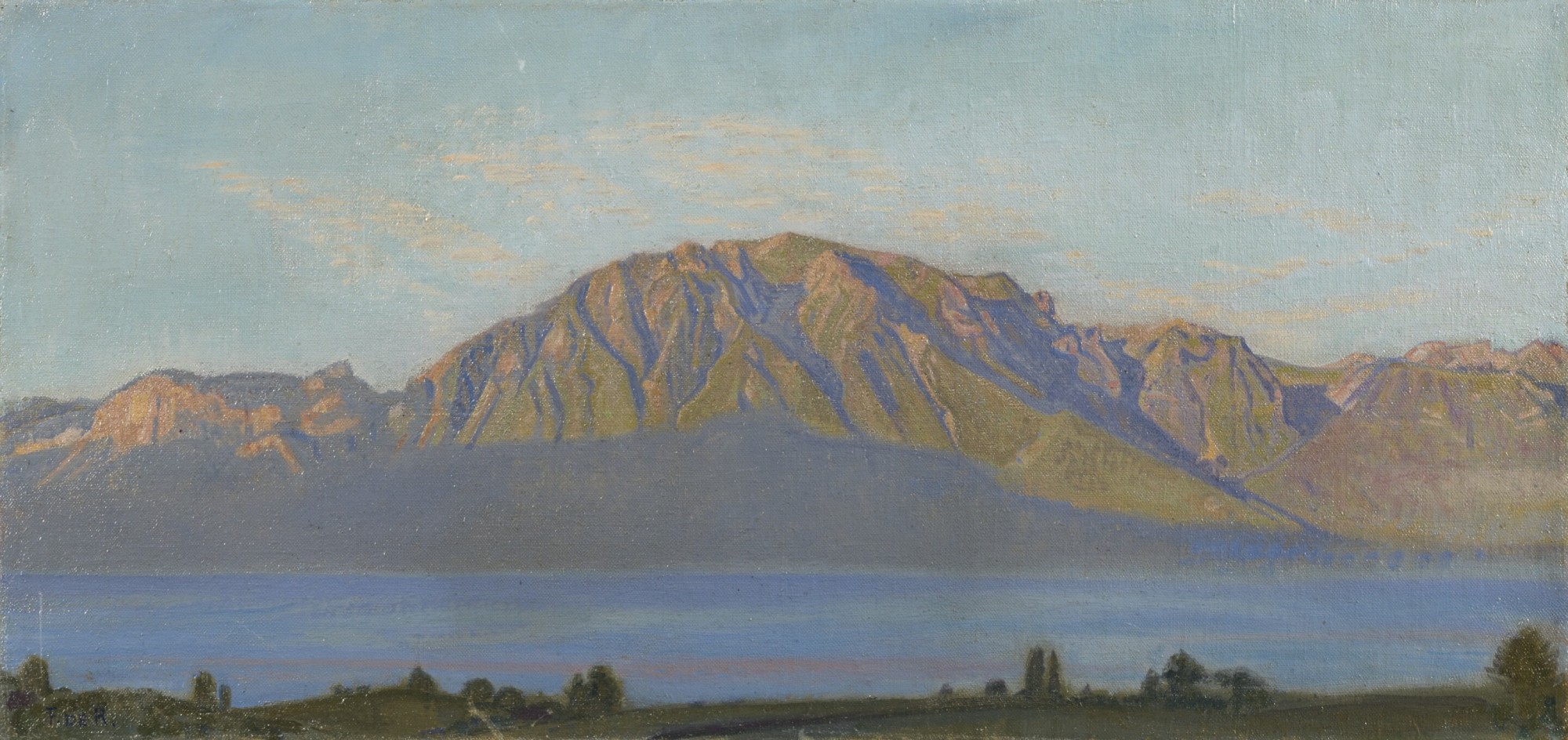
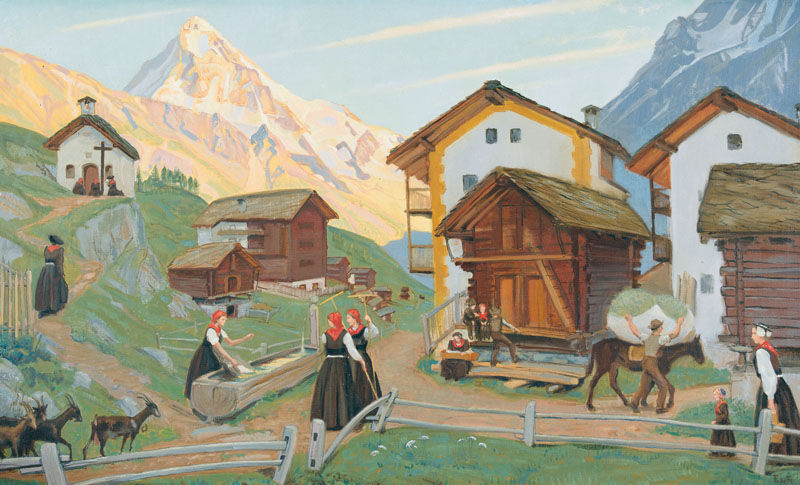
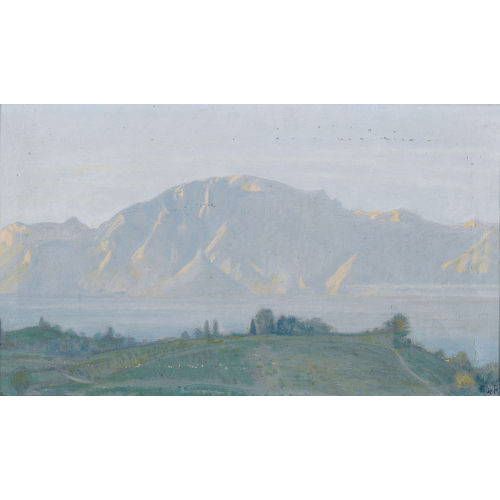
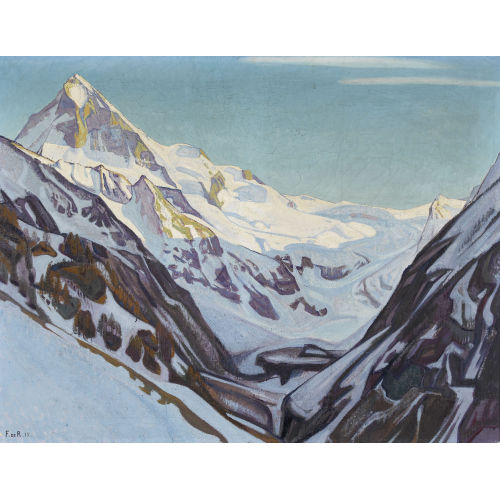
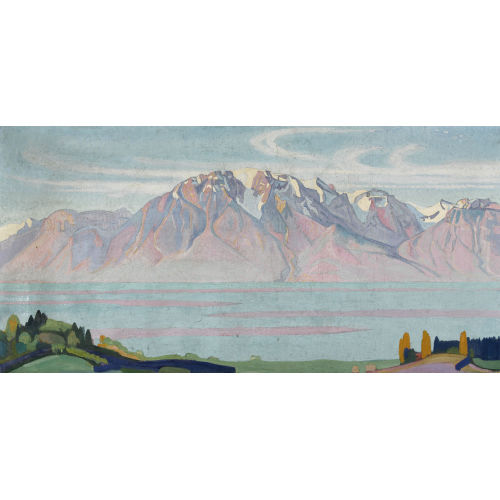
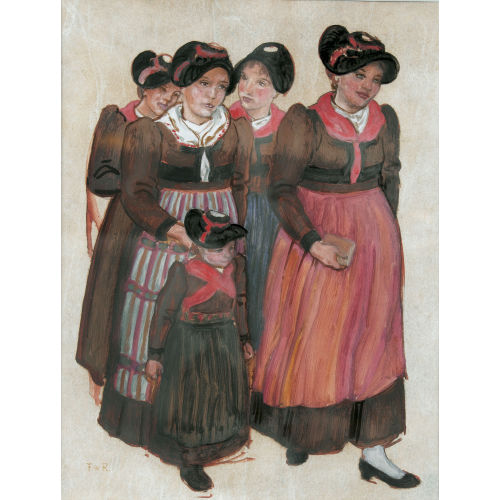
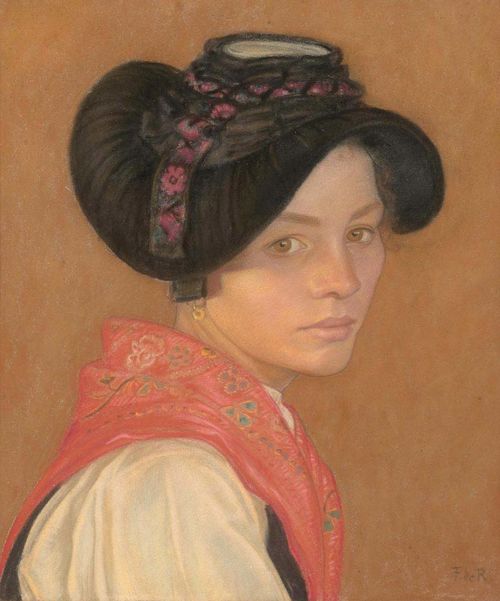
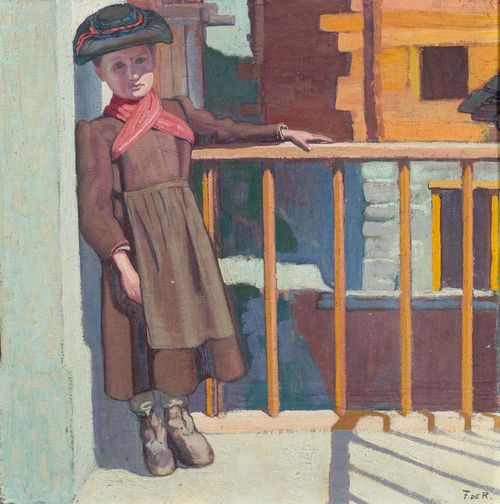
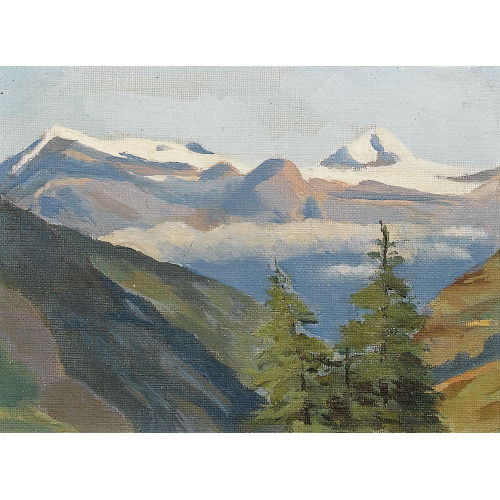
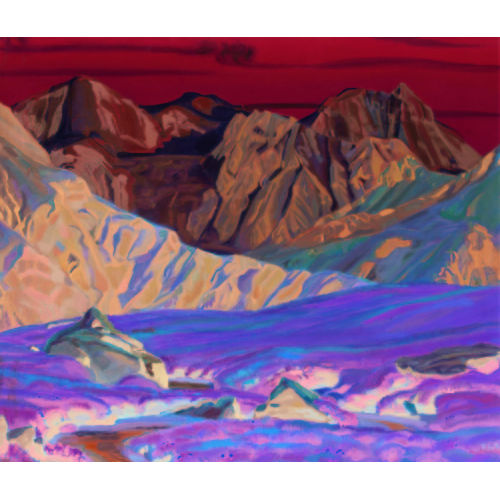
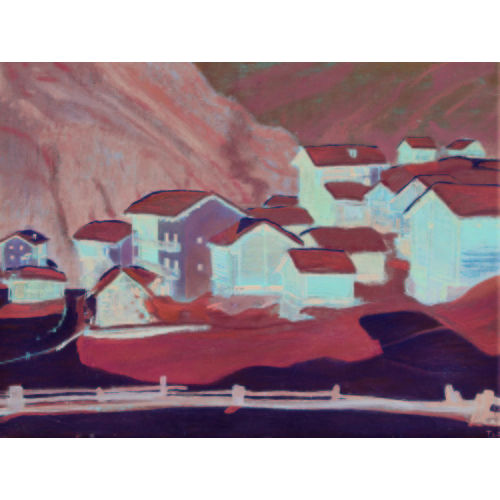
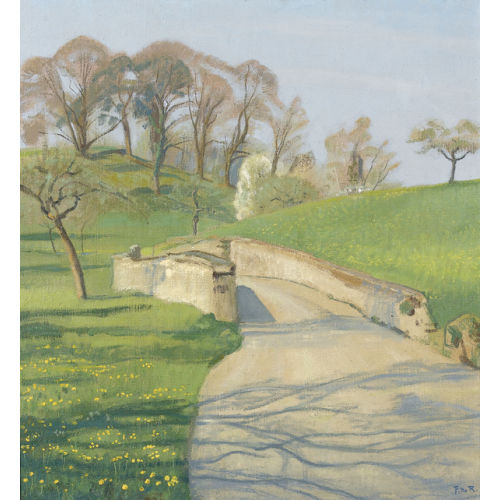
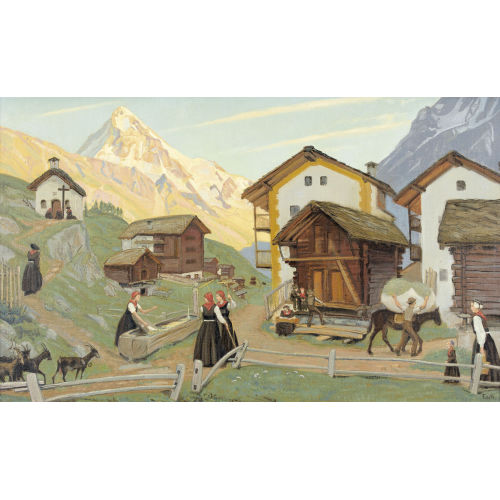
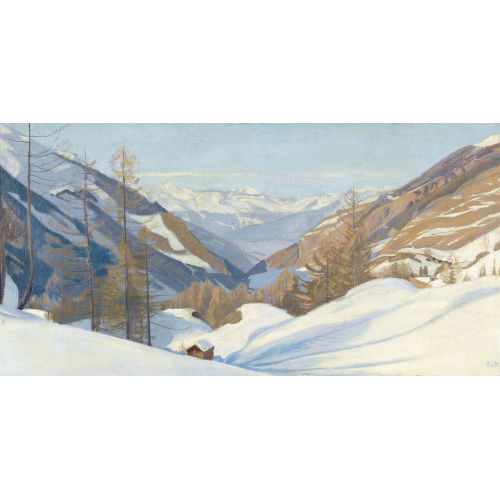
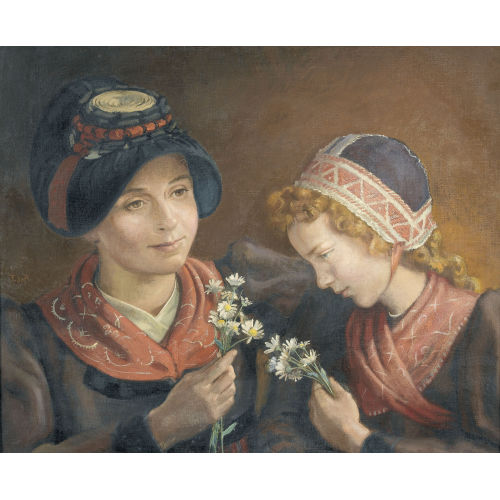
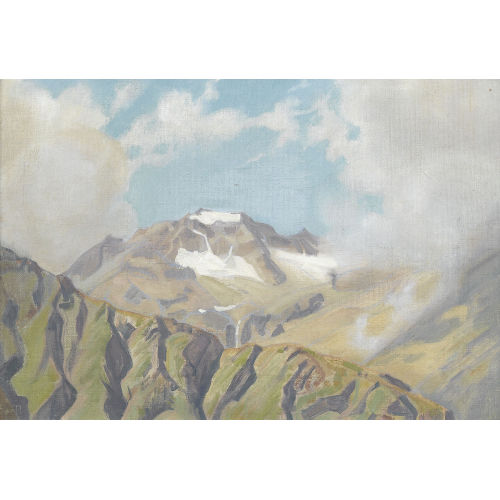
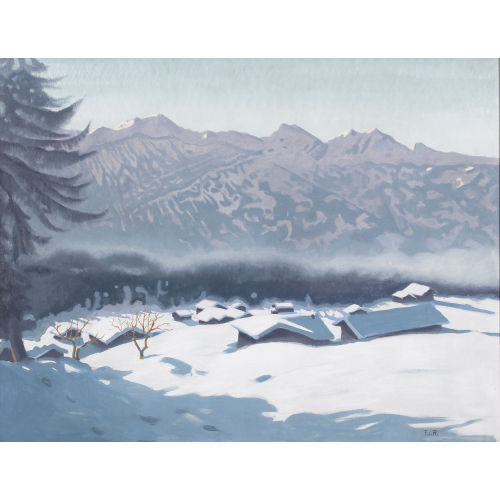
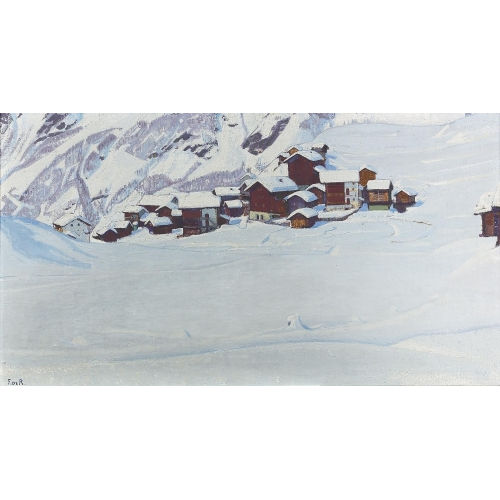
François de Ribaupierre (Clarens, 1886 – La Tour-de-Peilz, 1981) divided his gaze between the Vaud Riviera and the Val d’Hérens. Trained at the École des beaux-arts in Geneva, and subsequently in Munich, Paris and Florence, he discovered the masters of the Italian Renaissance at an early age. From 1907 onwards, he spent time in the Valais valleys; in 1914 he settled in Les Haudères.
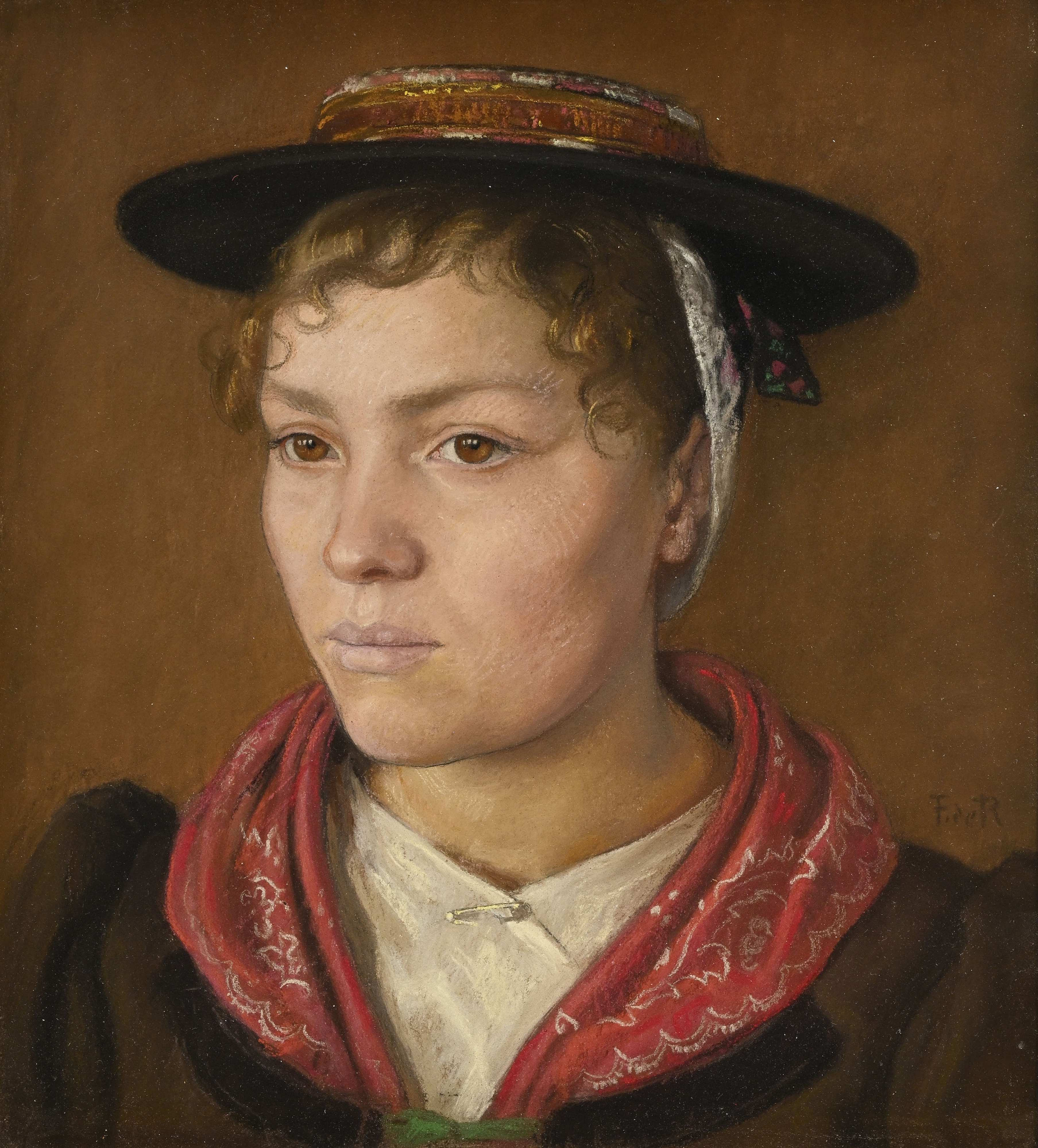
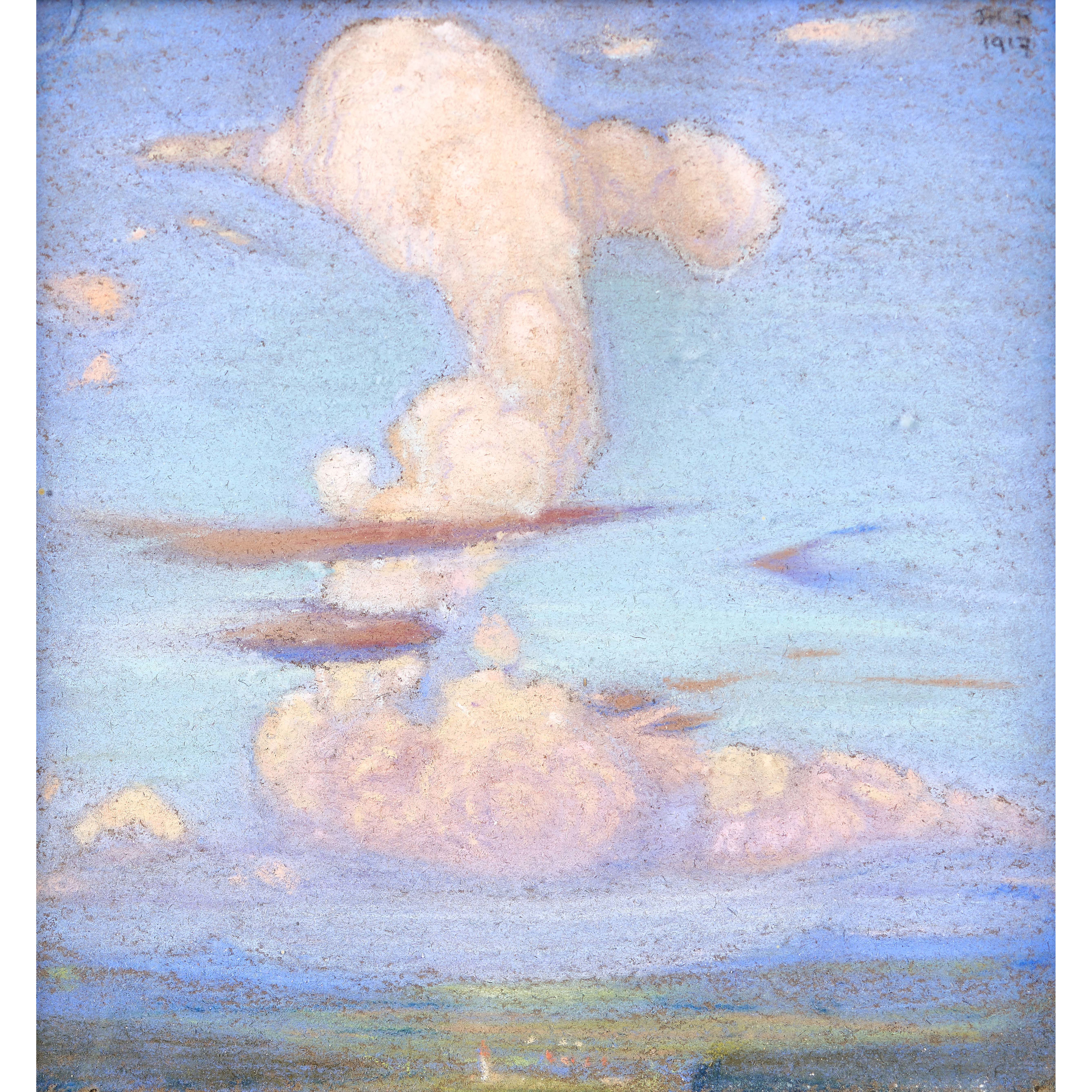
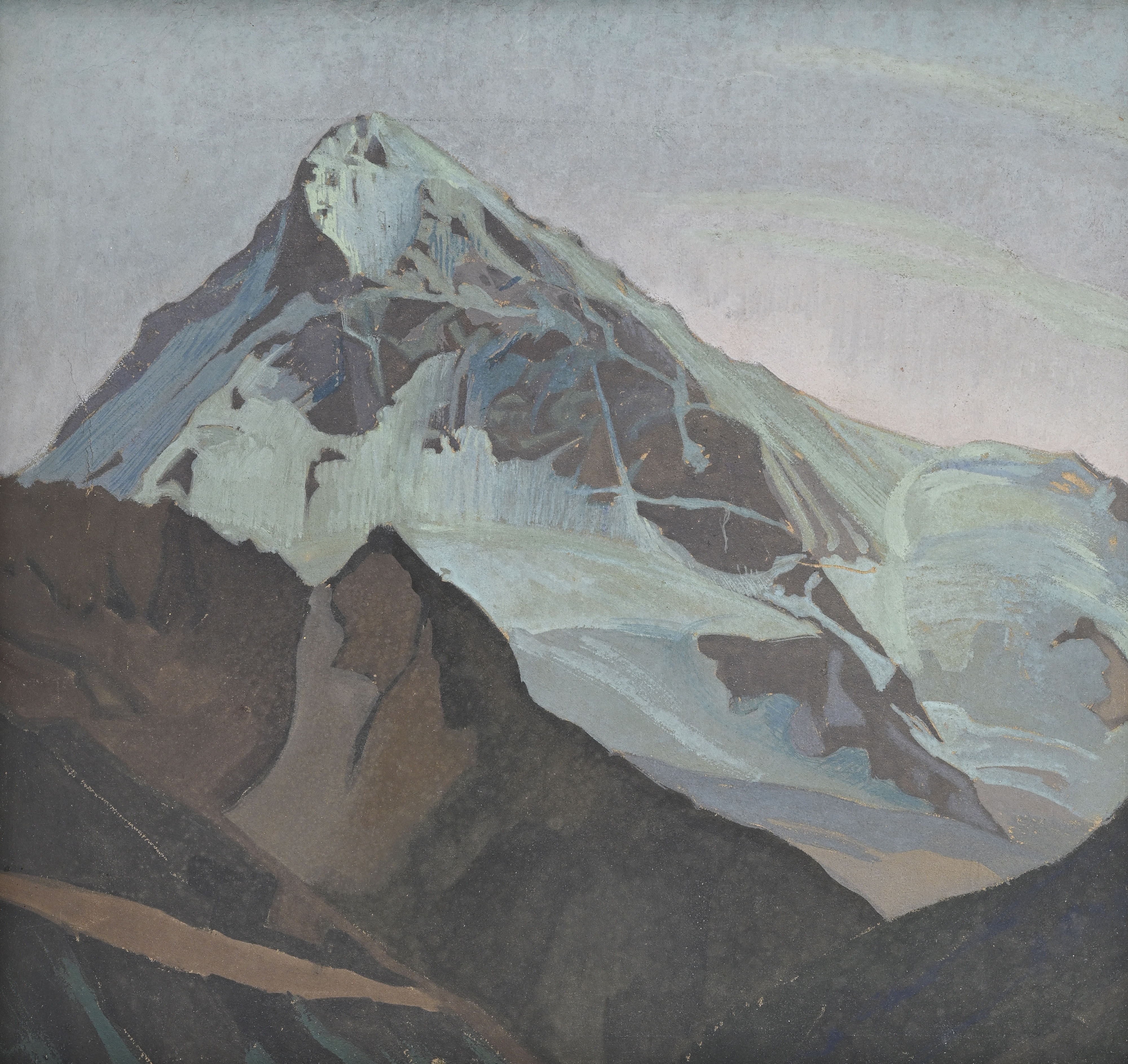
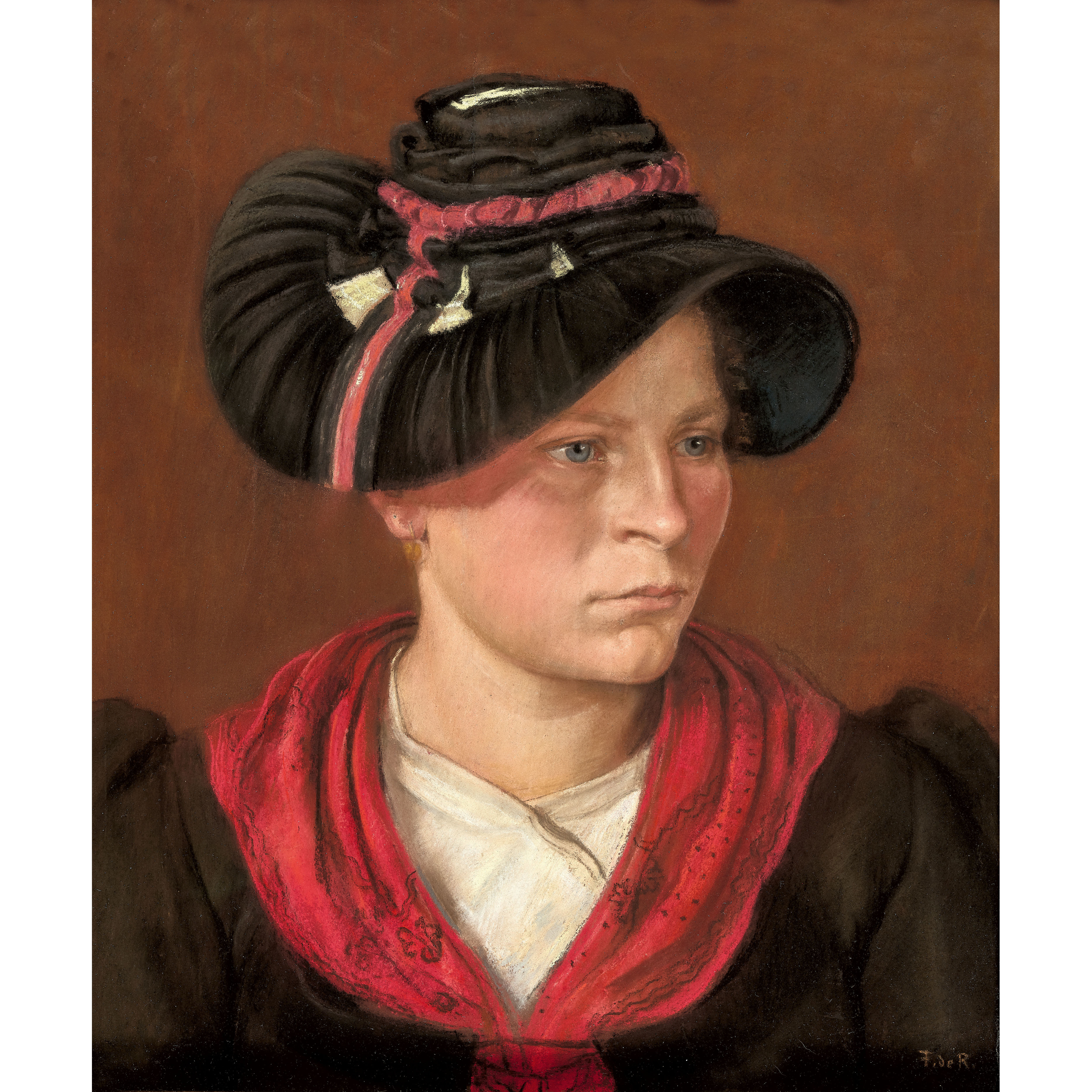
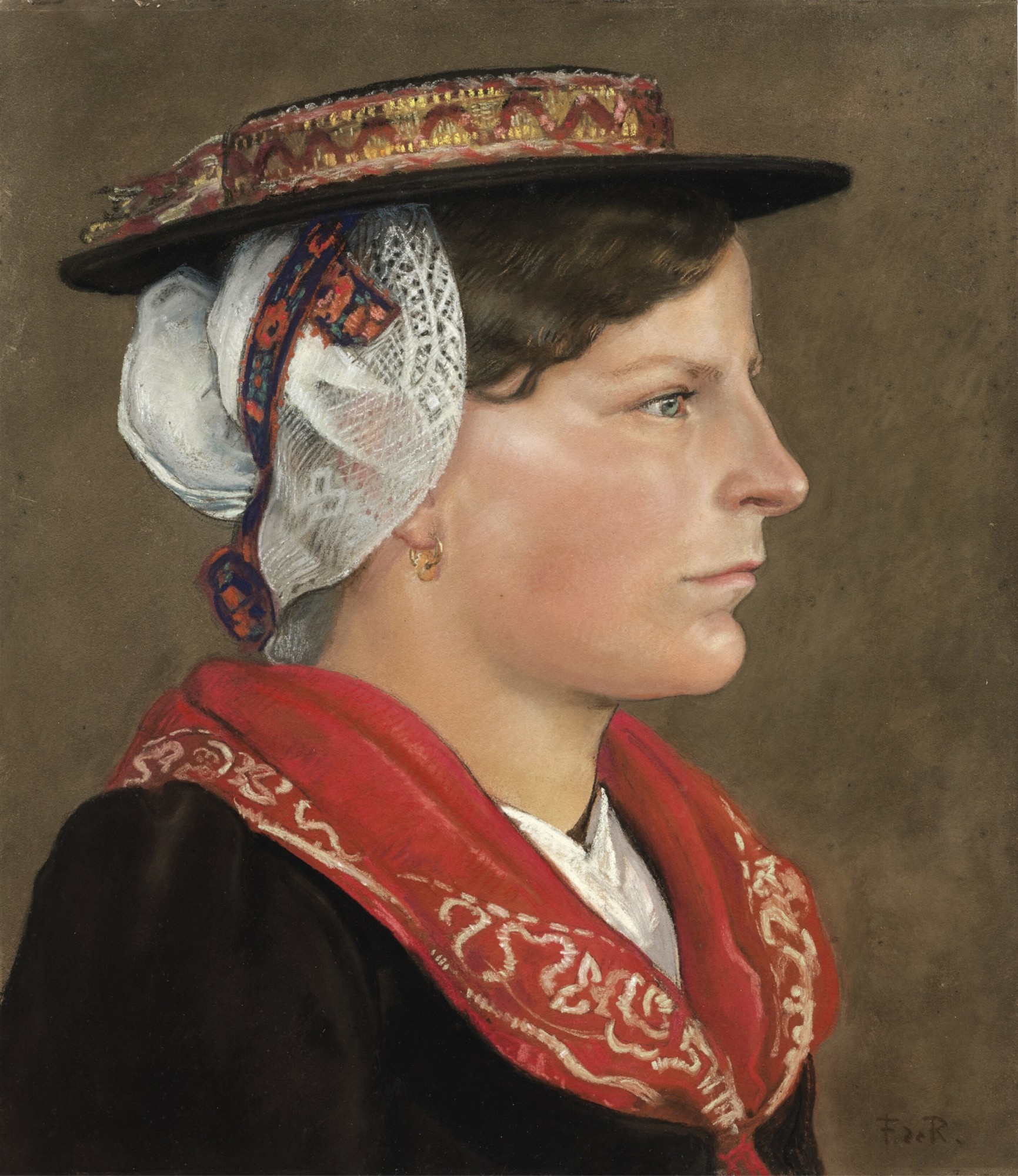
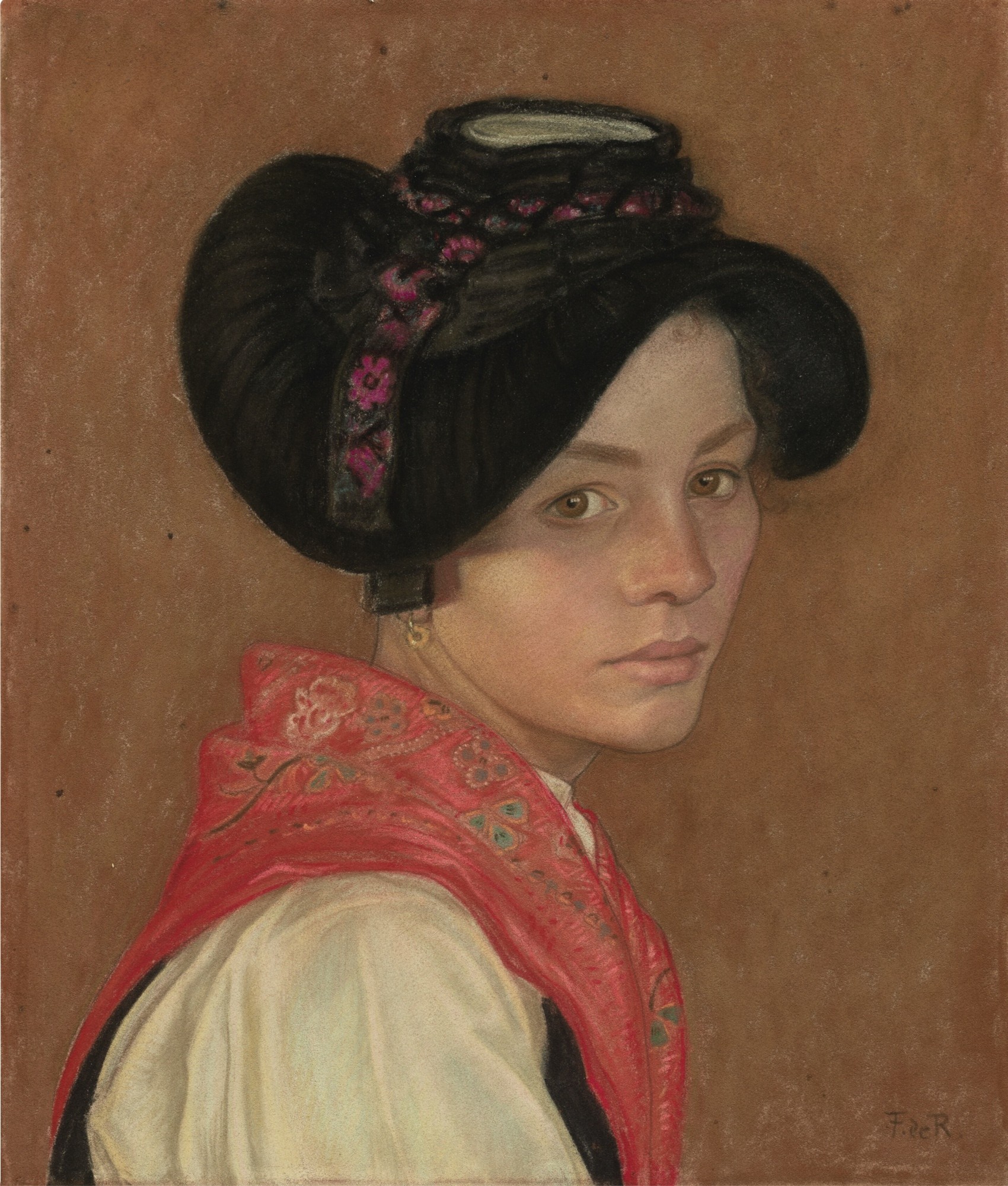
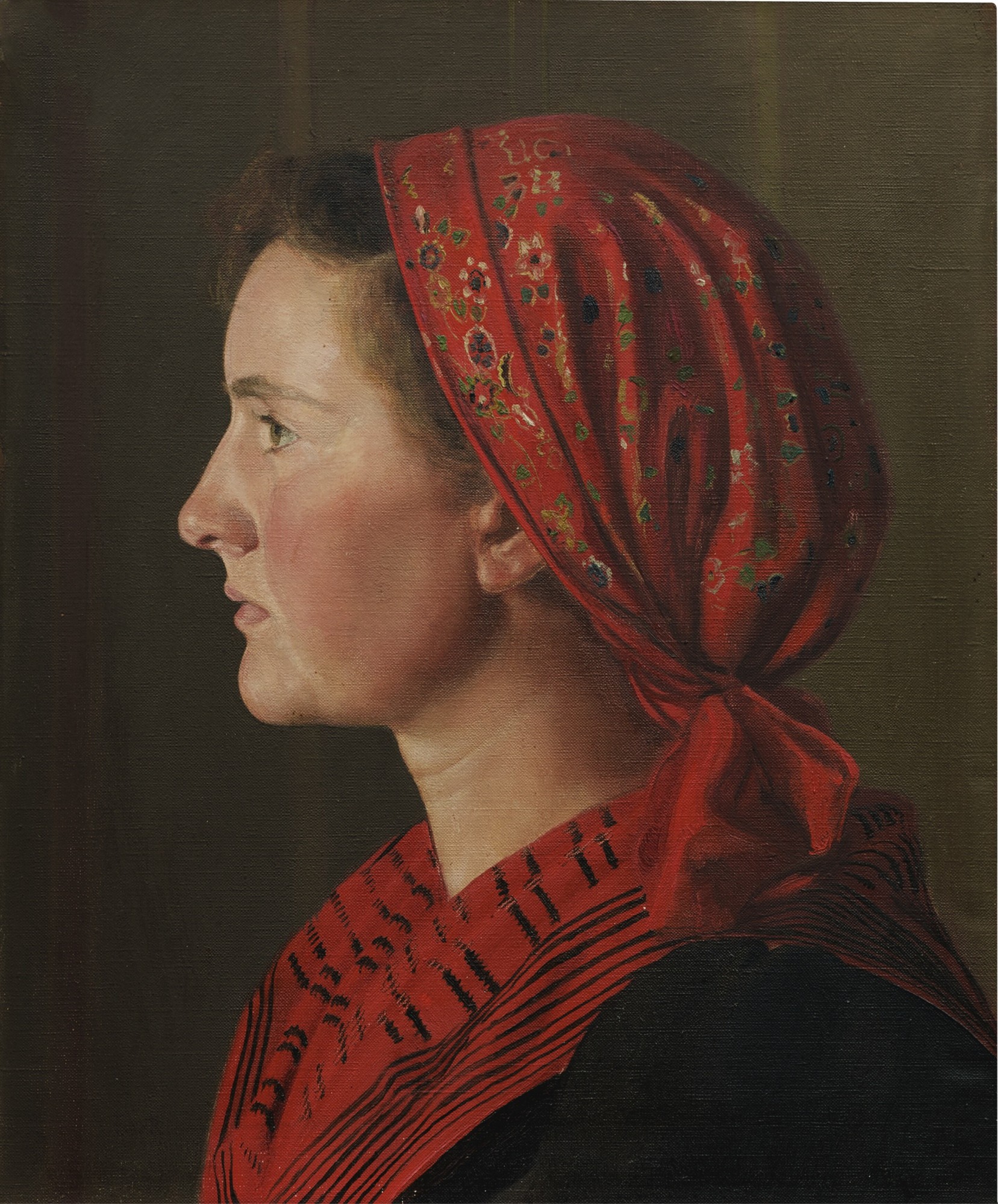
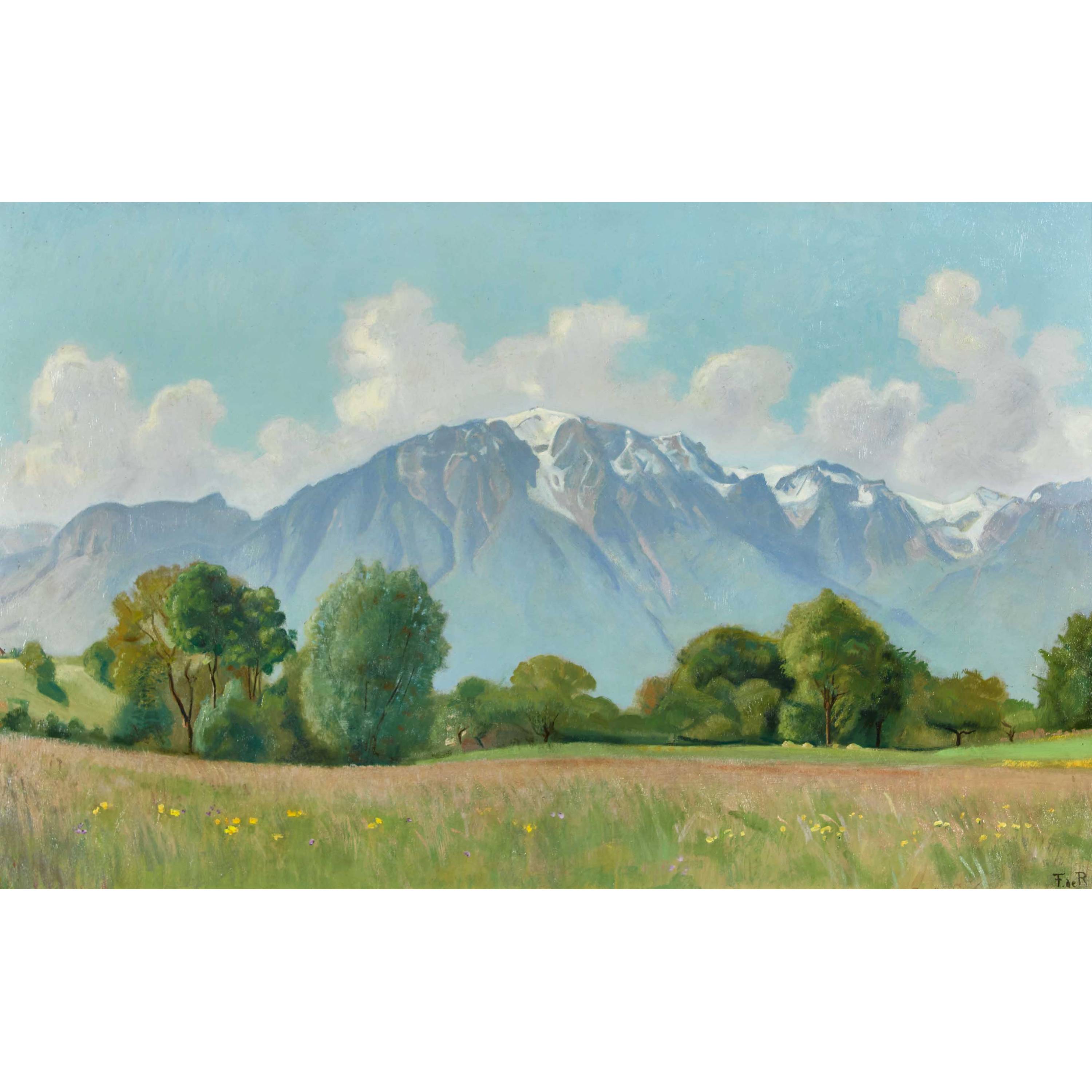
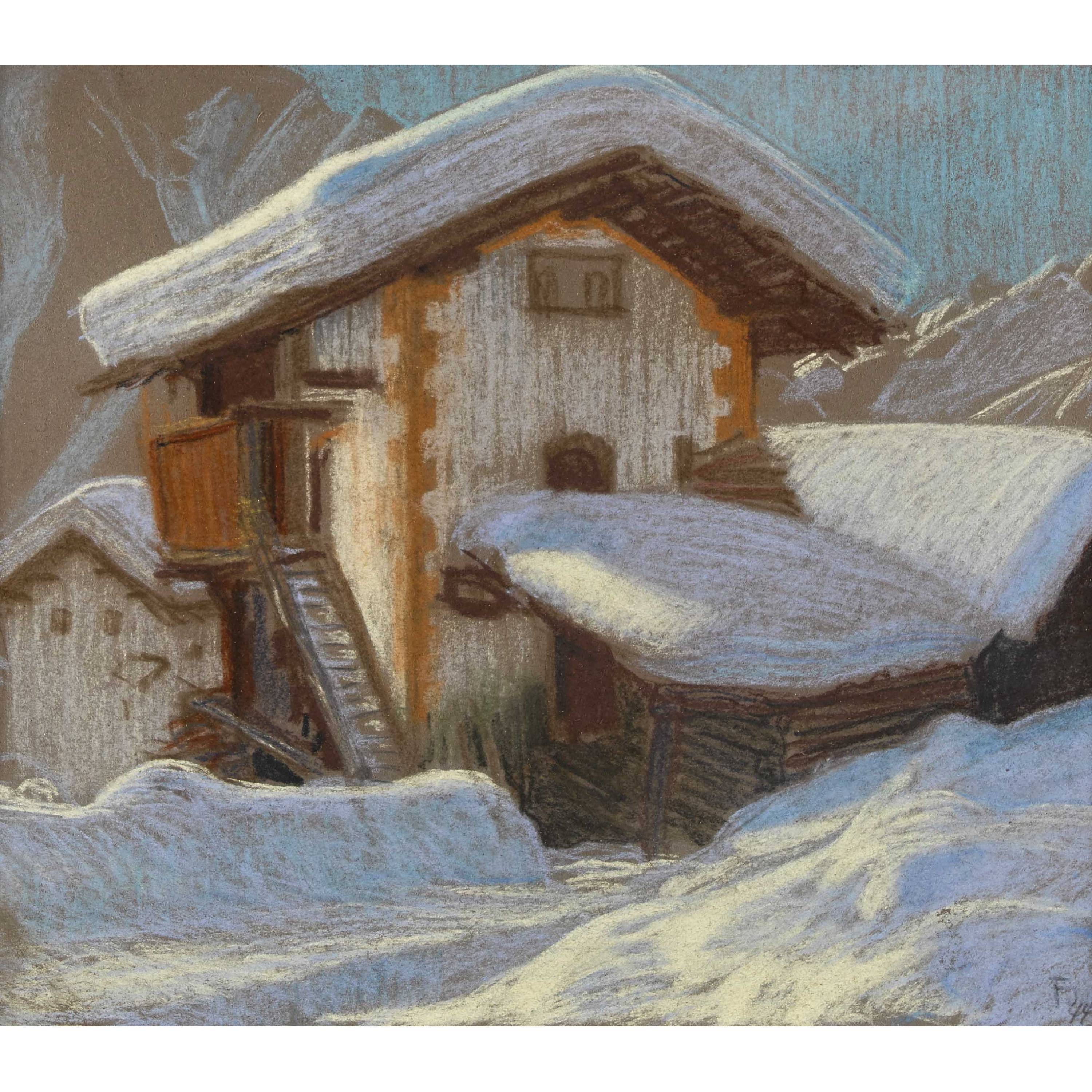
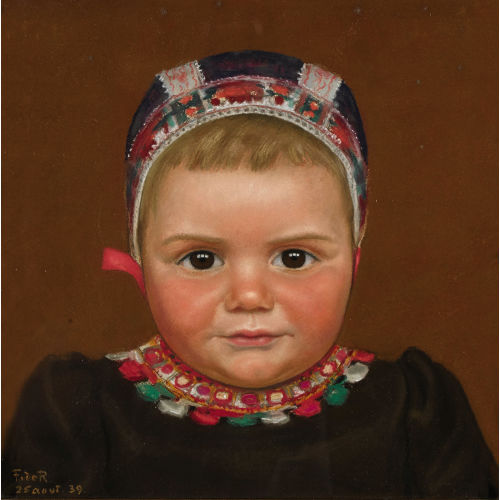
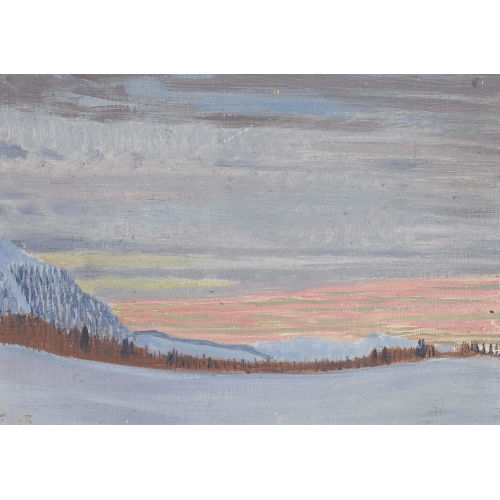
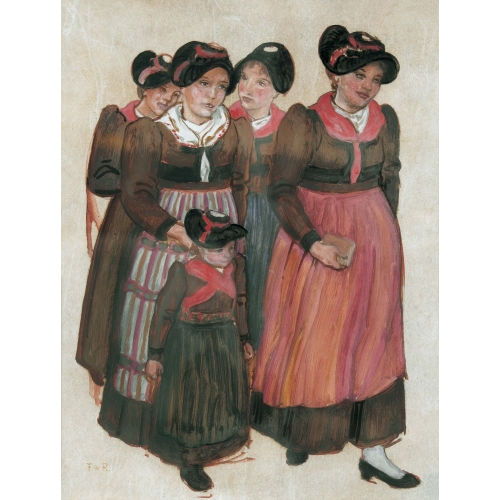
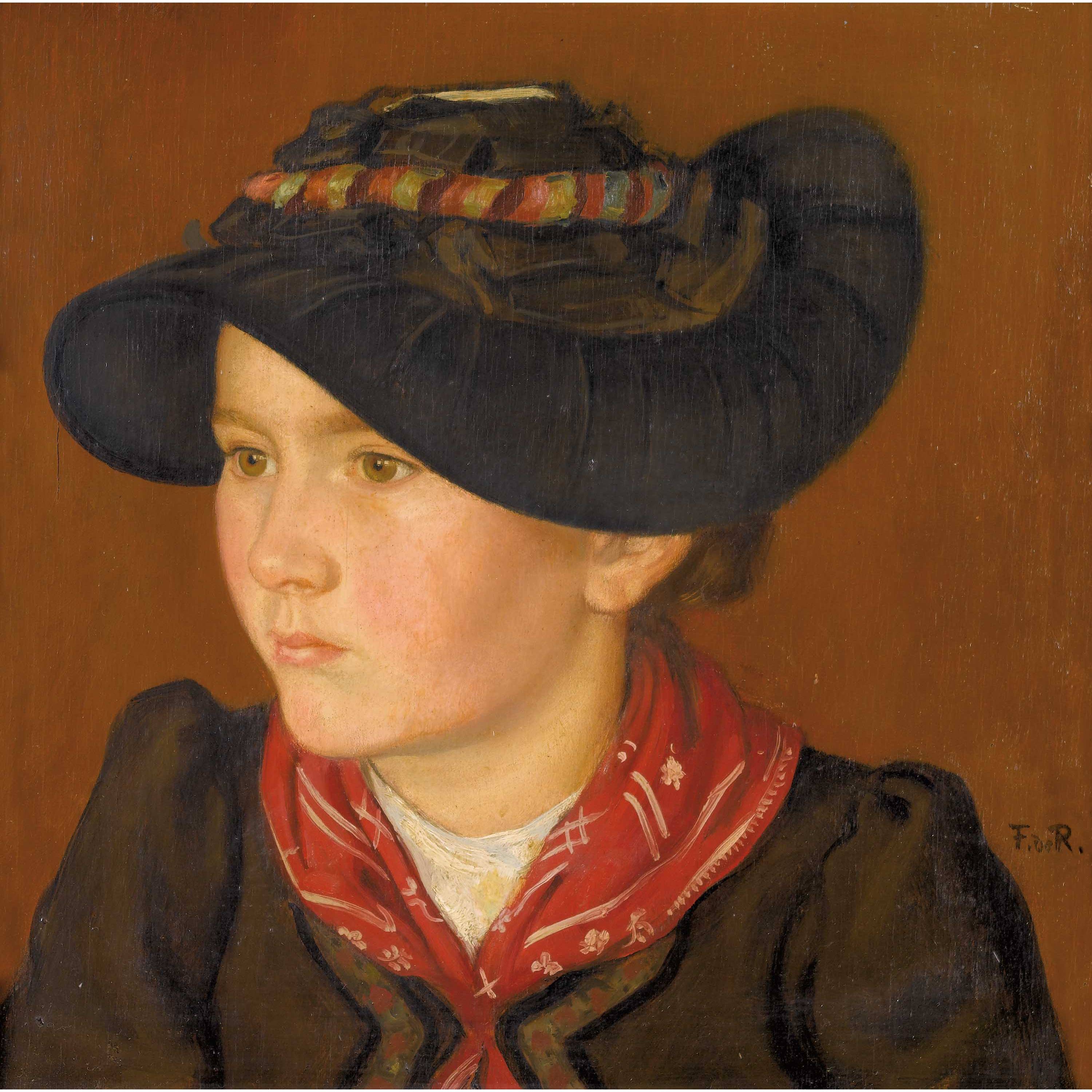
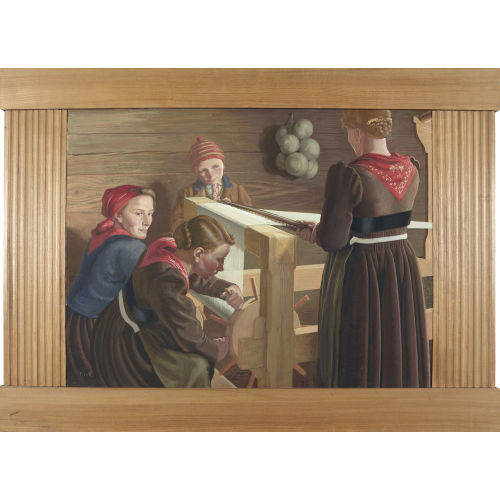
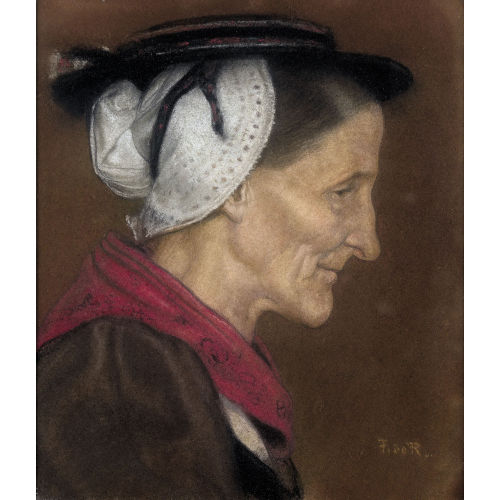
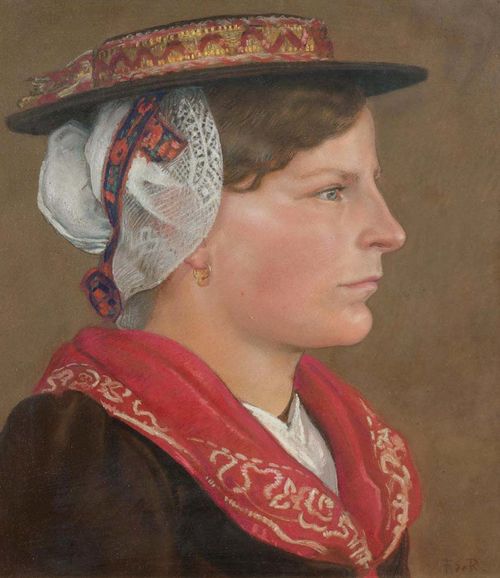
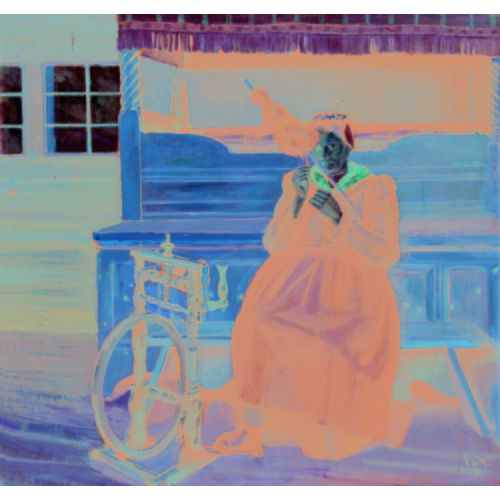
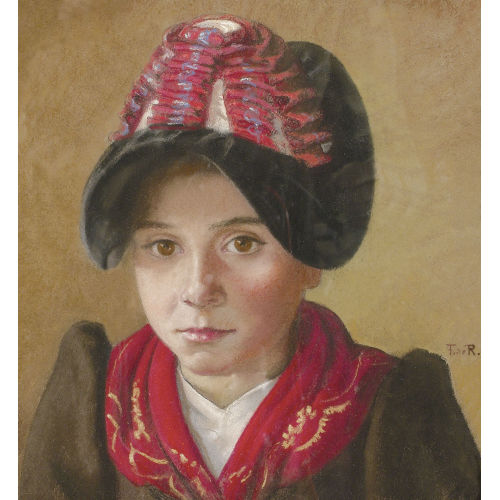
The landscape, everyday gestures and costumes of this region became essential motifs, while Lake Geneva also remained present in his work.
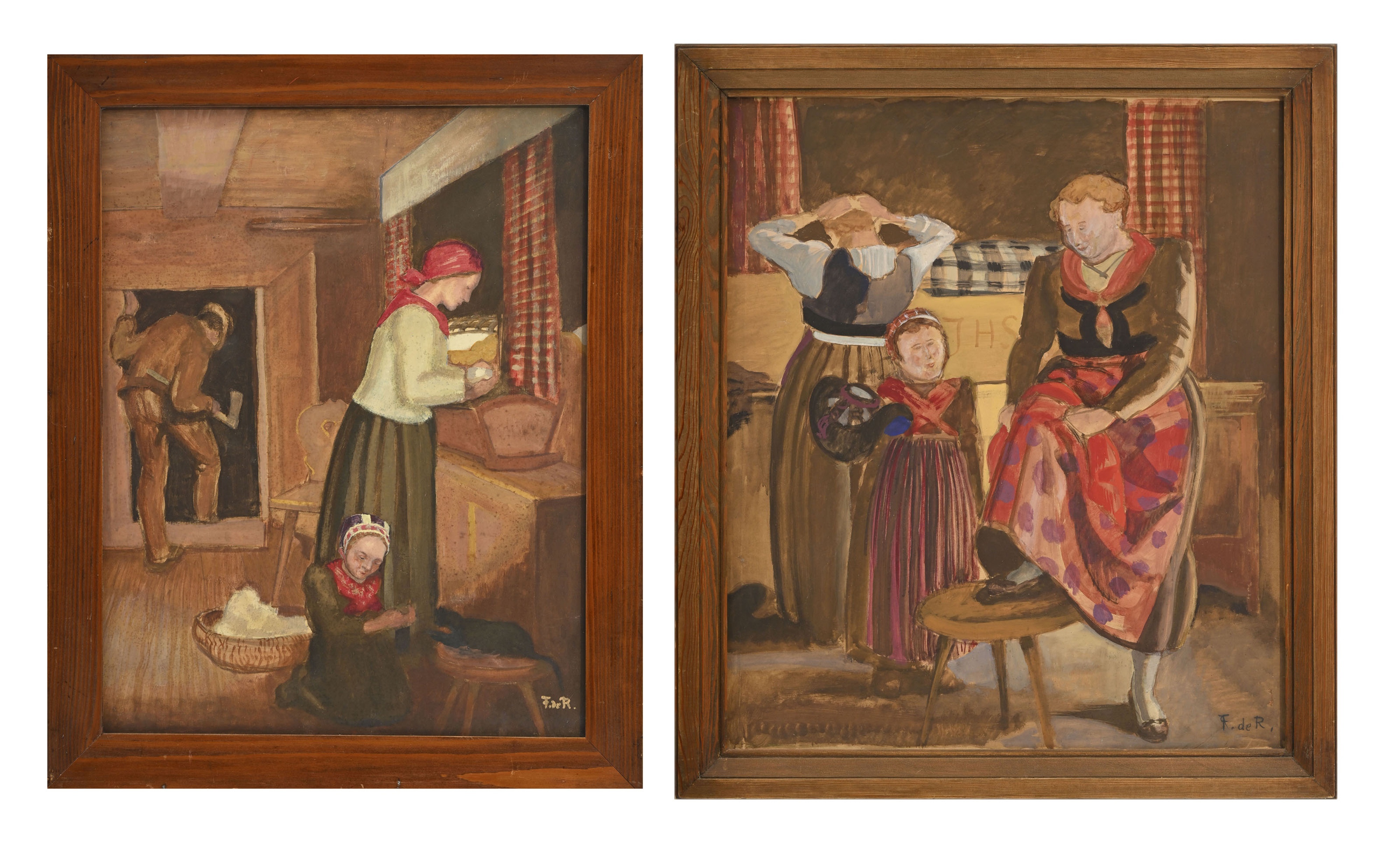
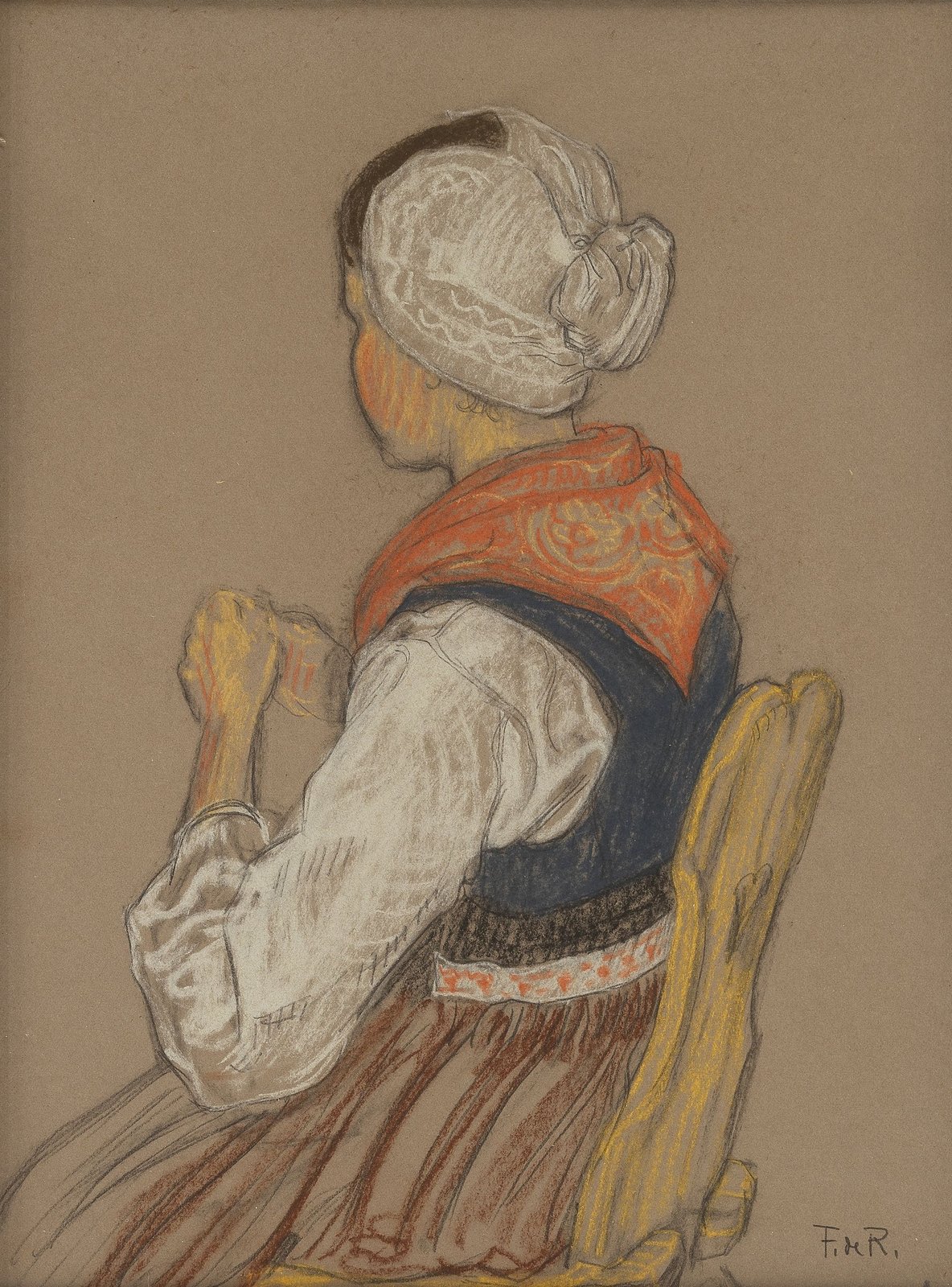
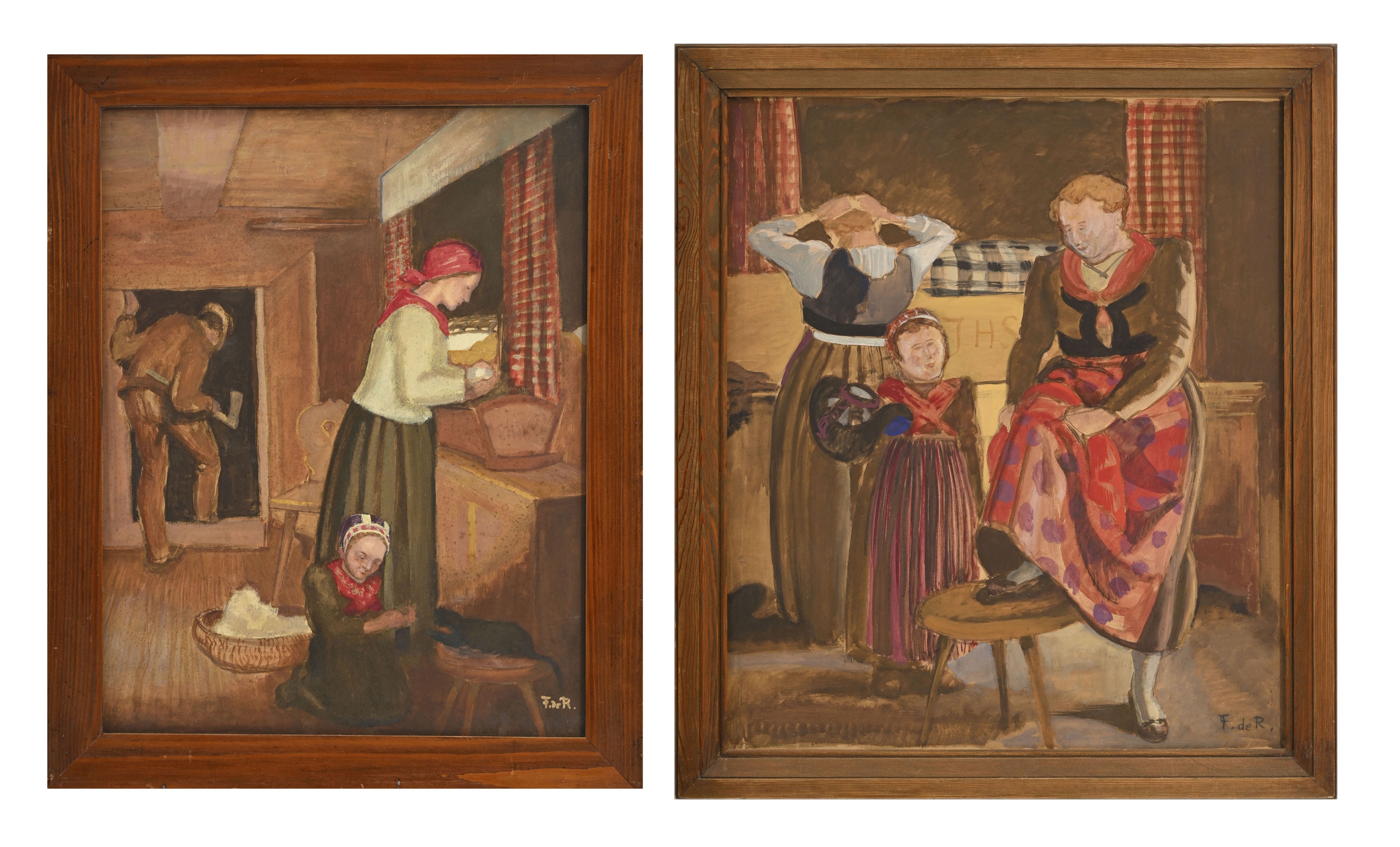
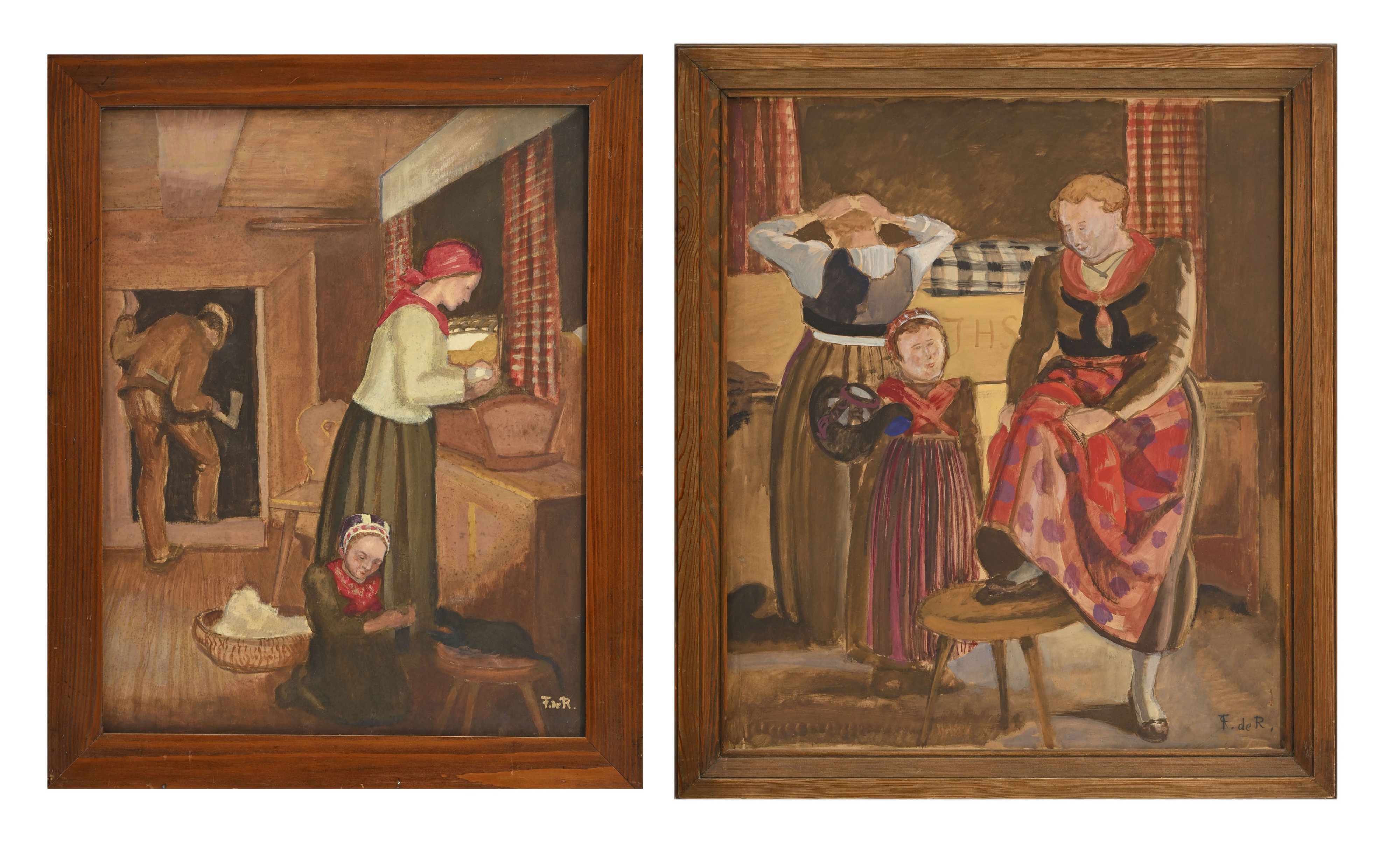
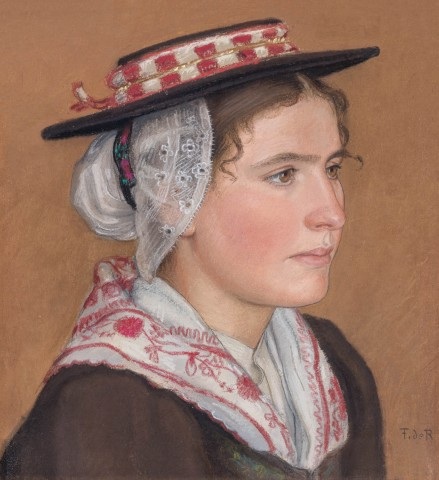
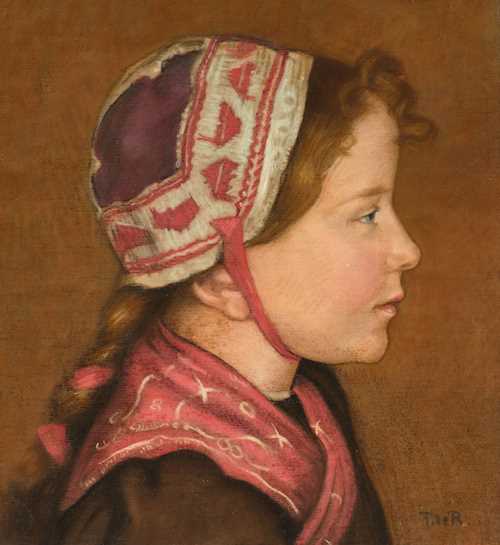
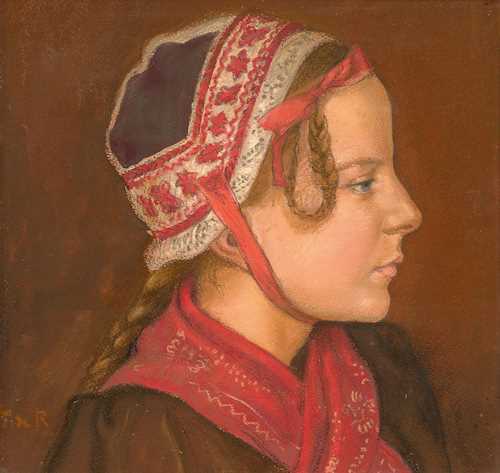
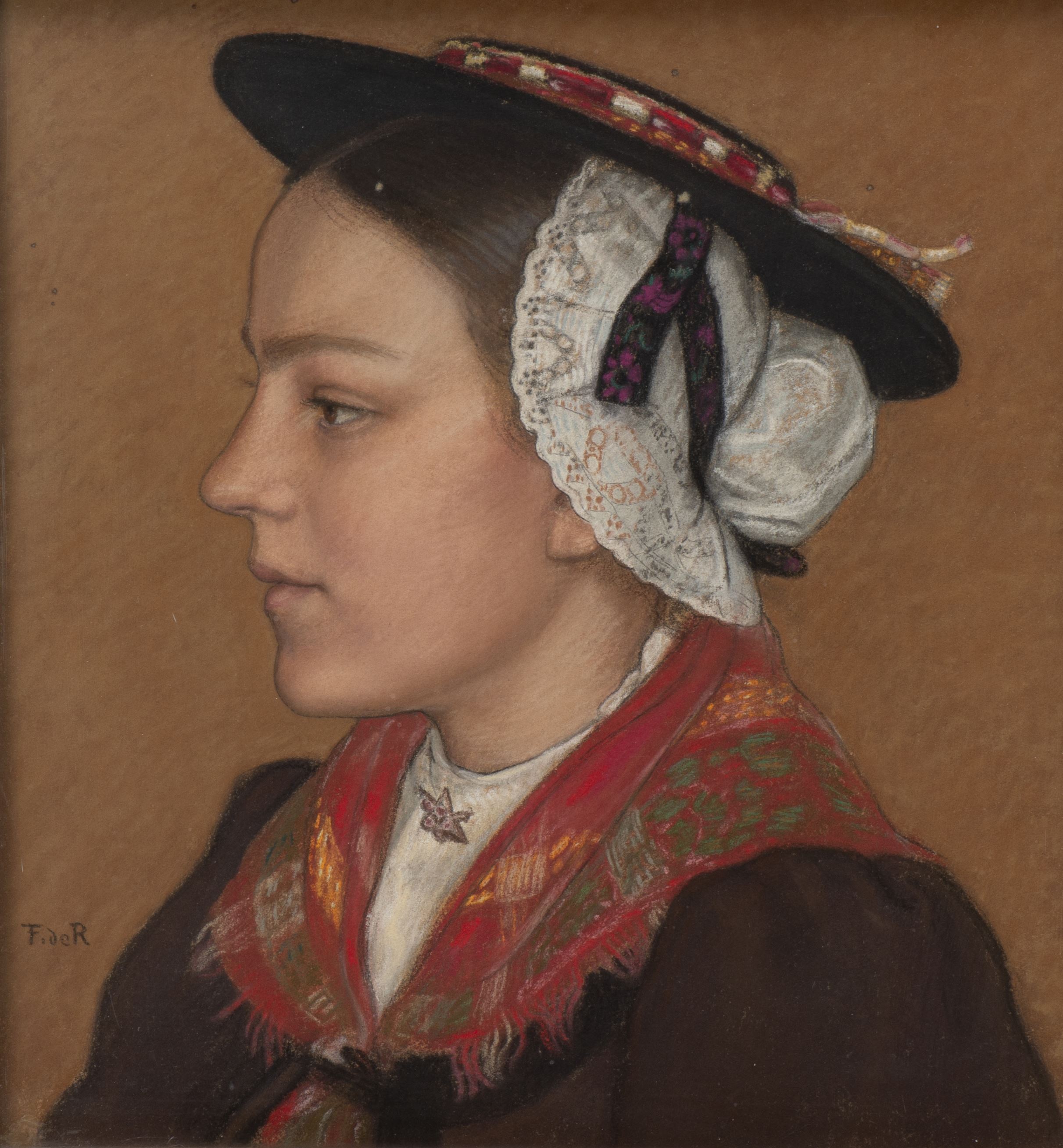
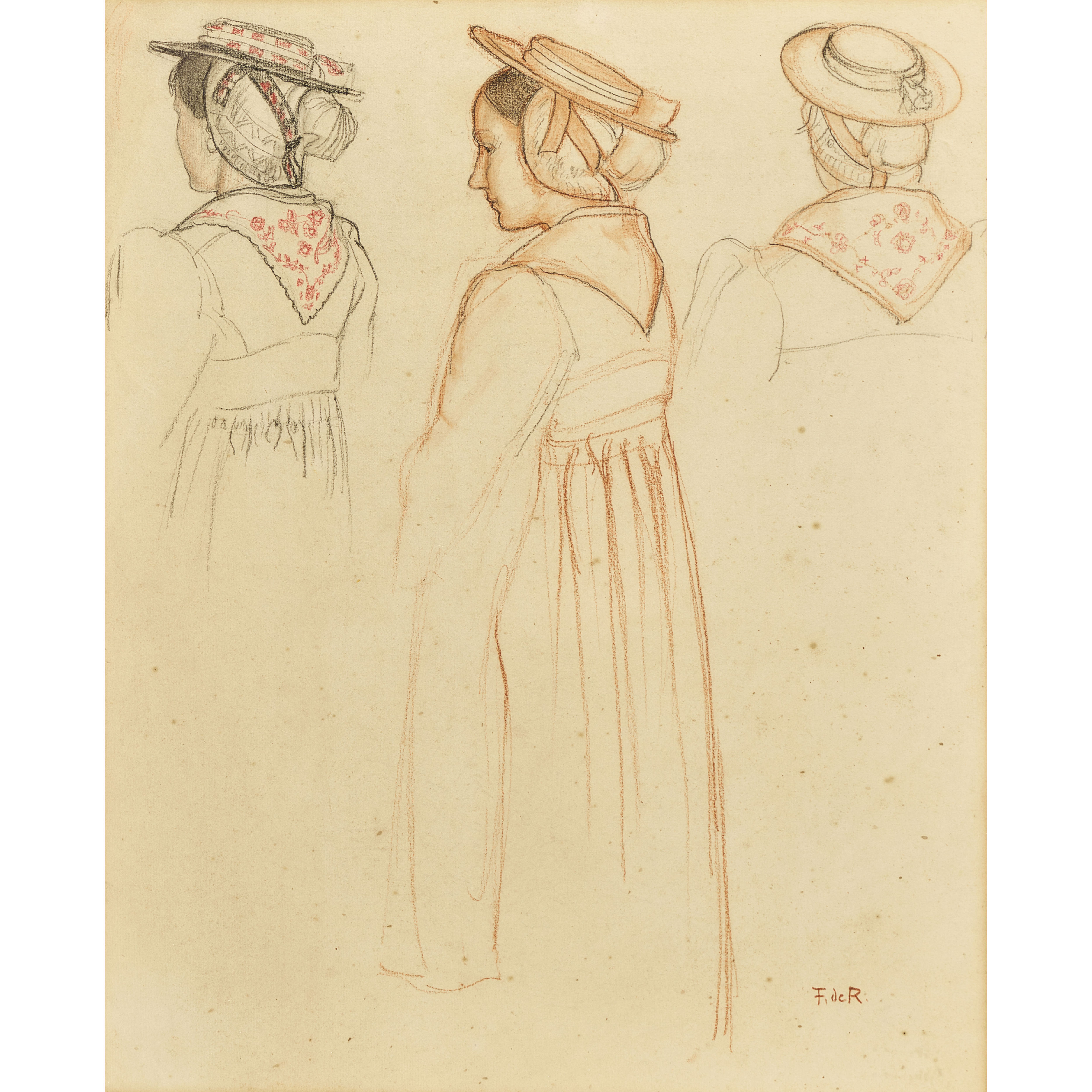
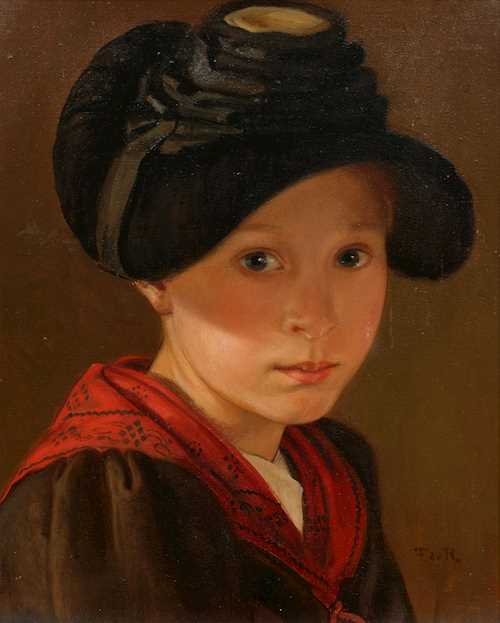
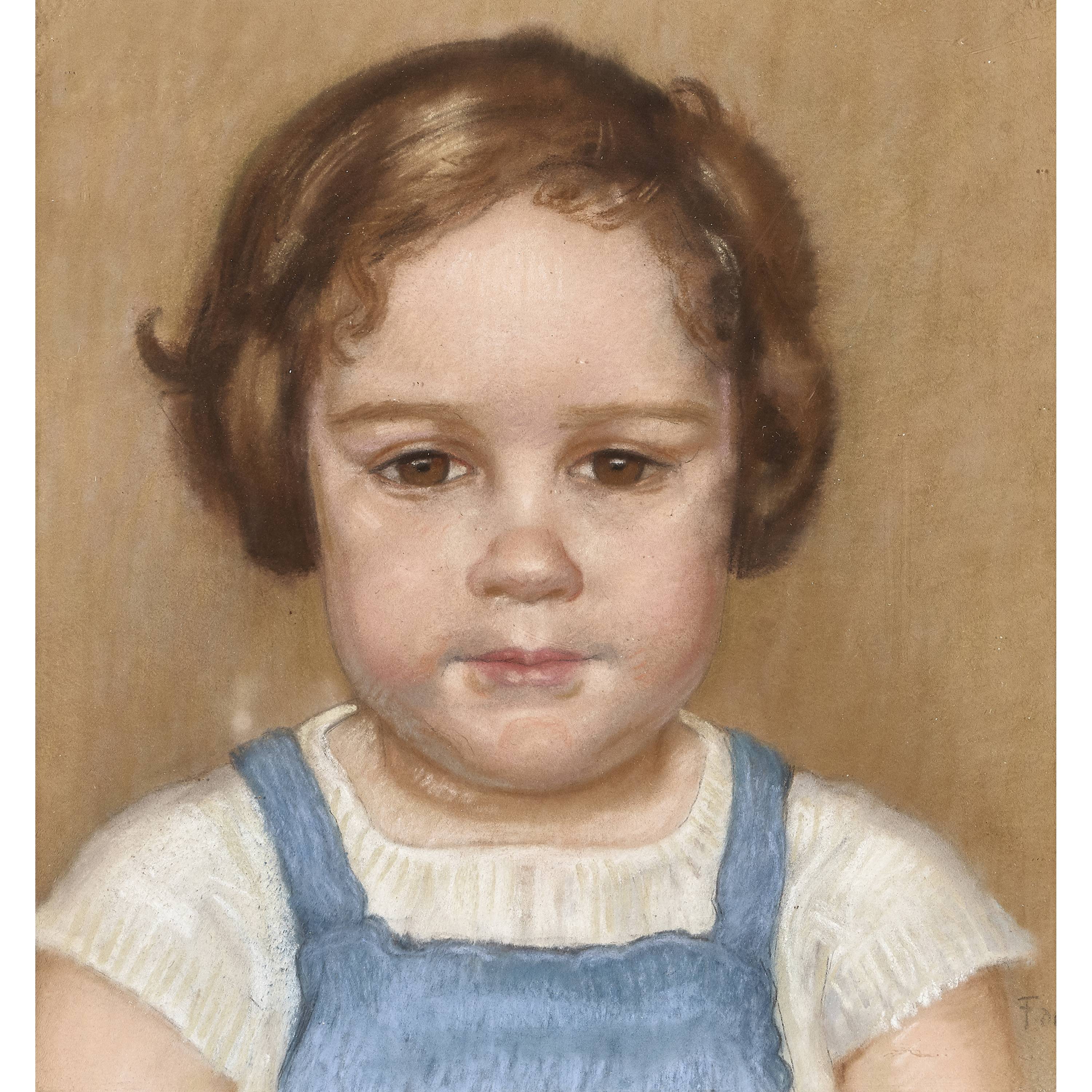
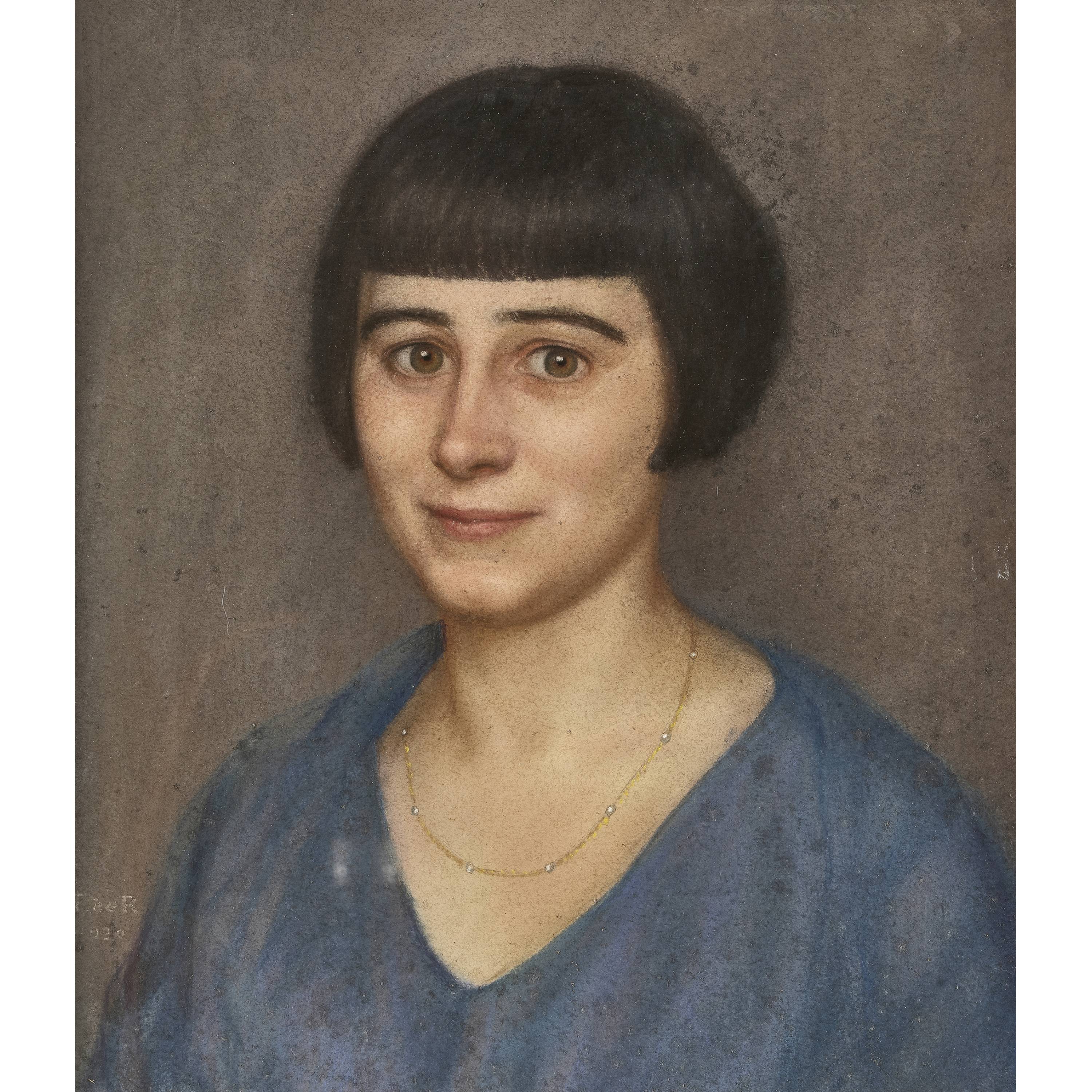
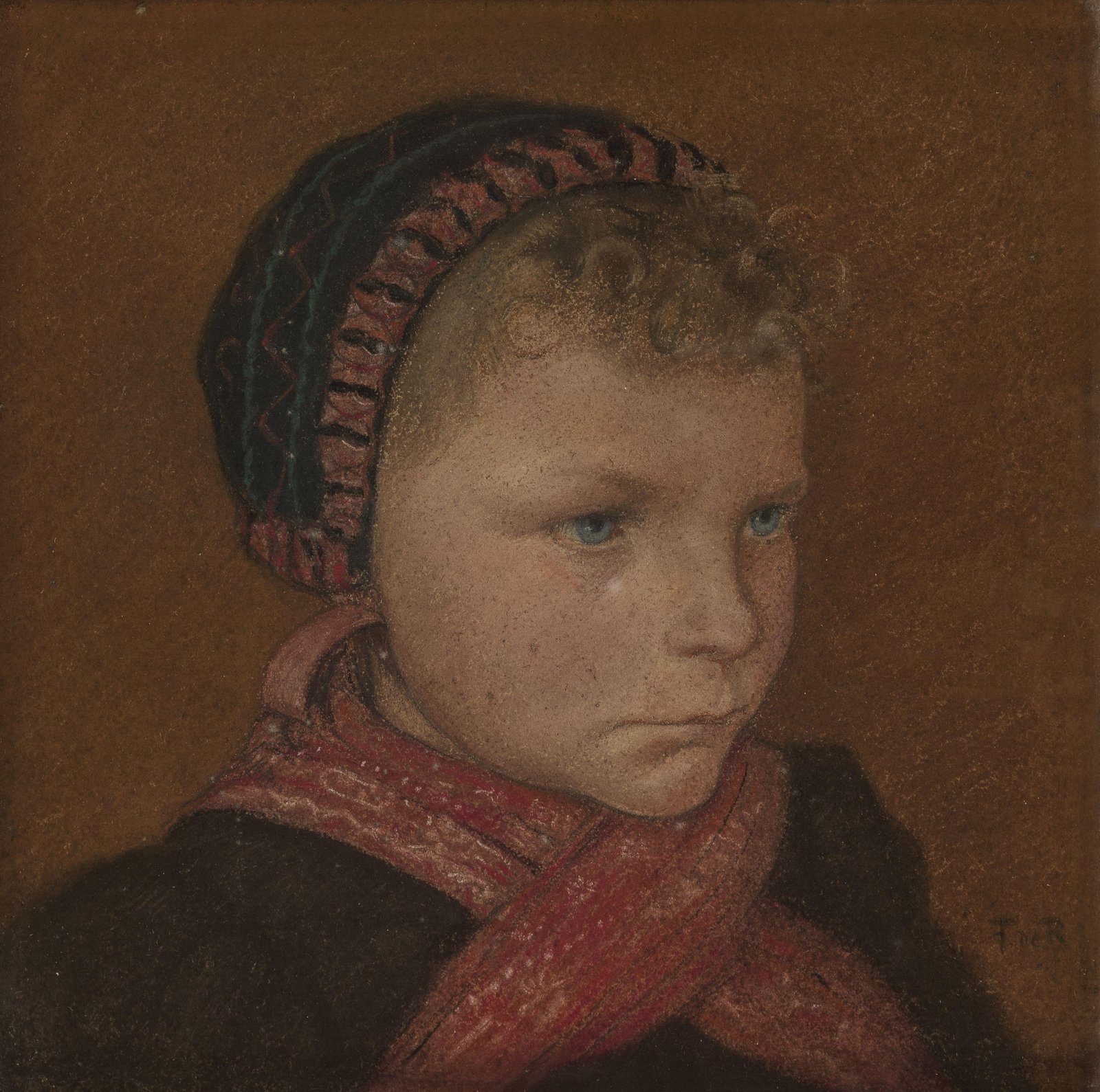
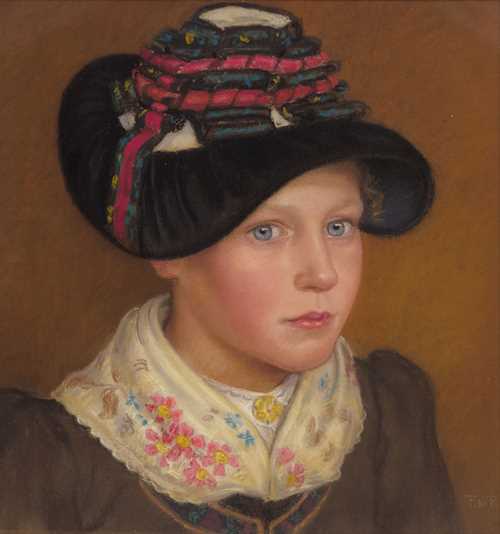
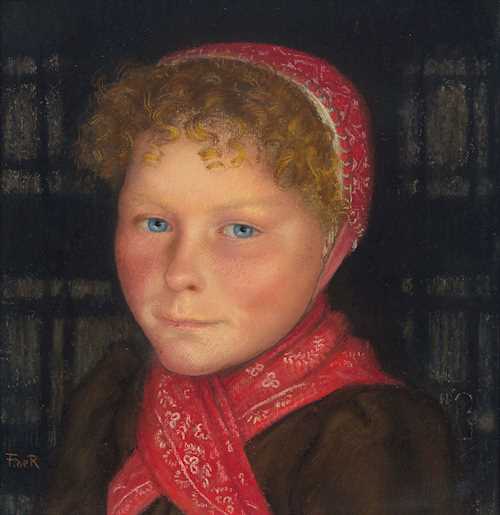
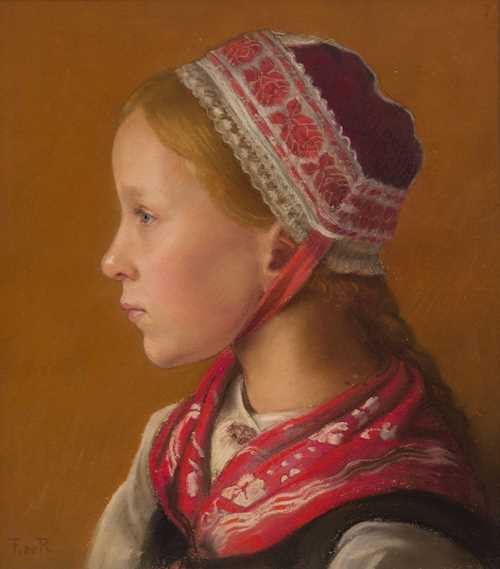
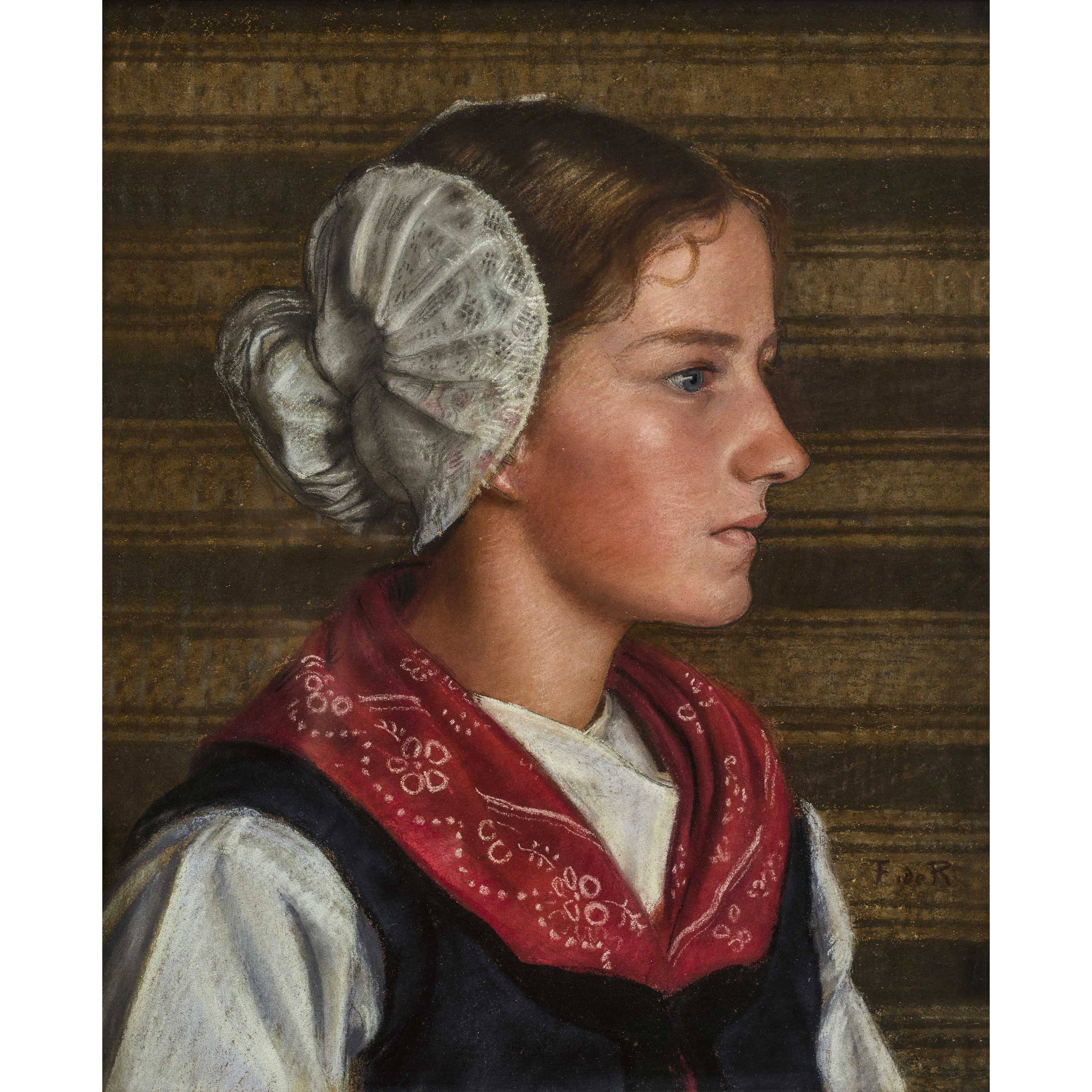
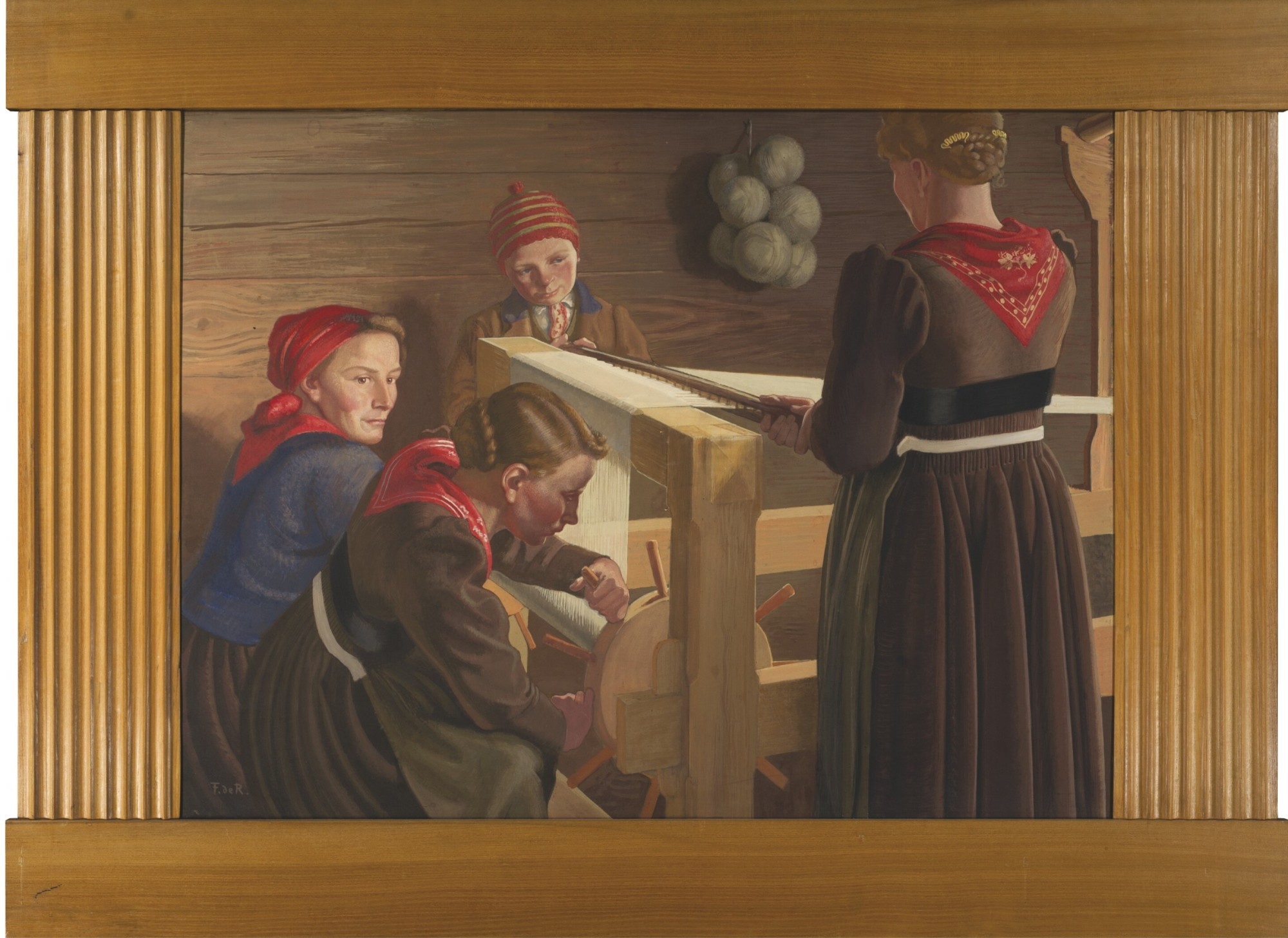
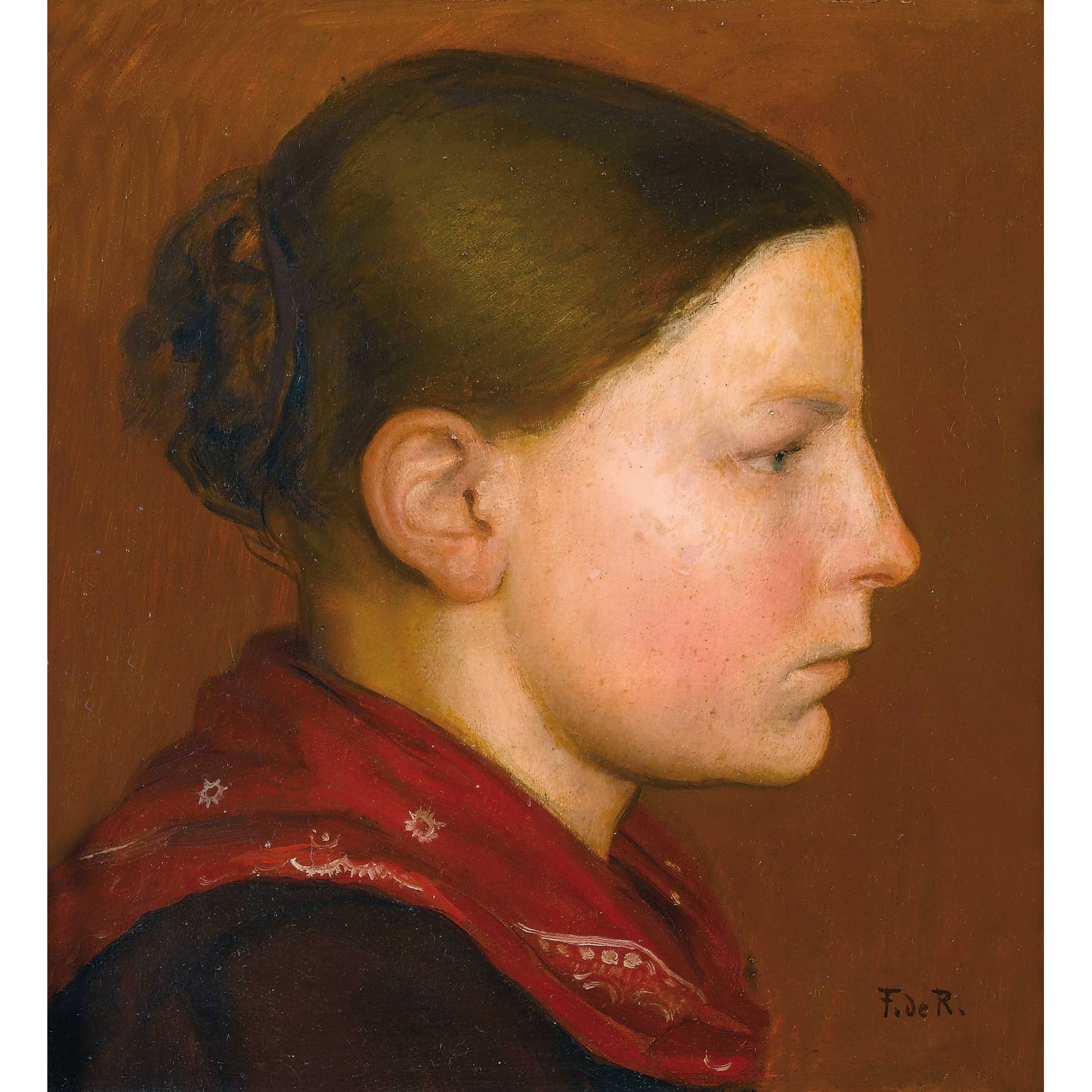
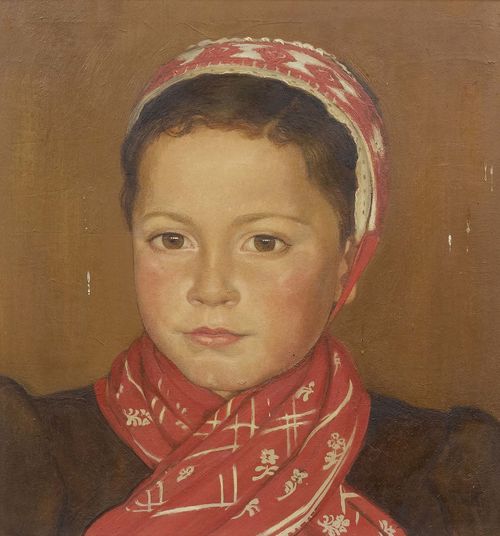
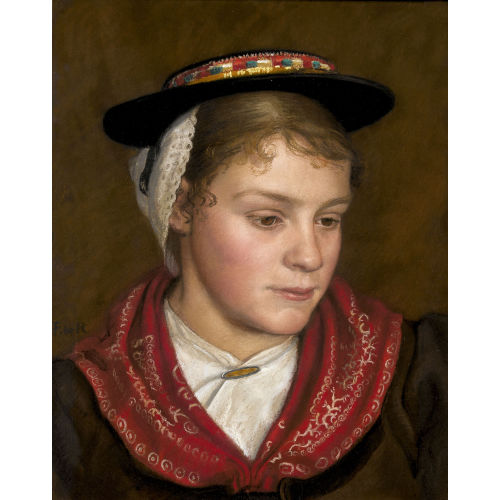
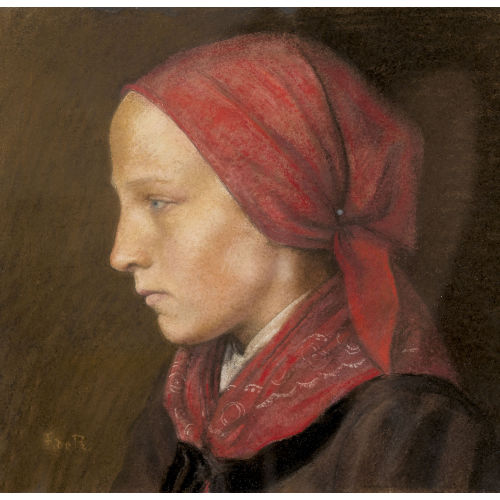
His paintings pay close attention to the people they depict. In La Tresse, a mother combs her daughter’s hair in an interior whose fabrics, embroideries and furnishings the artist describes. The care devoted to detail is not limited to documenting local customs: geometric motifs, the framing and the play of lines structure the image.
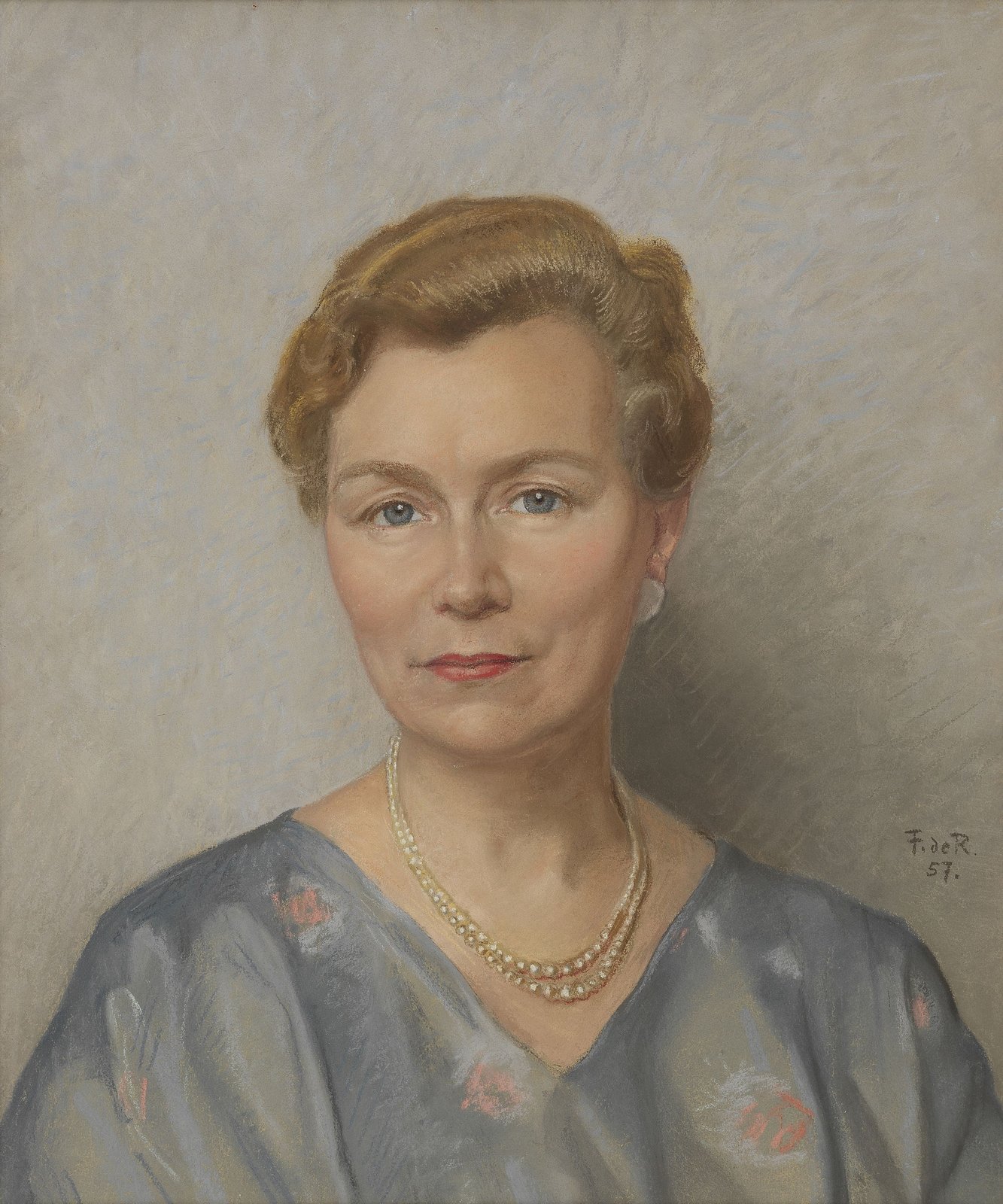
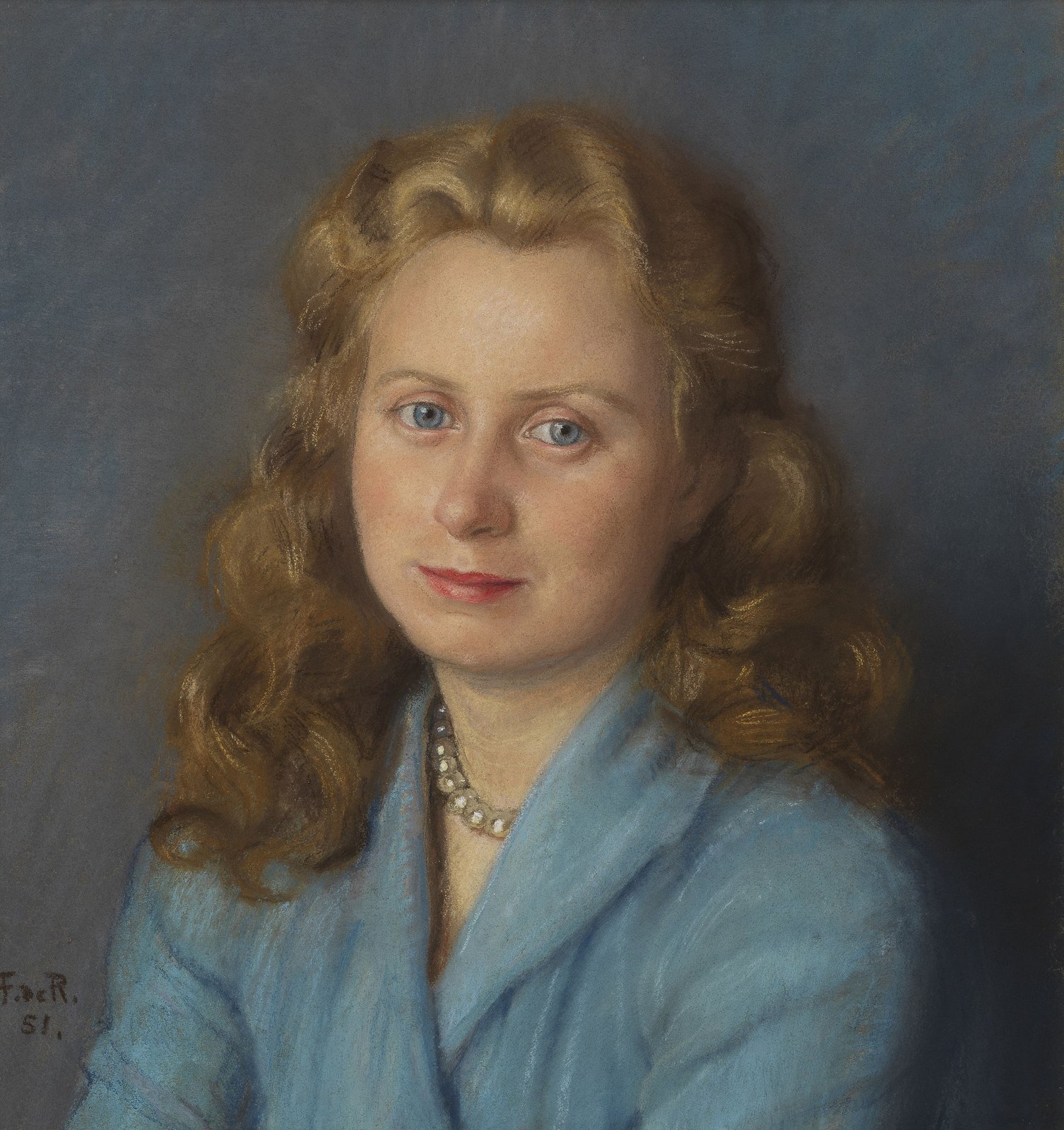
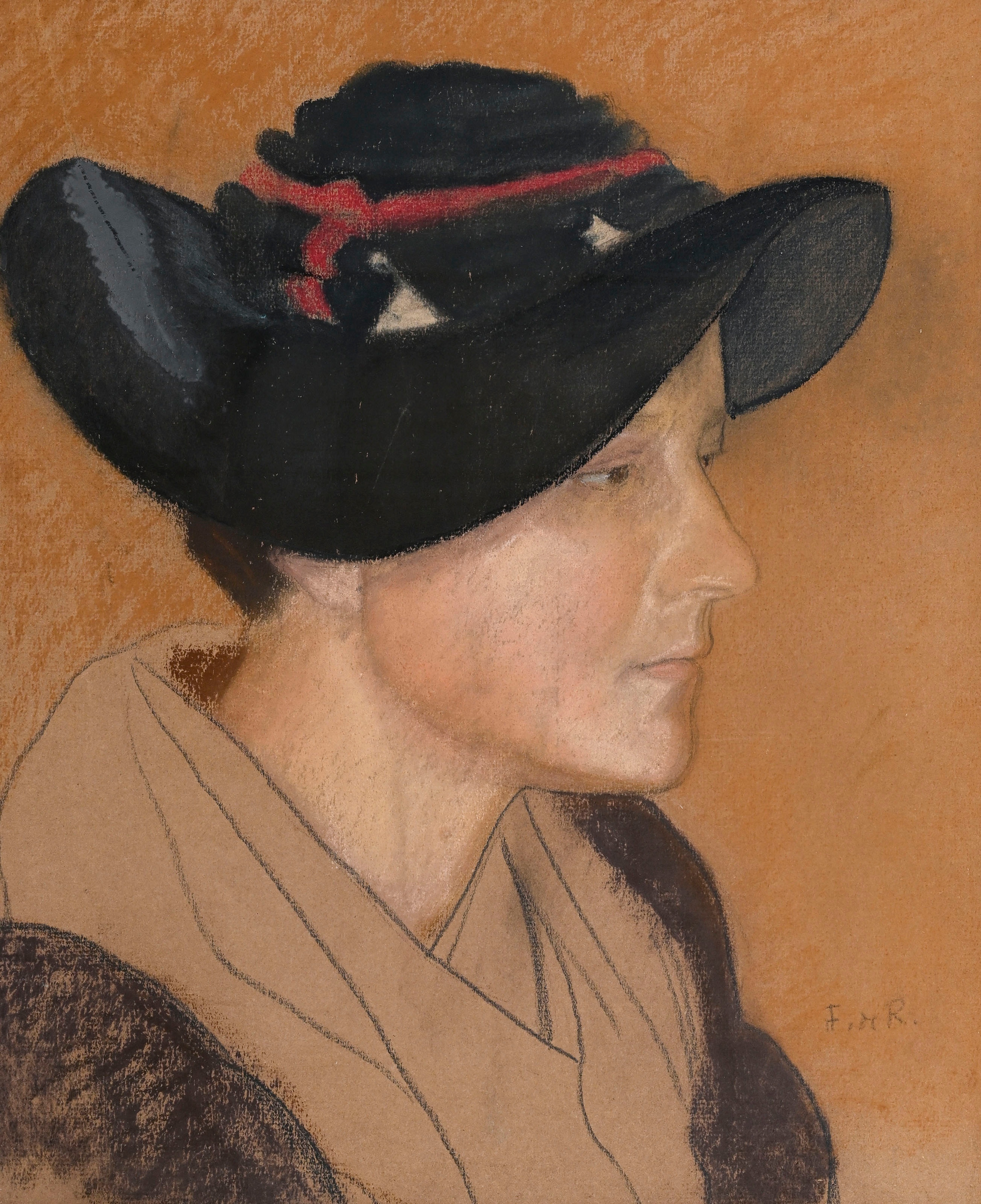
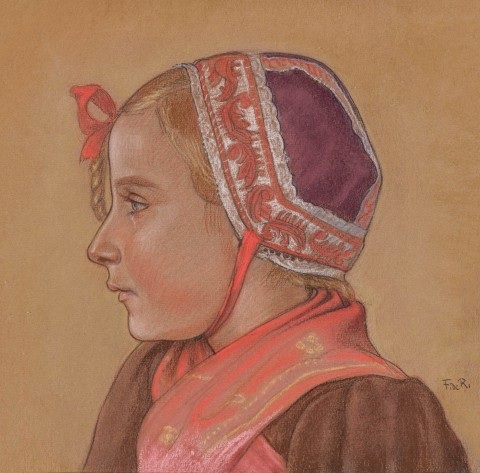
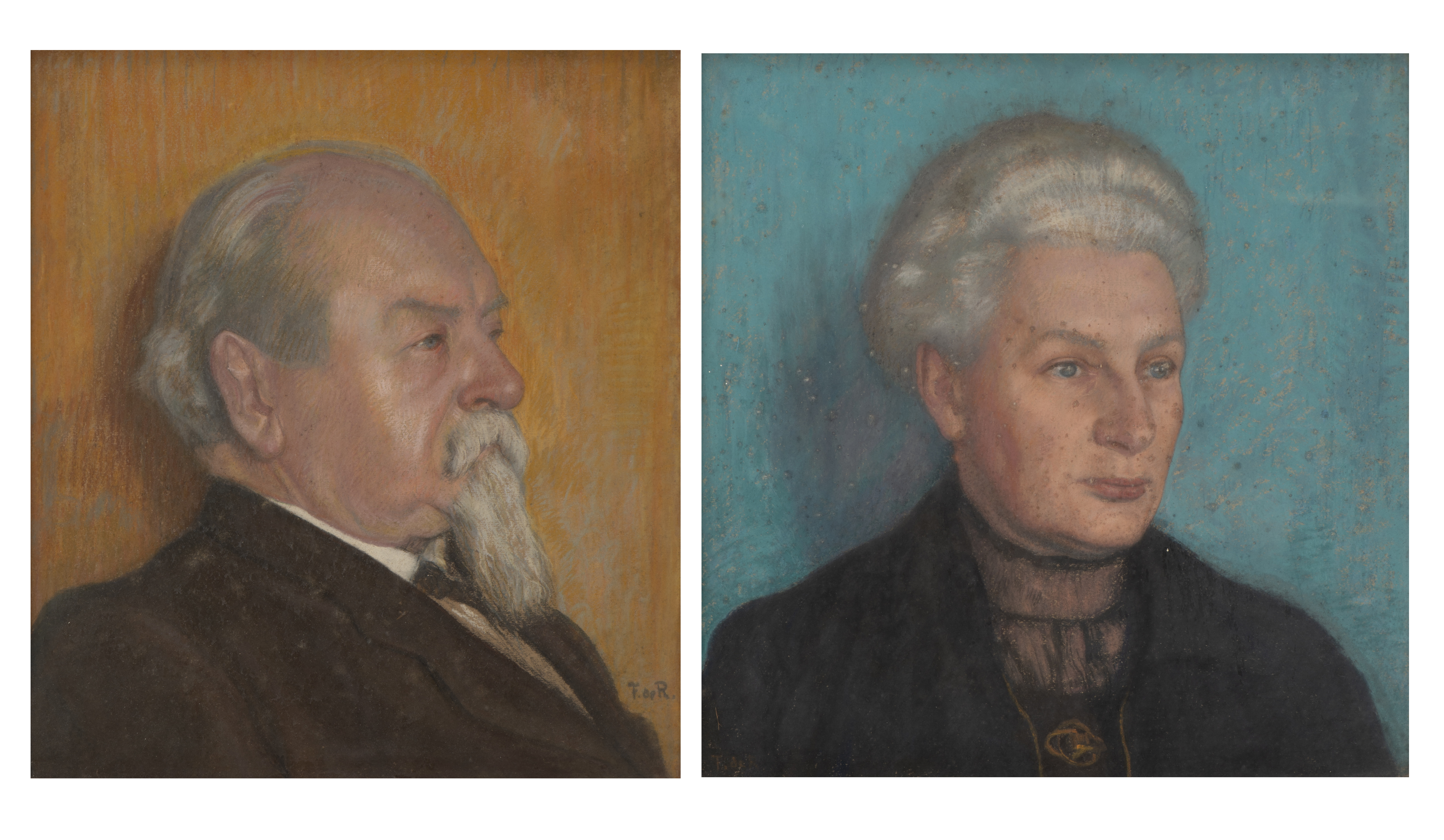
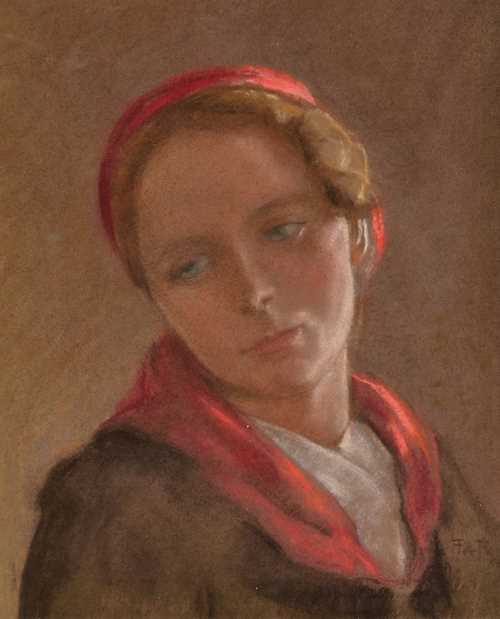
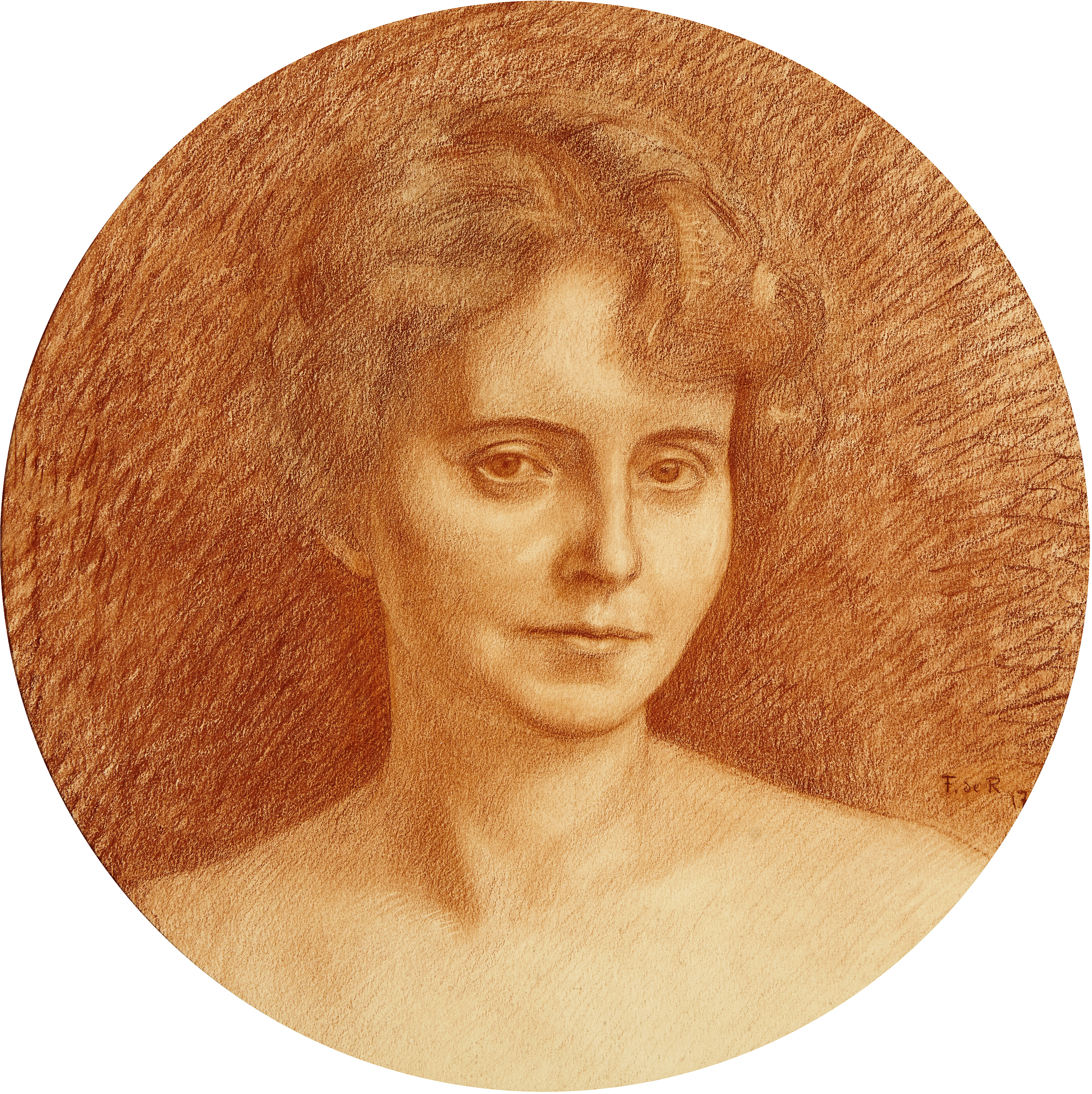
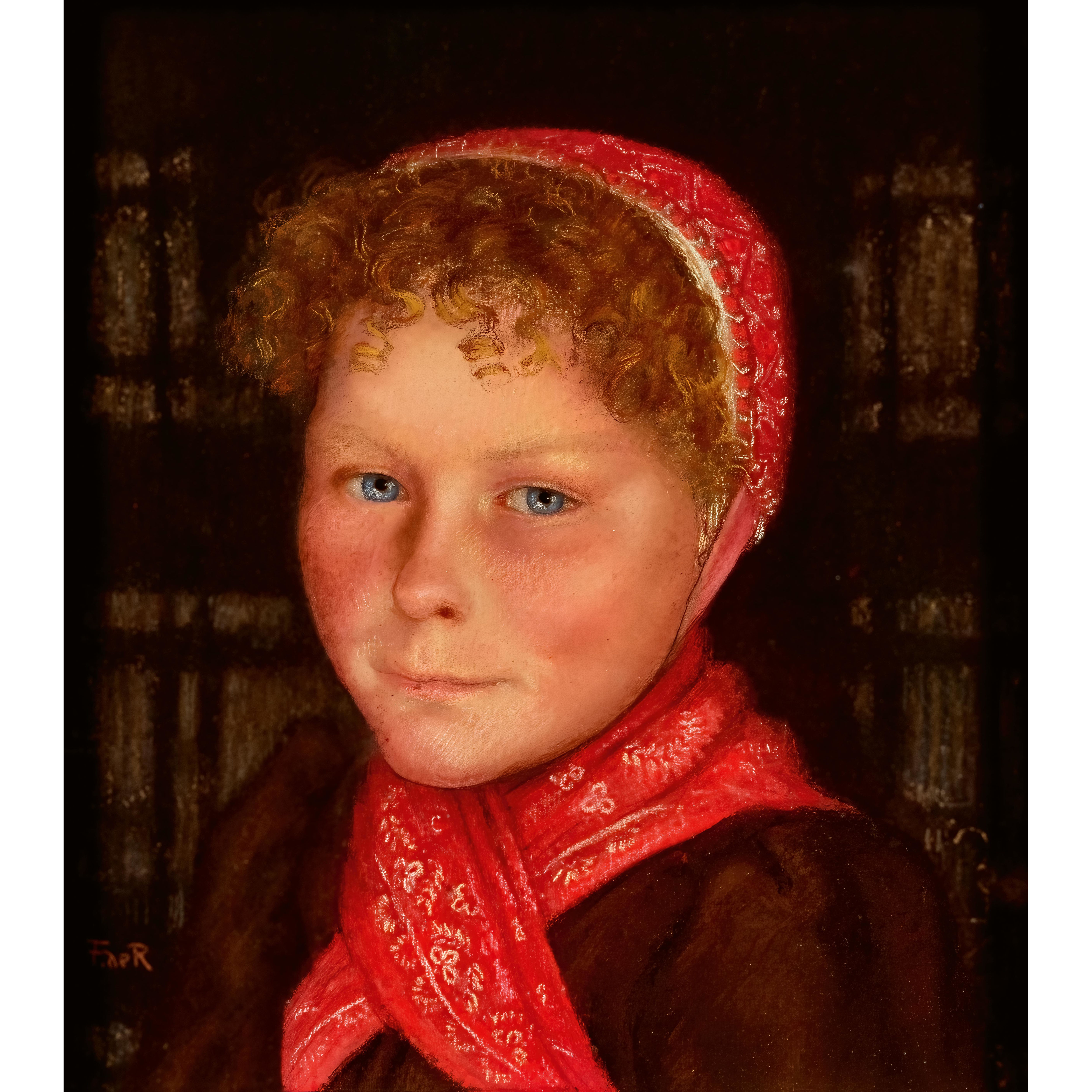
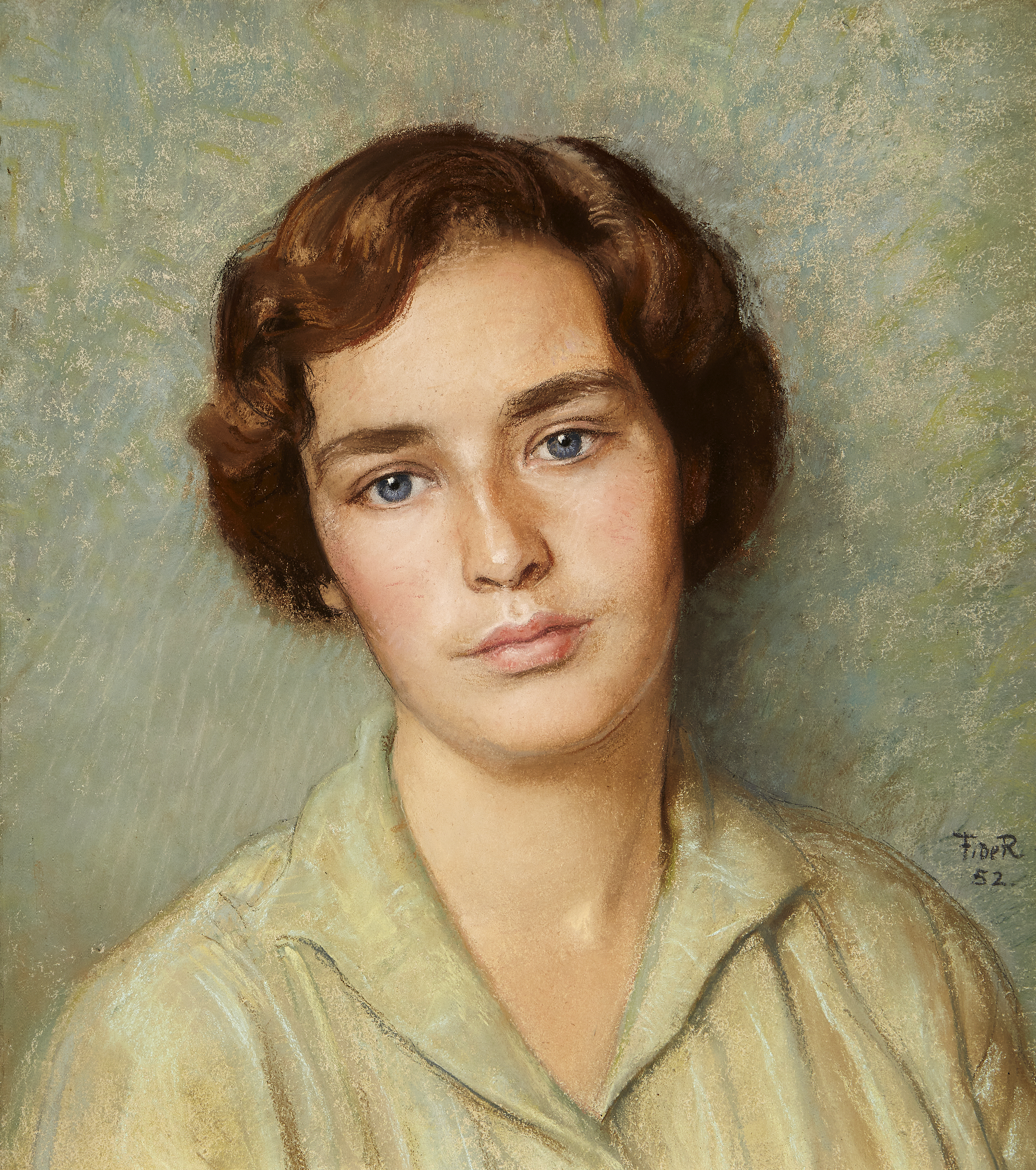
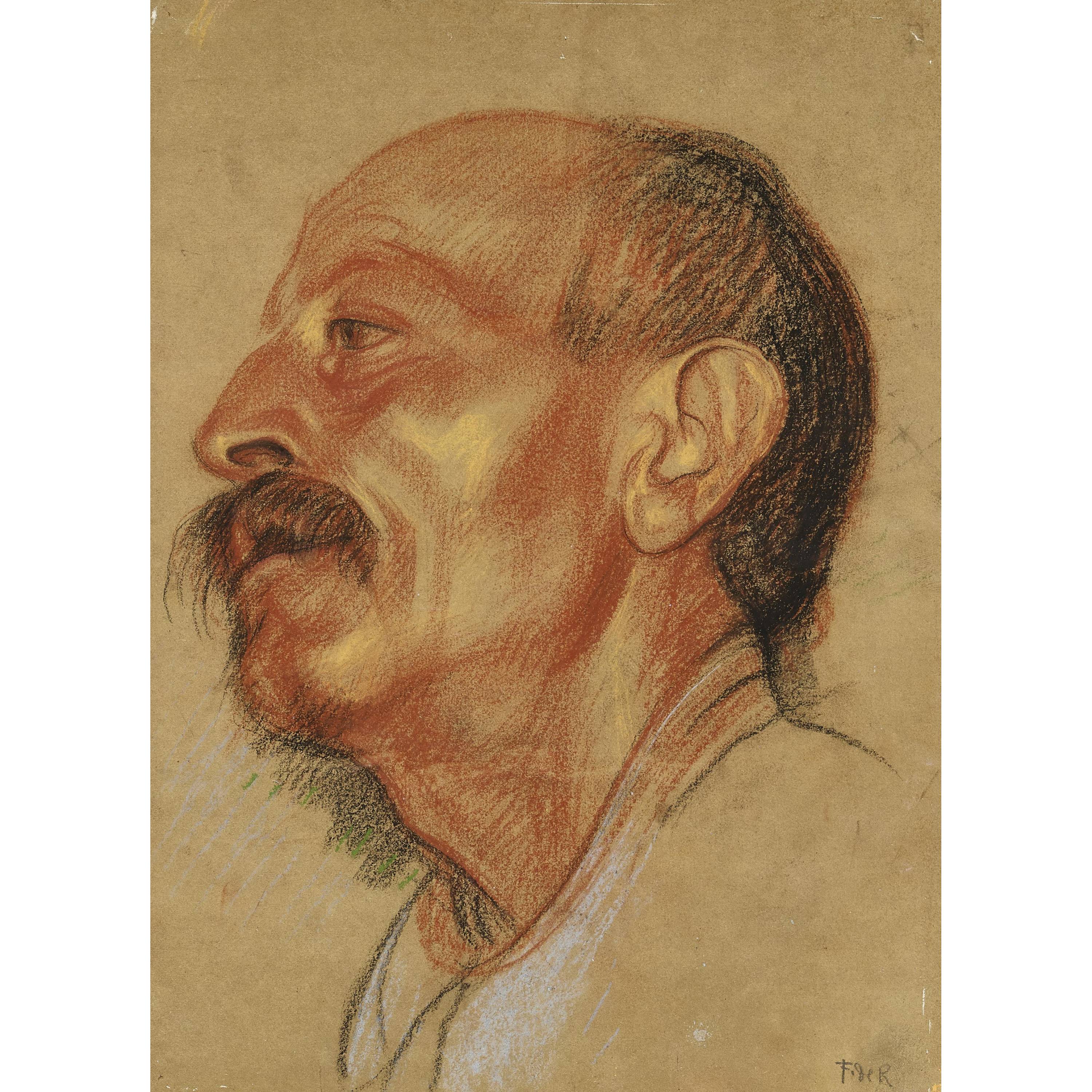
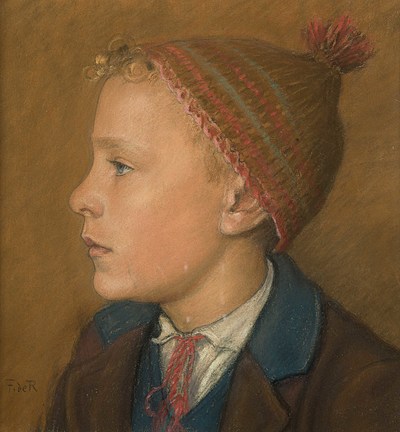
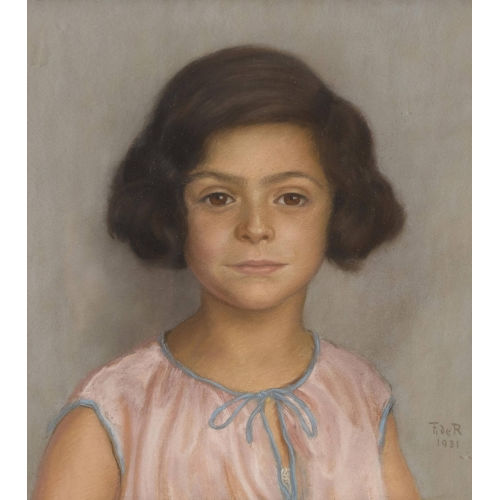
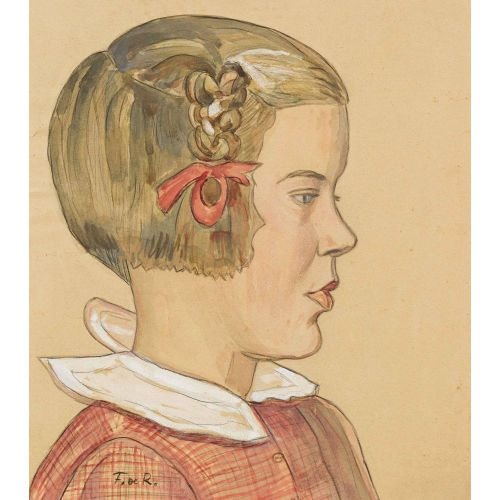
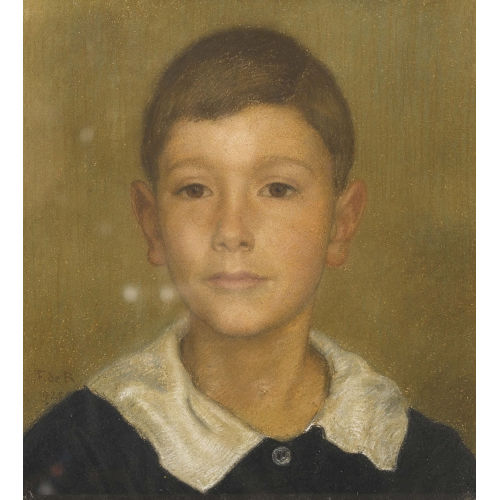
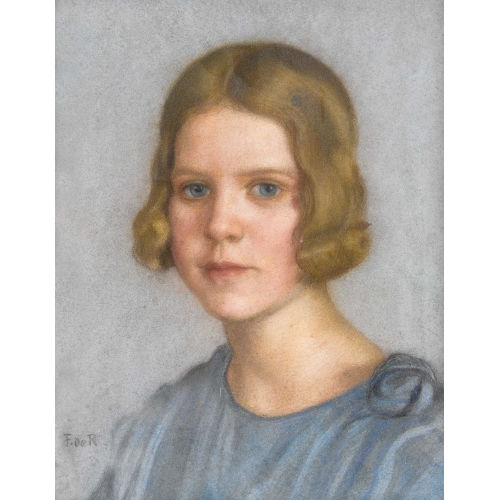
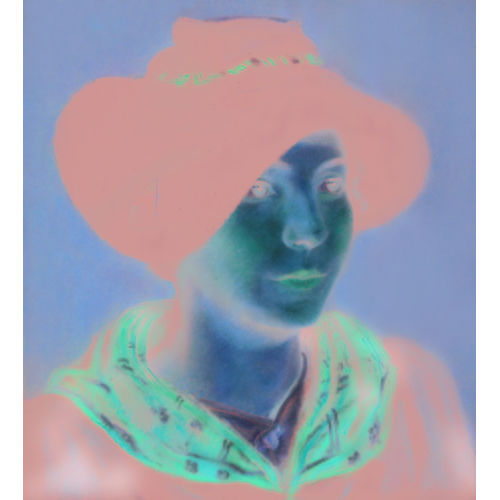
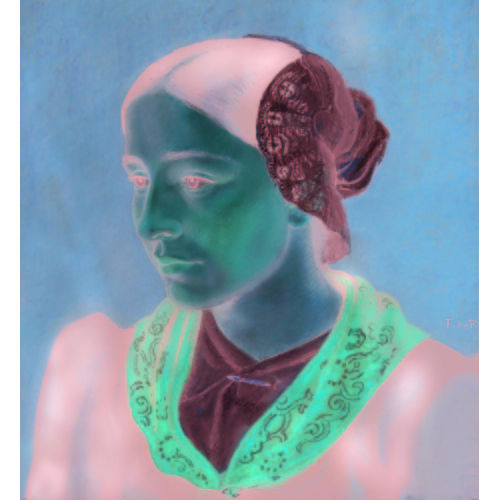
Through this familiar scene, Ribaupierre seeks a relationship between human life, objects and place. His interest in the people of the Val d’Hérens extends into his portraits and into images disseminated on Pro Juventute cards.
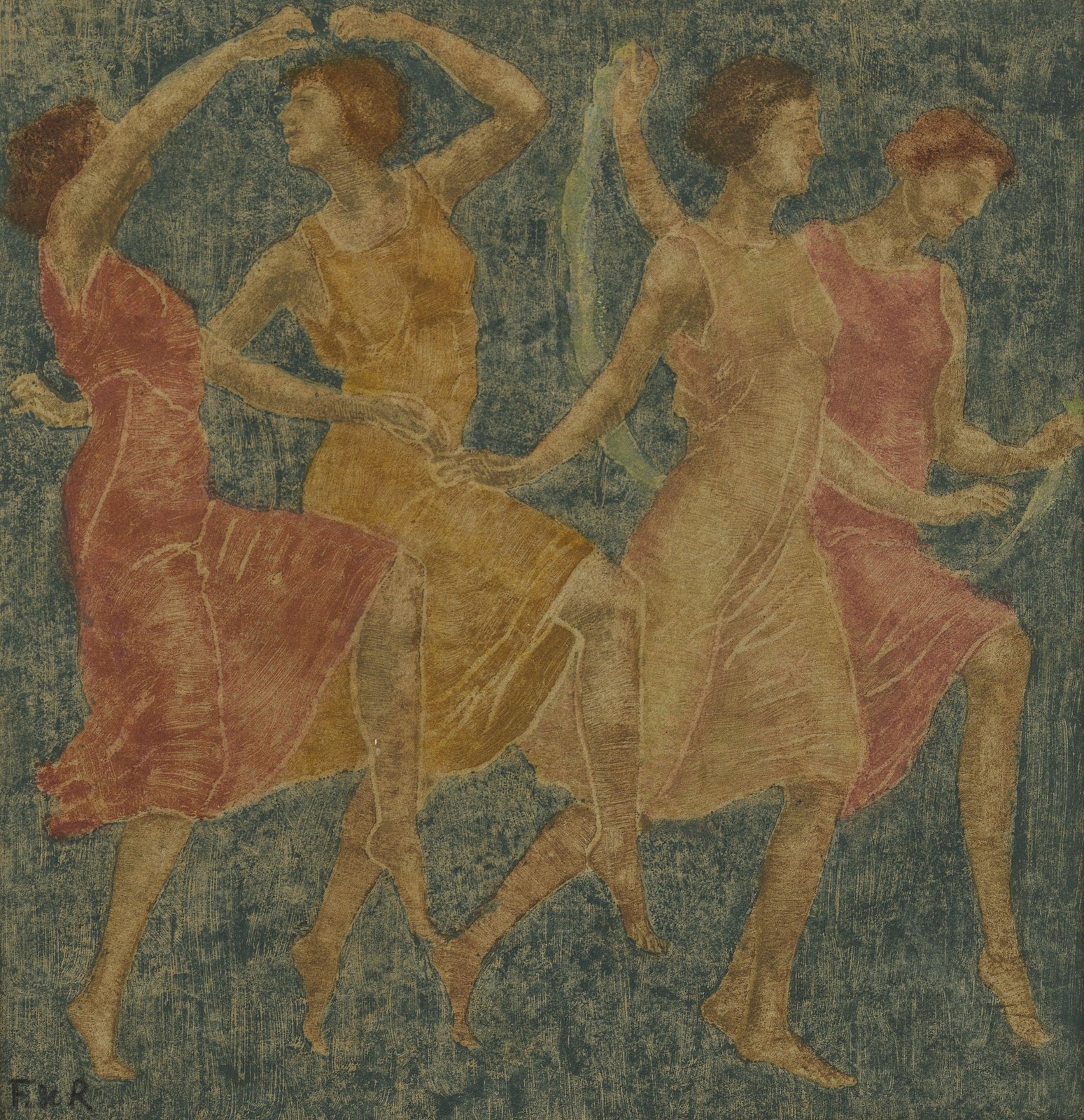
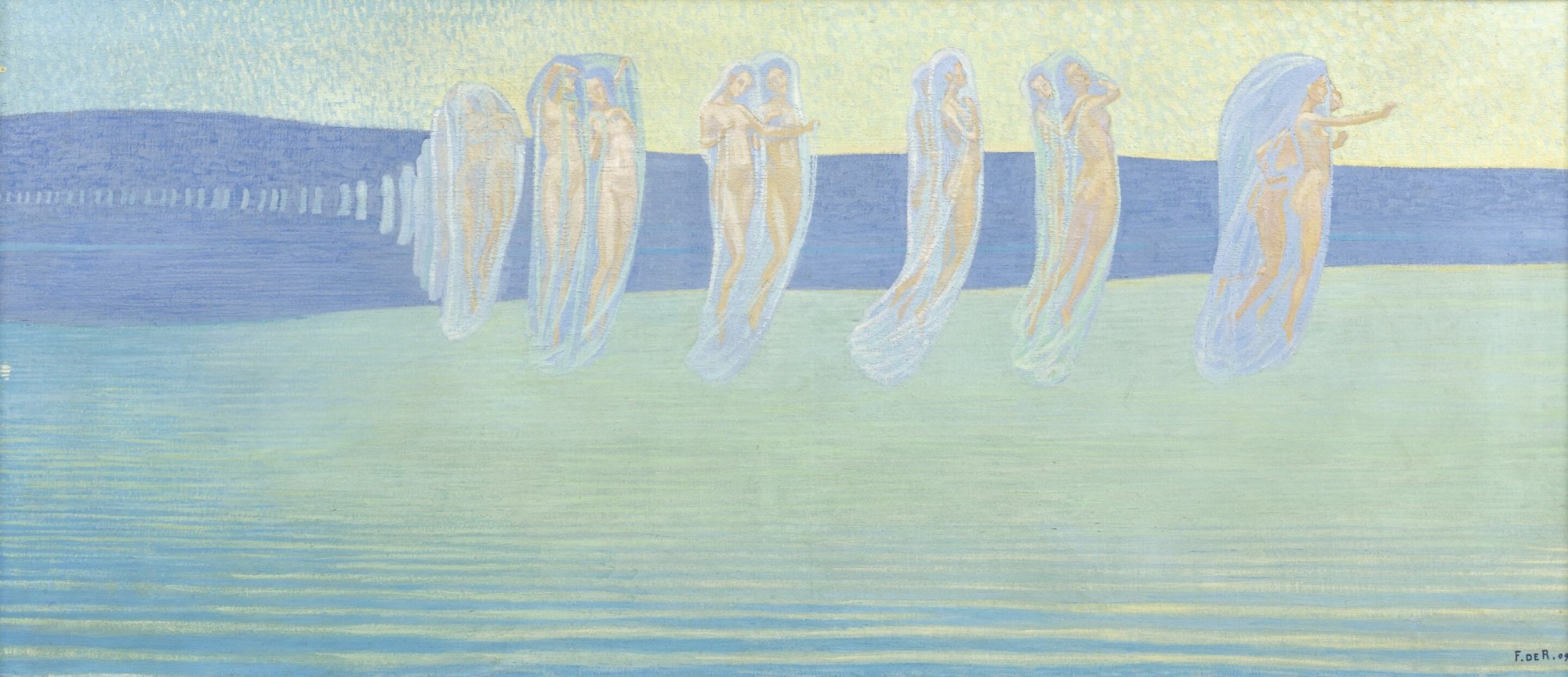
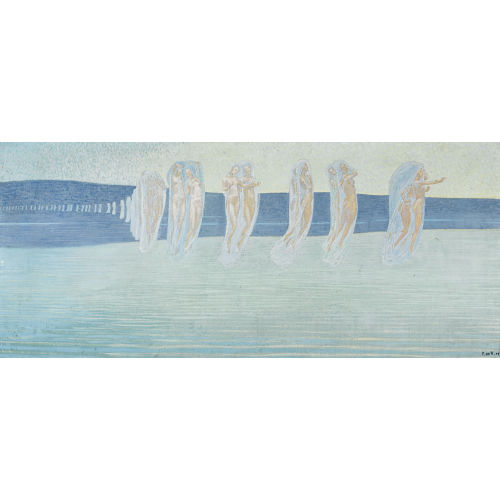
He also worked on the scale of architecture. His encounter with Ernest Biéler during the First World War led to a collaboration on fresco painting, notably at the Musée Jenisch in Vevey and the Hôtel de Ville in Le Locle. Ribaupierre also created stained-glass windows for churches in Vaud and Valais, and worked with Louis Rivier on those in the north transept of Lausanne Cathedral.
Painting, sculpture and glass thus form a single artistic trajectory, attentive to the place of the image in collective life. The Musée Jenisch devoted a retrospective to him in 1956. His œuvre unites the ambition of monumental composition with the patient observation of a domestic scene.