François Bocion
Born in Lausanne (Switzerland) in 1828.
Died in Lausanne (Switzerland) in 1890.
Swiss · Realism · plein-air painting · atmospheric landscape · pre-Impressionist sensibility
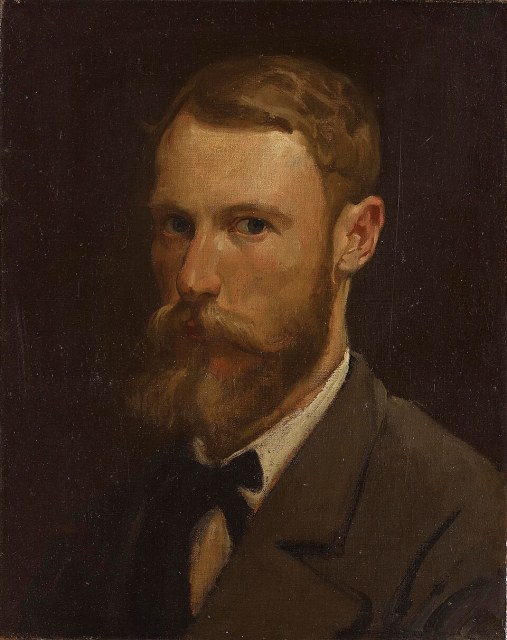
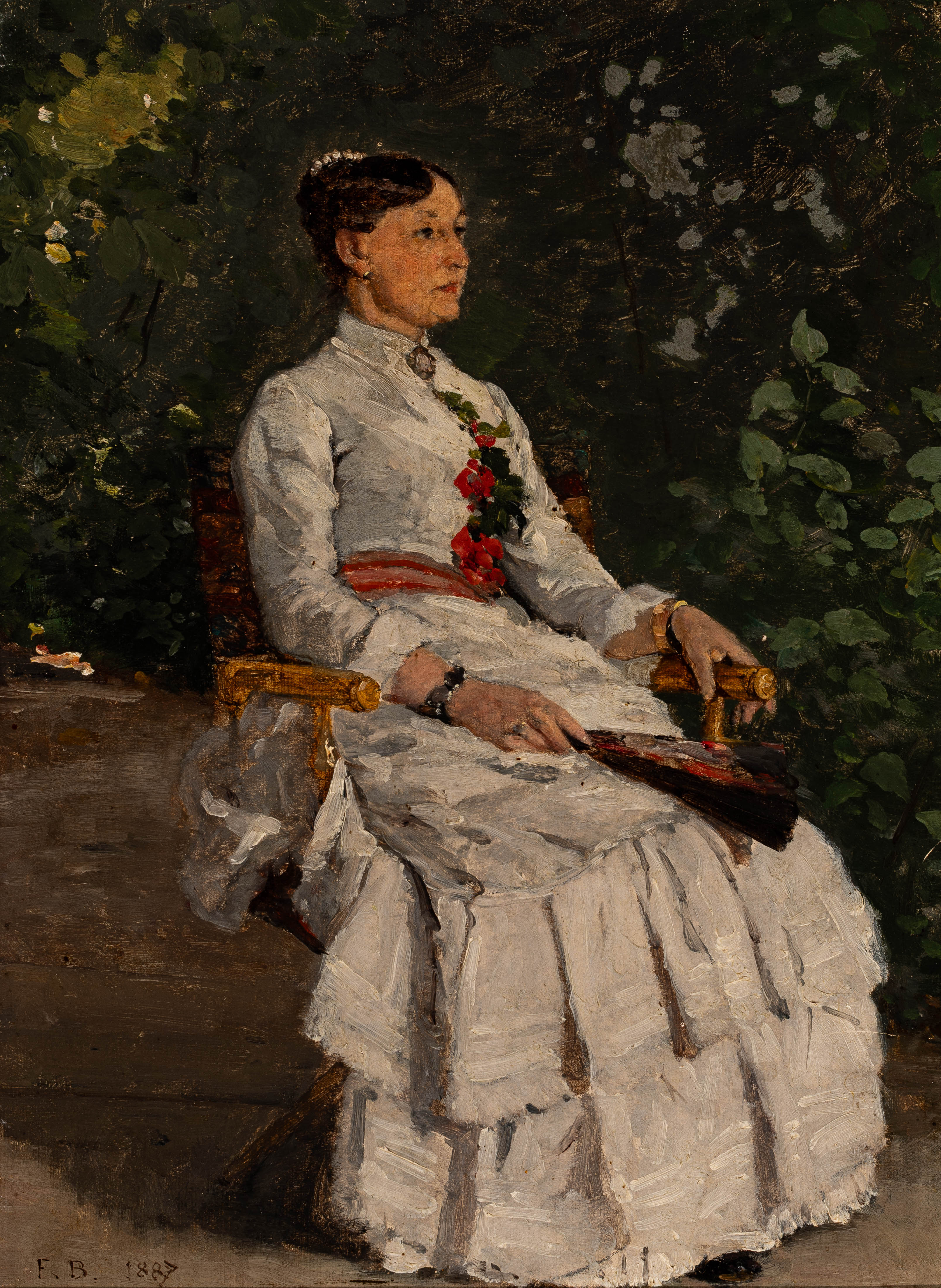
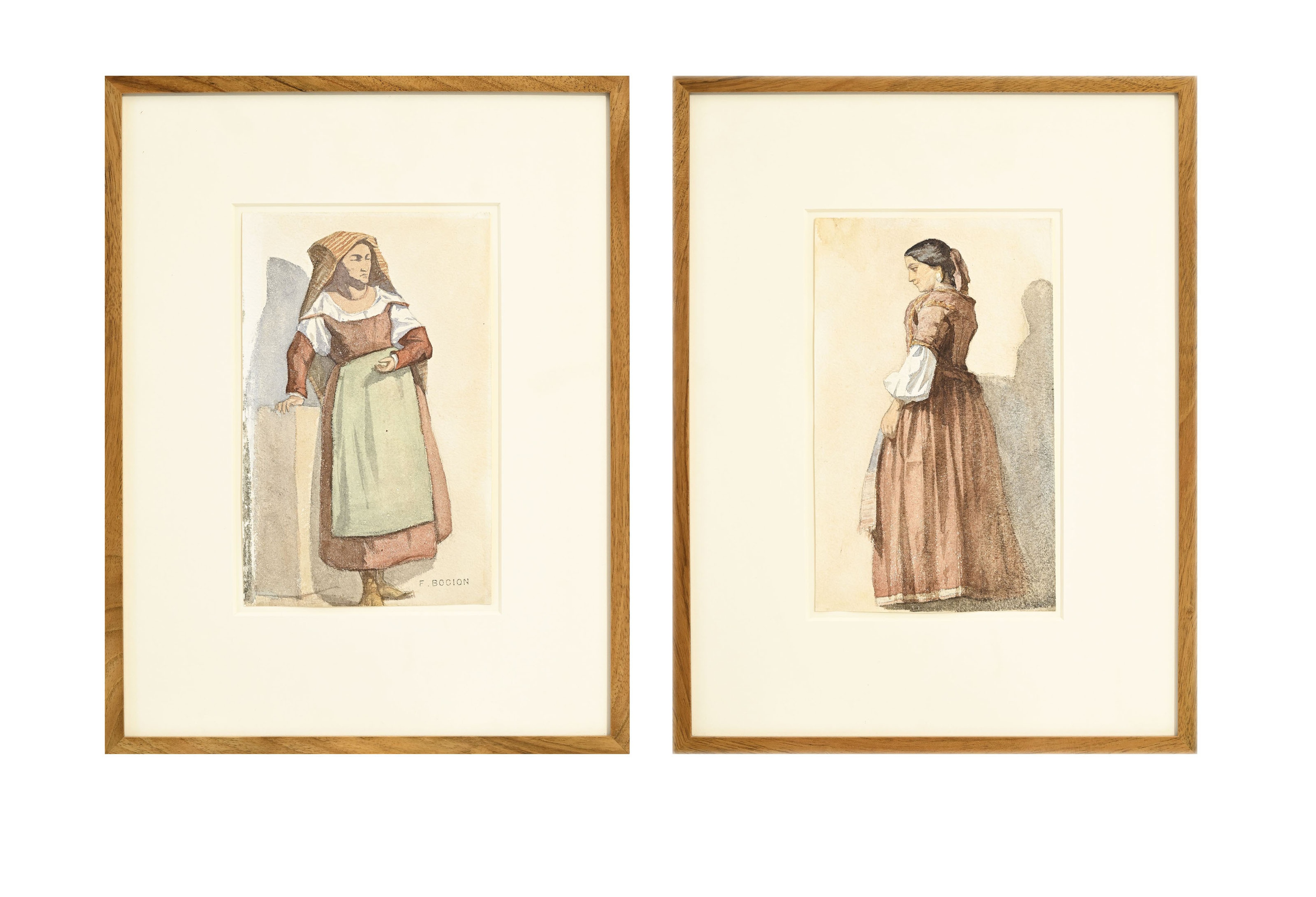
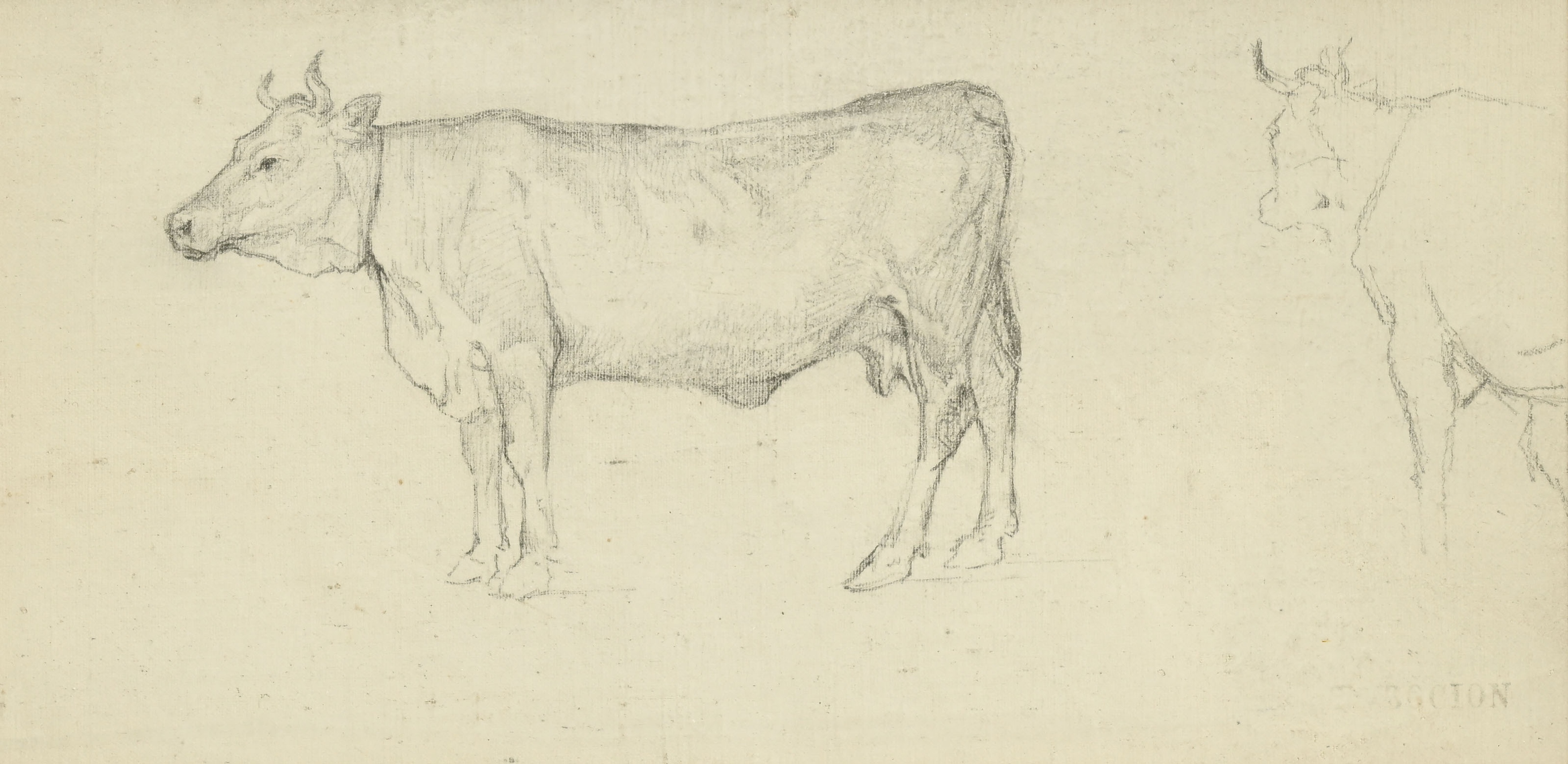
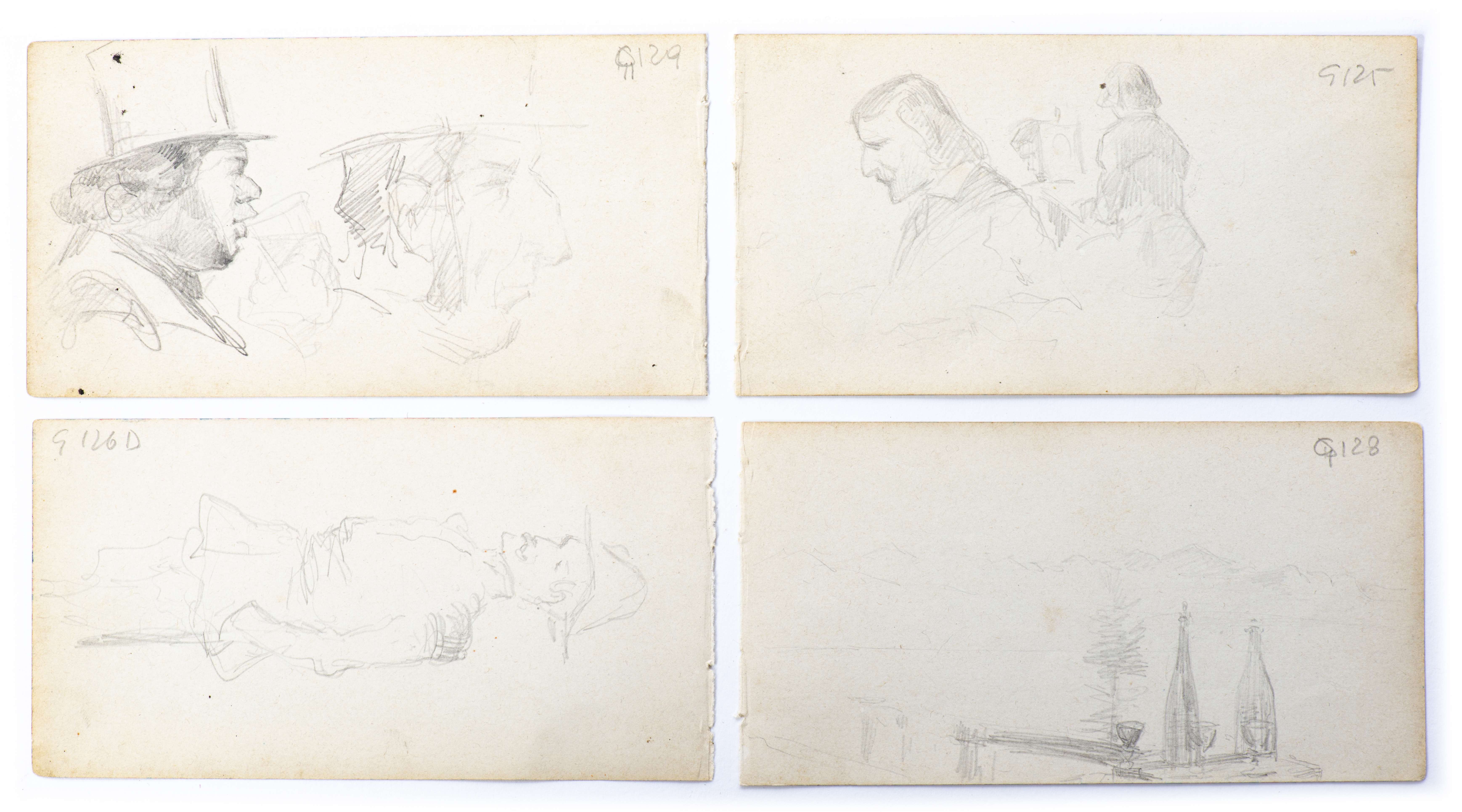
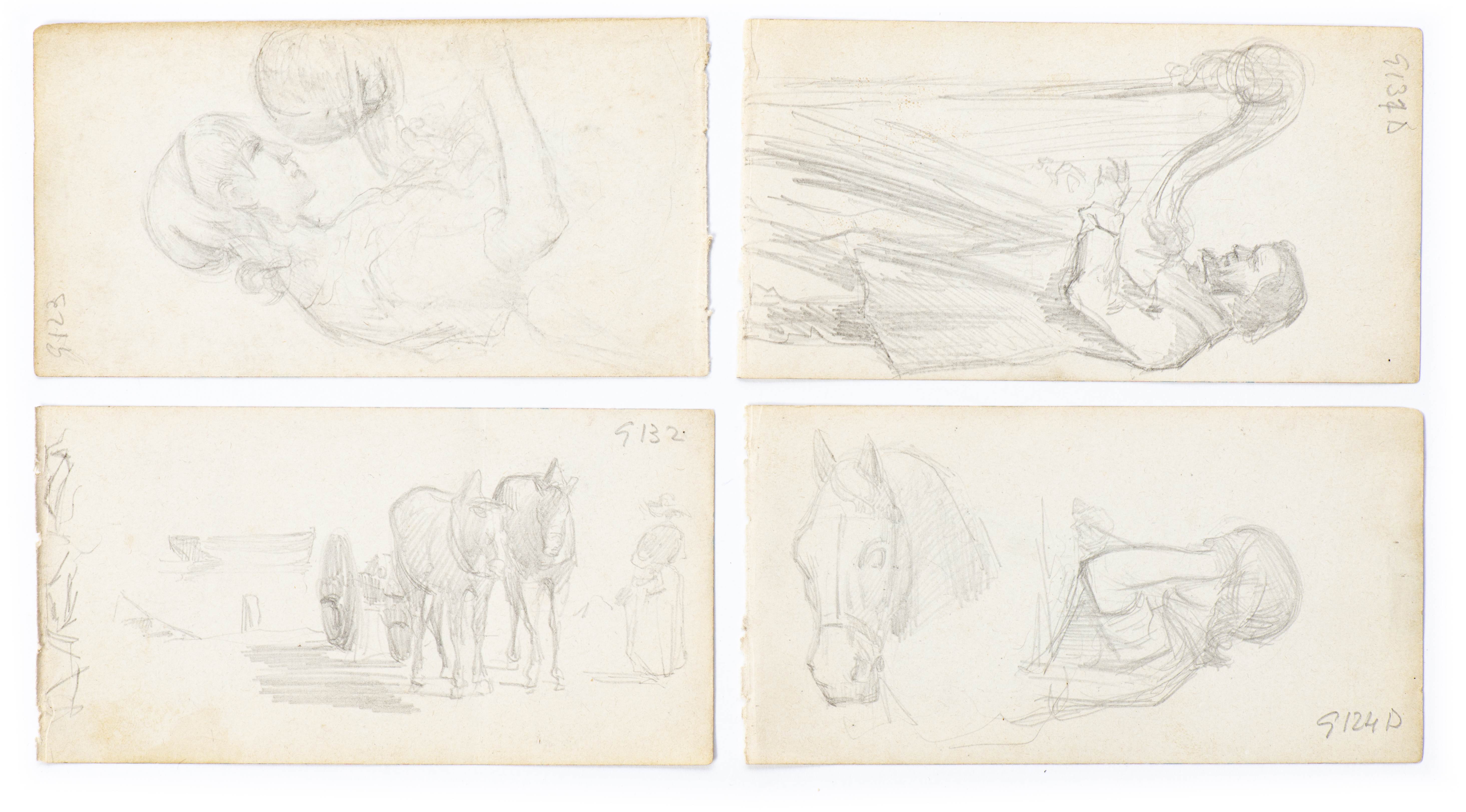
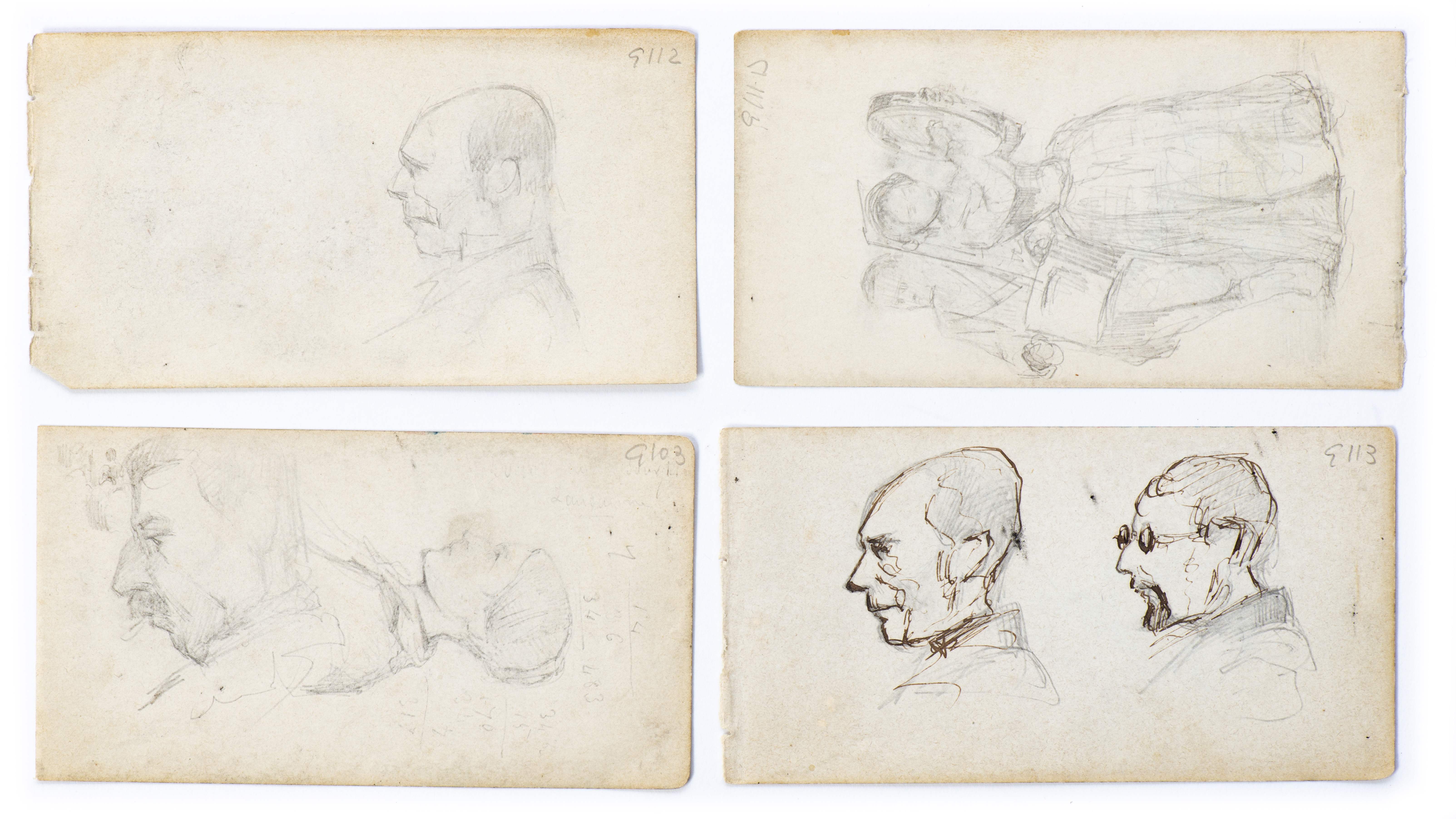
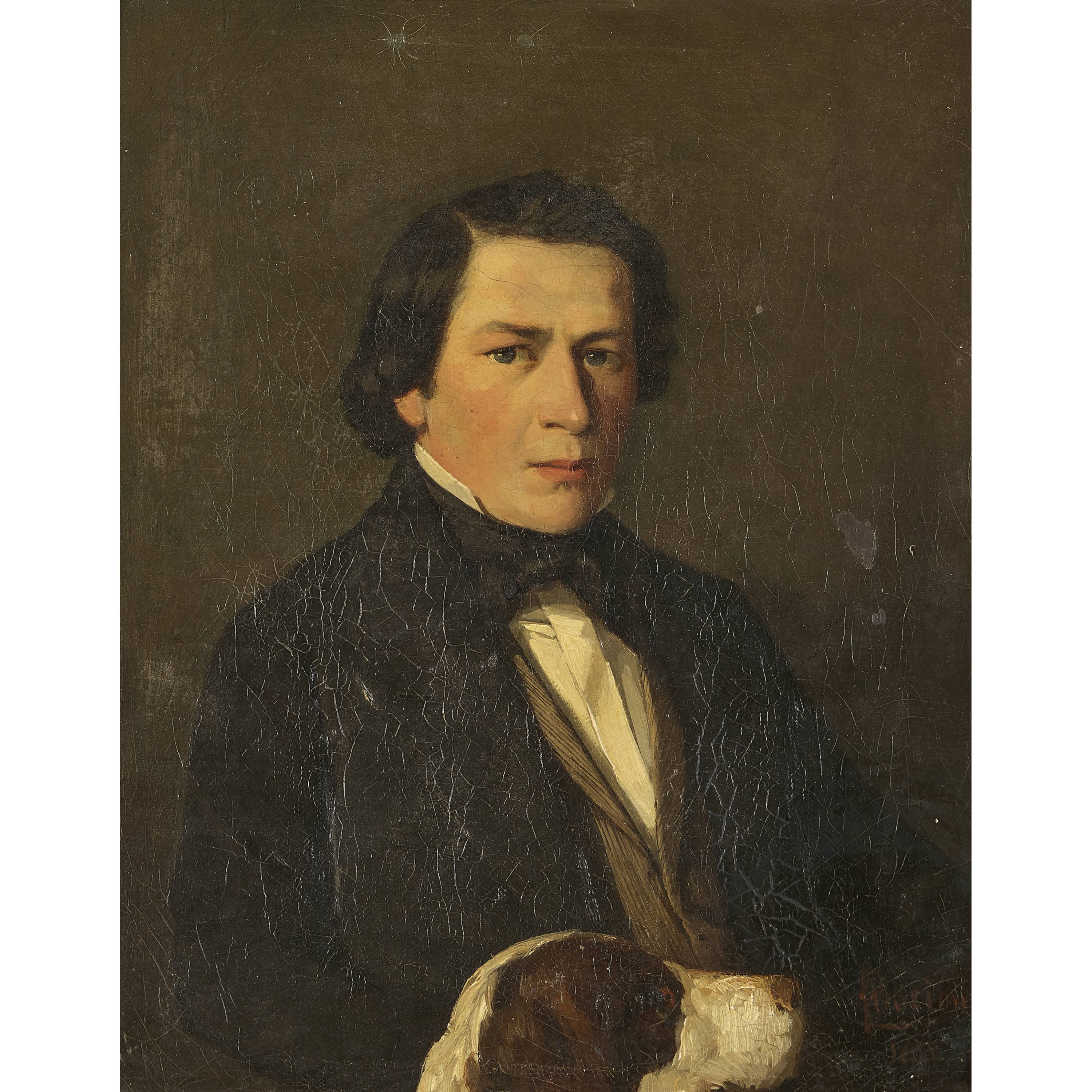
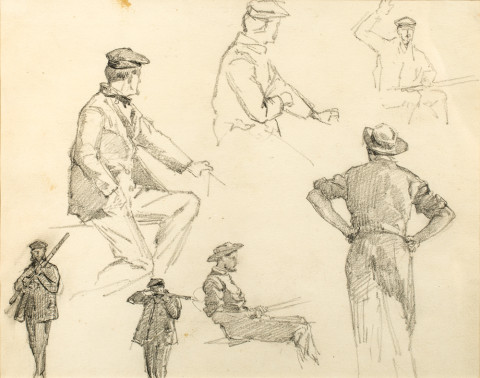
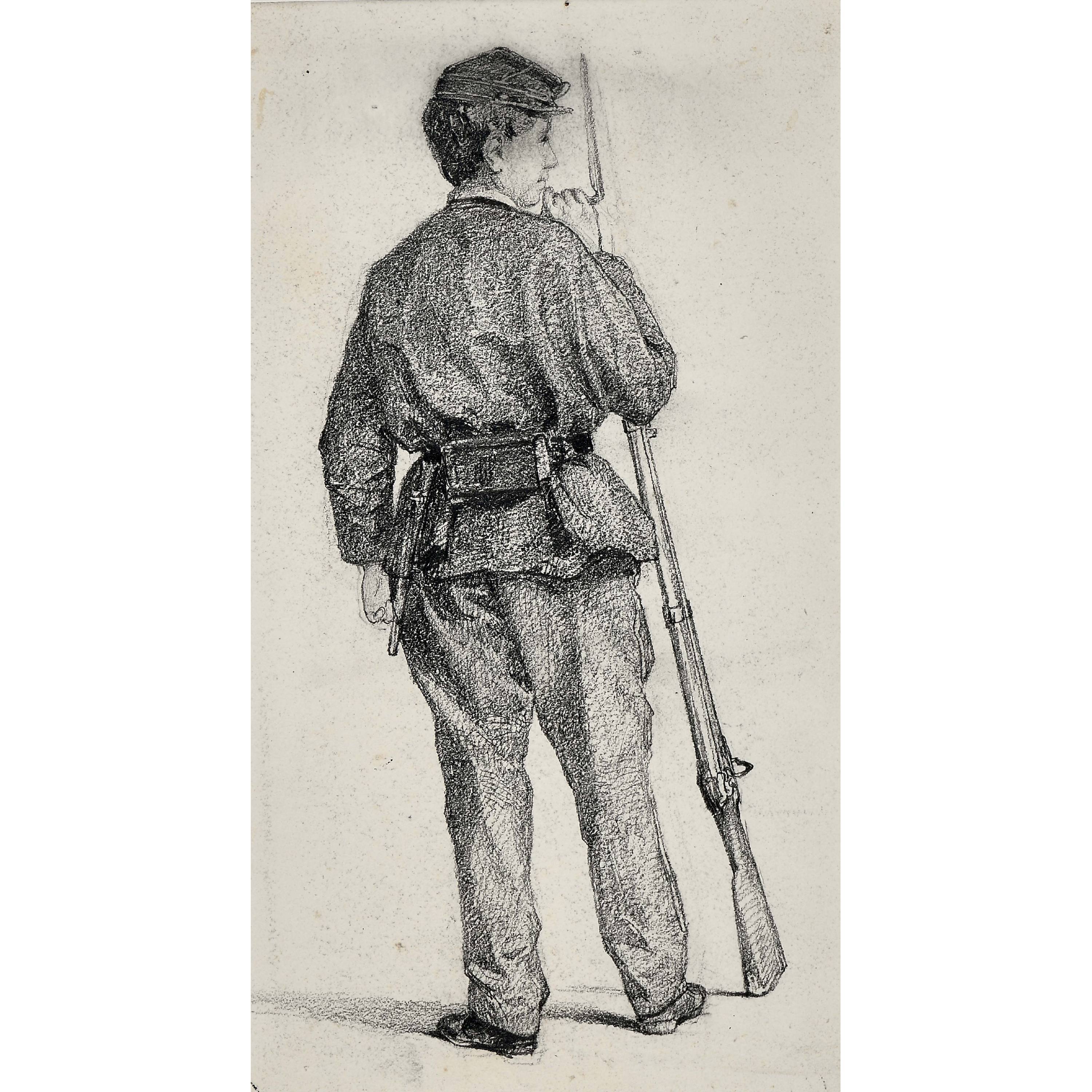
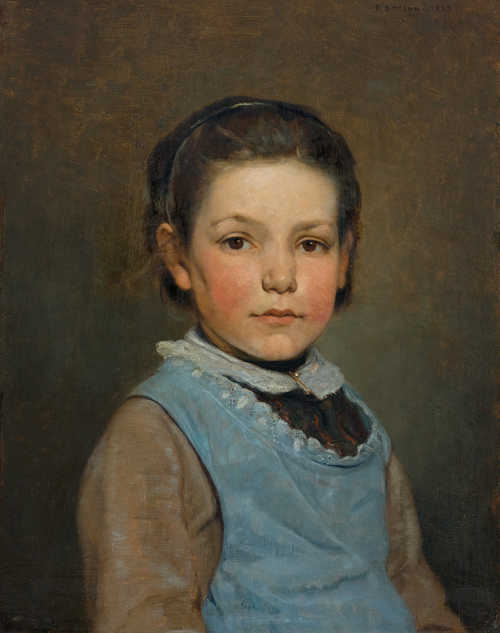
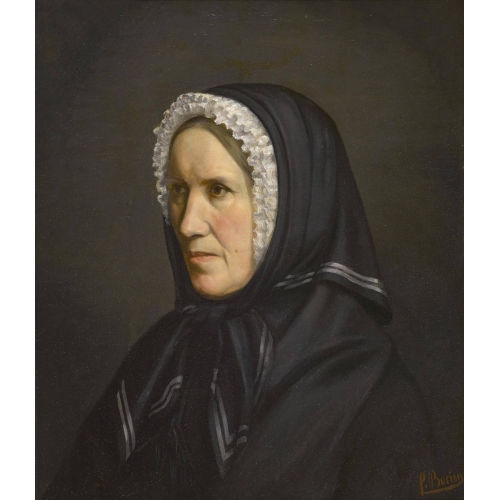
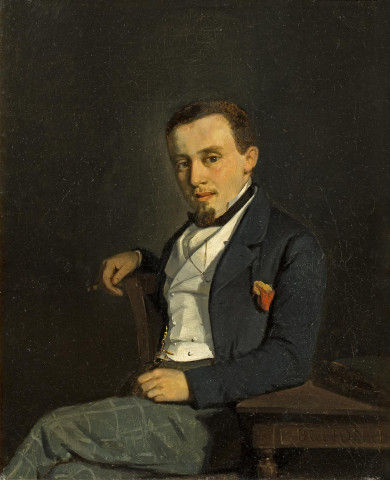
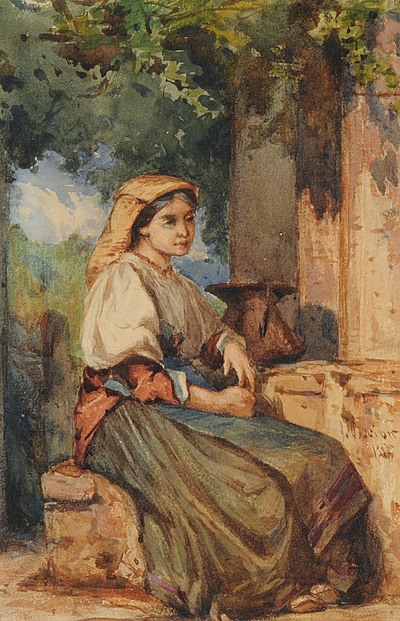
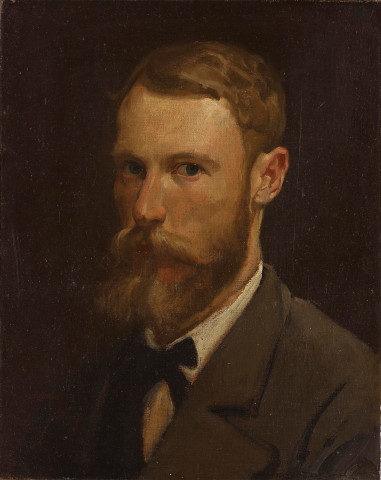
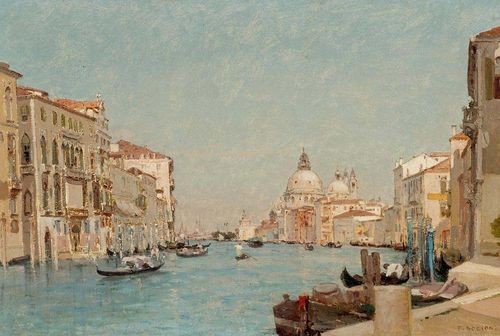
François-Louis-David Bocion (Lausanne, 30 March 1828 – Lausanne, 12 December 1890) was a Vaud painter known for his views of Lake Geneva and the life along its shores. Introduced to drawing in Vevey by Christian Gottlieb Steinlen, and subsequently in Lausanne by François Bonnet, he continued his training in Paris, in the studios of Louis-Aimé Grosclaude and Charles Gleyre, from 1845 to 1848. After returning to Lausanne, he taught drawing at the École moyenne et industrielle and contributed to the satirical newspaper La Guêpe, for which he produced caricatures.
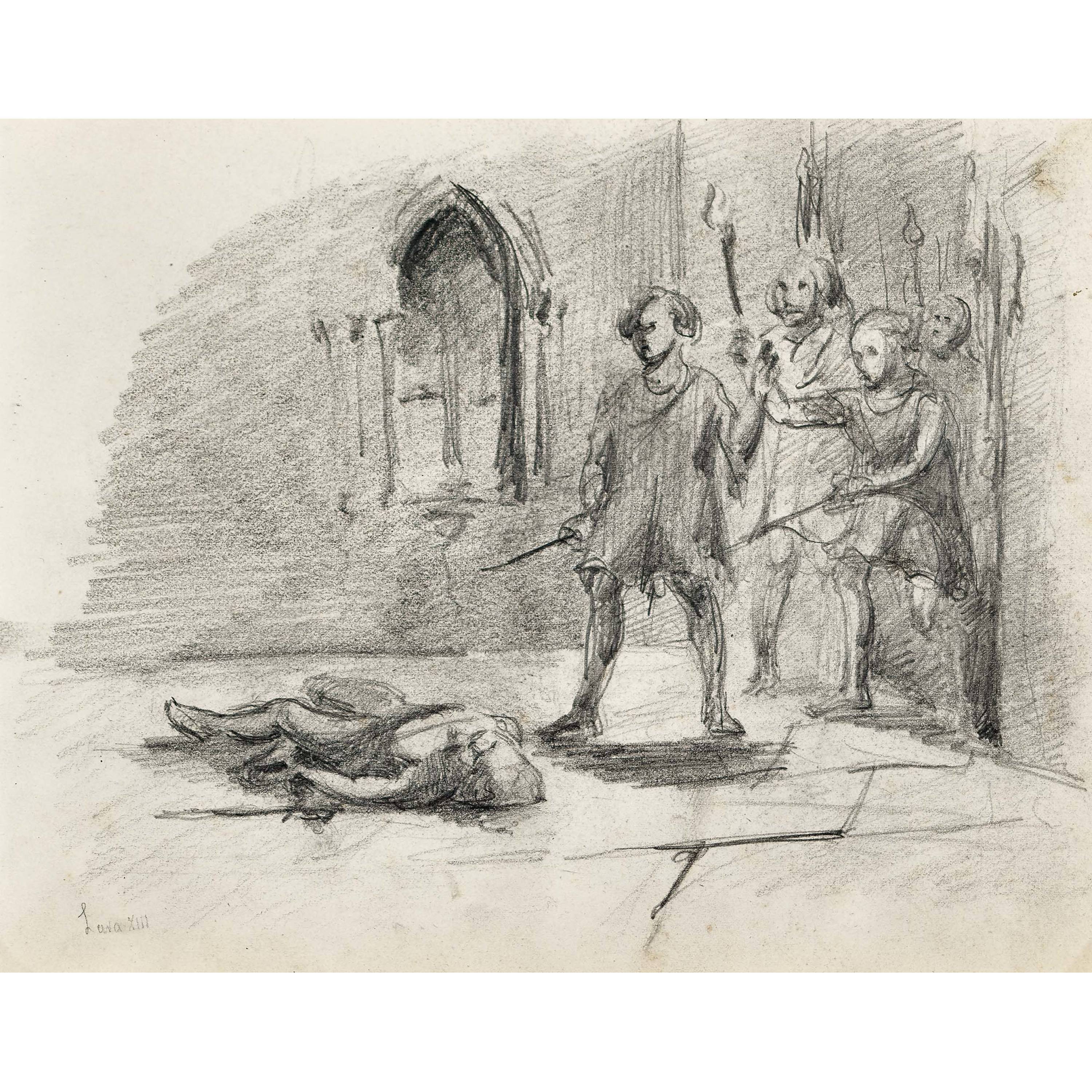
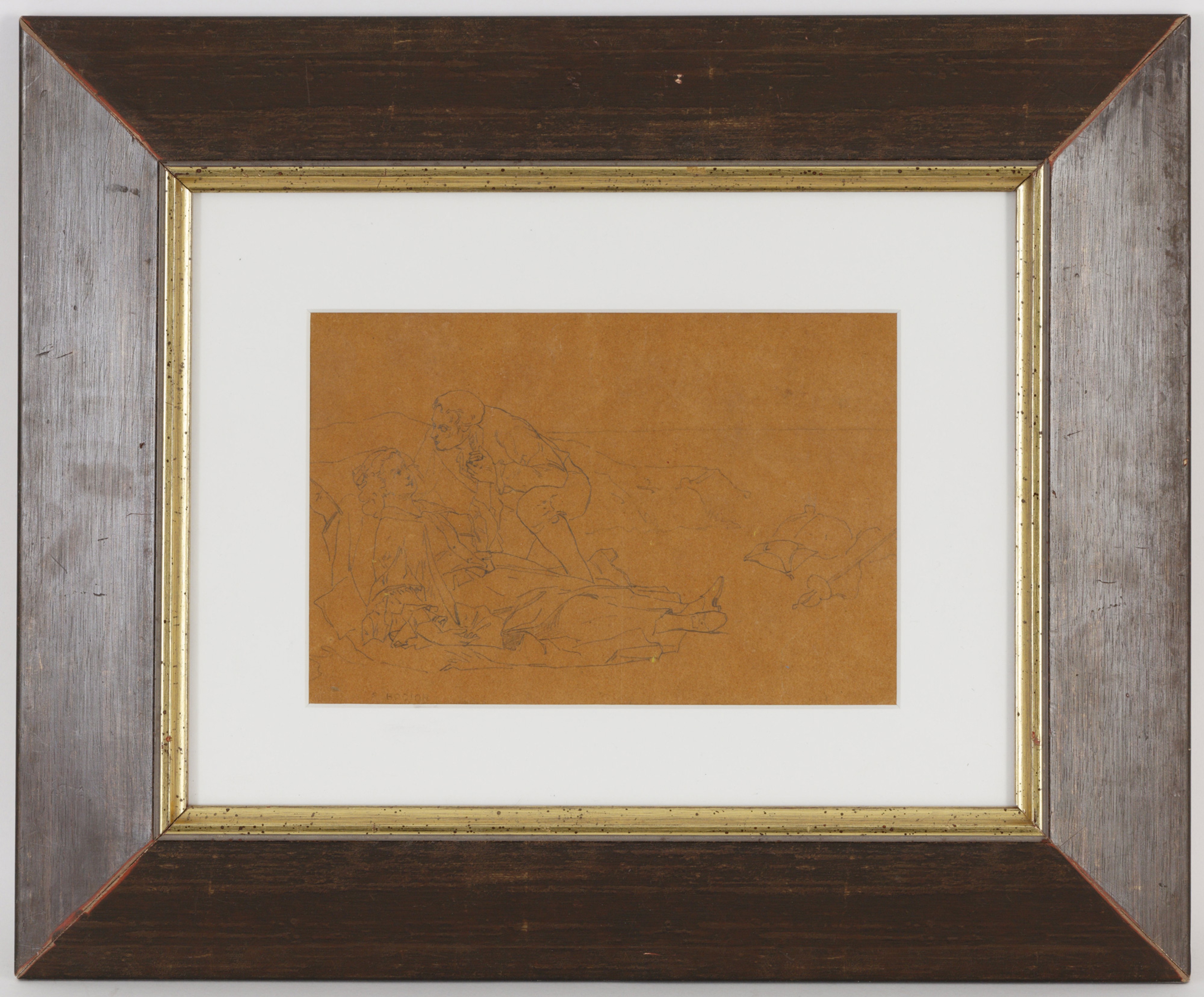
He also turned to history painting, notably with La Dispute religieuse de Lausanne, commissioned by the State of Vaud in 1853.
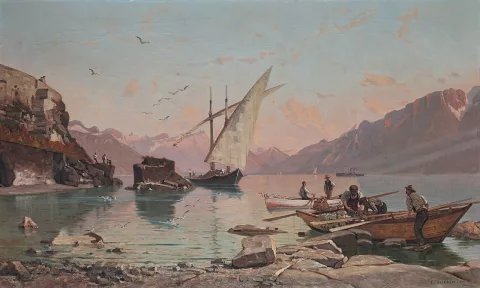
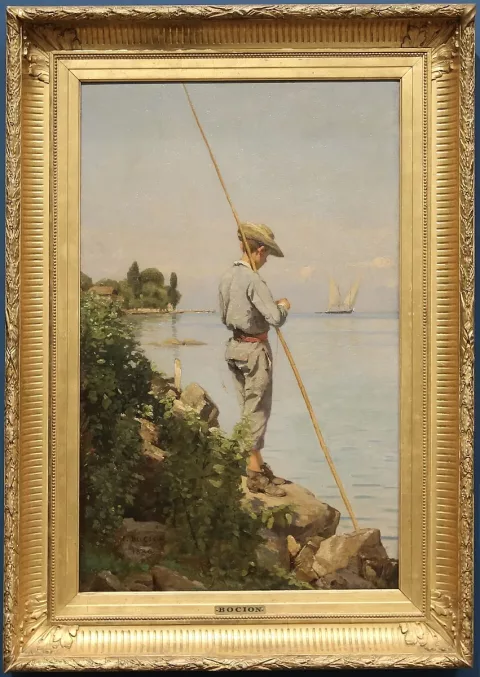
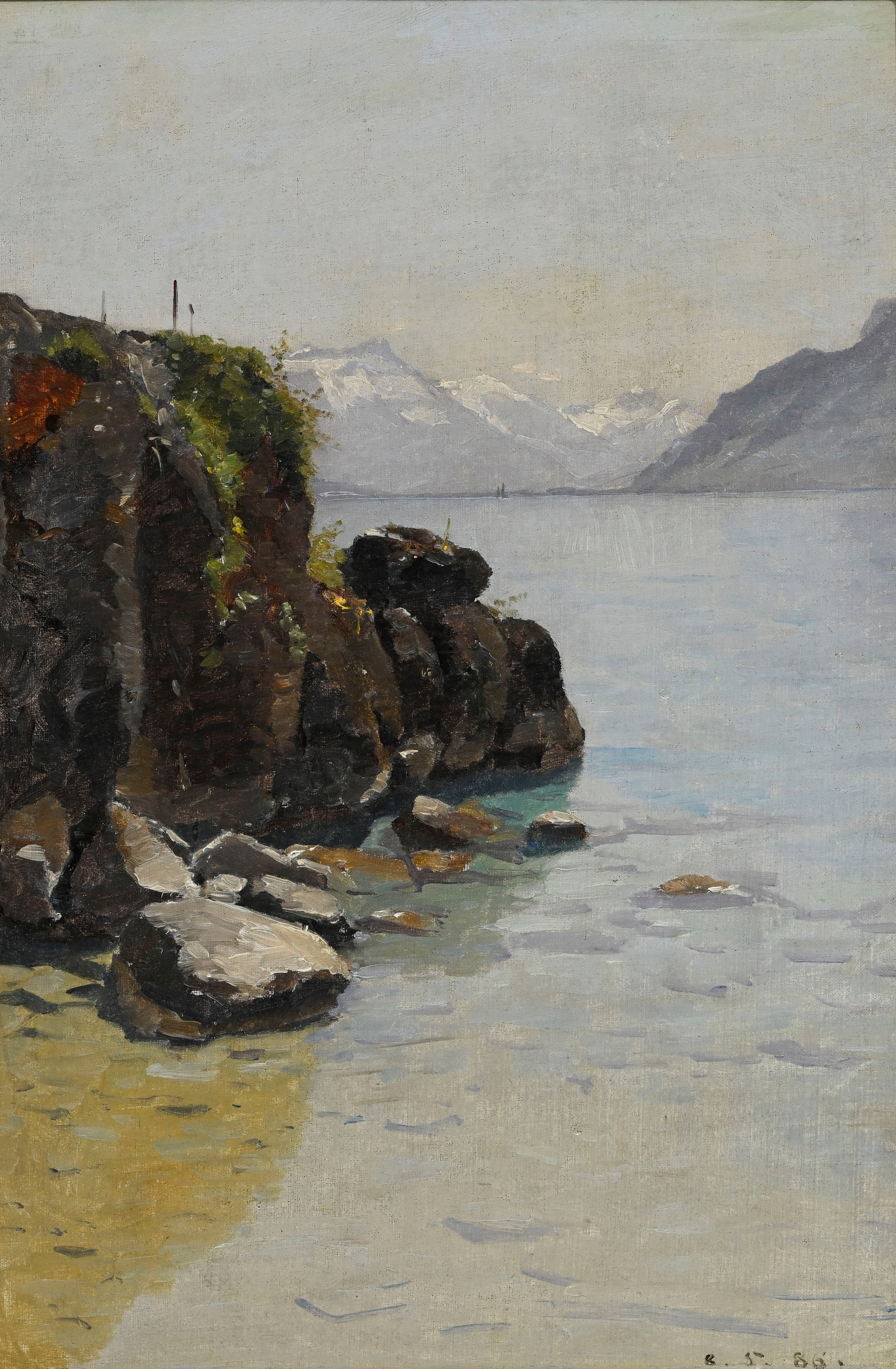
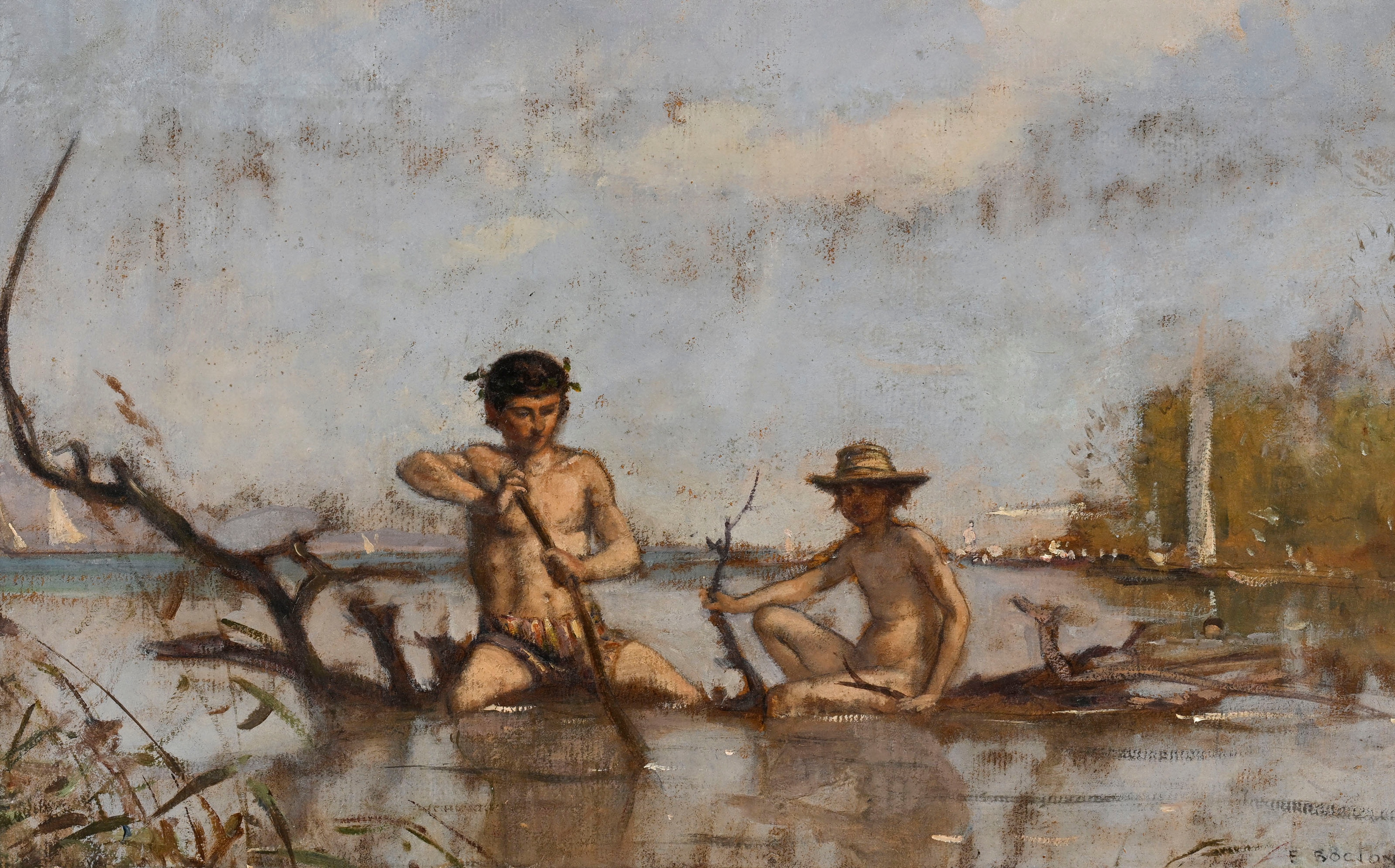
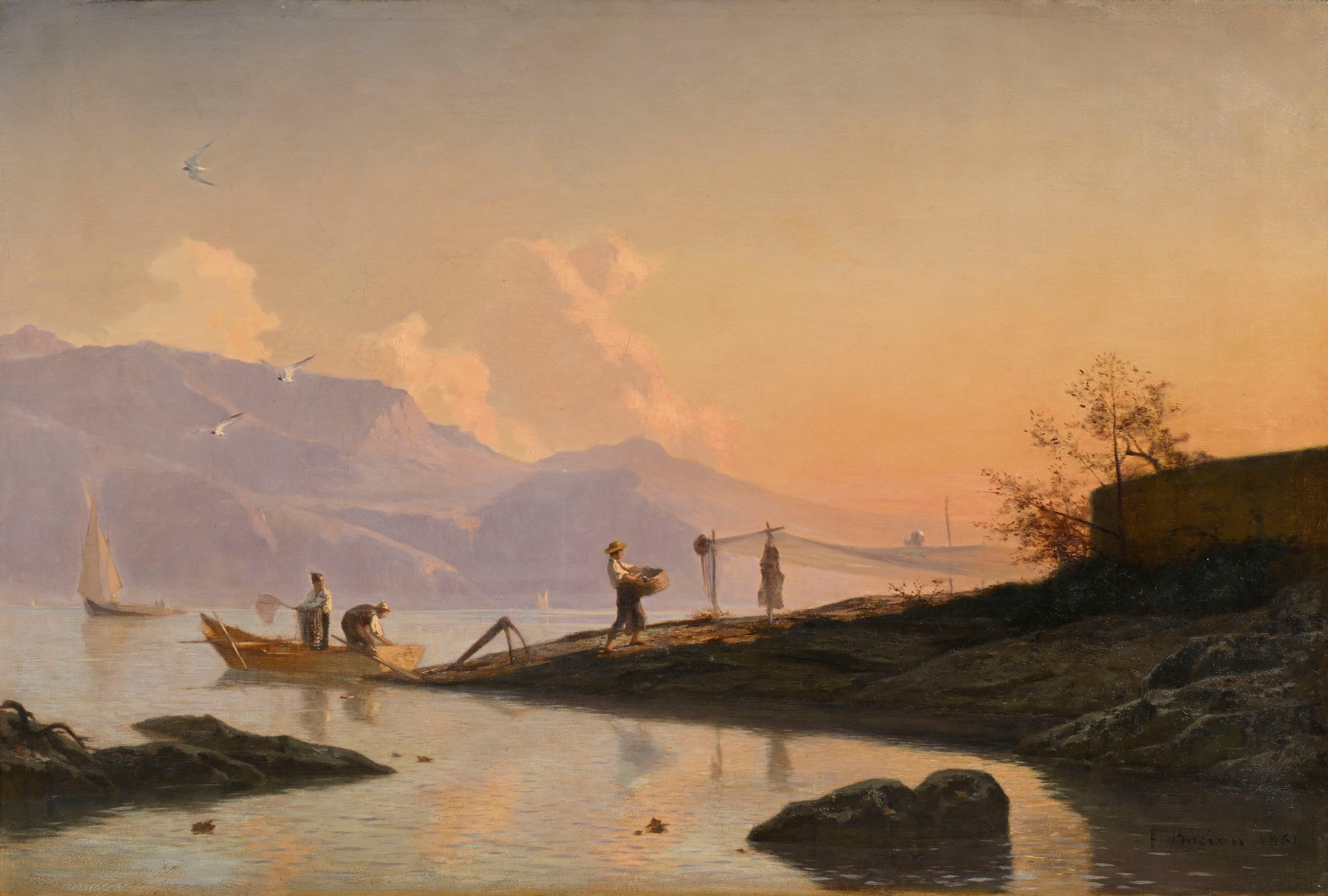
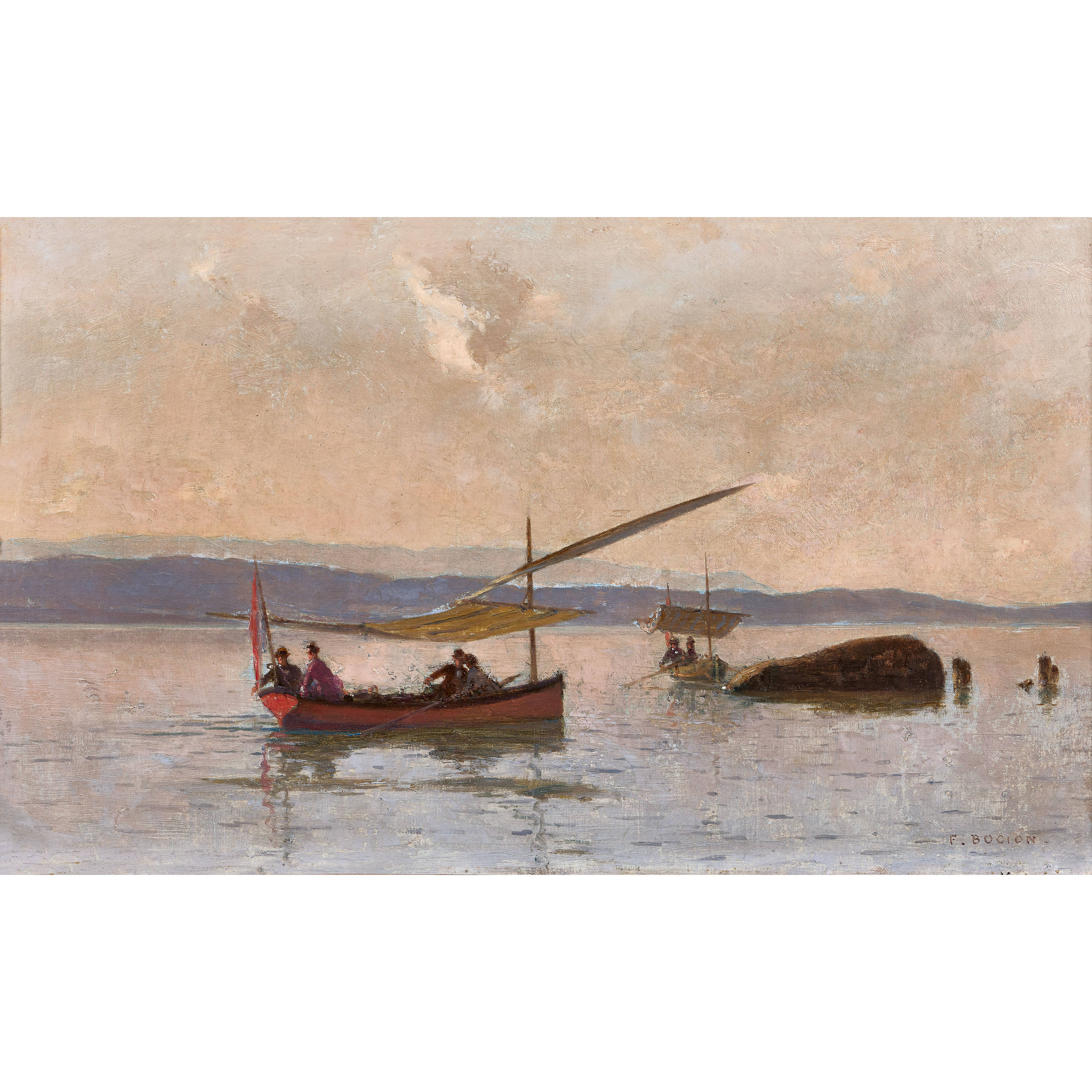
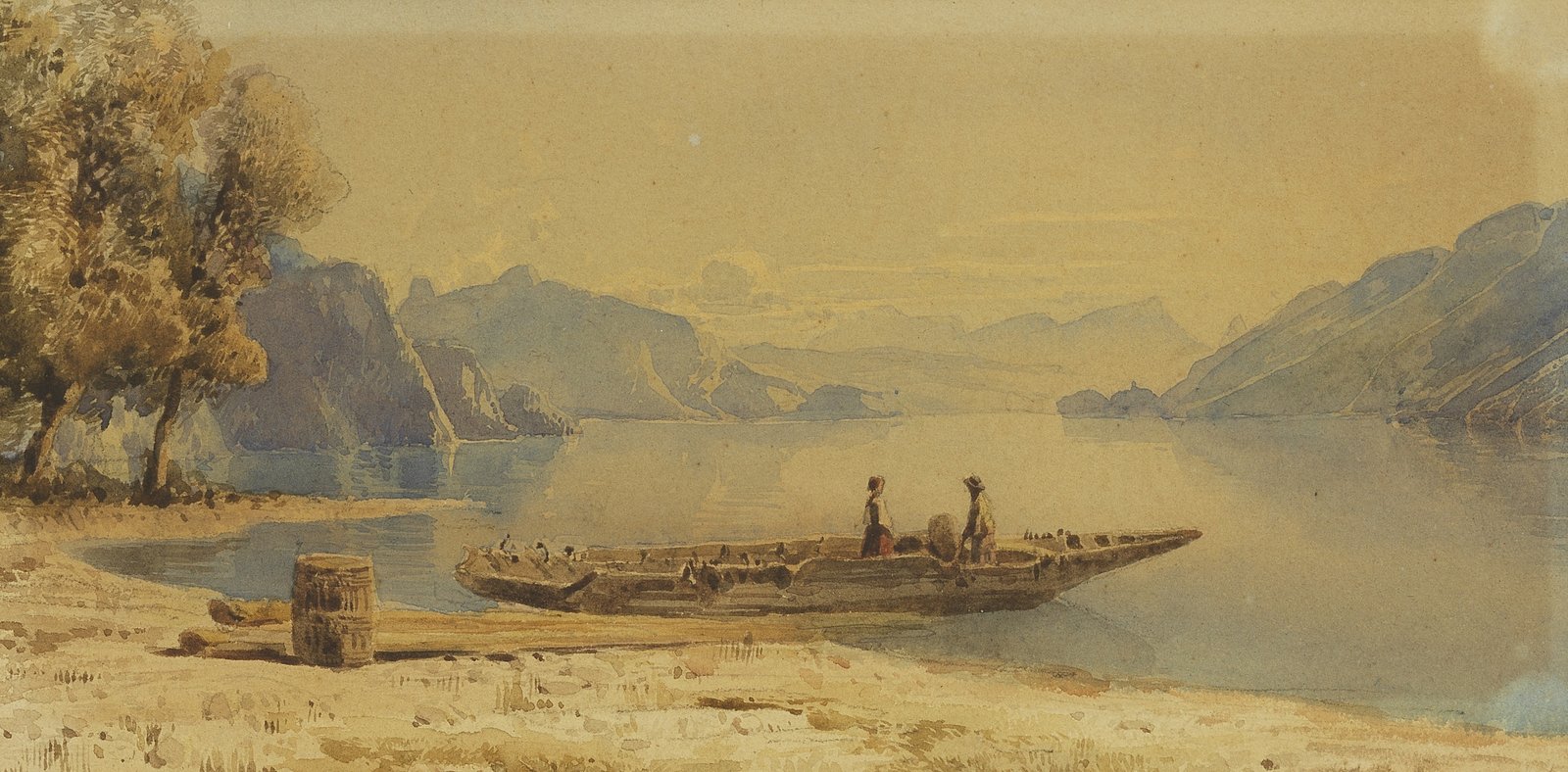
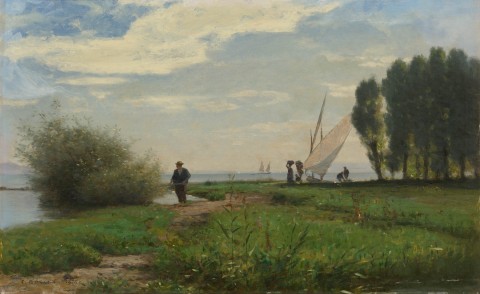
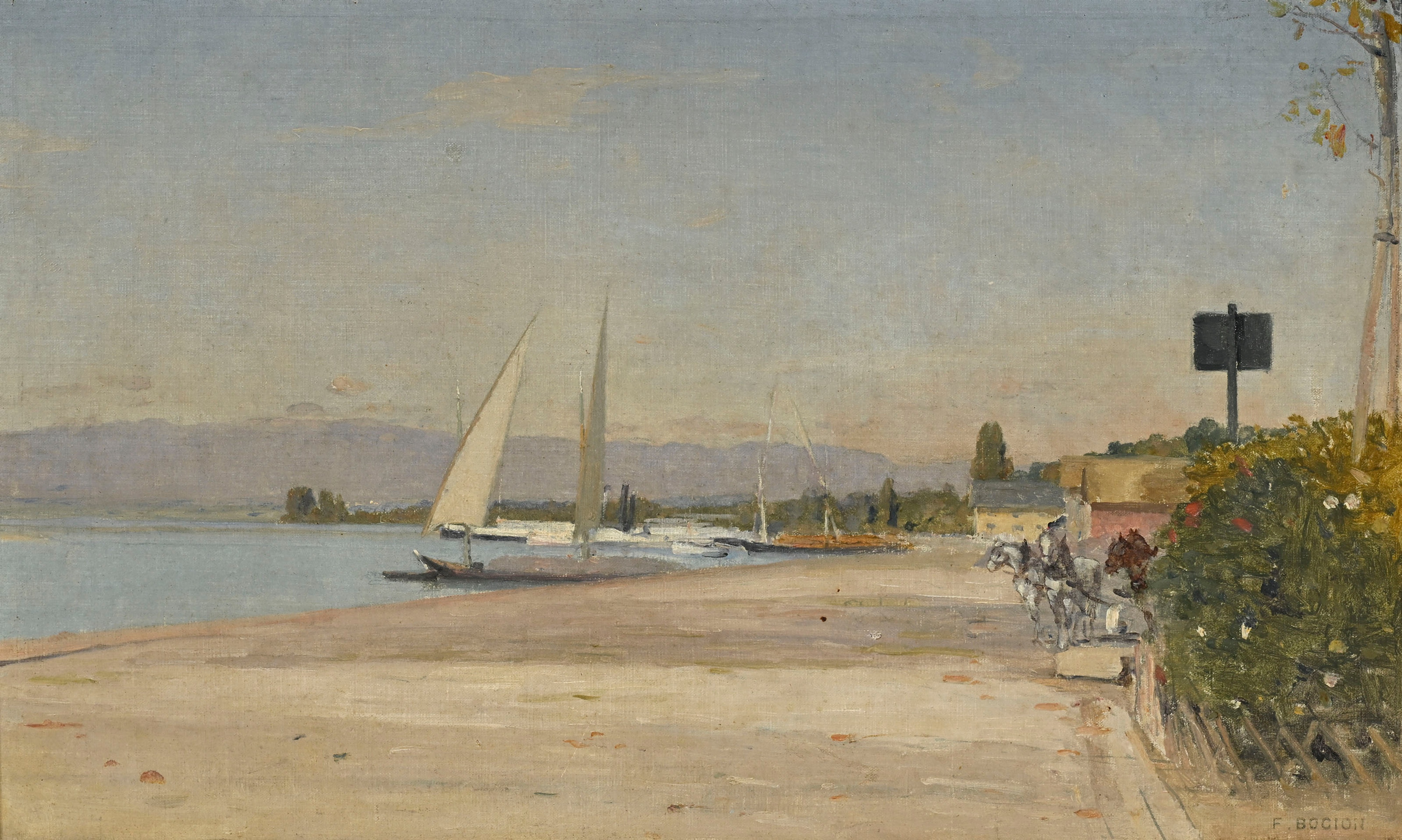
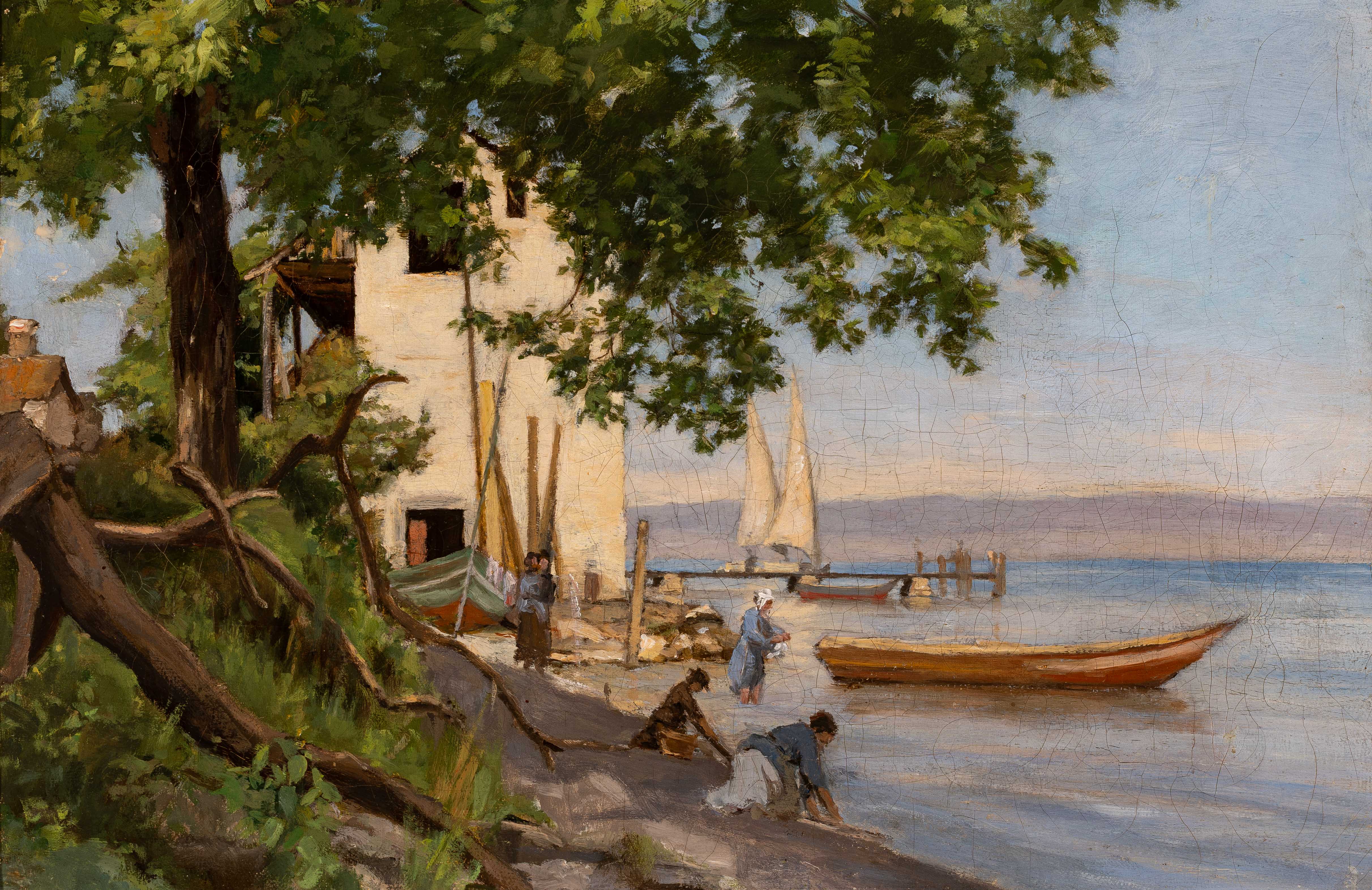
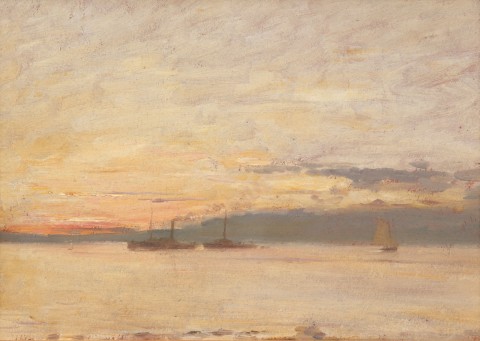
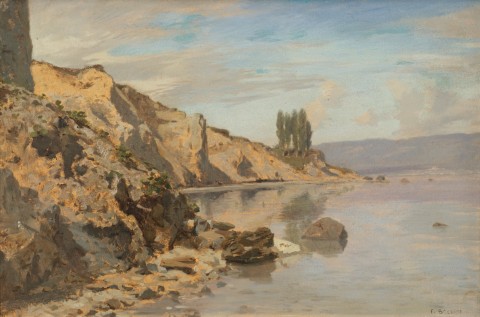
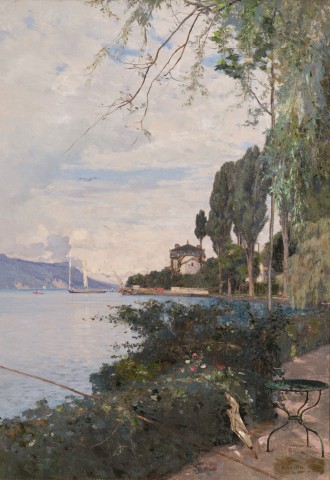
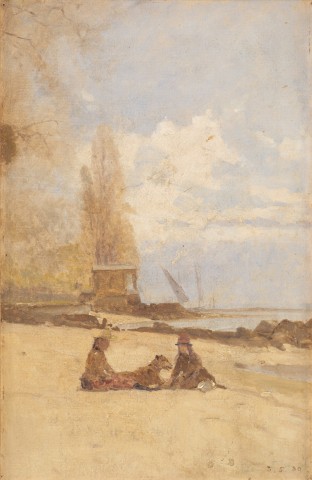
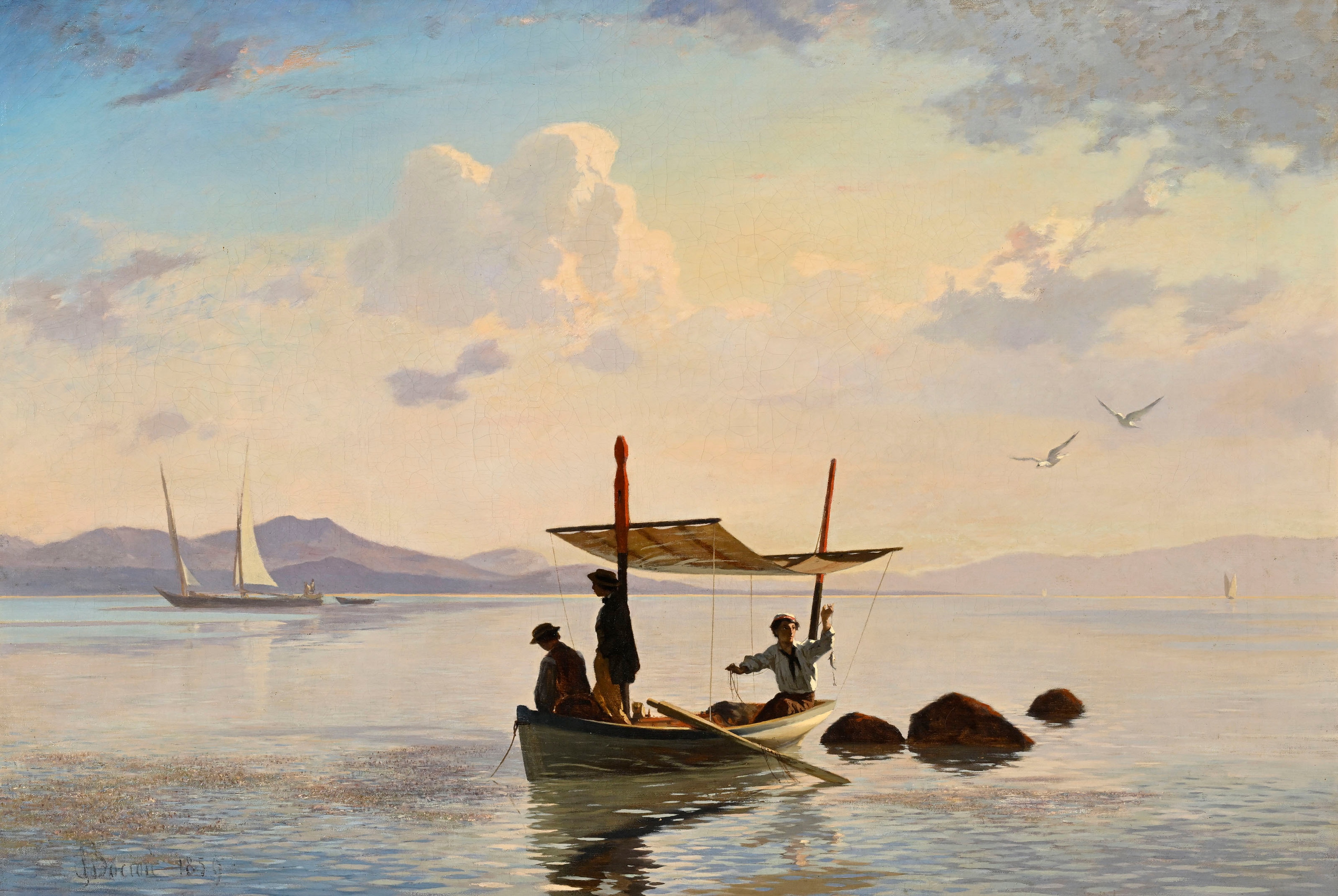
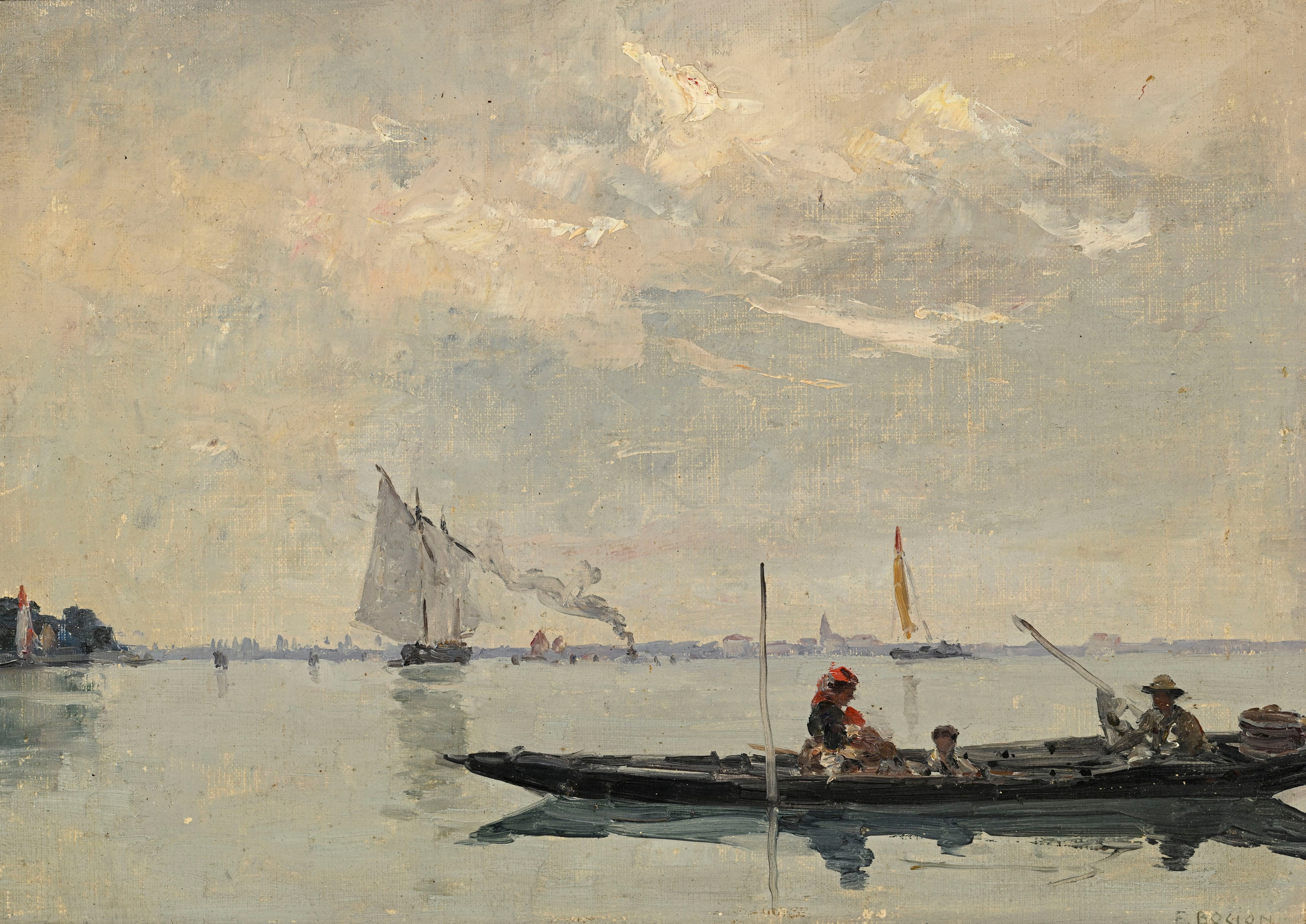
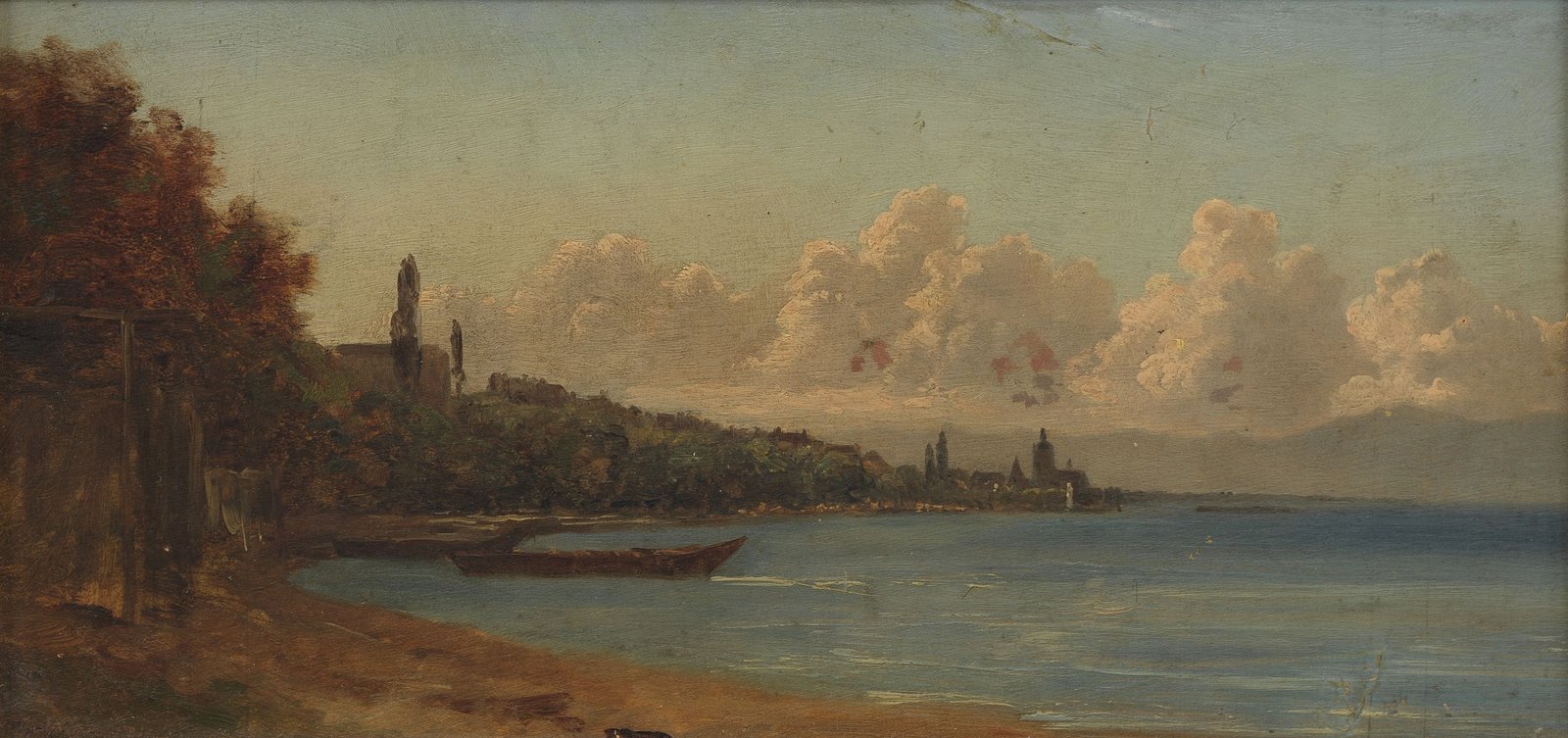
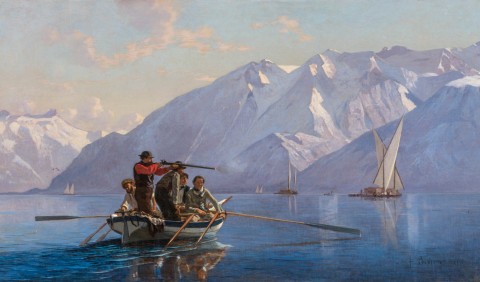
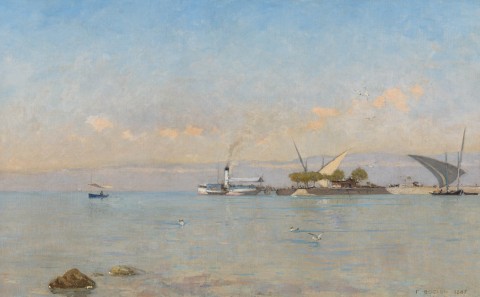
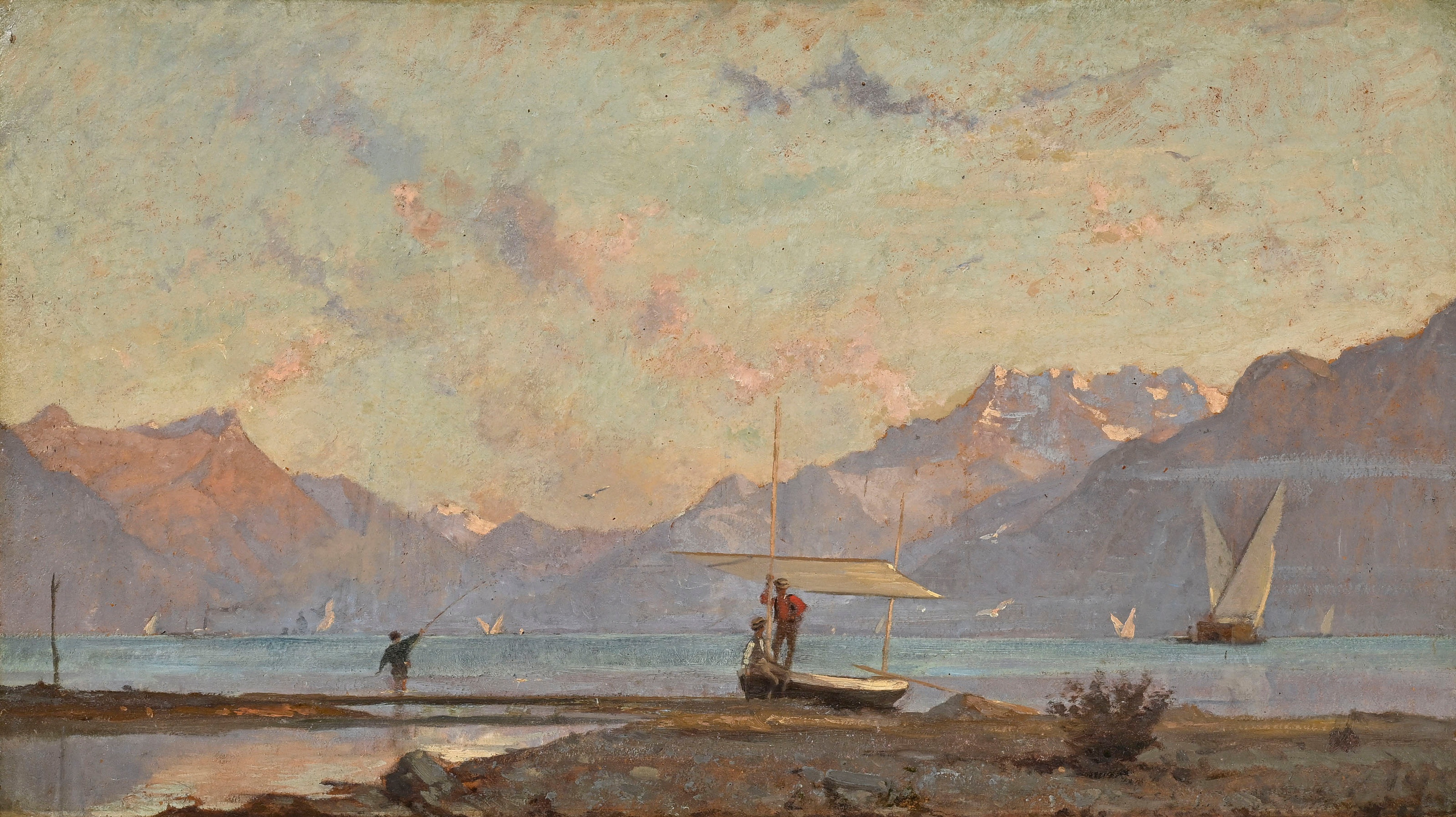
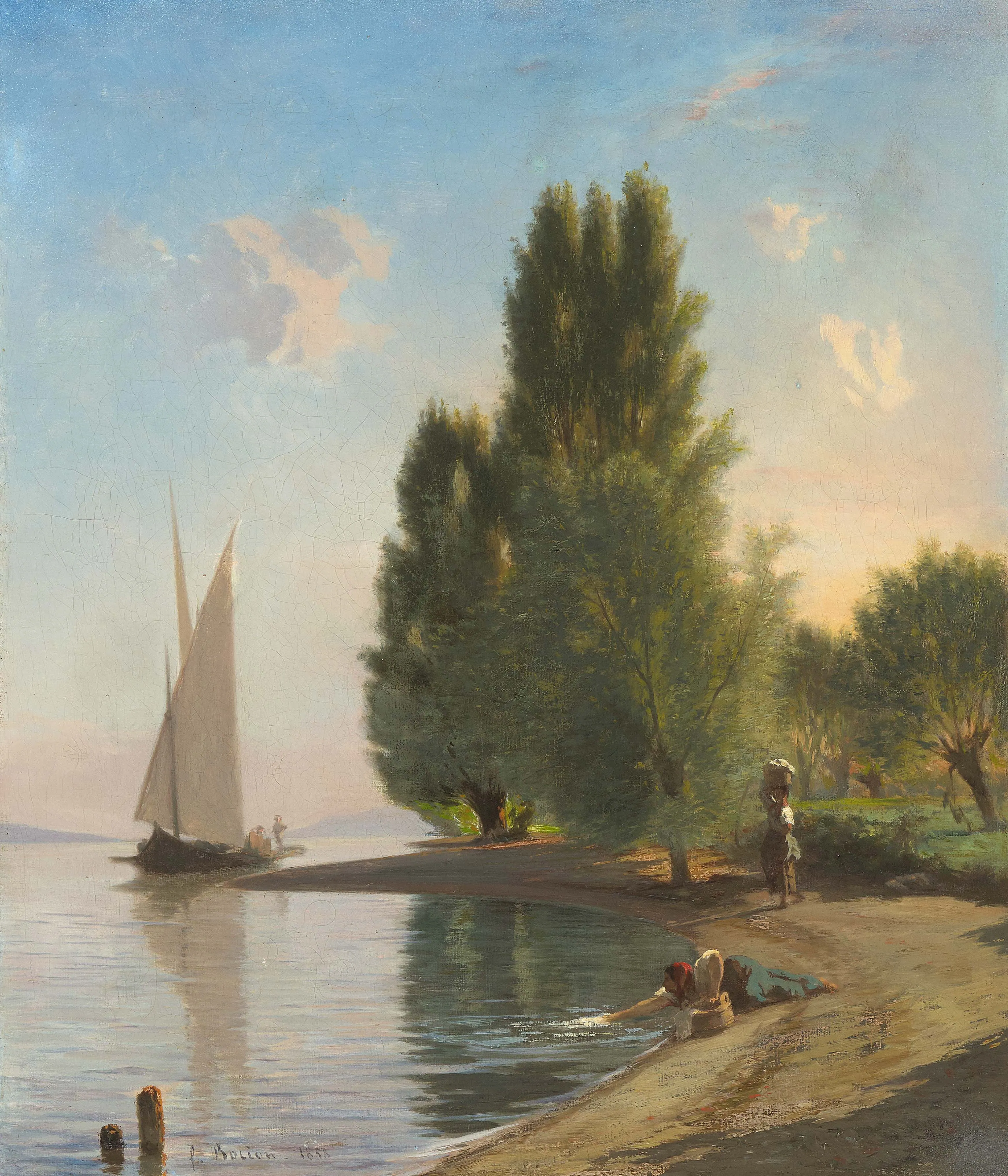
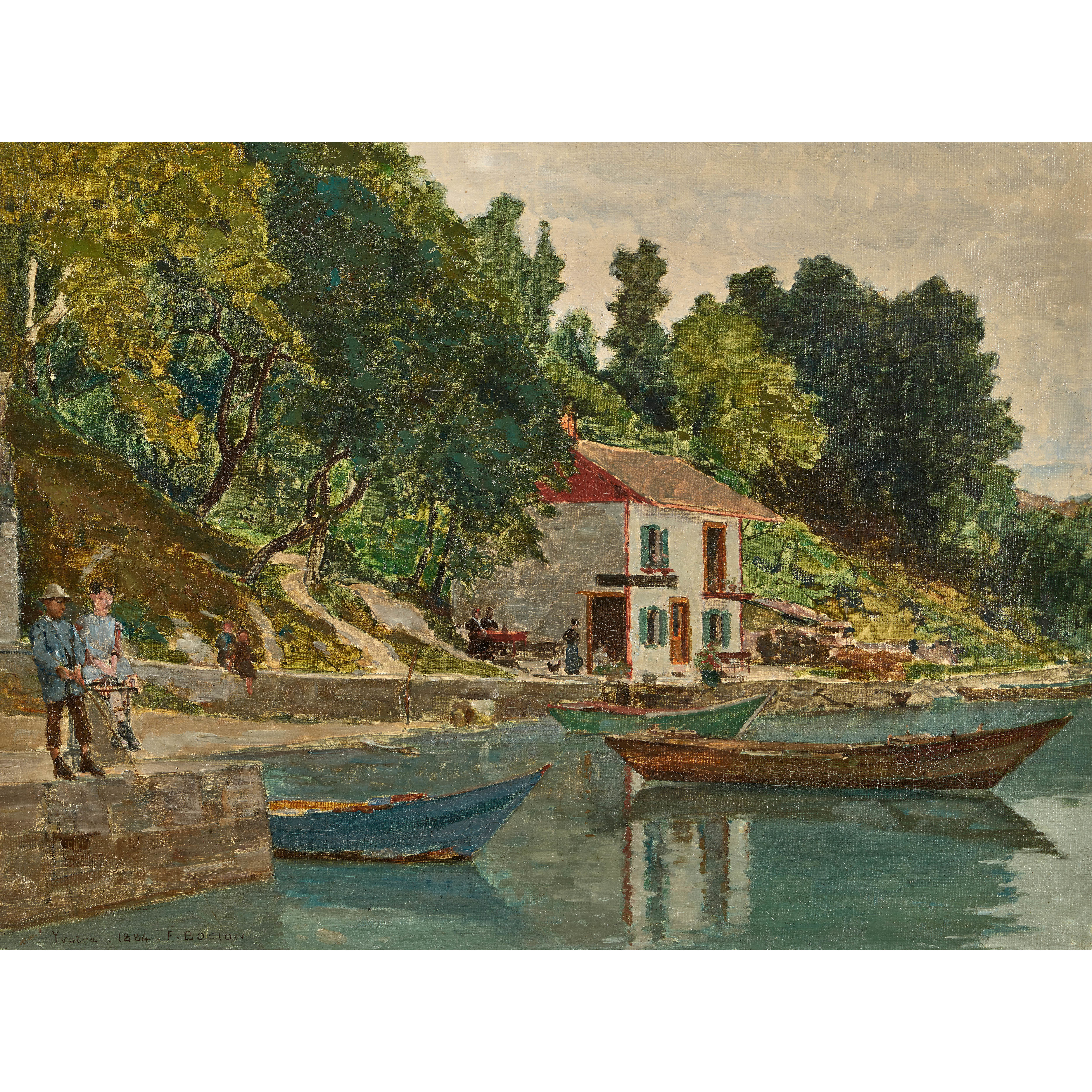
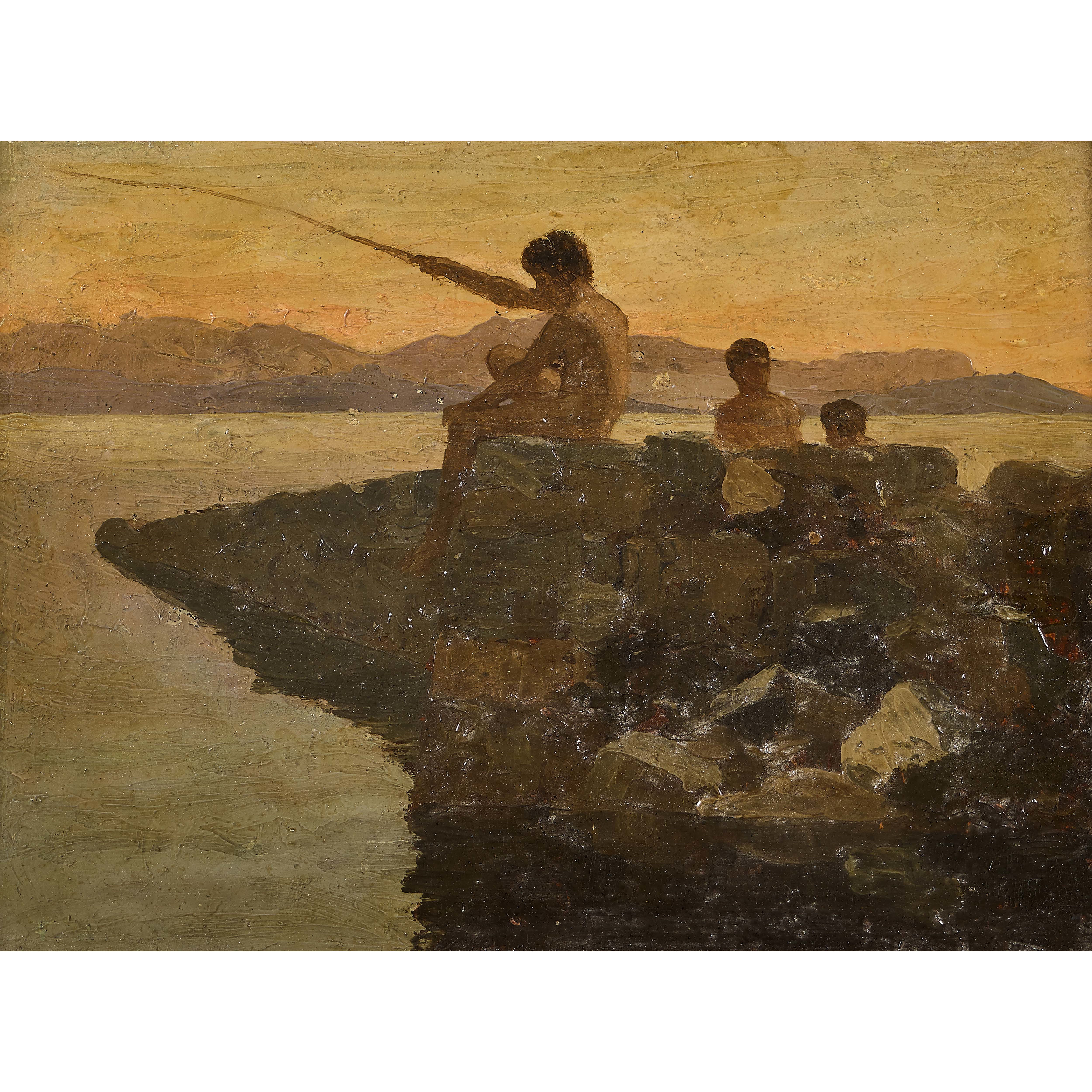
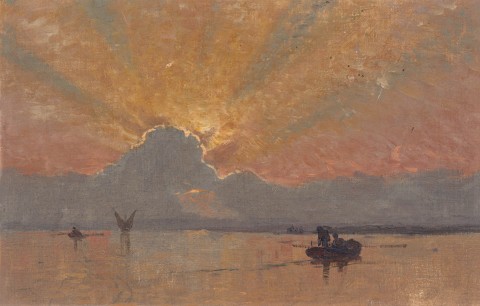
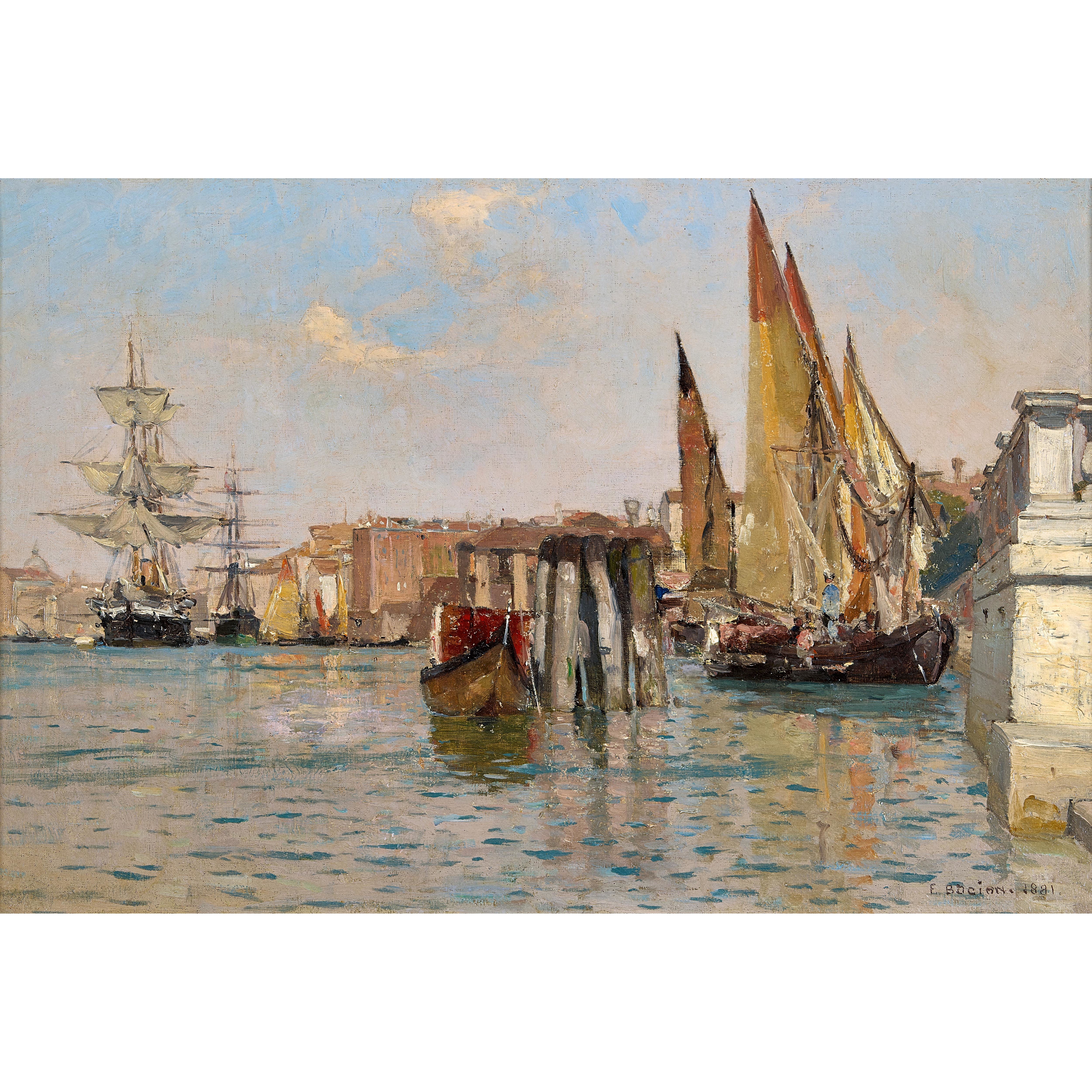
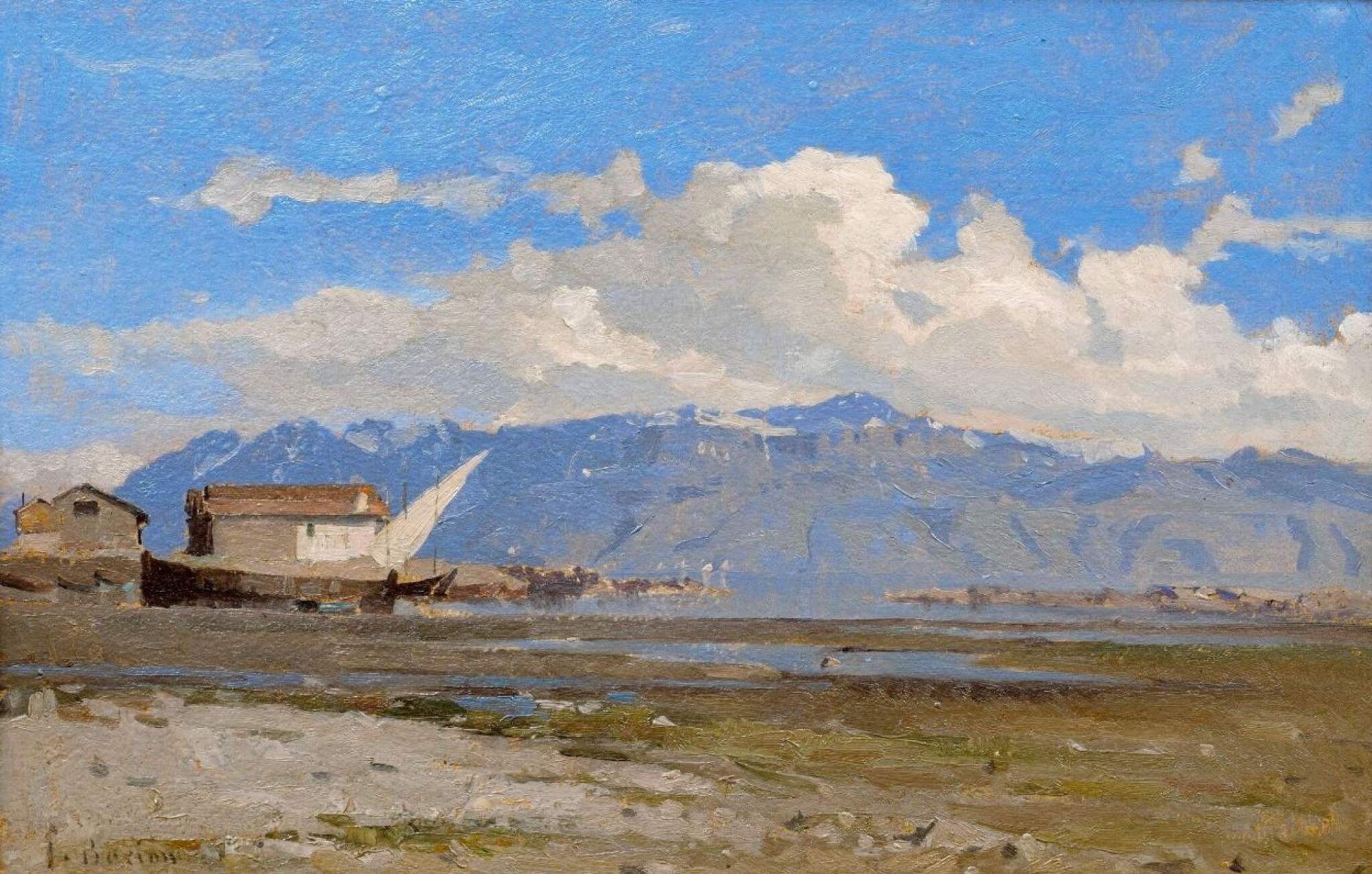
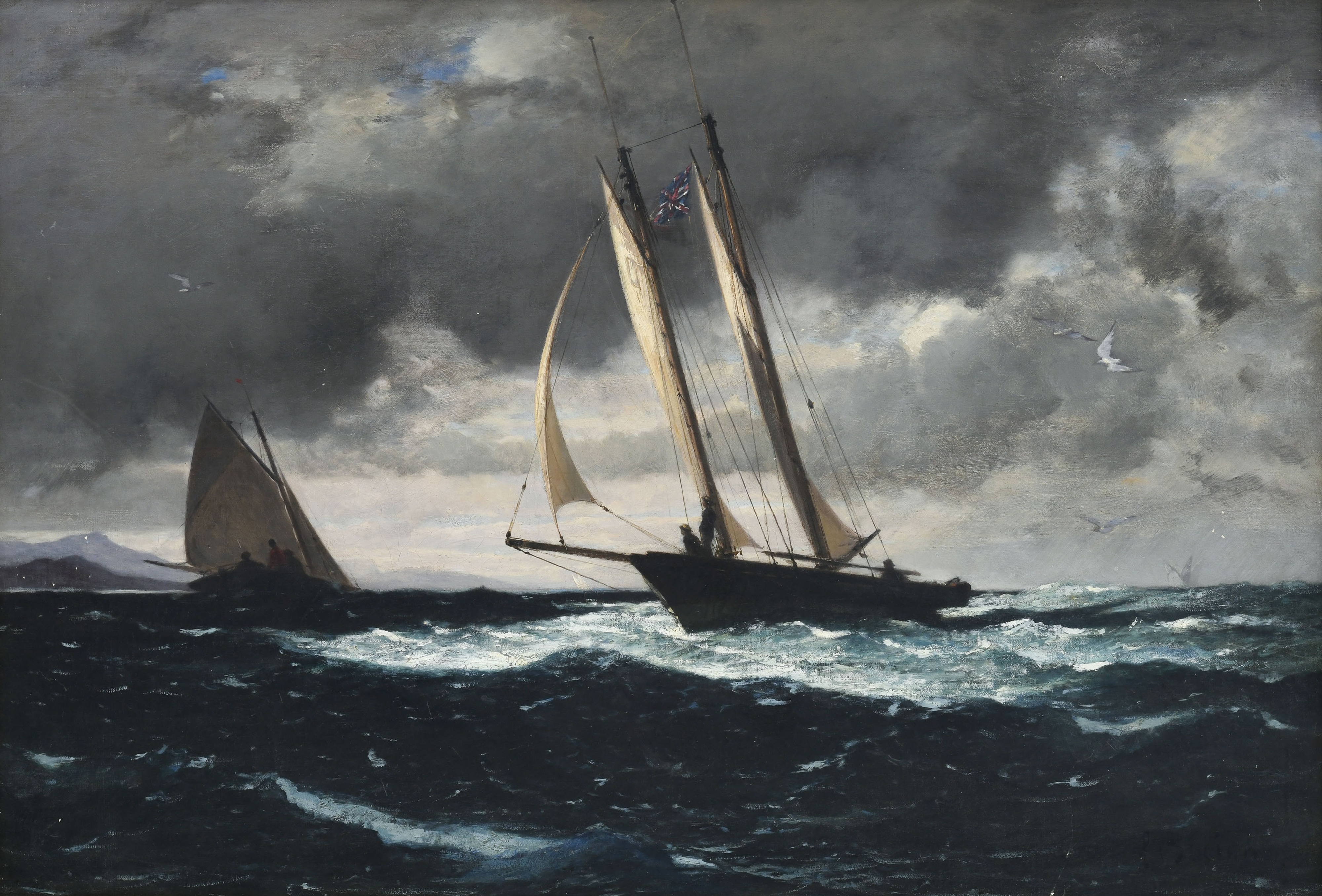
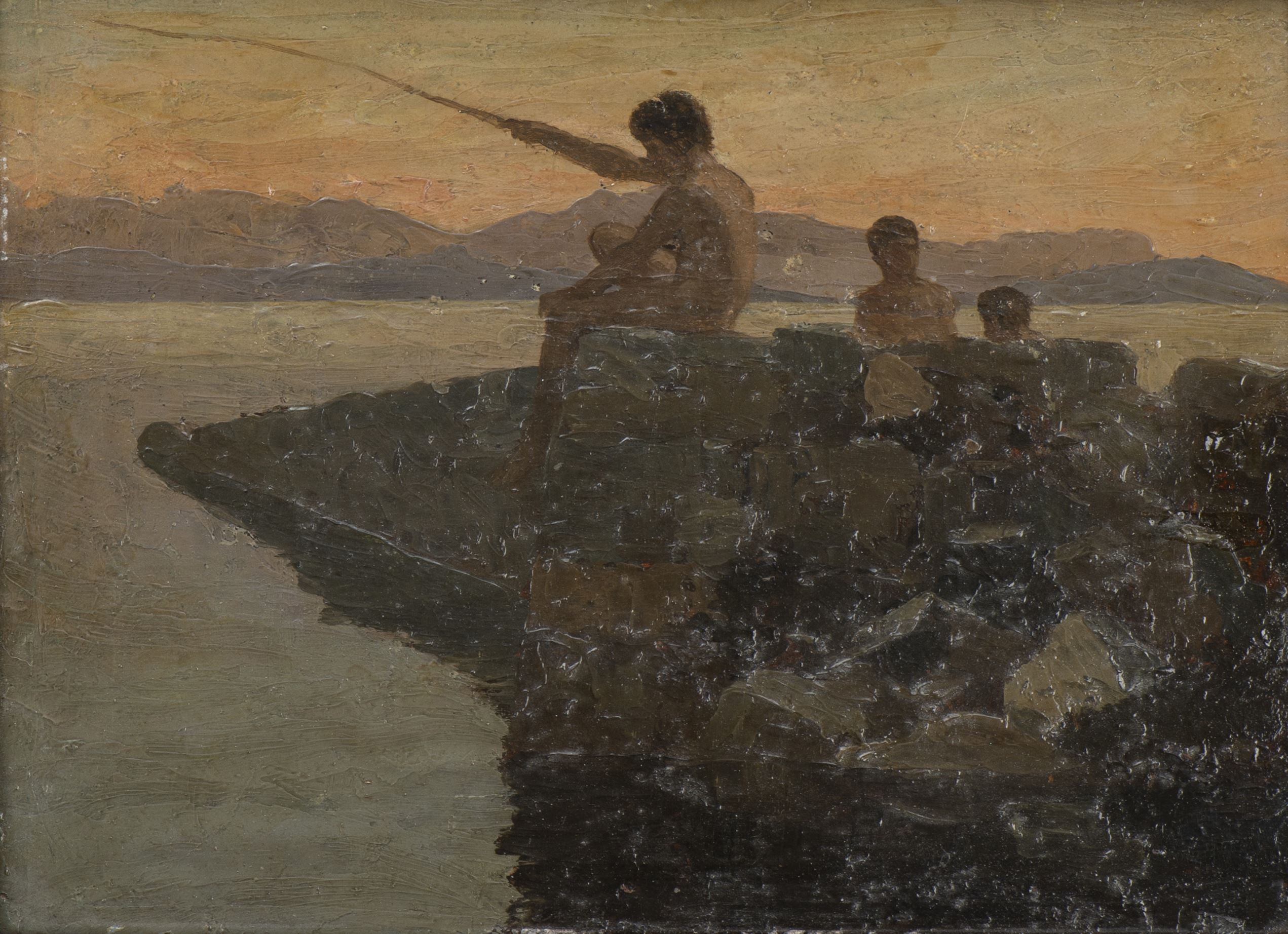
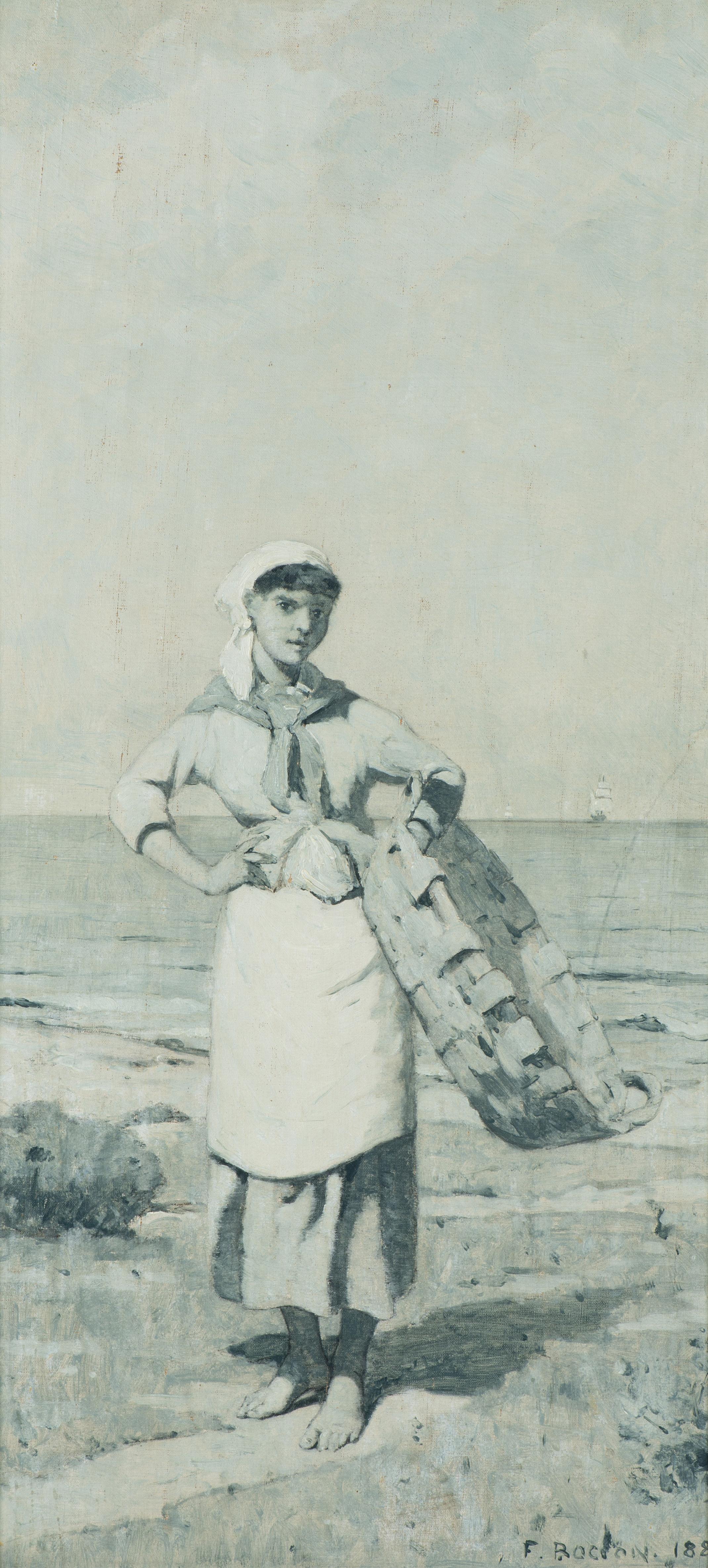
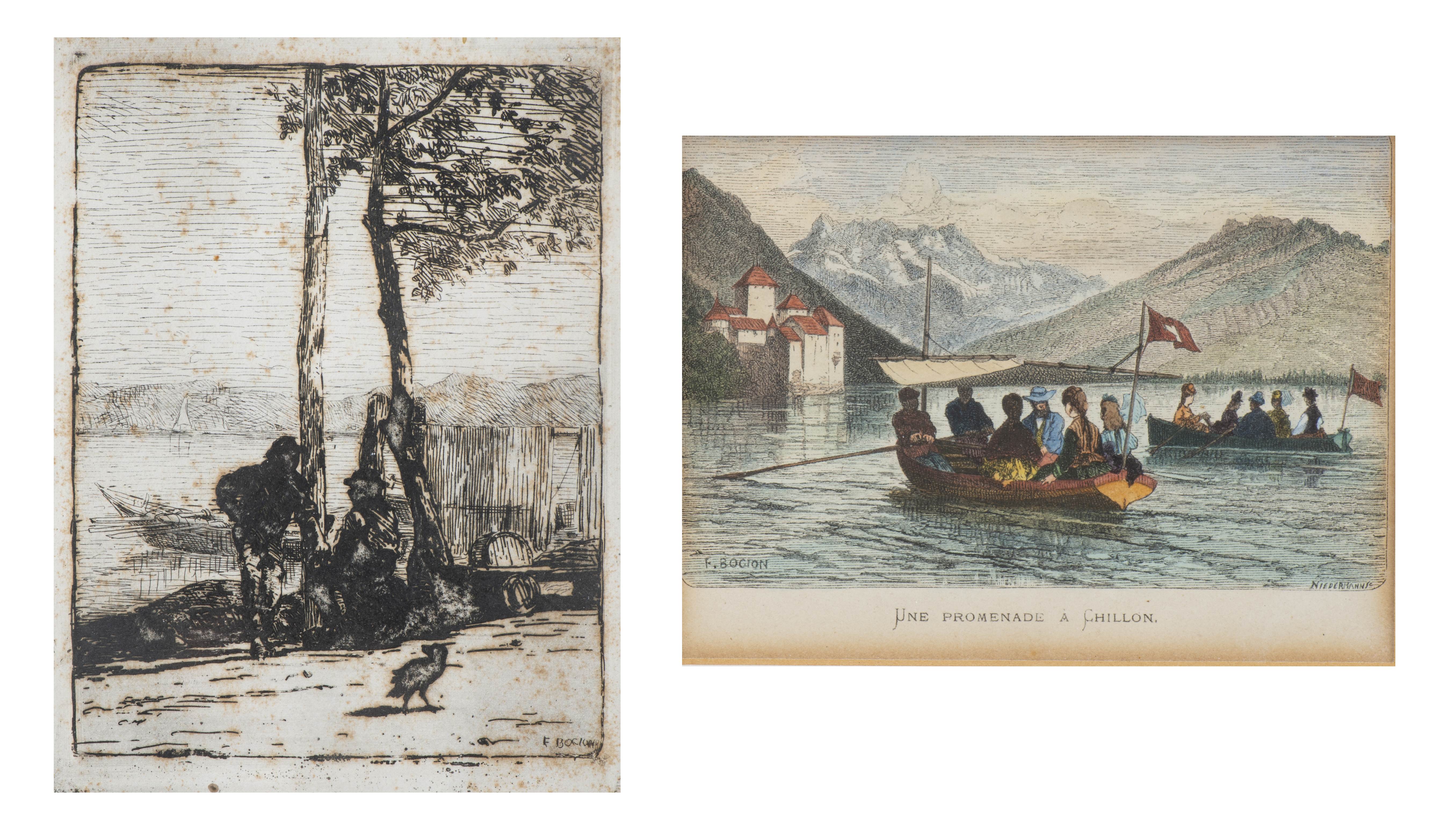
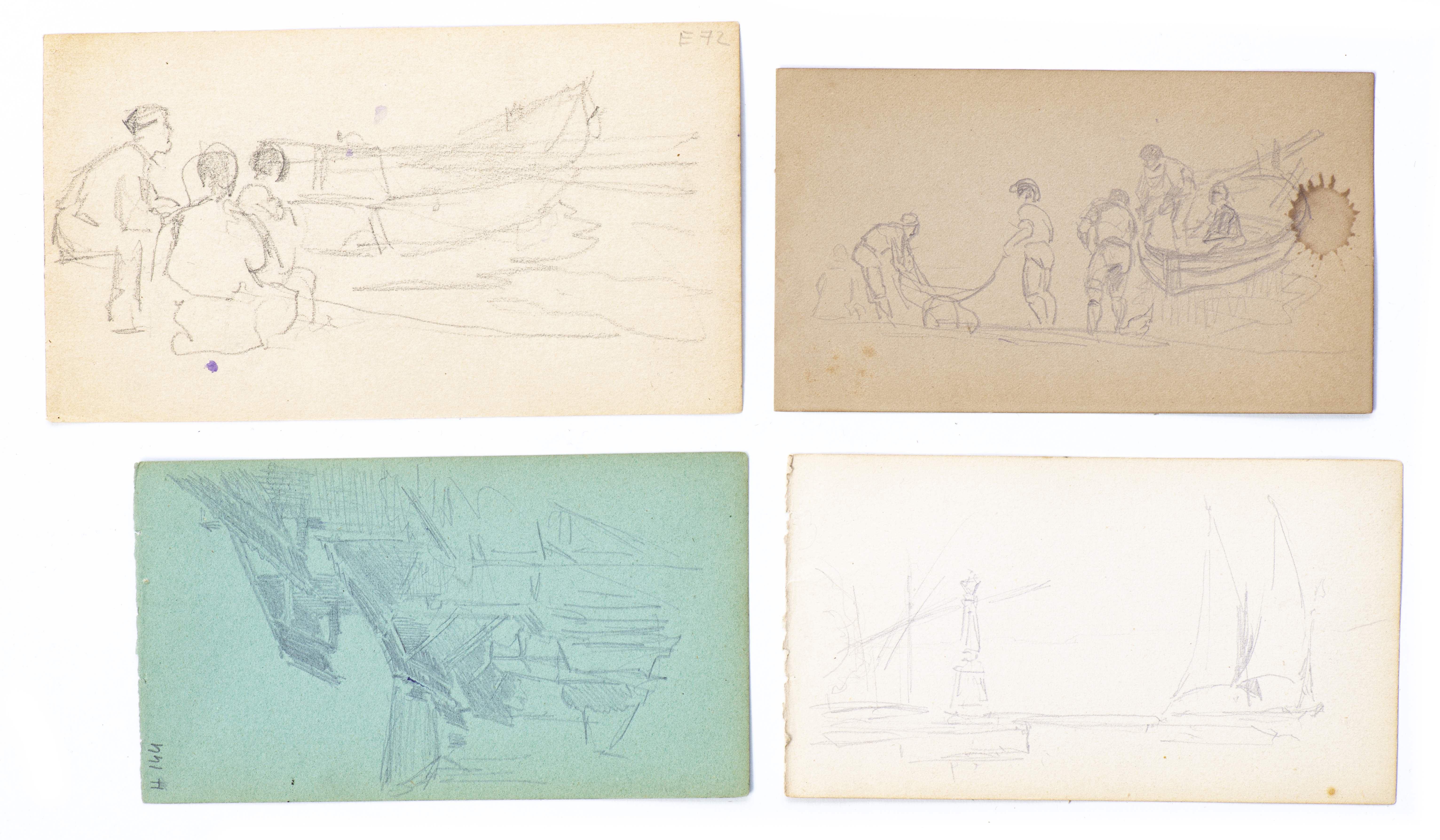
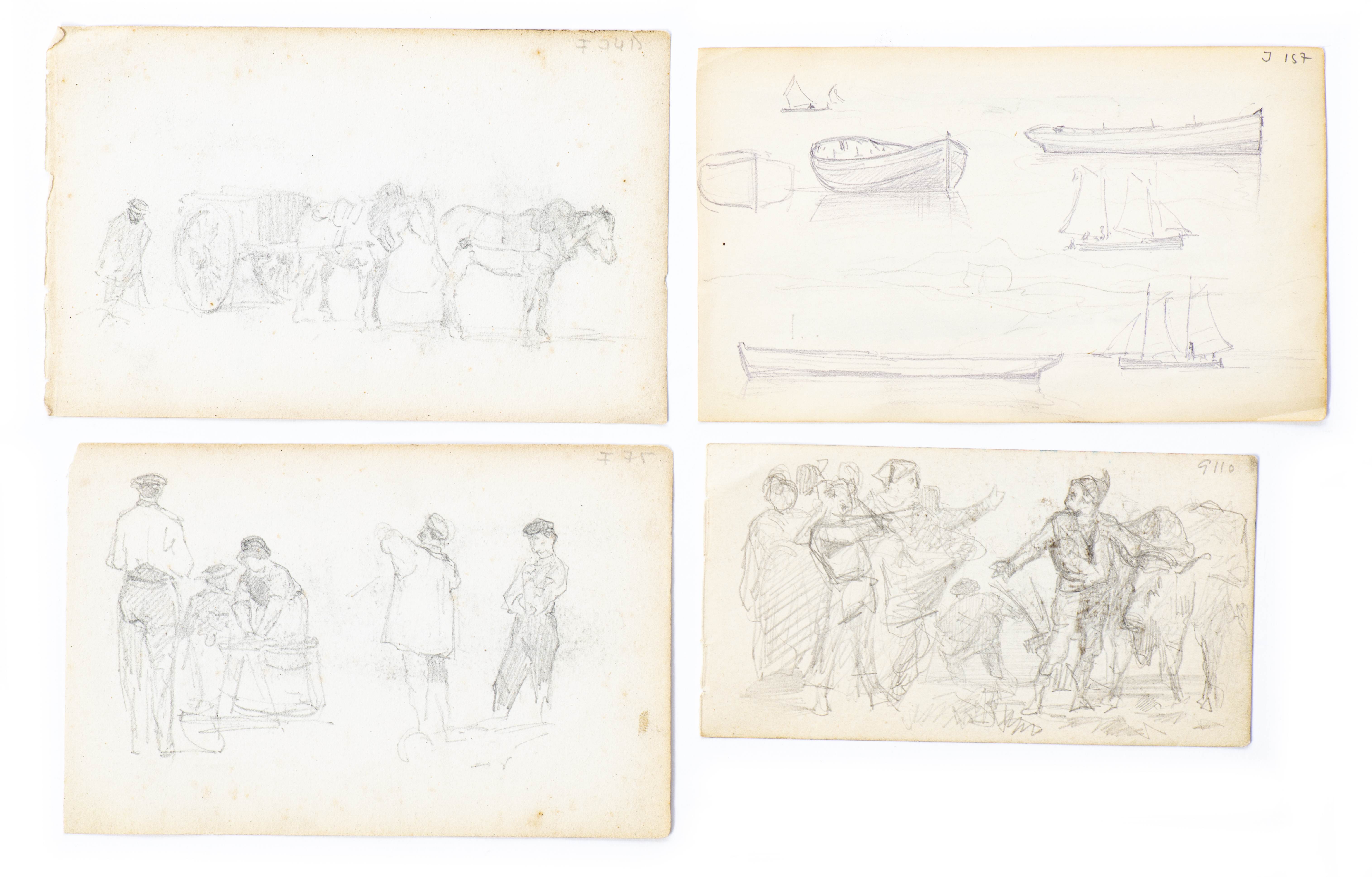
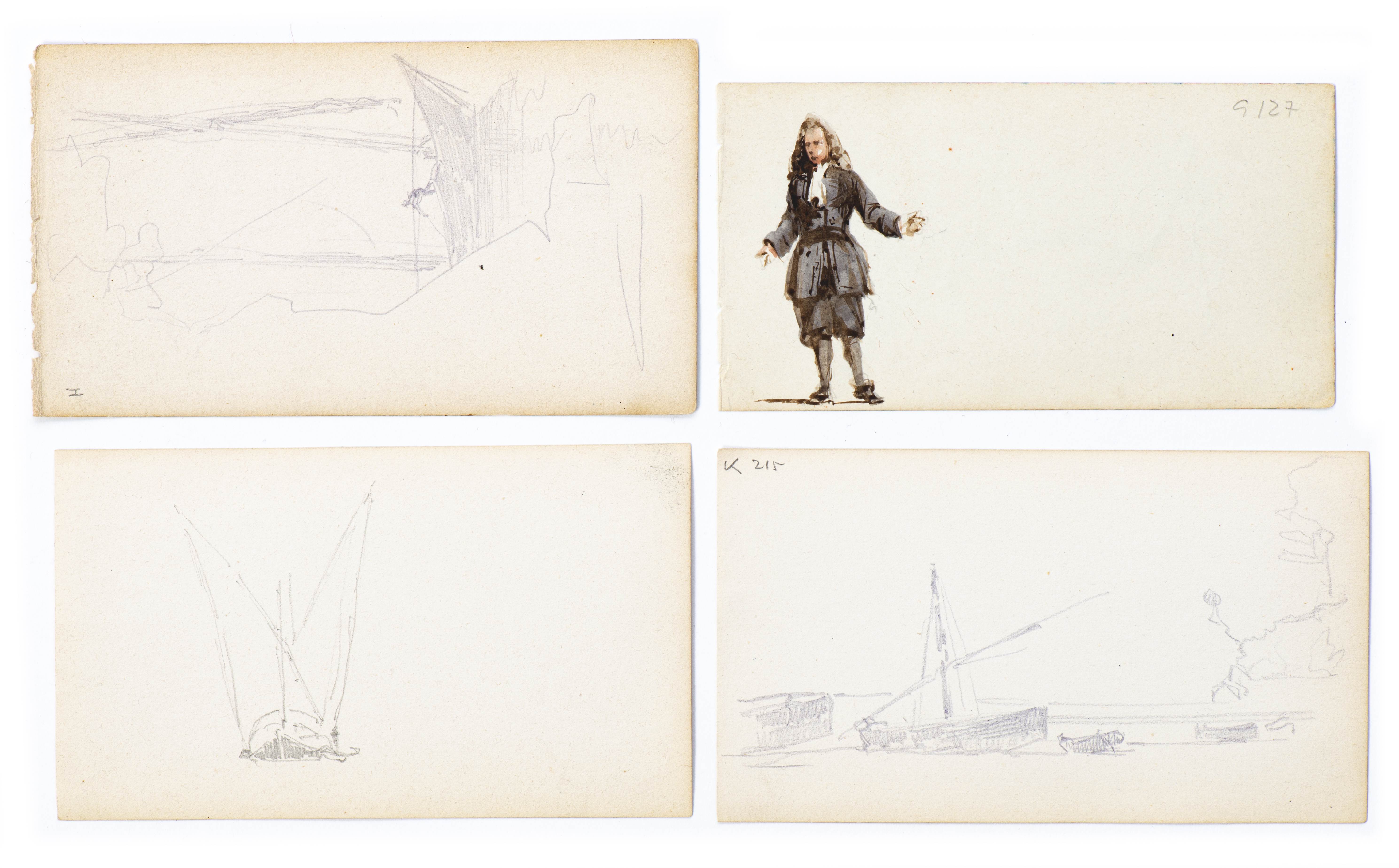
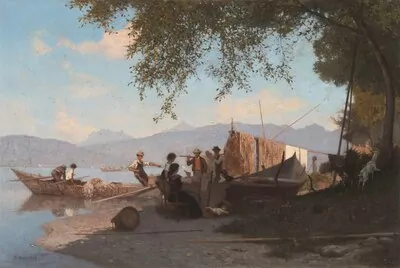
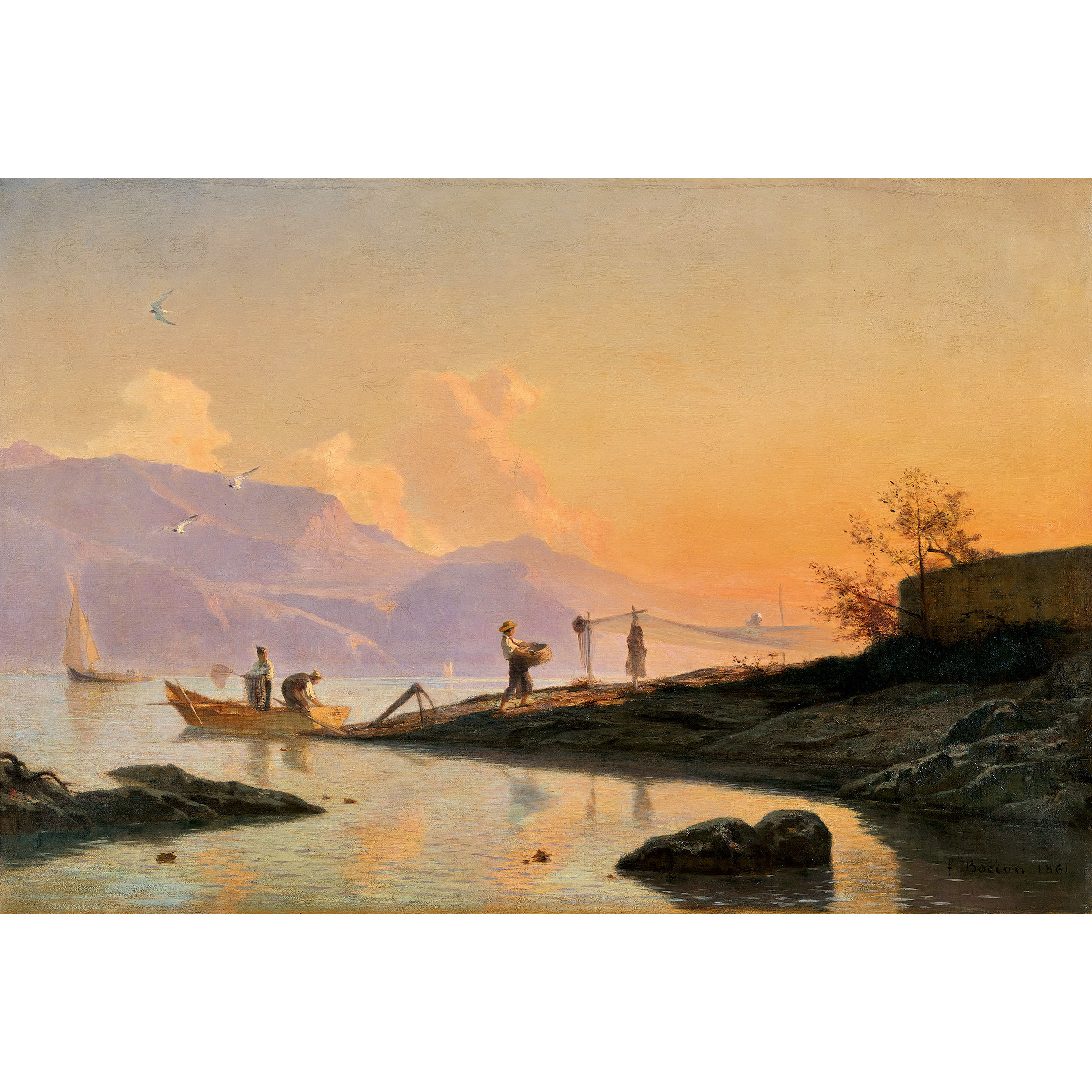
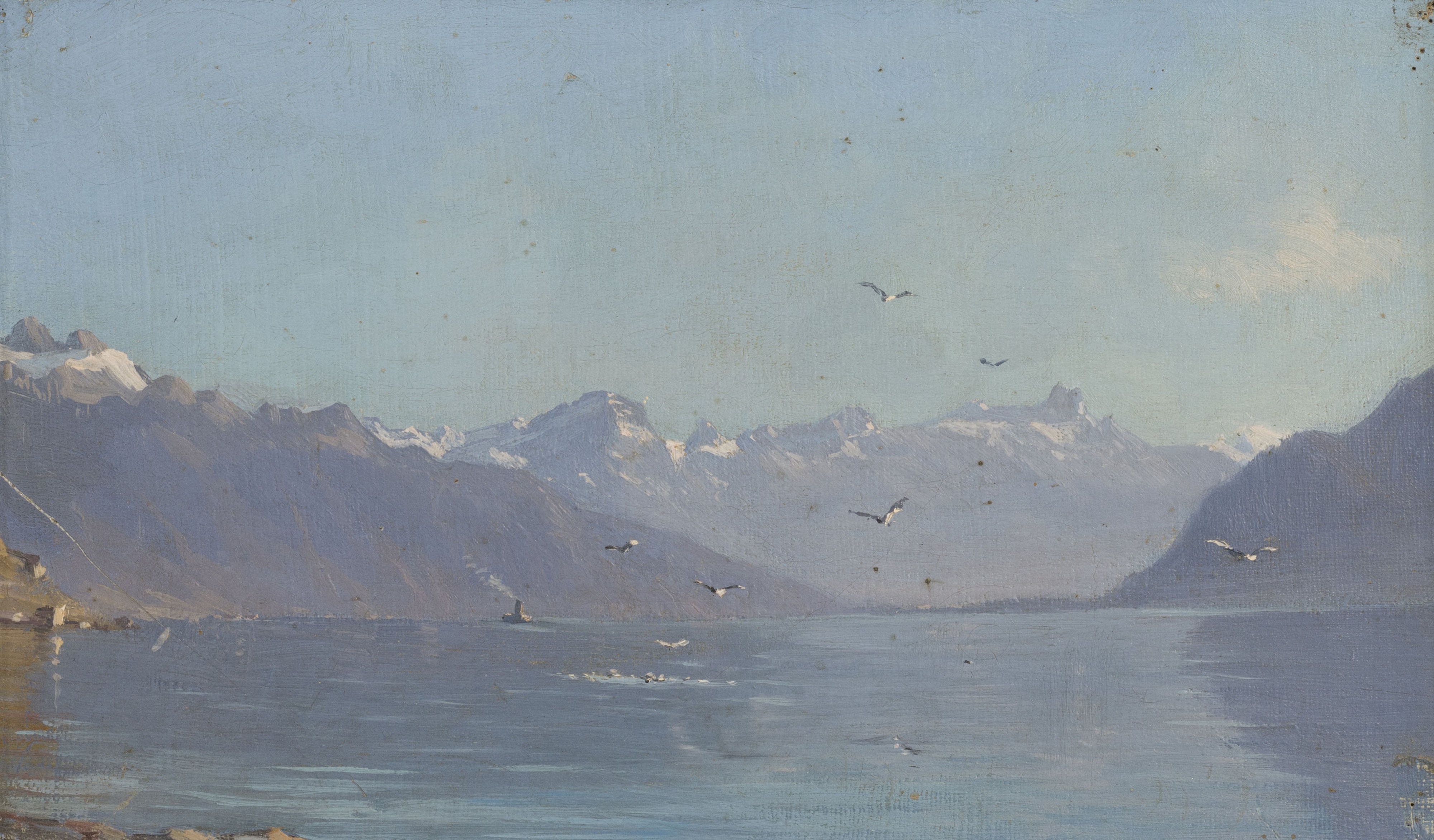
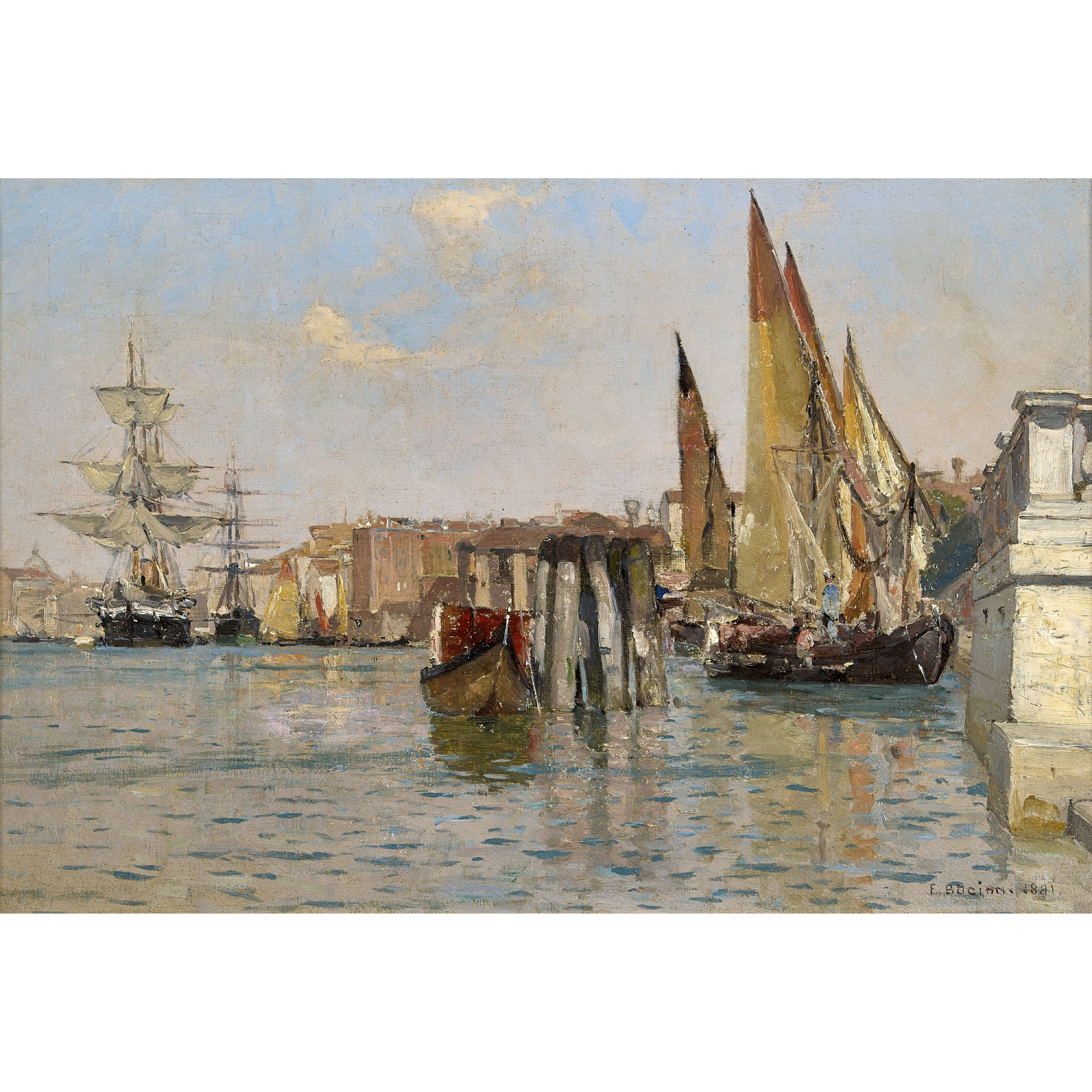
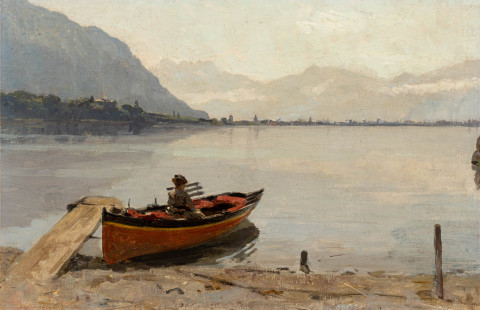
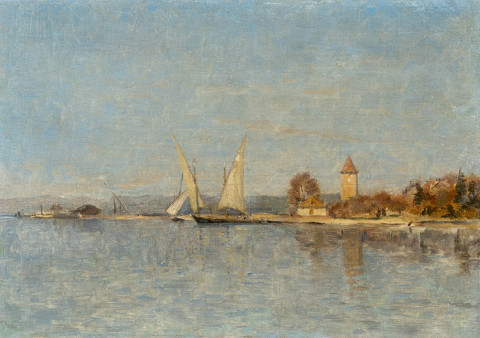
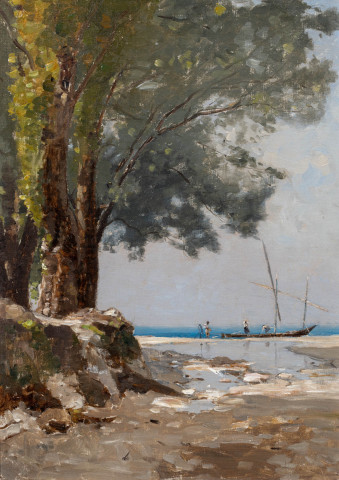
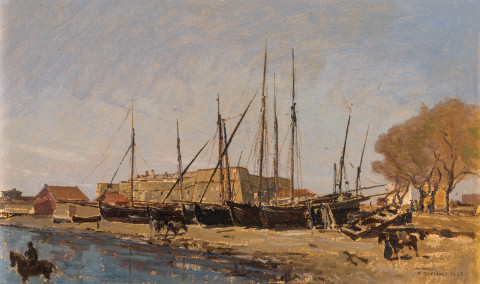
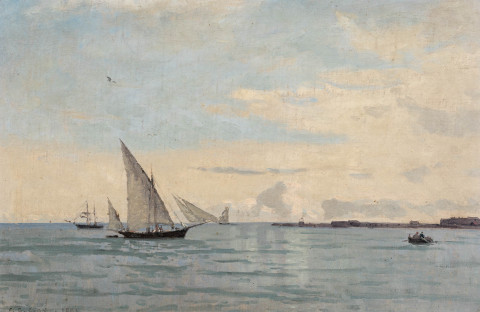
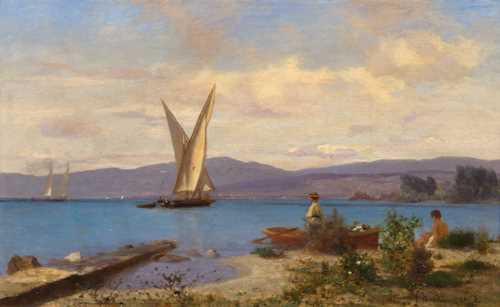
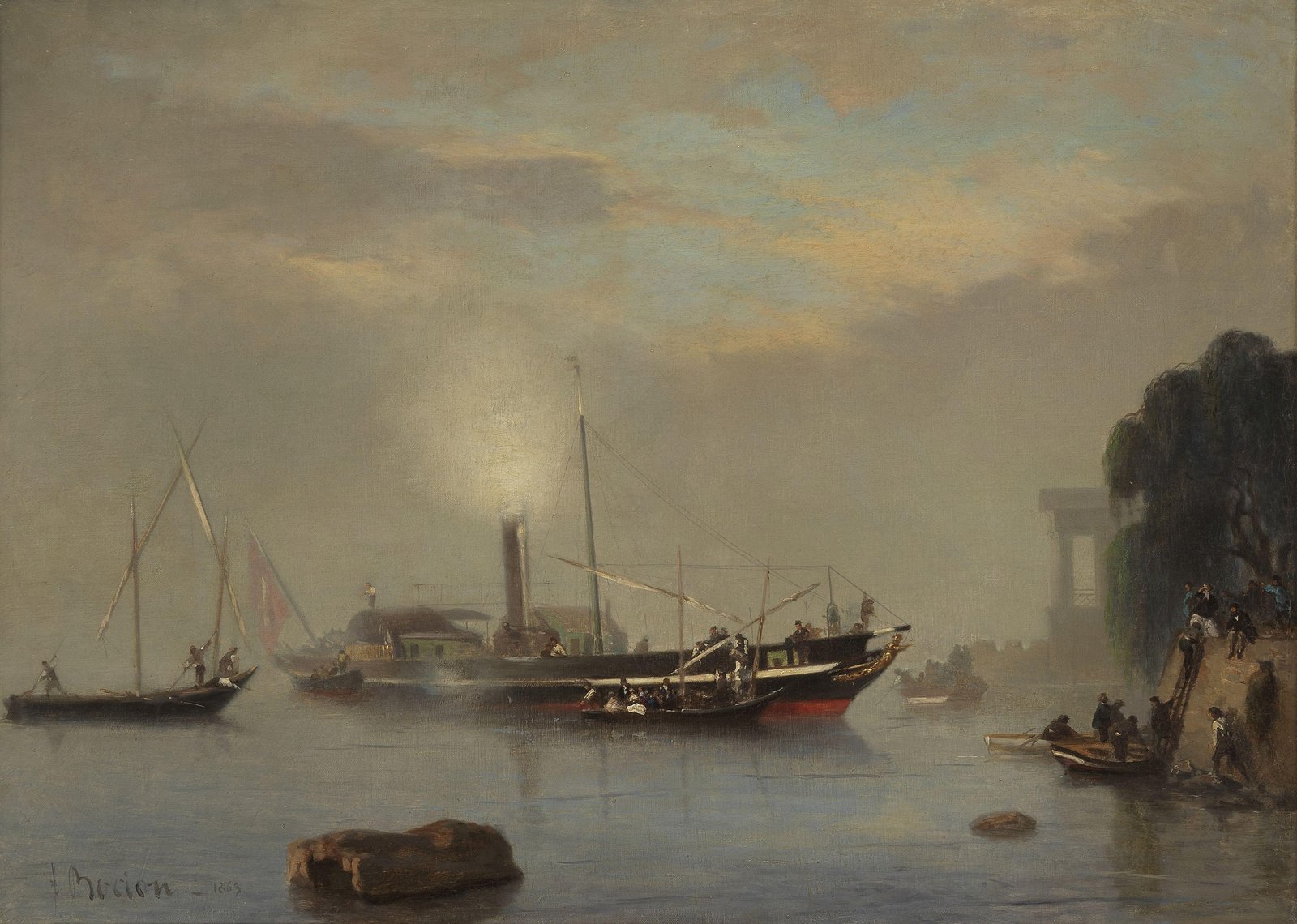
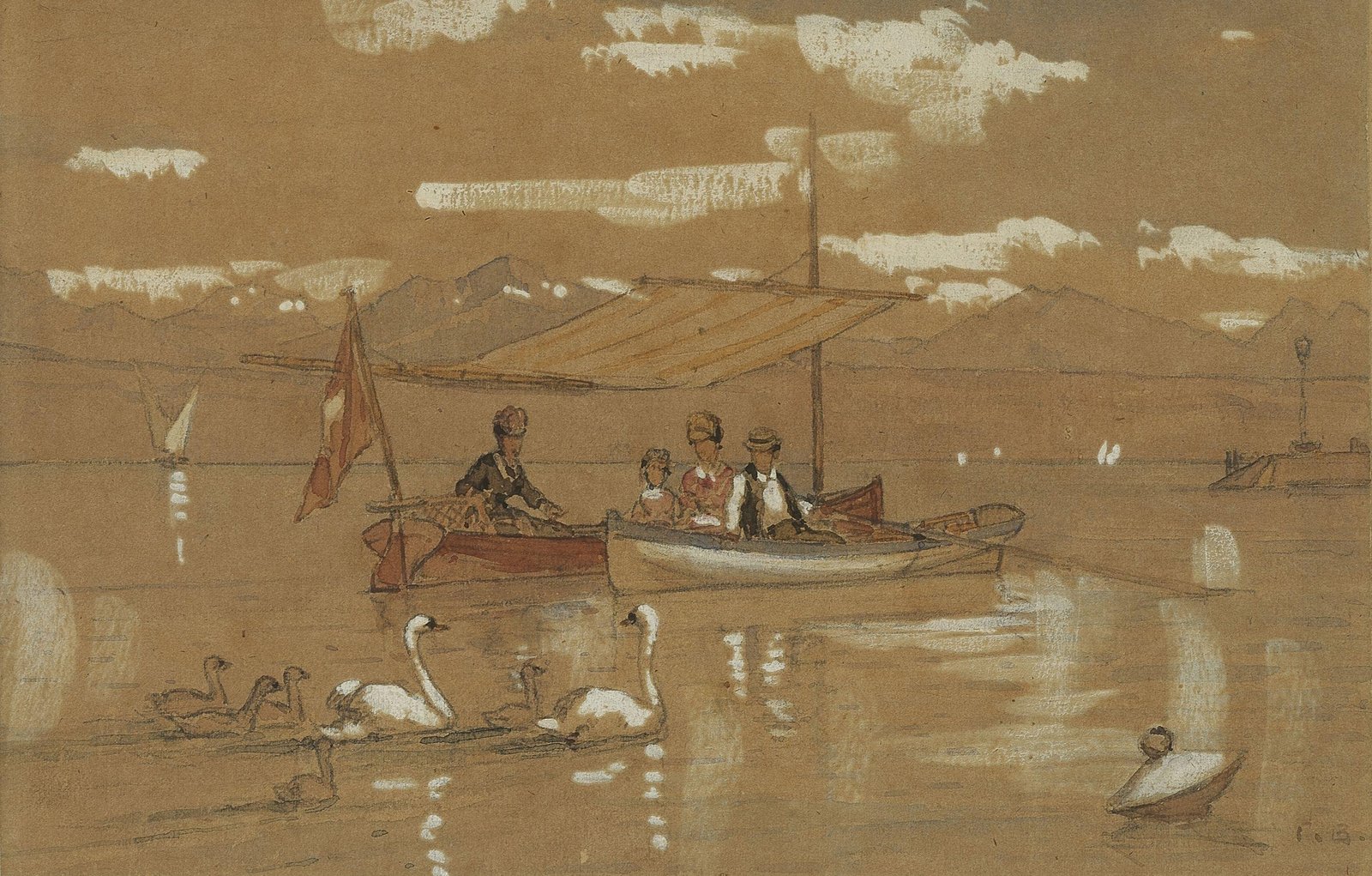
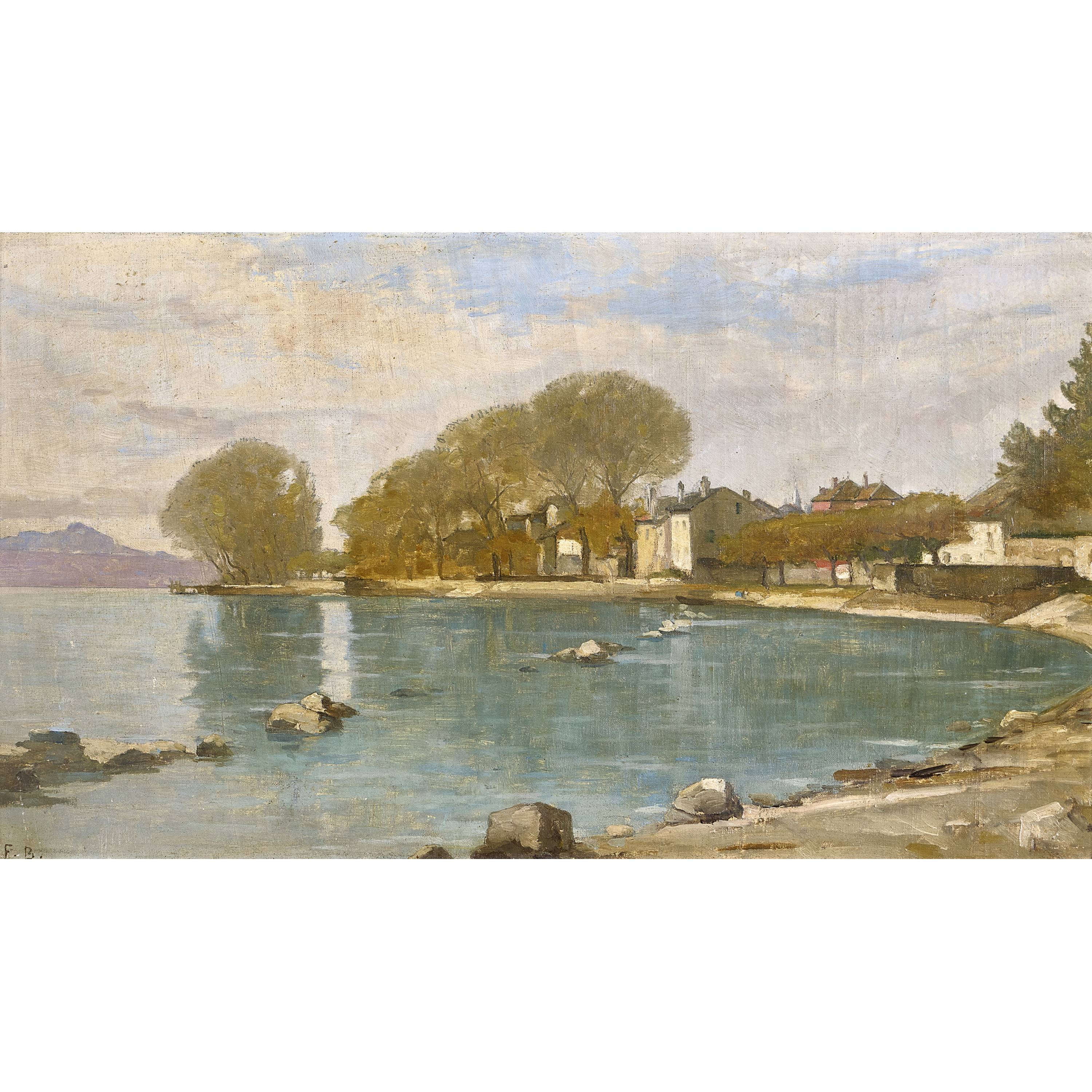
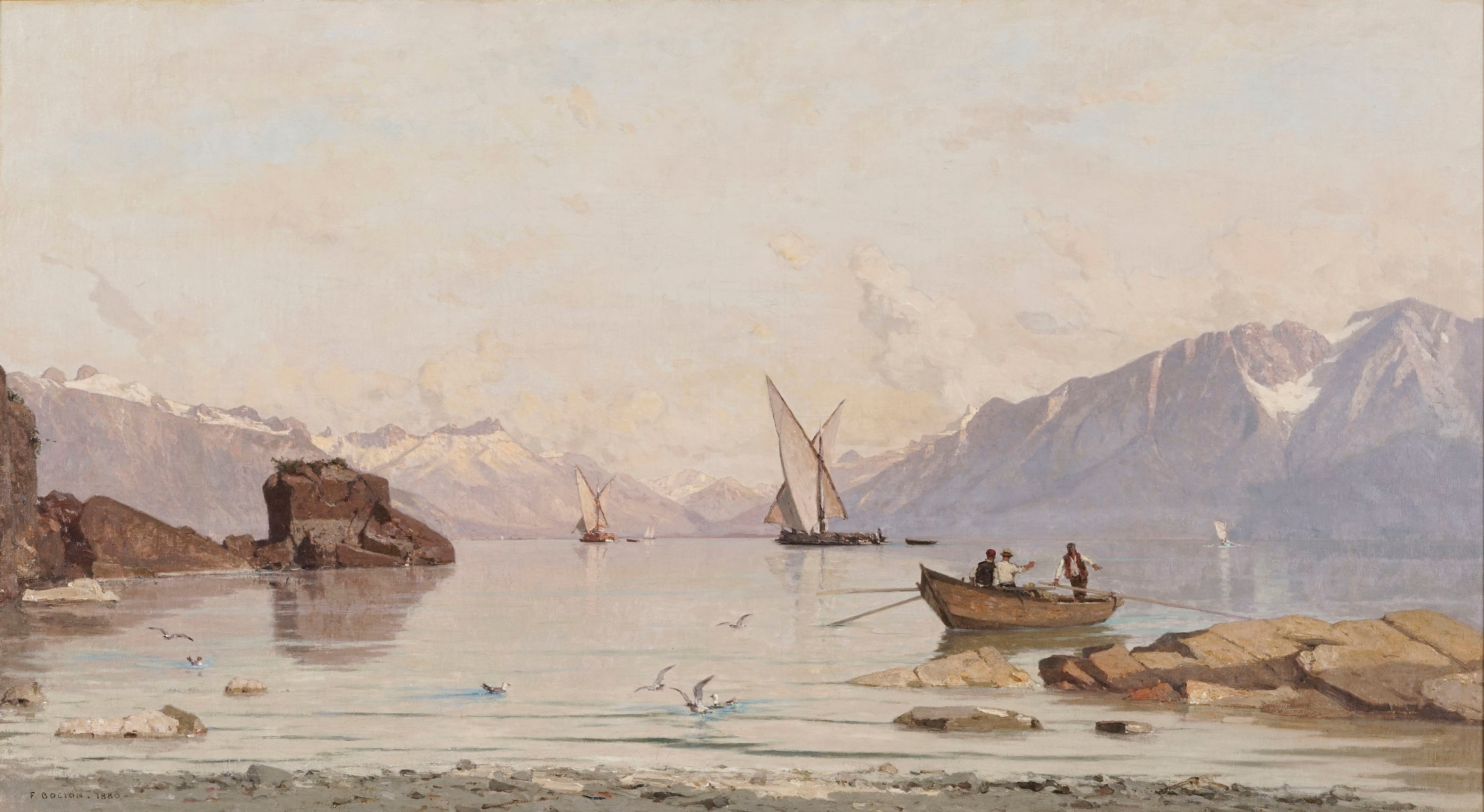
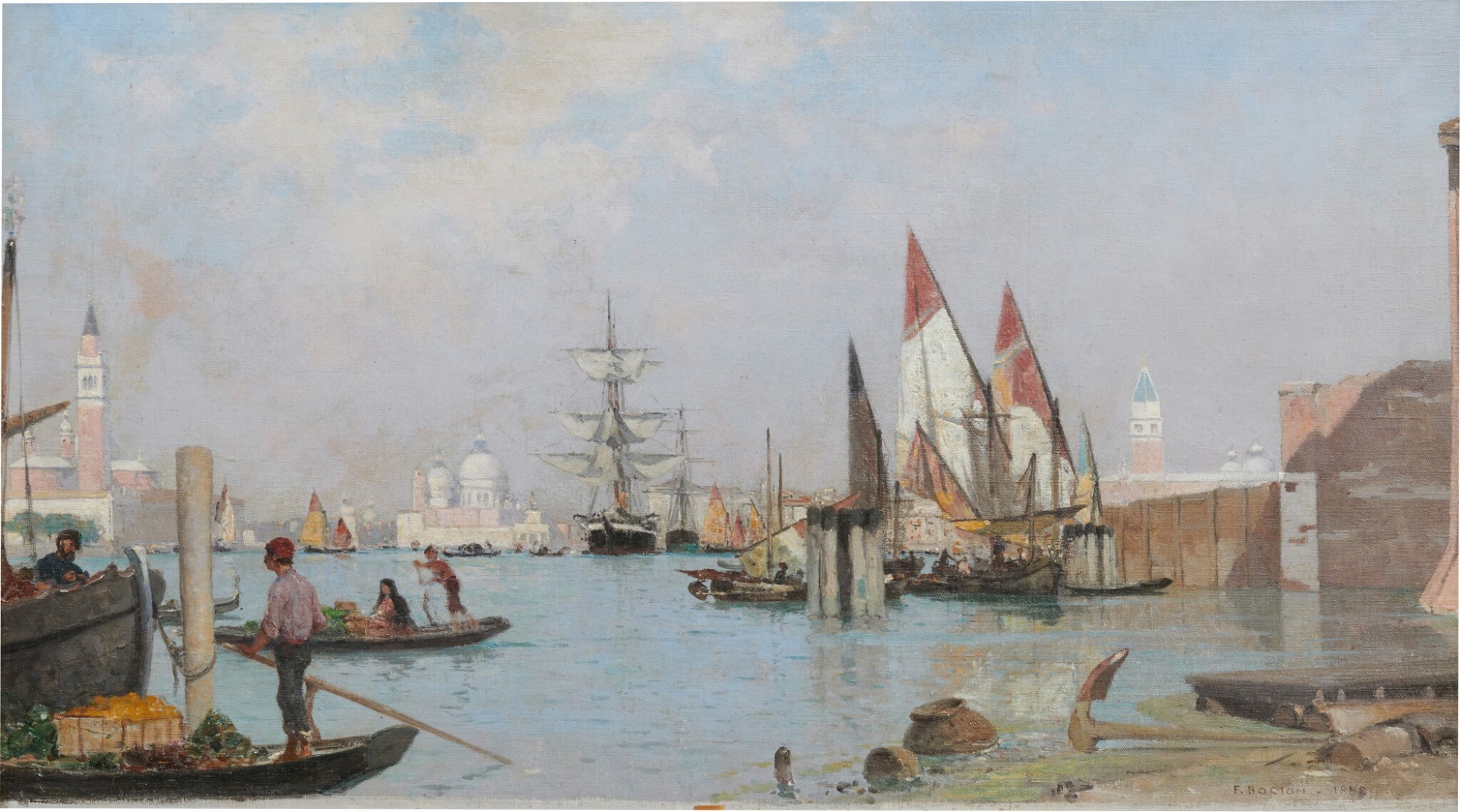
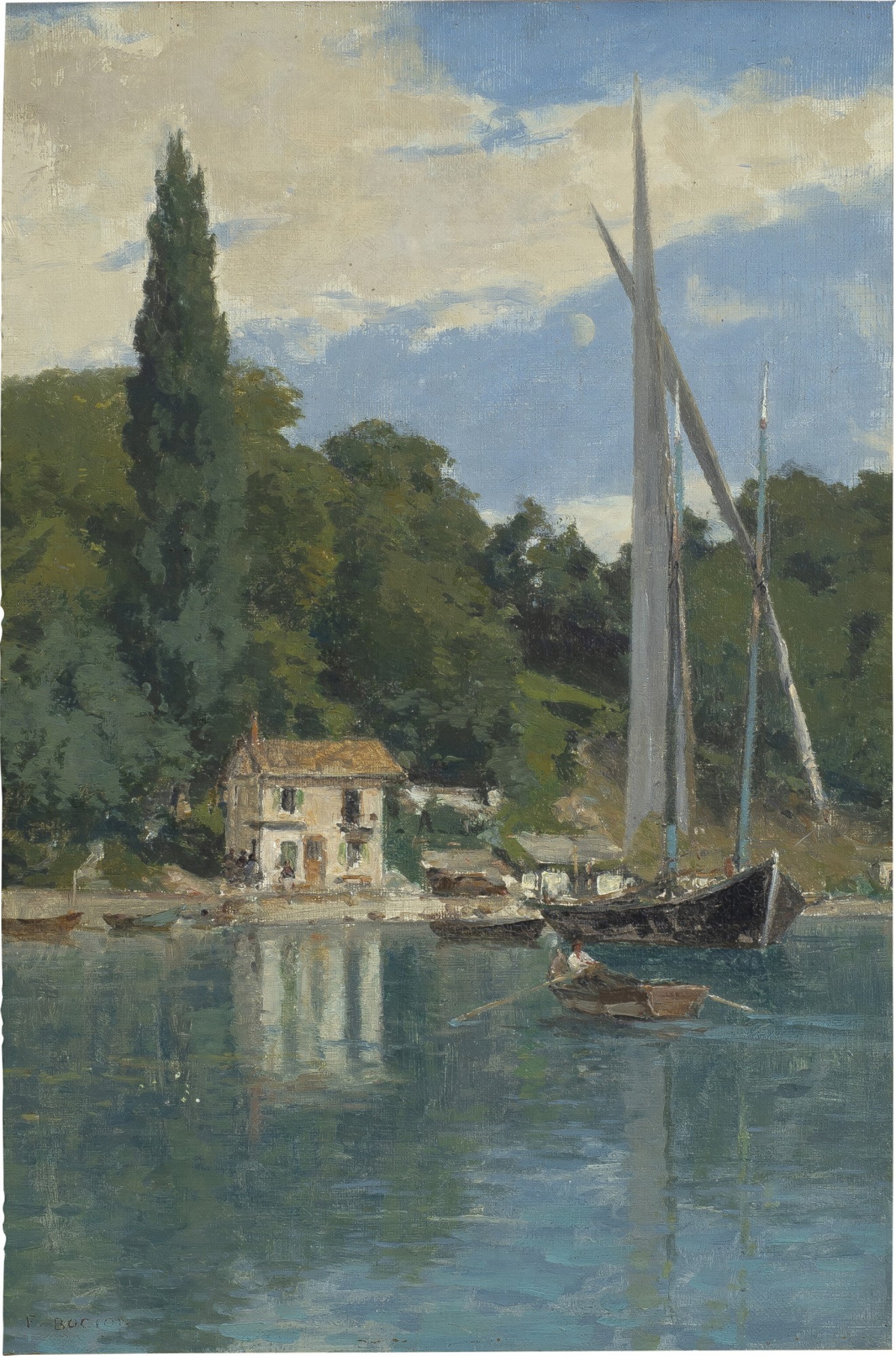
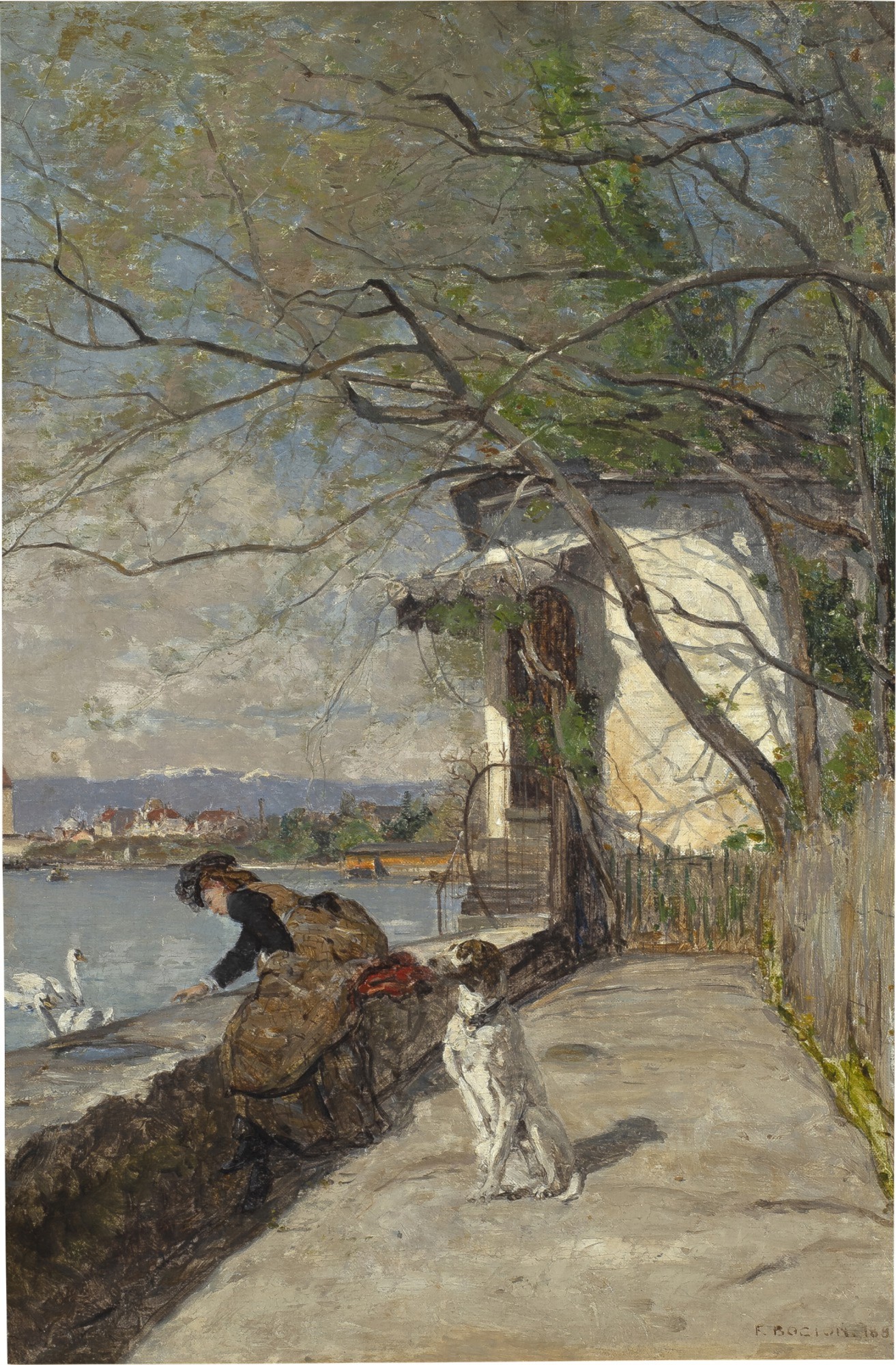
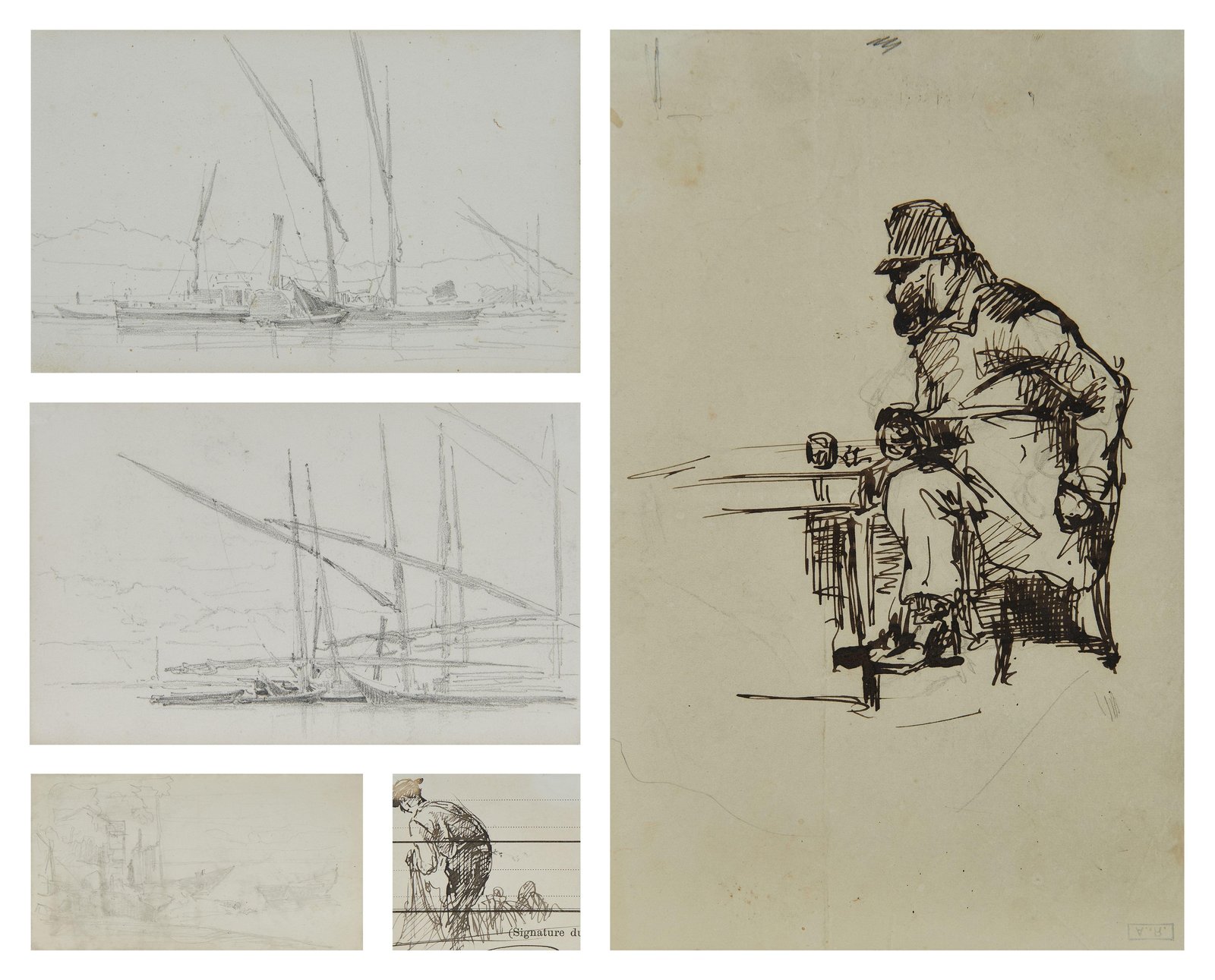
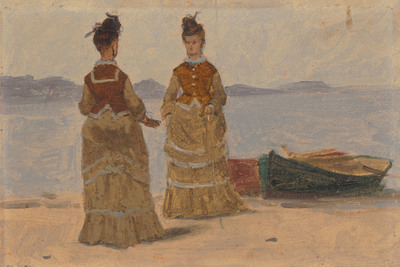
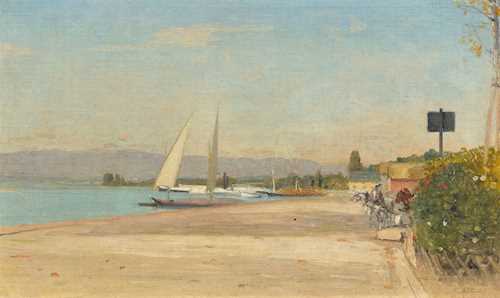
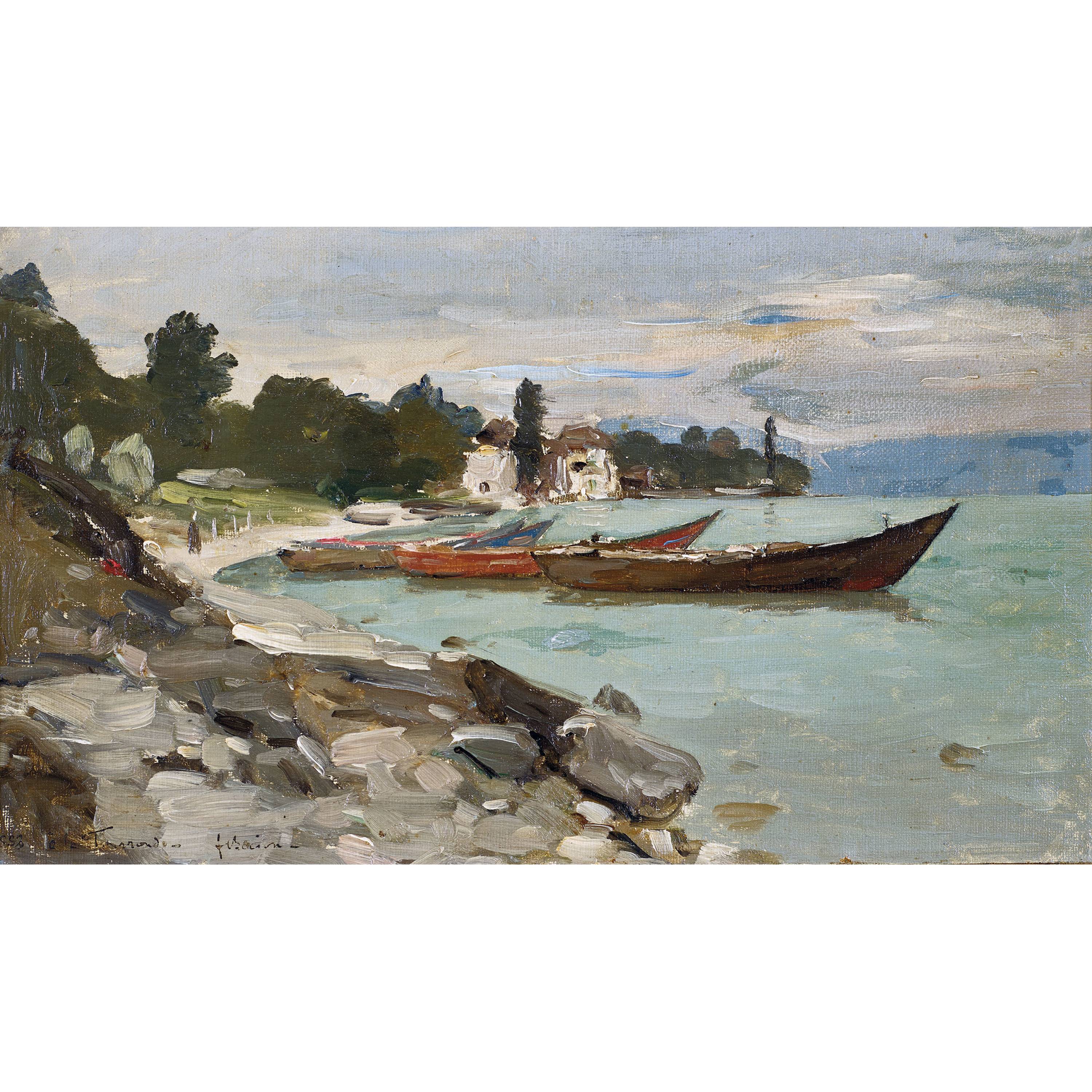
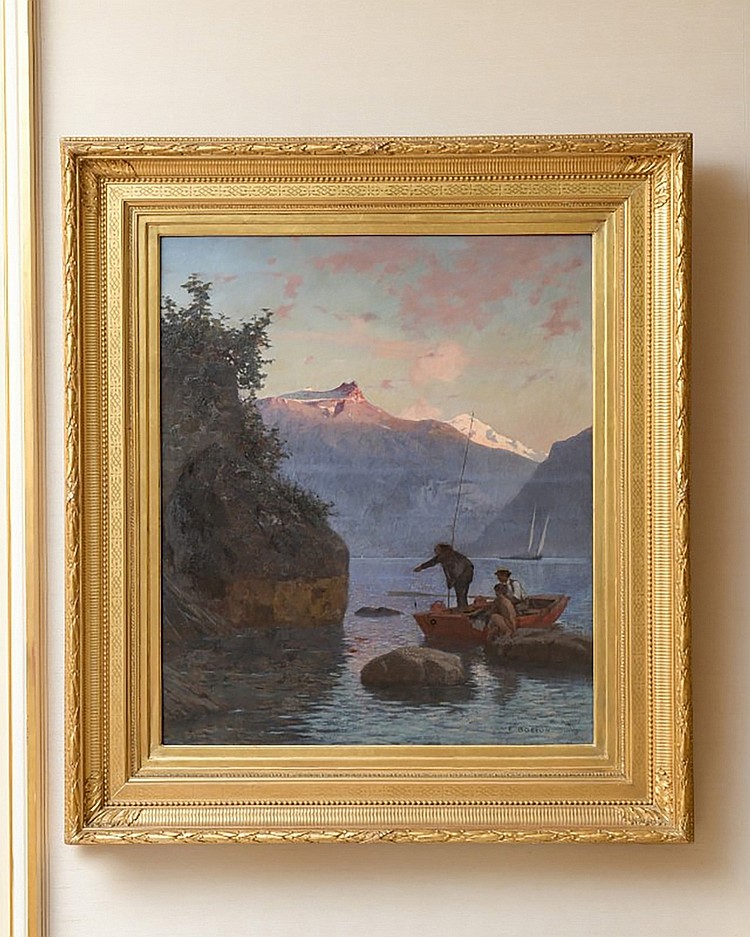
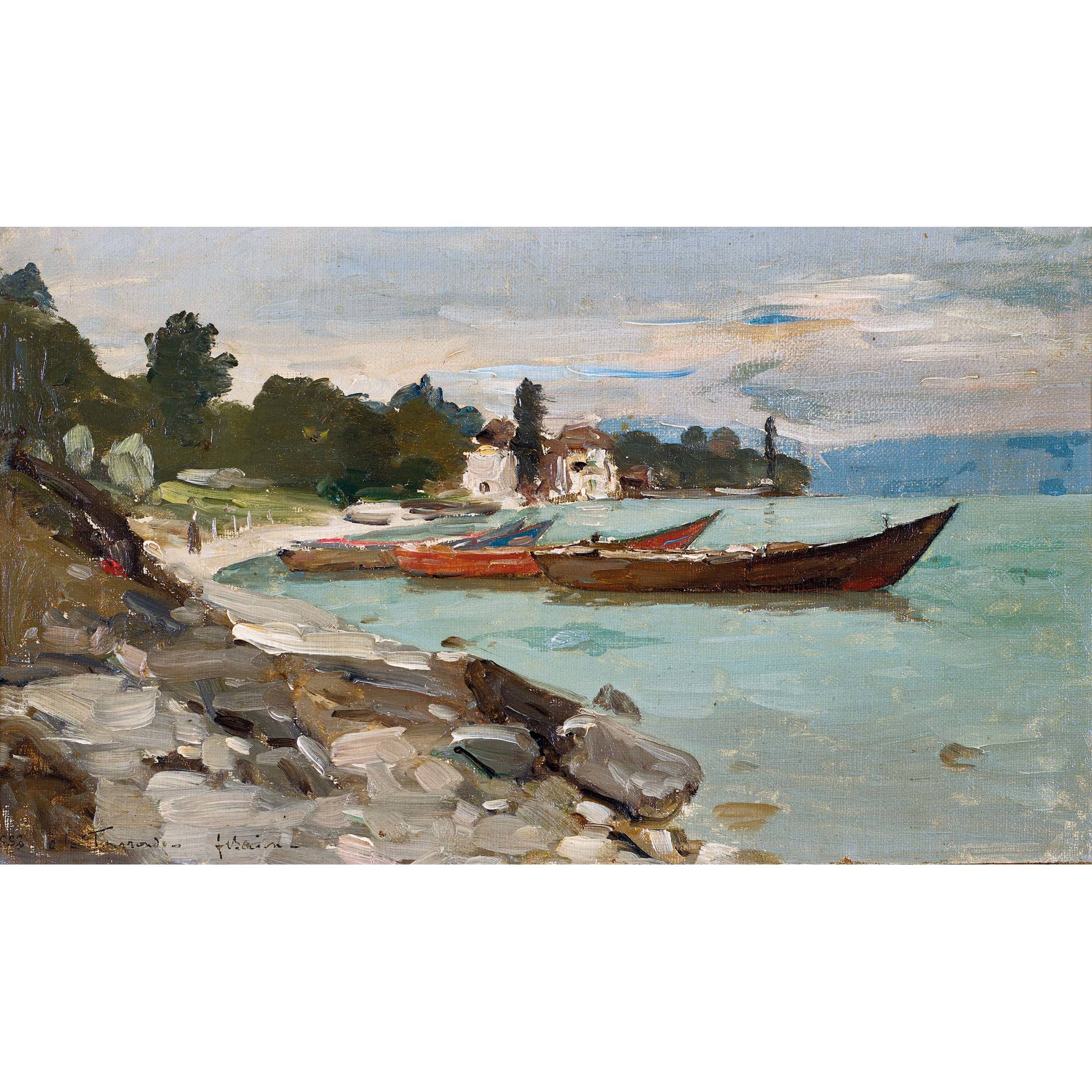
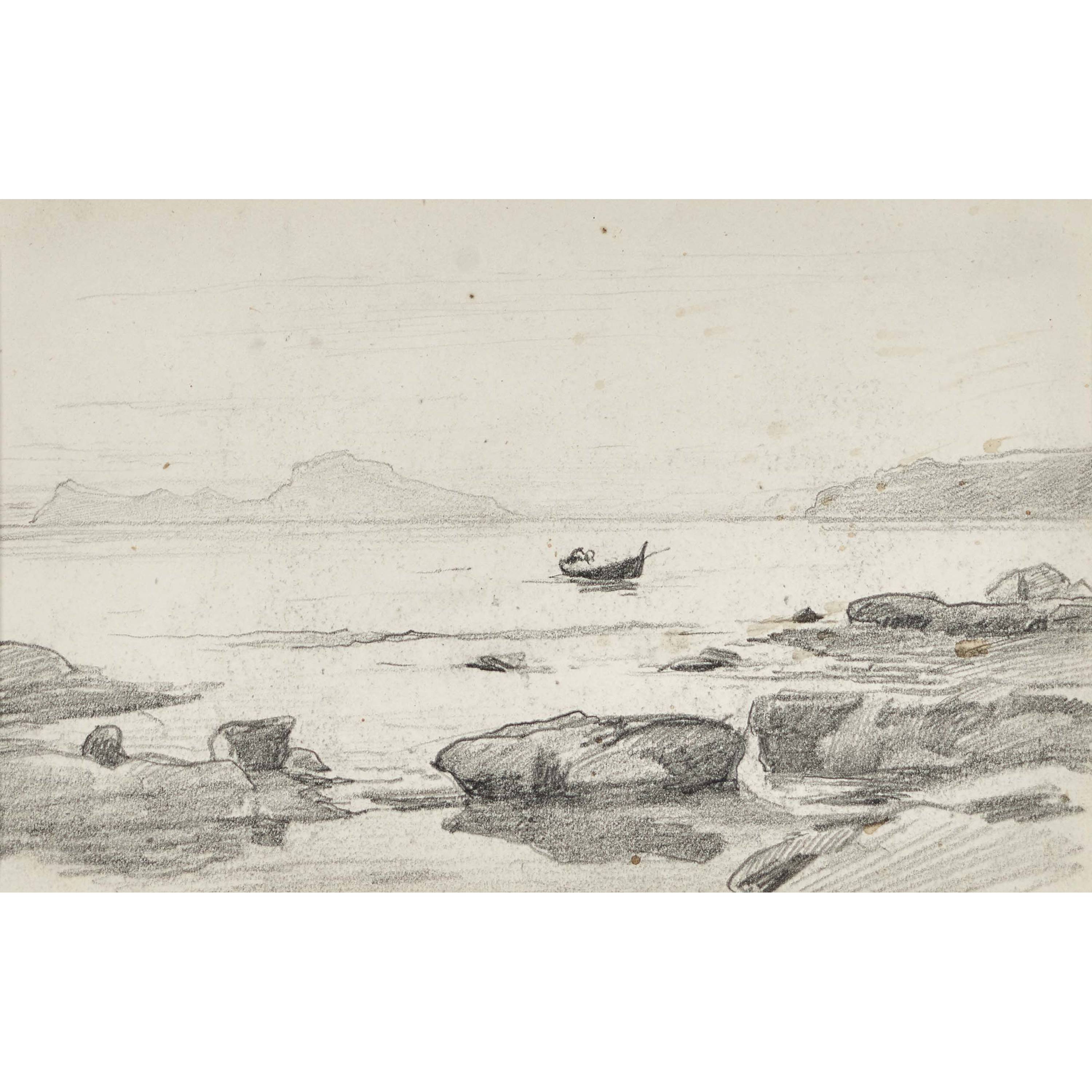
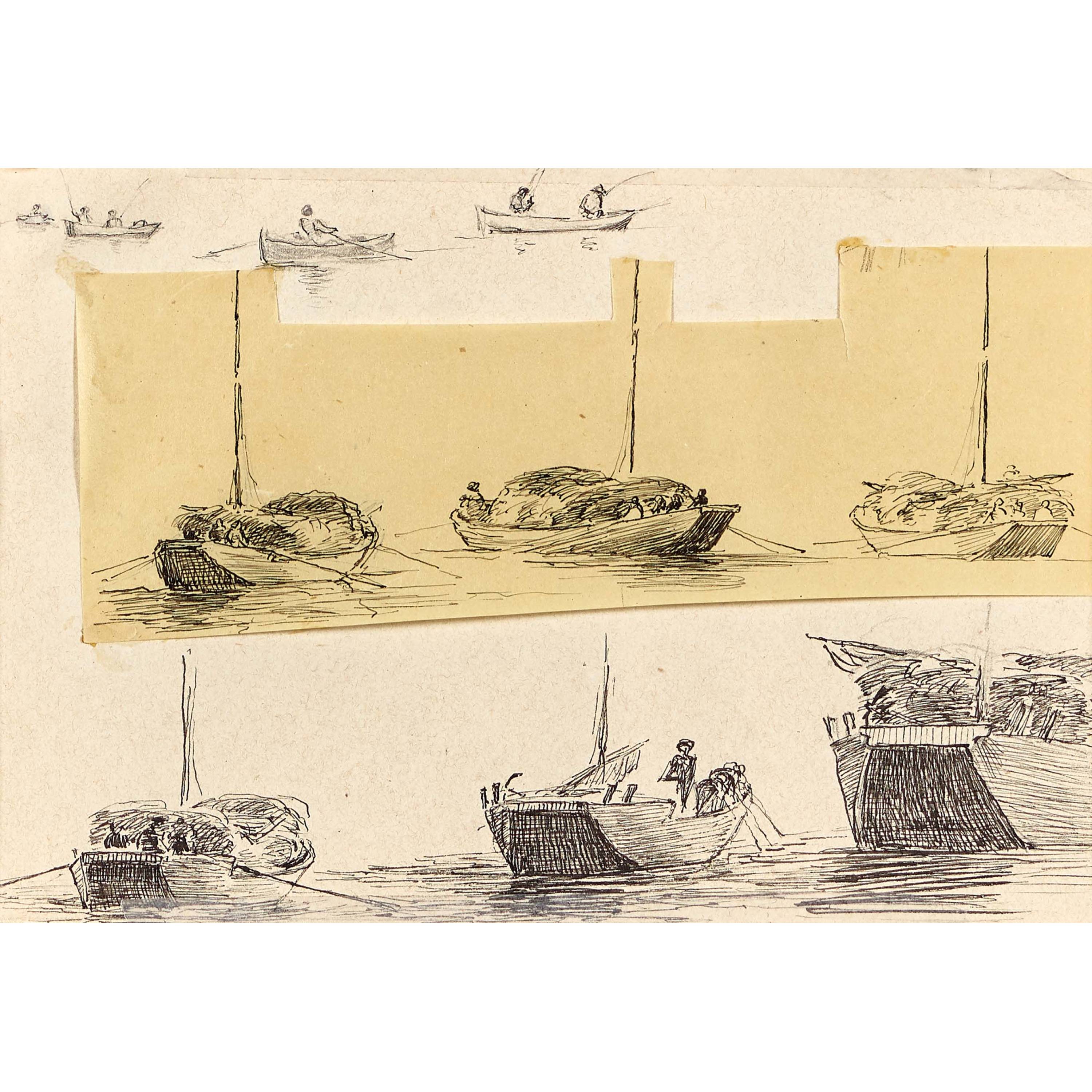
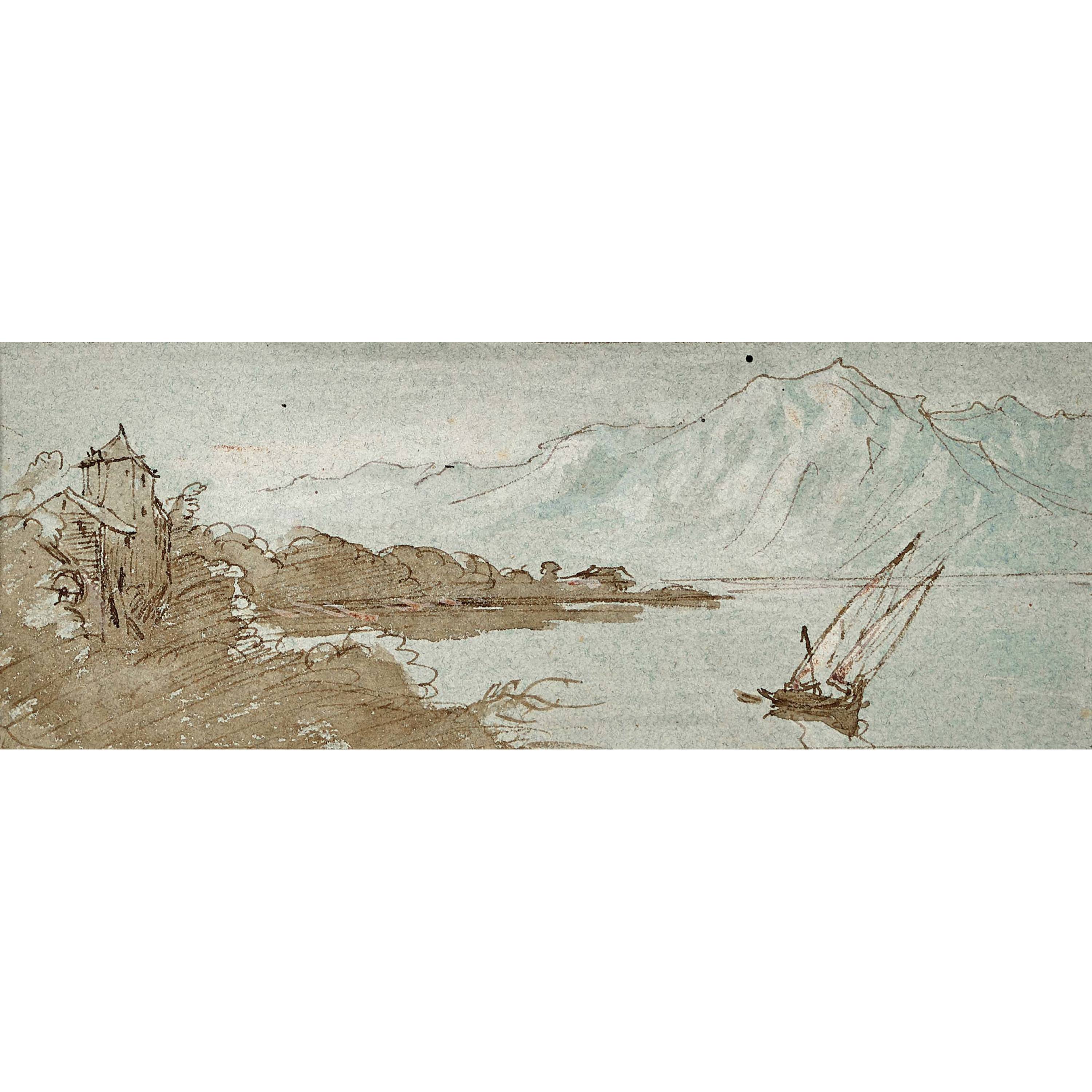
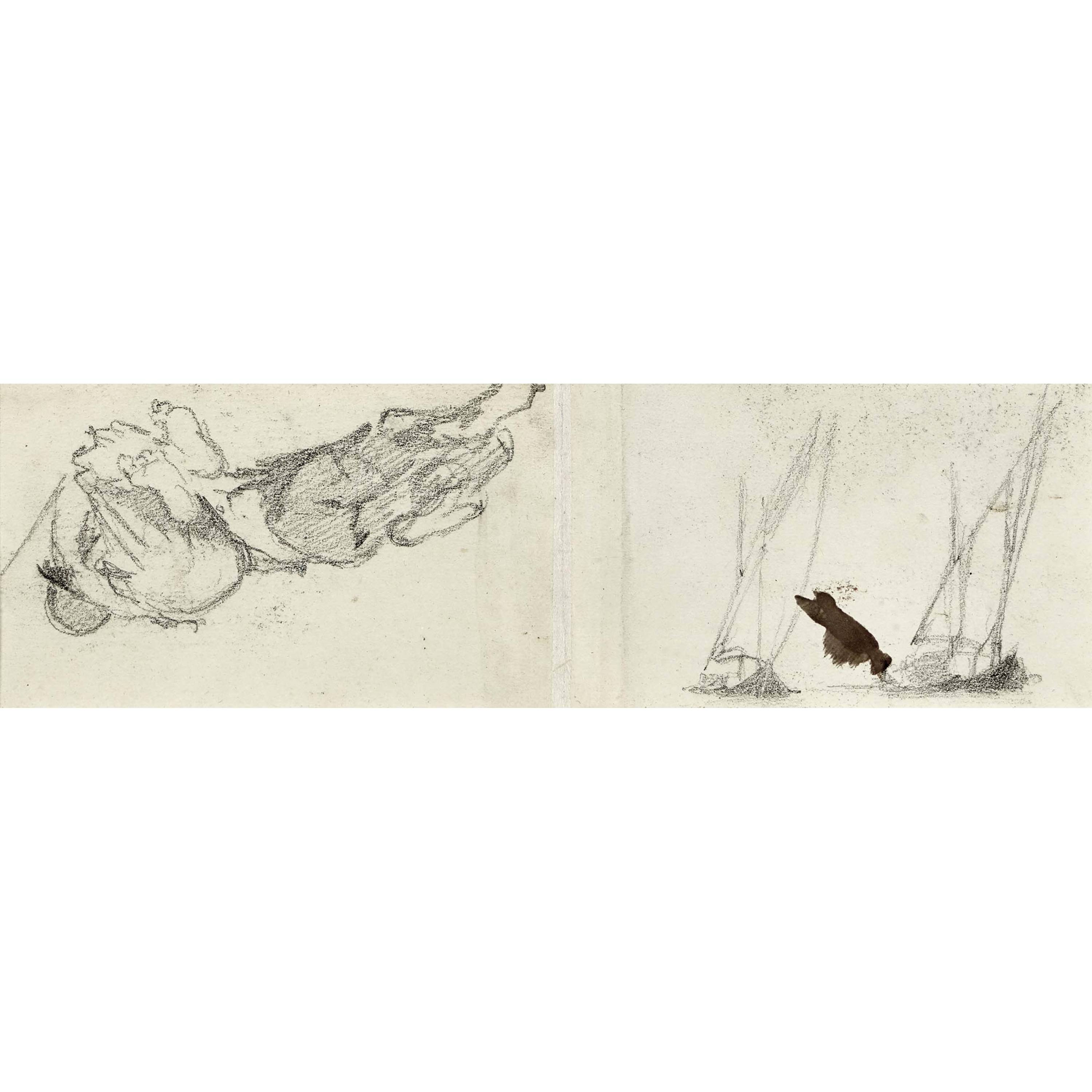
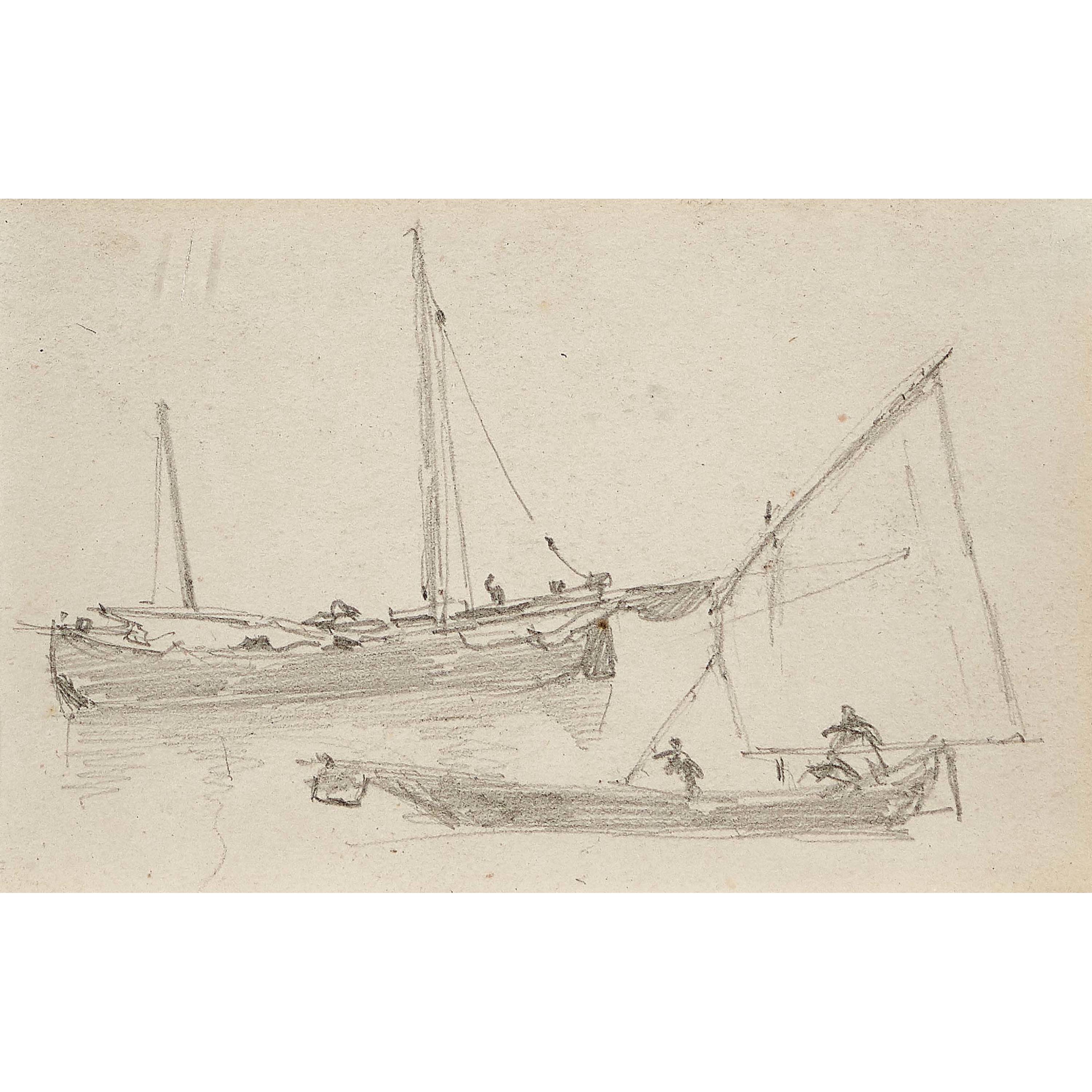
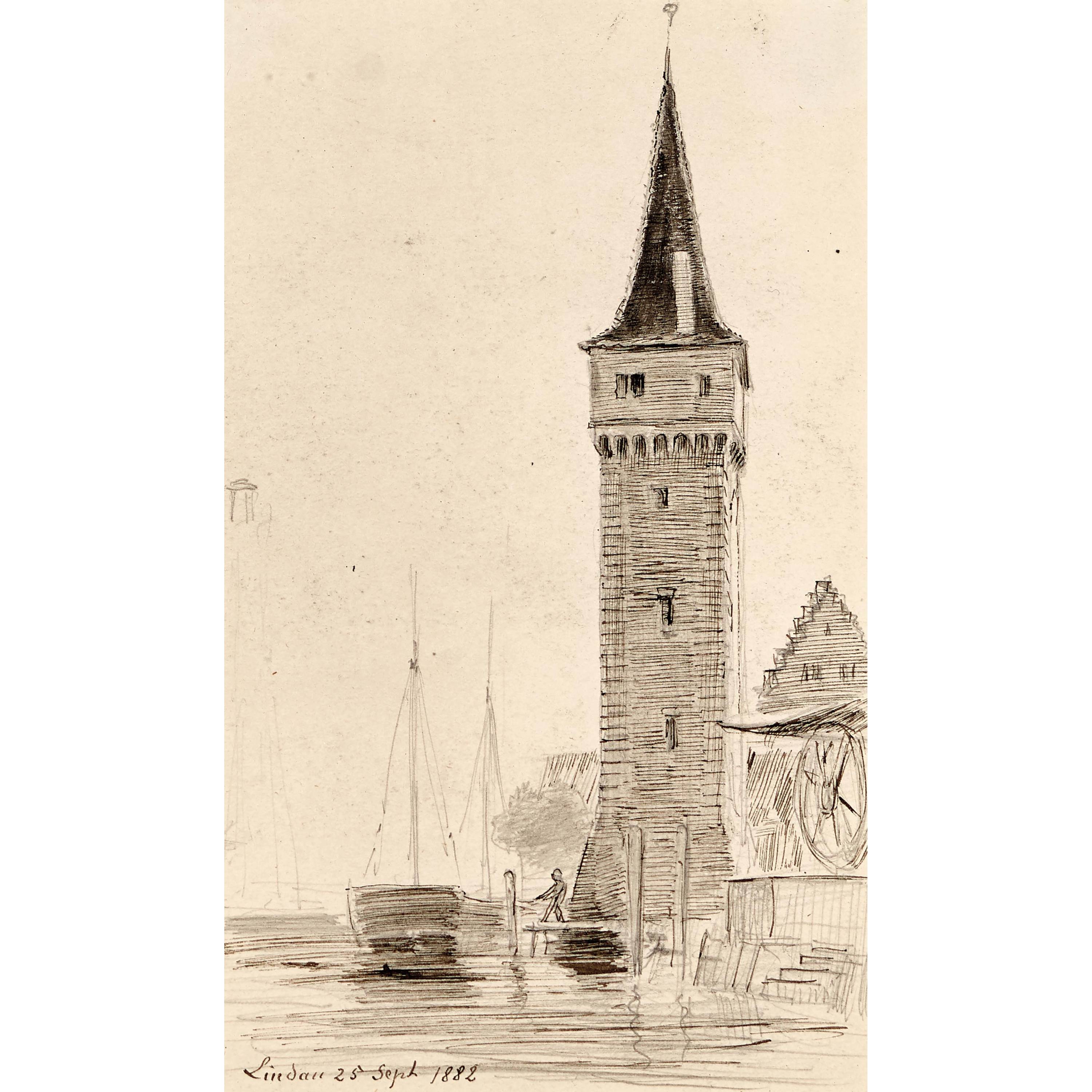
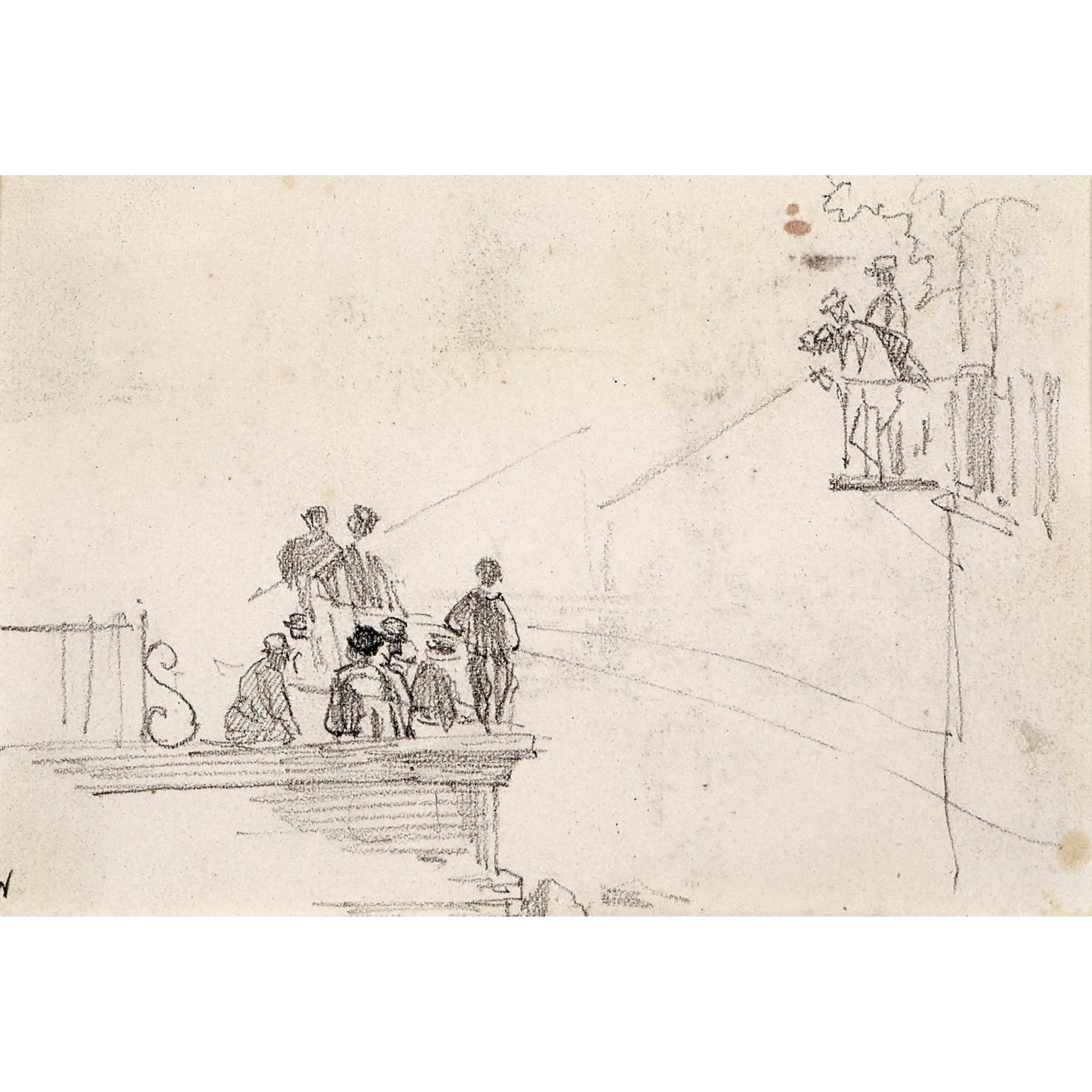
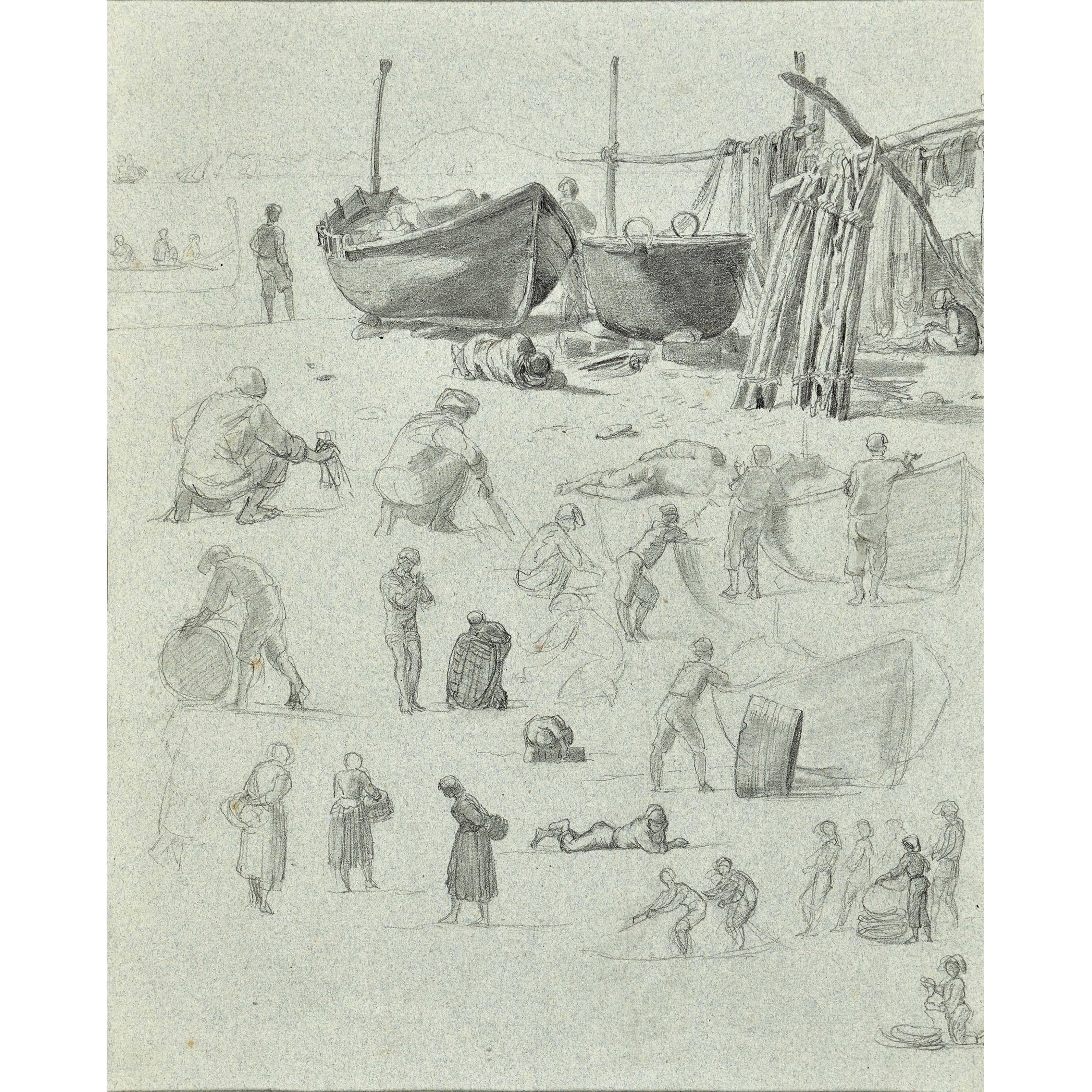
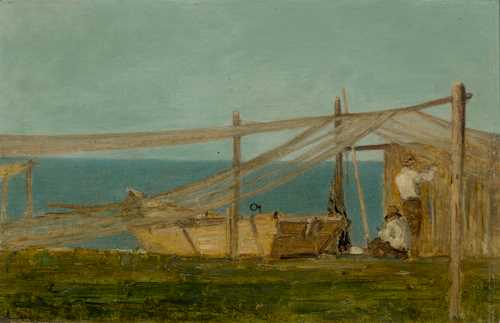
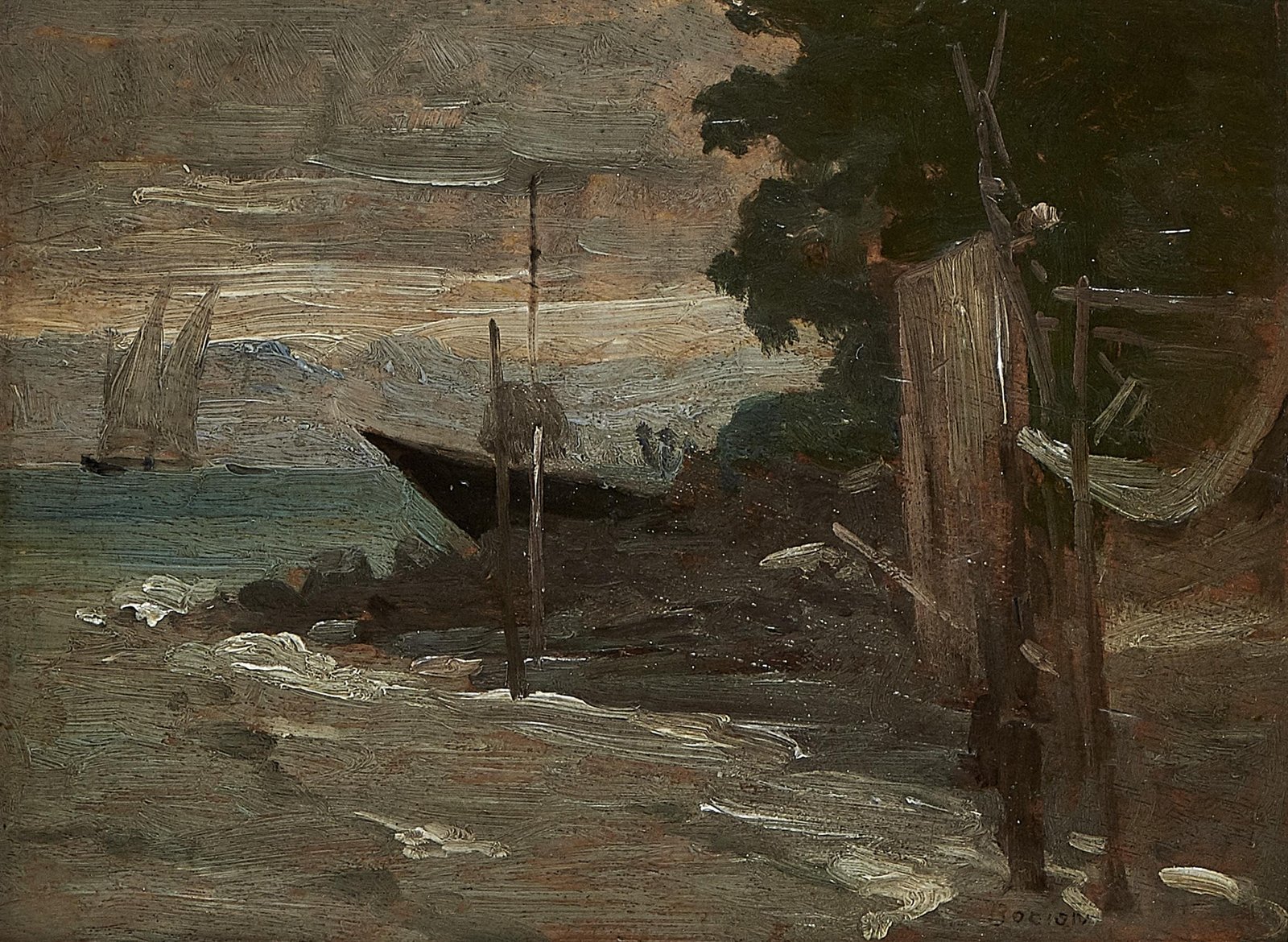
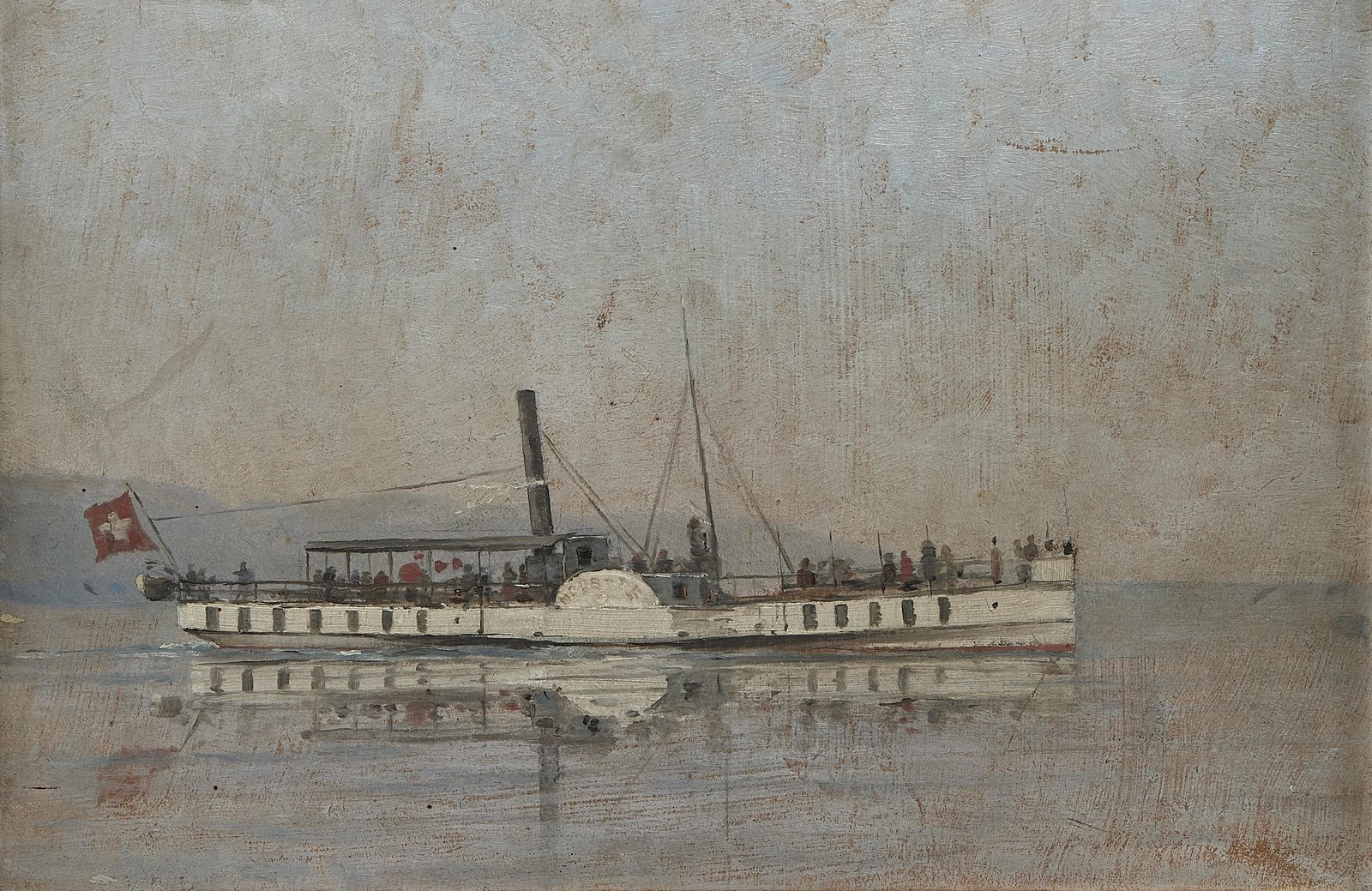
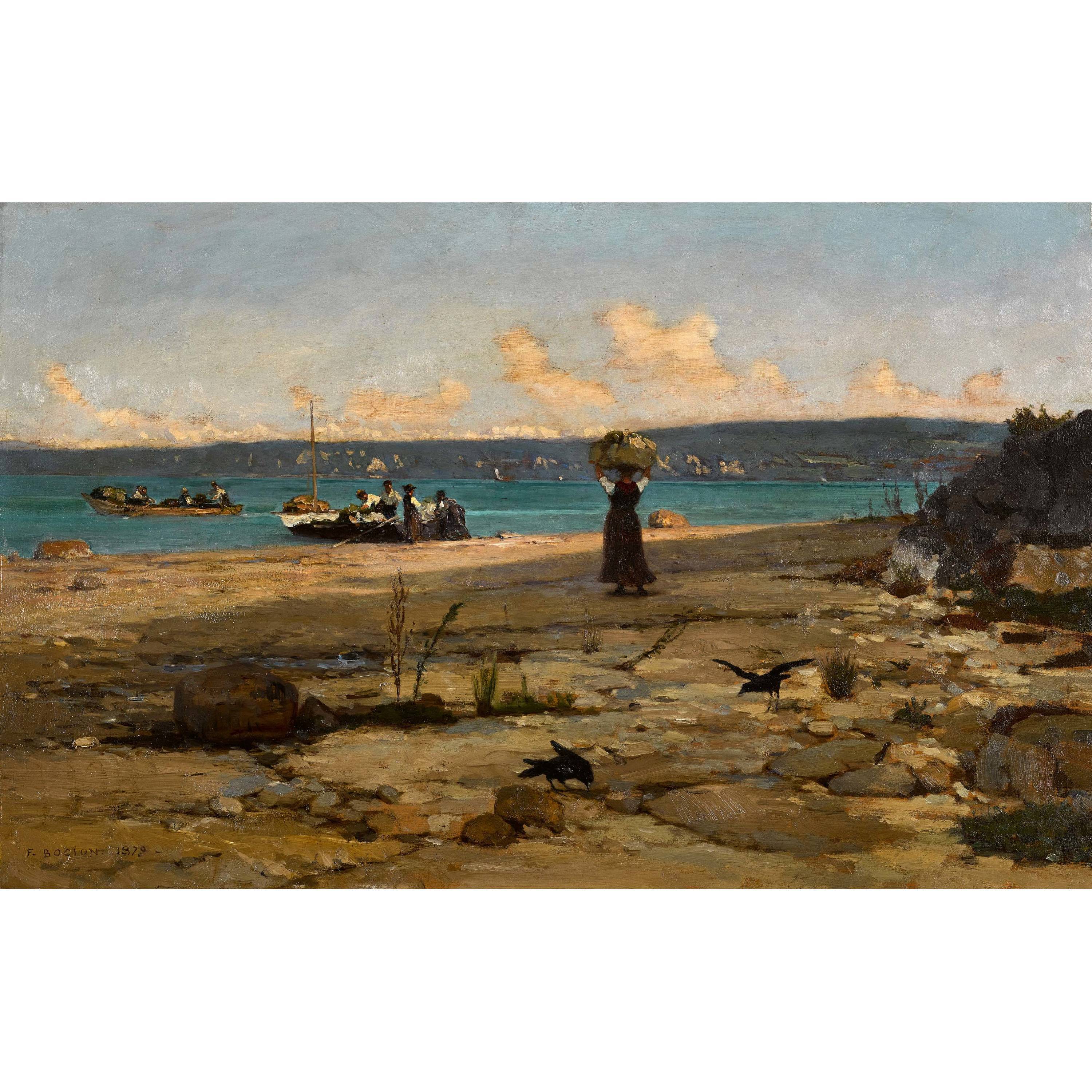
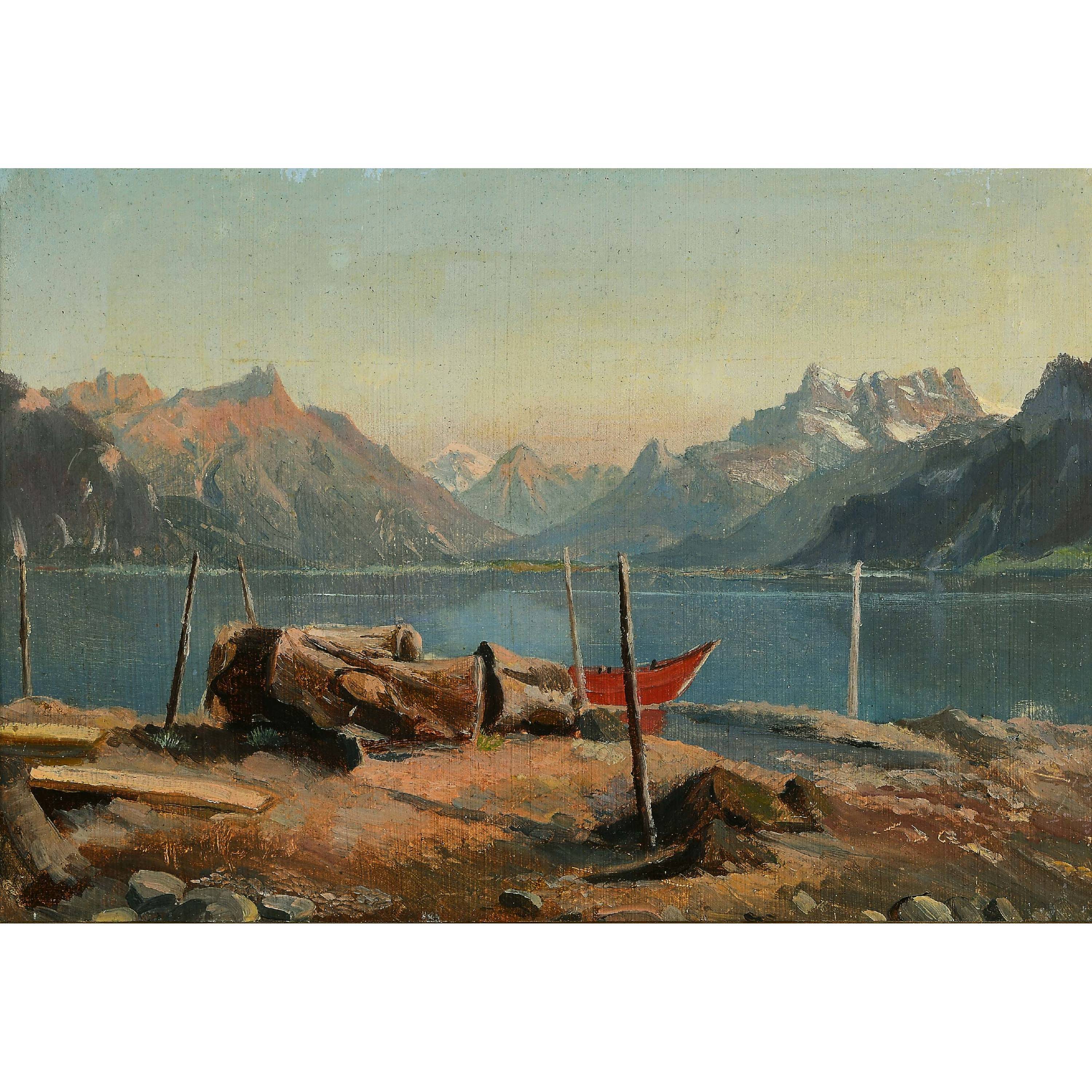
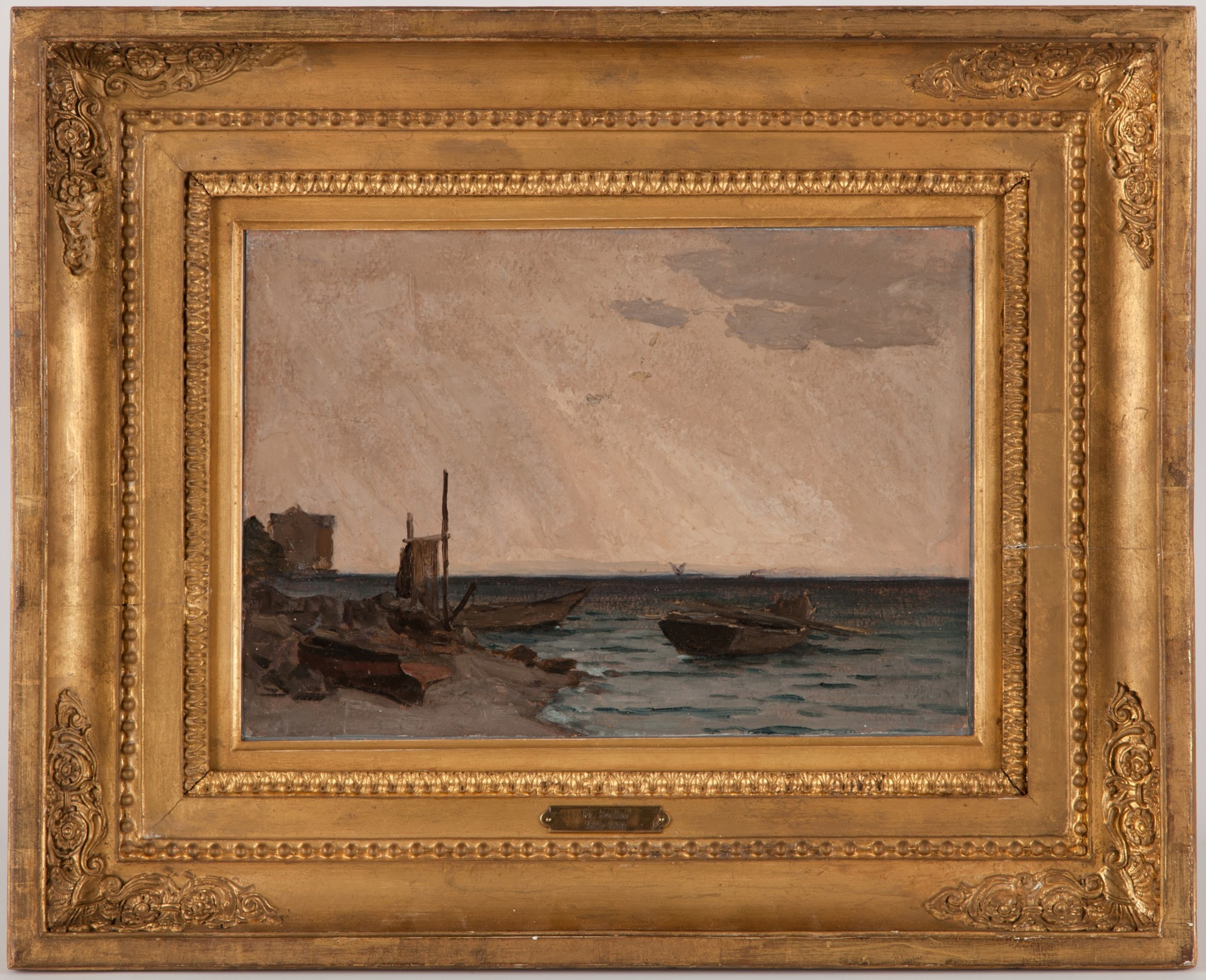
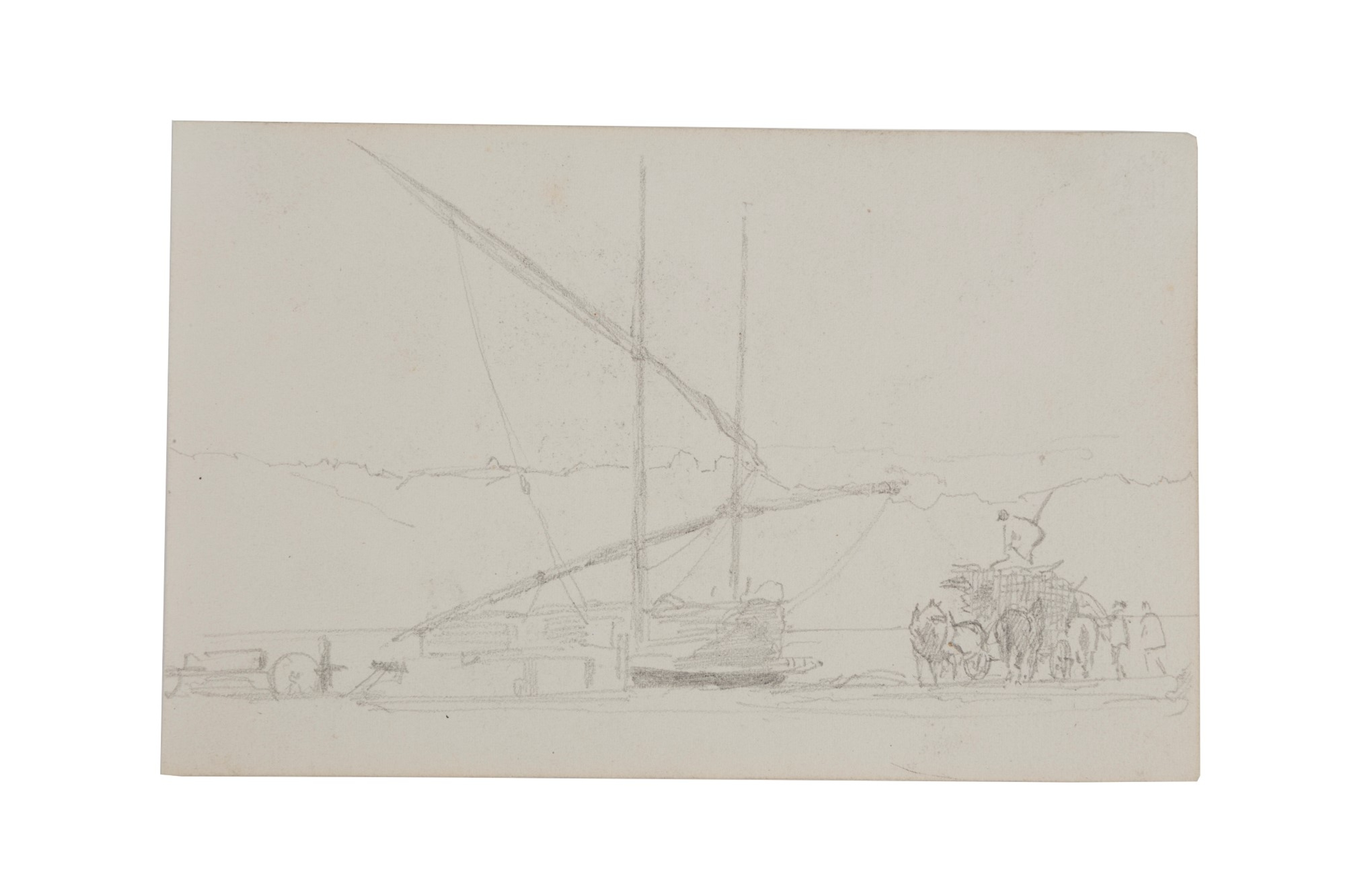
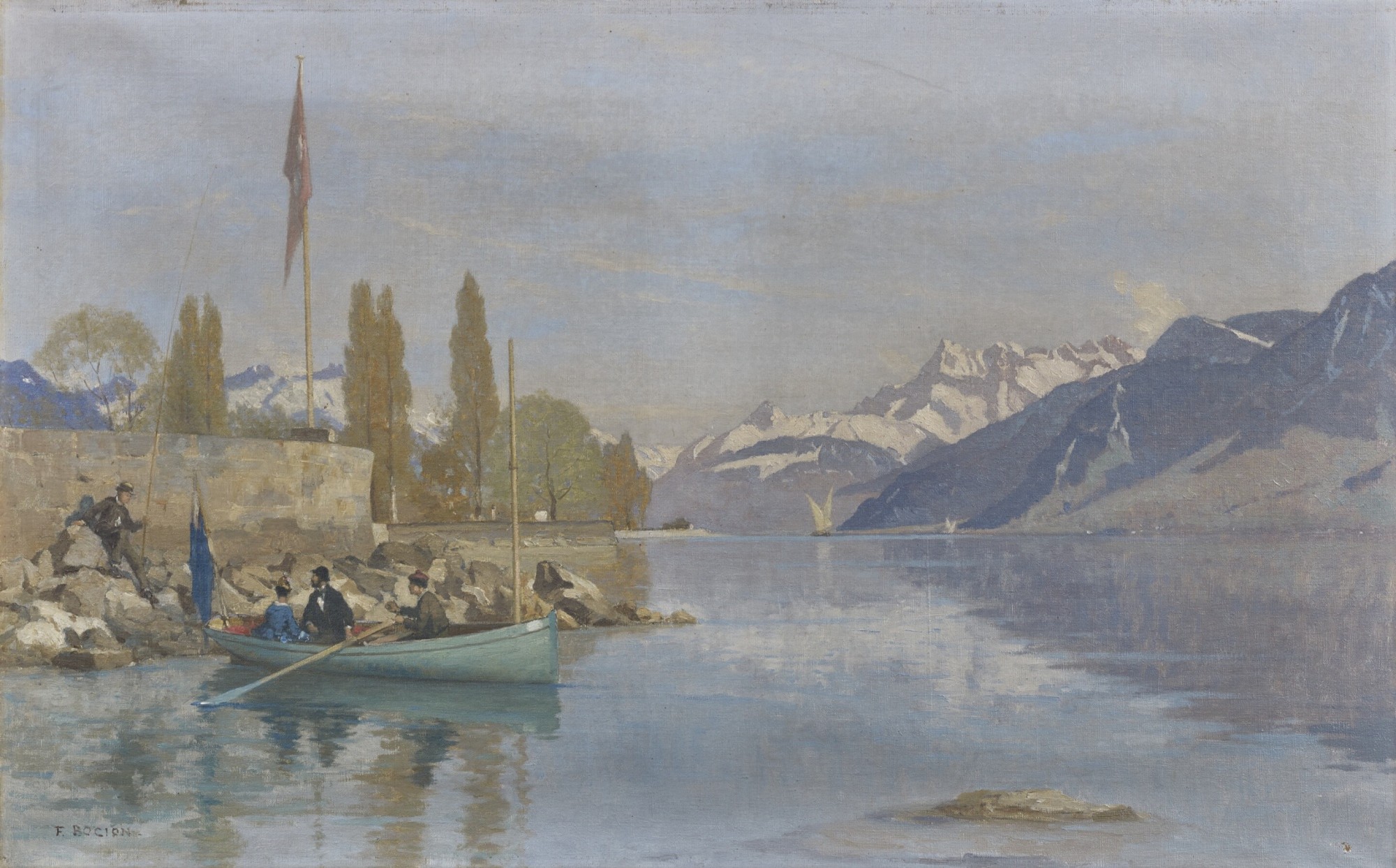
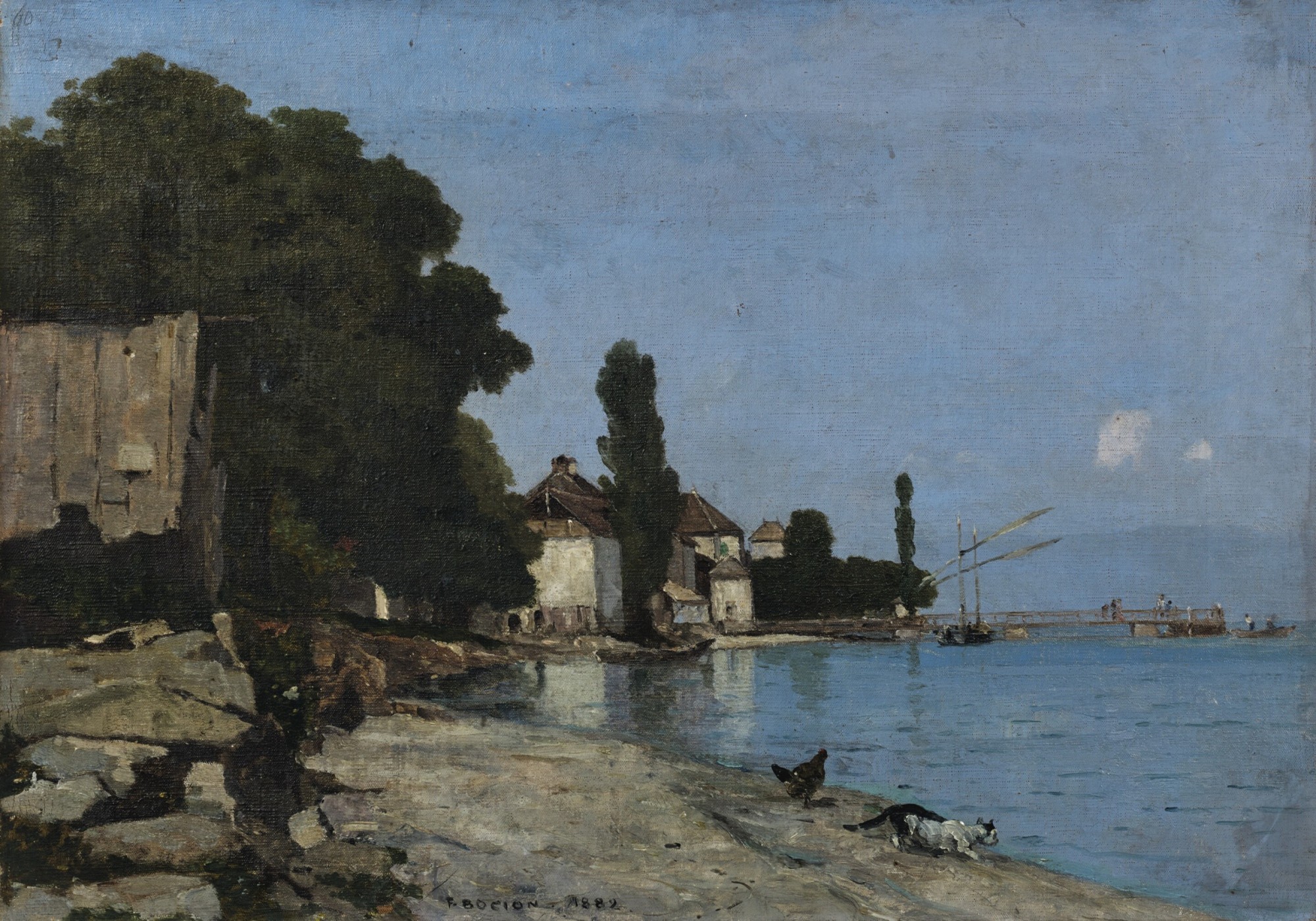
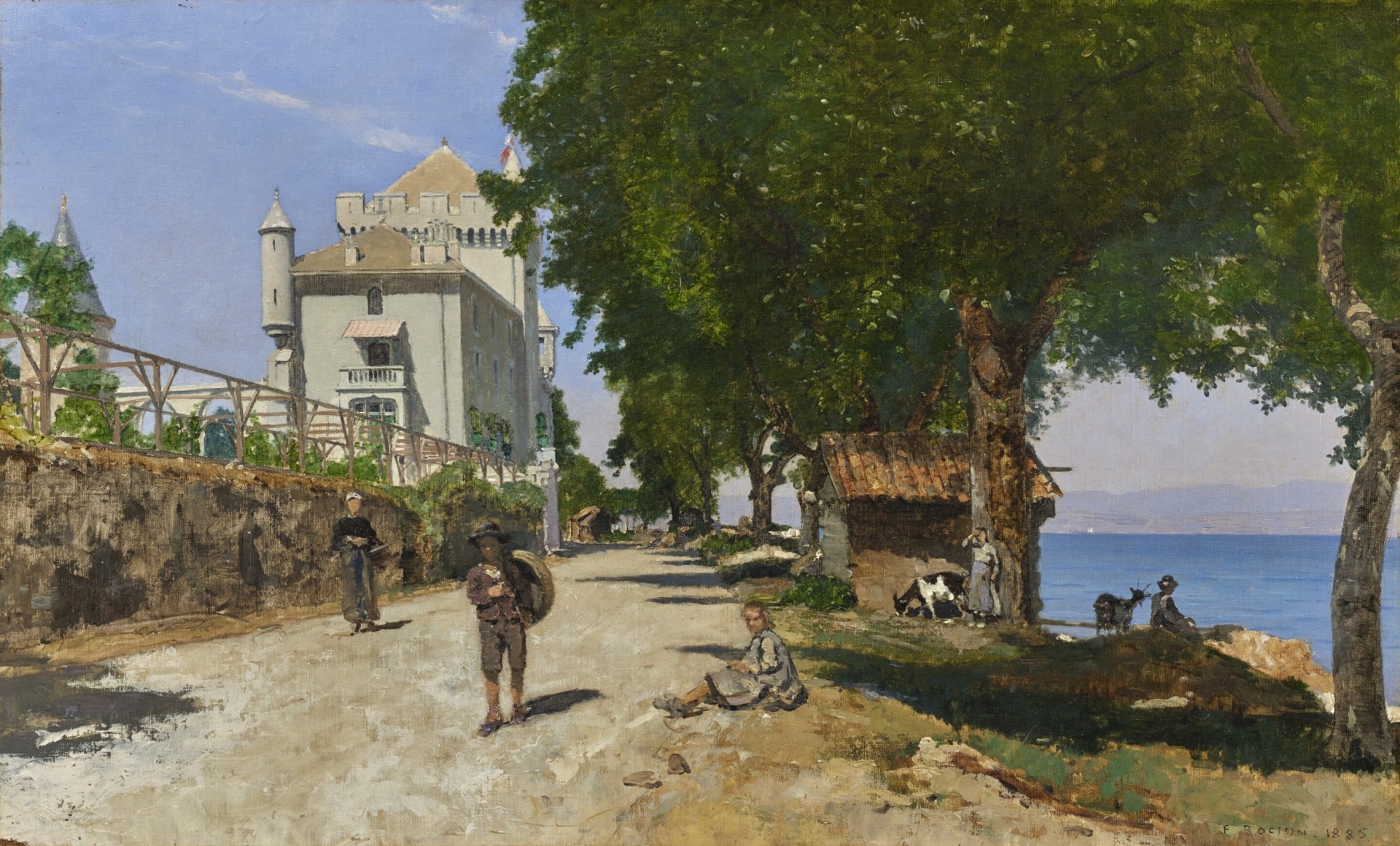
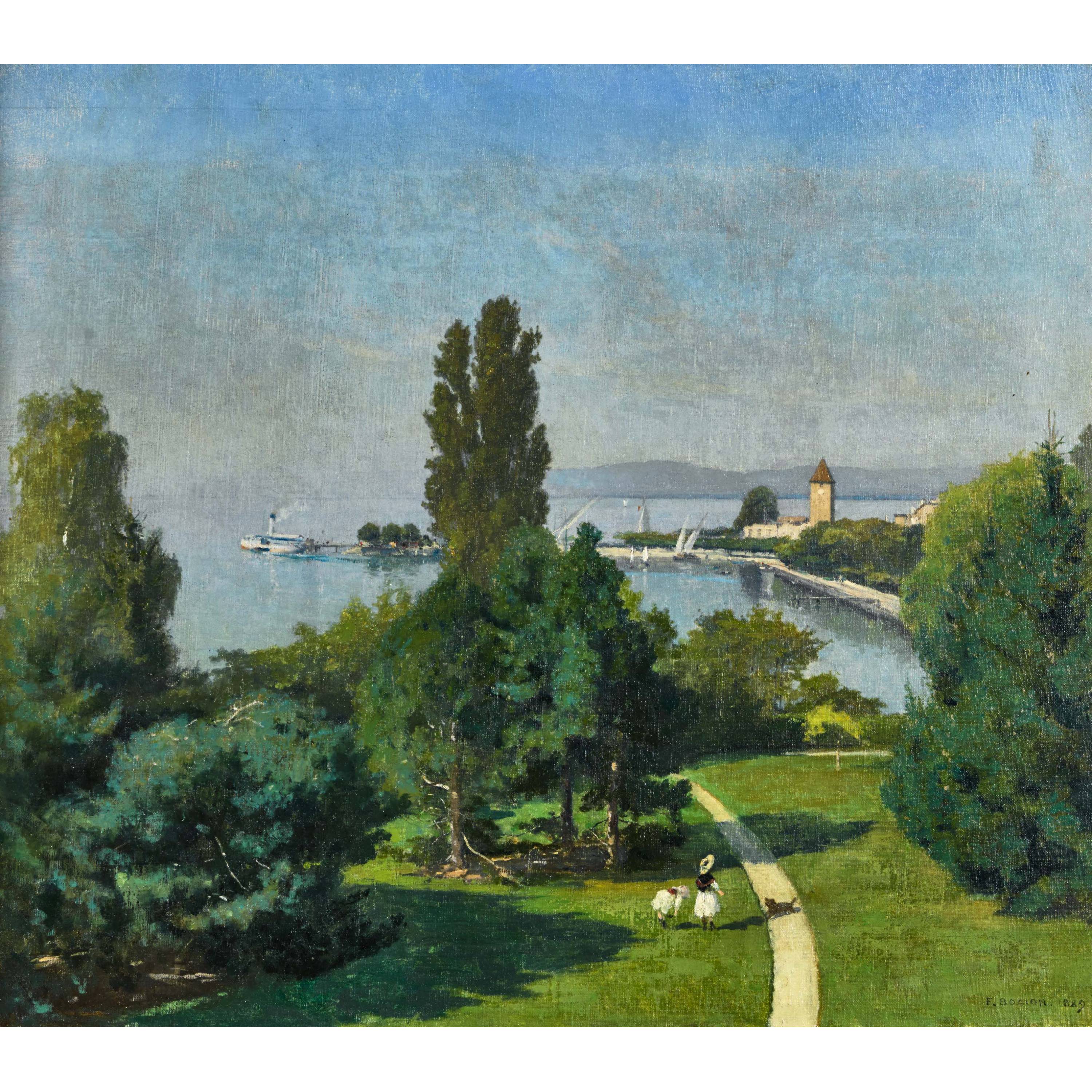
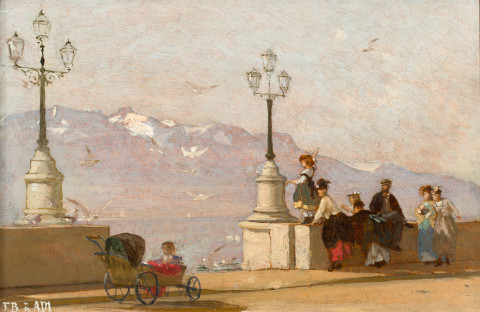
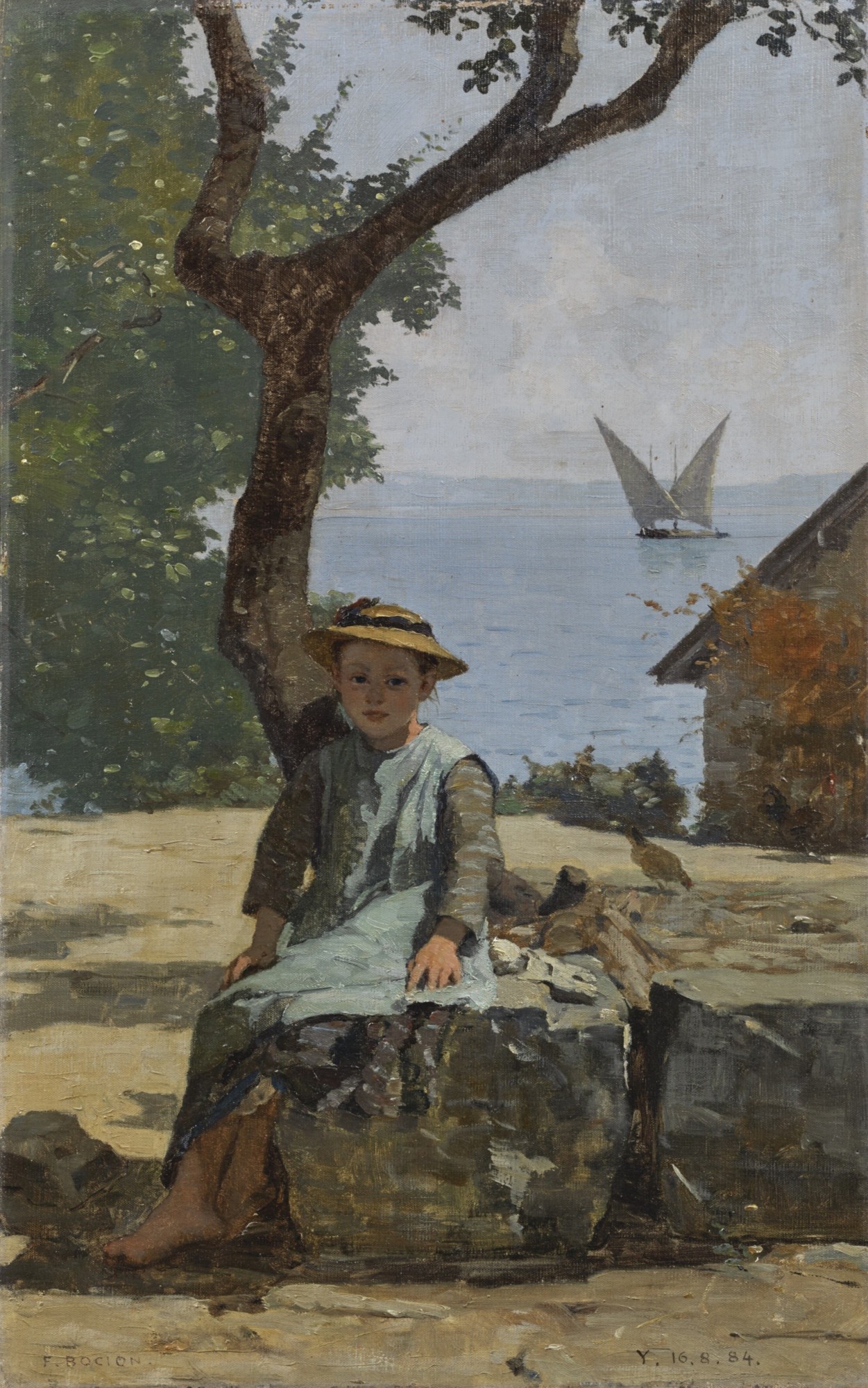
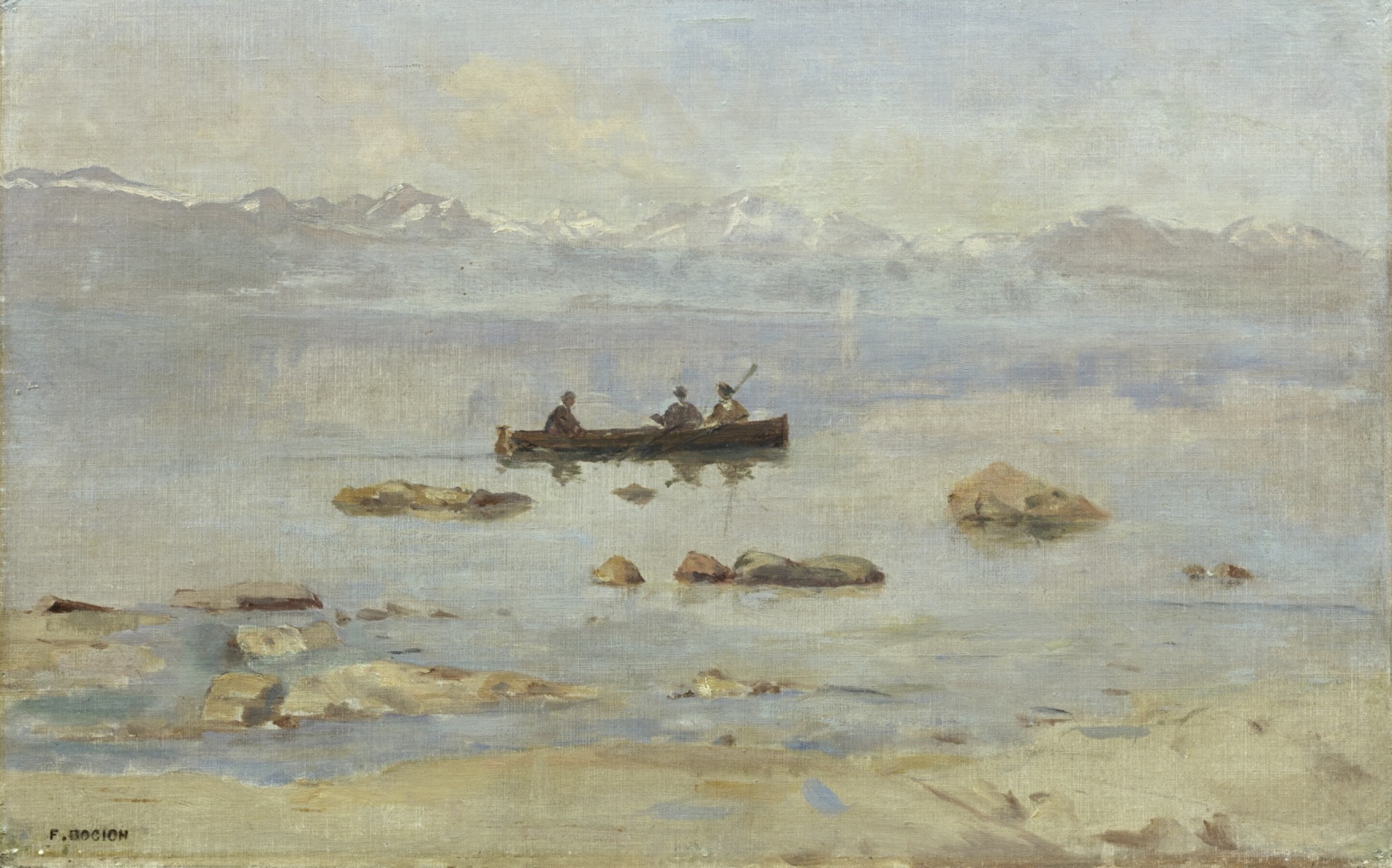
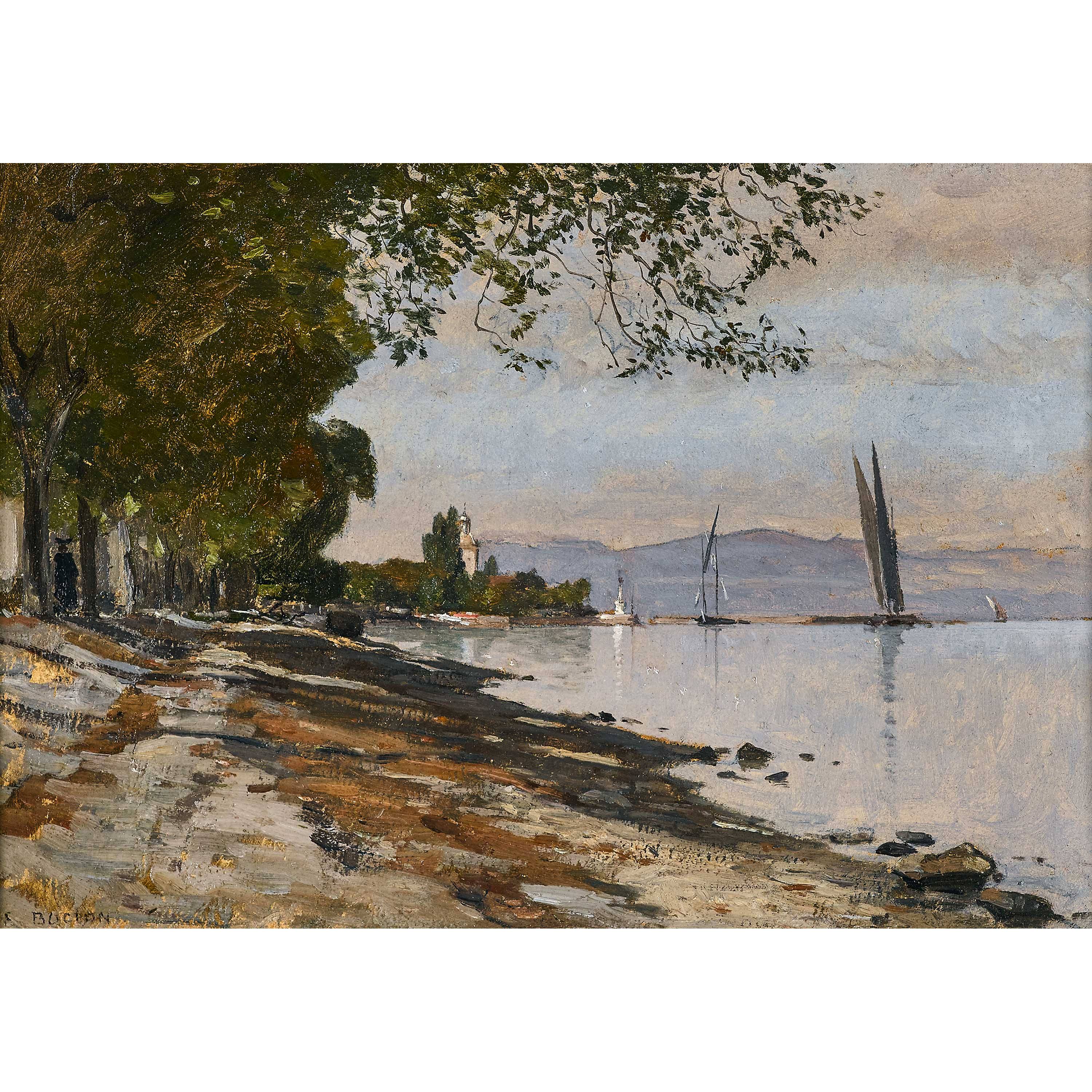
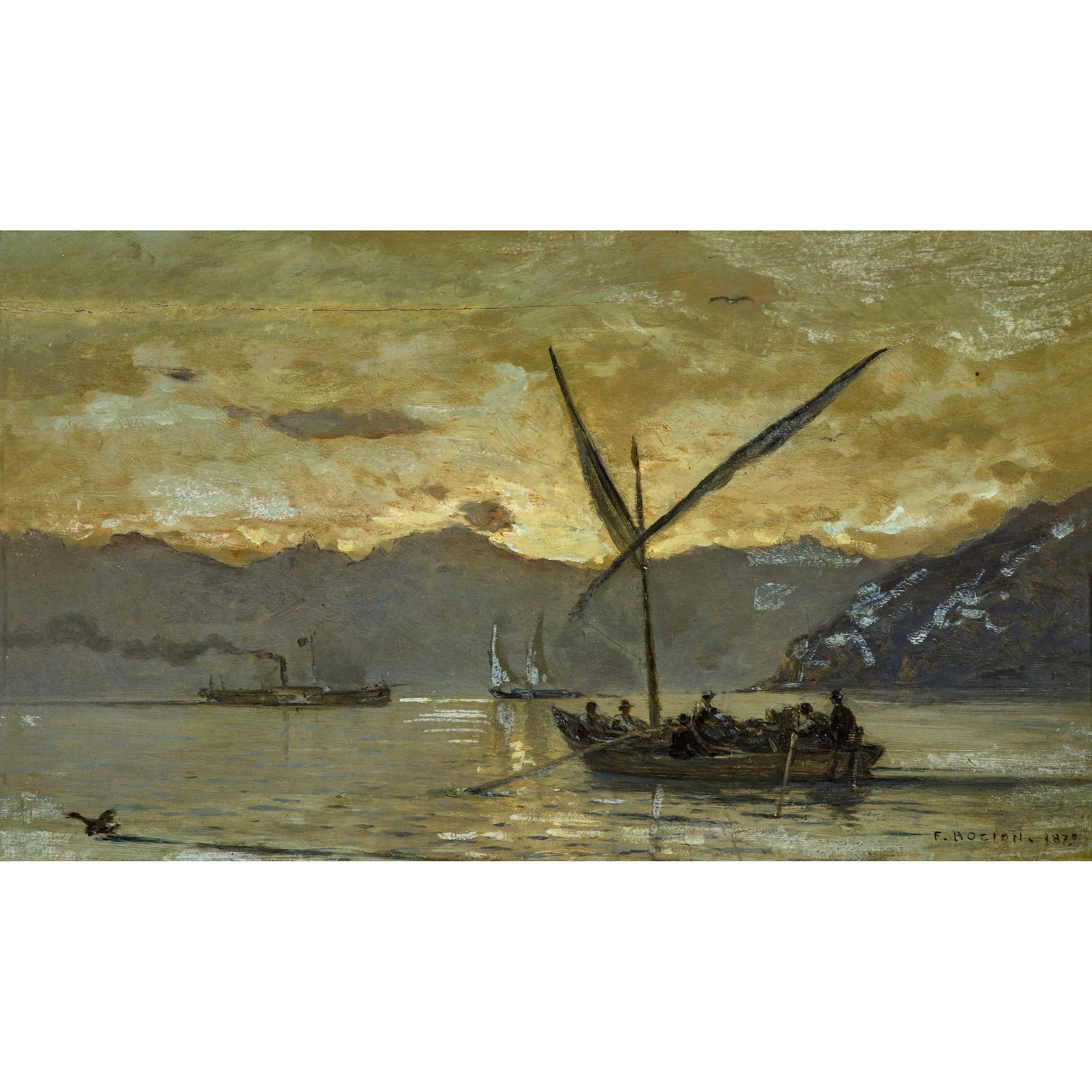
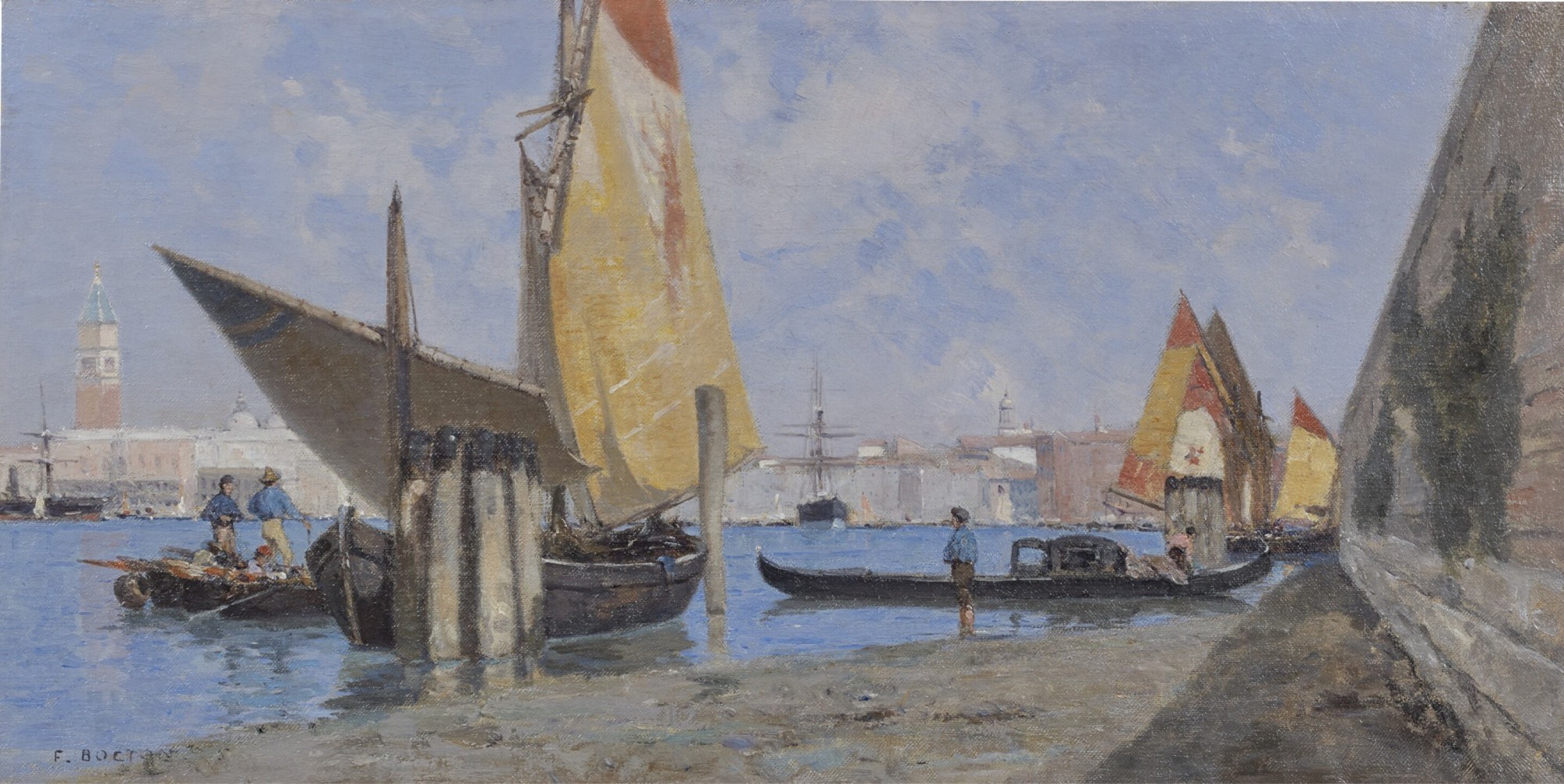
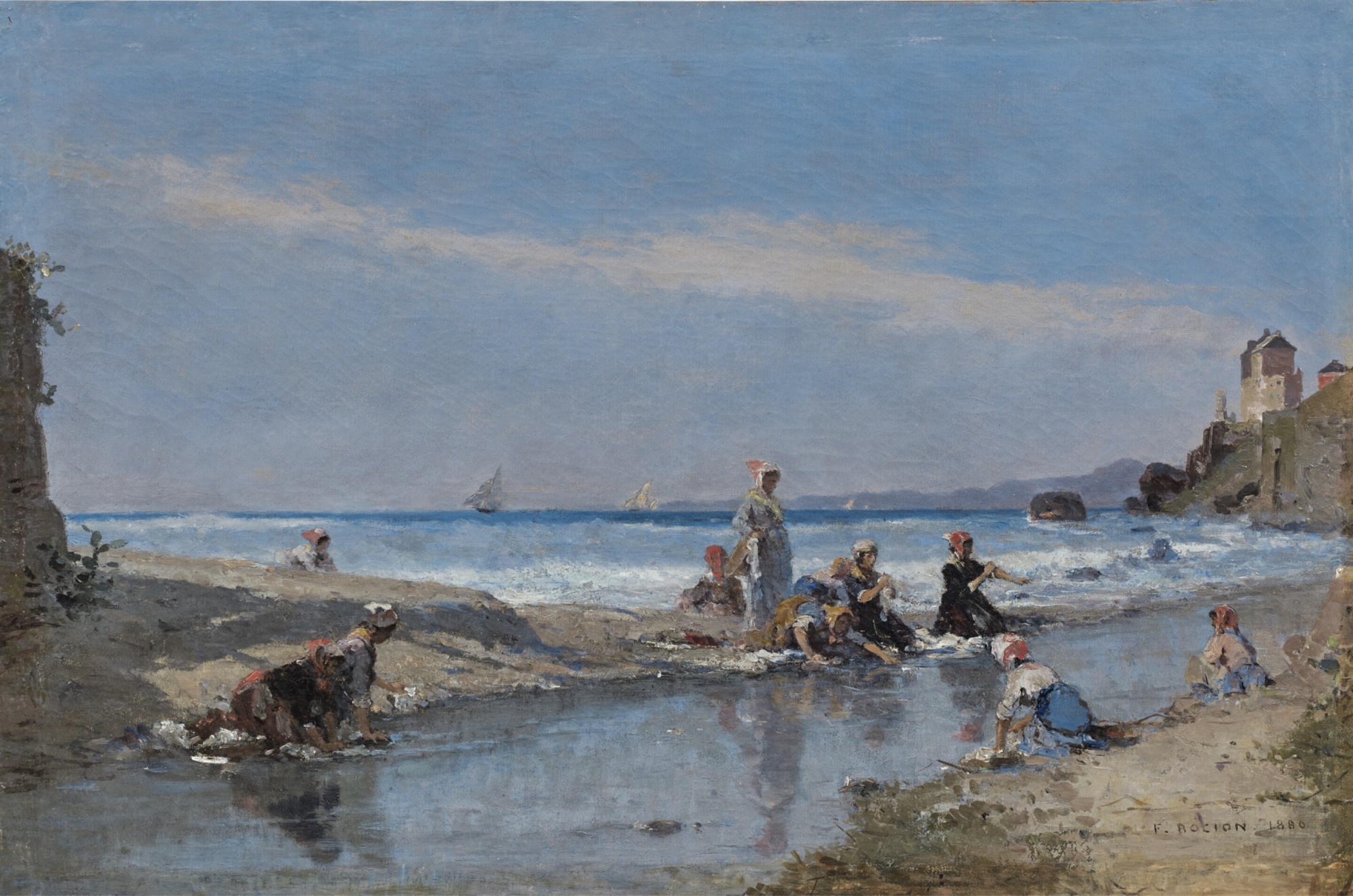
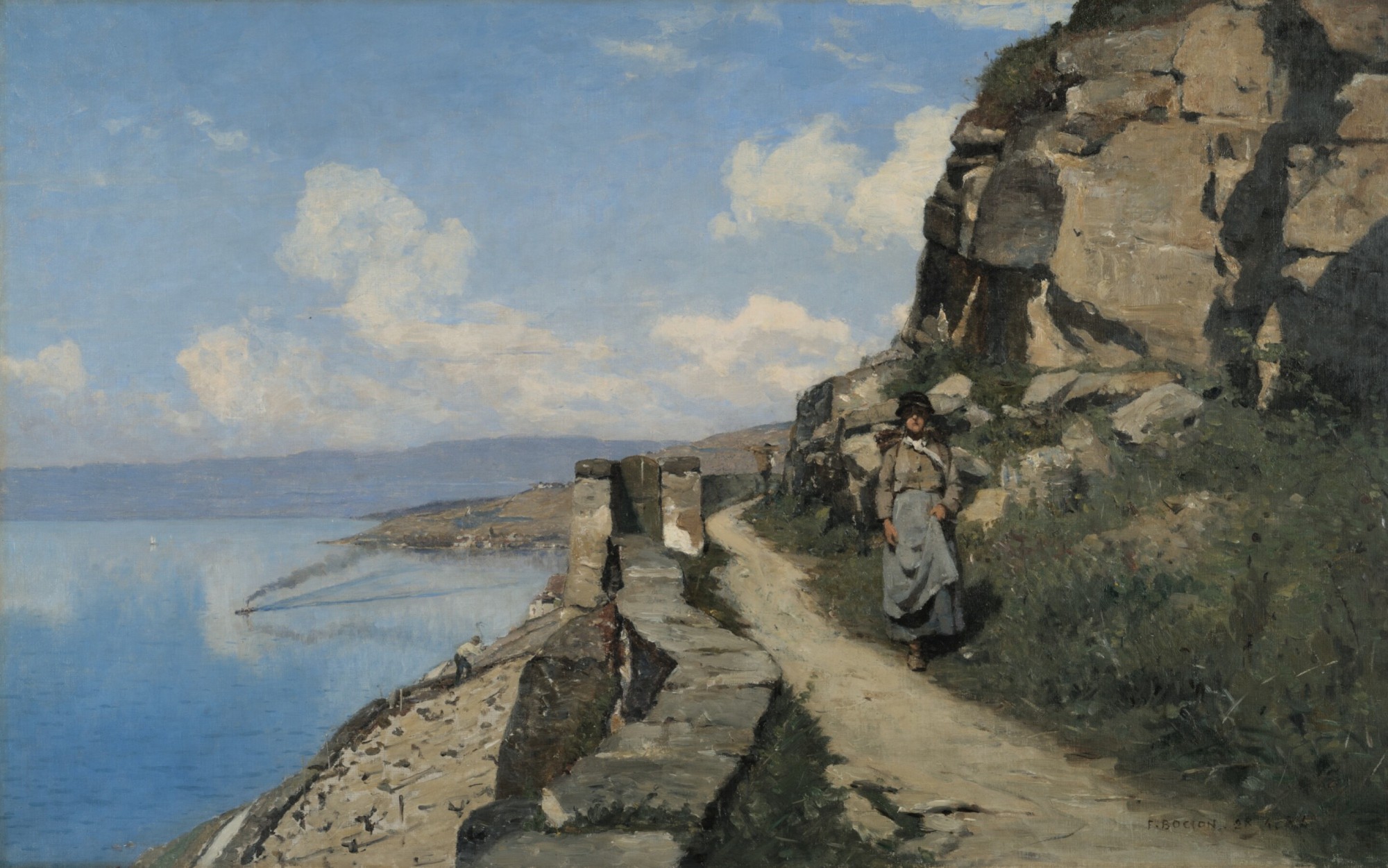
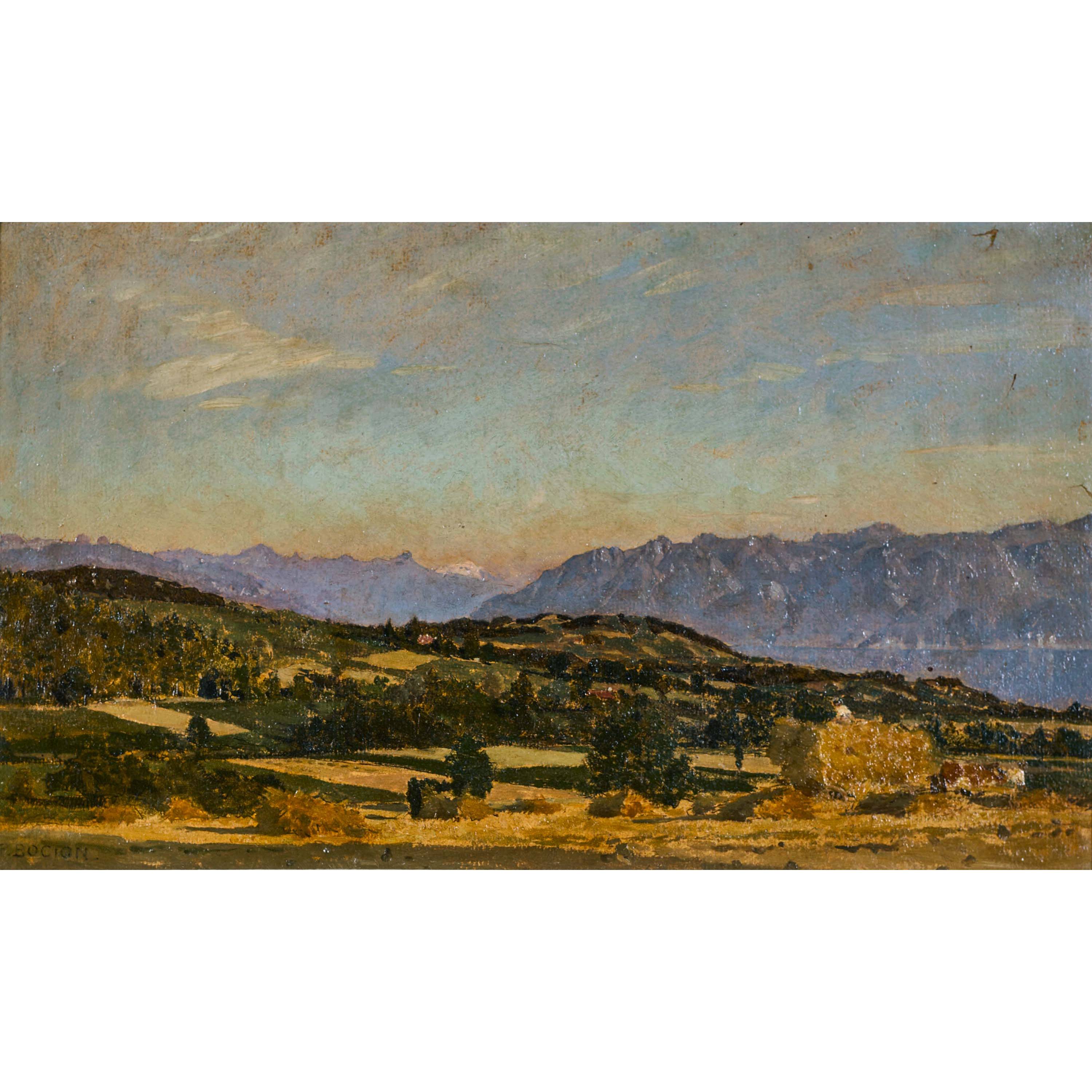
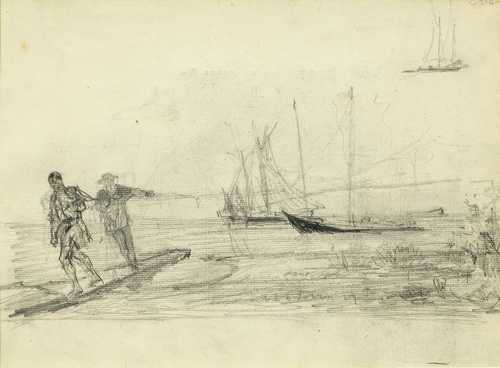
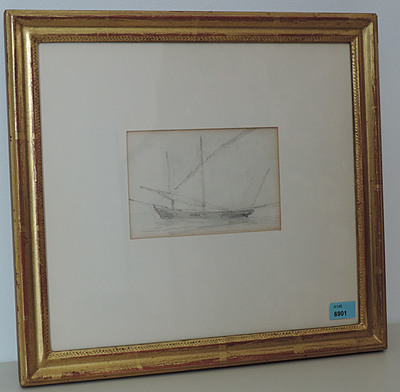
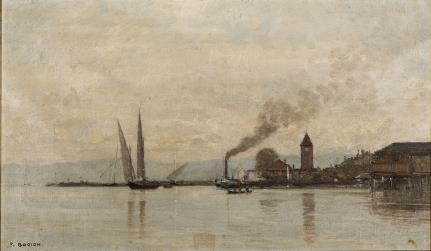
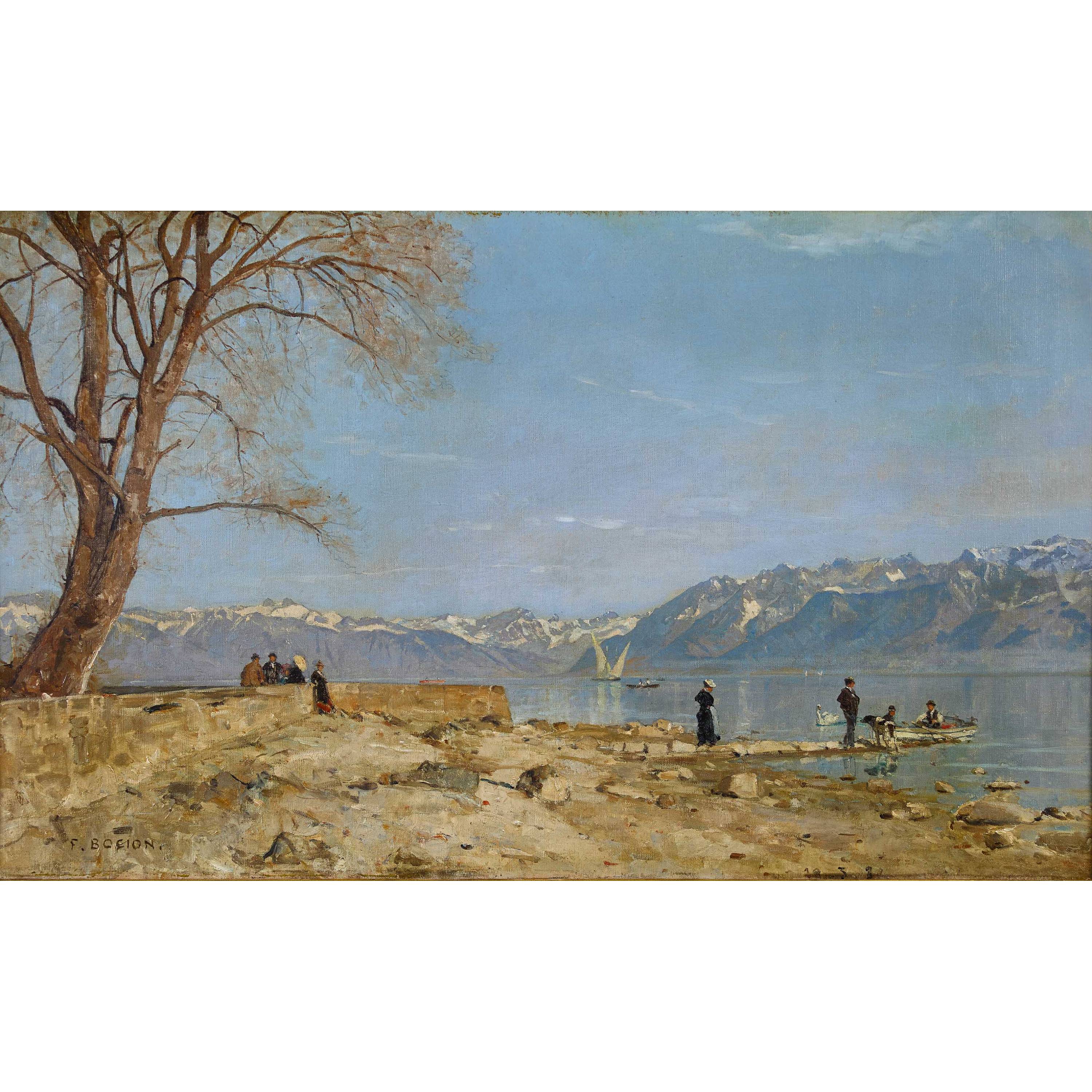
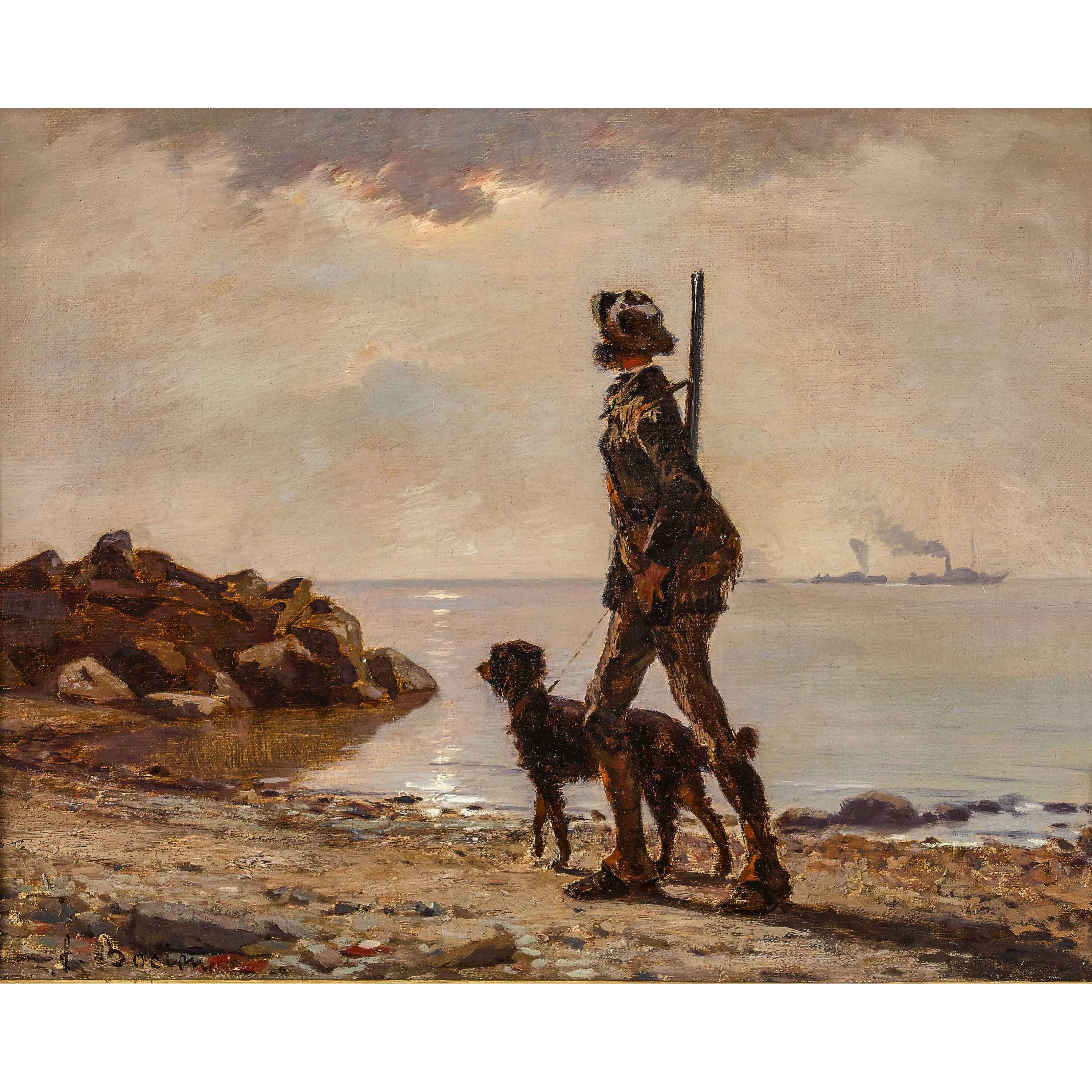
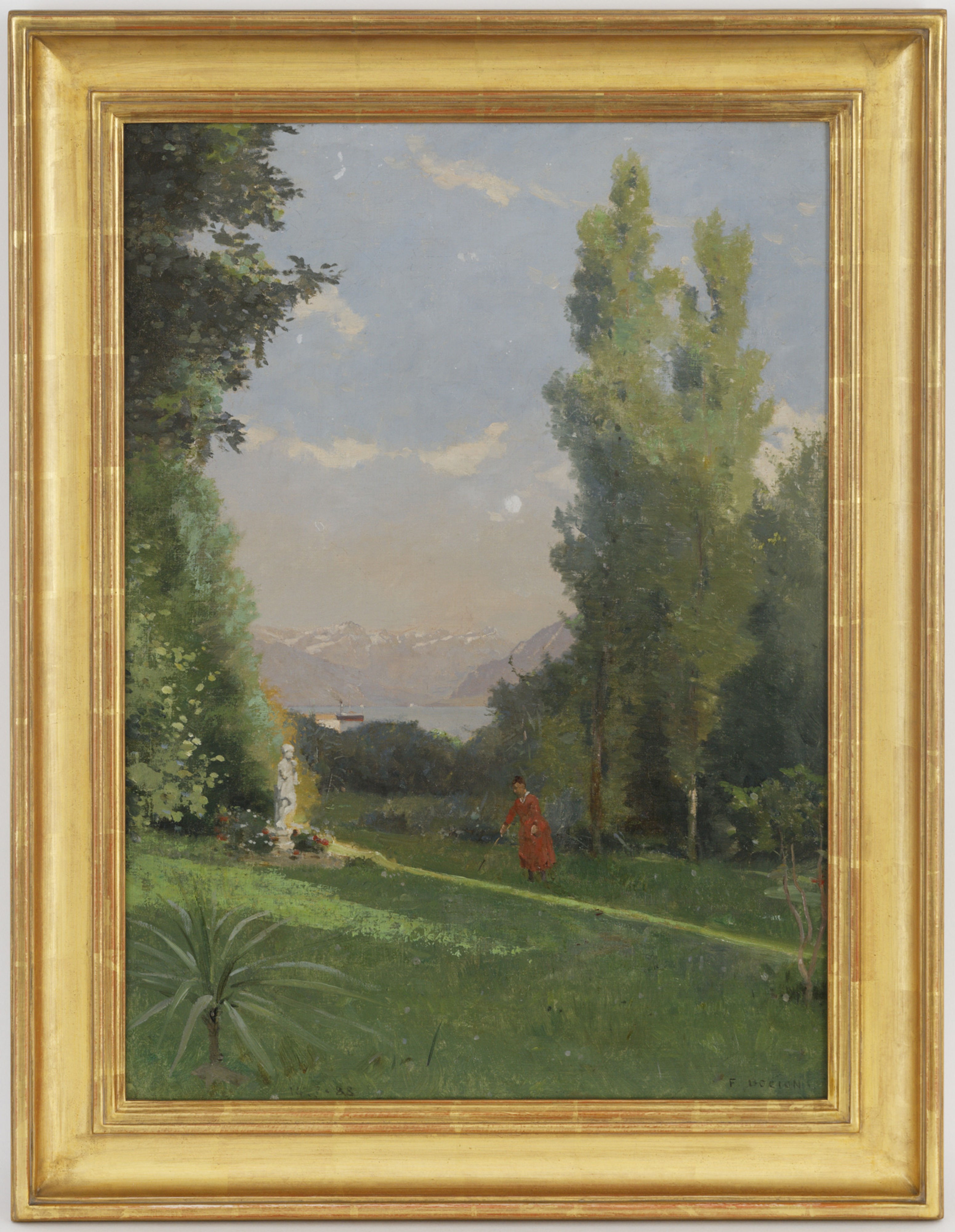
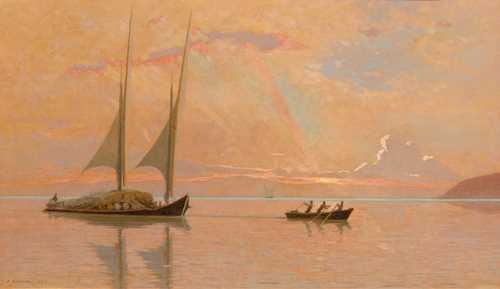
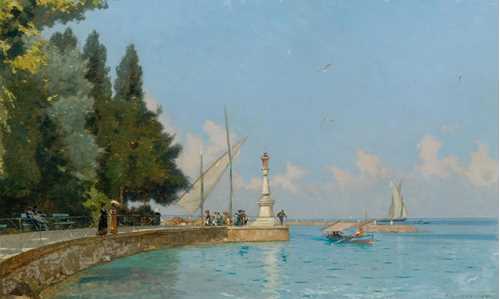
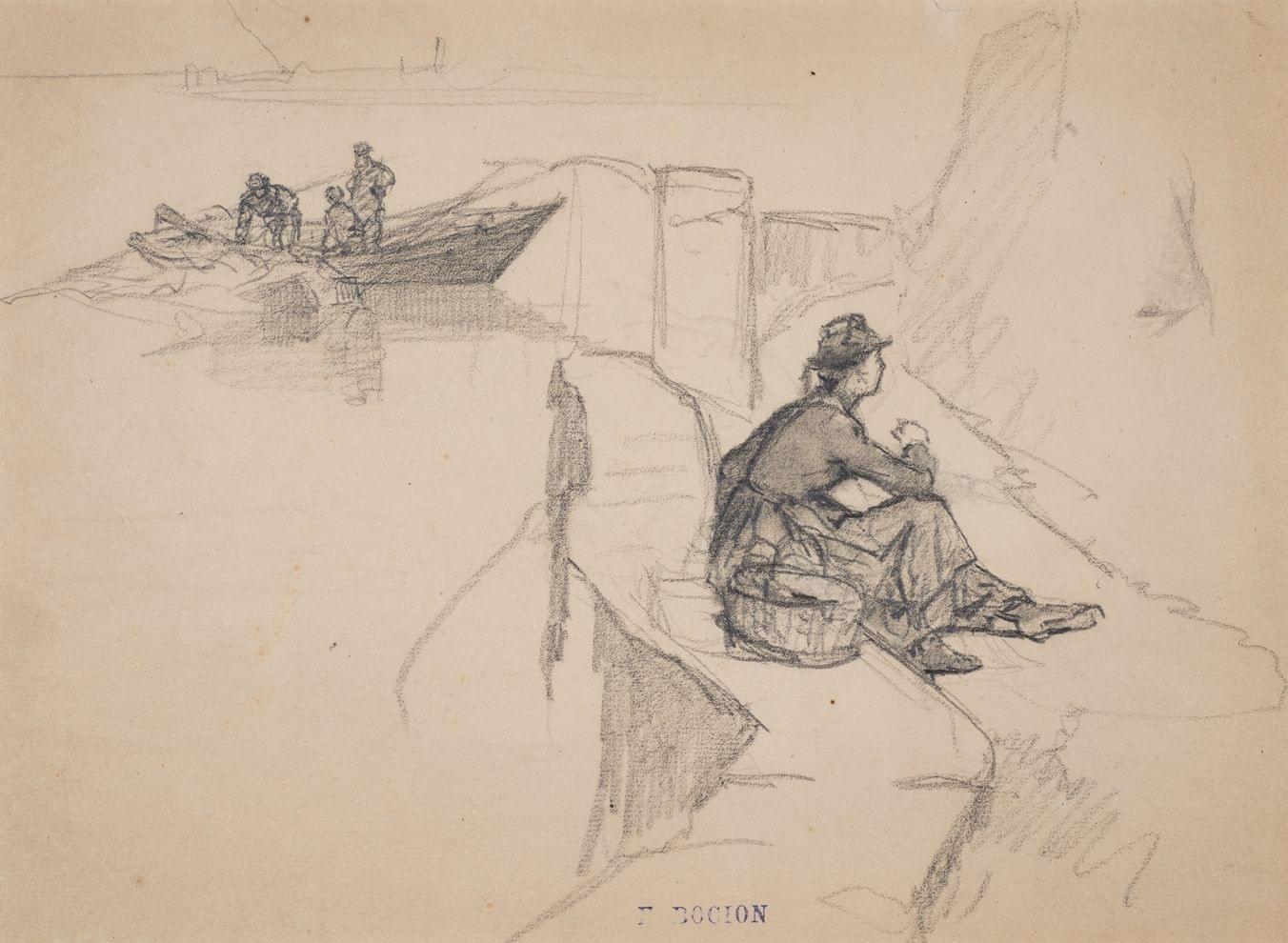
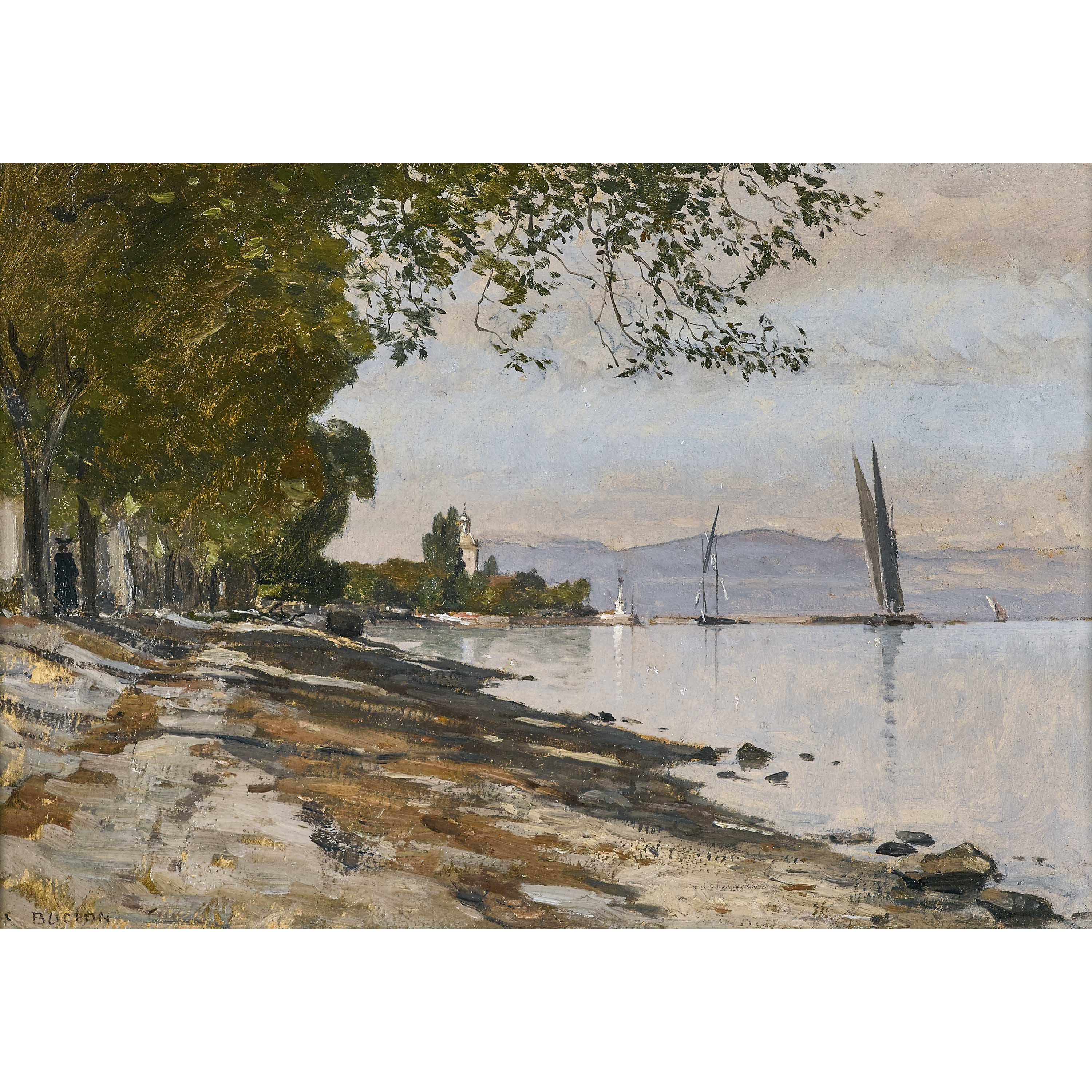
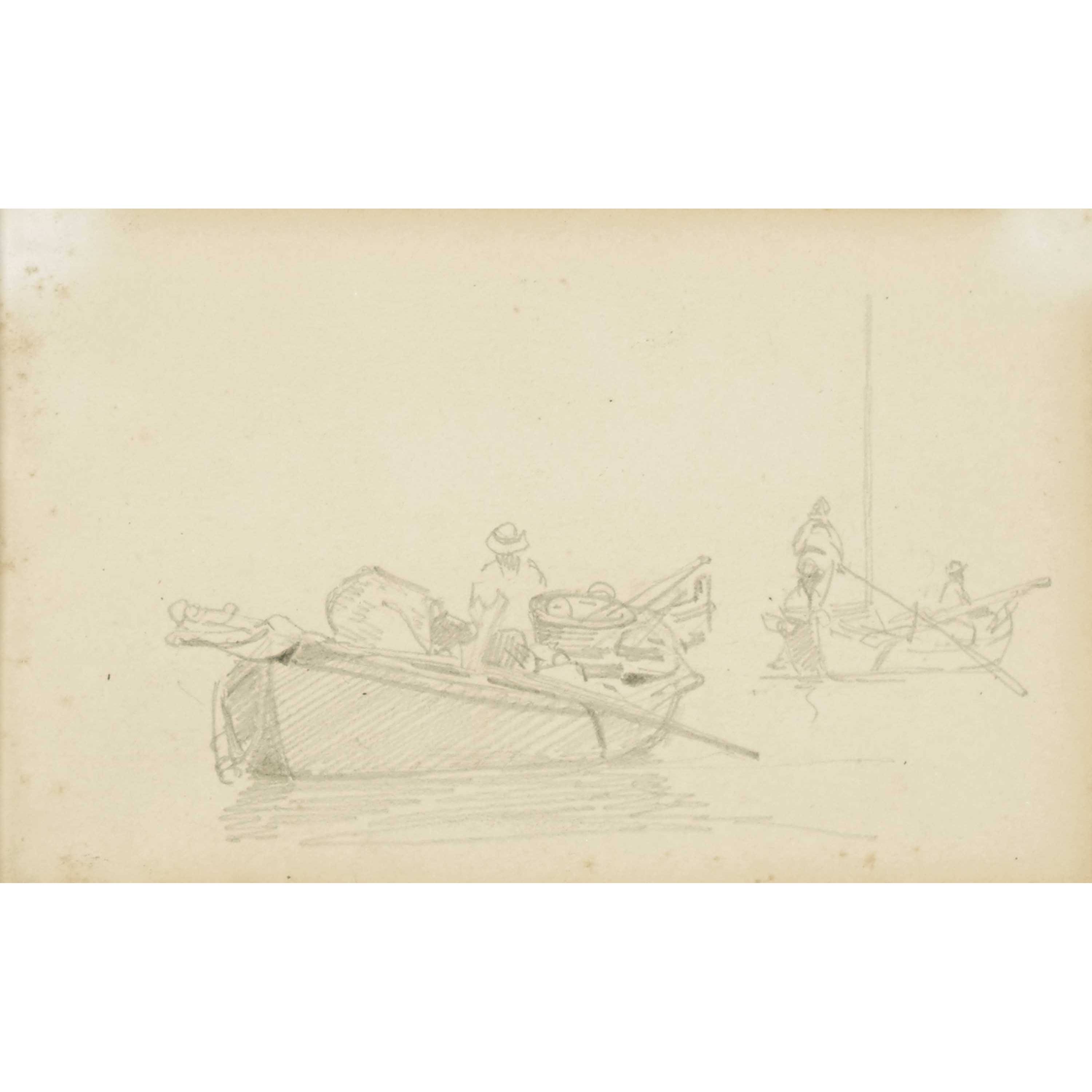
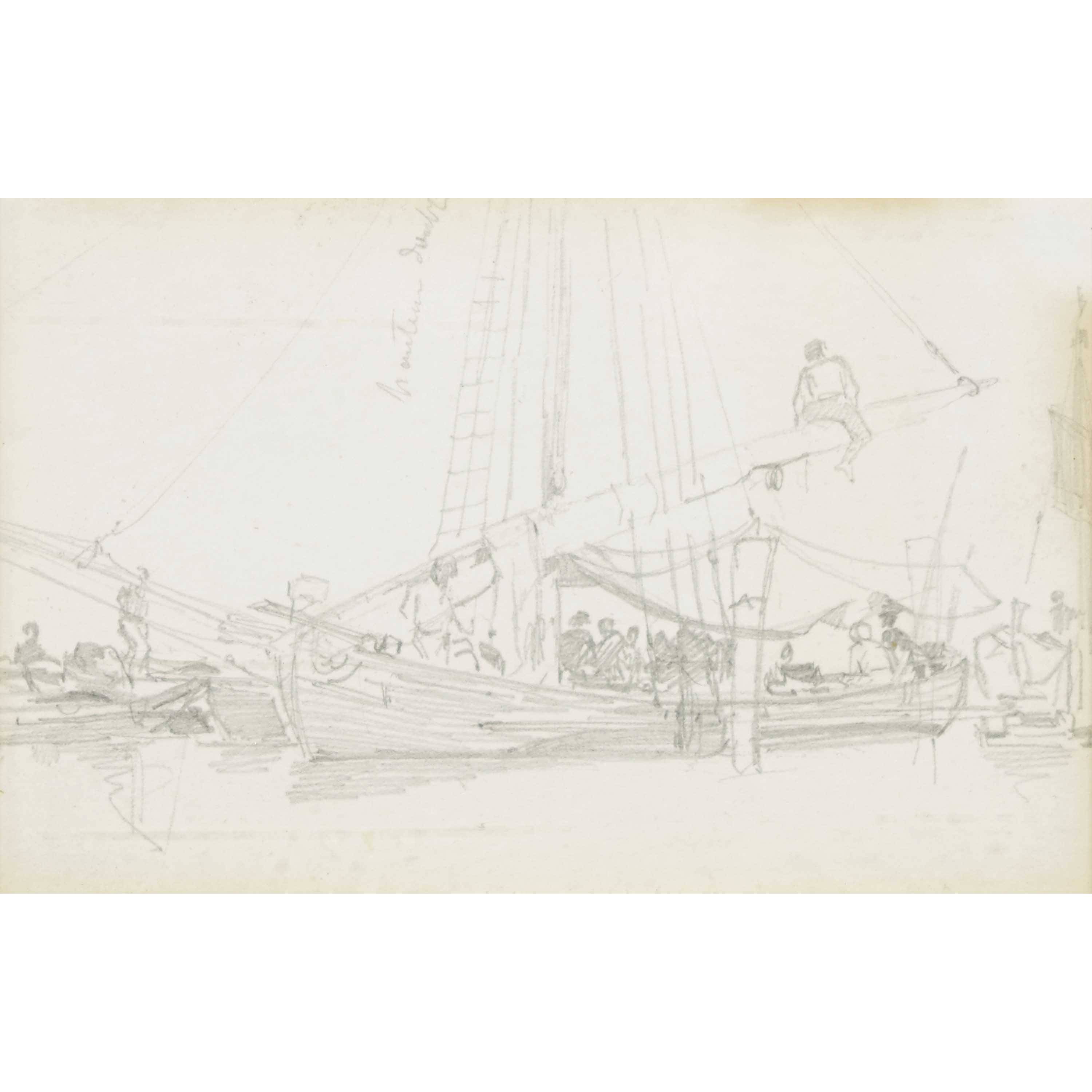
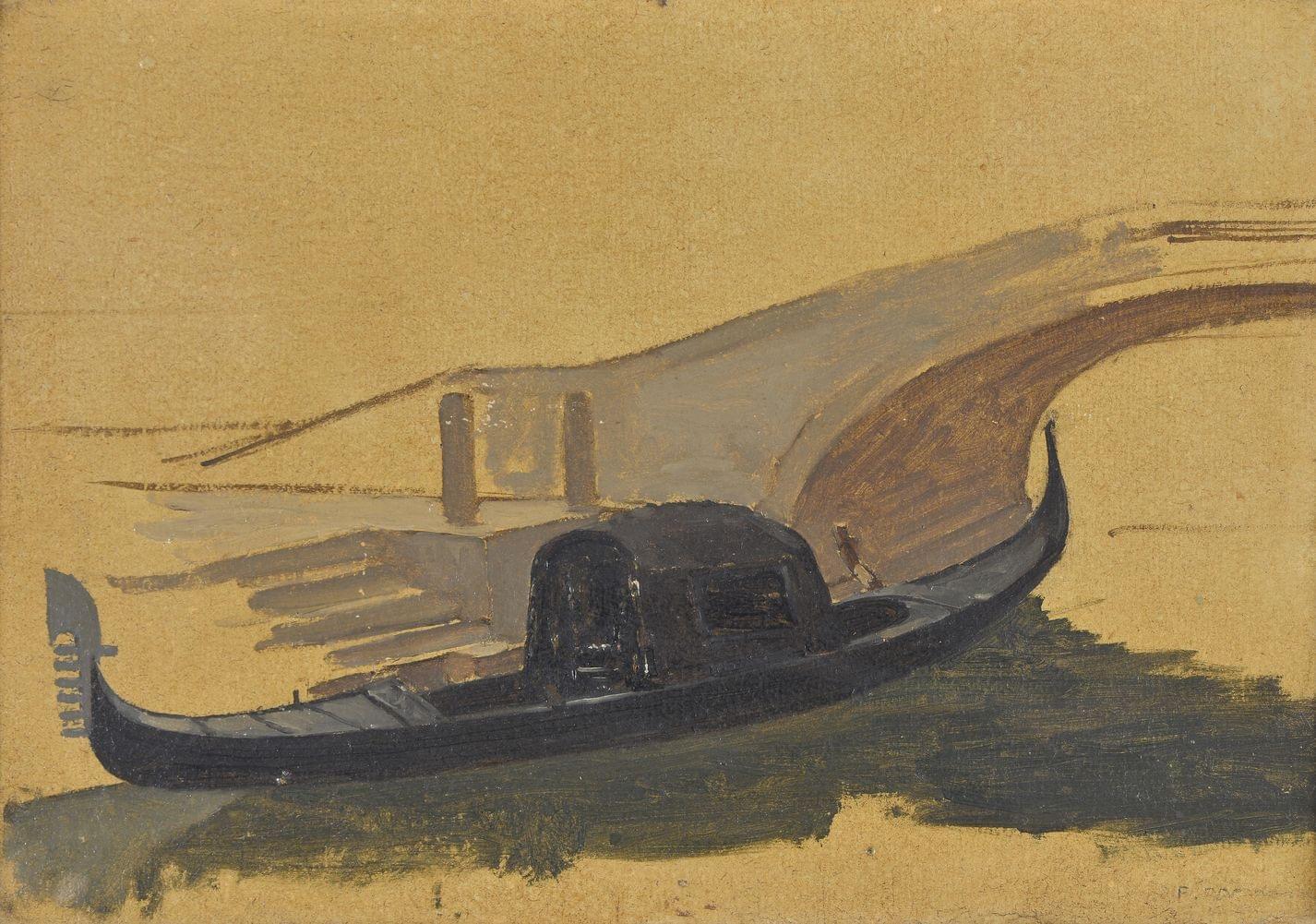
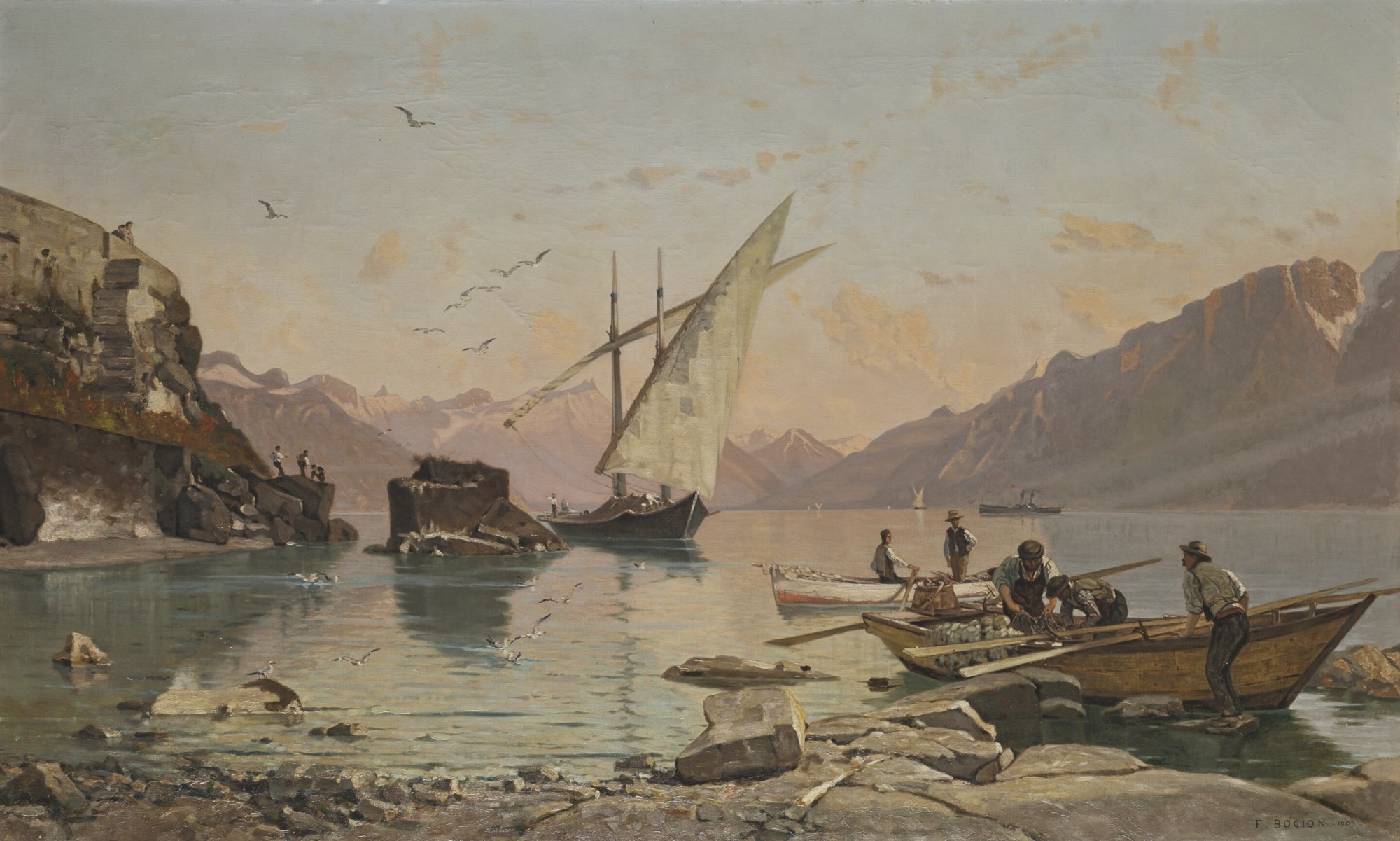
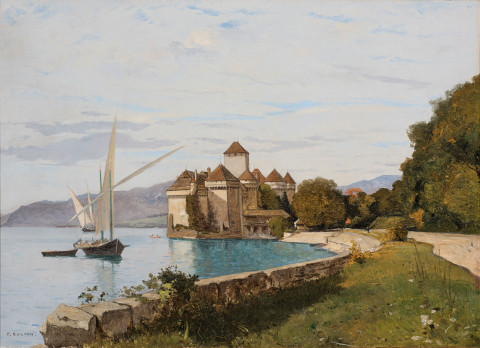
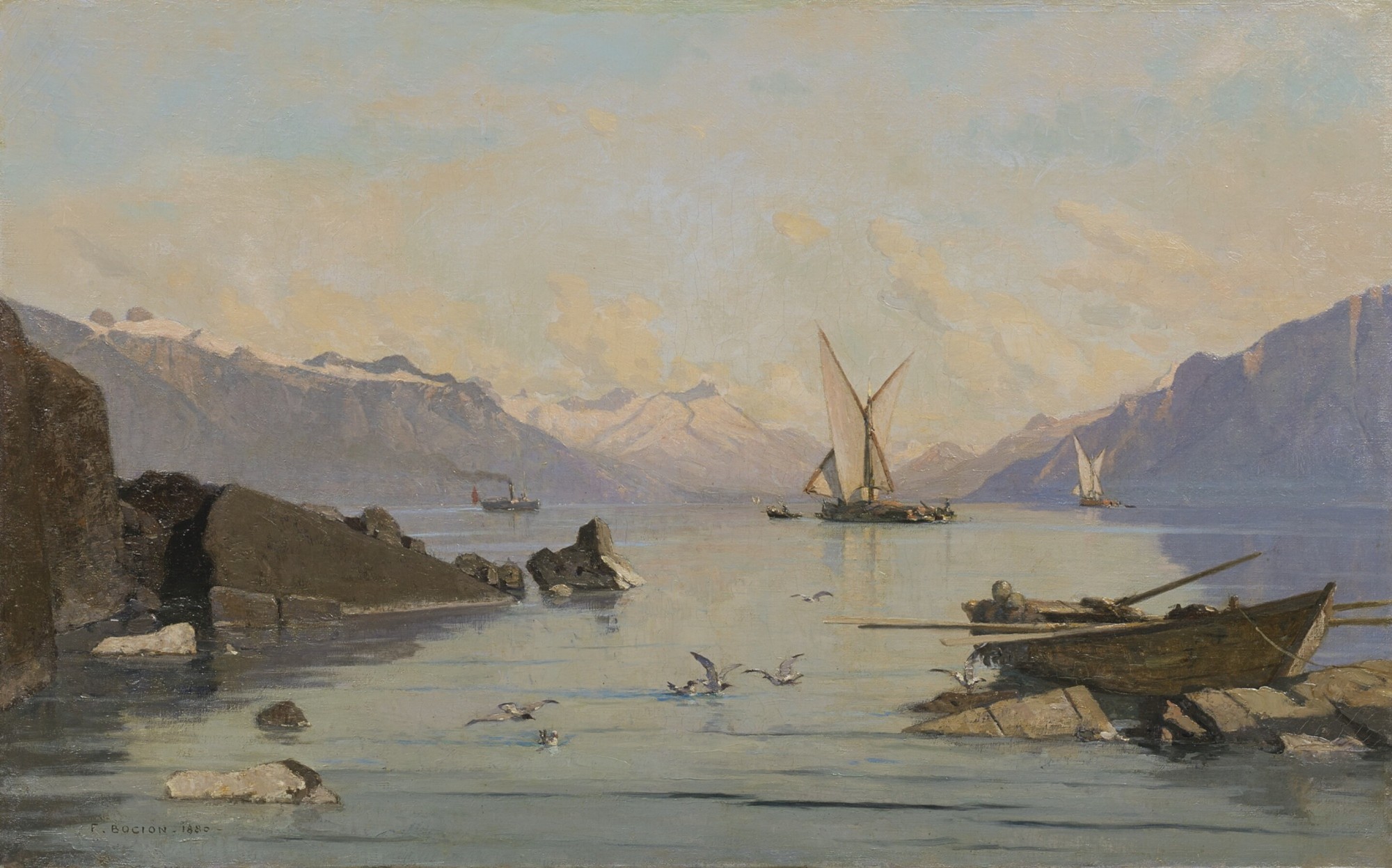
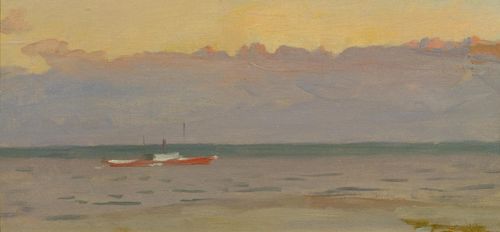
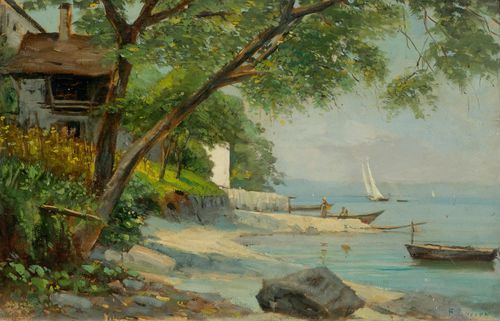
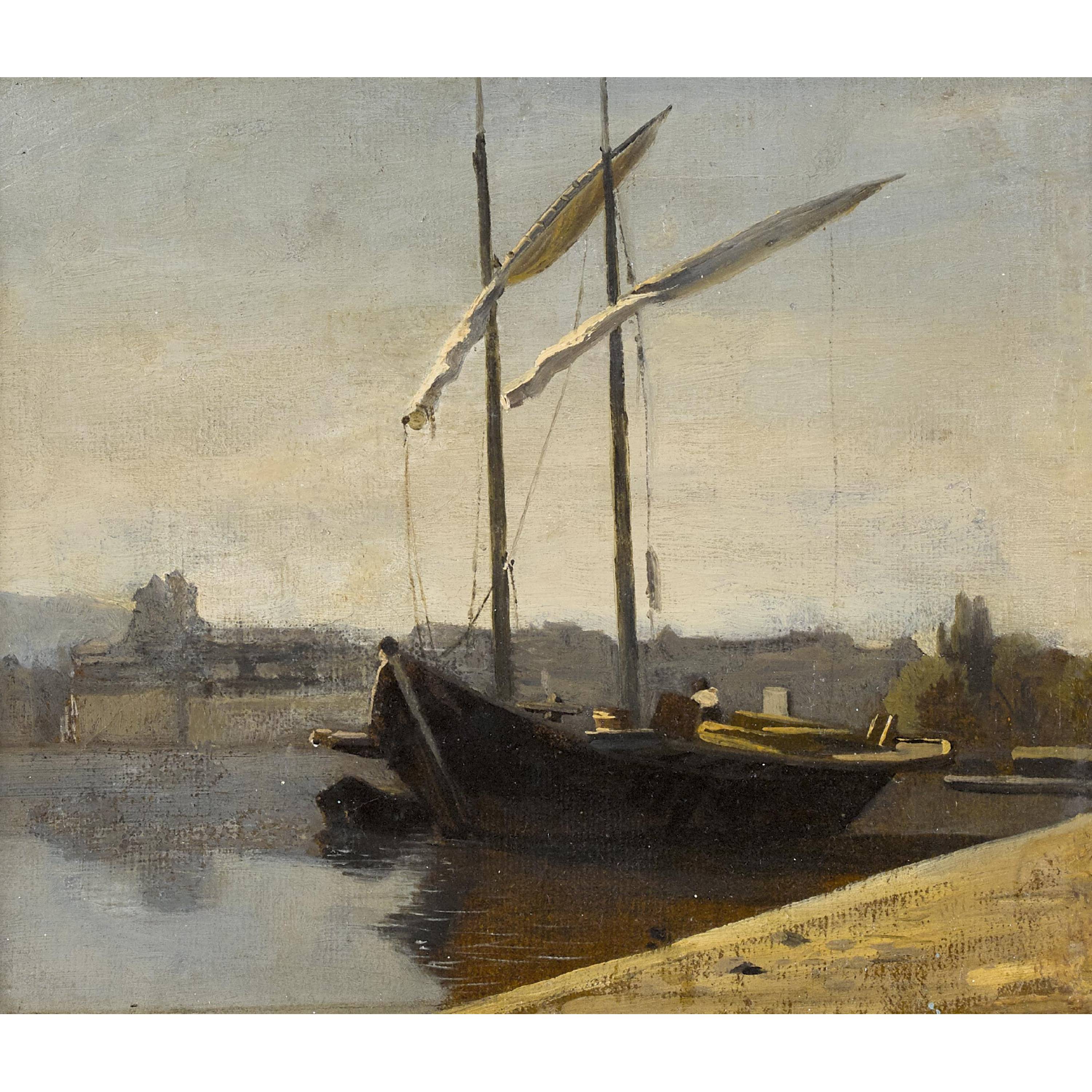
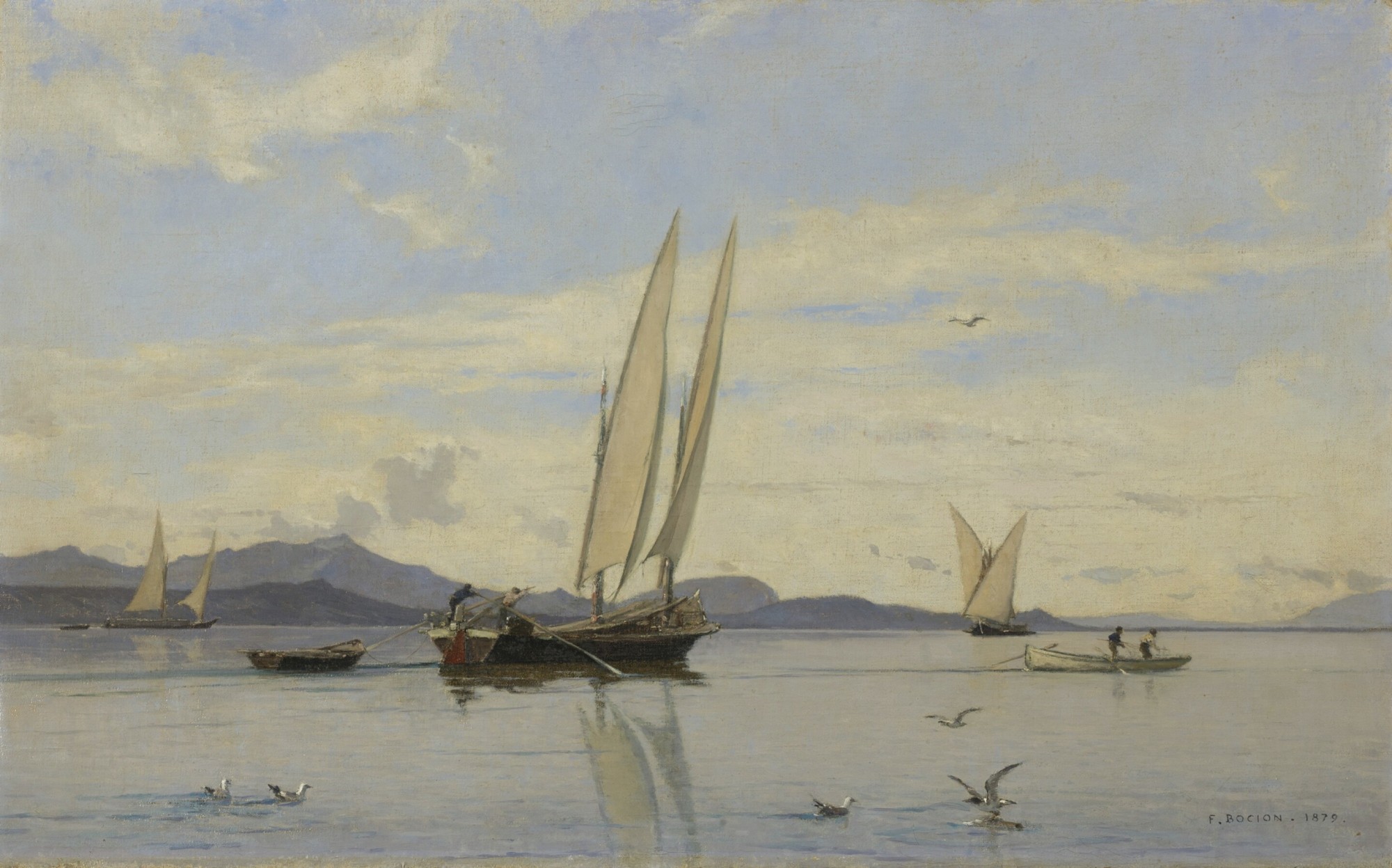
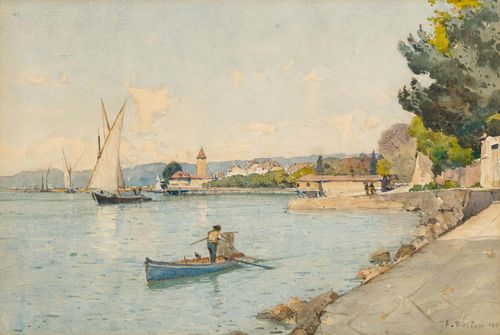
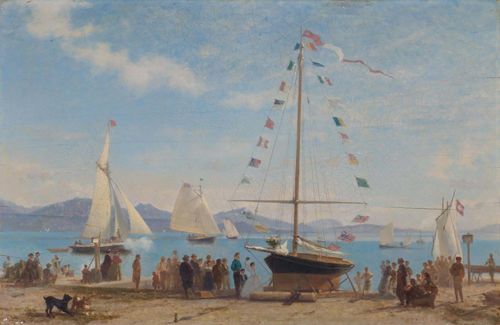
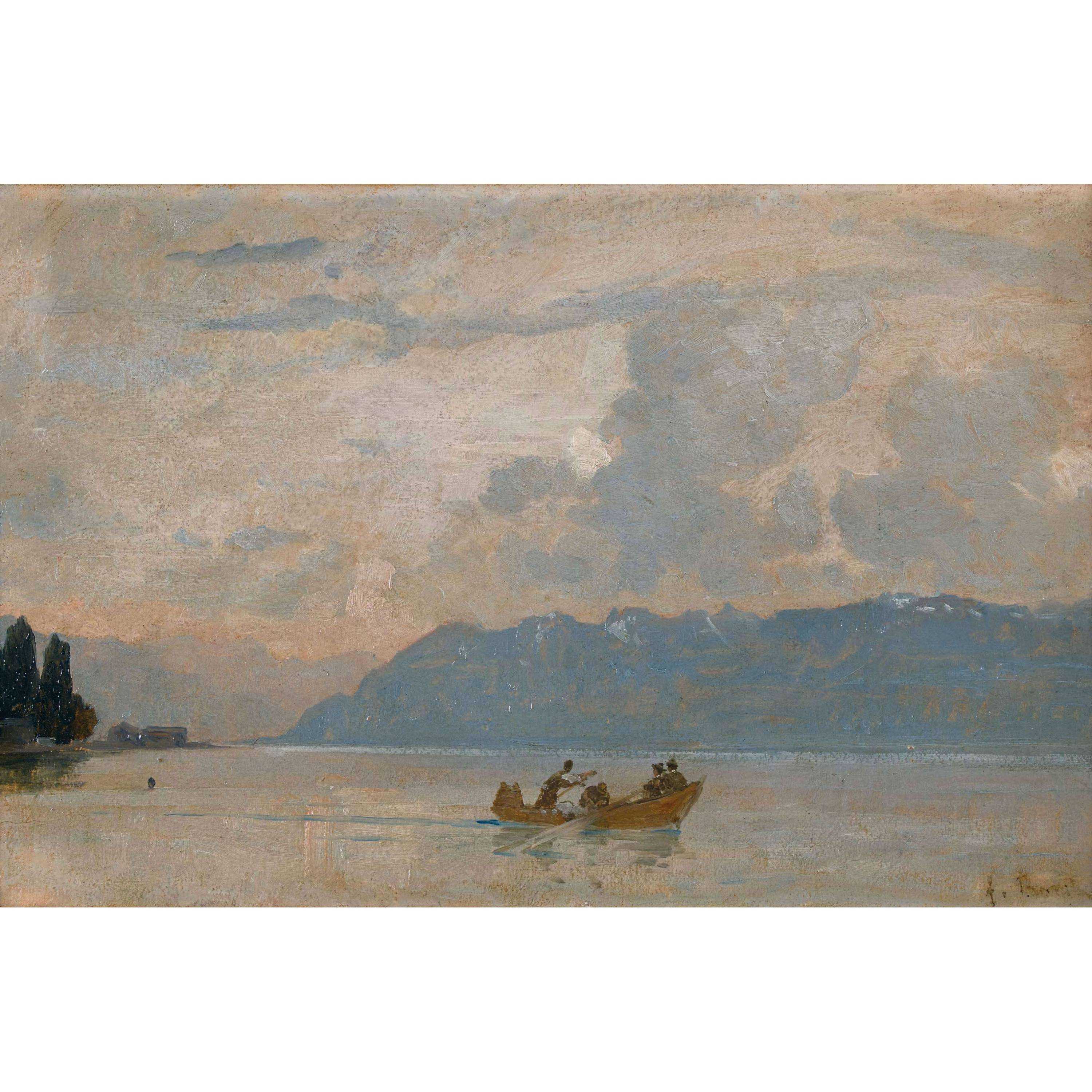
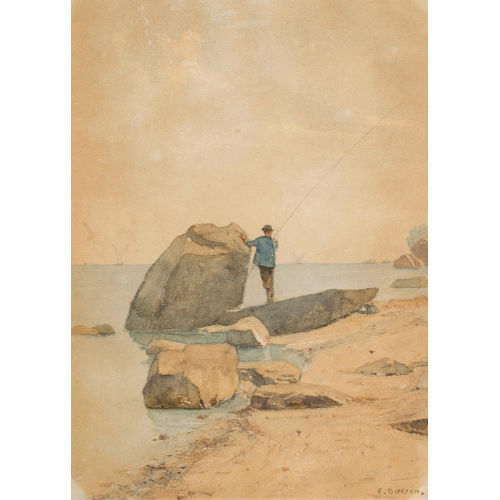
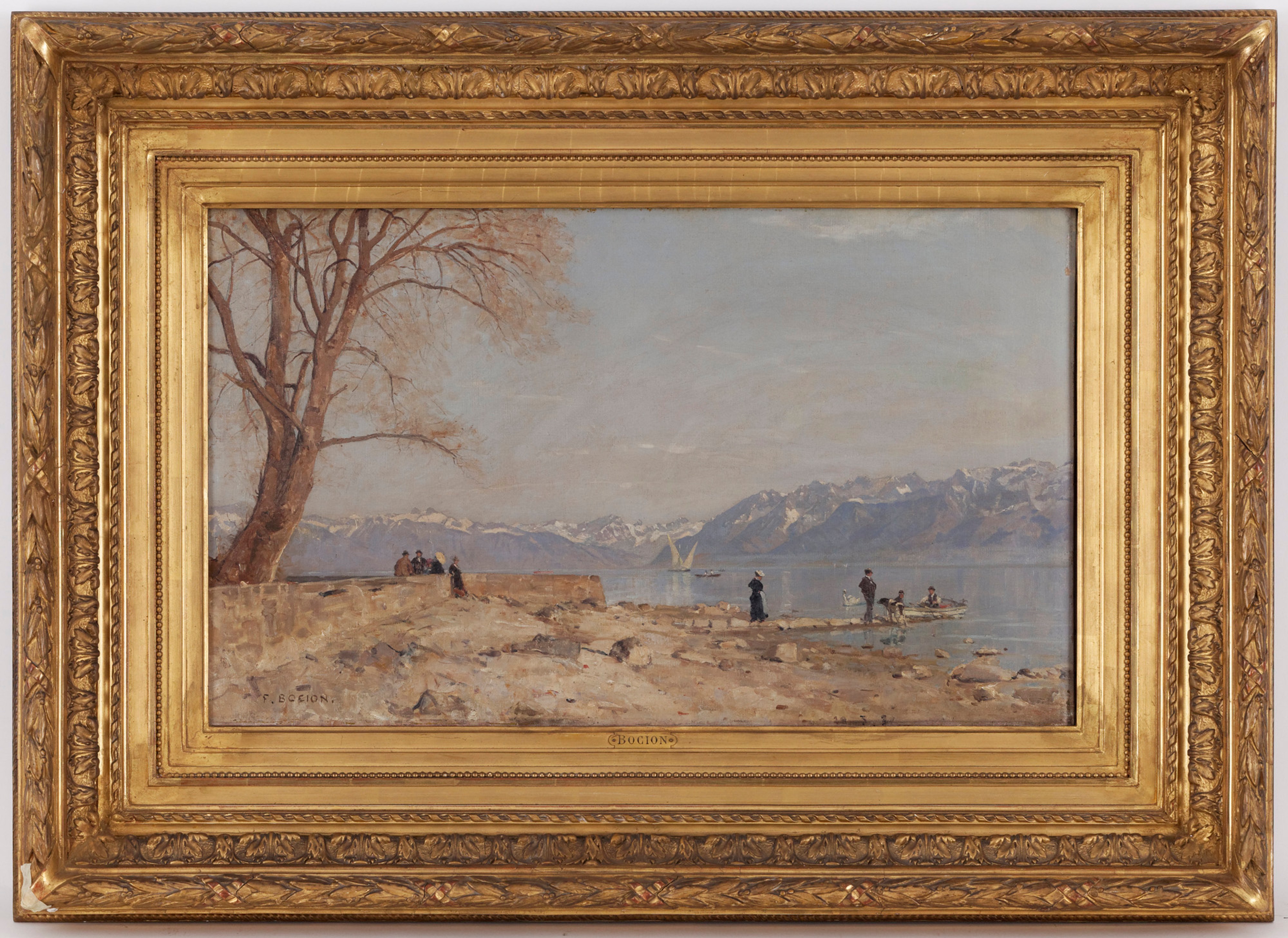
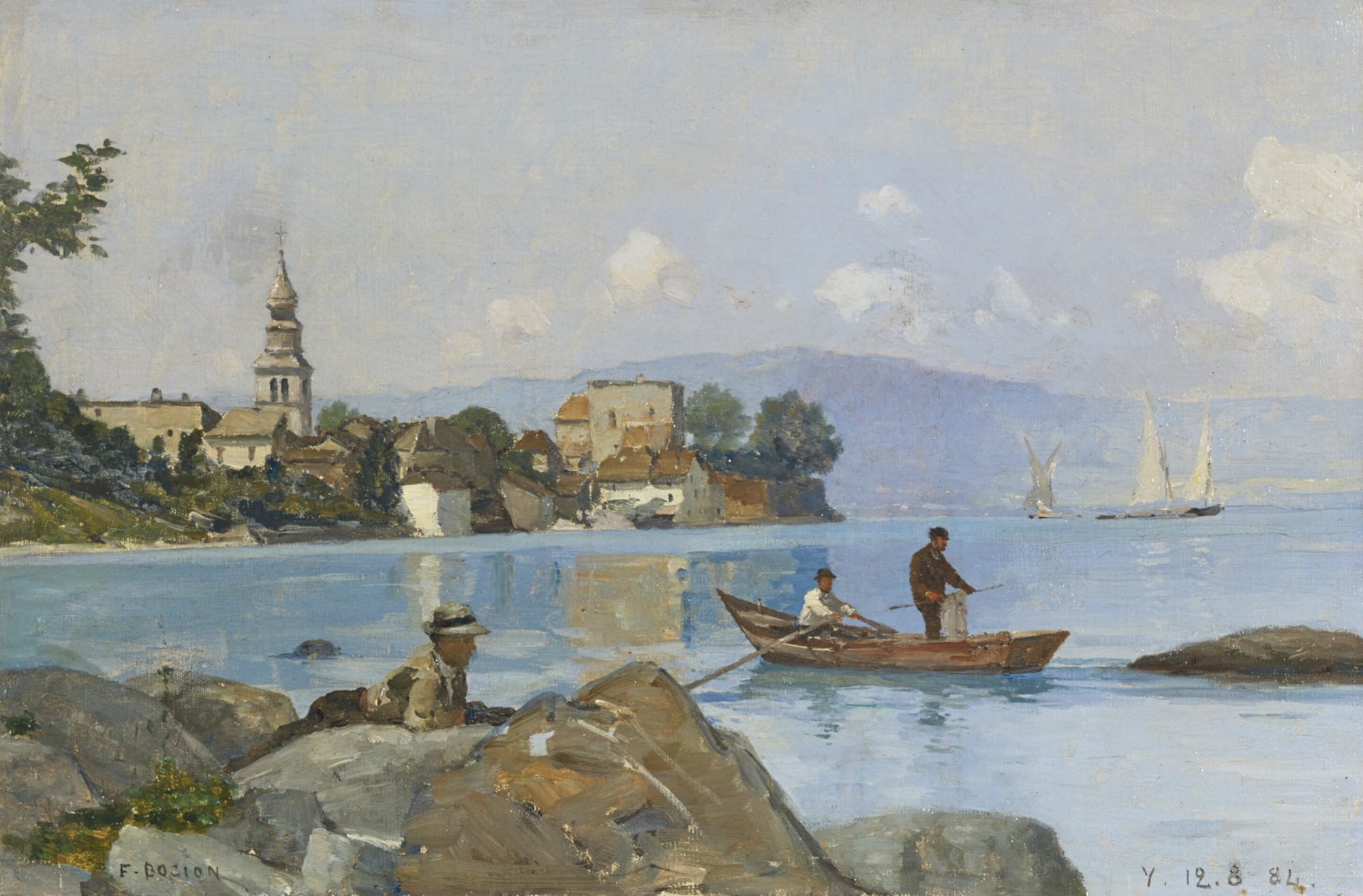
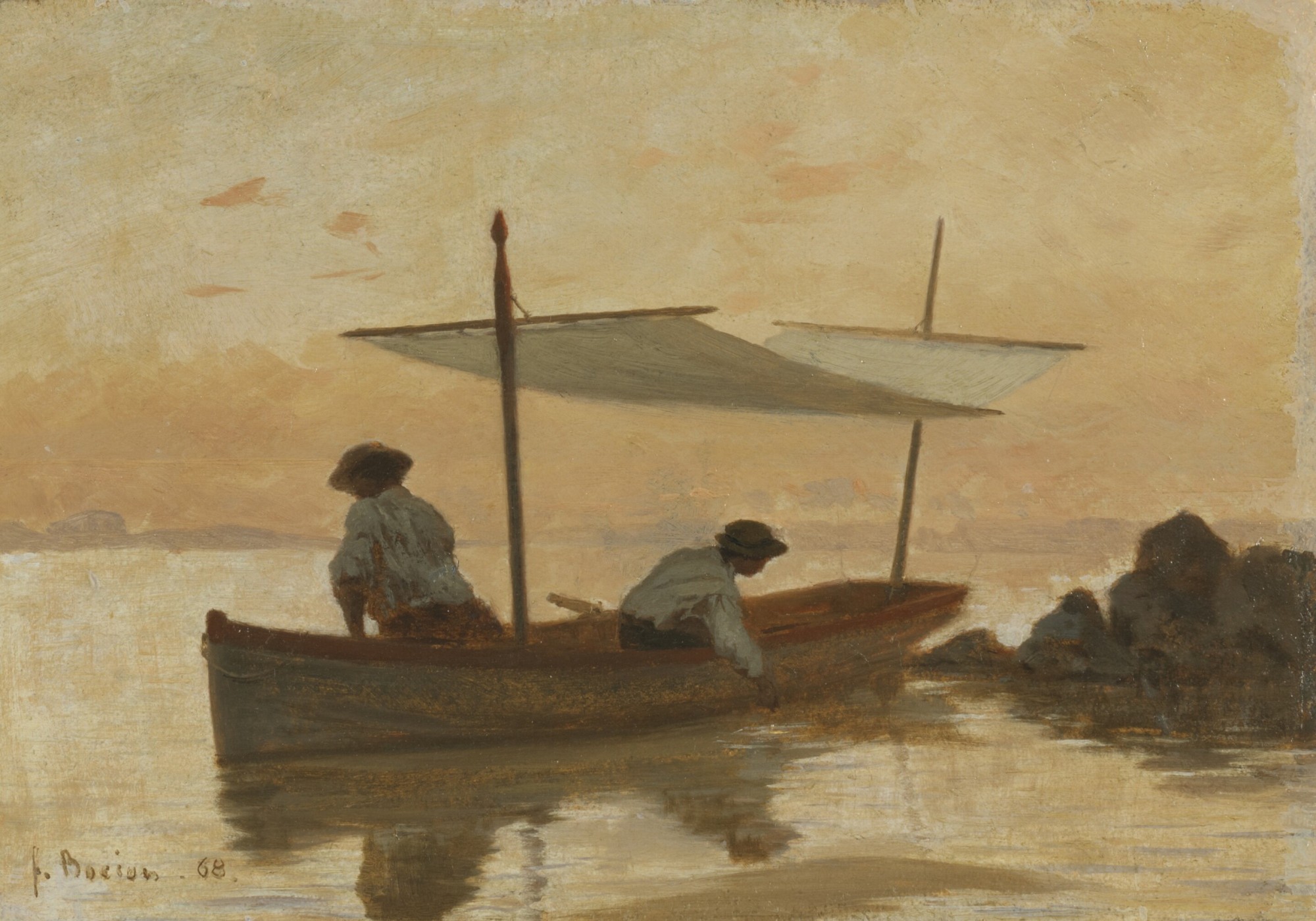
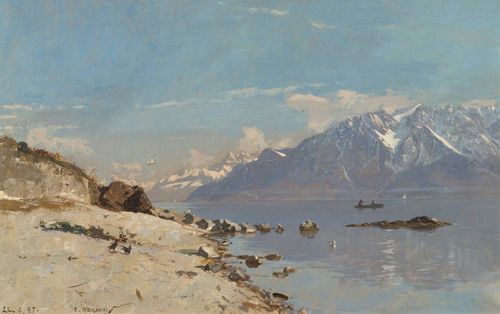
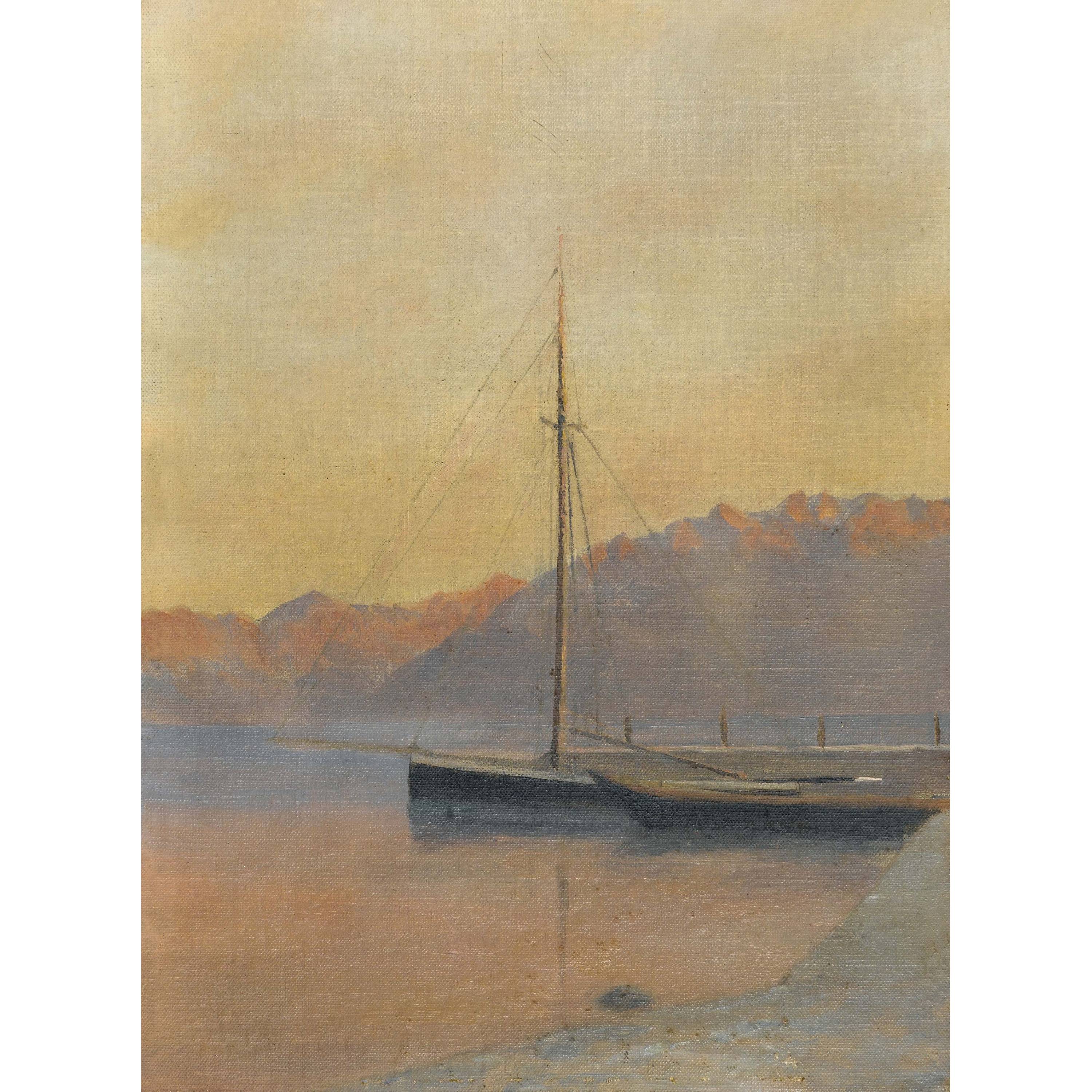
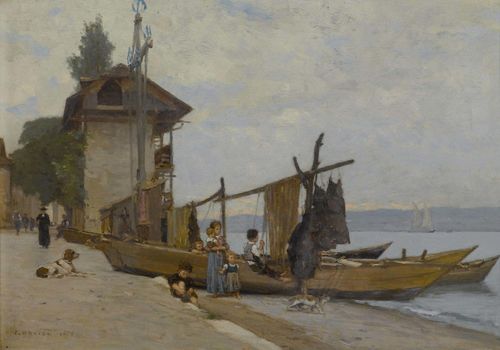
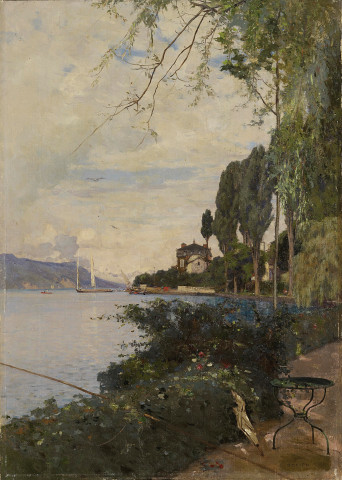
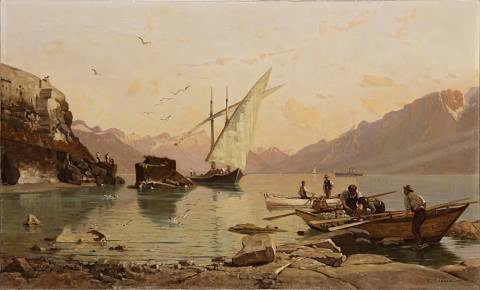
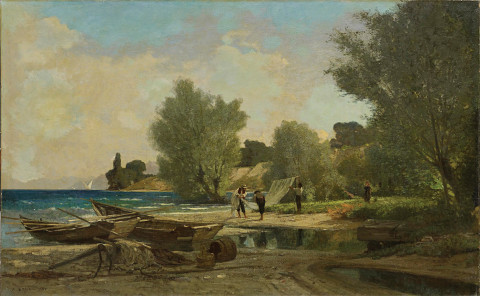
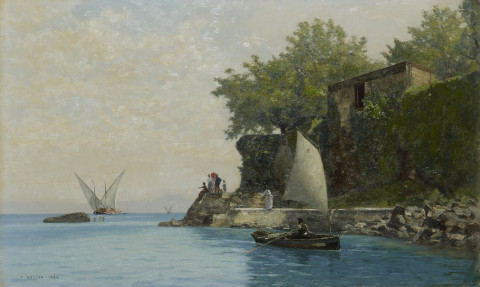
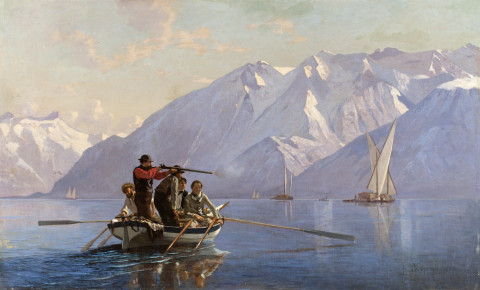
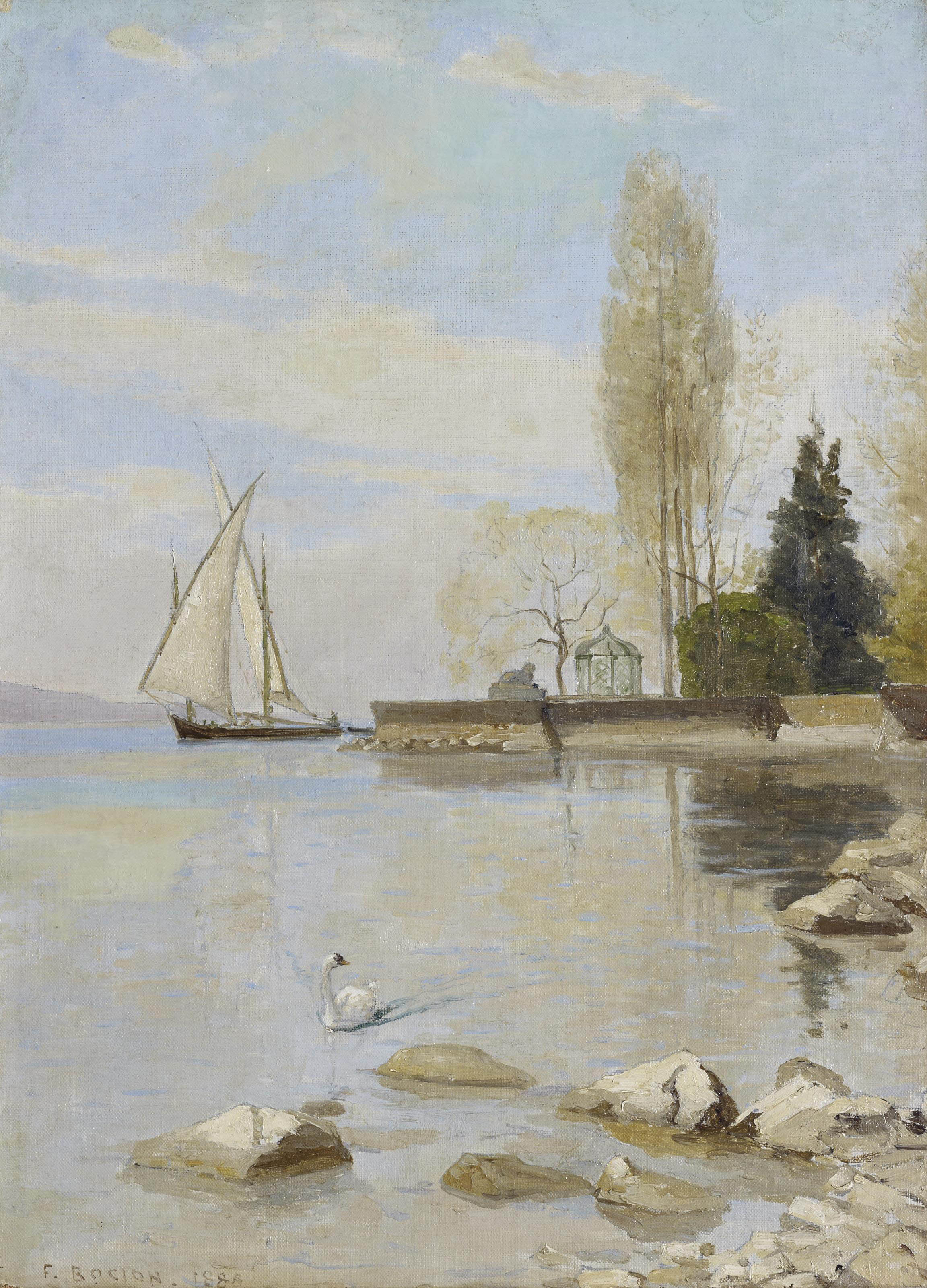
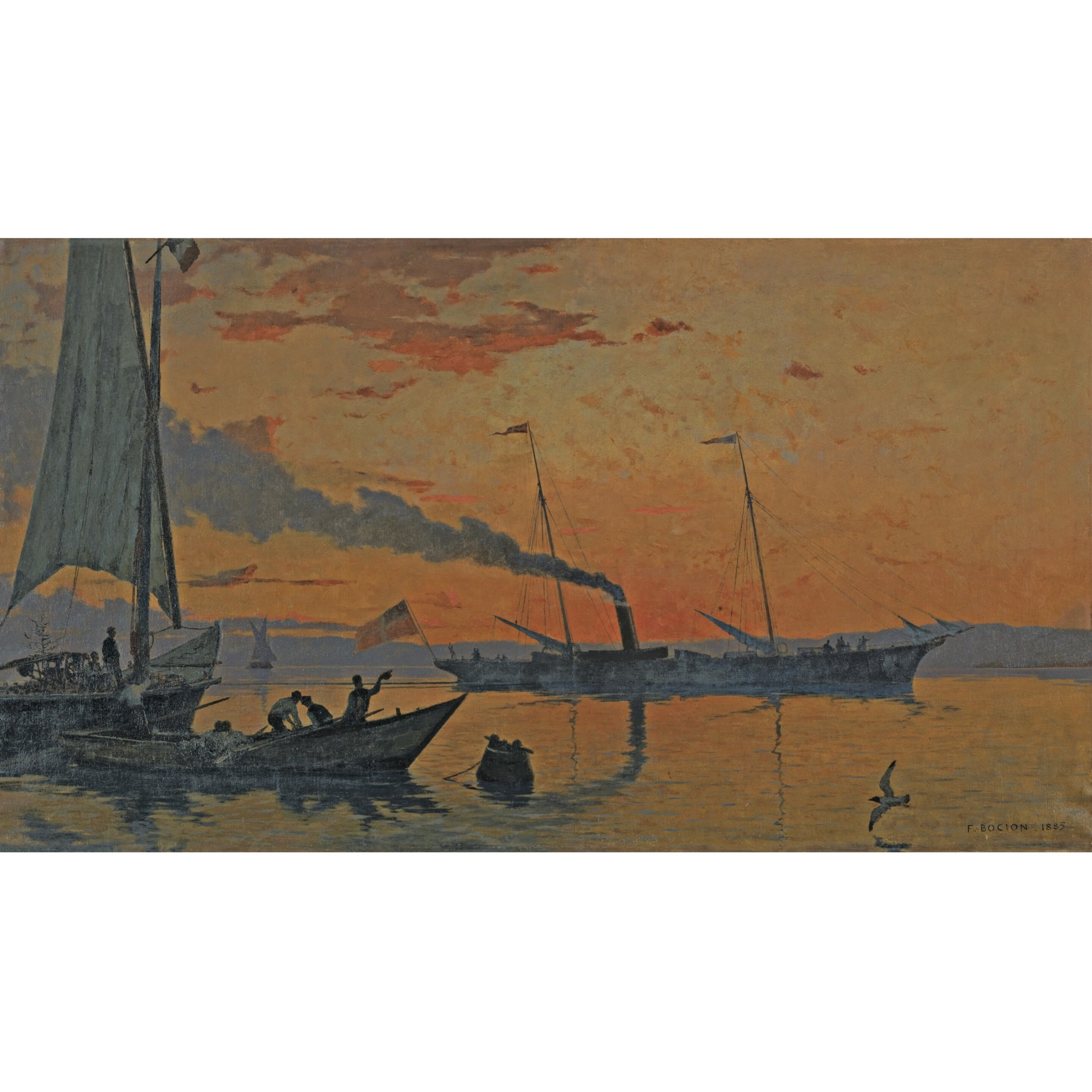
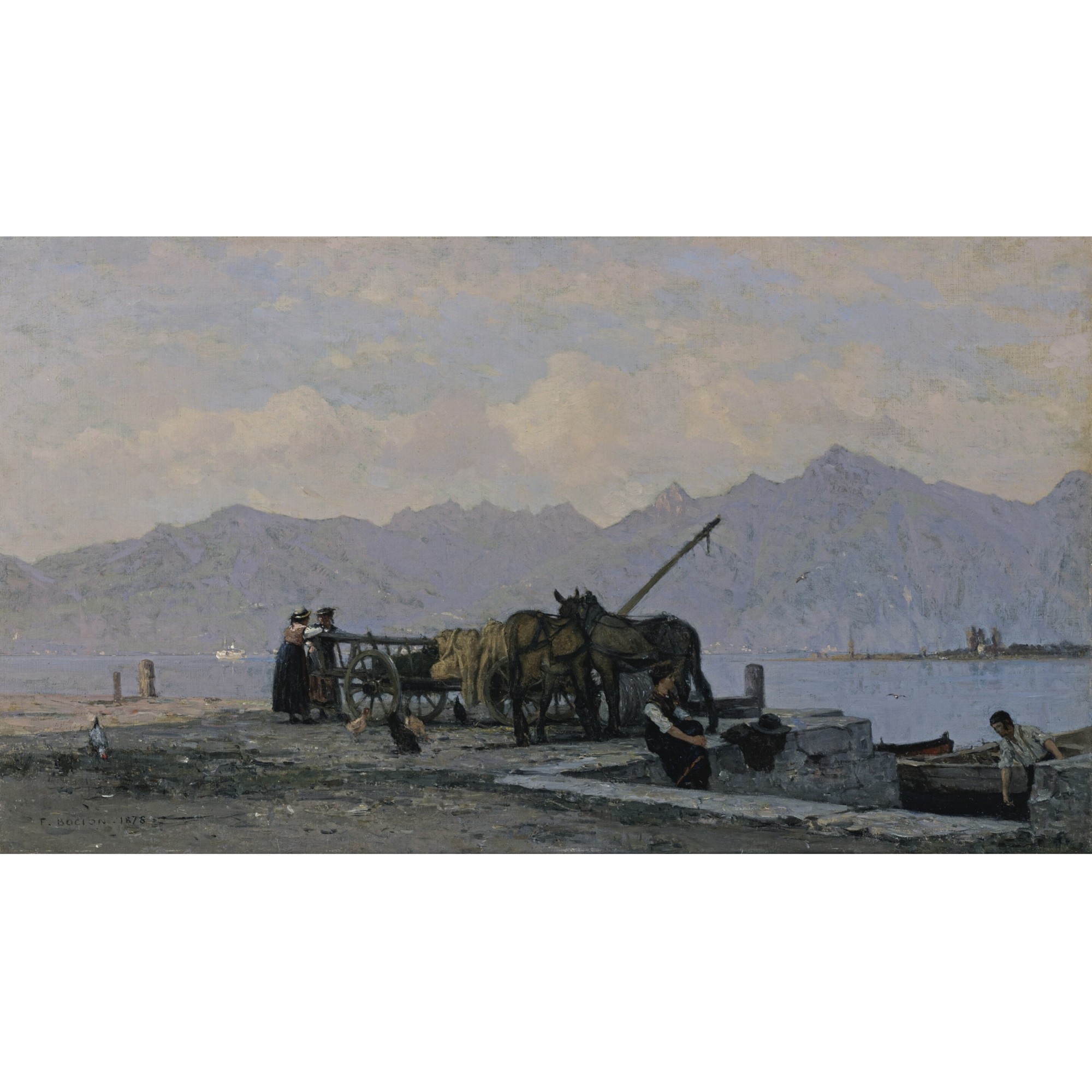
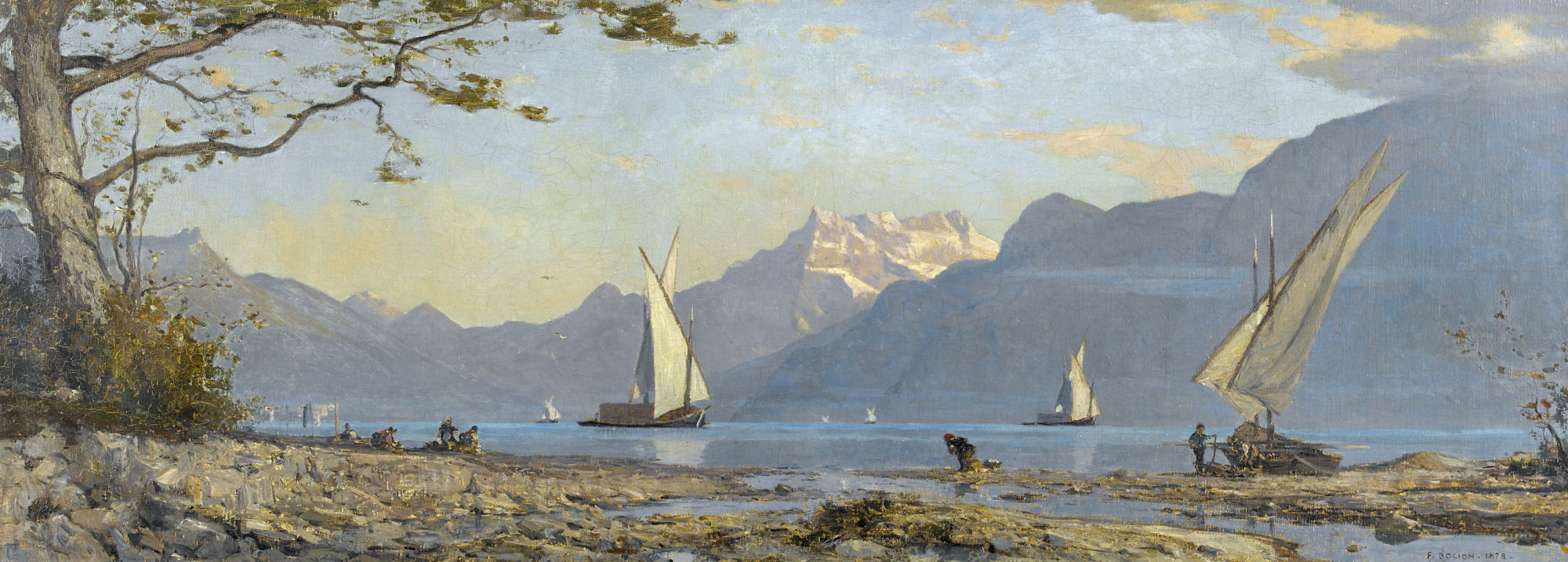
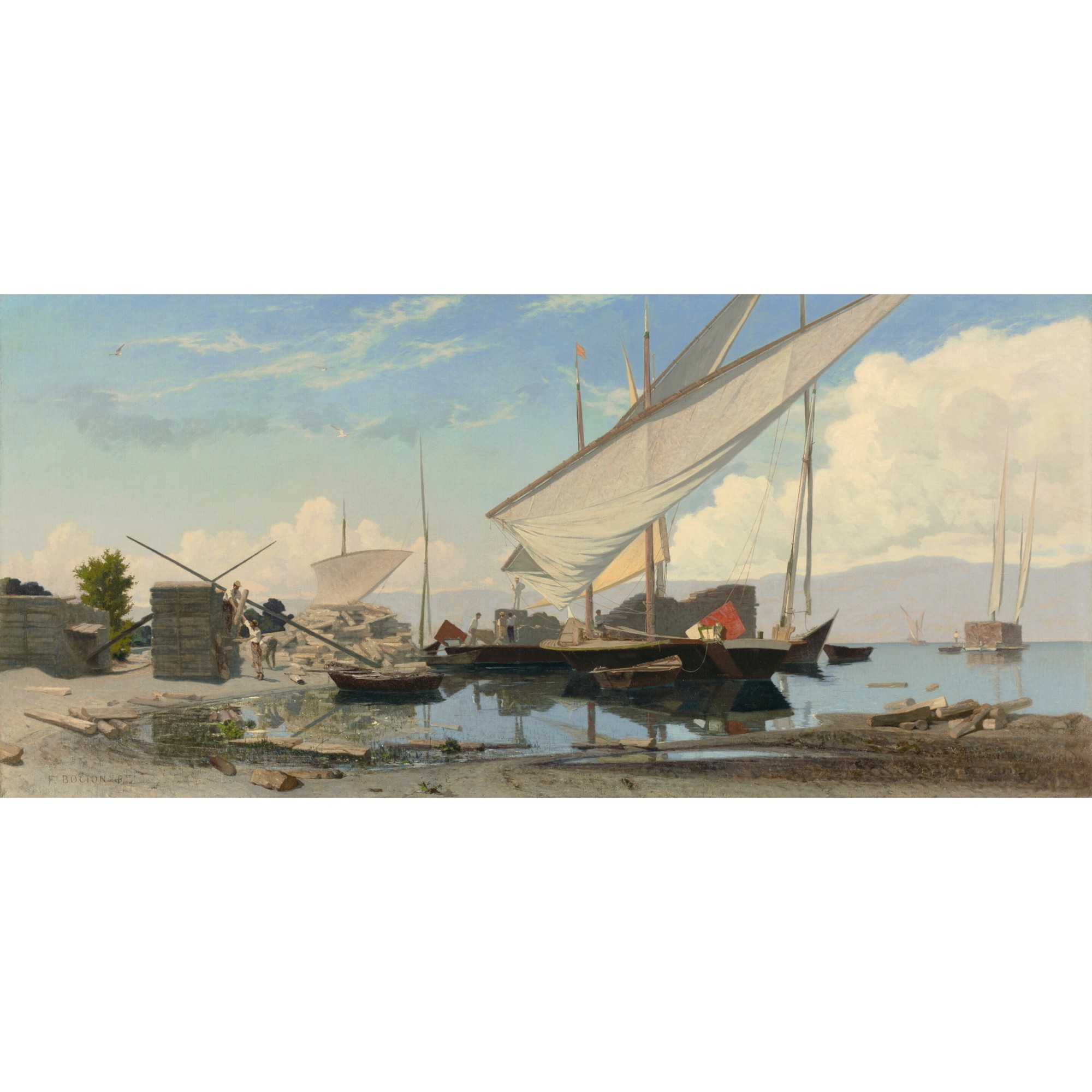
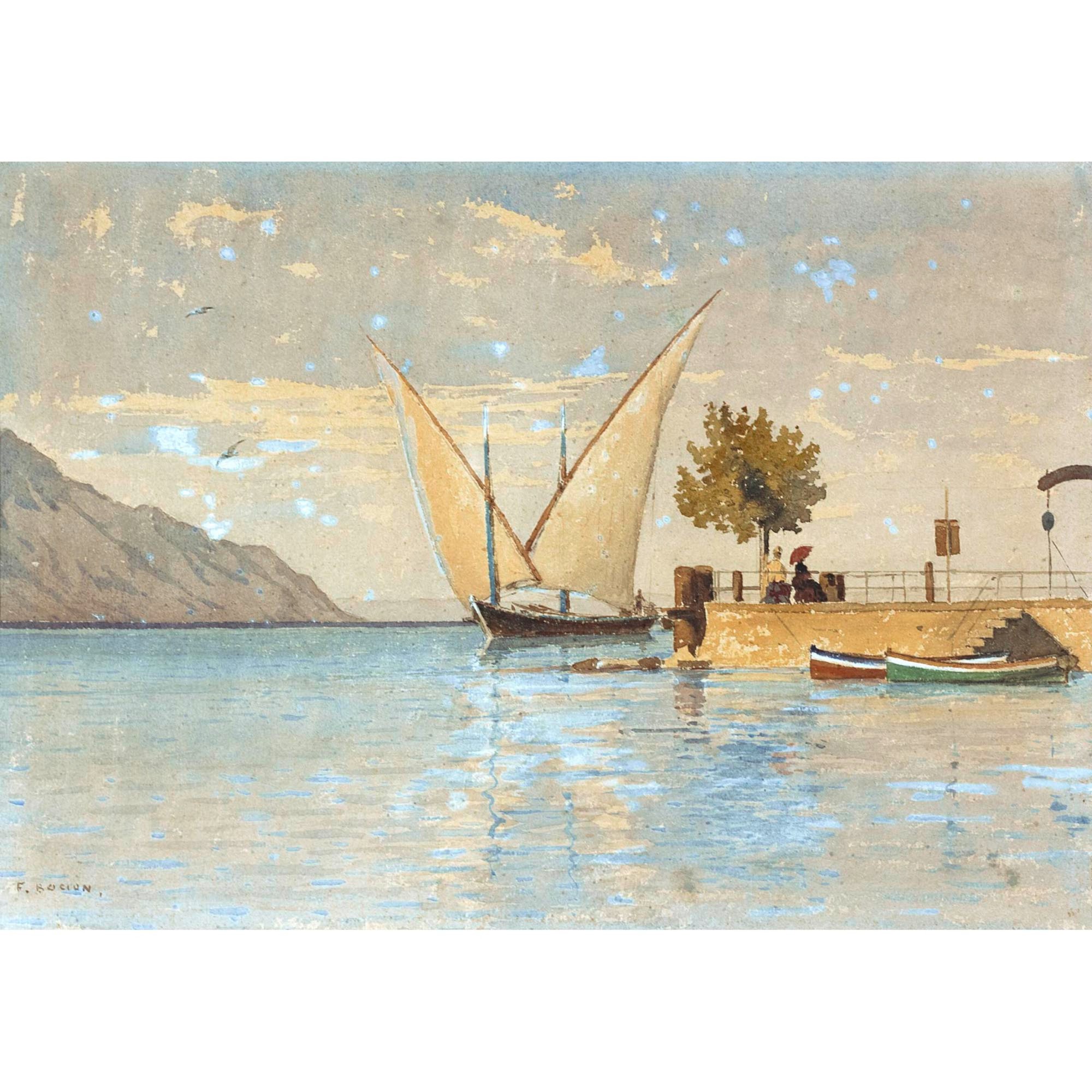
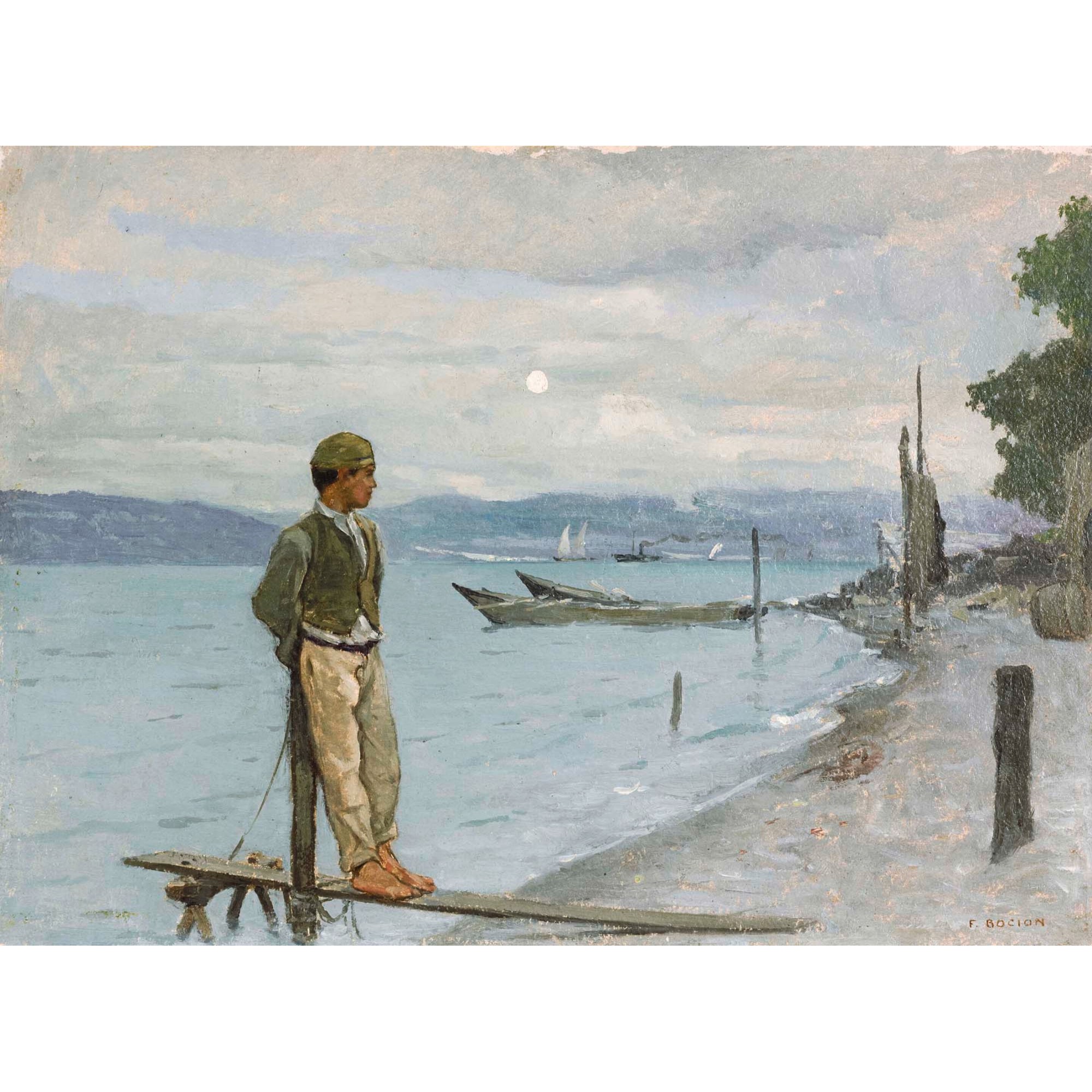
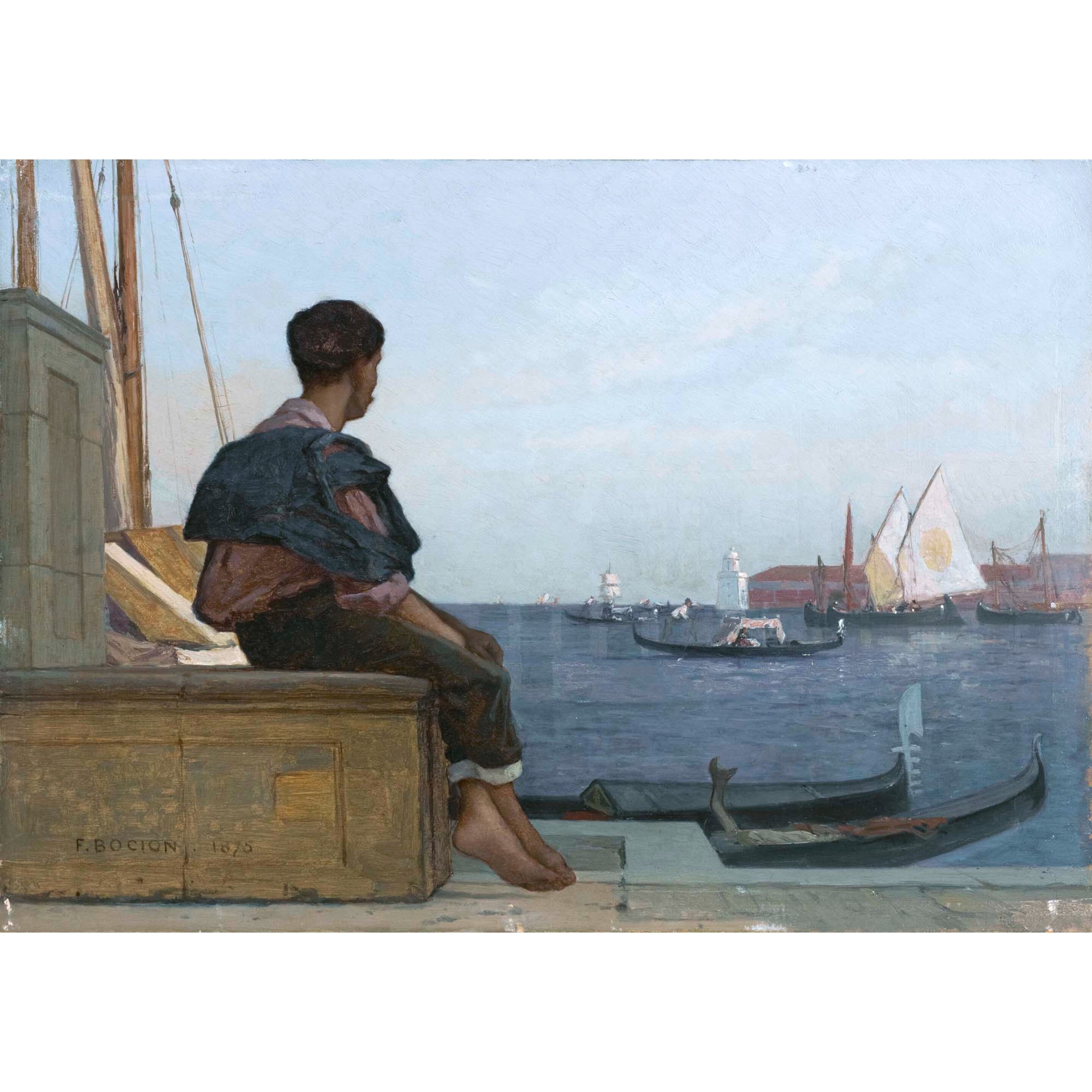
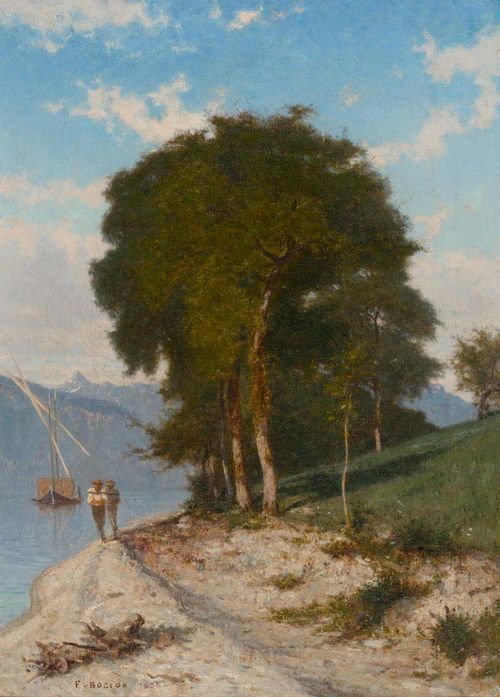
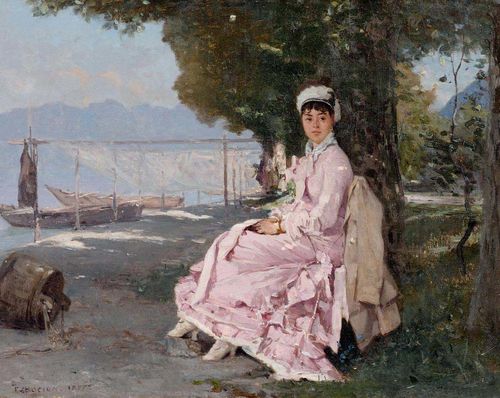
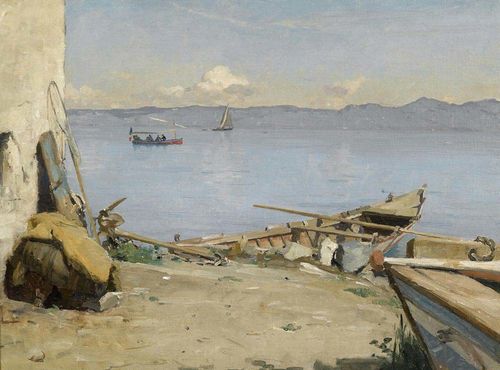
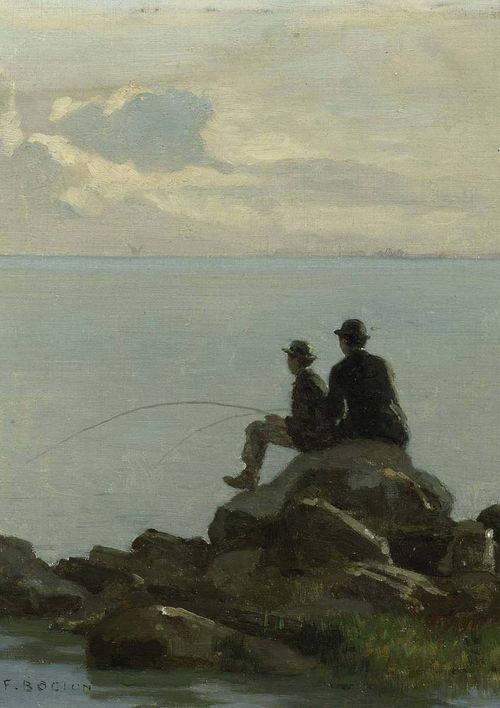
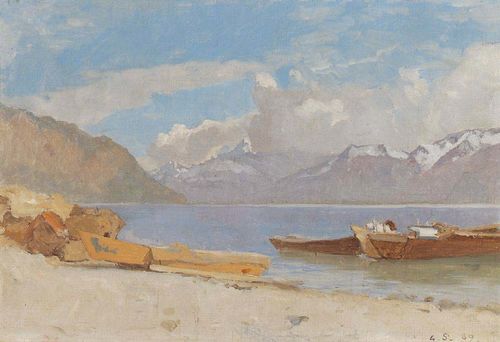
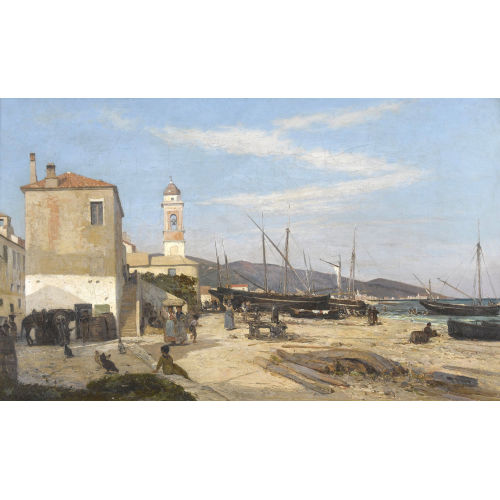
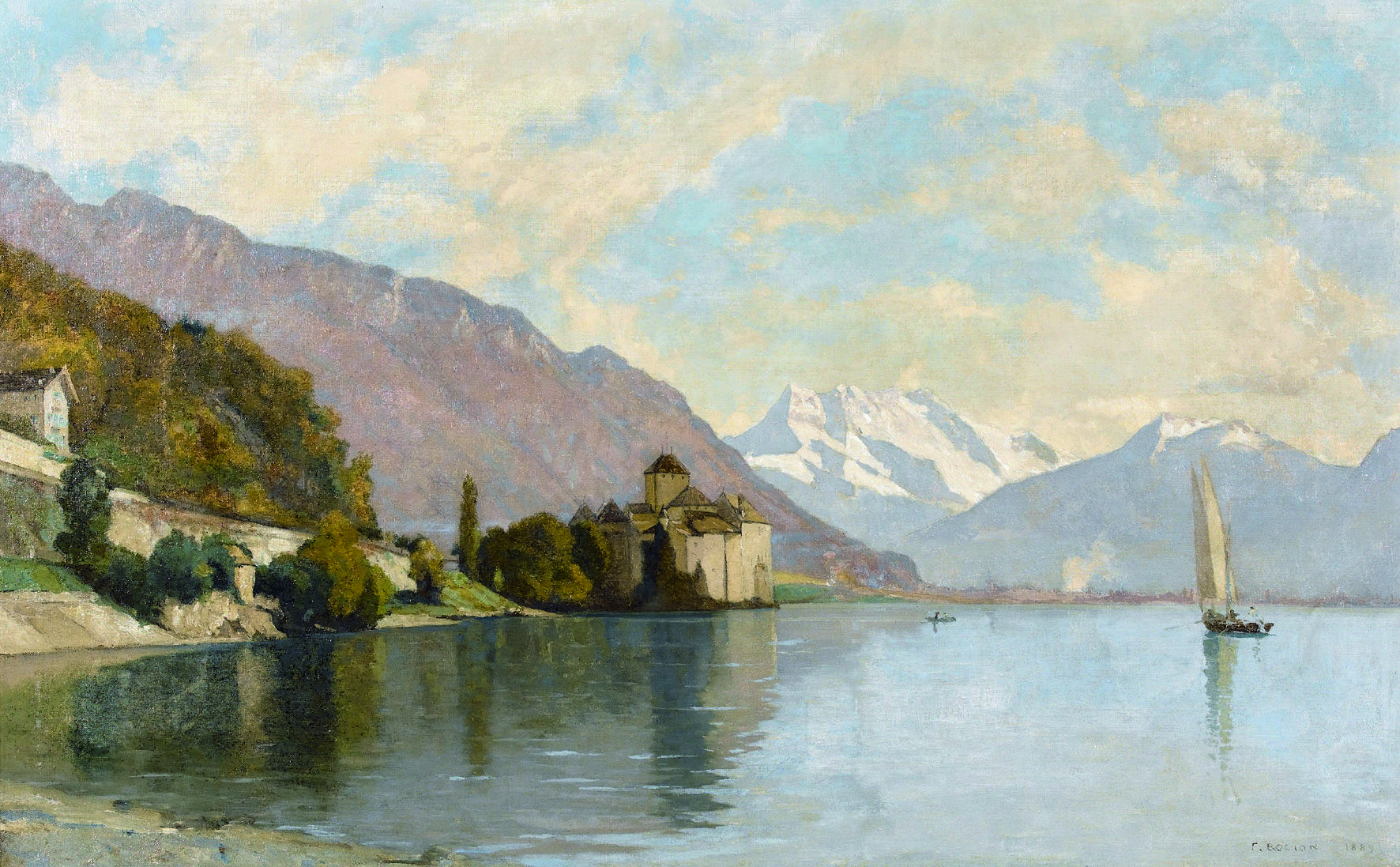
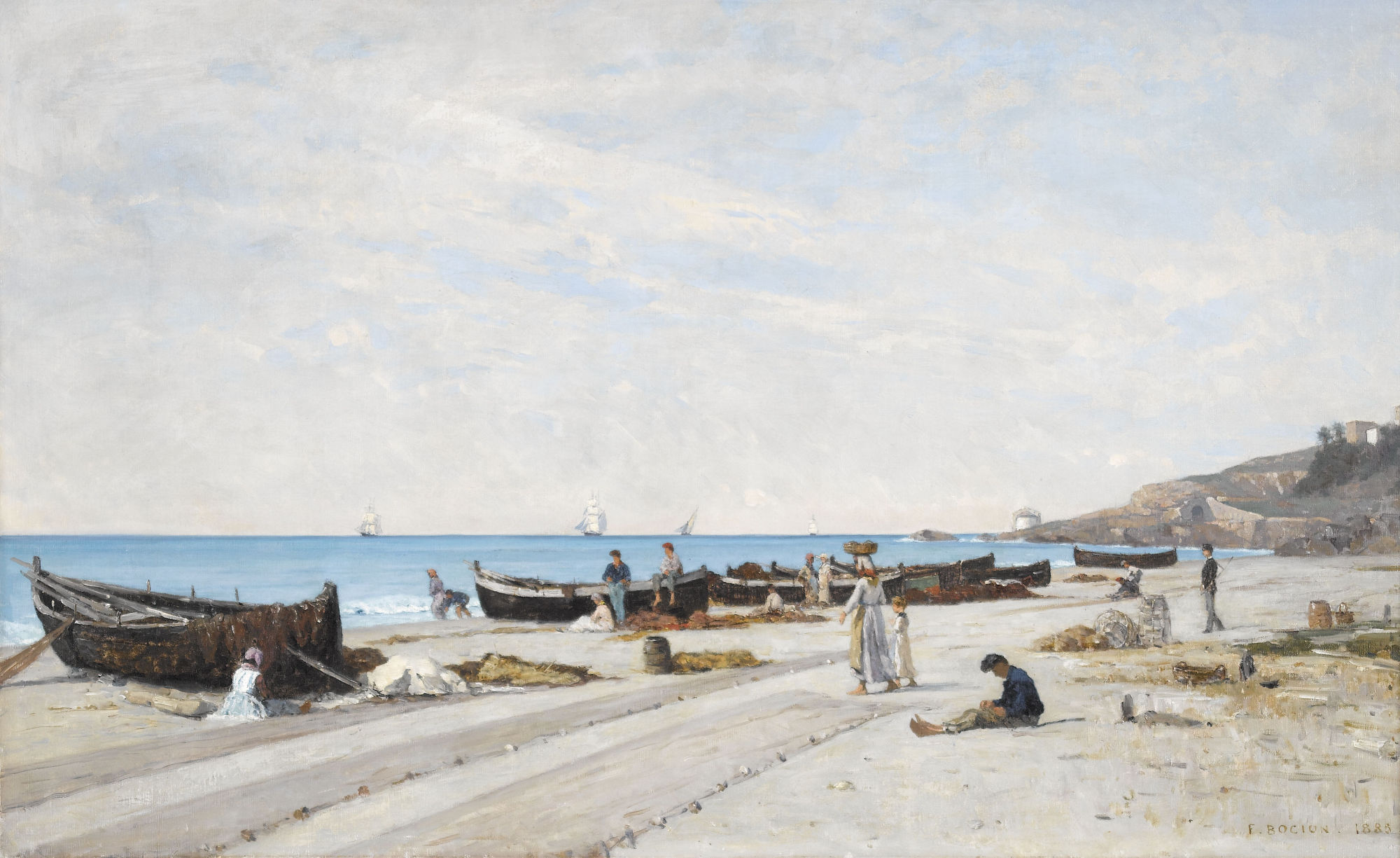
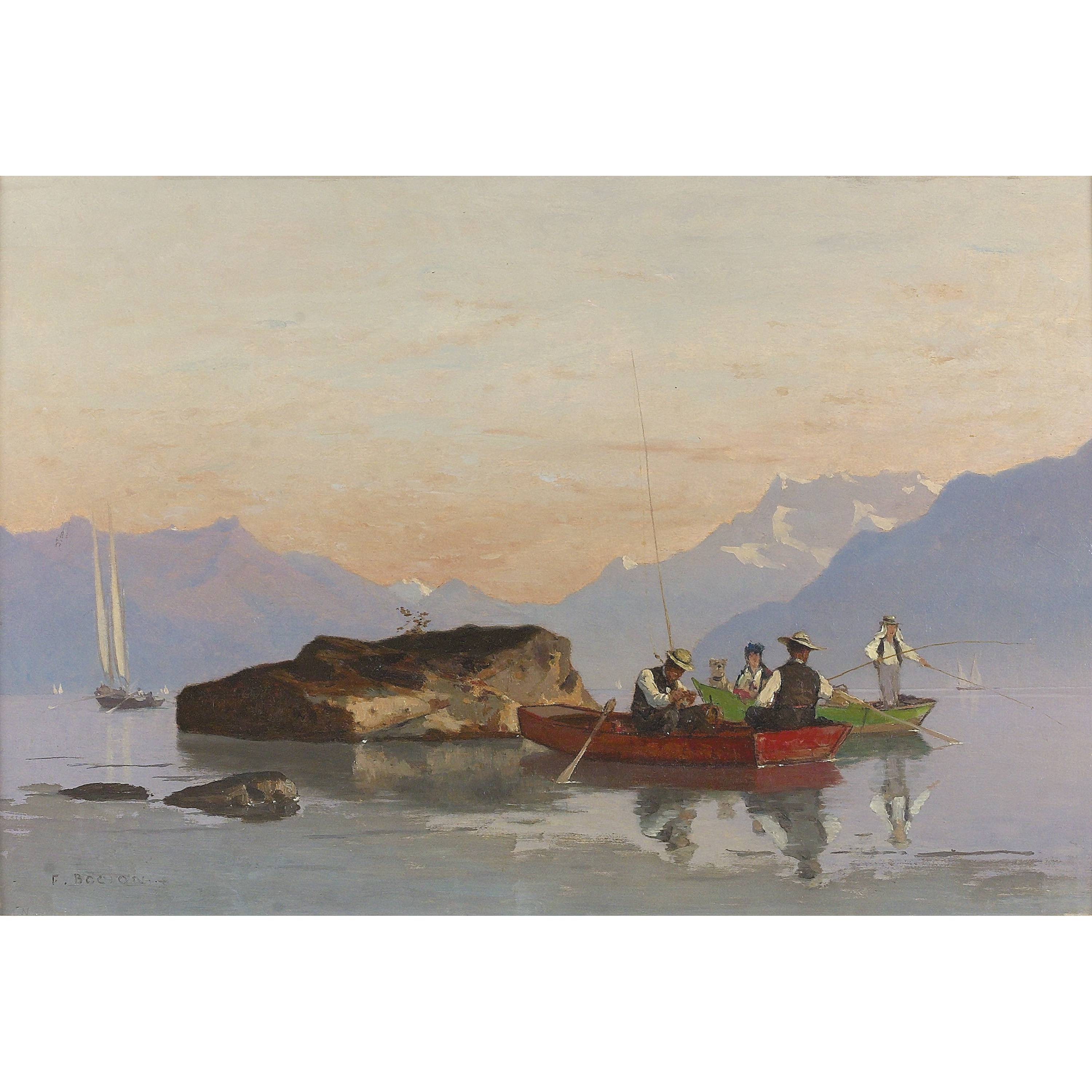
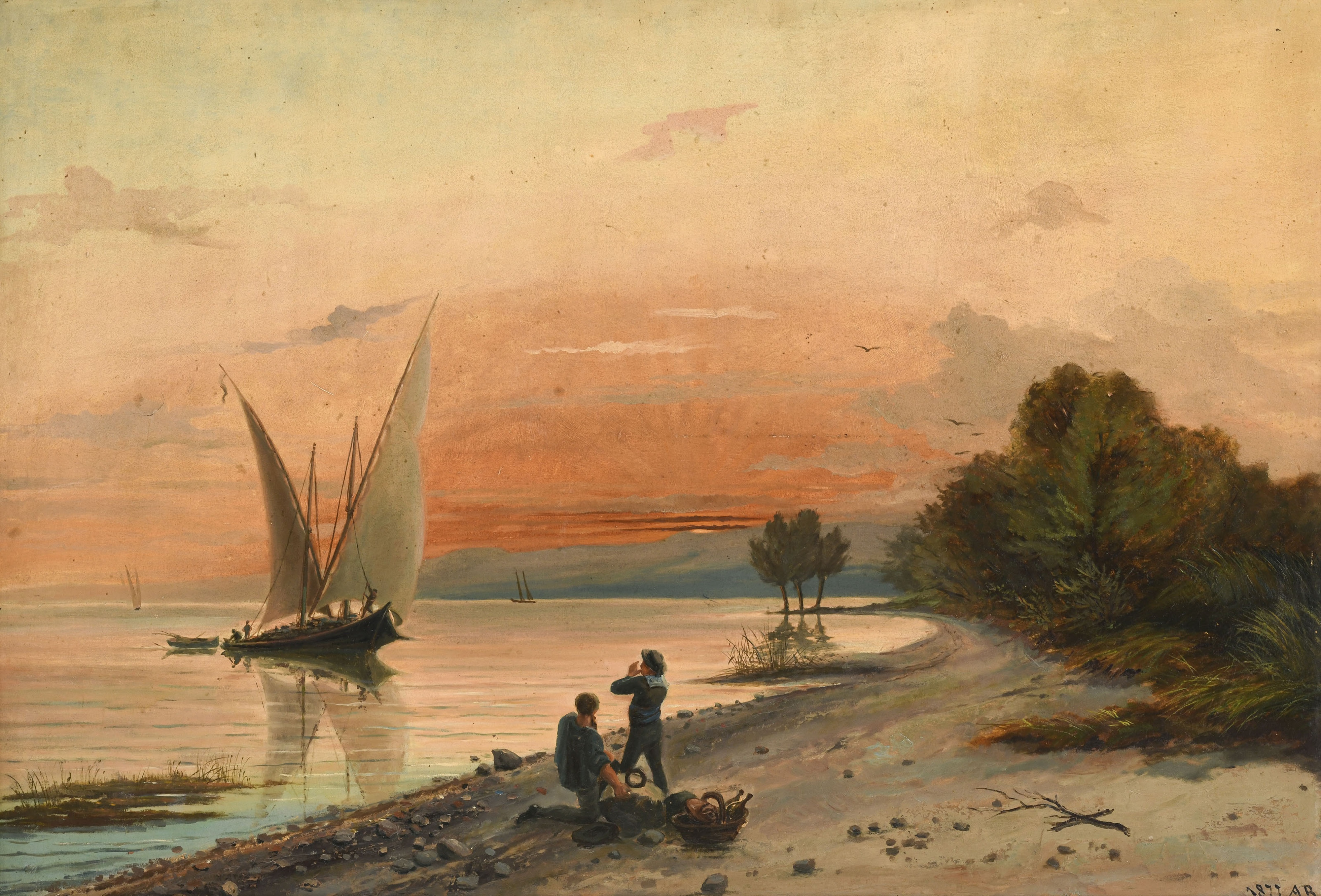
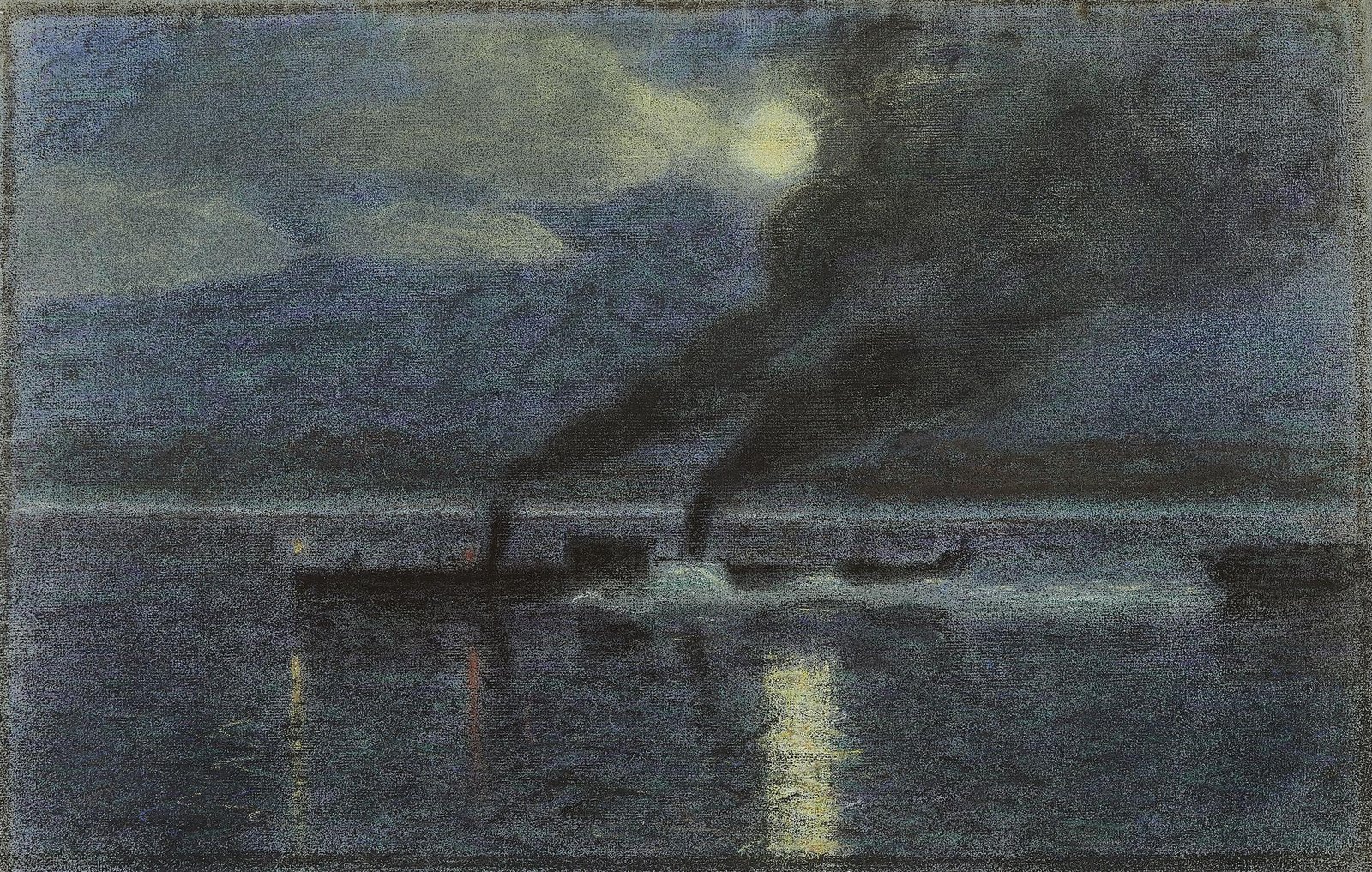
From the 1860s onwards, his work increasingly focused on the landscape of Lake Geneva, which he observed from both sides of the lake. Fishermen, boatmen, nets, boats and steamboats testify to the uses of the shore and to changes associated with transport and tourism. In À Ouchy en 1874, the disembarkation, carriages and stagecoach create an animated scene in which the landscape accompanies modern life.
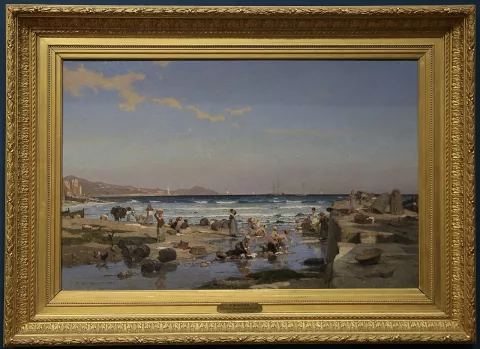
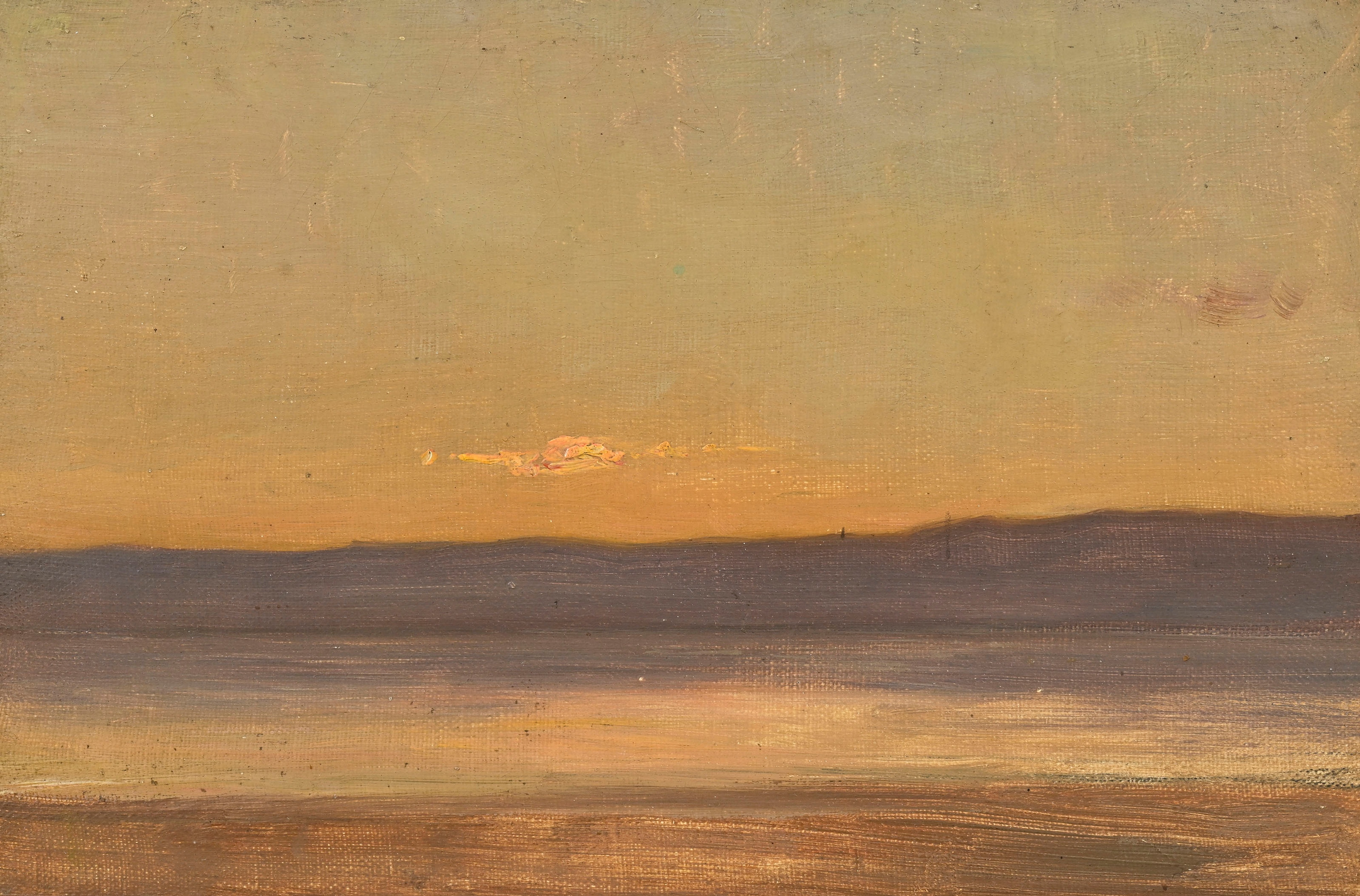
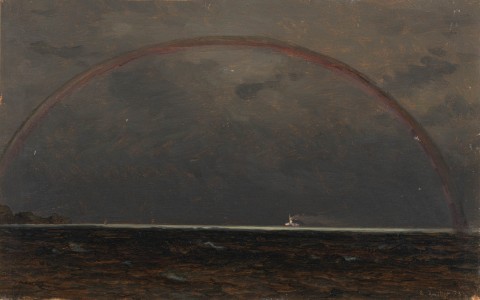
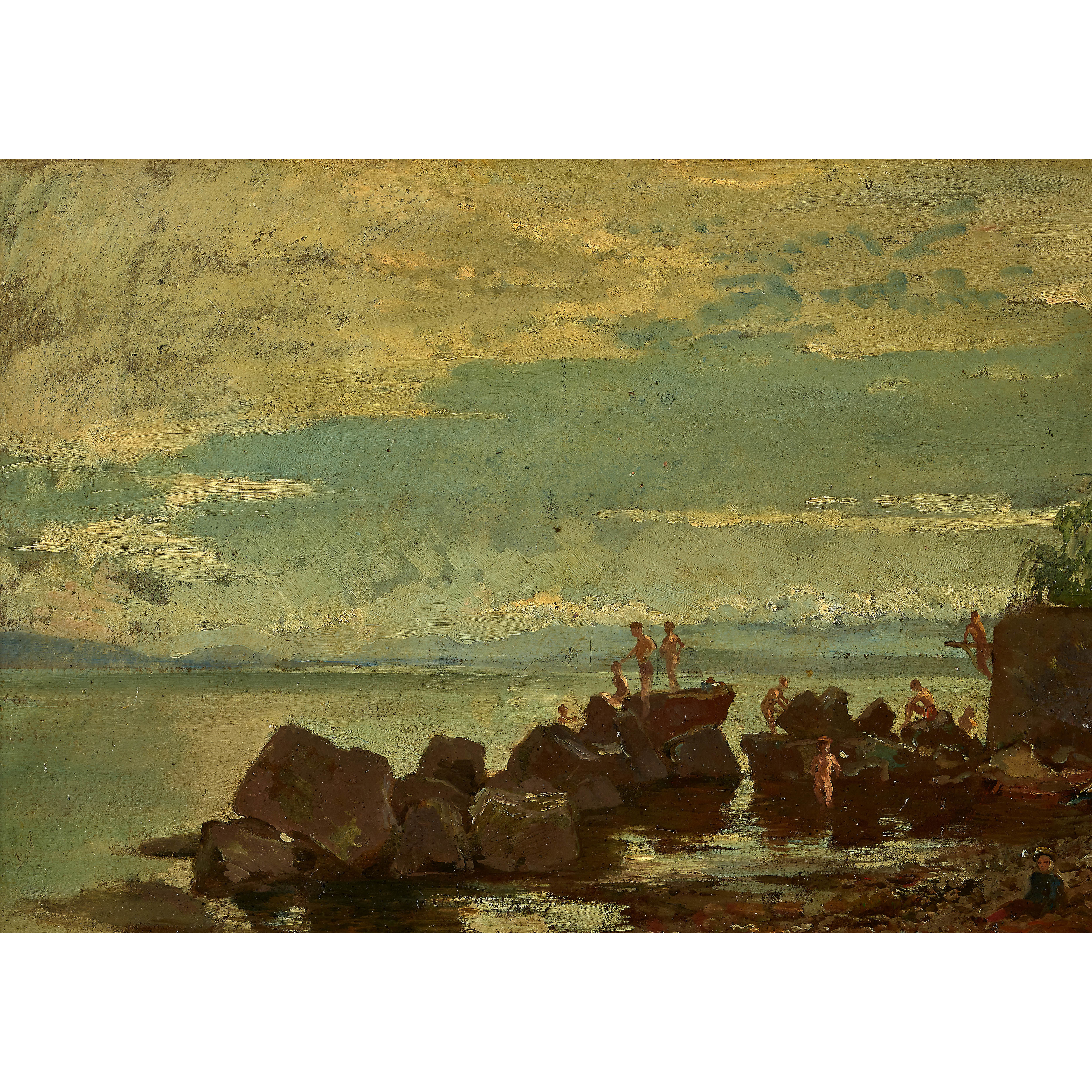
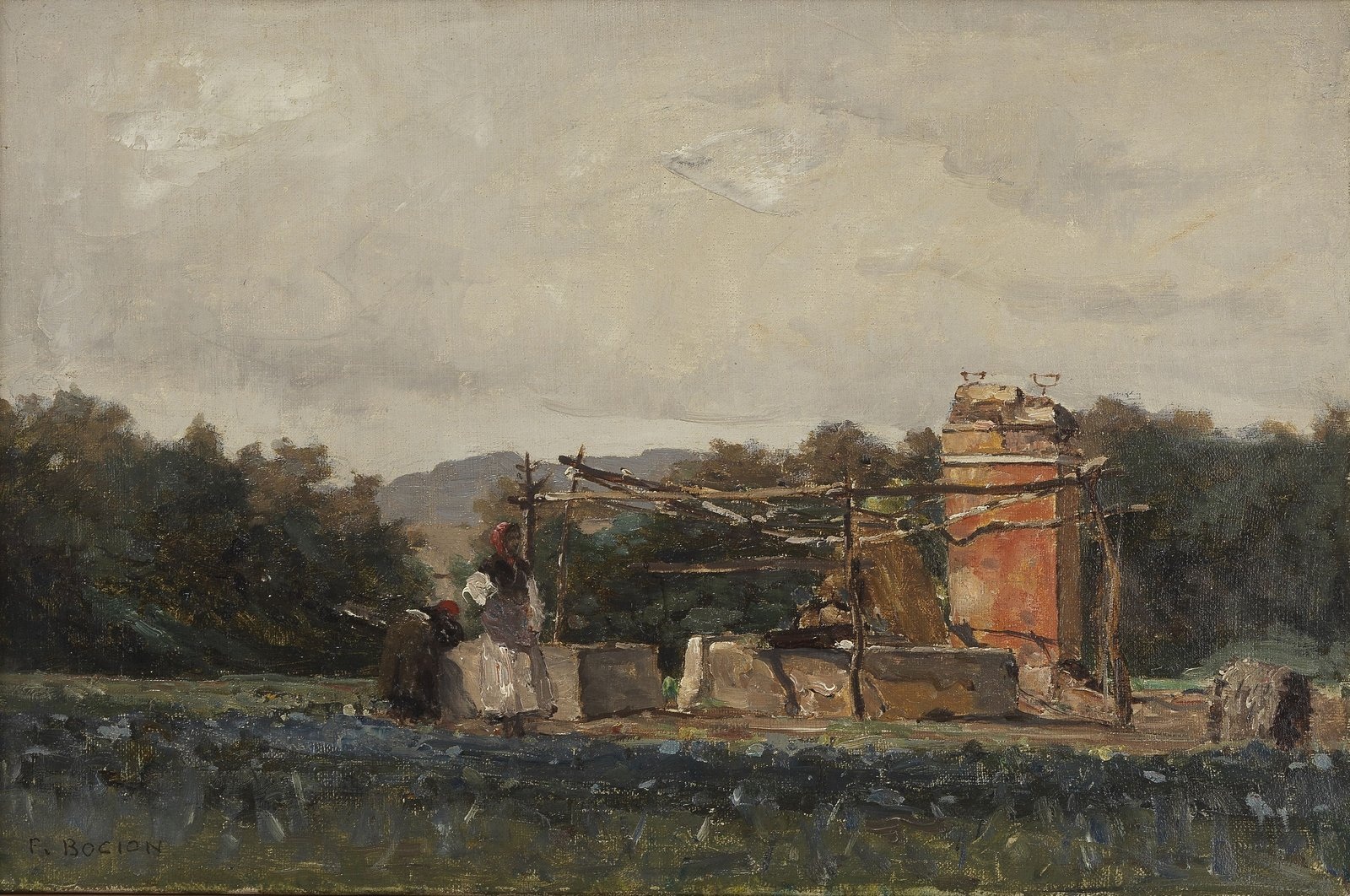
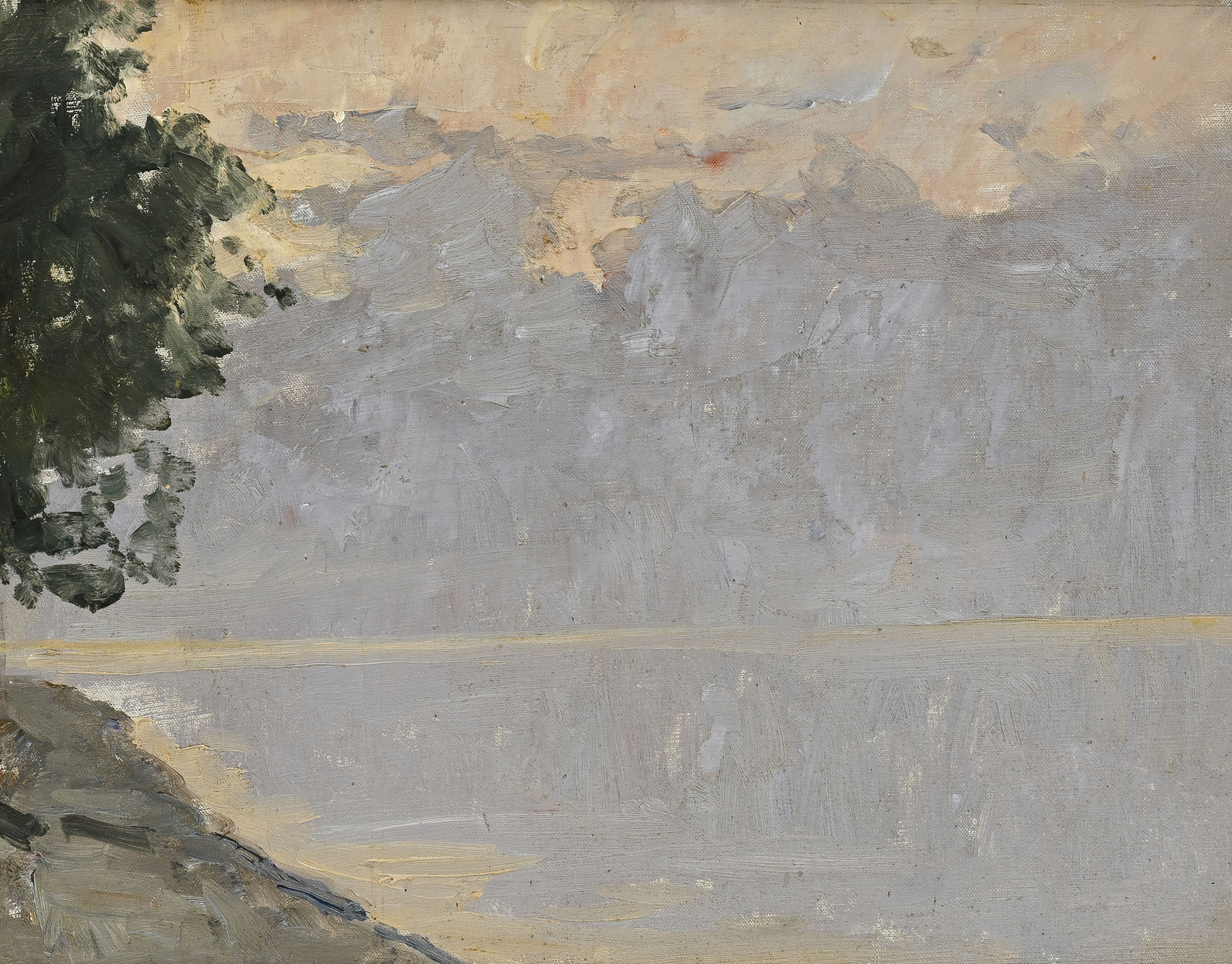
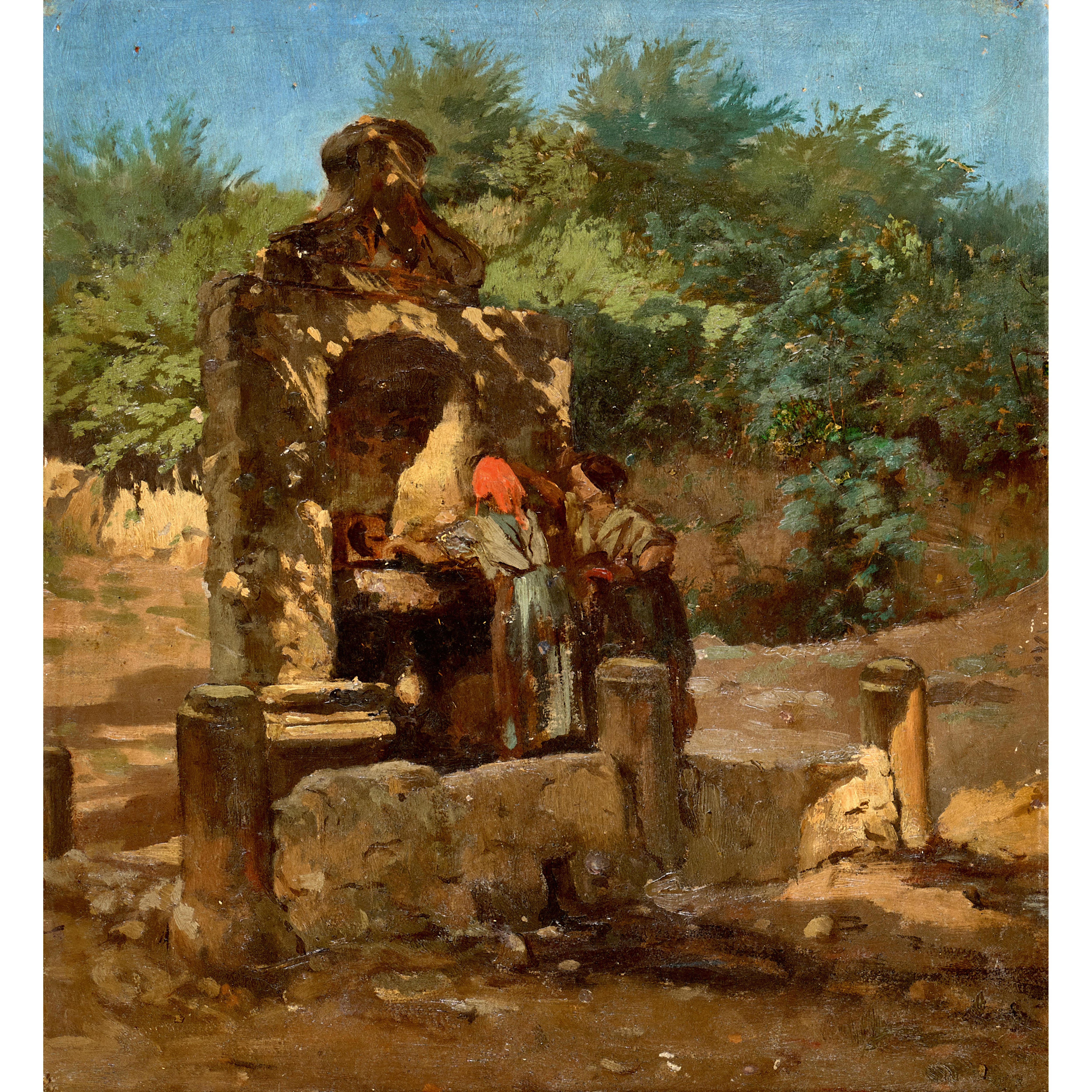
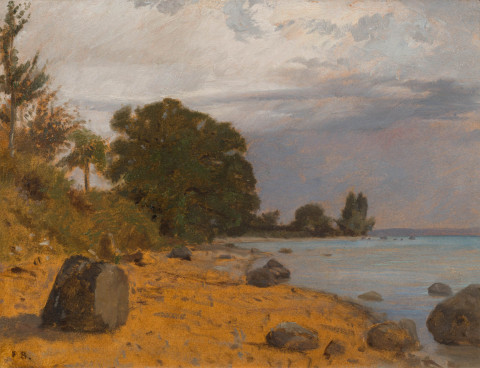
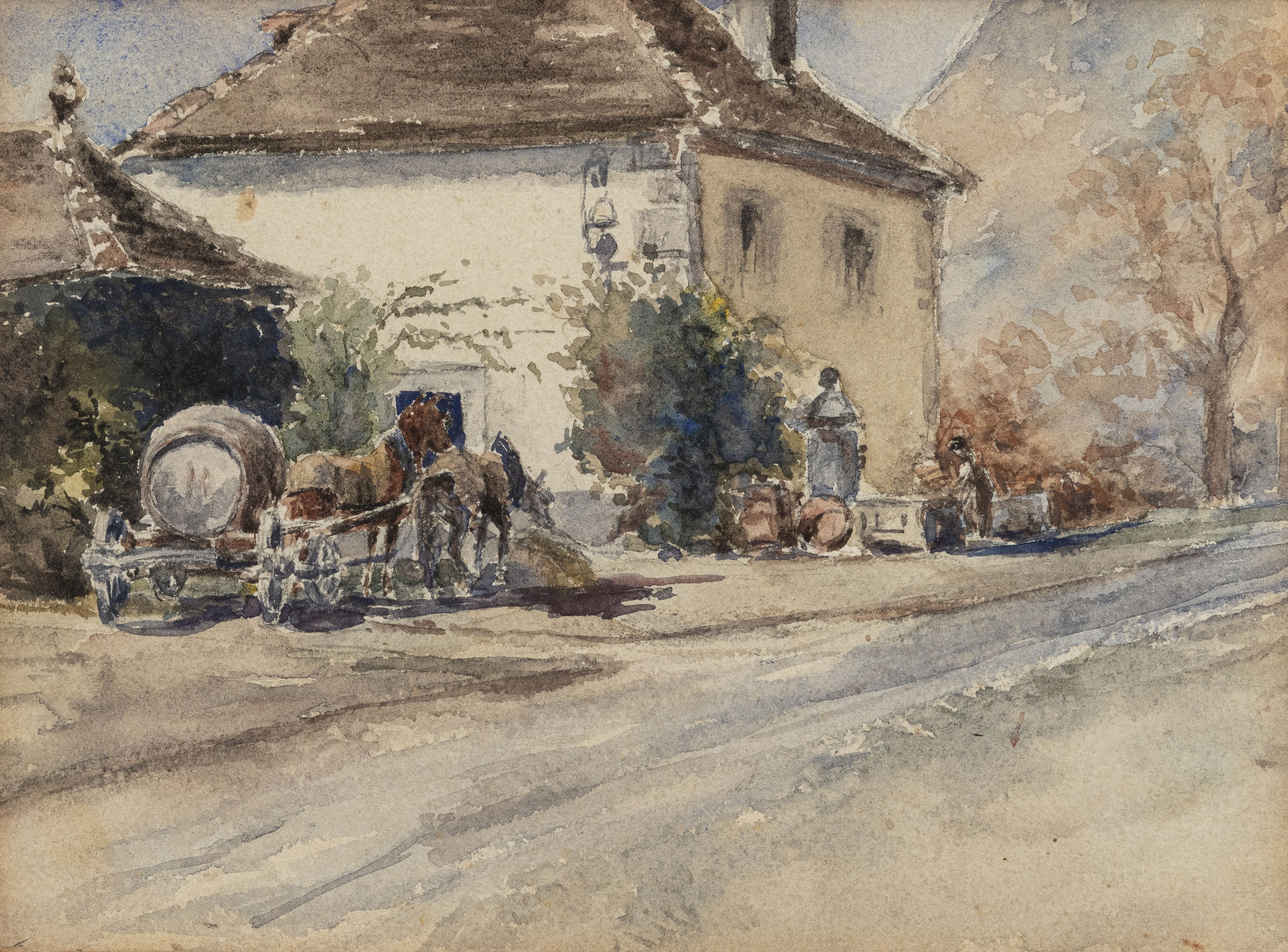
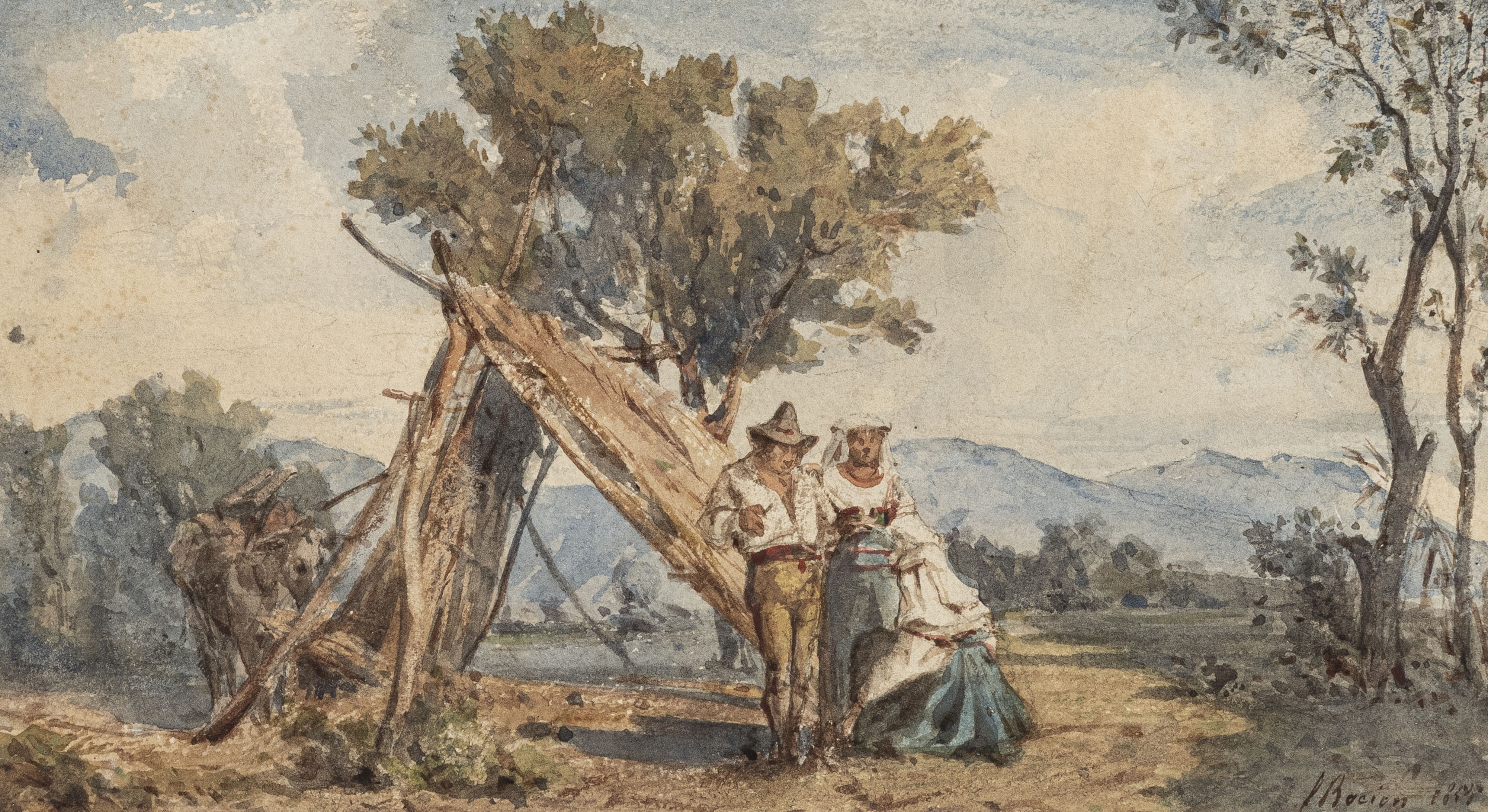
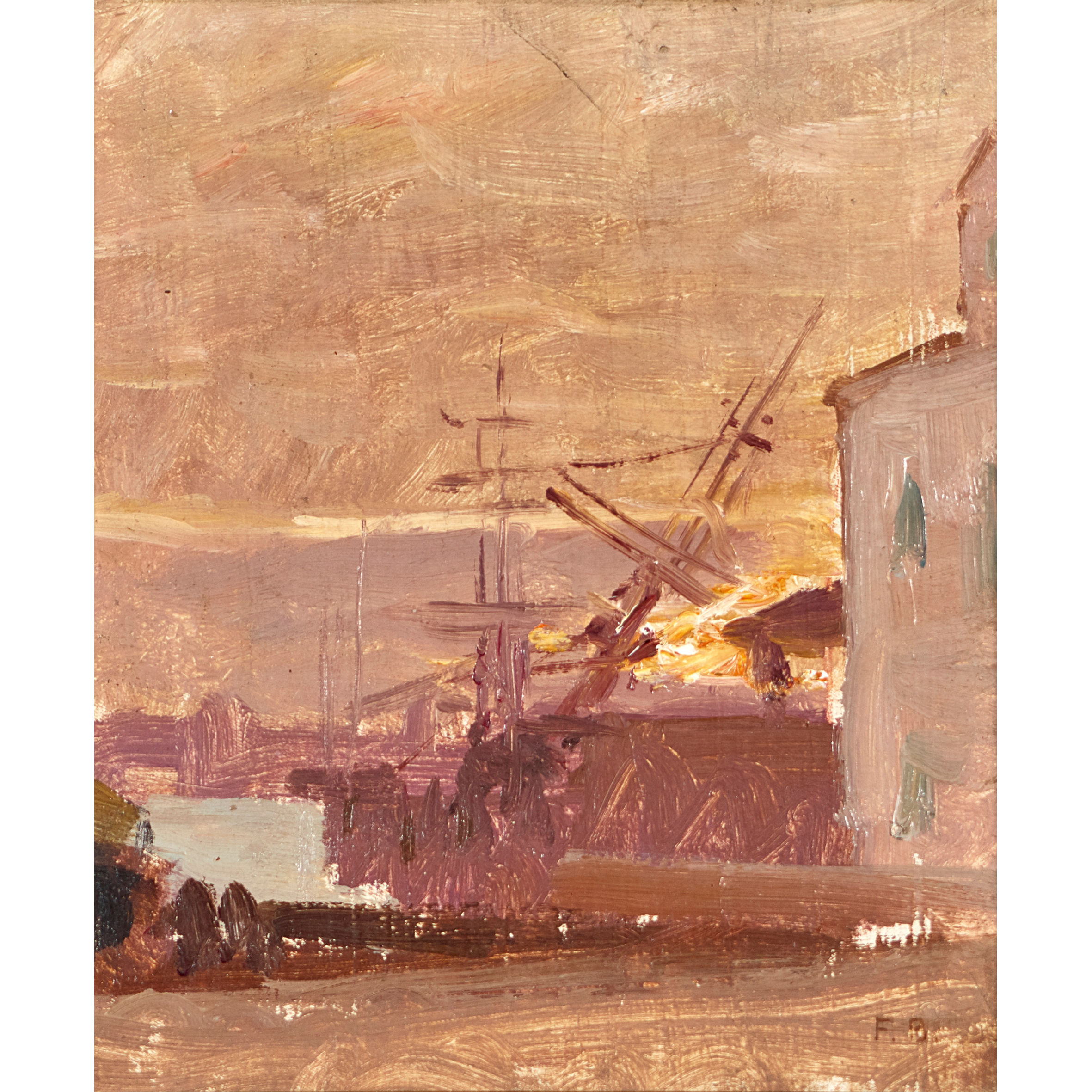
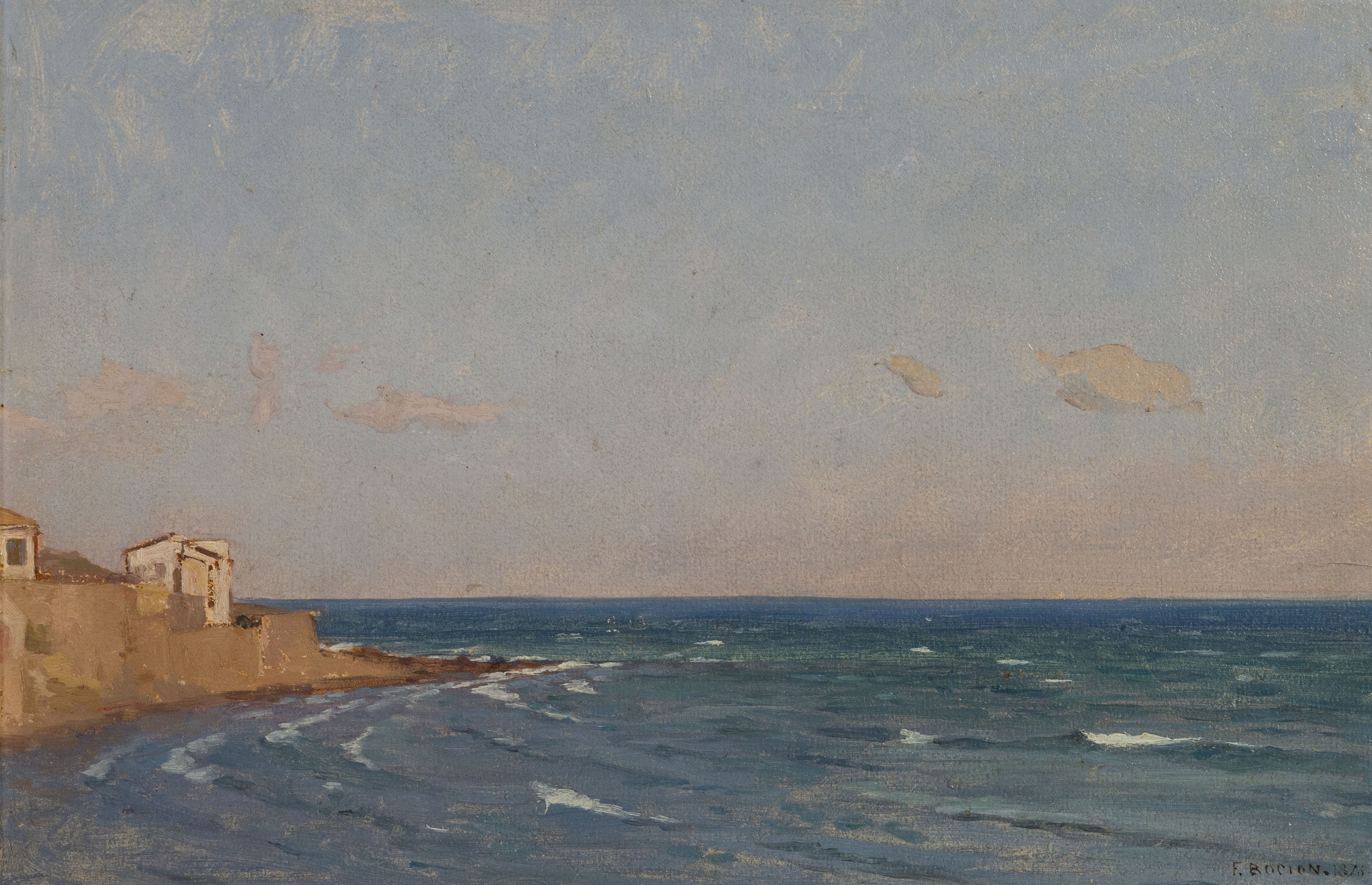
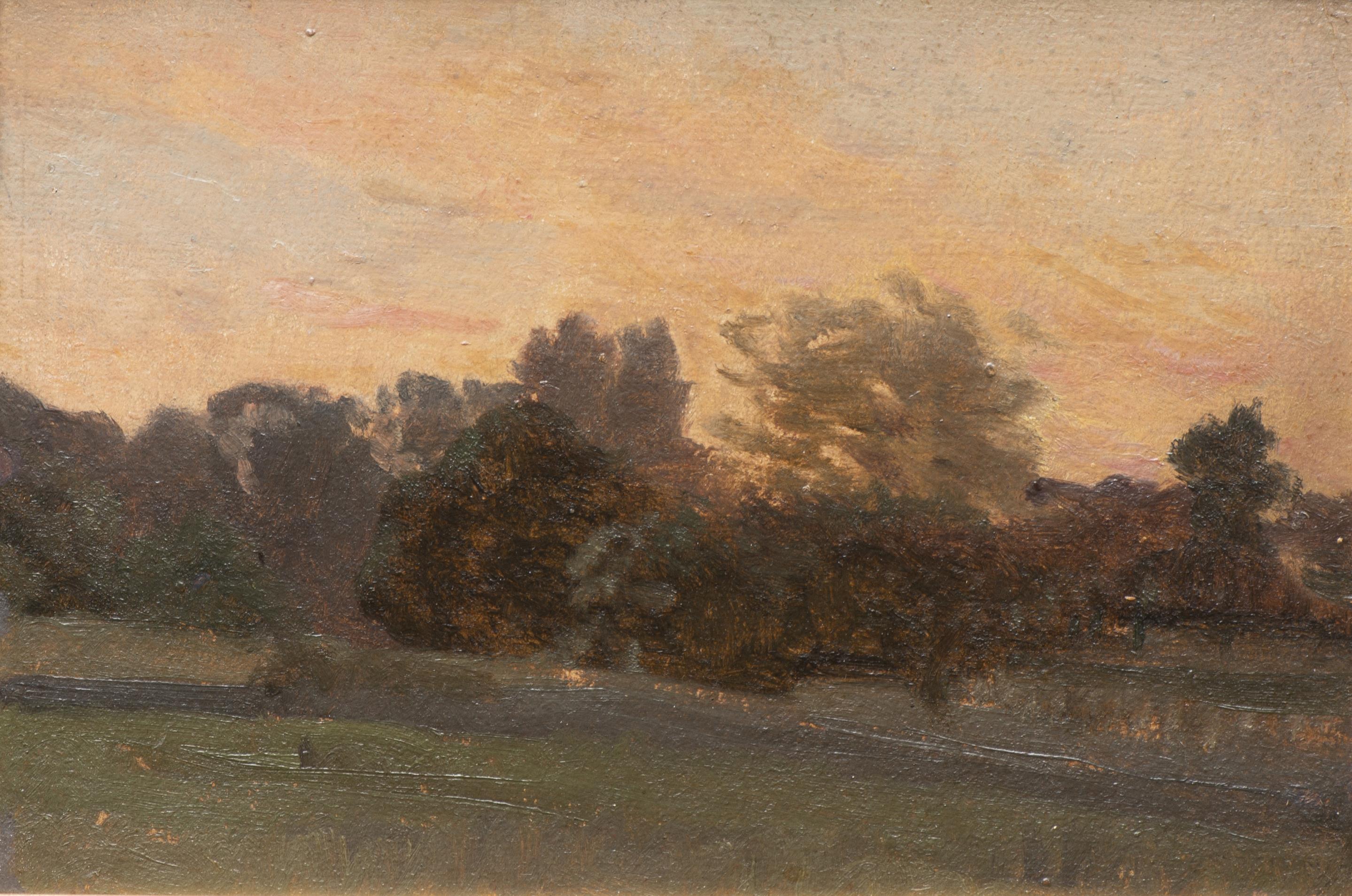
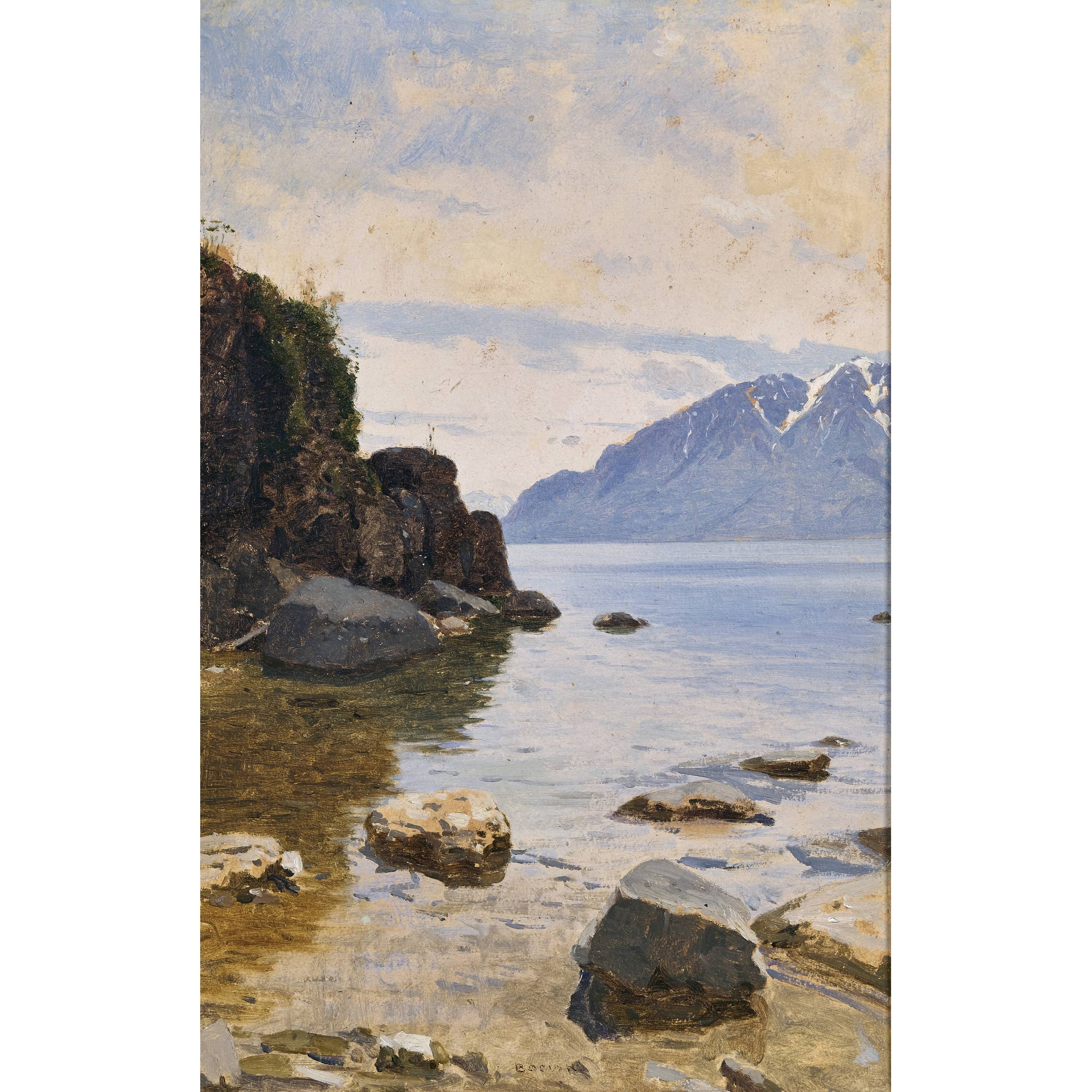
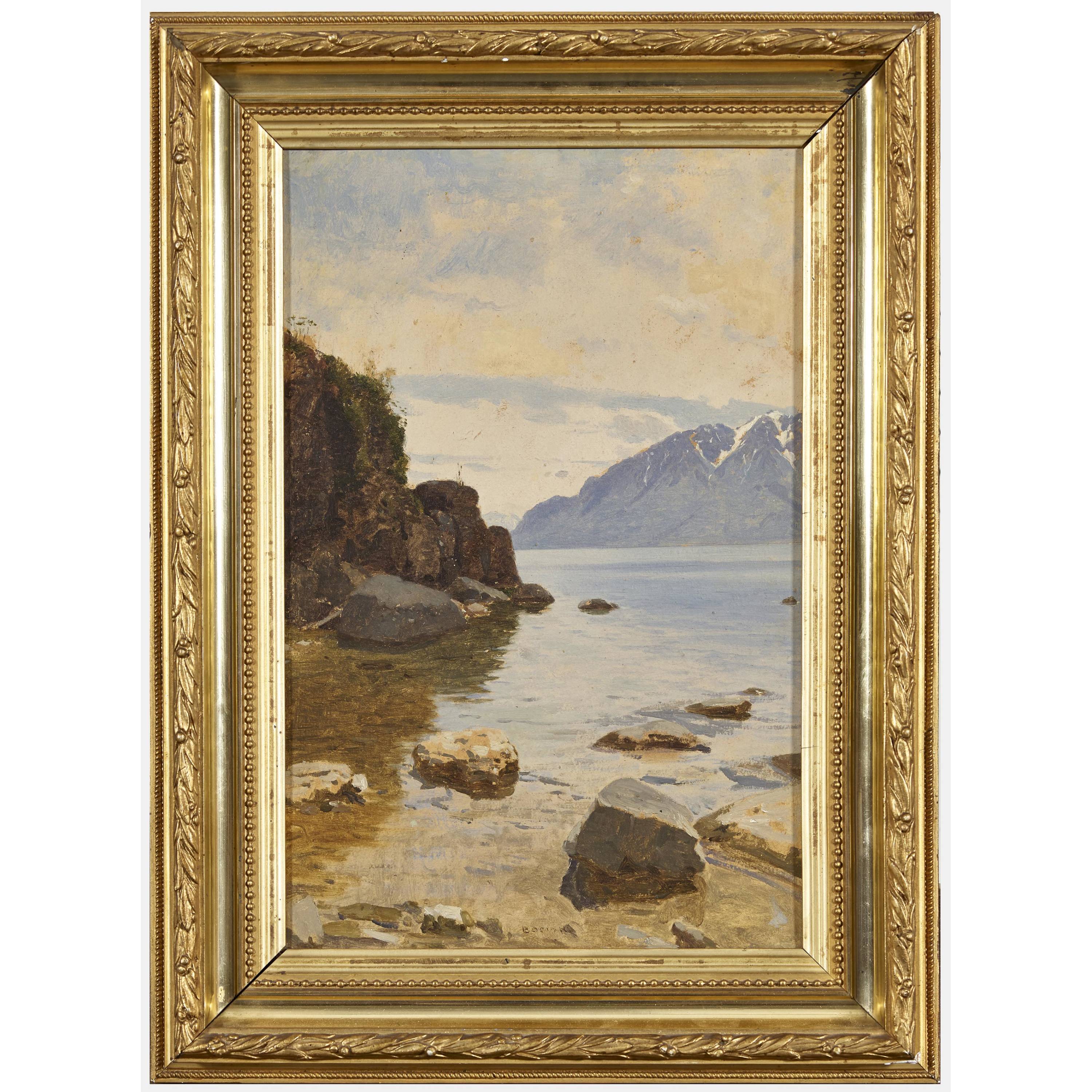
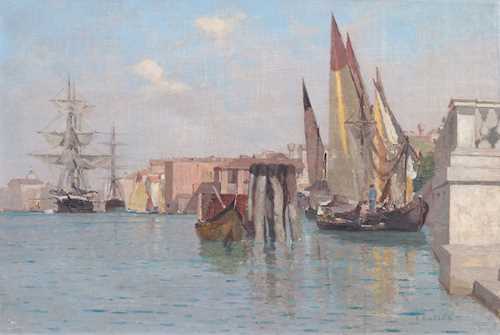
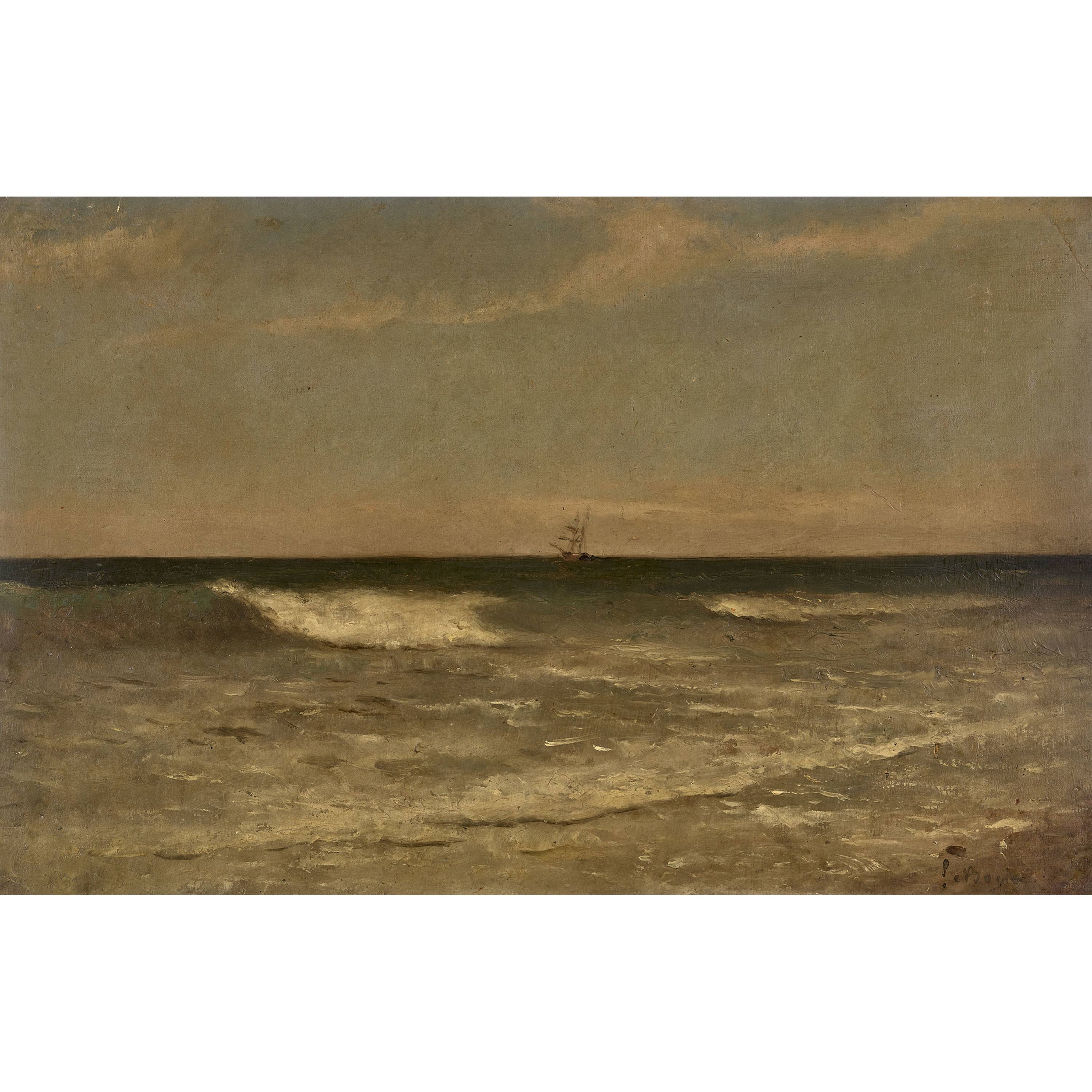
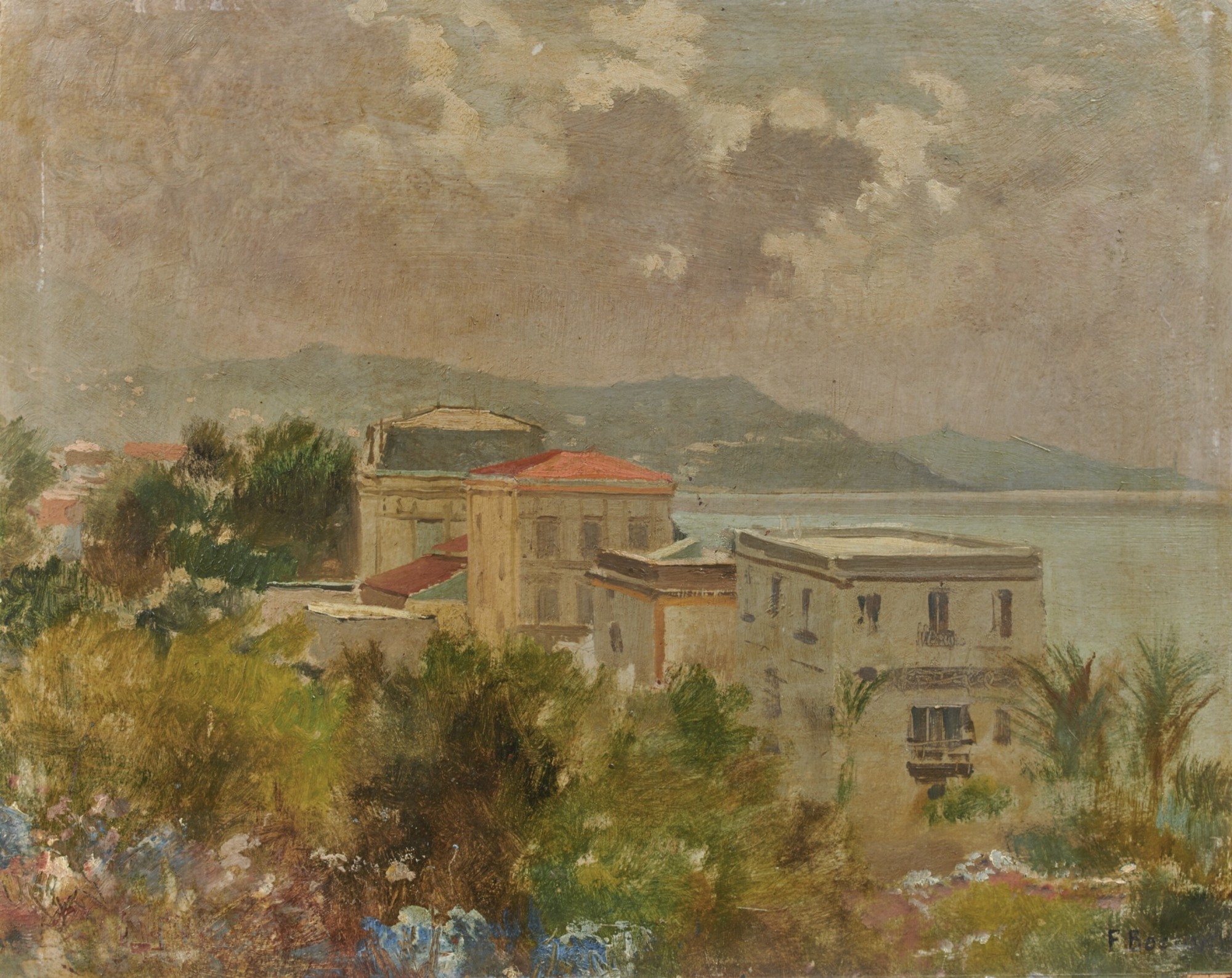
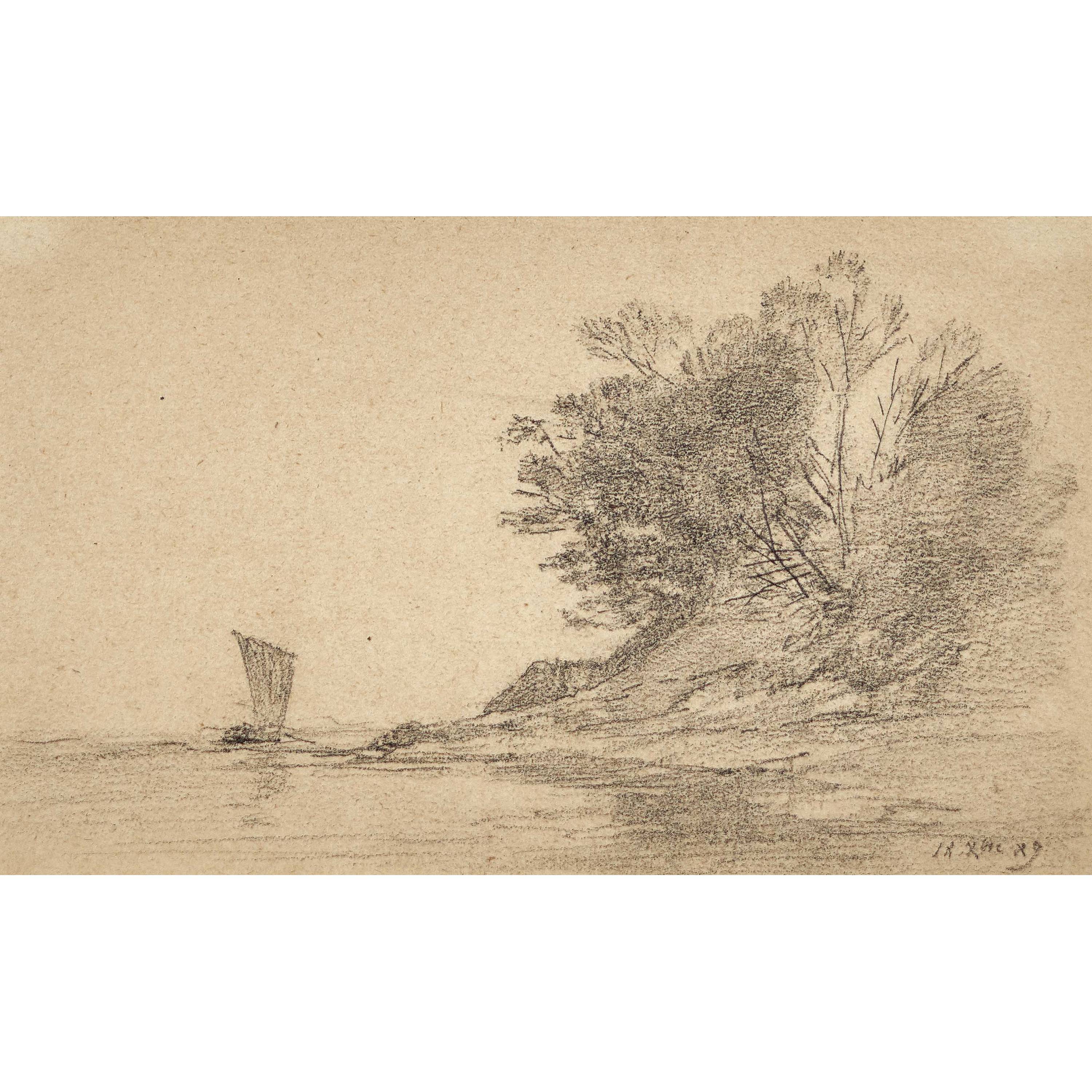
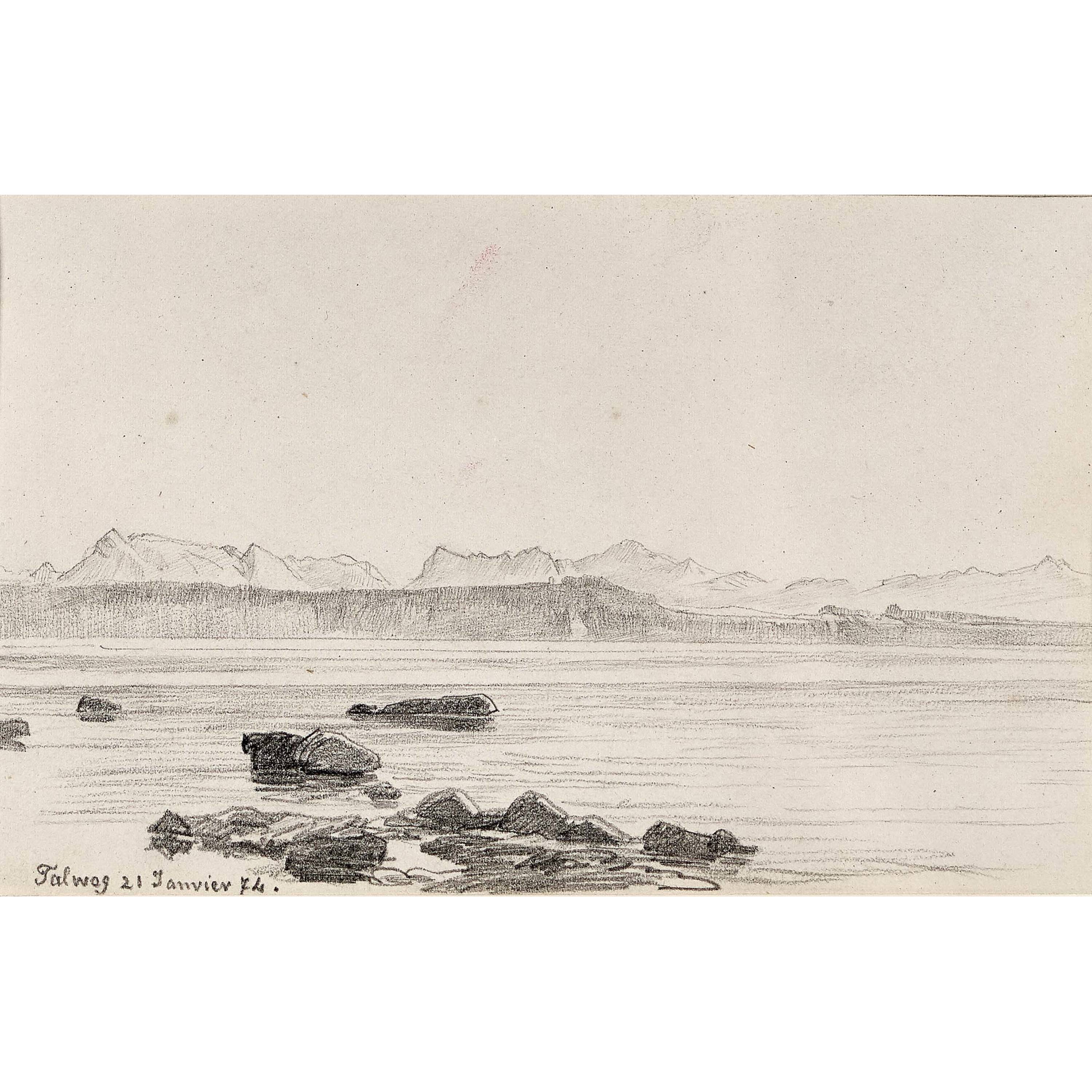
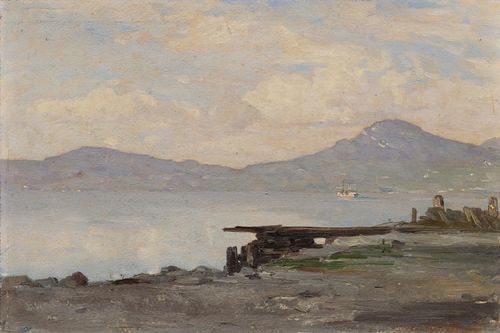
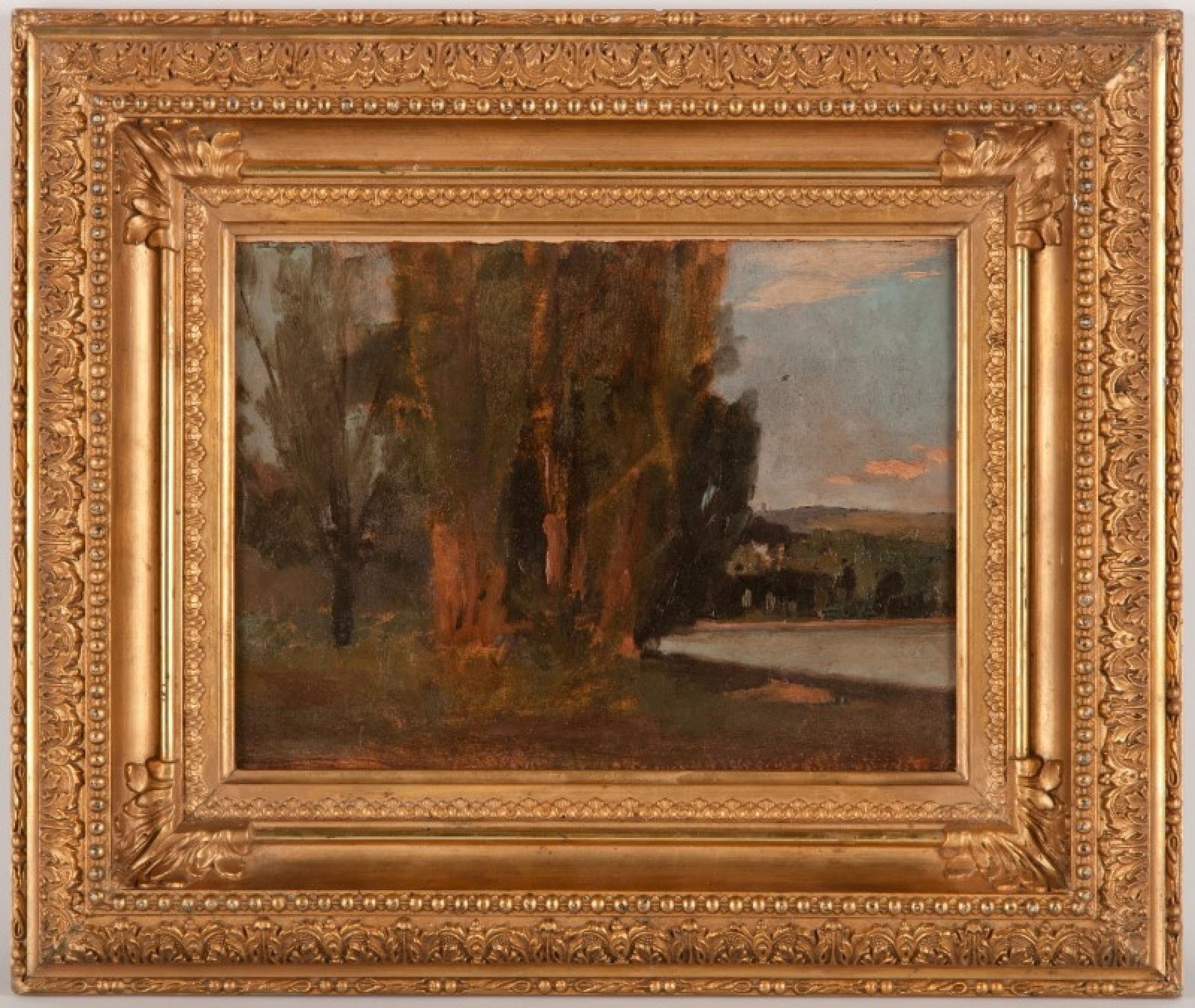
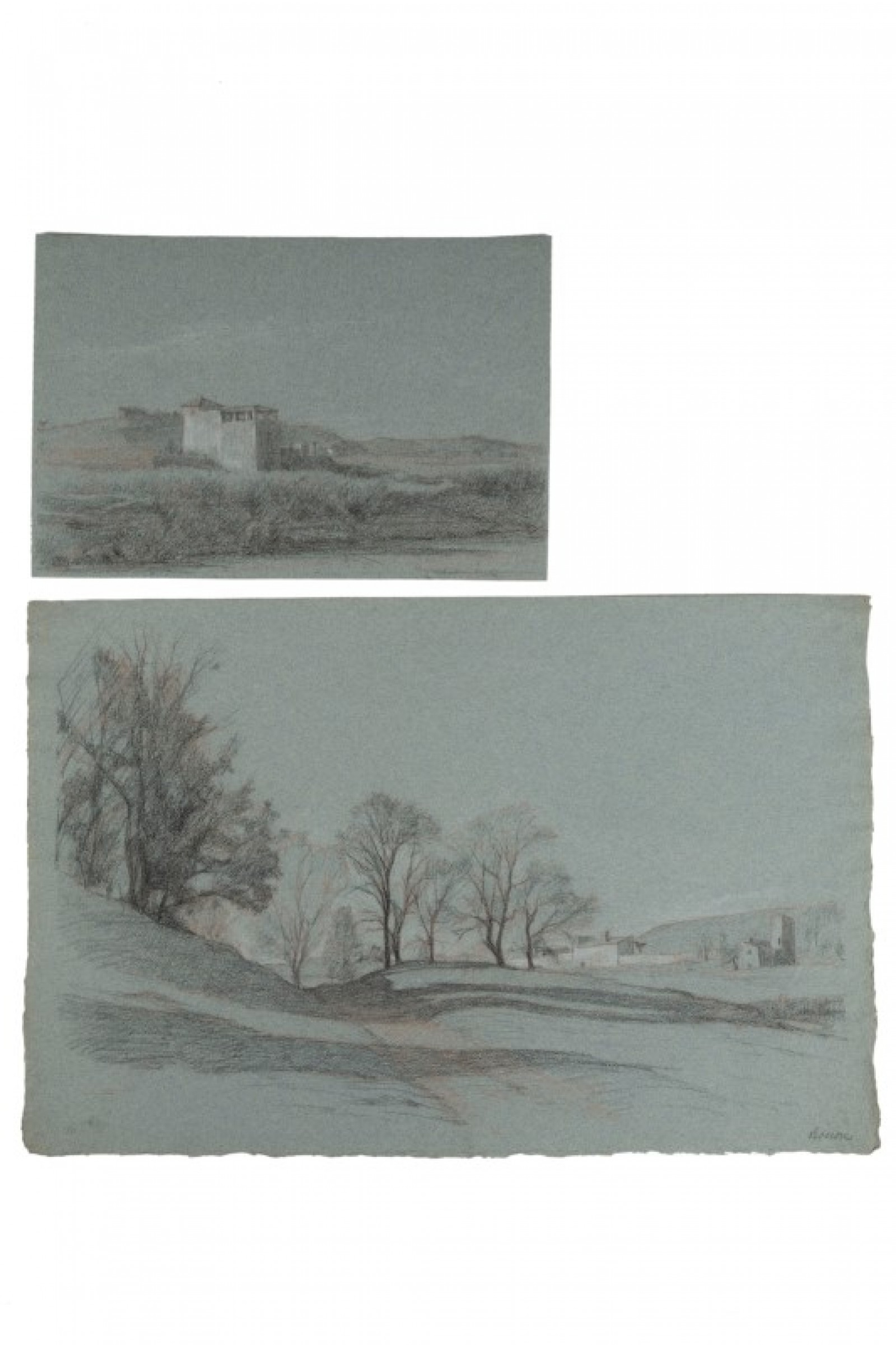
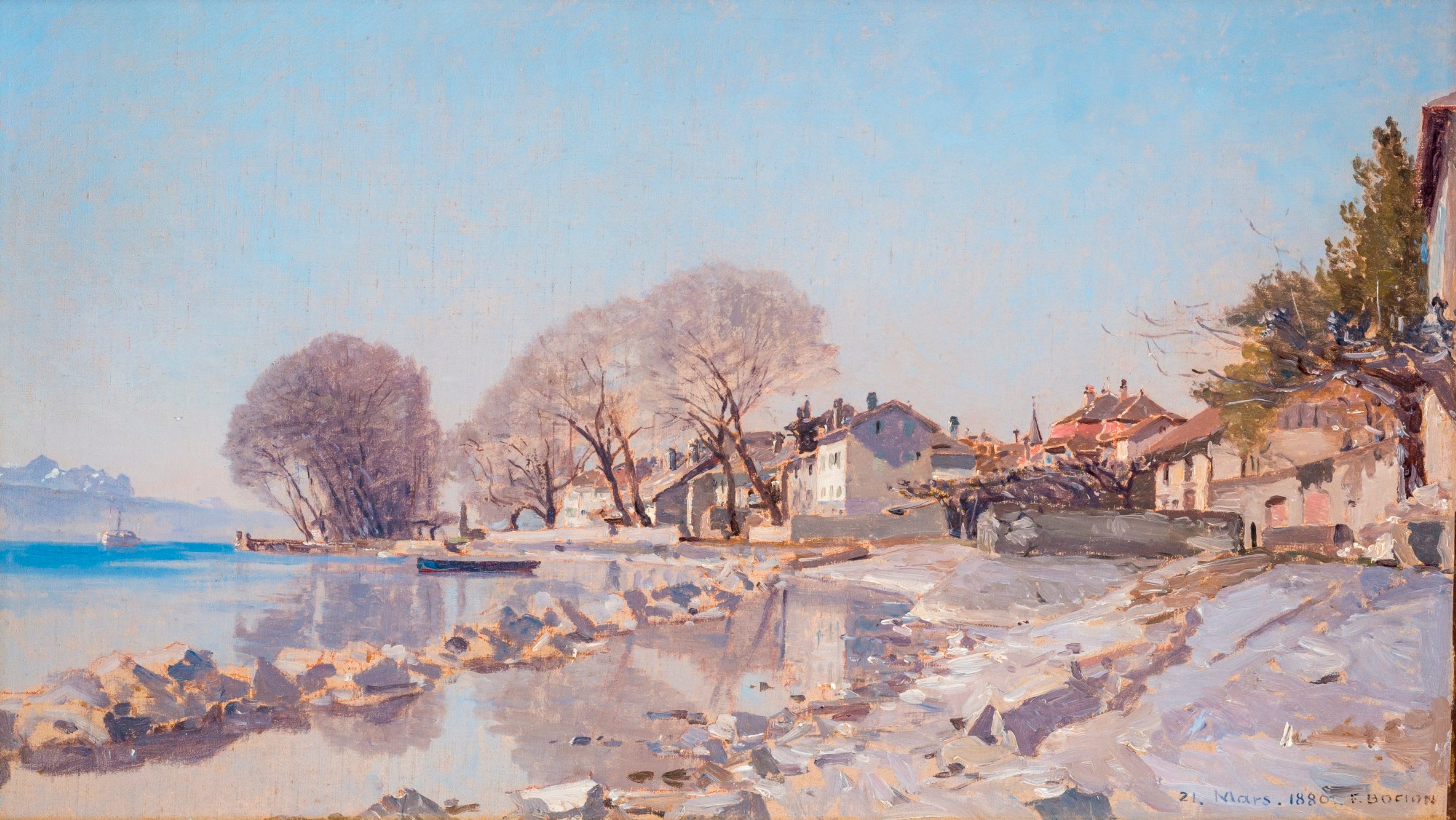
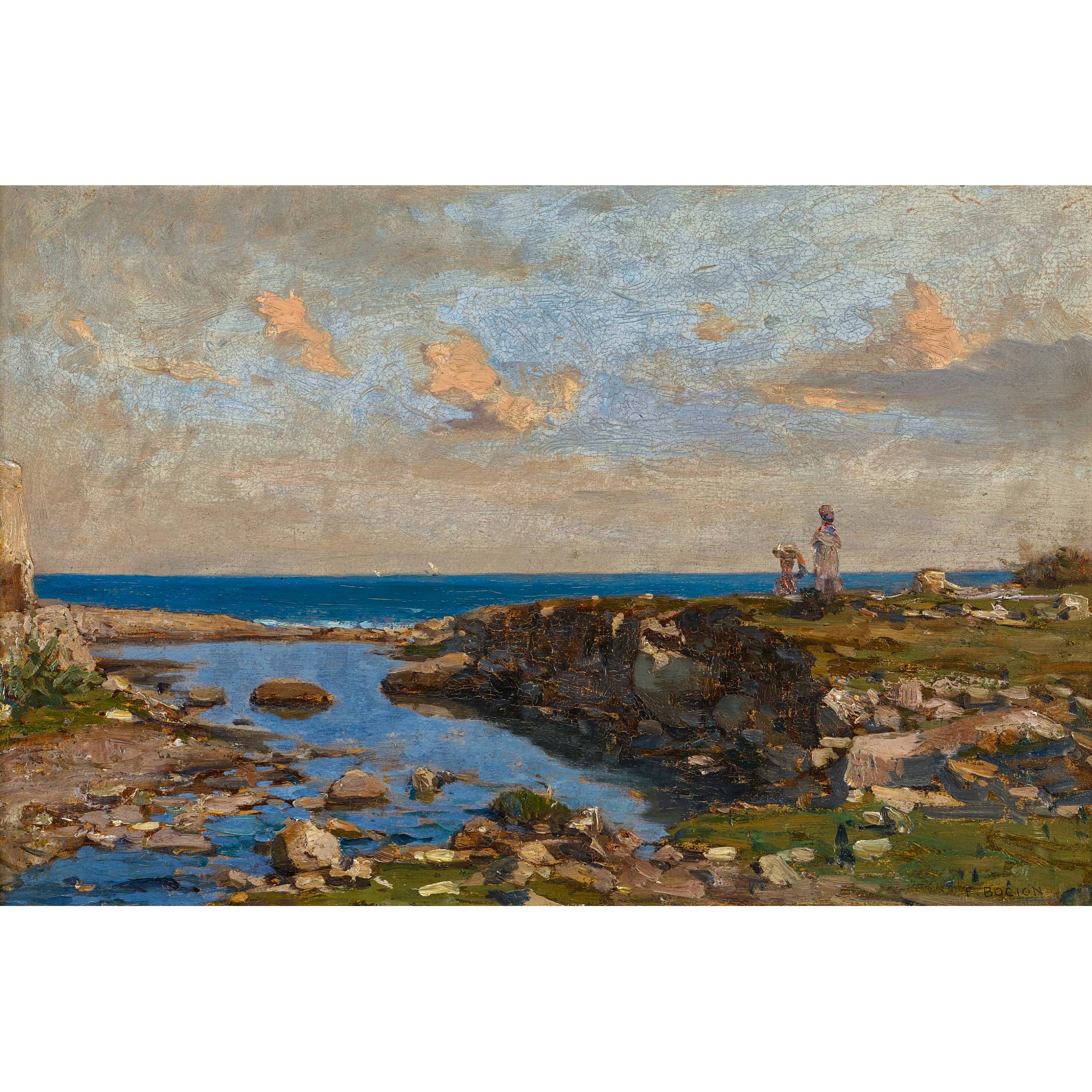
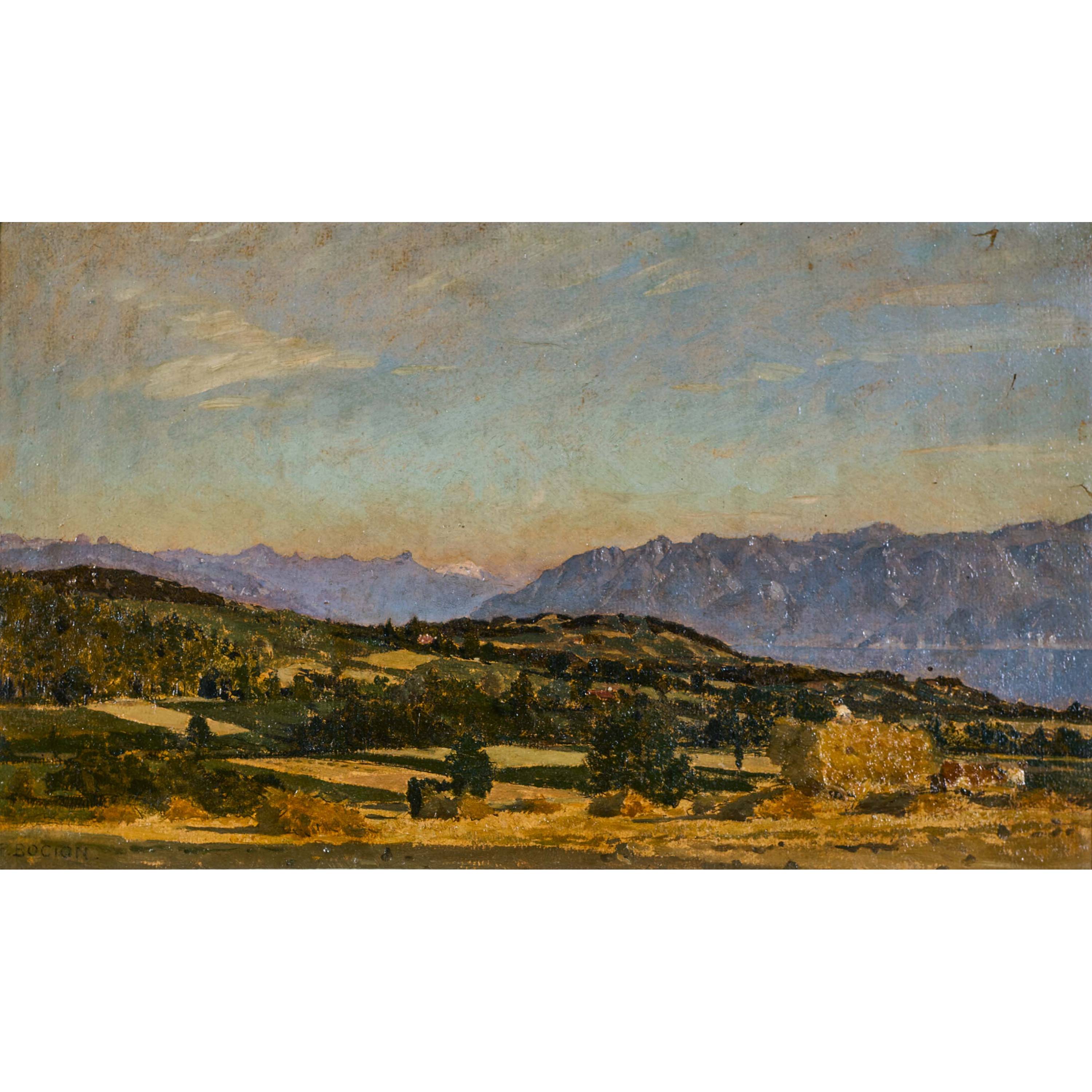
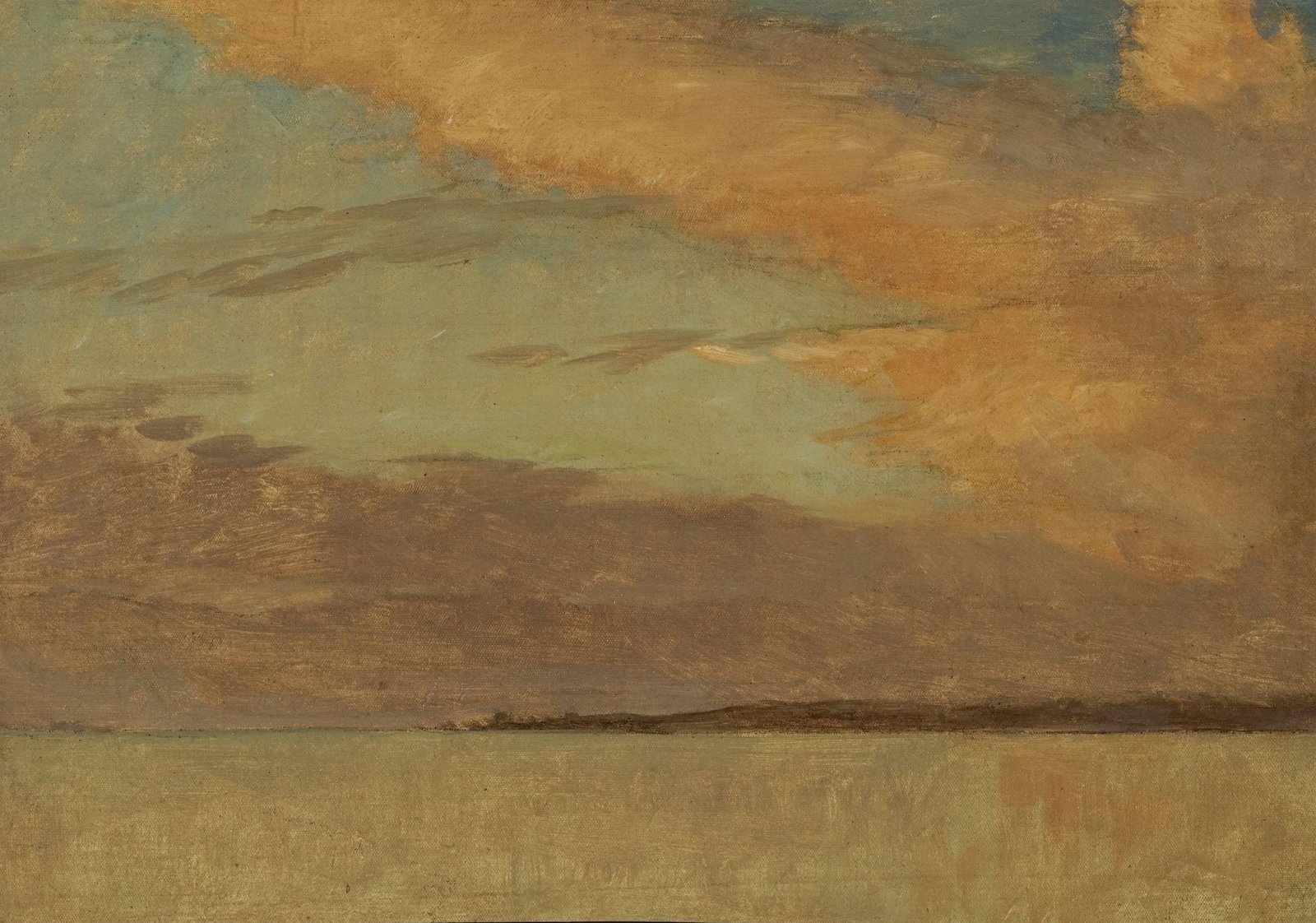
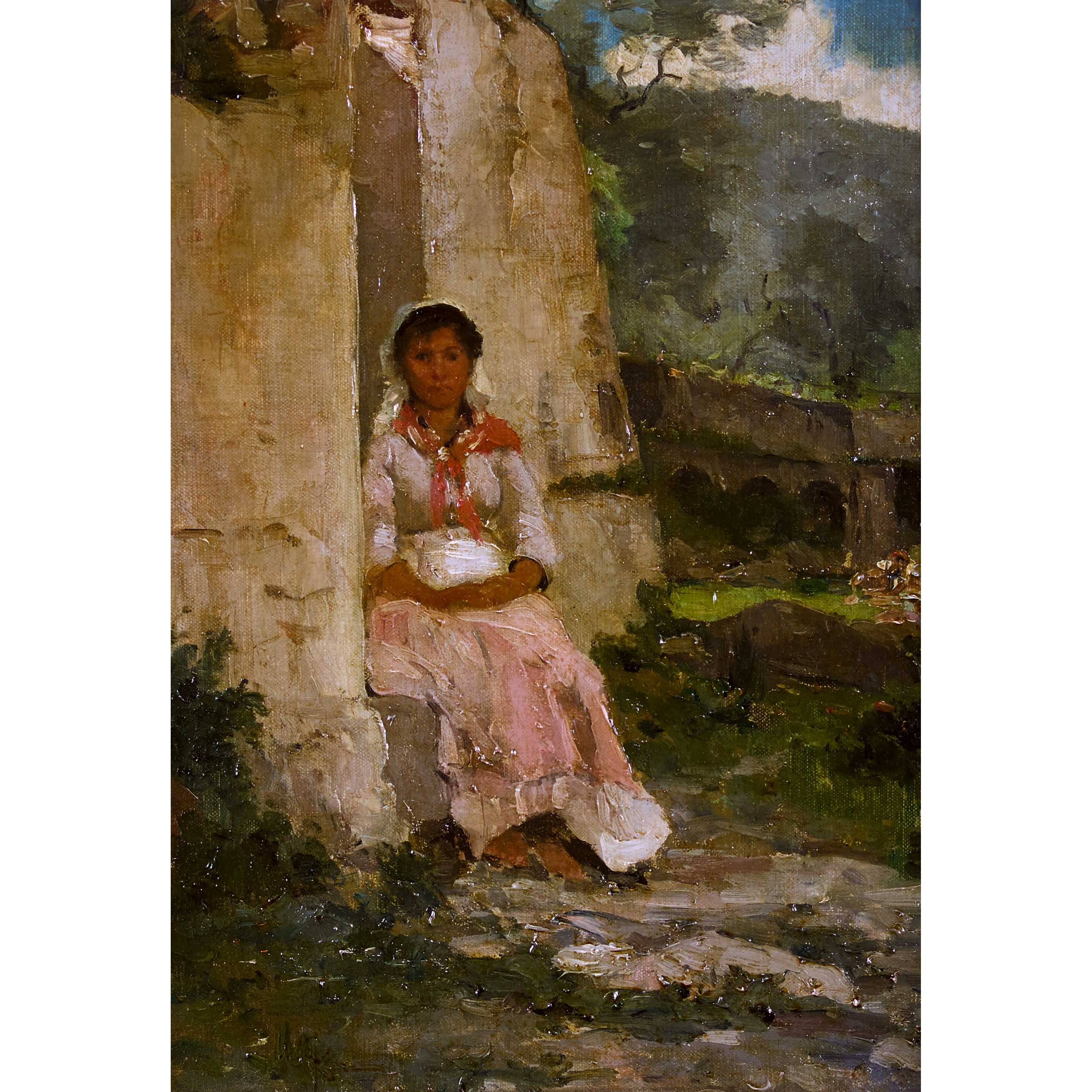
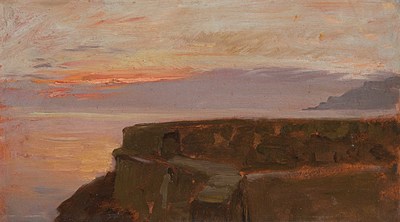
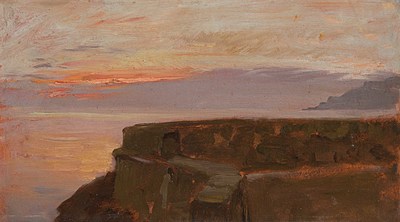
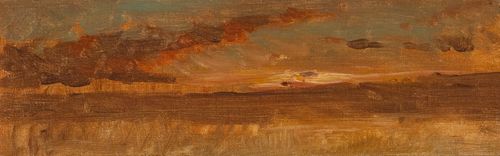
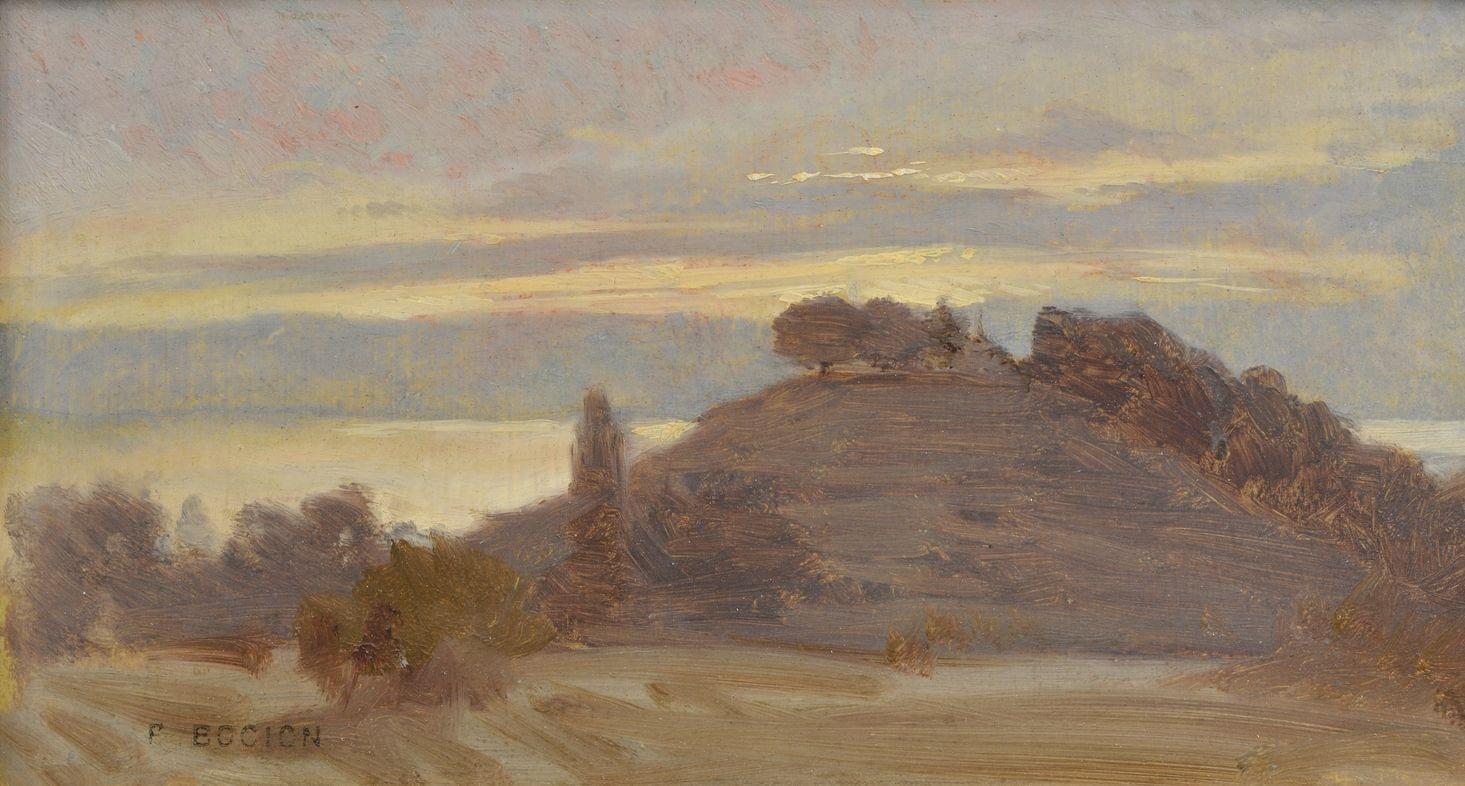
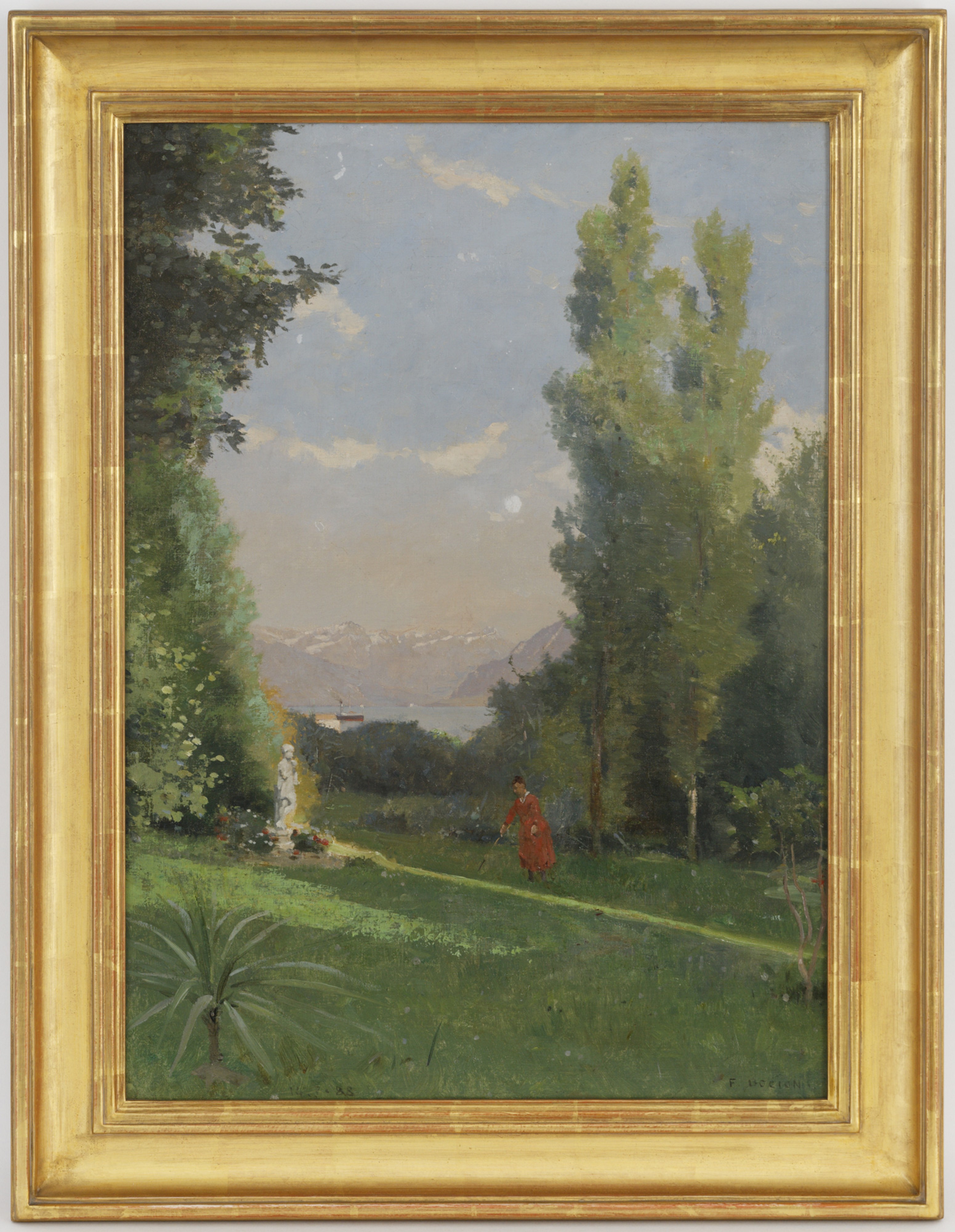
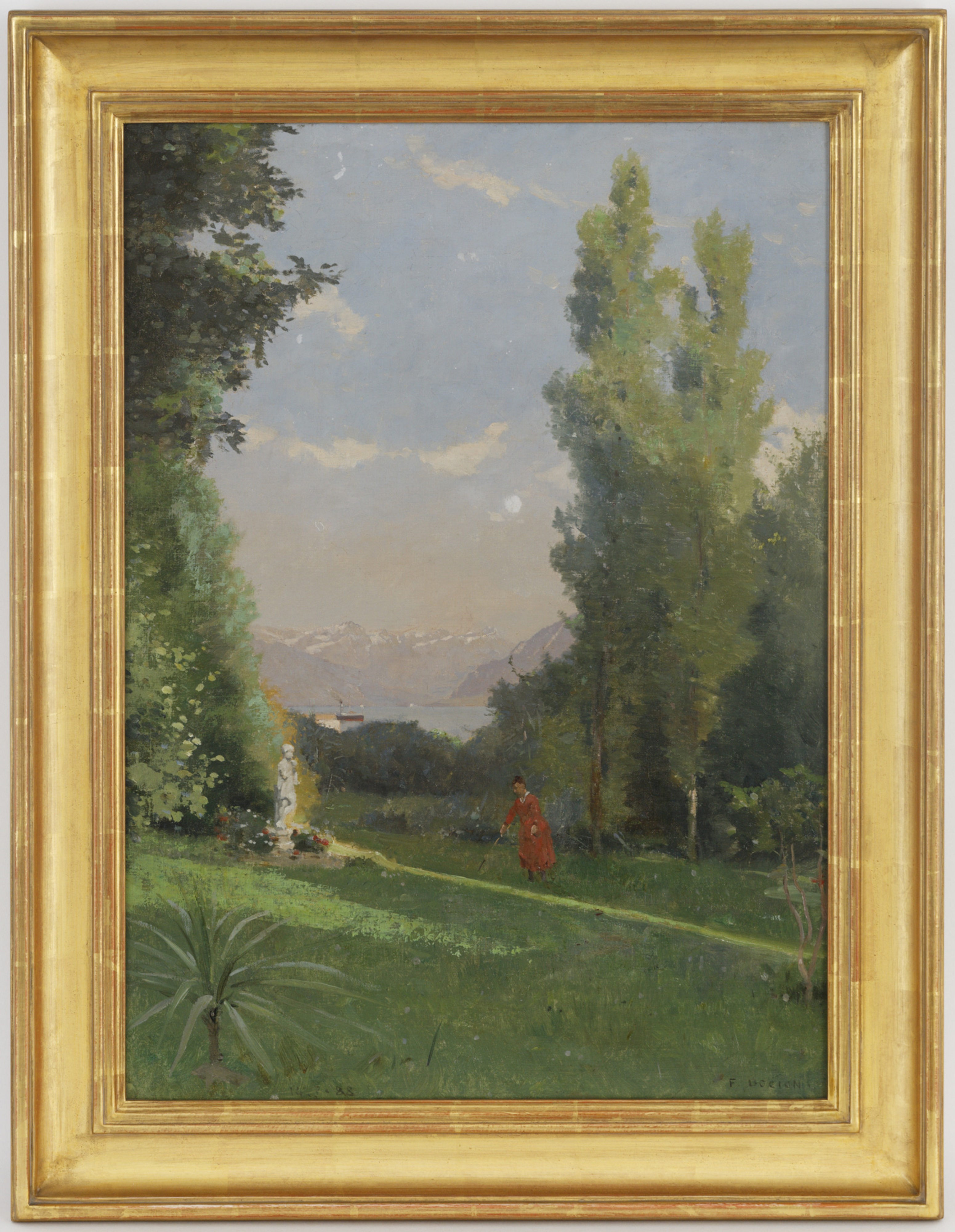
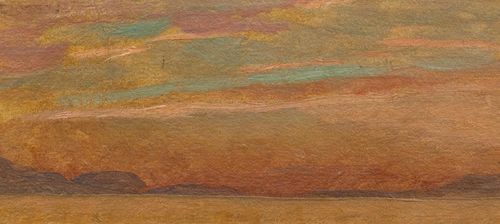
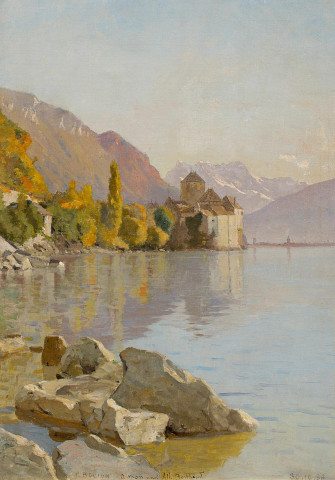
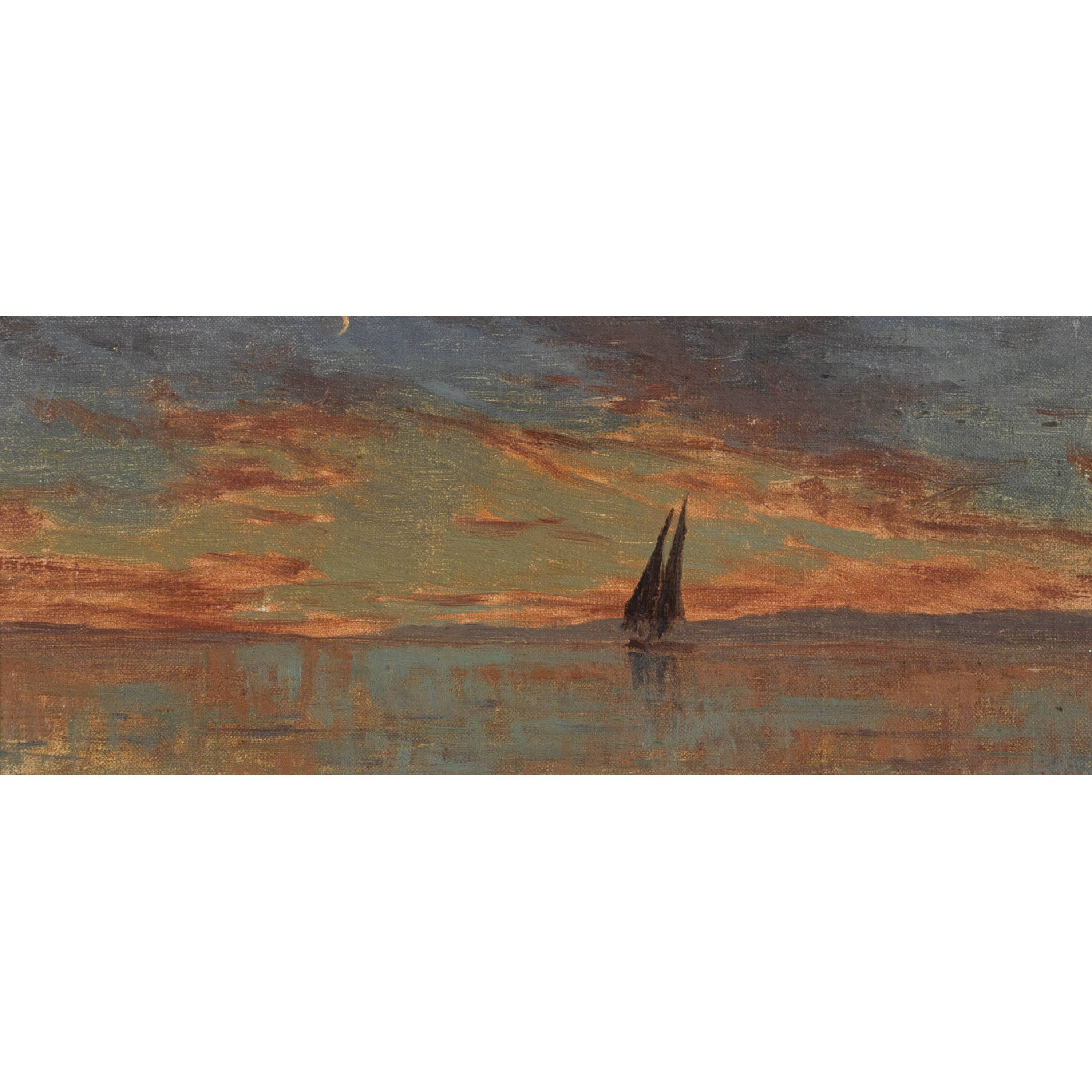
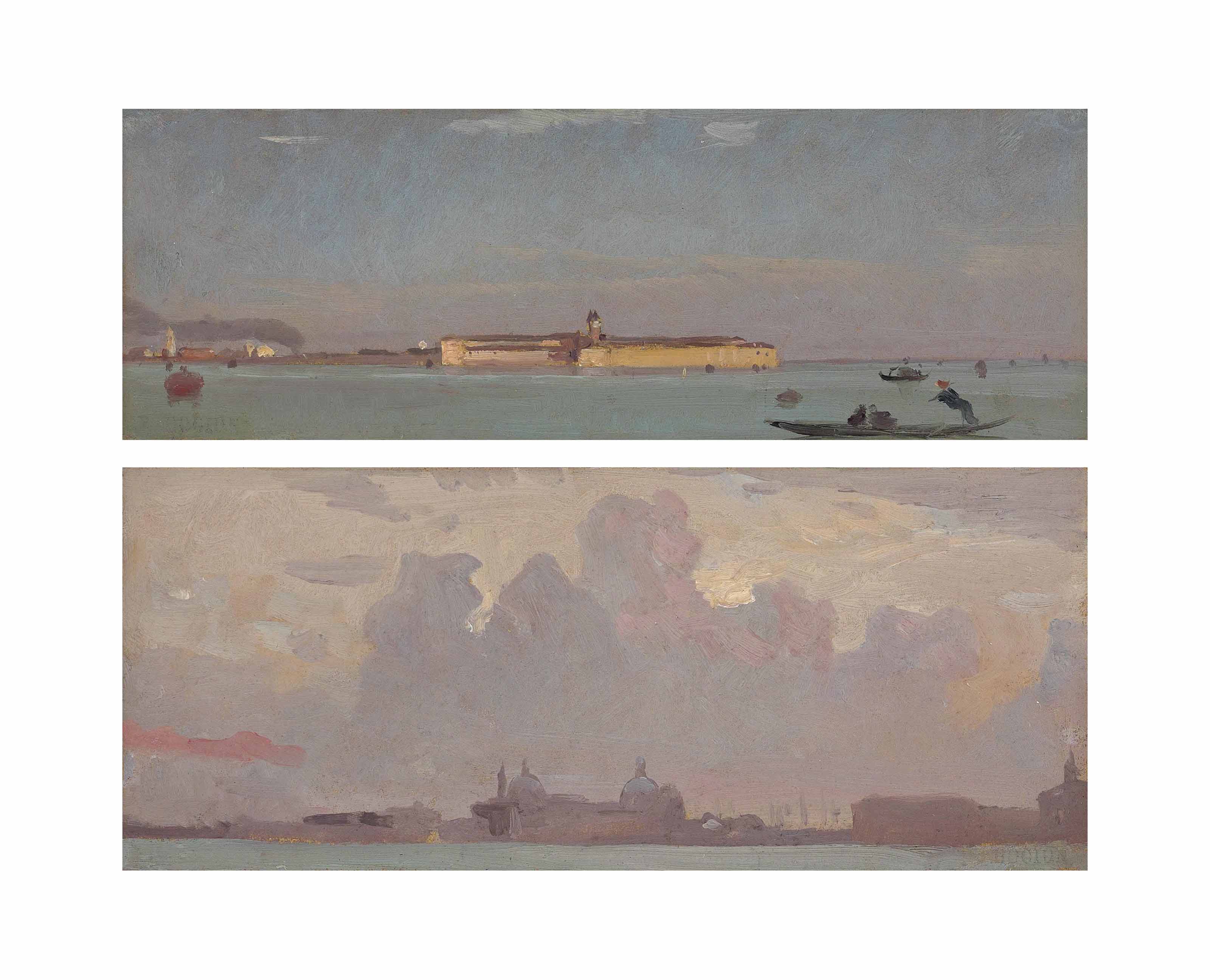
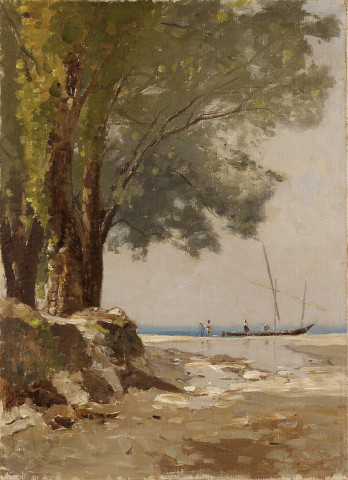
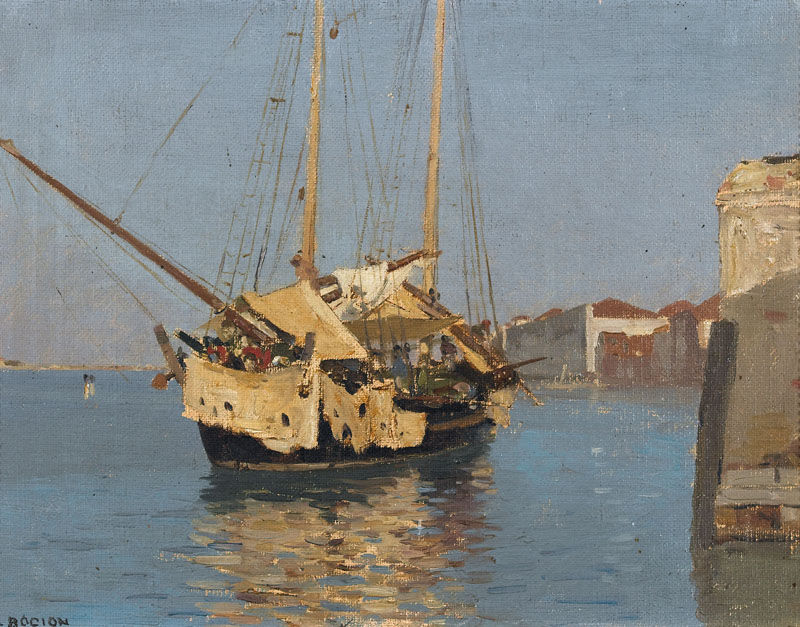
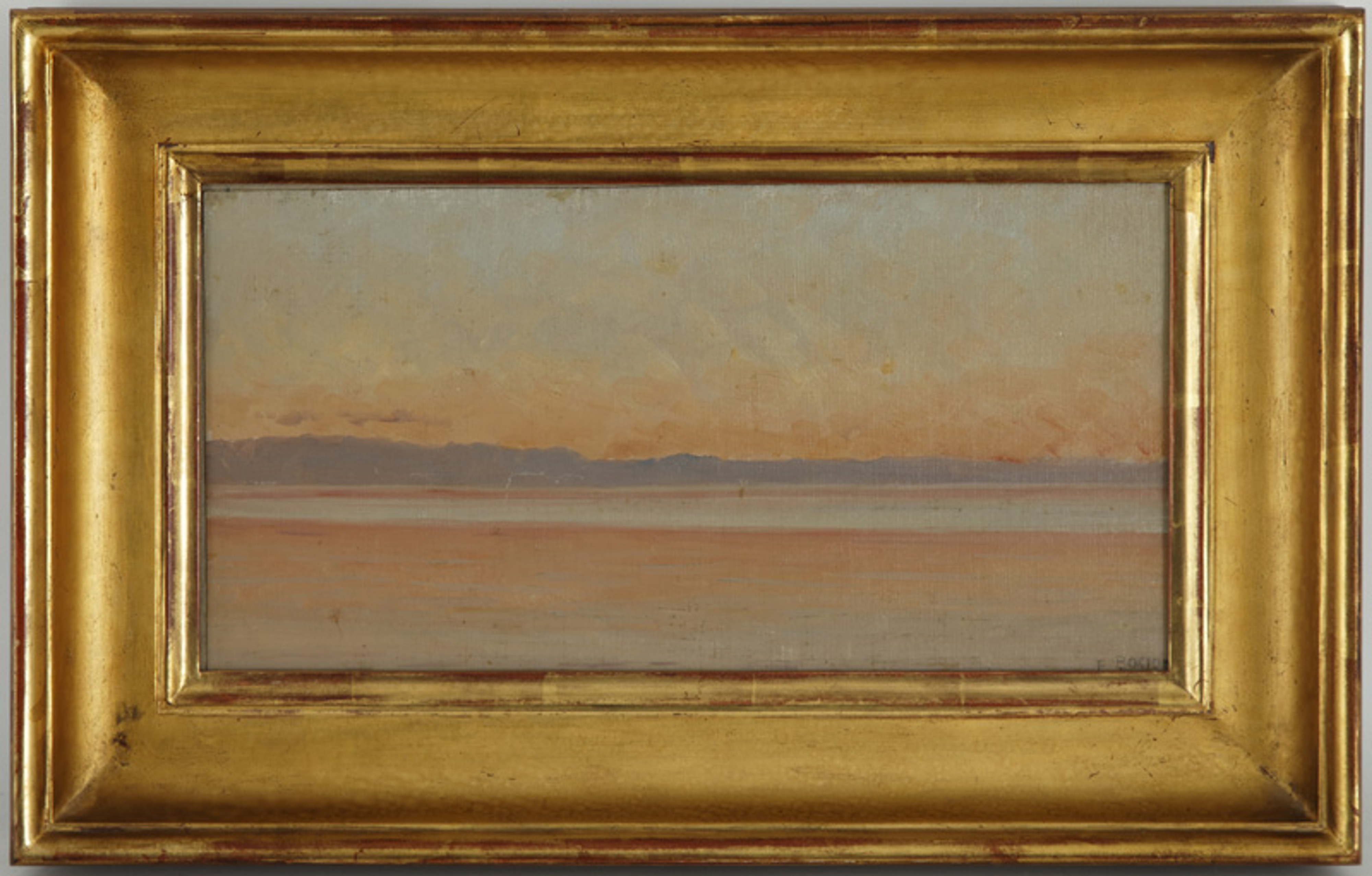
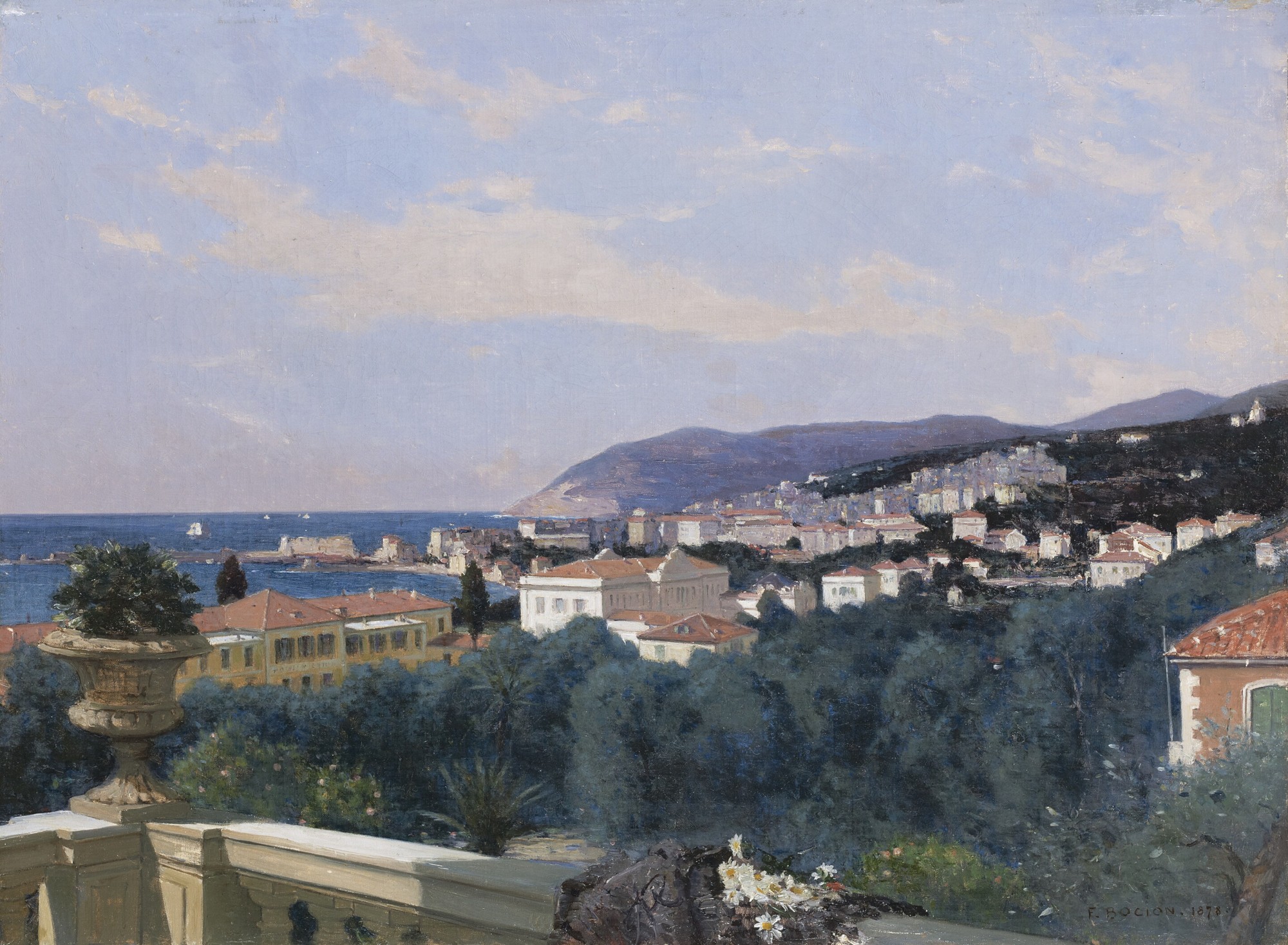
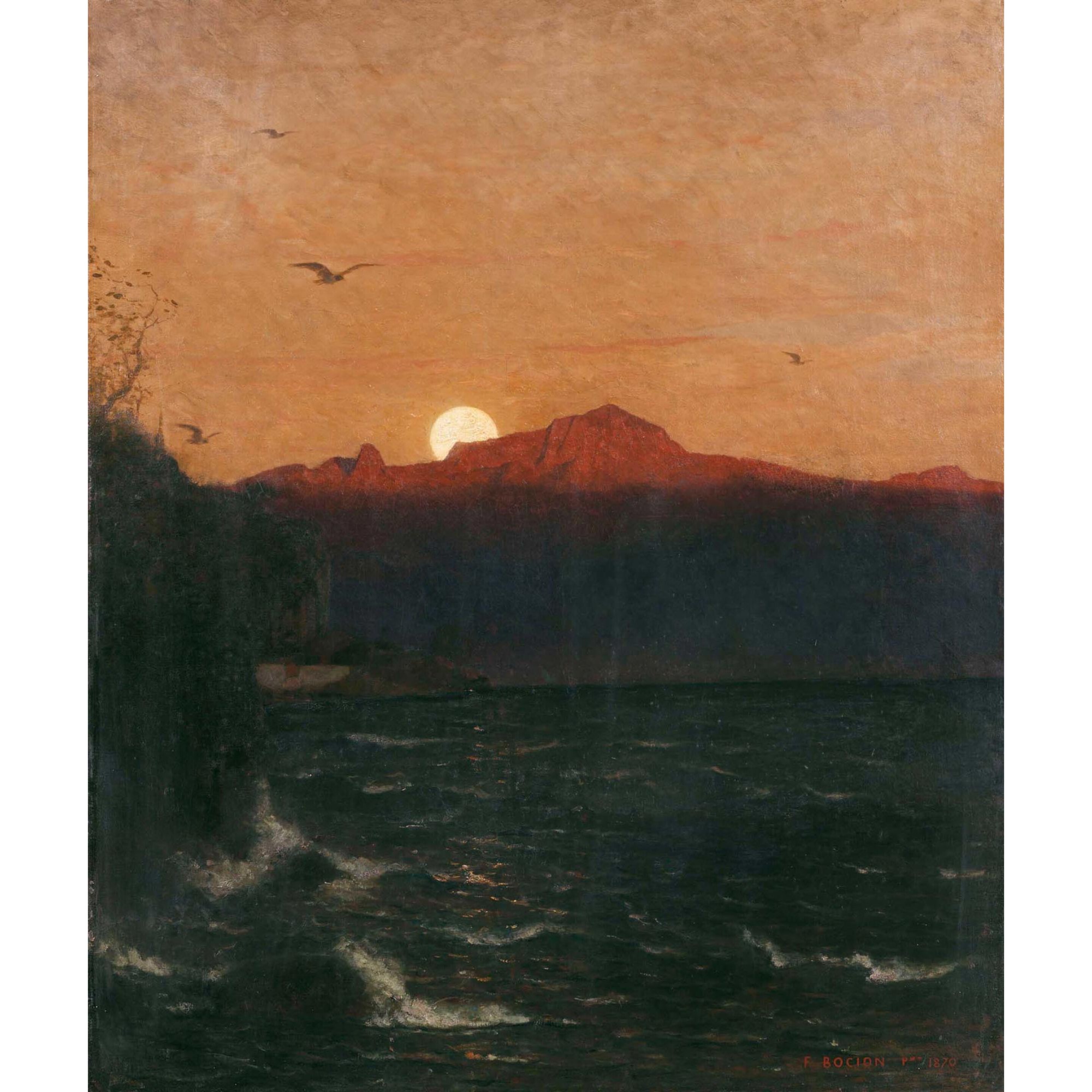
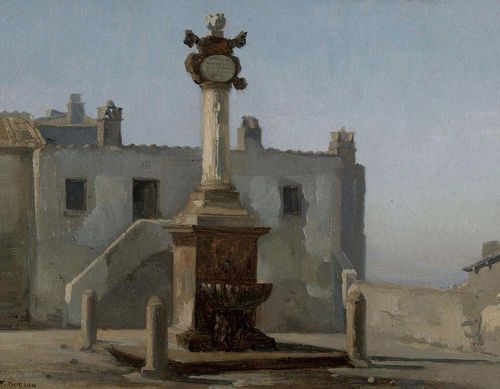
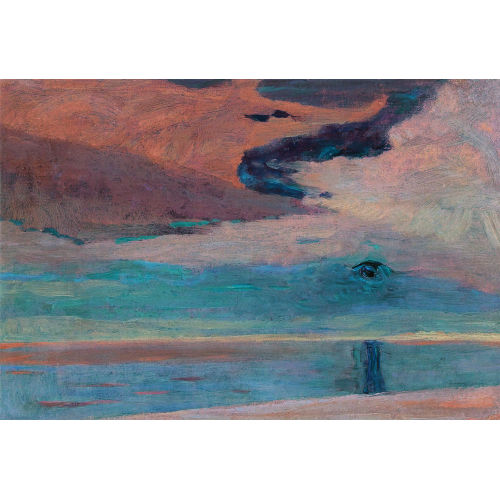
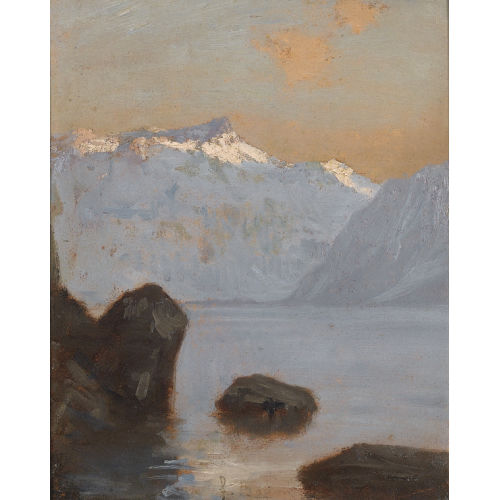
Bocion often worked outdoors and was interested in variations of light and atmosphere; his colours and brushwork sometimes bring him close to the pre-Impressionists, without diminishing the care devoted to composition.
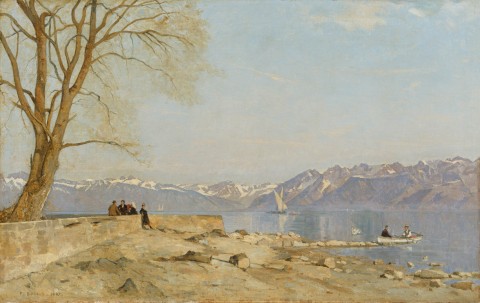
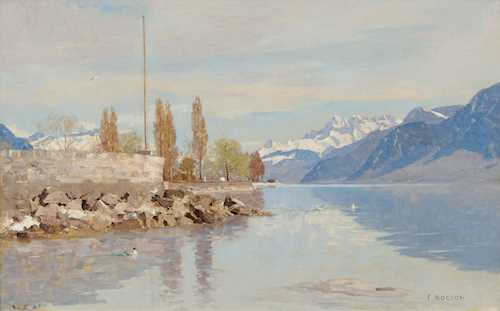
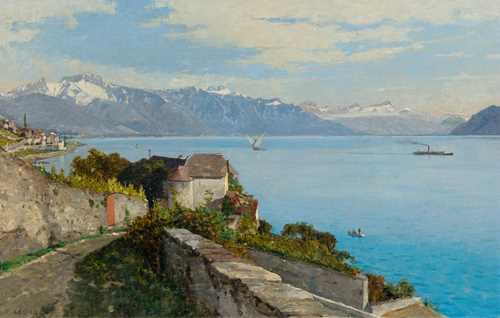
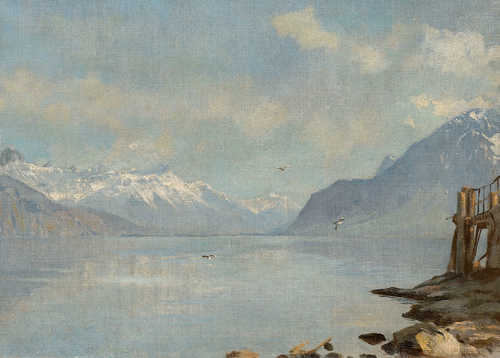
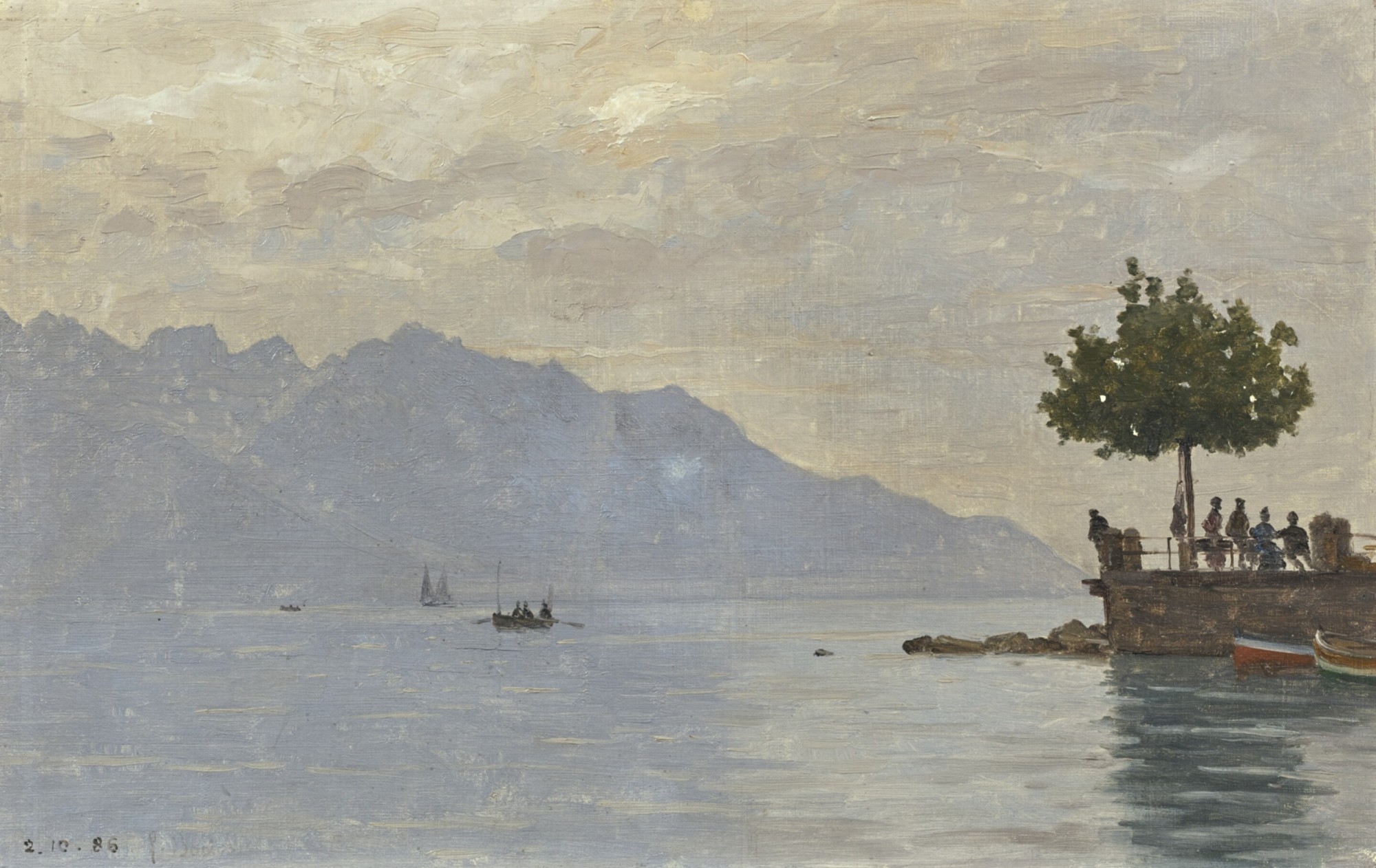
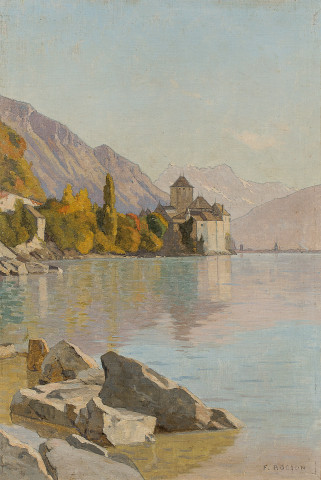
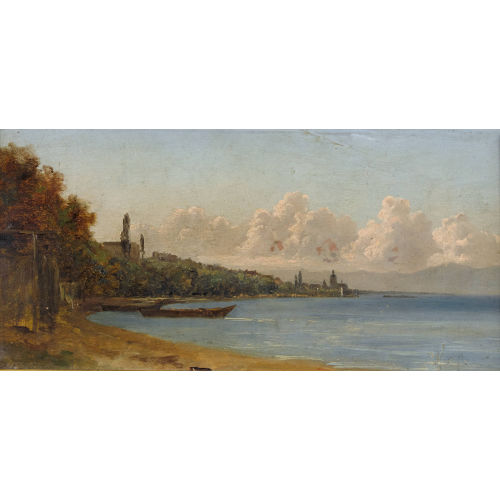
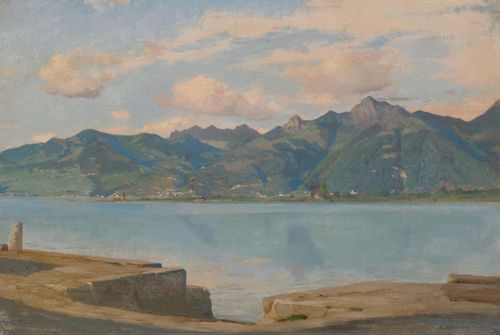
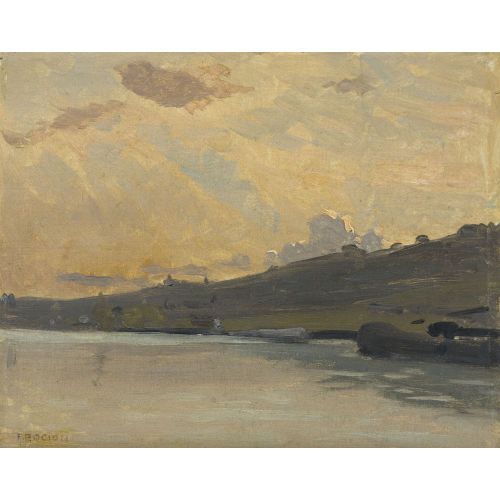
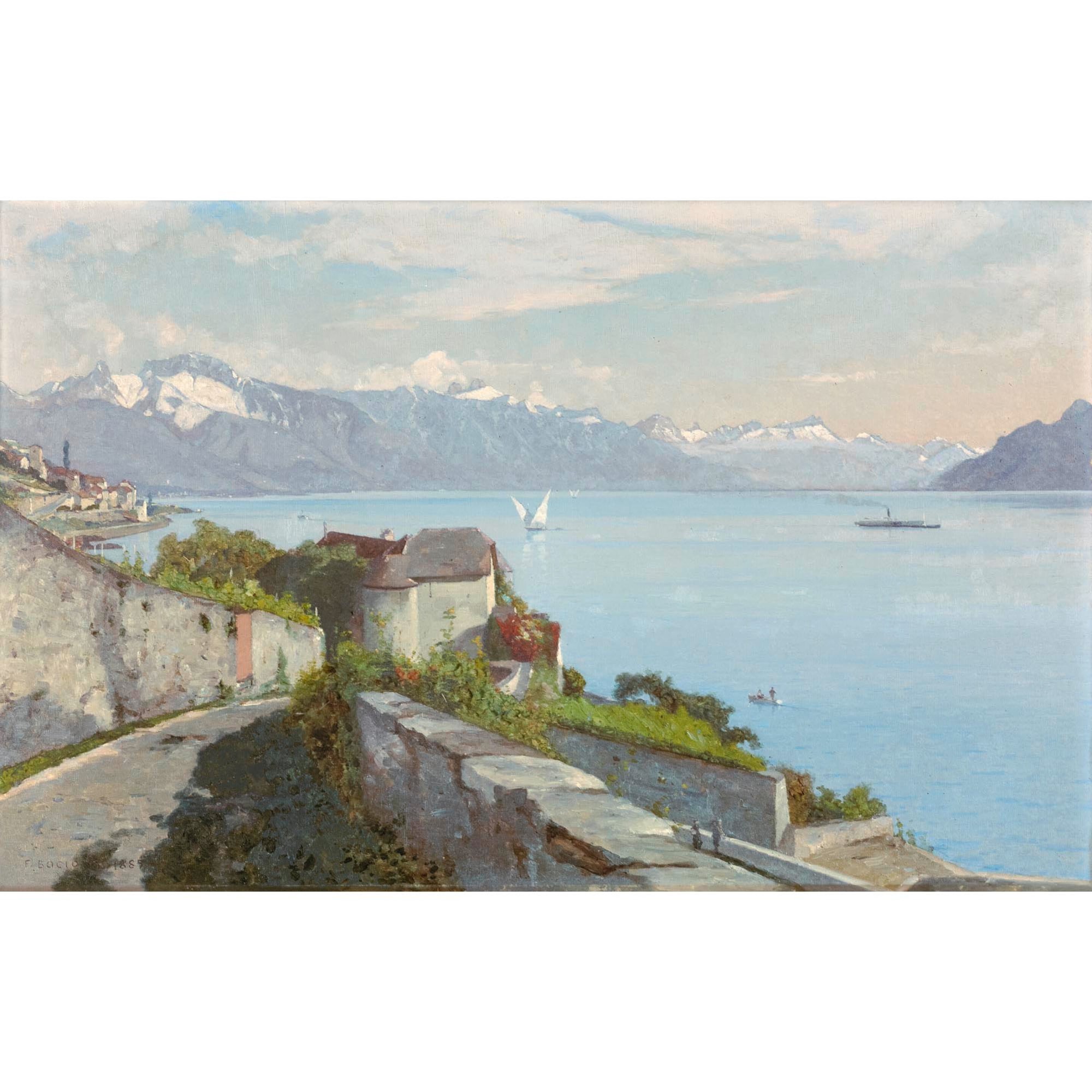
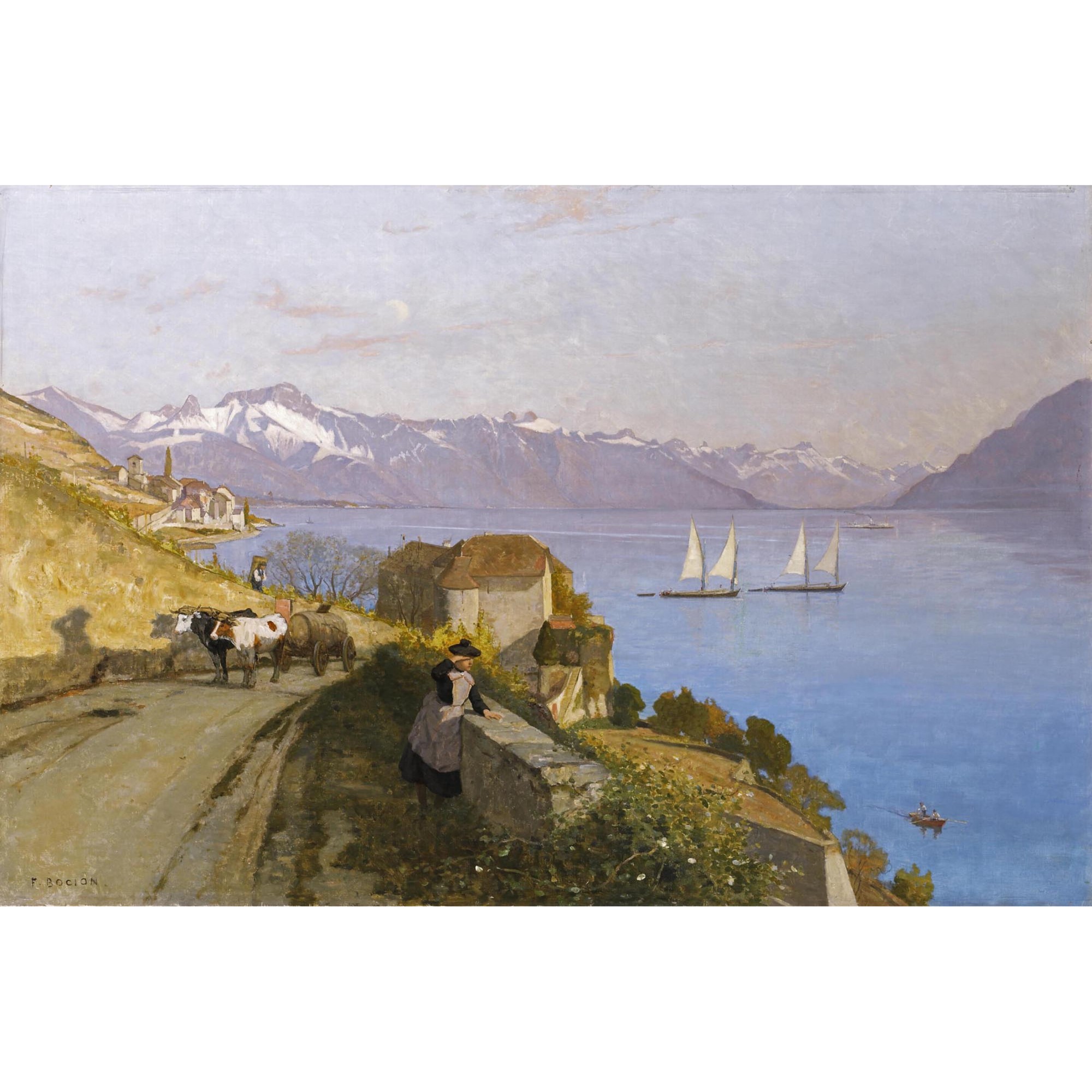
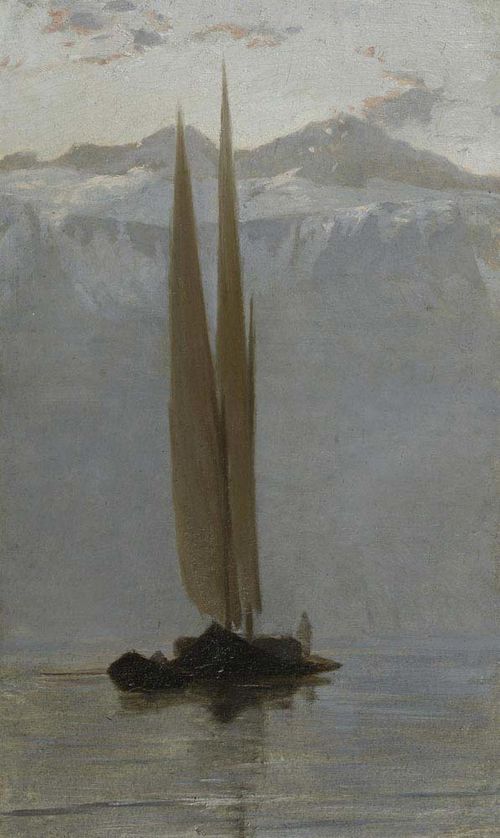
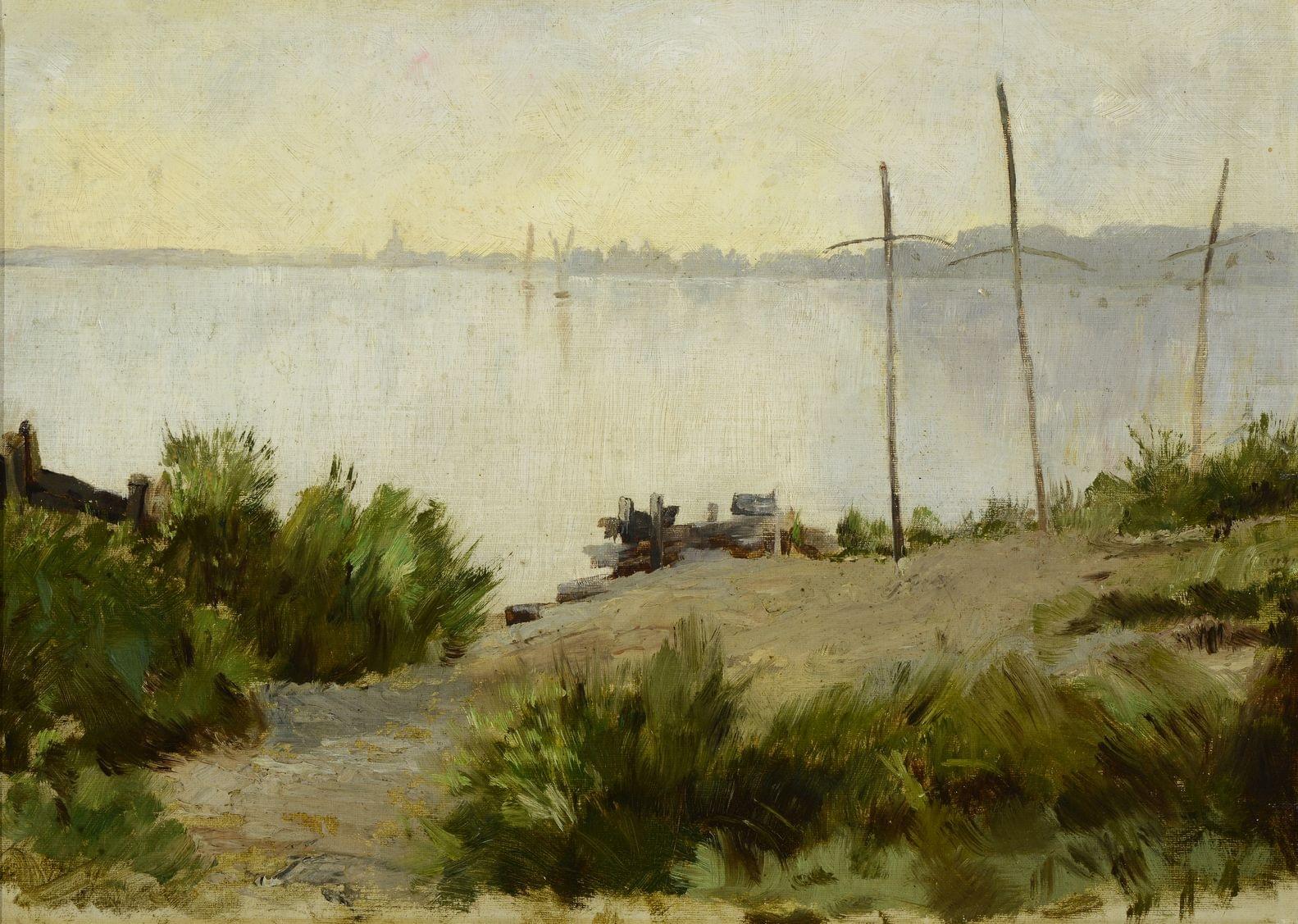
In the 1880s, the lake more often became the principal subject. Figures became rarer, while the palette lightened and forms grew simpler. Saint-Saphorin (1889), held by the Musée cantonal des Beaux-Arts de Lausanne, offers an expansive view of the village, vineyards and Alps, in the stillness of an almost motionless lake.
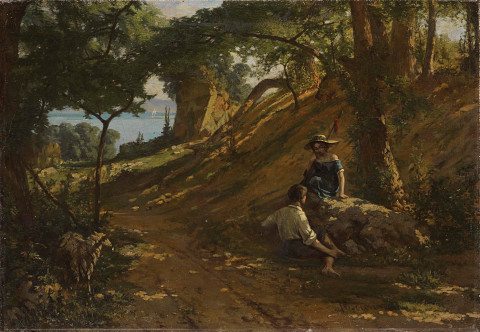
Bocion’s work thus connects his observation of the occupations and leisure activities of Lake Geneva with a progressive exploration of landscape, light and space. His scenes remain rooted in recognisable places while giving the lake a changing presence, at the centre of nineteenth-century Vaud life.
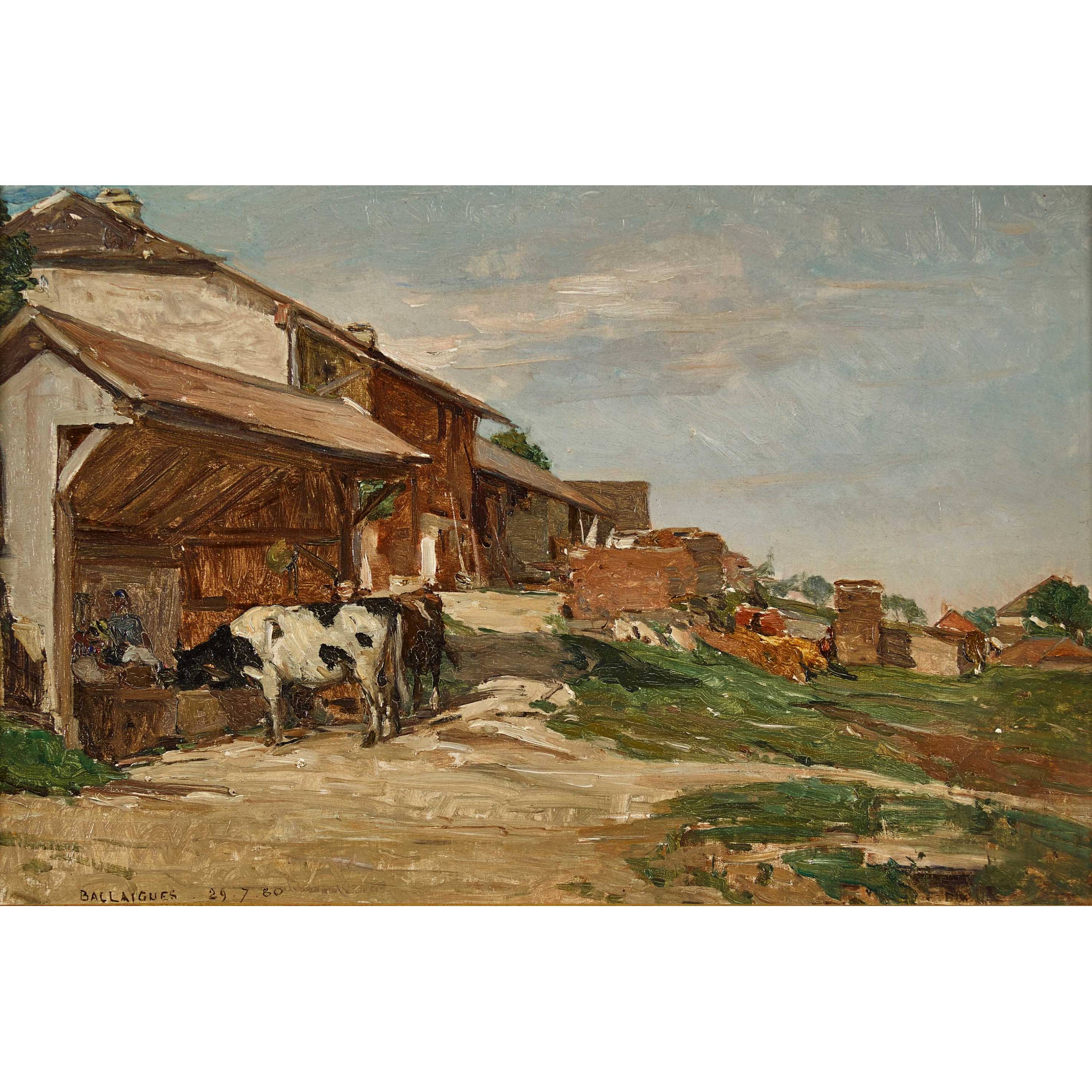
The works by François Bocion presented by Swiss Art Gallery extend this artistic journey and take their place naturally within this corpus.