François Barraud
Born in 1899.
Died in 1934.
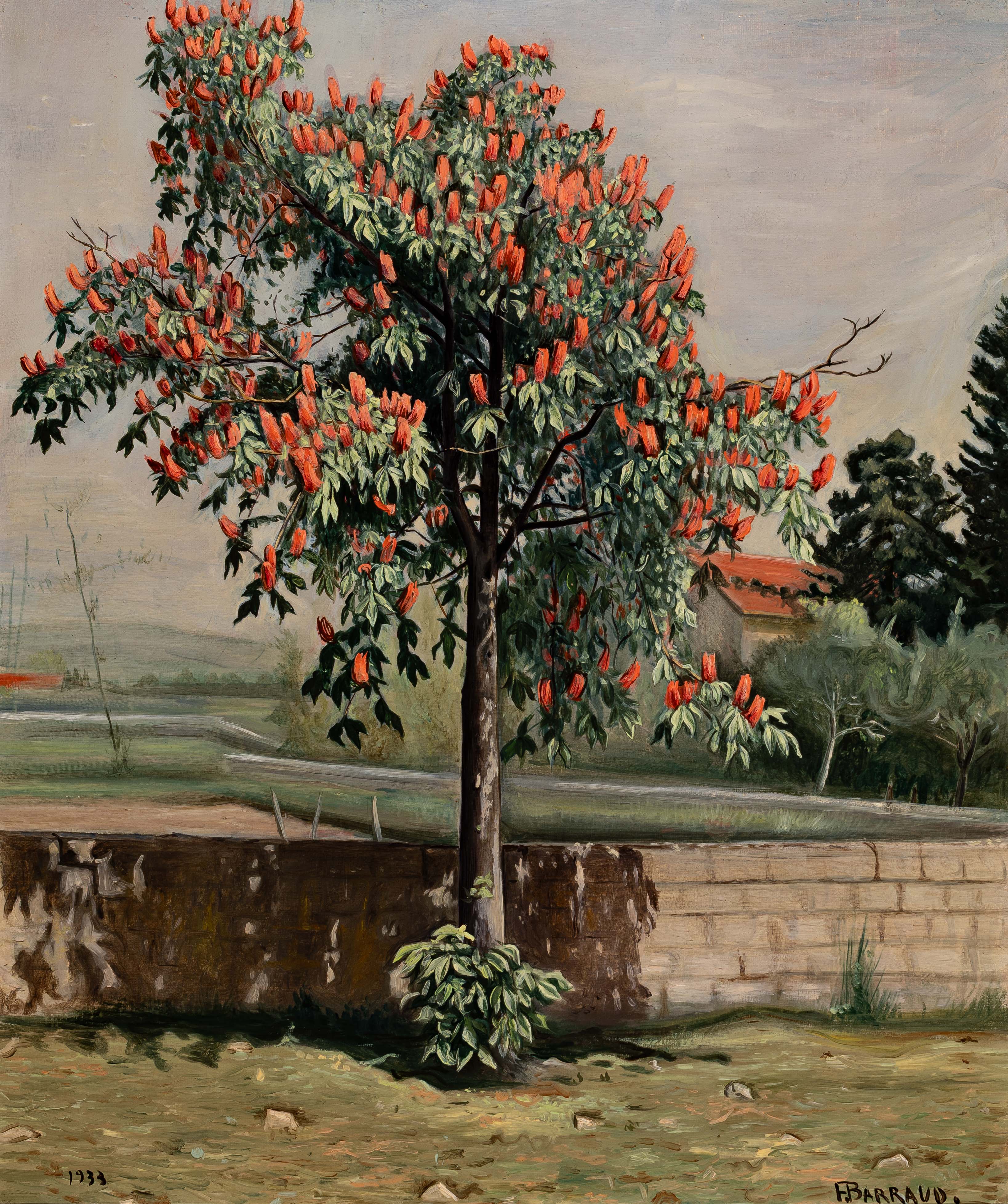
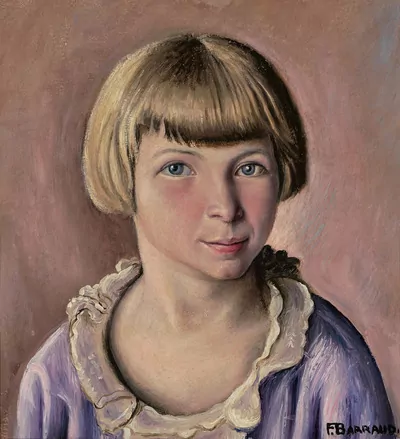
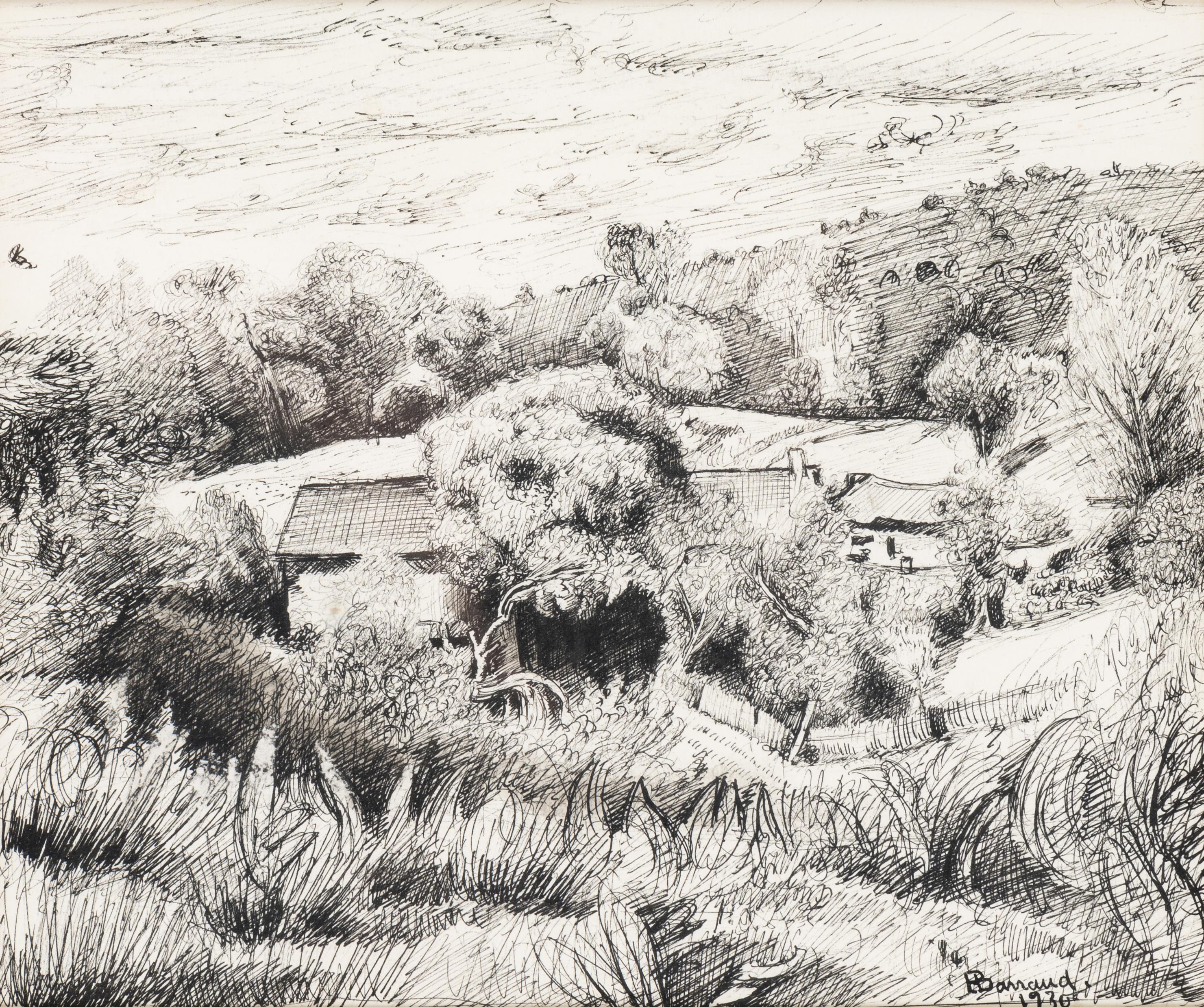
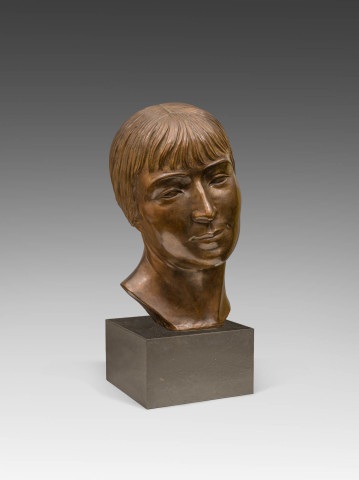
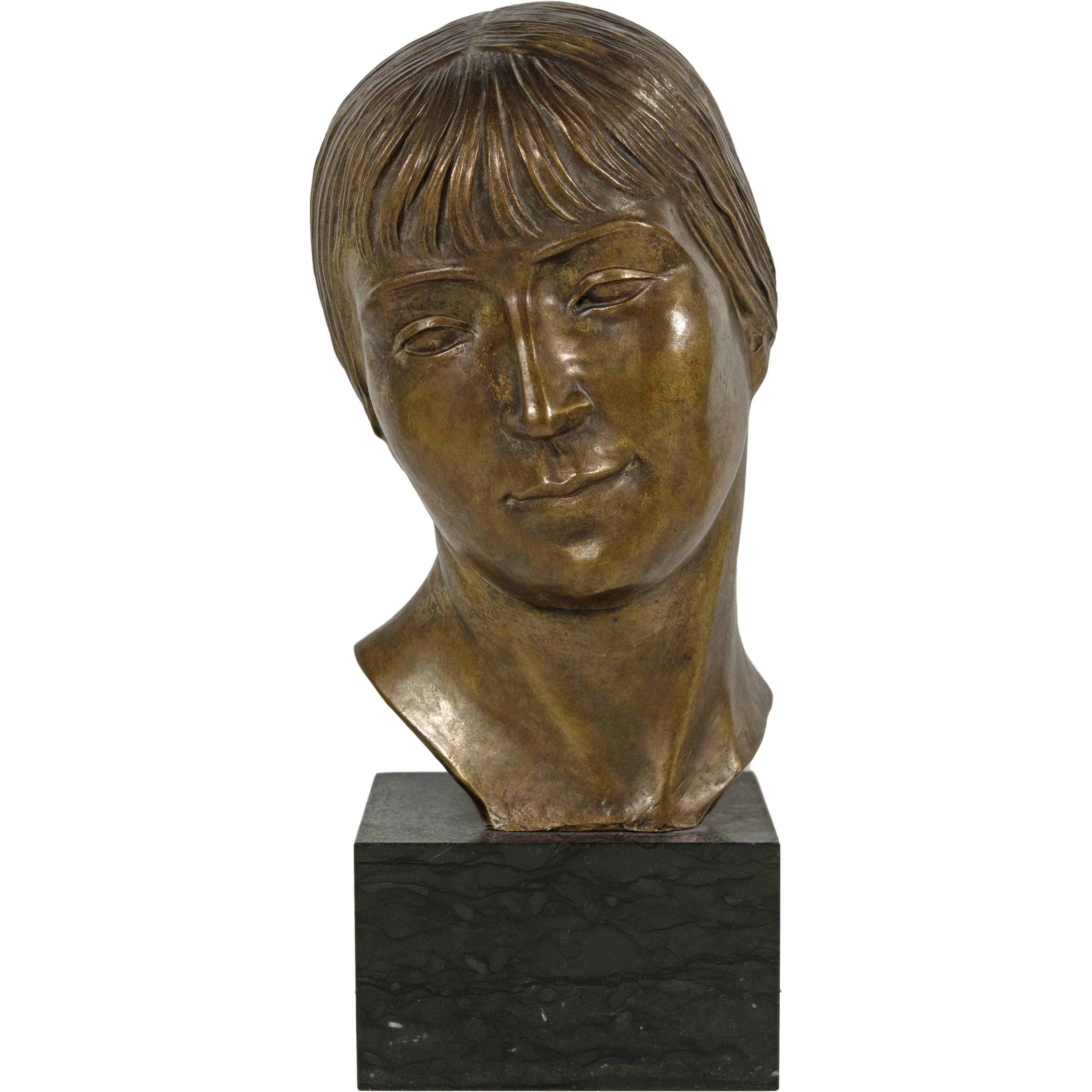
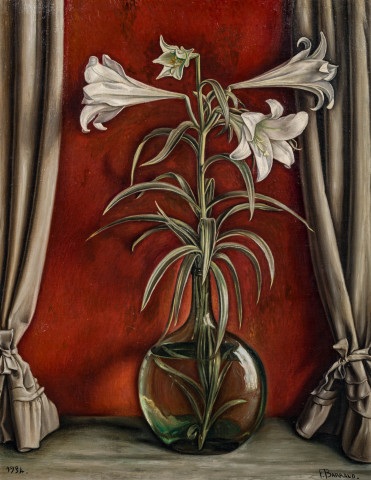
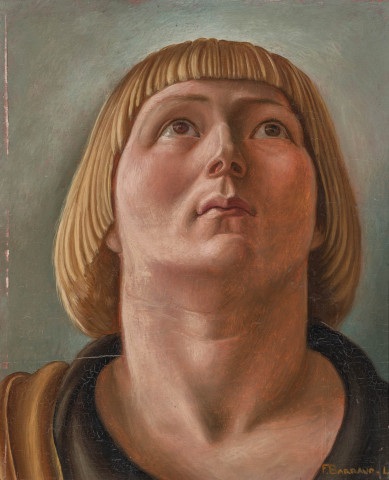
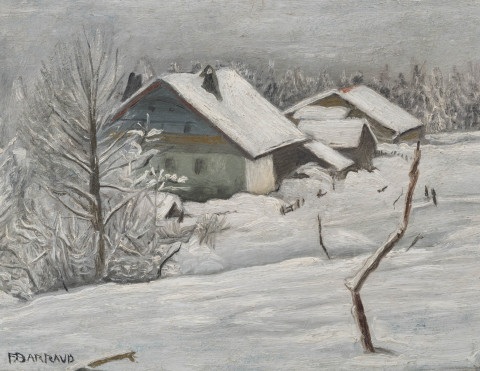
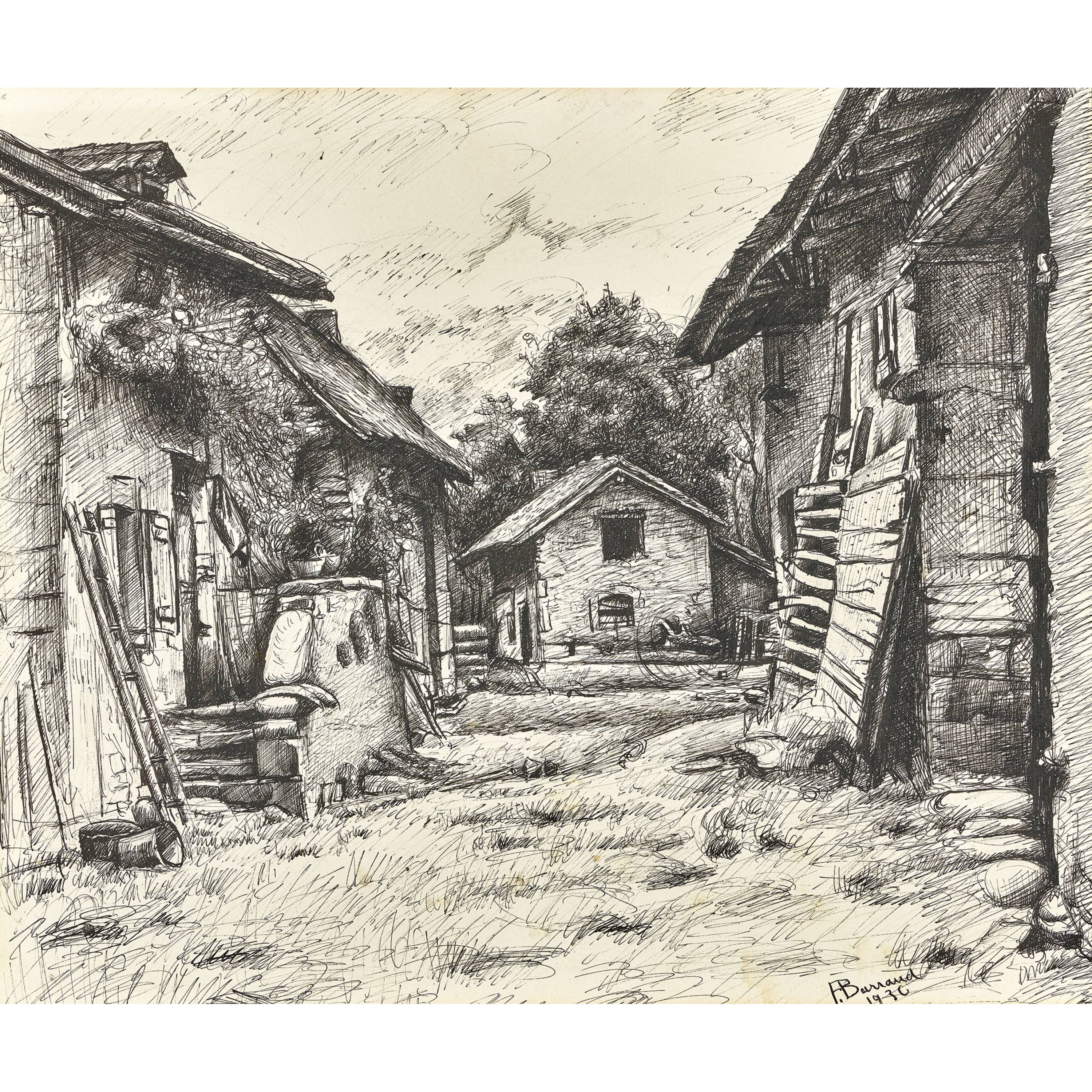
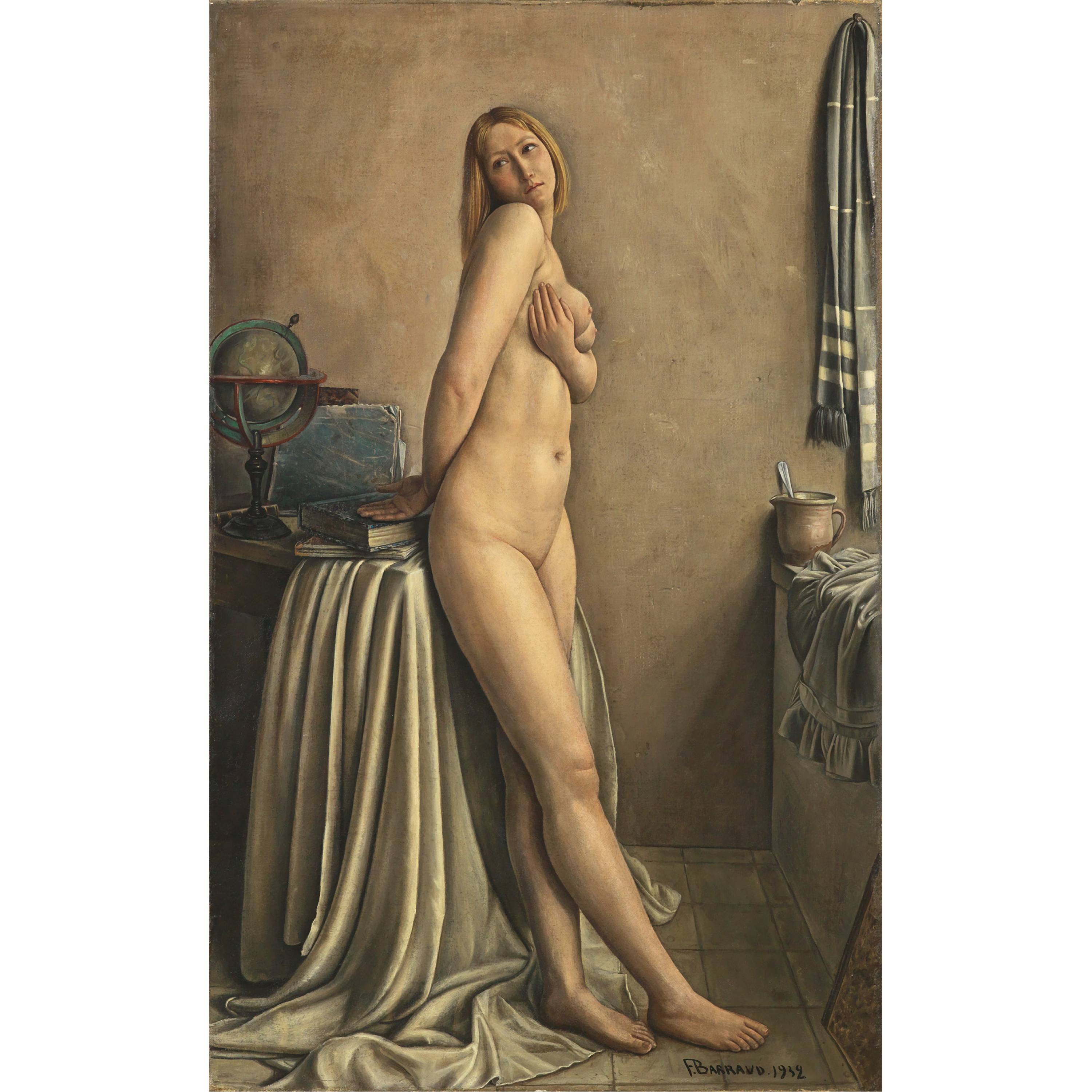
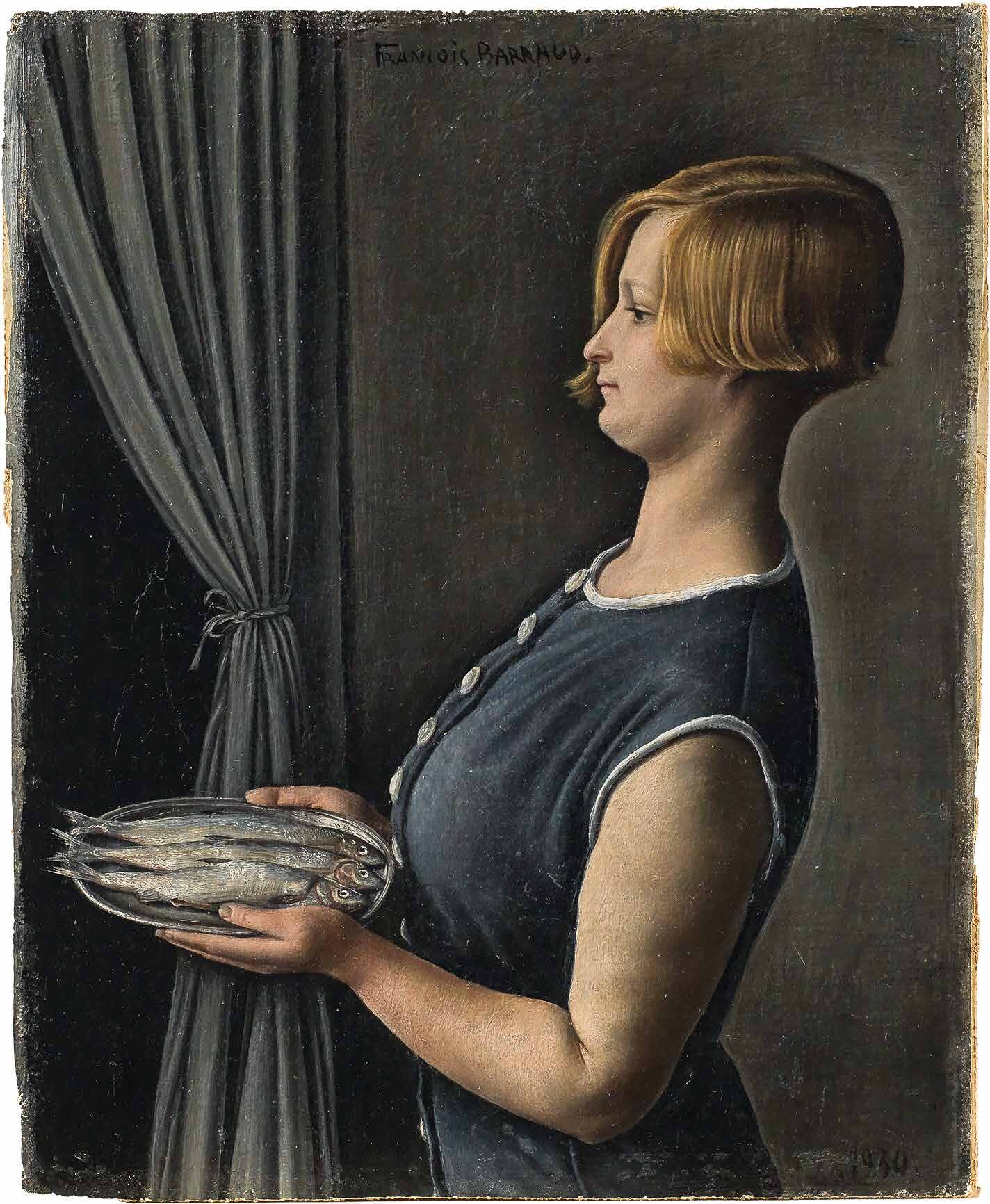
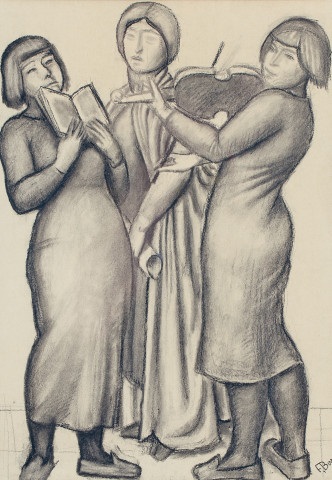
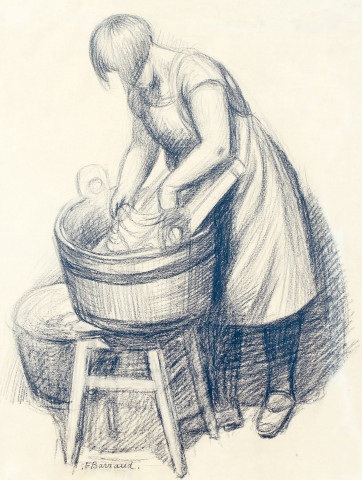
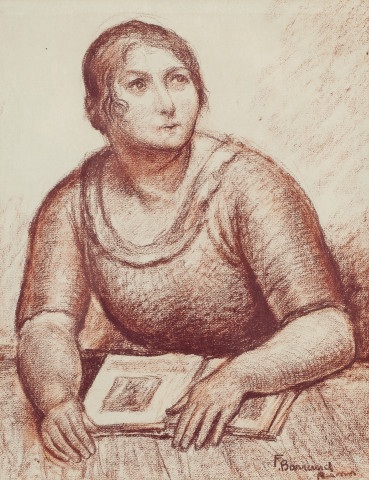
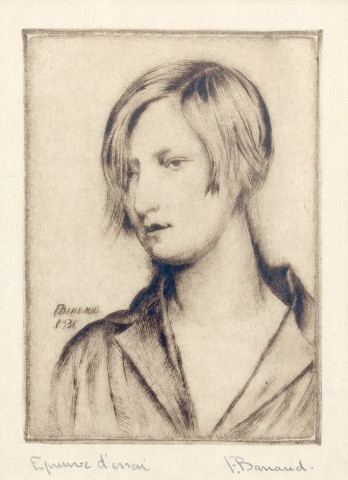
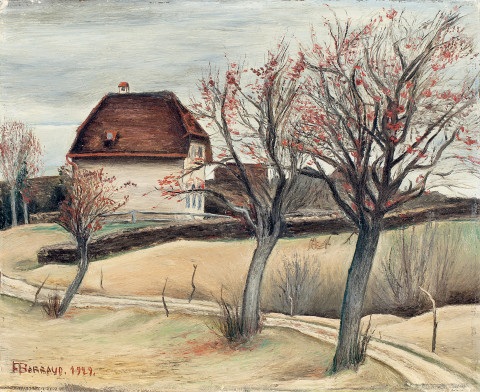
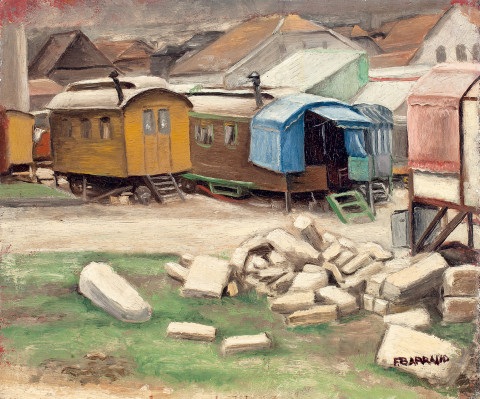
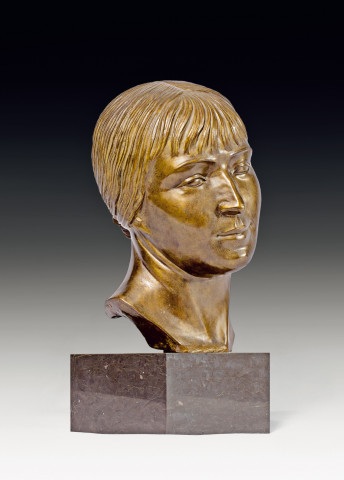
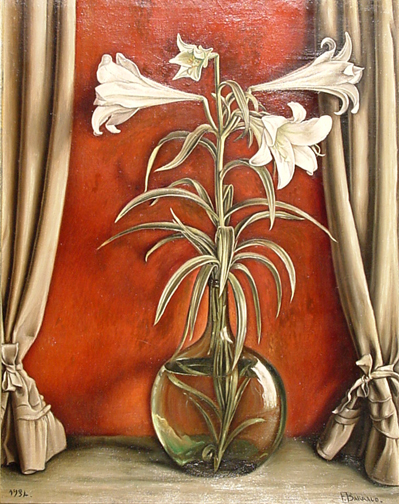
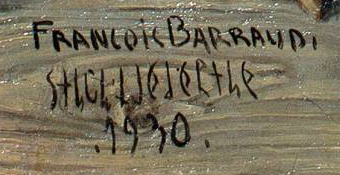
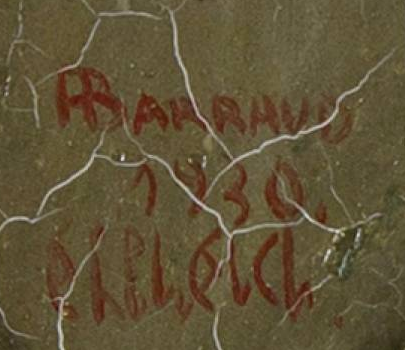
François-Emile Barraud (born 14 November 1899 in La Chaux-de-Fonds — died 11 September 1934 in Geneva) is described in the sources as a painter, draughtsman, printmaker and sculptor. His documented production is distinguished in particular by his use of a personal alphabet of signs or “hieroglyphs” applied to certain canvases, while works such as Le Chien au phonographe (1928) have been identified as emblematic pieces within his oeuvre.
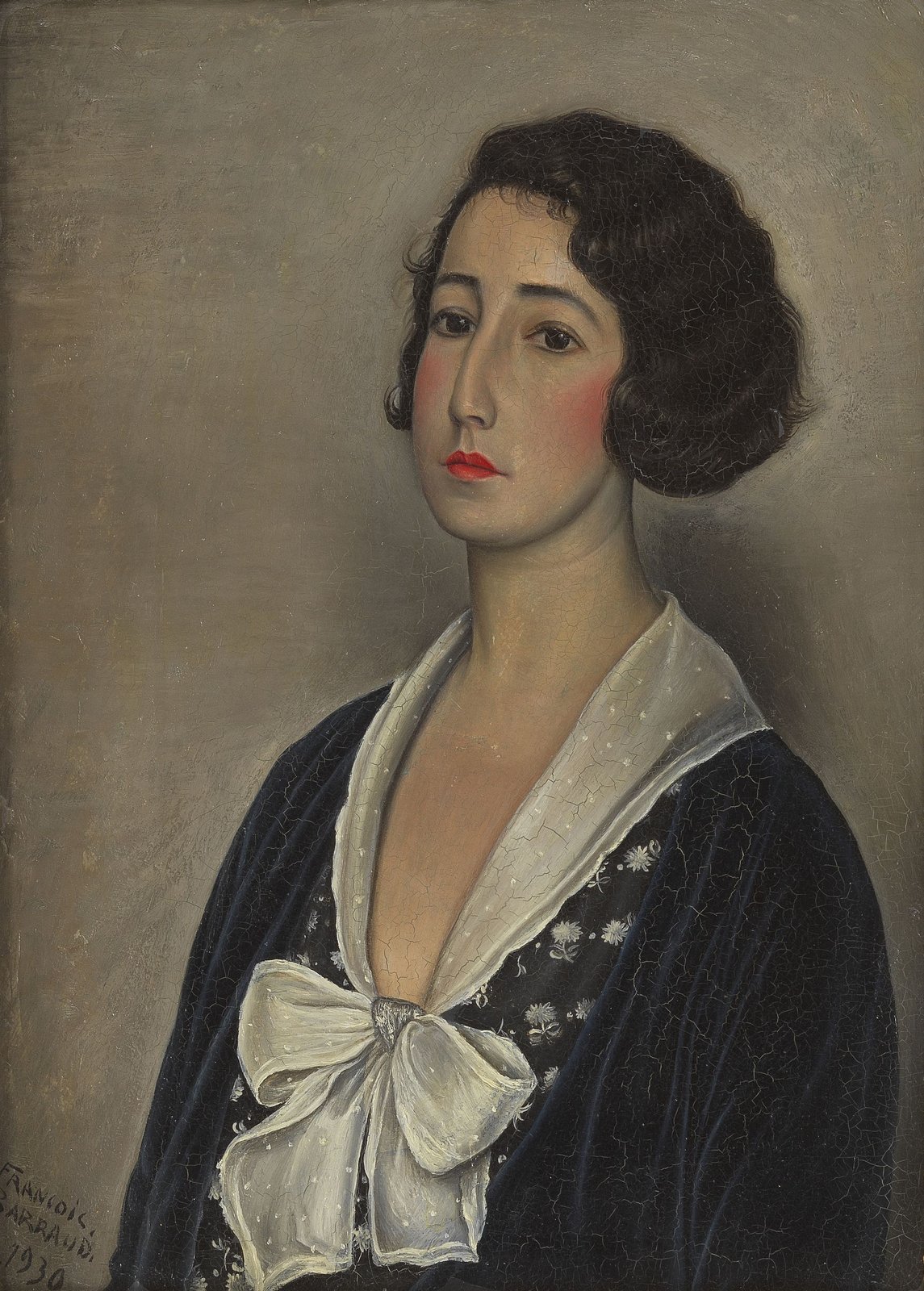
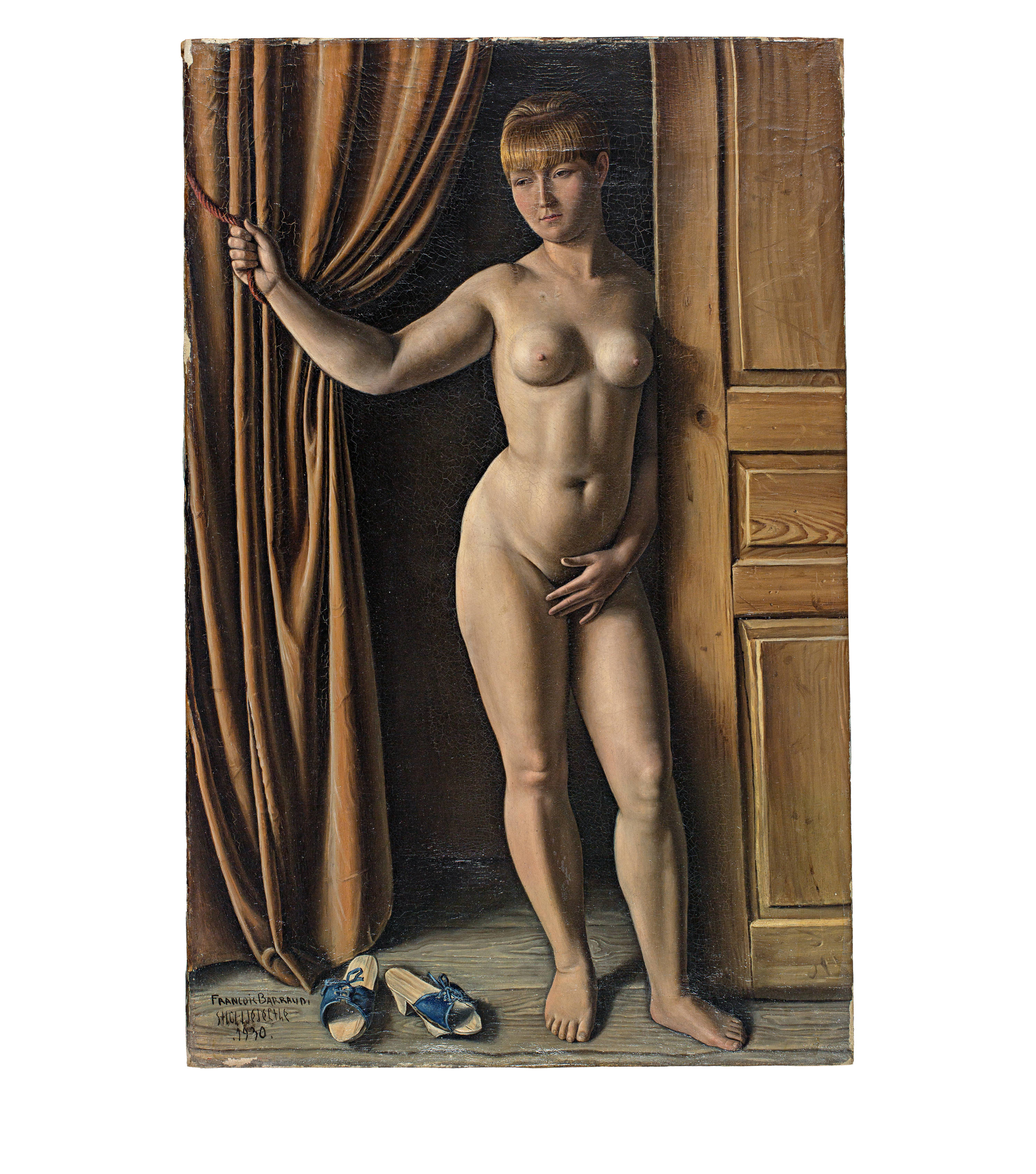
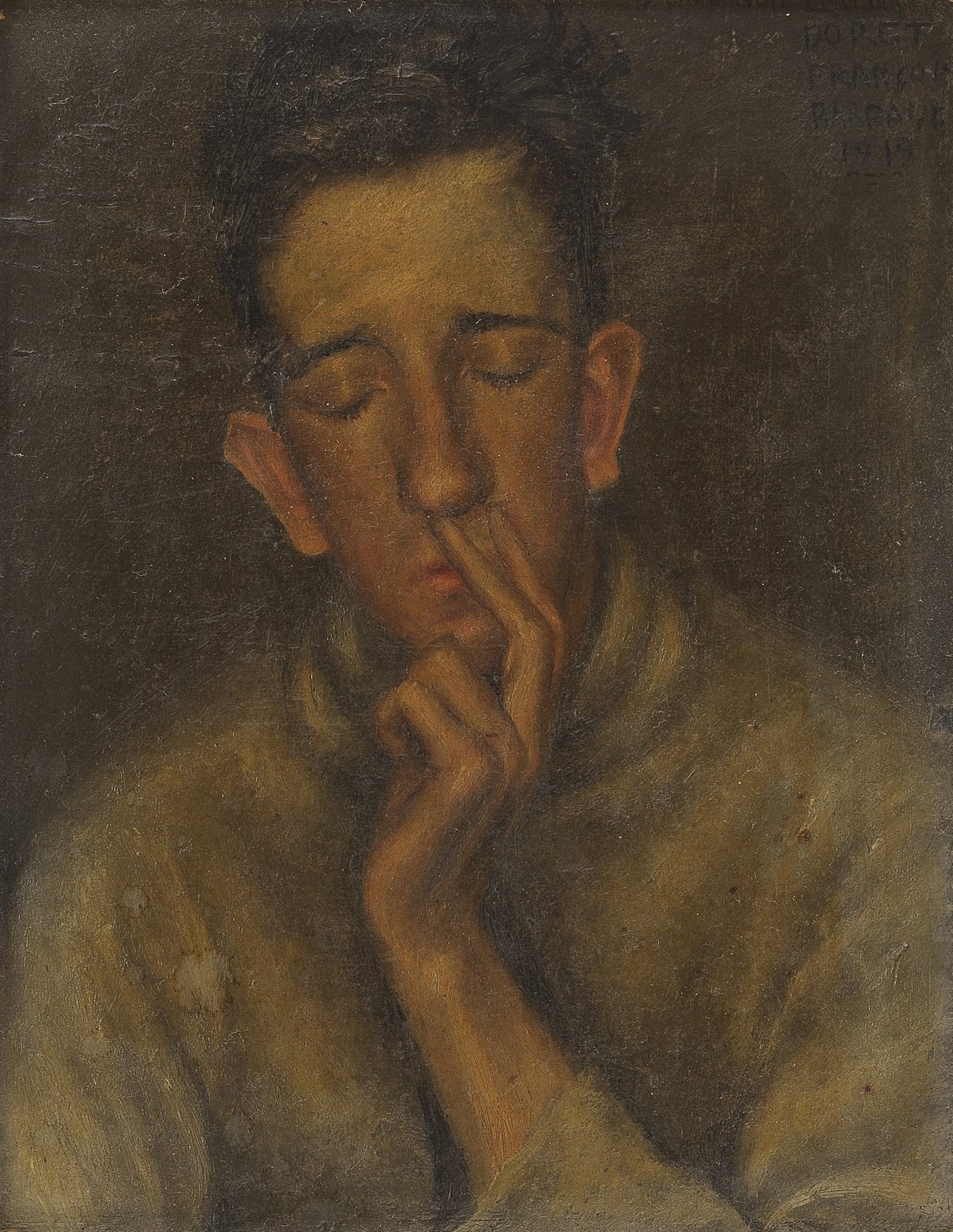
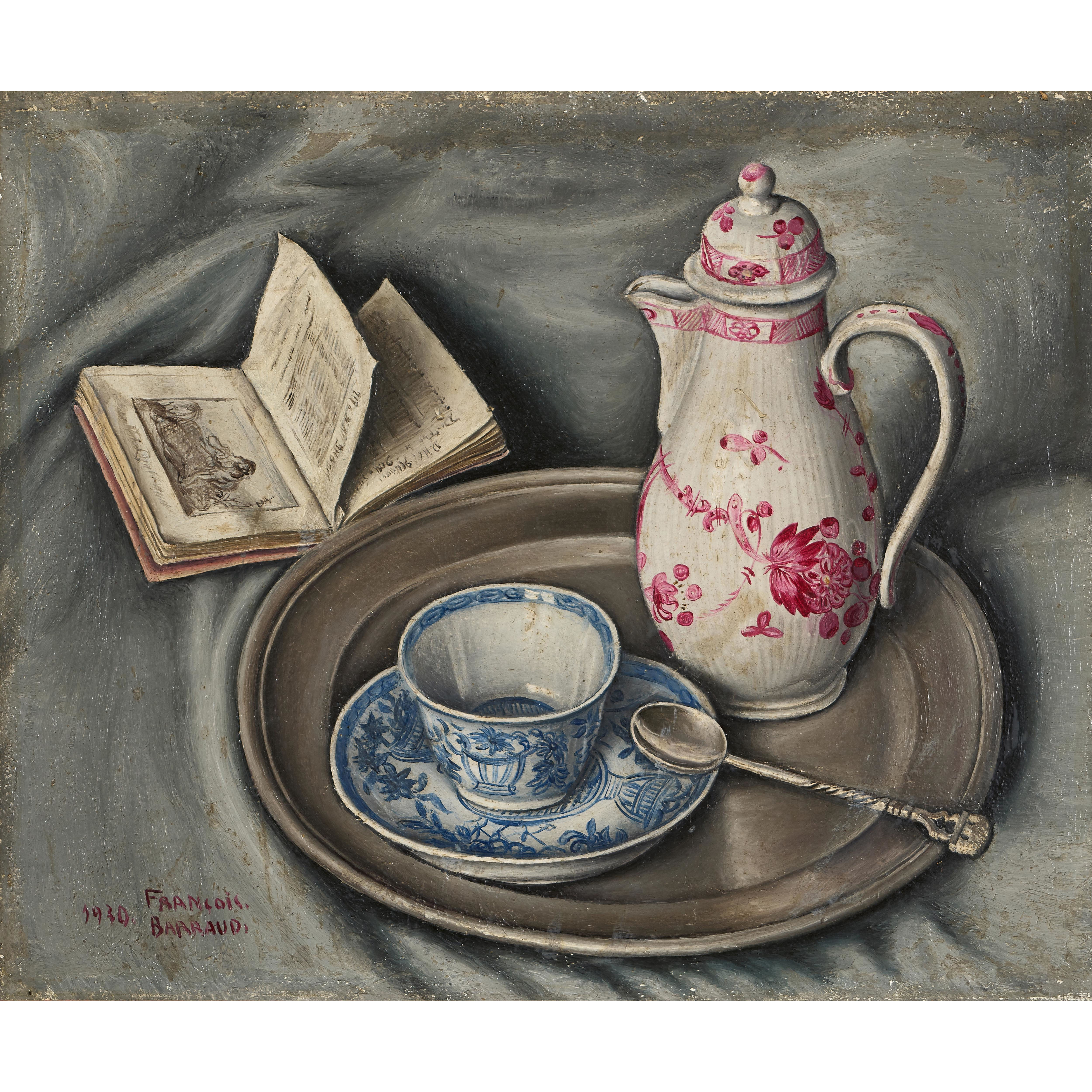
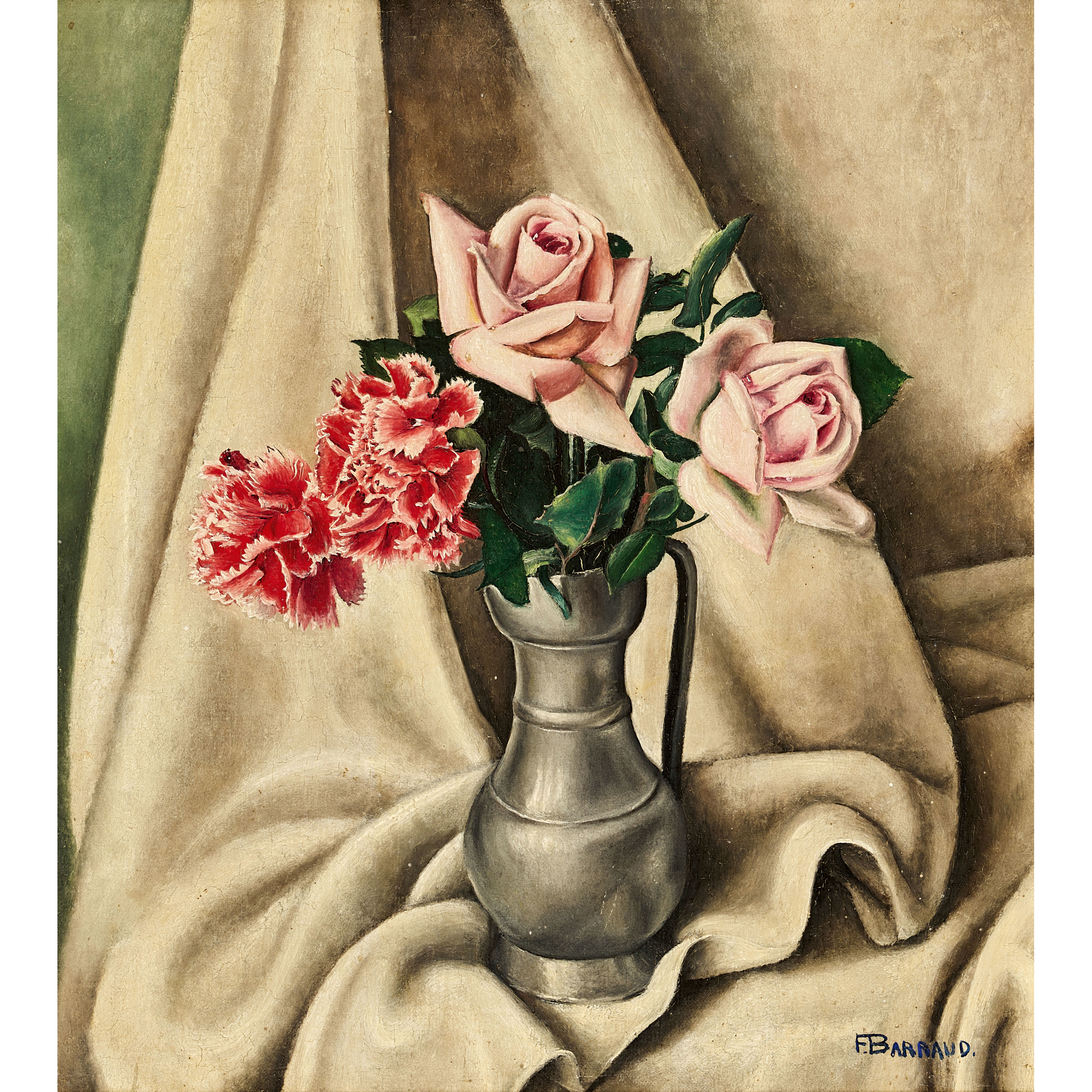
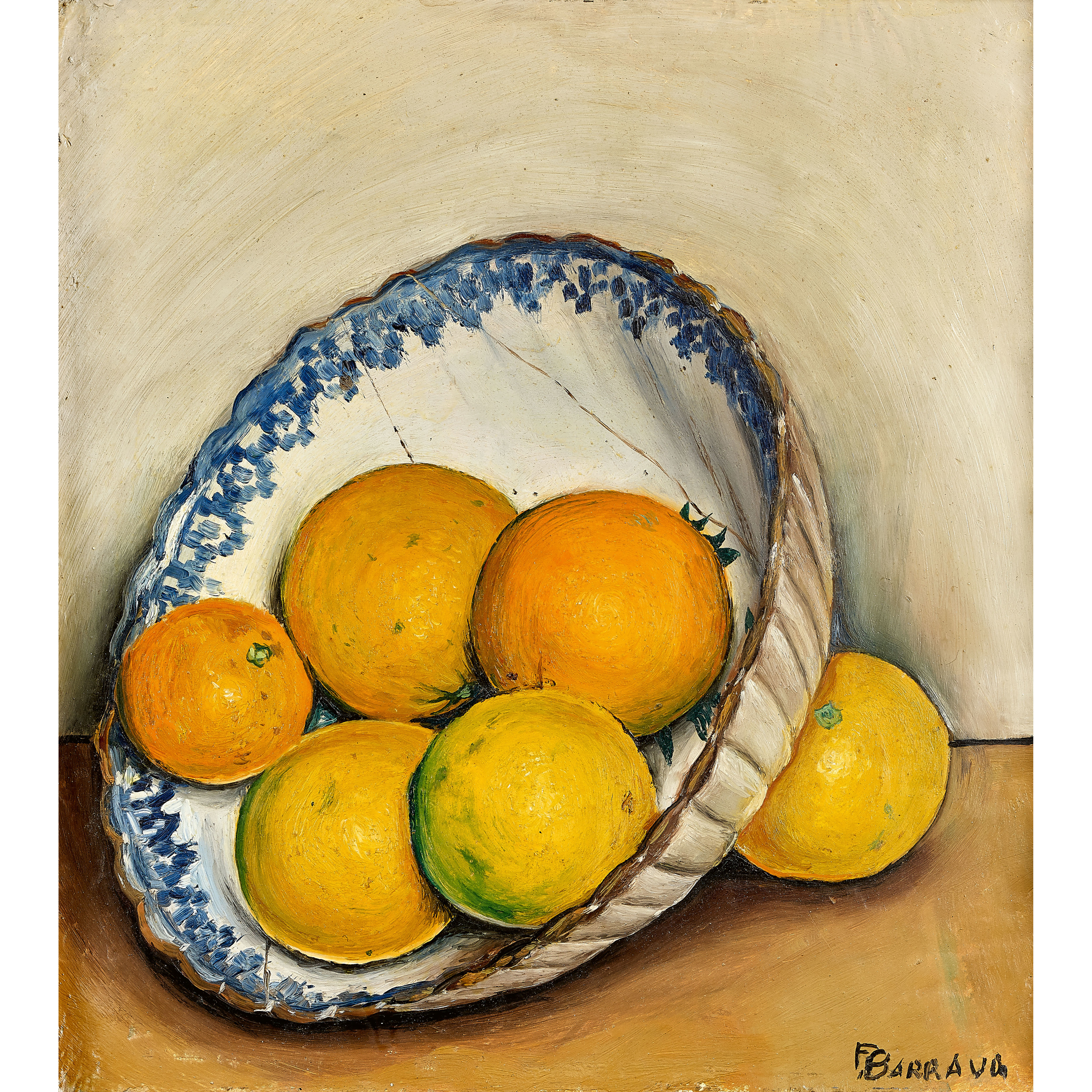
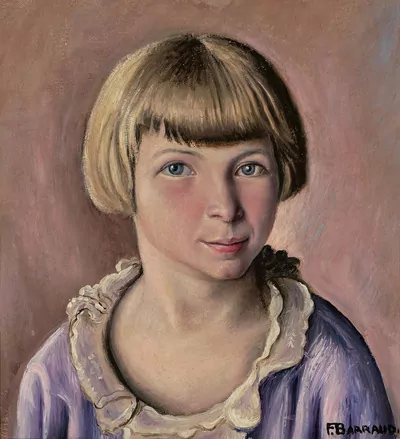
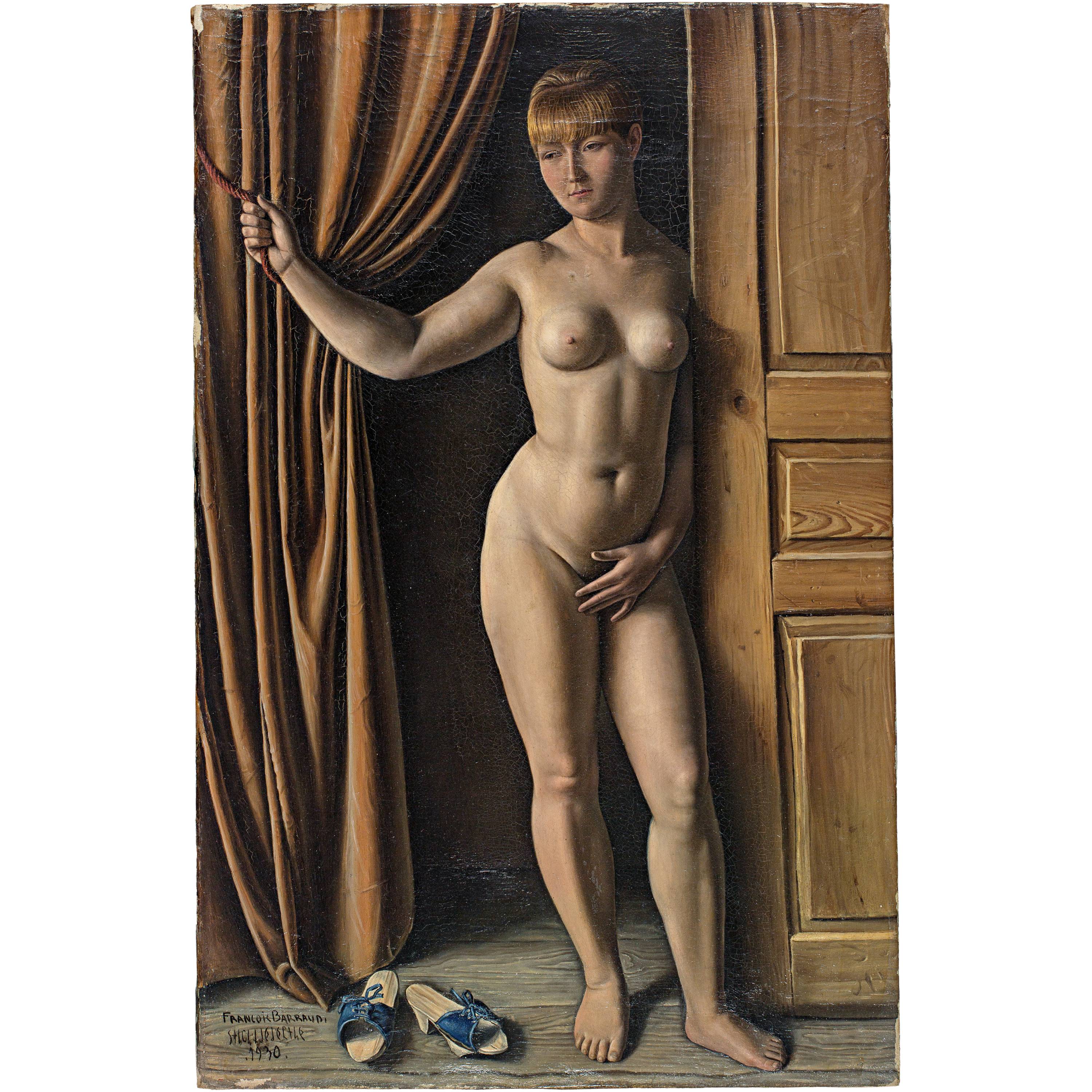
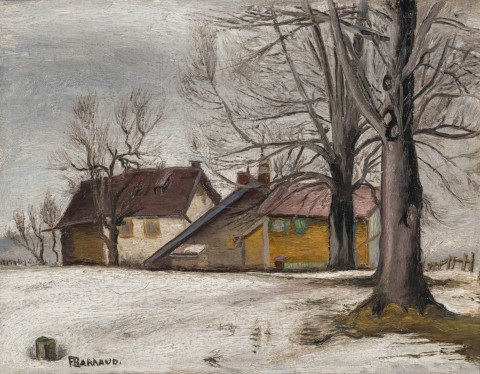
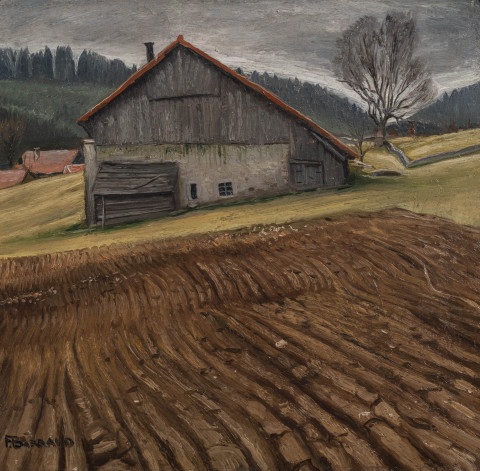
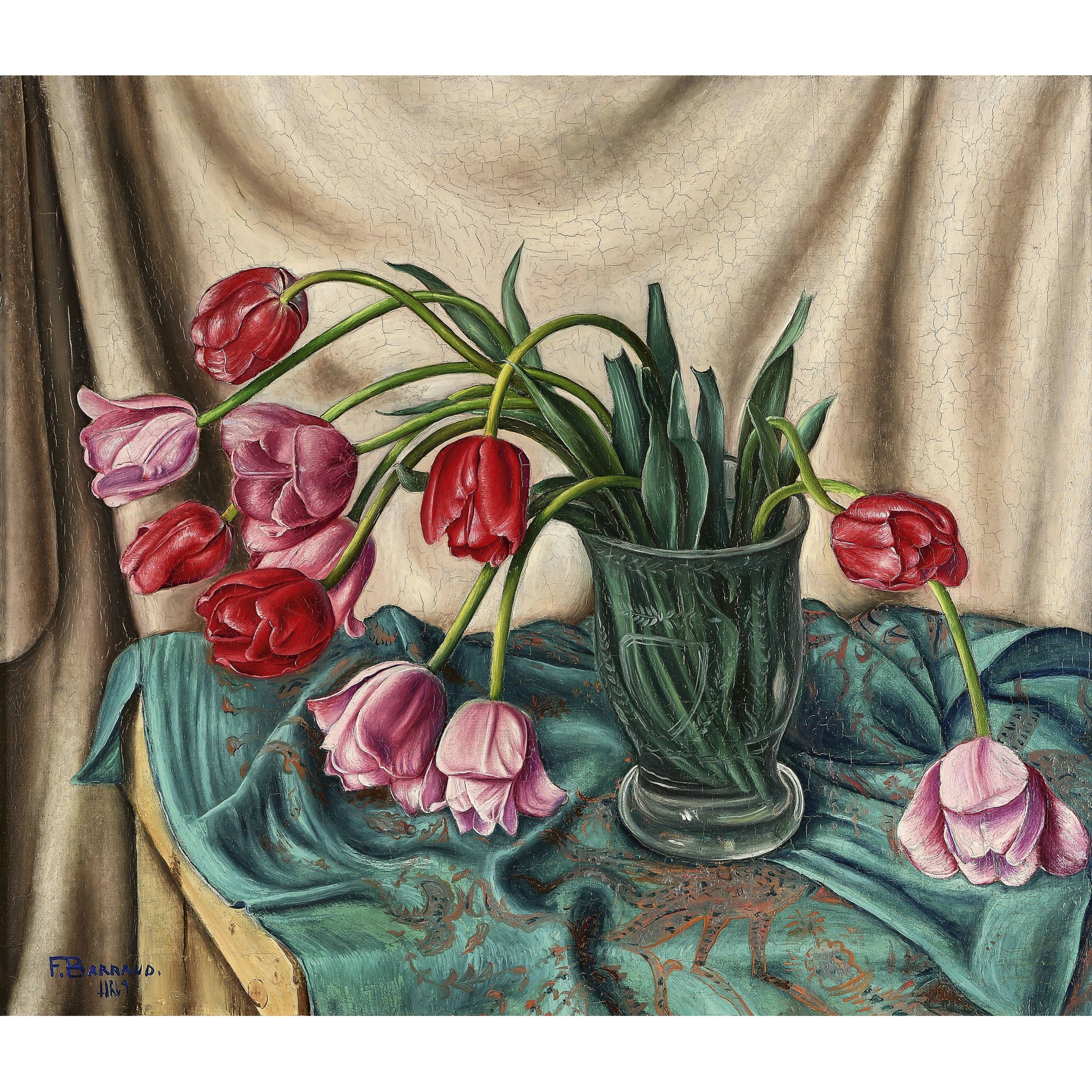
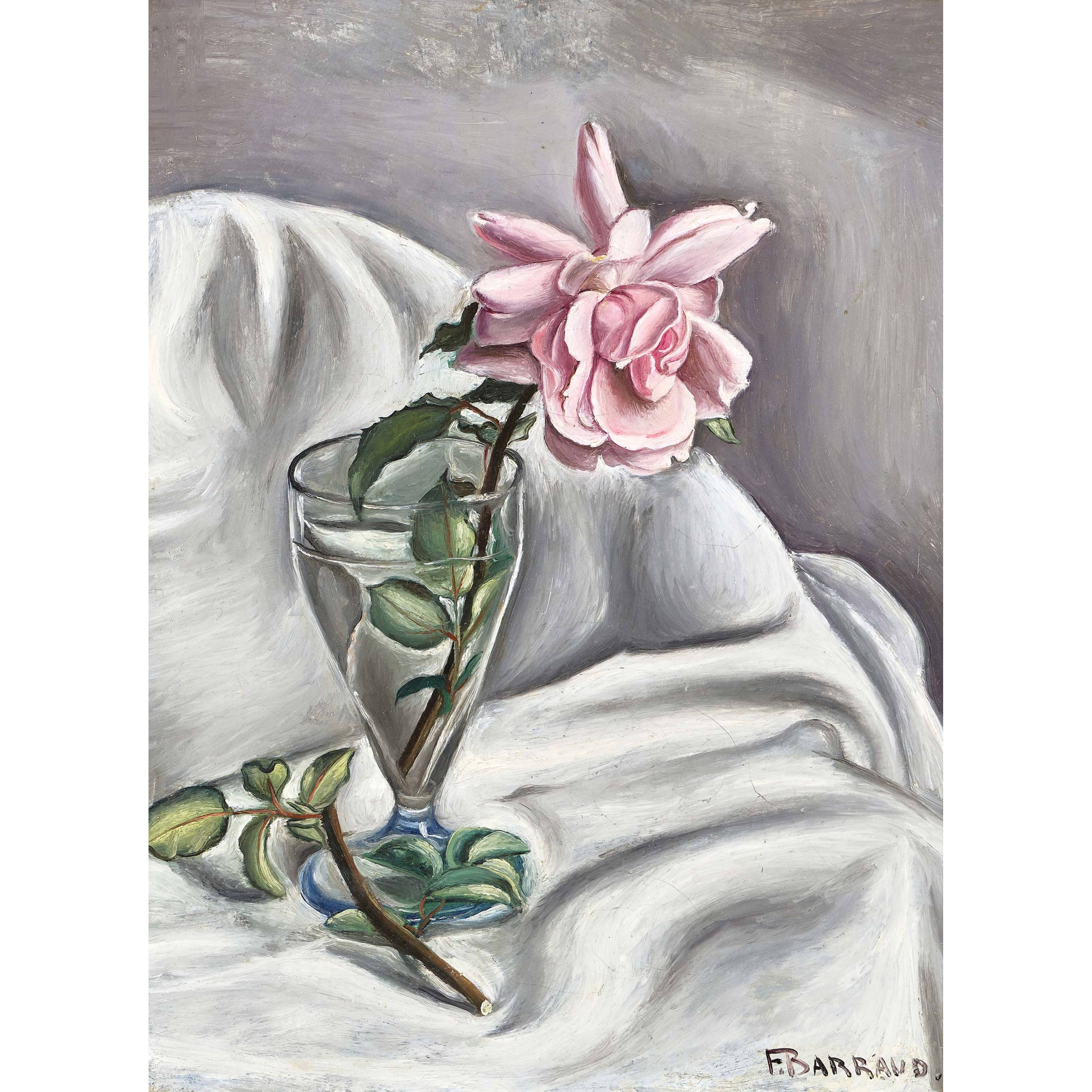
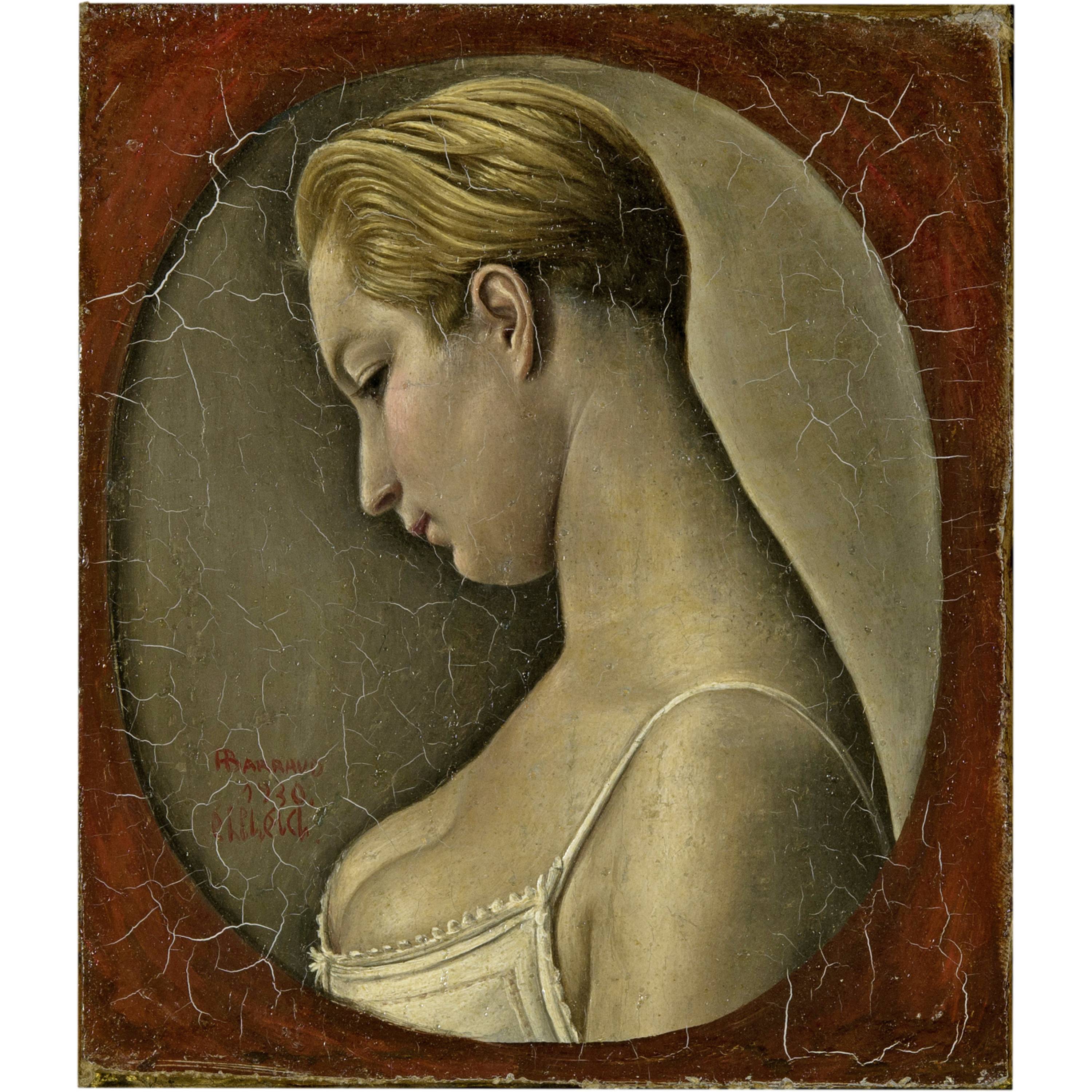
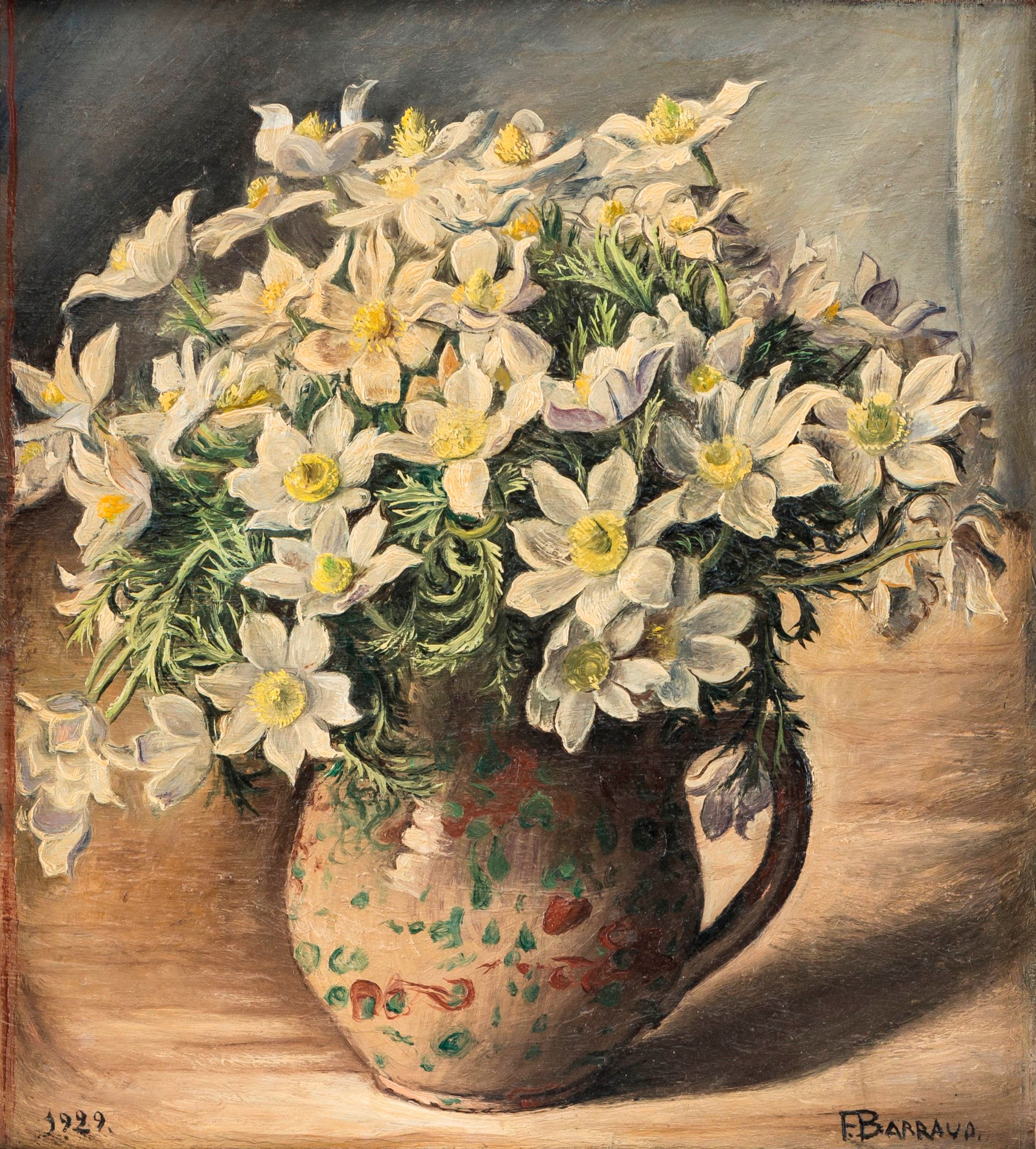
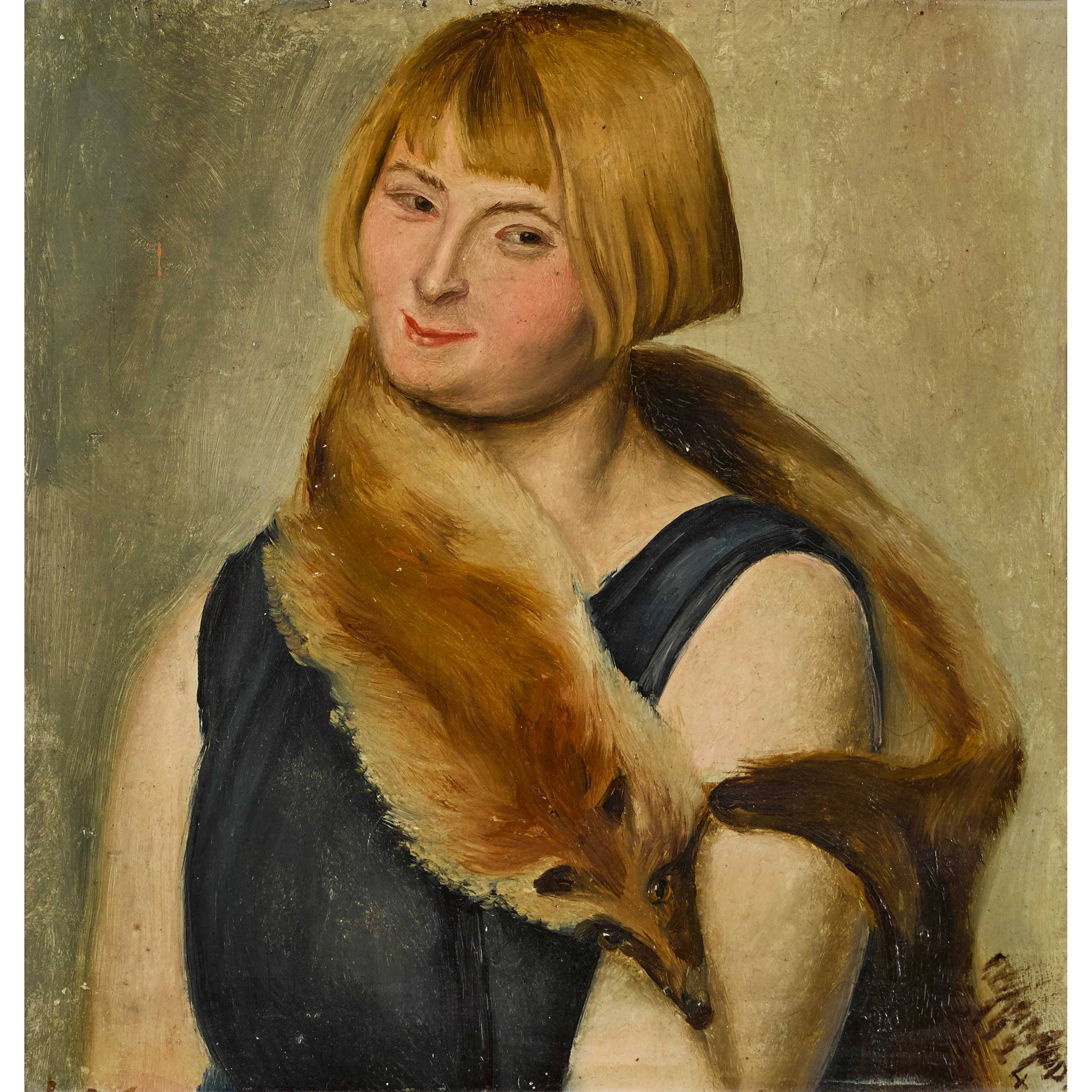
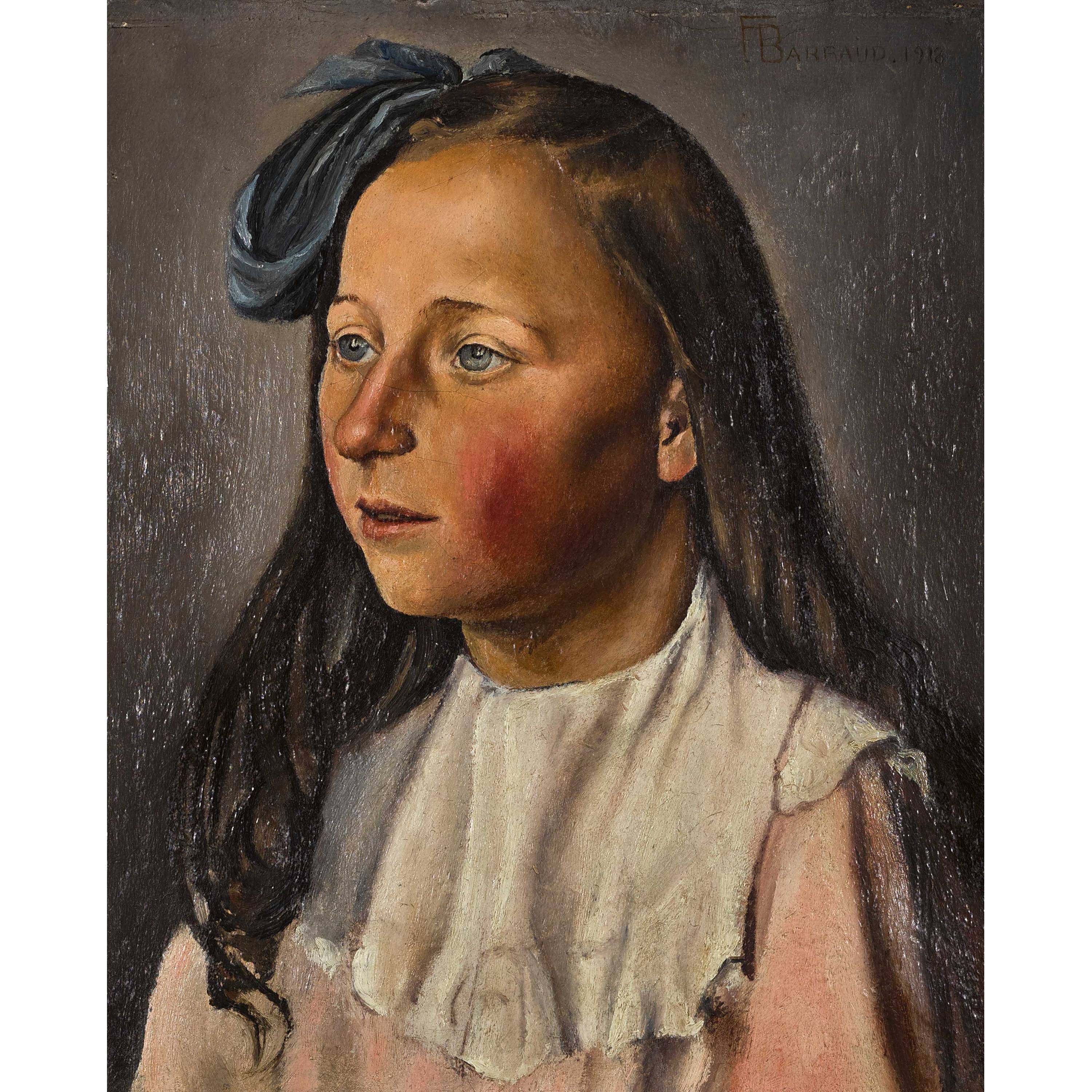
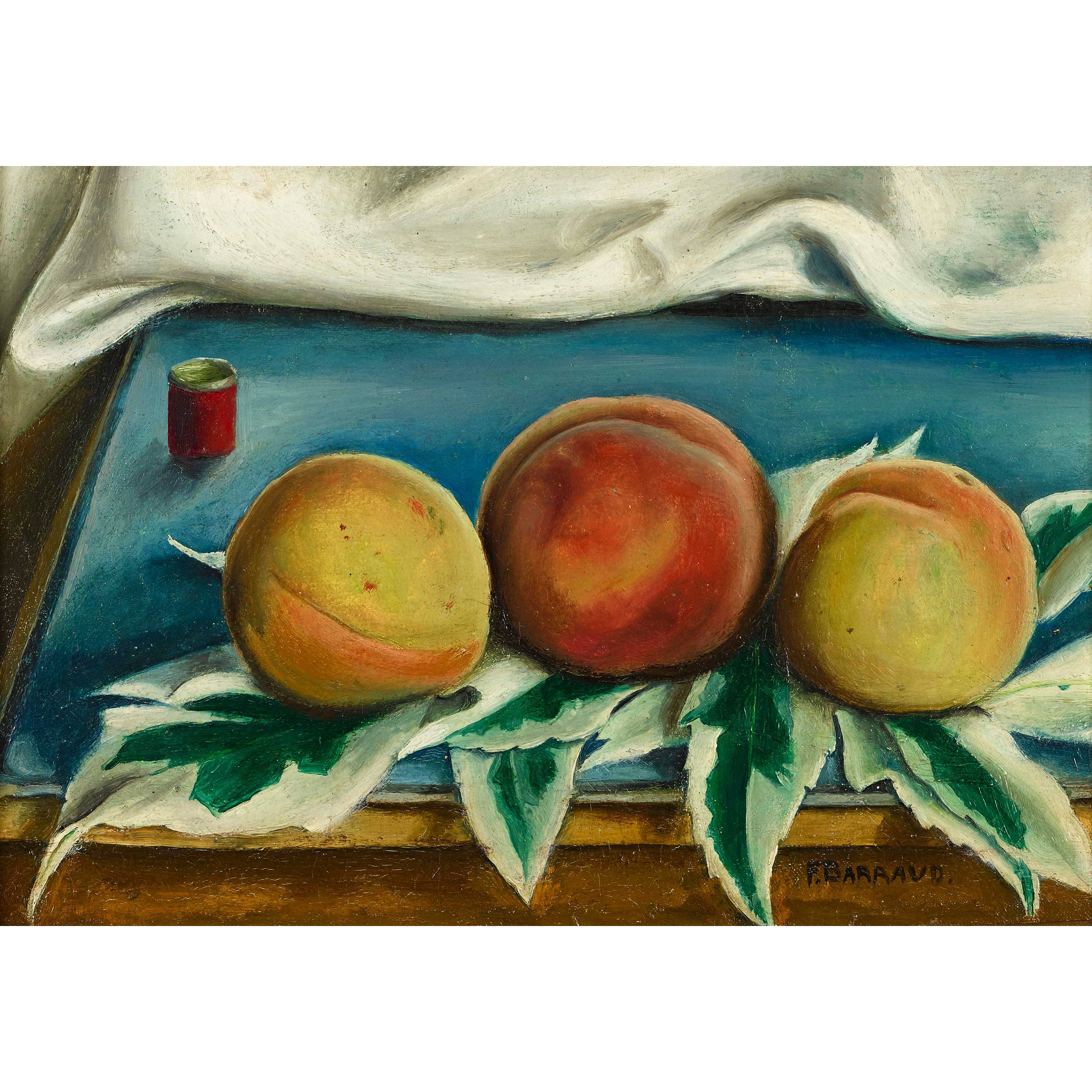
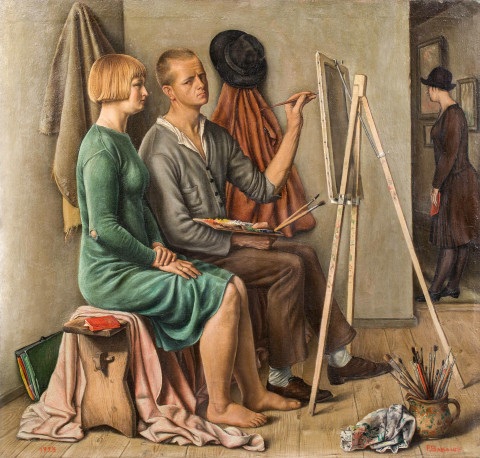
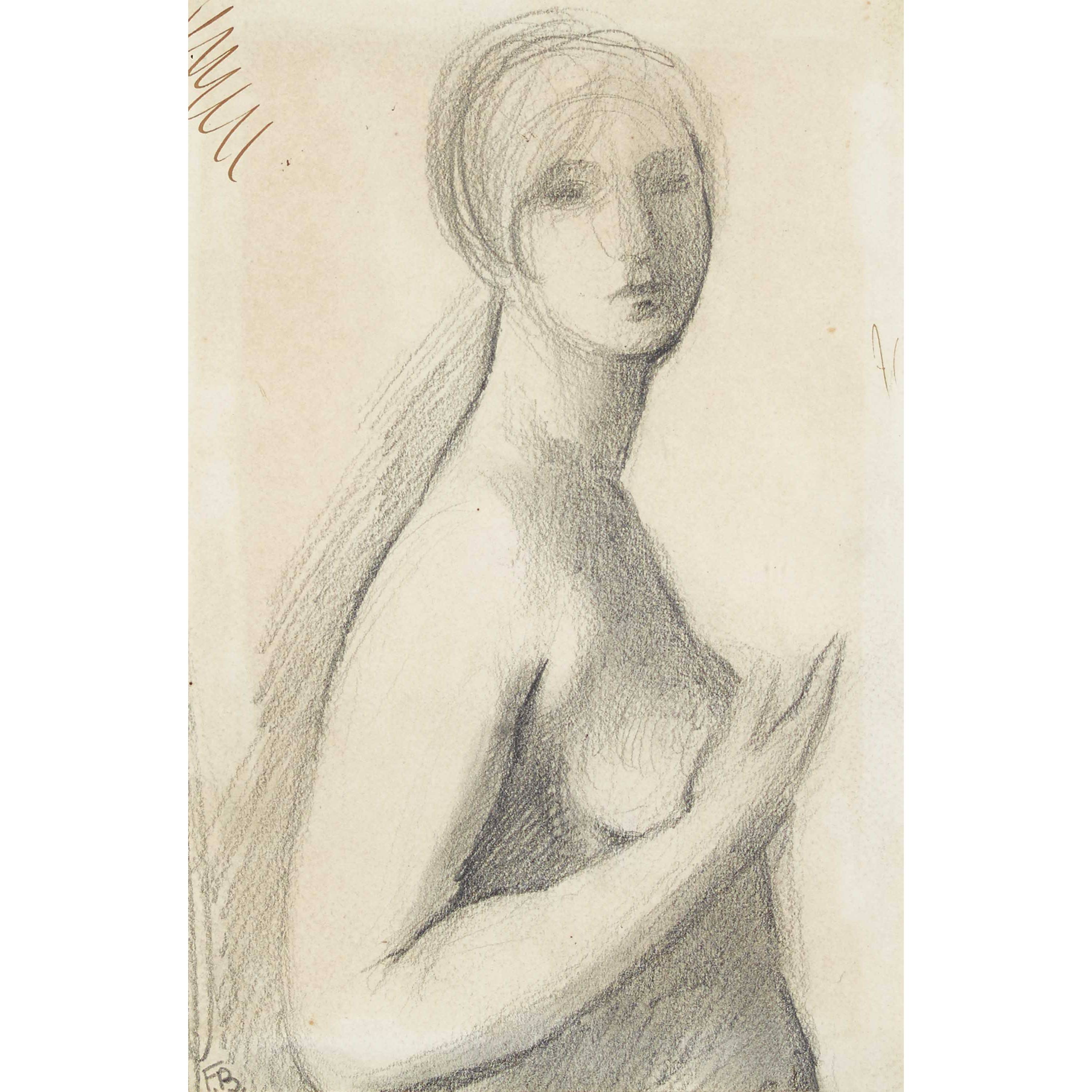
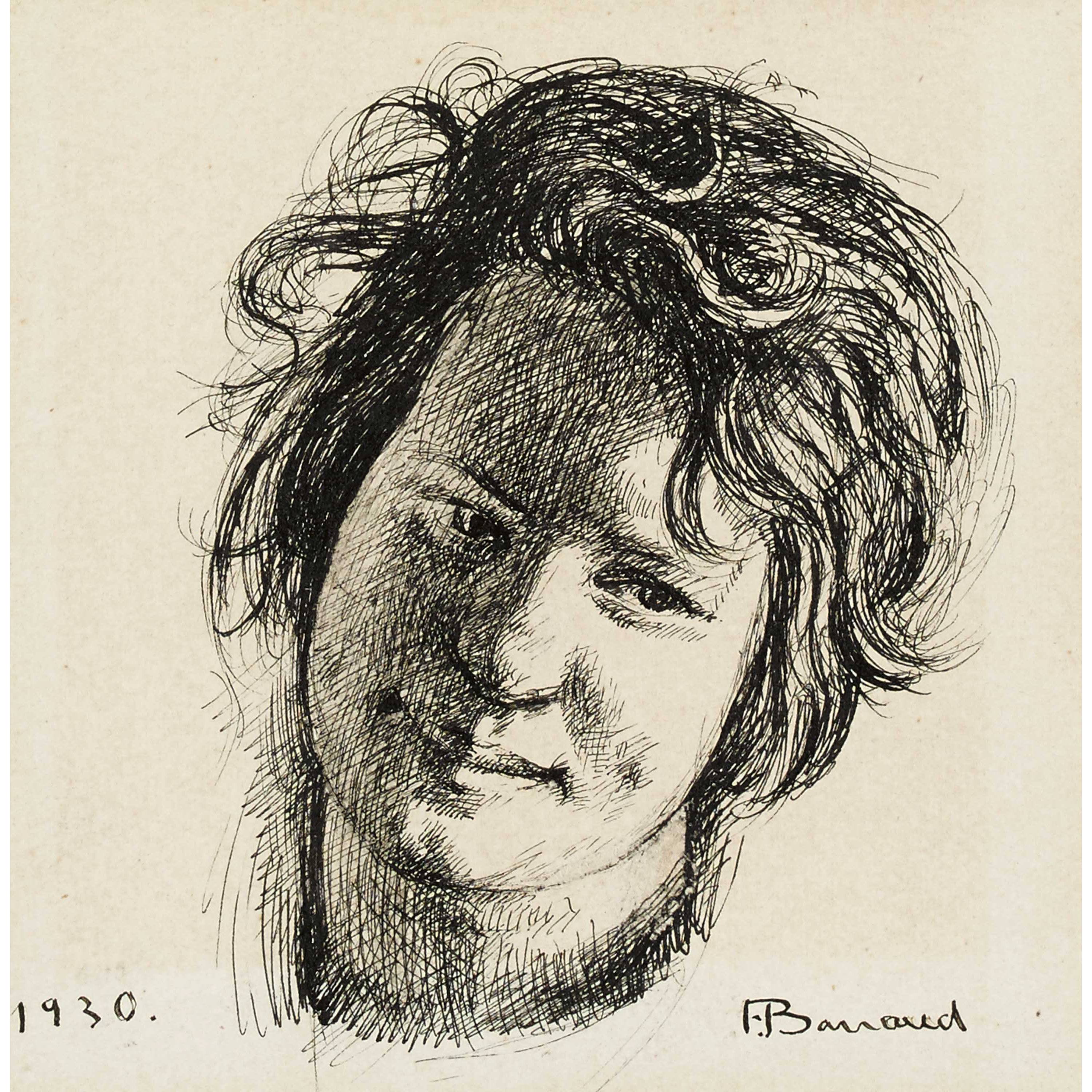
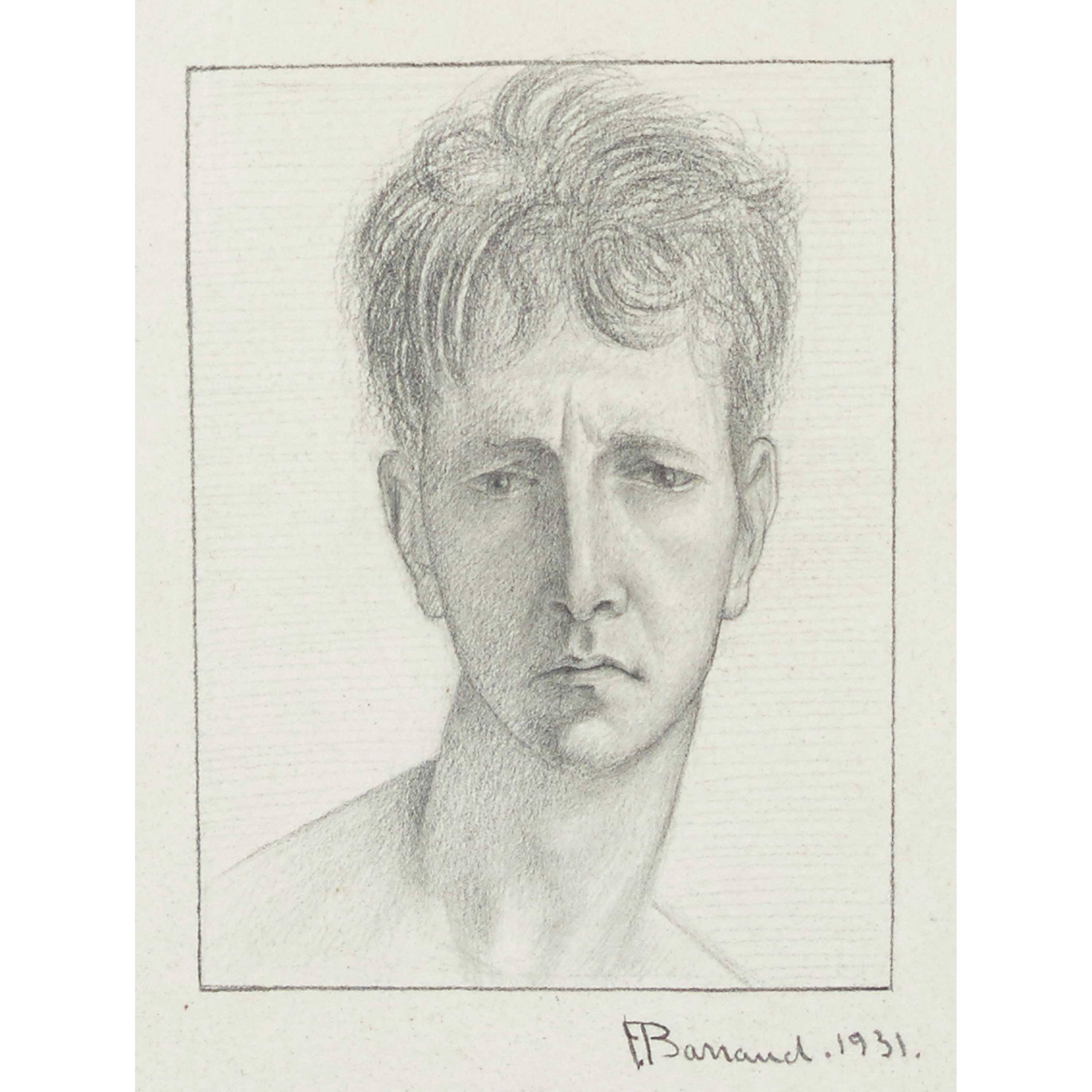
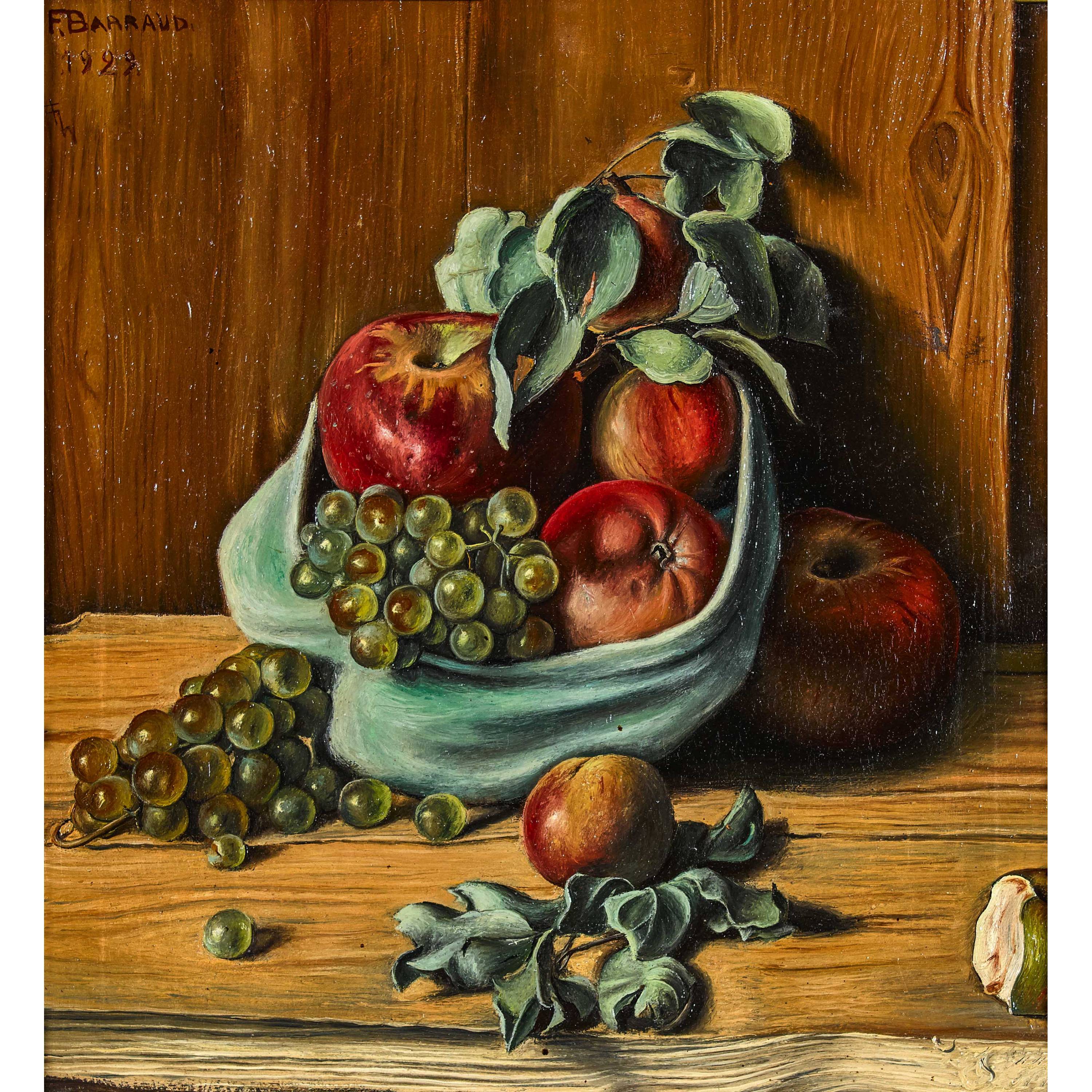
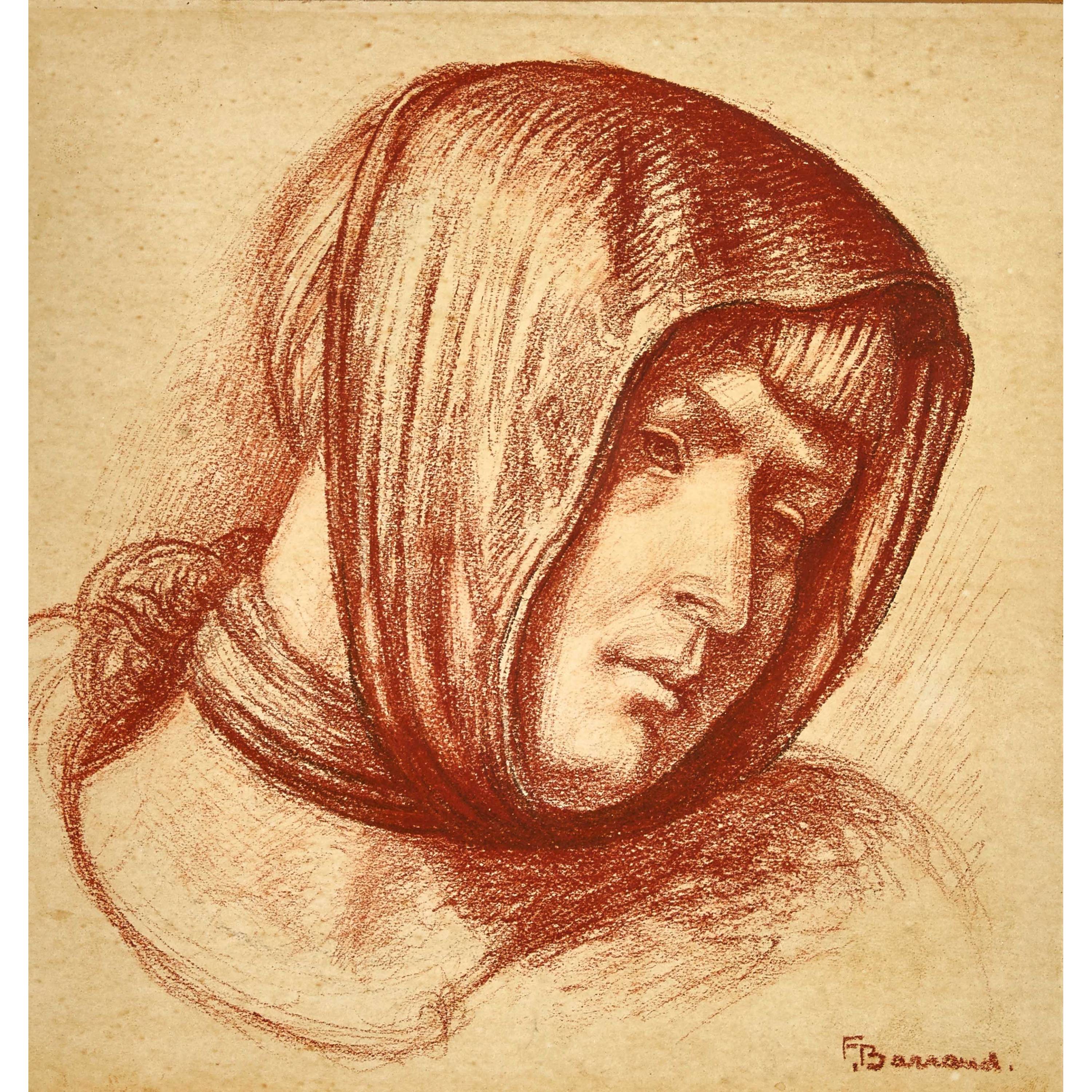
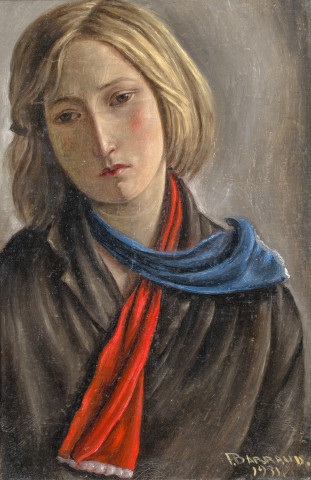
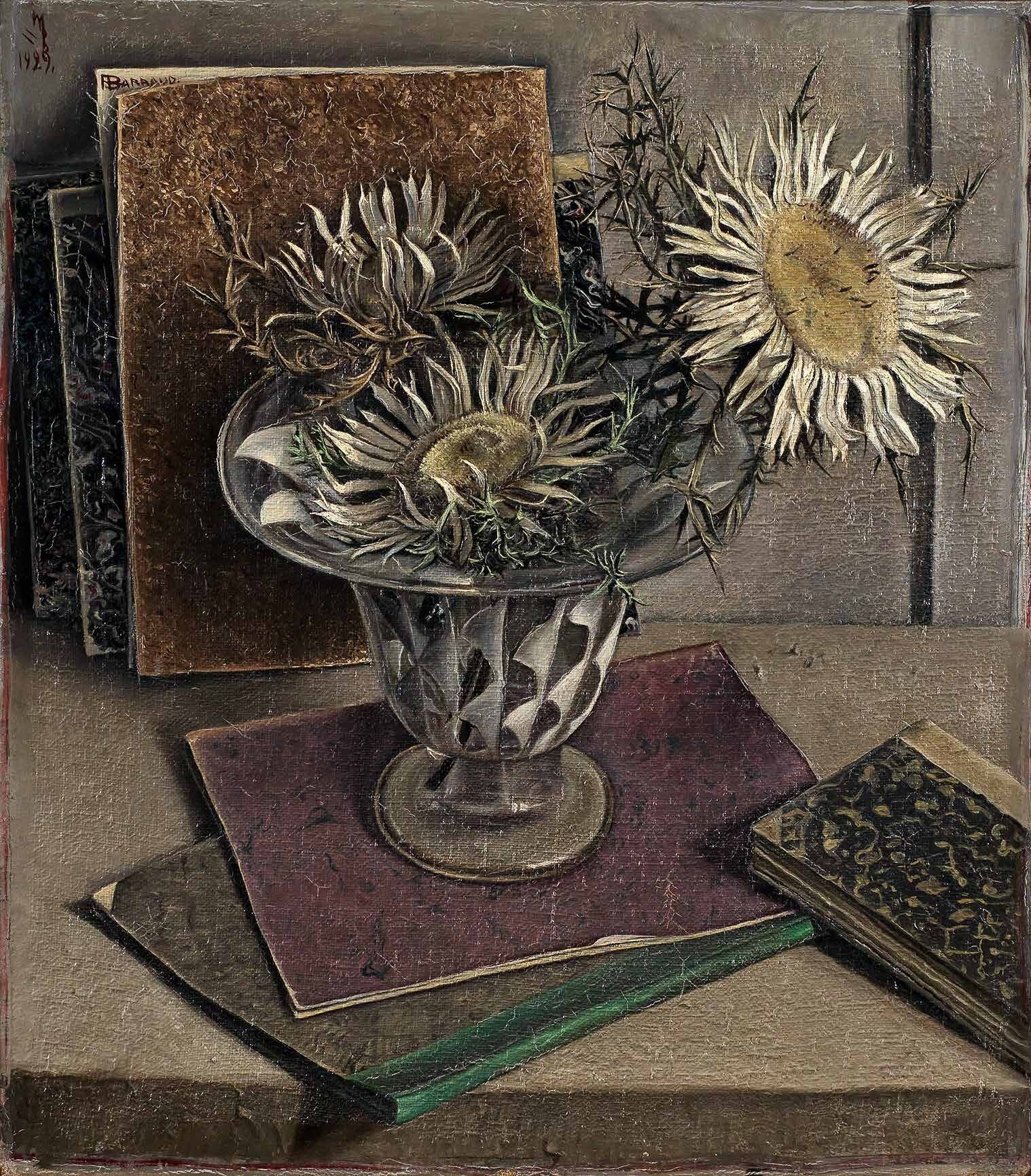
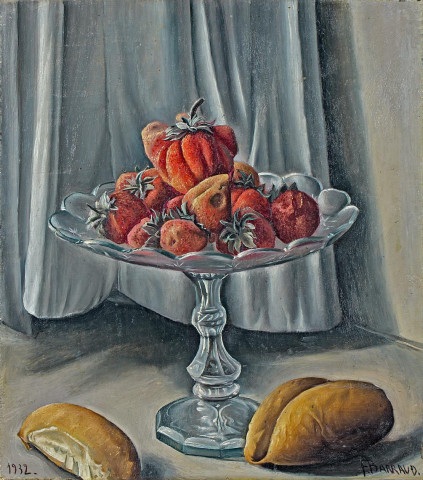
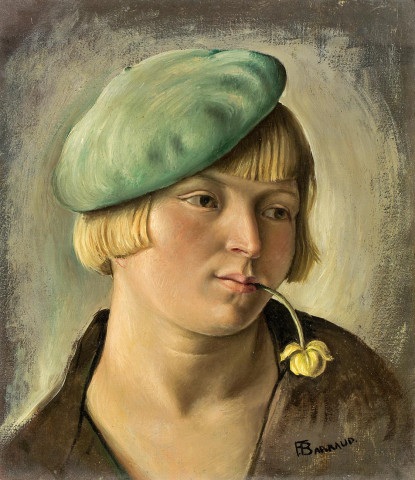
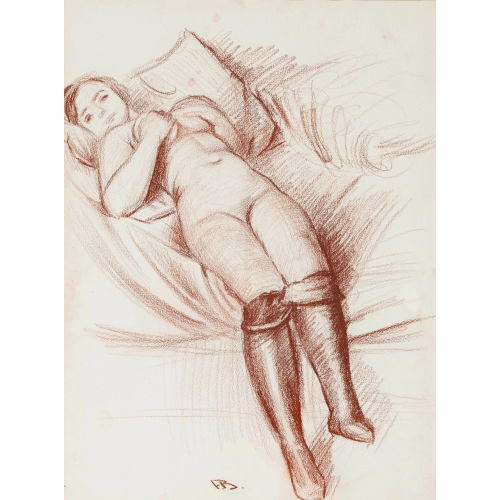
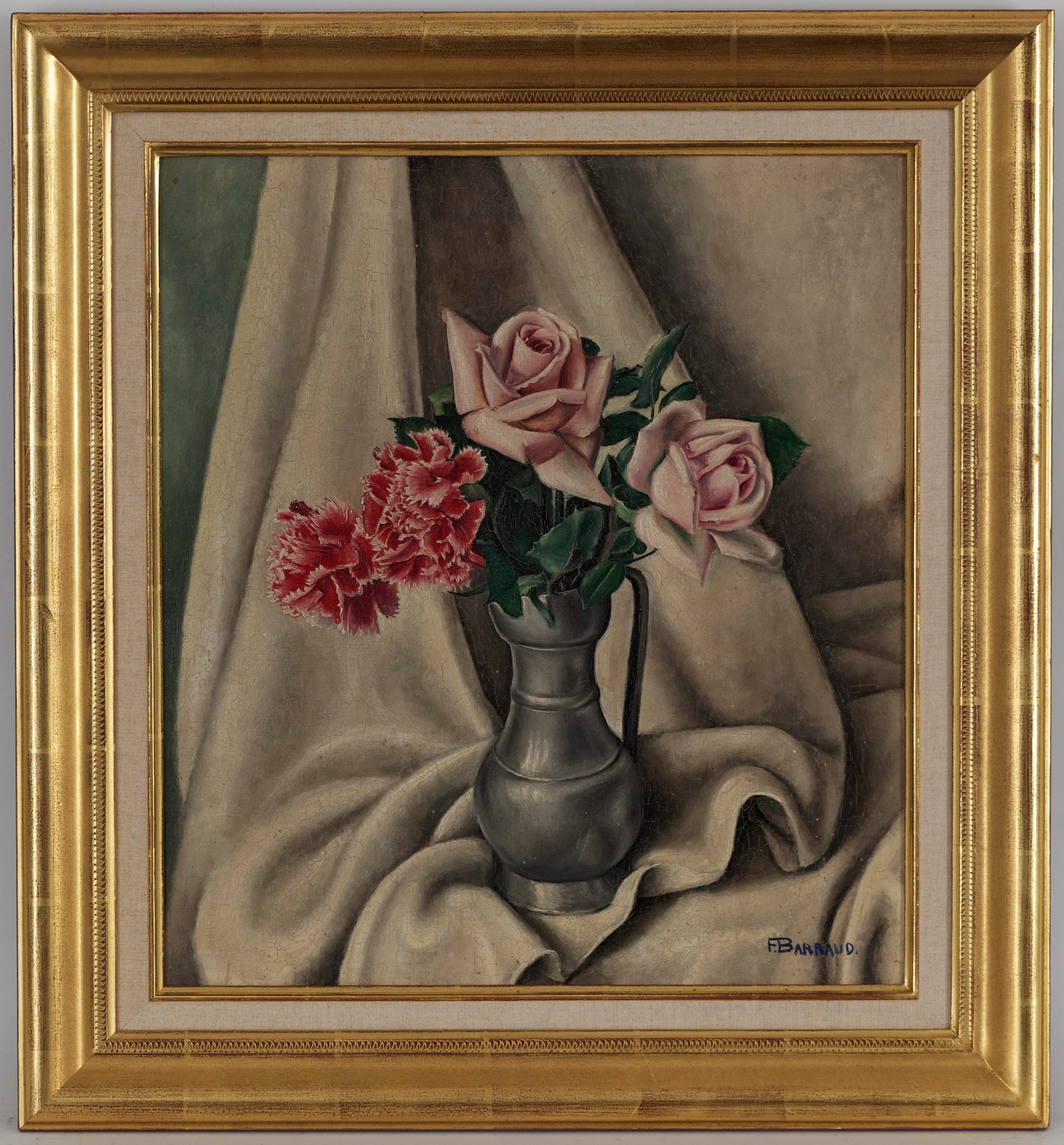
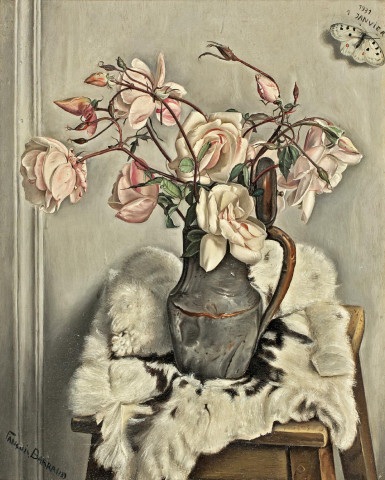
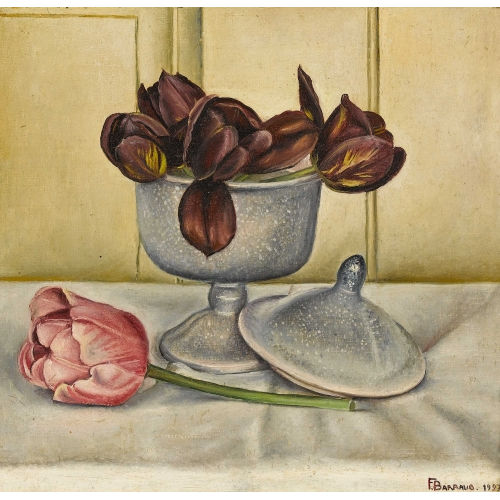
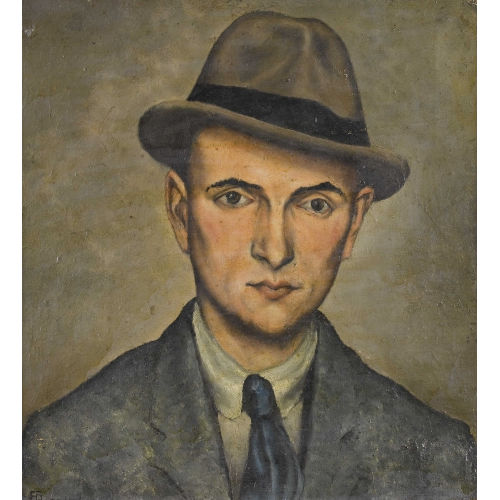
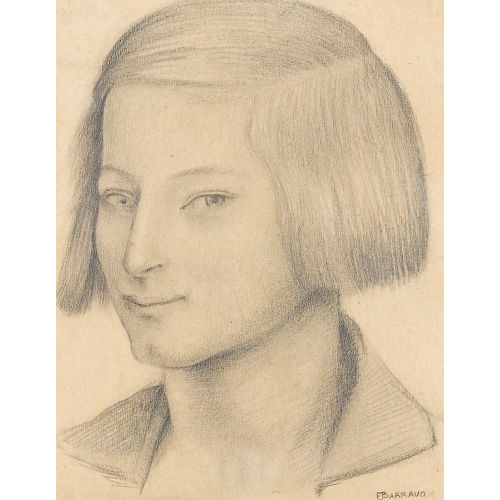
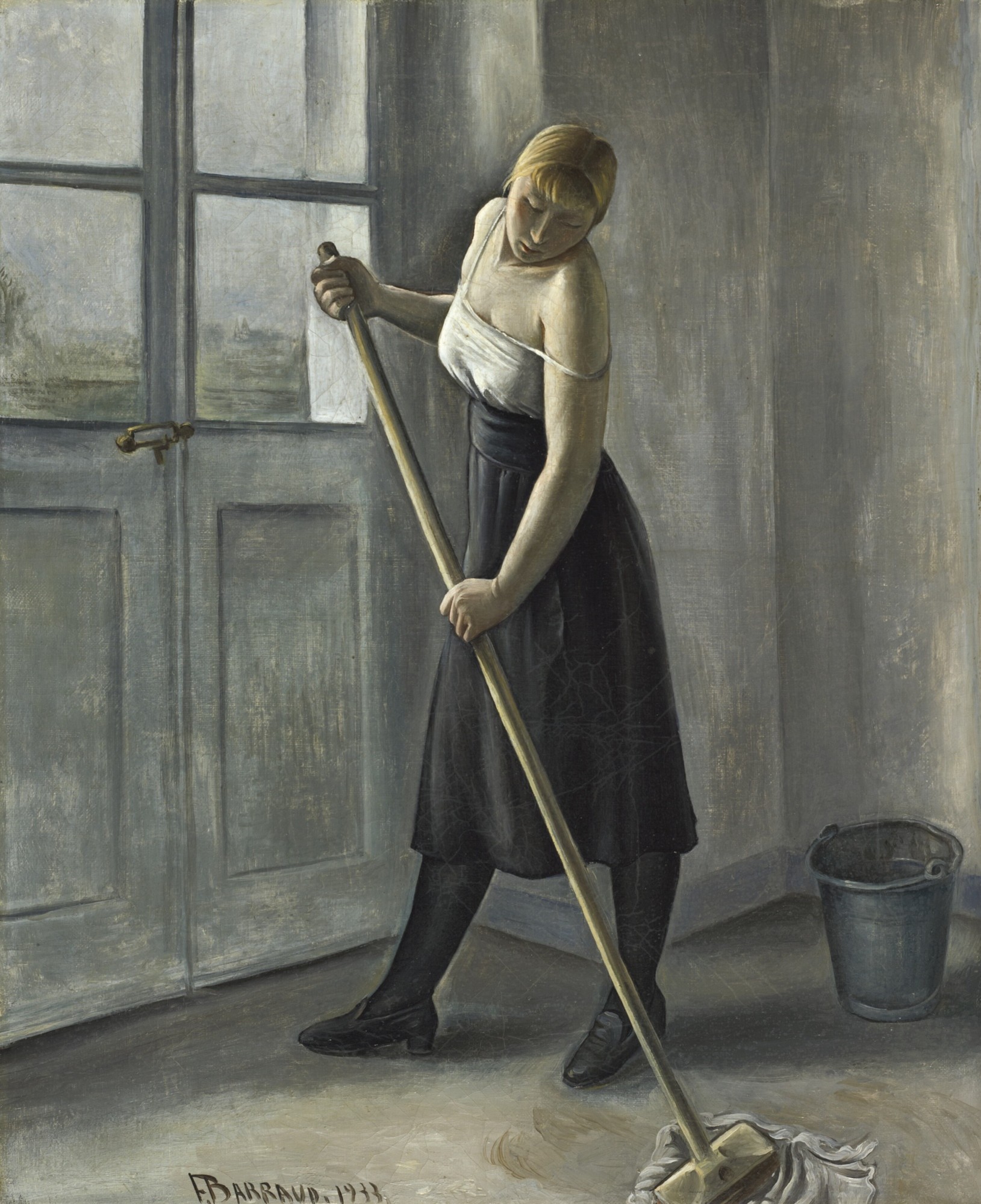
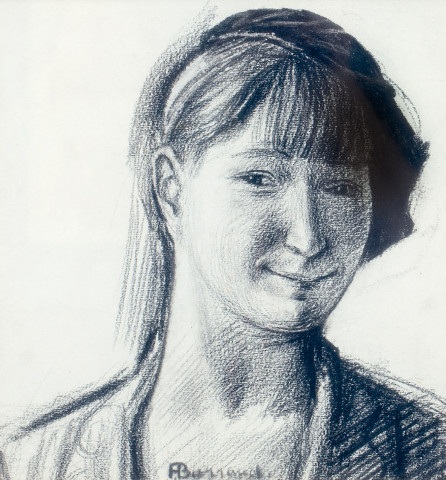
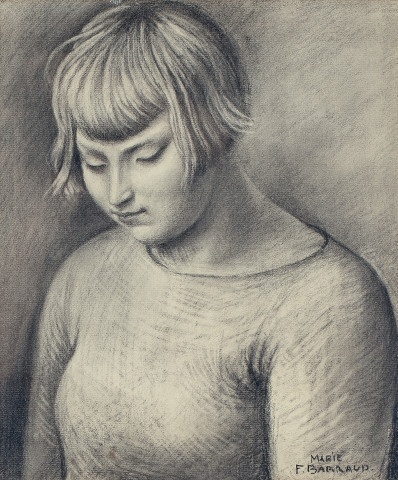
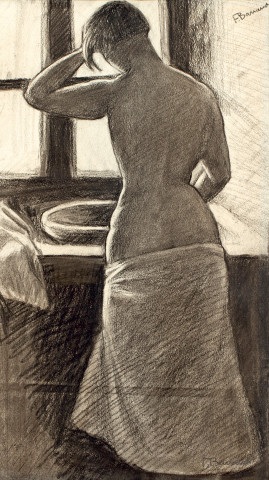
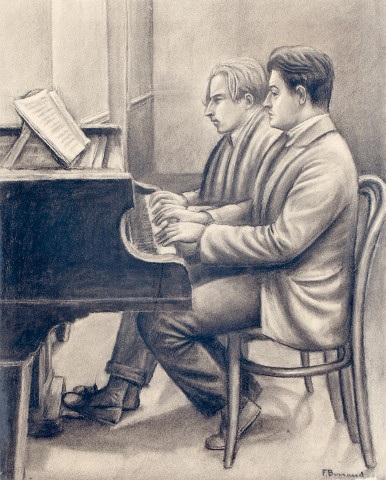
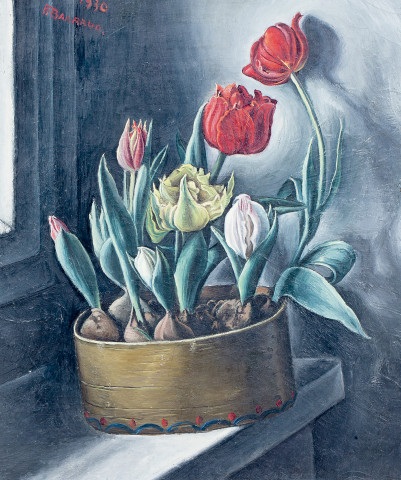
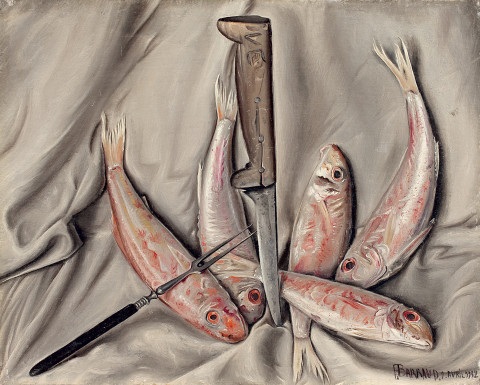
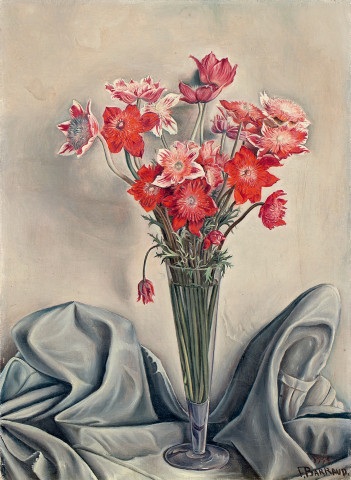
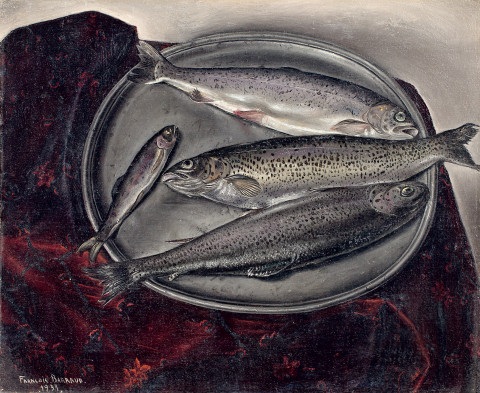
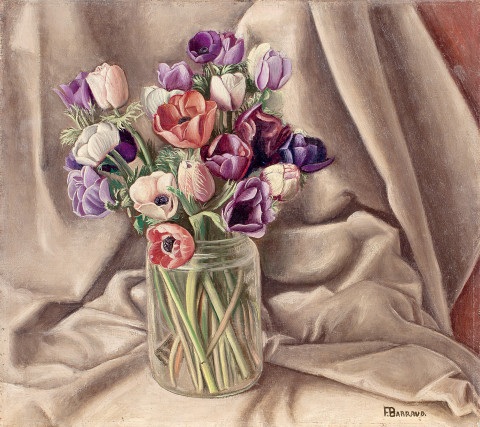
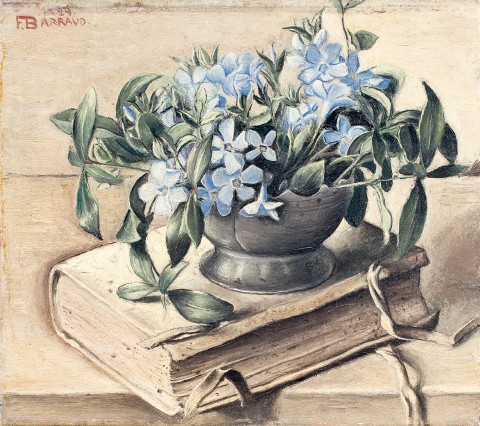
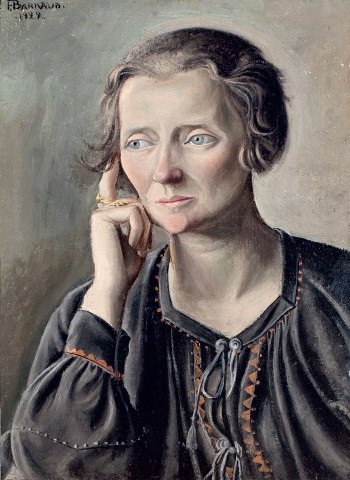
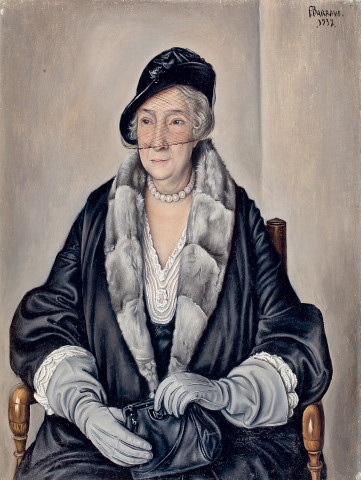
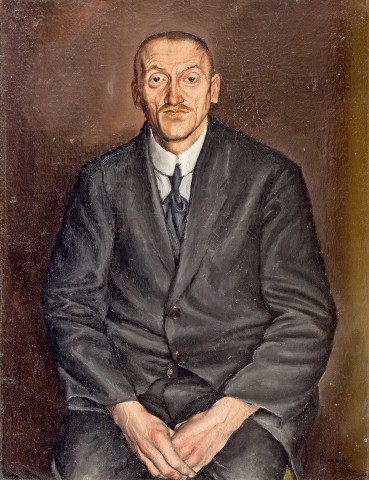
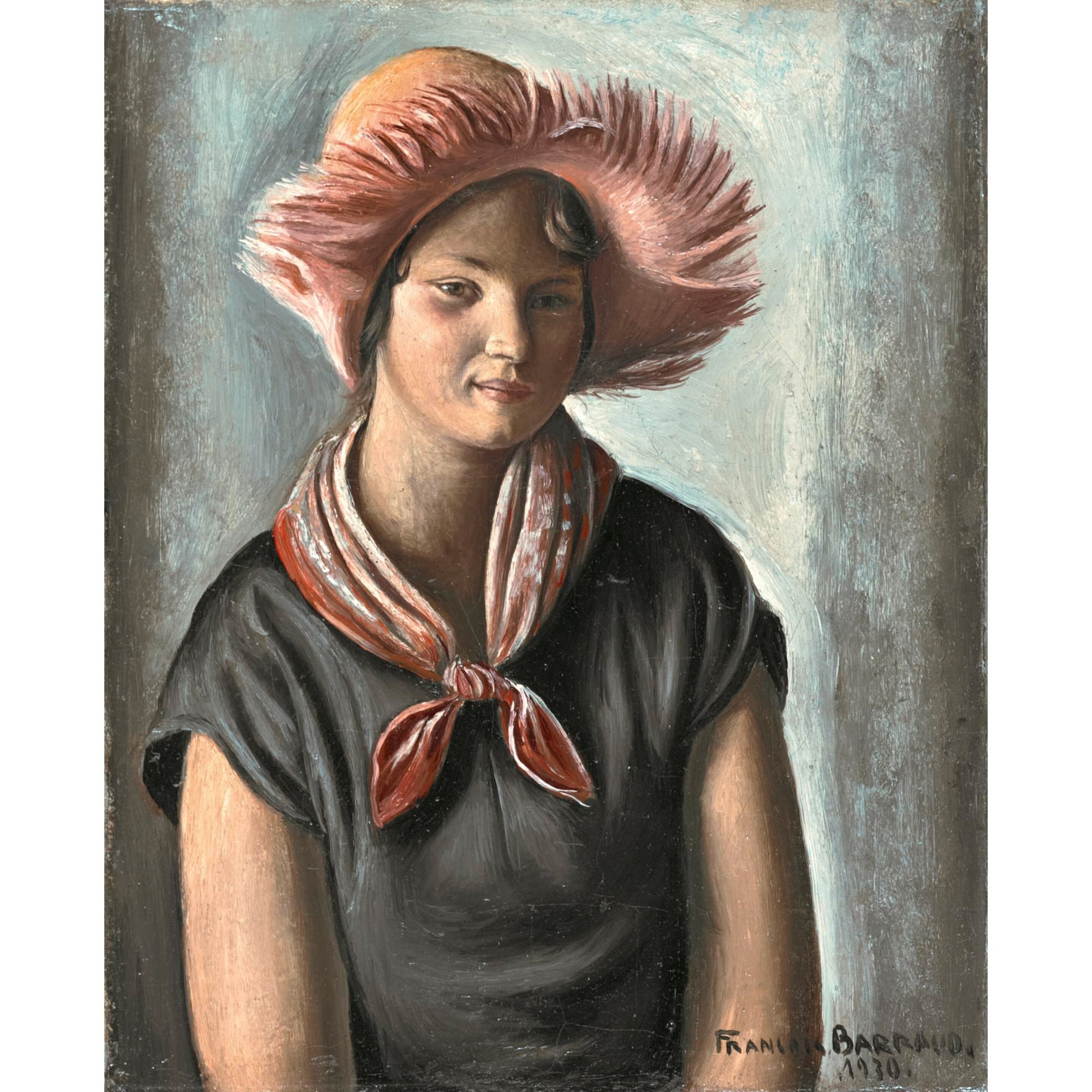
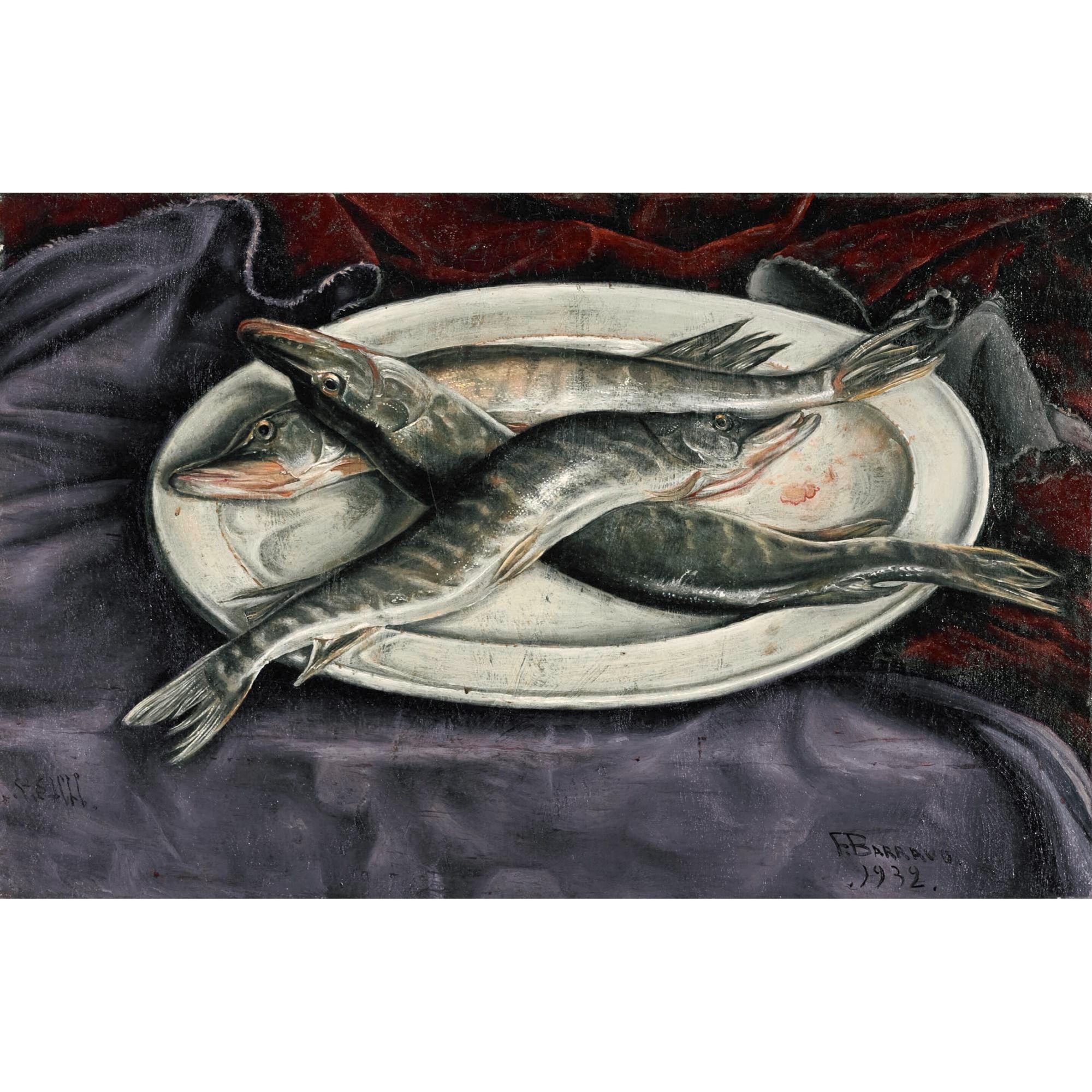
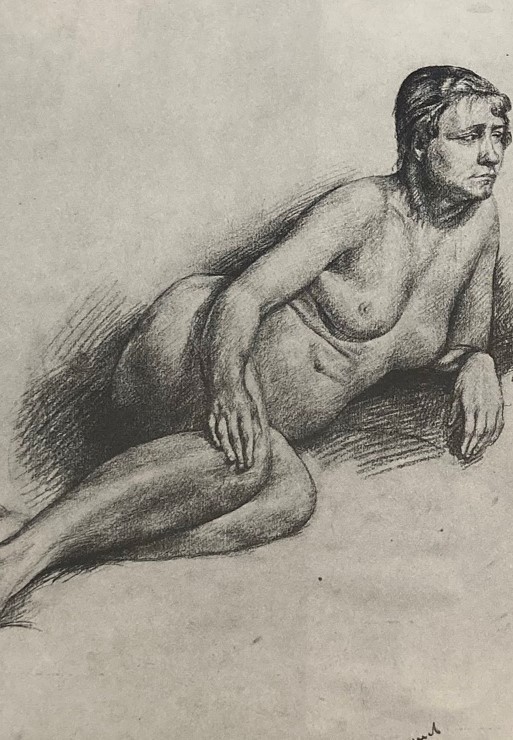
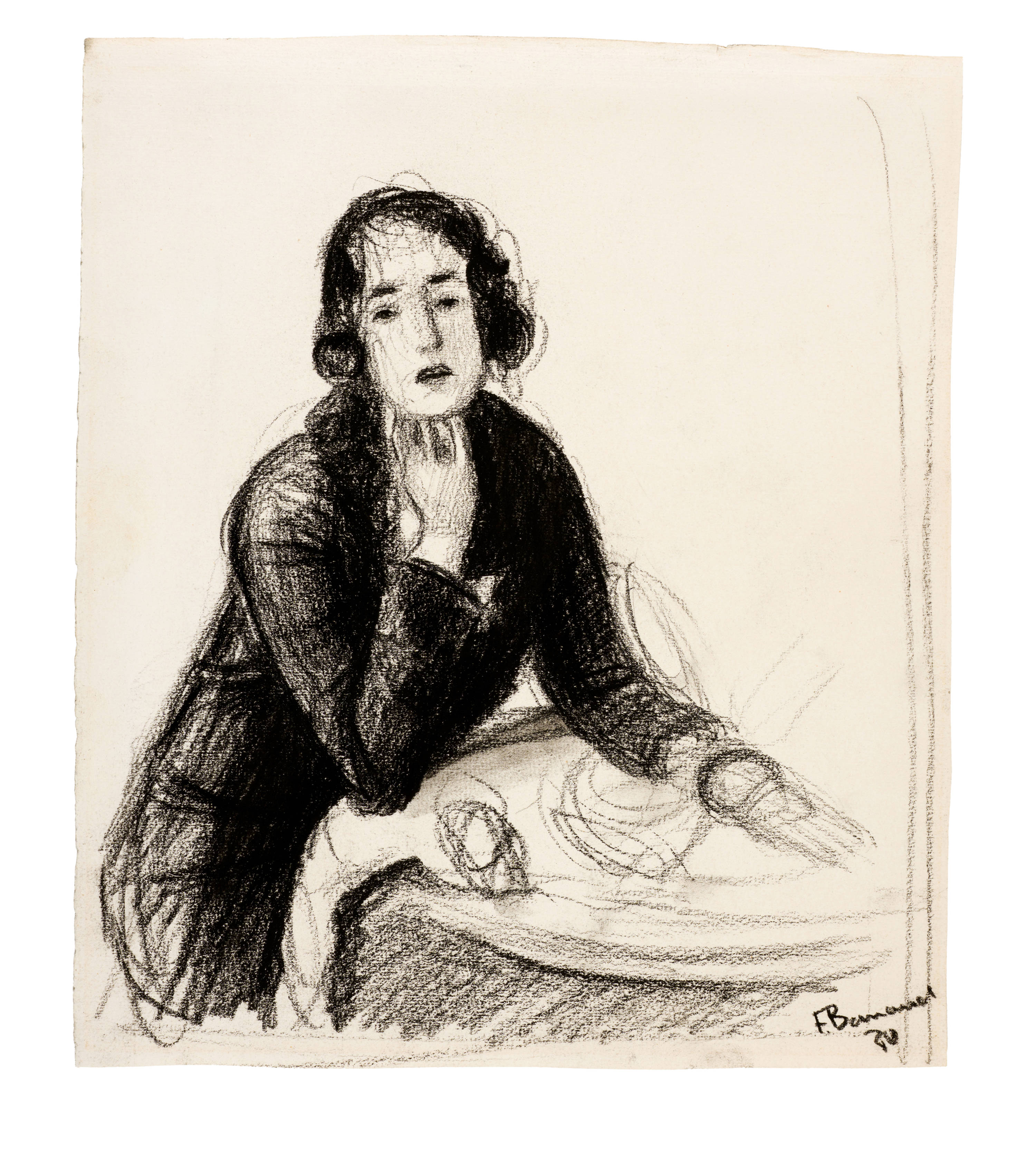
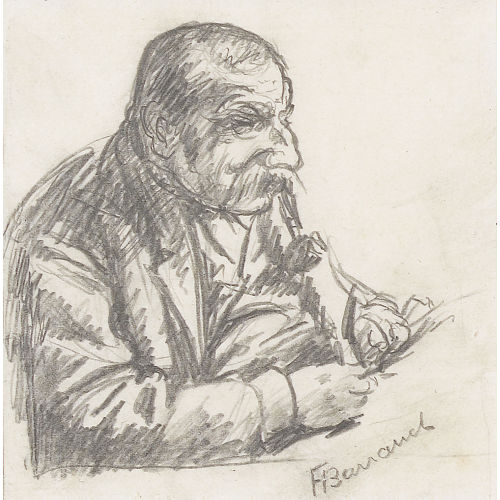
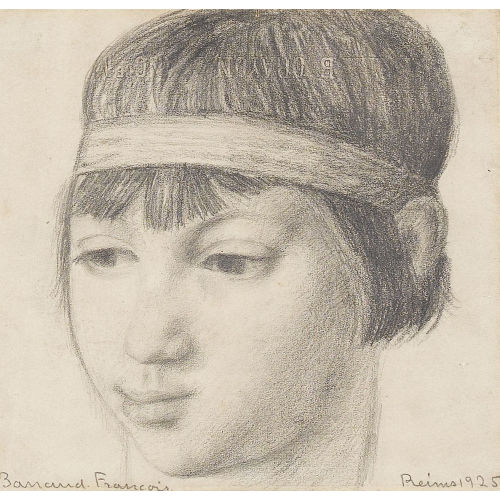
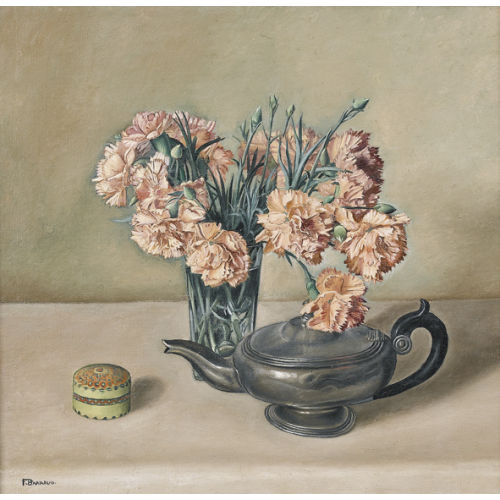
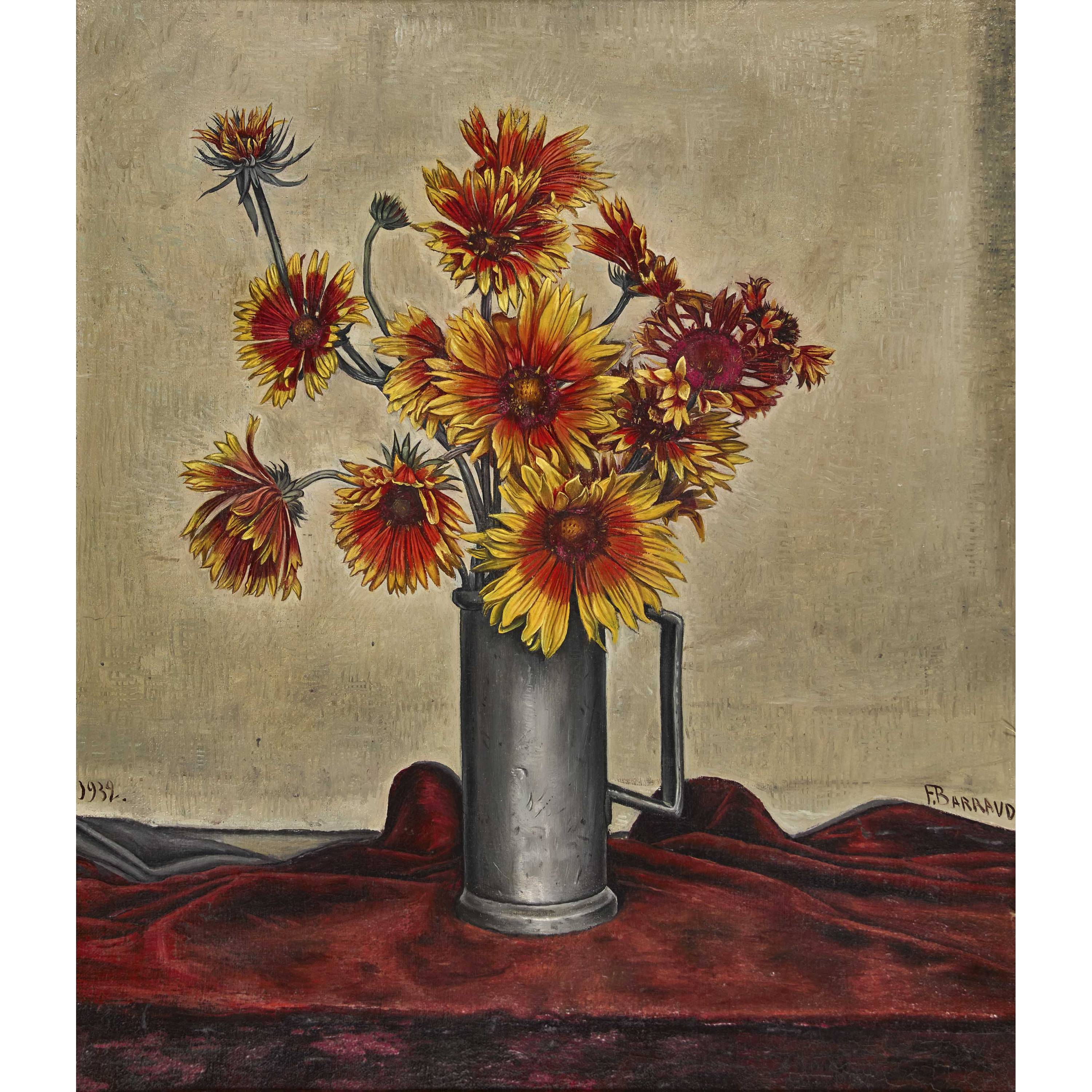
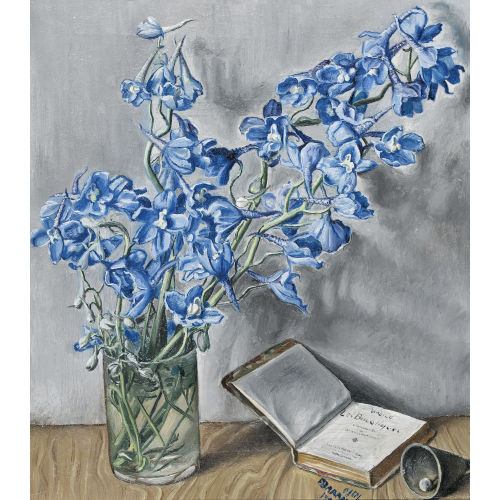
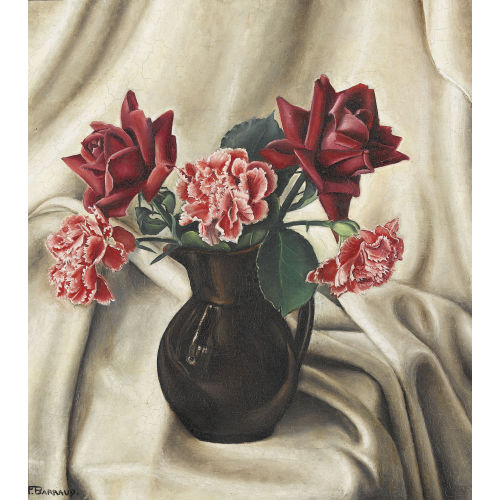
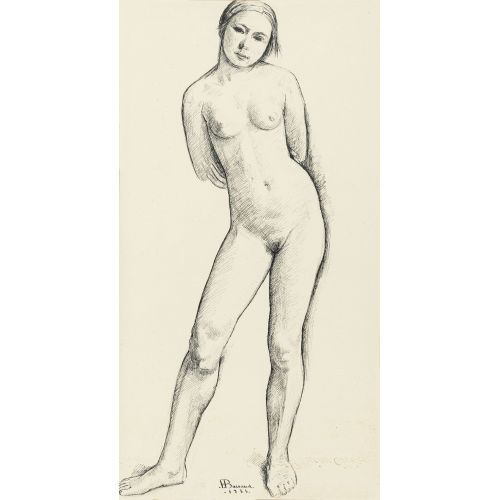
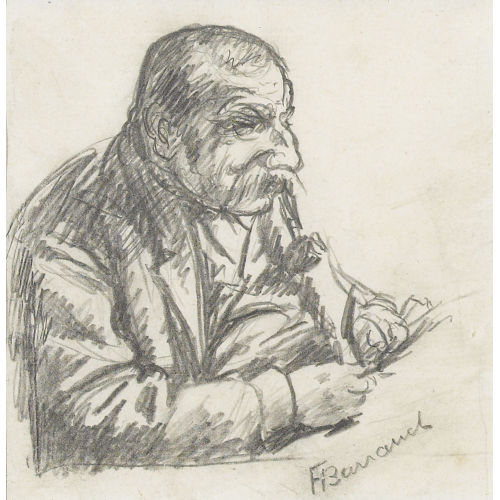
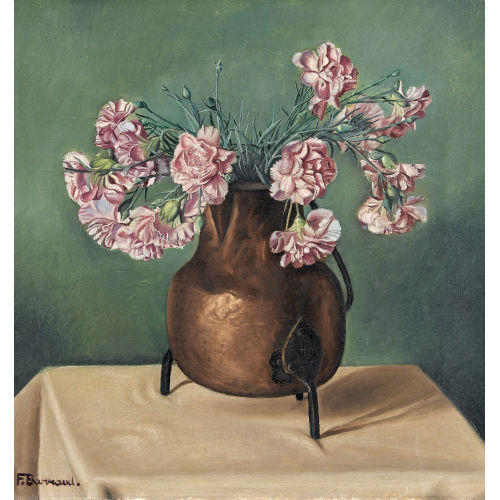
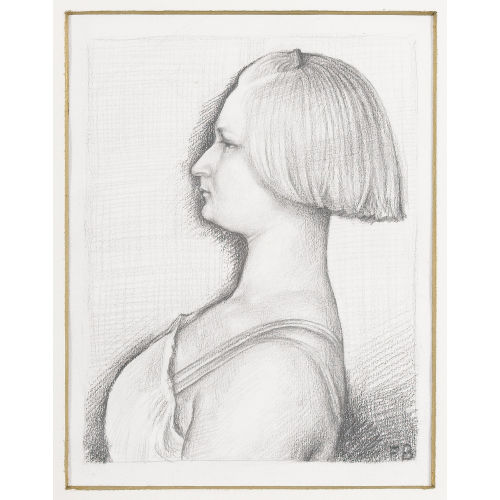
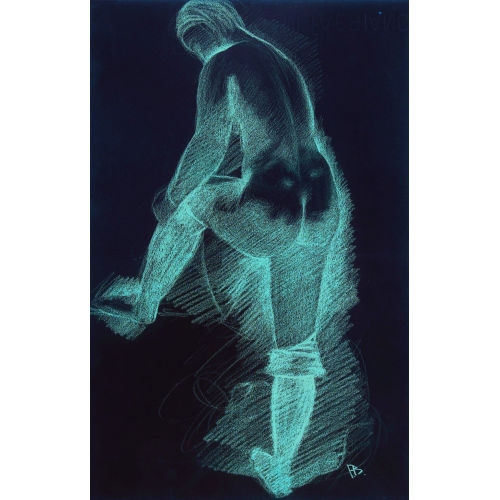
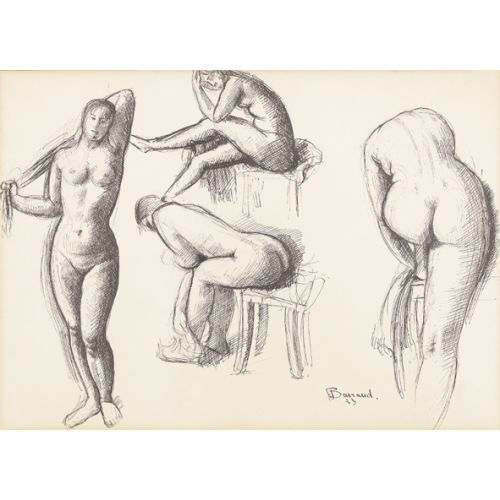
Throughout his career, Barraud displayed a sustained interest in the human figure—he frequently painted portraits of his wife, his brothers or friends, produced nudes (most of them depicting his wife Marie), as well as numerous still lifes. Available descriptions place his work within the Swiss realist tradition of the interwar period.
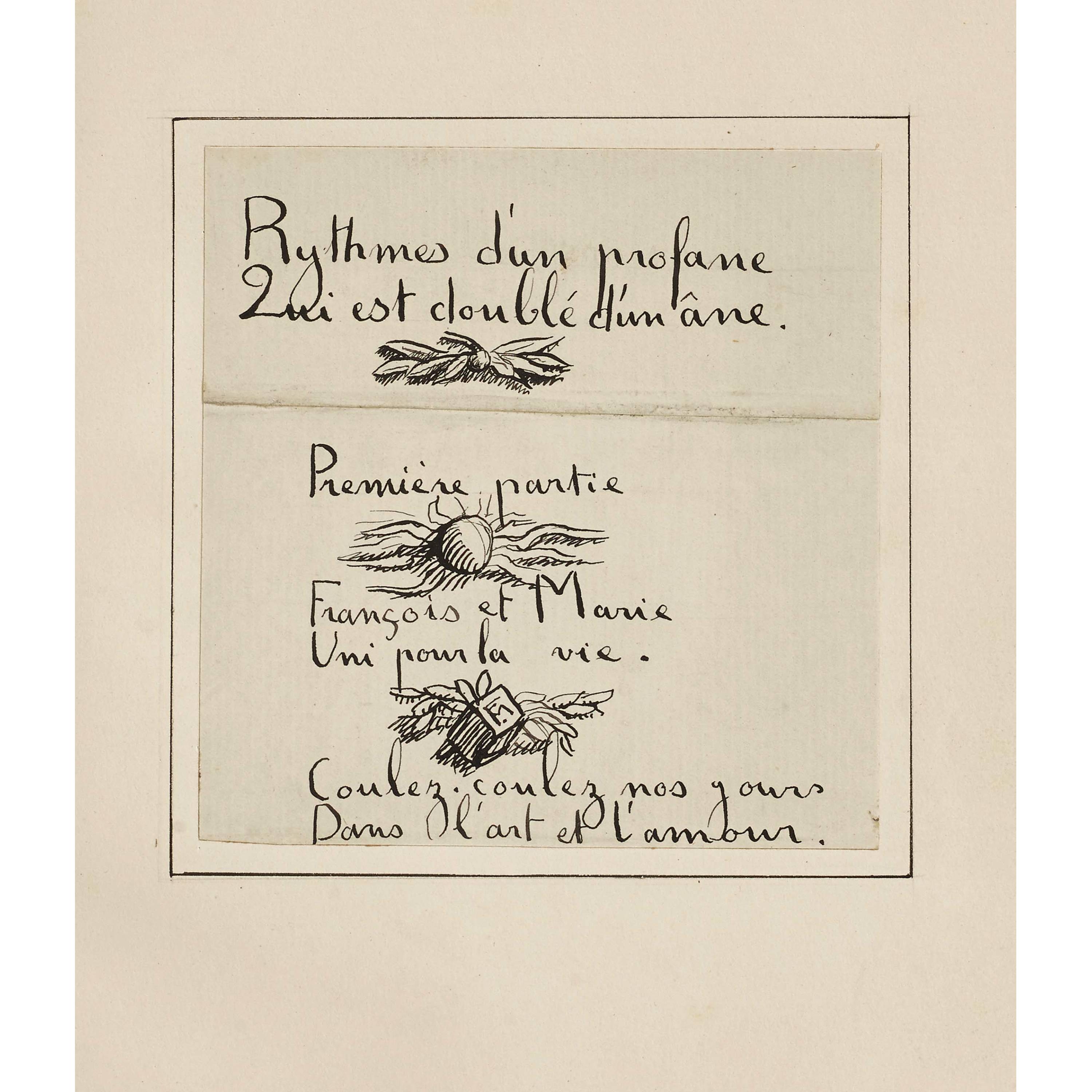
One of seven siblings—four of his brothers were also painters—he received his initial training from William Stauffer in La Chaux-de-Fonds. His personal trajectory led him to settle in Paris in 1924; the following year, in 1925, he married Marie Farge in Reims. Pulmonary frailties emerged in 1926, necessitating treatment in sanatoria, and the sources state that he died of tuberculosis in 1934 at the age of 34.
Professionally, a contract signed in 1930 with the gallerist Max Moos provided for a monthly salary in return for the delivery of four canvases per month, and led to solo exhibitions at Galerie Moos (Geneva, 1931) and Galerie Le Portique (Paris, 1932). After his death, Max Moos organised a presentation of around forty canvases at the Knoedler gallery in New York around 1940, a development which, according to the sources, was accompanied by the writing of two biographies connected with this collaboration. On the contemporary market, the notices indicate that transactions are principally concentrated in Switzerland and mention isolated recent auction results.