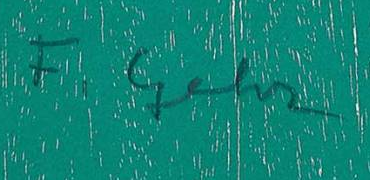
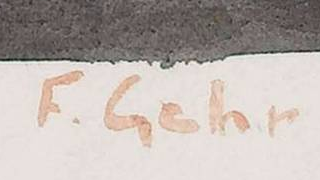
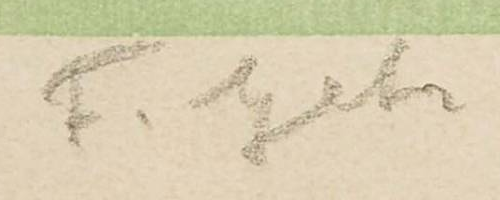
Ferdinand Gehr
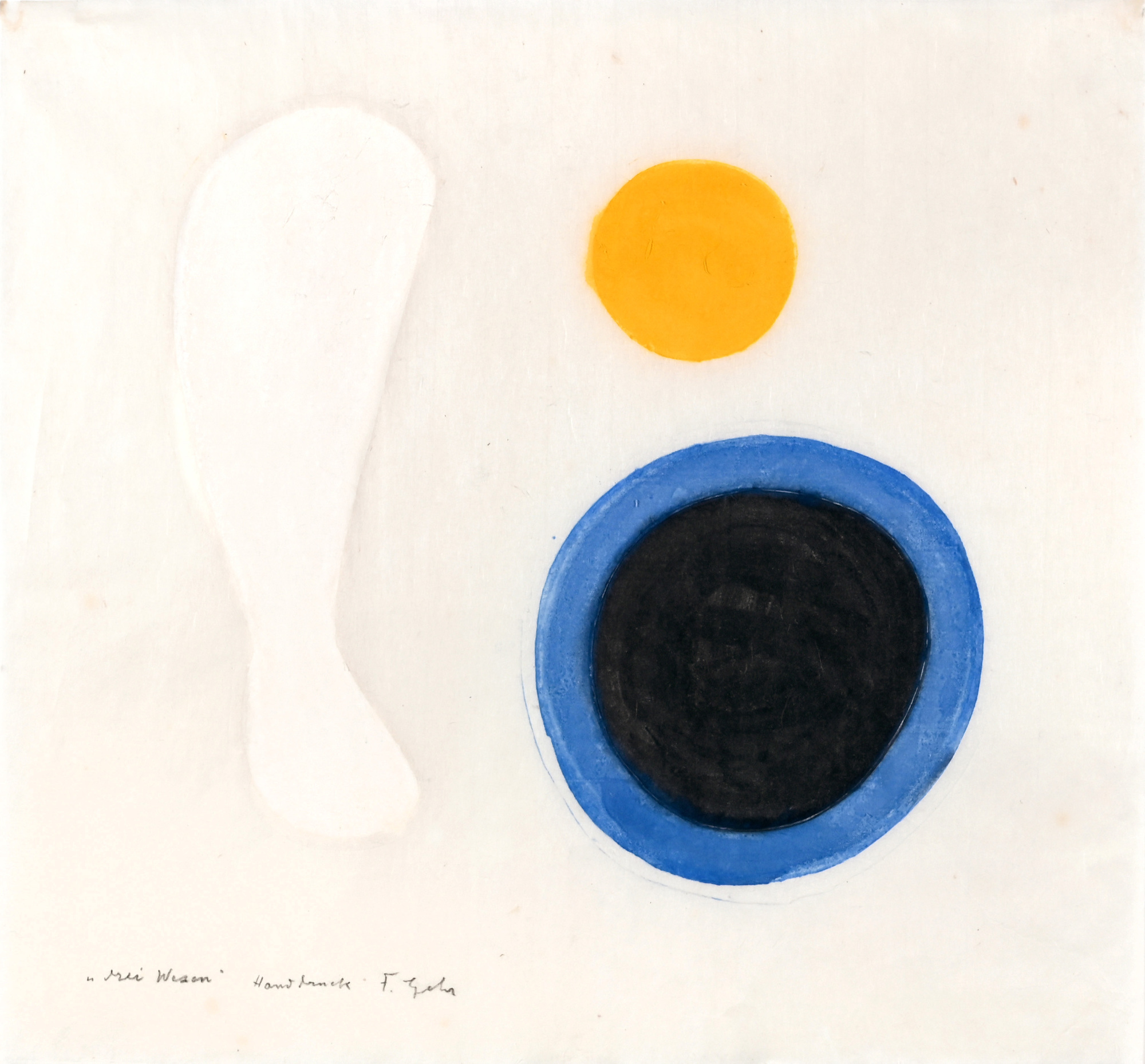
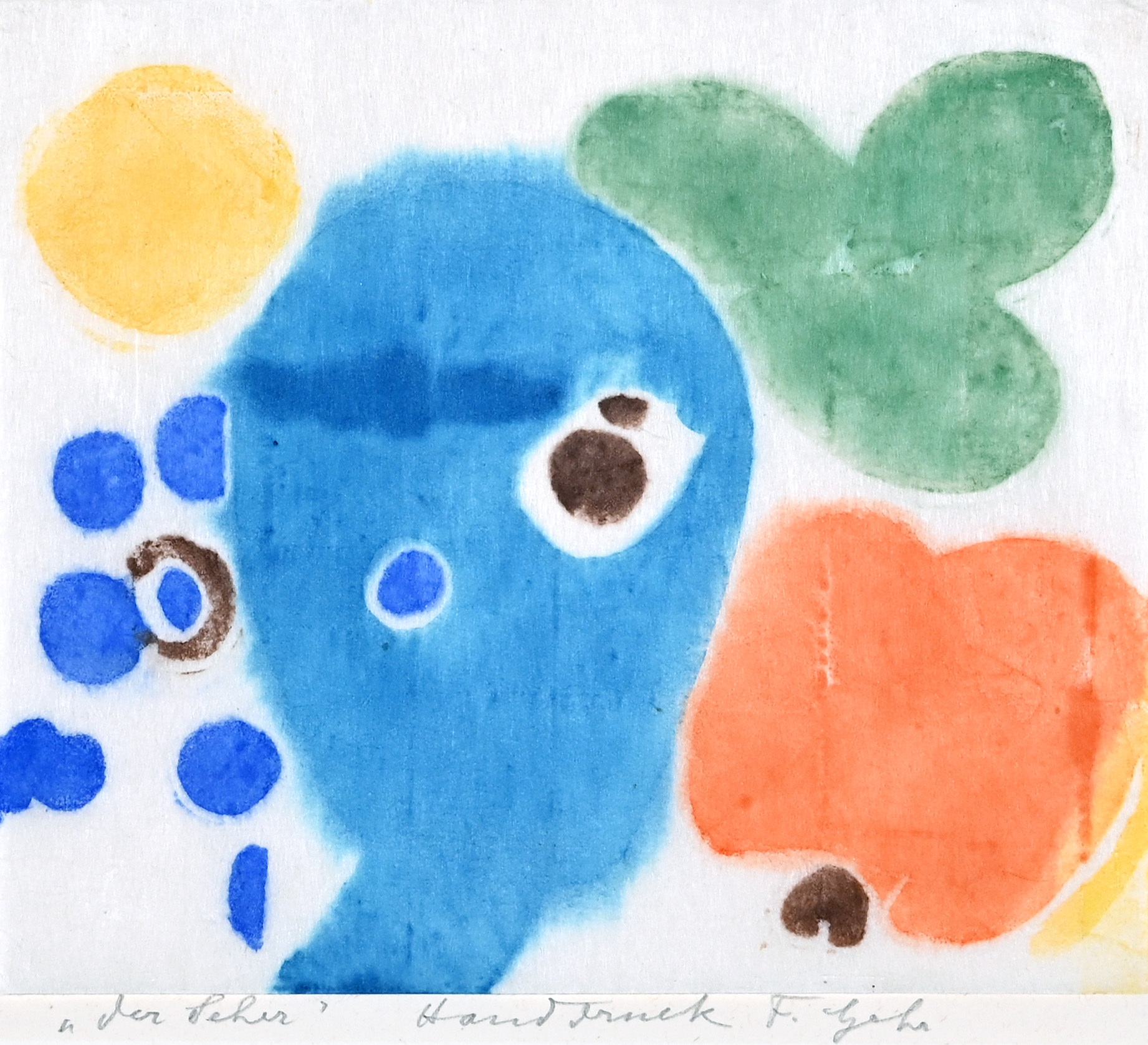
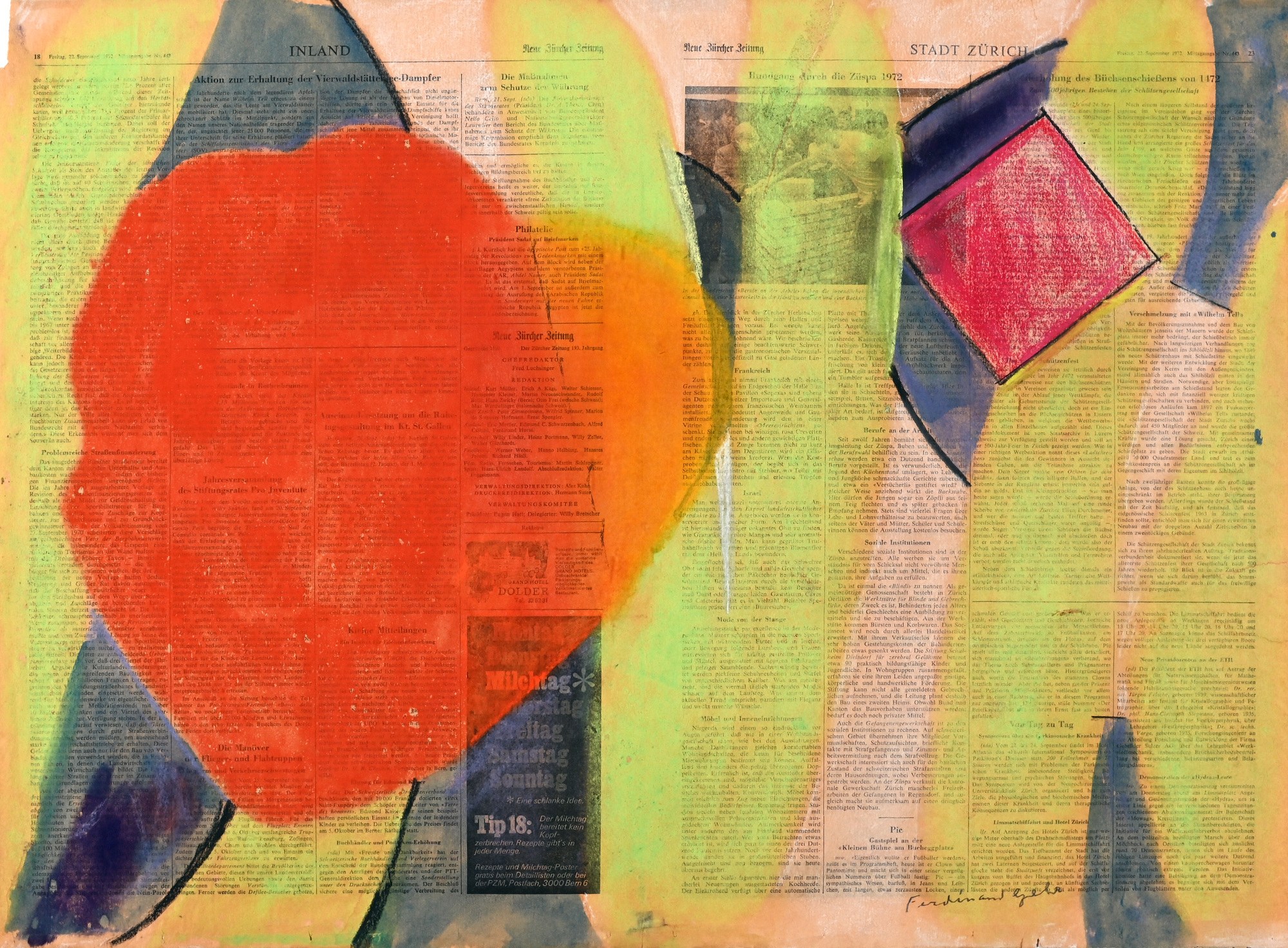
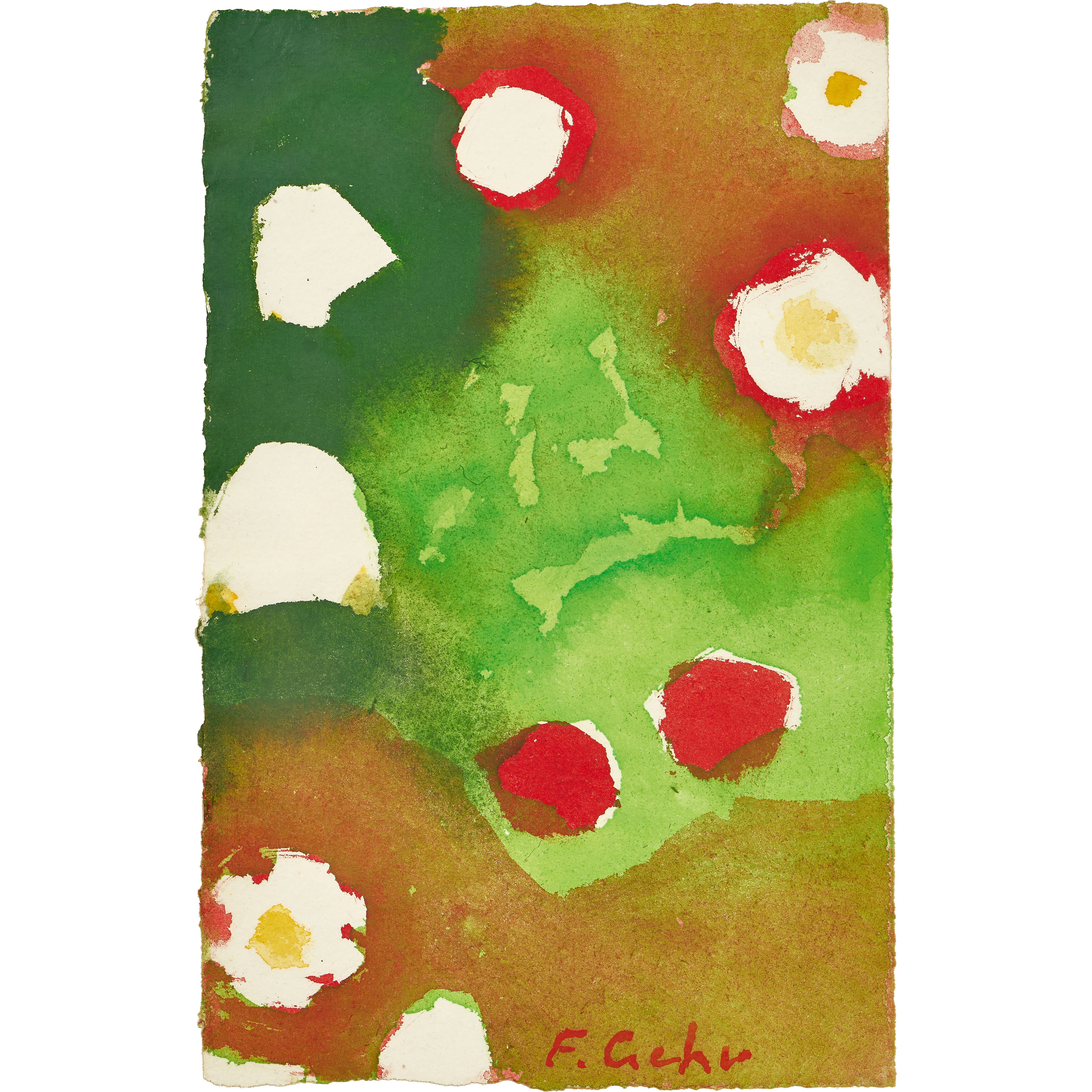
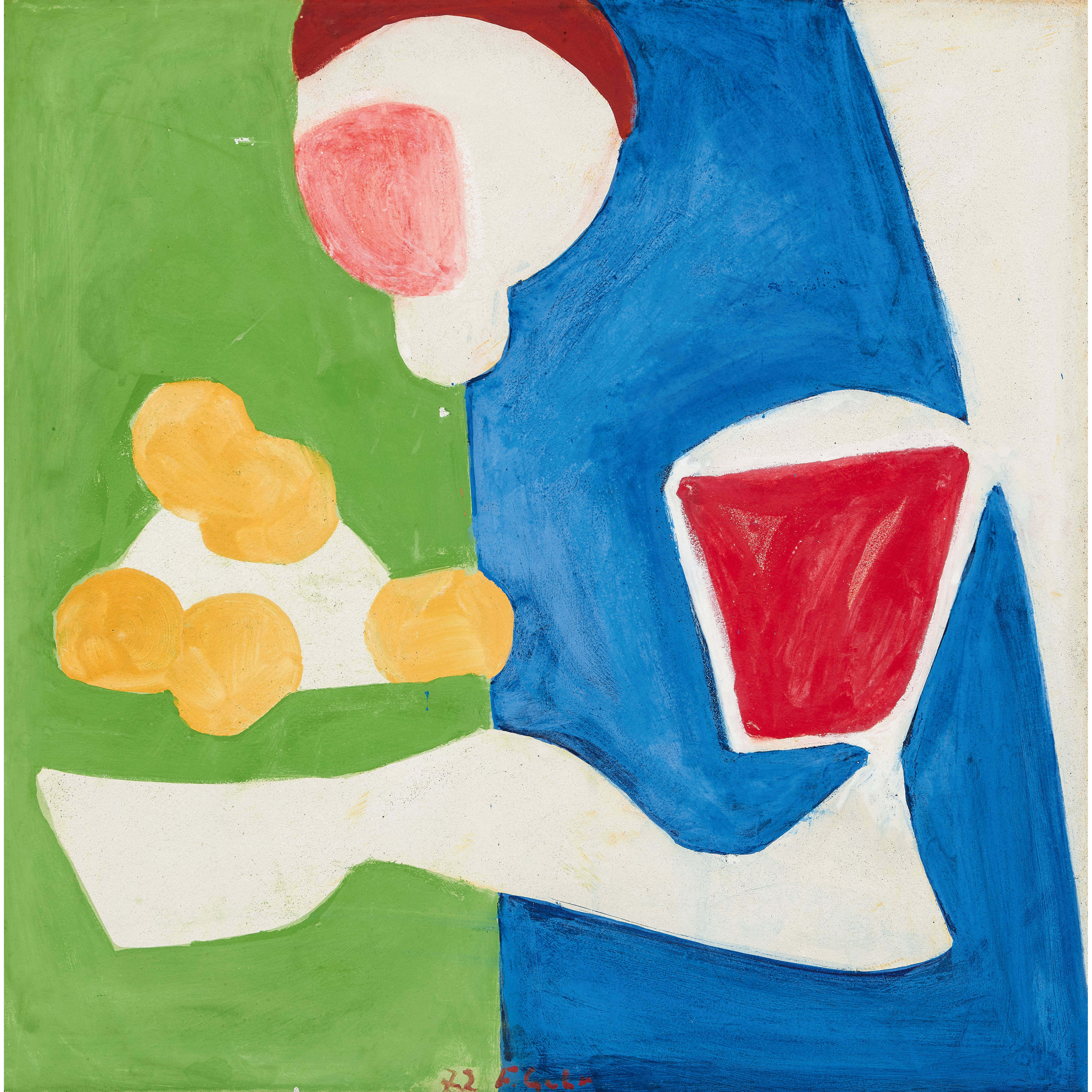
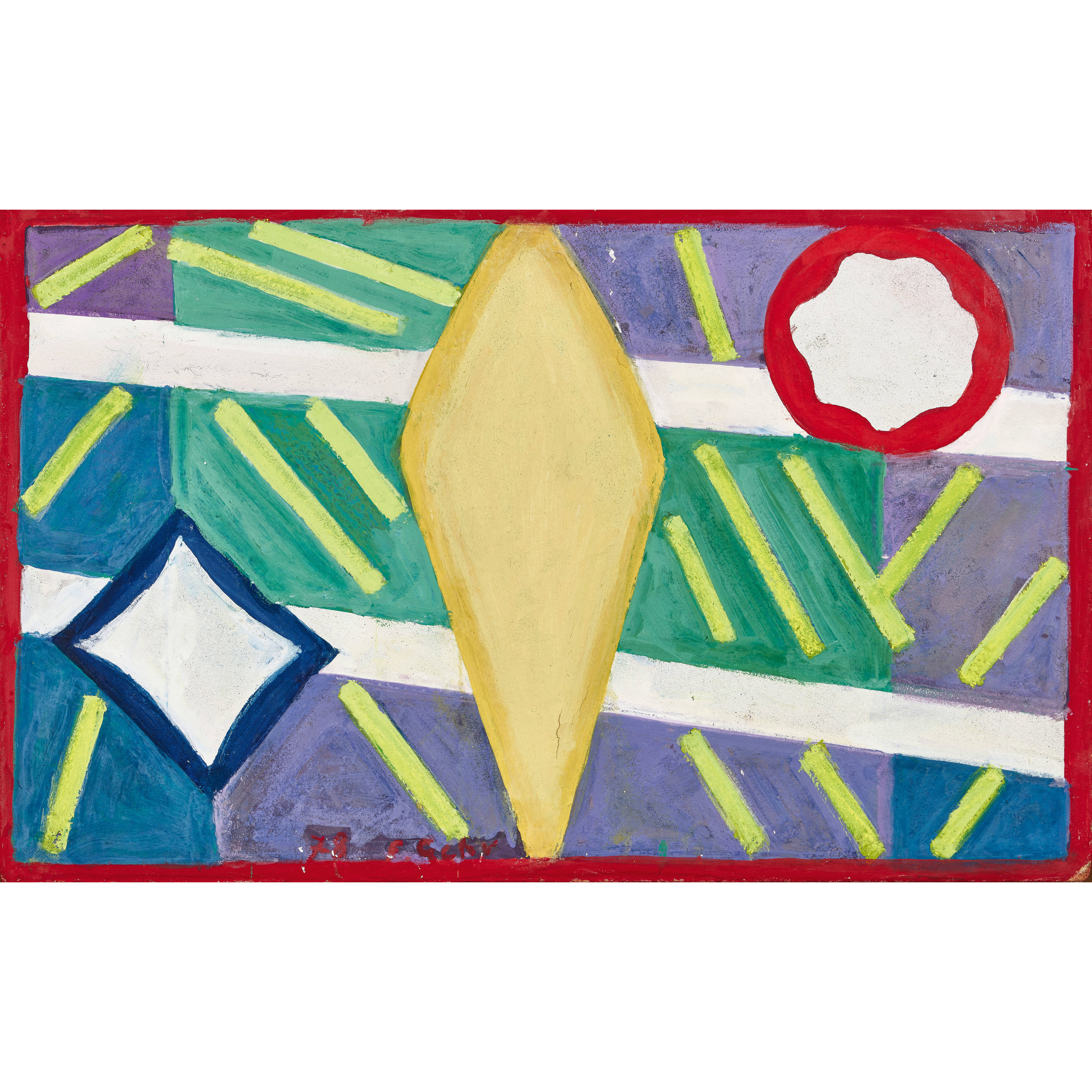
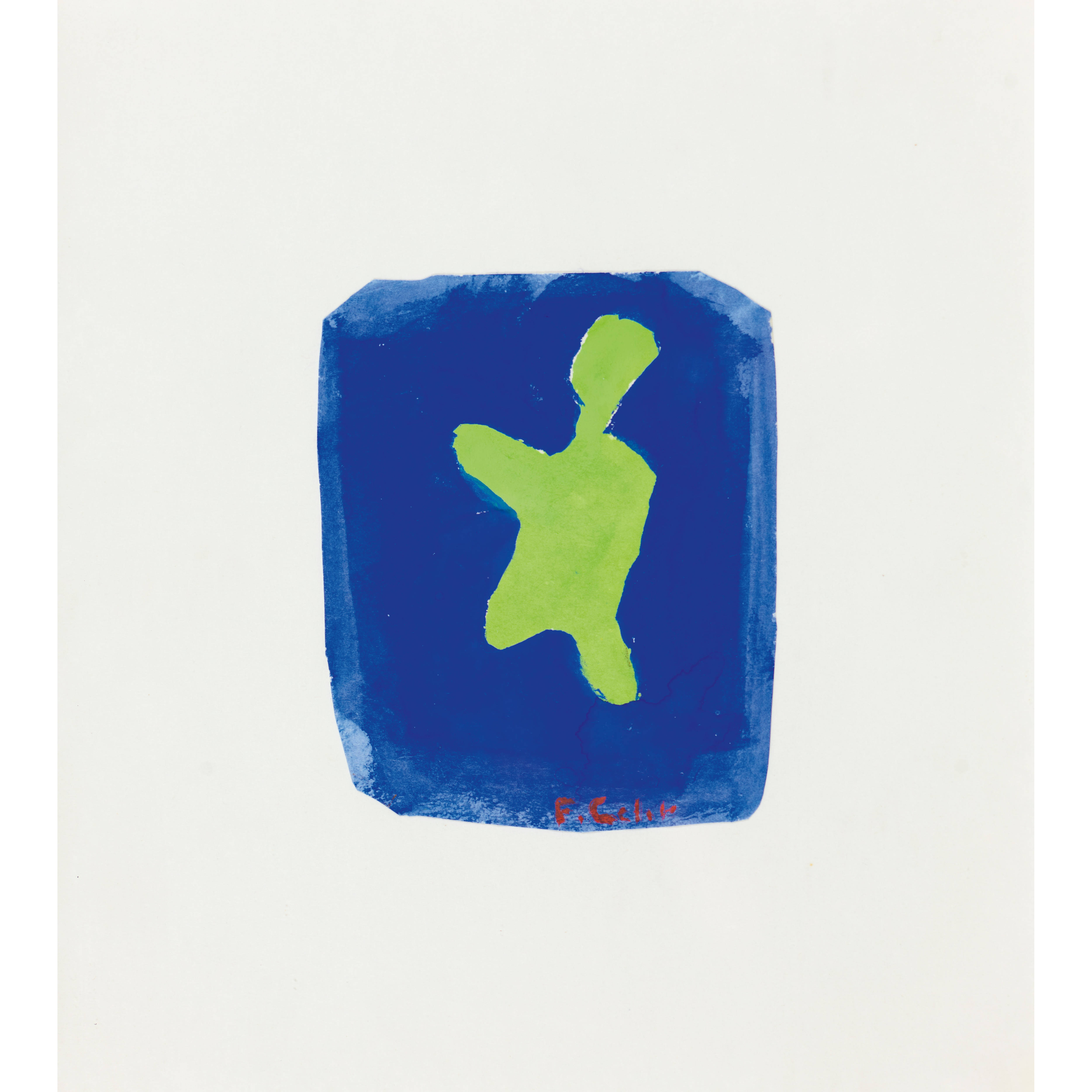
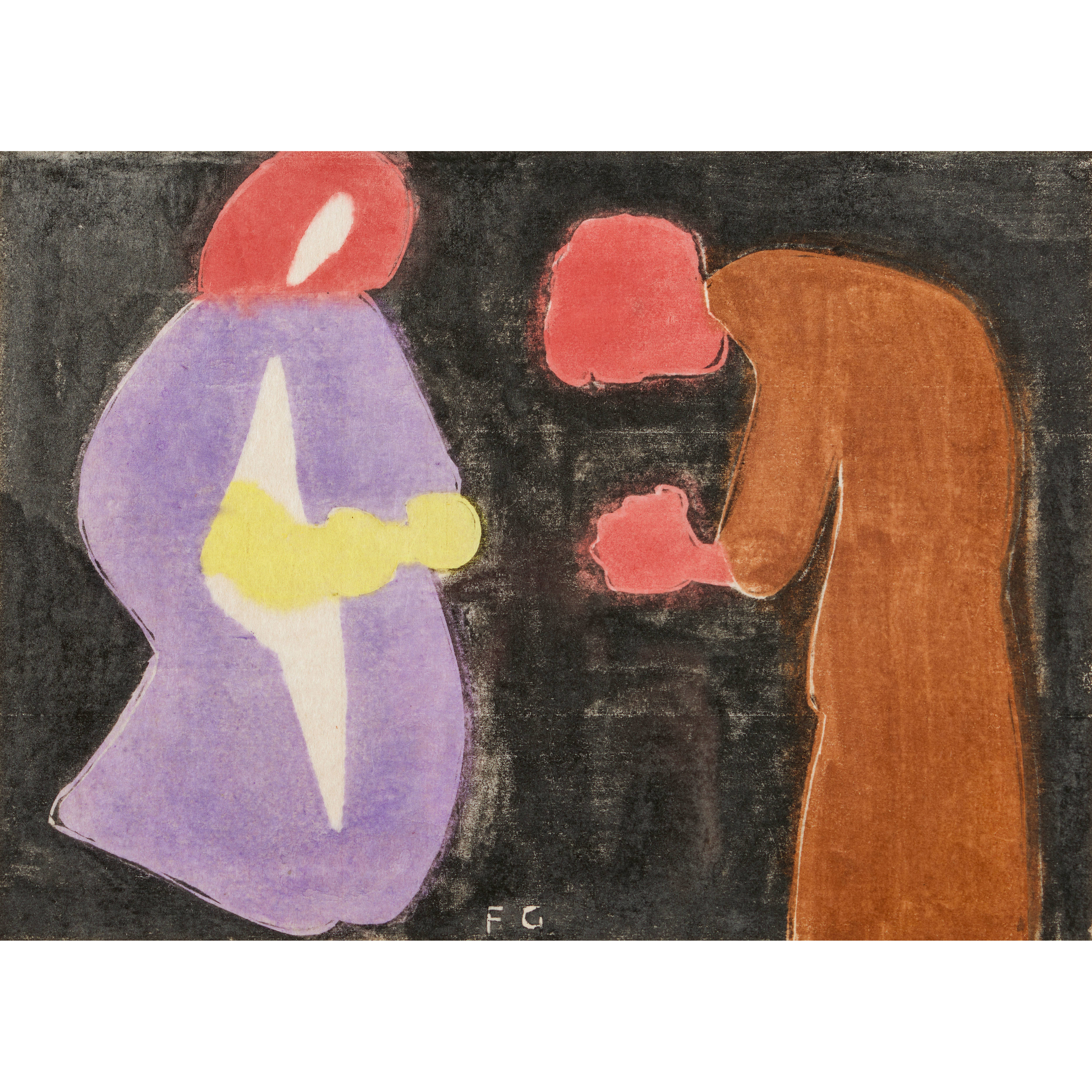
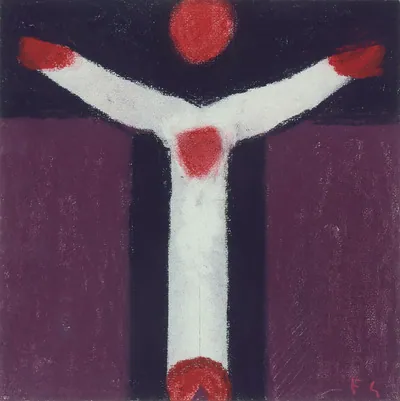
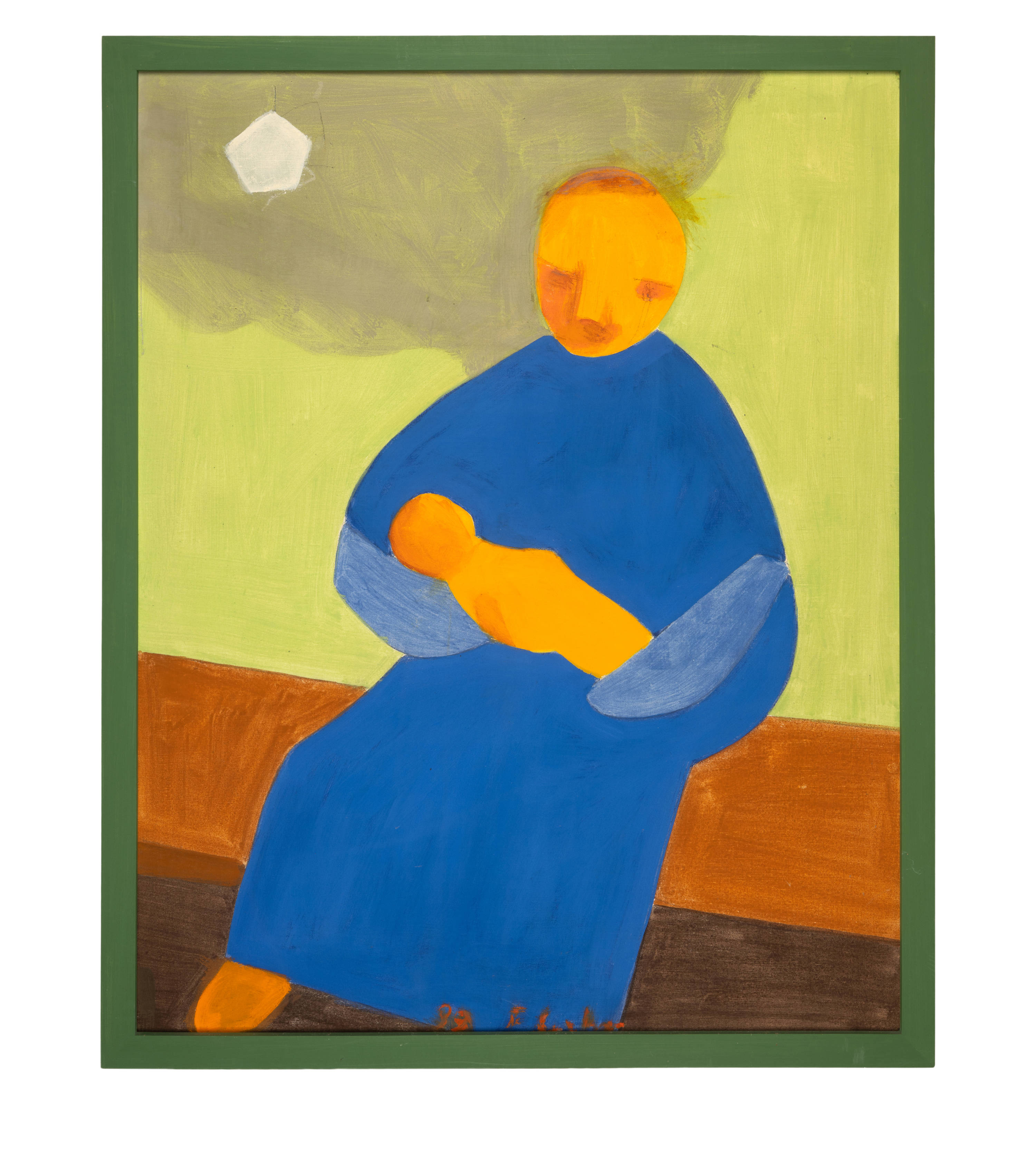
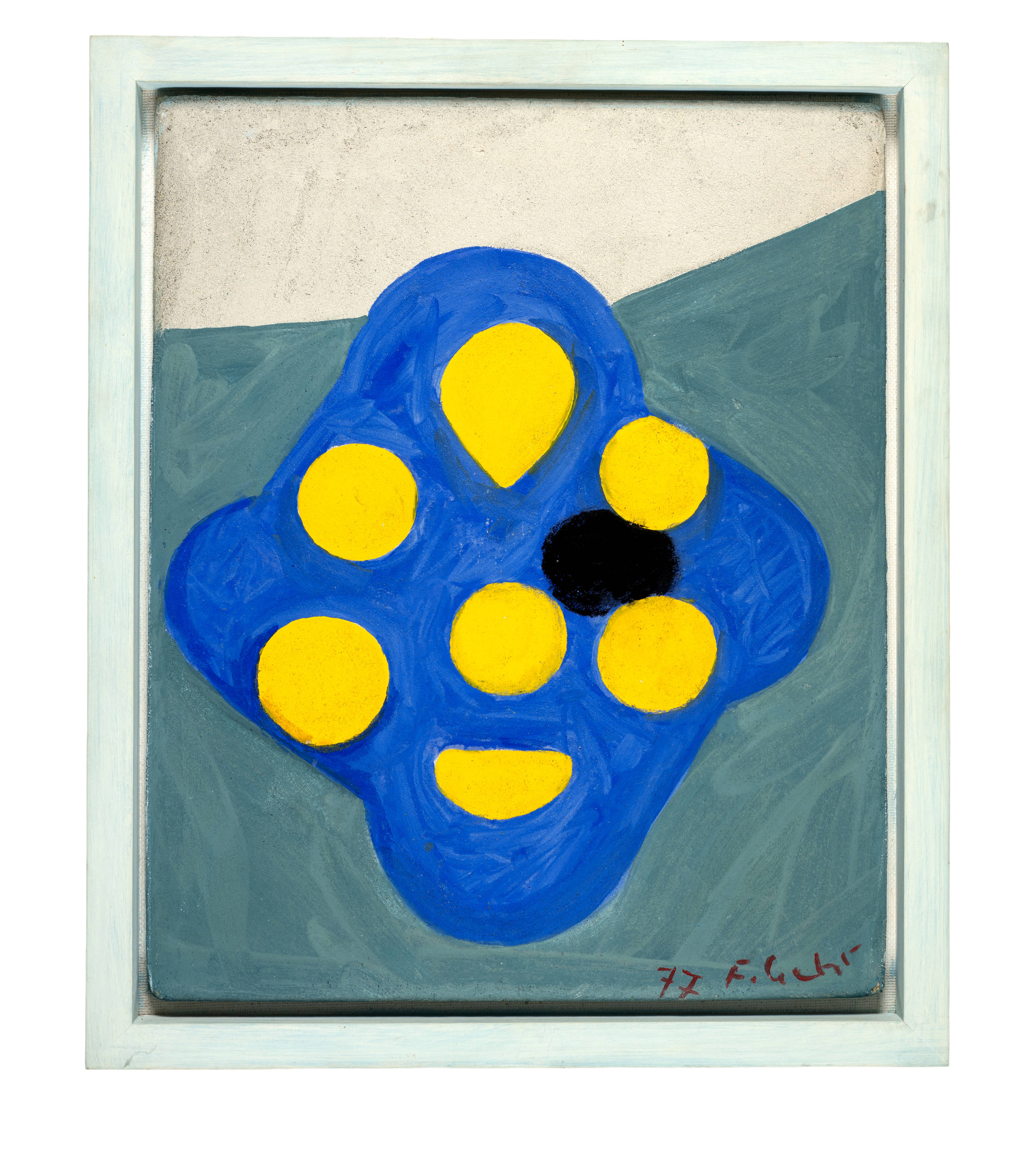
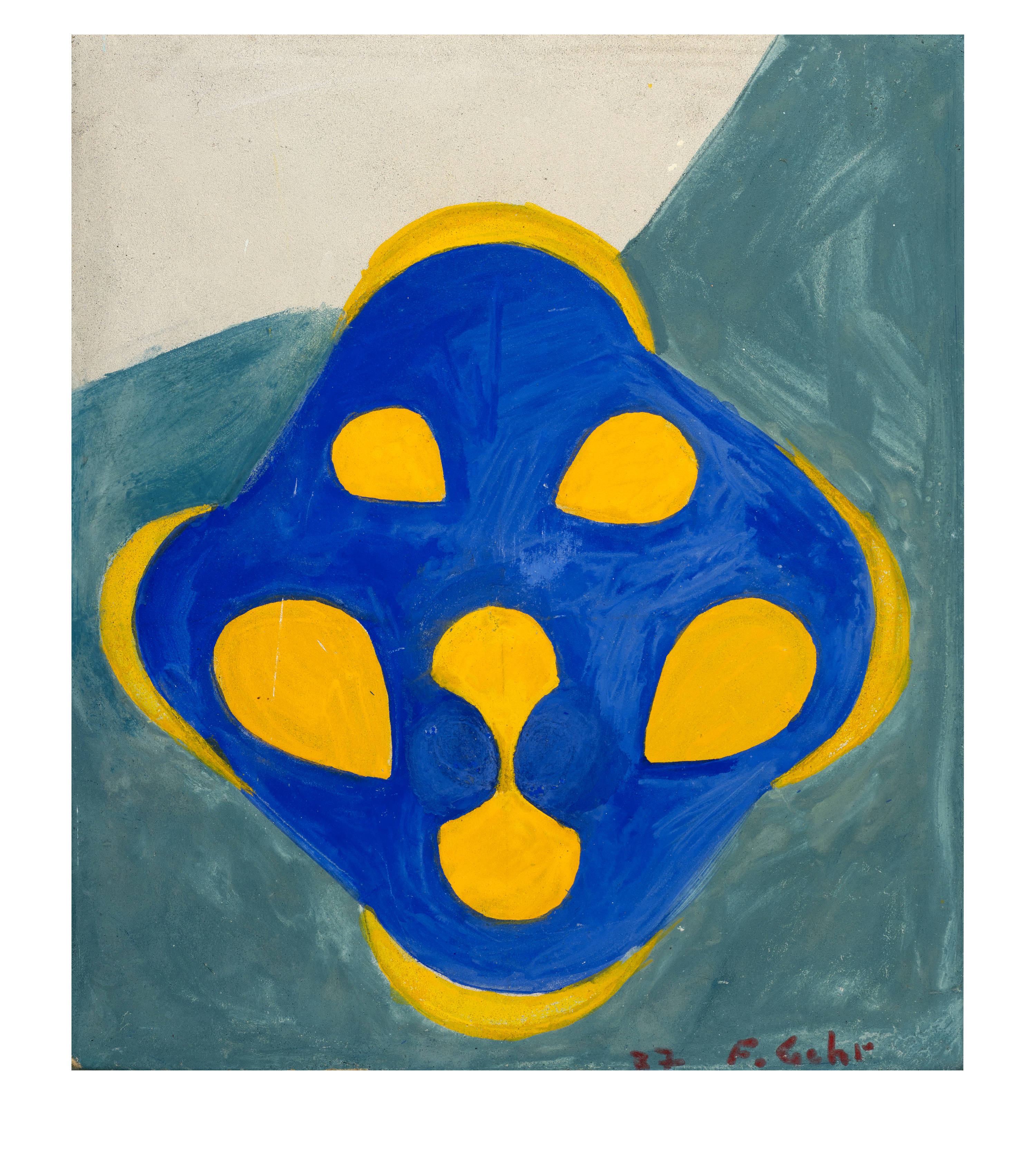
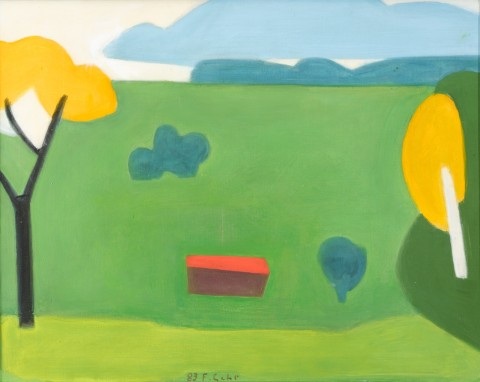
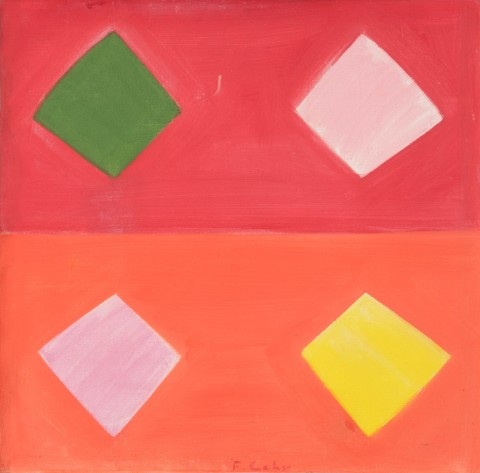
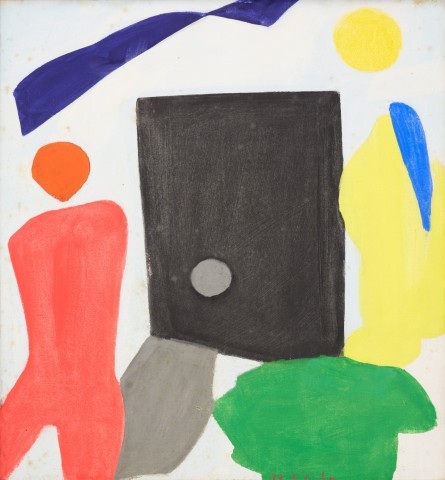
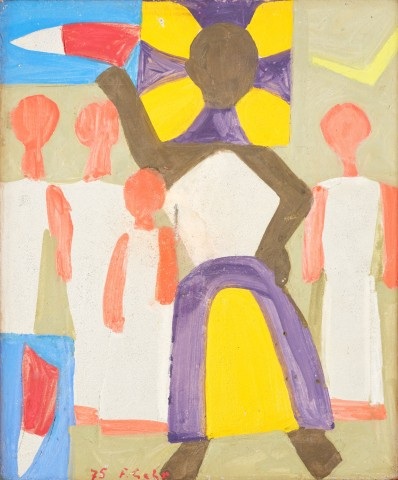
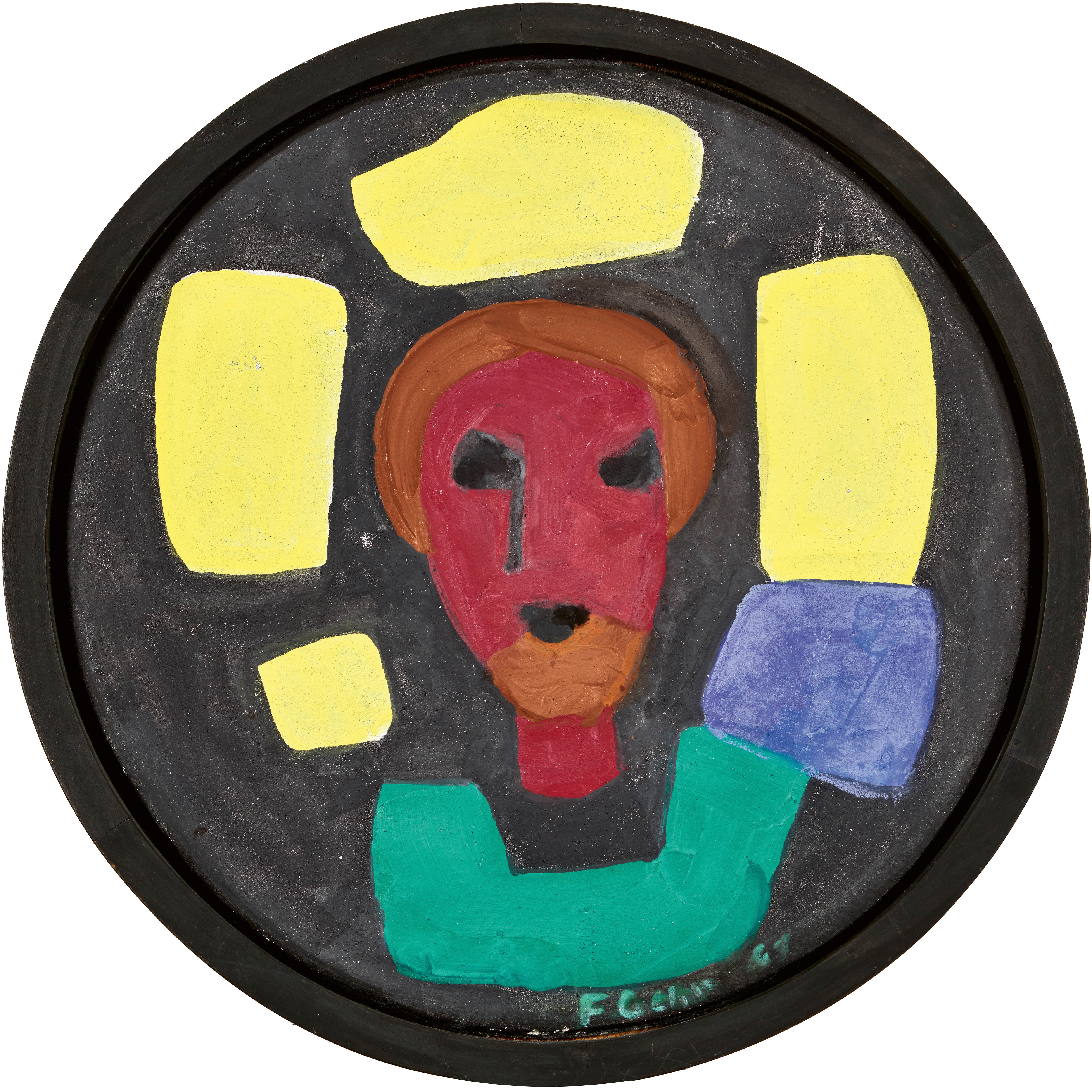
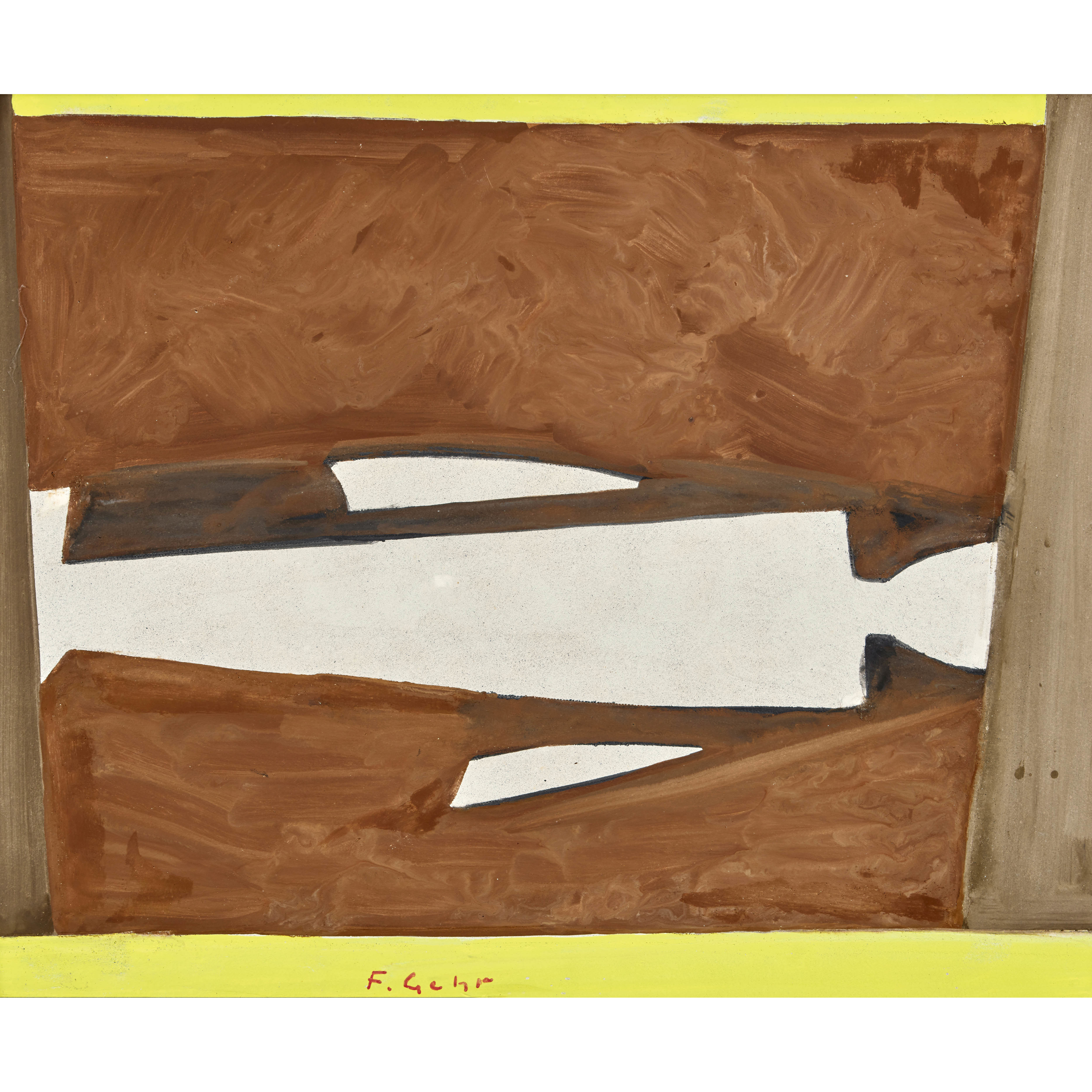
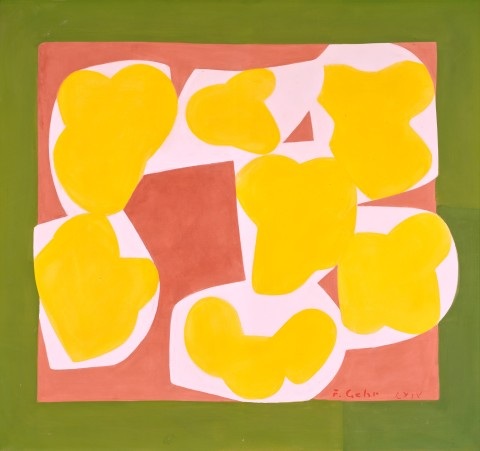
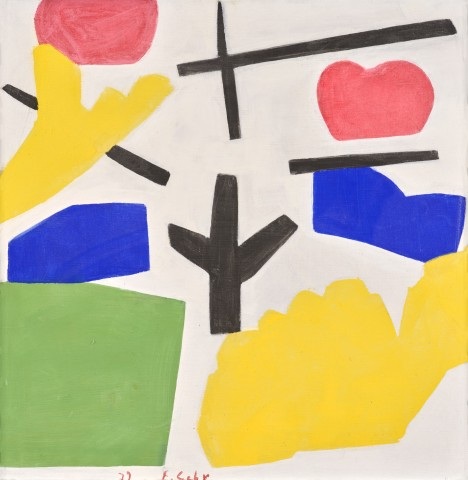
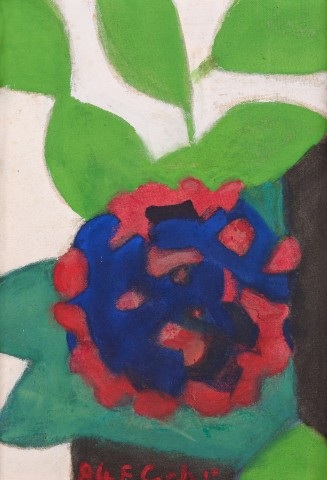
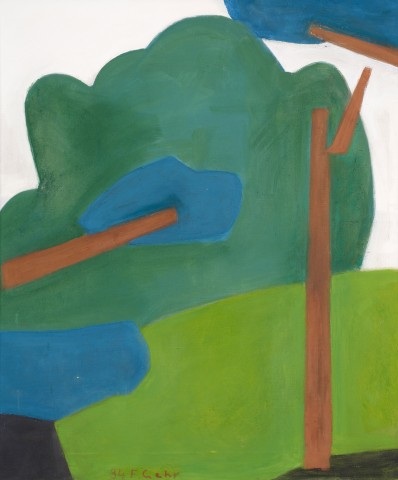
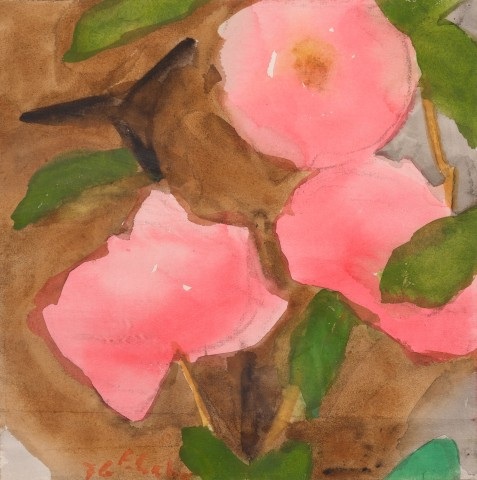
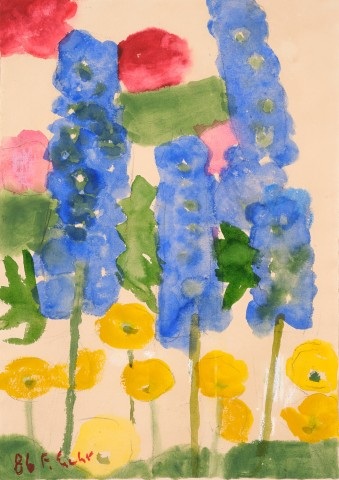
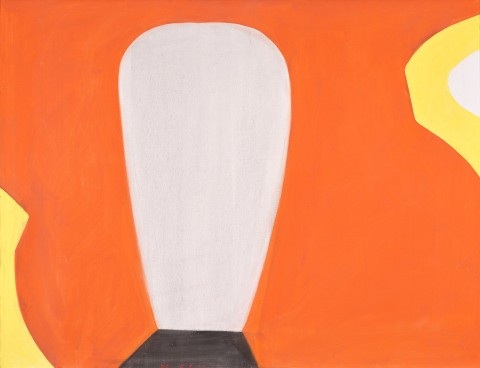
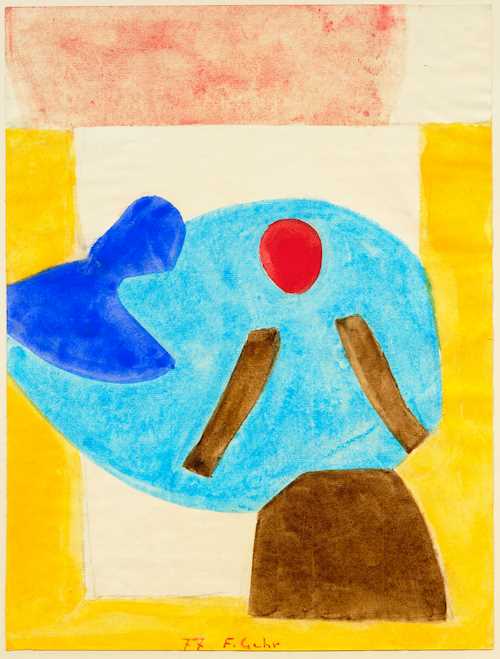
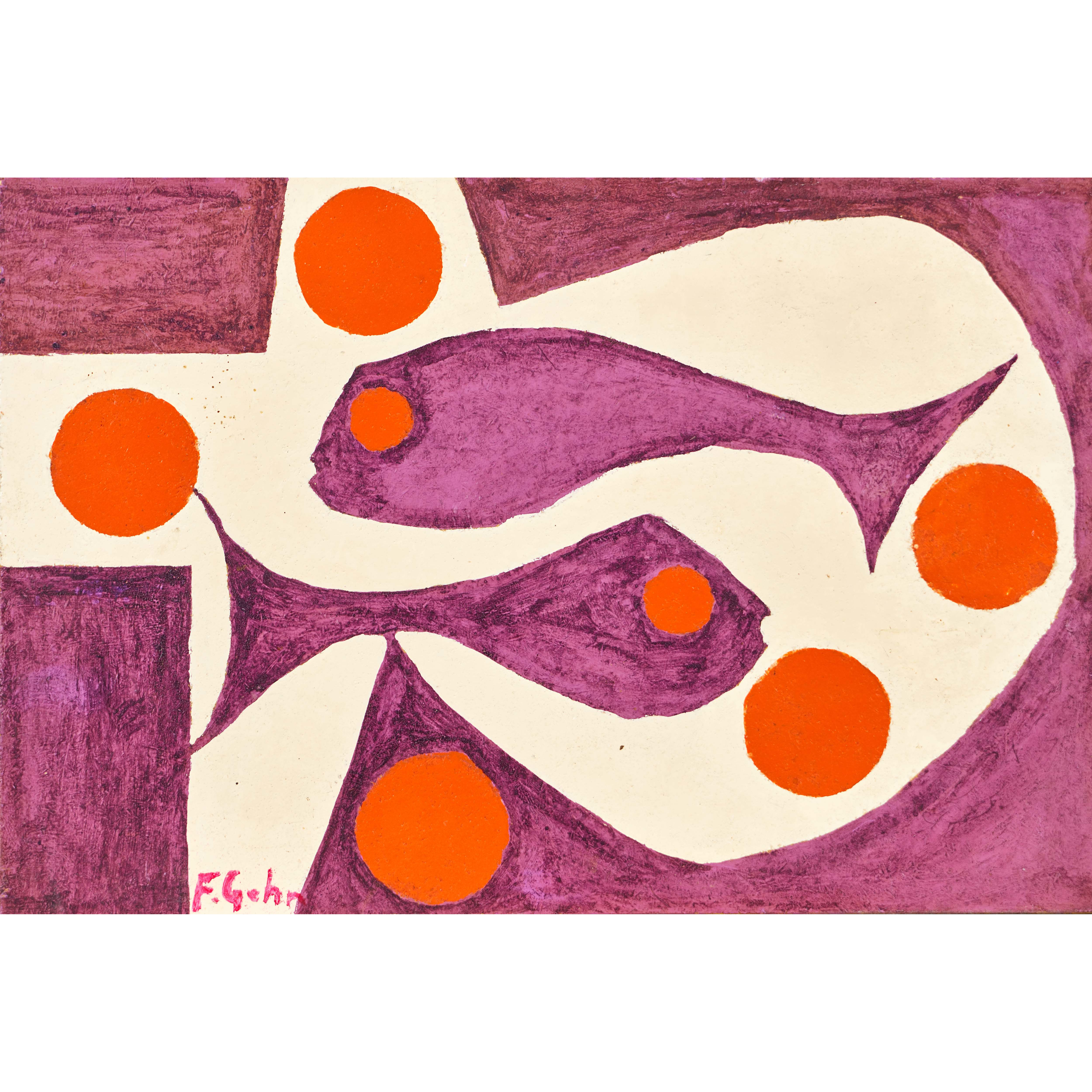
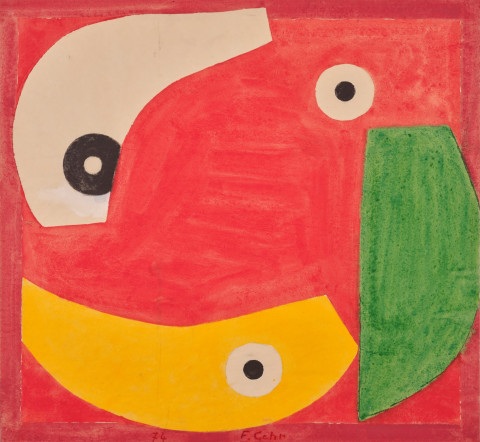
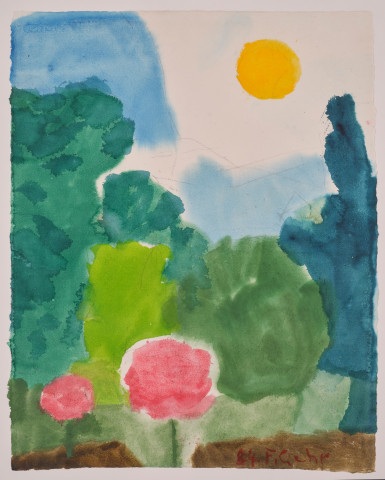
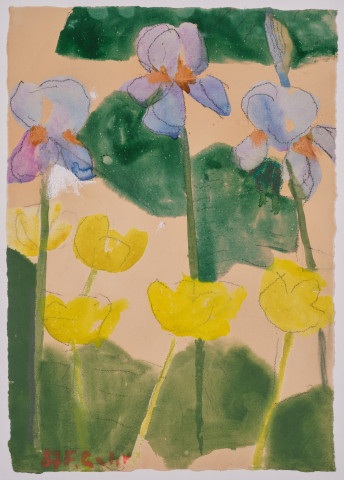
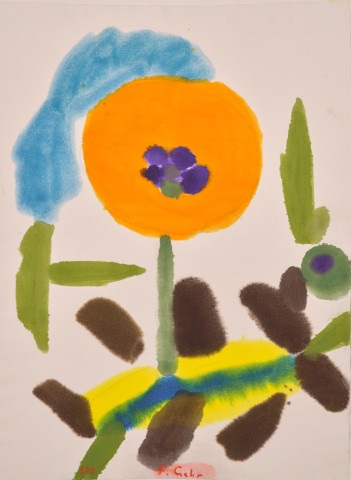
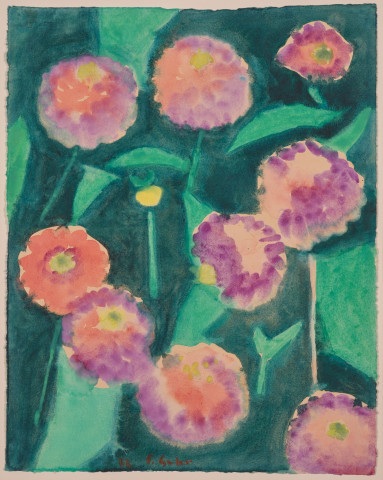
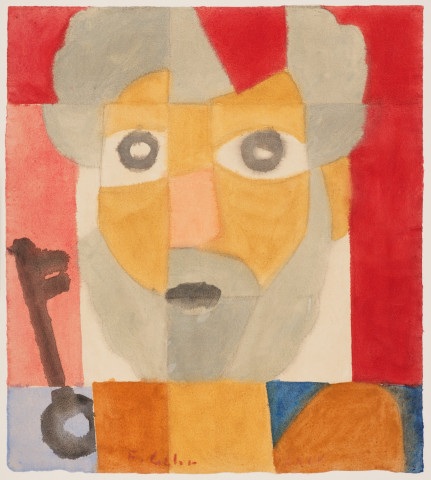
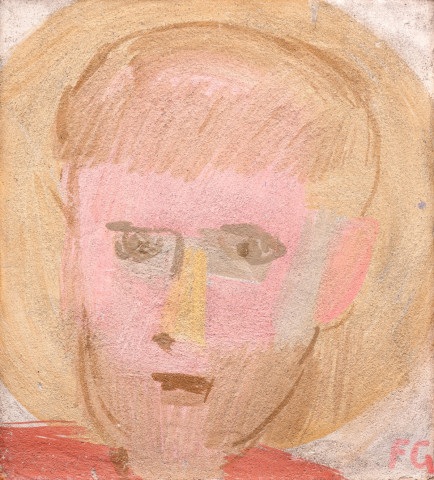
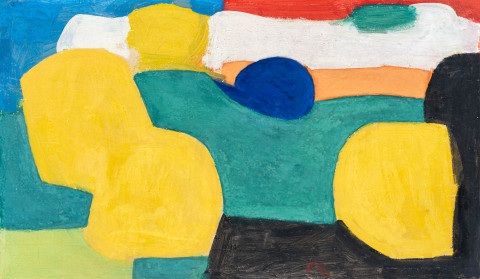
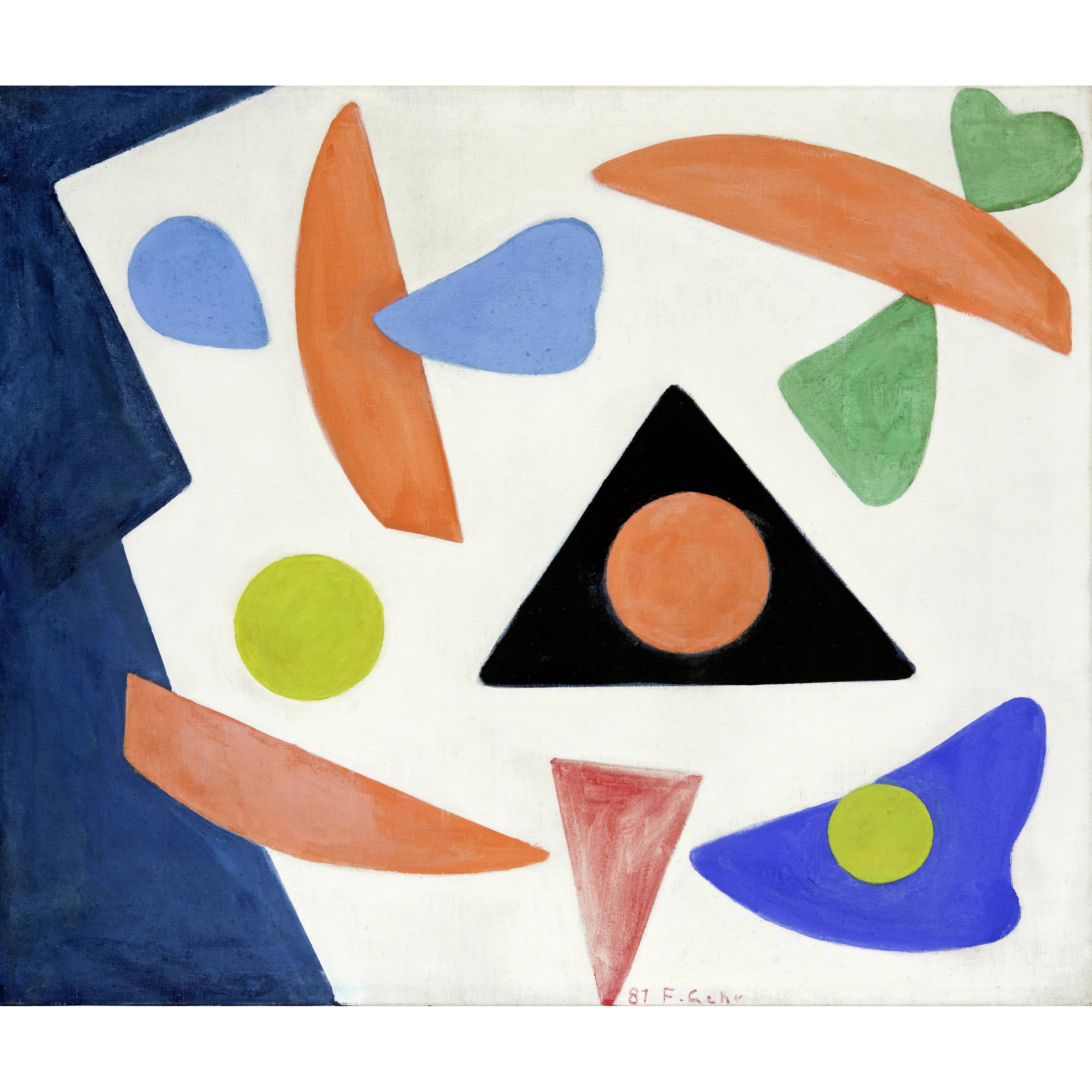
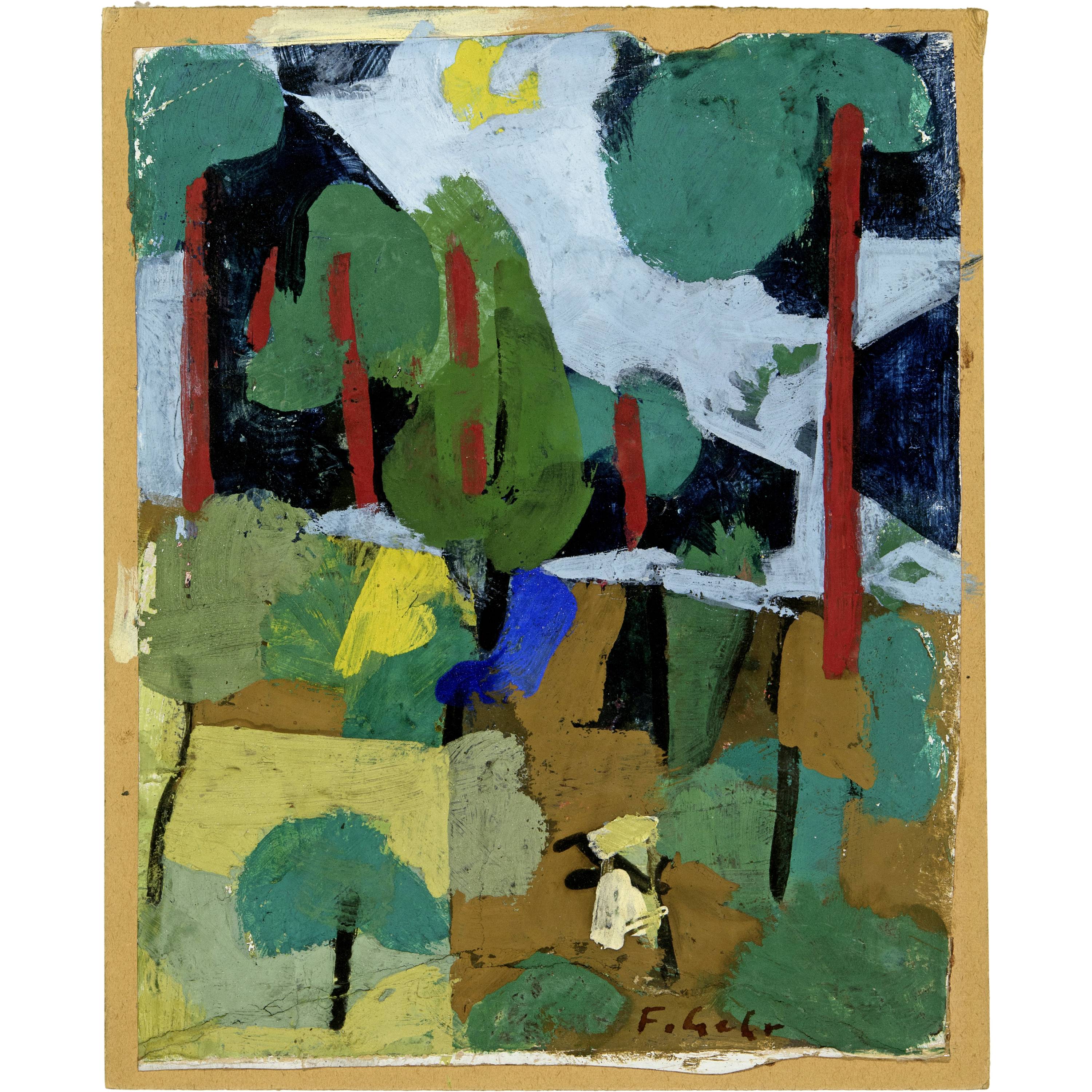
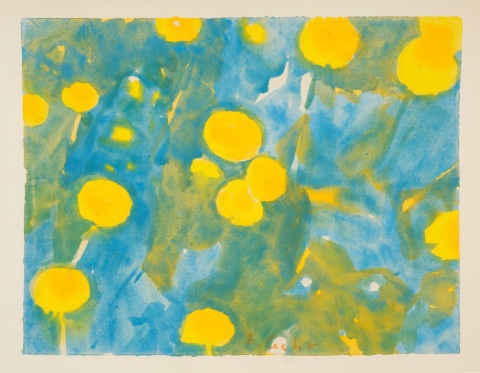
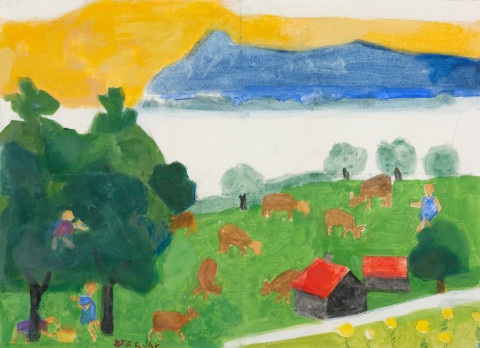
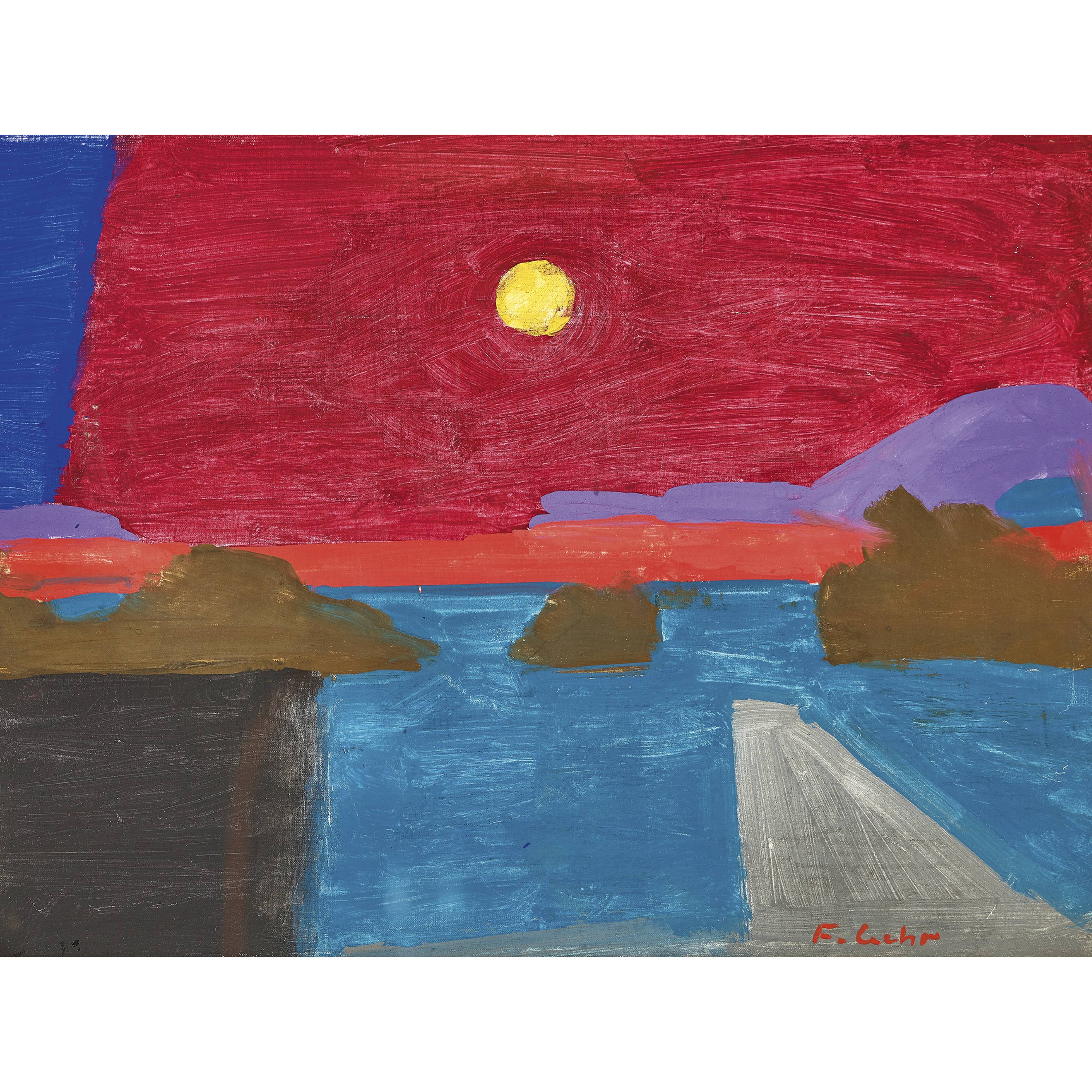
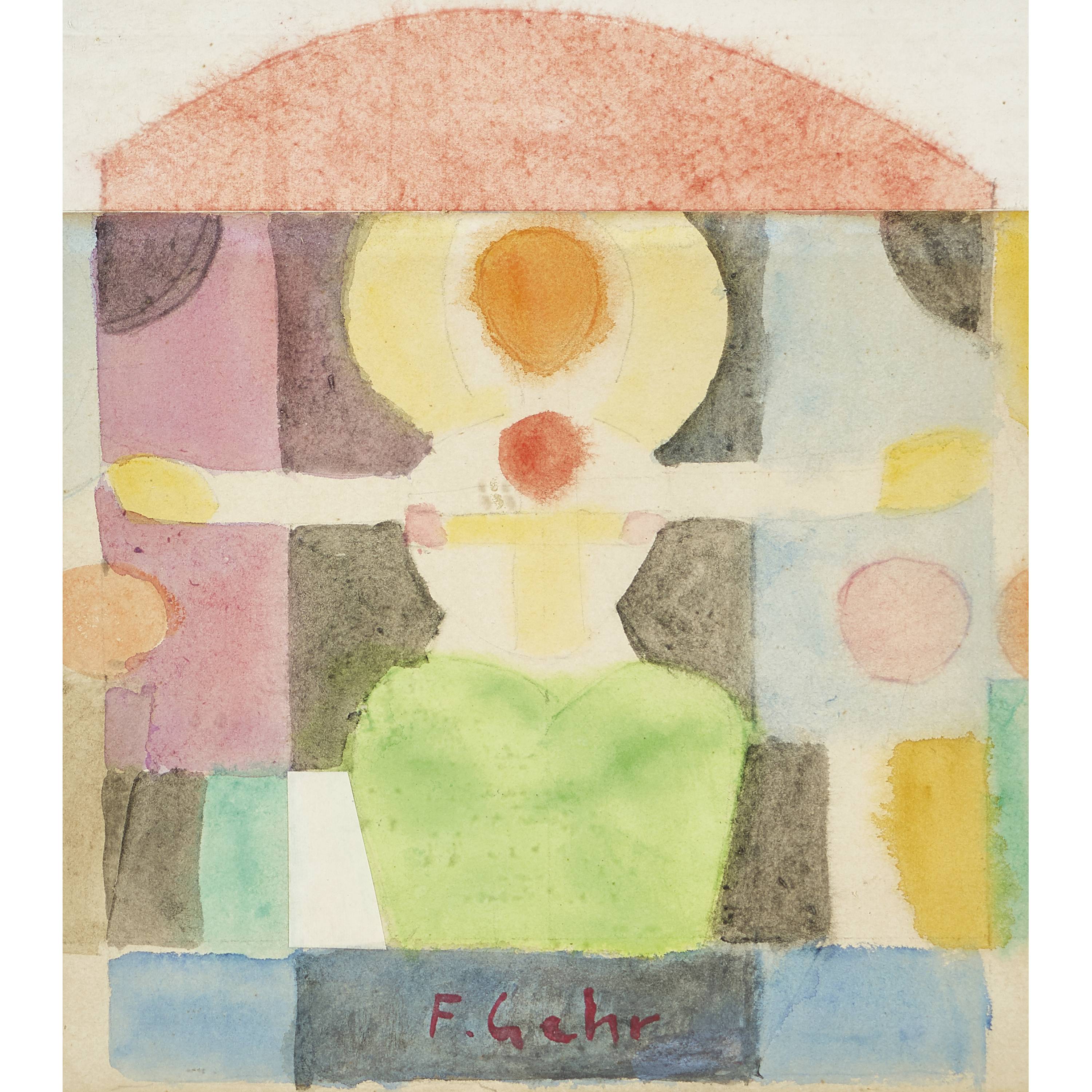
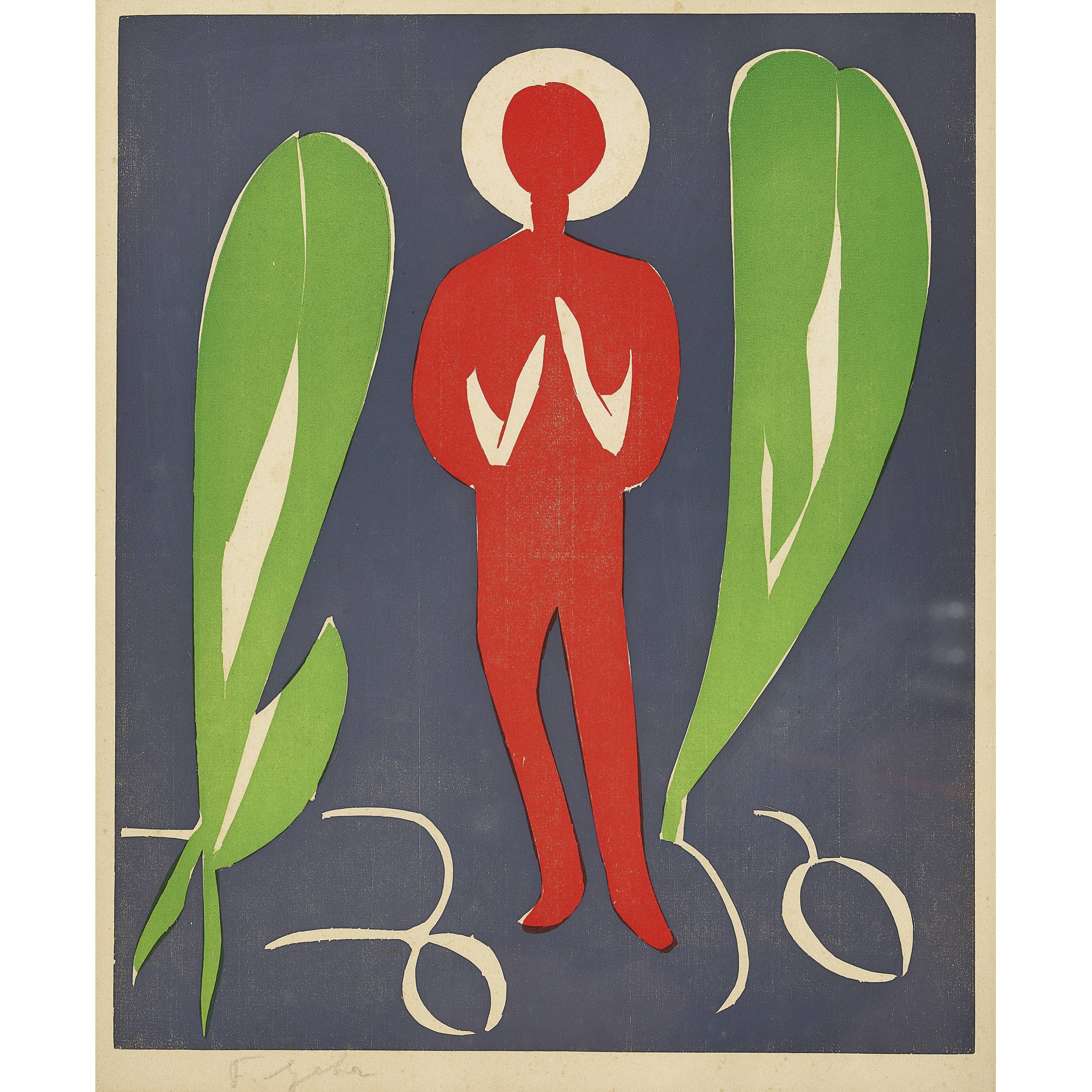
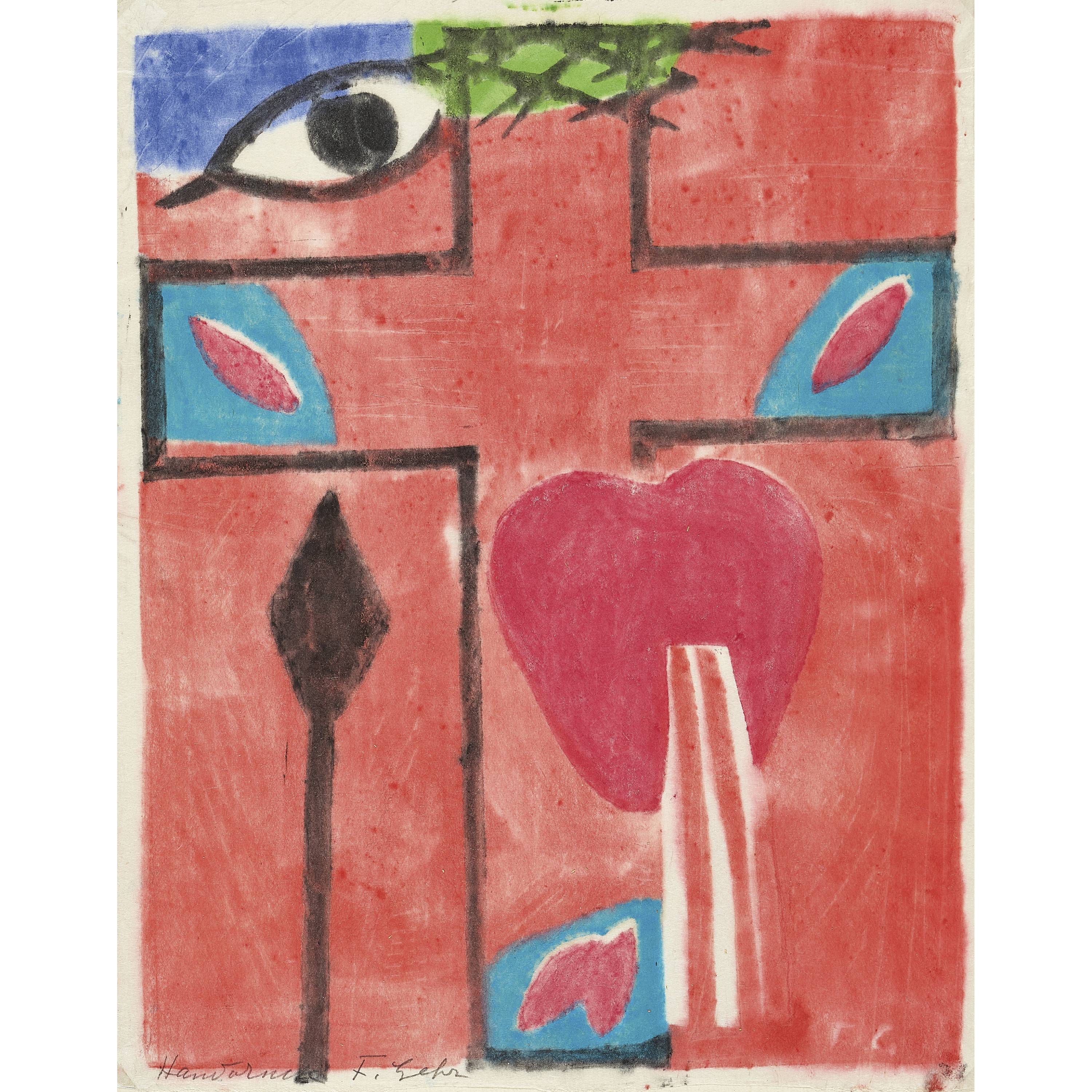
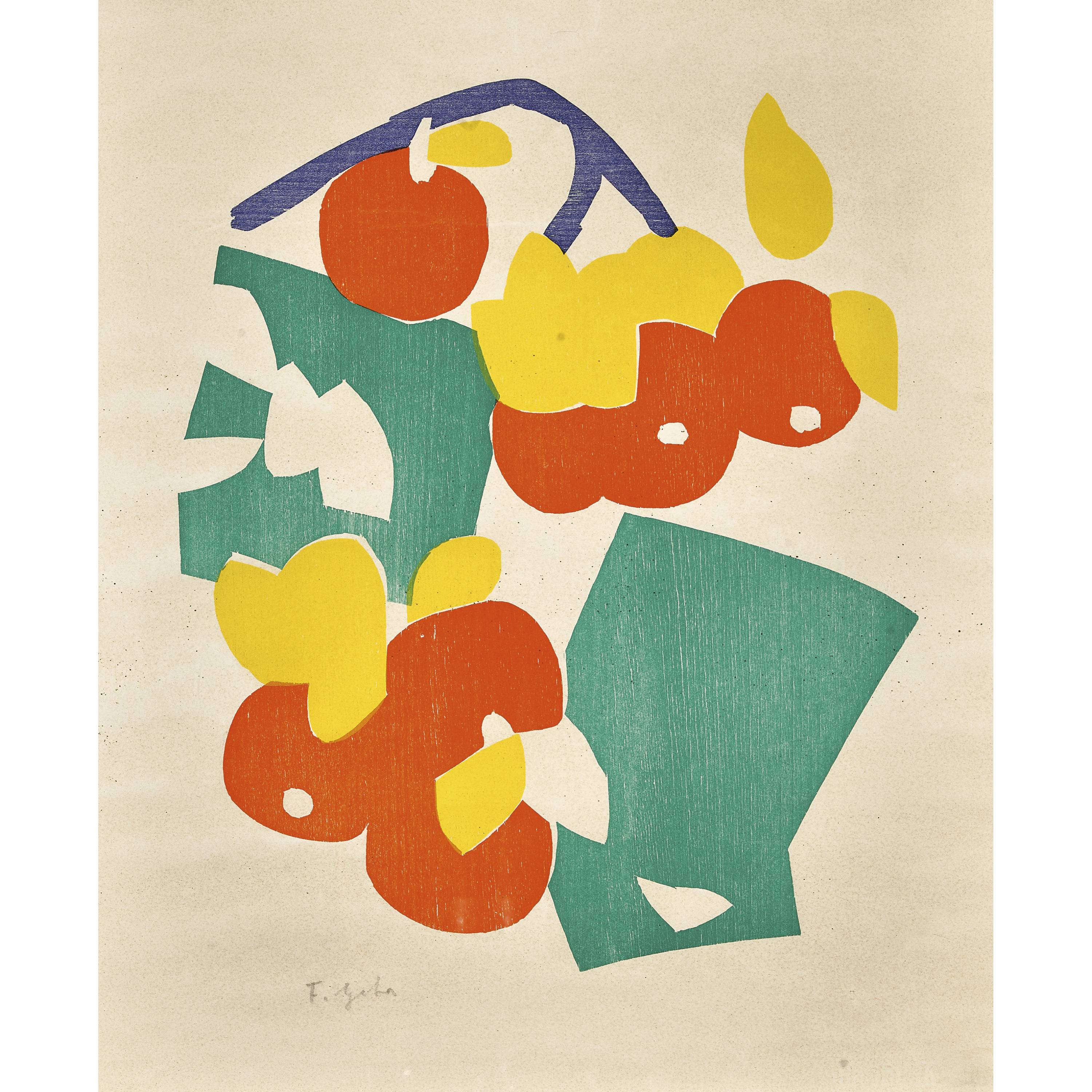
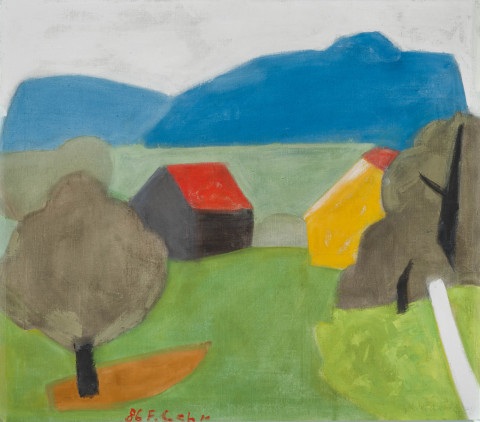
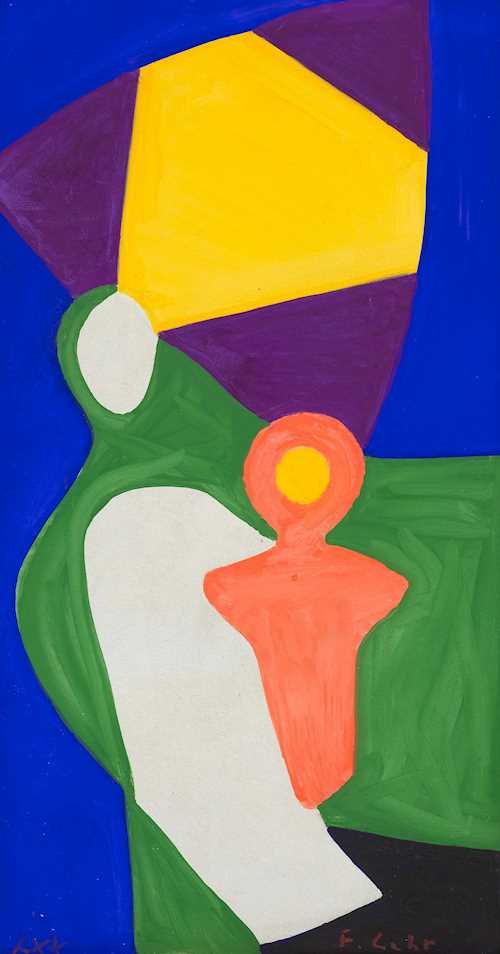
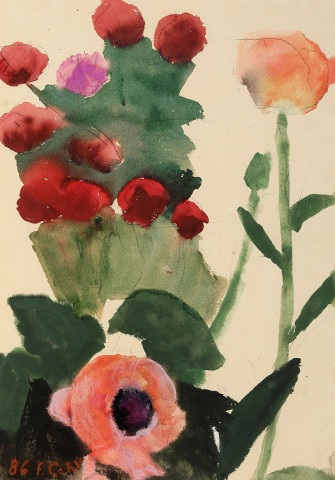
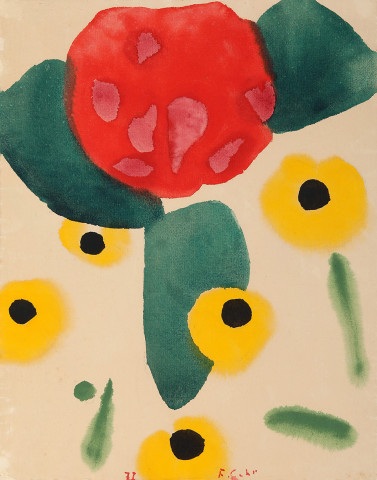
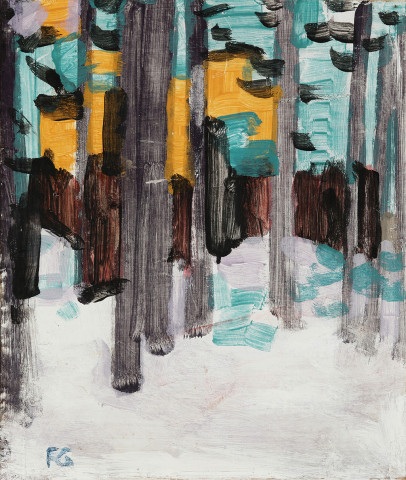
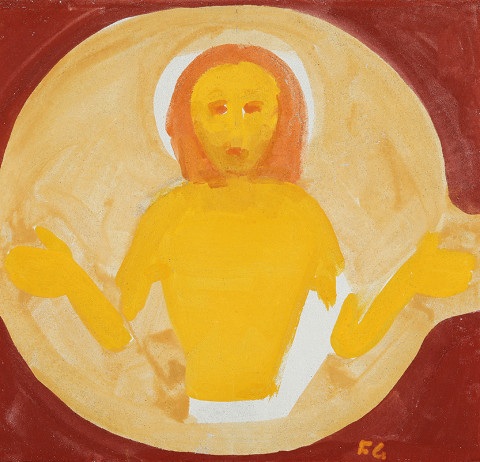
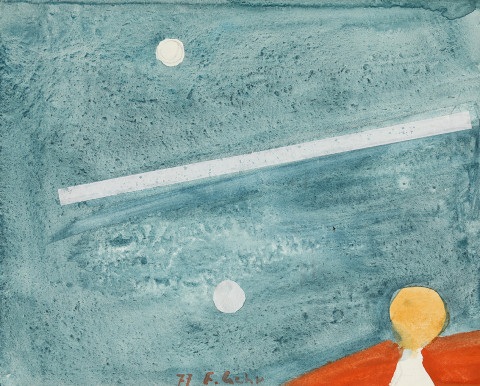
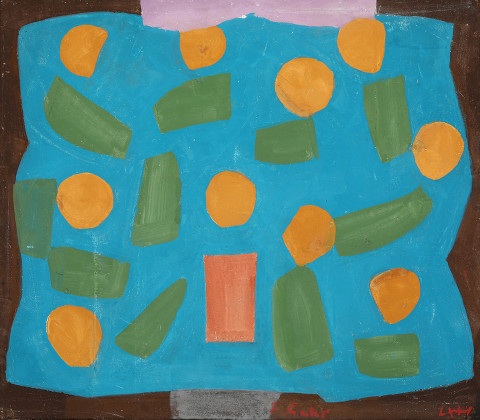
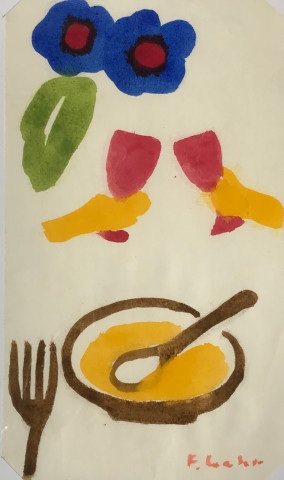
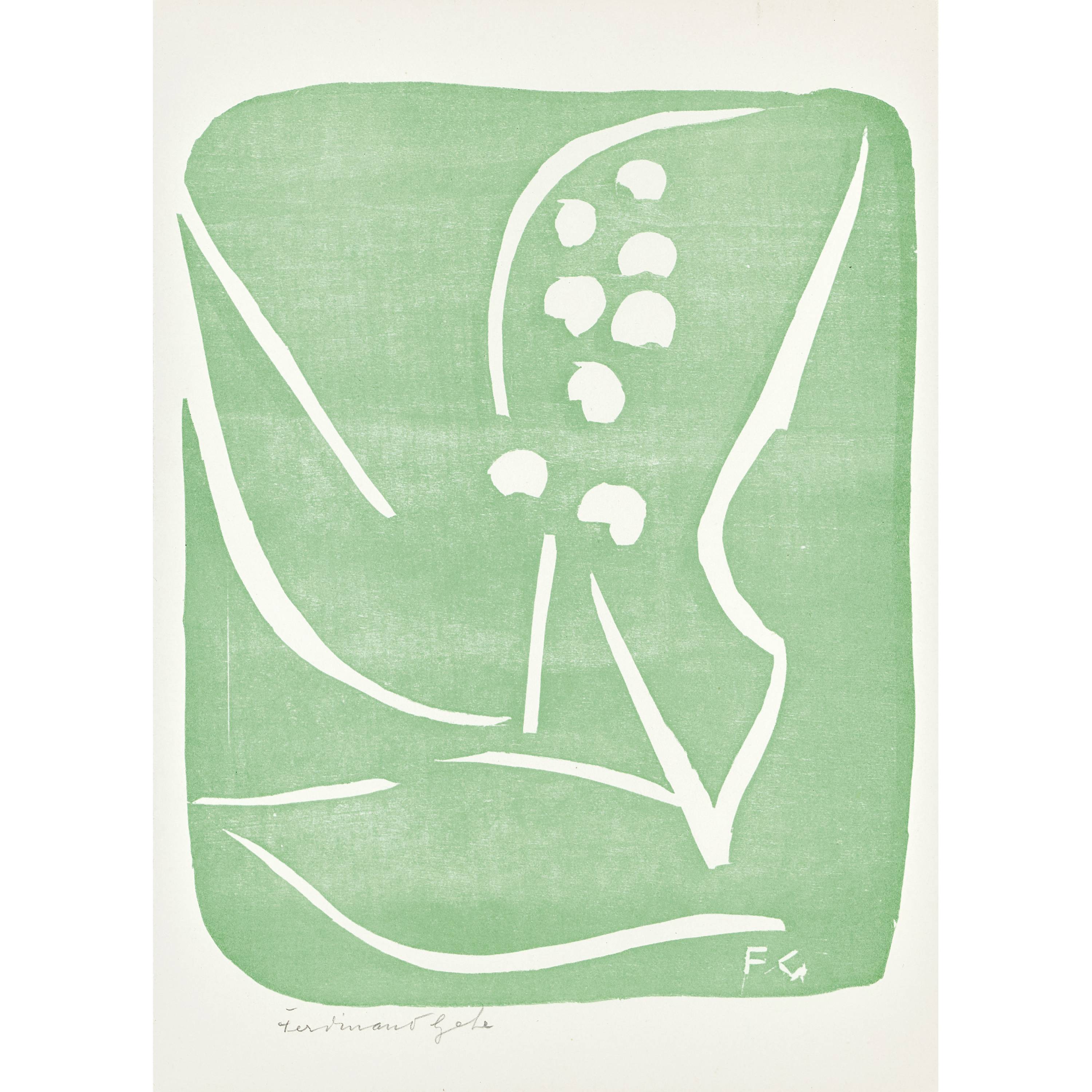
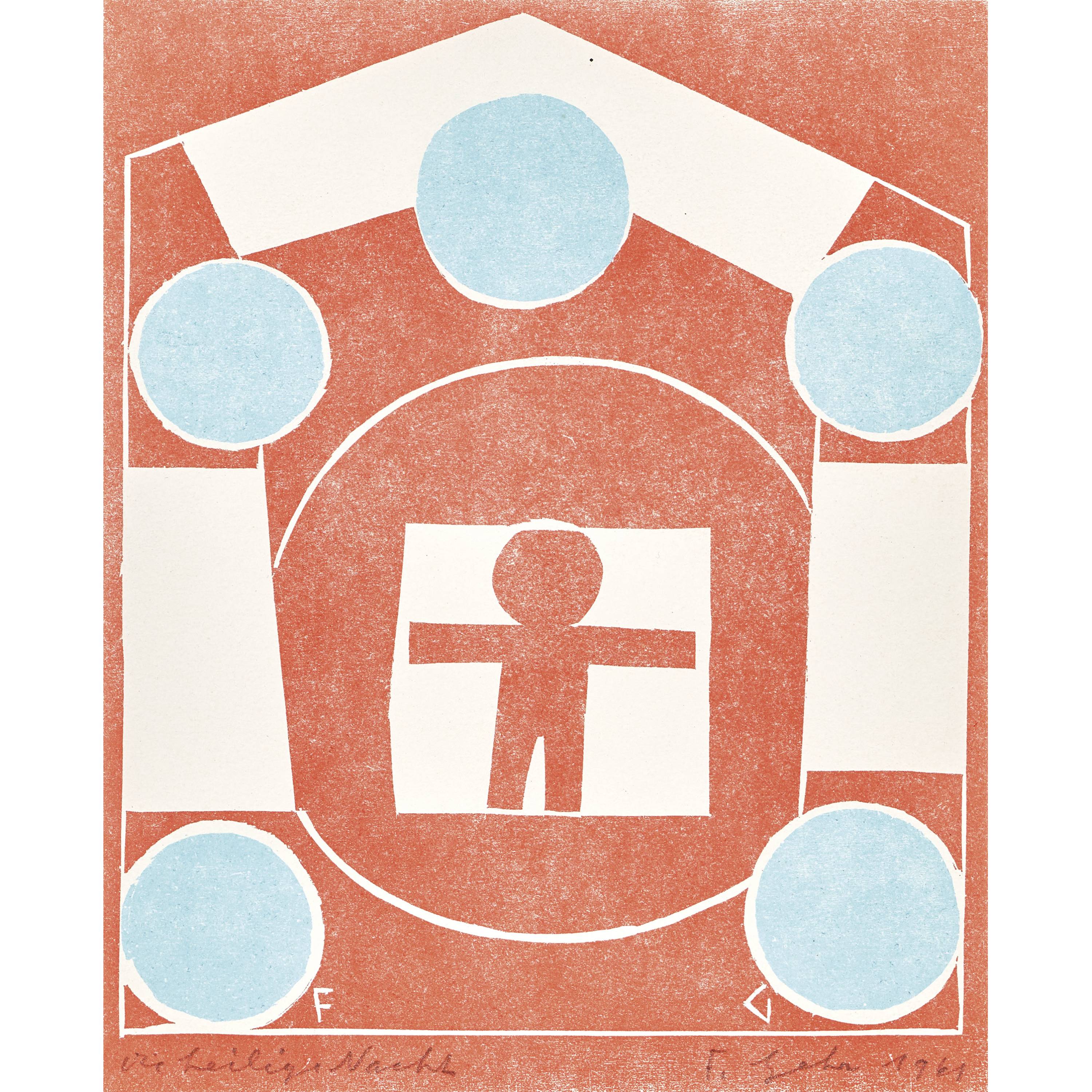
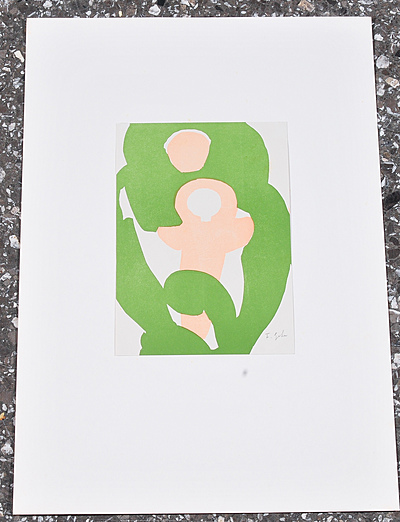
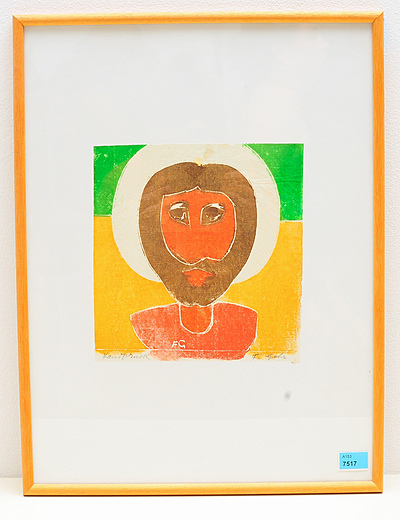
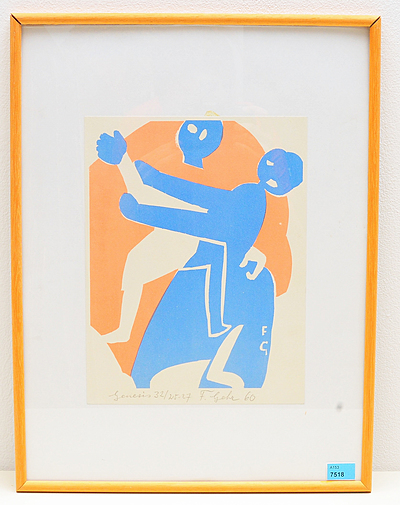
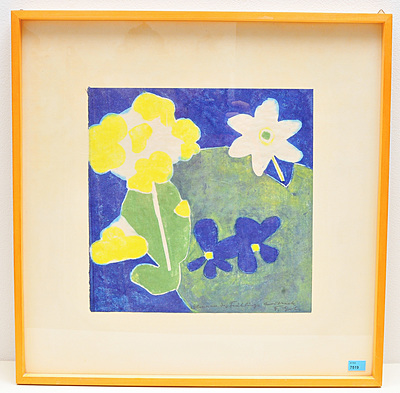
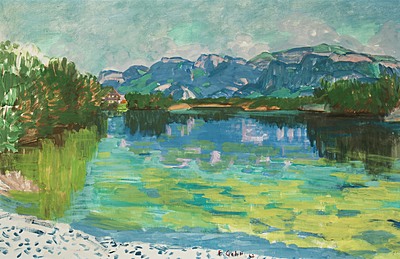
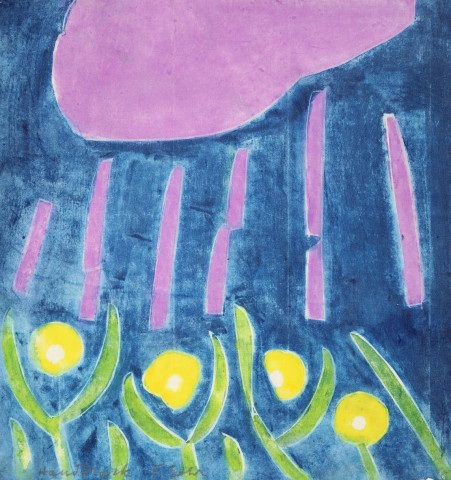
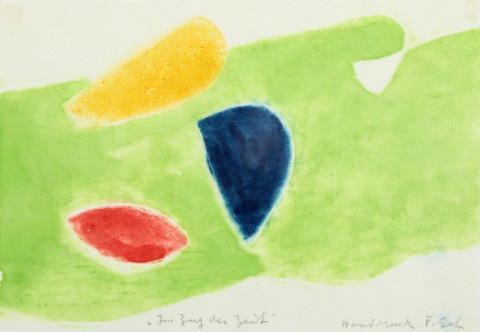
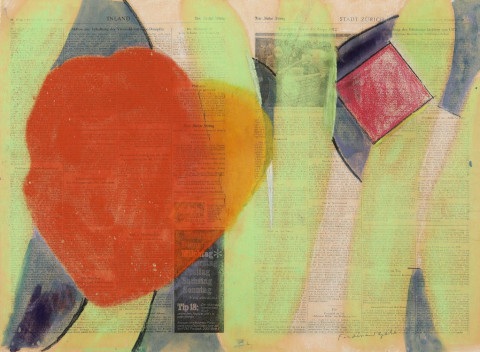
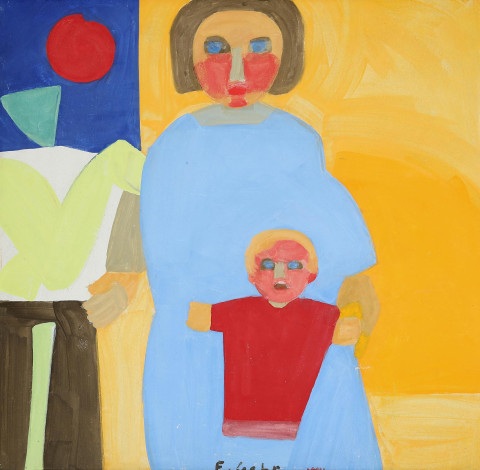
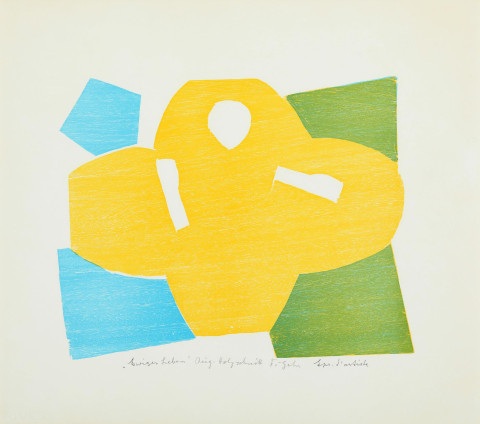
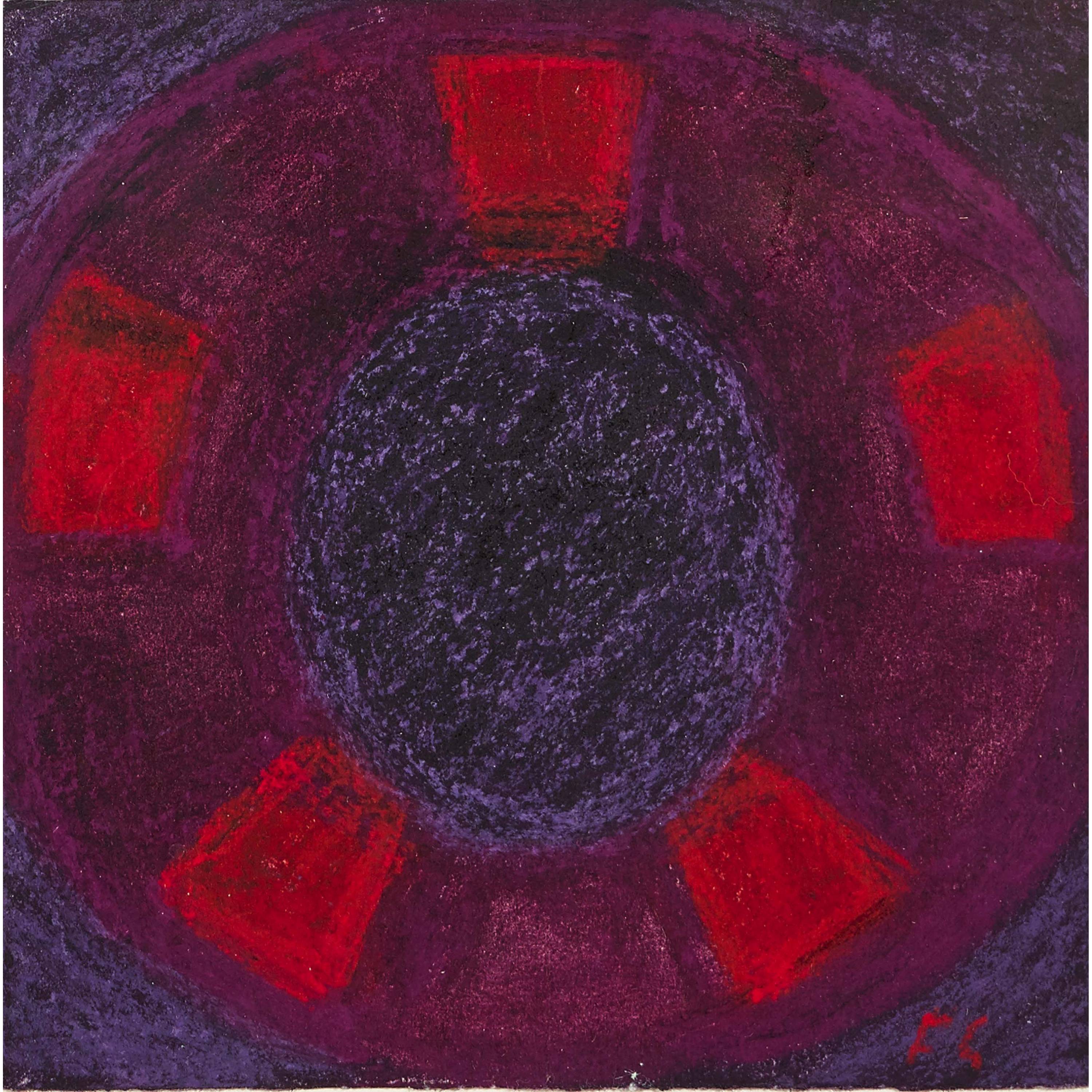
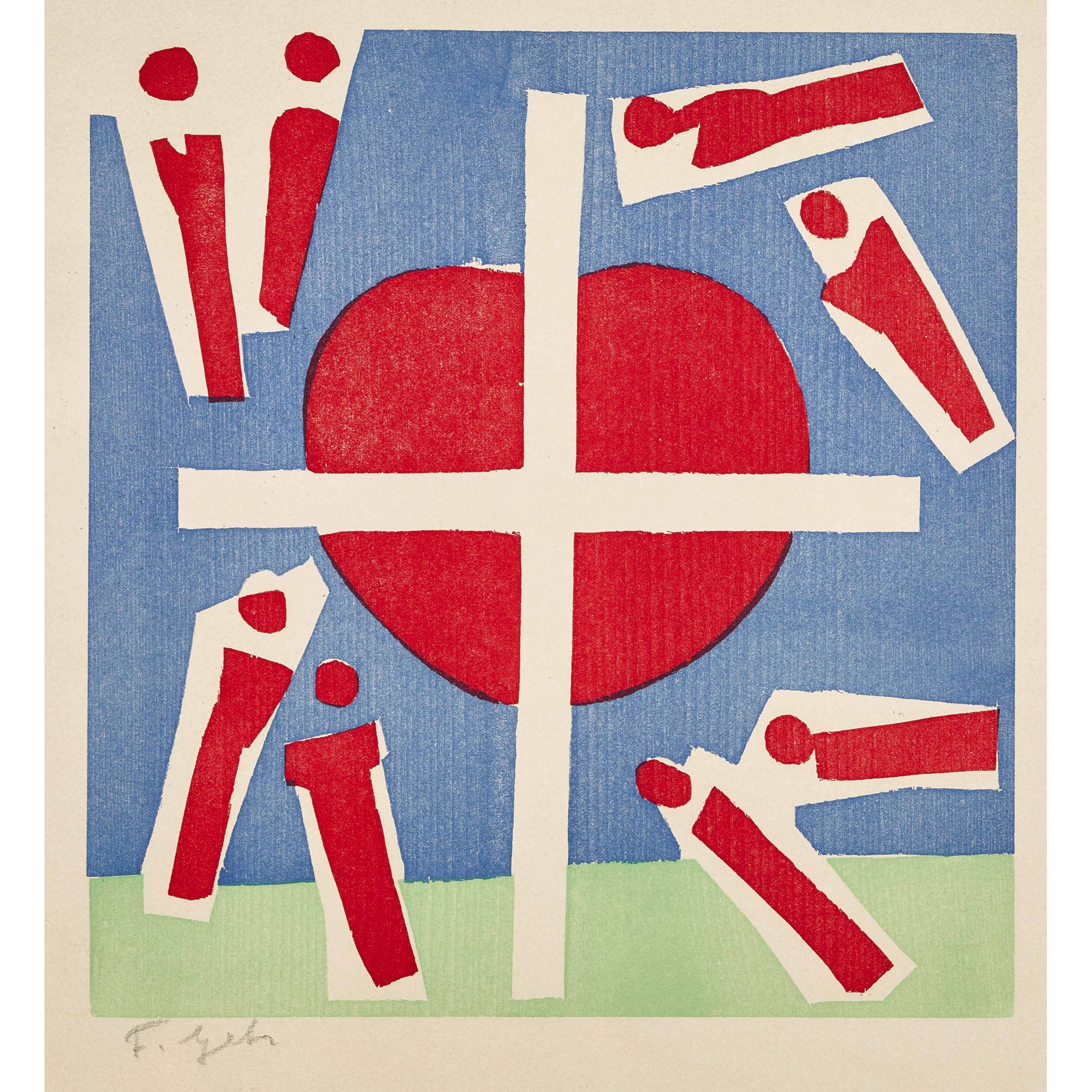
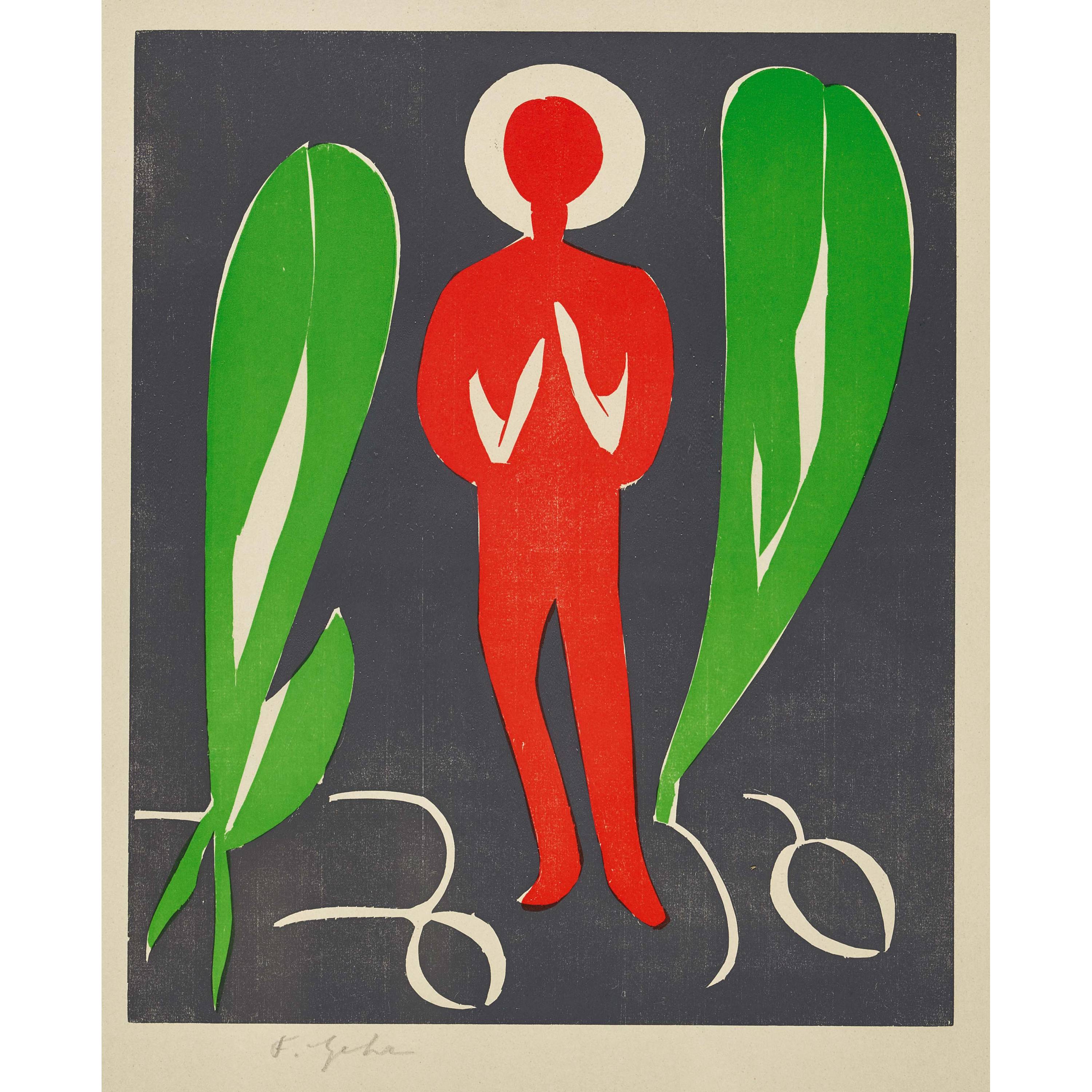
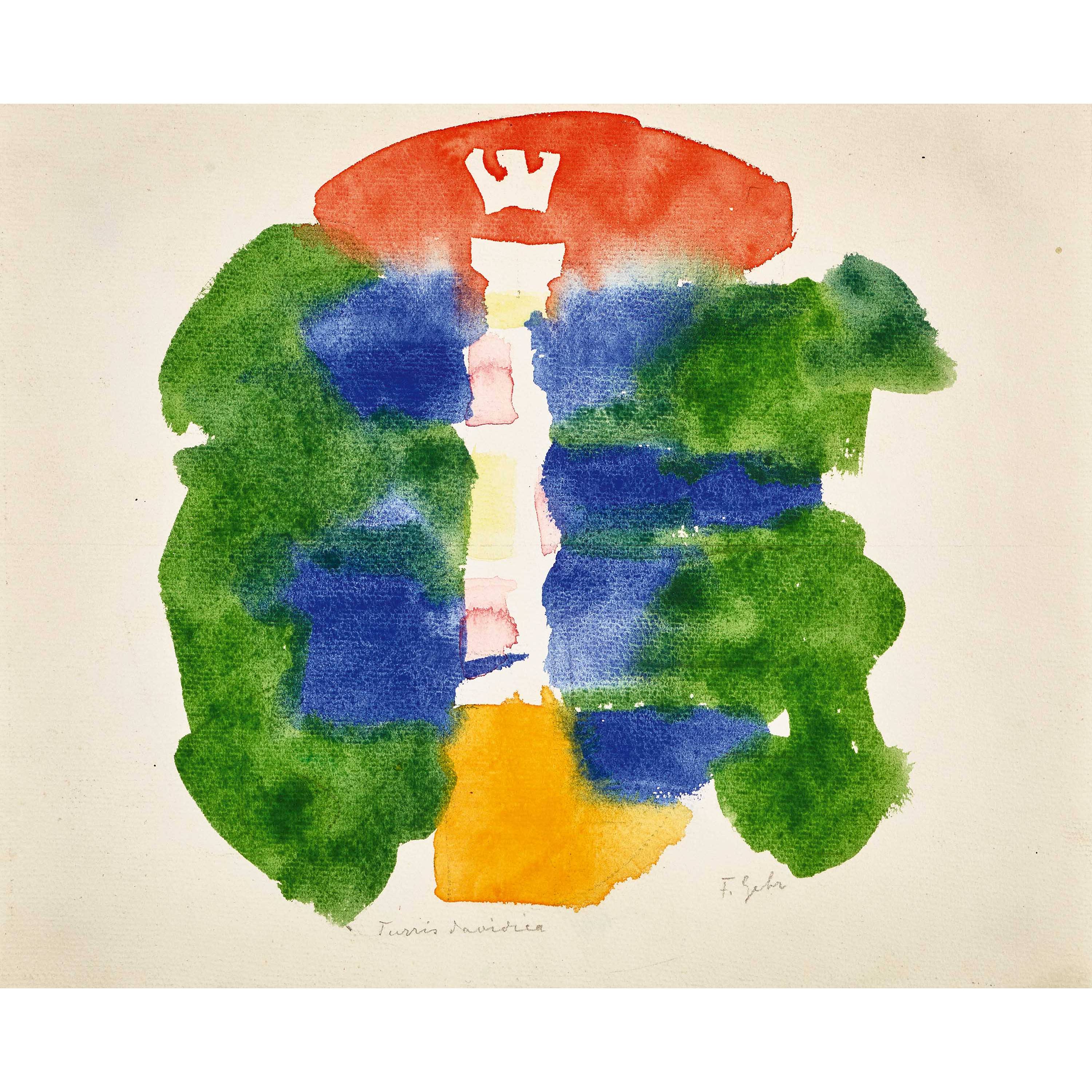
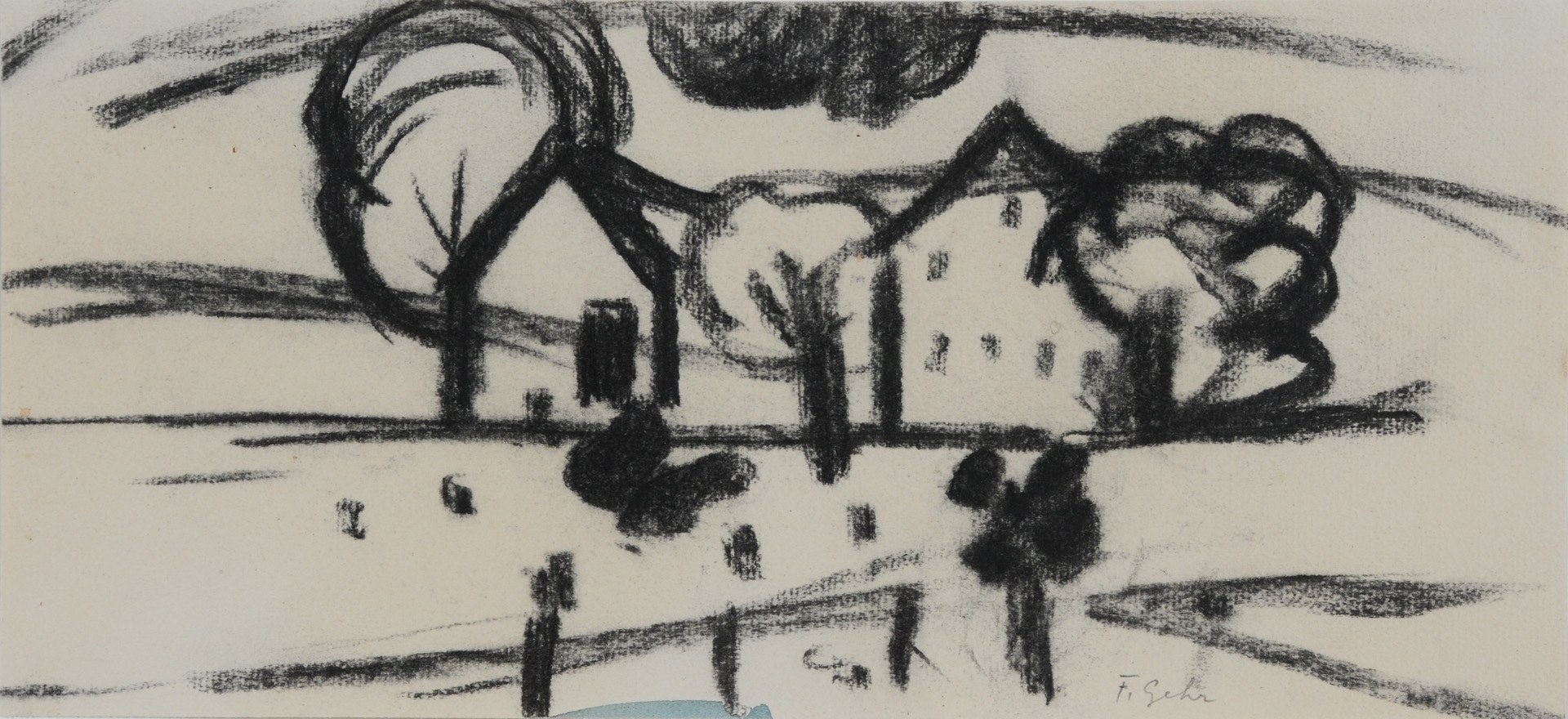
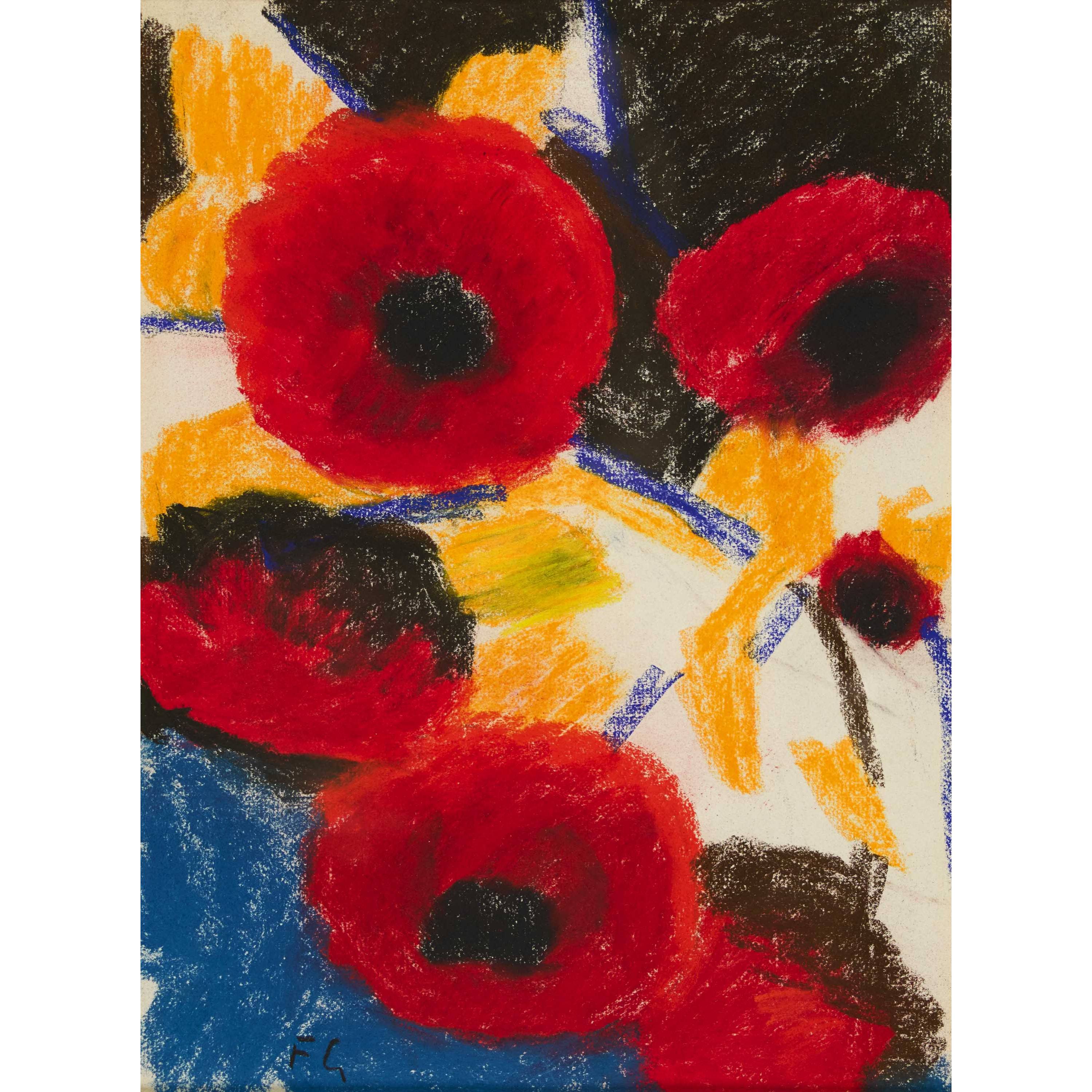
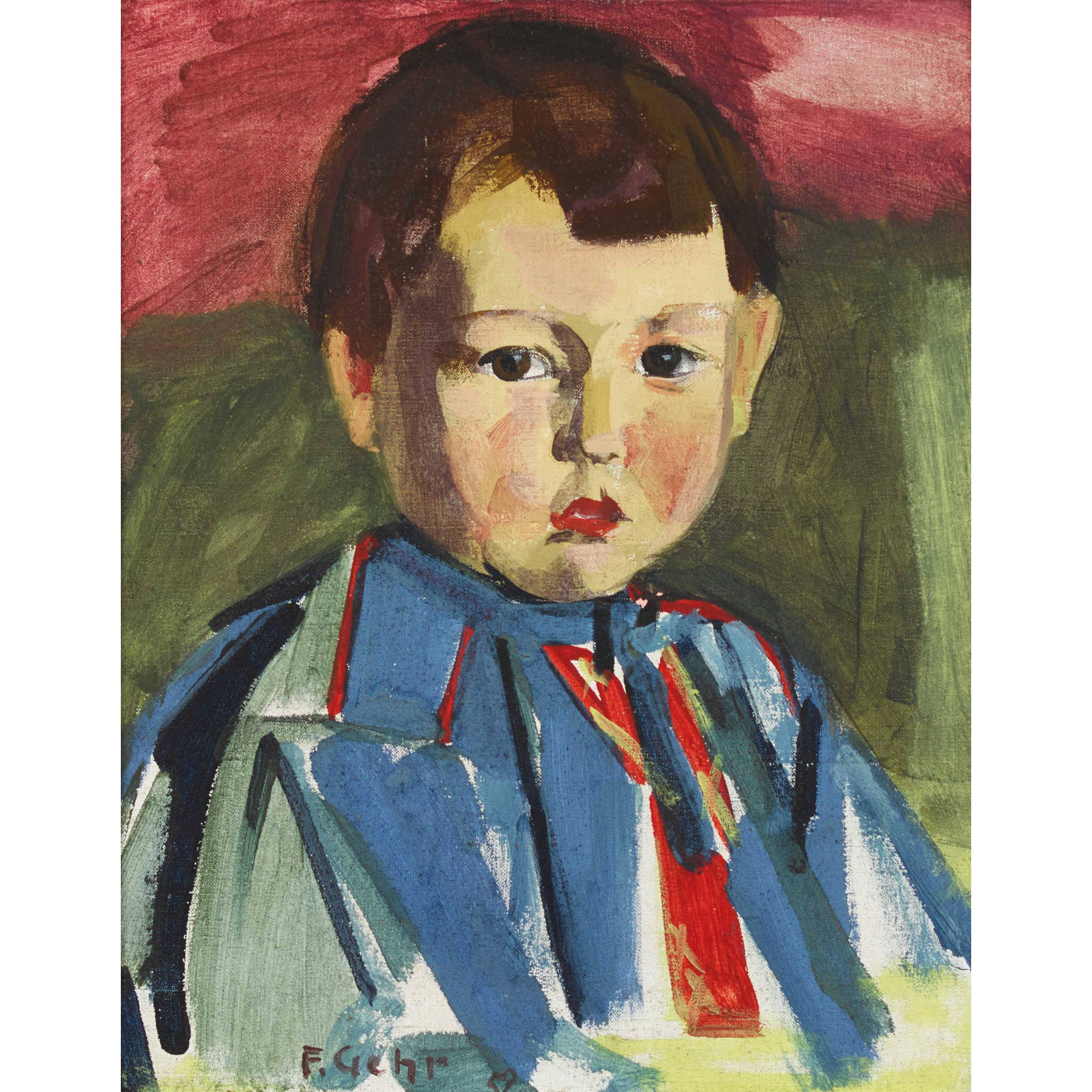
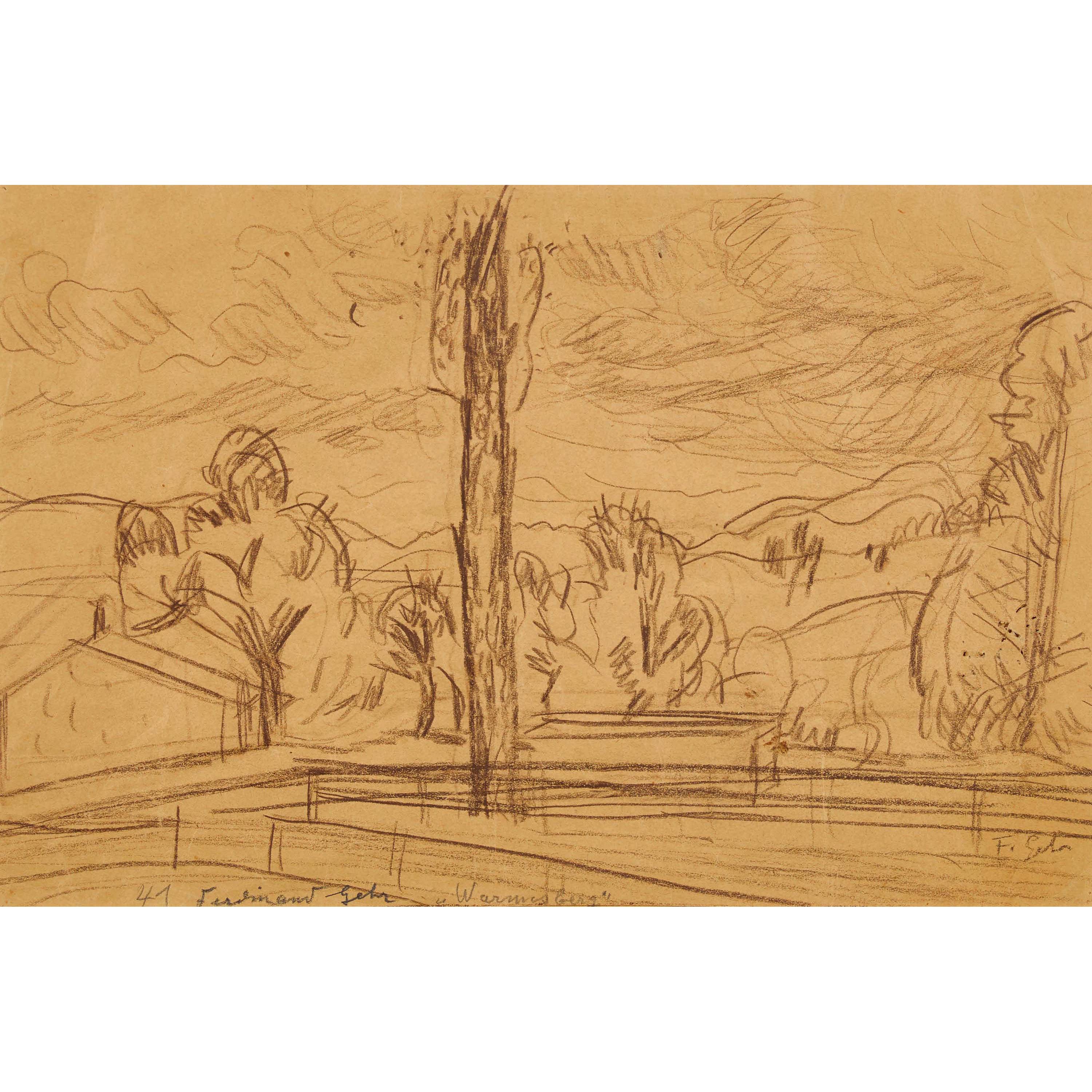
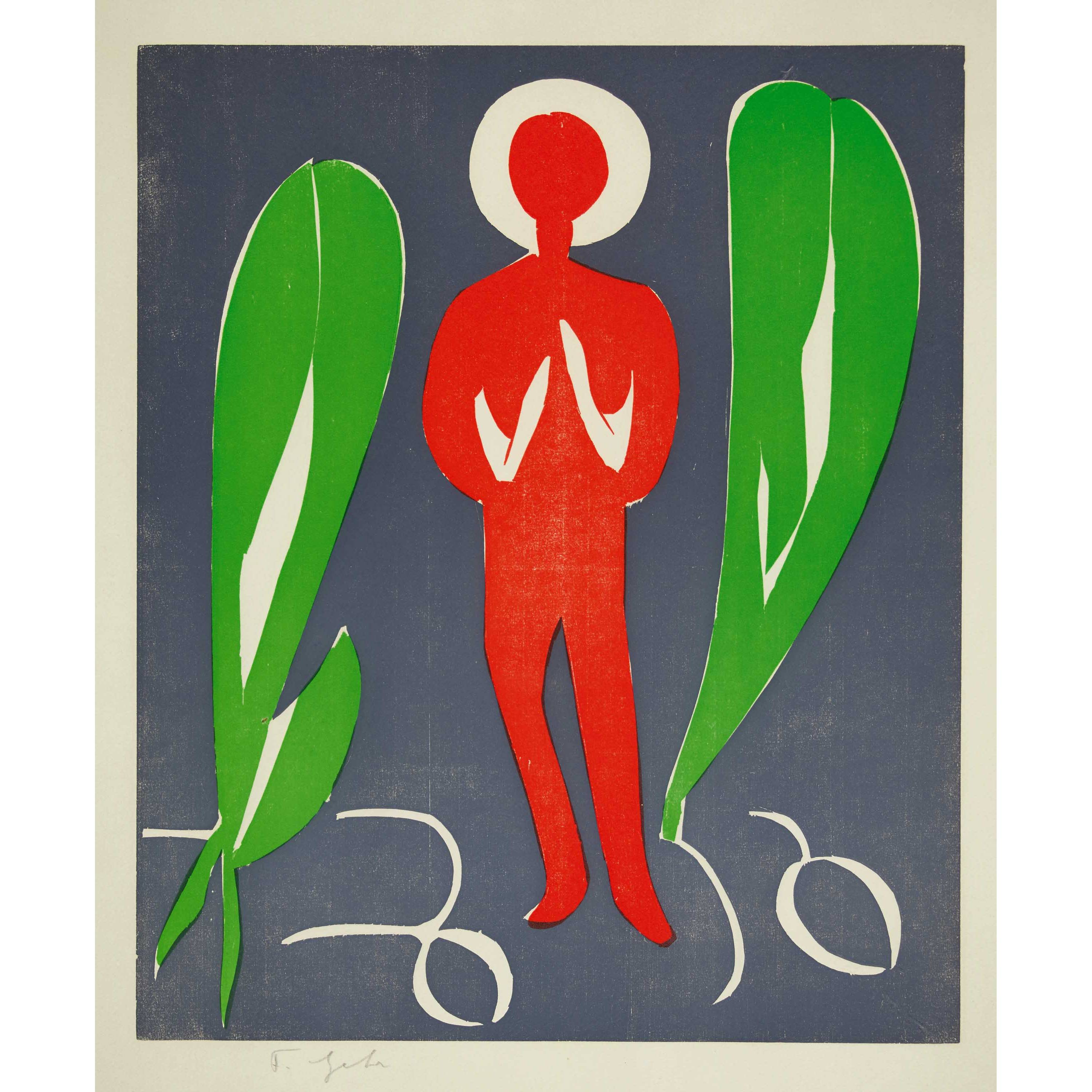
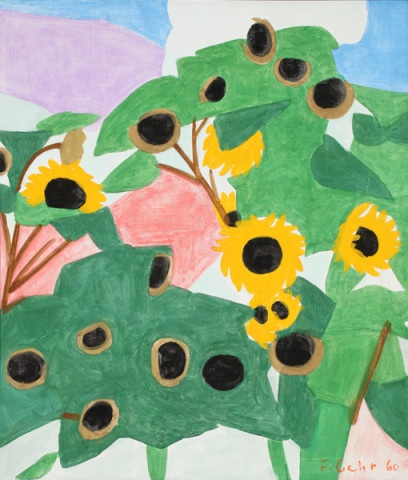
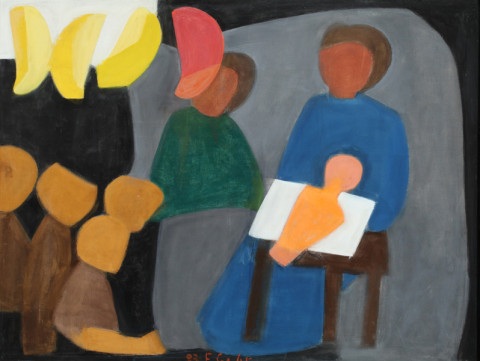
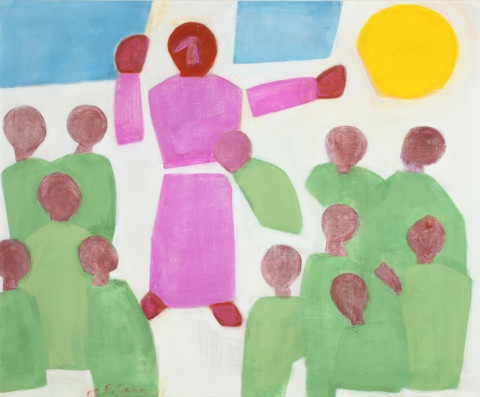
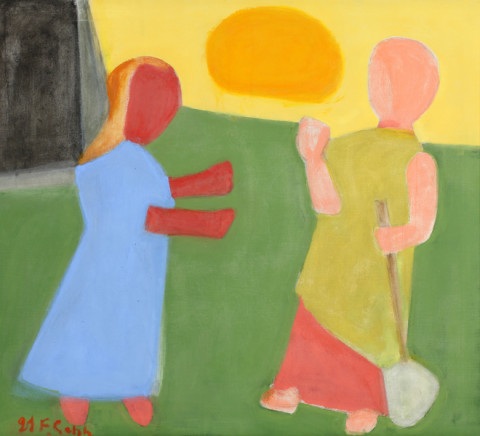
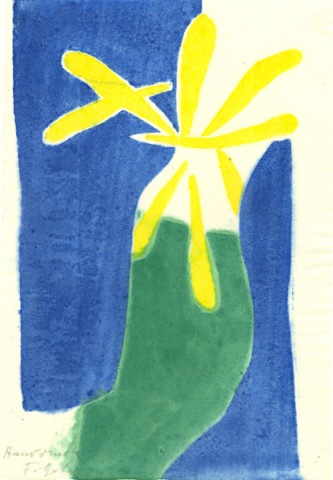
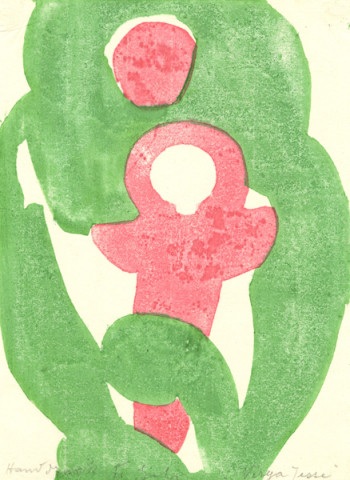
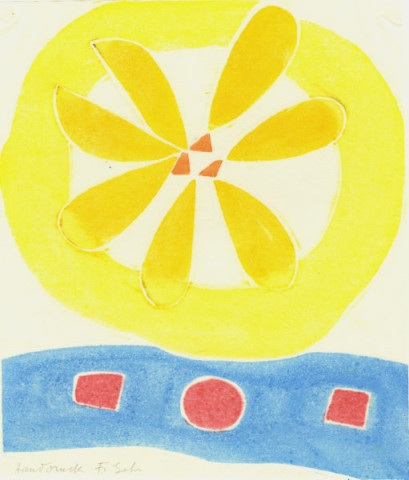
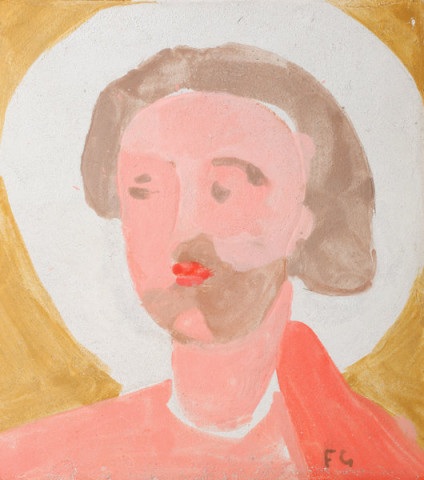
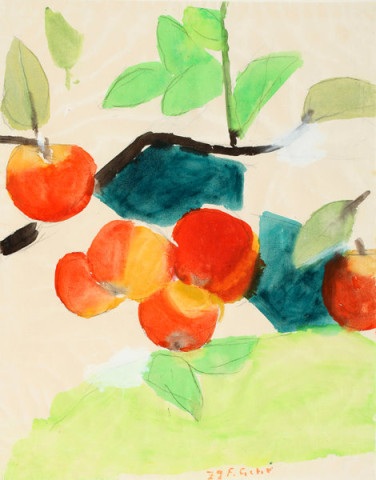
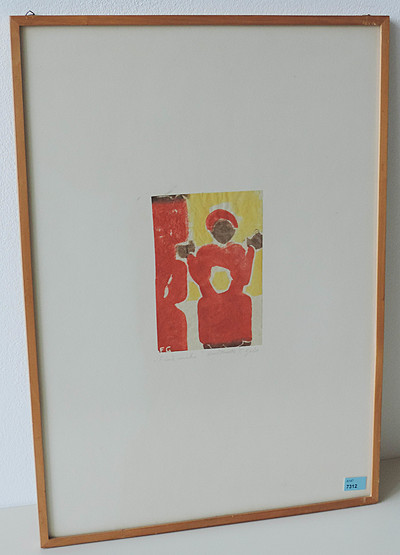
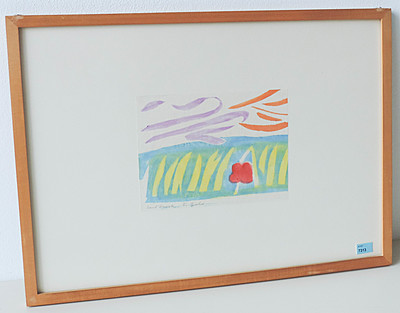
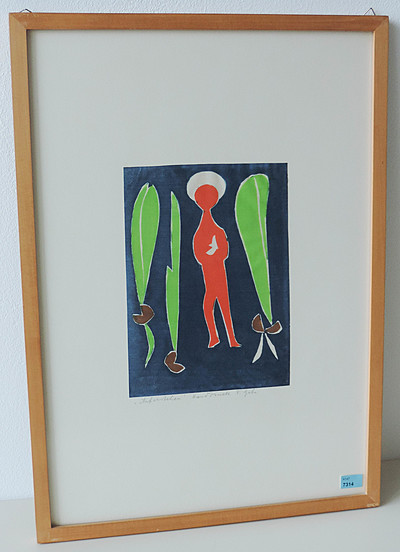
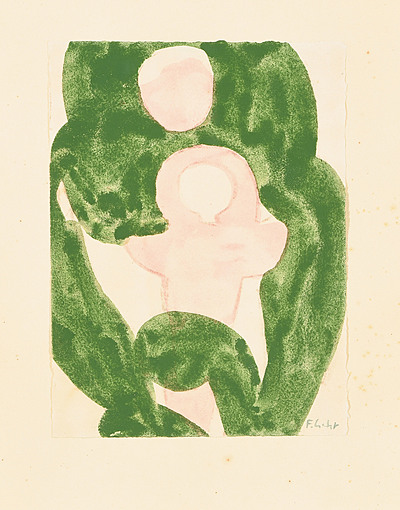
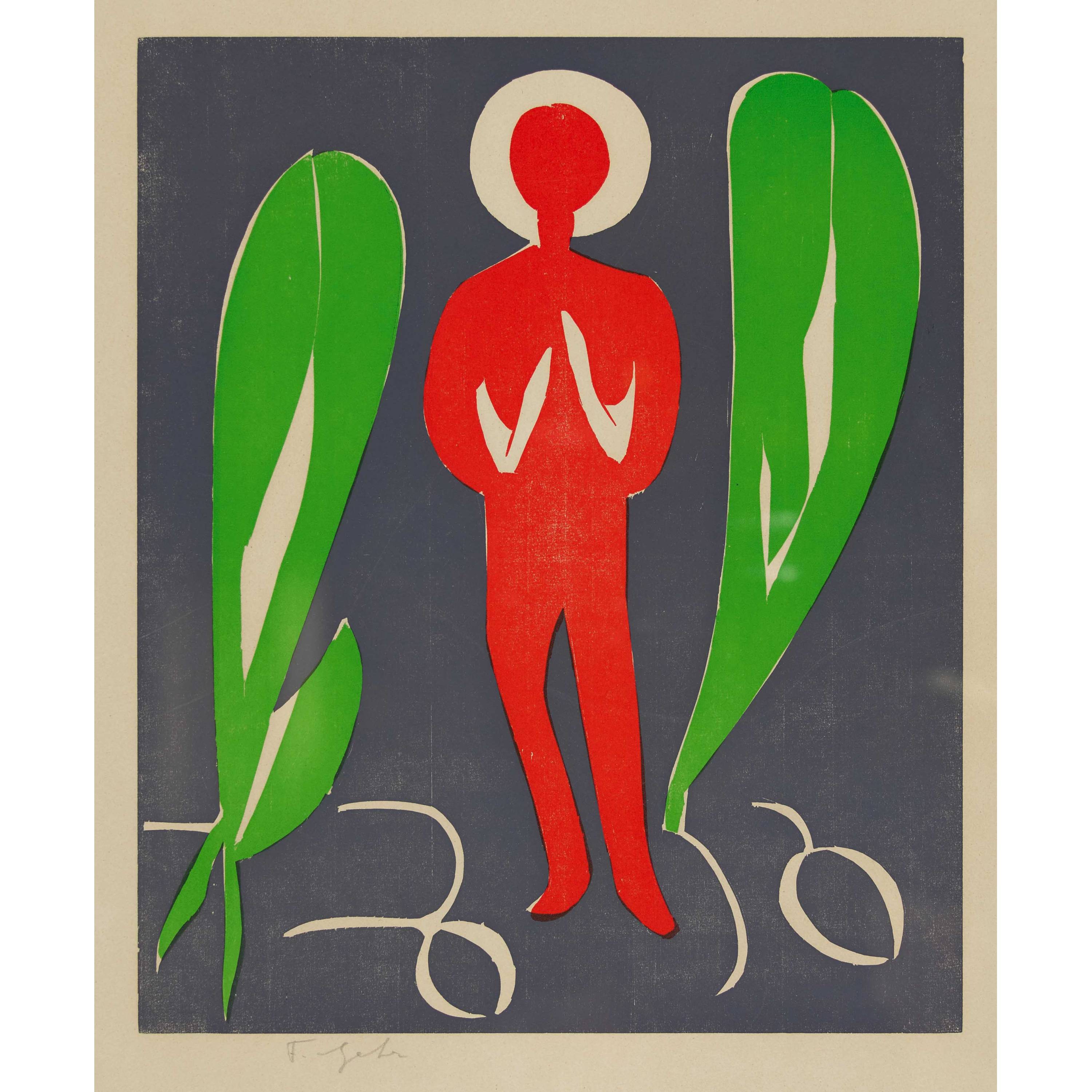
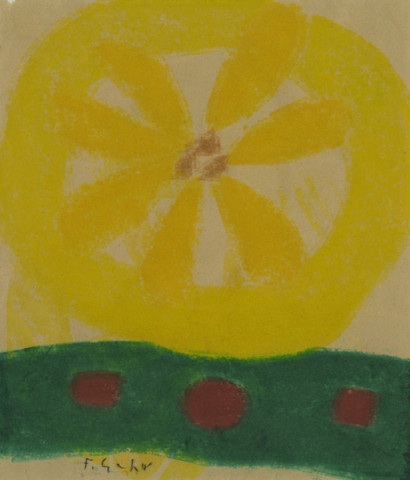
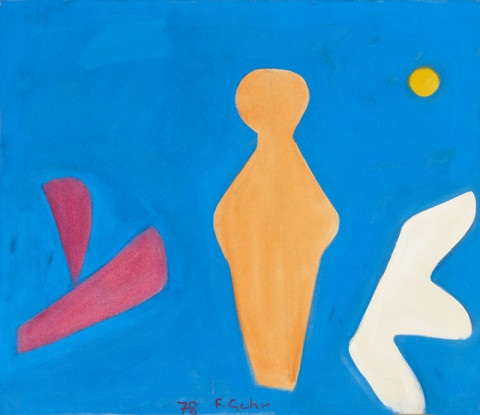
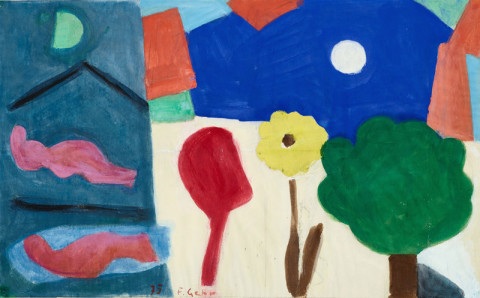
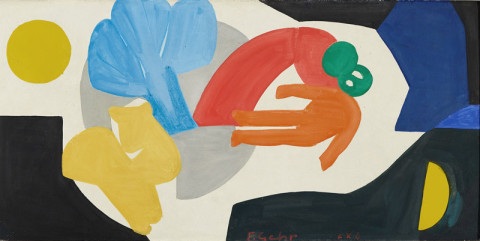
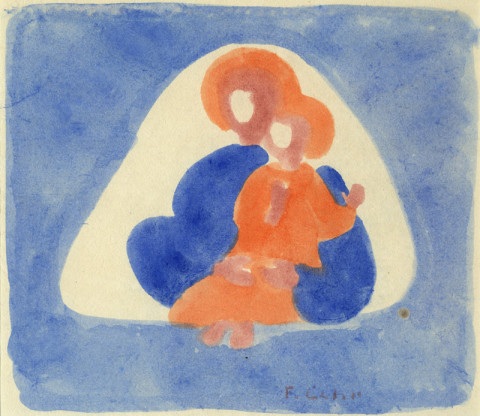
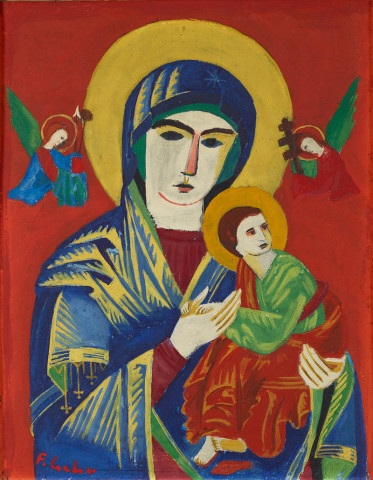
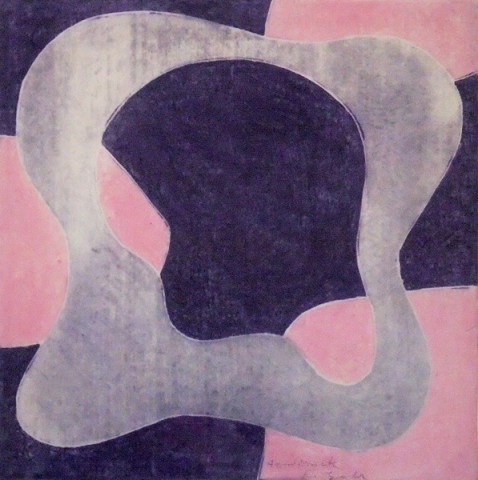
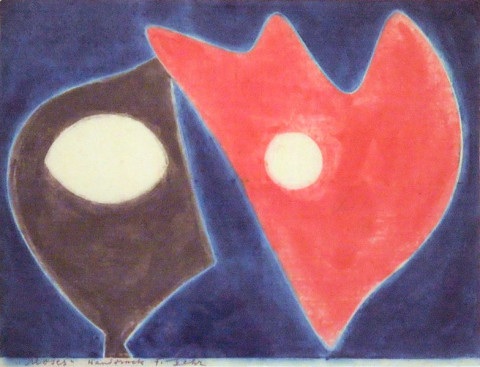
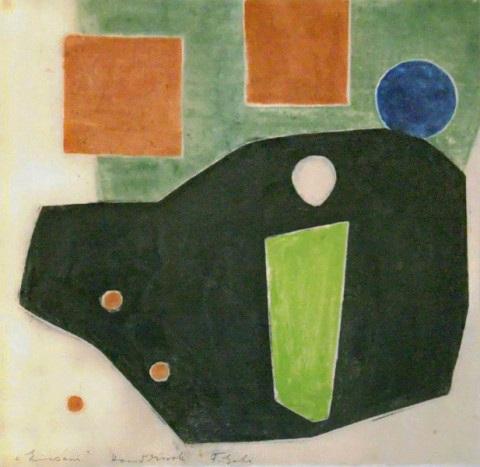
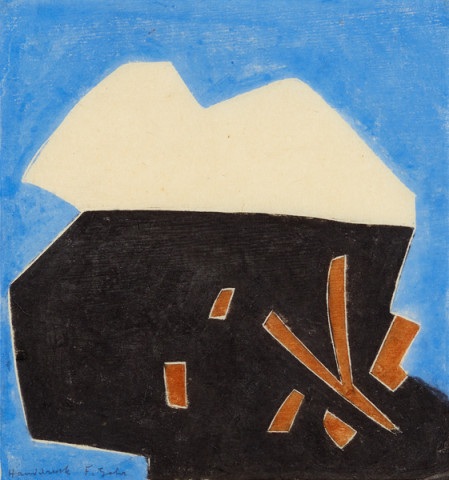
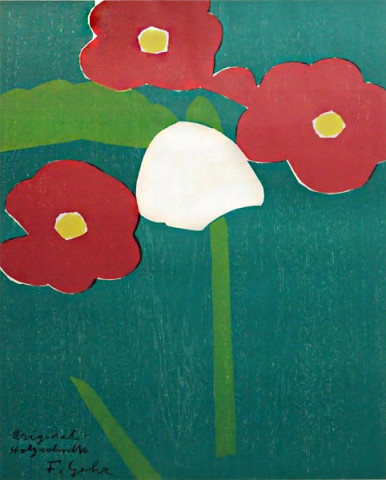
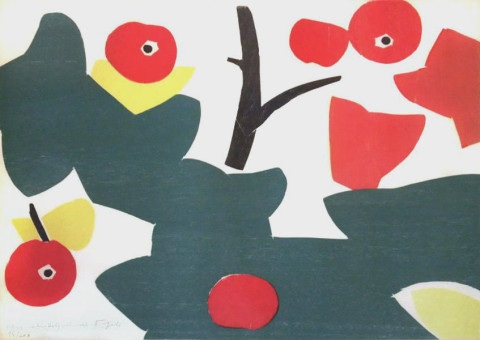
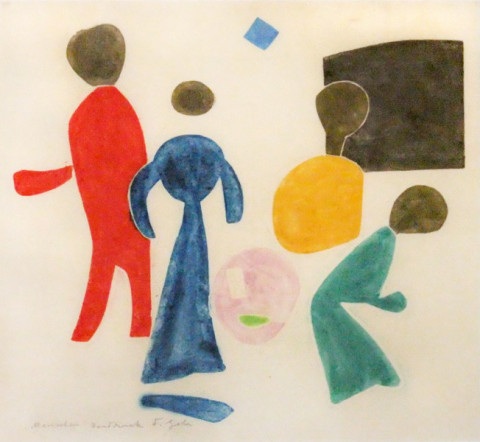
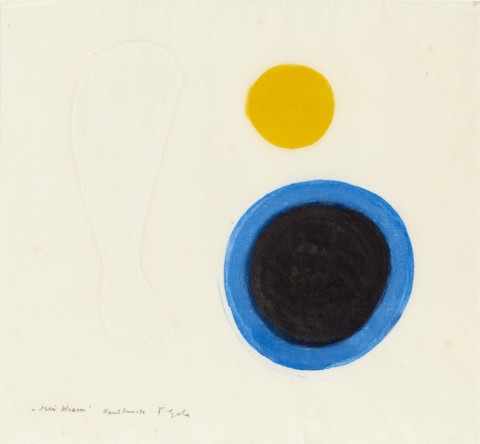
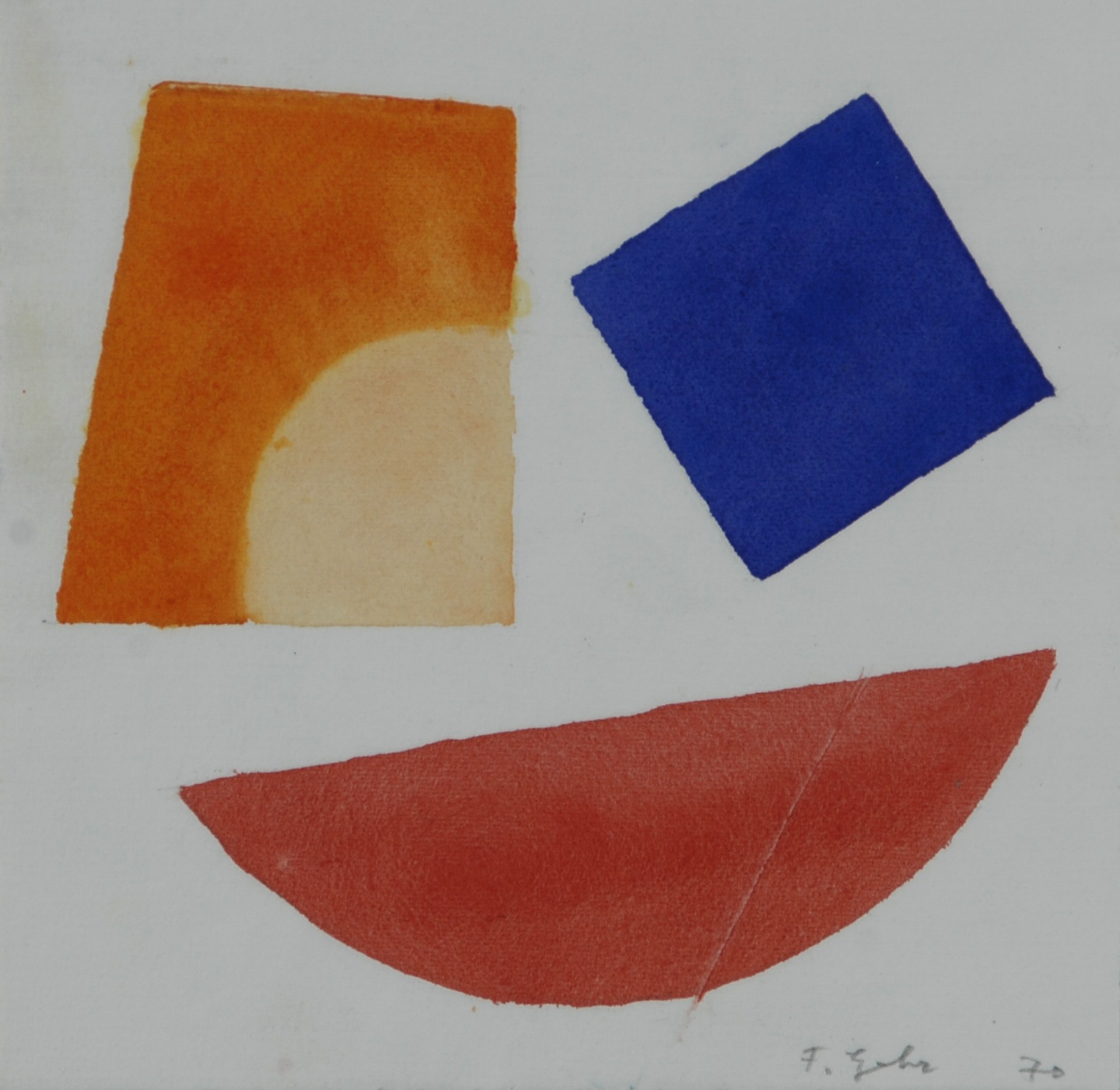
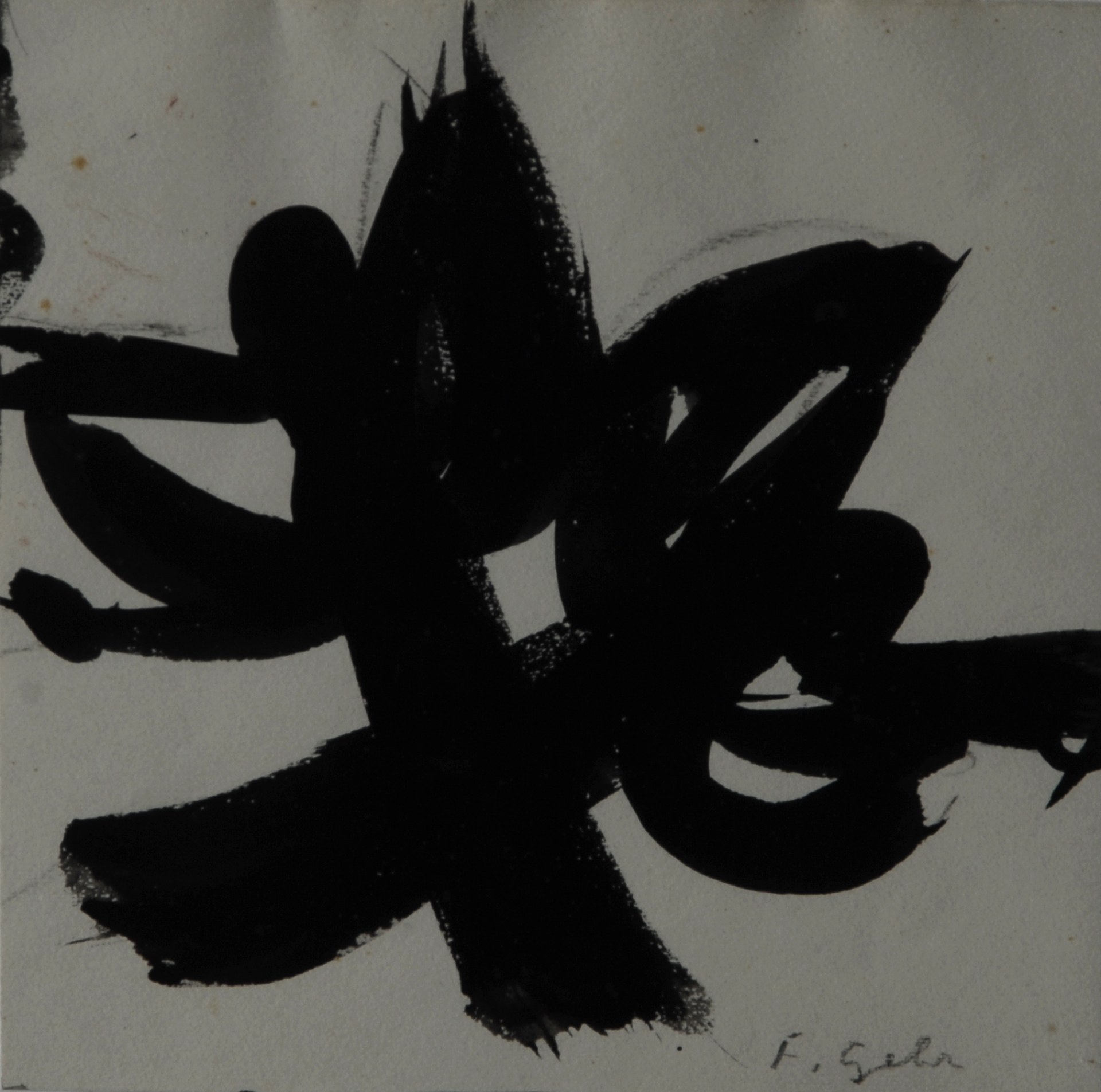
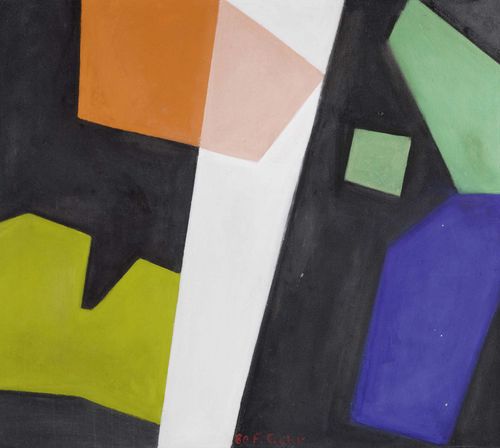
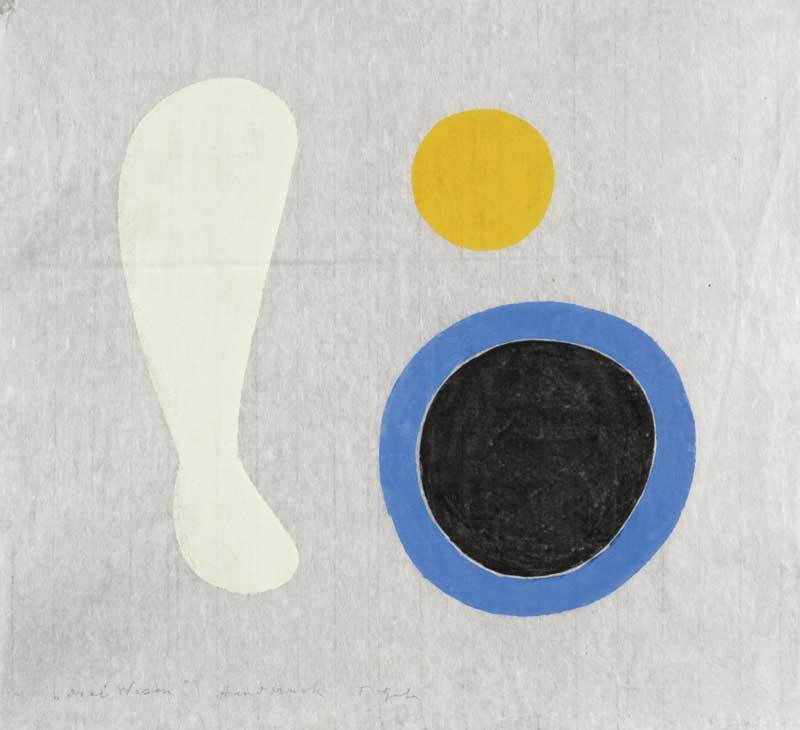
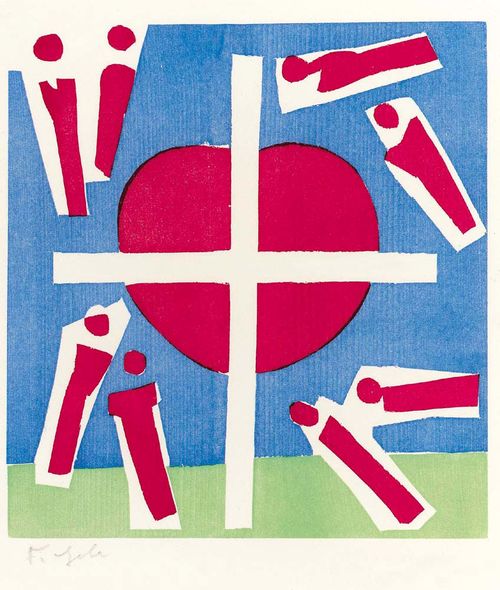
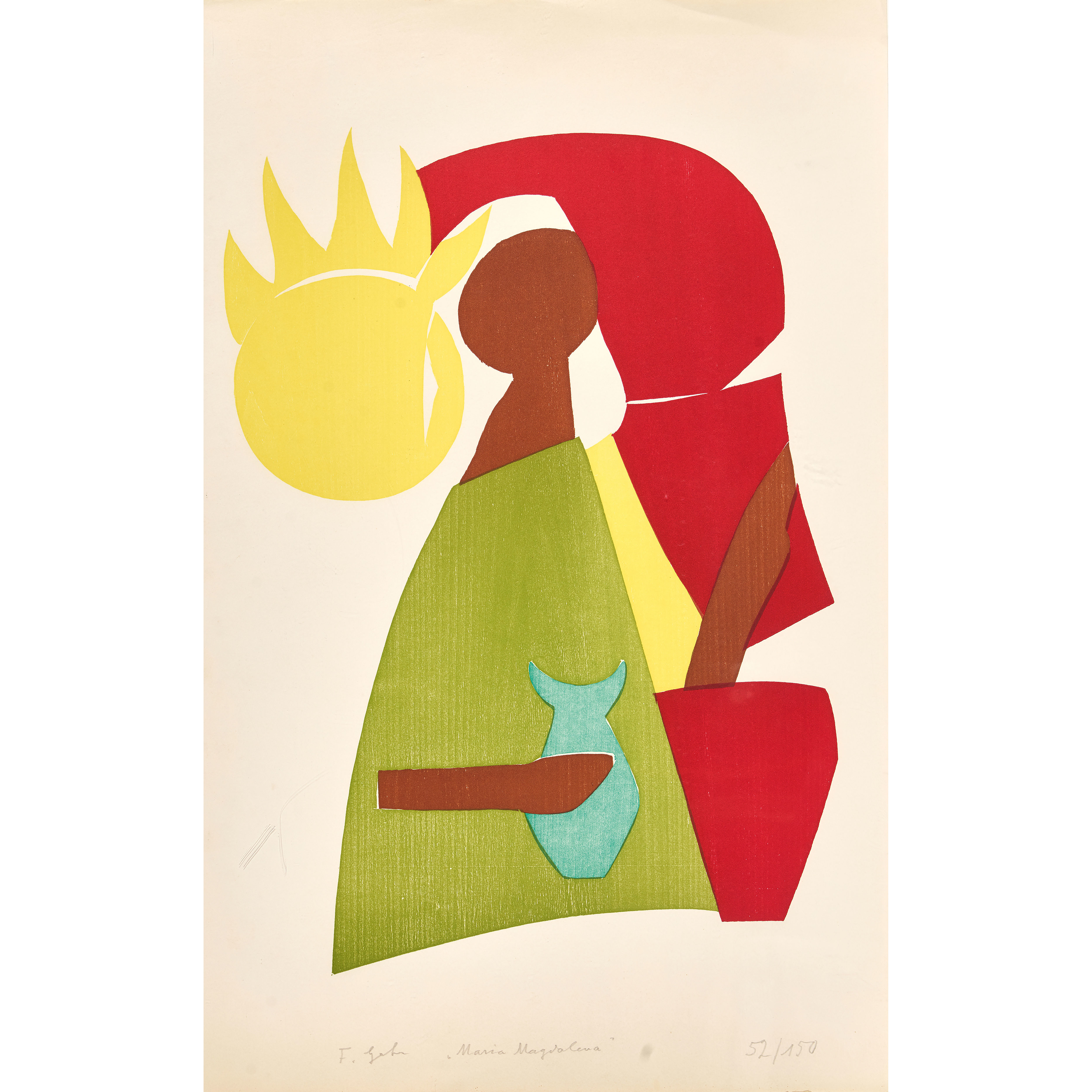
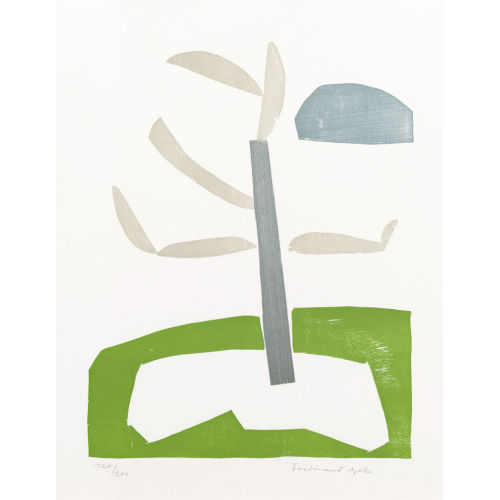
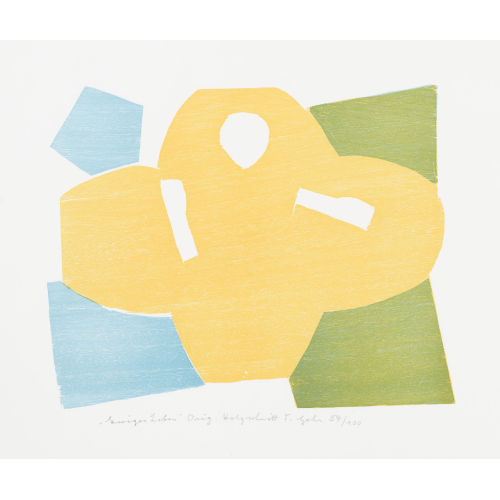
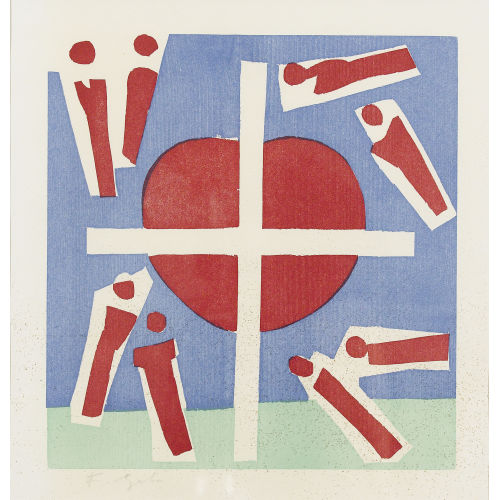
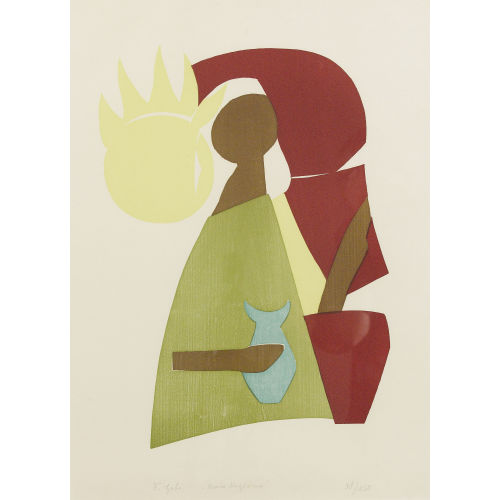
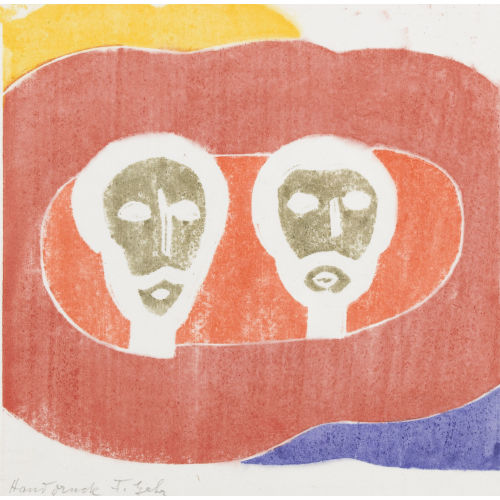
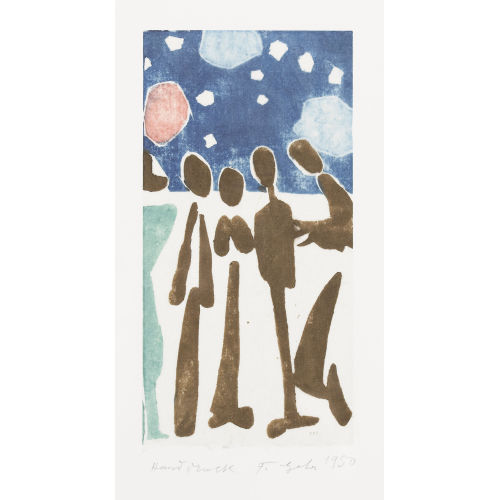
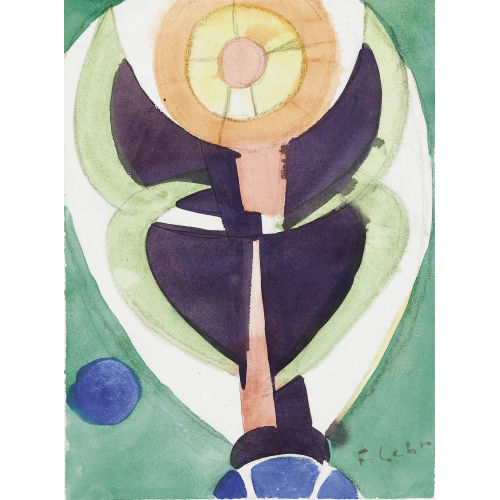
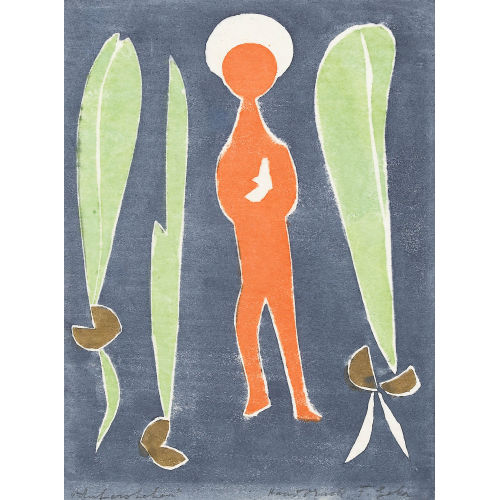
Ferdinand Gehr (Niederglatt, 1896 – Altstätten, 1996) developed an art in which Christian subjects, landscape and the human figure converge in a search for essential forms. His painting invites us to follow the expressive power of colours and signs beyond the mere identification of a motif. This approach informs both his works on paper and his interventions in architecture.
His career began in the textile field: he worked as an embroidery designer in Flawil, then studied in St. Gallen under August Wanner. He further developed his fresco technique in Florence during the winter of 1922–1923 and subsequently attended André Lhote’s studio in Paris. On returning to Switzerland, he opened his first studio in Niederglatt in 1924.
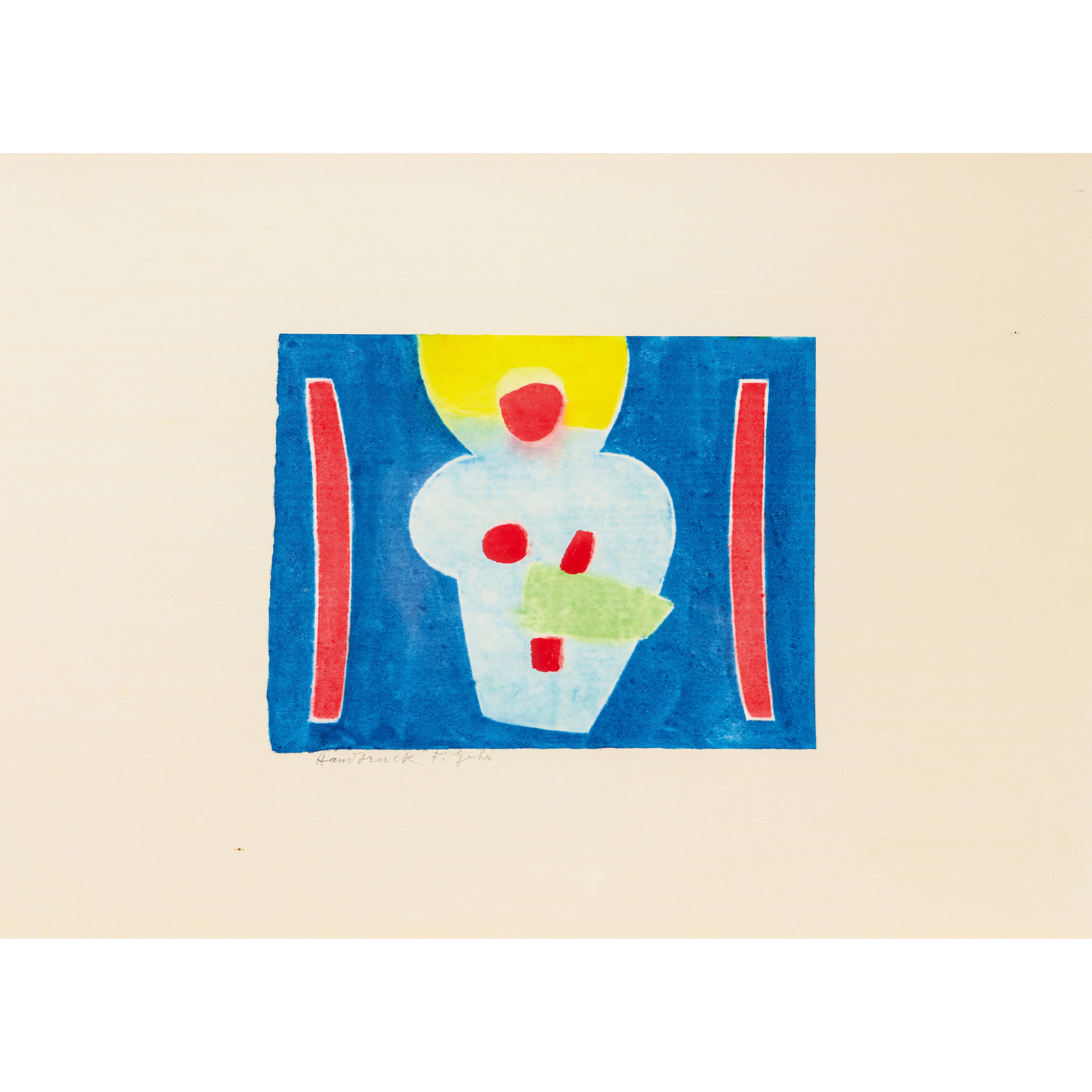
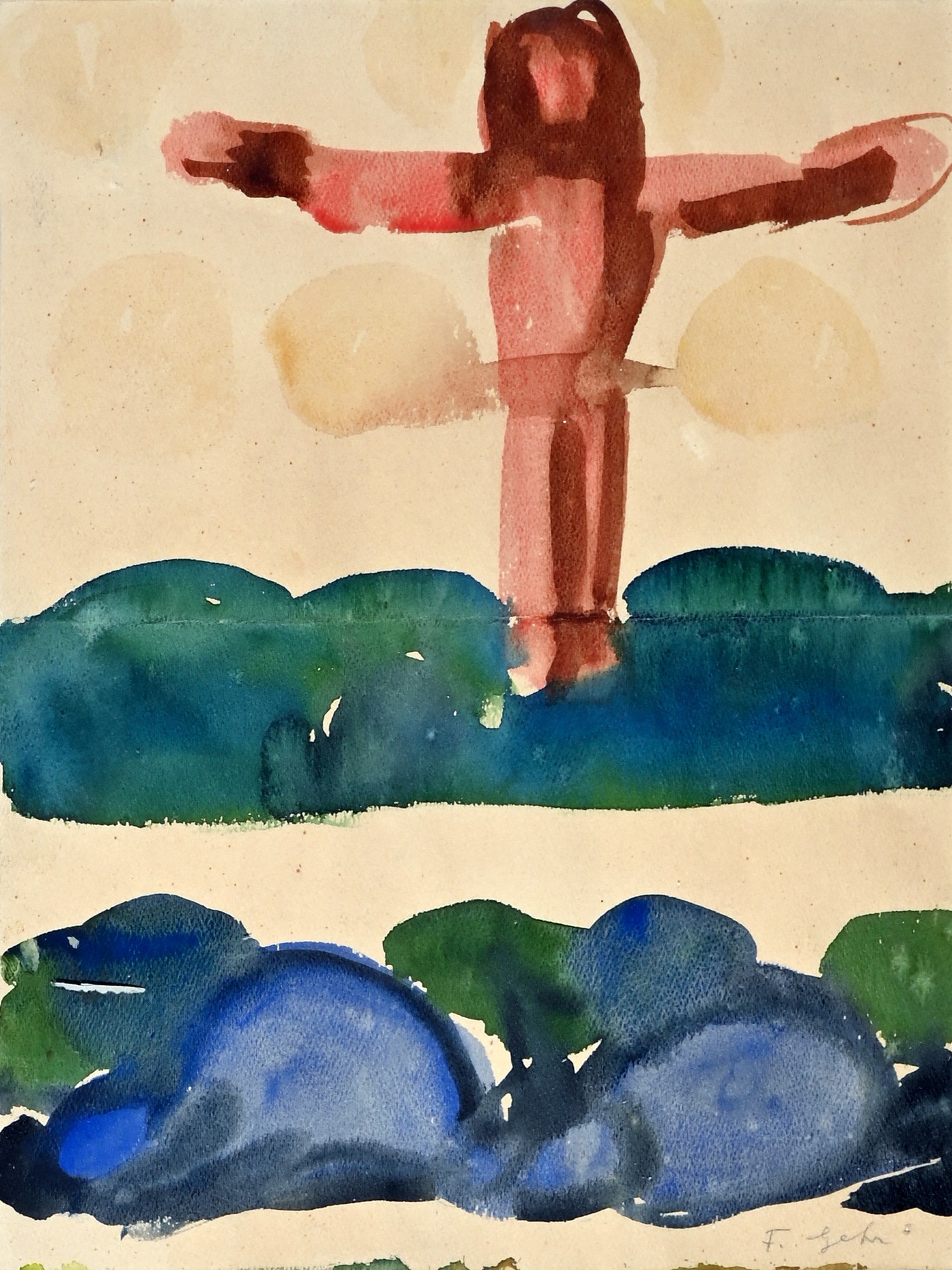
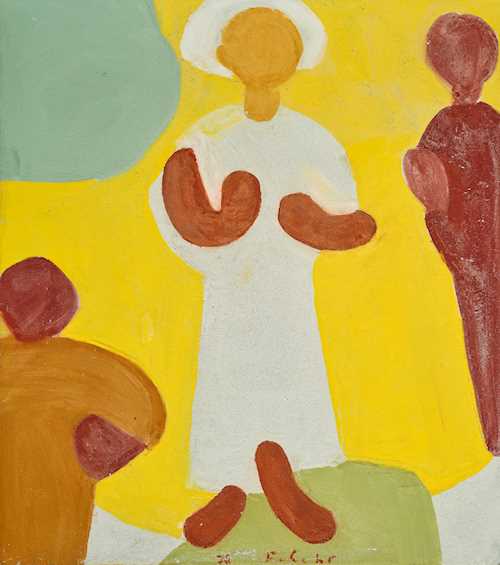
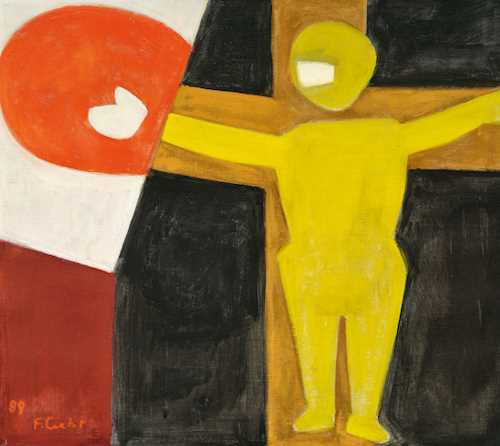
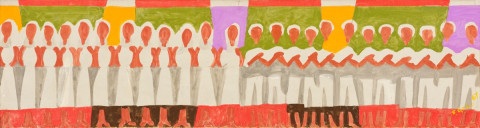
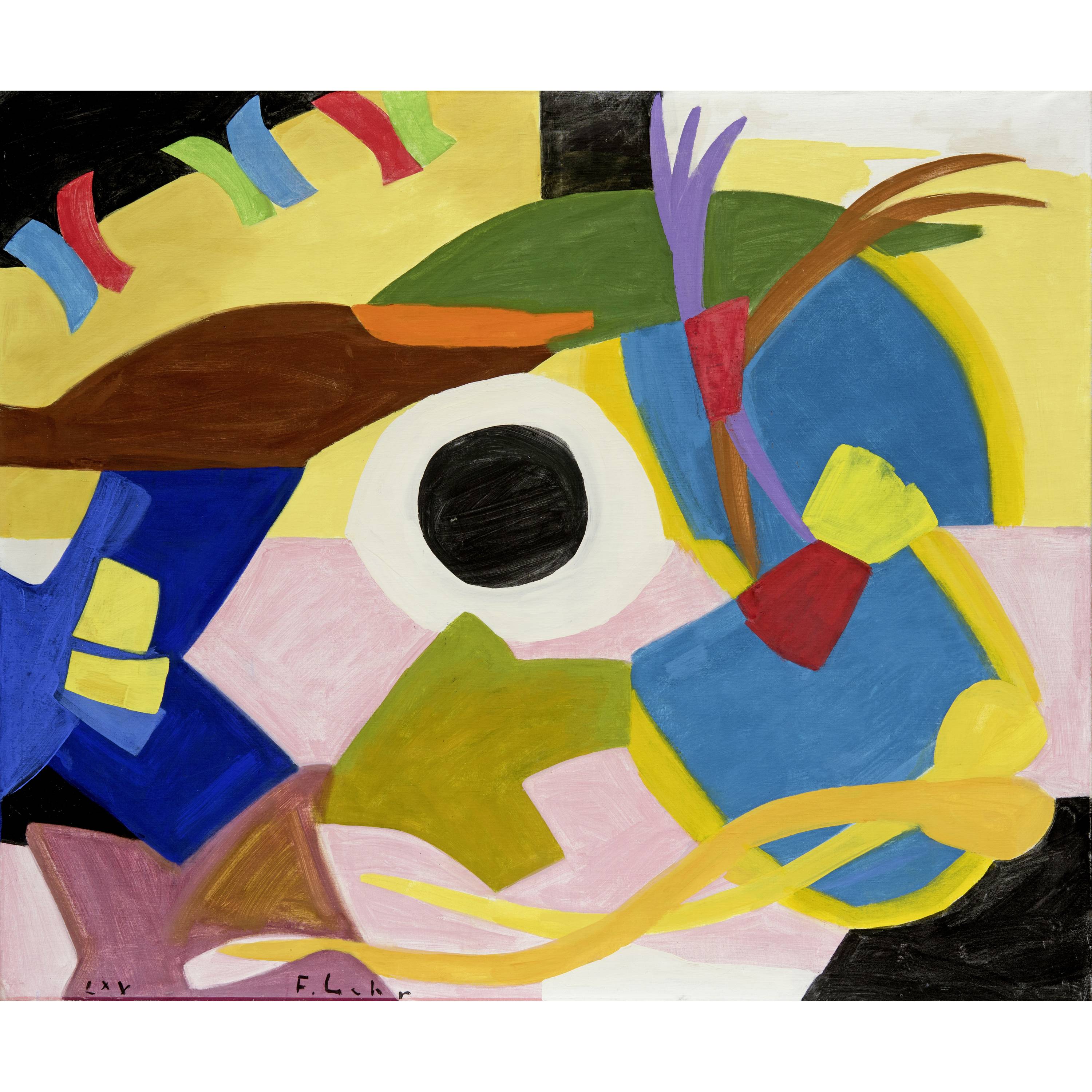
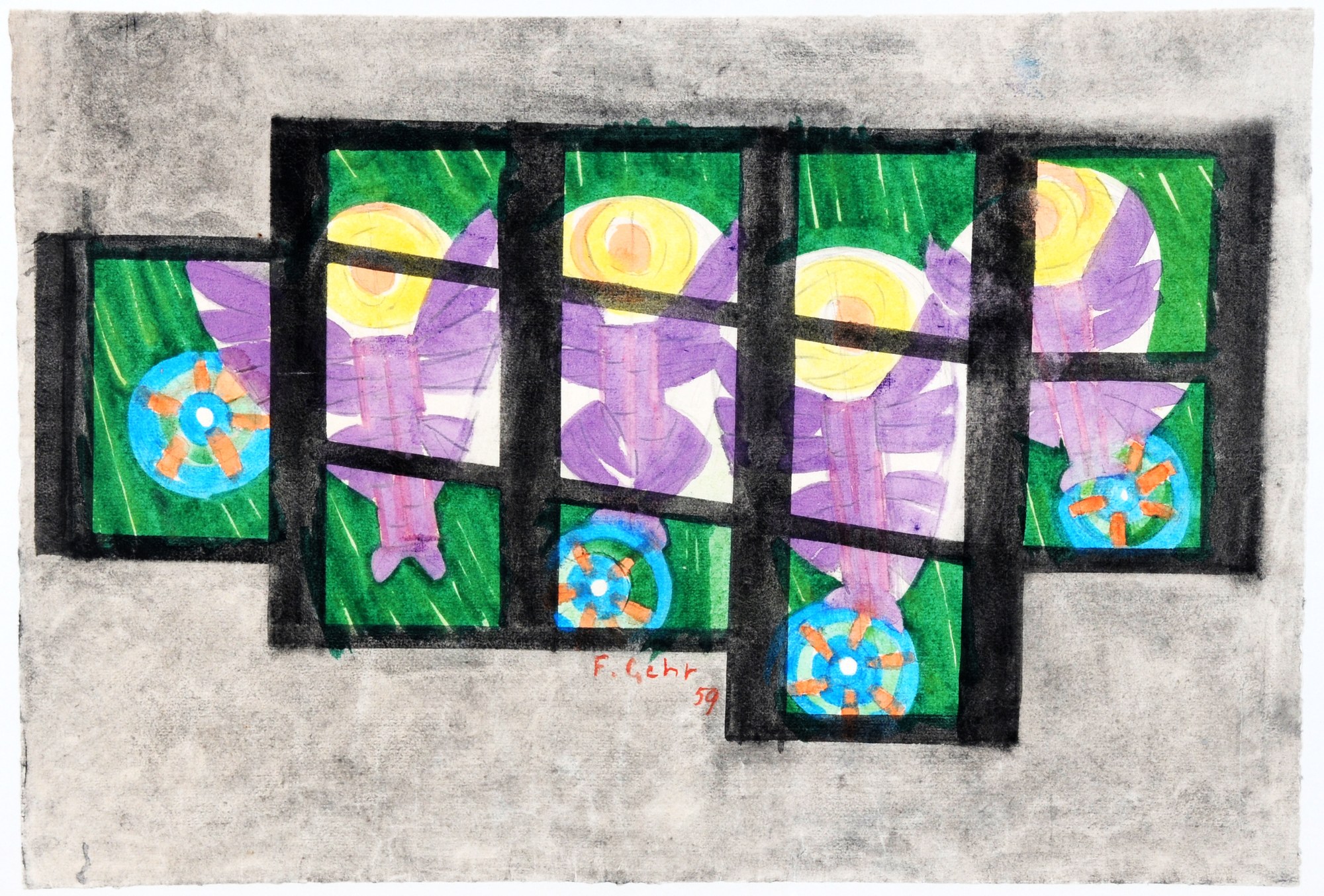
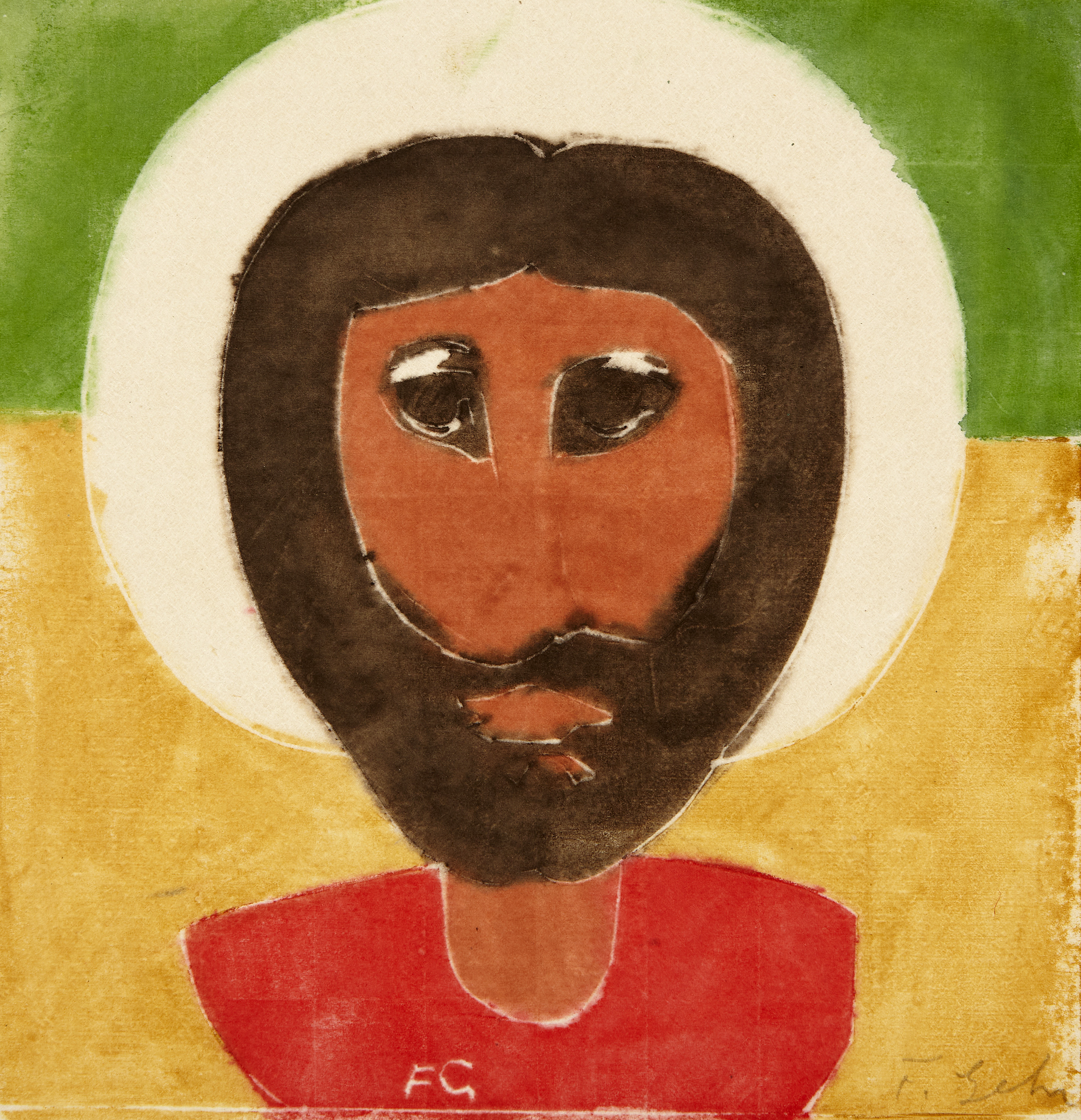
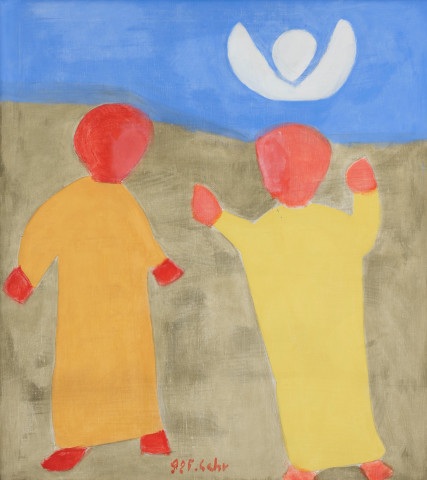
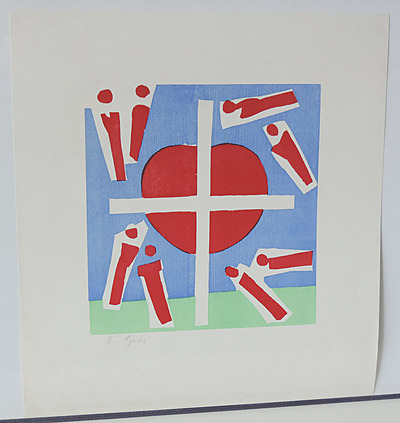
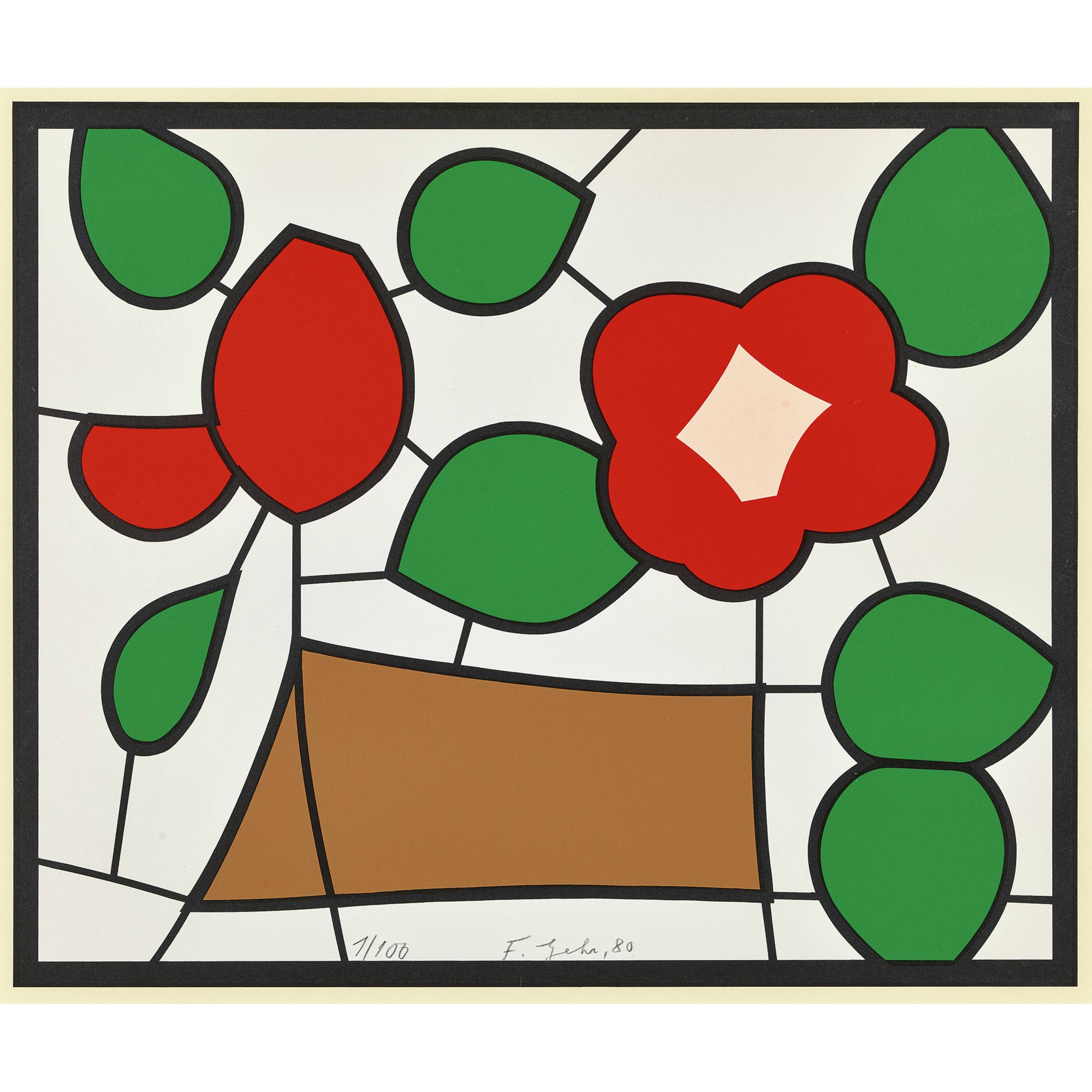
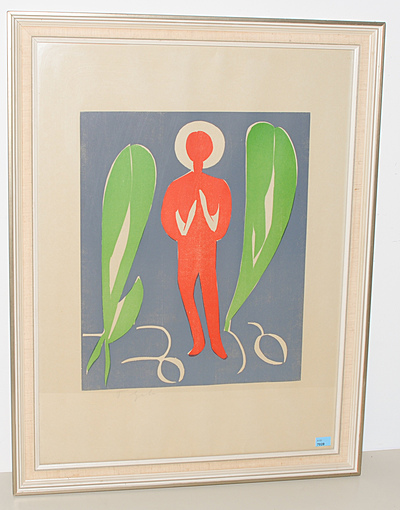
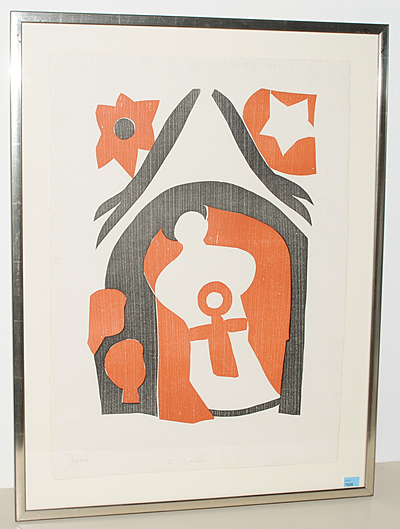
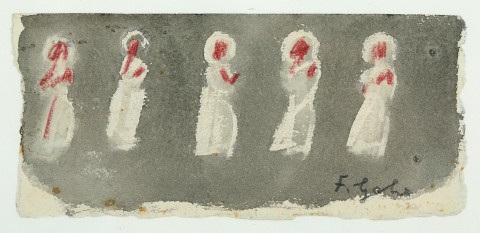
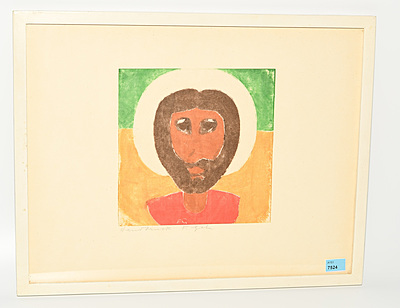
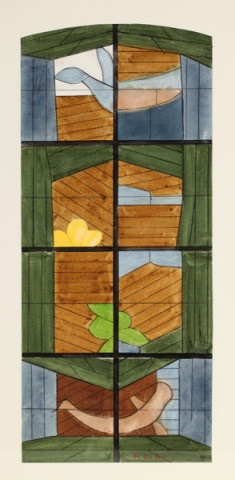
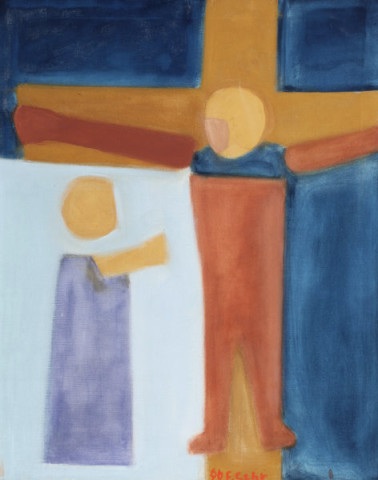
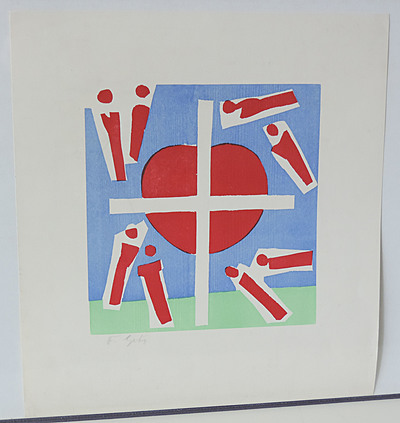
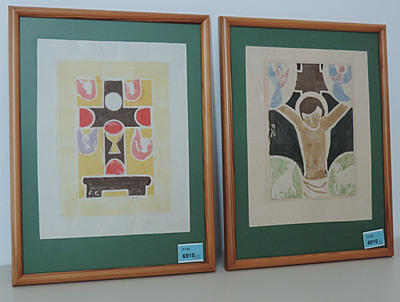
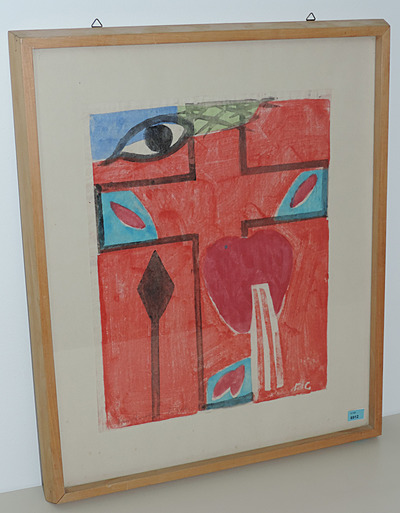
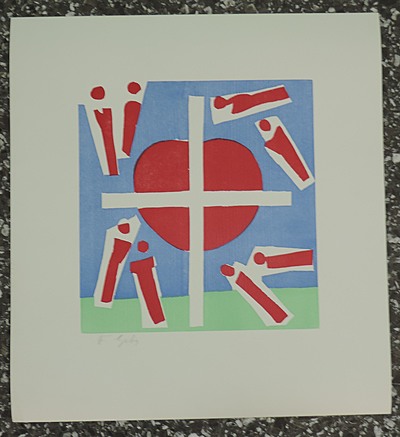
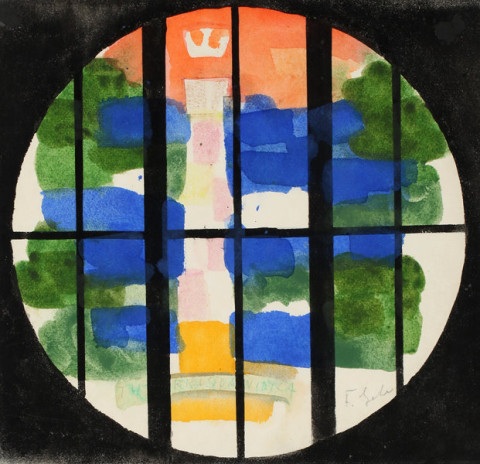
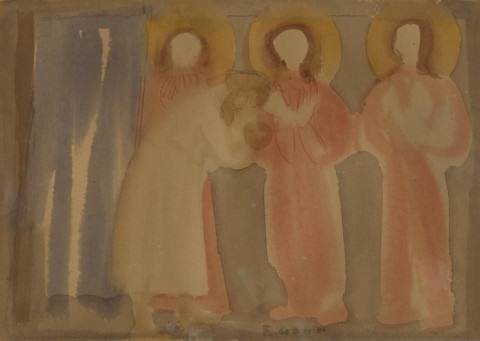
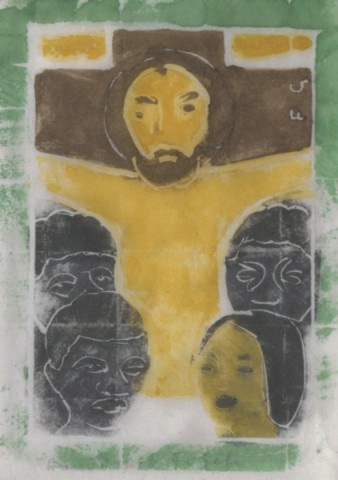
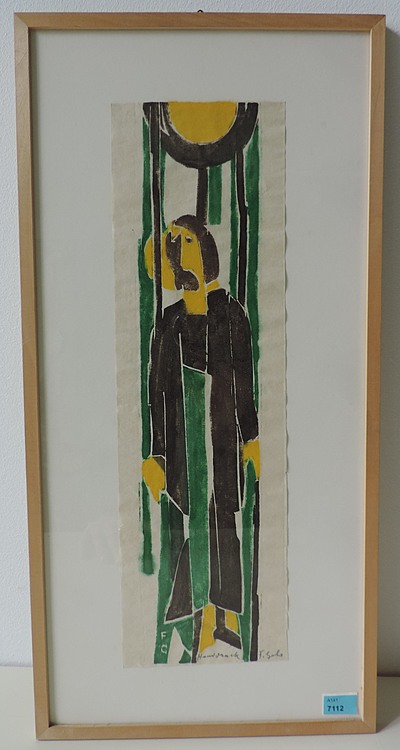
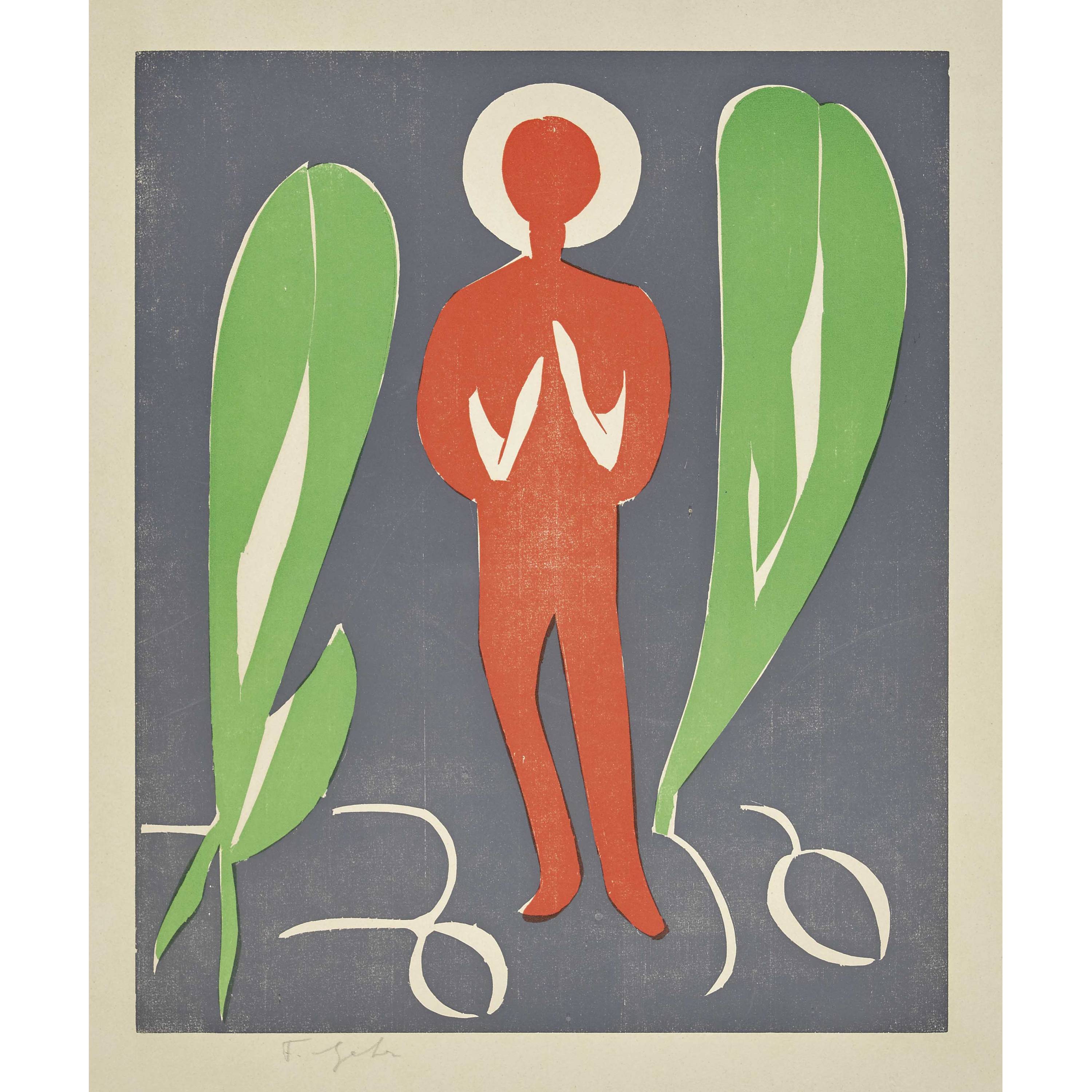
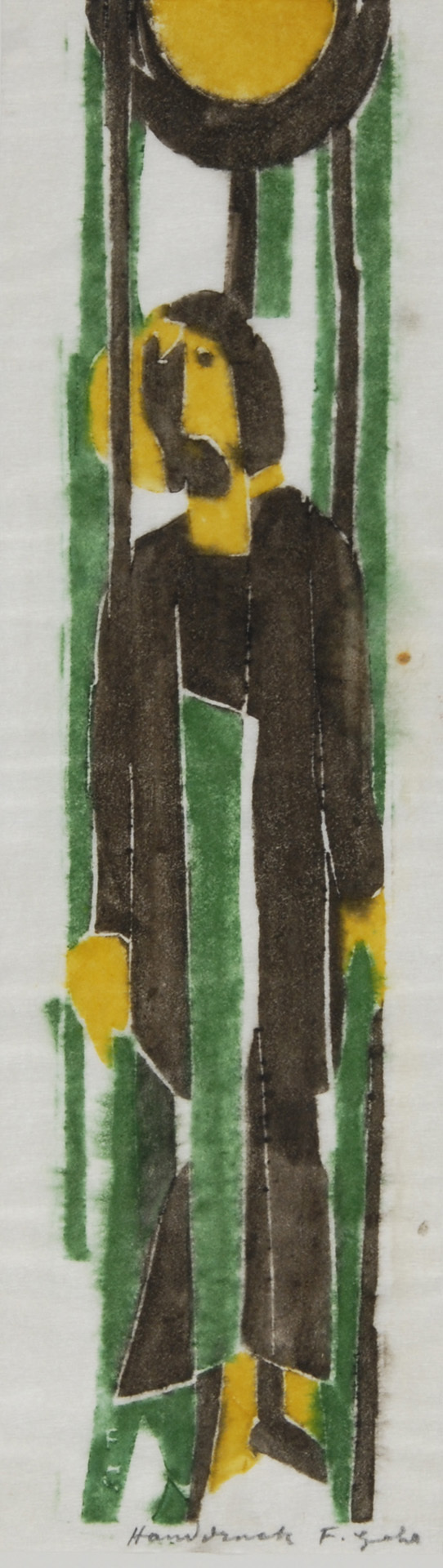
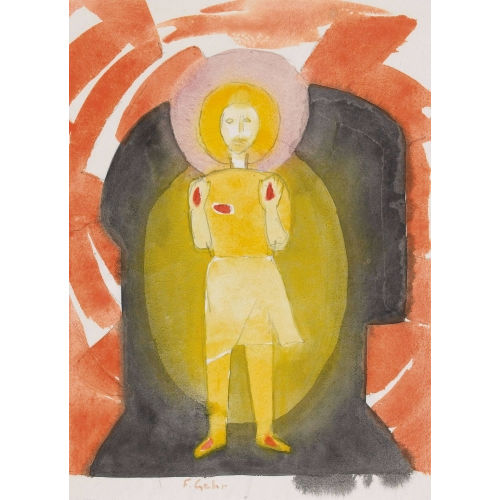
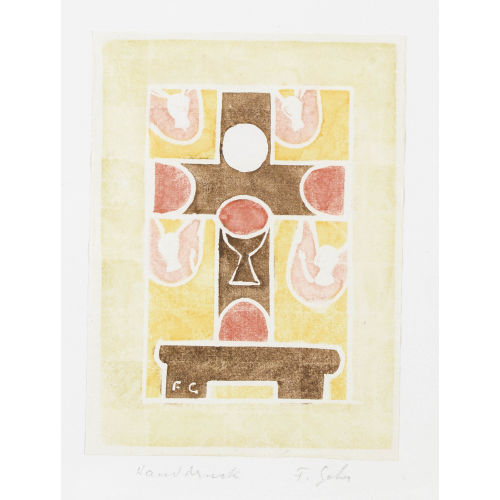
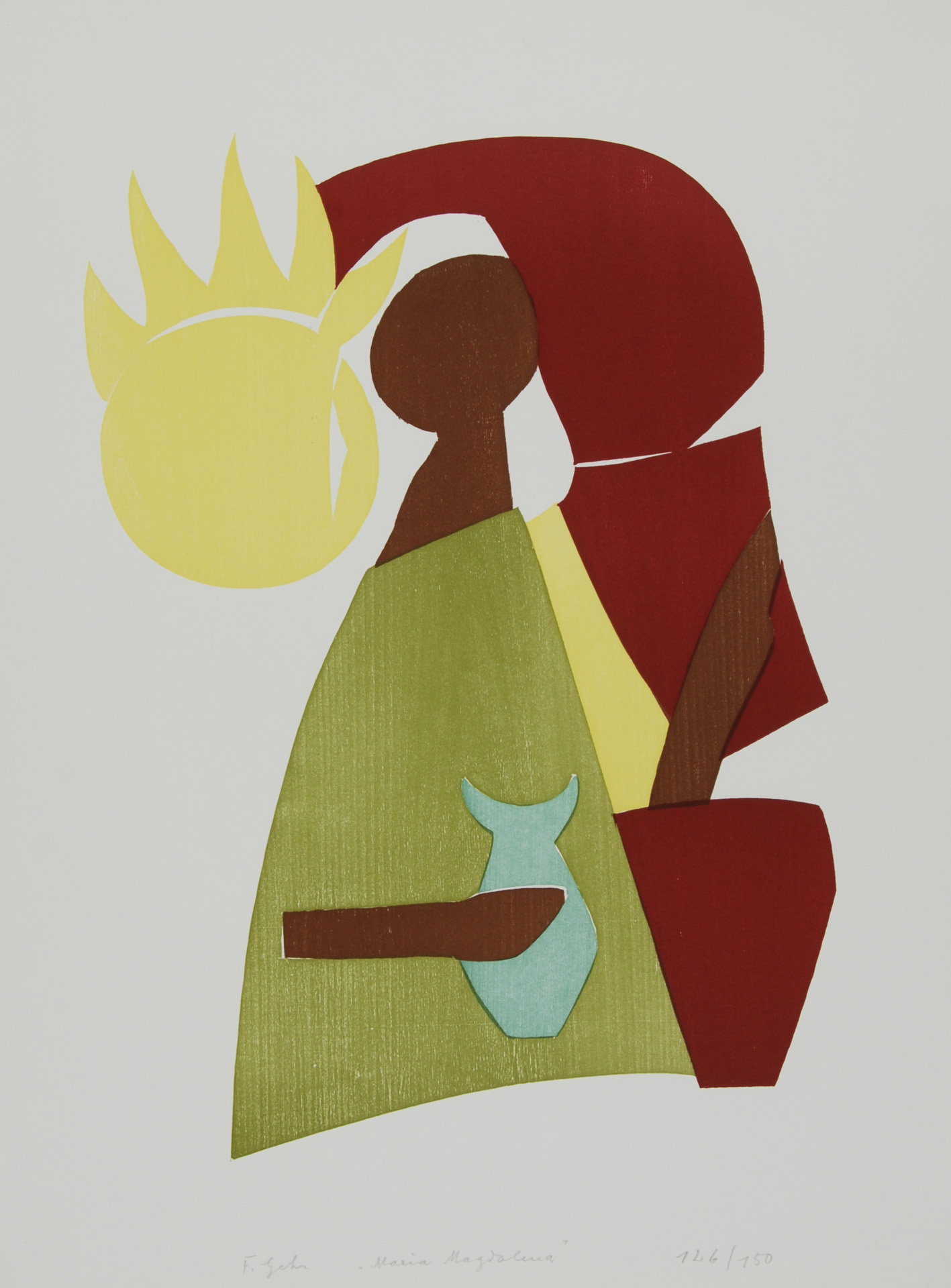
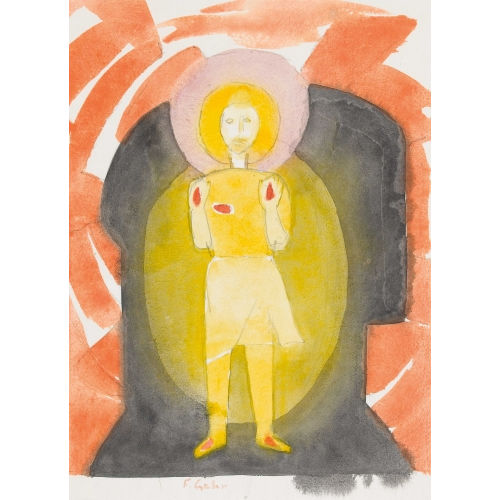
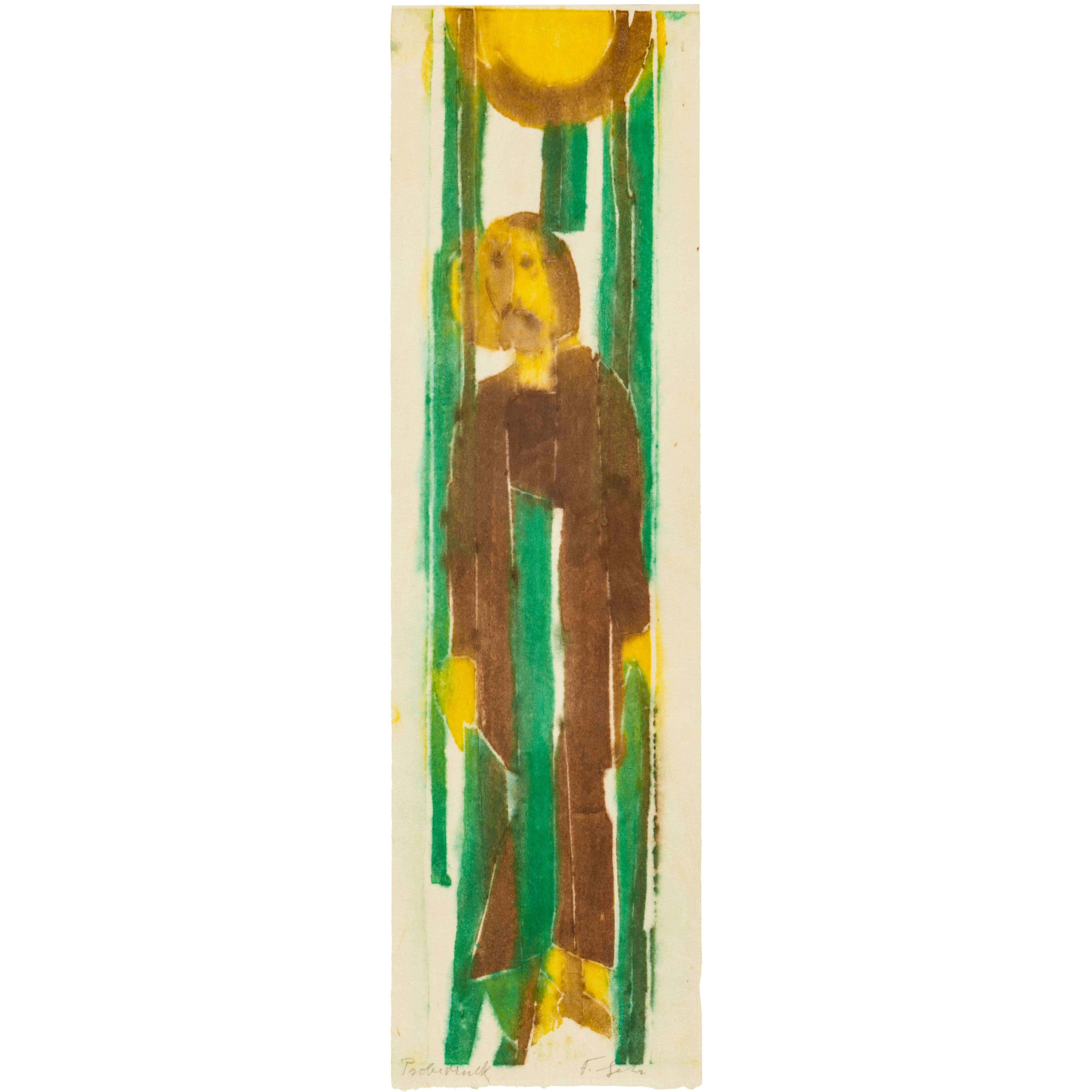
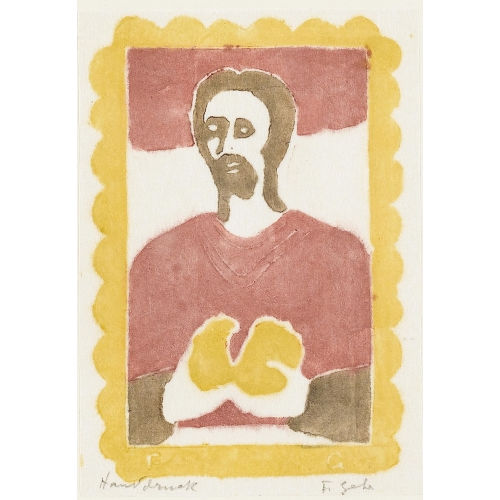
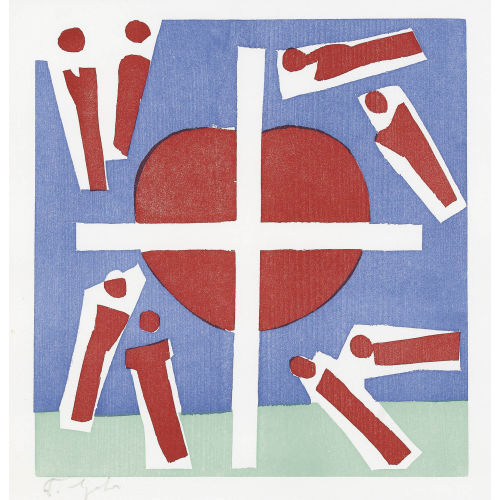
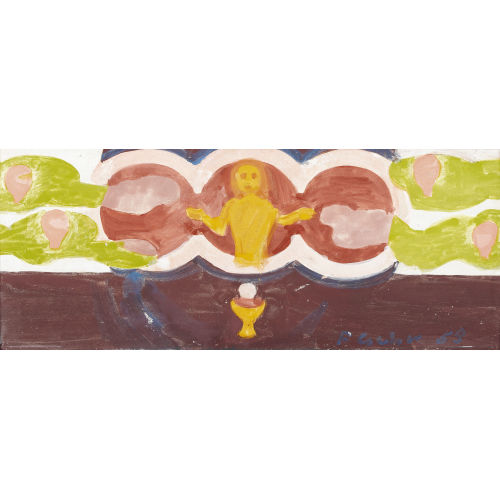
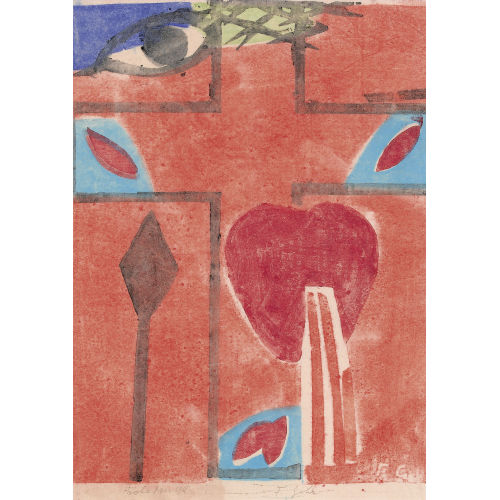
From the 1930s onwards, commissions for murals and stained-glass windows assumed an important place in his activity. Gehr contributed to the renewal of religious art through a simplification of forms that retained figurative references. This freedom prompted contrasting reactions: recognition of his work was accompanied by controversy surrounding certain sacred commissions.
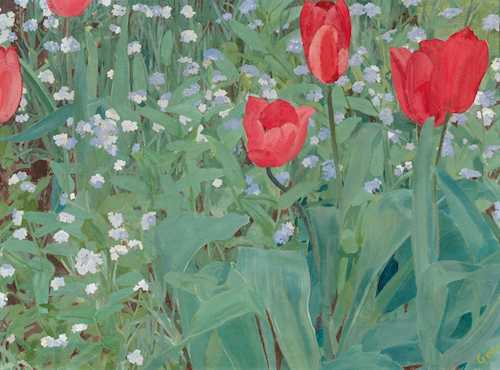
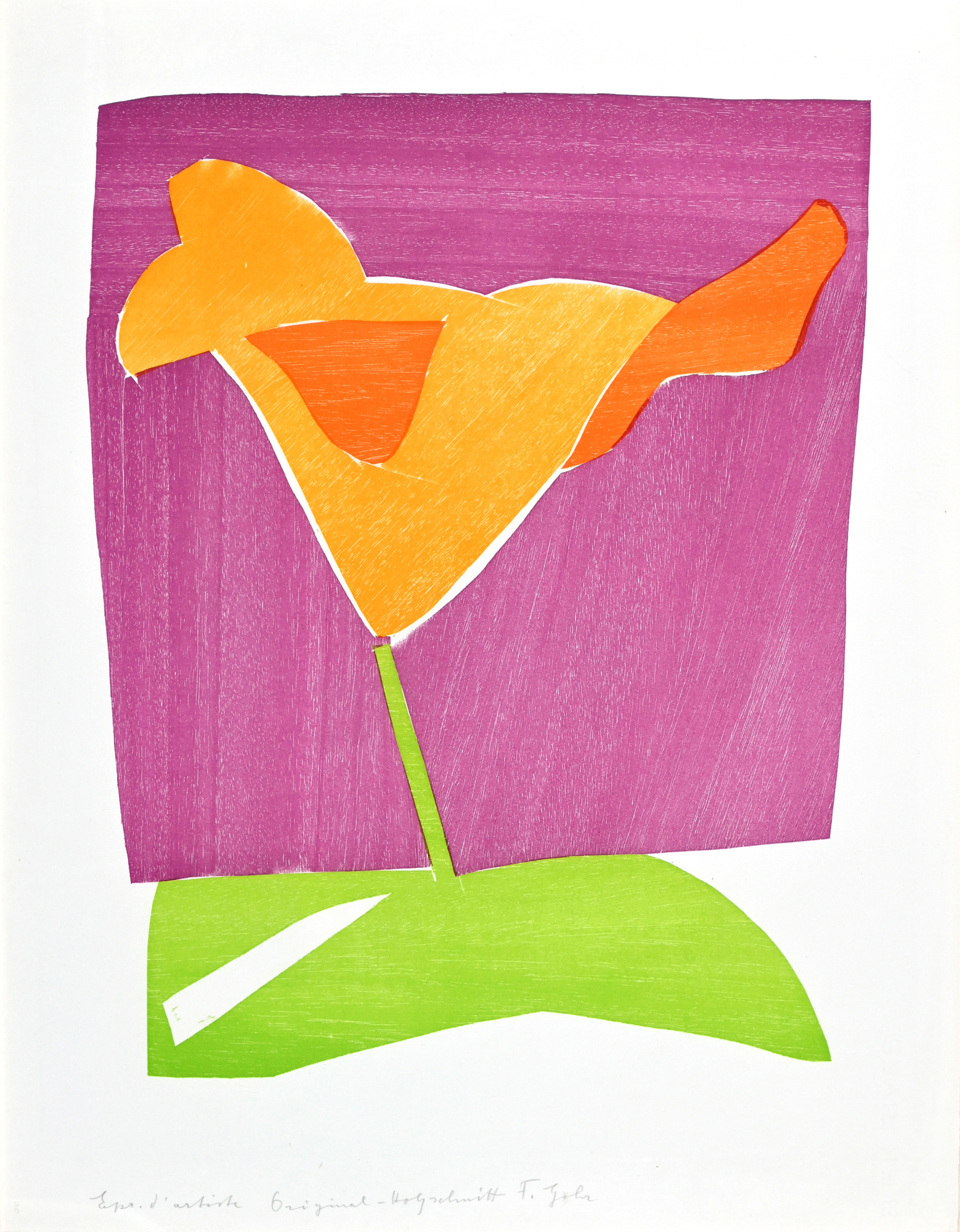
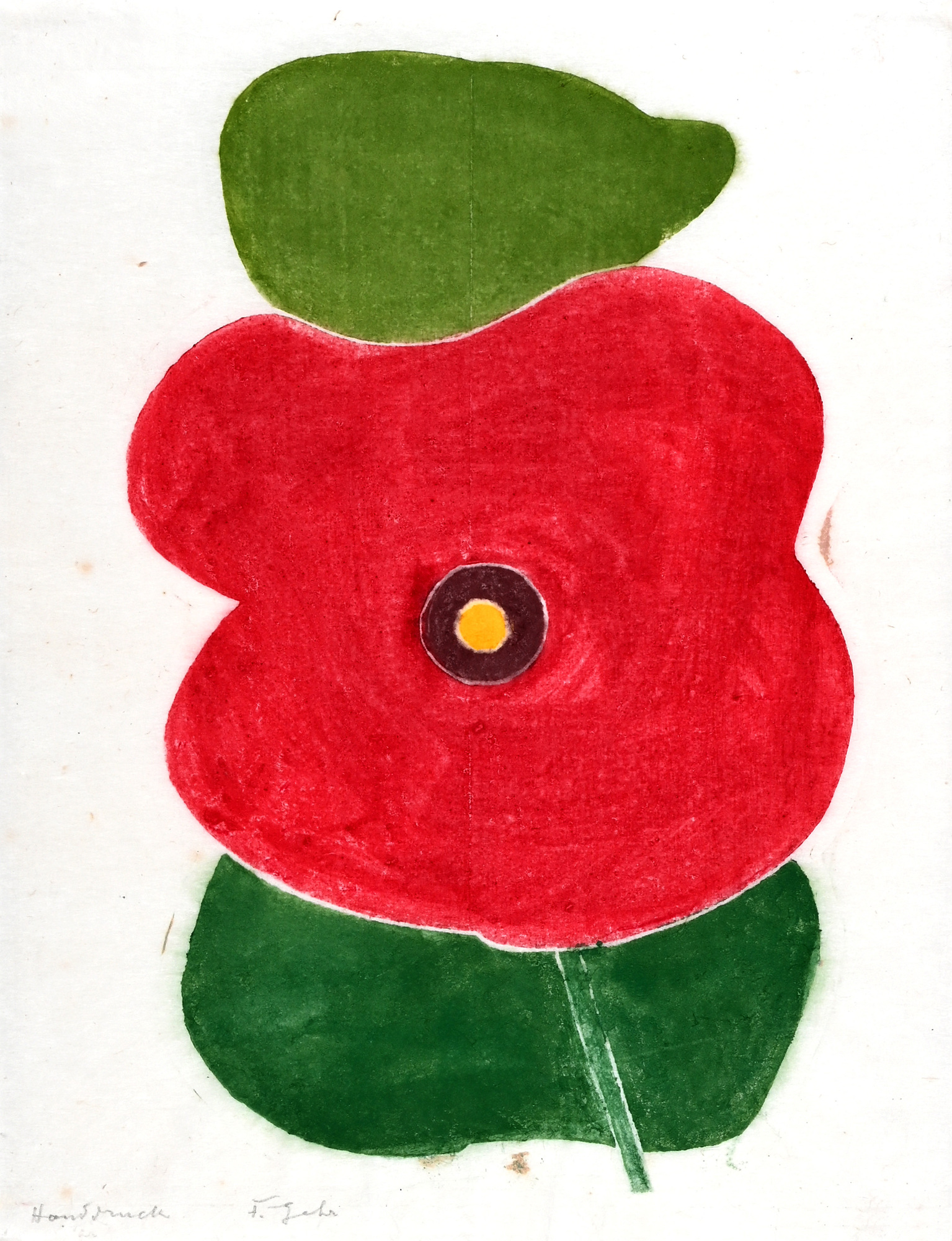
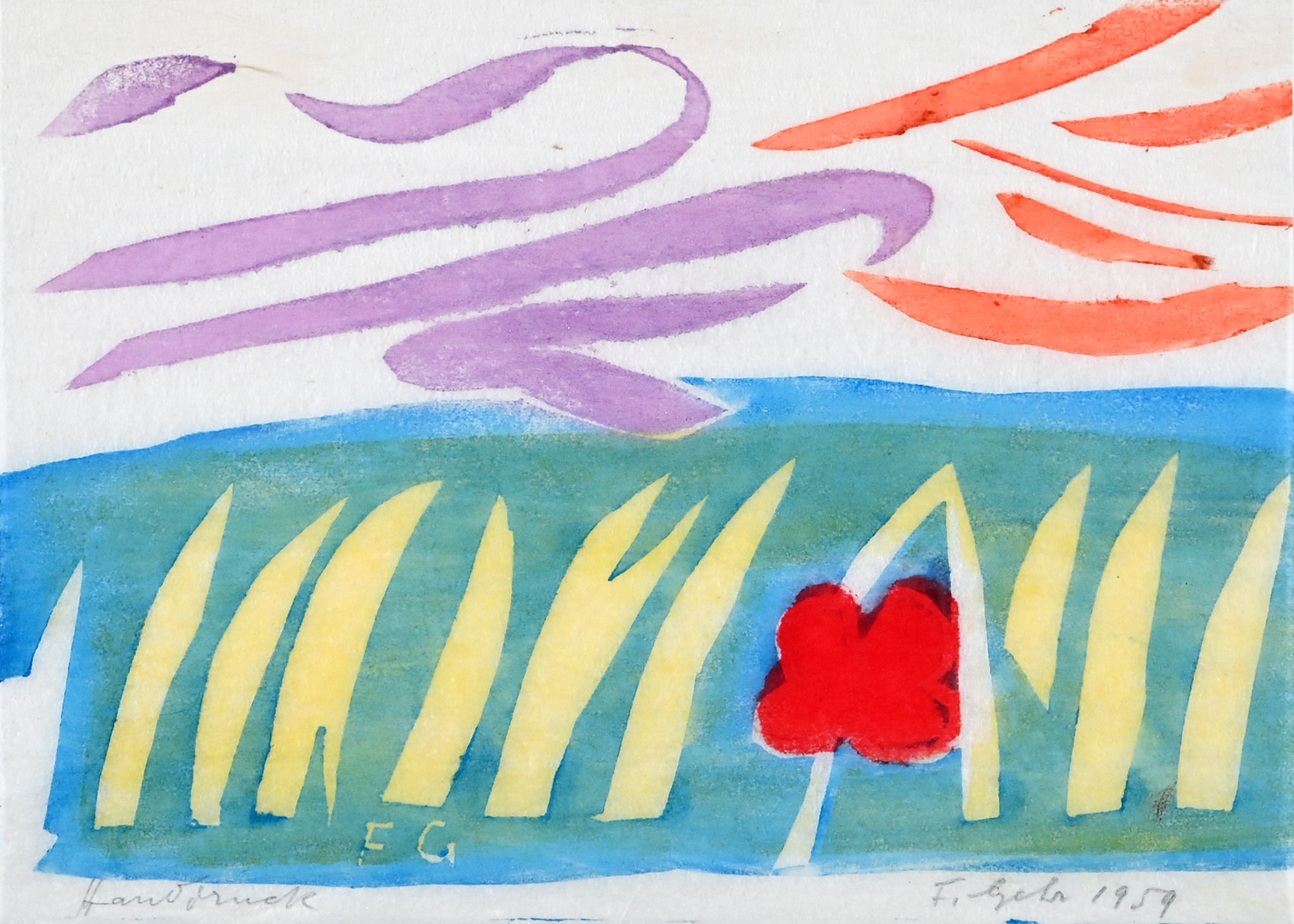
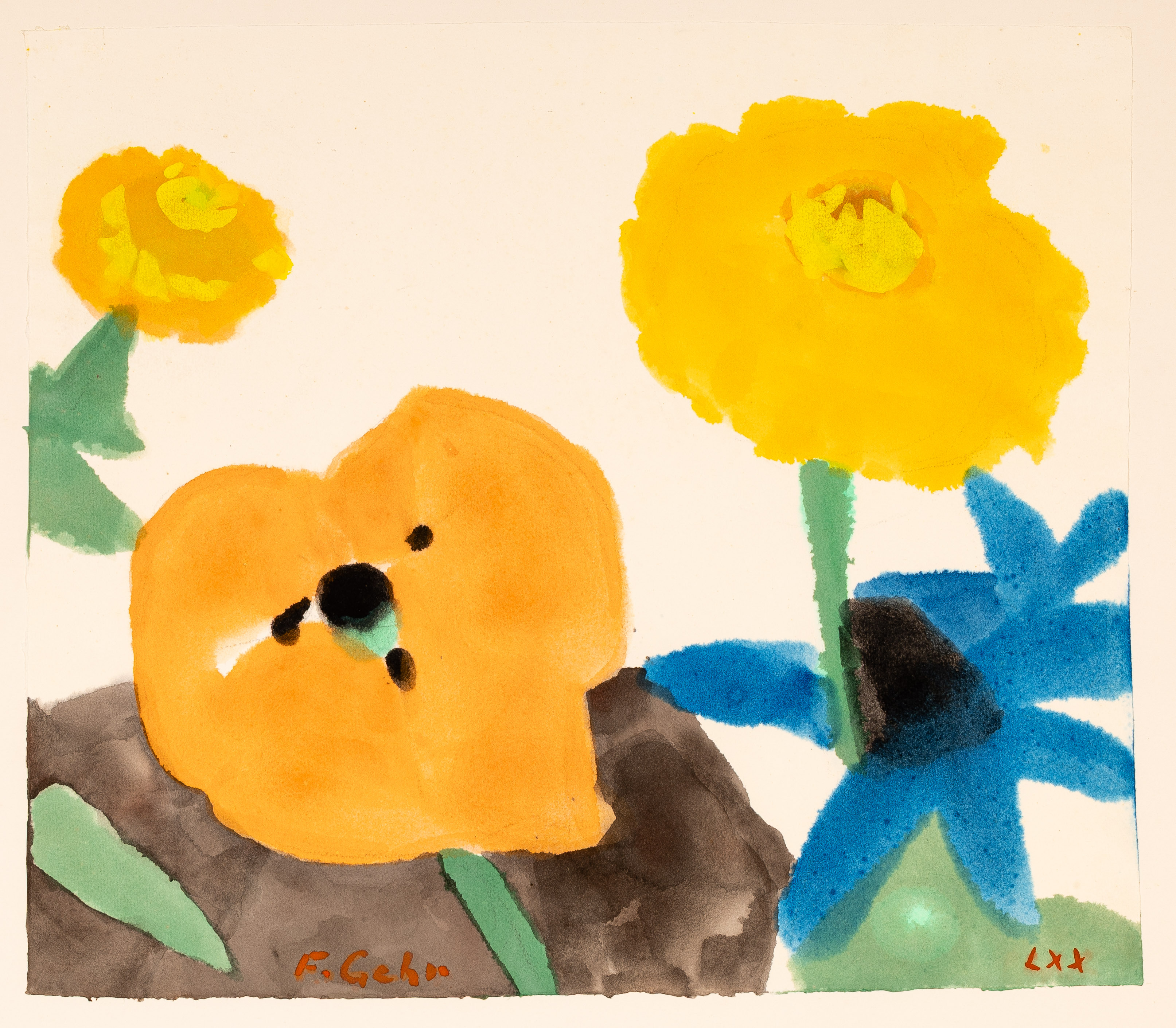
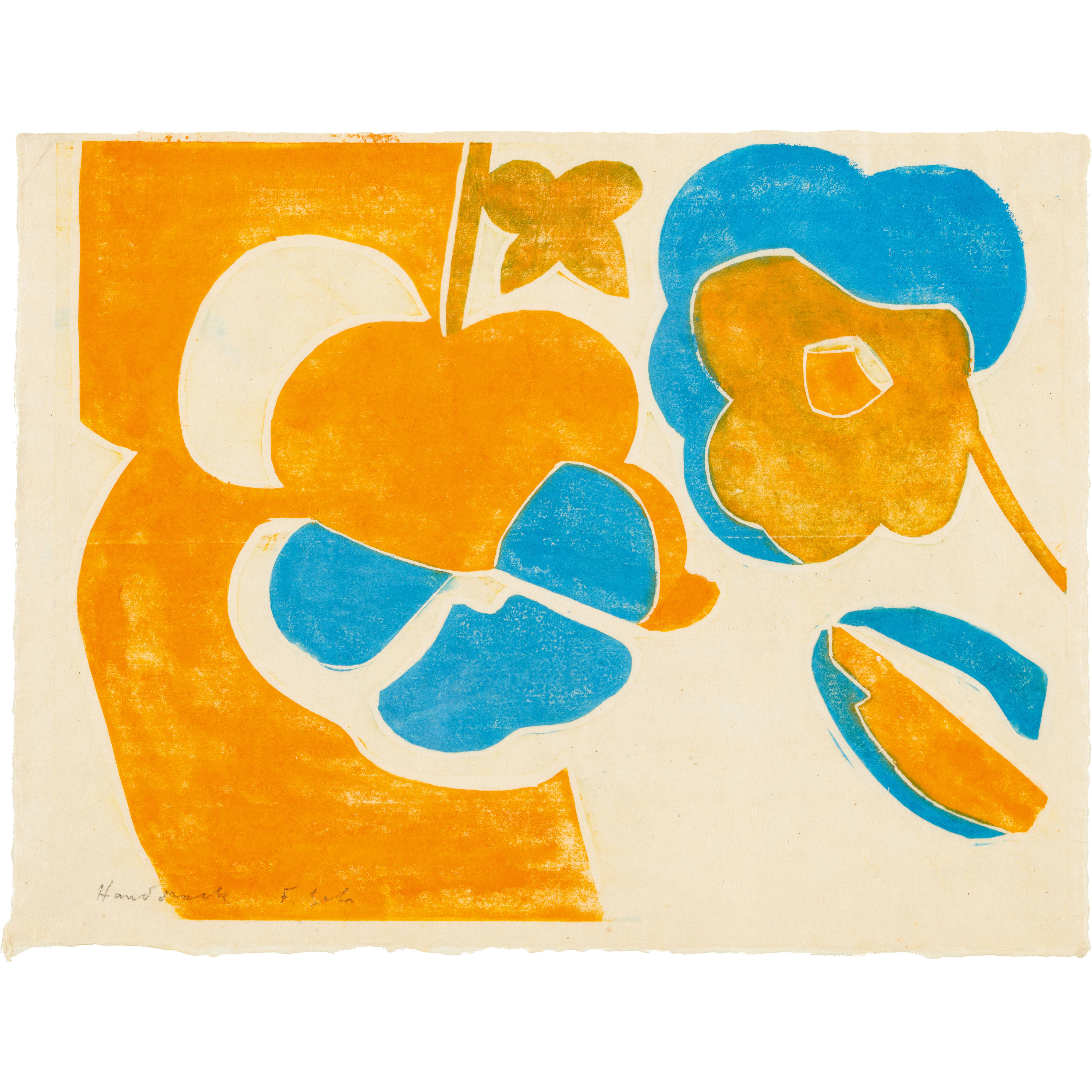
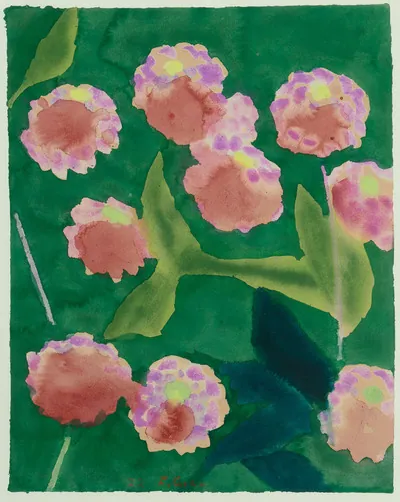
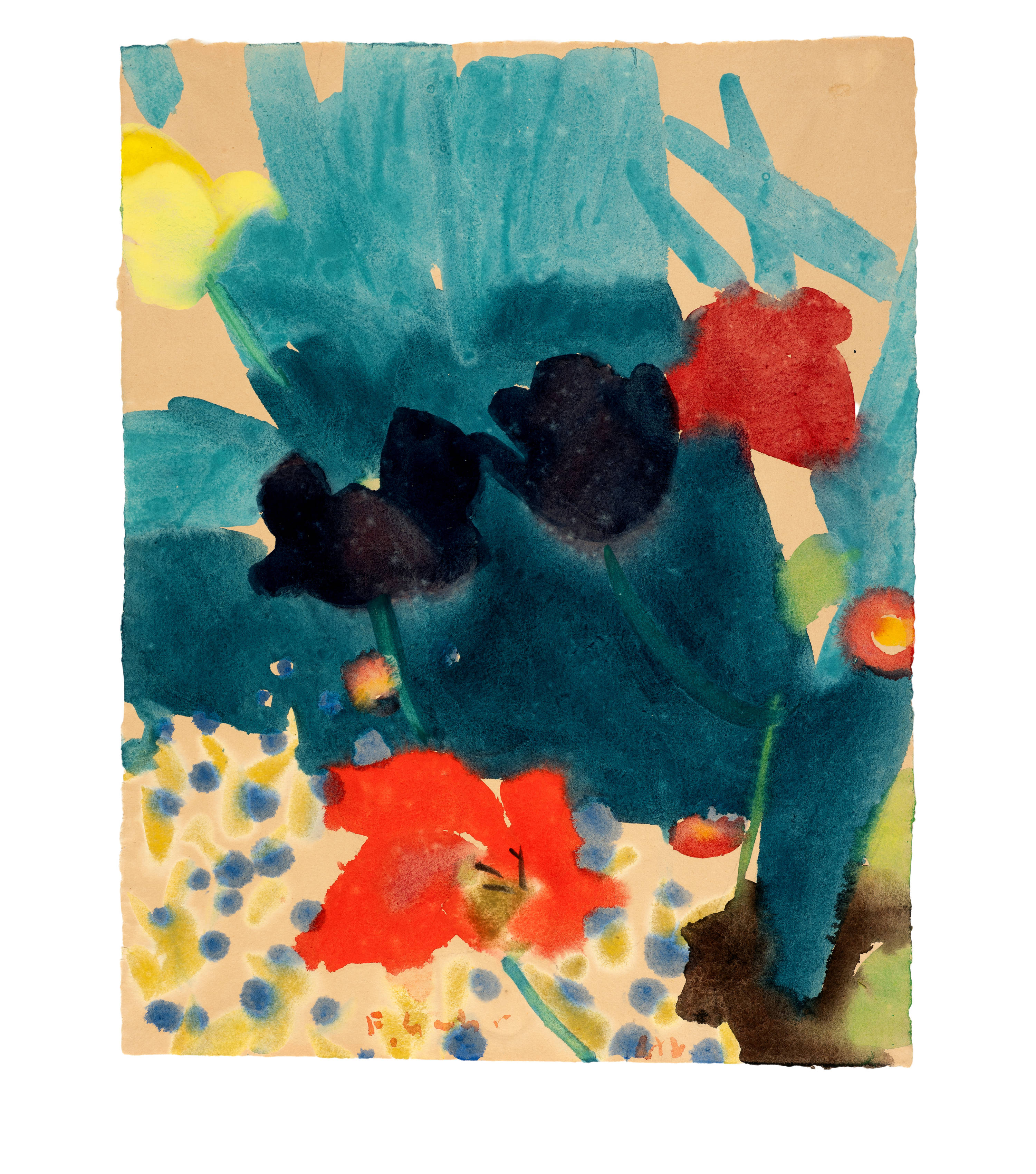
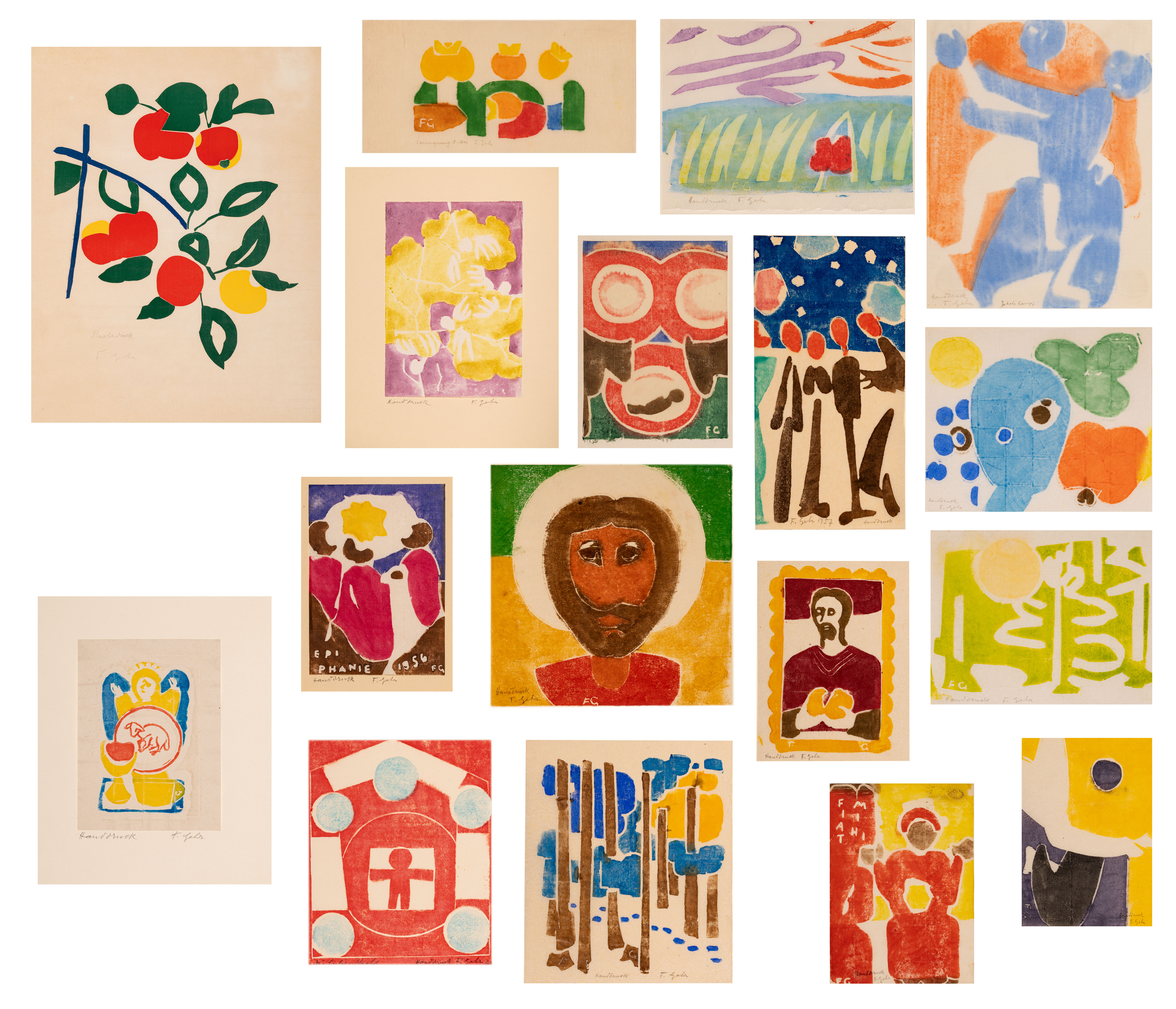
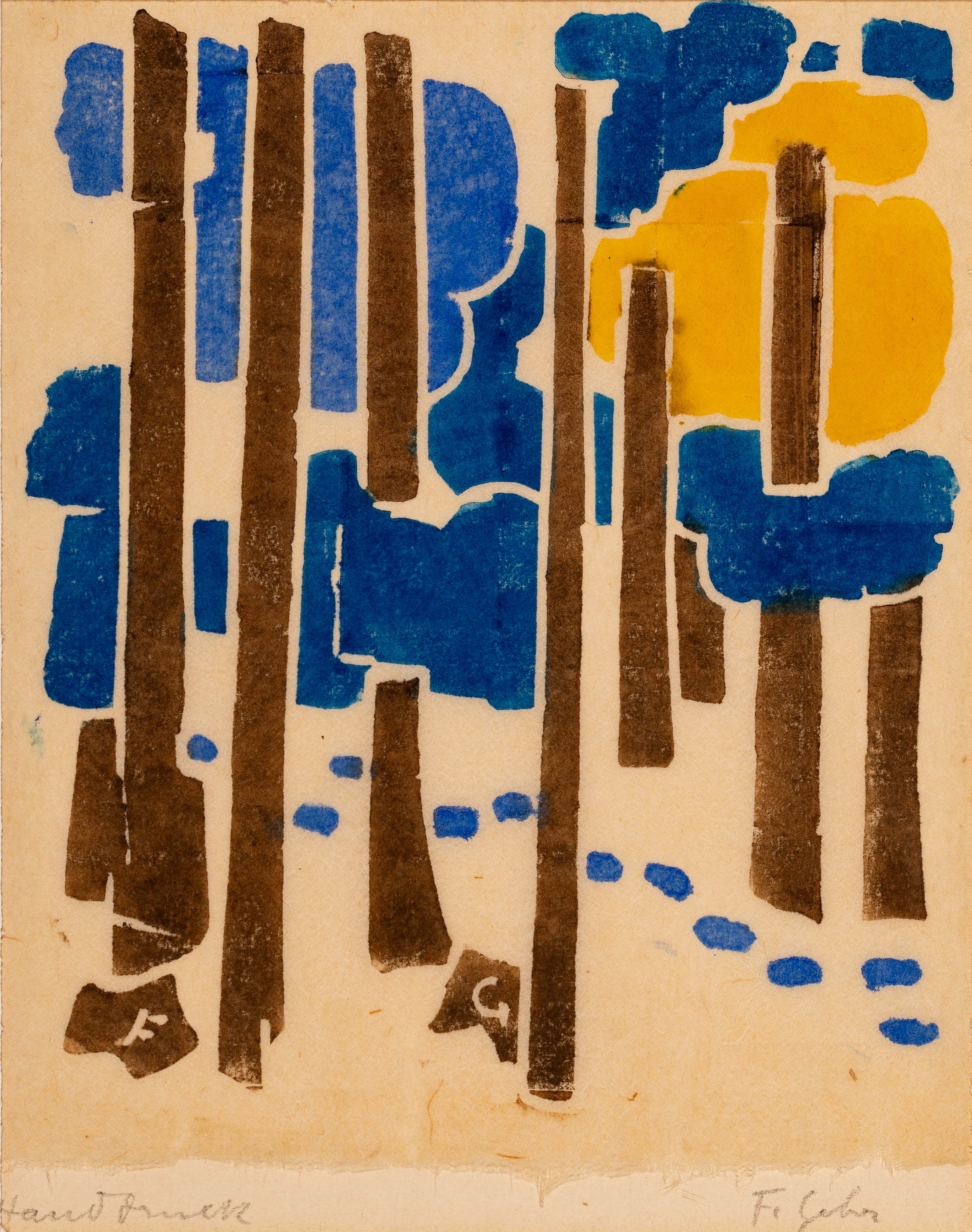
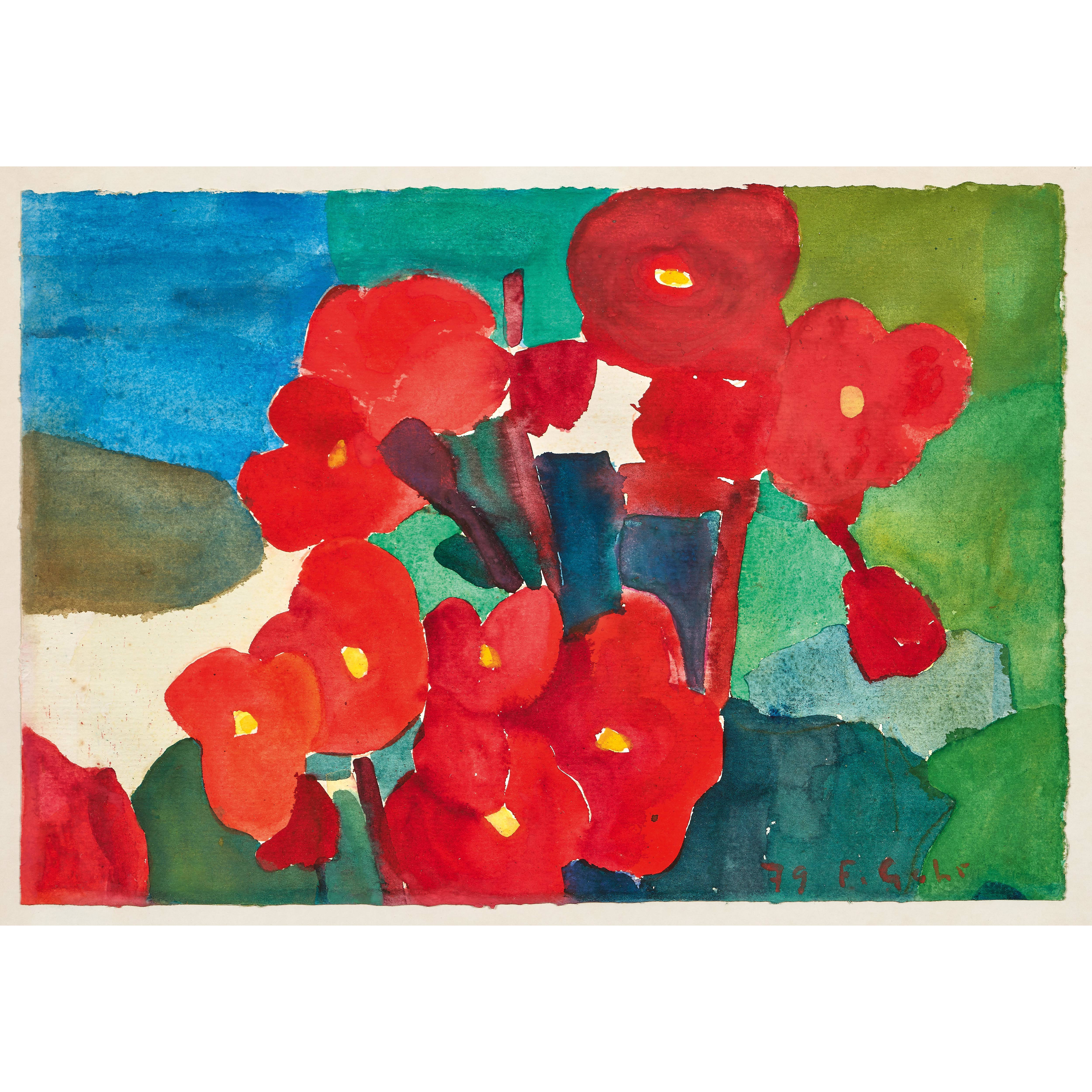
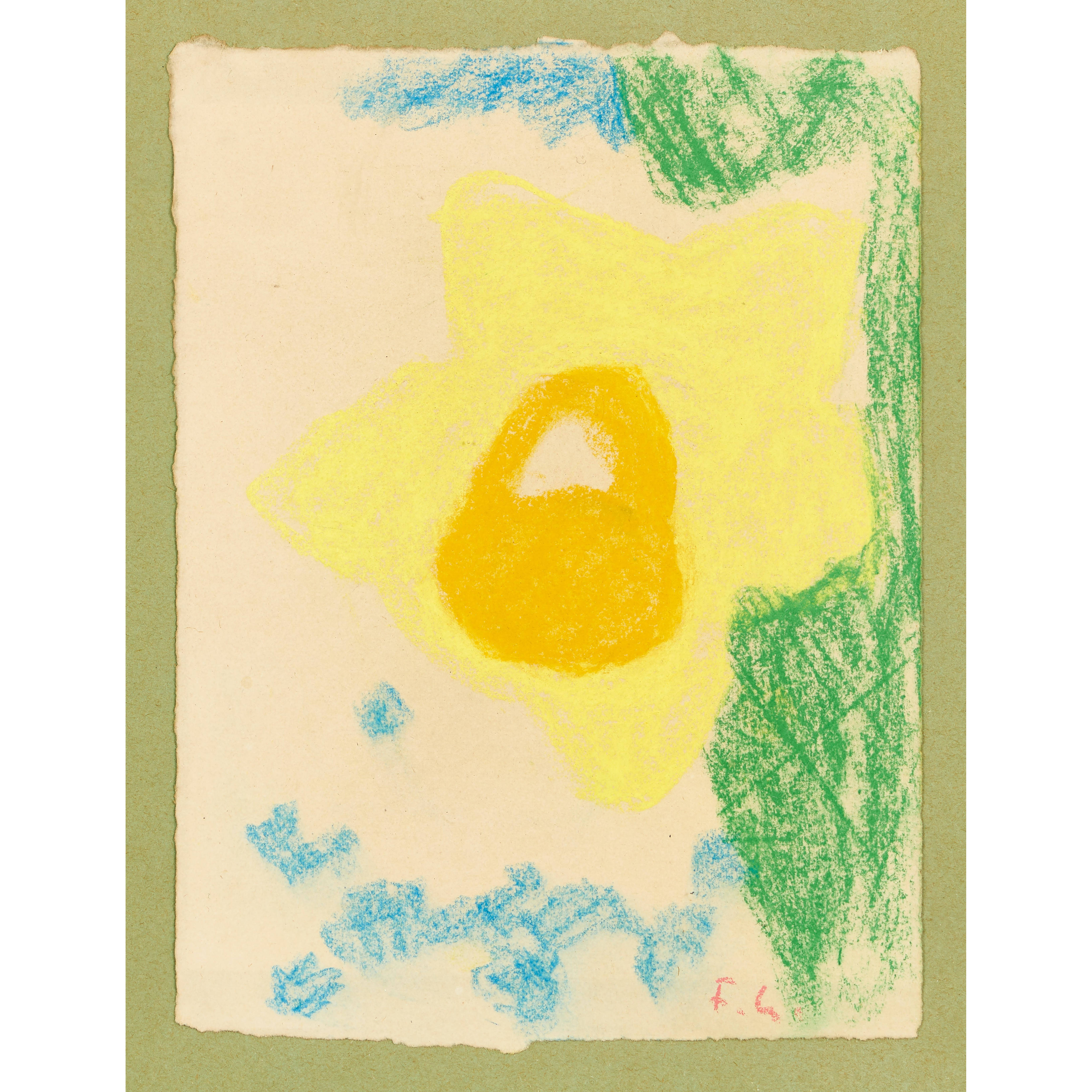
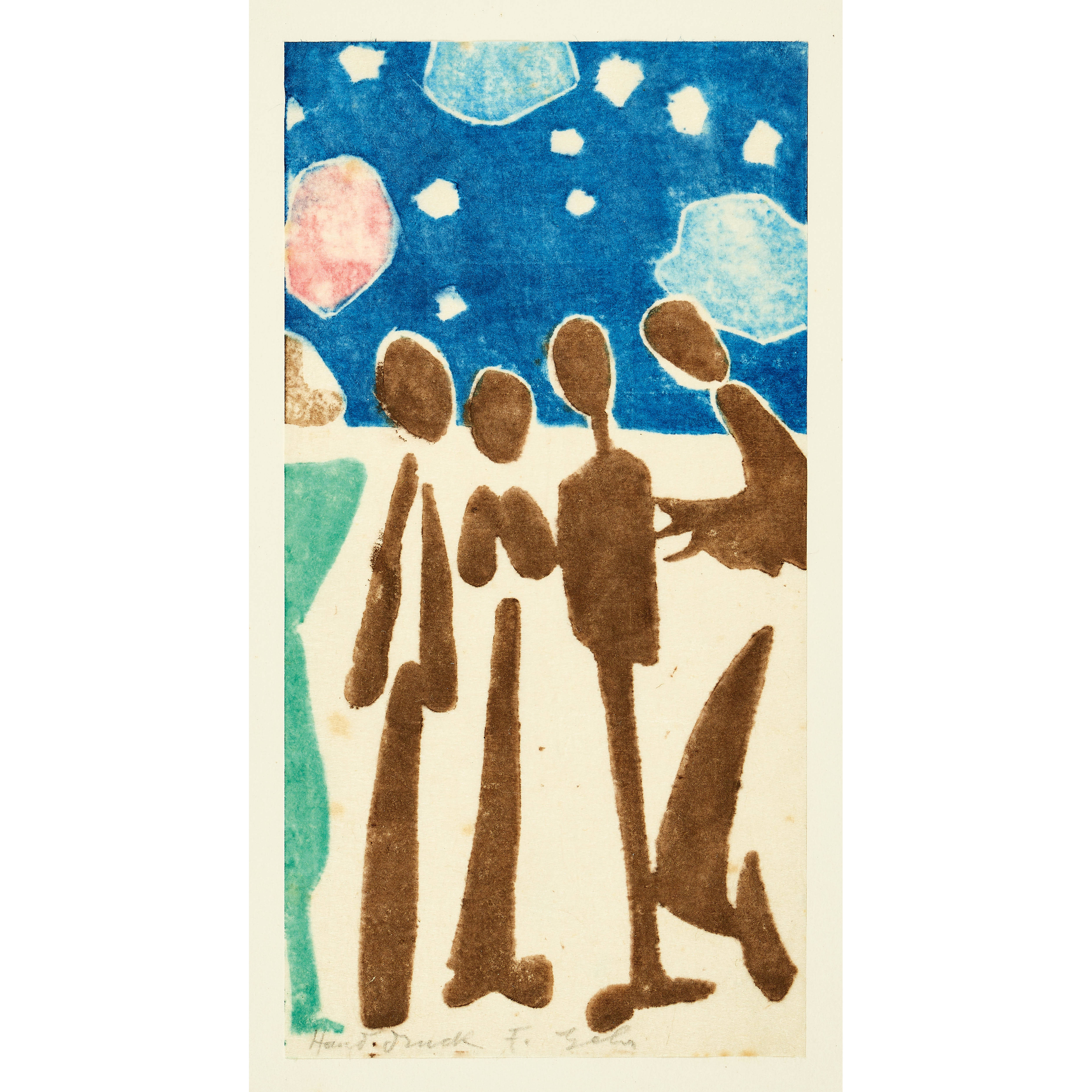
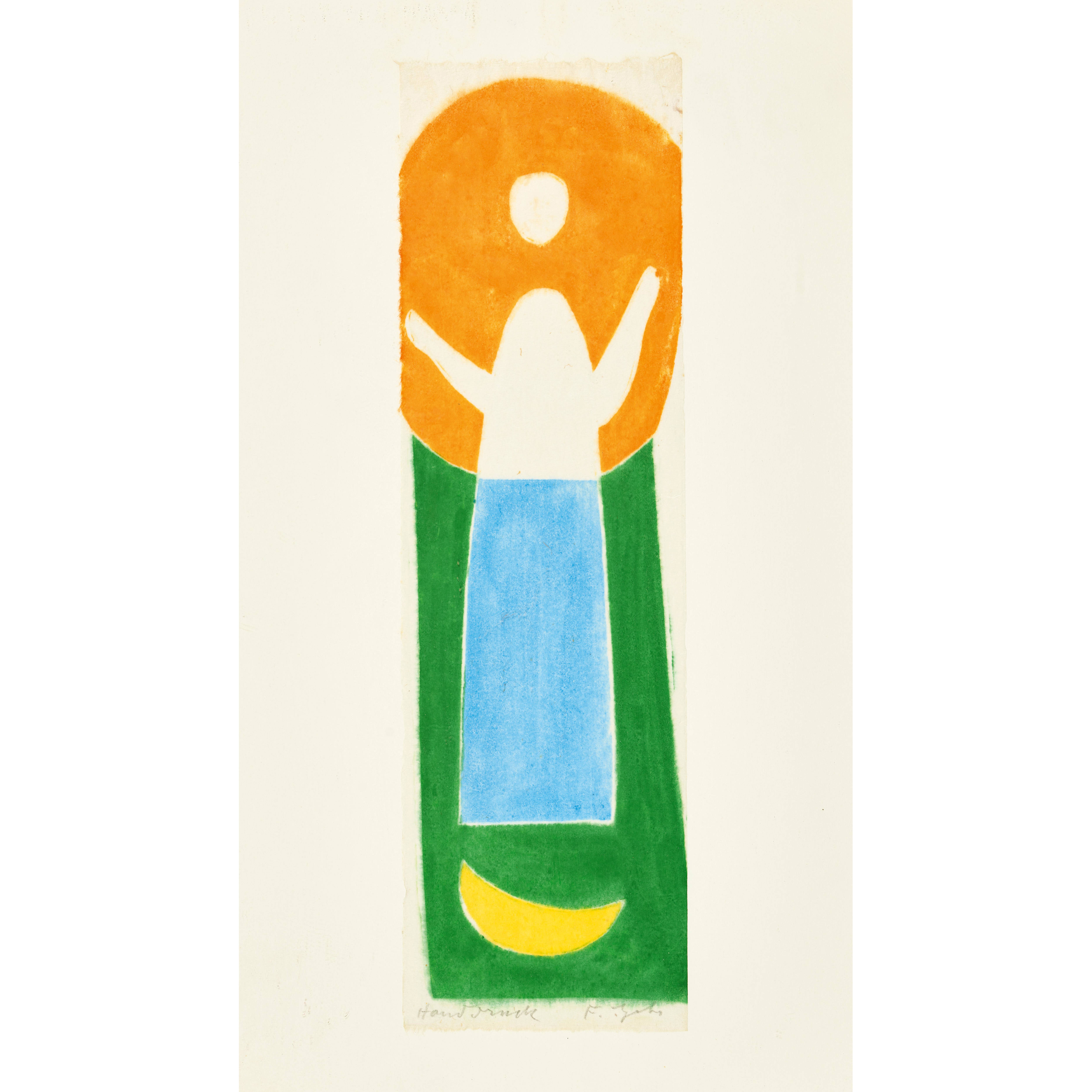
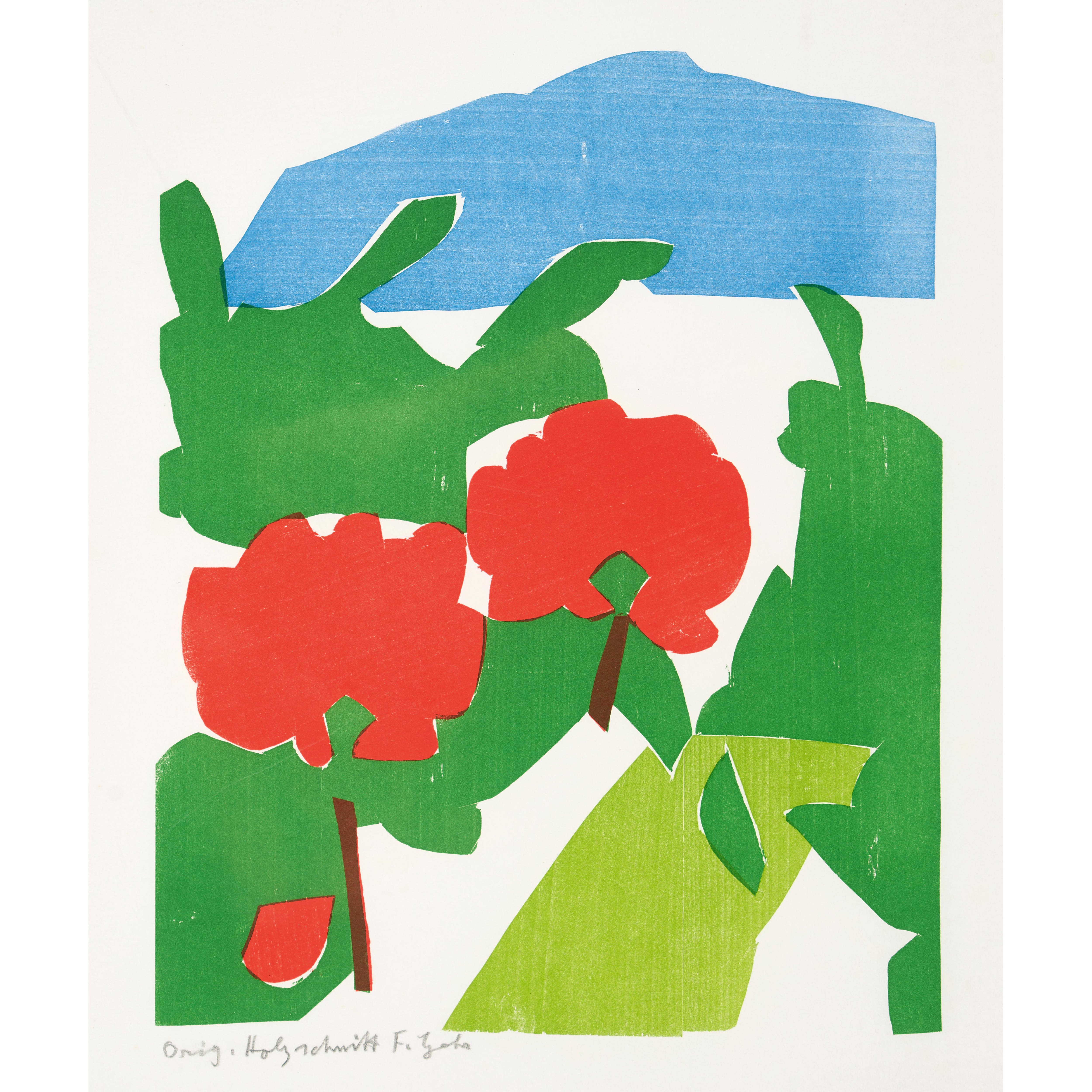
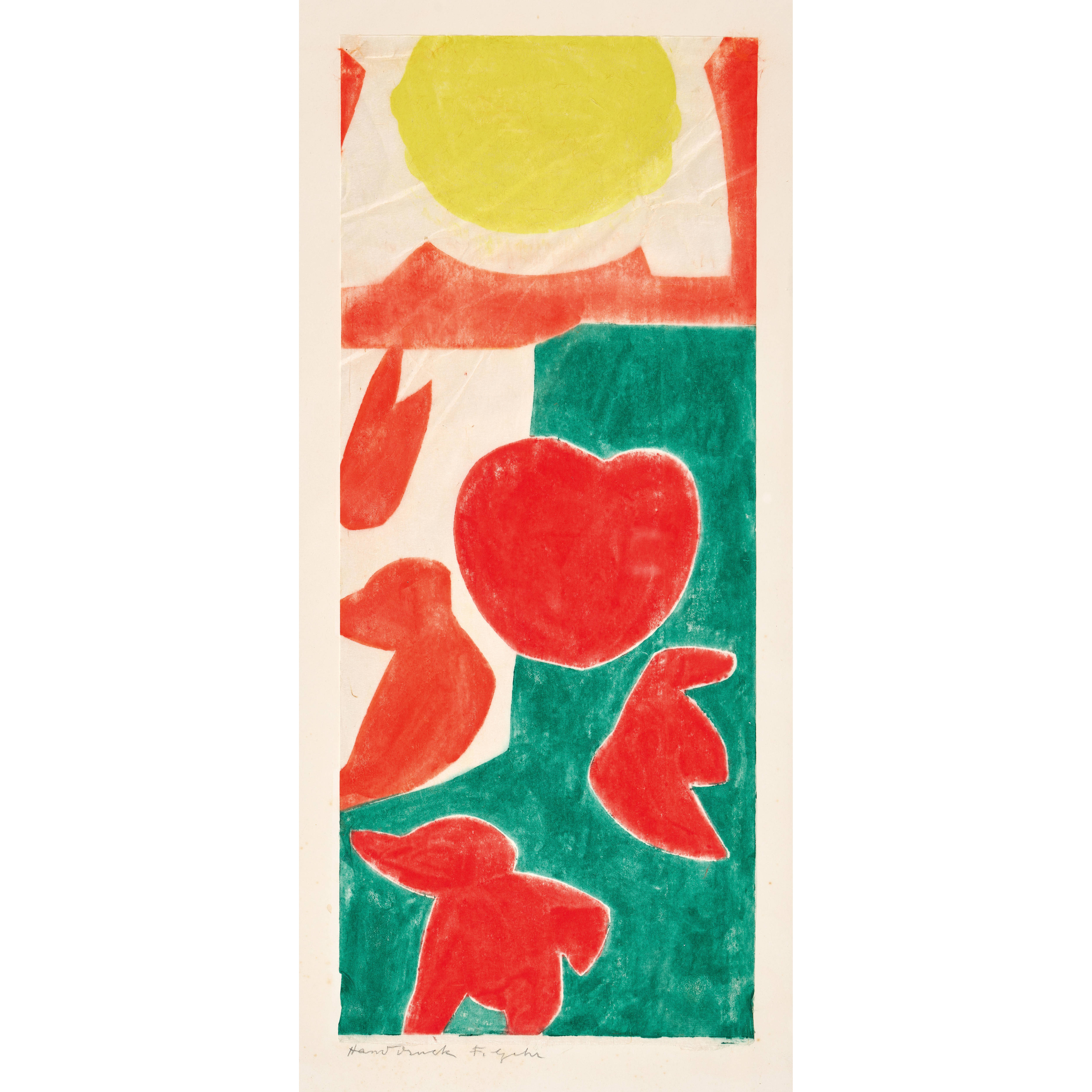
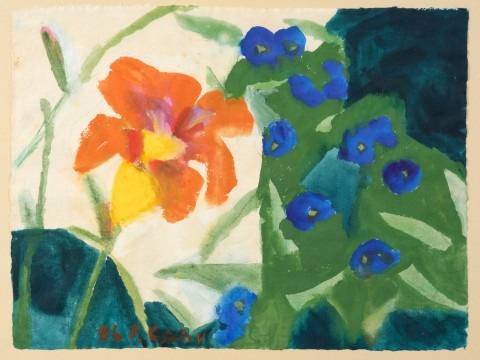
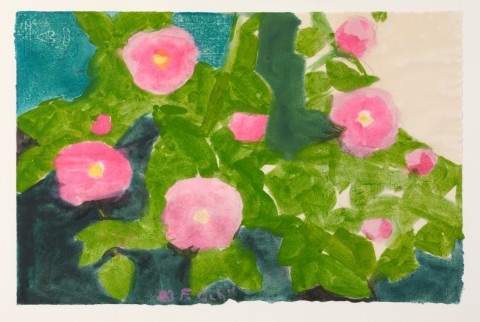
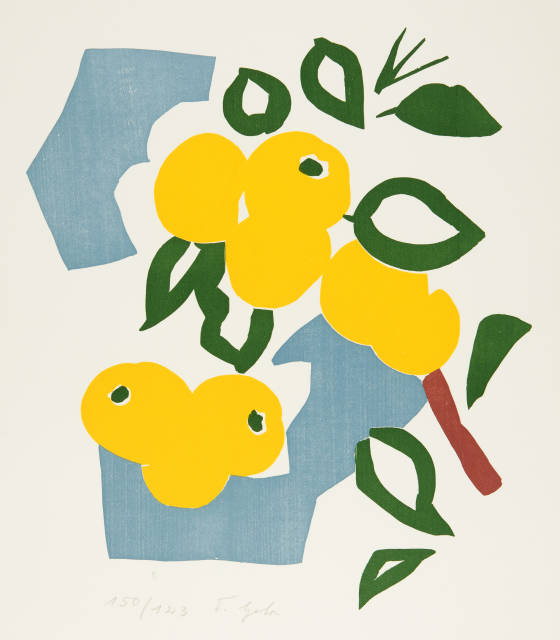
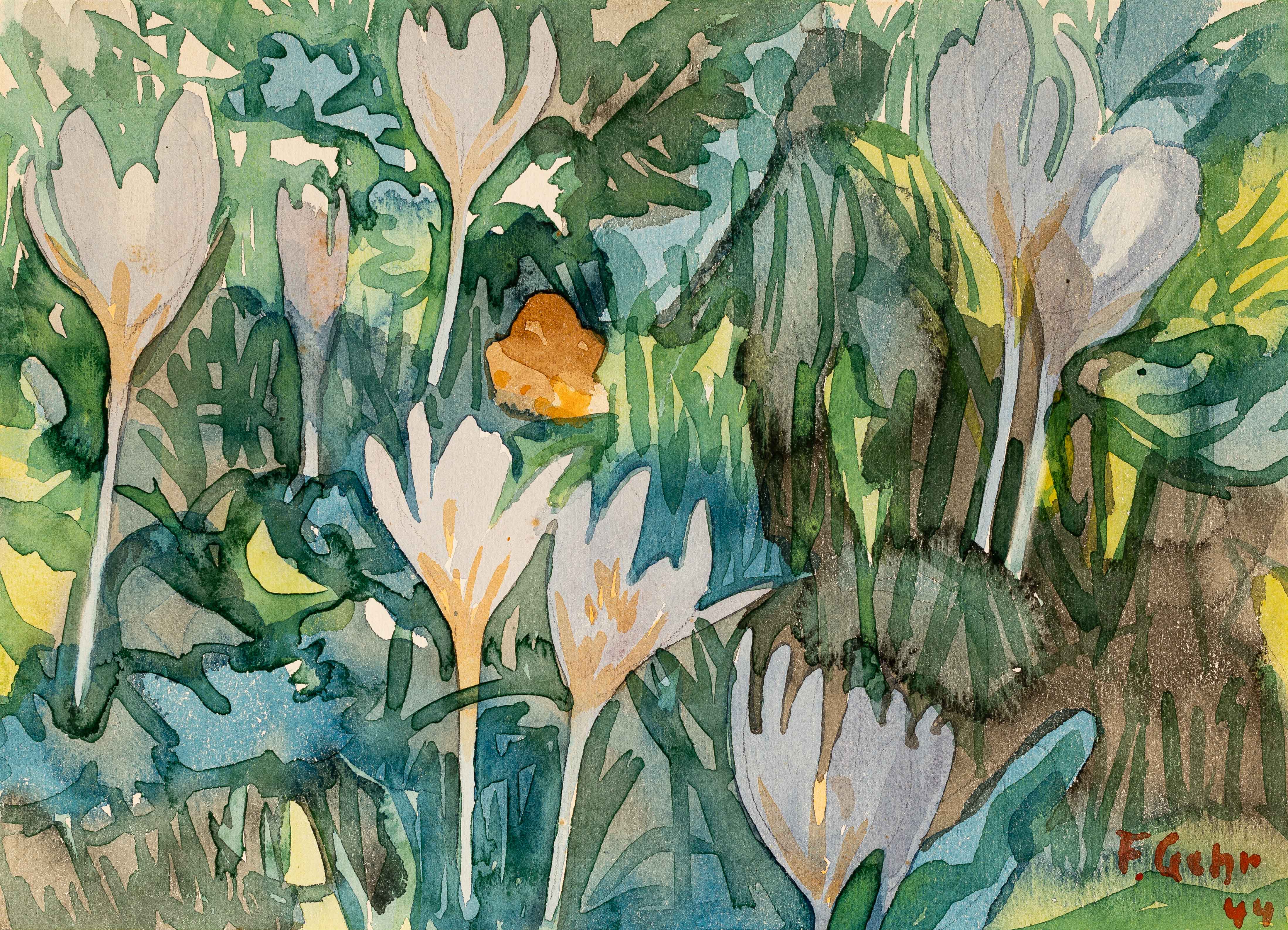
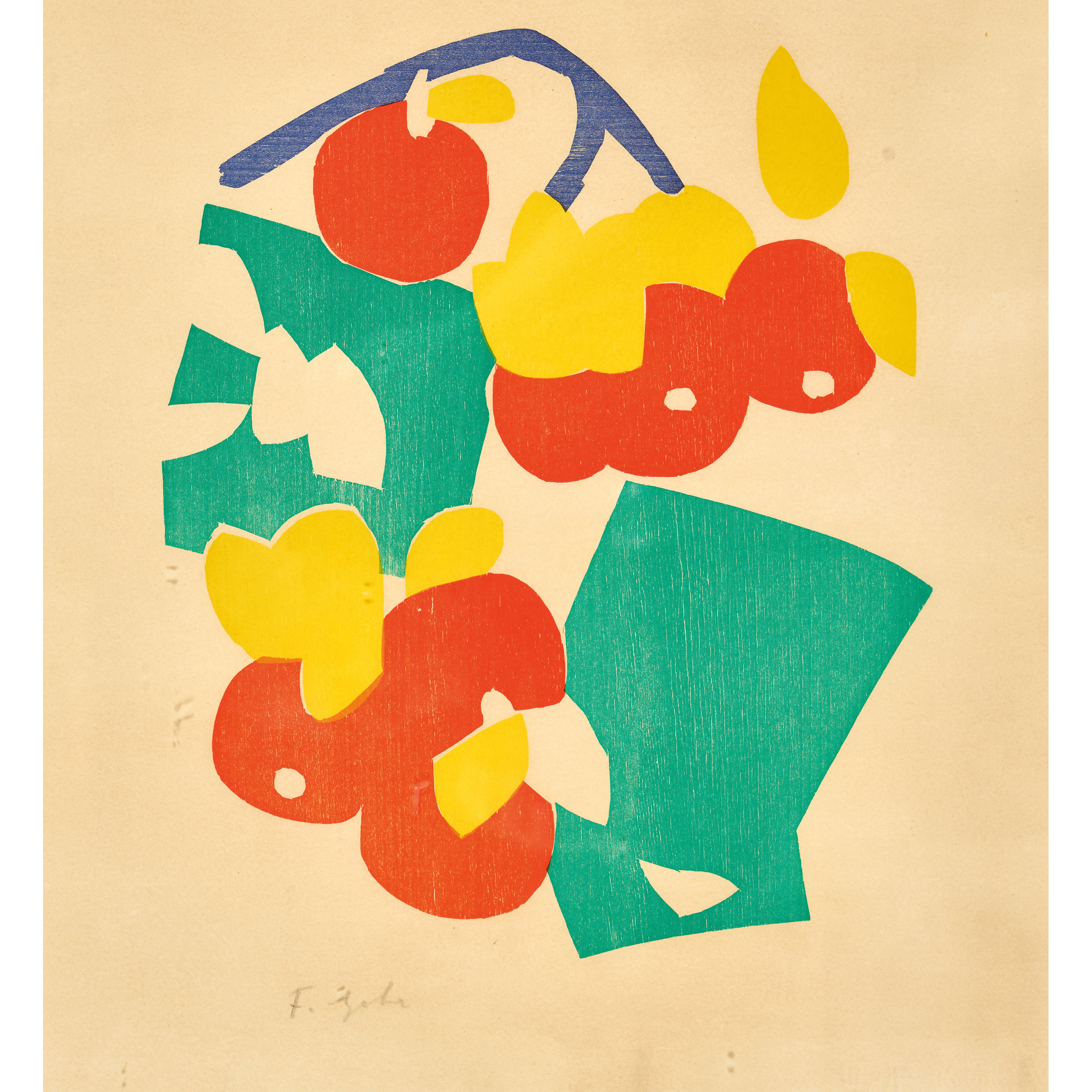
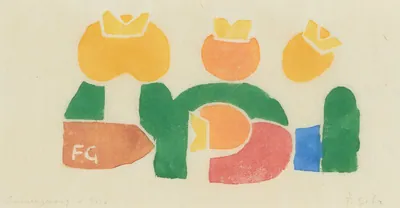
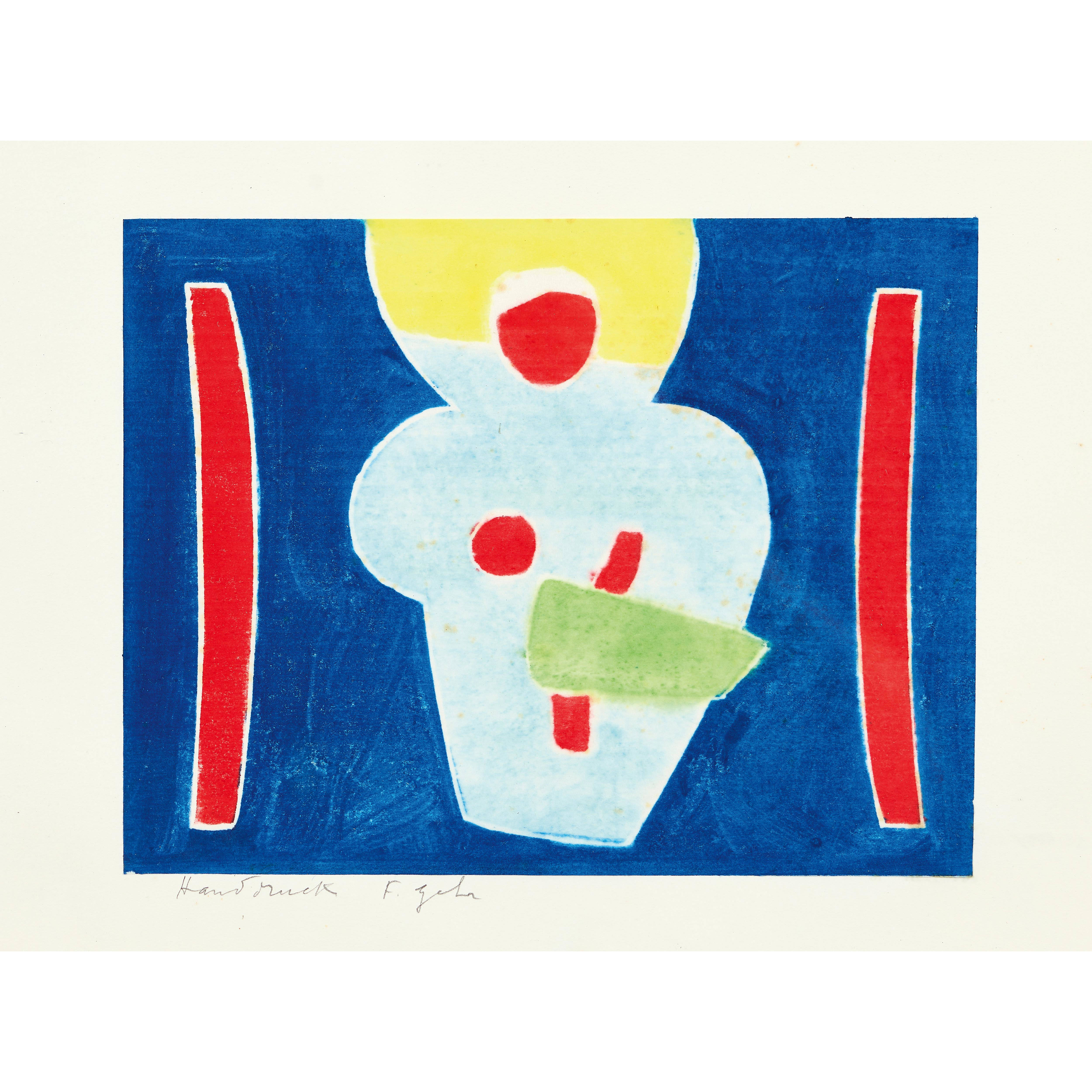
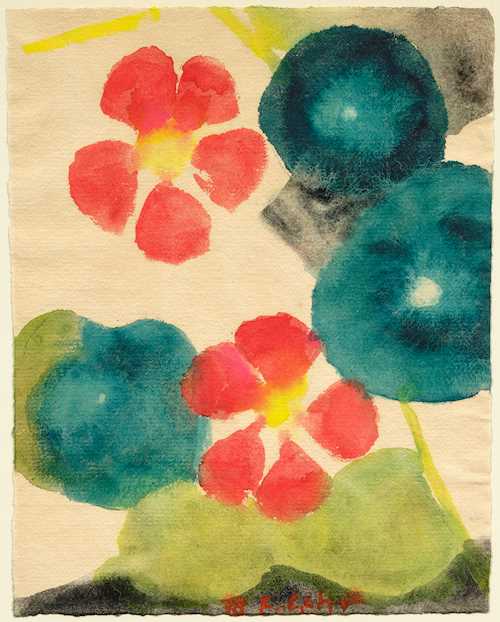
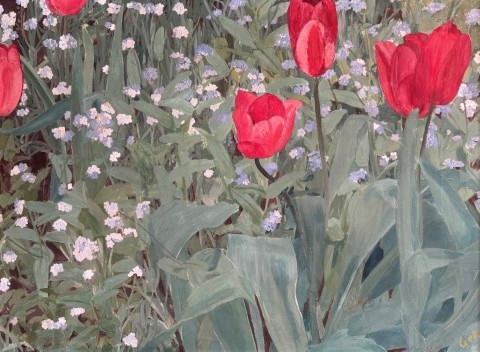
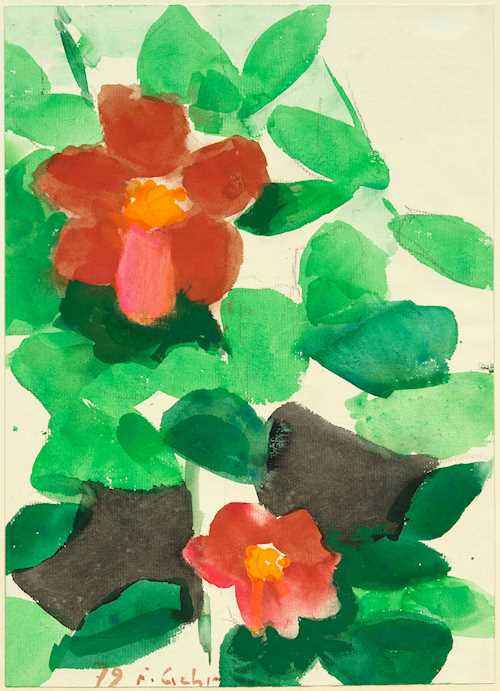
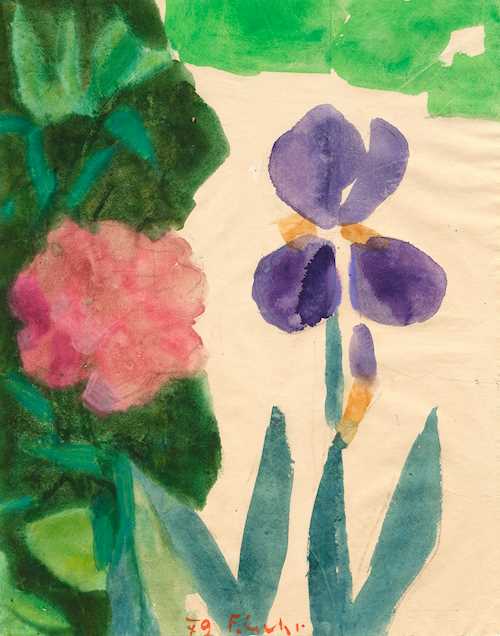
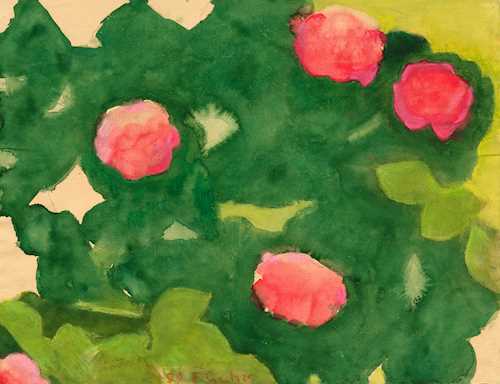
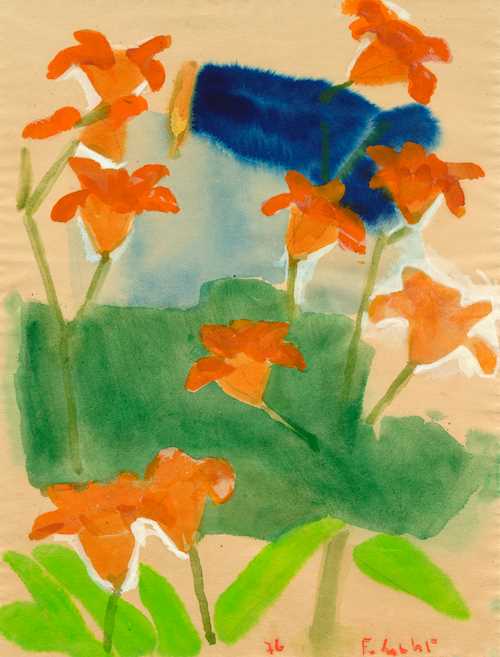
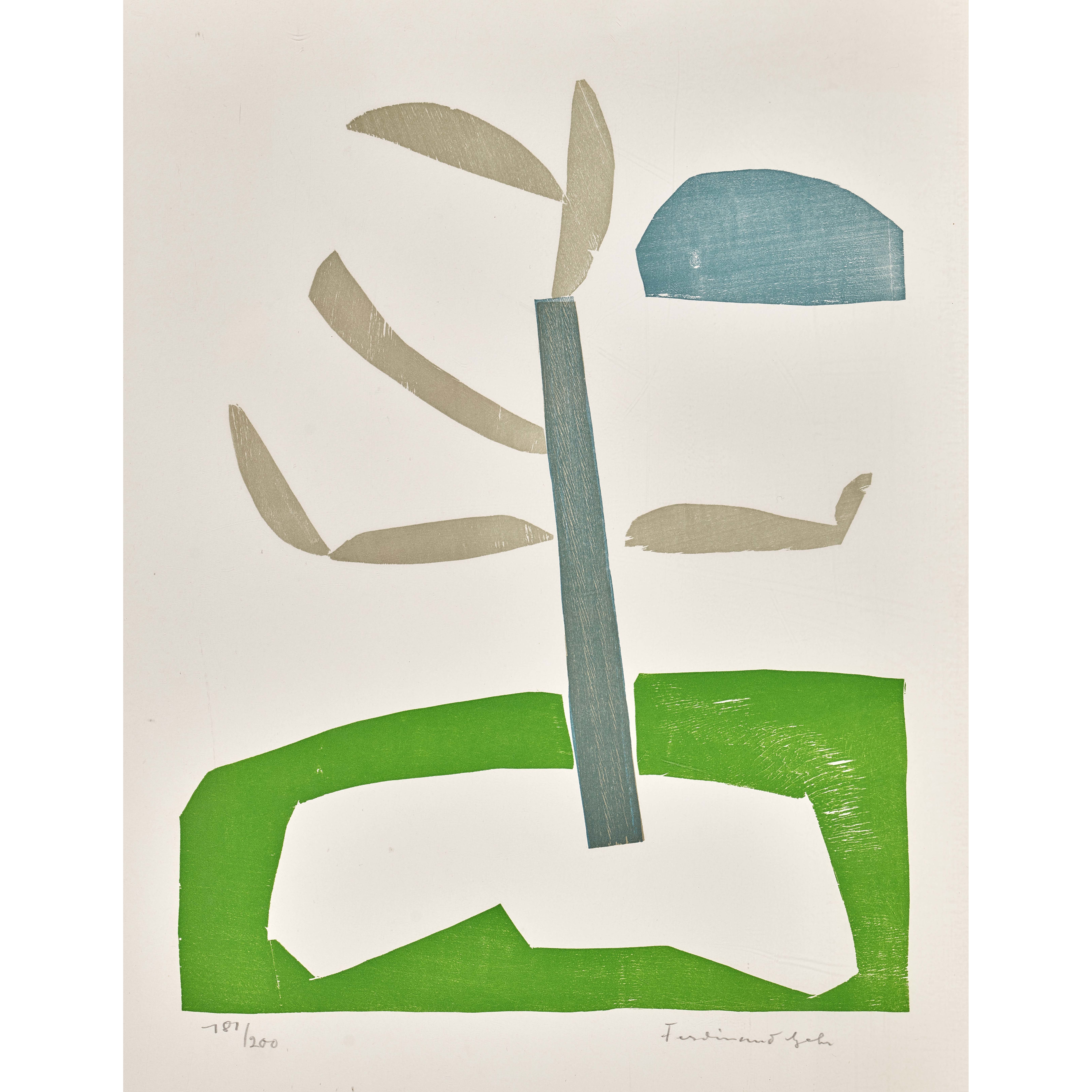
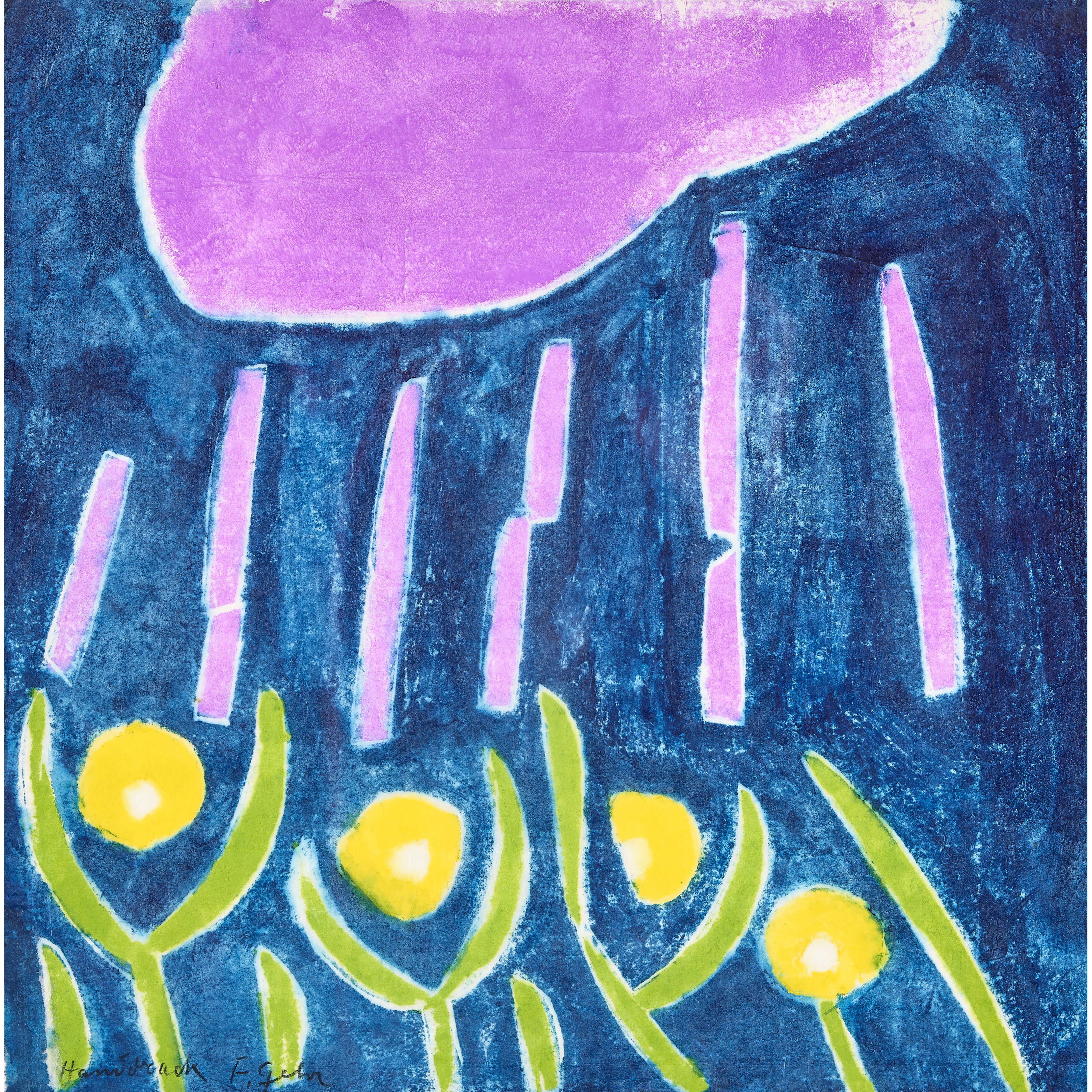
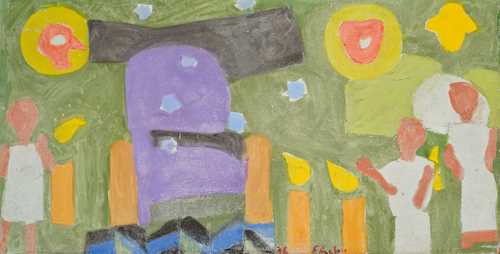
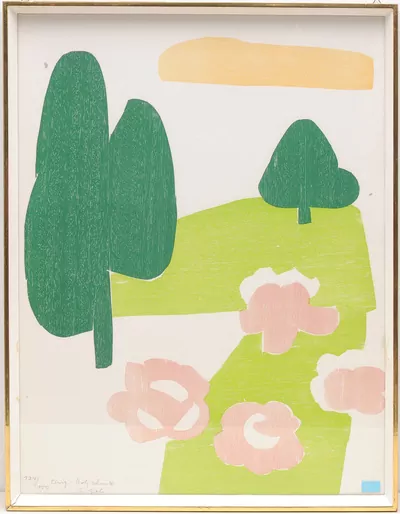
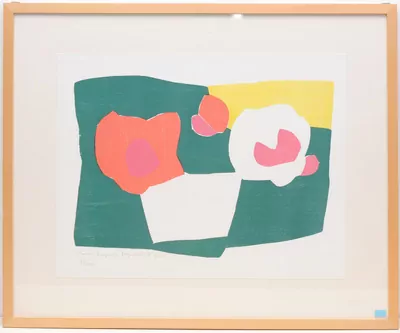
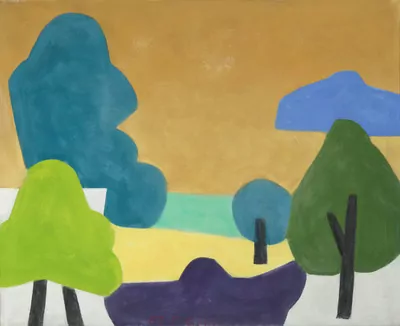
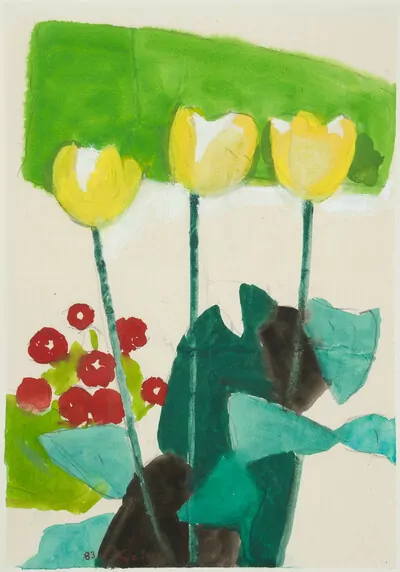
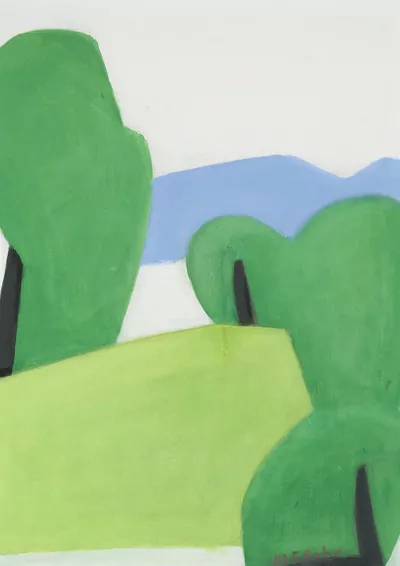
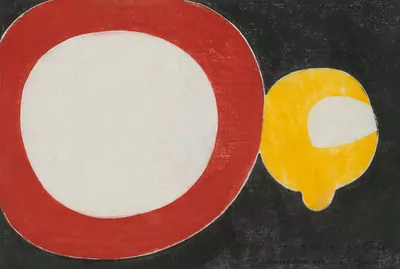
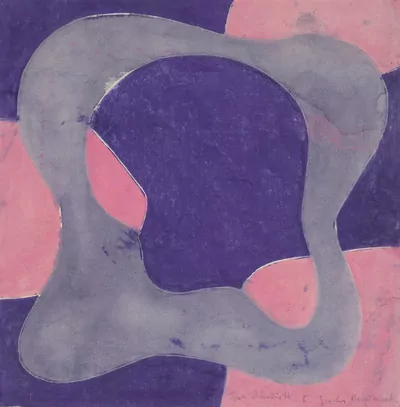
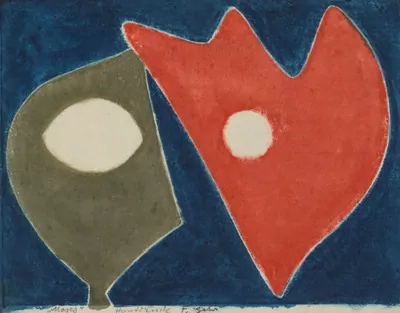
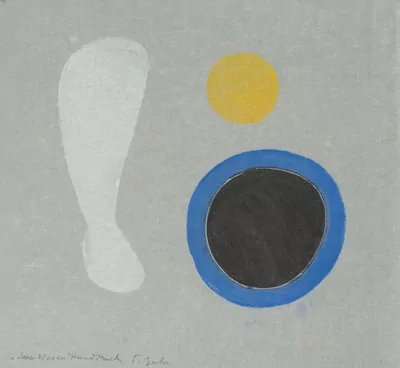
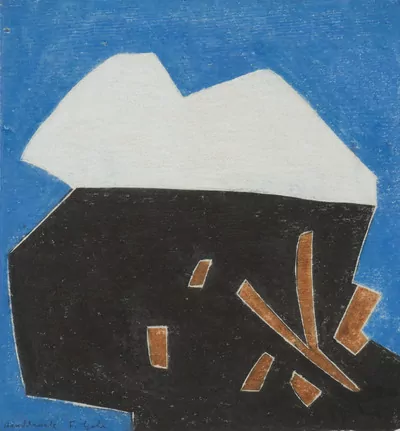
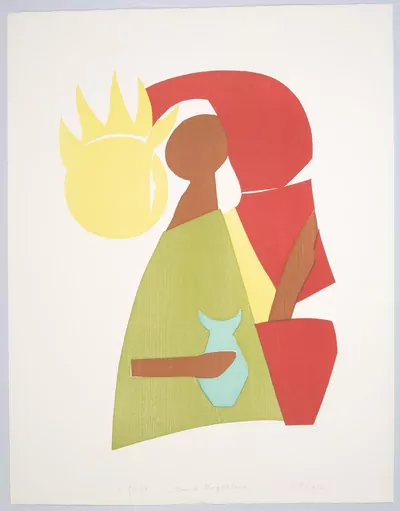
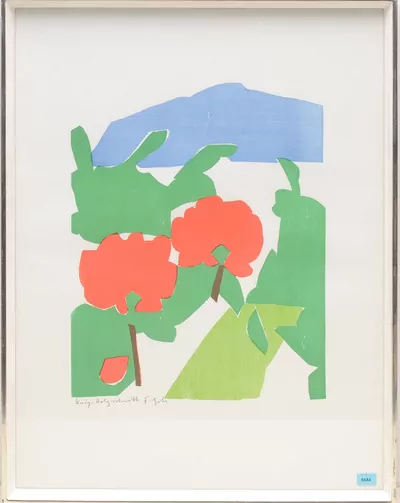
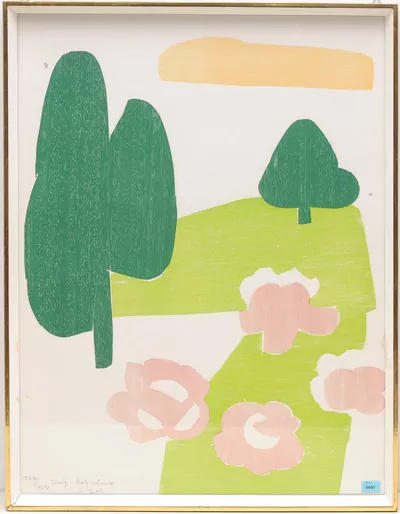
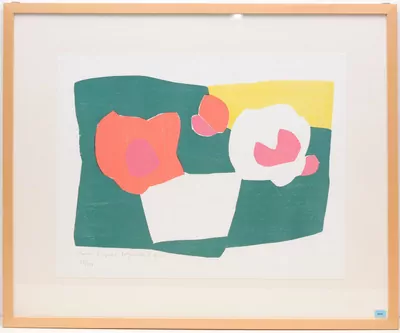
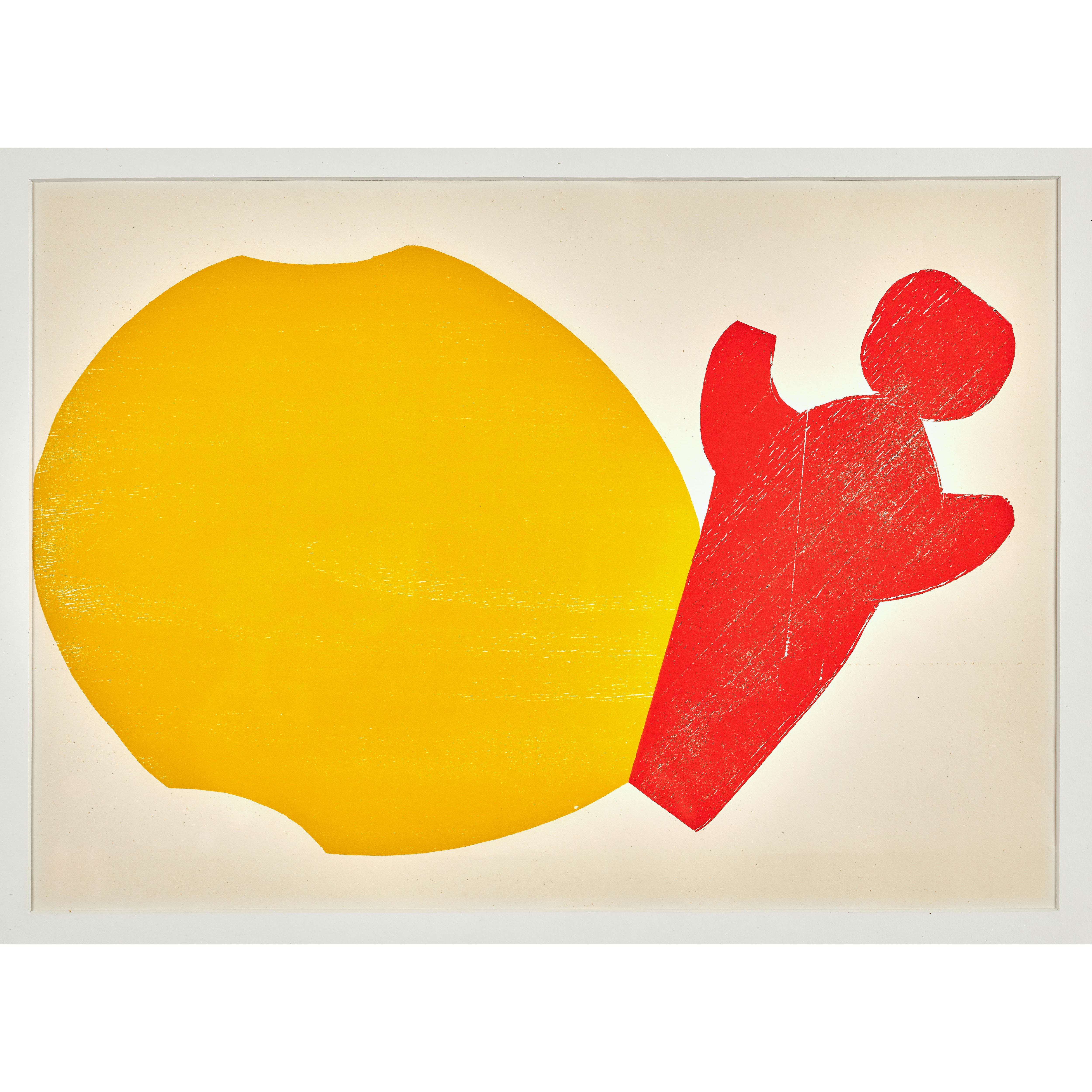
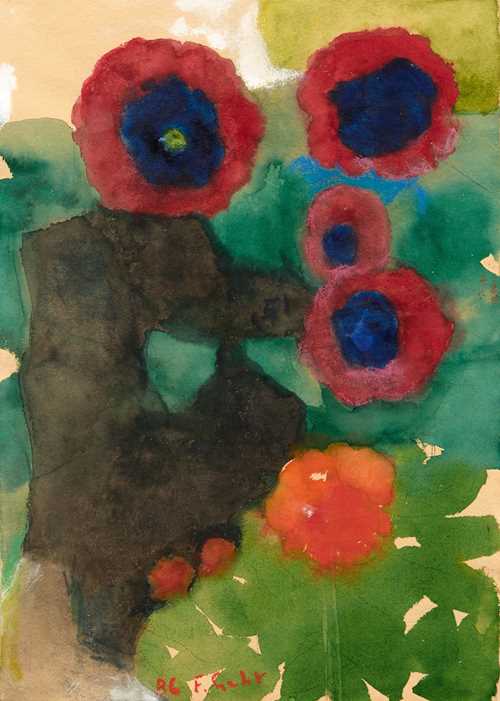
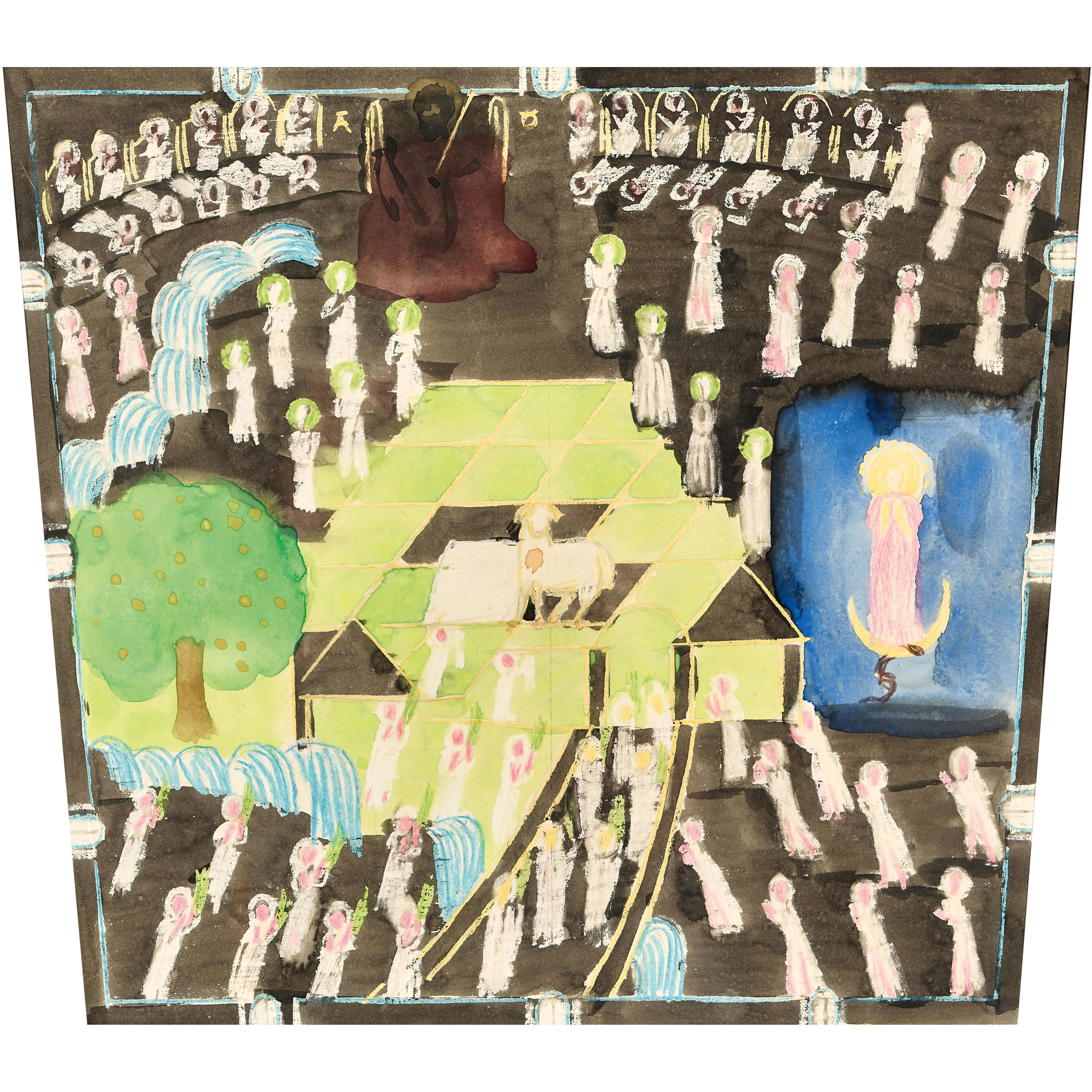
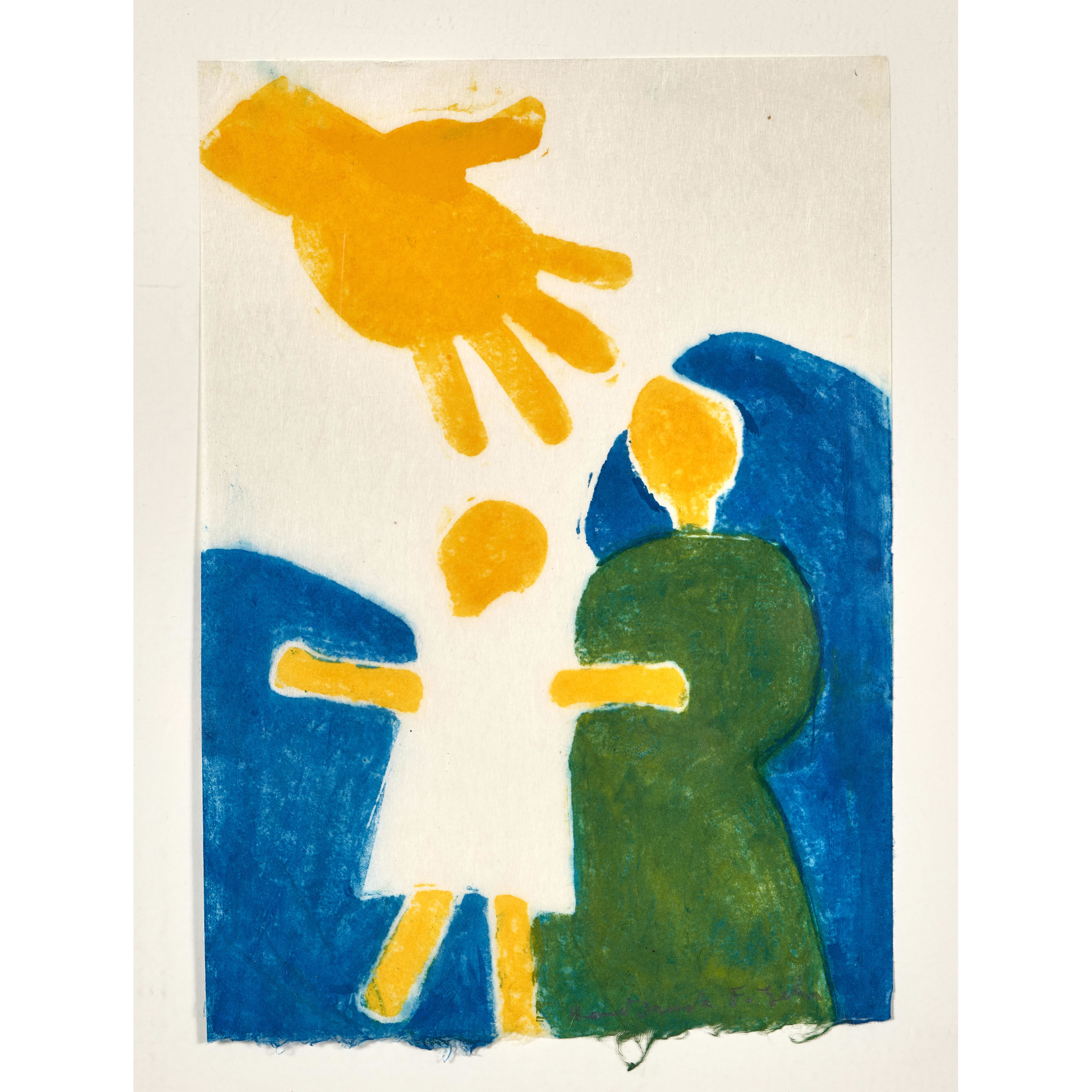
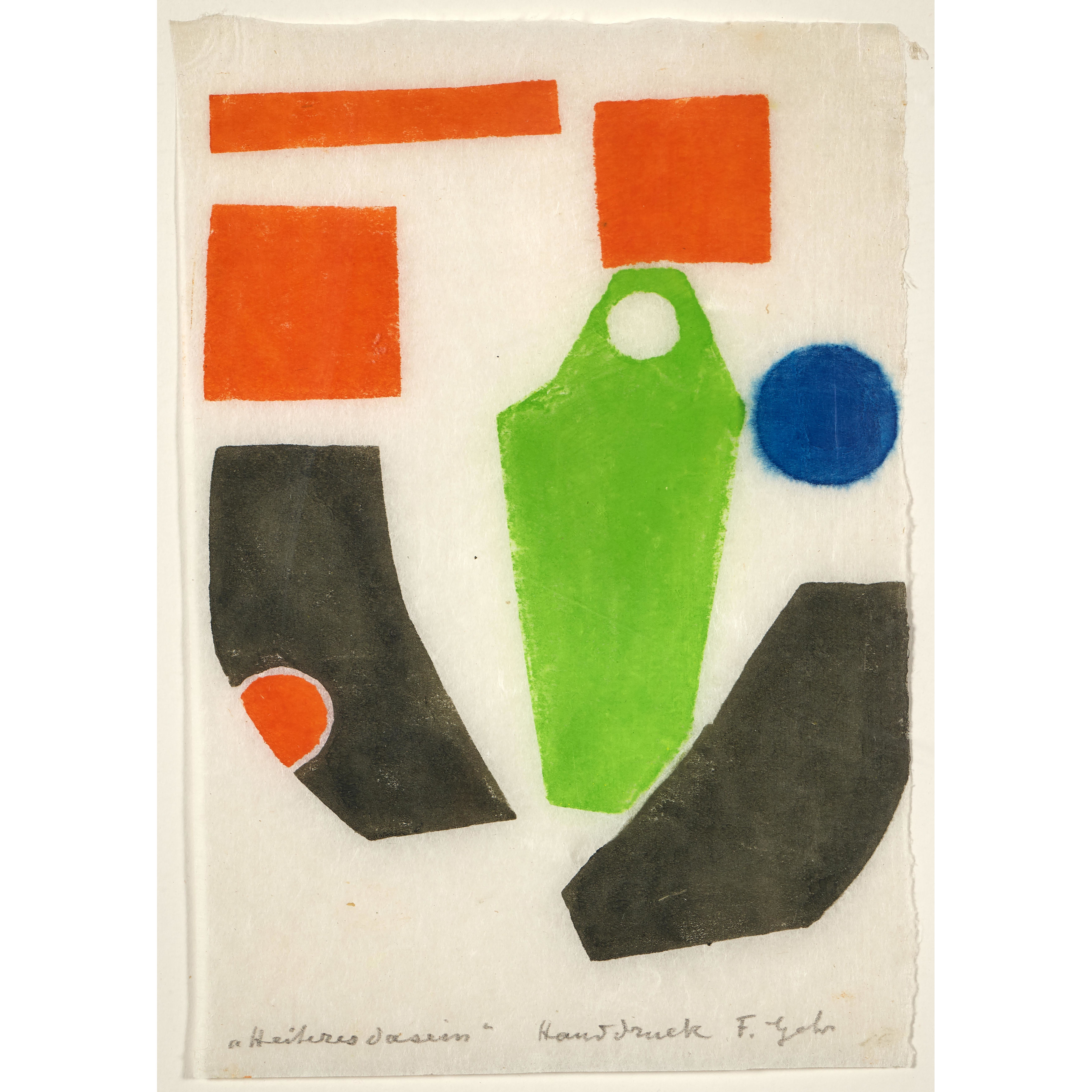
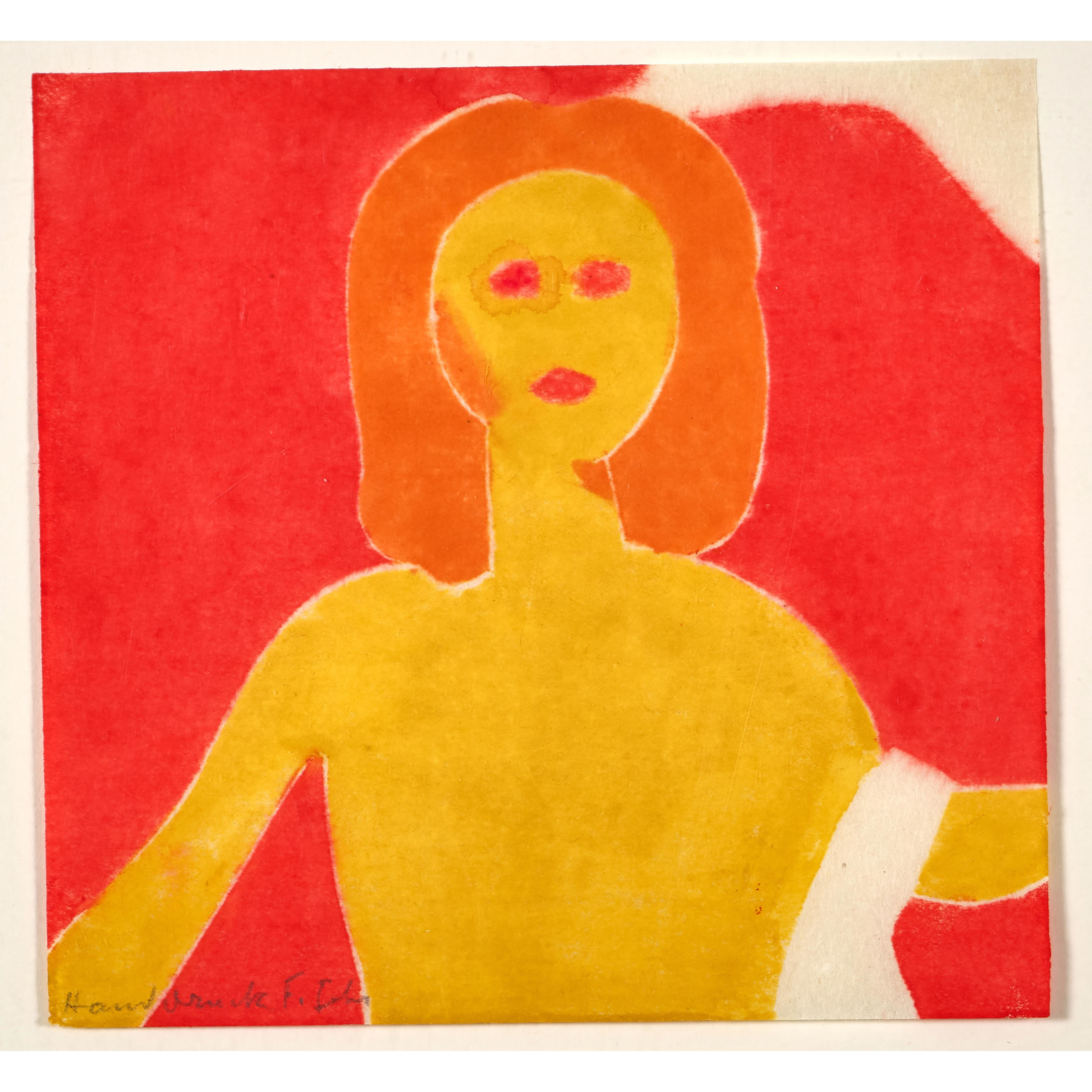
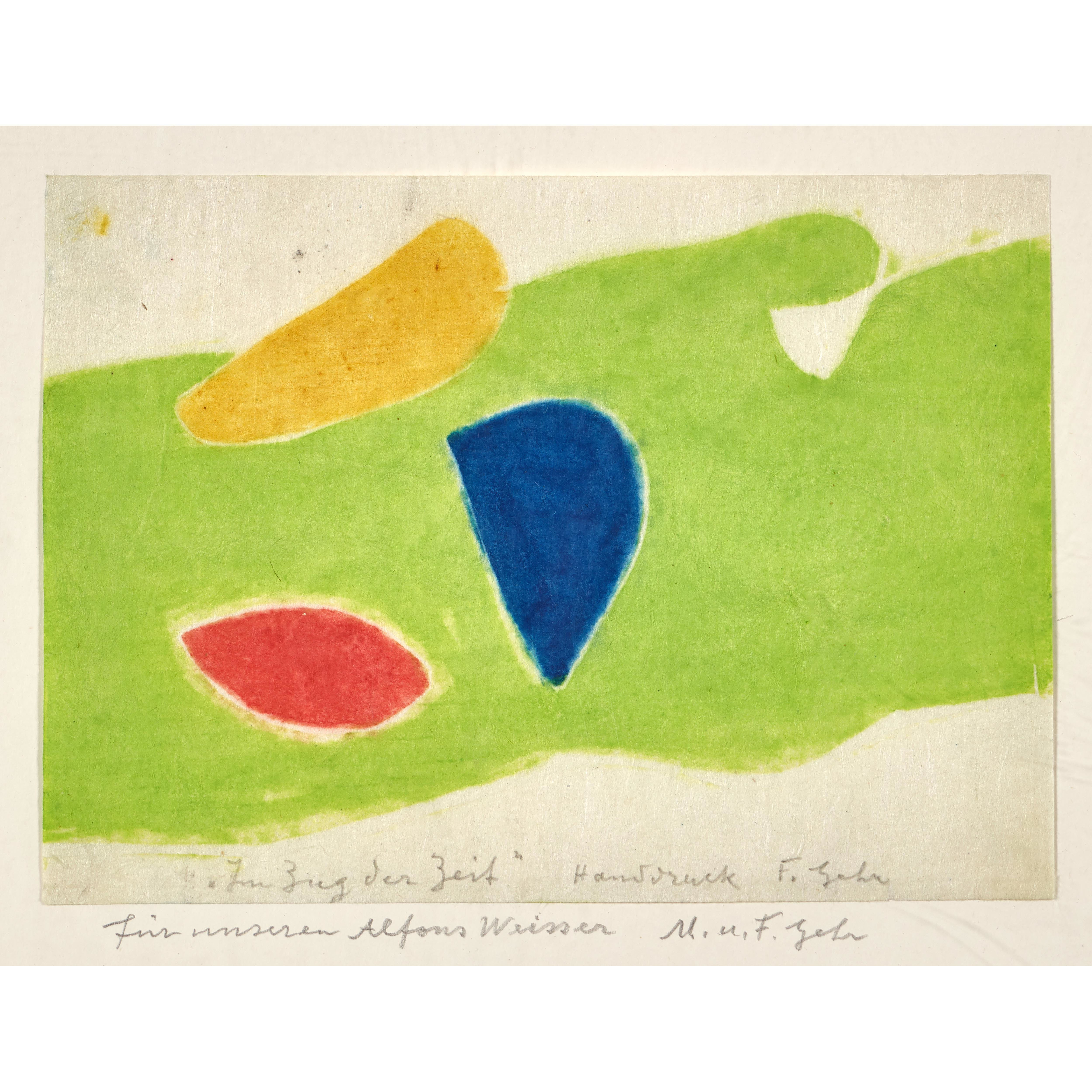
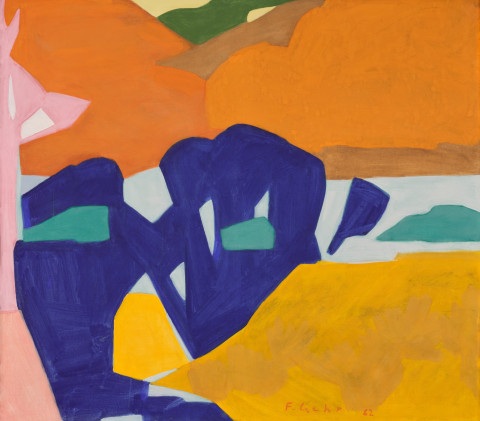
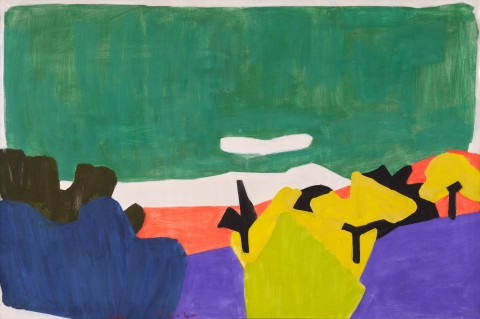
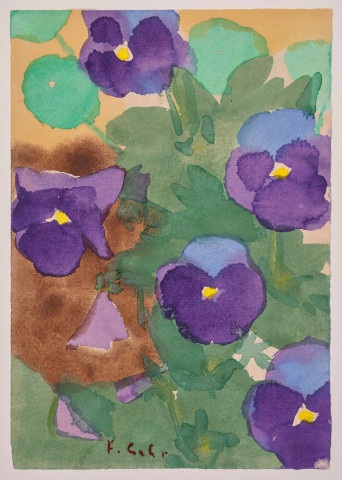
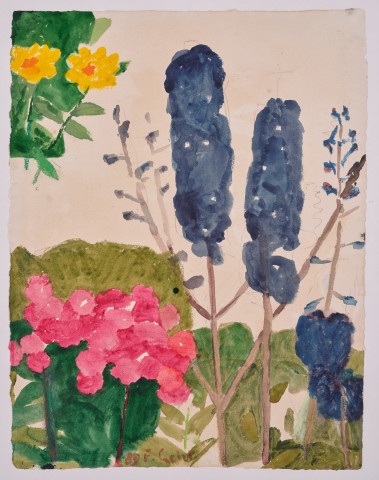
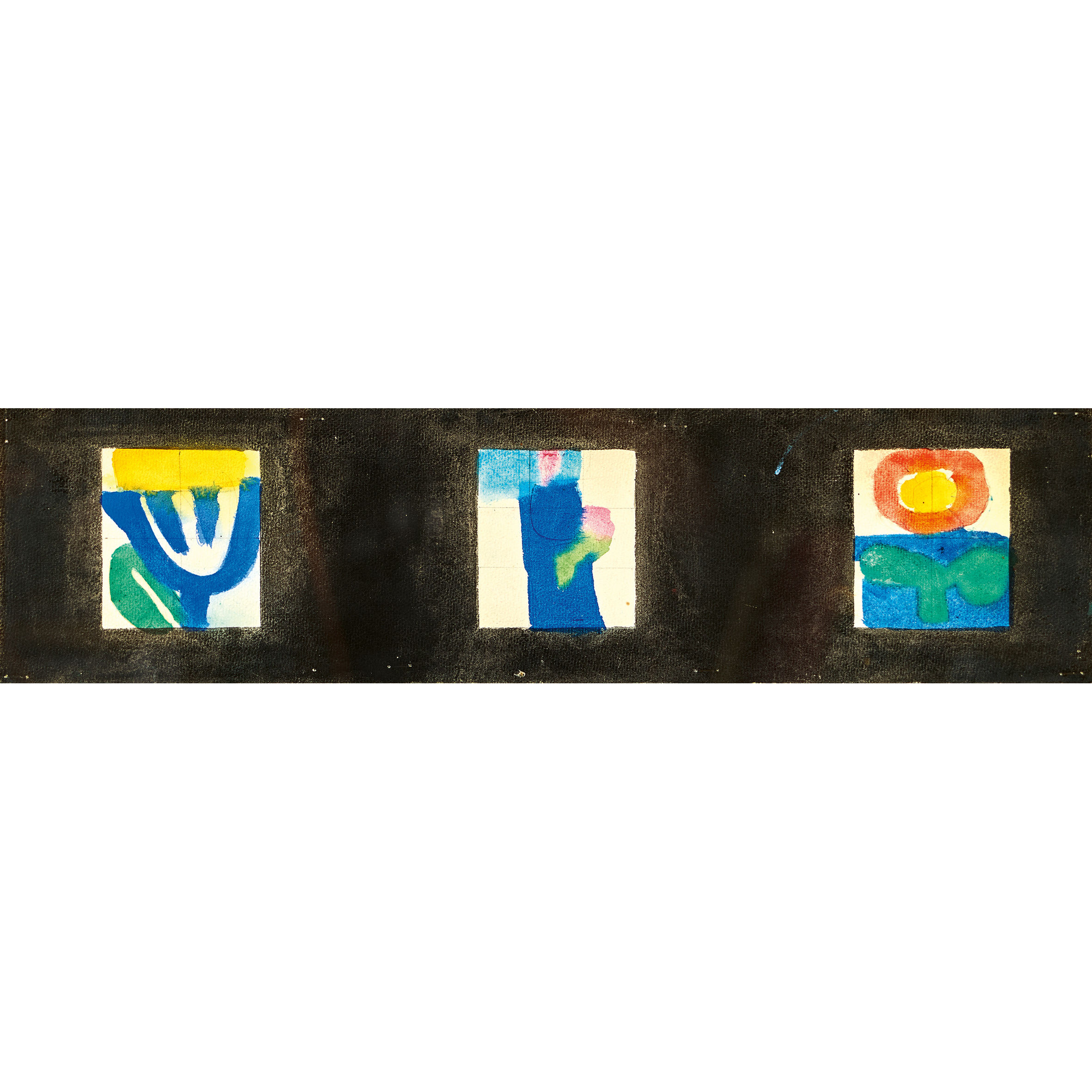
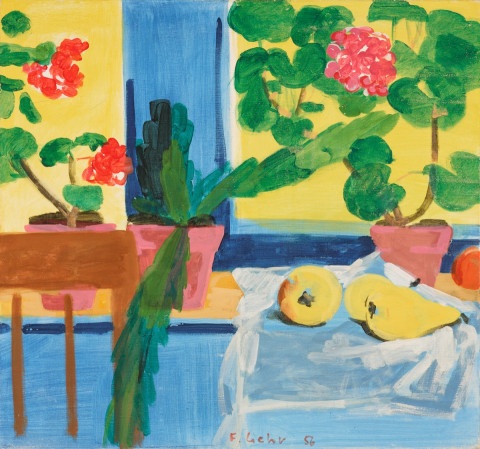
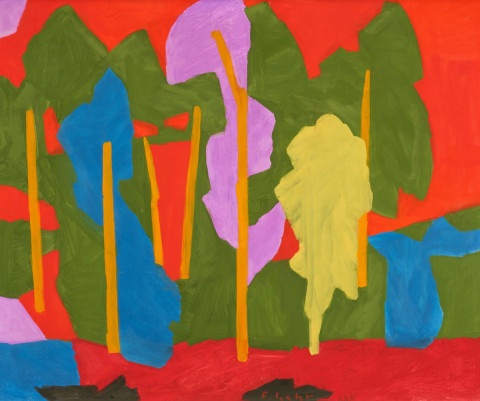
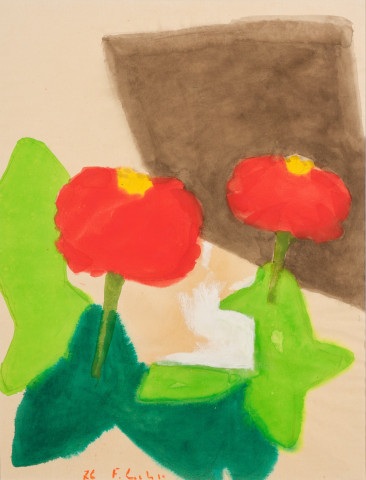
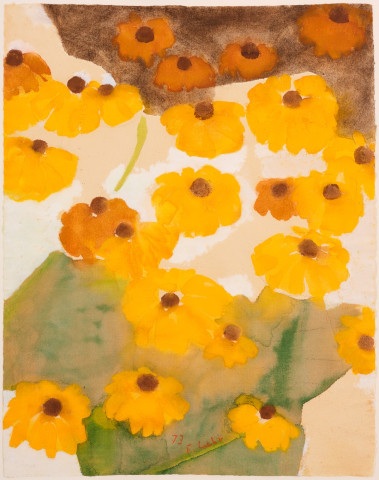
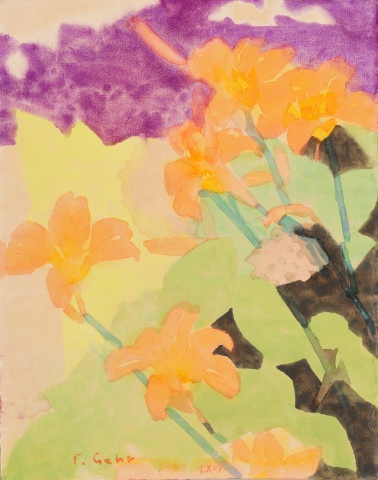
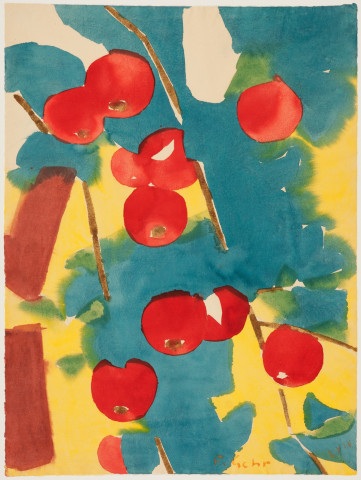
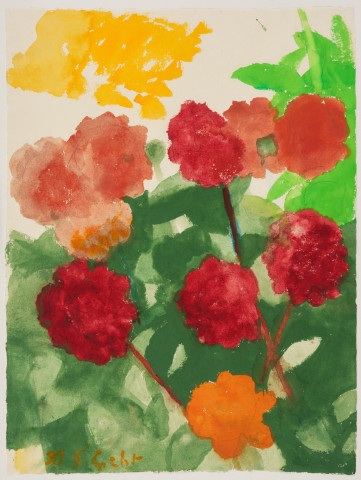
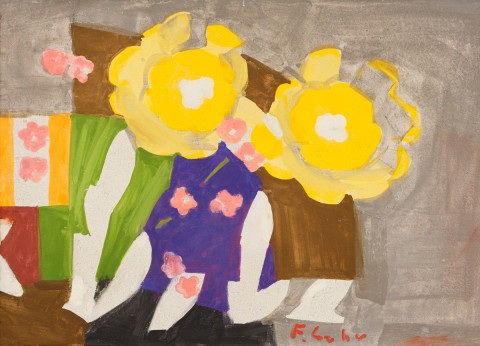
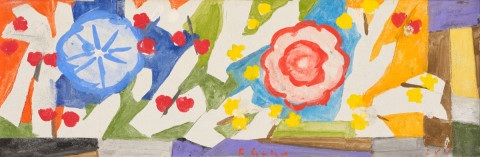
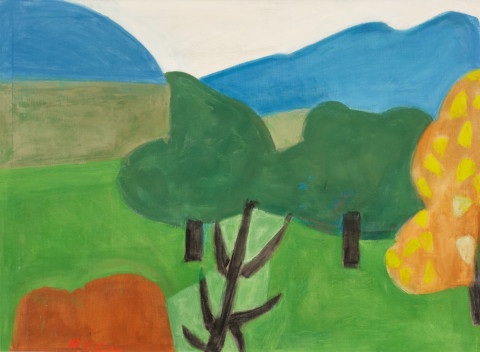
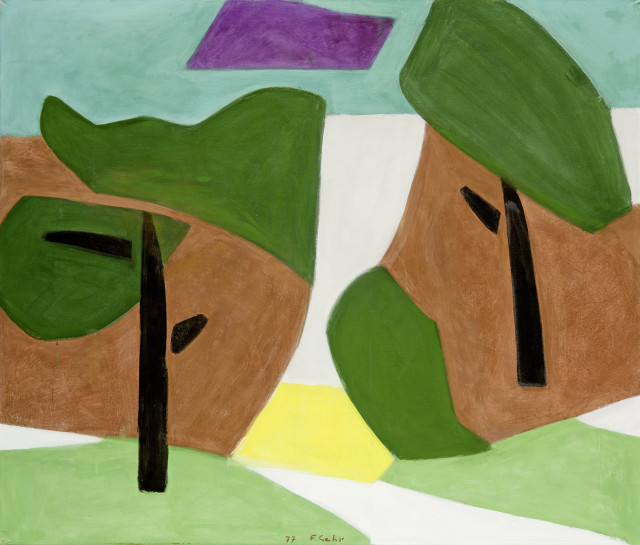
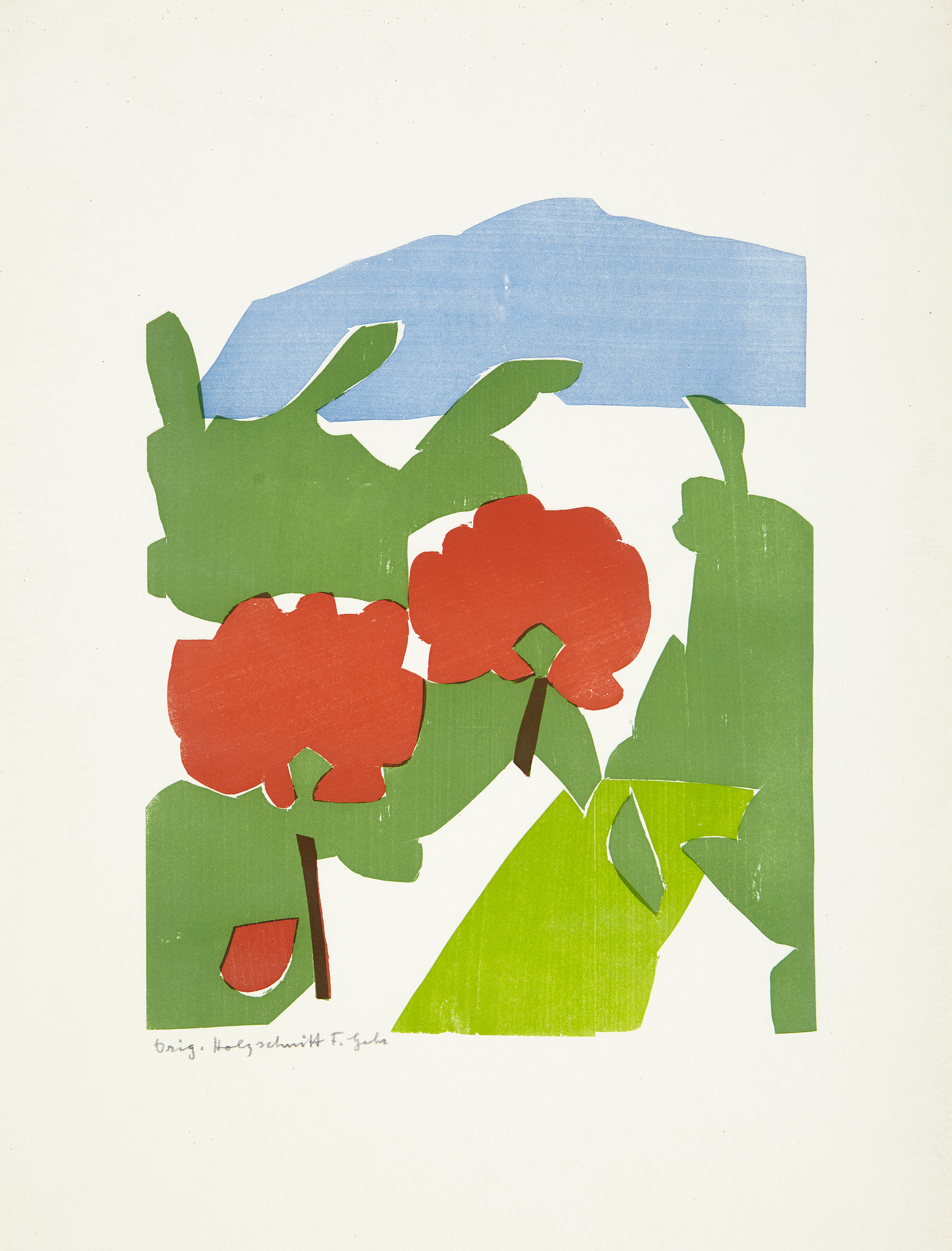
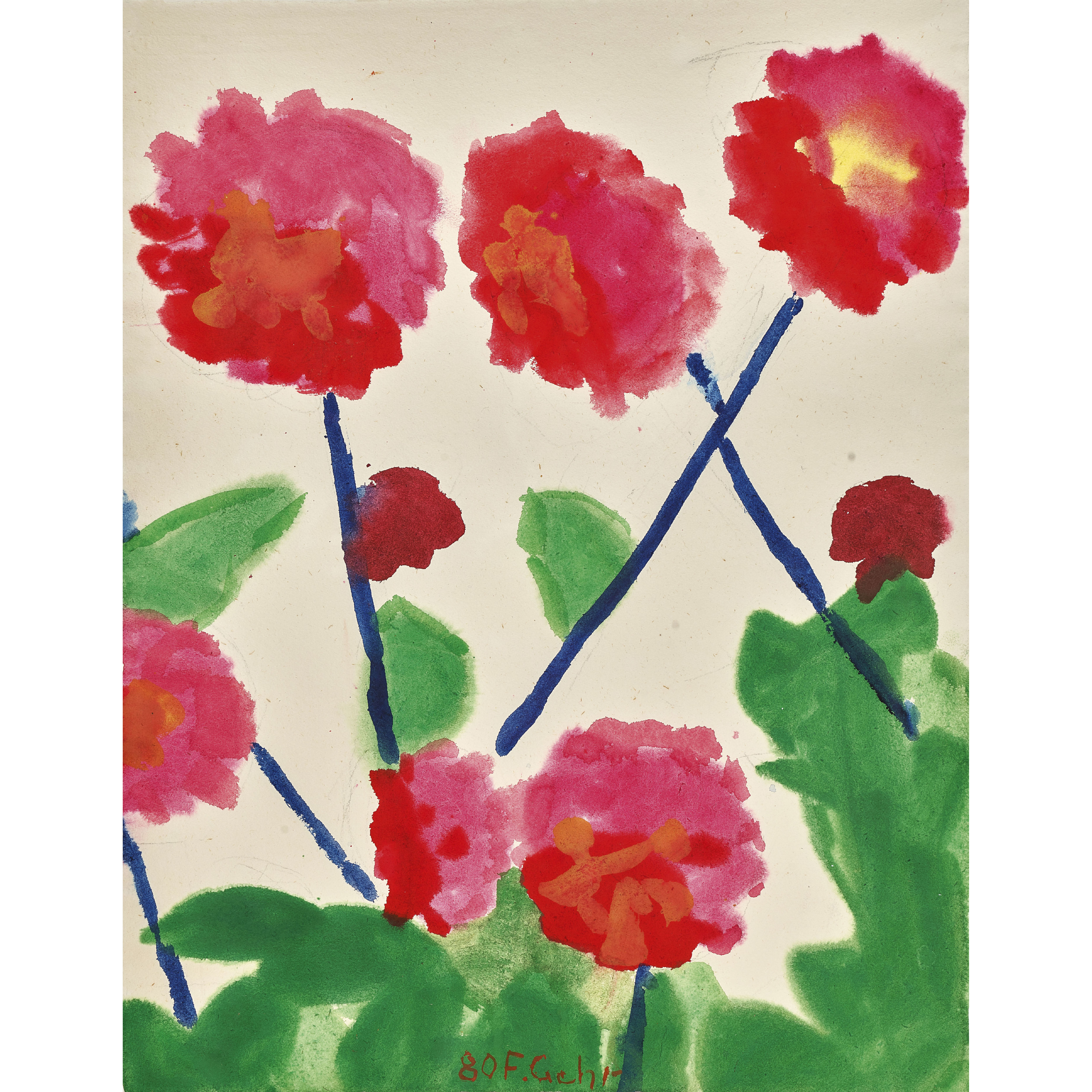
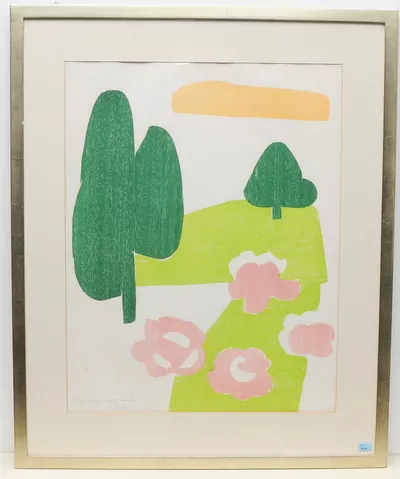
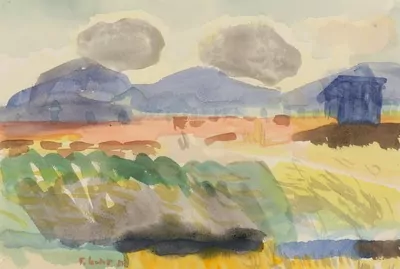
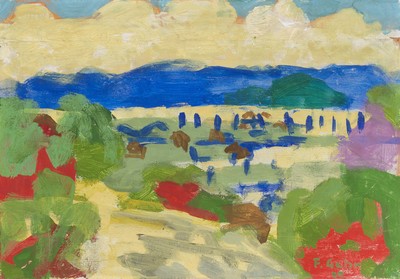
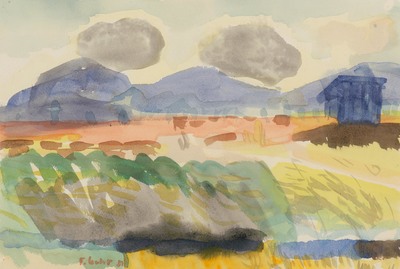
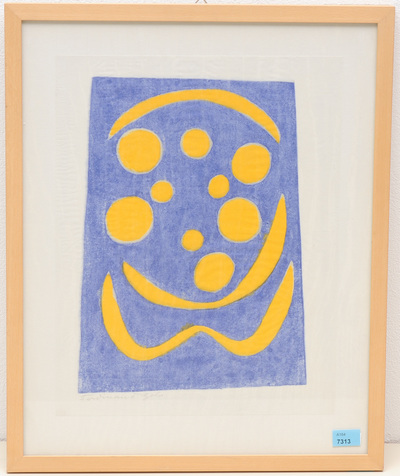
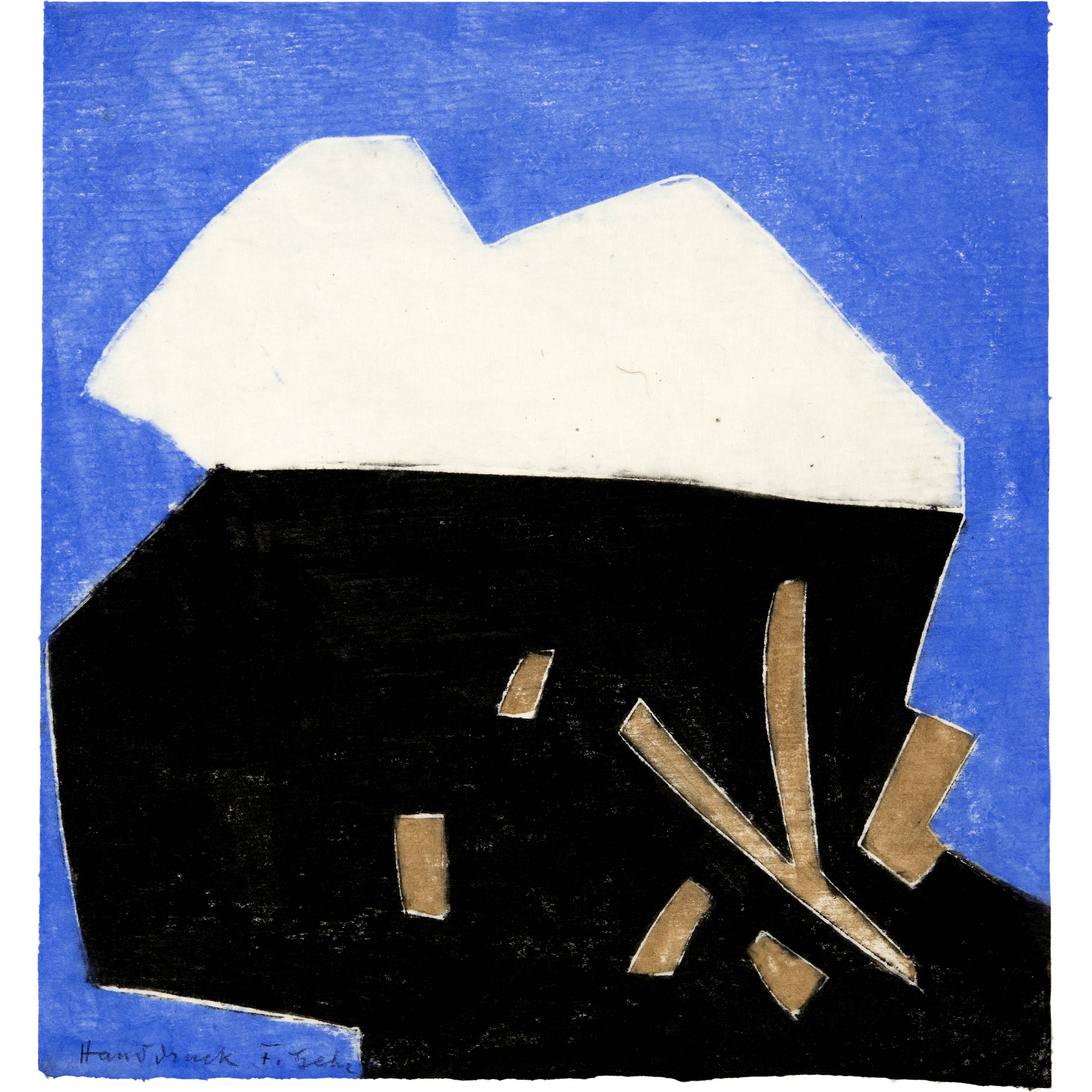
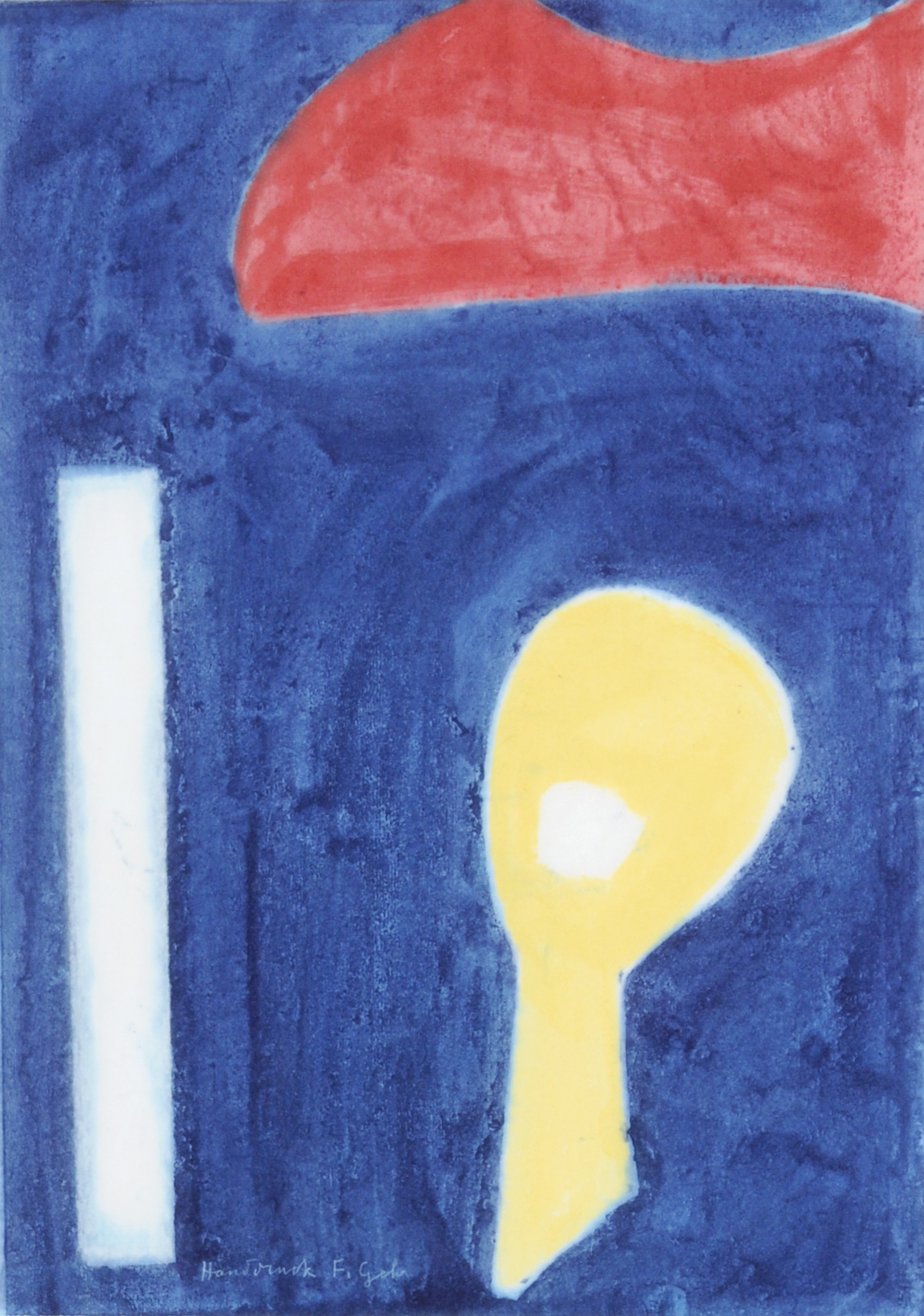
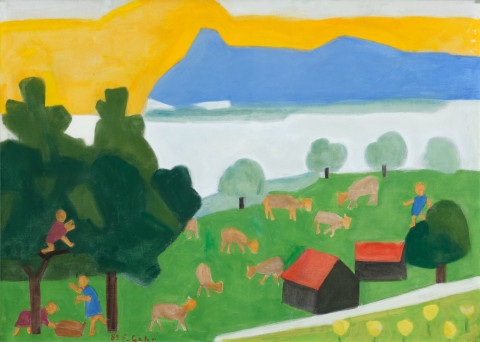
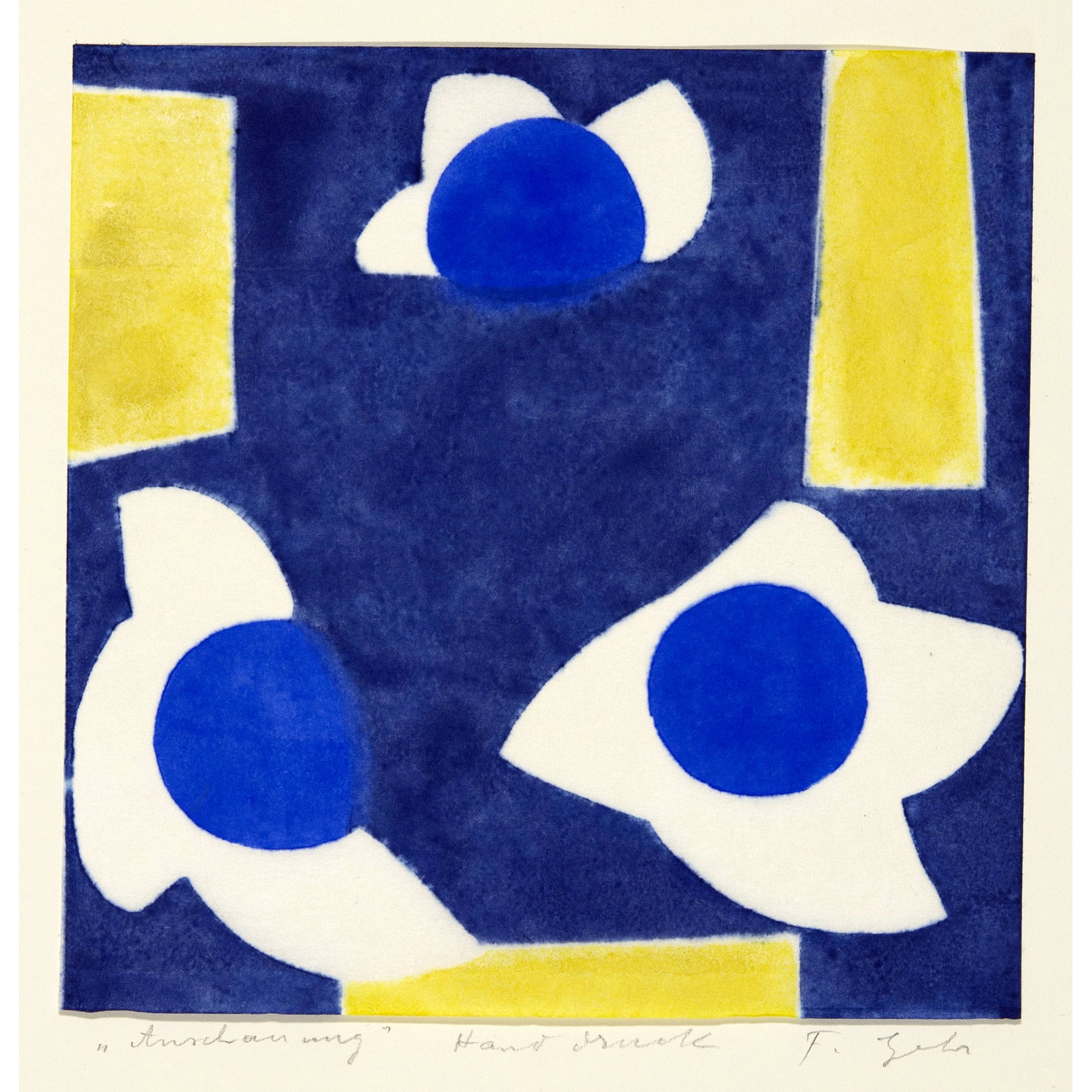
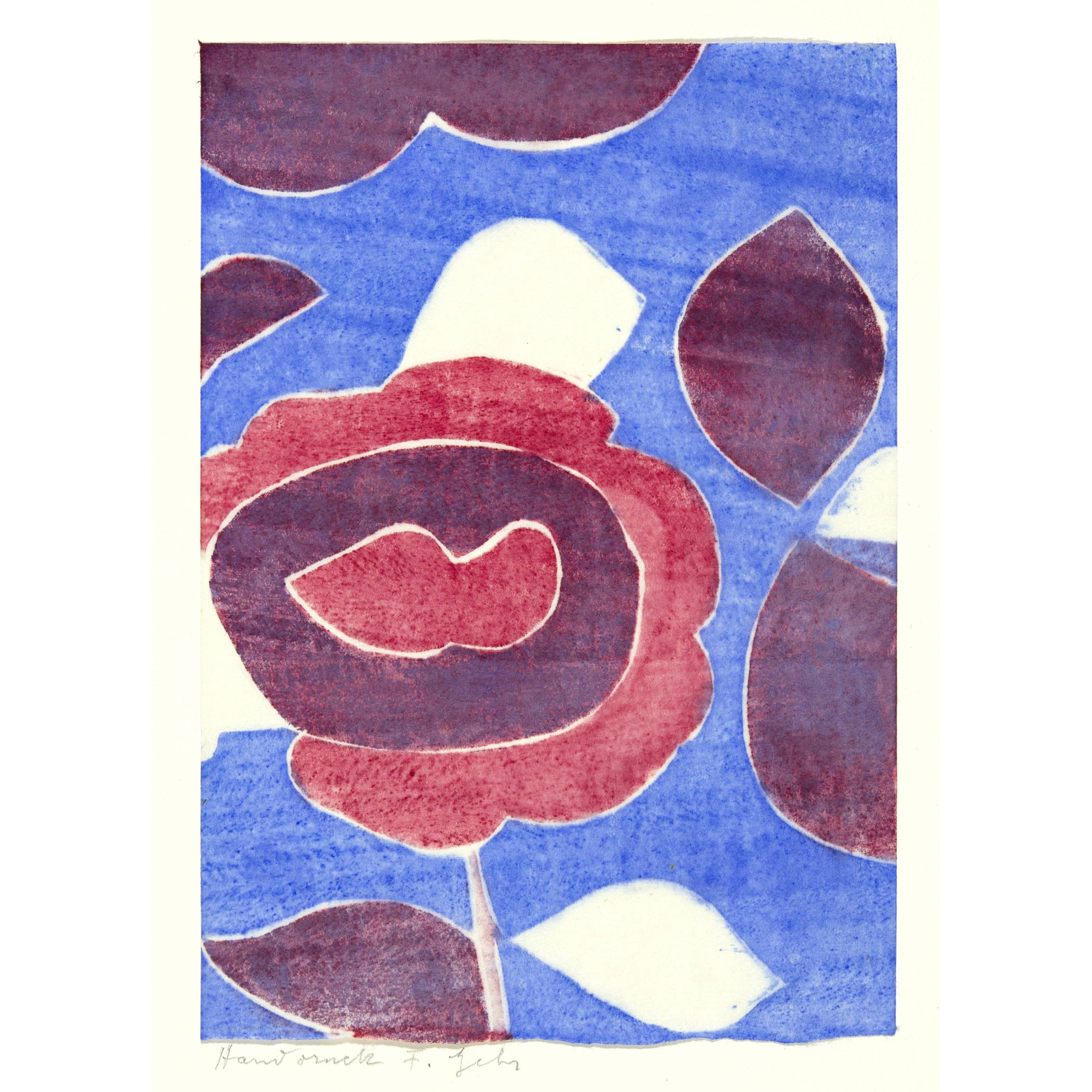
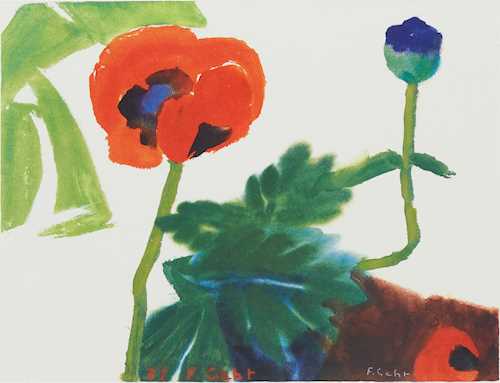
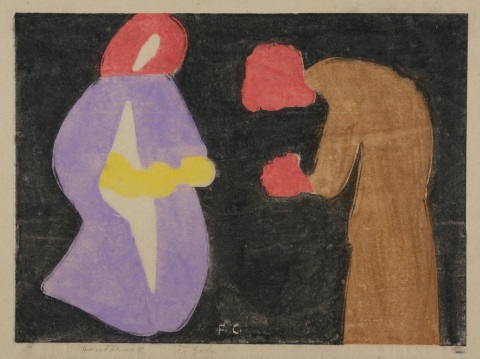
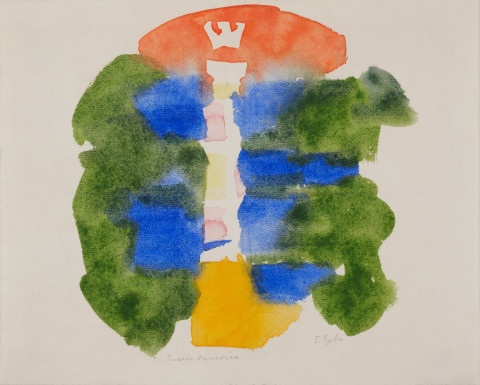
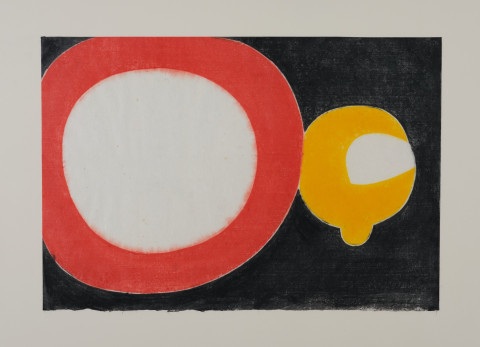
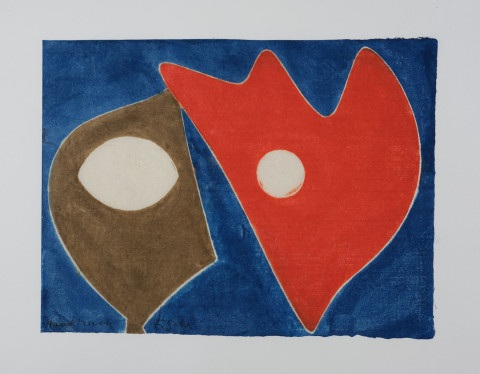
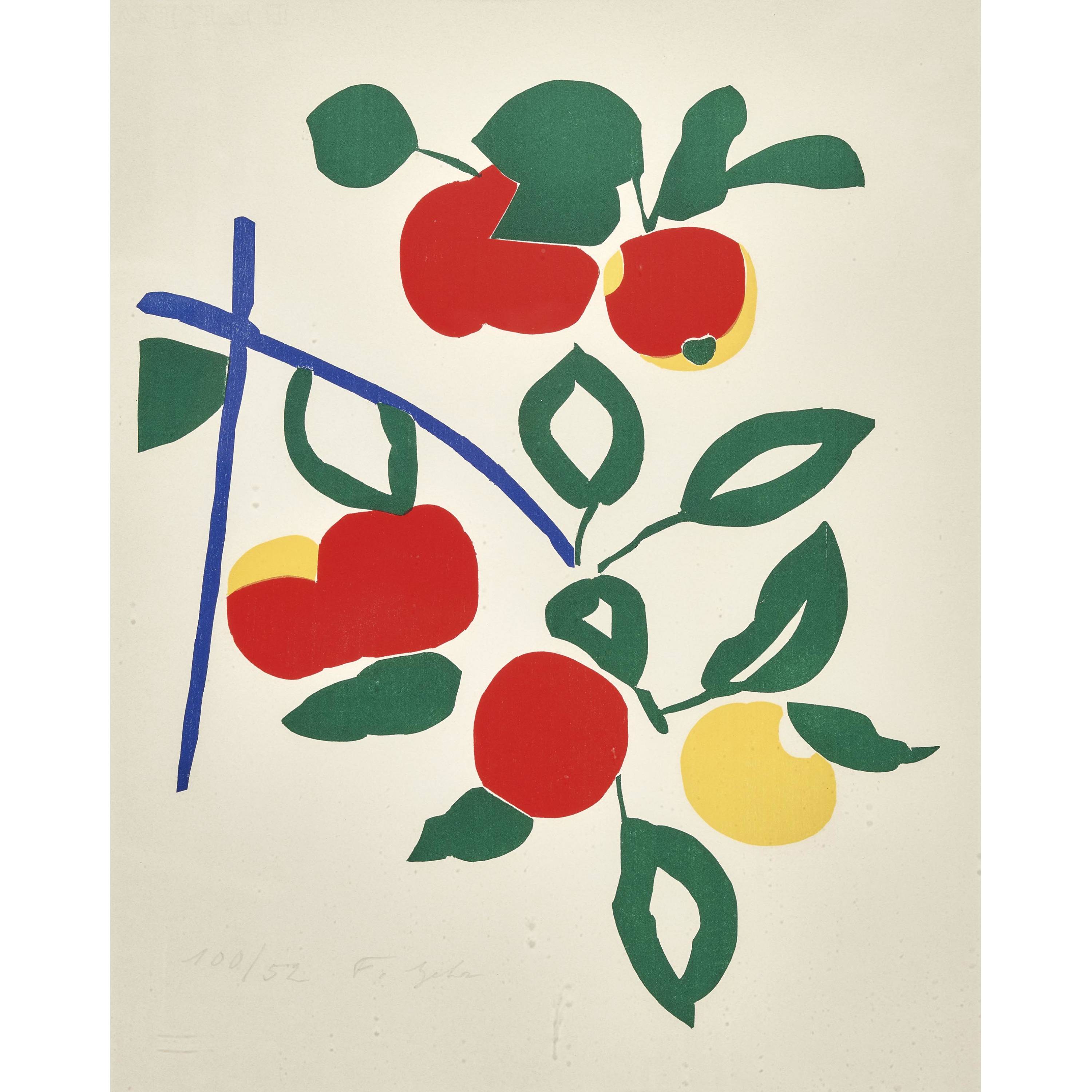
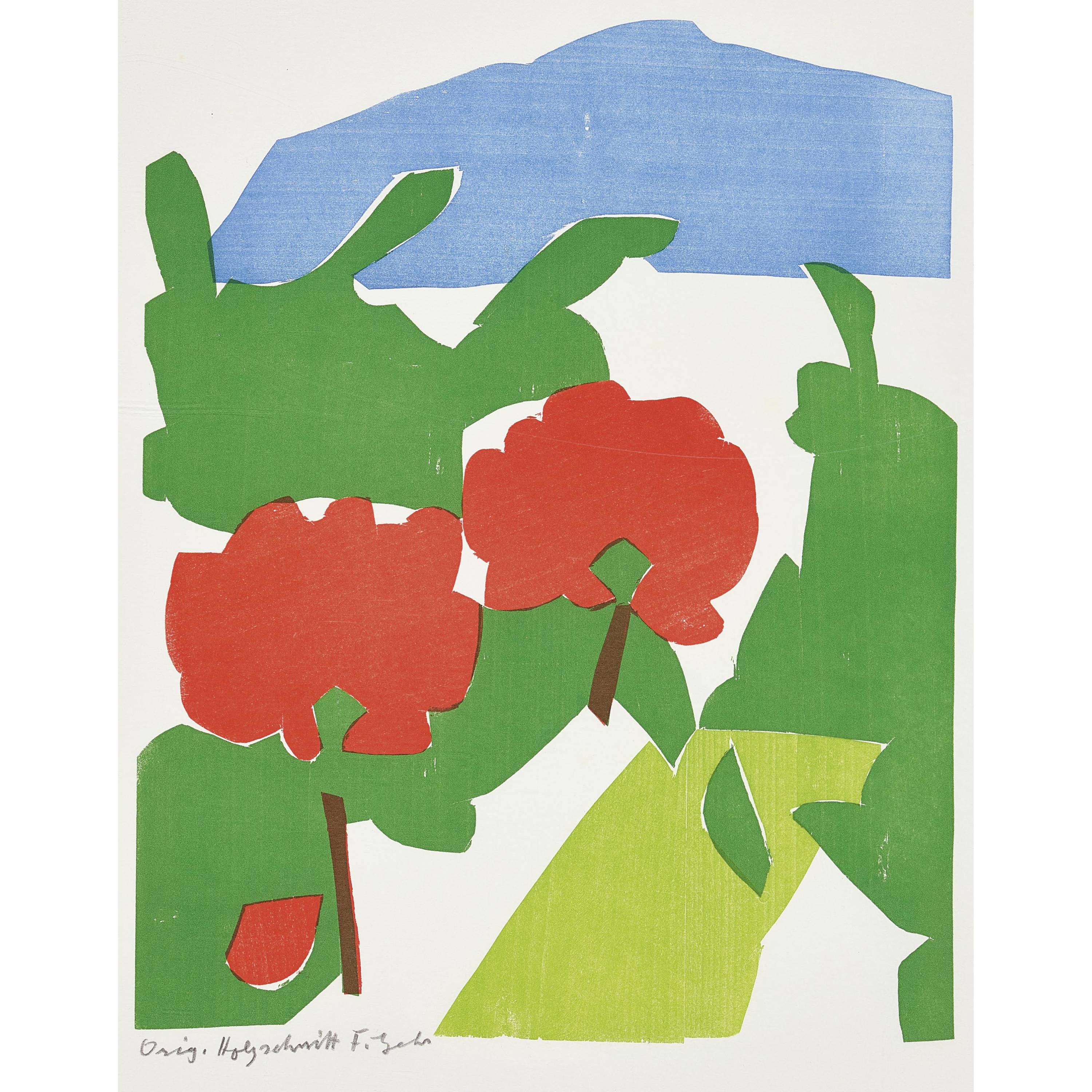
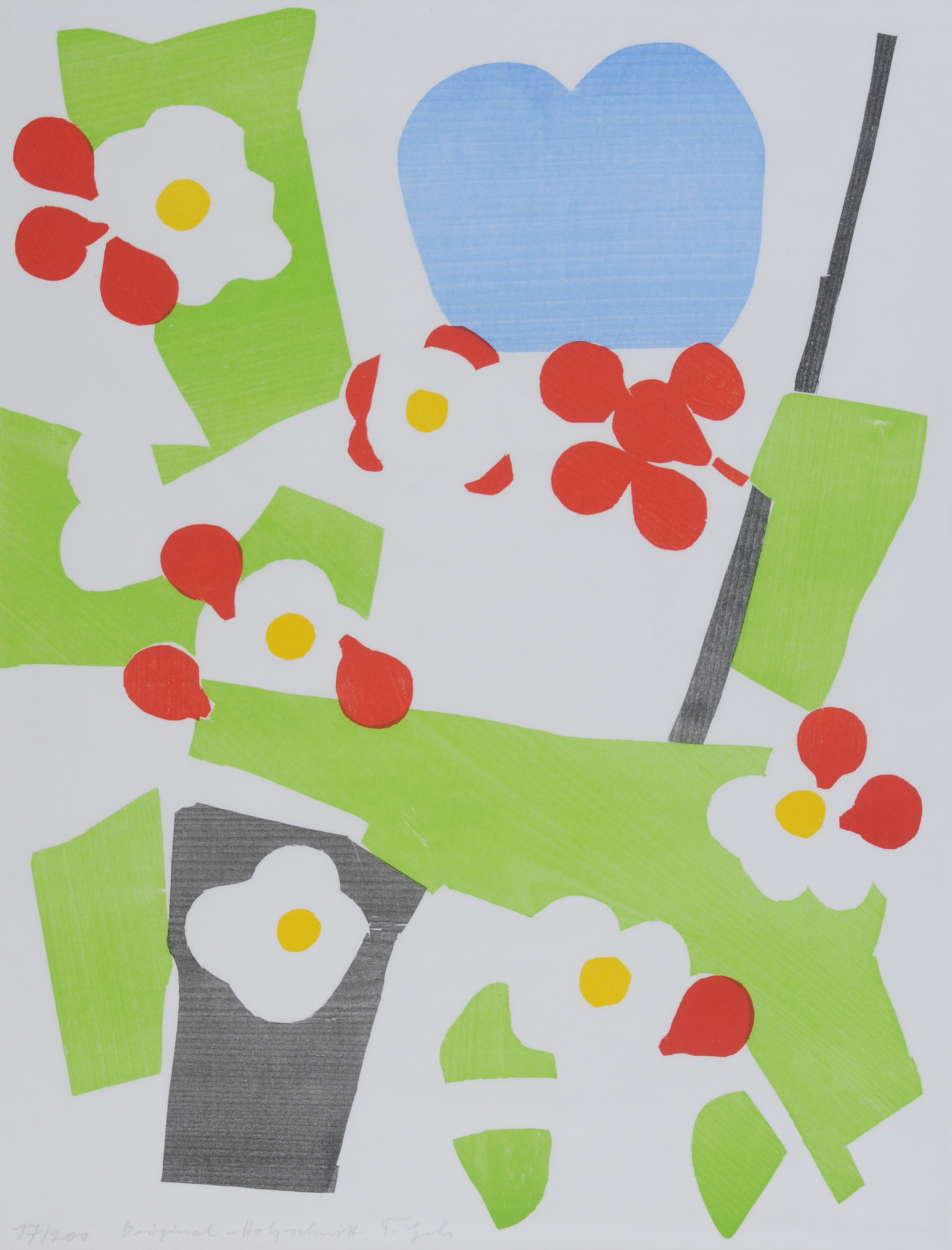
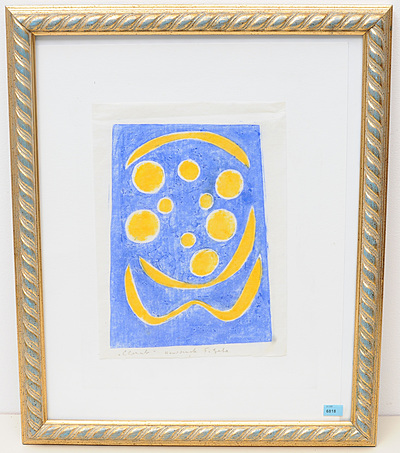
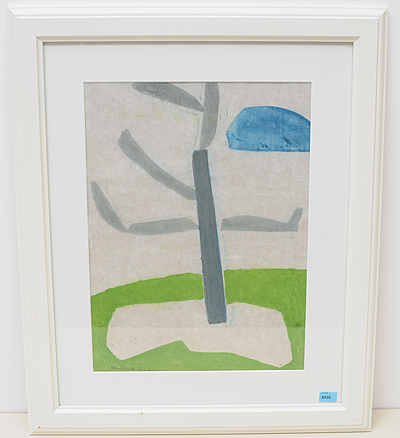
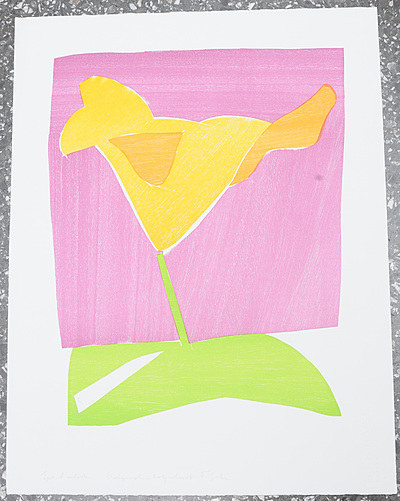
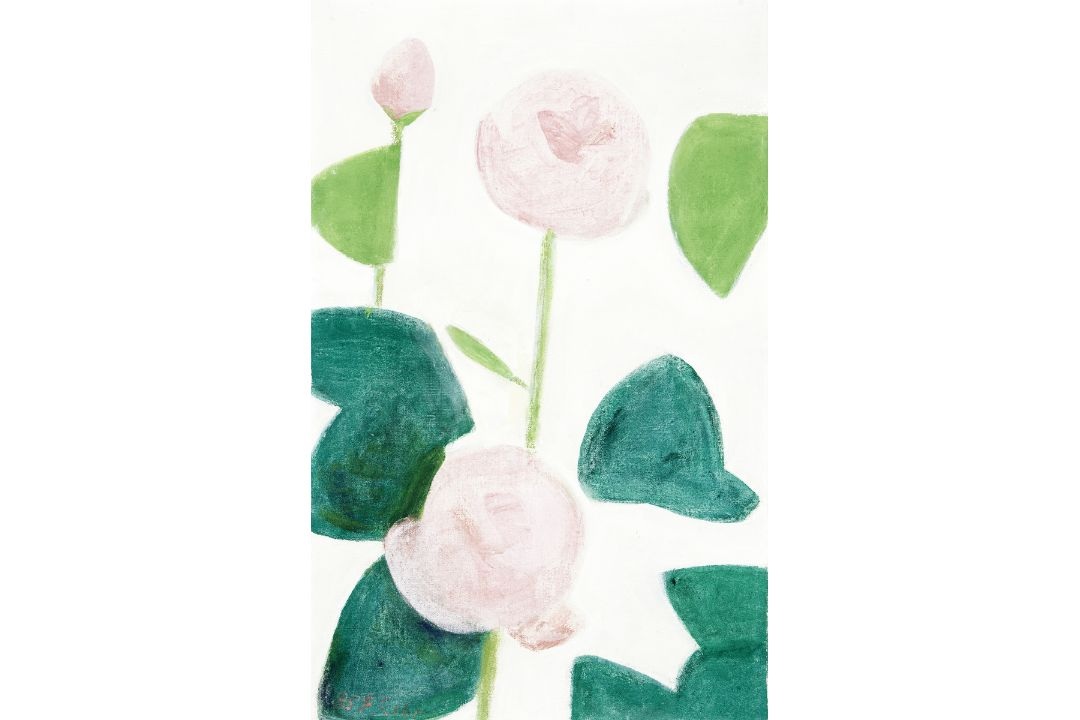
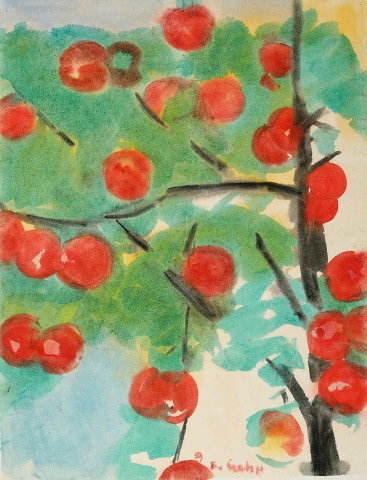
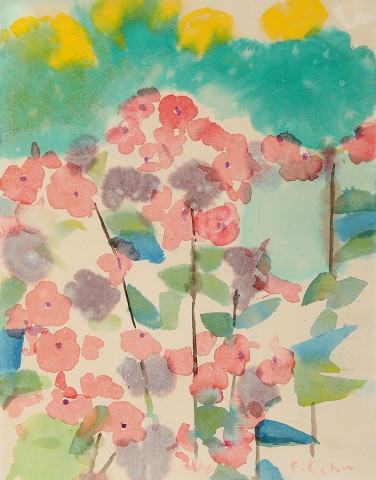
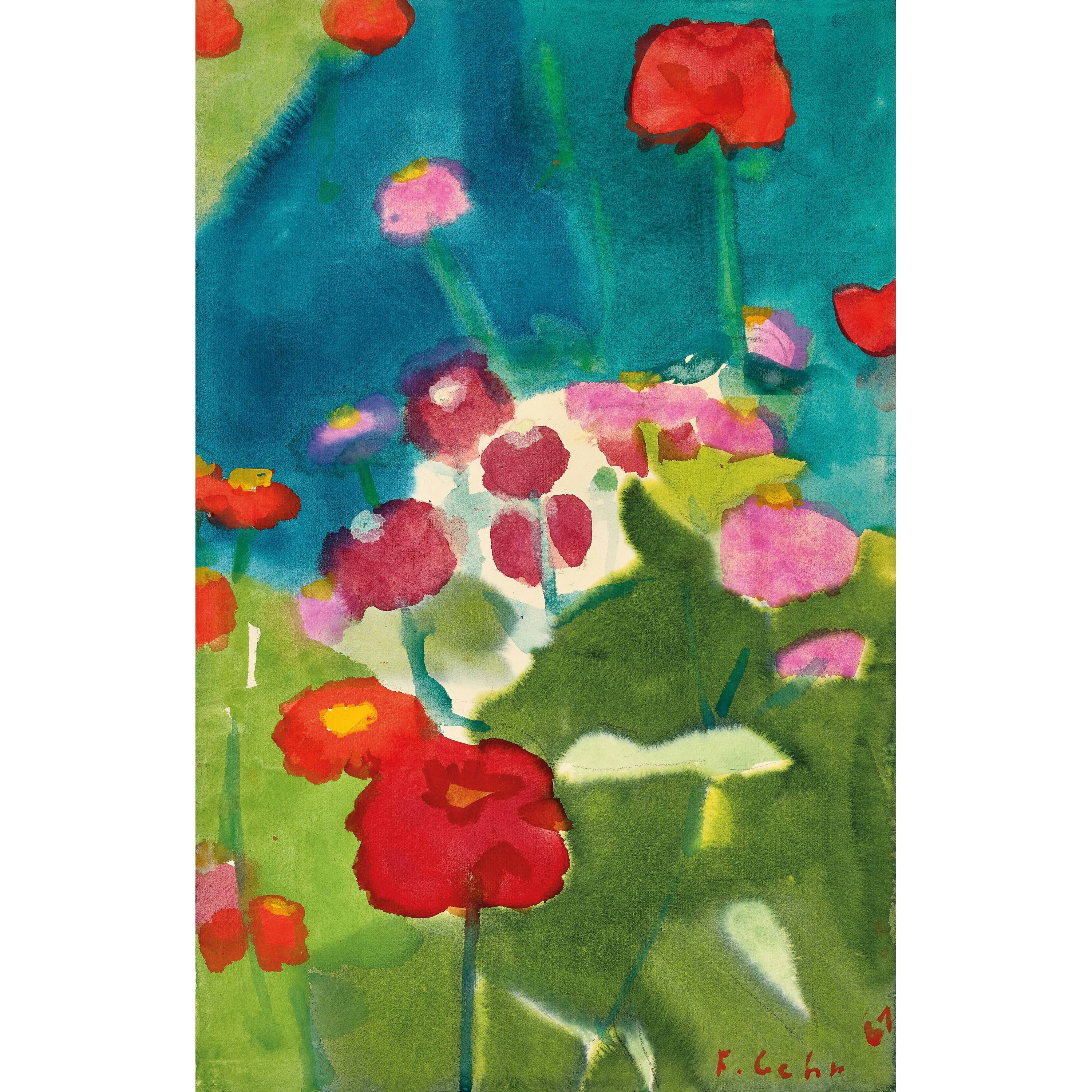
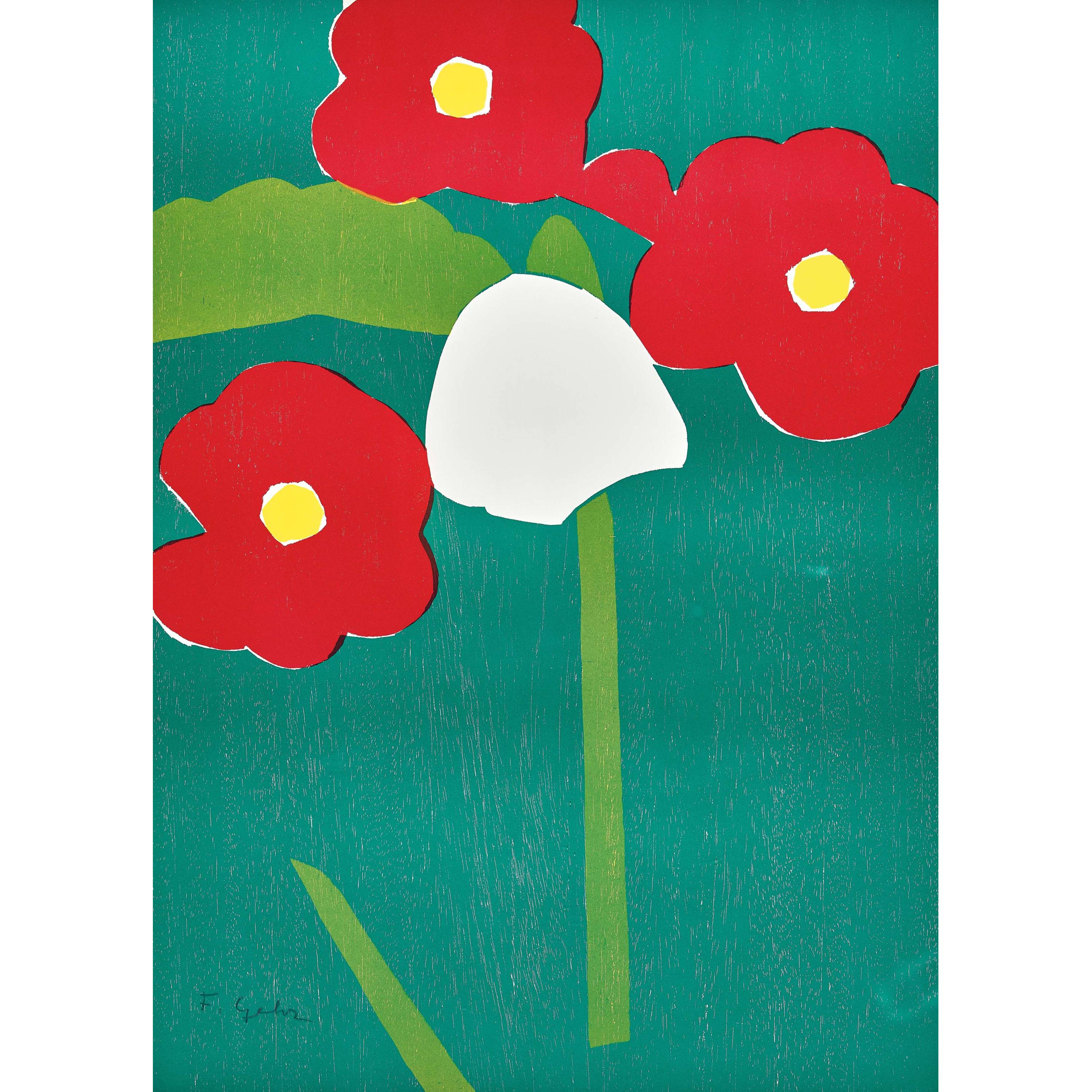
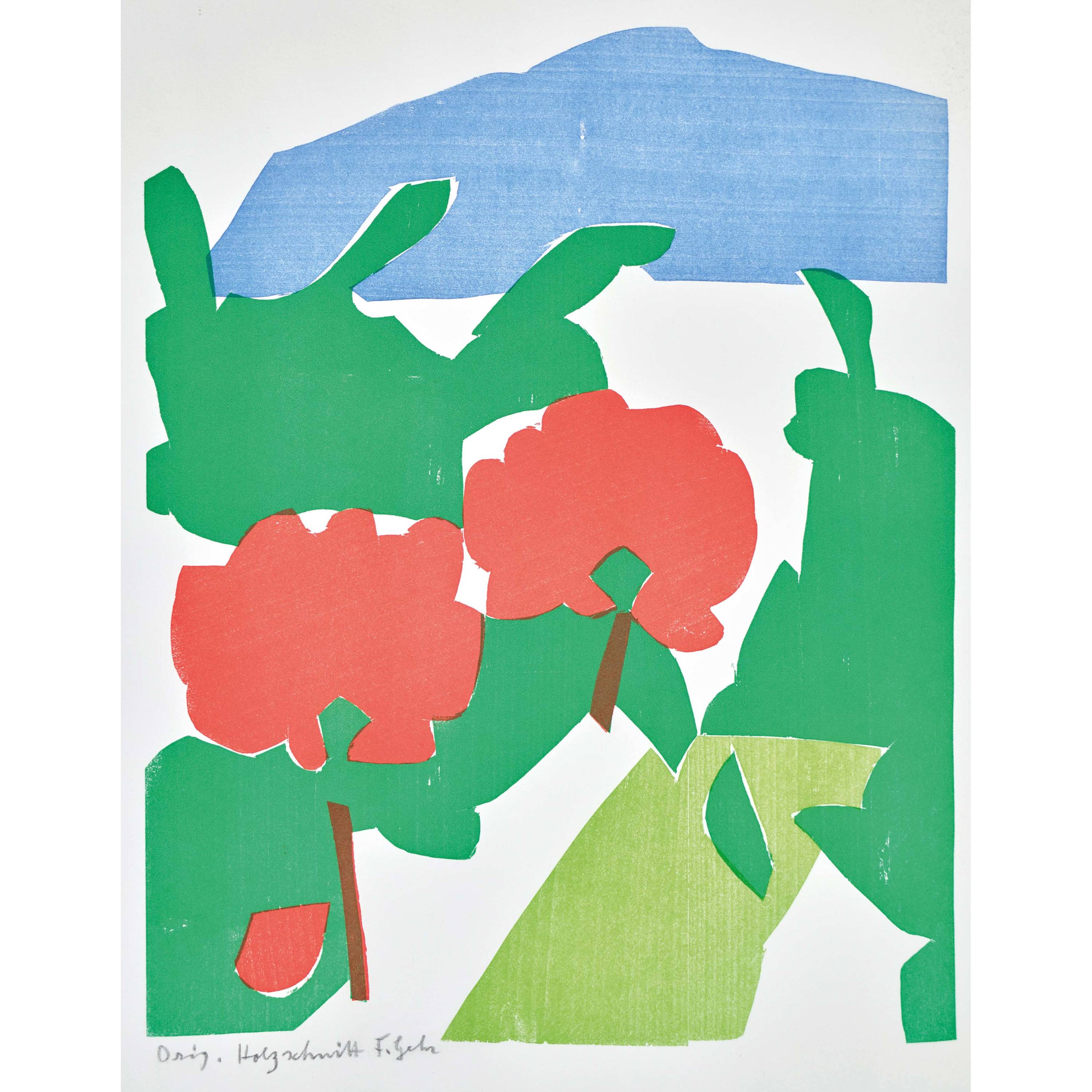
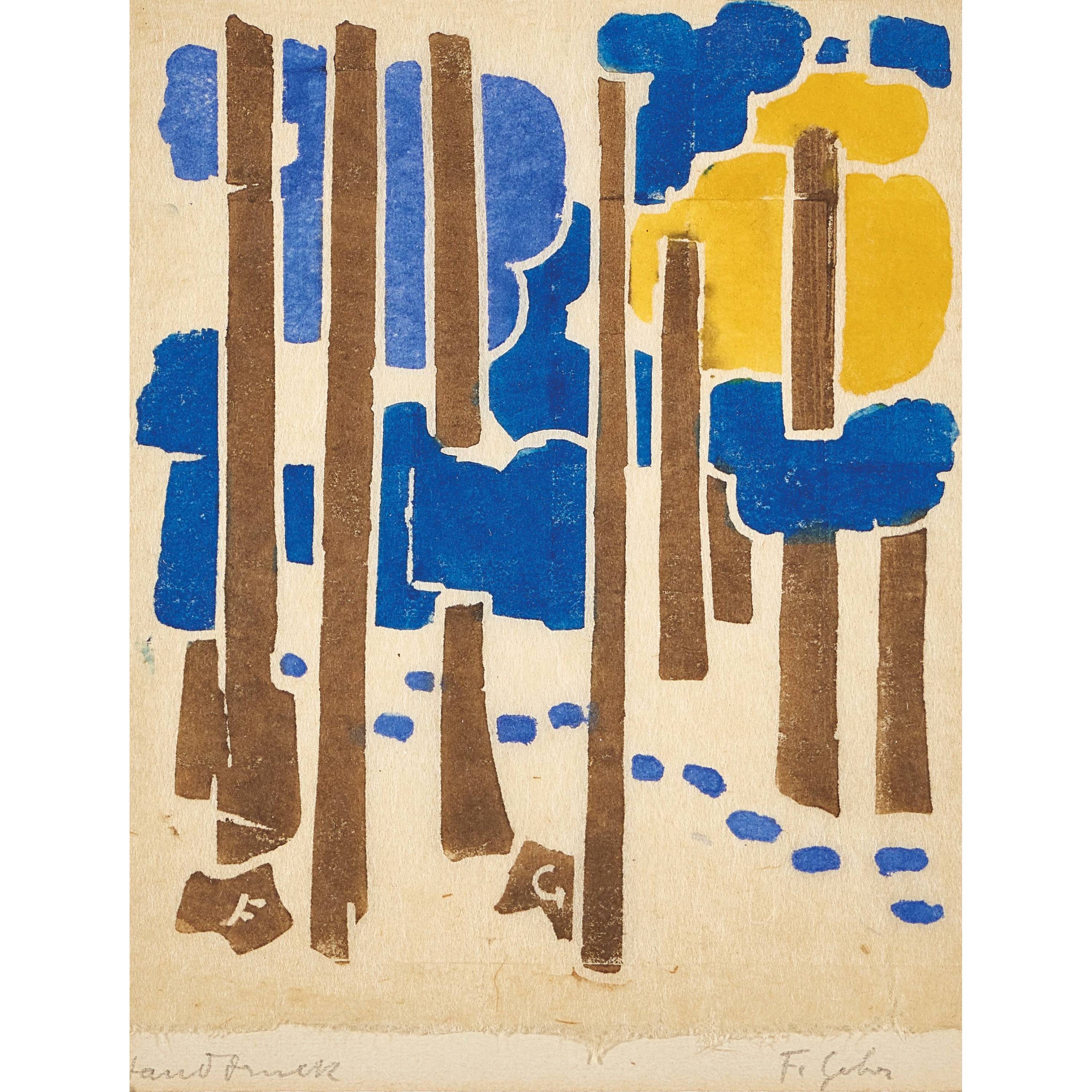
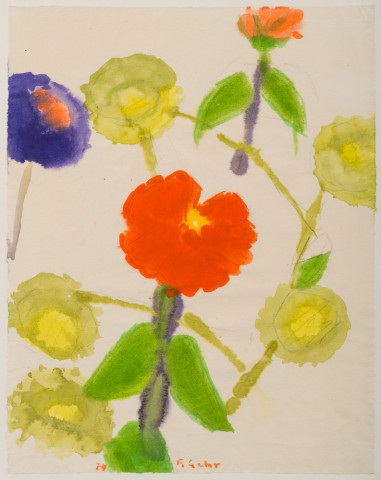
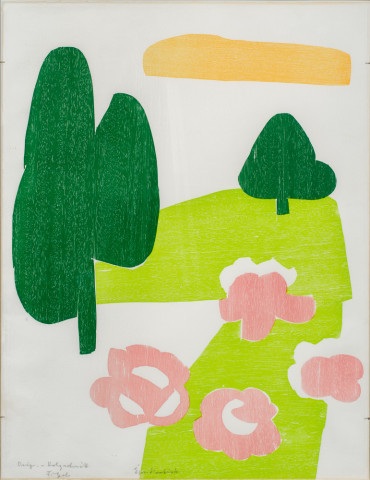
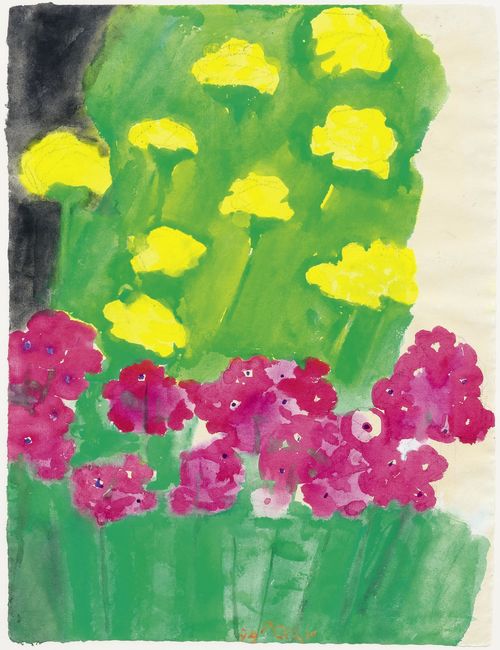
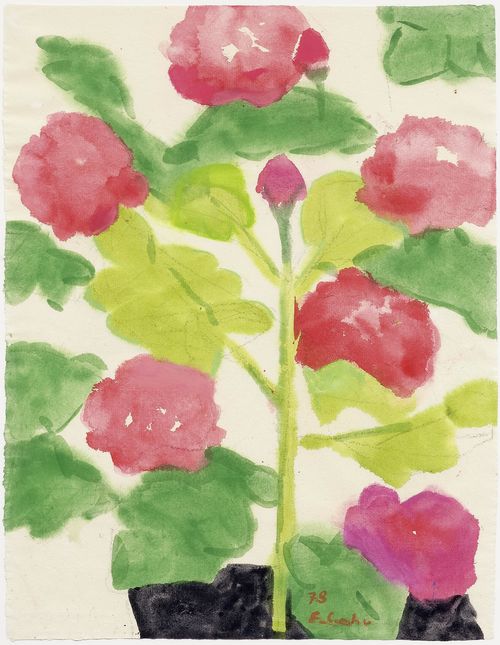
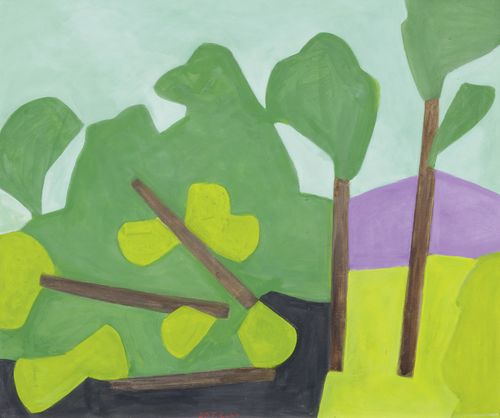
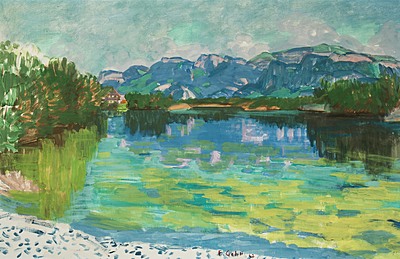
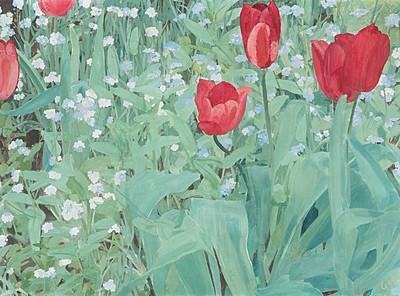
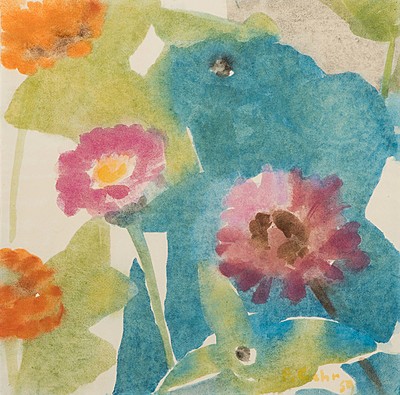
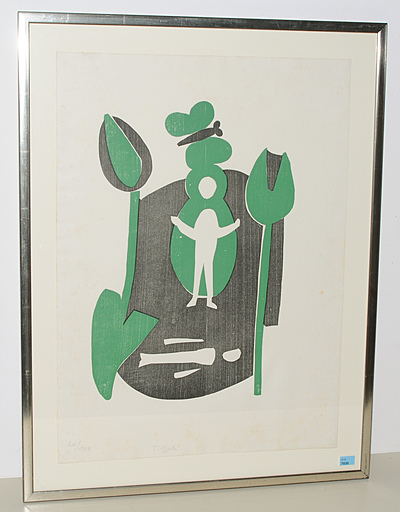
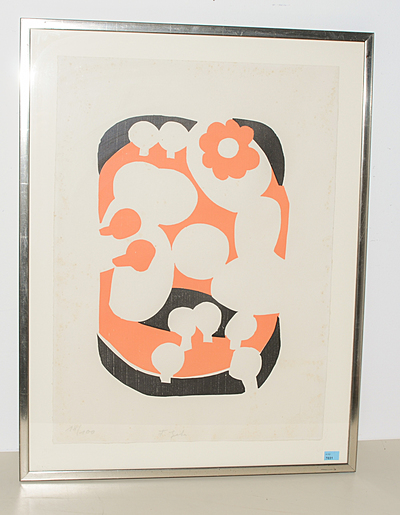
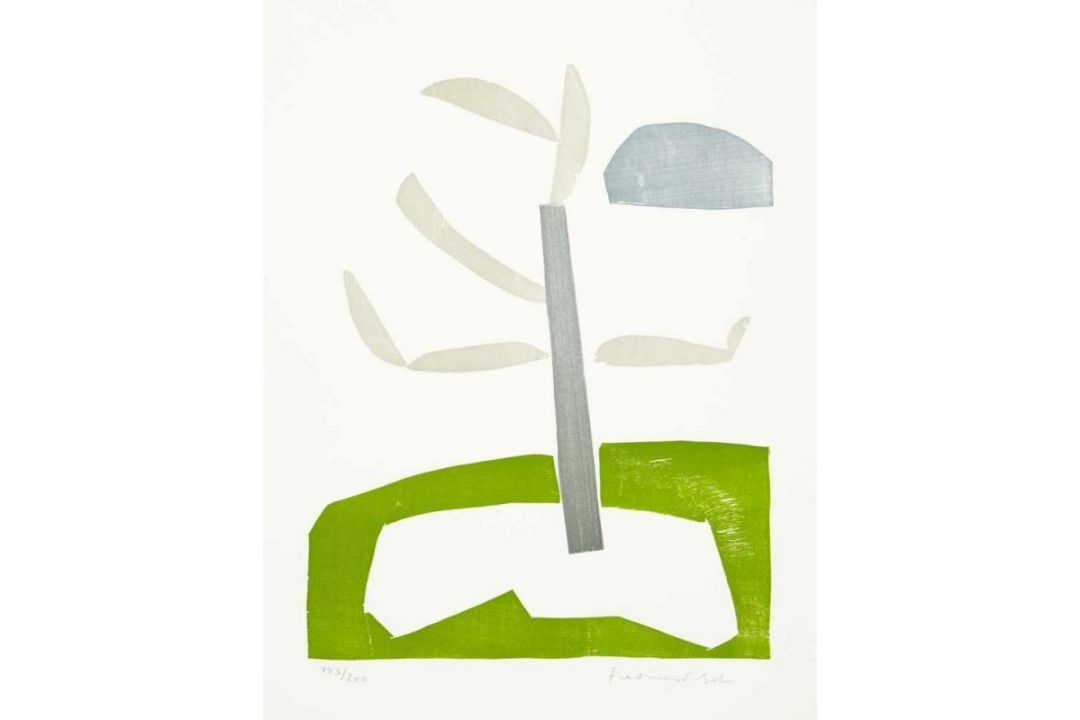
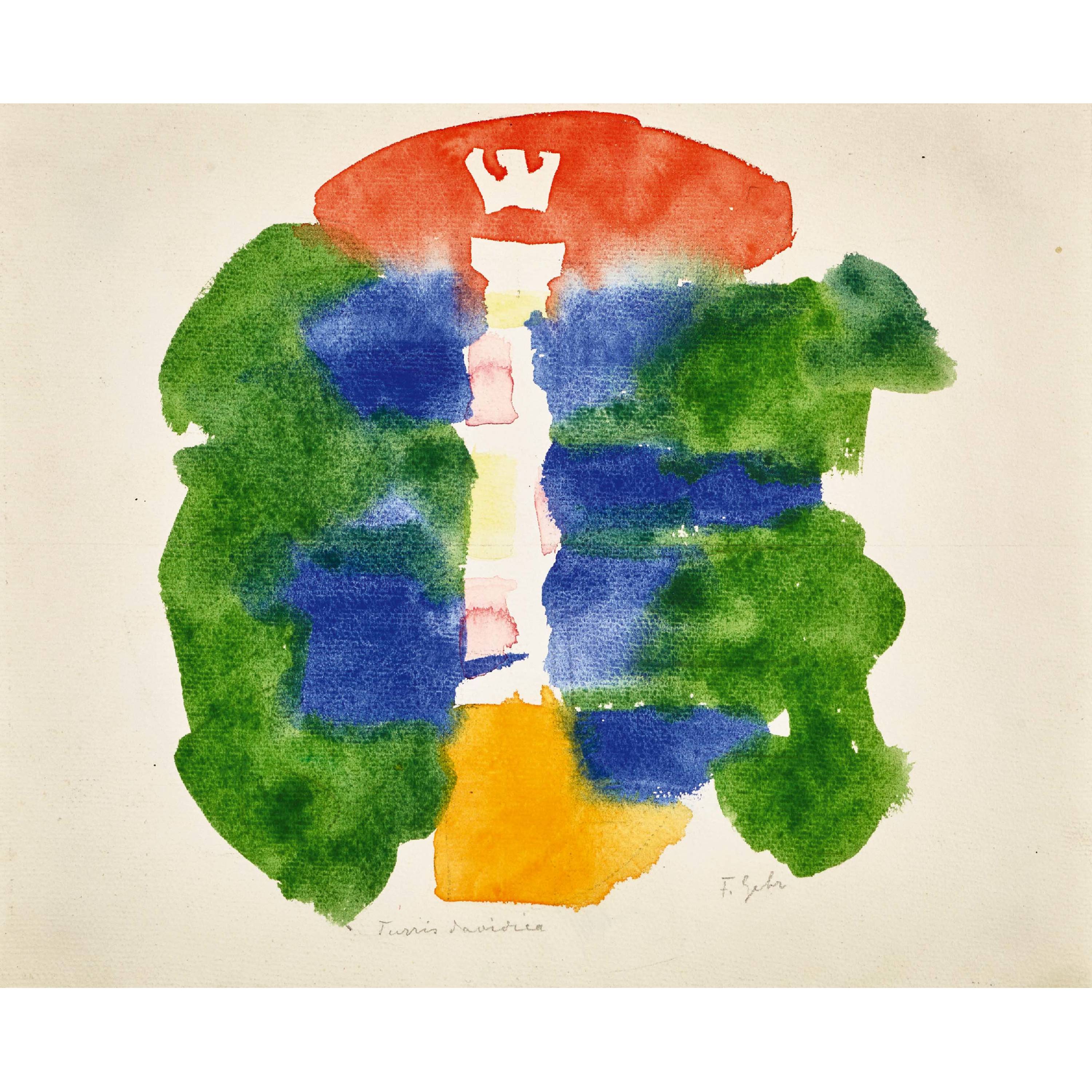
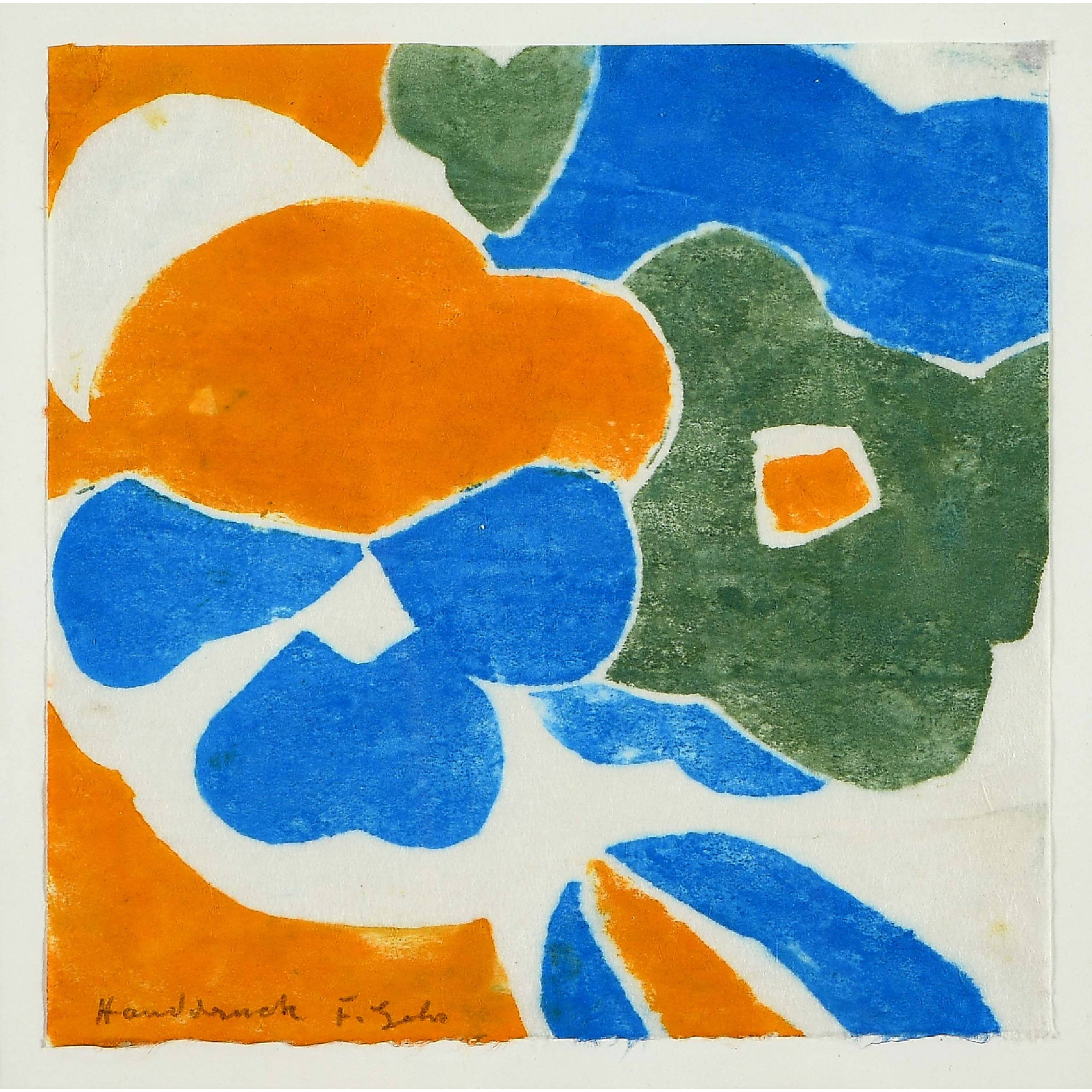
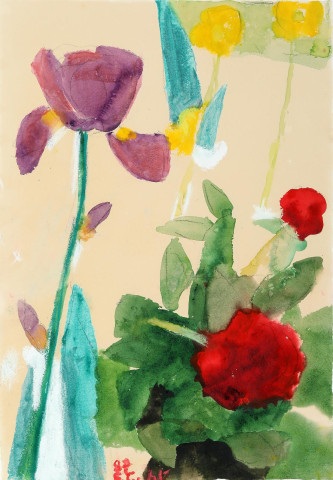
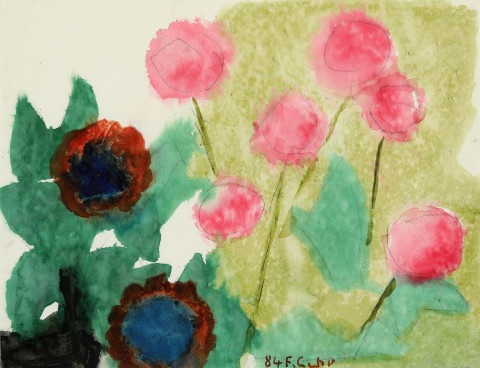
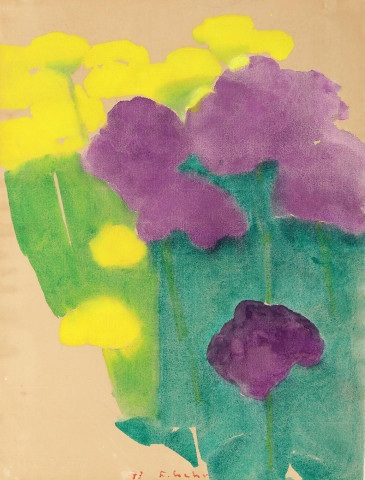
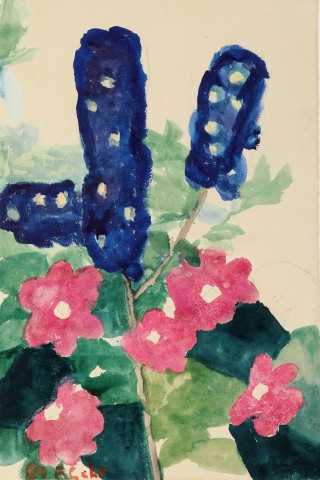
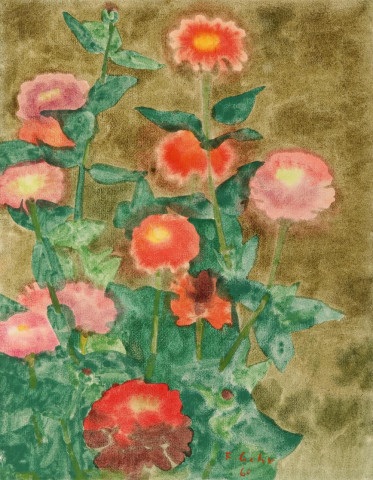
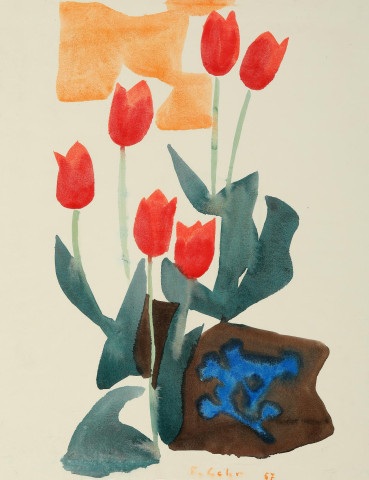
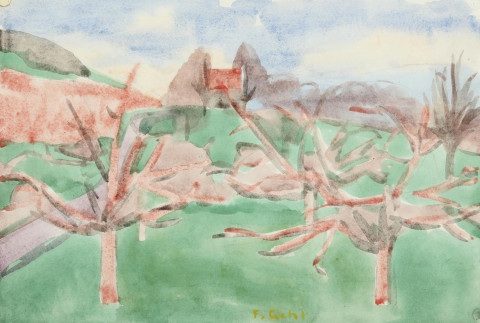
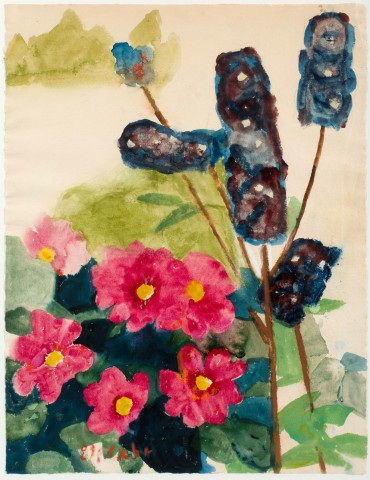
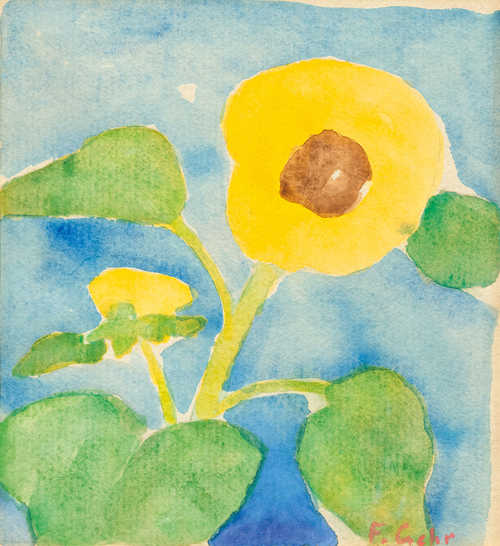
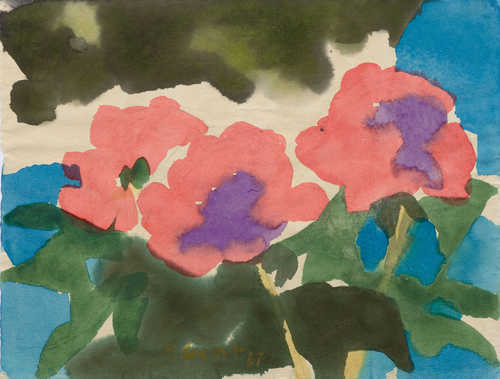
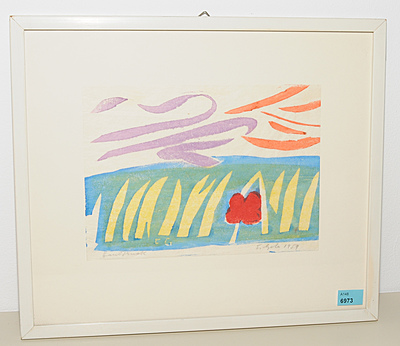
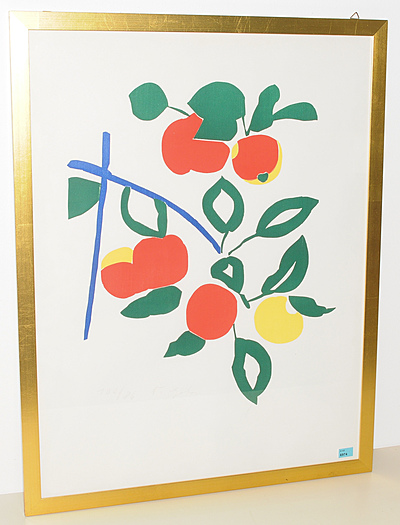
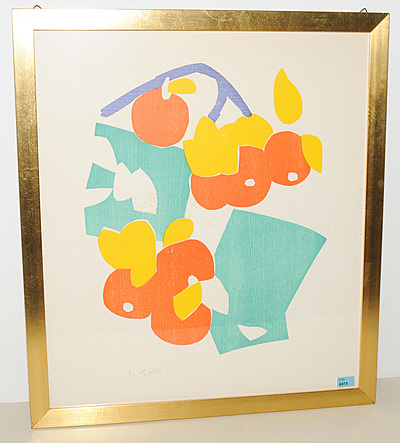
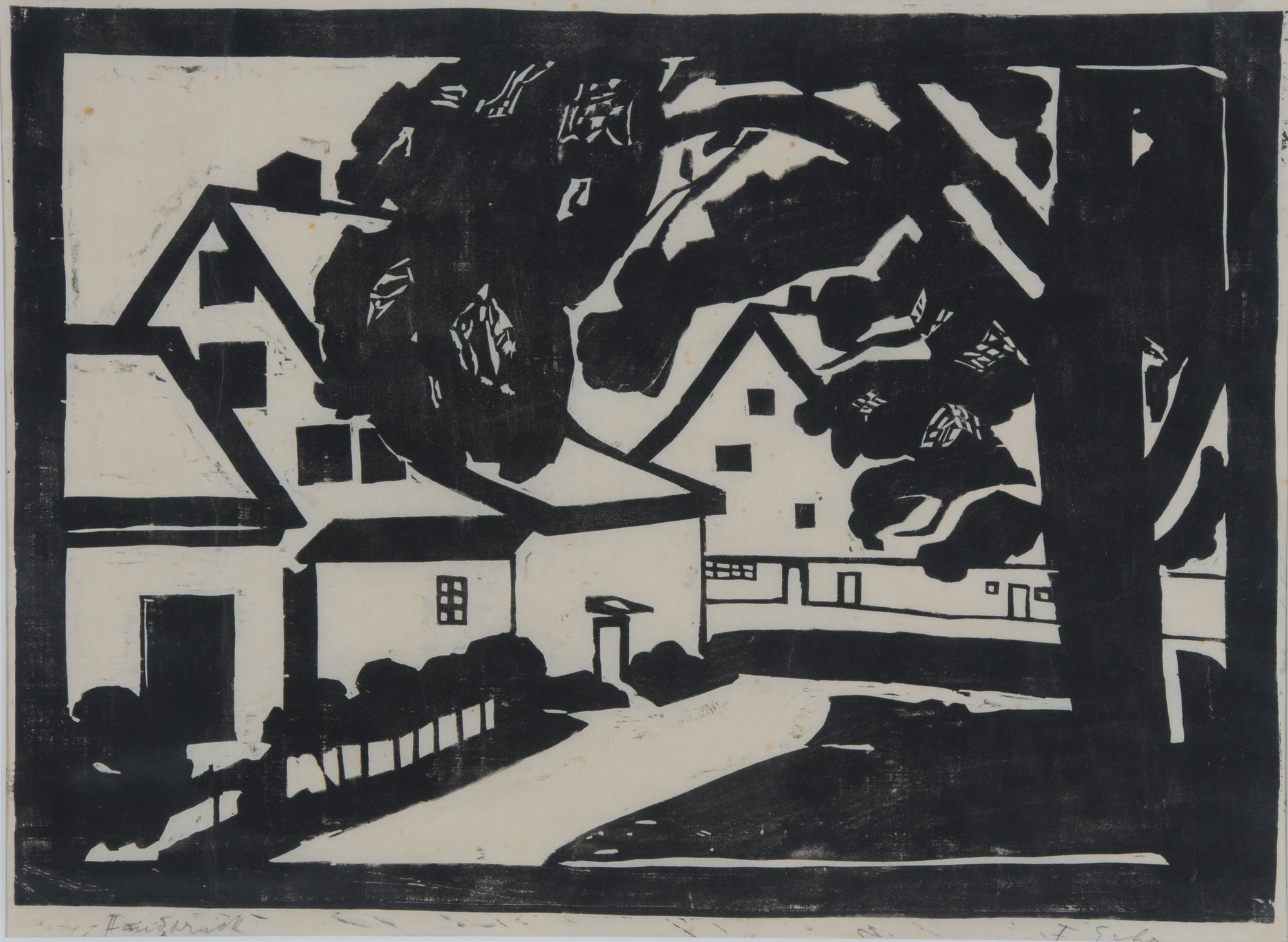
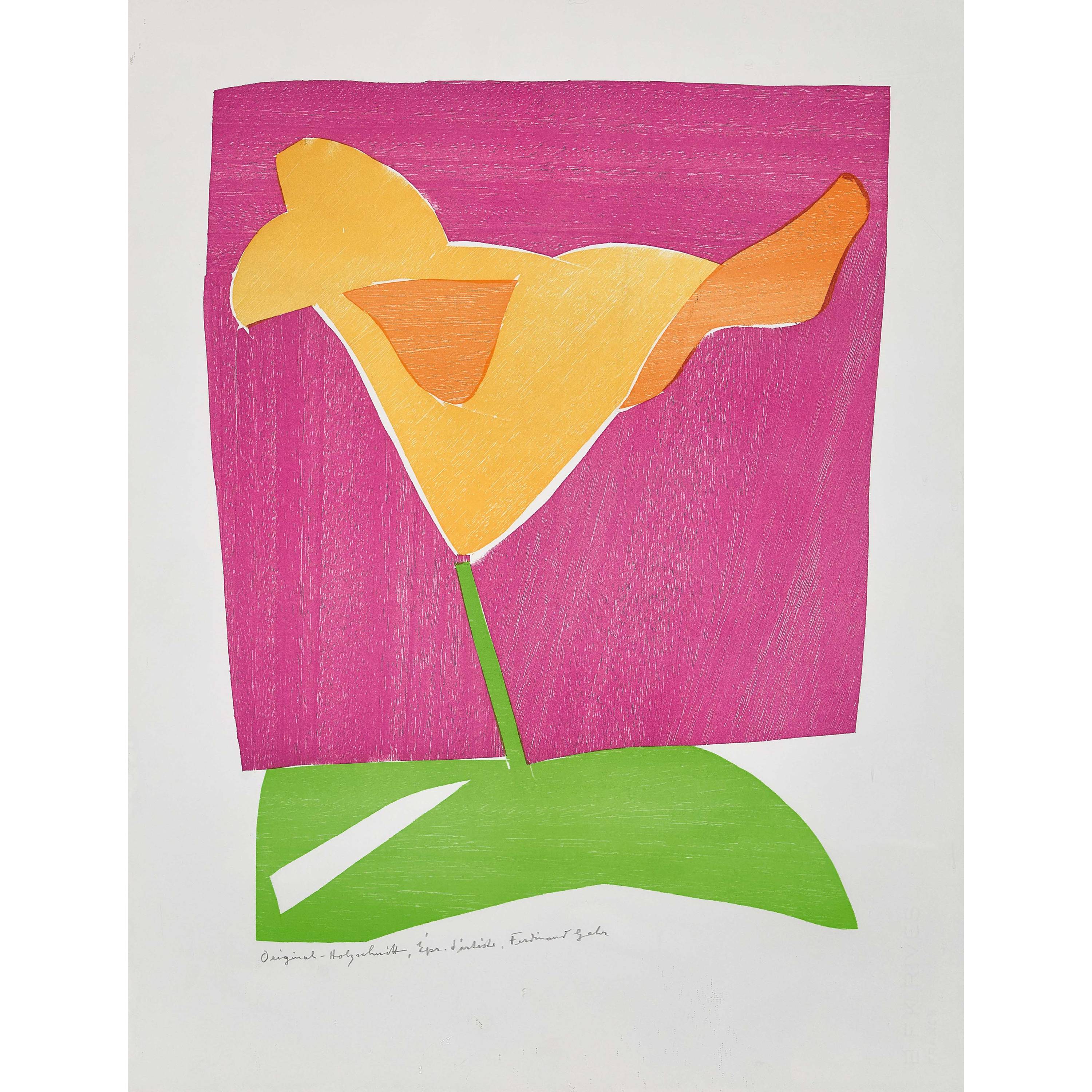
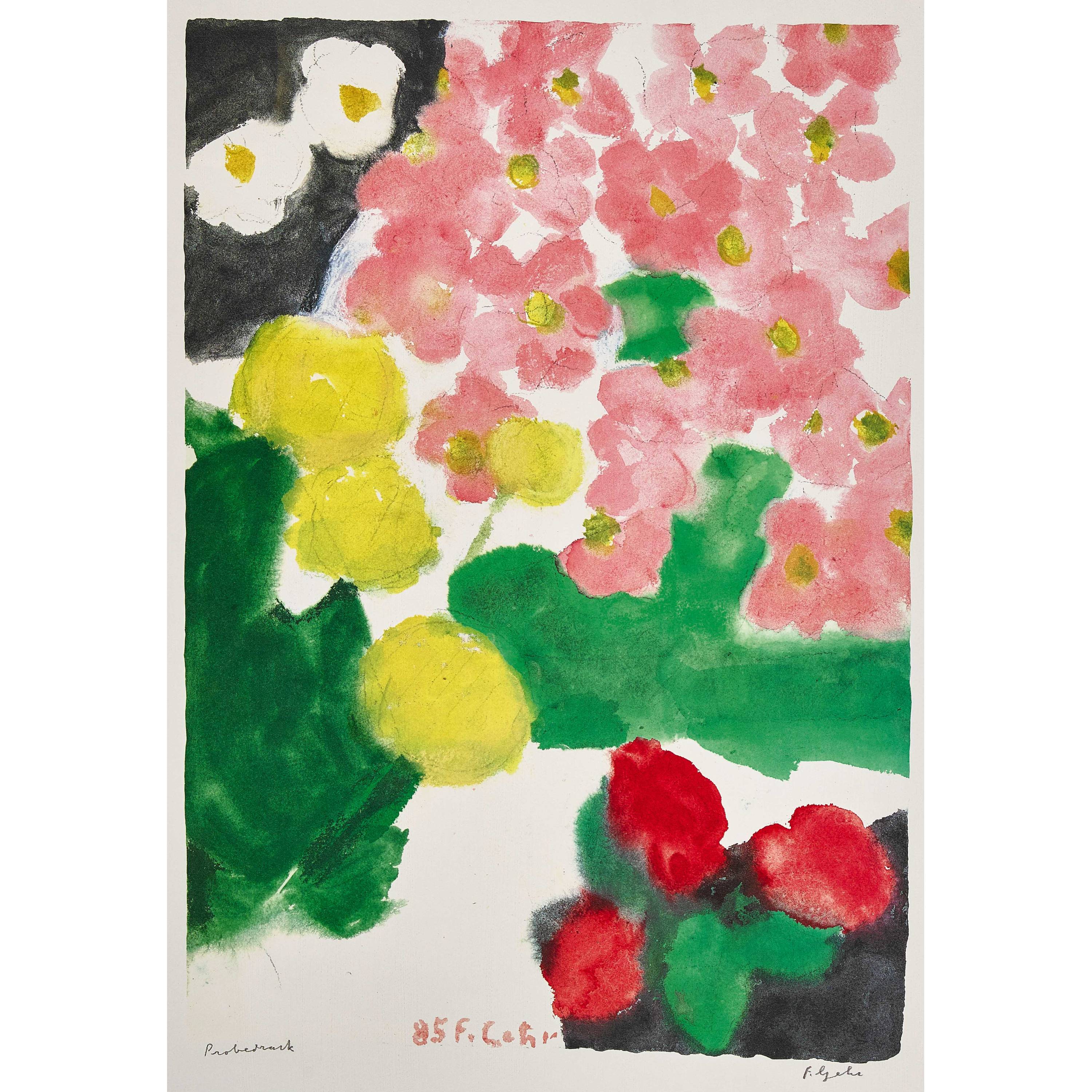
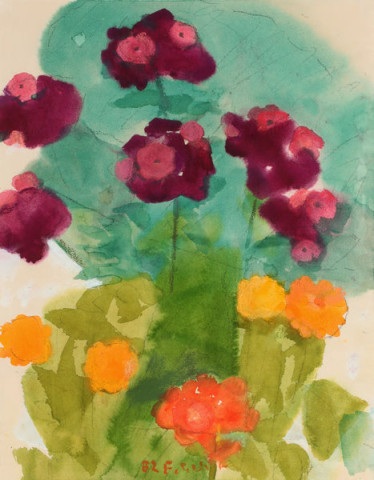
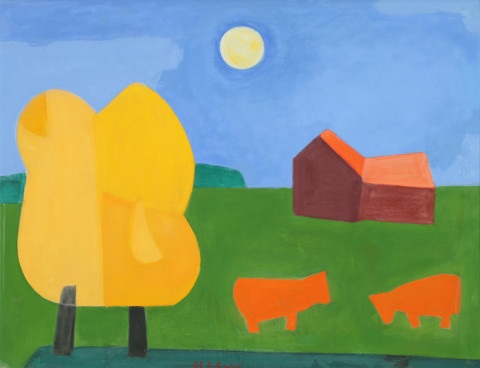
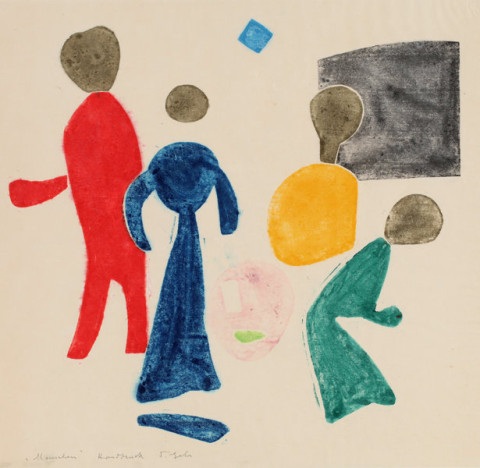
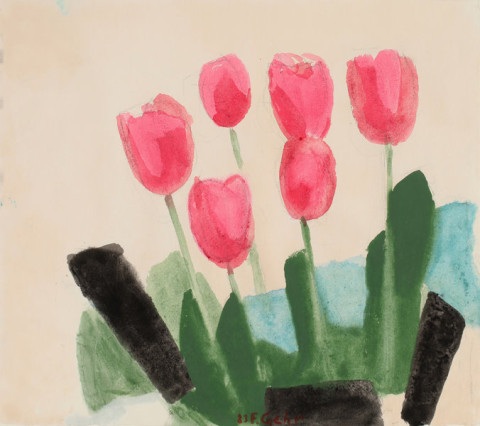
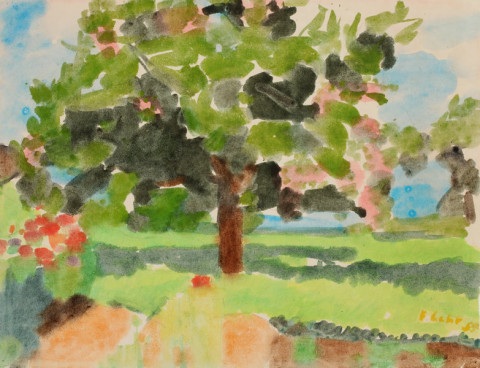
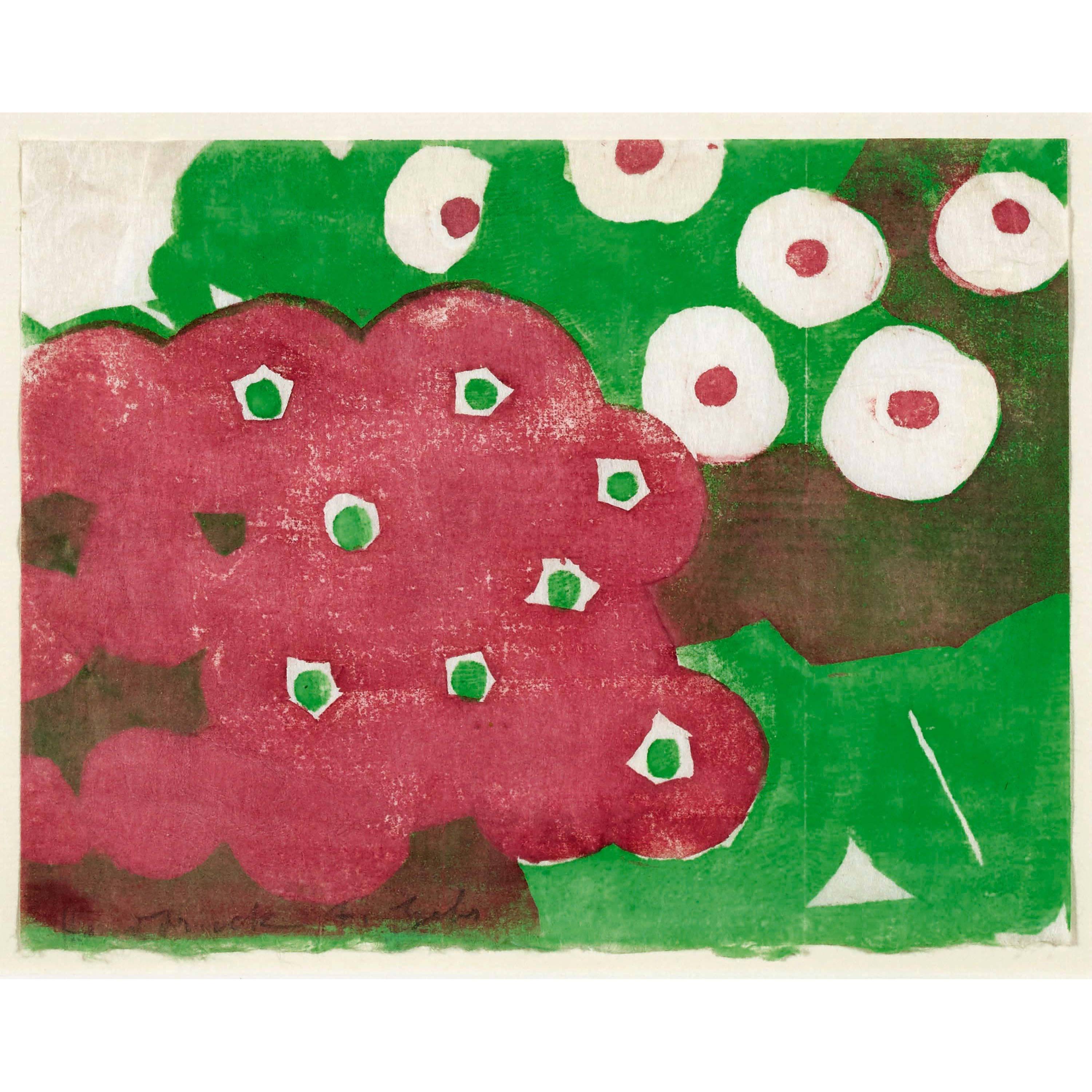
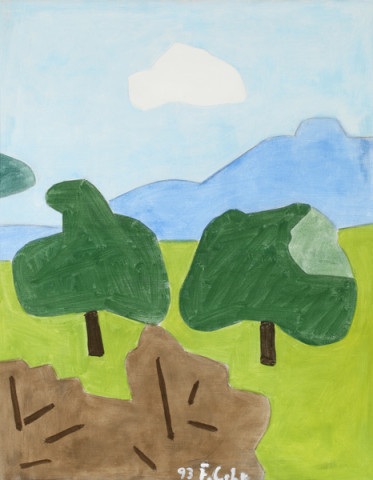
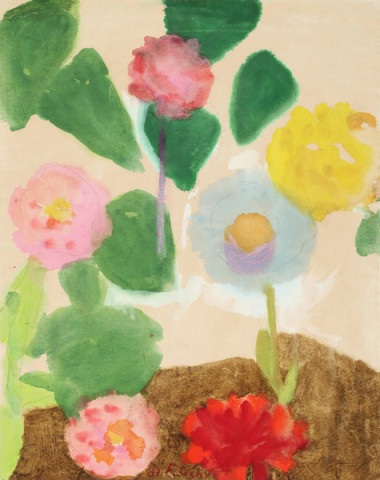
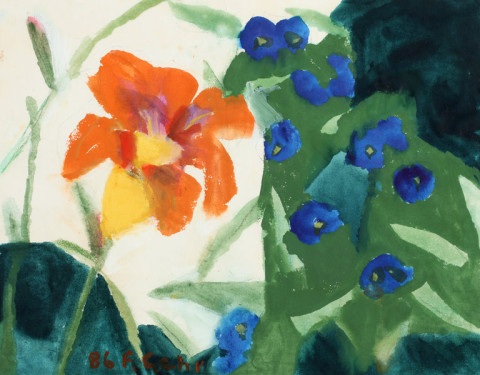
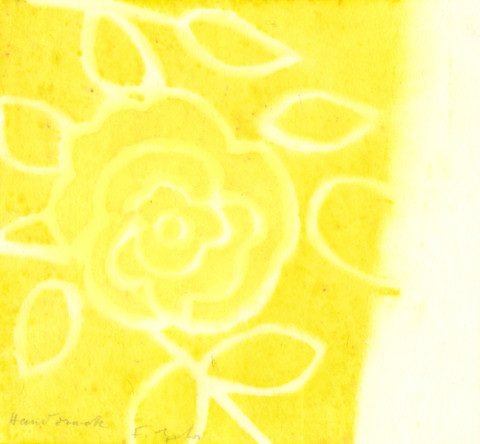
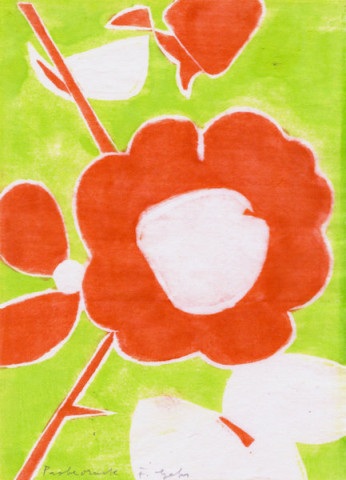
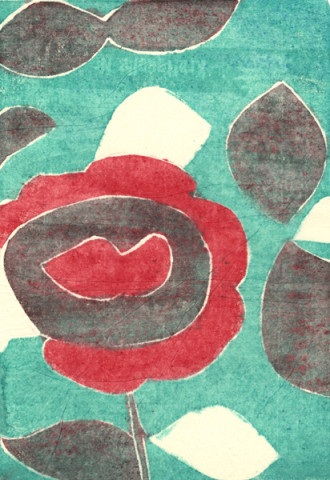
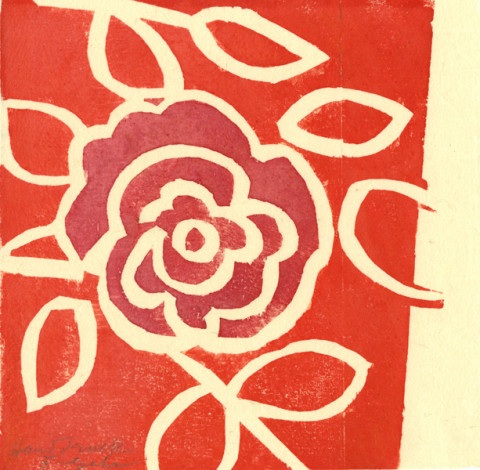
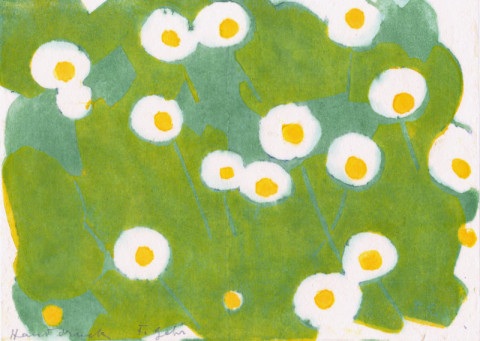
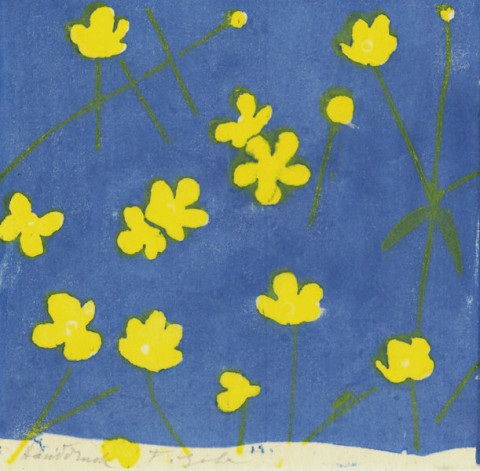
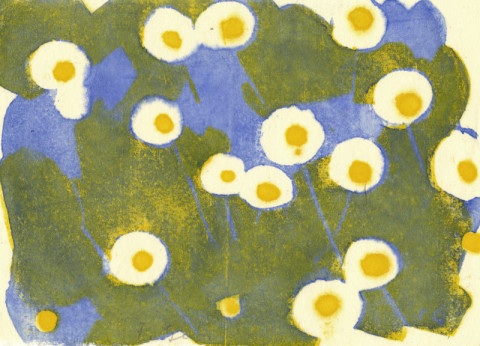
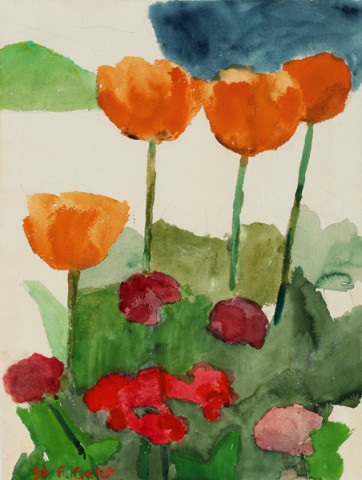
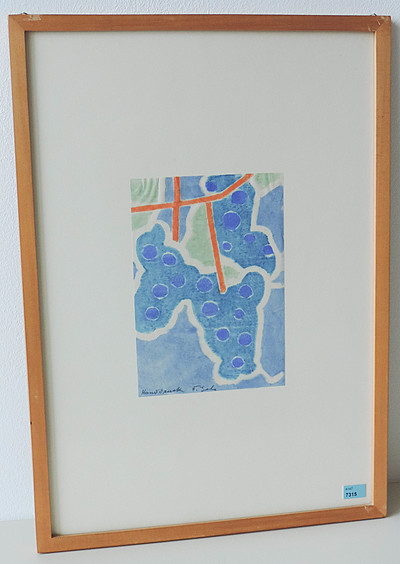
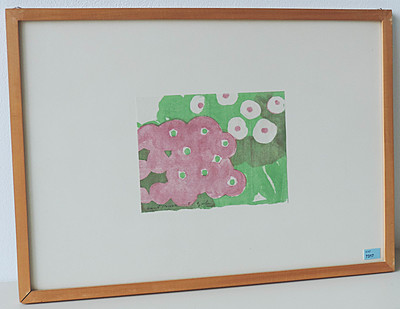
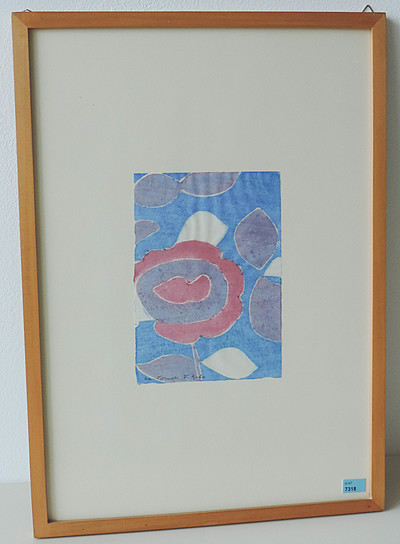
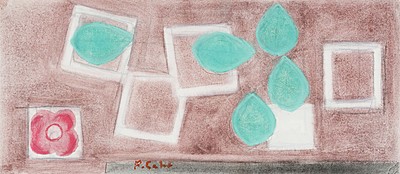
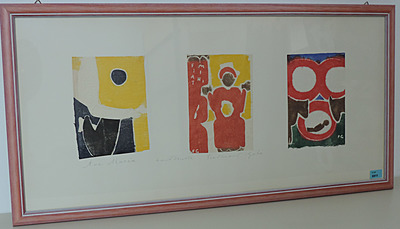
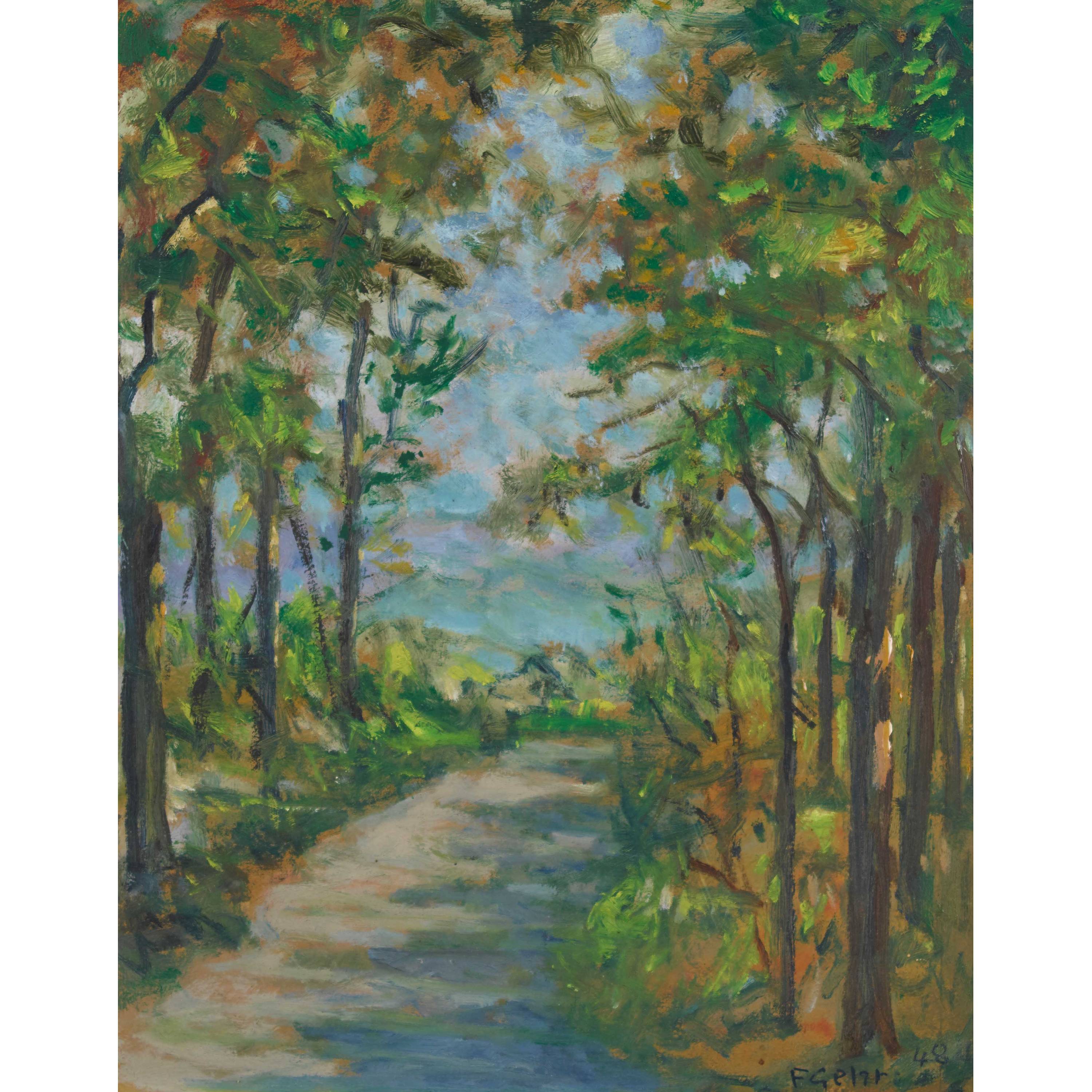
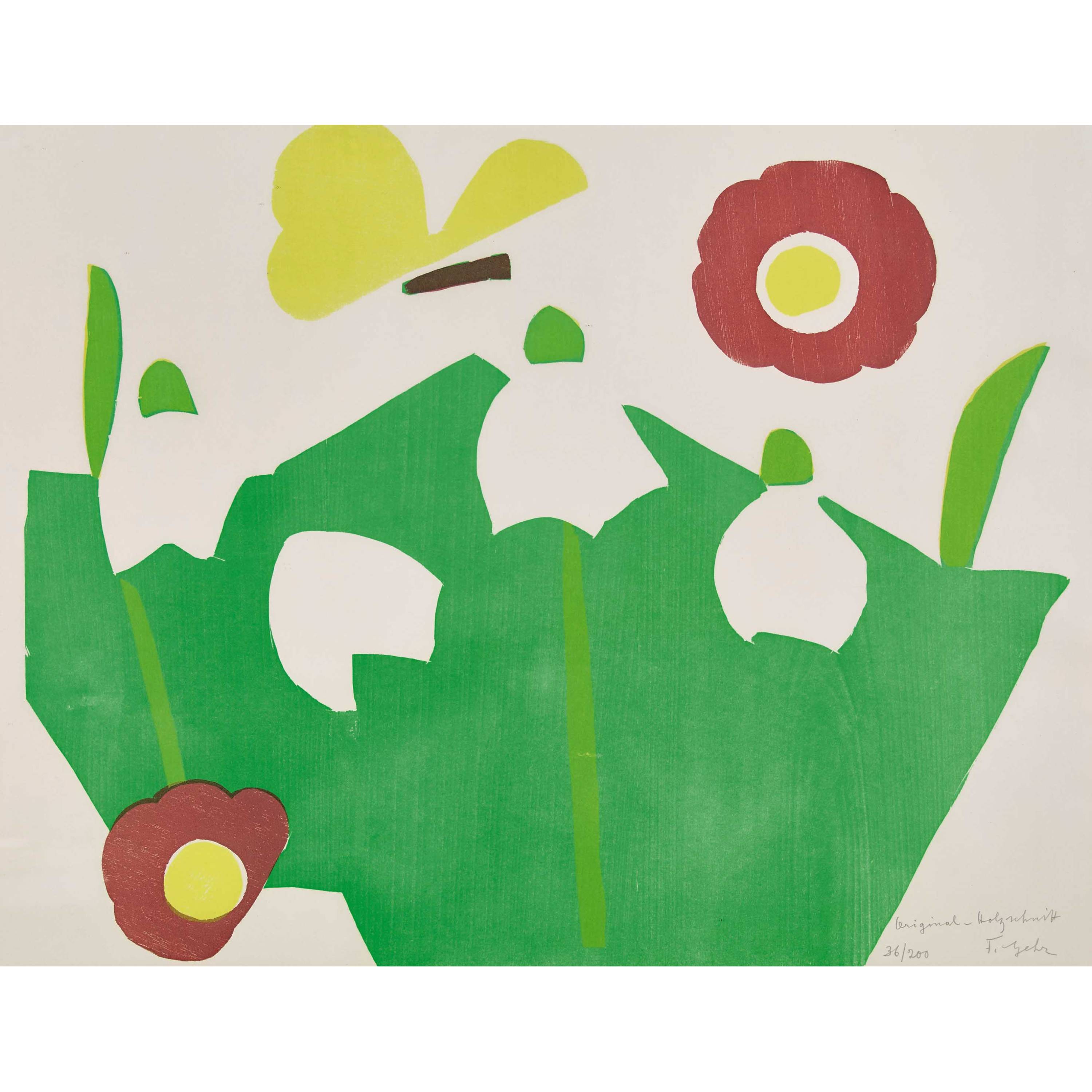
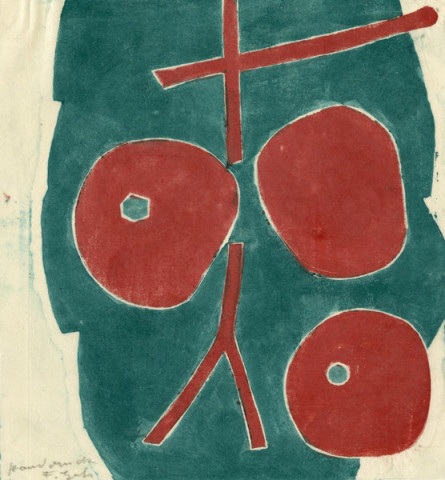
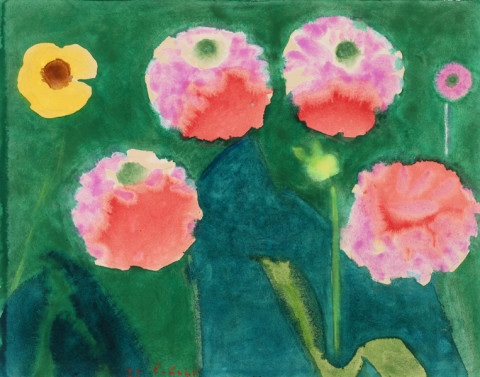
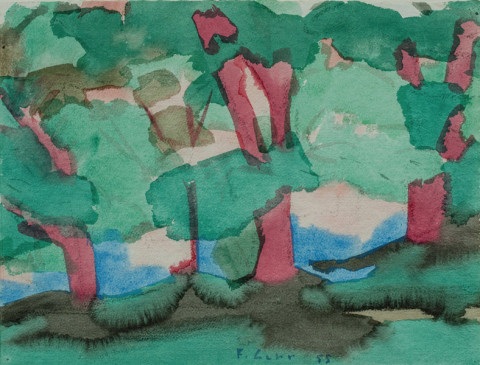
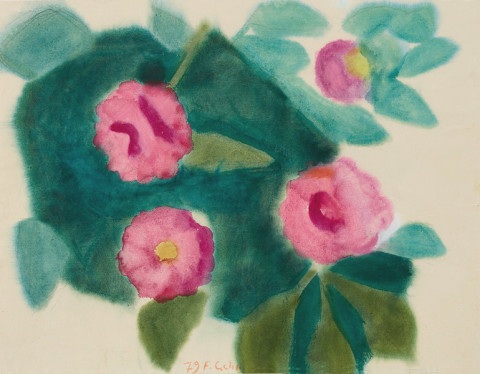
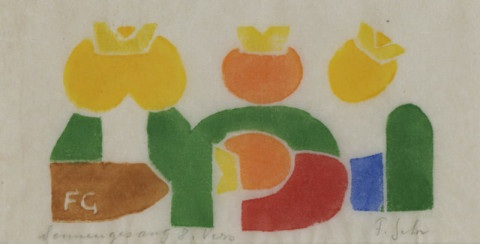
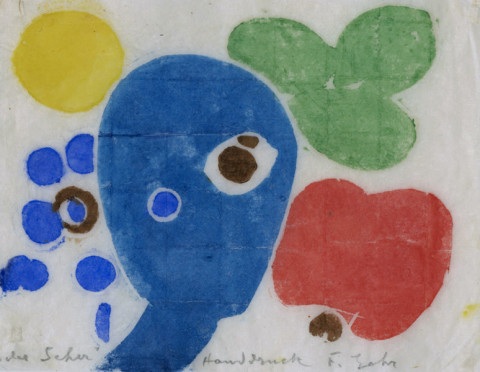
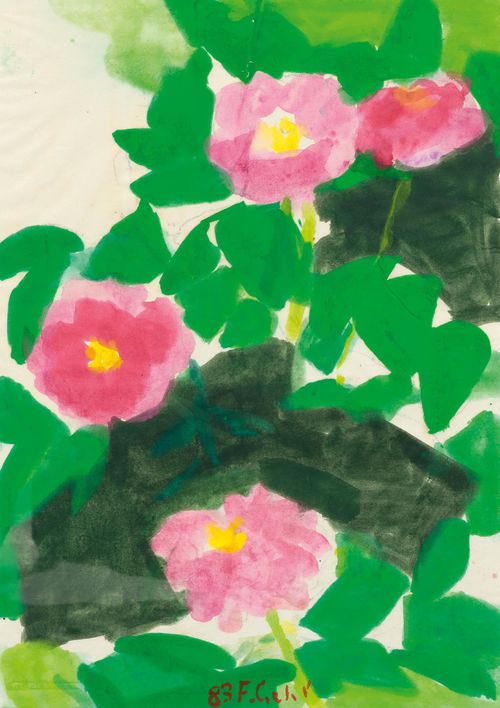
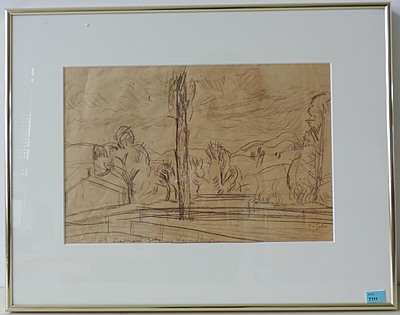
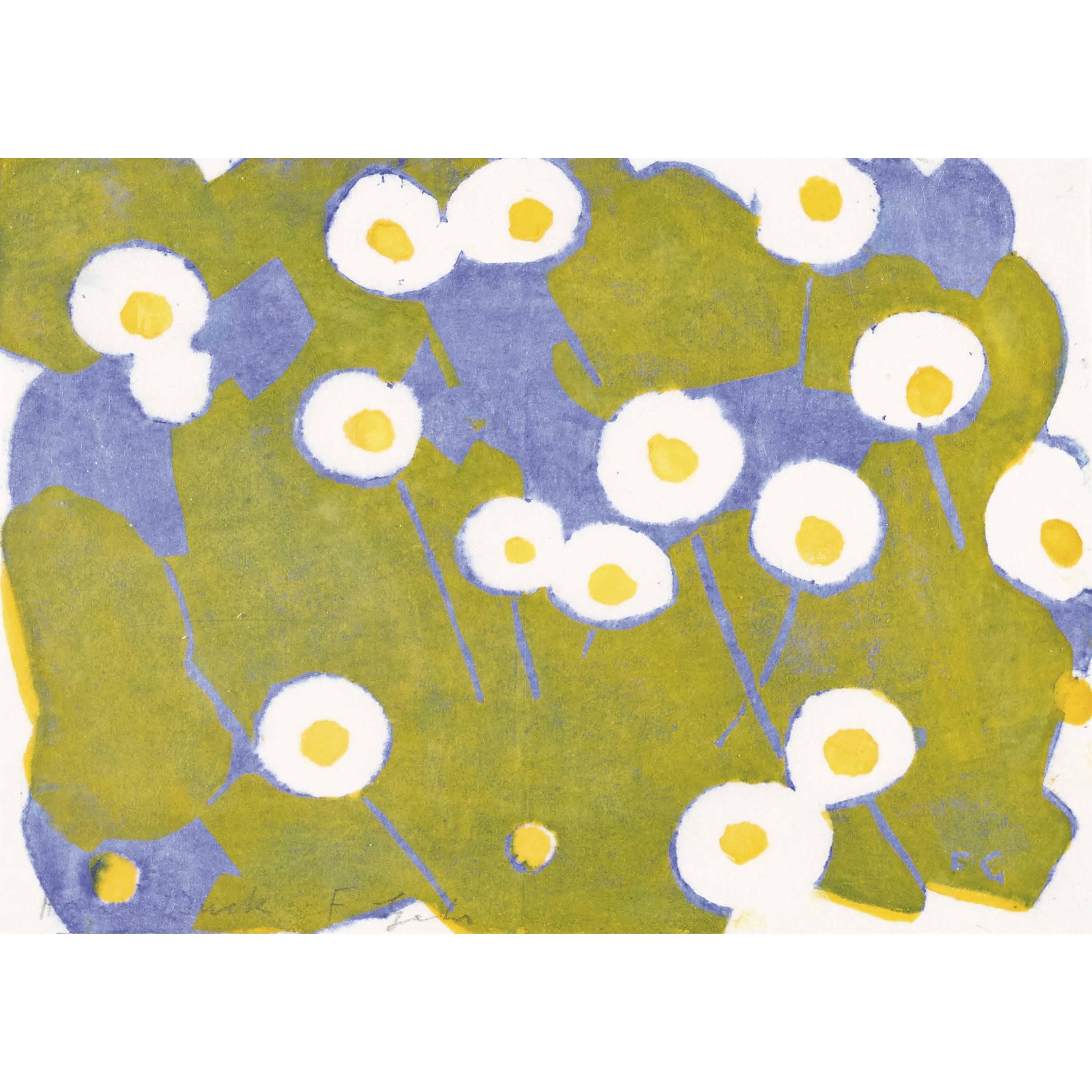
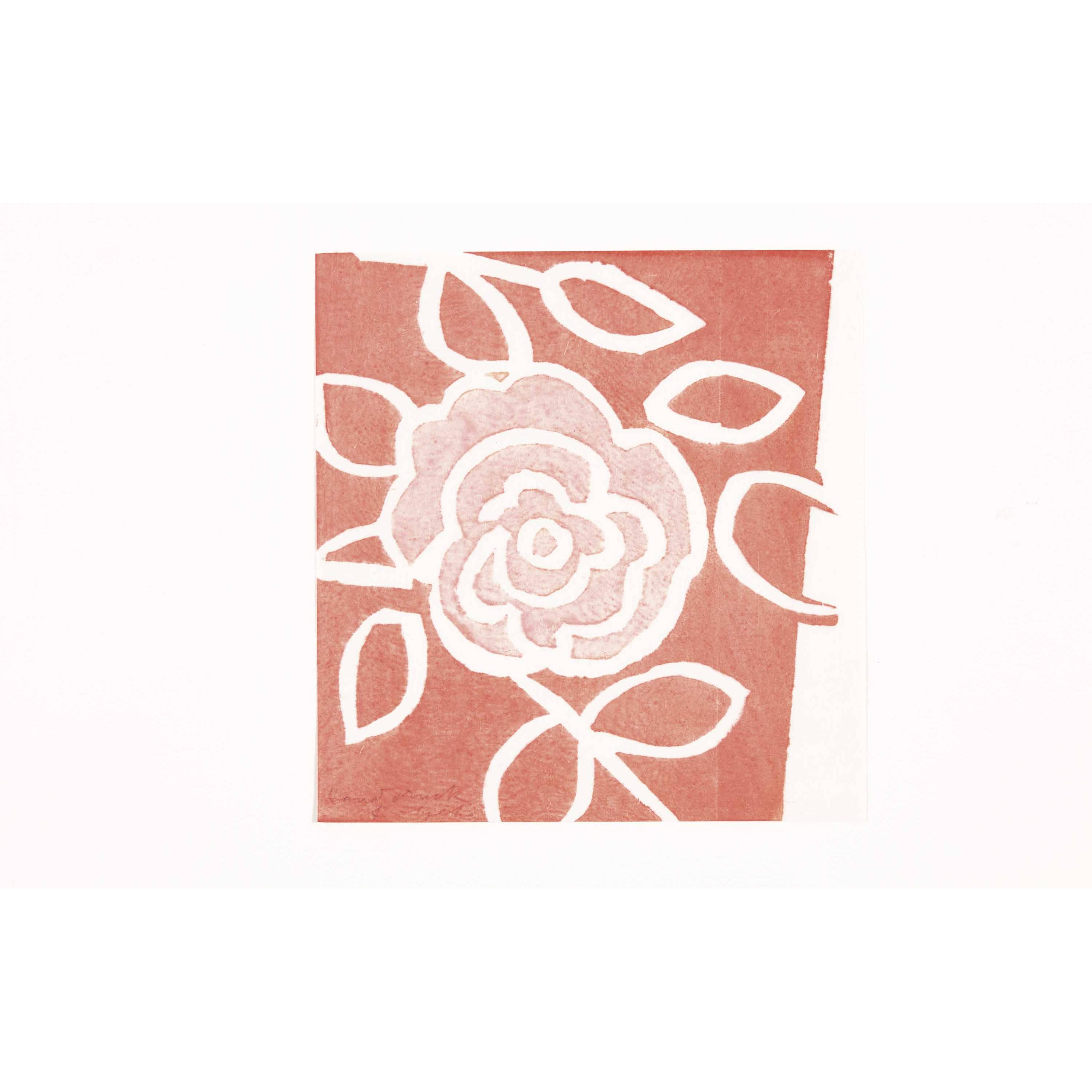
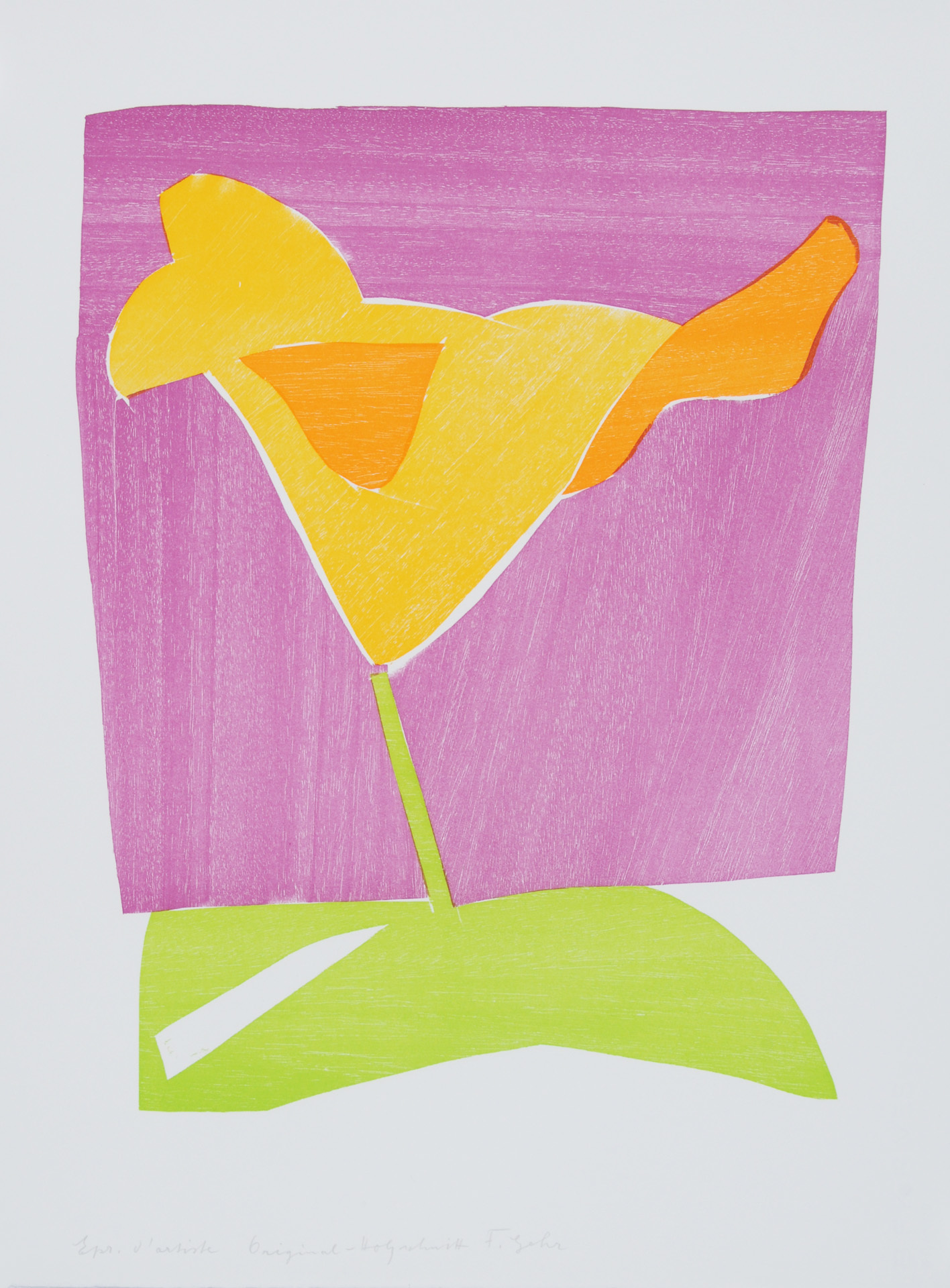
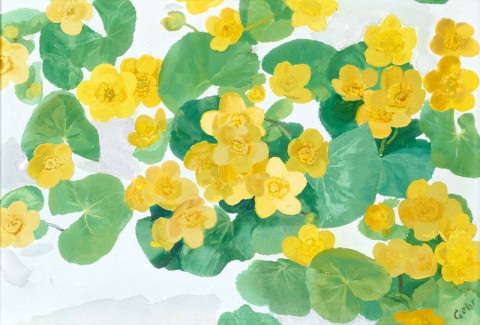
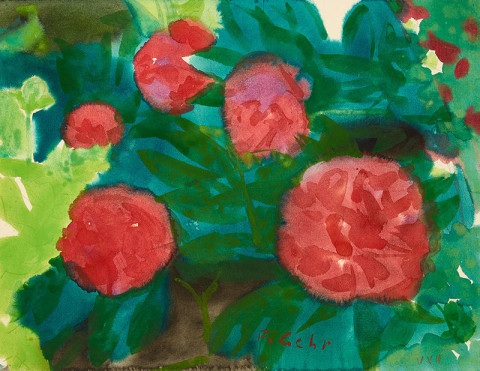
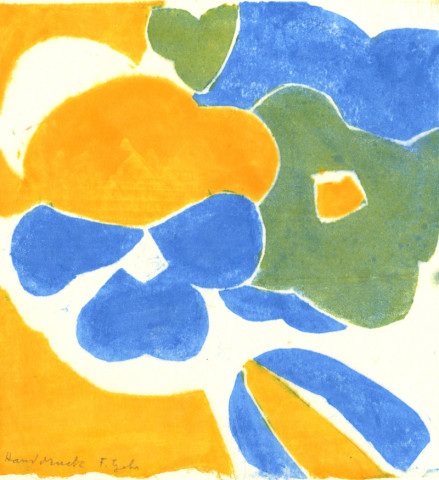
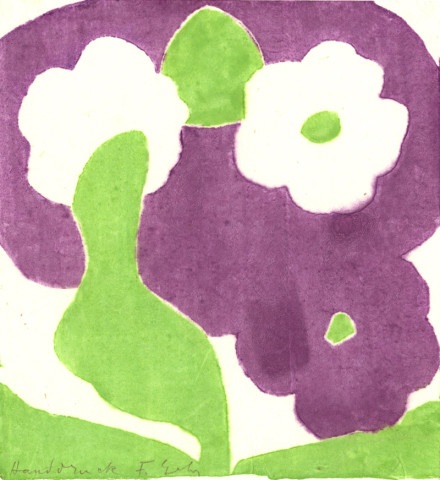
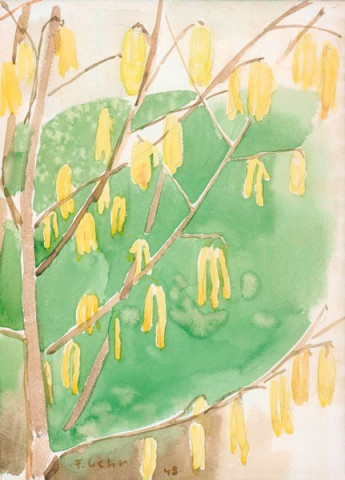
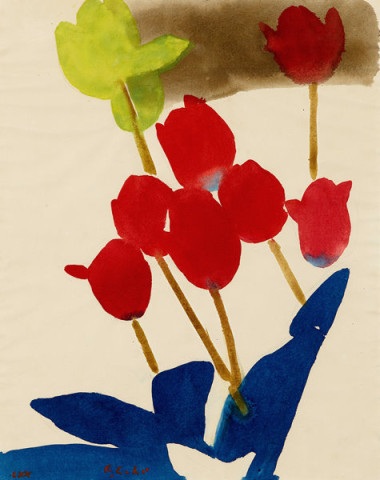
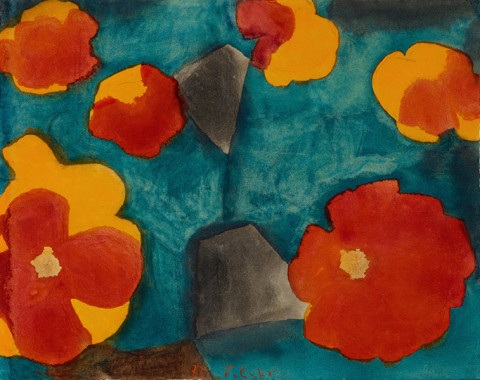
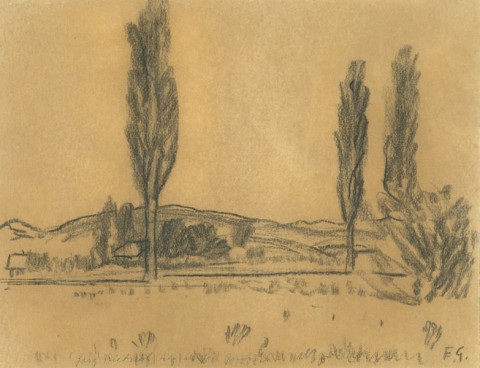
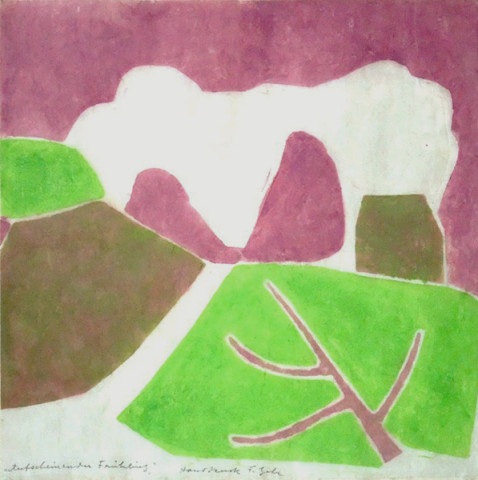
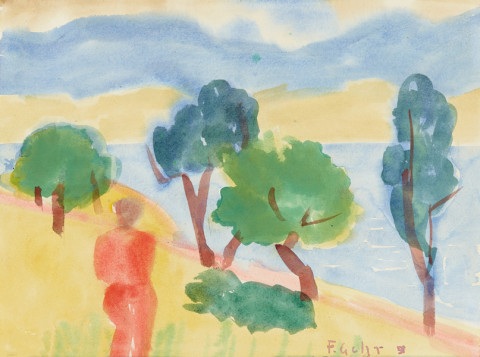
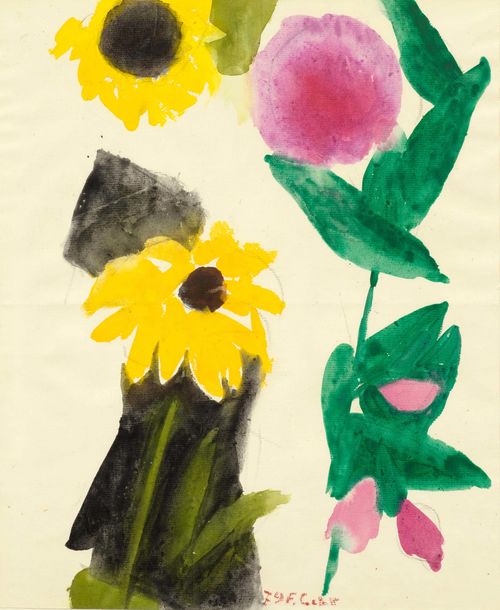
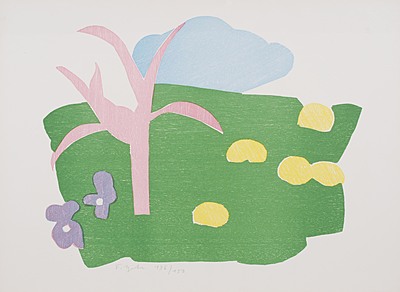
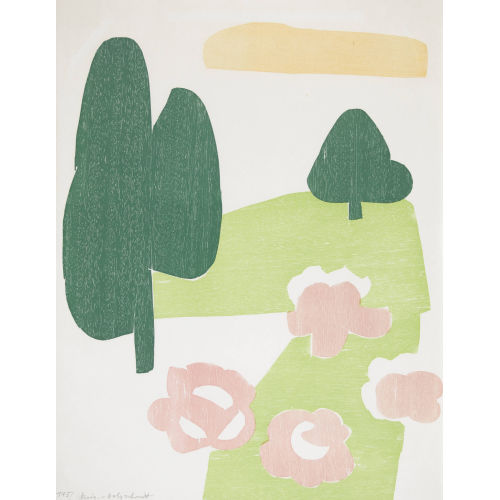
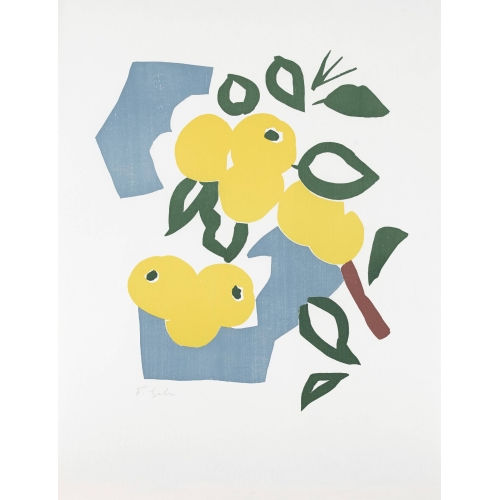
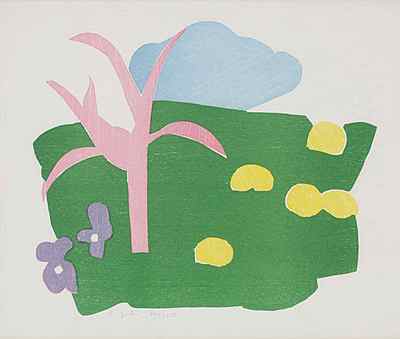
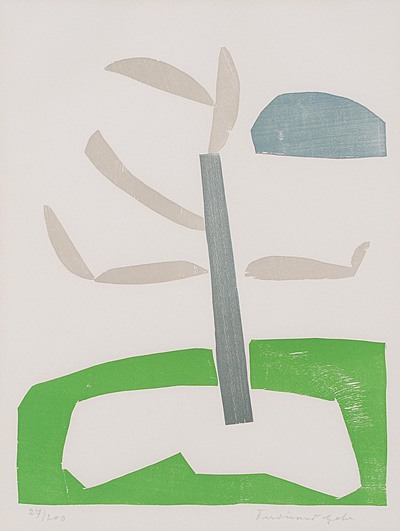
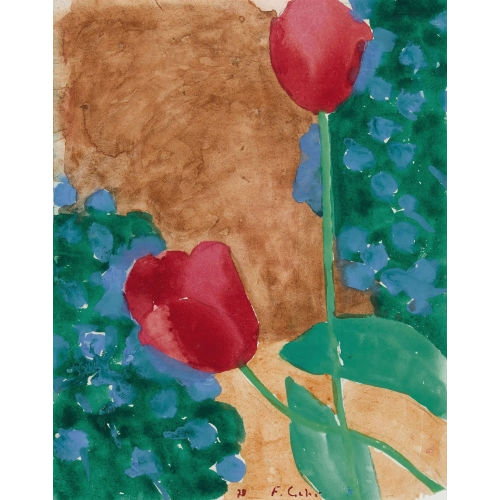
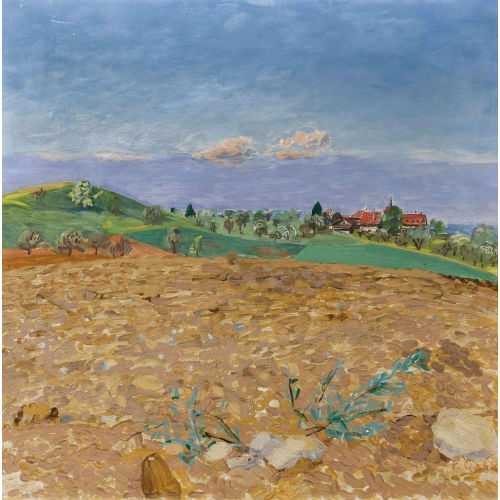
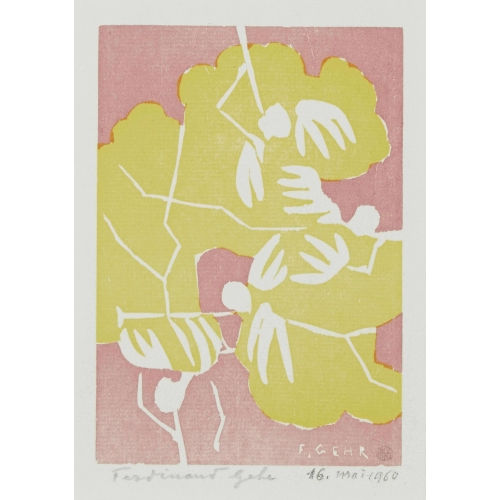
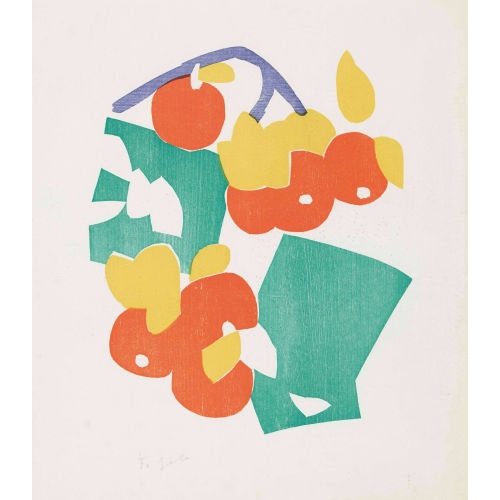
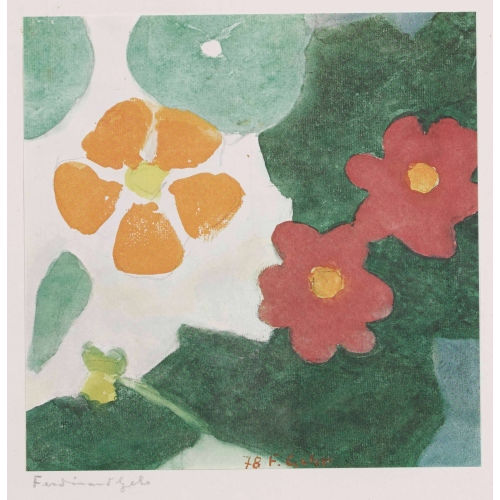
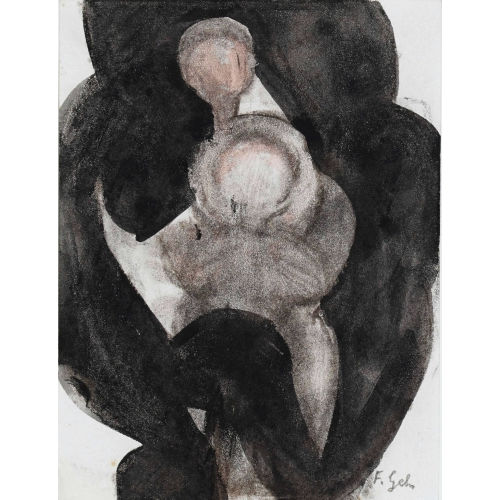
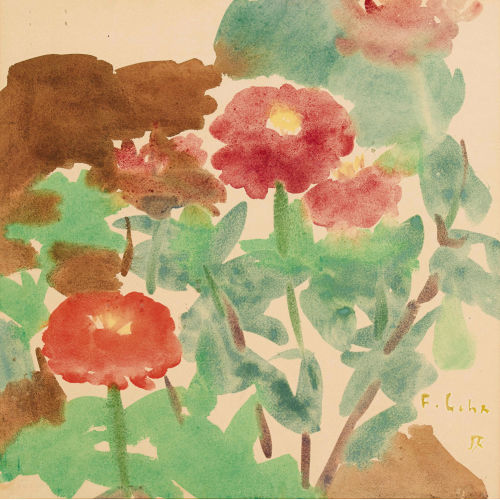
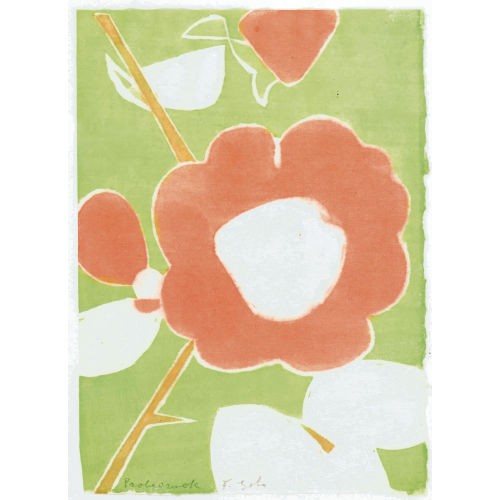
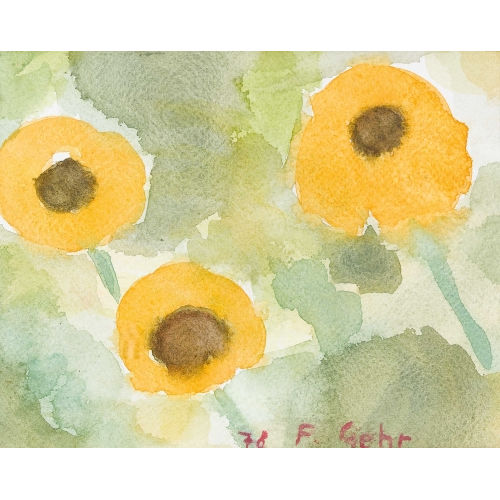
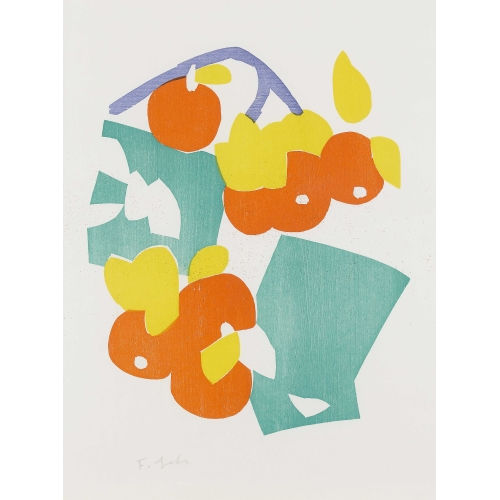
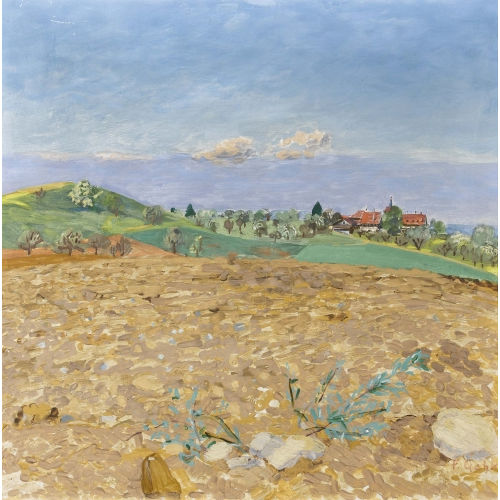
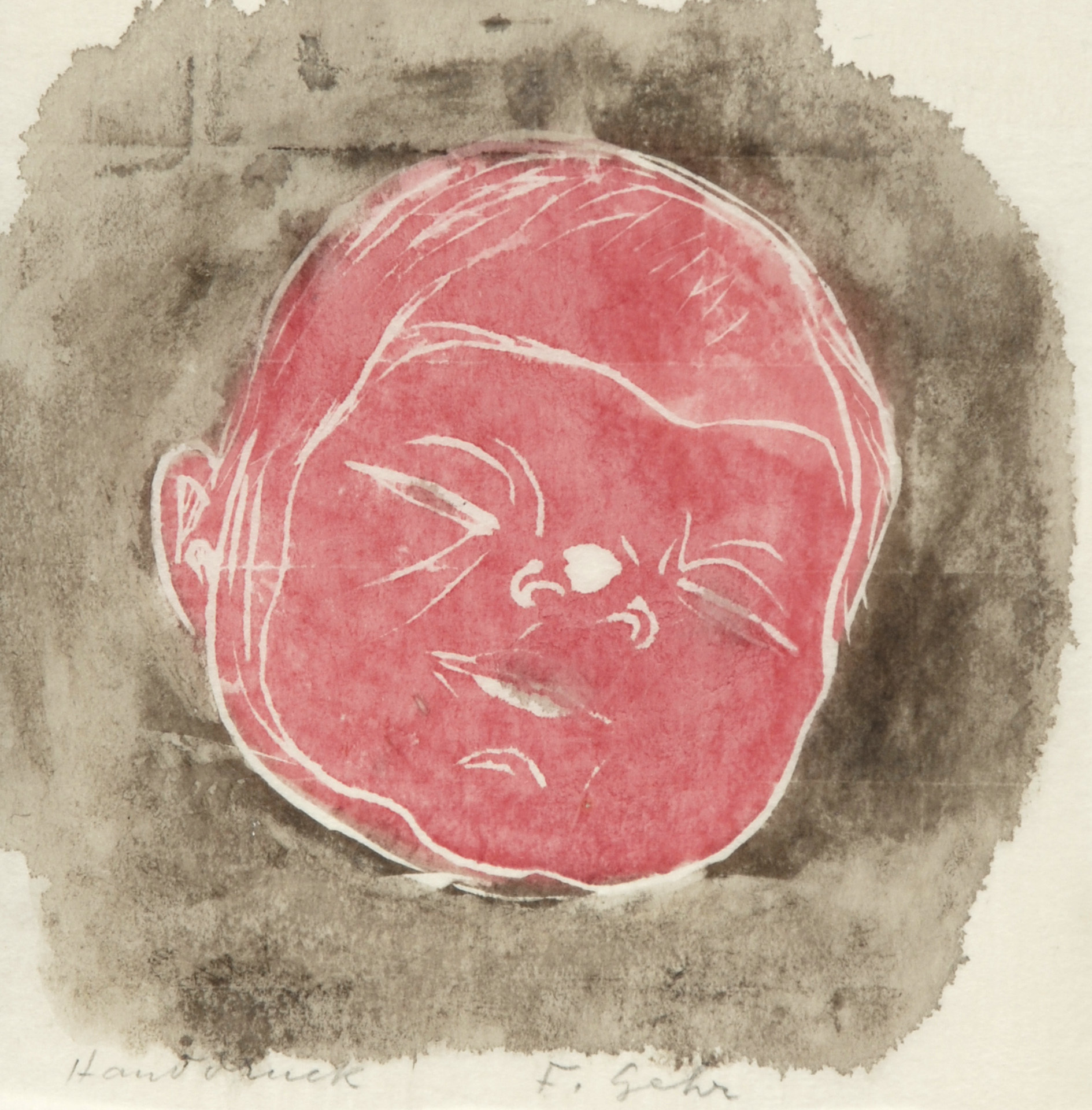
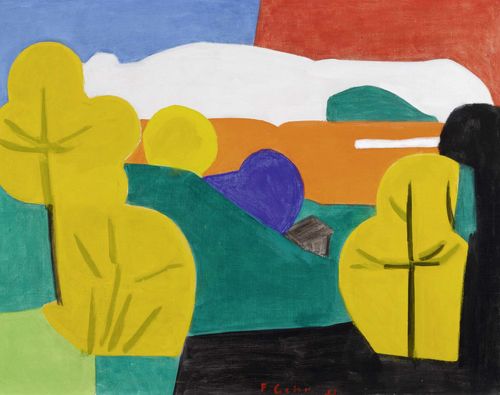
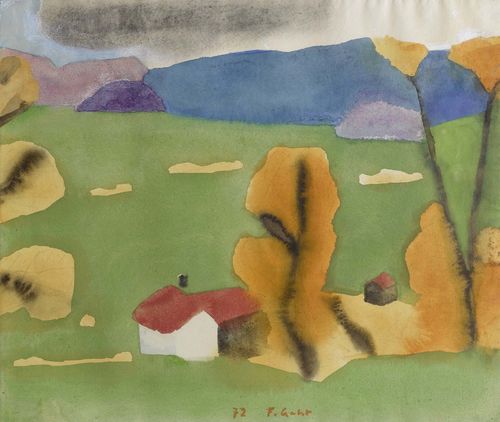
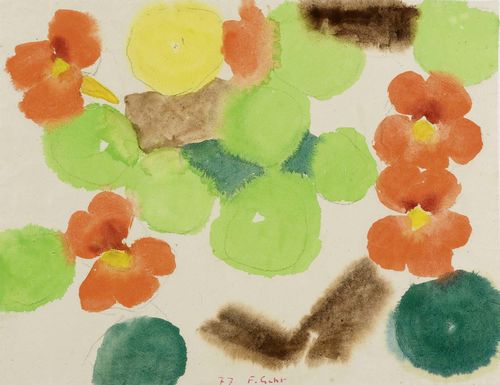
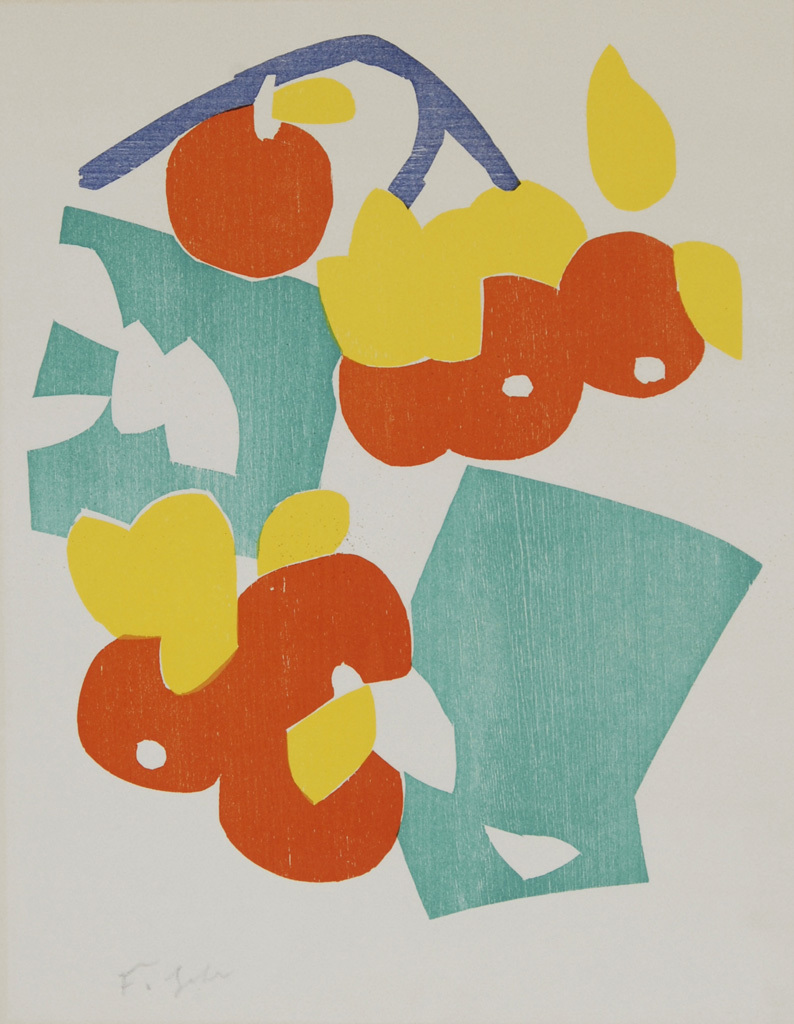
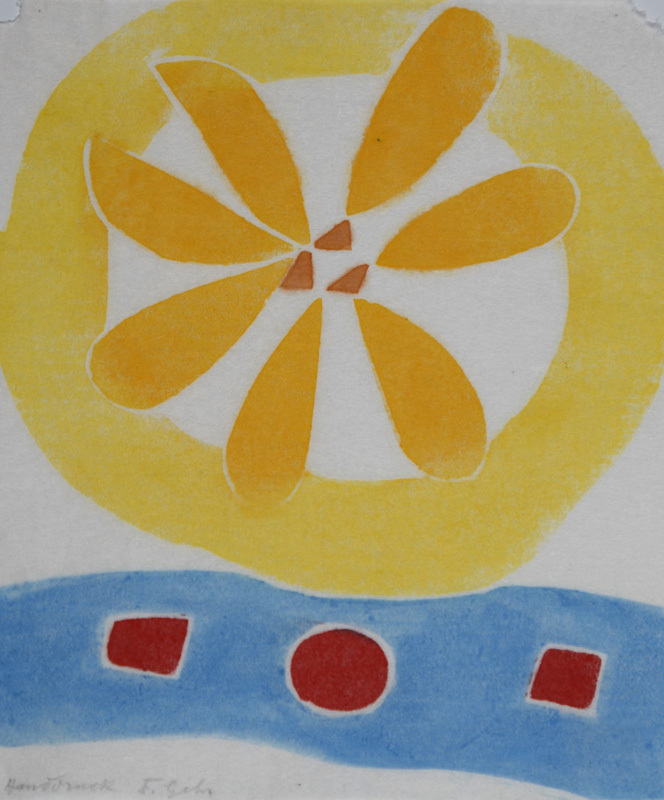
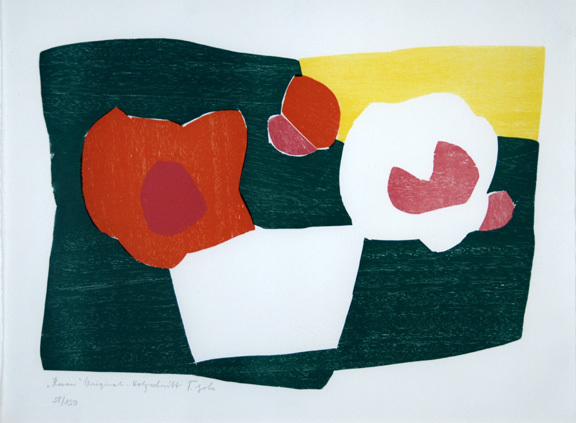
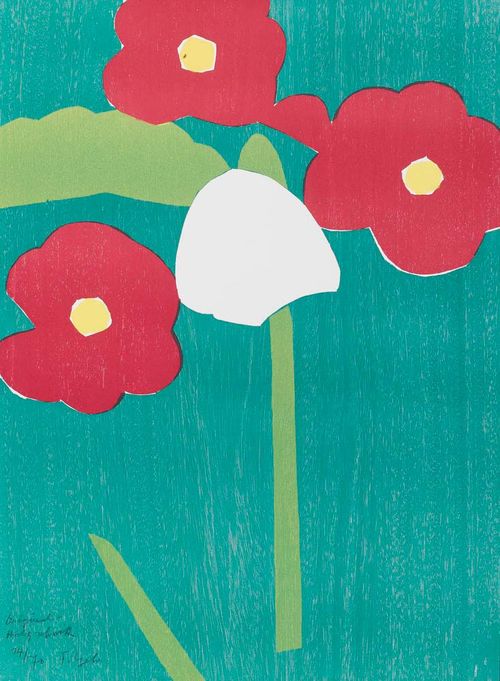
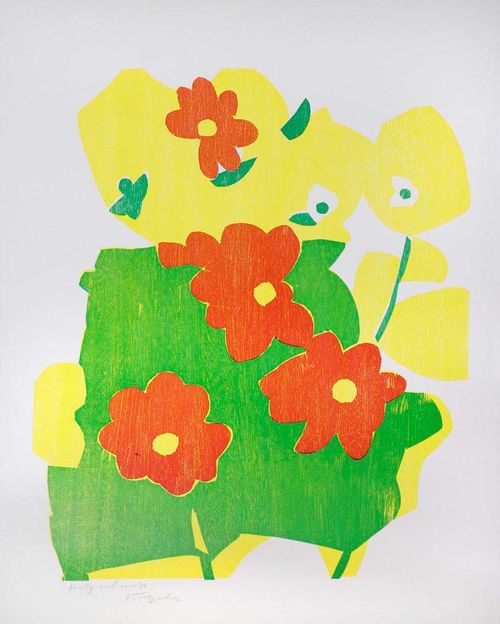
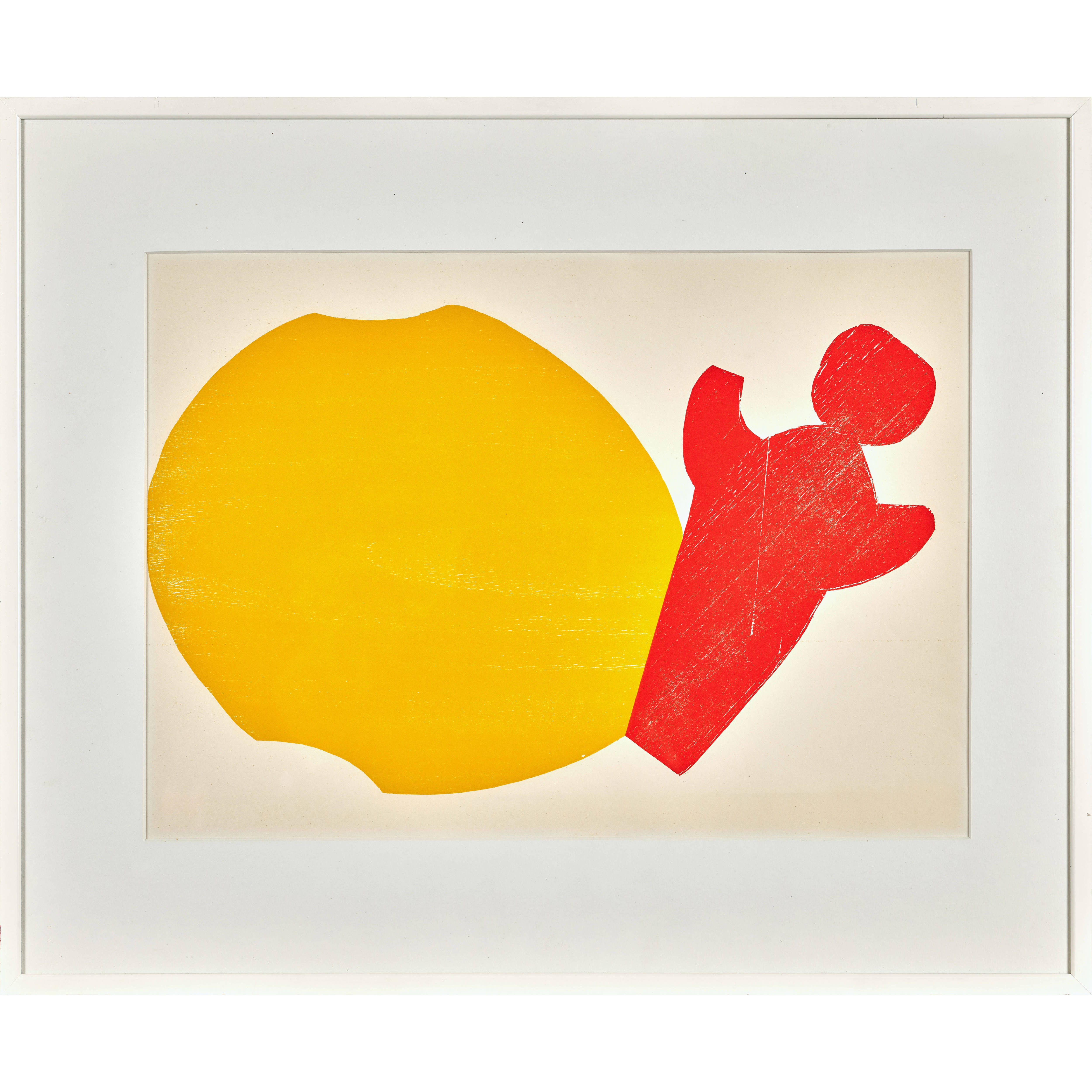
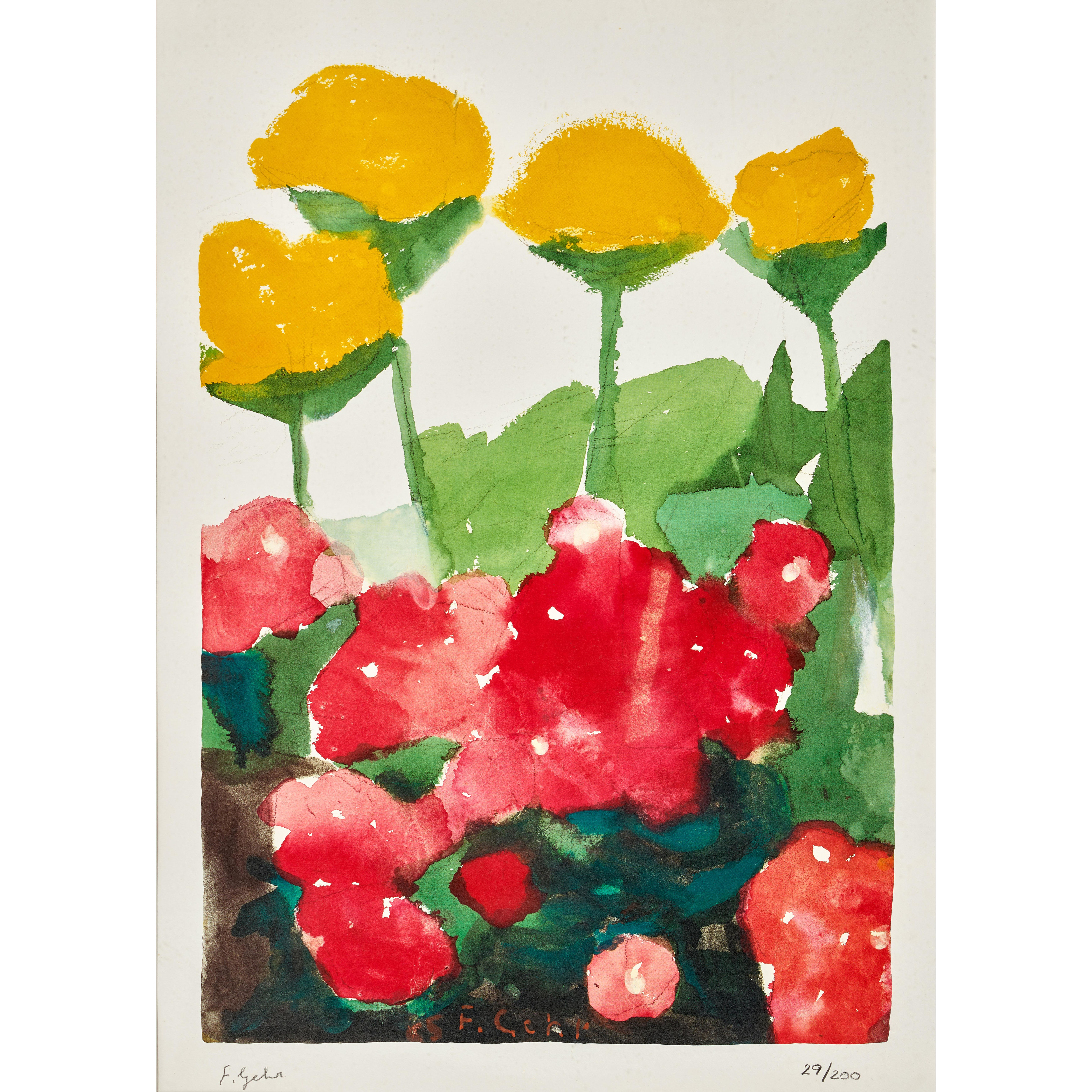
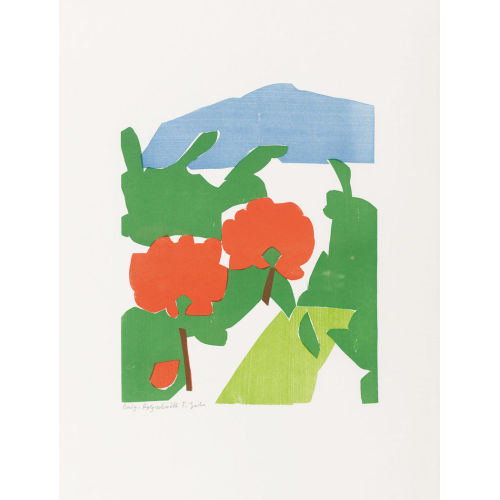
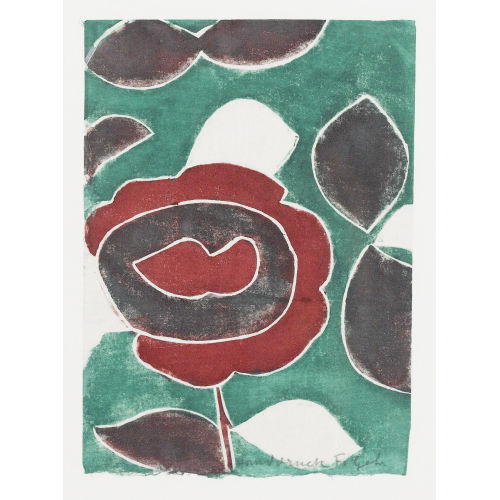
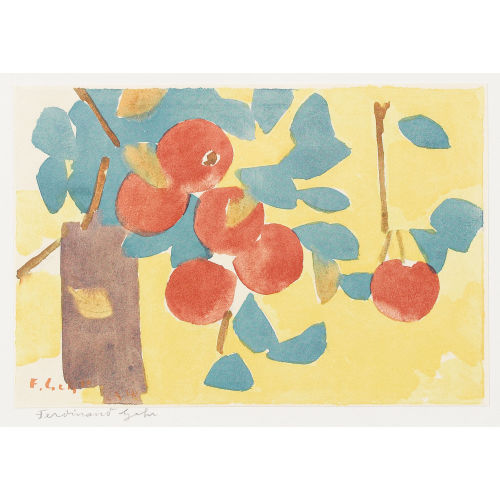
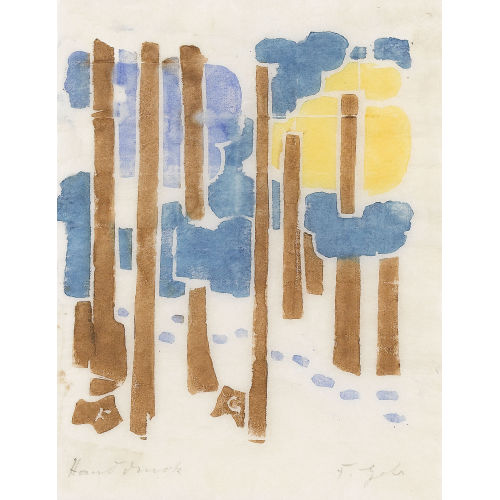
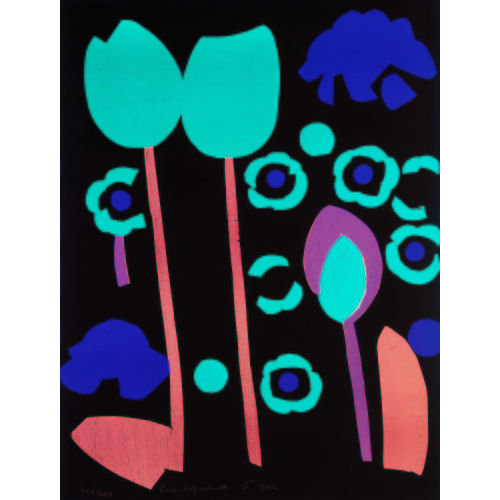
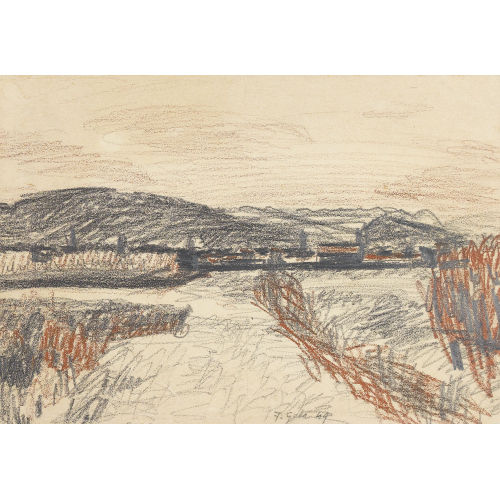
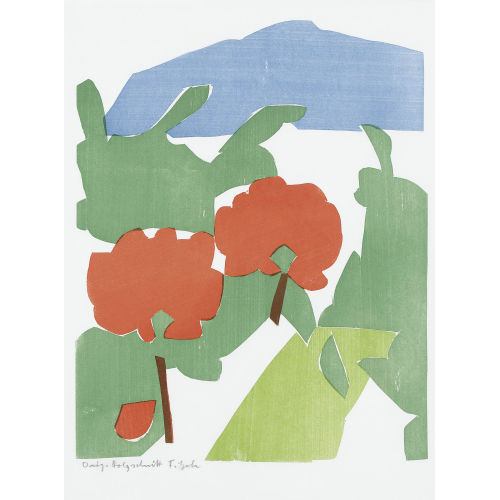
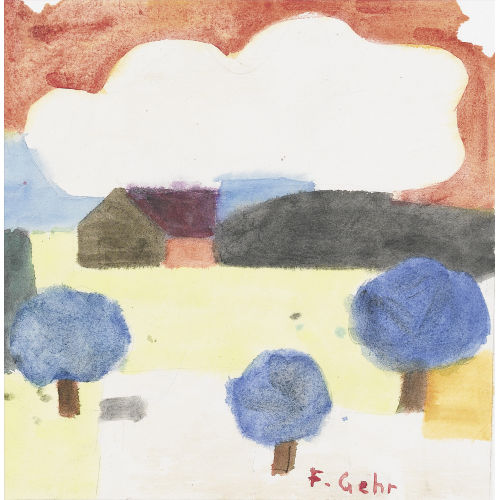
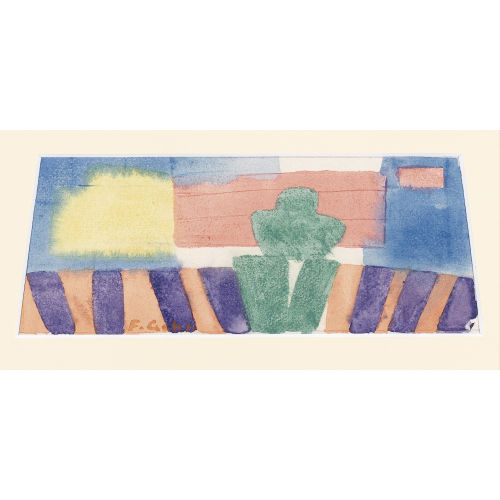
The breadth of his œuvre is also evident in his tempera landscapes, watercolours and colour woodcuts. The catalogue of the exhibition Arp Gehr Matisse thus brings together subjects as different as geraniums, a figure of Eros and the Rhine Valley. It also documents an early-spring landscape from 1963 held by the Kunstmuseum Olten, as well as several religious compositions belonging to the Kunstmuseum St.Gallen.
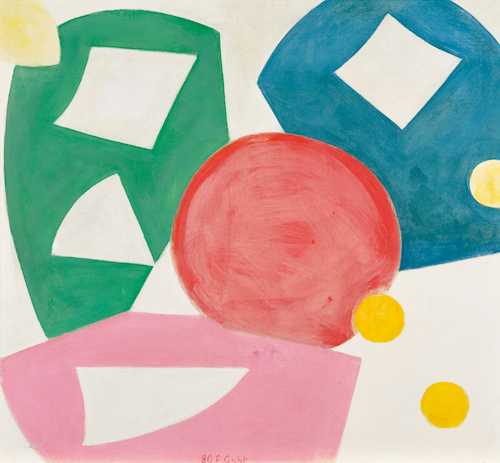
Presented in St. Gallen in 2017, this exhibition placed his work in dialogue with Hans Arp and Henri Matisse. It offered an opportunity to discover, behind his reputation as a painter of churches and flowers, an artist engaged with the investigations of modernity. Looking at Gehr thus becomes an exploration of the relationships between nature, spirituality and pictorial invention.