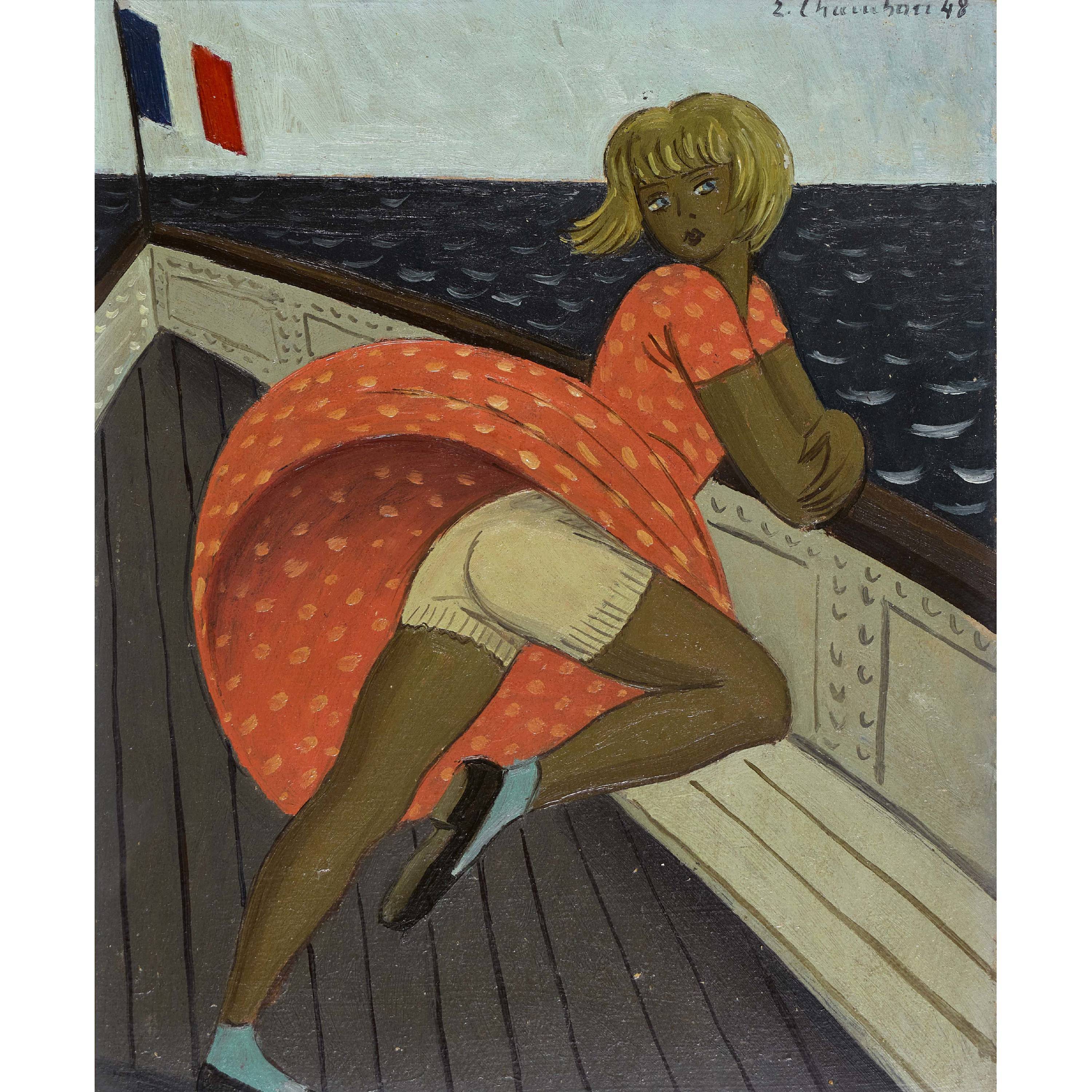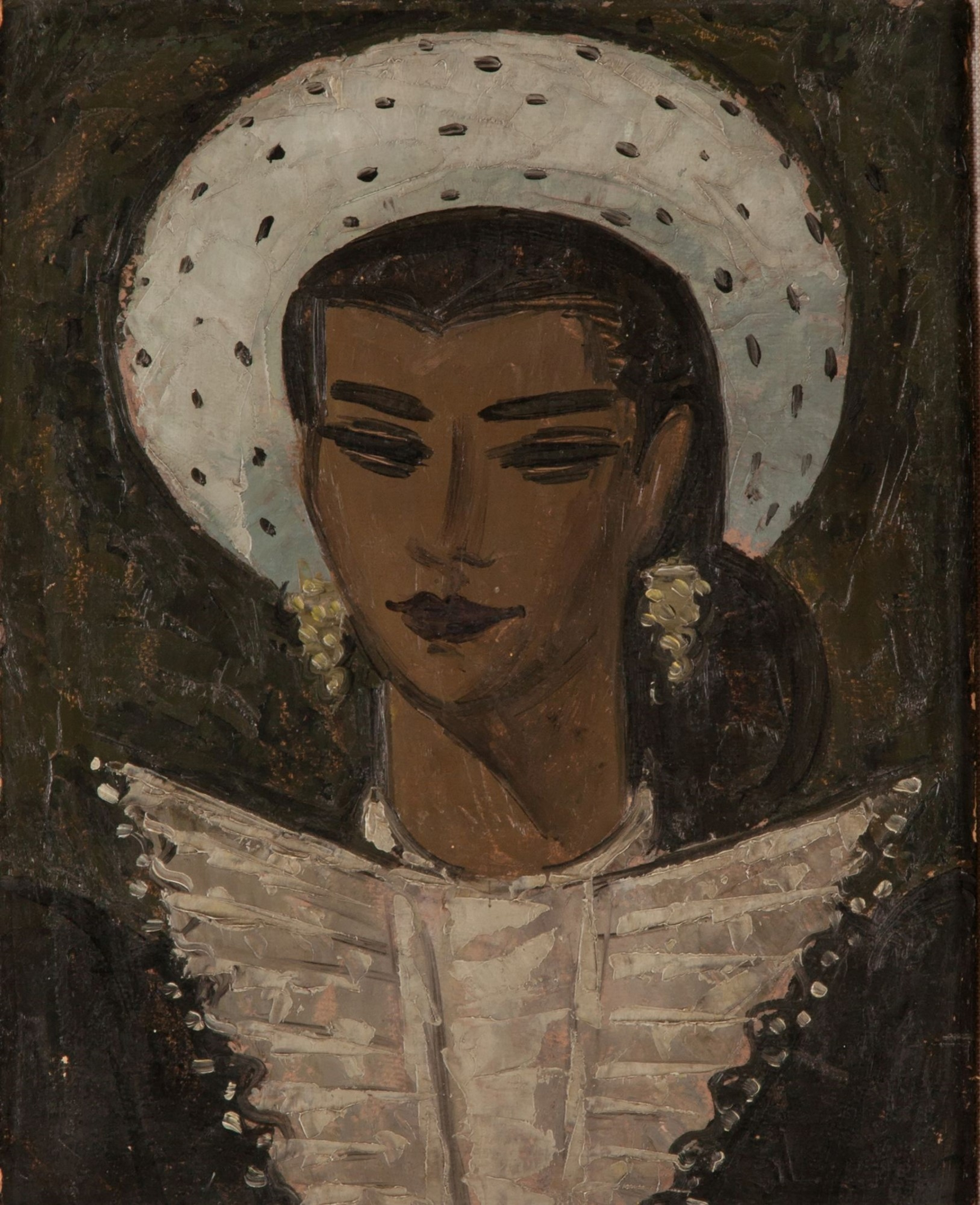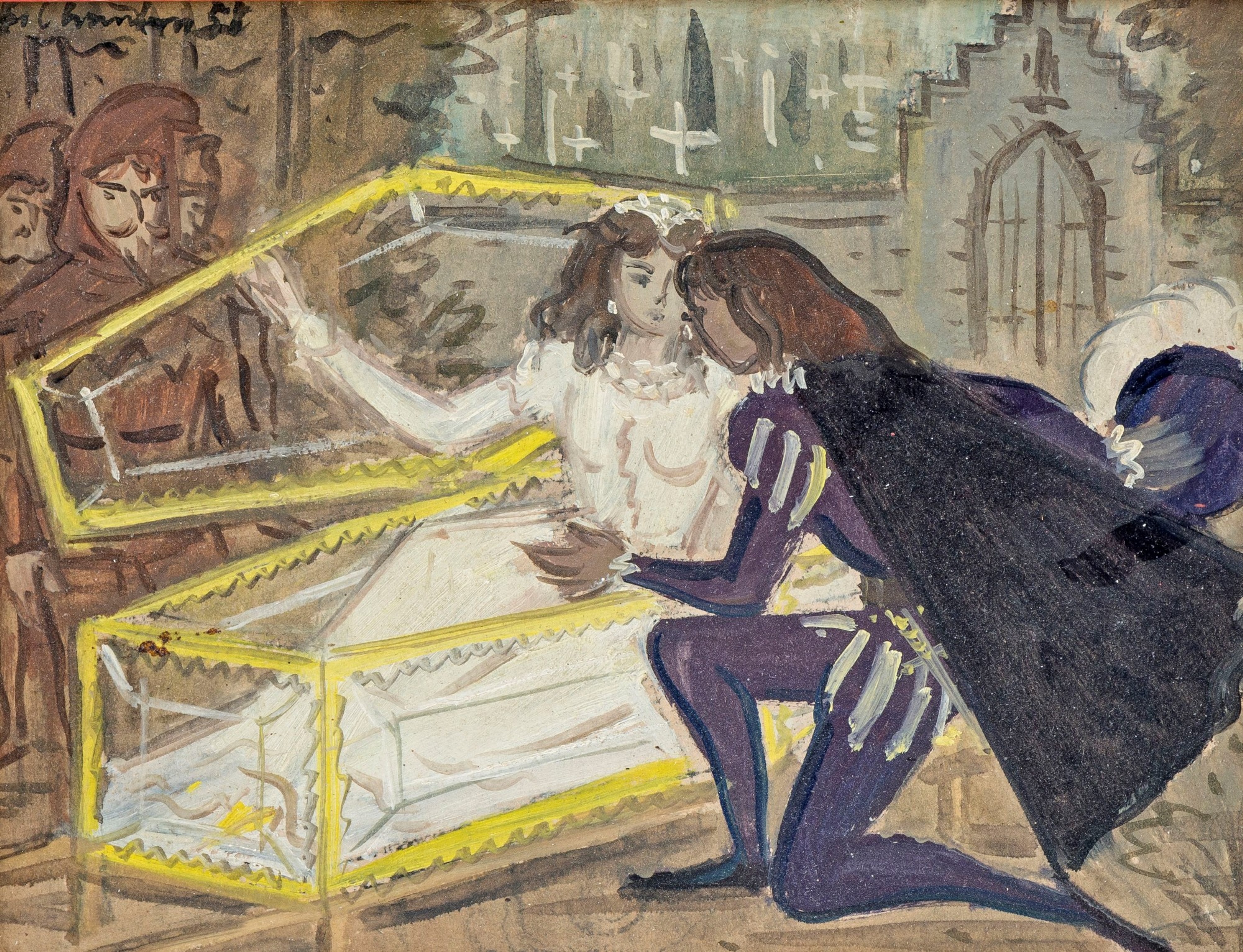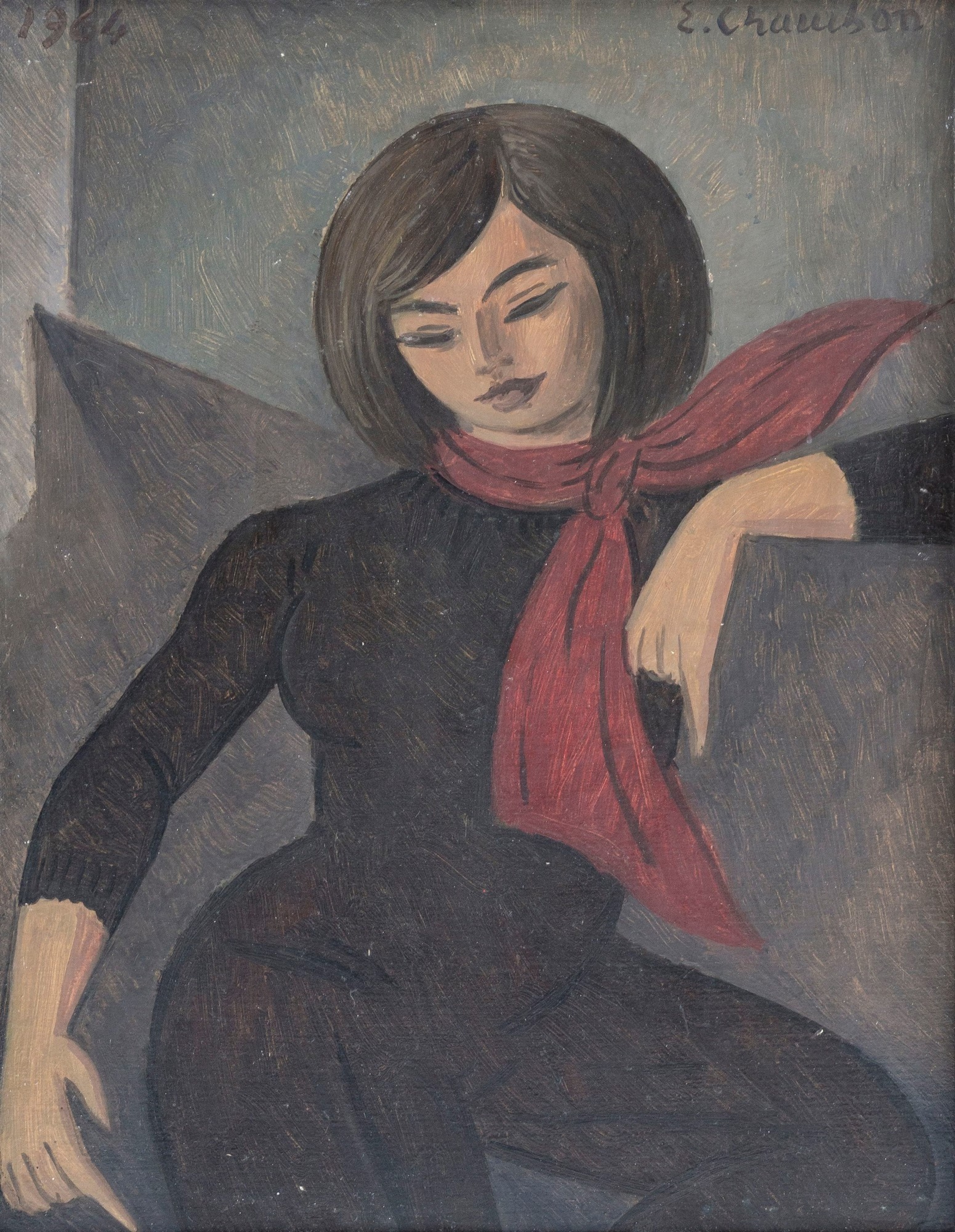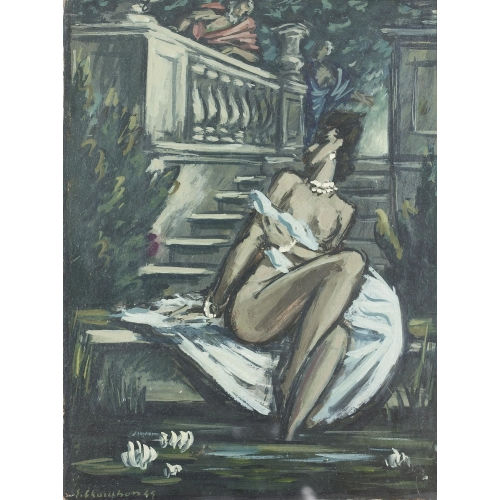
Émile François Chambon
Born in Geneva (Switzerland) in 1905.
Died in Collonge-Bellerive (Switzerland) in 1993.
Swiss · Independent figuration · poetic and dreamlike realism
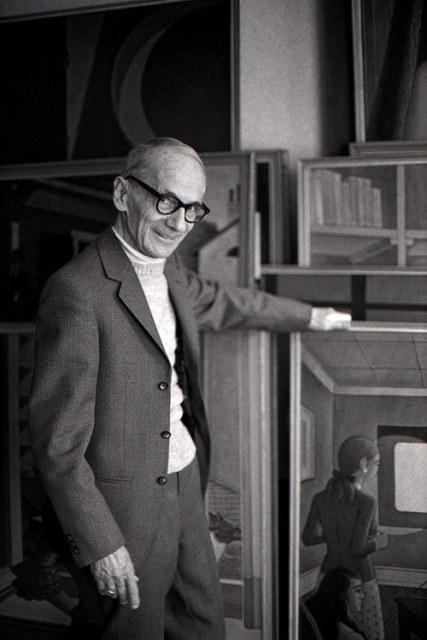
The son of Émile-Joseph Chambon and Joséphine, née Coppier, he had a sister, Julia Mathilde Chambon, who assisted him throughout his life.
He entered the Geneva School of Fine Arts in the autumn of 1921, the same year in which he was awarded a first federal scholarship enabling him to spend time in Paris. A second study grant, obtained in 1928, allowed him another stay of around ten weeks in Paris, during which he made numerous copies at the Louvre. Between 1925 and 1928, he worked with the painter Jean-Louis Gampert, assisting him both in his studio and on the decorations of the church at Corsier (Geneva).
During the 1930s, Chambon collaborated with the circle of the review Présence and was among the members of the fine-arts section of the Union Nationale; through the review he became close to the poet Henri Ferrare, who introduced him to Max Jacob and appears as one of his earliest admirers.
The late 1930s saw a marked increase in his pictorial production, which the source describes as almost doubling compared with the beginning of the decade, a pace that continued until the end of the 1960s. From the 1950s onward, his work gained greater visibility: he appeared in numerous group exhibitions, especially in German-speaking Switzerland, and took part three times in the Salon de l’art libre in Paris, while a first monograph by Édouard Muller-Moor was published in December 1957. In 1961 he met the writer Louise de Vilmorin in Geneva; at her instigation, a major exhibition was held on 10 May 1962 at Galerie Motte in Paris, accompanied by a preface by Vilmorin in the catalogue.
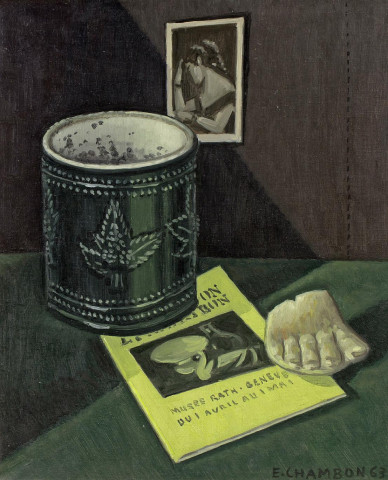
The years 1965–1966 confirmed this recognition: participation in “Künstler, Sammler” at the Aargauer Kunsthaus and in “Pittura contemporanea svizzera” at Villa Olmo, followed by a major retrospective at the Musée Rath in 1966 which, according to the source, received a favourable critical response highlighting the continuity of his style and the subtlety of his palette.
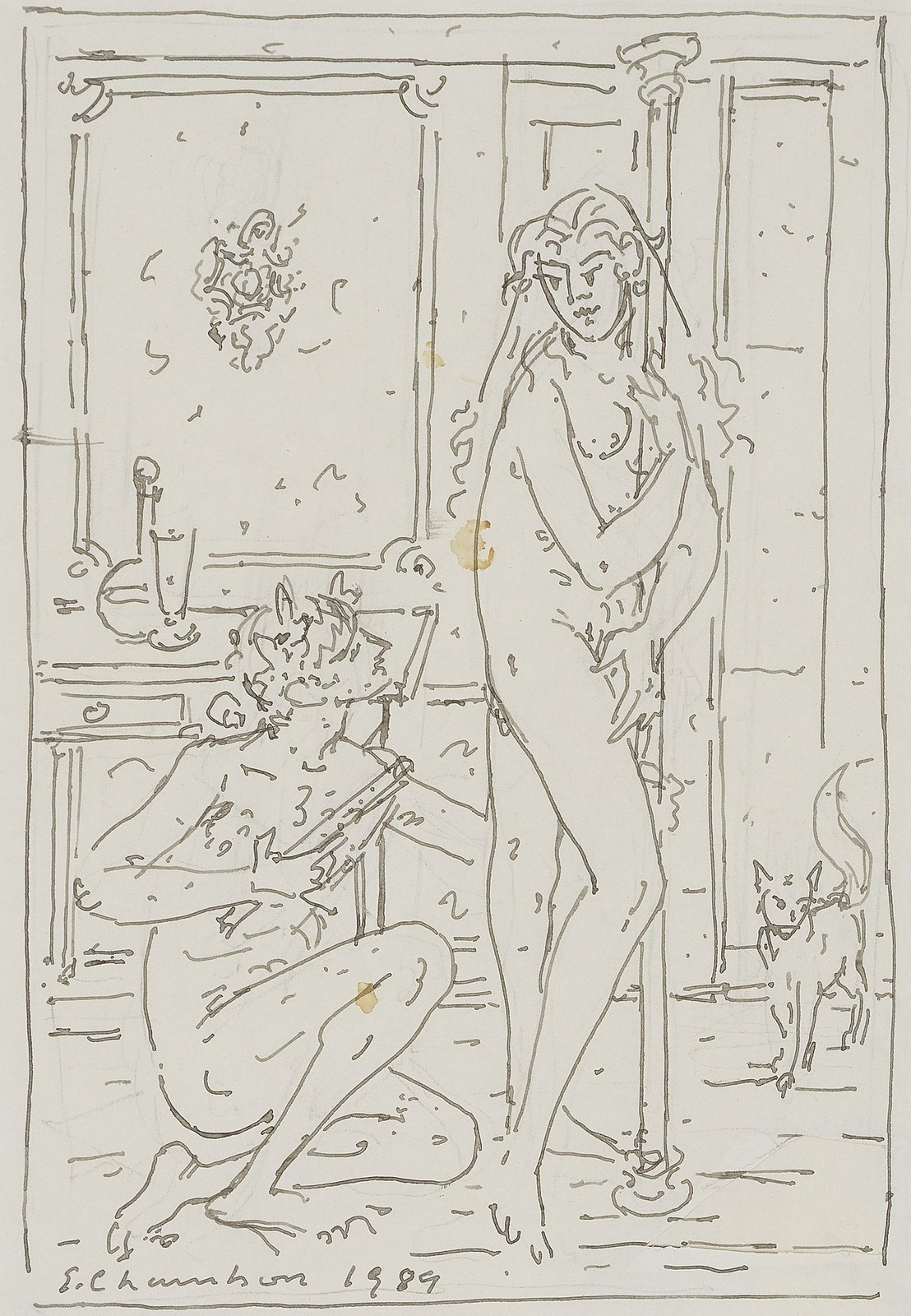
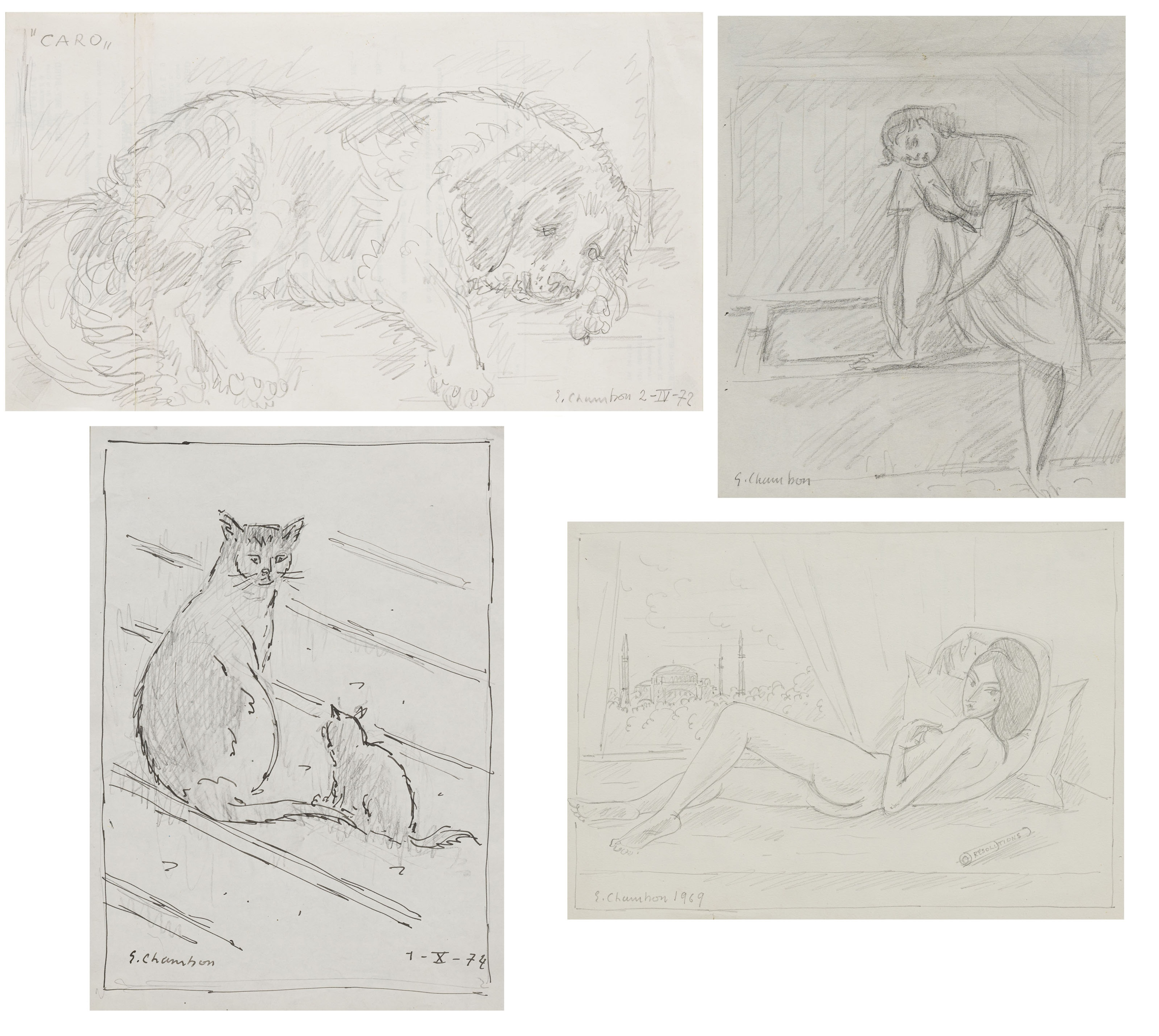
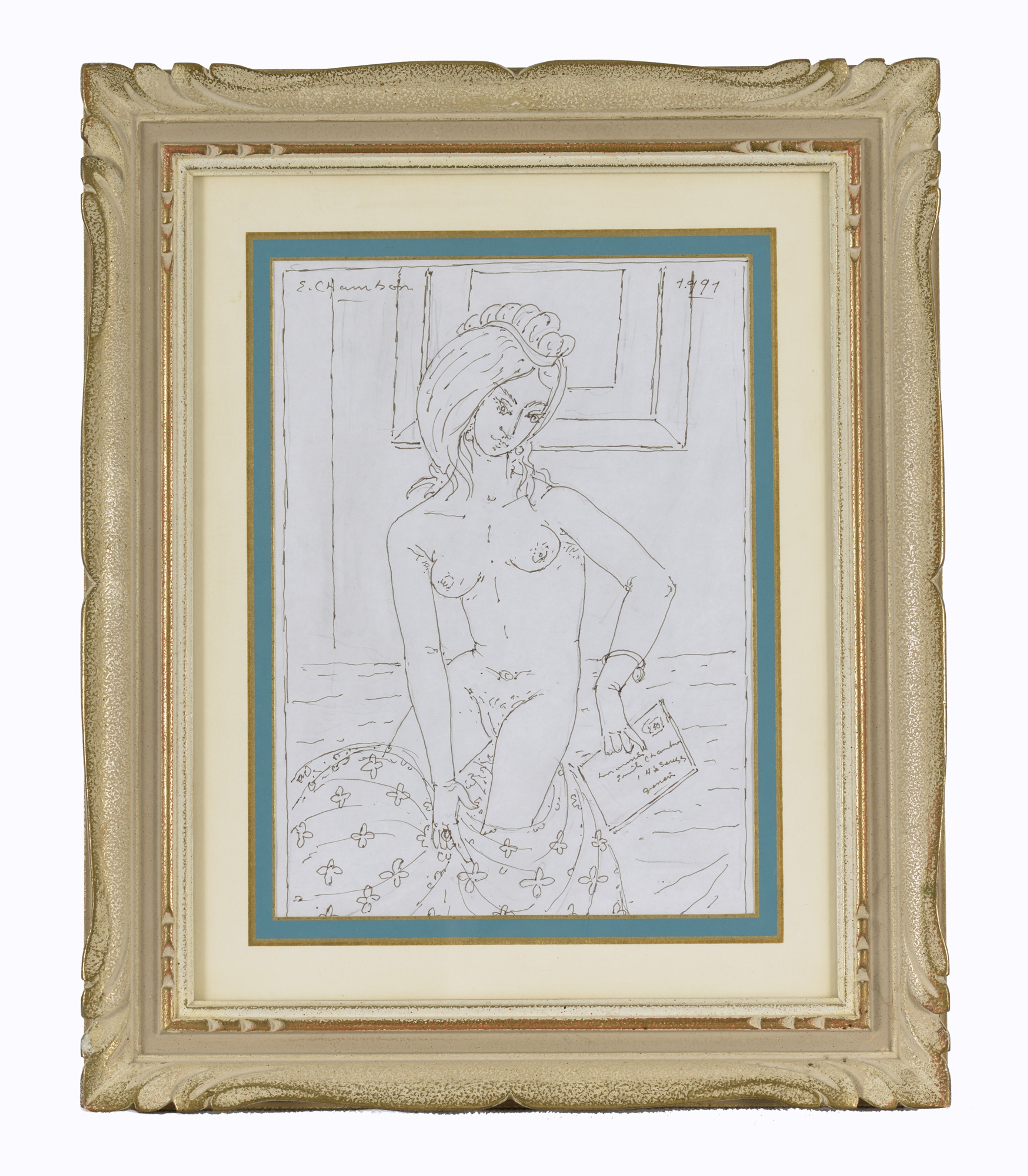
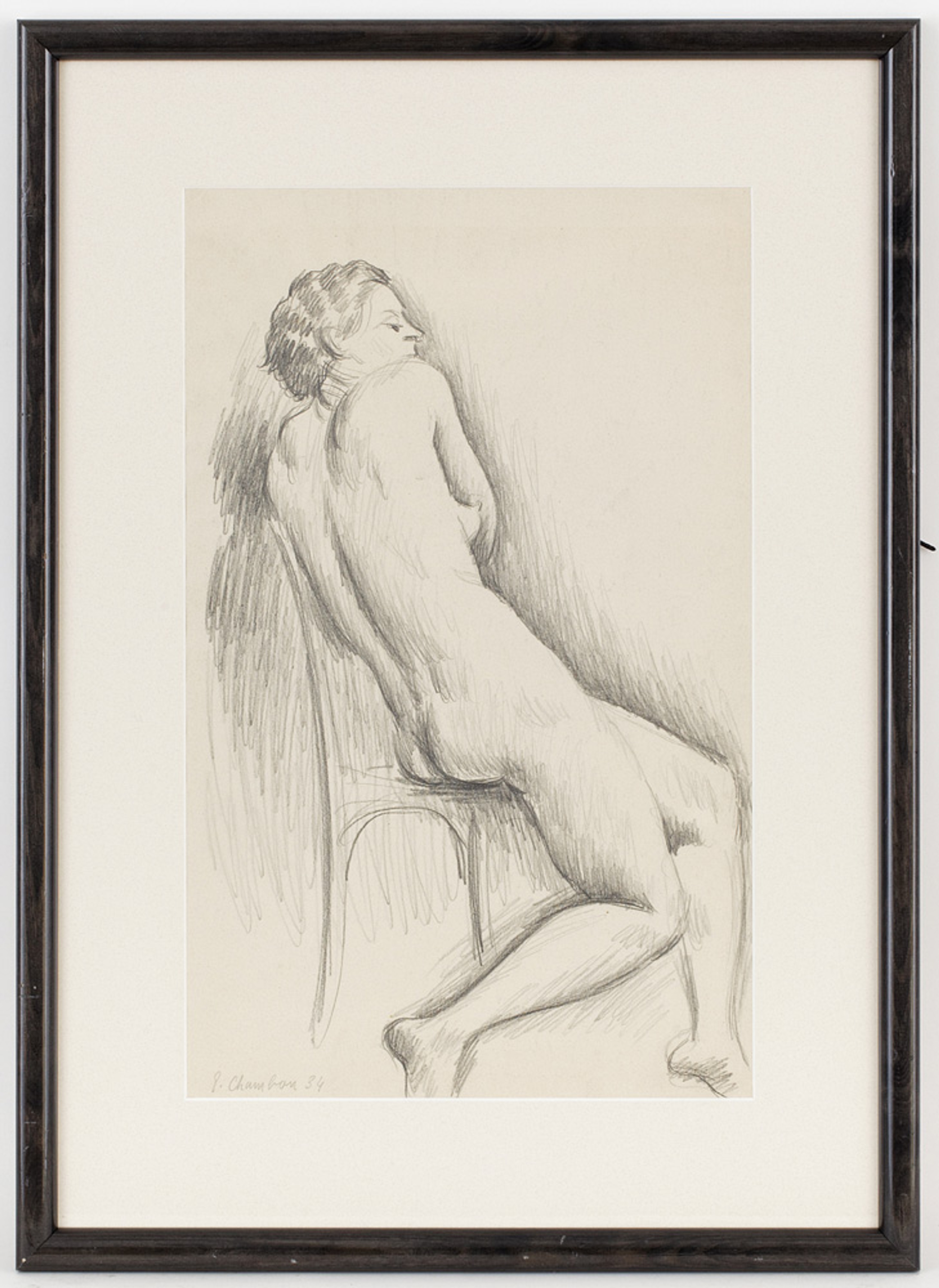
From 1977 onward, his pictorial production declined and, because of health problems, he devoted himself mainly to drawing; later came a book published by Skira in 1984 and an exhibition organised by the gallery owner Alain Blondel in May 1985. A documentary episode refers, around 1987, to the threat that a donation might be taken back as a succession deadline approached, prompting an intervention on site by Jean-Paul Santoni and Jean-Marie Marquis aimed at preserving at least the works on display.
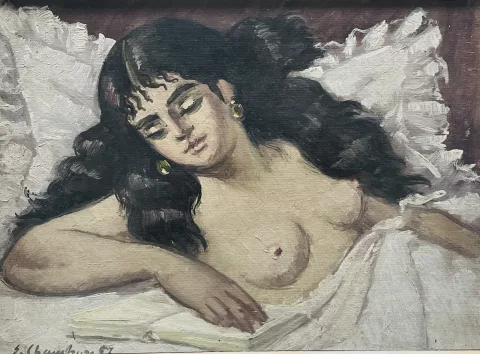
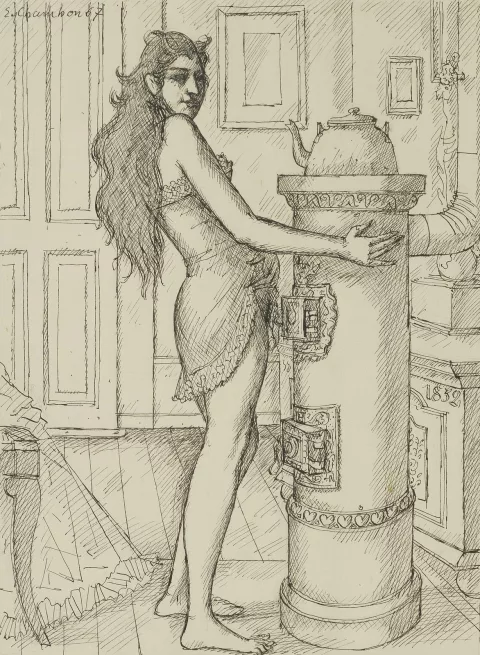
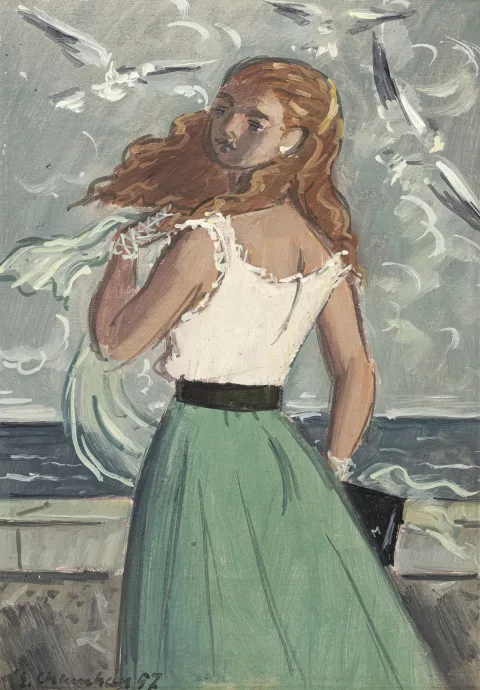
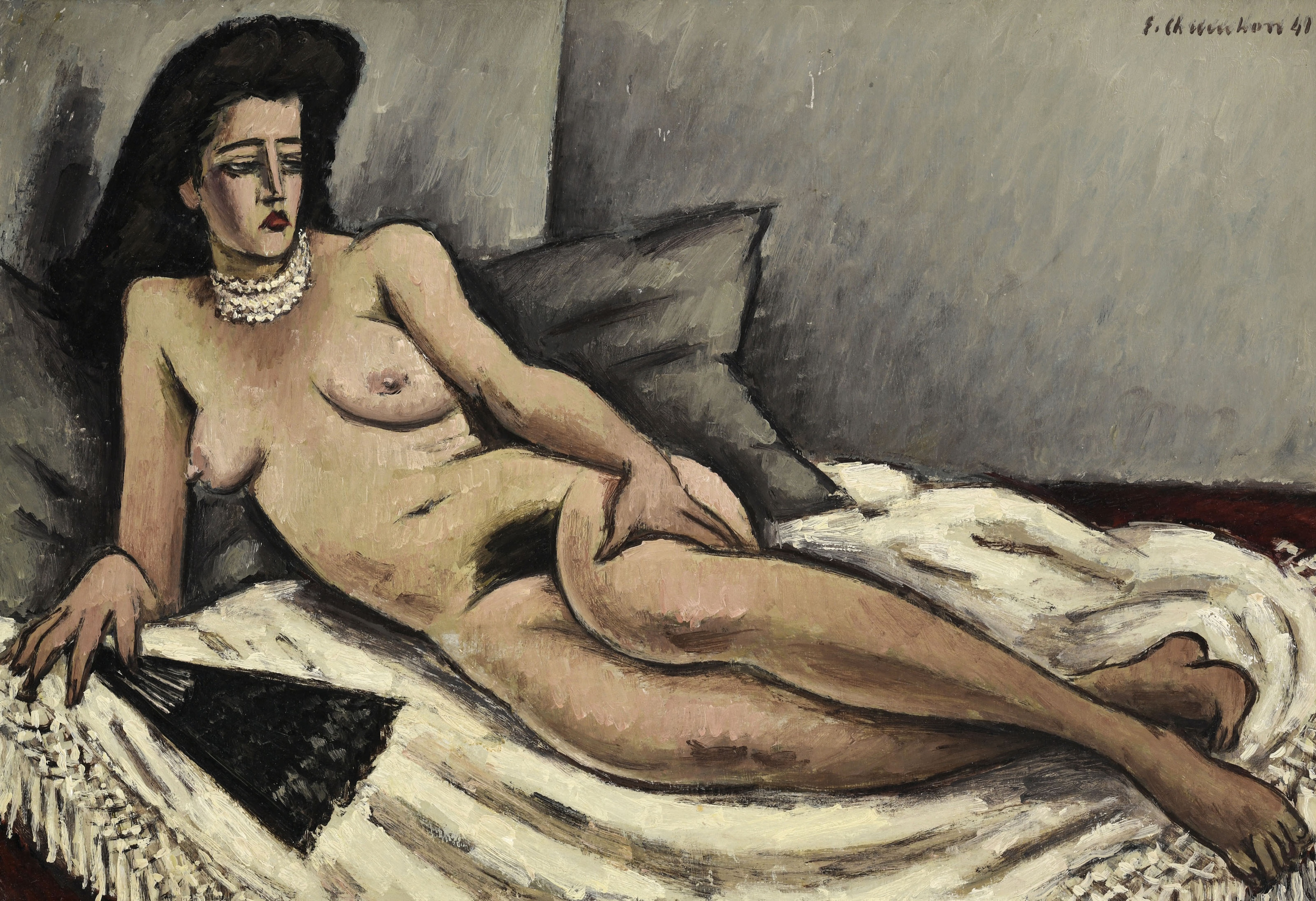
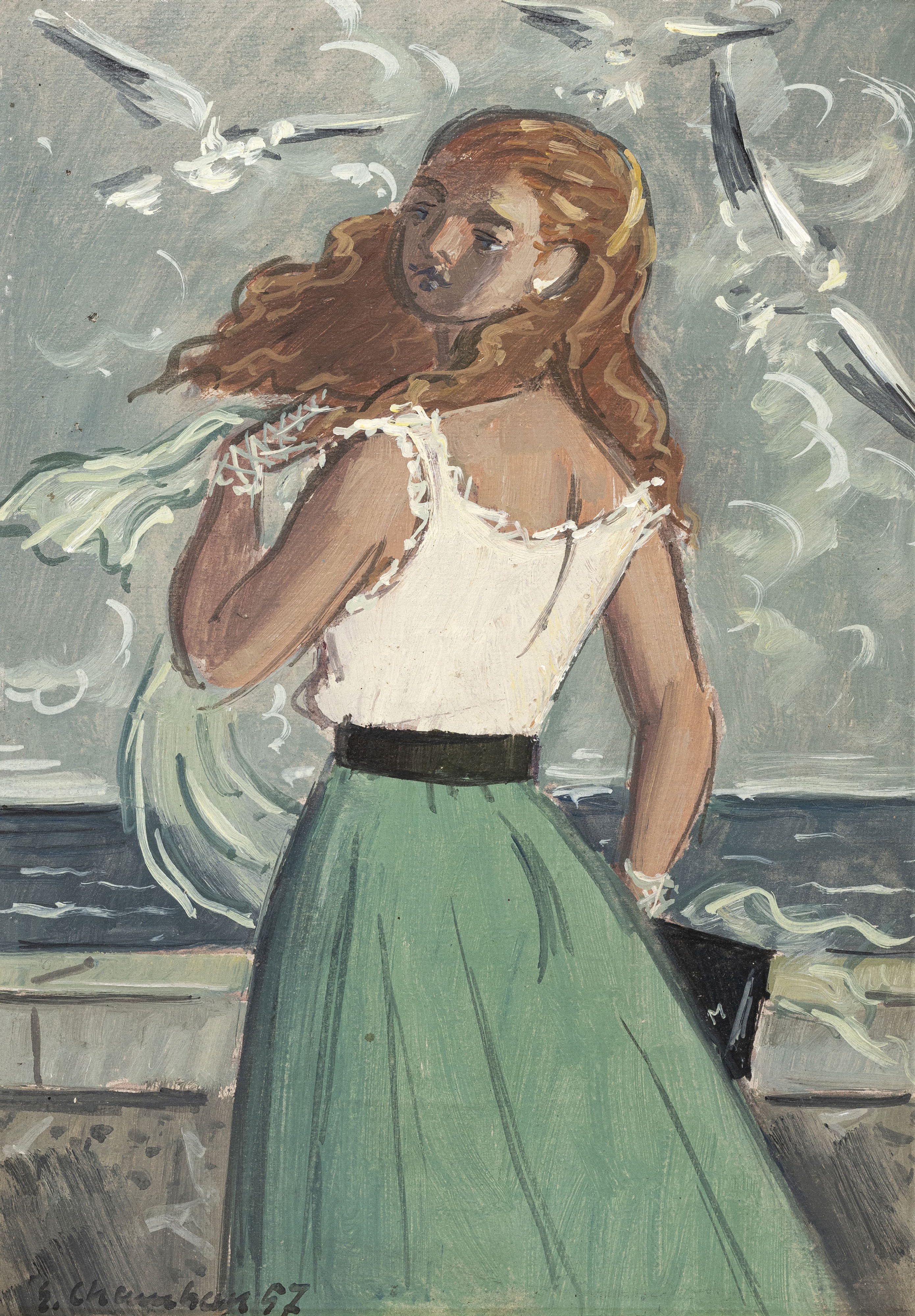
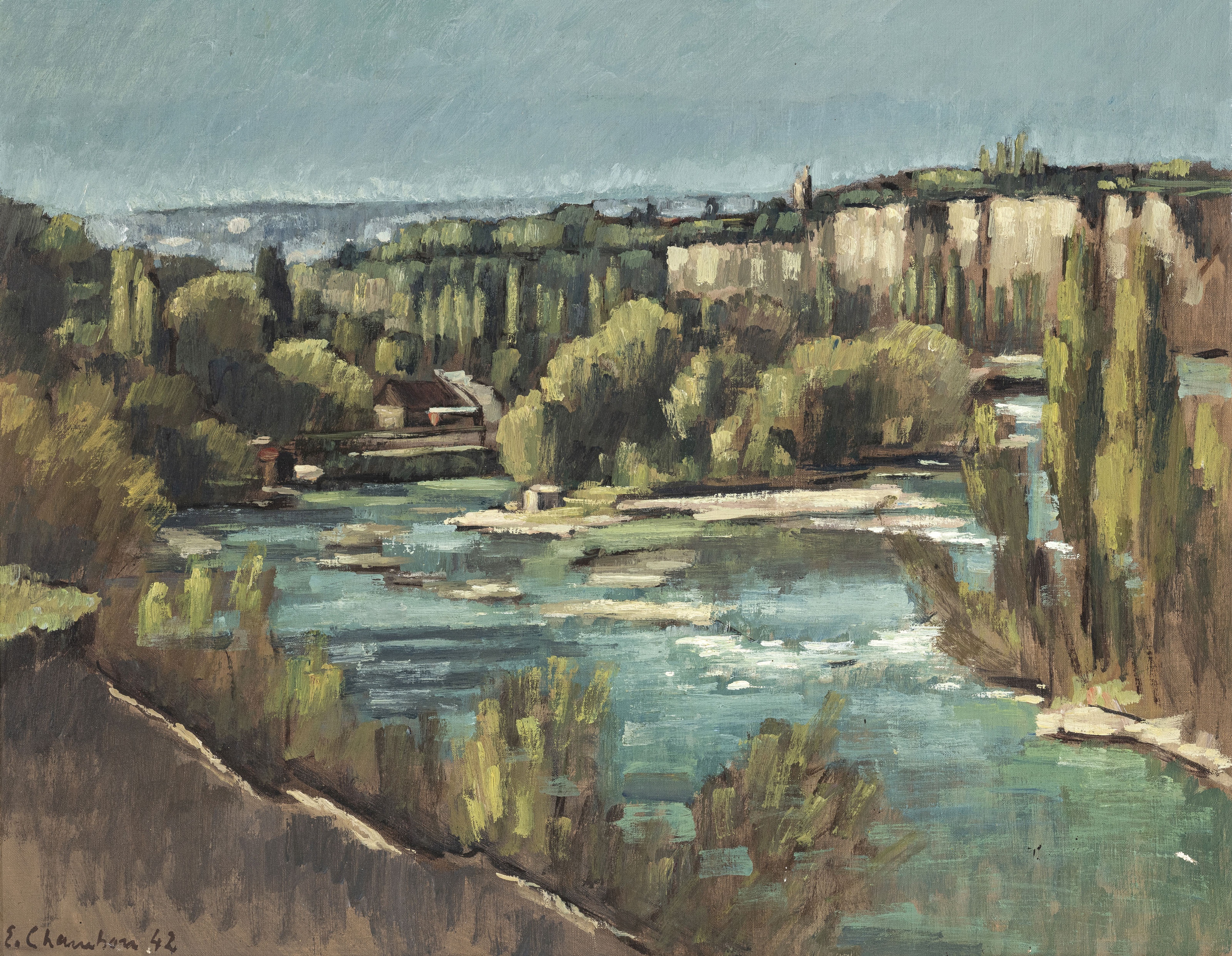
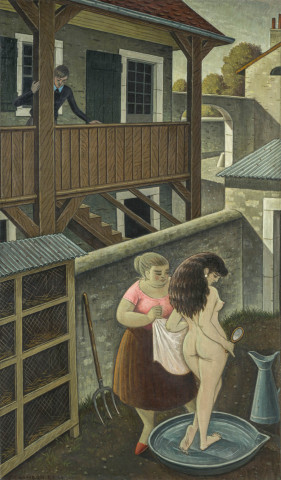
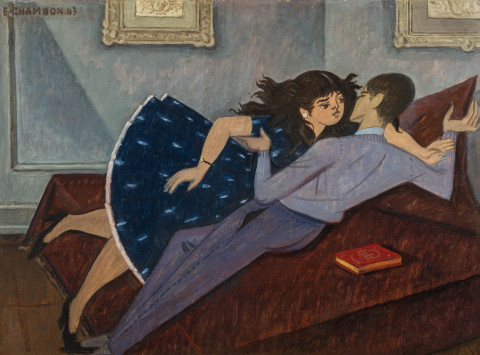
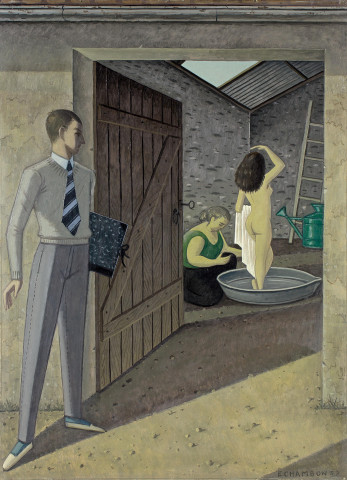
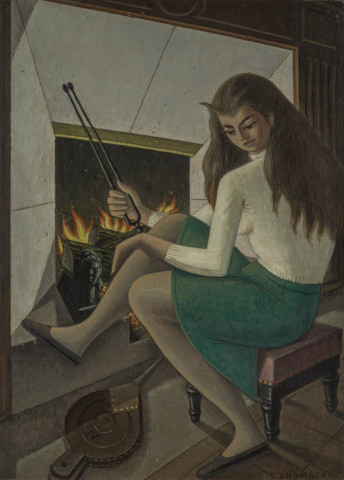
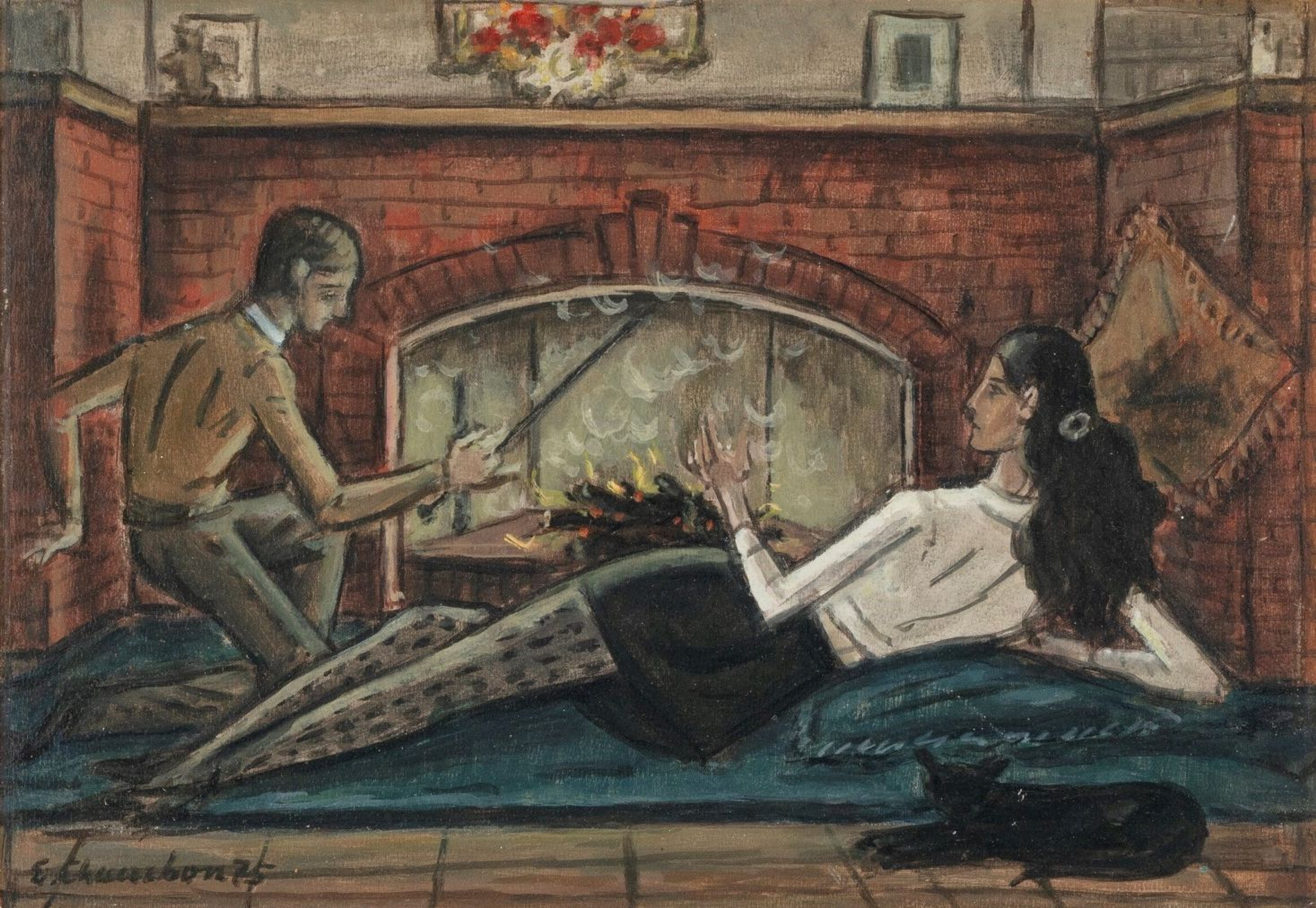
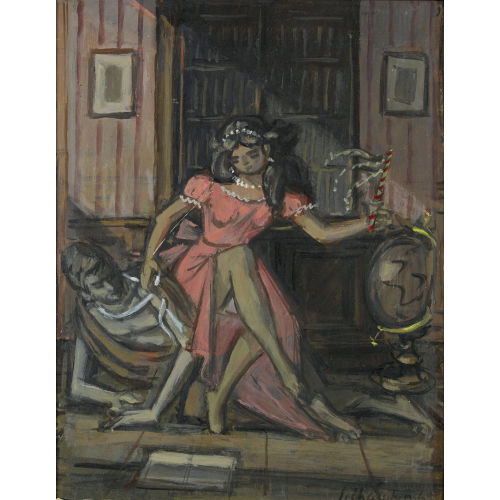
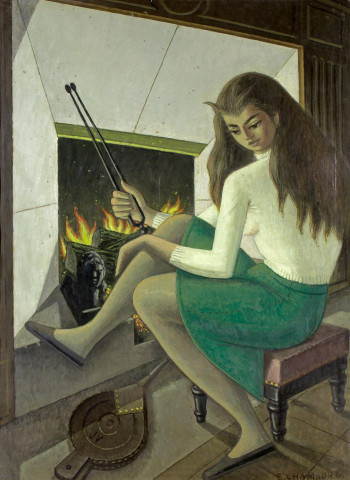
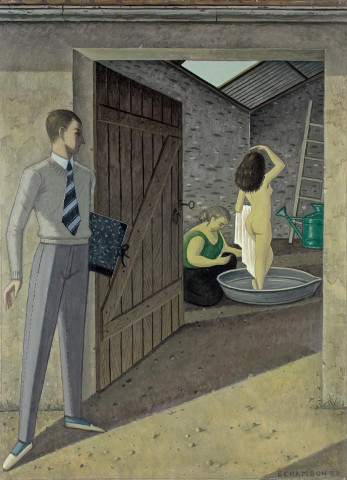
Works held in institutions include La Blouse blanche (1926, Musée d’art et d’histoire de Fribourg), Le Peintre et son modèle (1934, Musée d’art et d’histoire de Fribourg), Prise du drapeau du «Front national» (1935, Musée d’art et d’histoire de Genève), L’Enterrement de première classe (1938, Kunsthaus Zürich) and Femme à la toilette (Orientale) (1941, Musée d’art et d’histoire de Neuchâtel). Other documented works include La Cheminée (1948–1964, Musée cantonal des beaux-arts de Lausanne), Conversation (le couple) (1950, Primavera Gallery, New York), Hommage à Courbet (1952, Aargauer Kunsthaus, Aarau), the tapestry La Justice (1957, after a cartoon by Émile Chambon, Fonds cantonal d’art contemporain Genève), Jeune fille aux mouettes (Marina Doria) (1957–1961, Musée de Carouge) and Pygmalion (1961, Musée d’art et d’histoire de Genève).
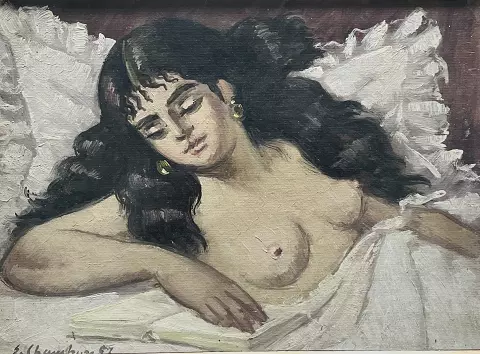
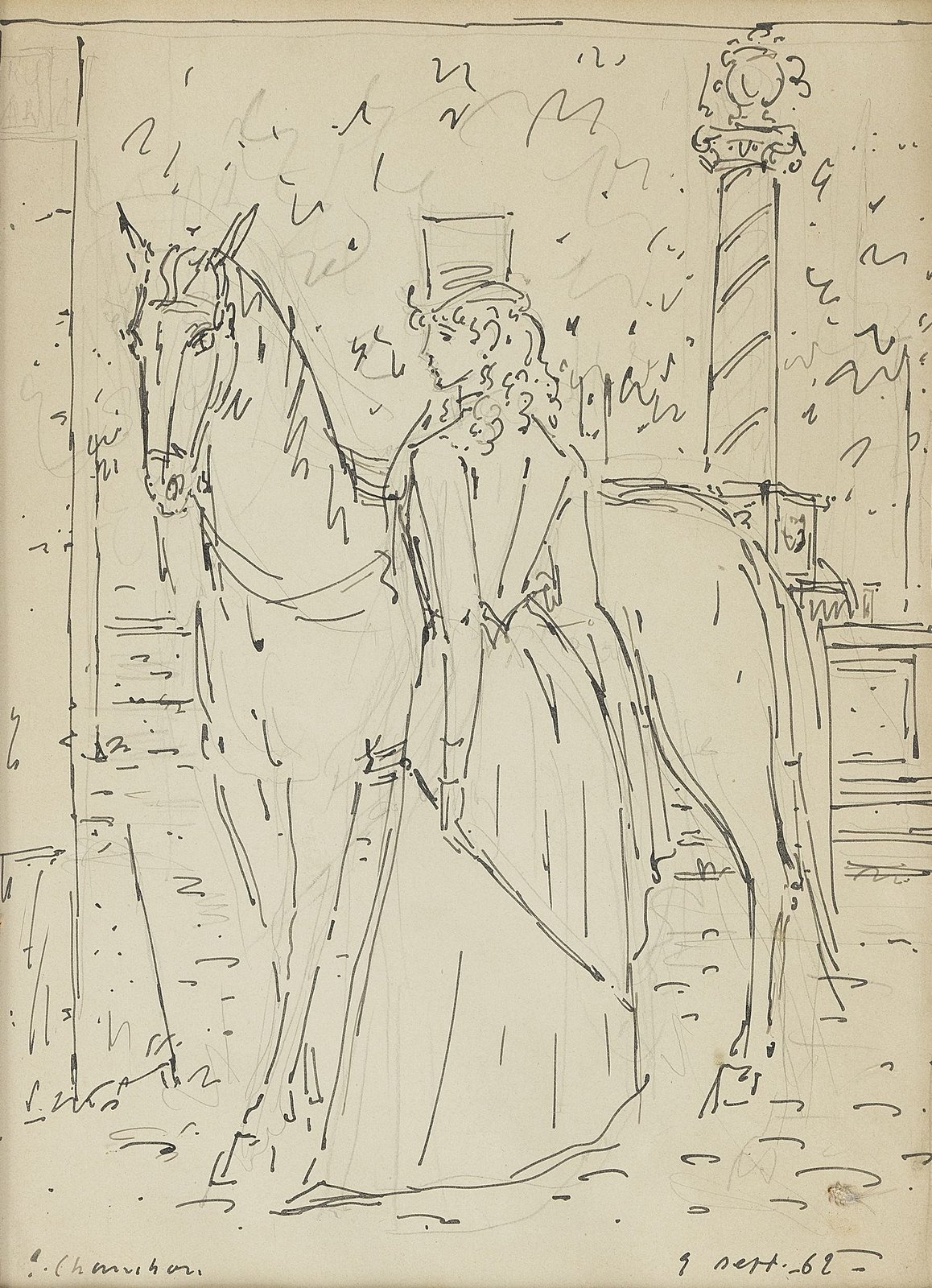
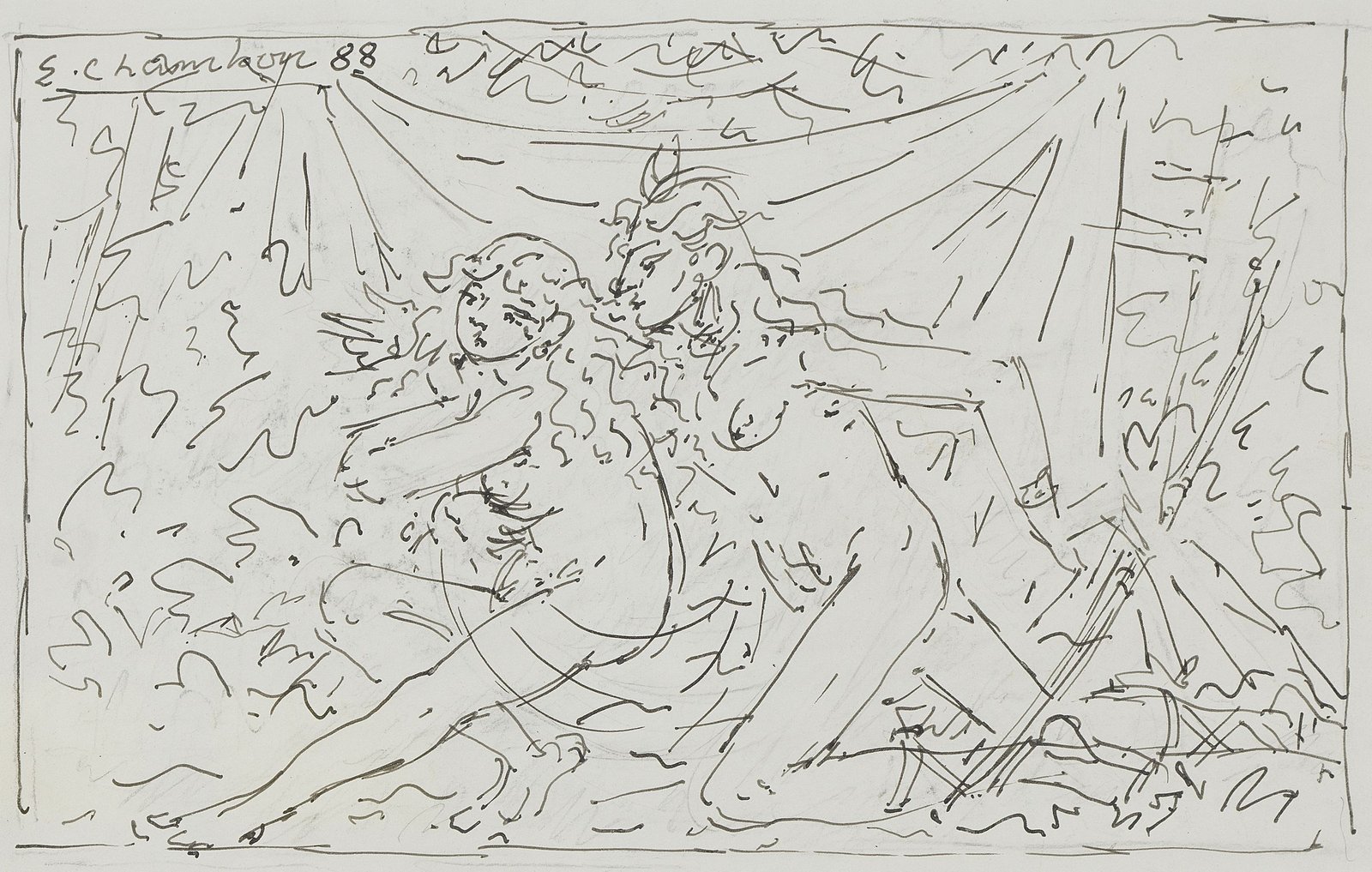
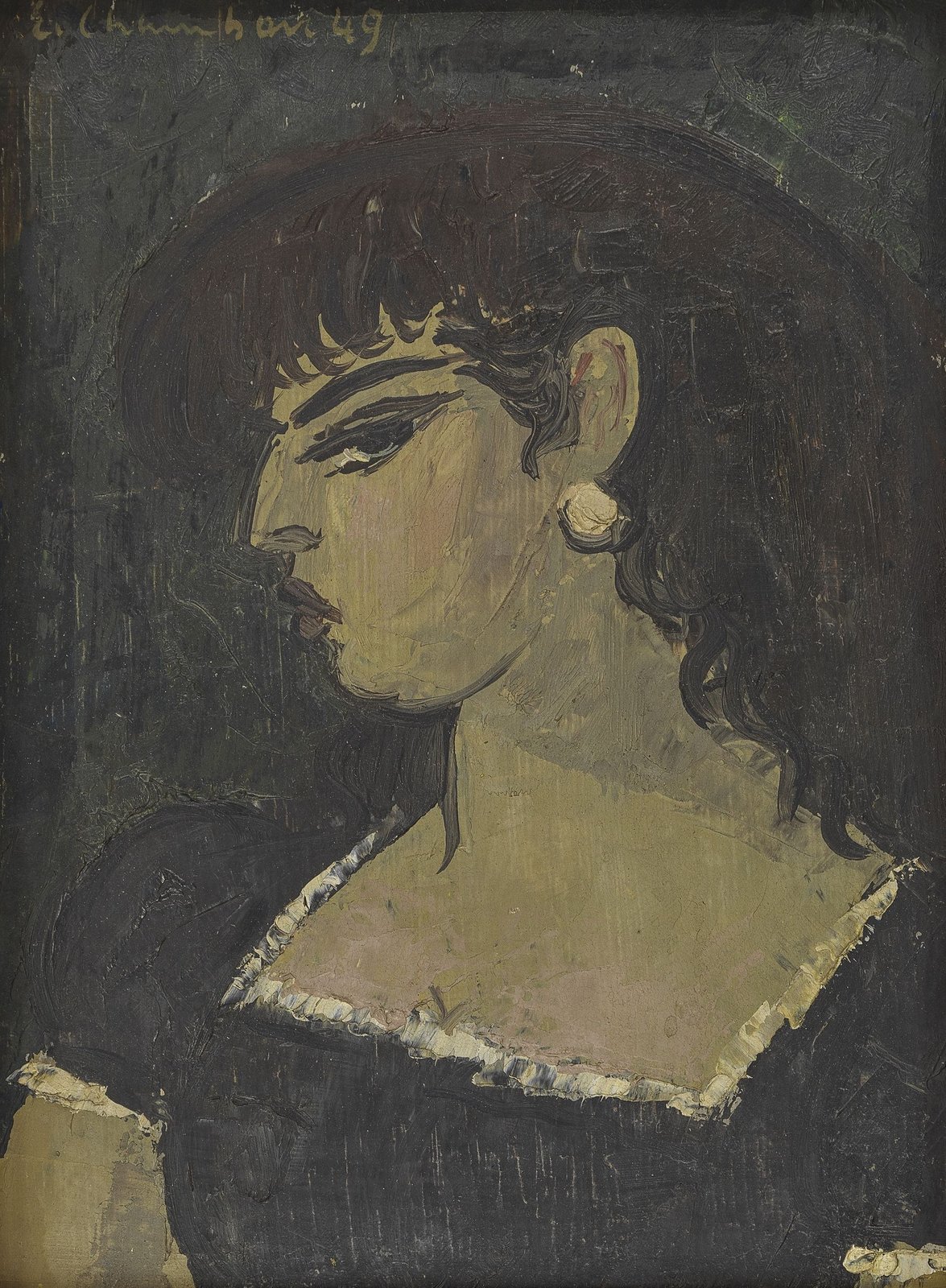
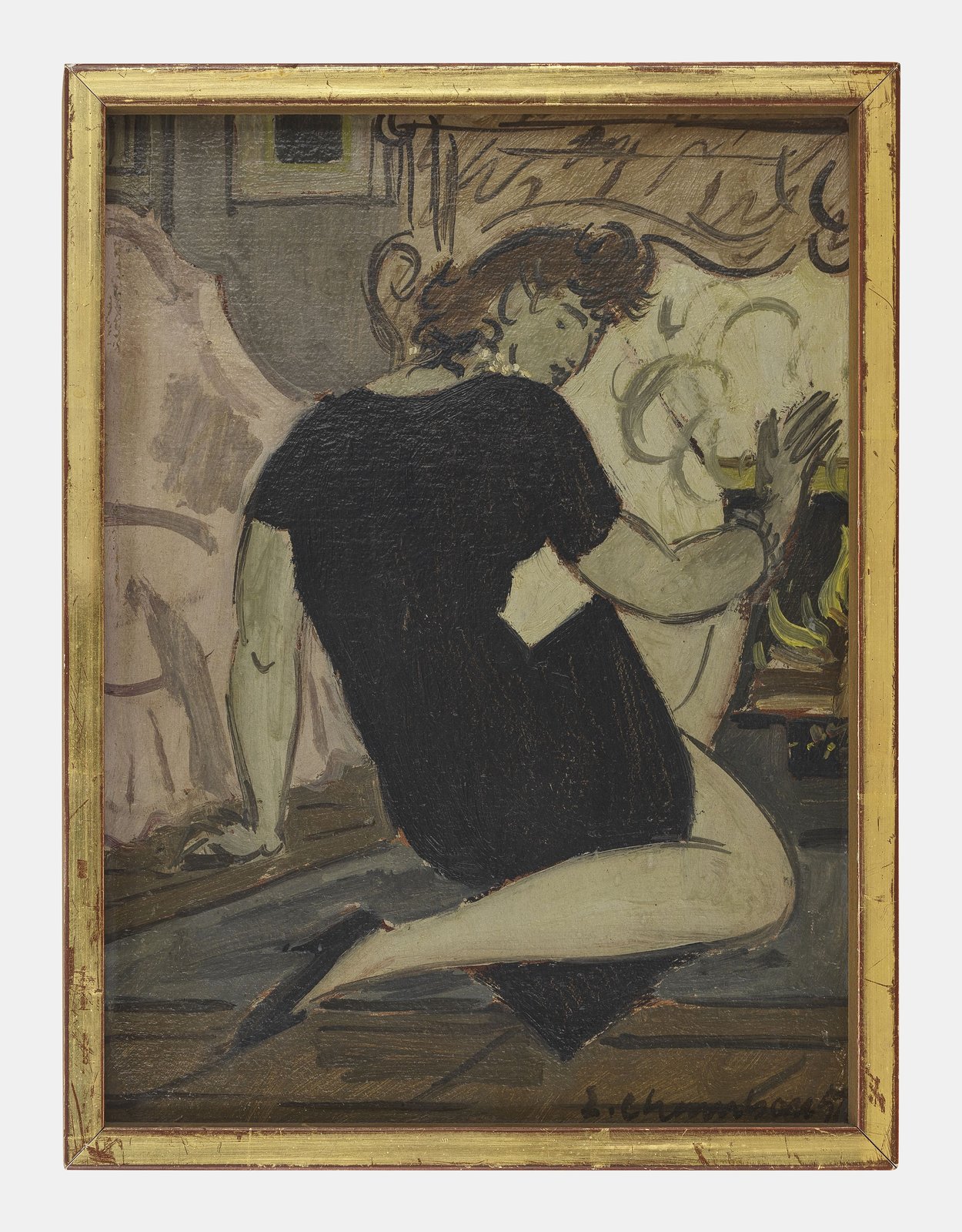
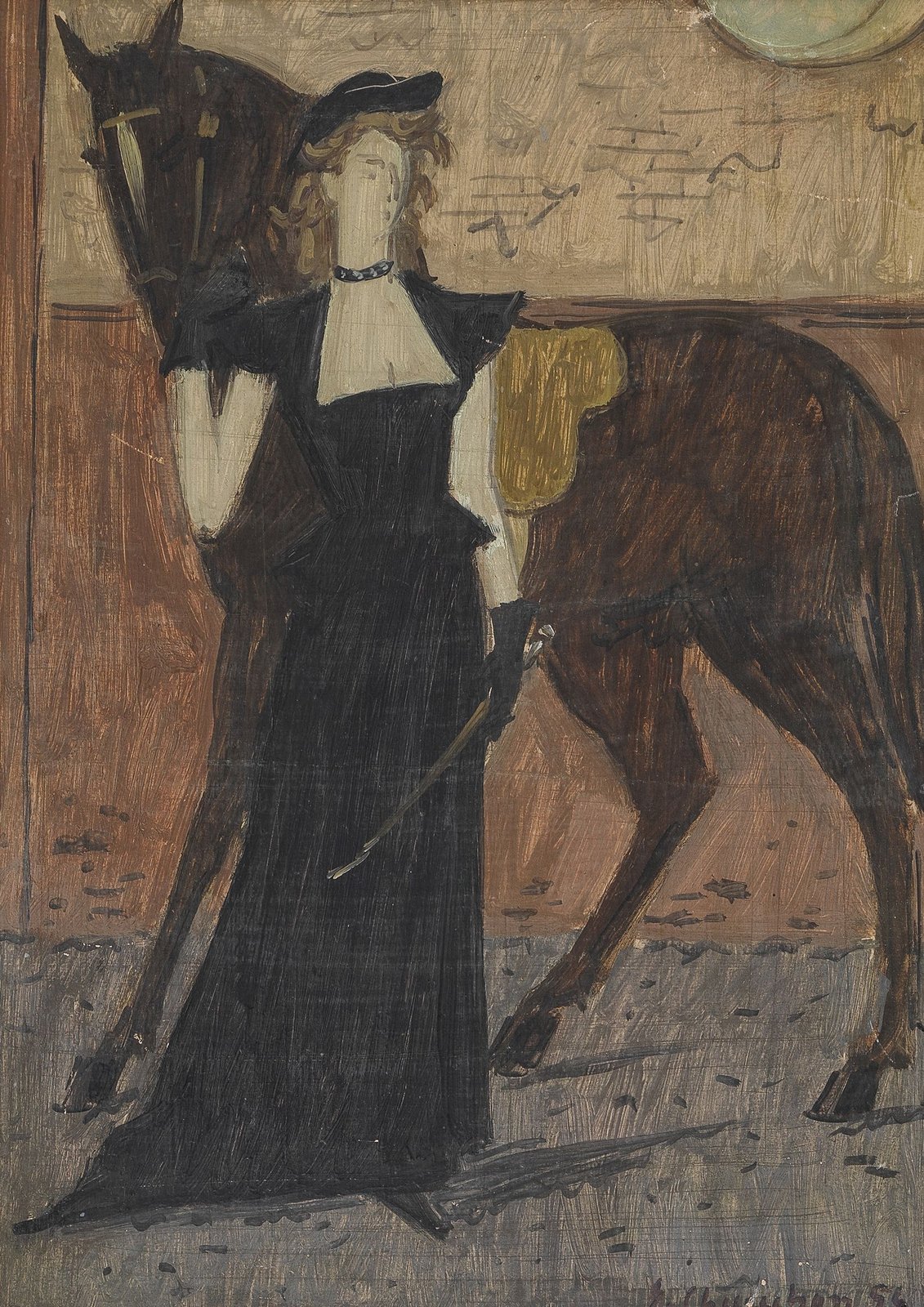
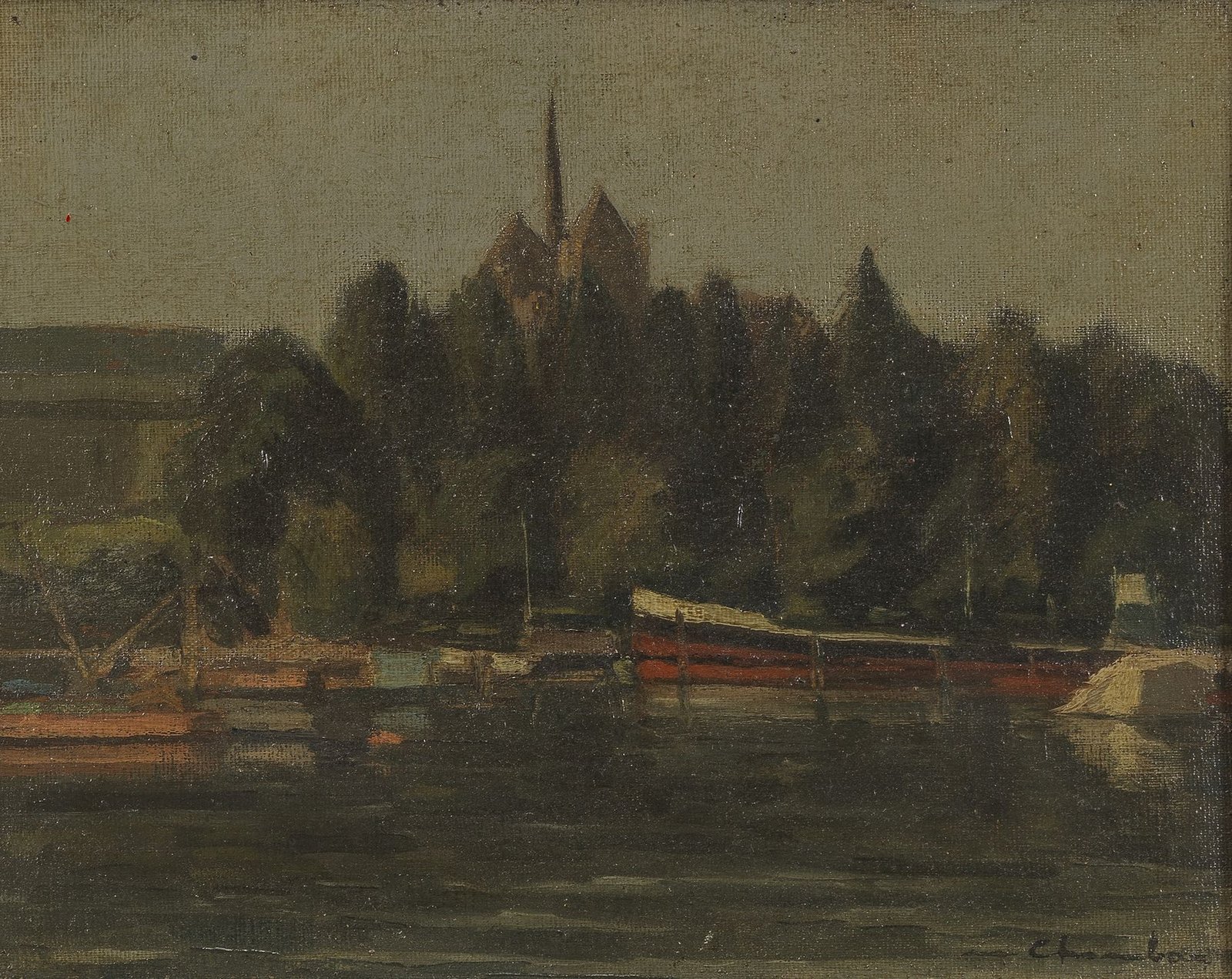
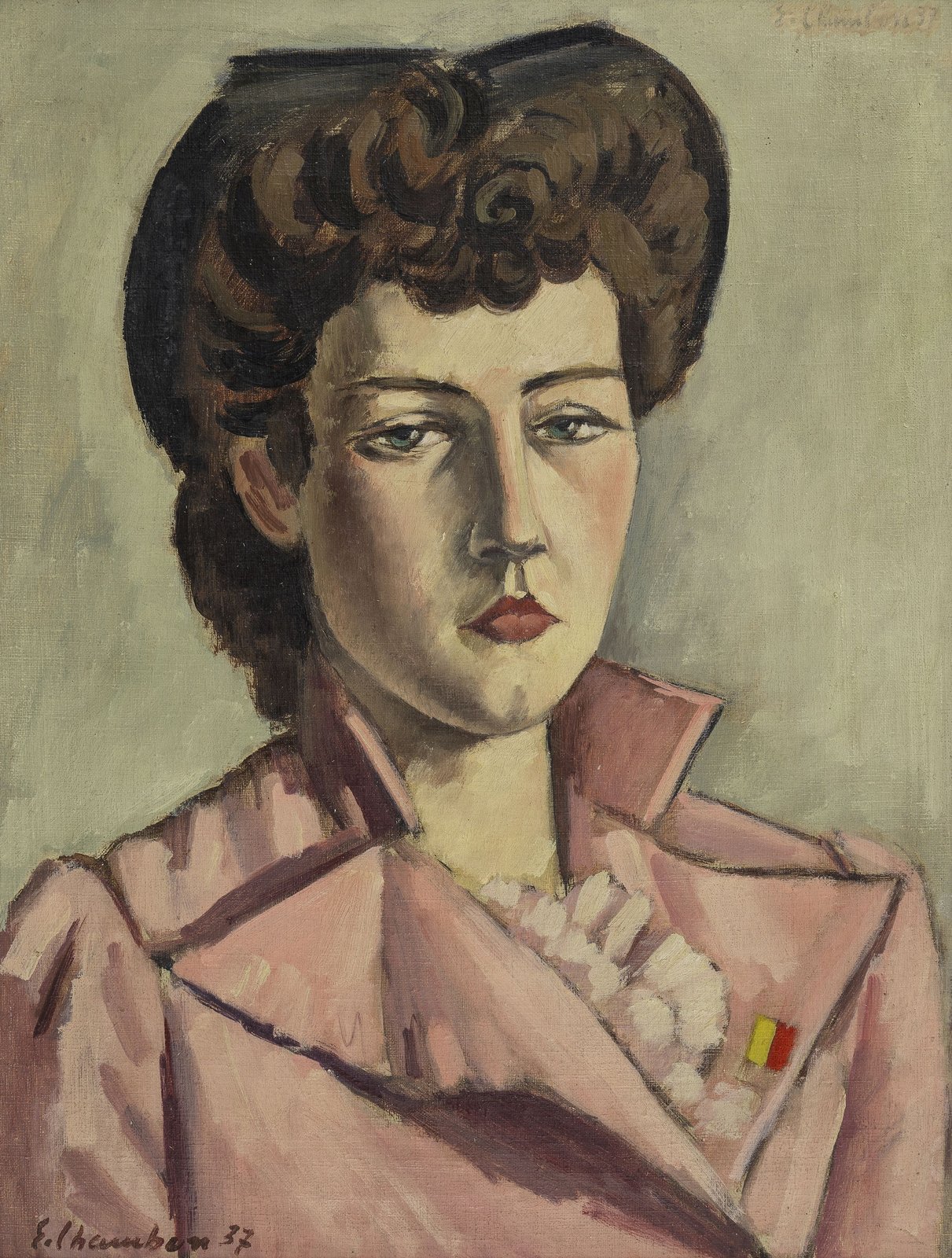
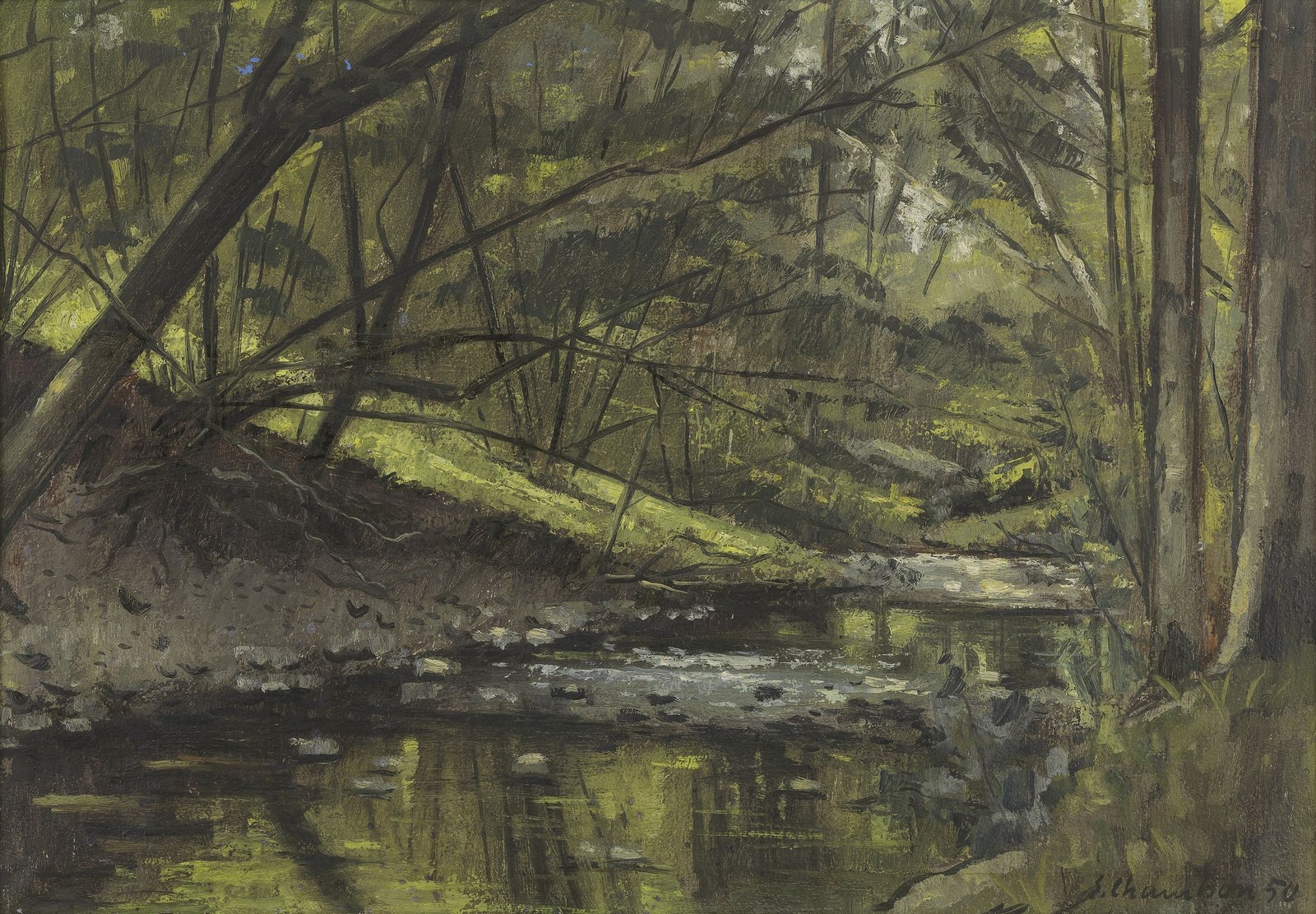
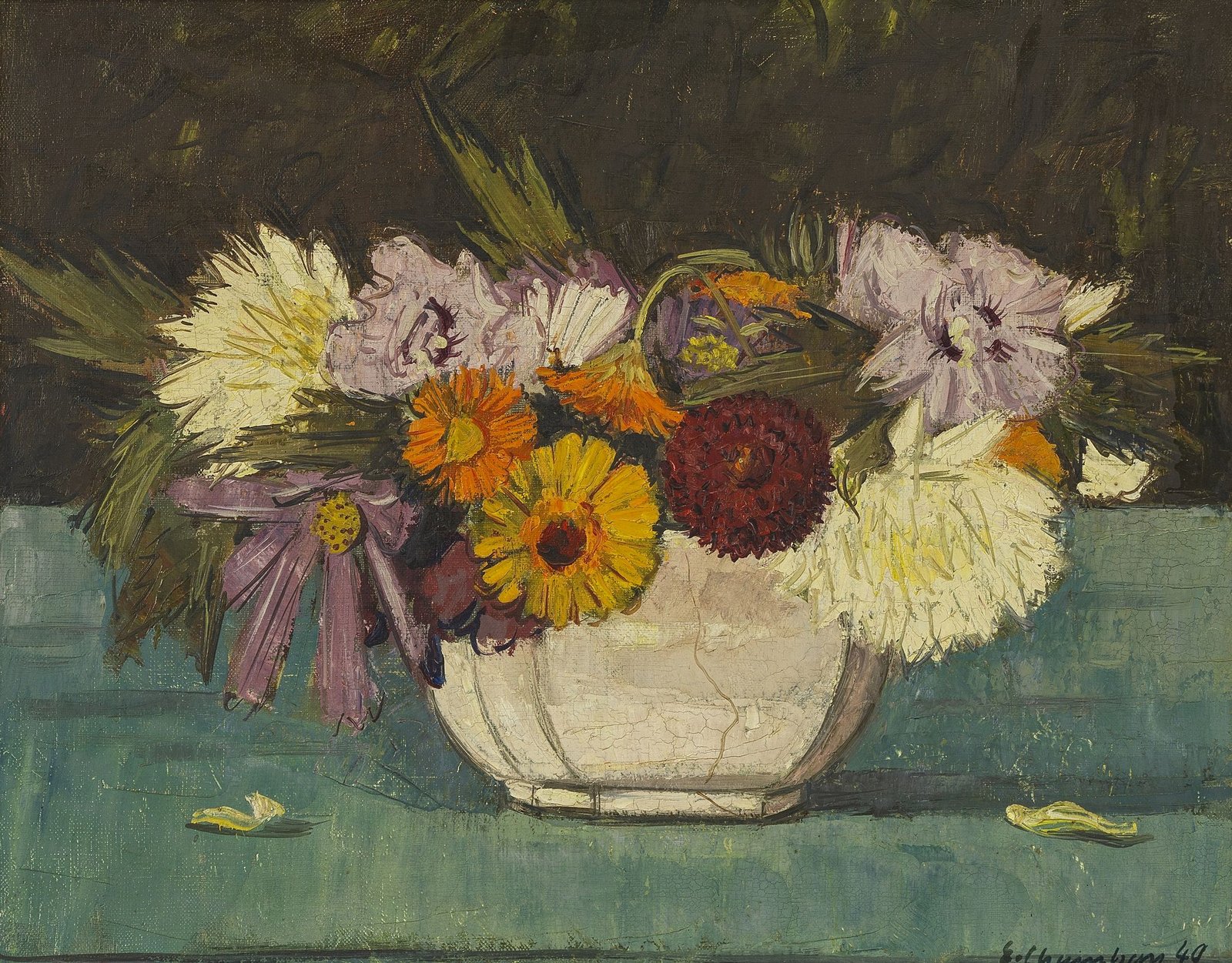
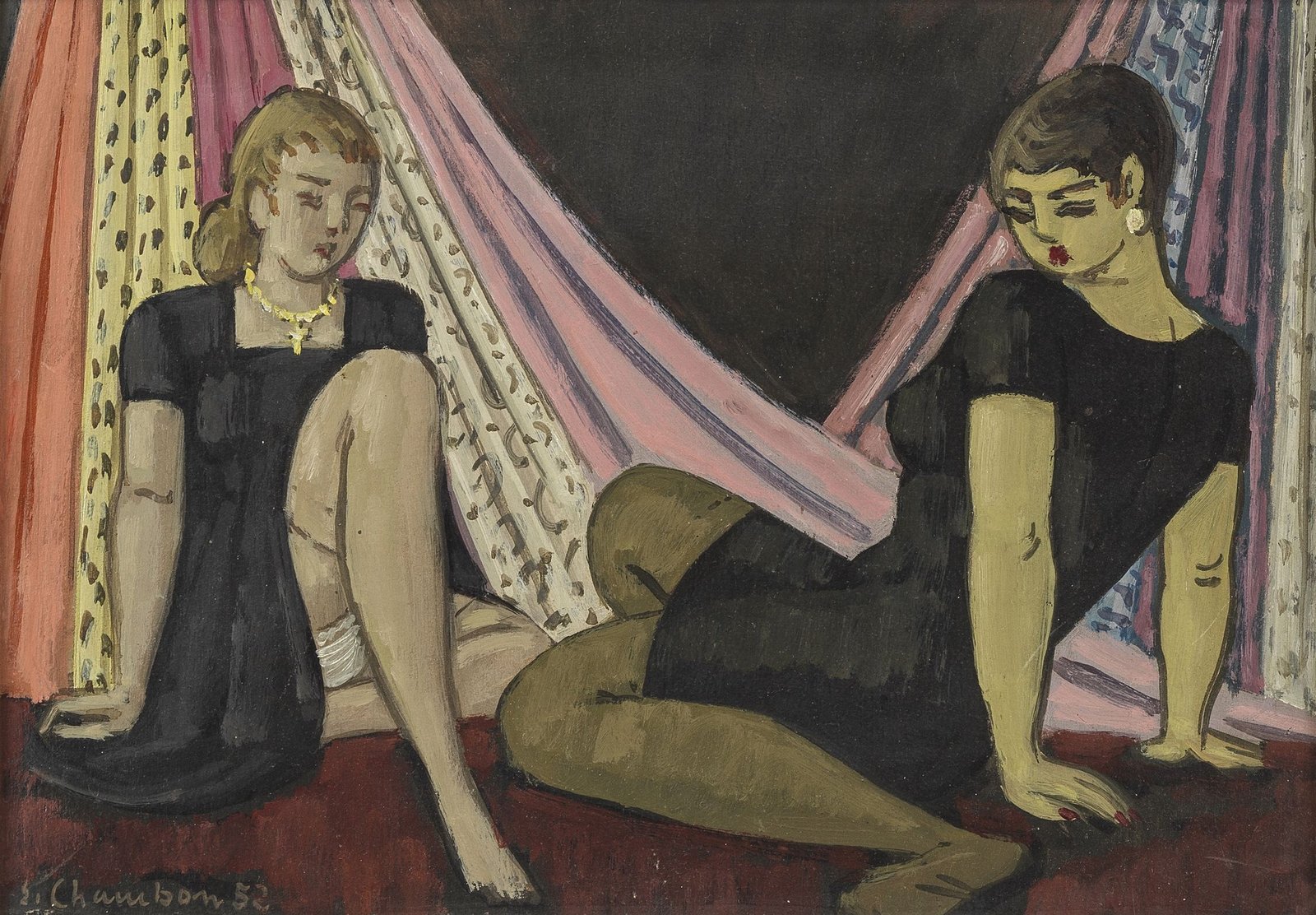
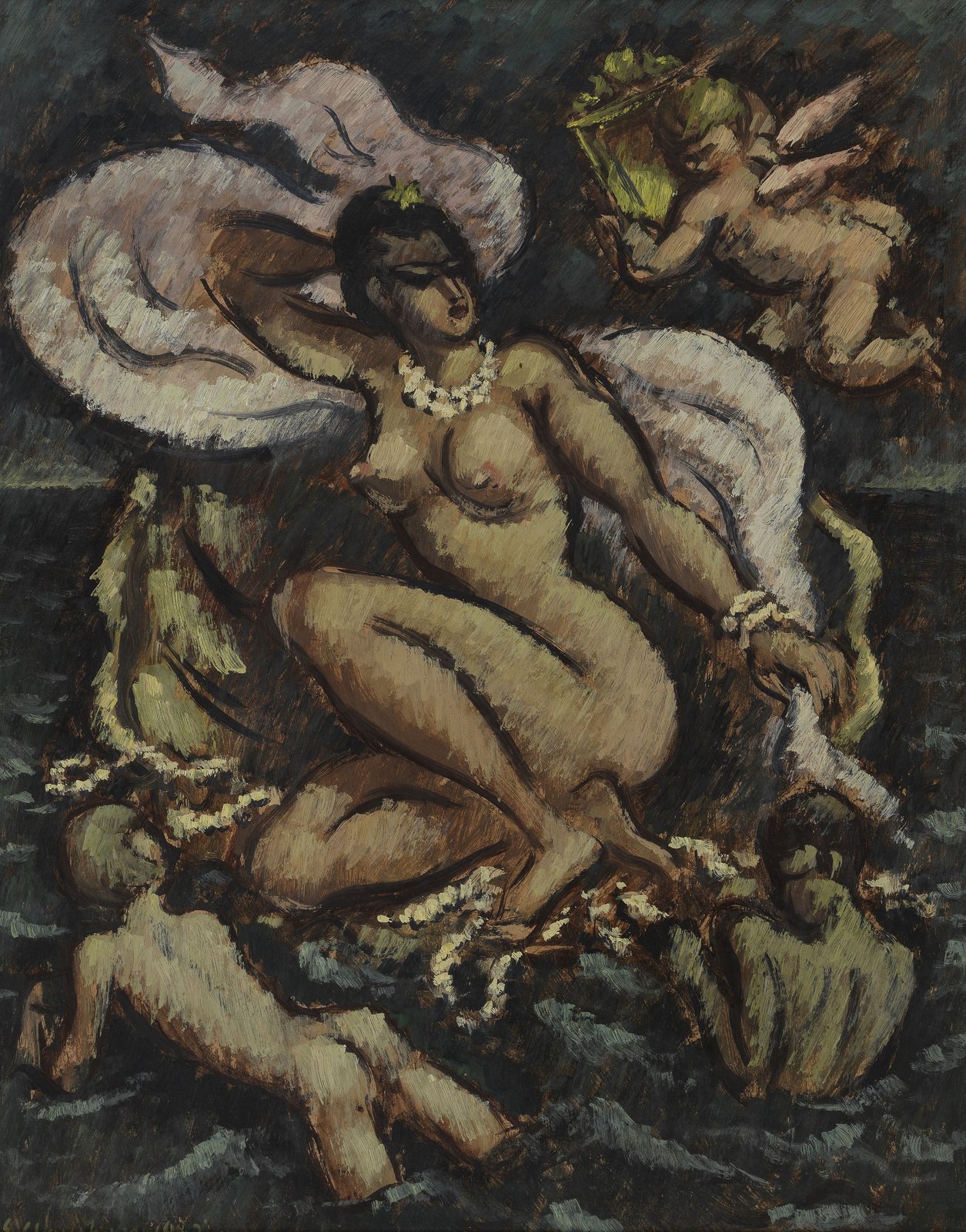
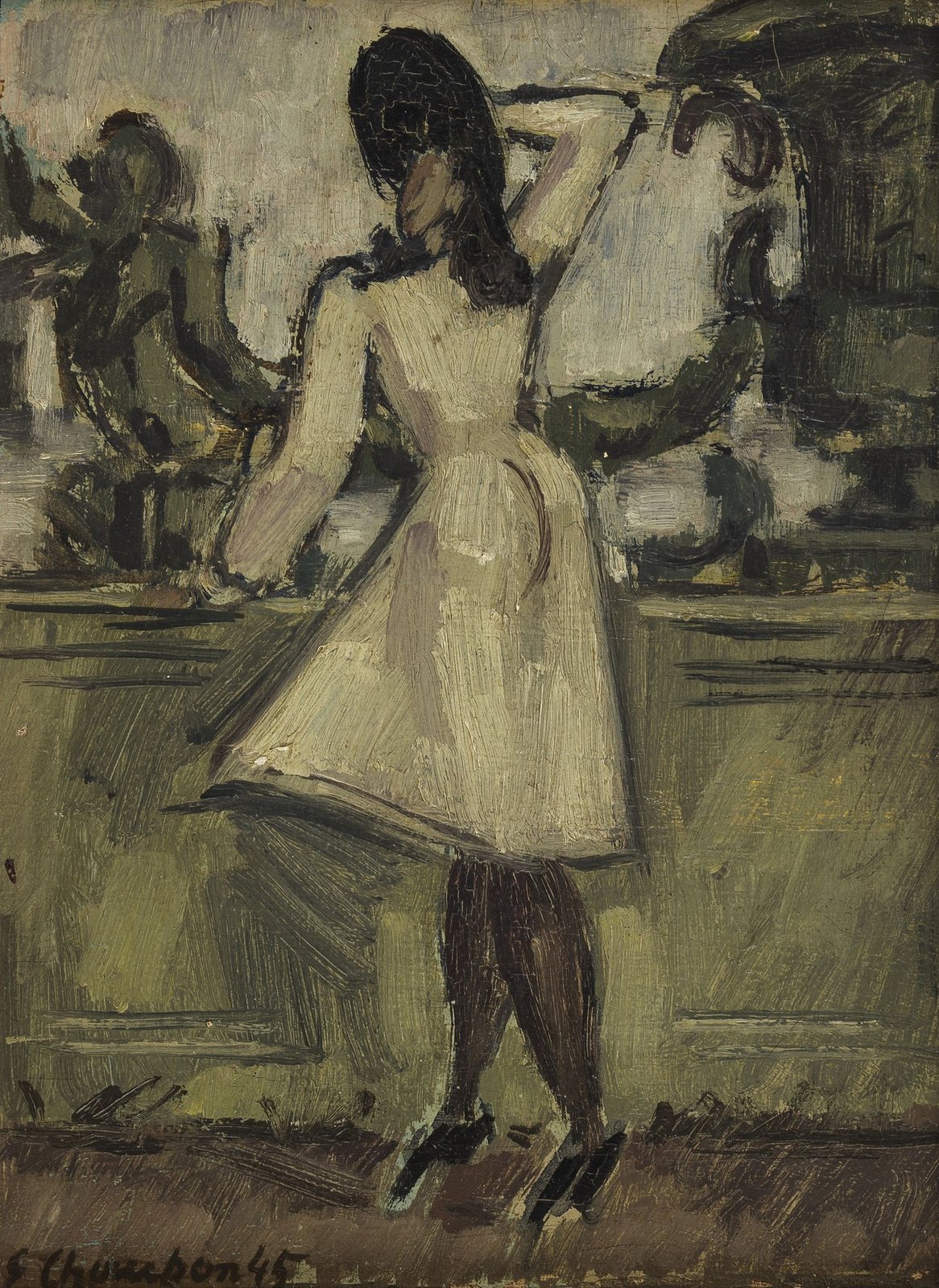
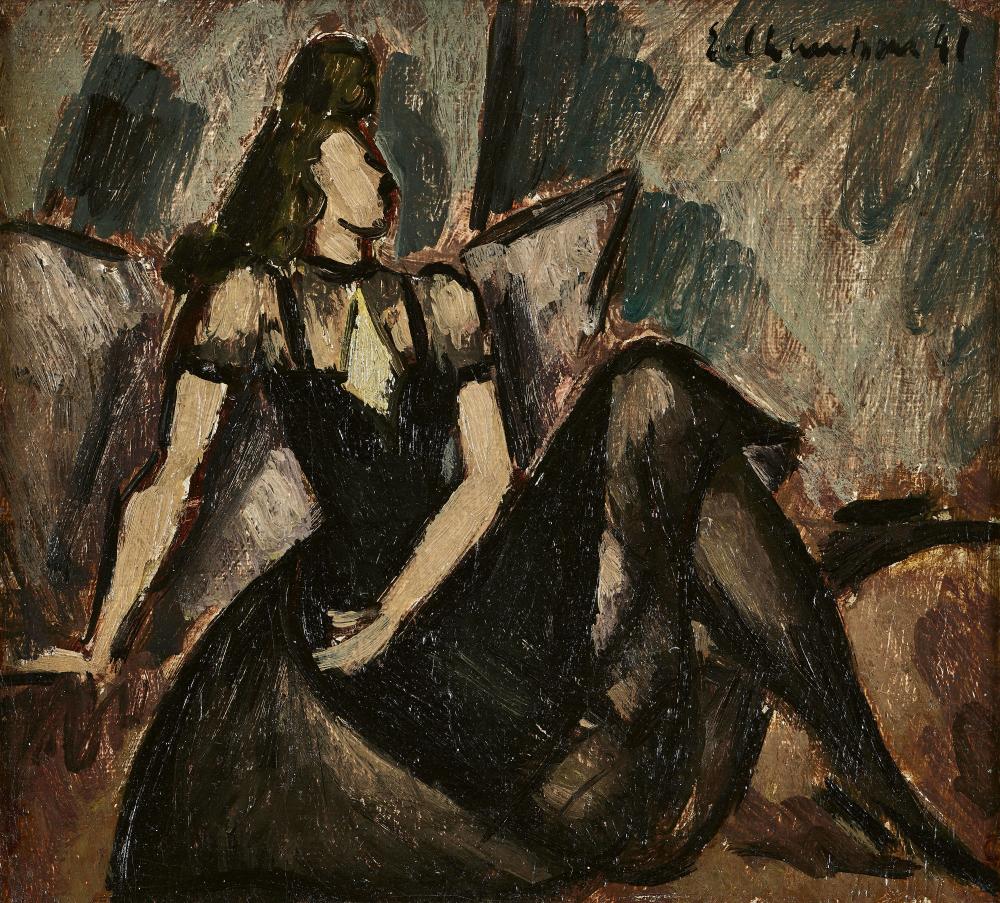
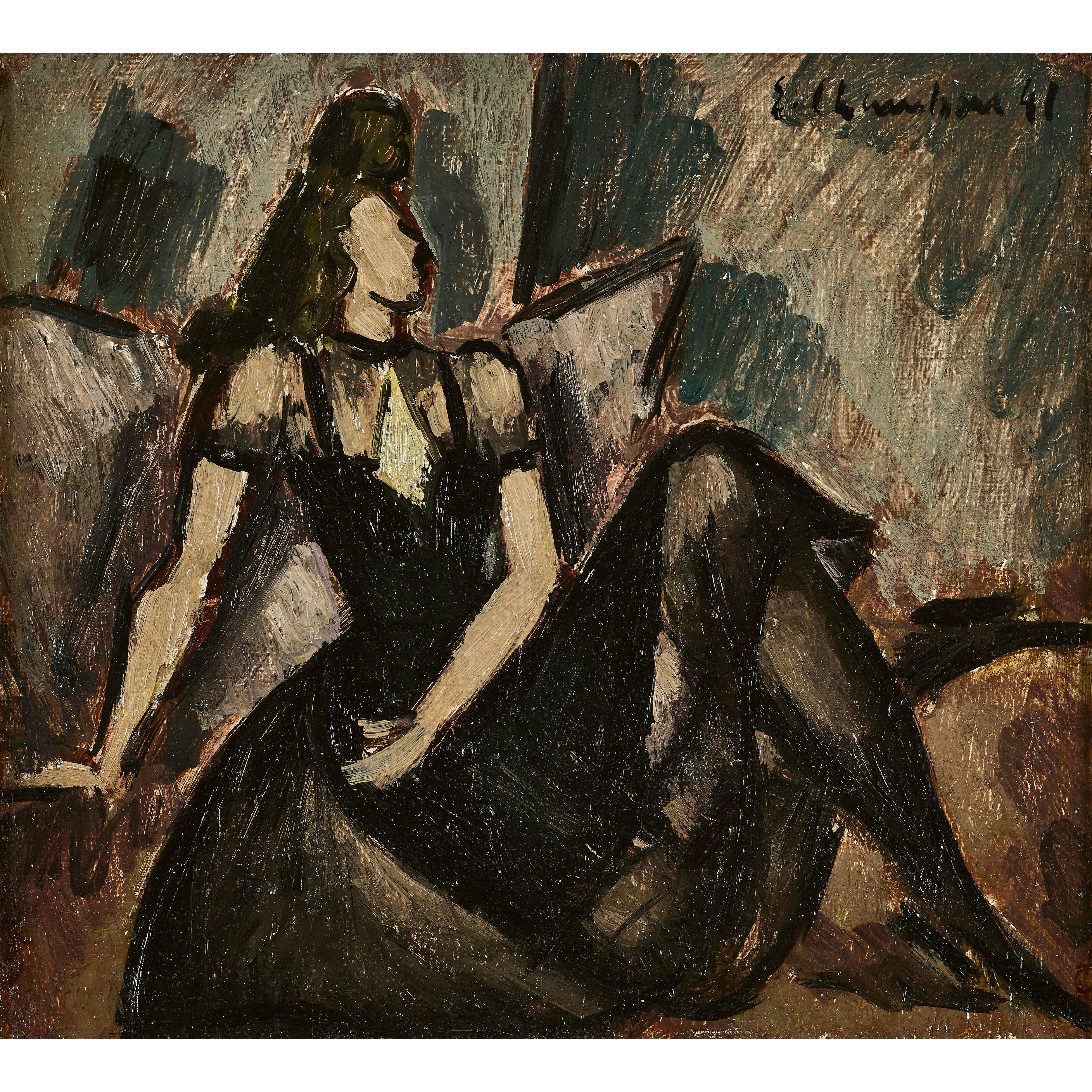
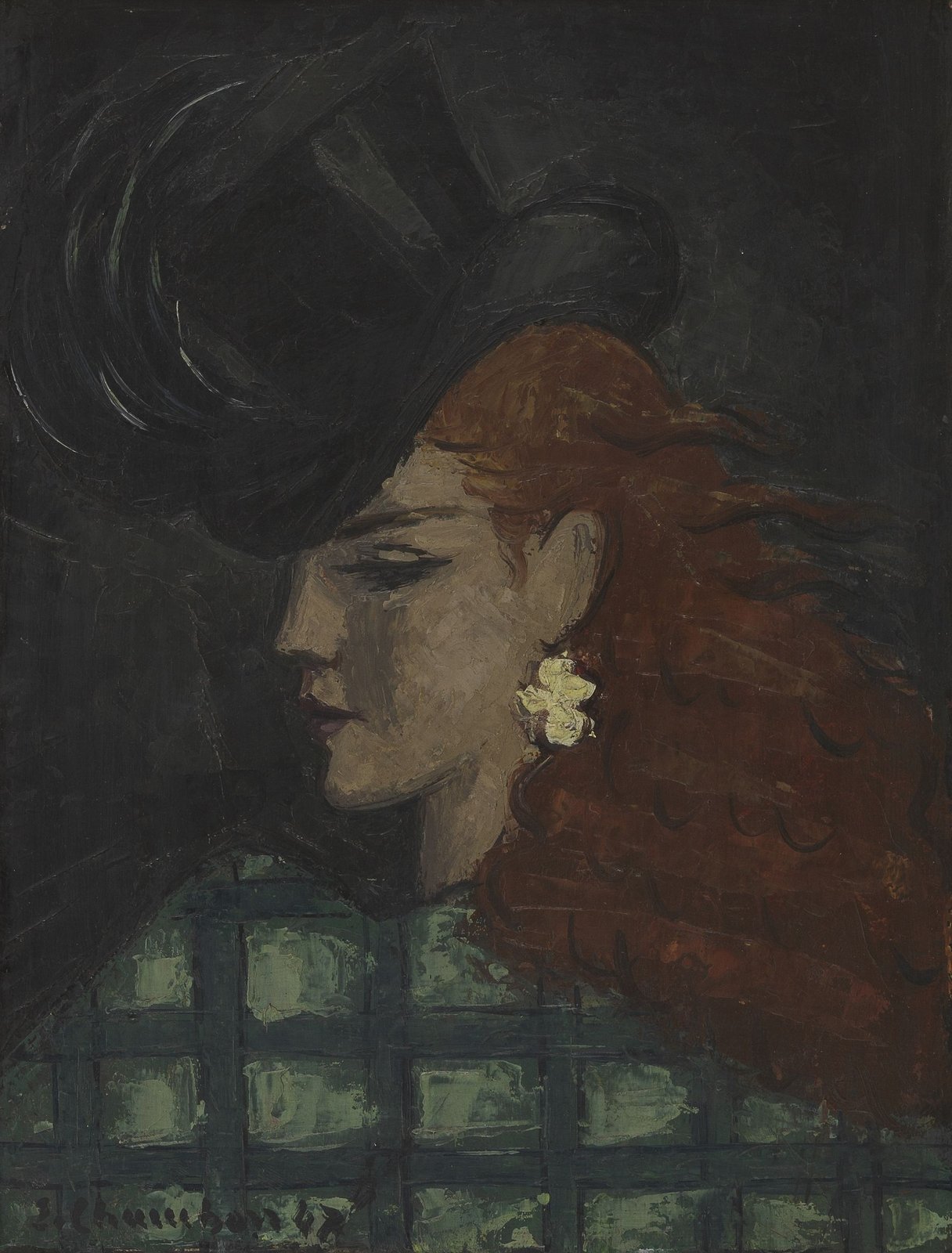
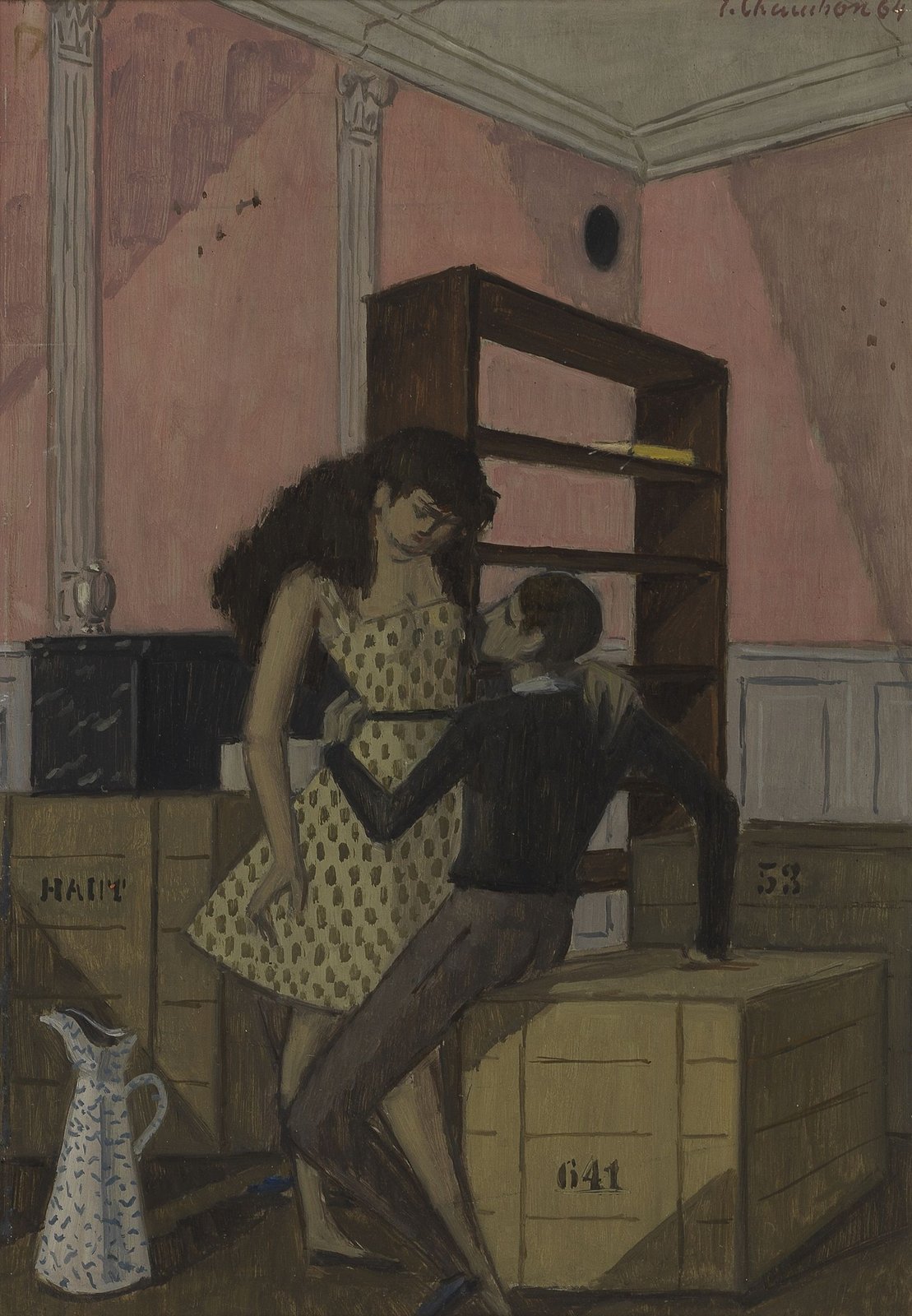
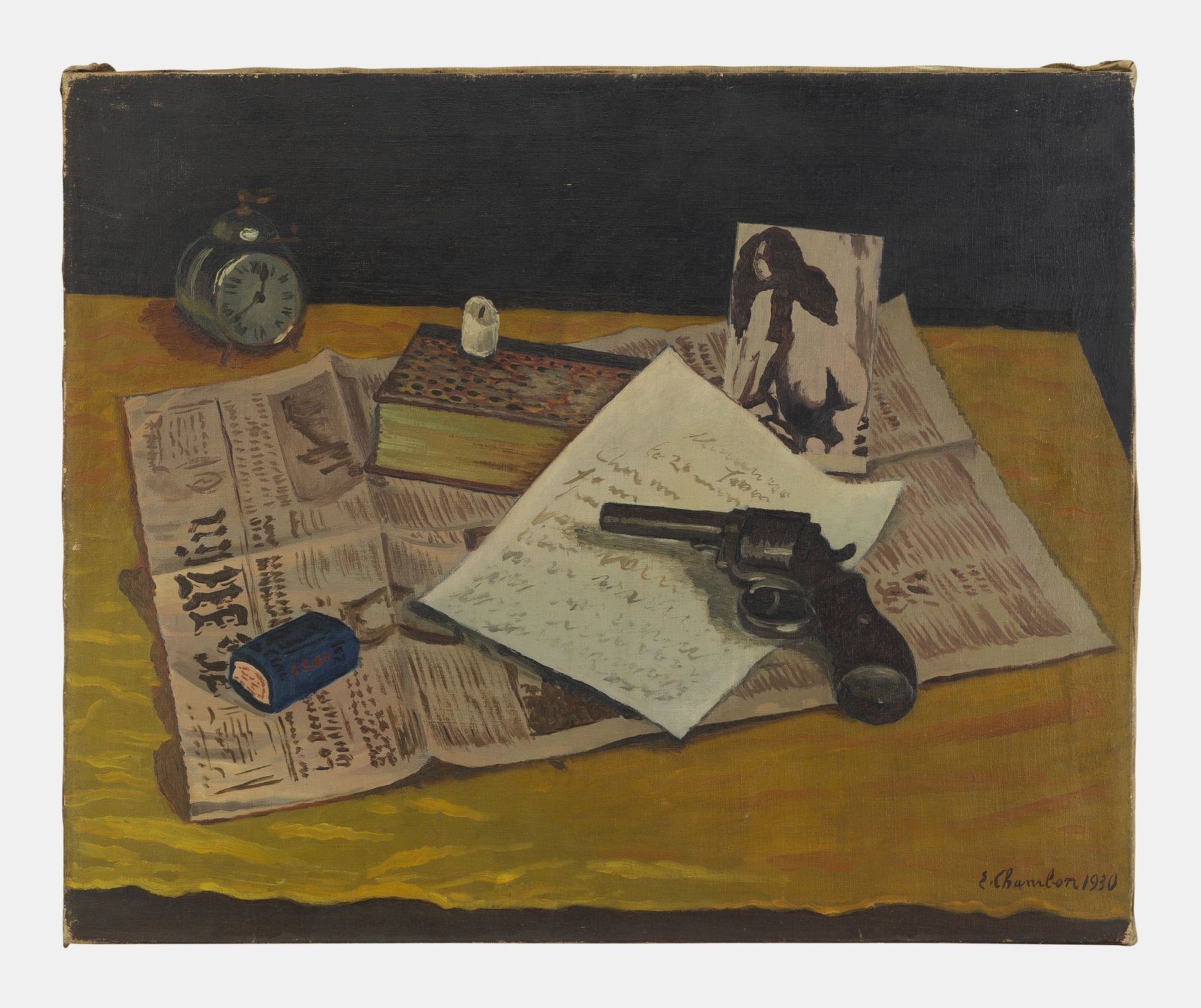
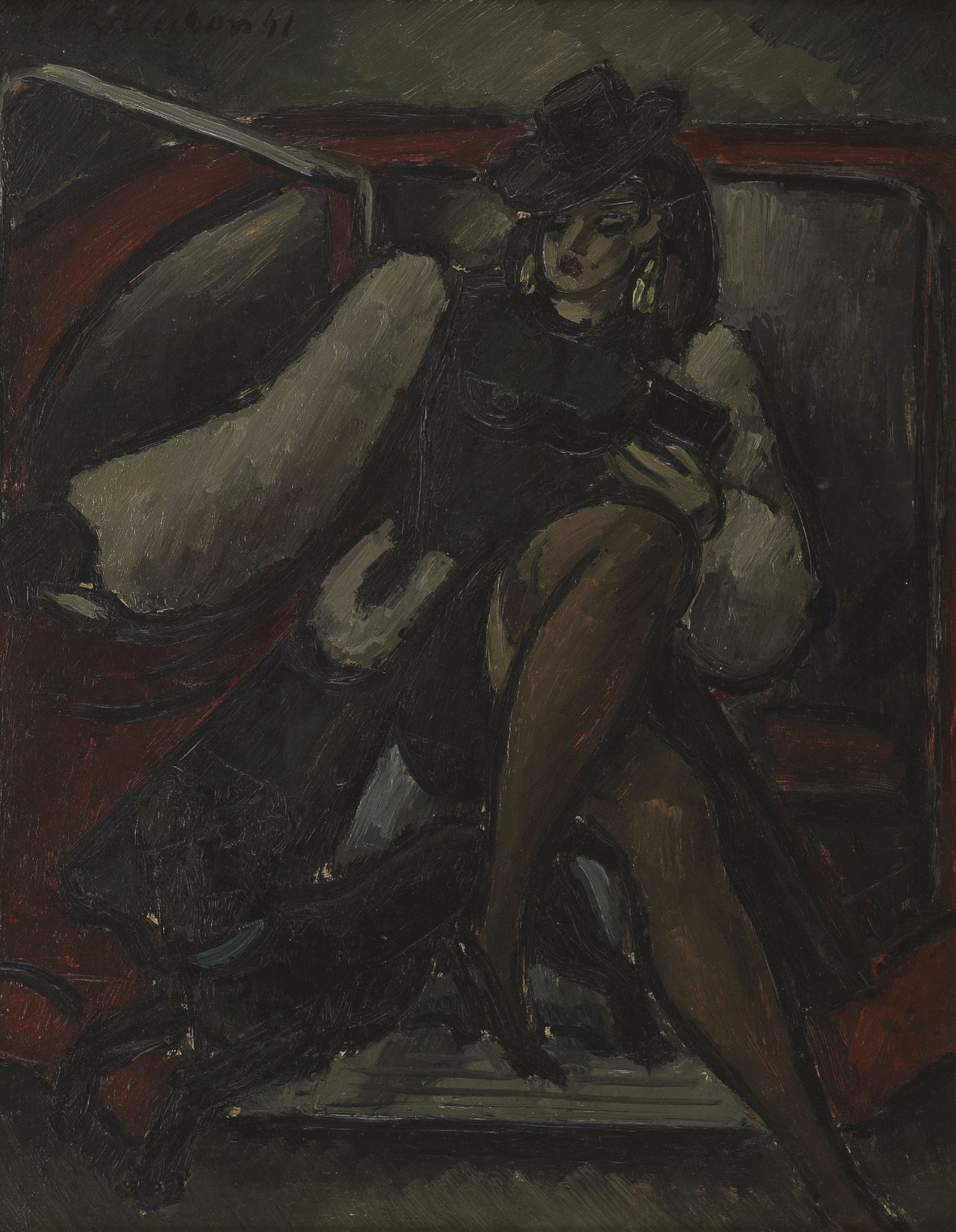
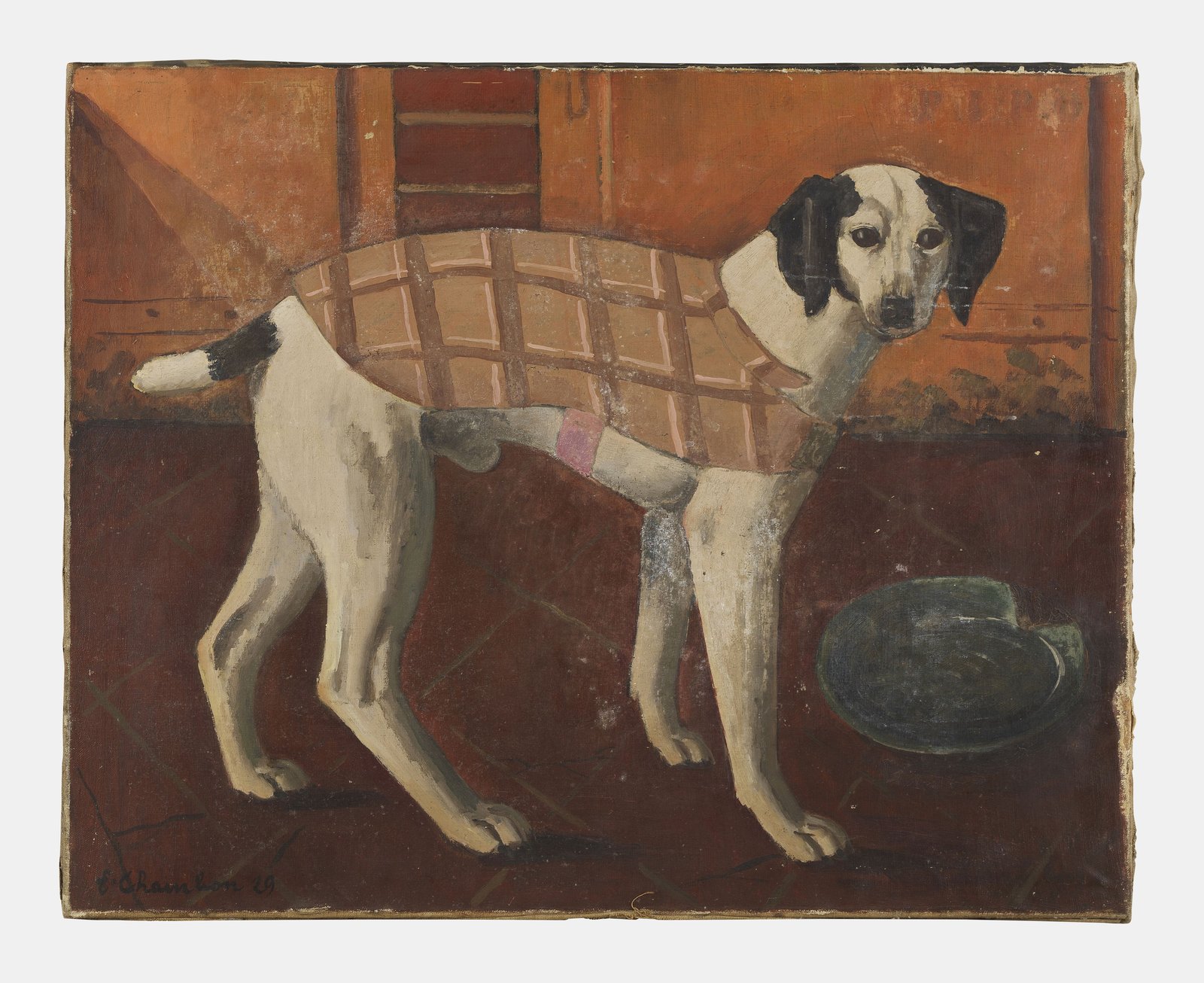
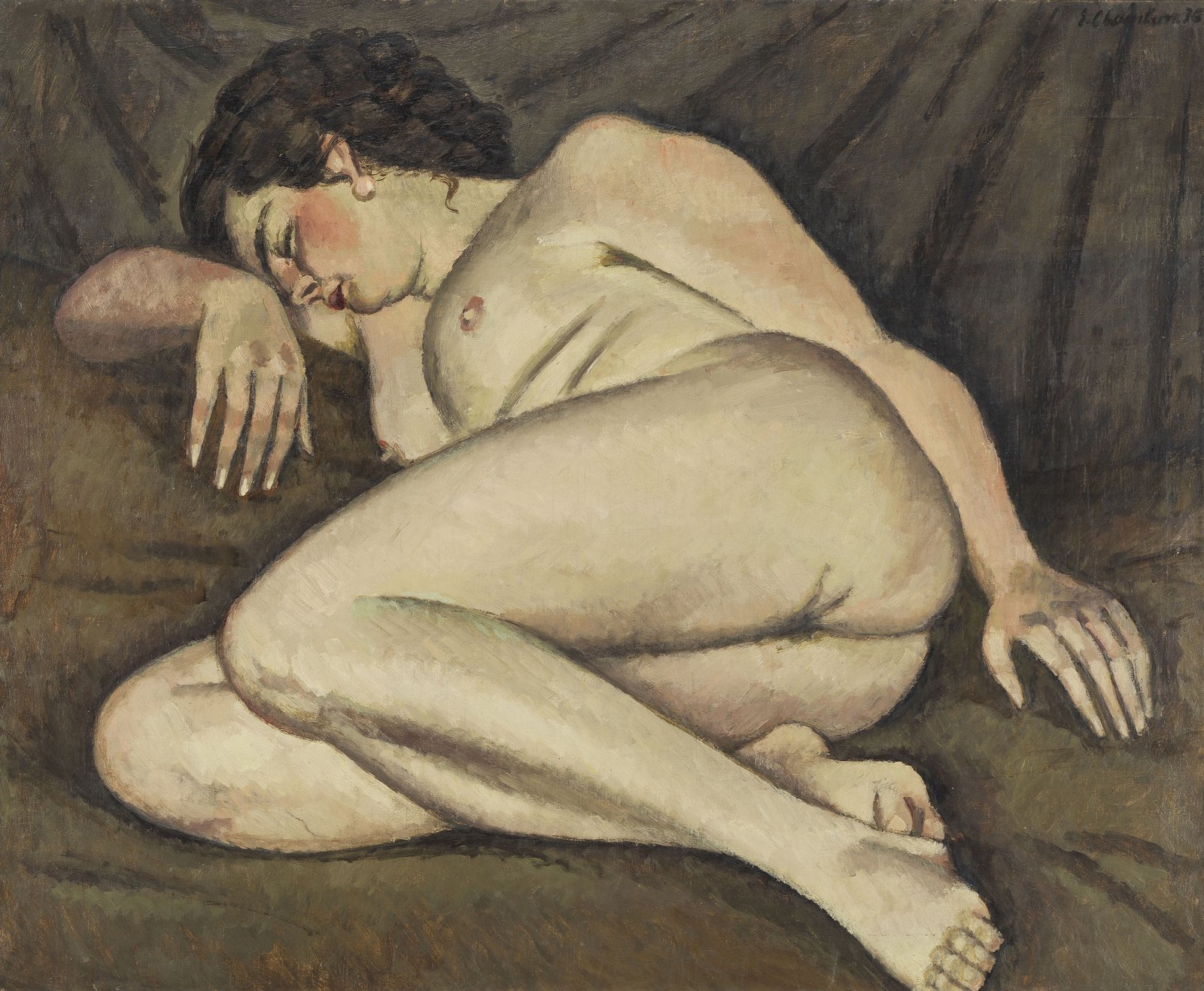
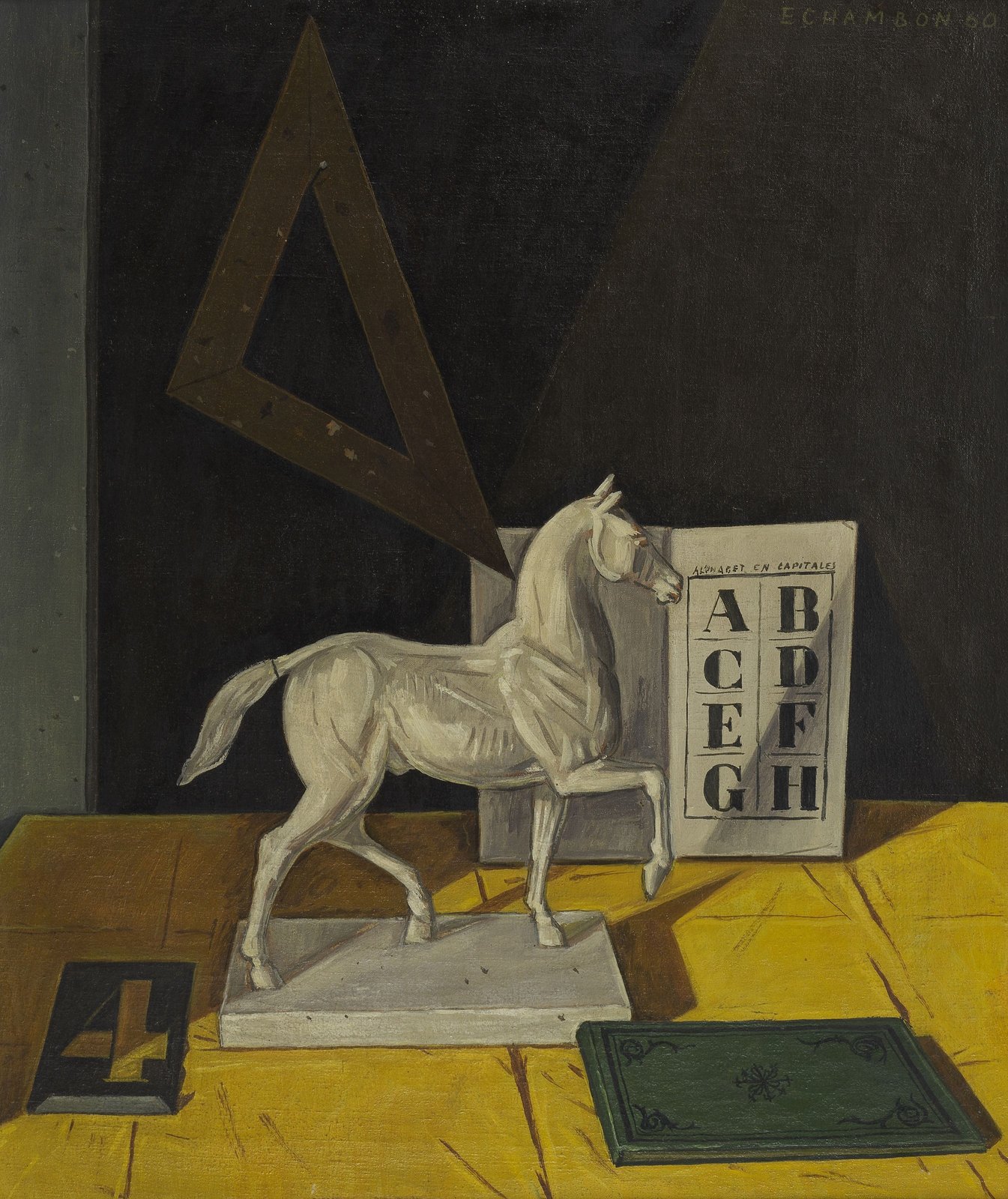
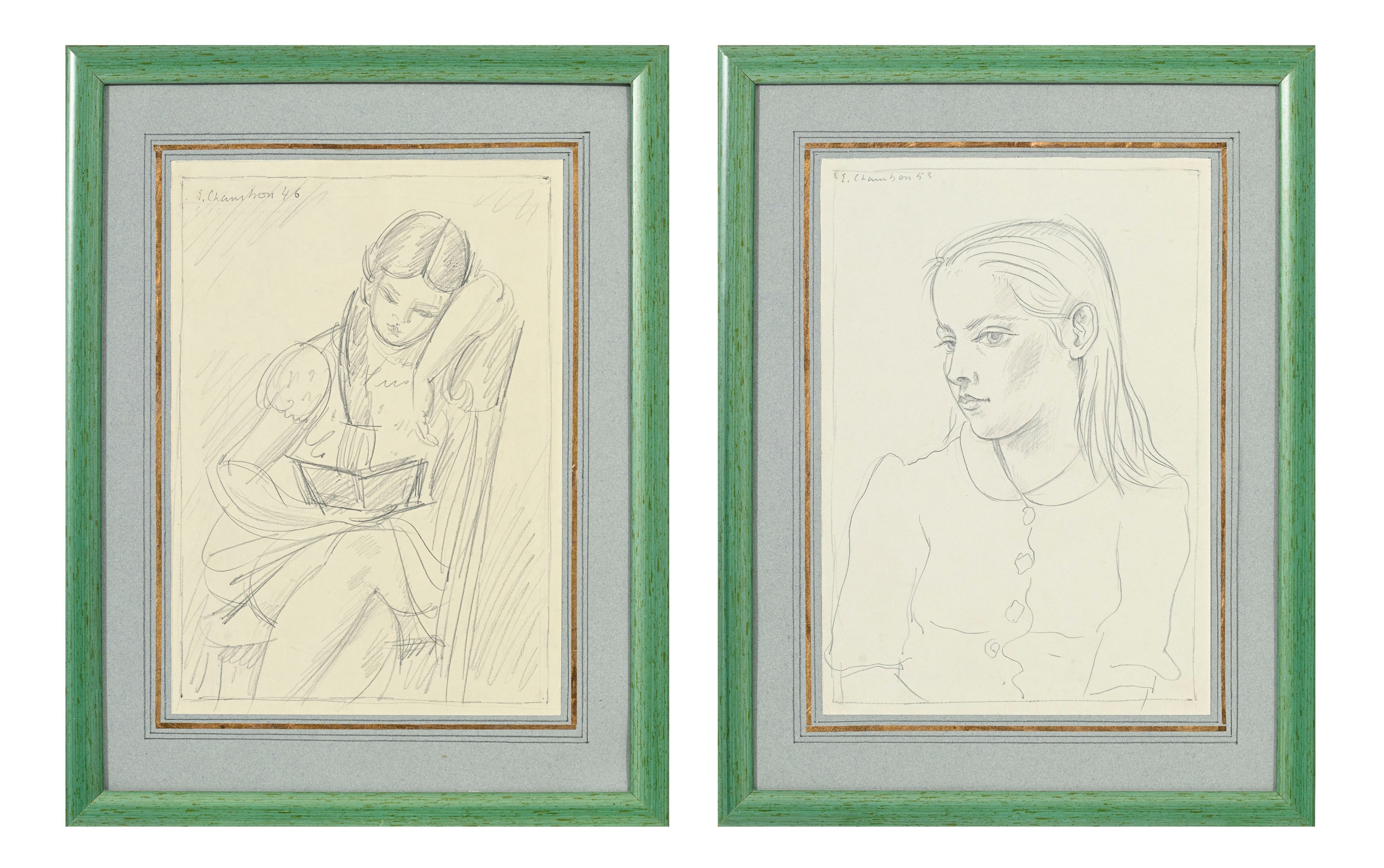
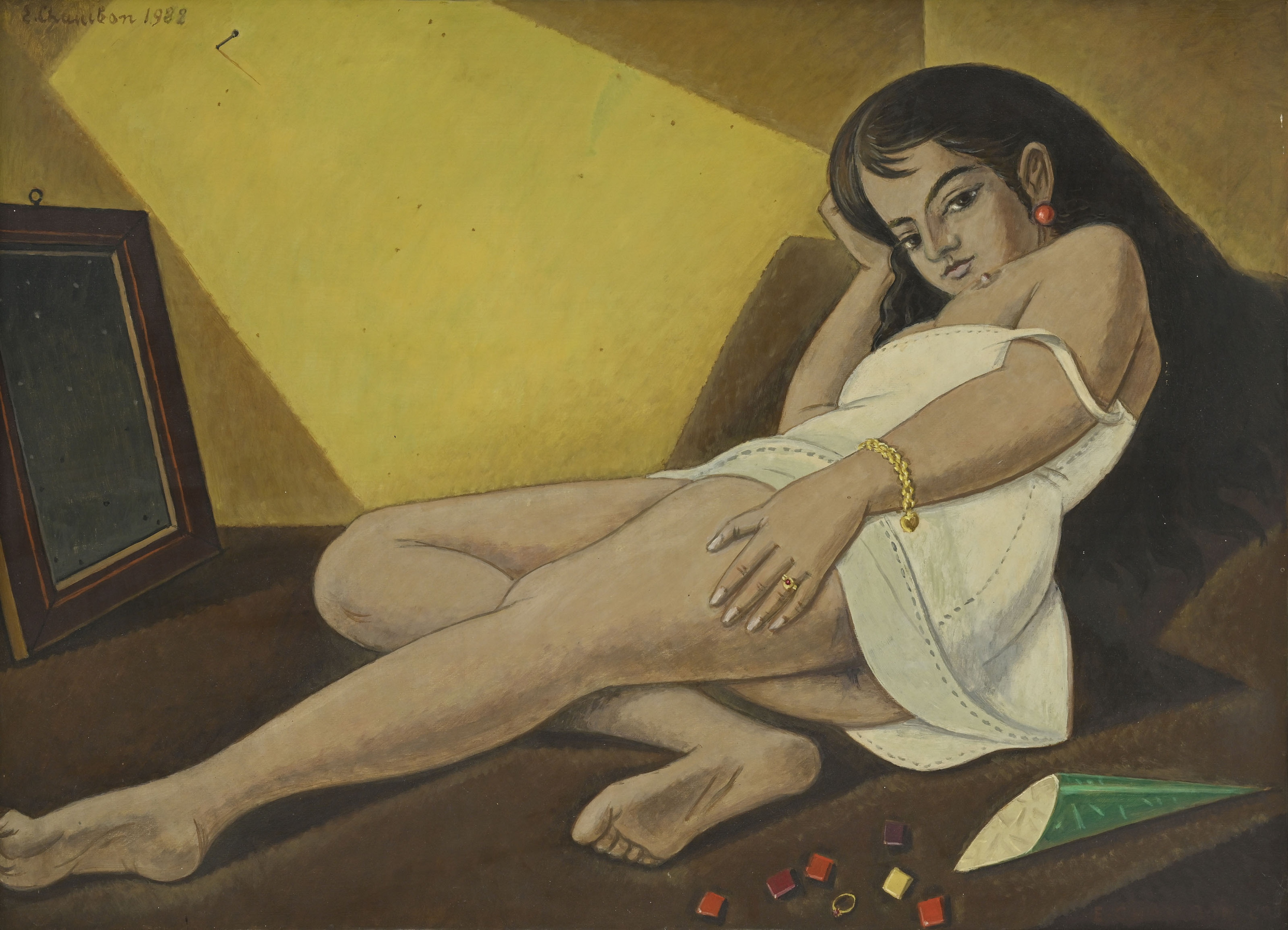
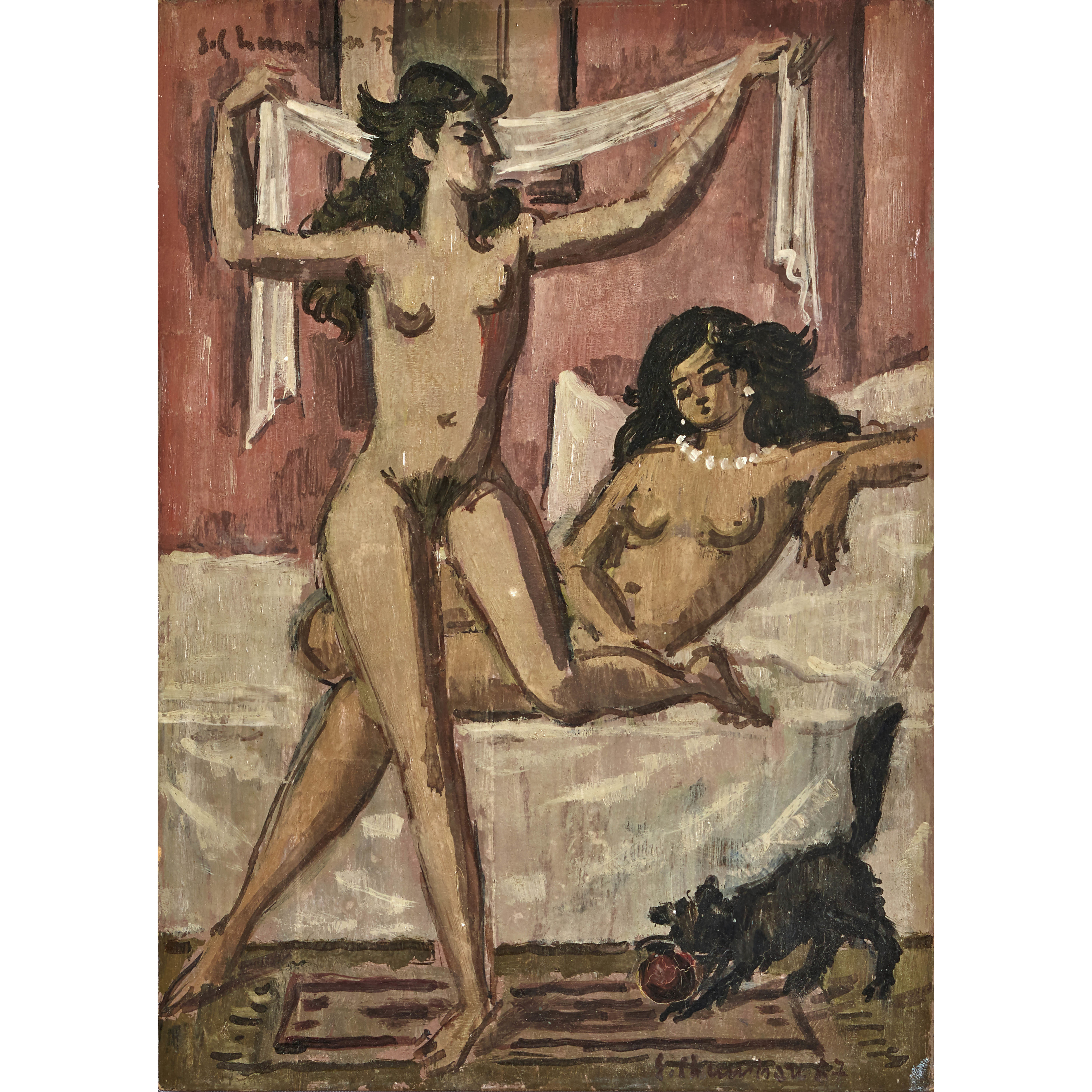
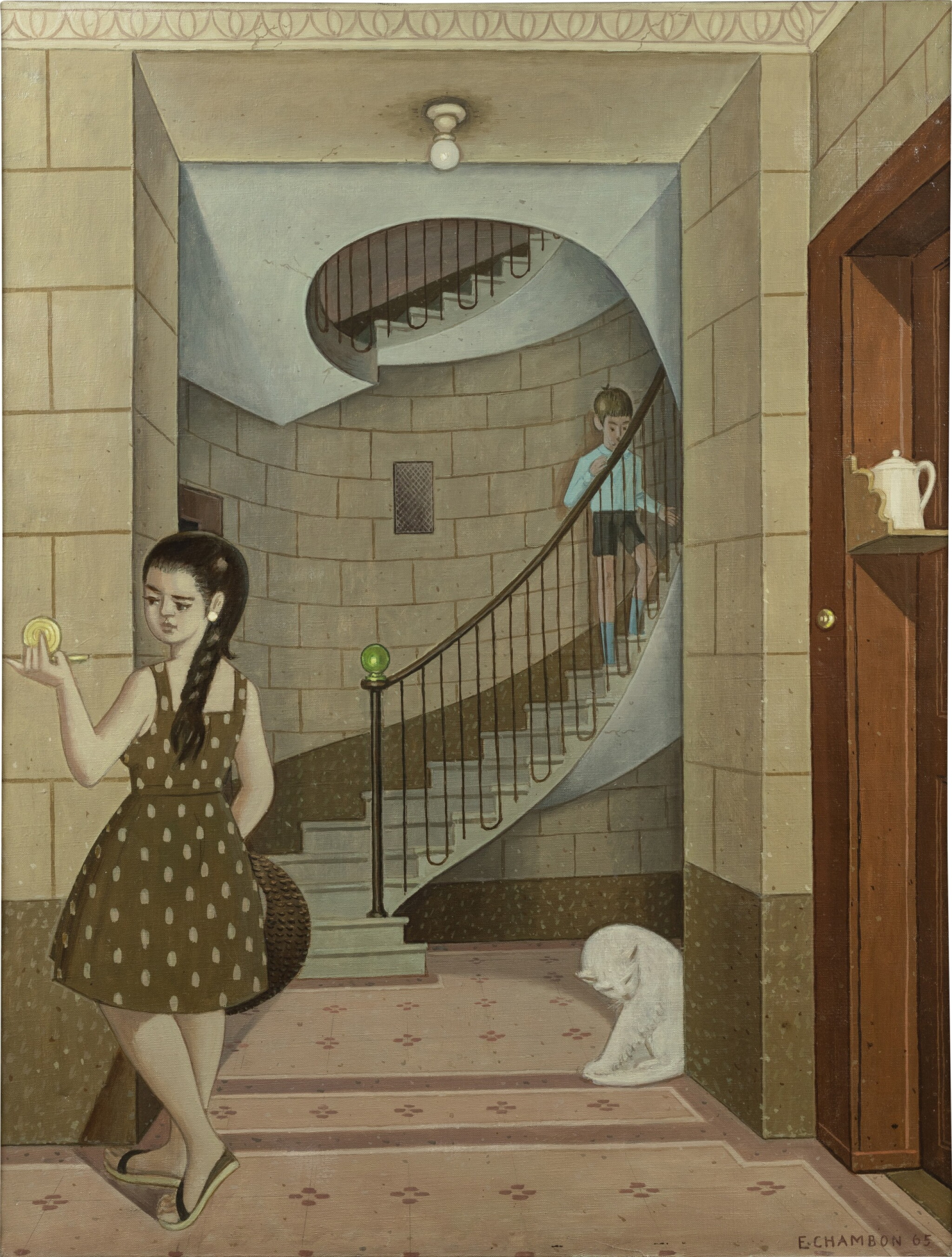
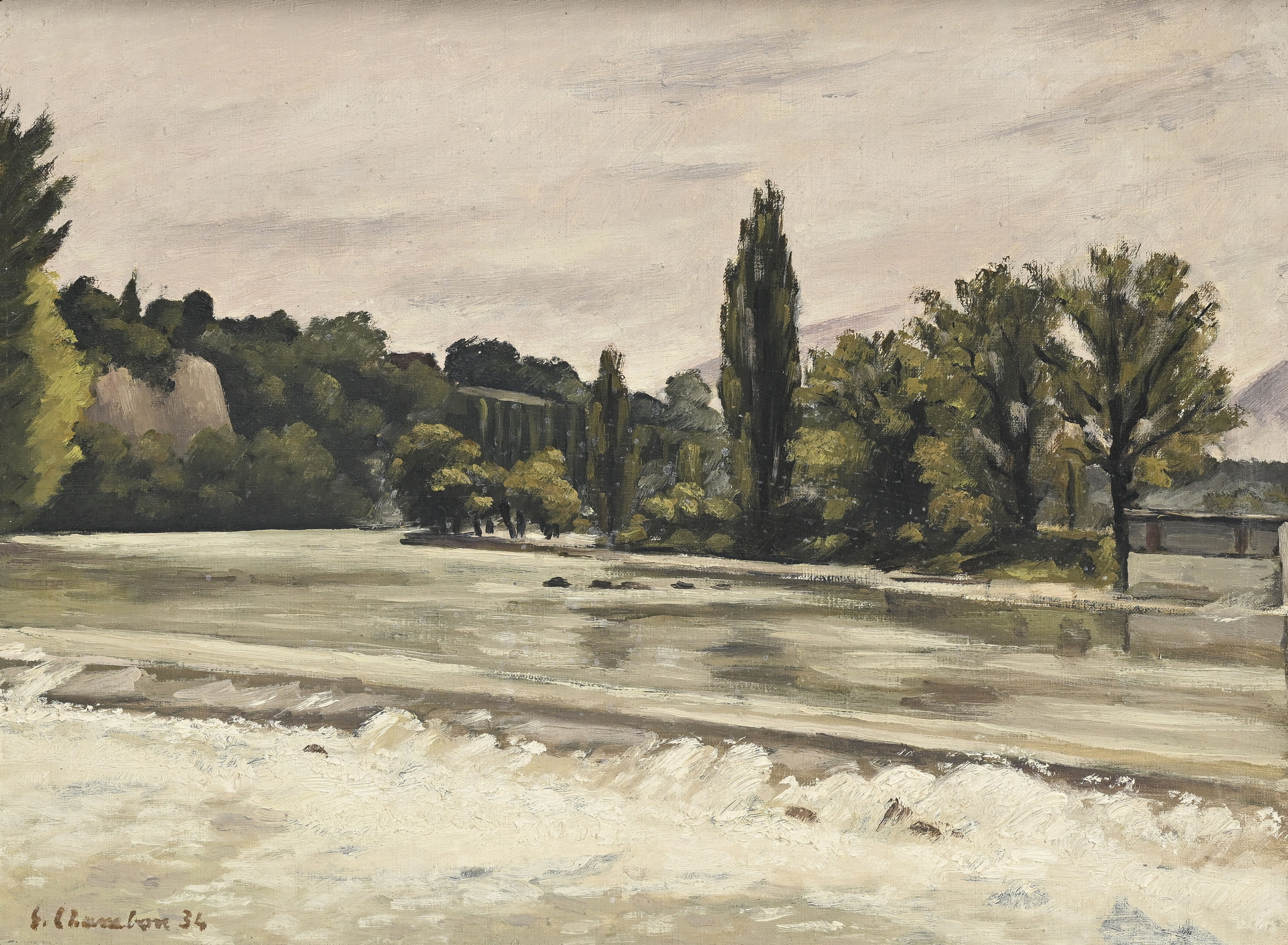
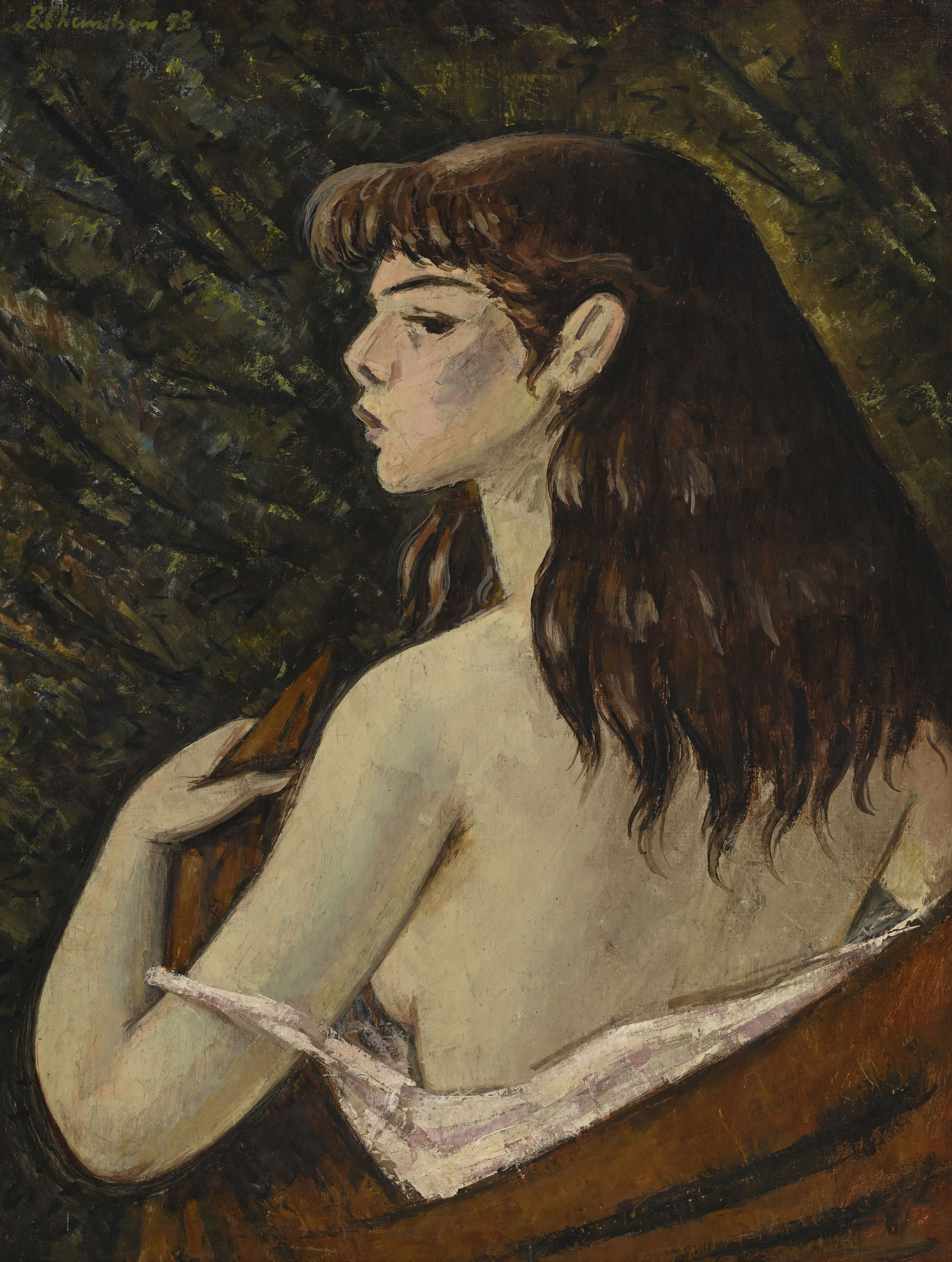
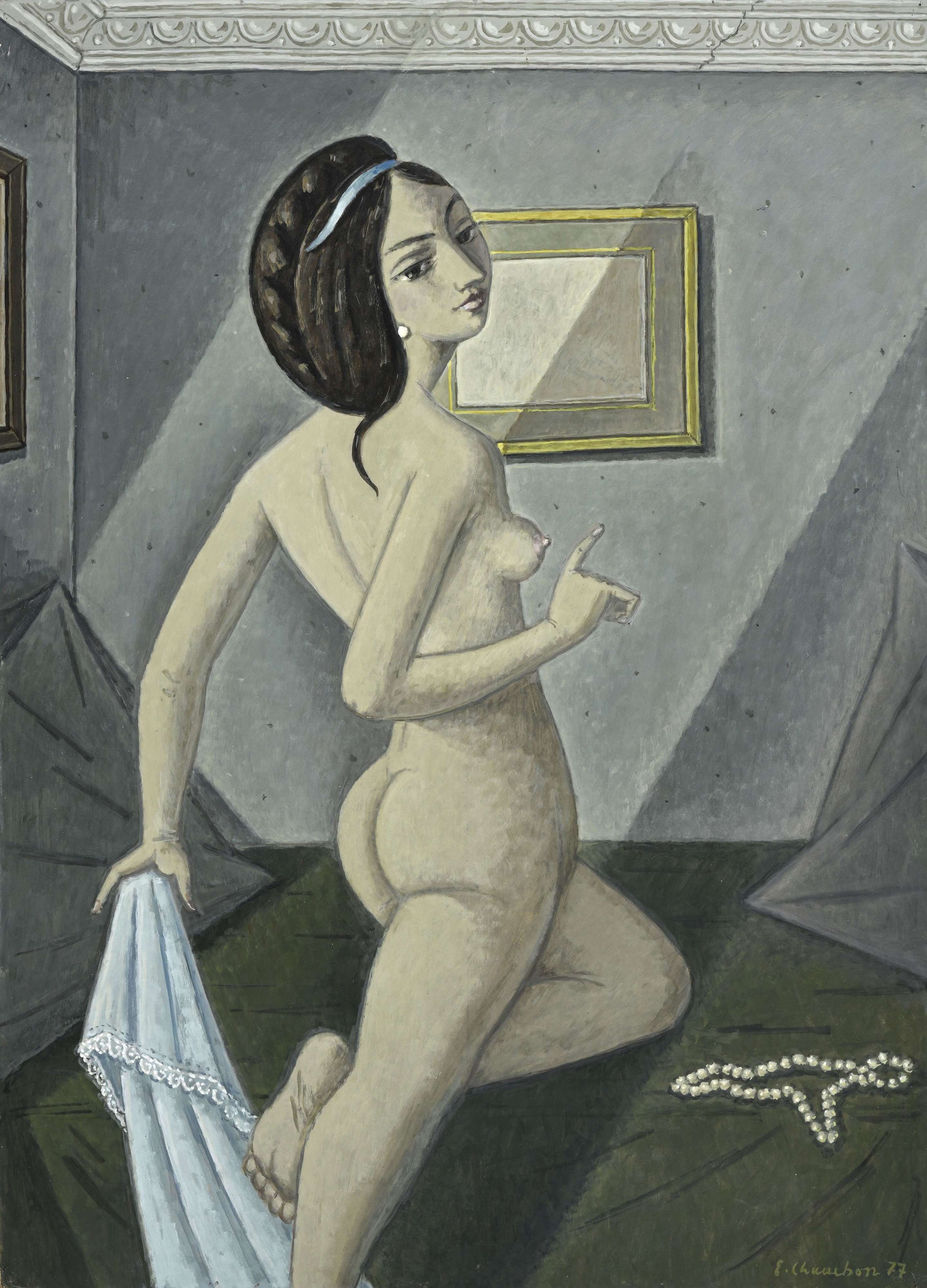
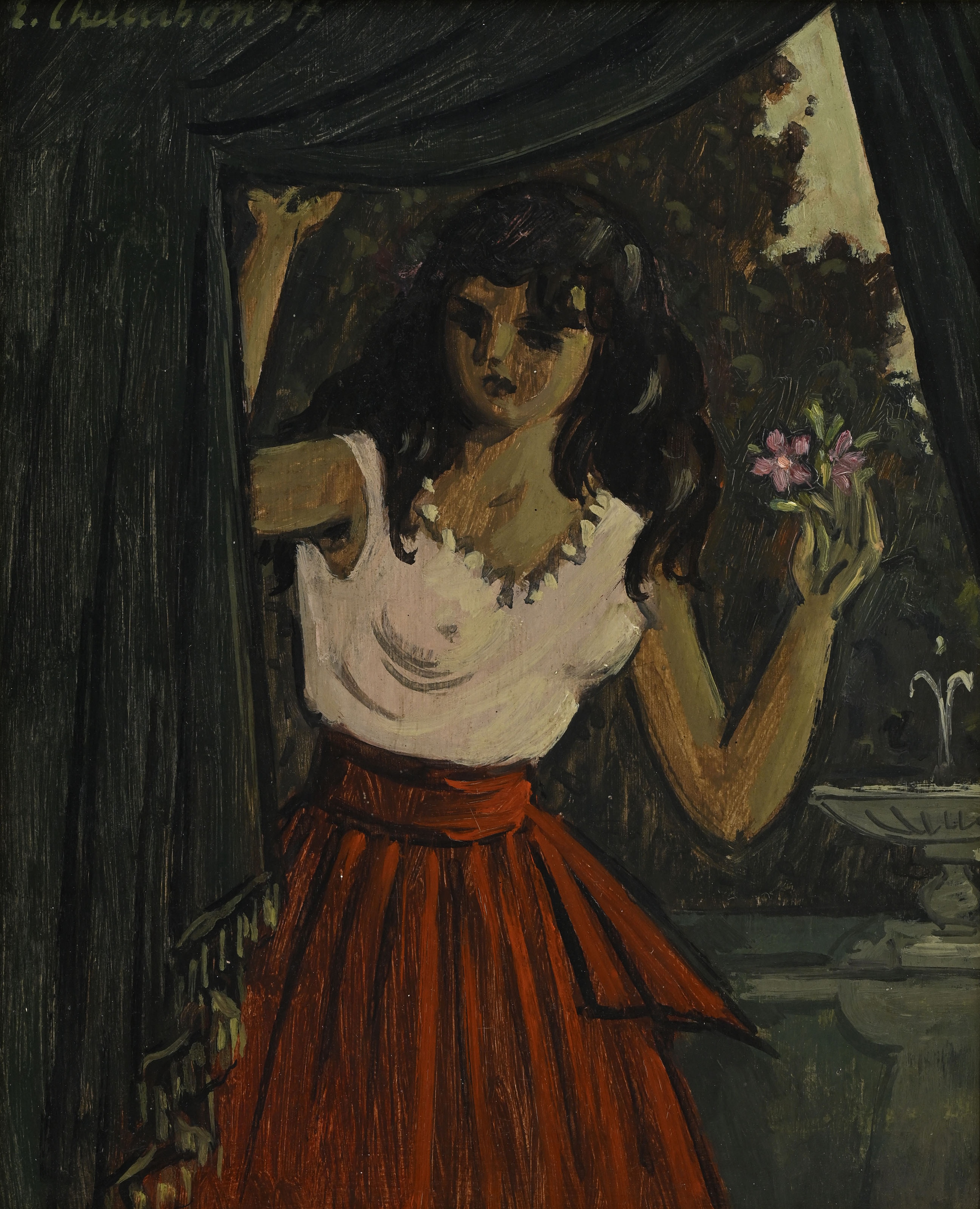
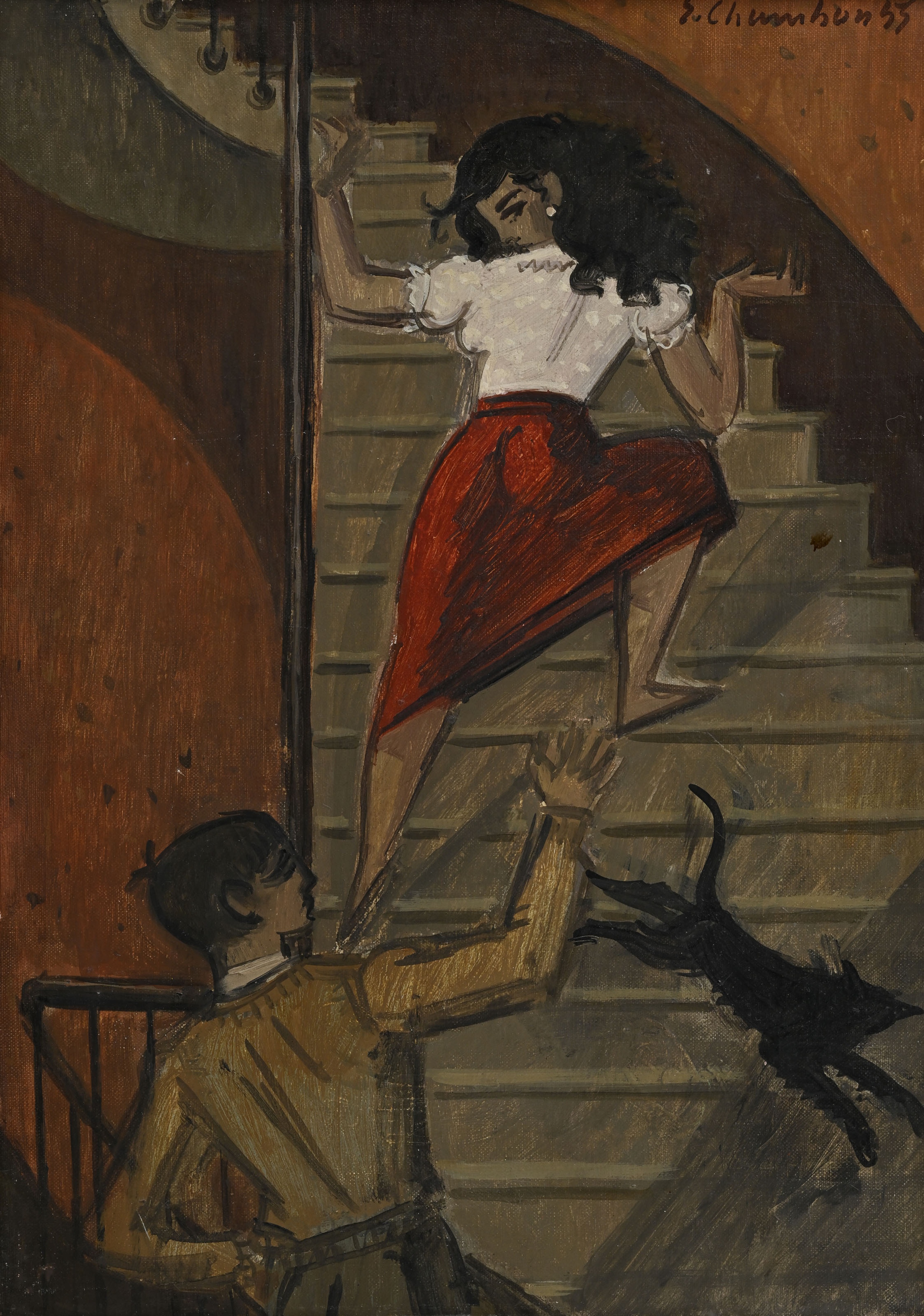
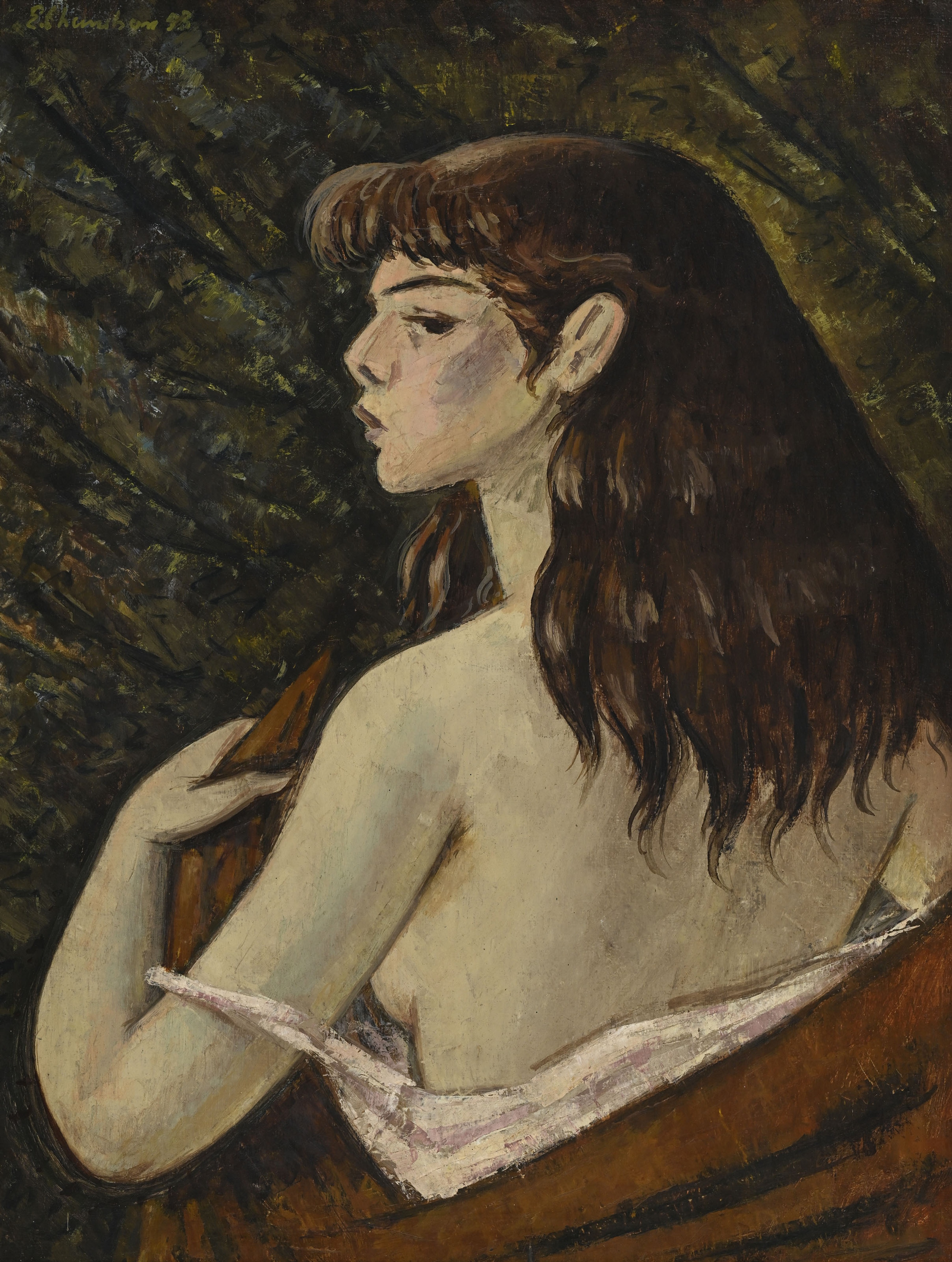
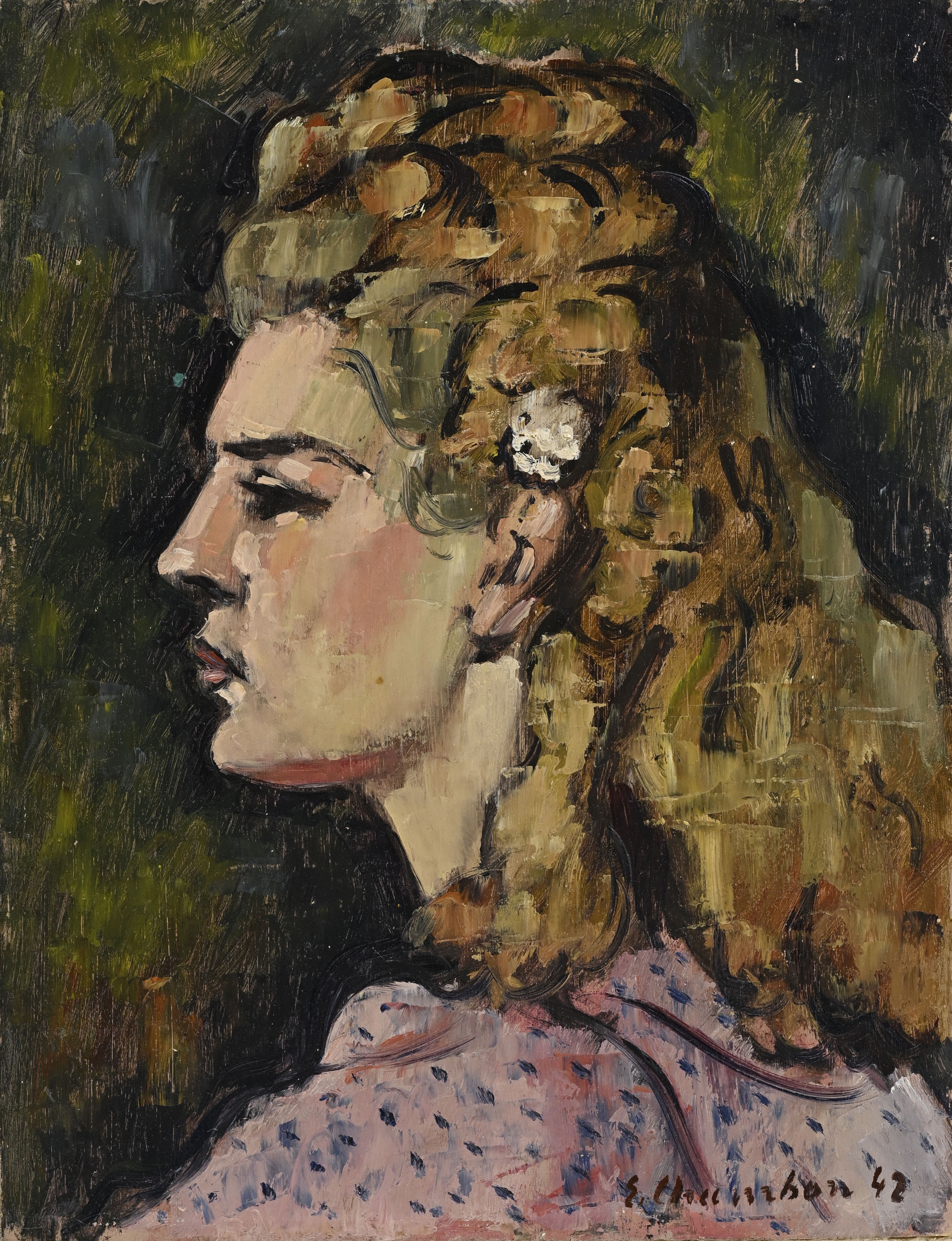
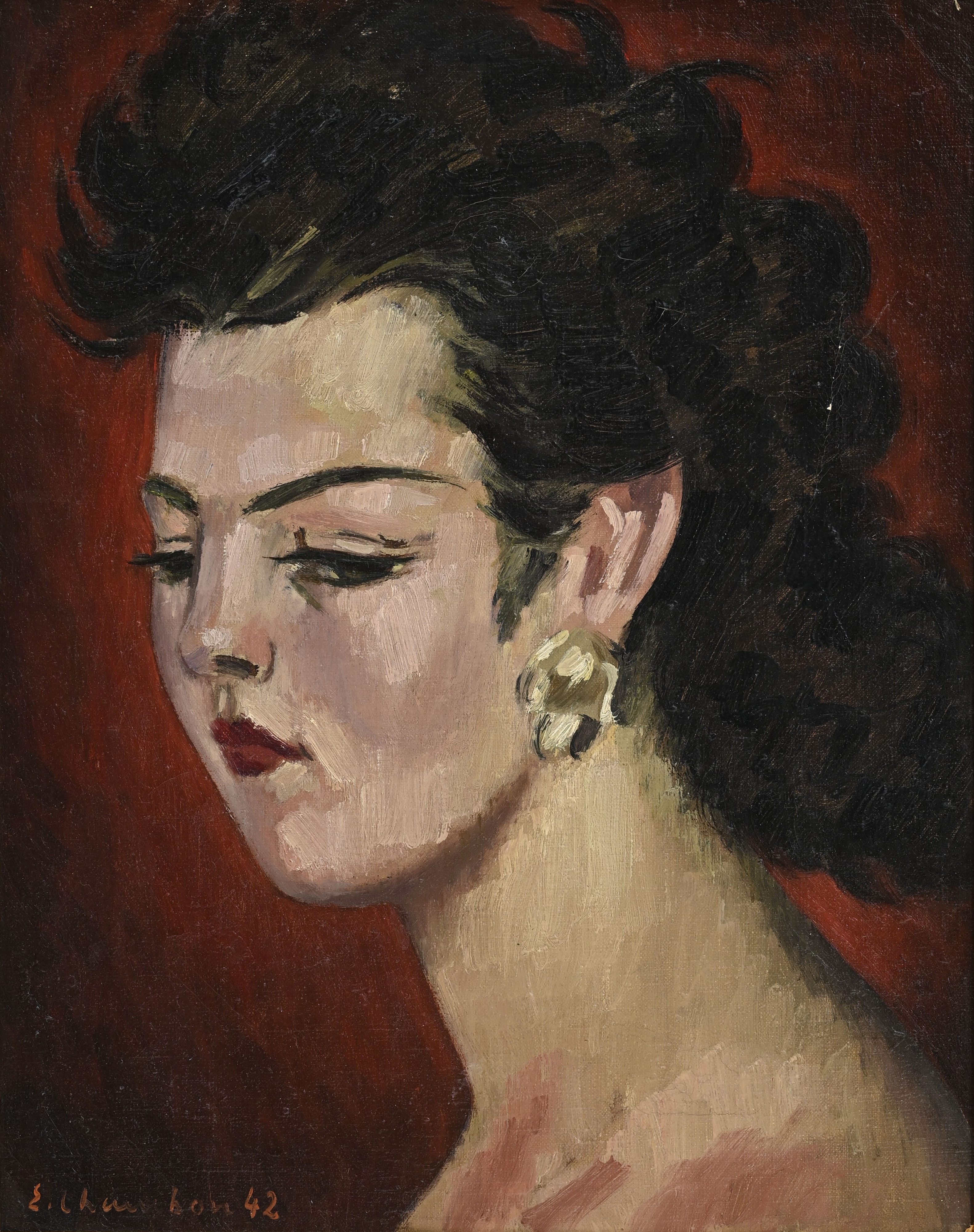
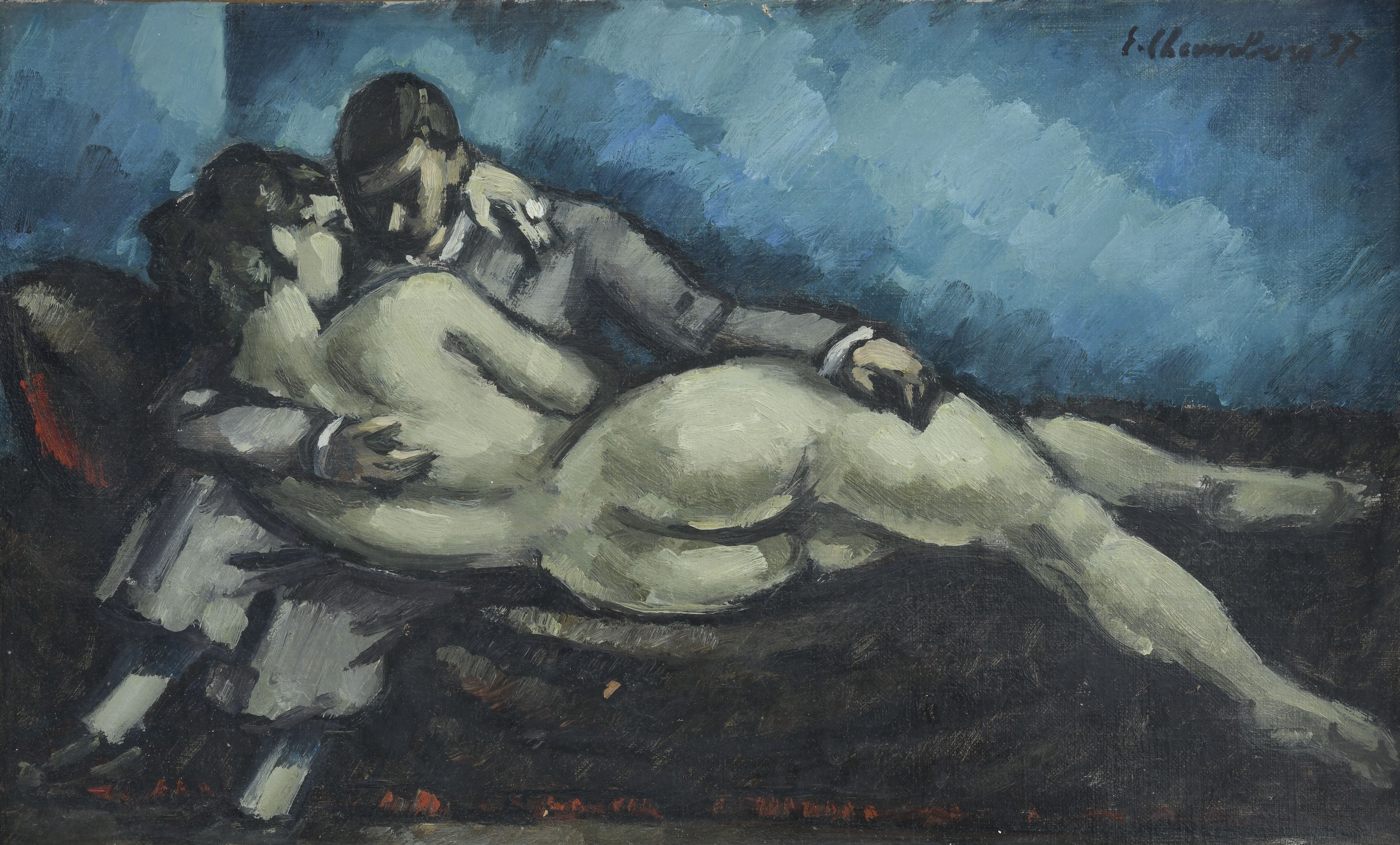
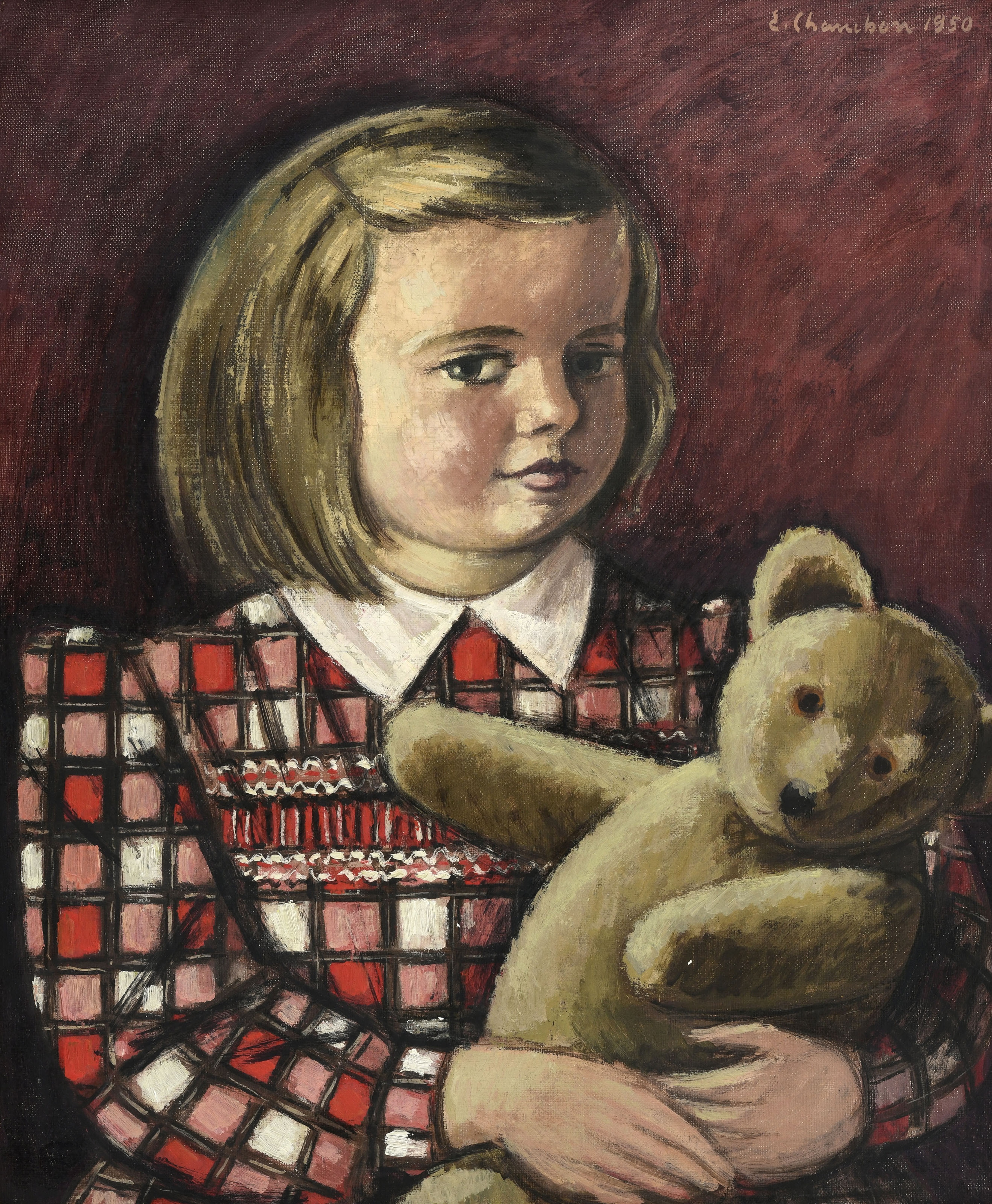
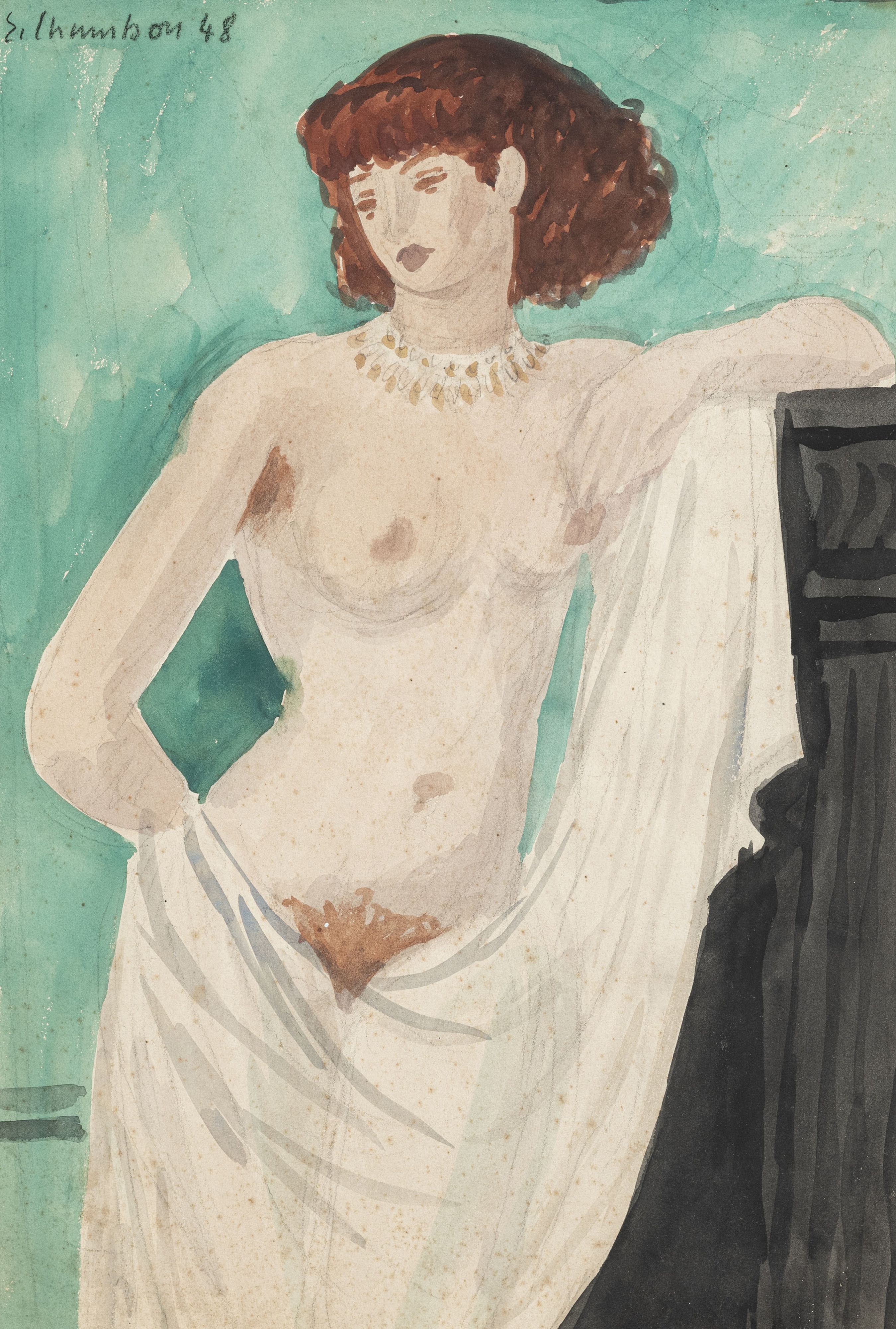
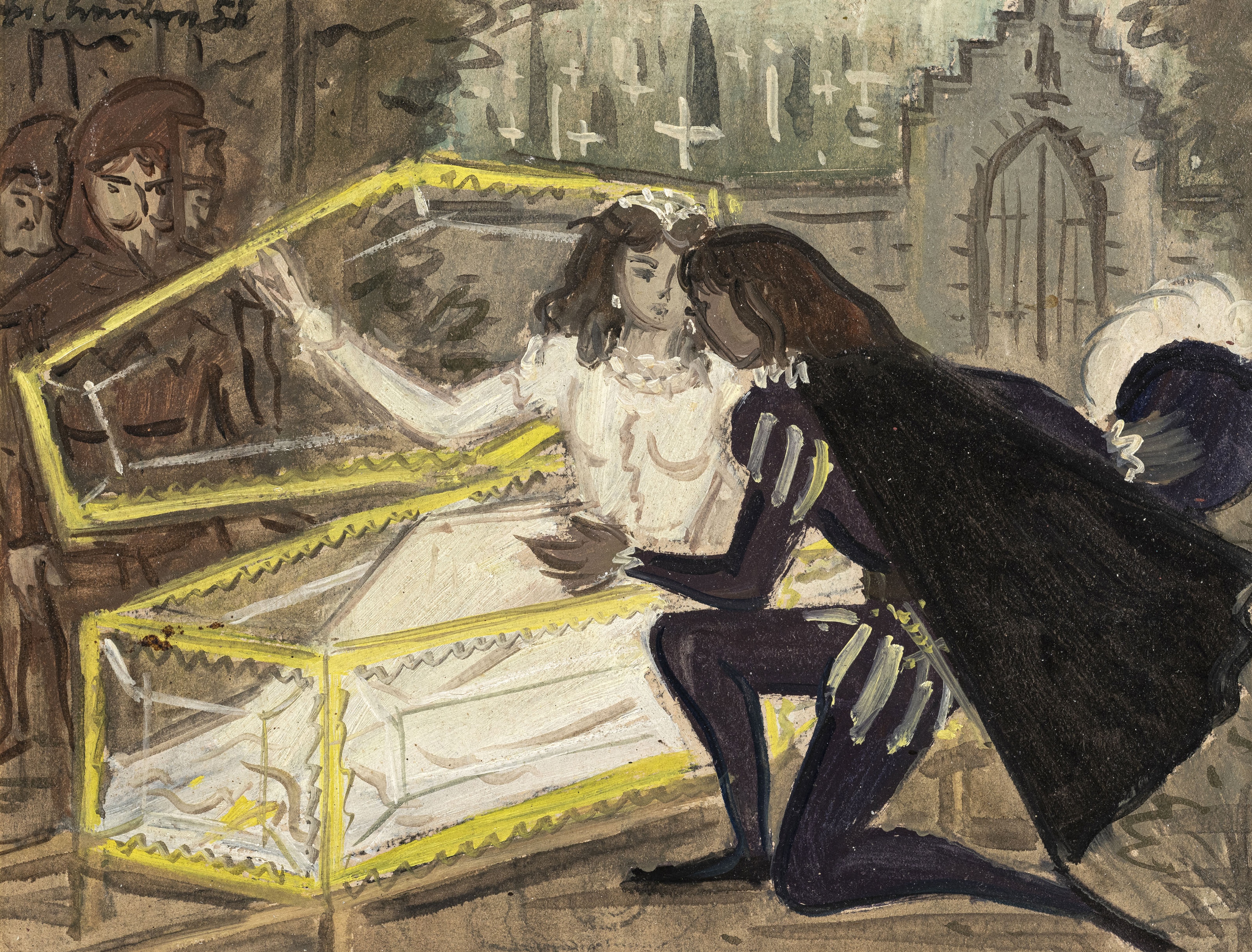
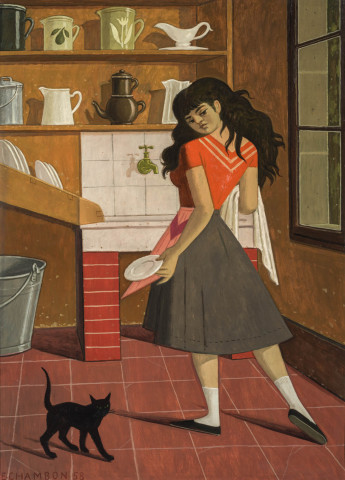
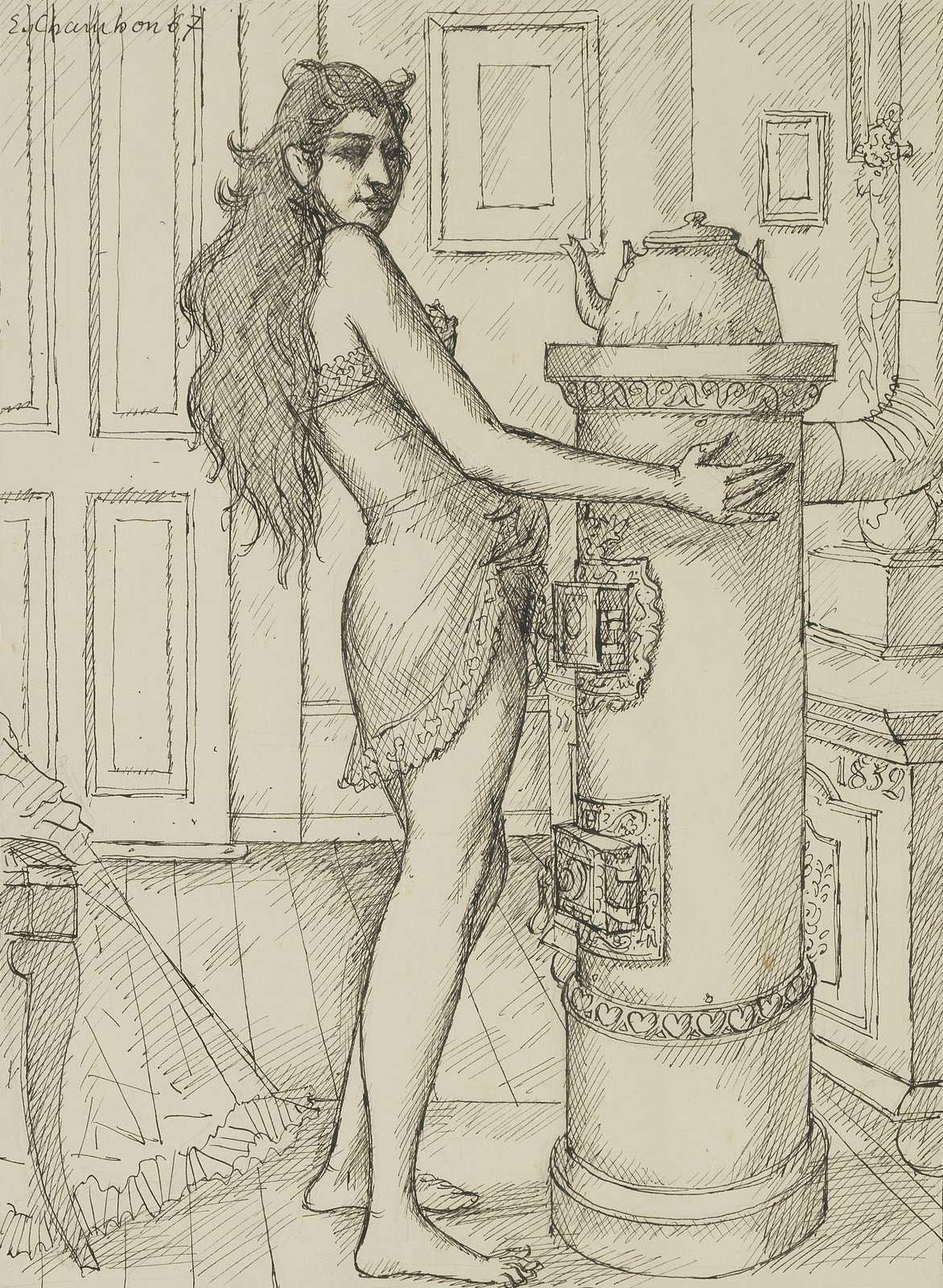
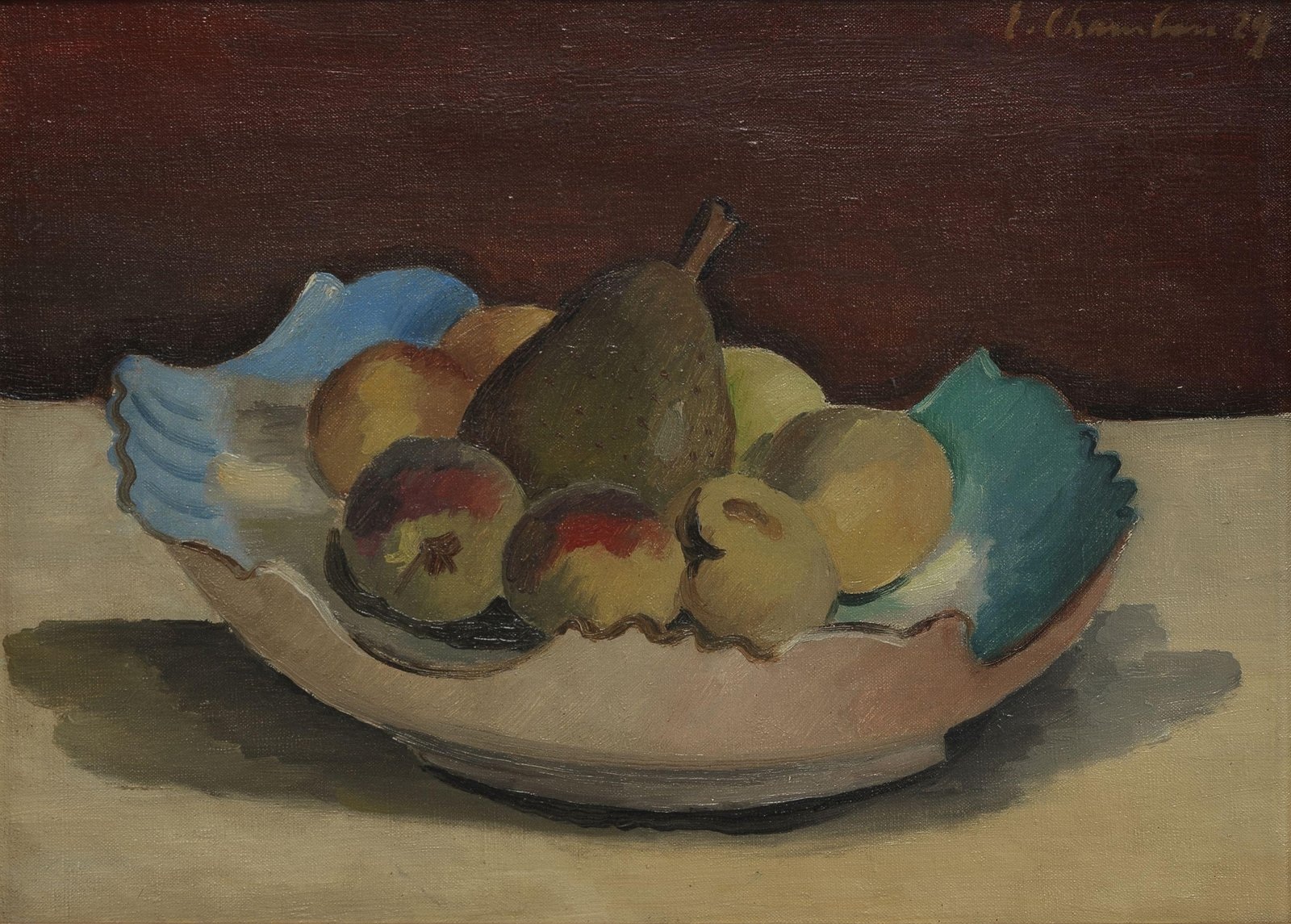
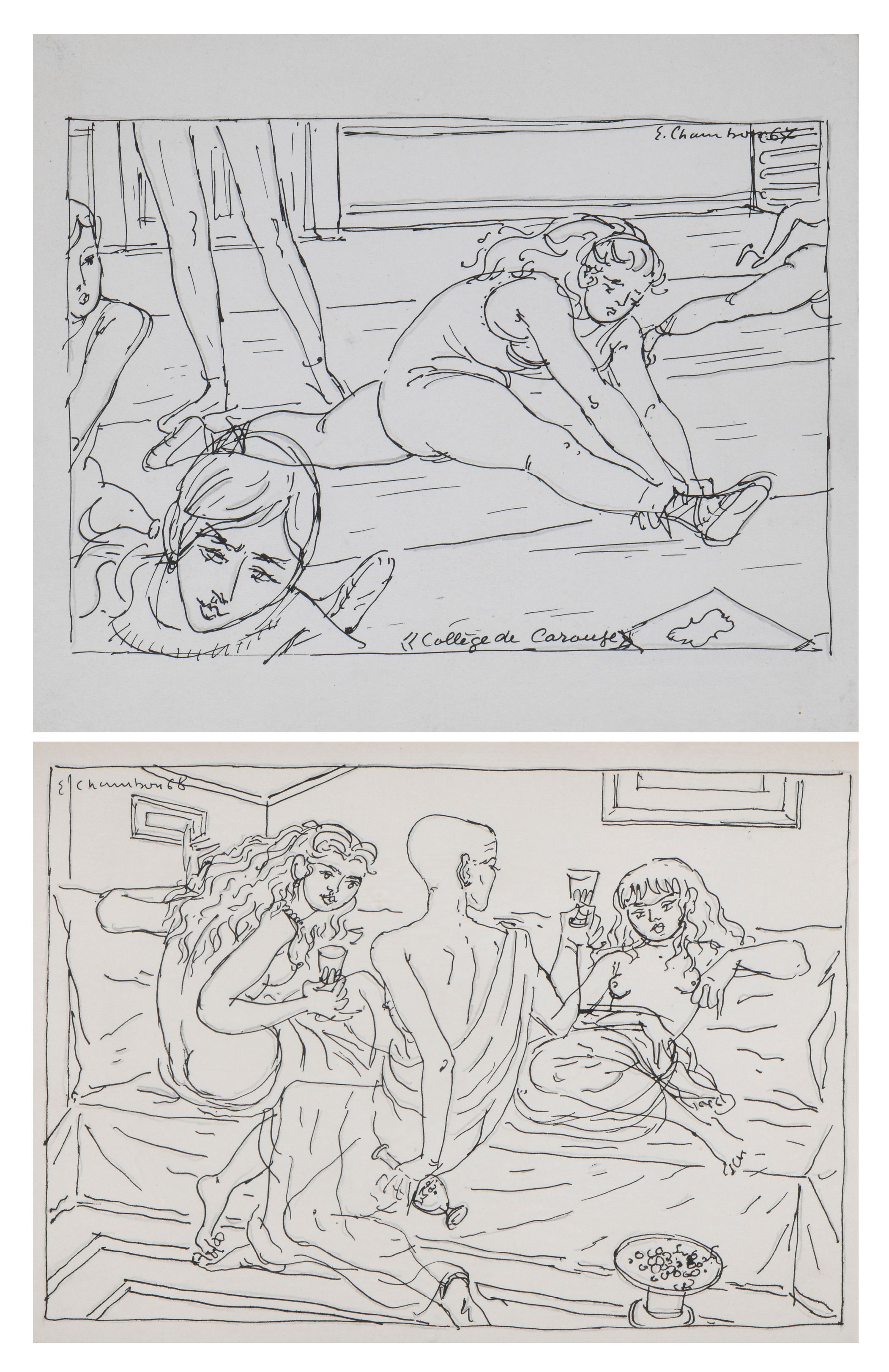
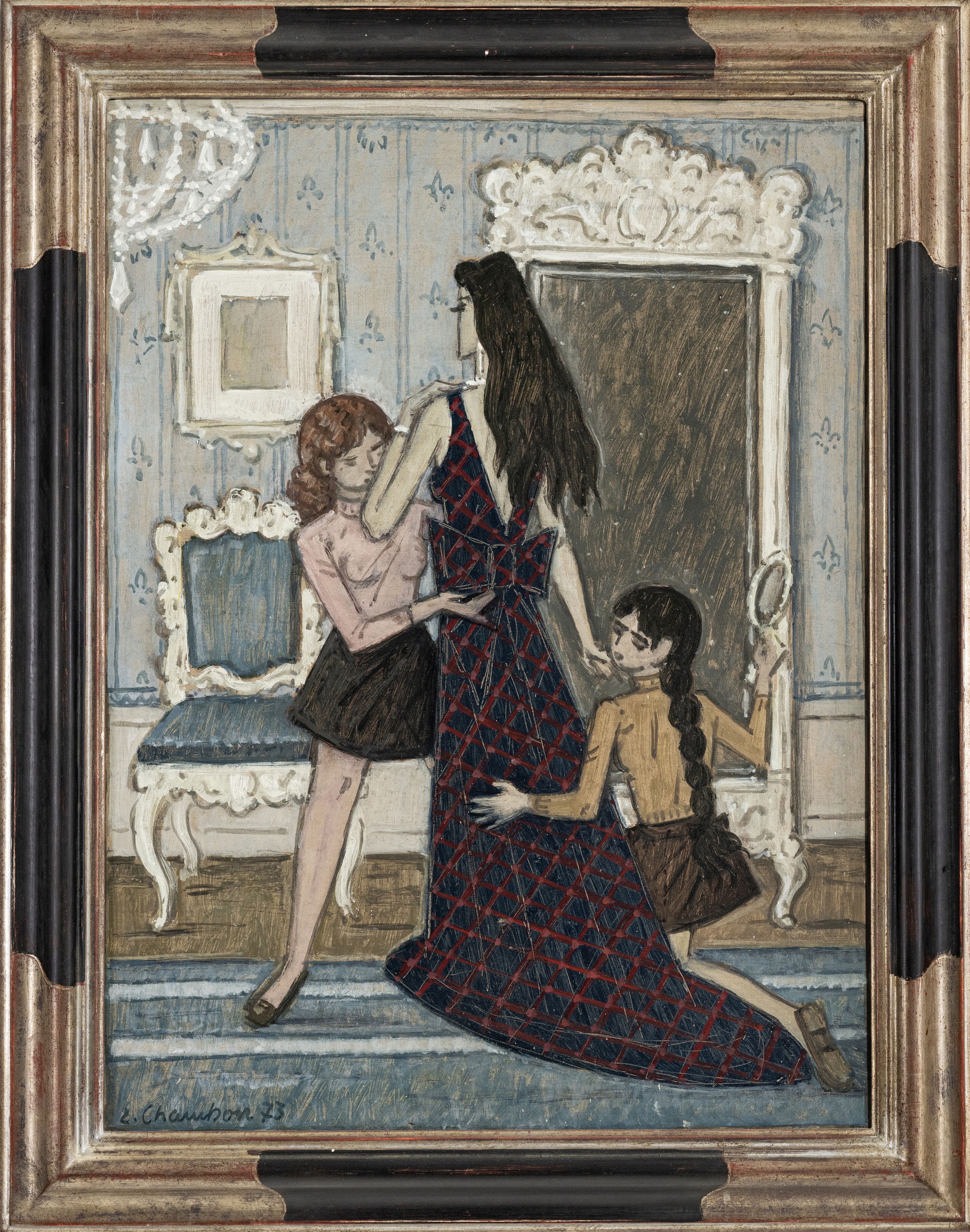
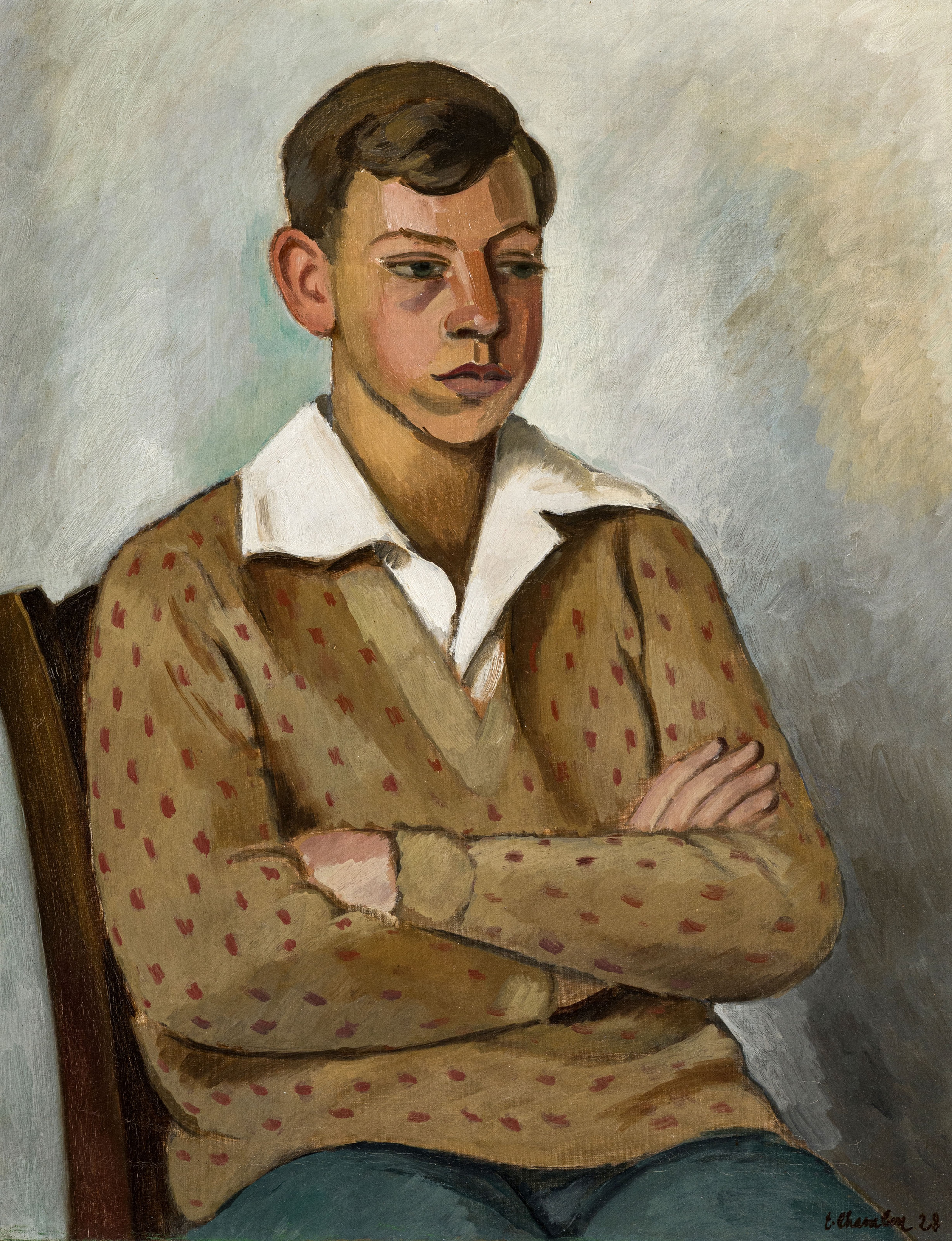
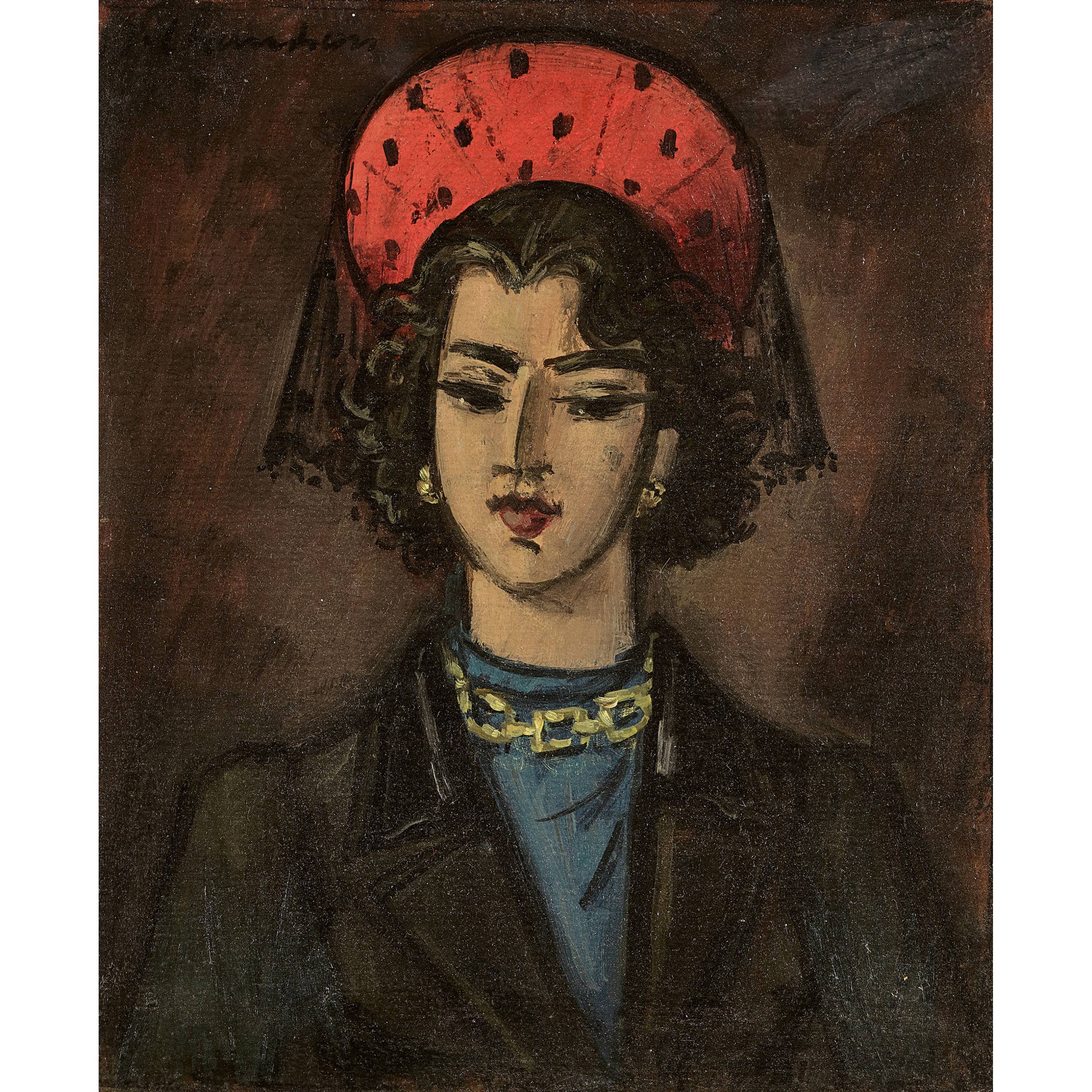
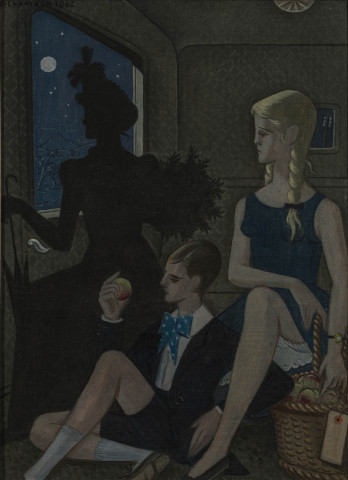
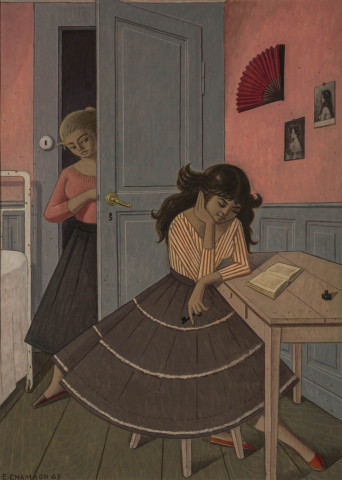
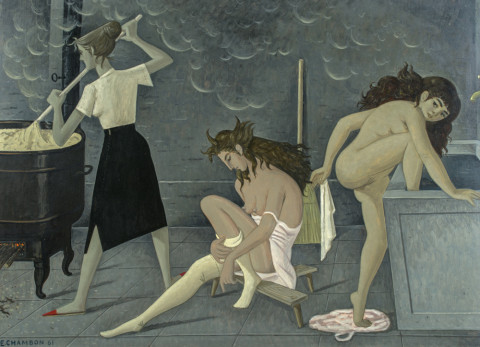
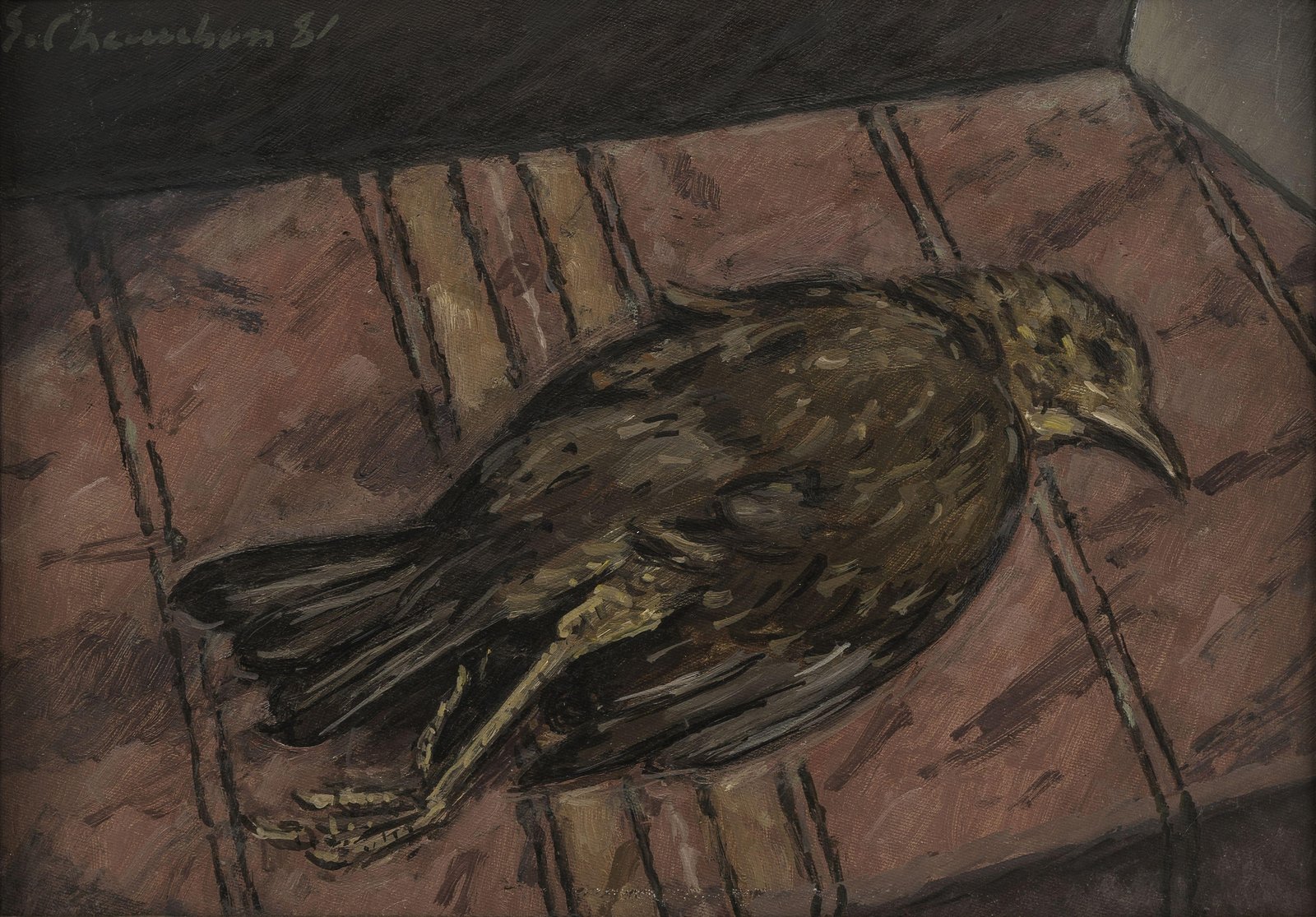
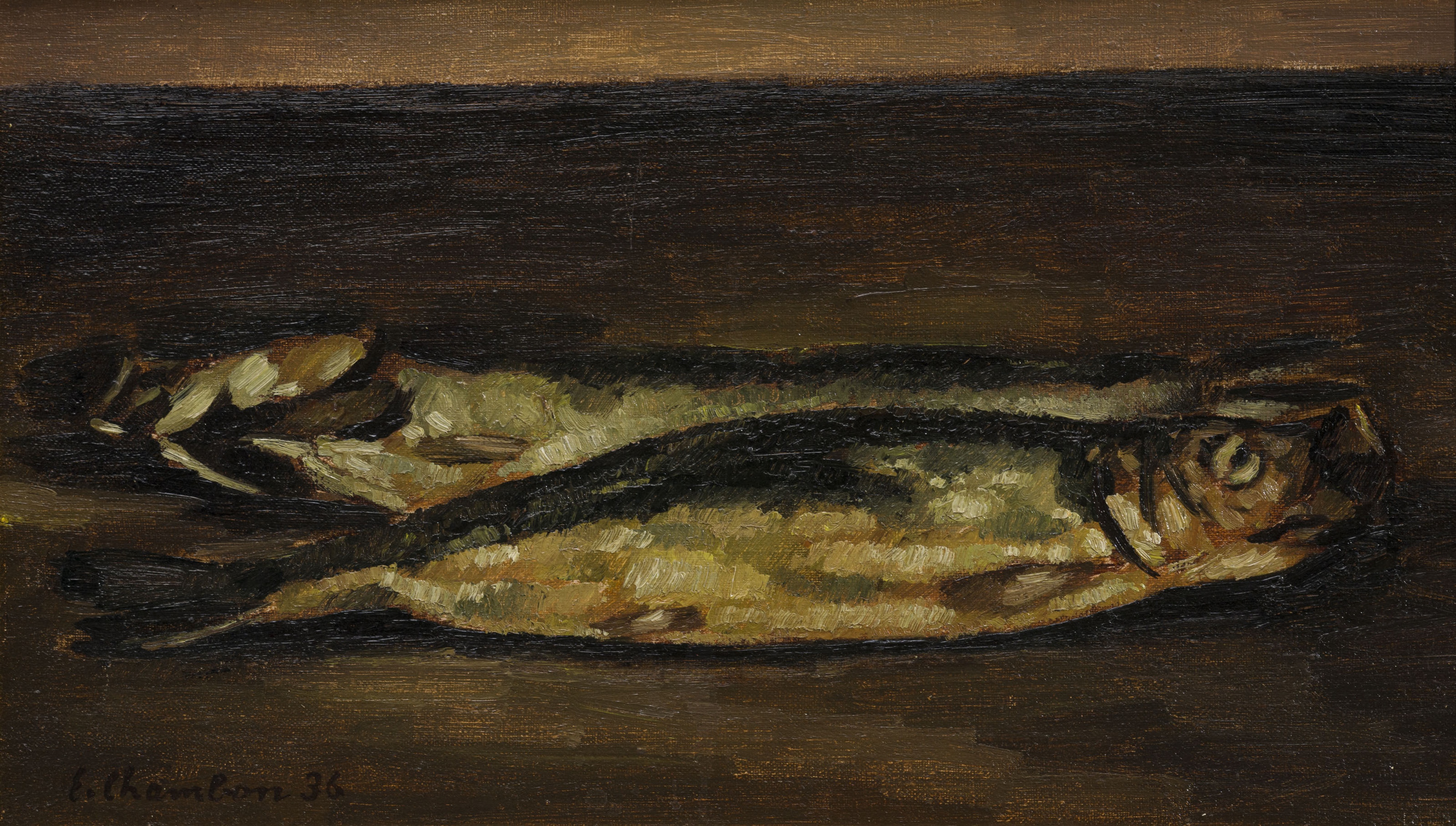
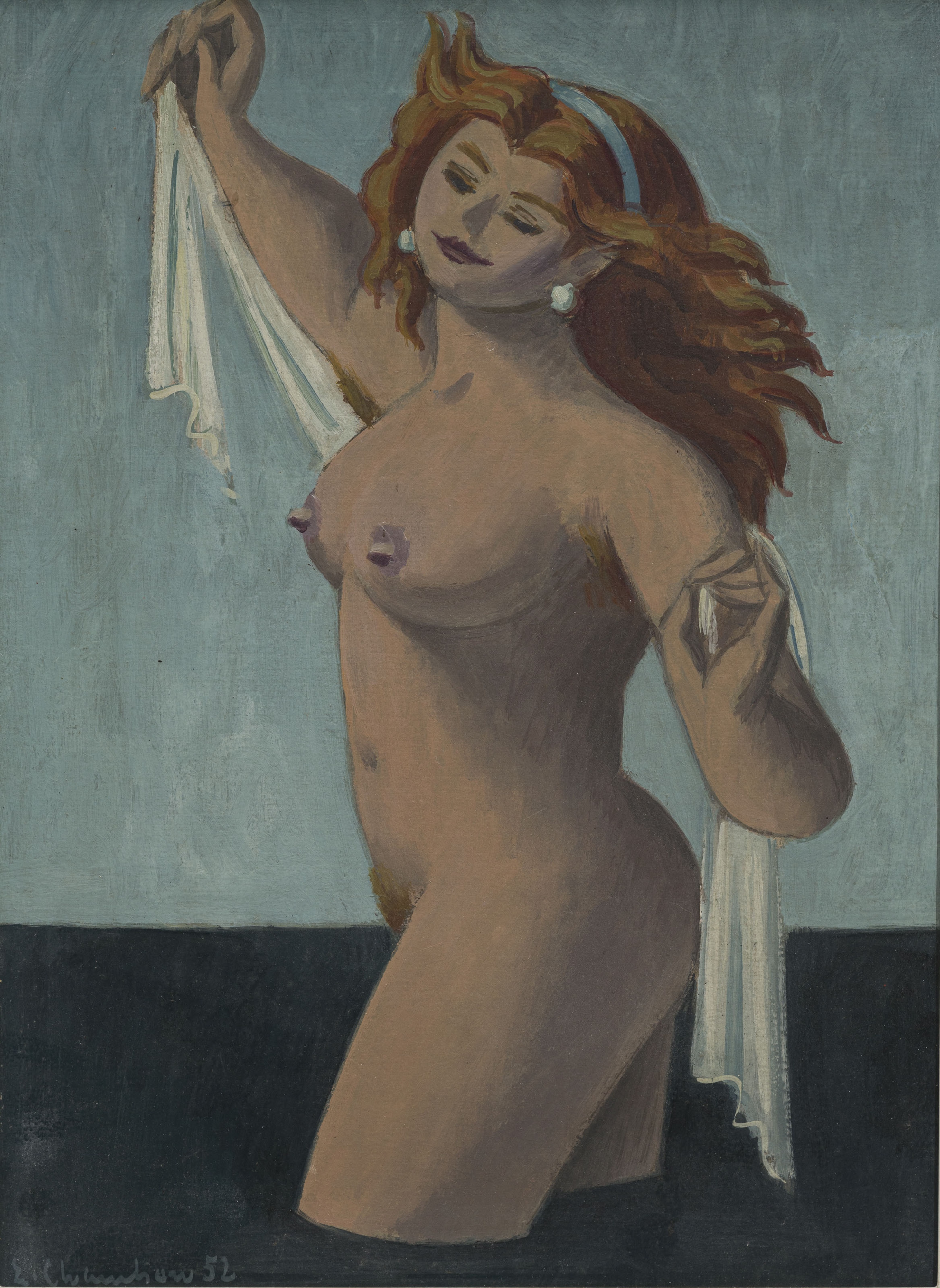
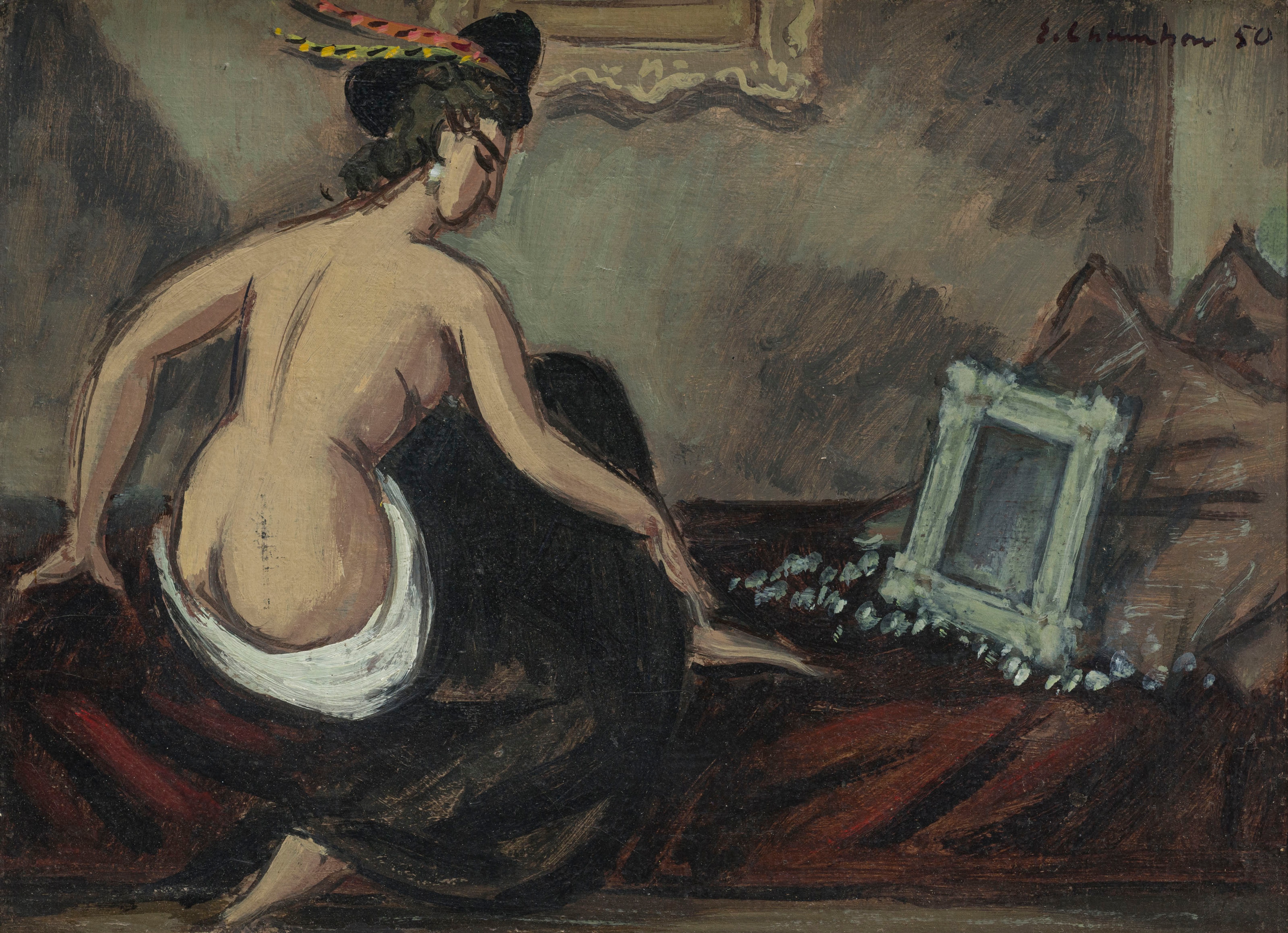
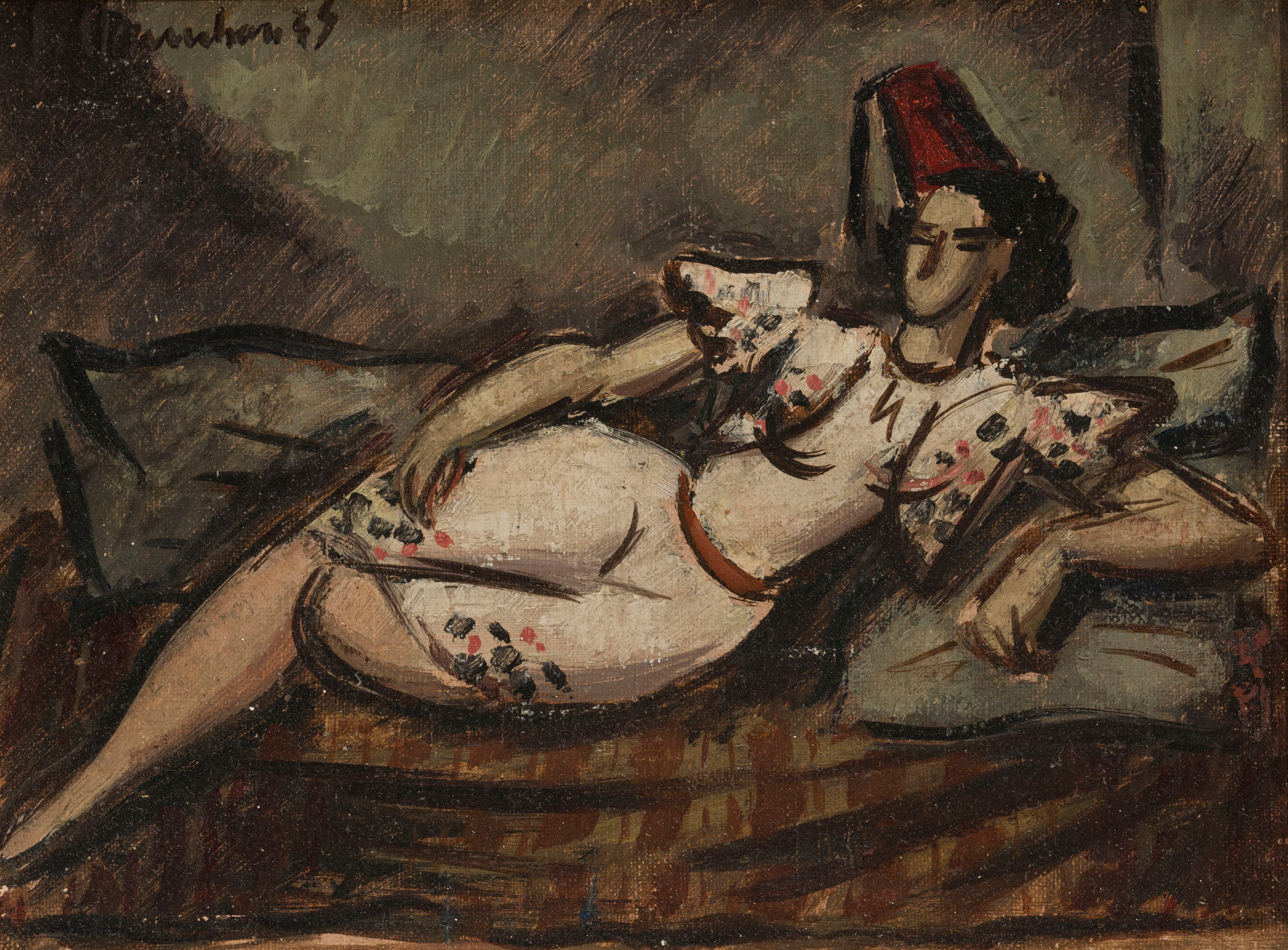
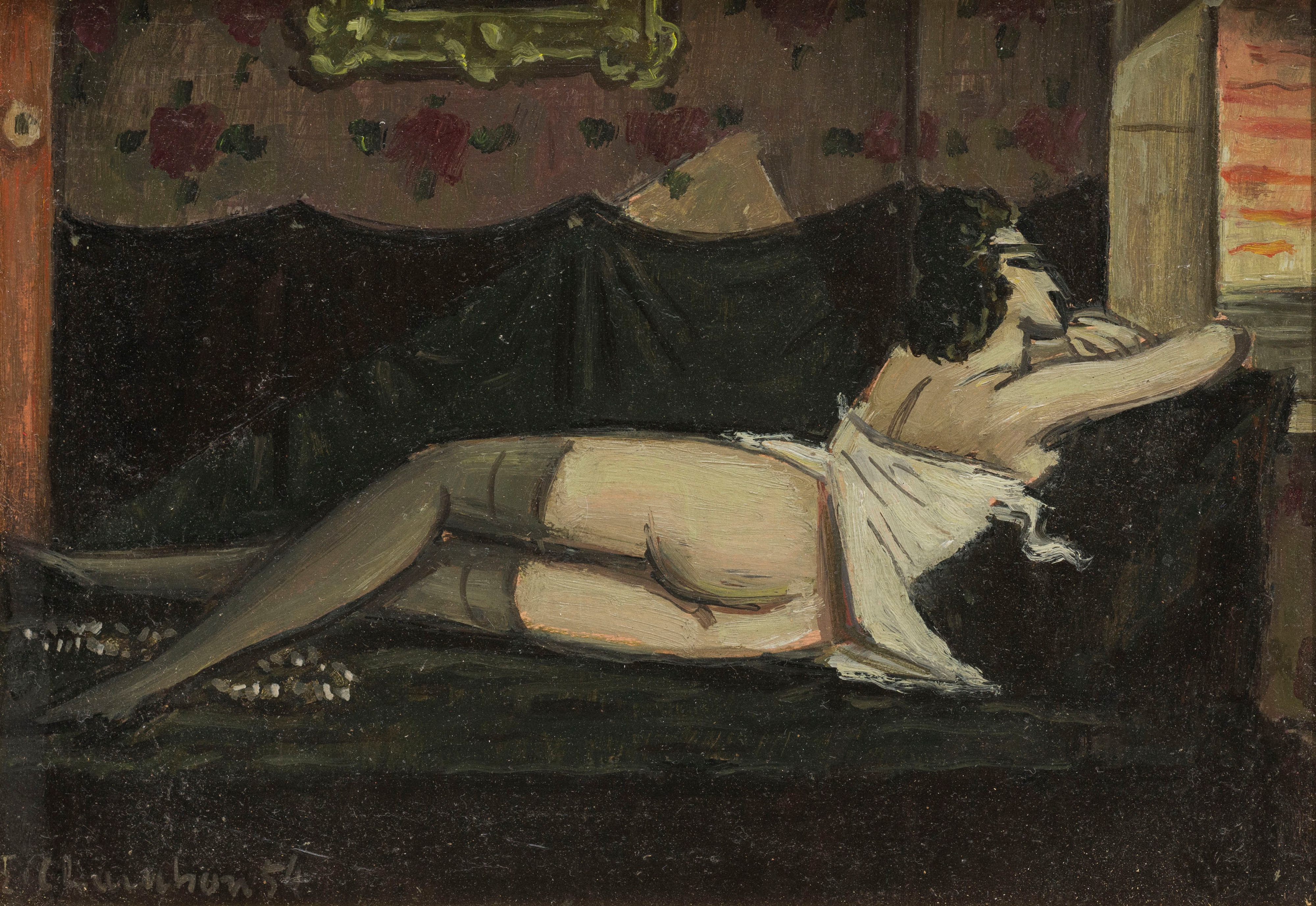
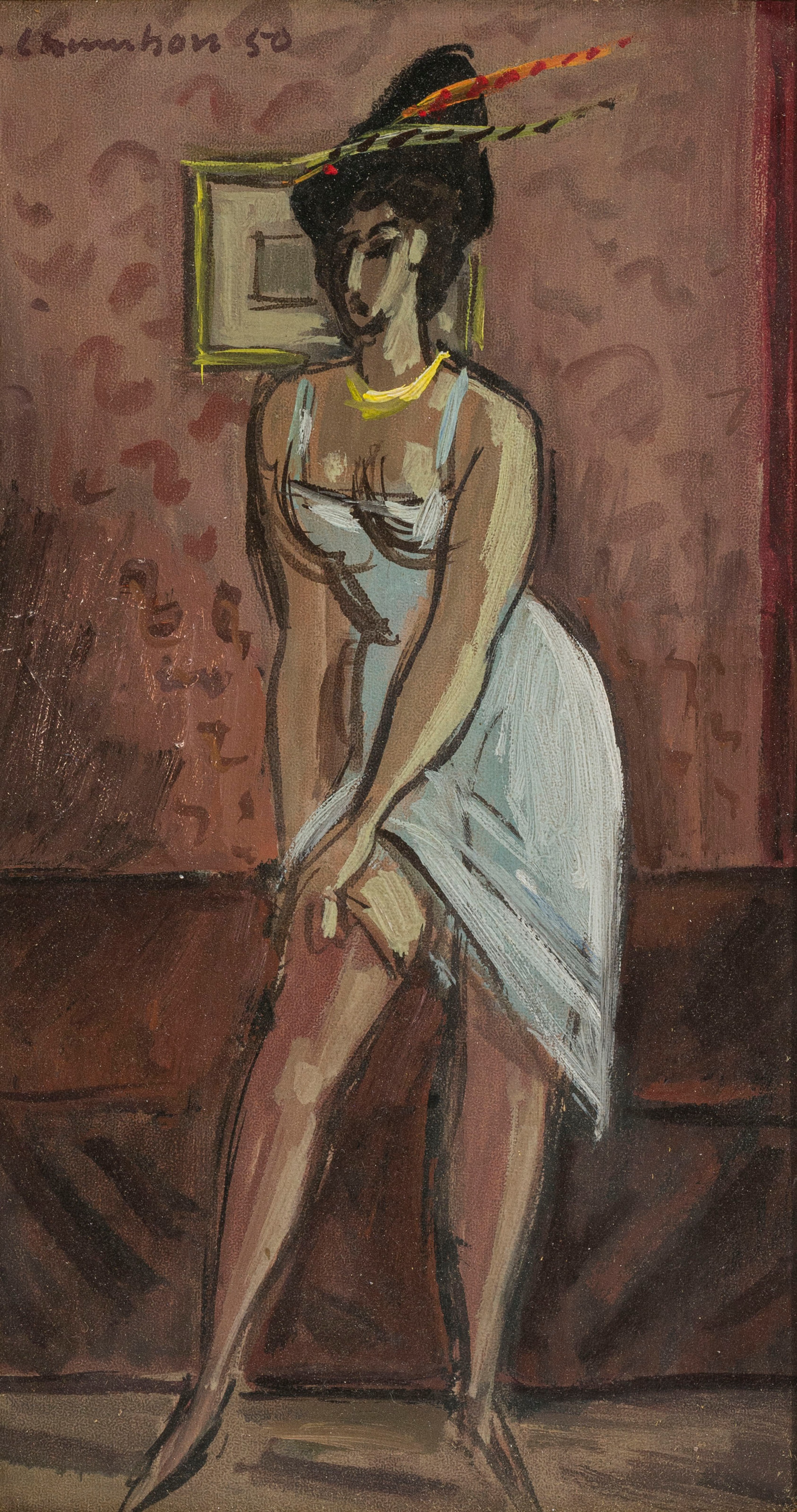
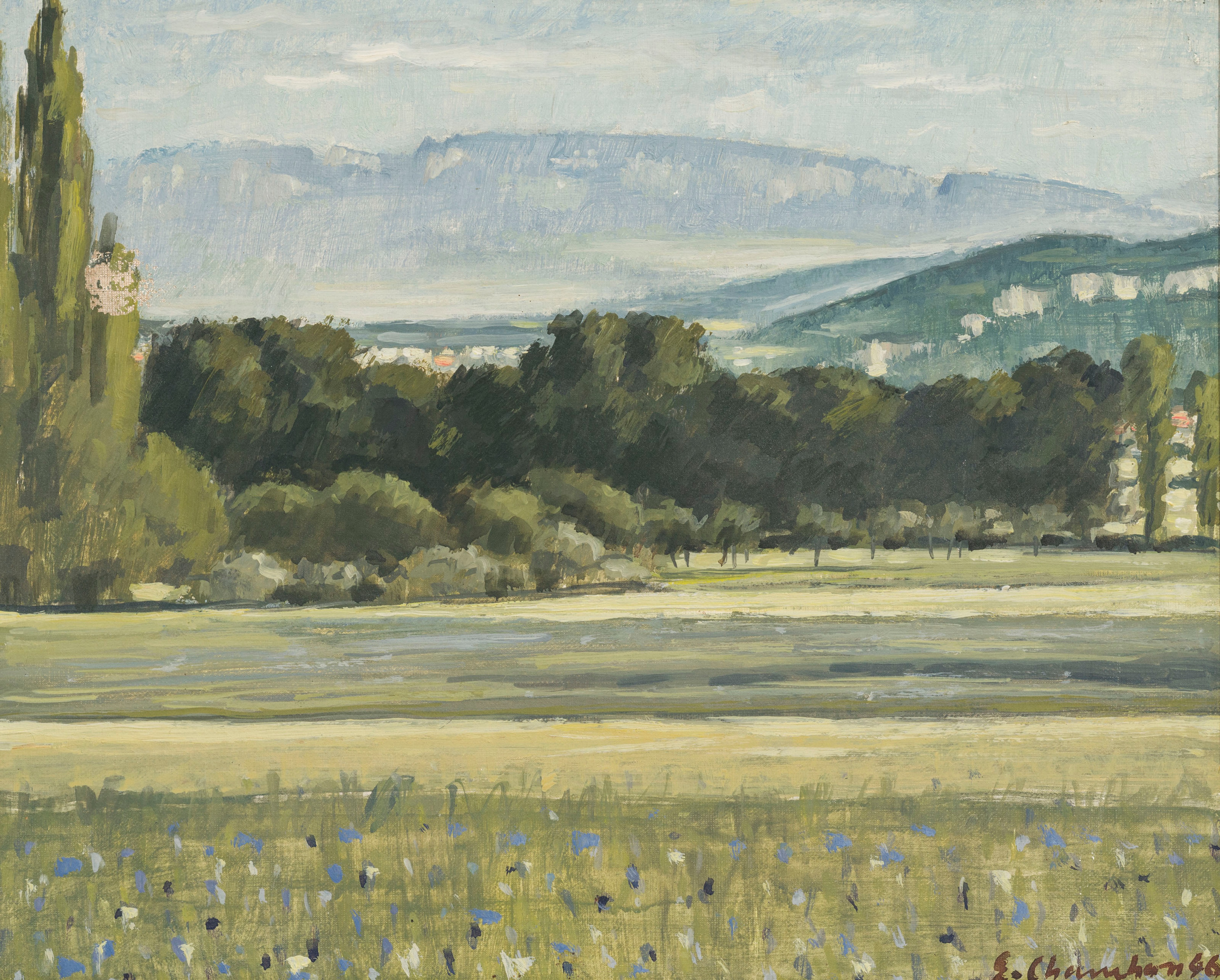
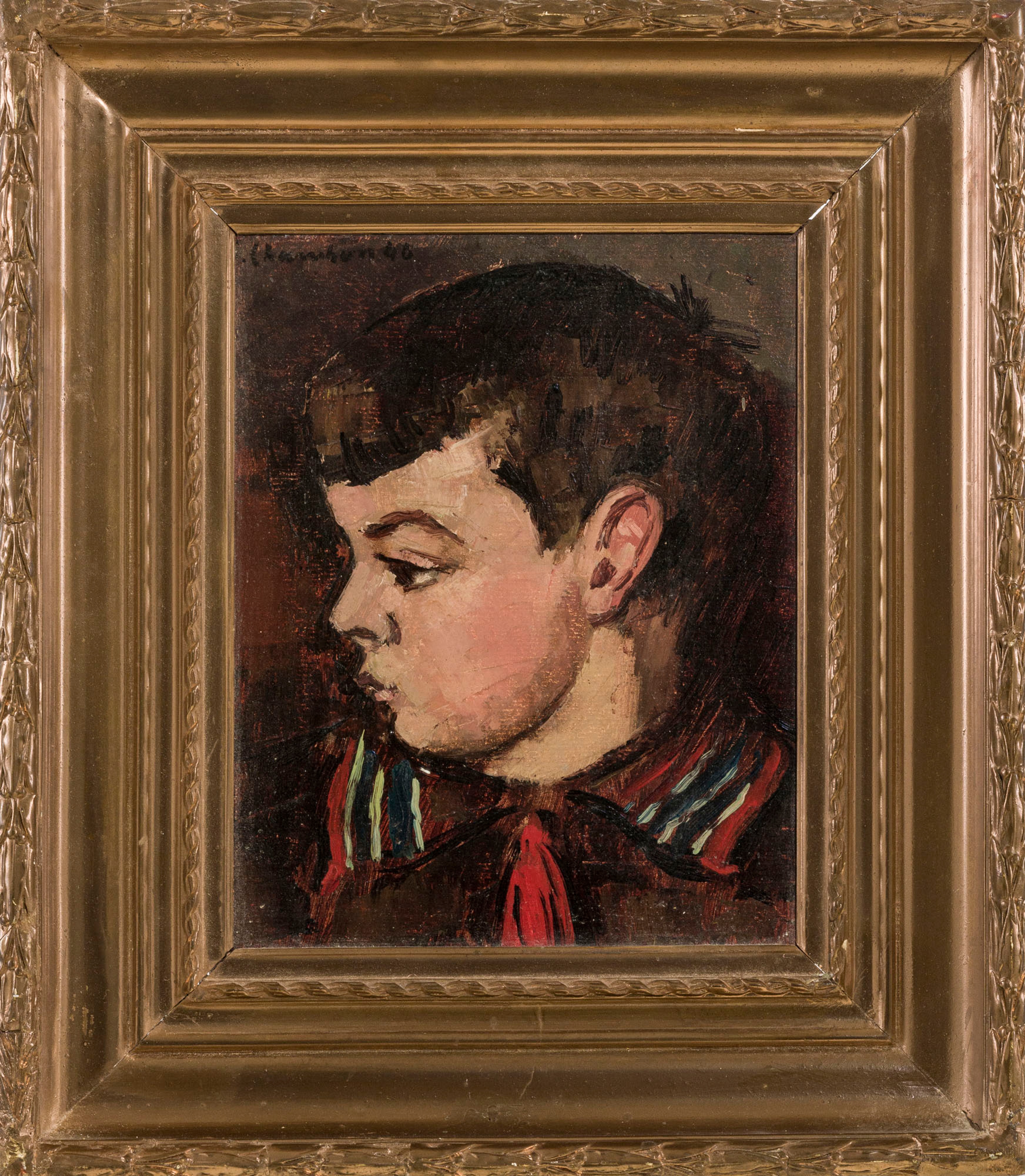
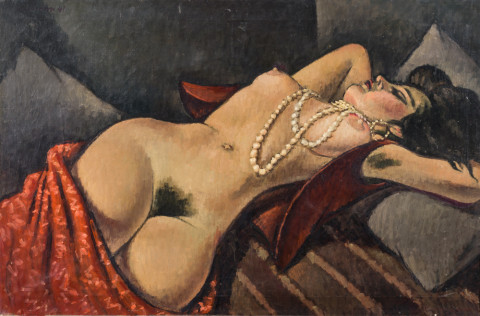
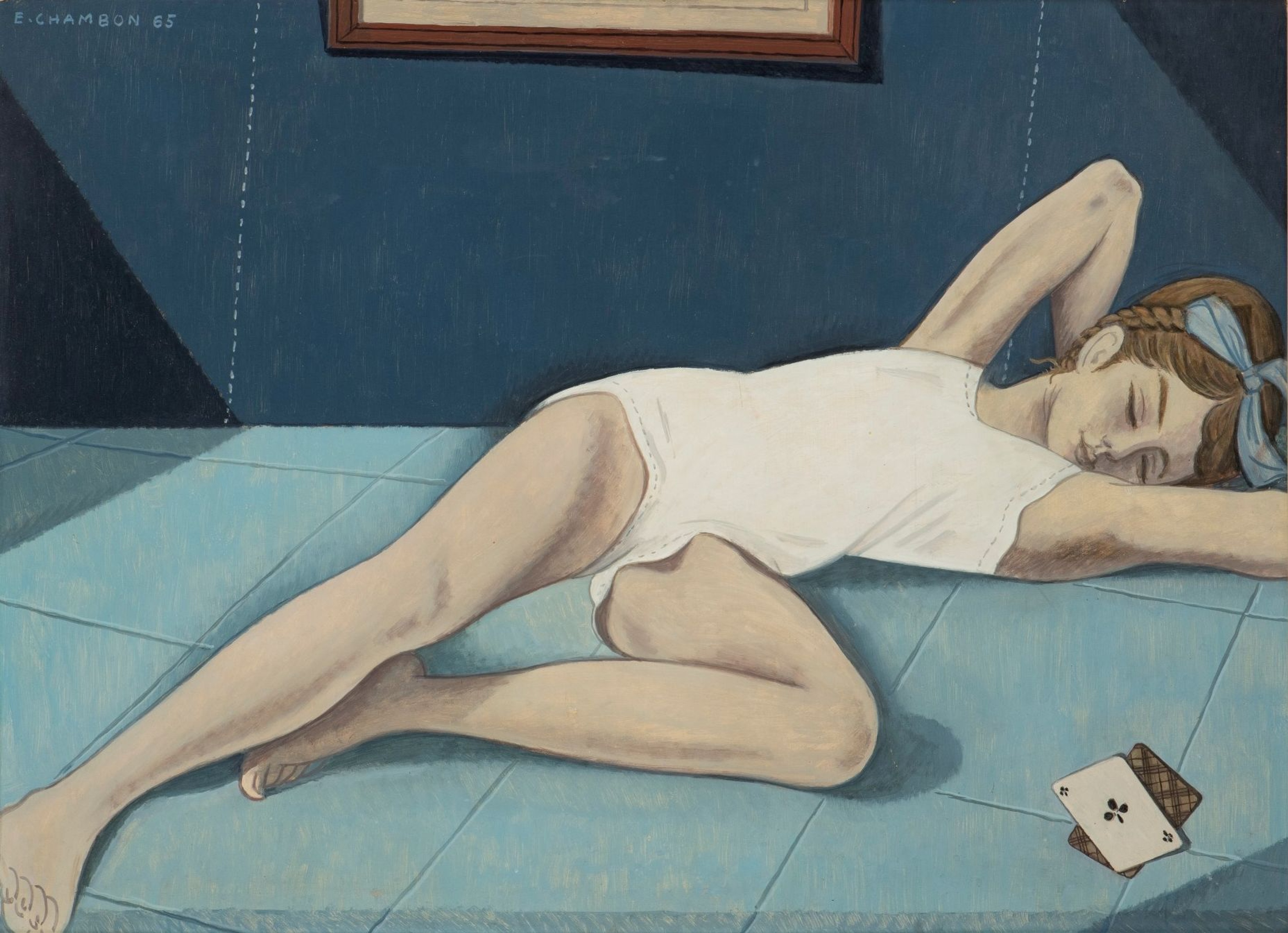
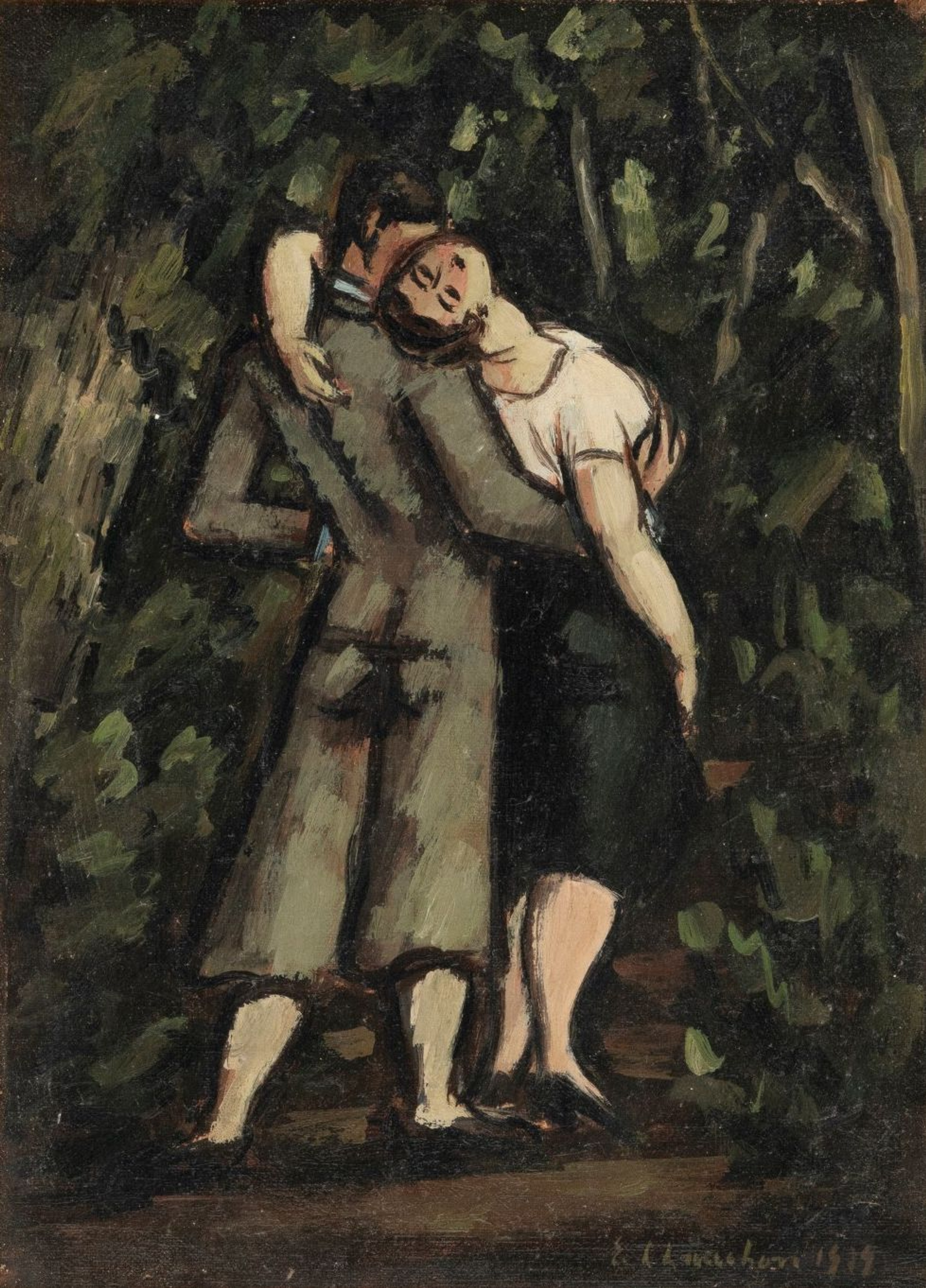
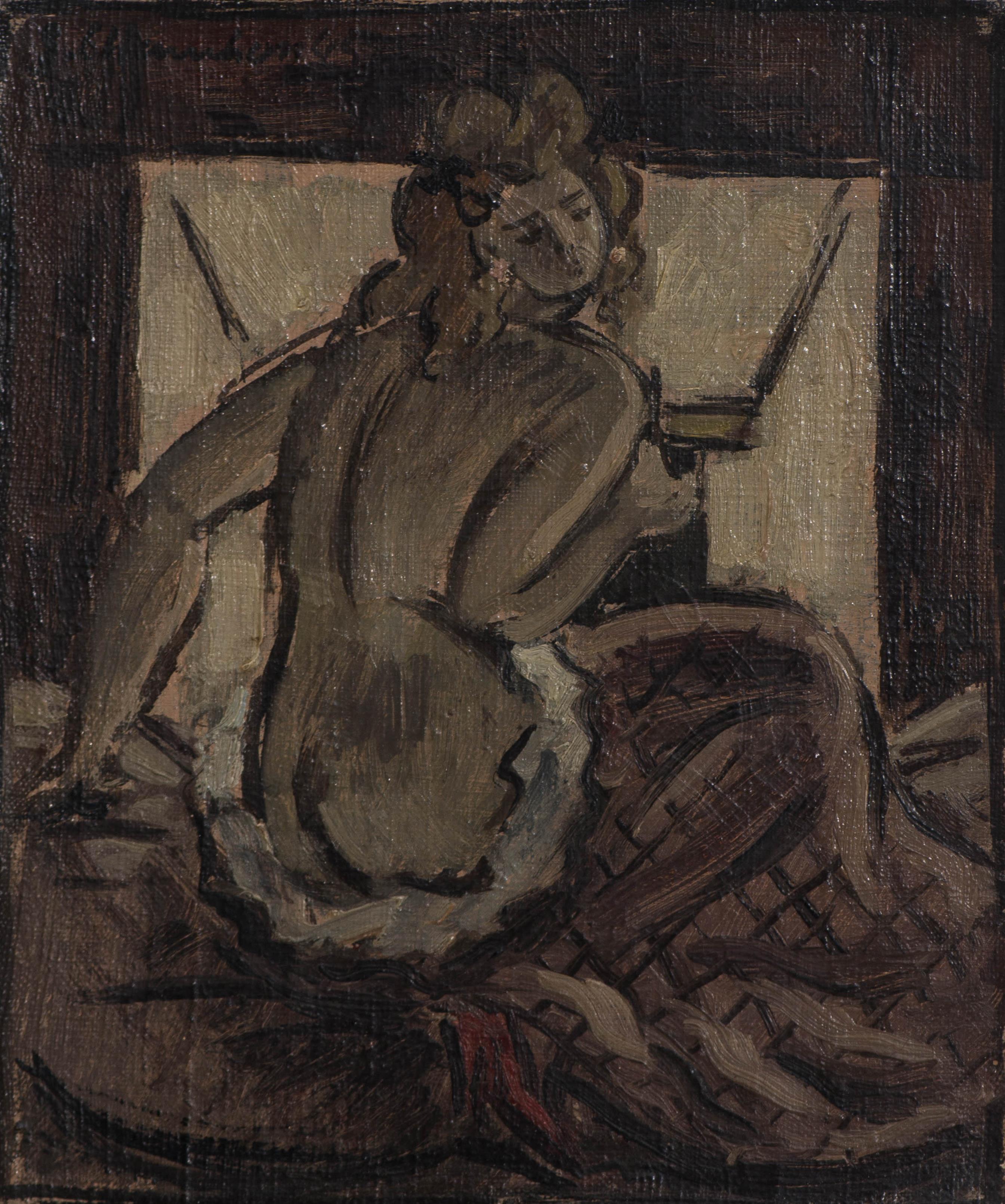
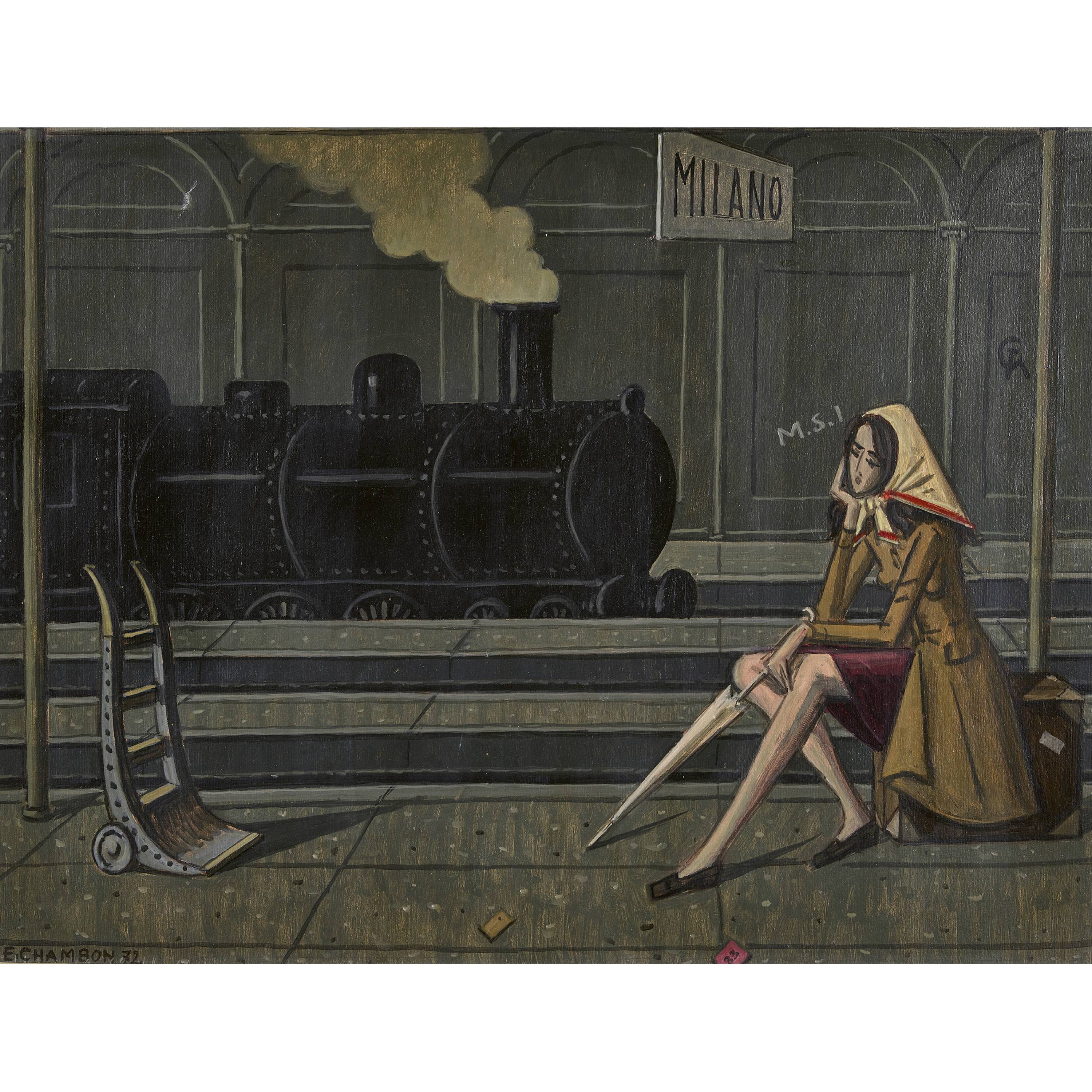
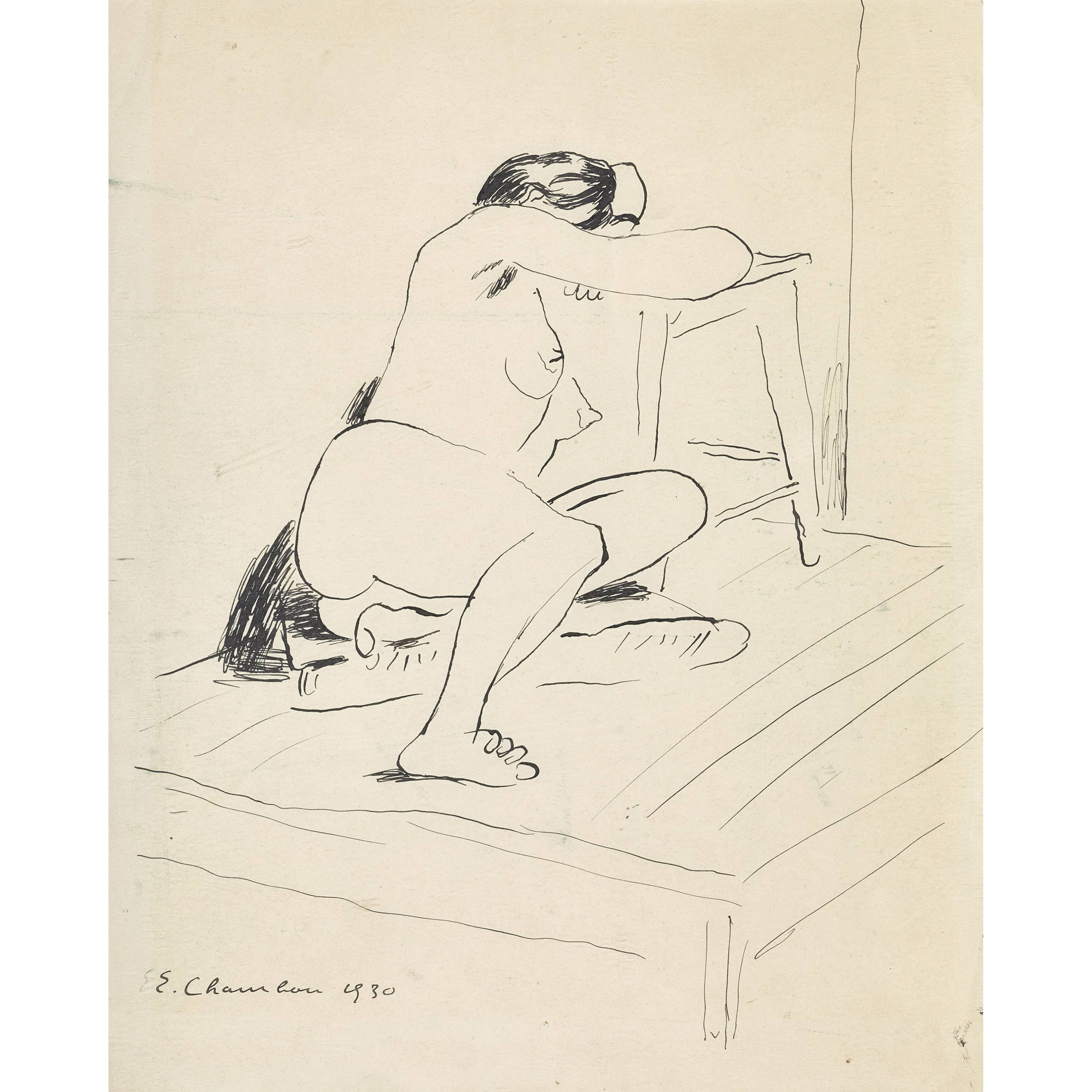
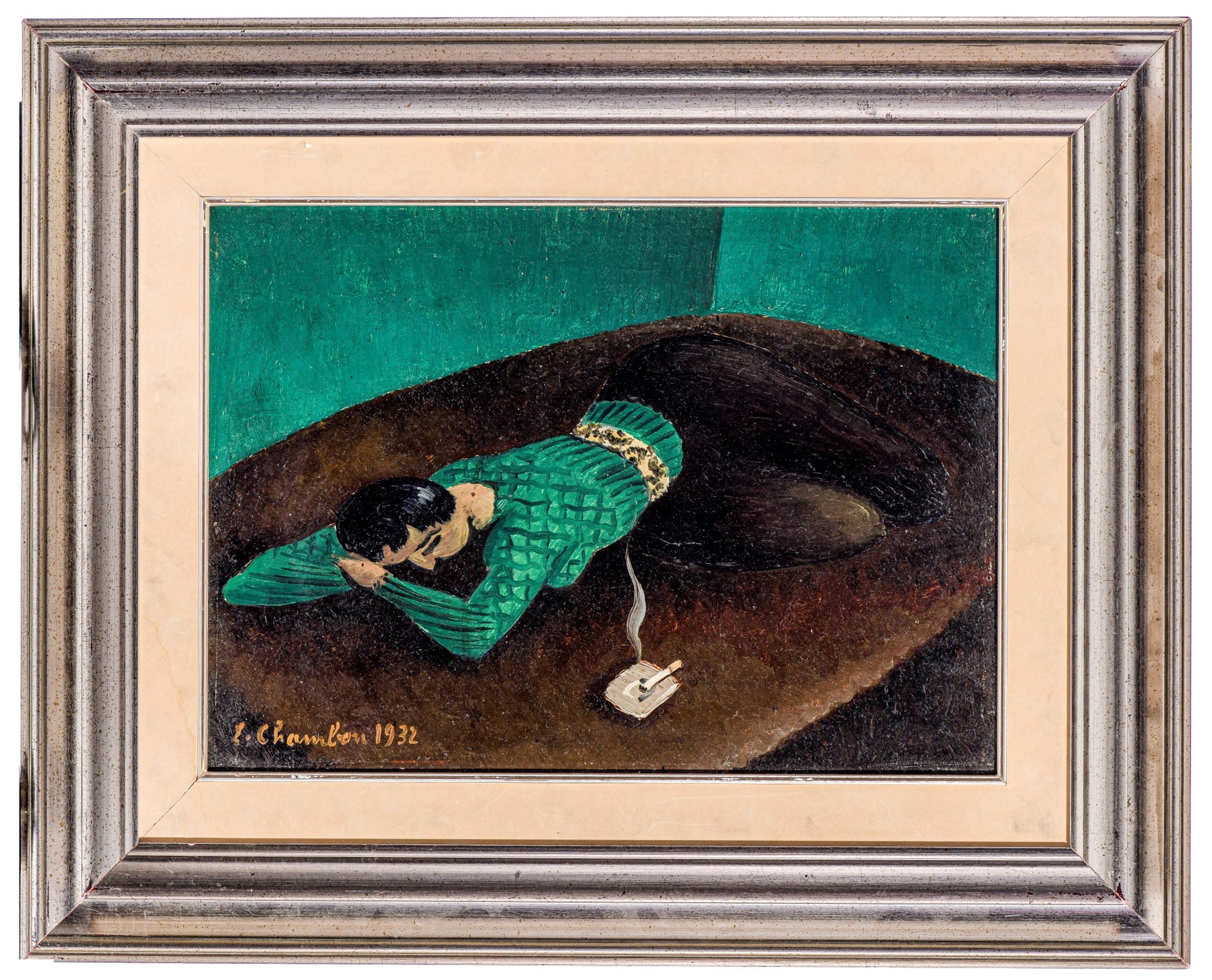
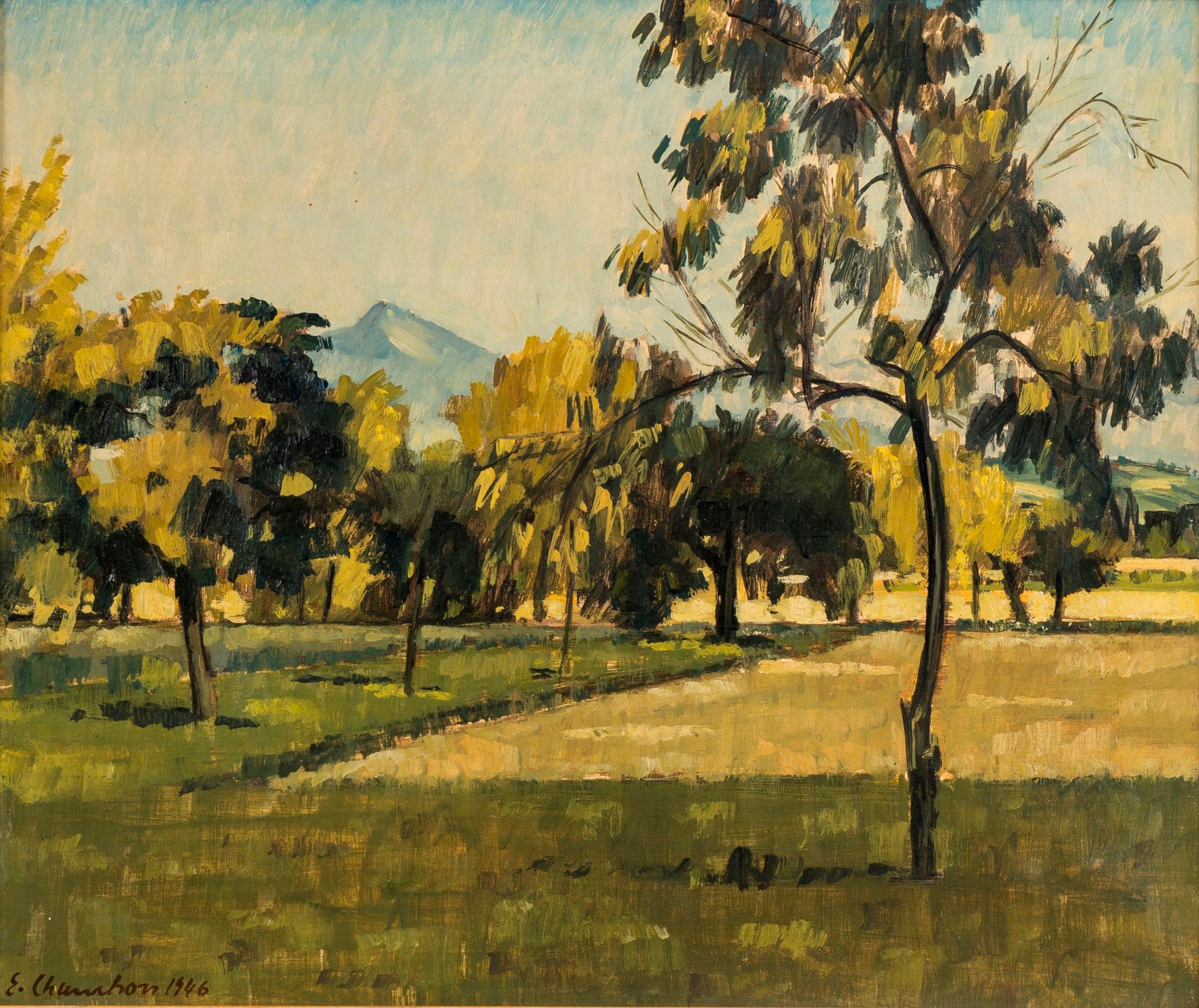
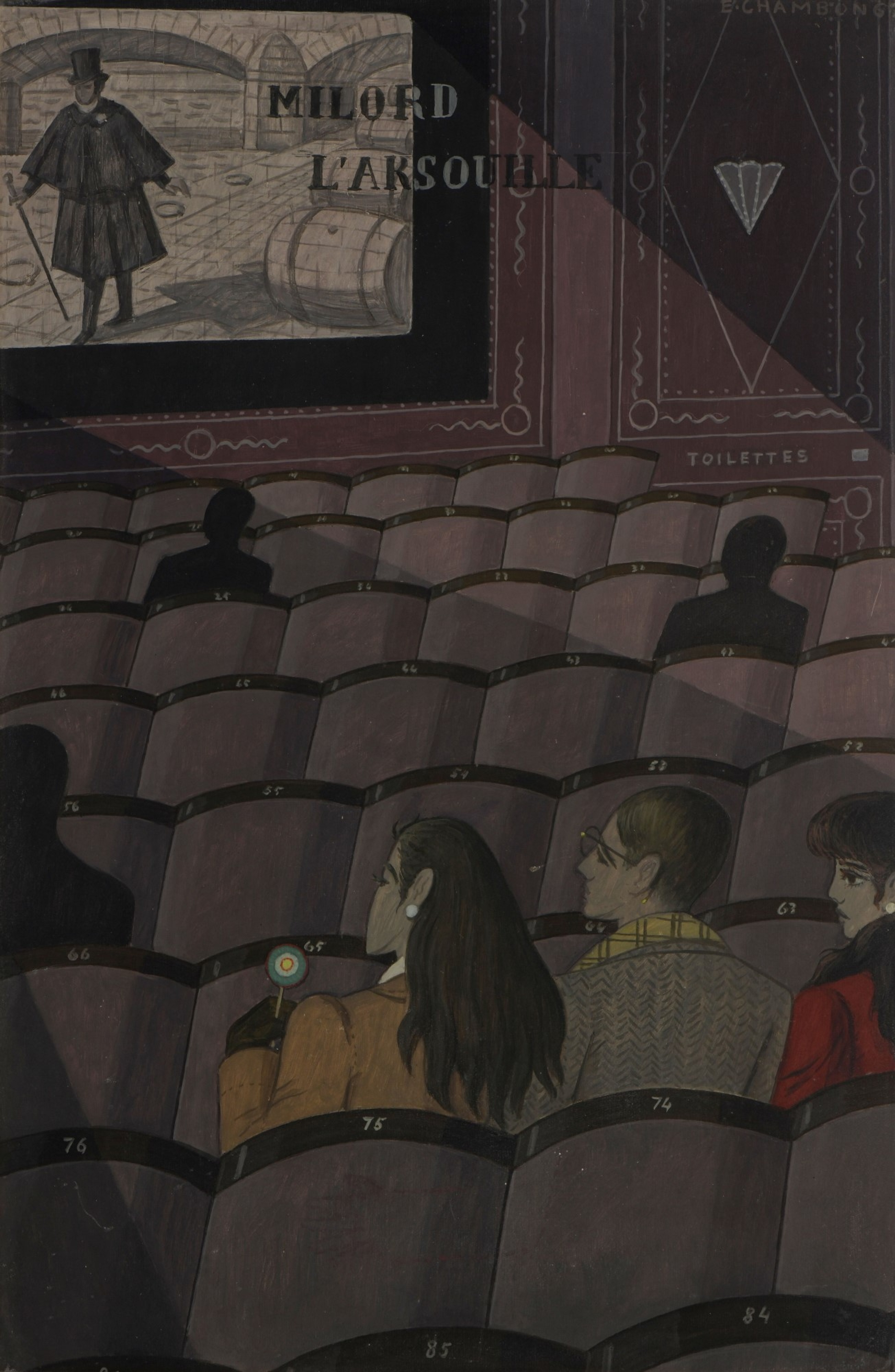
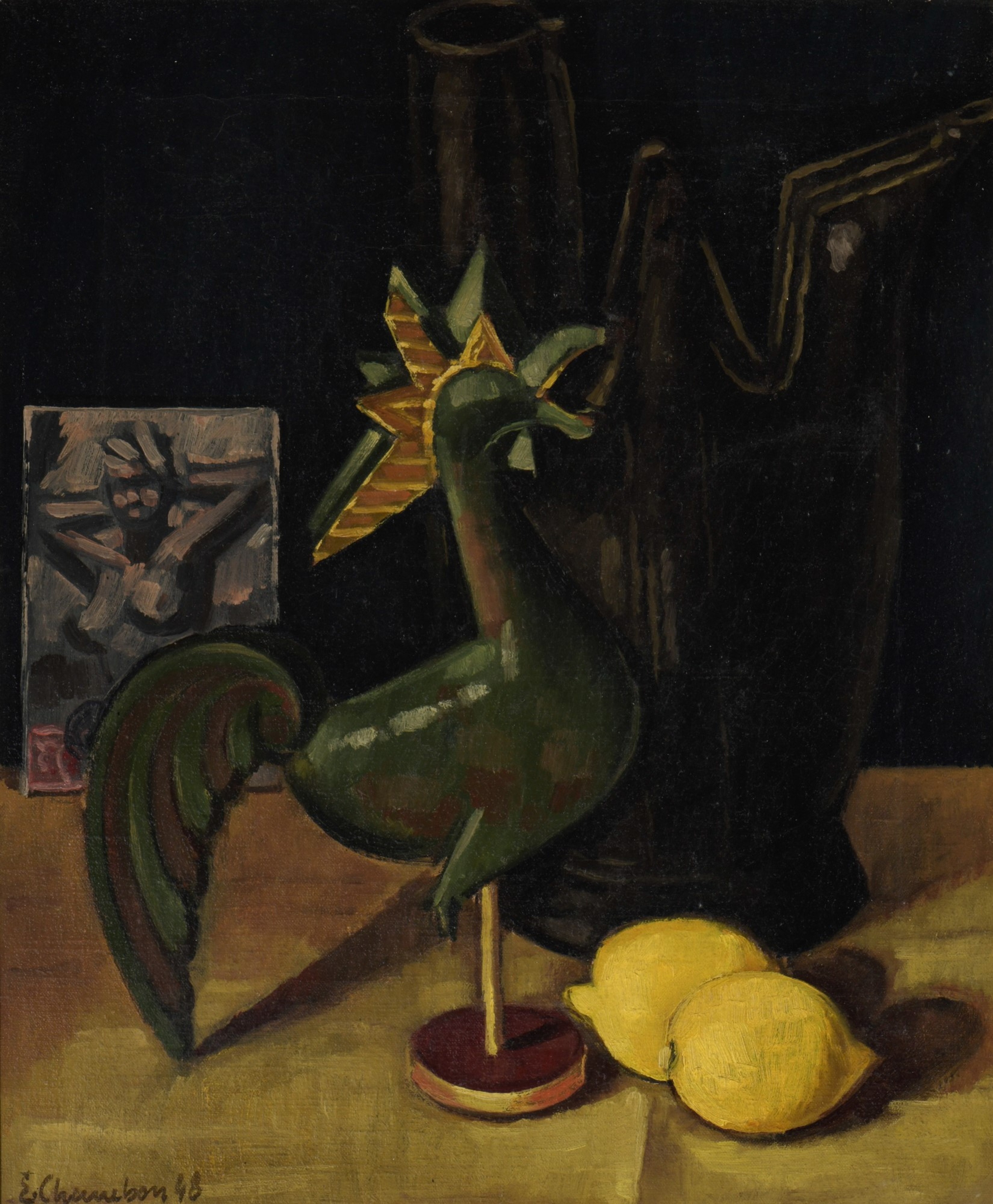
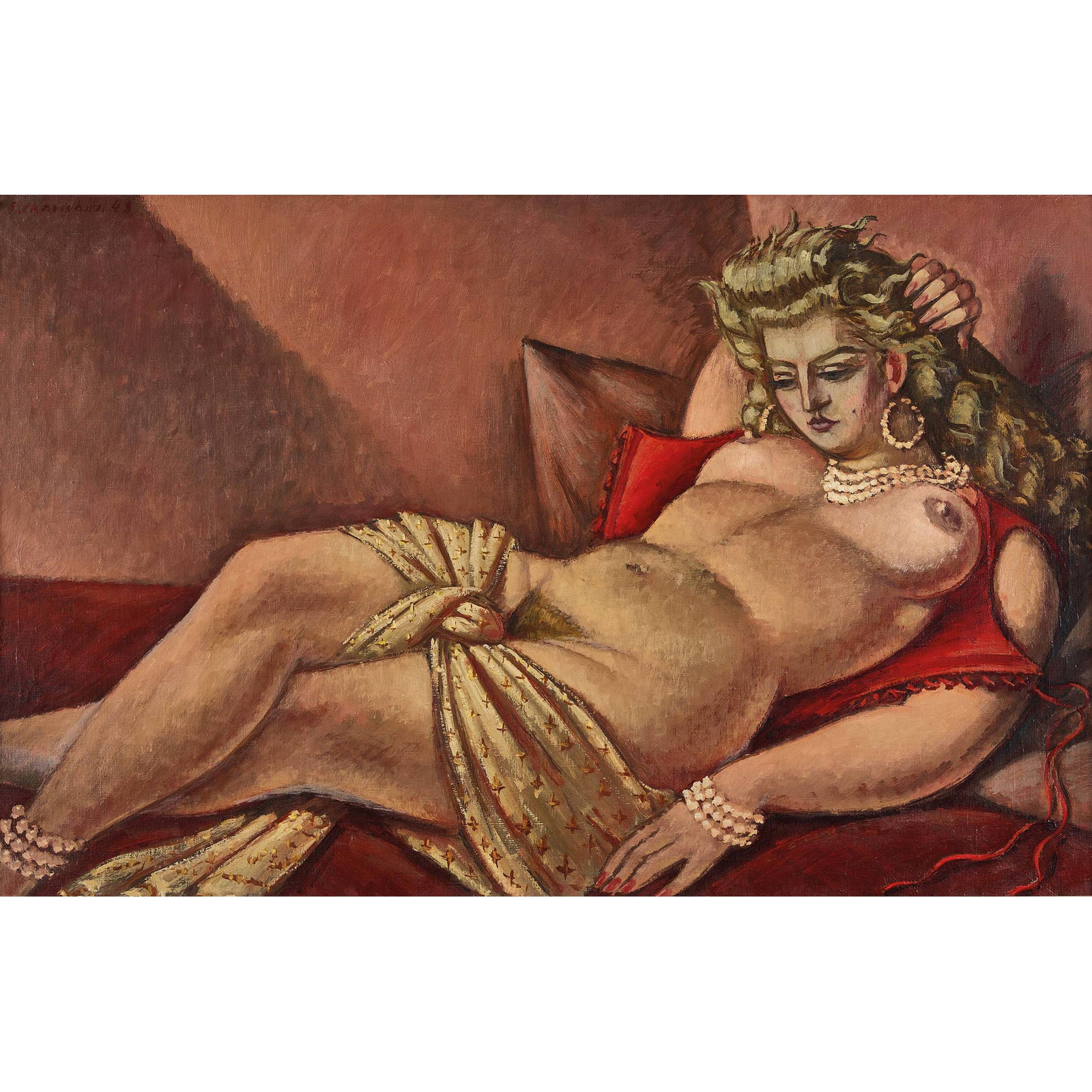
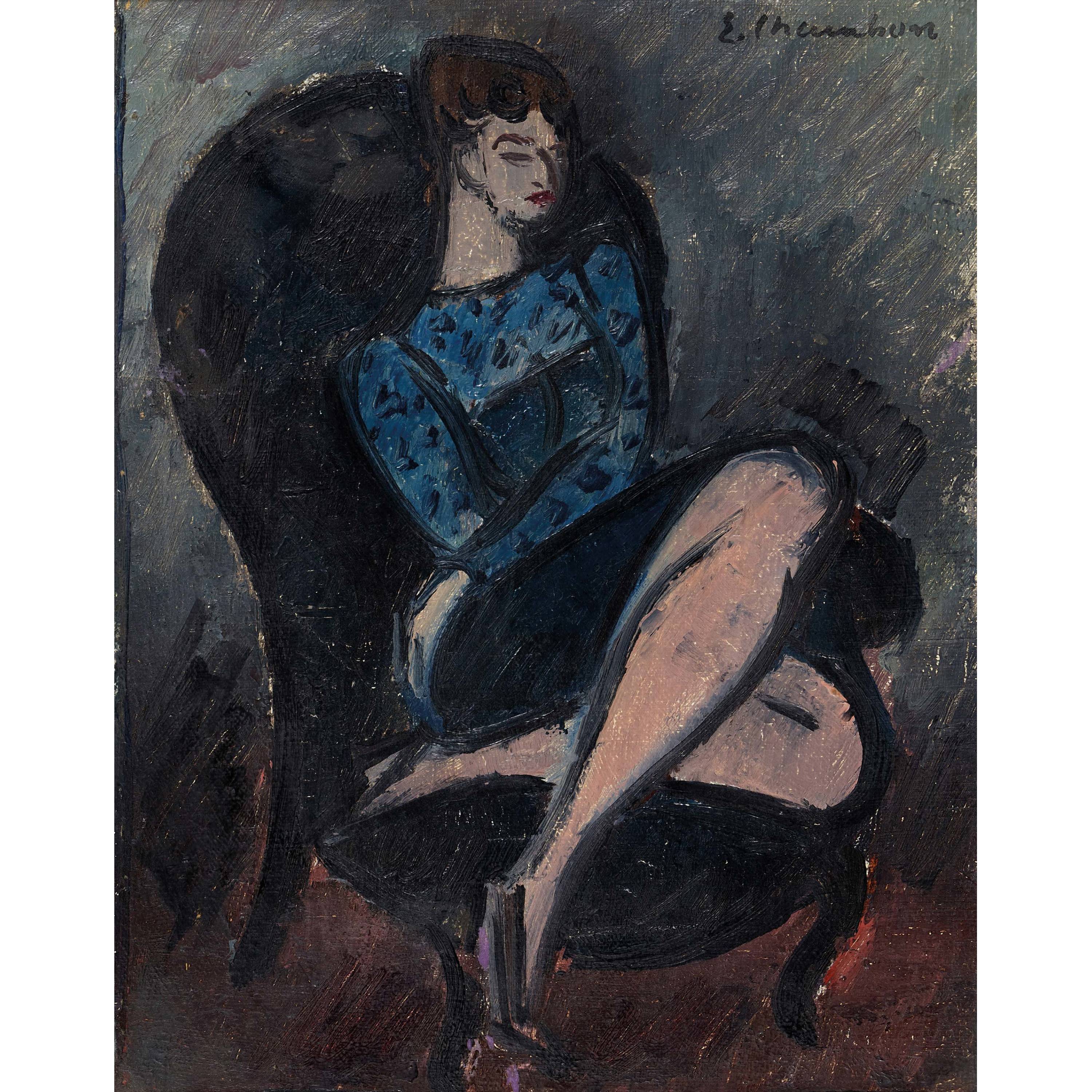
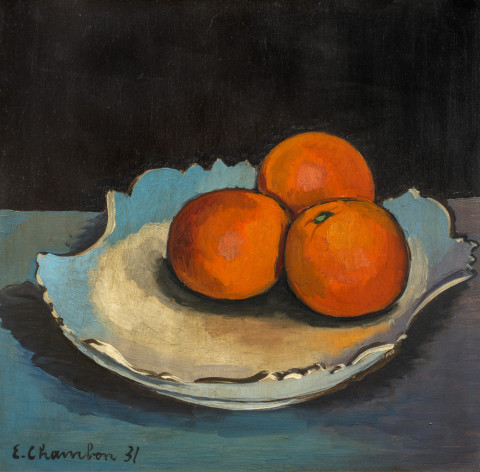
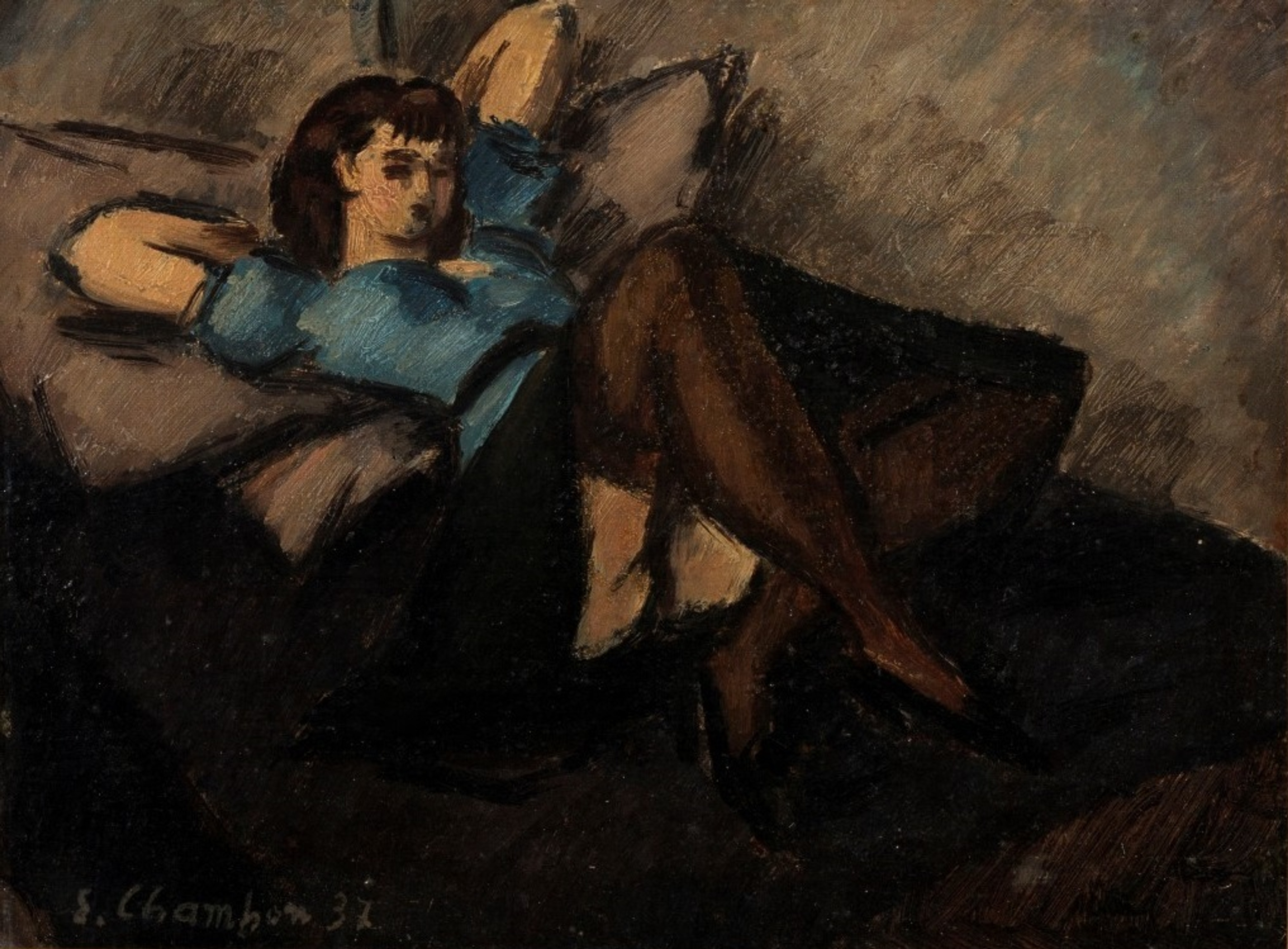
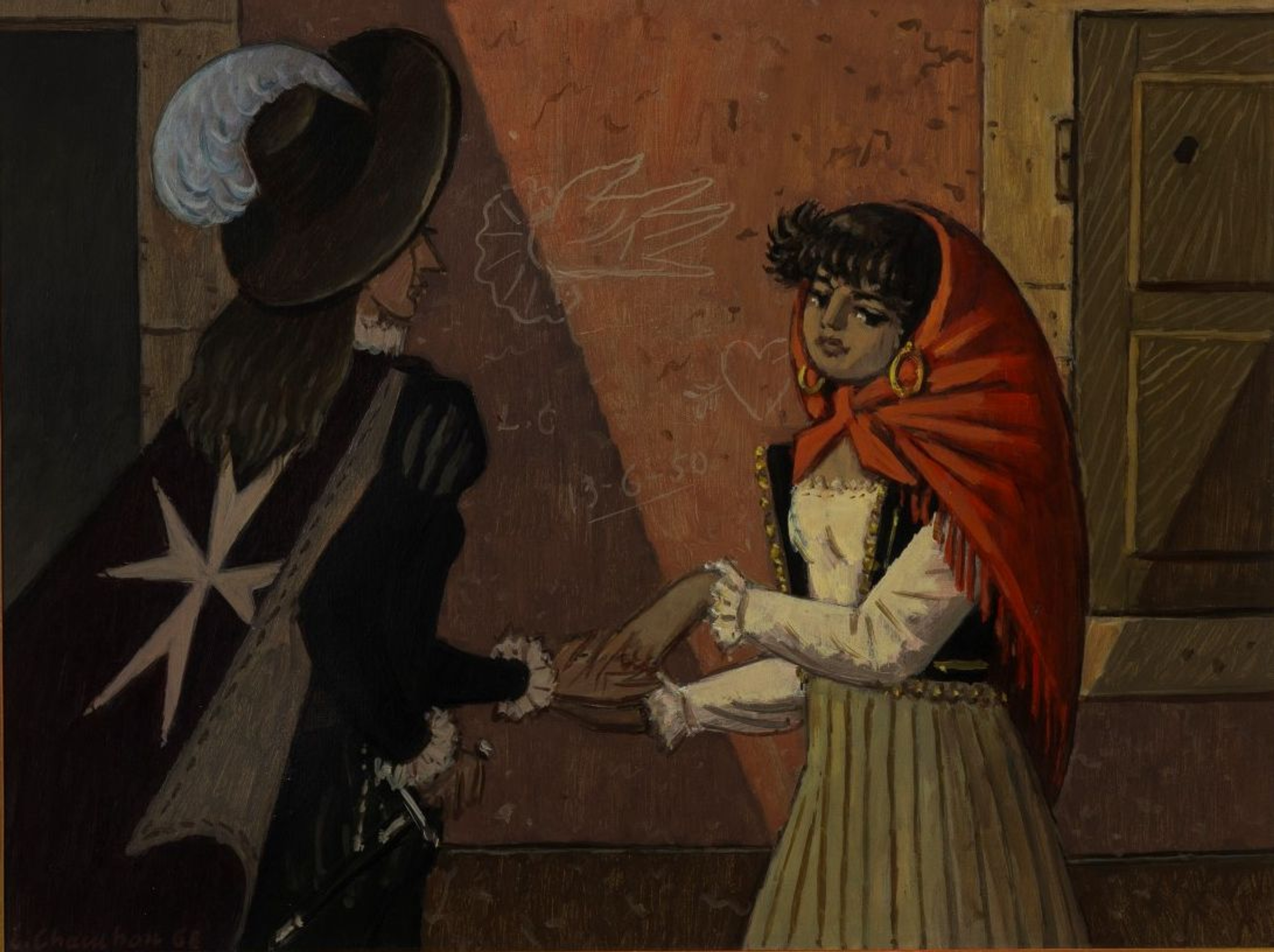
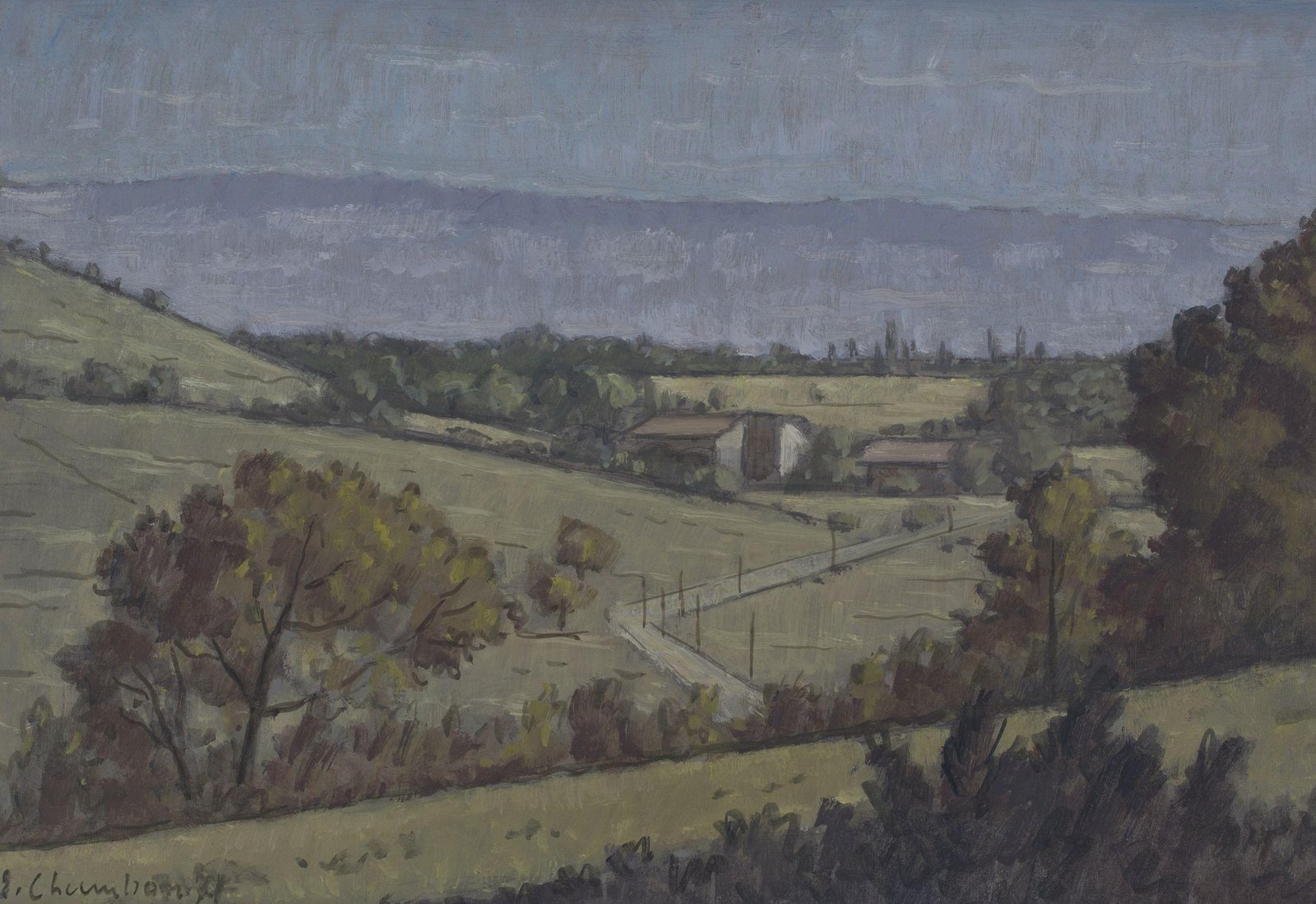
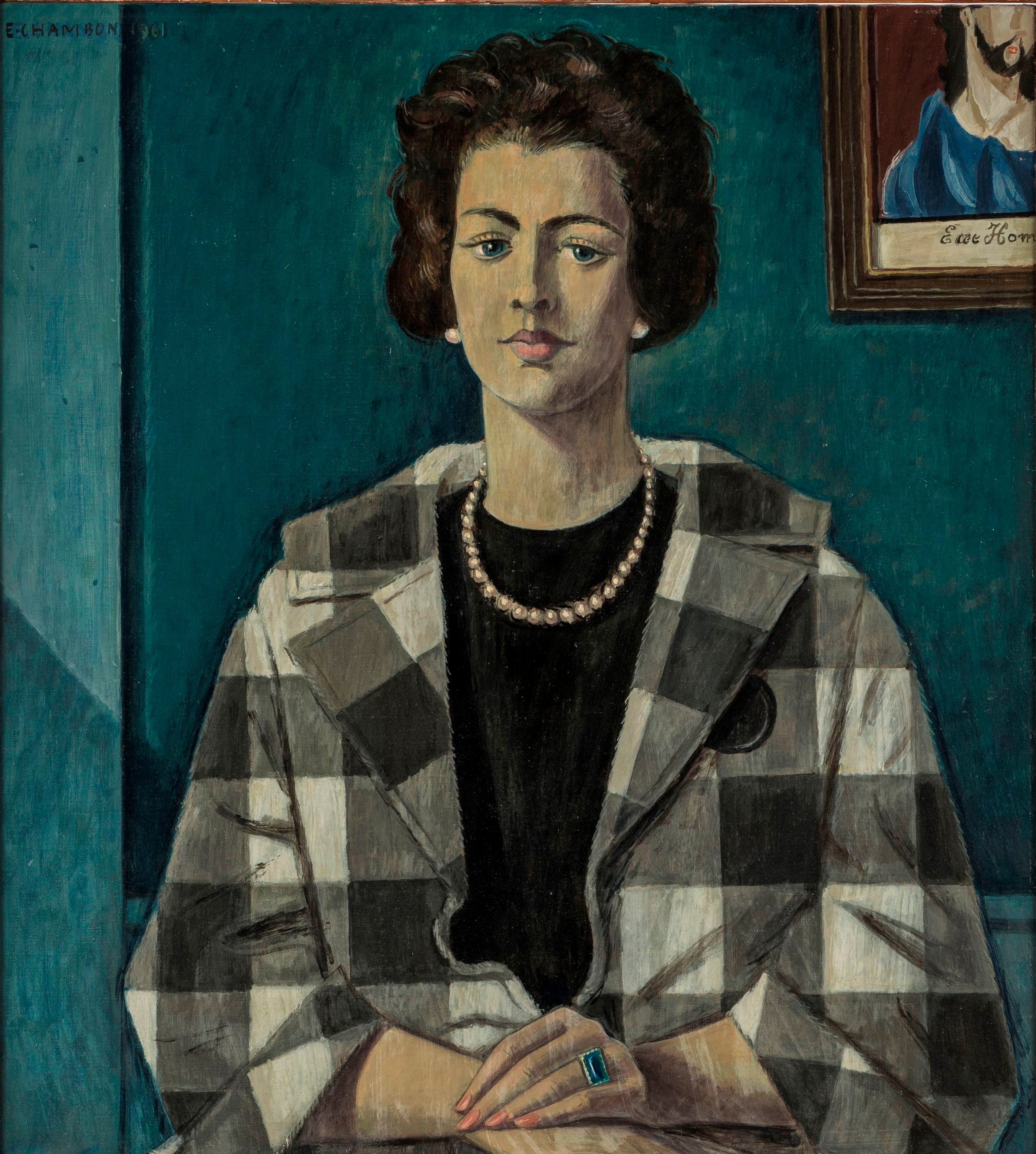
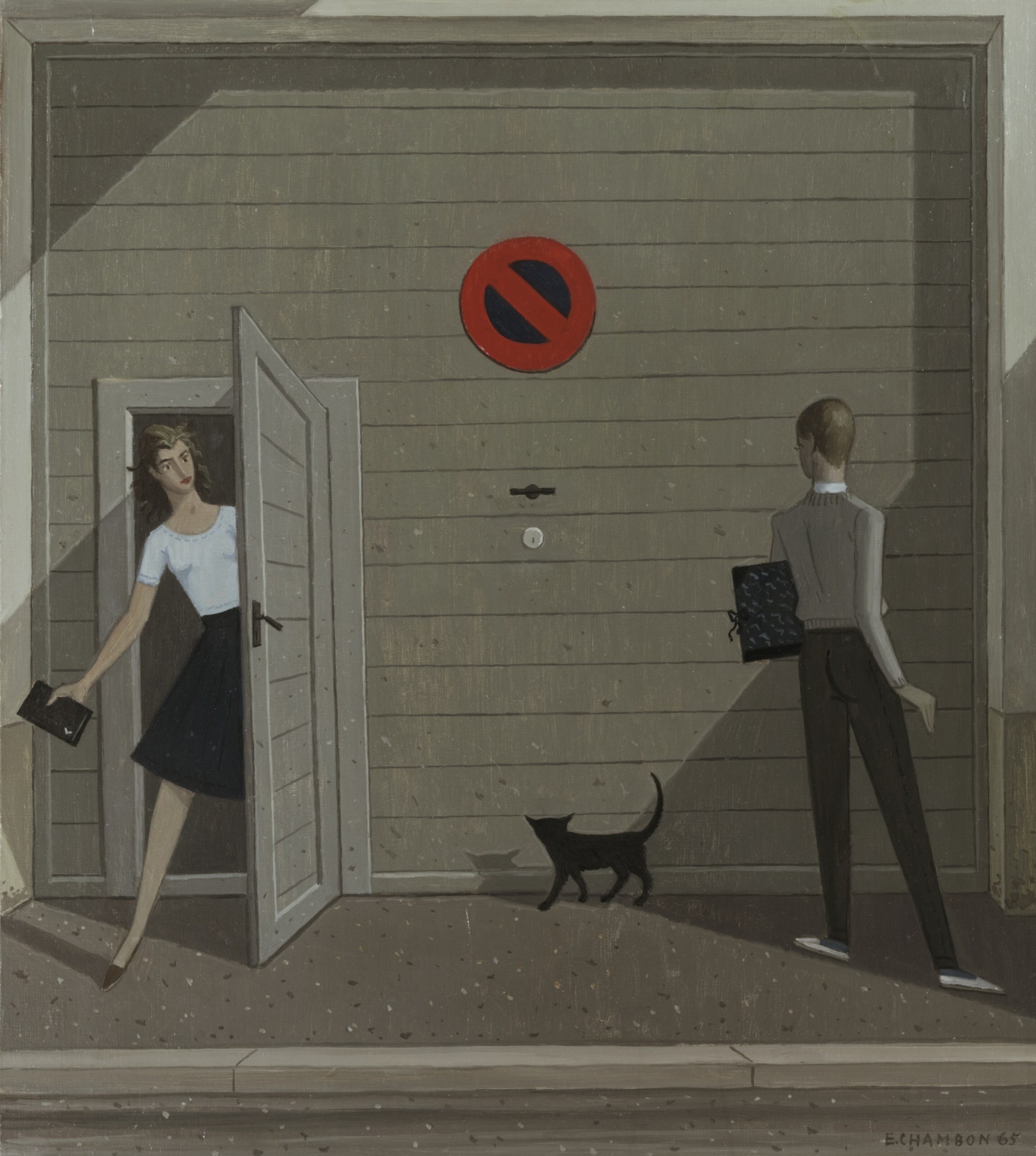
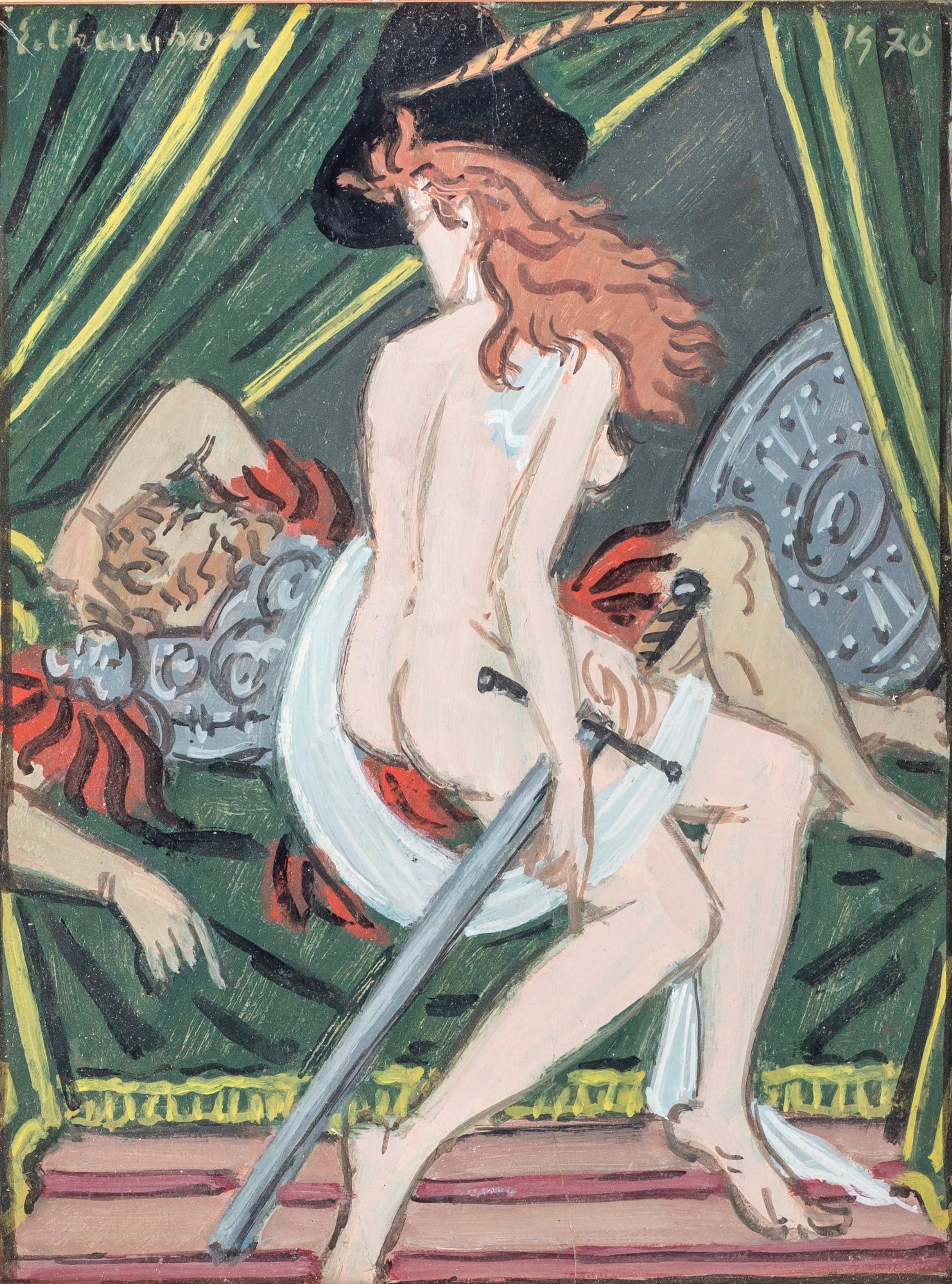
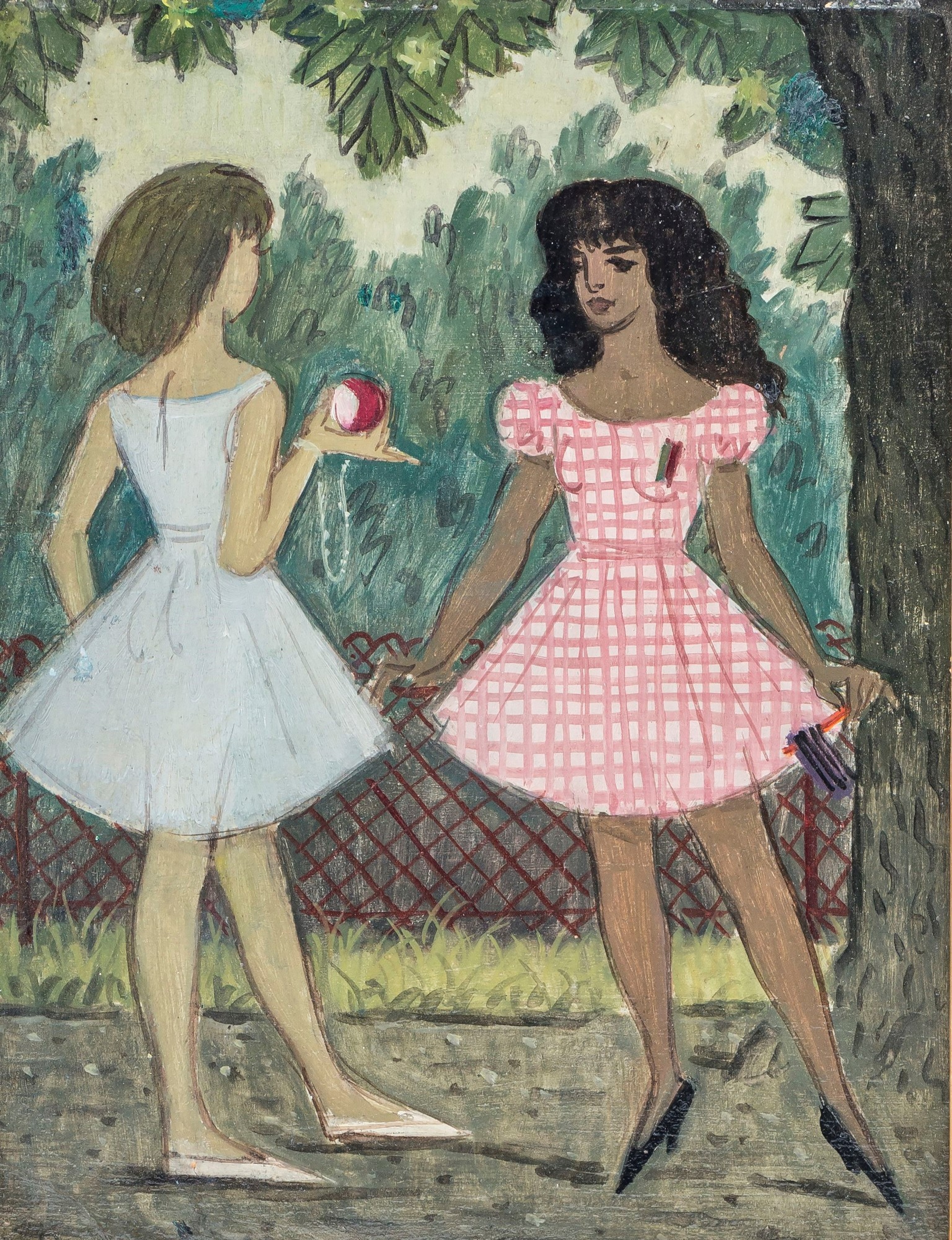
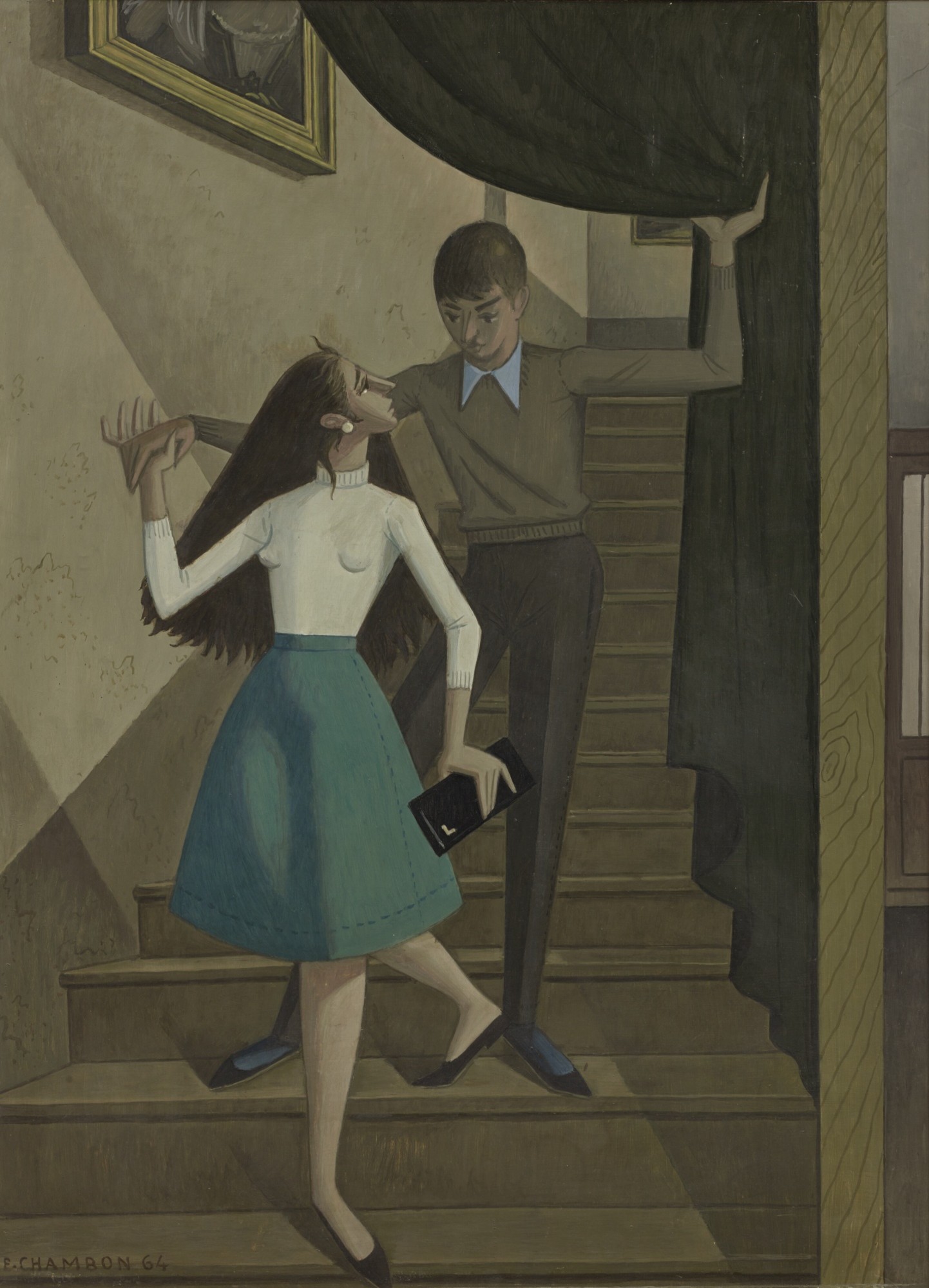
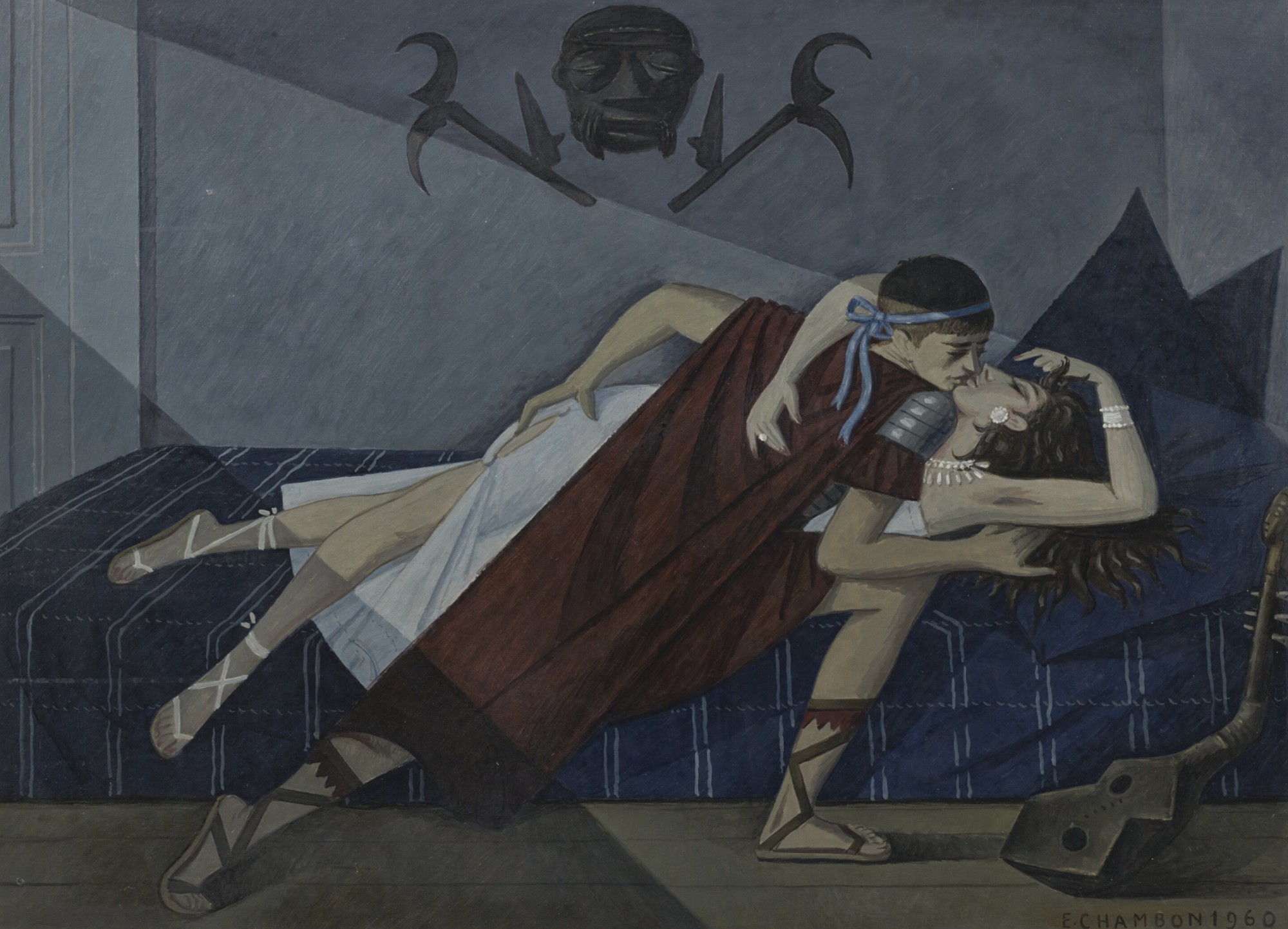
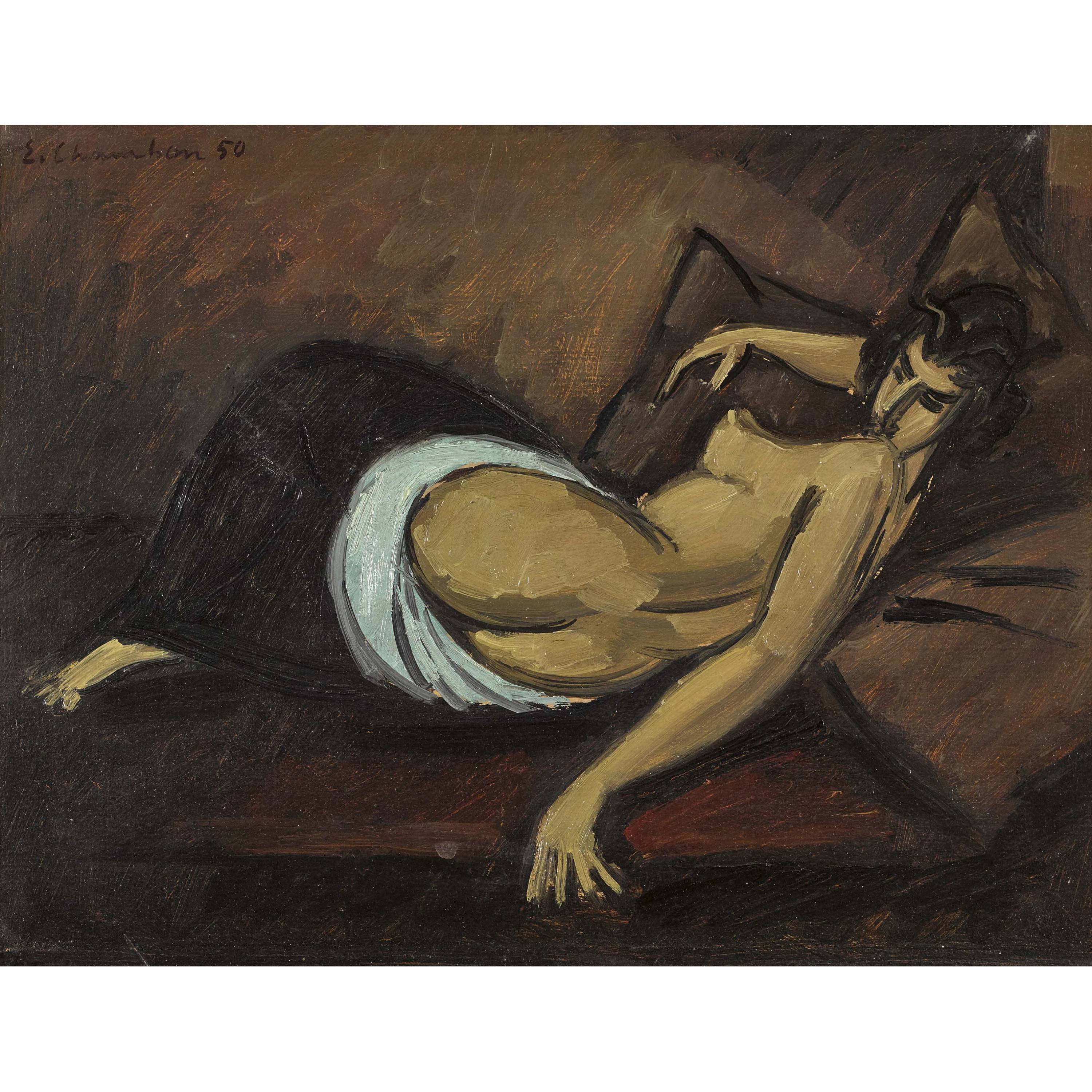
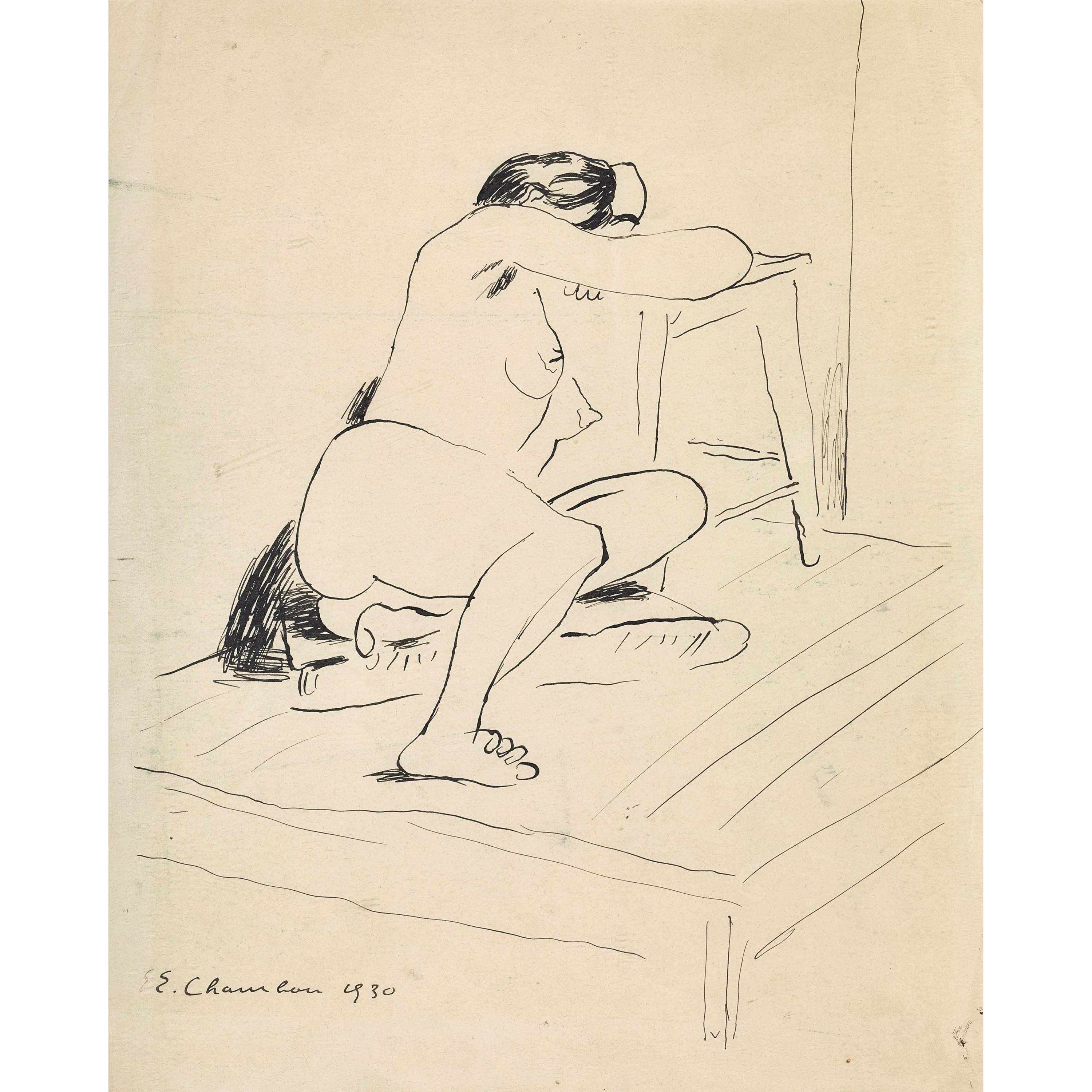
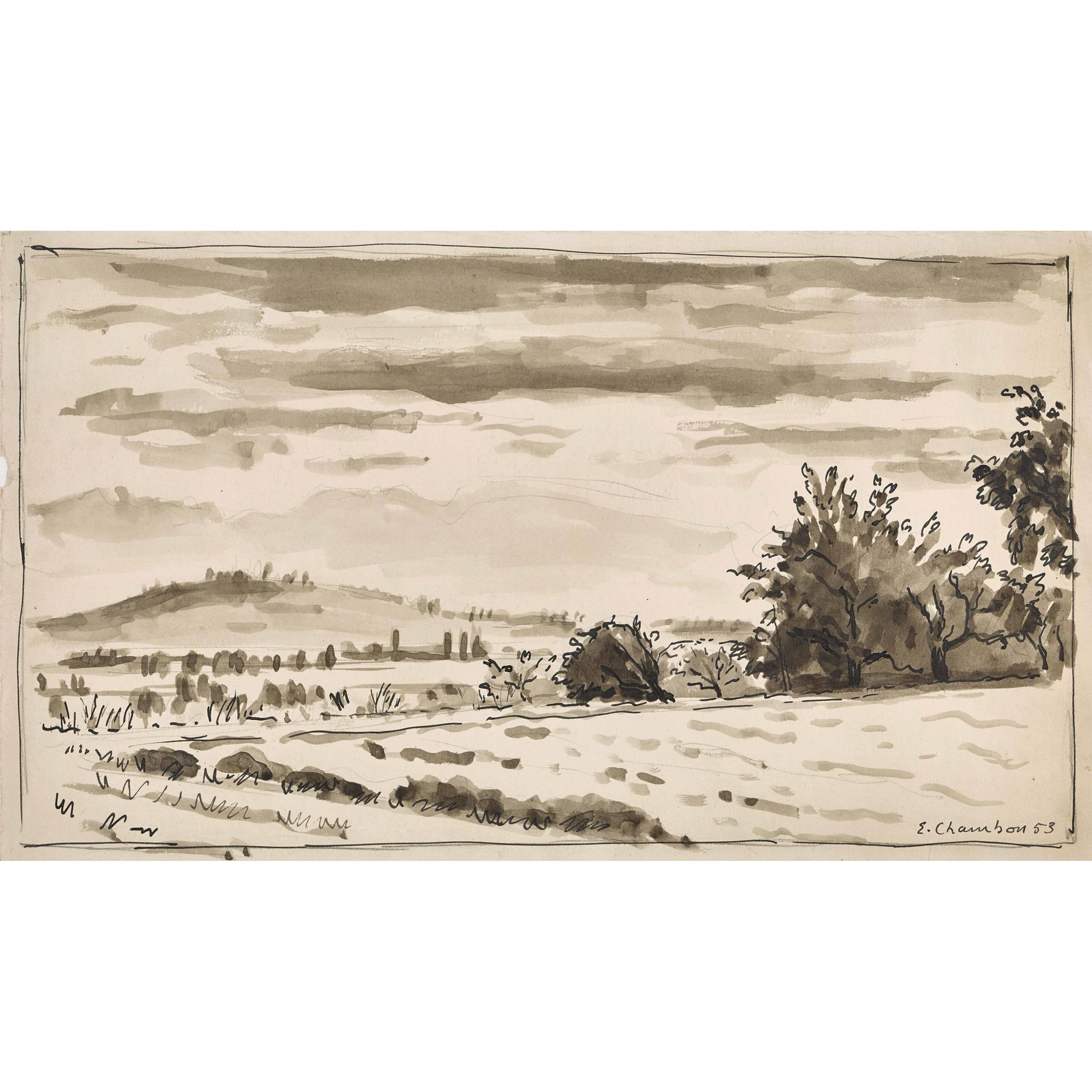
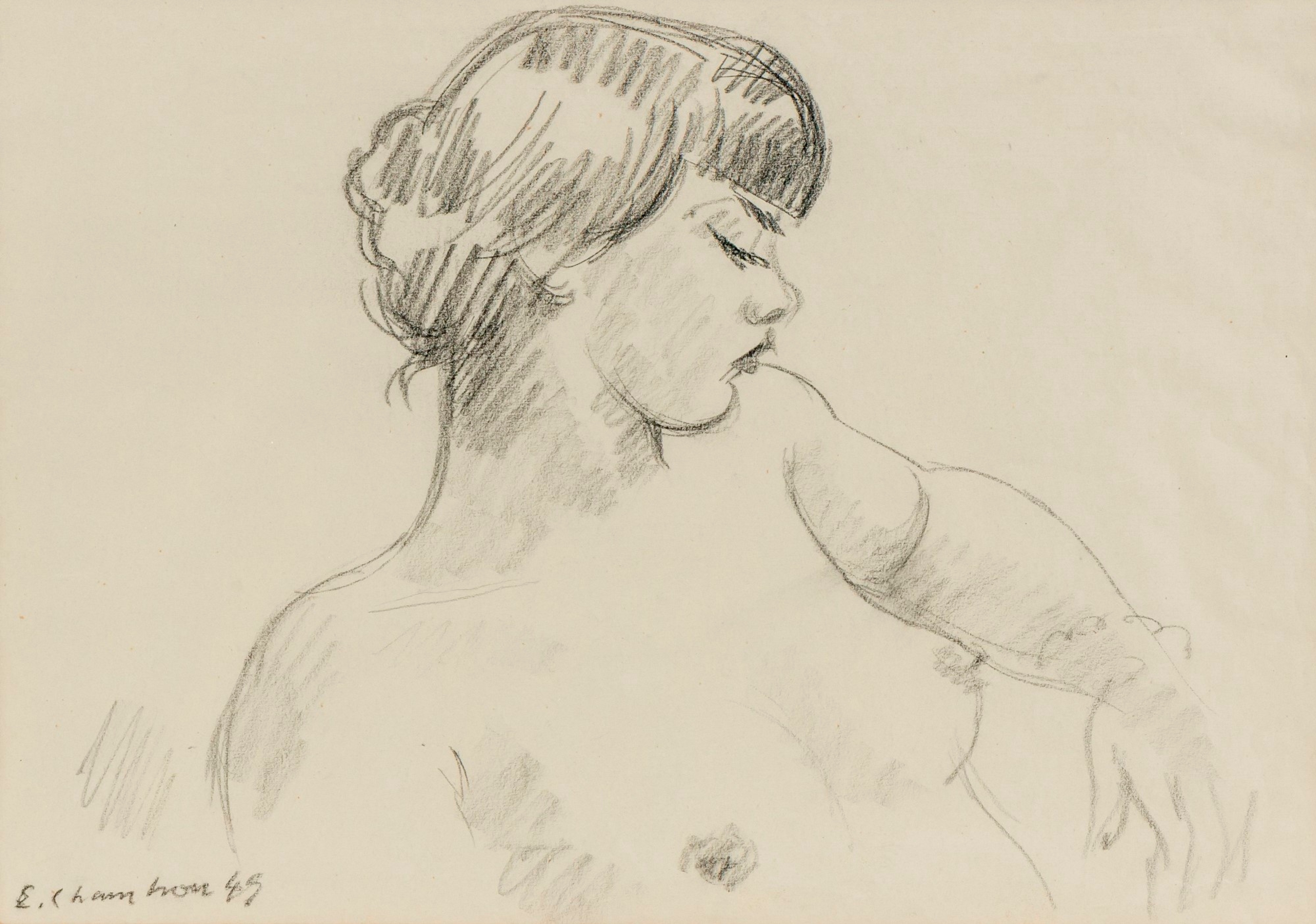
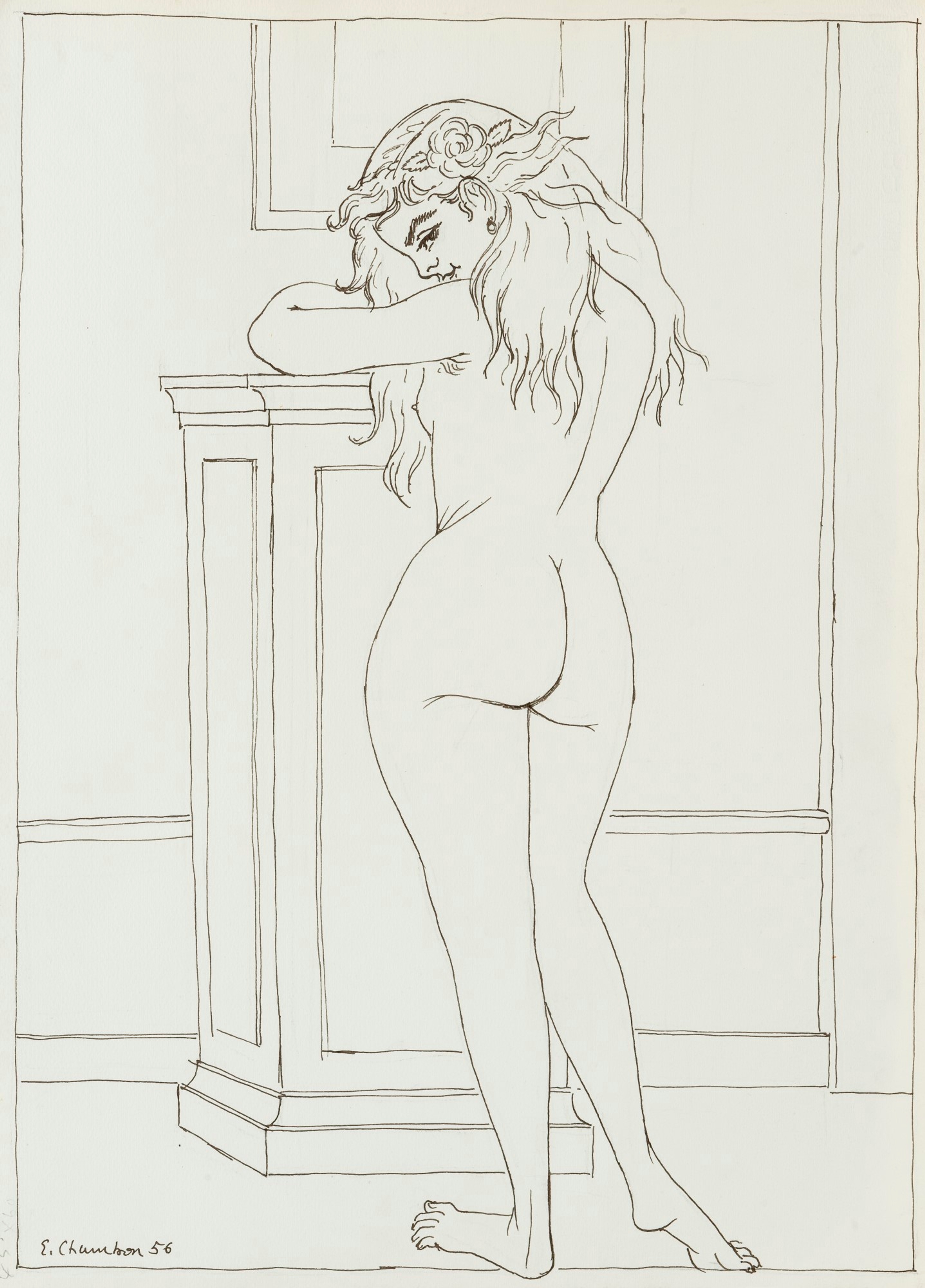
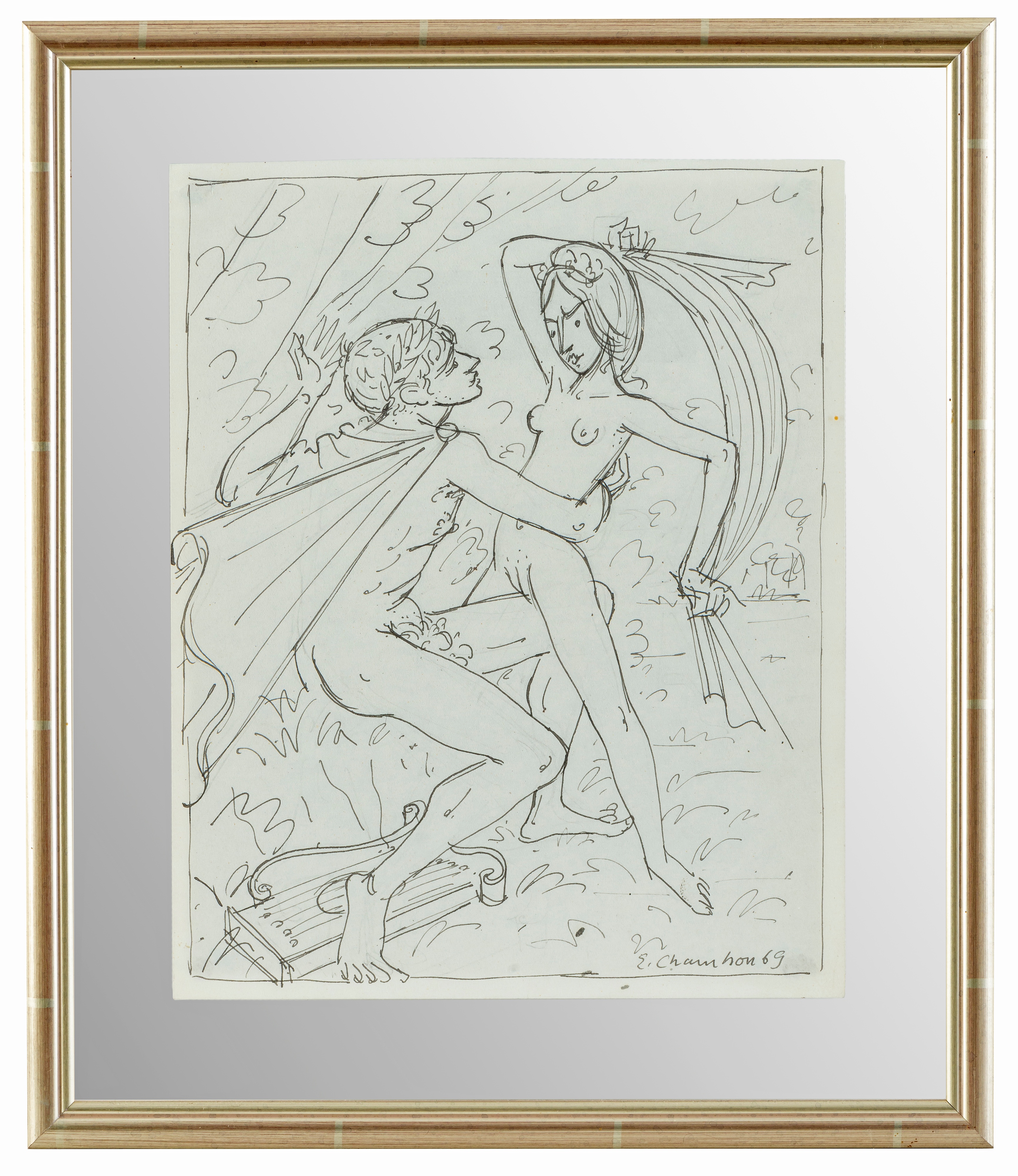
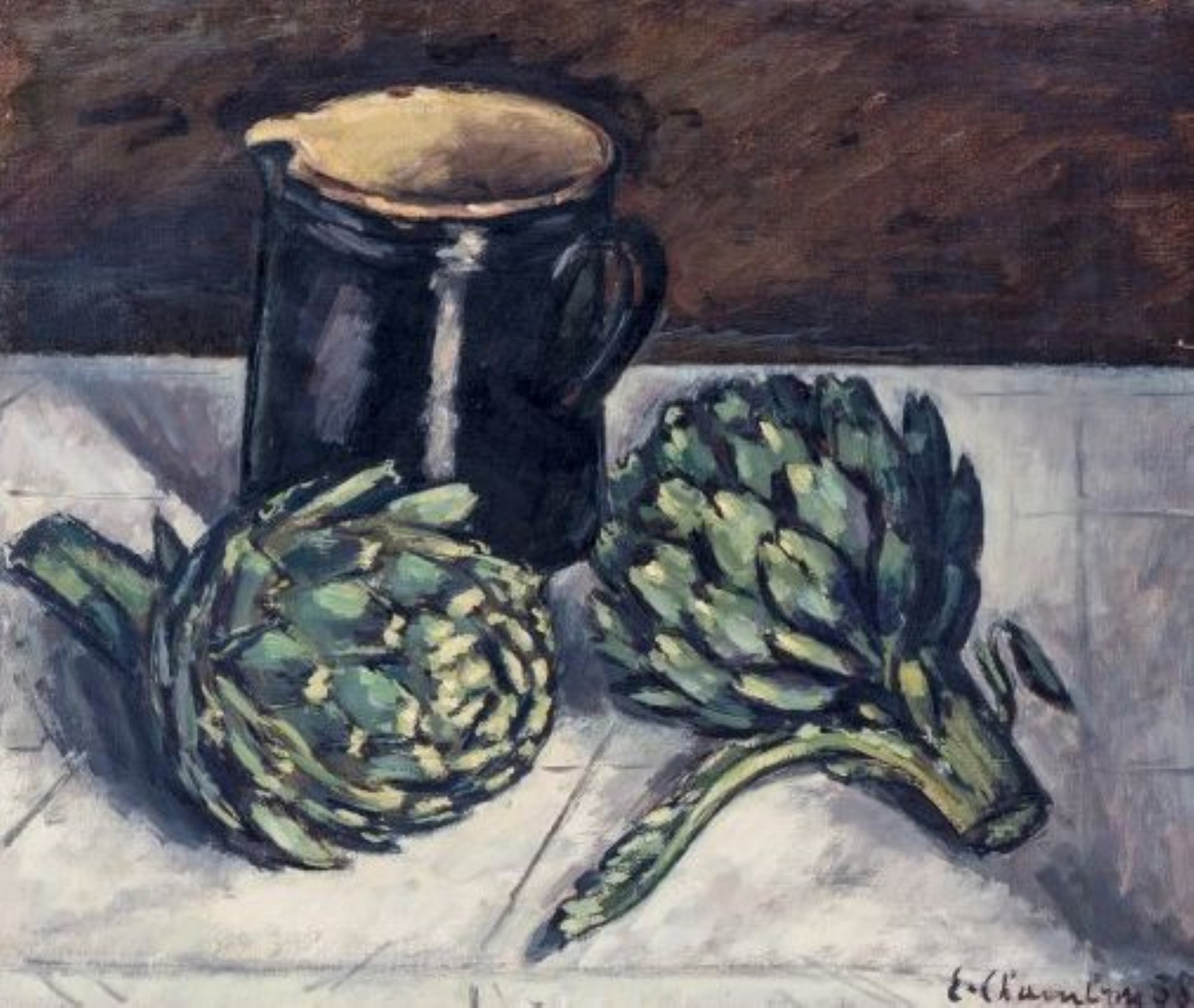
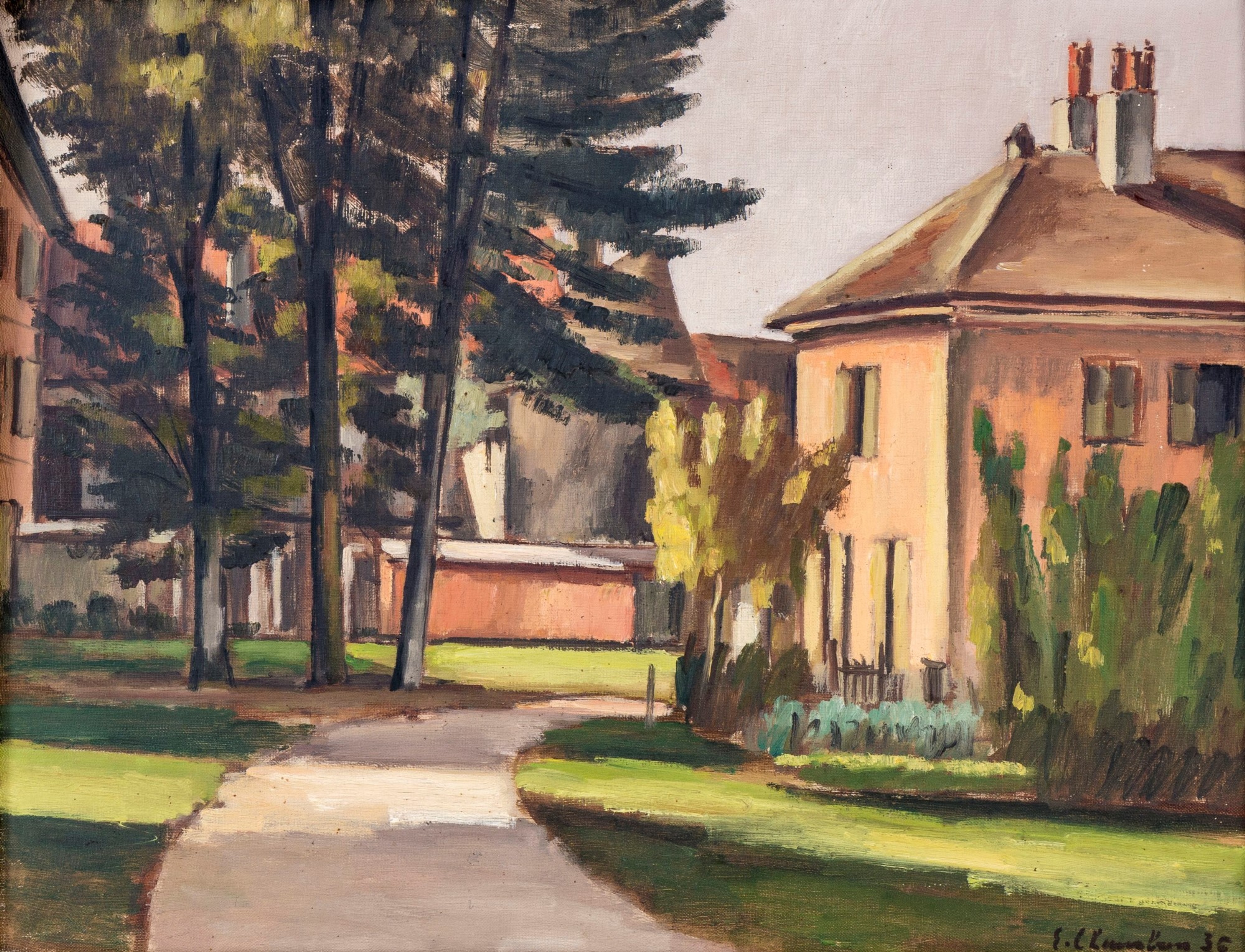
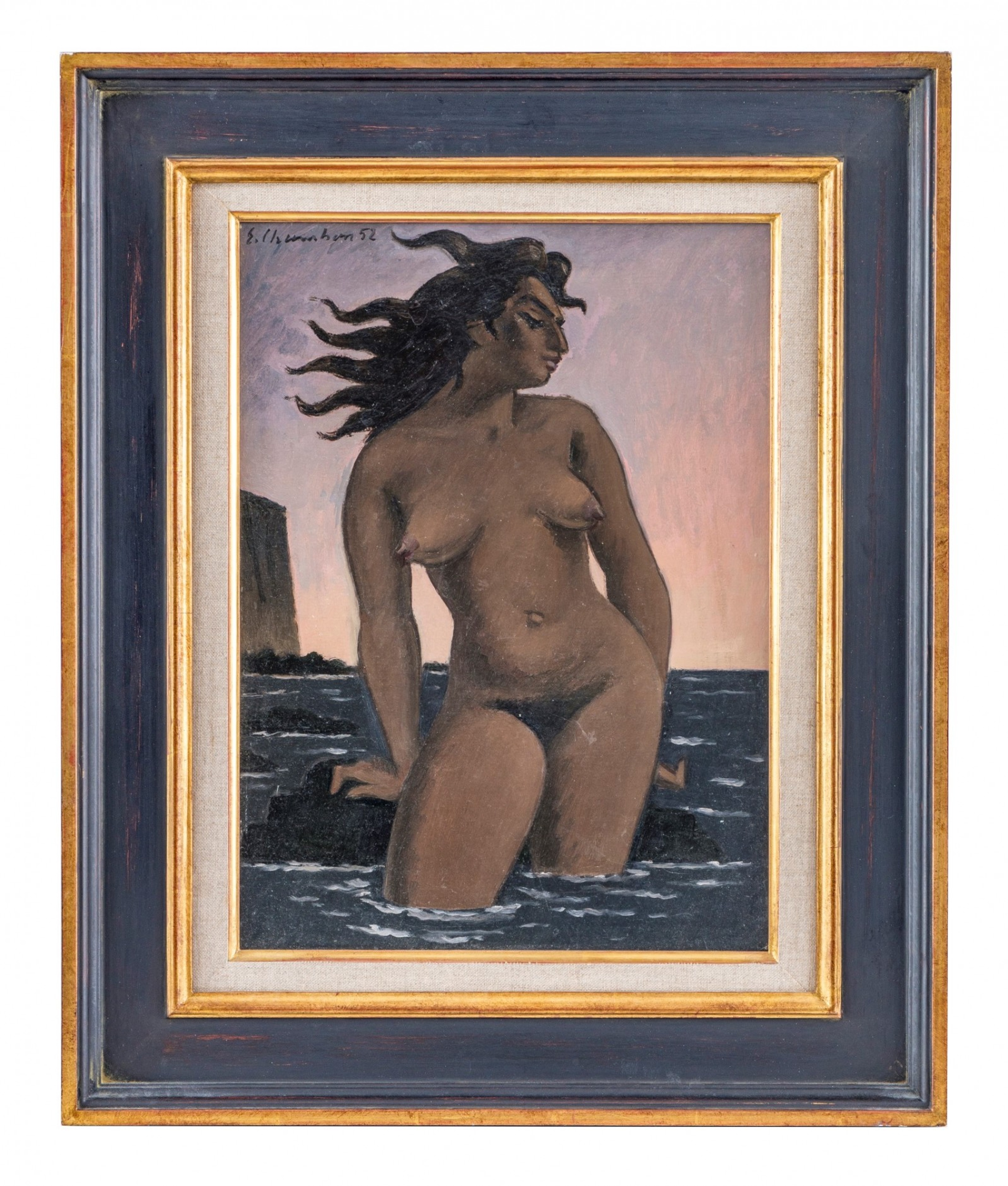
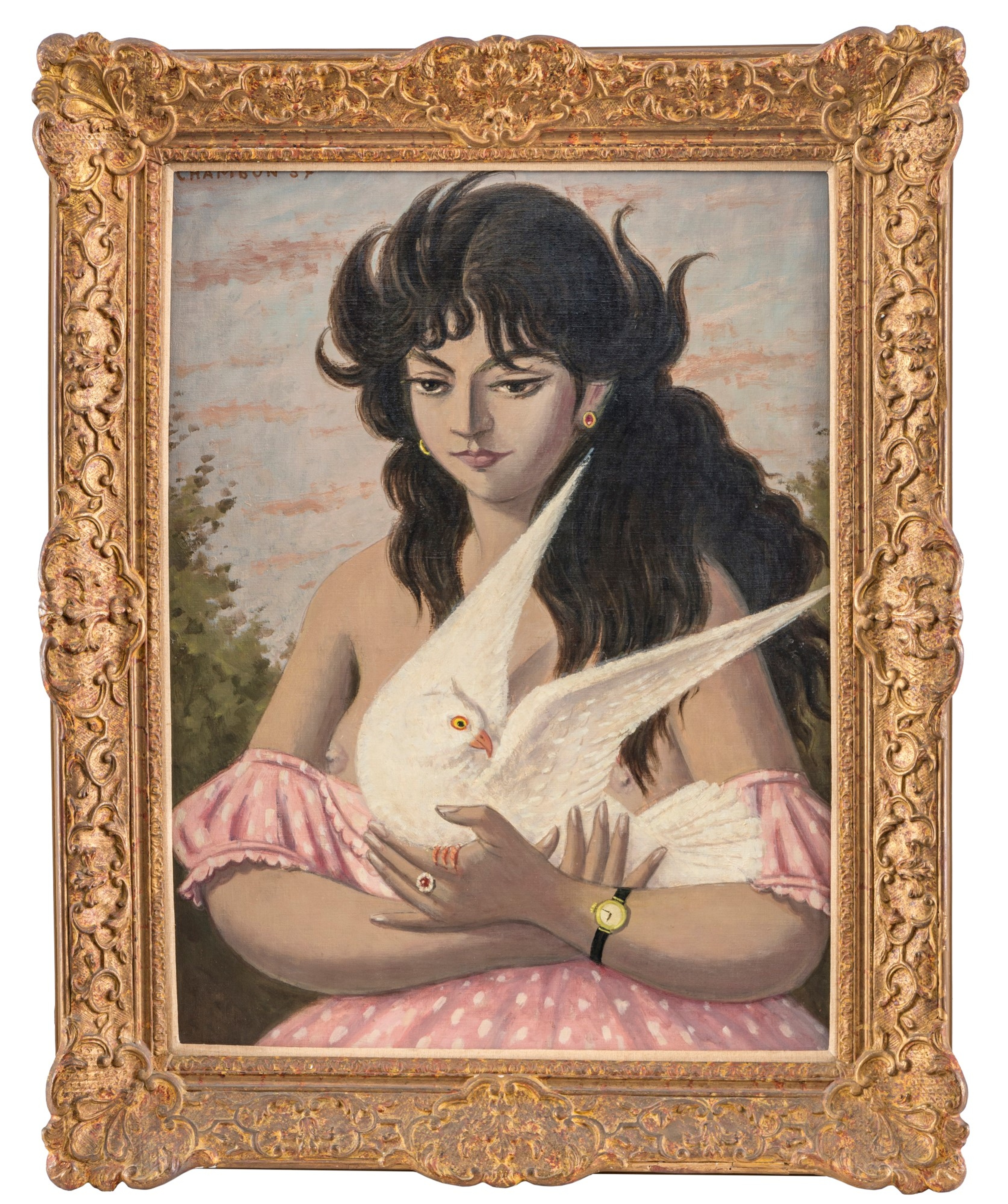
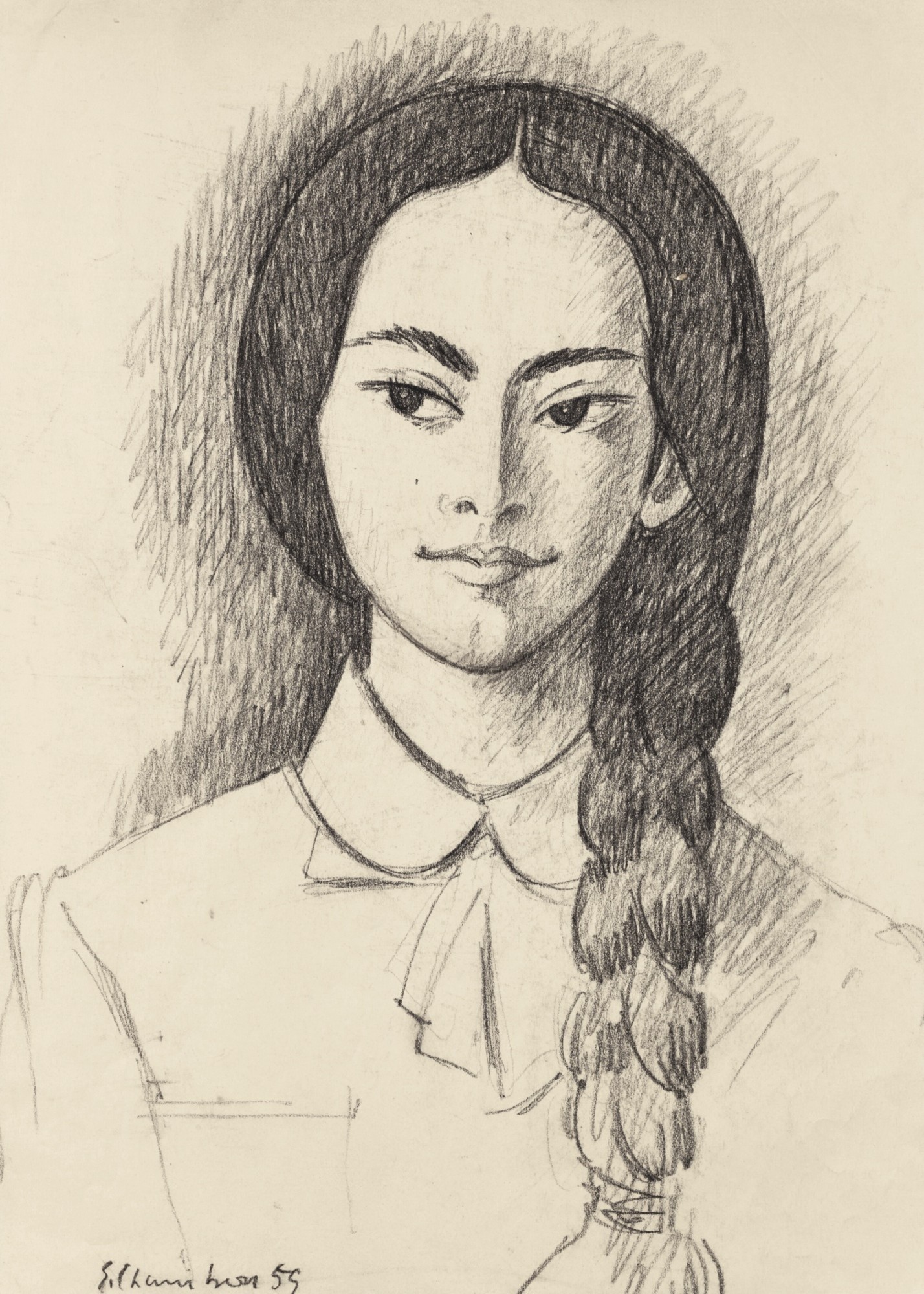
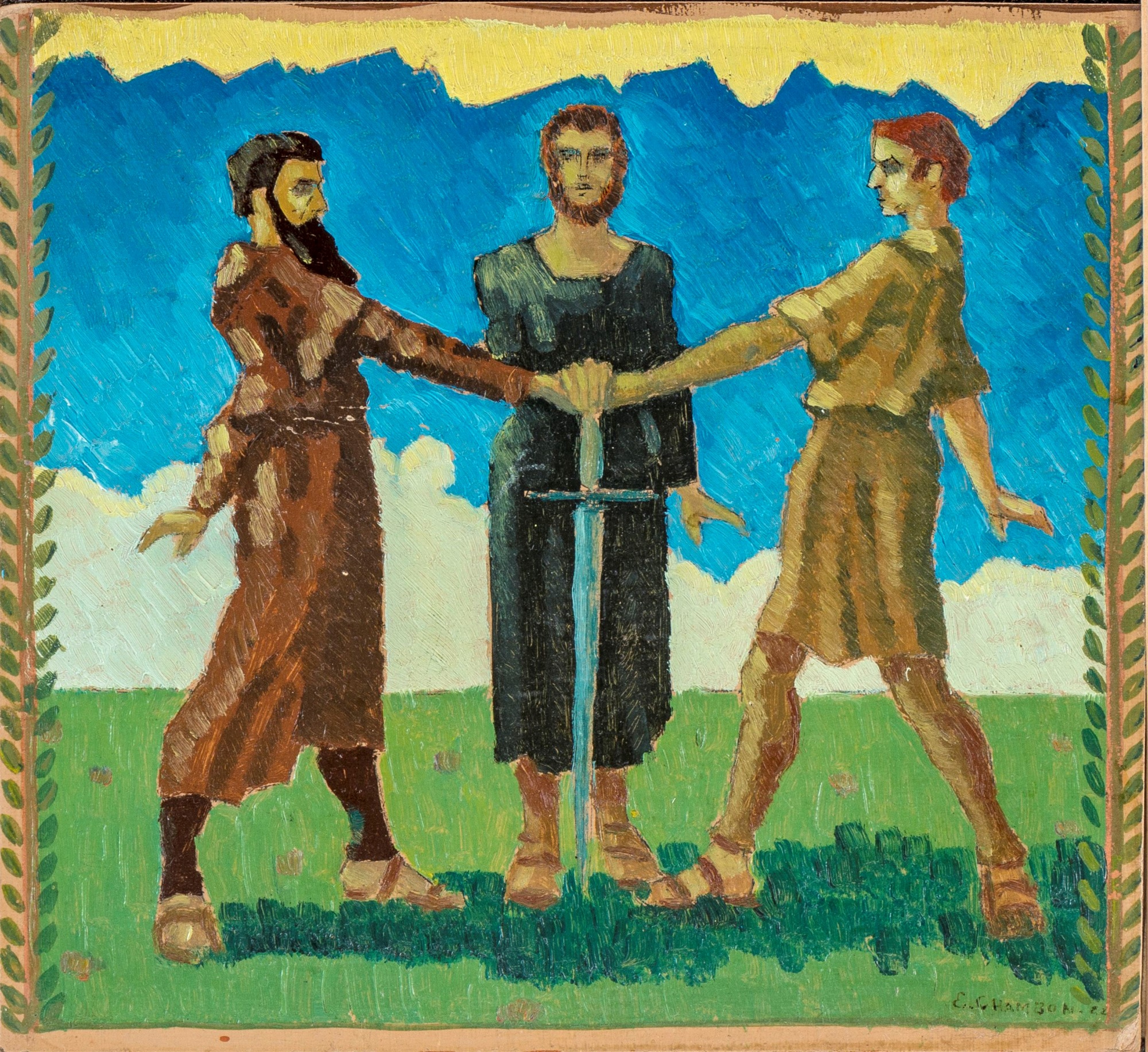
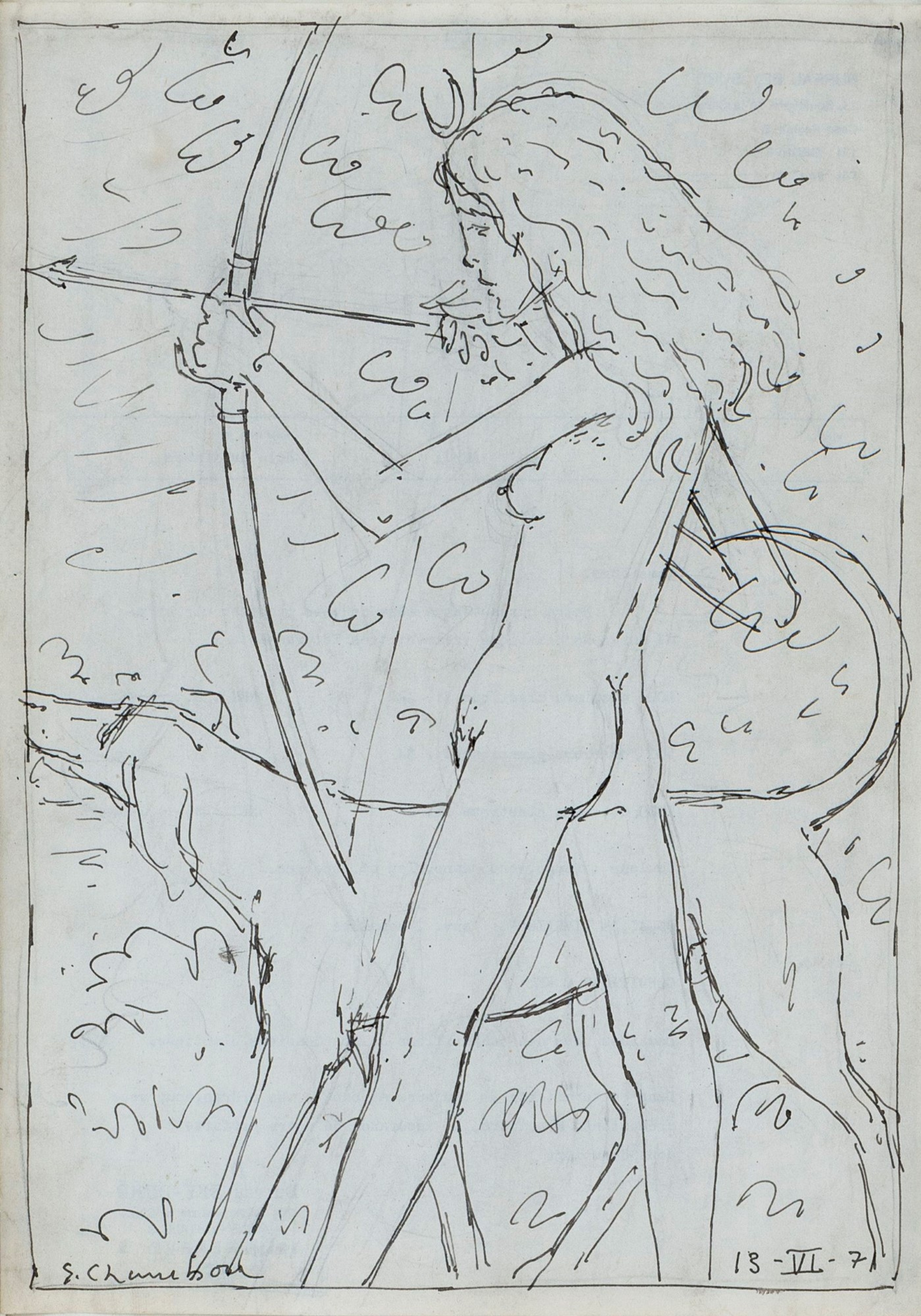
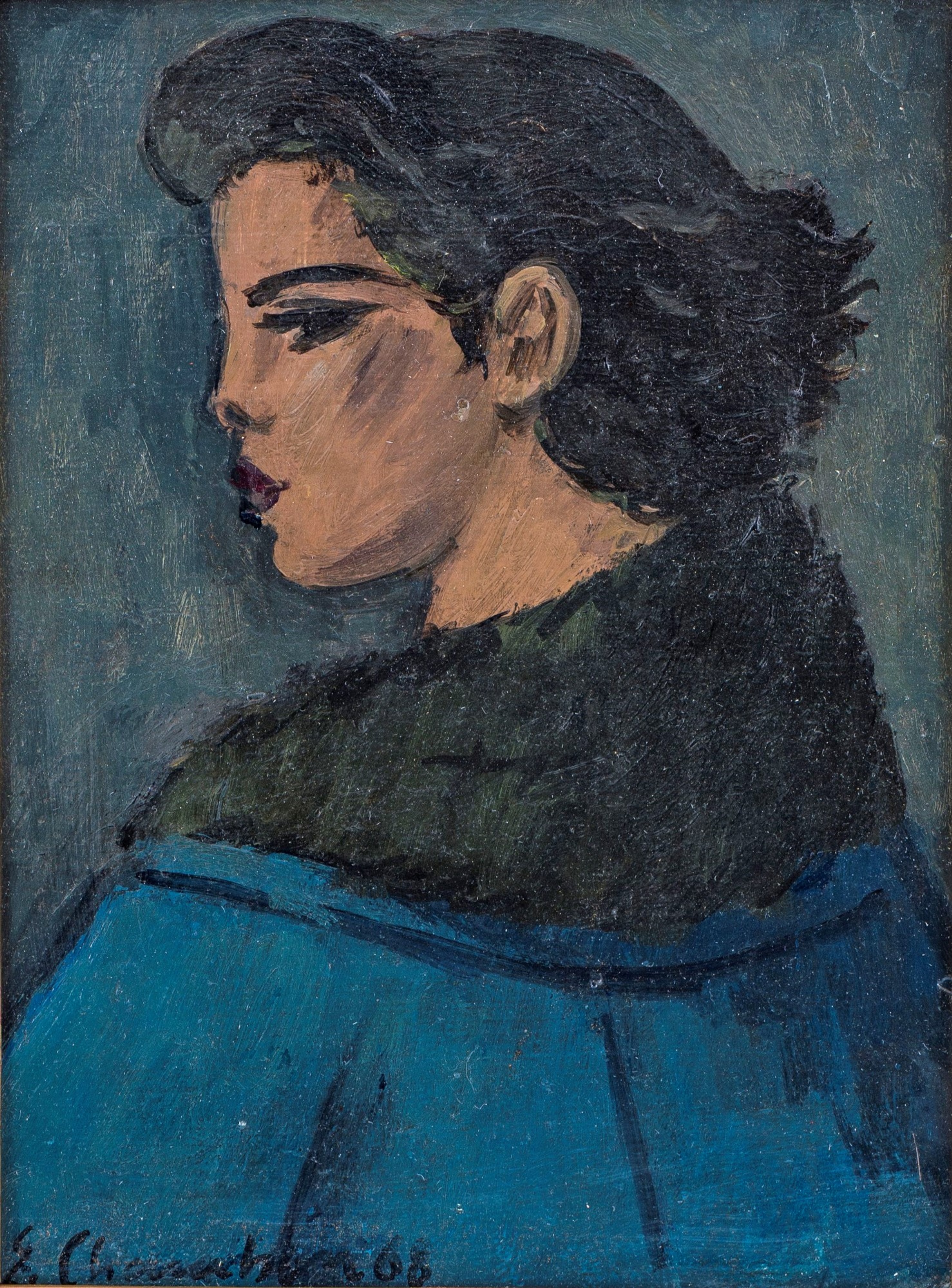
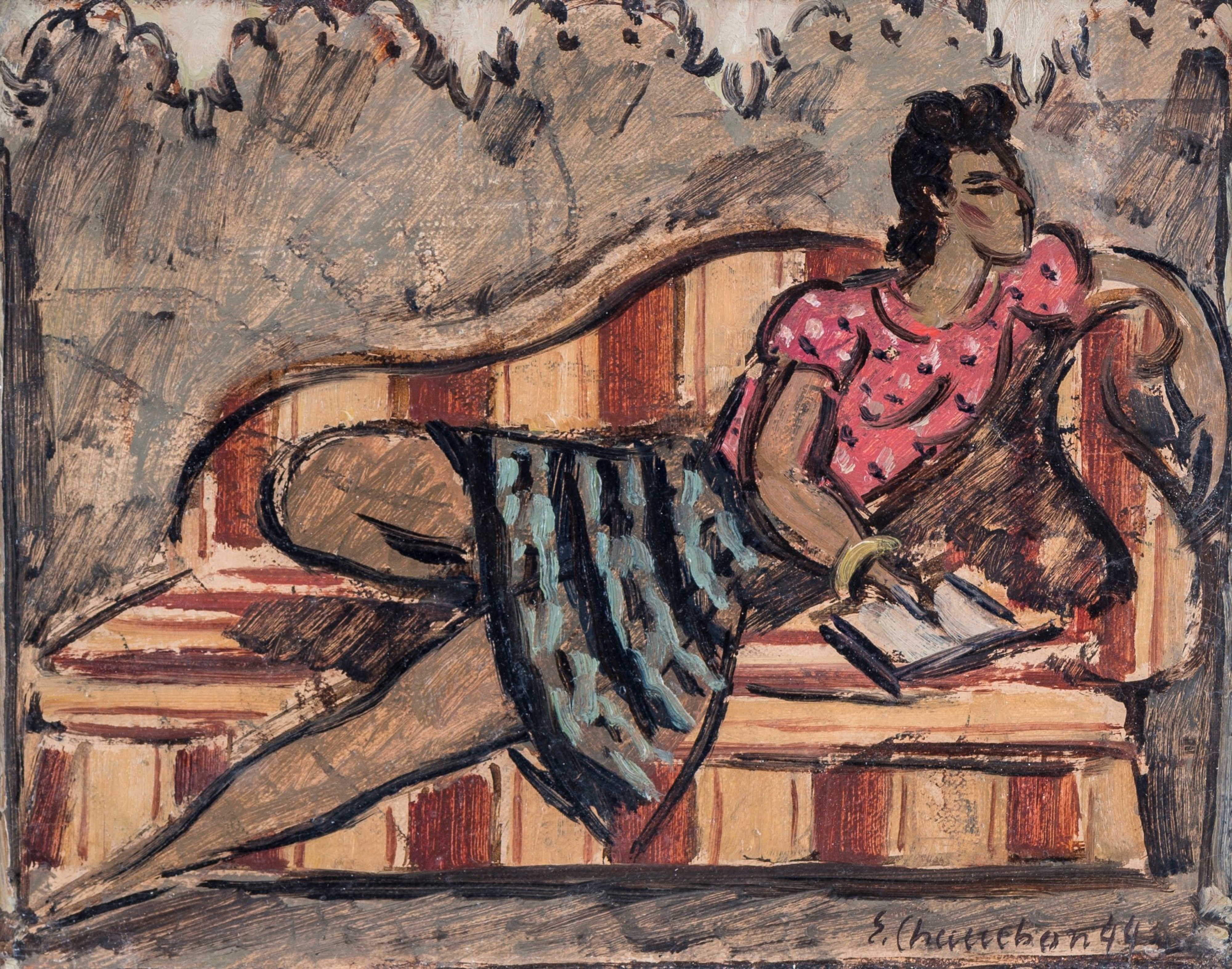
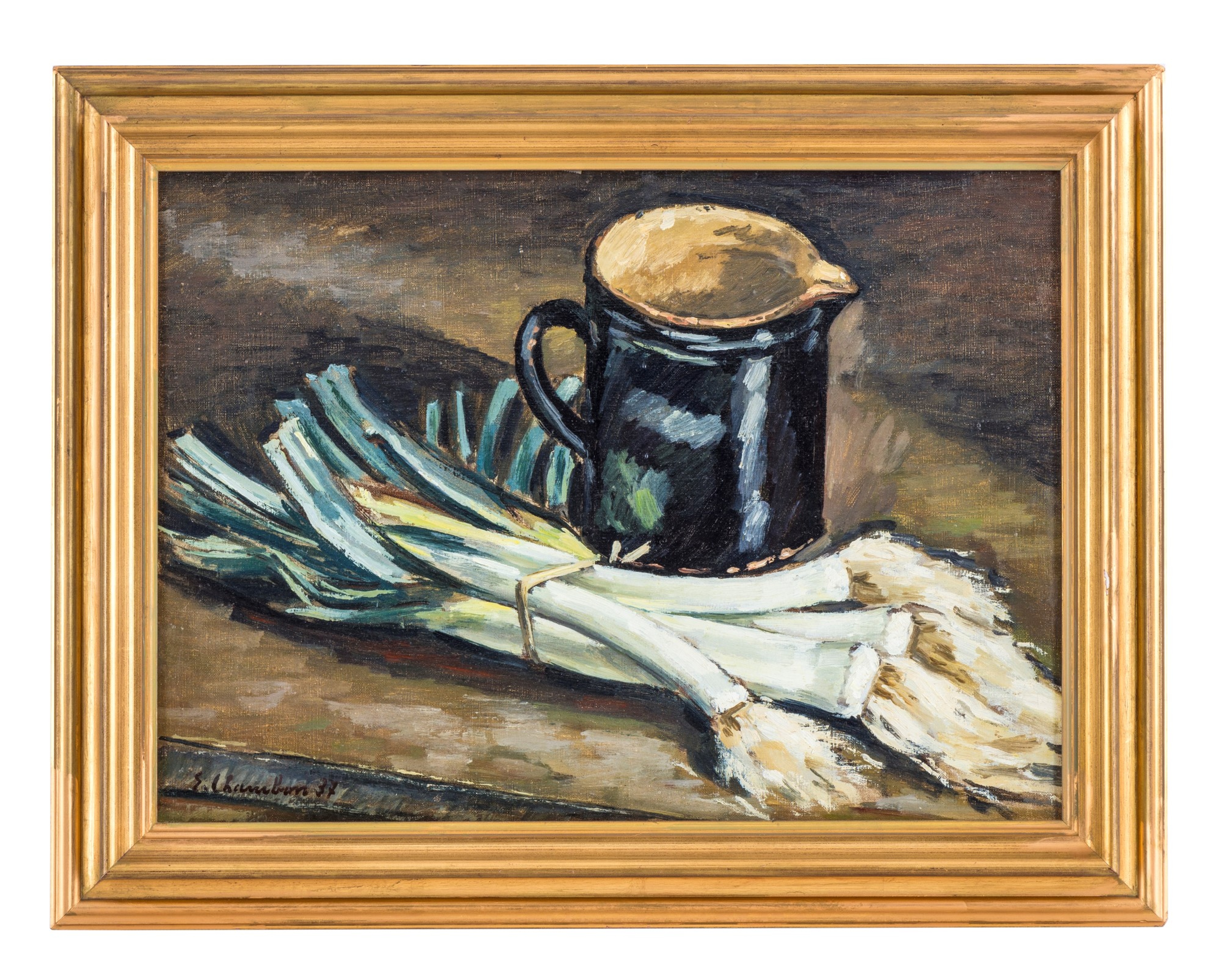
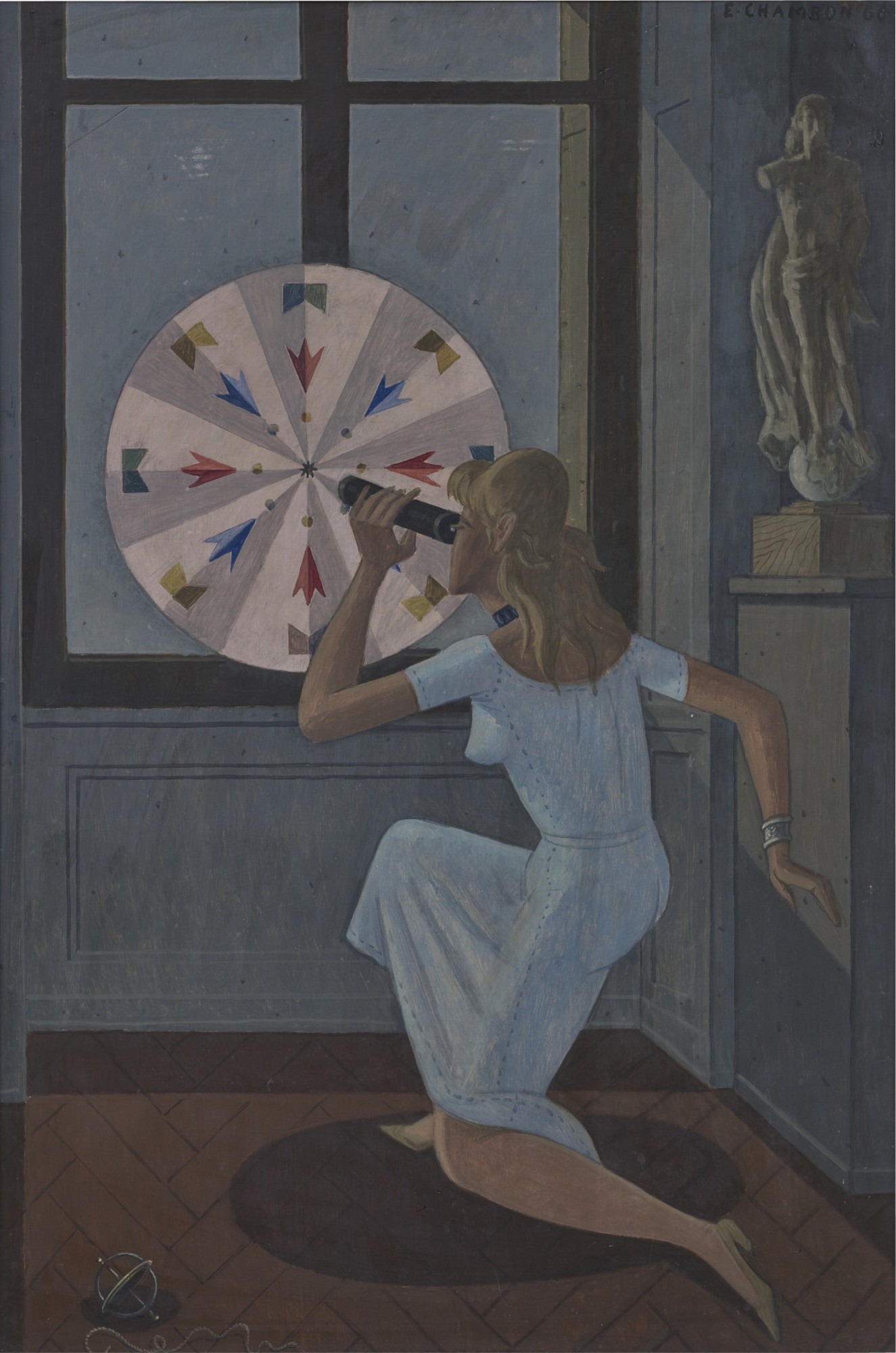
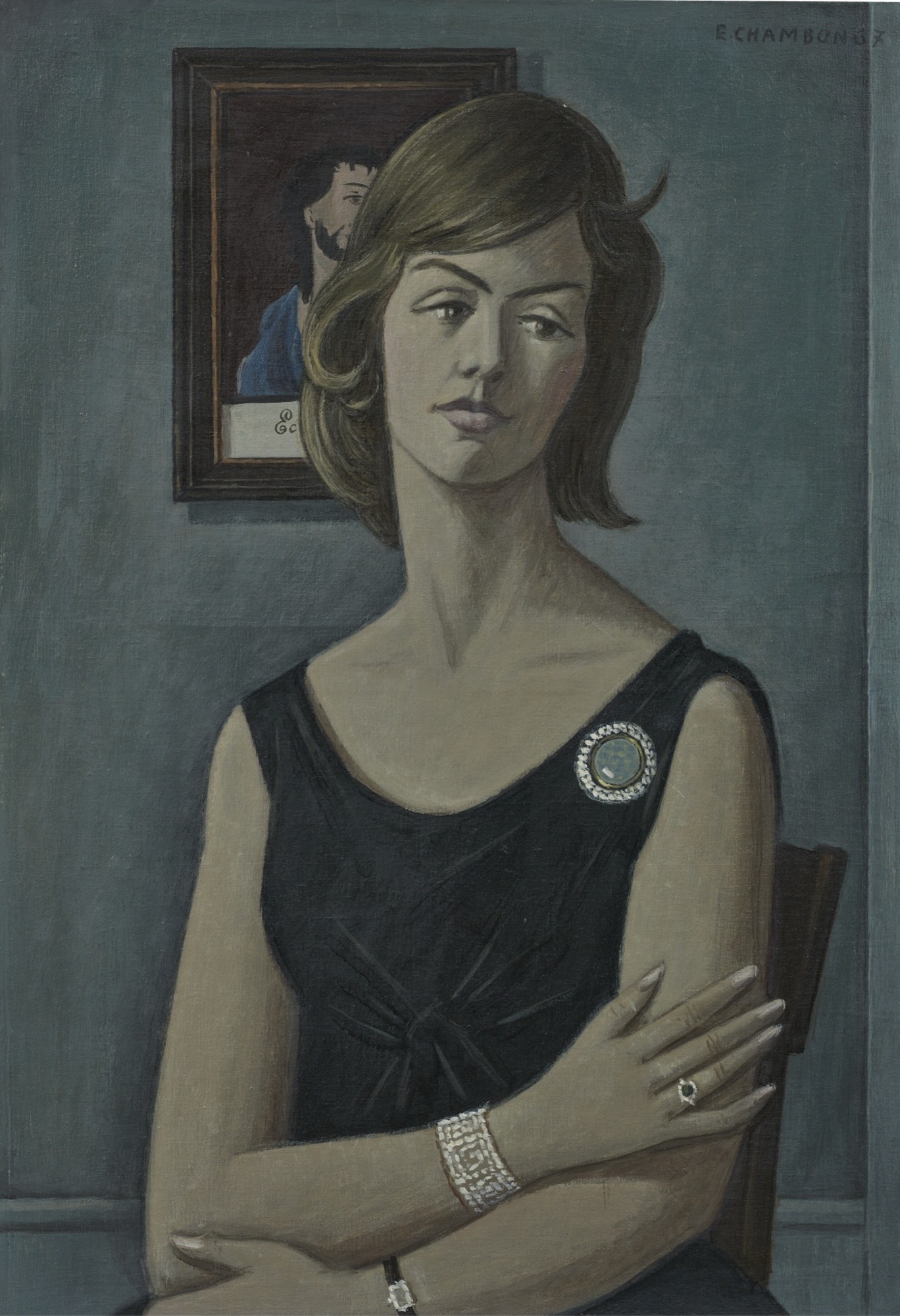
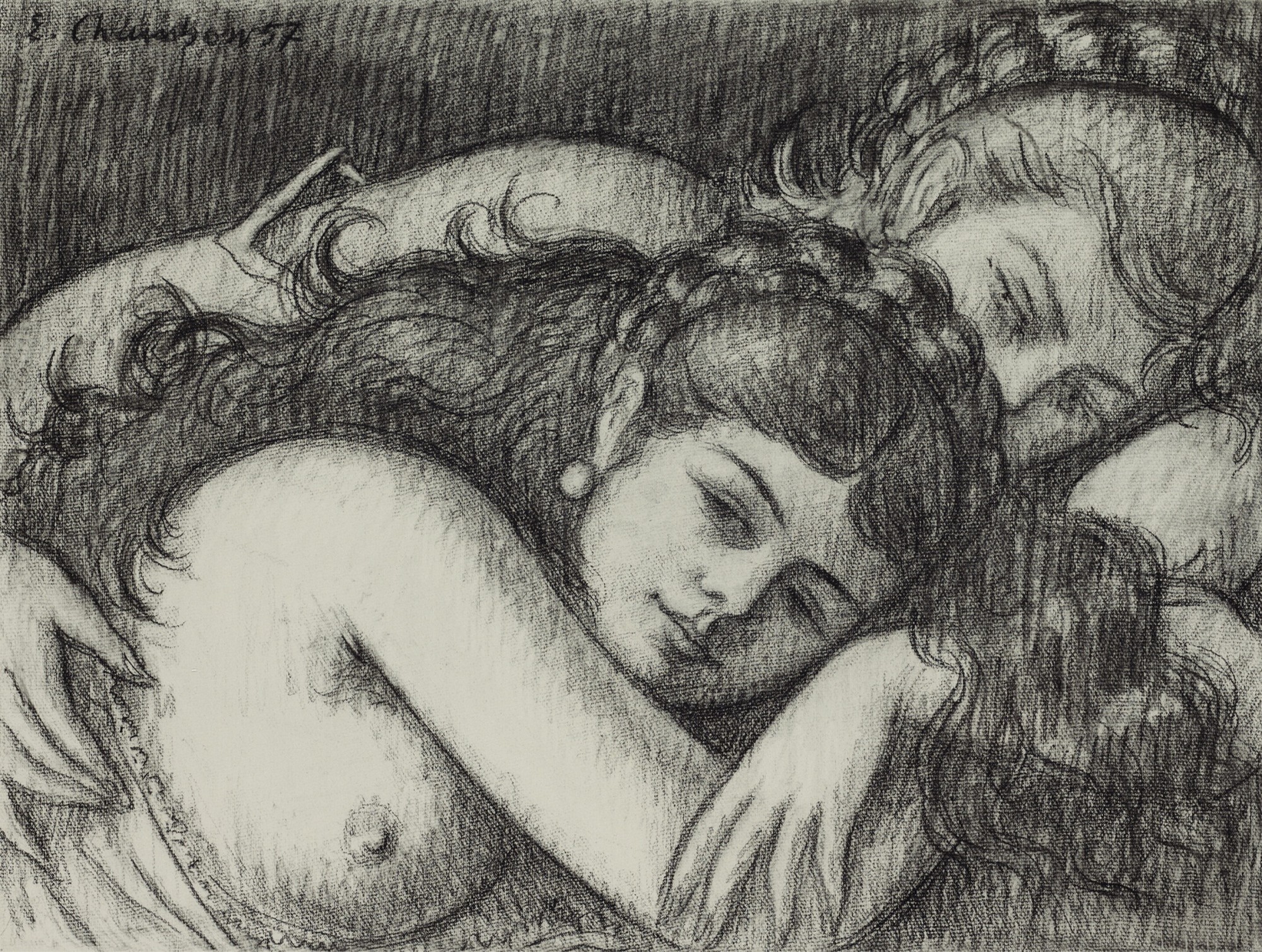
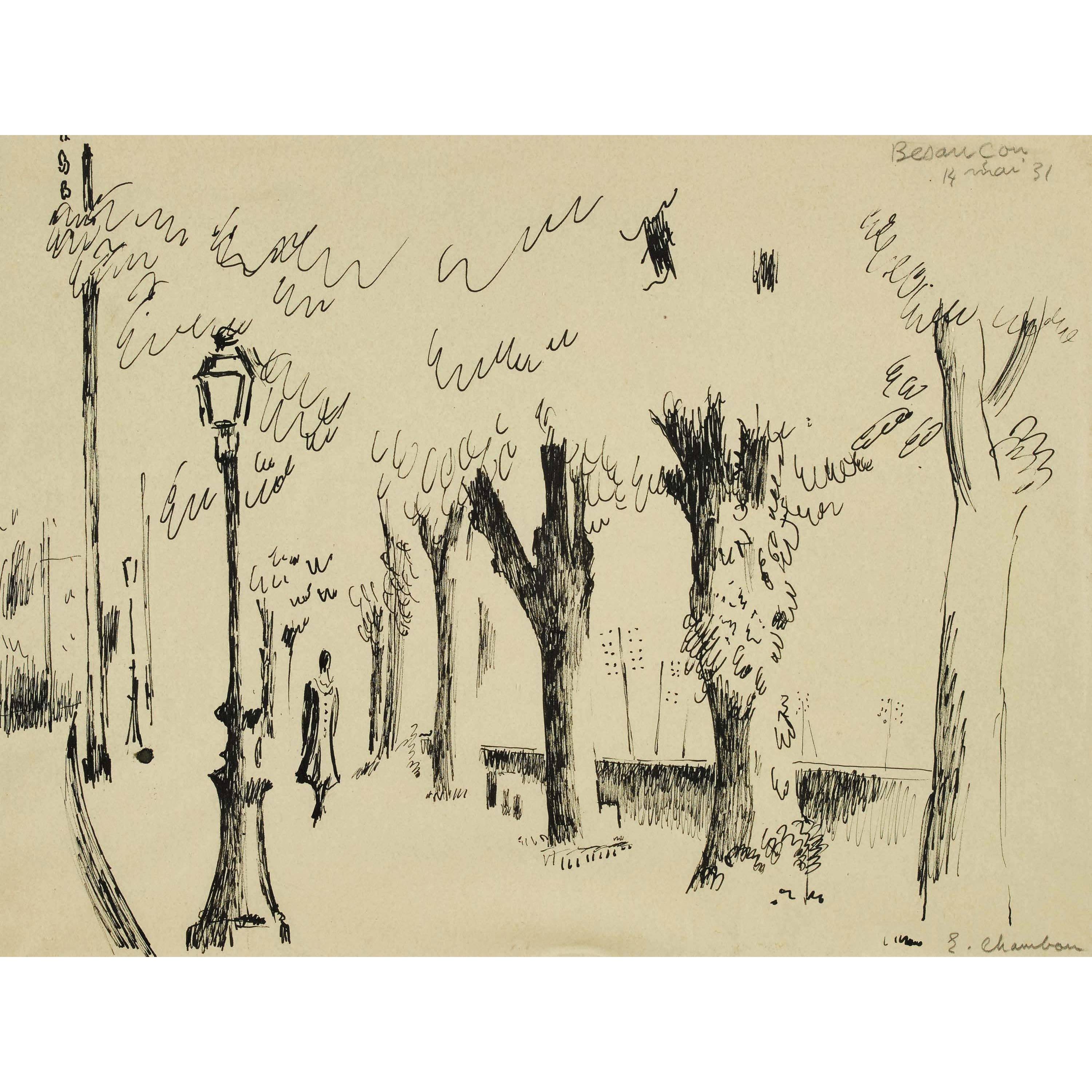
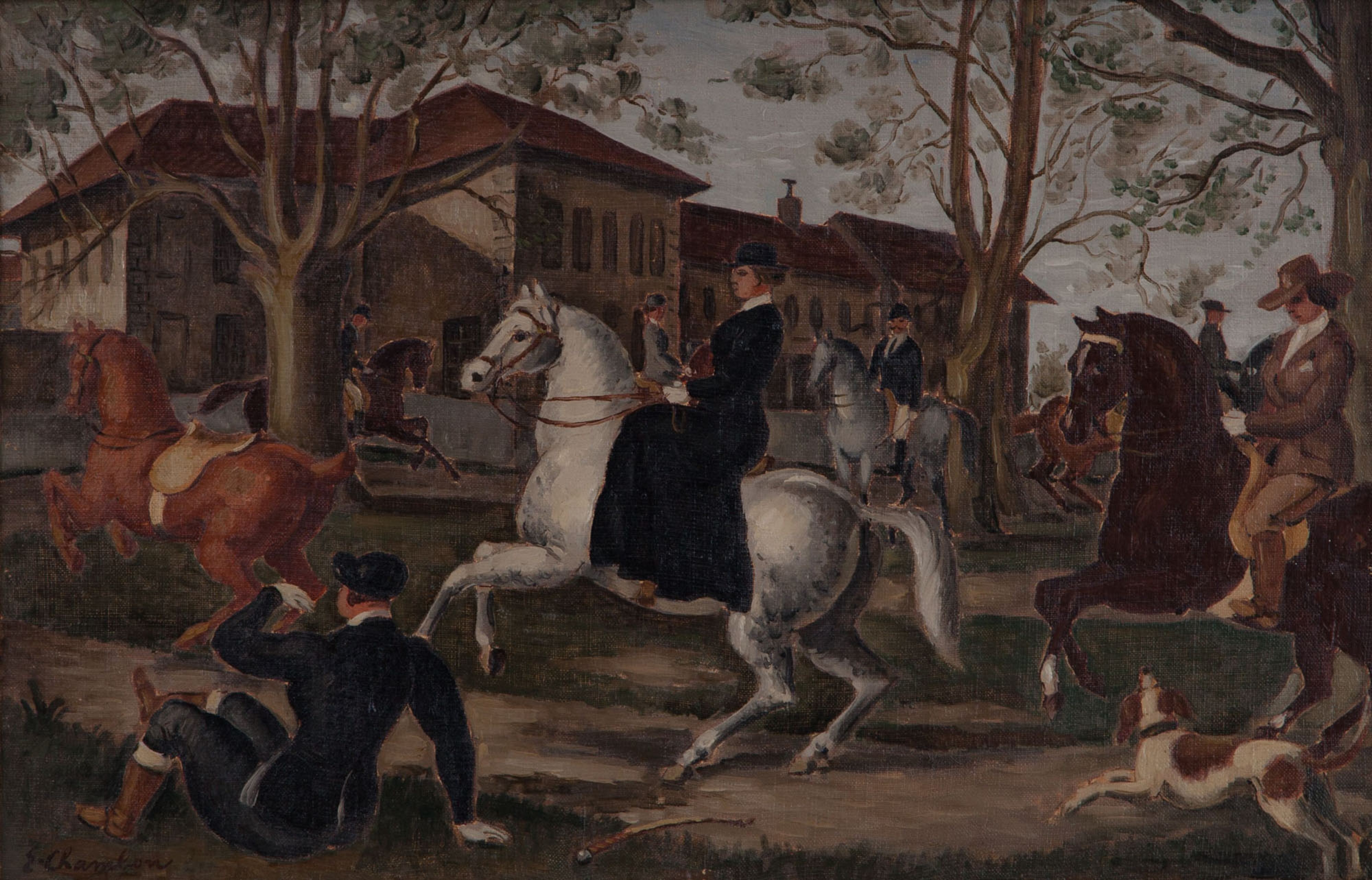
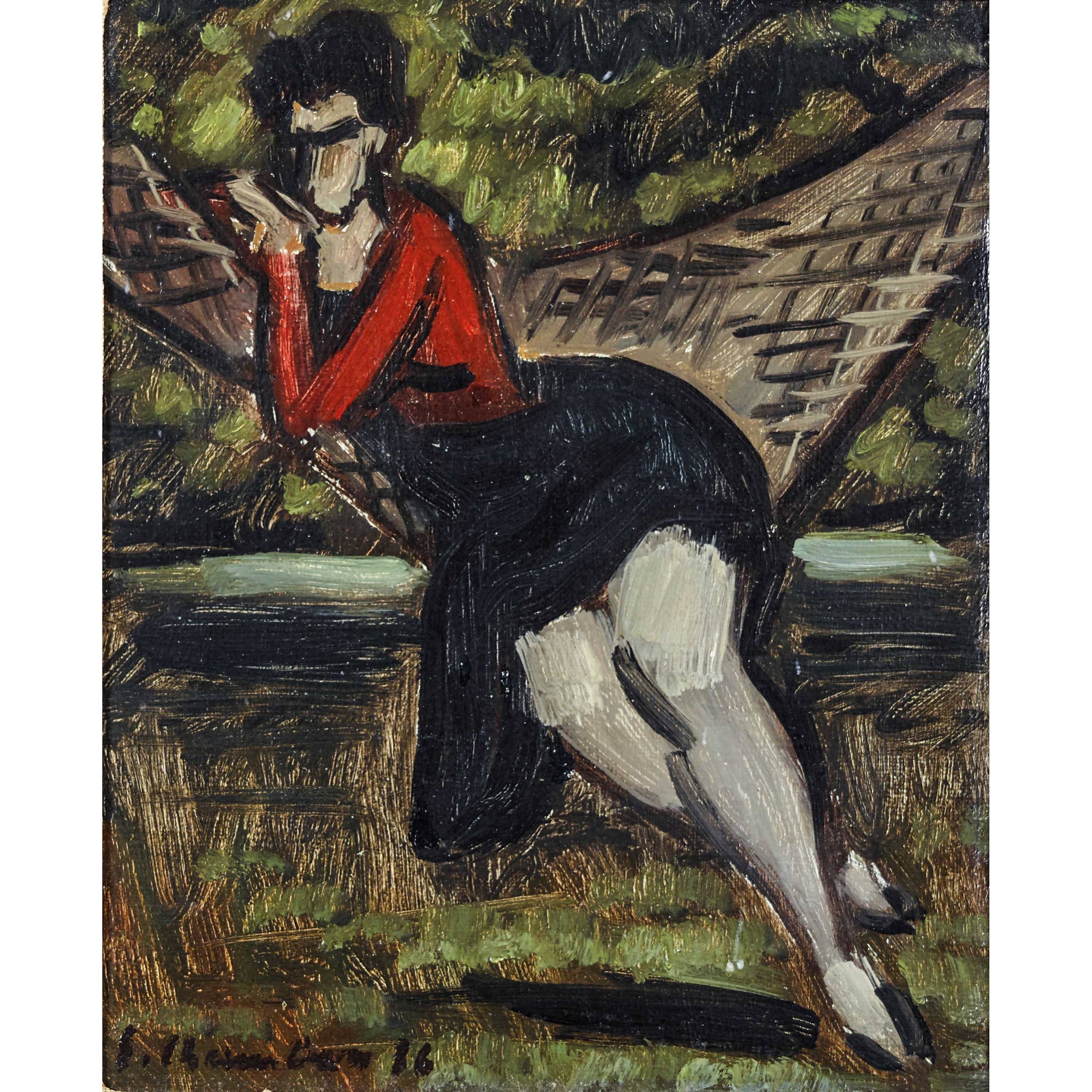
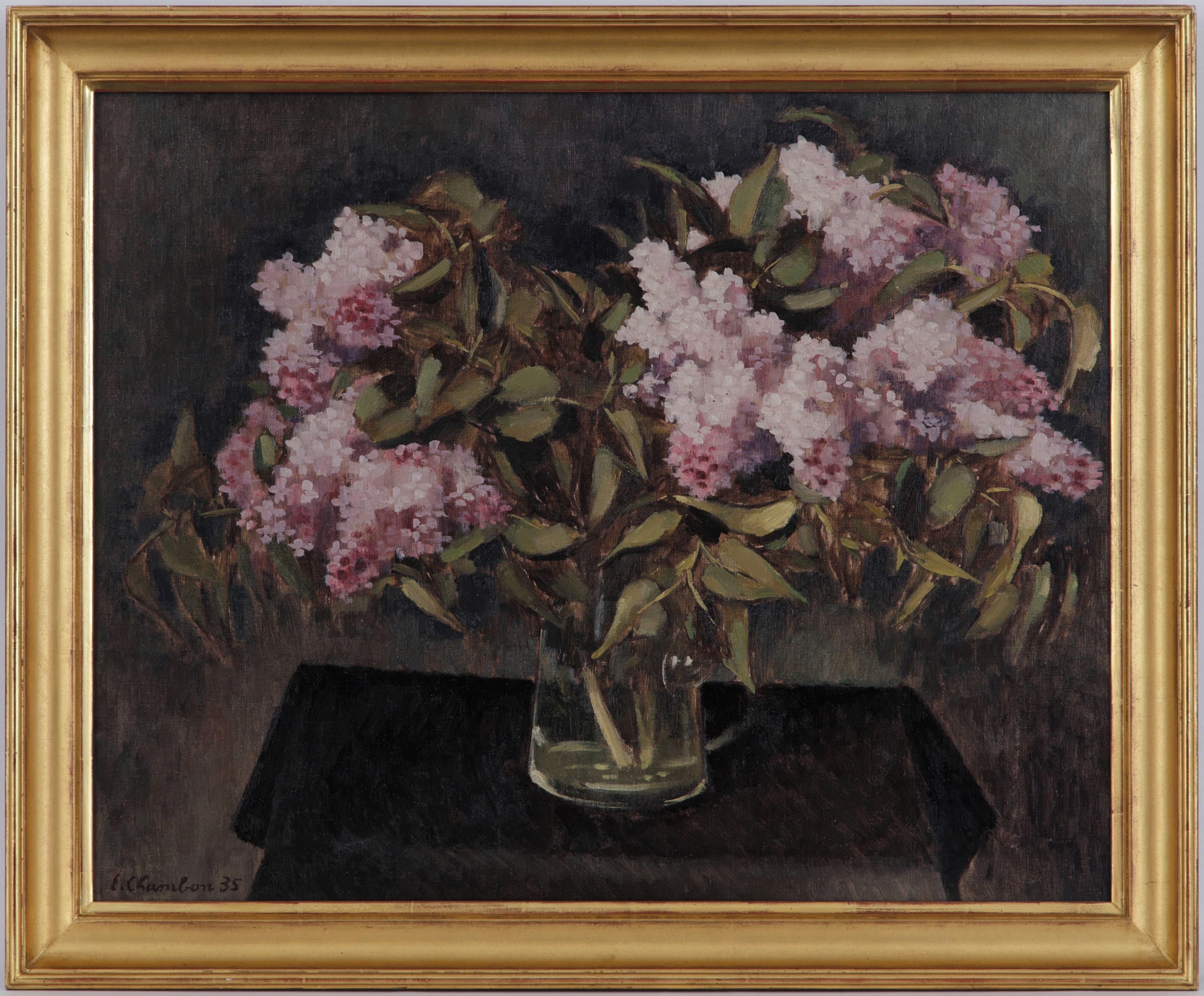
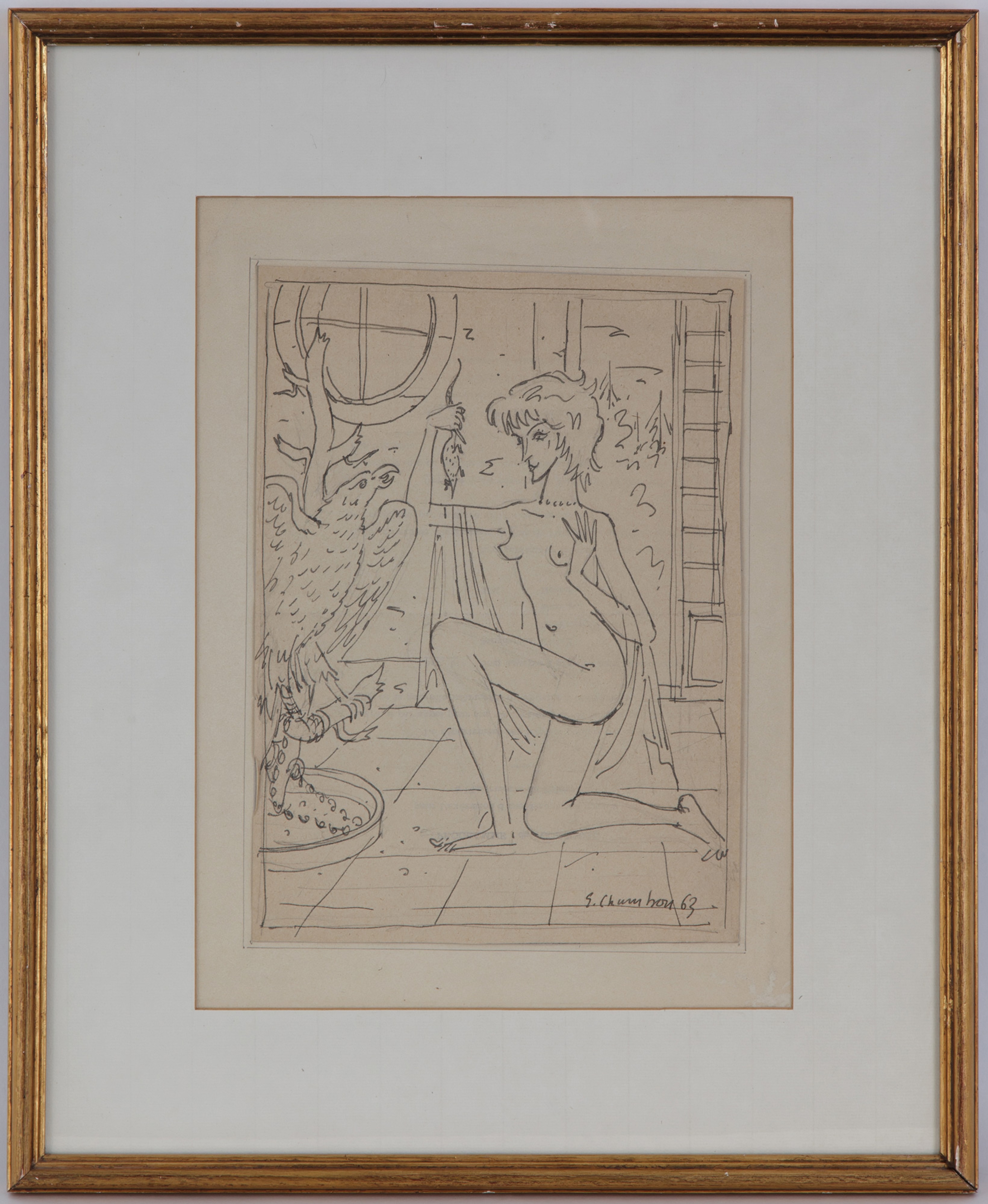
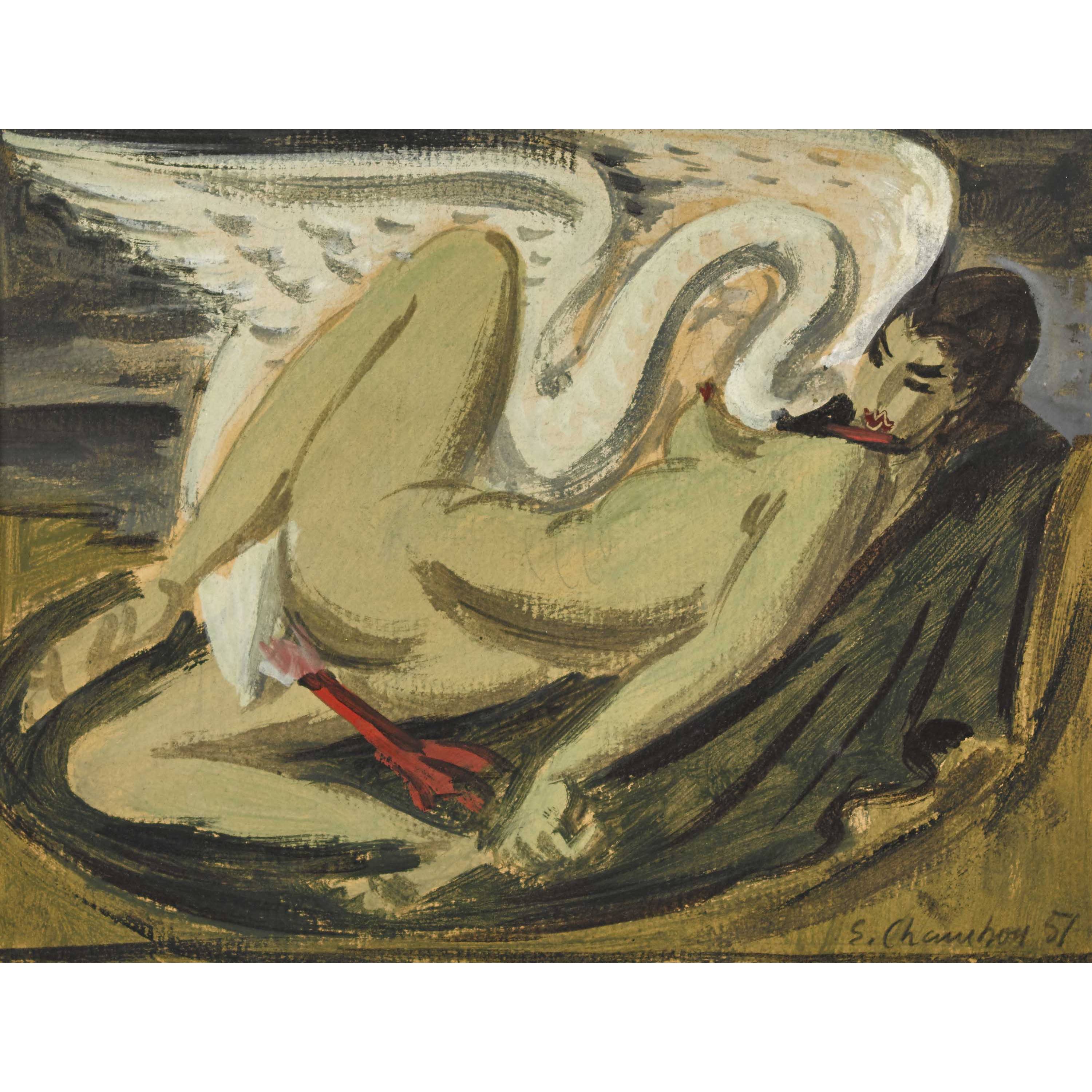
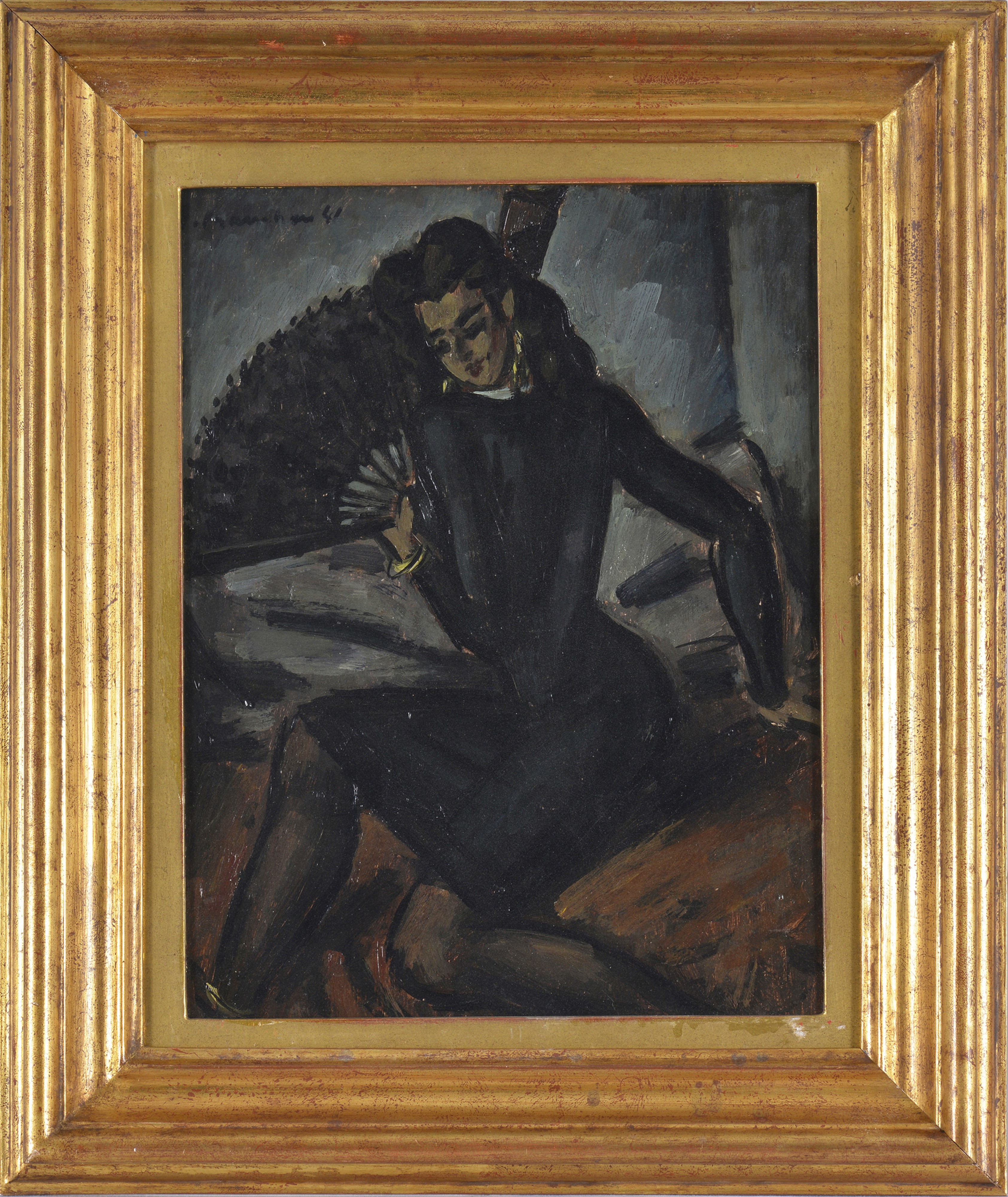
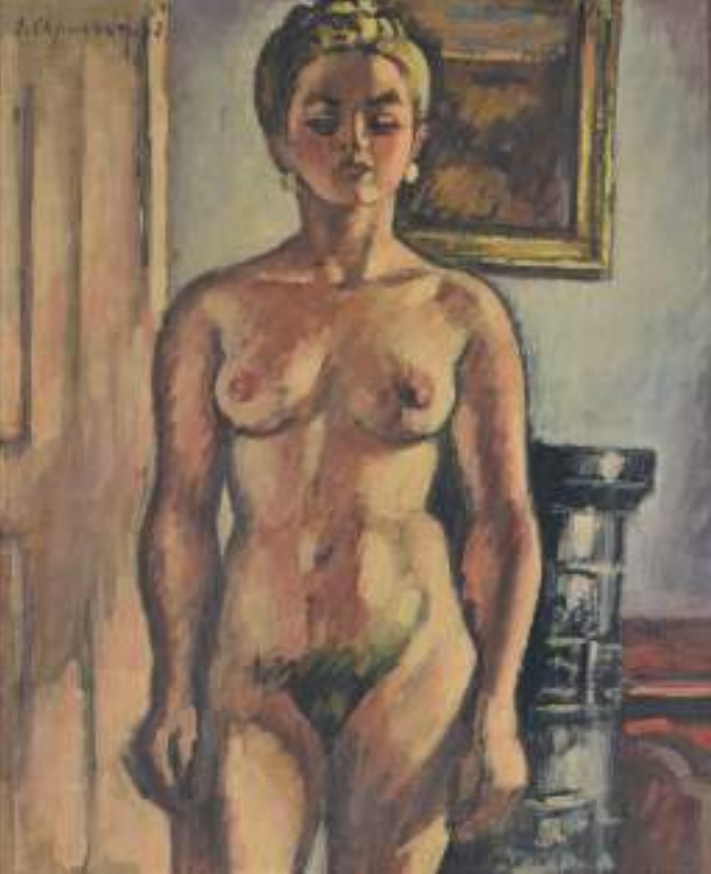
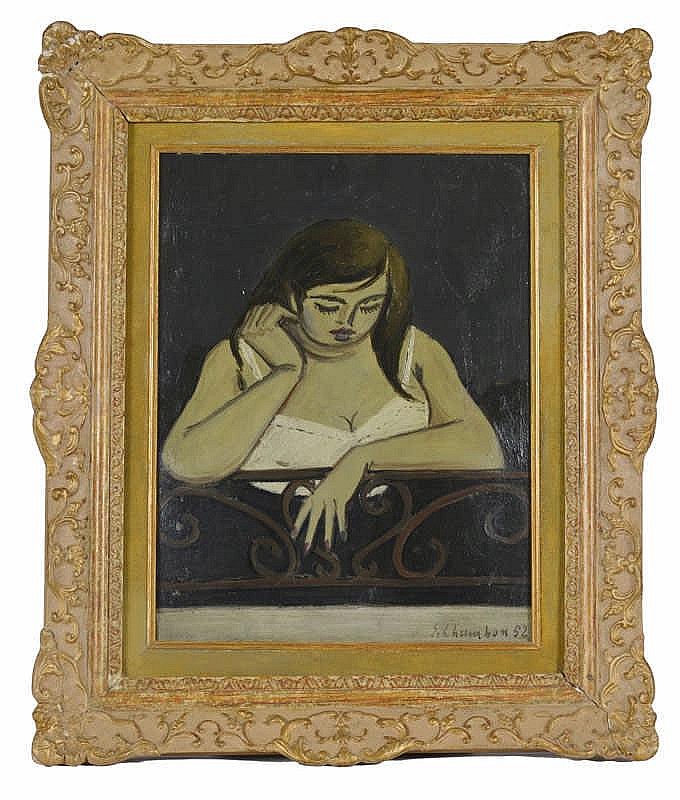
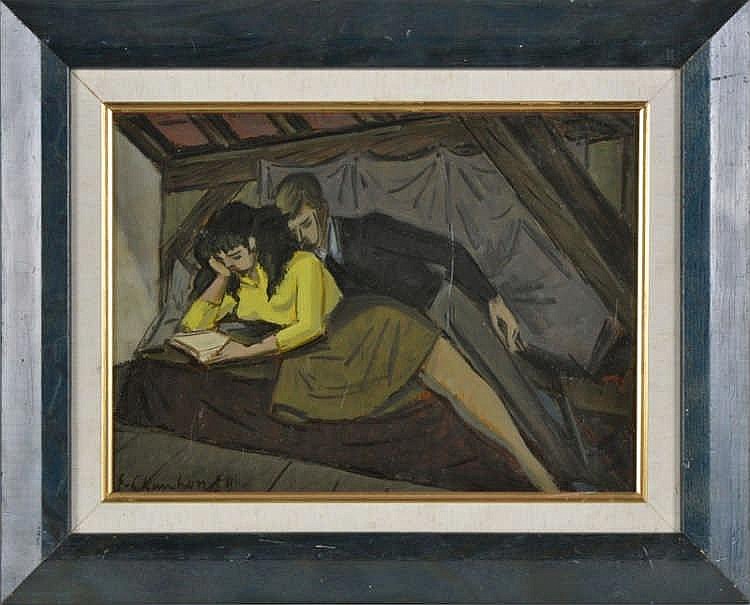
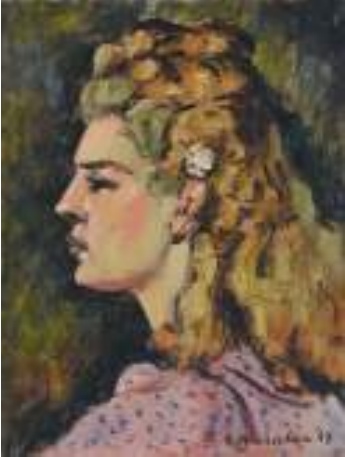
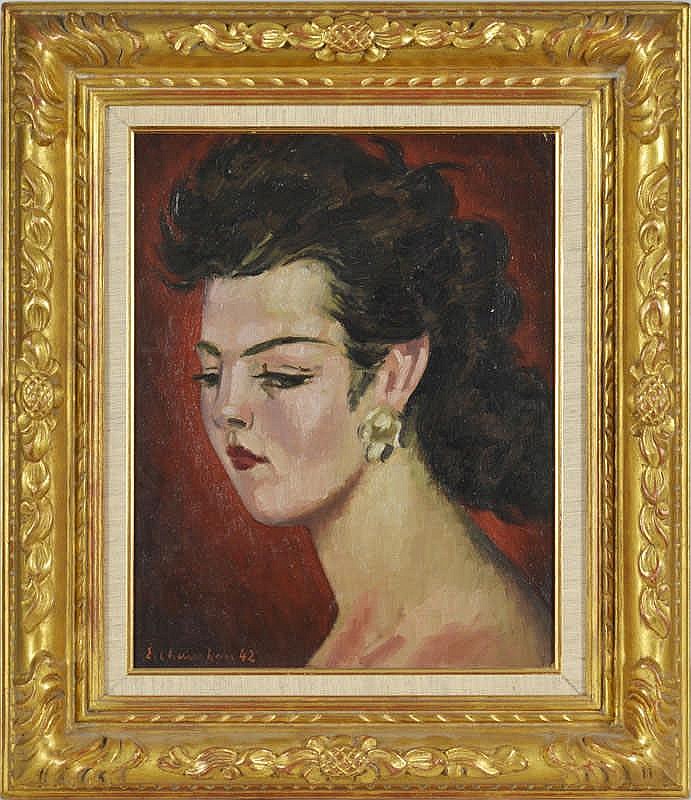
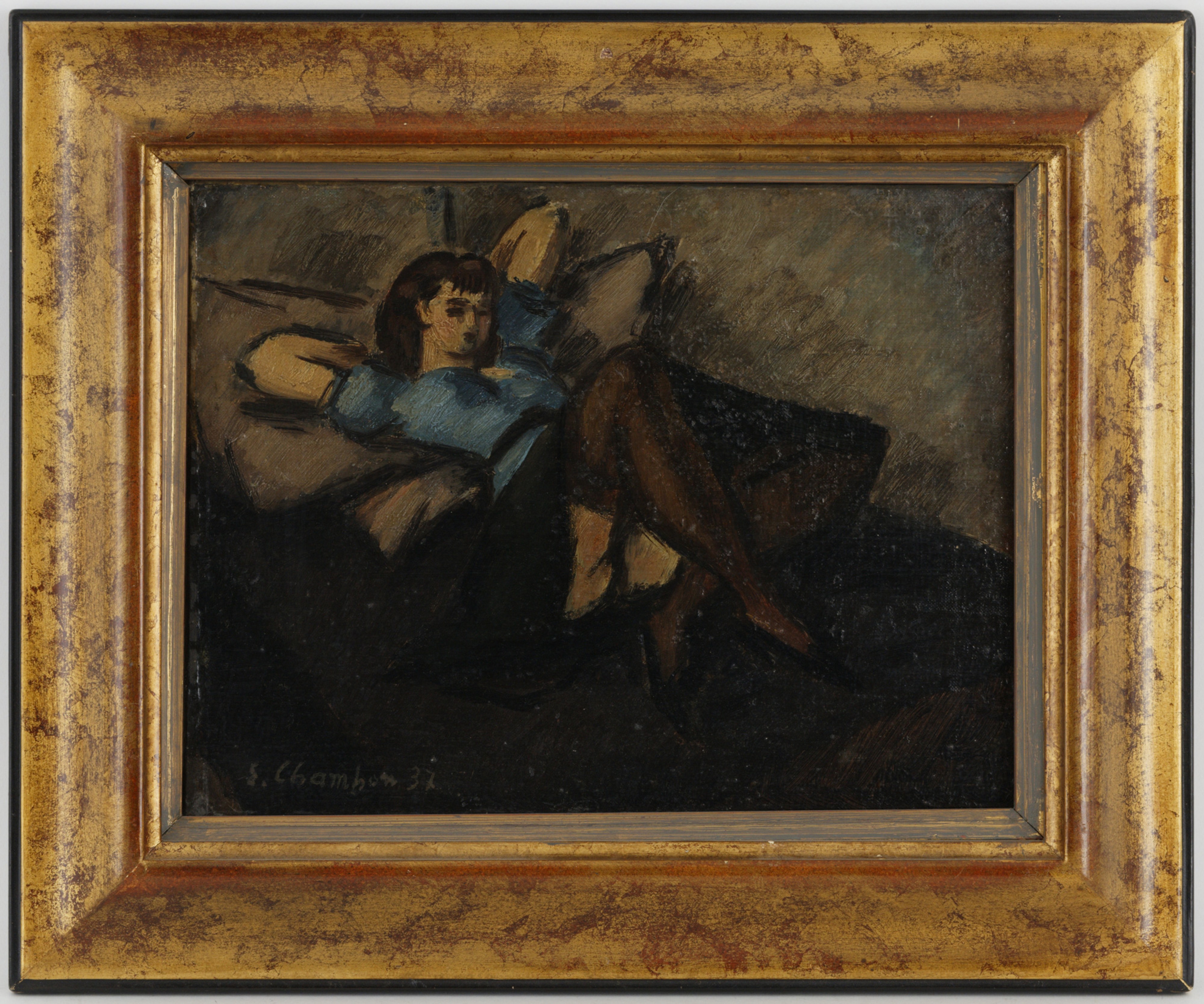
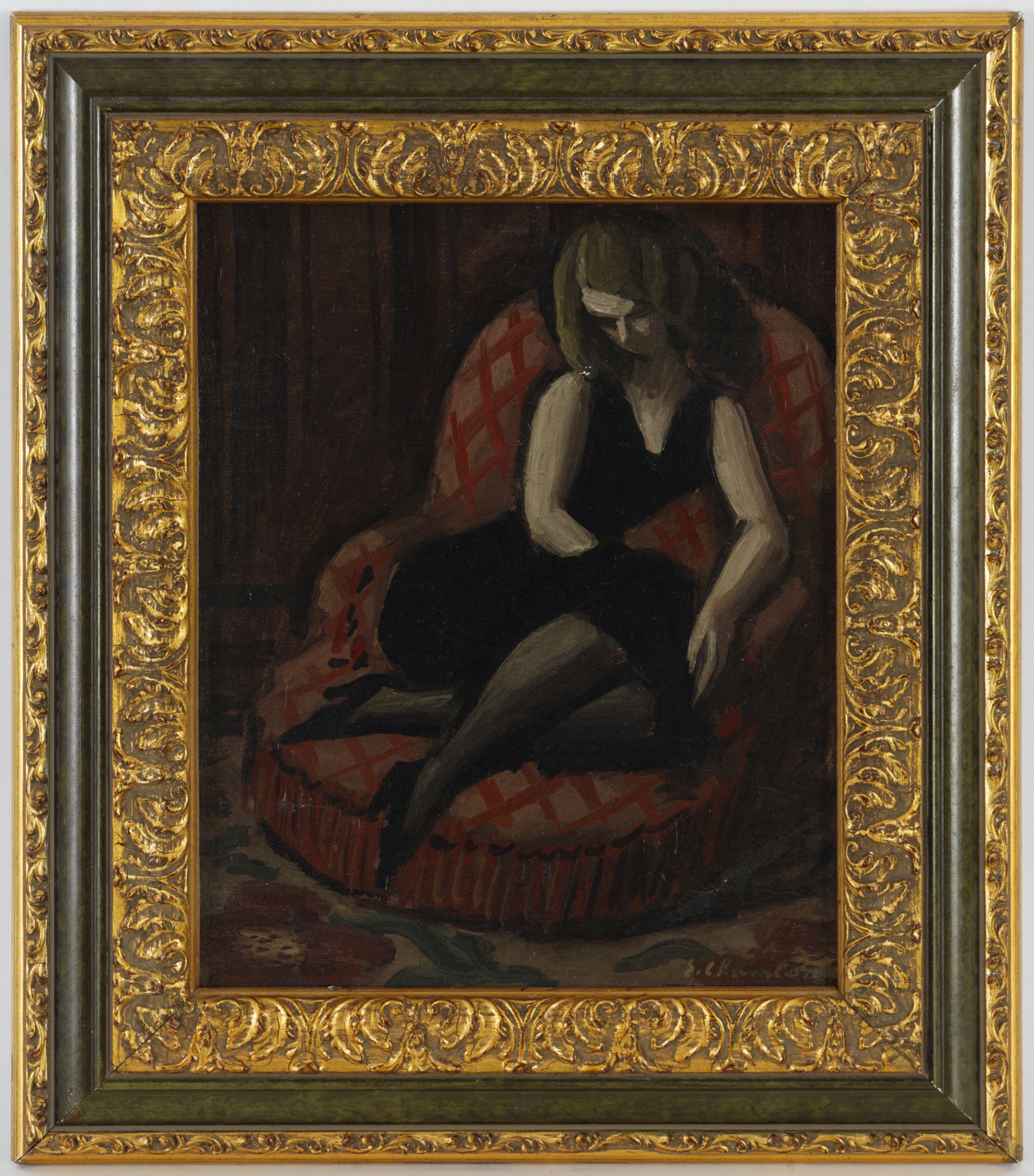
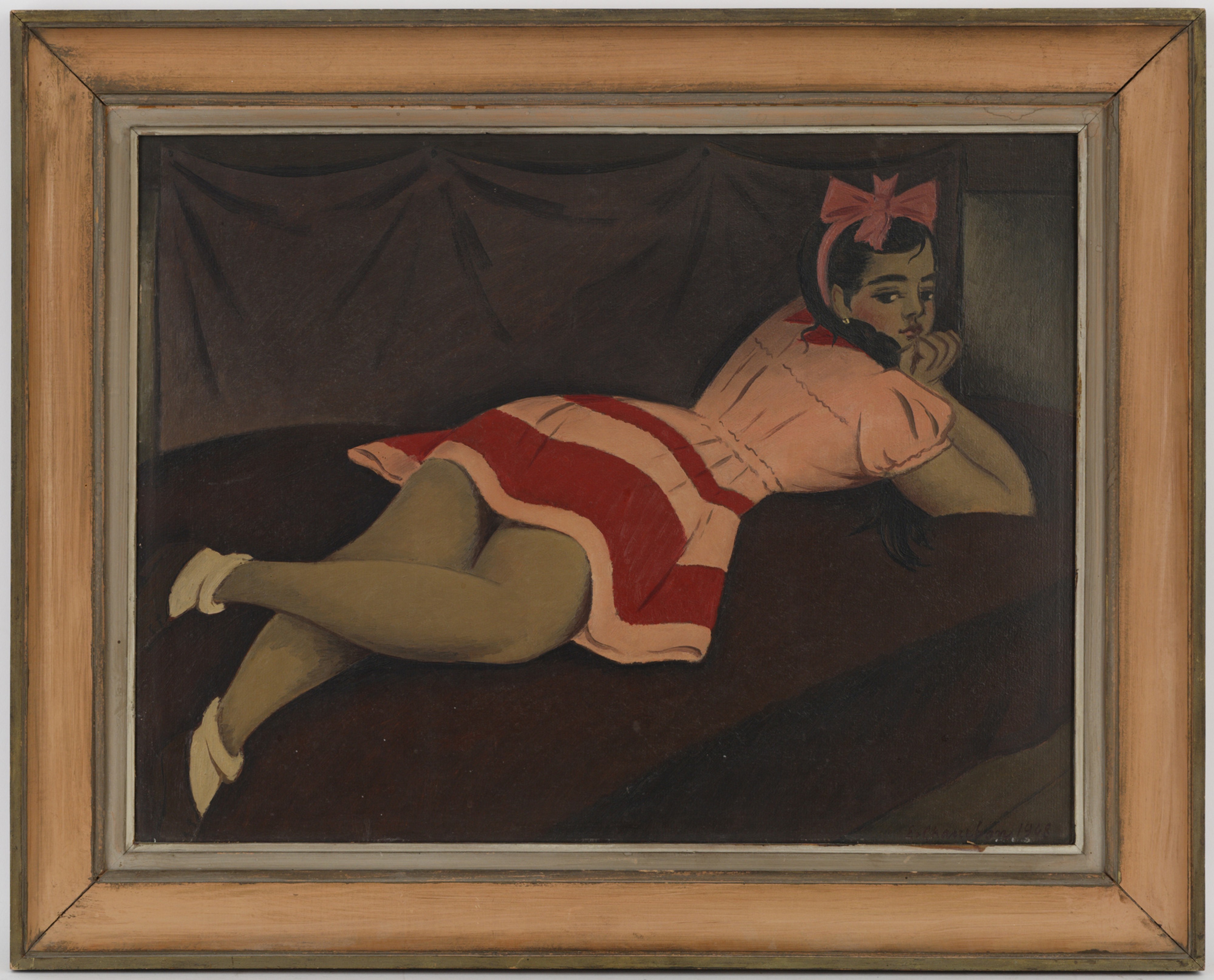
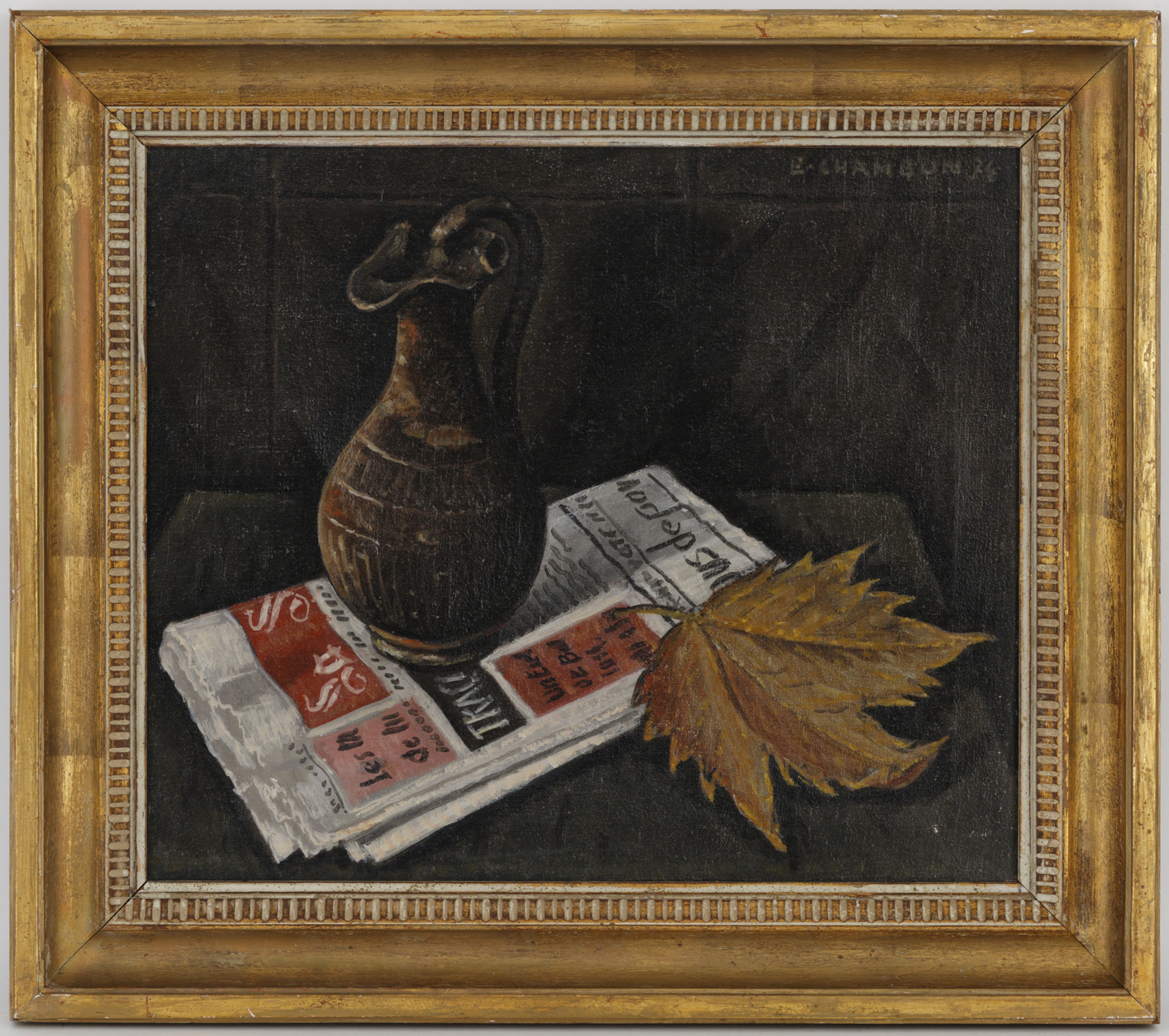
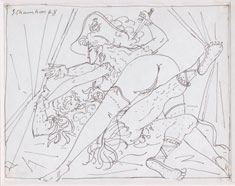
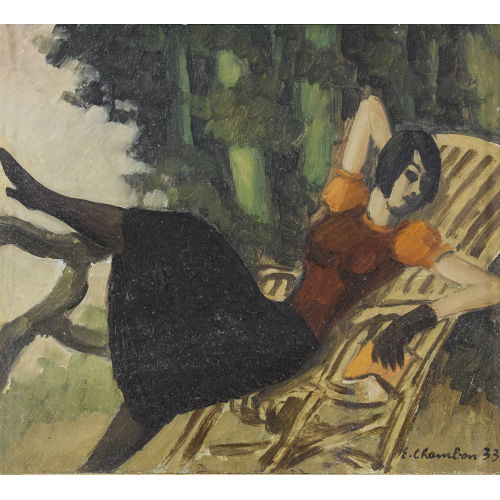
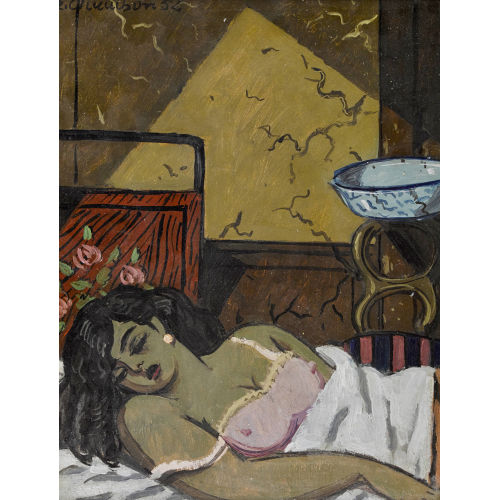
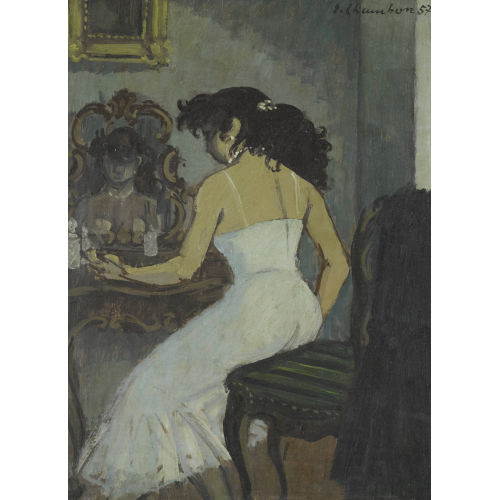
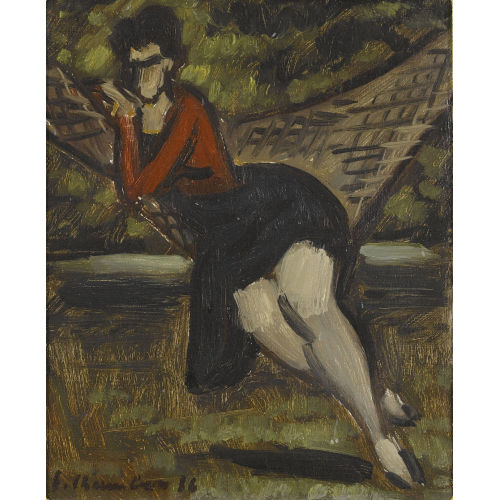
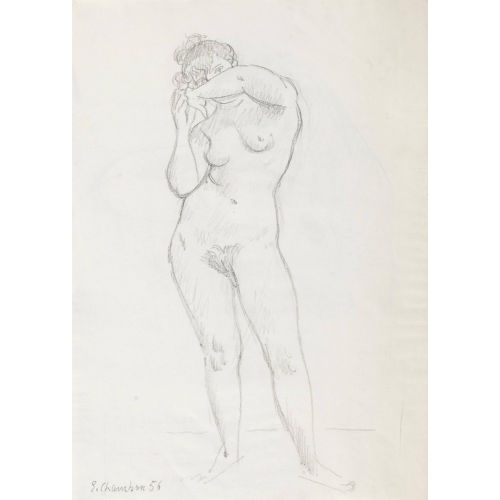
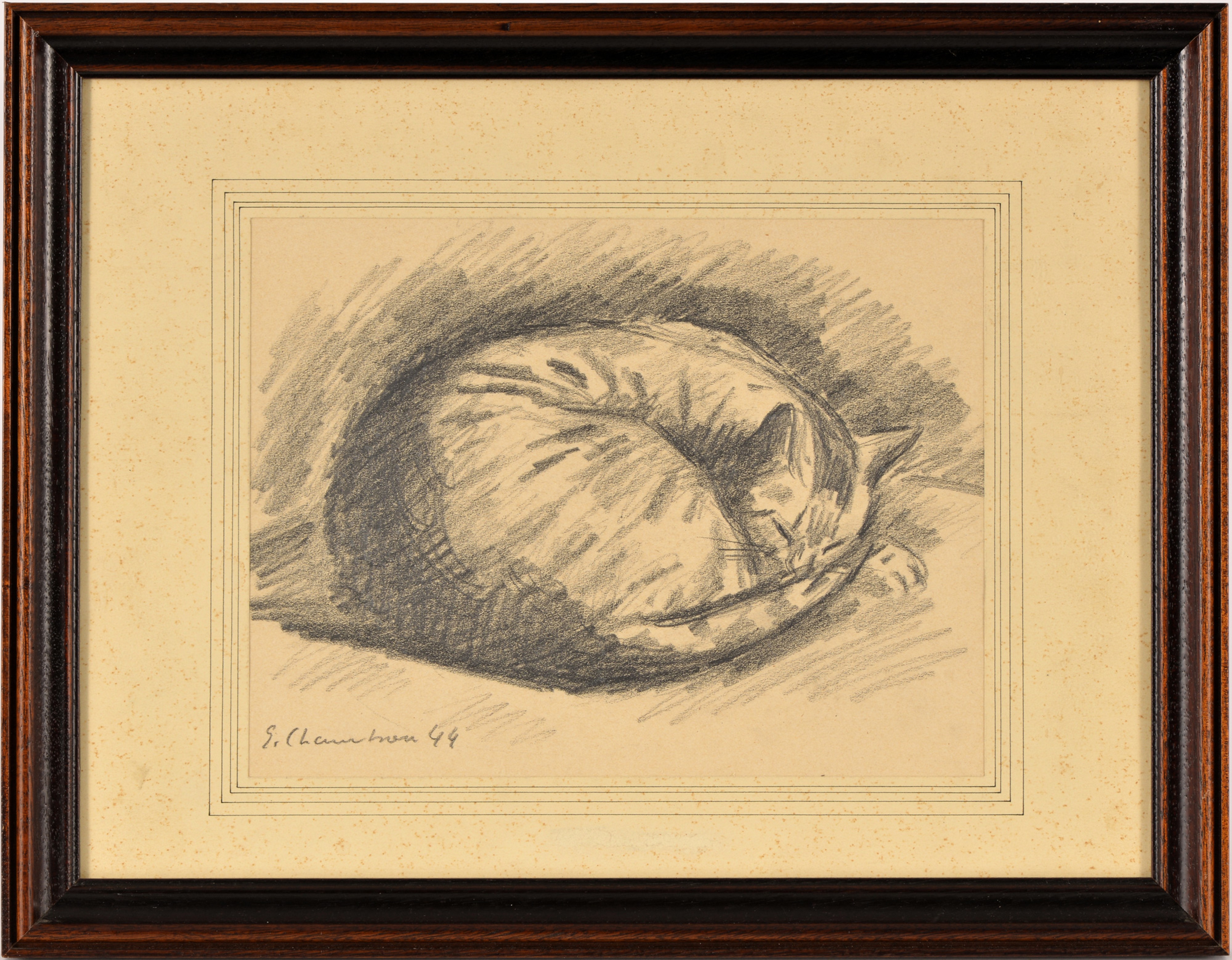
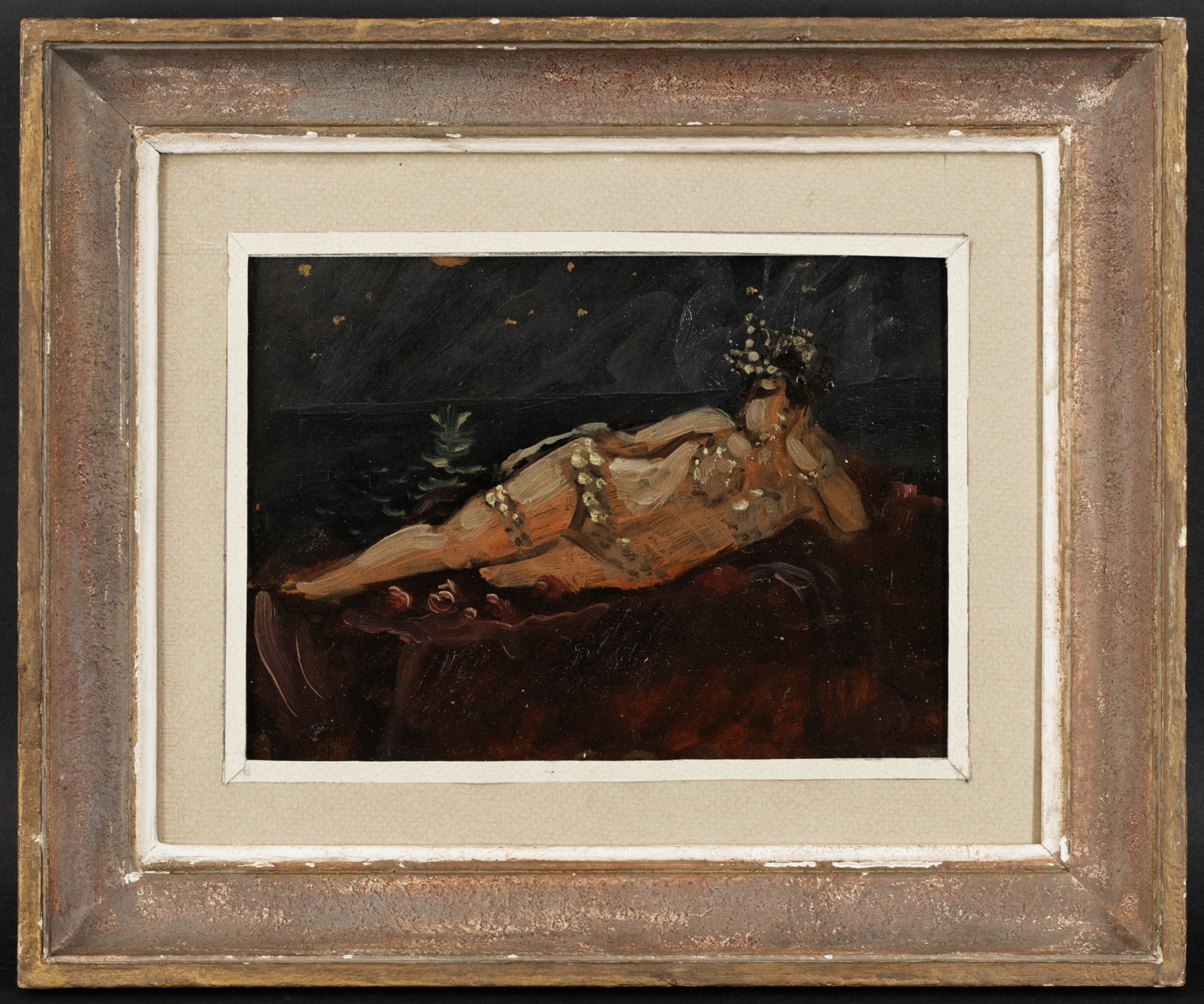
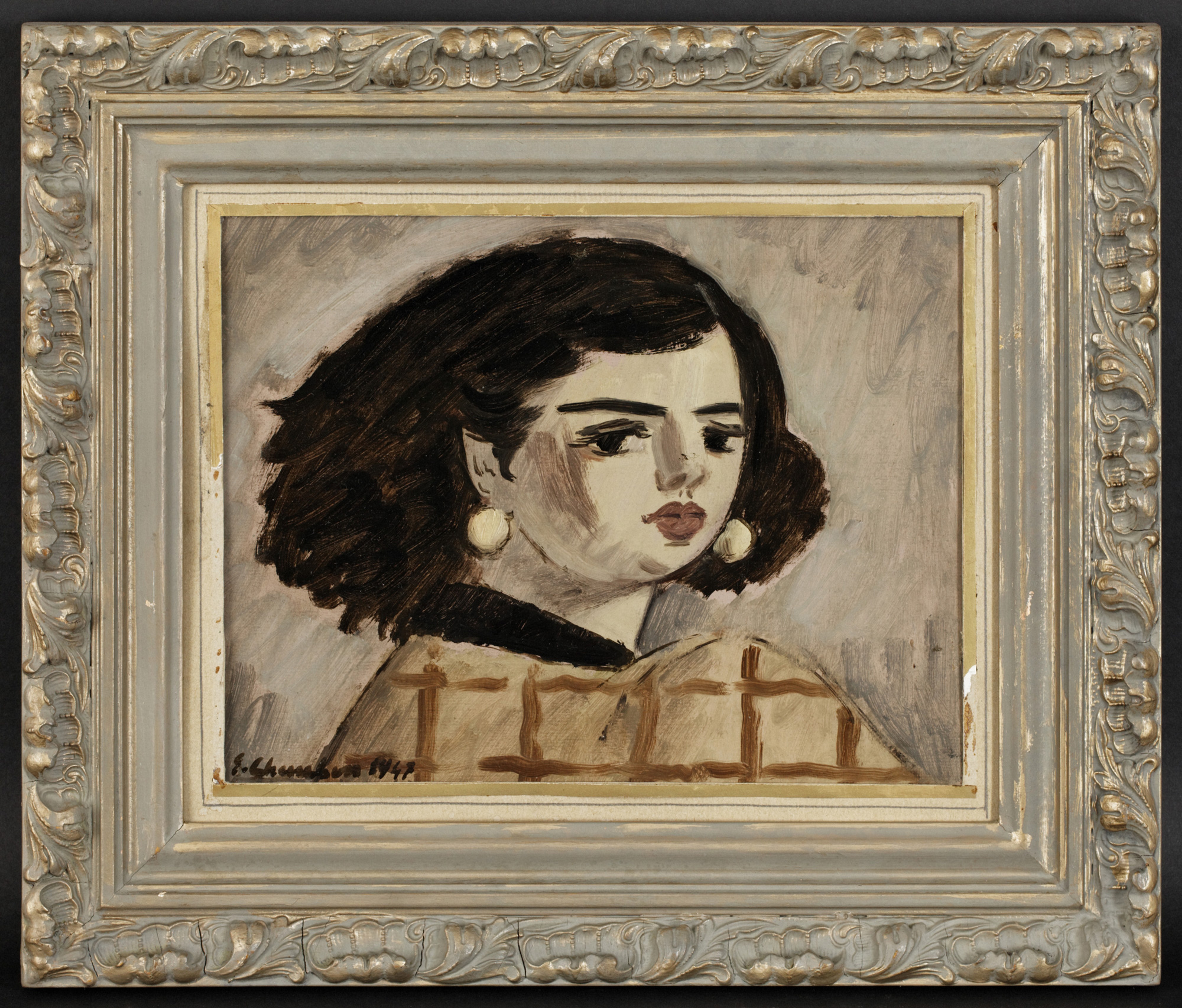
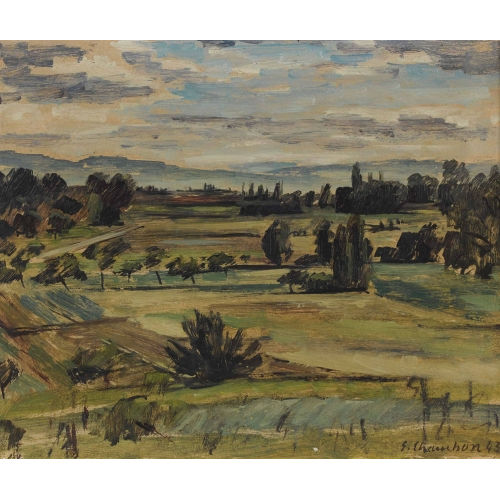
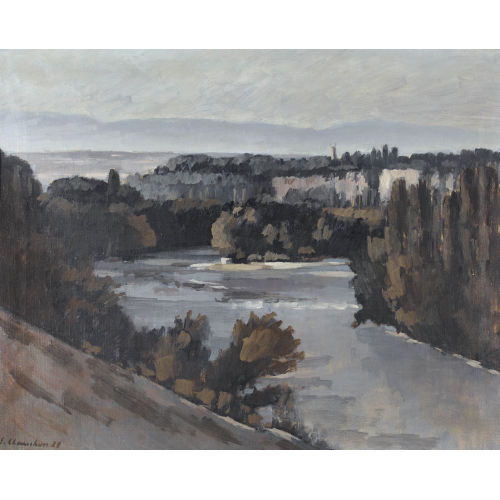
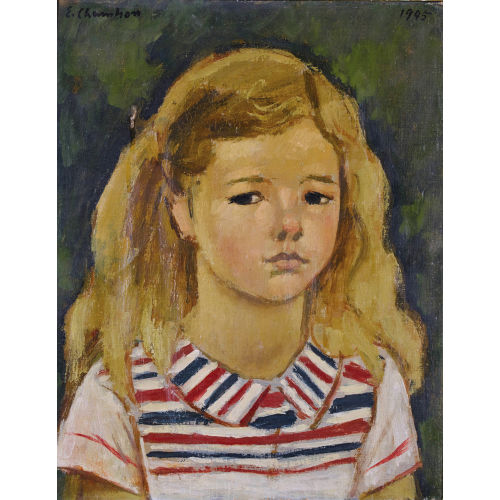
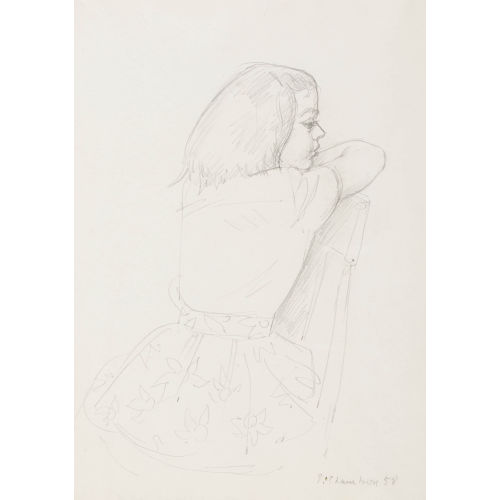
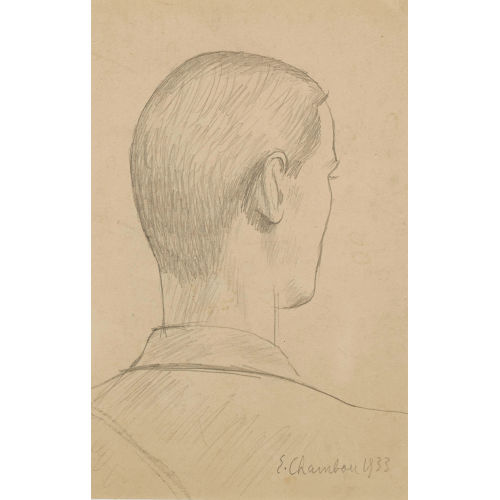
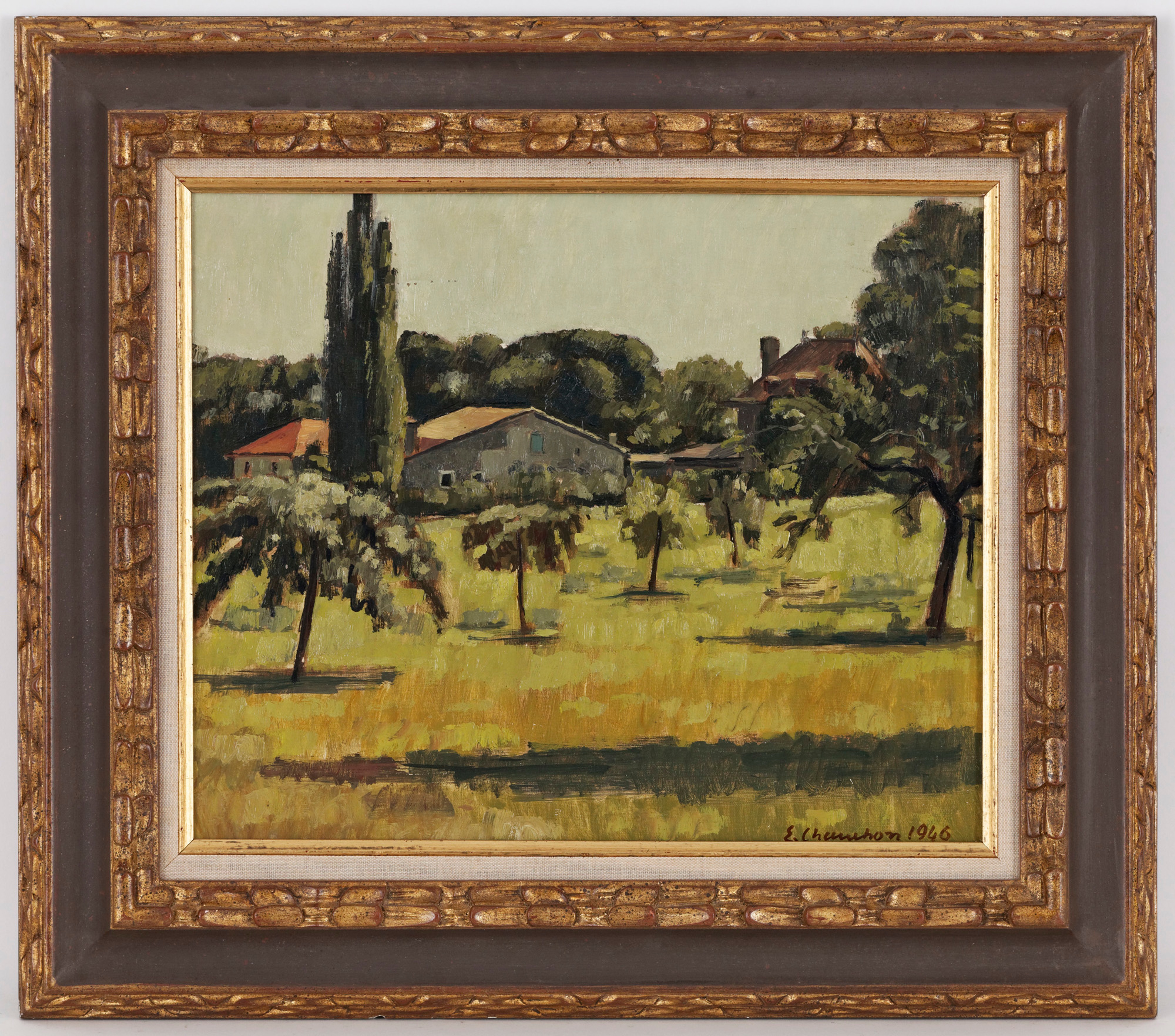
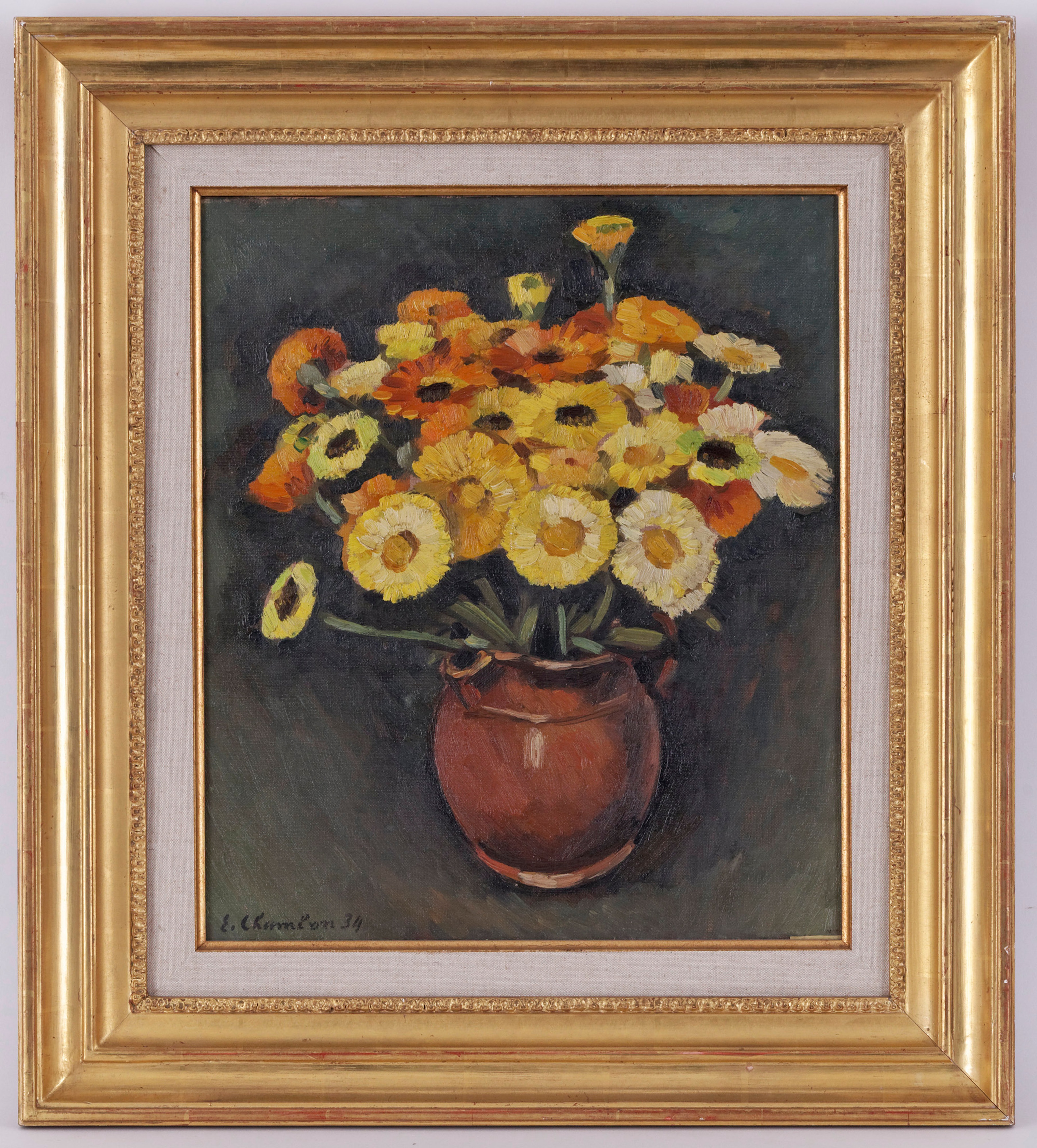
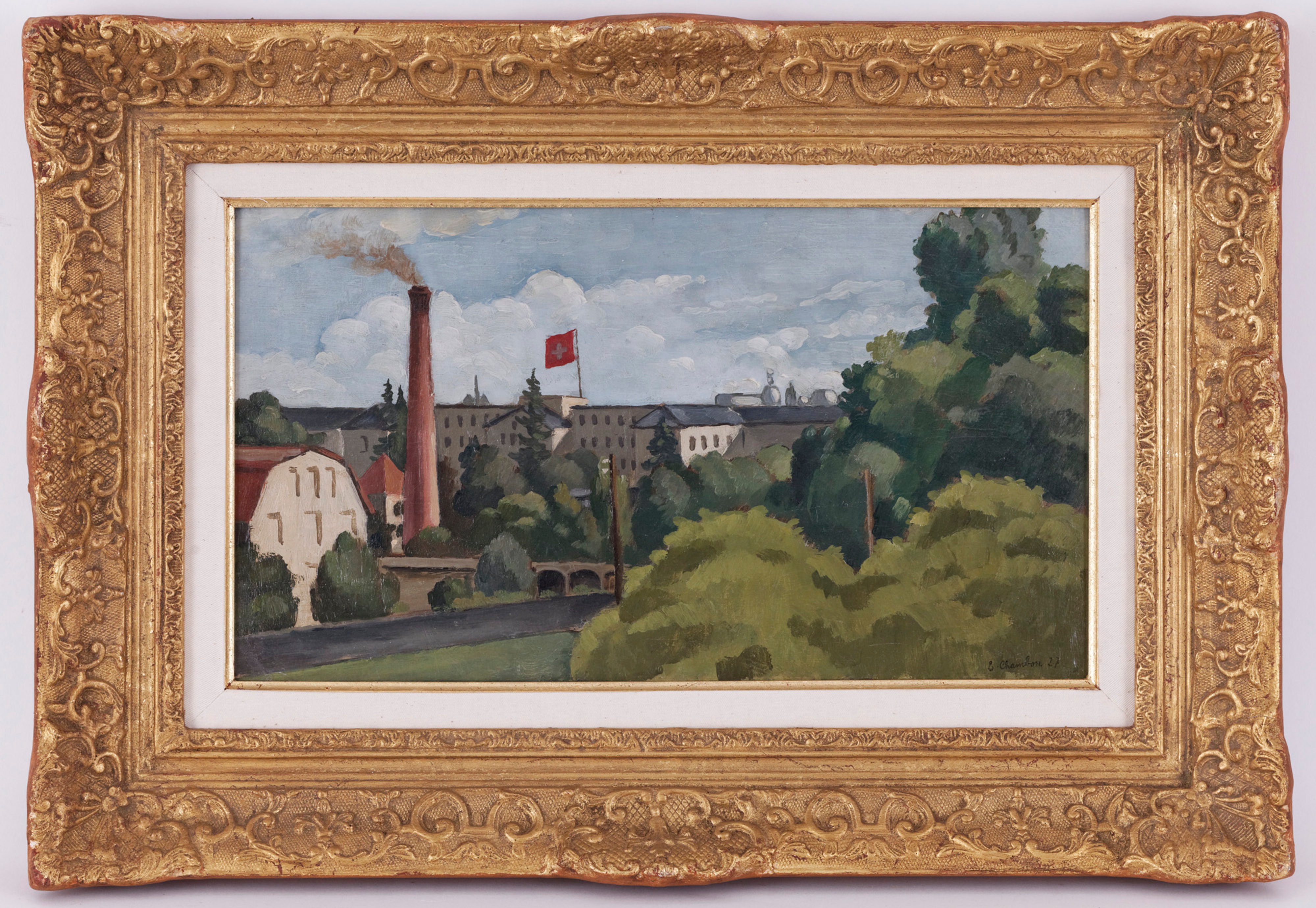
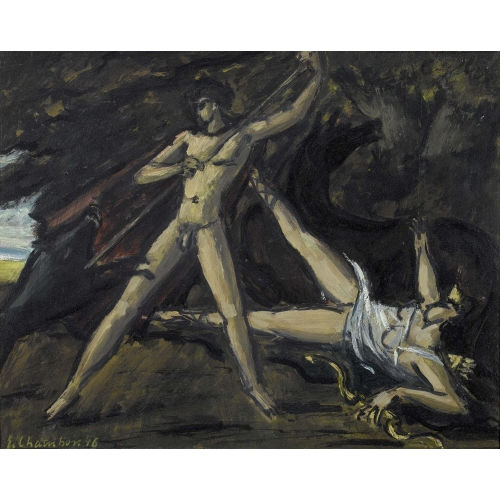
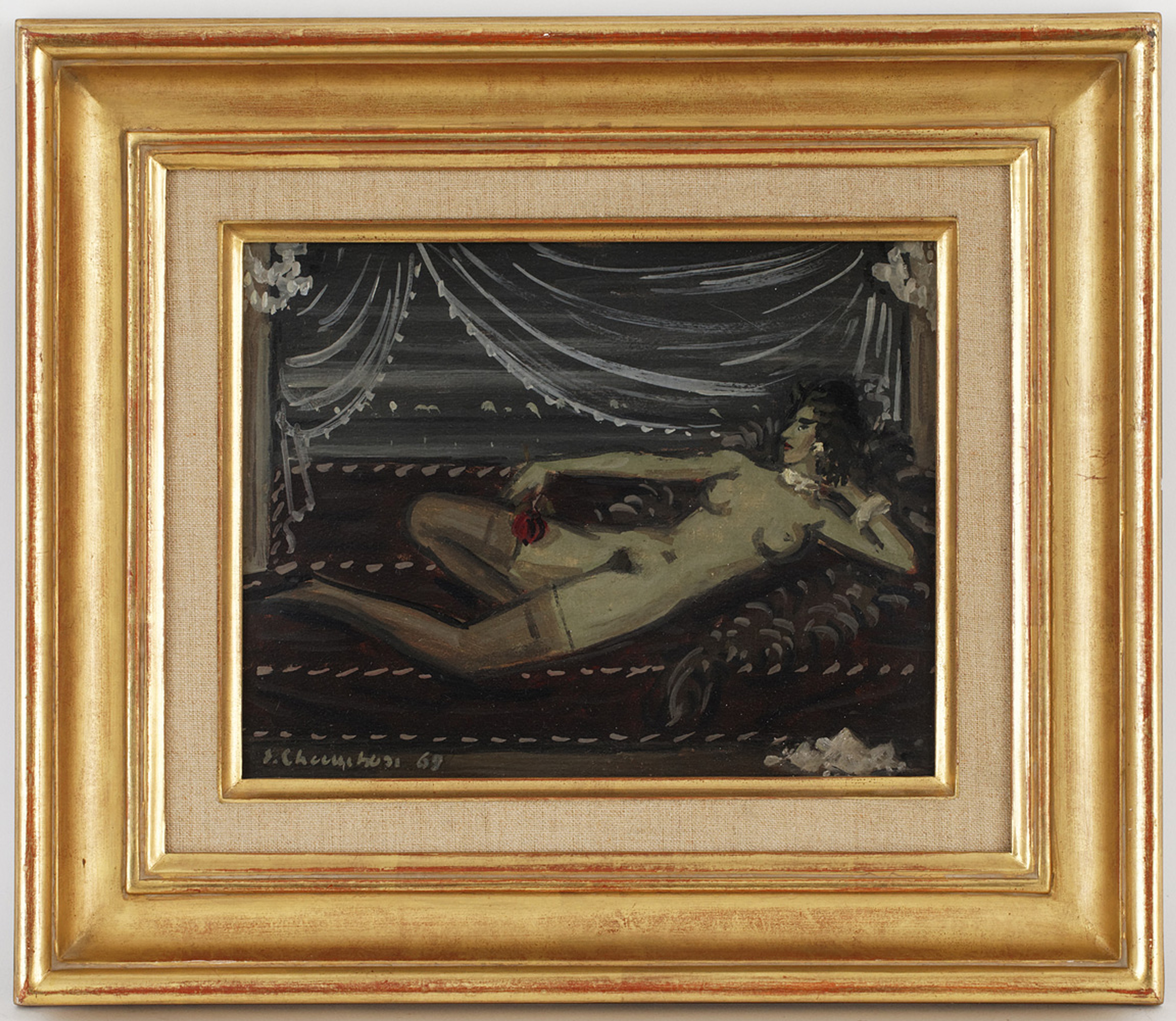
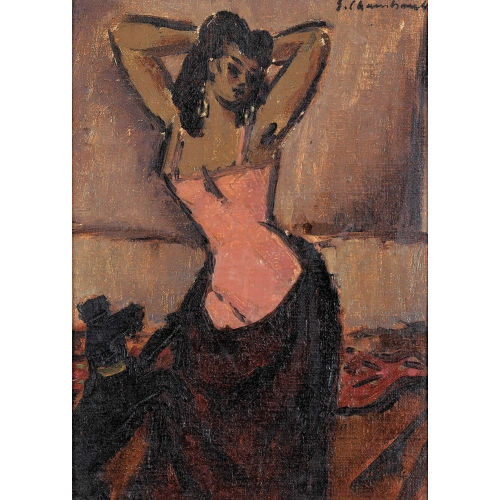
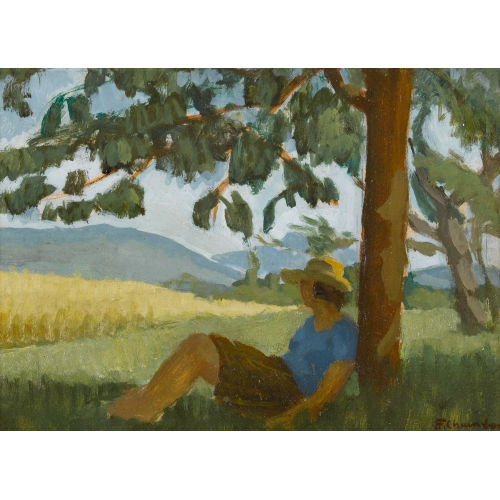
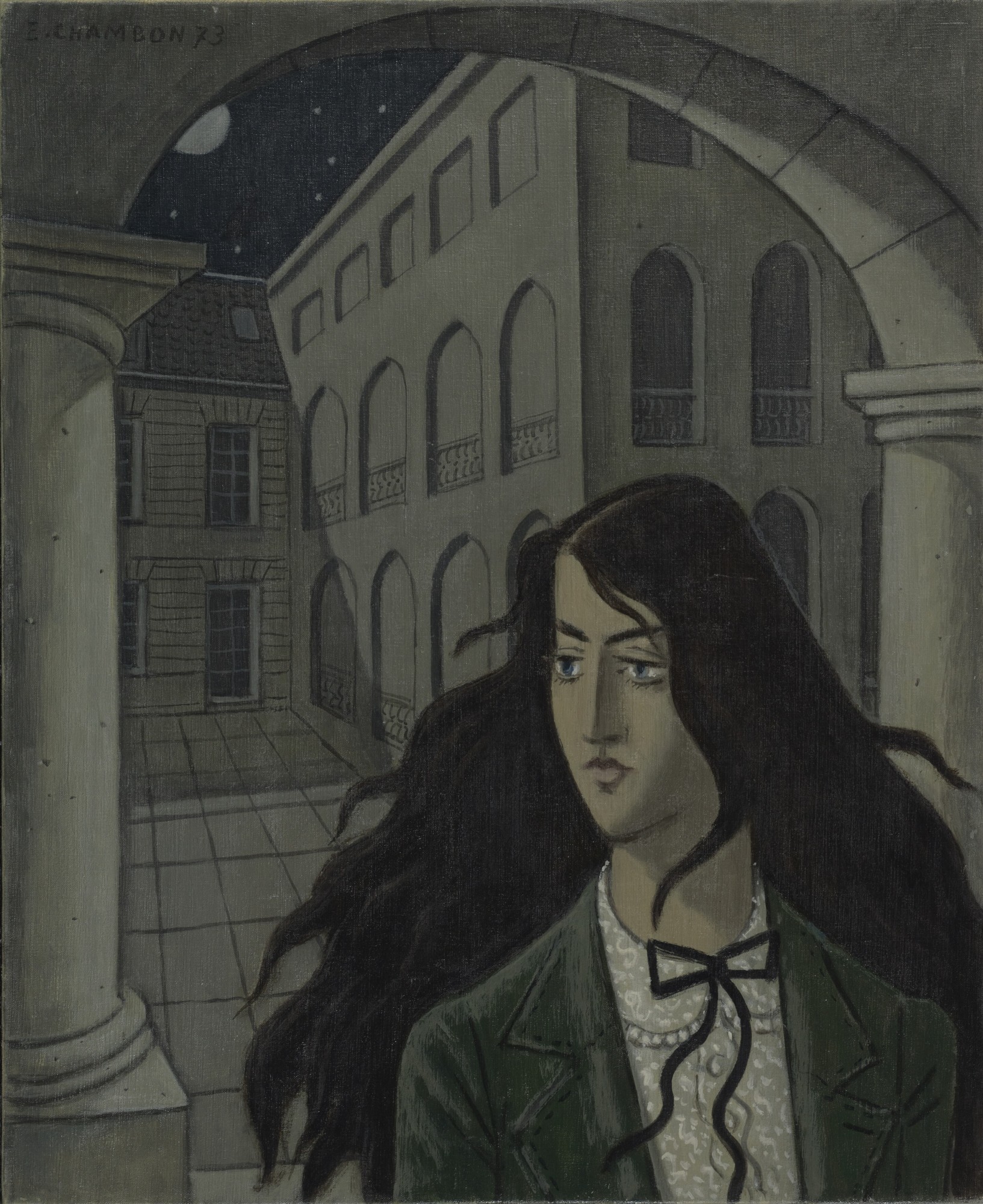
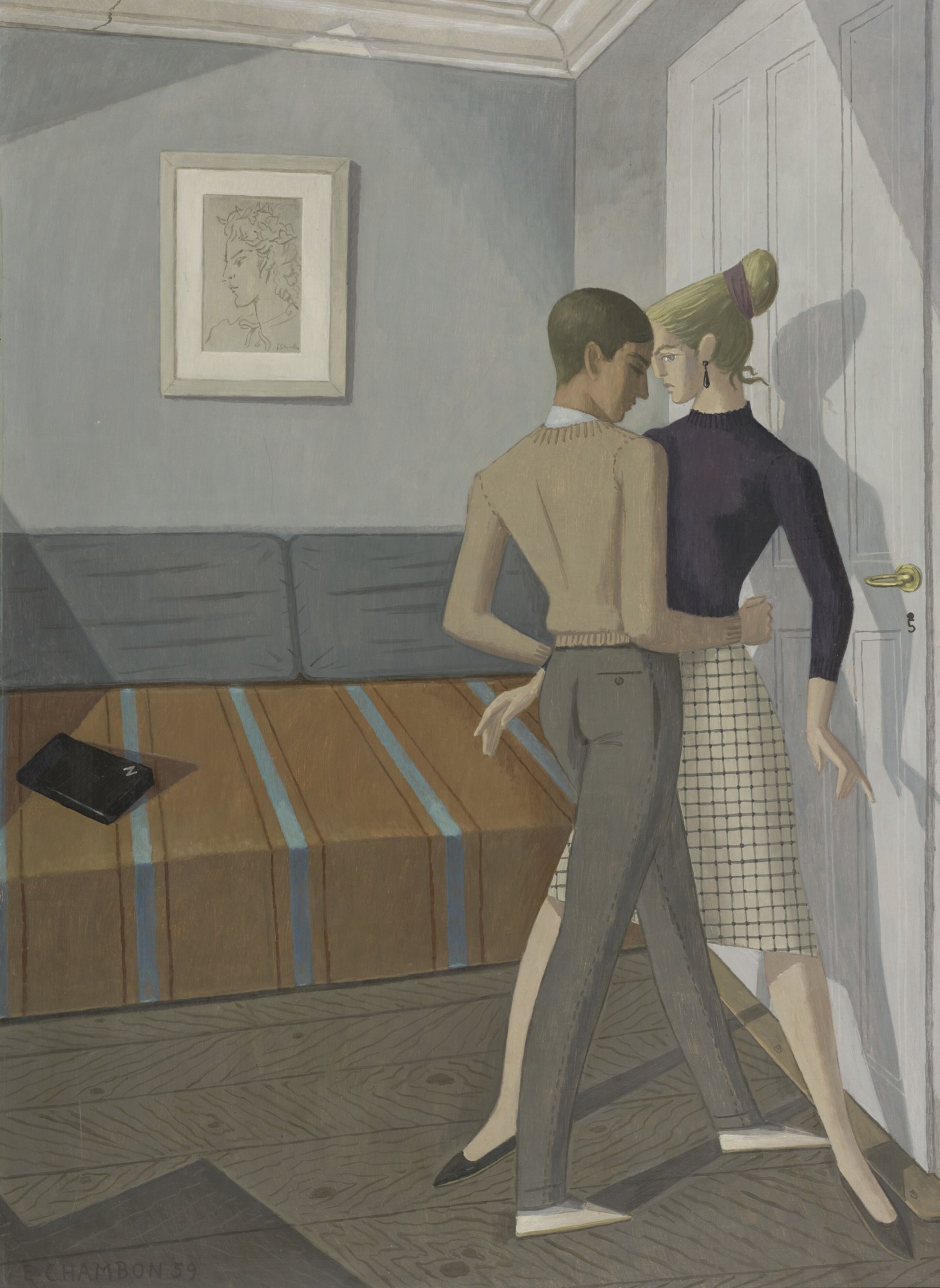
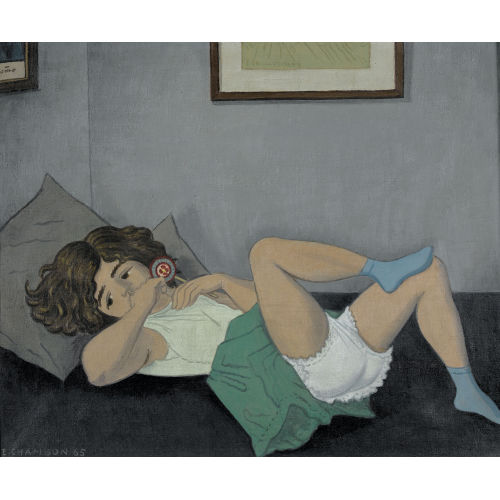
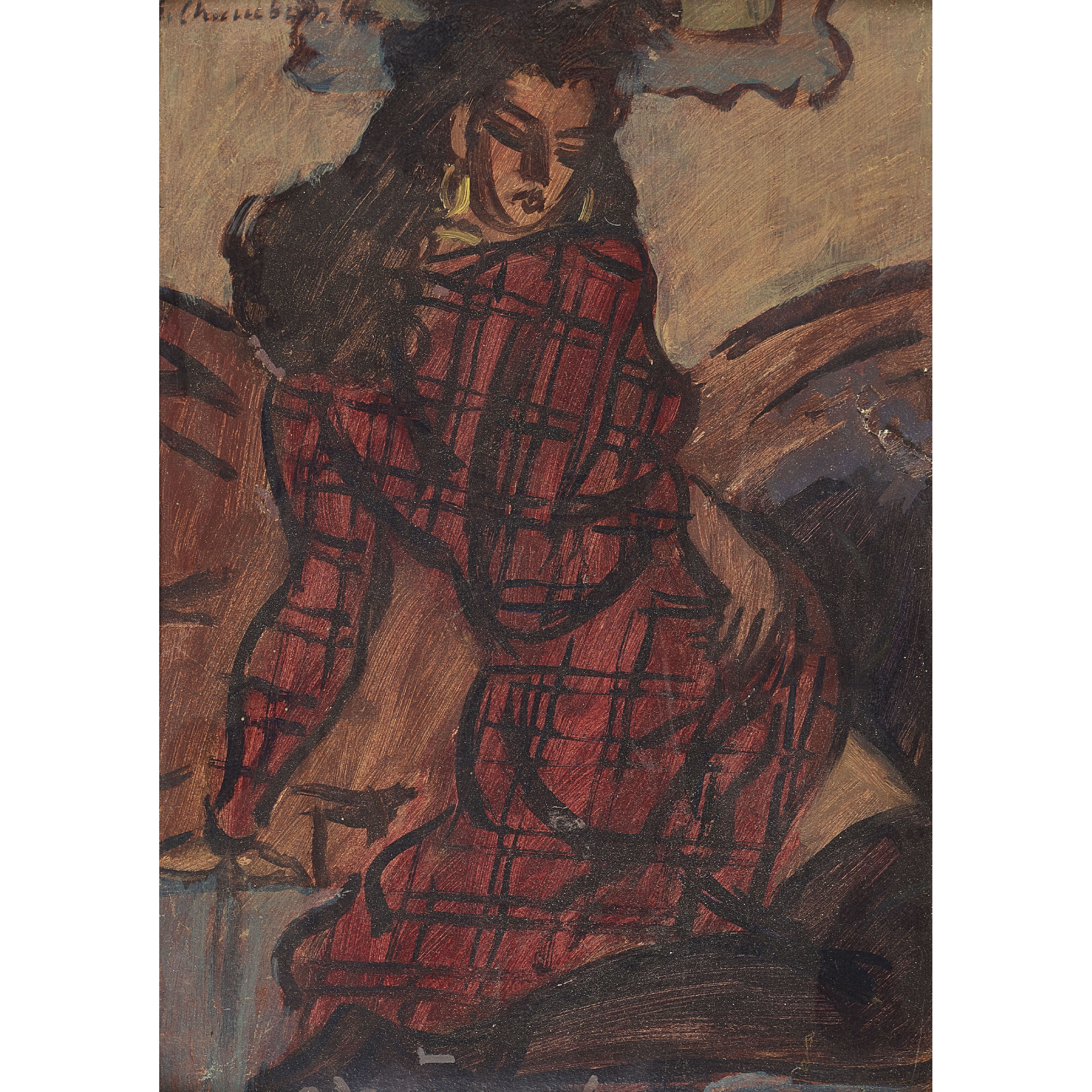
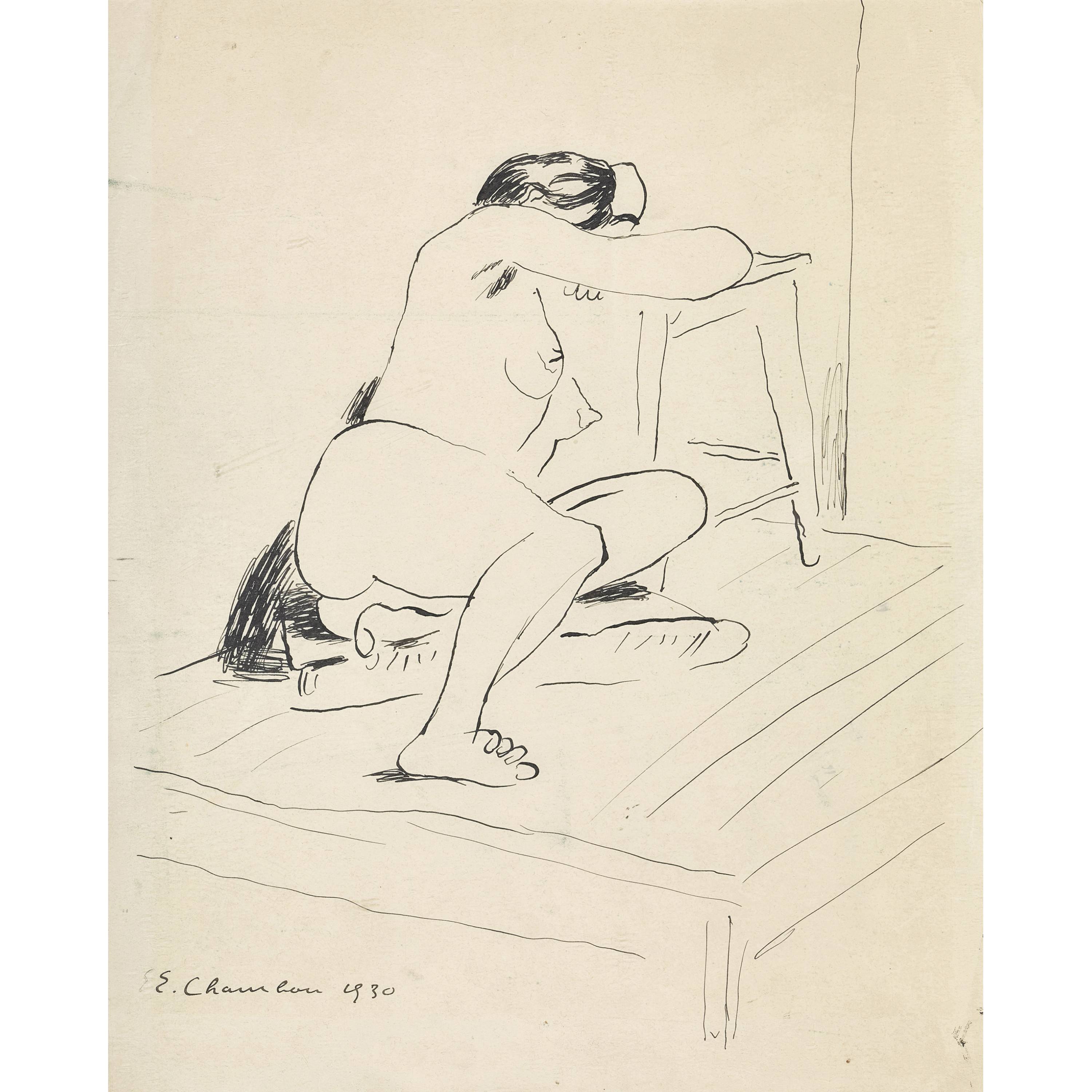
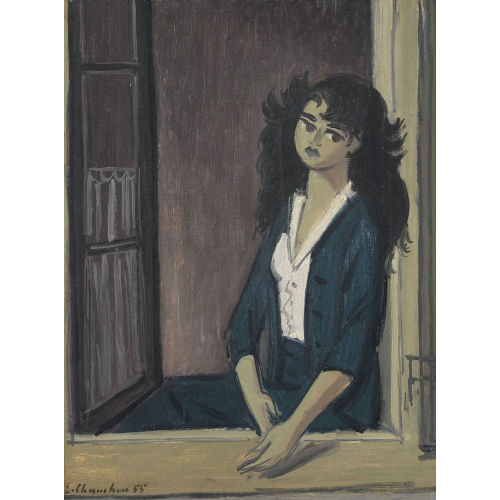
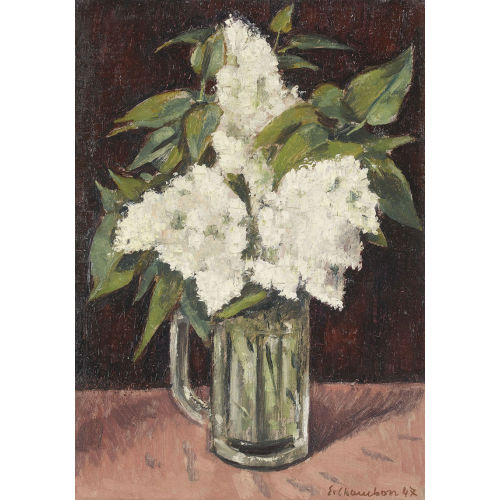
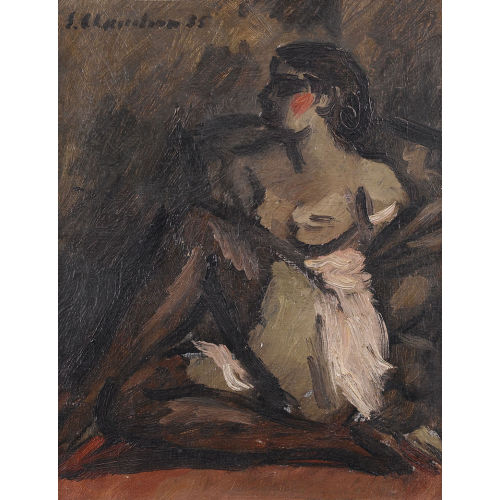
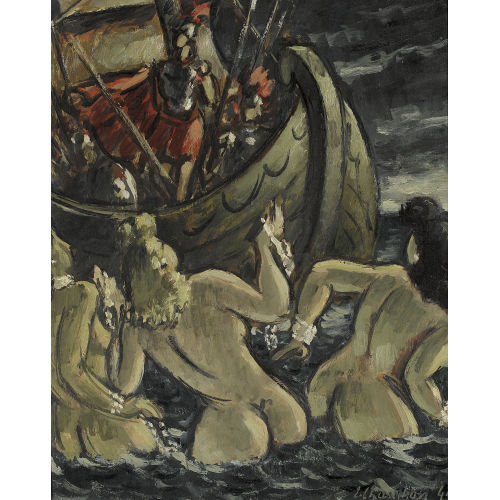
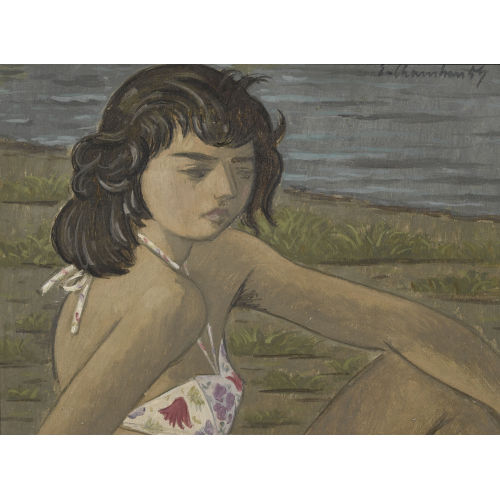
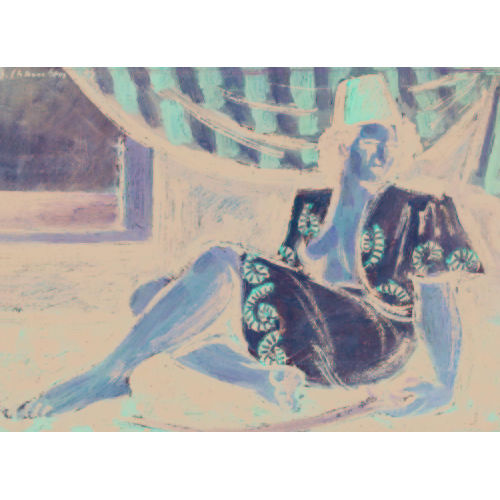
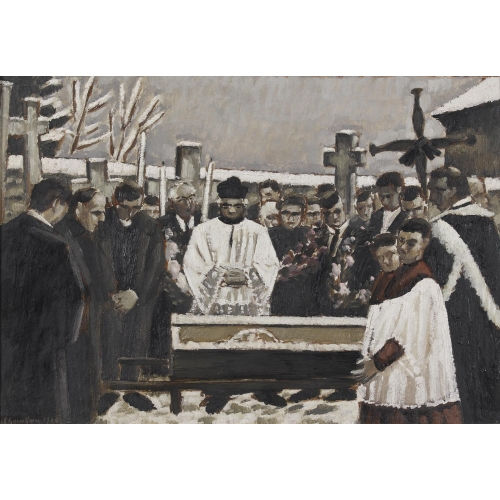
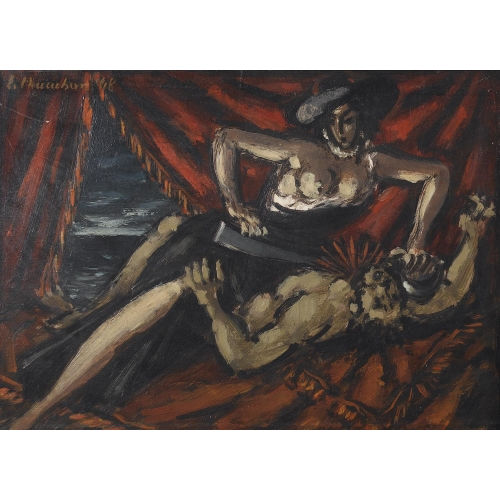
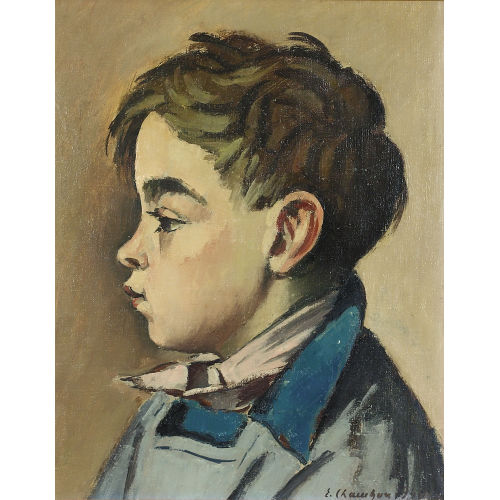
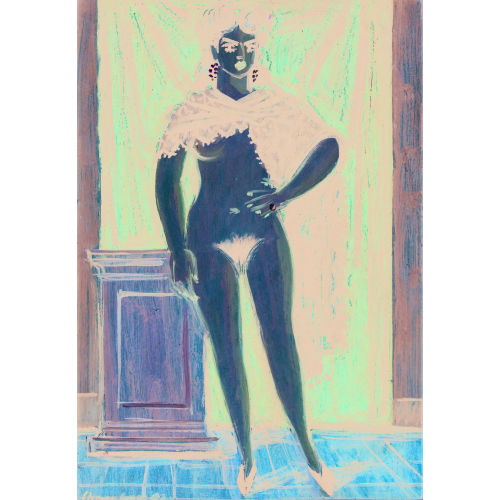
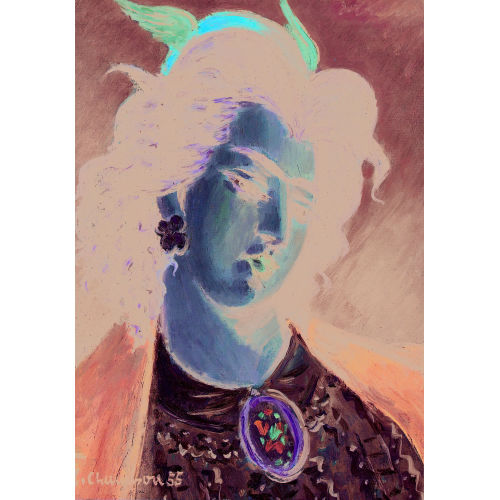
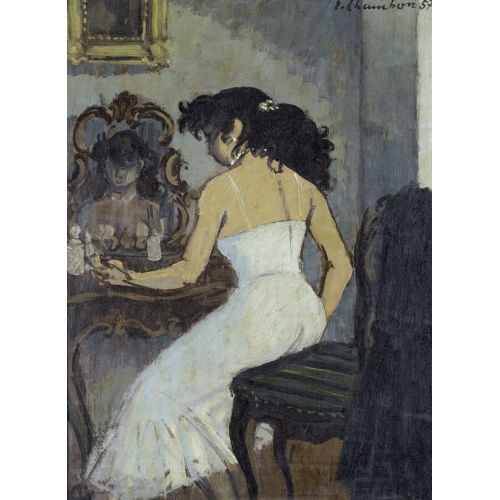
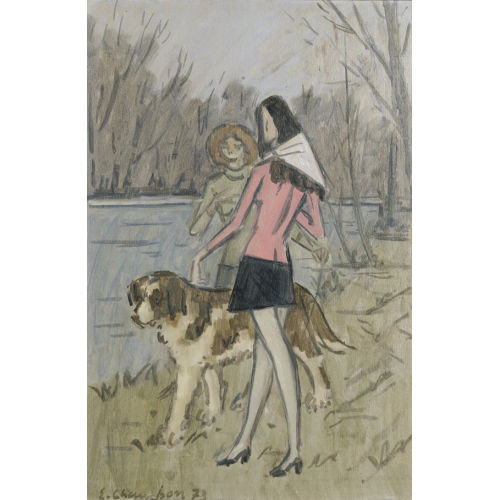
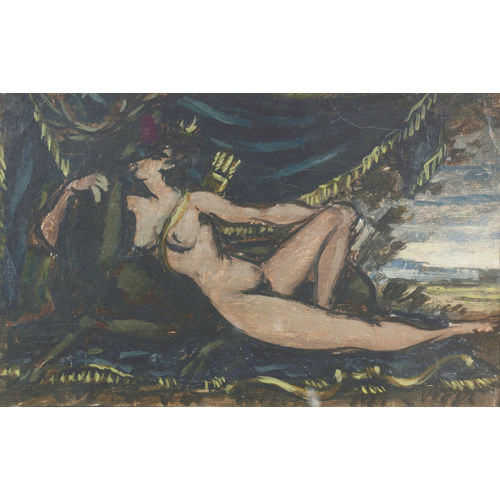
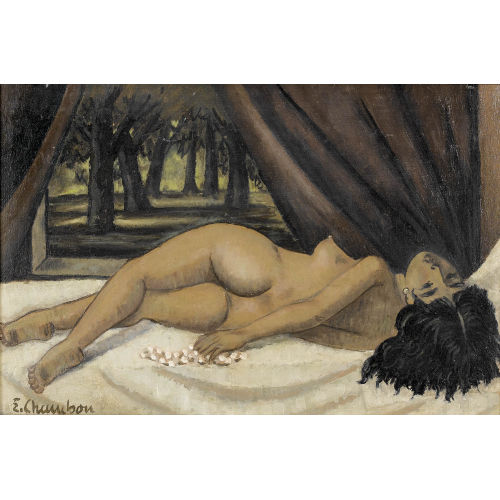
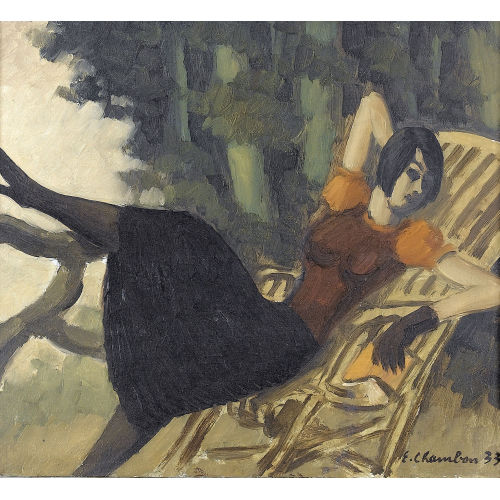
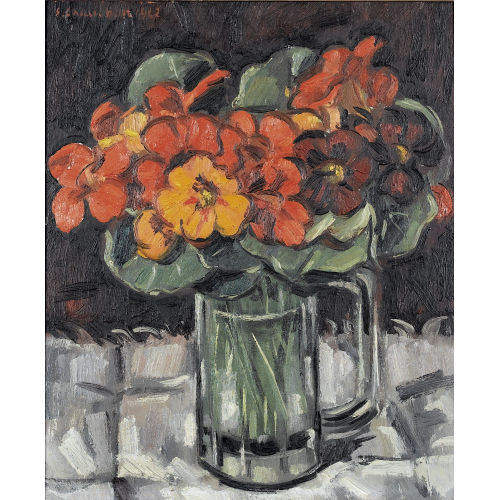
The works by Émile François Chambon presented by Swiss Art Gallery extend this artistic journey and take their place naturally within this corpus.