Egbert Moehsnang
Born in 1927.
Died in 2017.
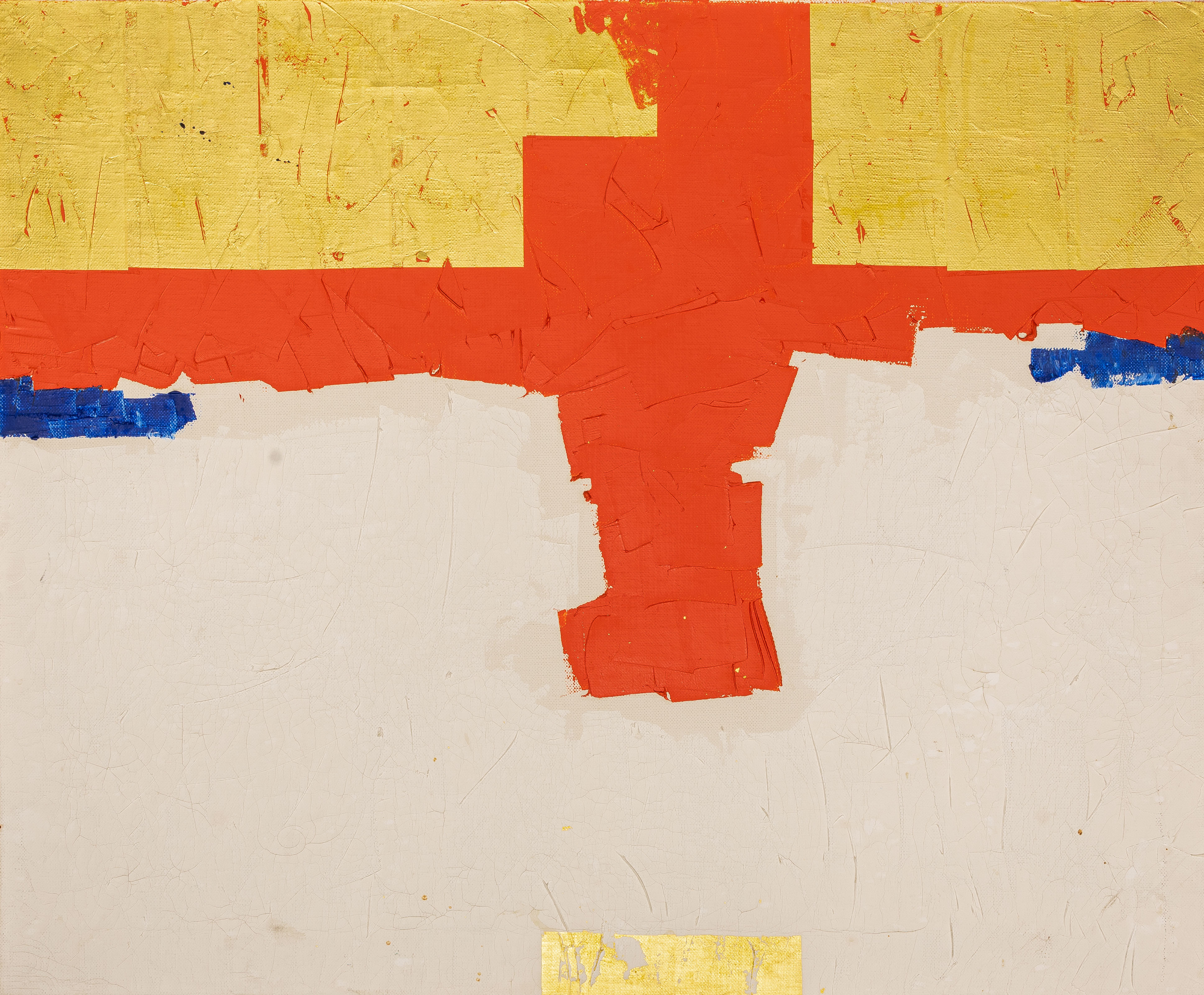
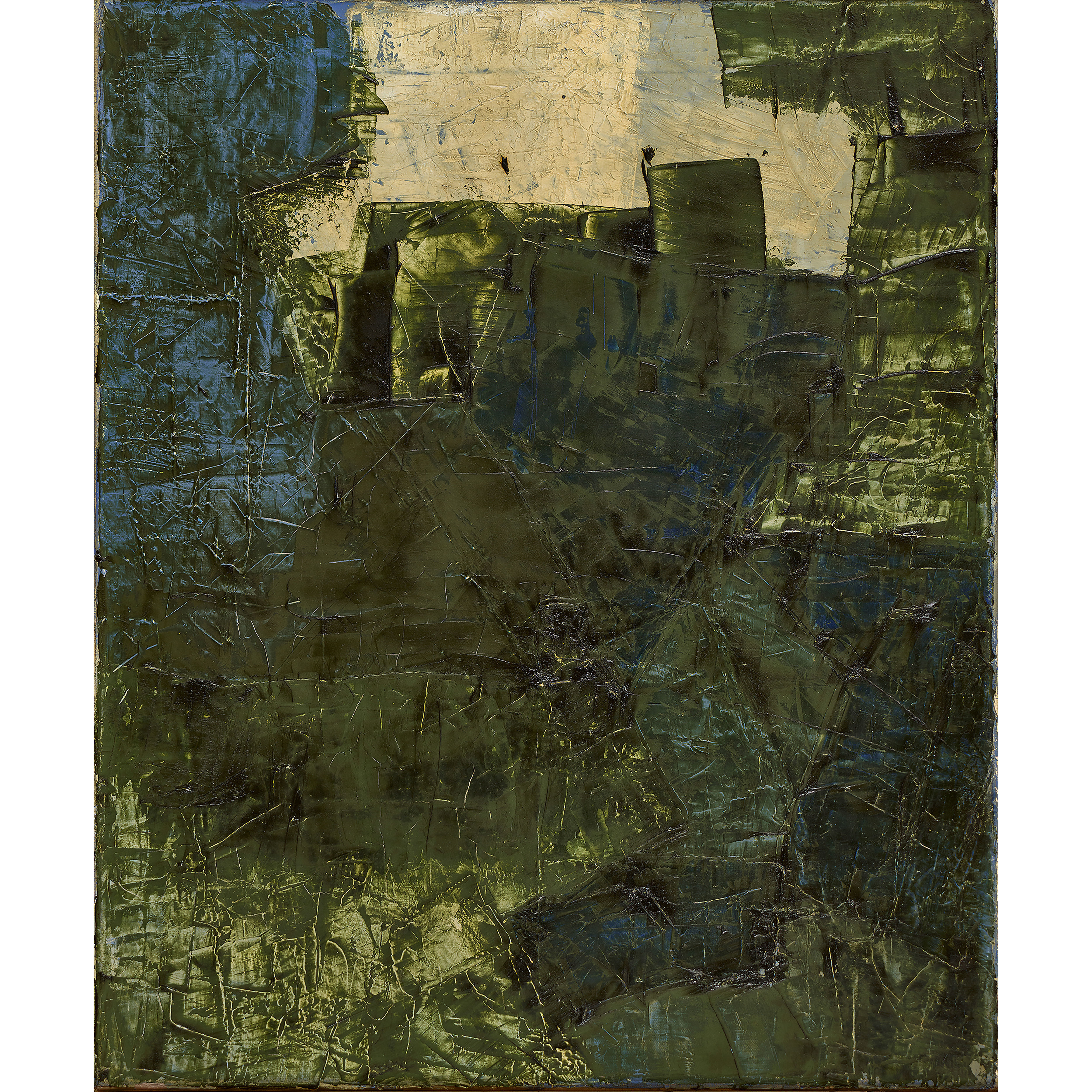
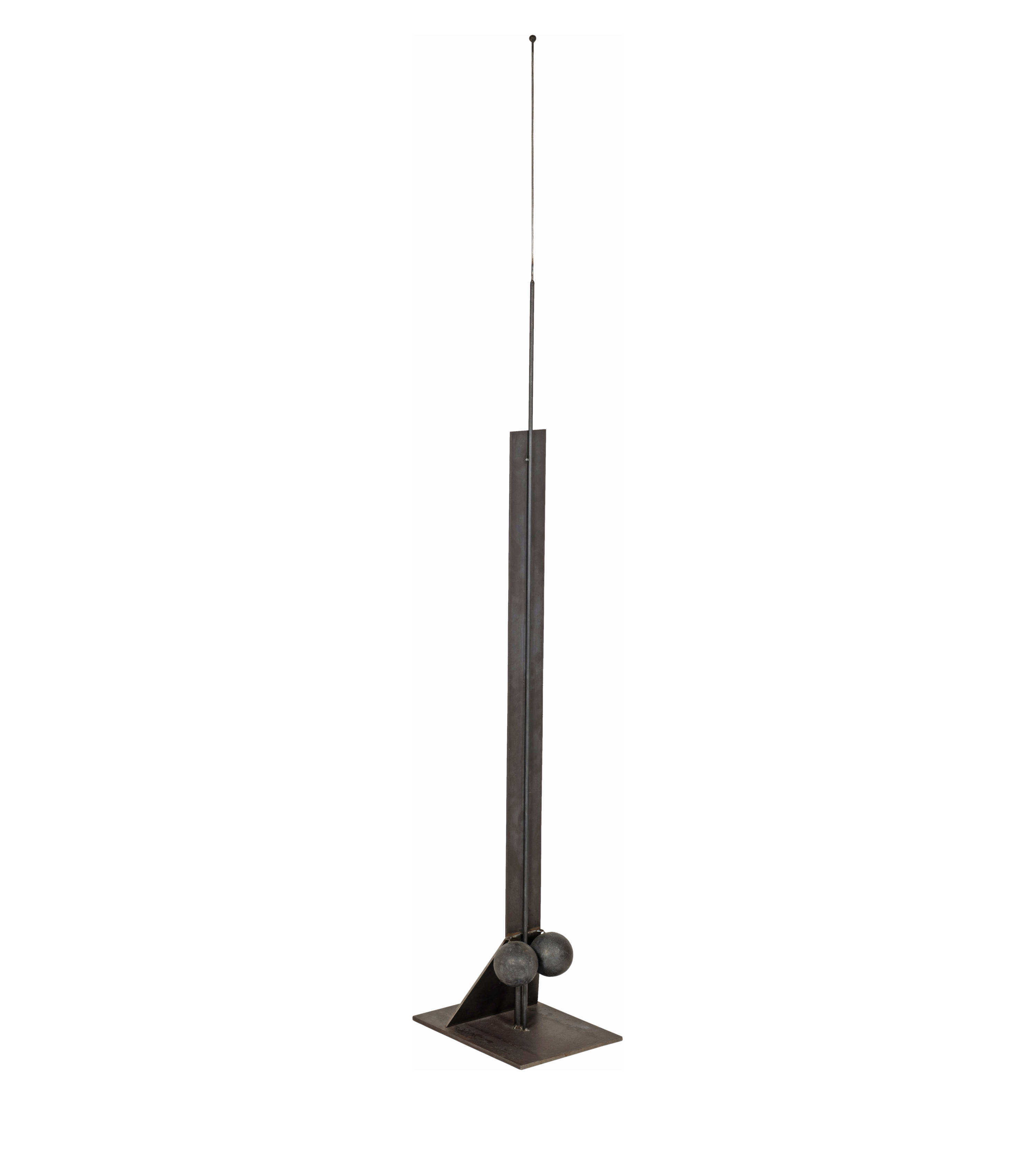
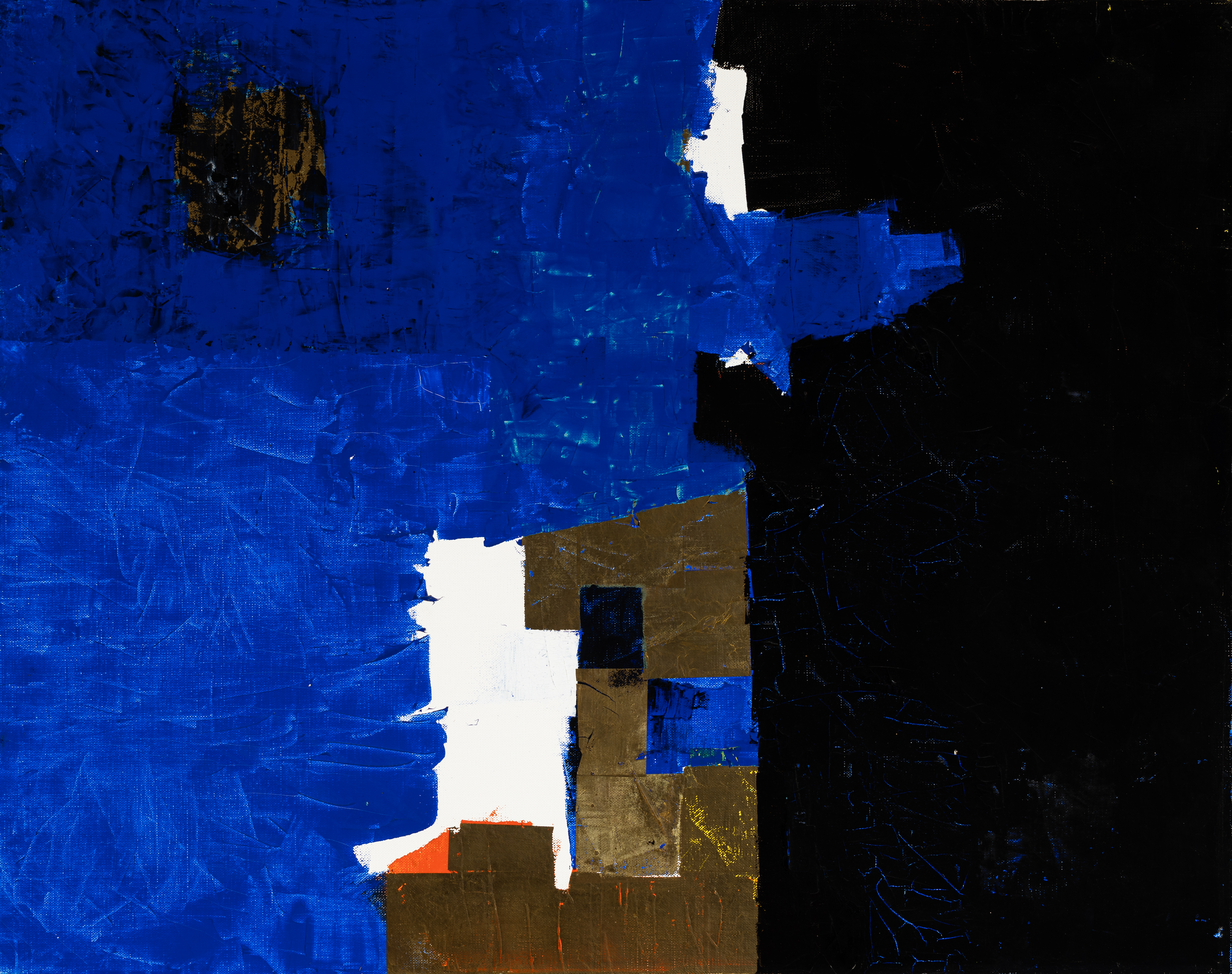
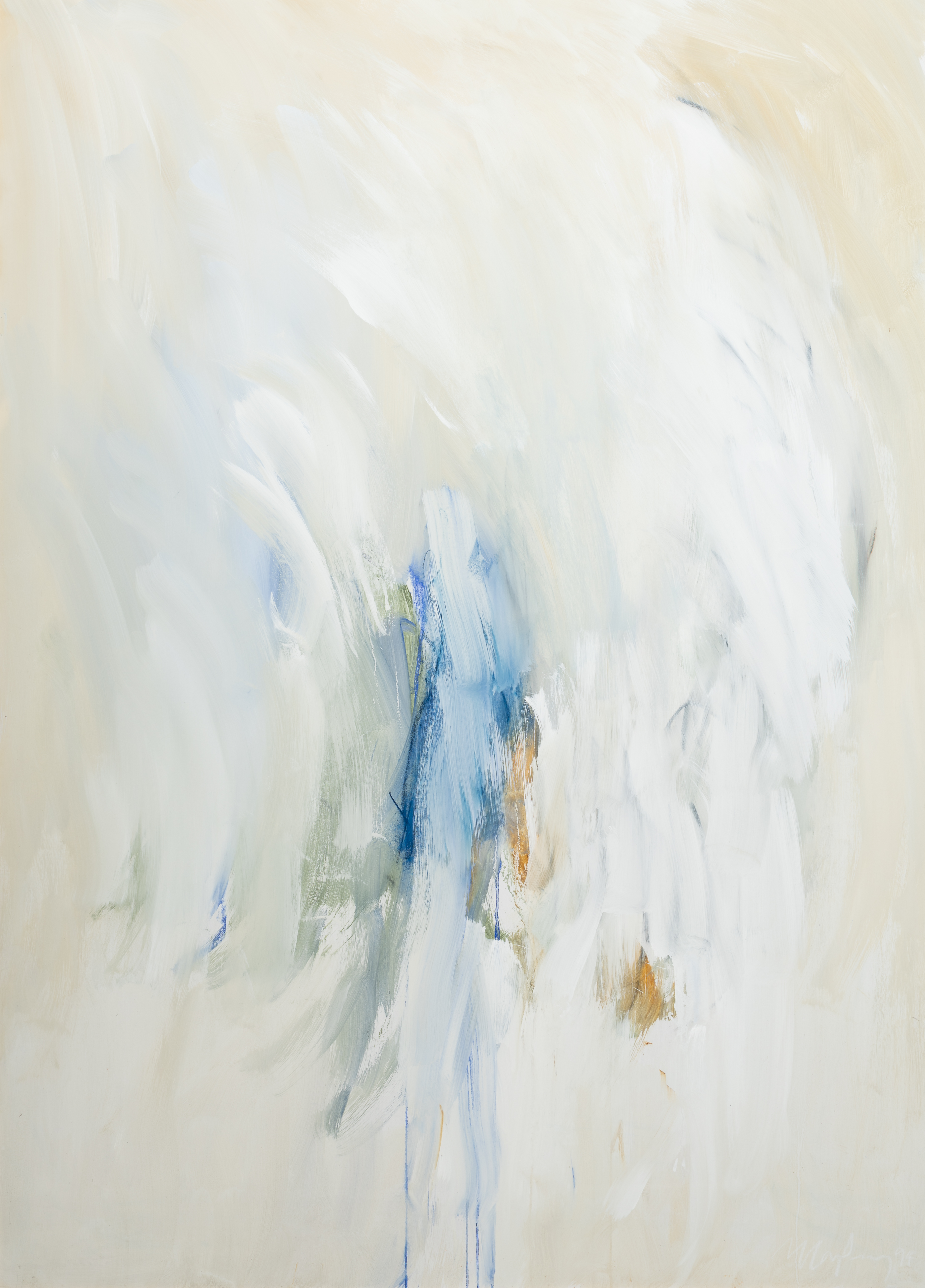
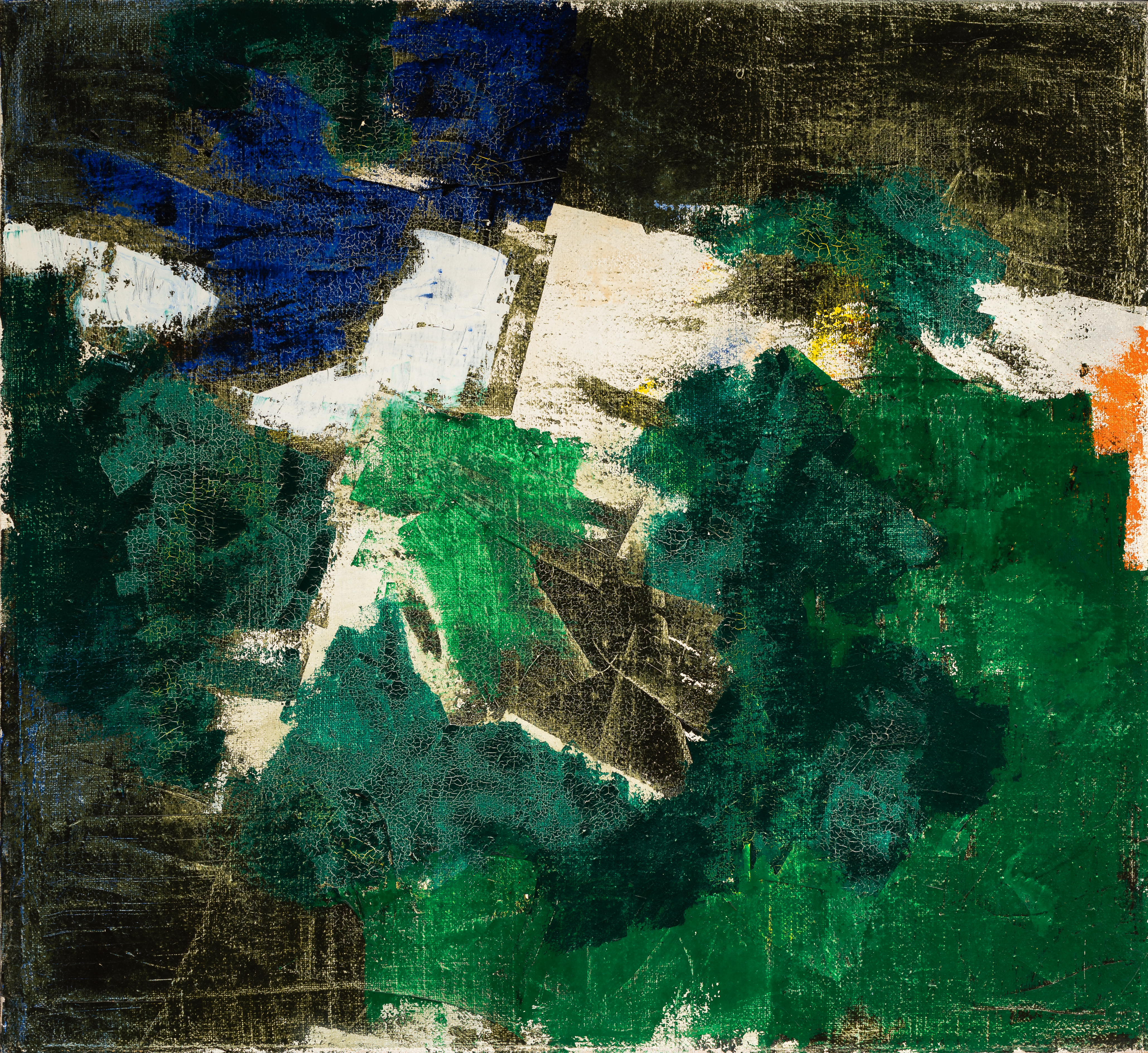
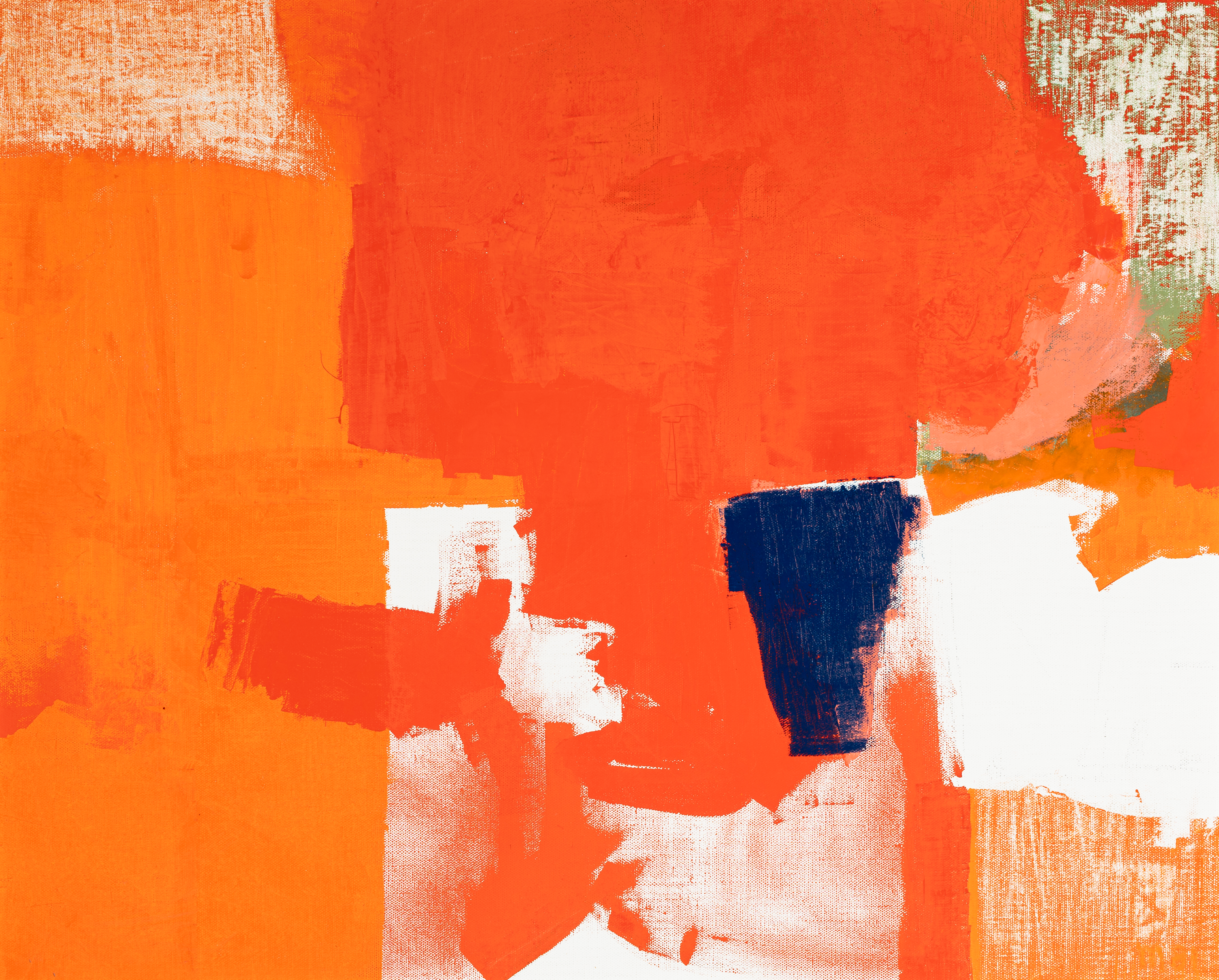
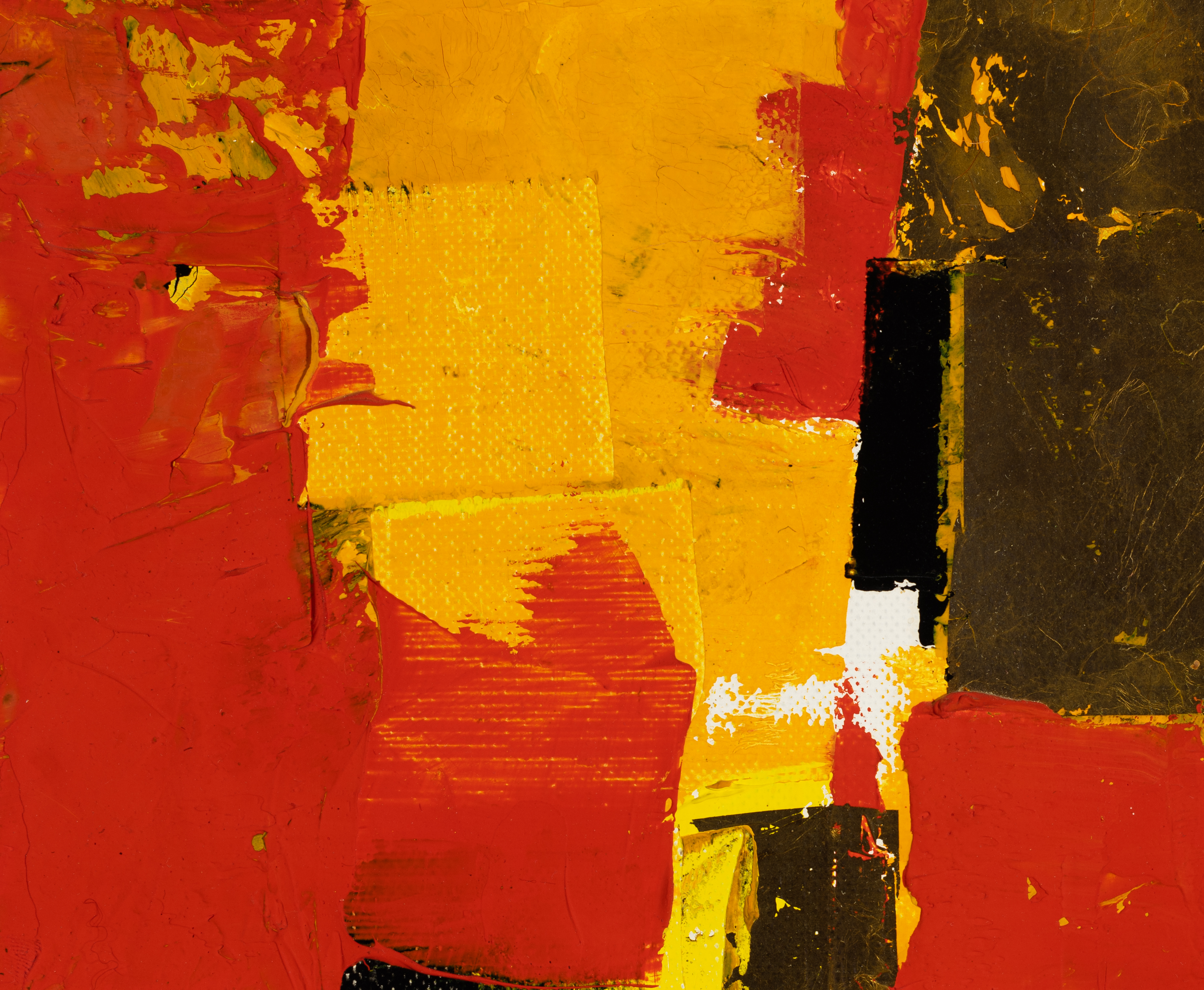
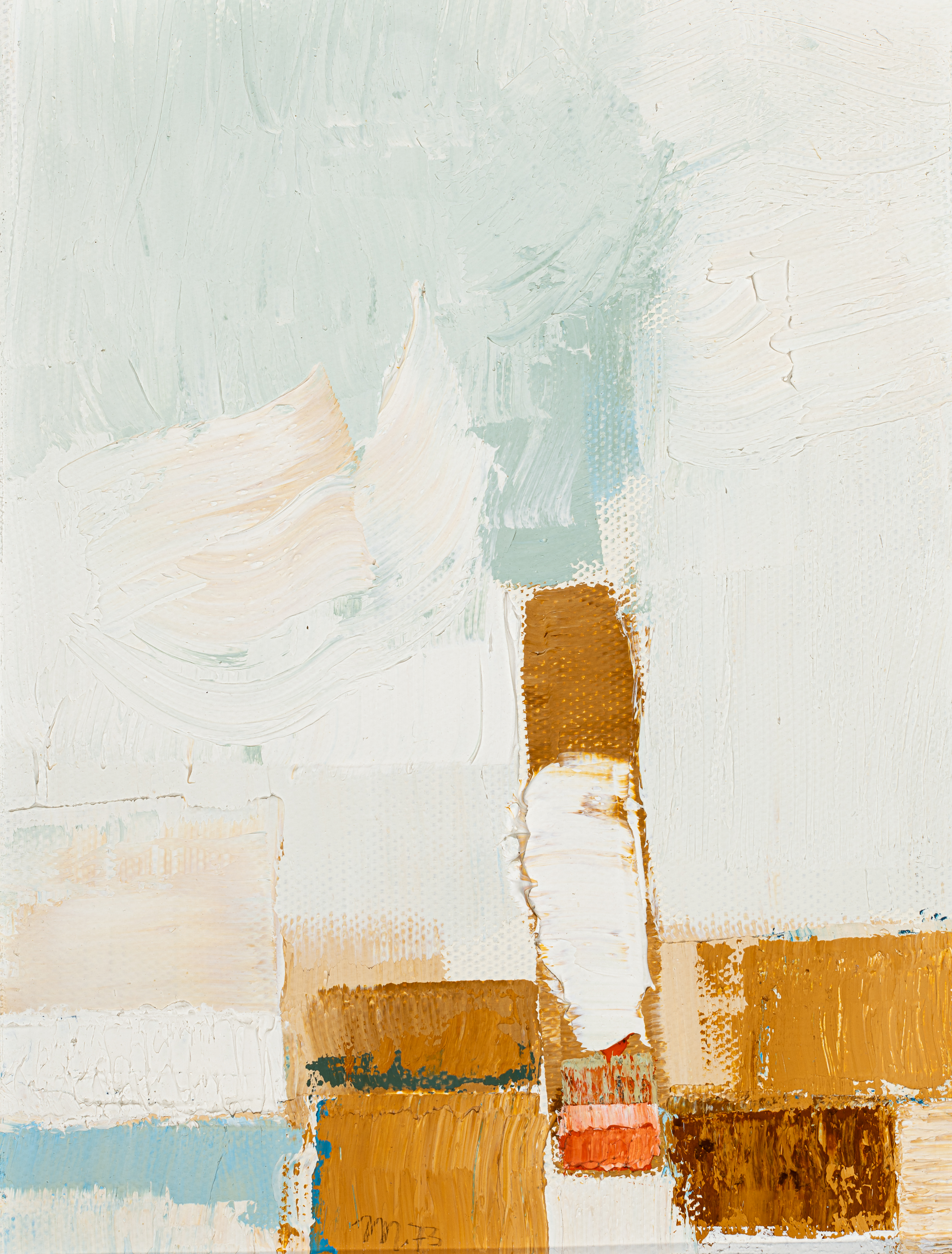
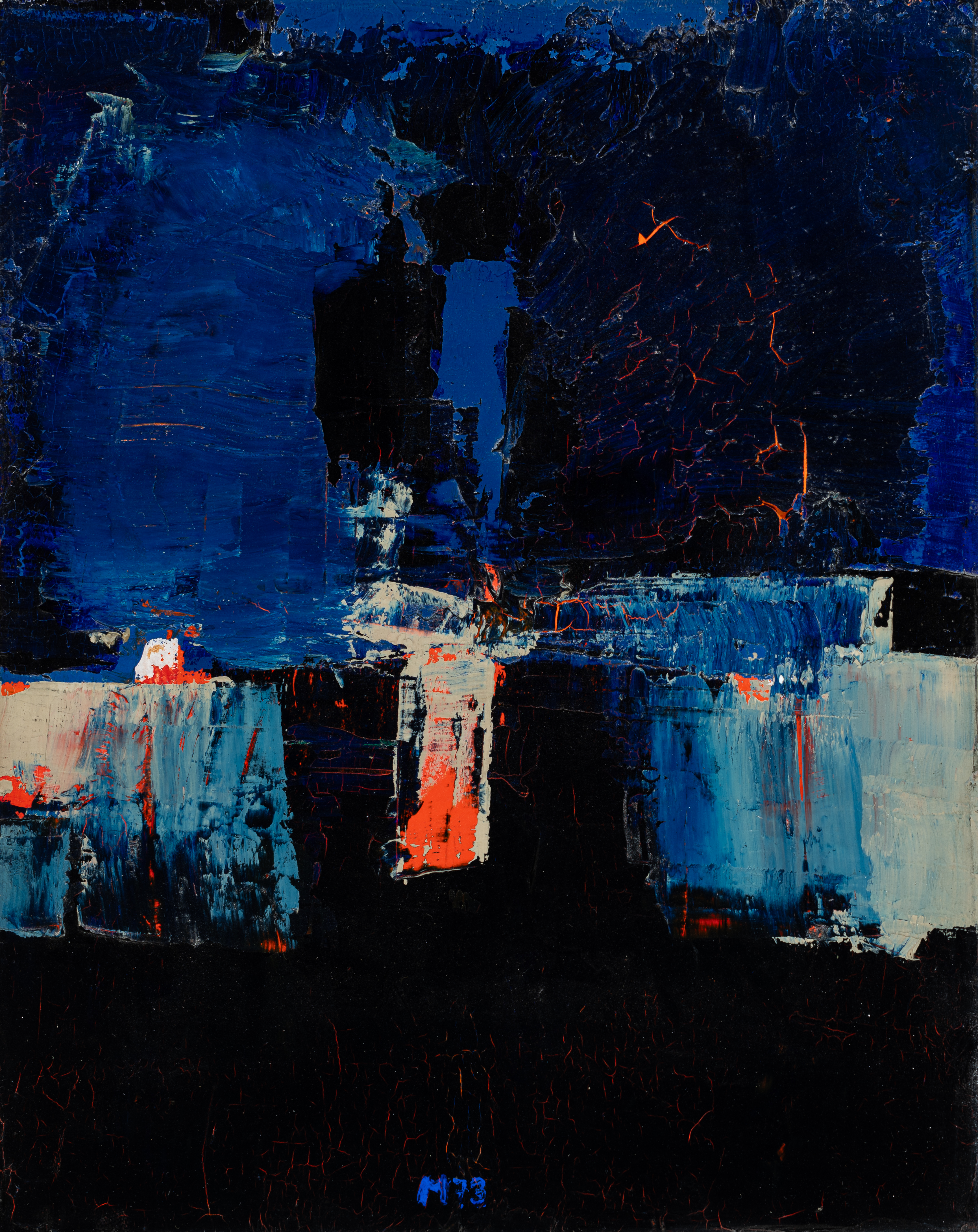
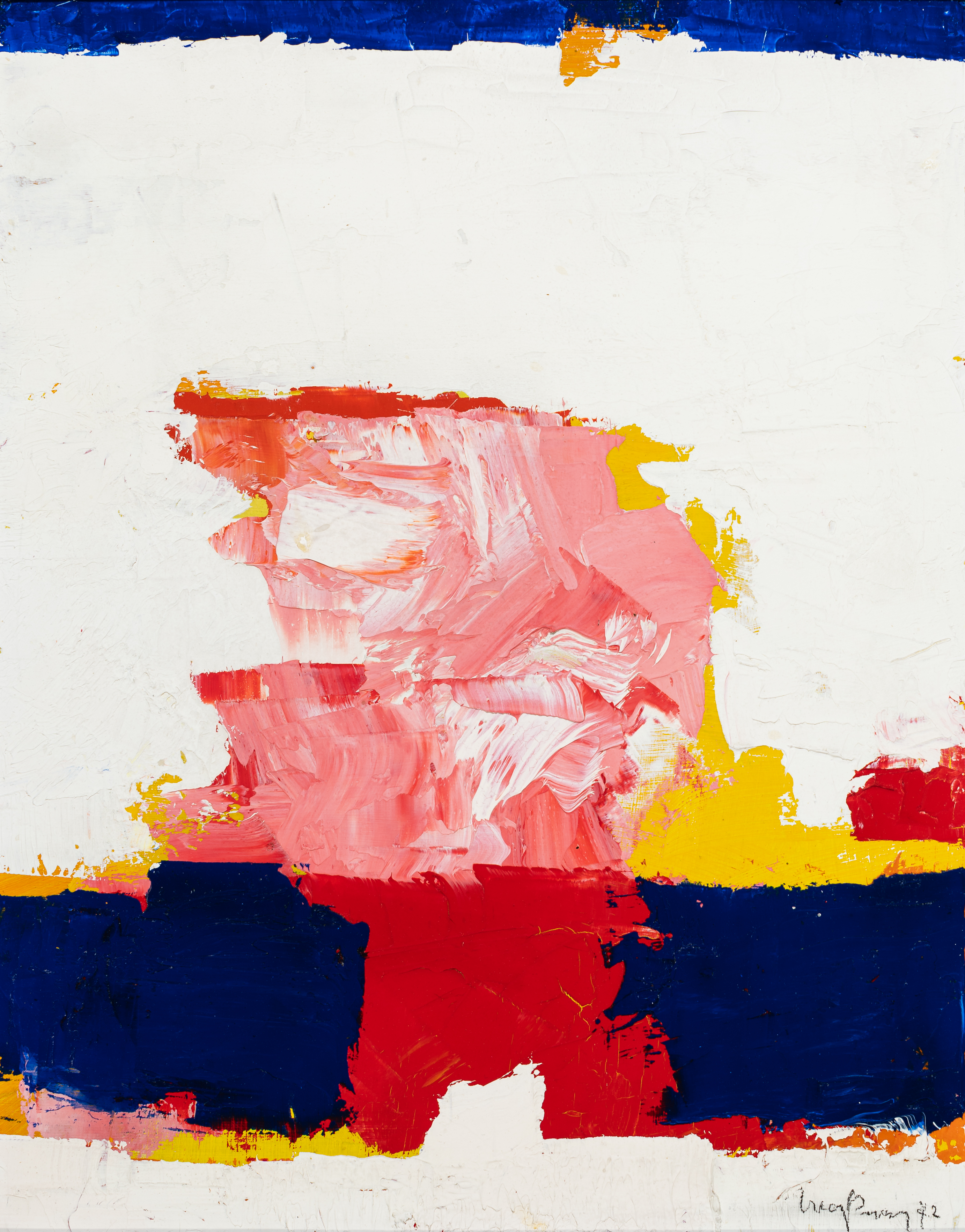
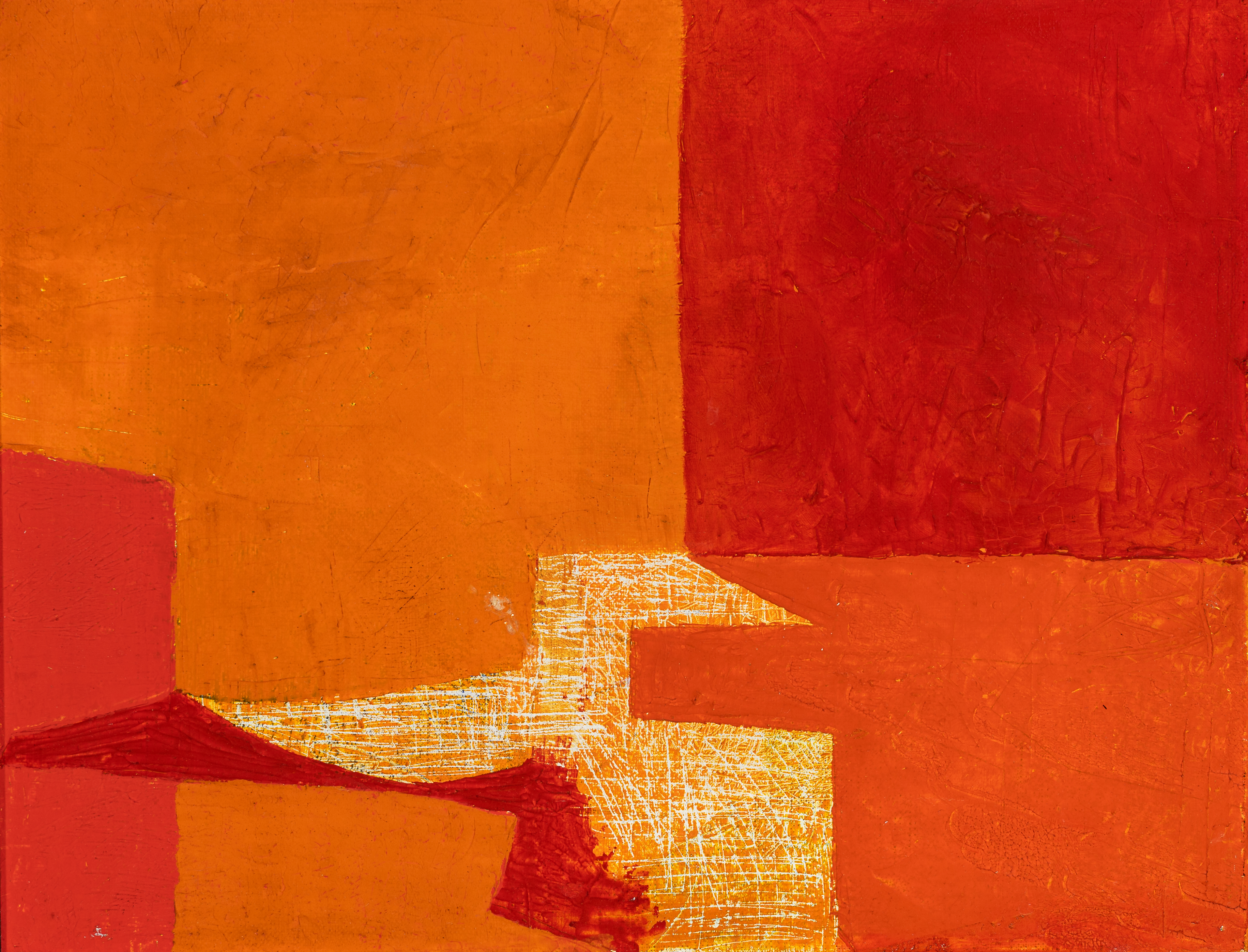
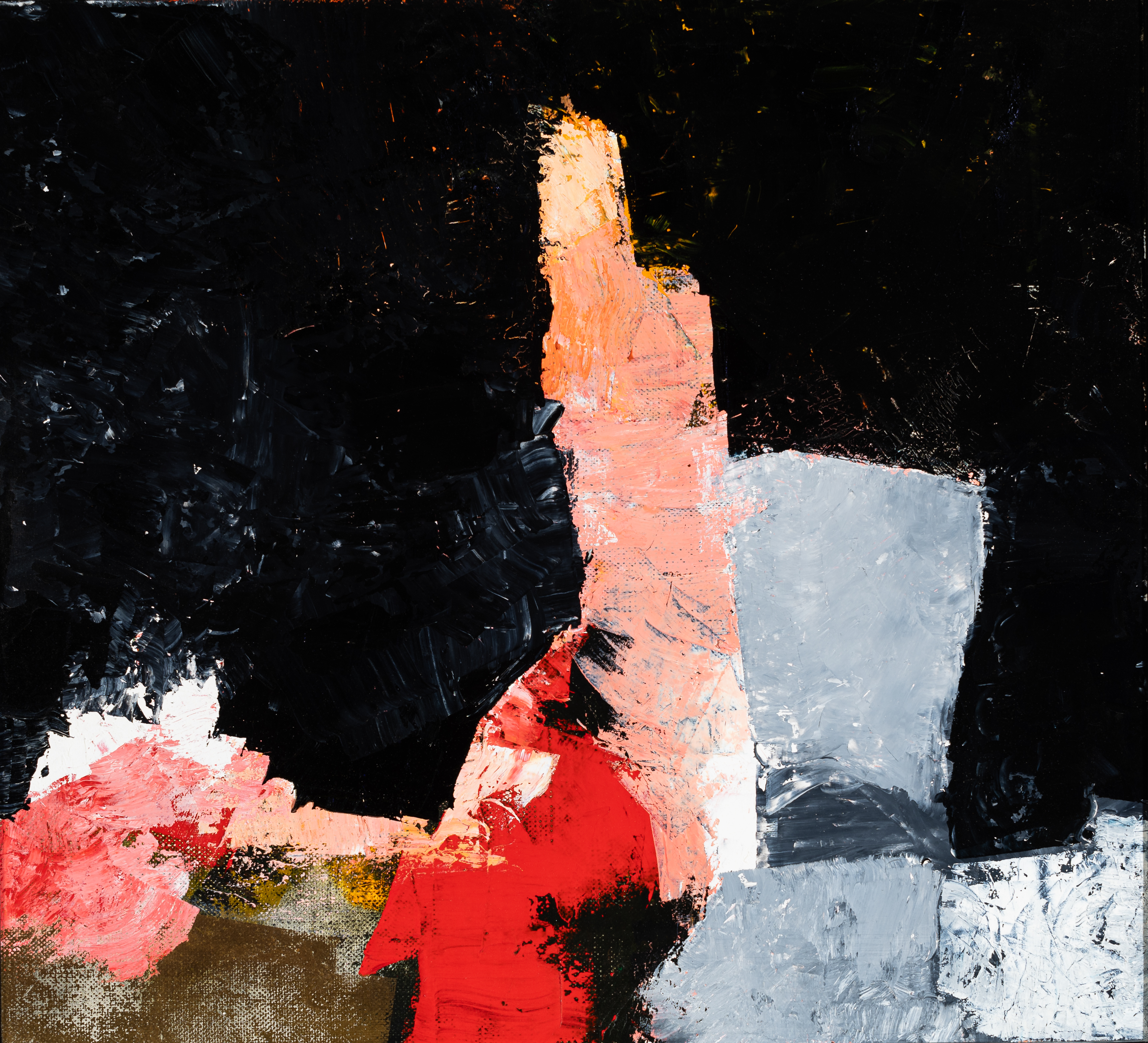
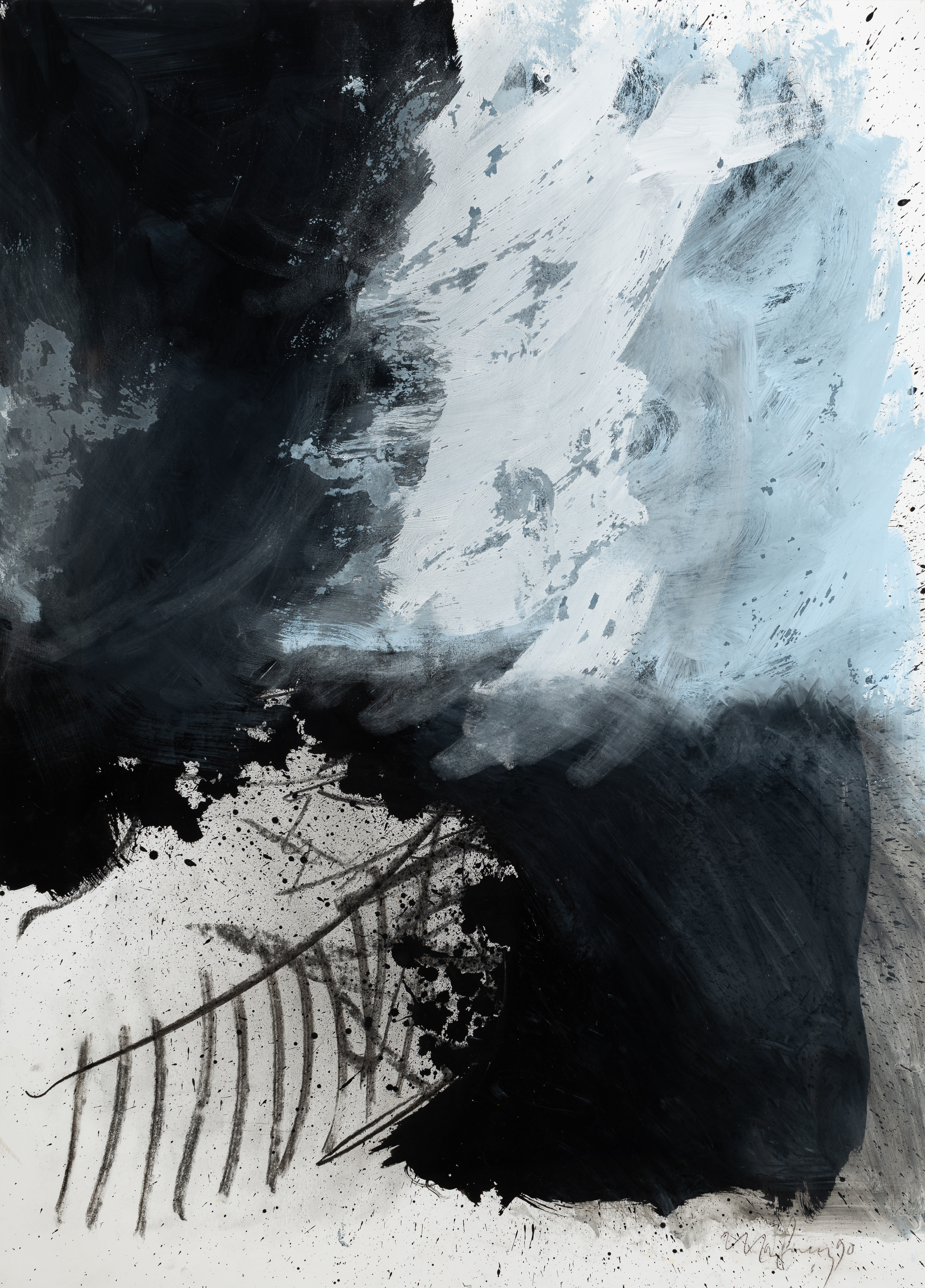
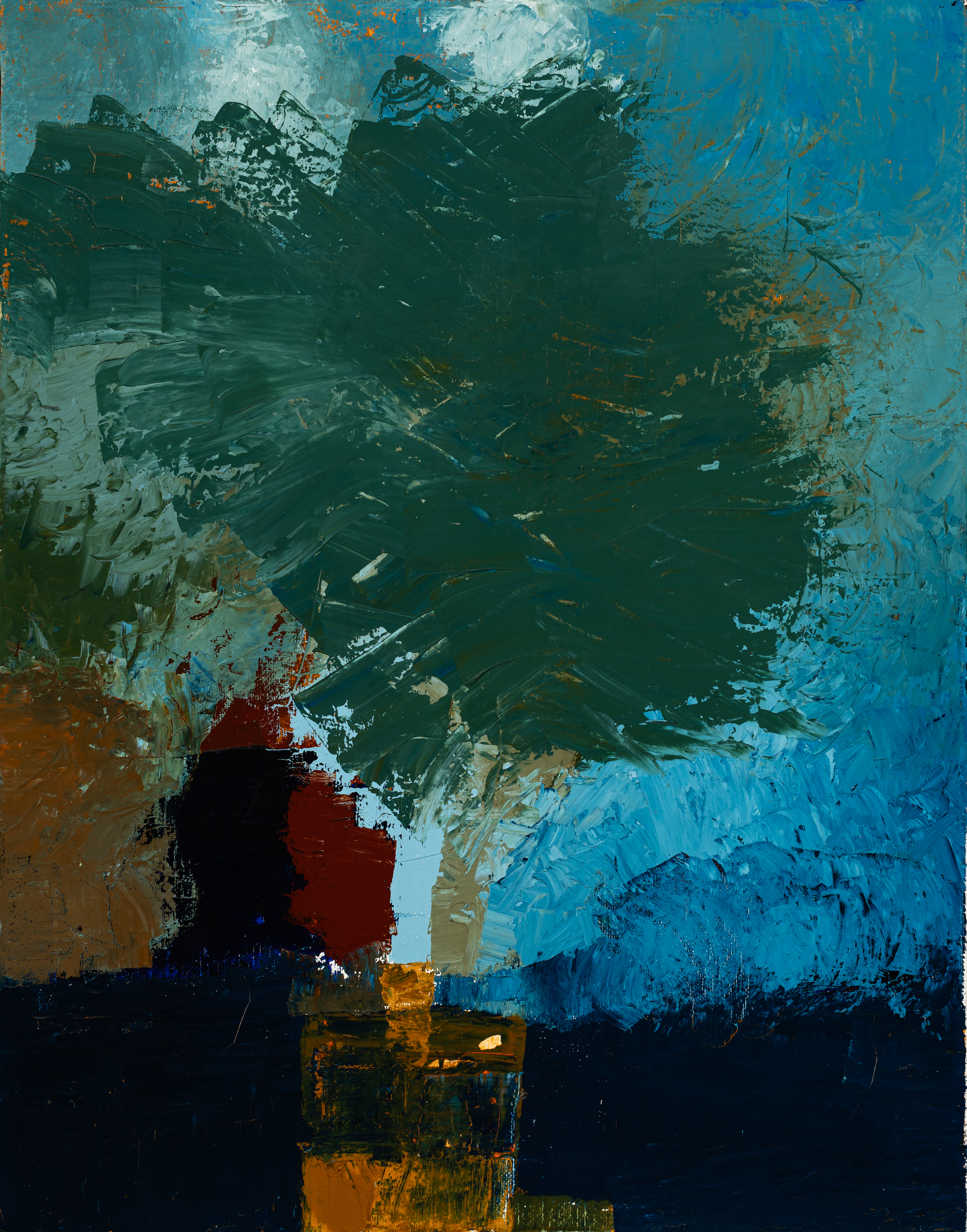
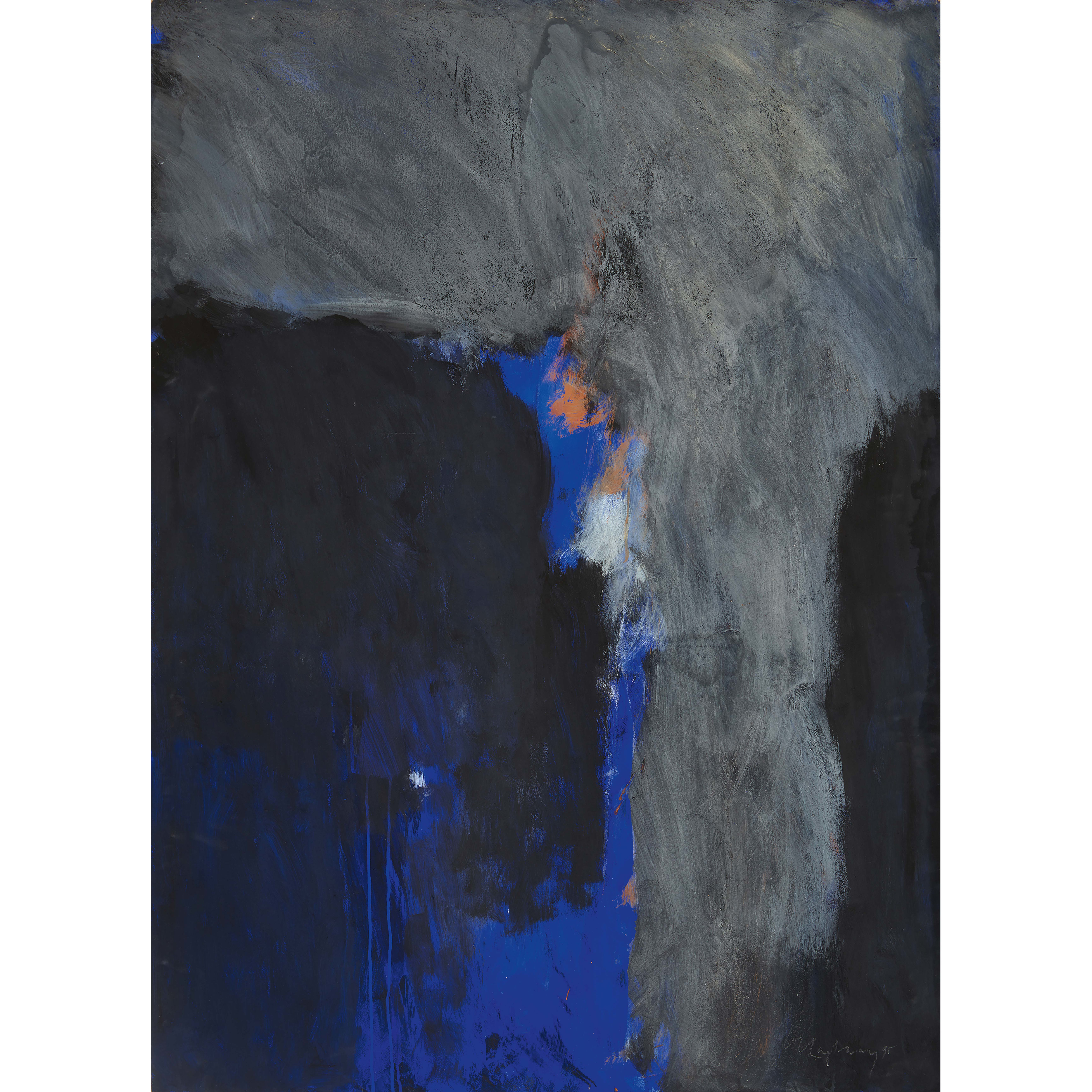
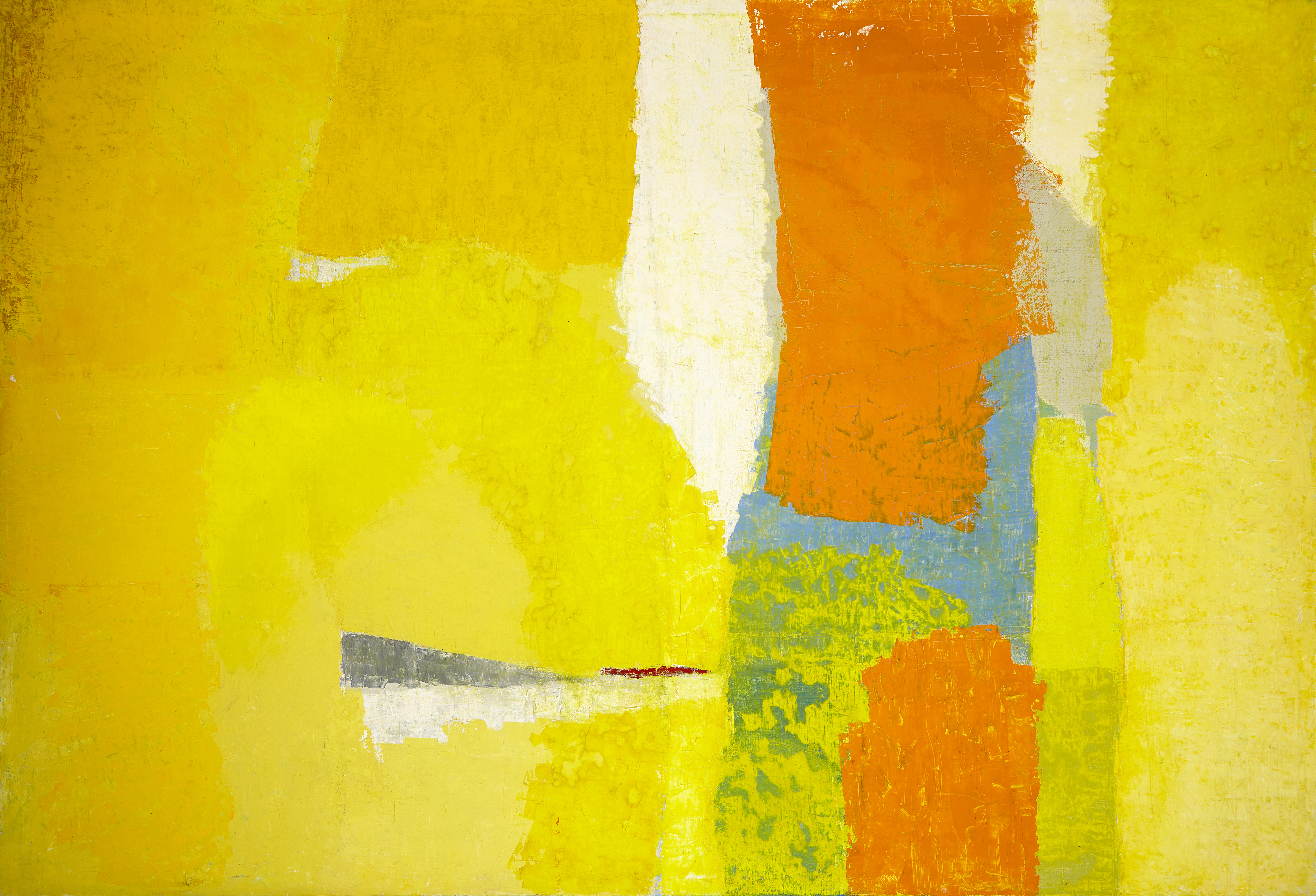
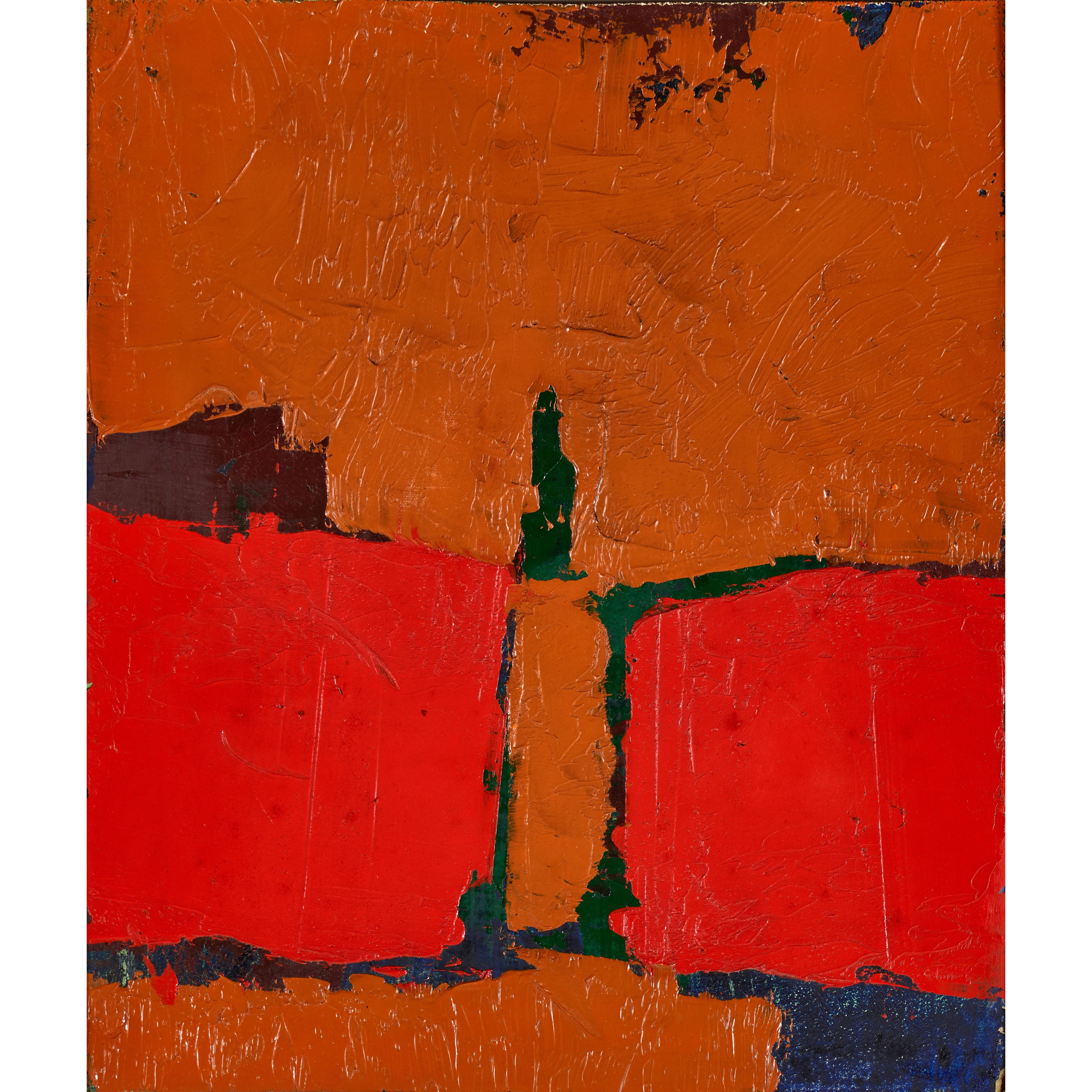
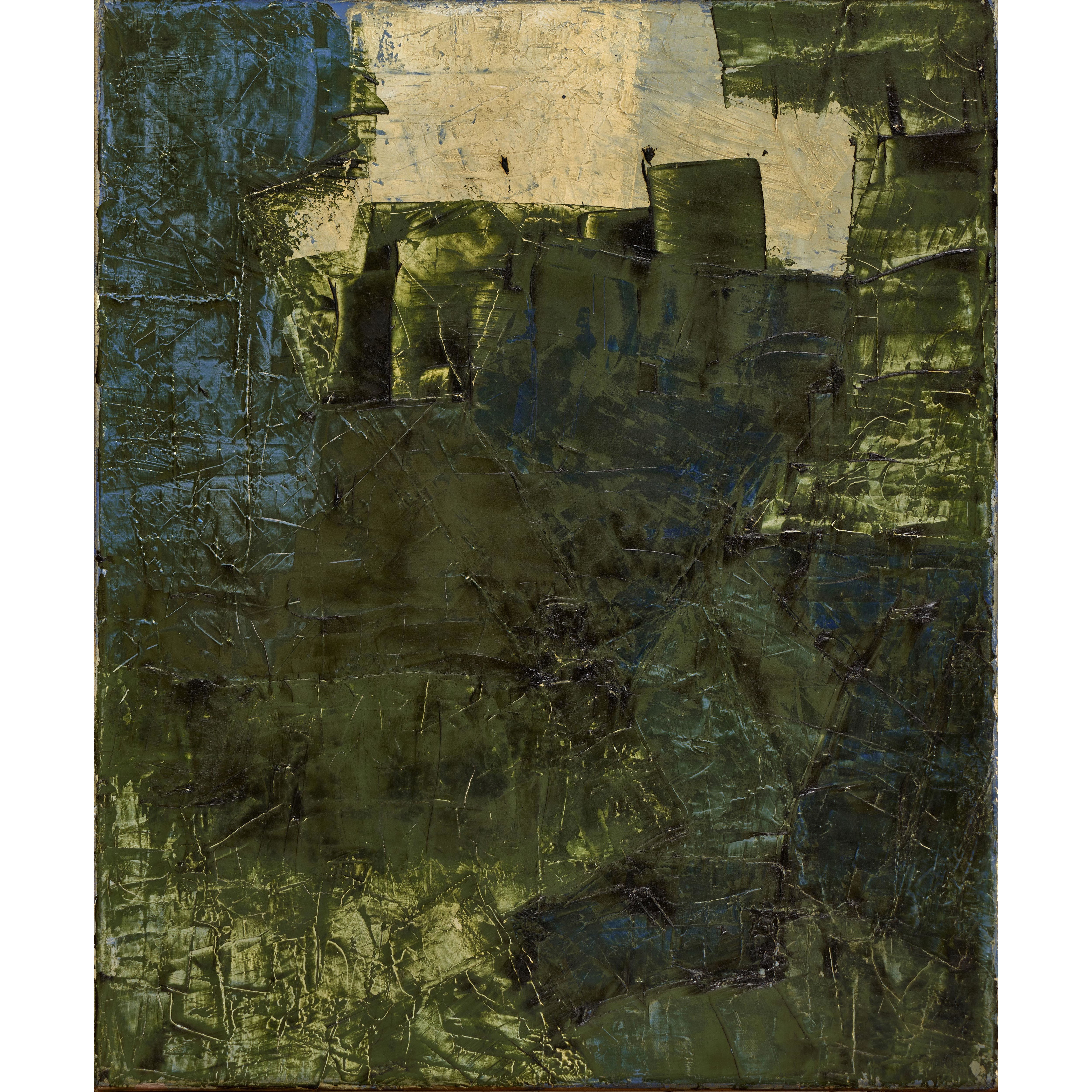
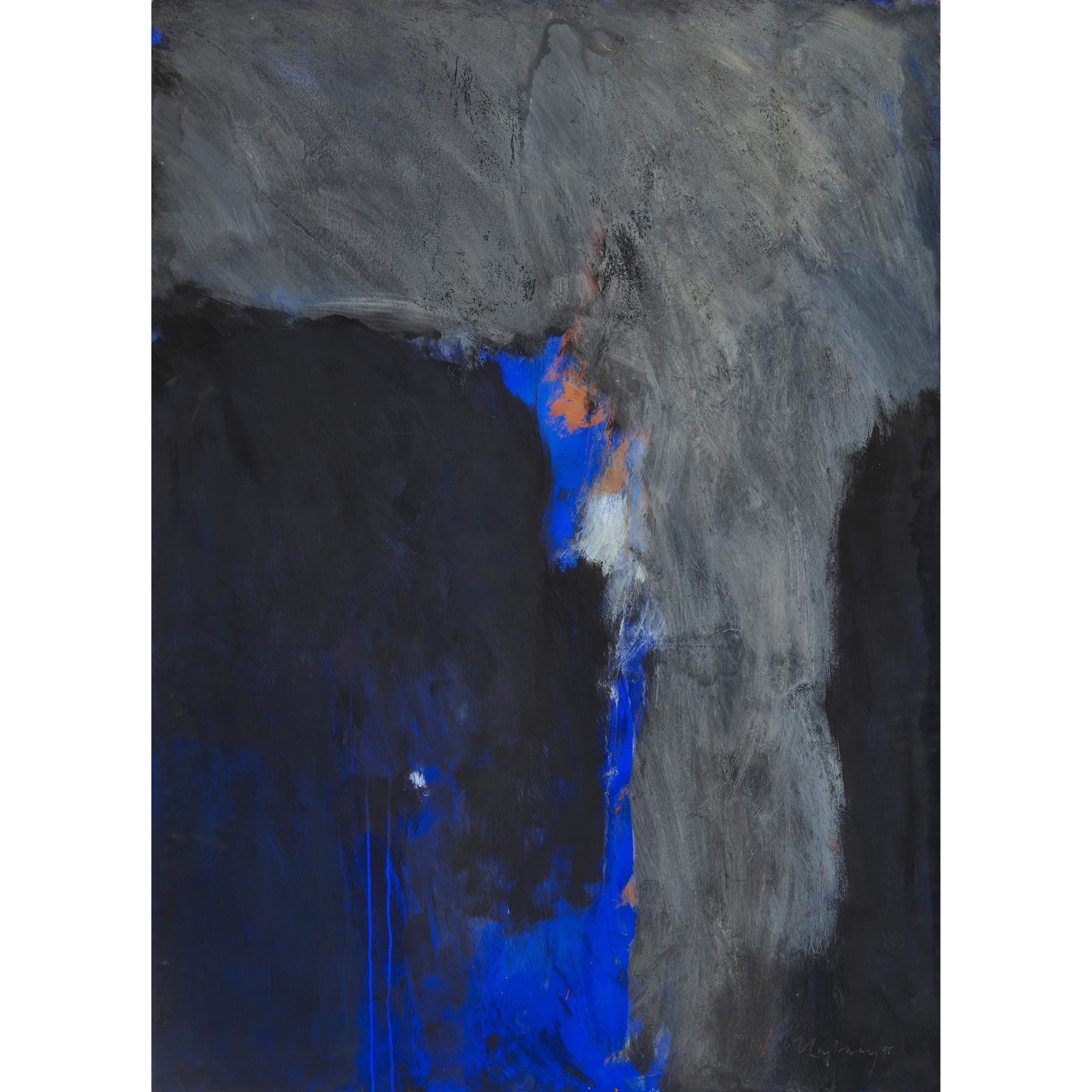
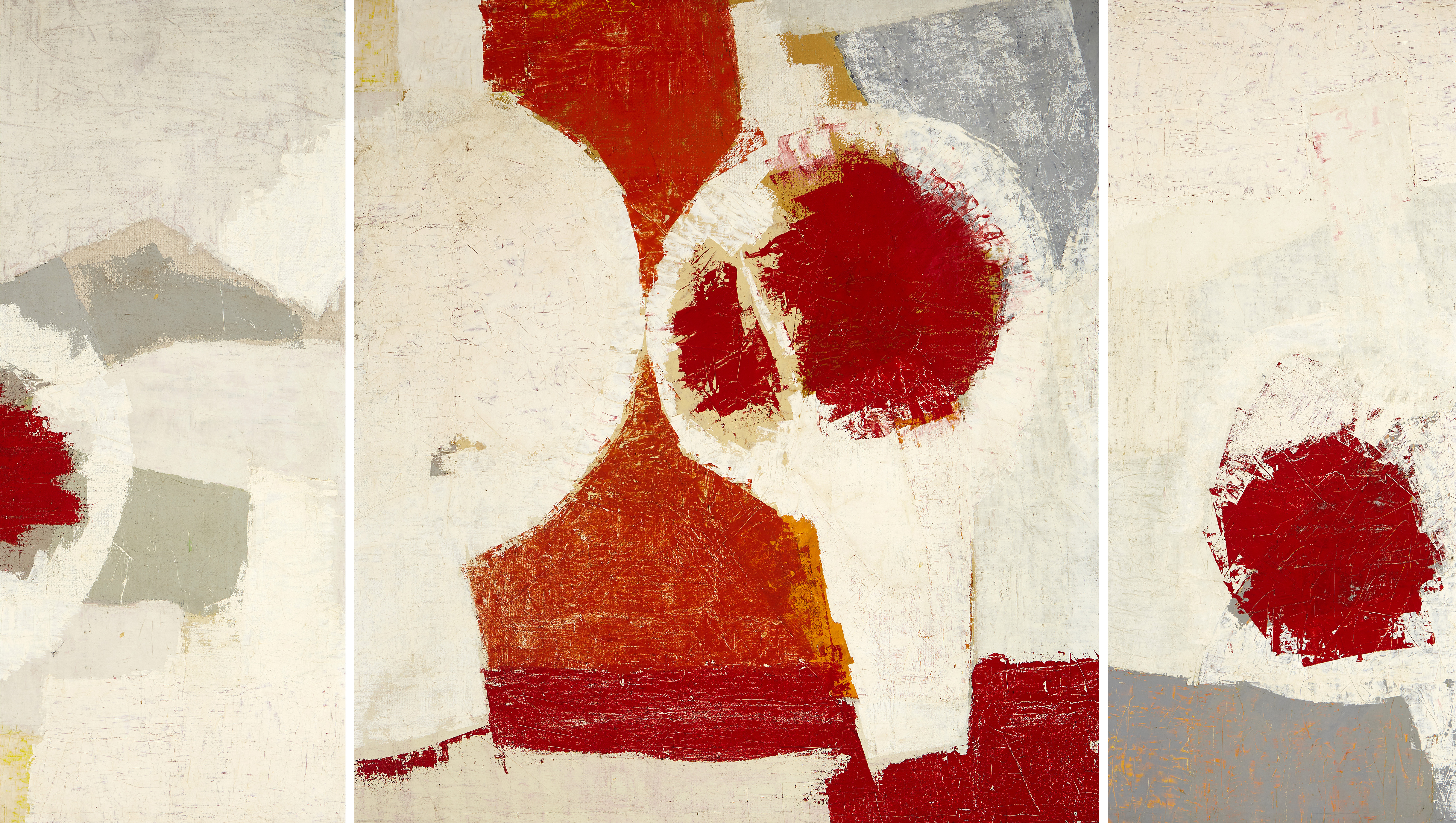
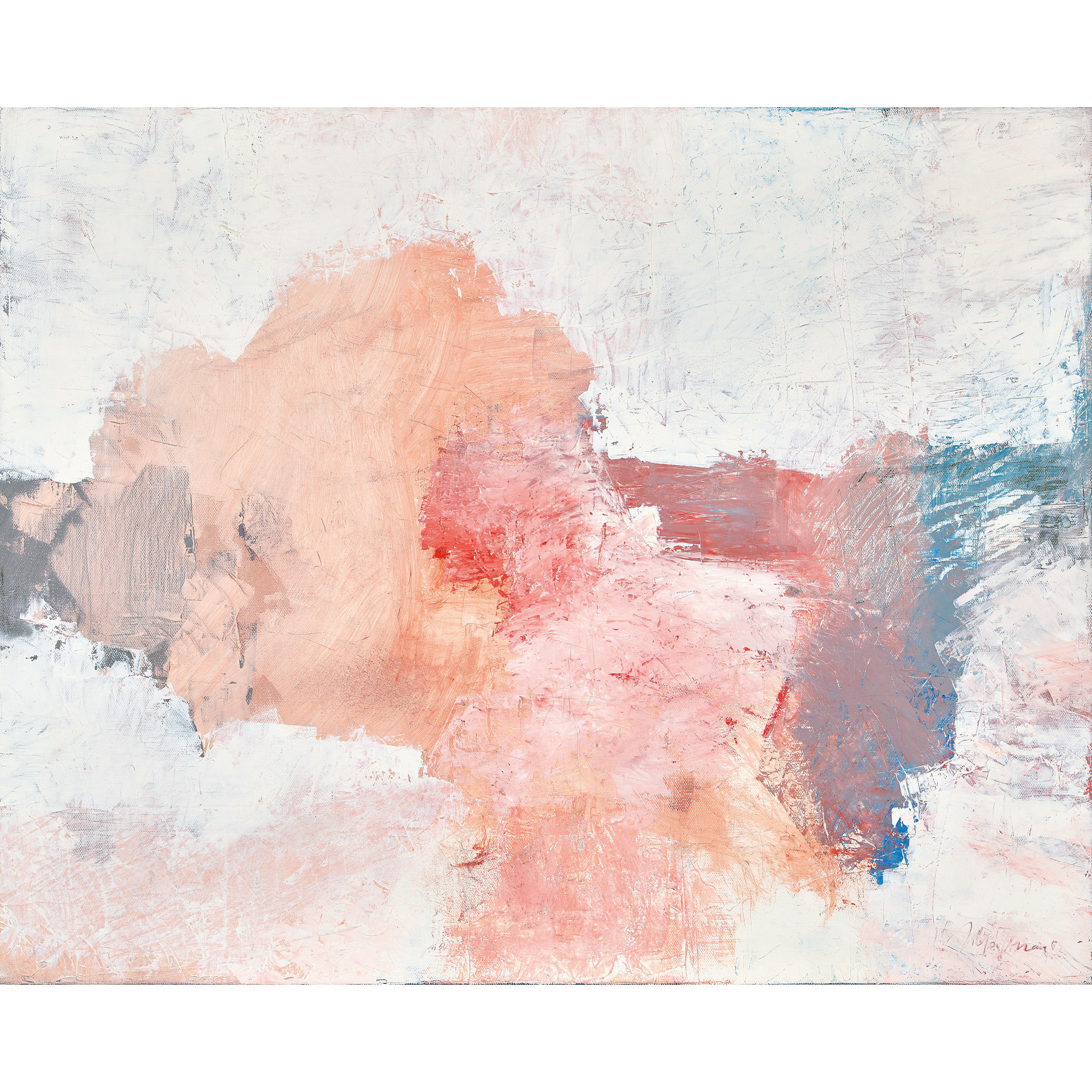
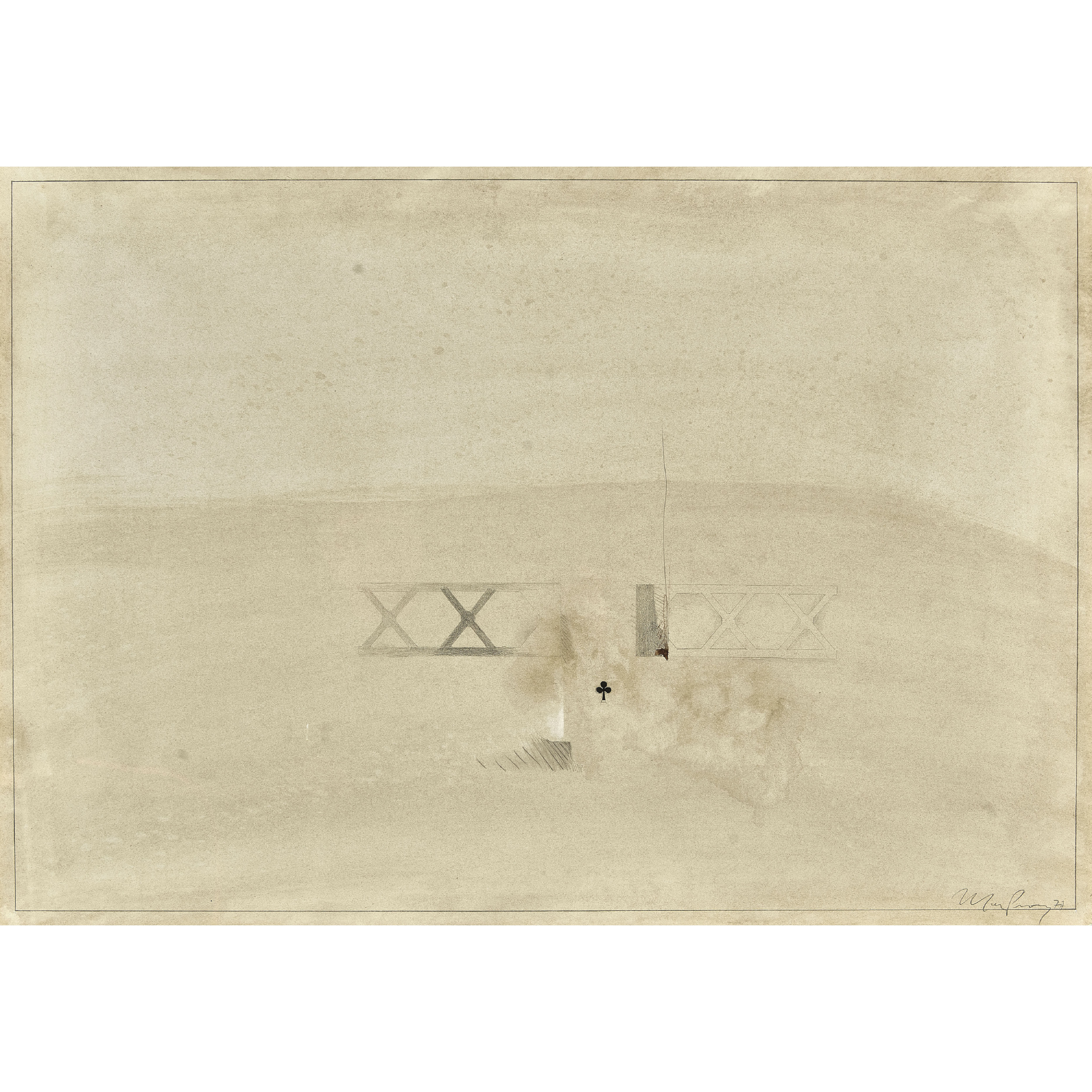
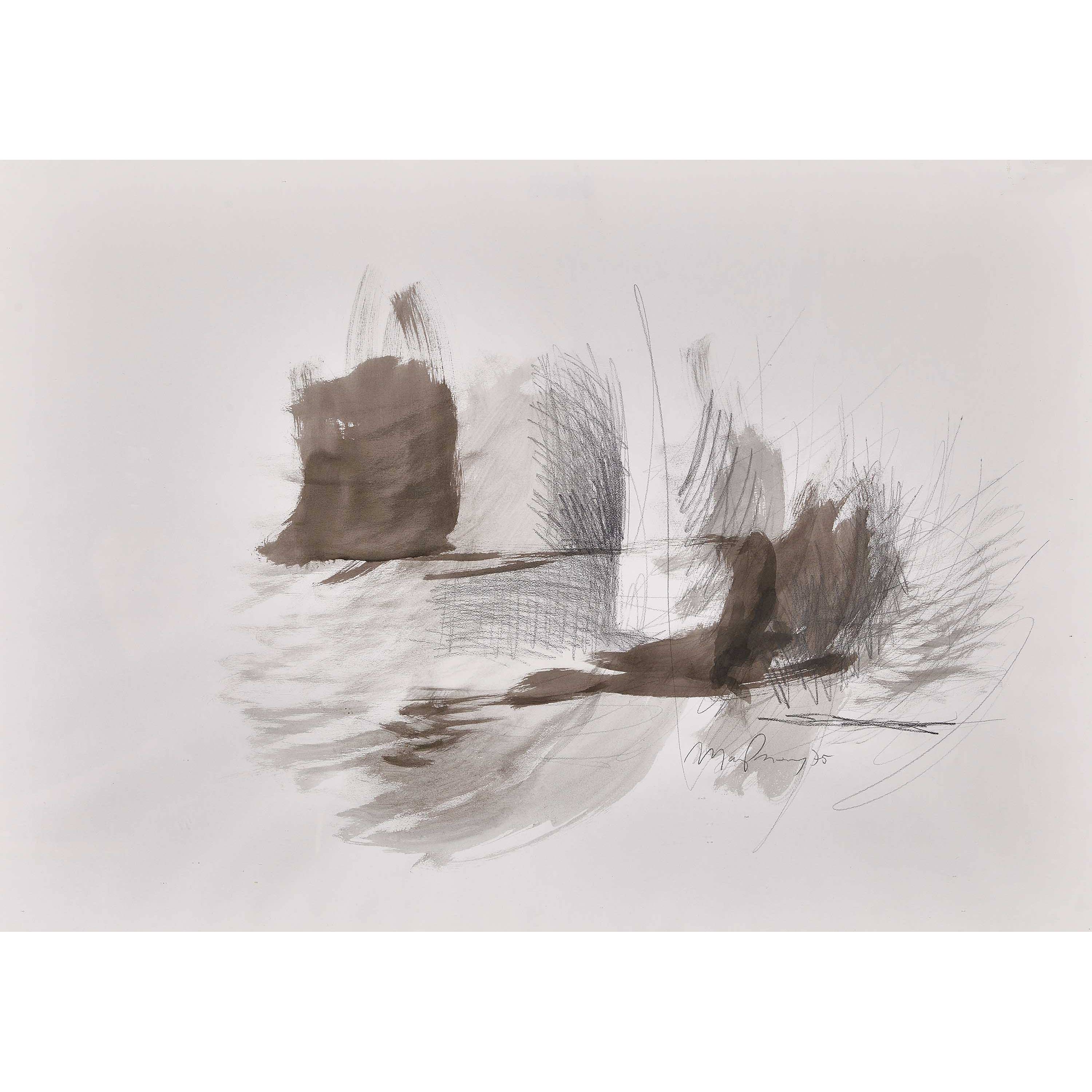
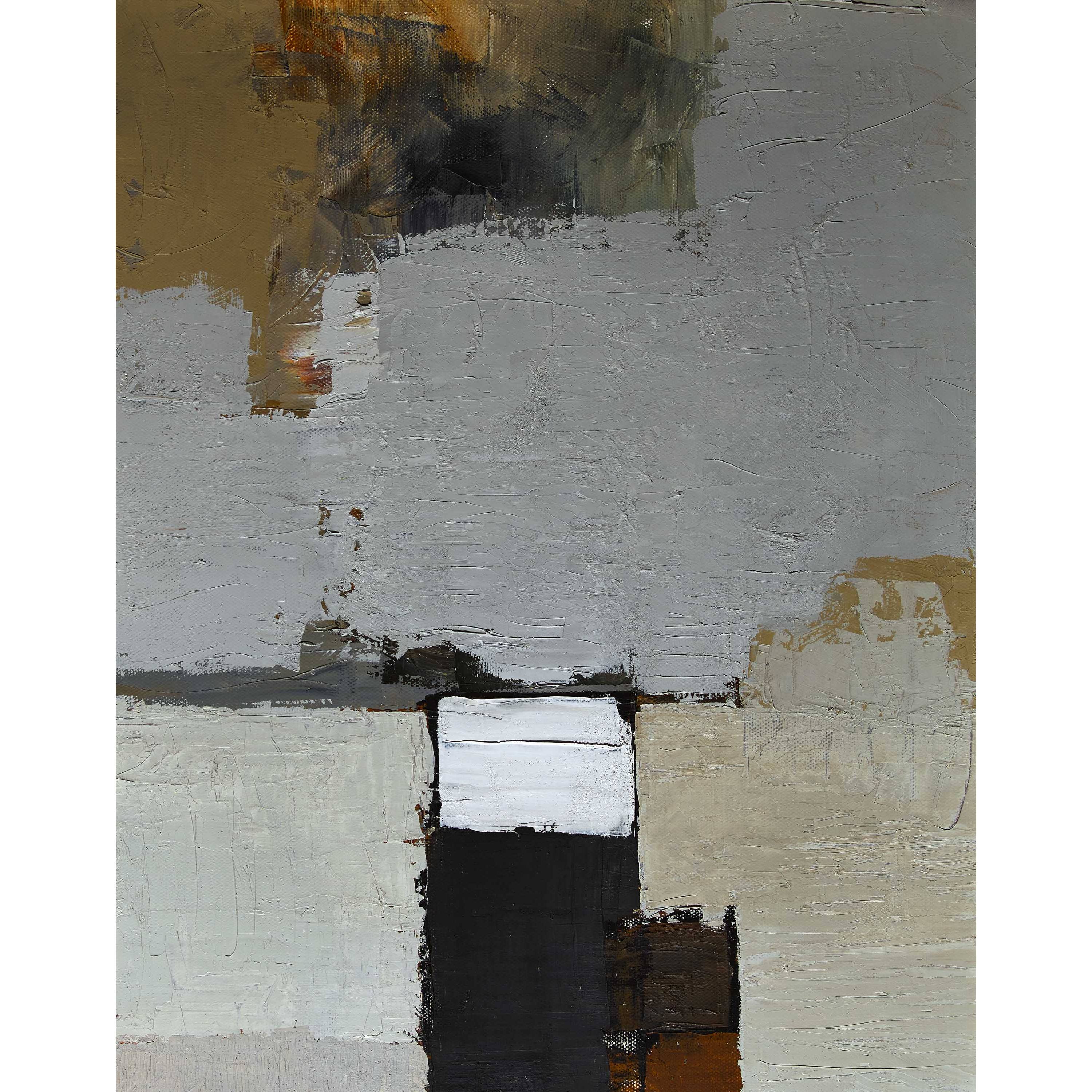
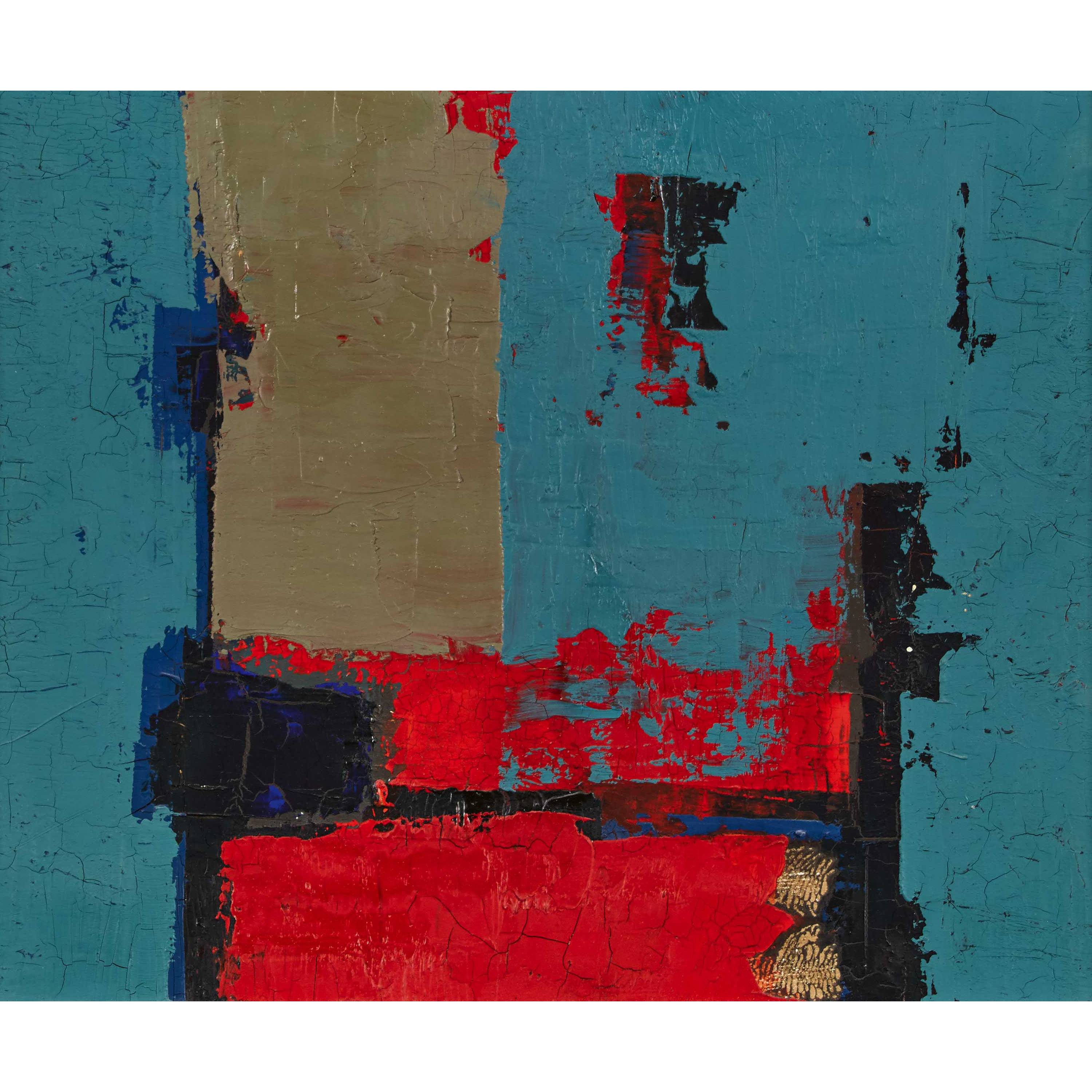
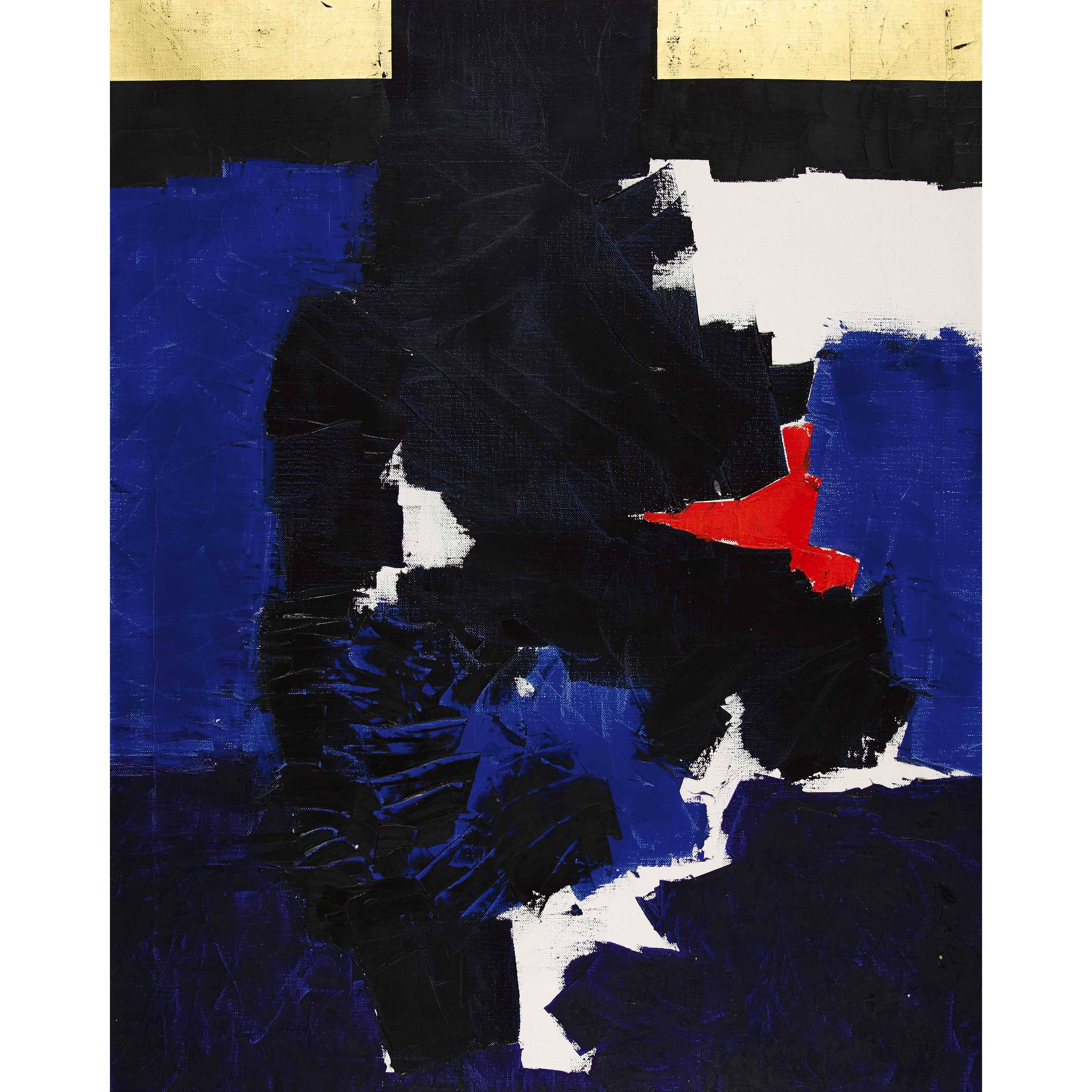
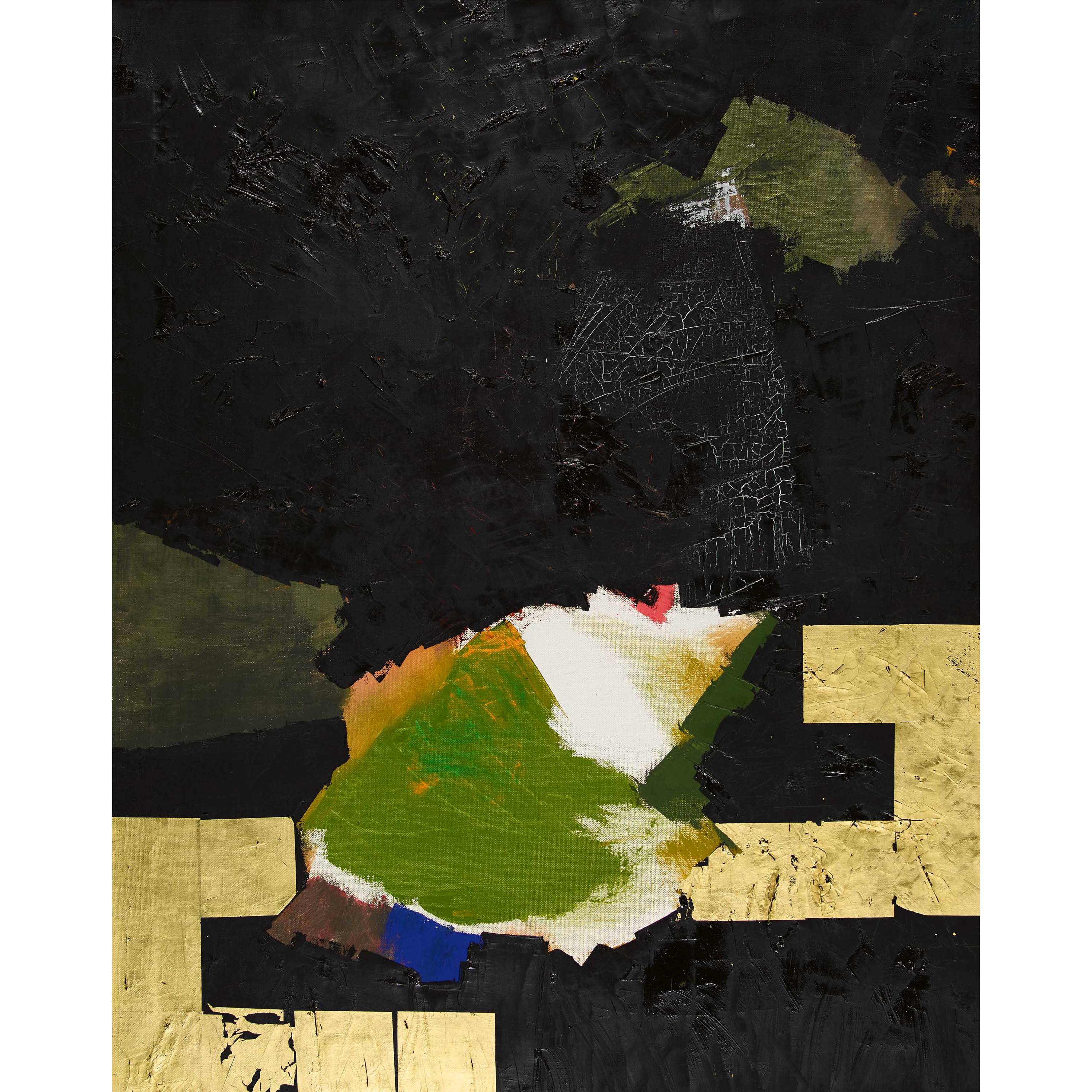
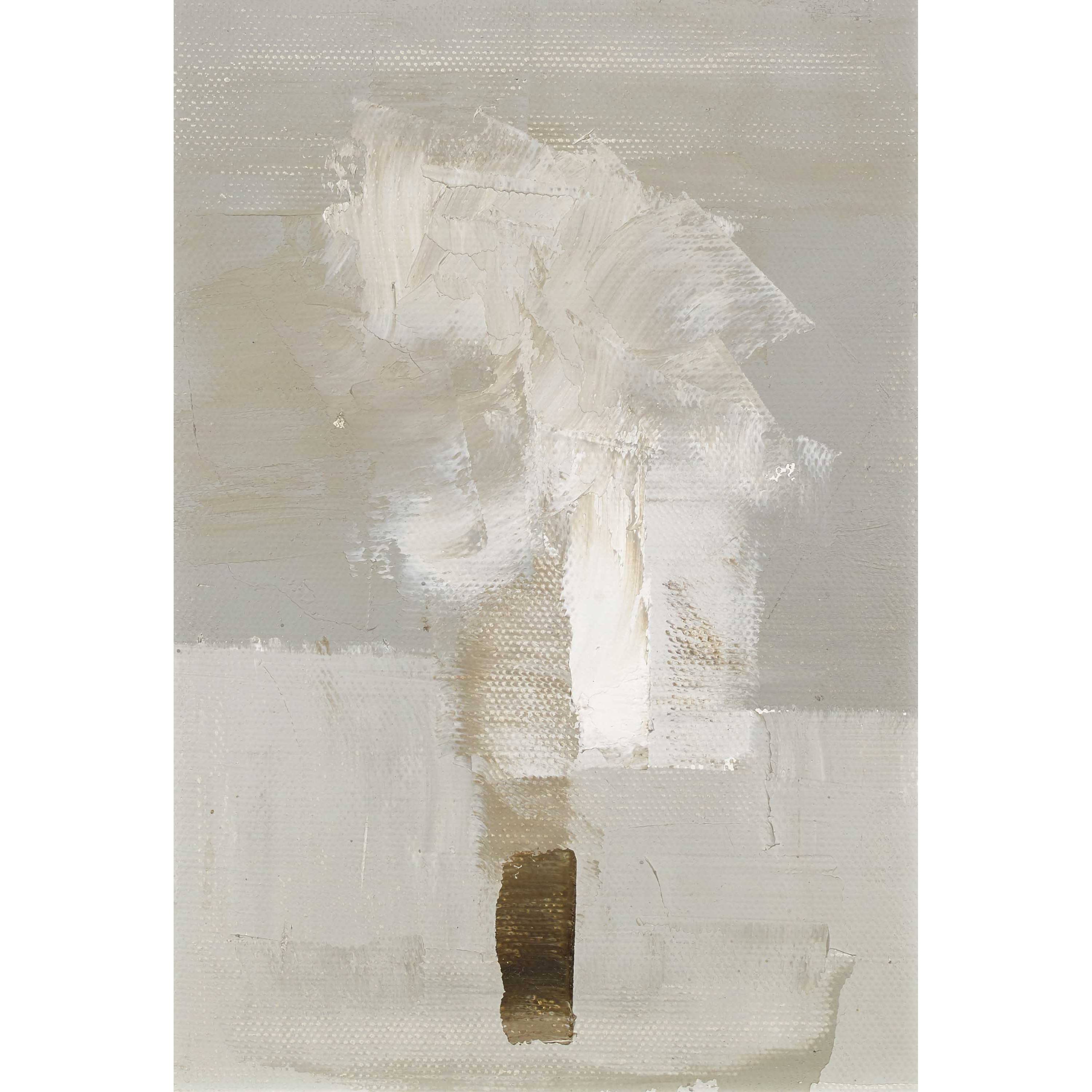
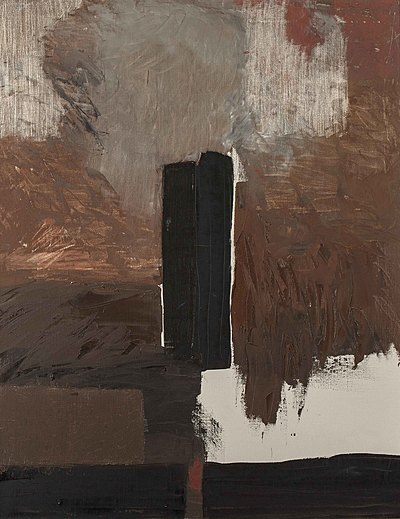
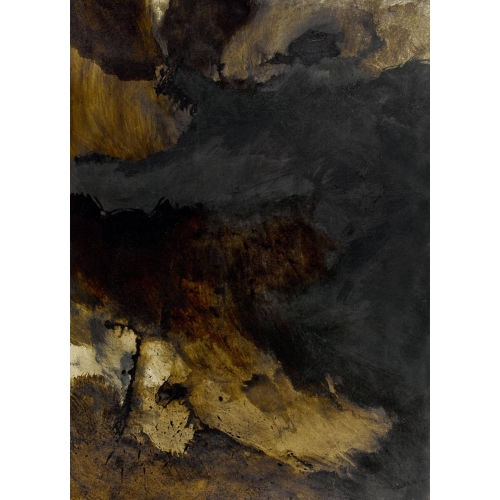
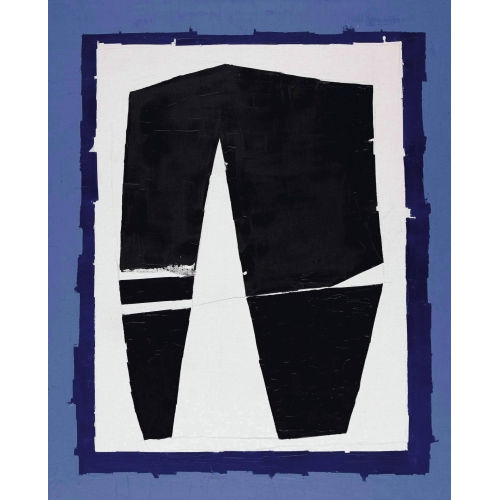
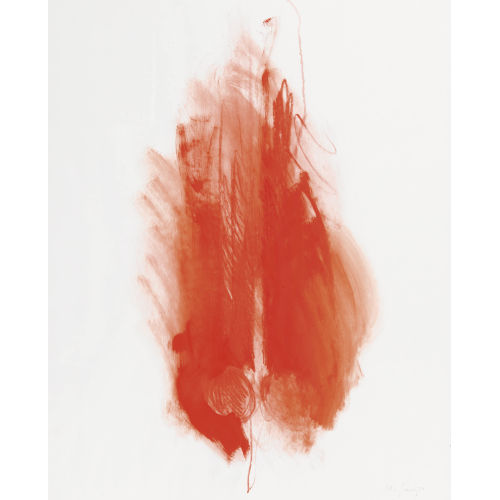
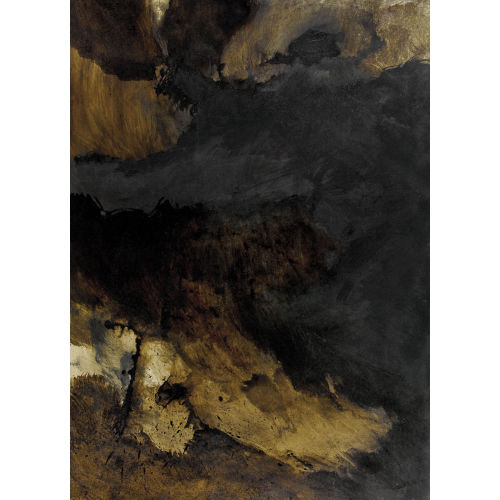
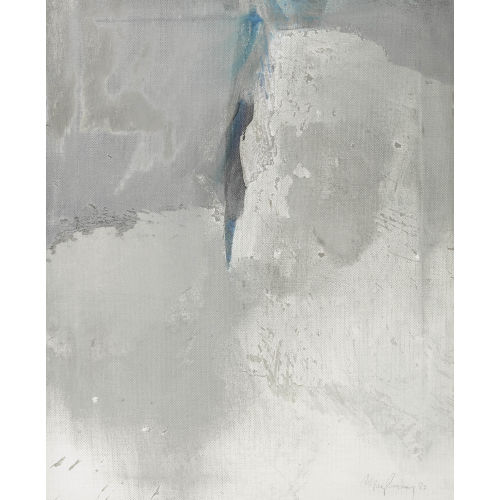
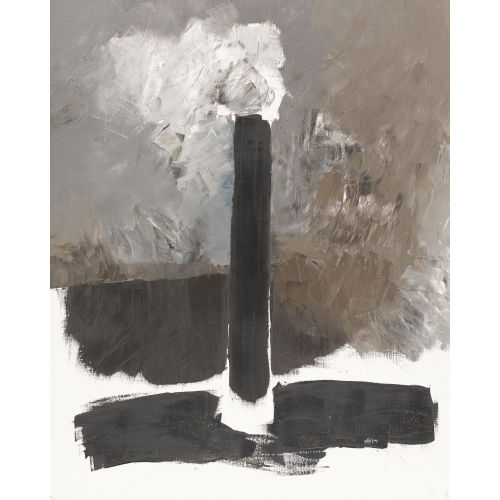
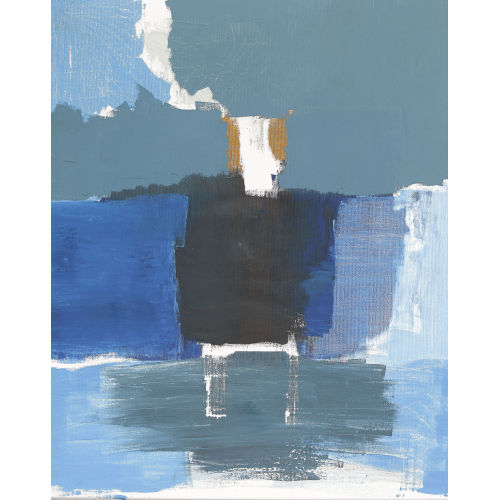
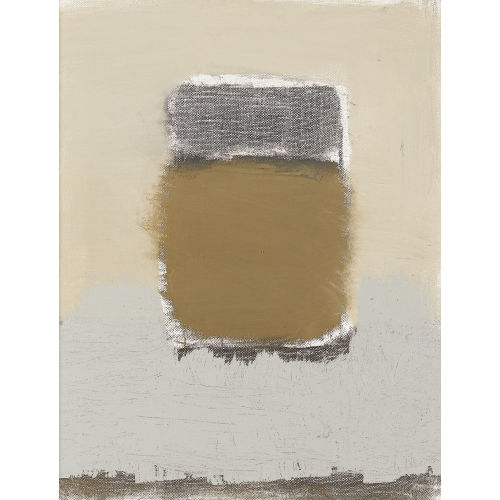
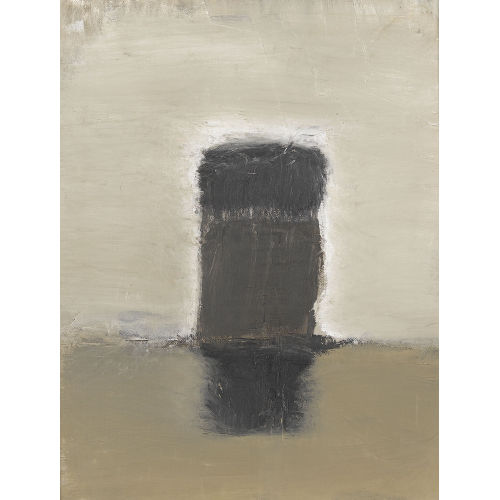
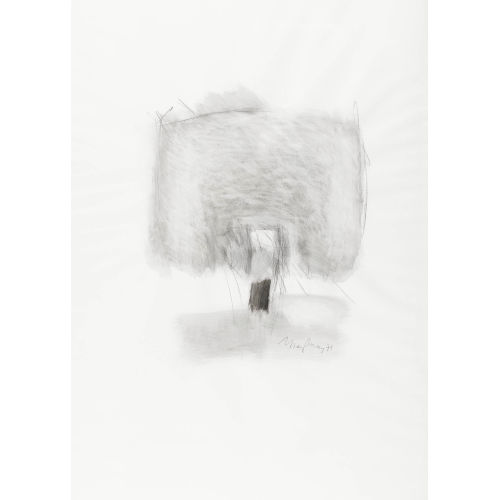
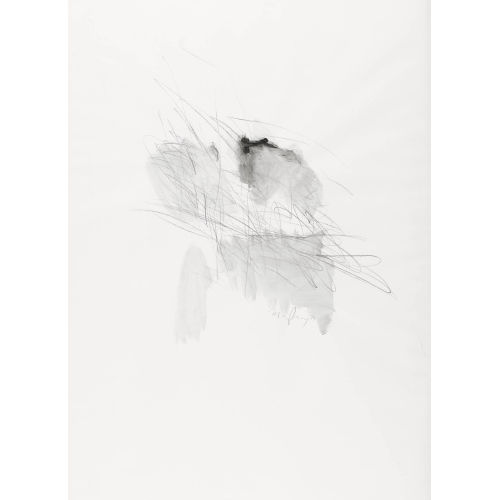
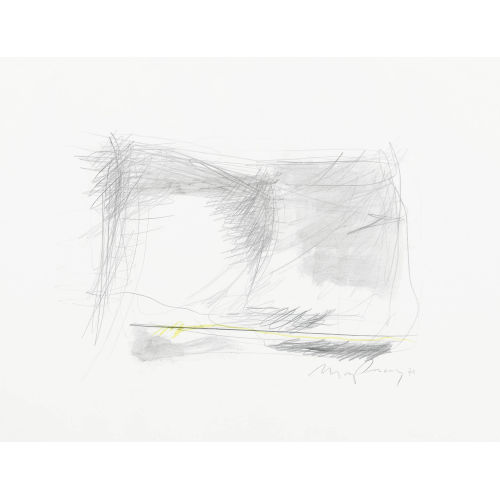
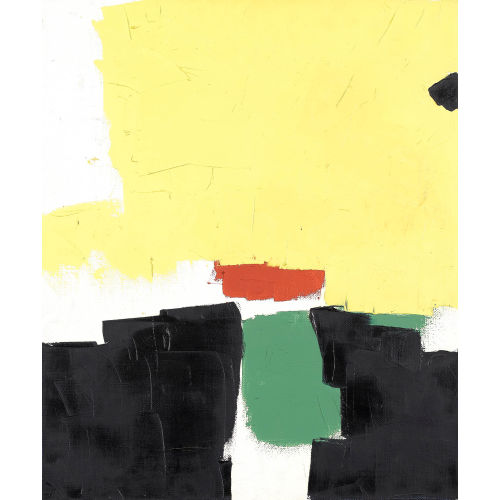
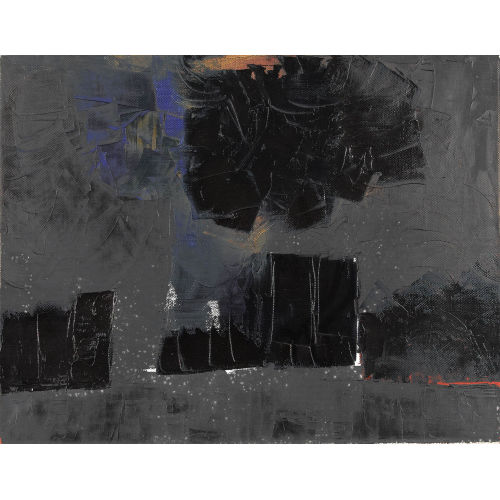
Egbert Moehsnang (born 9 December 1927 in Amberg, died 26 November 2017 in Schüpfen) is documented as a painter and copperplate engraver, and is presented in the records as an artist active in Switzerland.
He settled in Switzerland in 1950 and arrived in Bern that same year; he began exhibiting in 1954. From 1963 onwards, he presented his work at various institutions and galleries, including the Kunstmuseum Bern and Galerie Schindler in Bern. Notable later exhibitions include a presentation at Galerie Schindler in 1980, at the Kunstmuseum Bern in 1987, and two exhibitions at Galerie Kornfeld («Golden Patience», 1999, followed by the retrospective 50 Jahre Malerei und Graphik 1952–2002 in 2003).
In 2003, his work was also presented at the Musée Français de la Carte à Jouer in Paris. A working stay in Rome is recorded for 1961–1962.
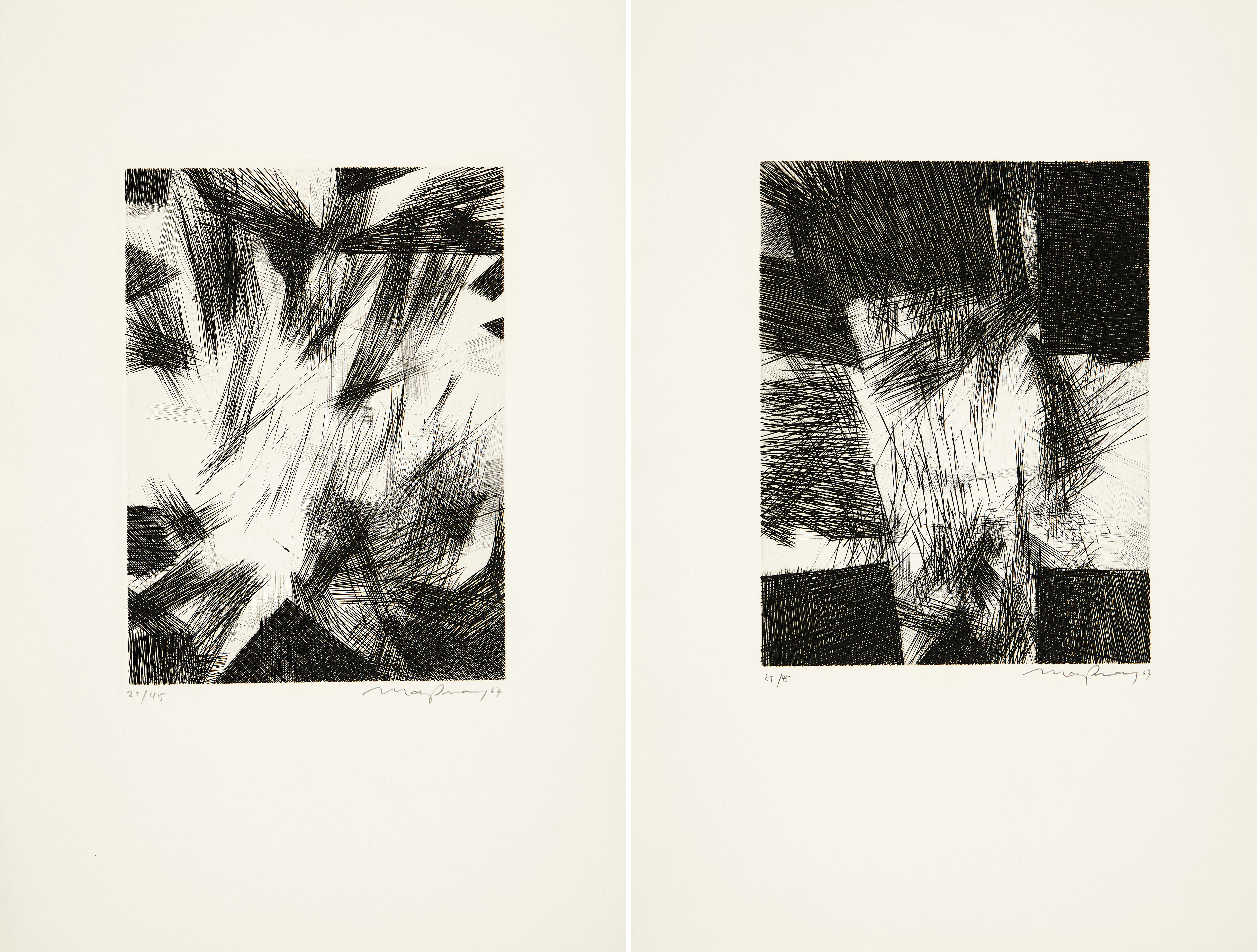
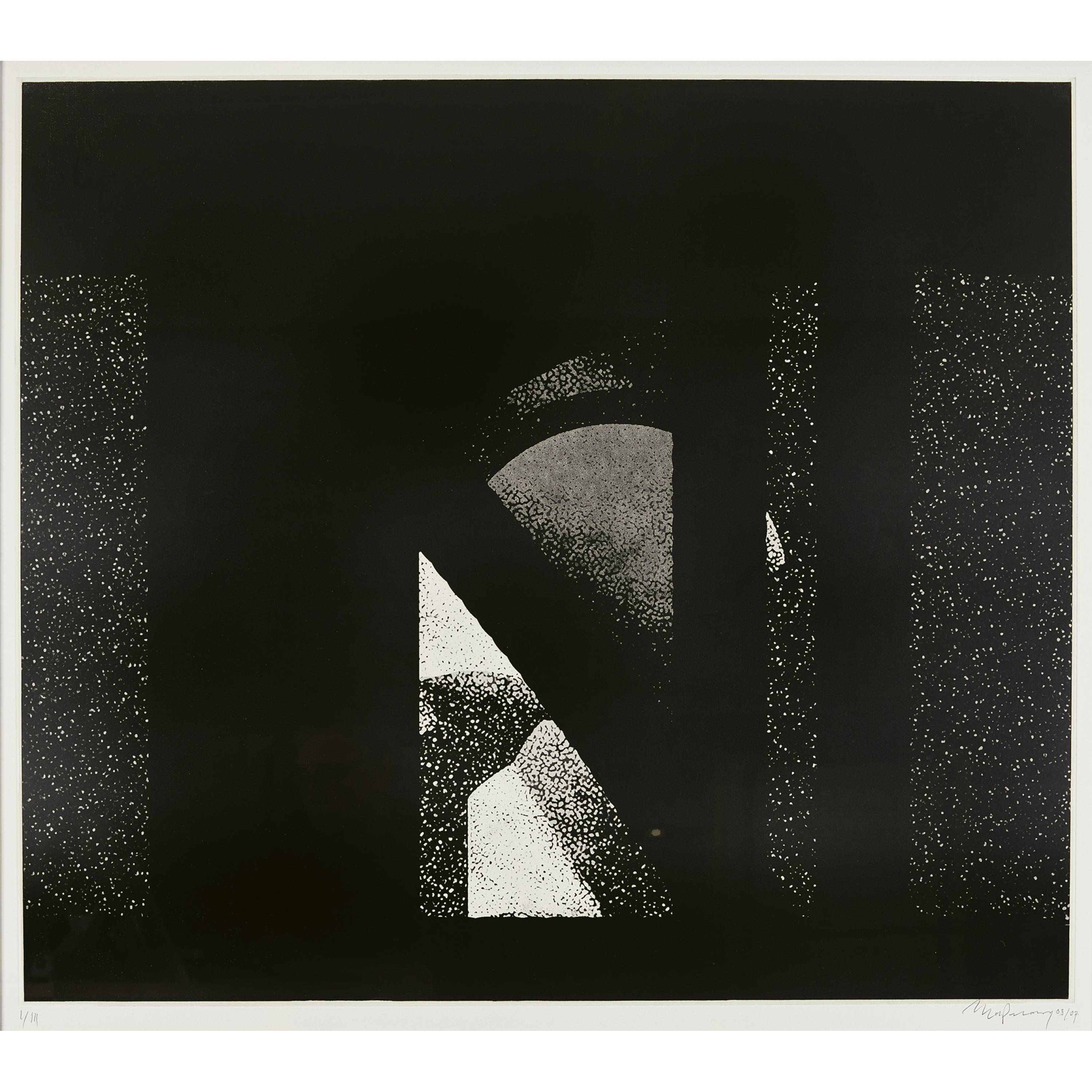
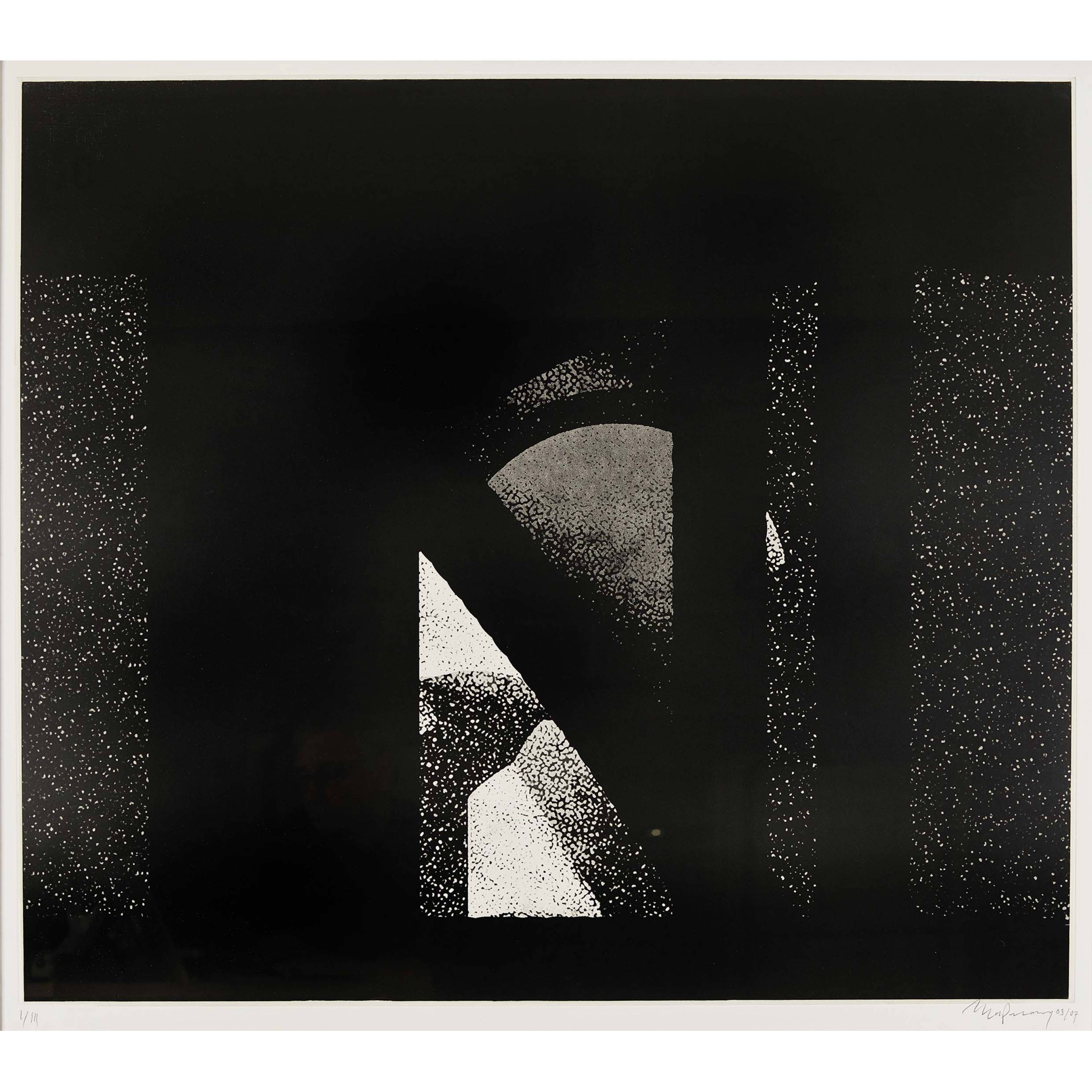
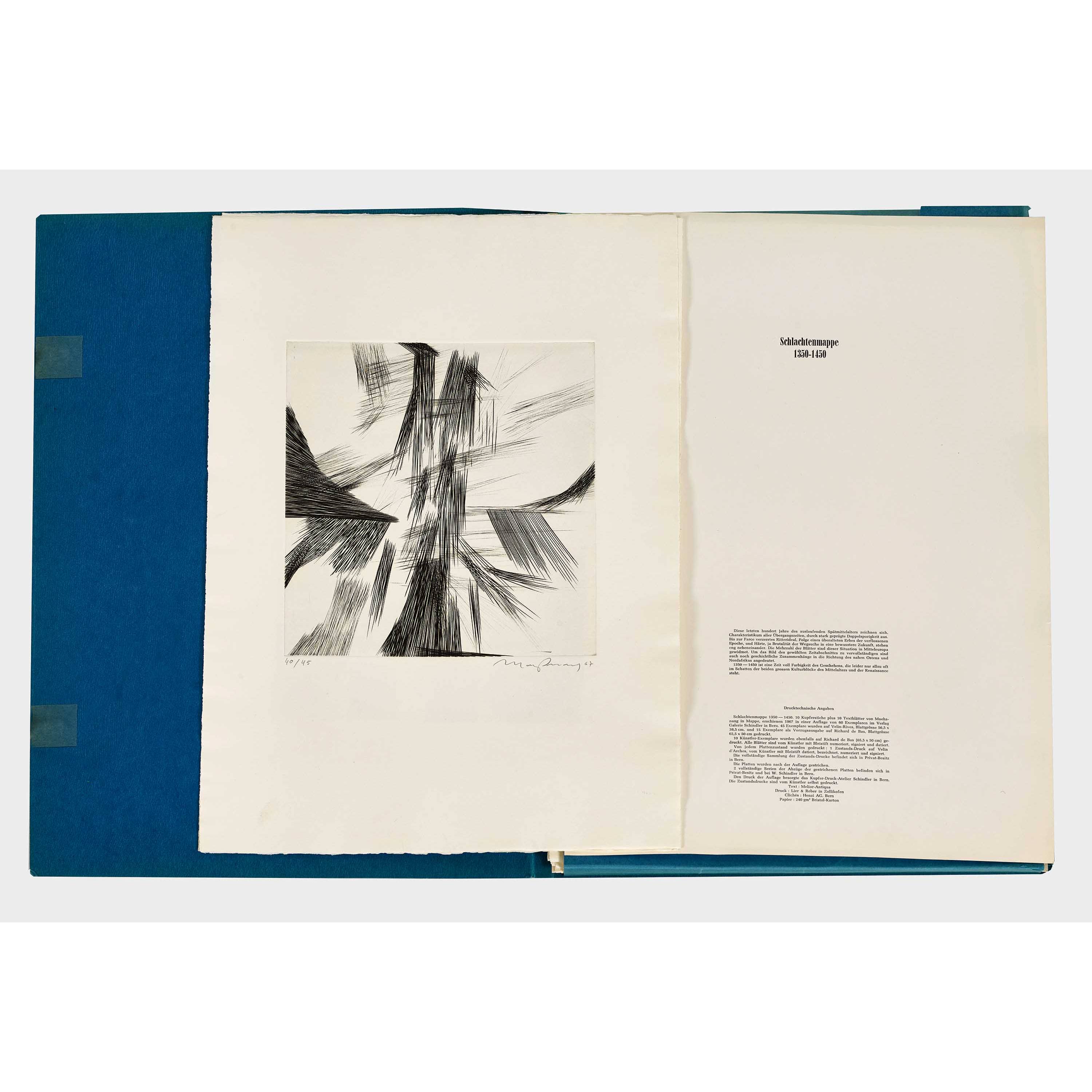
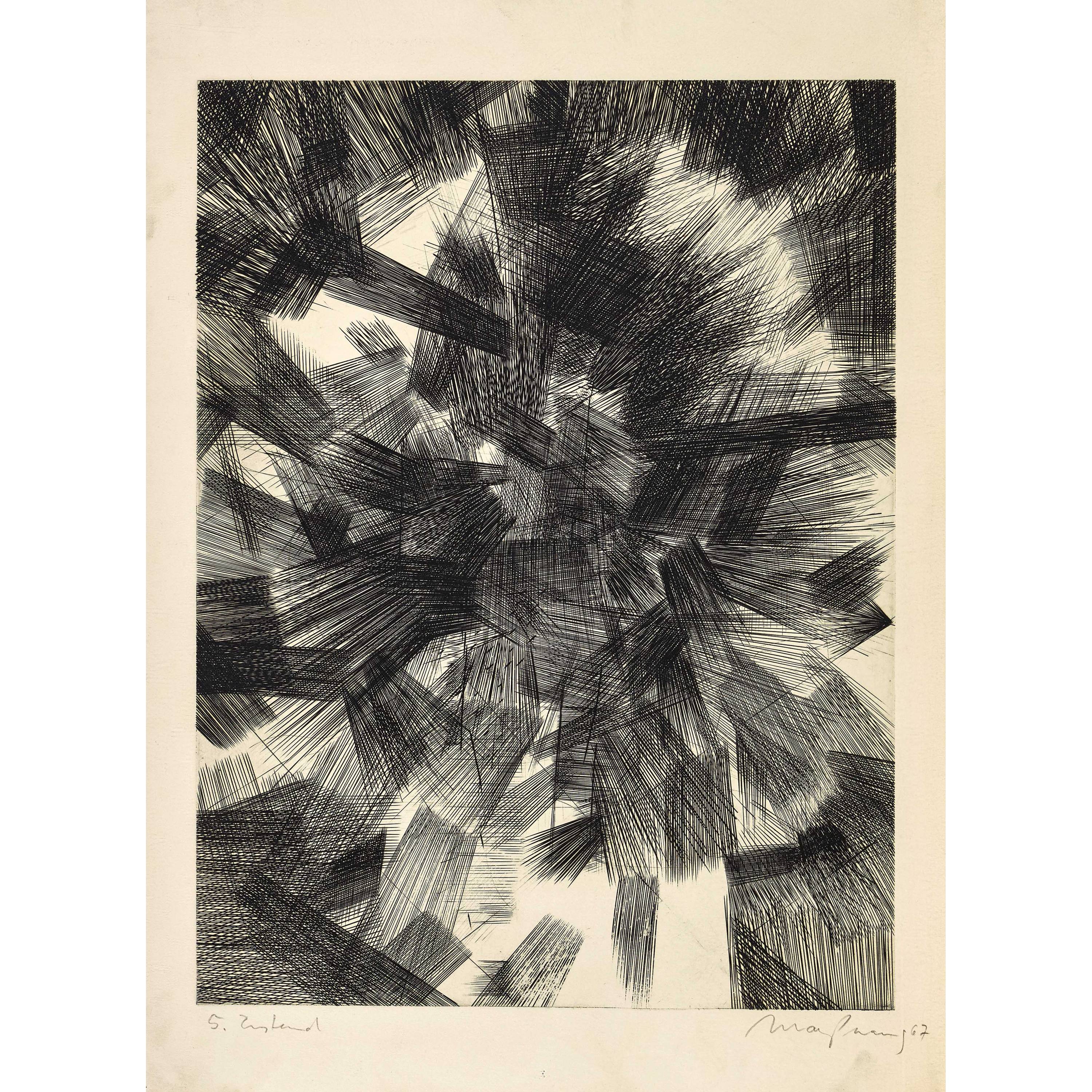
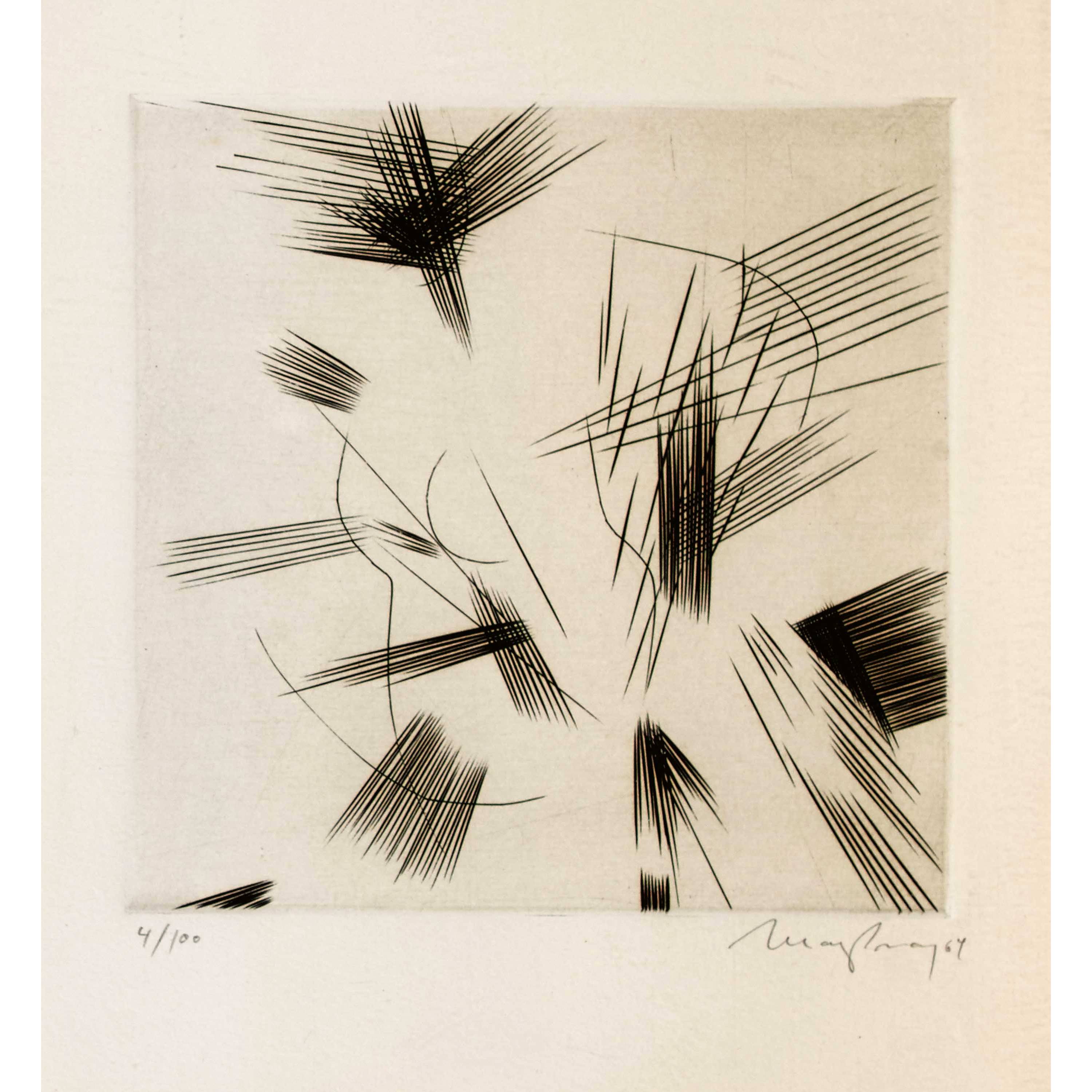
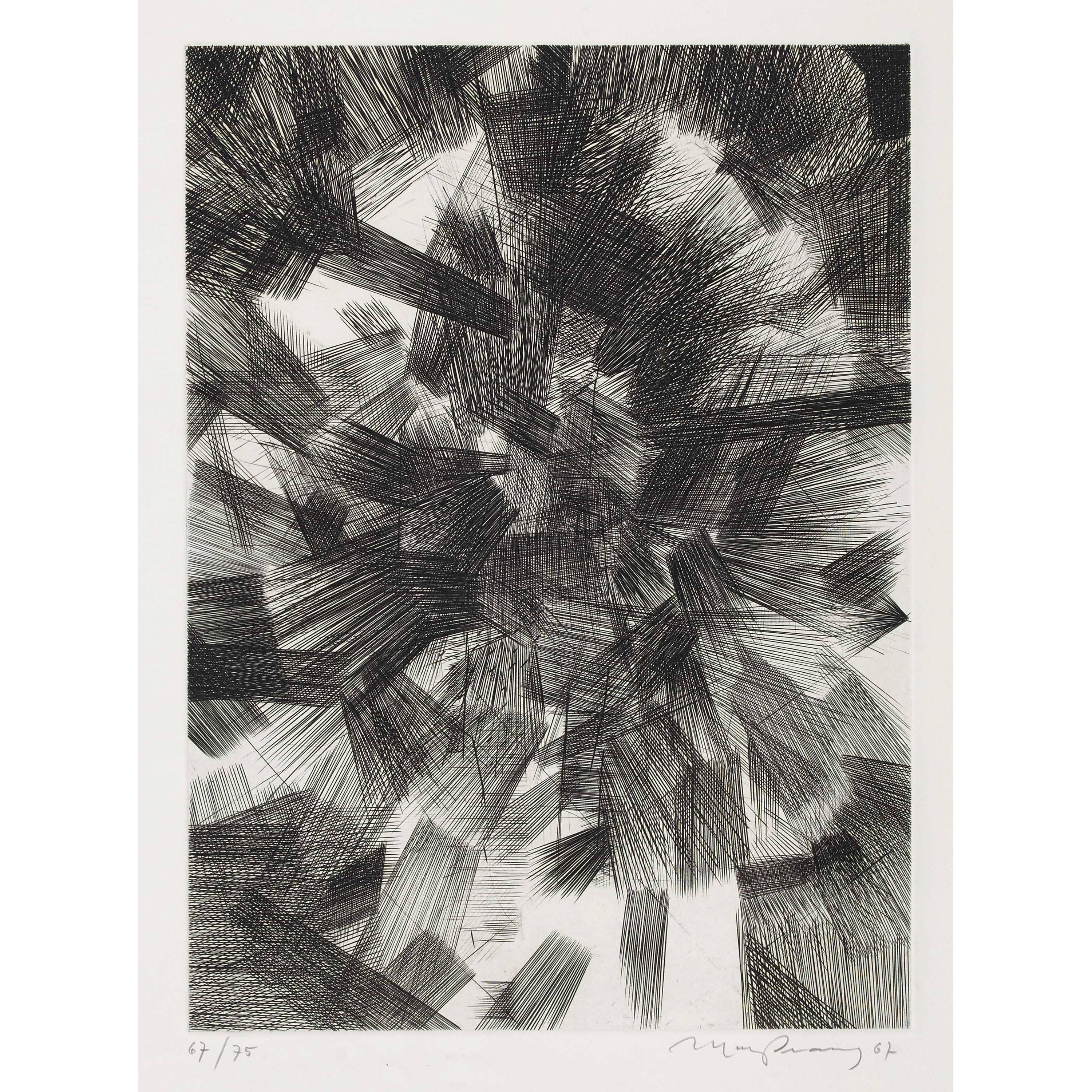
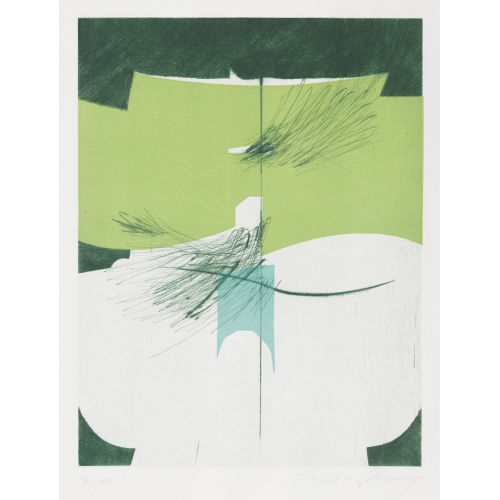
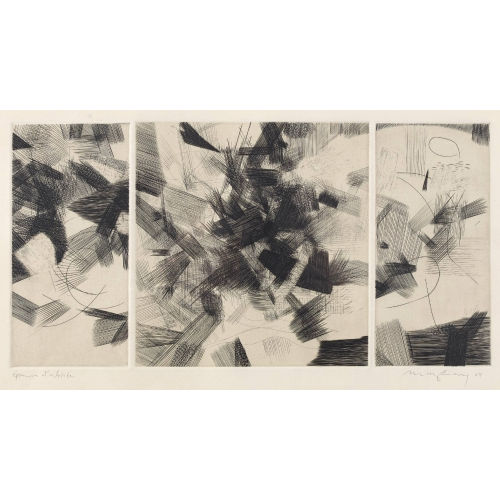
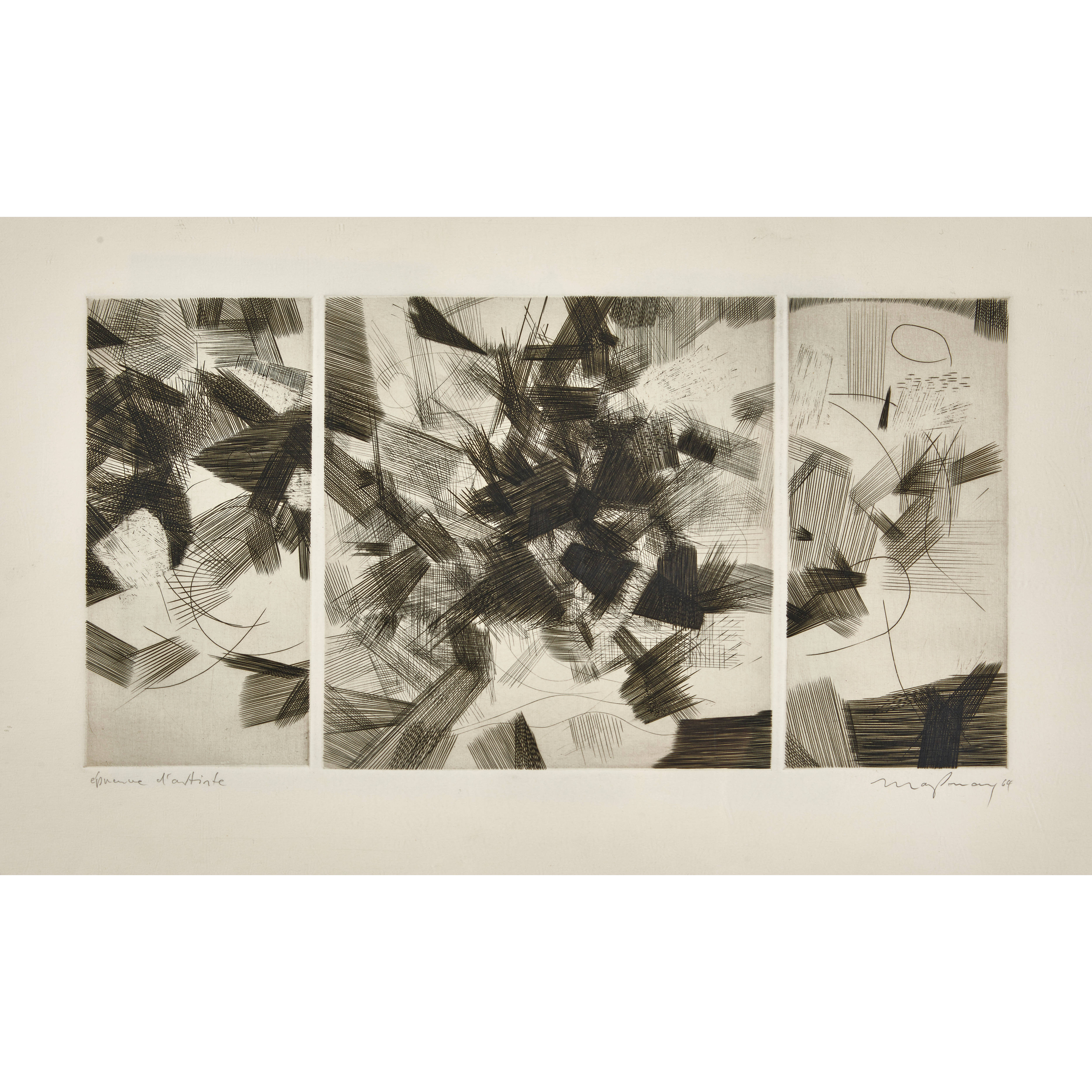
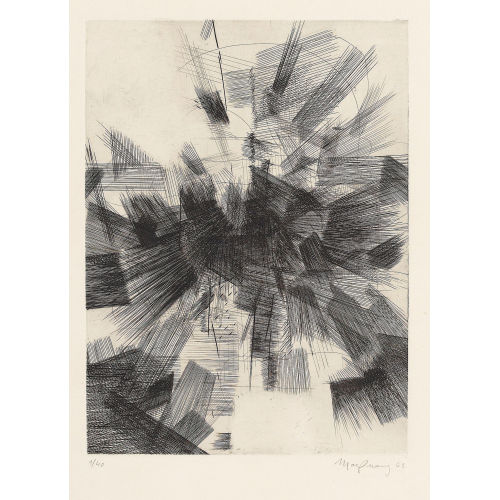
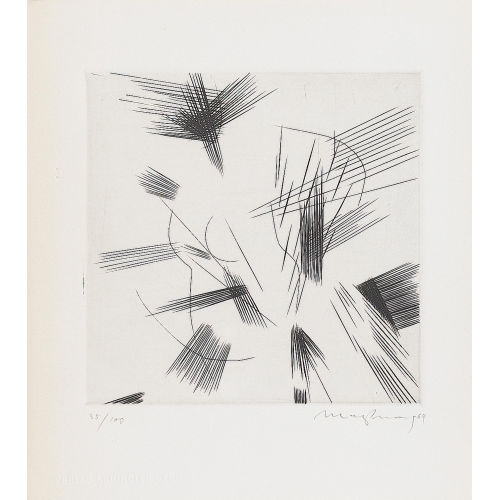
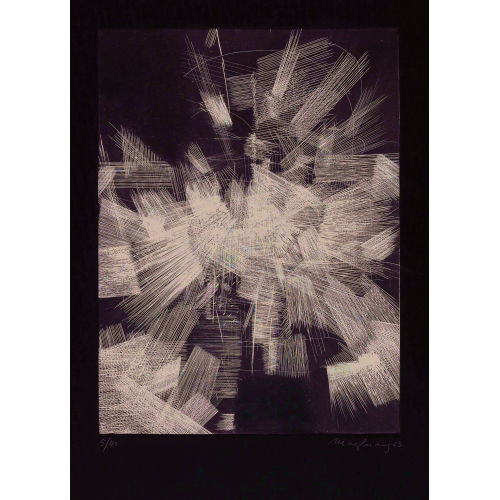
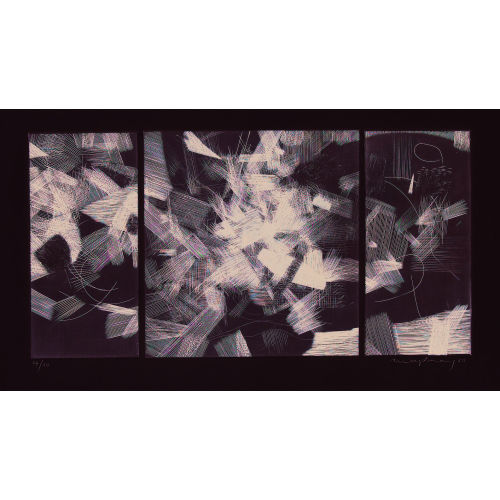
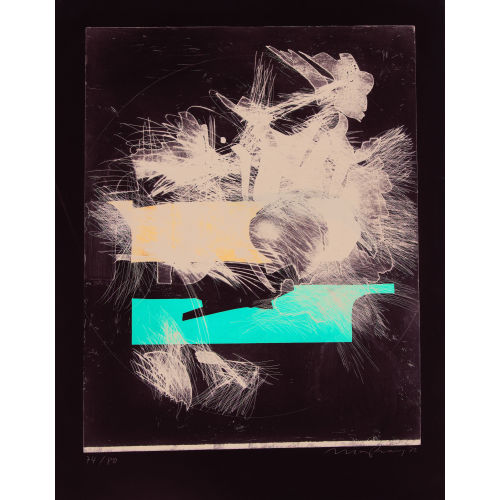
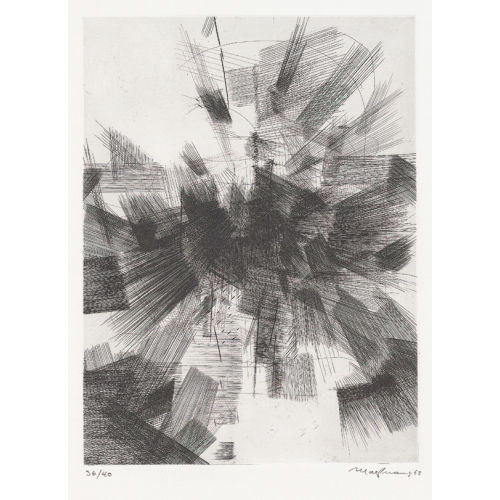
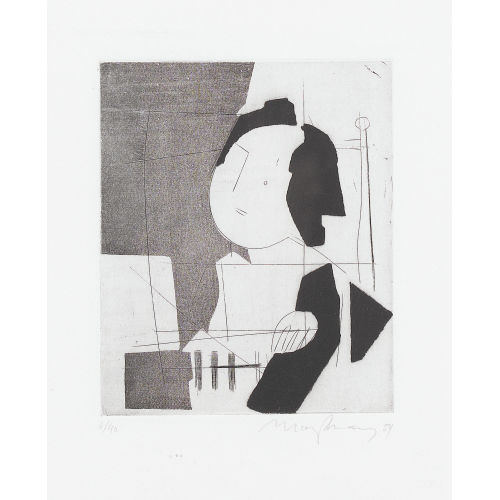
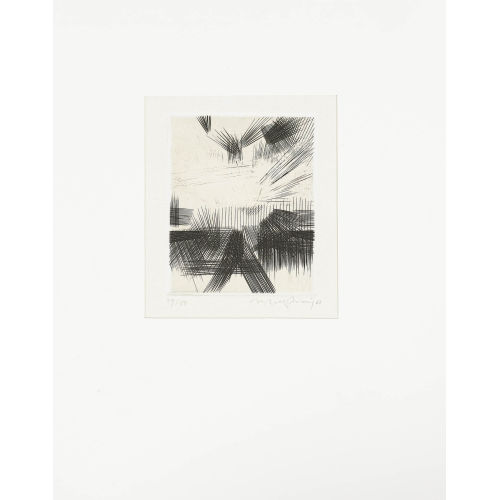
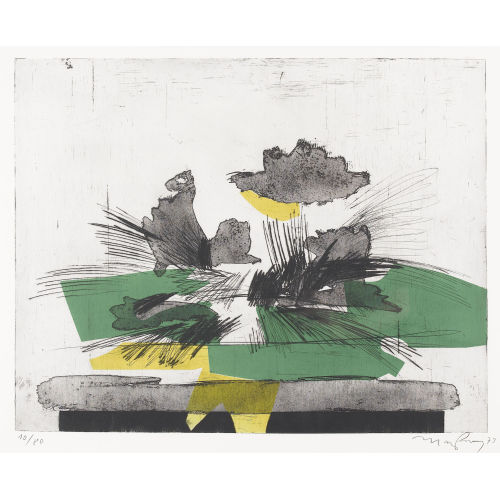
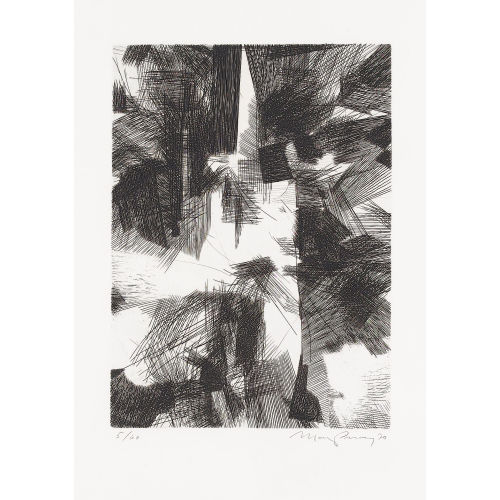
His printed works include a Schlachtenmappe—a series of ten copperplate prints dated 1967—and an edition on vellum (one copy, 21/45, with all sheets signed and dated, is mentioned in a sales notice). He also undertook commissions for the public realm, including stained-glass windows for the church in Berzona, for the Église française in Bern, and for the former monastery on St Peter’s Island; paintings intended for the organ doors of the Stadtkirche Biel; and a diptych for the Kirchgemeindehaus in Steffisburg. The documentation also notes a late use of the computer as a working tool, employed to produce large-format Tiefdrucke (intaglio prints).
The written Nachlass and part of the artistic estate are deposited at the Burgerbibliothek Bern, while a substantial body of the print estate is held in the collection of ETH Zurich. Several publications are devoted to him, including a publication produced with Paul Nizon and the book Das Buch als Gesamtkunstwerk (2003).
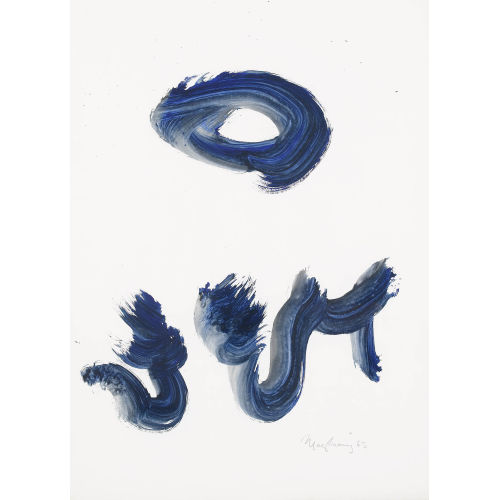
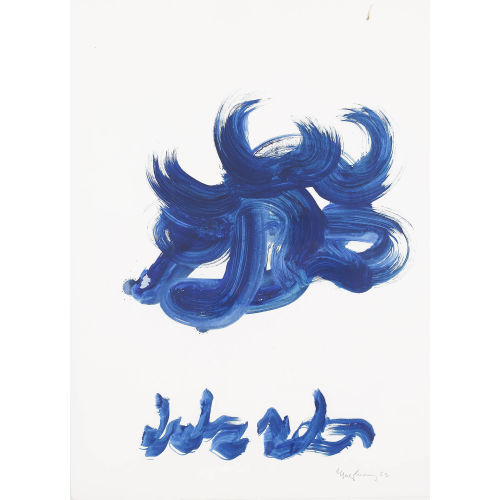
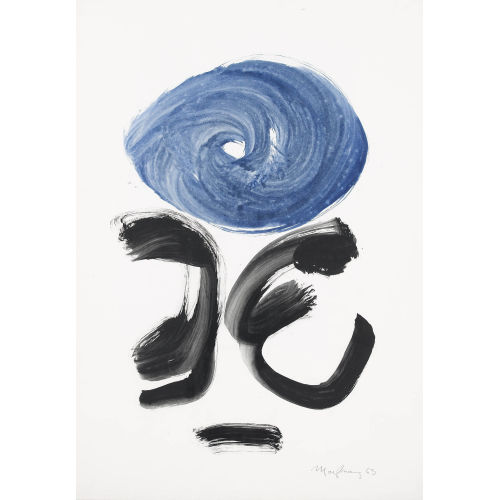
Overall, the available documentation allows his practice to be described as divided between painting and printmaking, illustrated by dated printed series, interventions for public places, and an engagement with the artist’s book and print editions, as well as by the substantial preservation of his archives and prints in Swiss institutions.