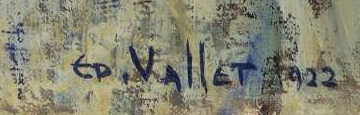
Édouard Vallet
Born in 1876.
Died in 1929.
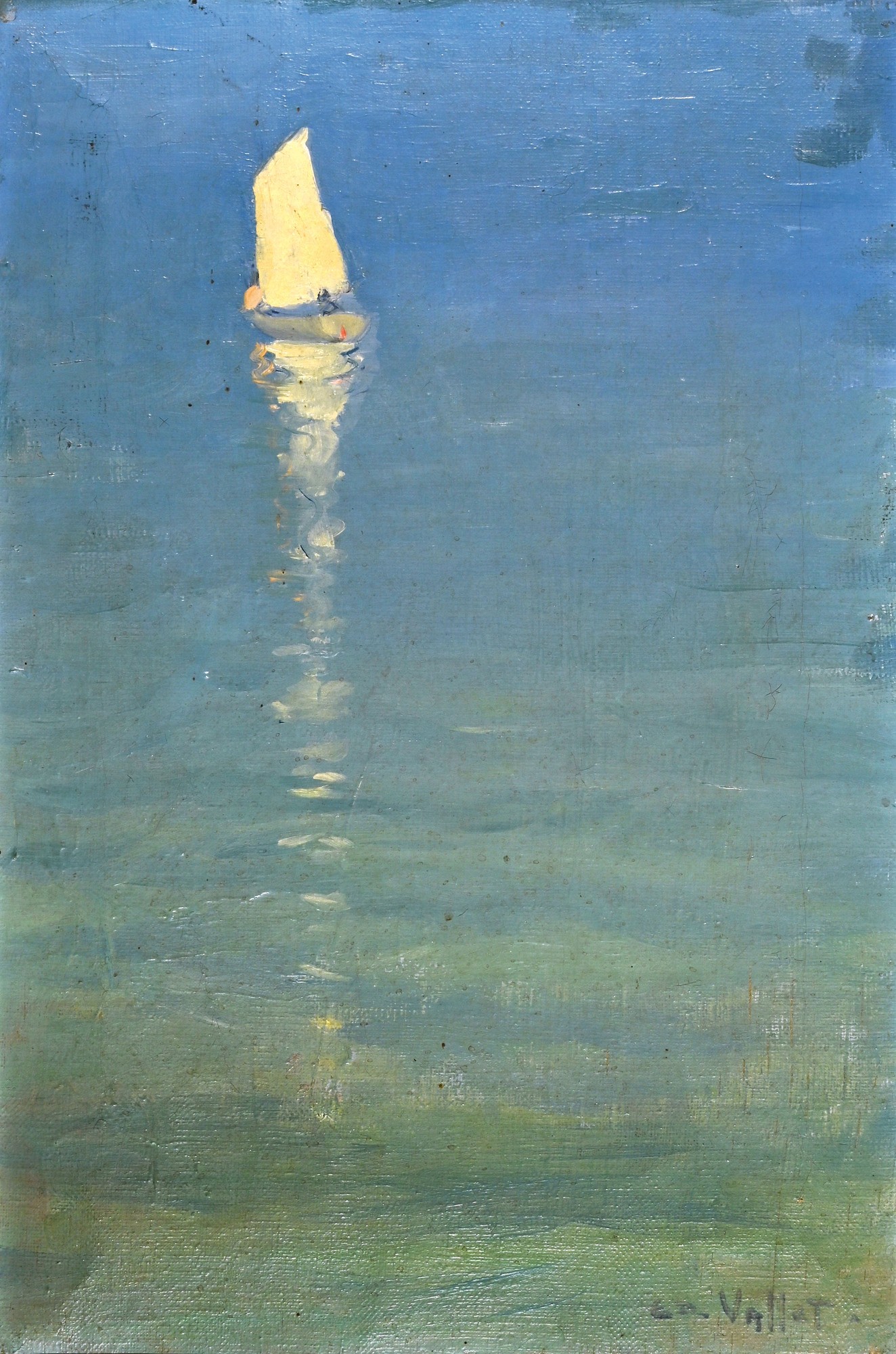
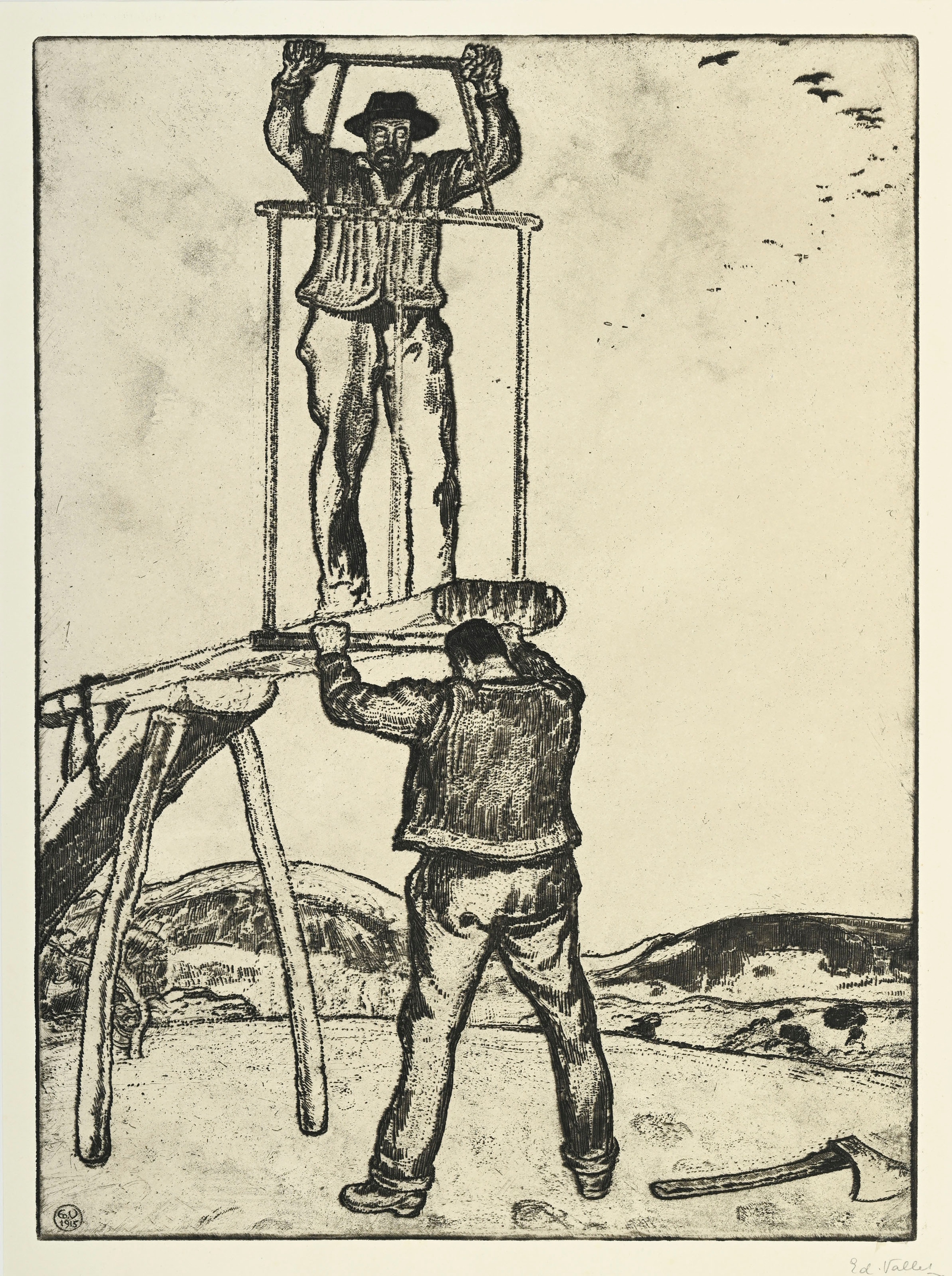
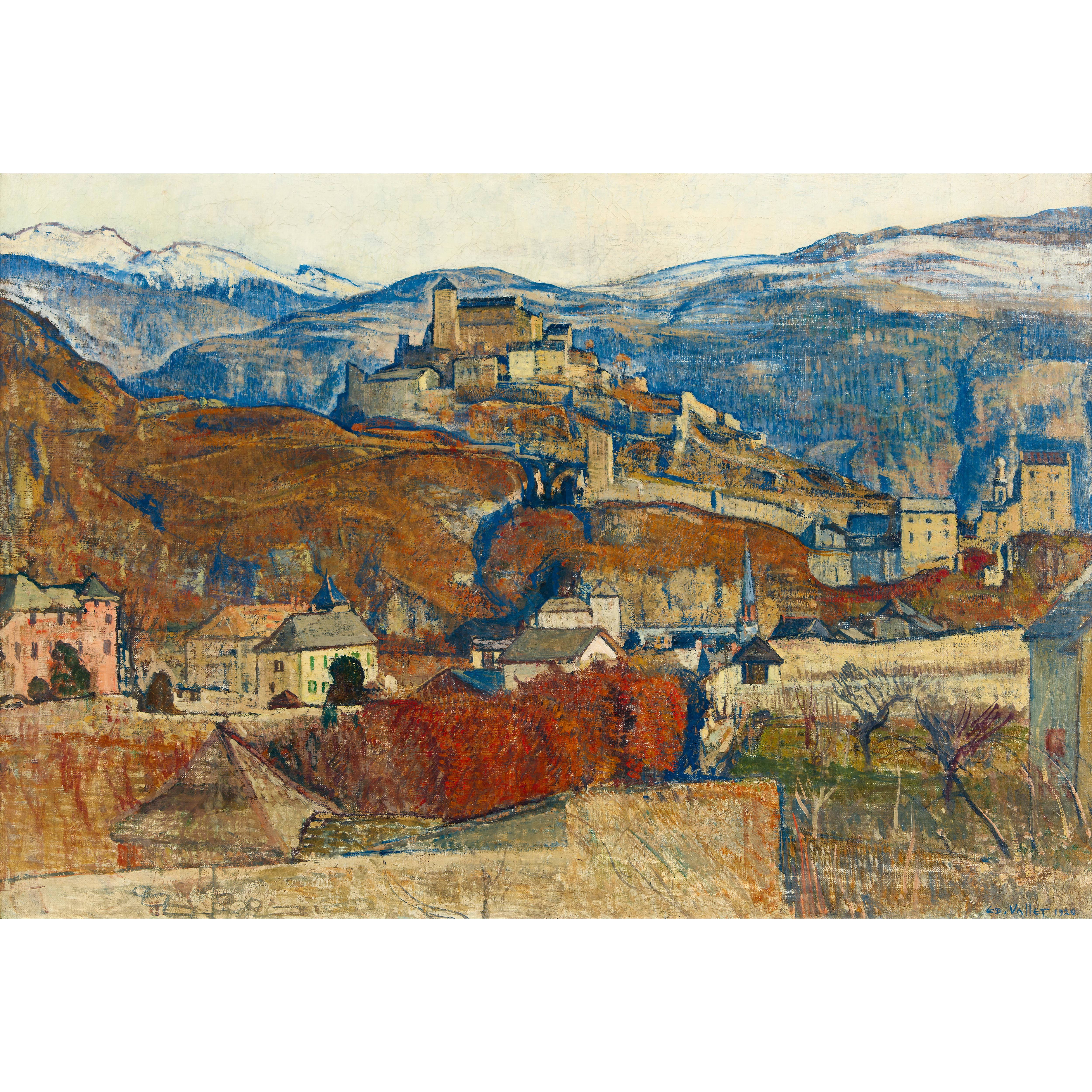
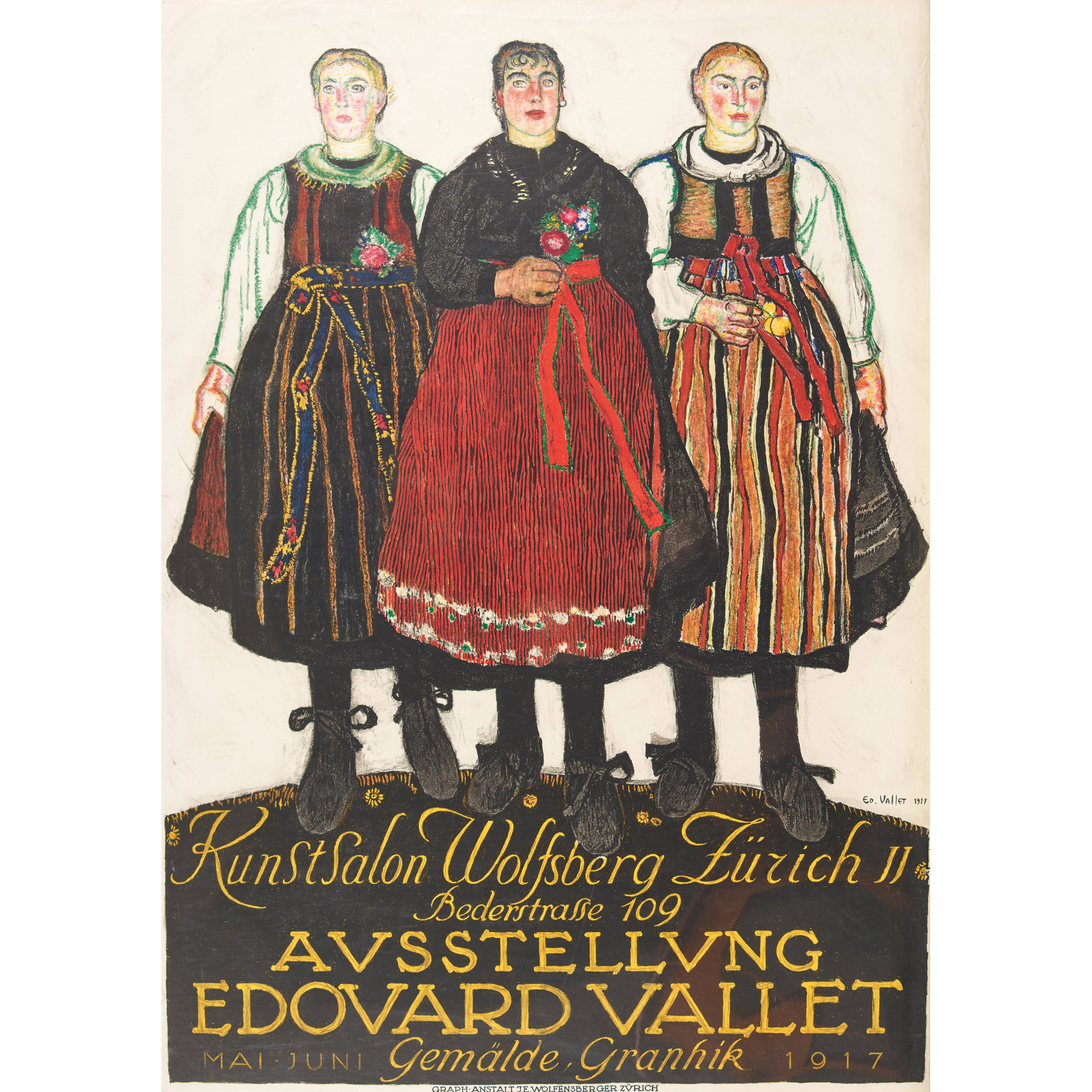
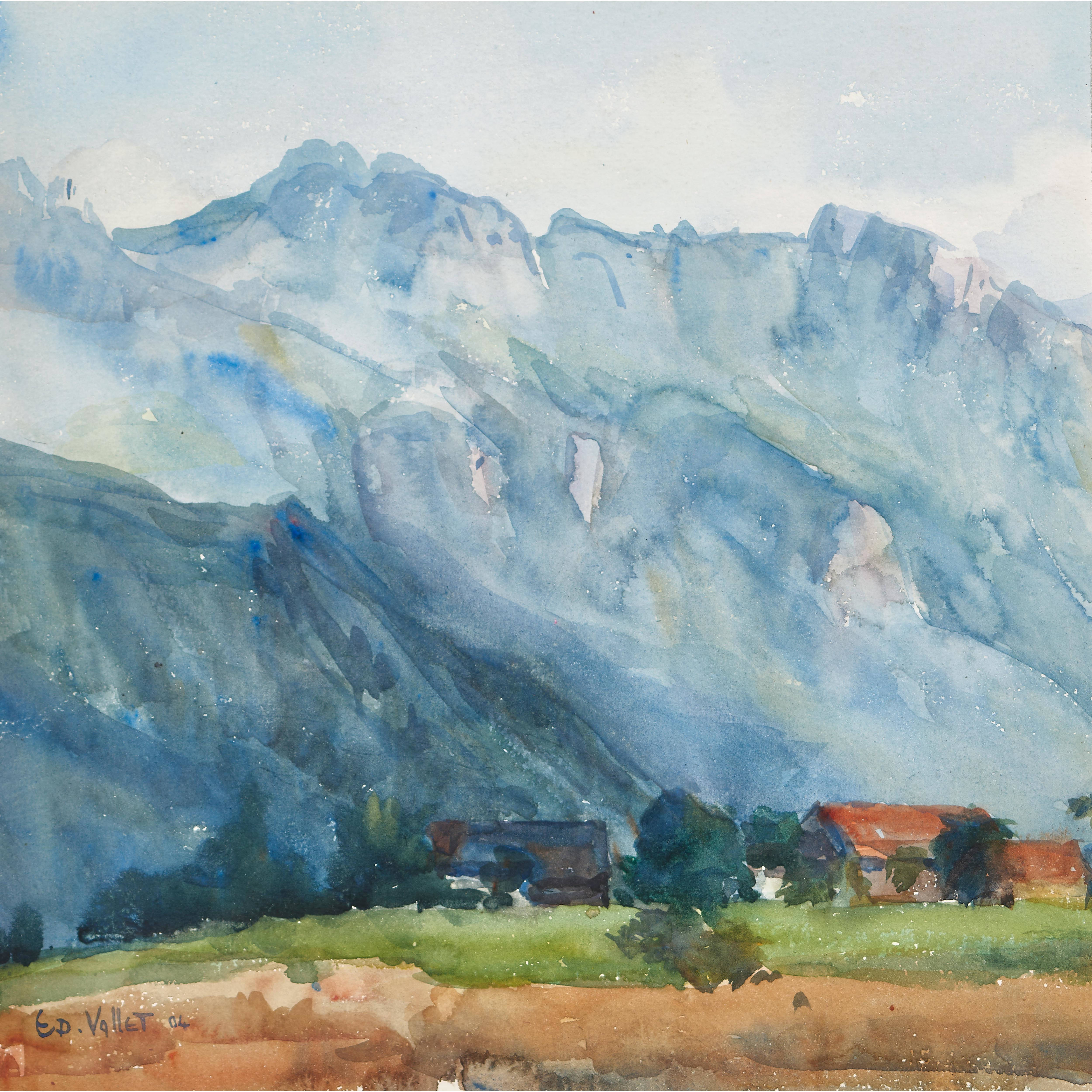
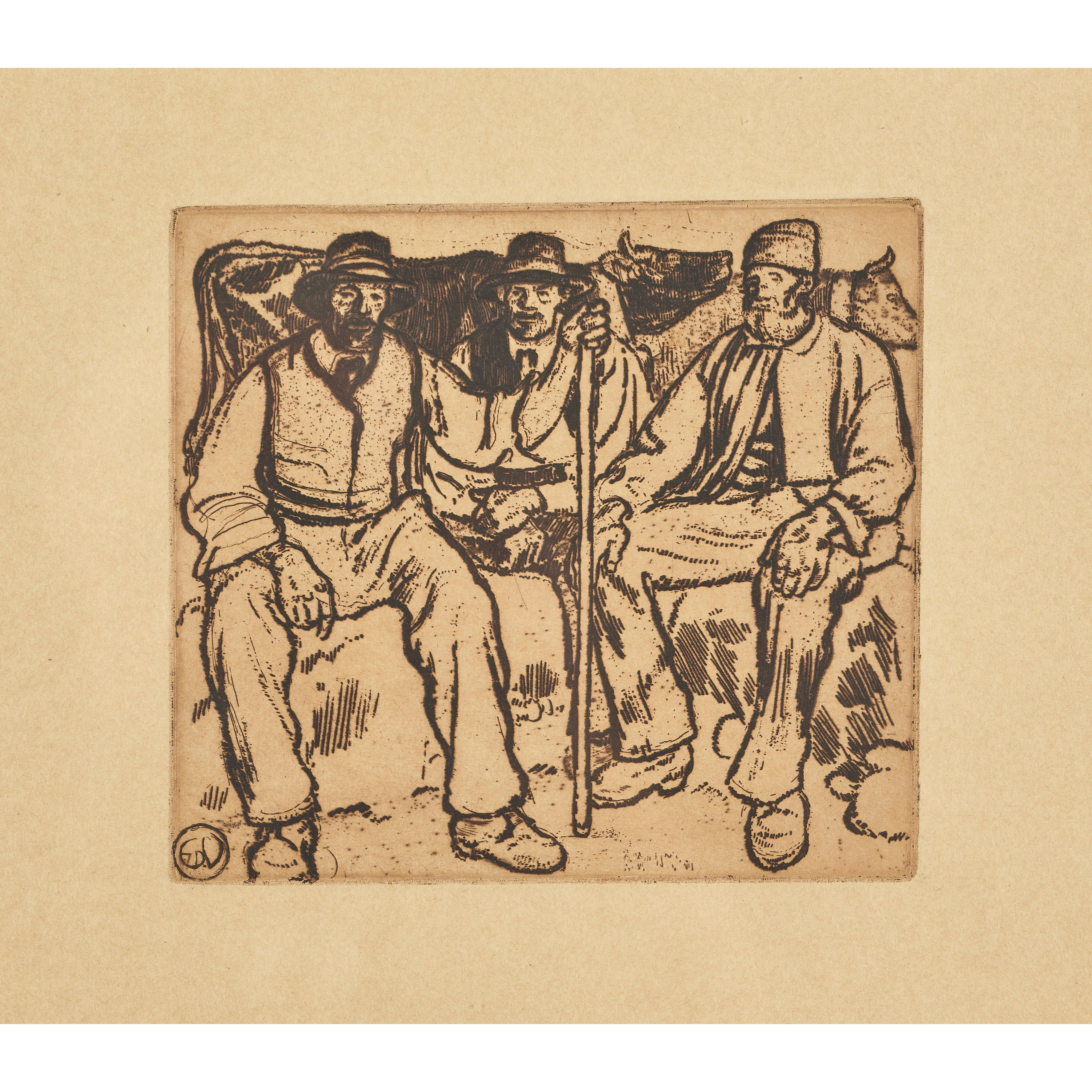
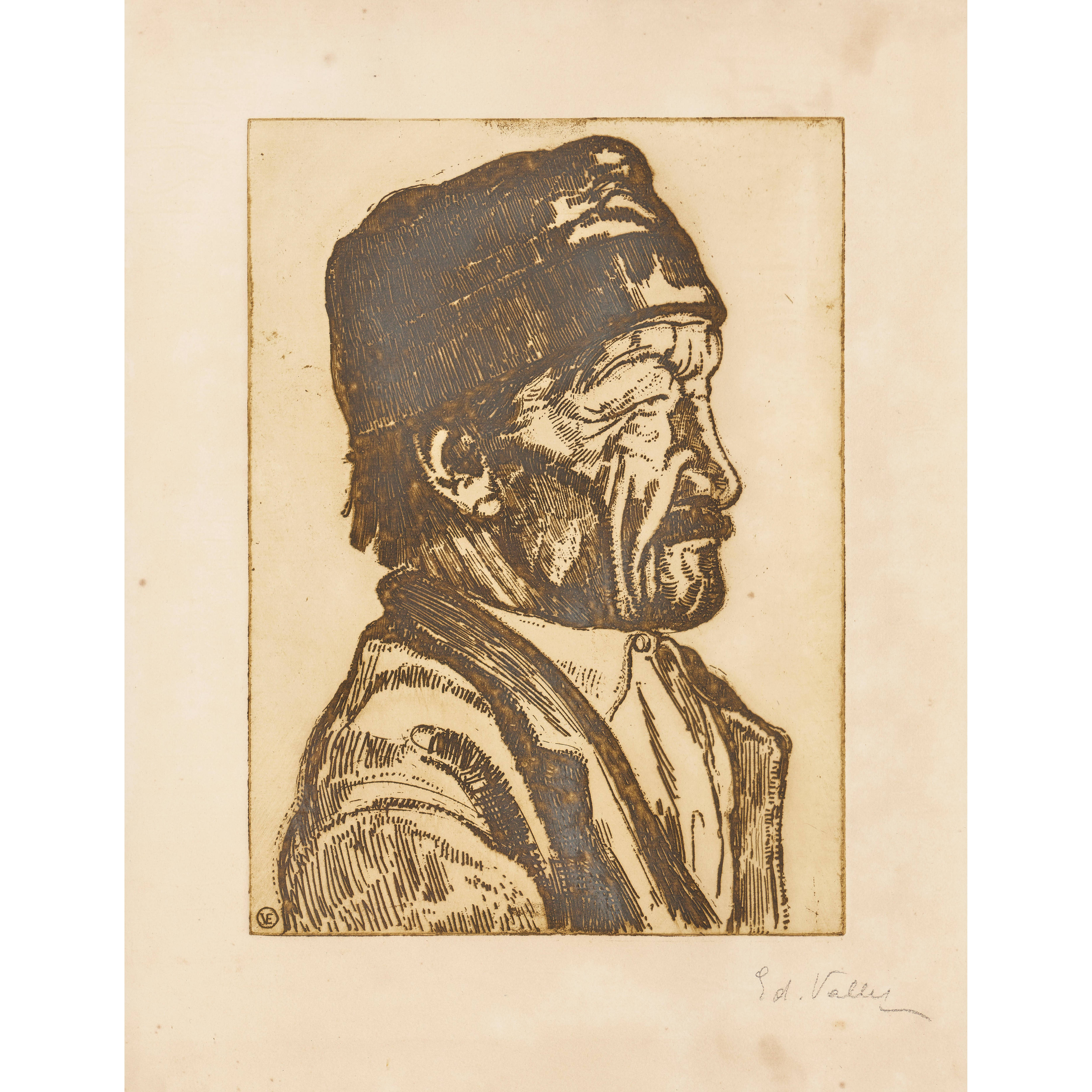
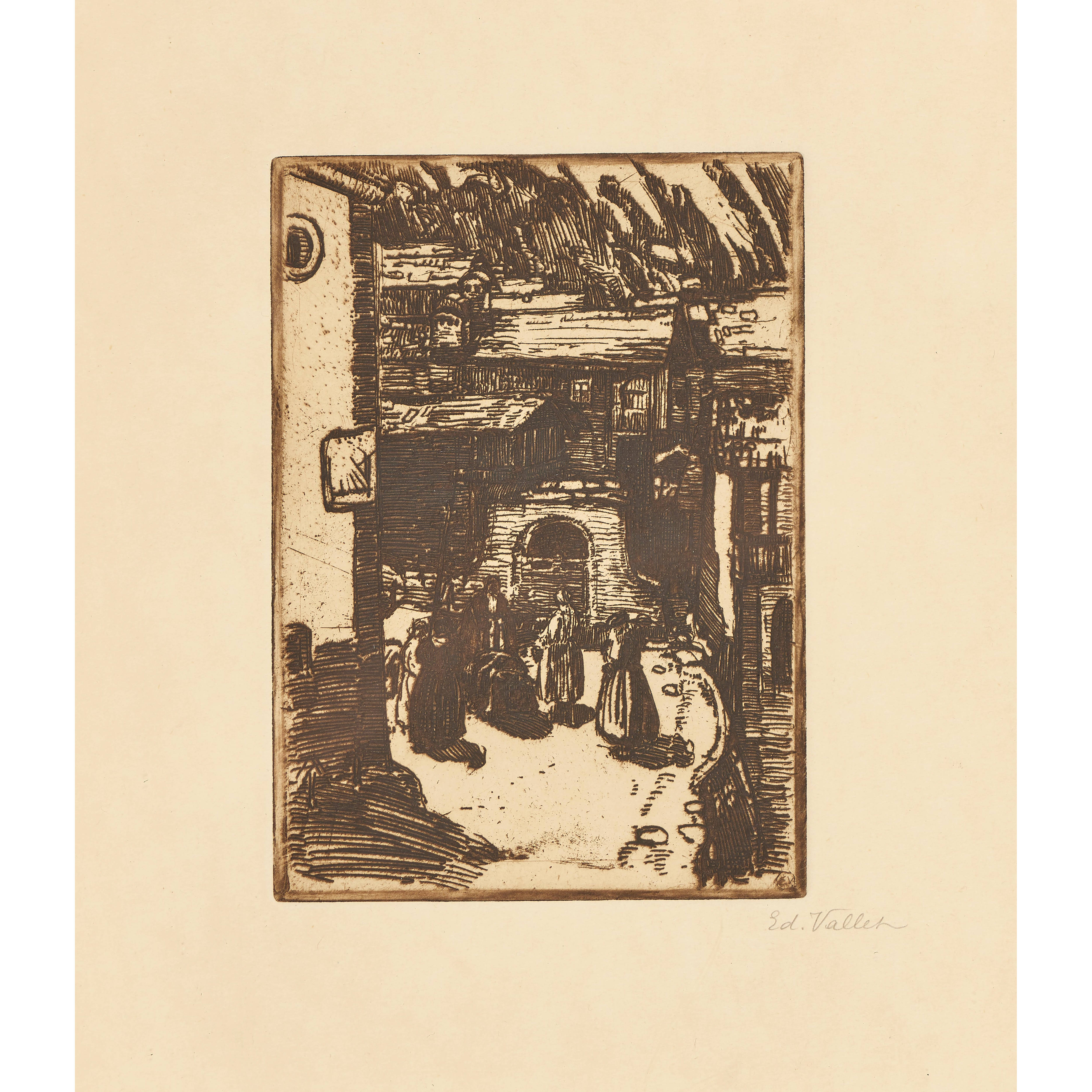
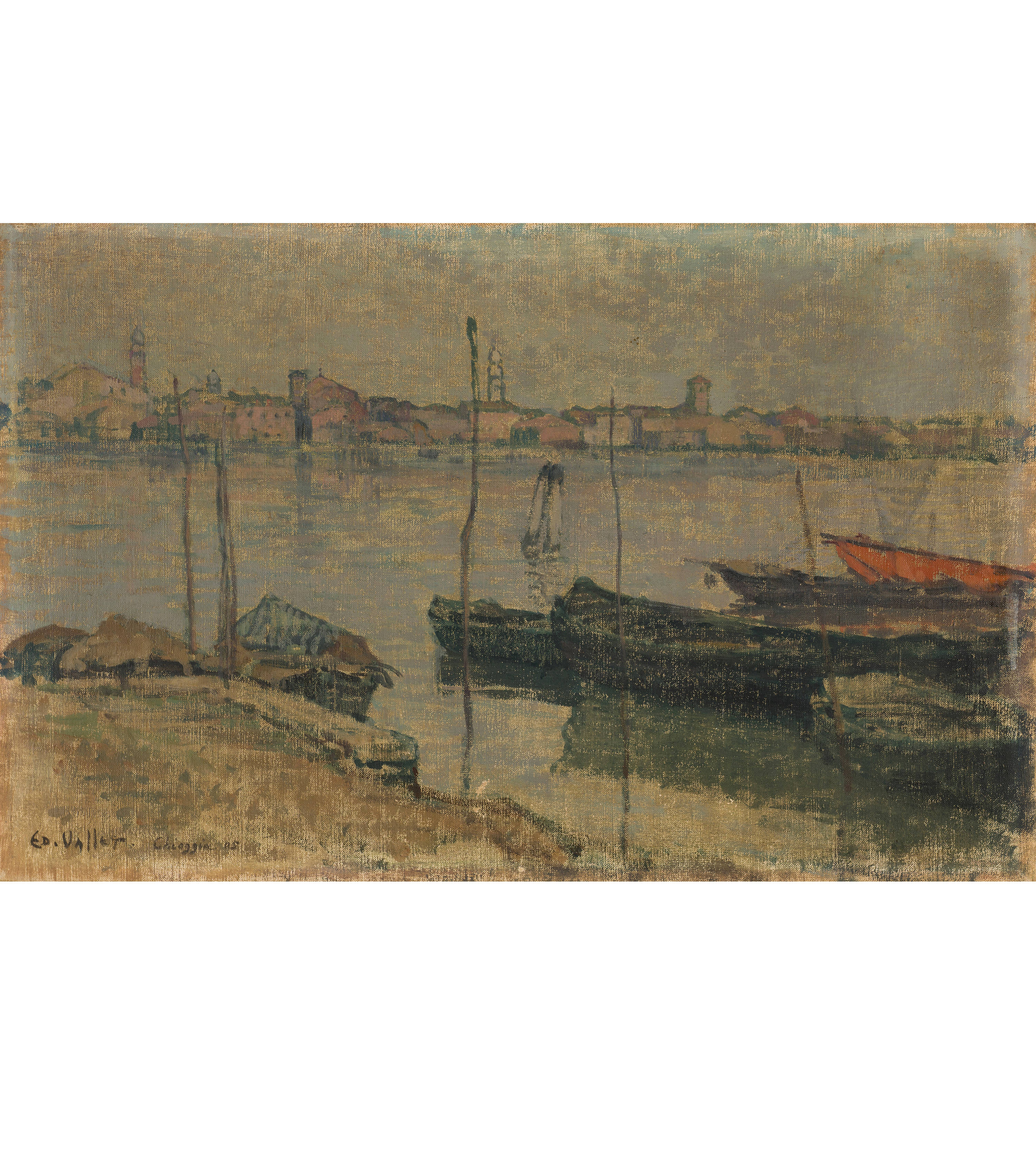
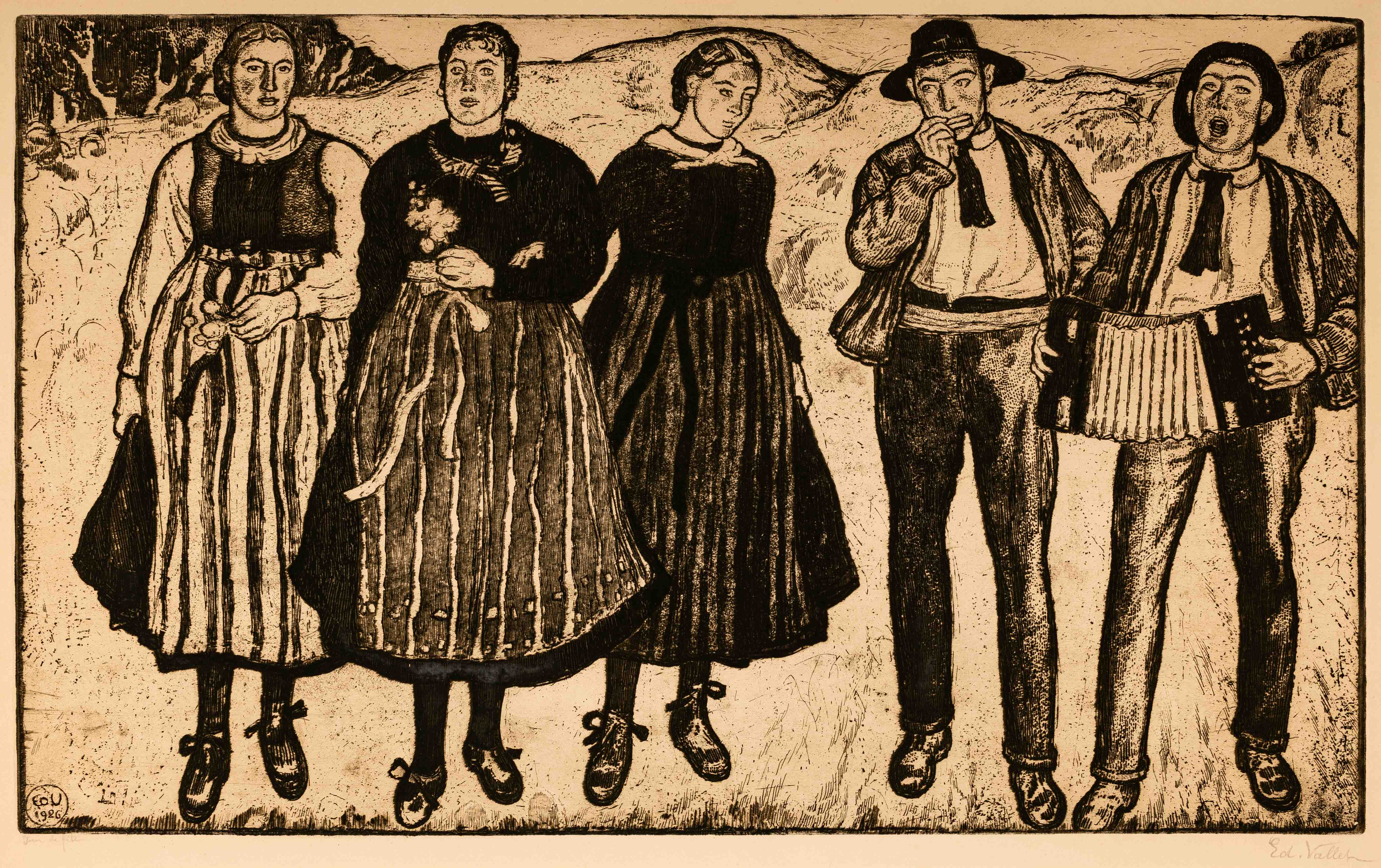
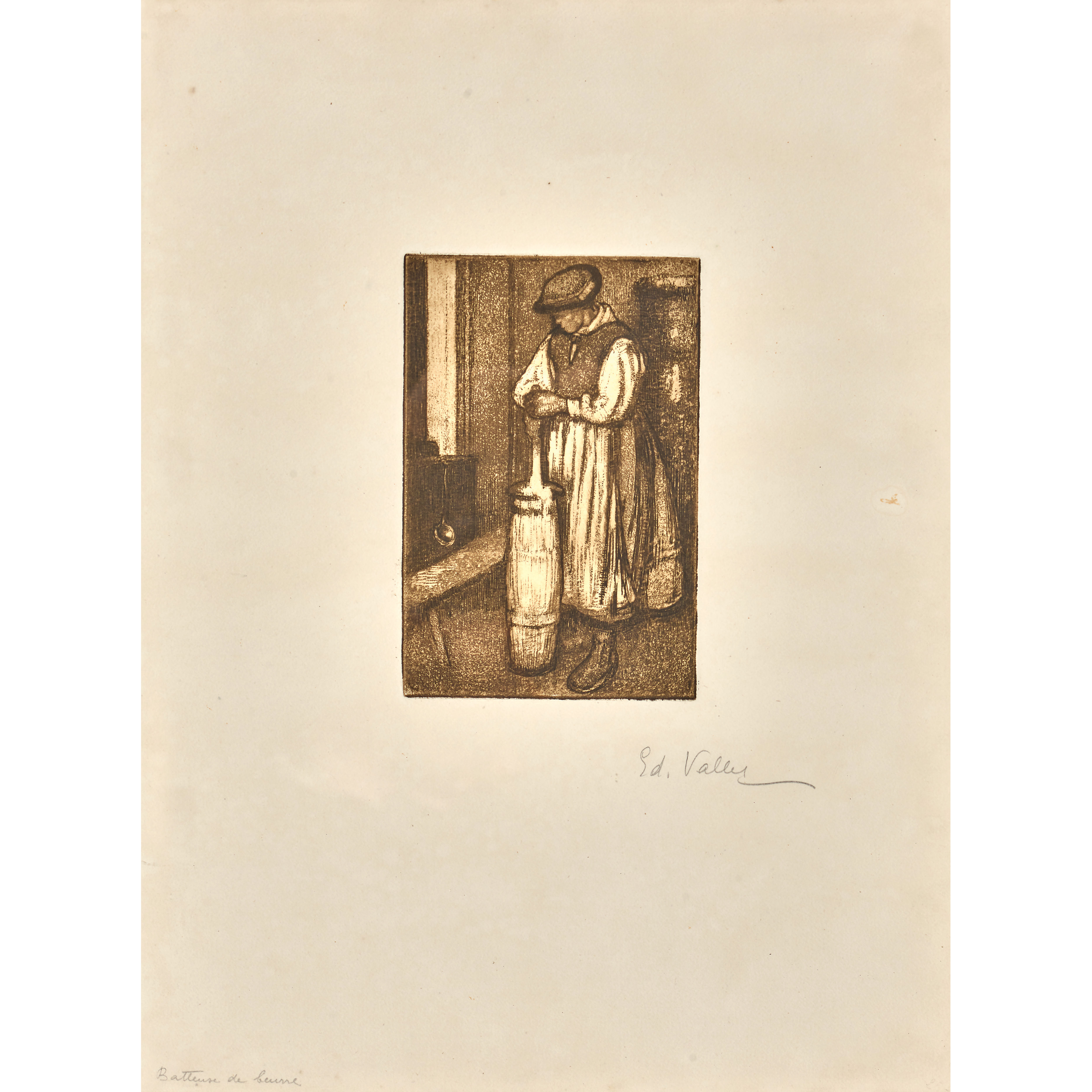
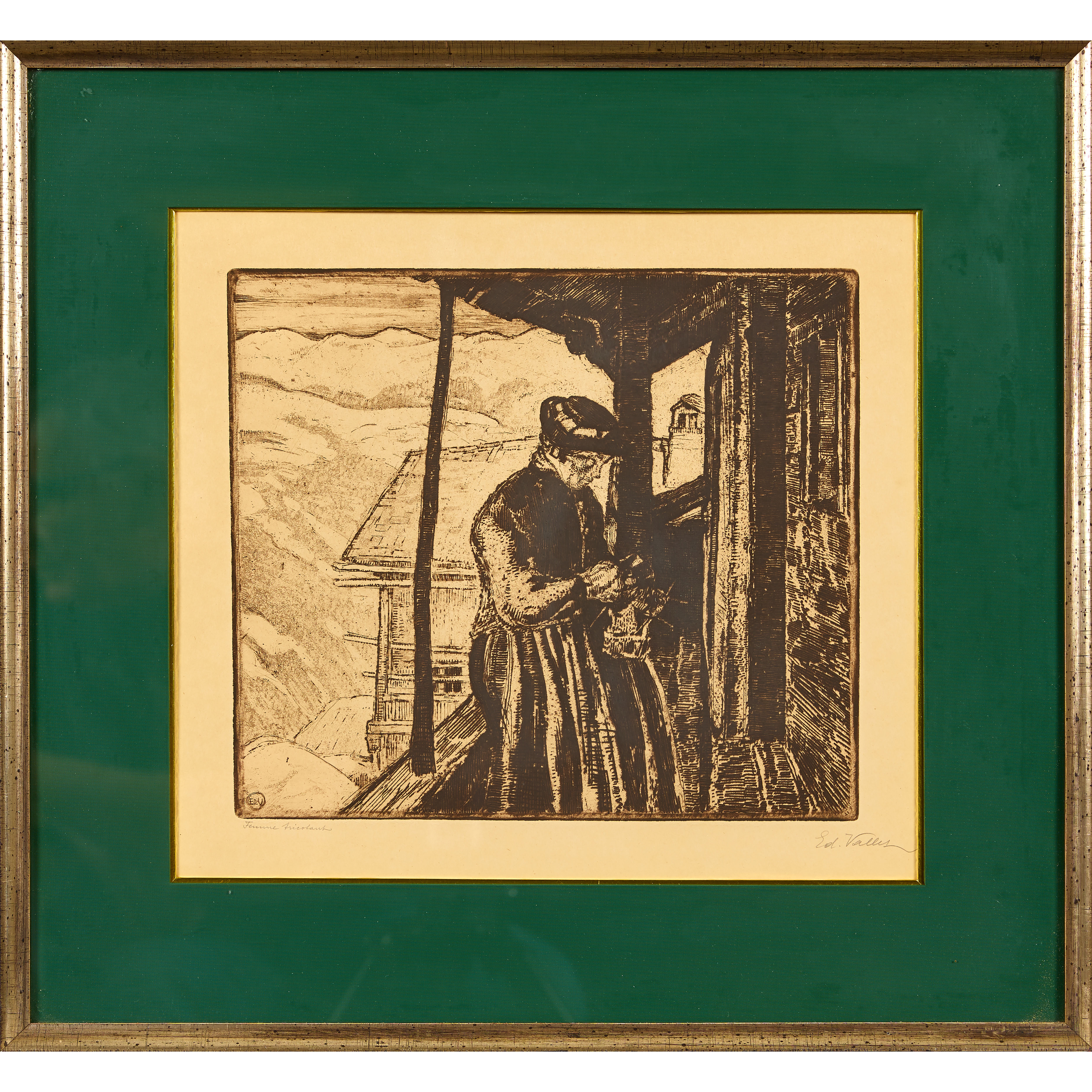
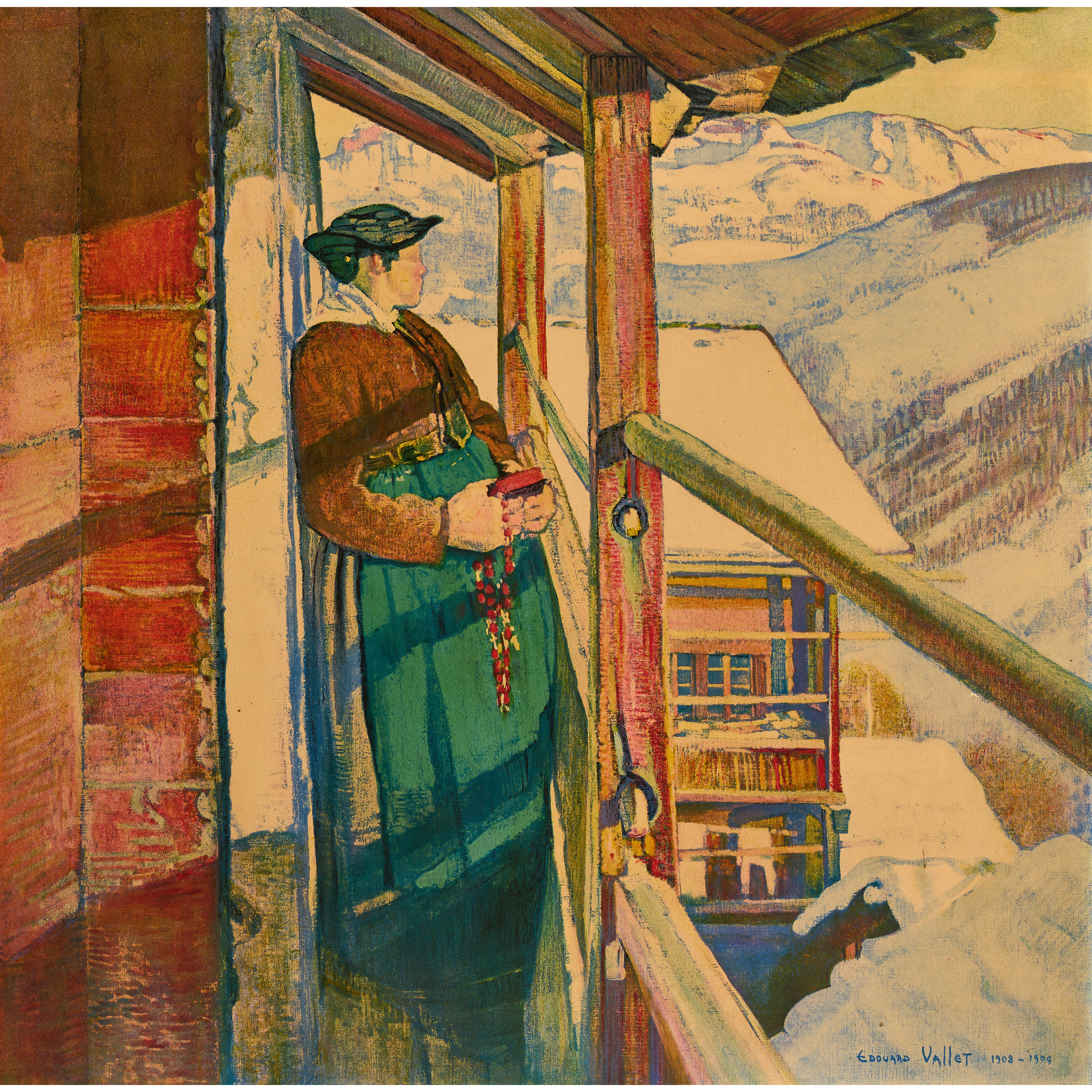
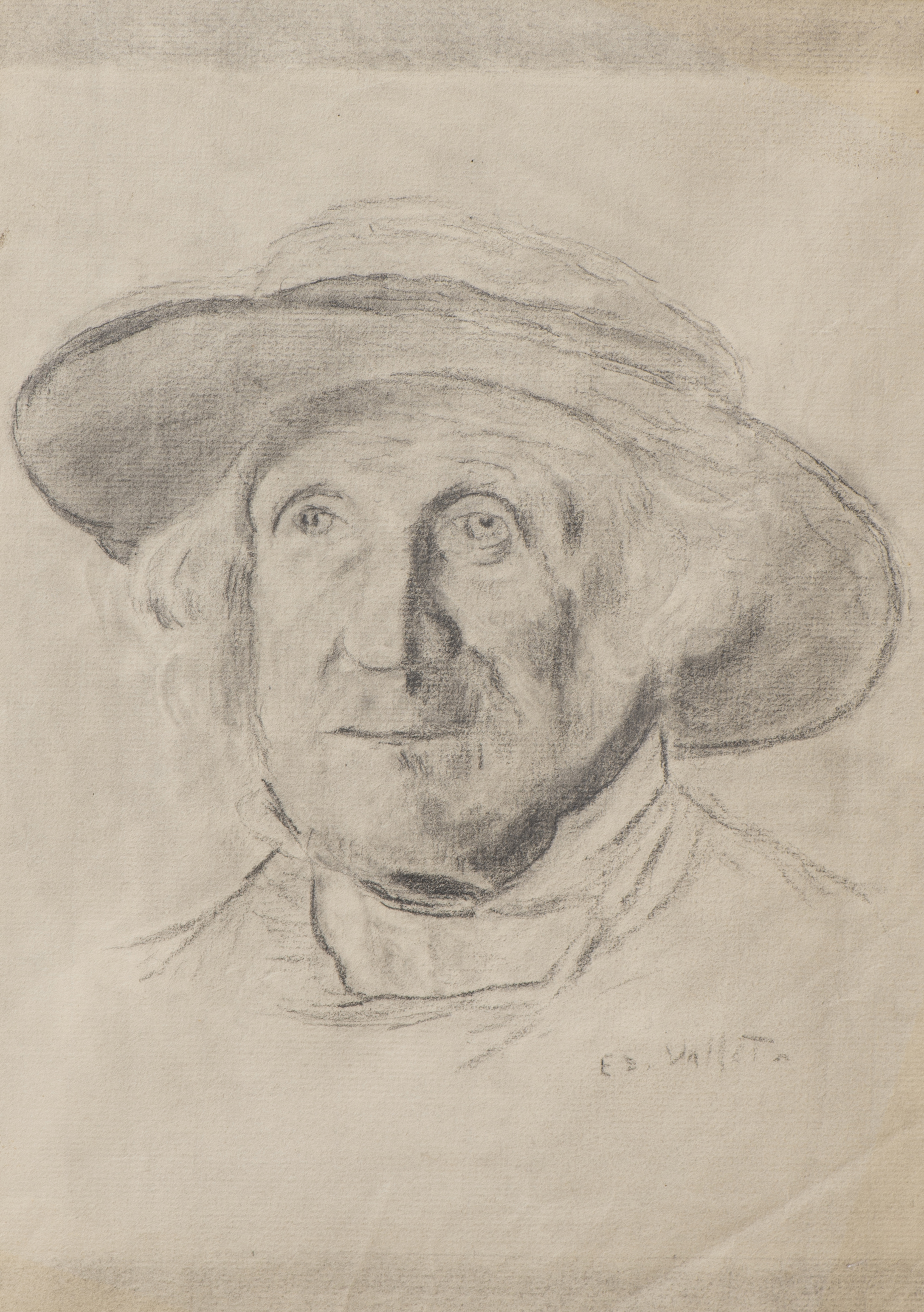
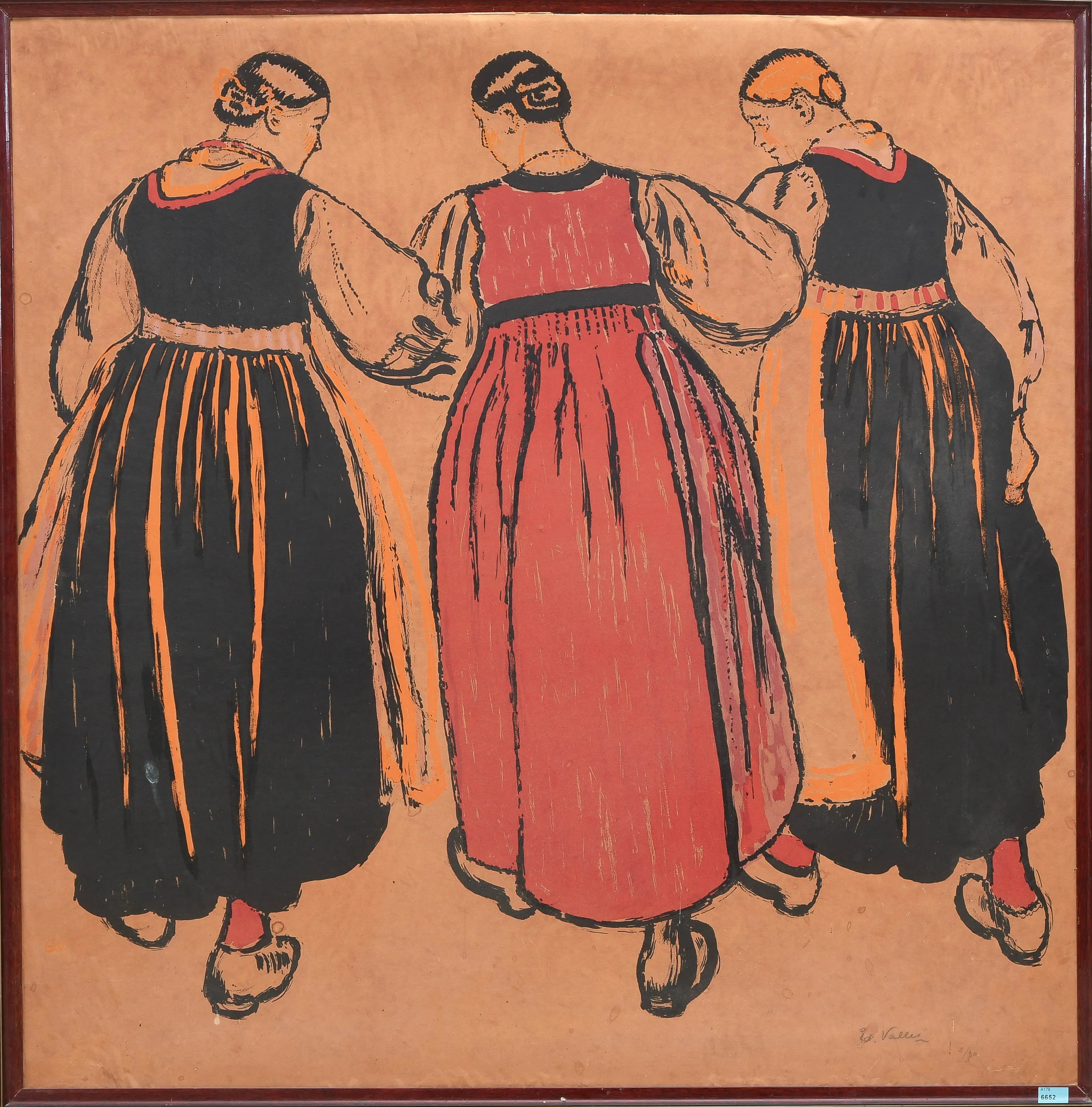
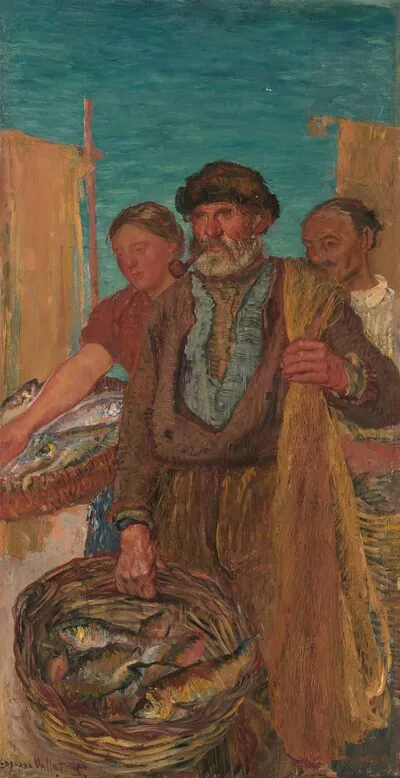
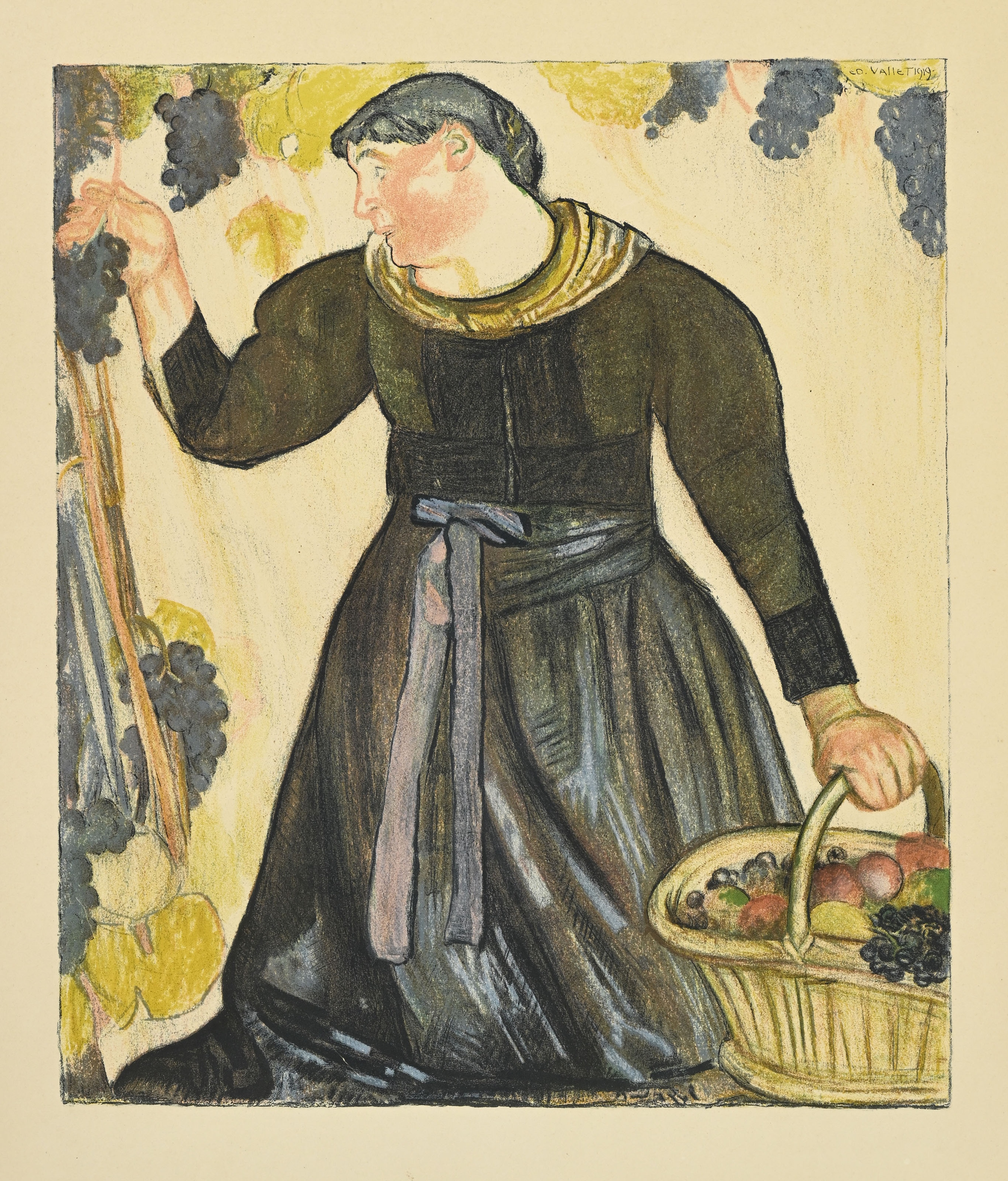
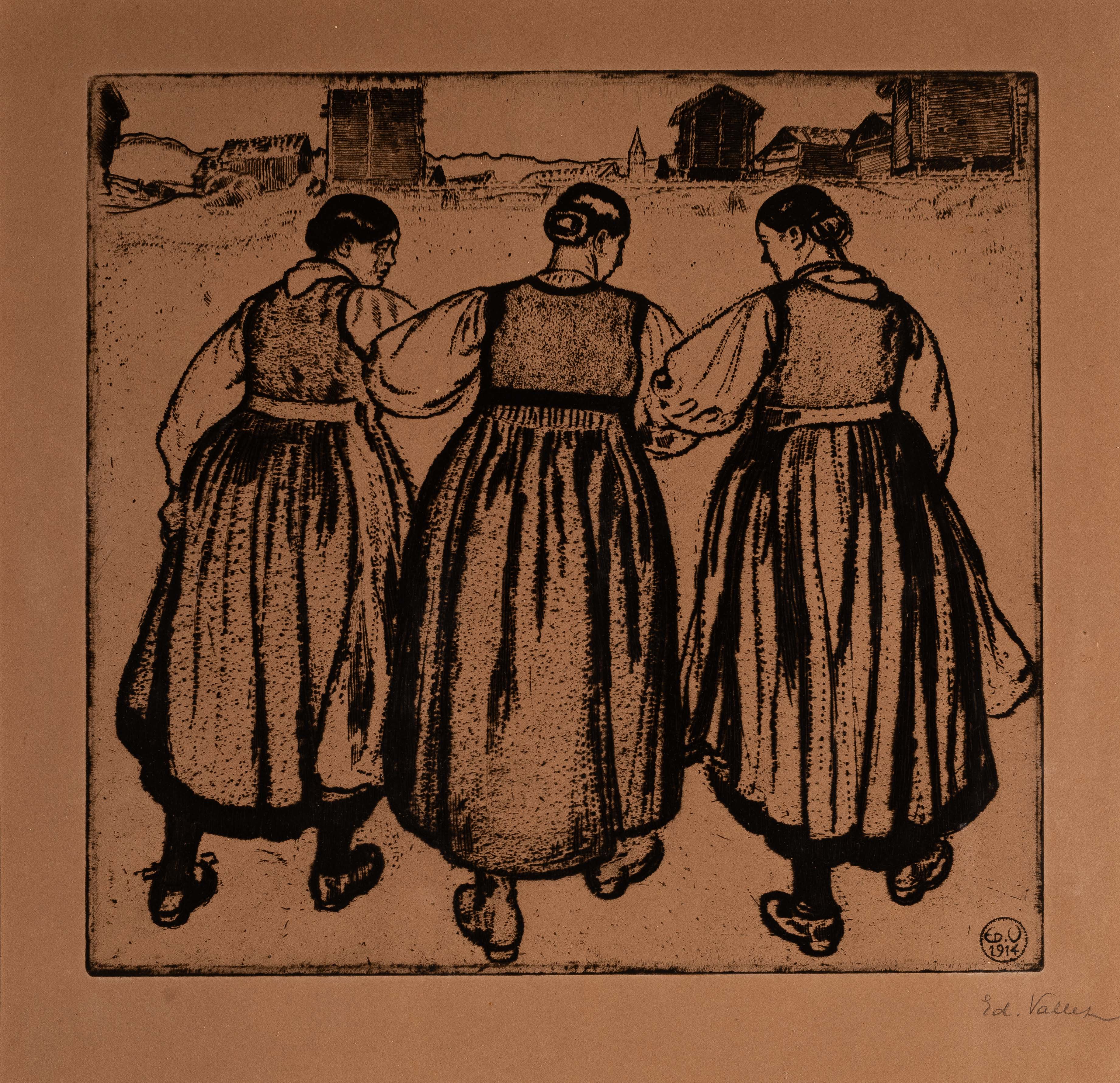
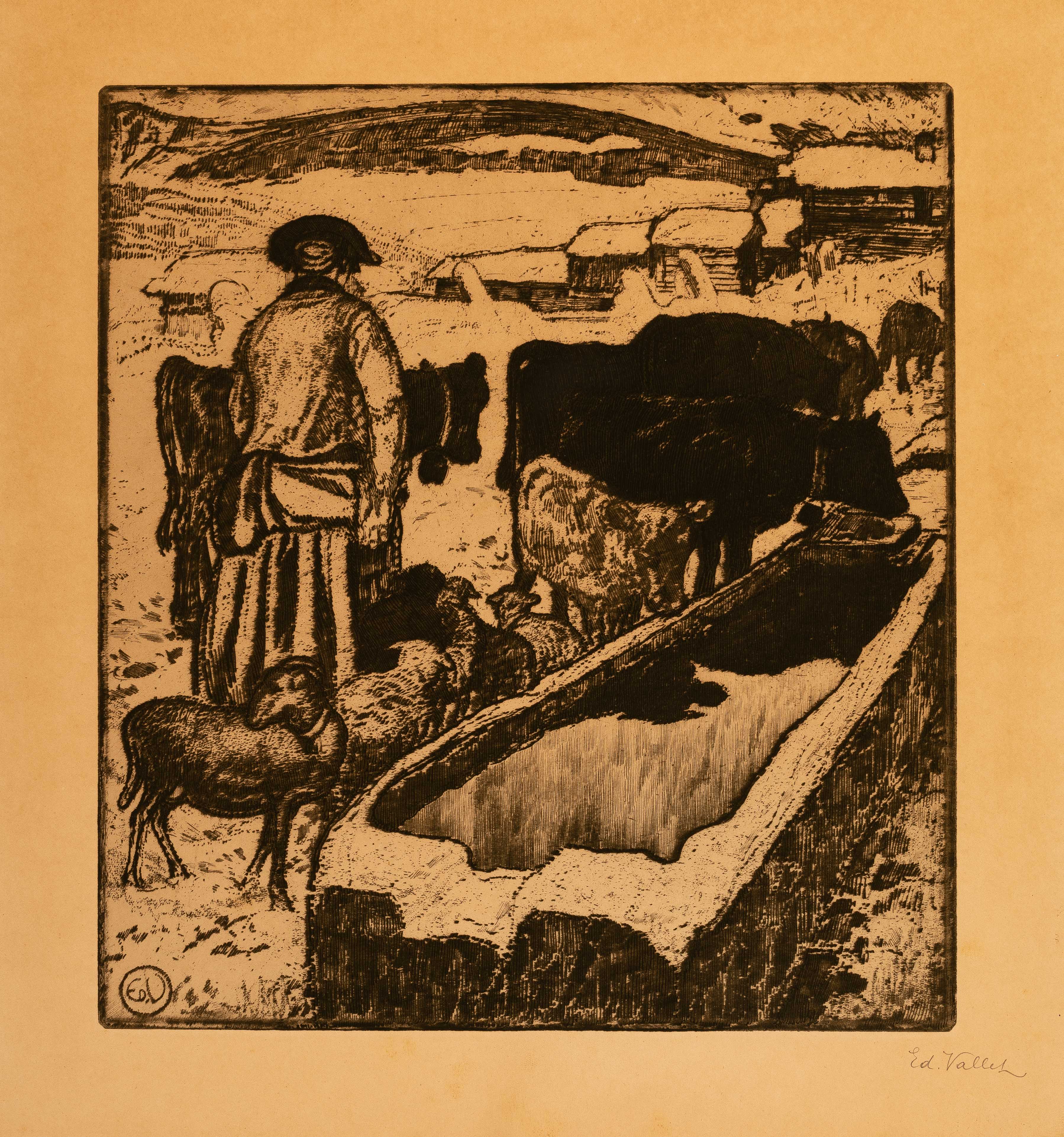
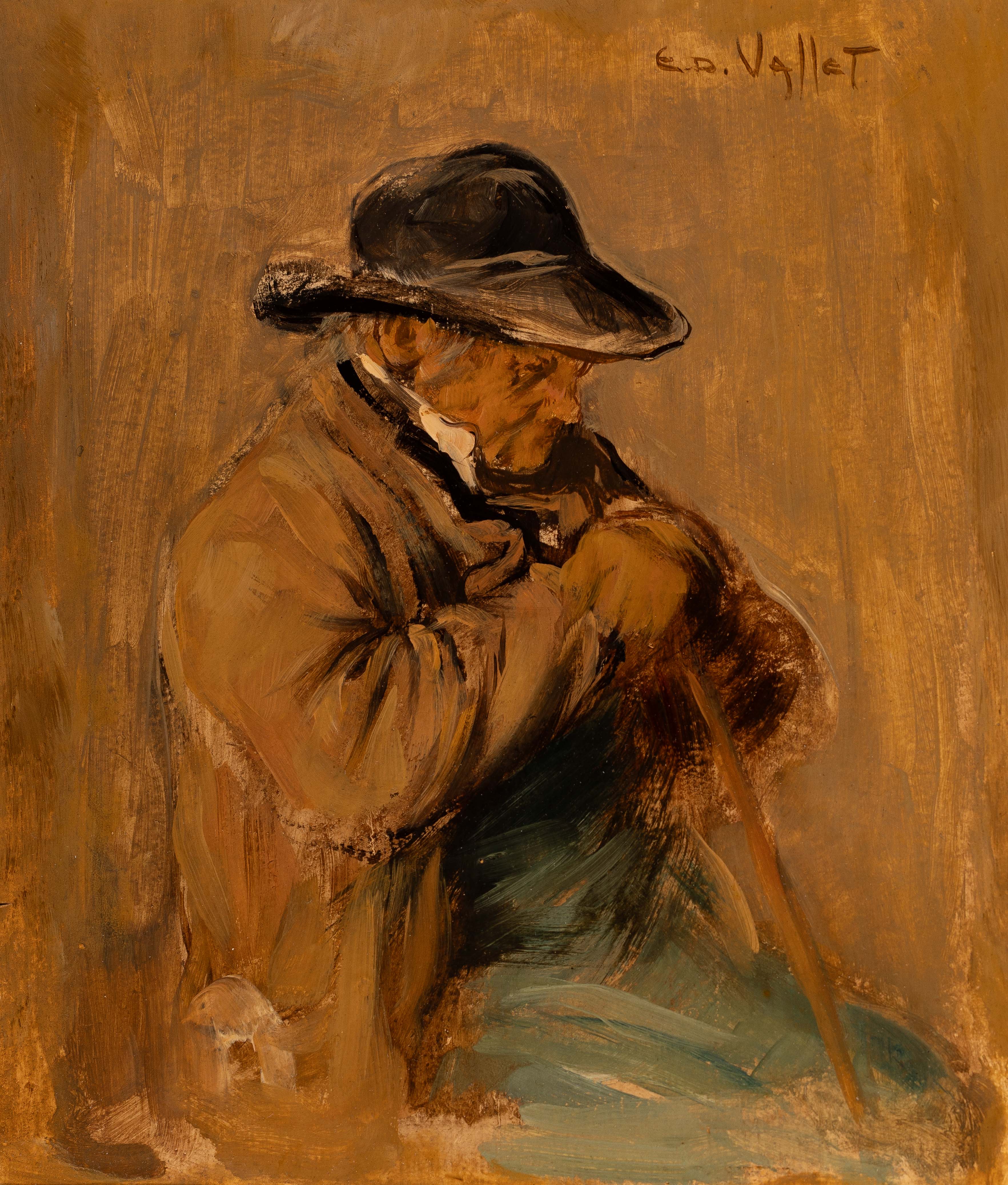
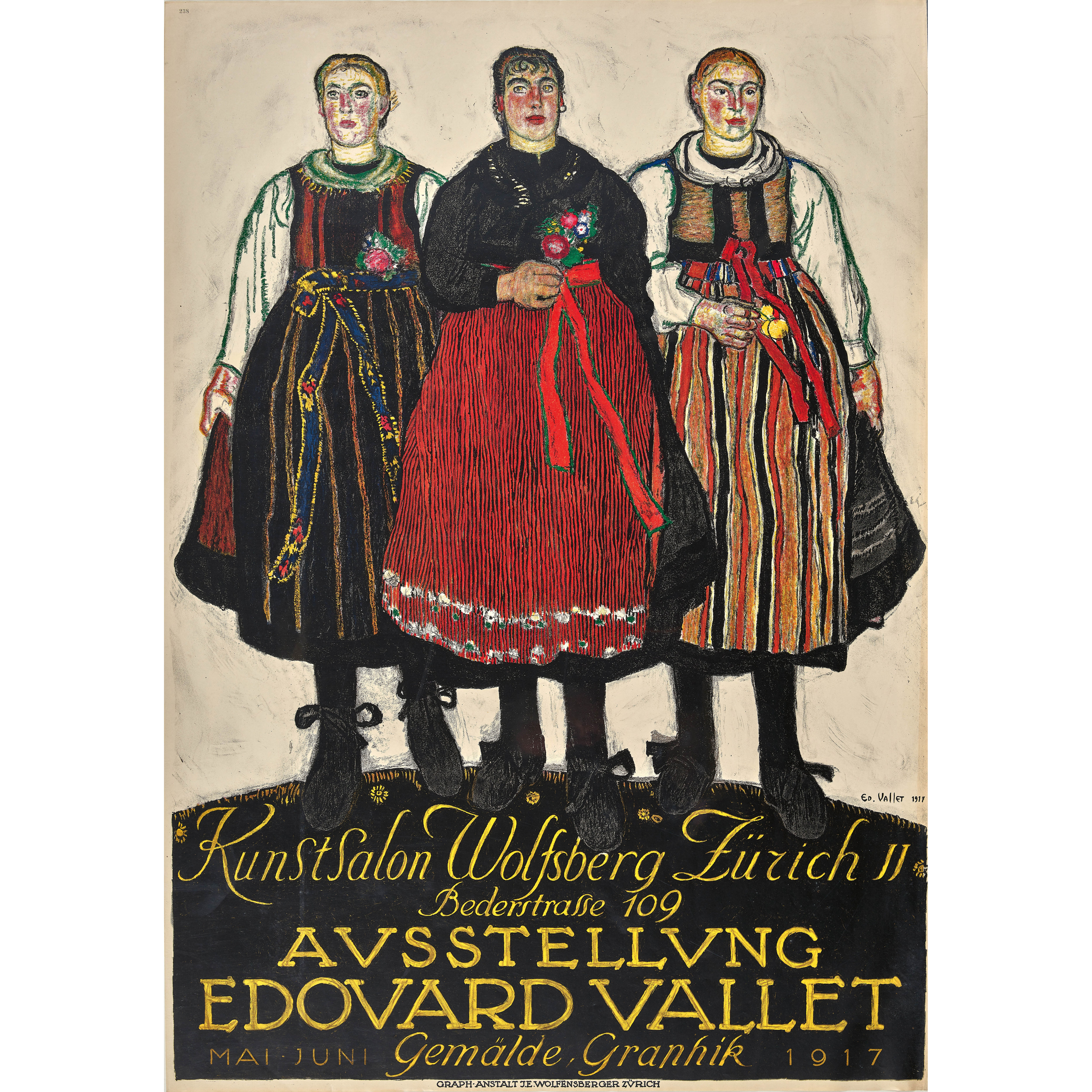
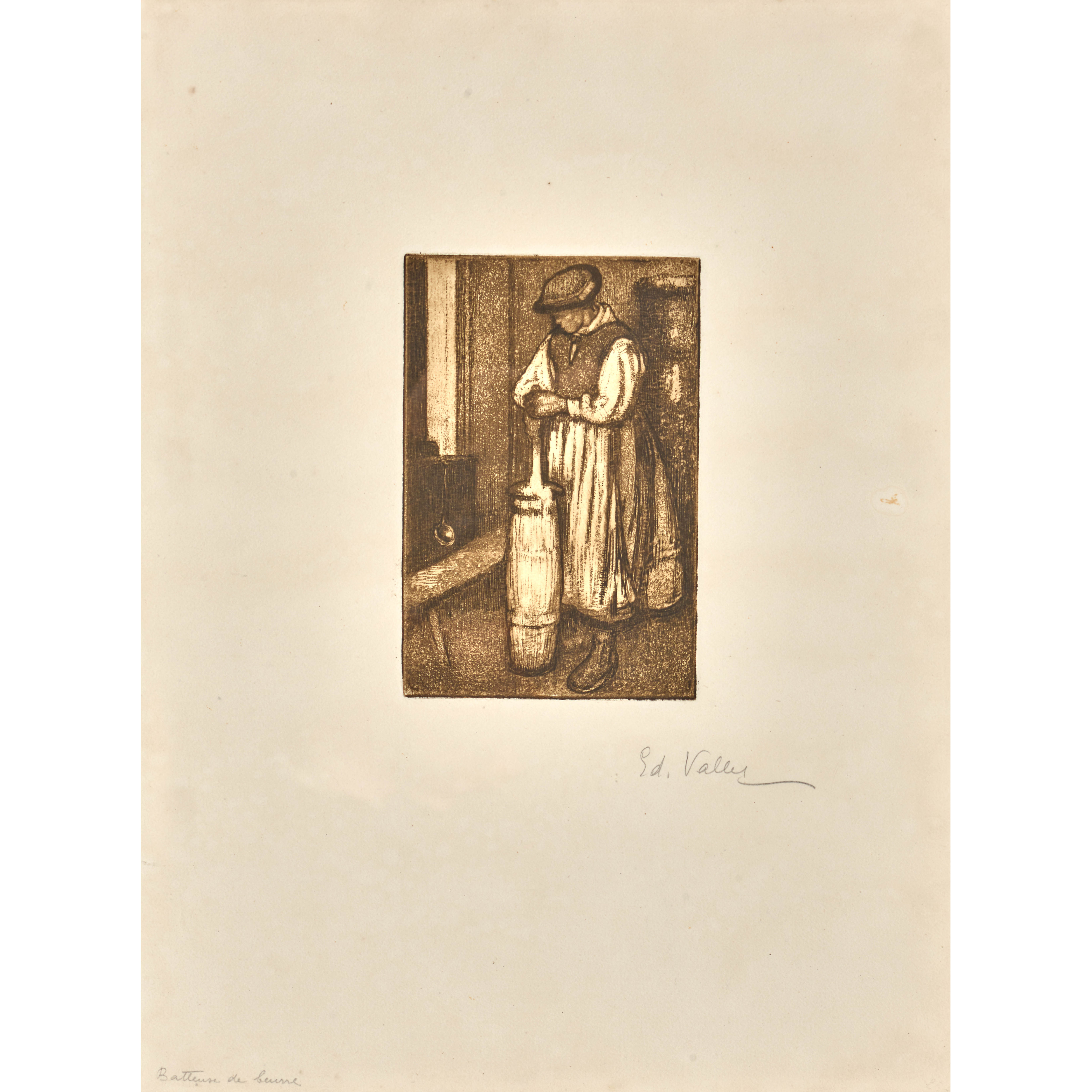
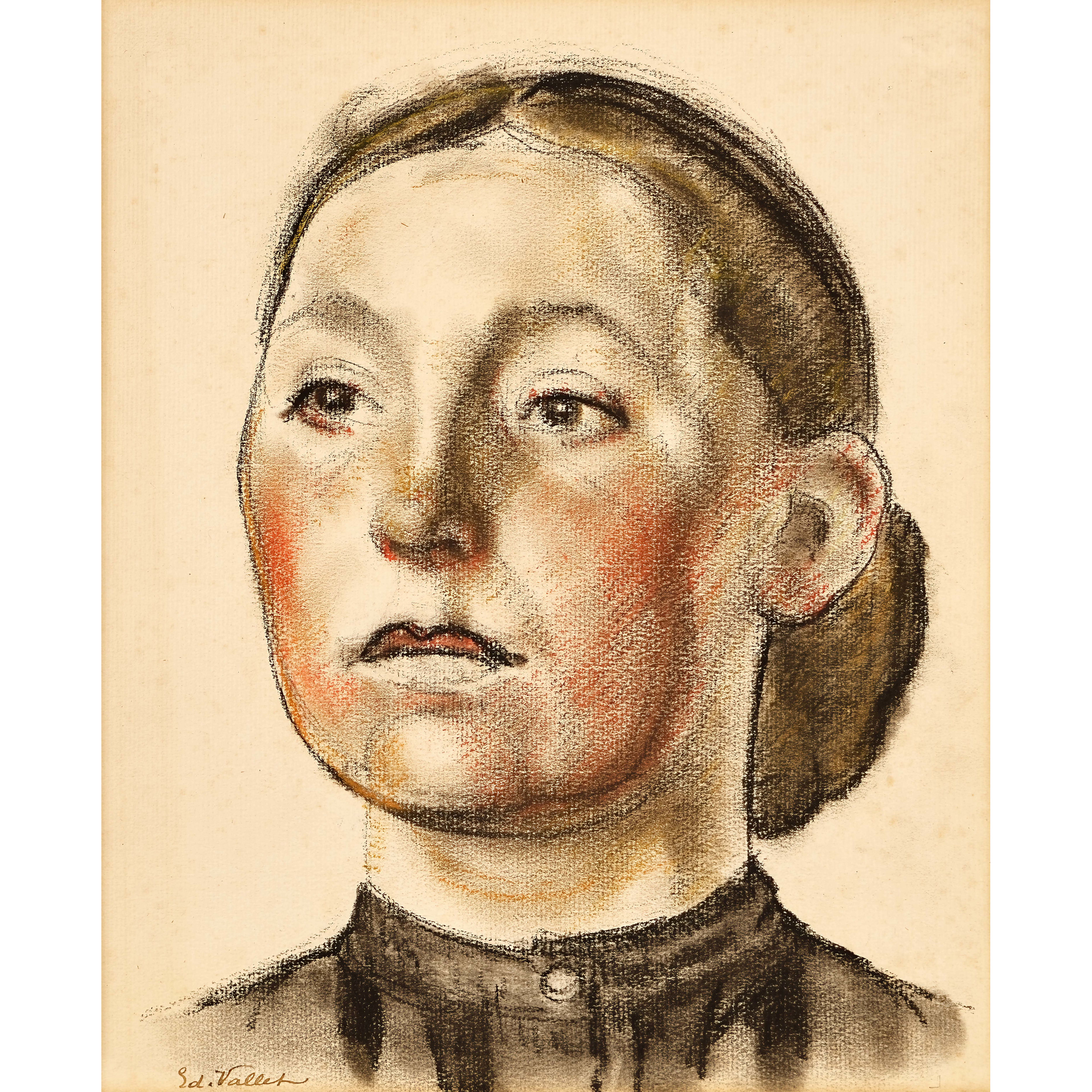
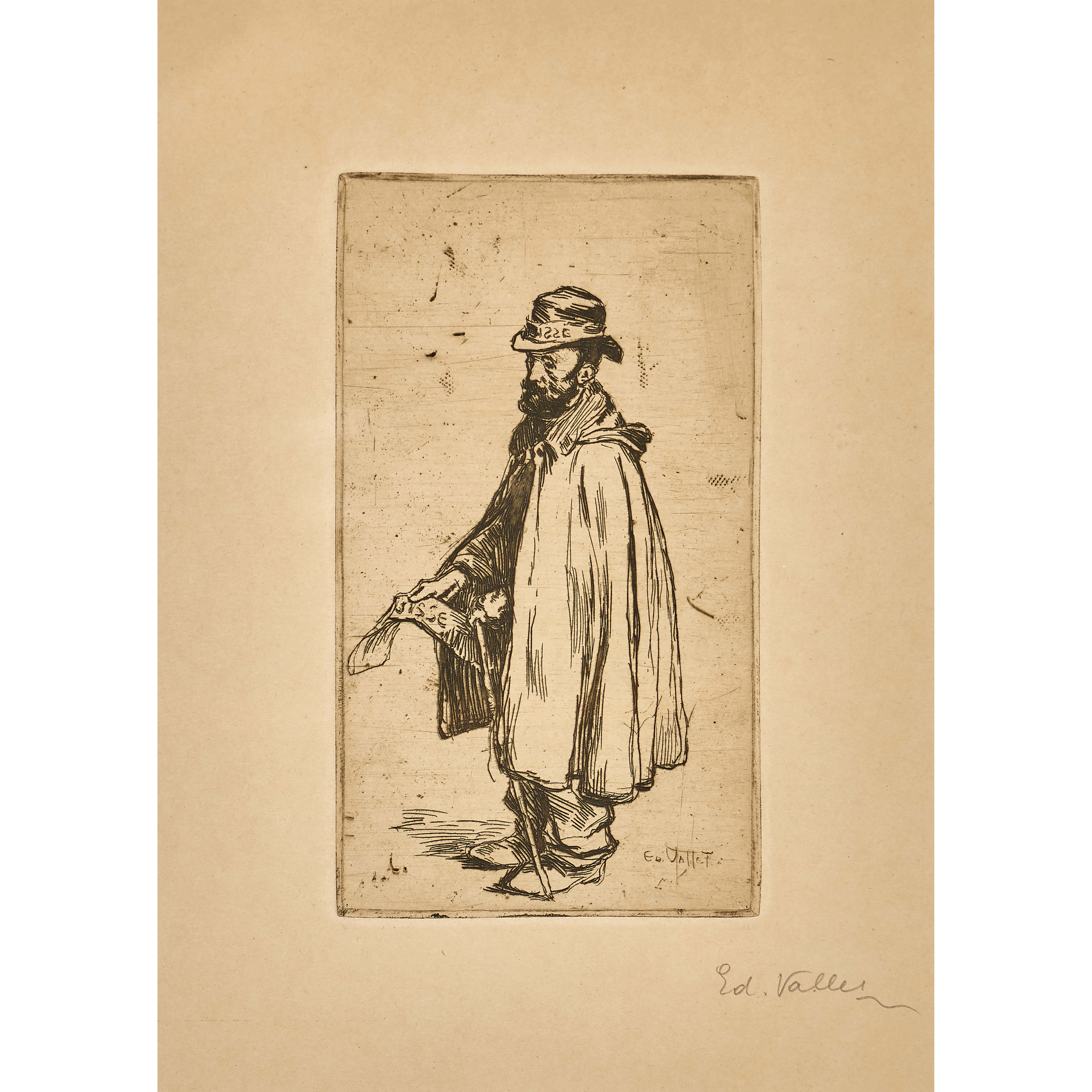
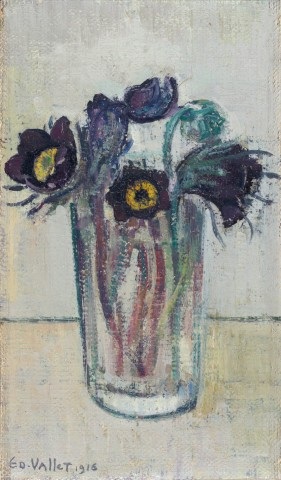
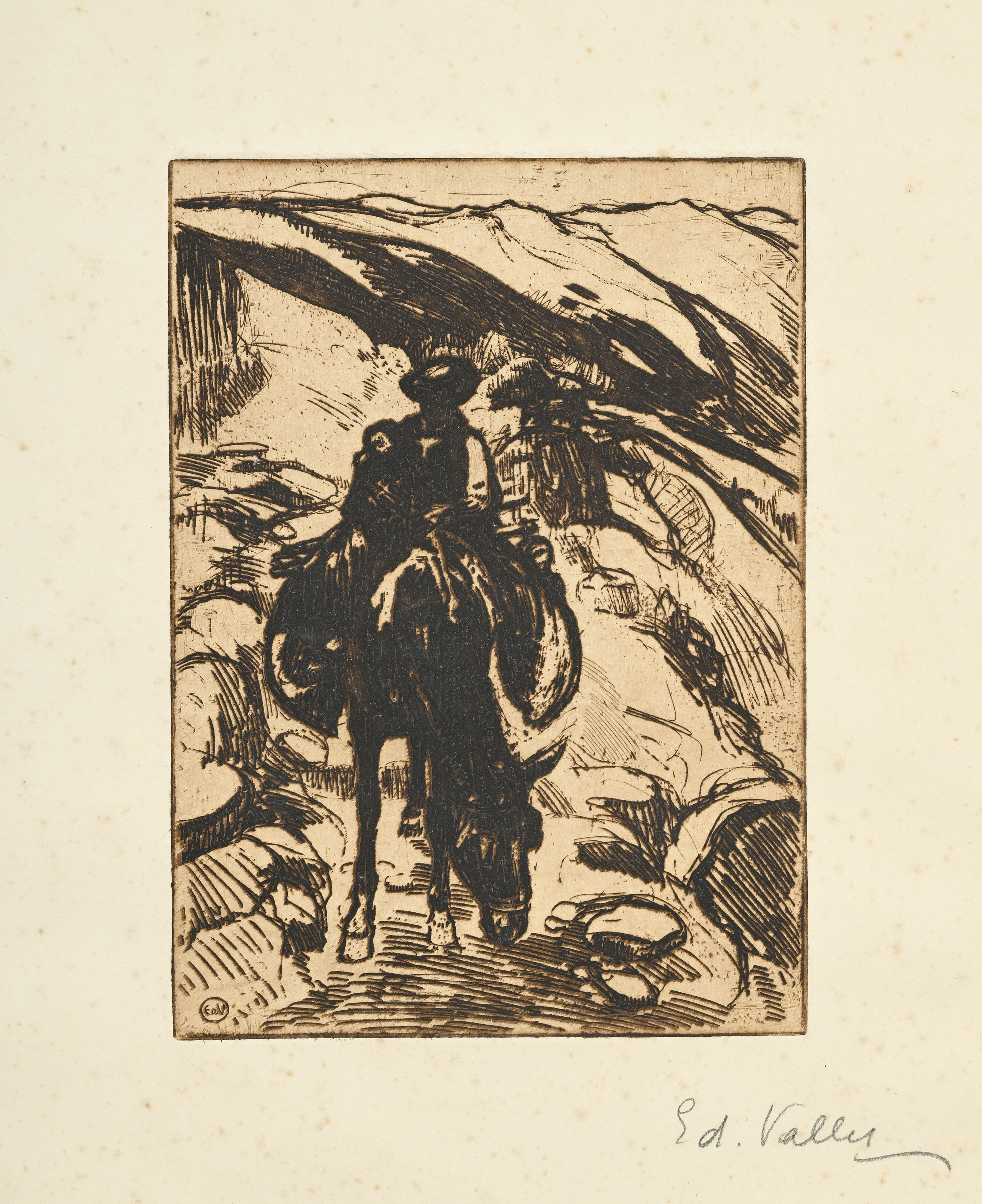
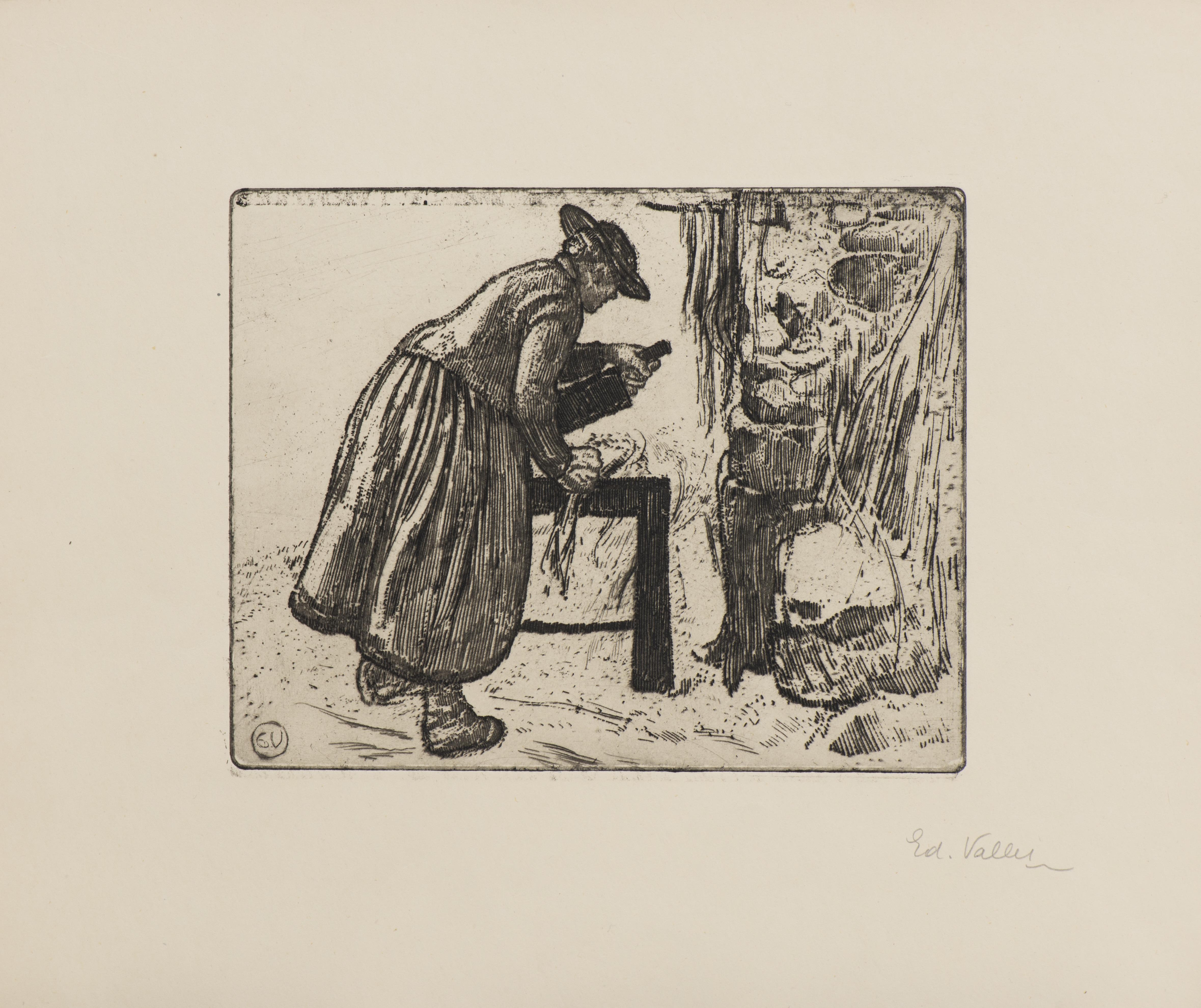
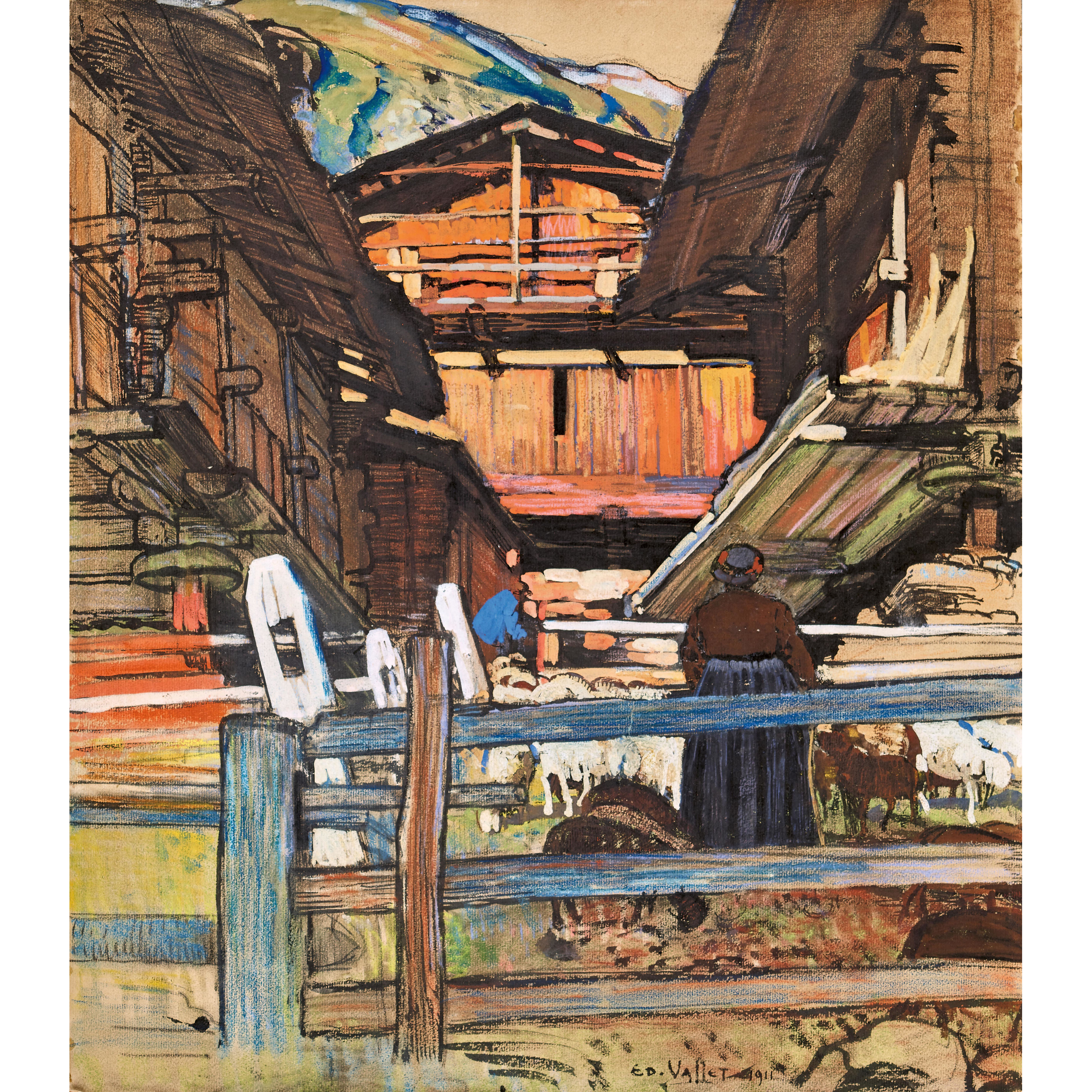
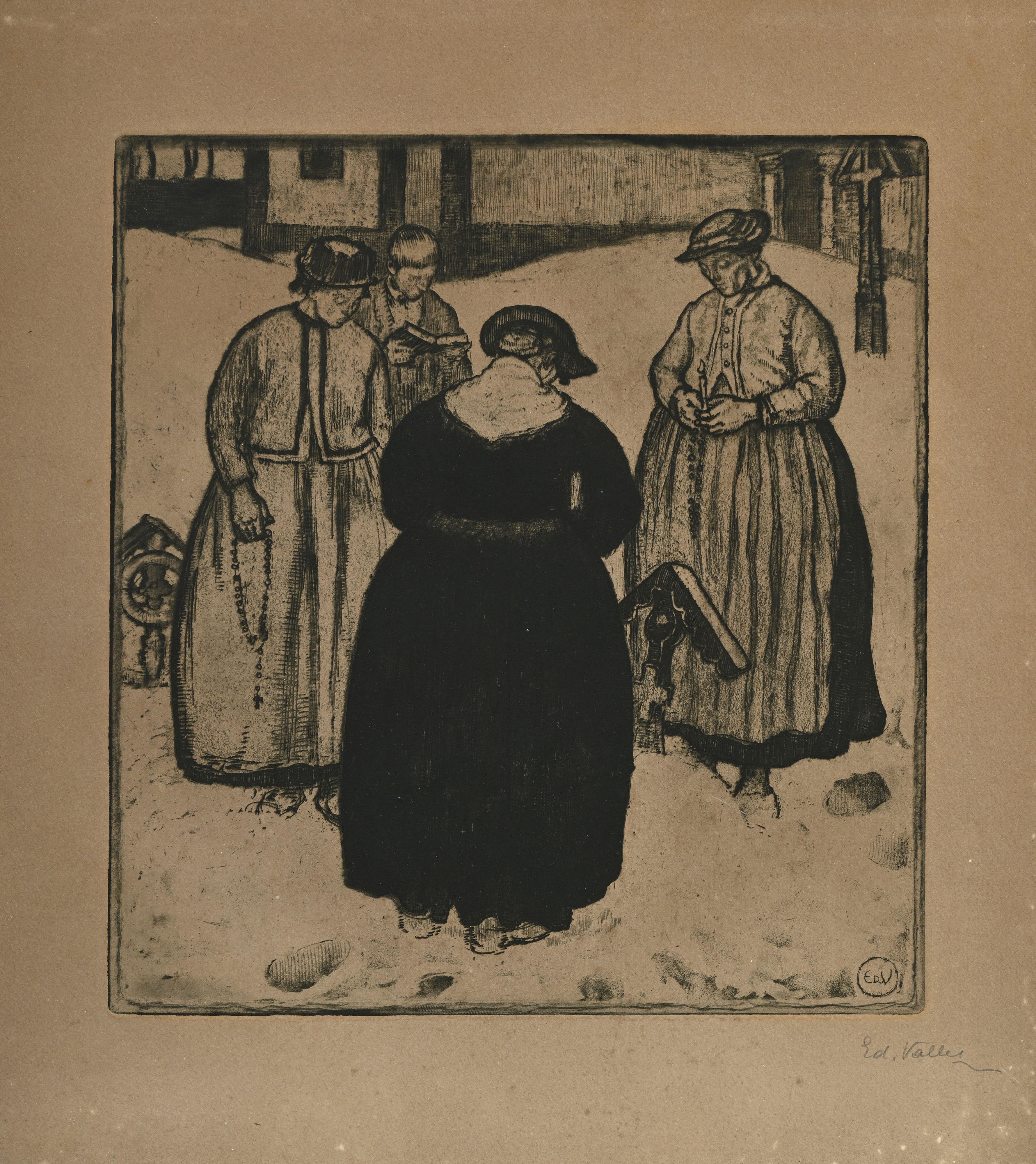
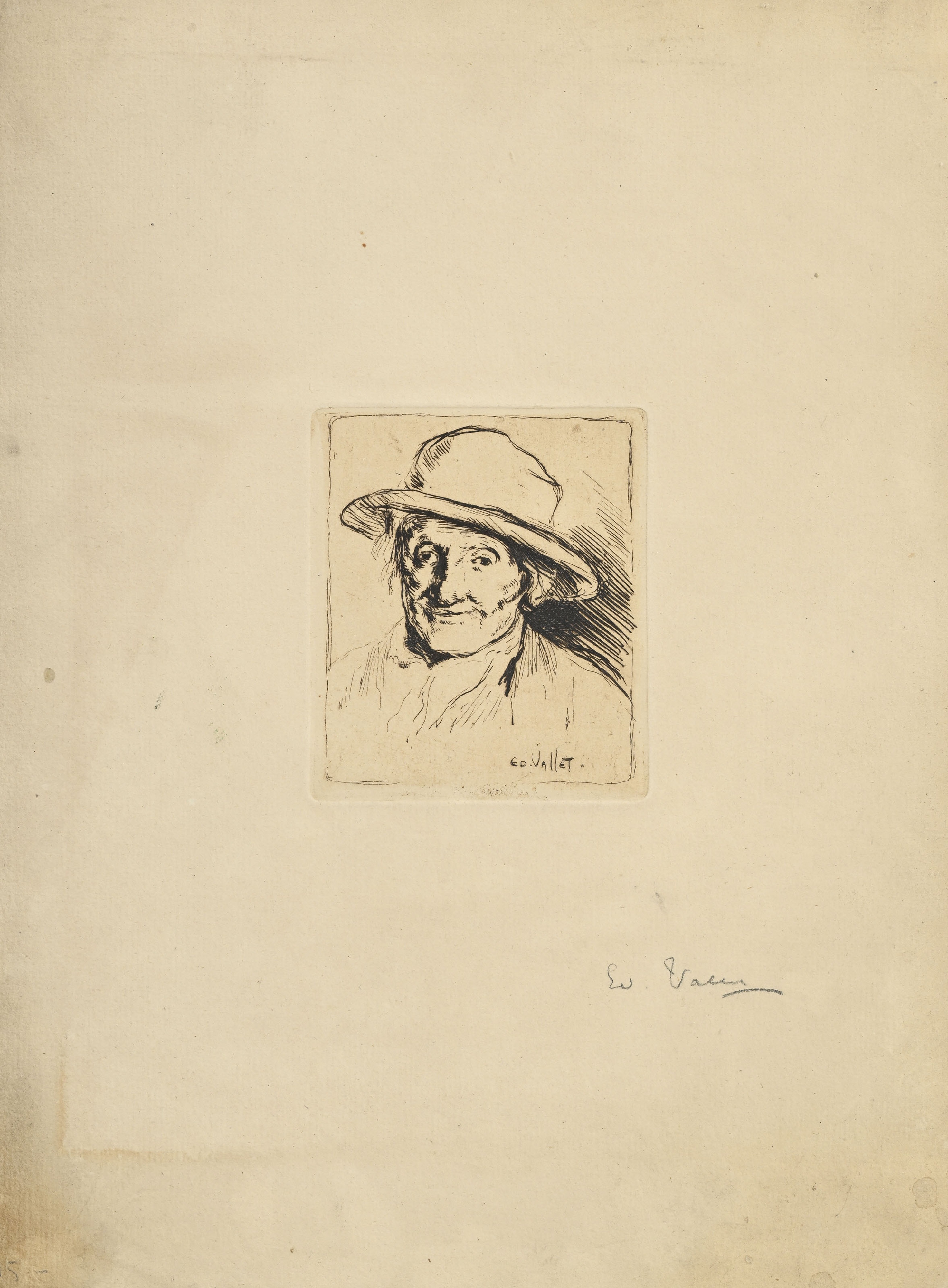
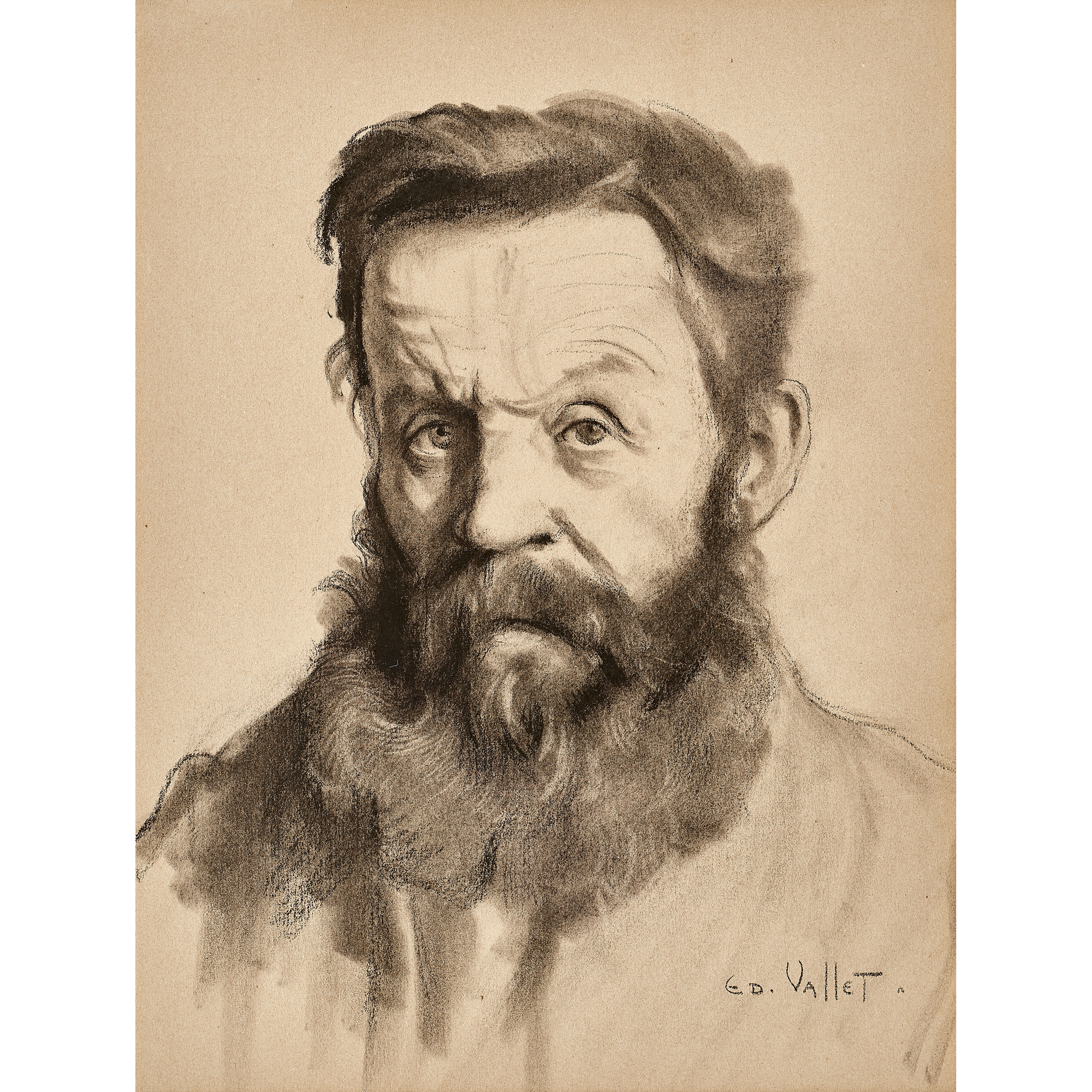
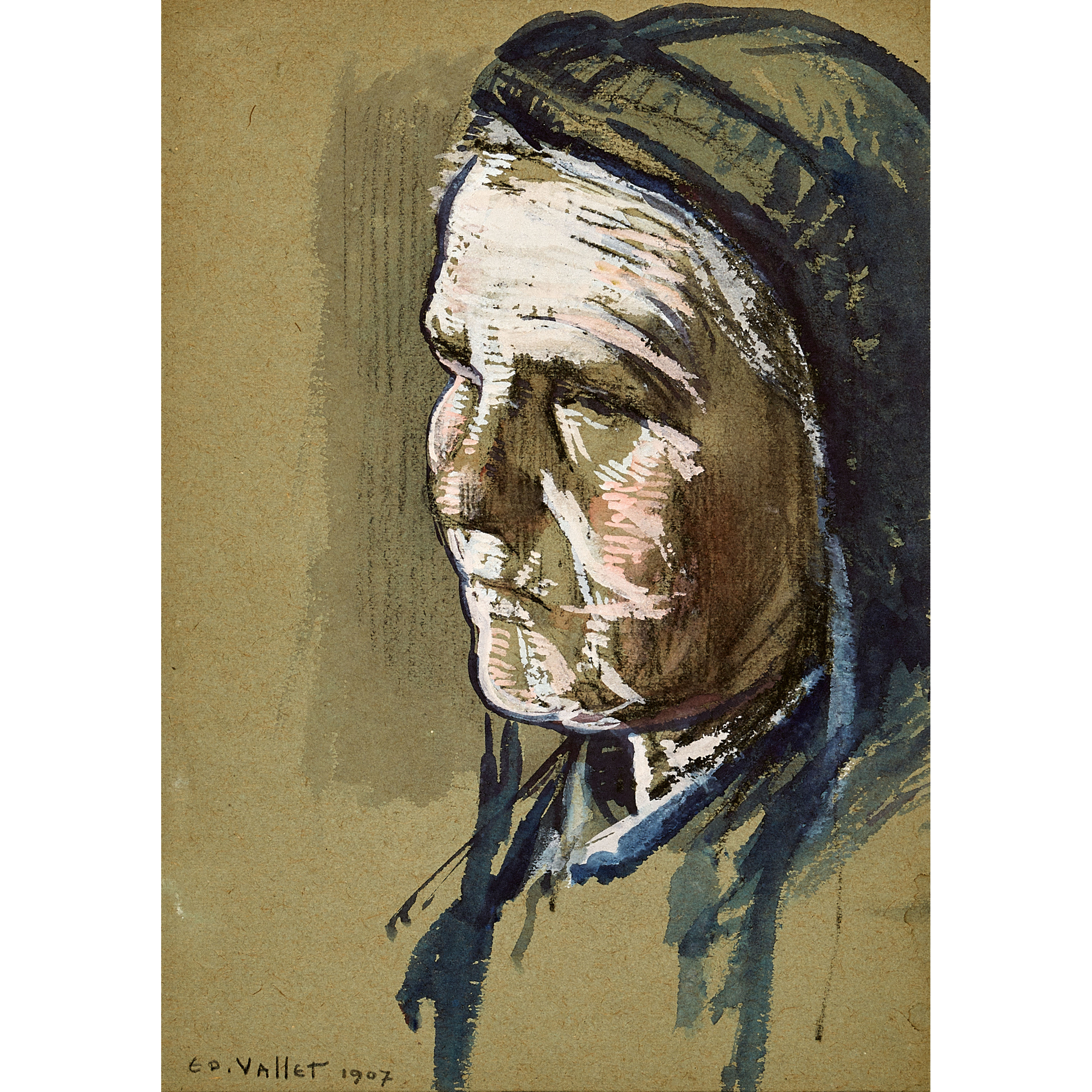
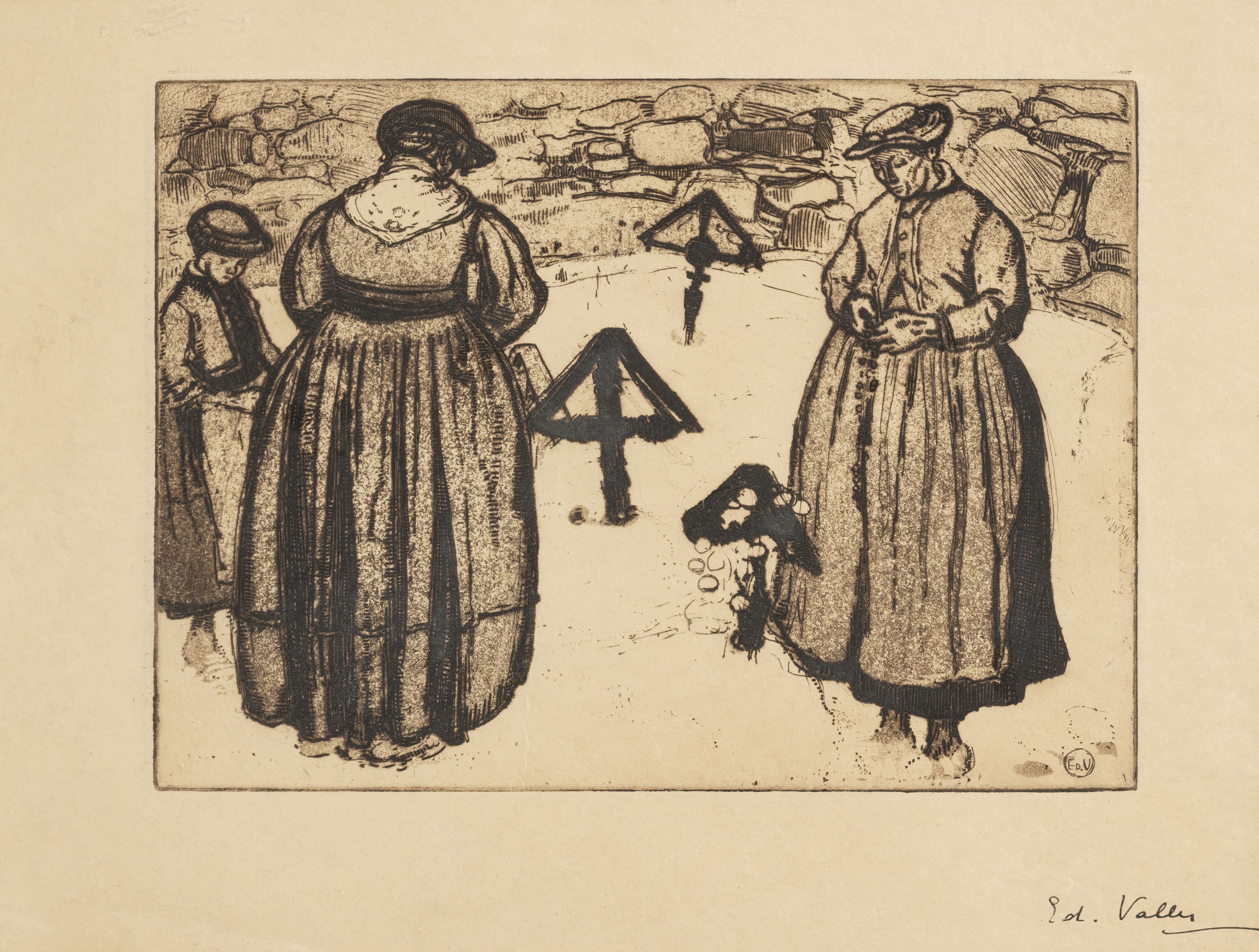
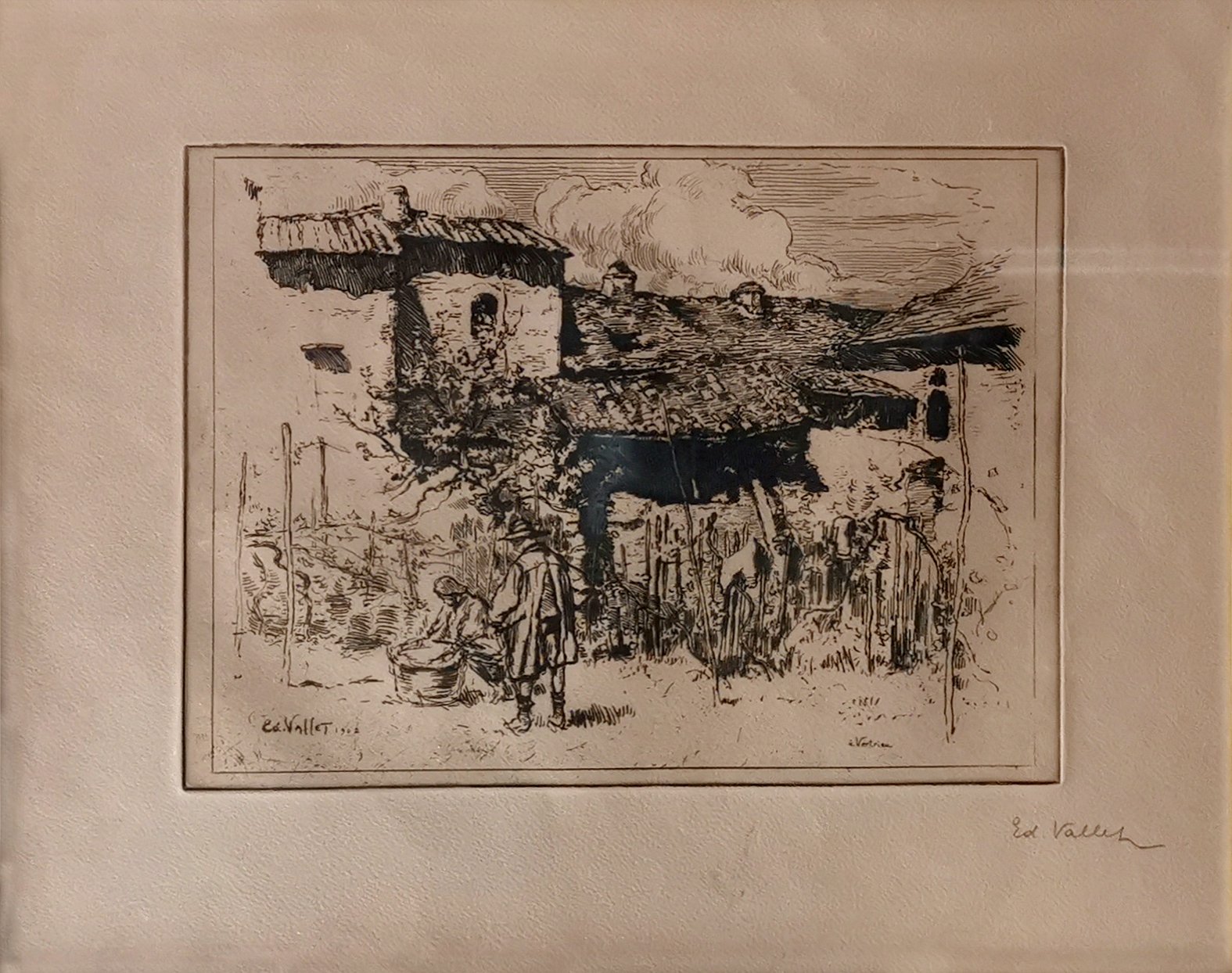
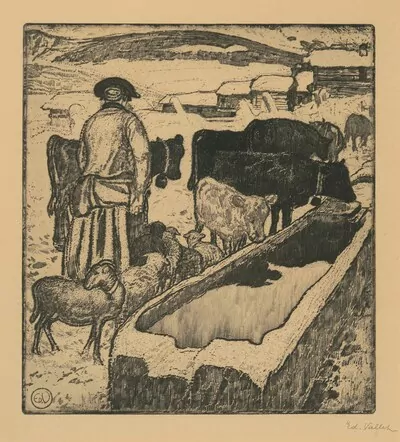
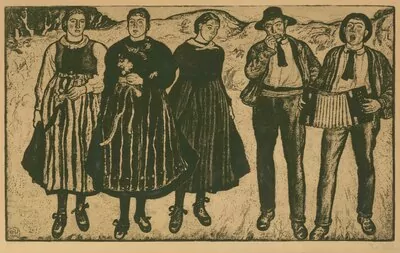
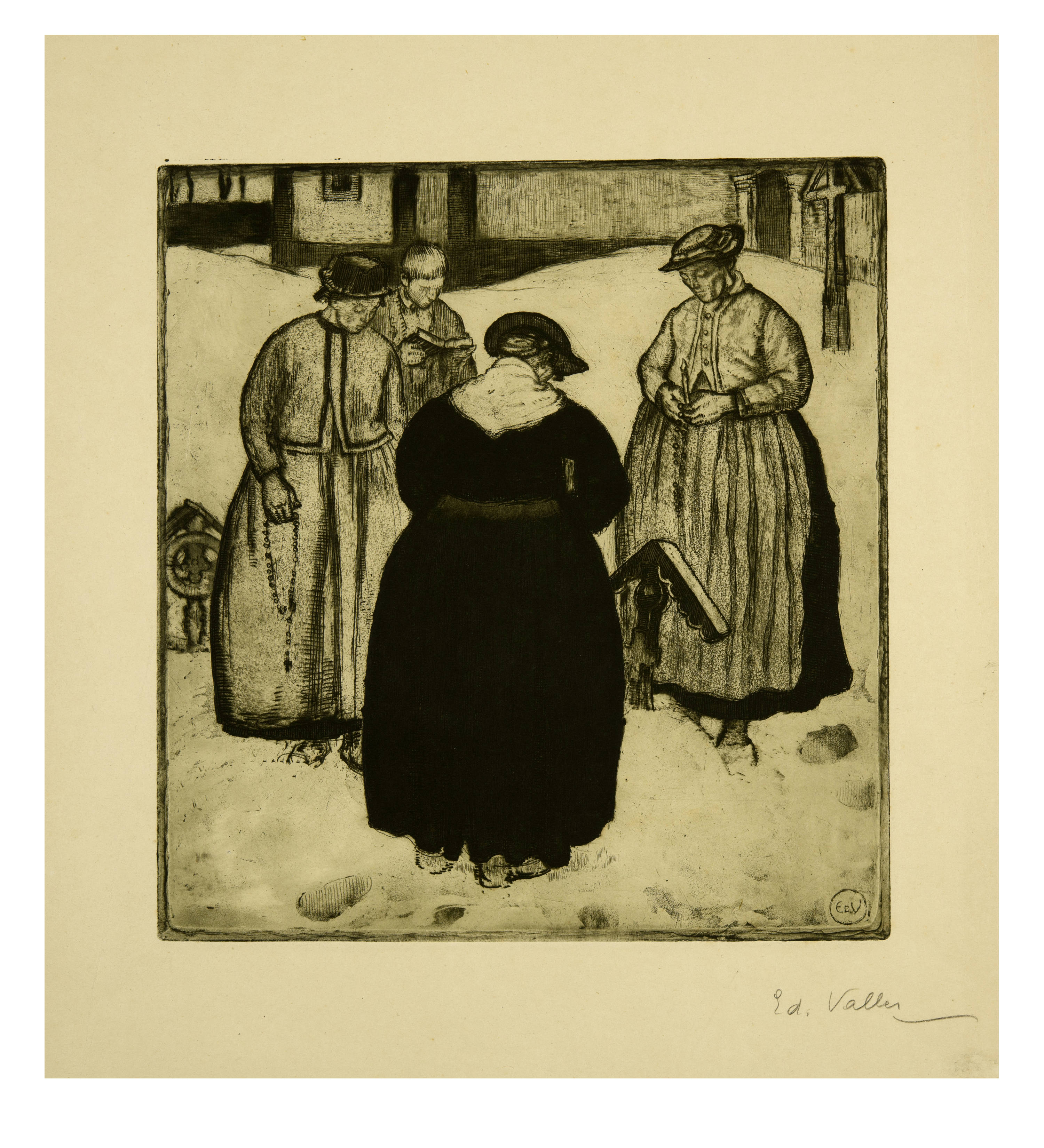
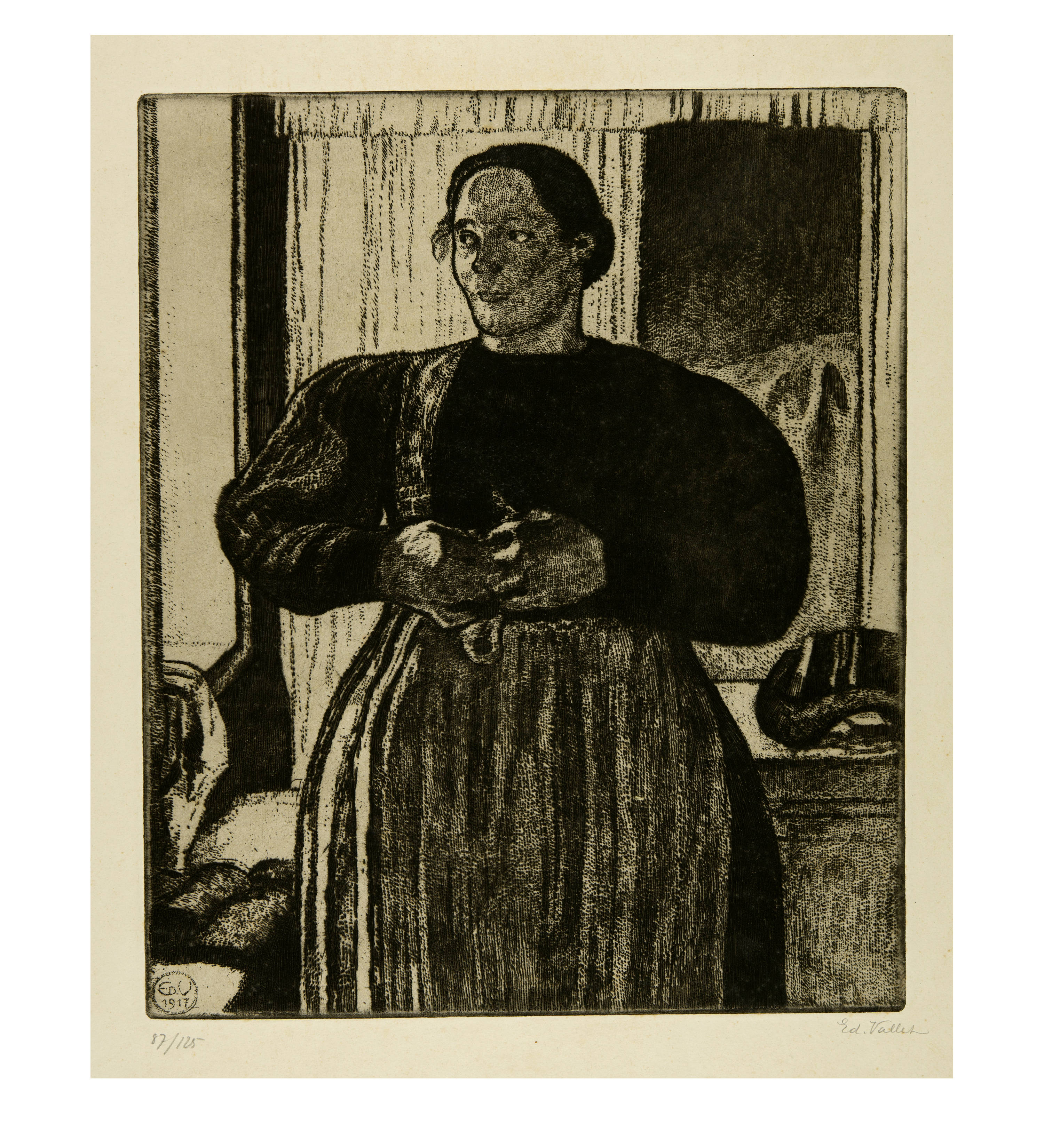
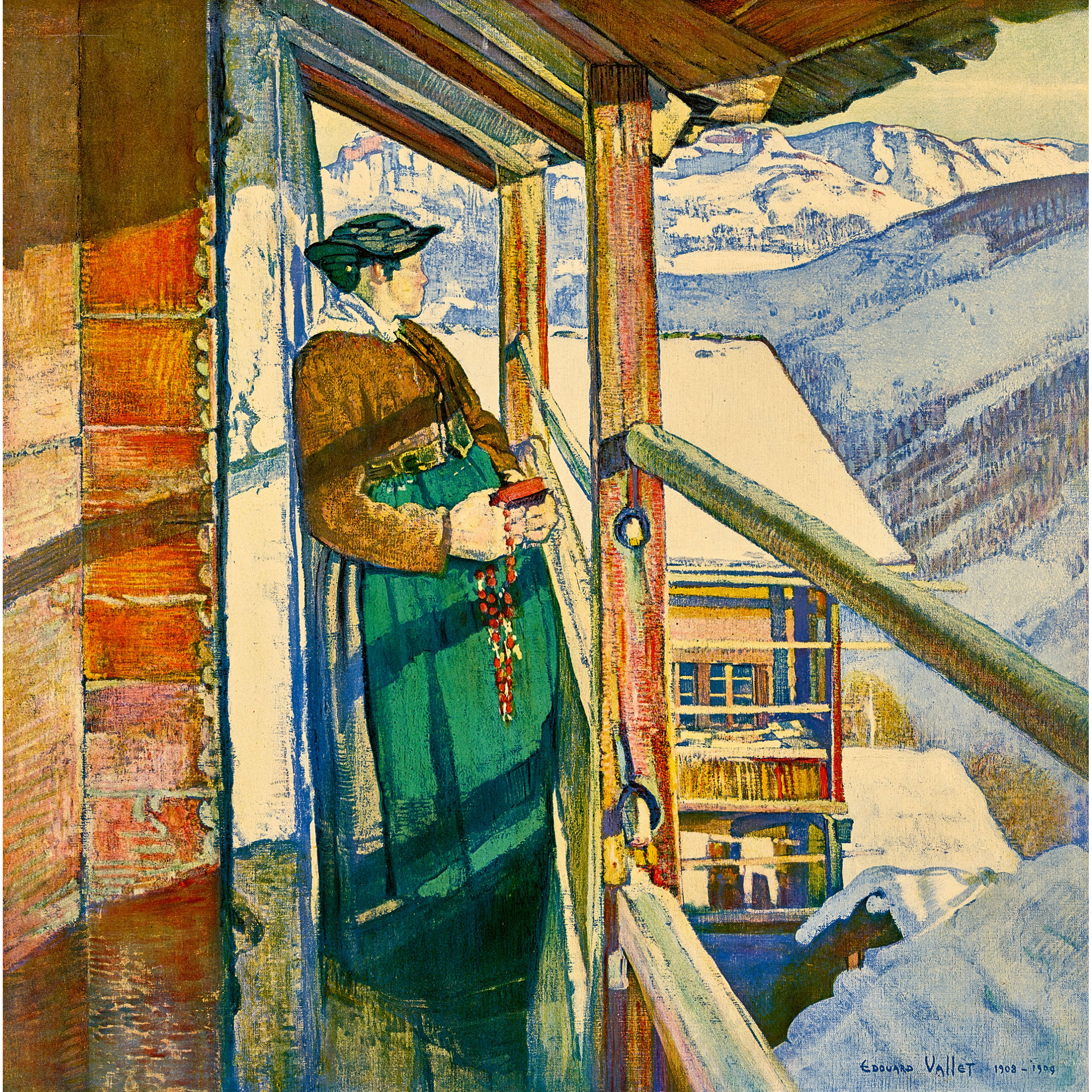
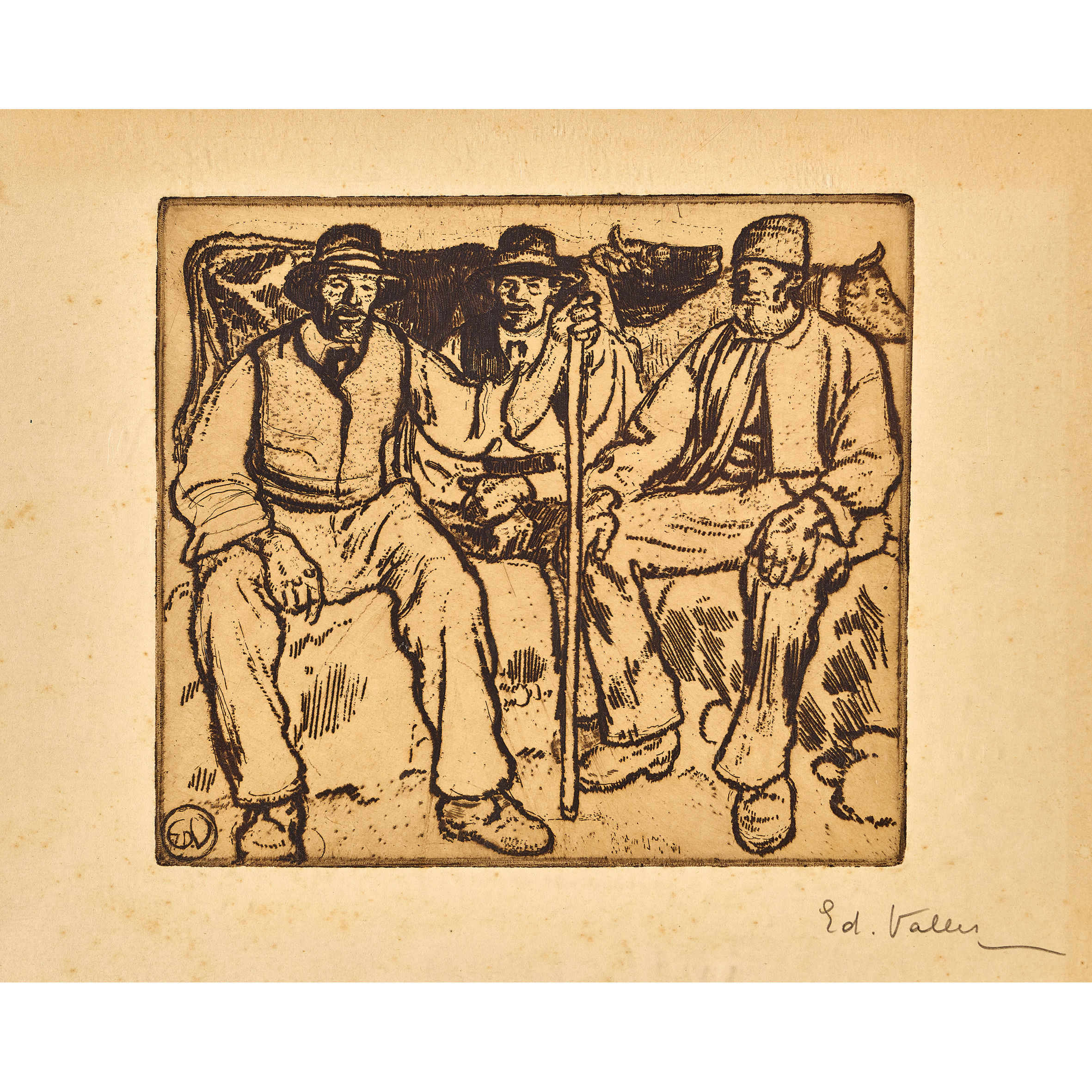
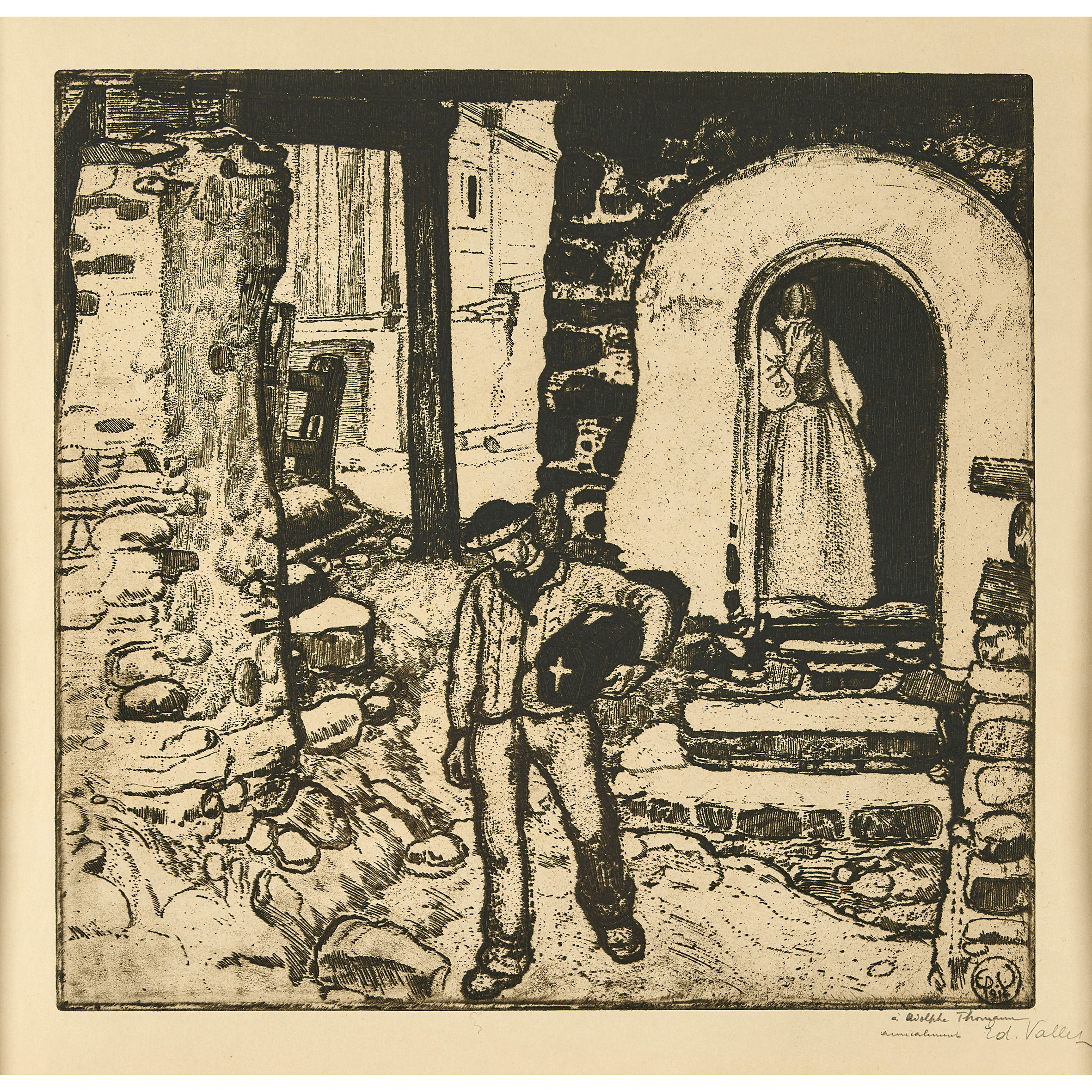
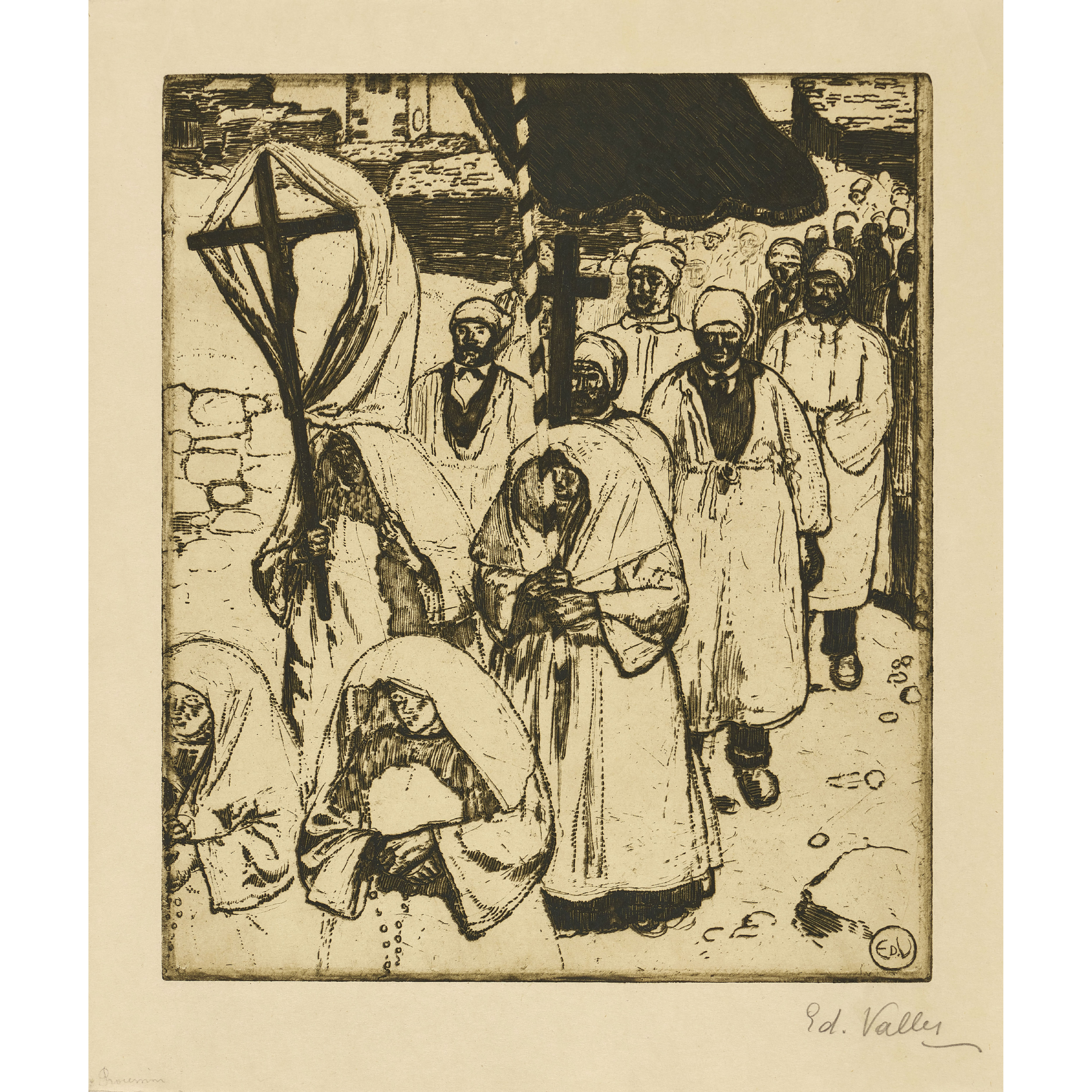
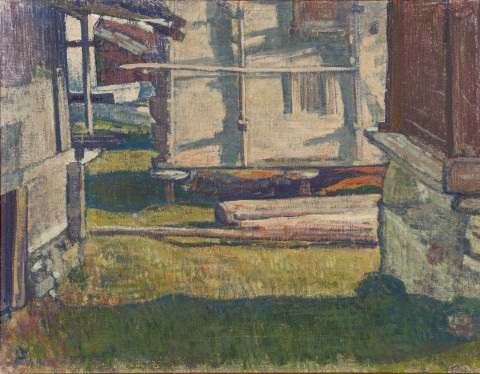
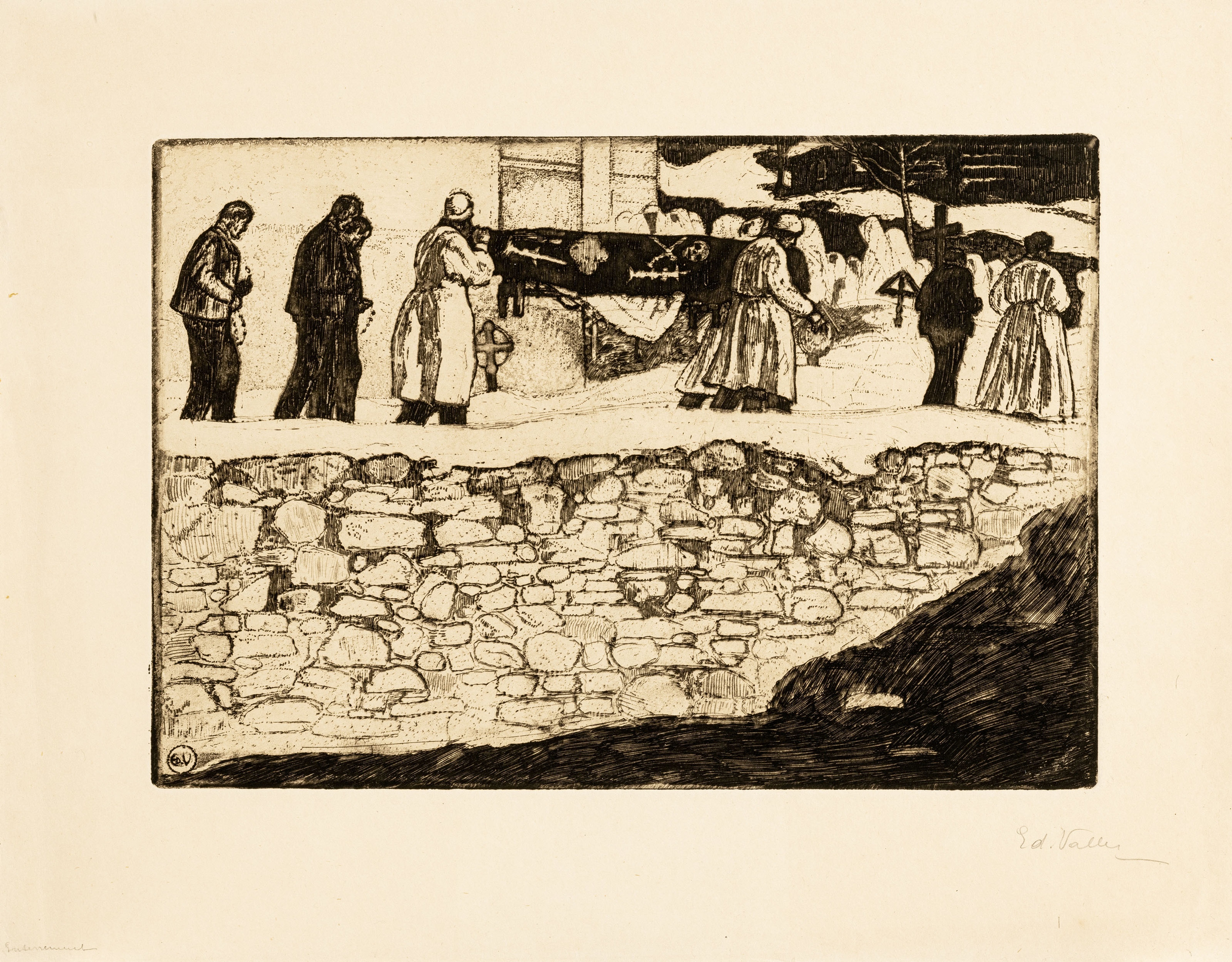
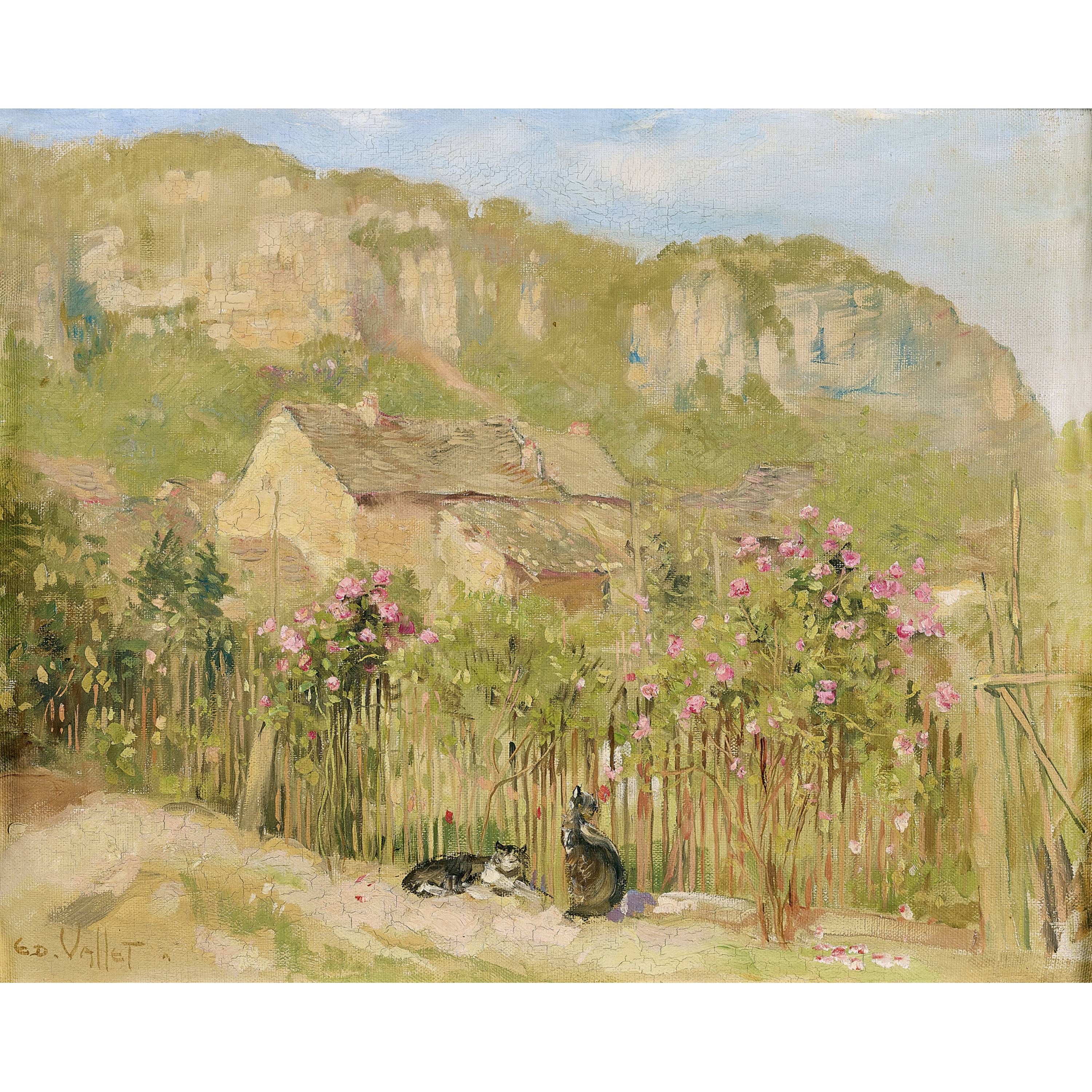
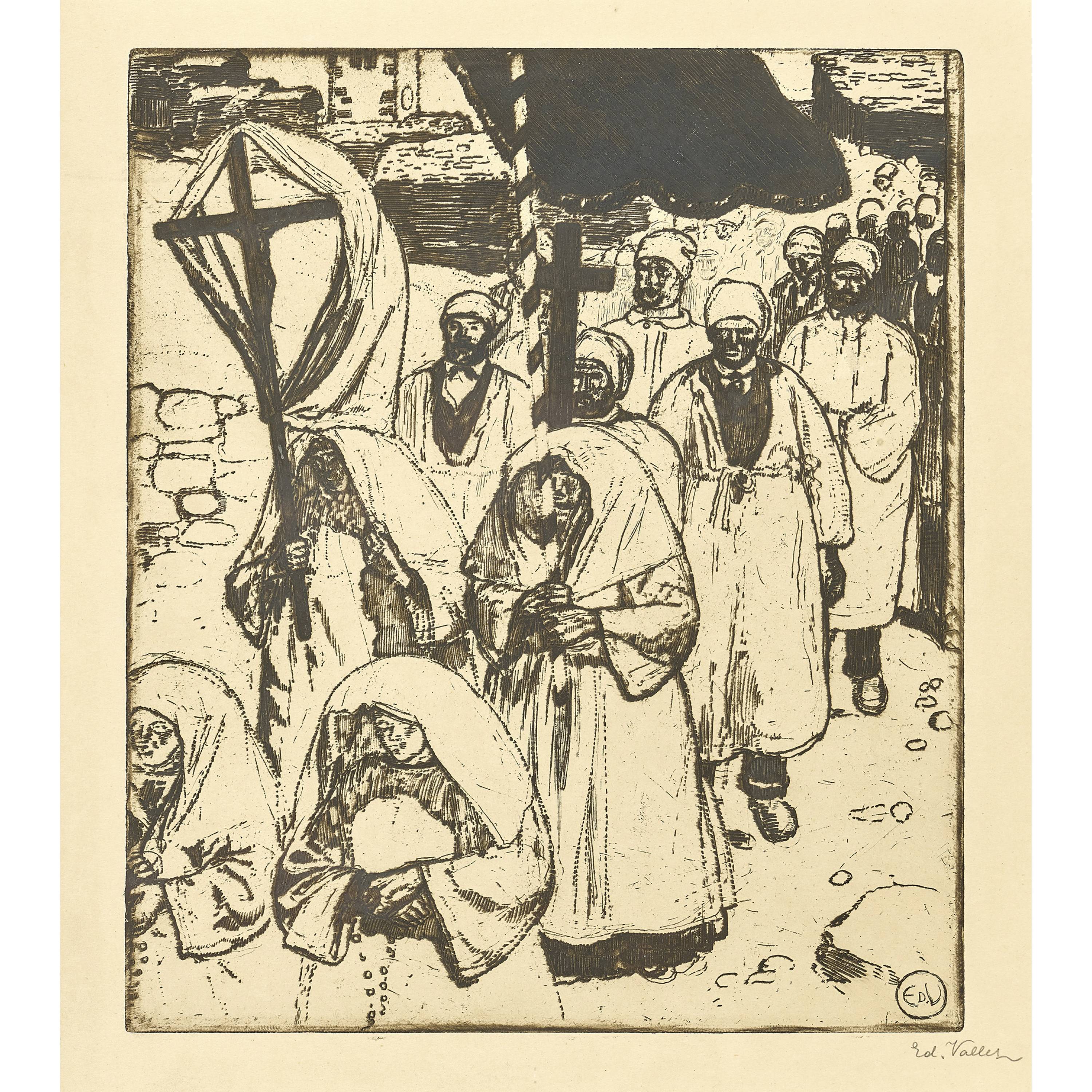
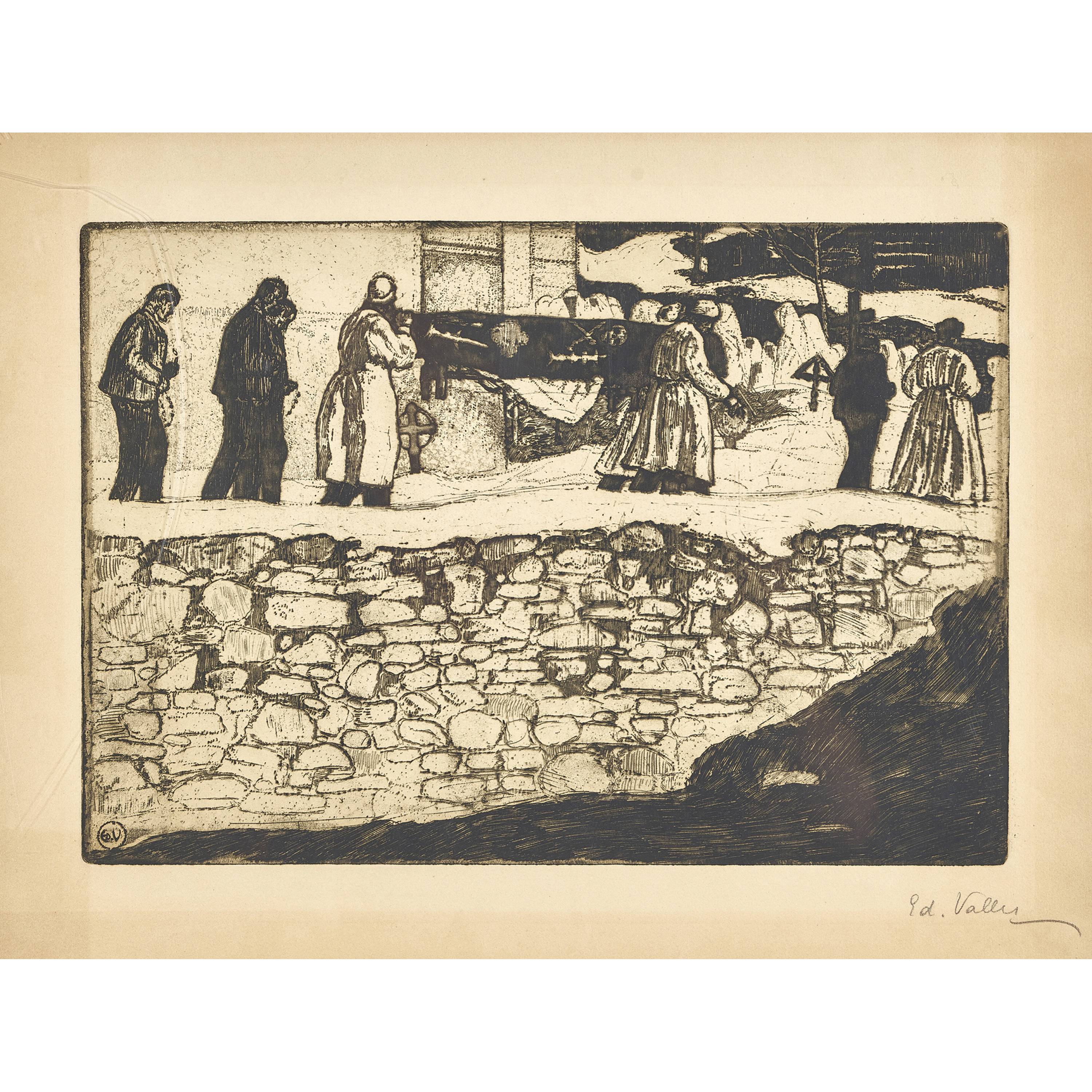
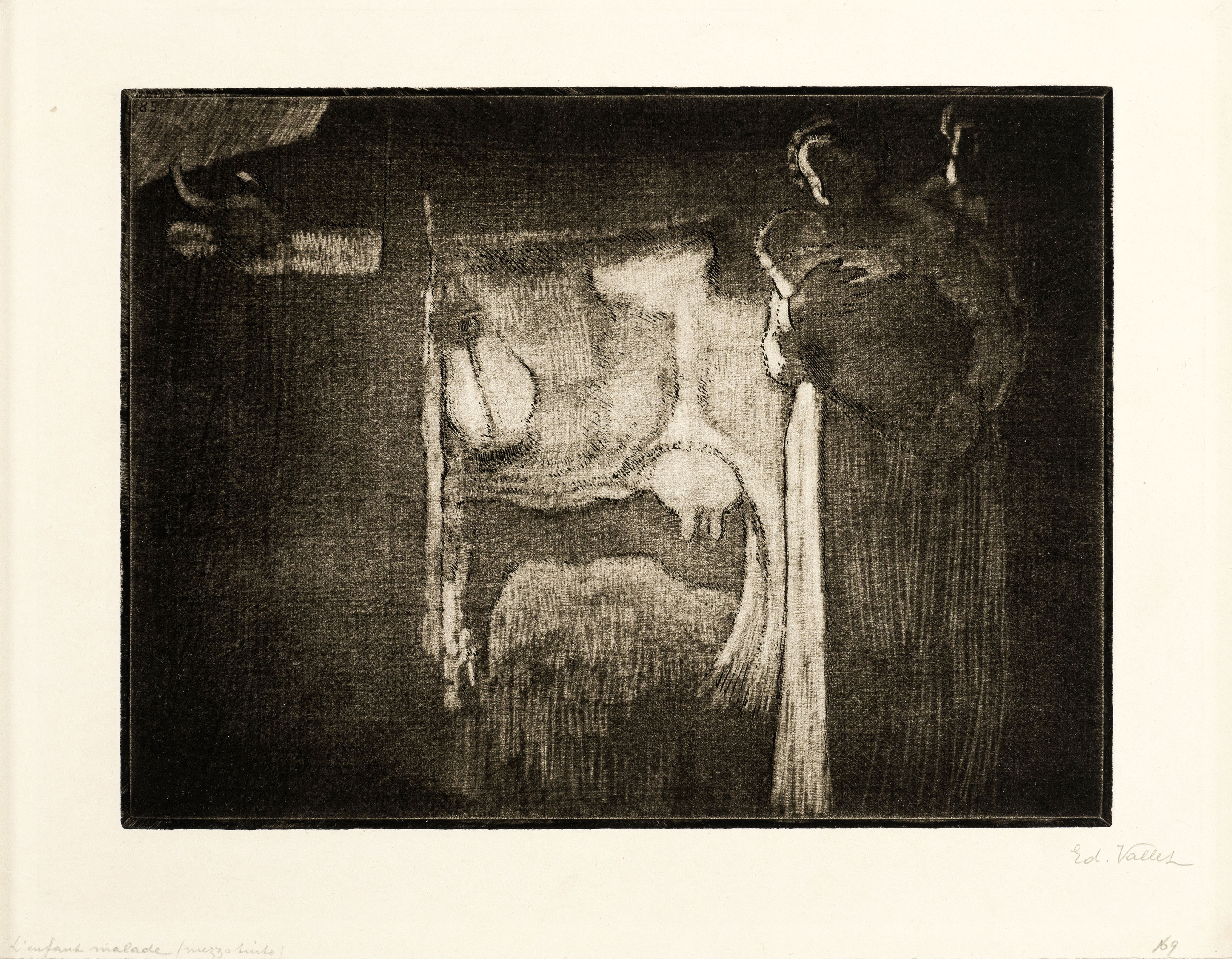
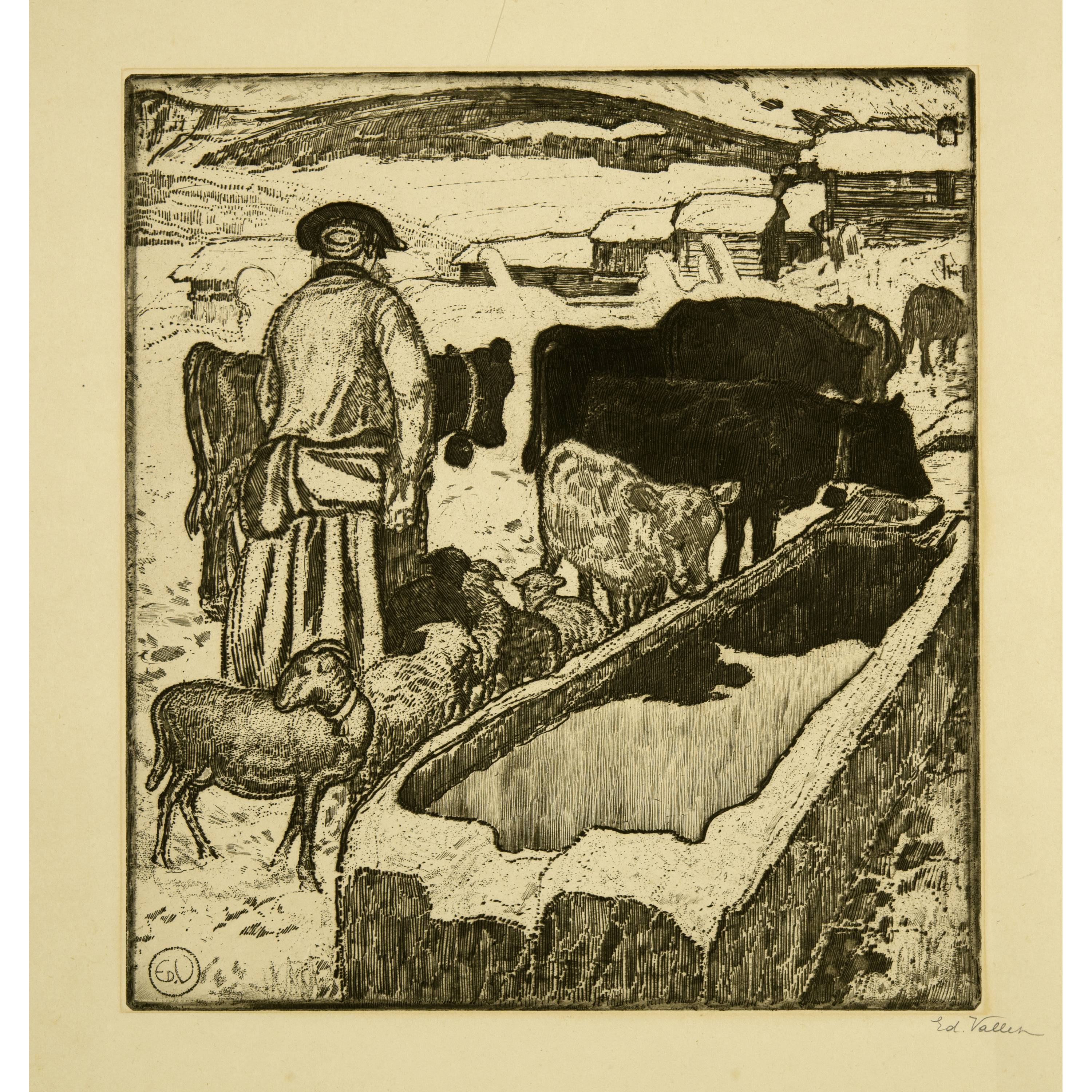
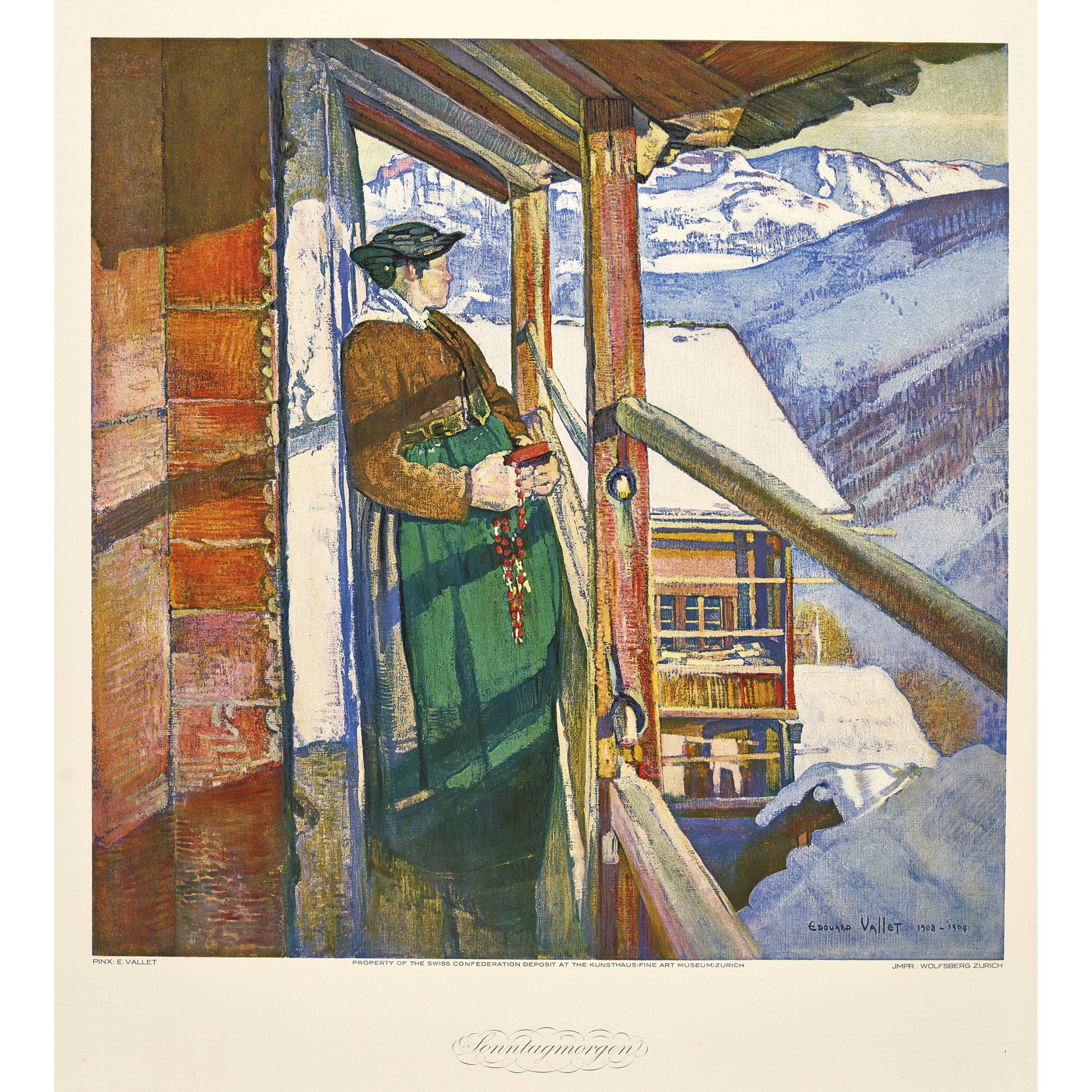
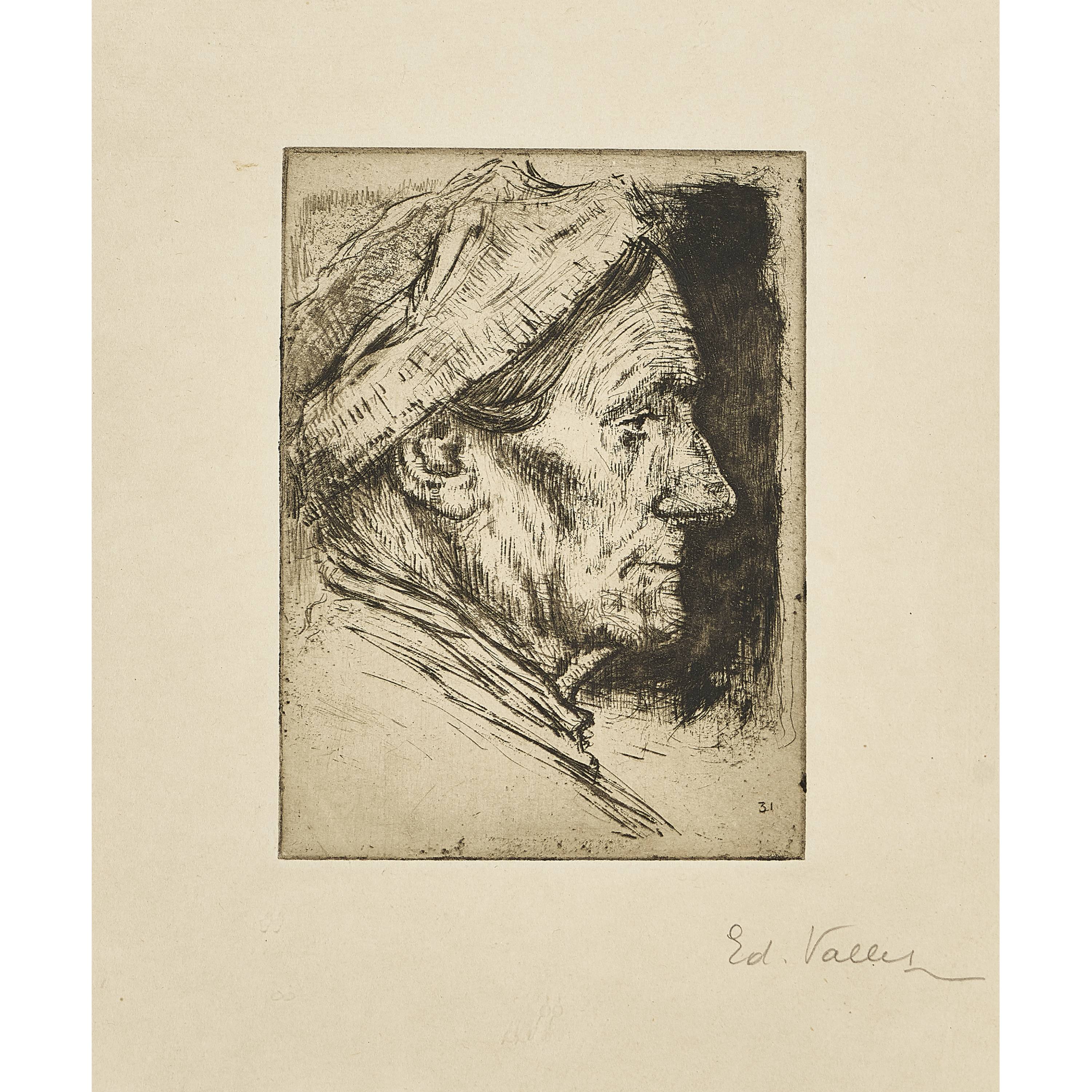
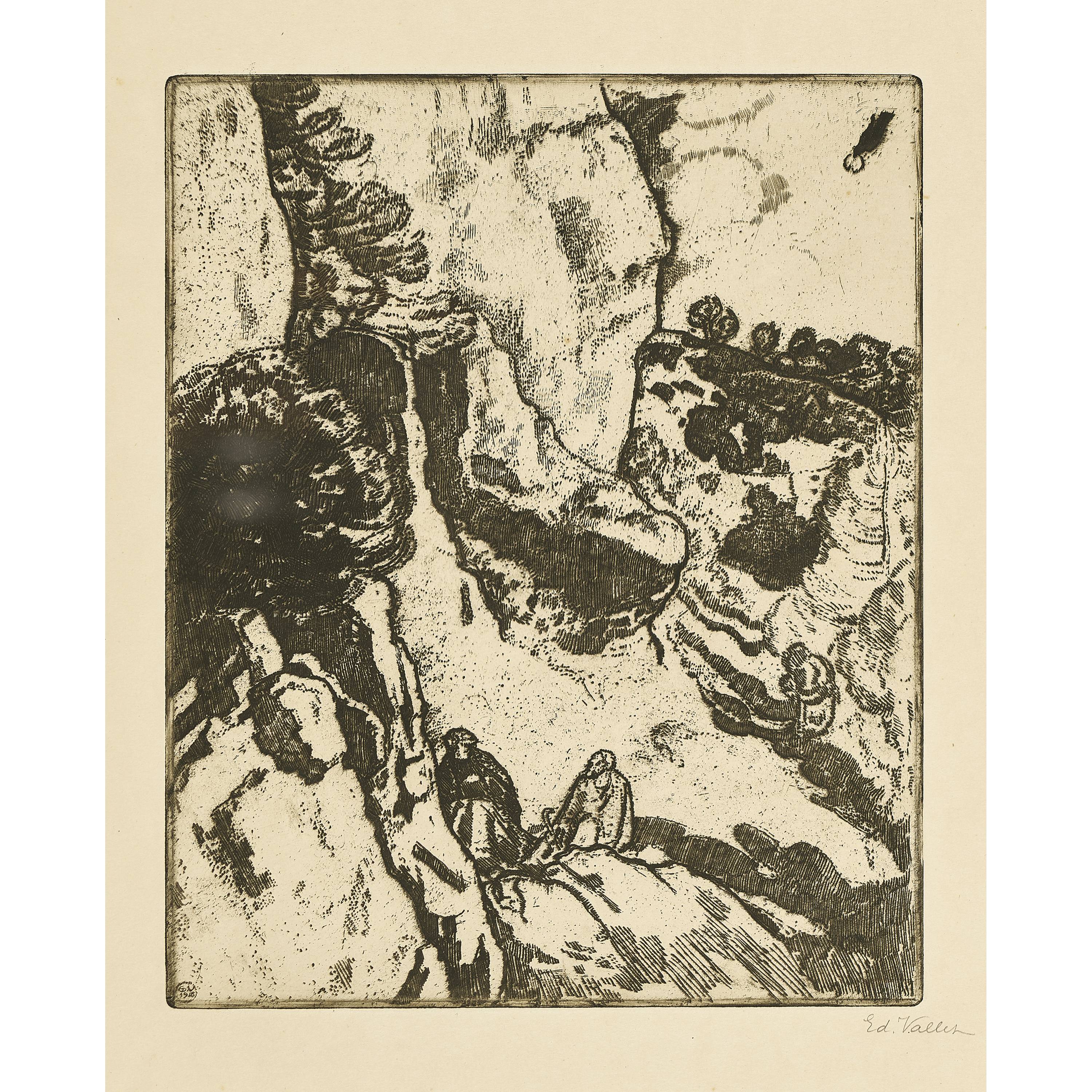
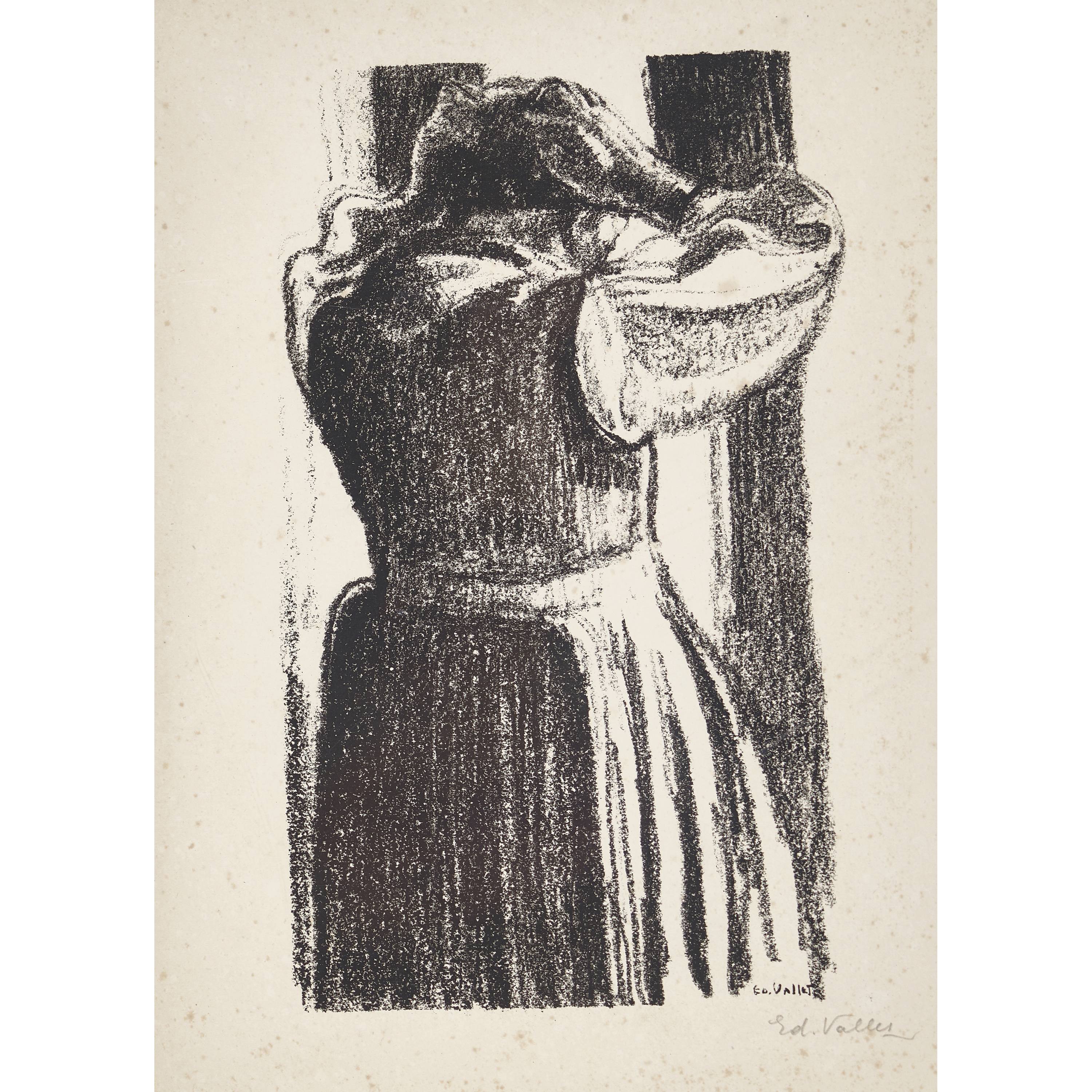
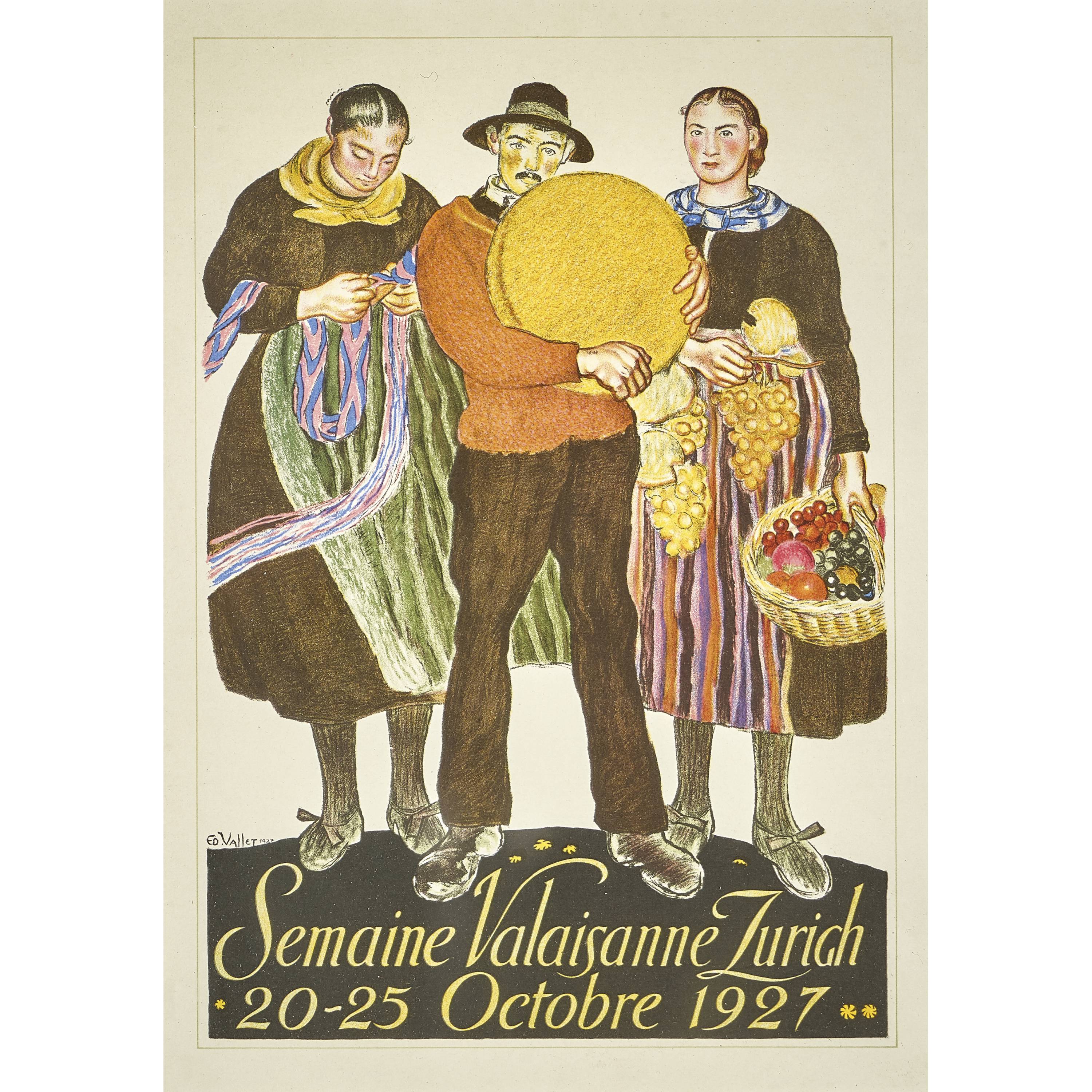
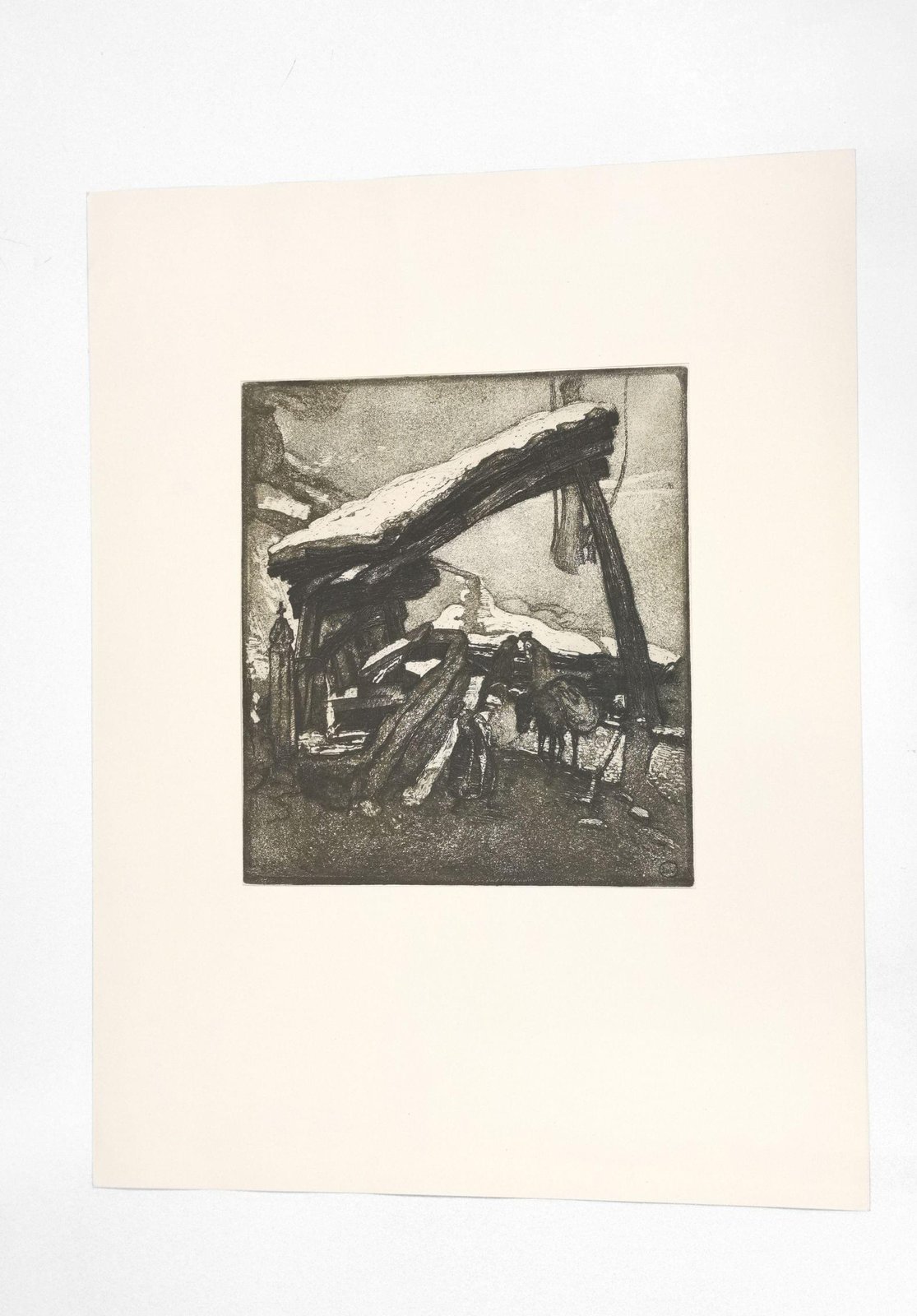
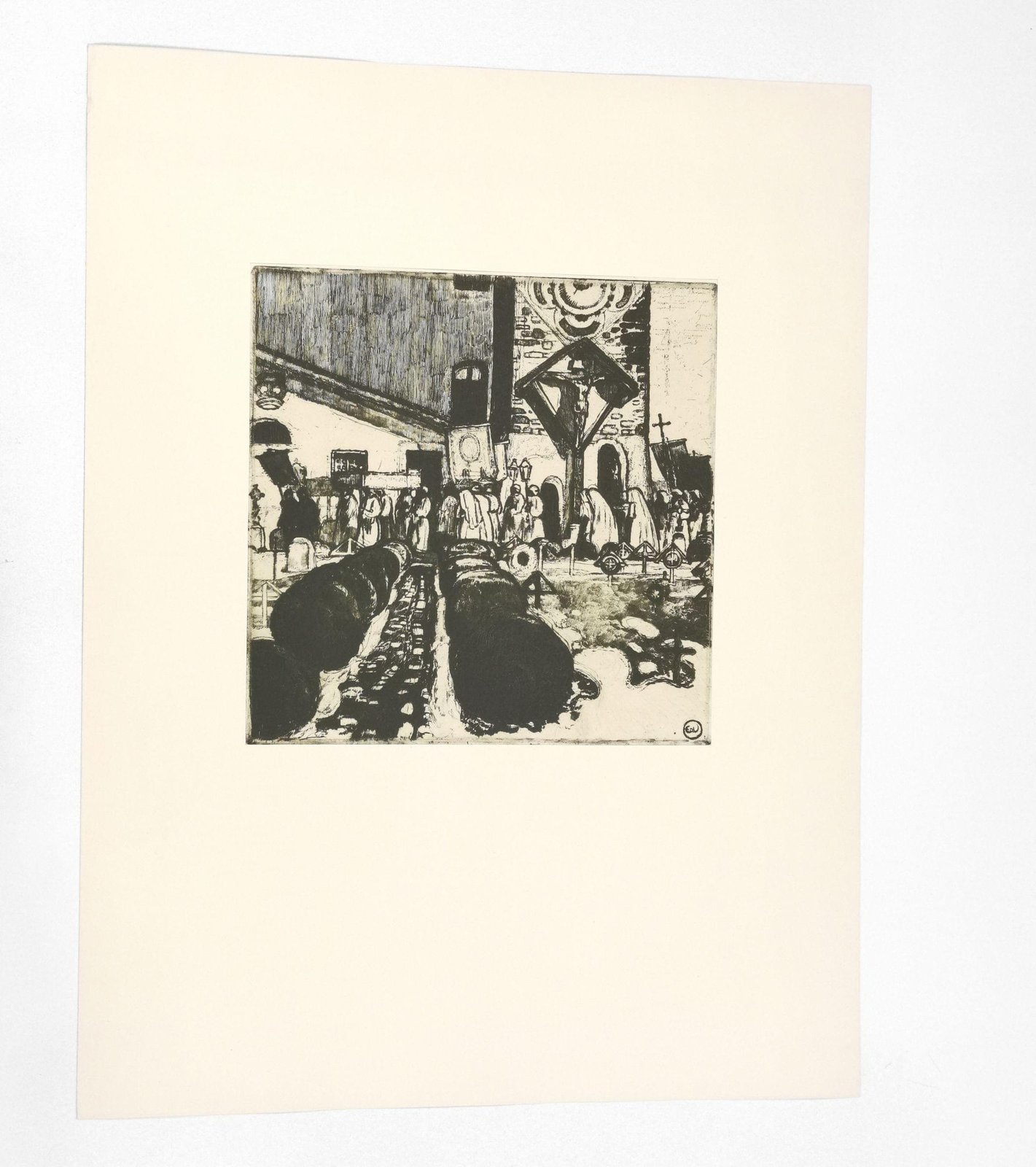
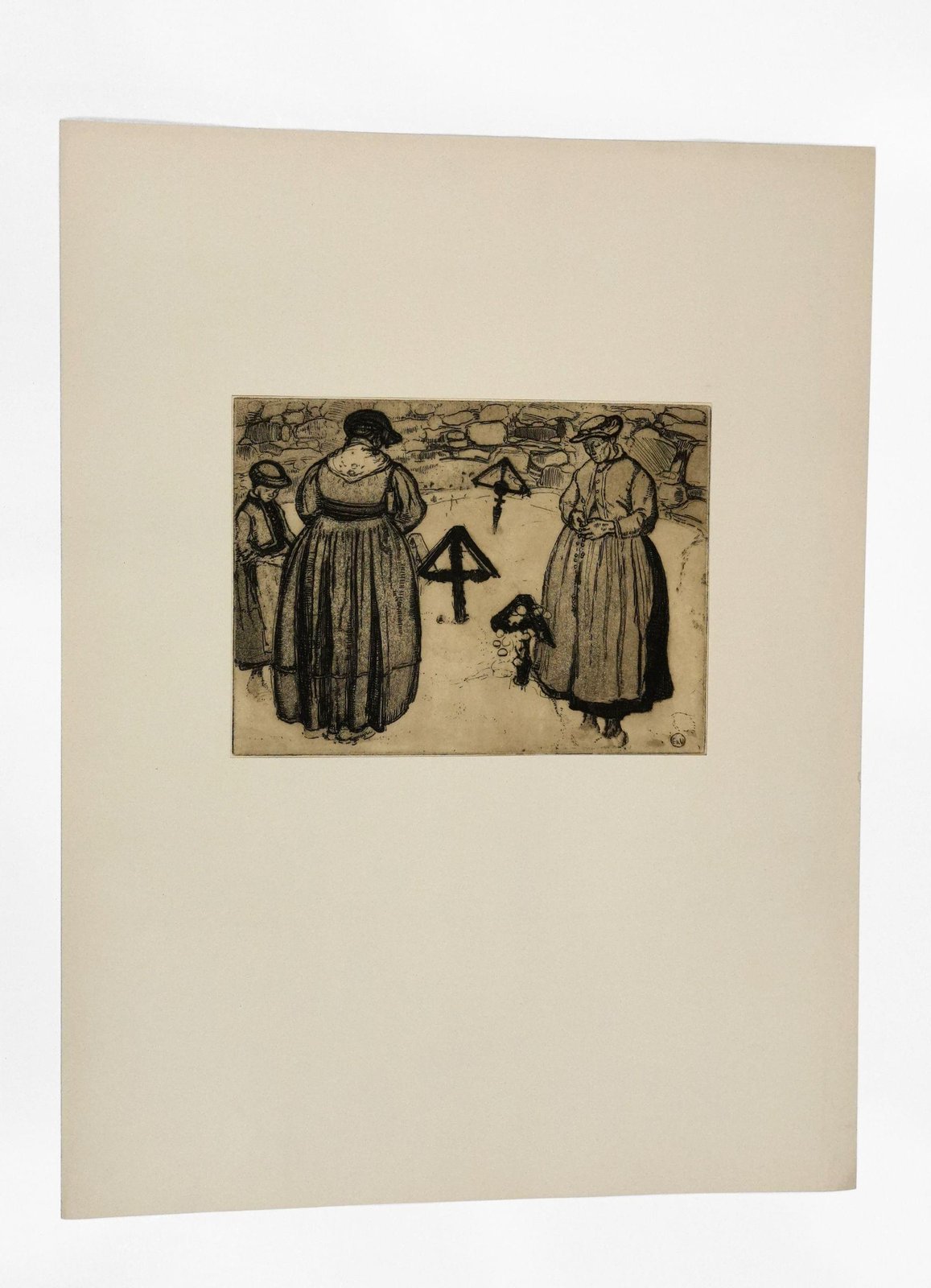
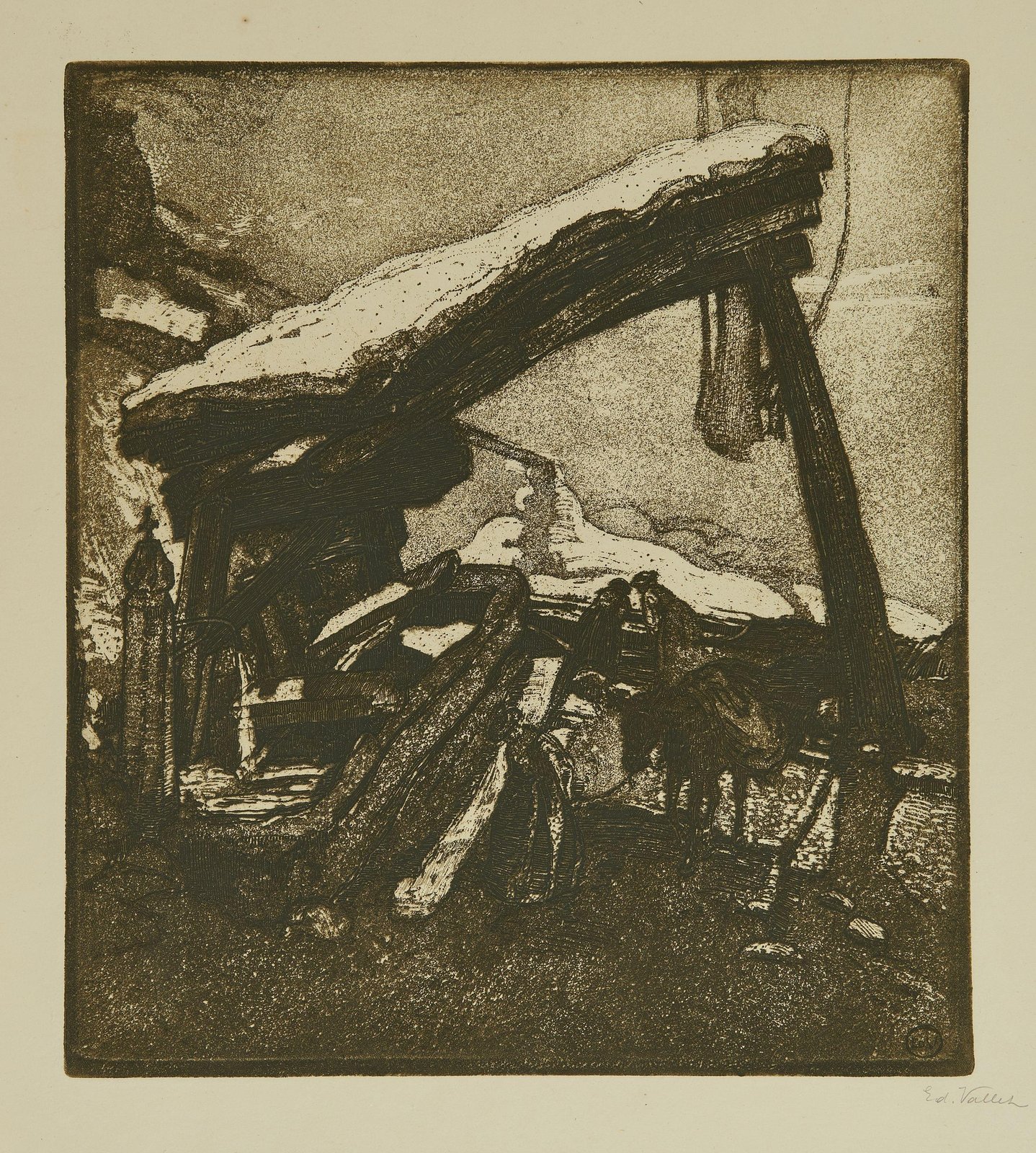
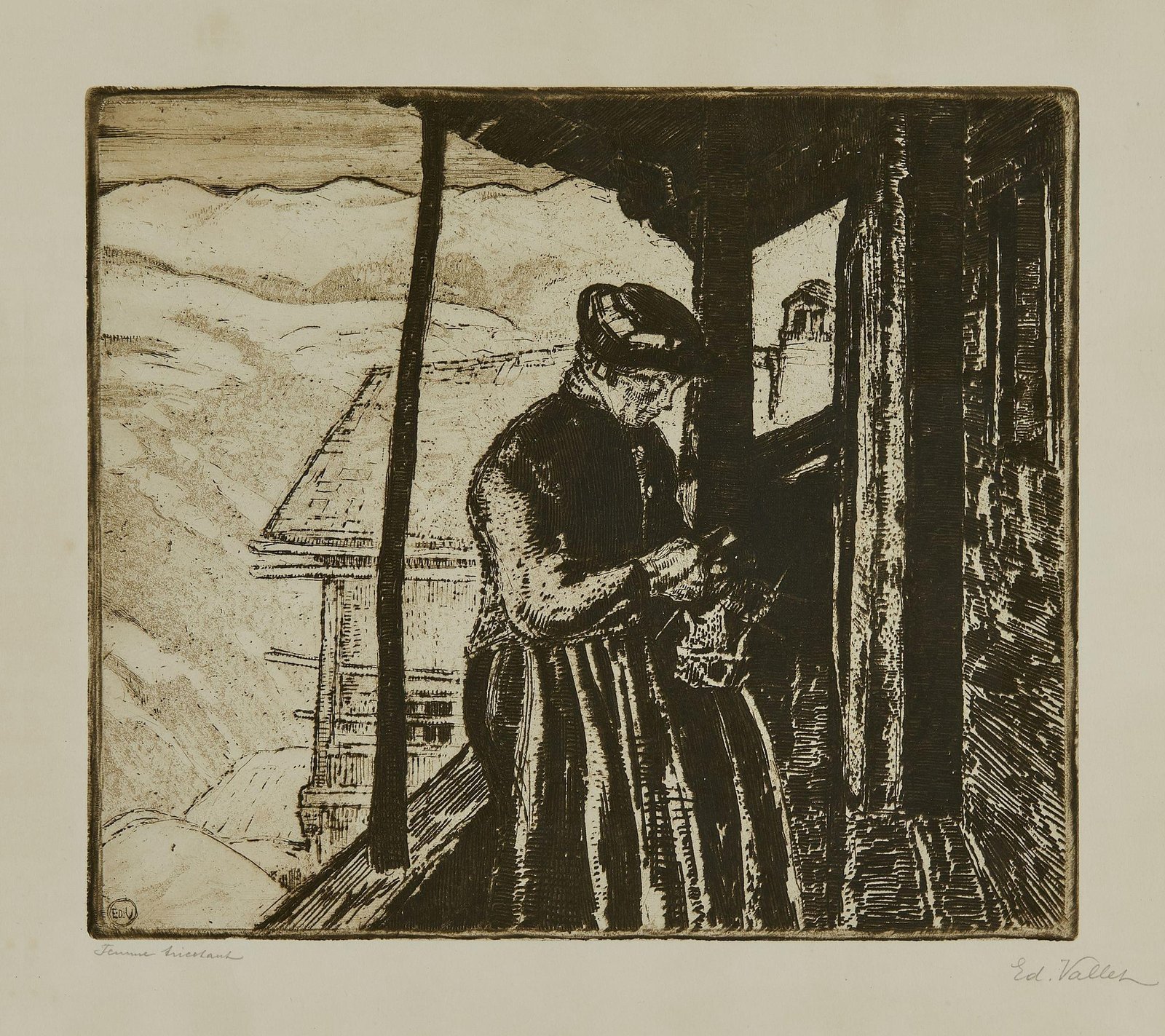
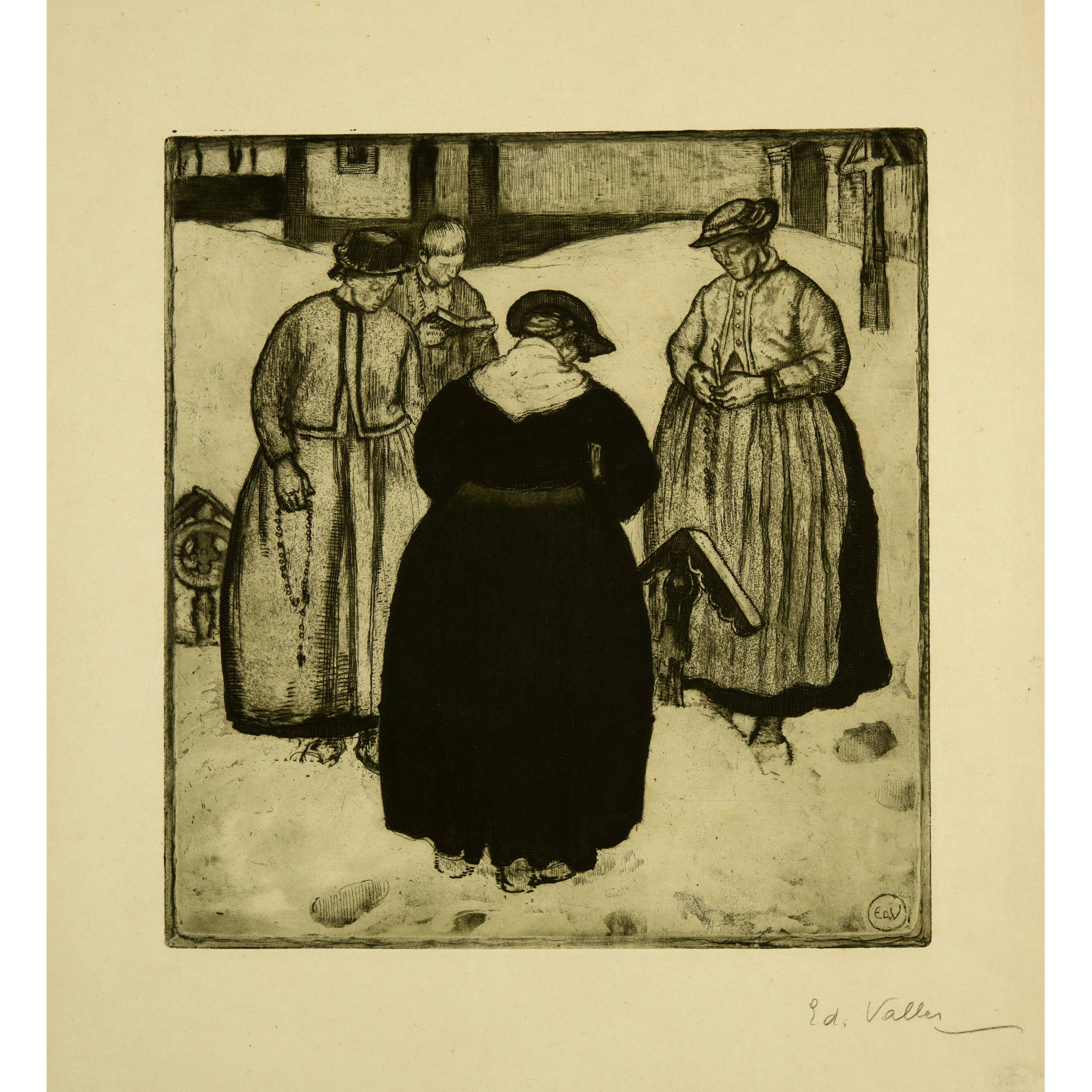
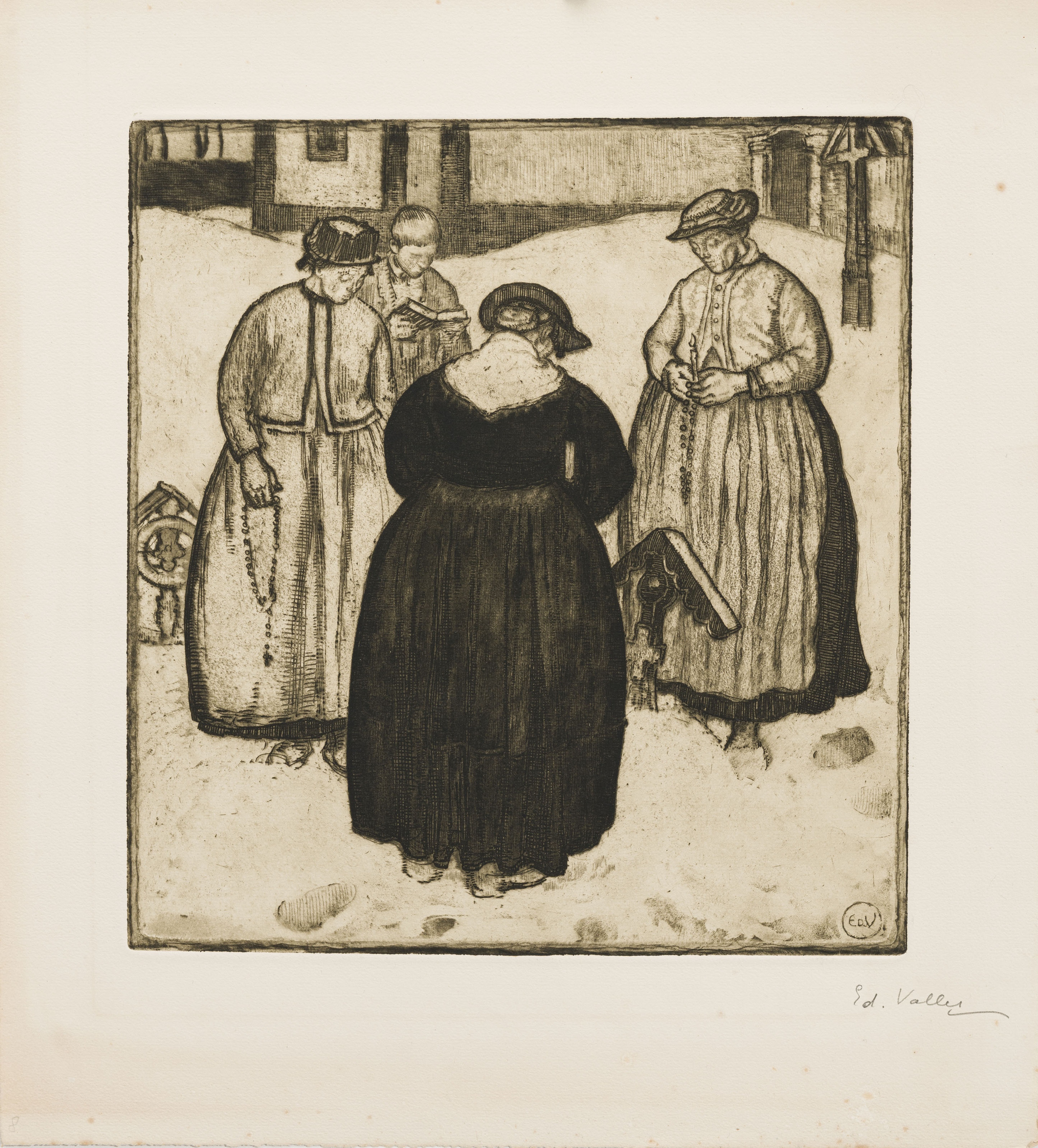
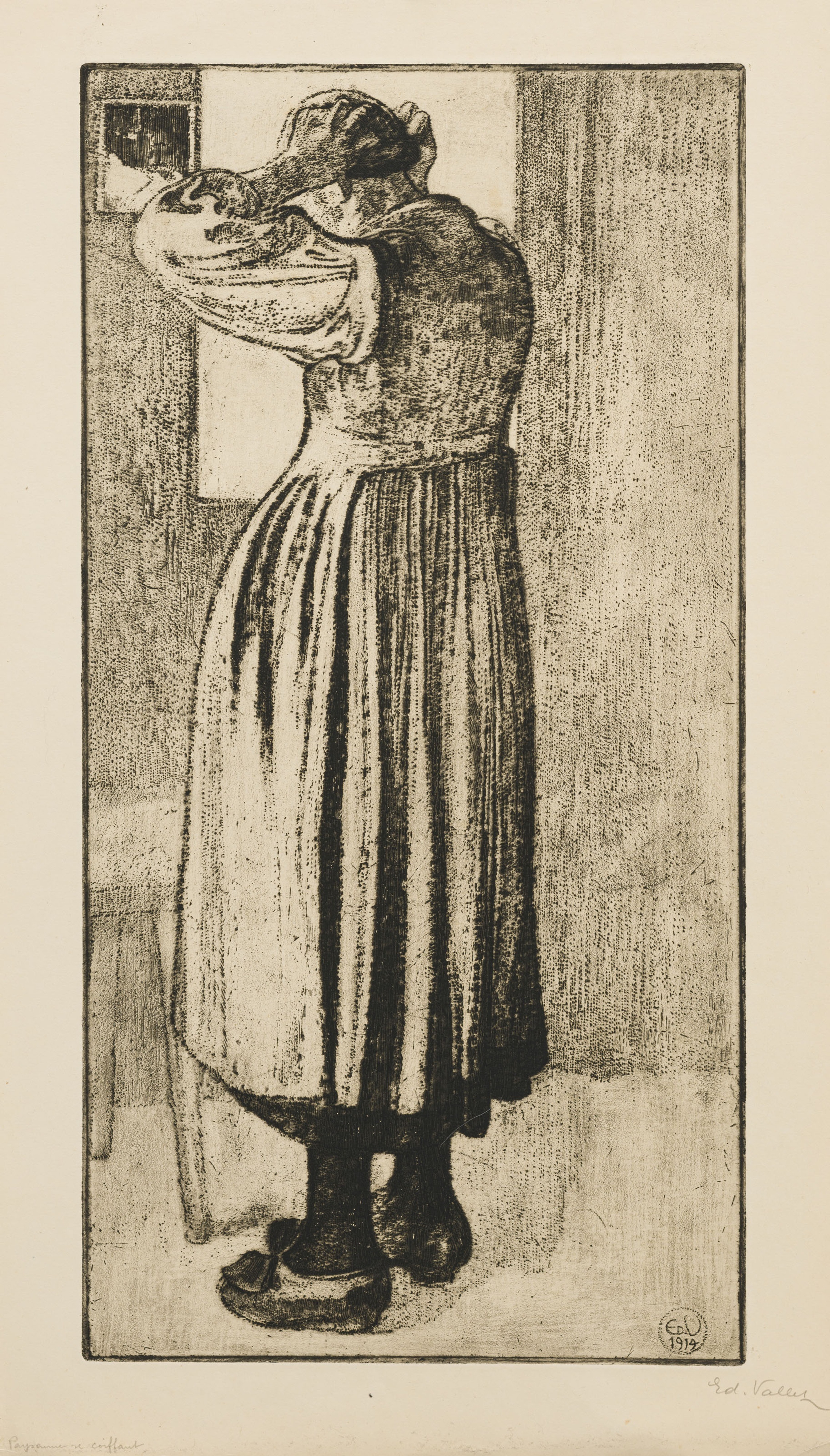
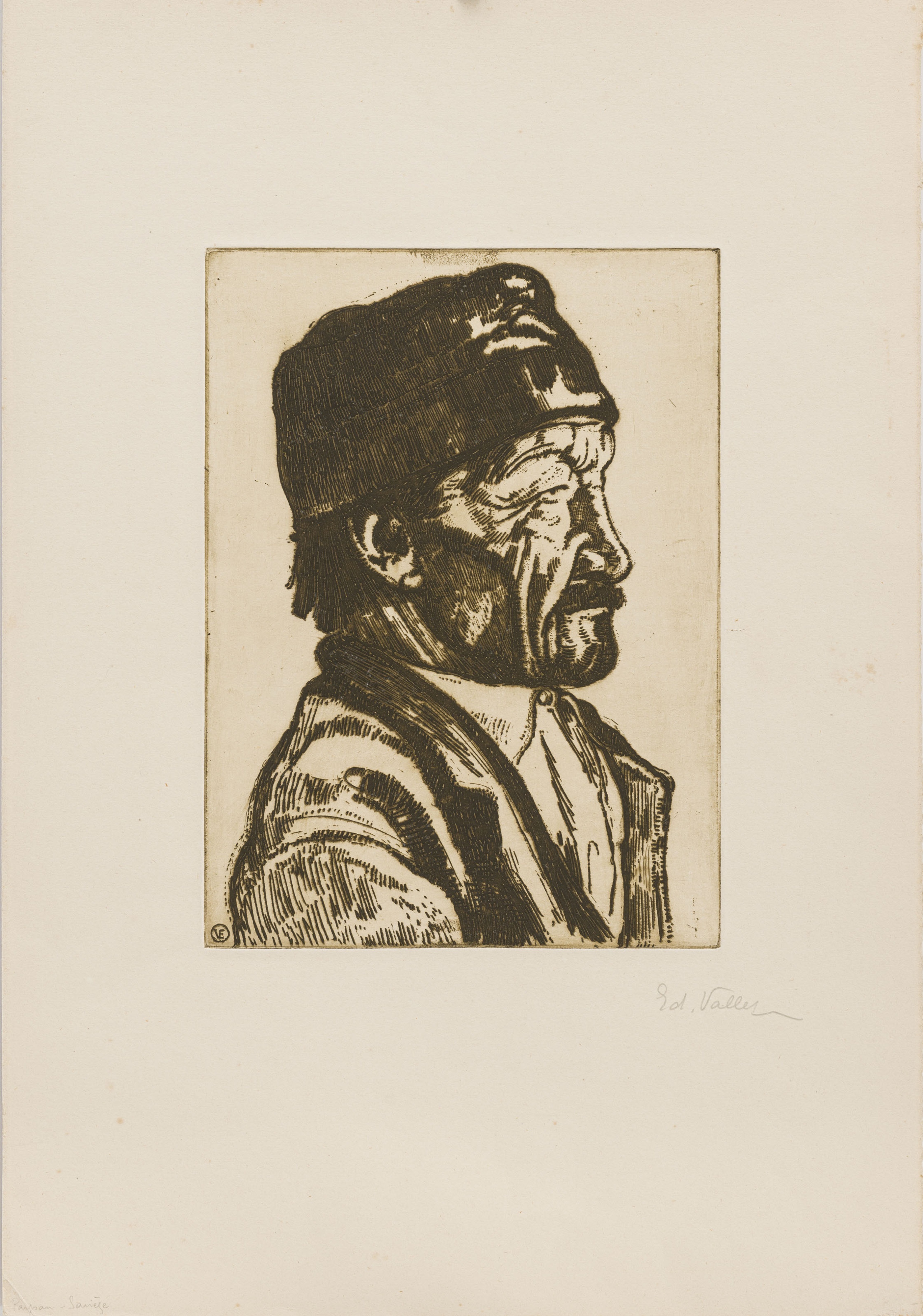
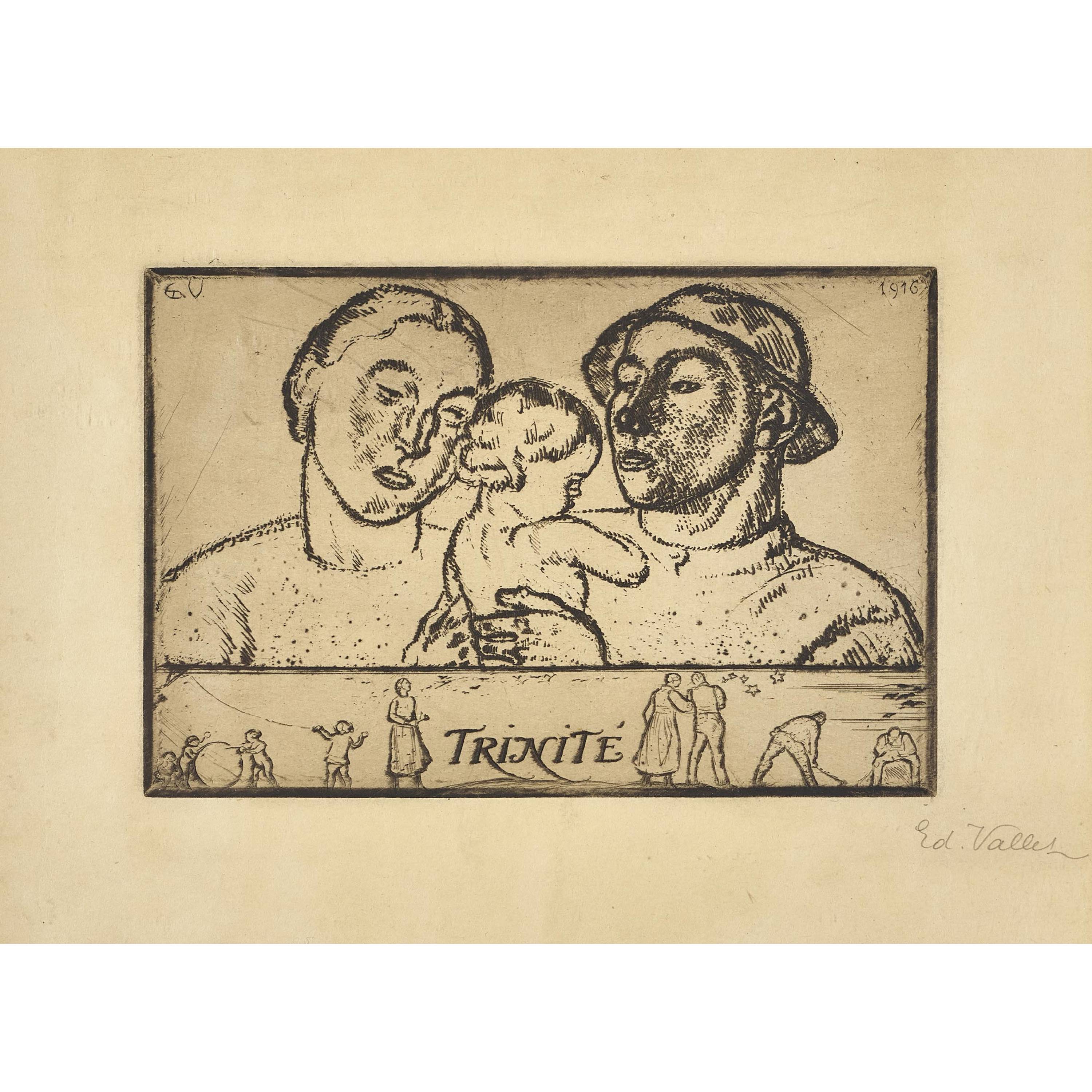
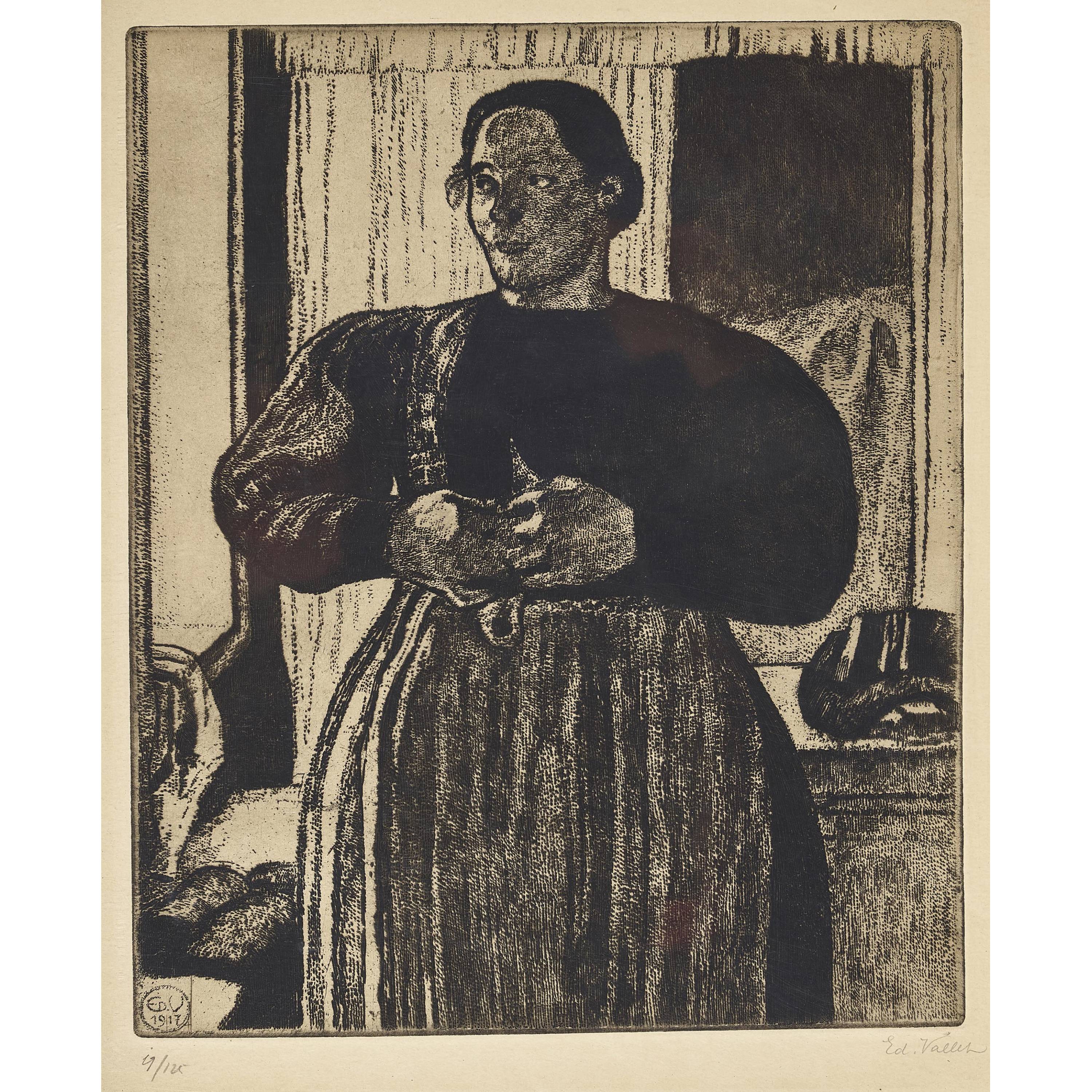
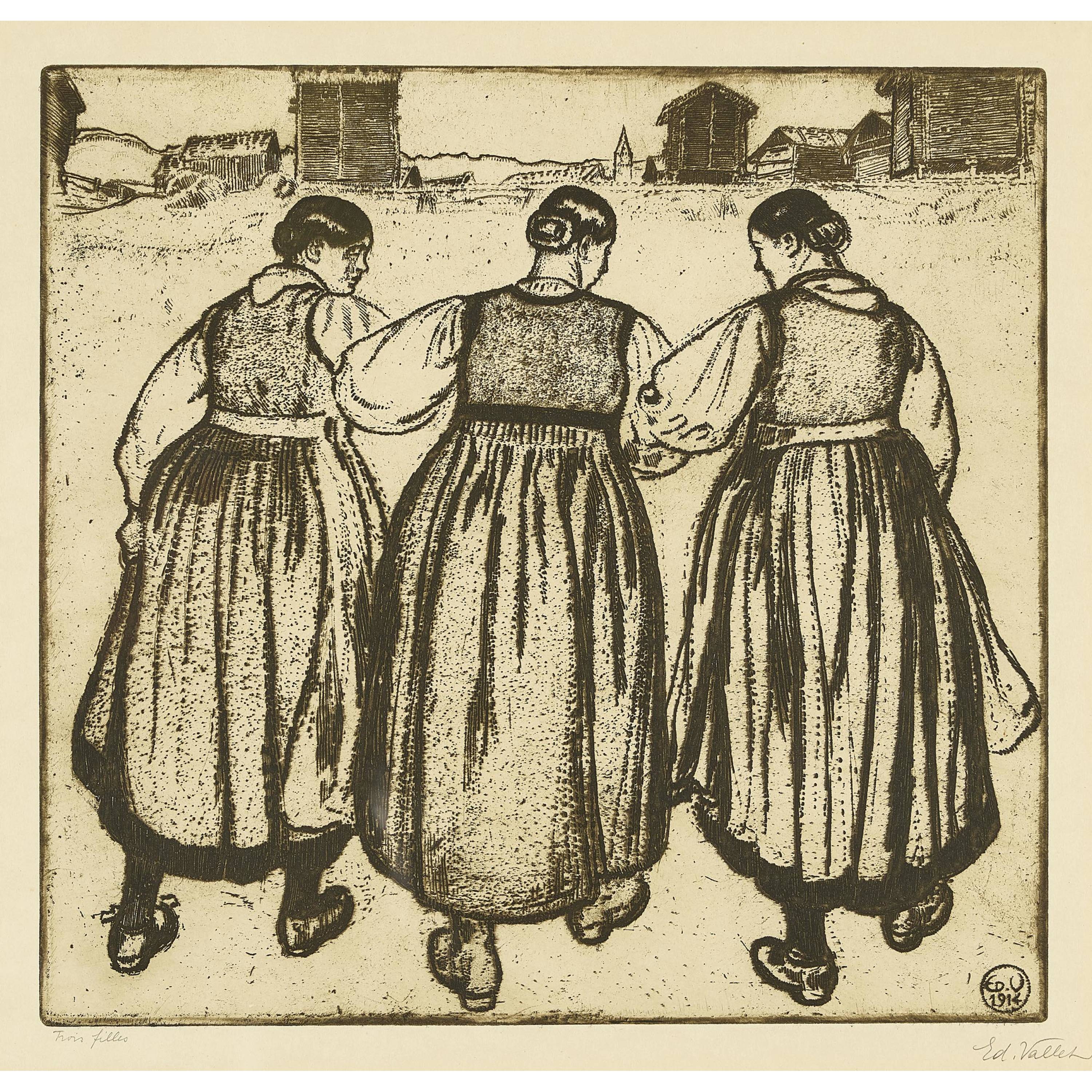
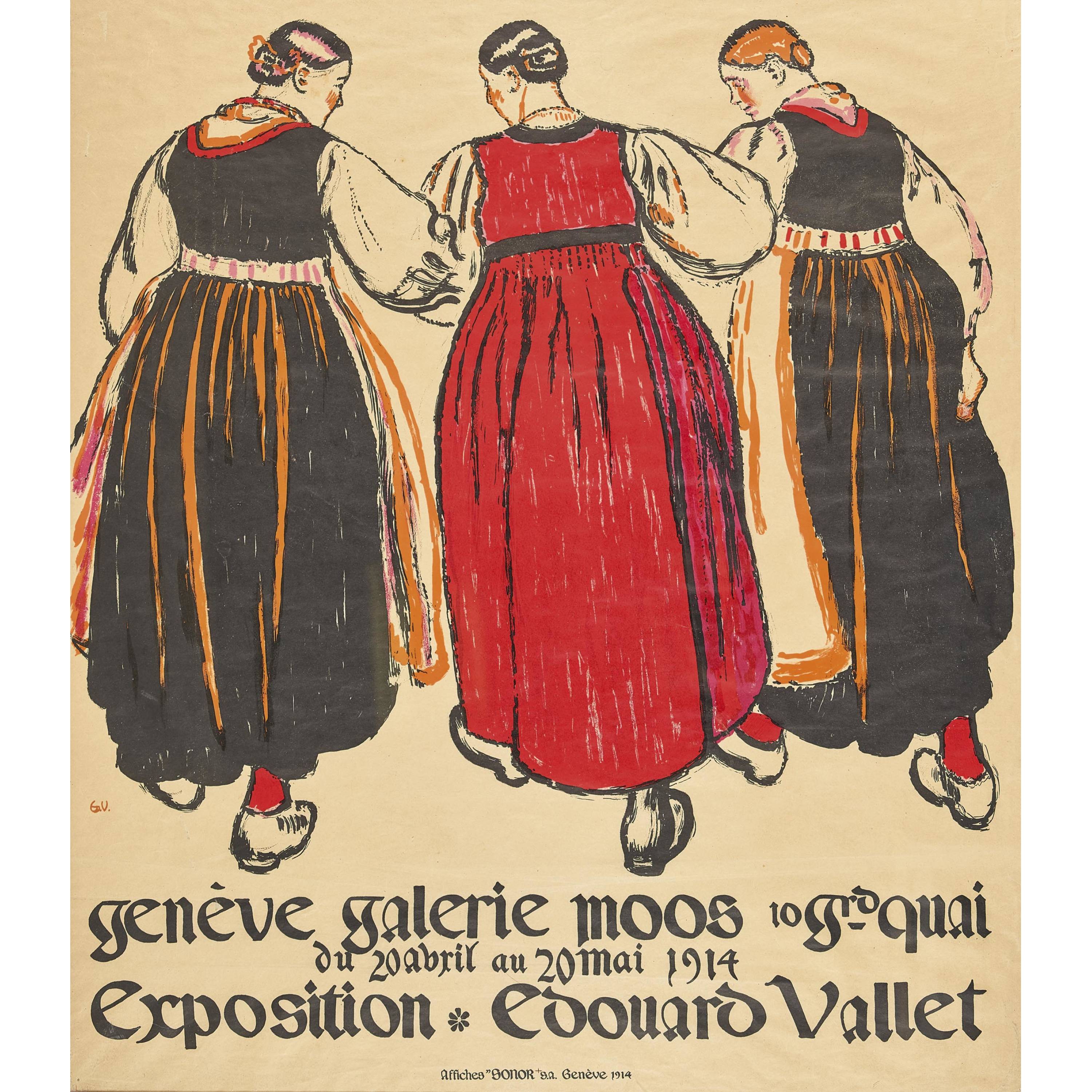
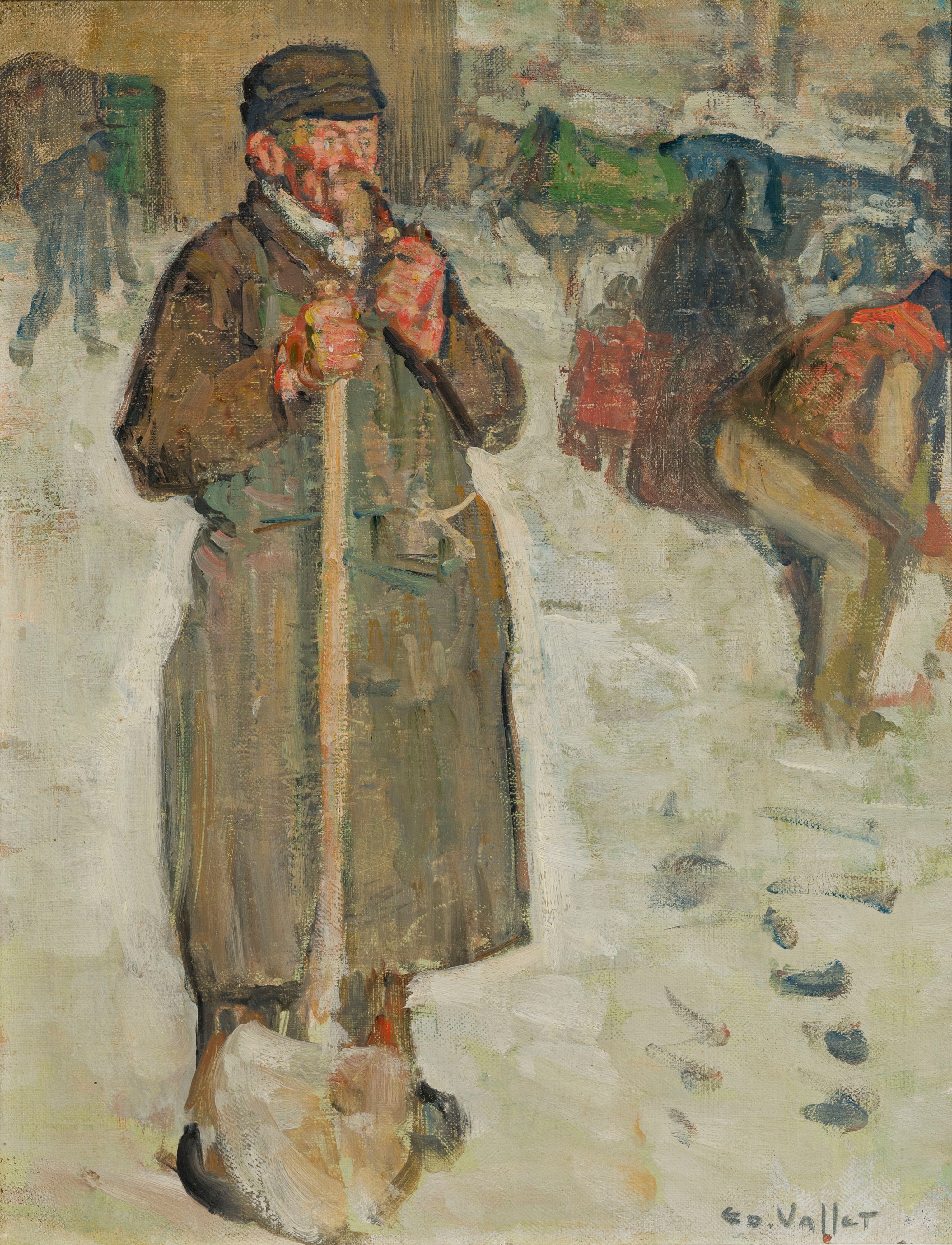
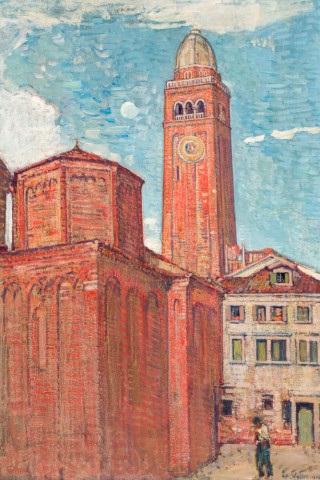
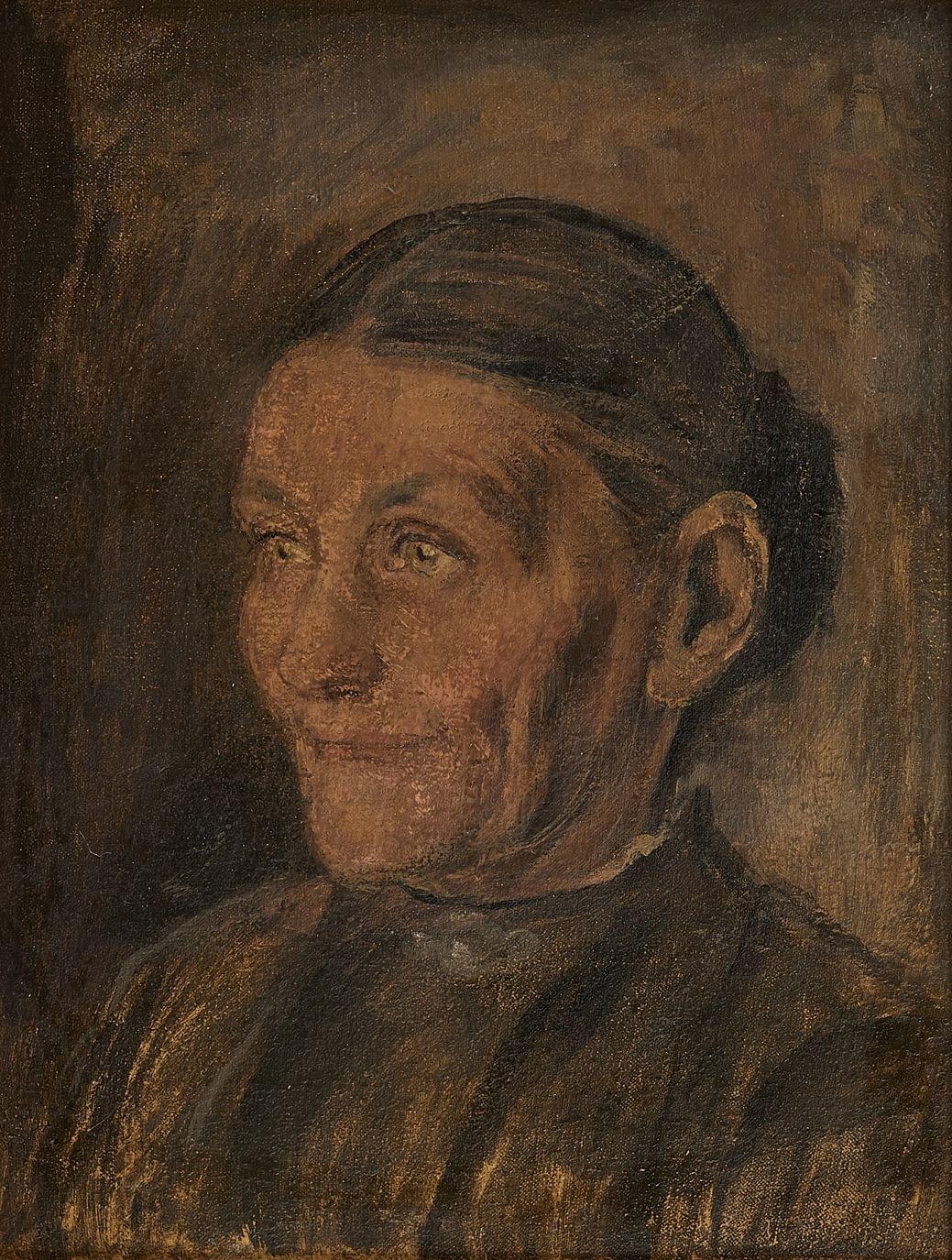
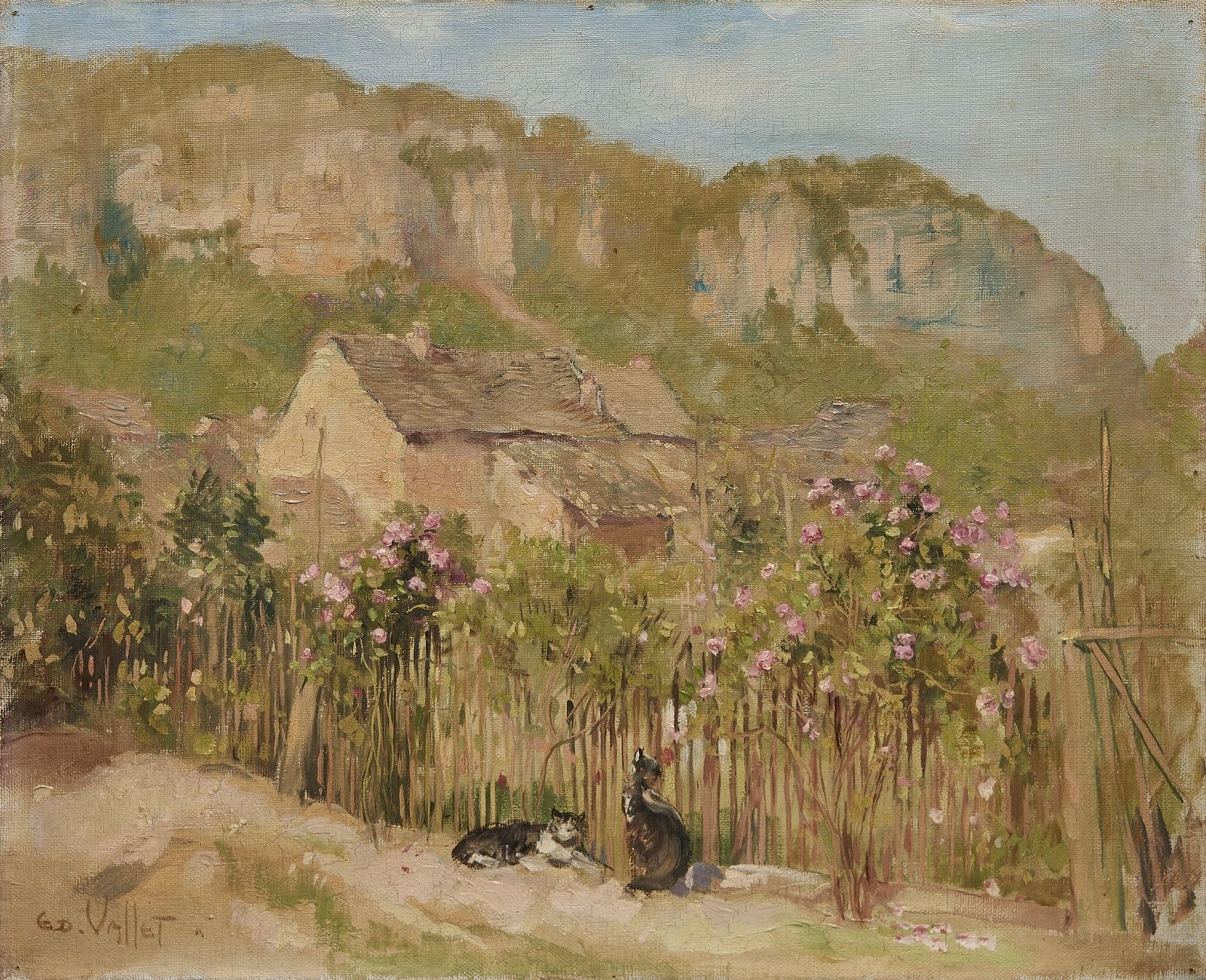
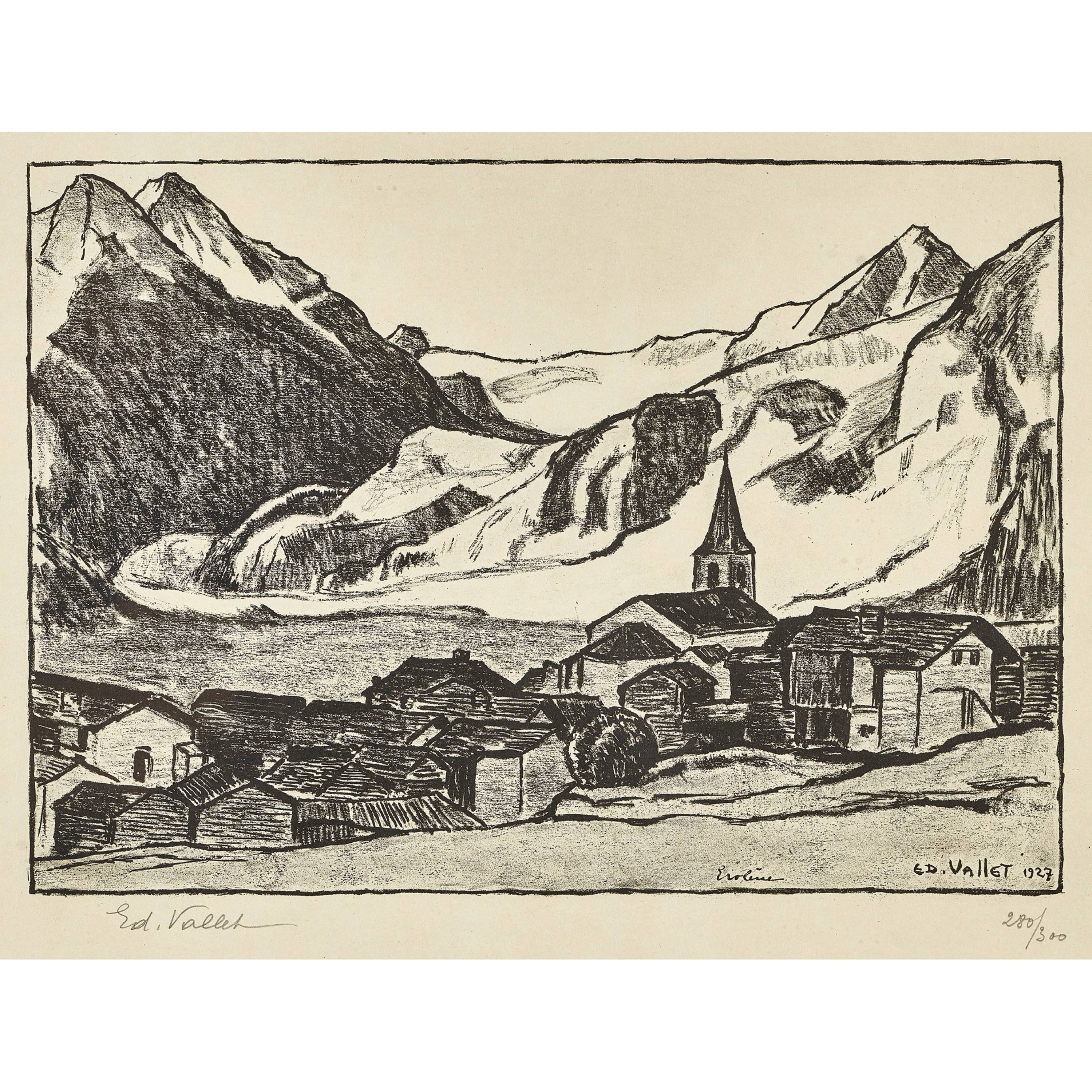
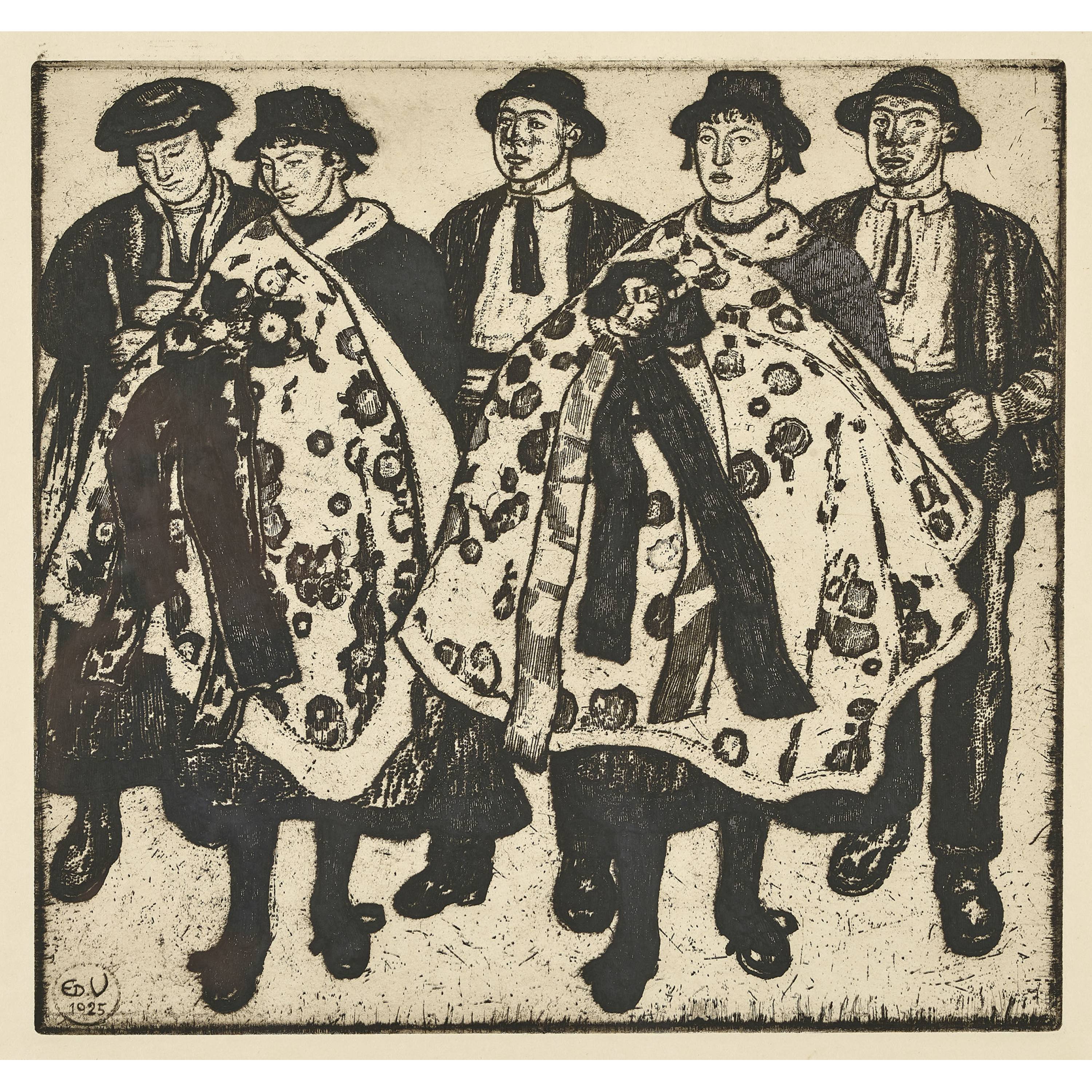
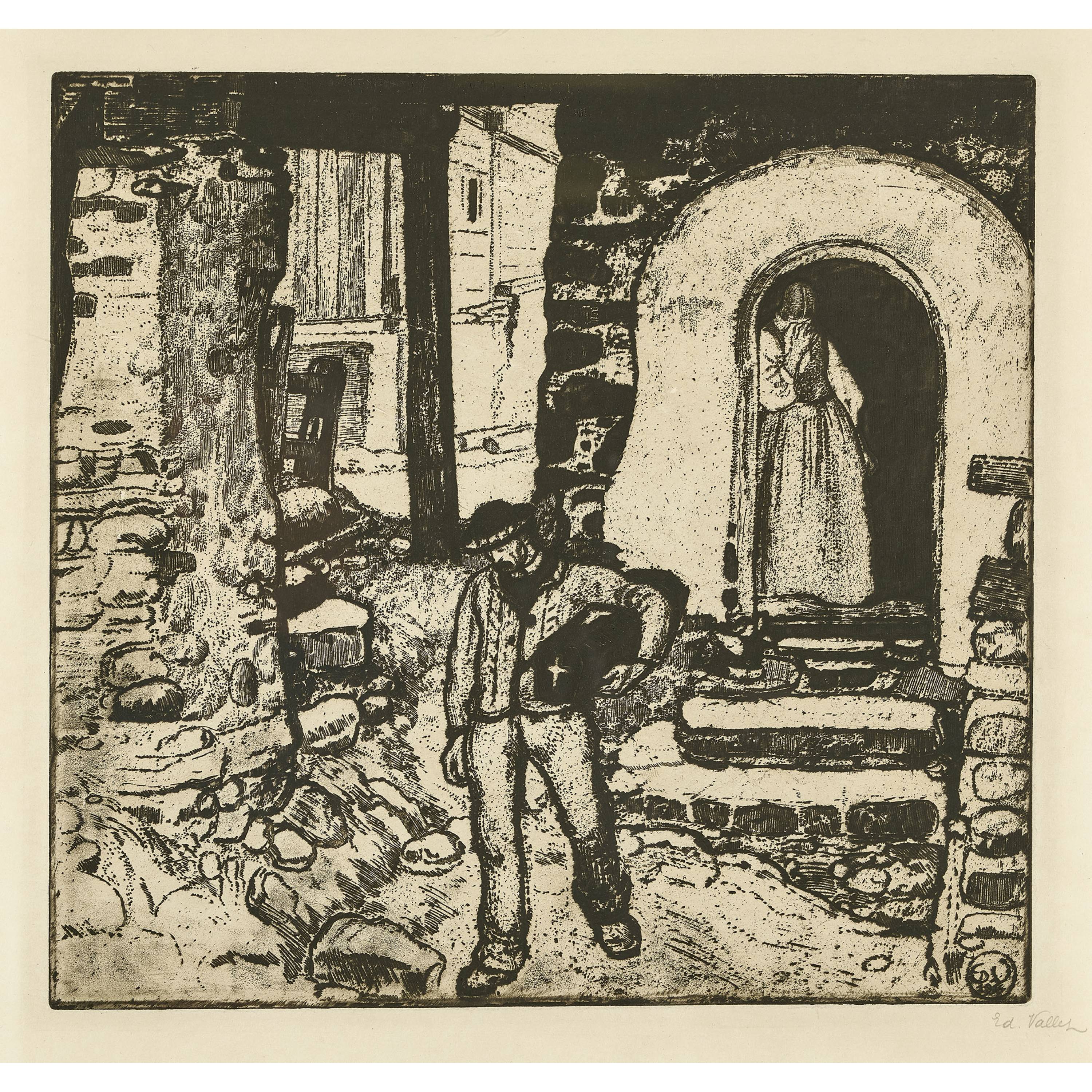
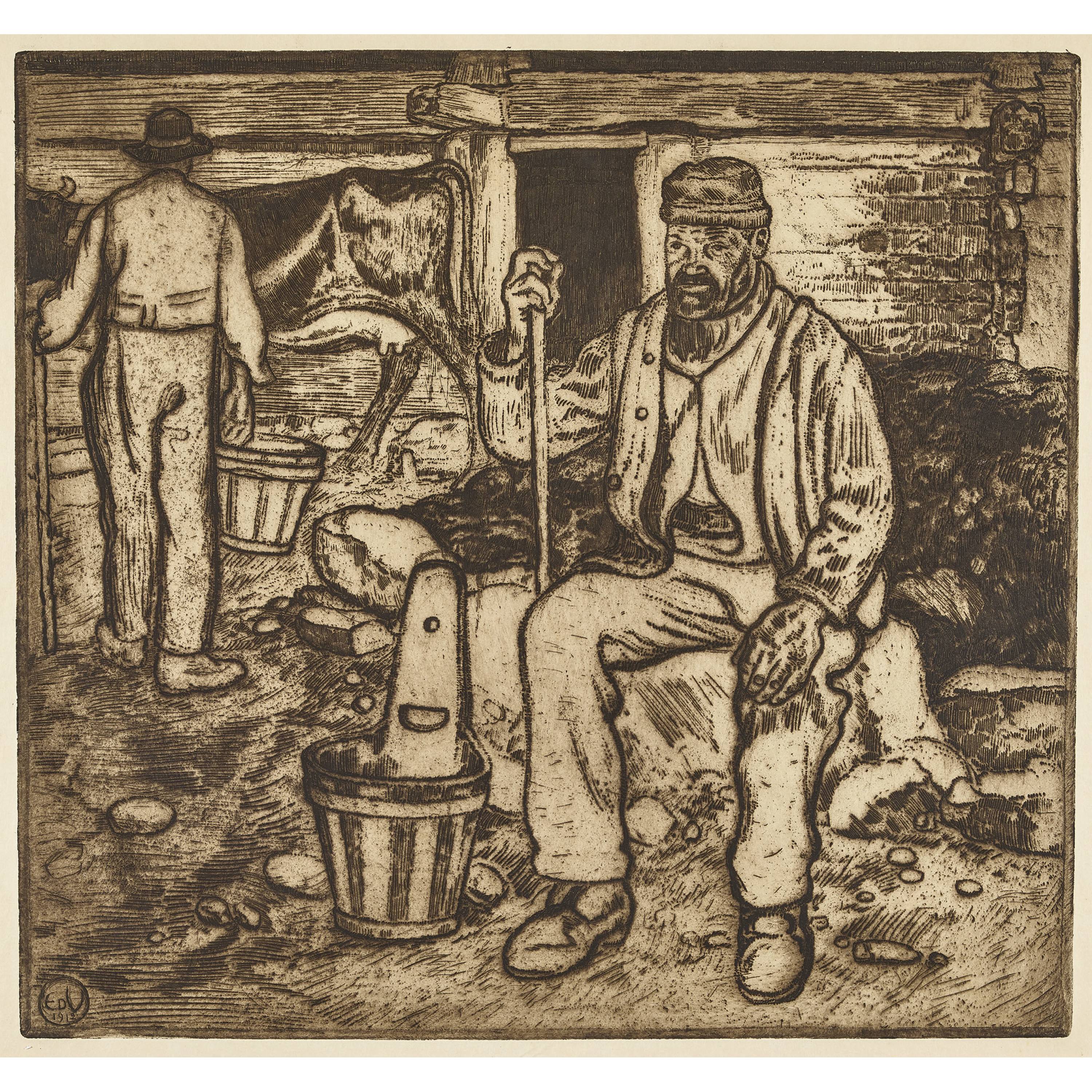
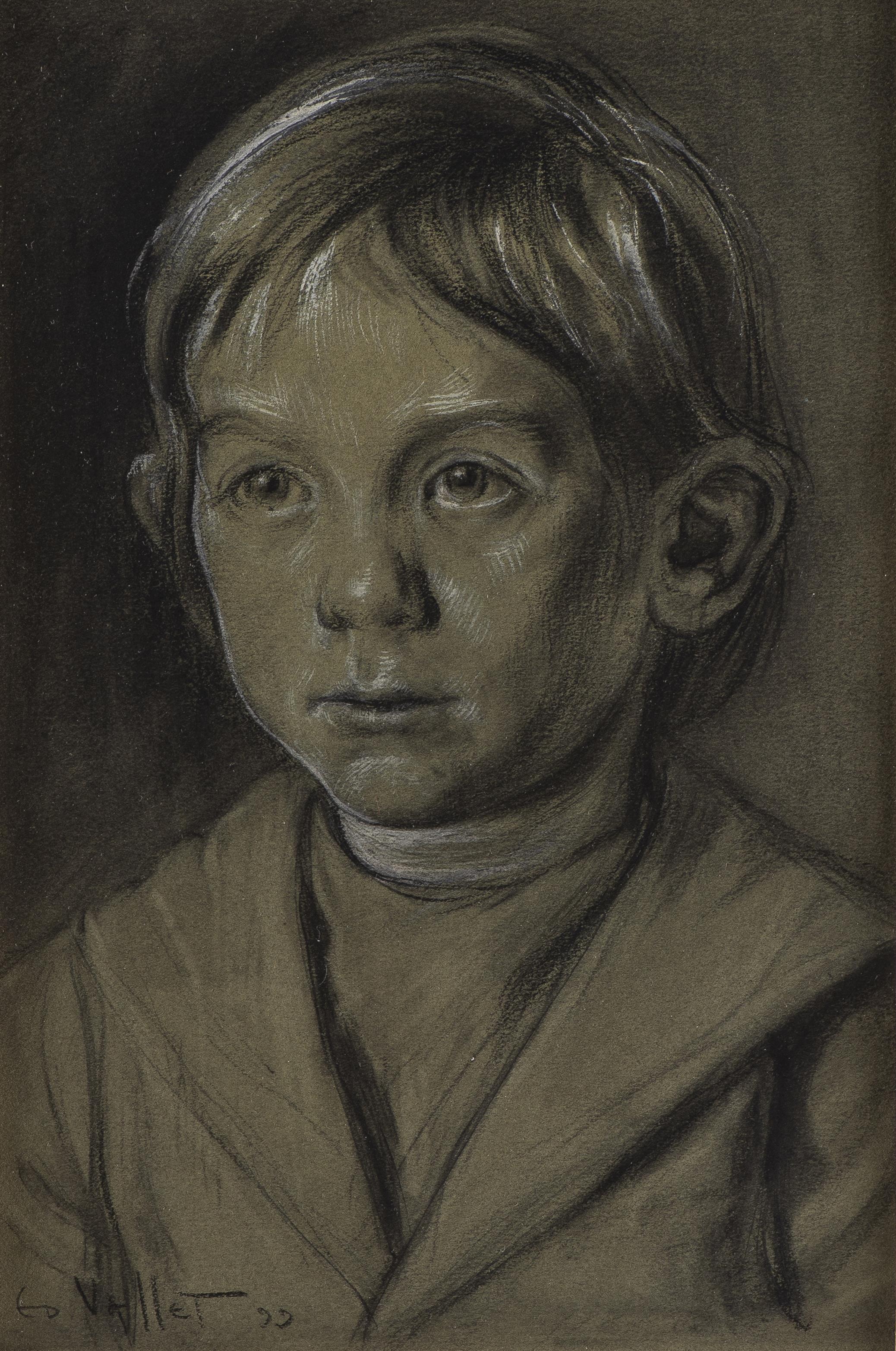
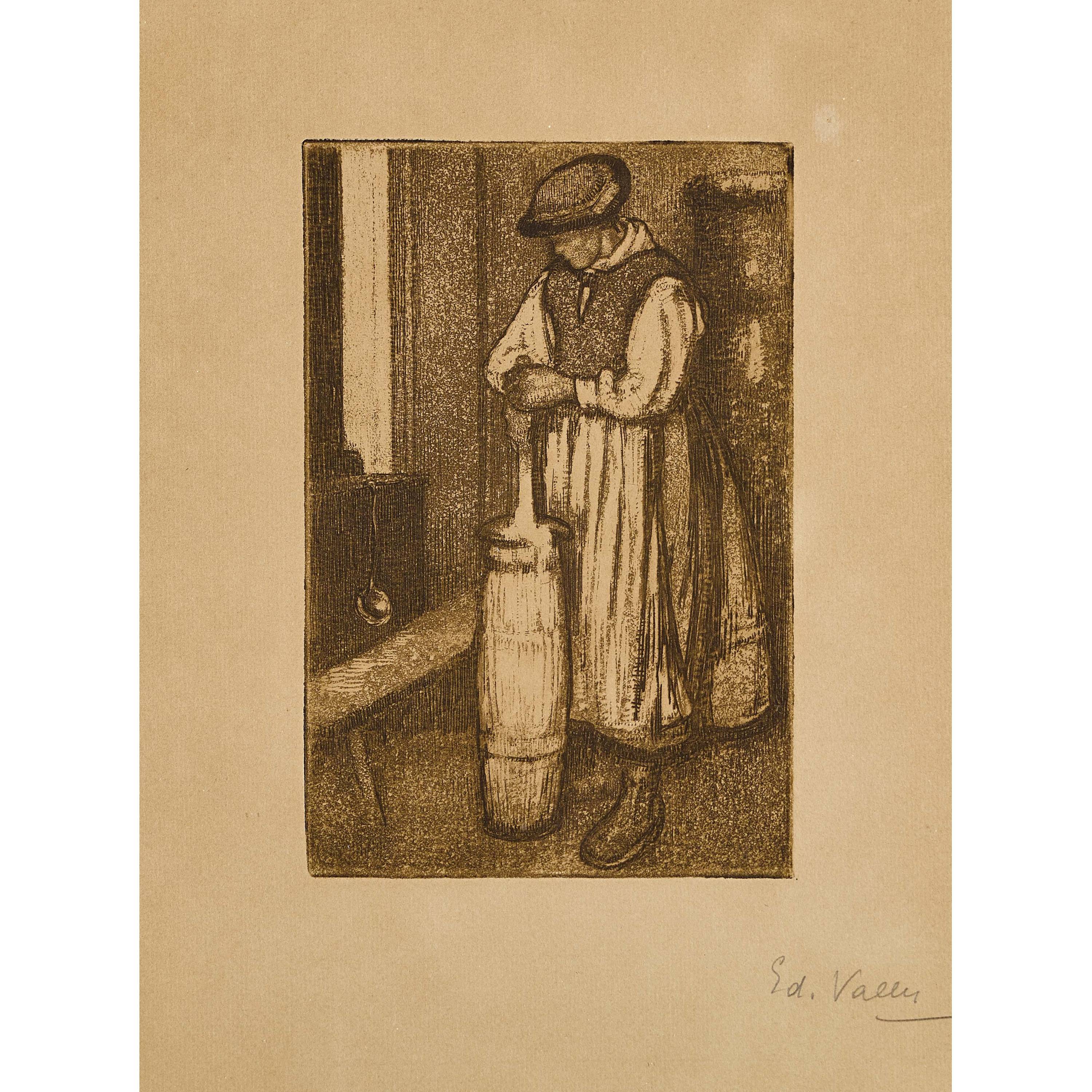
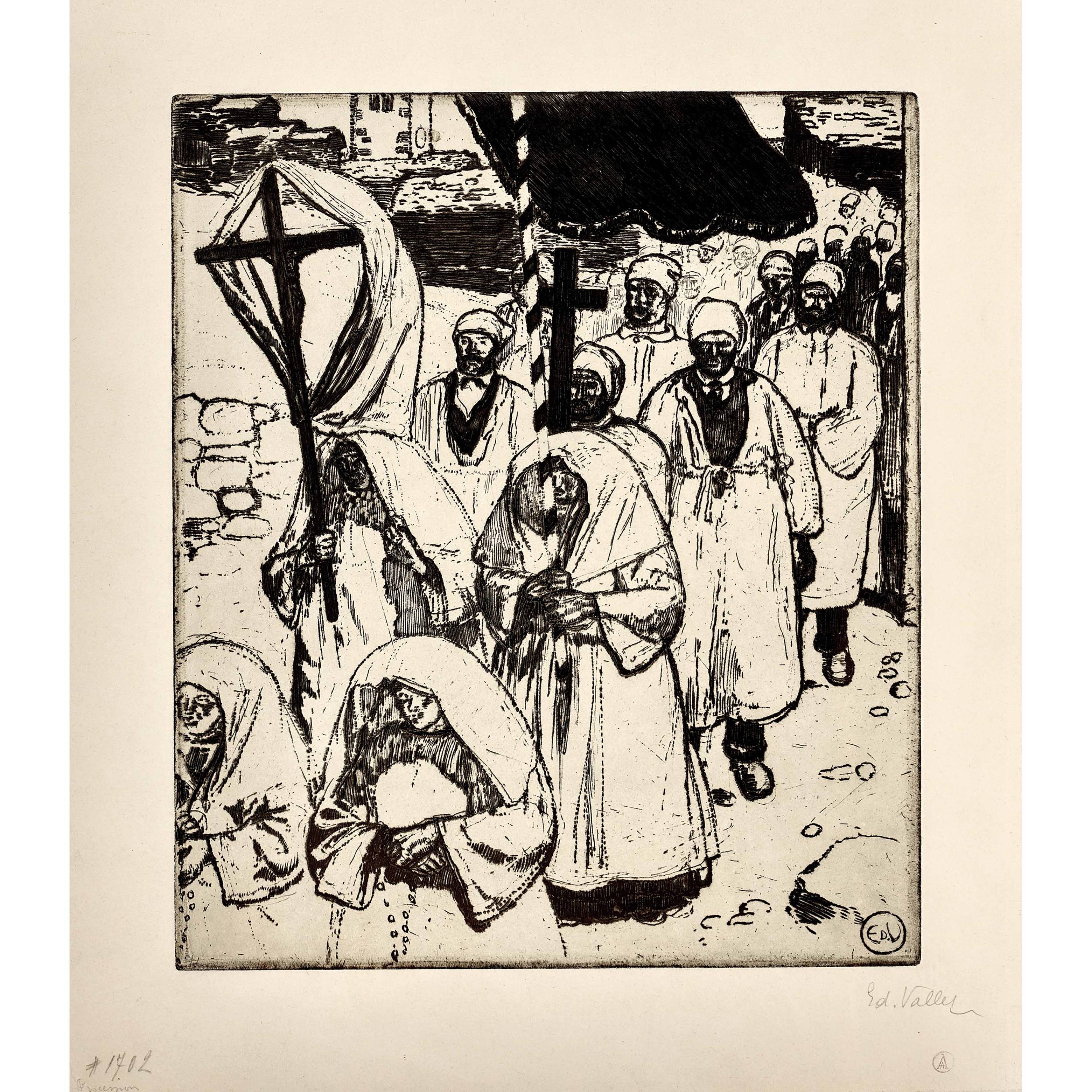
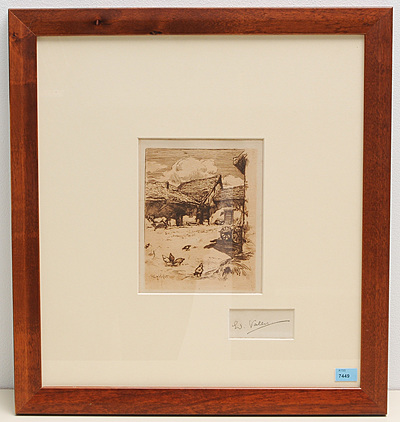
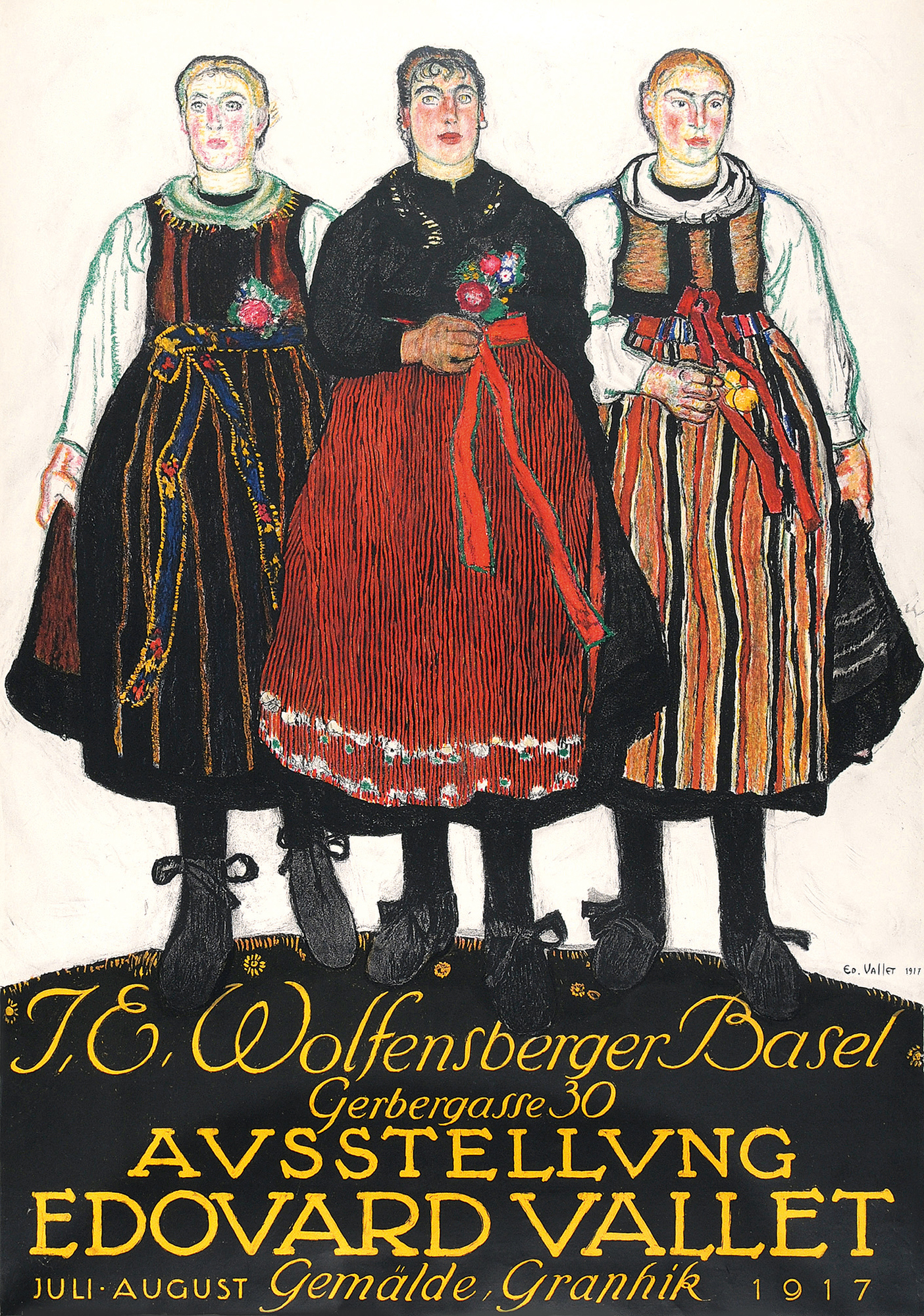
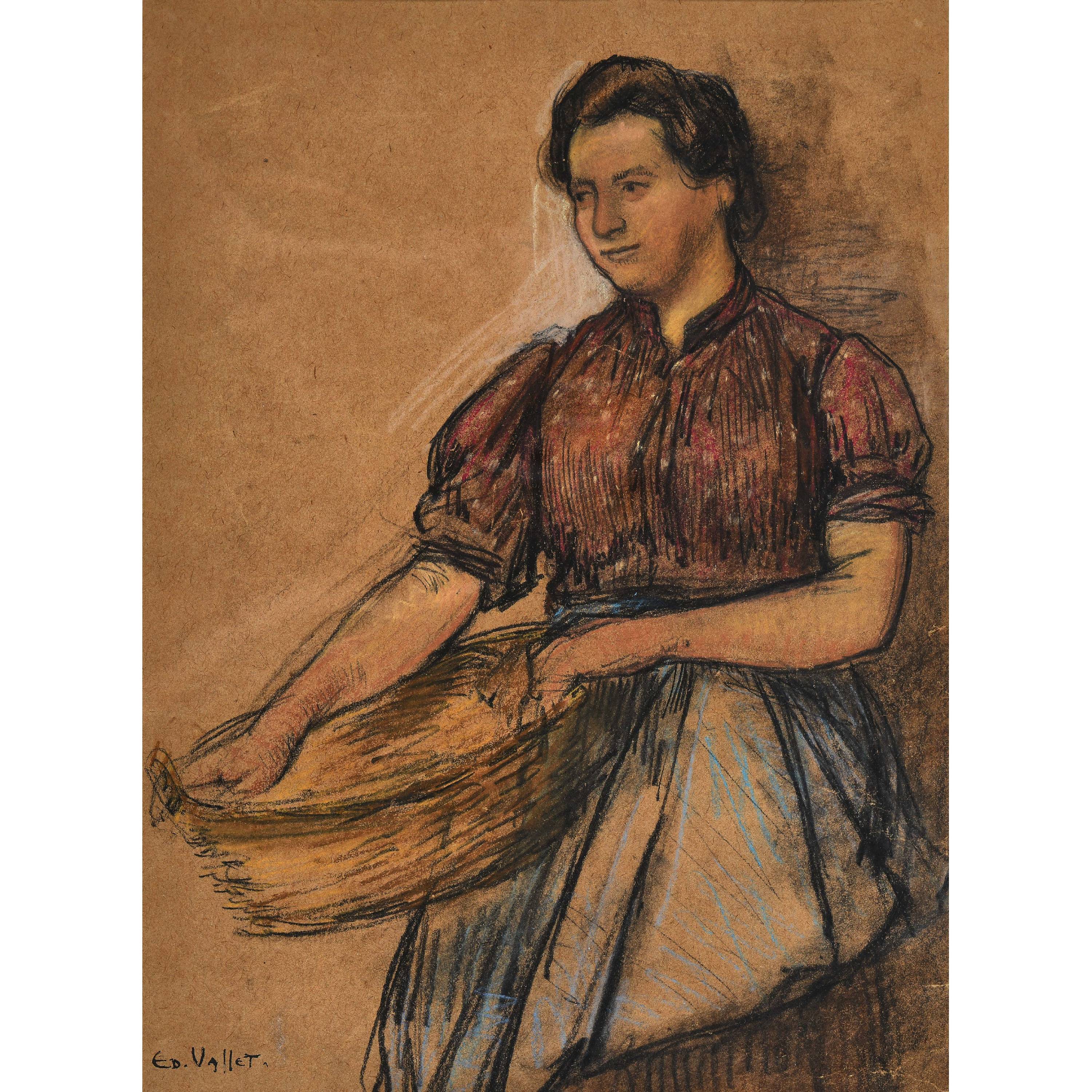
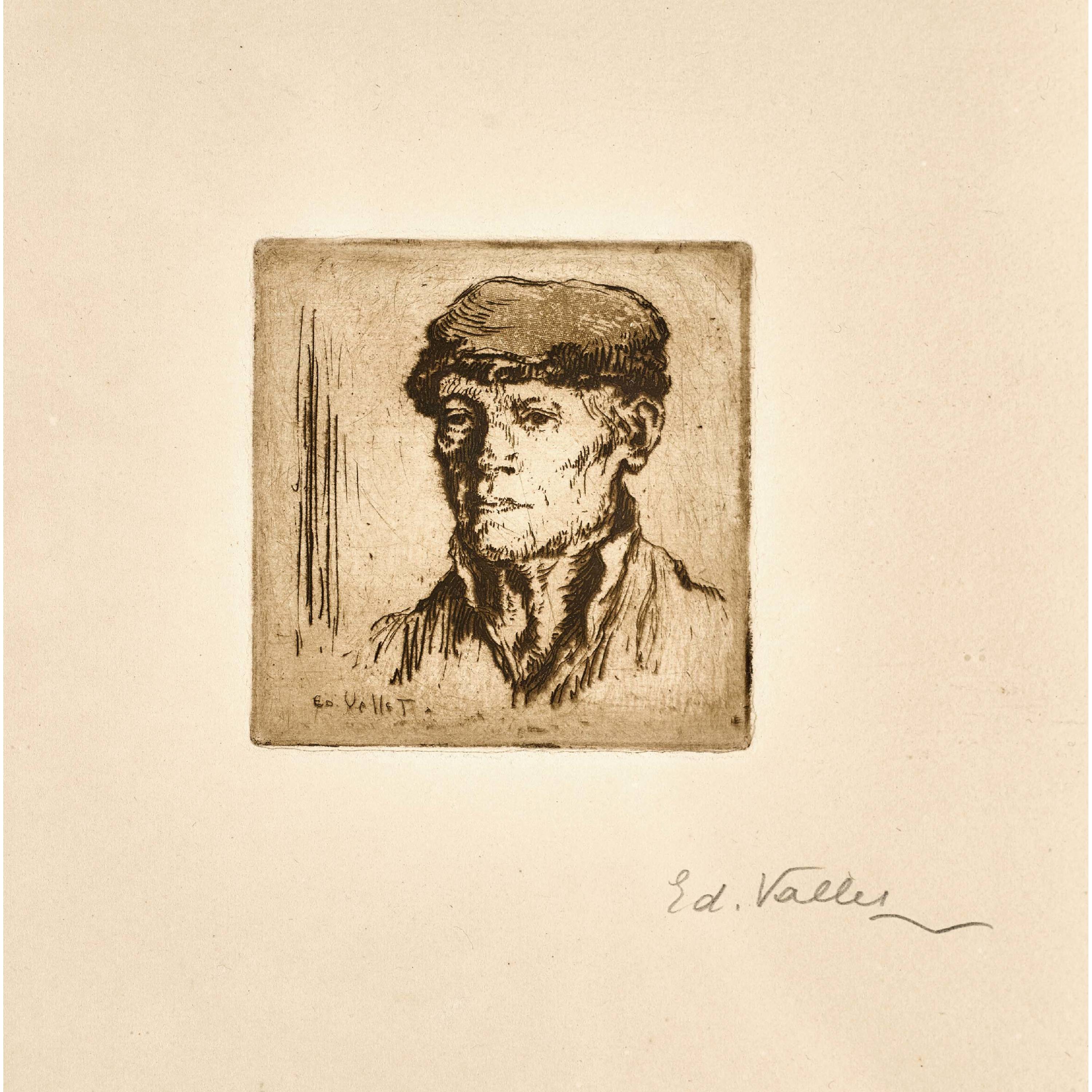
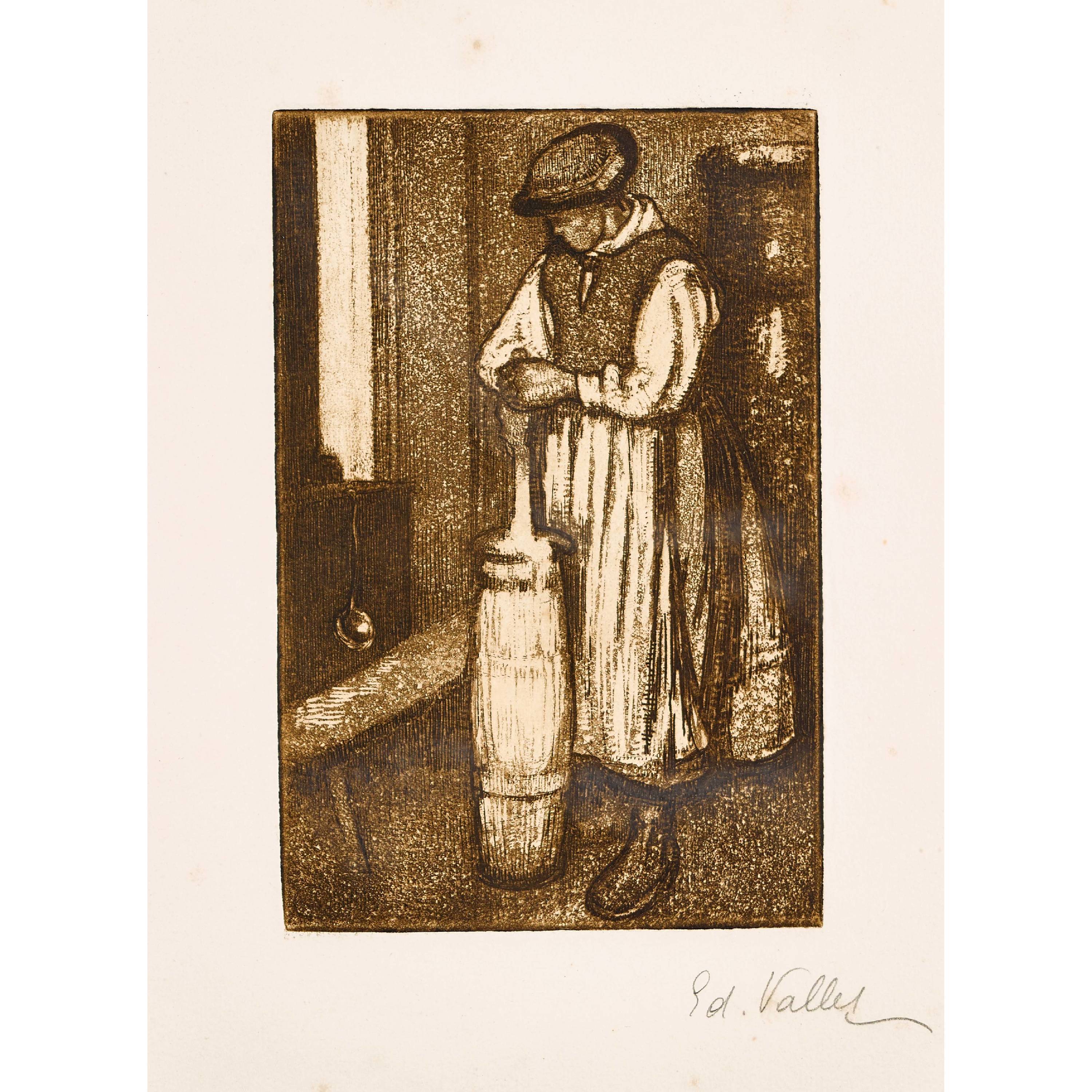
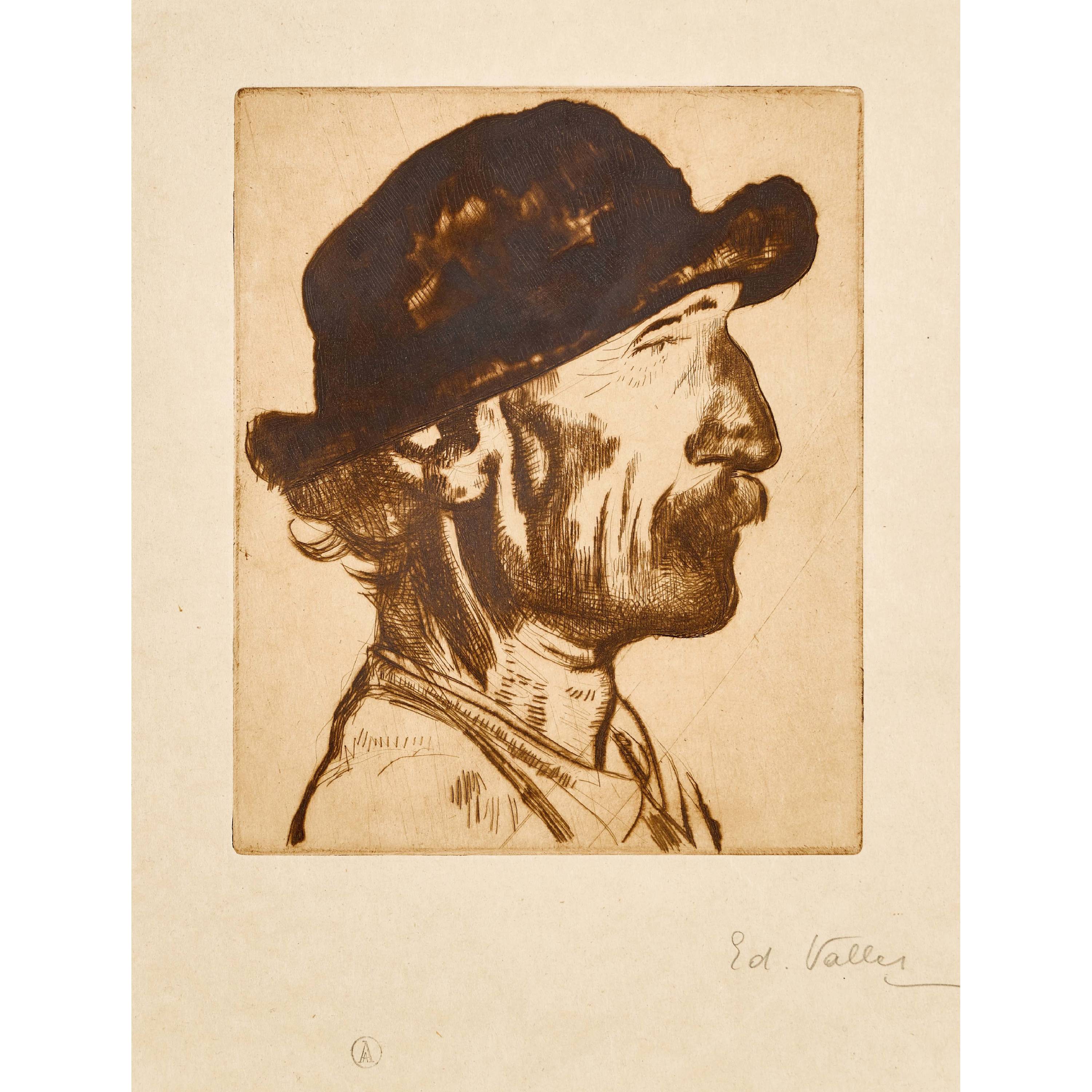
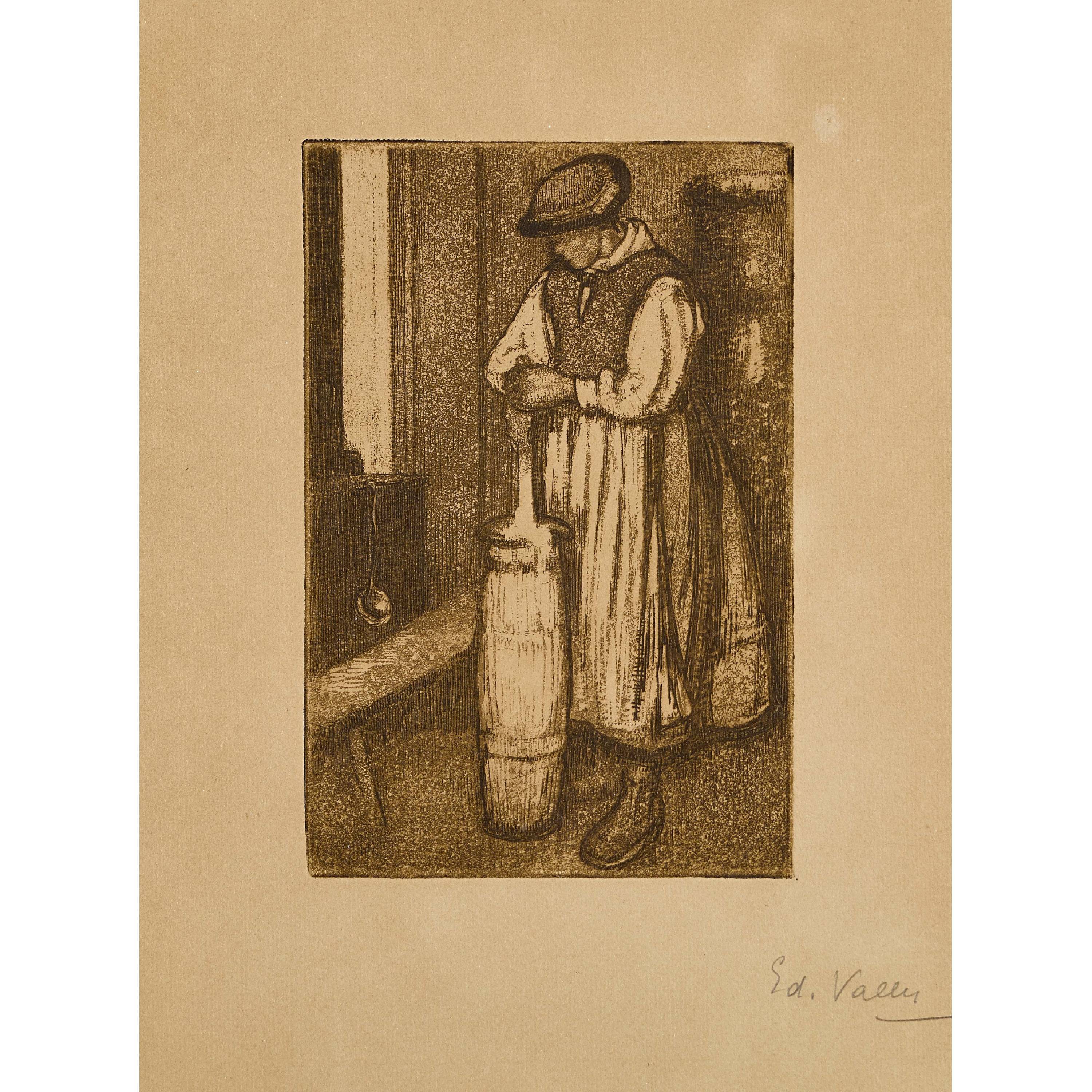
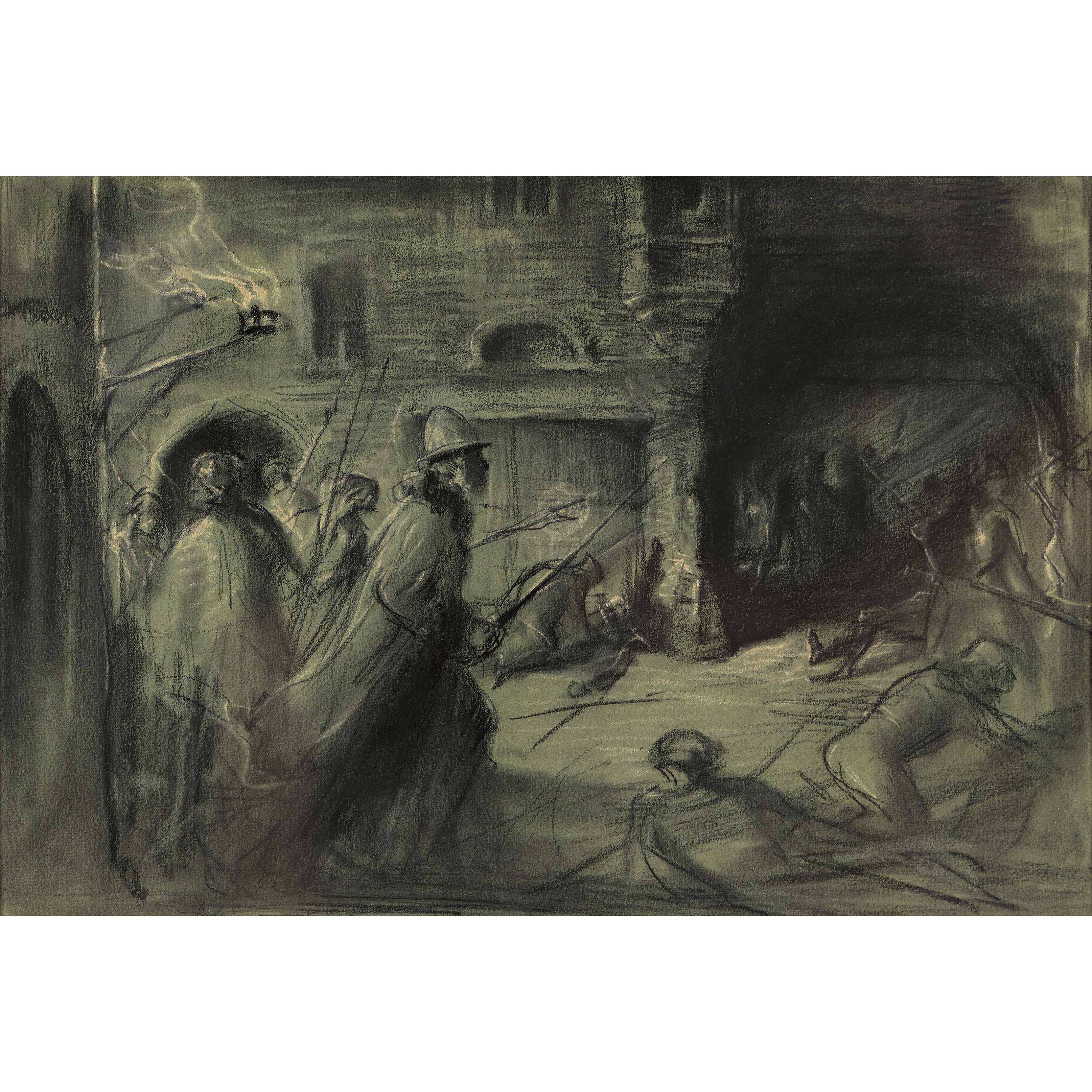
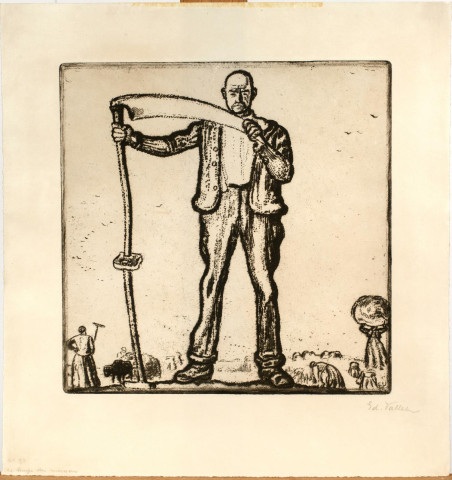
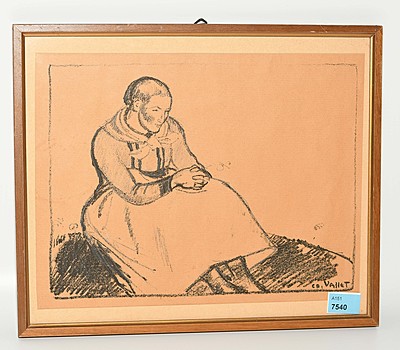
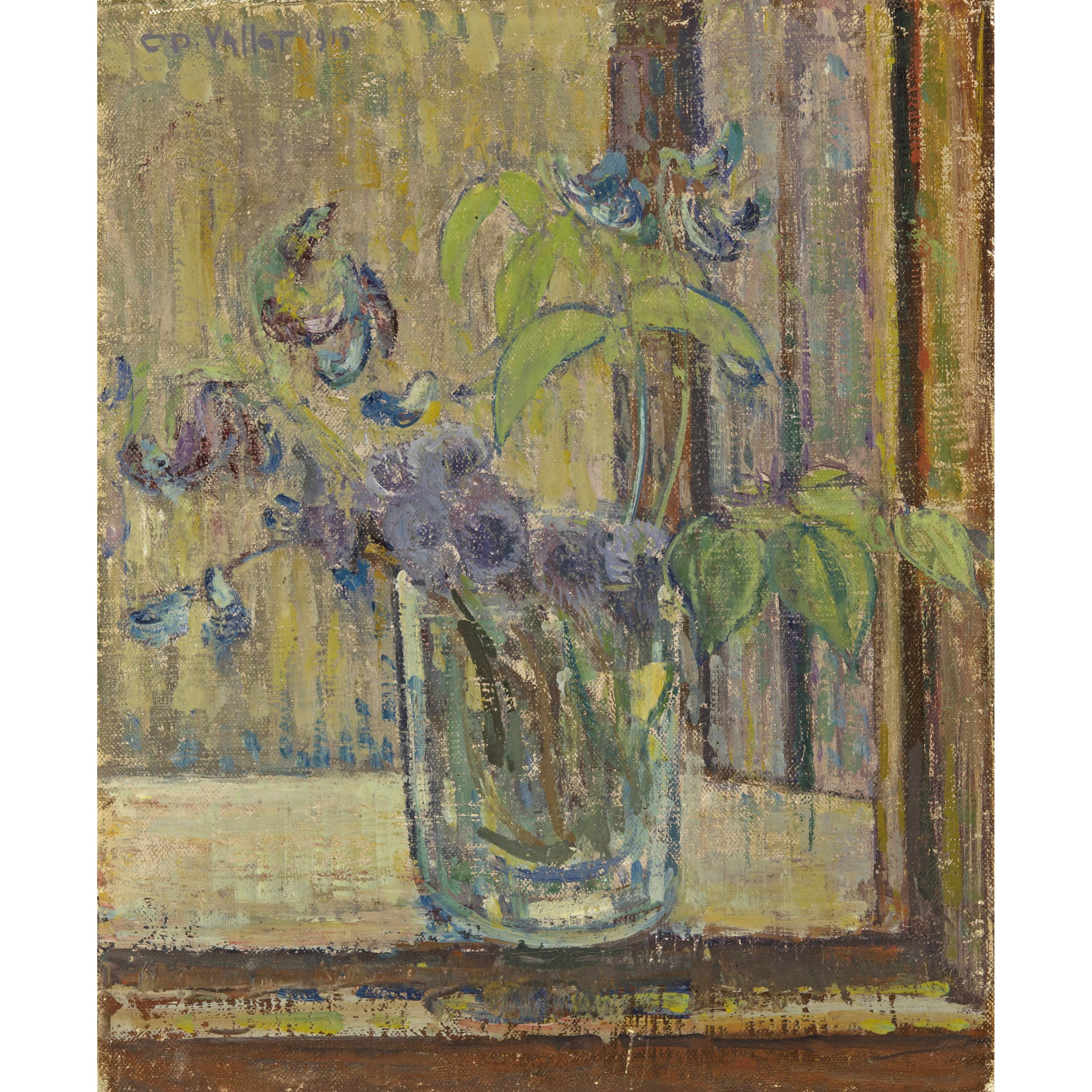
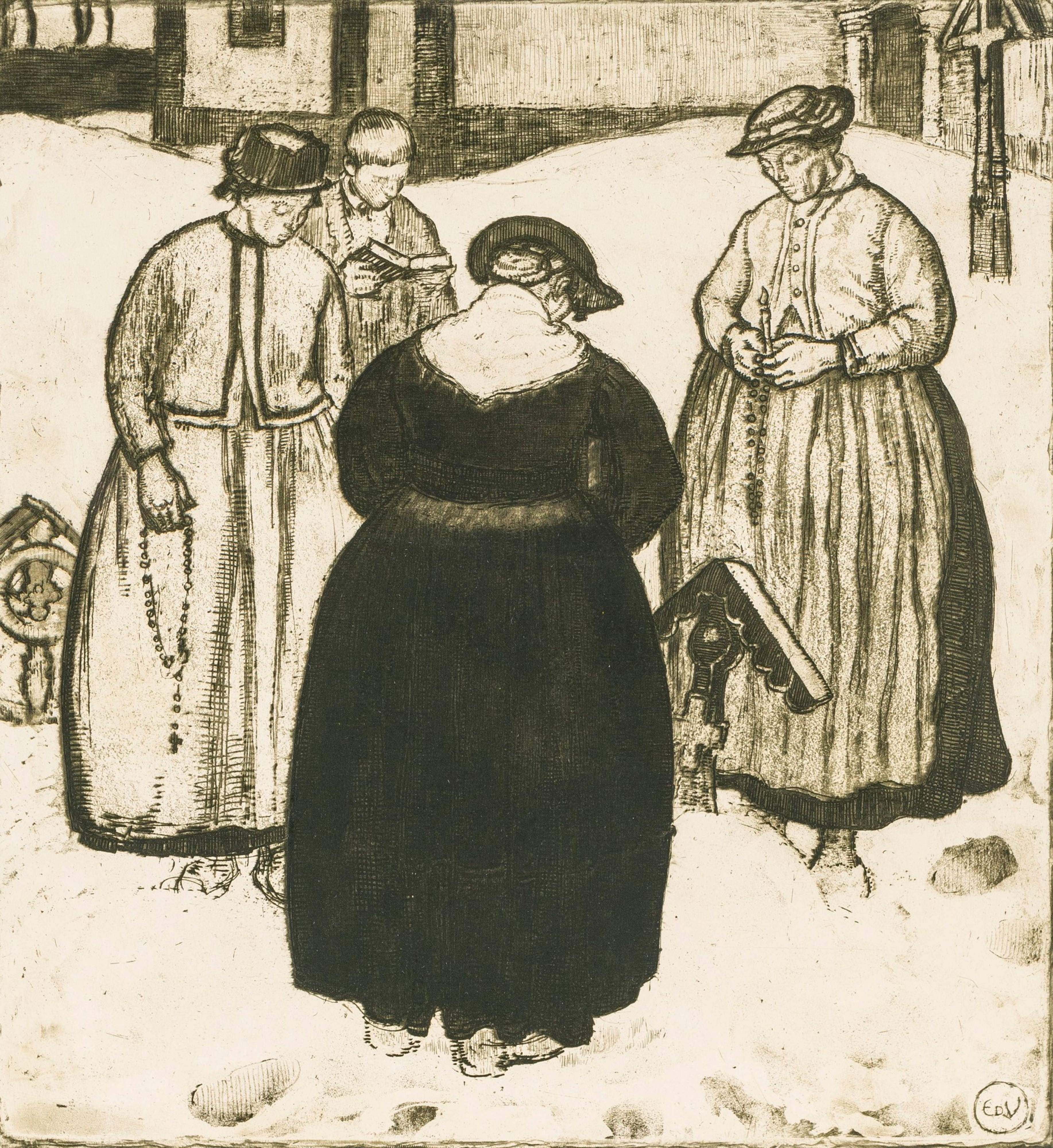
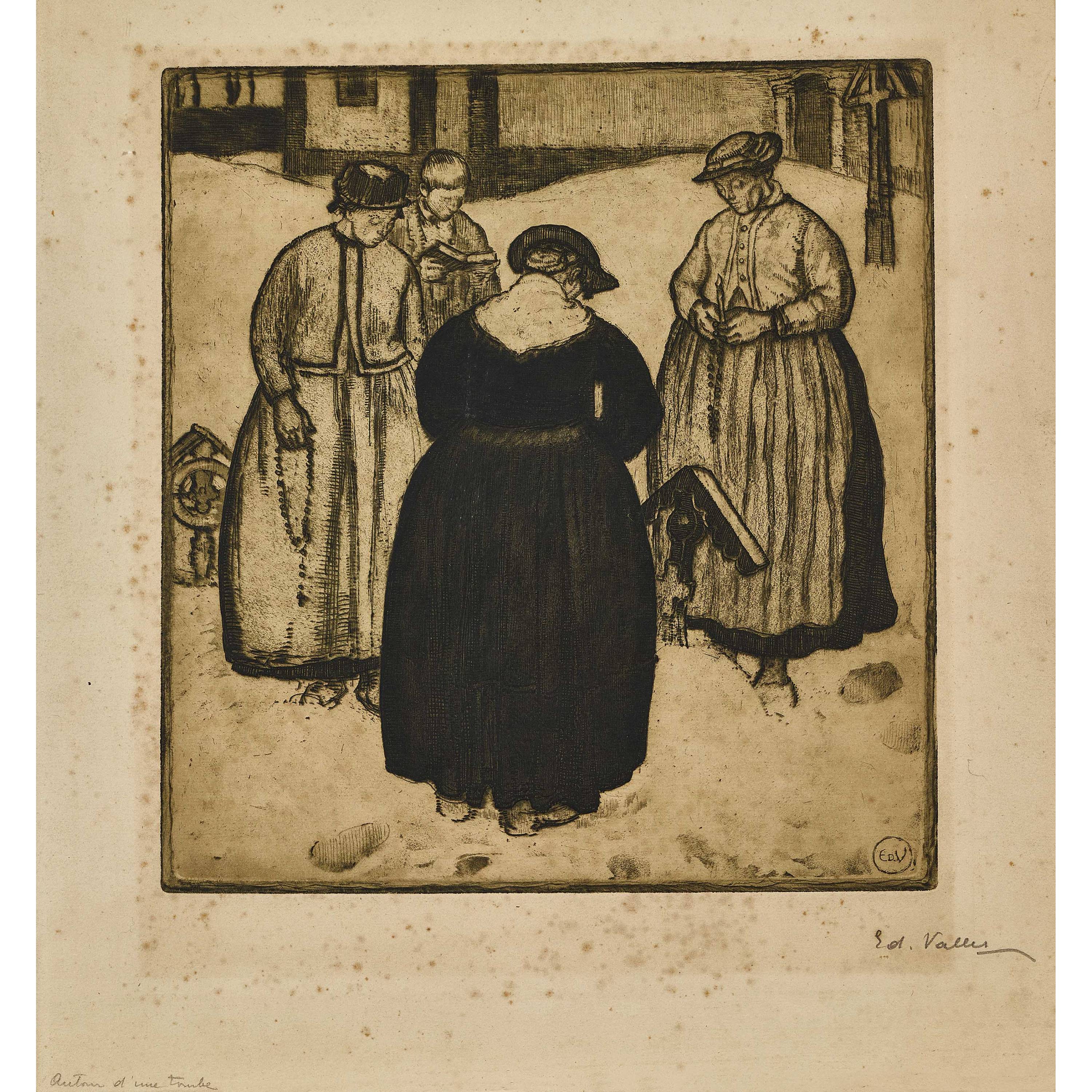
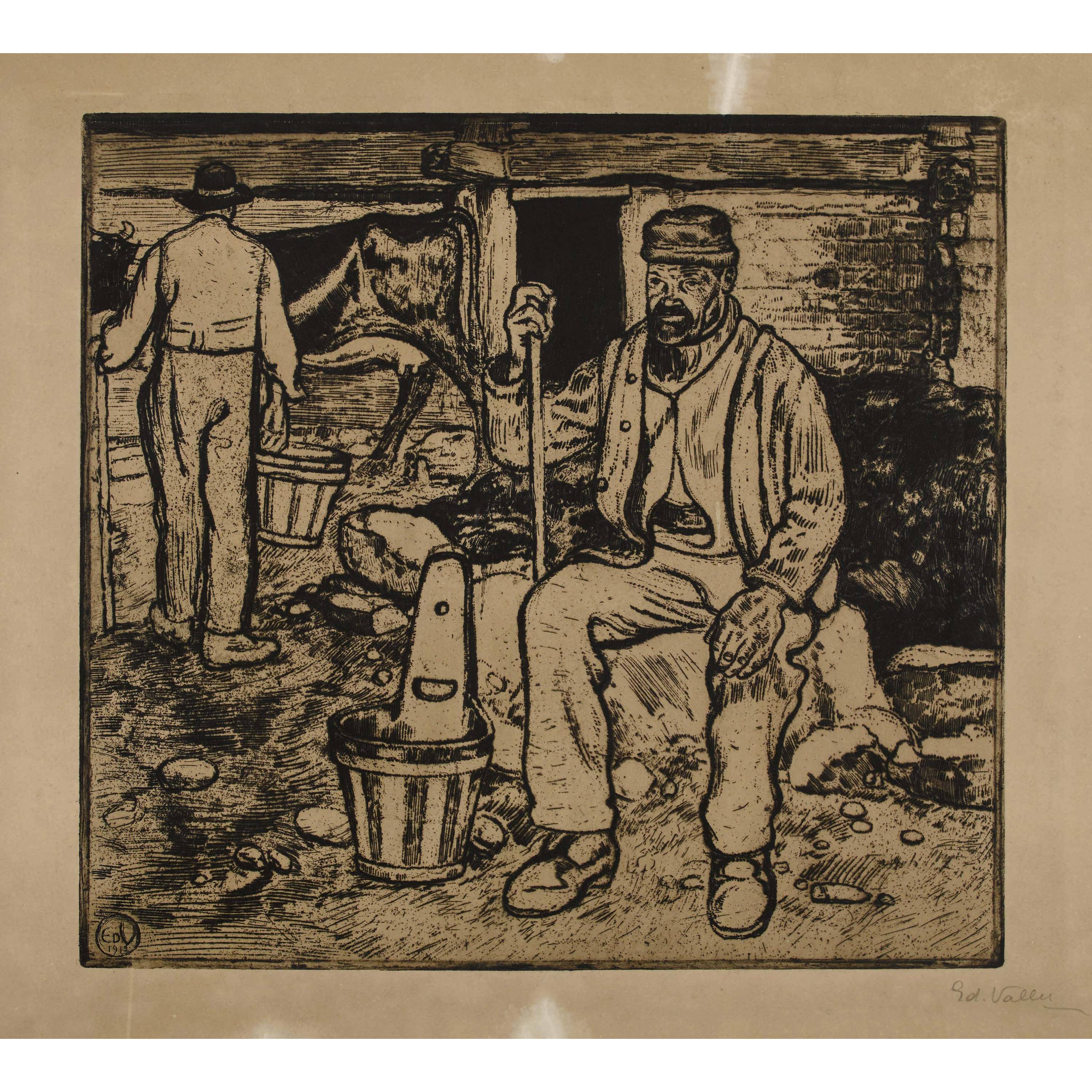
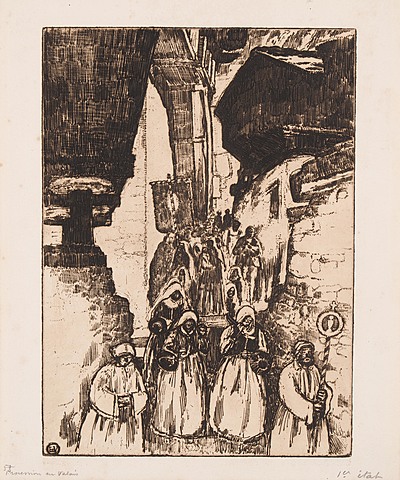
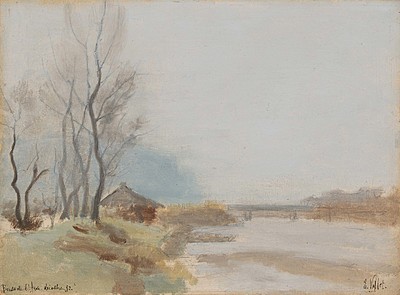
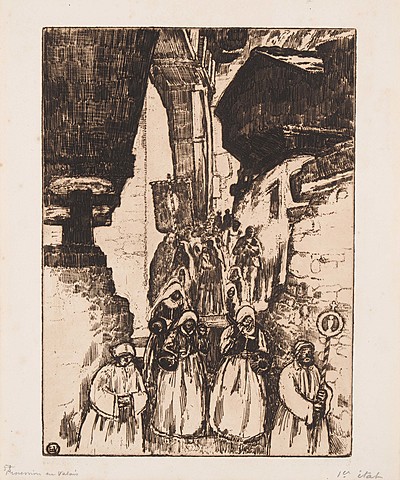
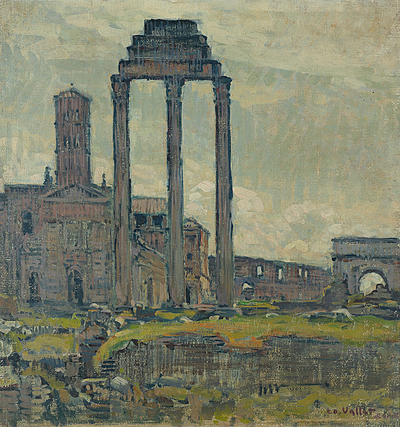
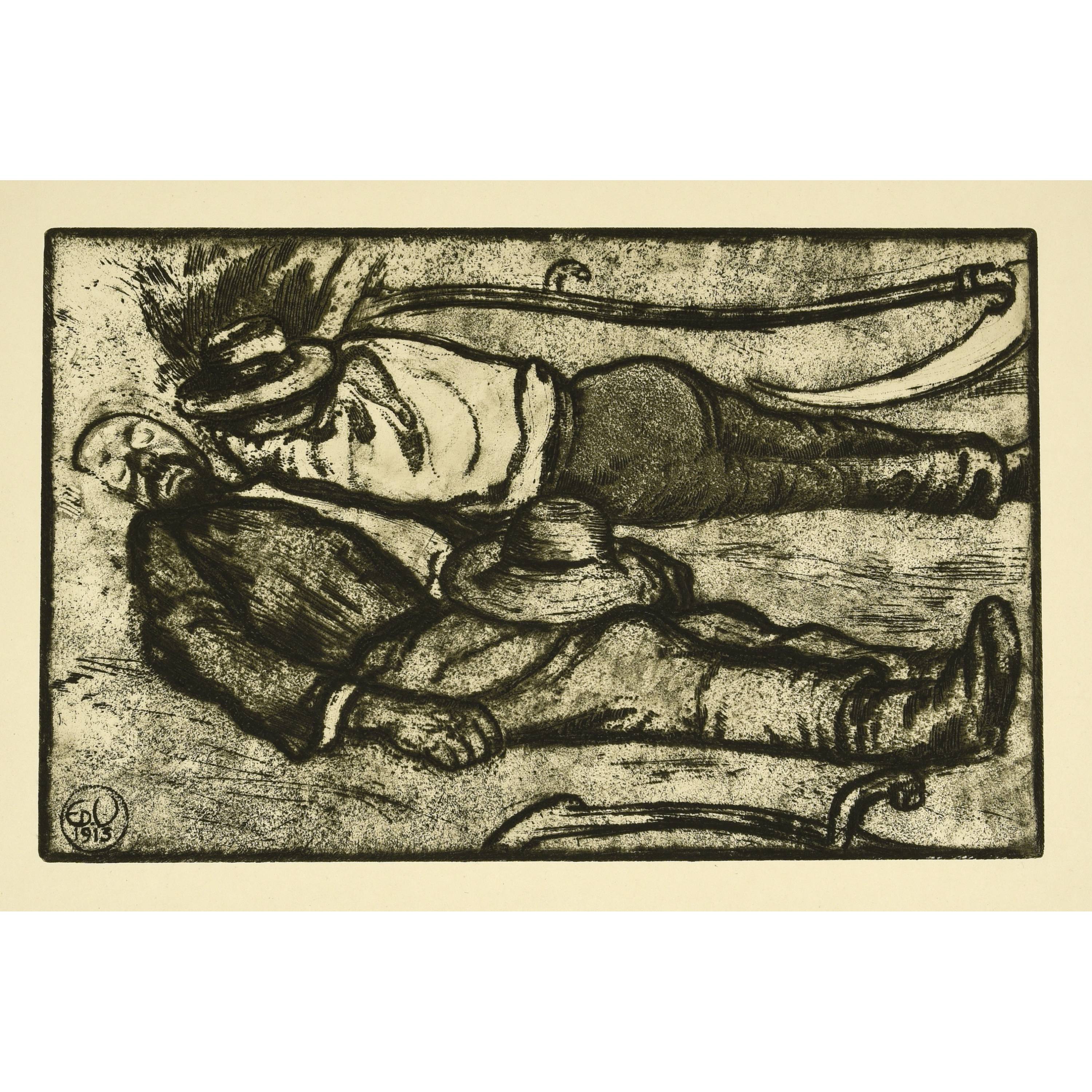
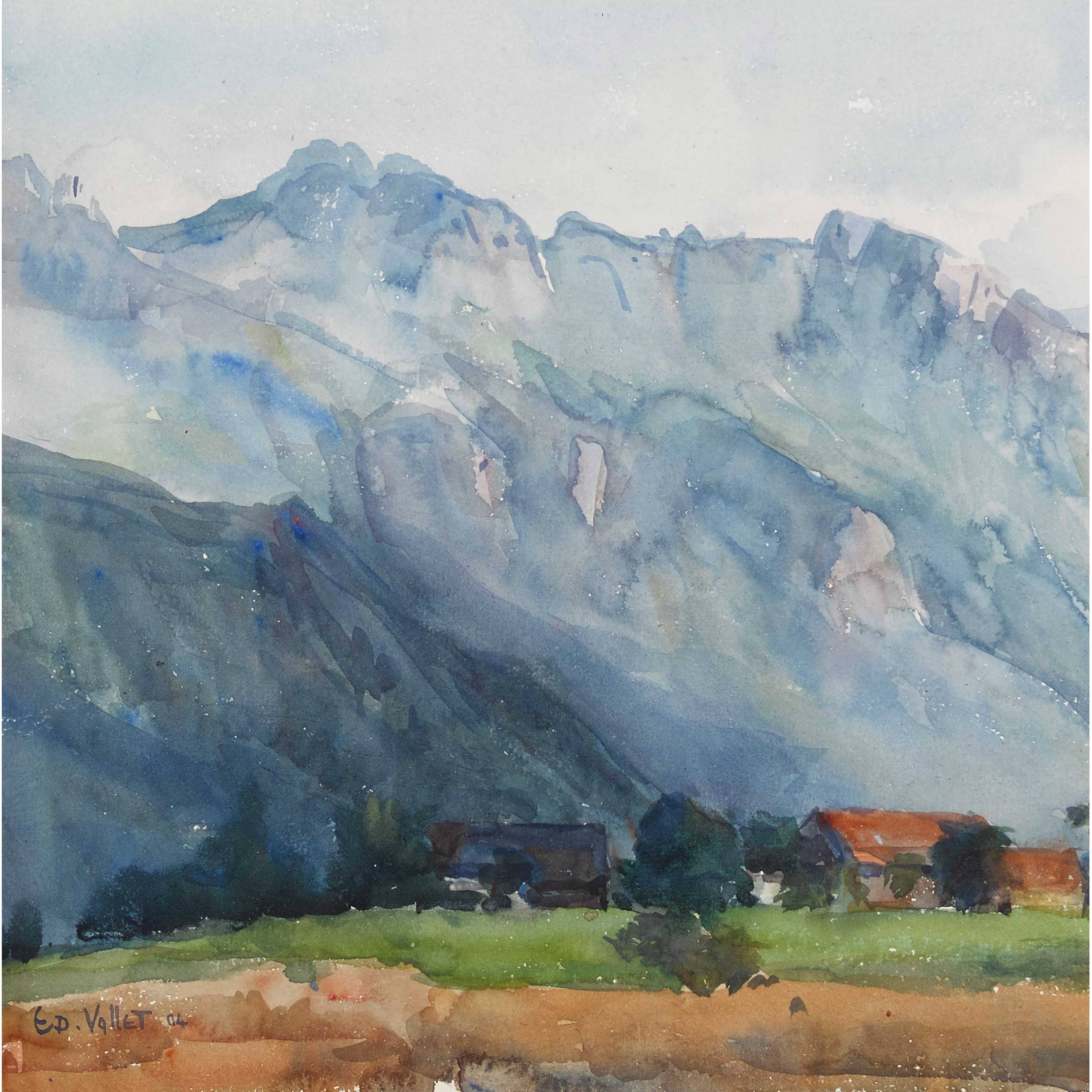
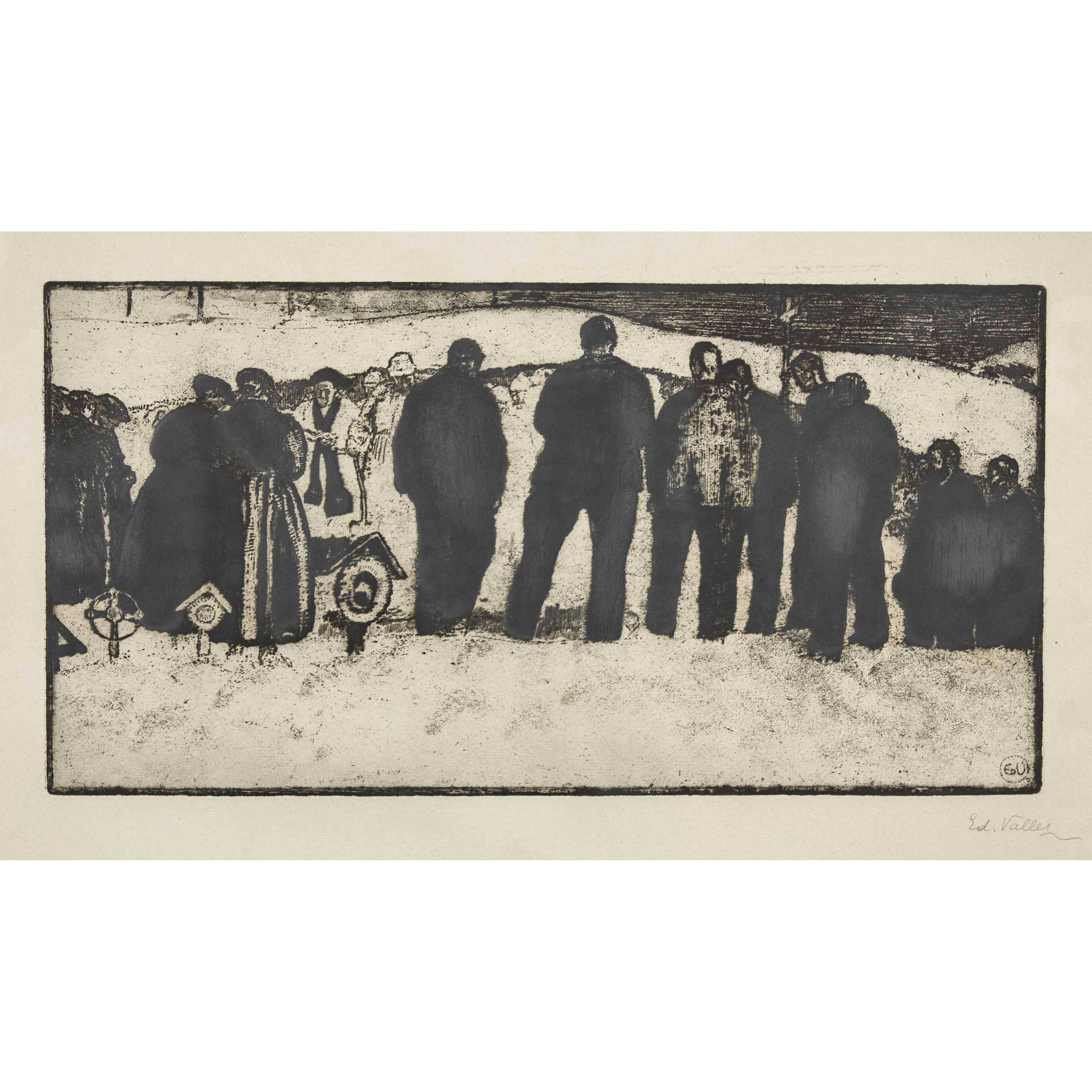
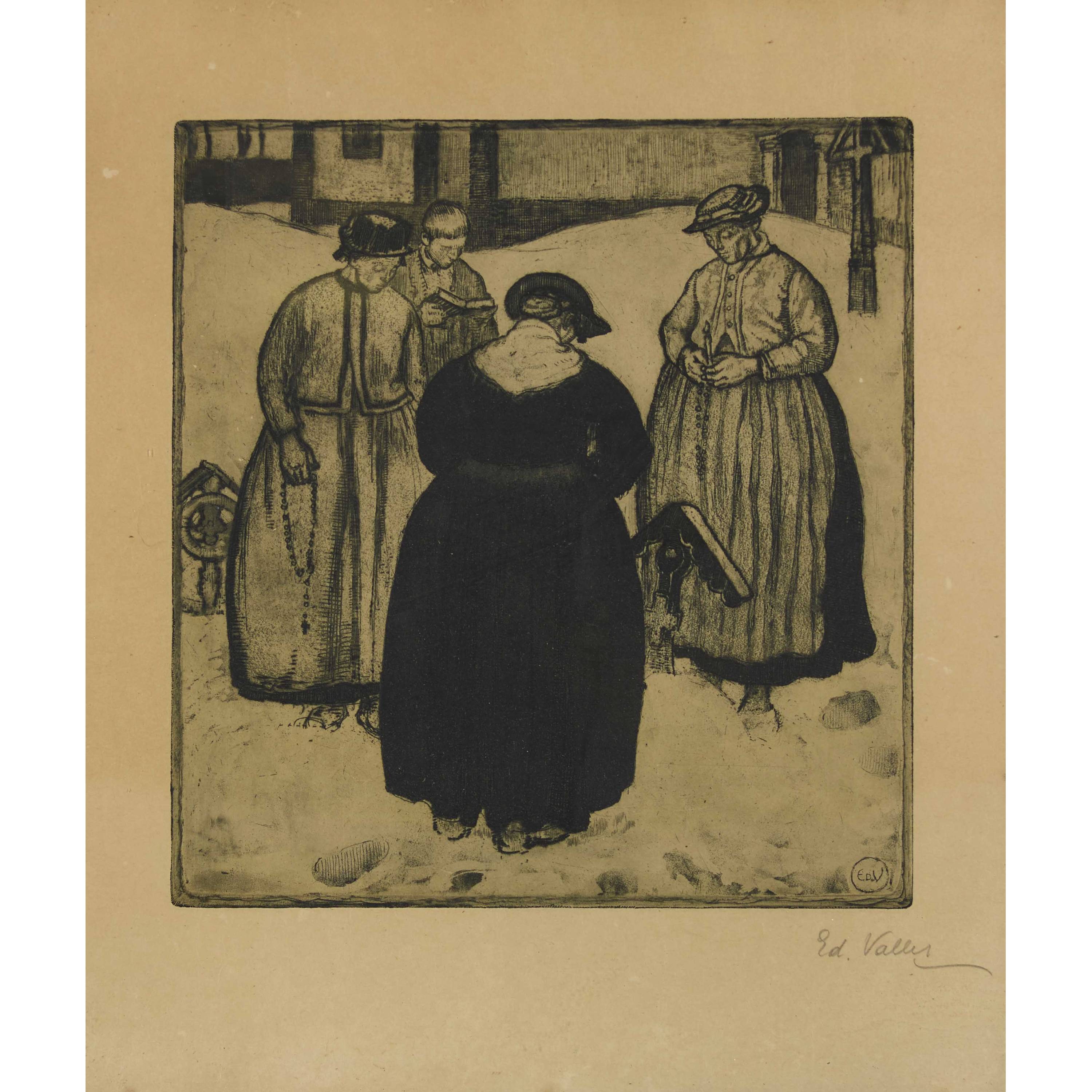
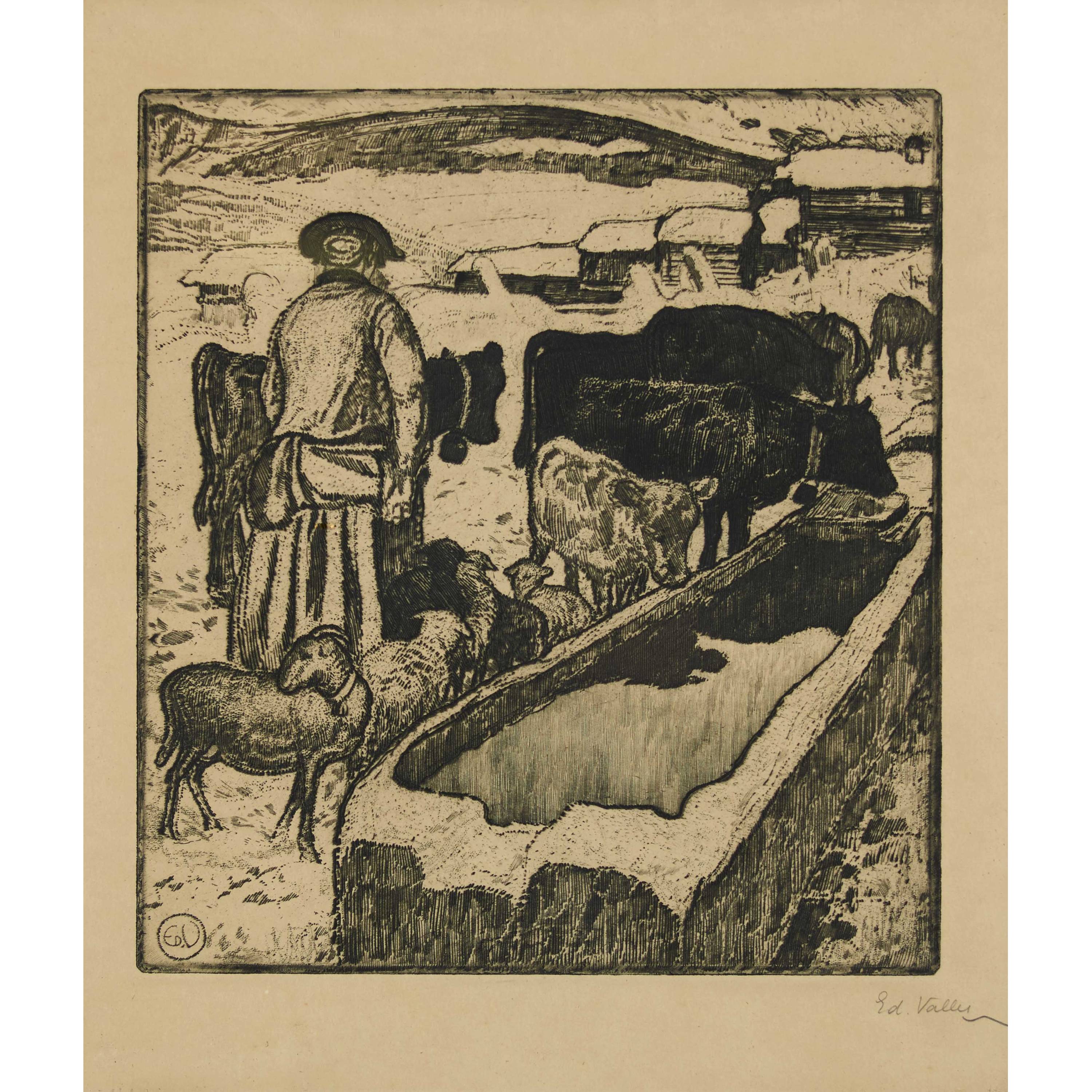
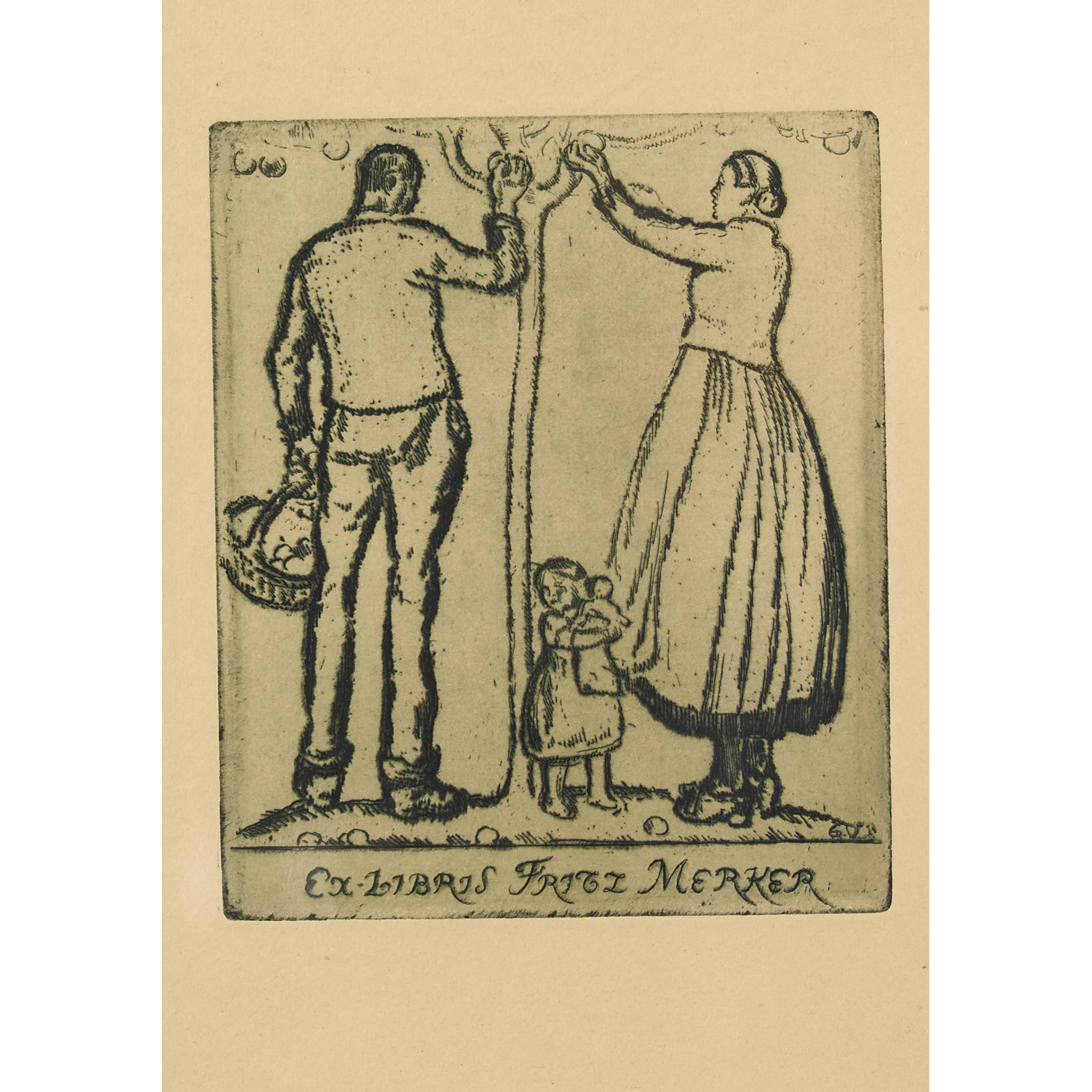
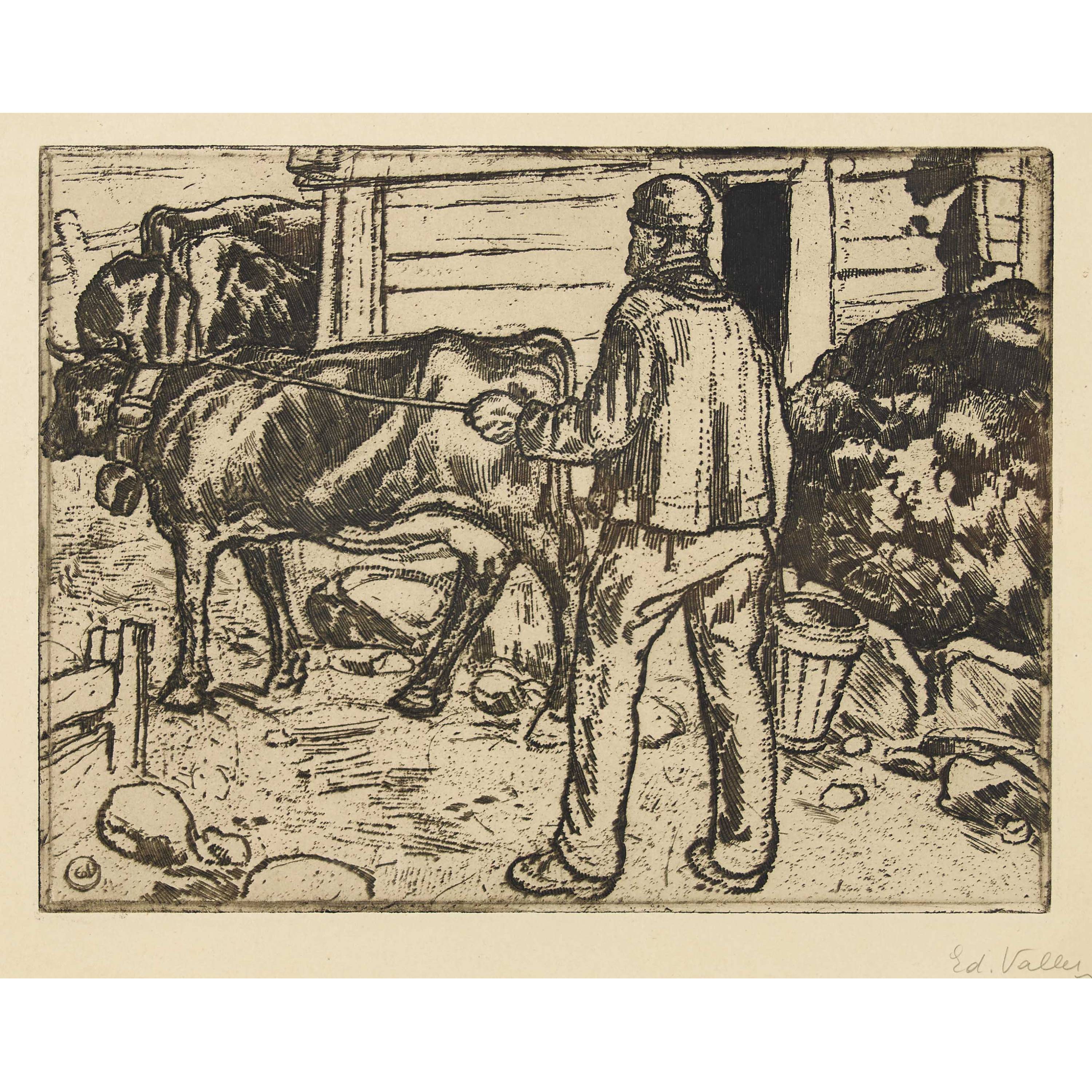
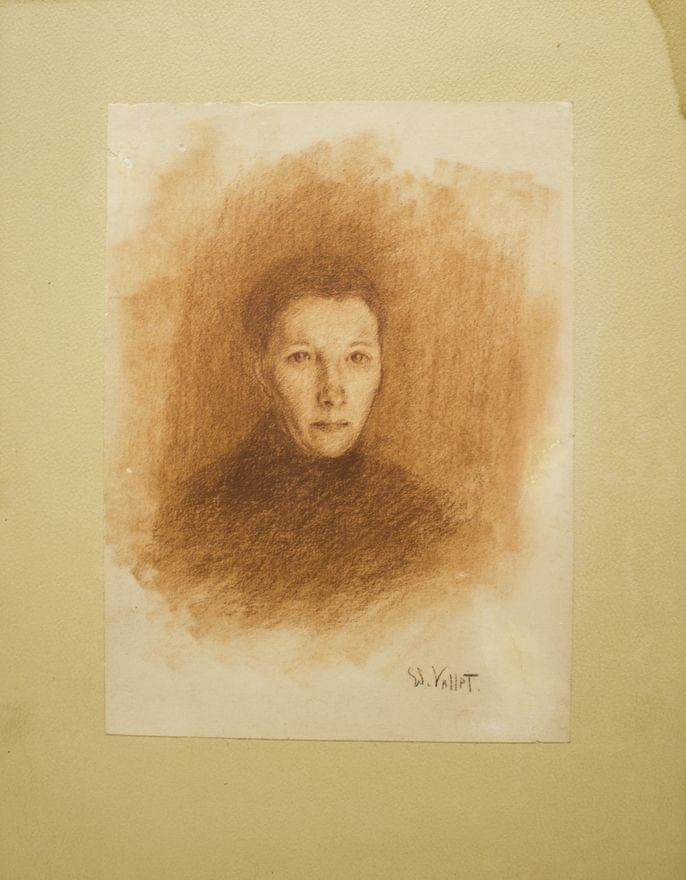
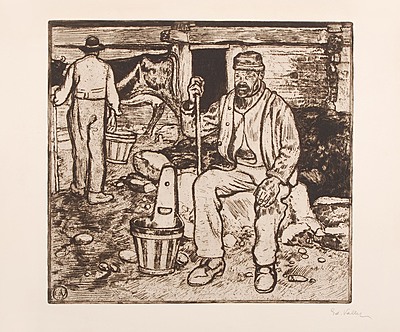
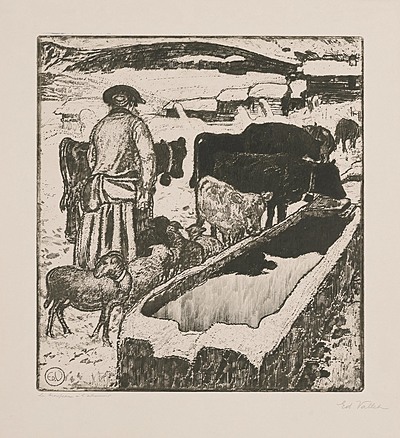
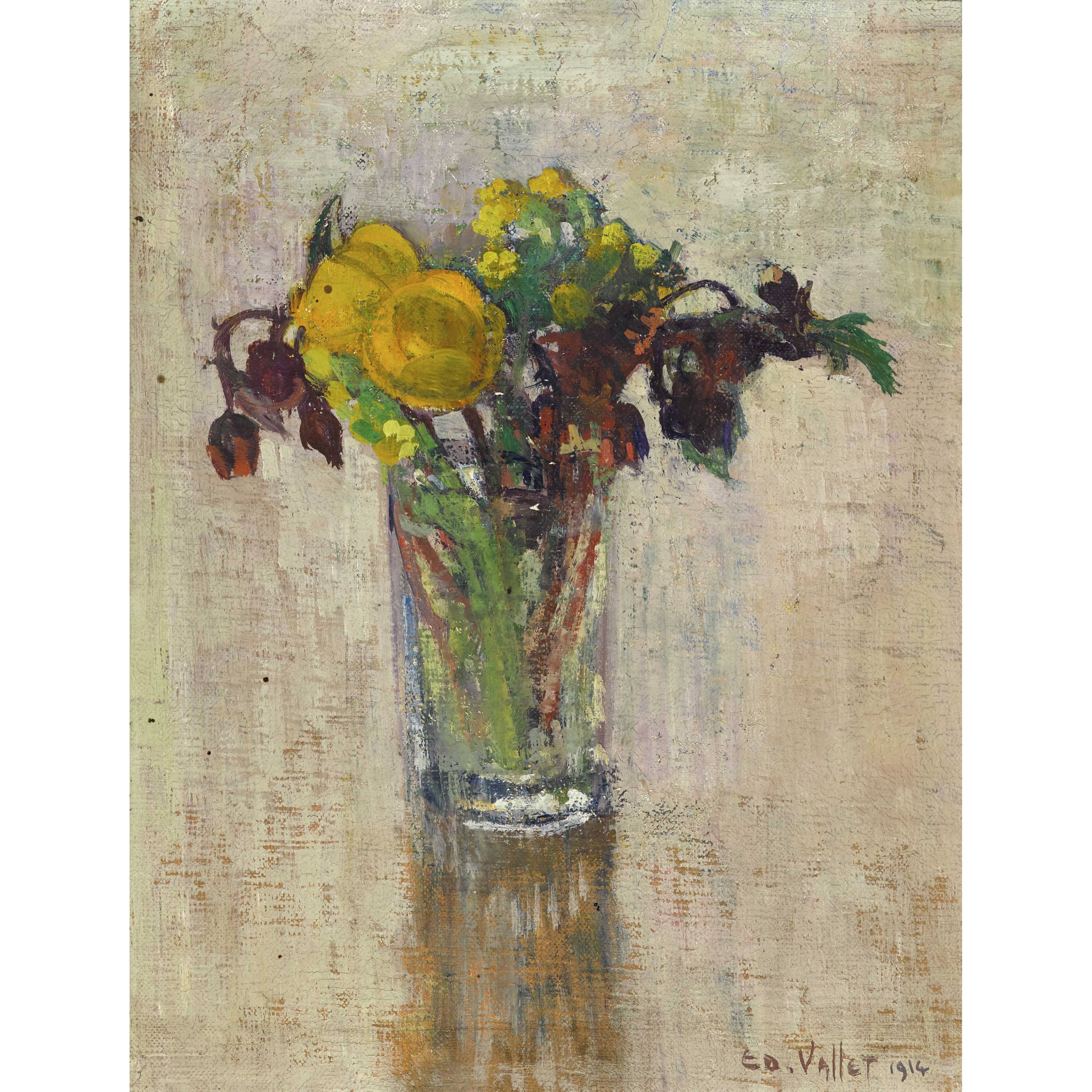
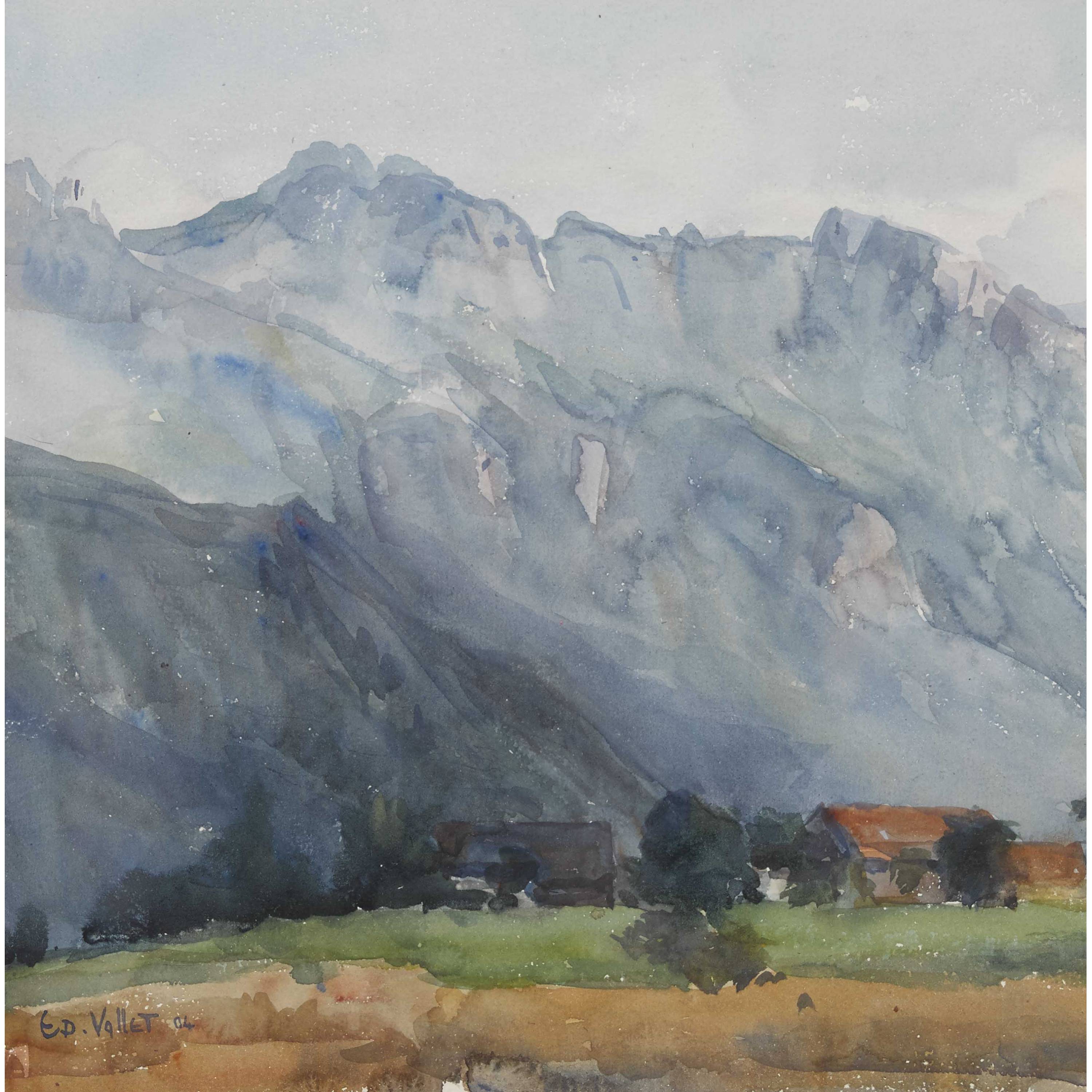
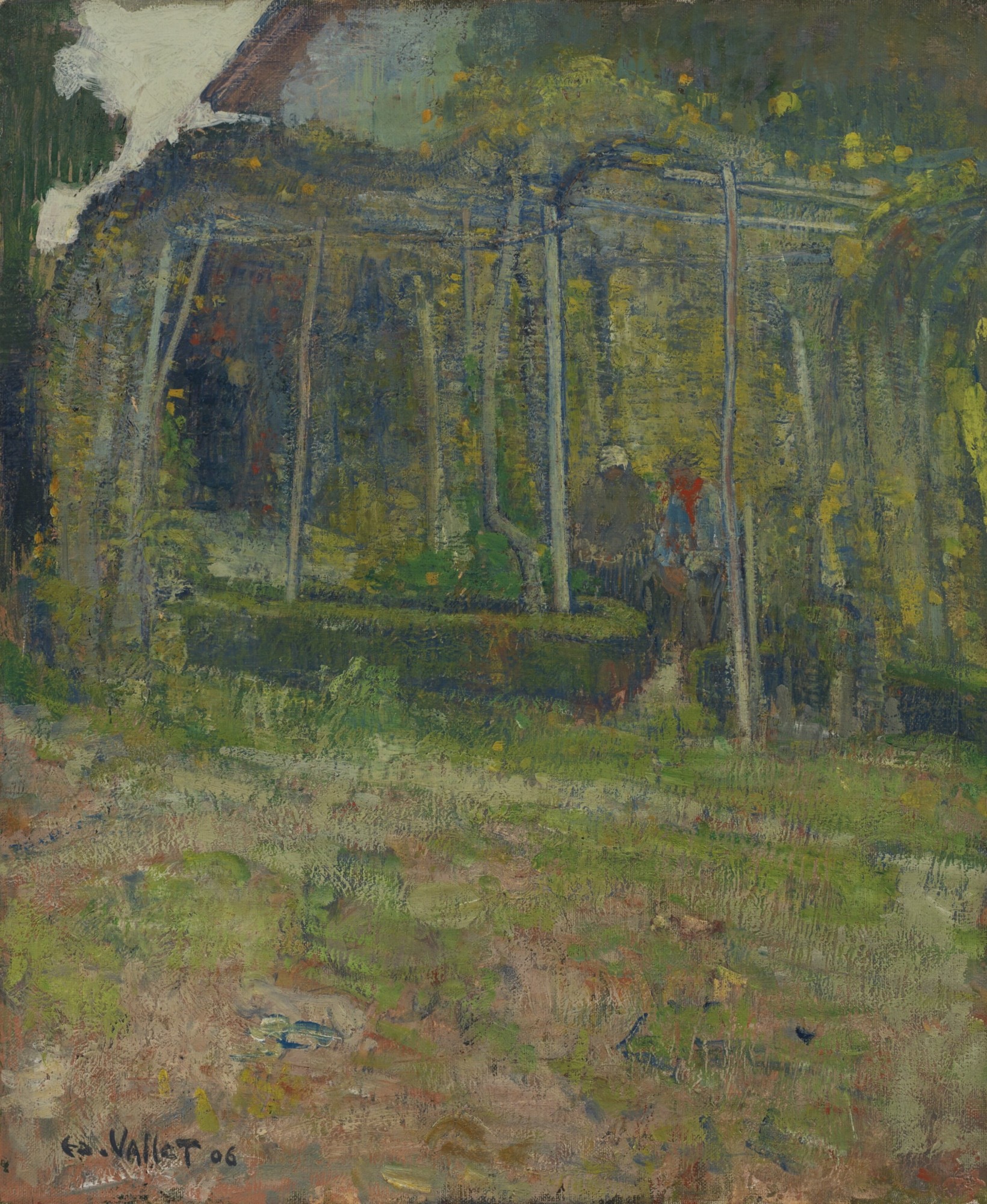
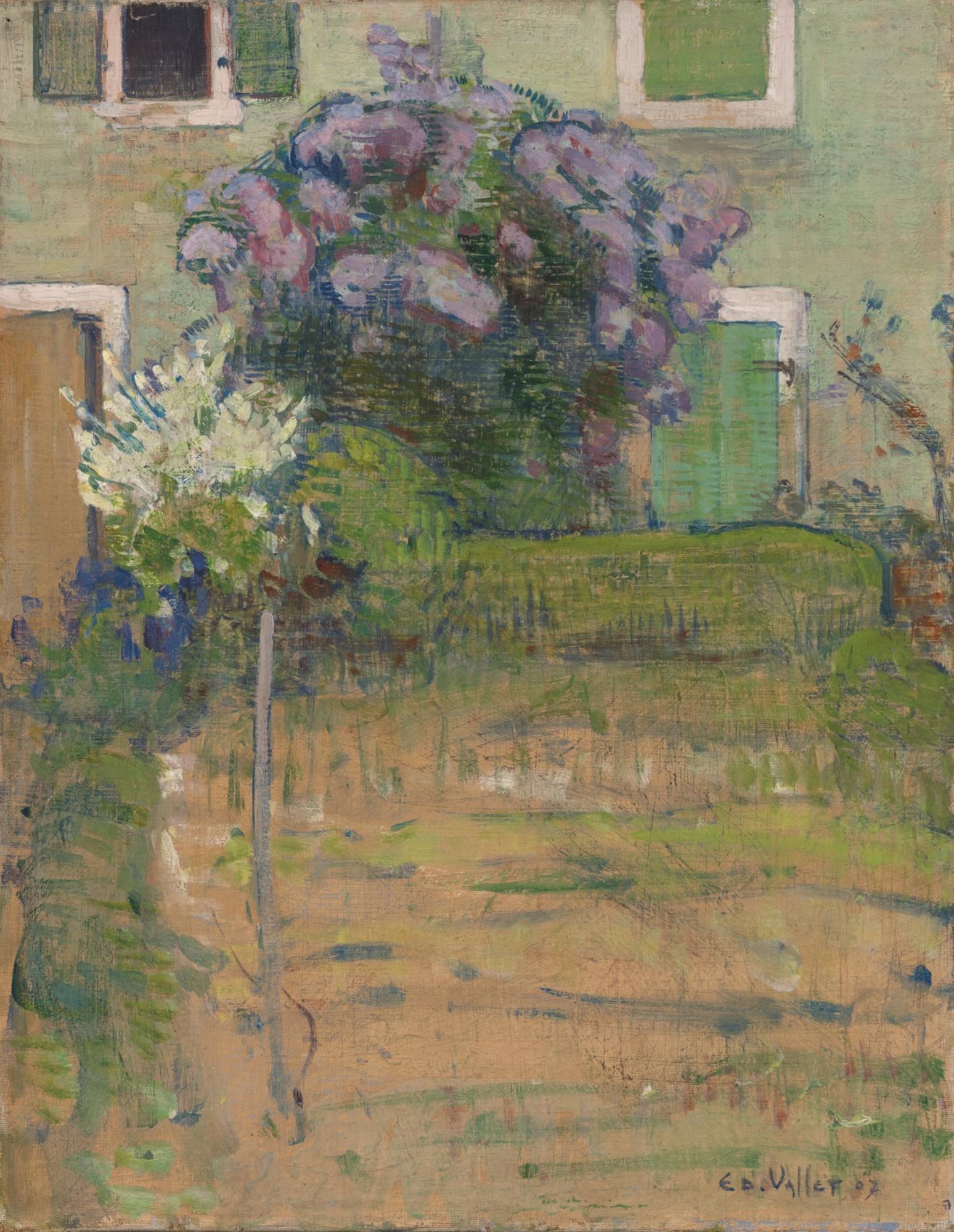
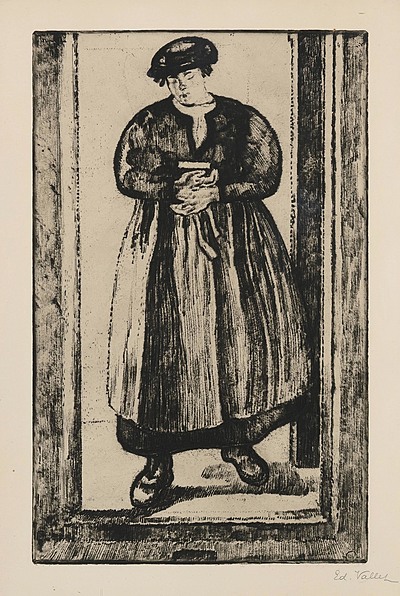
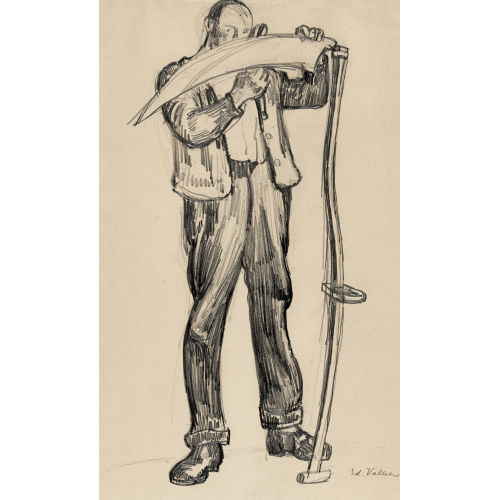
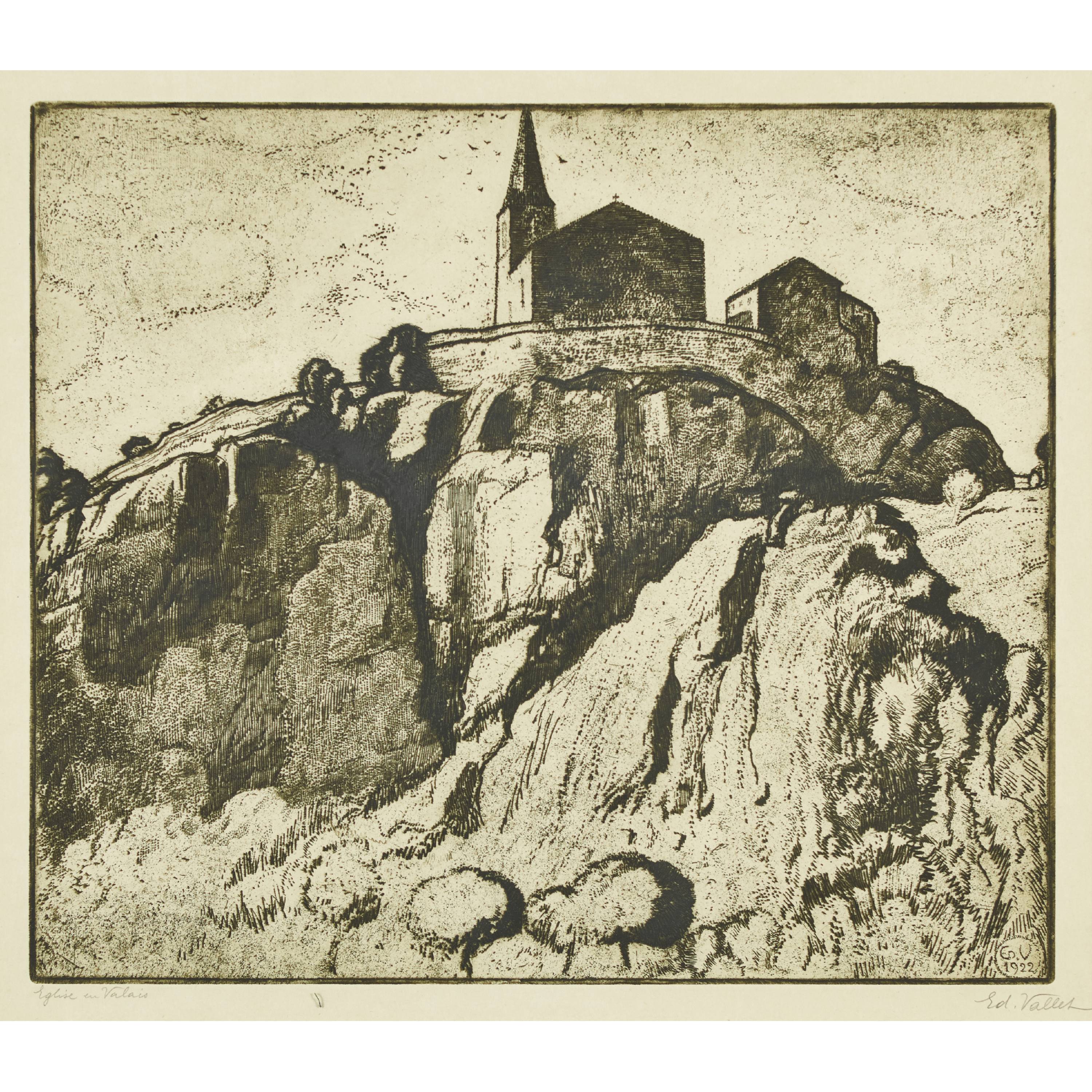
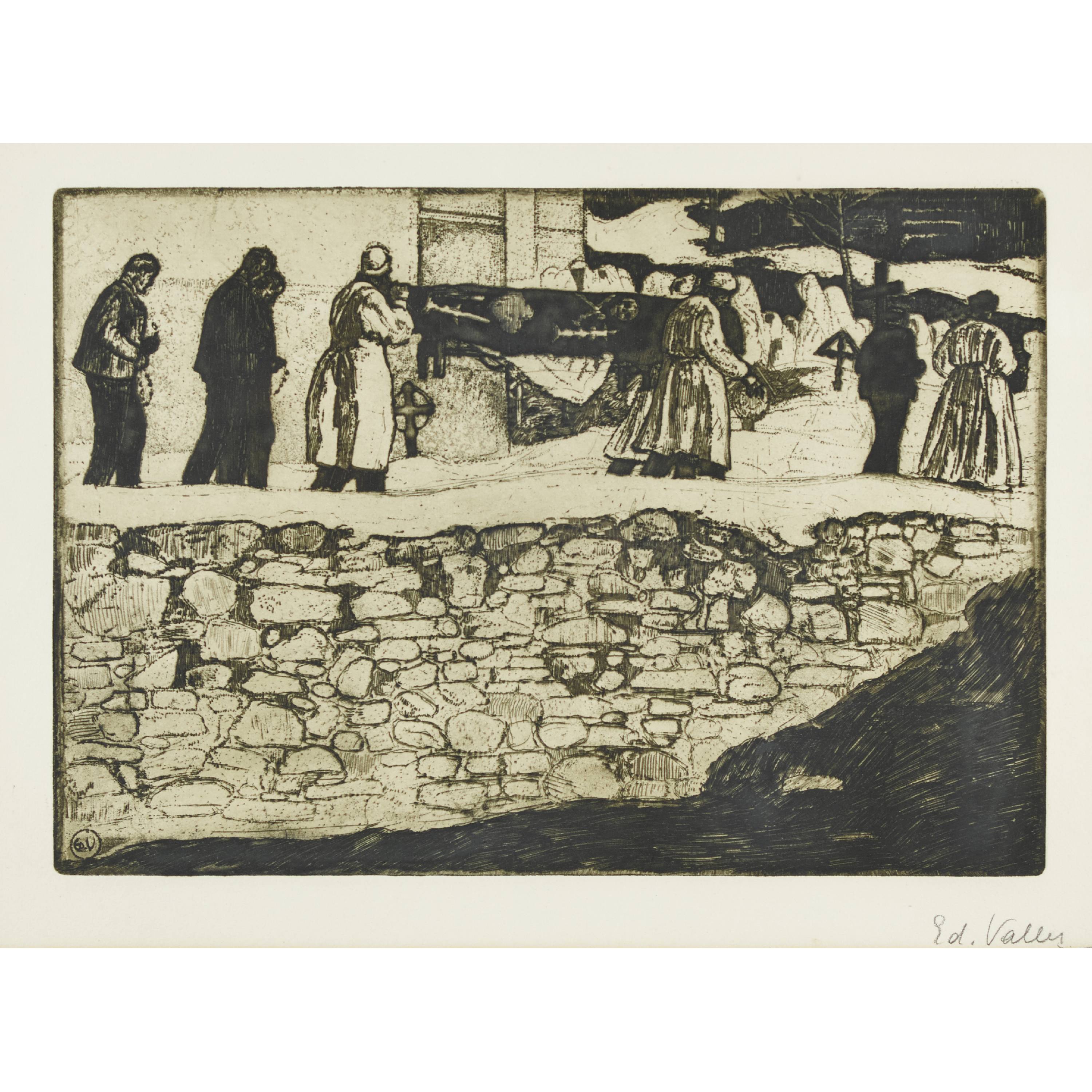
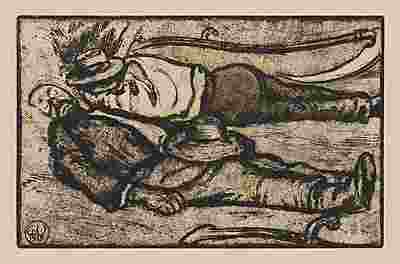
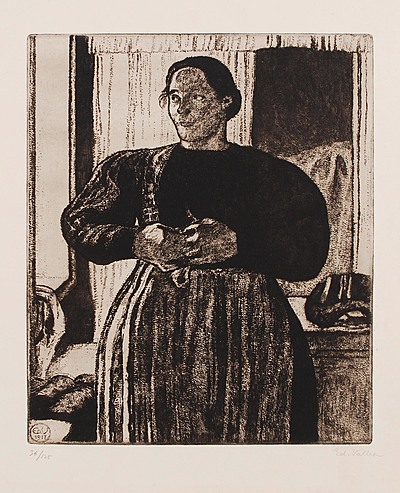
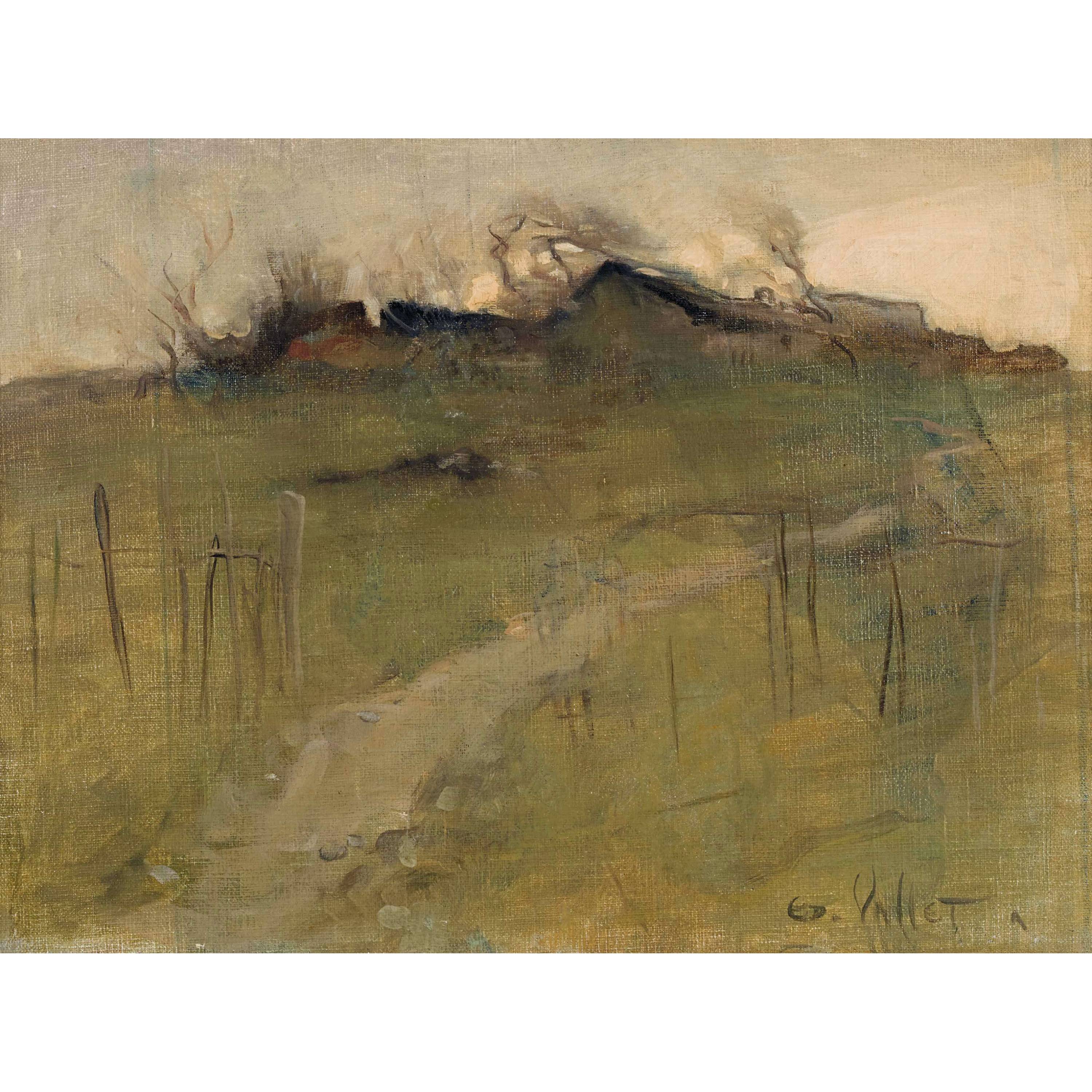
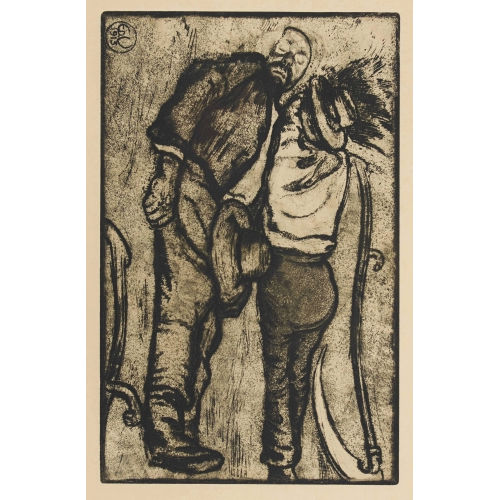
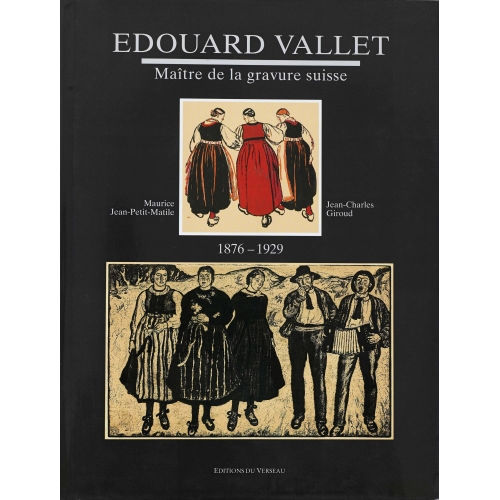
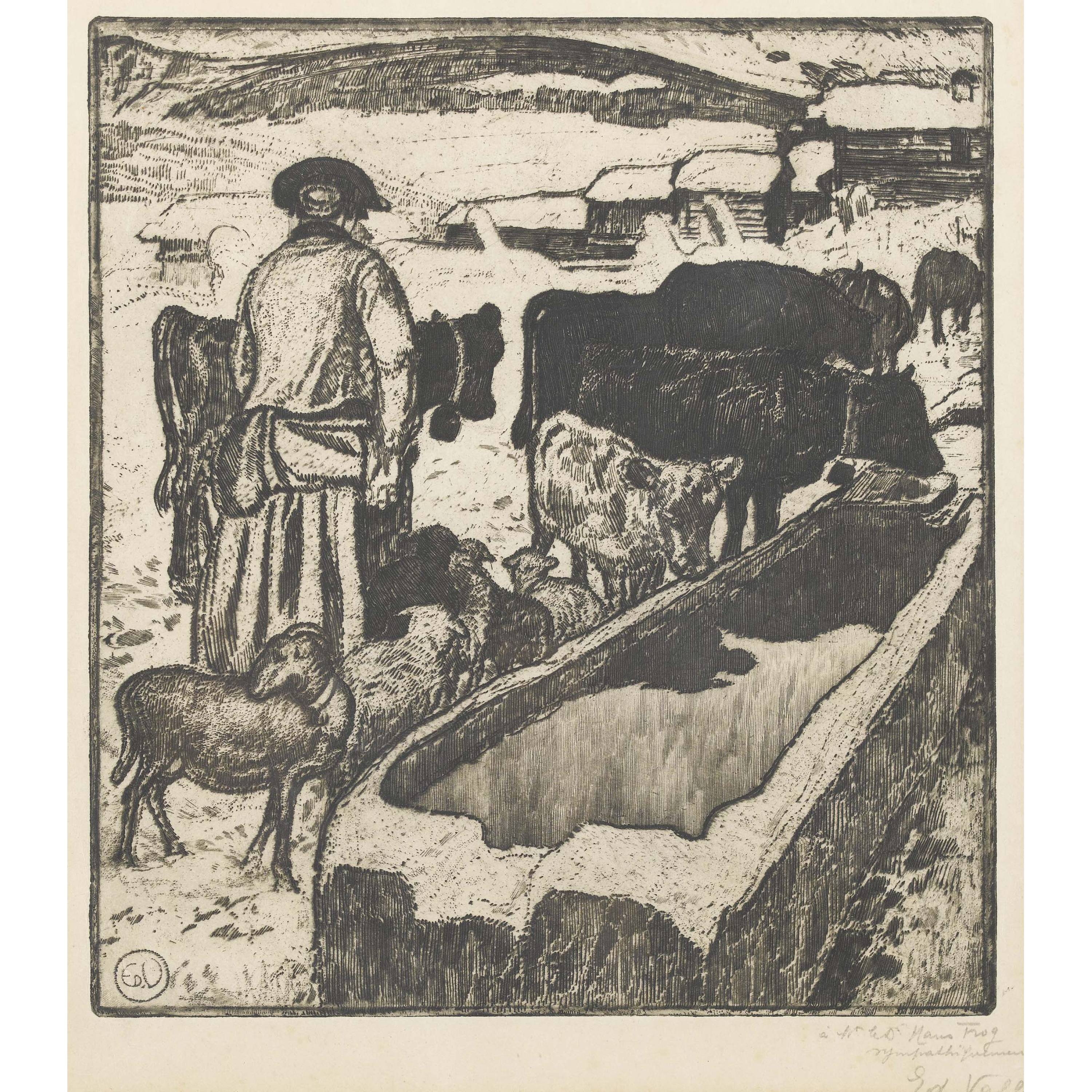
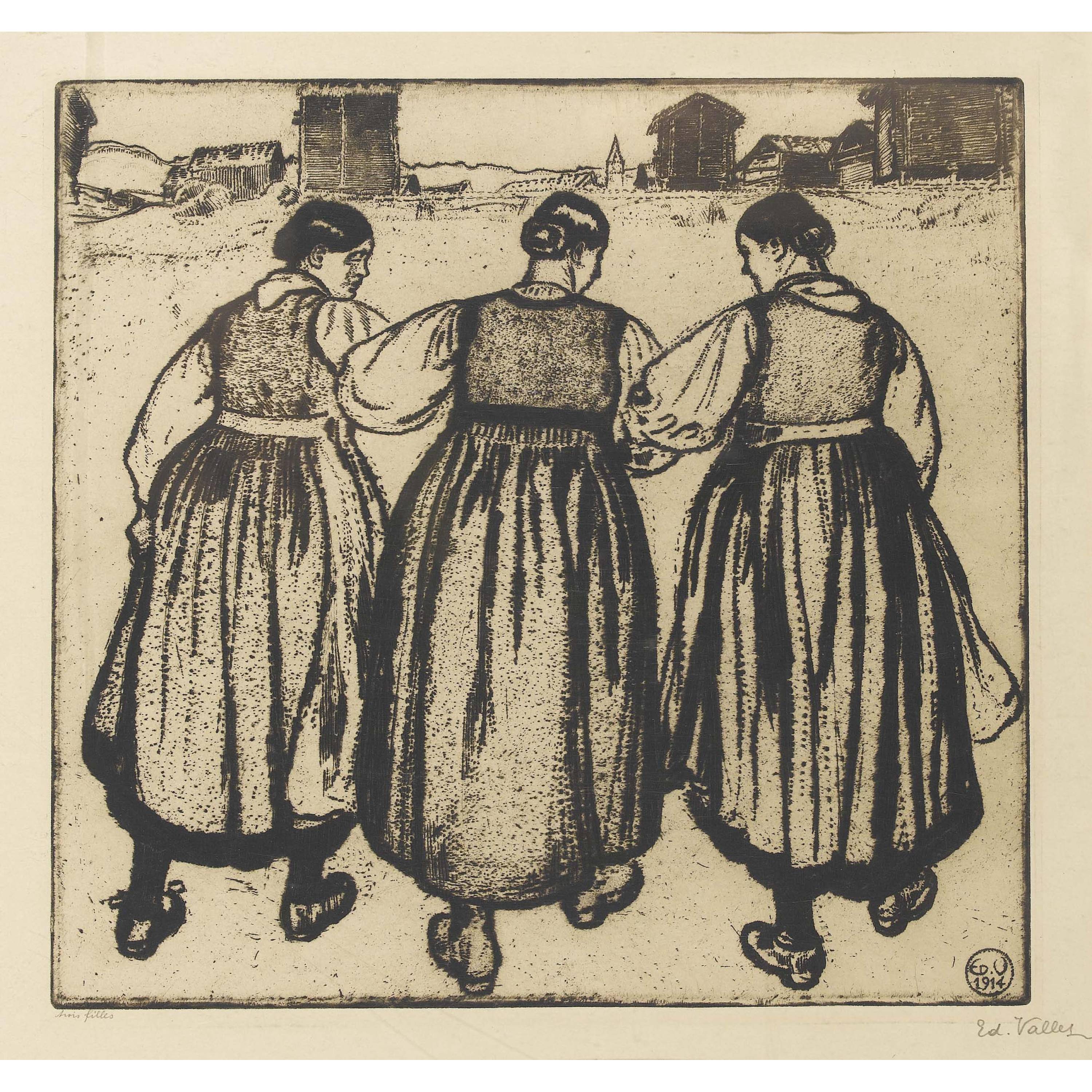
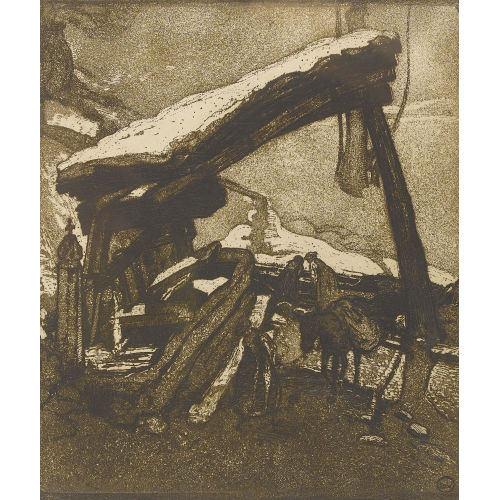
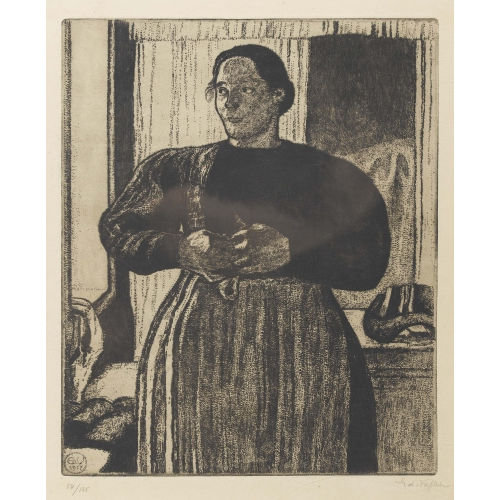
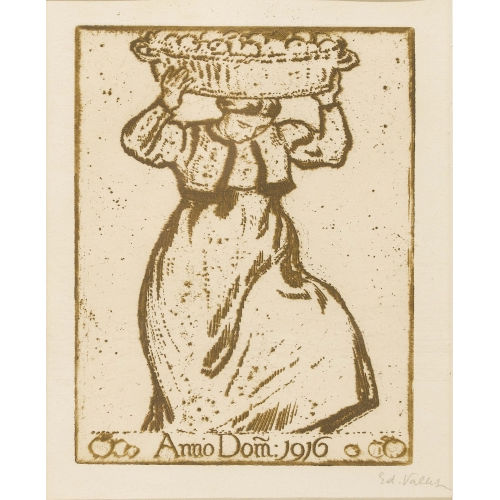
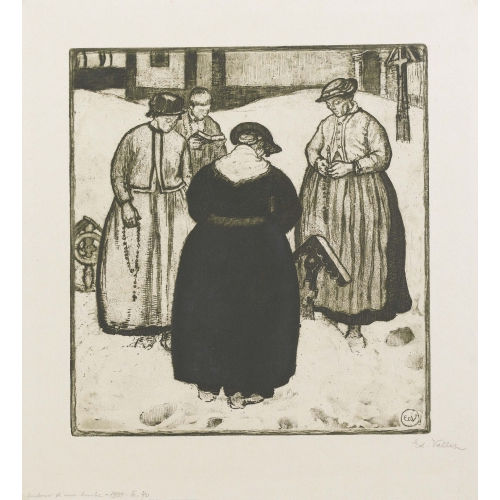
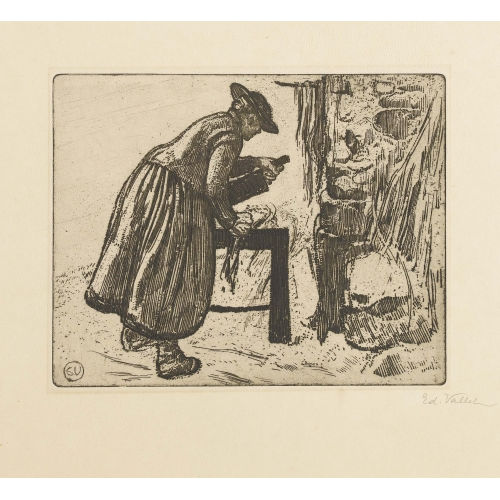
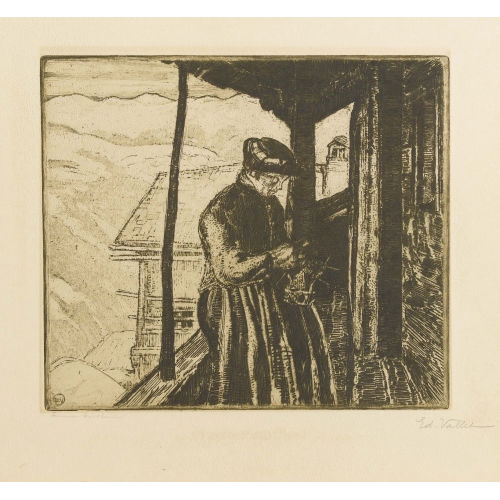
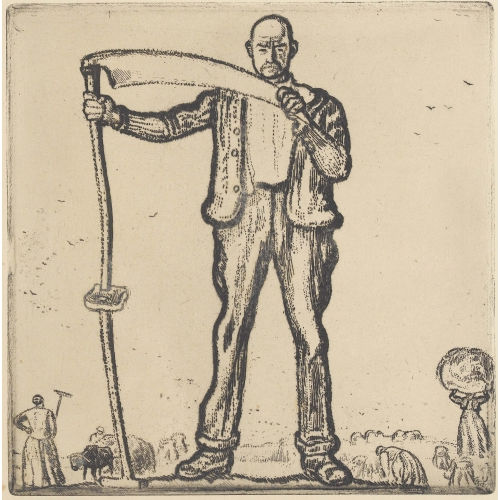
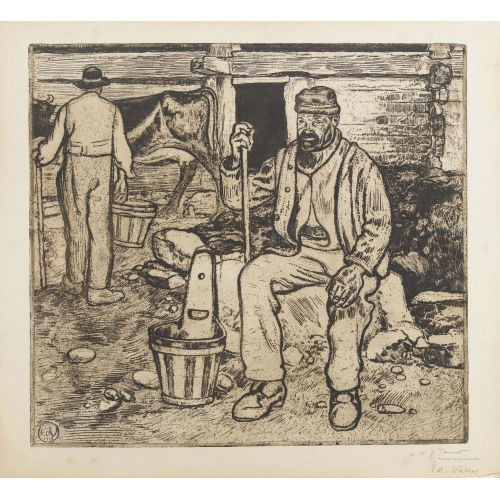
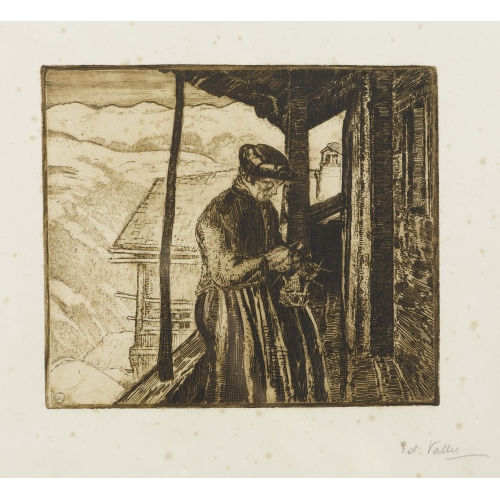
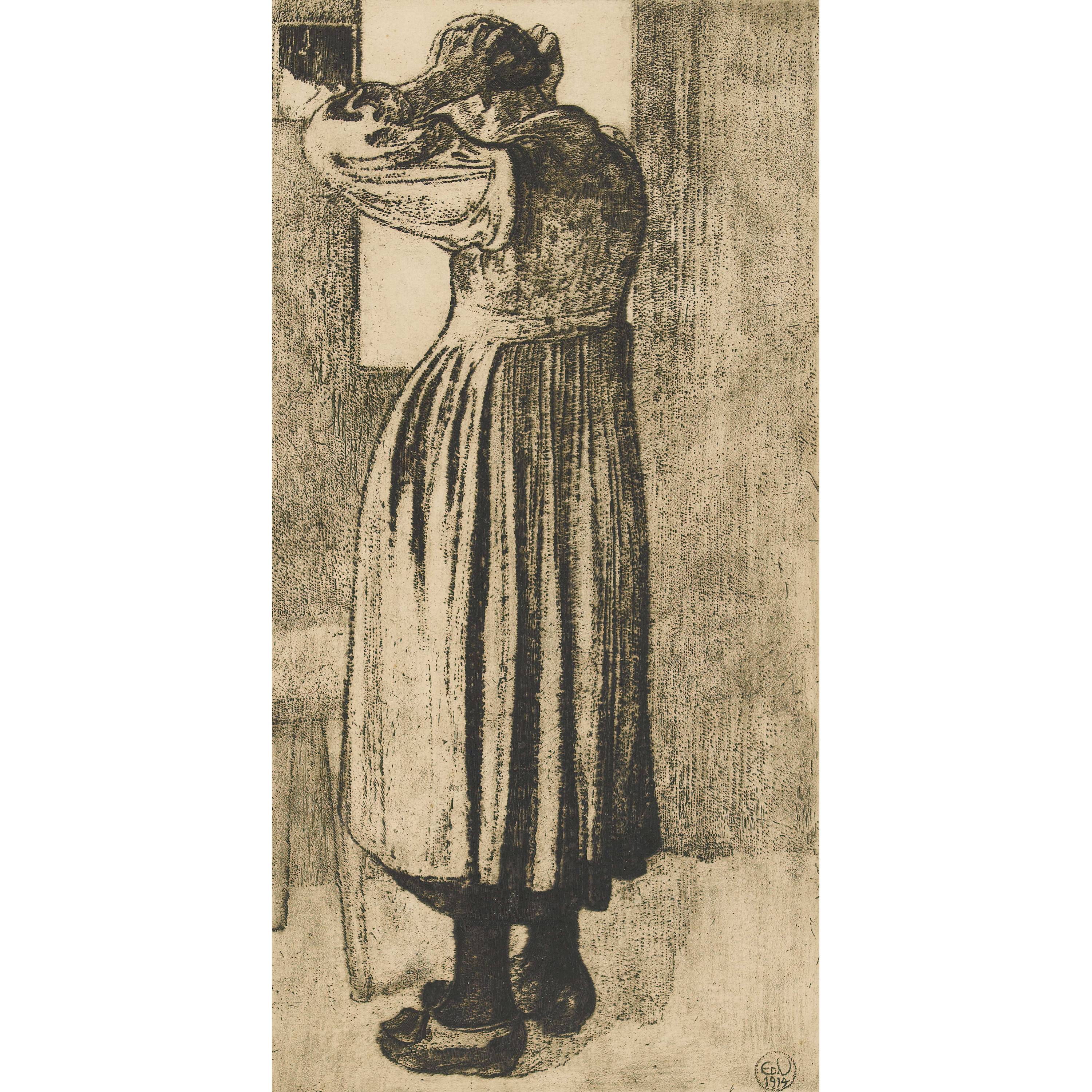
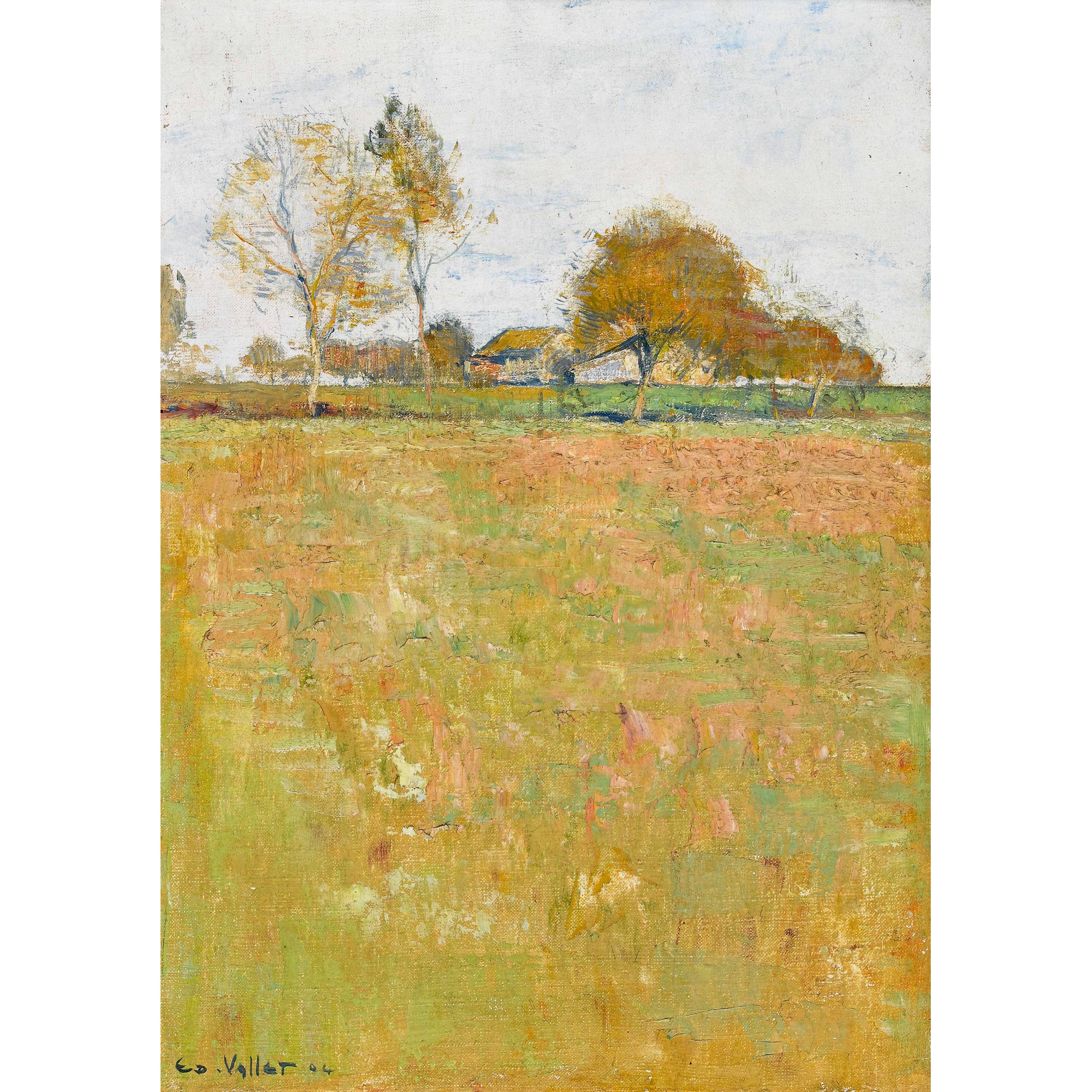
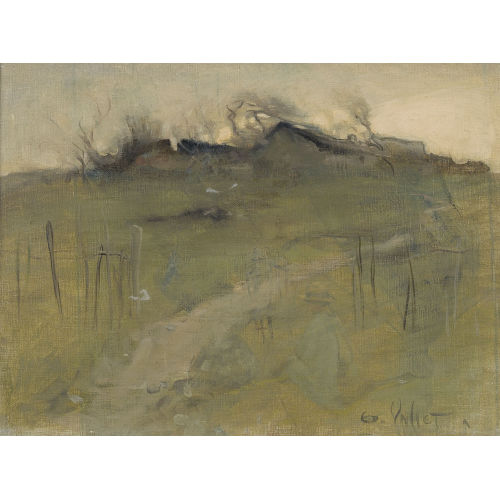
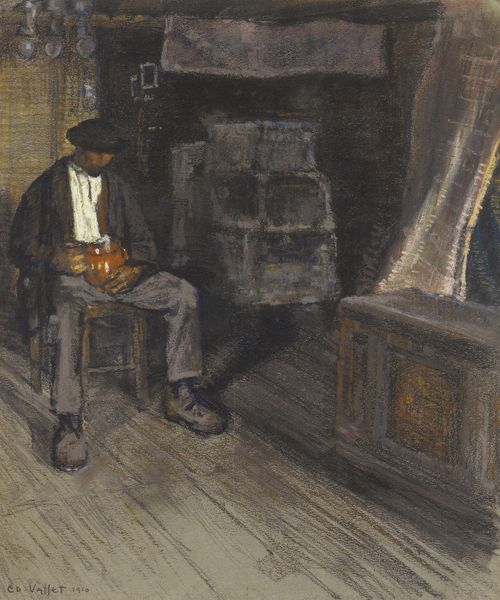
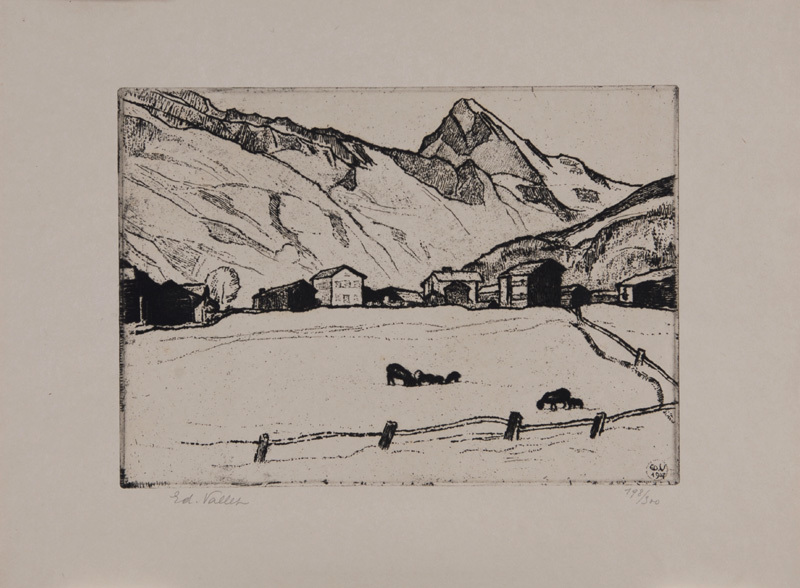
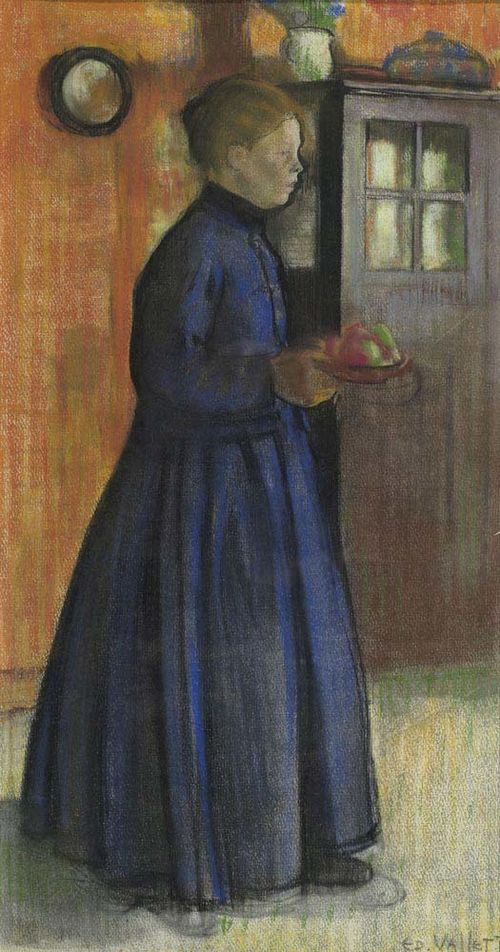
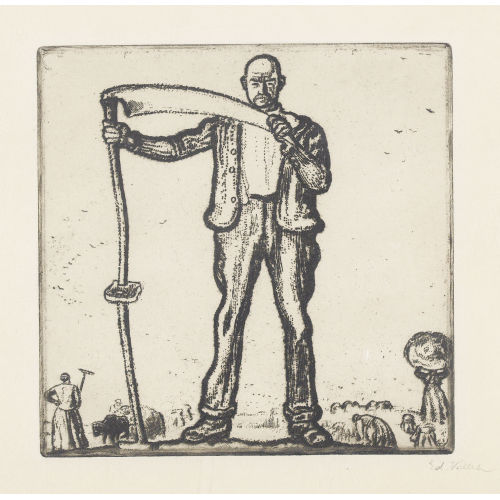
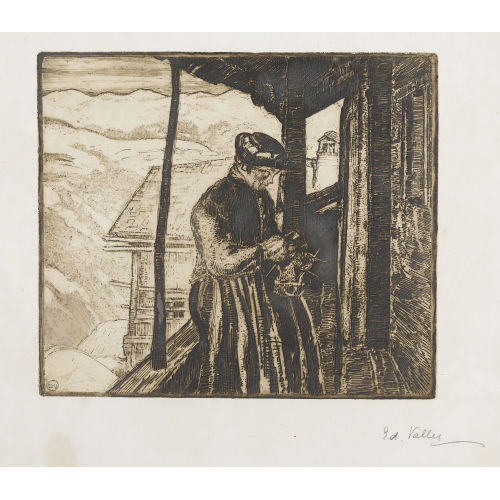
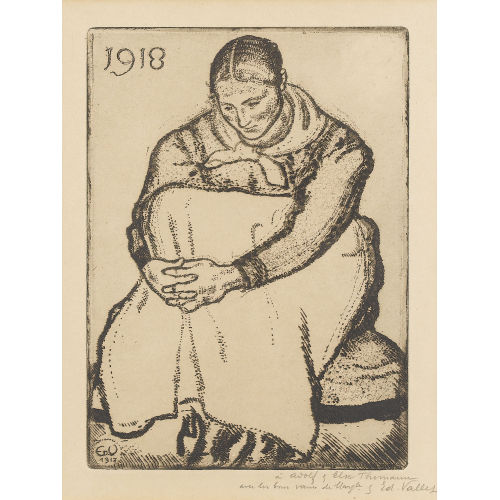
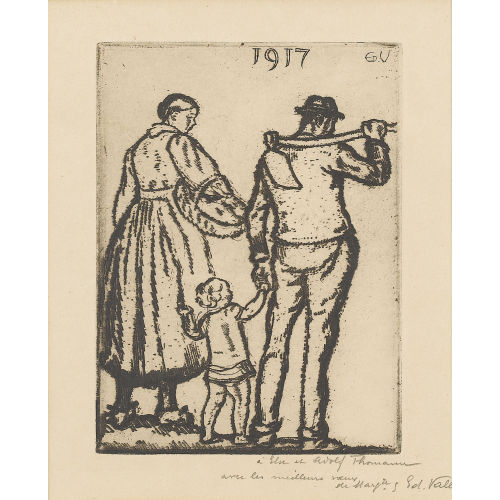
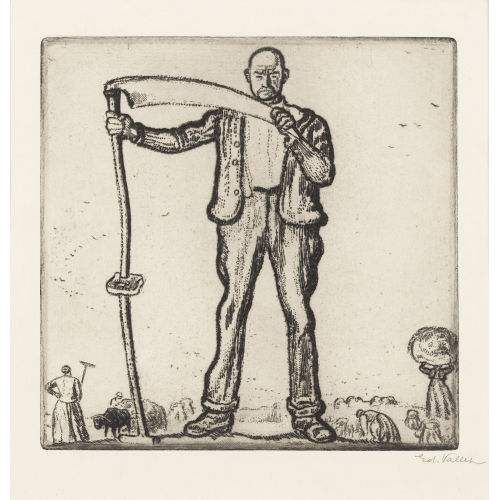
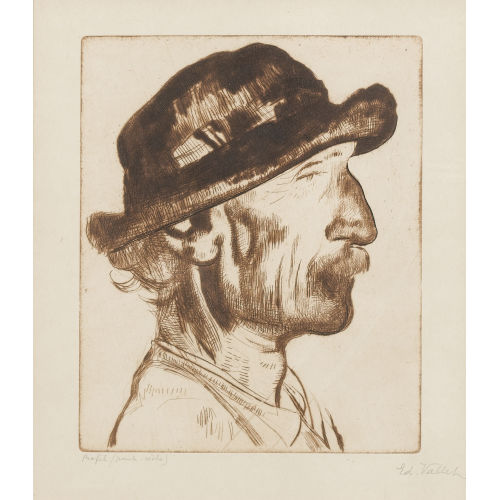
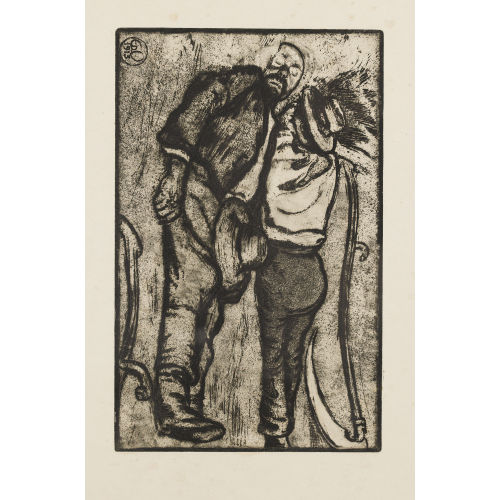
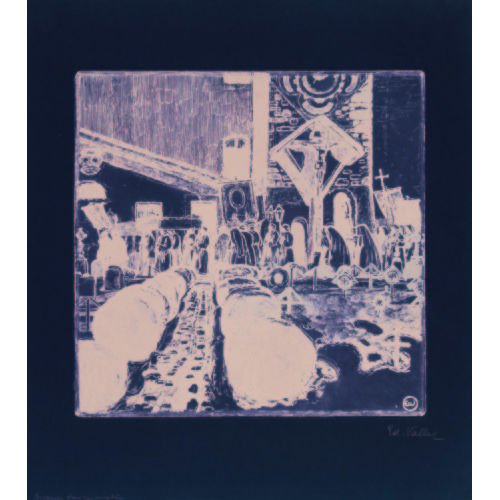
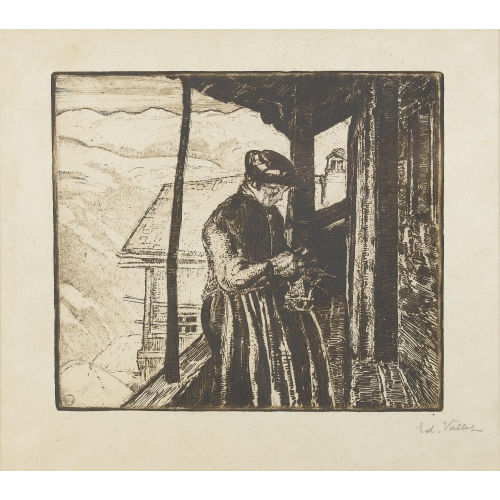
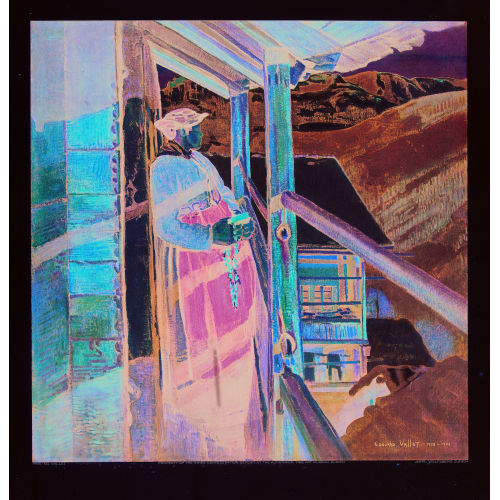
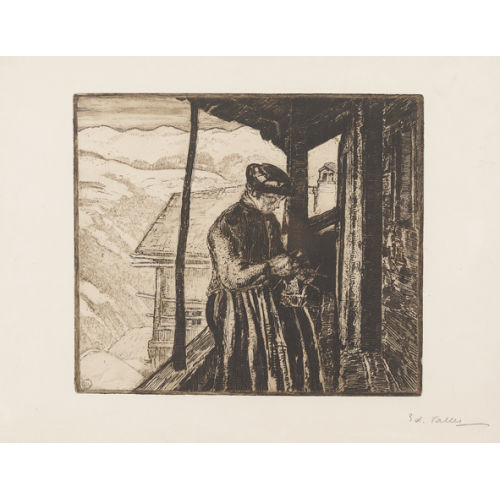
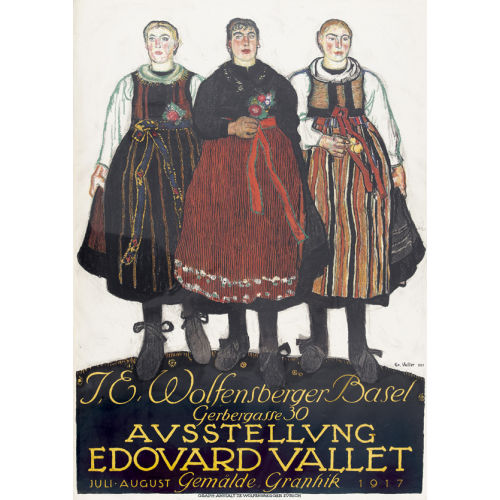
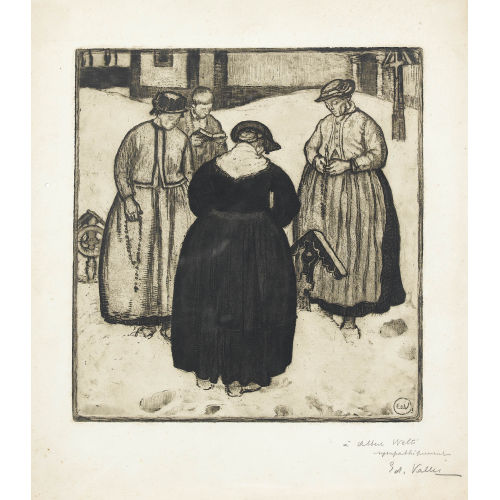
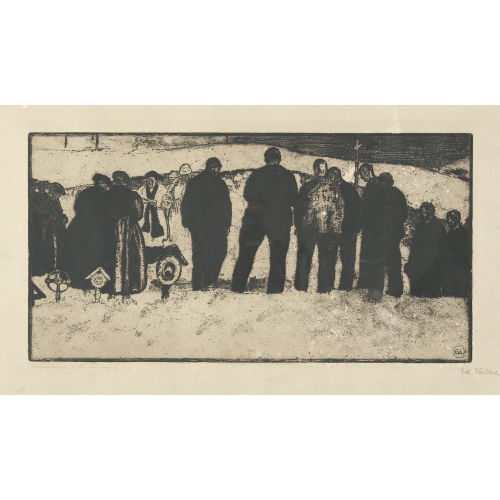
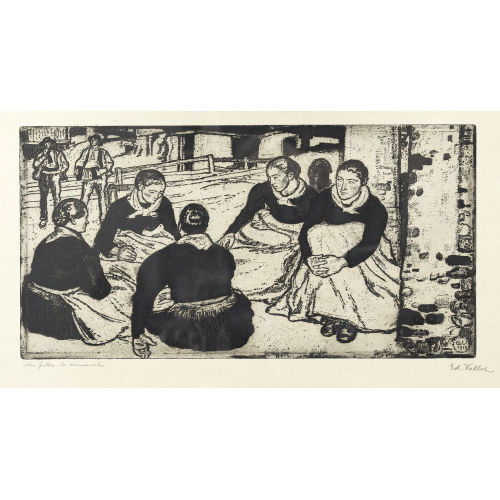
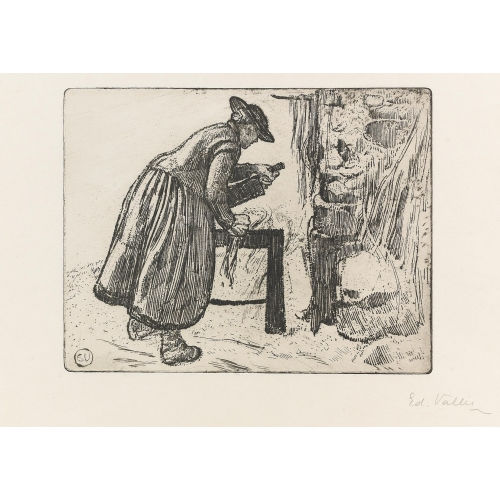
Édouard Vallet (1876–1929) lends particular density to the gestures of everyday life. A woman at a butter churn, a garden, a procession or a house become elements of a carefully constructed composition. Drawing organises his vision, whether he is working in oil, pastel, watercolour or etching.
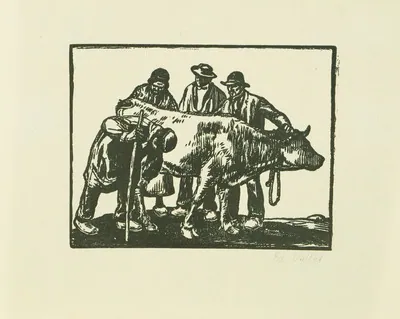
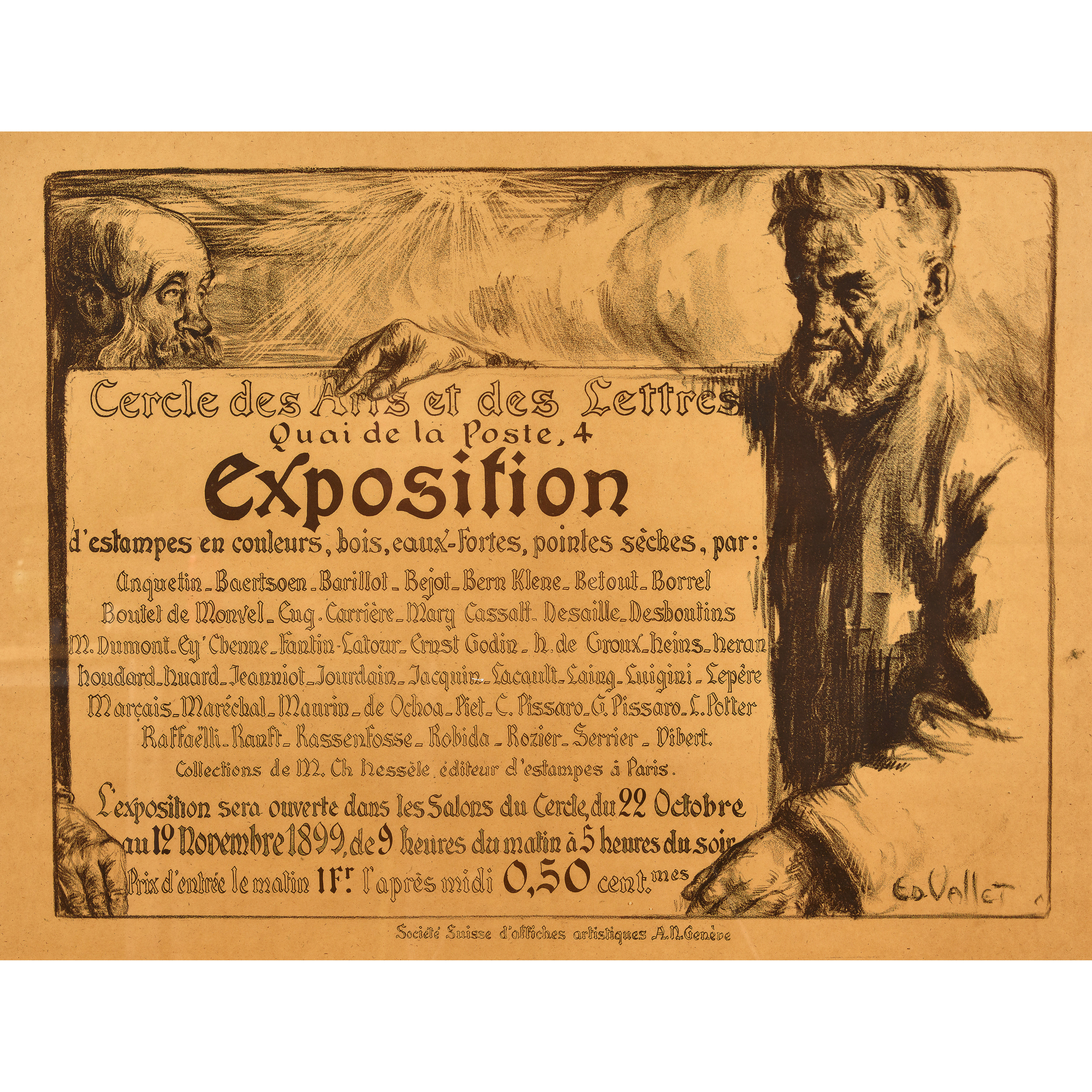
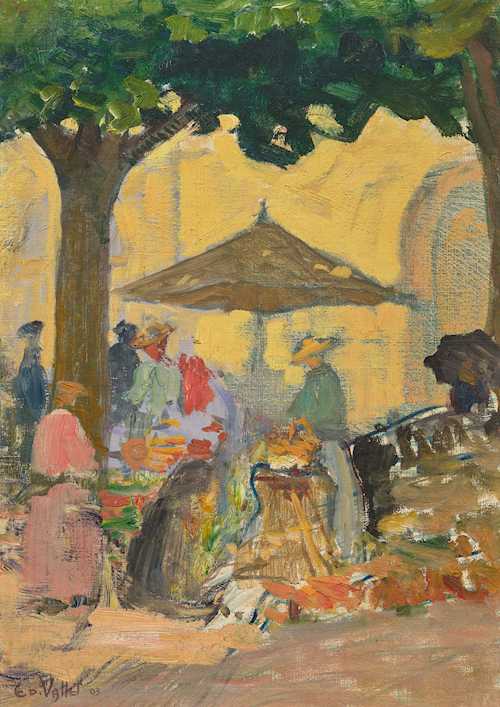
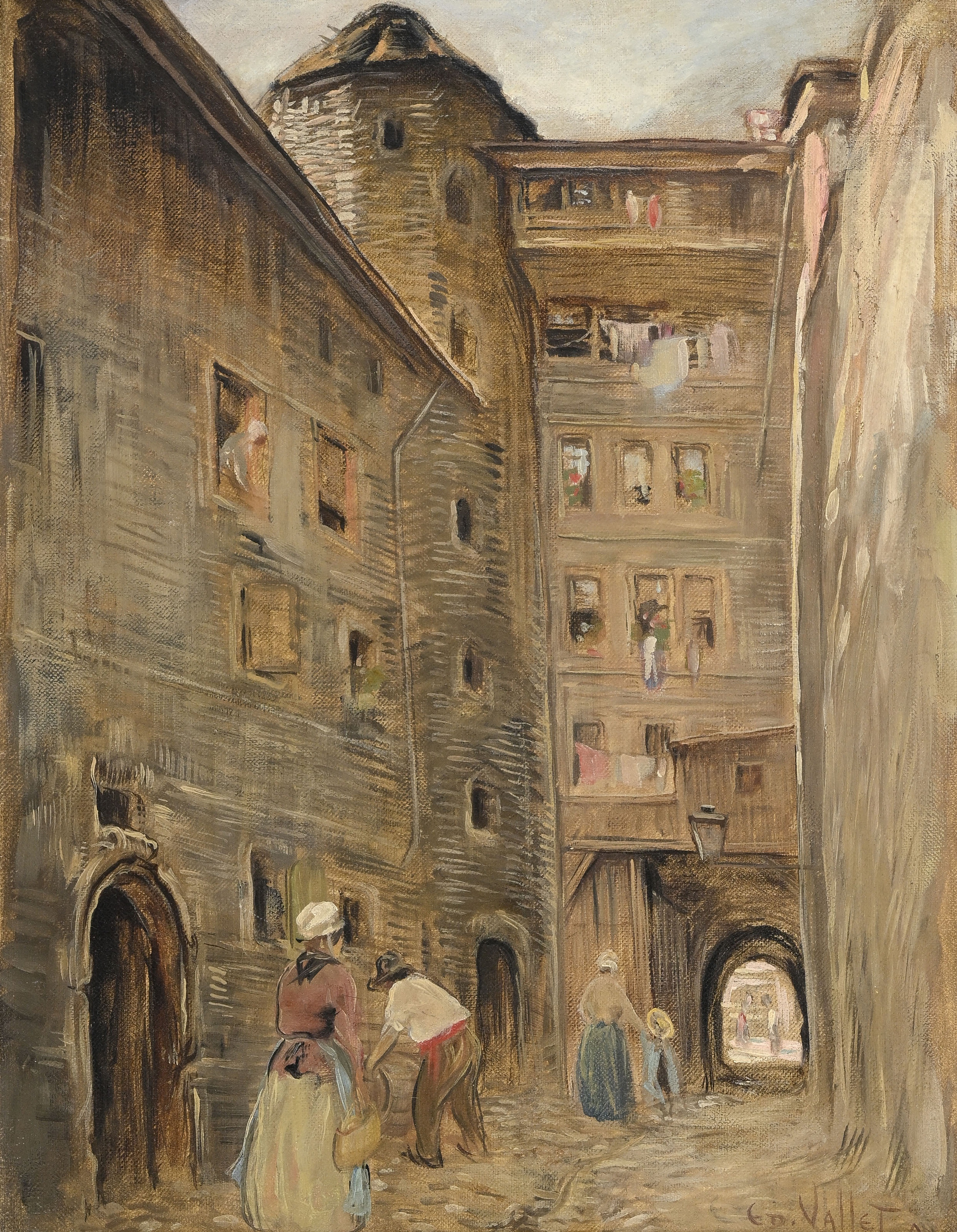
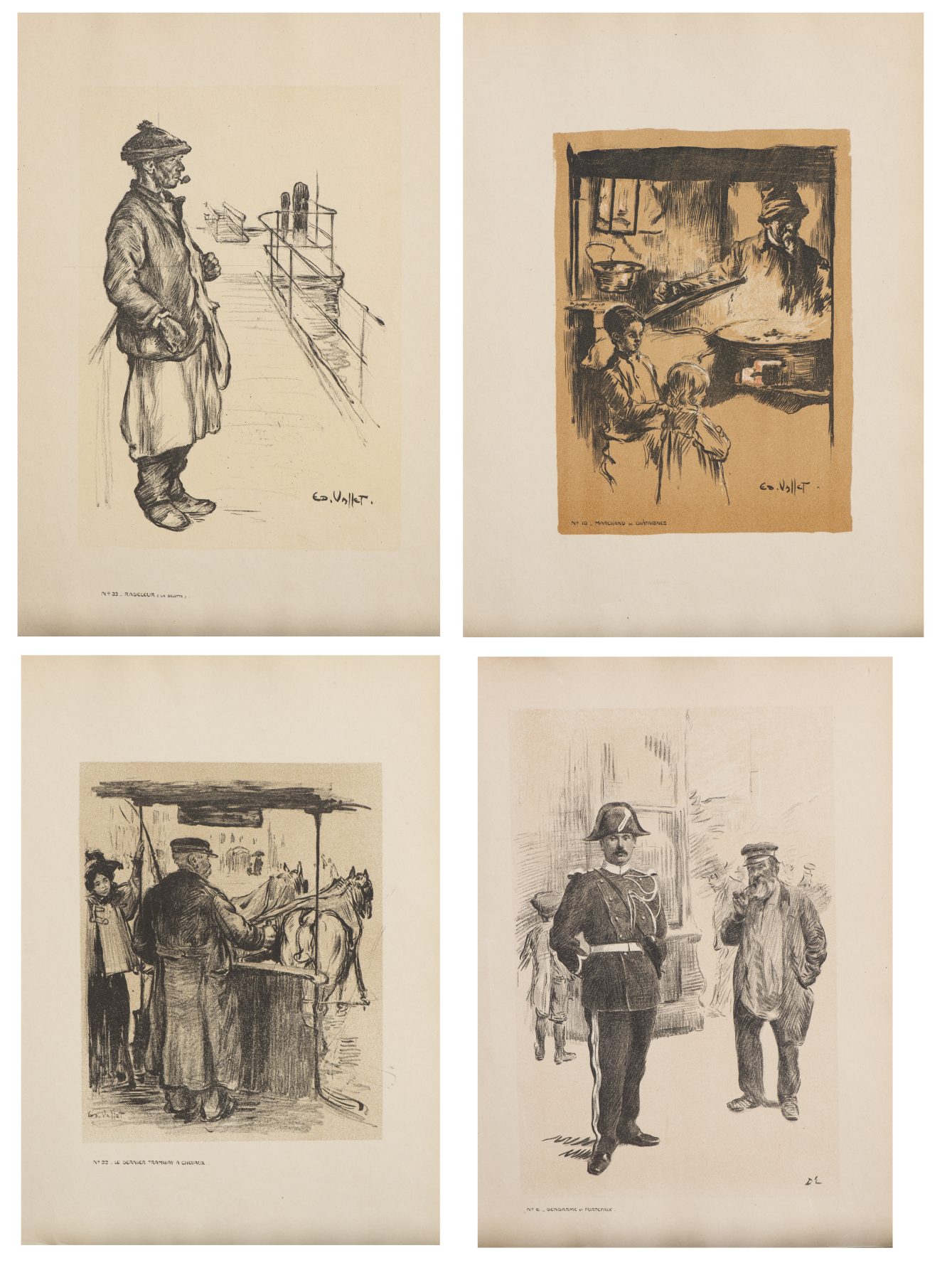
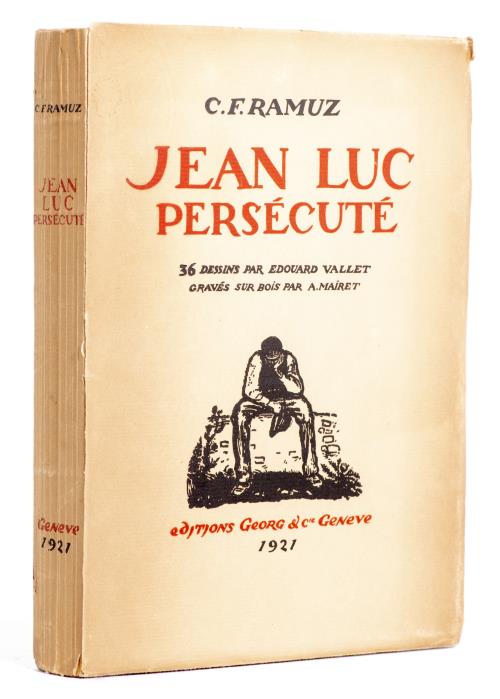
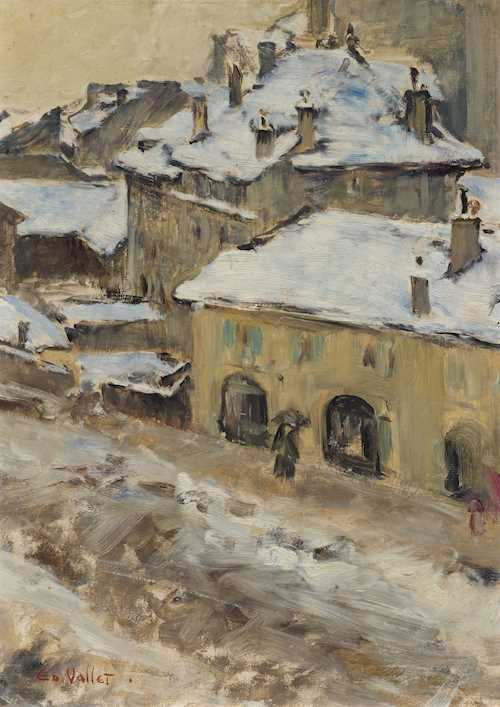
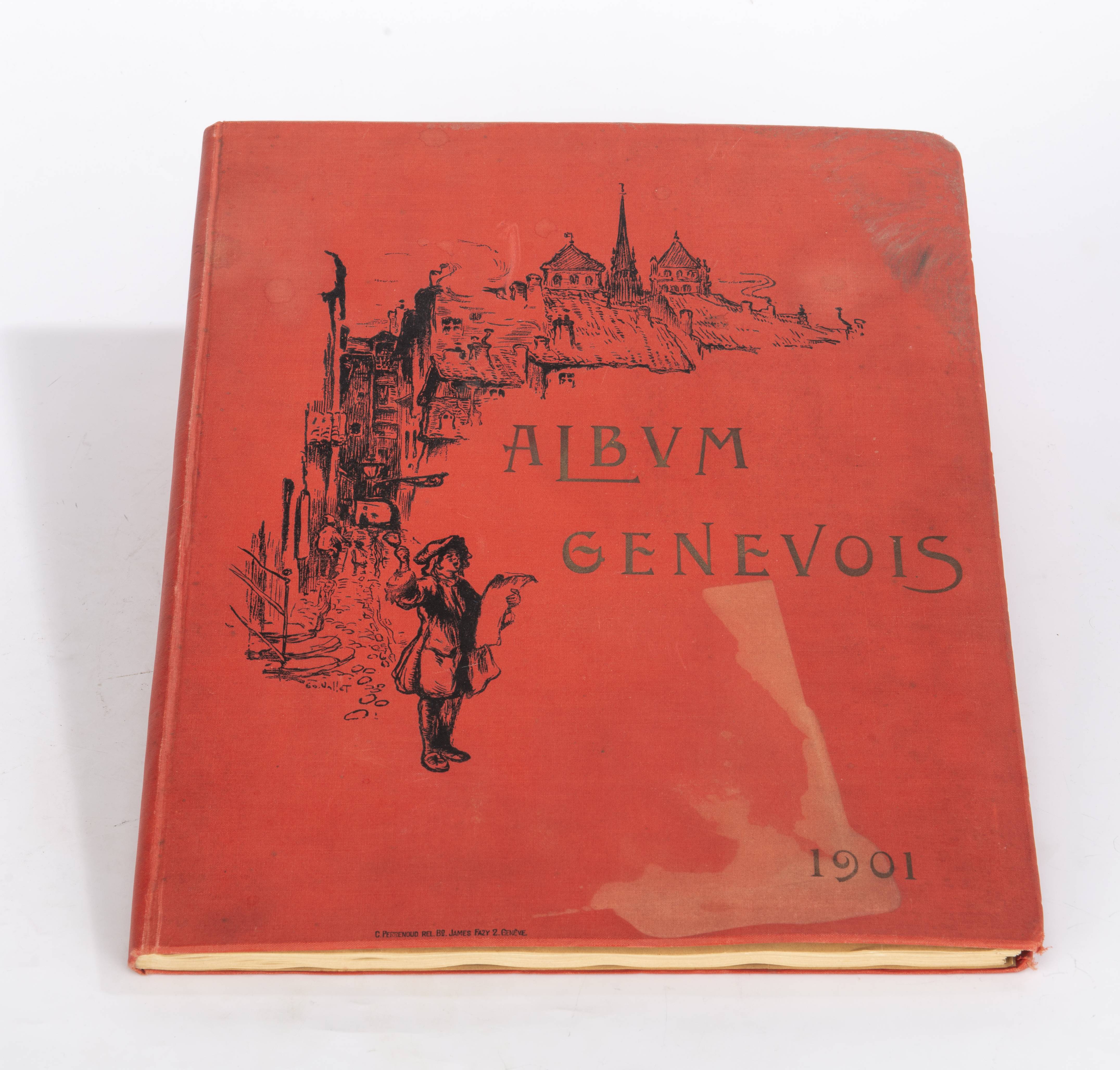
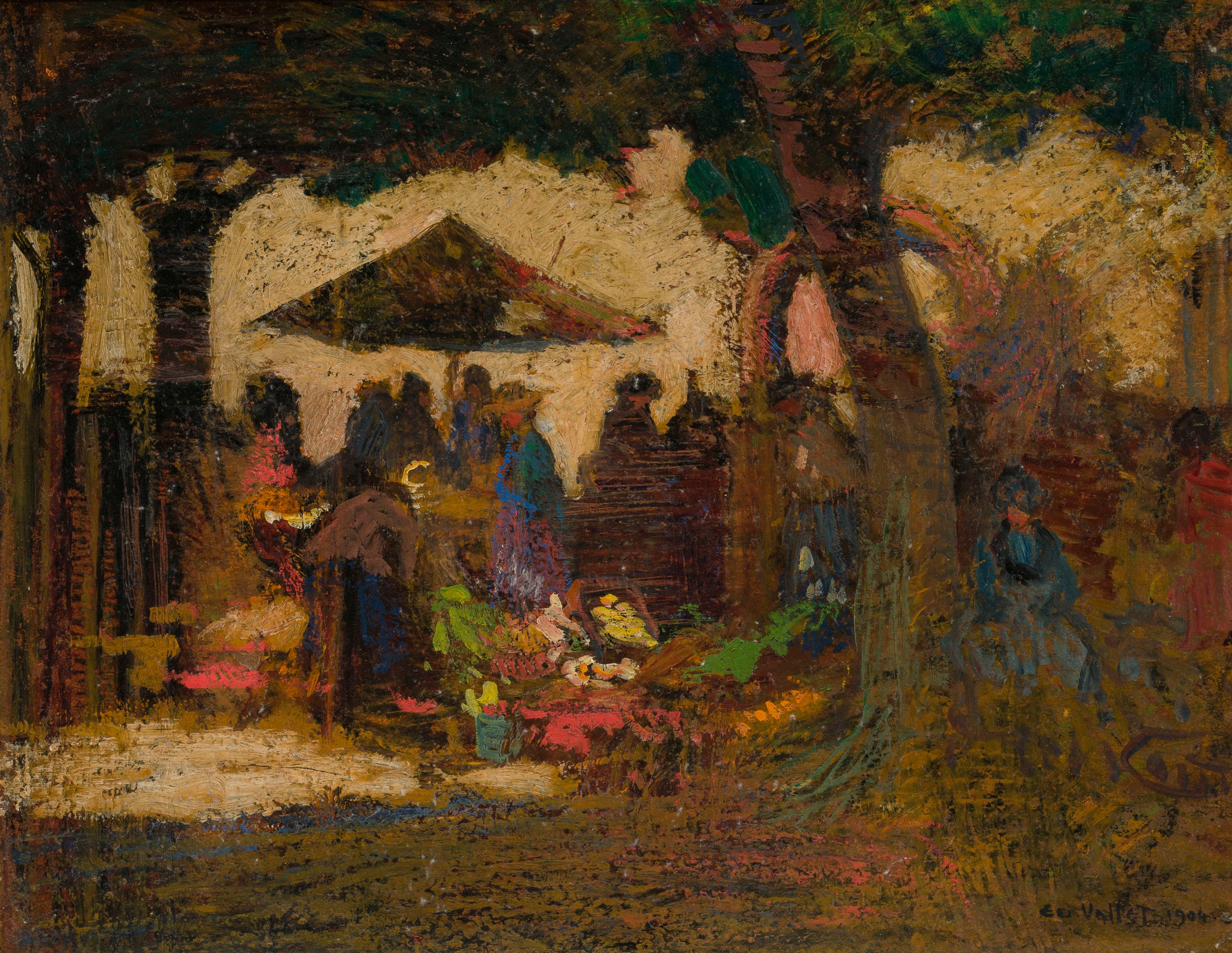
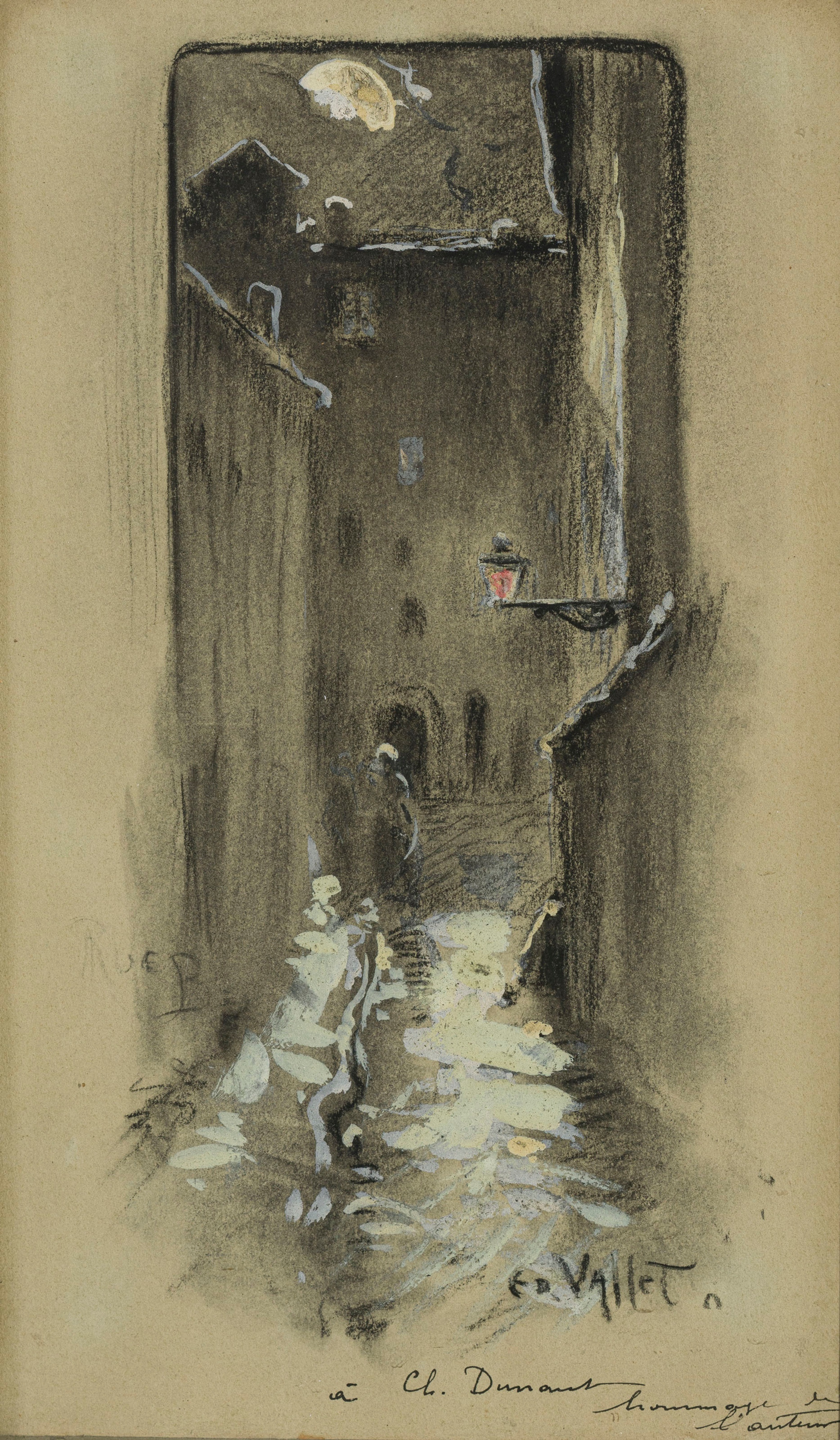
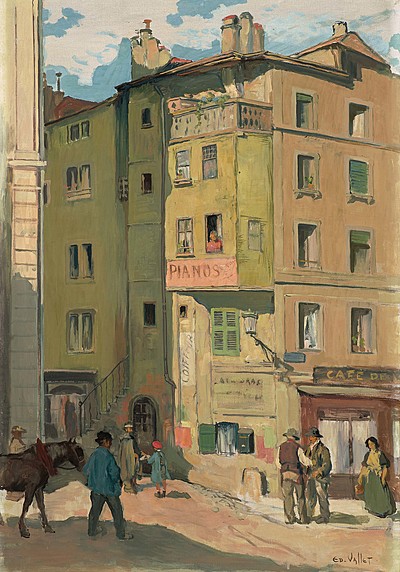
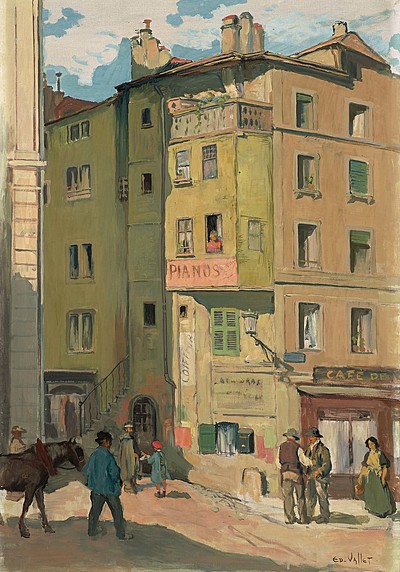
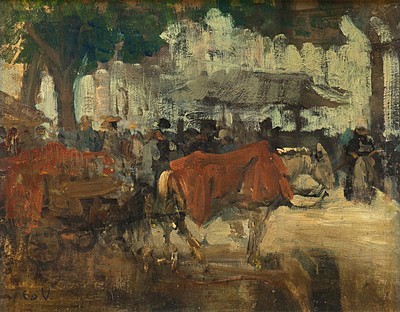
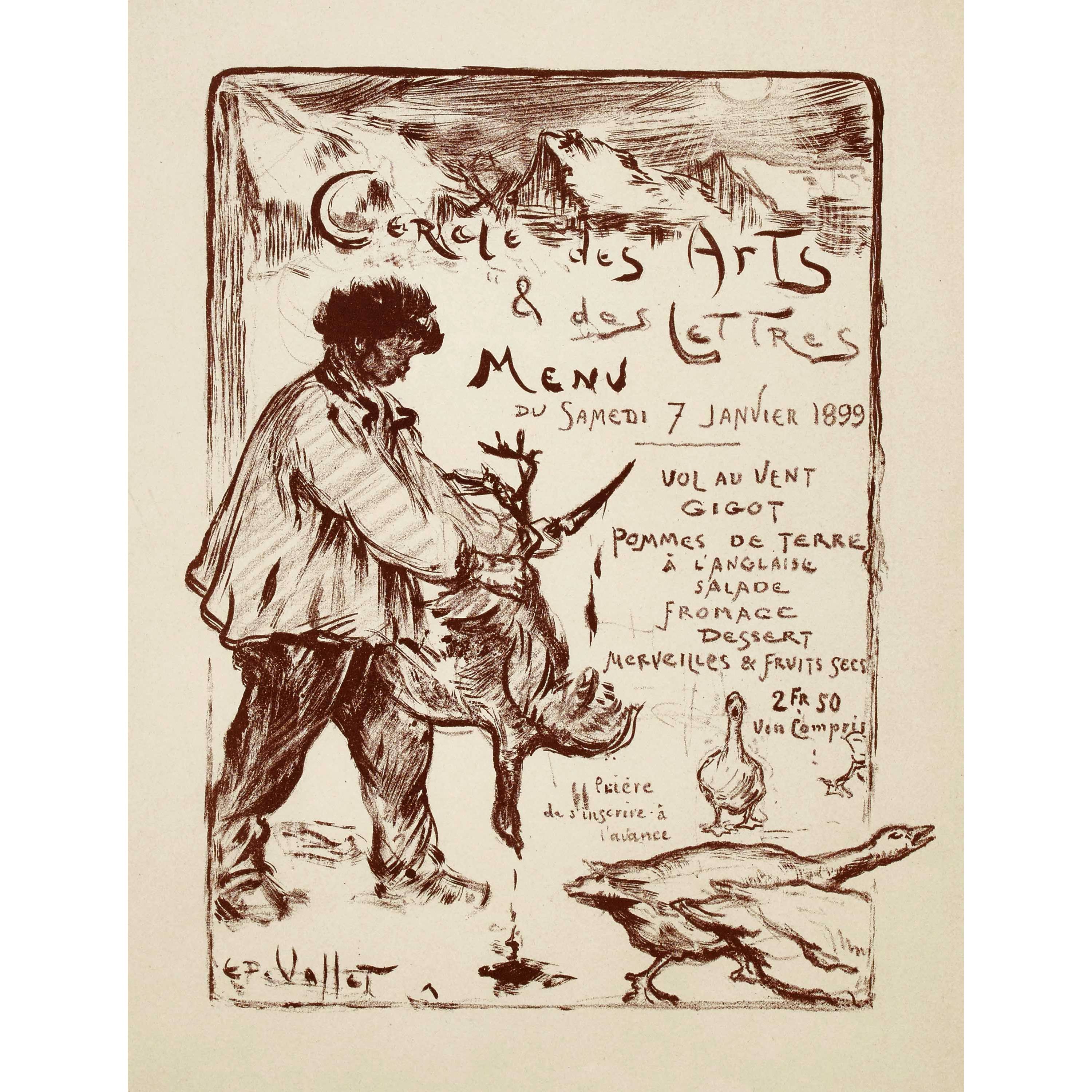
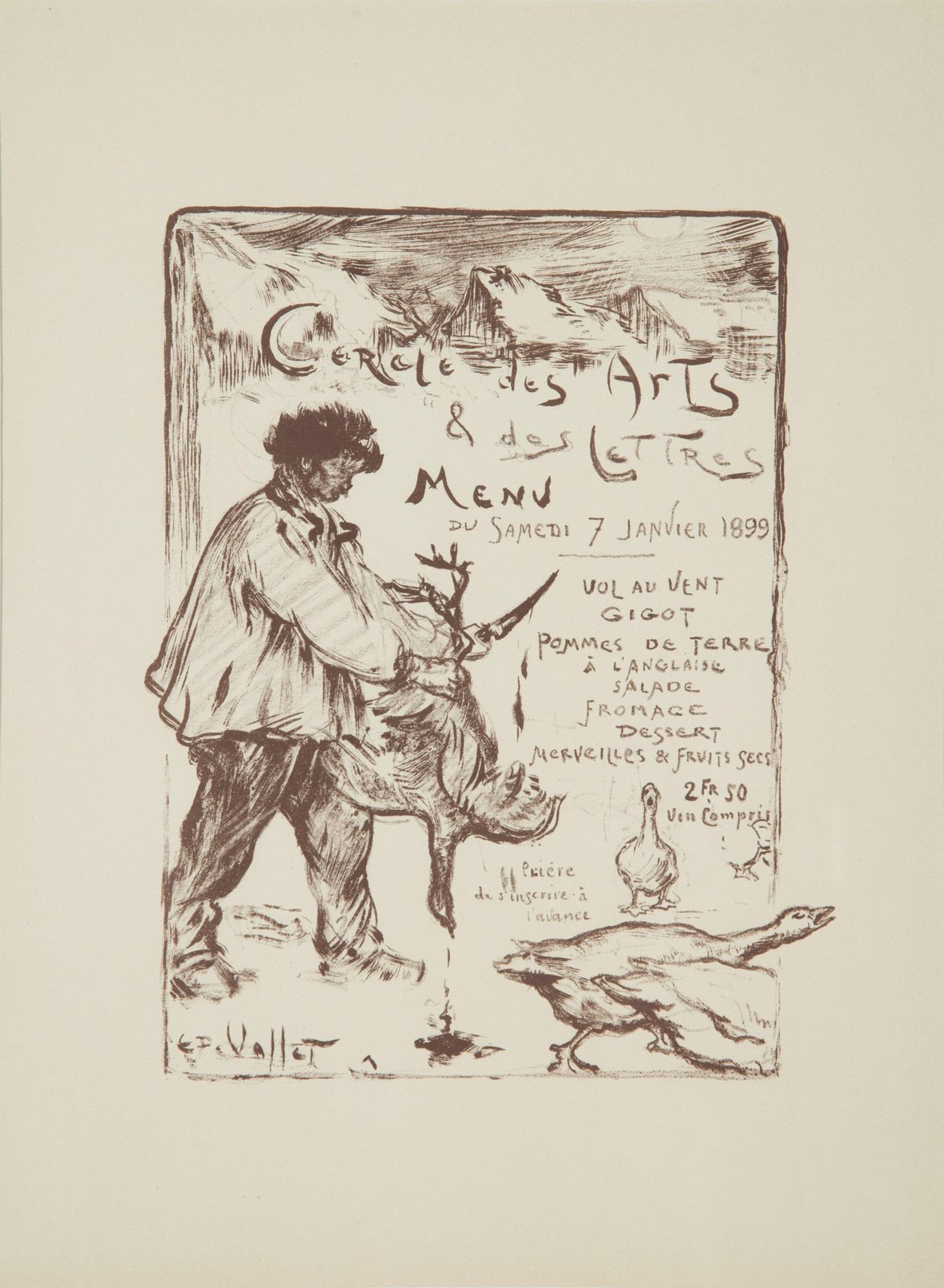
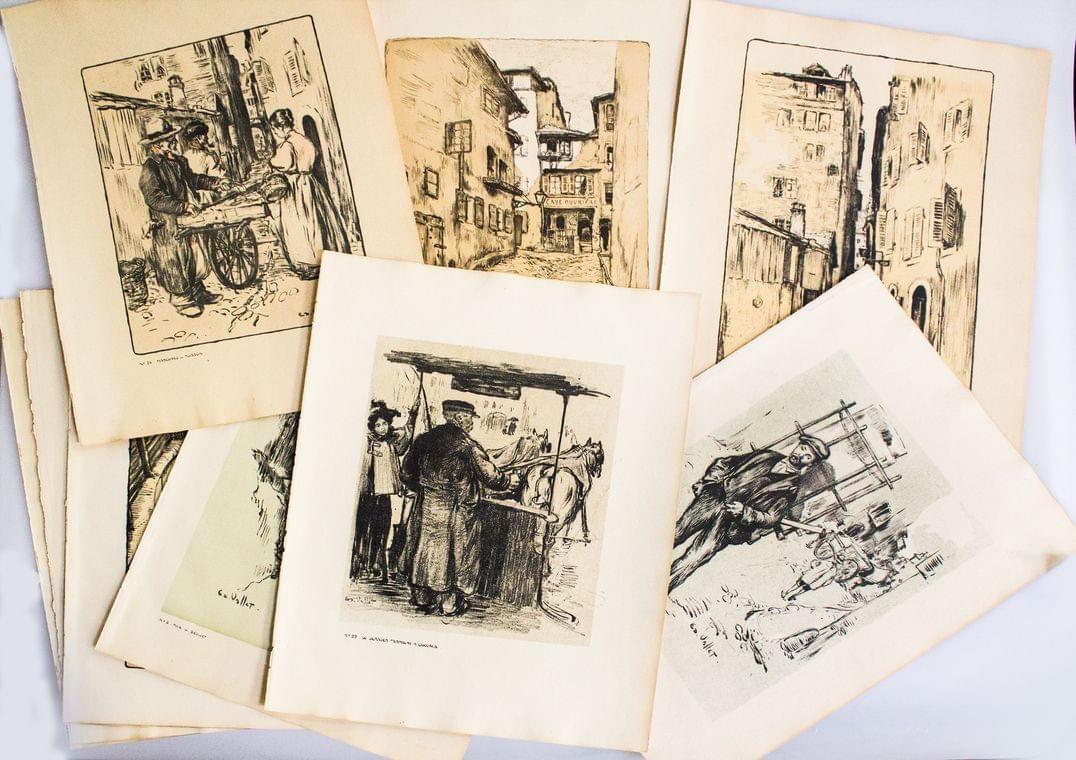
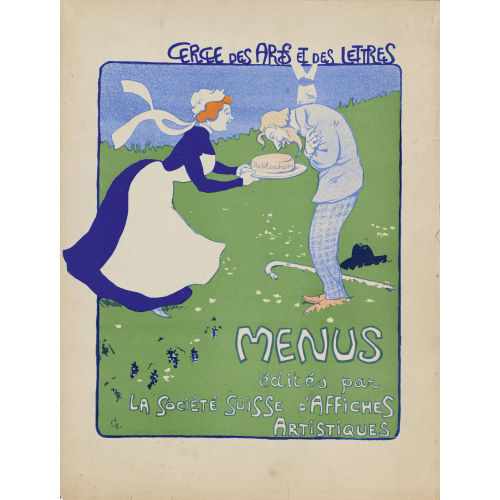
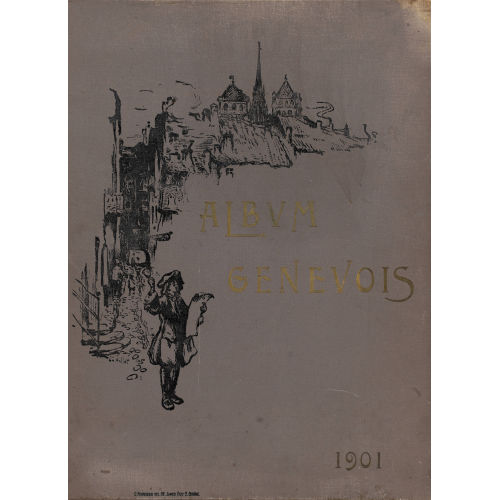
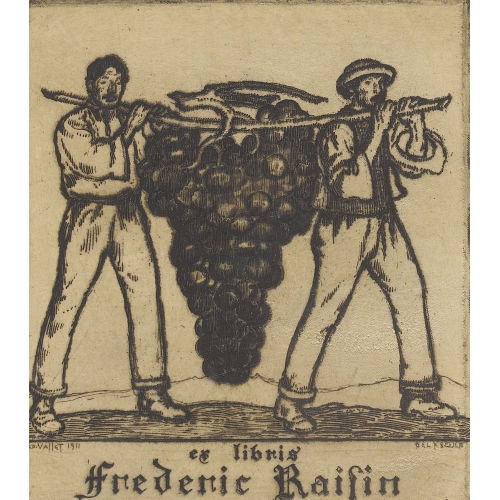
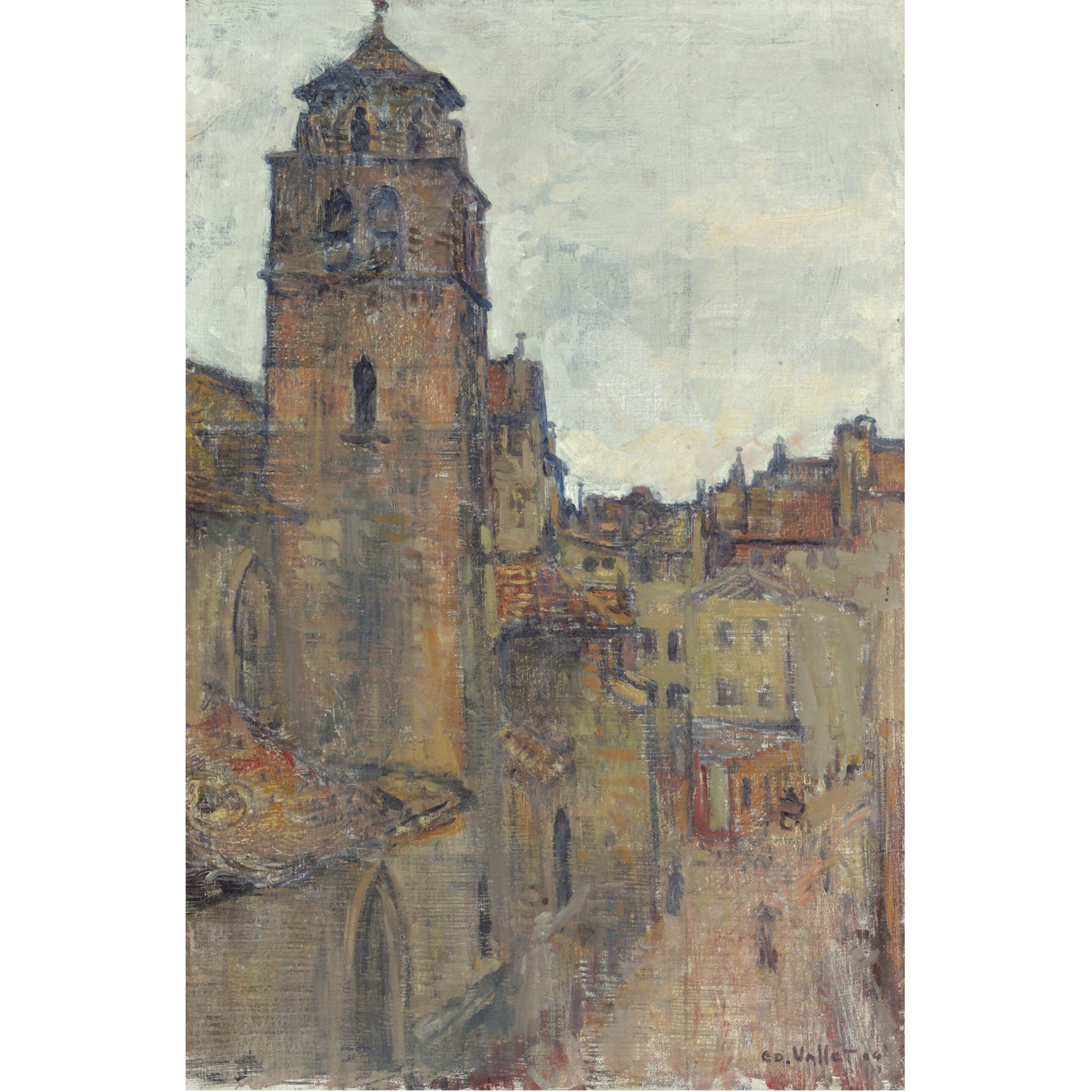
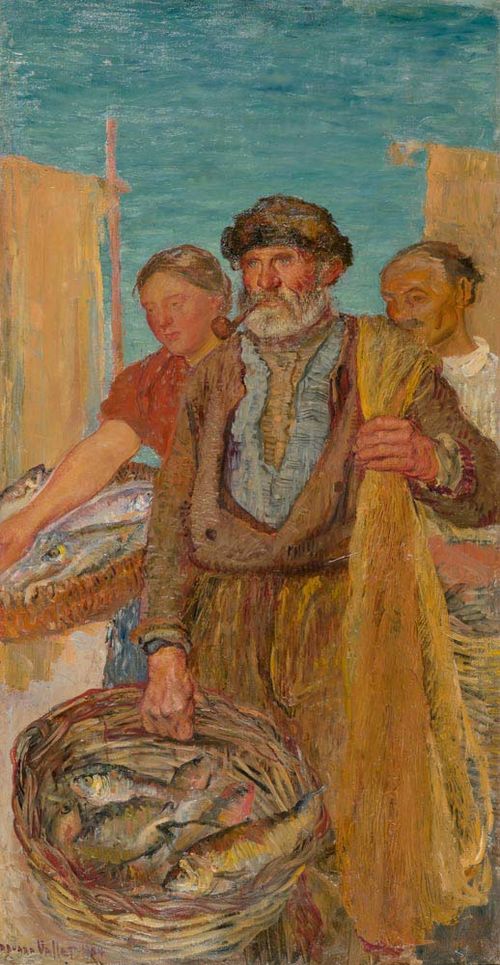
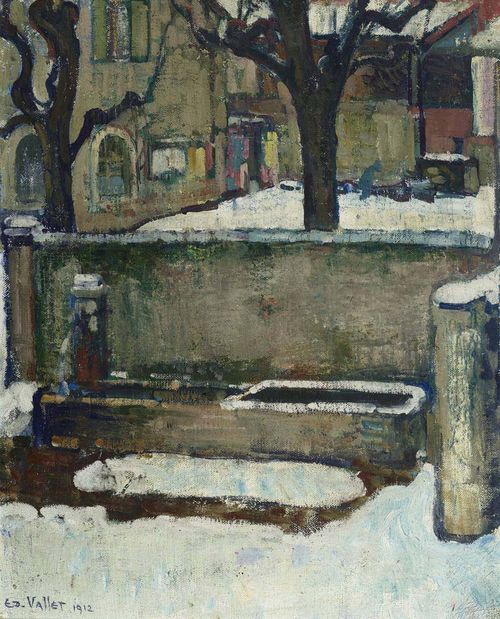
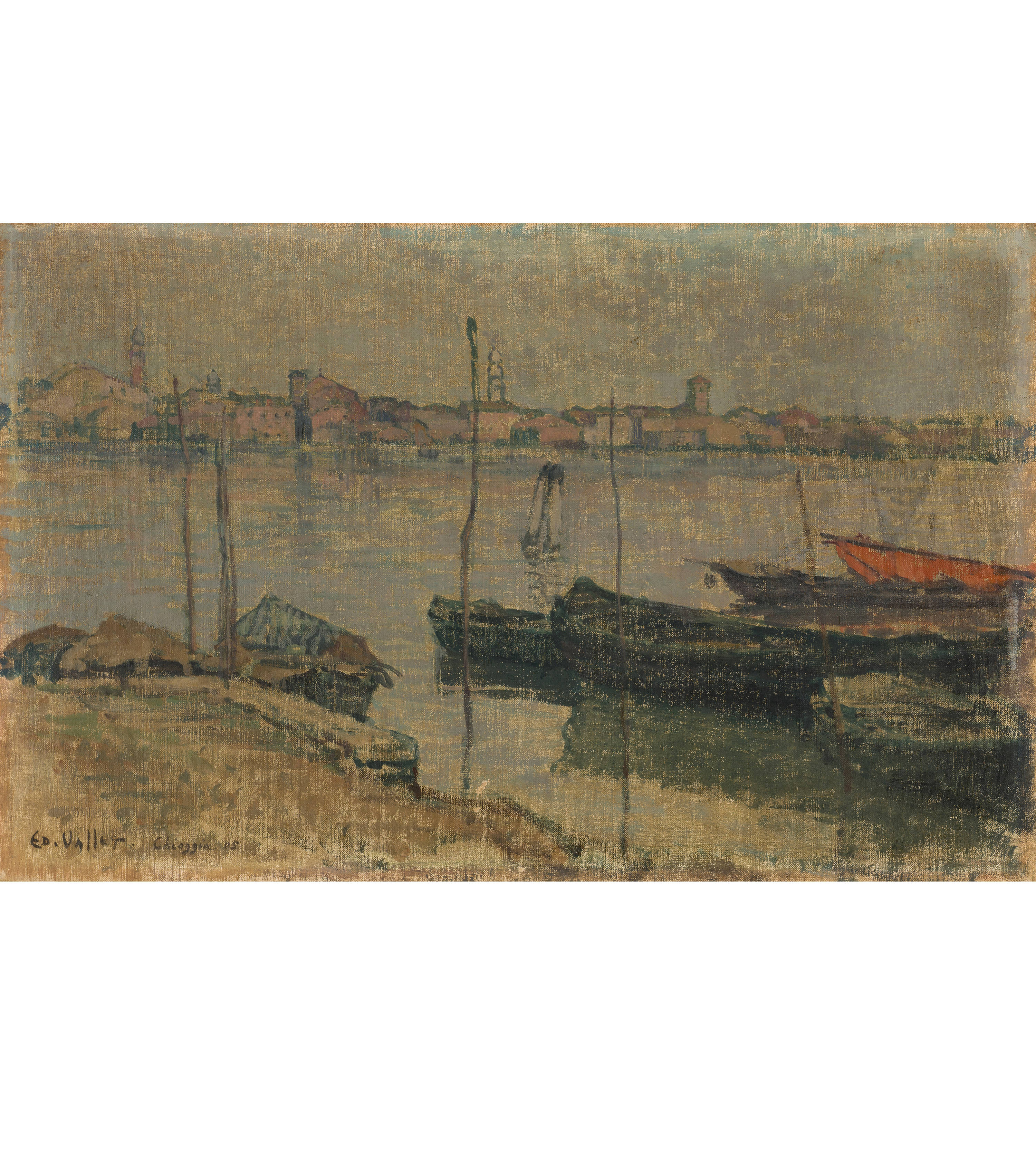
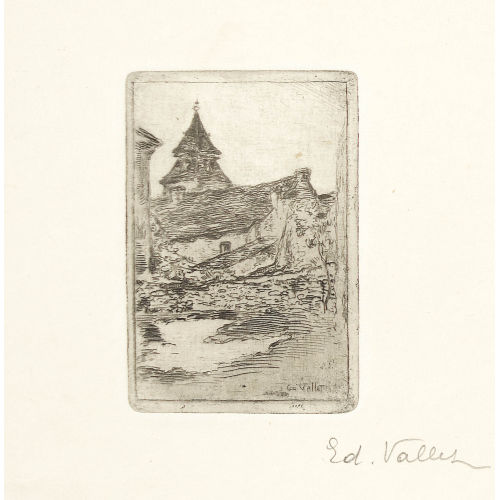
Born in Geneva, Vallet trained at the École des arts industriels and attended classes in the fine arts. He began with illustration and wood engraving. Before forming his close attachment to Valais, he depicted Geneva’s streets, the Carouge market and the surrounding countryside.
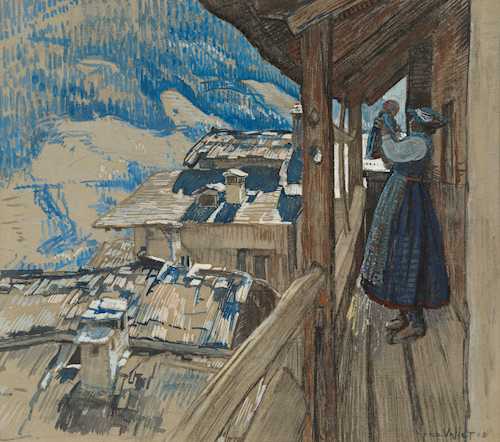
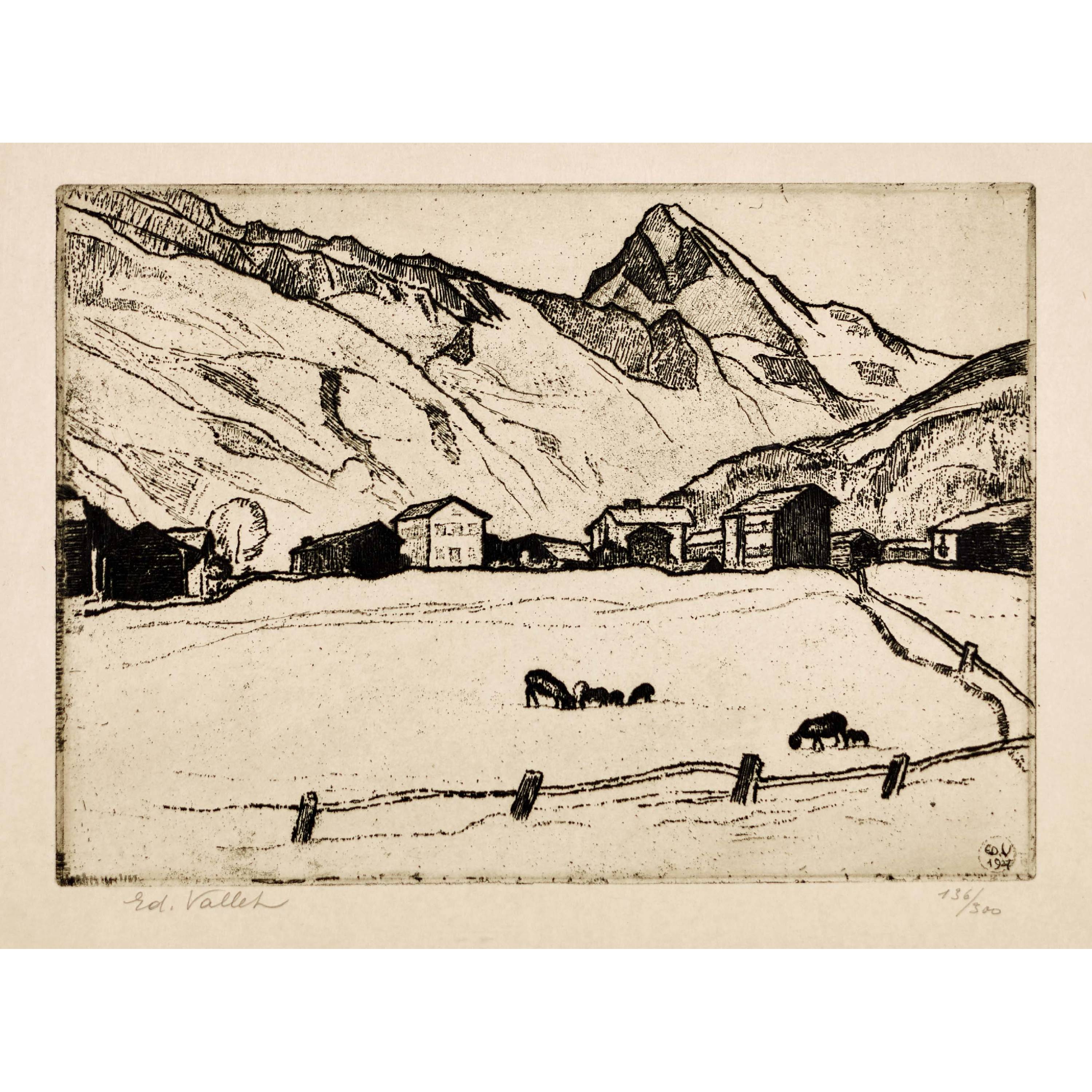
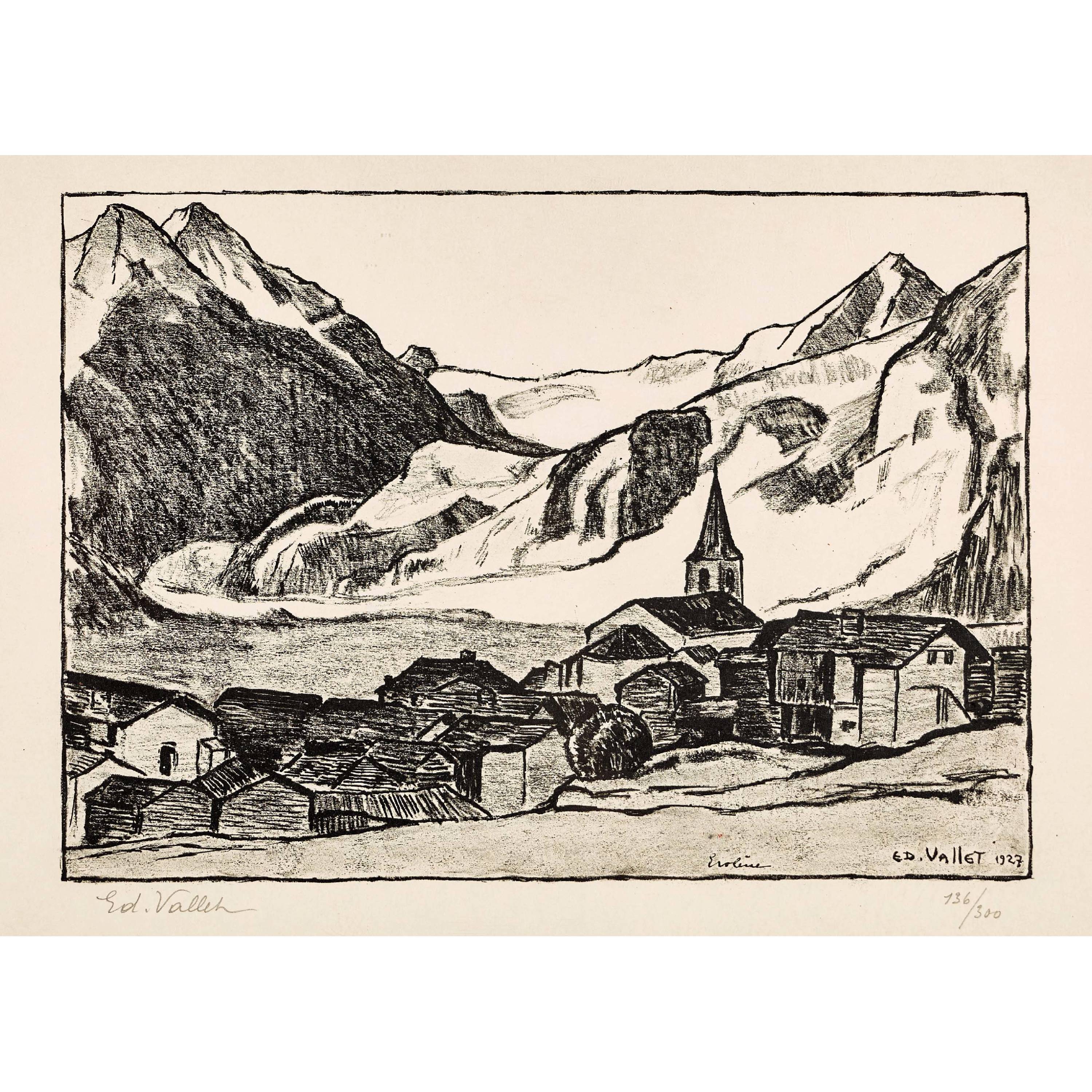
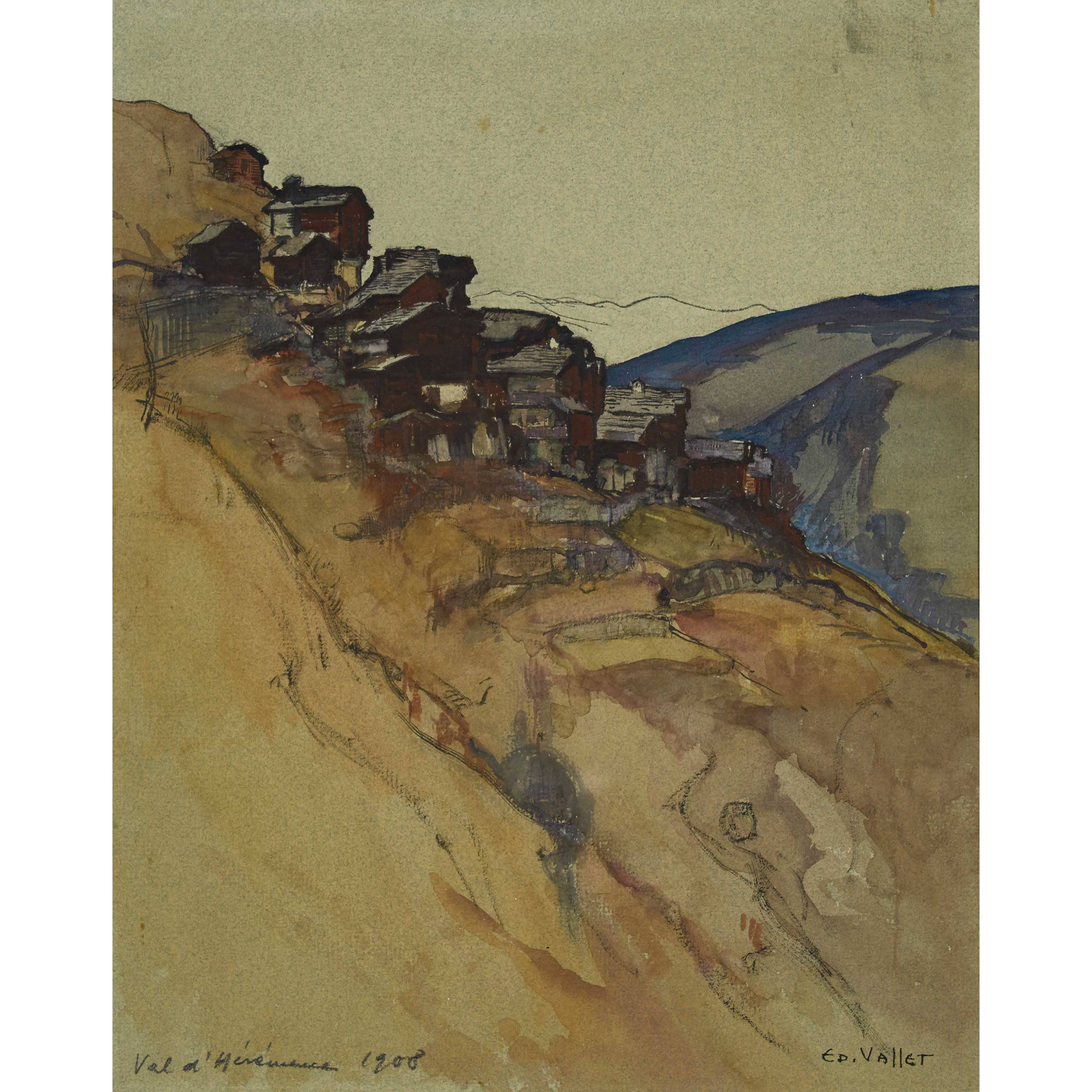
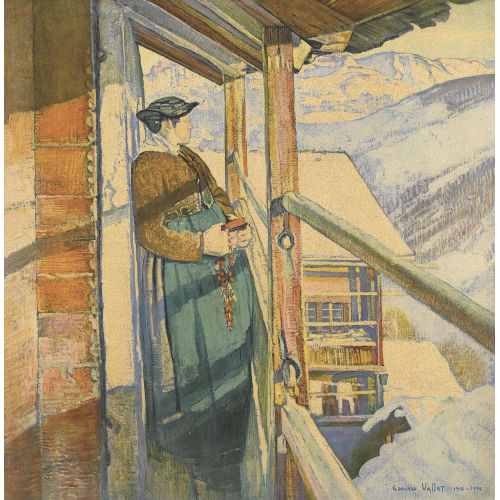
His discovery of Hérémence in 1908 ushered in a new period in his career; he would return regularly to the canton during the last twenty years of his life.
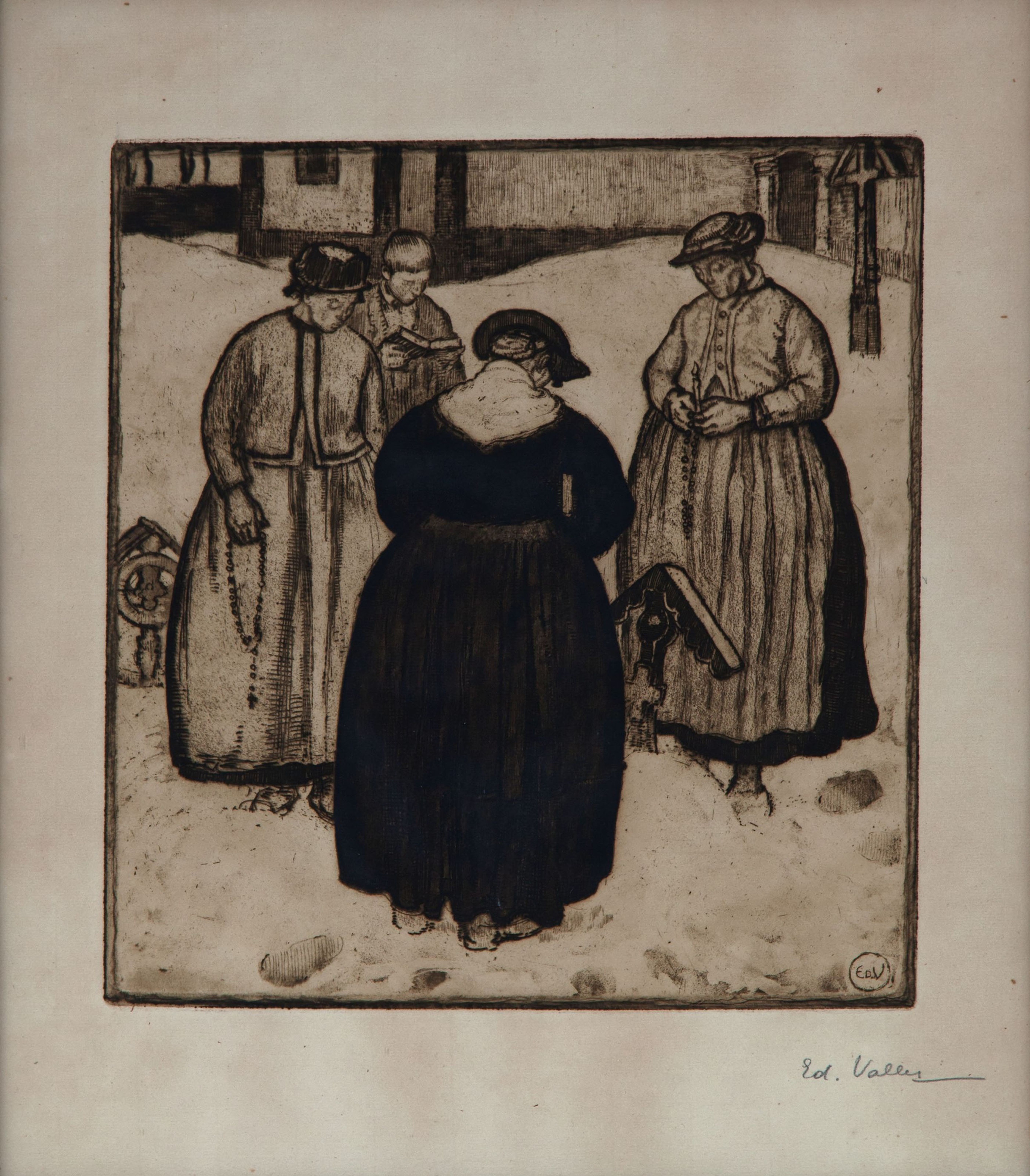
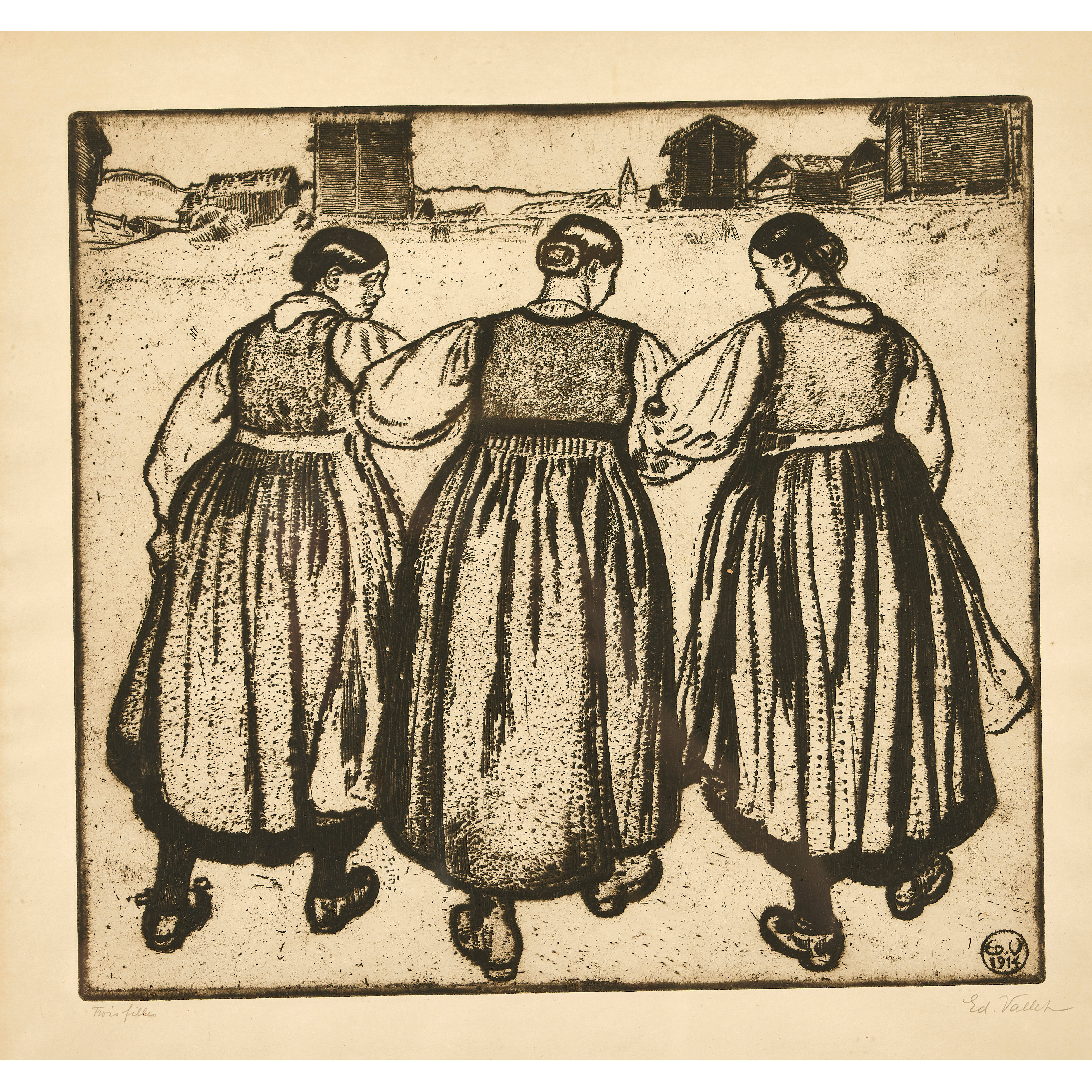
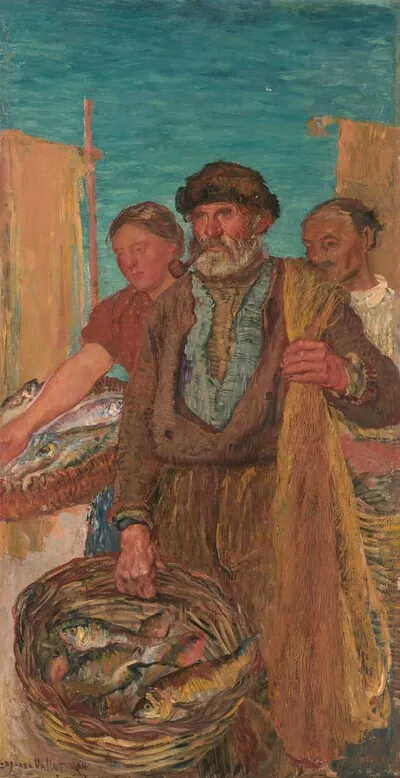
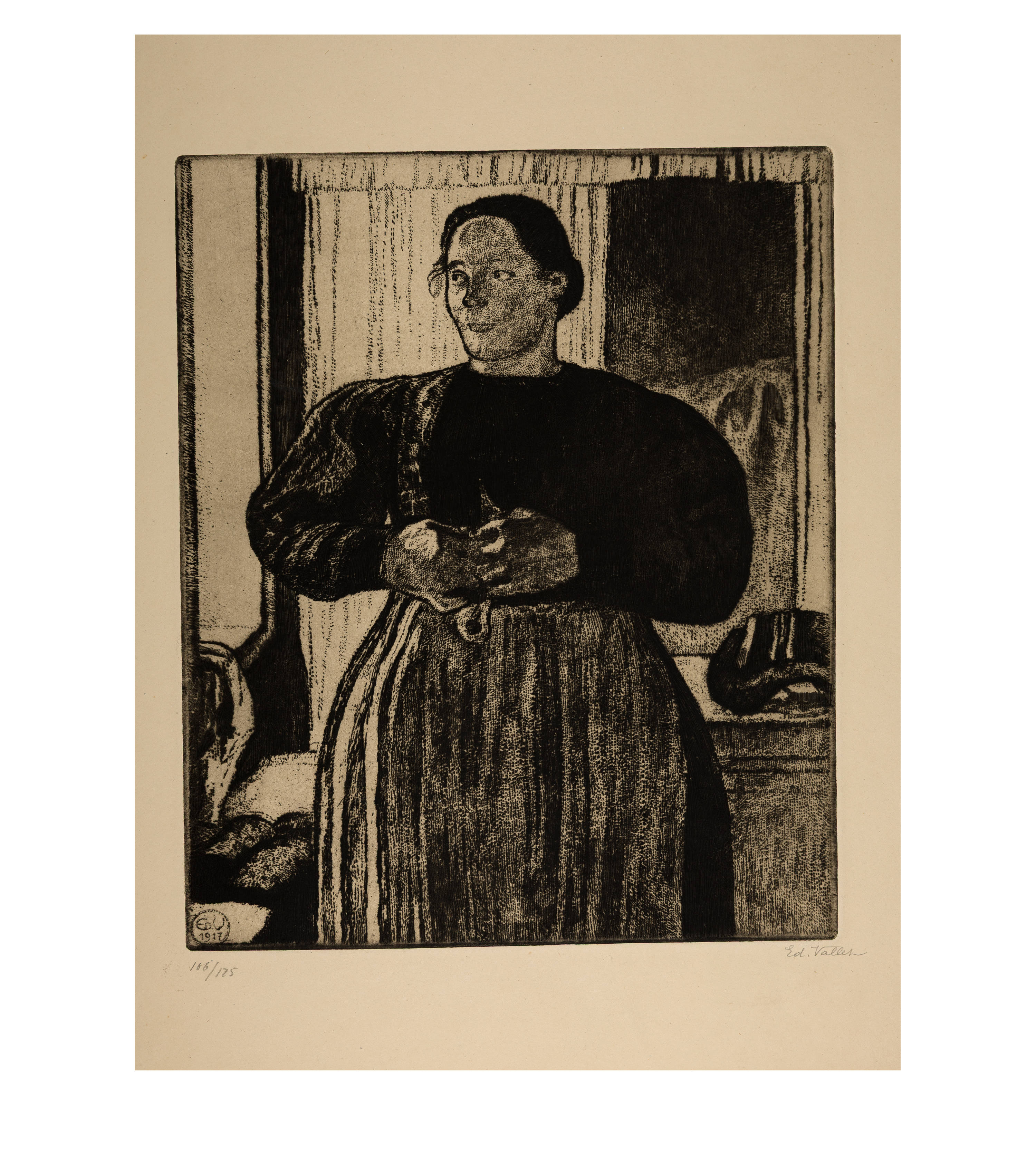
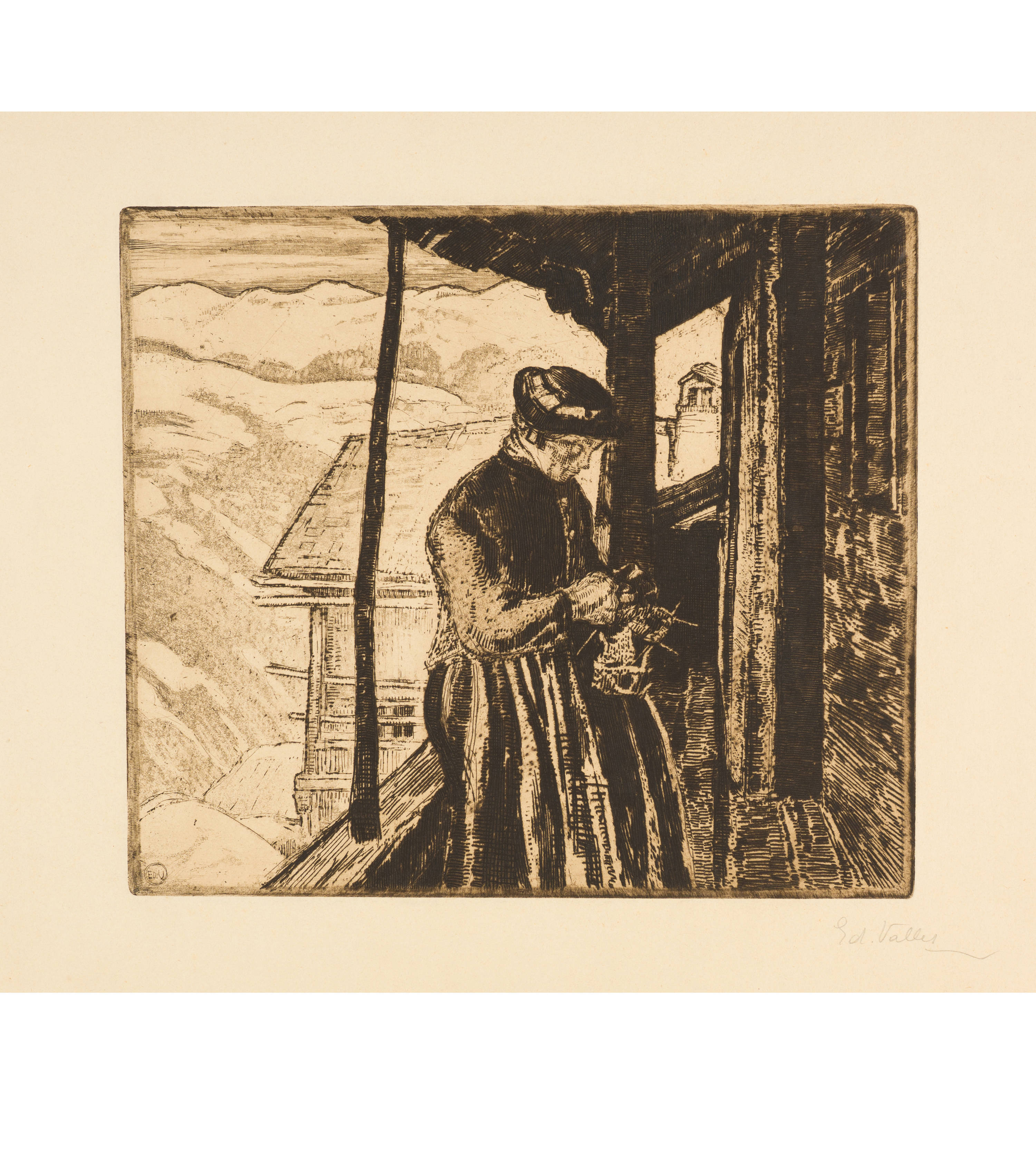
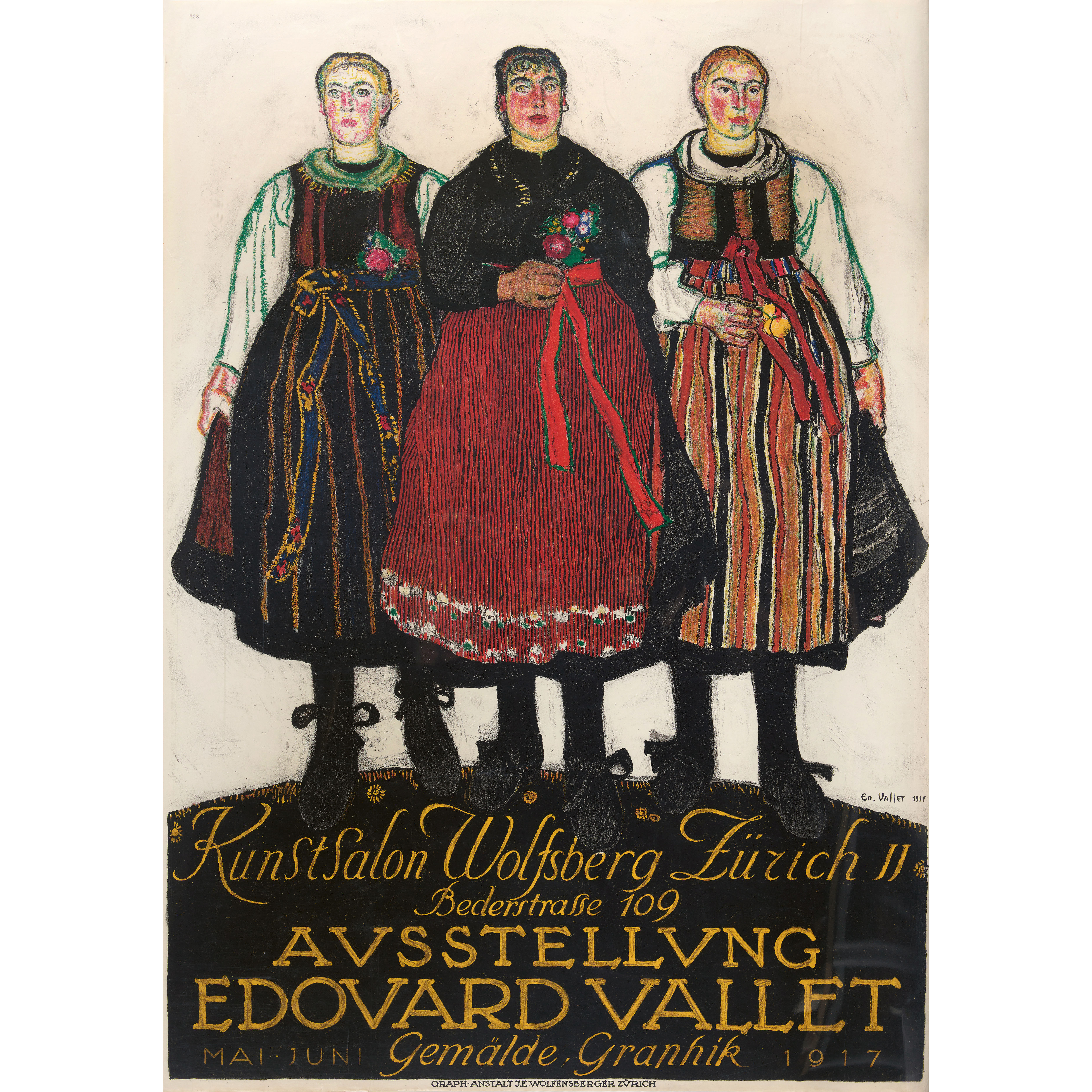
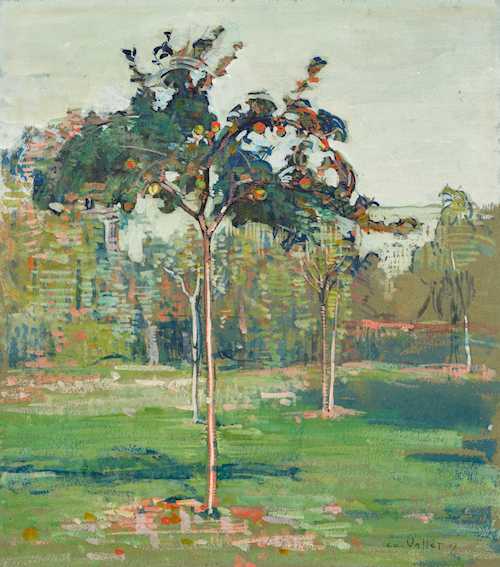
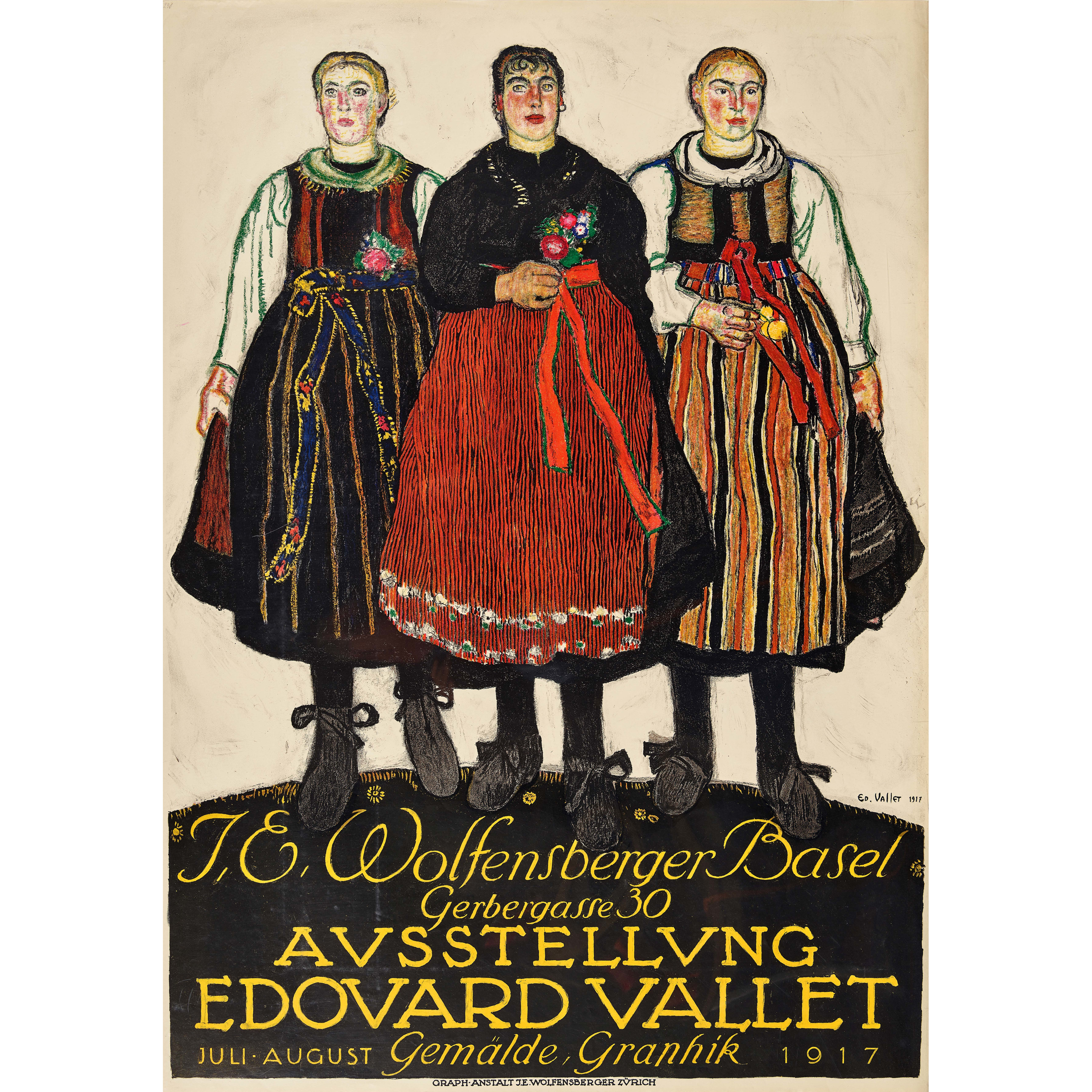
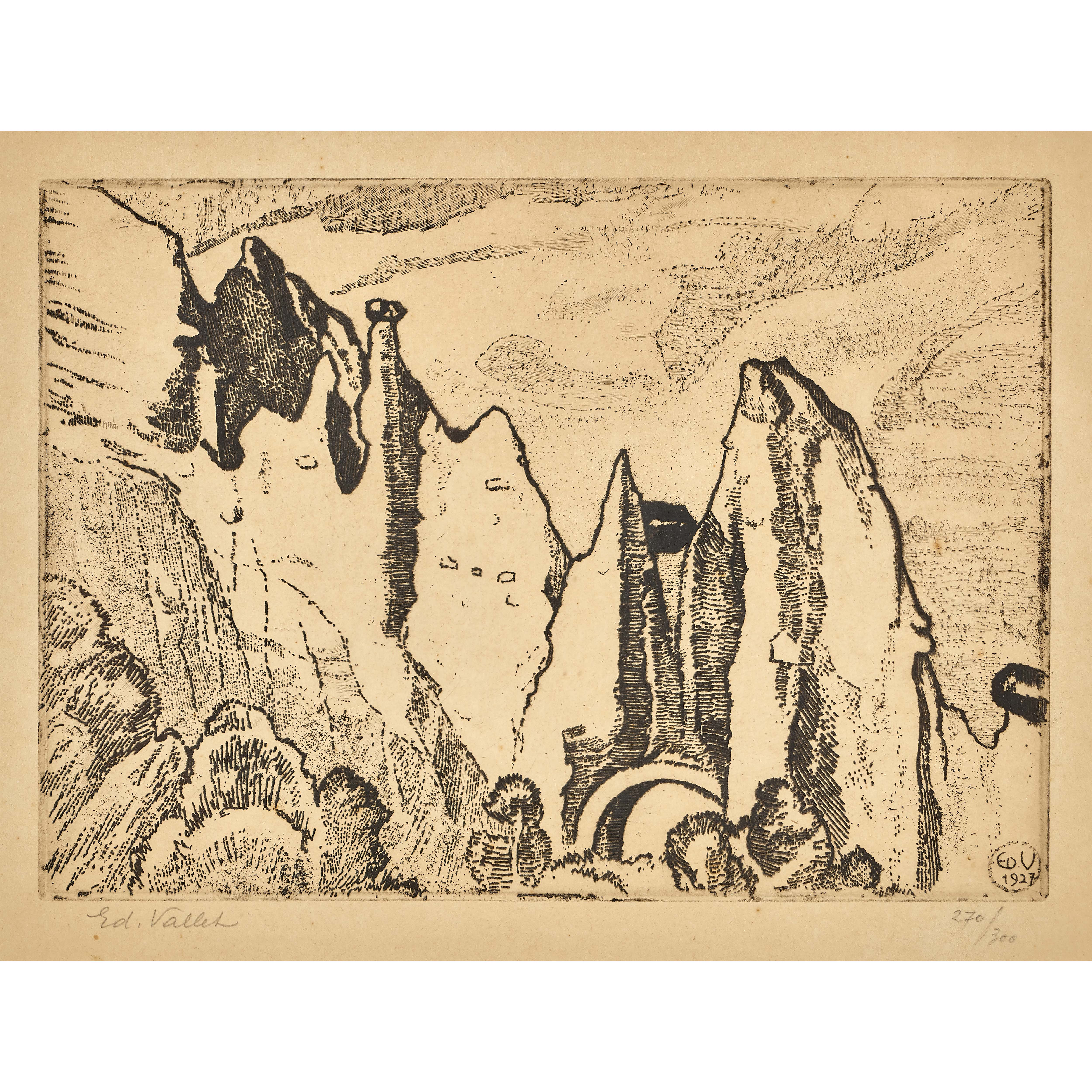
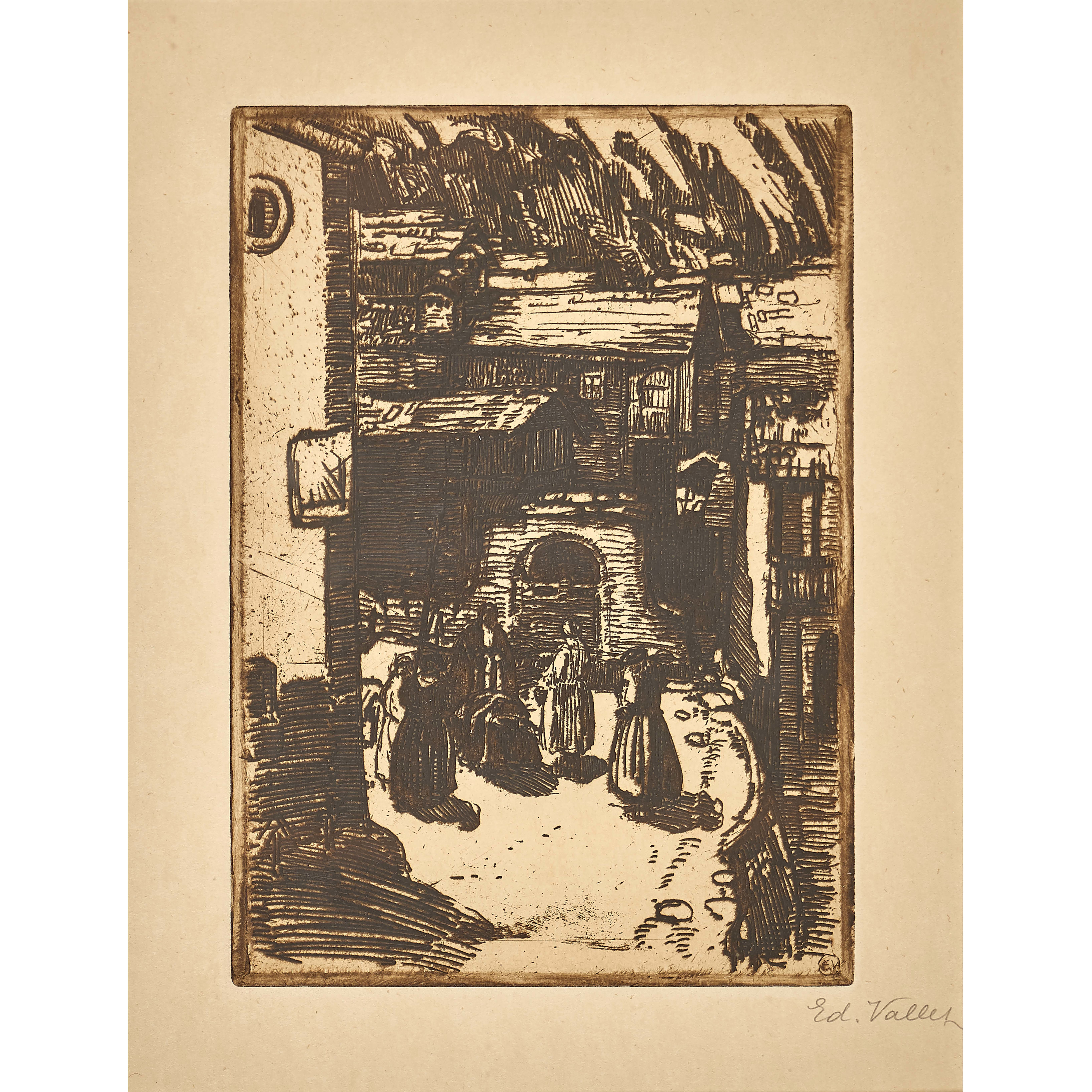
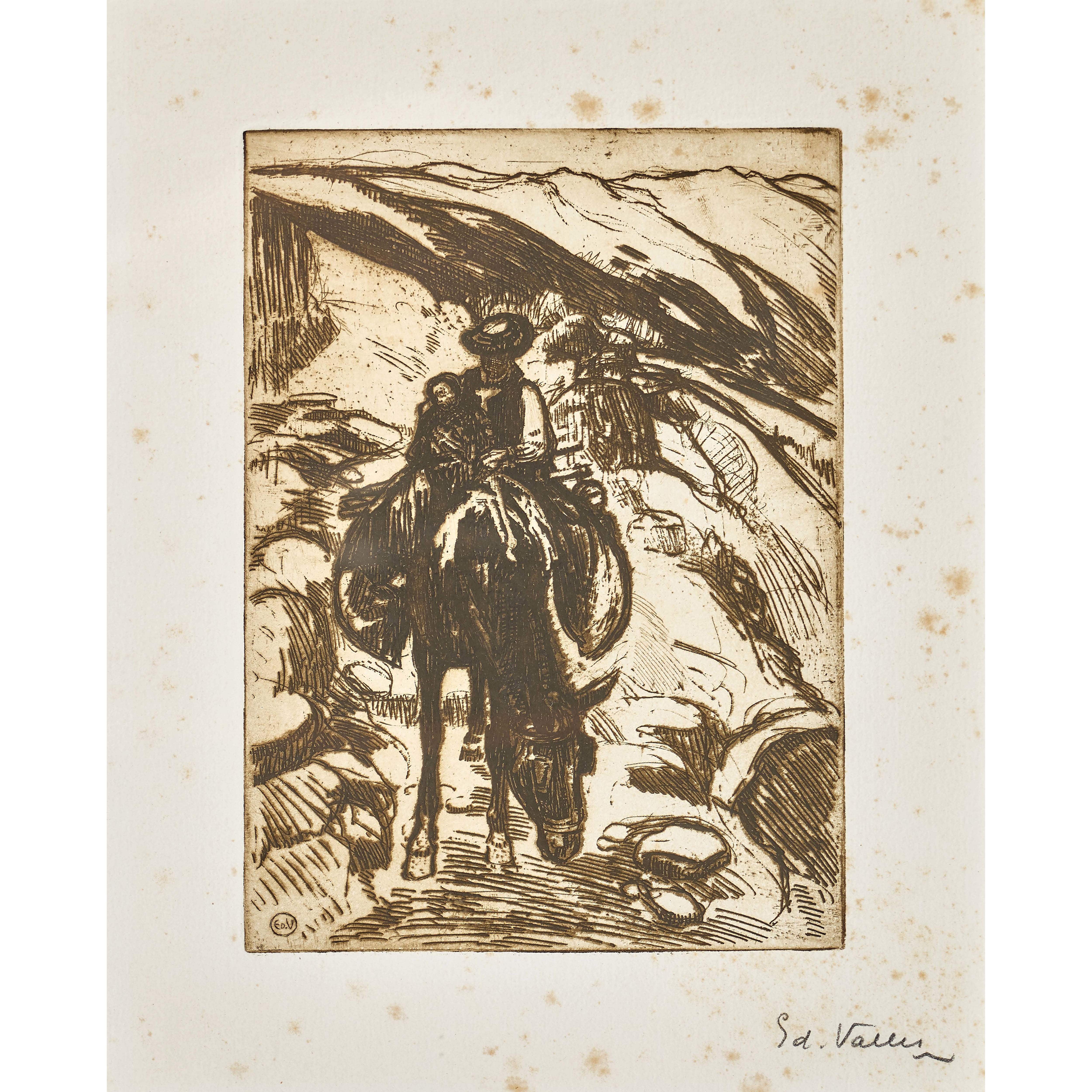
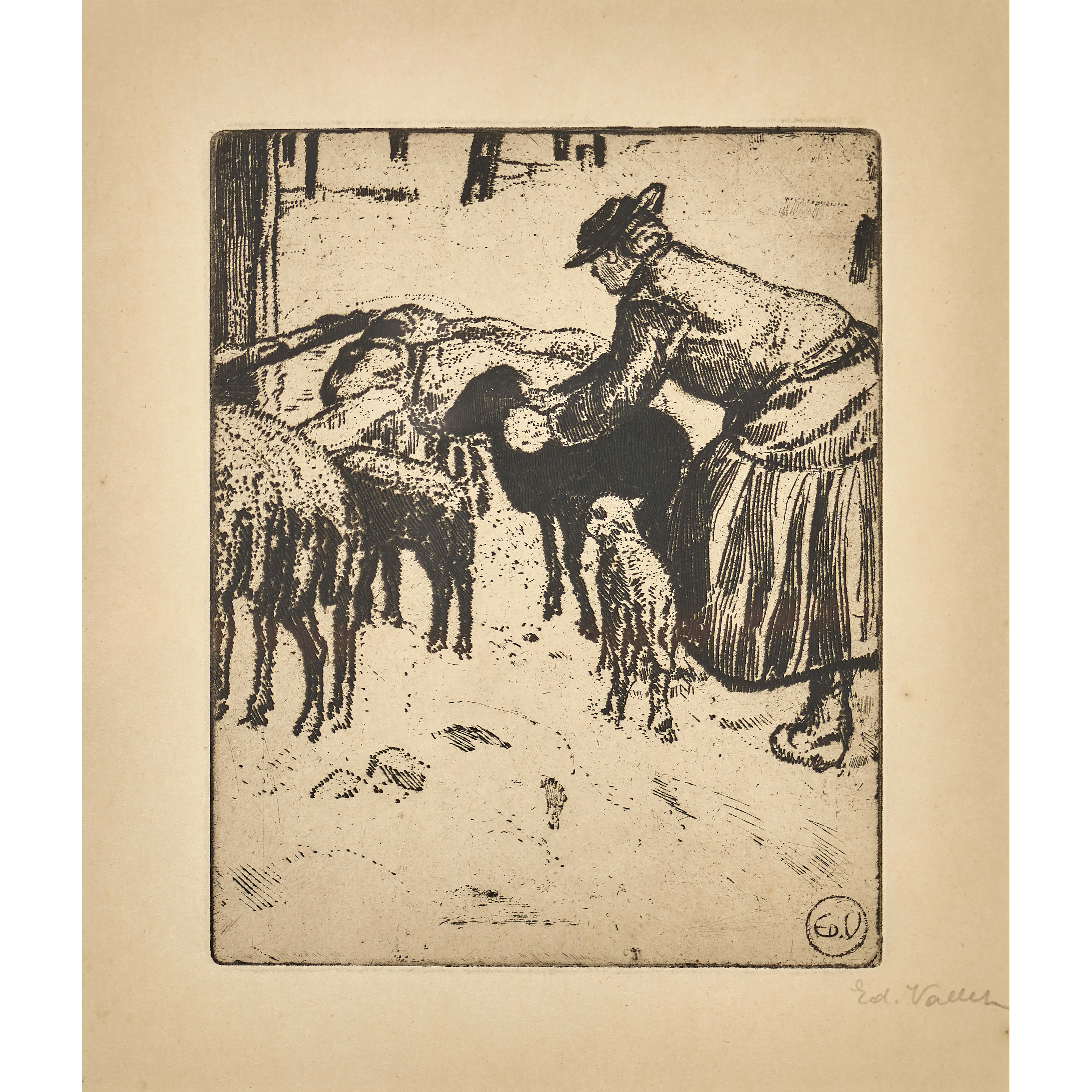
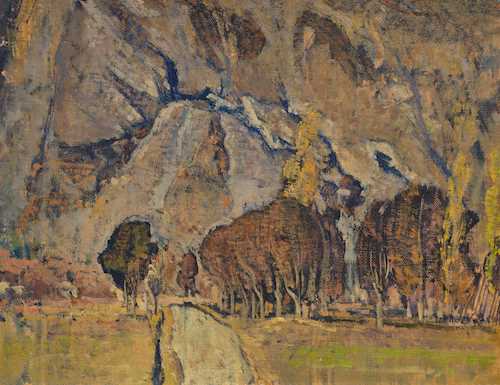
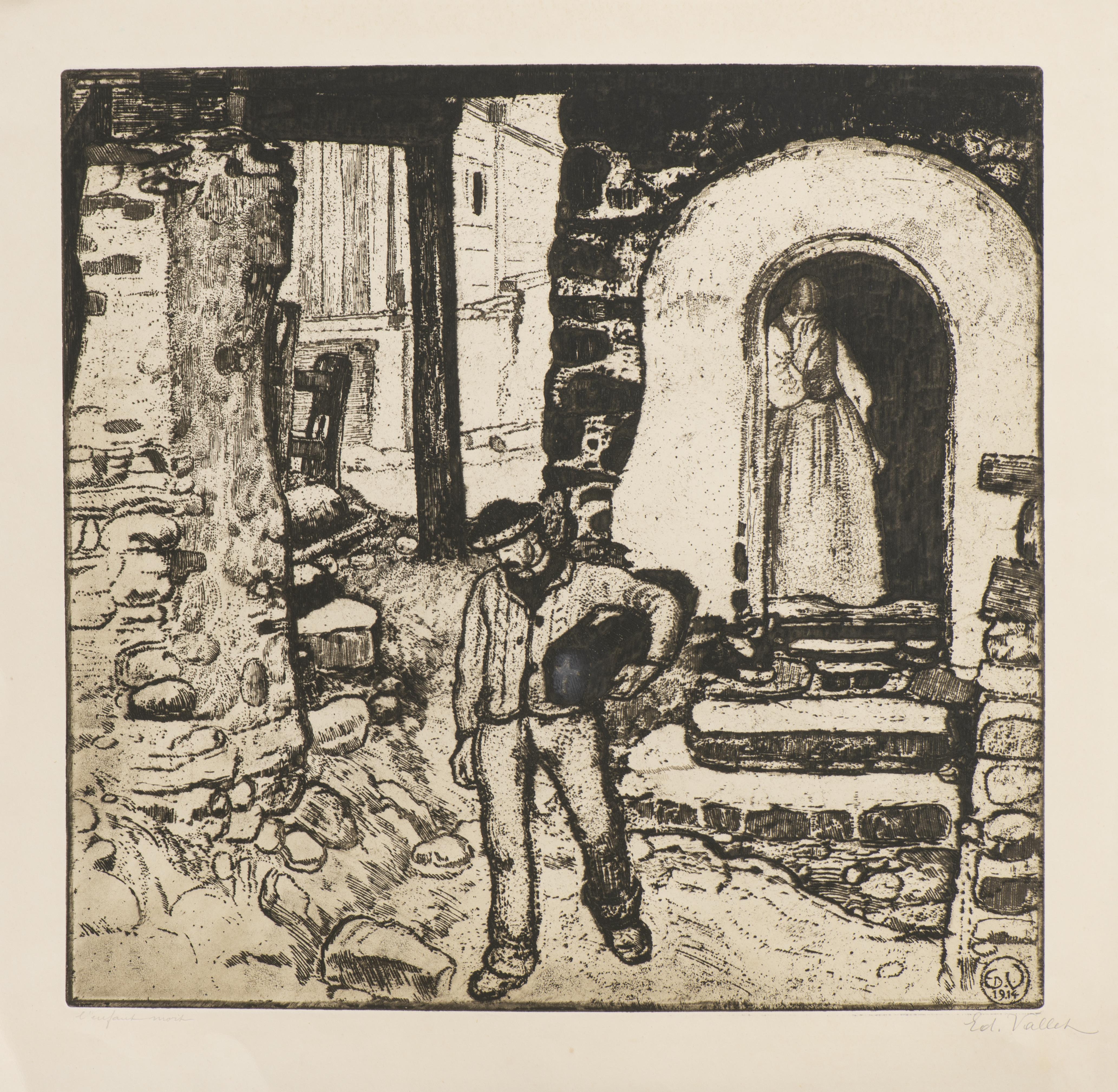
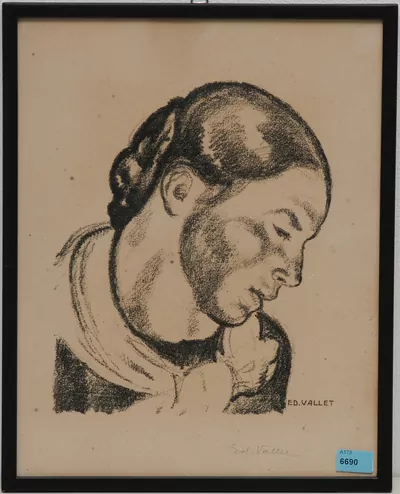
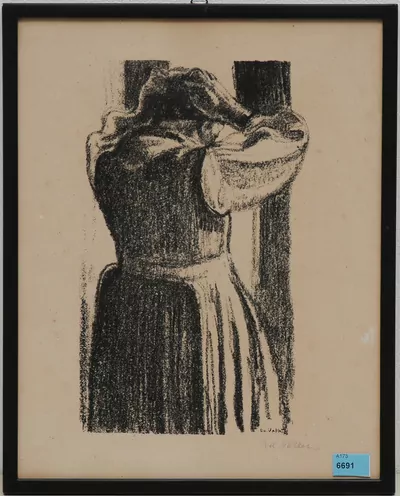
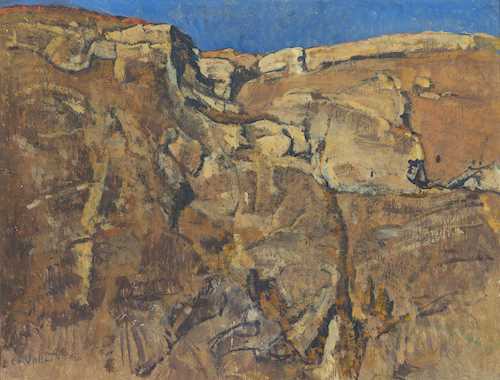
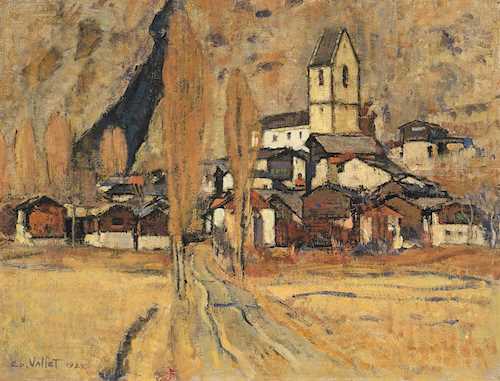
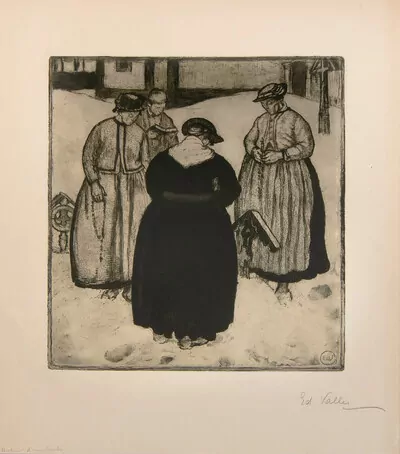
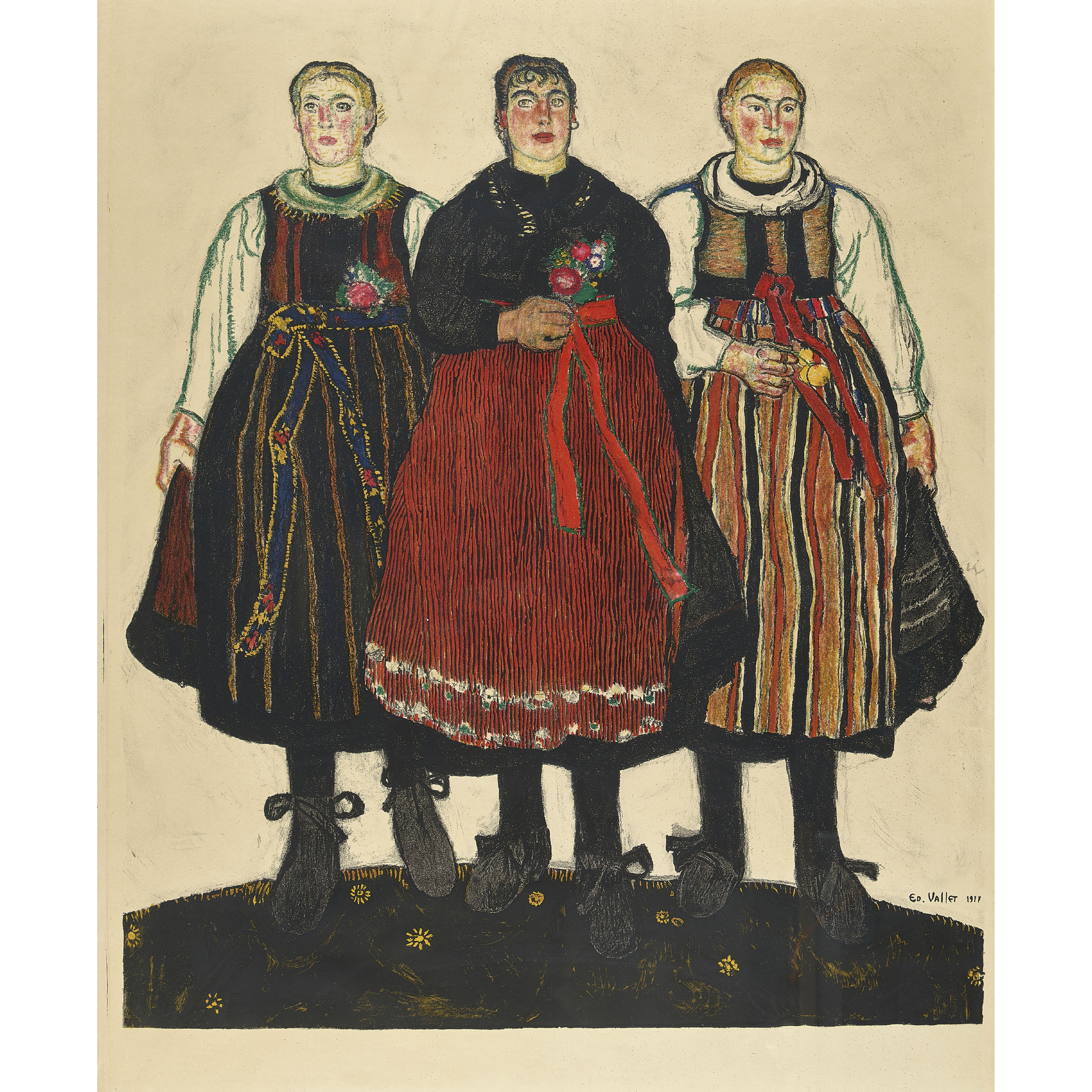
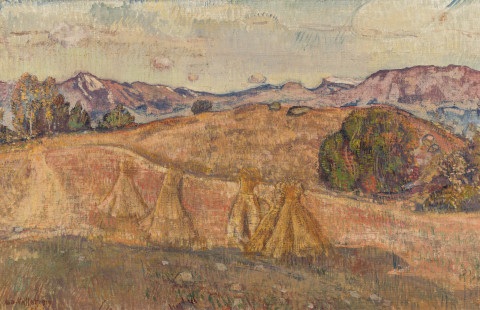
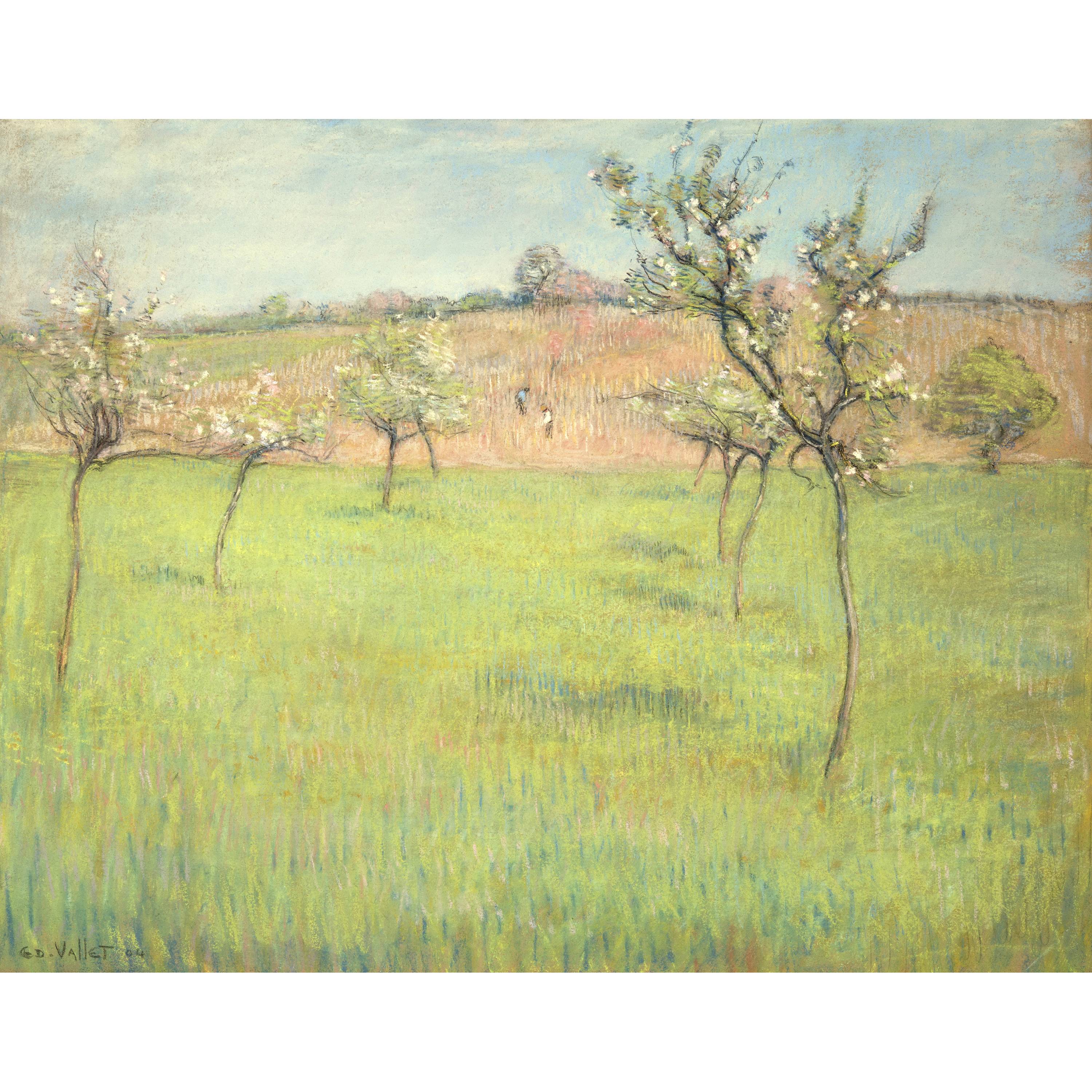
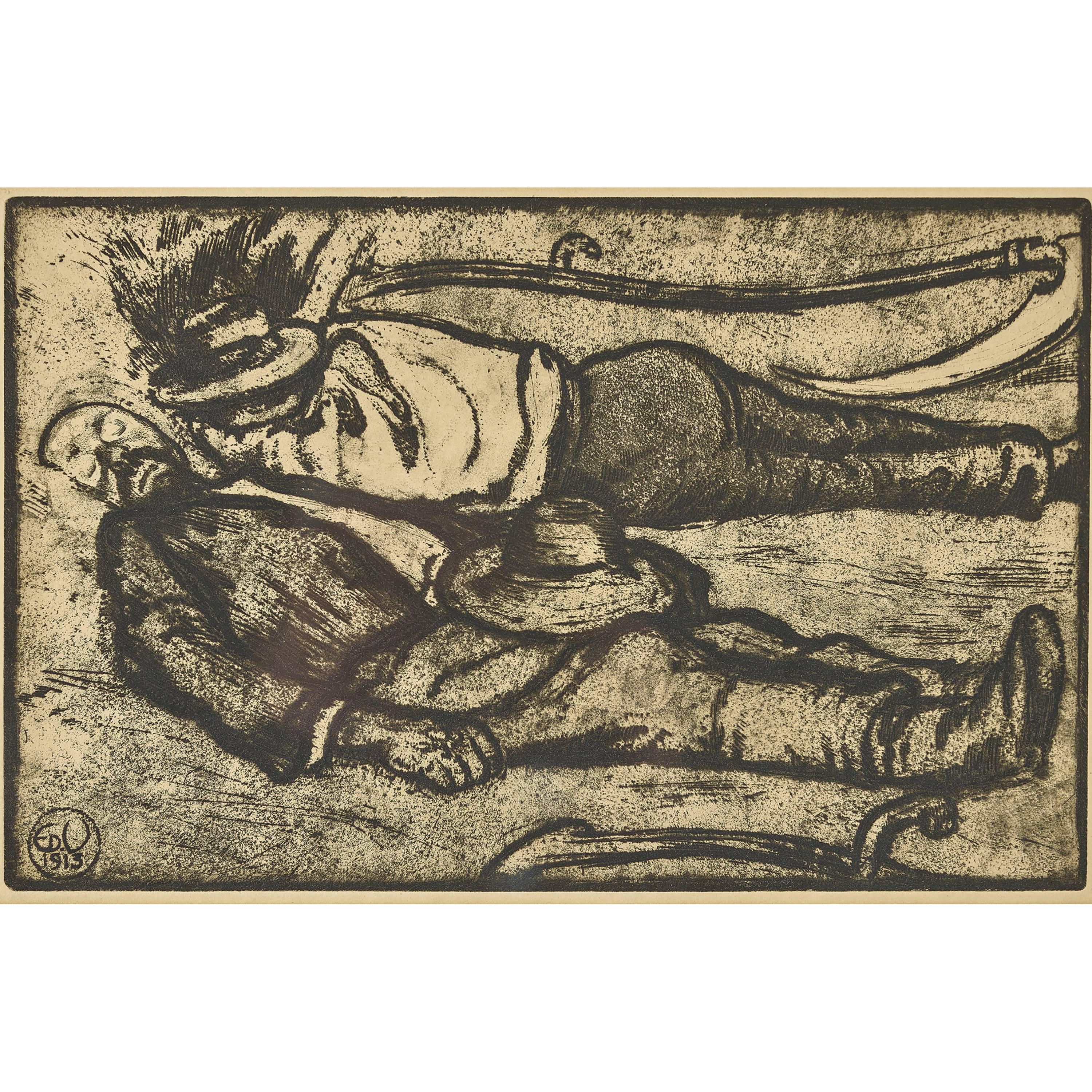
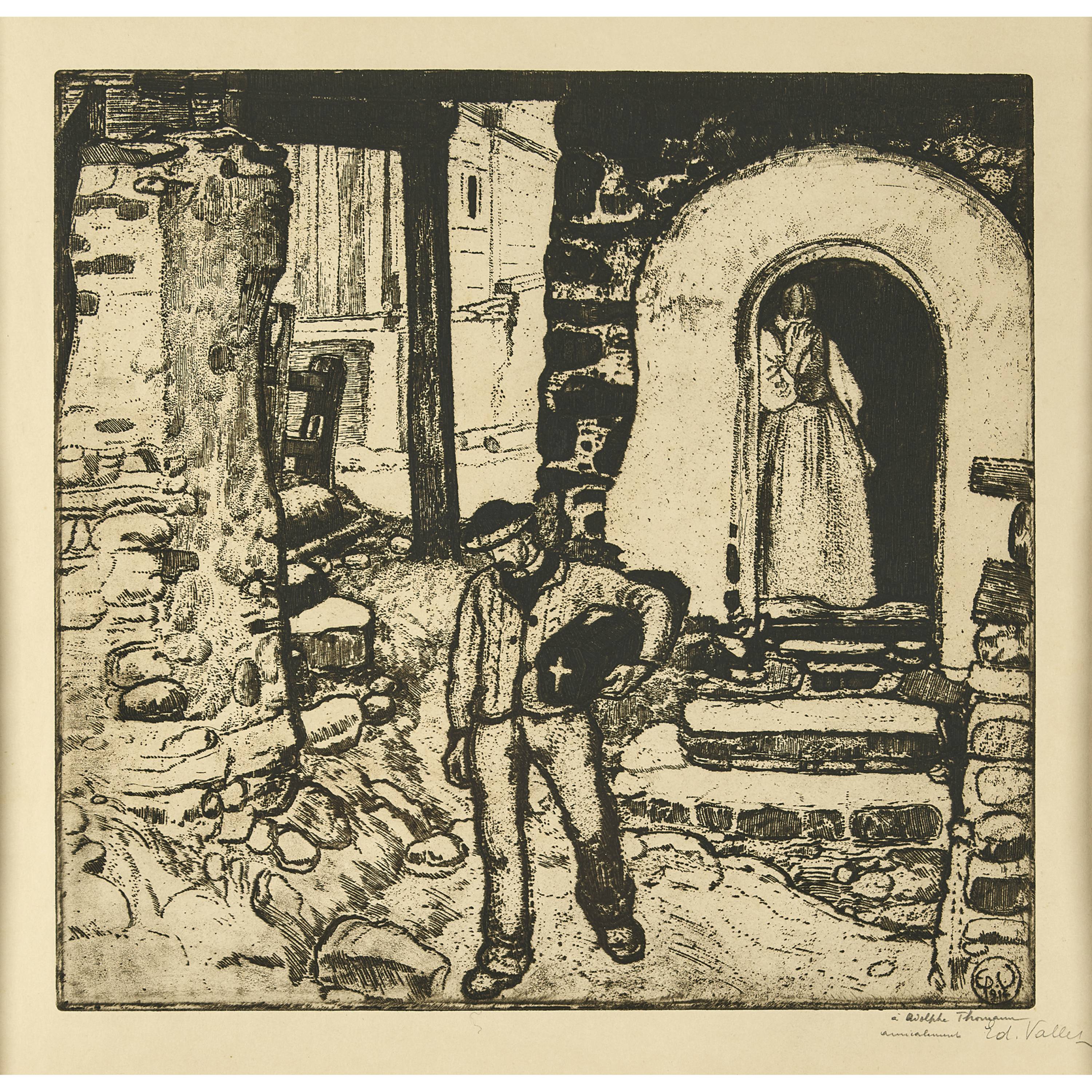
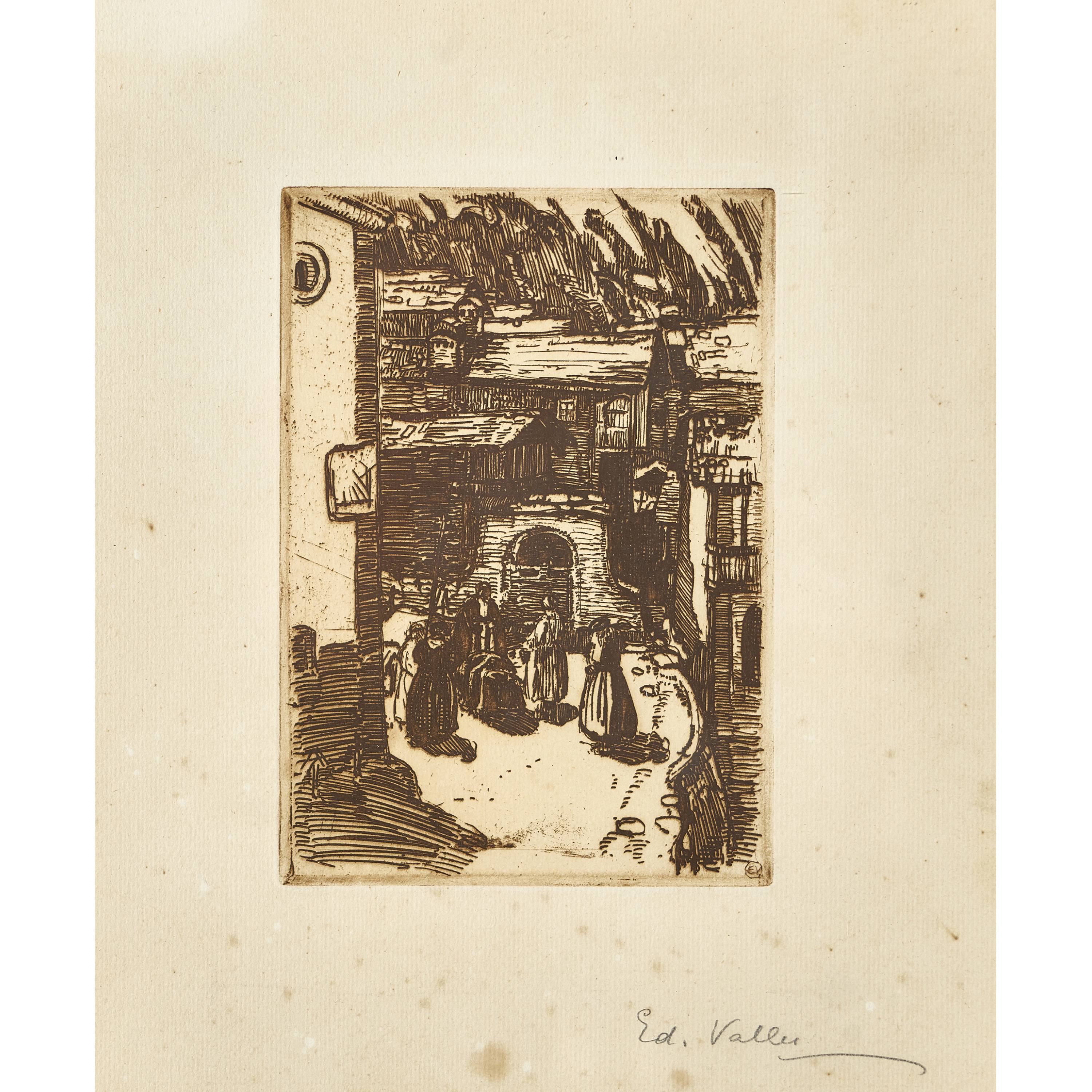
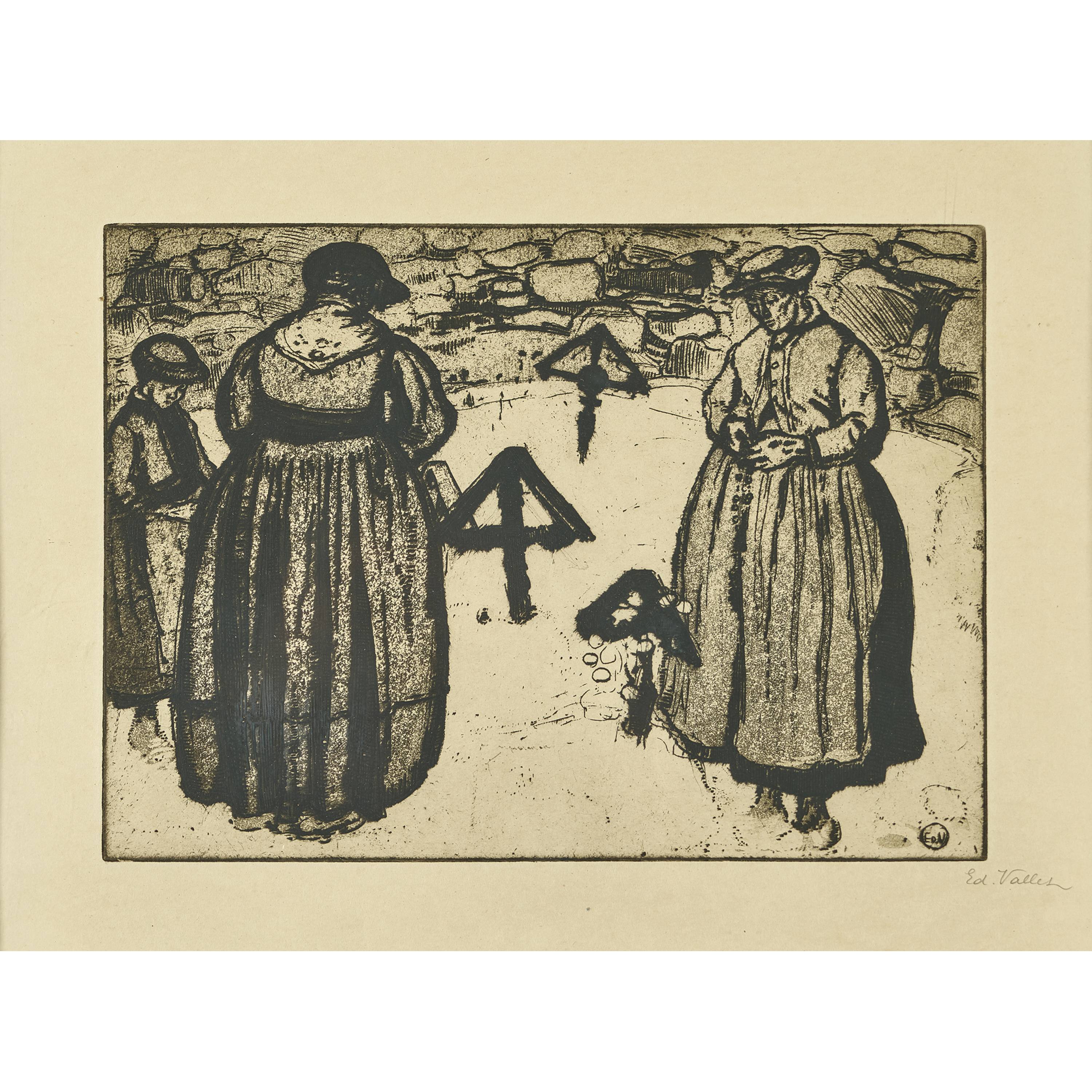
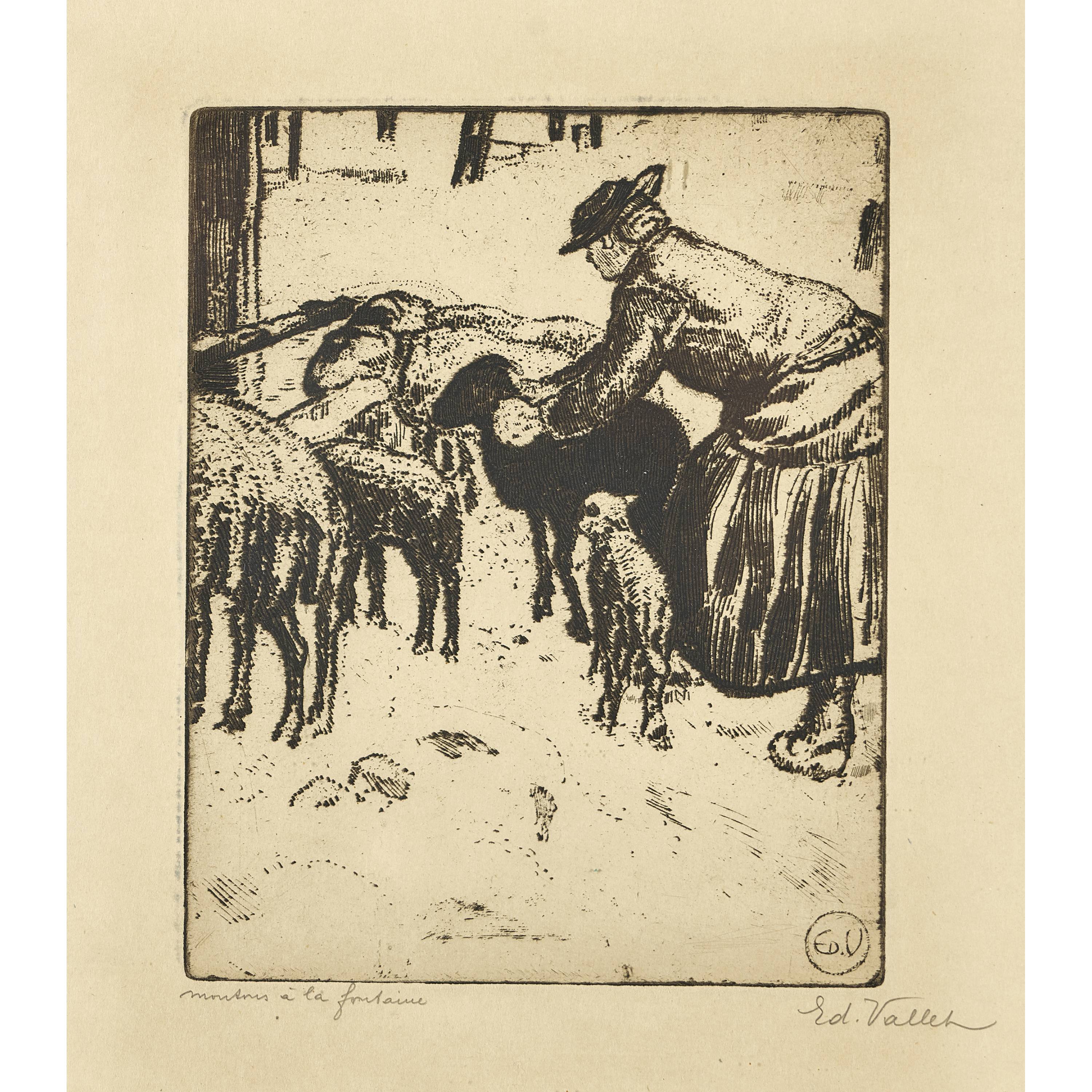
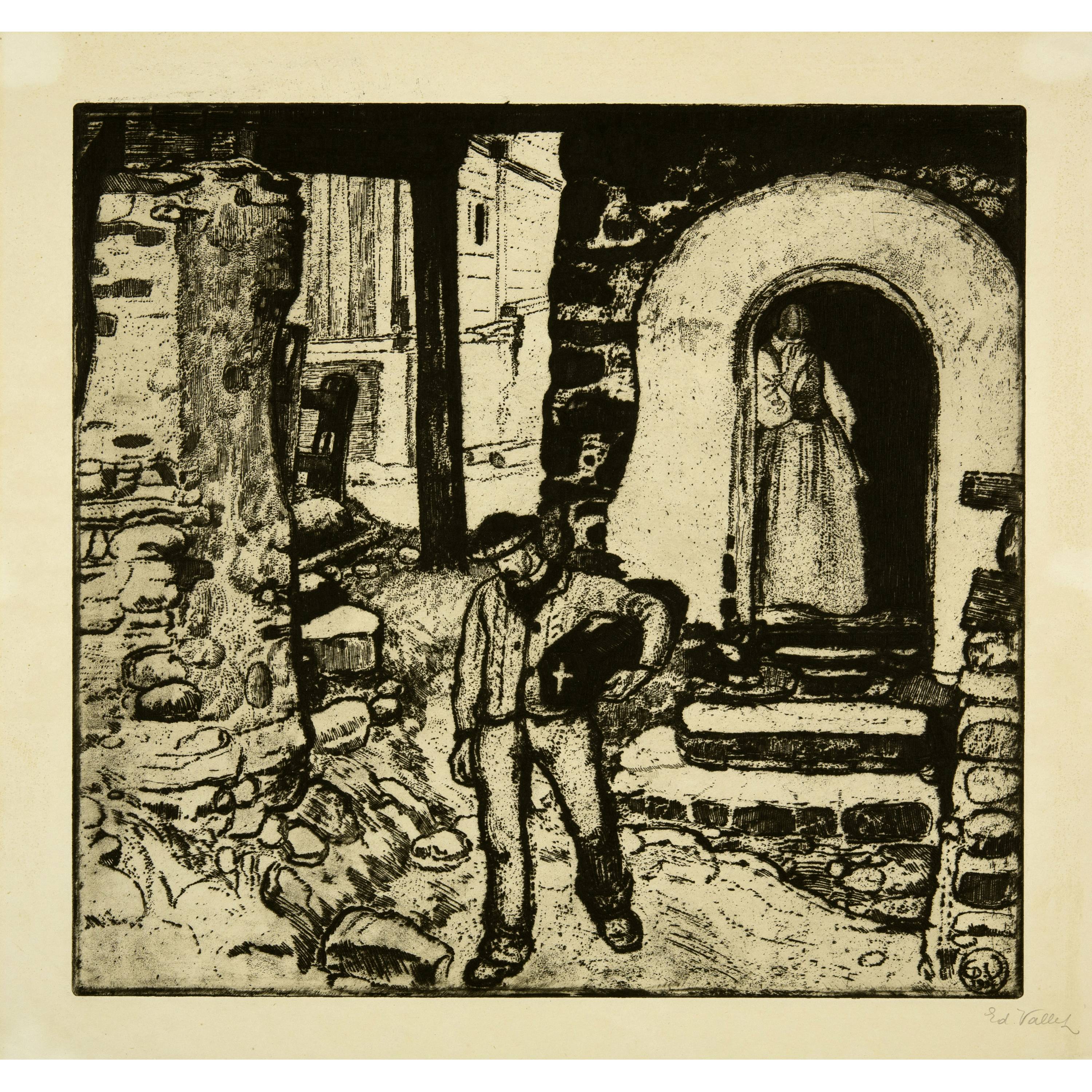
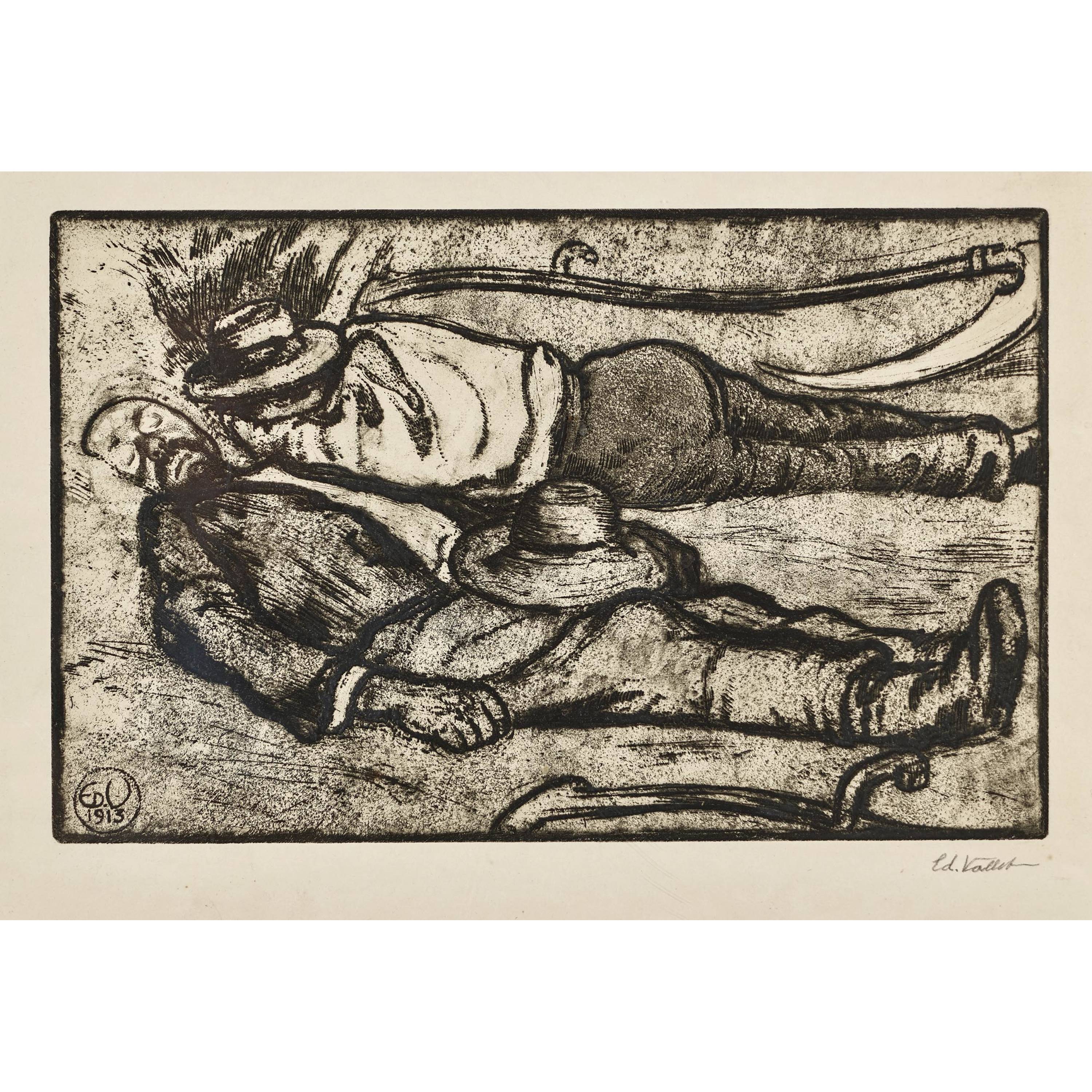
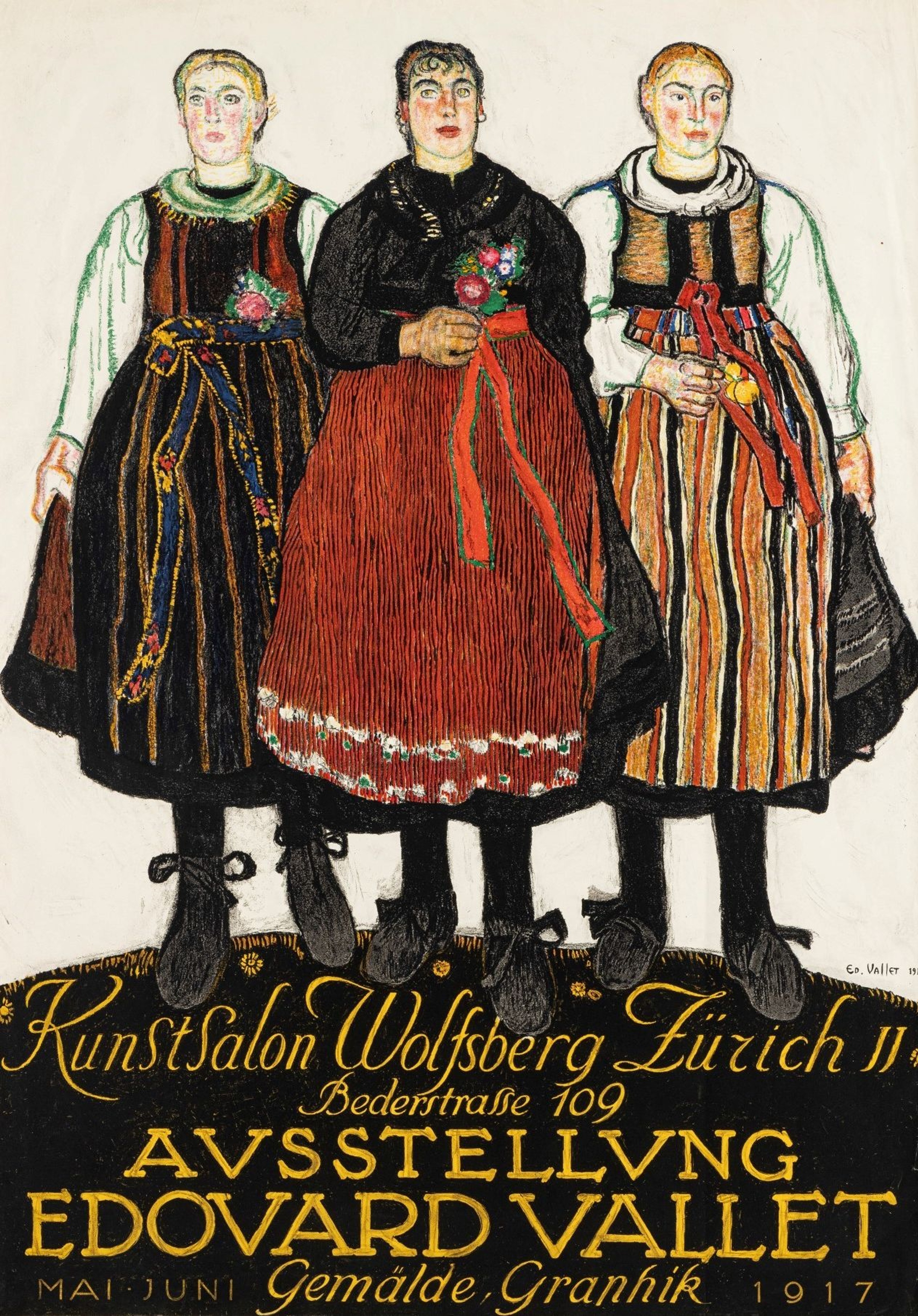
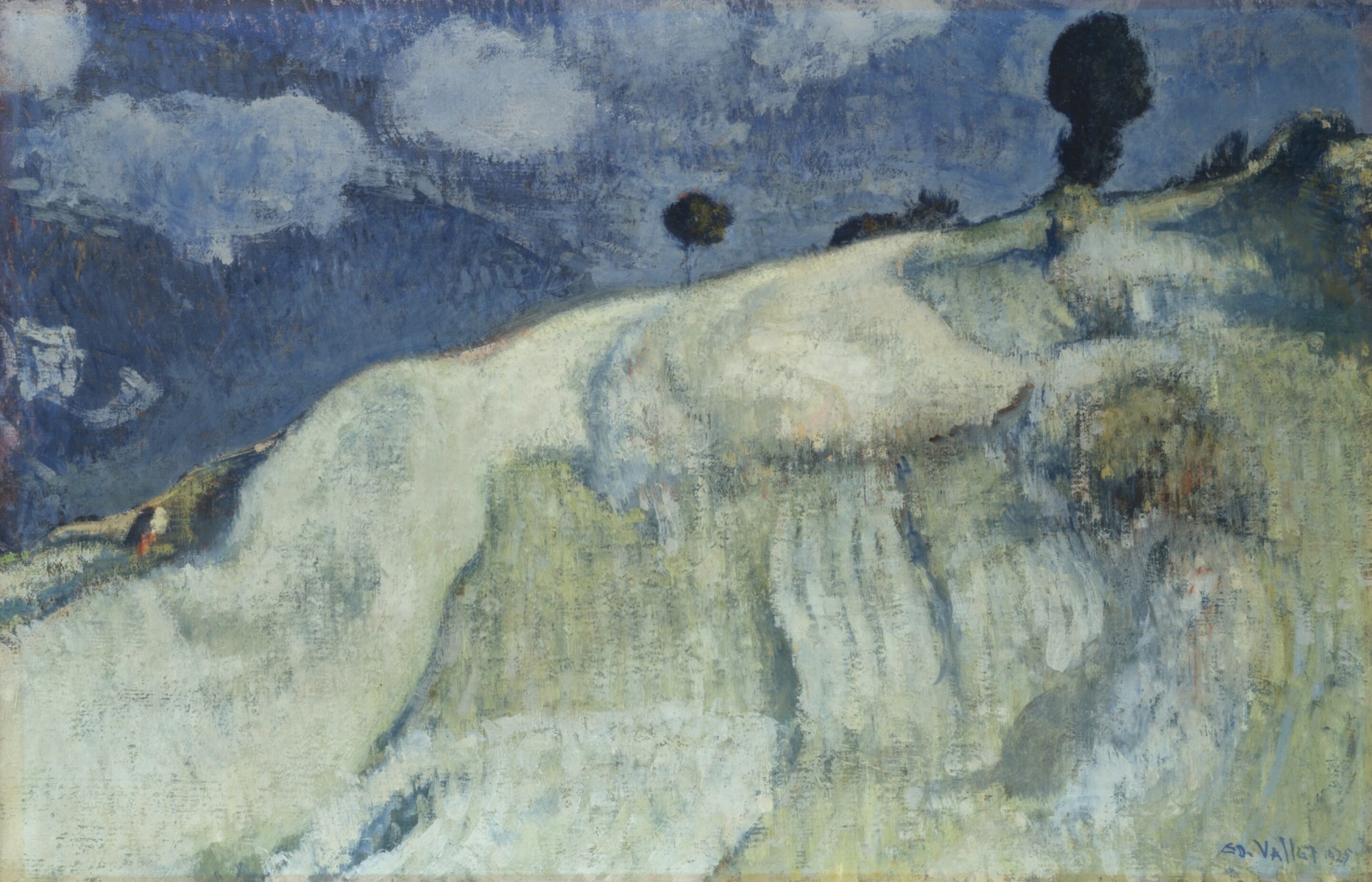
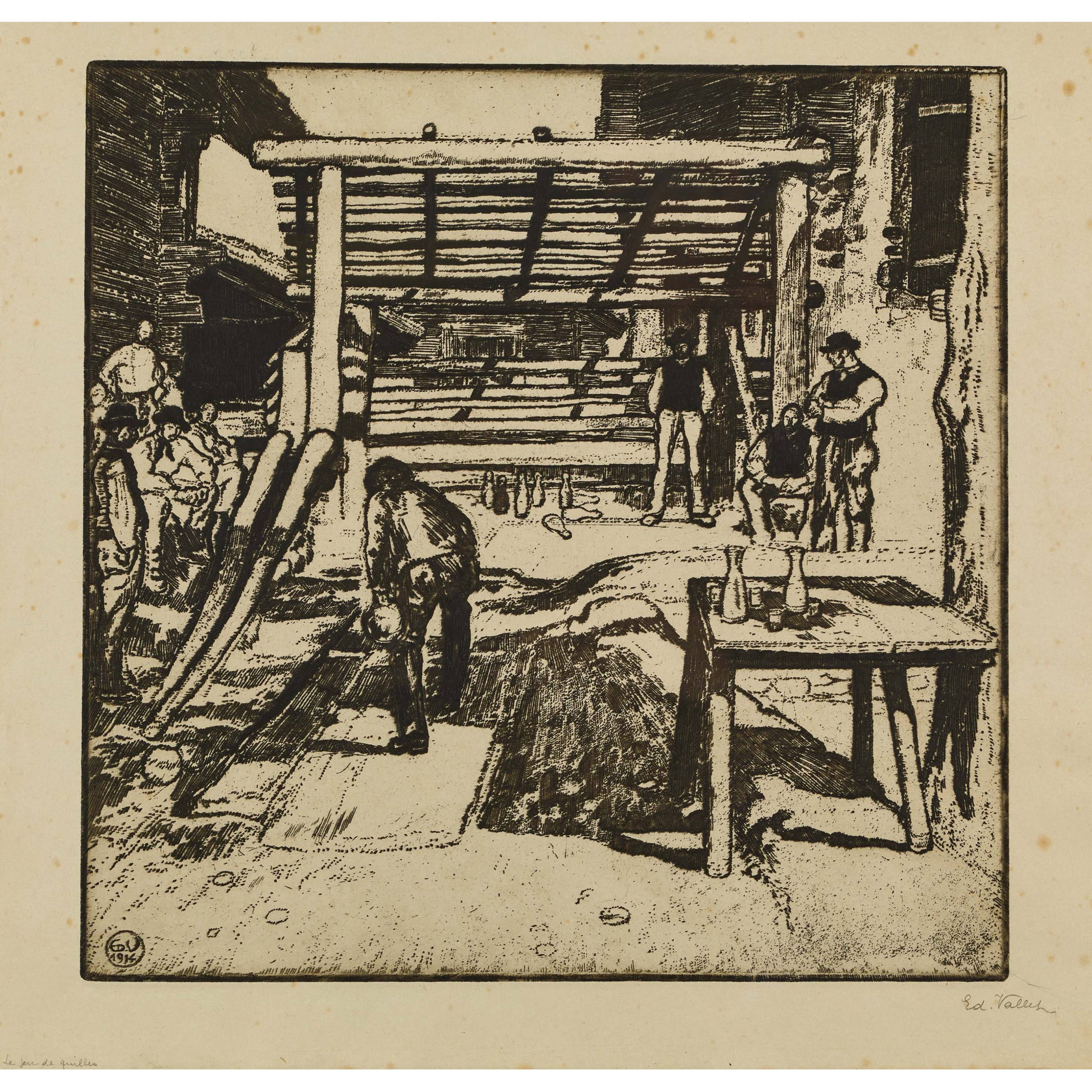
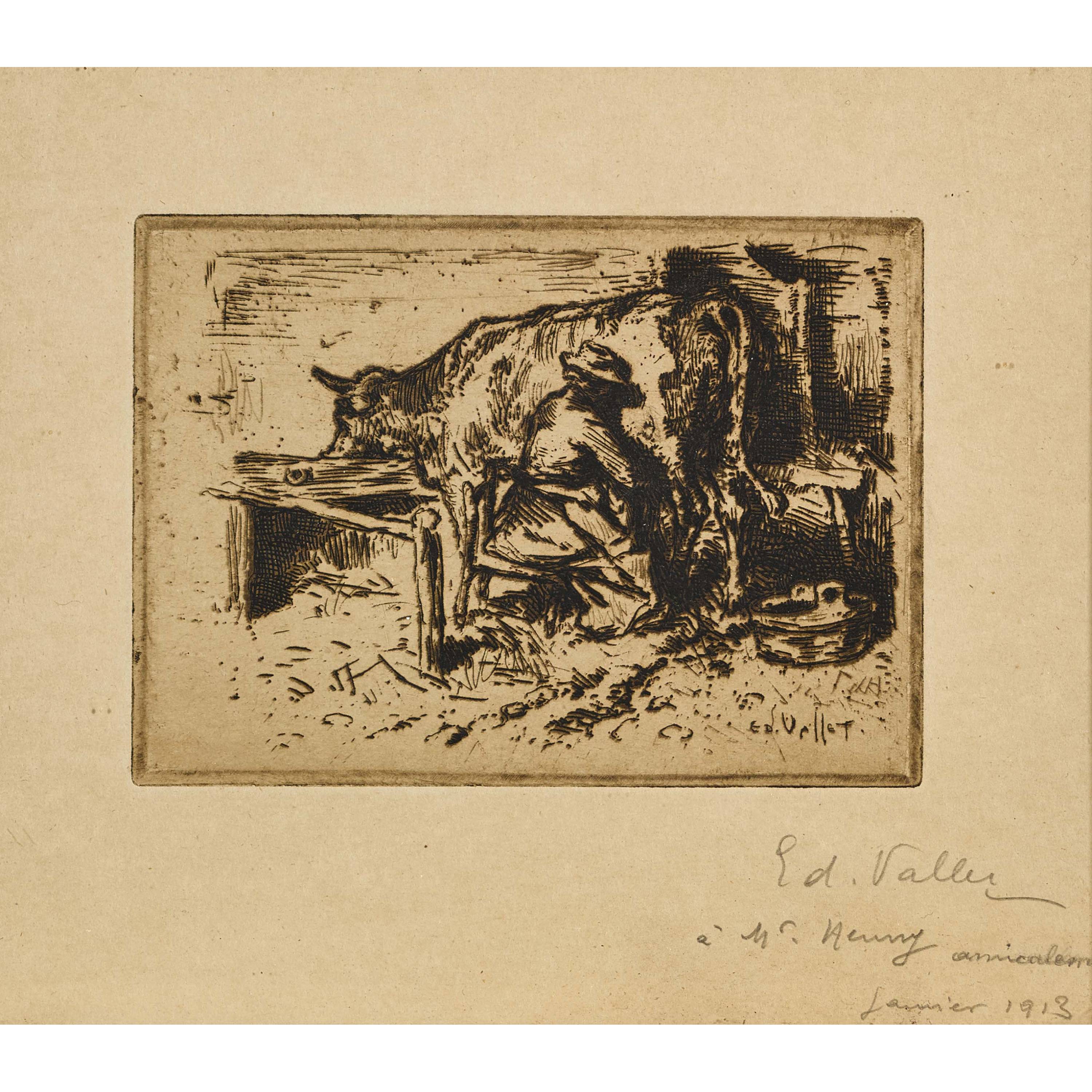
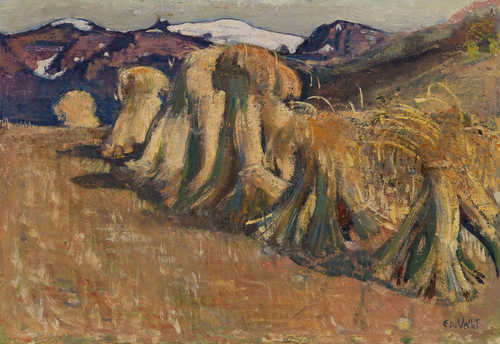
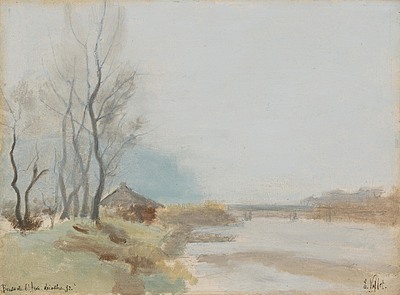
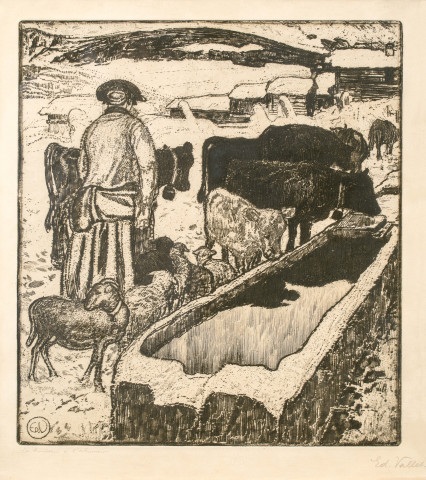
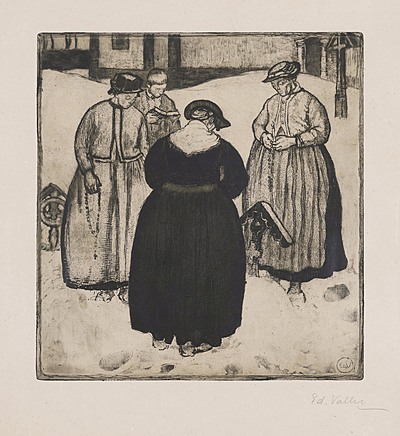
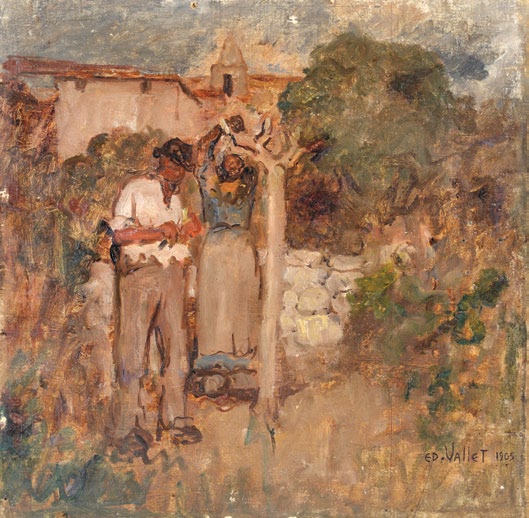
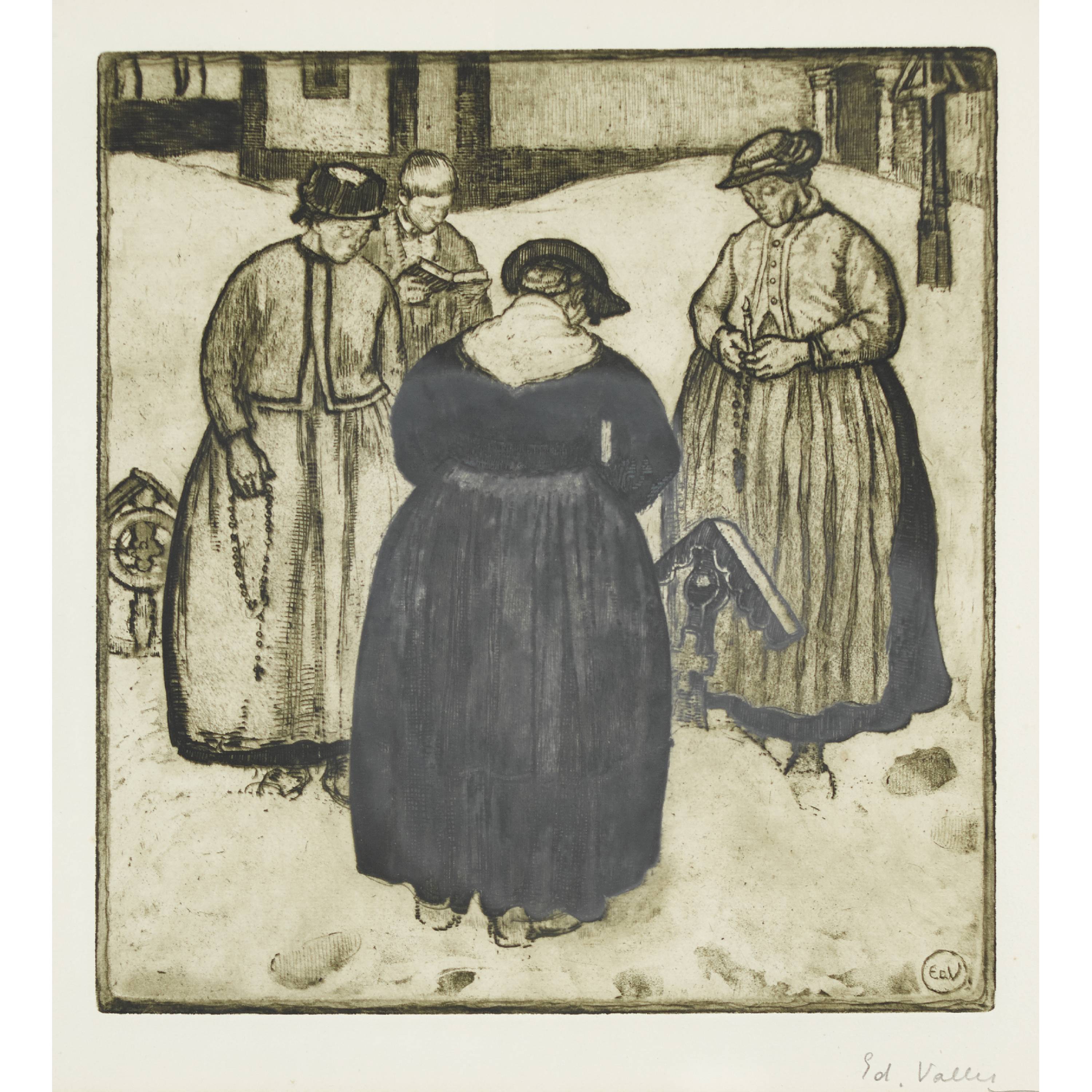
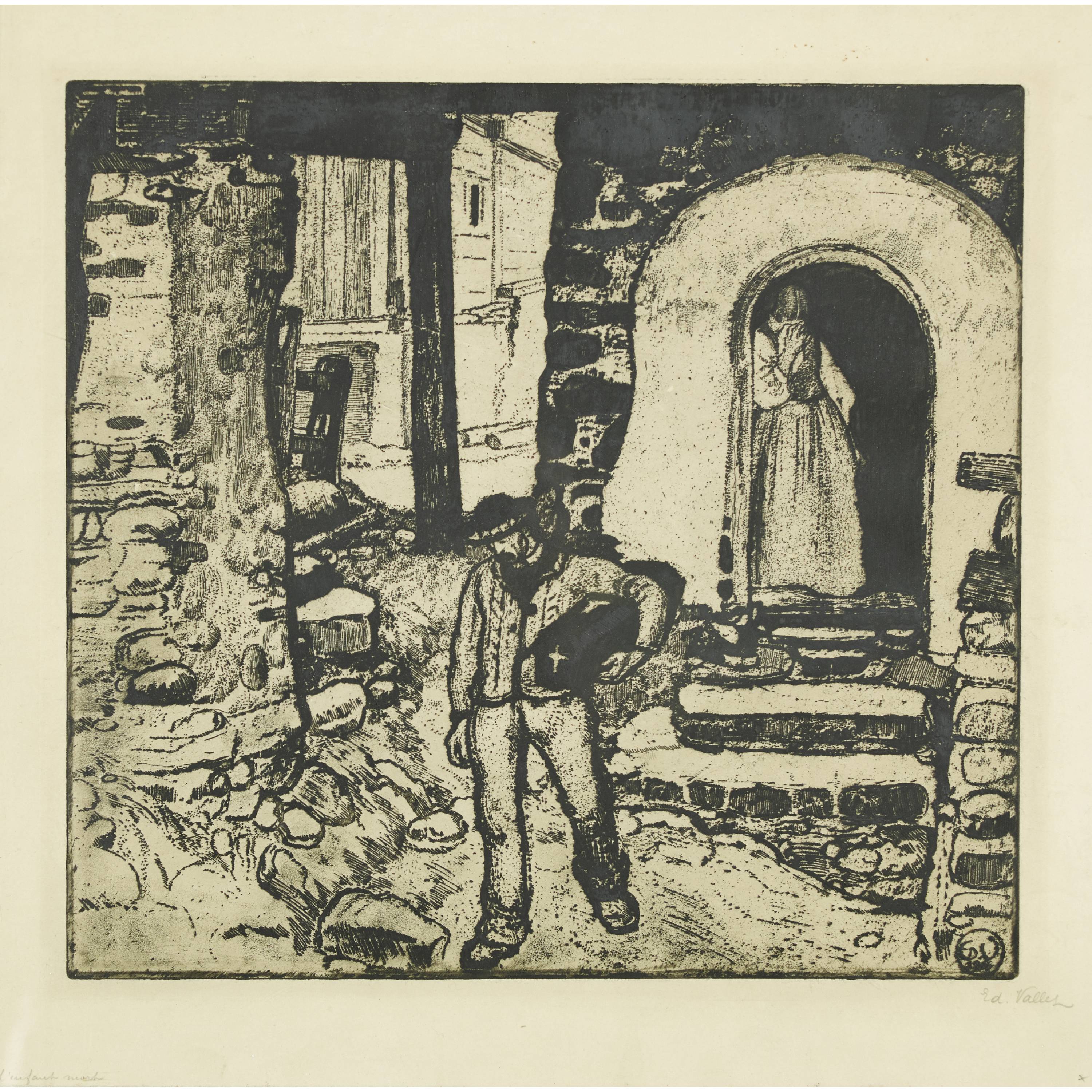
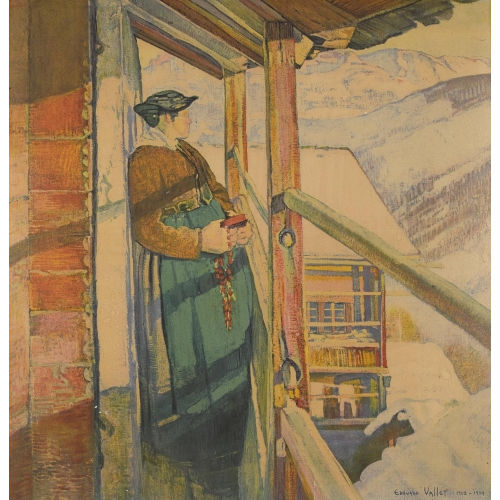
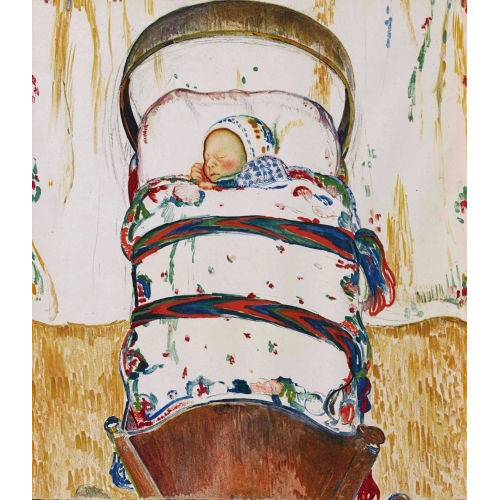
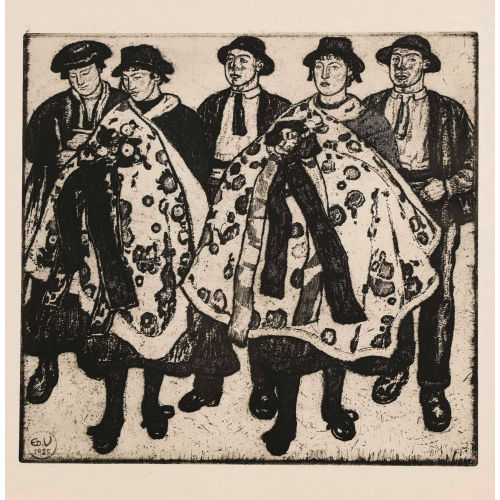
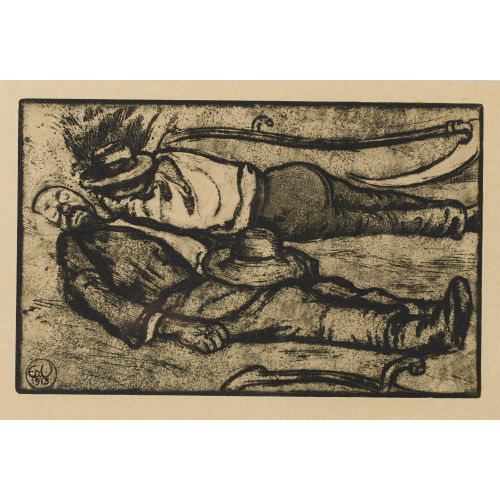
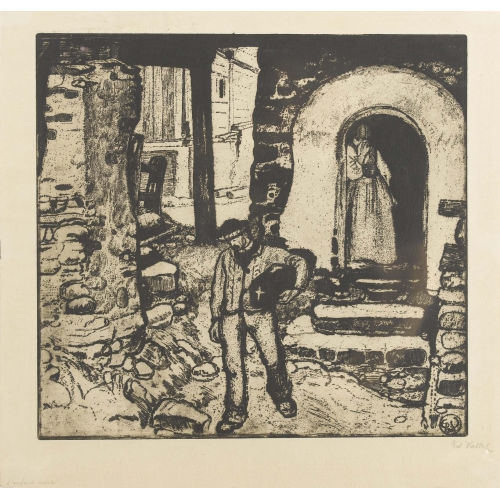
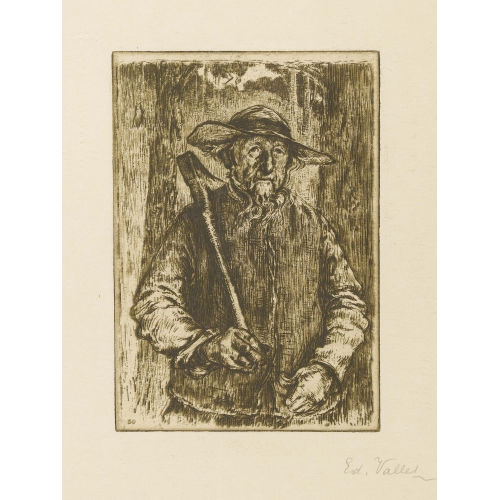
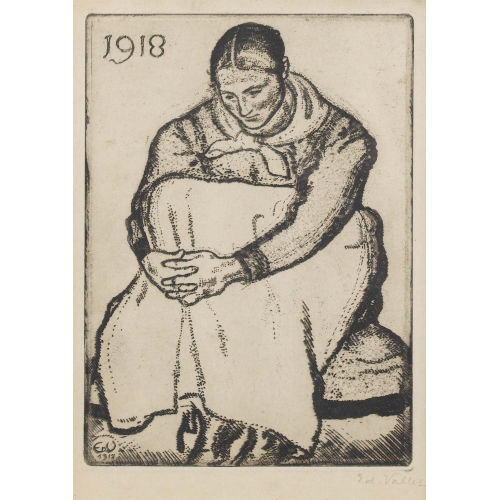
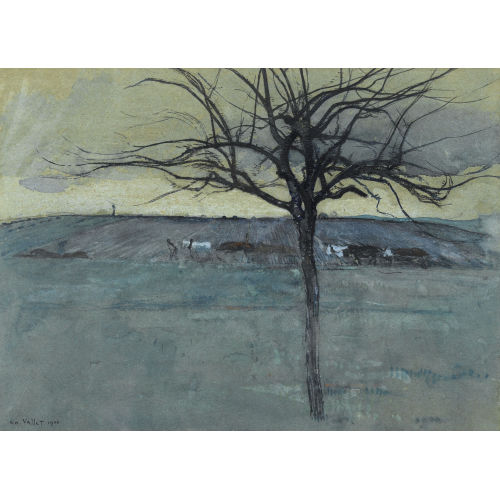
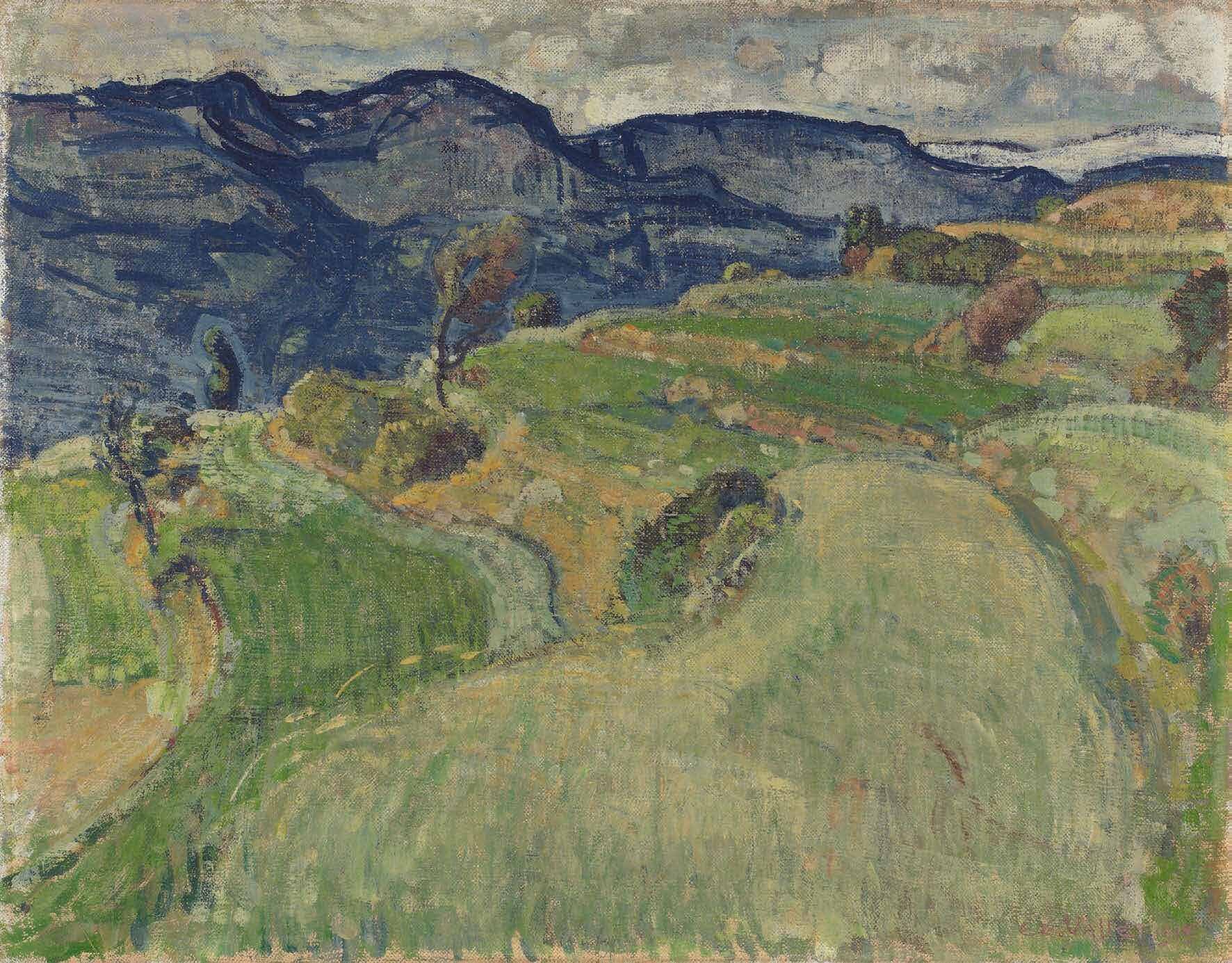
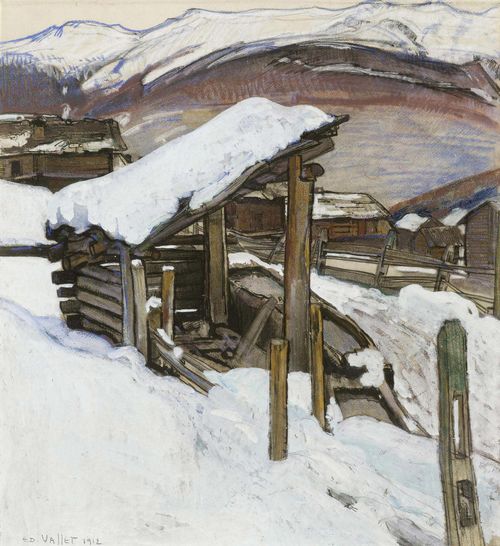
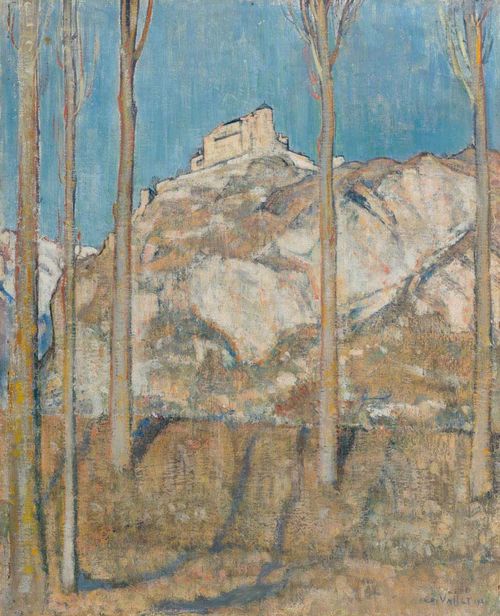
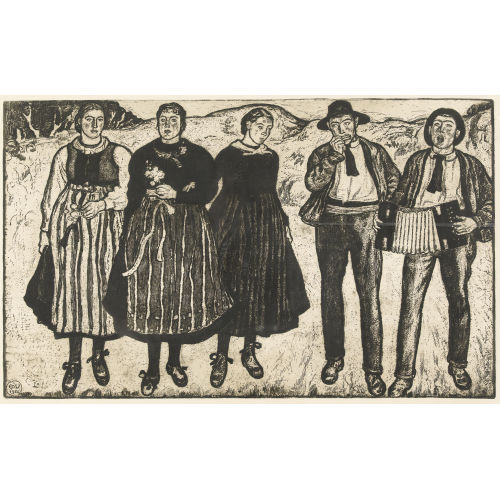
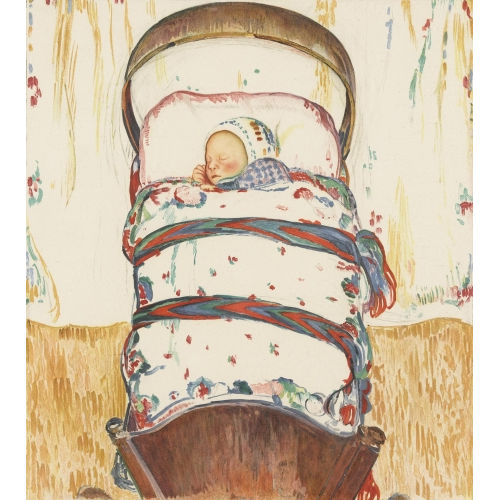
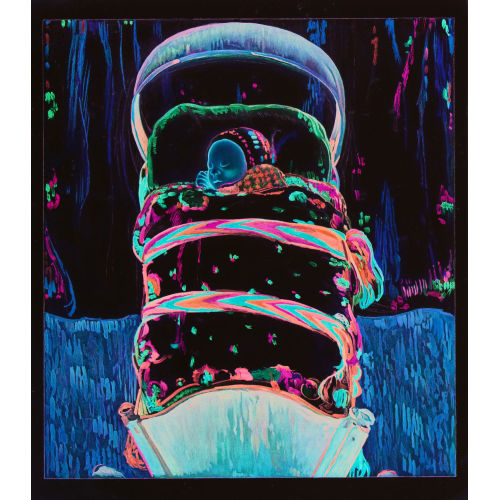
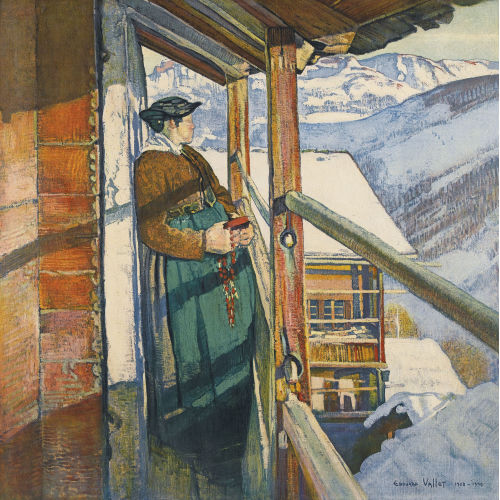
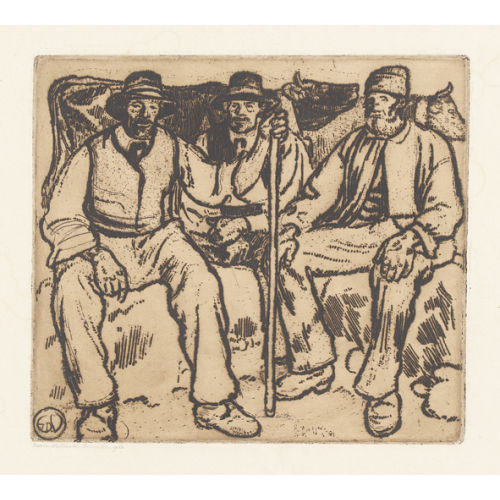
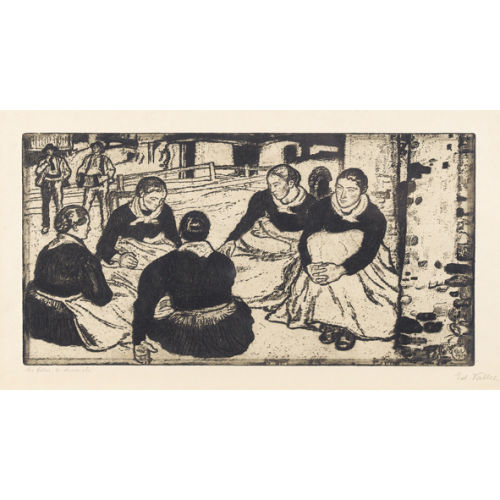
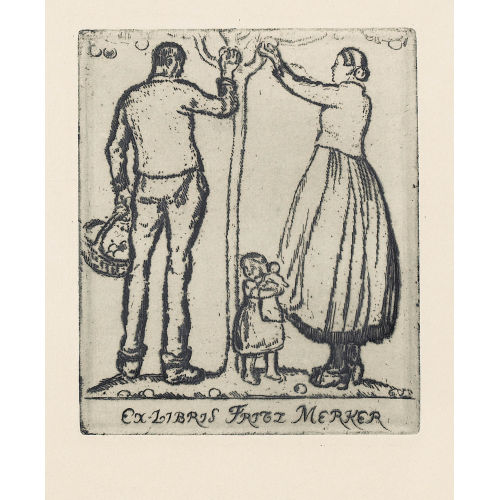
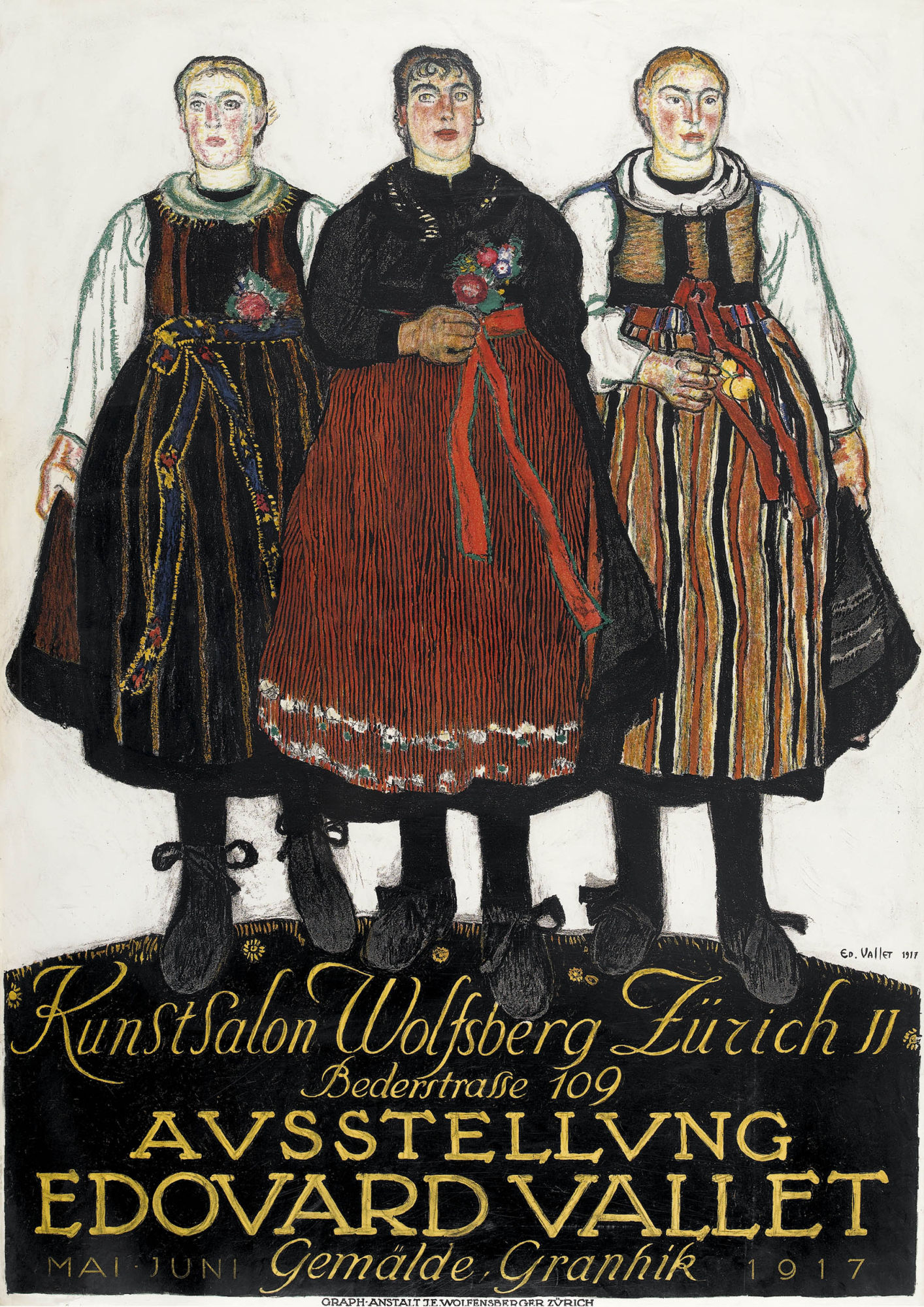
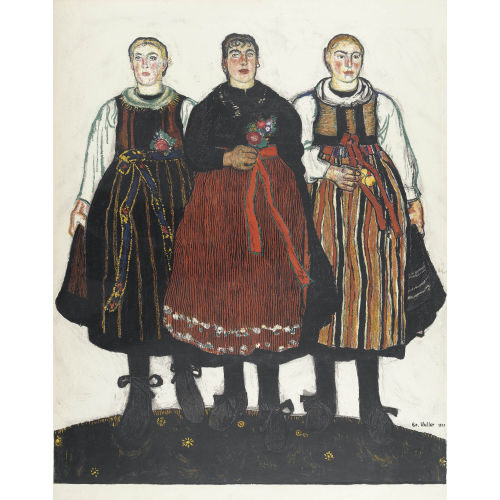
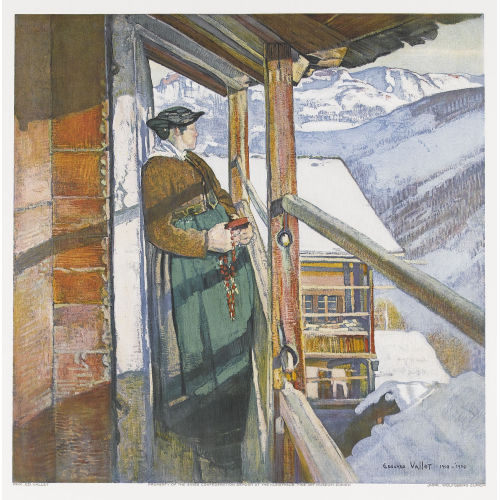
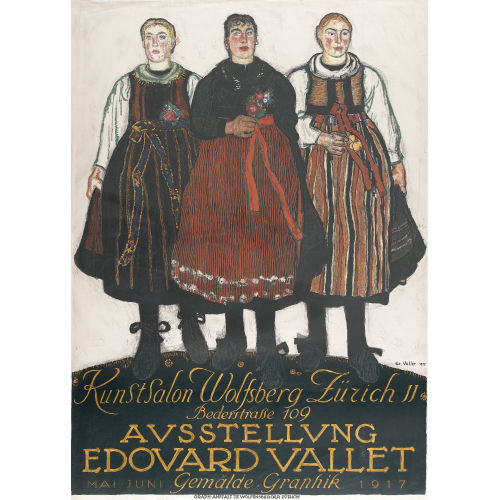
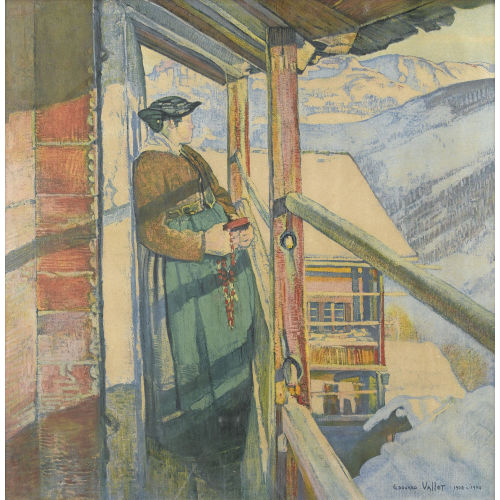
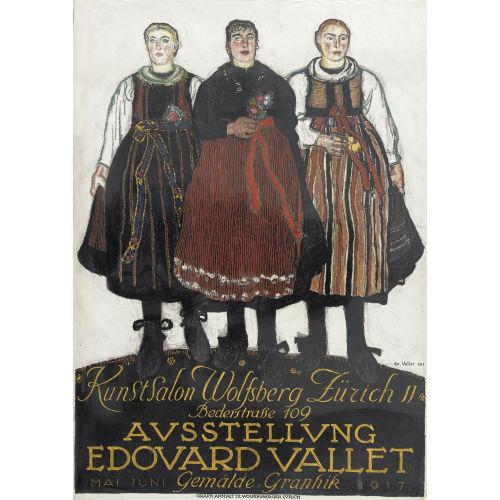
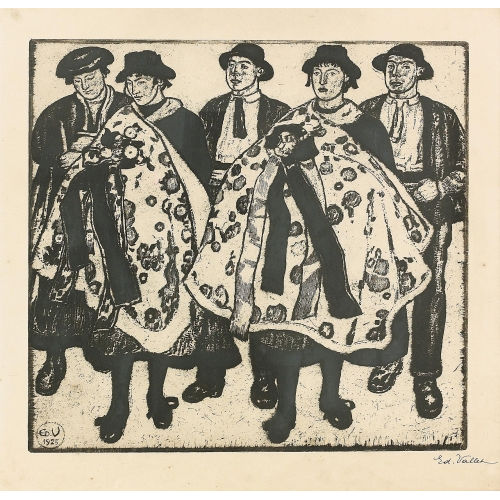
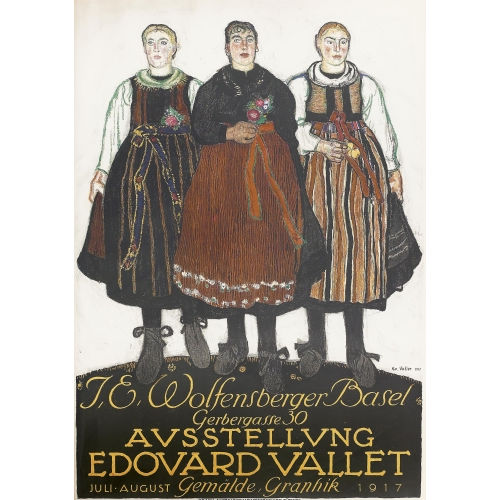
His work is concerned as much with the inhabitants as with the landscapes. Domestic tasks, motherhood, religious ceremonies and moments of repose compose a world of simple presences. The motifs of gardens, trees, rocks and sheaves of wheat recur insistently.
This fidelity to his subjects is accompanied by a search for framing and balance, transforming observation into a truly constructed pictorial form.
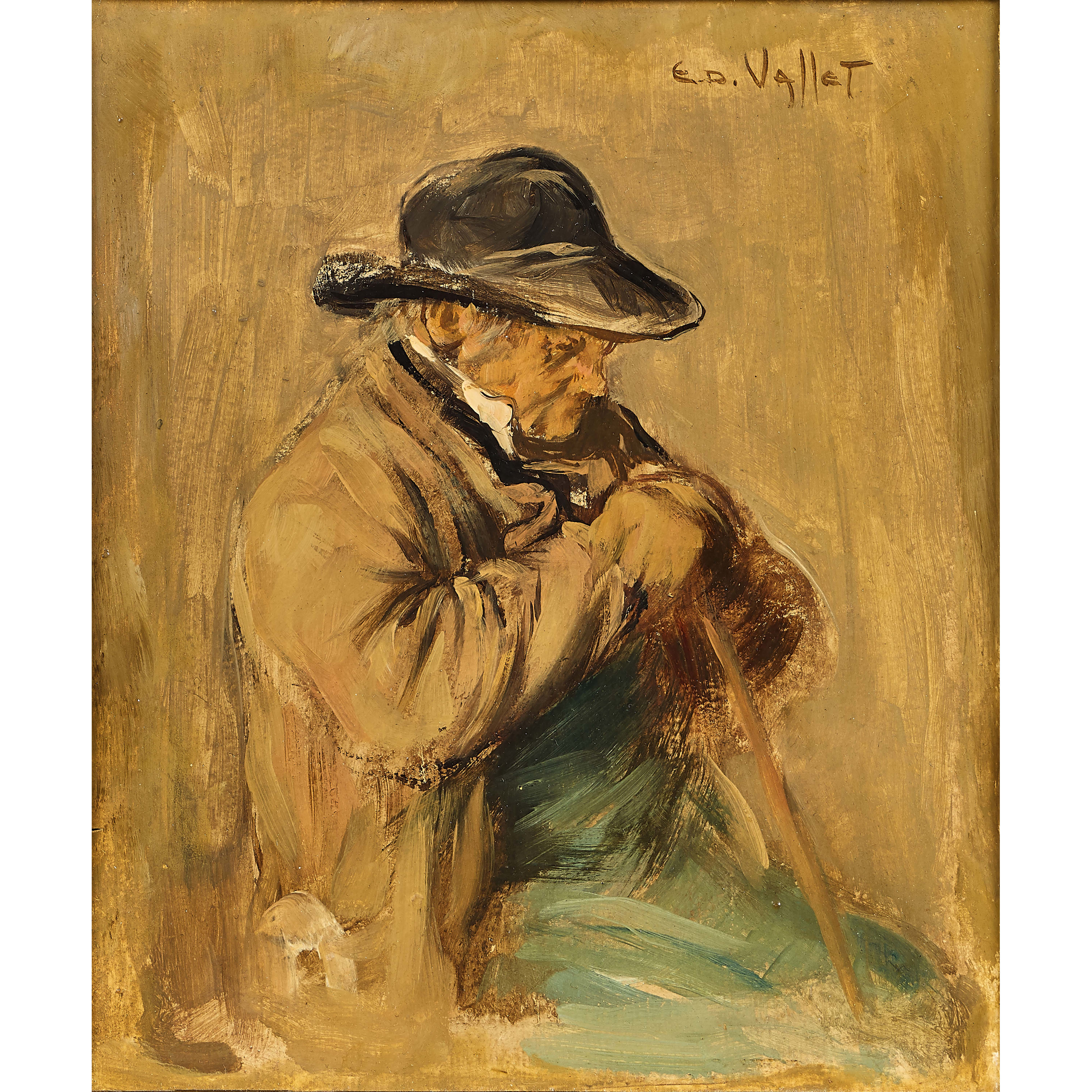
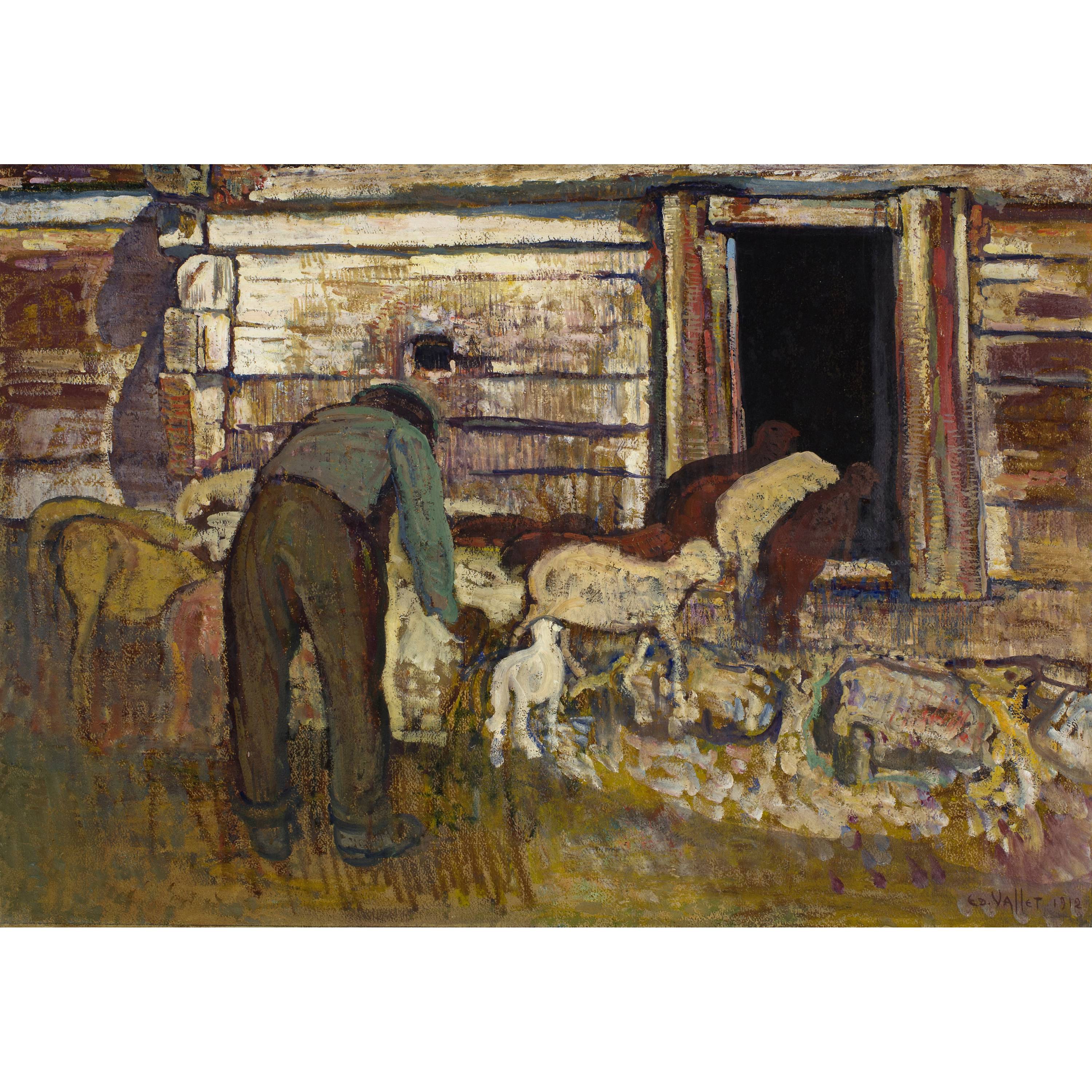
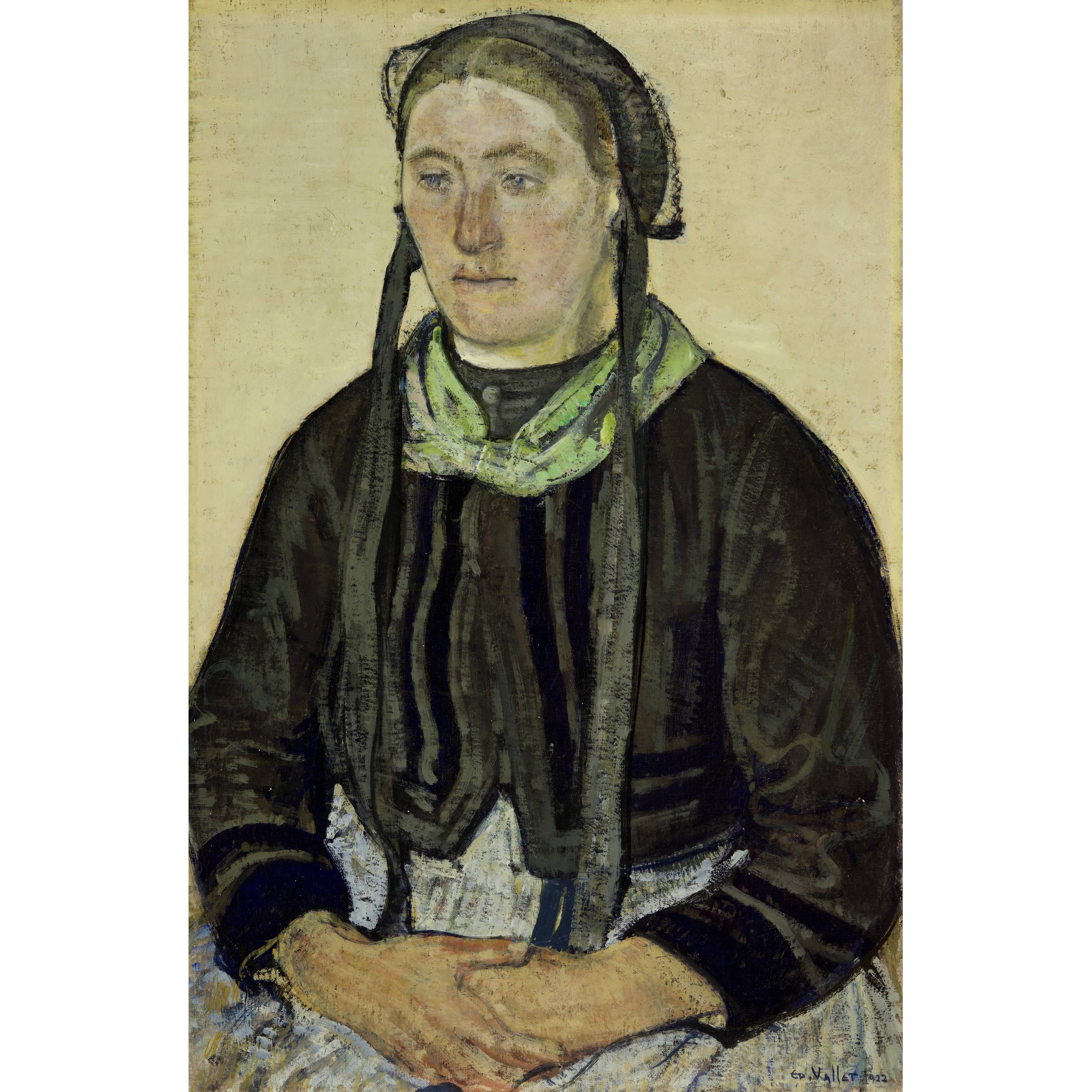
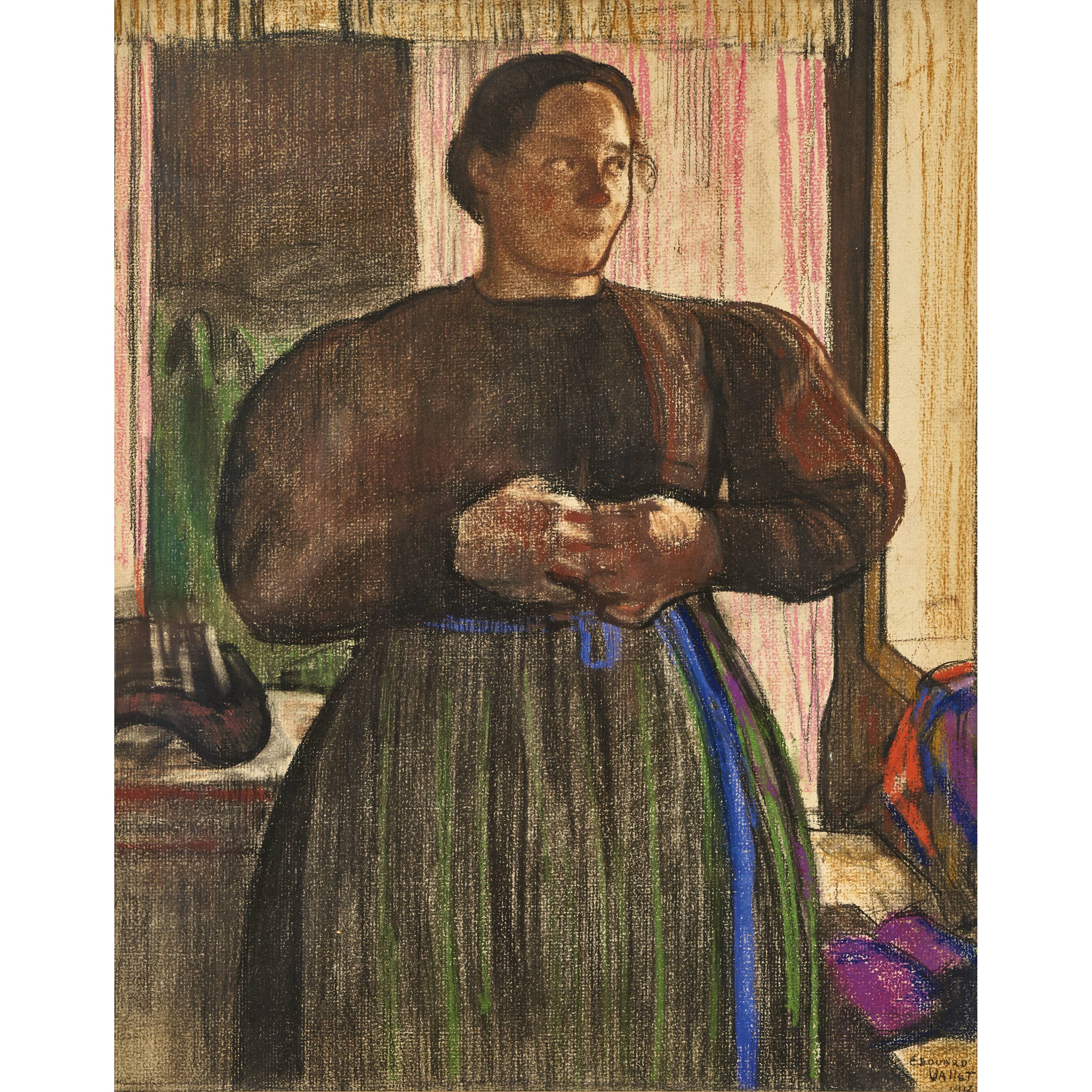
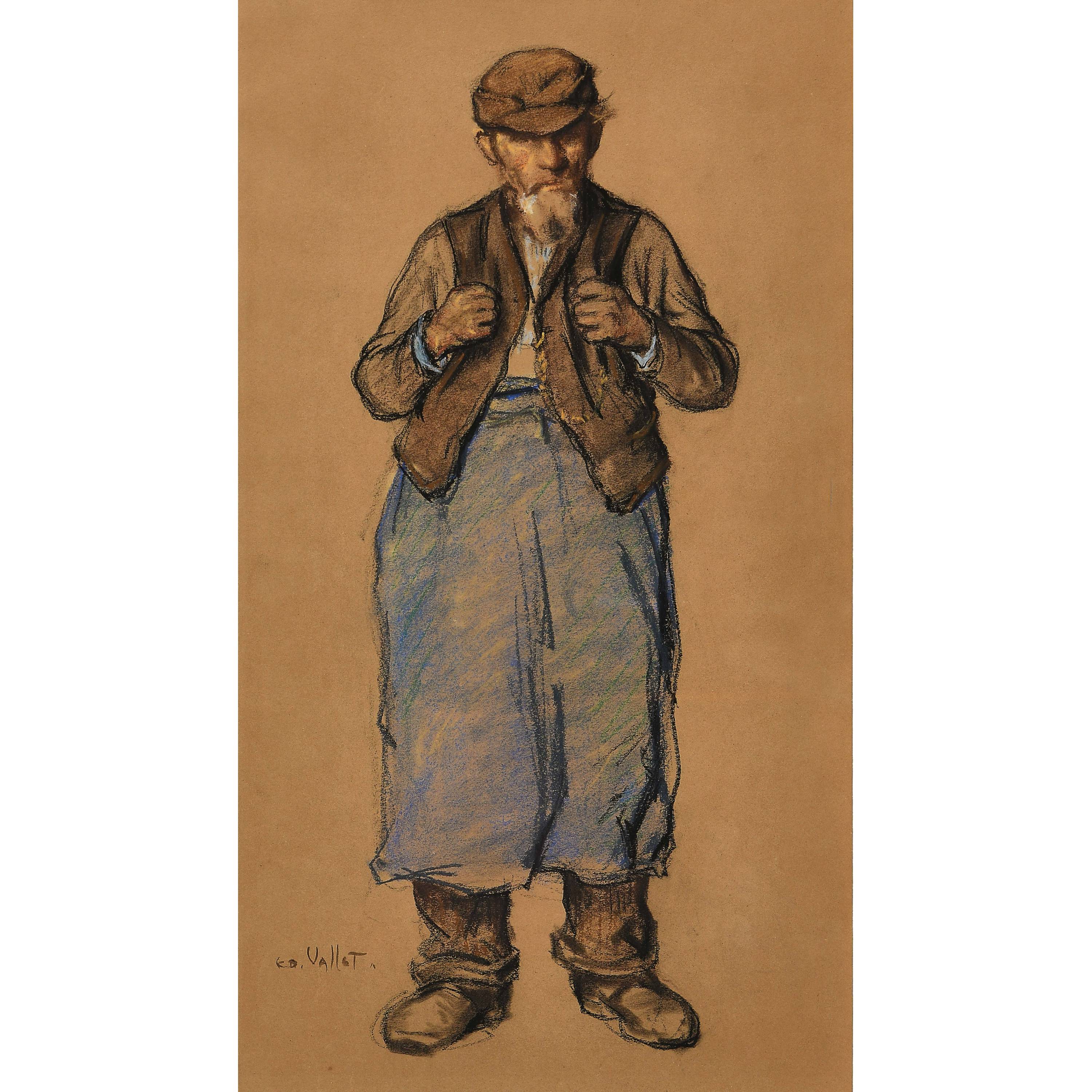
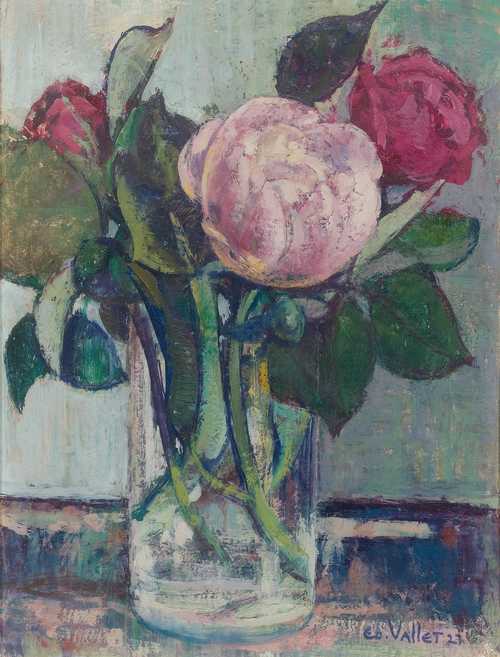
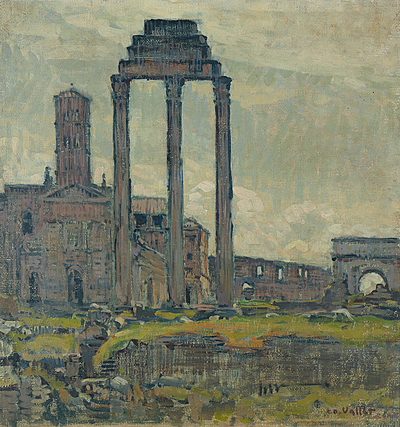
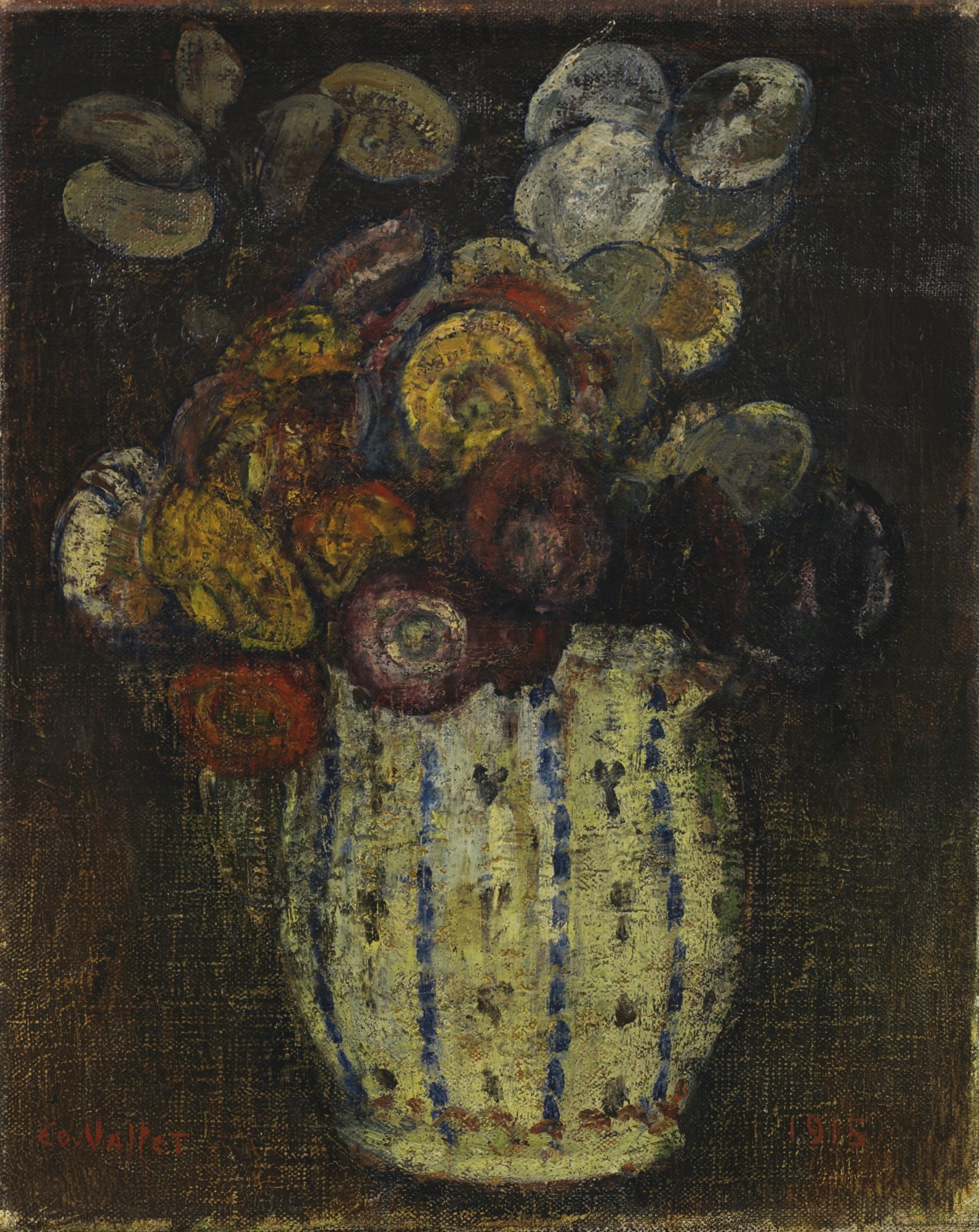
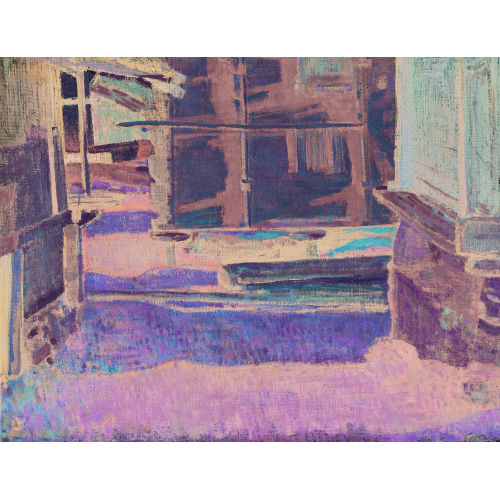
The material quality of the works deserves particular attention. The Collection Pictet emphasises the matte, velvety effects Vallet achieves with a dry paint application, at times close to pastel. Initially receptive to the legacy of Ferdinand Hodler, he gradually developed his own visual language through his contact with Valais.
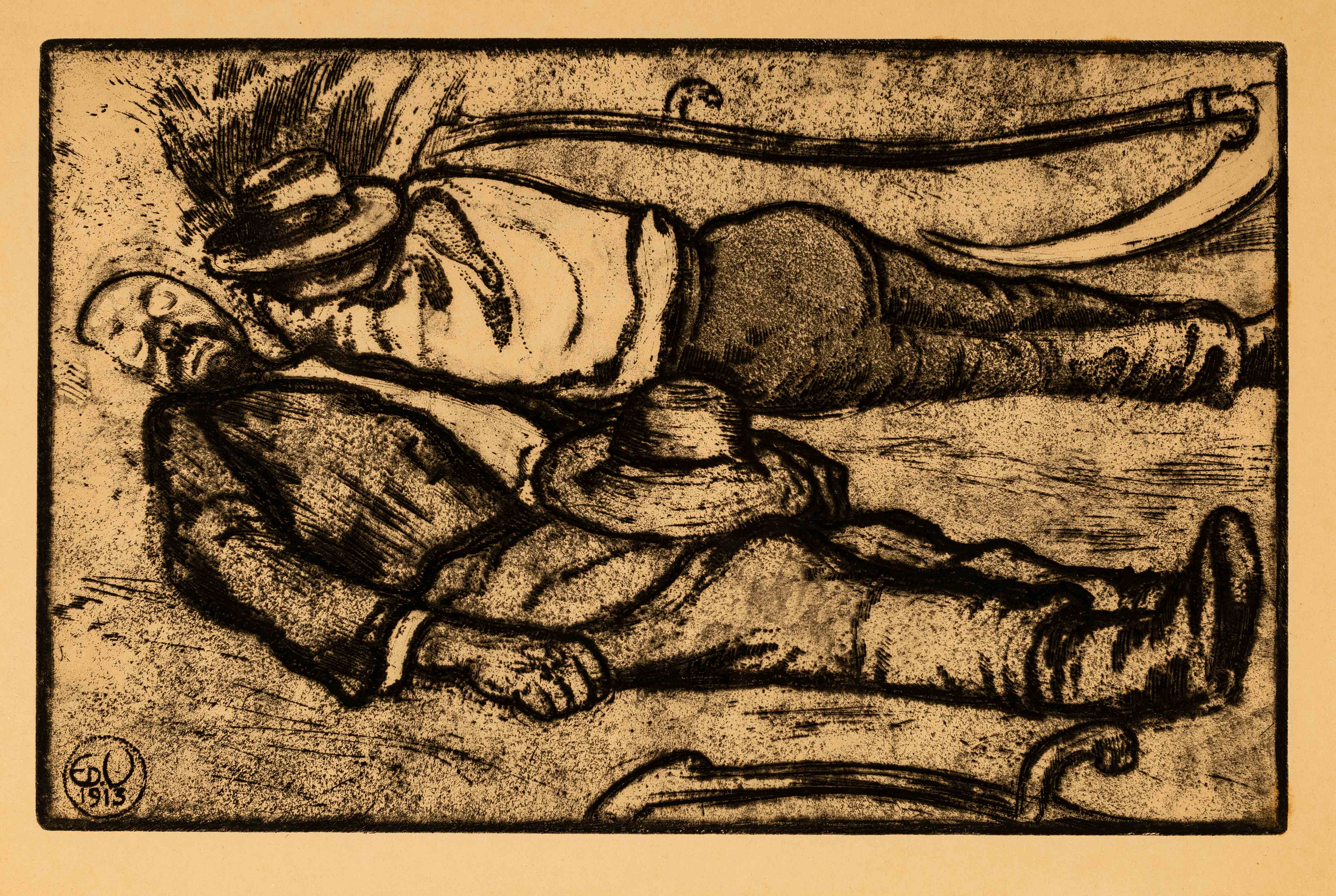
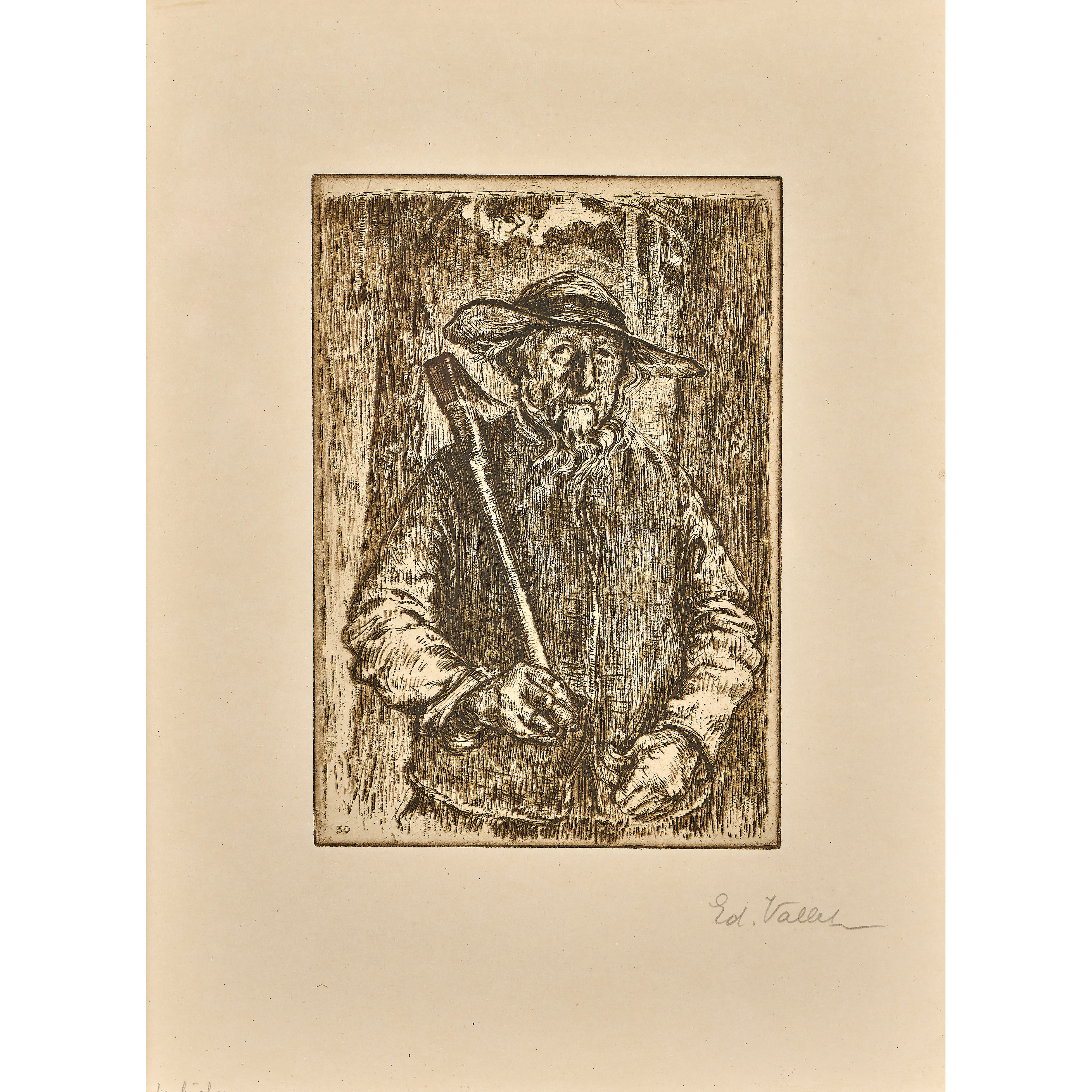
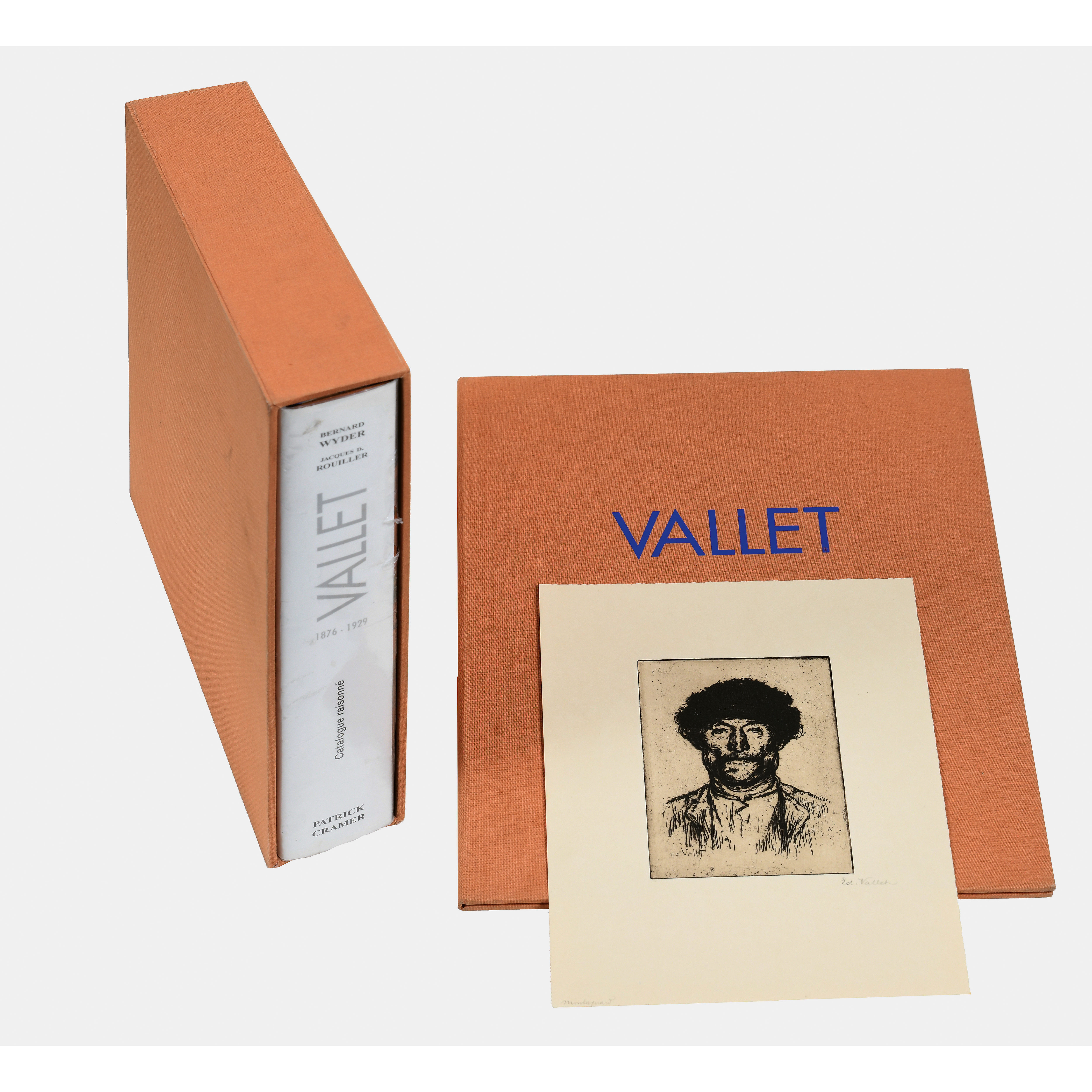
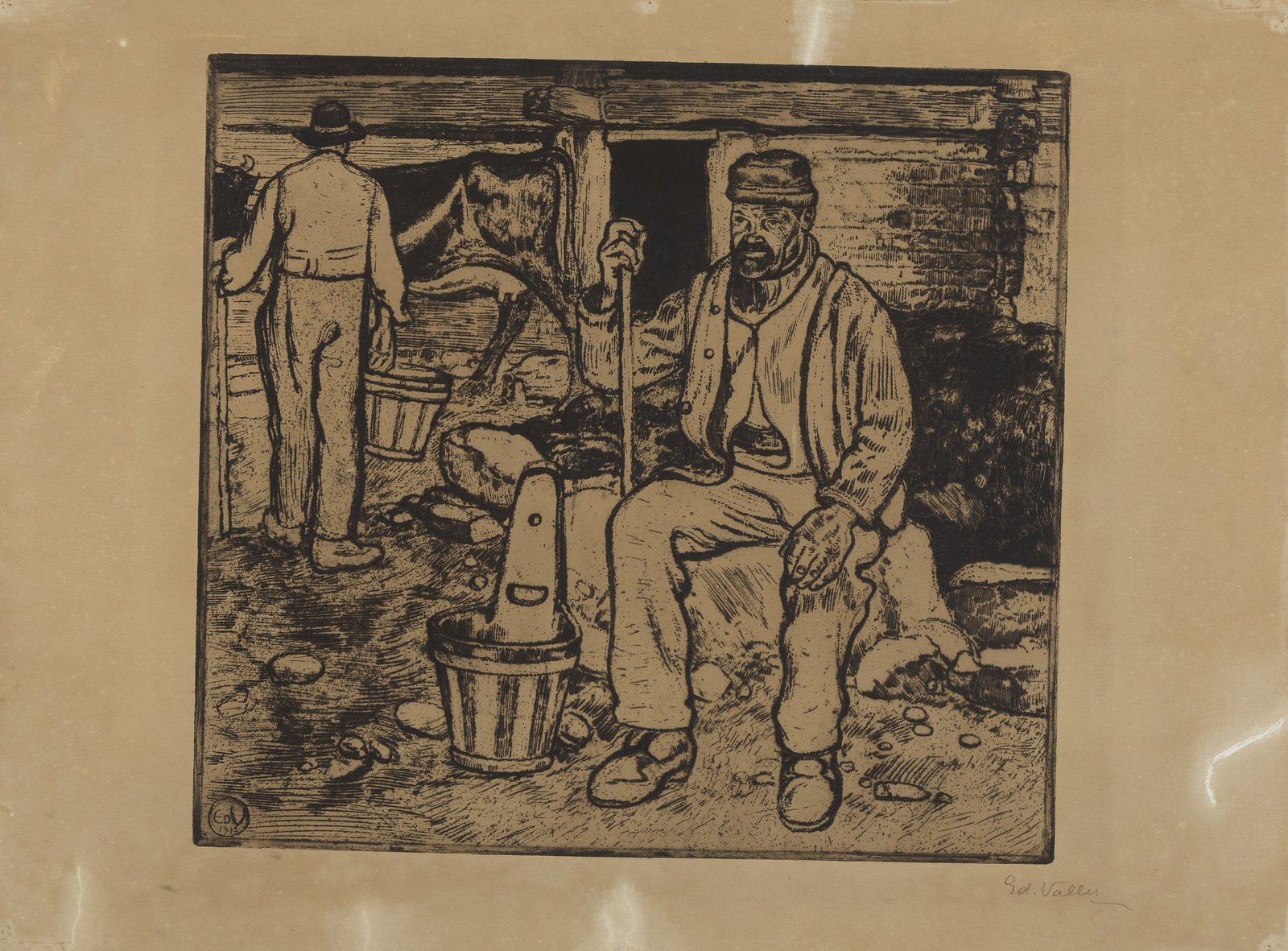
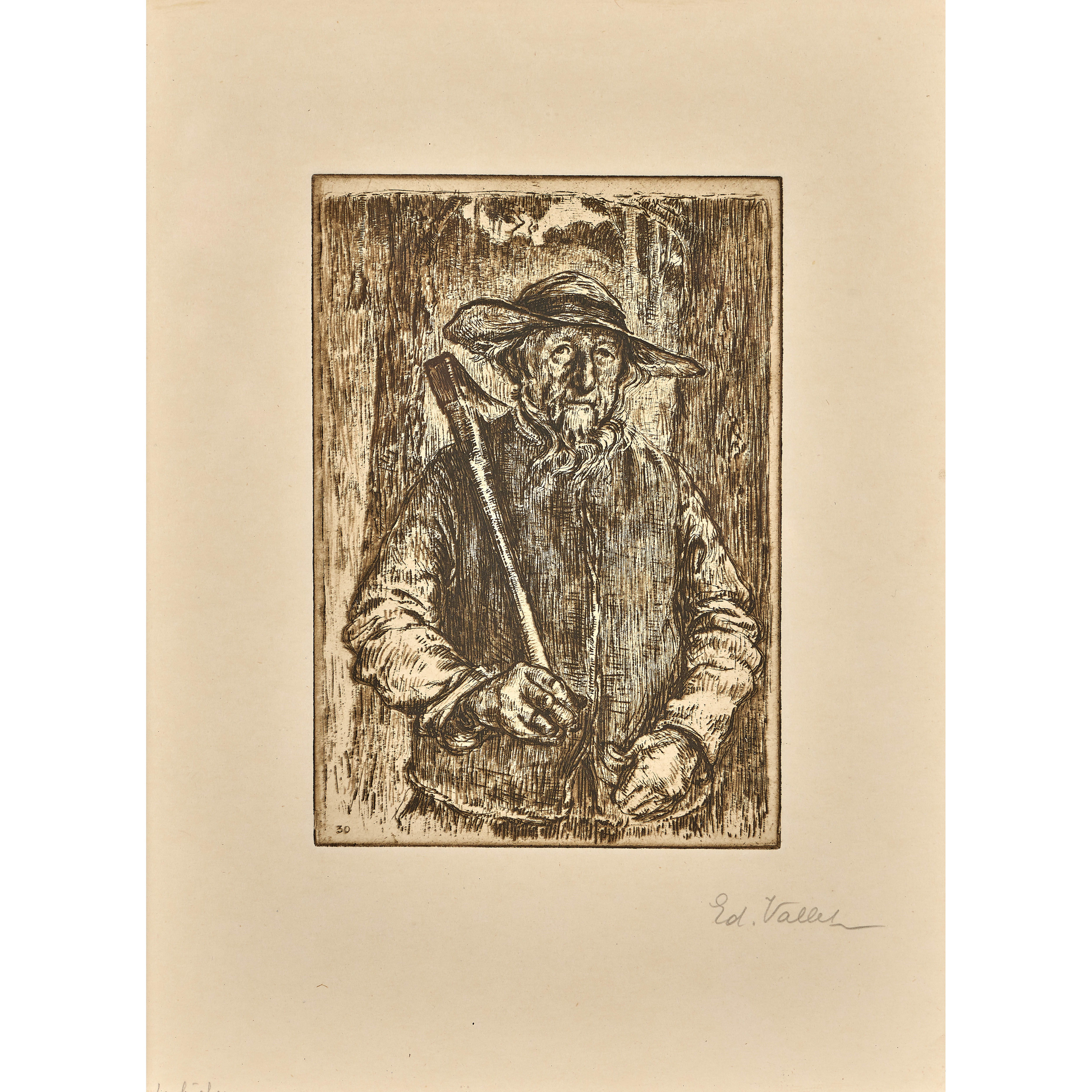
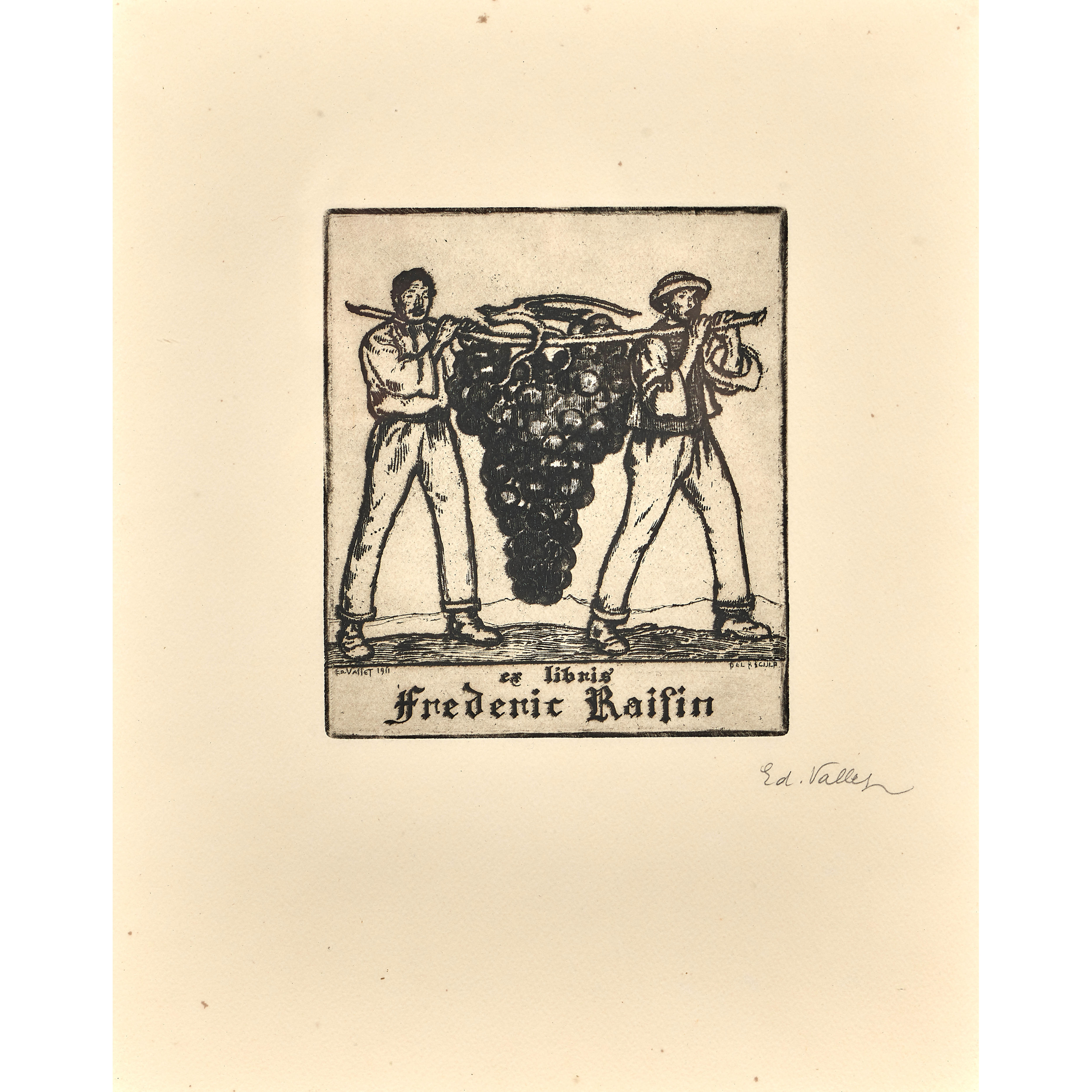
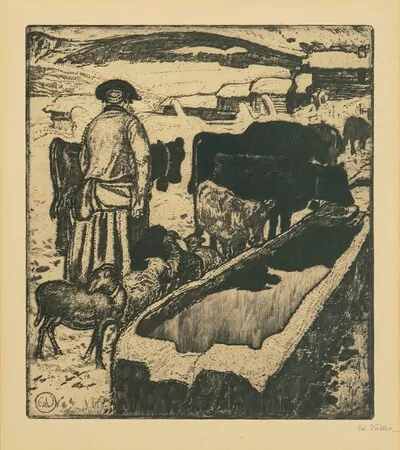
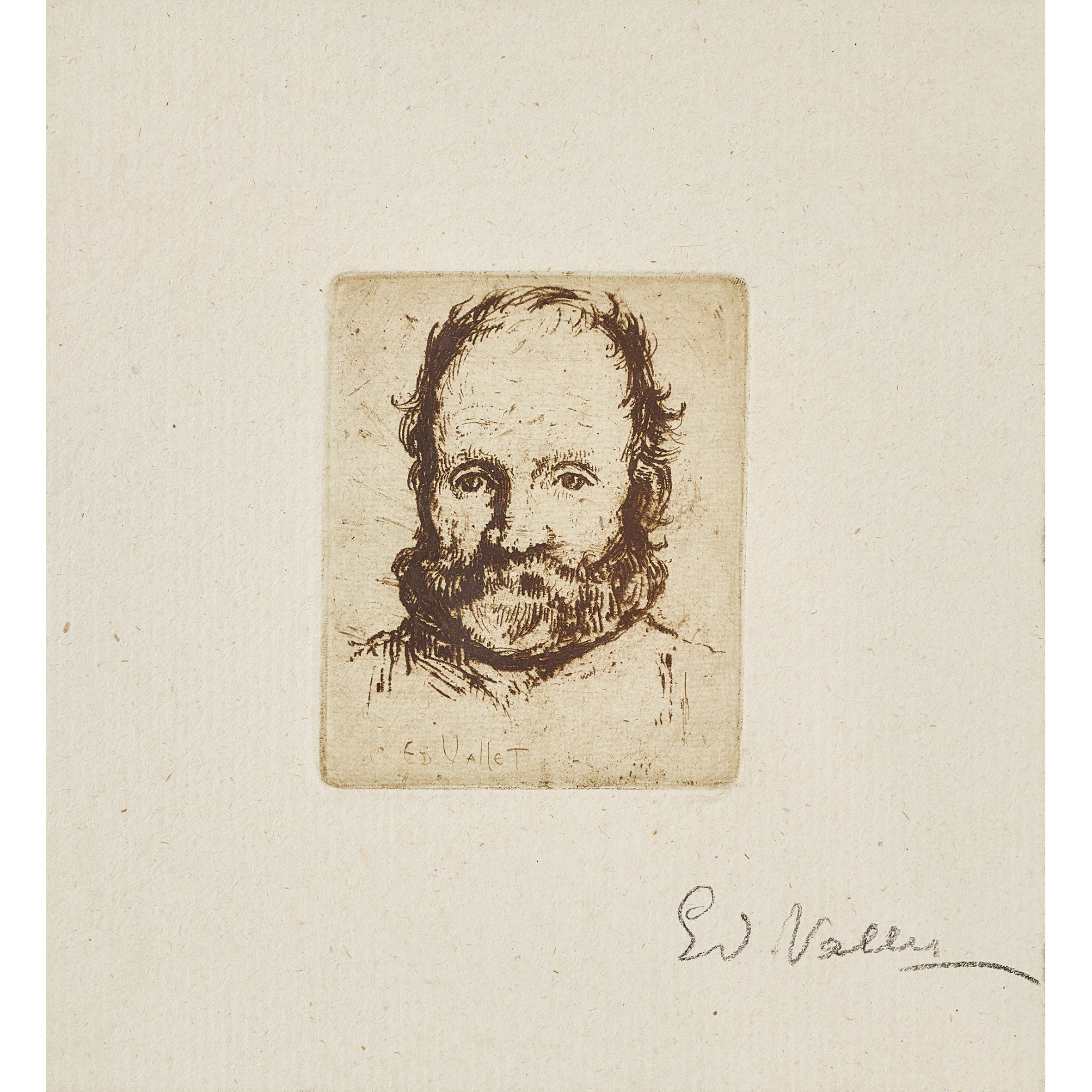
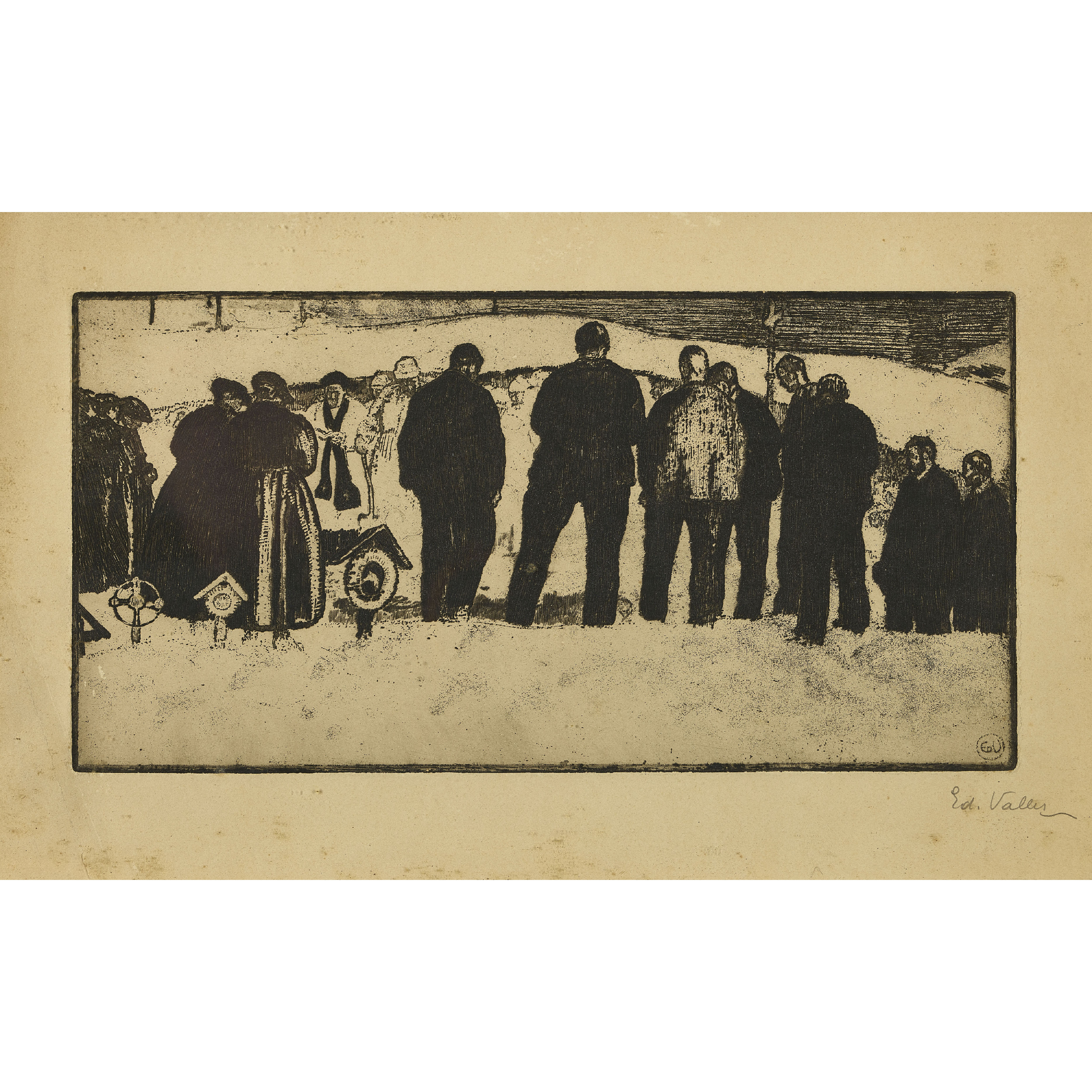
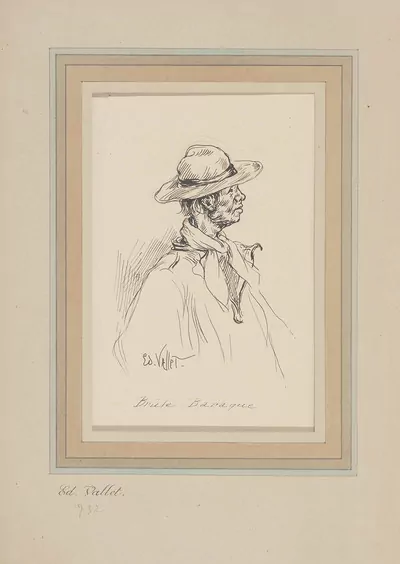
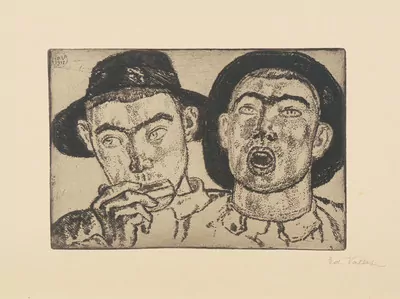
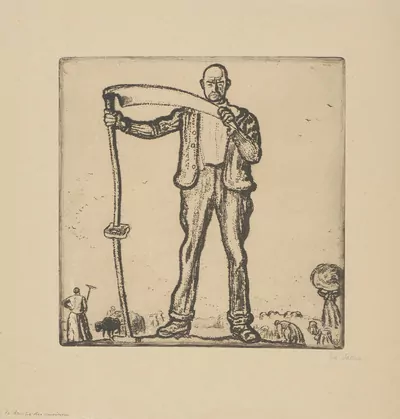
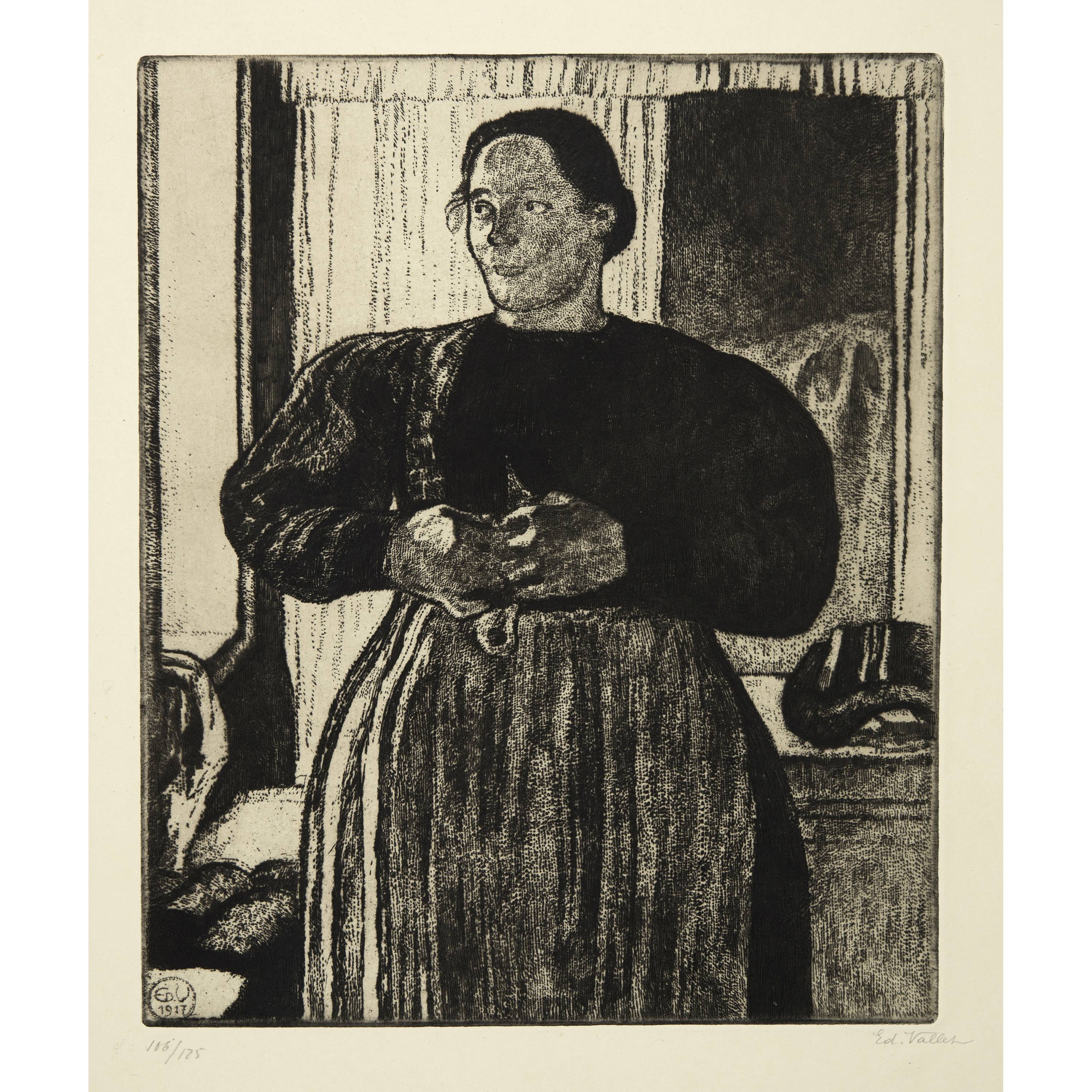
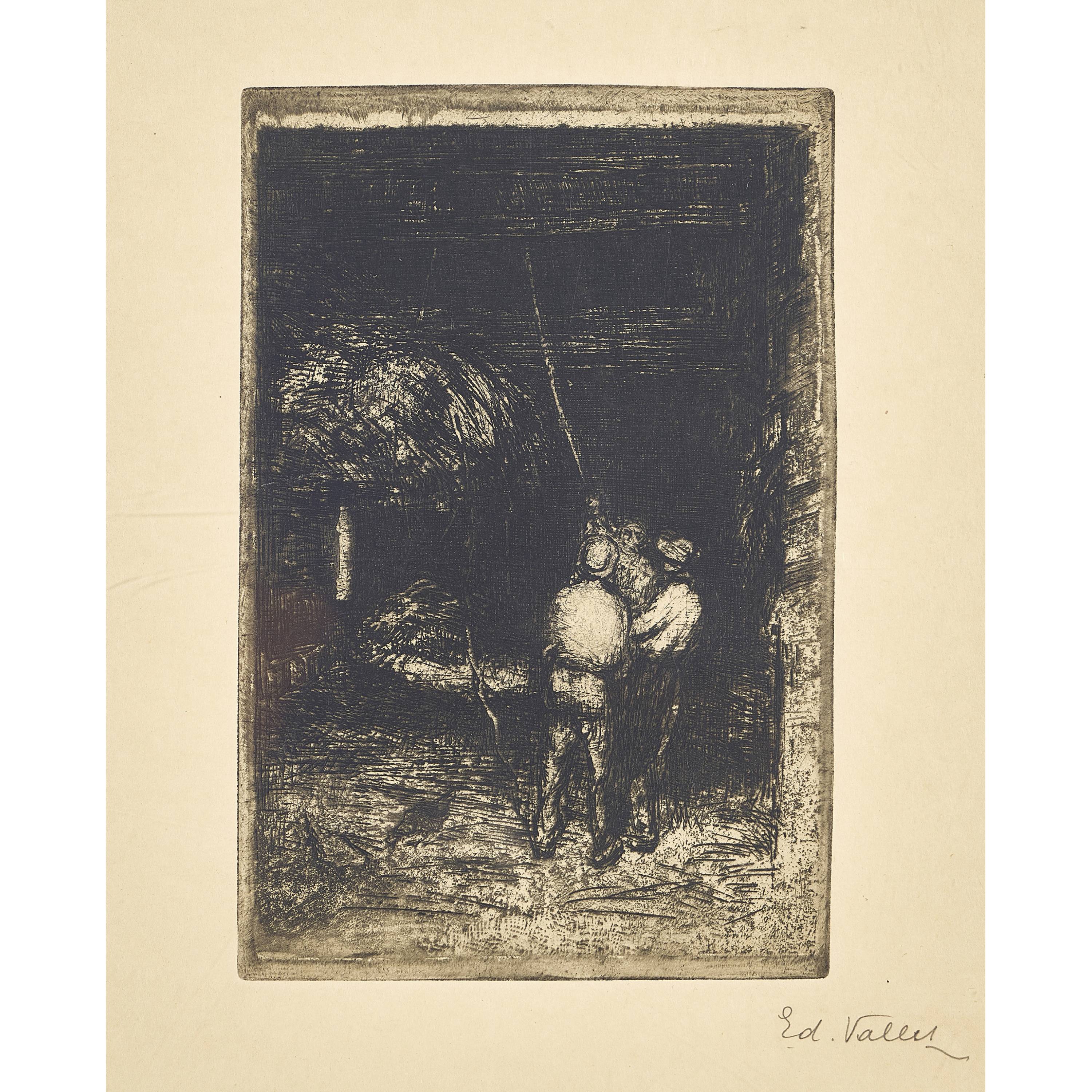
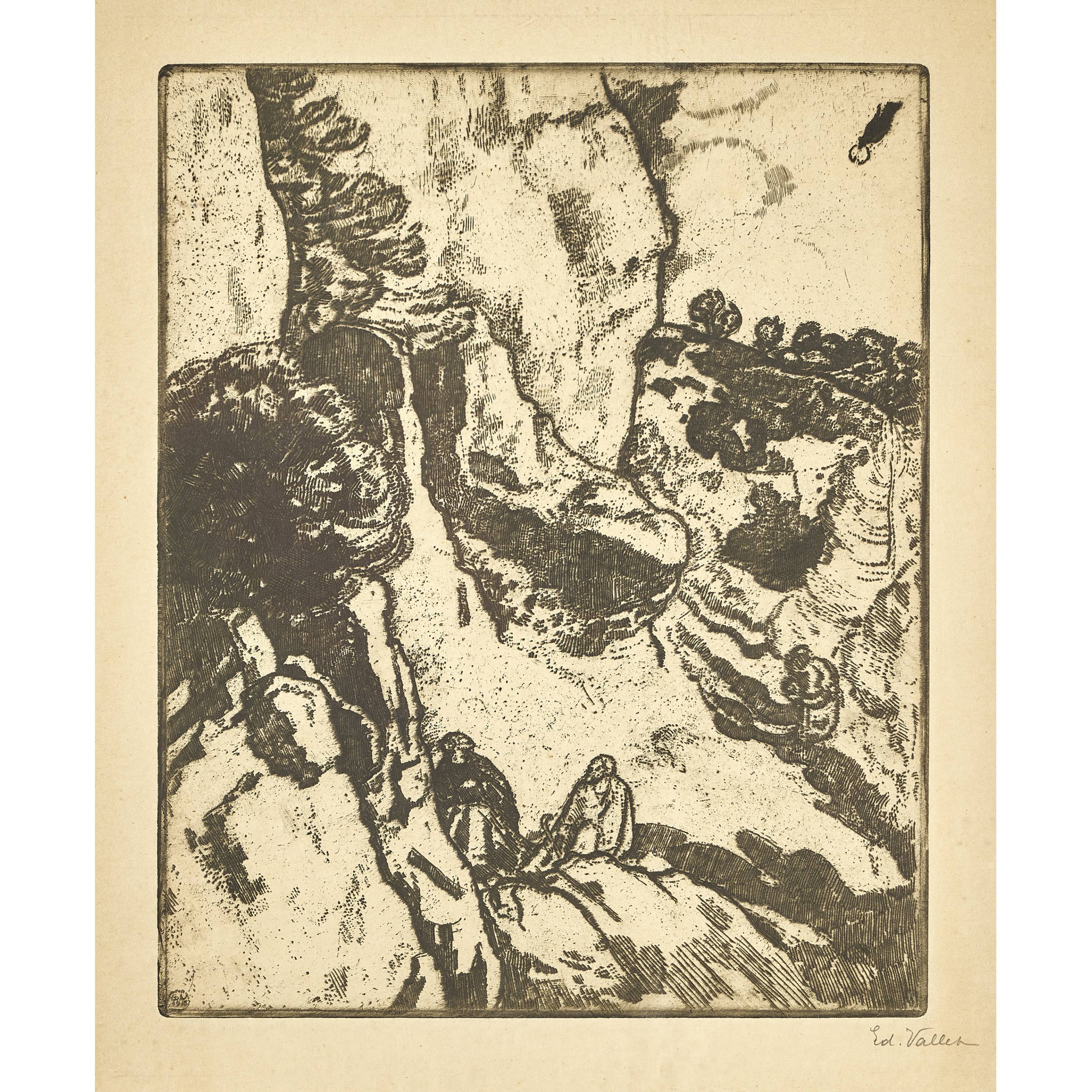
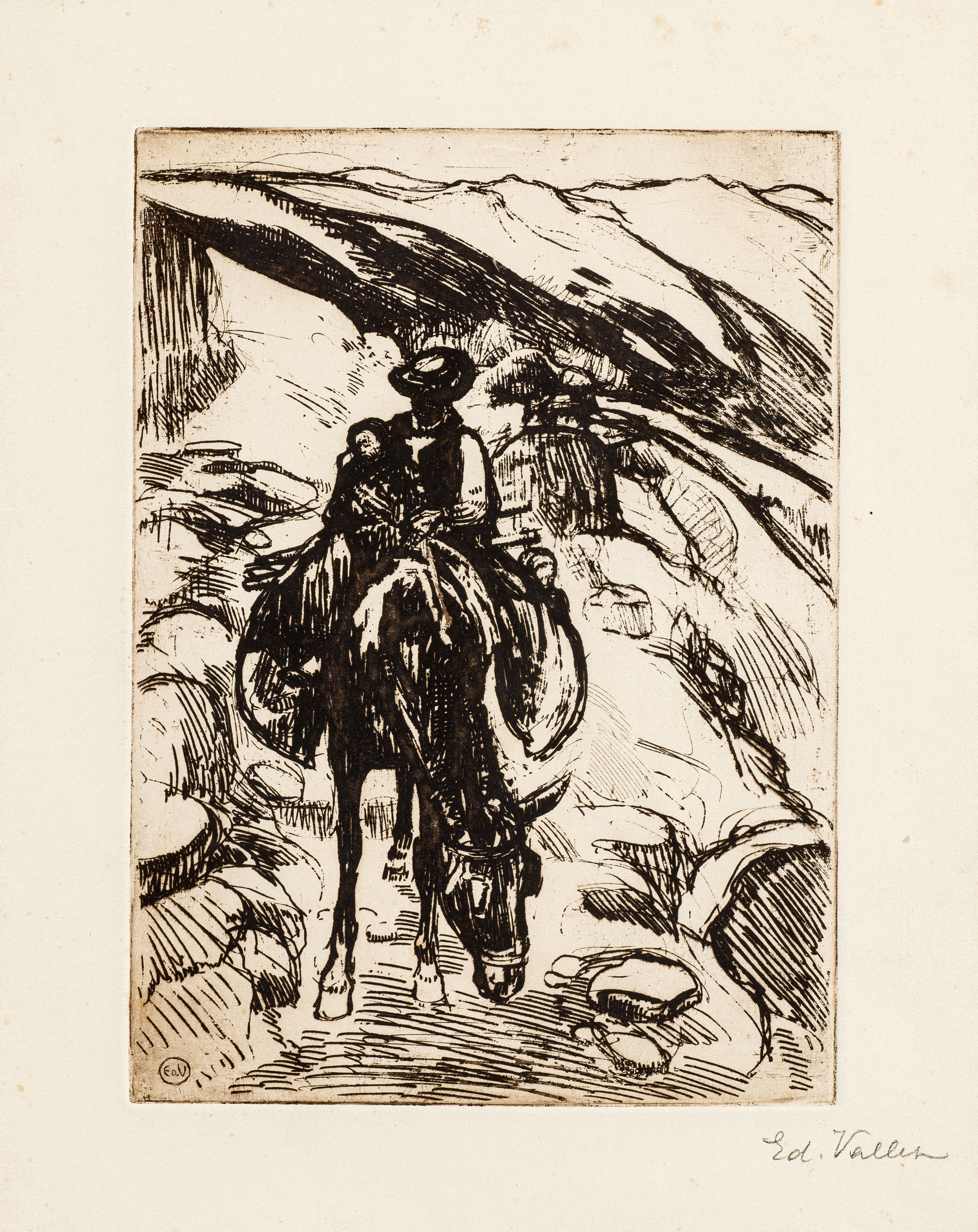
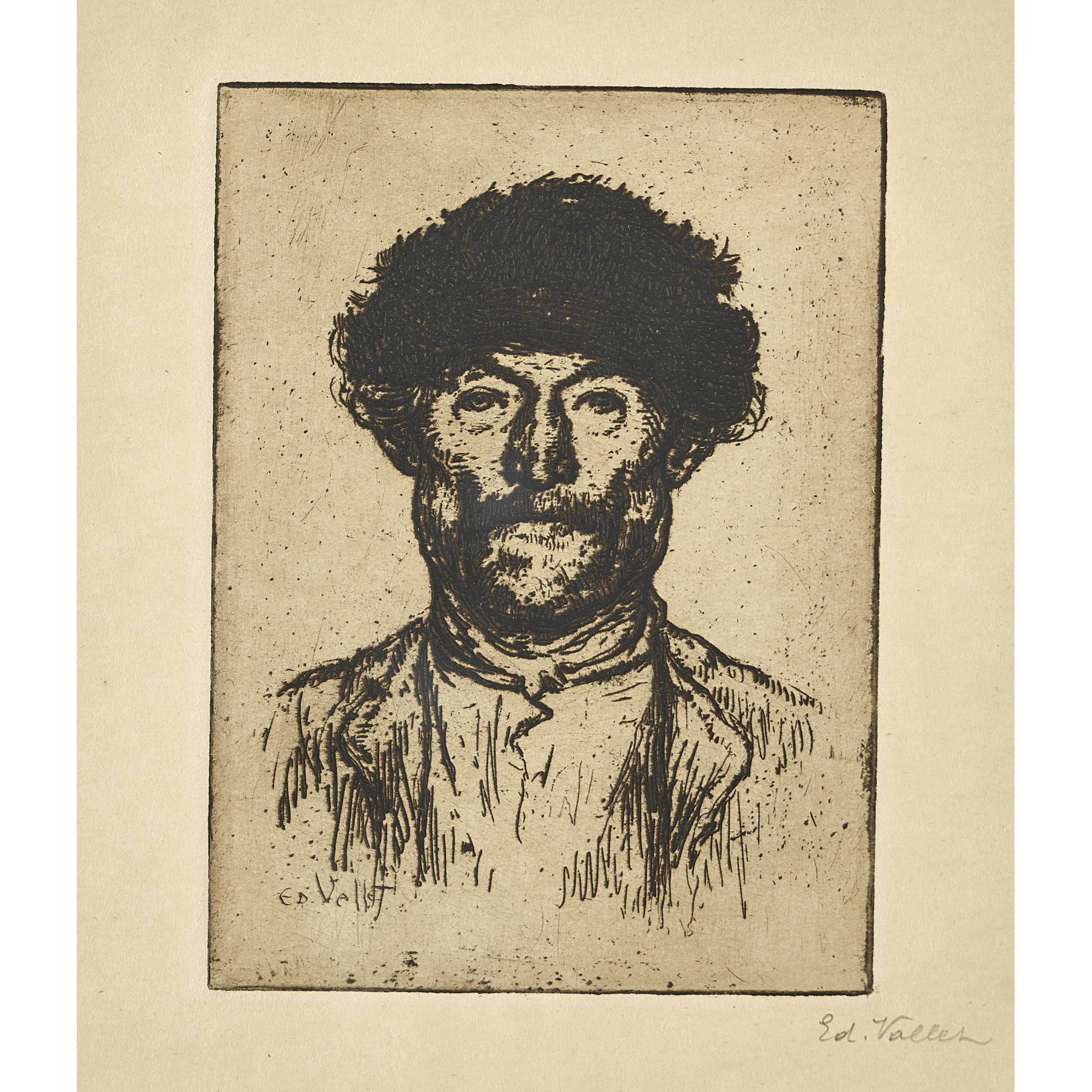
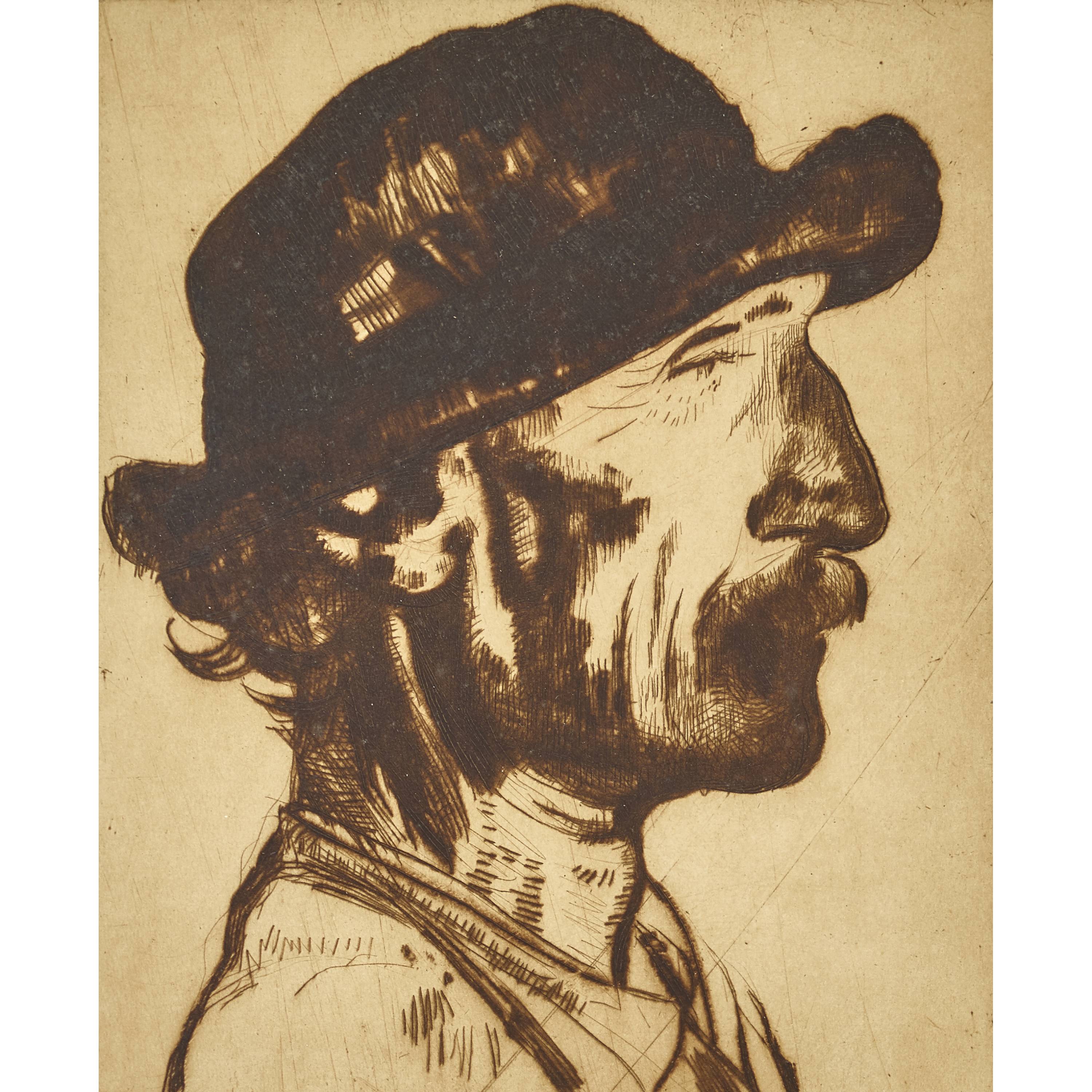
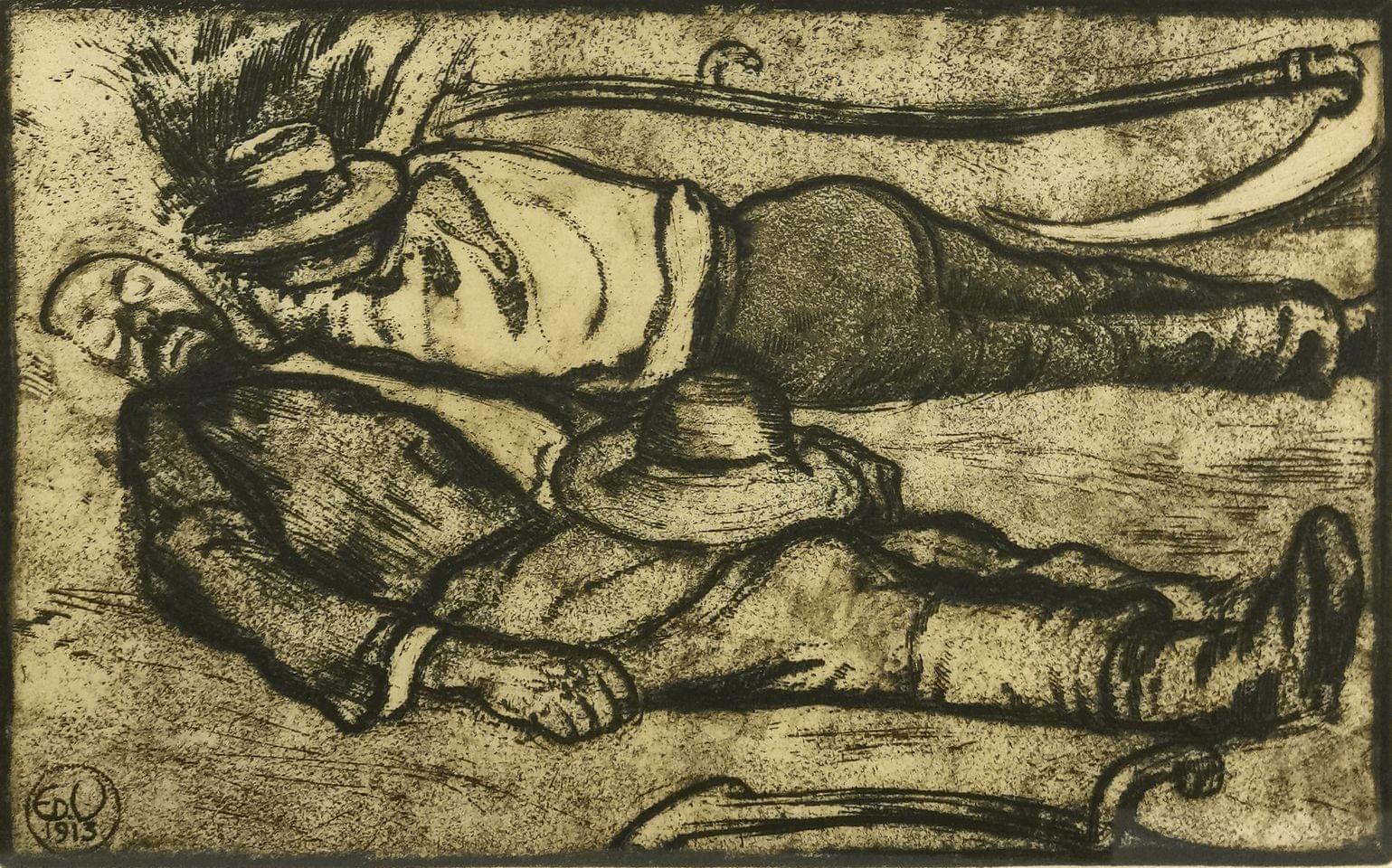
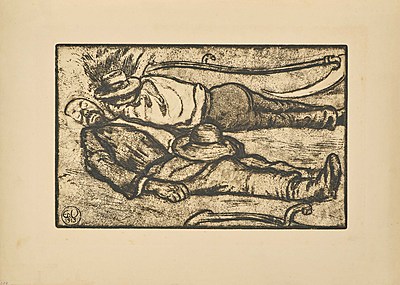
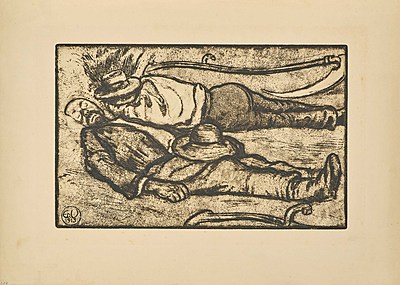
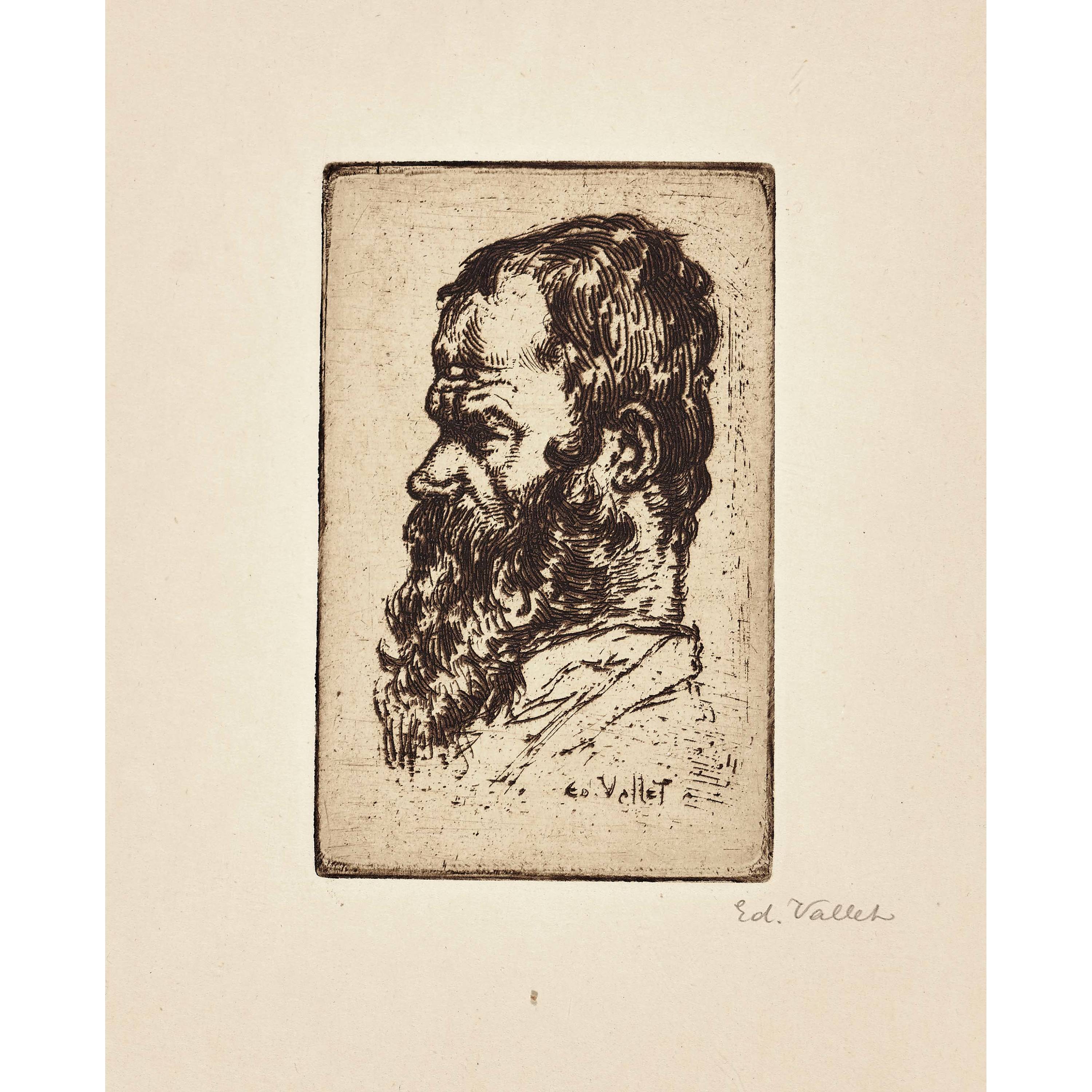
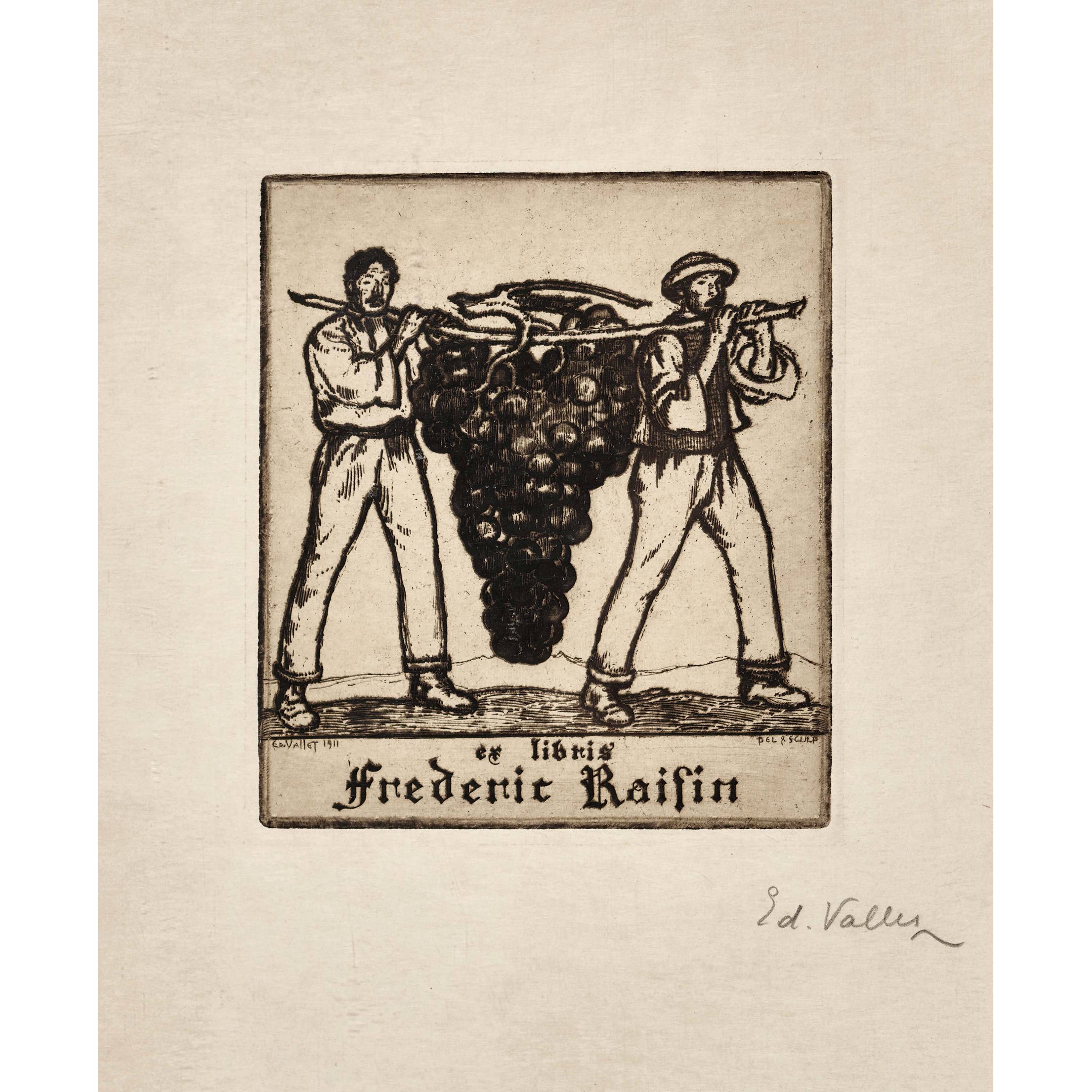
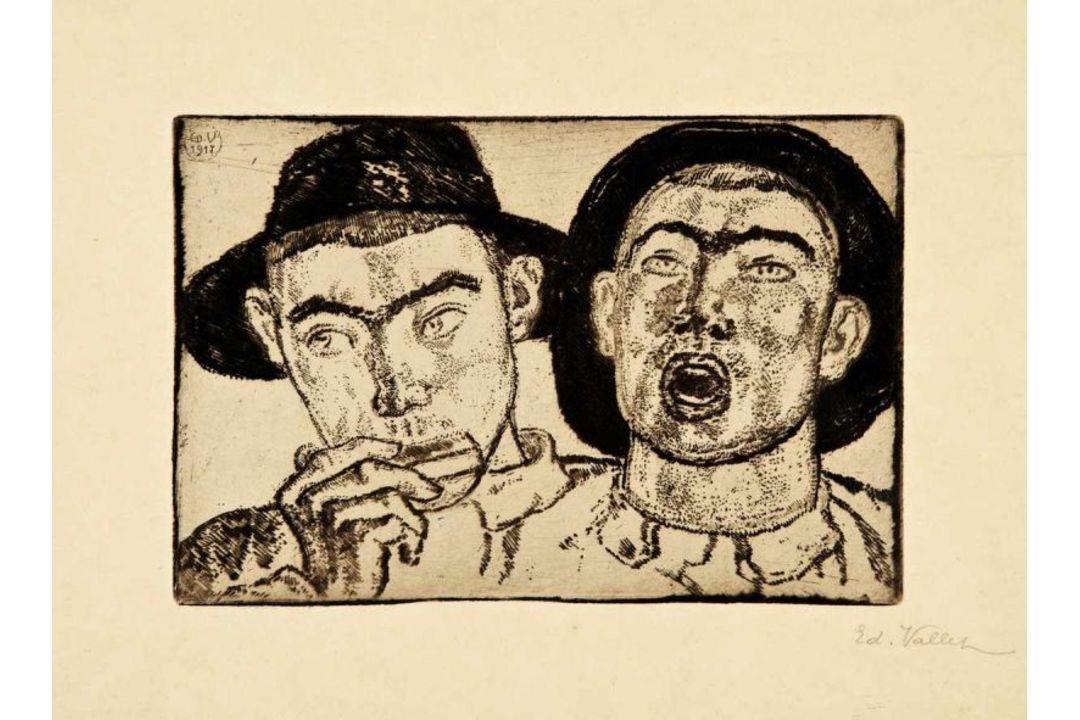
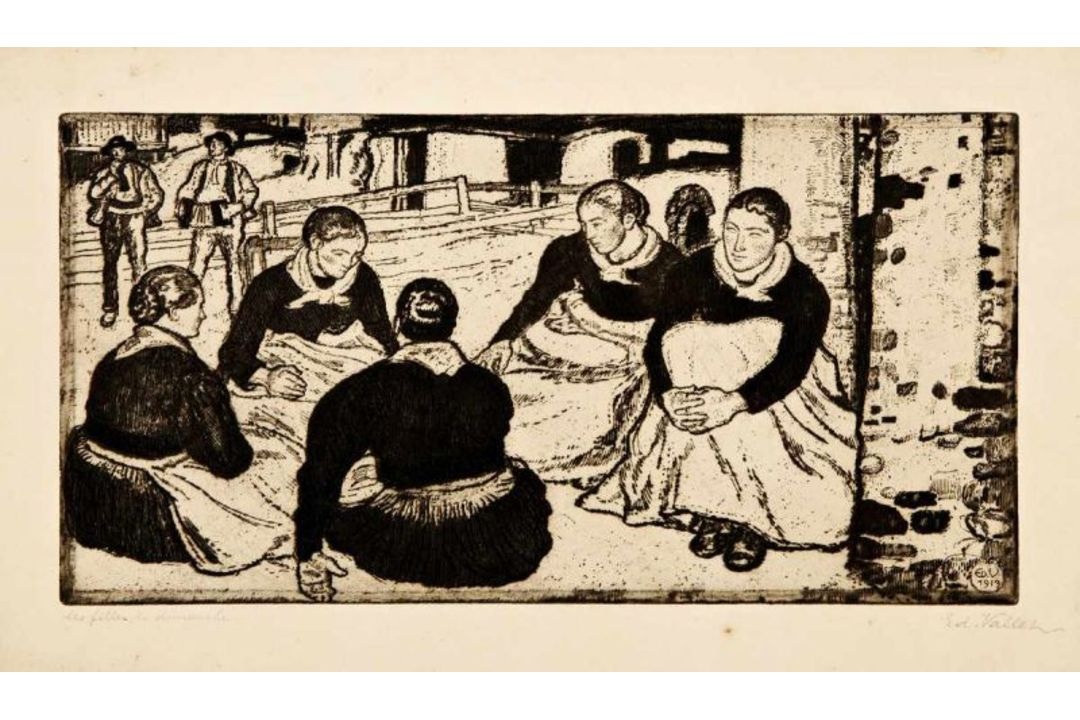
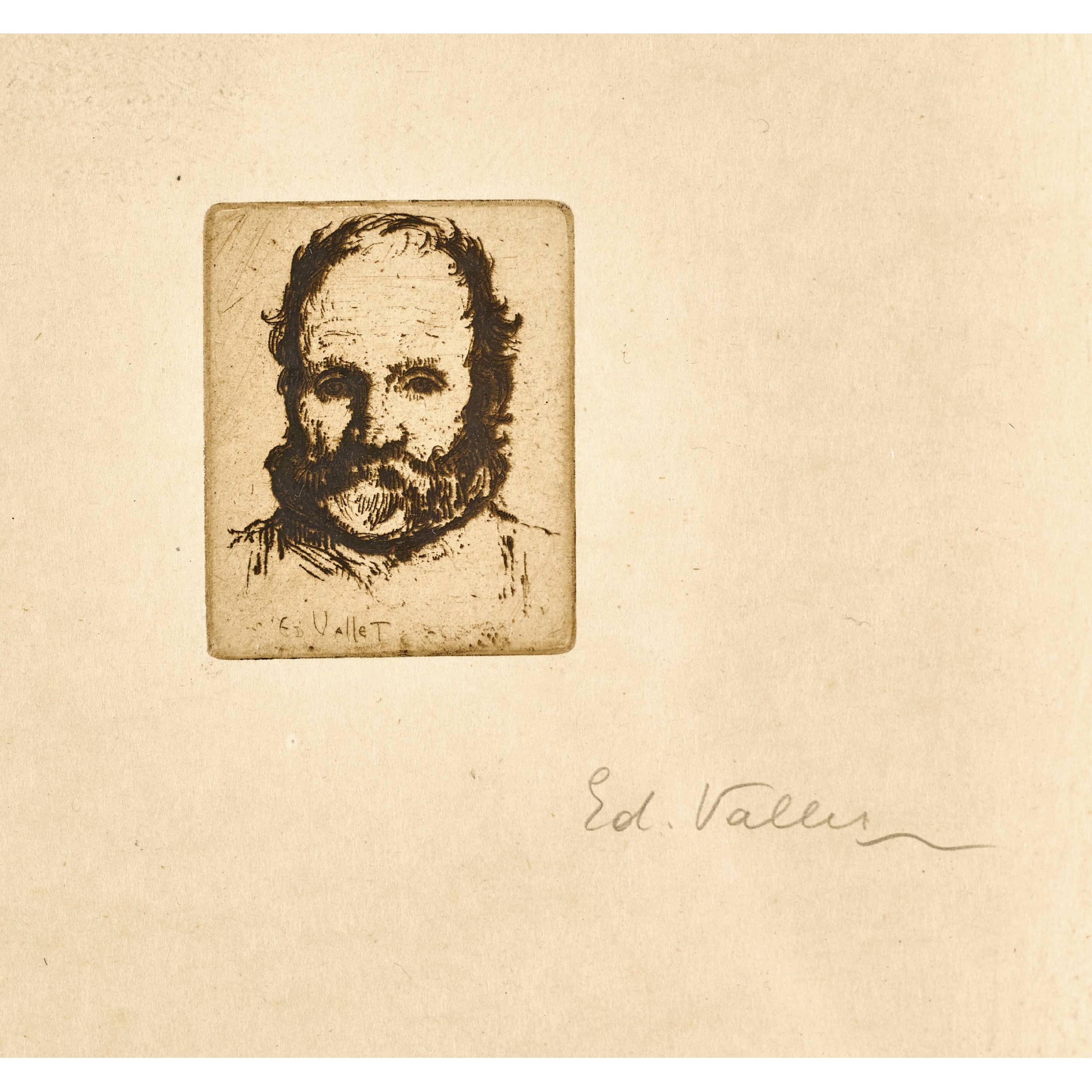
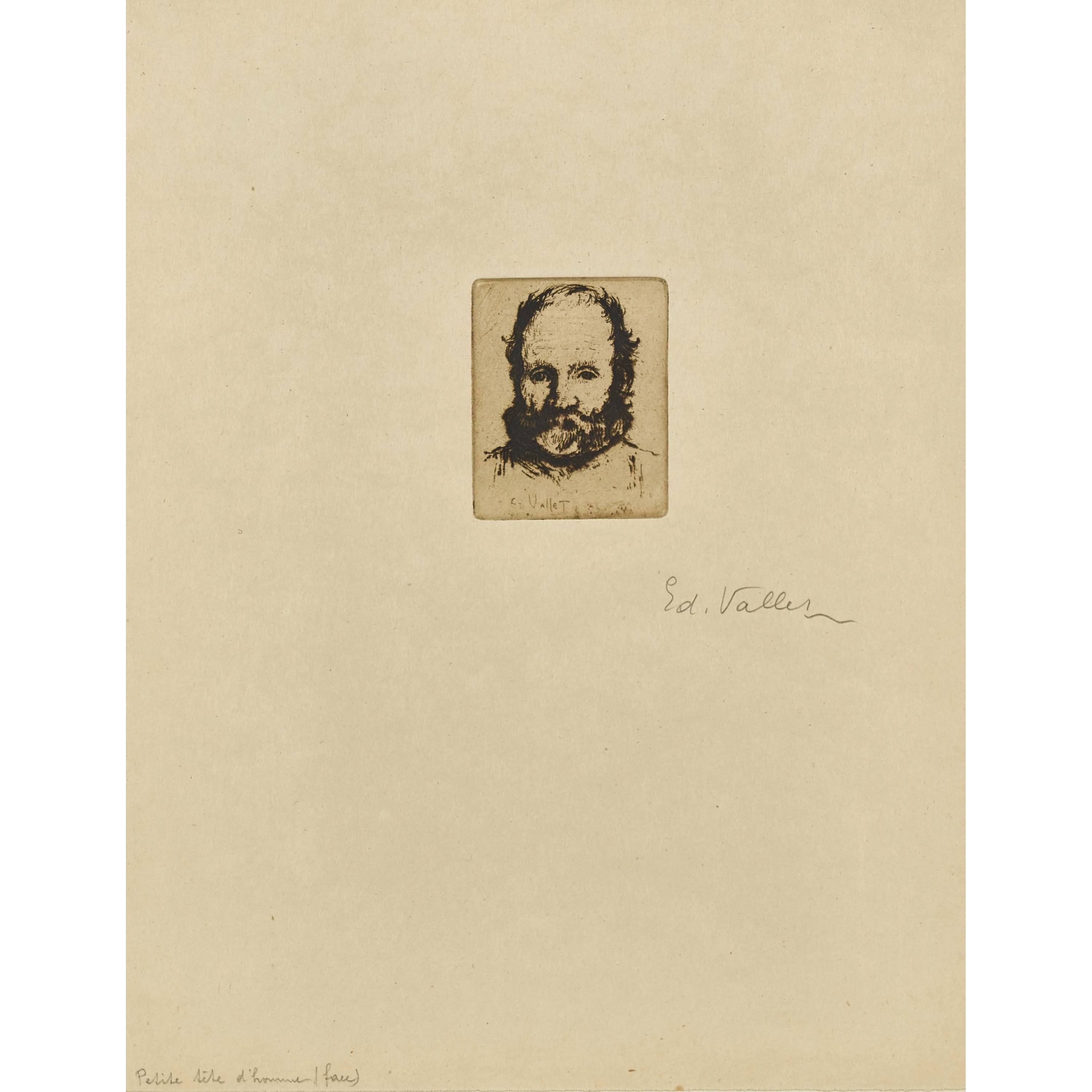
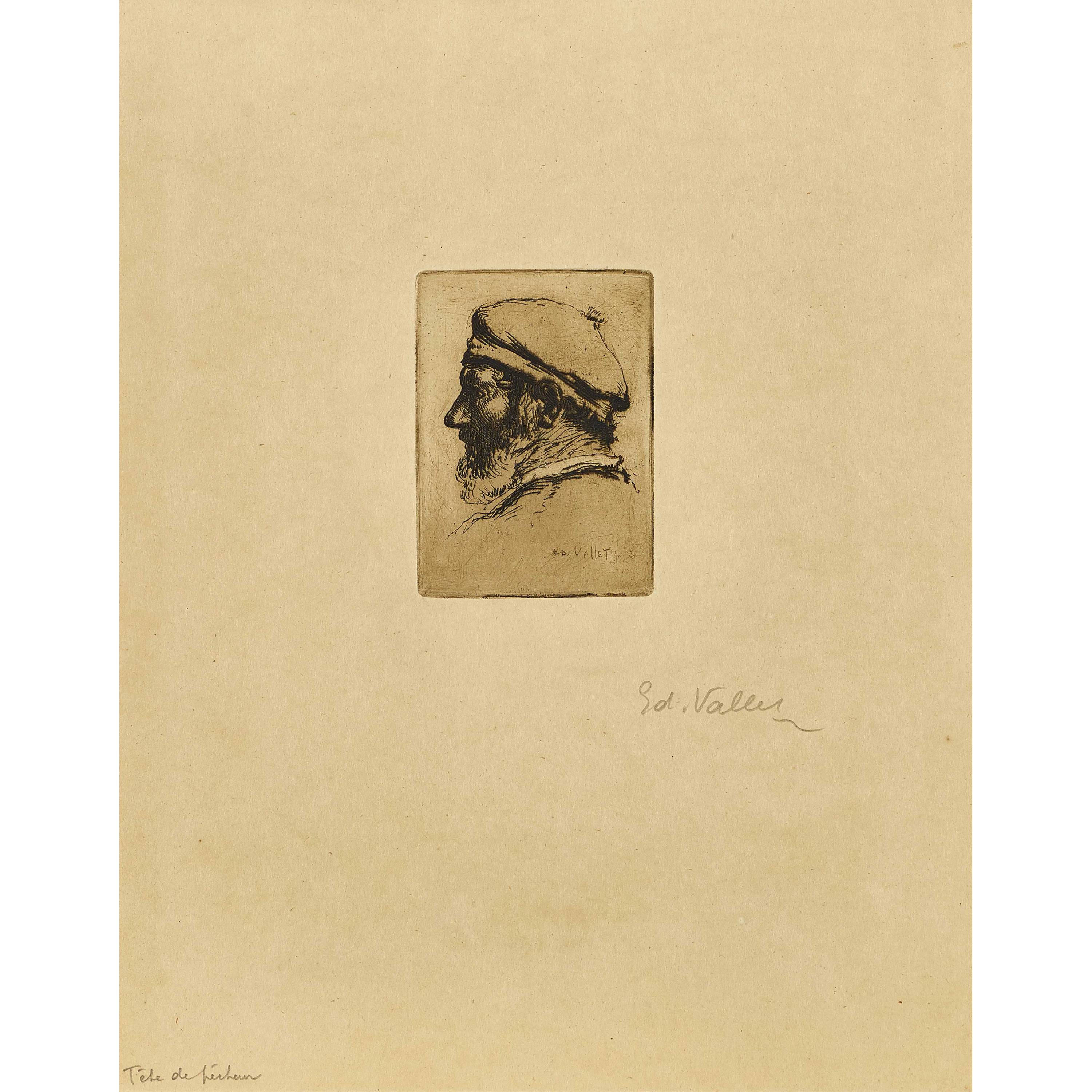
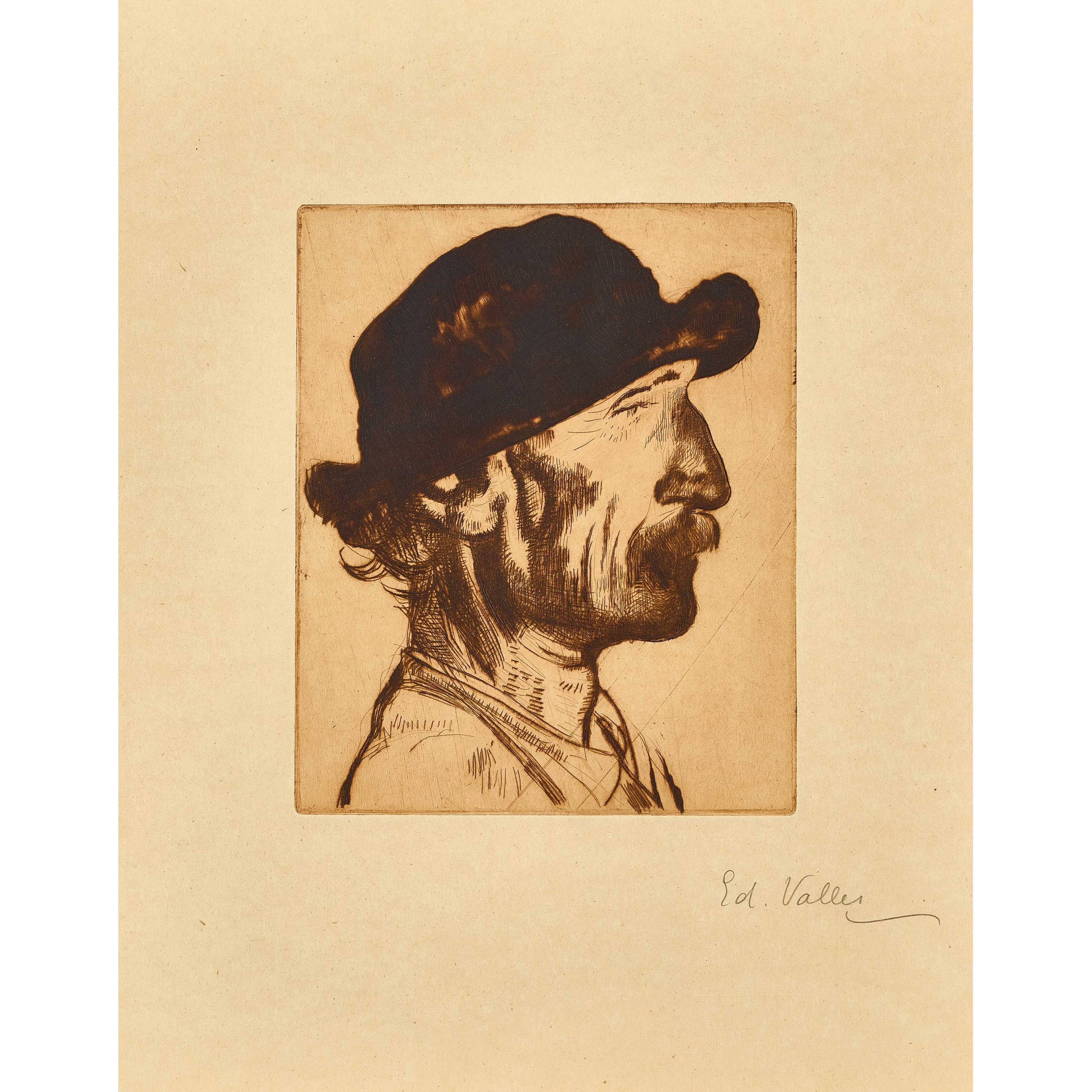
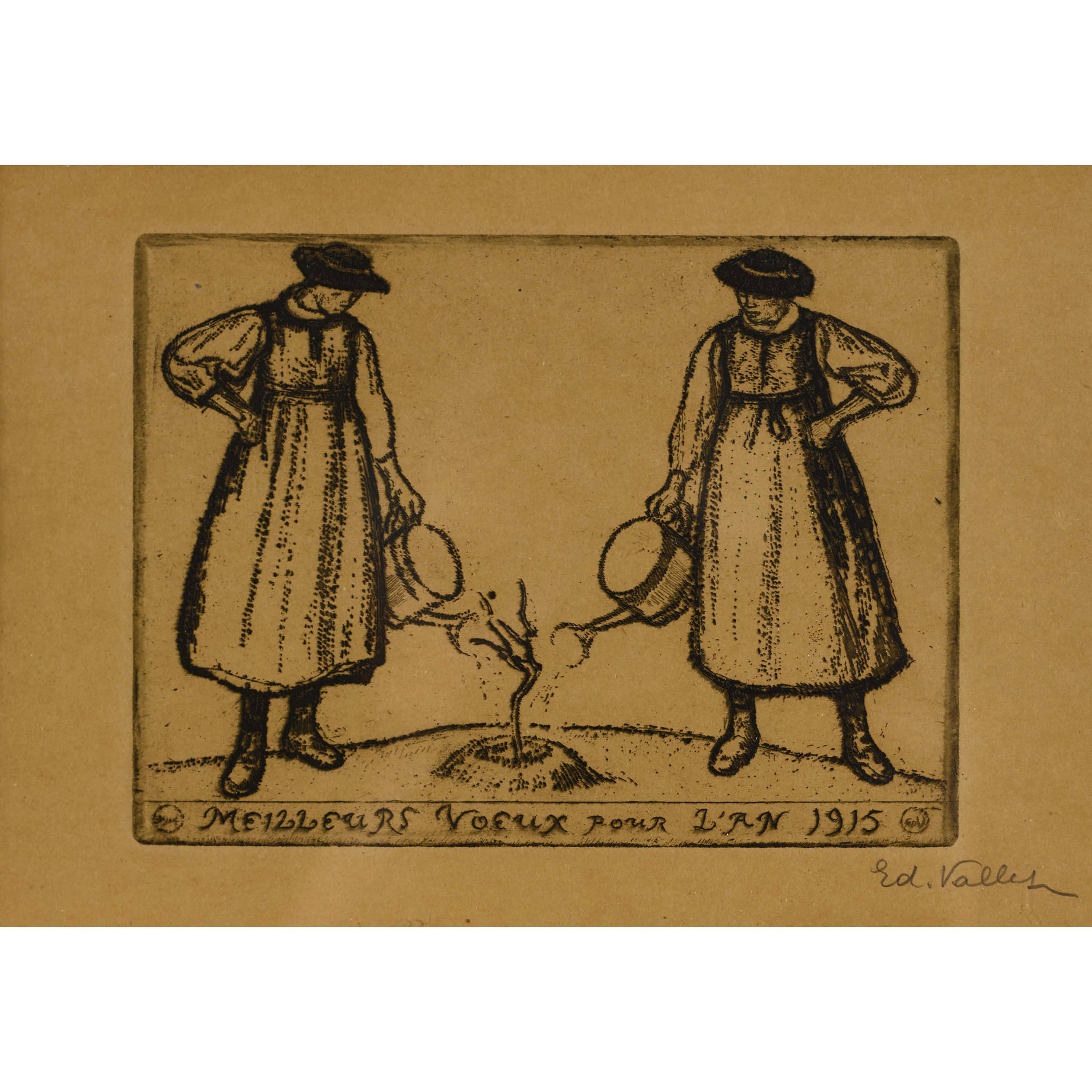
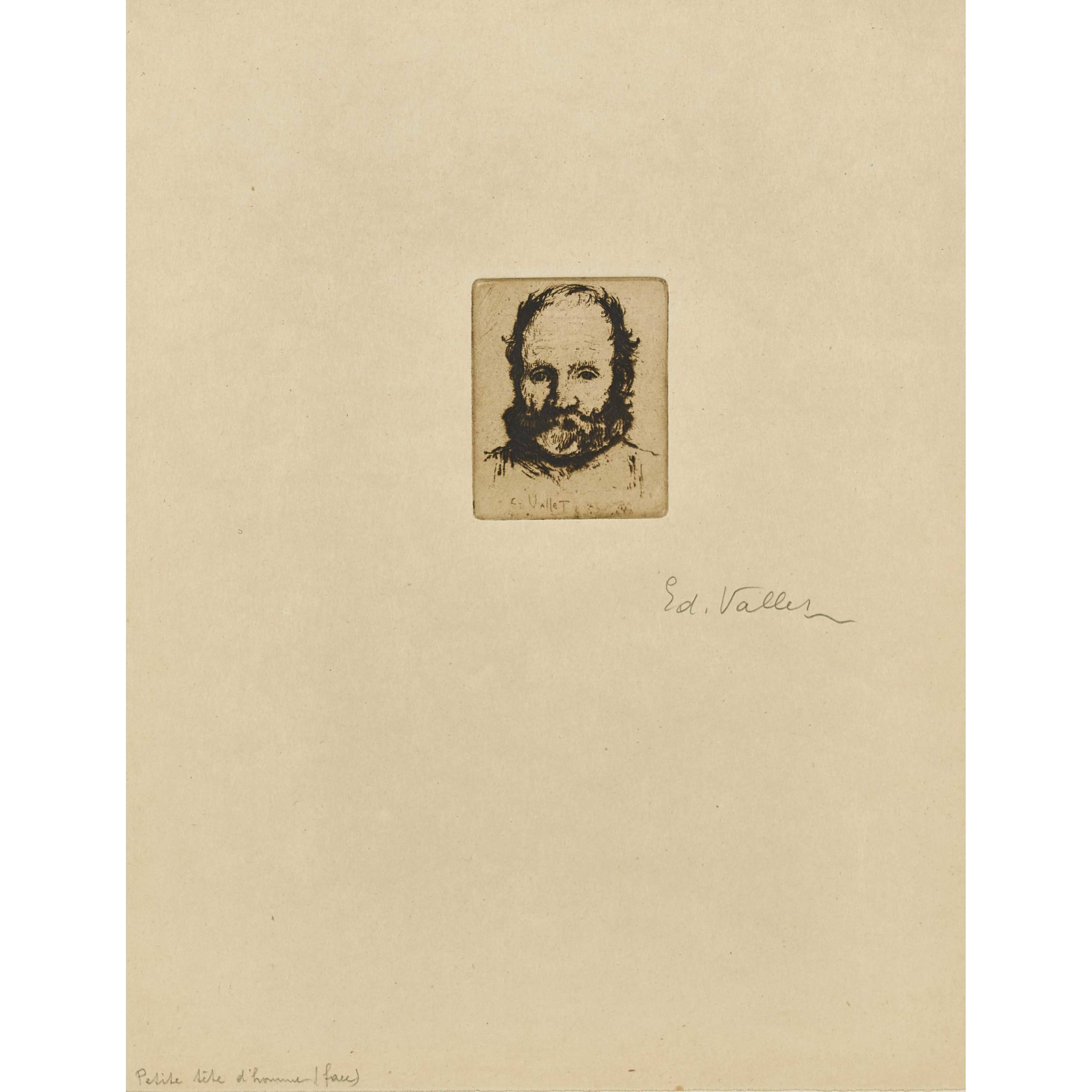
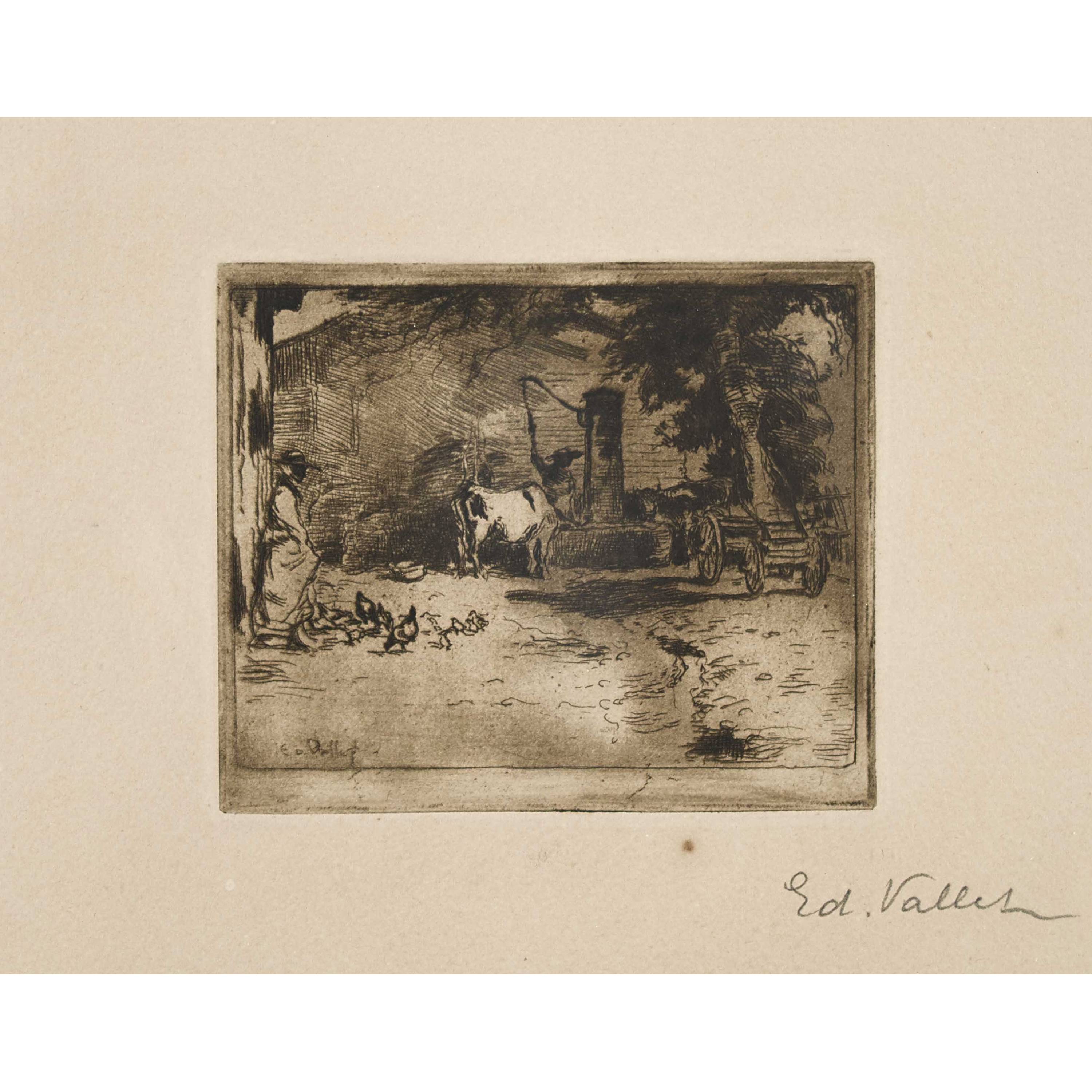
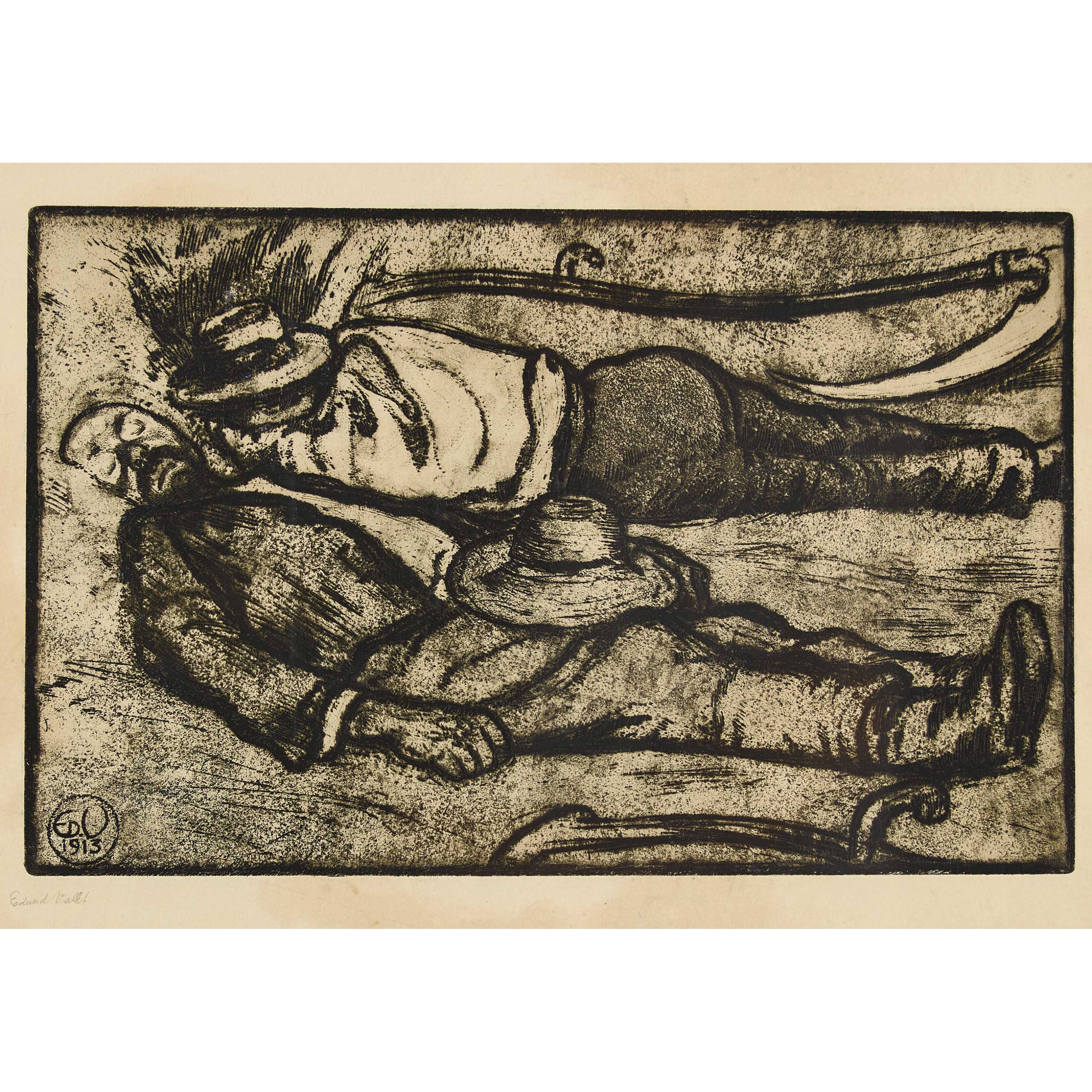
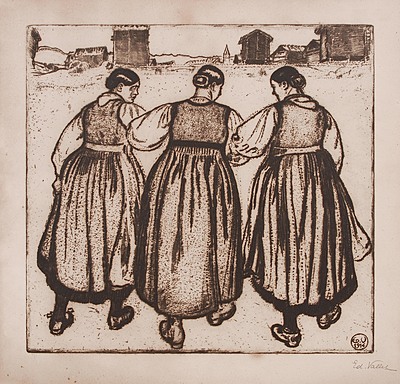
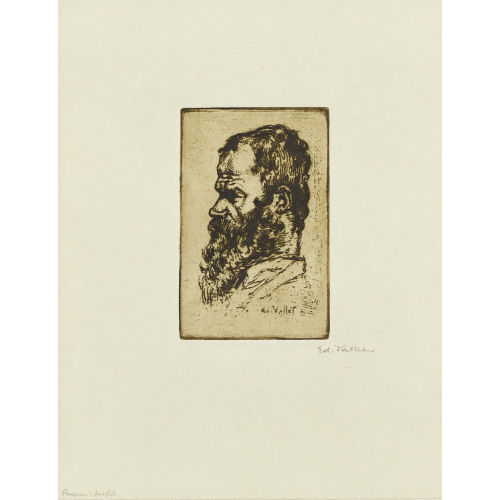
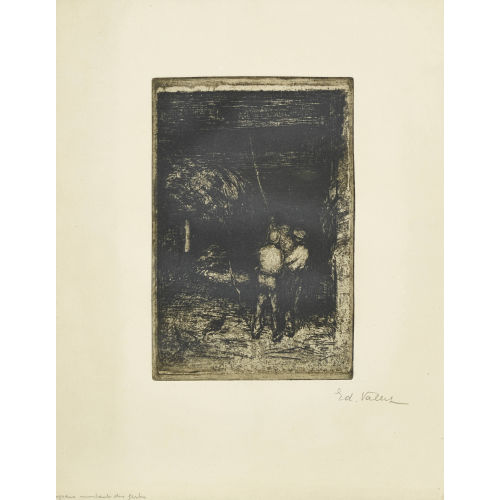
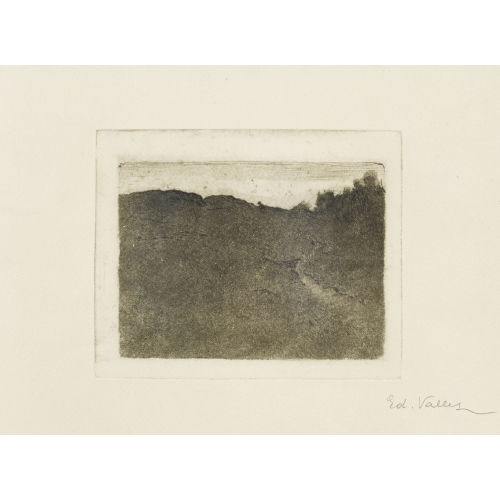
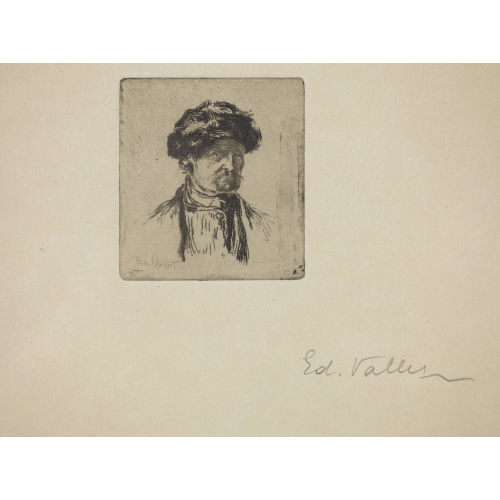
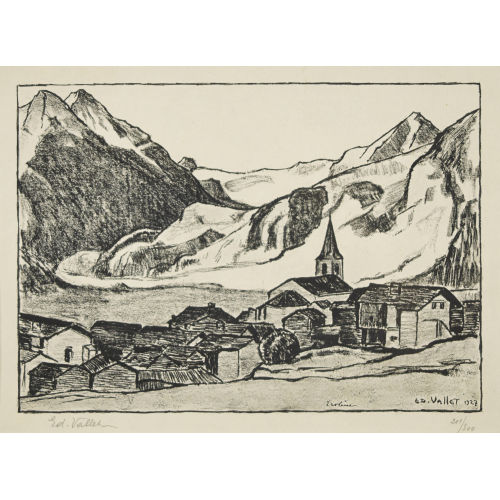
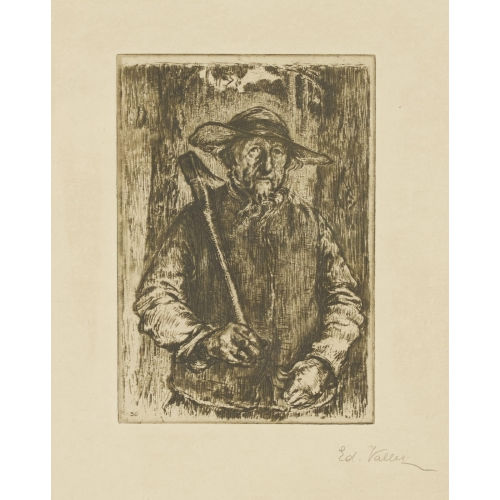
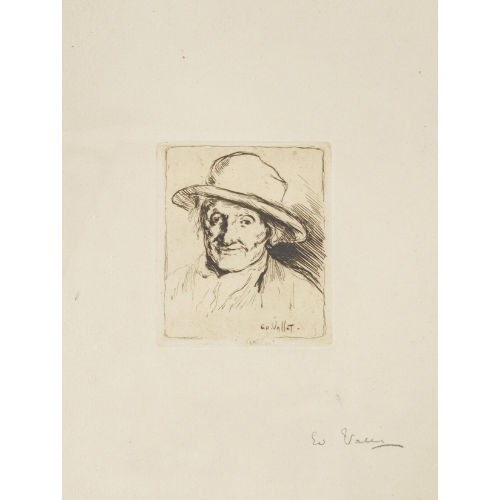
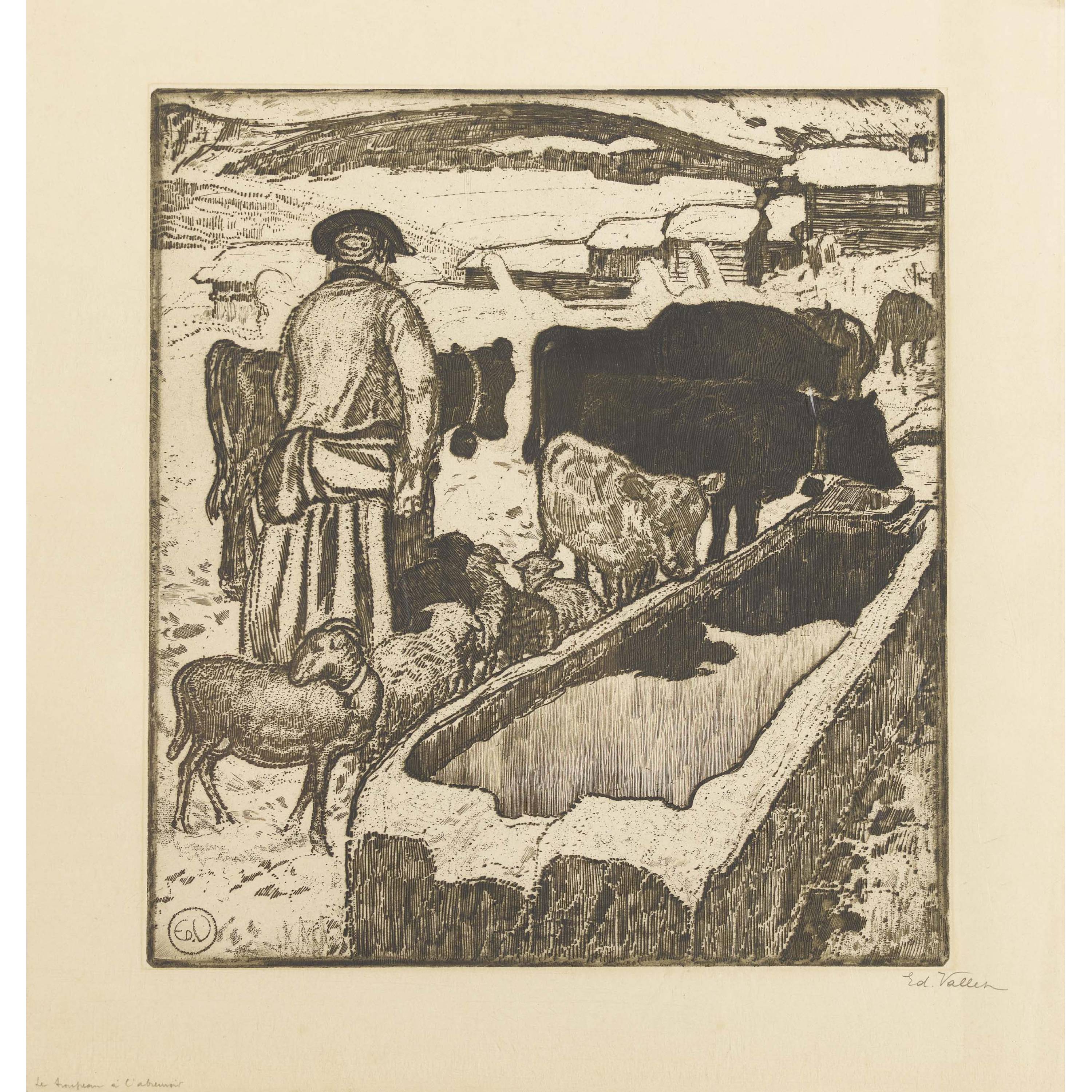
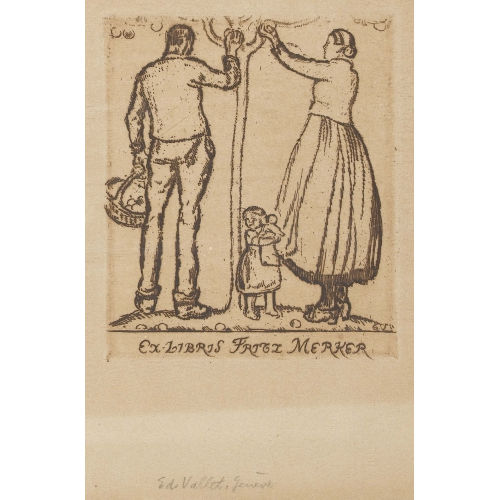
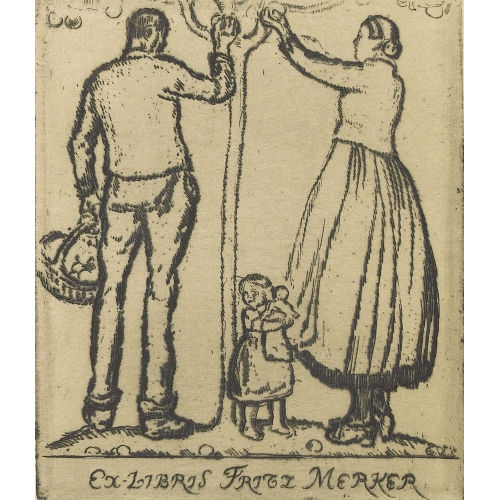
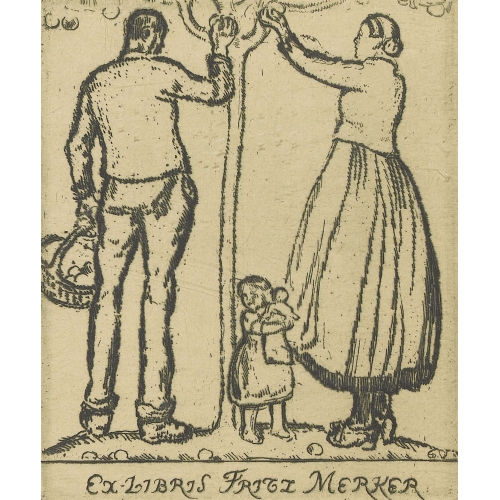
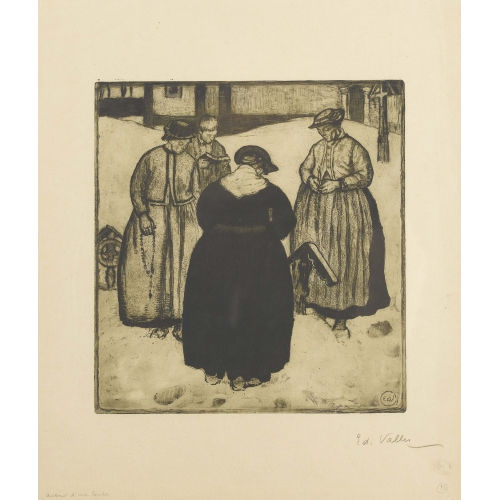
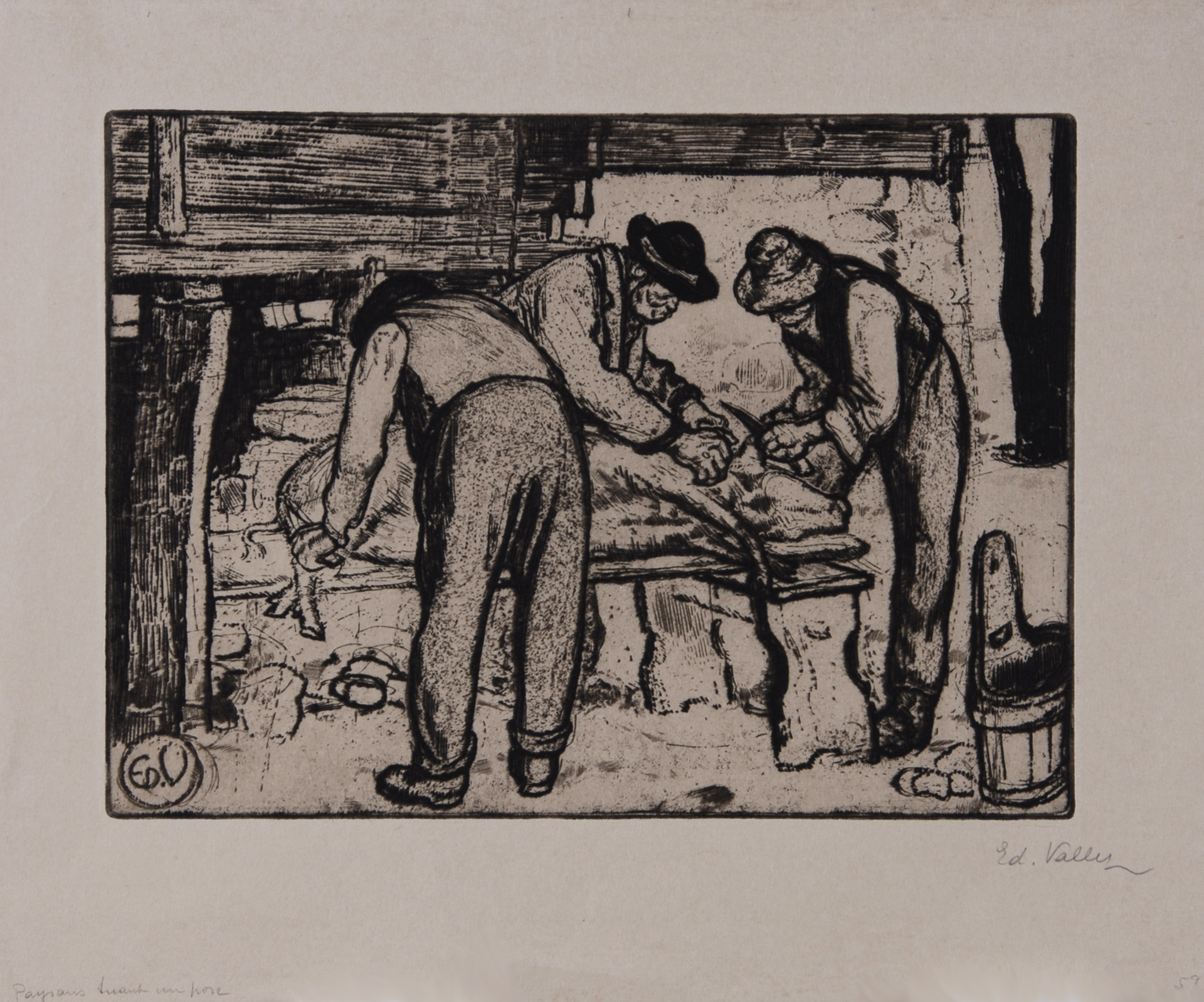
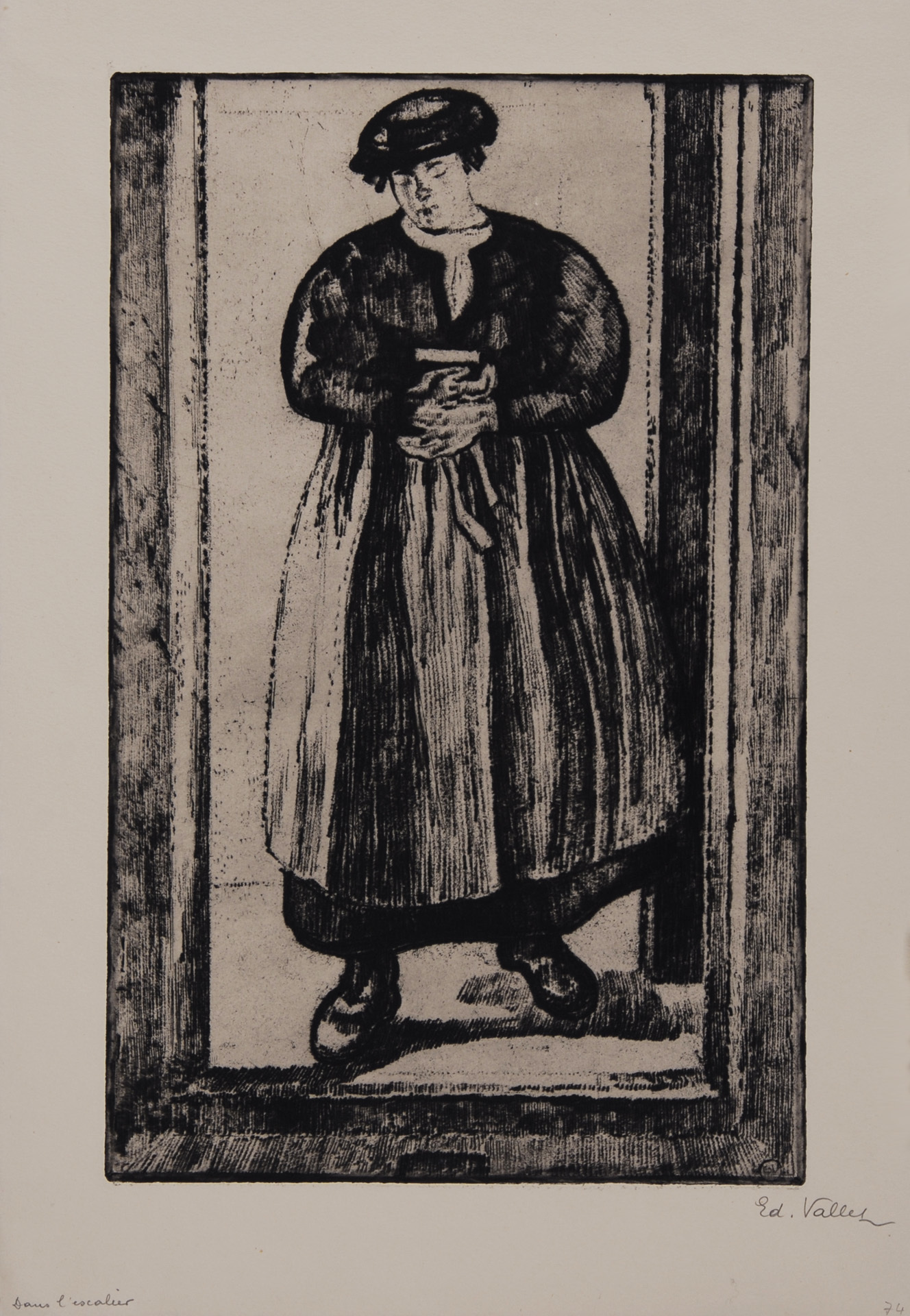
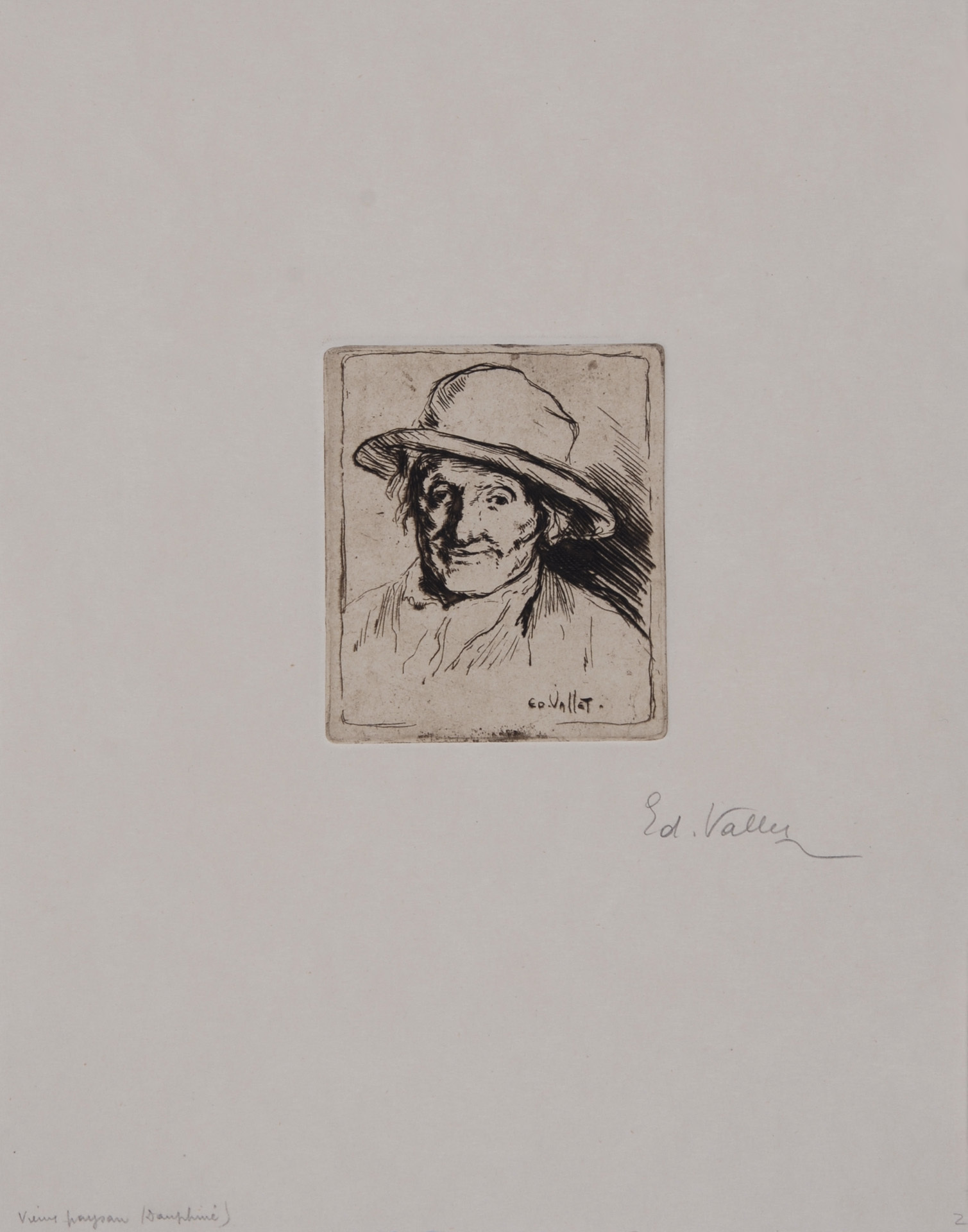
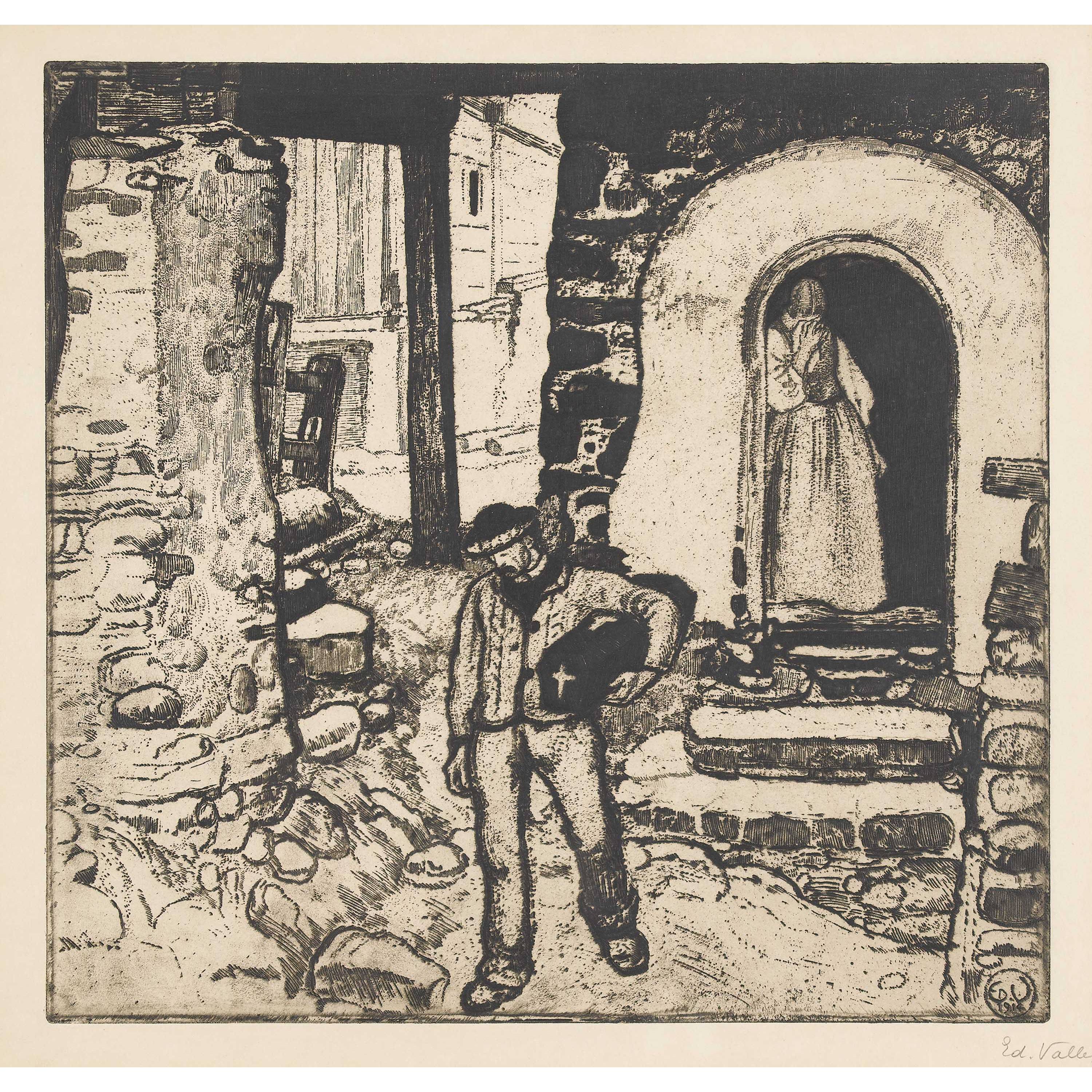
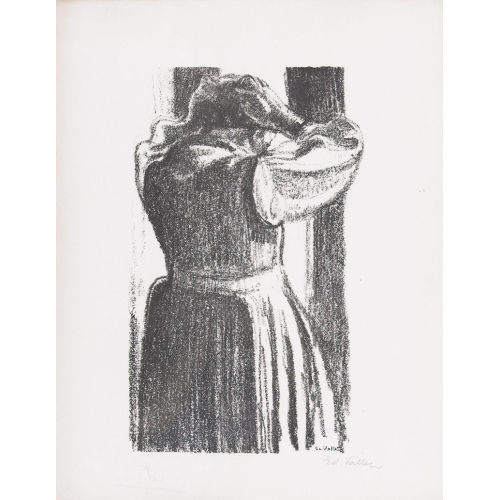
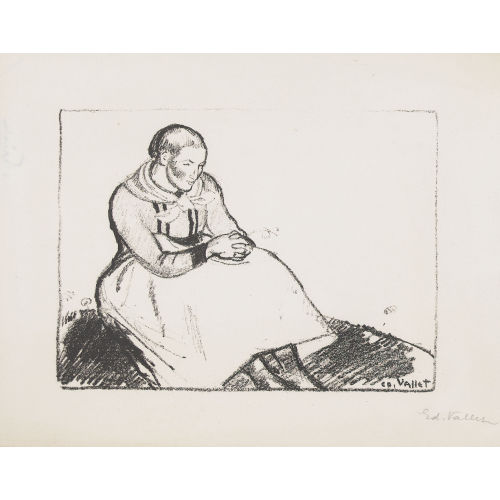
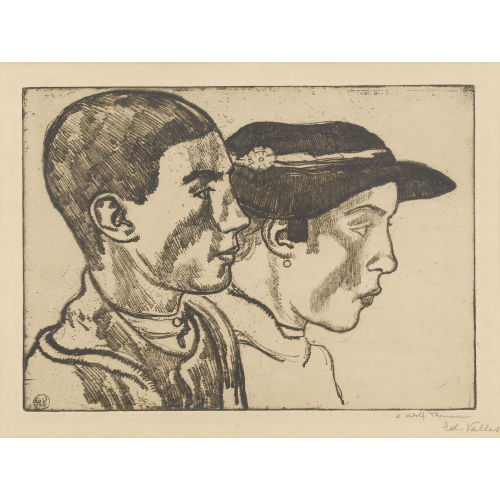
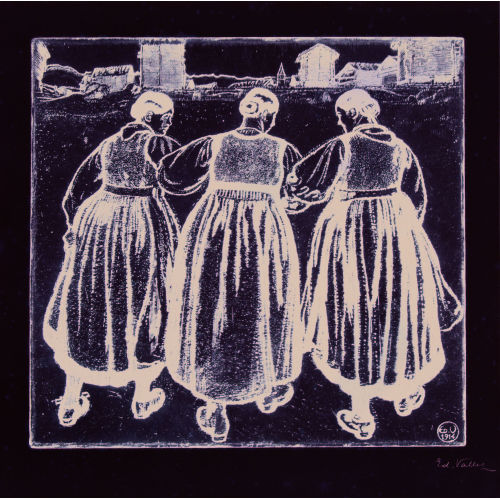
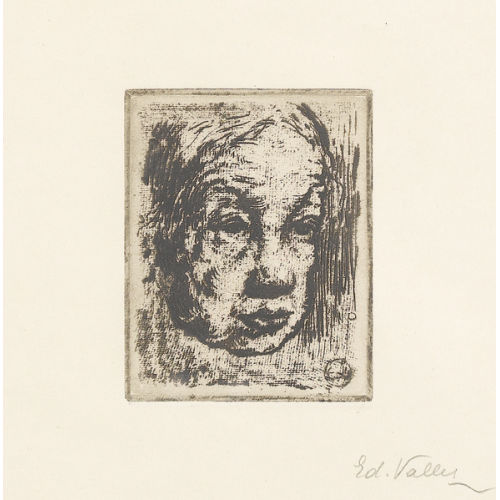
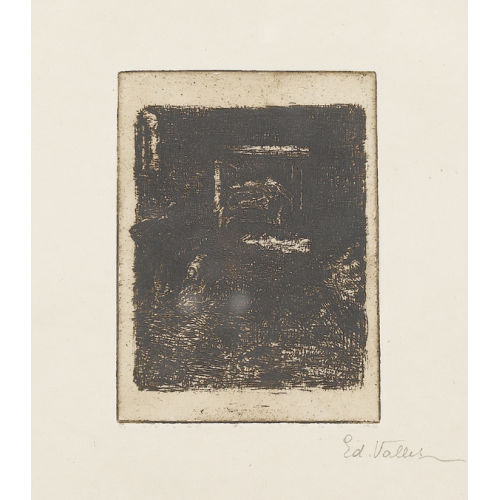
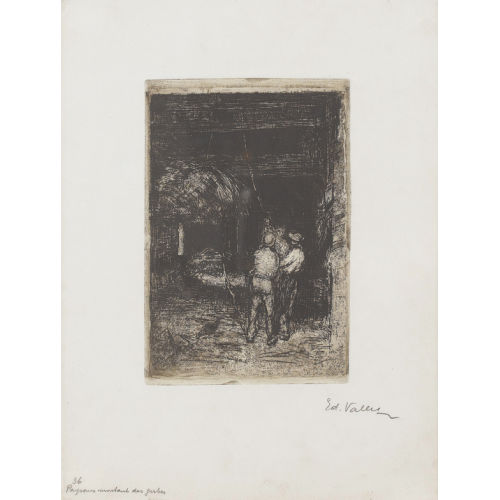
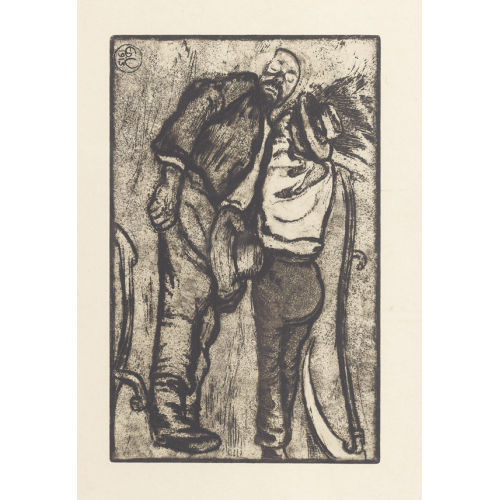
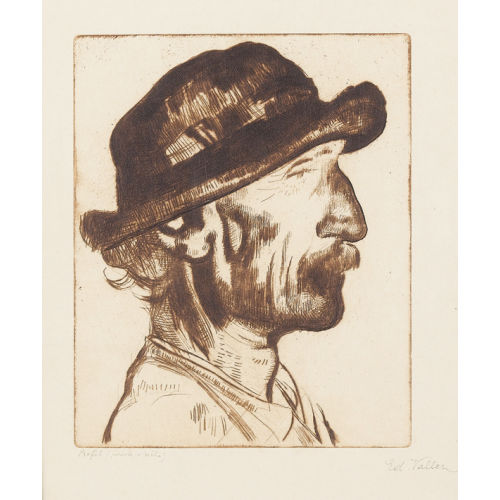
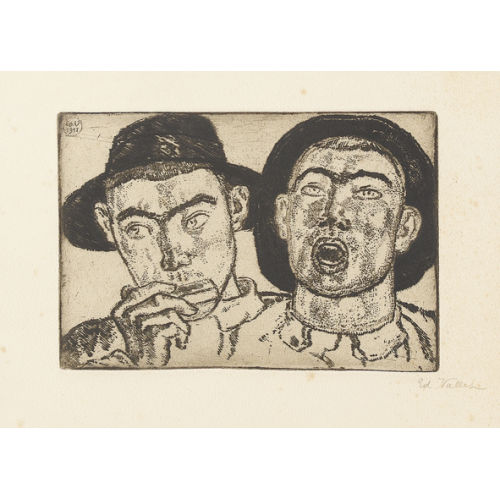
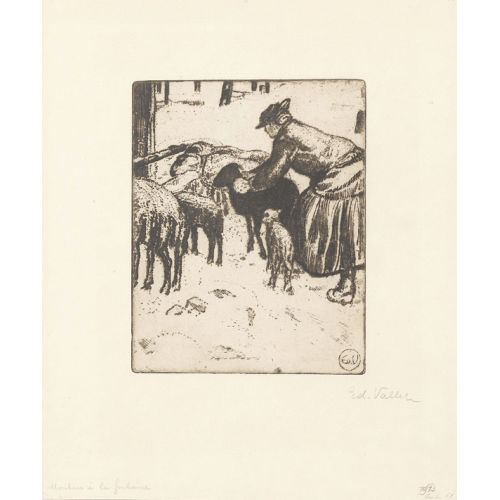
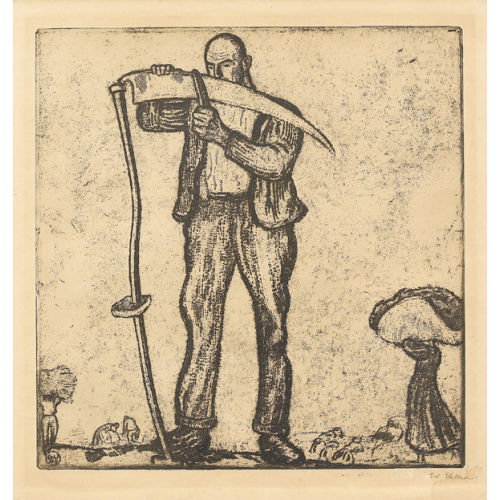
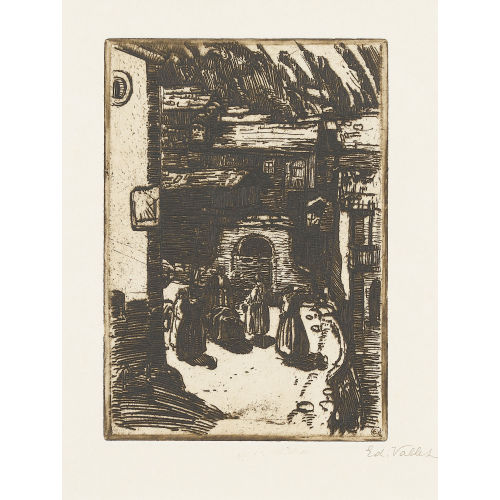
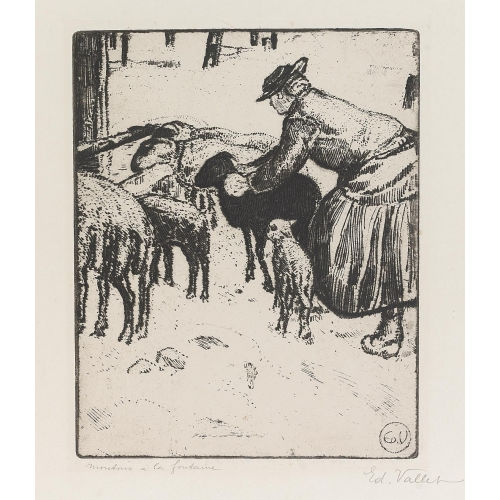
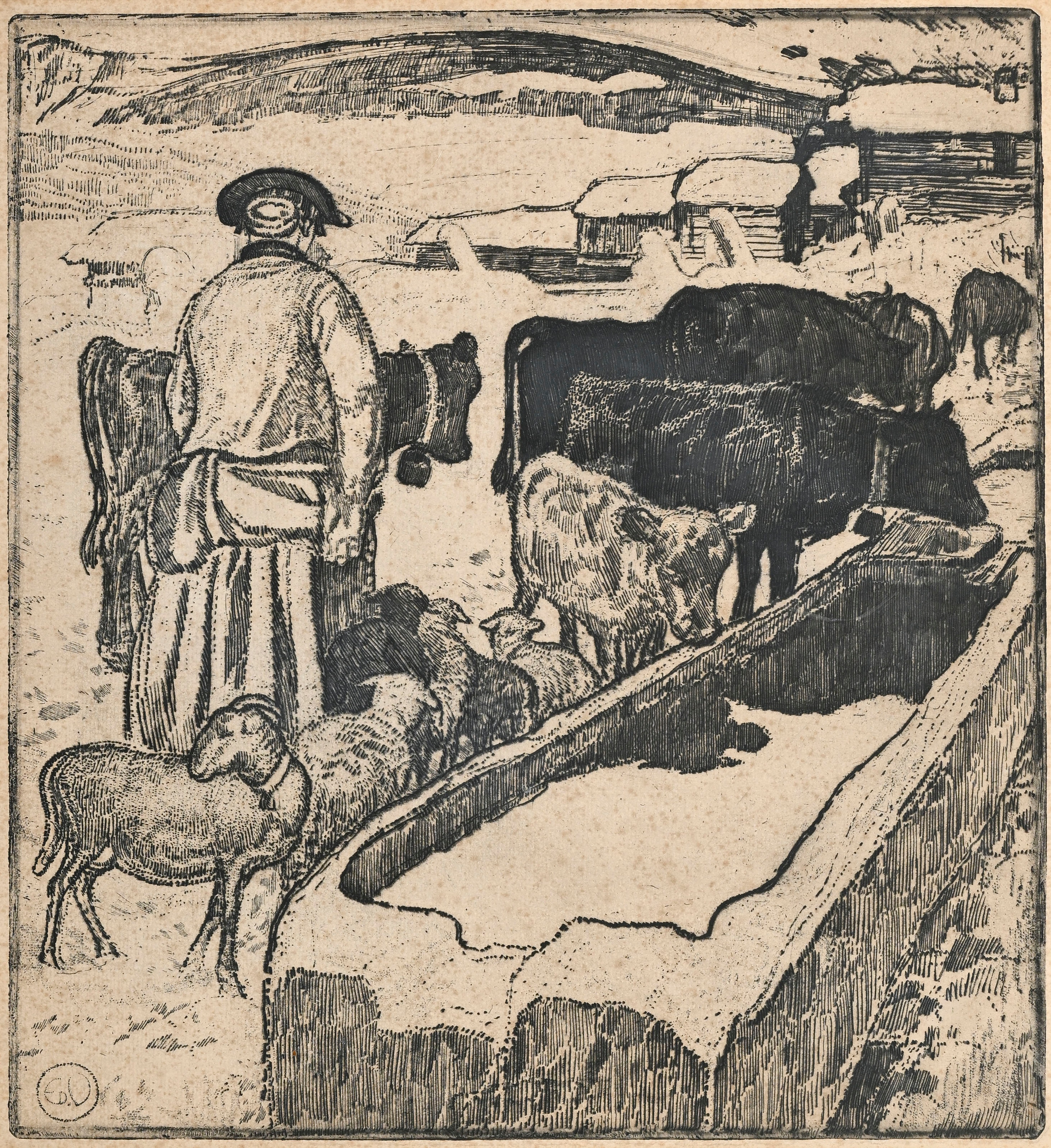
Printmaking, meanwhile, constituted an essential part of his activity.
In 1912, Vallet and his wife, the artist Marguerite Vallet-Gilliard, acquired a house in Vercorin. Now the home of the Fondation Édouard Vallet, it makes it possible to approach both of their oeuvres. This place reminds us that the painter’s career was nourished by comings and goings, family ties and a sustained attention to the world around him.
To look at Vallet, one might begin by observing how a figure and its surroundings find their place together within the image.