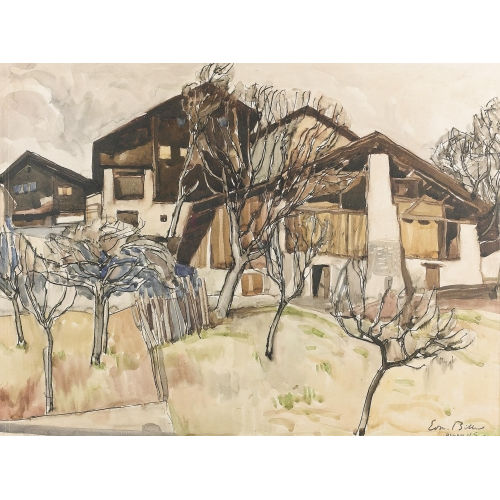
Edmond Bille
Born in 1878.
Died in 1959.
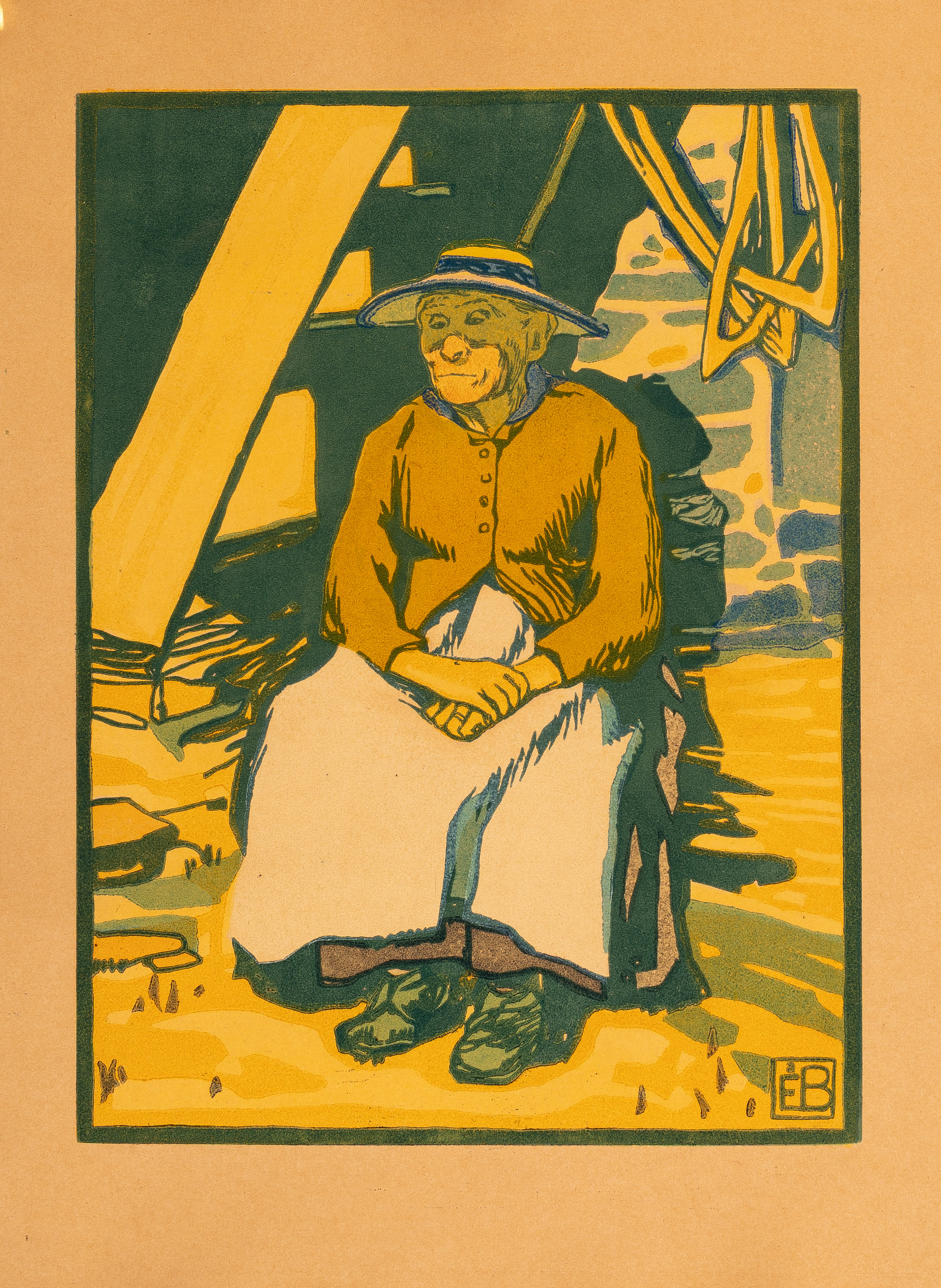
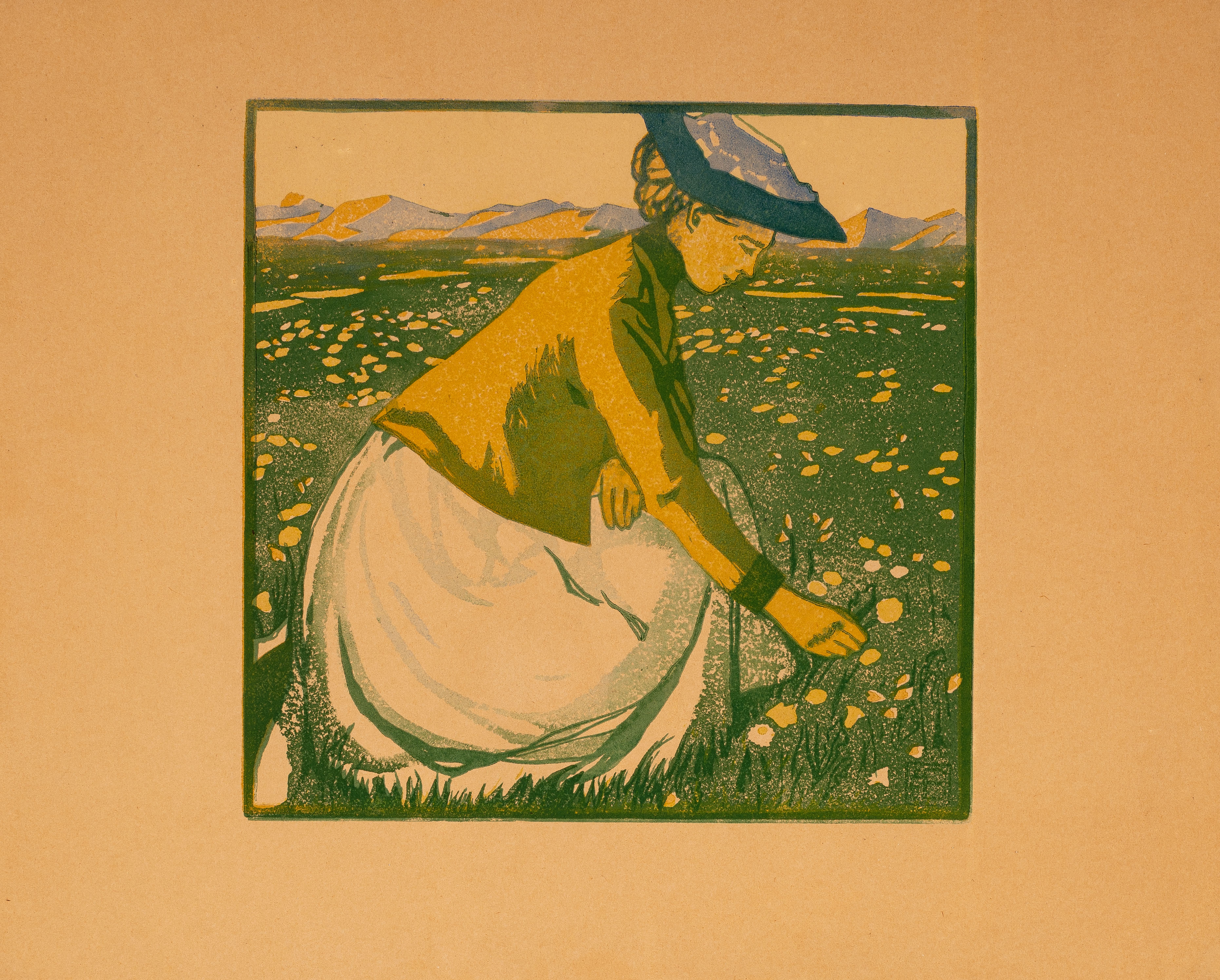
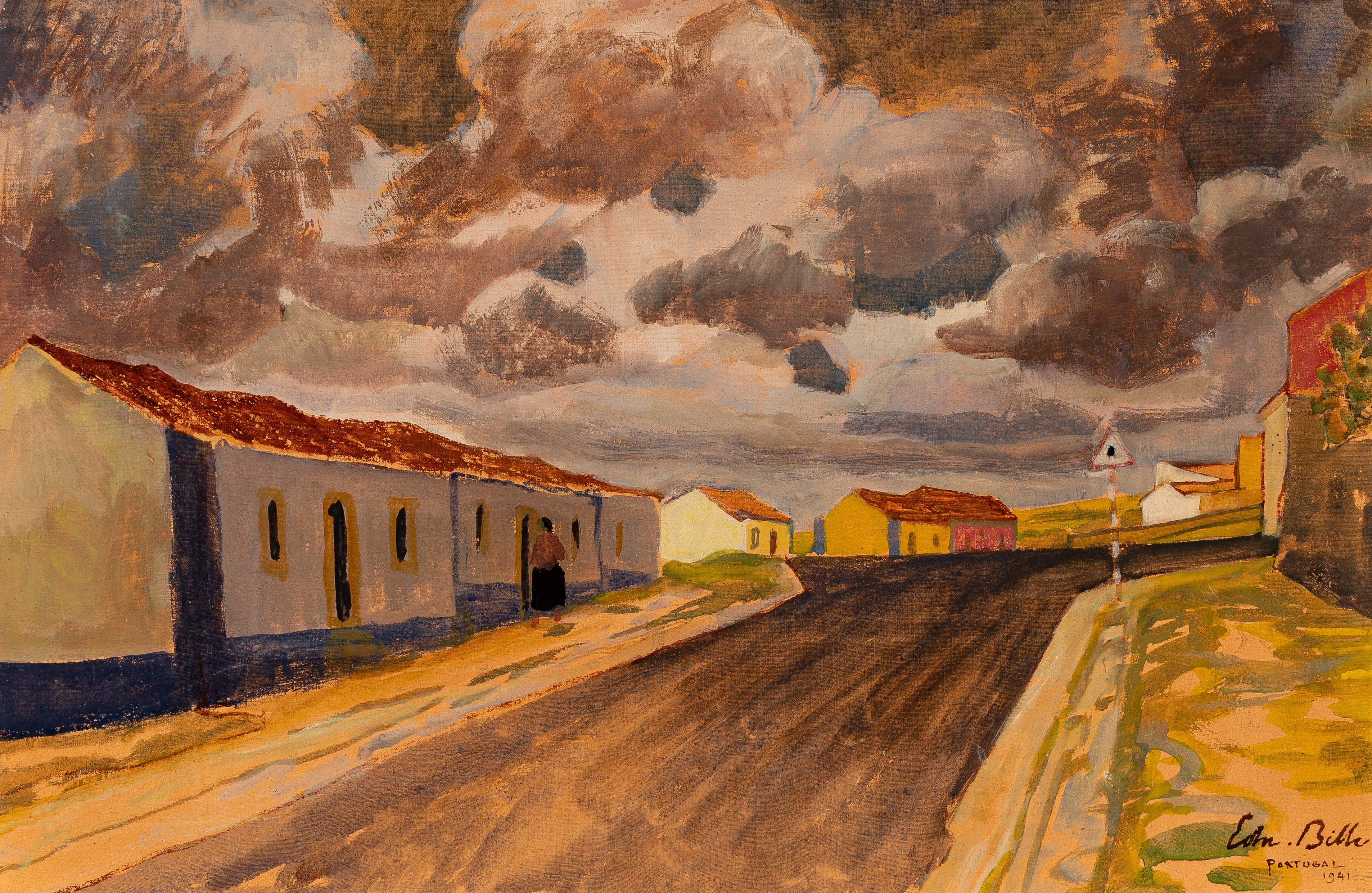
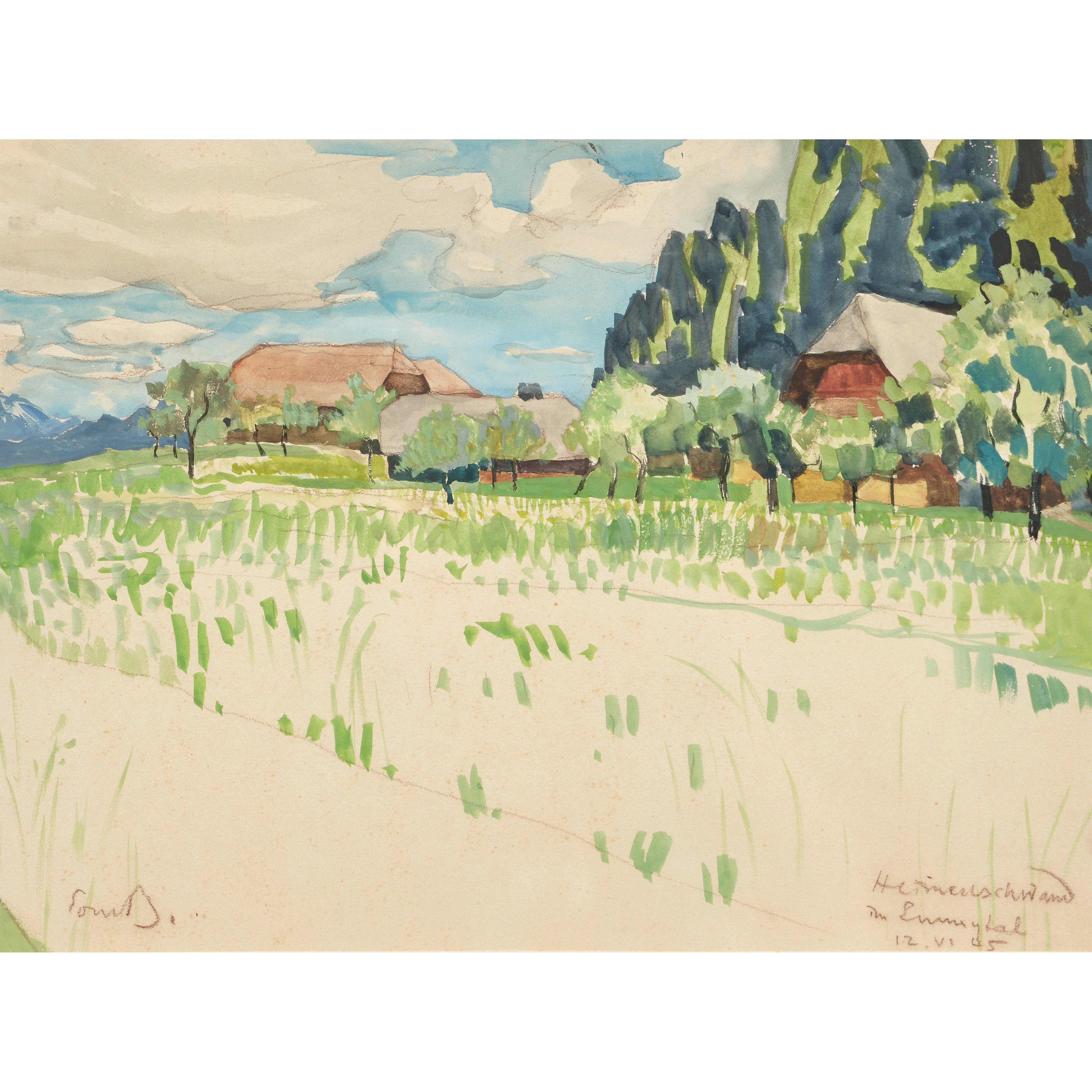
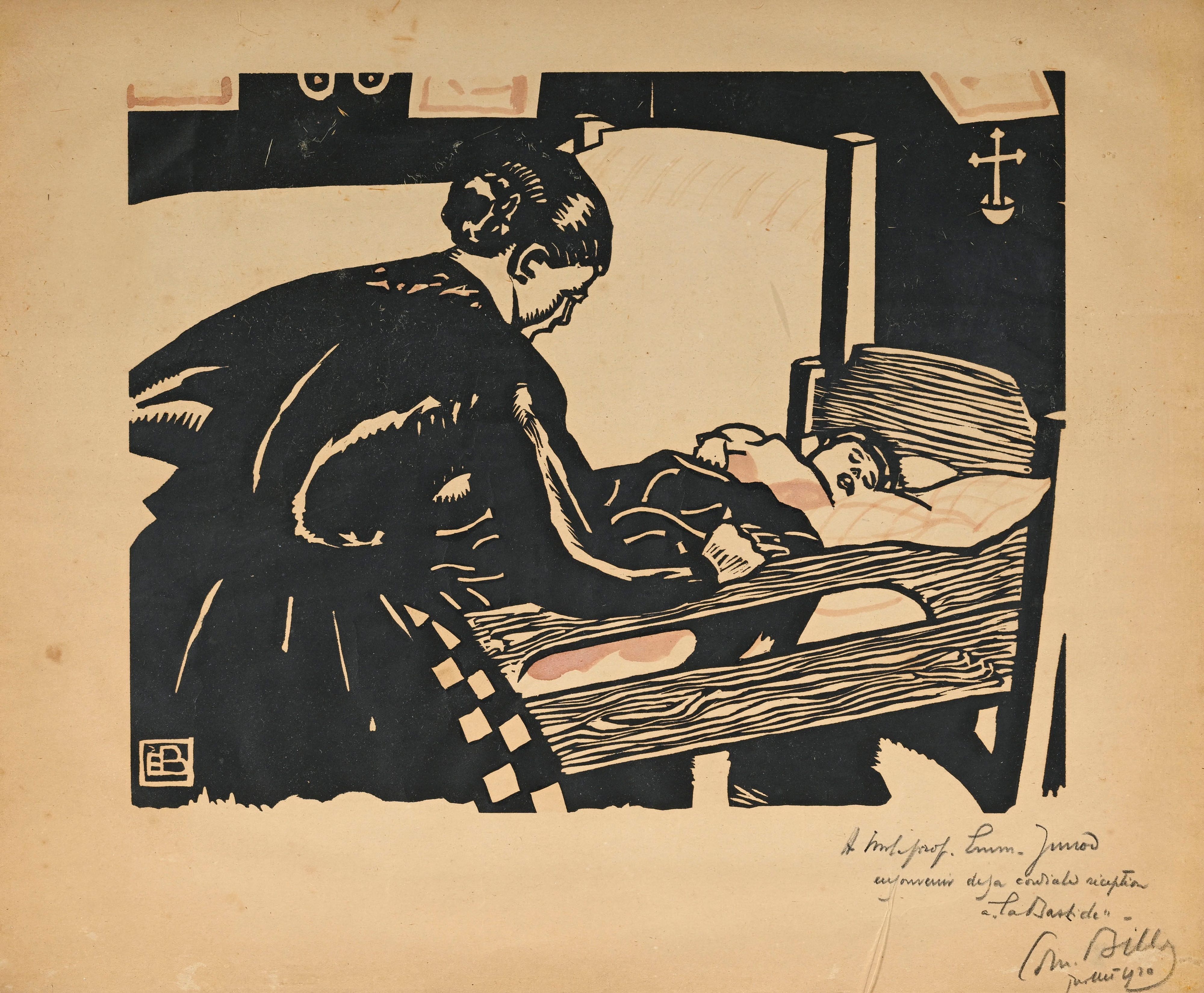
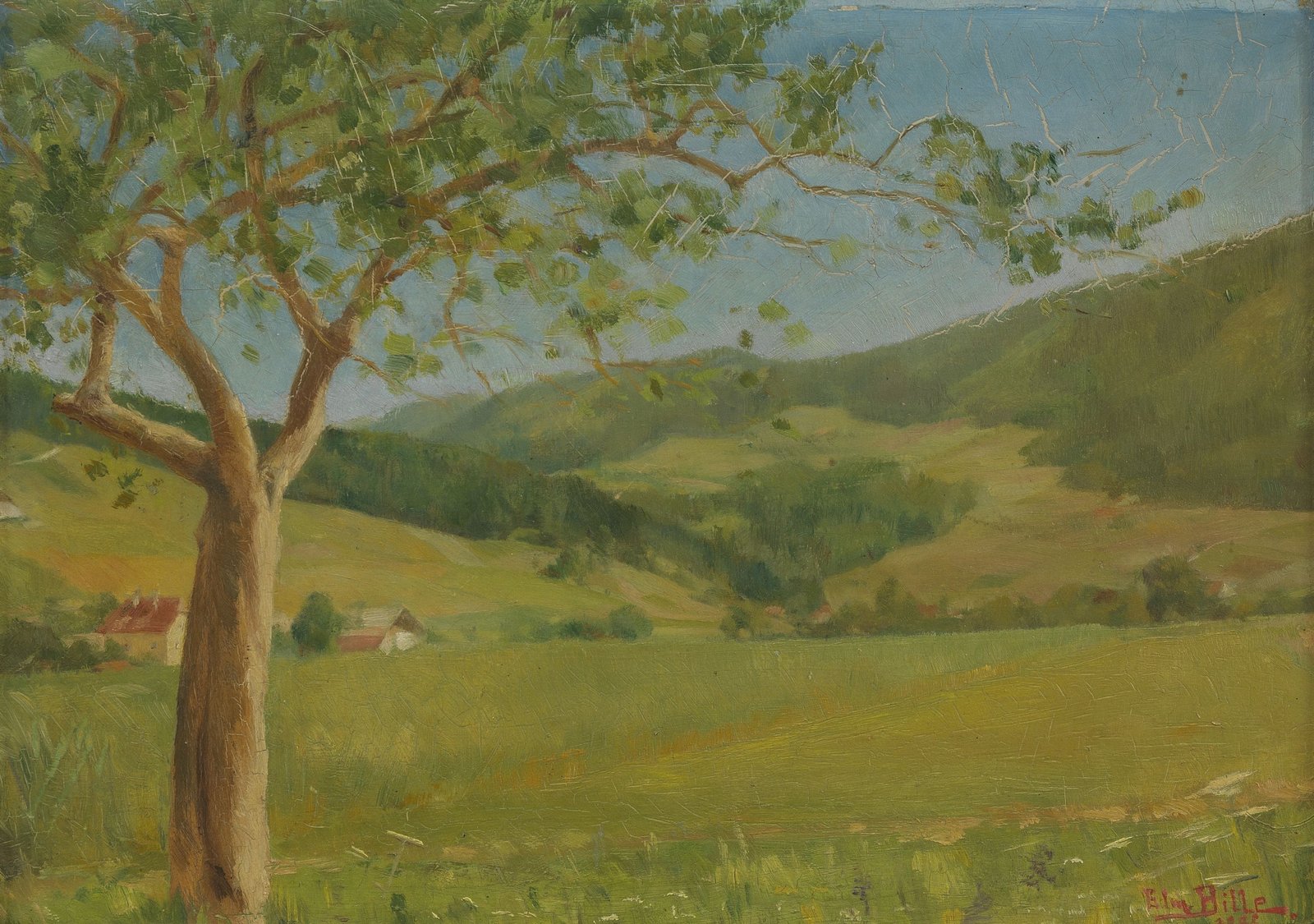
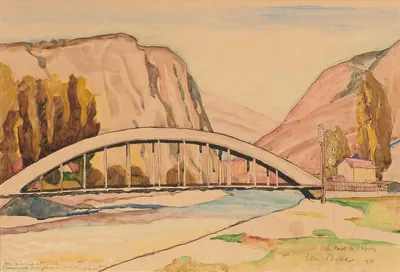
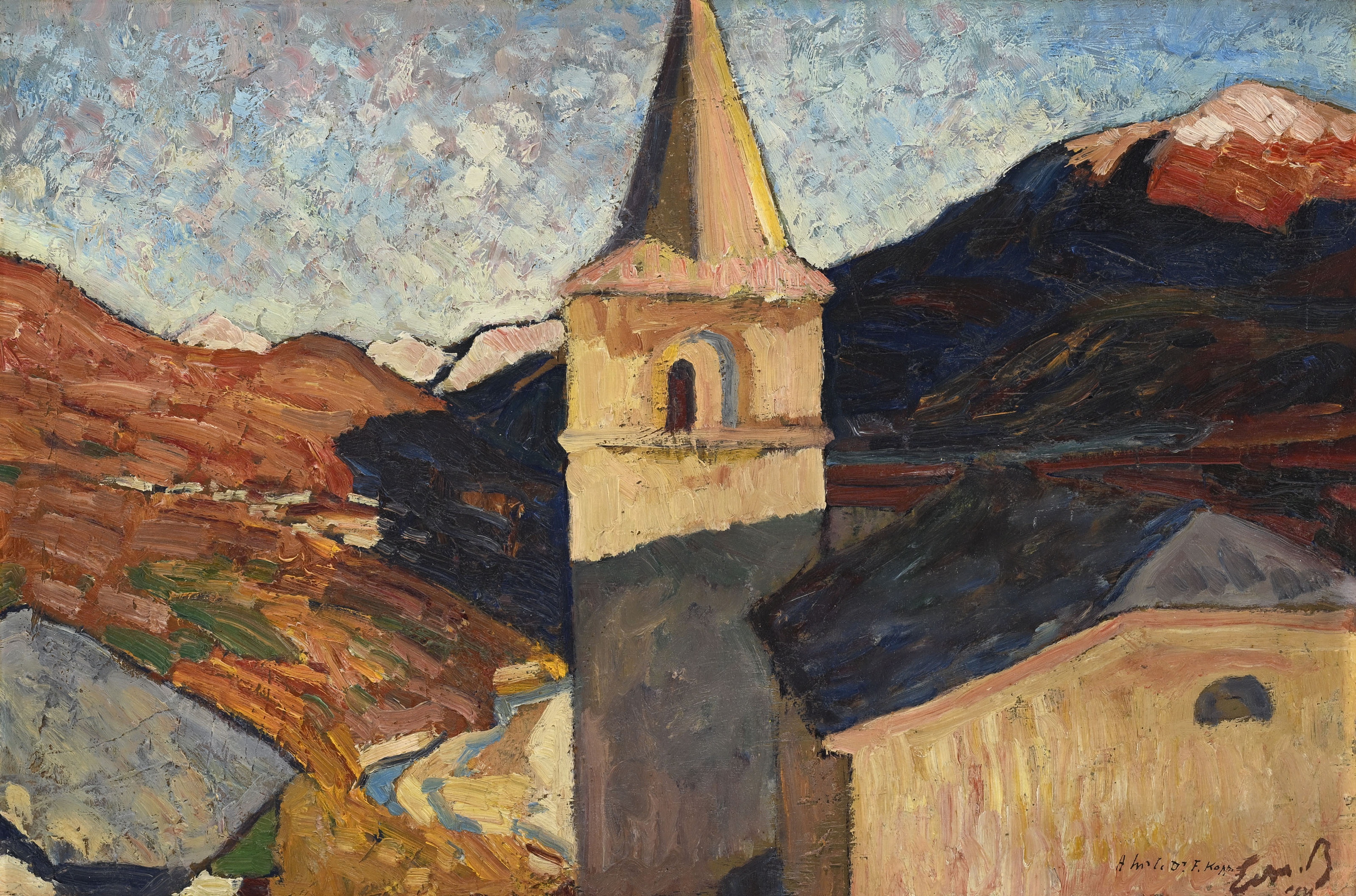
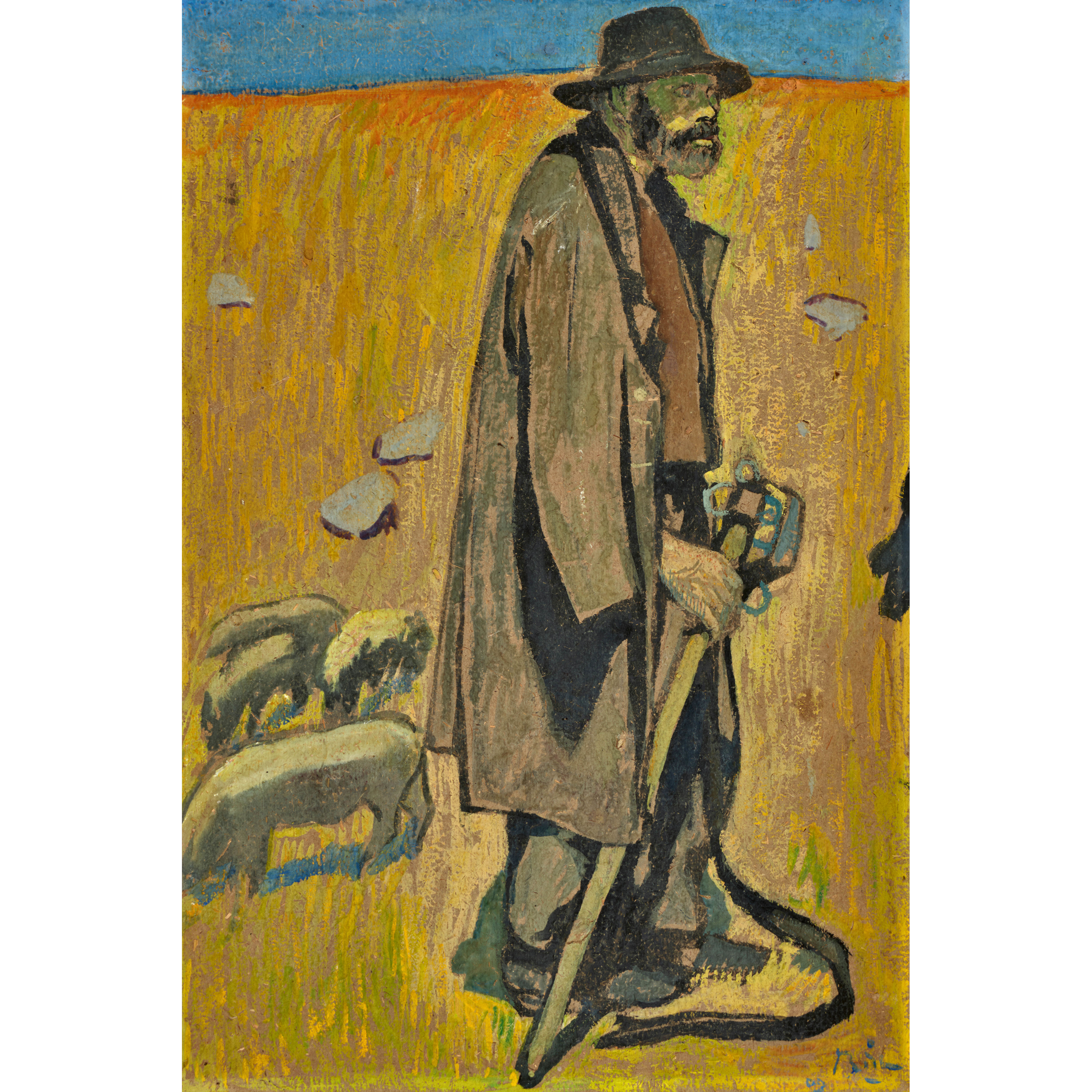
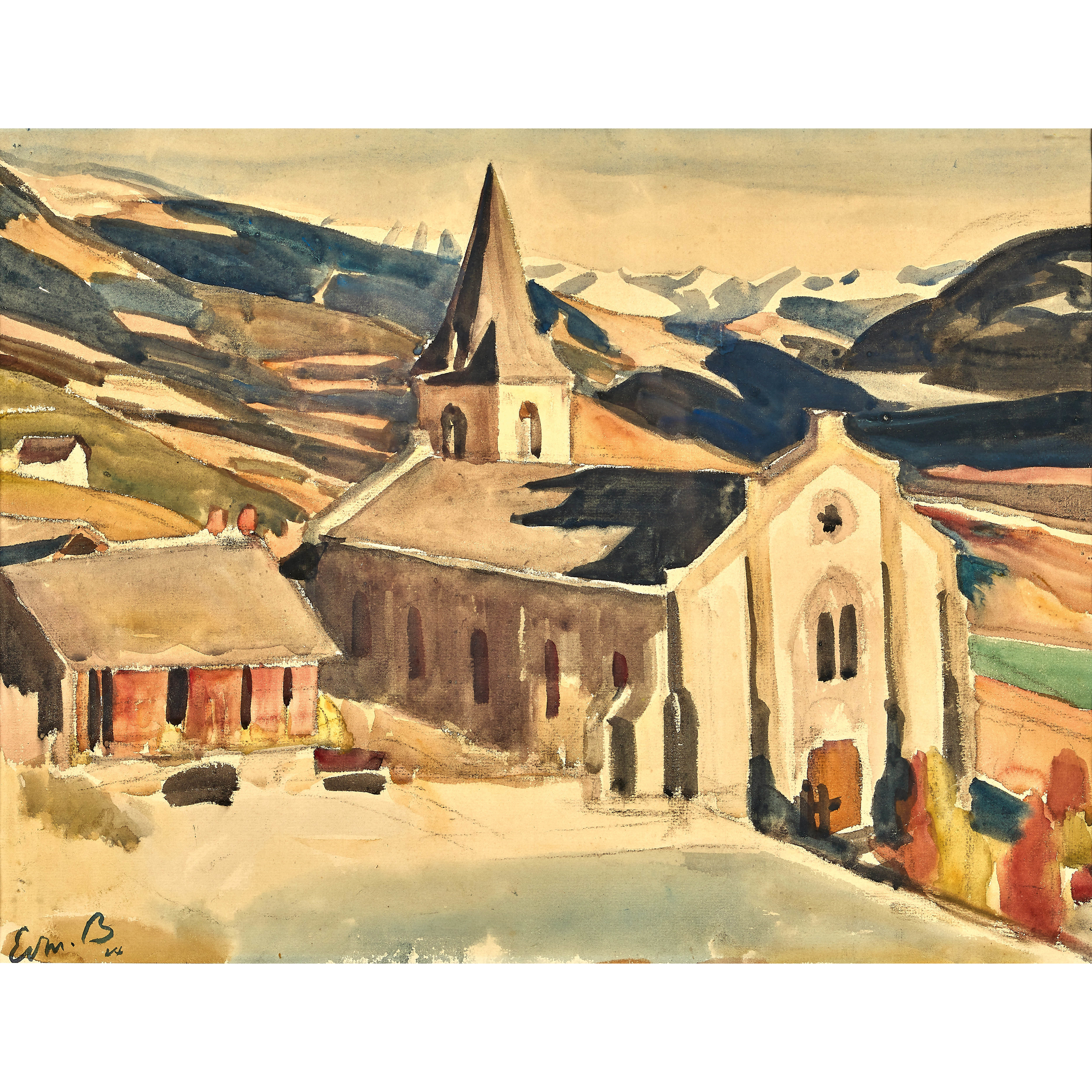
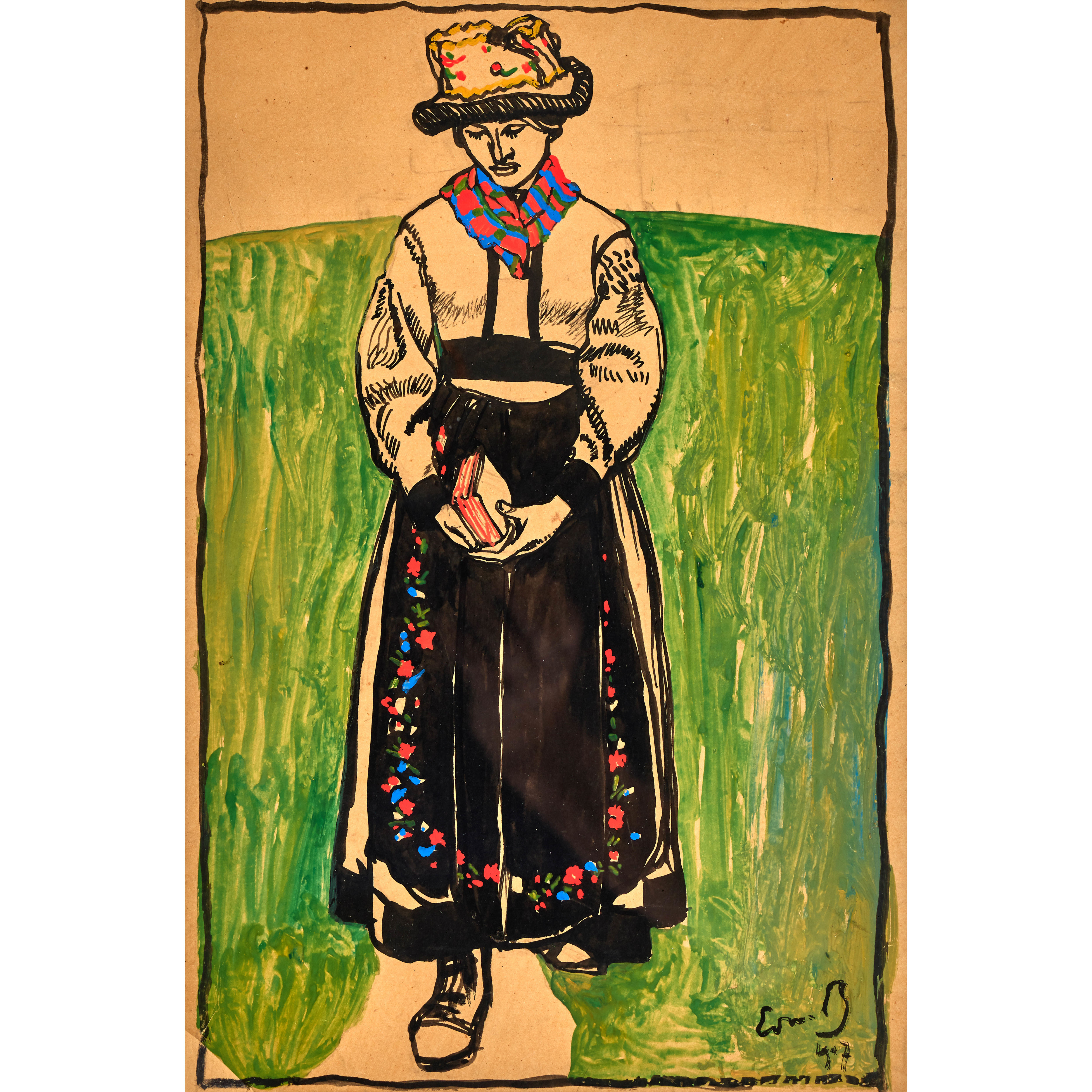
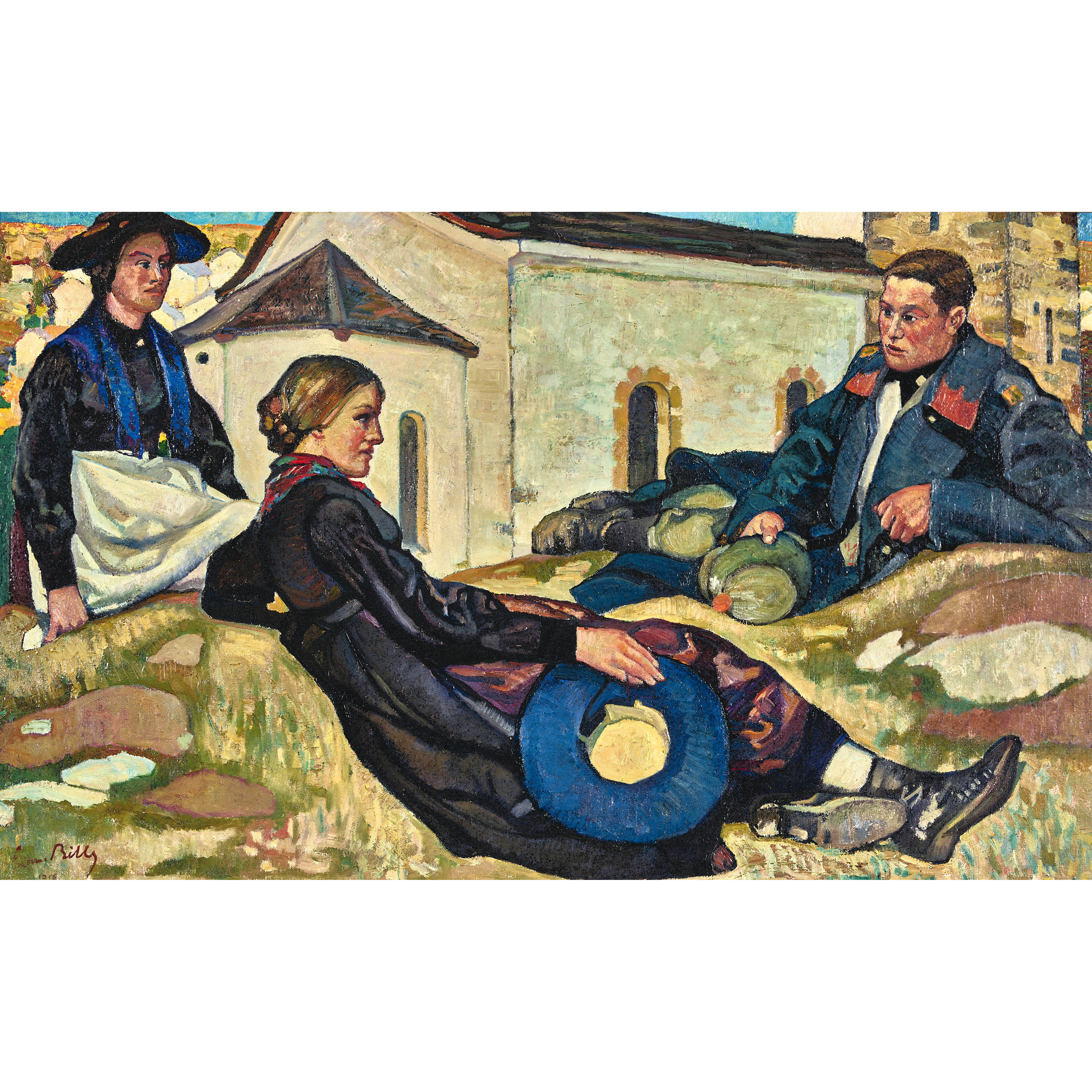
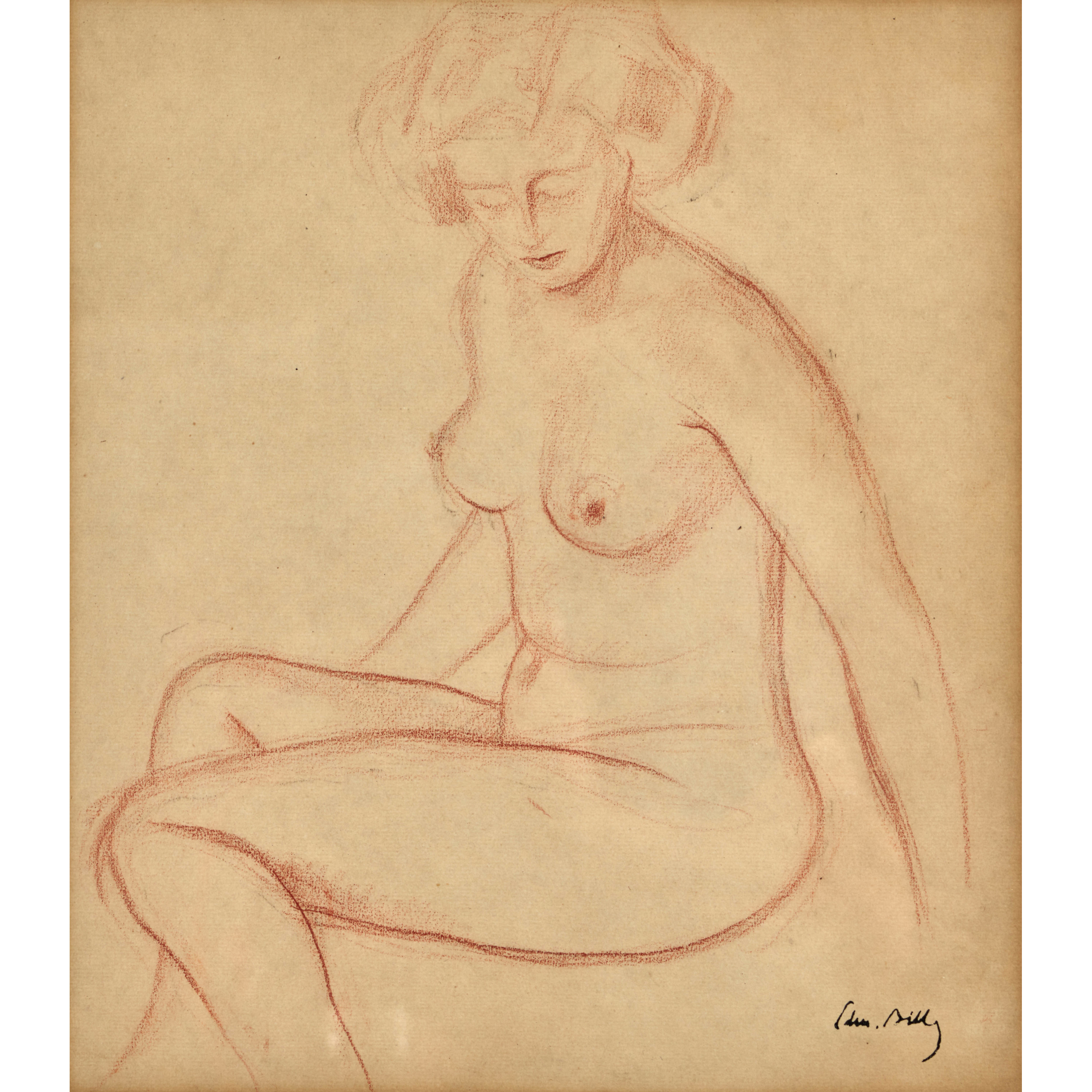
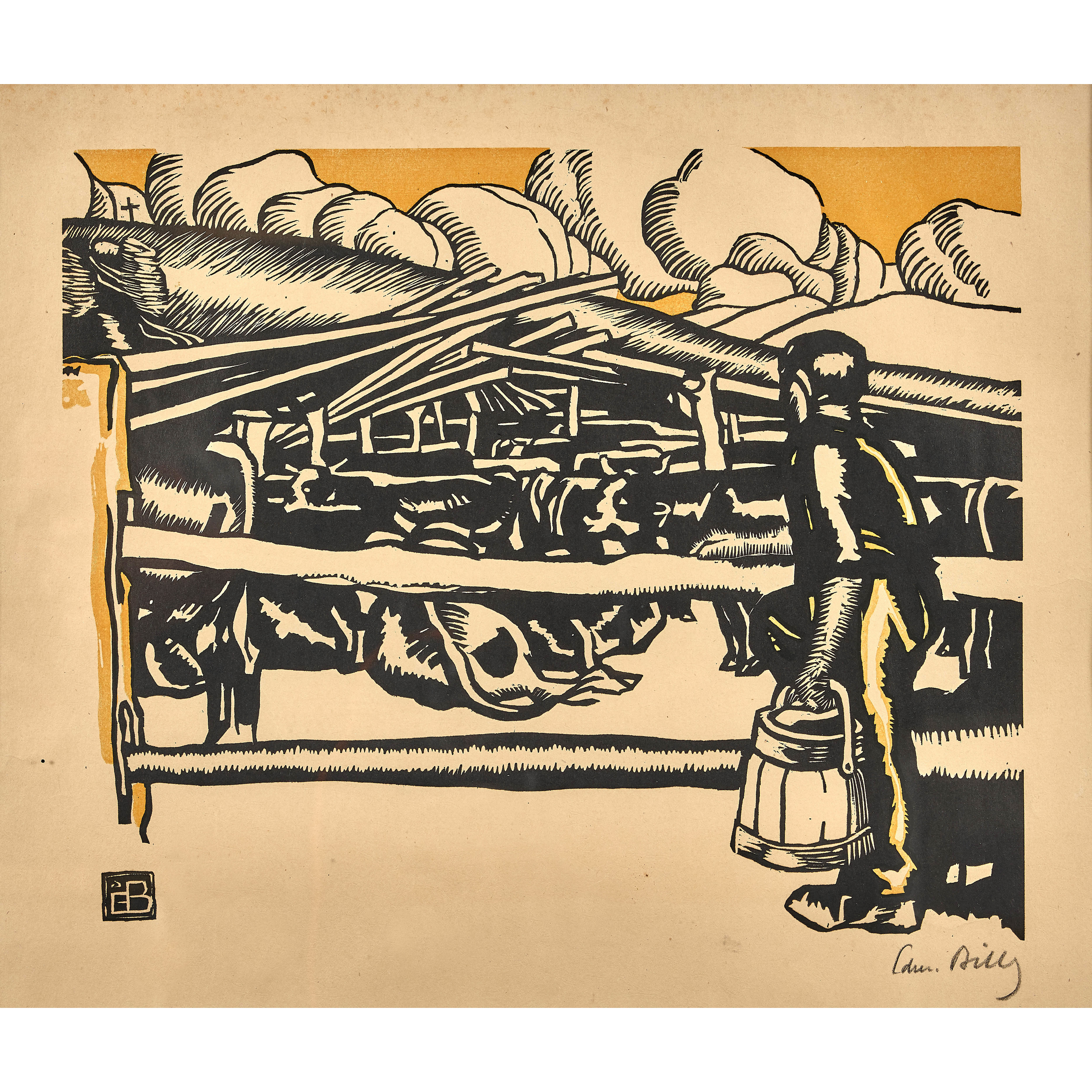
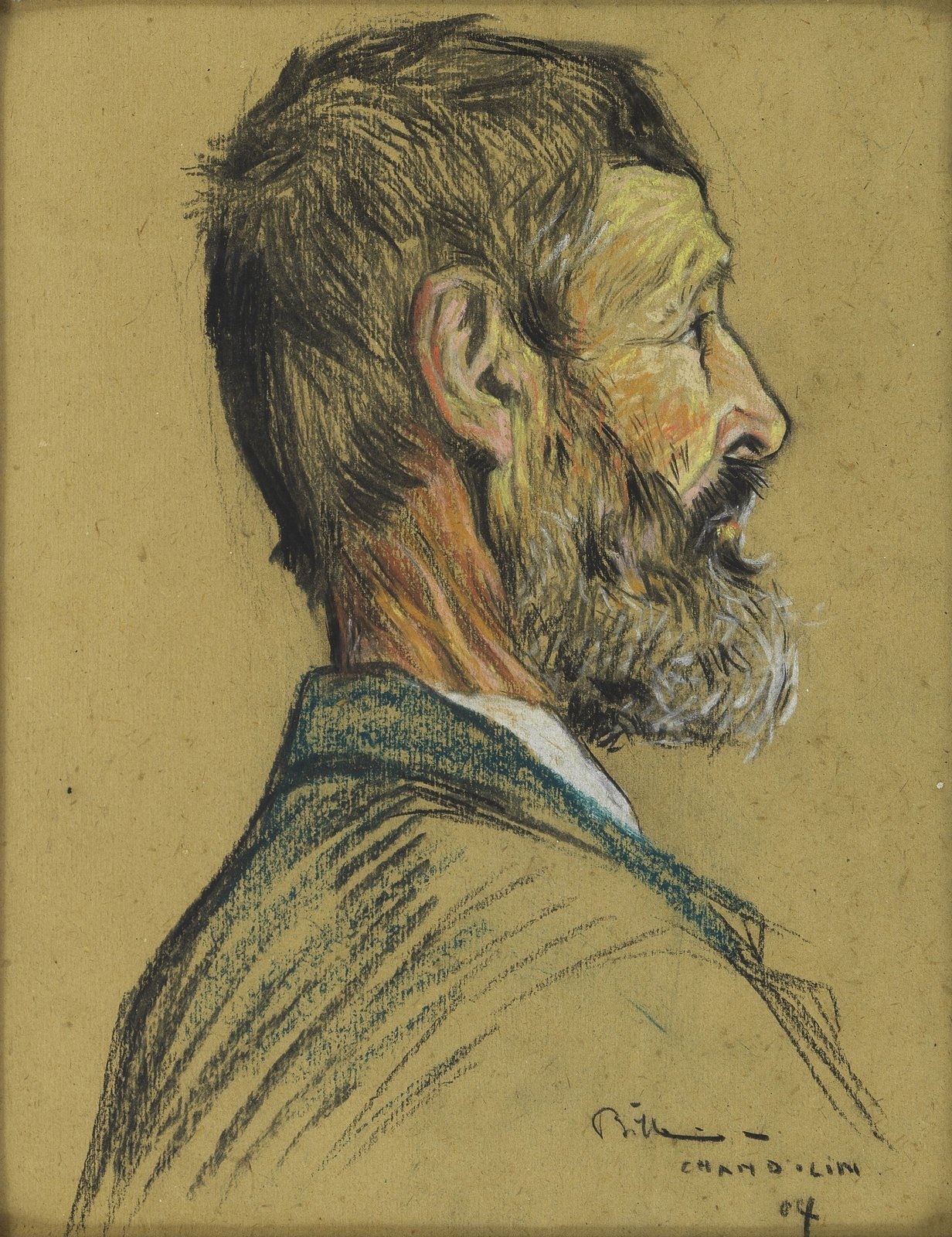
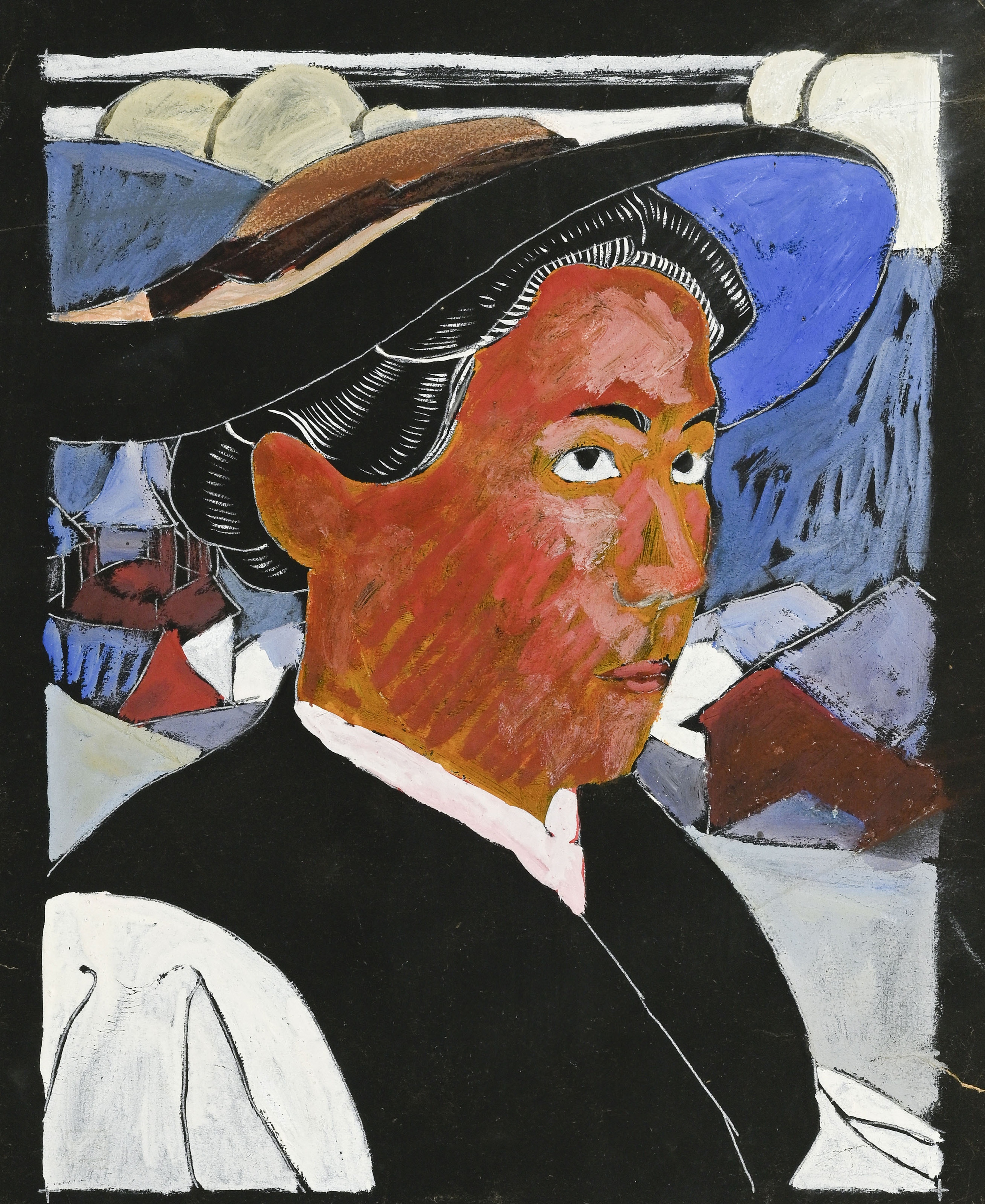
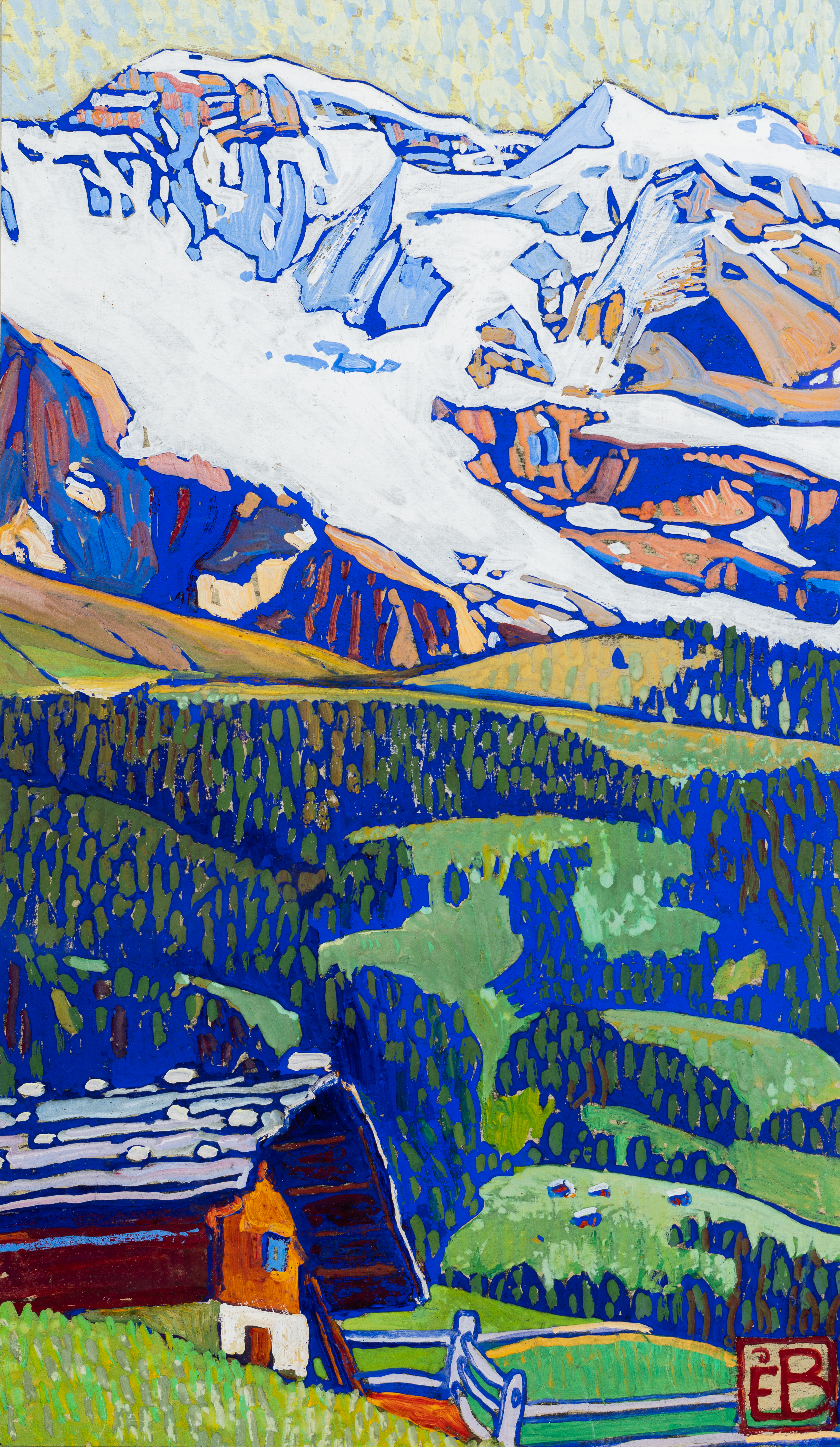
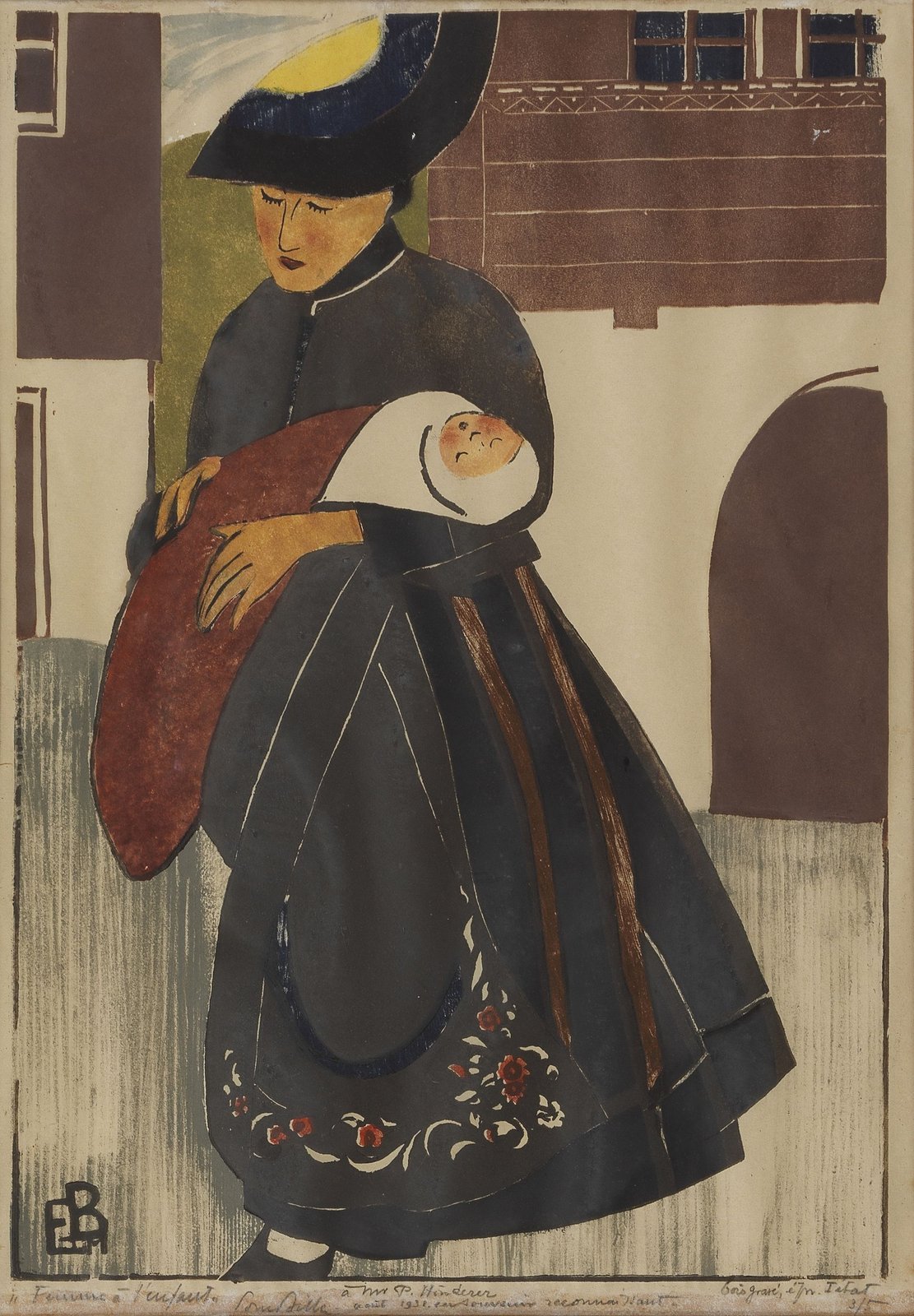
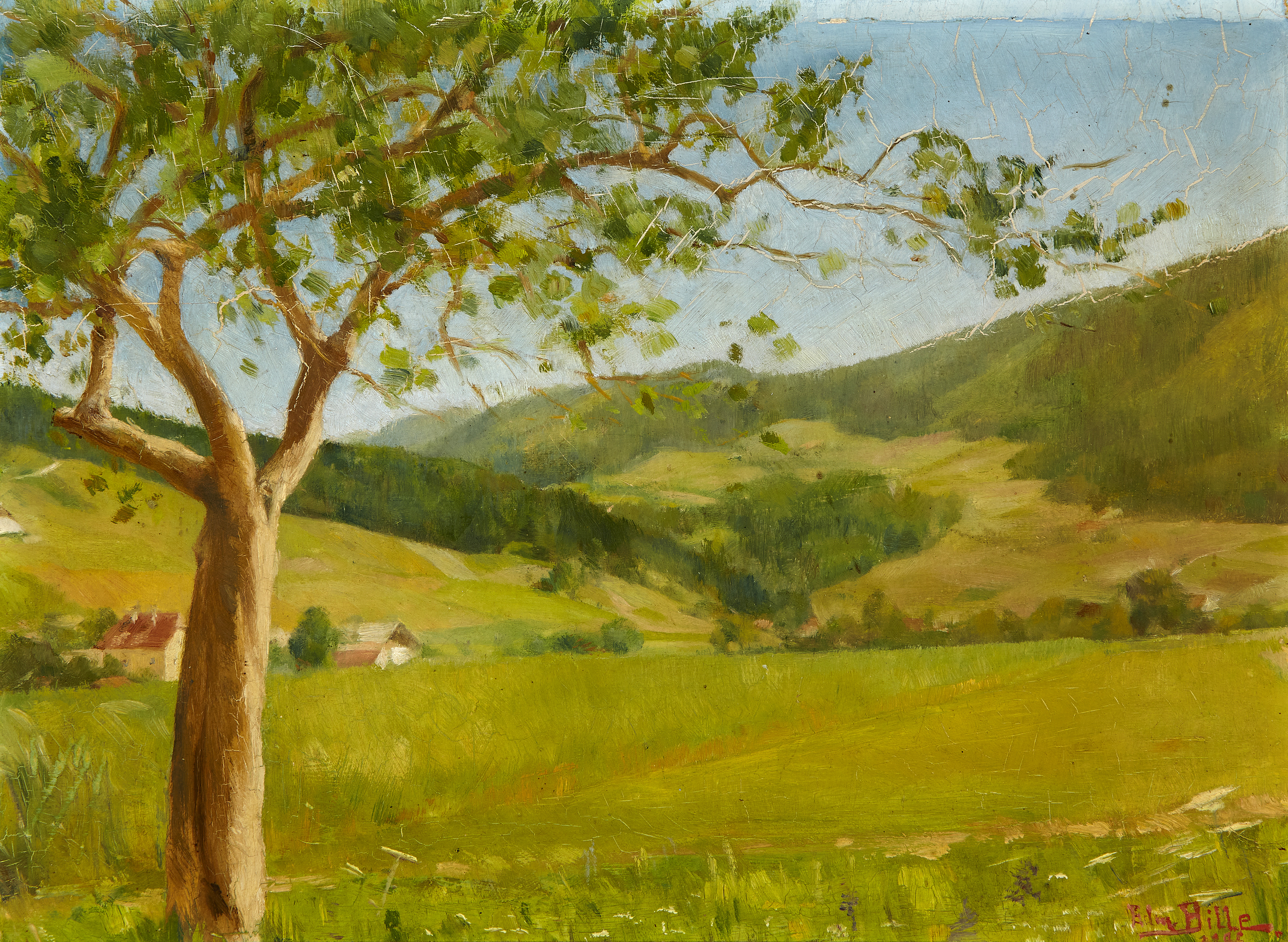
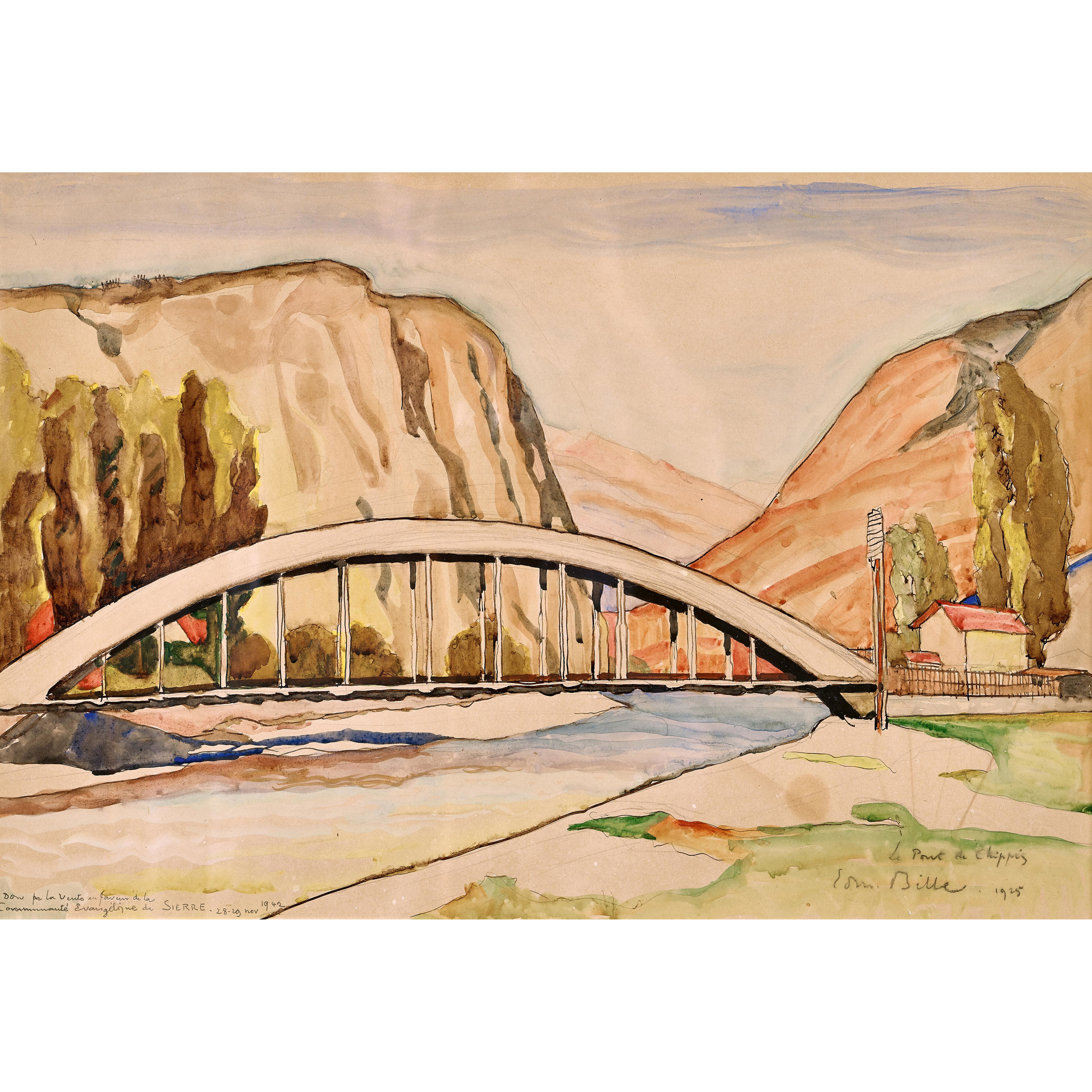
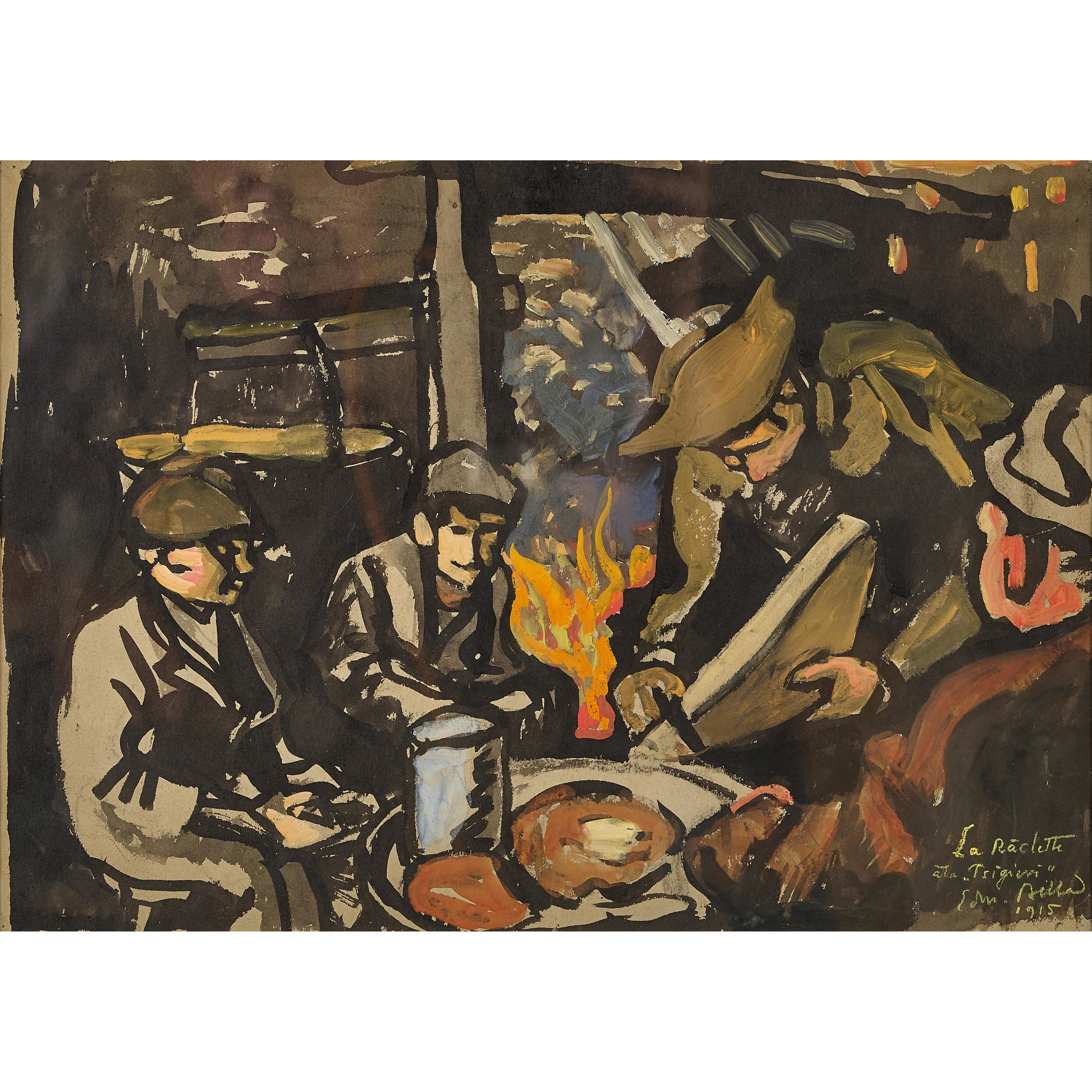
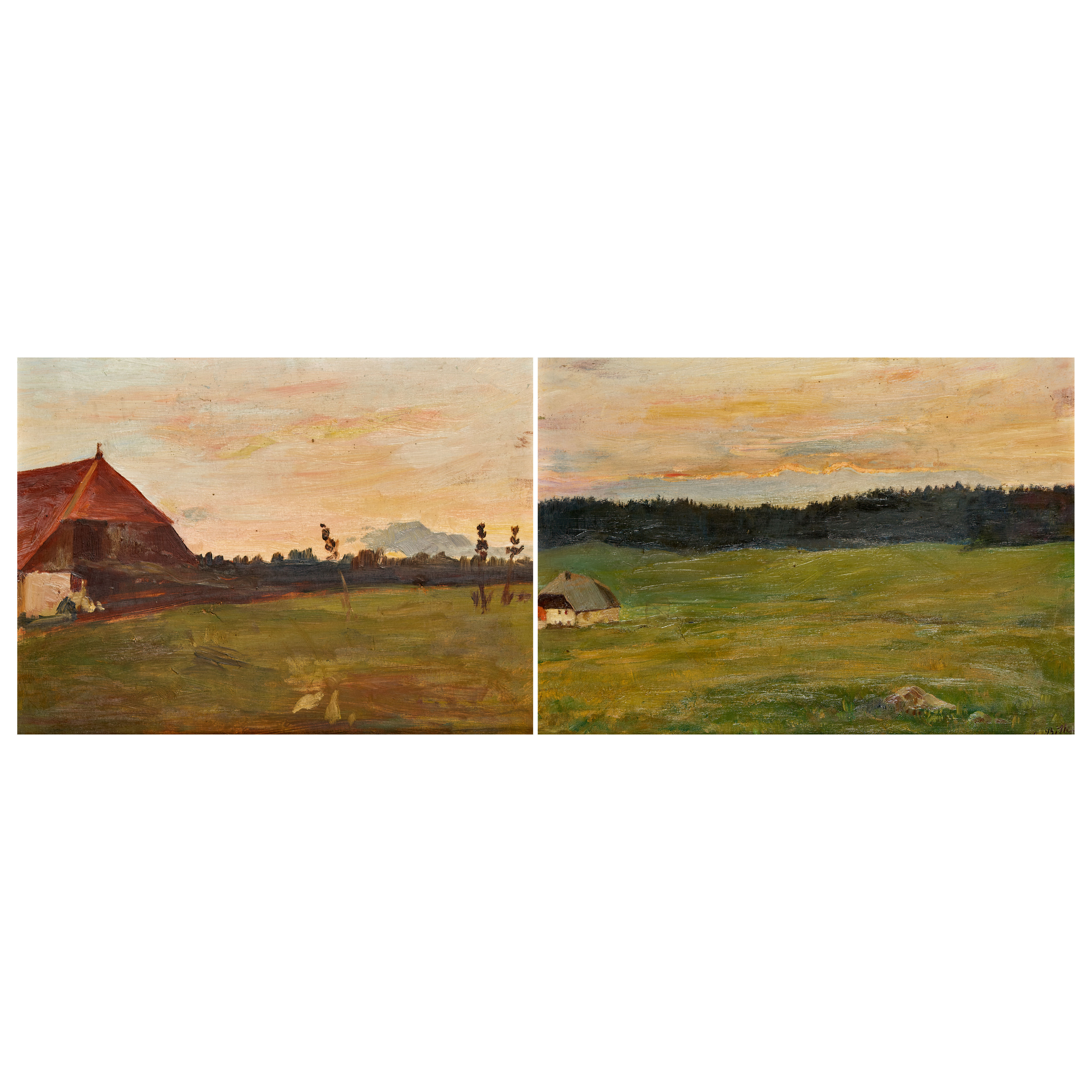
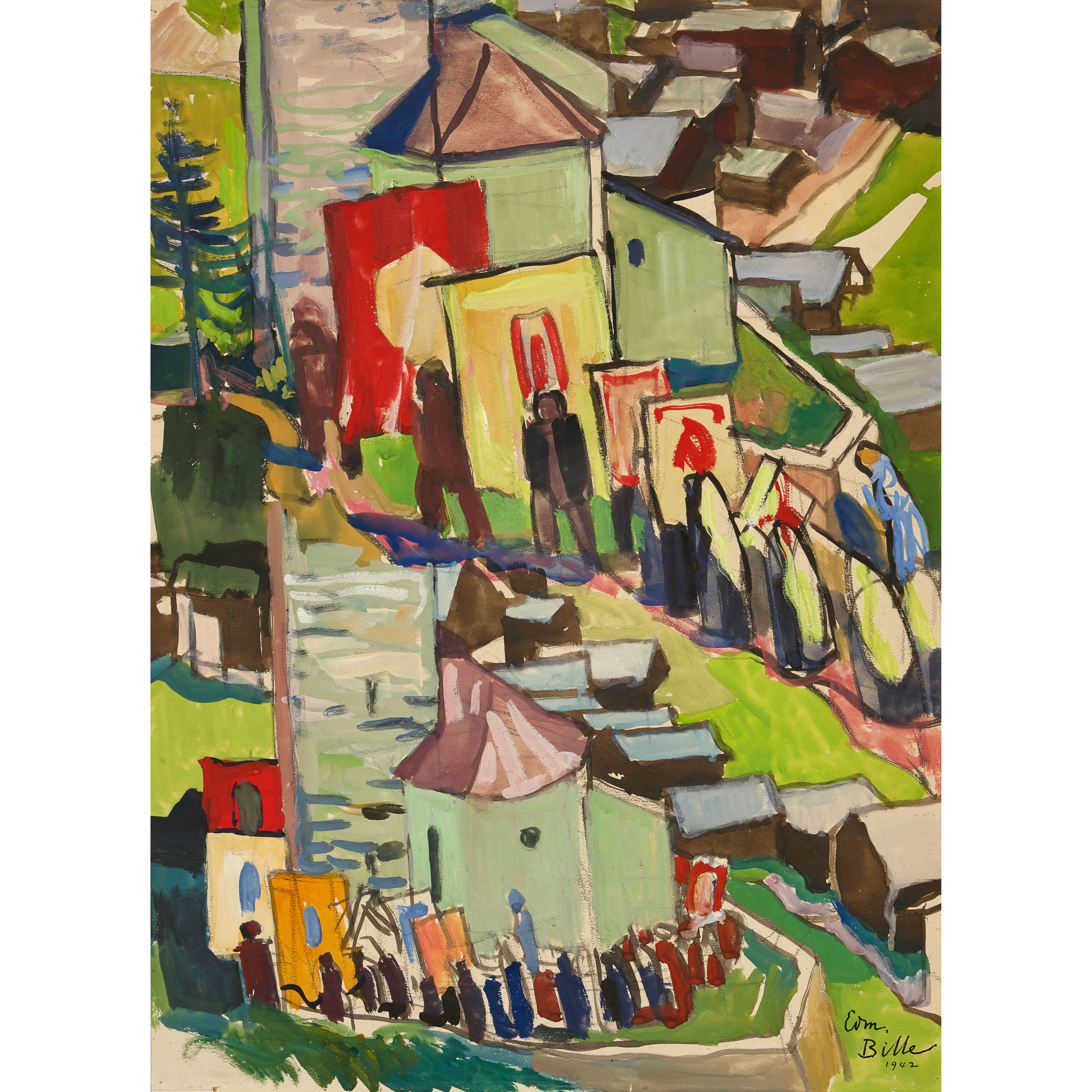
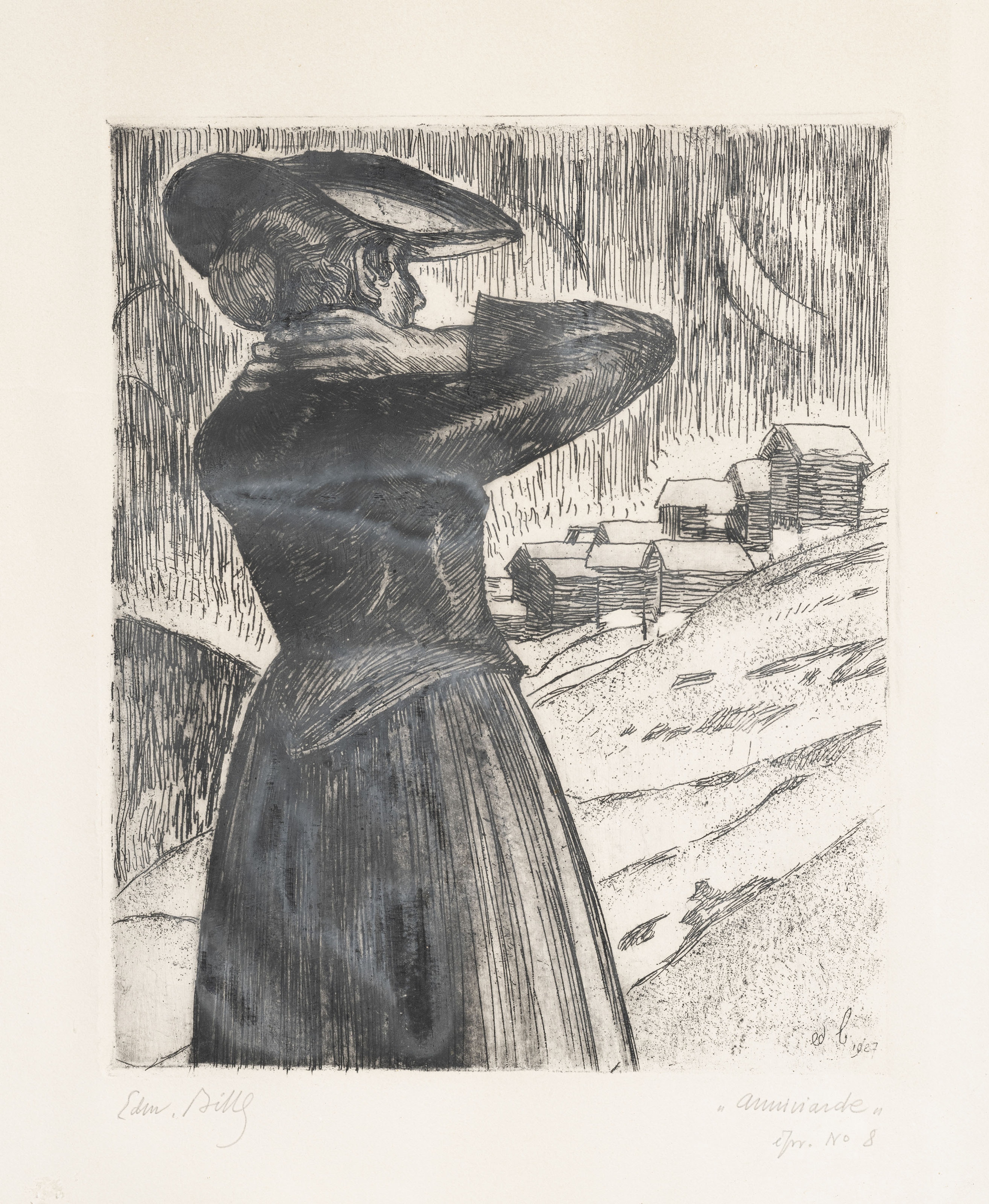
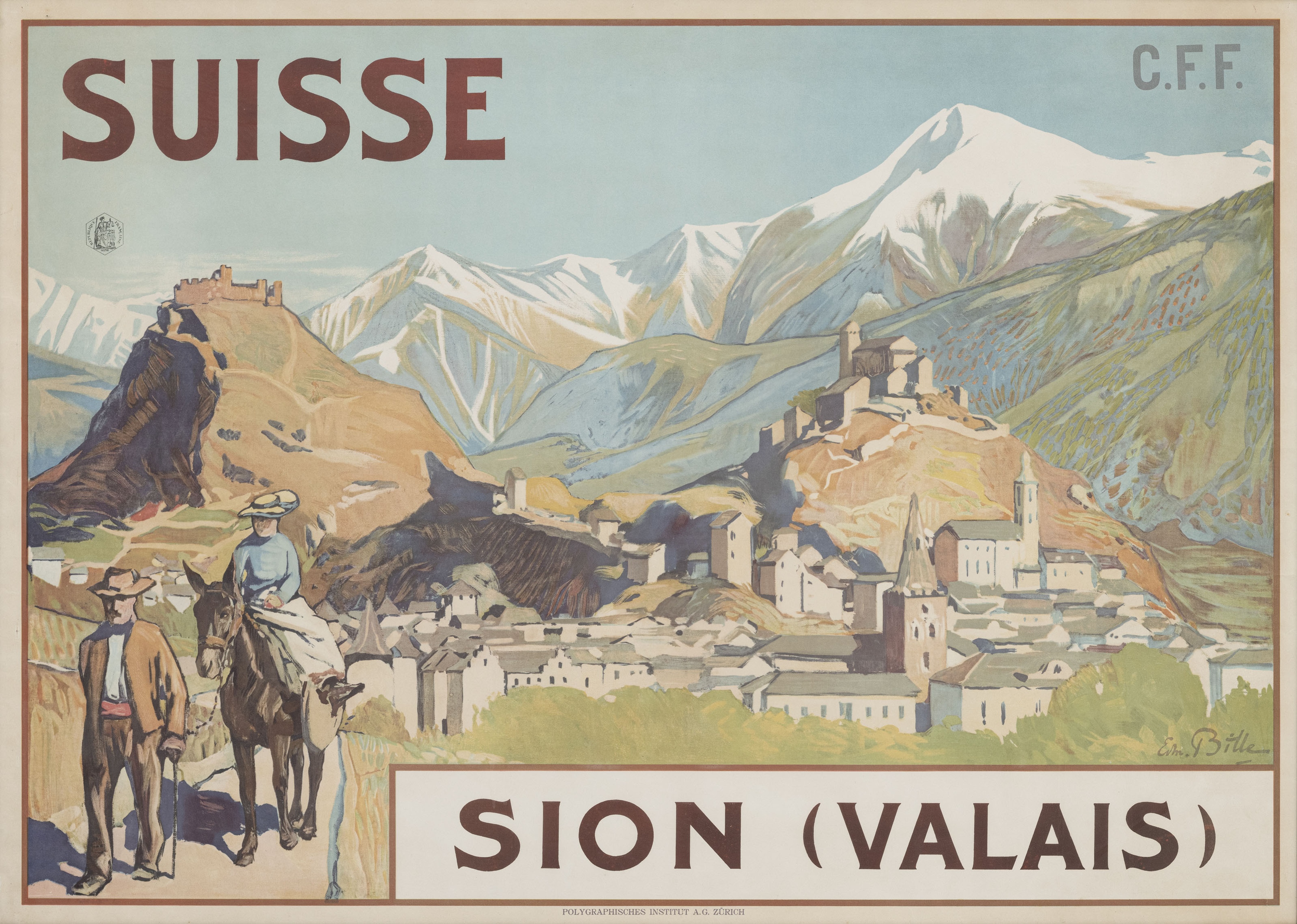
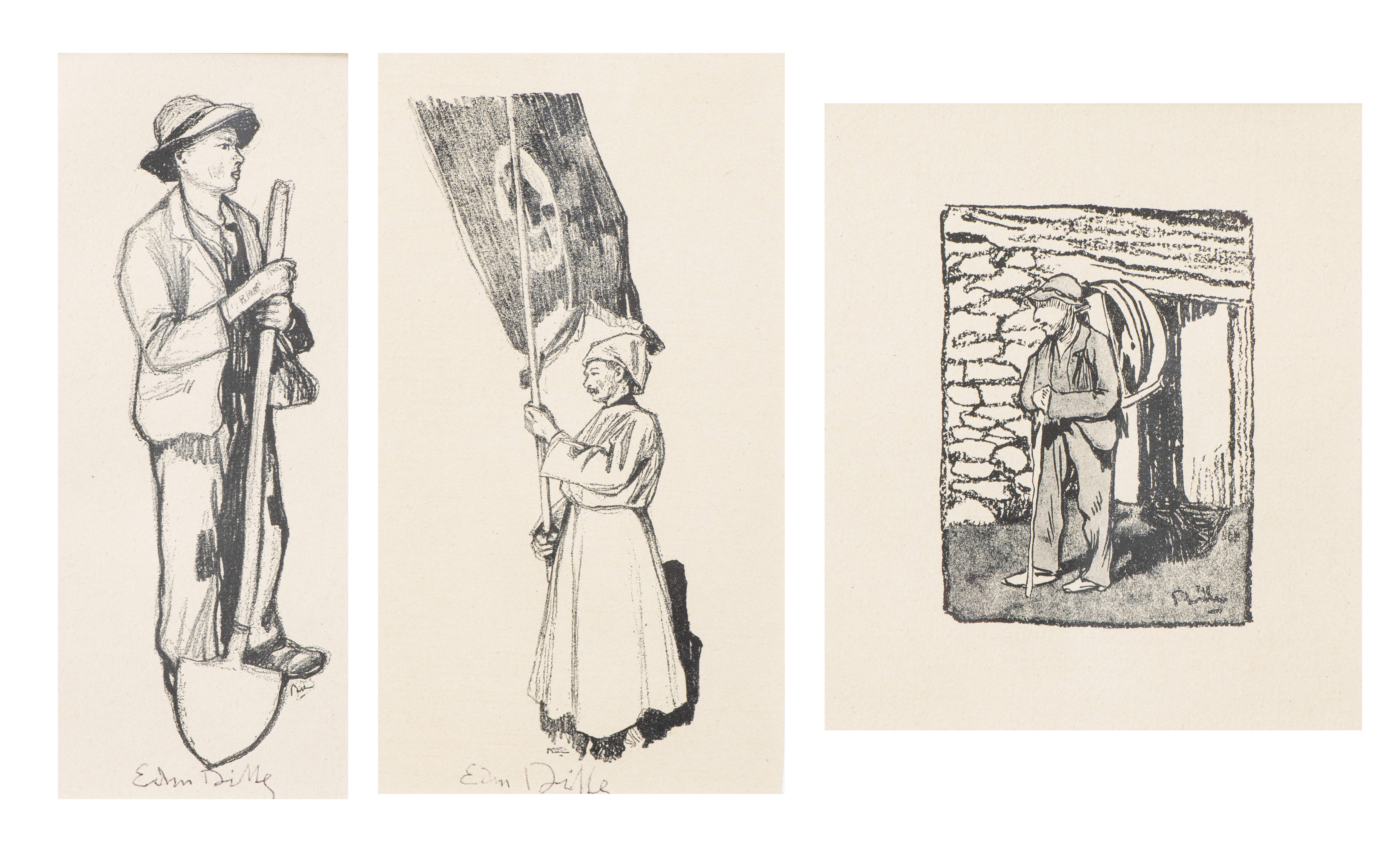
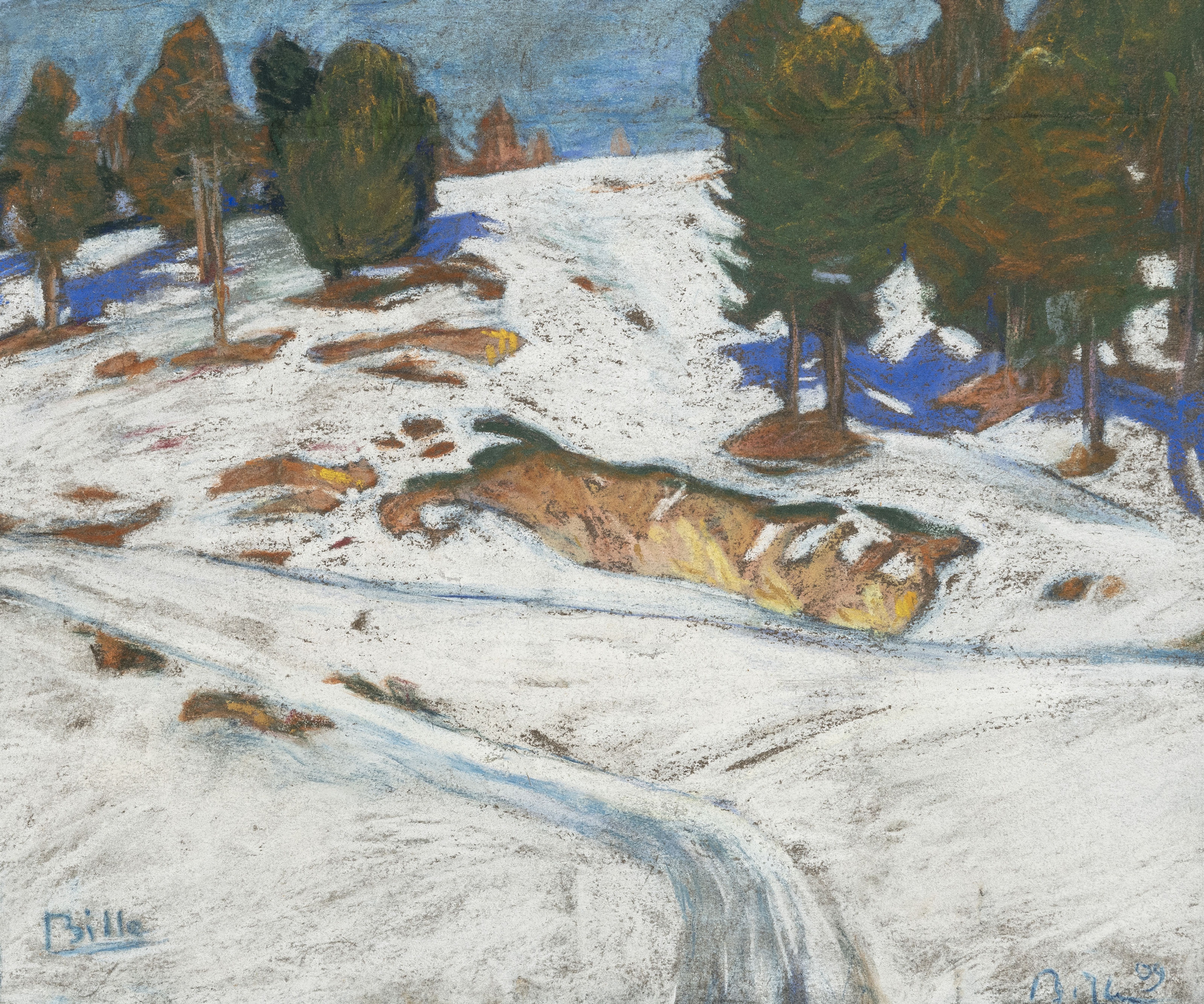
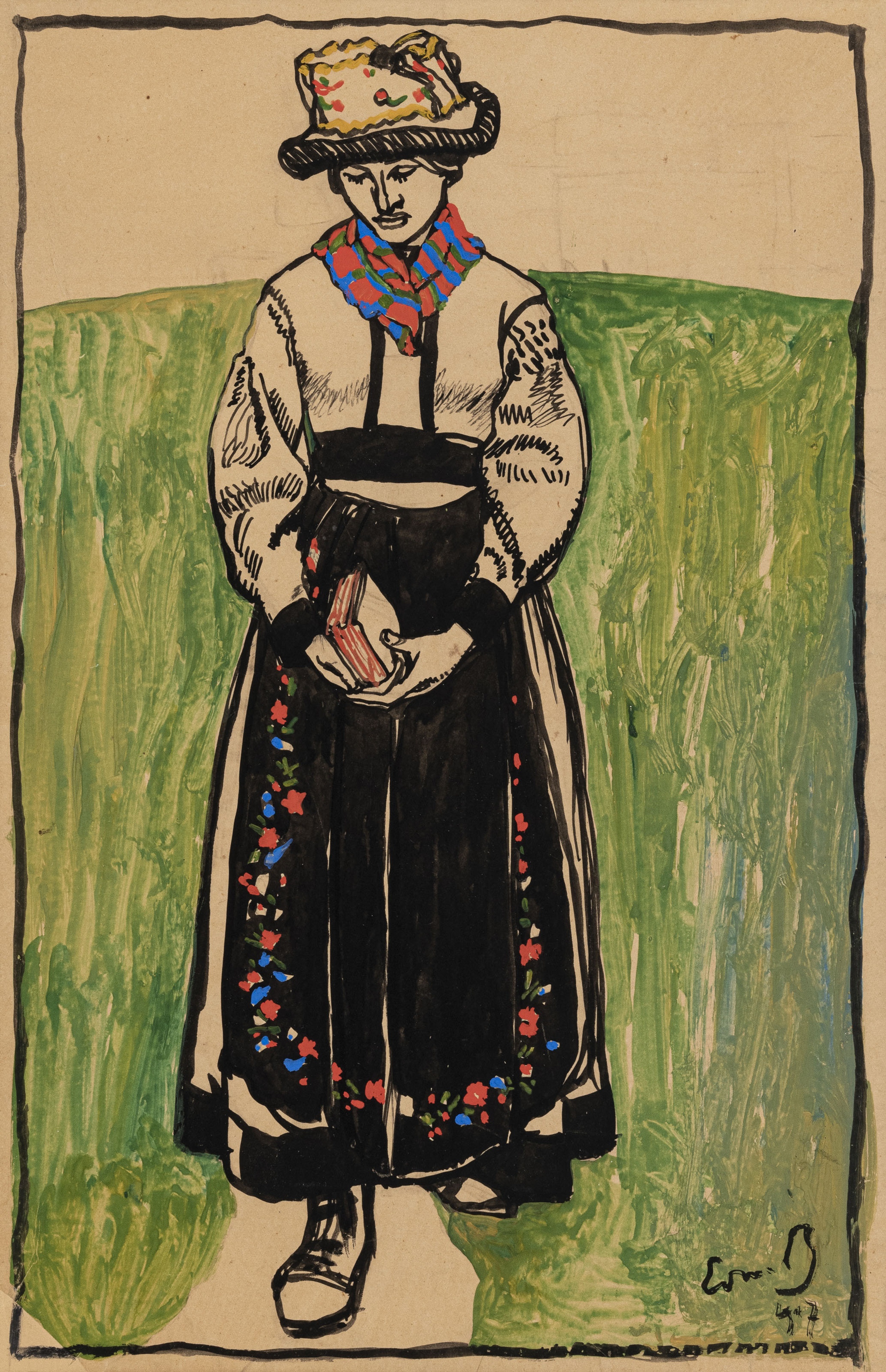
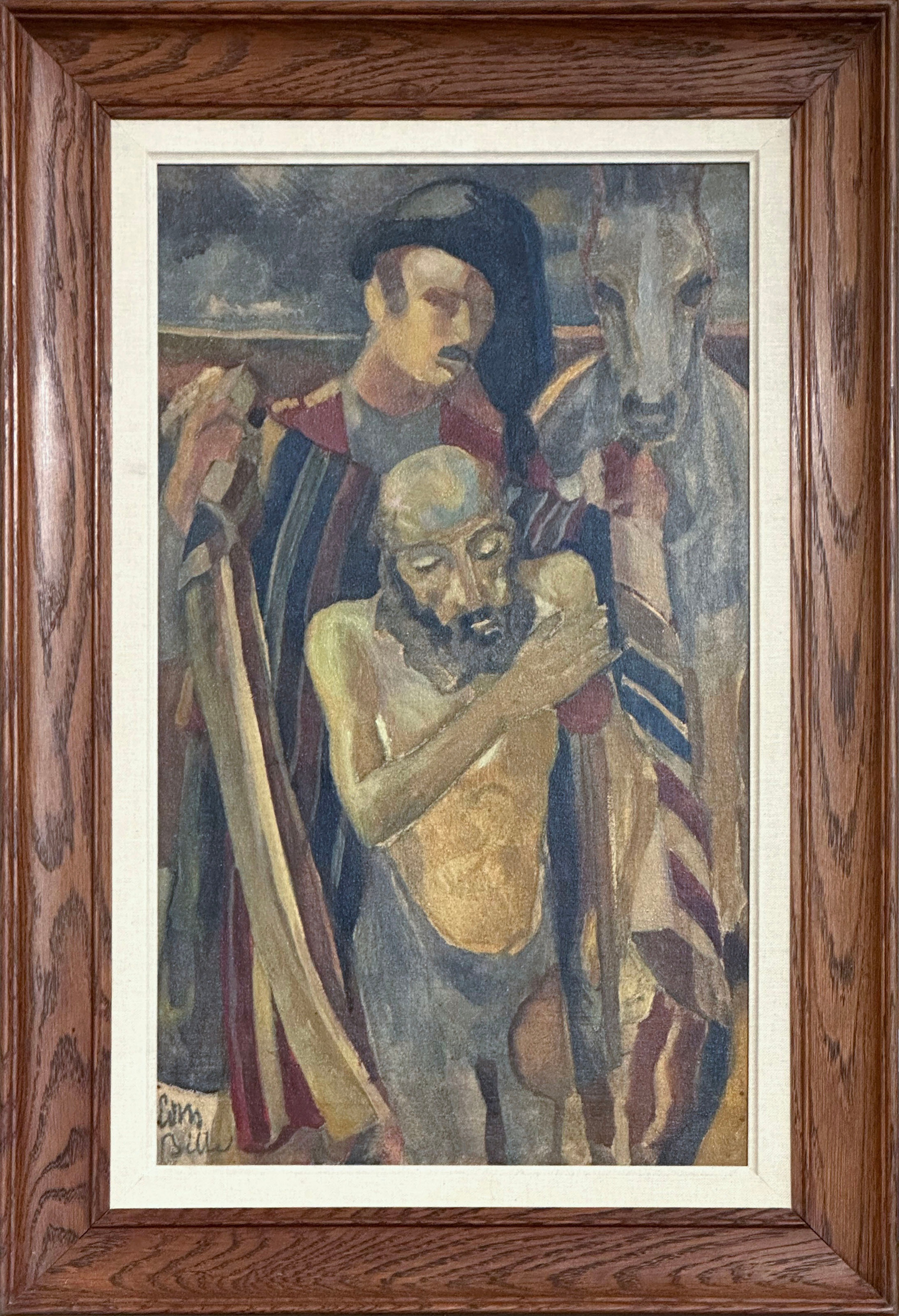
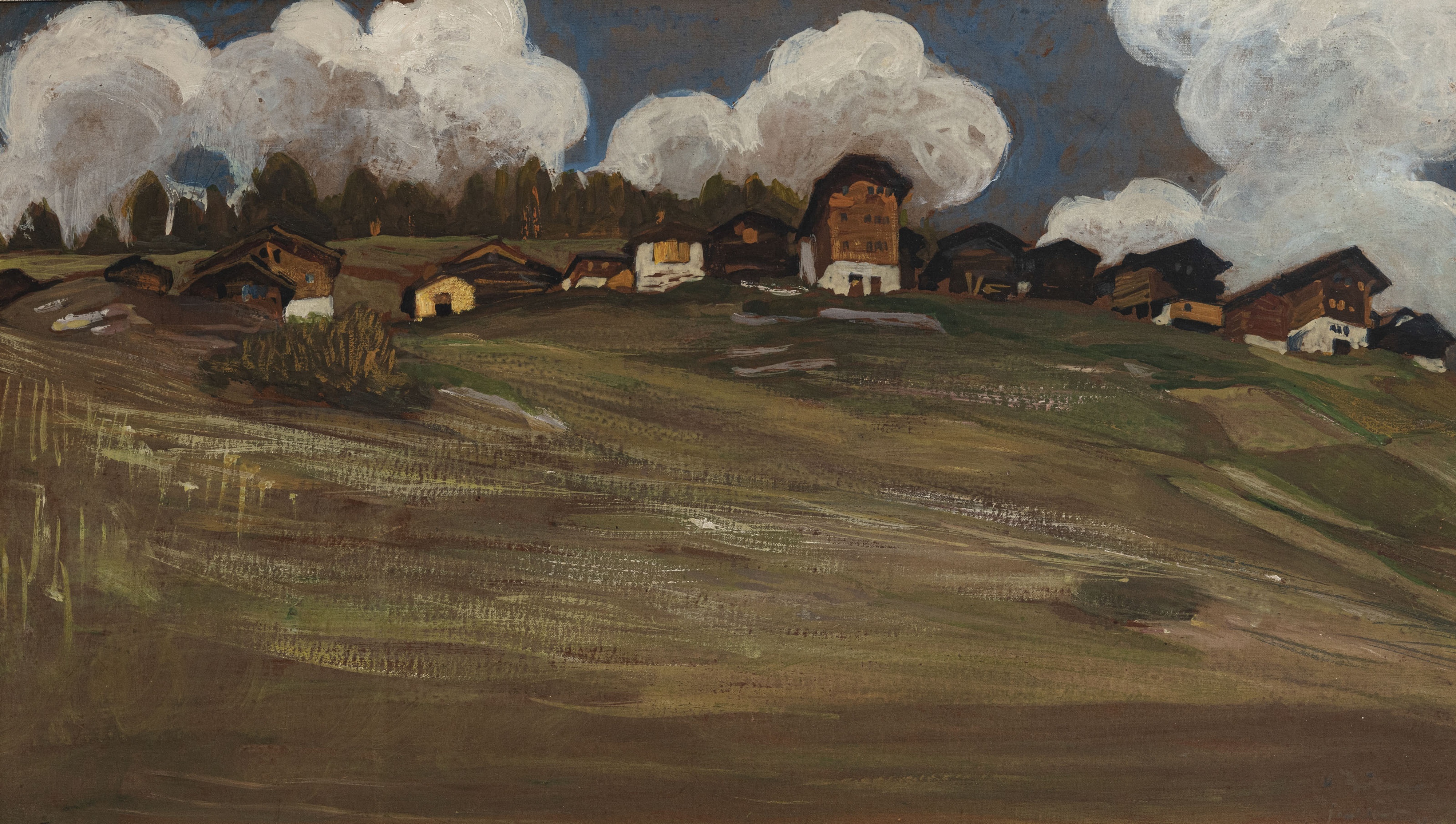
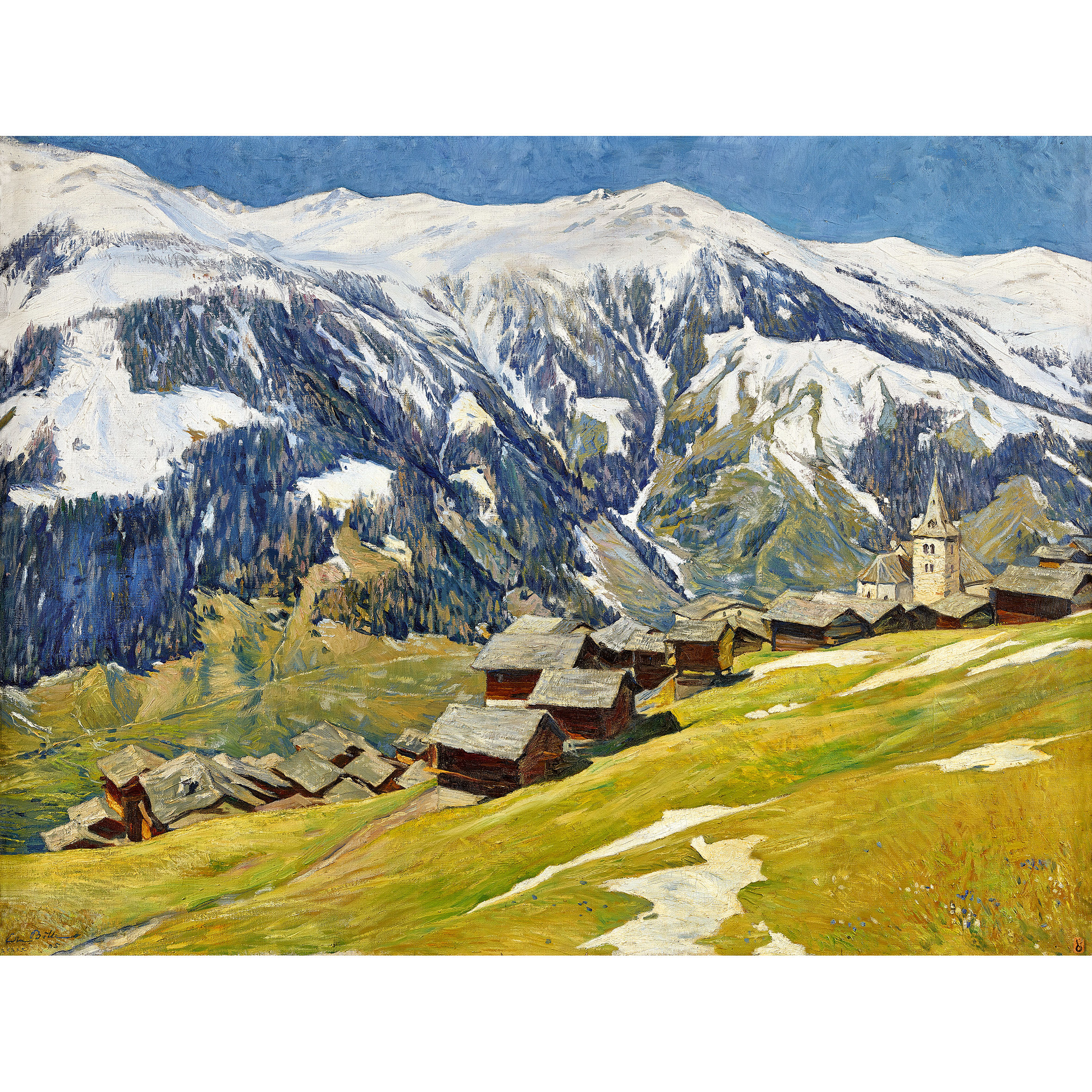
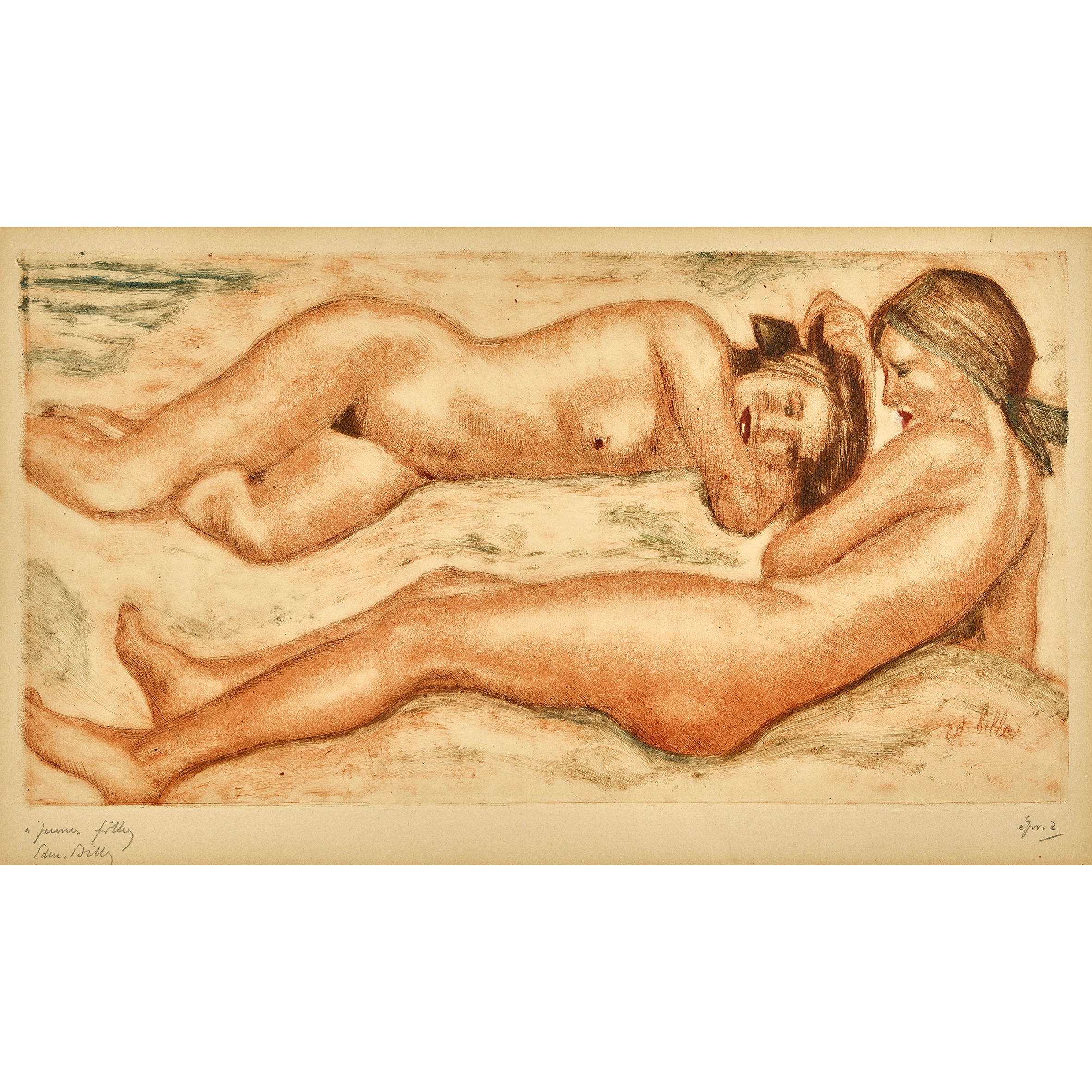
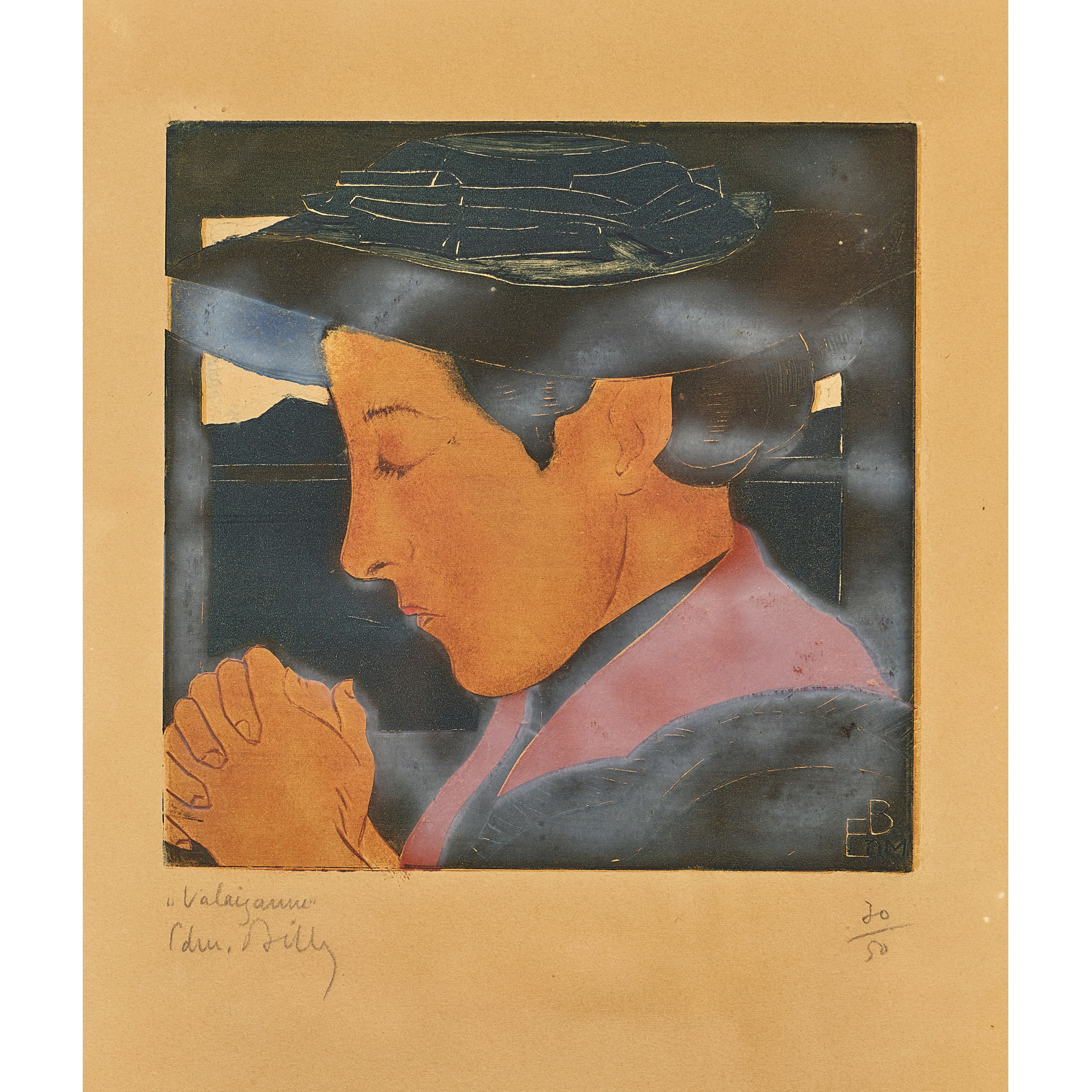
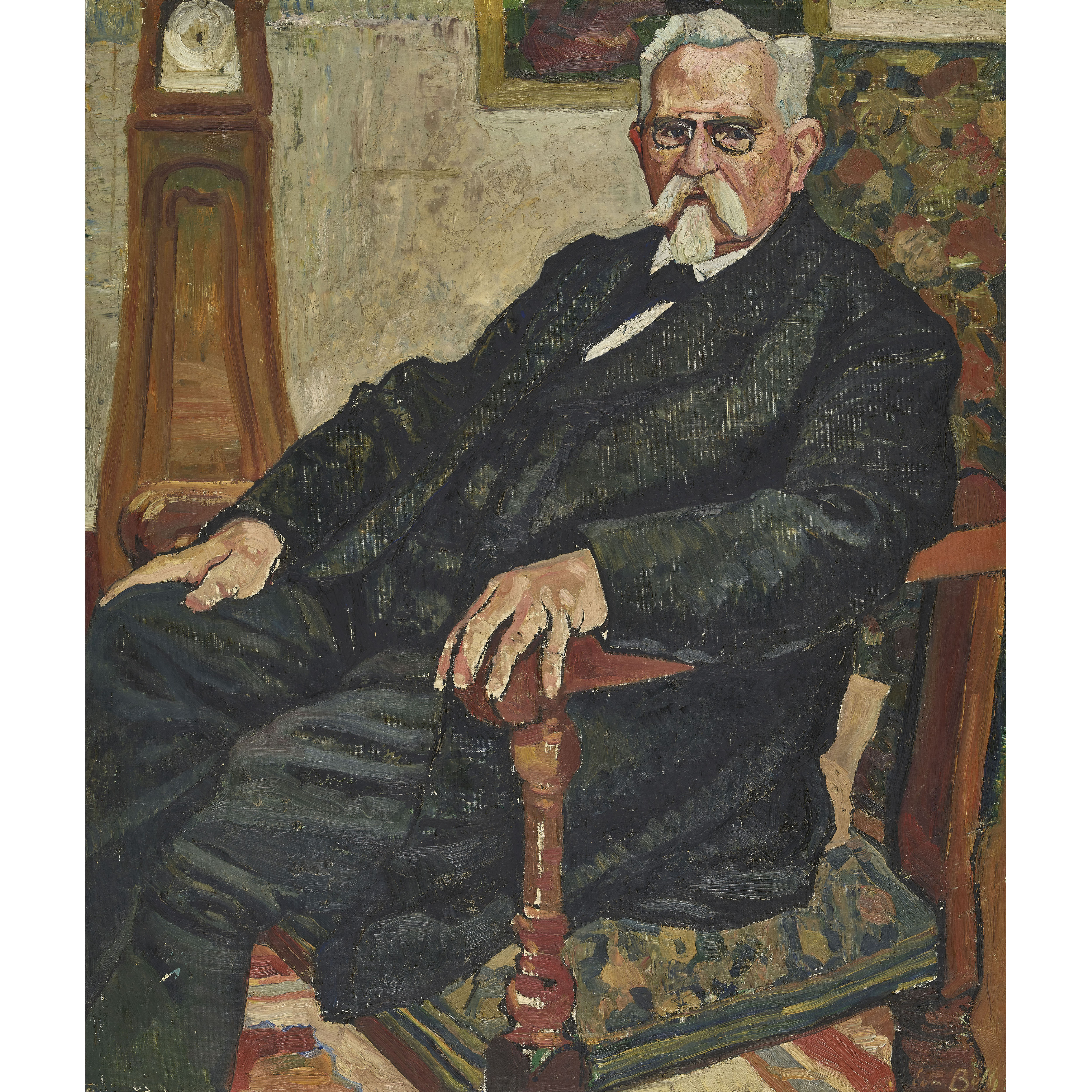
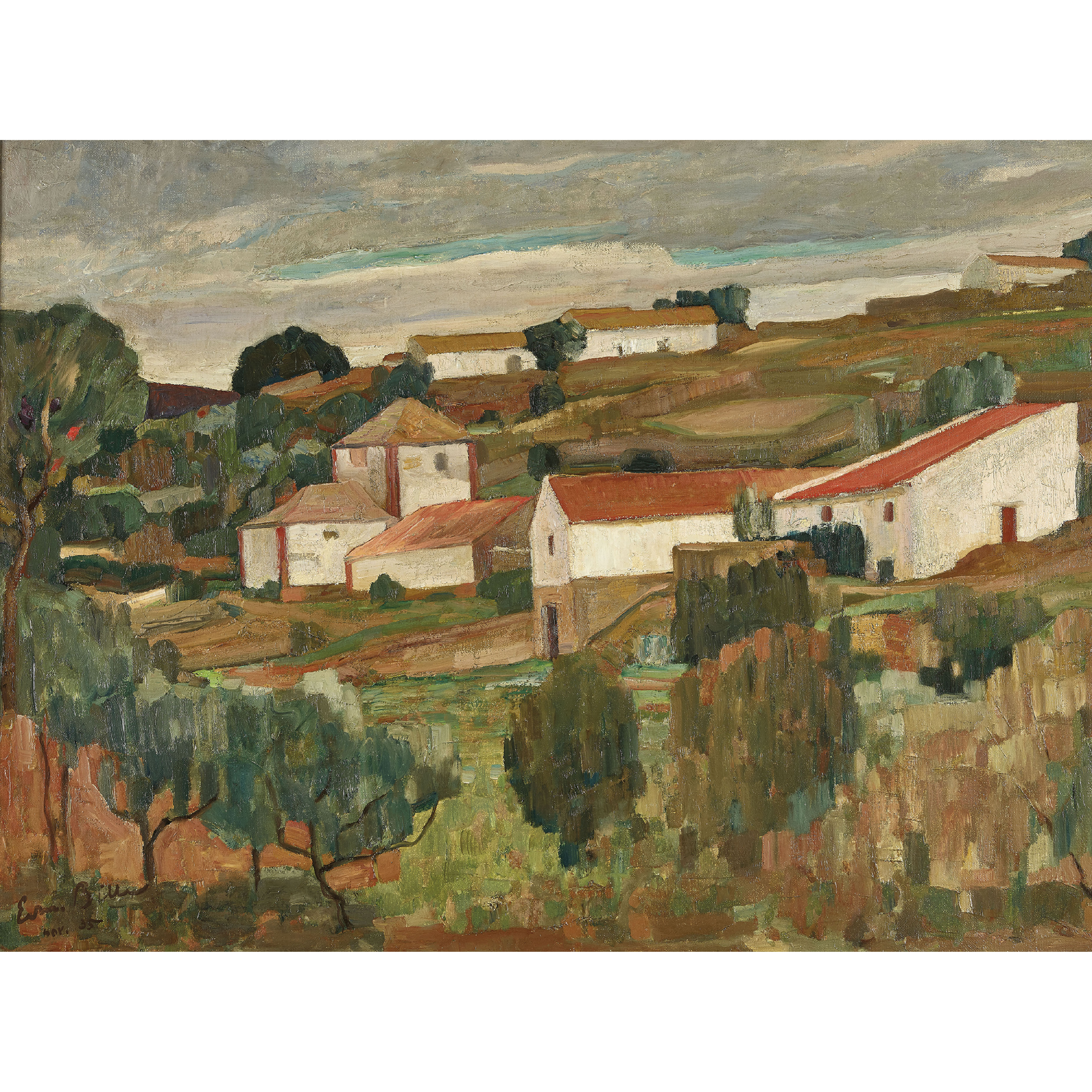
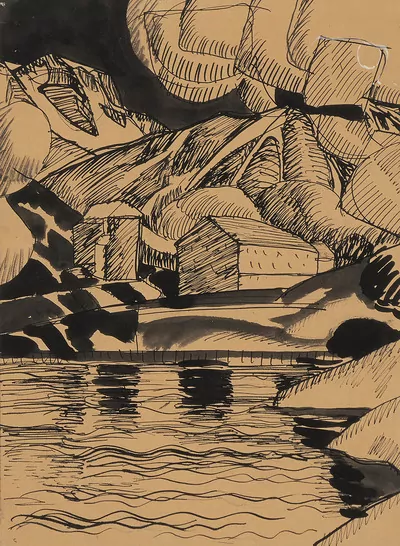
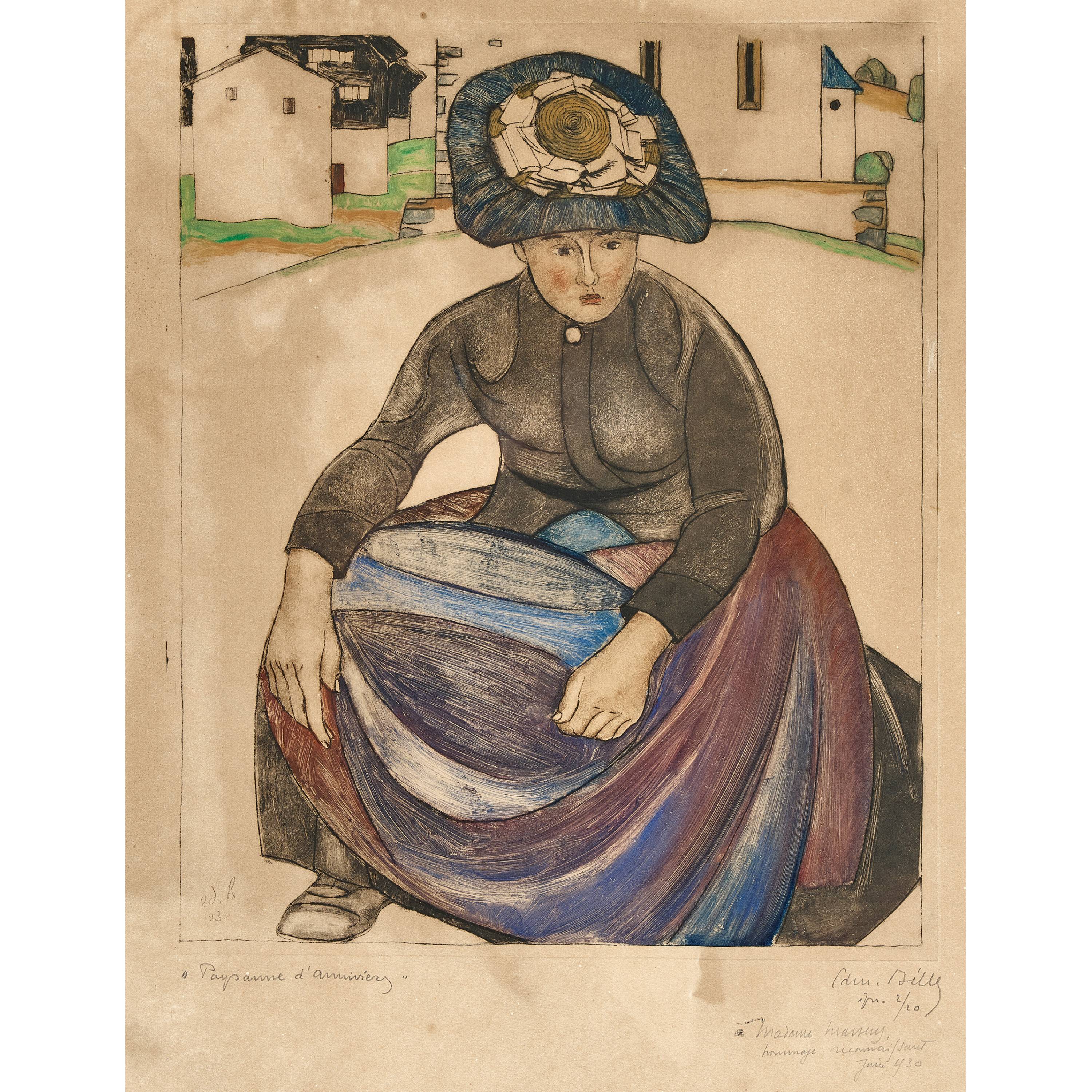
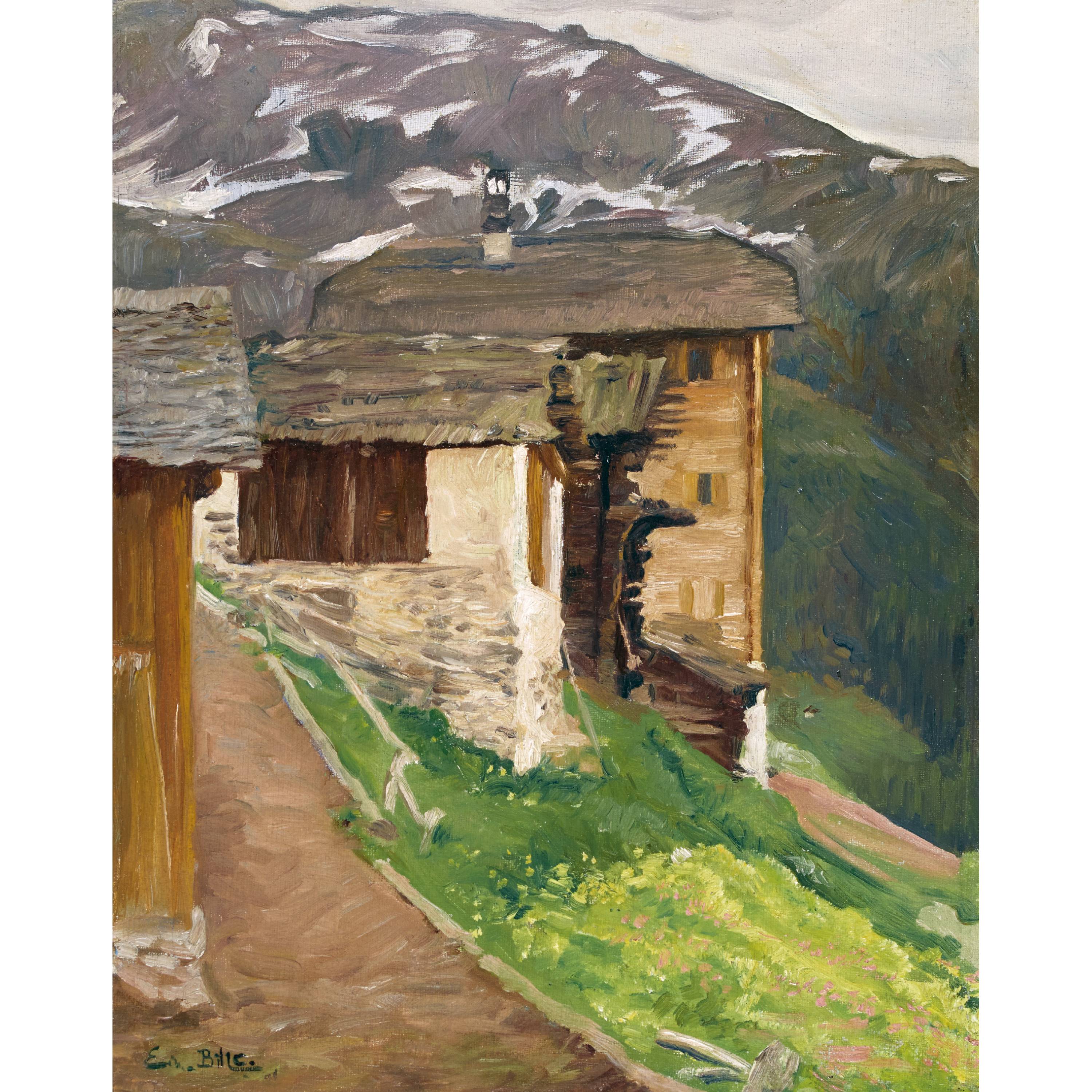
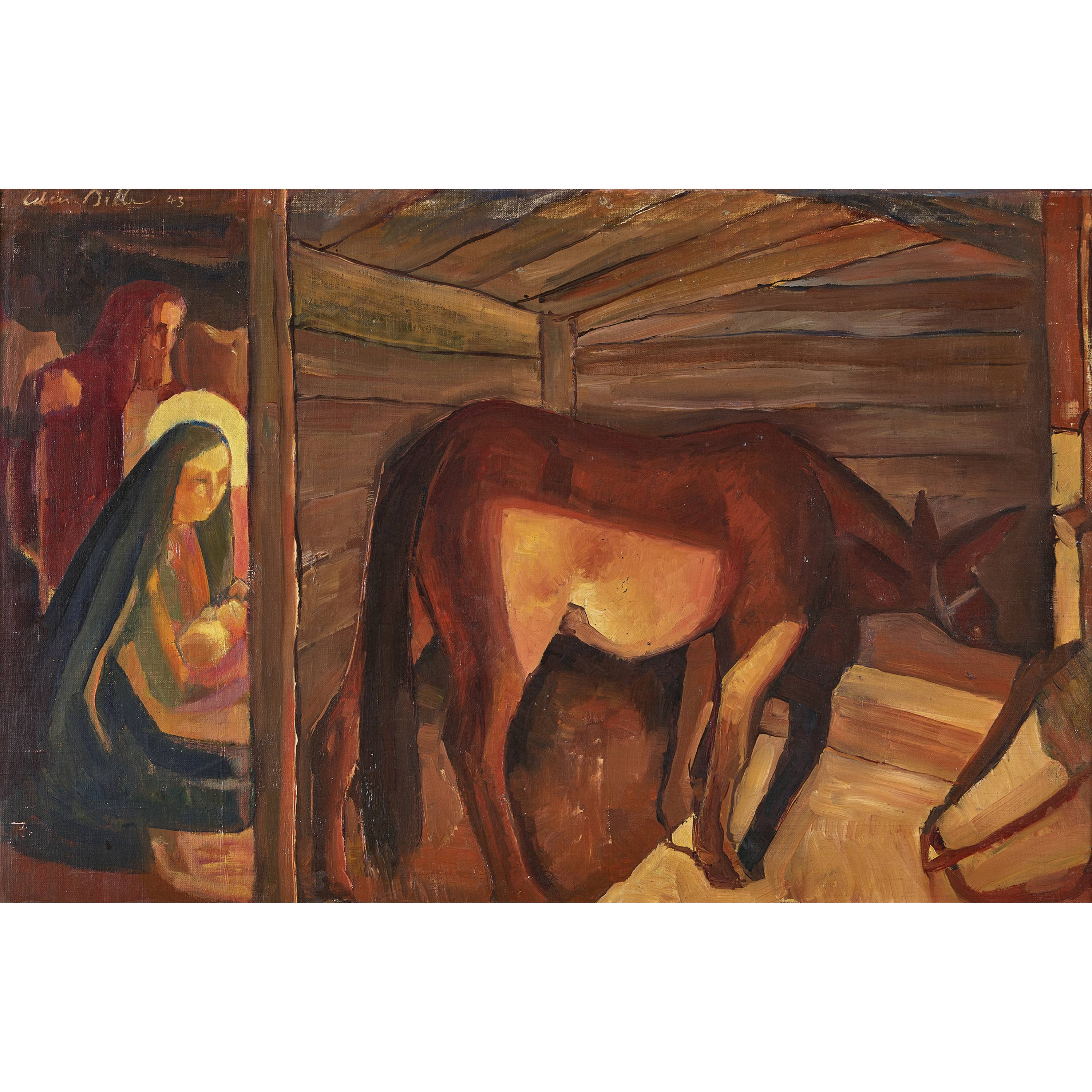
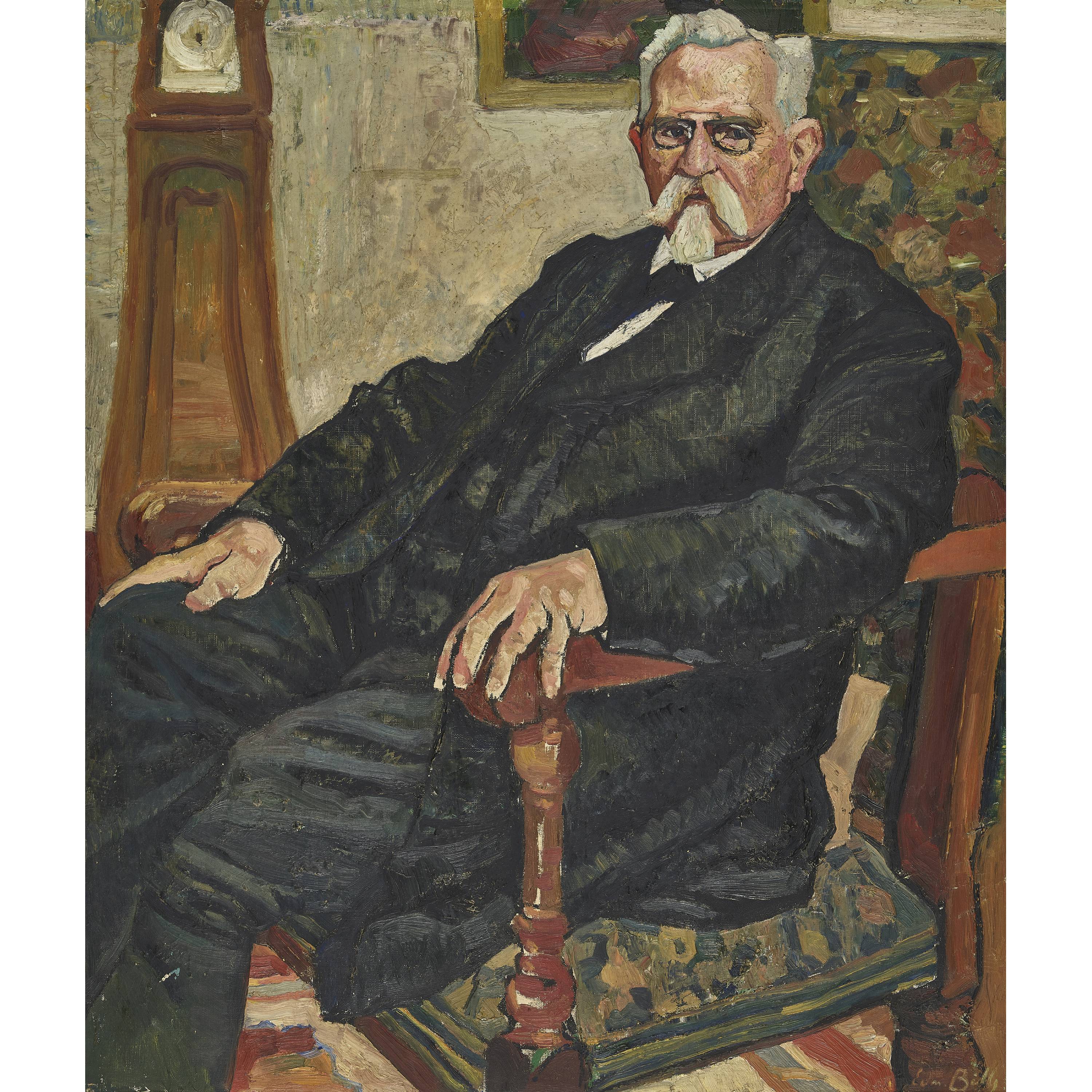
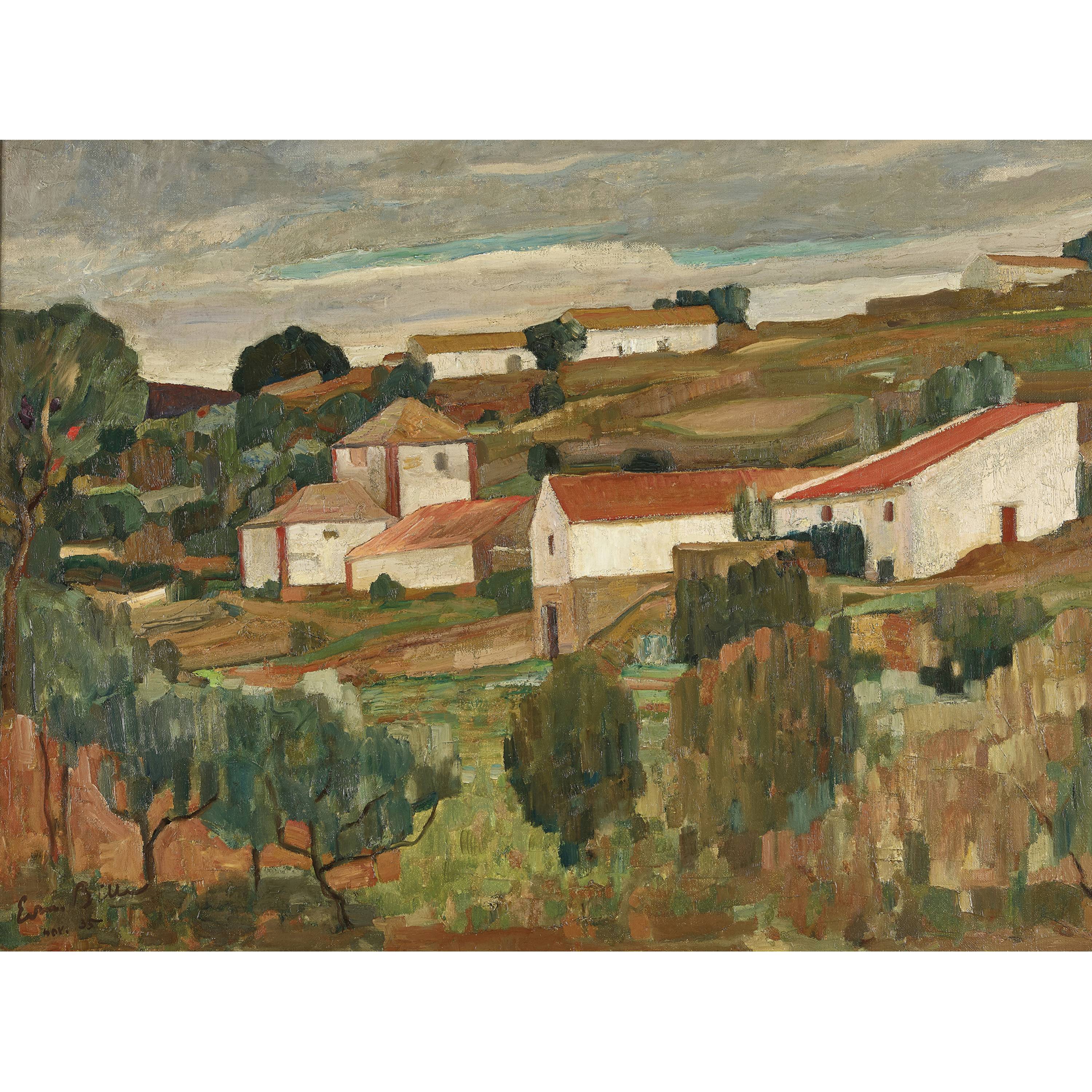
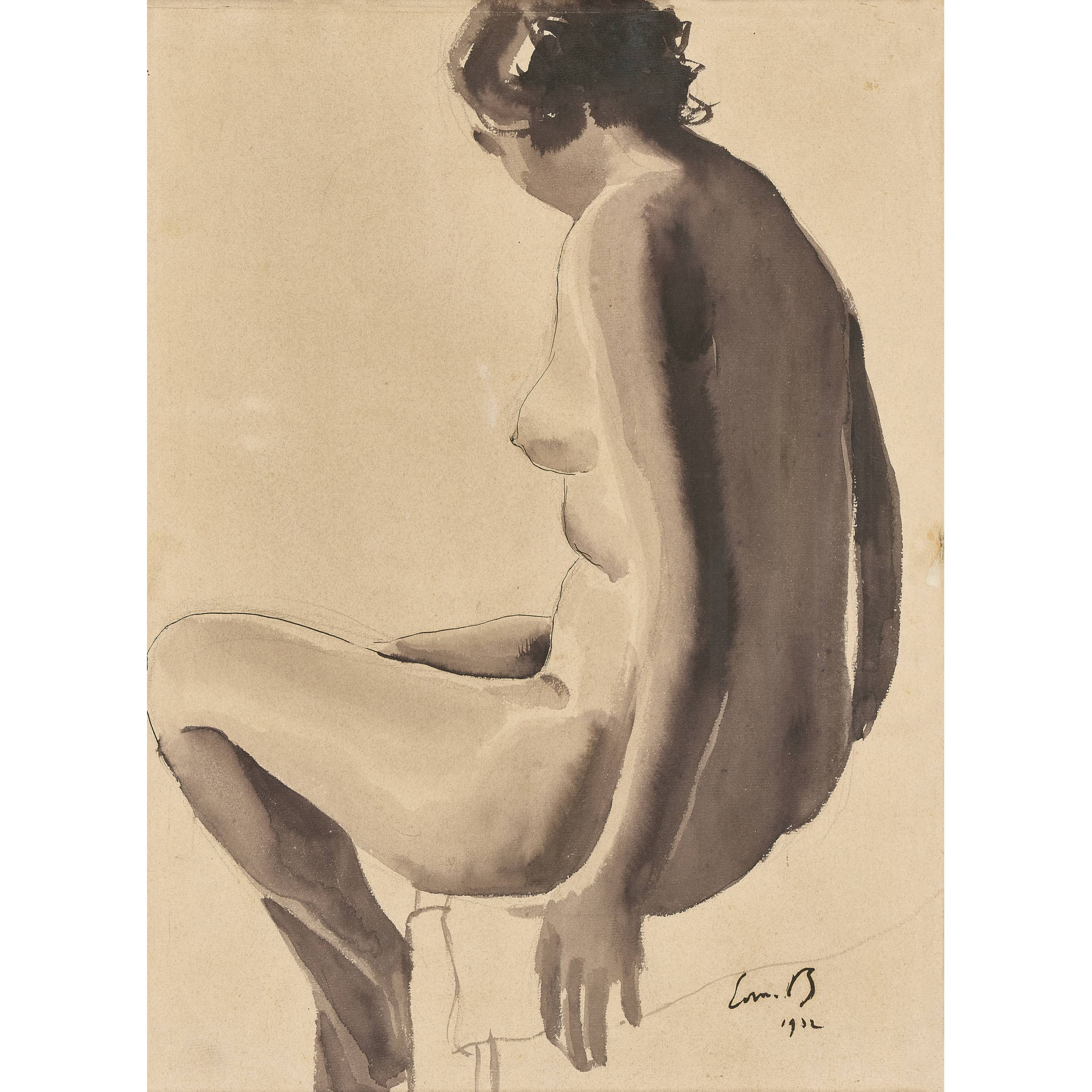
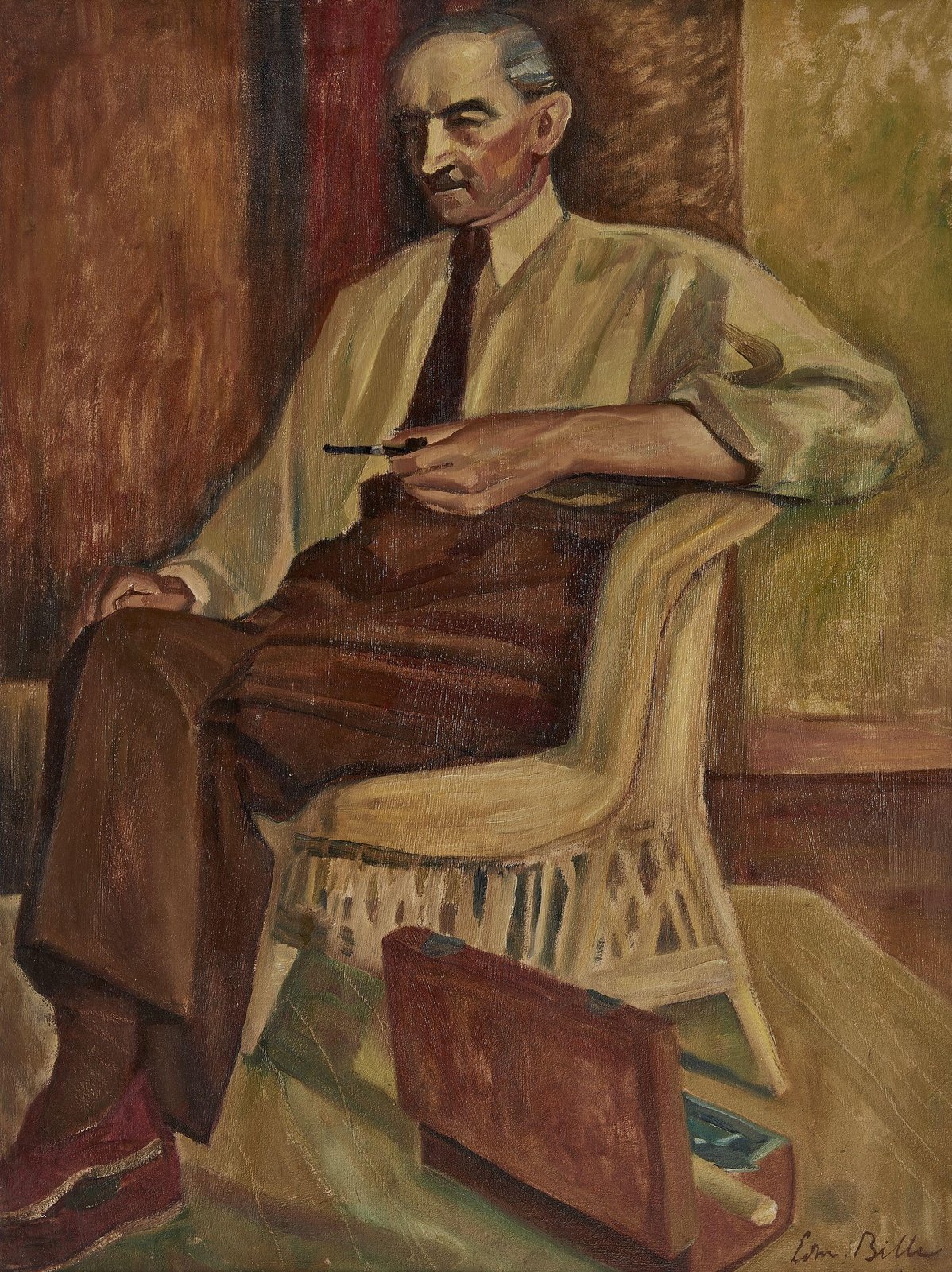
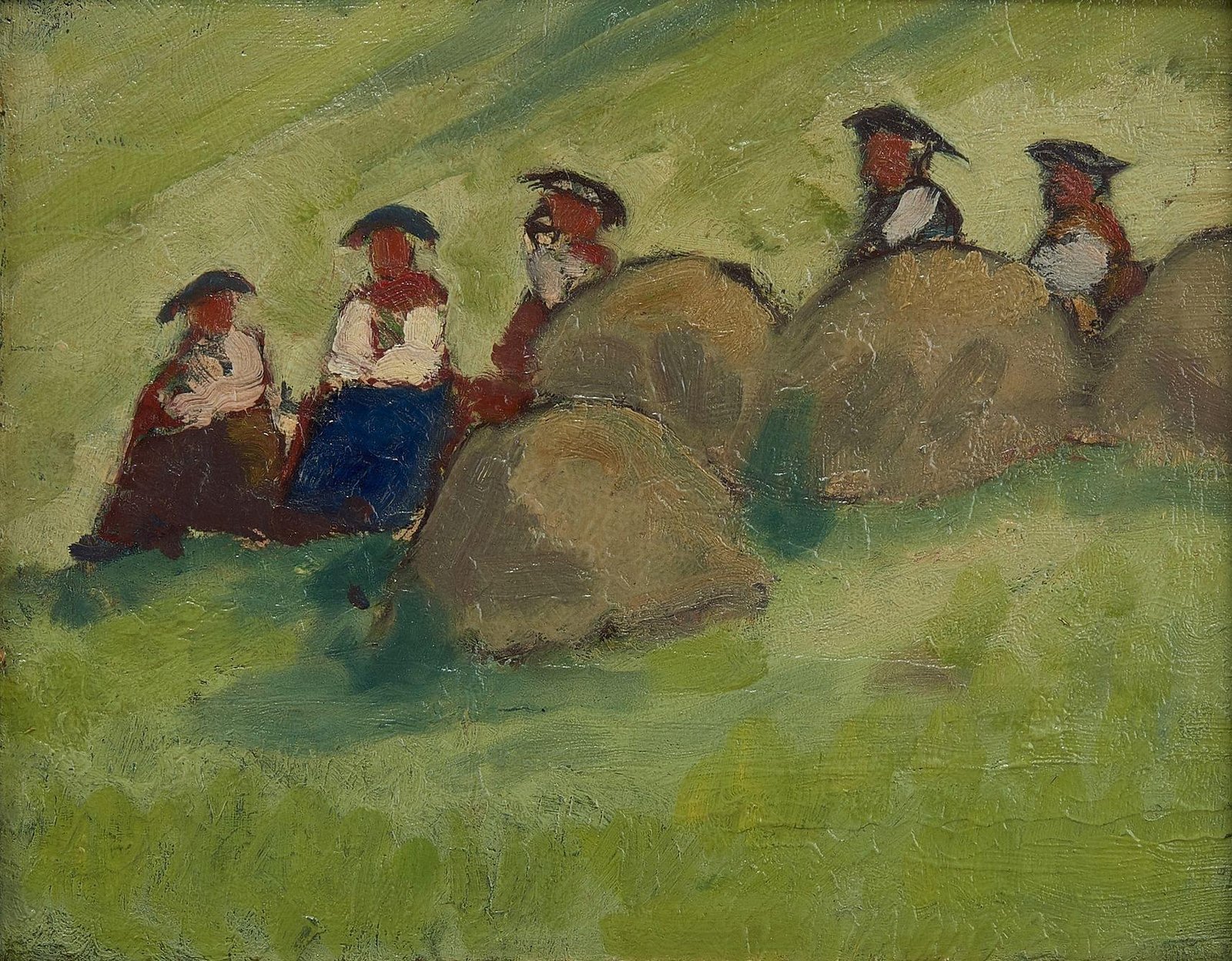
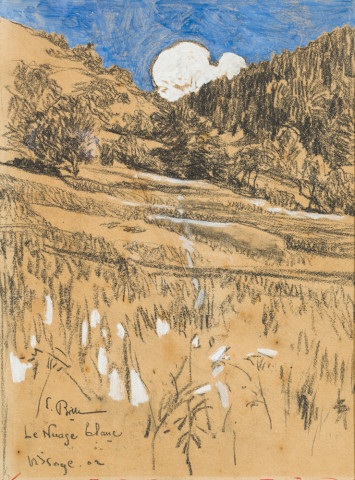
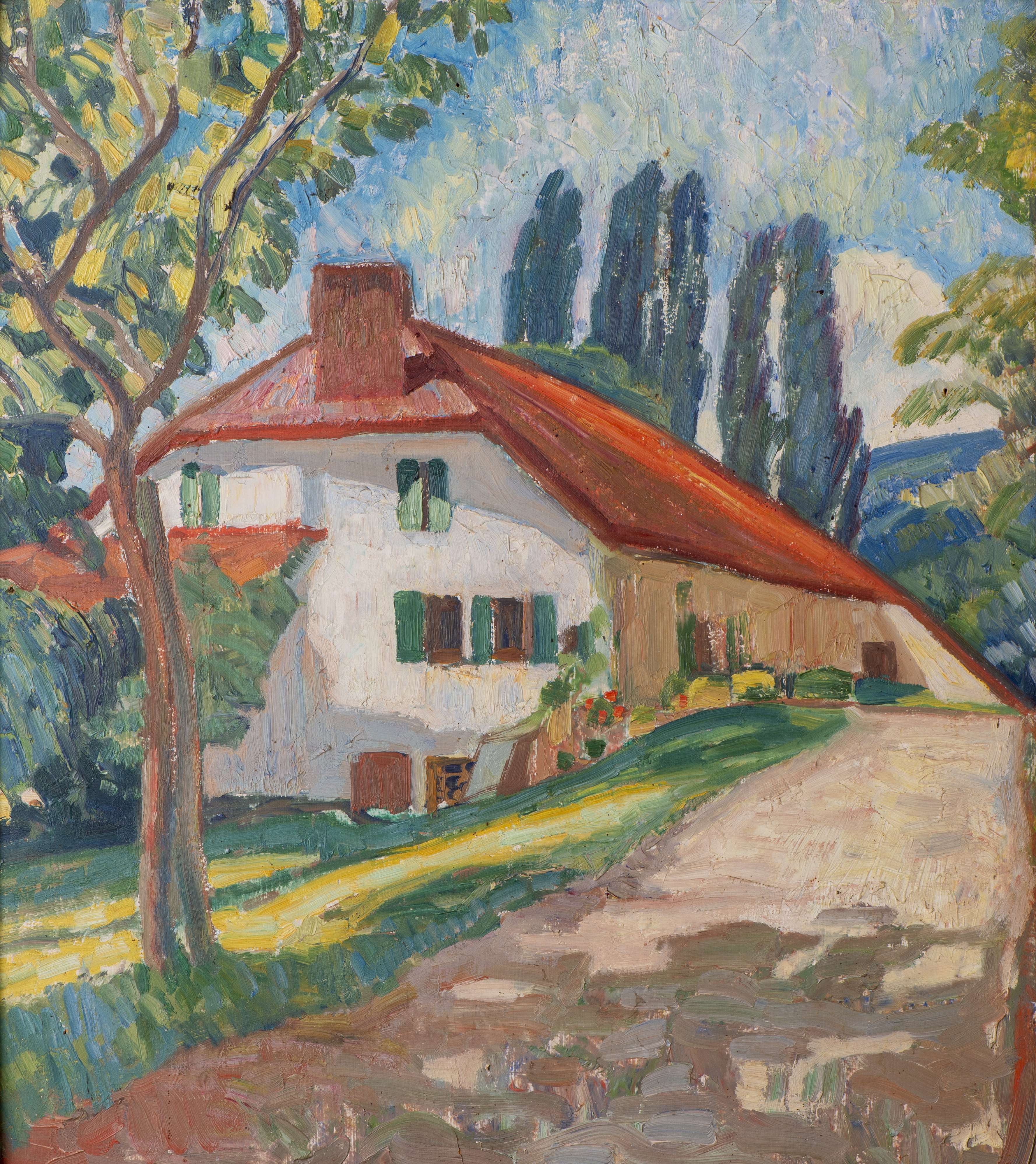
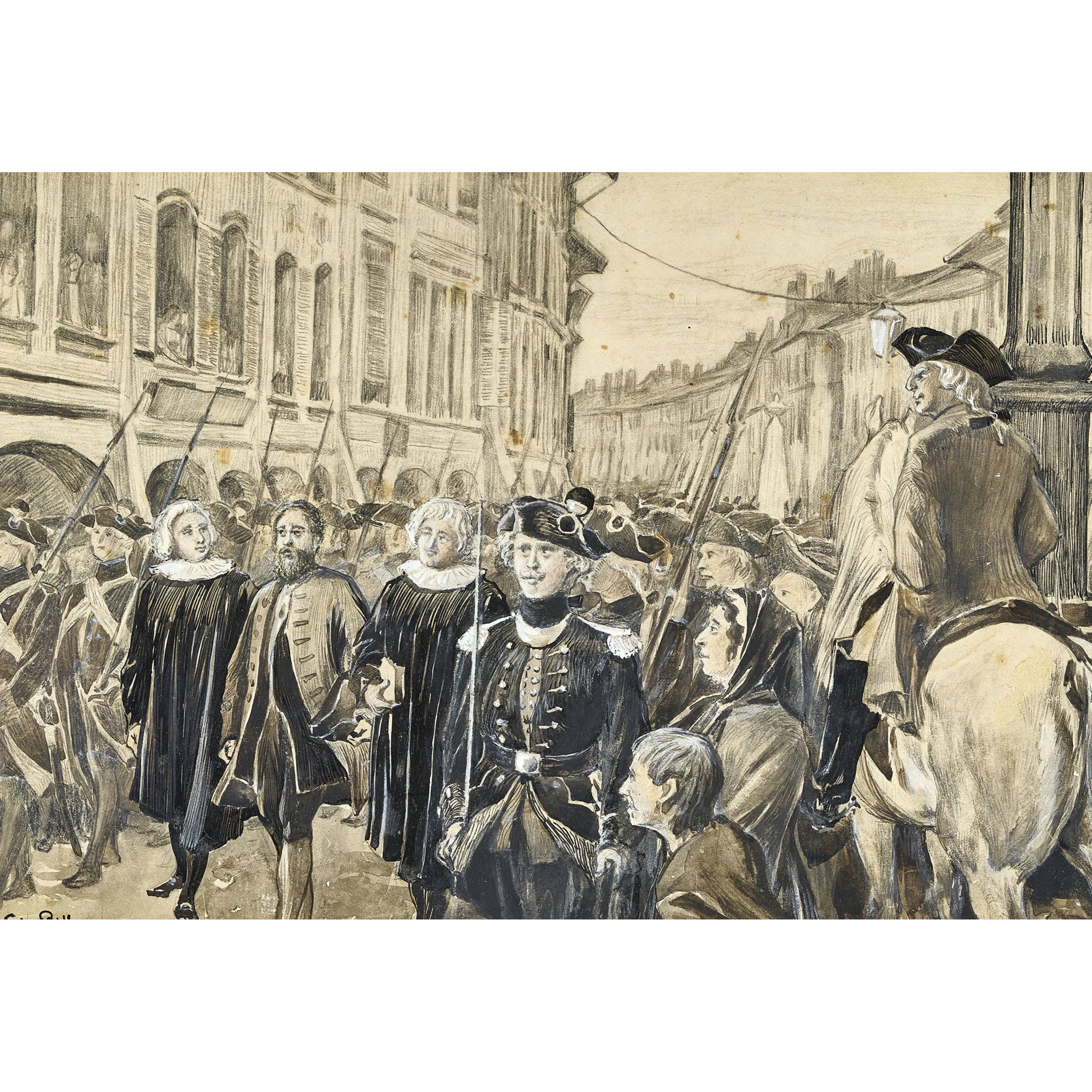
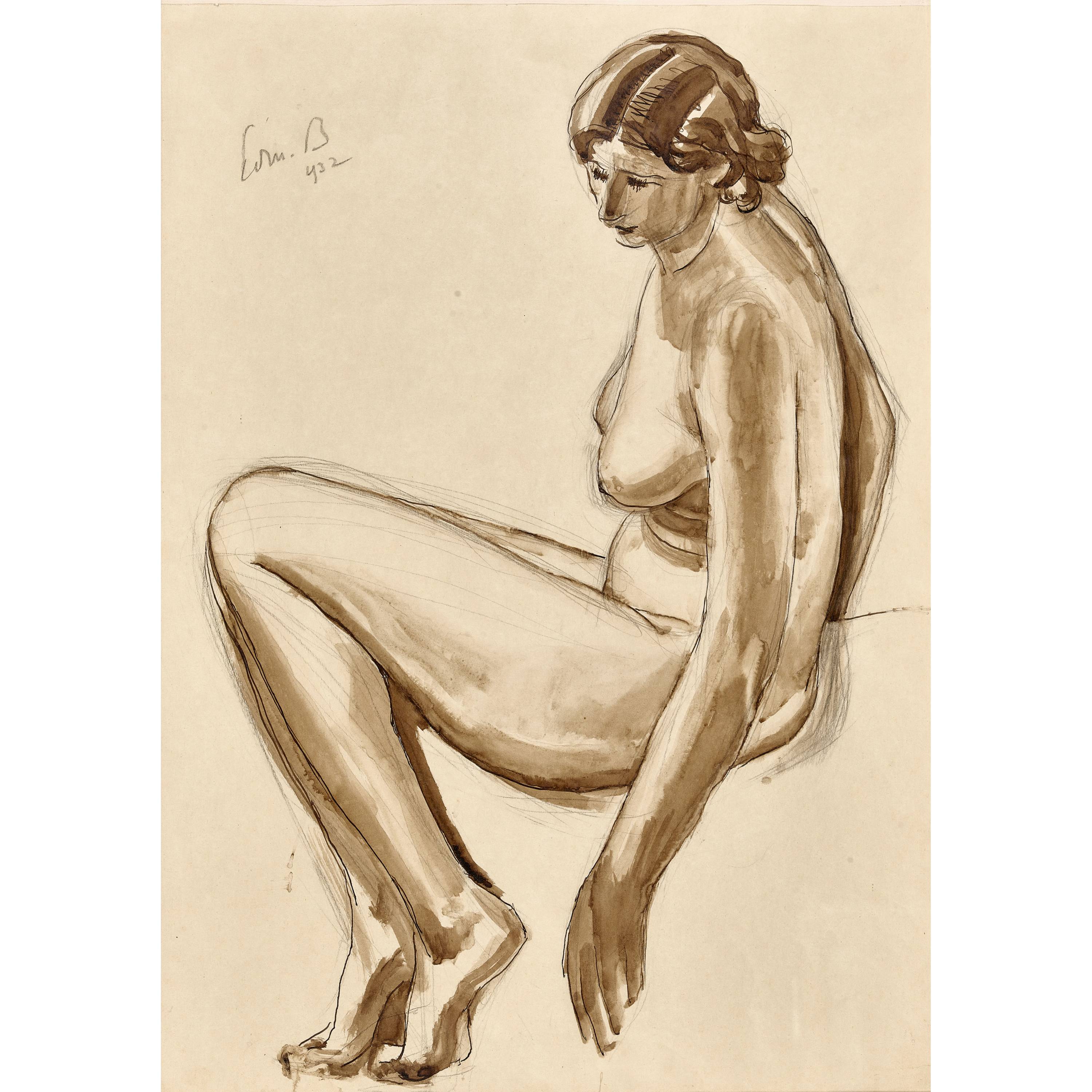
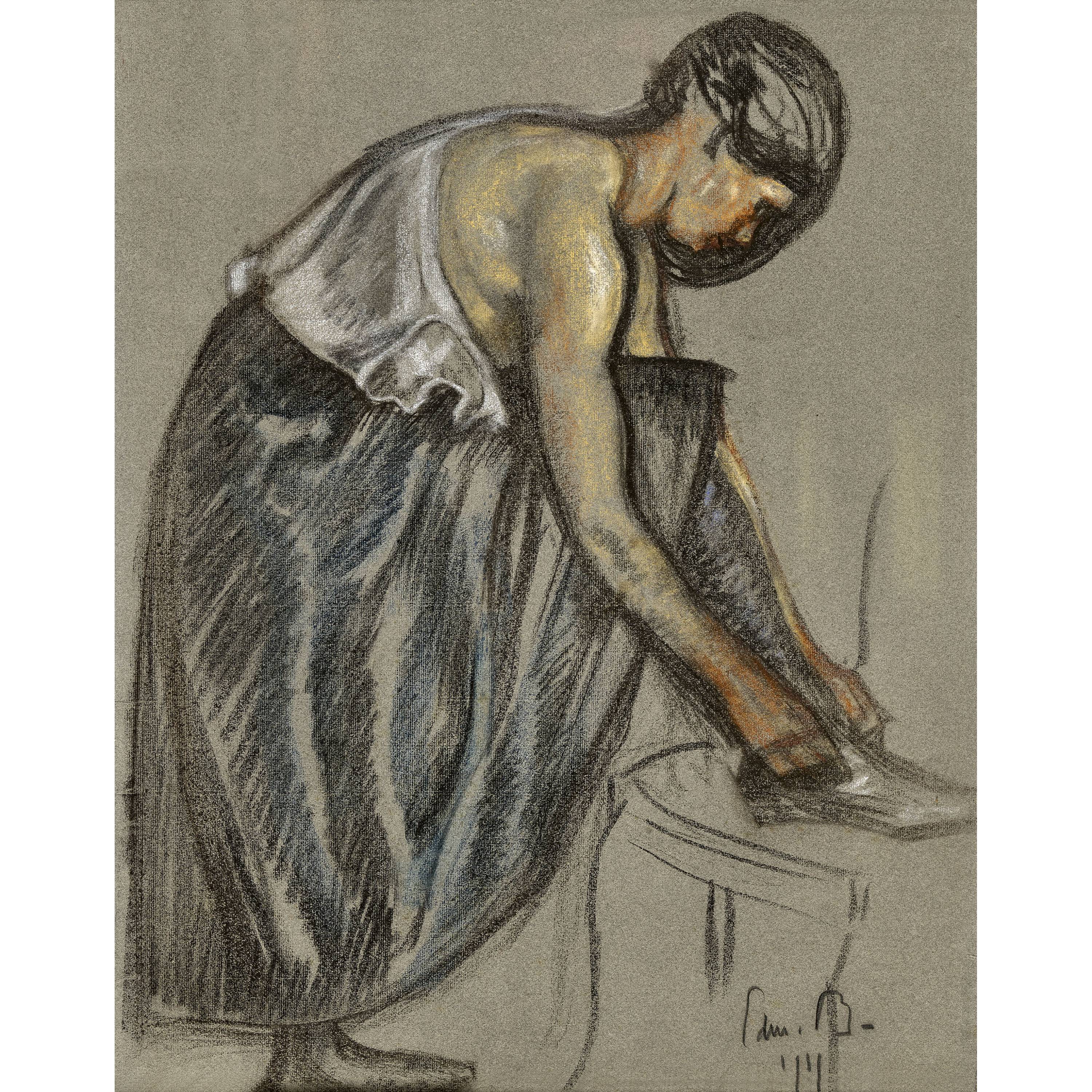
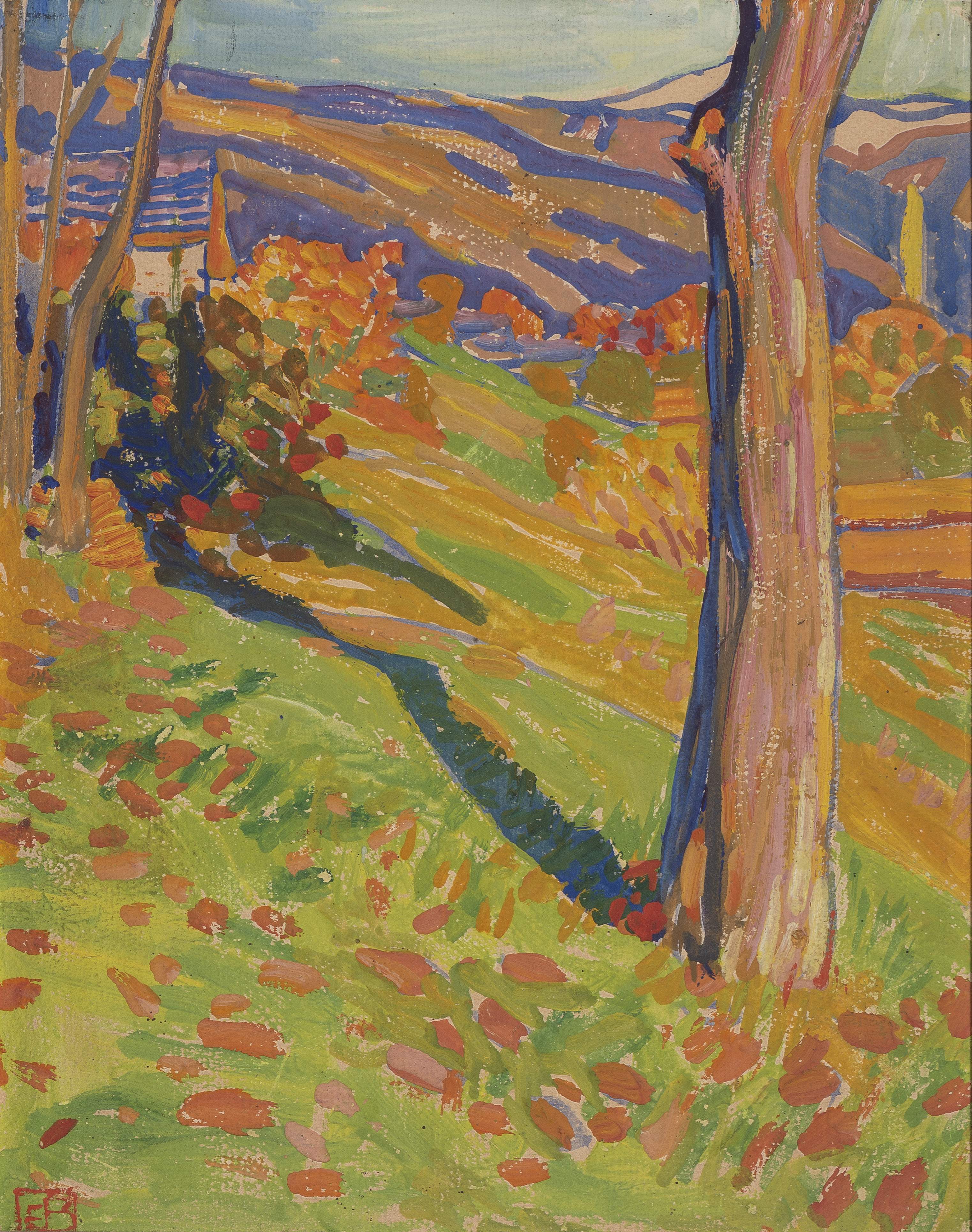
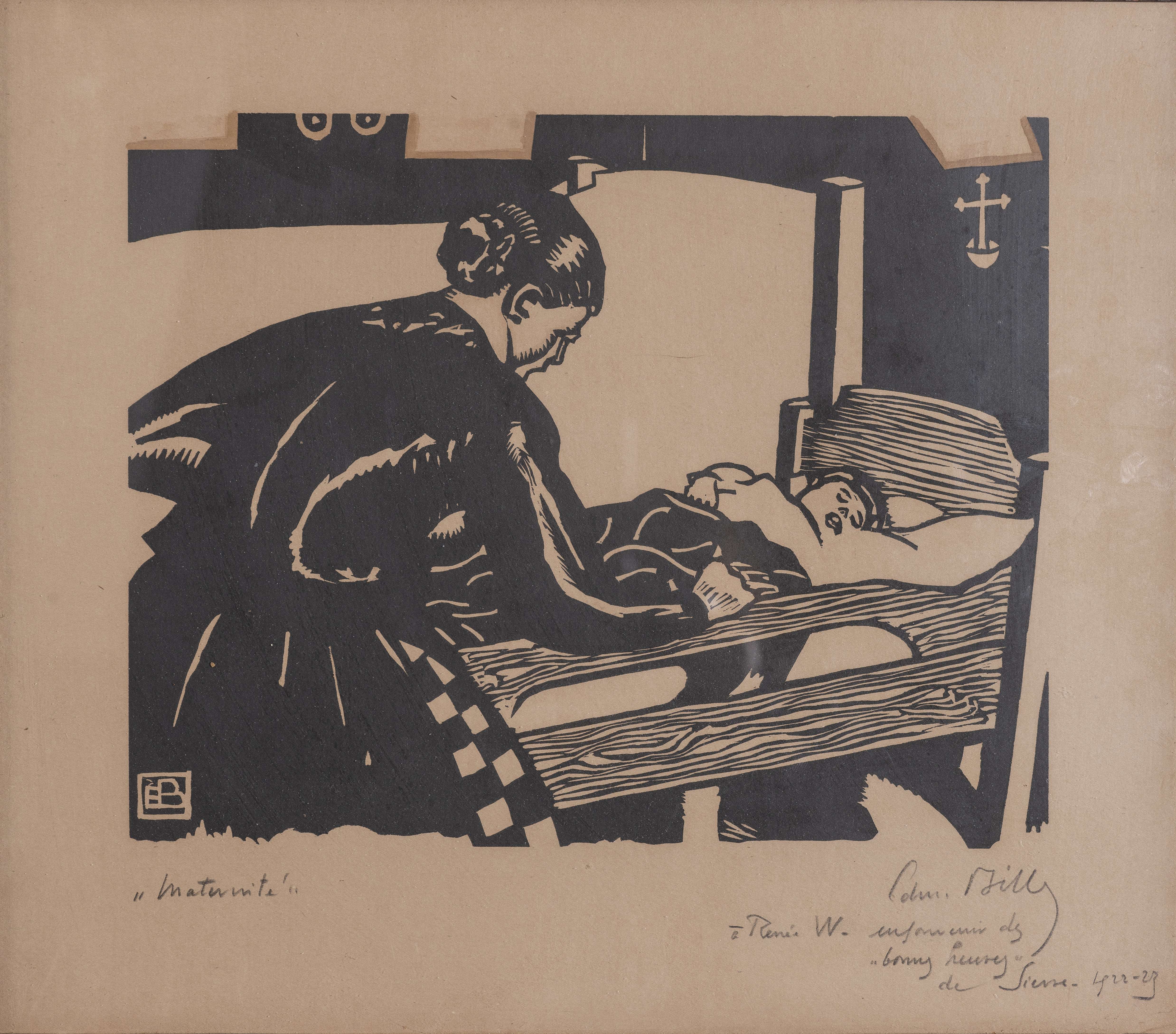
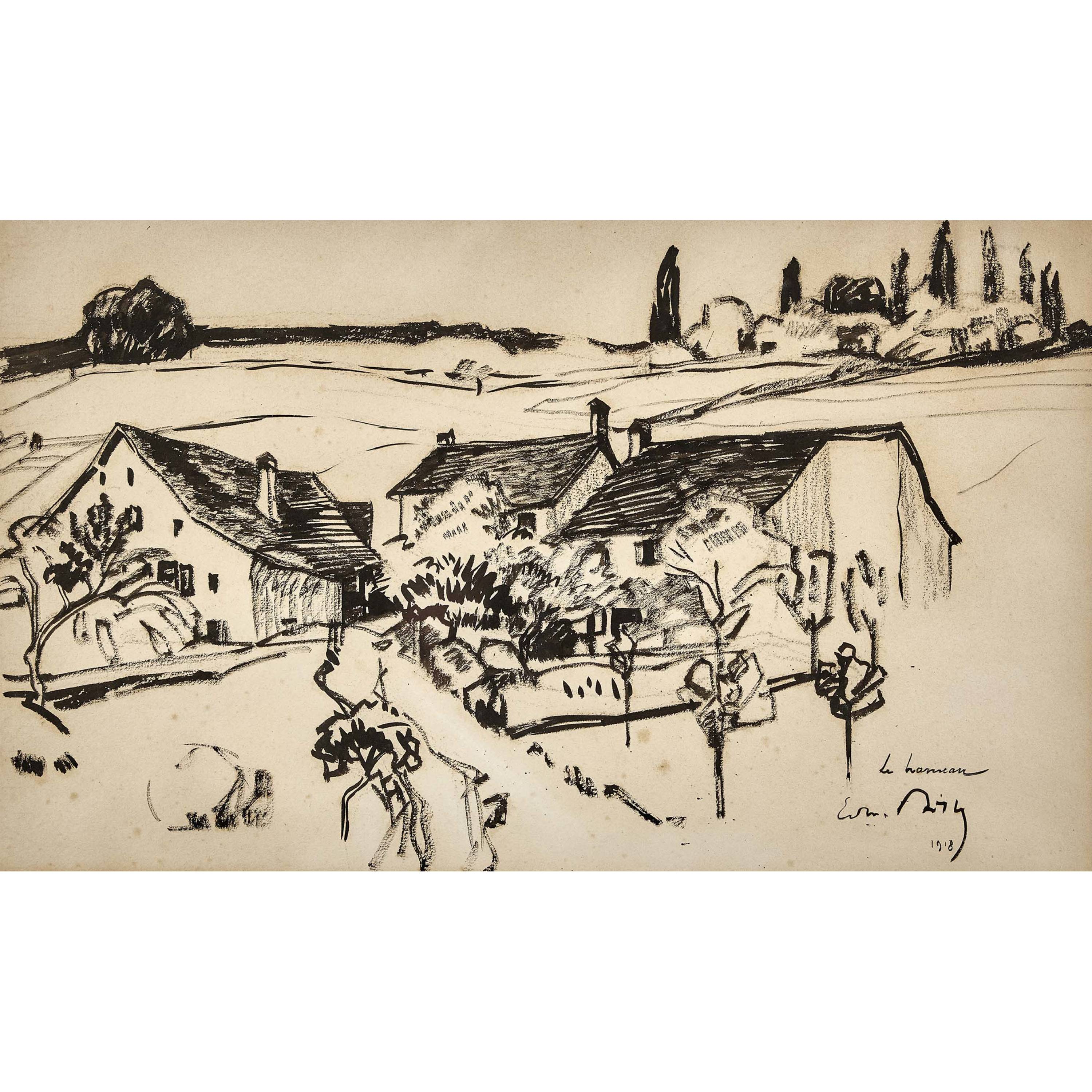
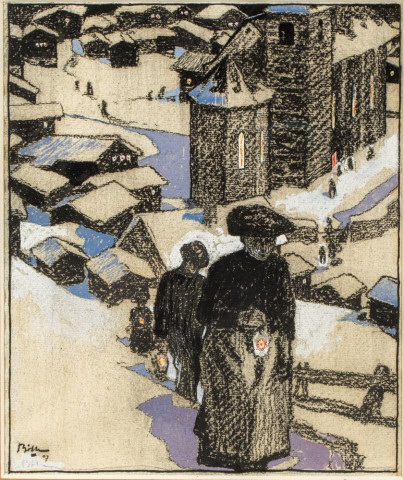
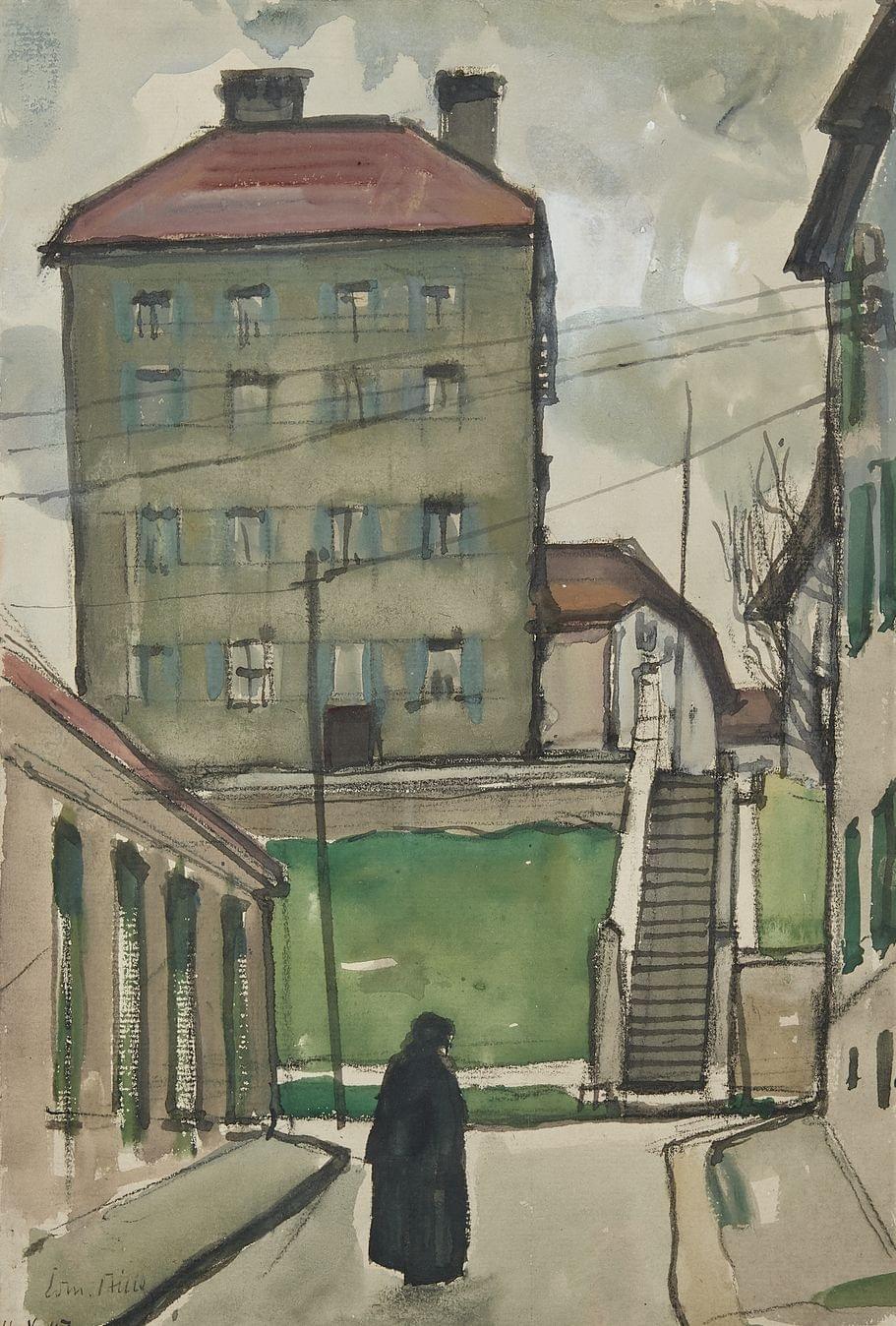
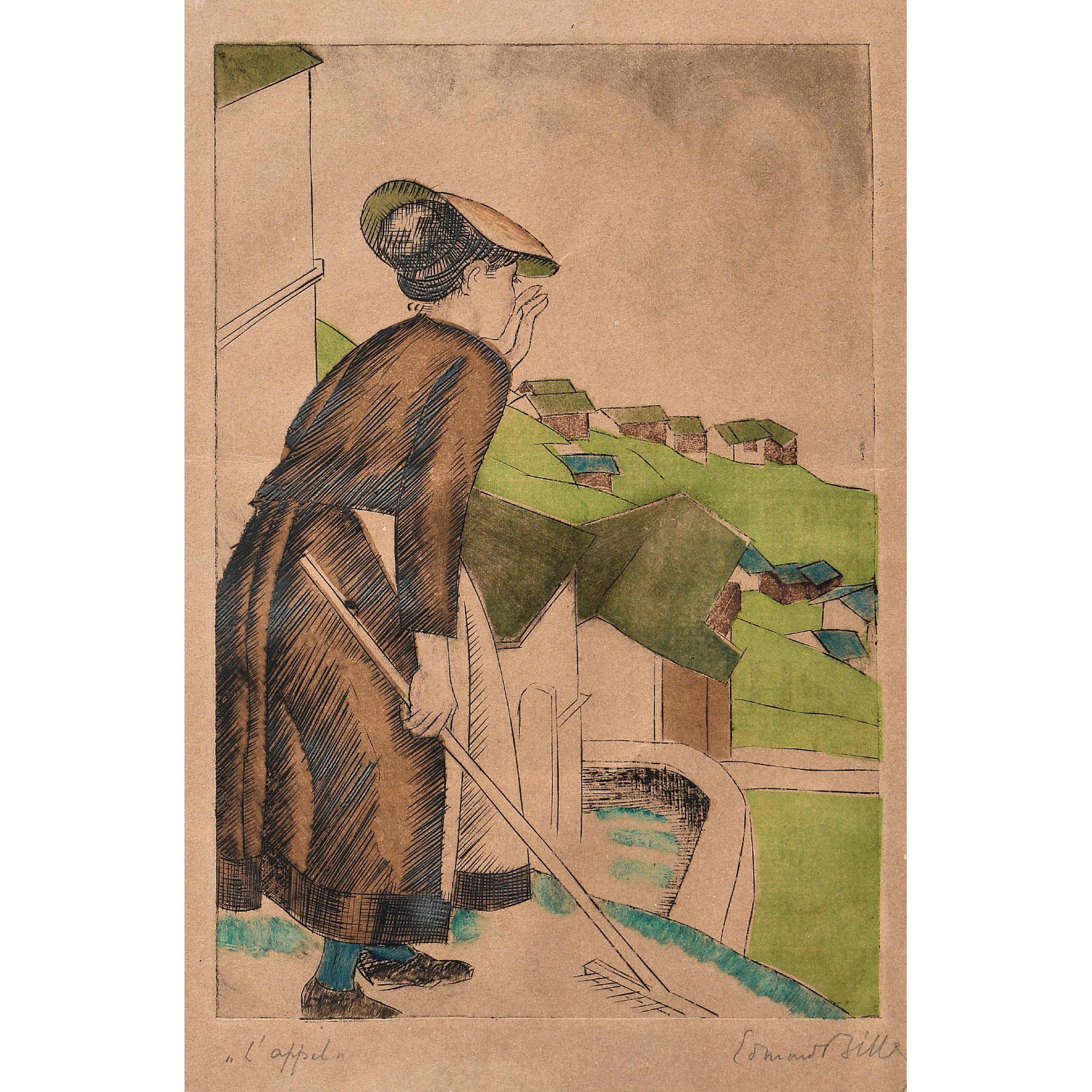
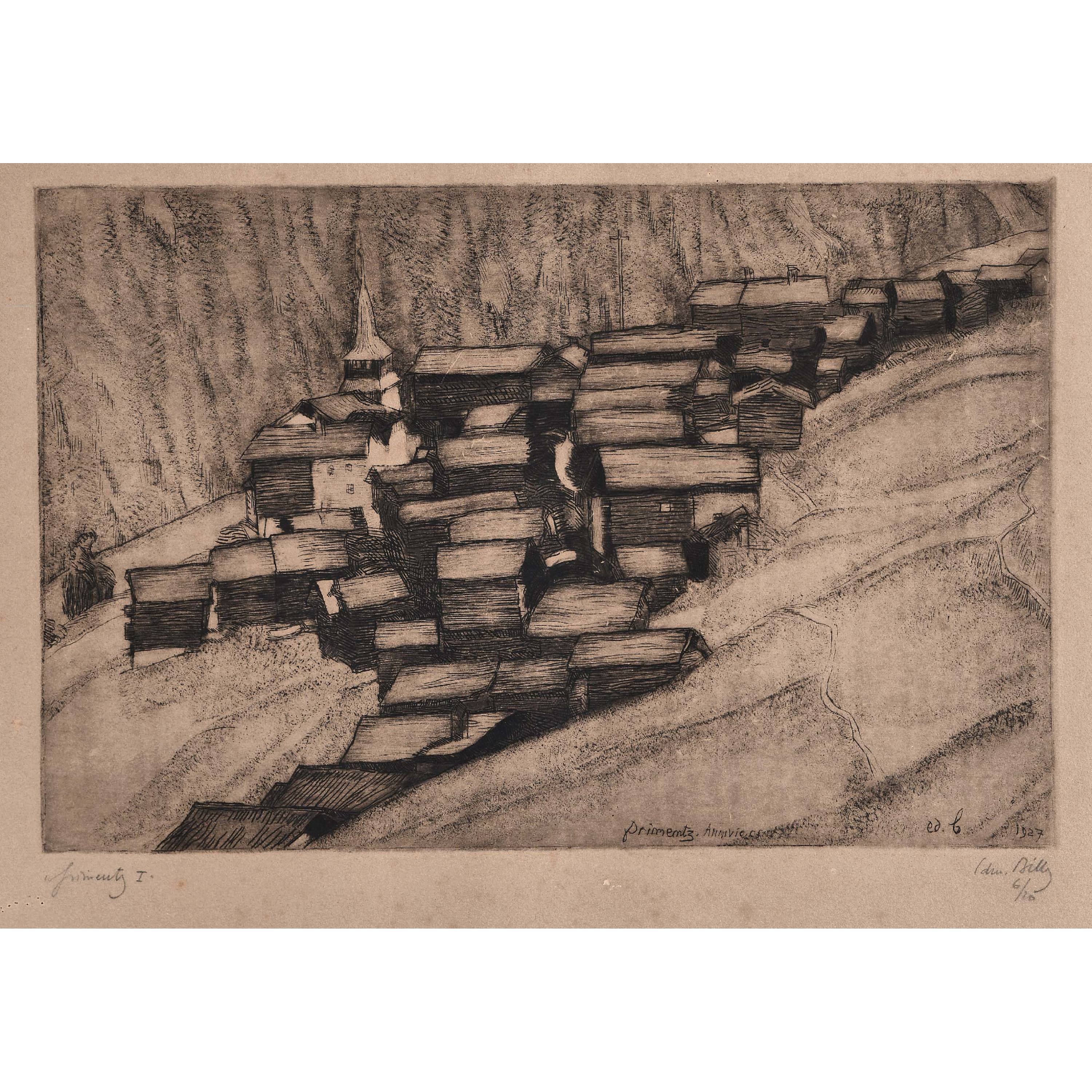
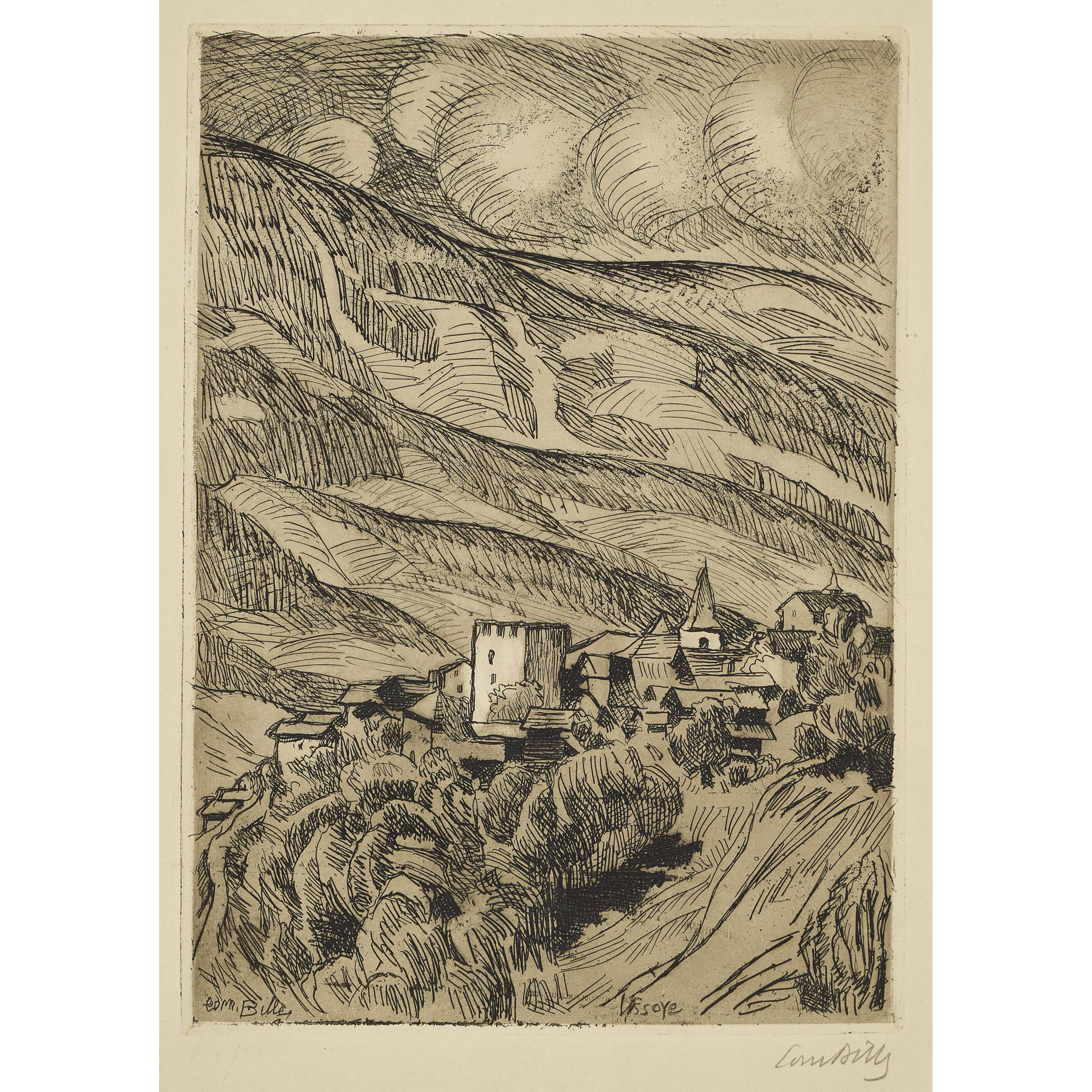
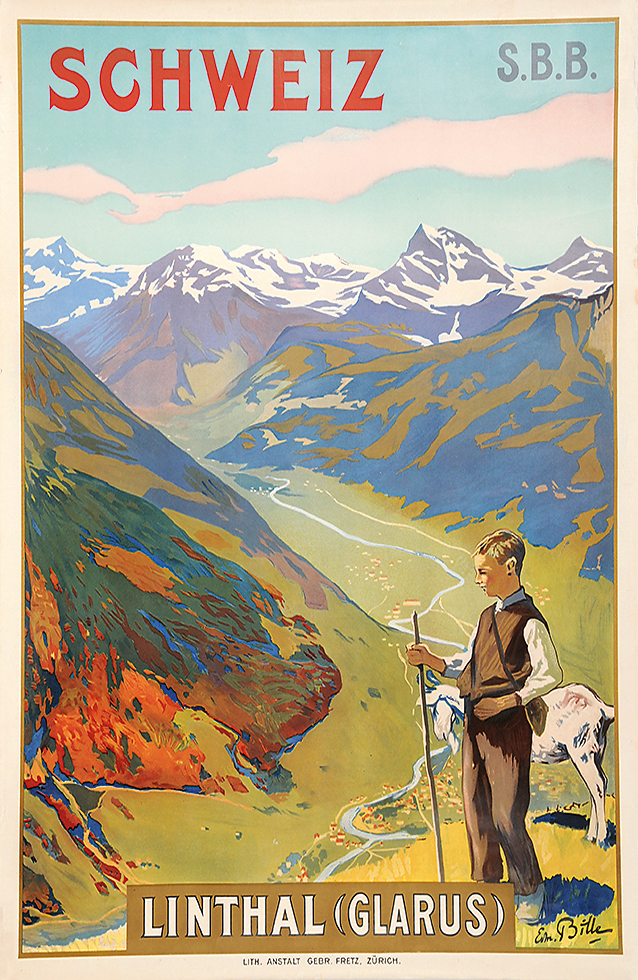
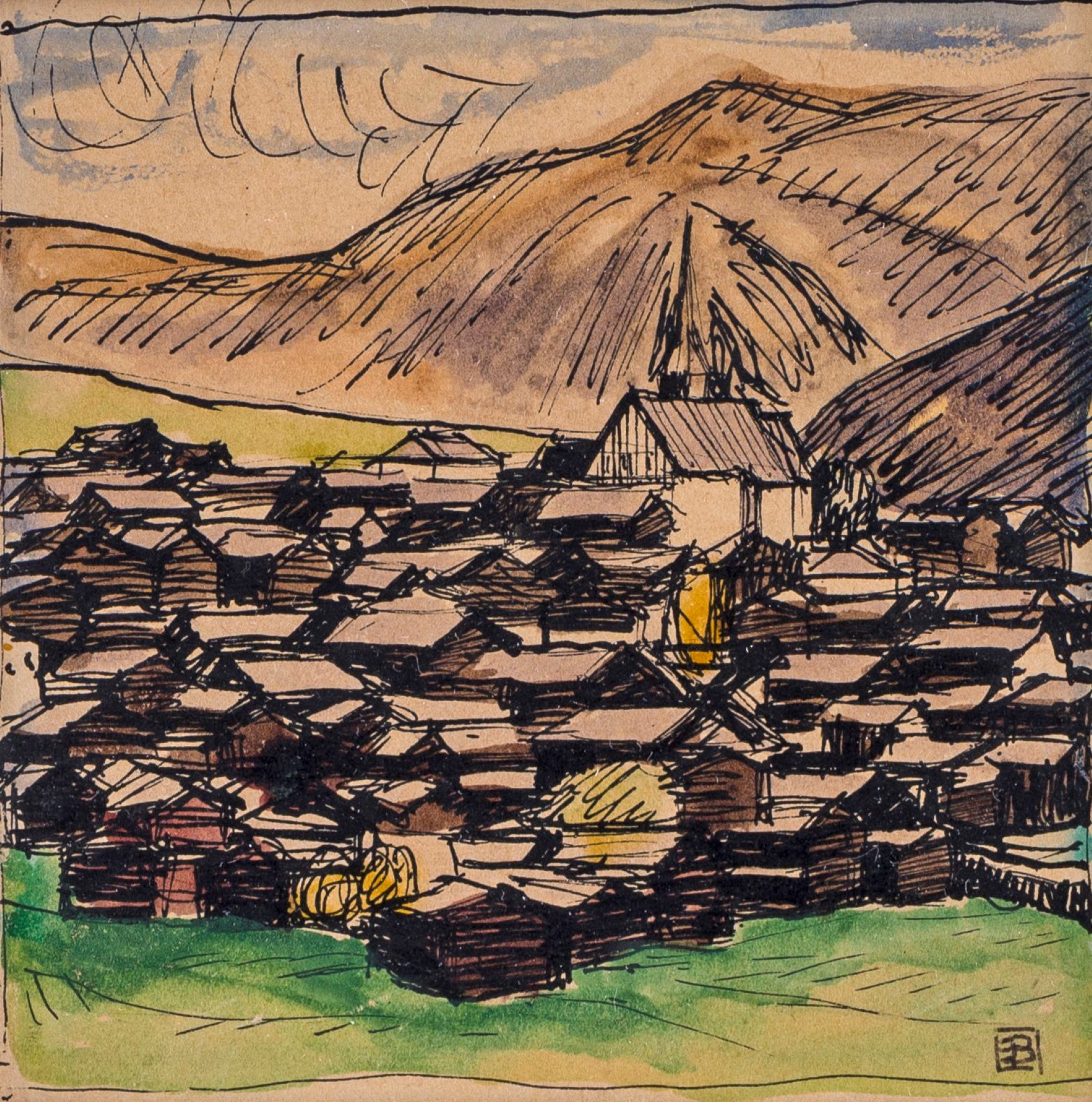
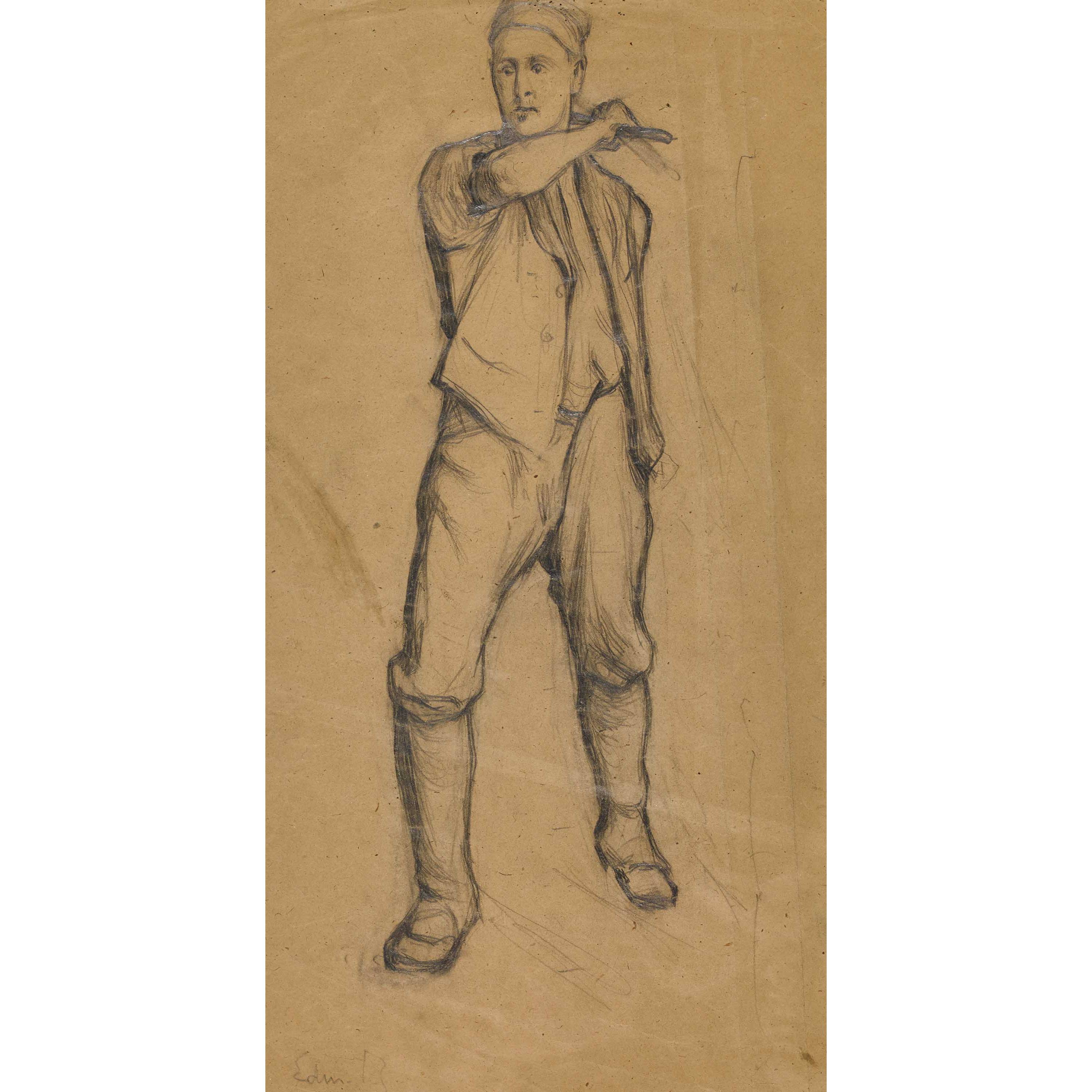
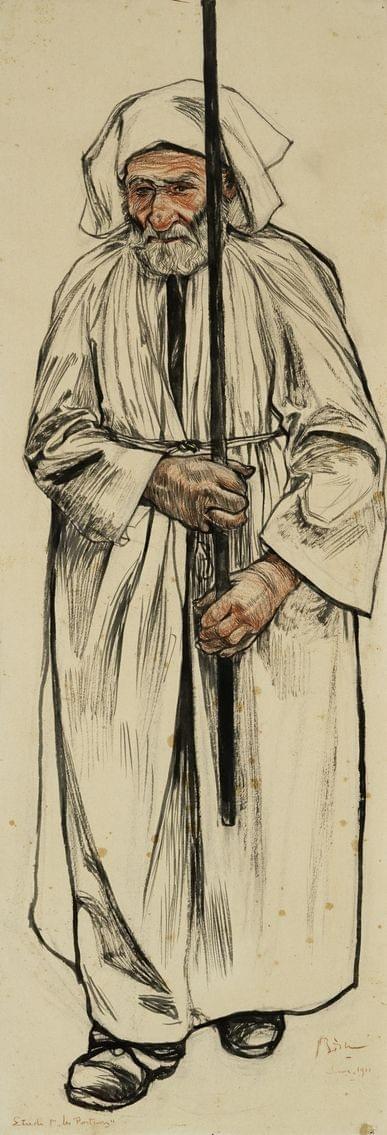
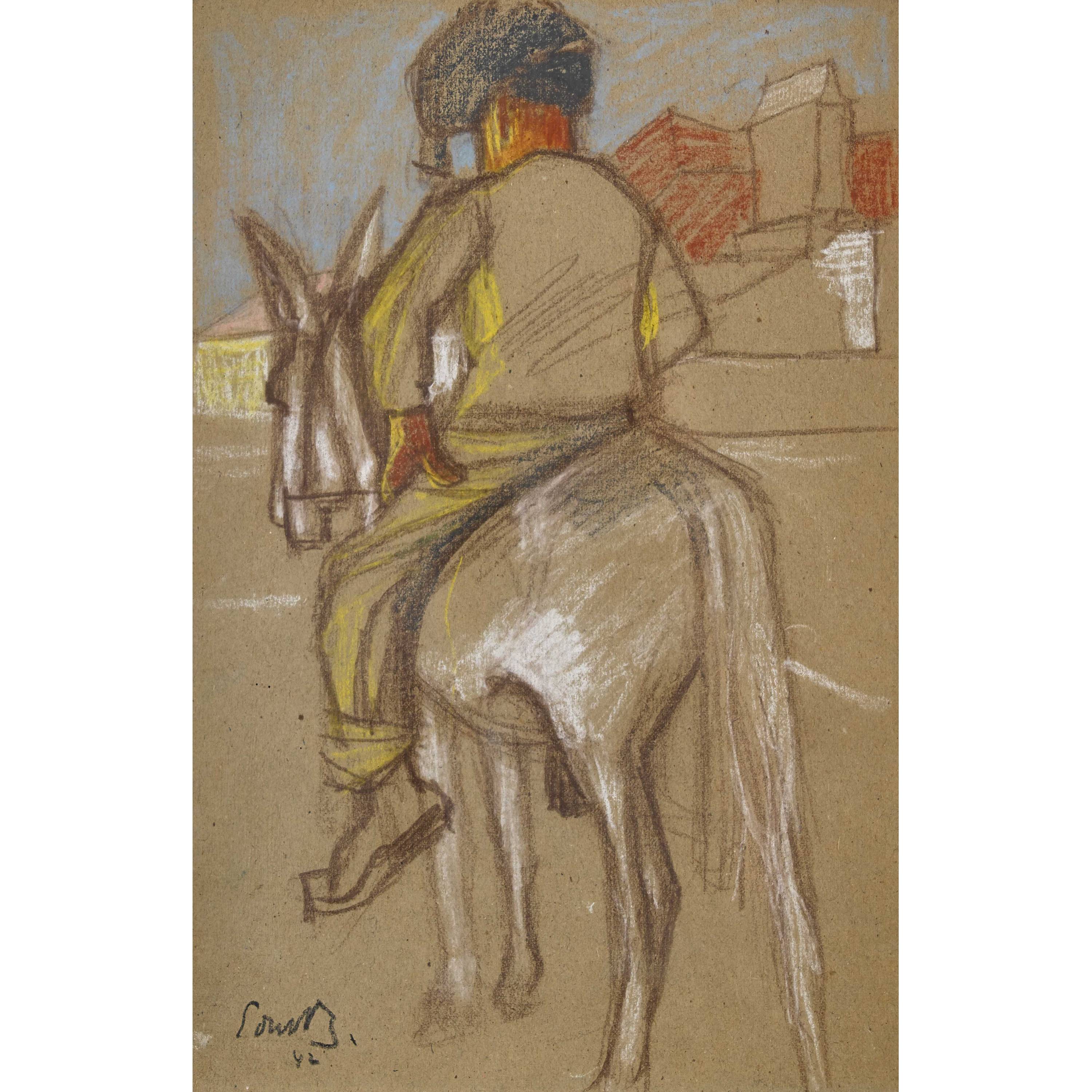
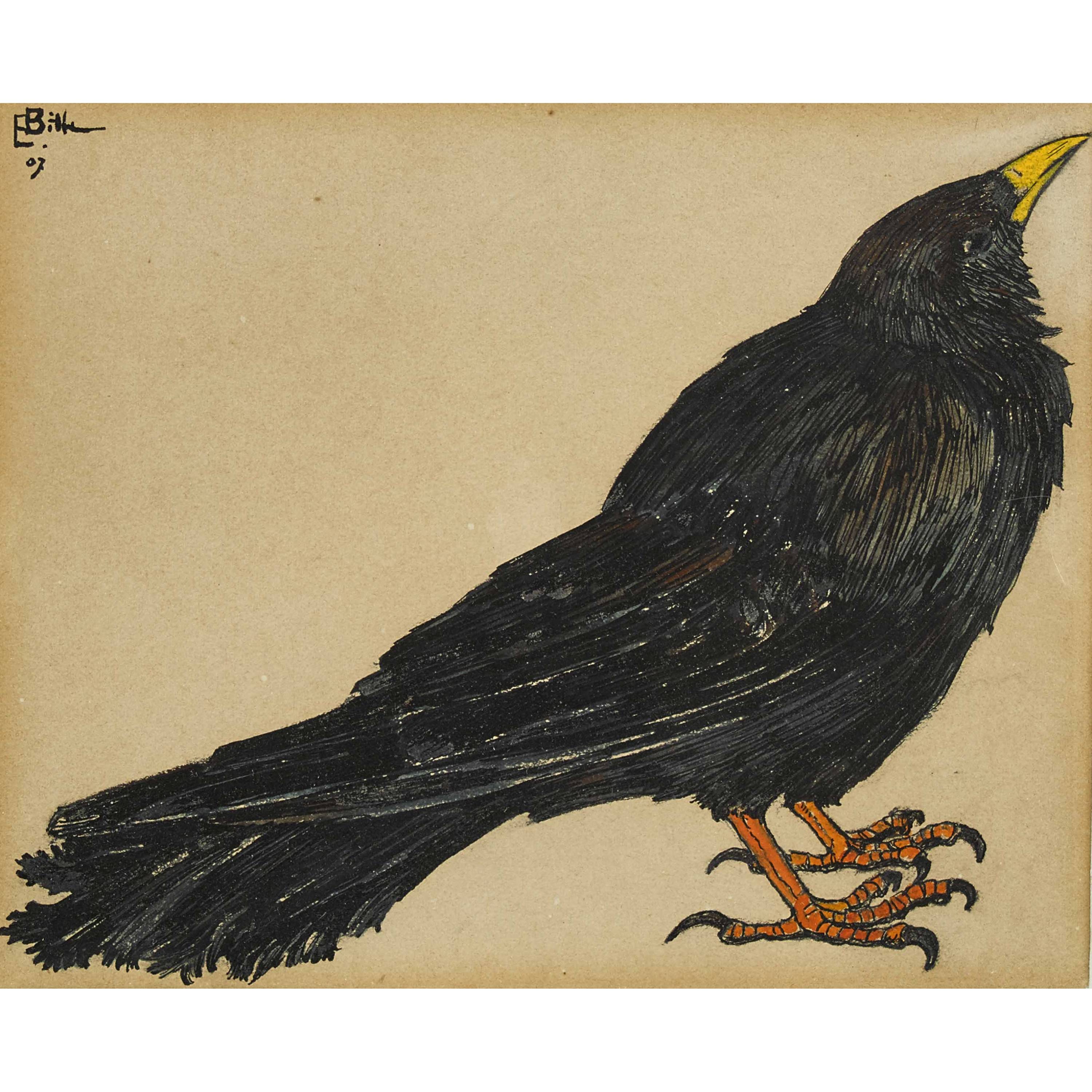
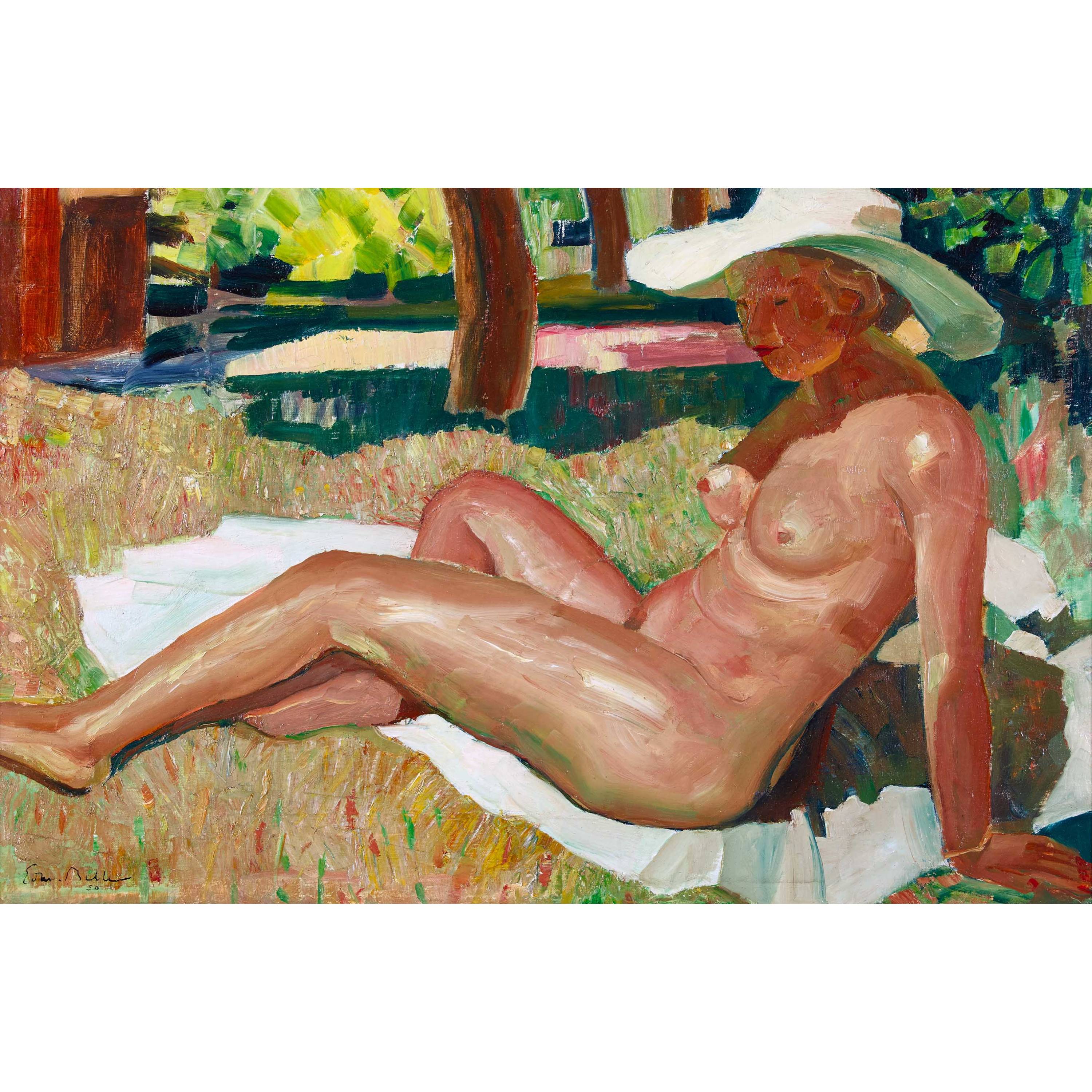
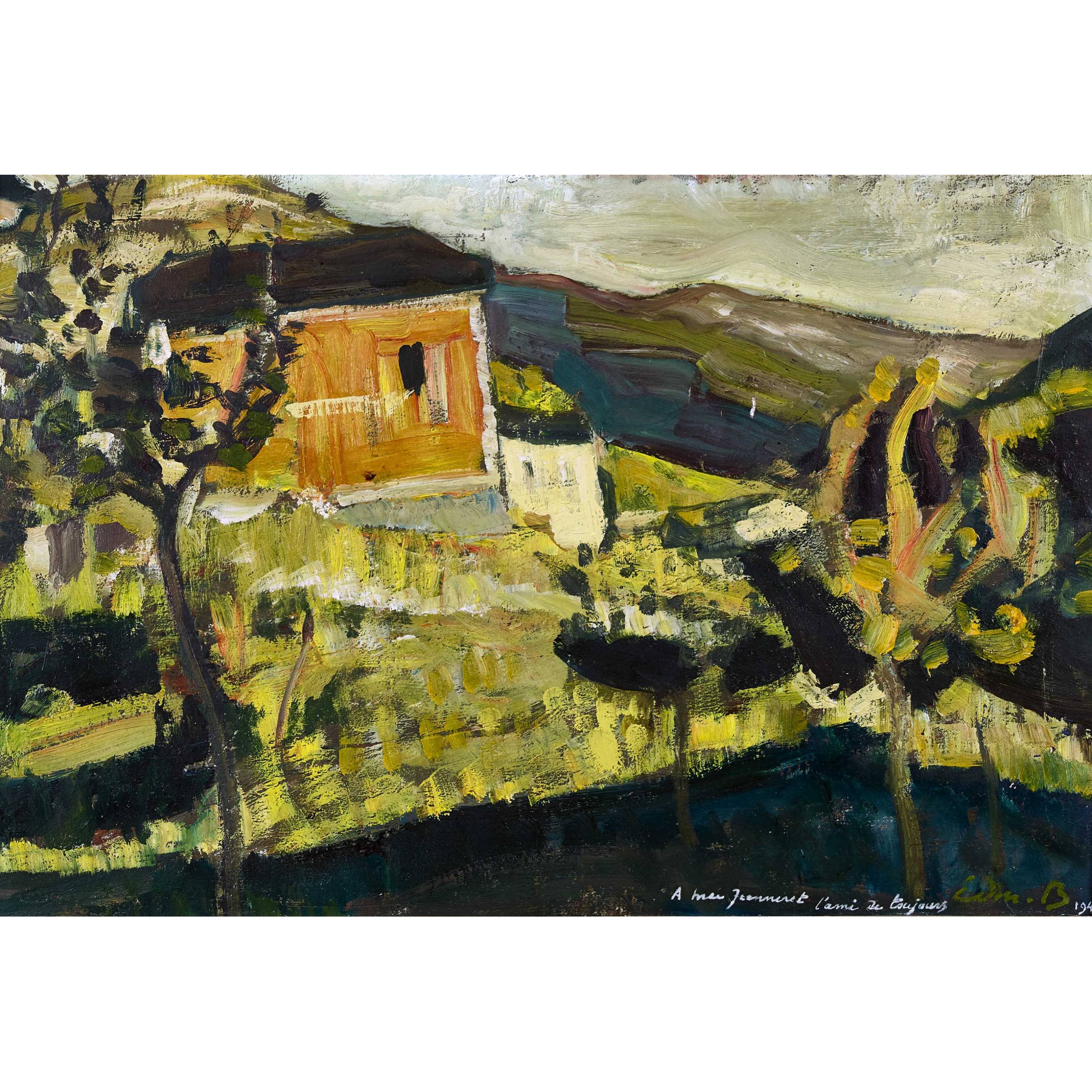
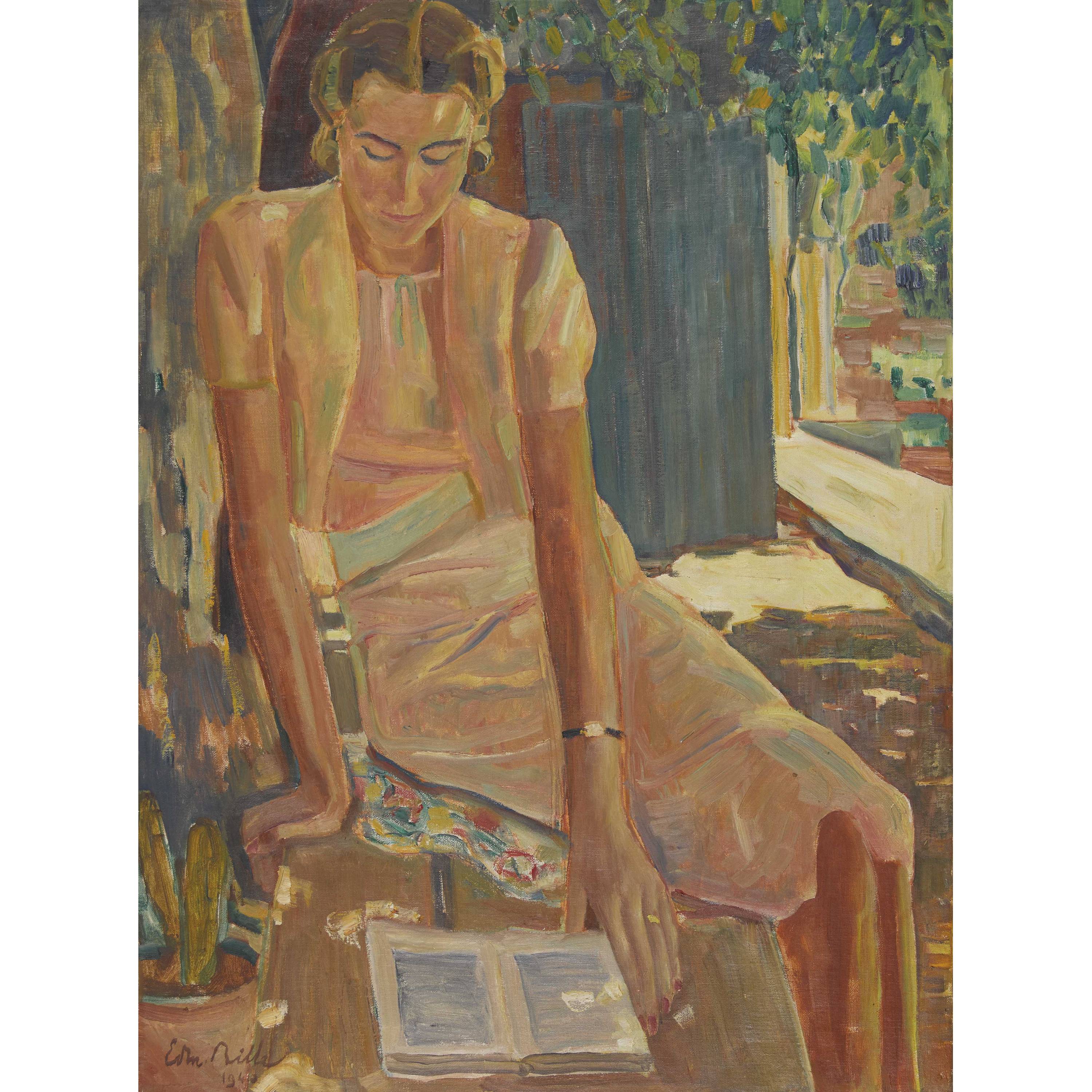
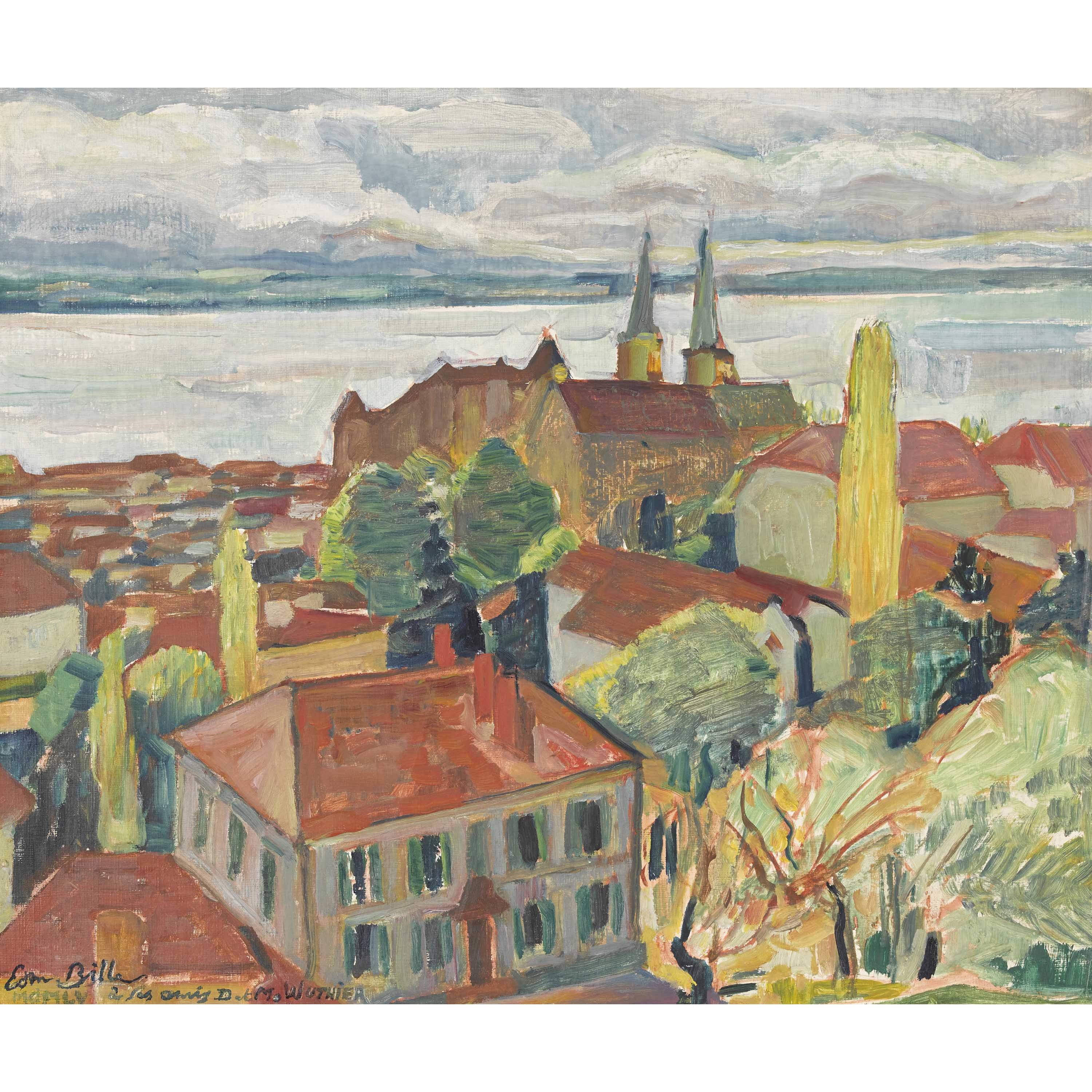
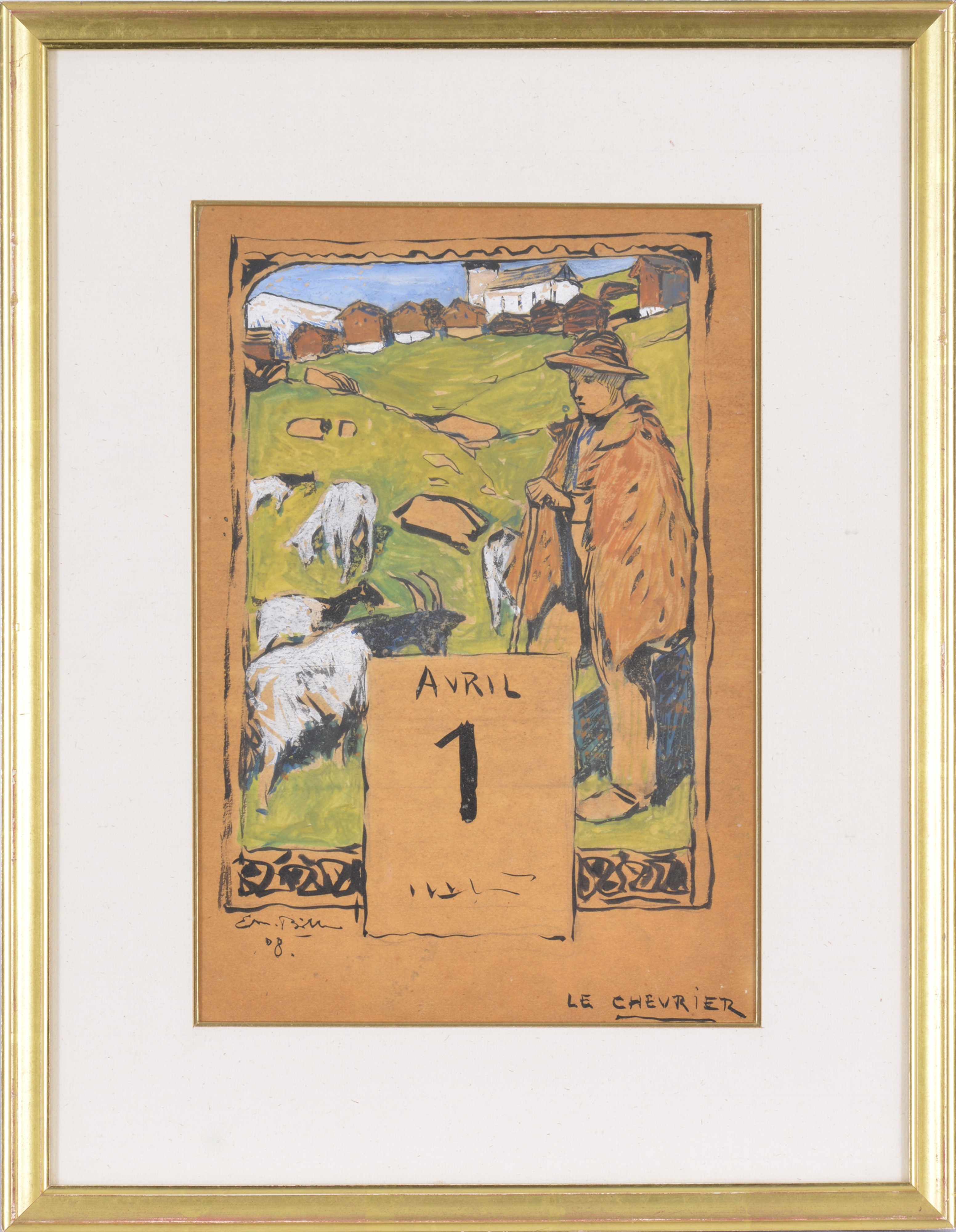
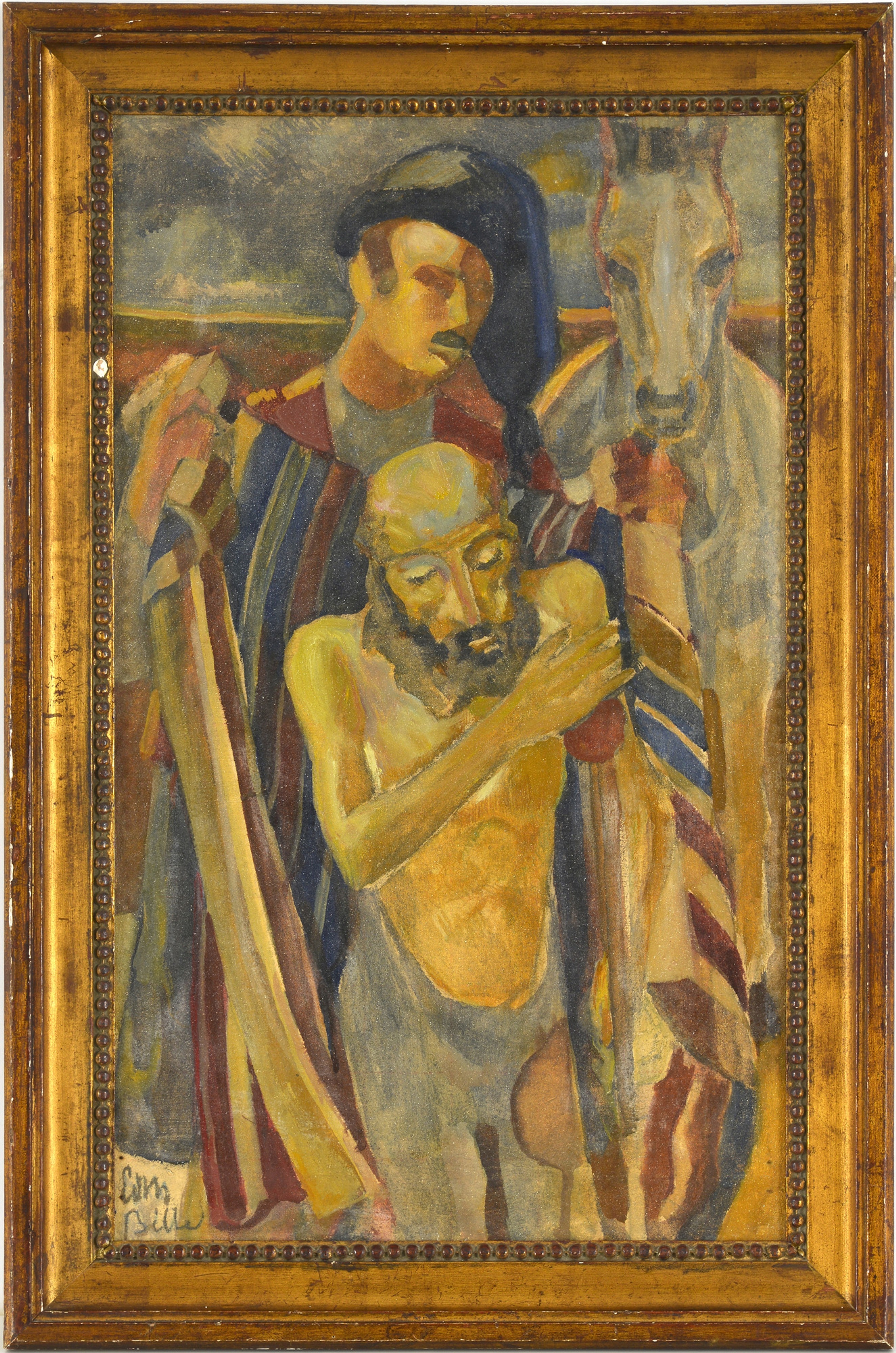
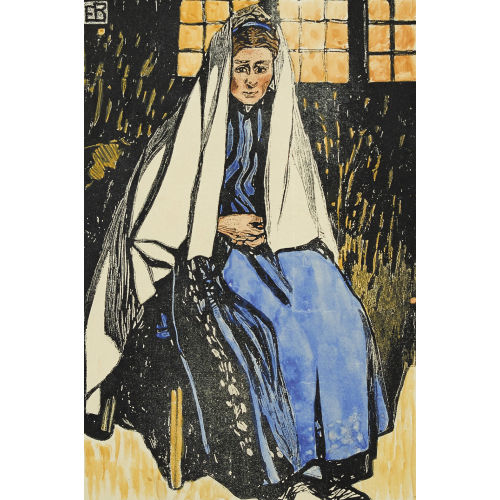
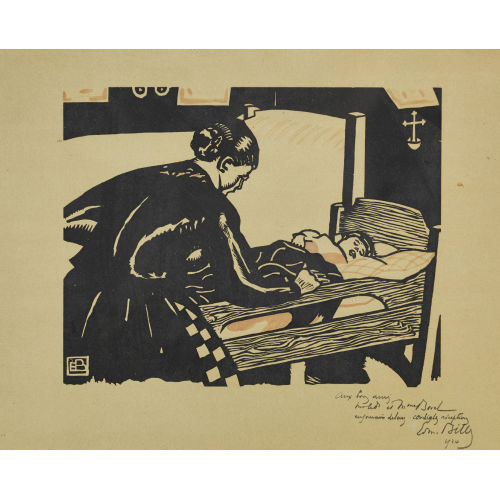
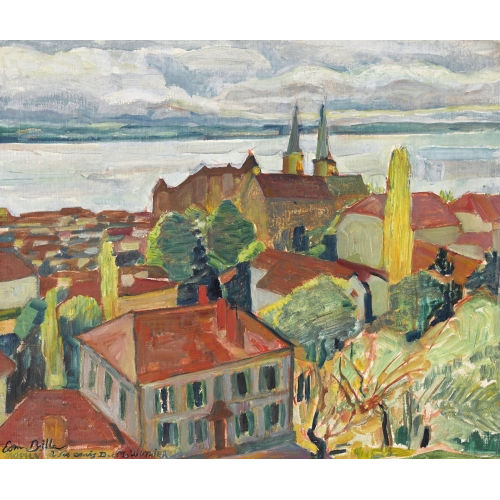
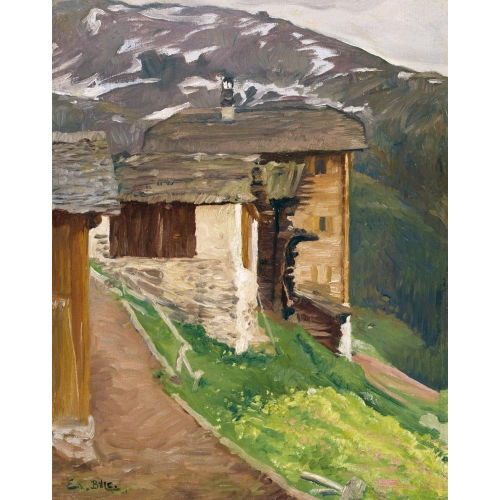
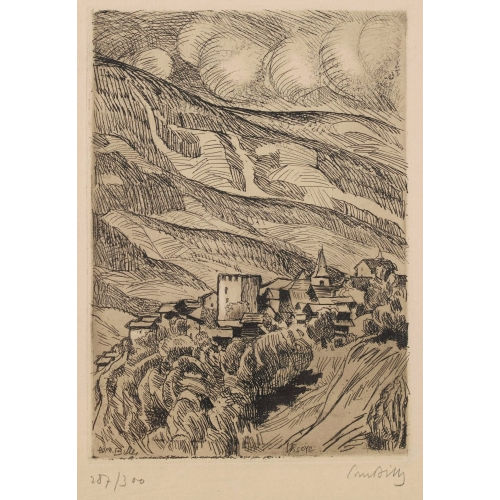
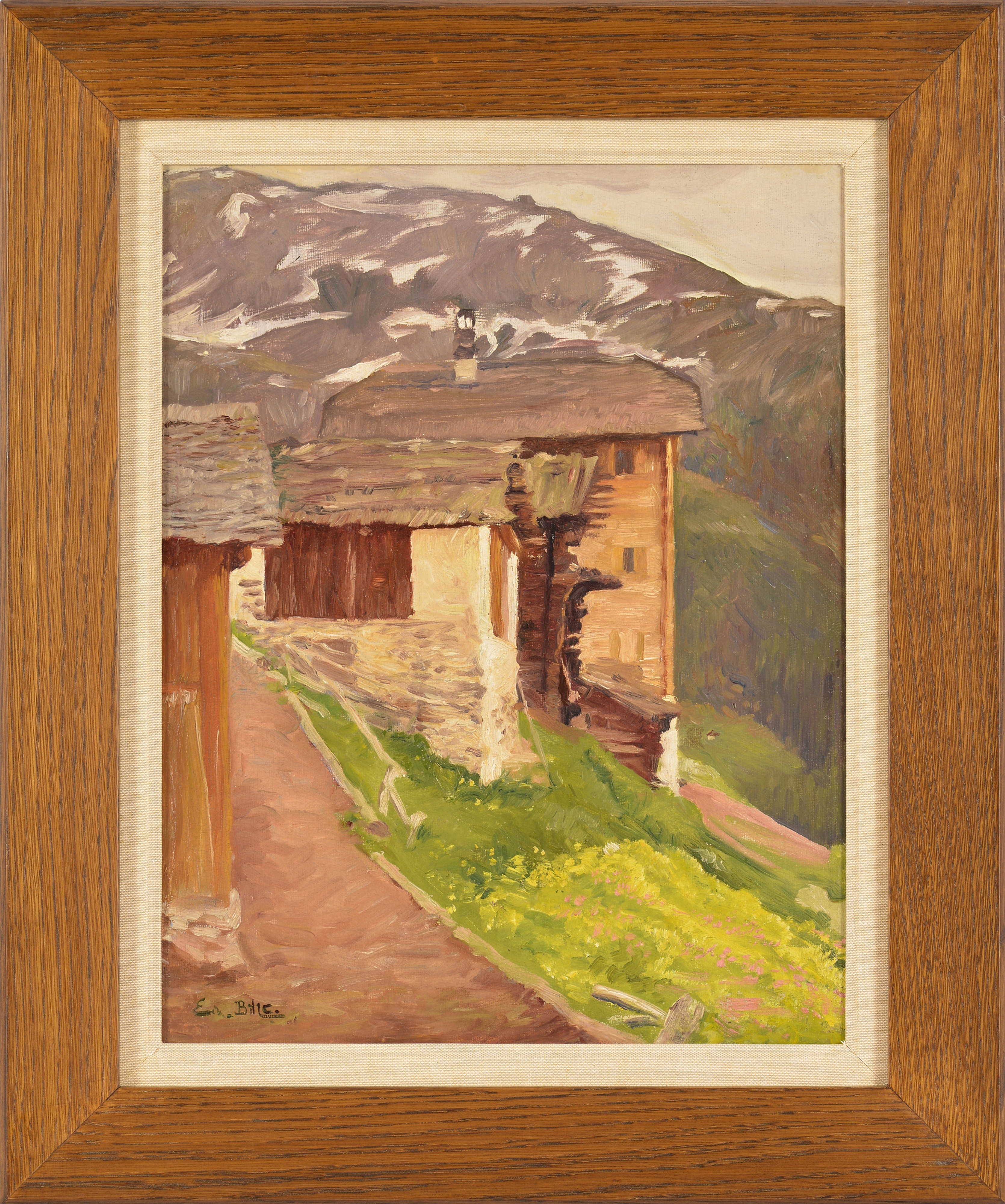
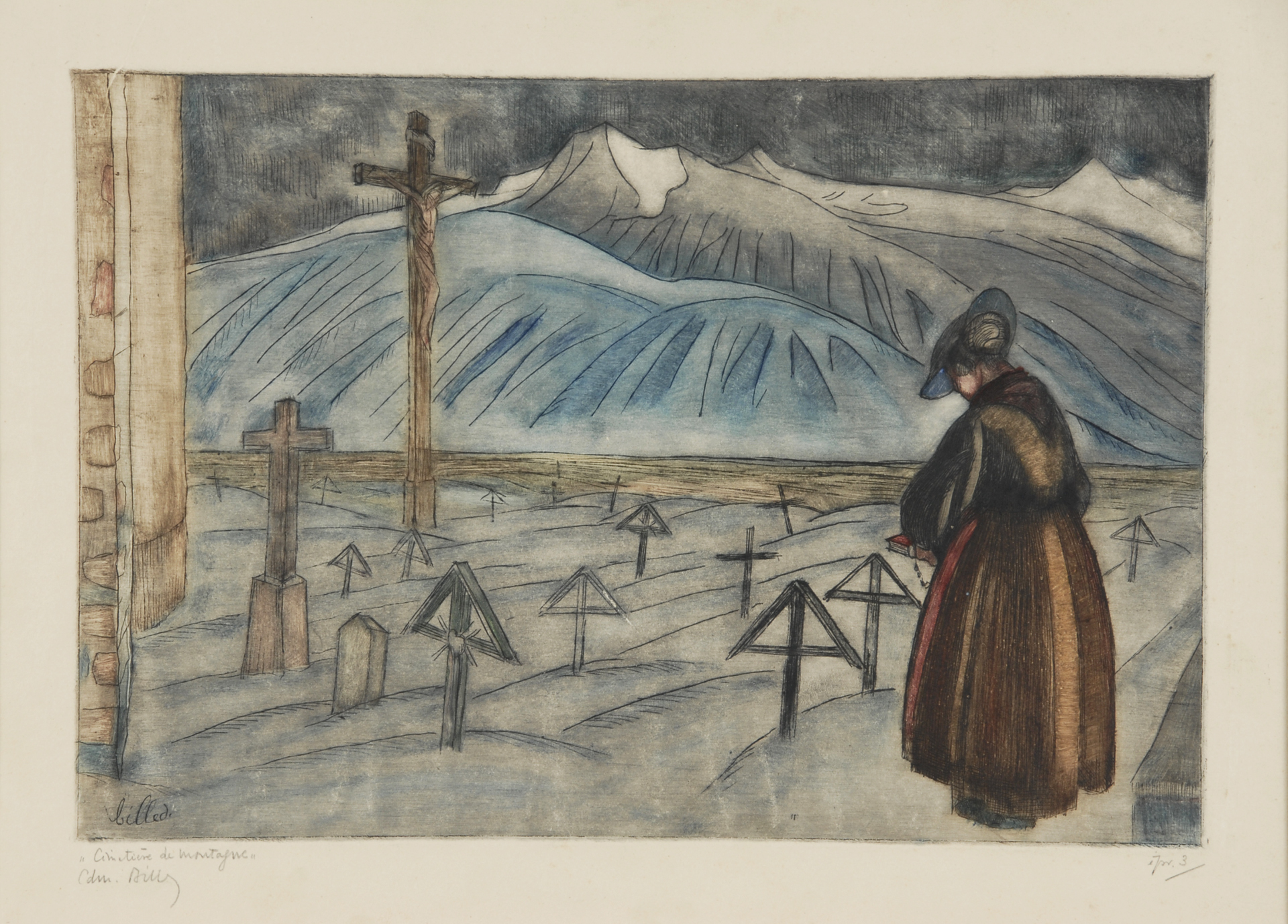
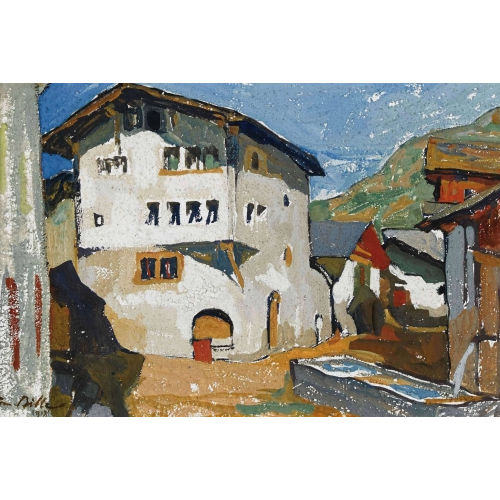
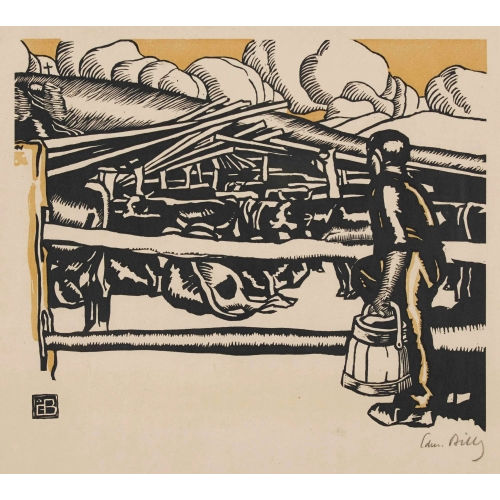
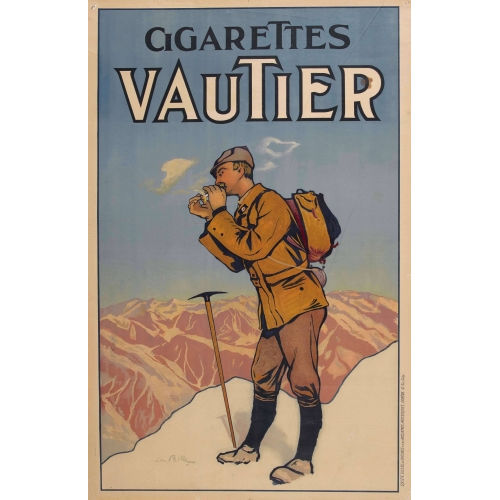
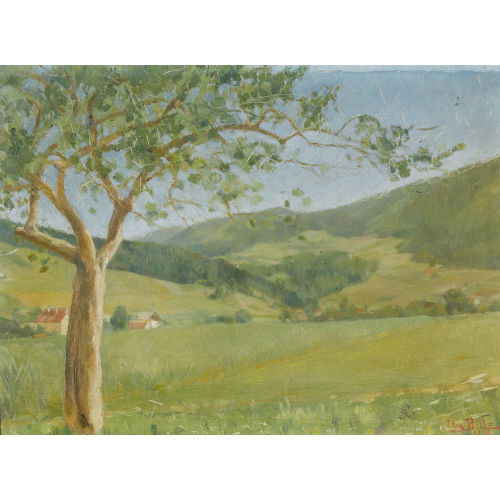
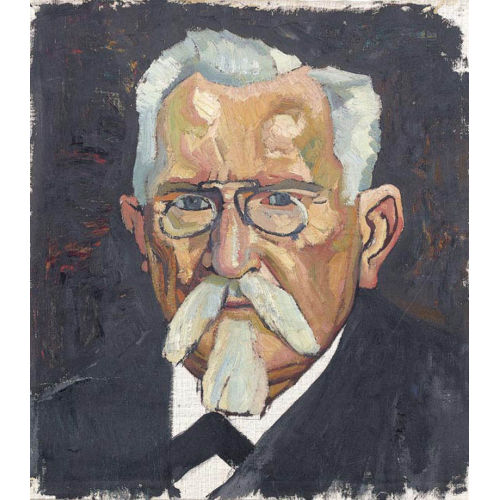
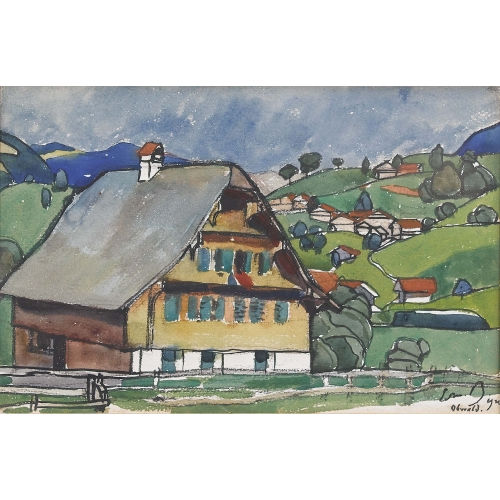
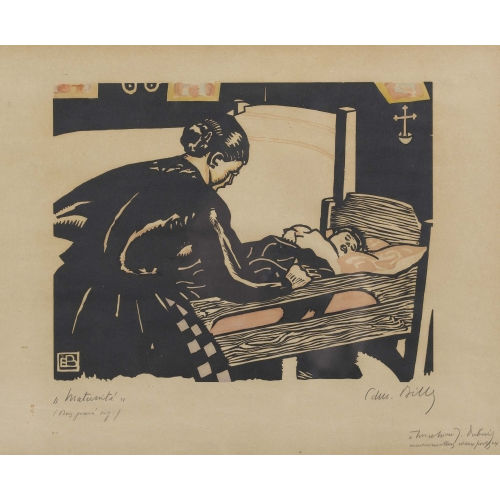
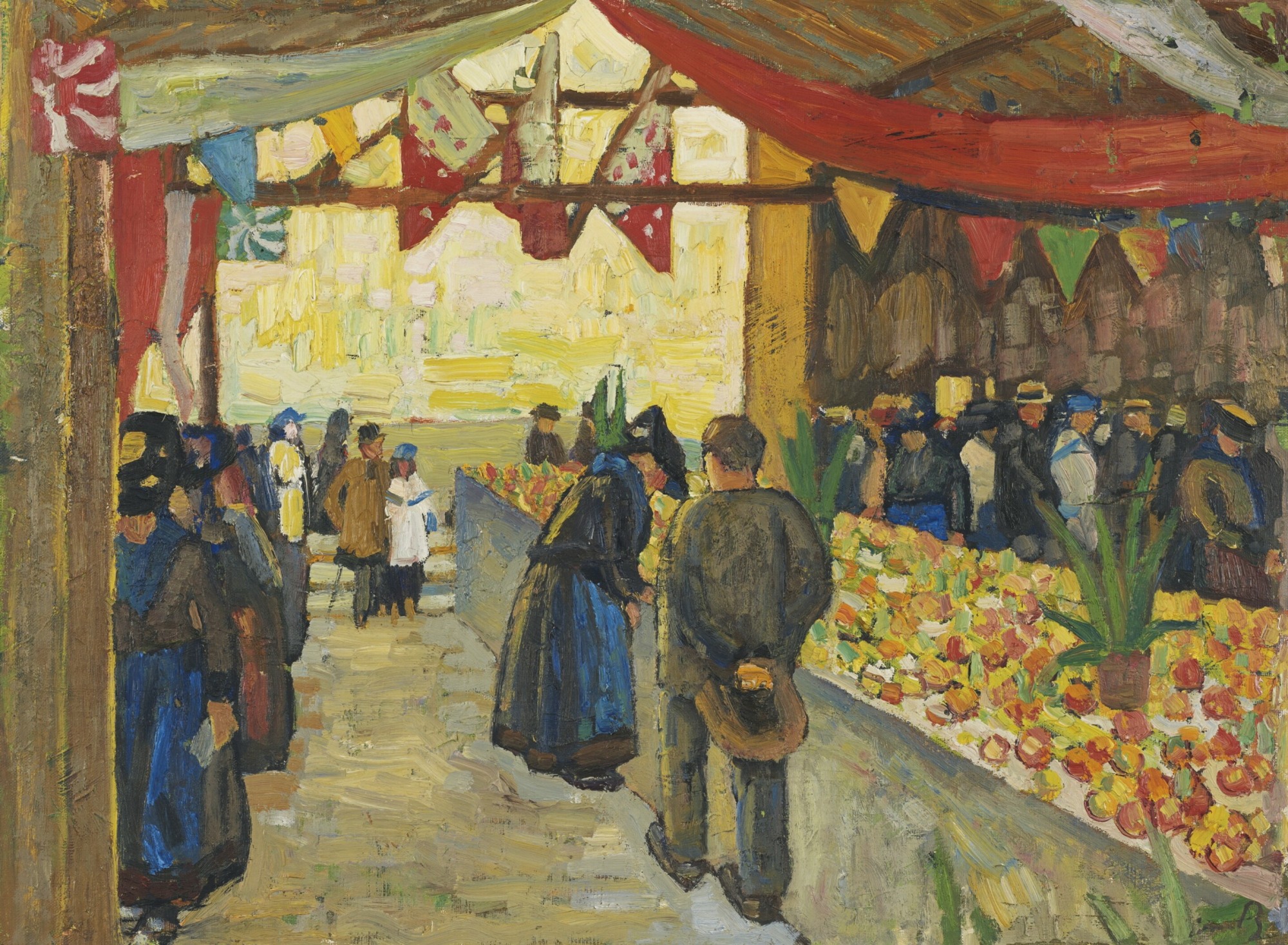
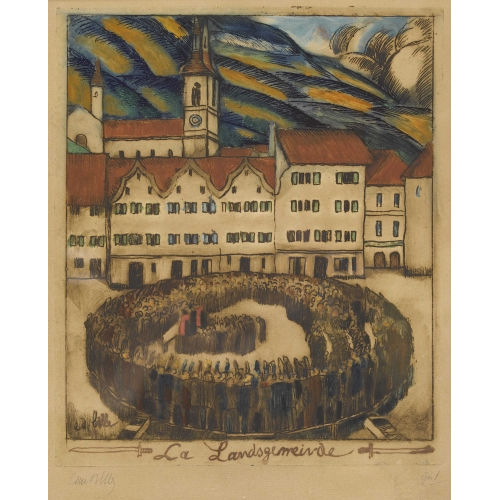
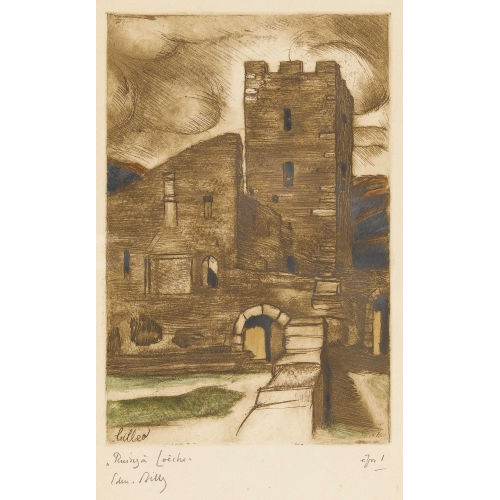
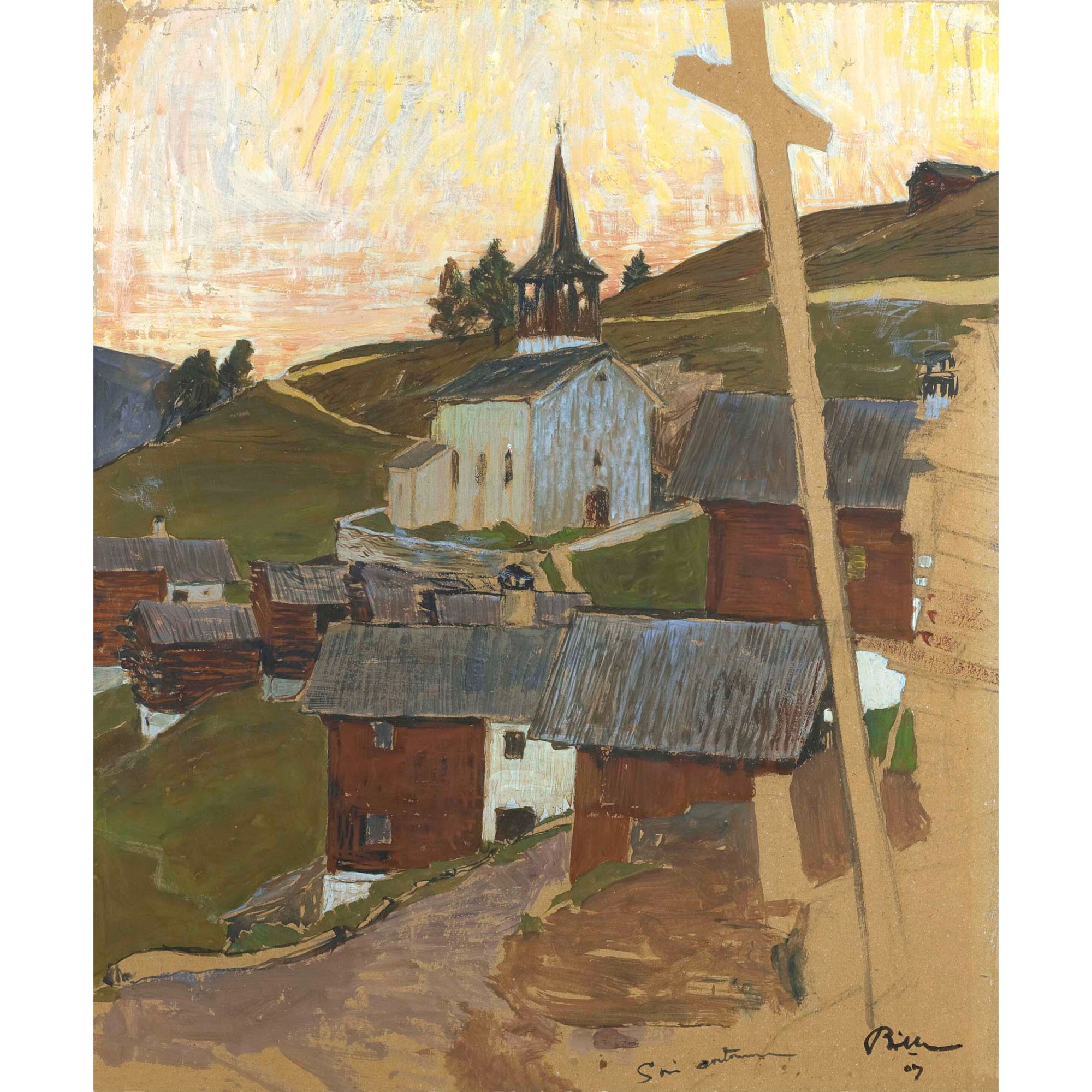
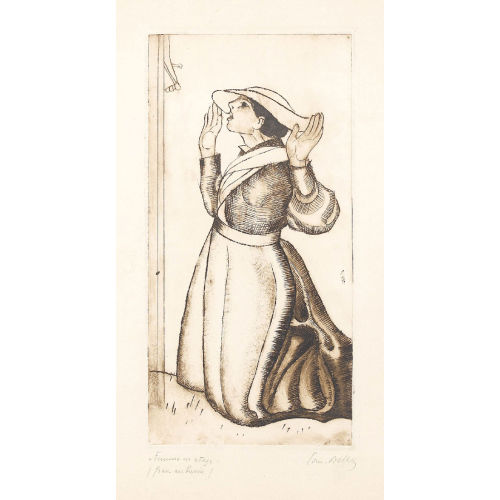
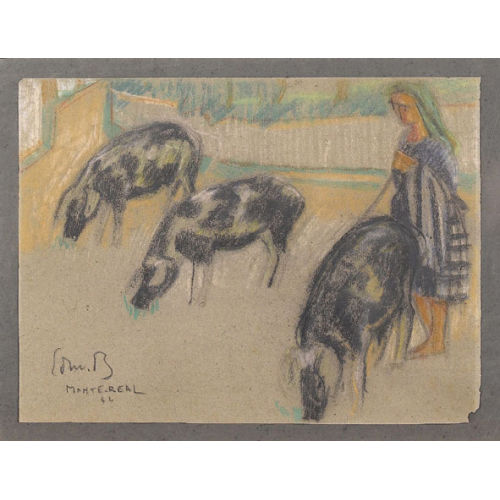
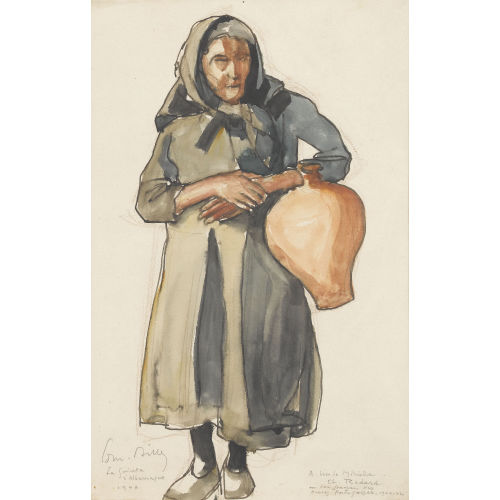
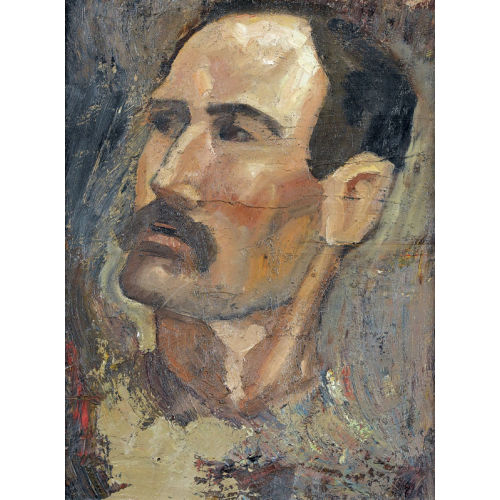
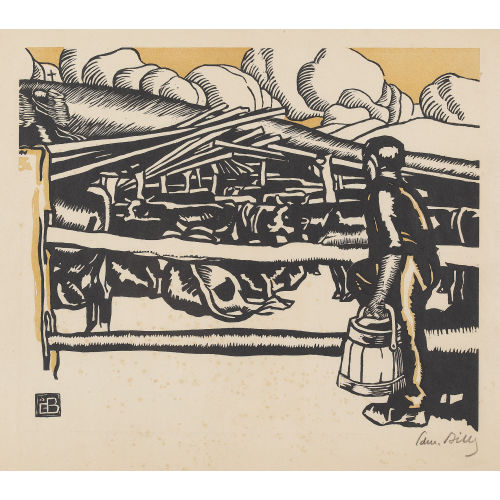
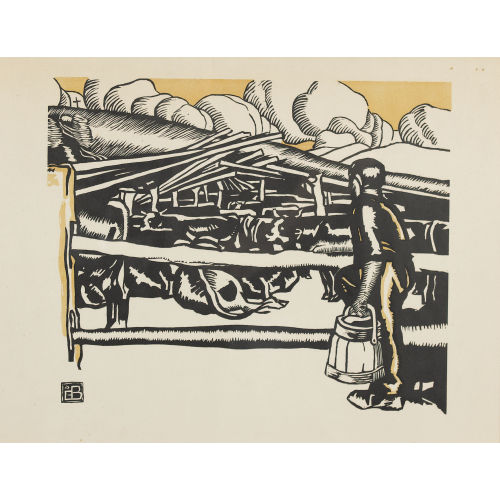
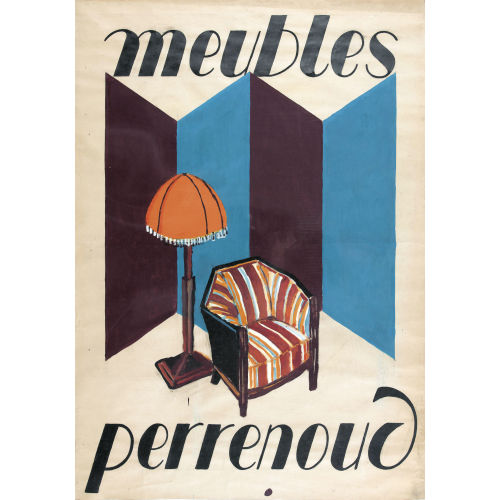
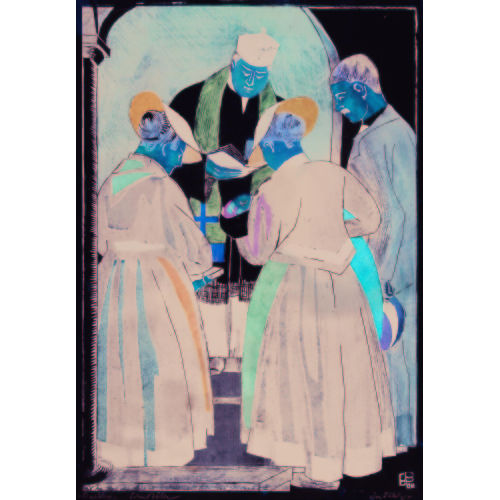
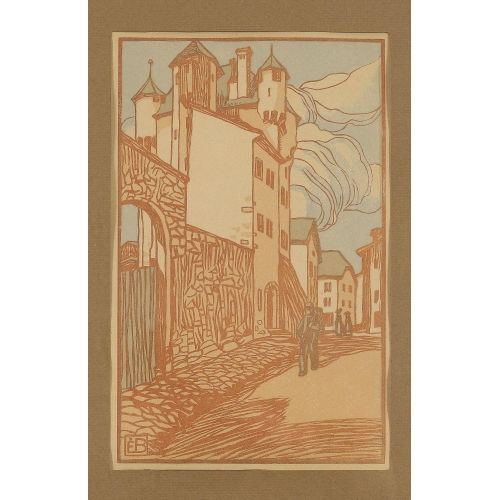
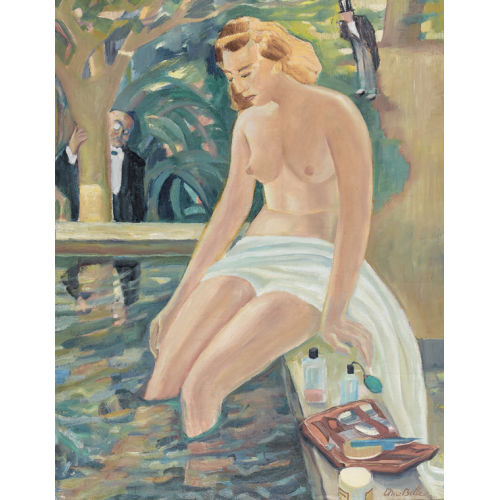
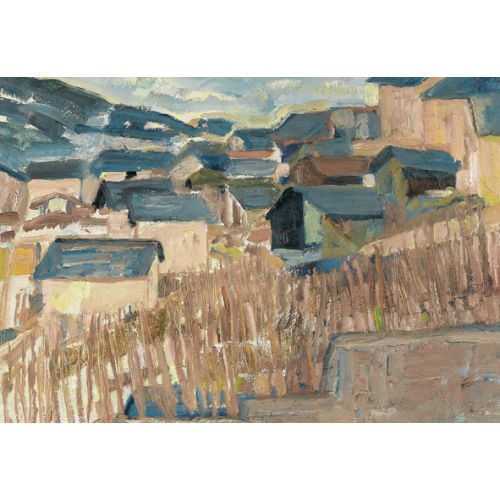
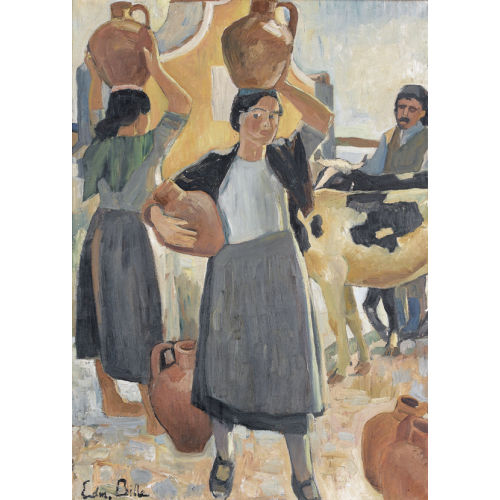
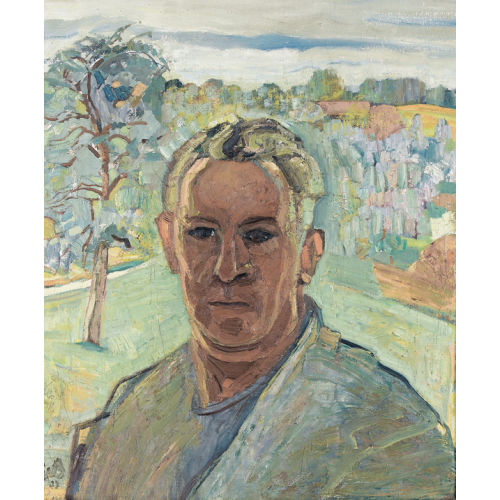
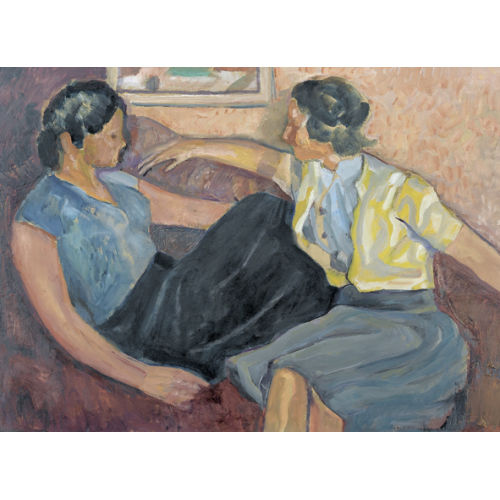
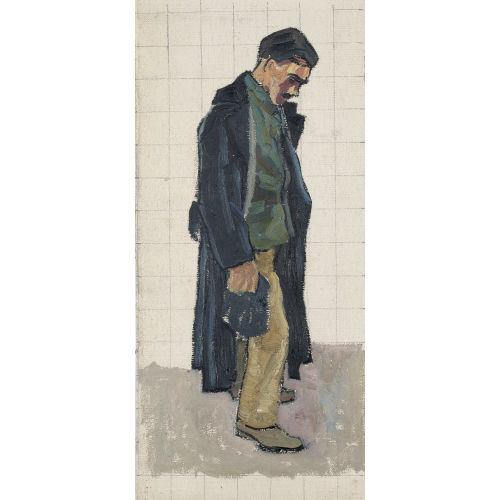
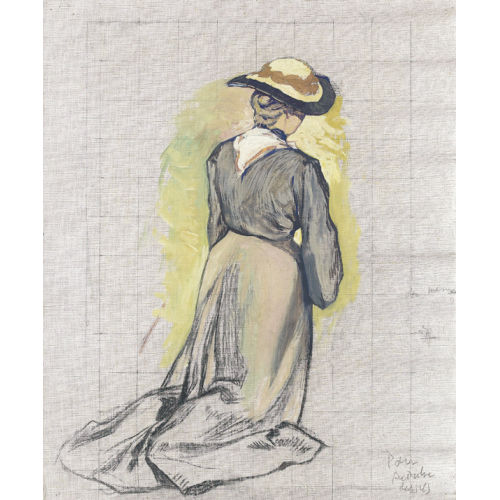
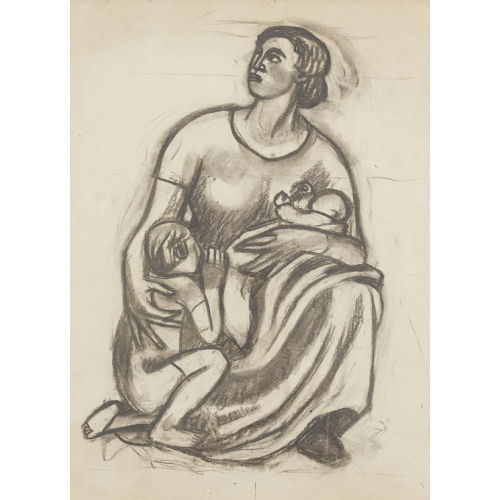
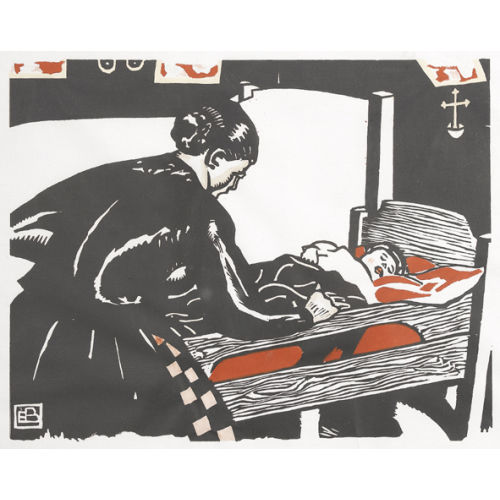
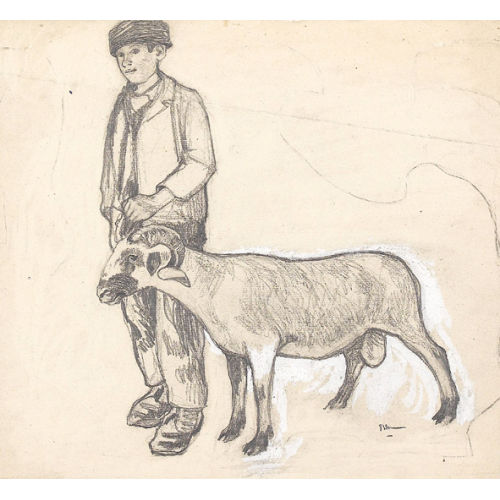
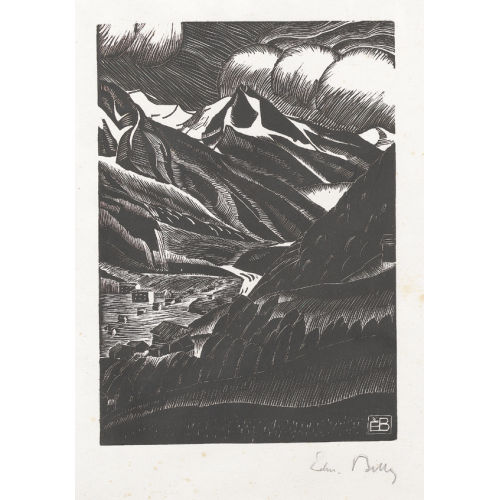
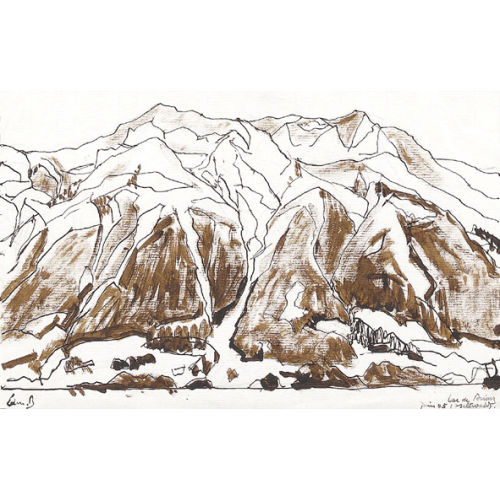
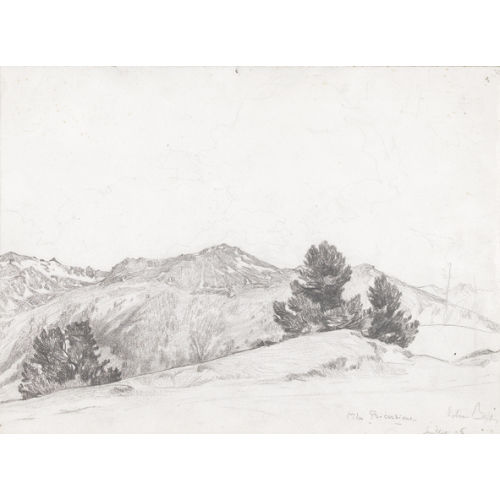
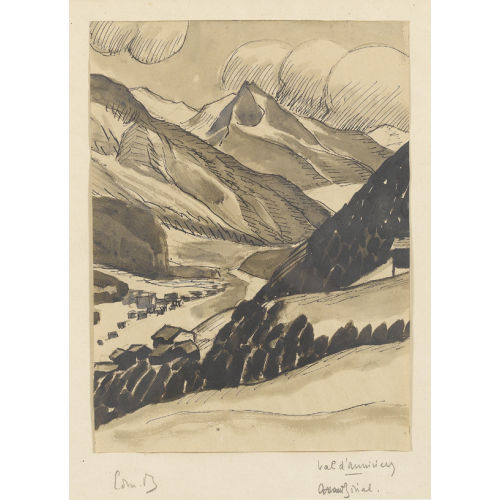
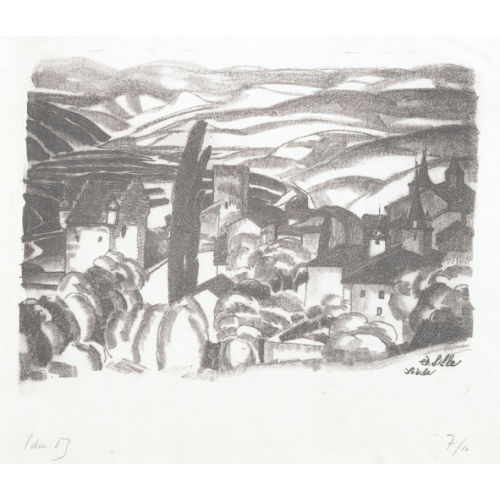
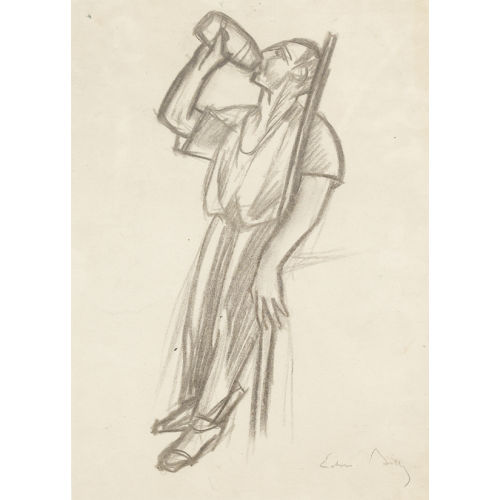
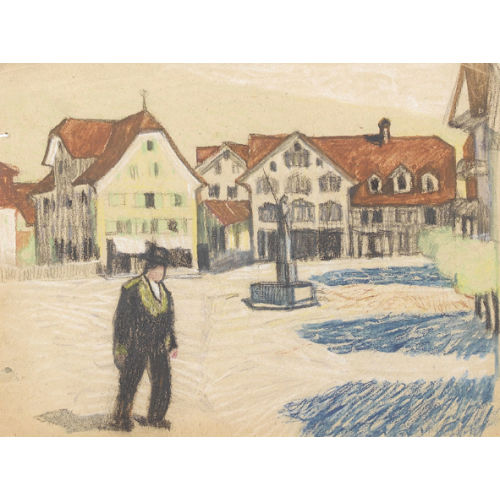
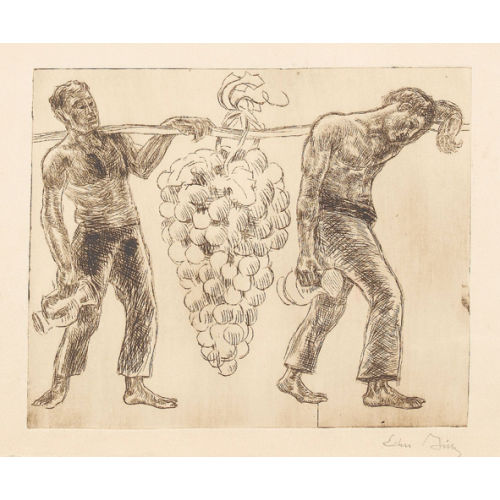
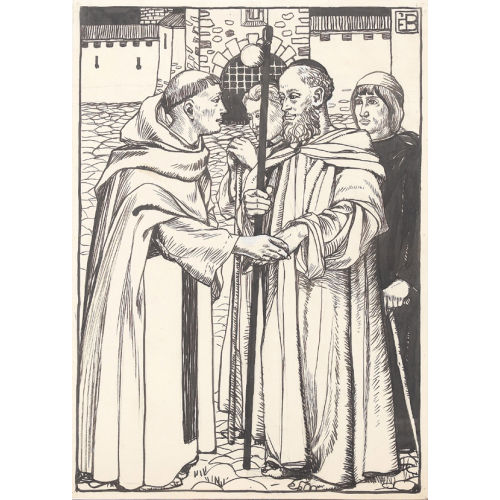
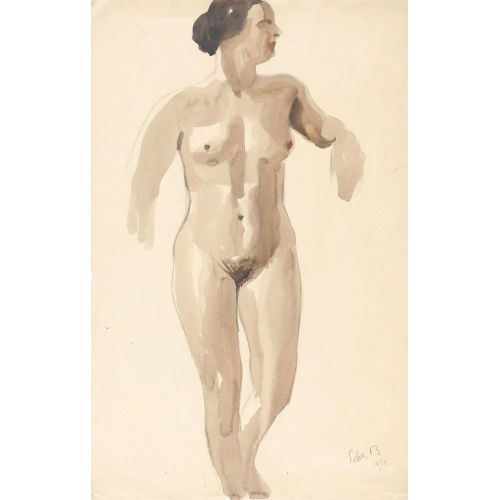
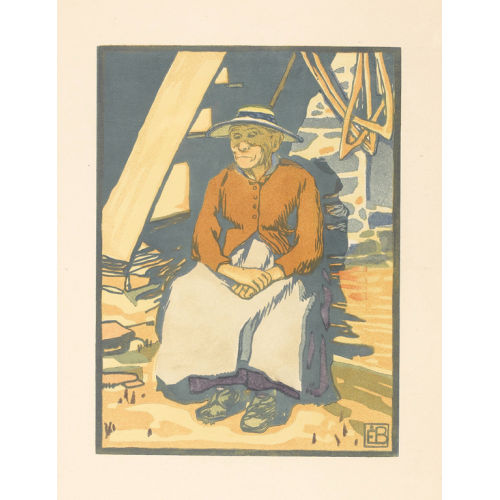
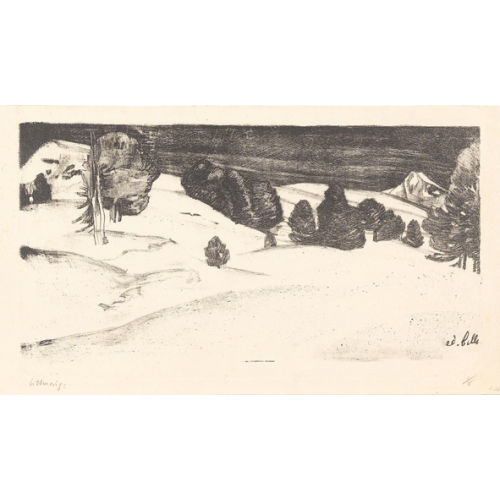
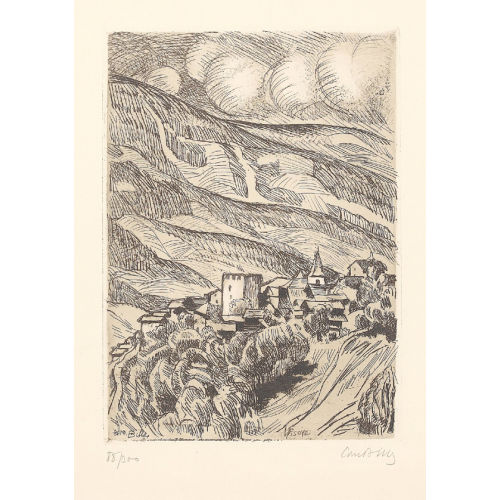
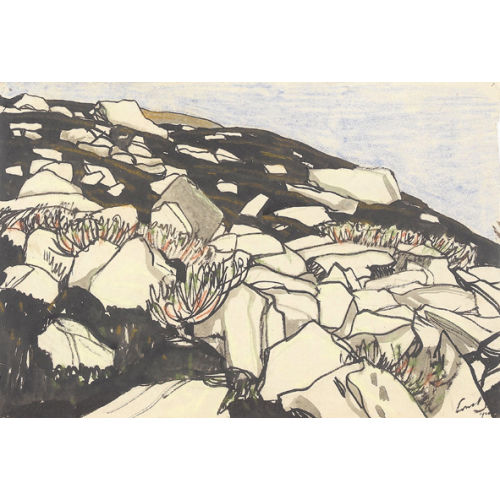
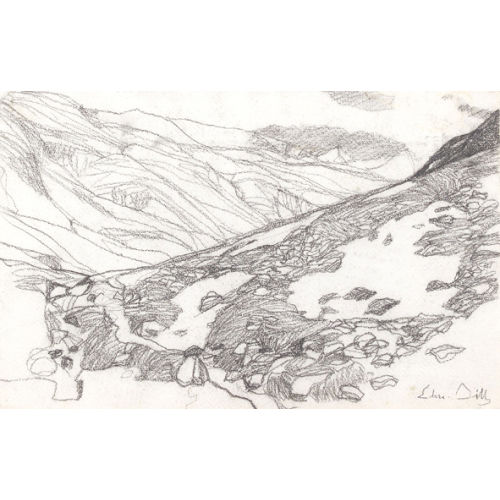
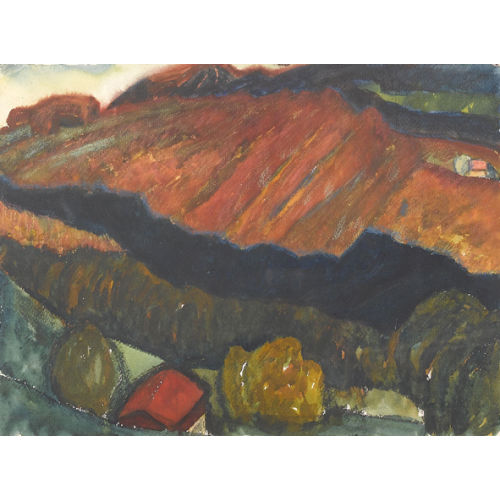
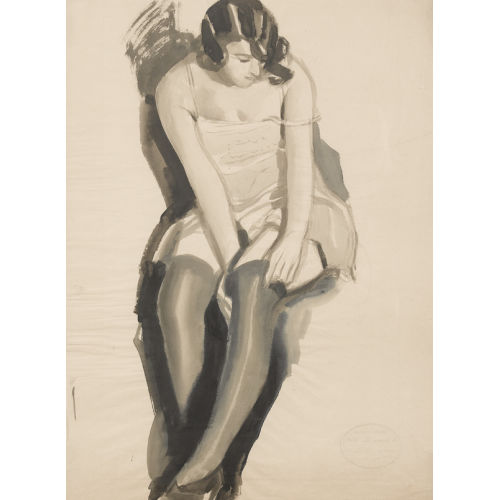
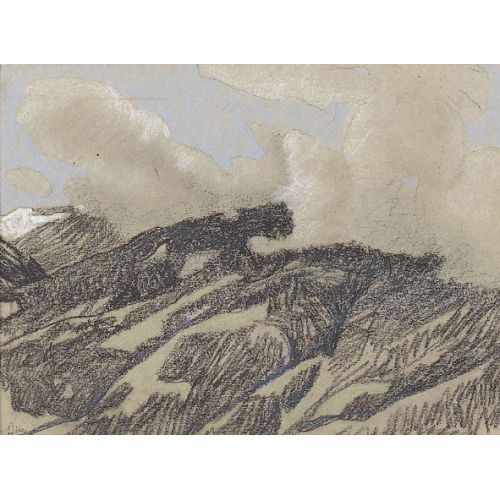
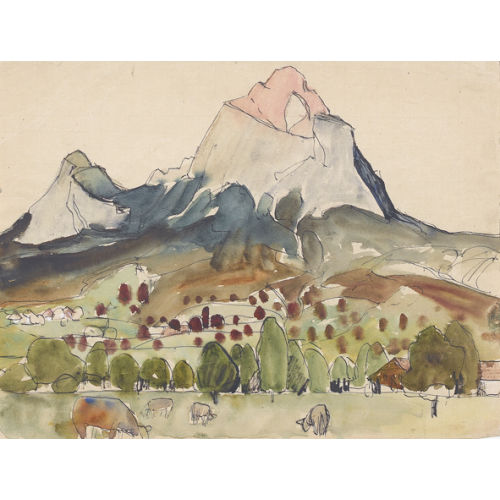
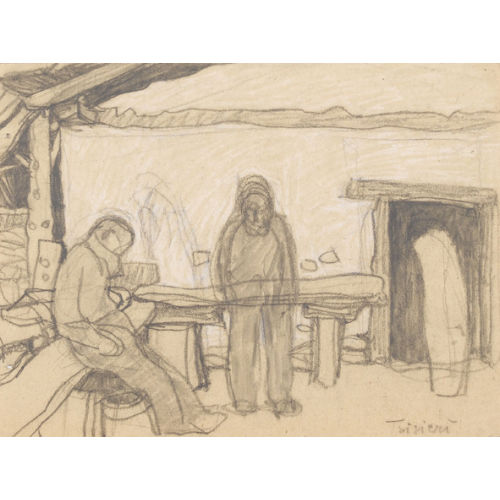
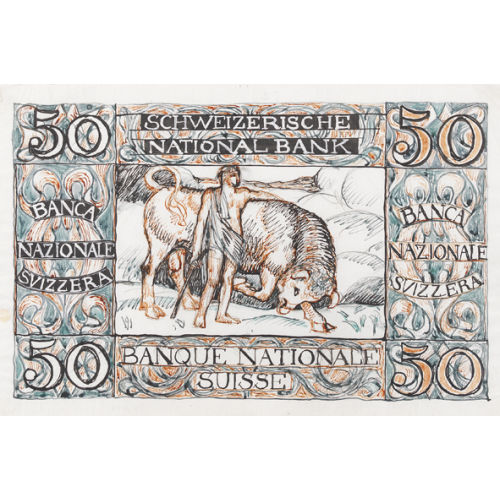
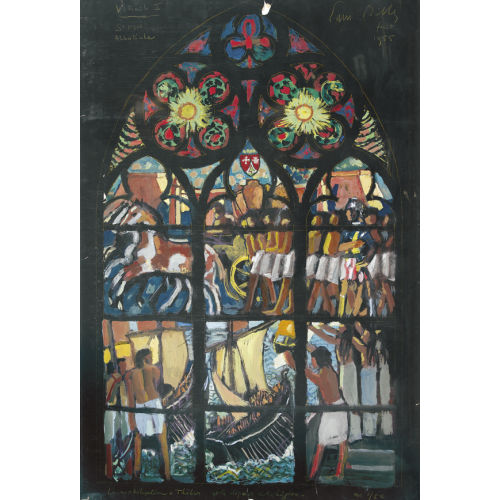
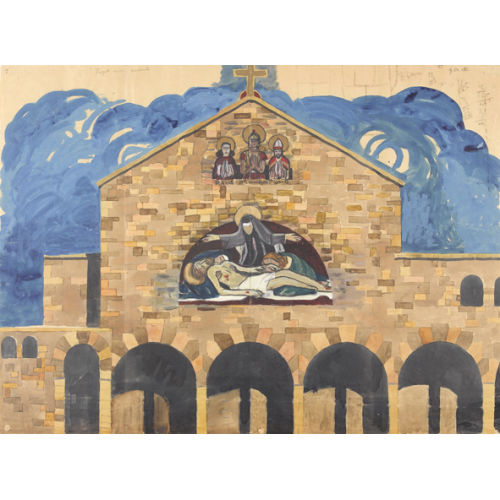
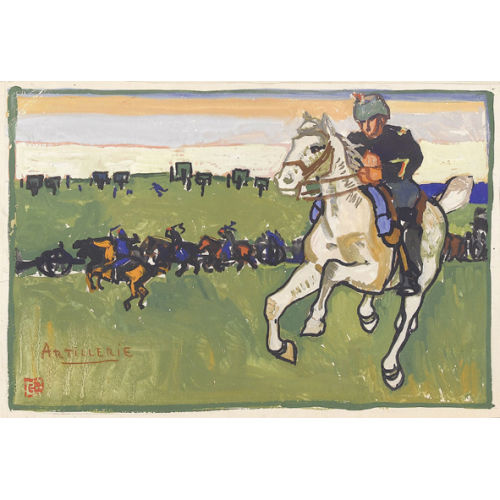
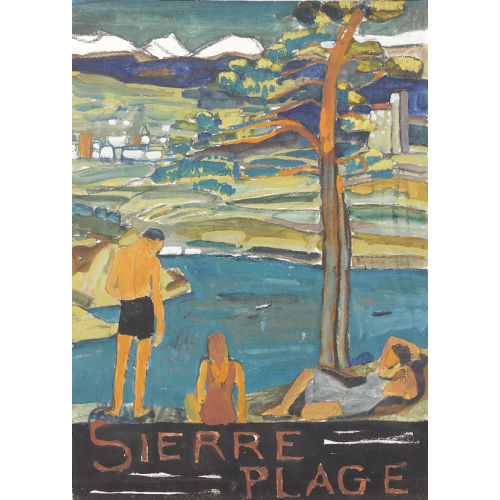
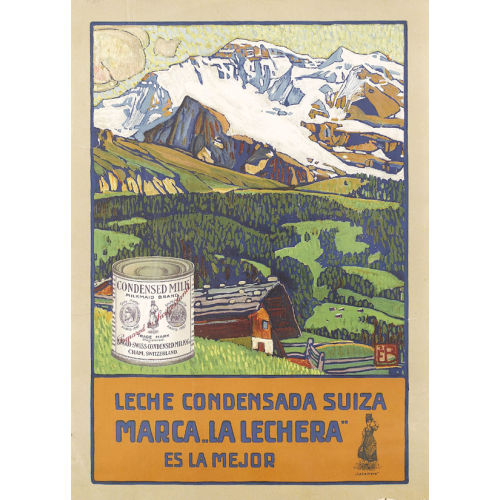
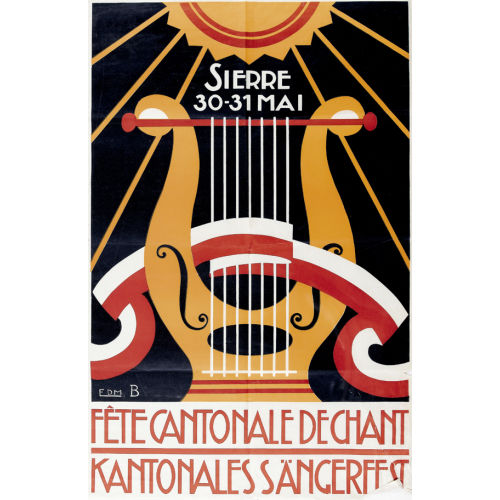
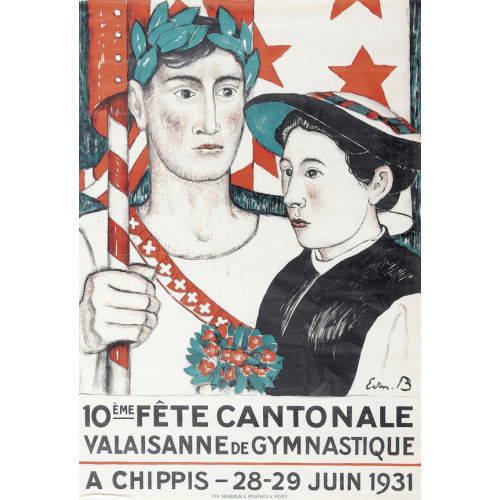
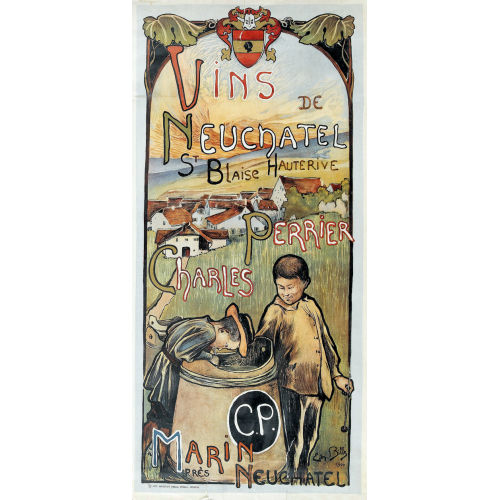
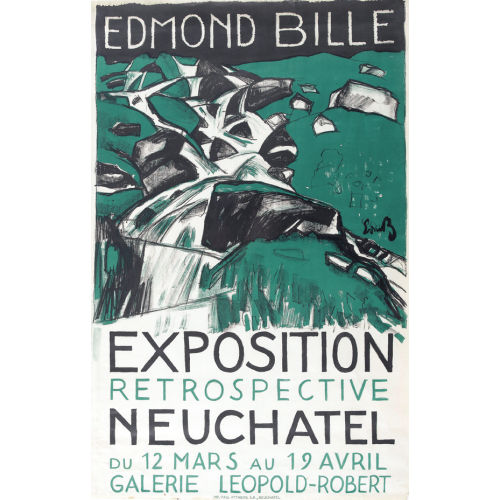
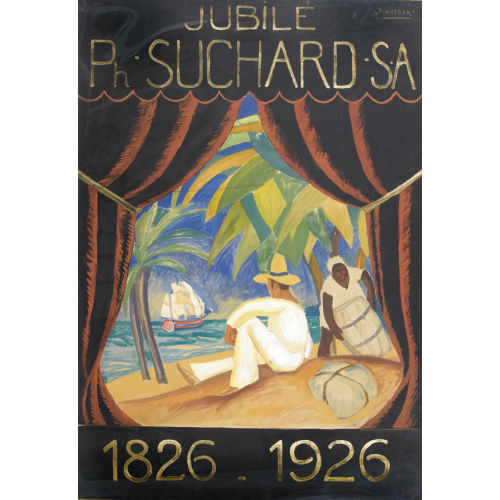
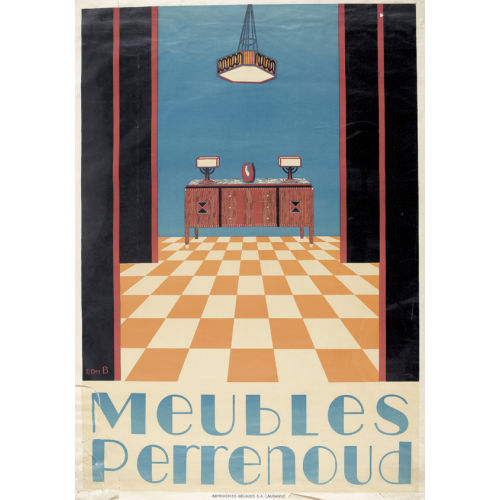
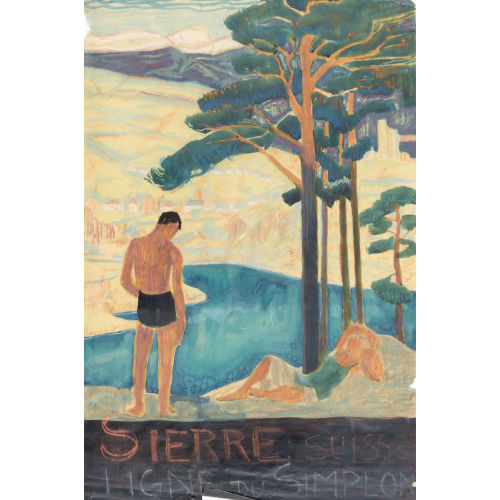
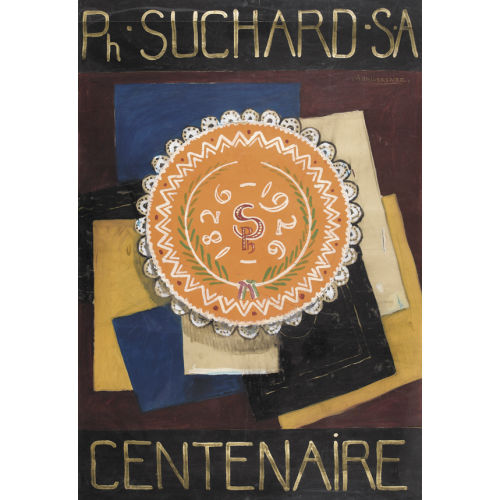
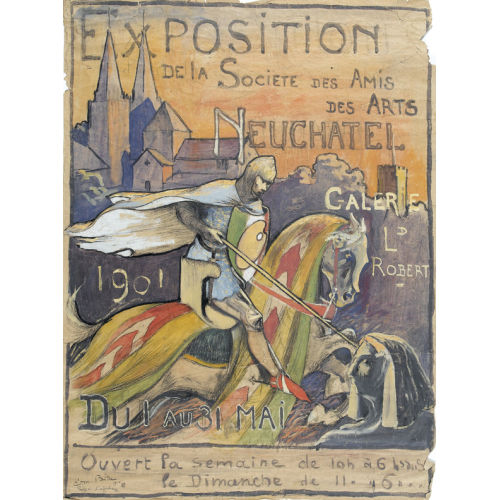
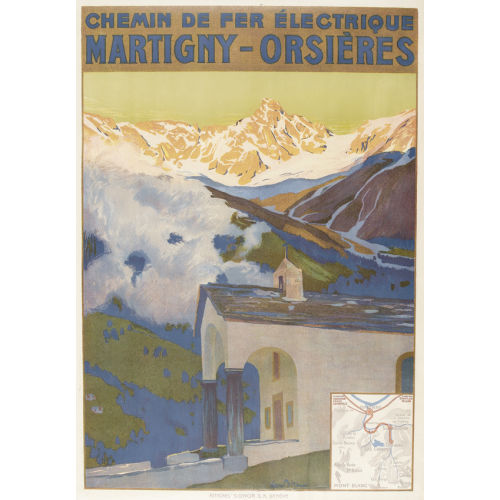
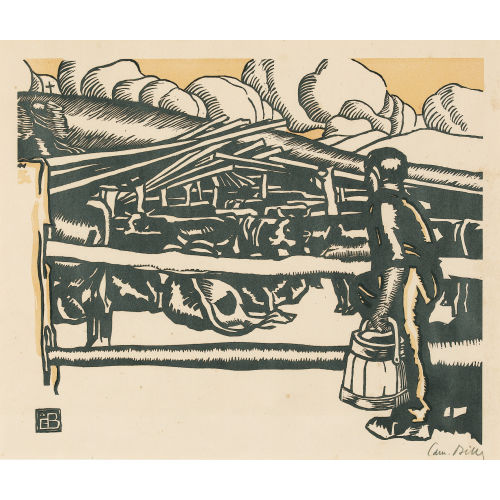
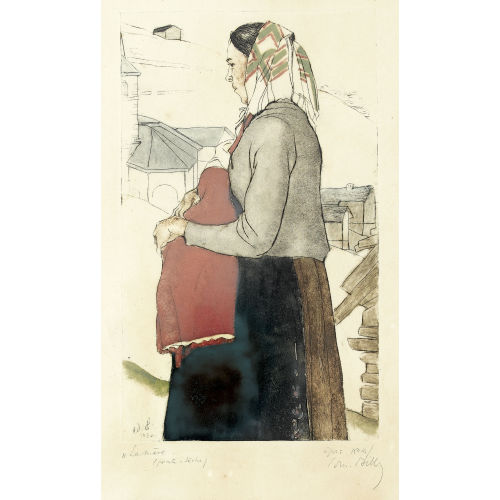
Trained in the fine arts in Geneva and then in Paris, he settled in Sierre from 1904 onwards, while maintaining a profound connection with Chandolin. Landscapes, genre scenes and figures from Valais allowed him to explore both the power of places and the lives of their inhabitants. His practice, however, extended far beyond easel painting: he was also an engraver, poster designer, illustrator and creator of stained glass.
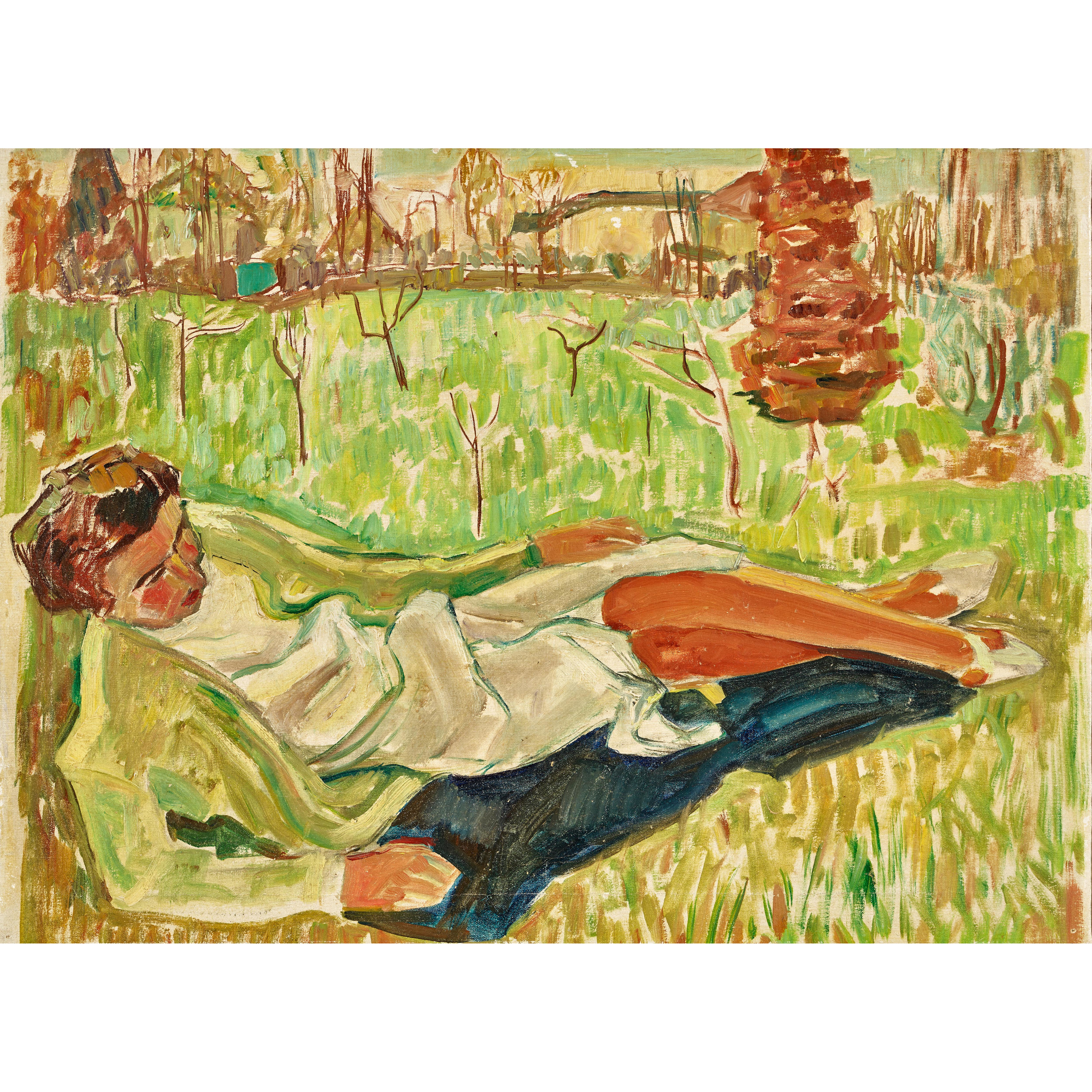
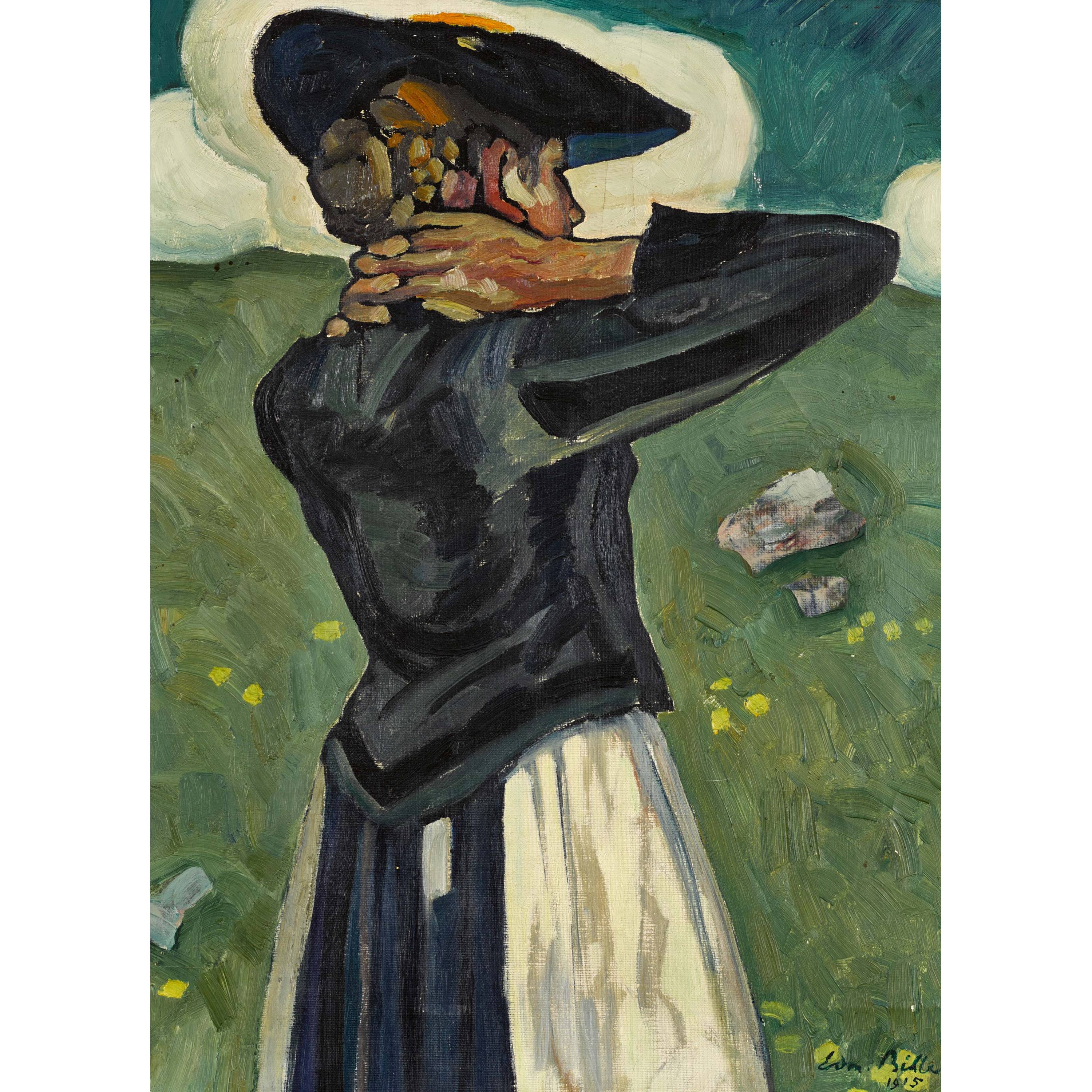
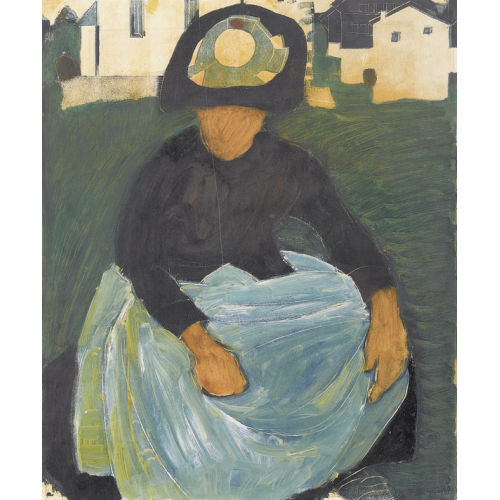
Jeune Valaisanne devant la maison rose (1915), held by the Musée d’art du Valais, opens a window onto this dual attentiveness. A woman rests in the garden visible from Bille’s studio in Sierre. The areas of flat colour, heavy brushwork and tranquillity of the scene contrast with the violence of the First World War.
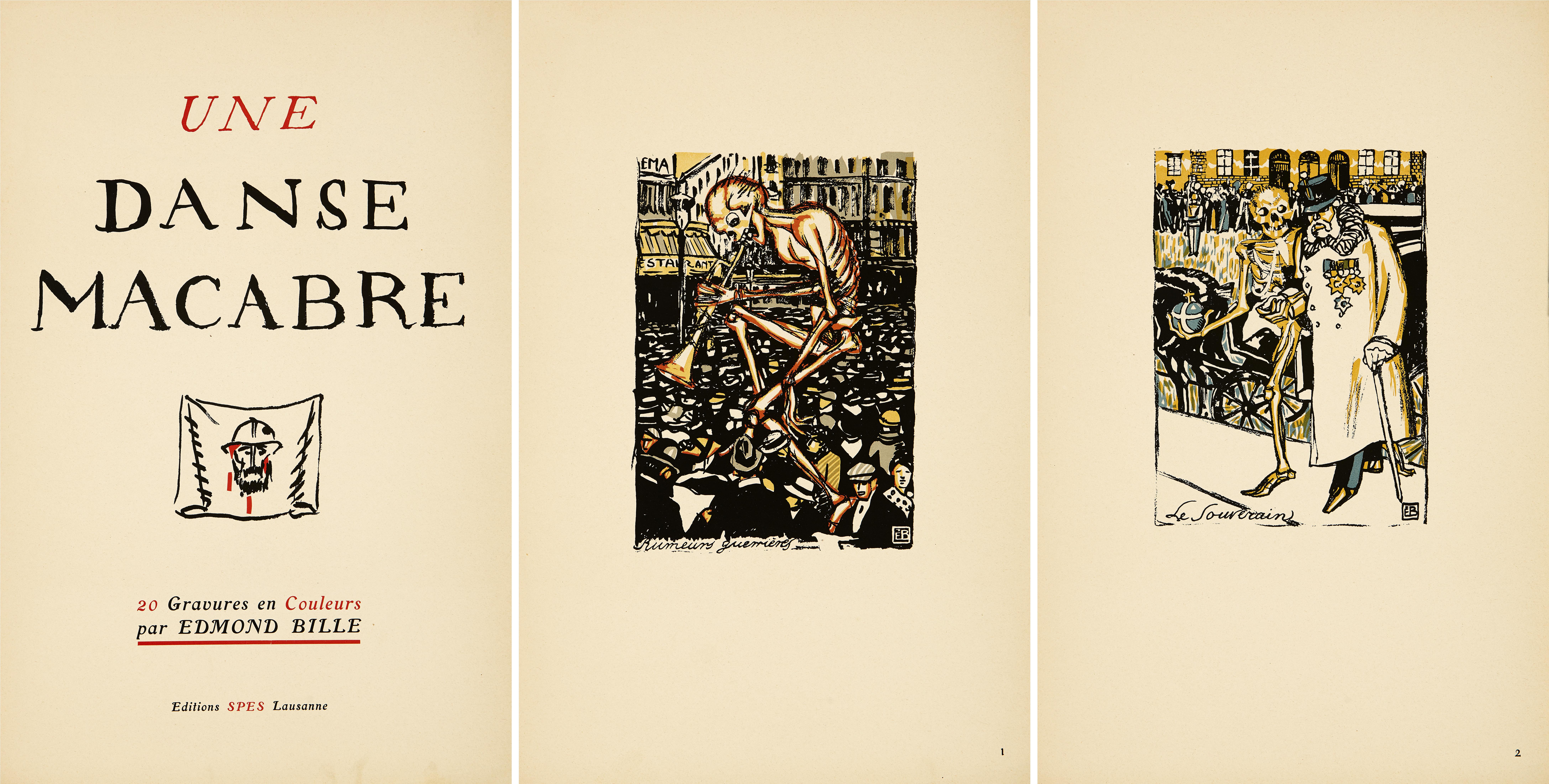
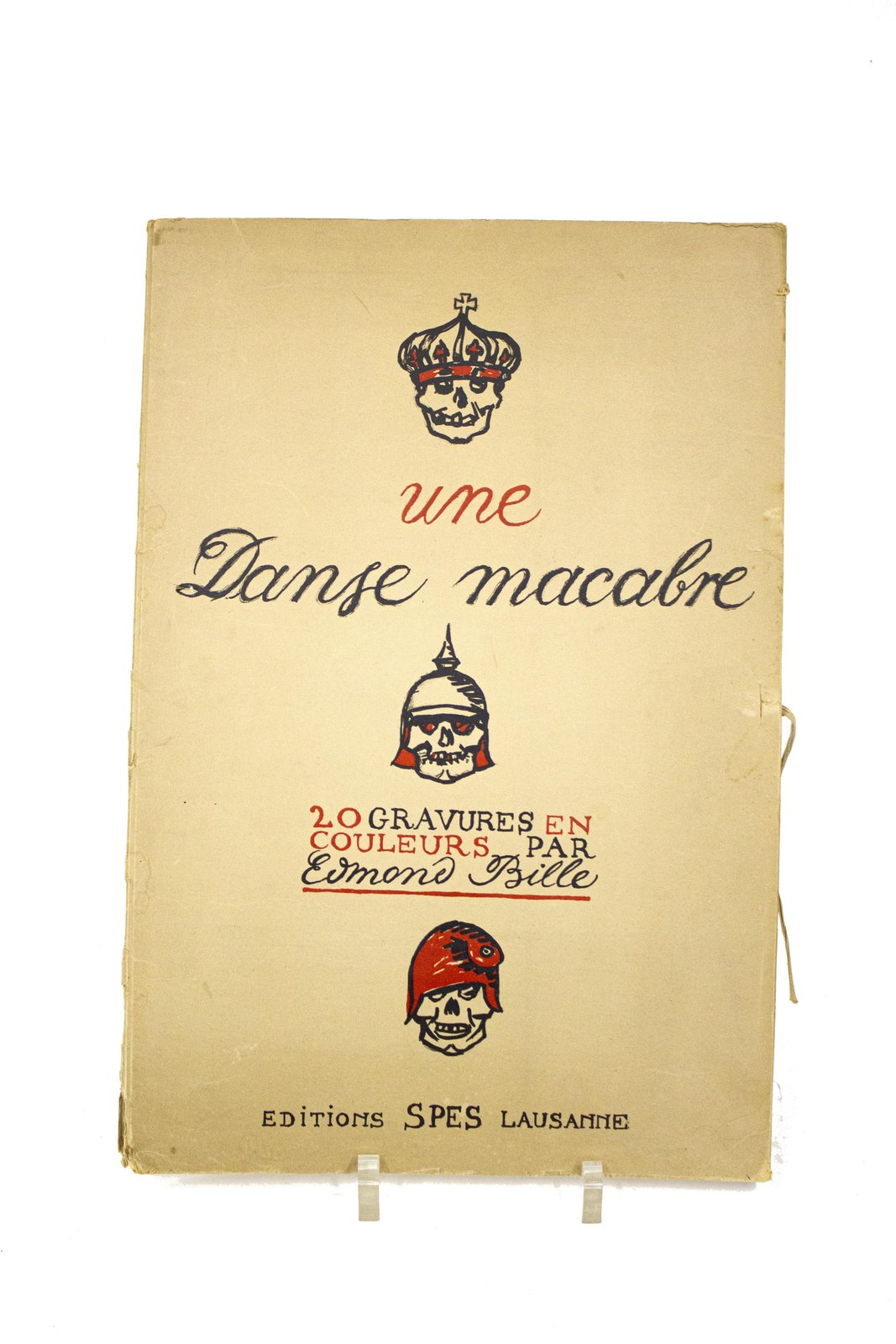
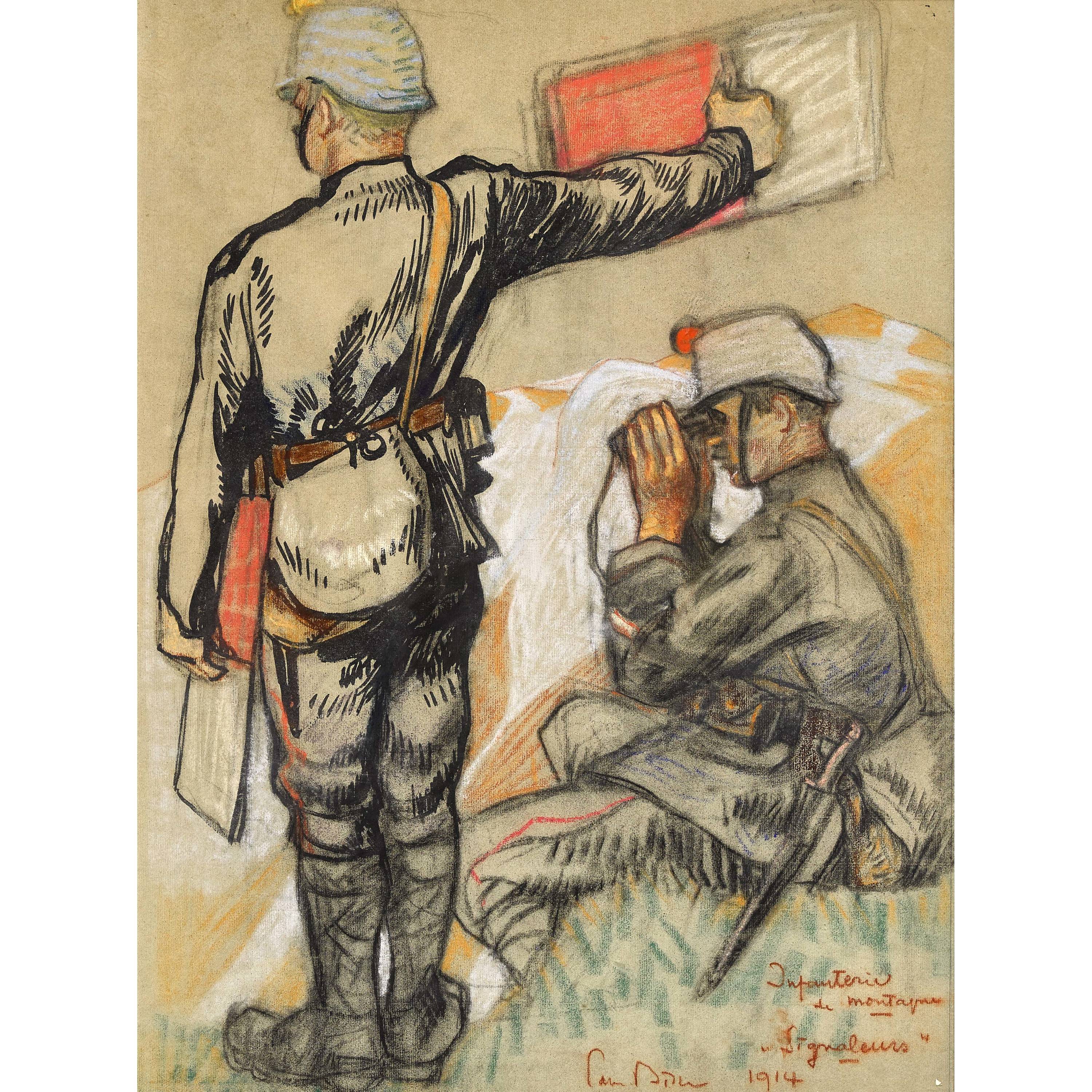
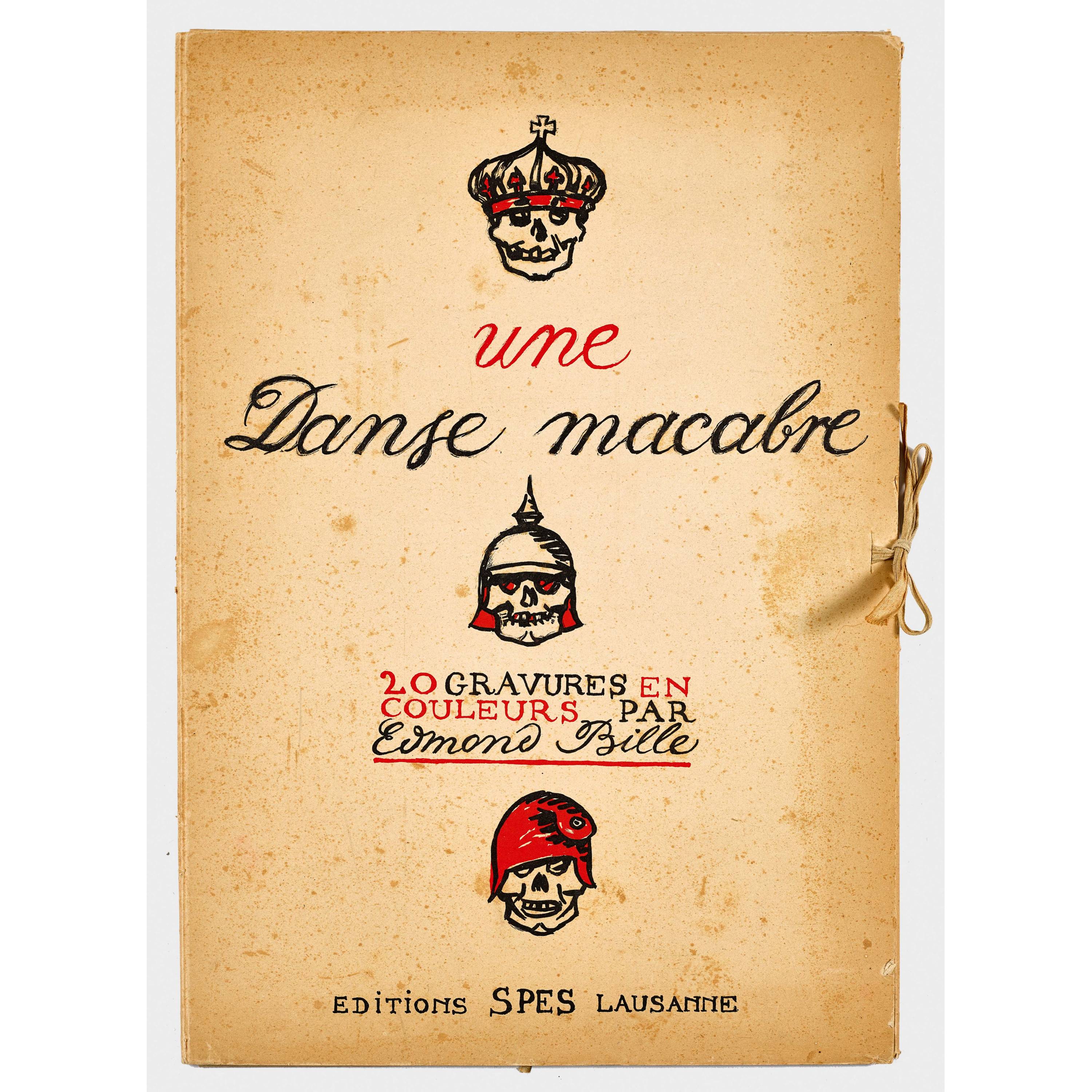
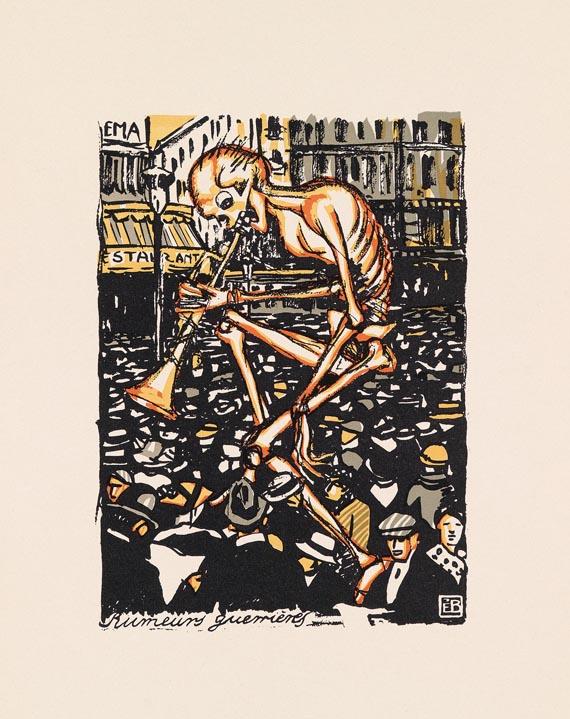
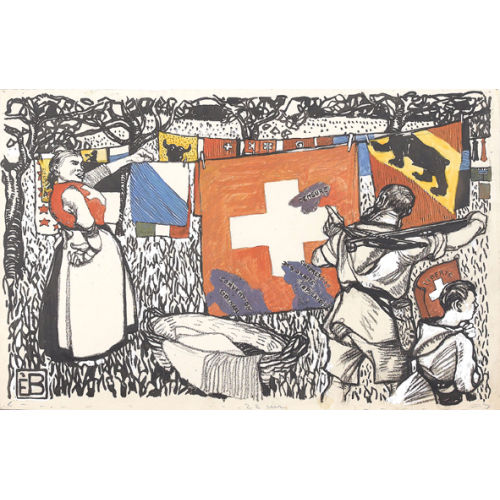
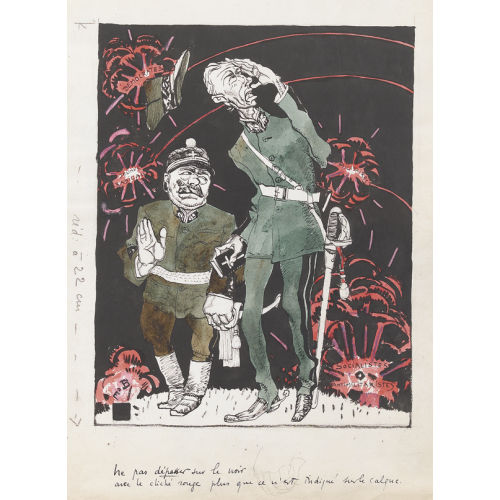
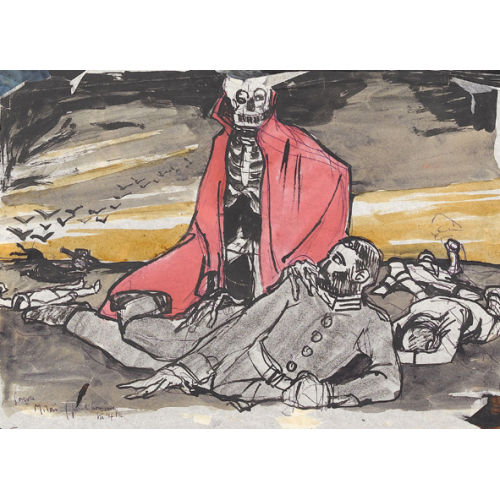
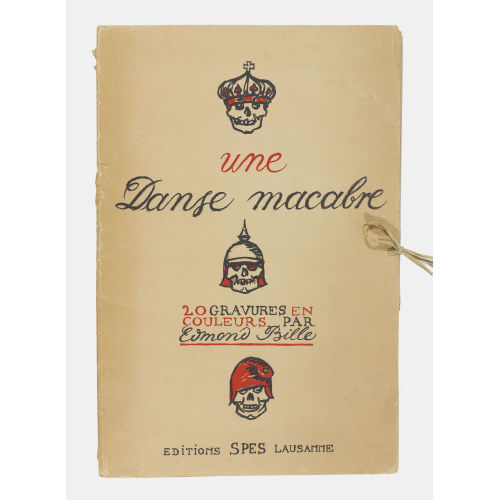
The museum invites us to see in it more than a pause from rural work: the image may also evoke a fragile refuge in the face of conflict. This reading accords with Bille’s commitment: he published pacifist texts and took an active part in the political and artistic debates of his time.
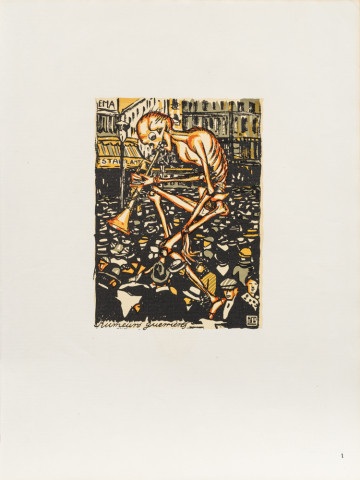
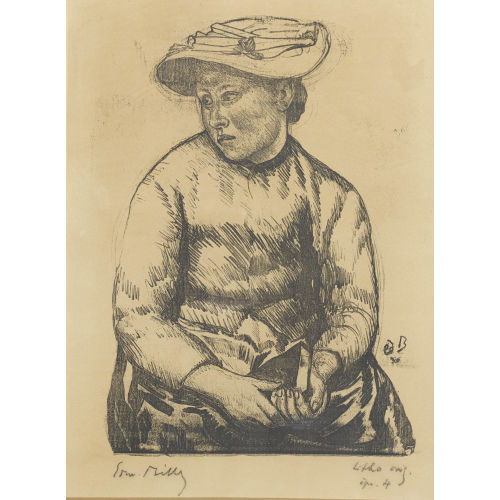
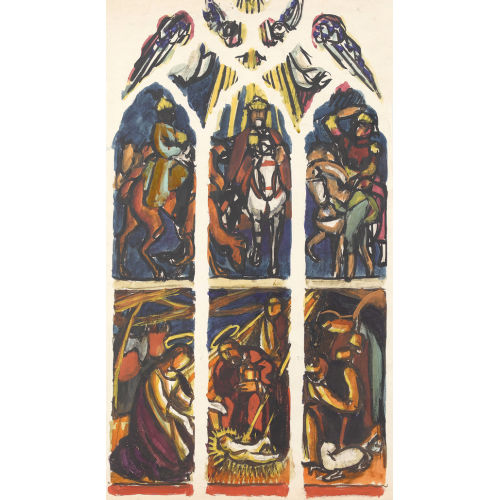
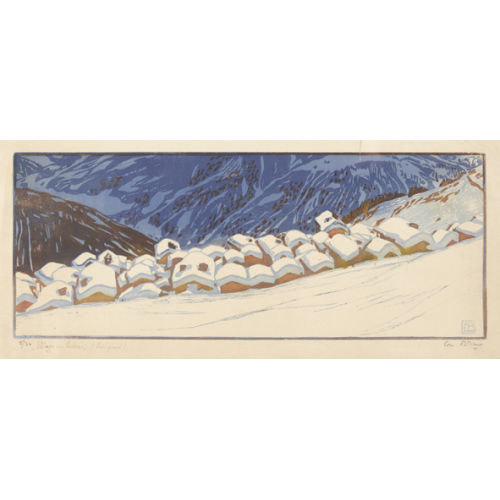
During the interwar period, printmaking and stained glass assumed an increasingly important place in his work. Bille created monumental decorations and stained-glass windows for buildings in Sierre, Martigny, Saint-Maurice, Lausanne and elsewhere in French-speaking Switzerland. There, real light passes through colour and extends his painterly investigations into the public realm.
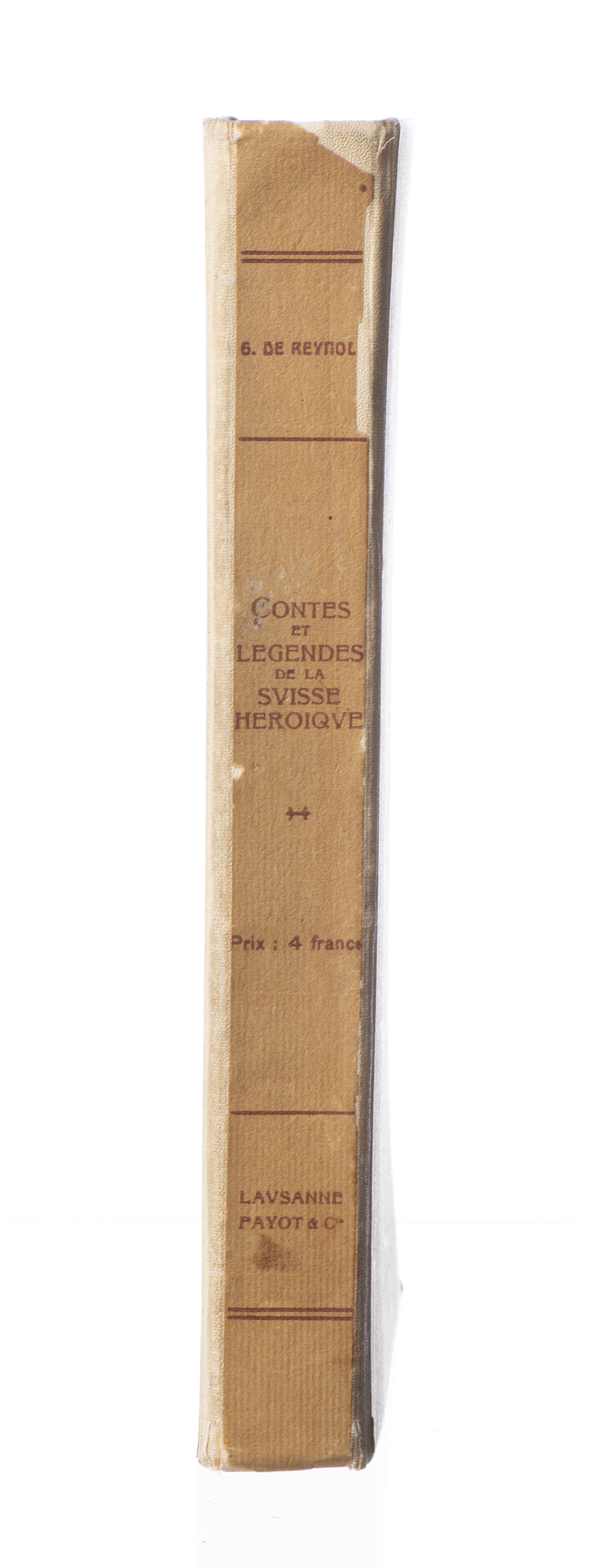
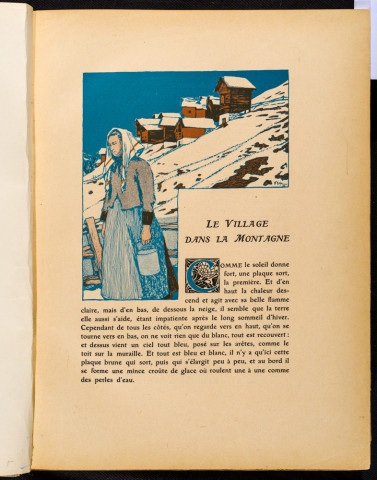
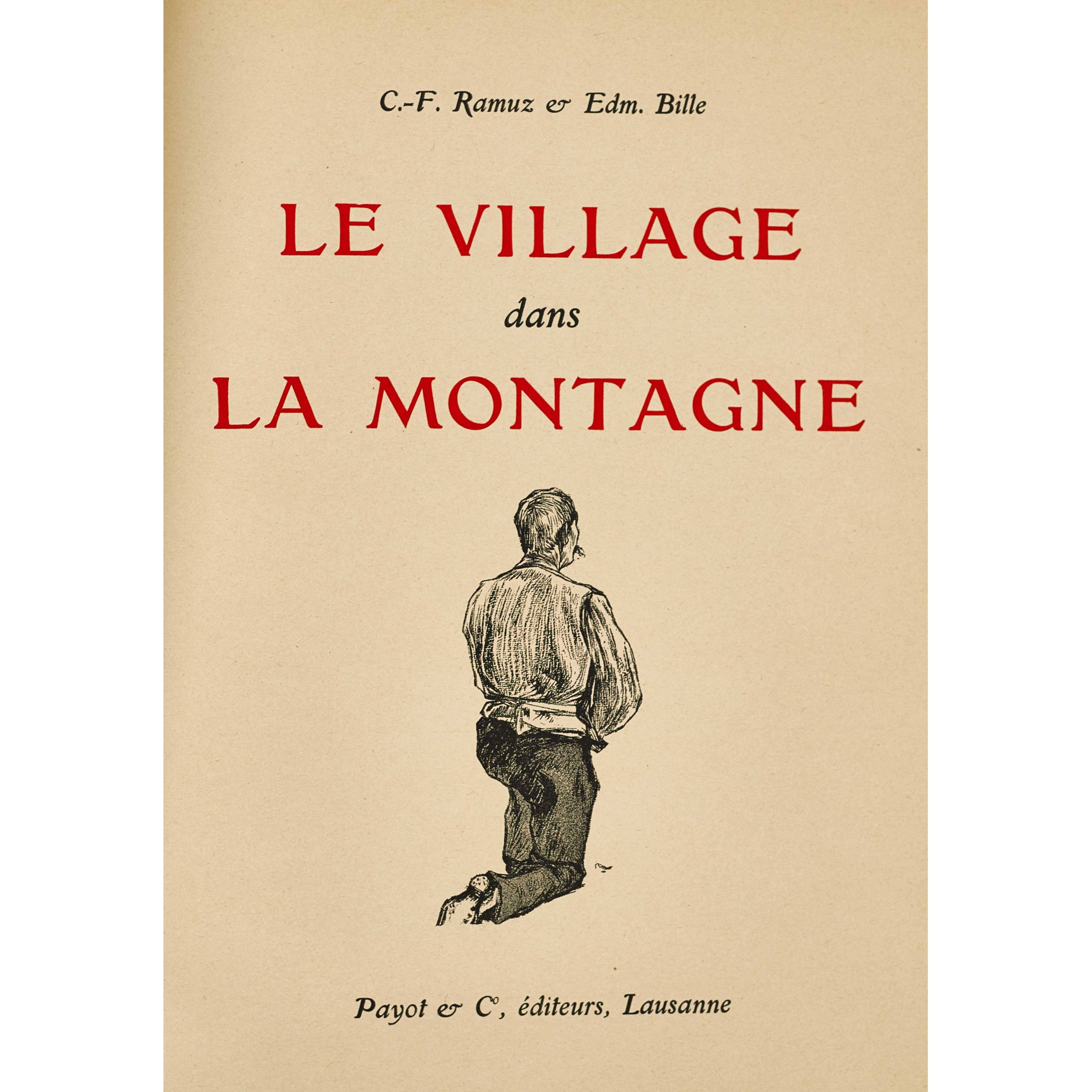
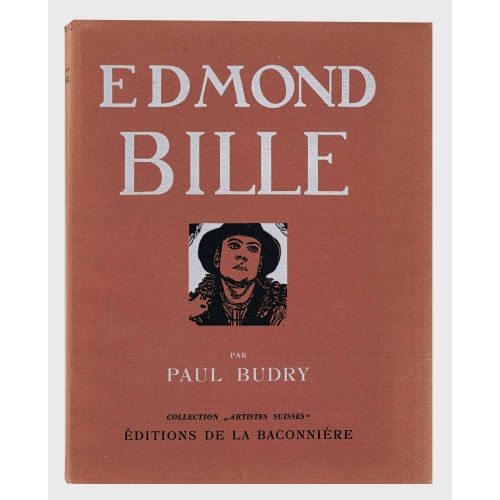
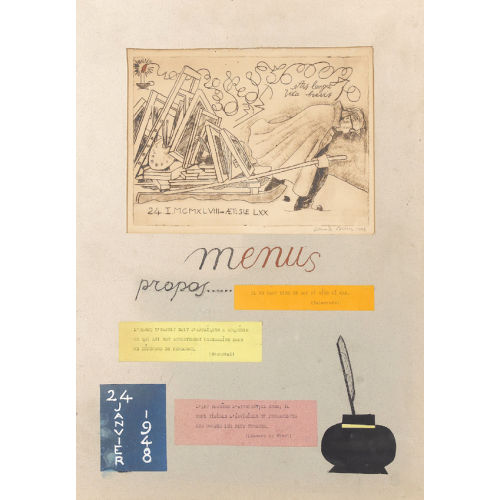
An author of critical texts and an illustrator of books, notably those by Charles Ferdinand Ramuz, he constantly brought together image, writing and collective life.