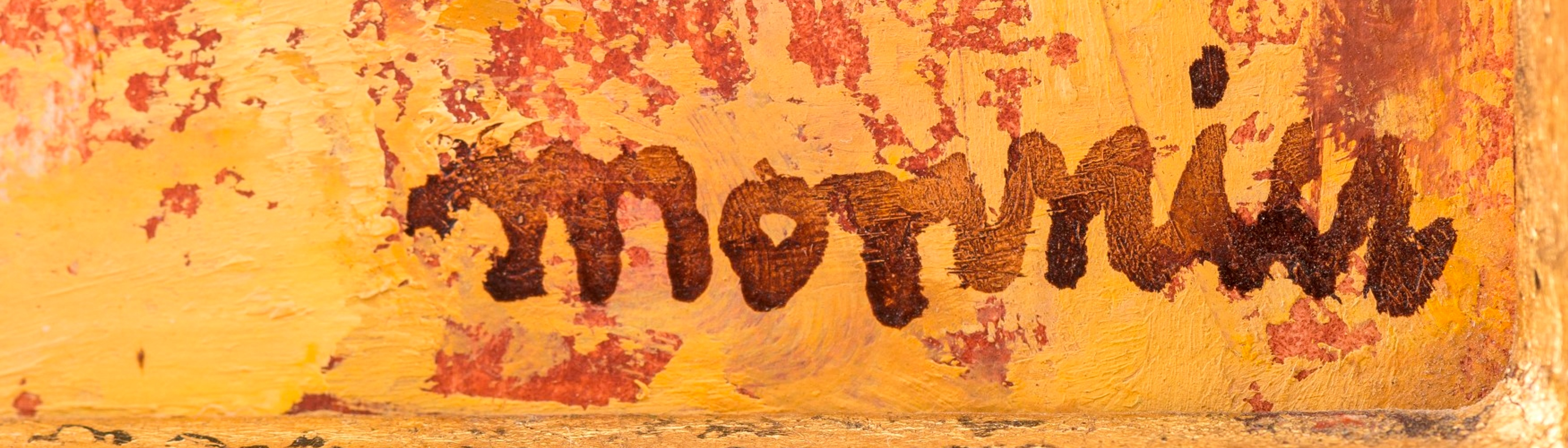
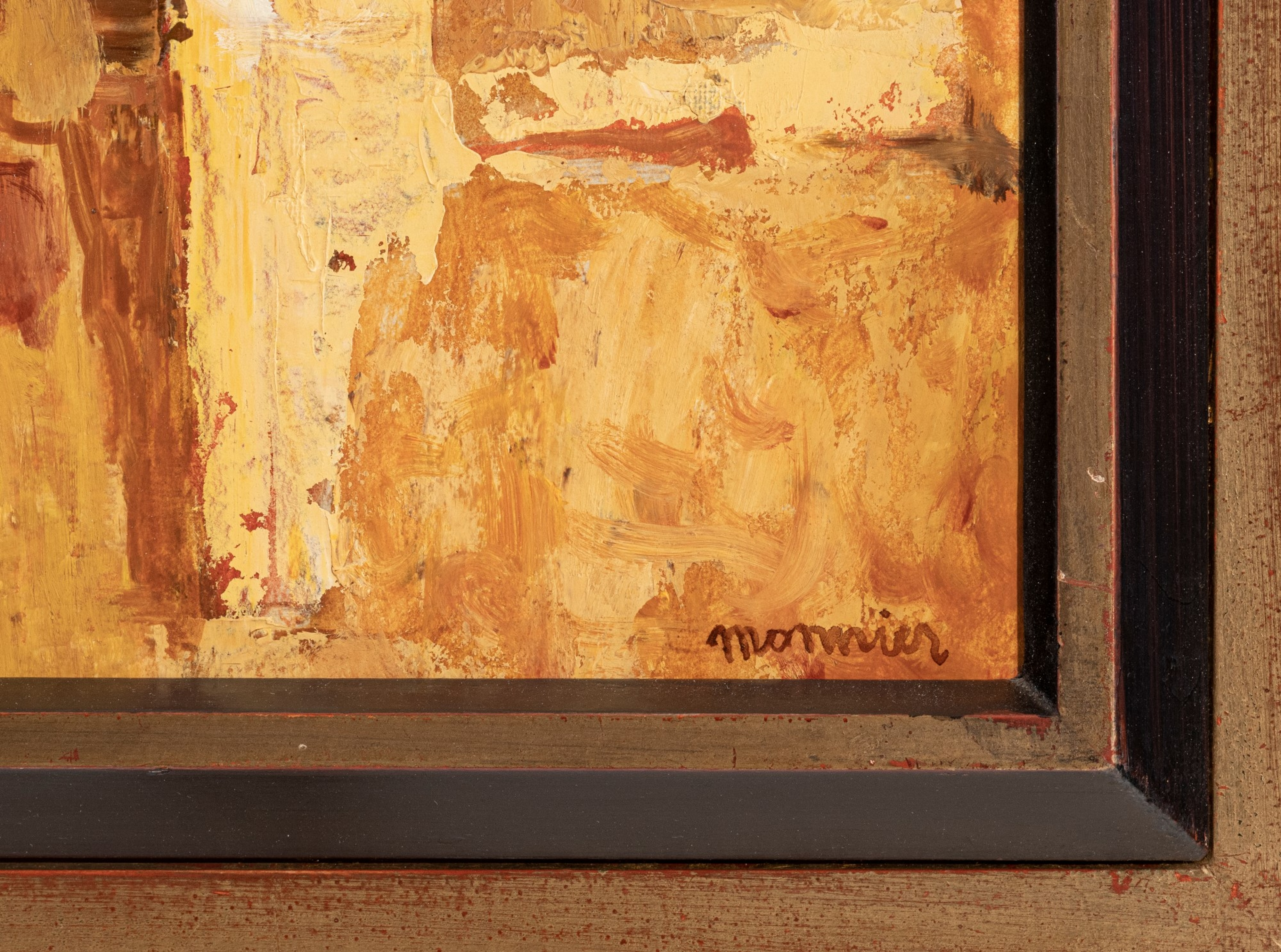
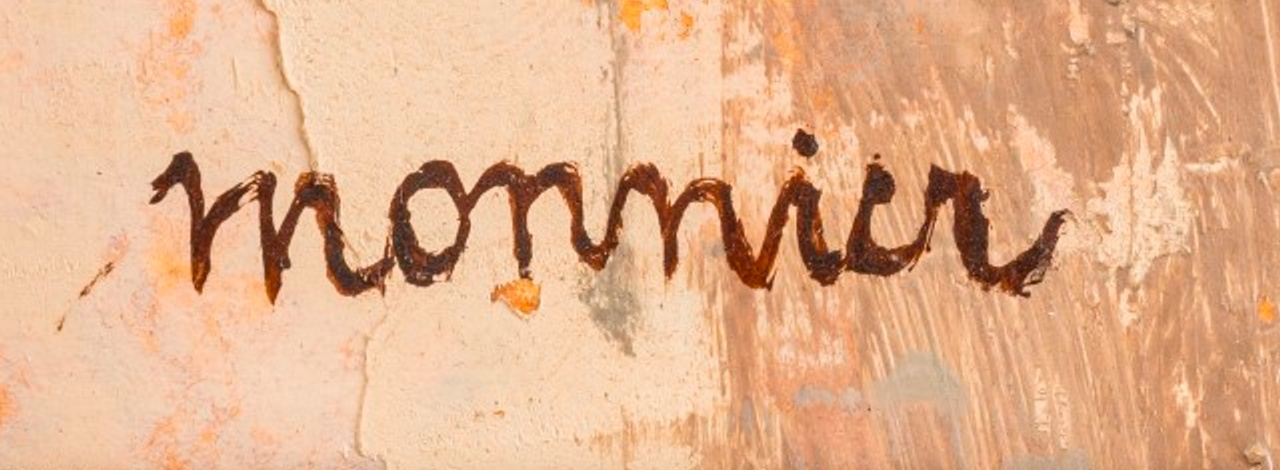
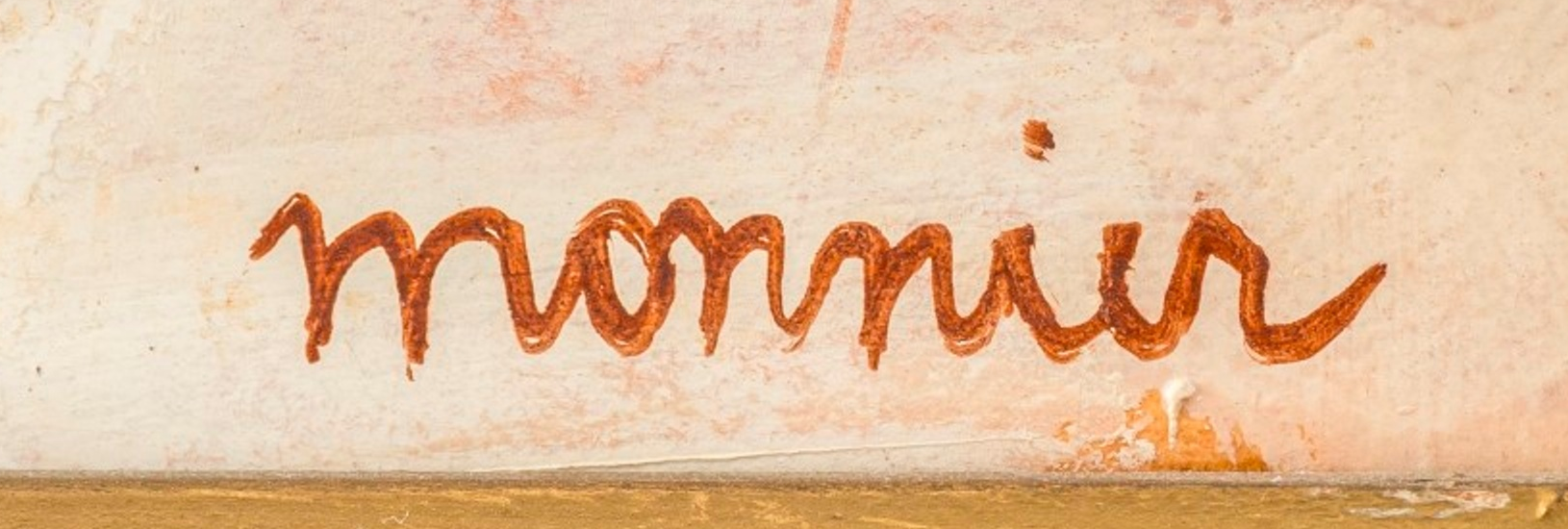
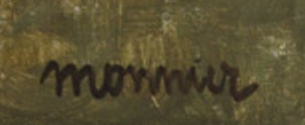
Charles Monnier
Born in 1925.
Died in 1993.
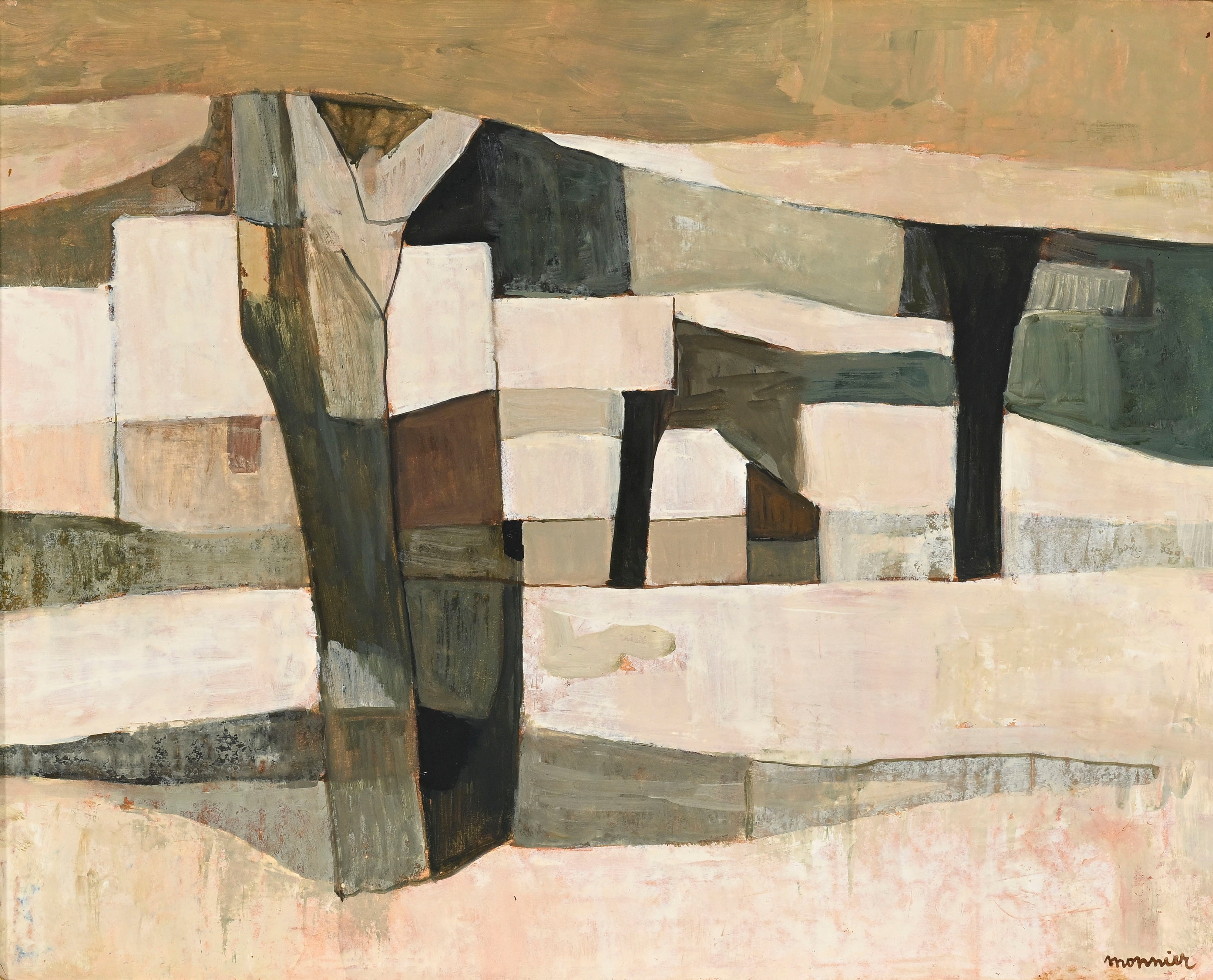
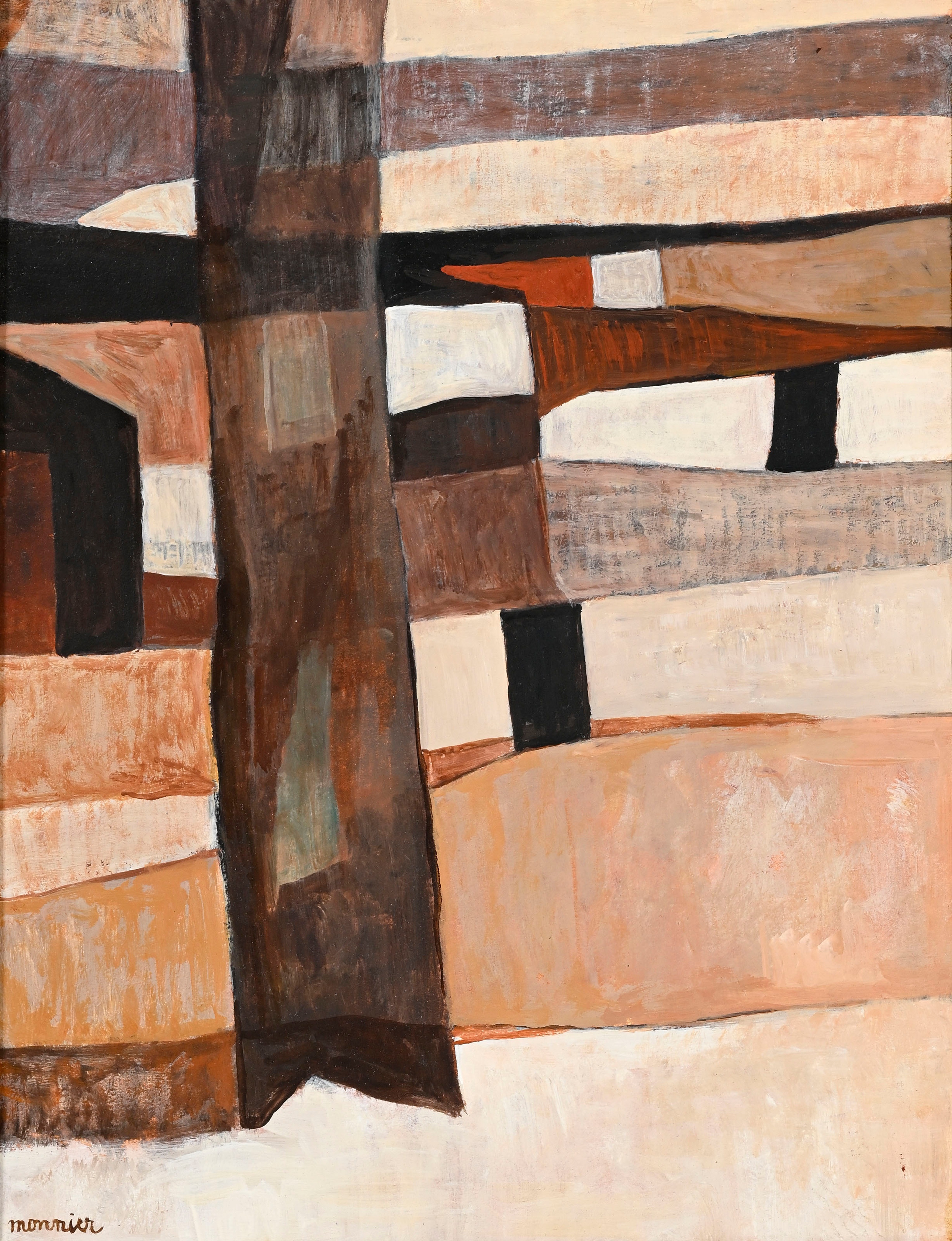
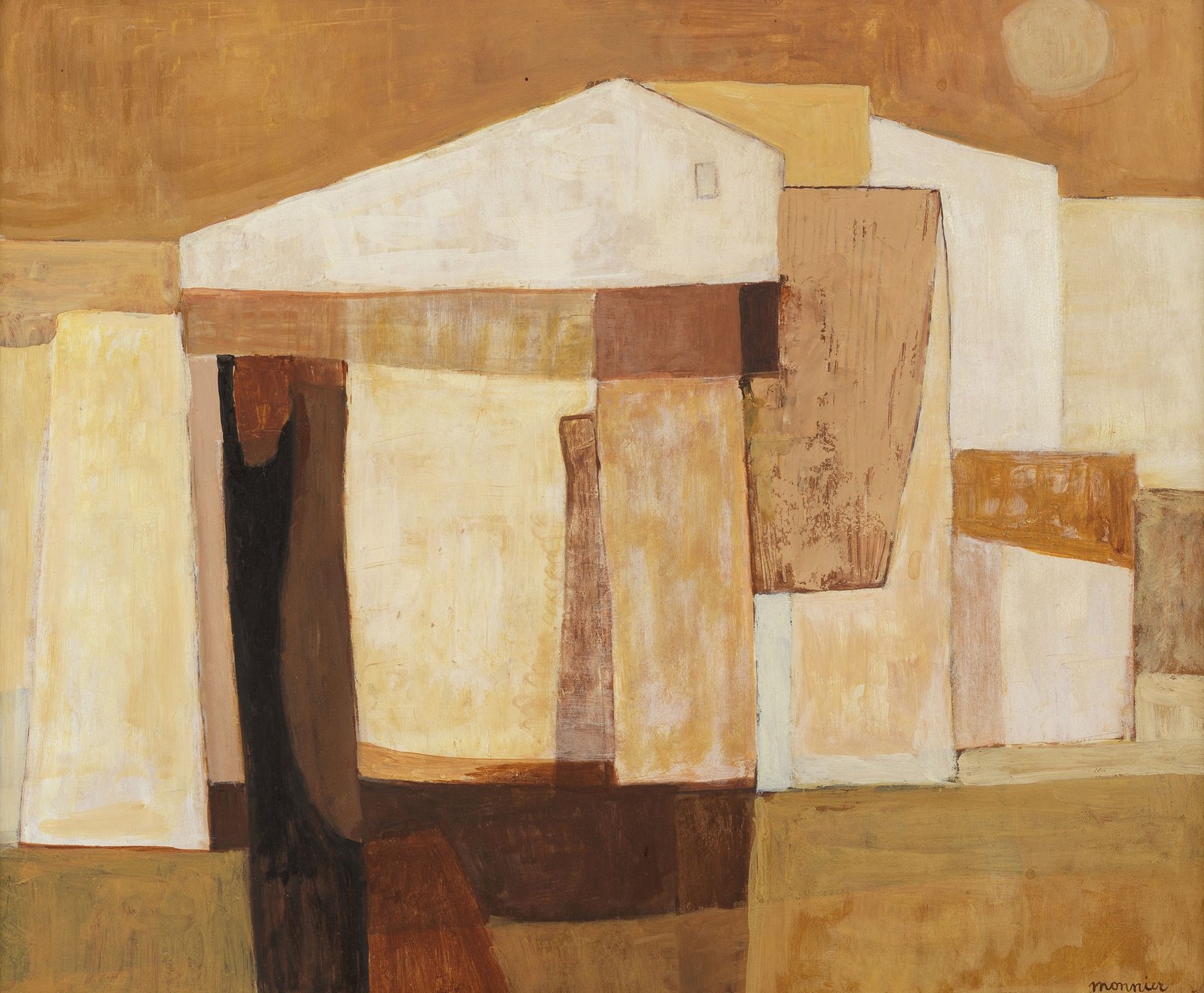
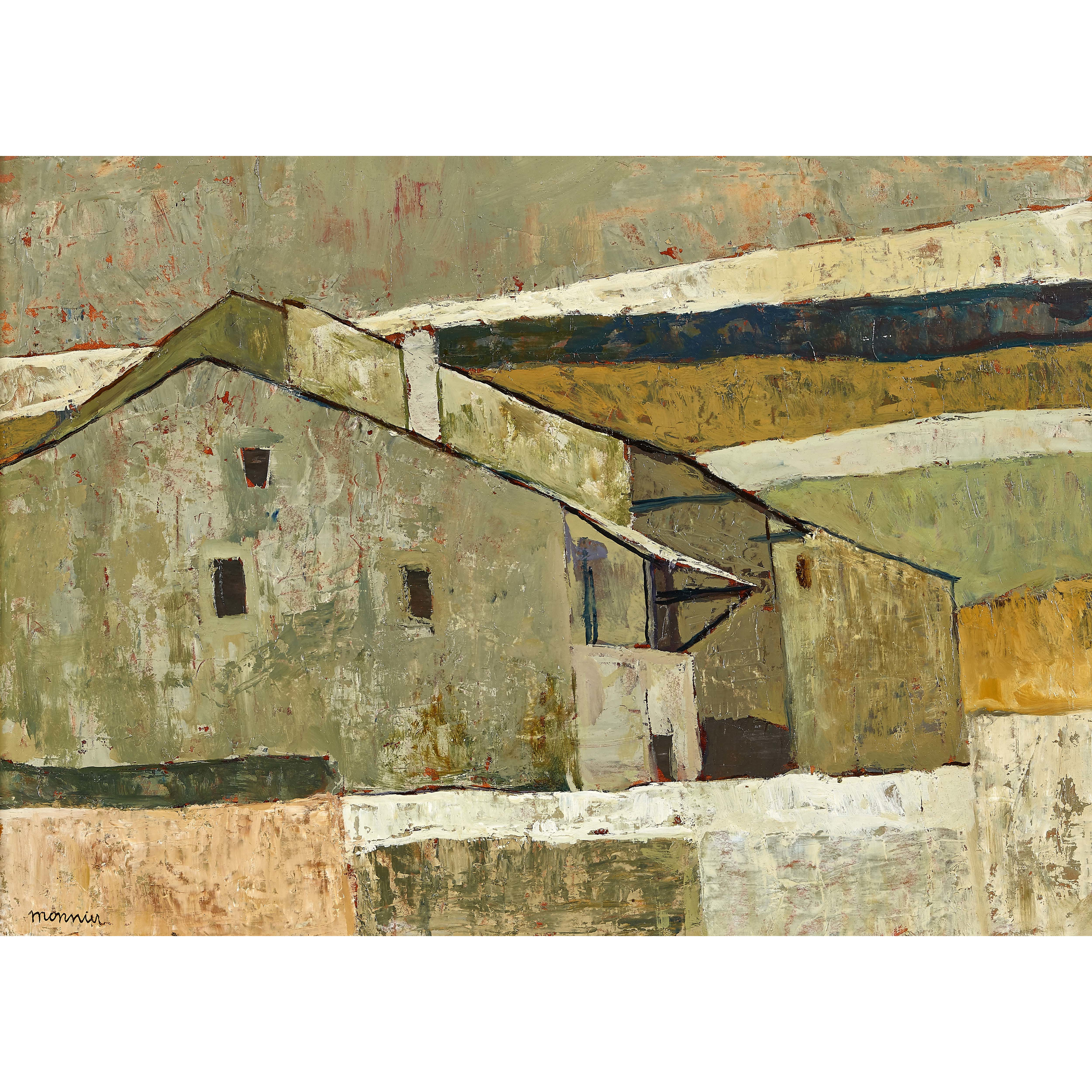
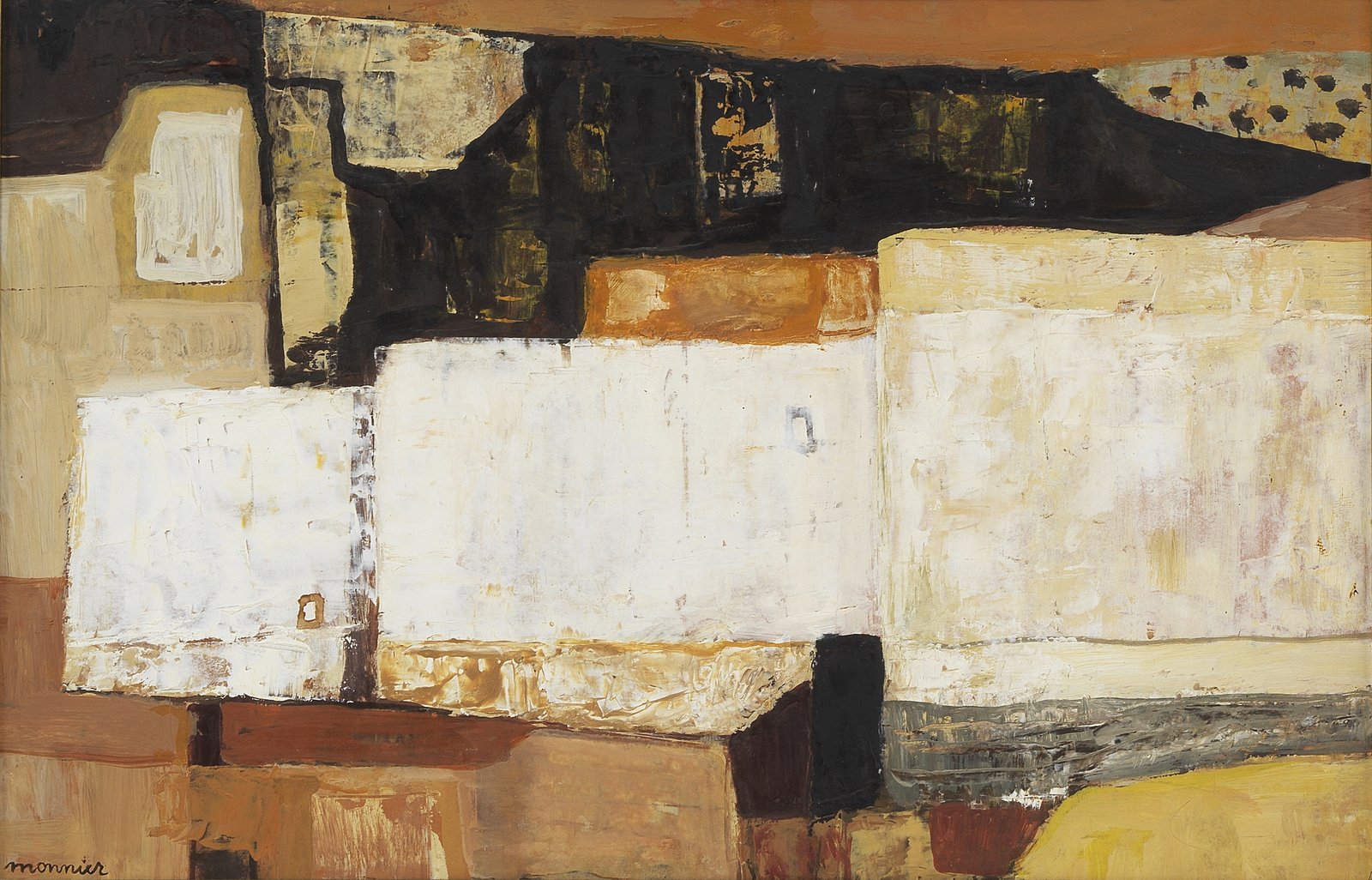
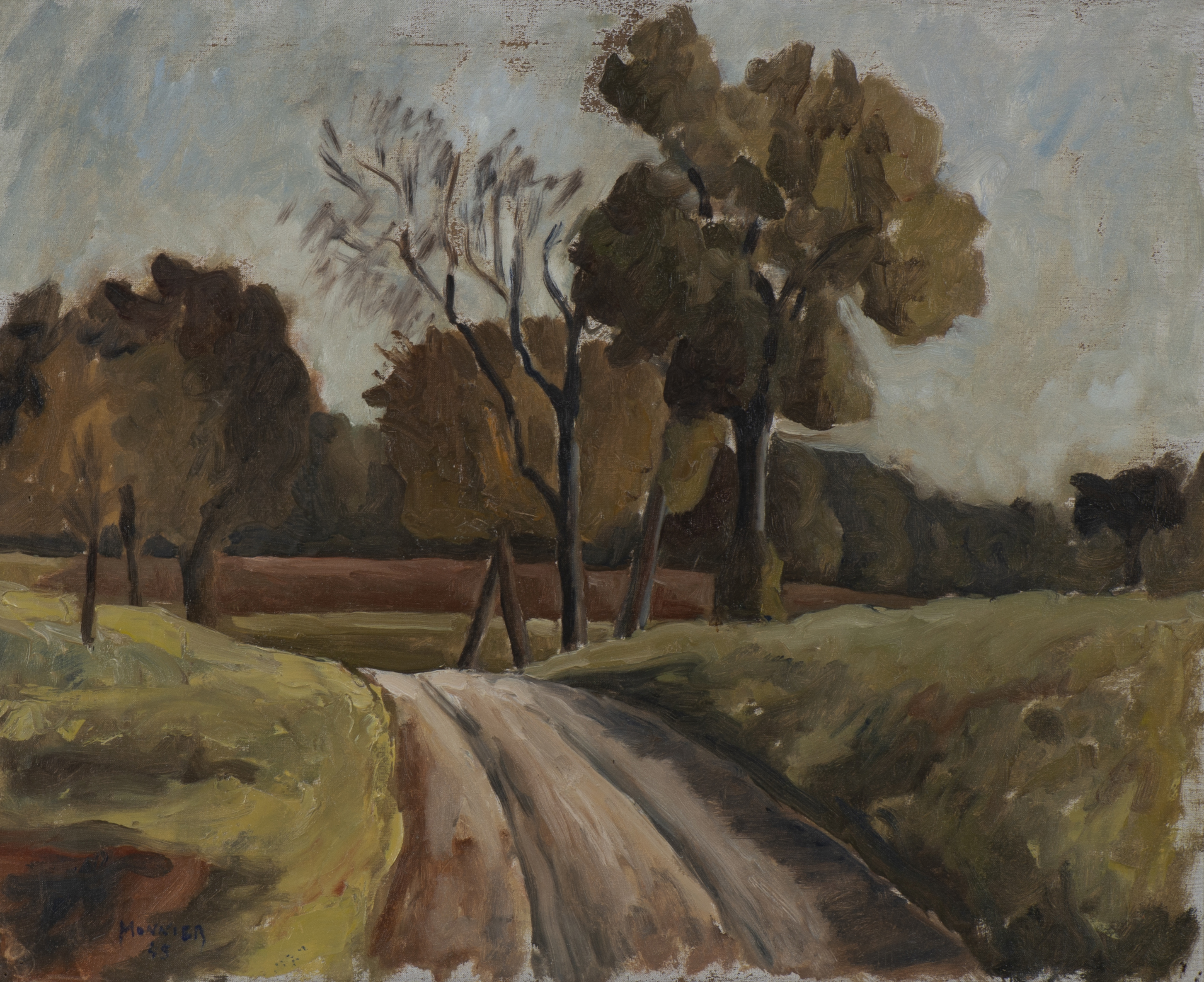
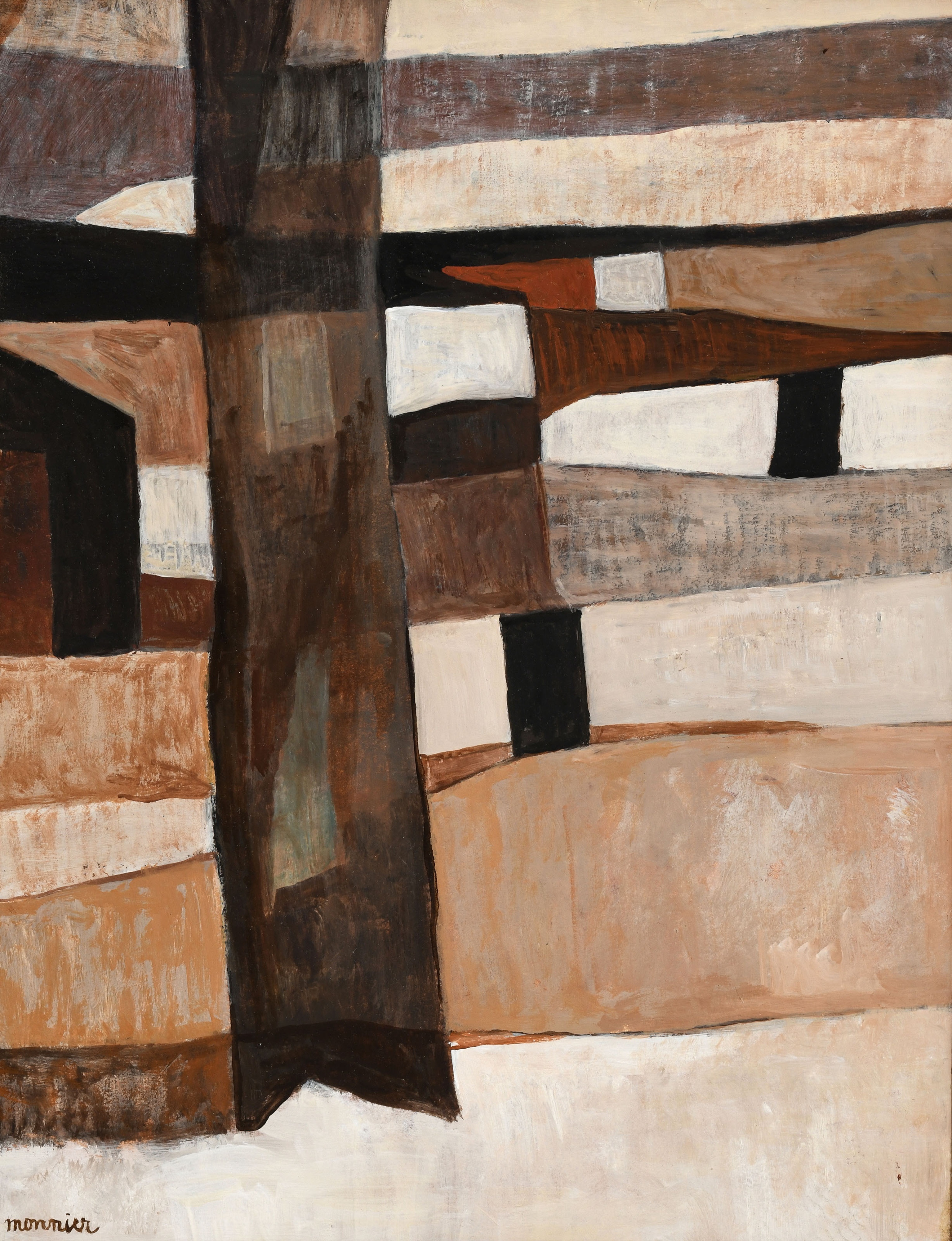
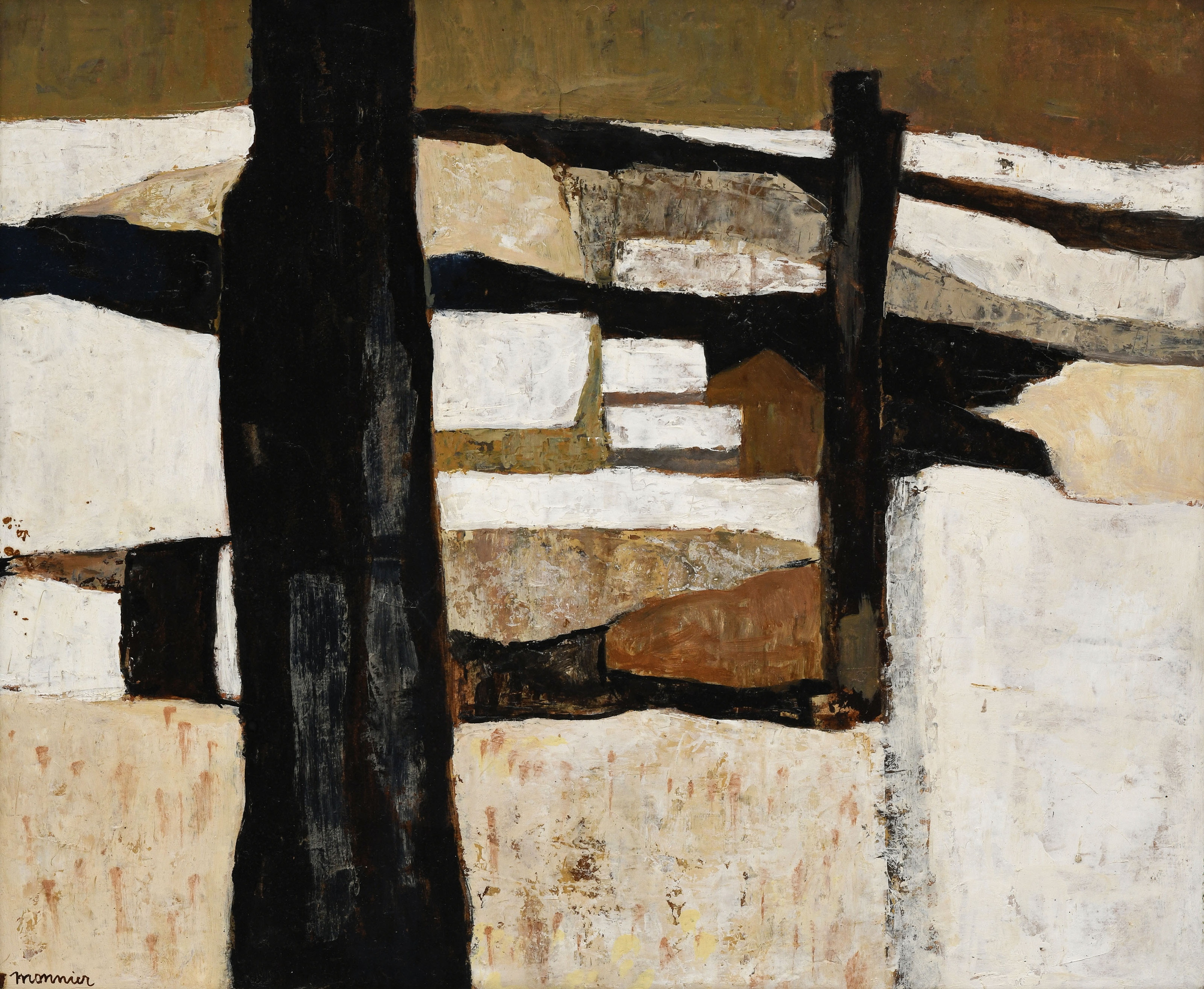
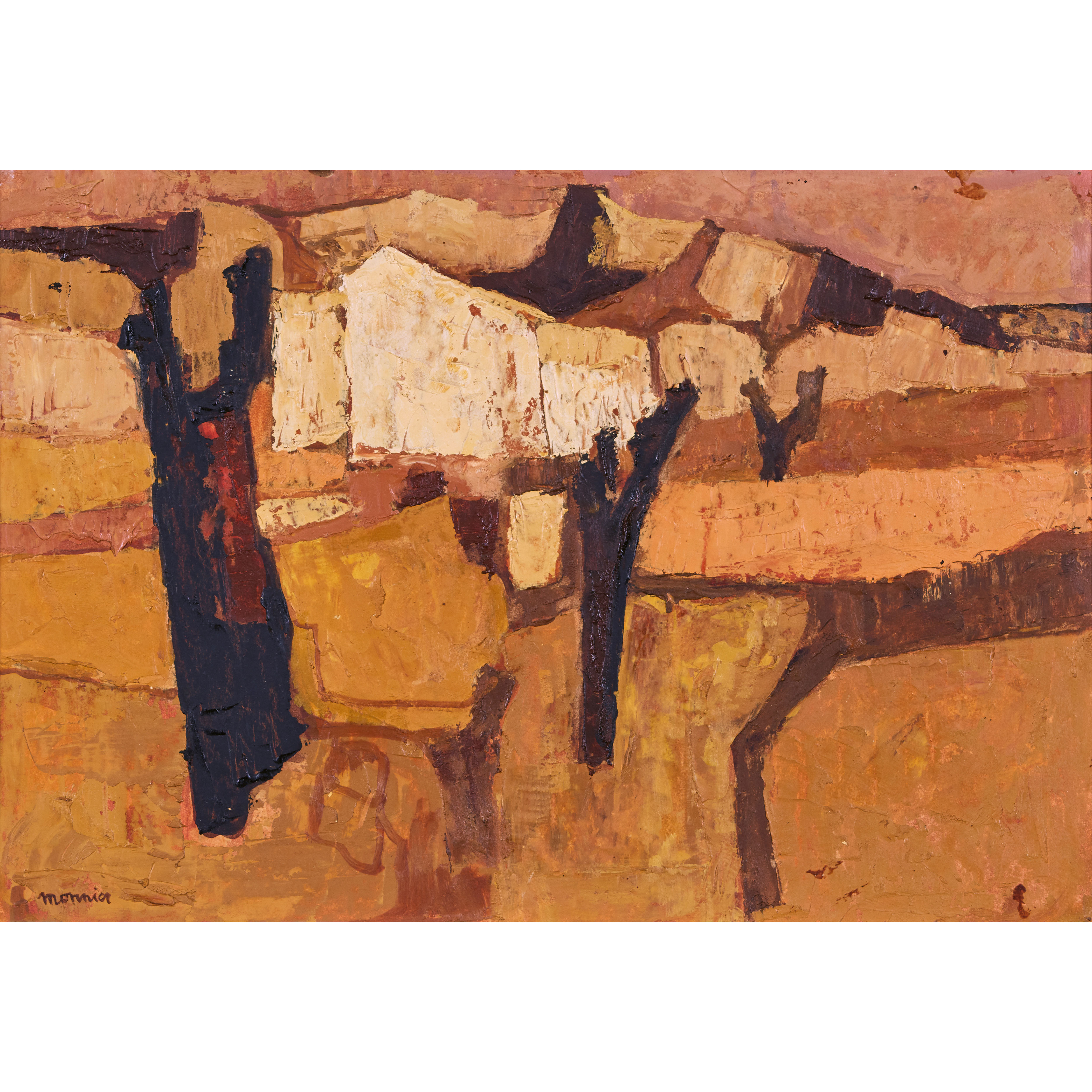
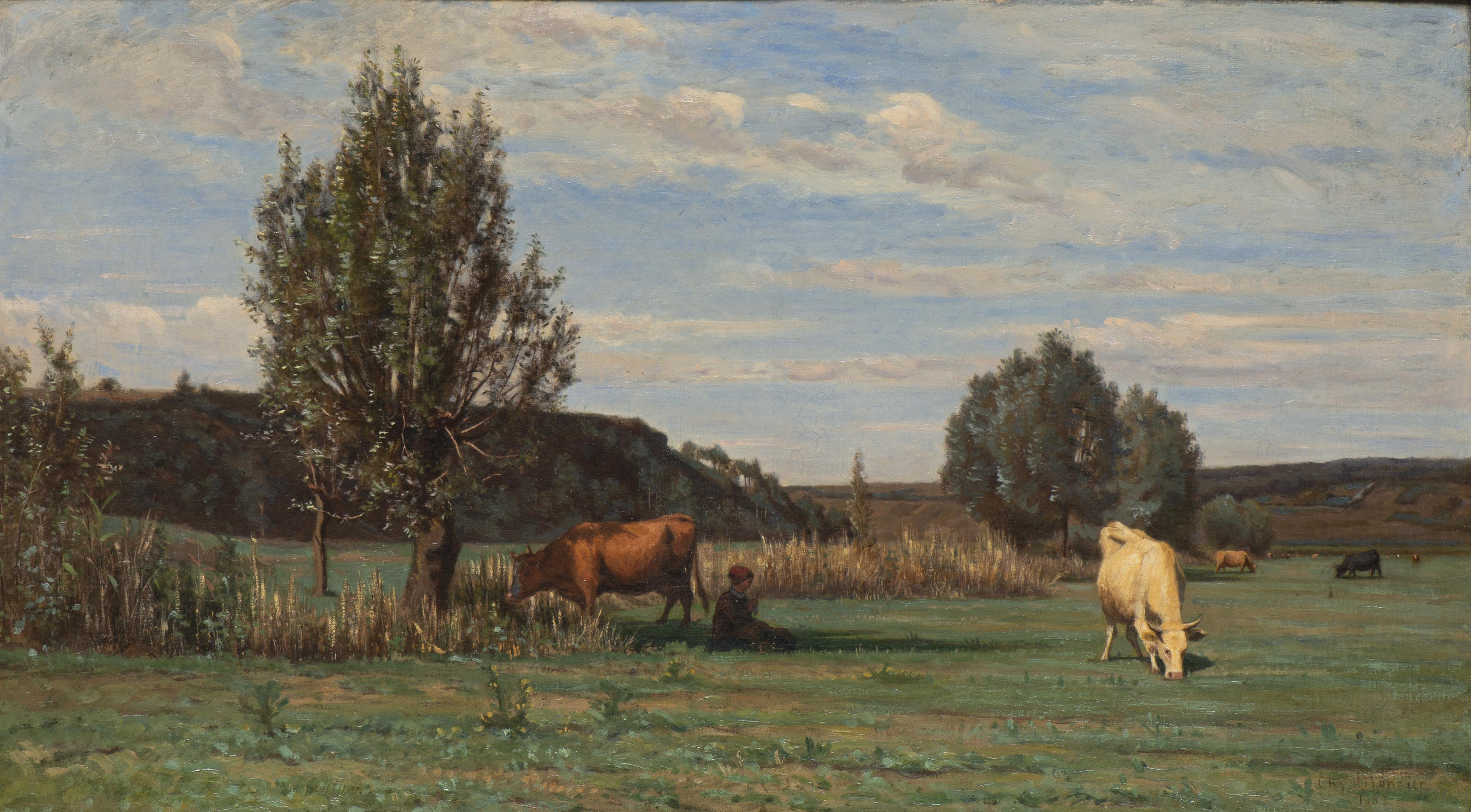
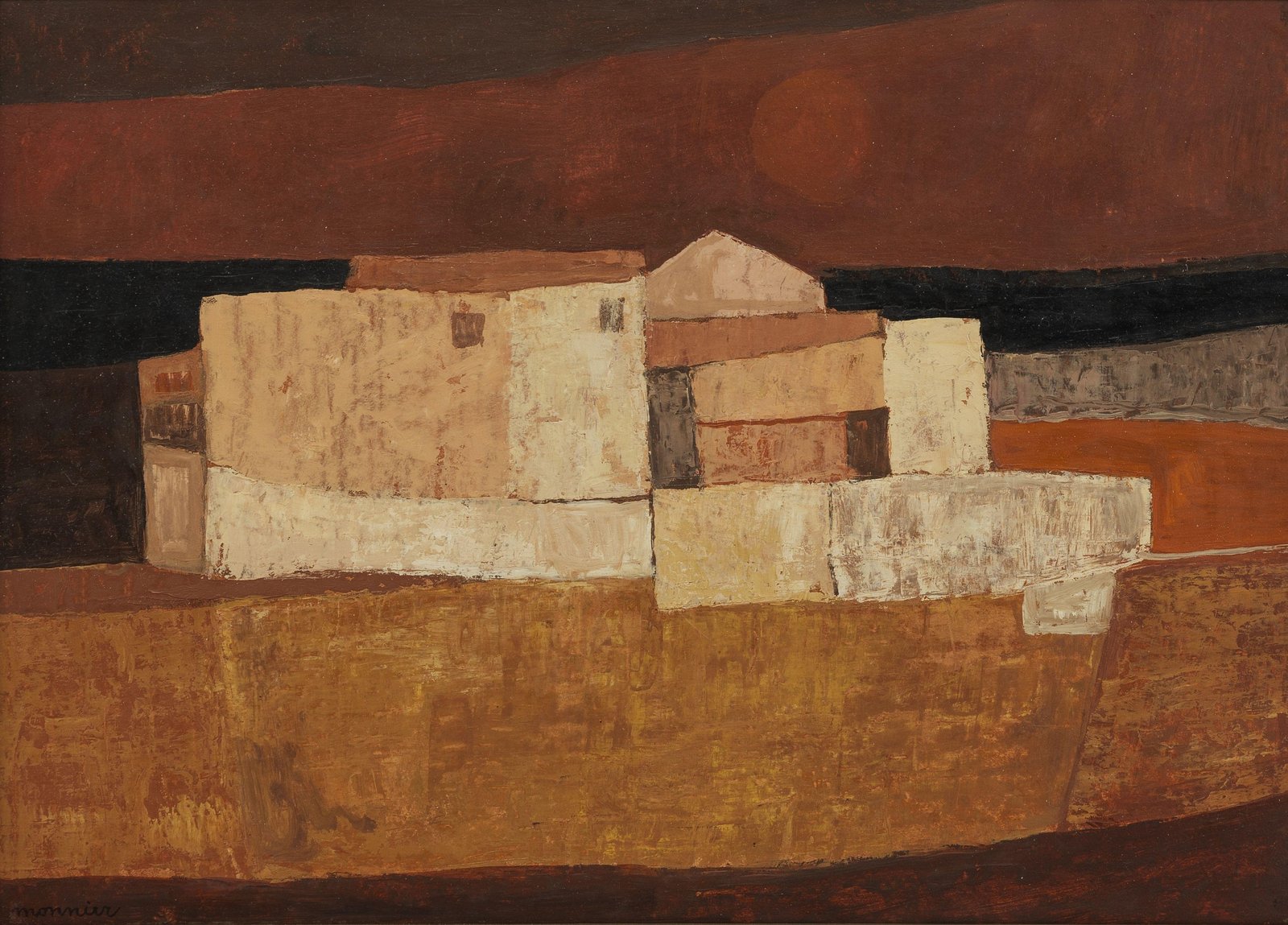
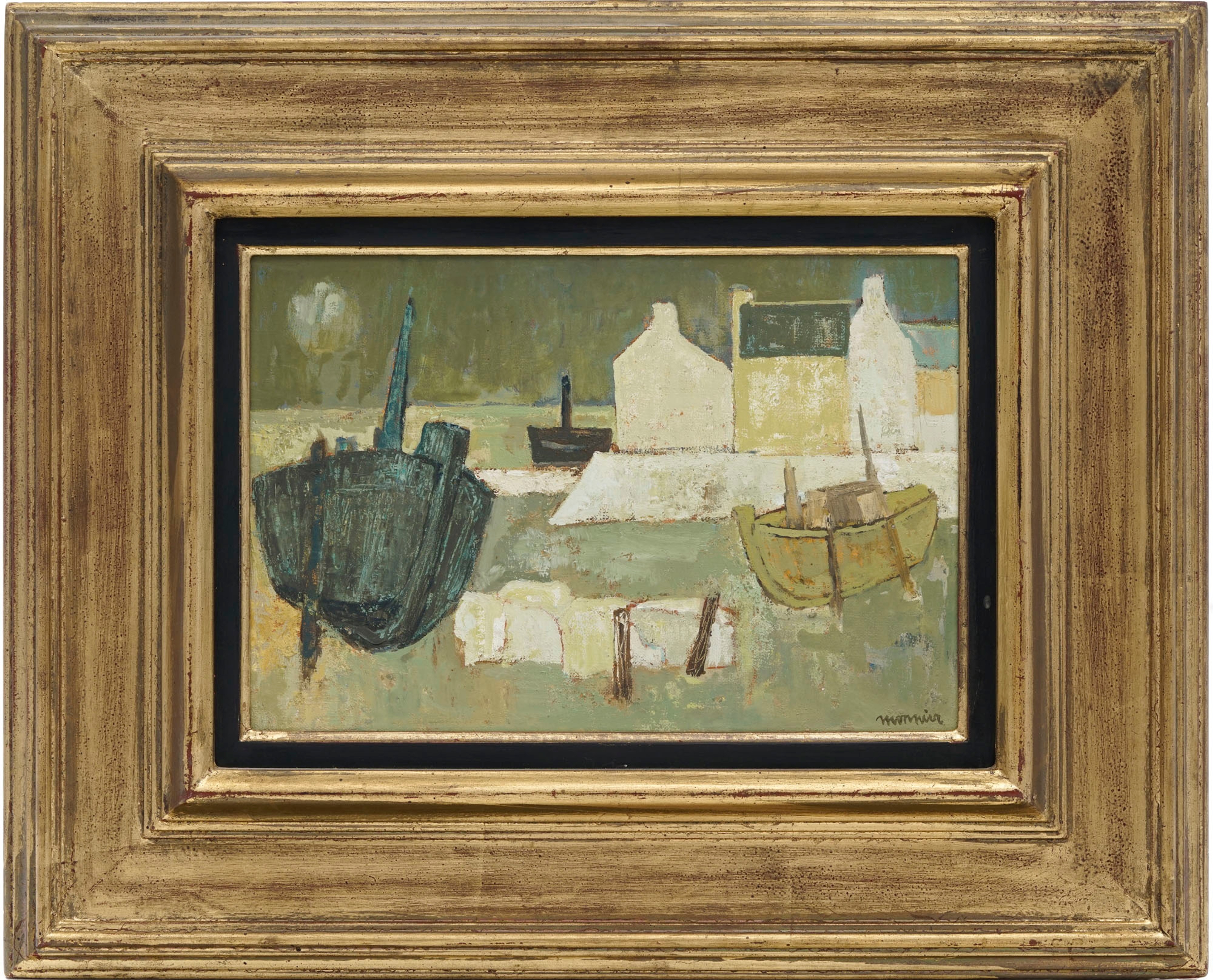
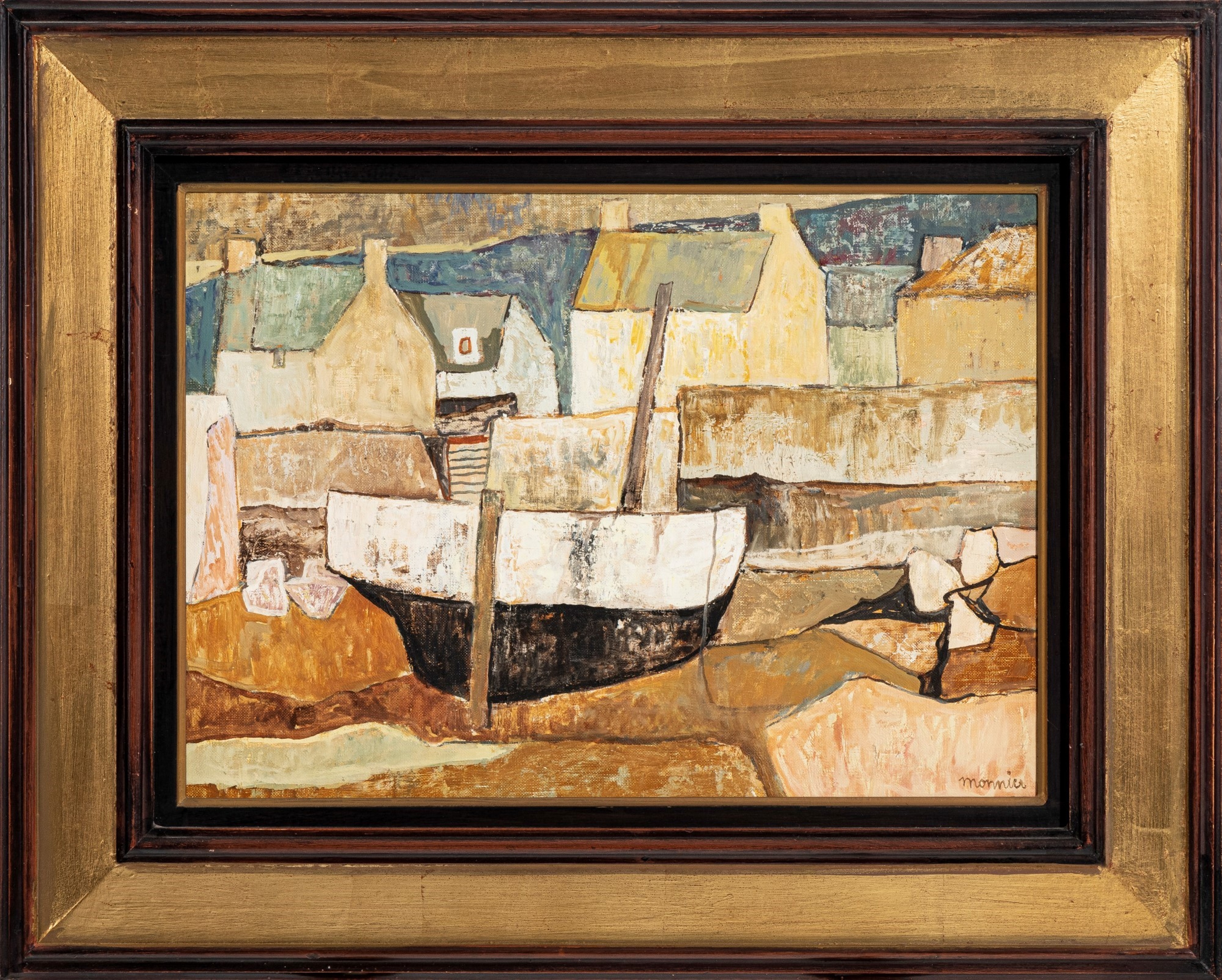
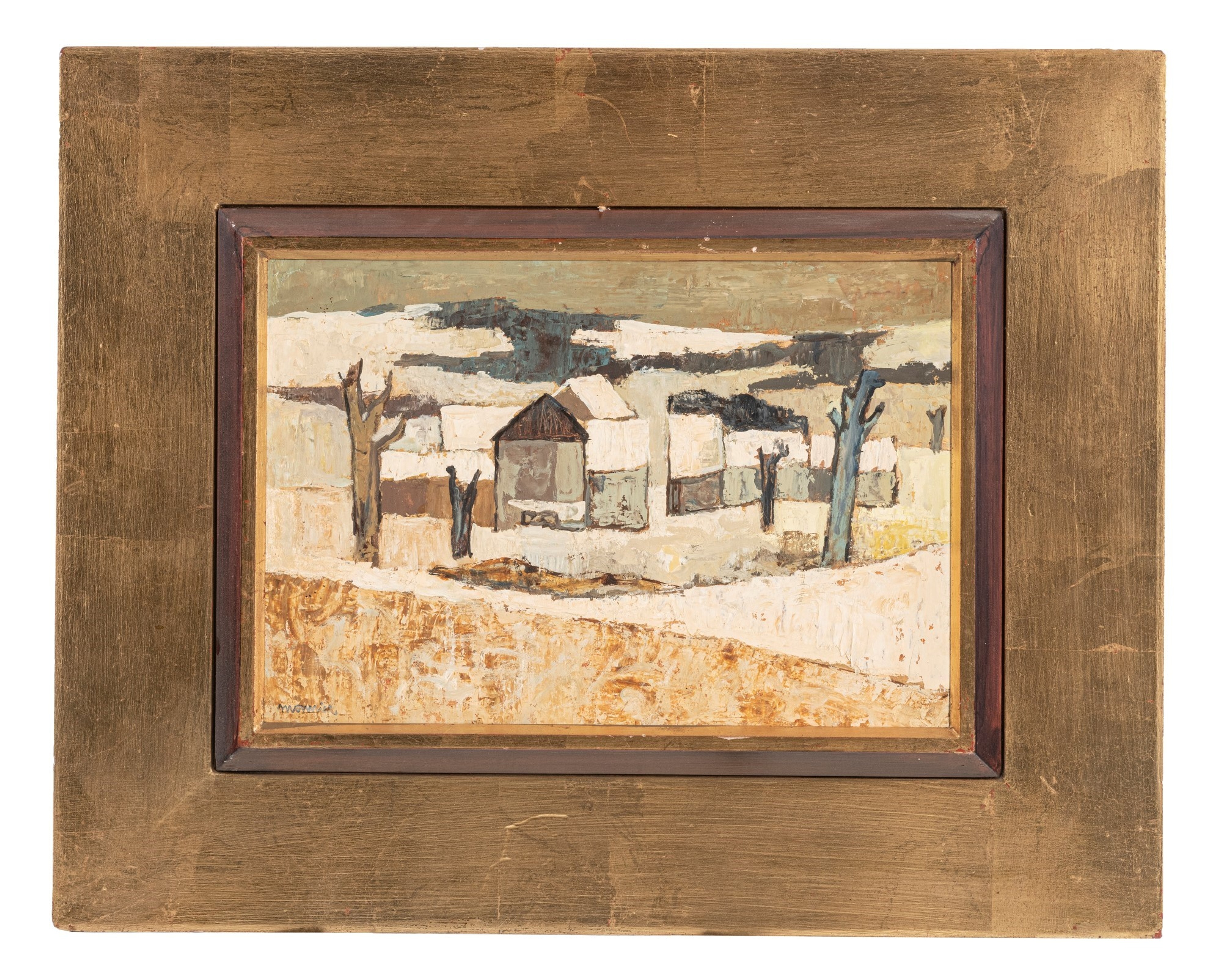
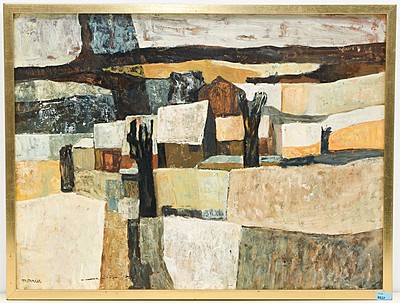
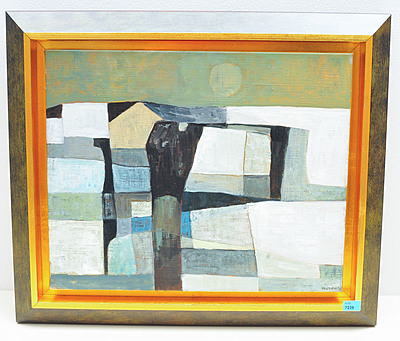
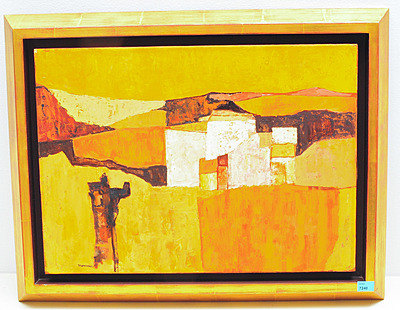
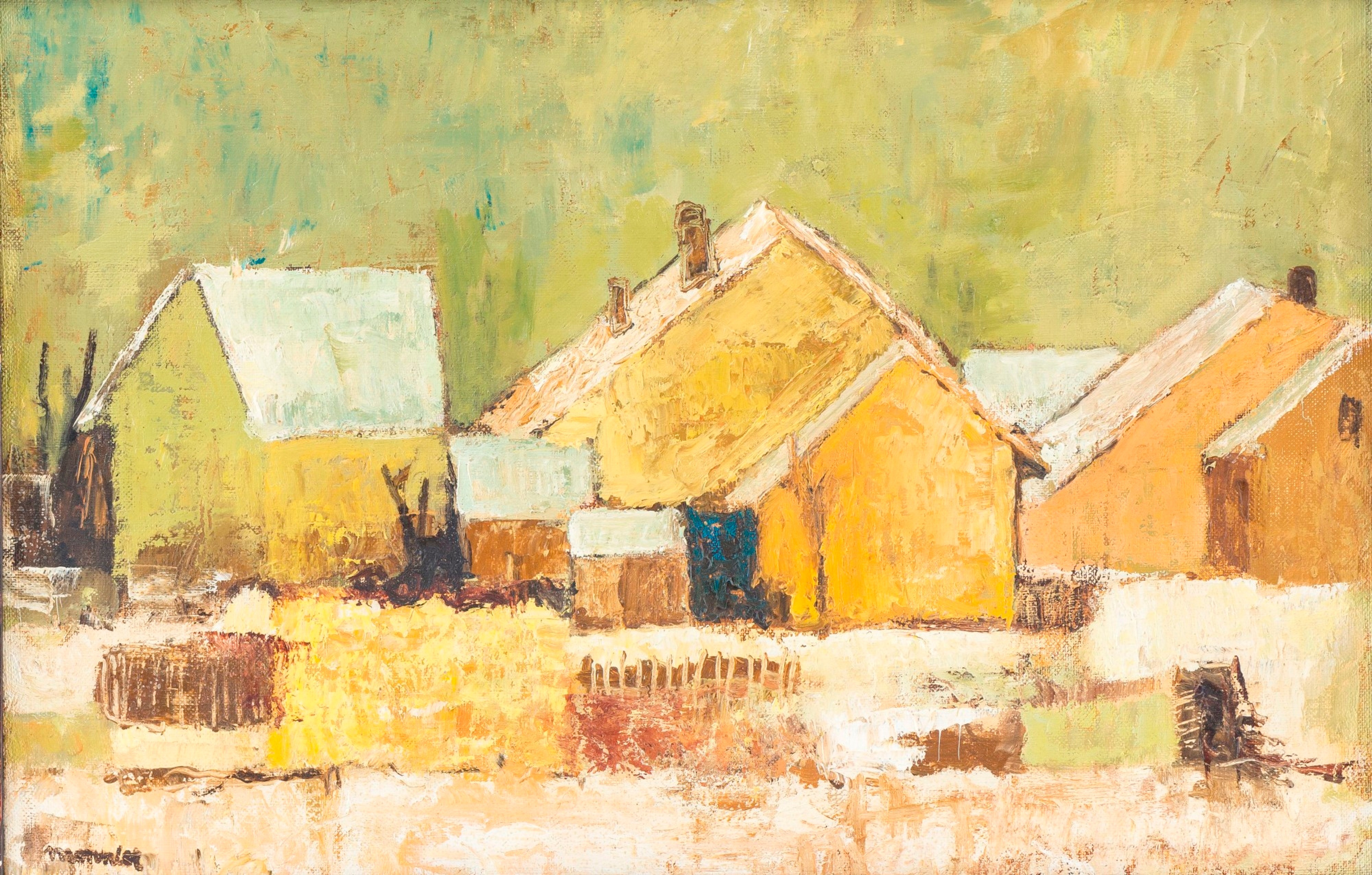
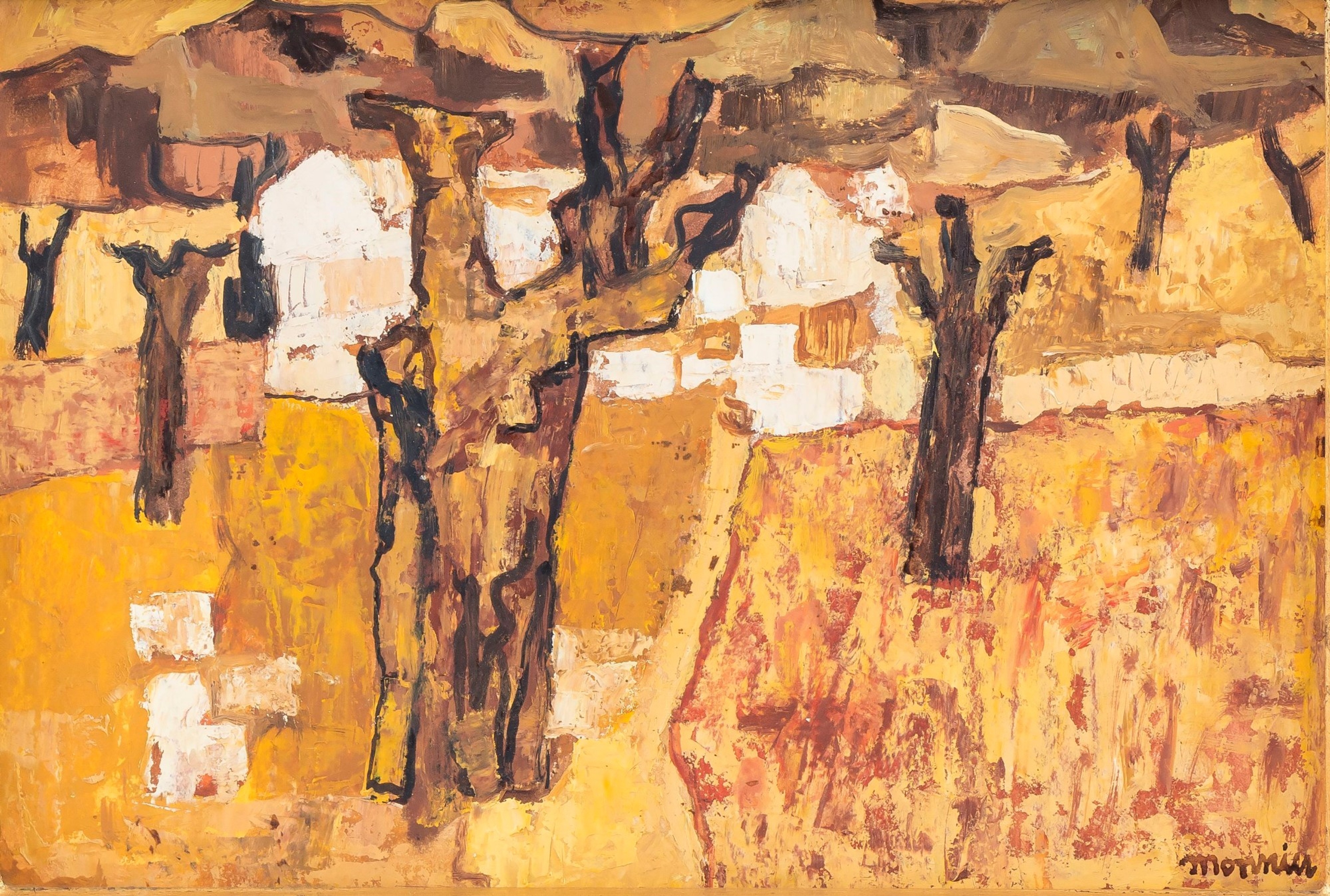
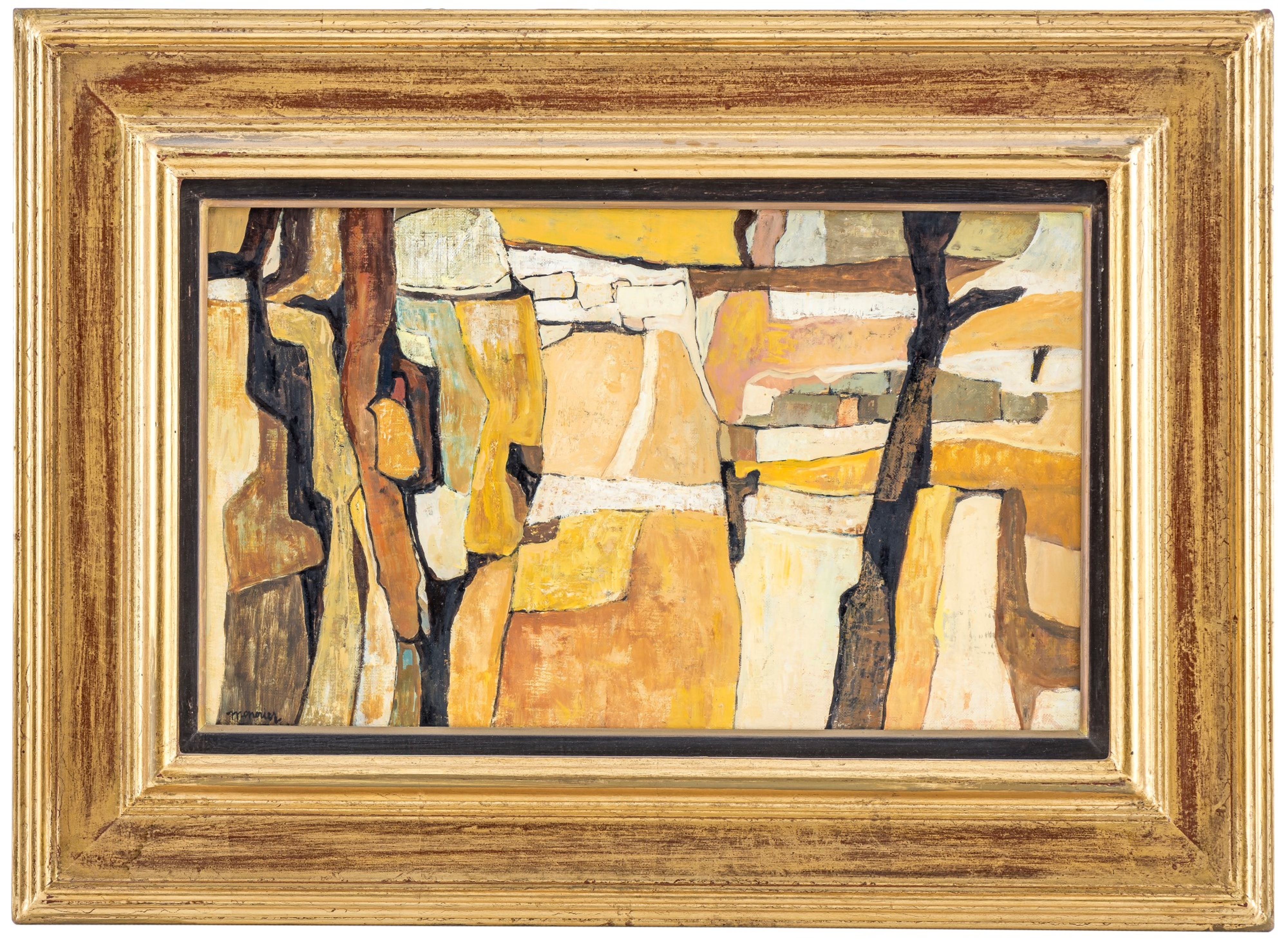
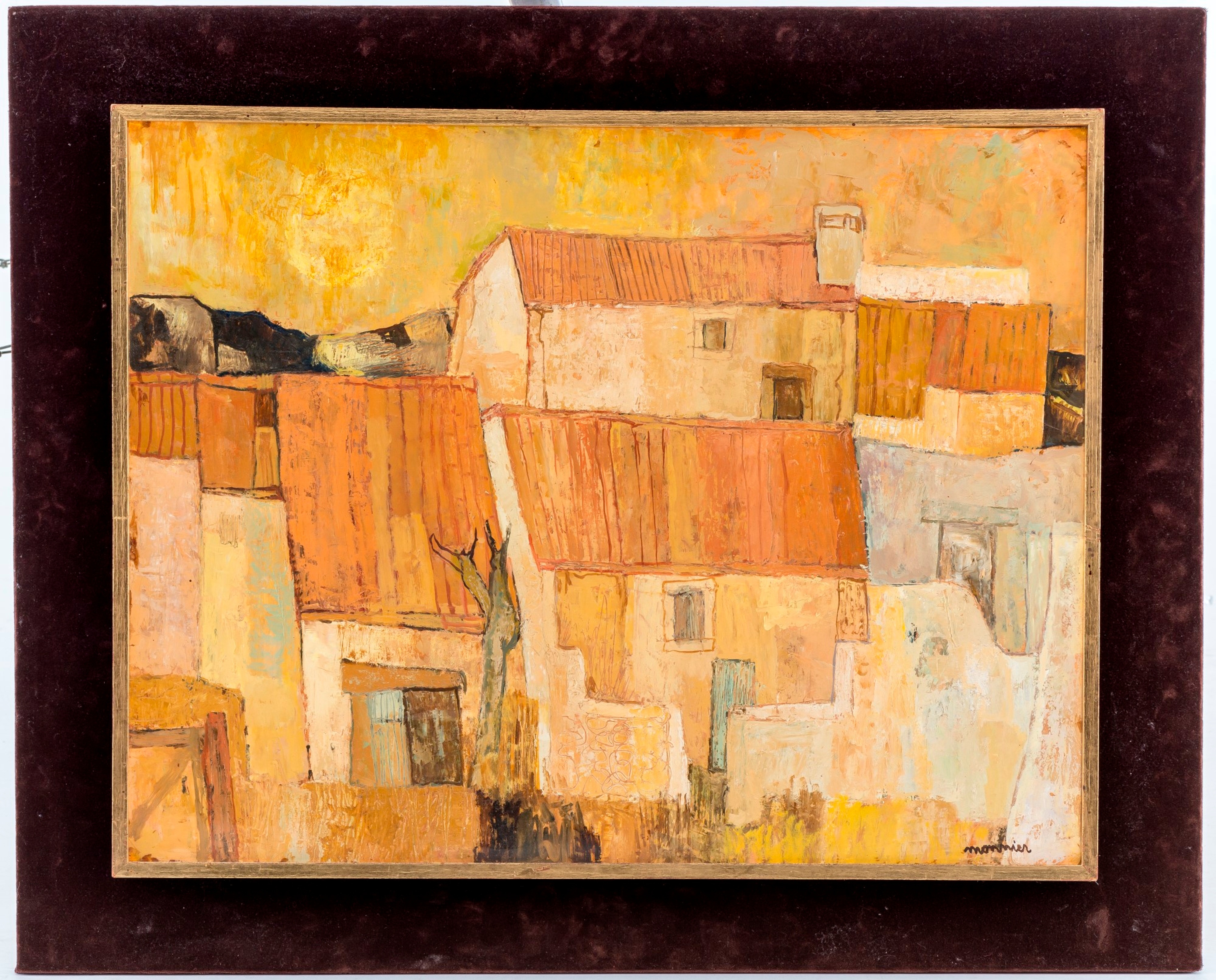
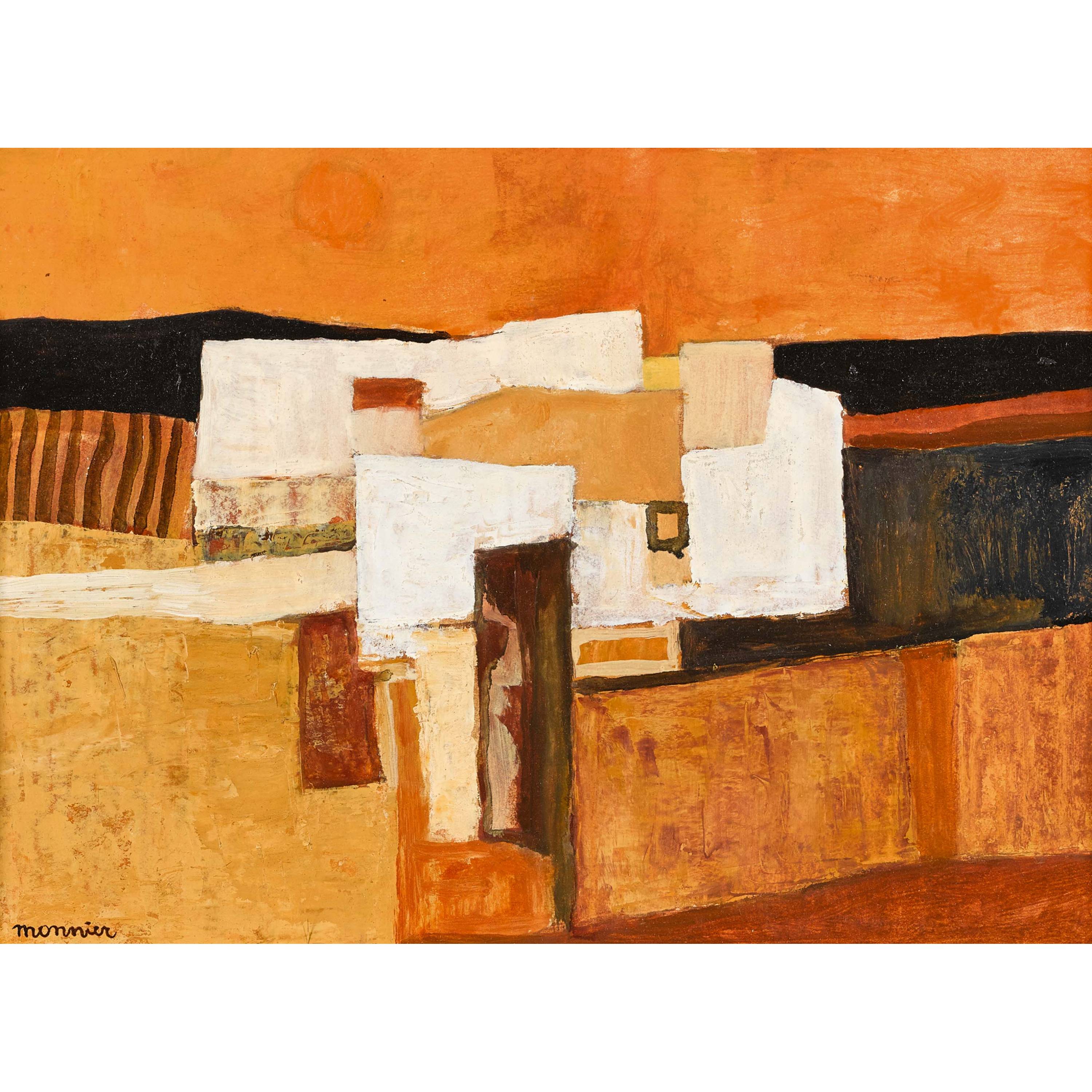
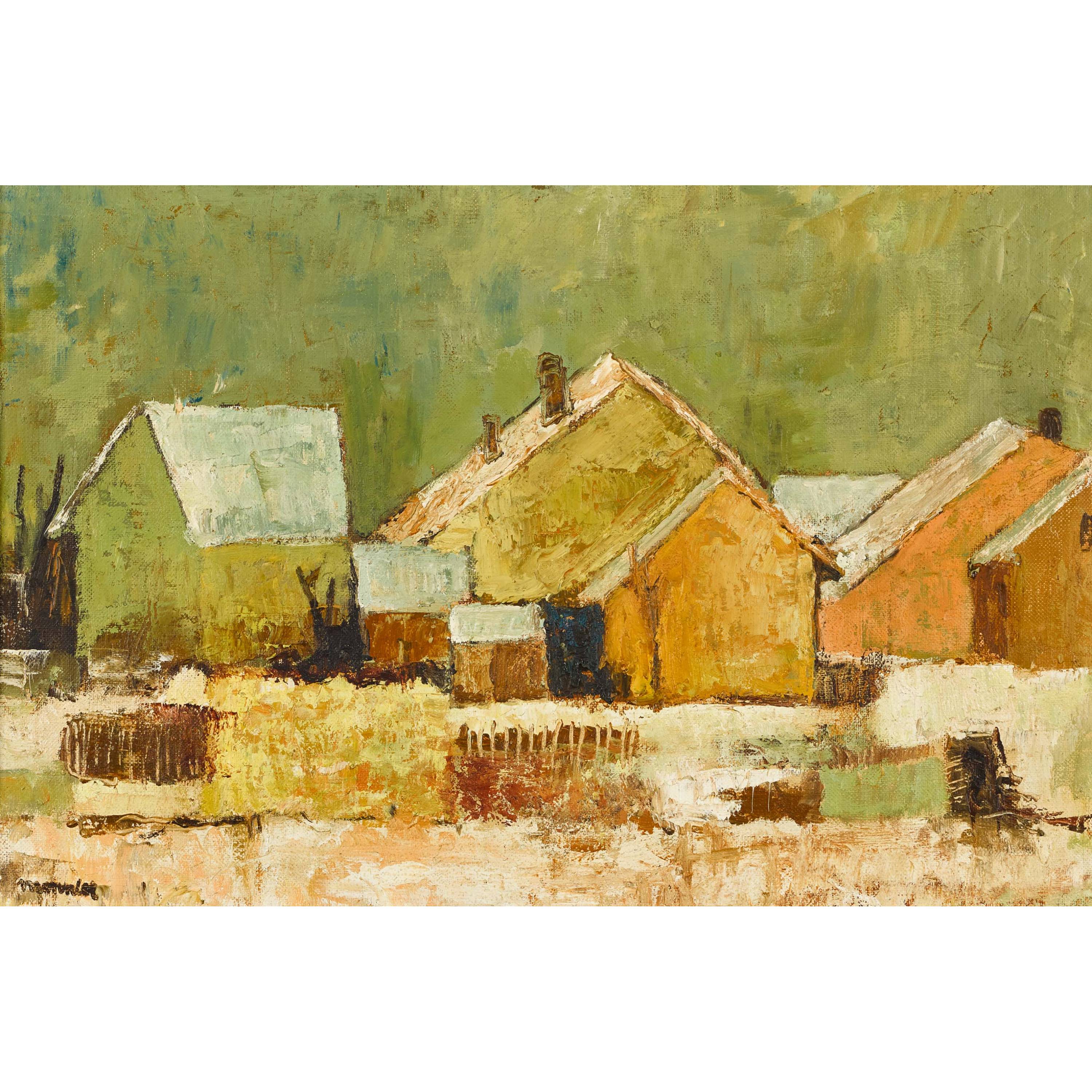
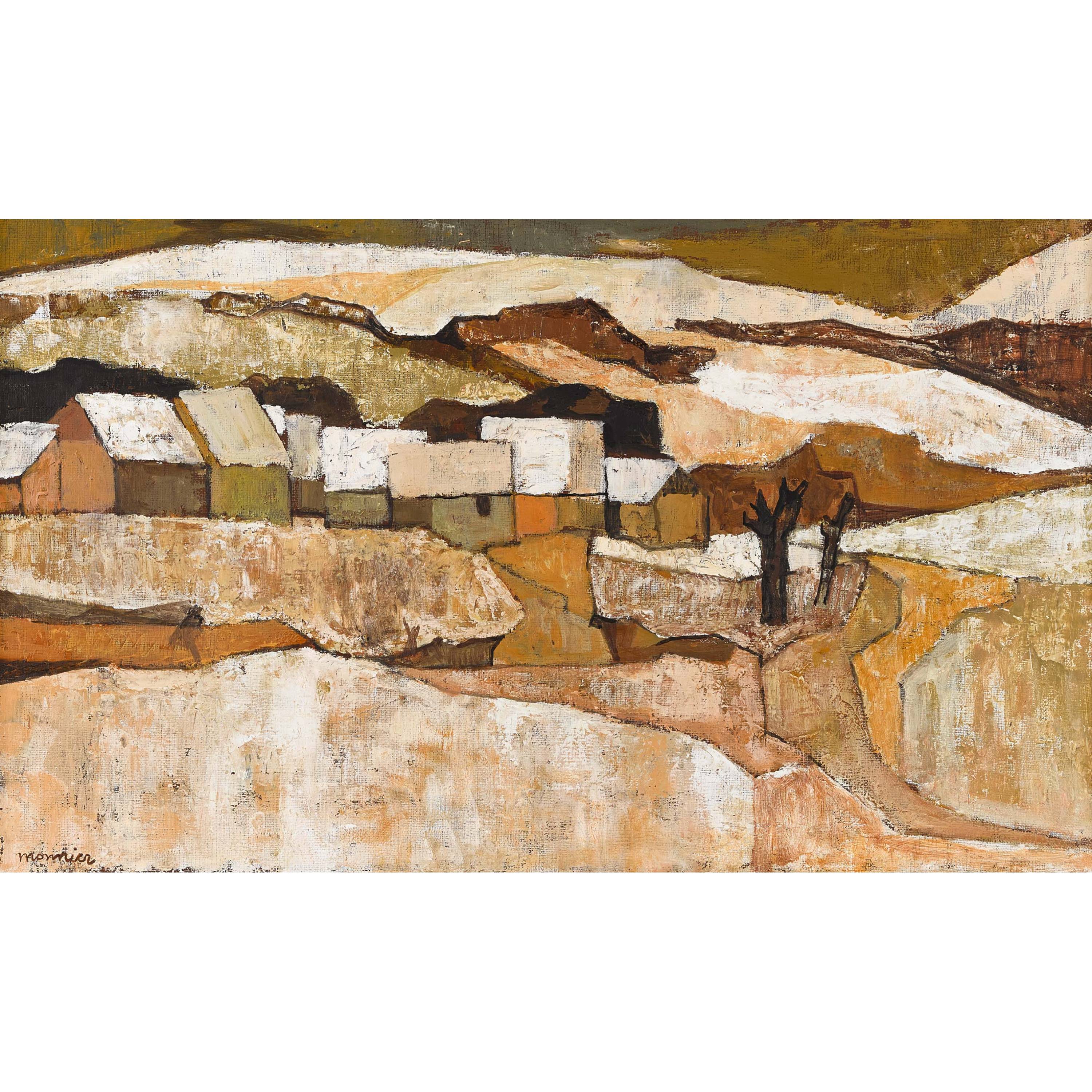
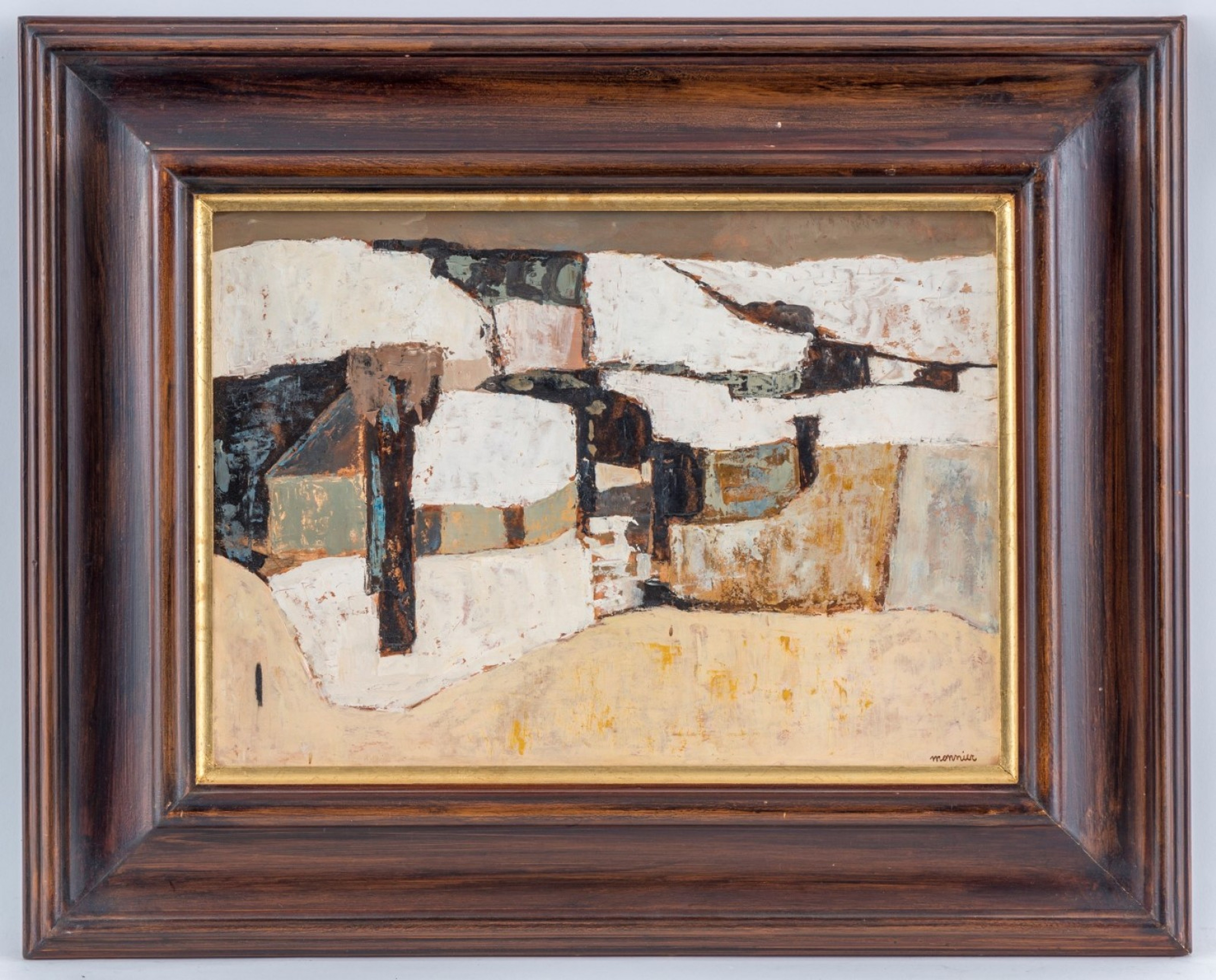
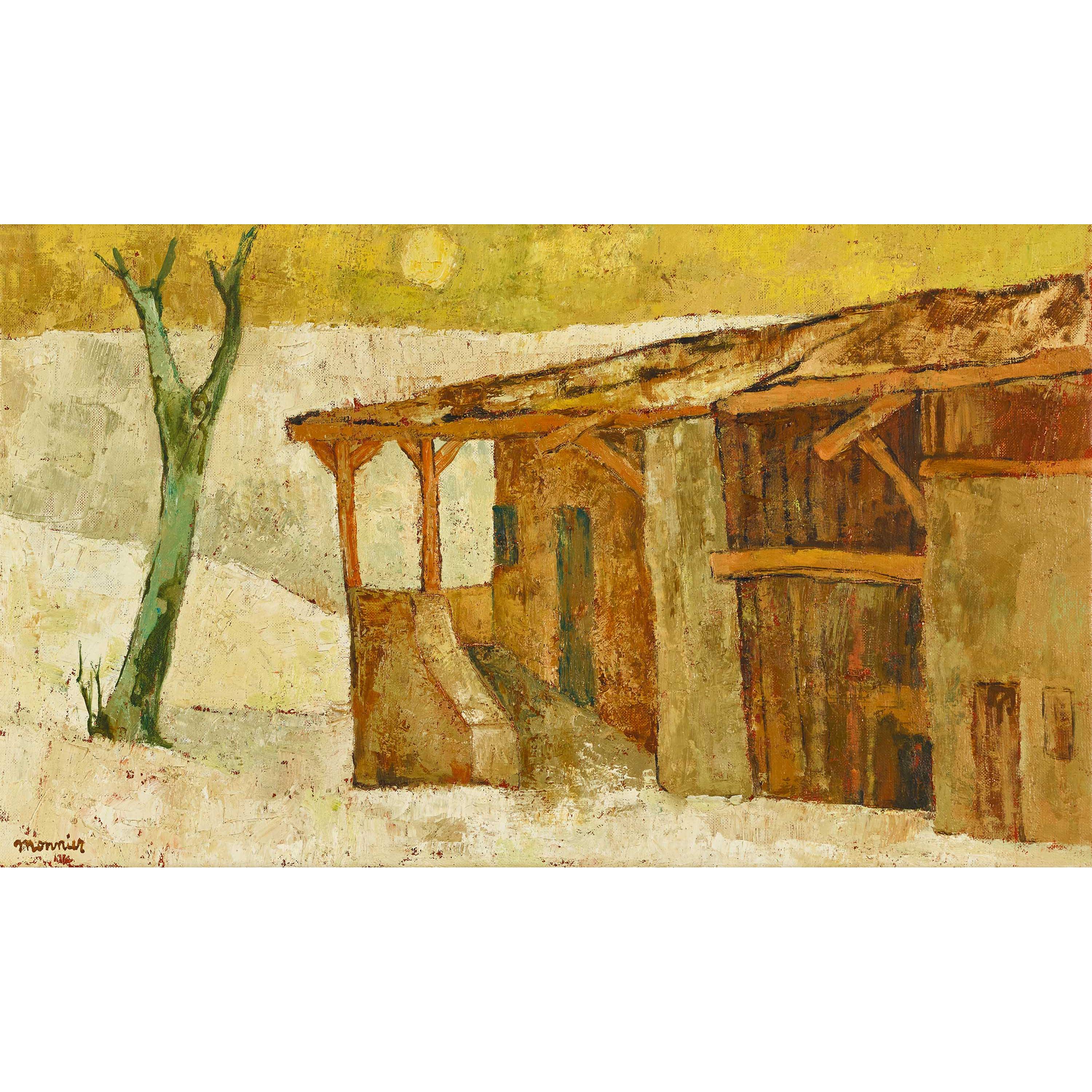
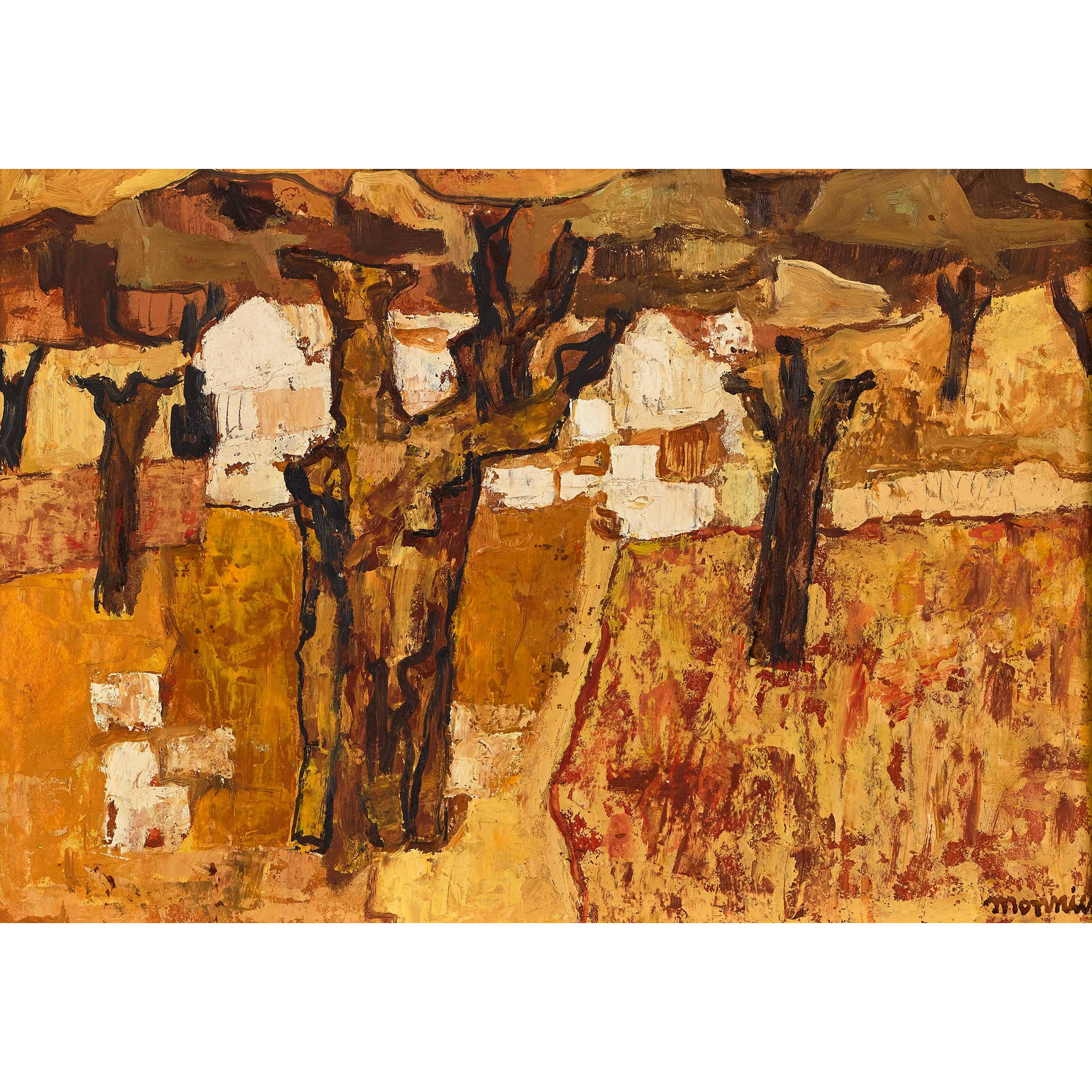
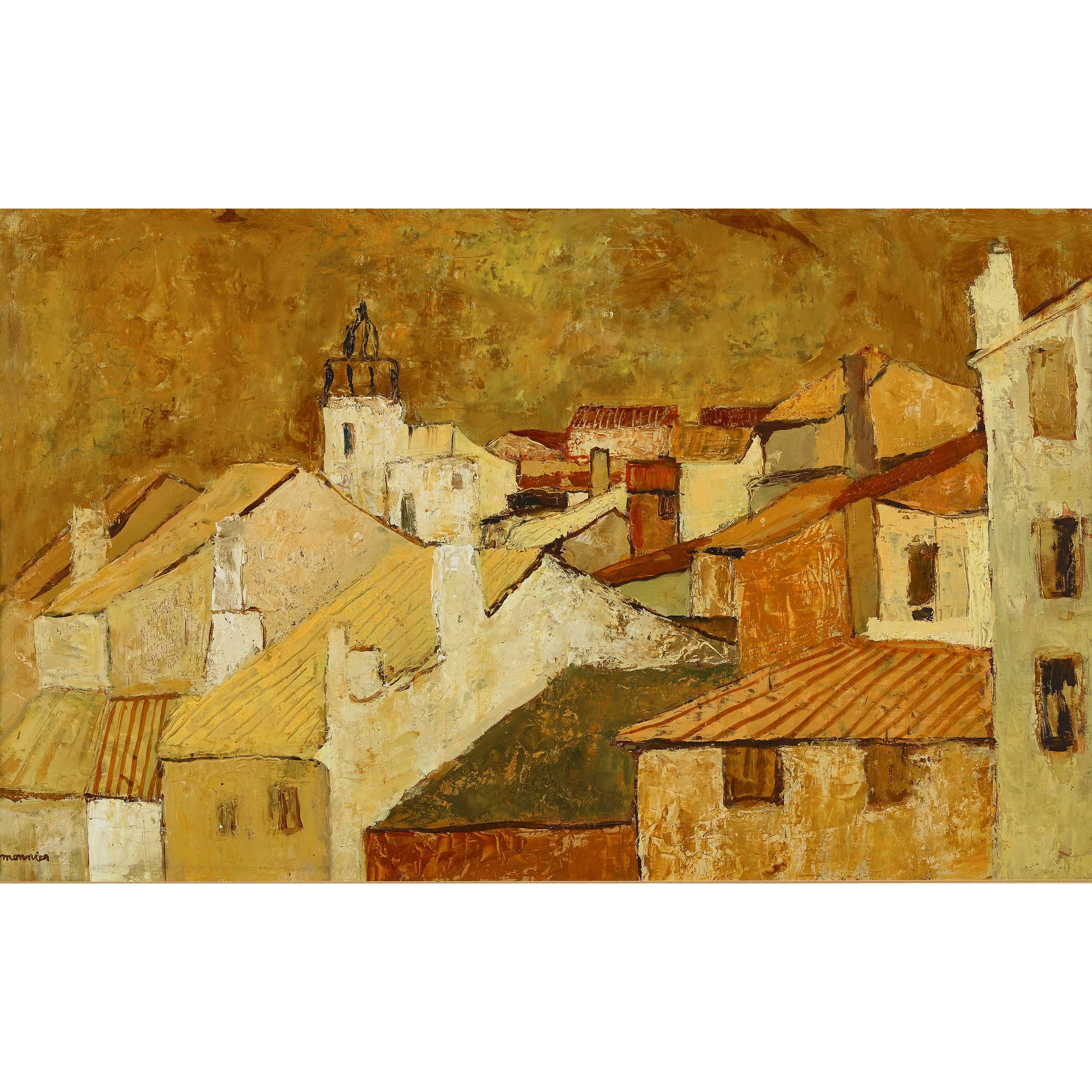
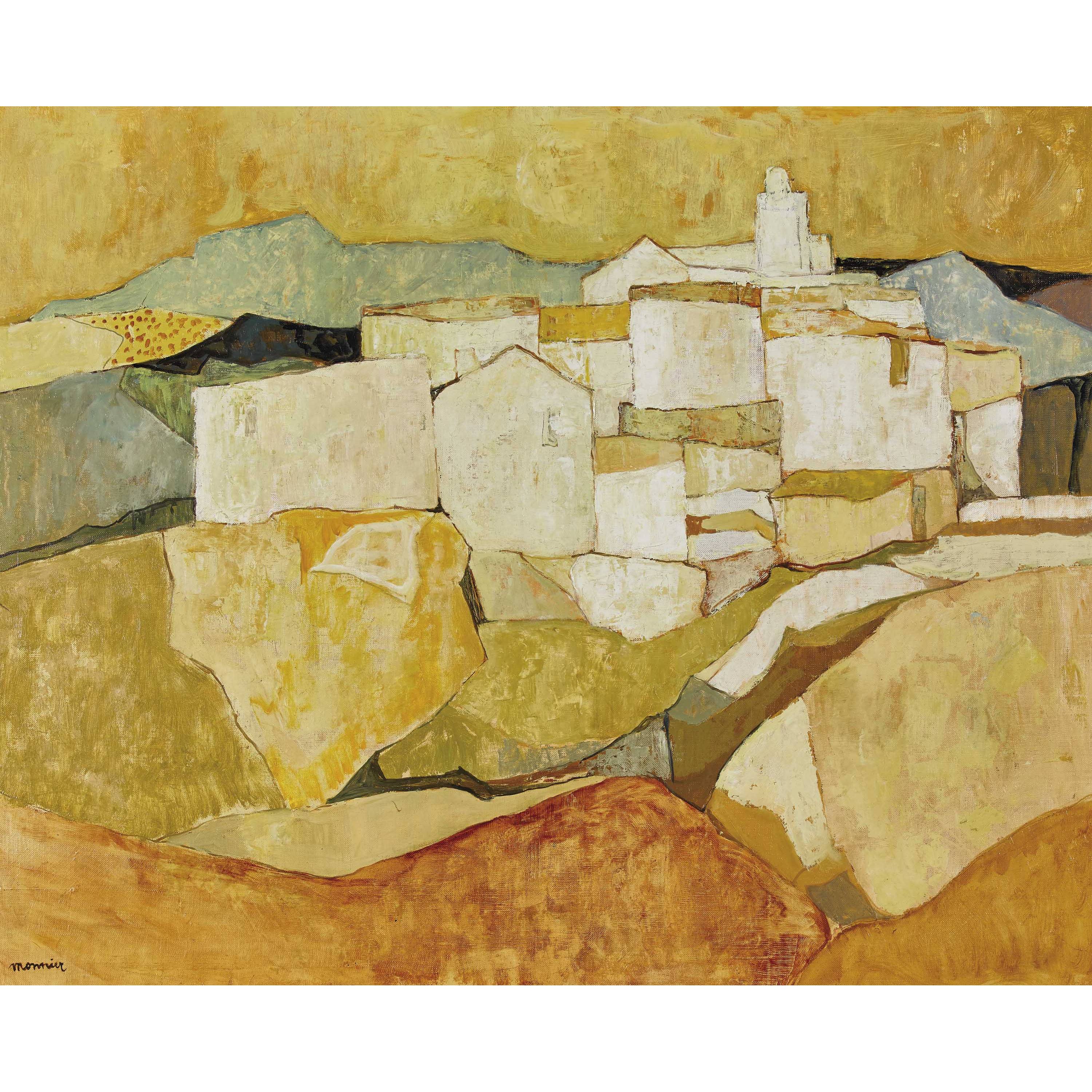
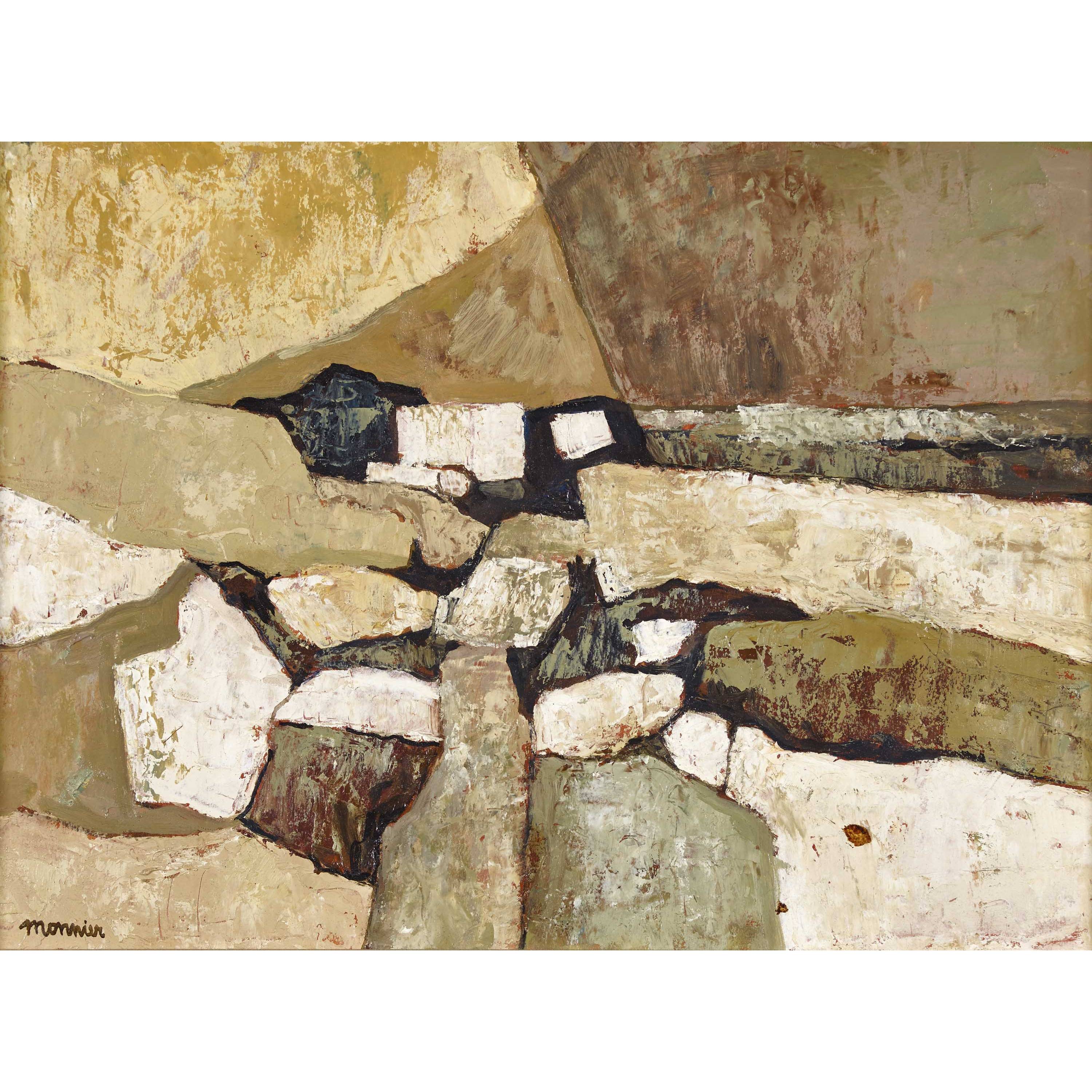
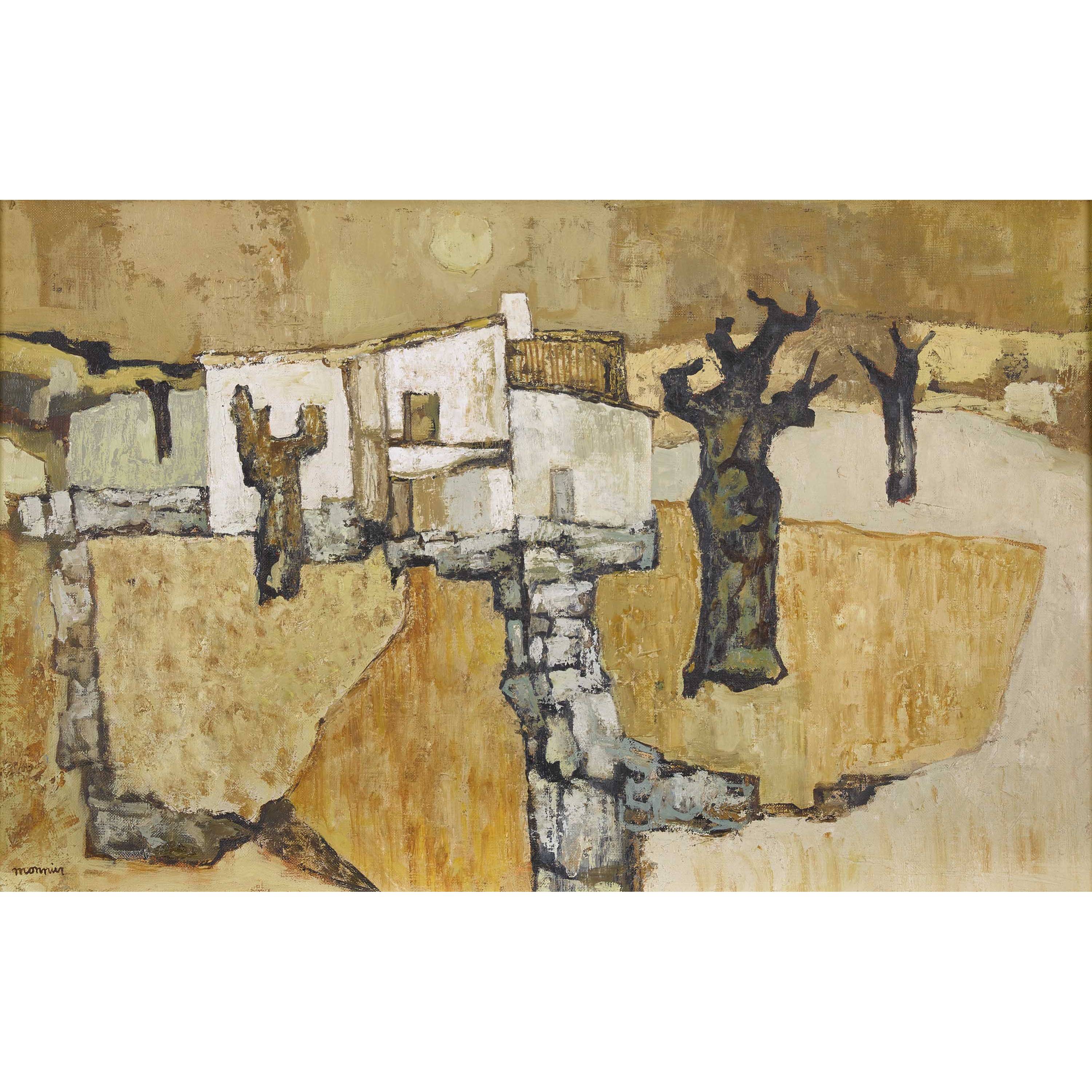
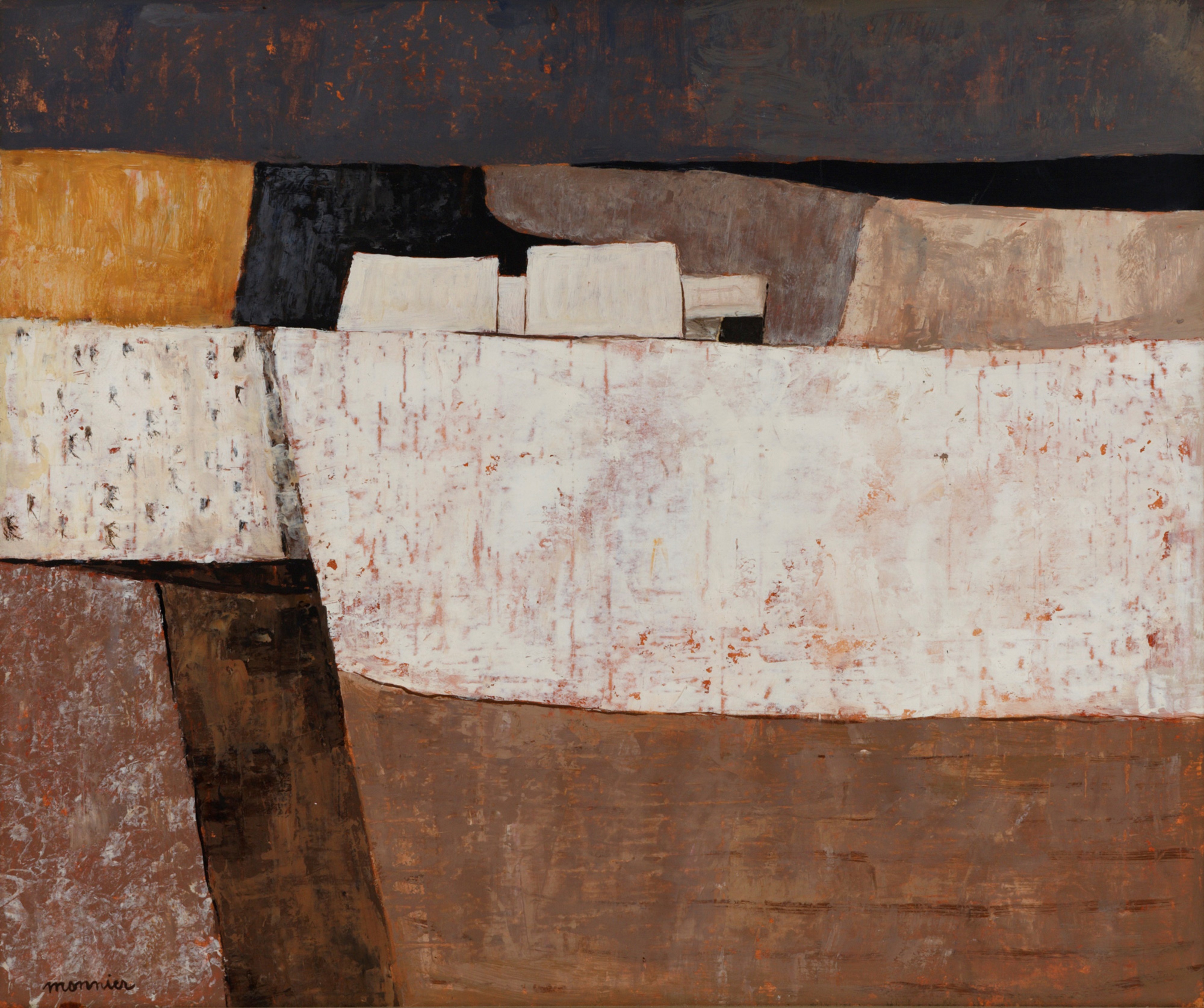
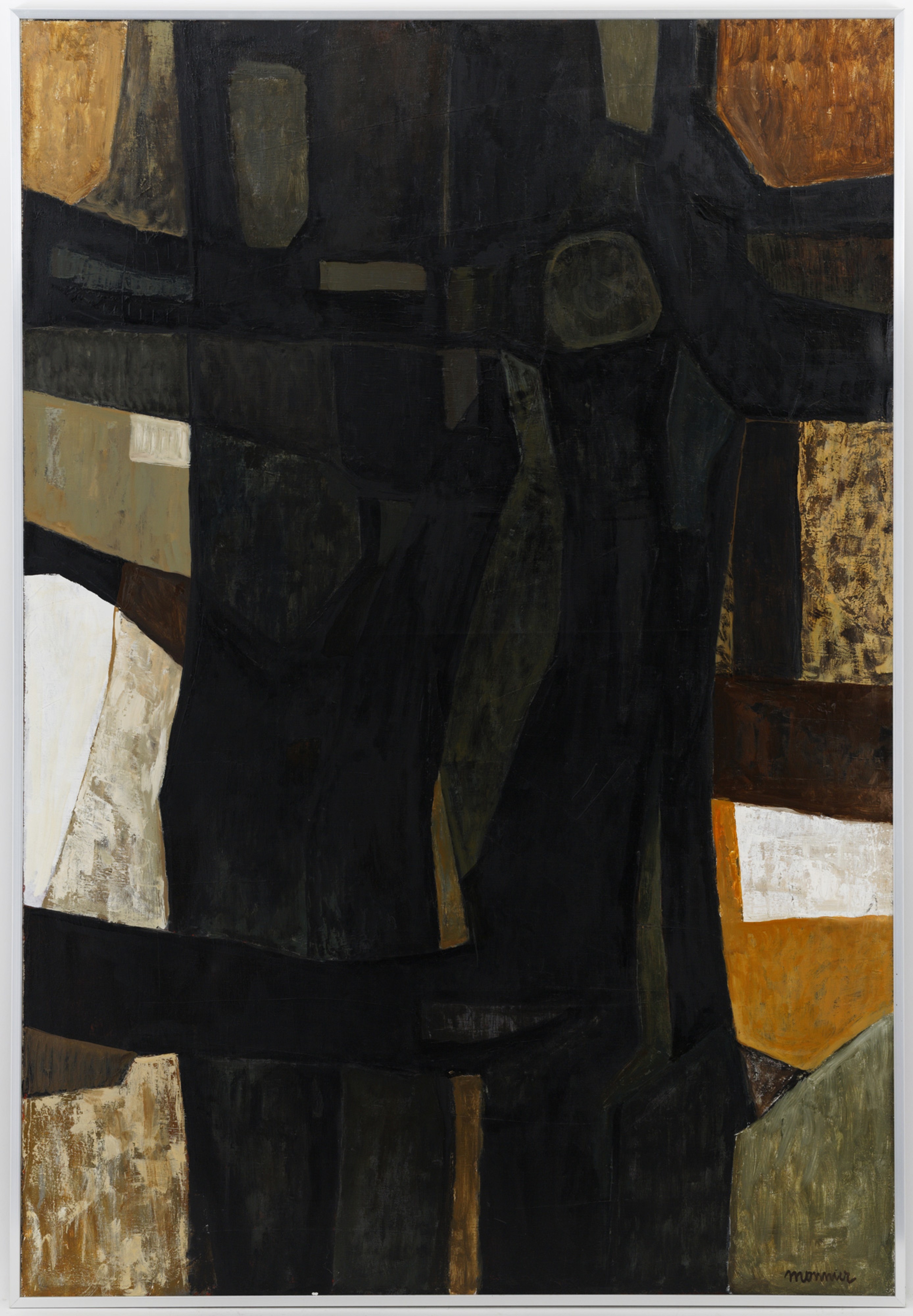
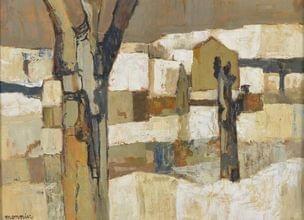
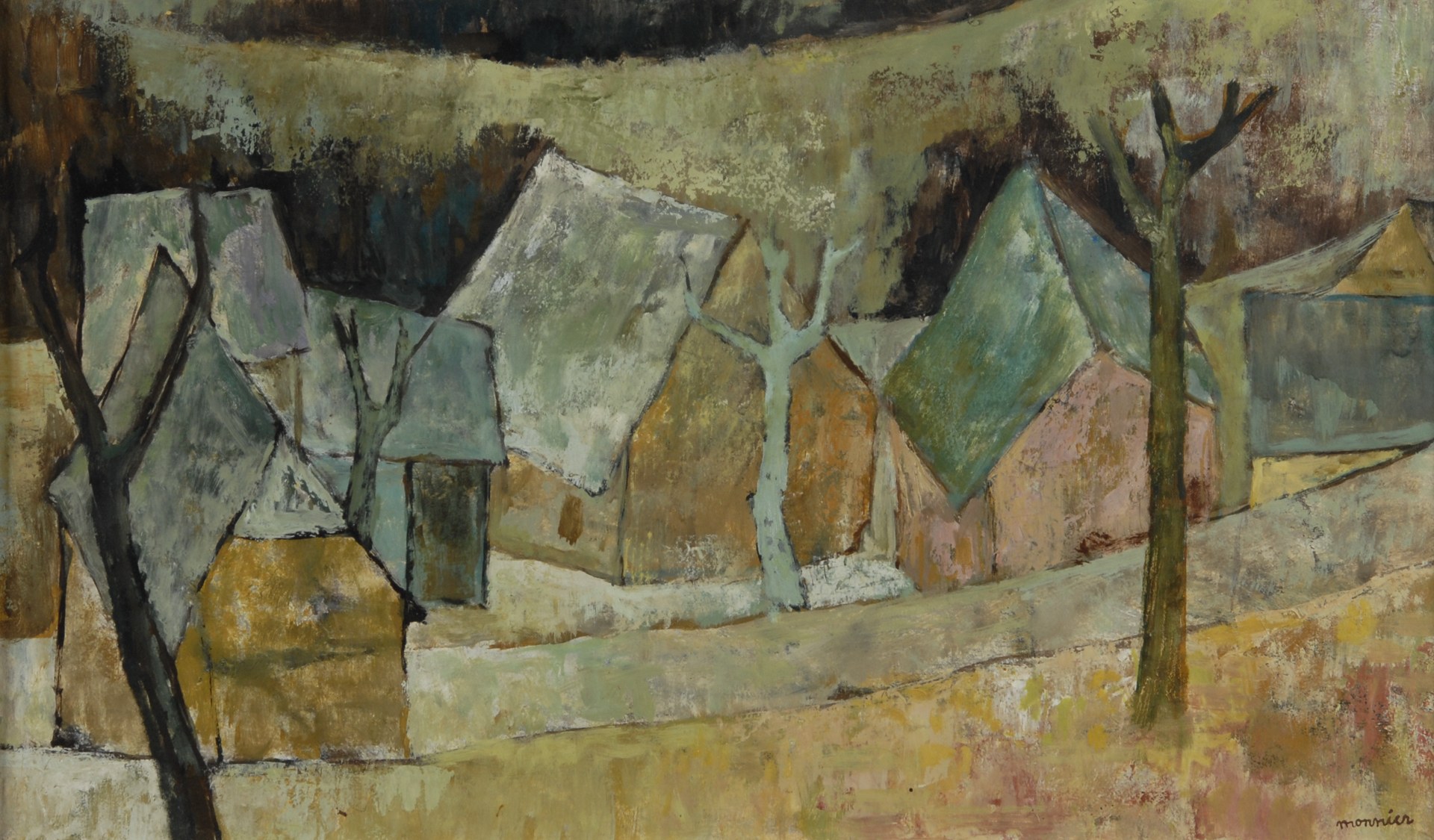
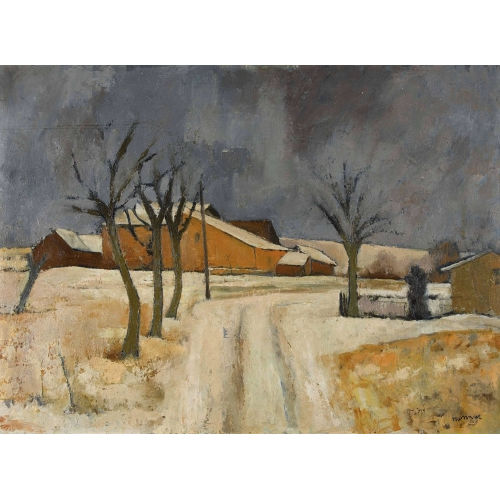
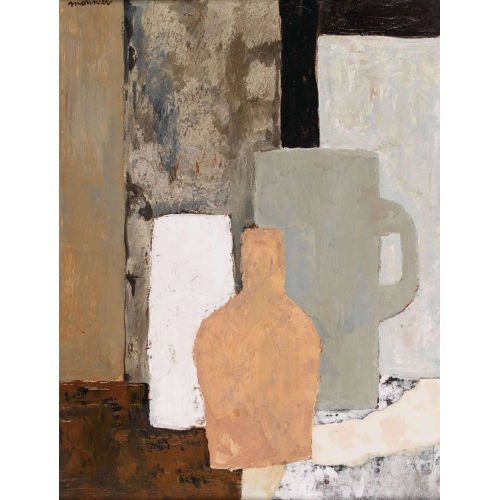
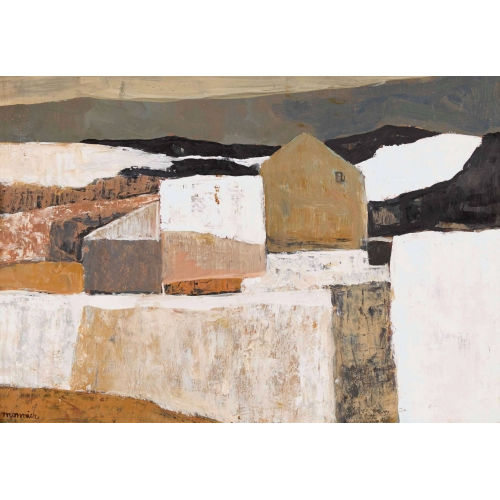
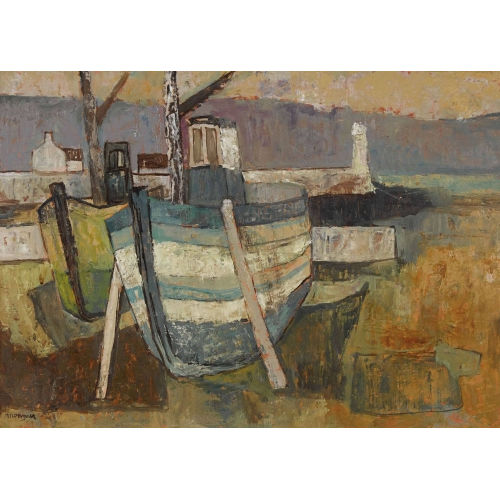
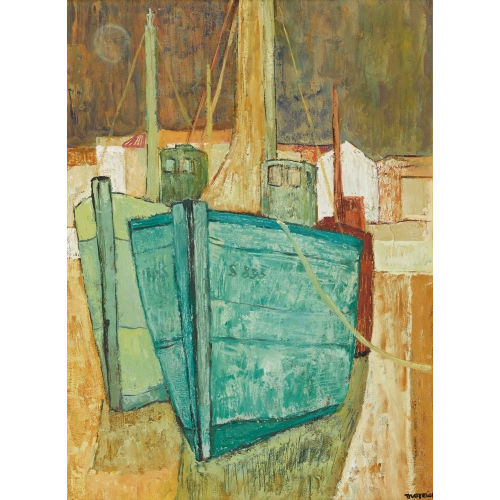
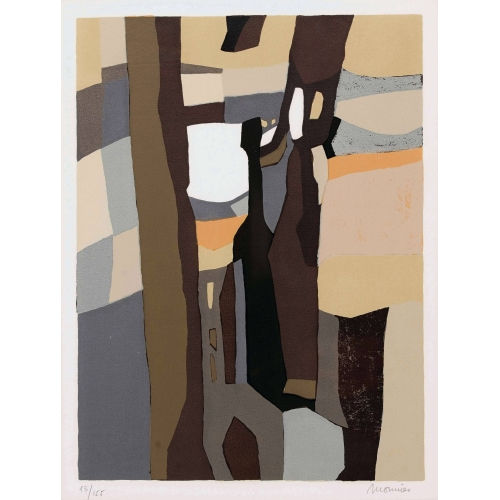
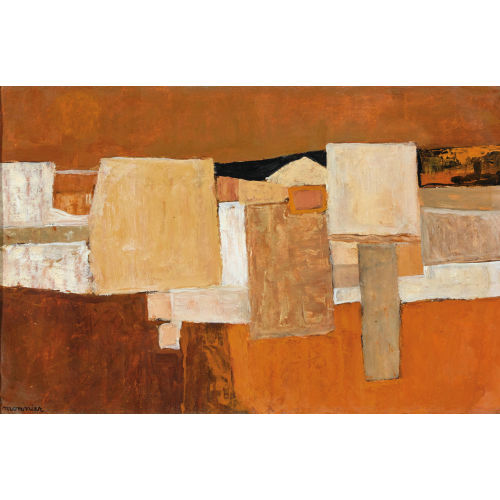
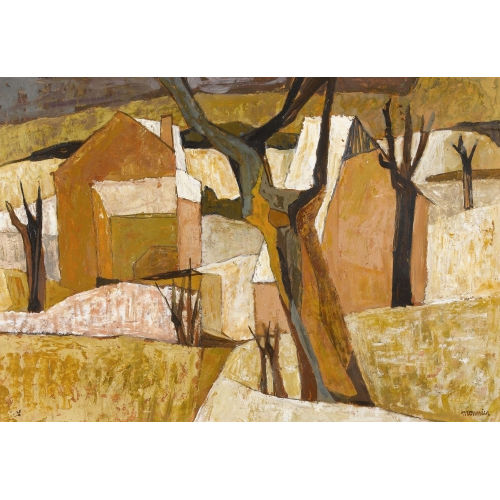
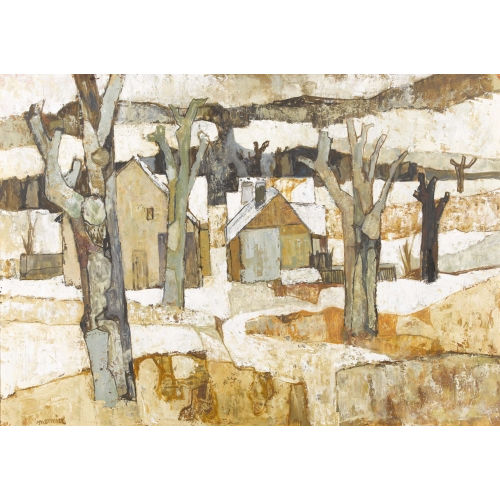
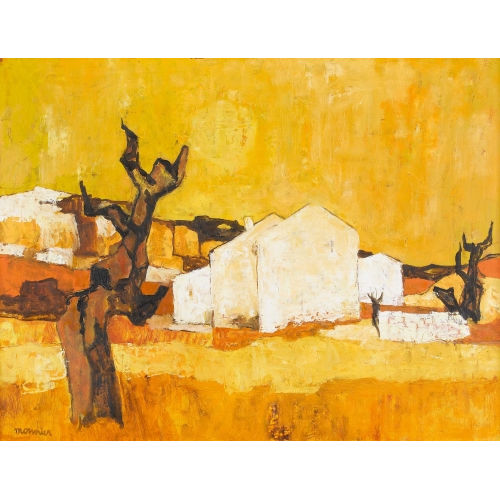
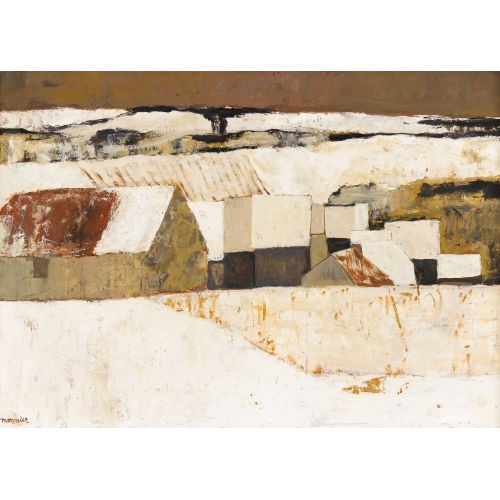
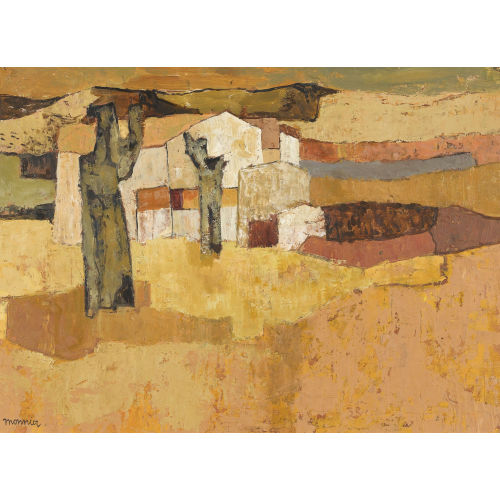
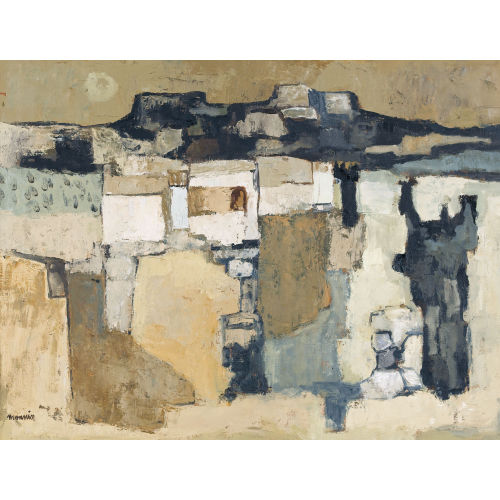
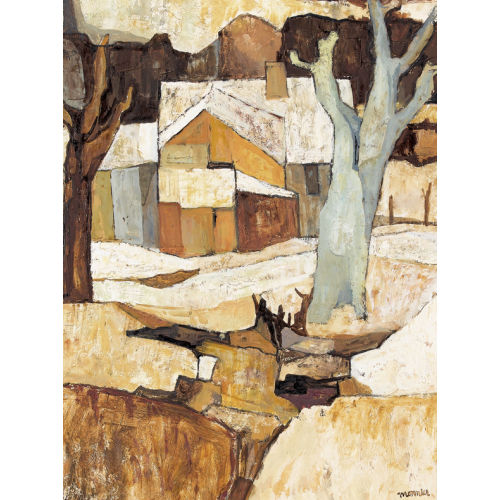
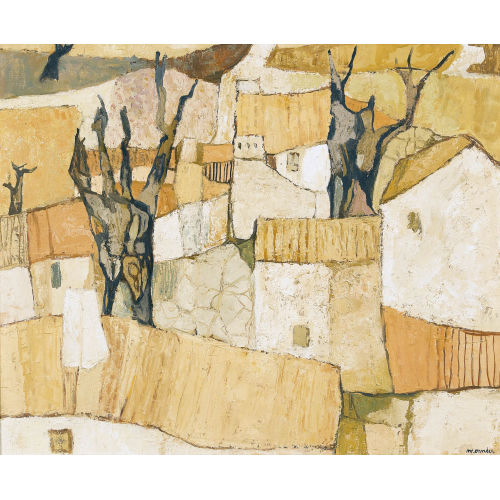
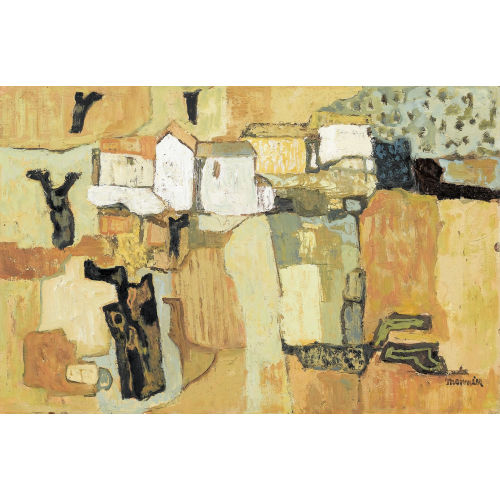
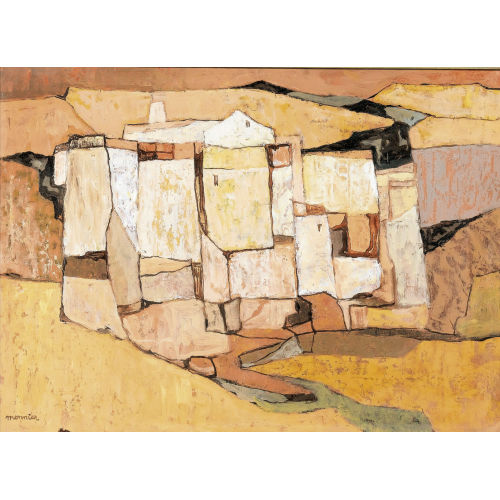
In the work of Charles Monnier (1925–1993), the landscape reveals itself through villages, hills and trees. Born in Geneva, this painter remains little documented, but the archives assembled by the Médiathèque Valais make it possible to trace several stages of his artistic presence in French-speaking Switzerland.
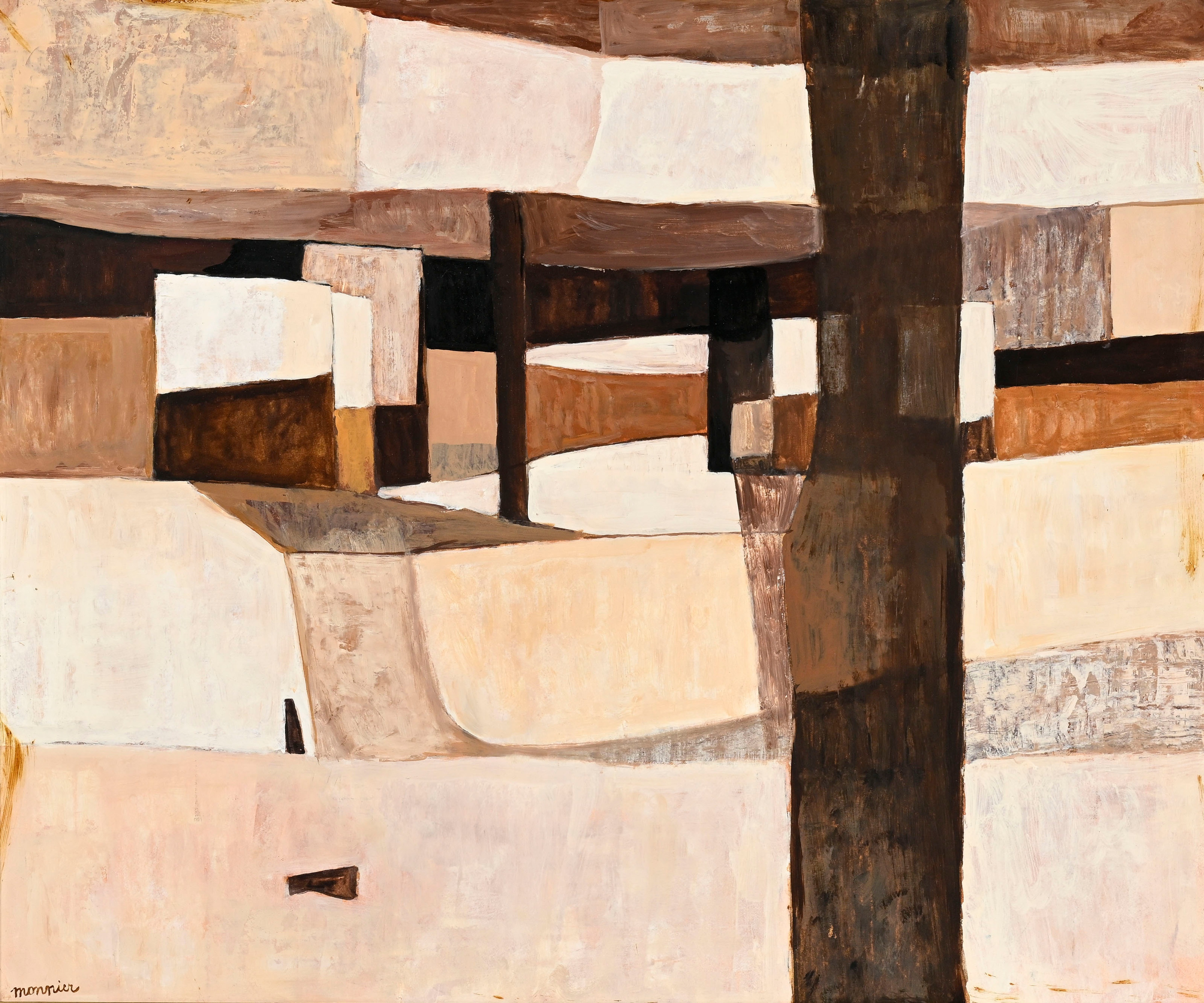
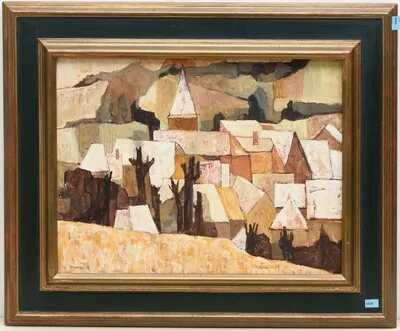
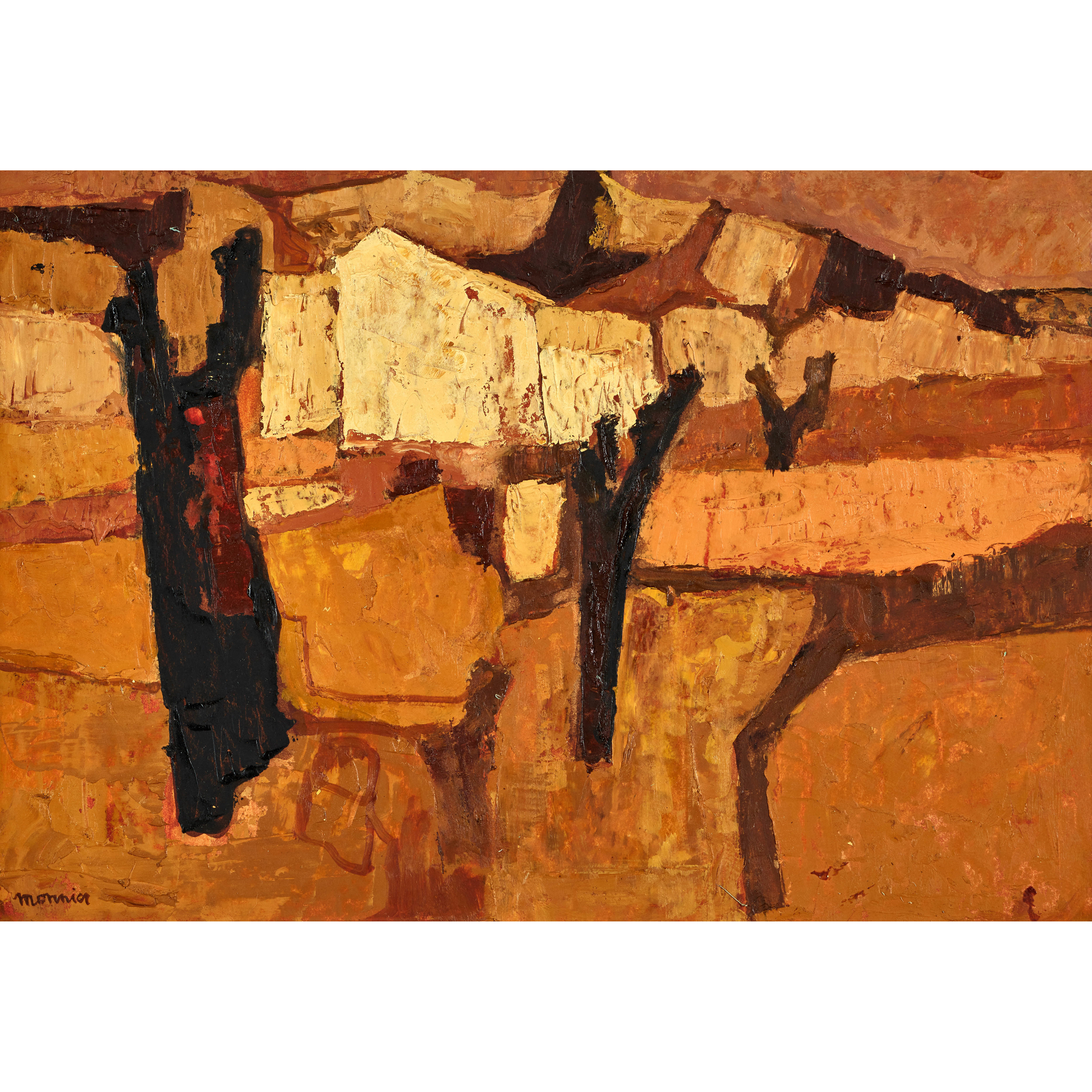
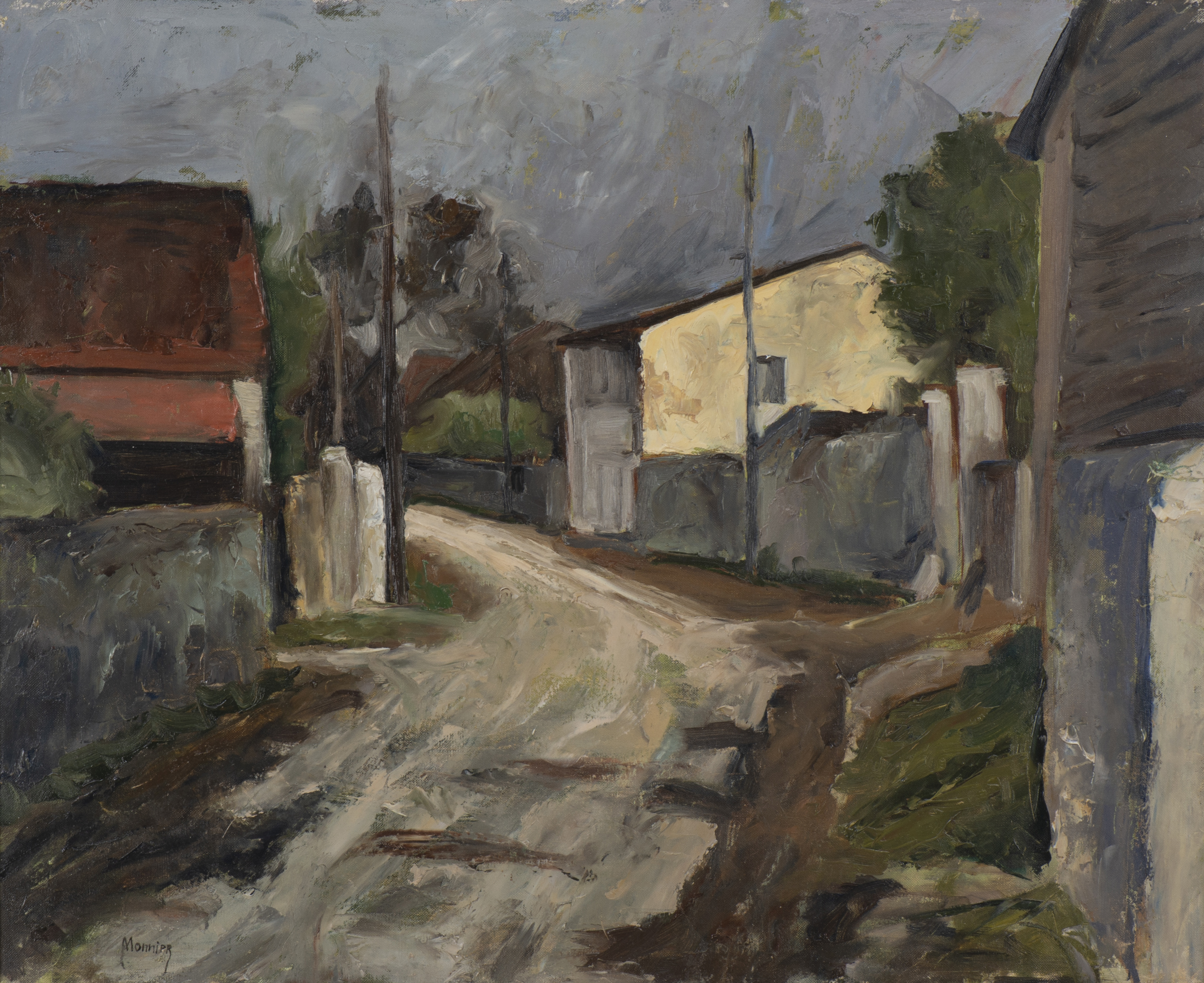
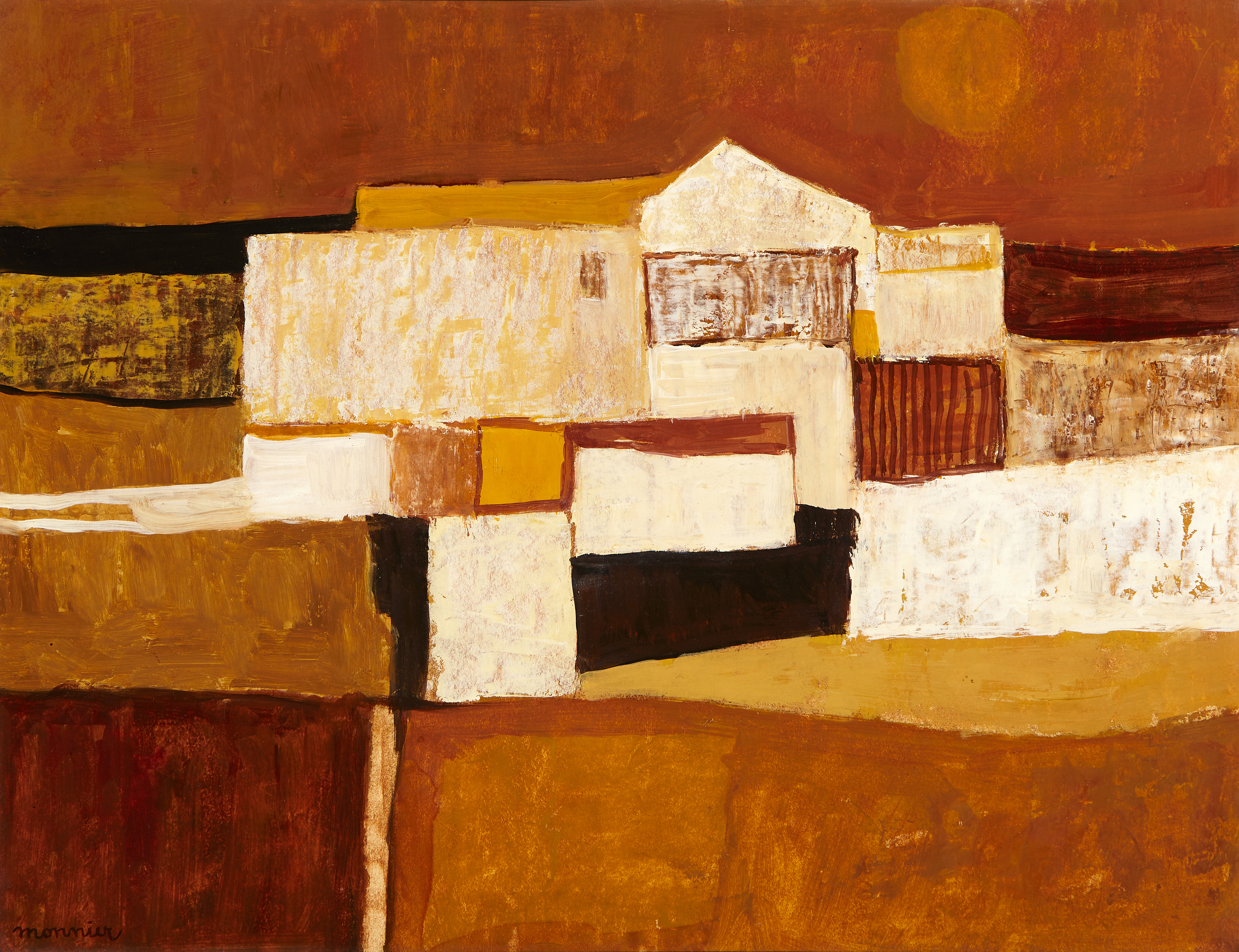
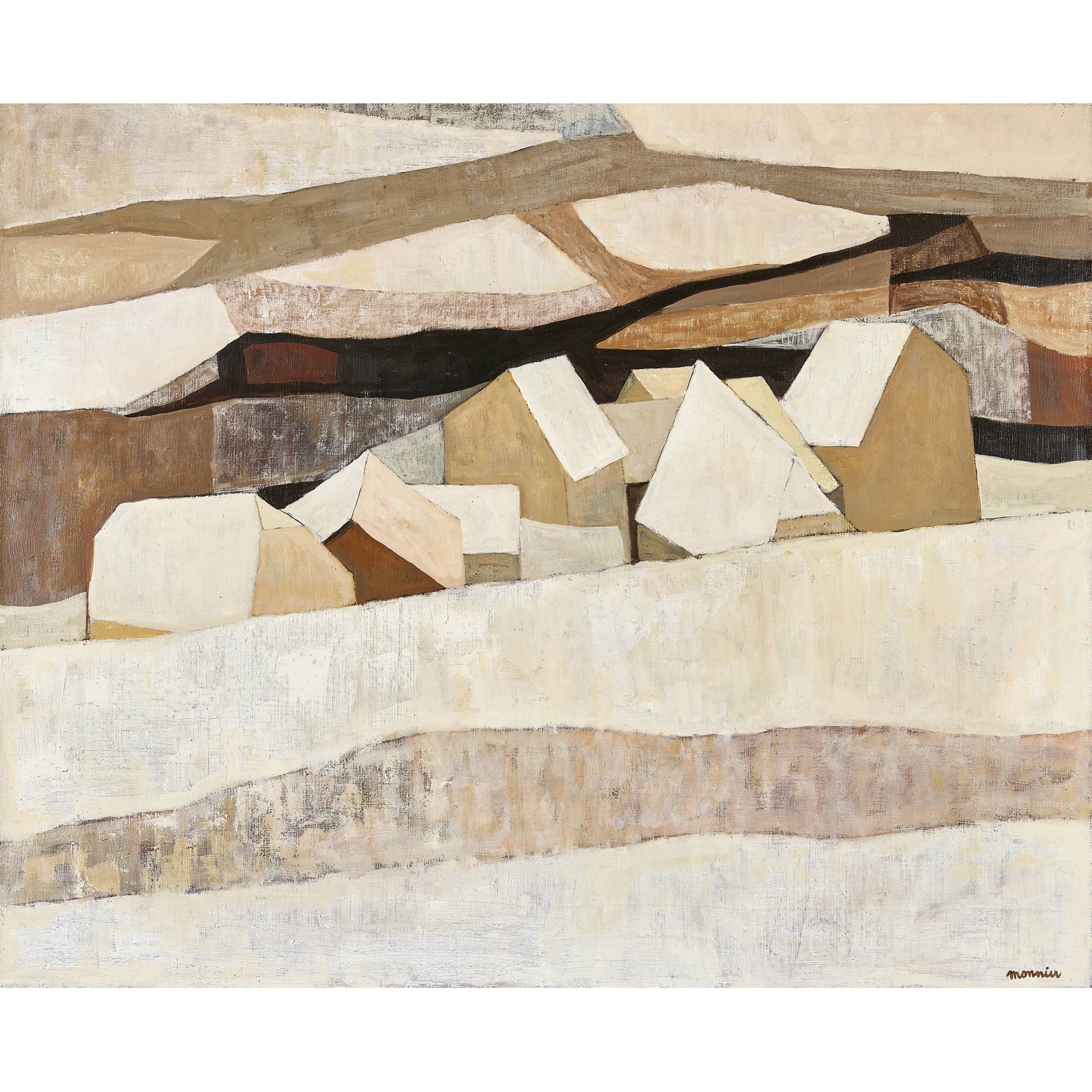
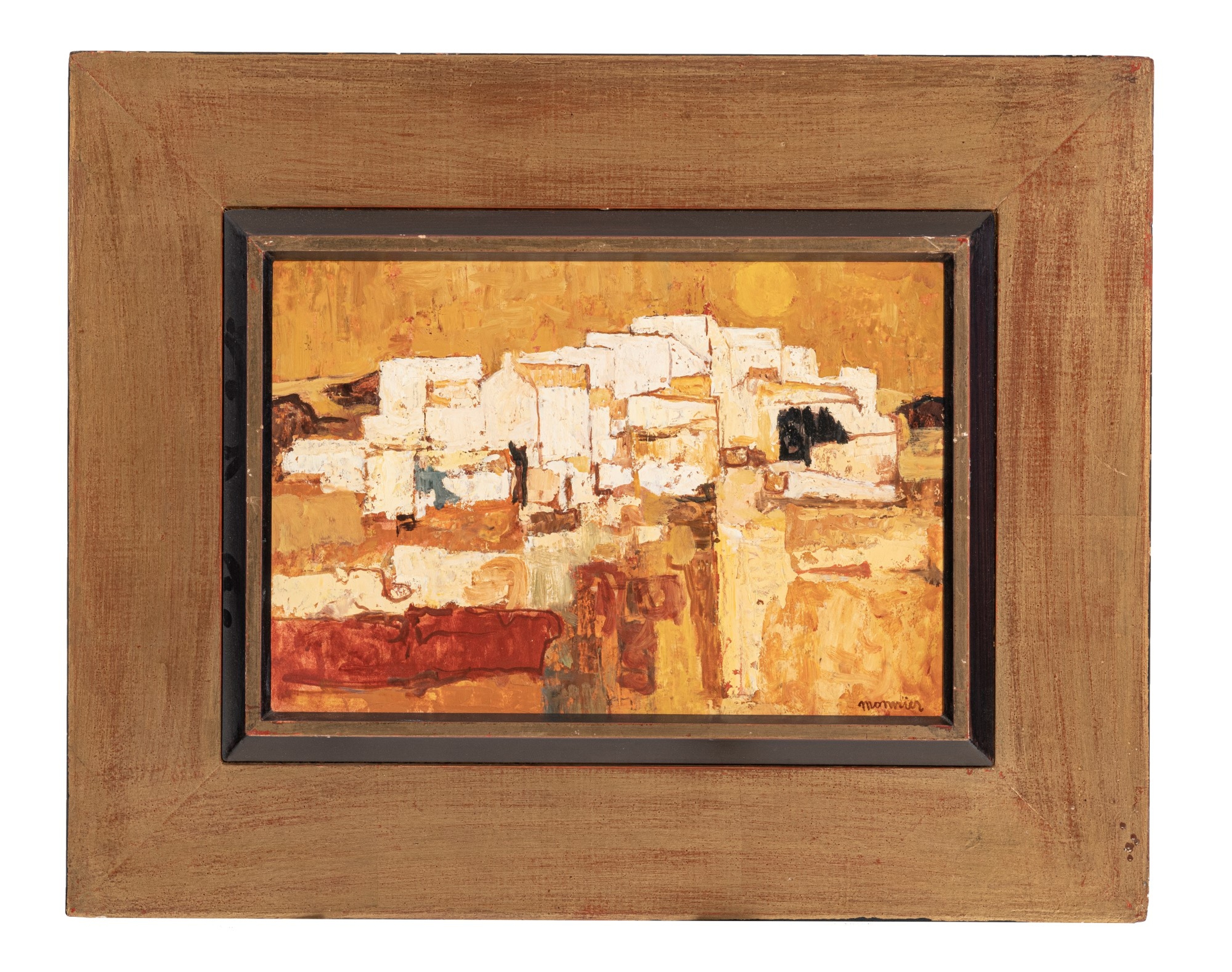
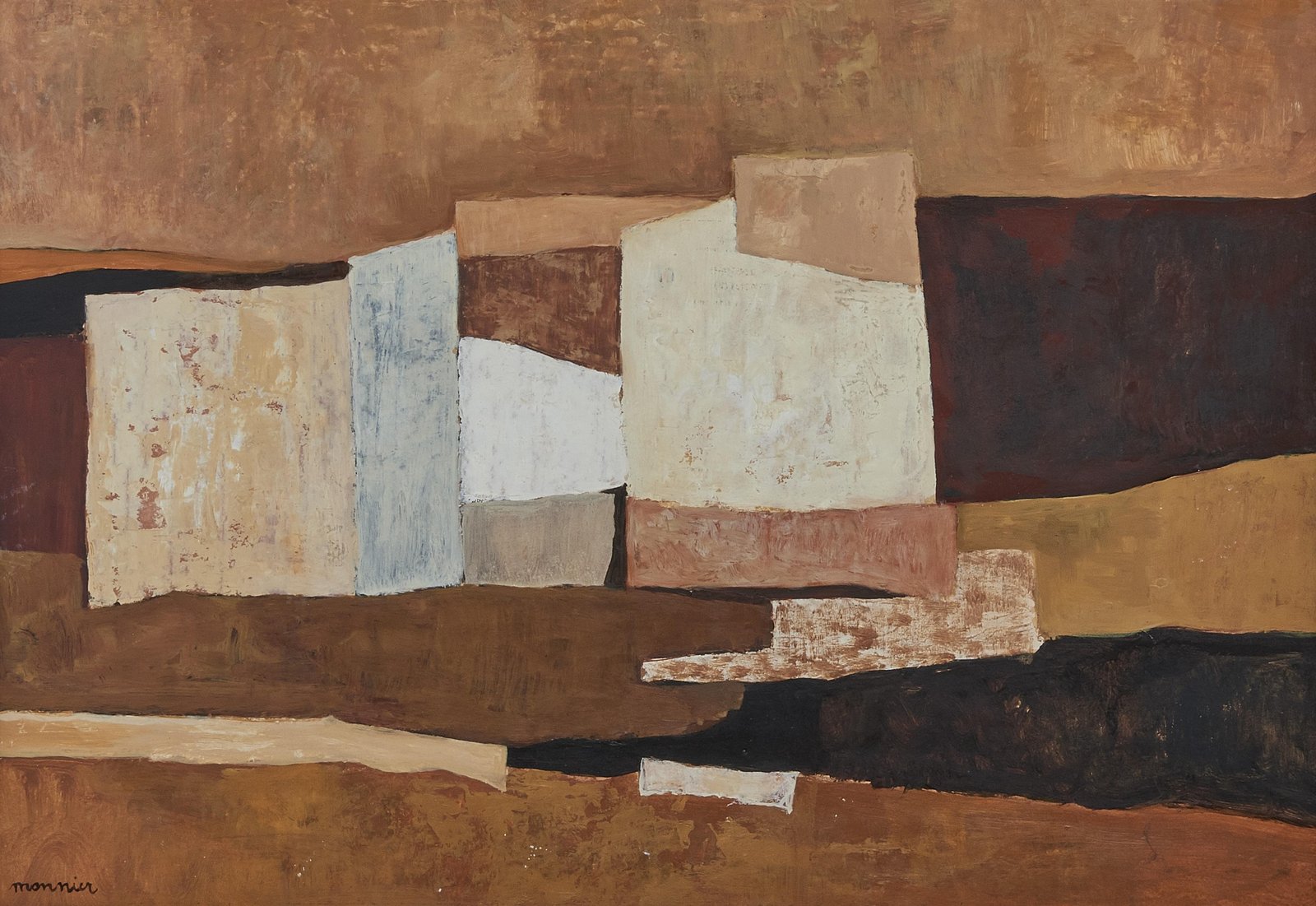
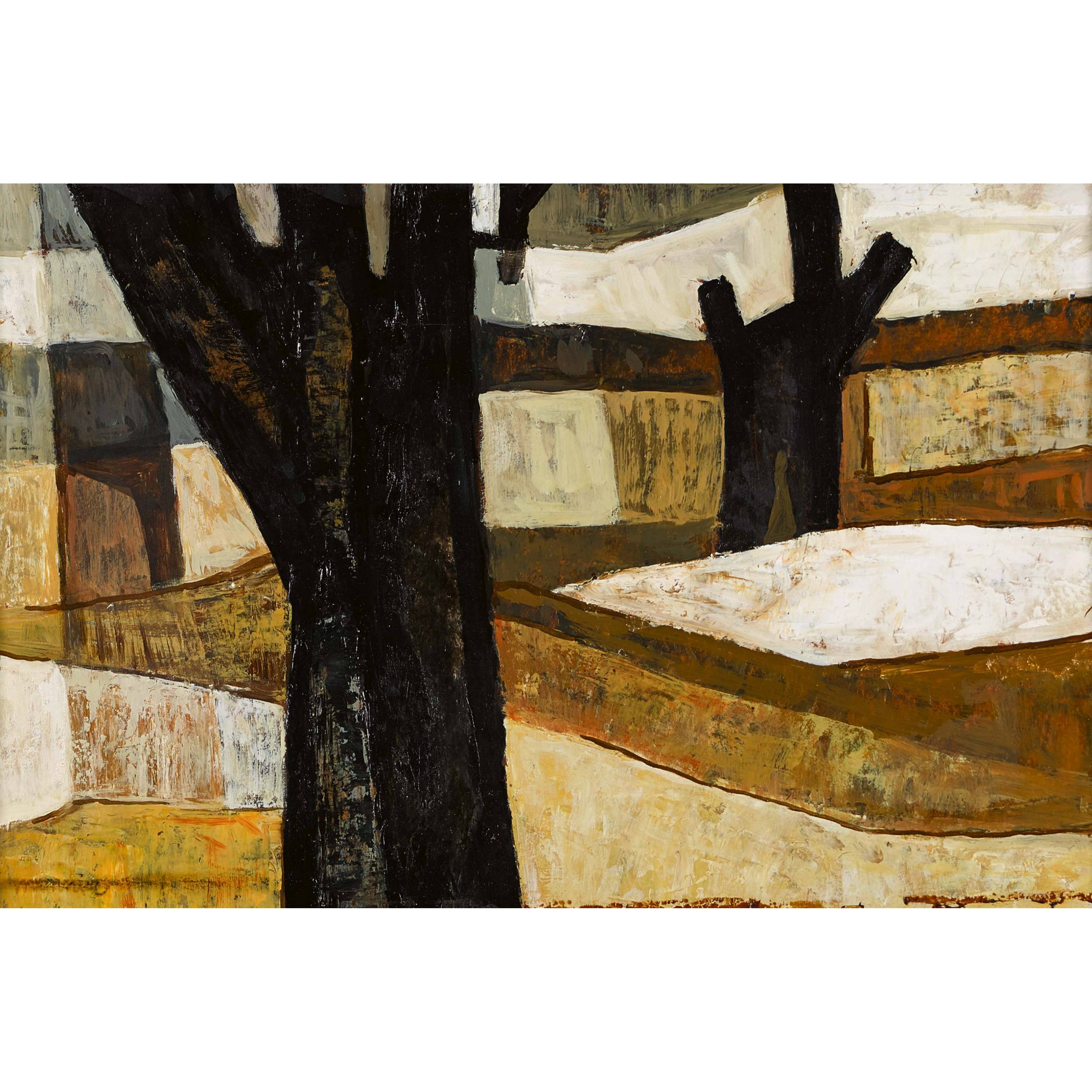
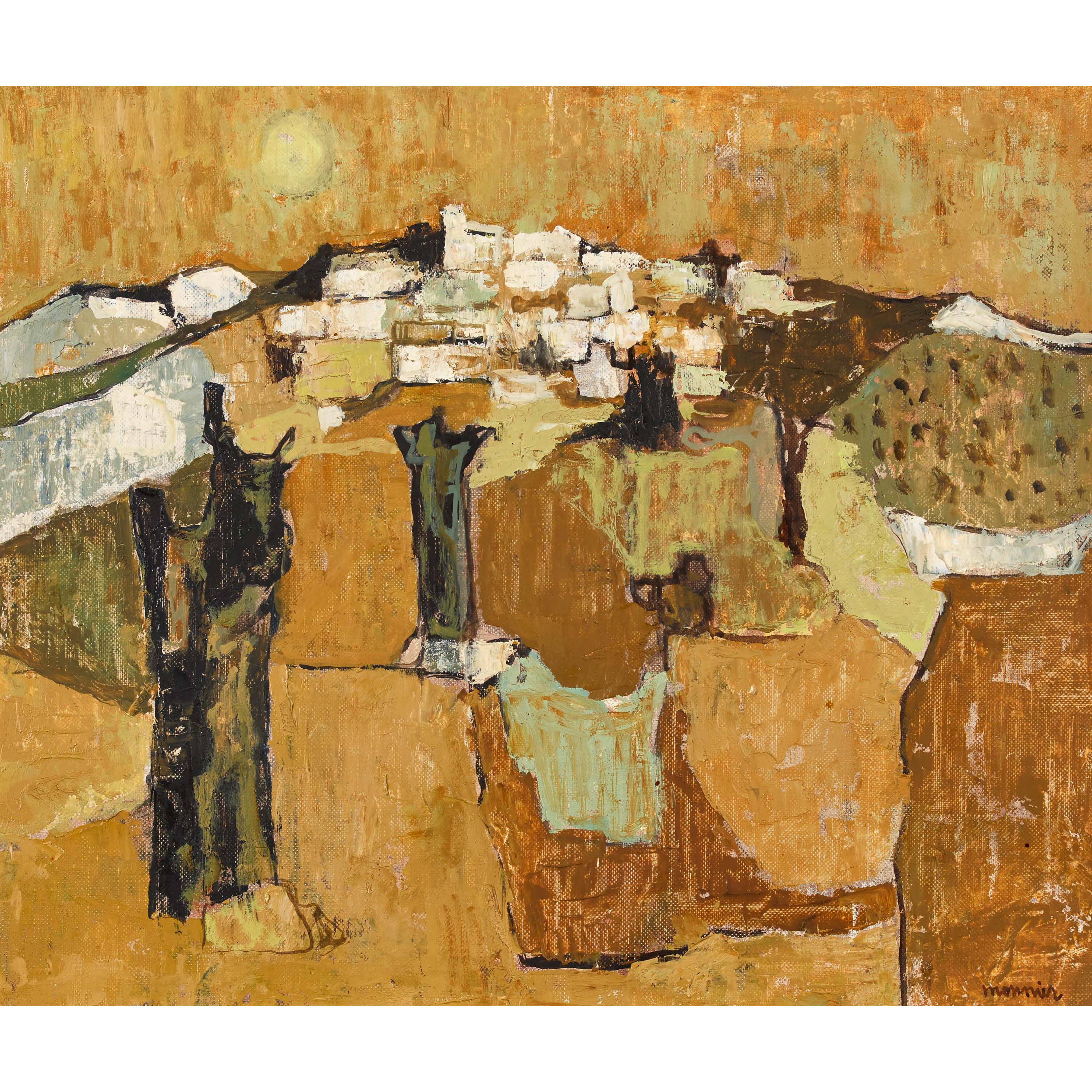
In 1972, he exhibited at the Carrefour des Arts in Sion; the press reproduced Villages et collines at the time. Three years later, a presentation at the Galerie Grande Fontaine, in the same city, was accompanied by an illustration of Vieux Verbier. These titles situate part of his vision within an environment of landforms and rural habitation.
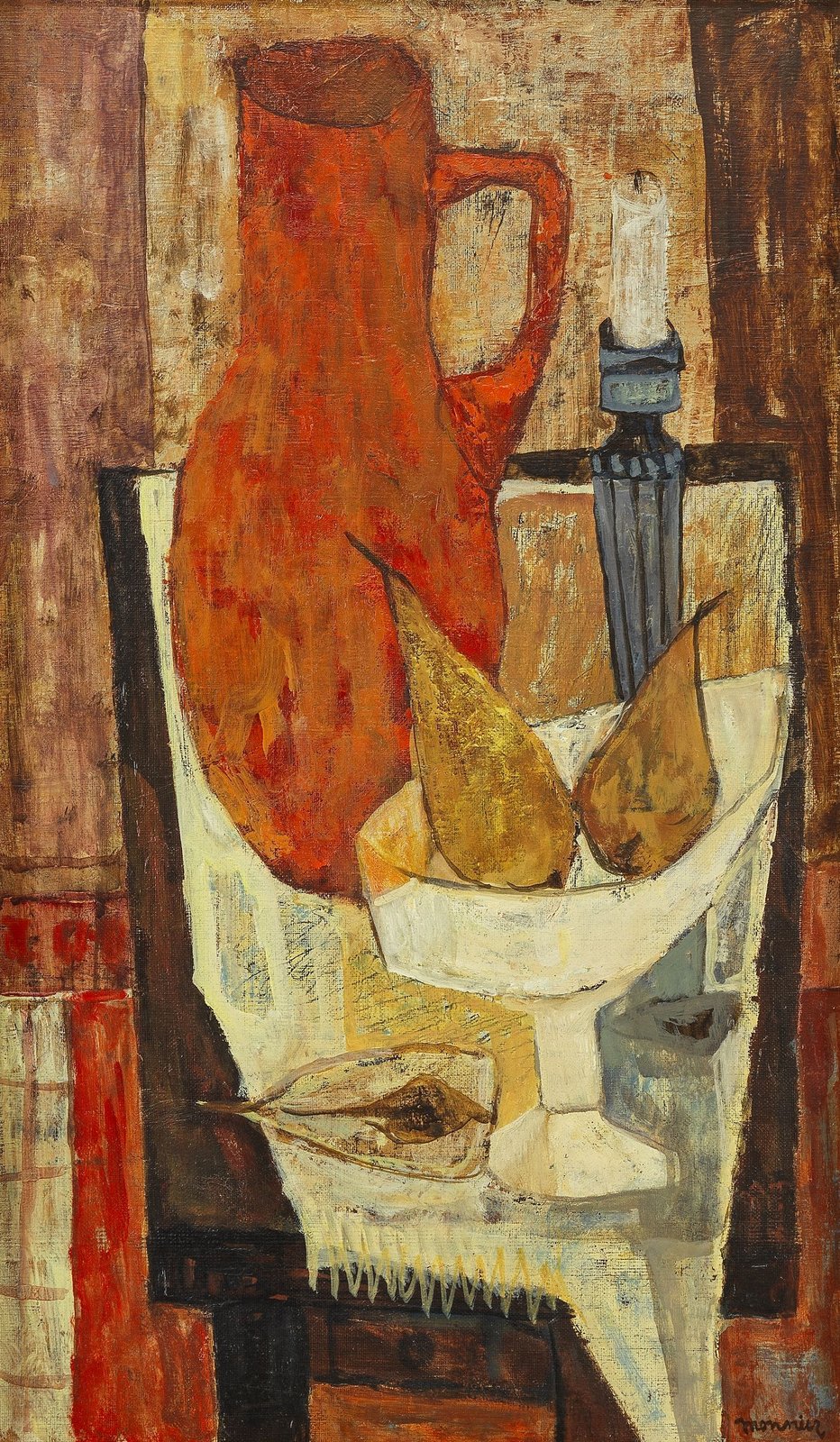
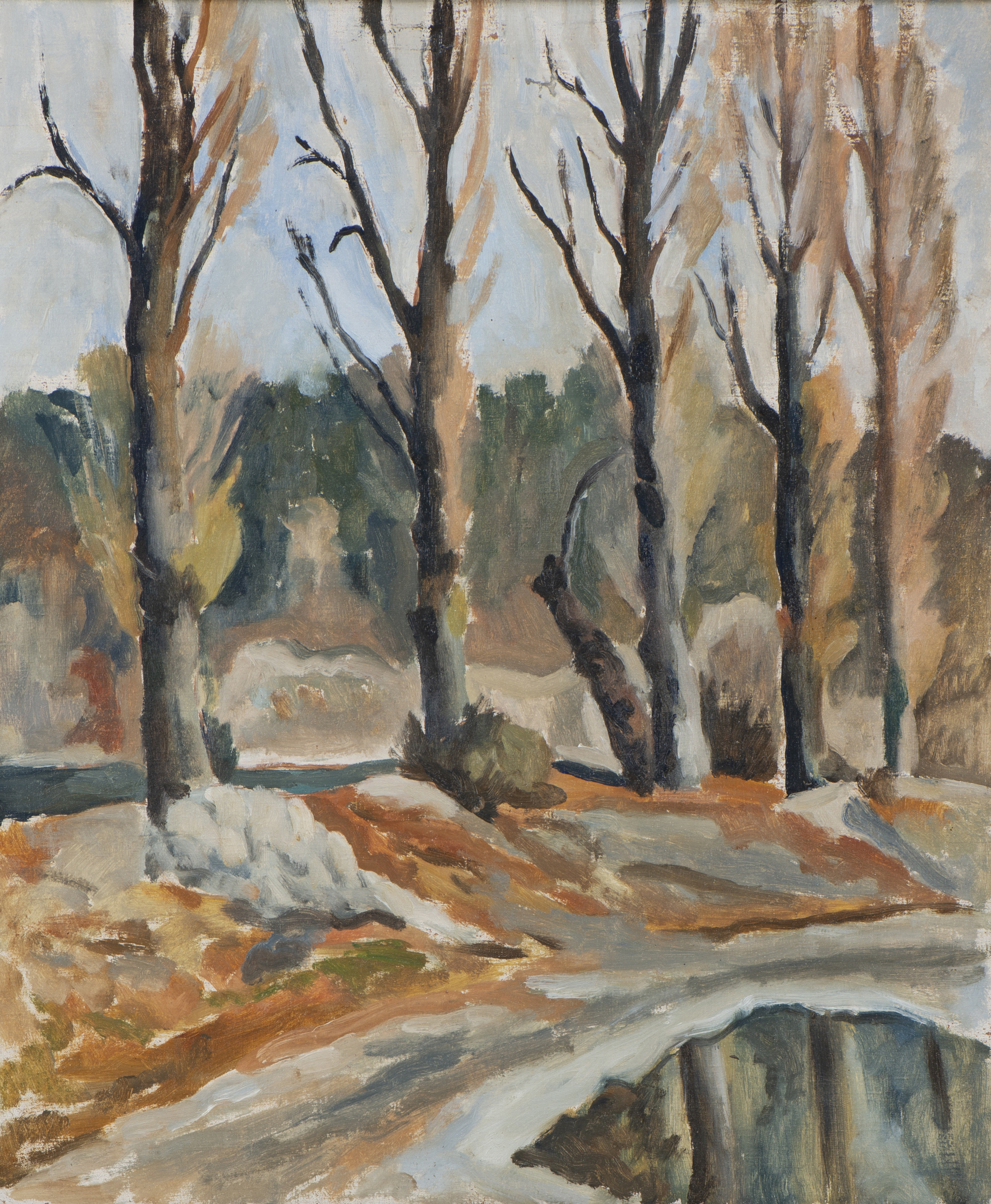
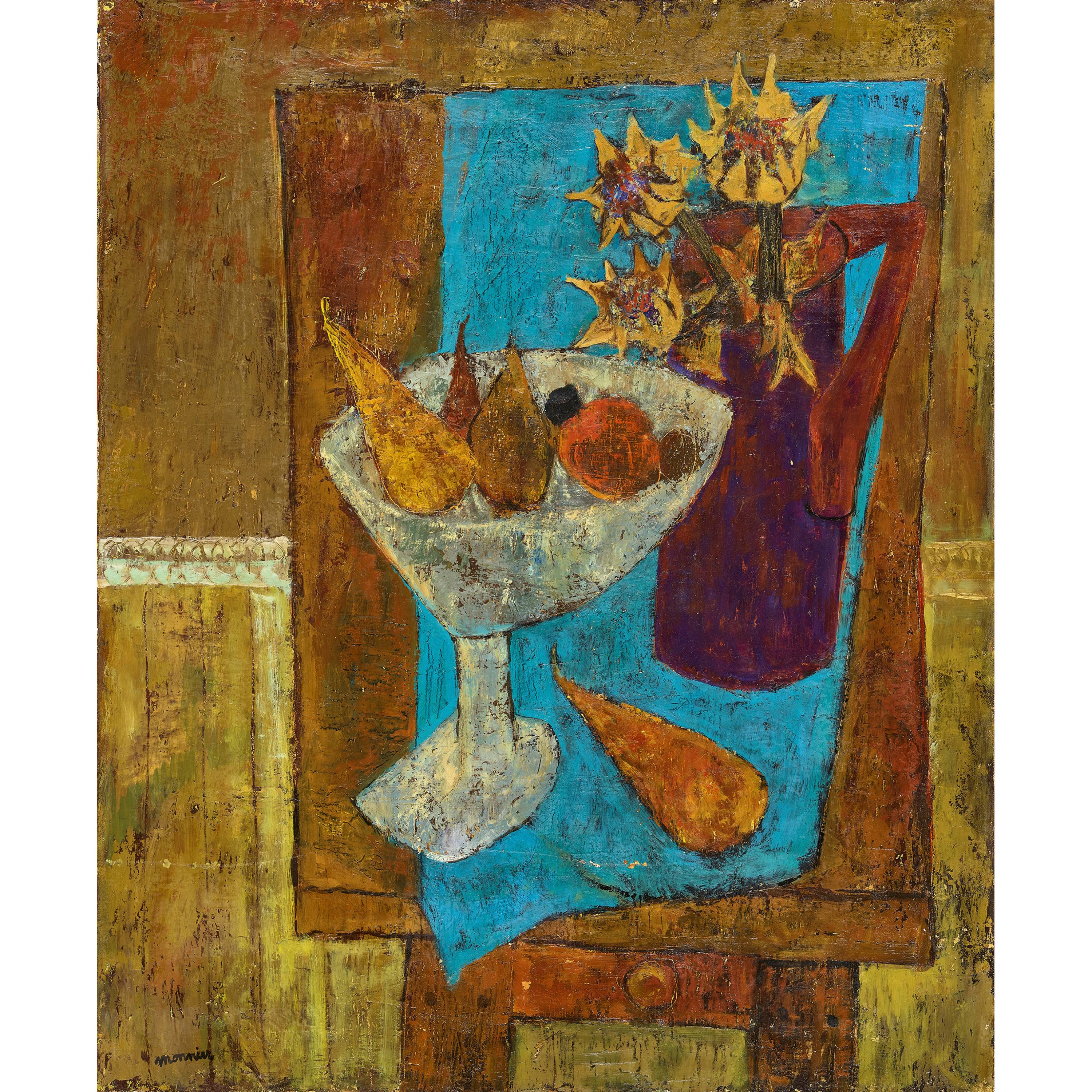
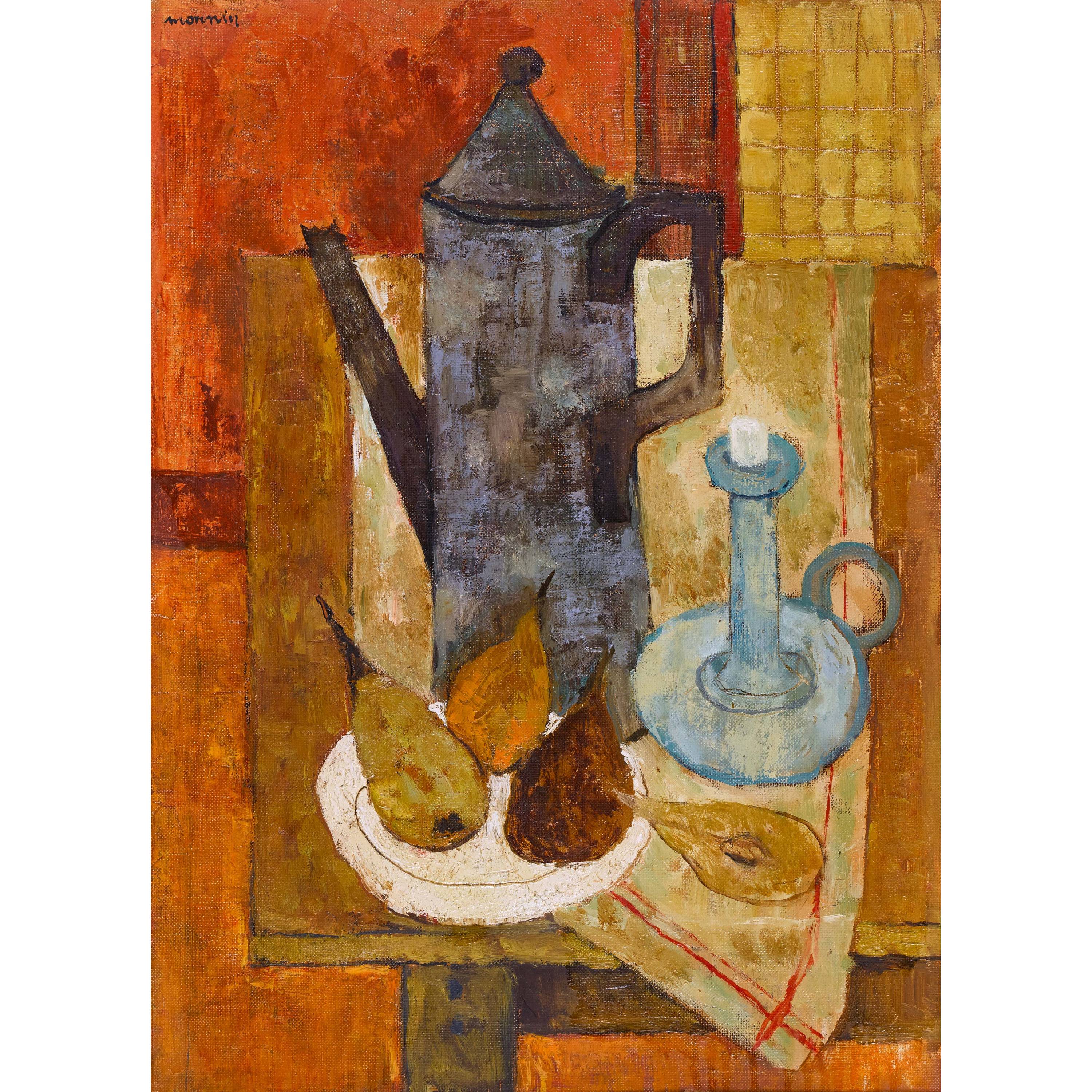
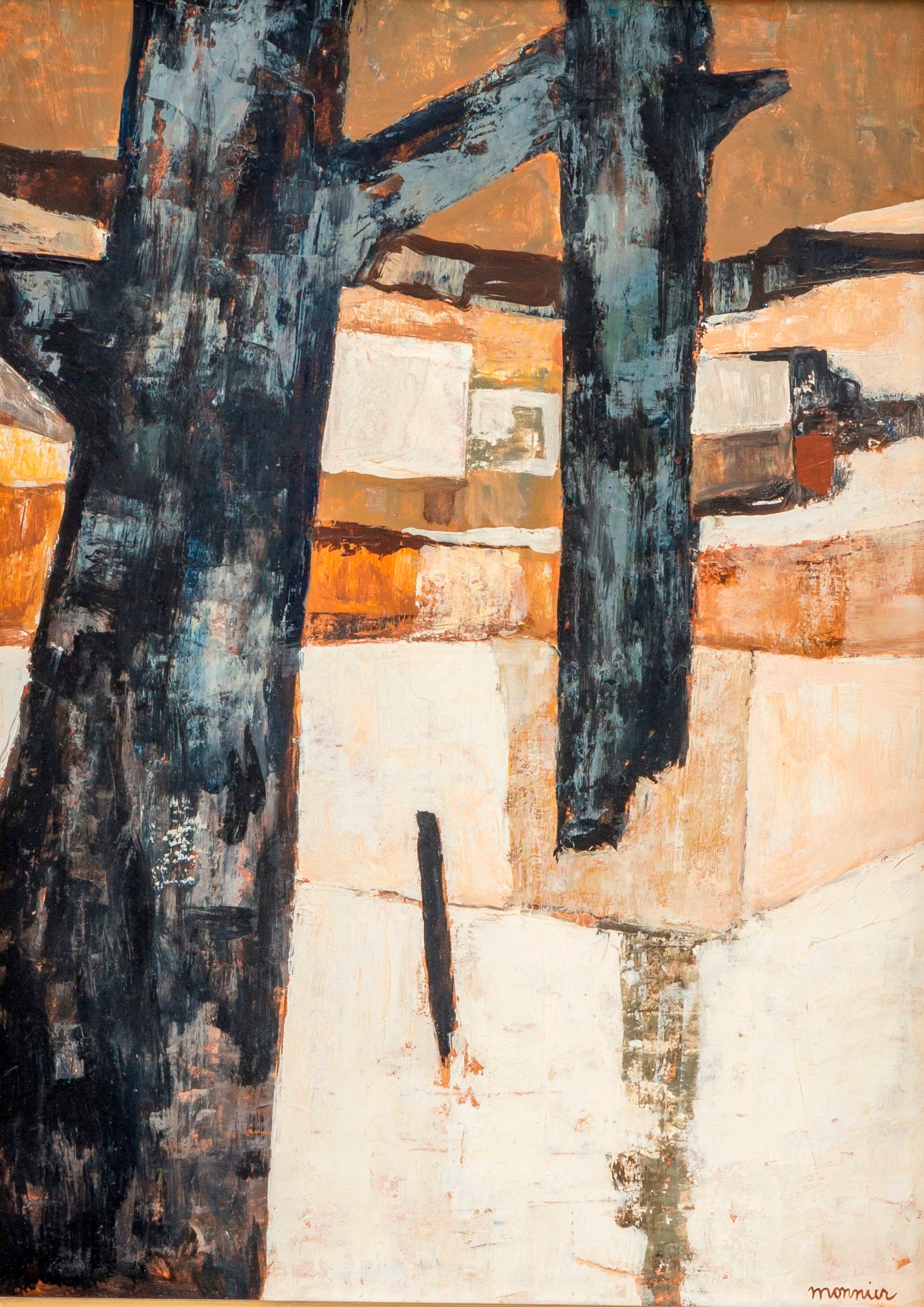
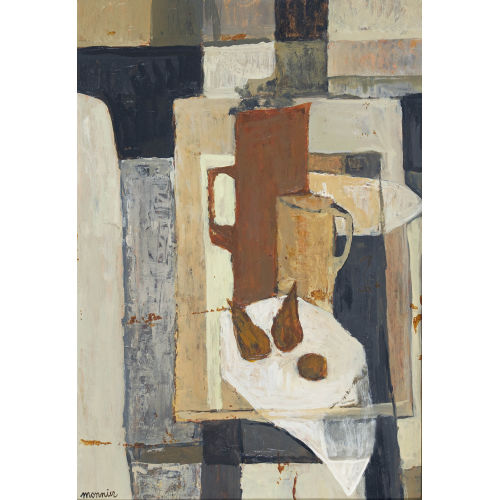
Les deux poiriers (Haute-Savoie), an oil on canvas from 1978 documented in the Piguet catalogue, extends this geography on both sides of the border. Its format of 41 by 30 centimetres invites a close encounter with the motif.
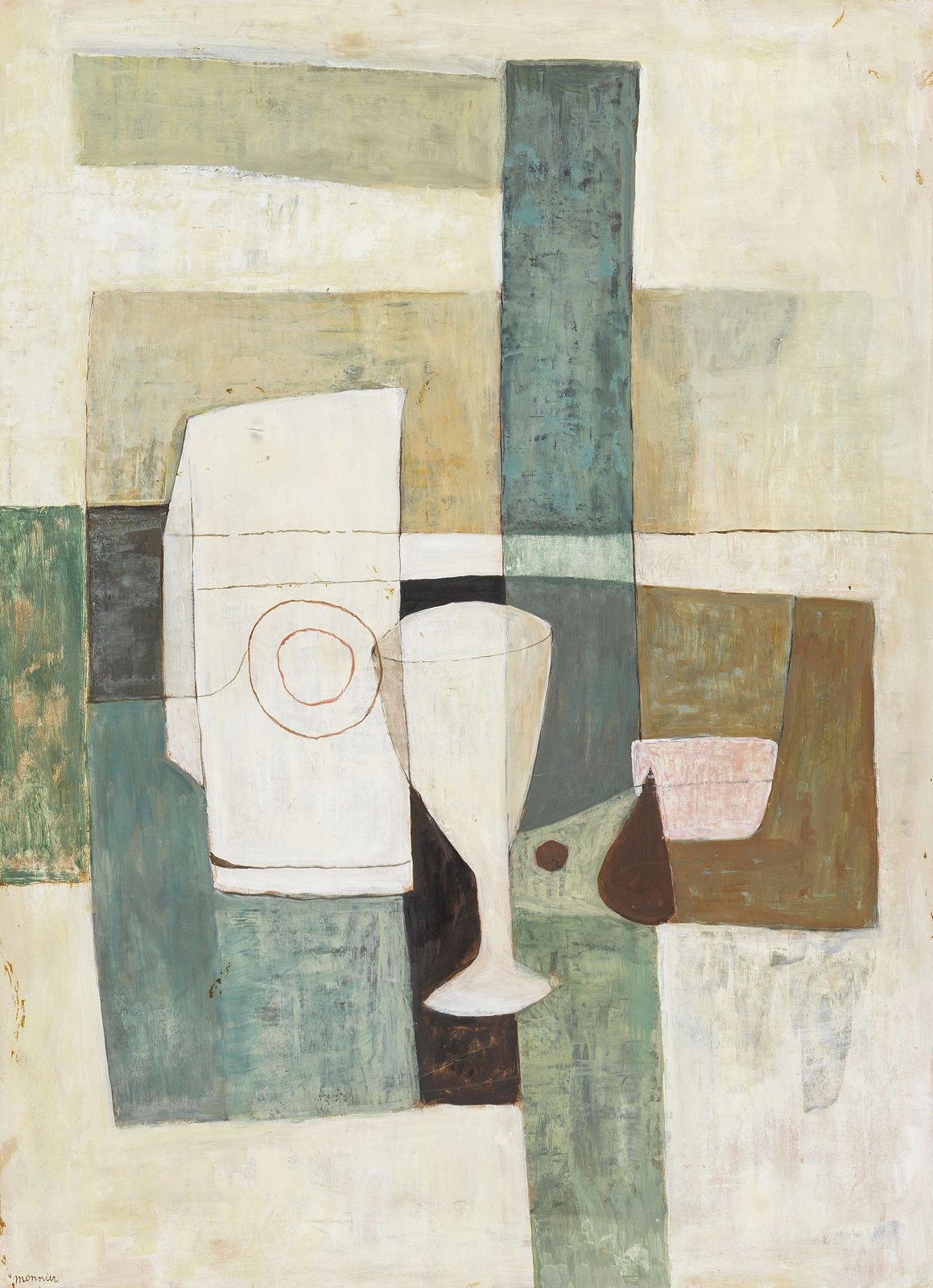
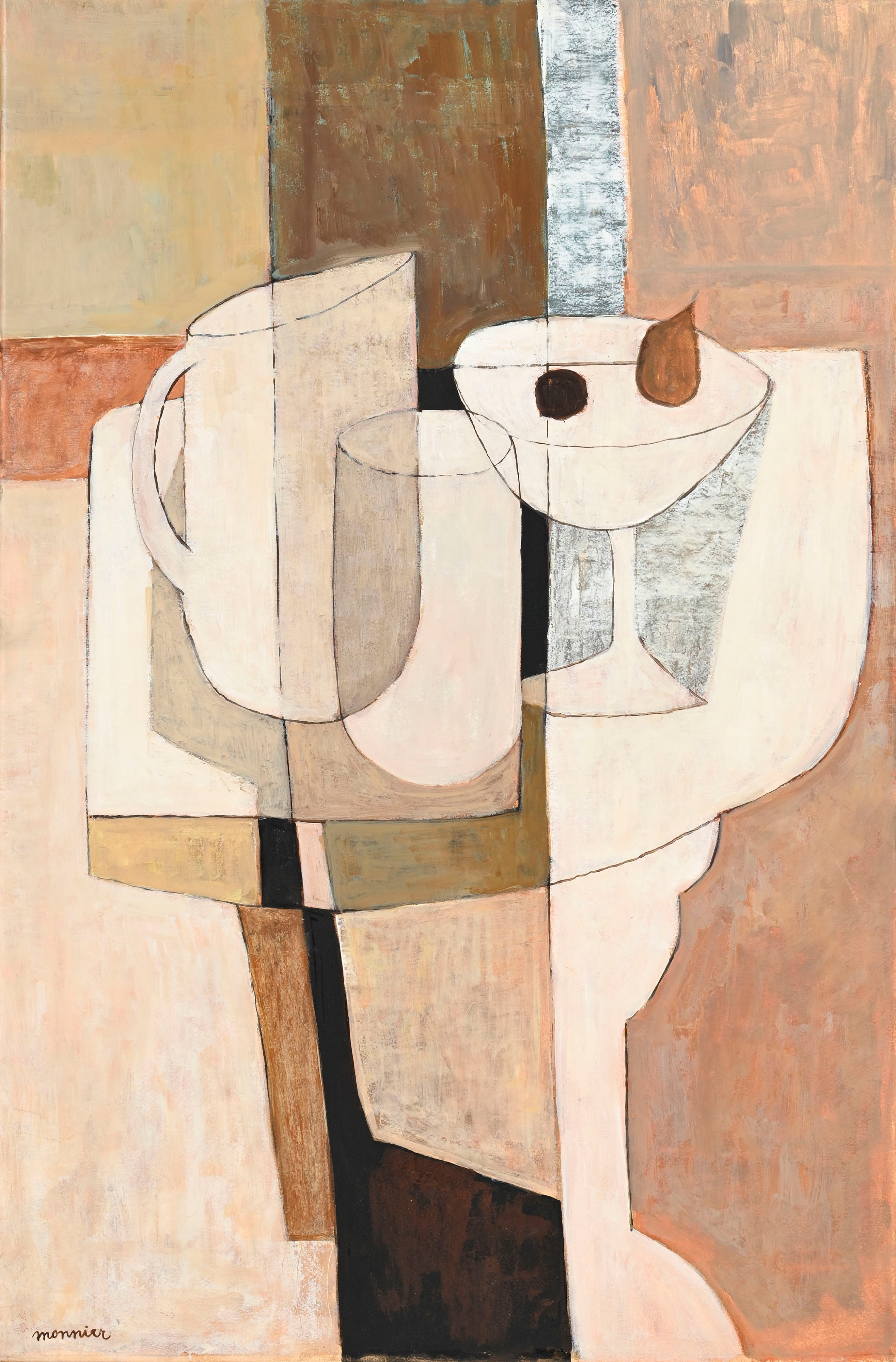
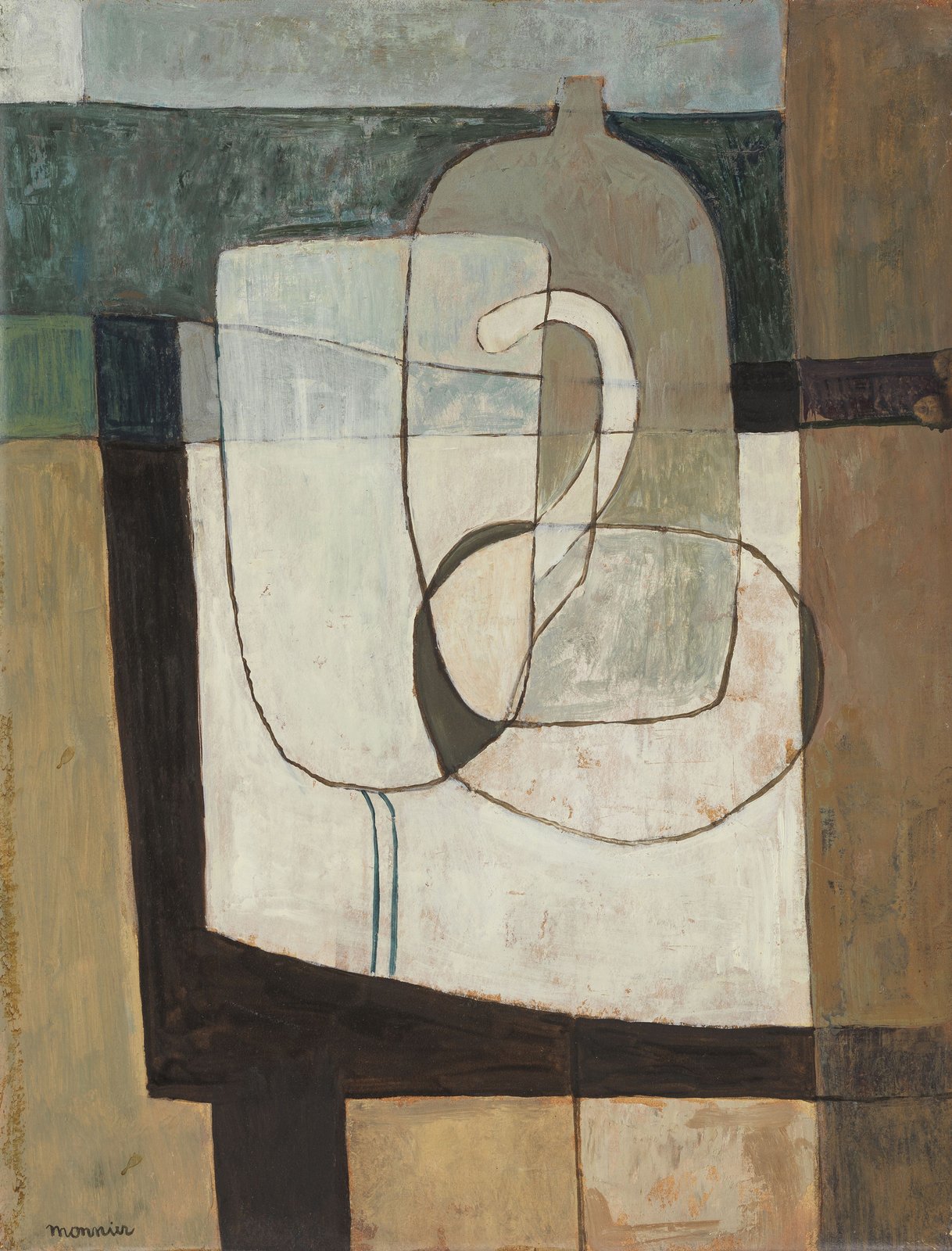
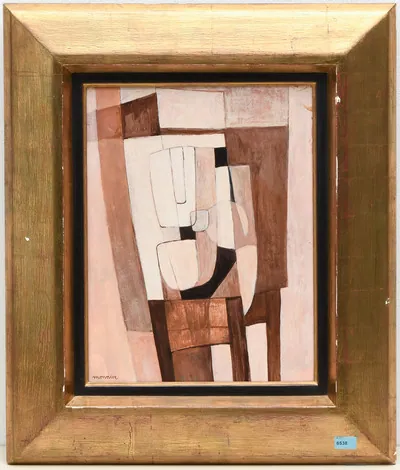
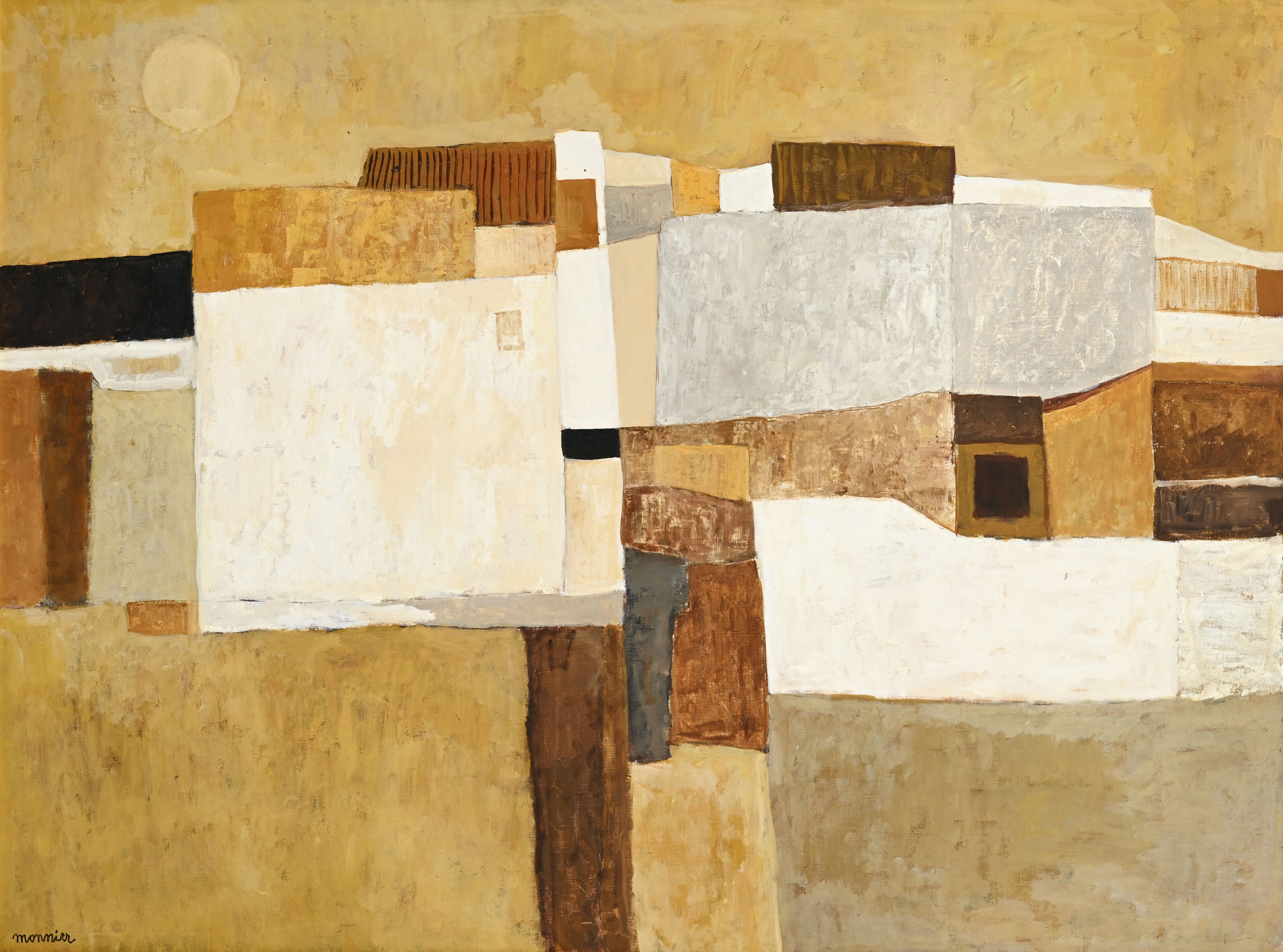
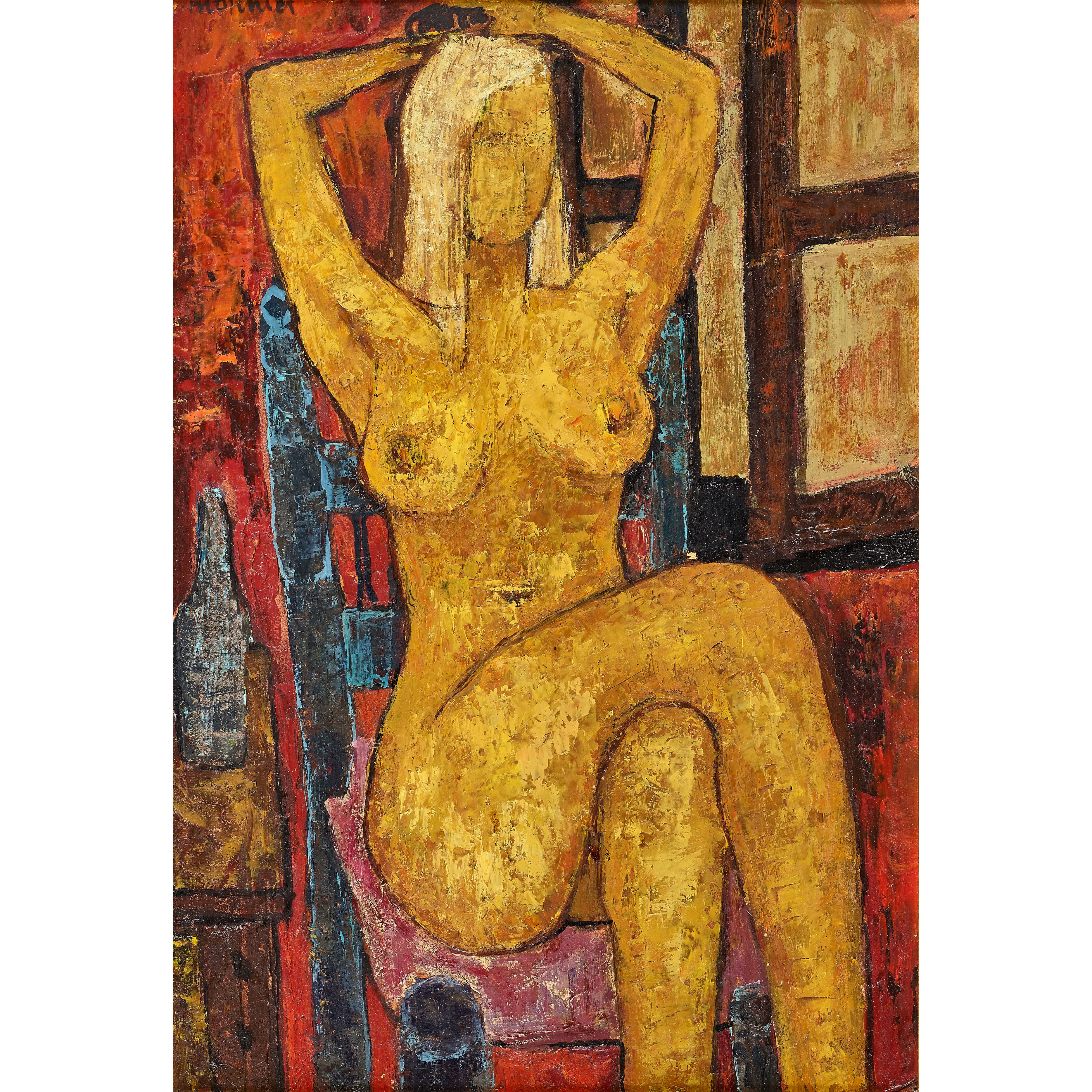
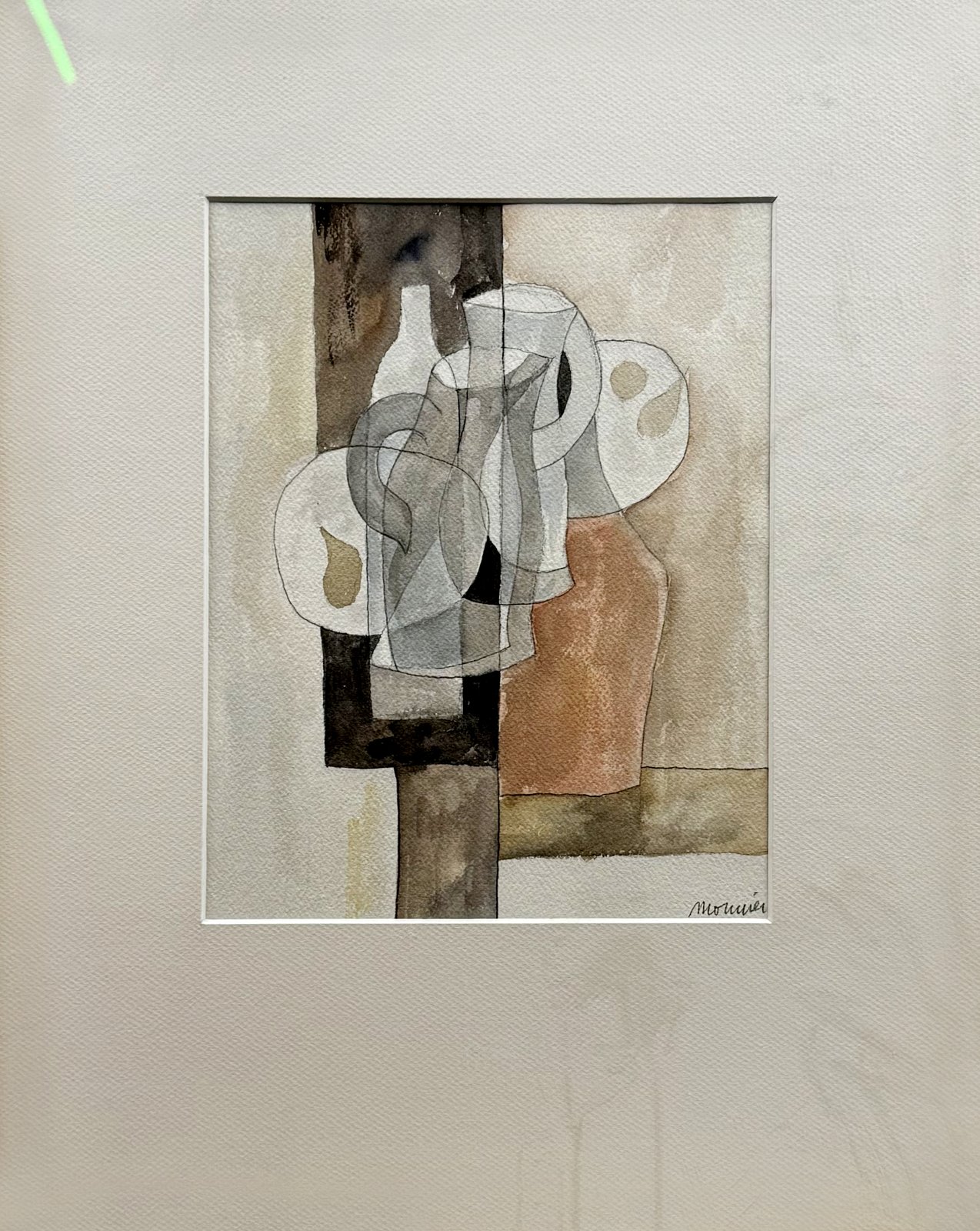
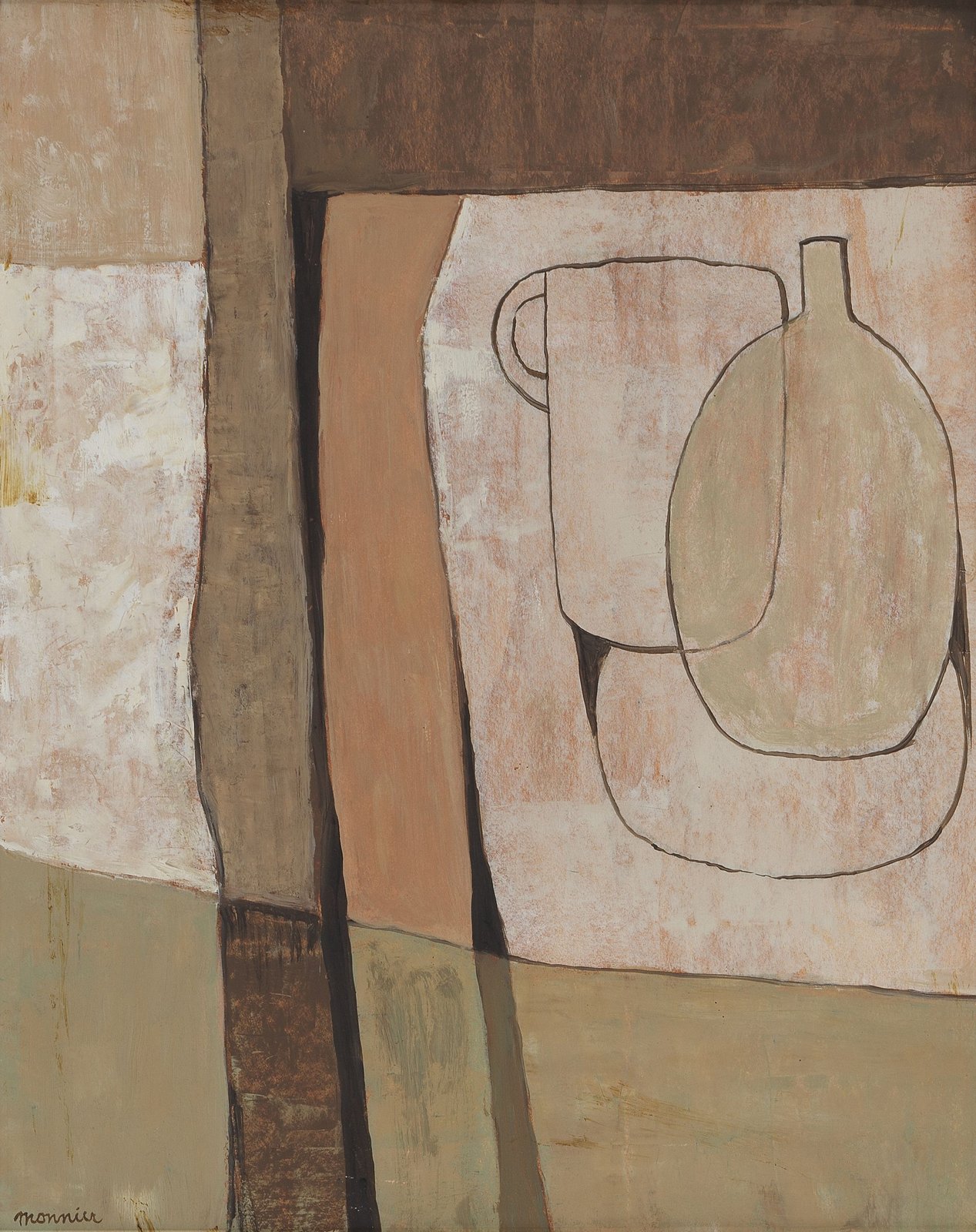
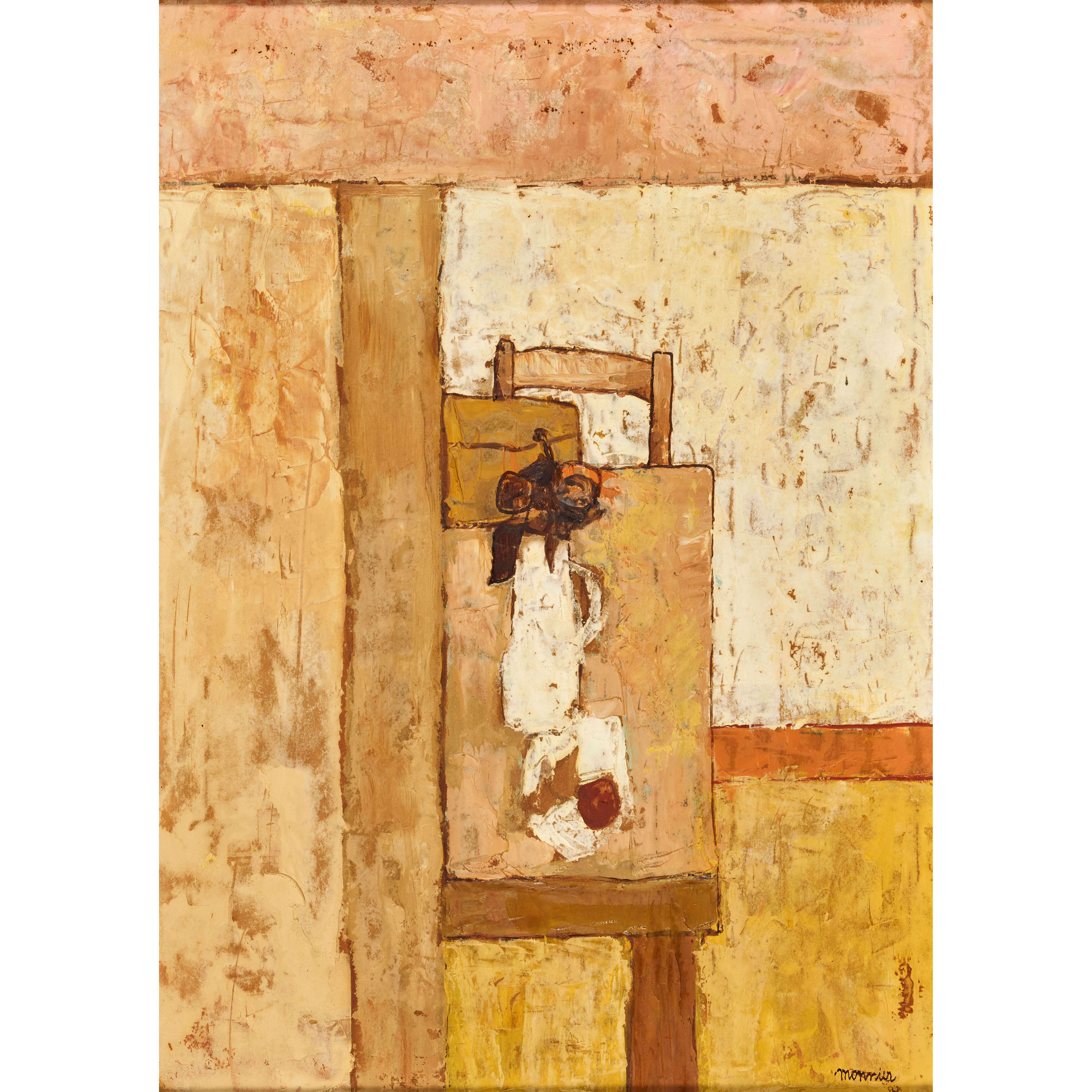
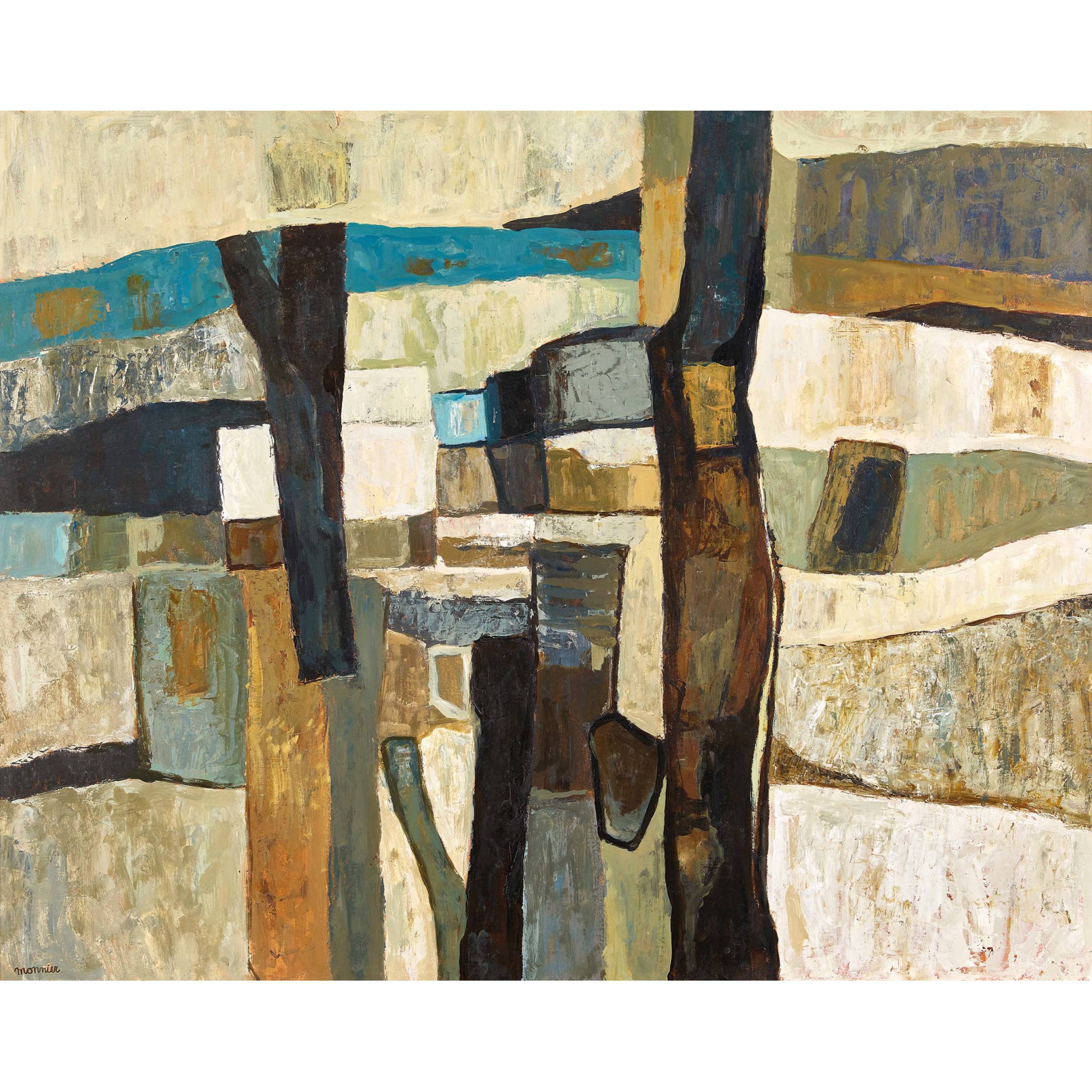
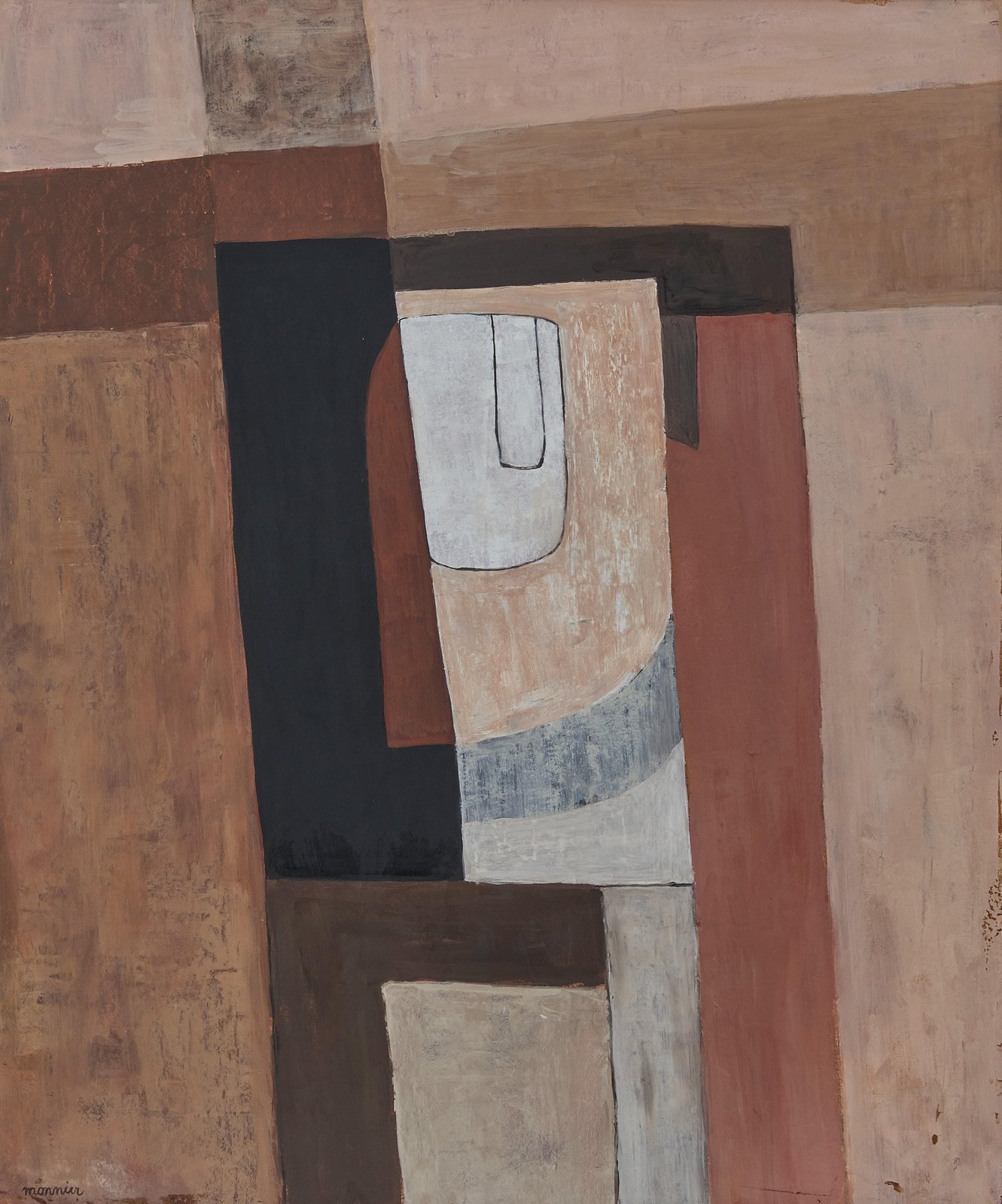
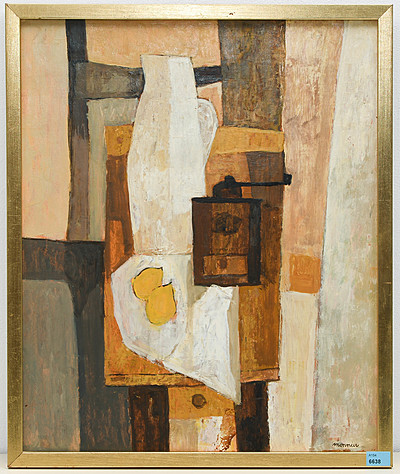
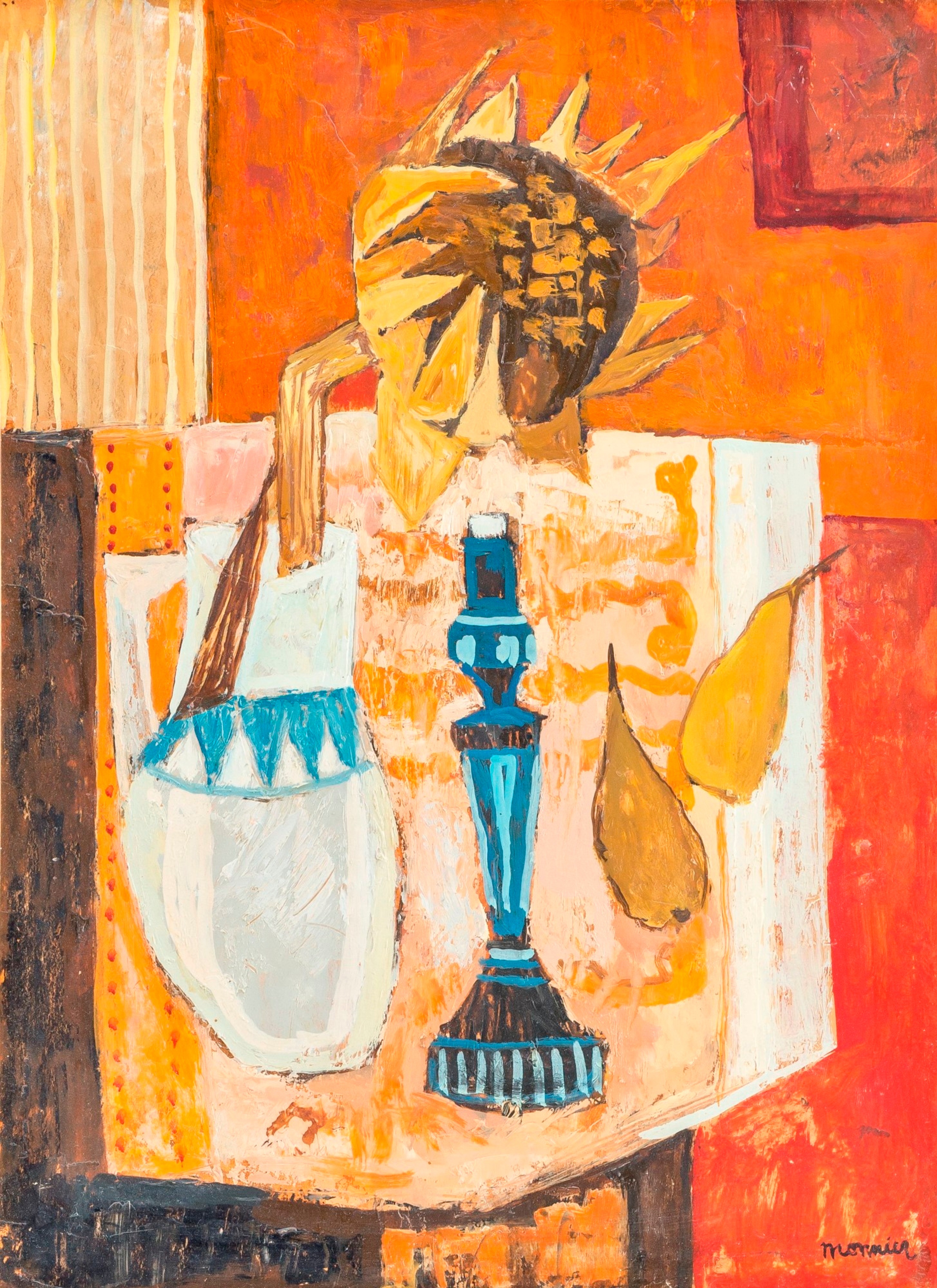
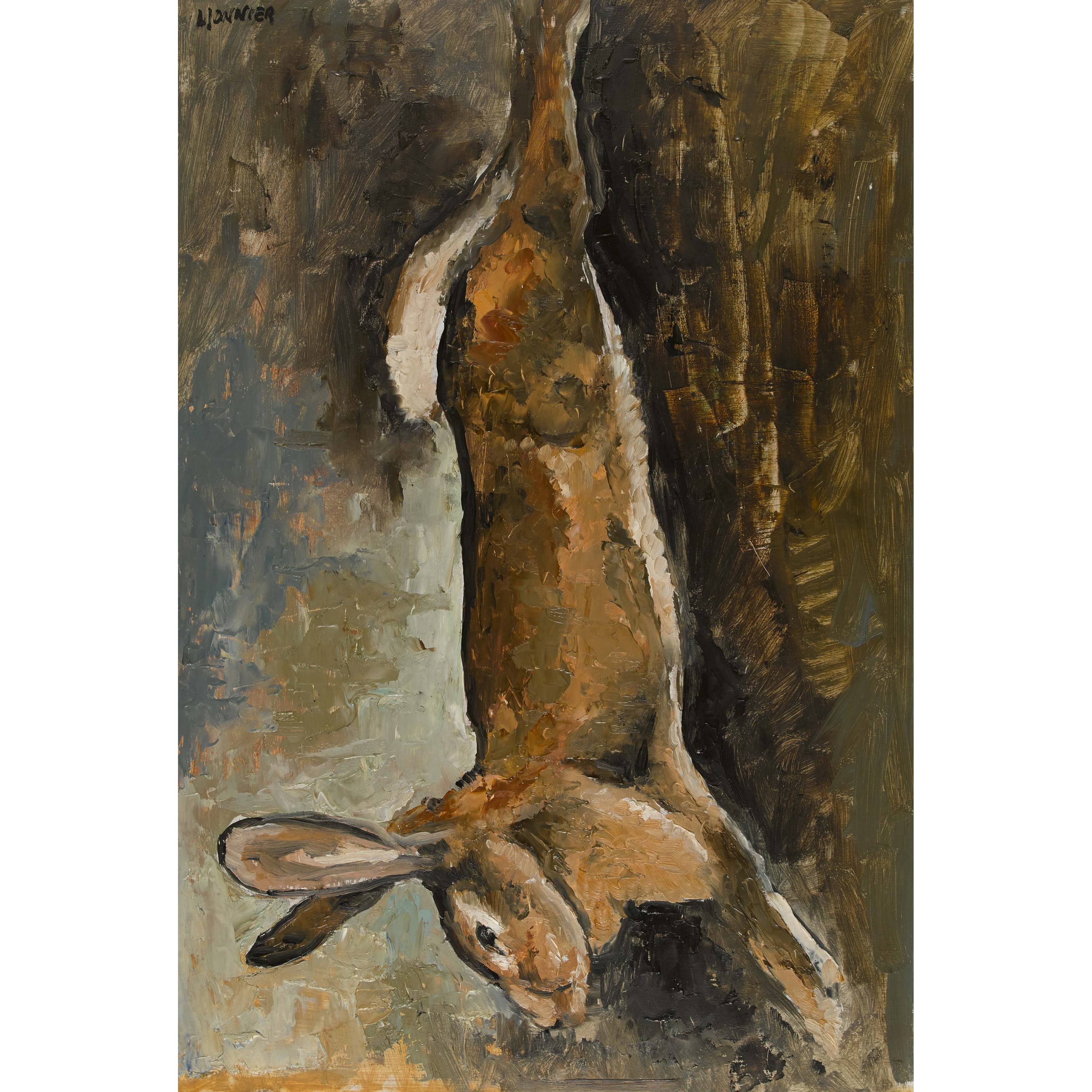
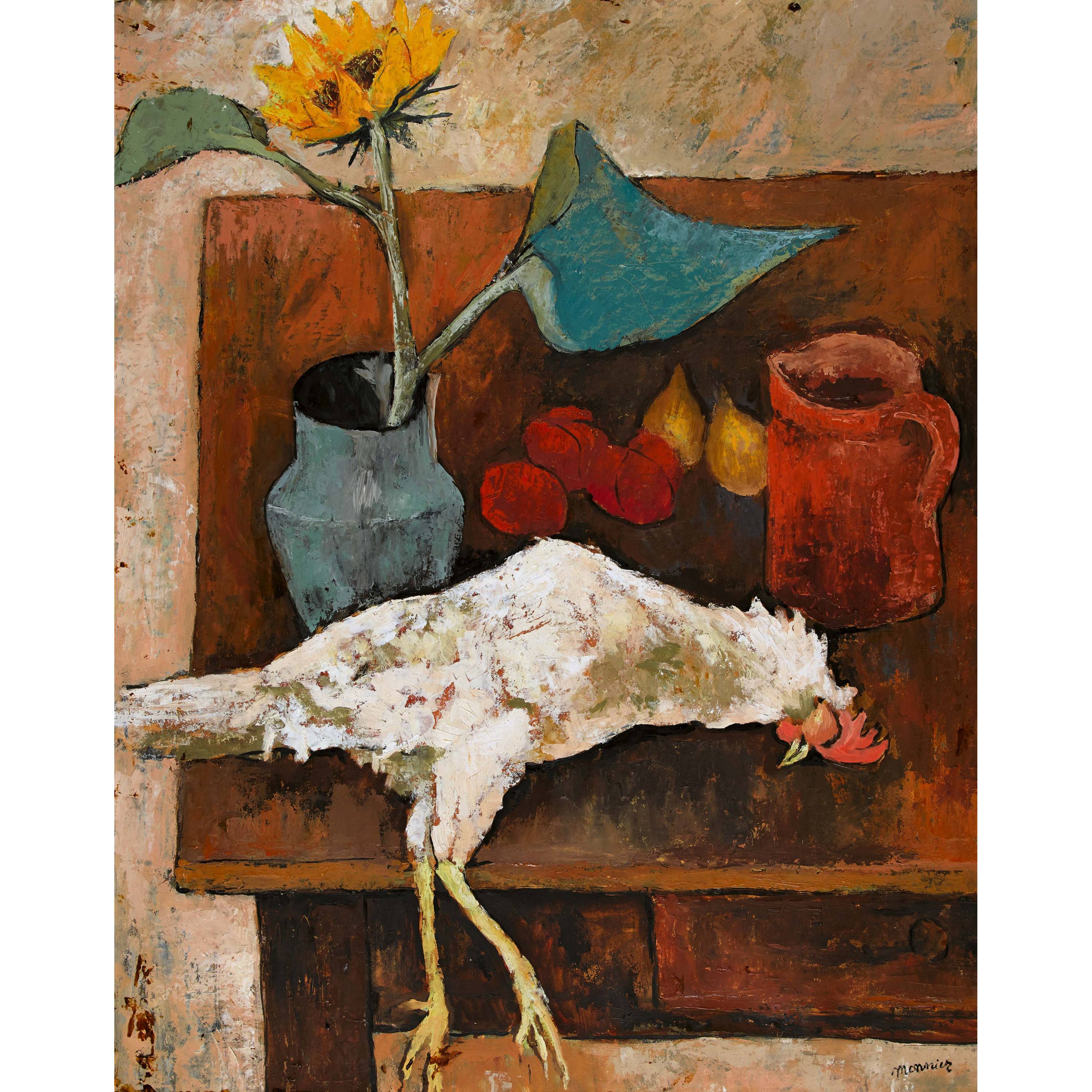
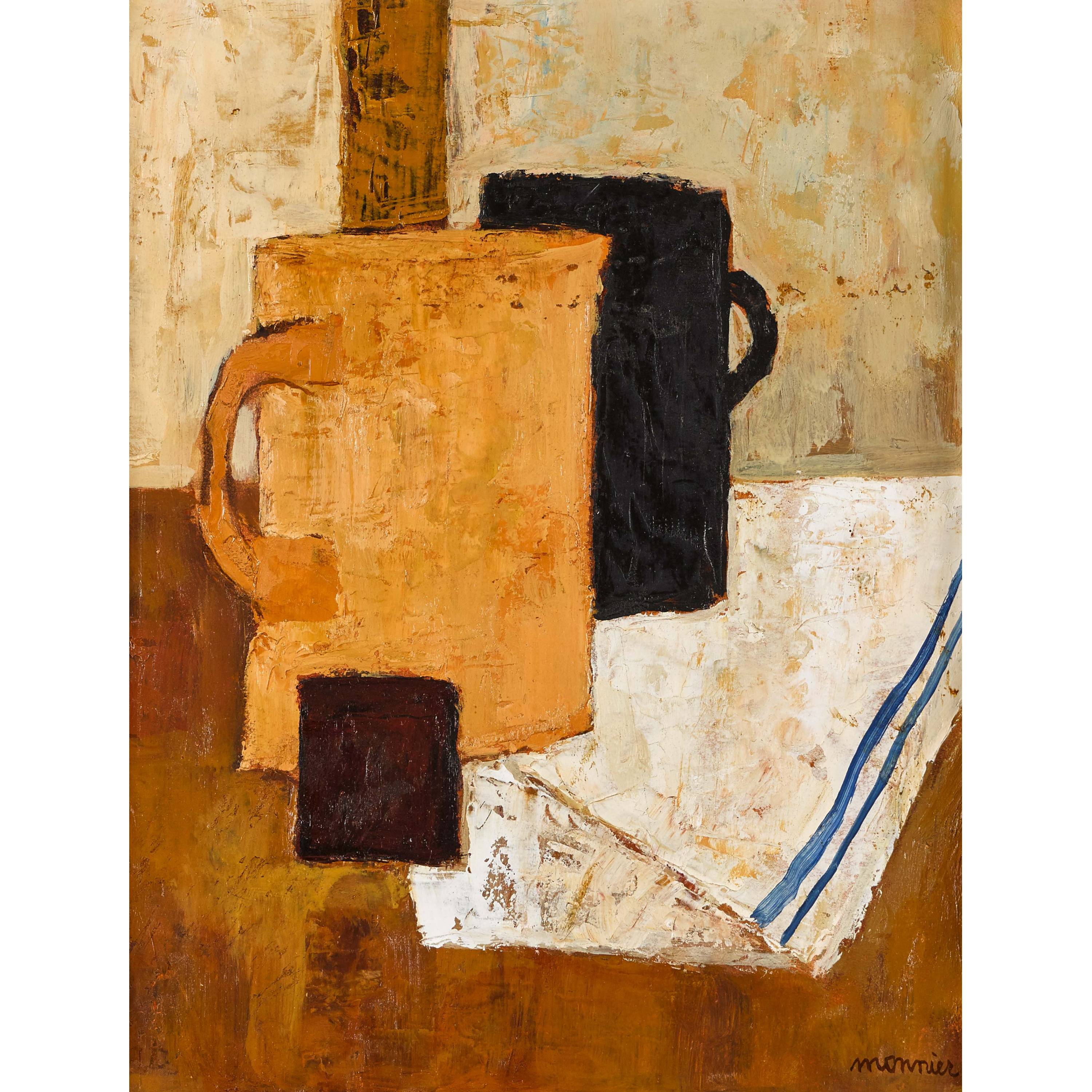
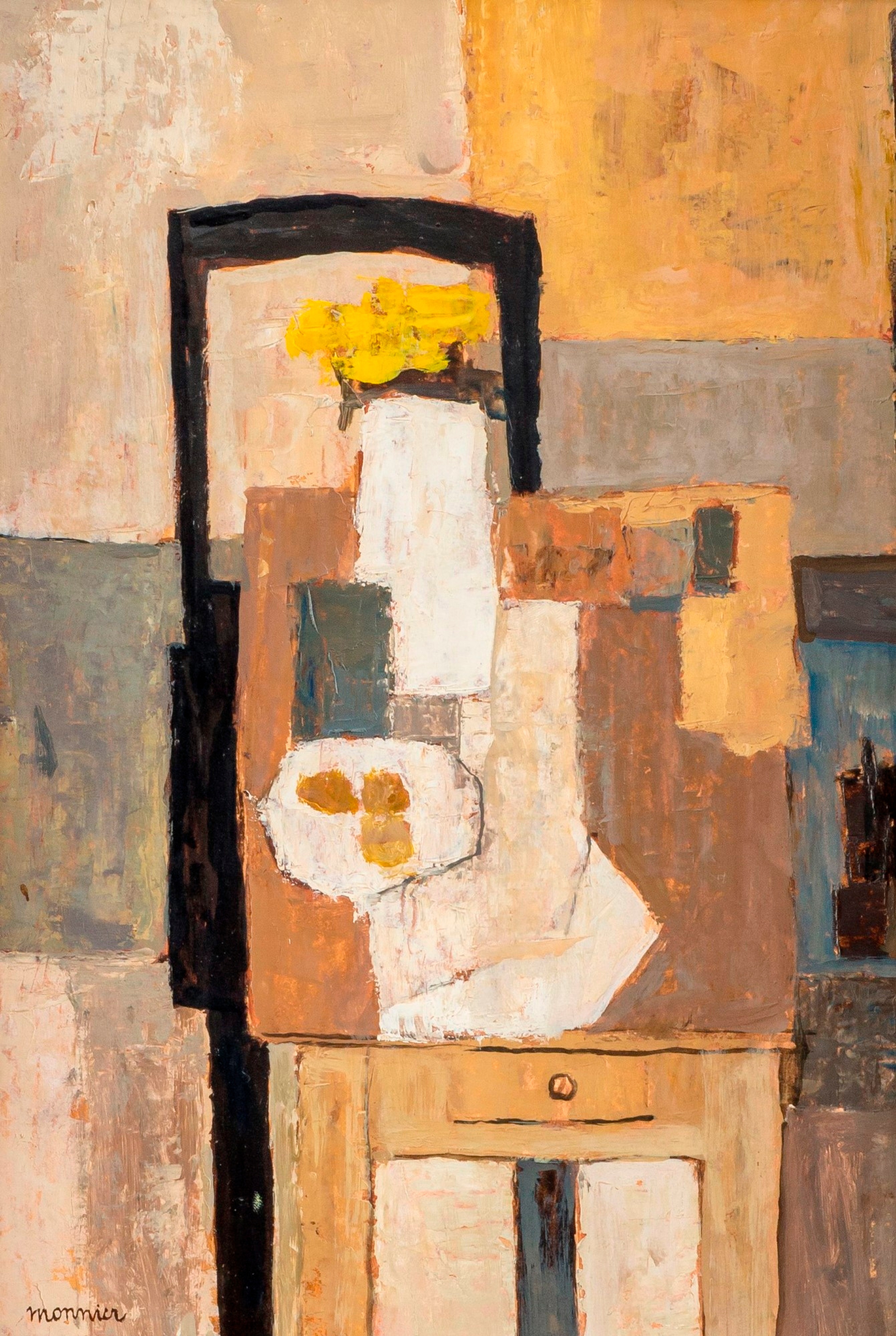
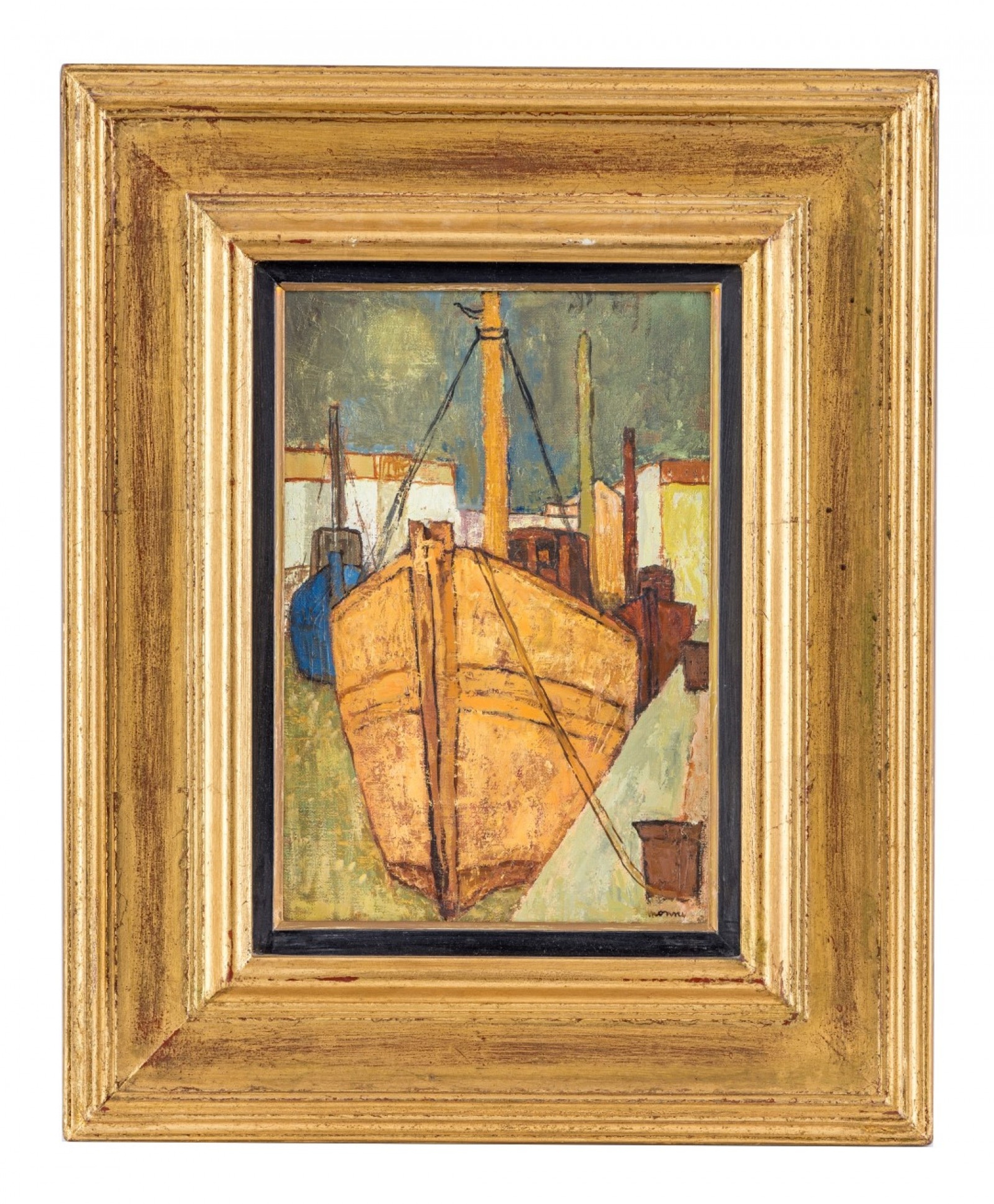
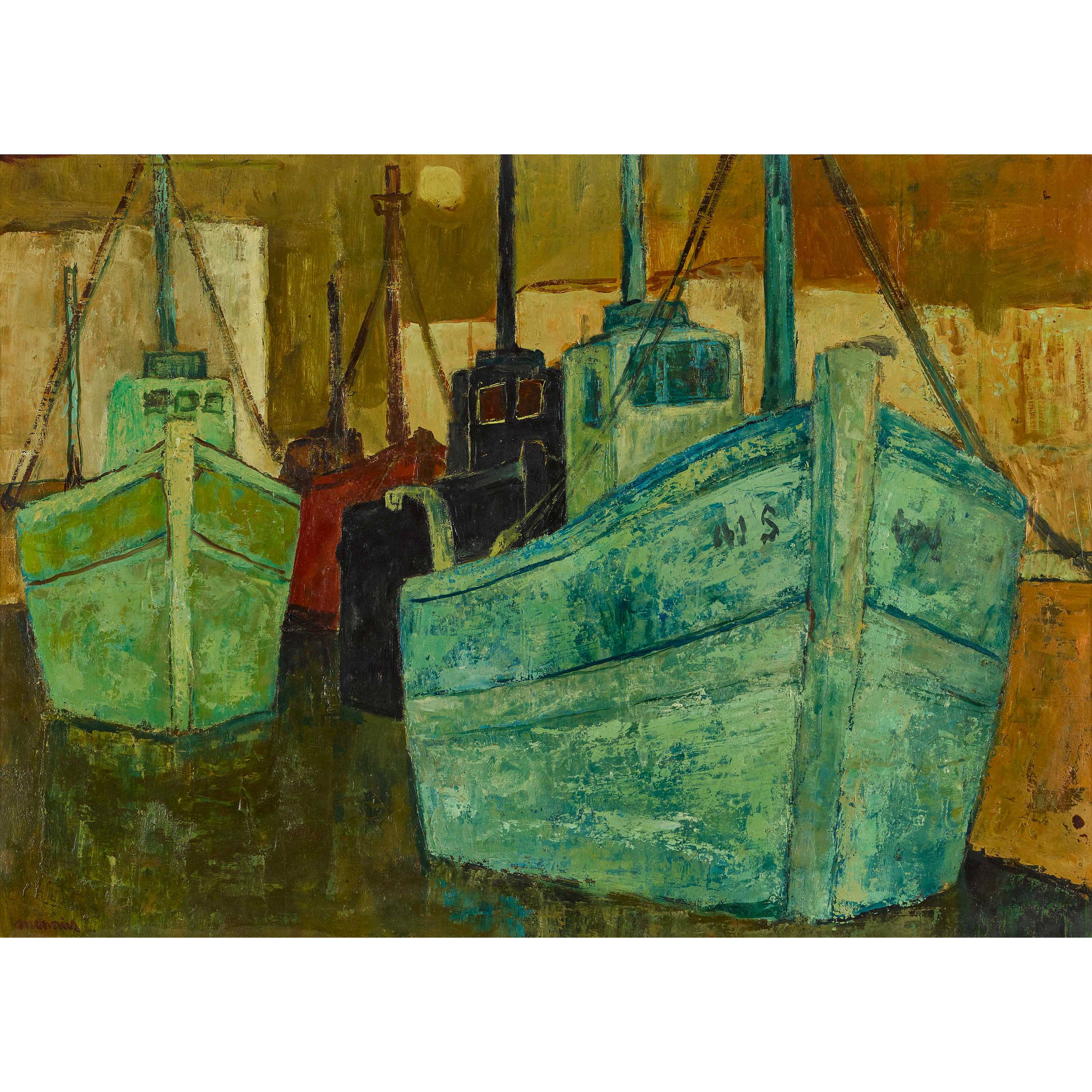
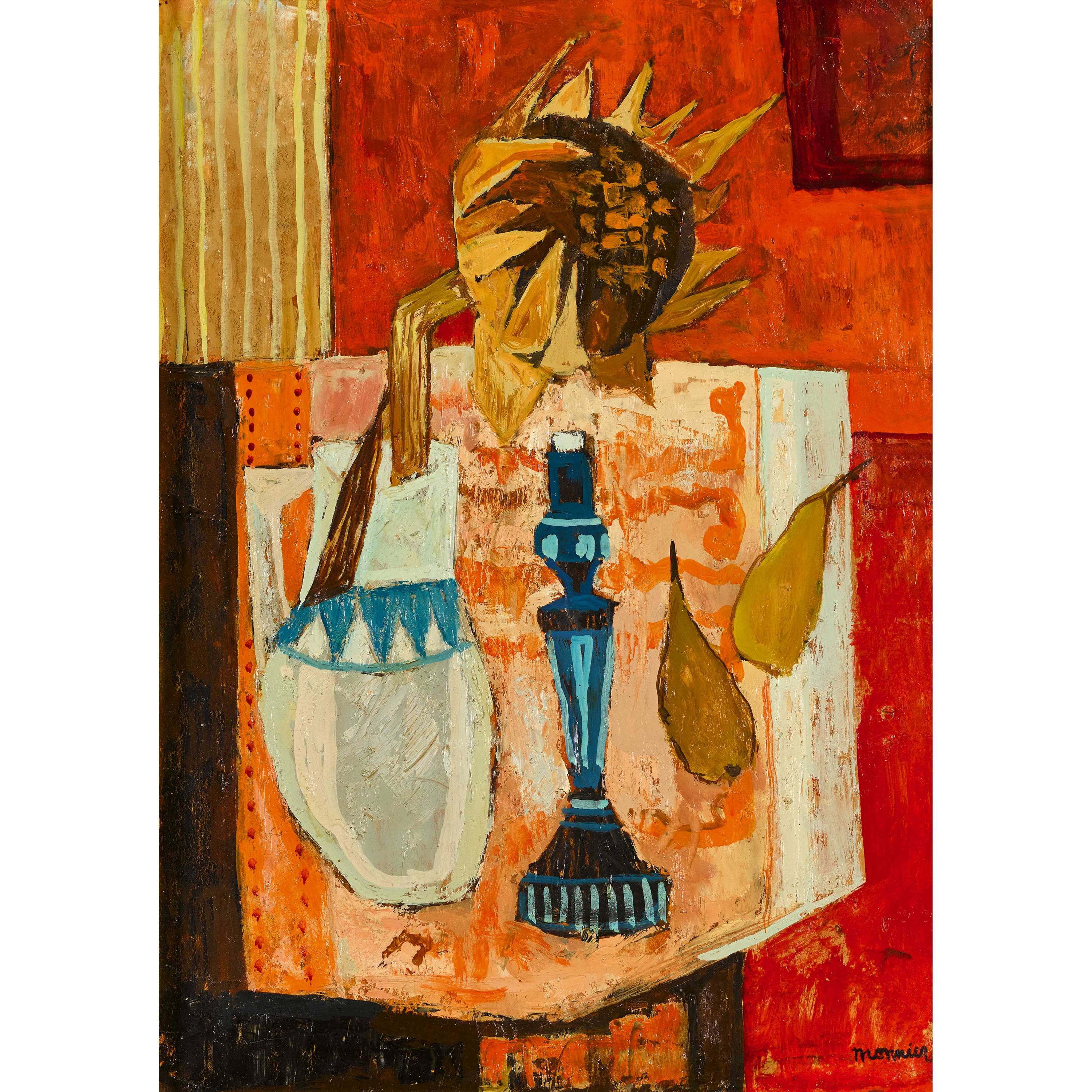
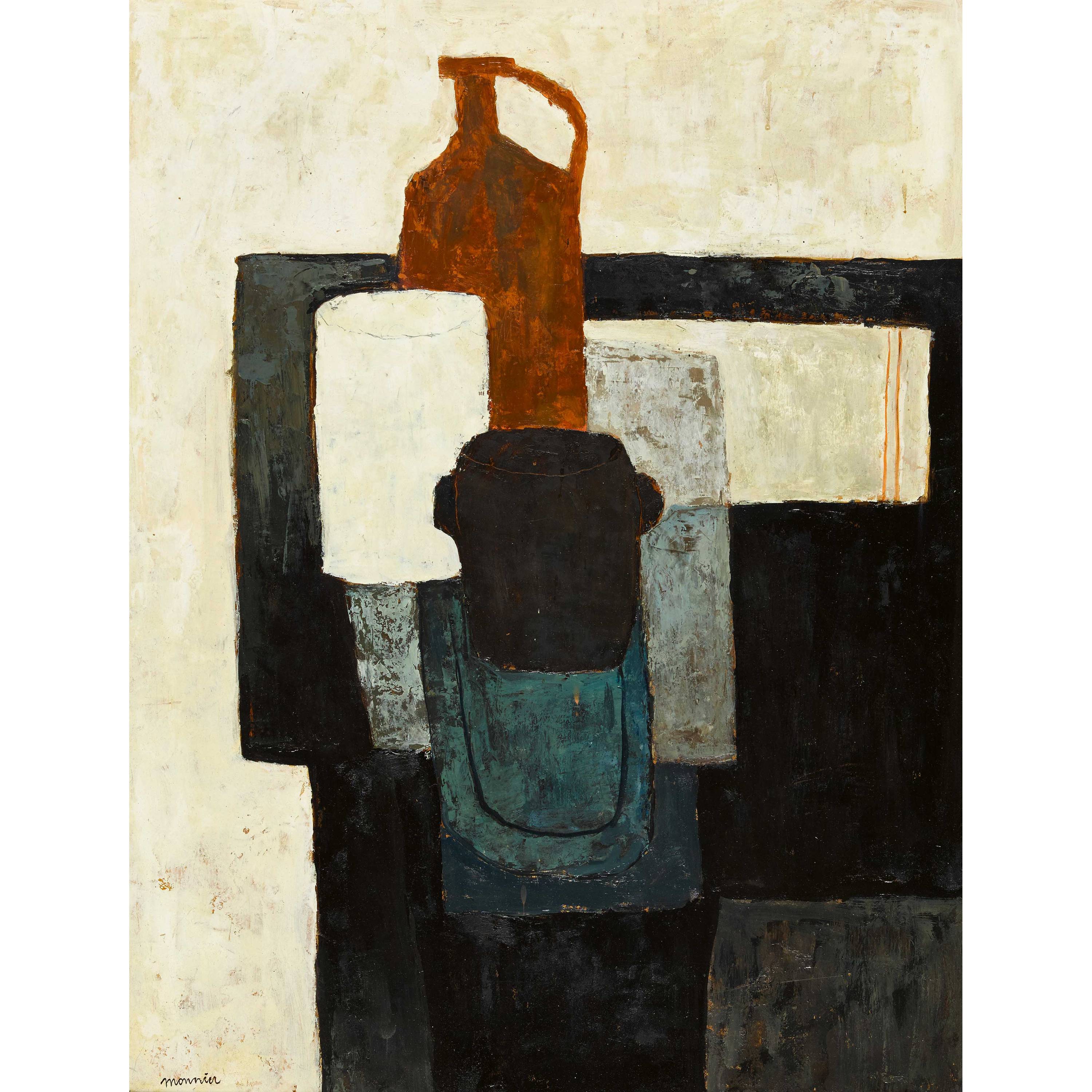
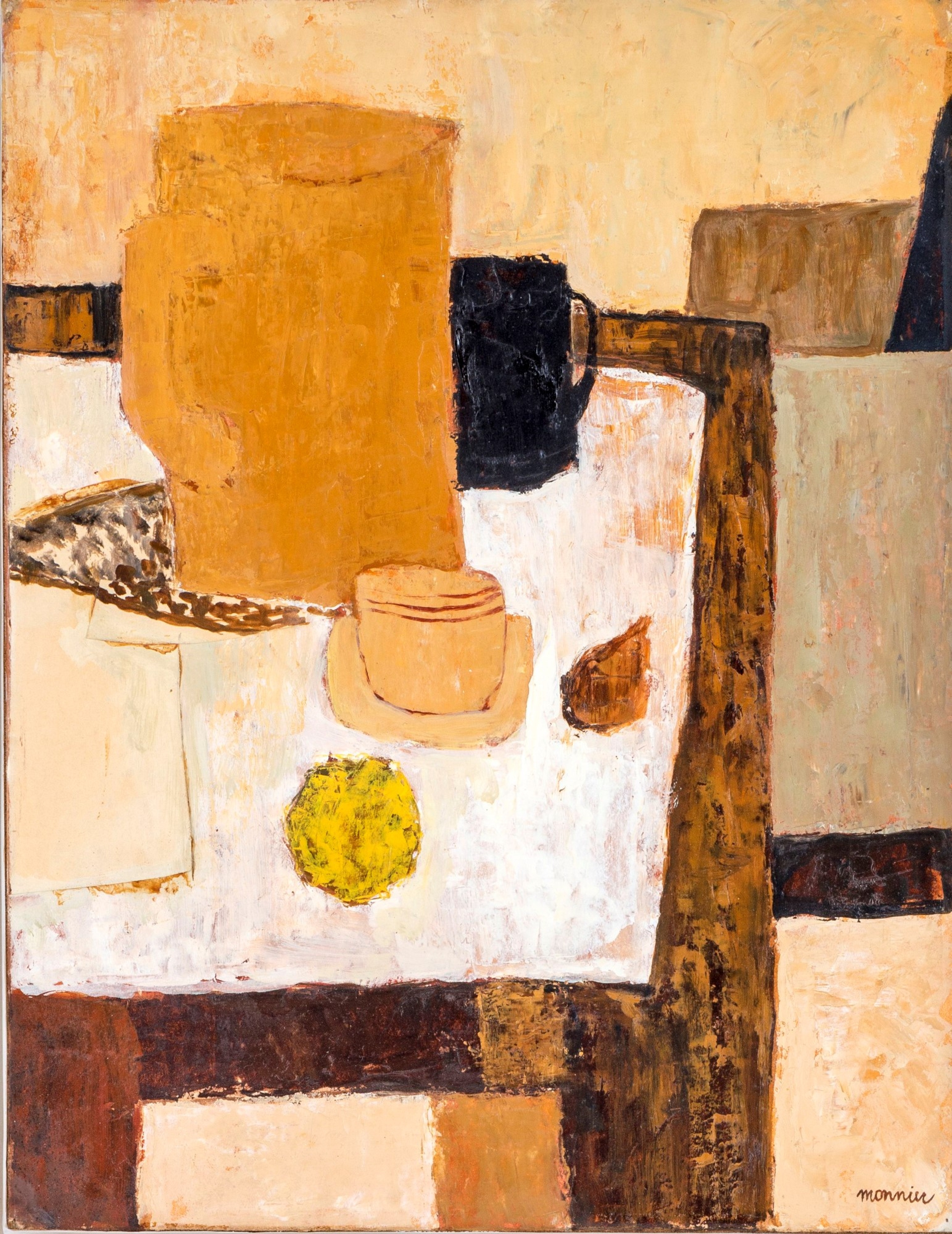
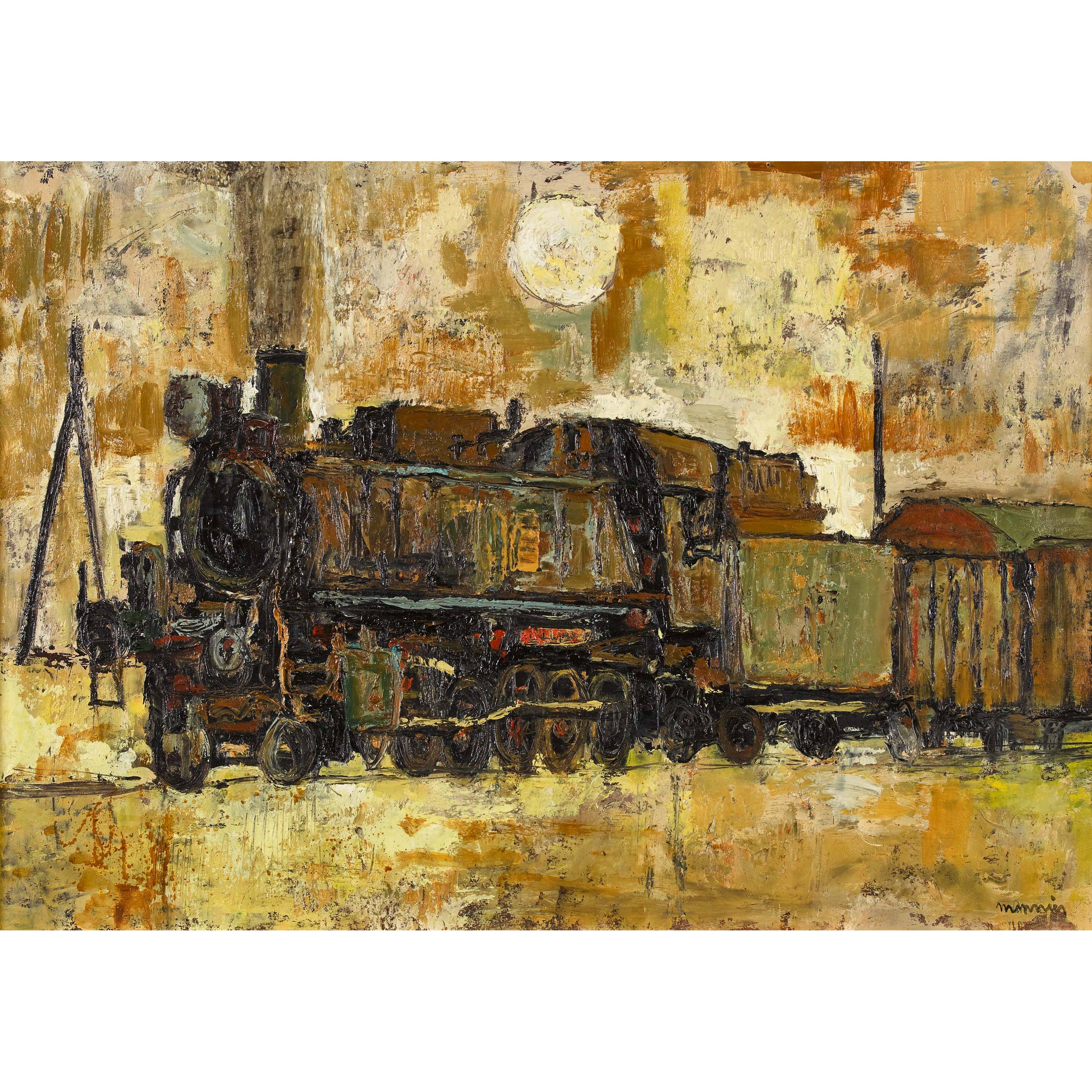
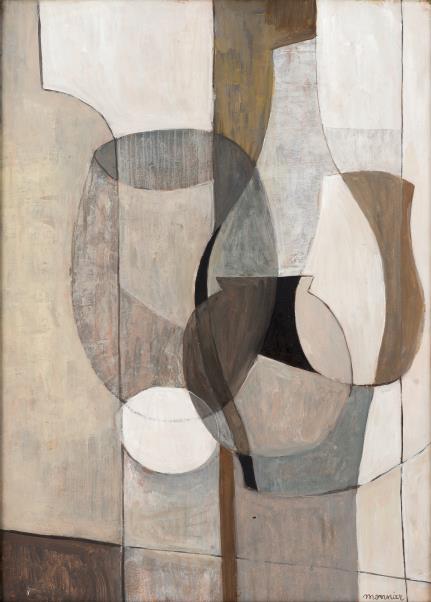
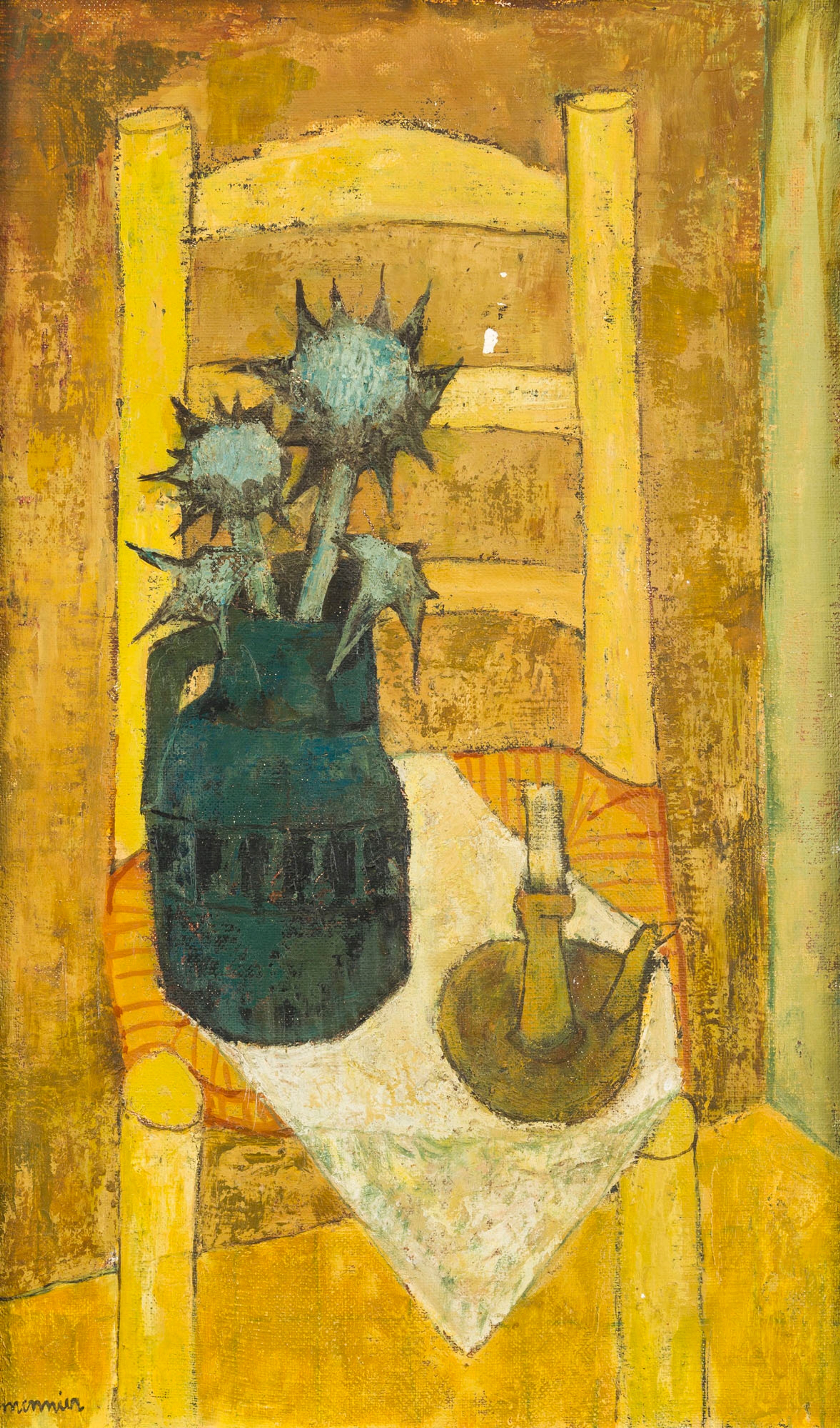
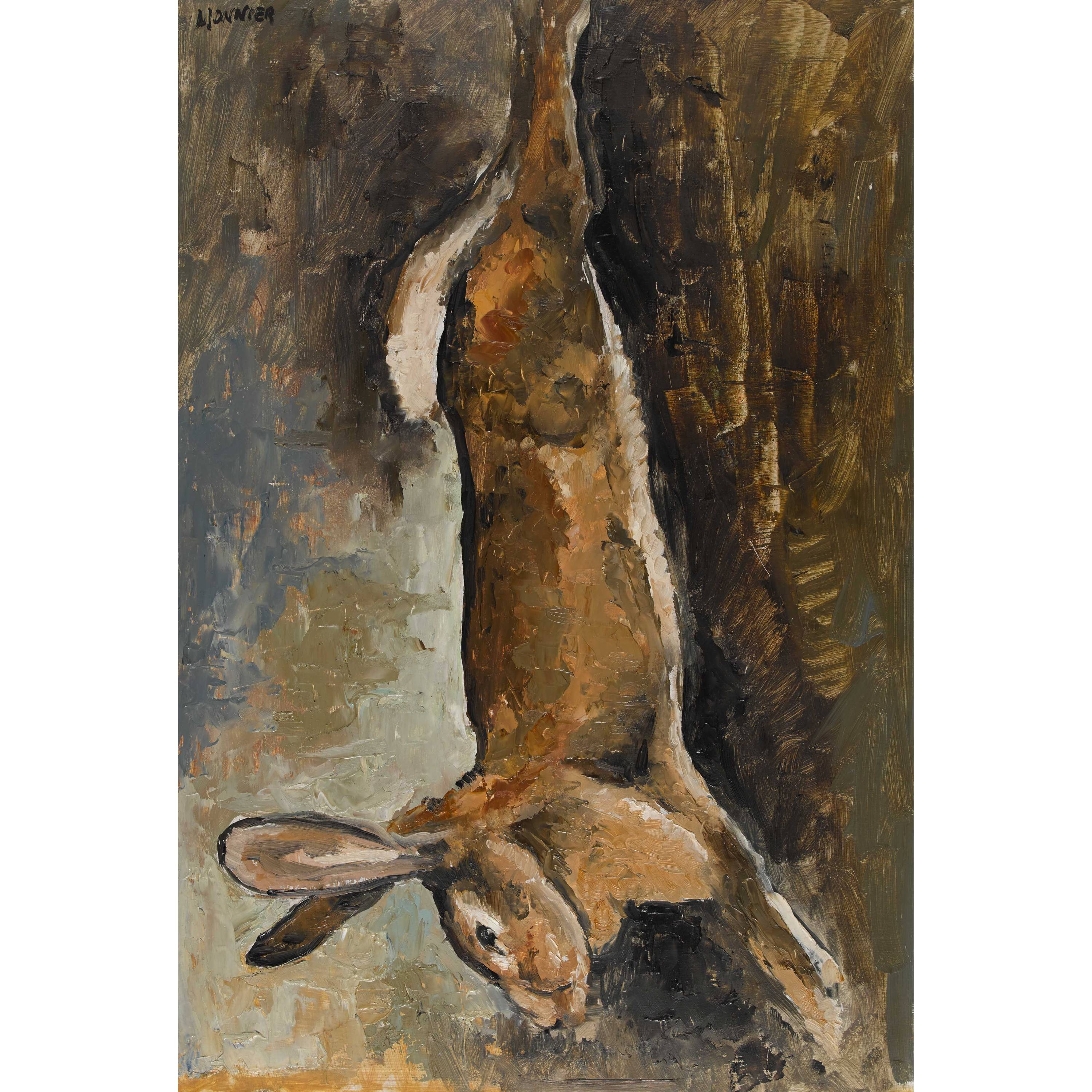
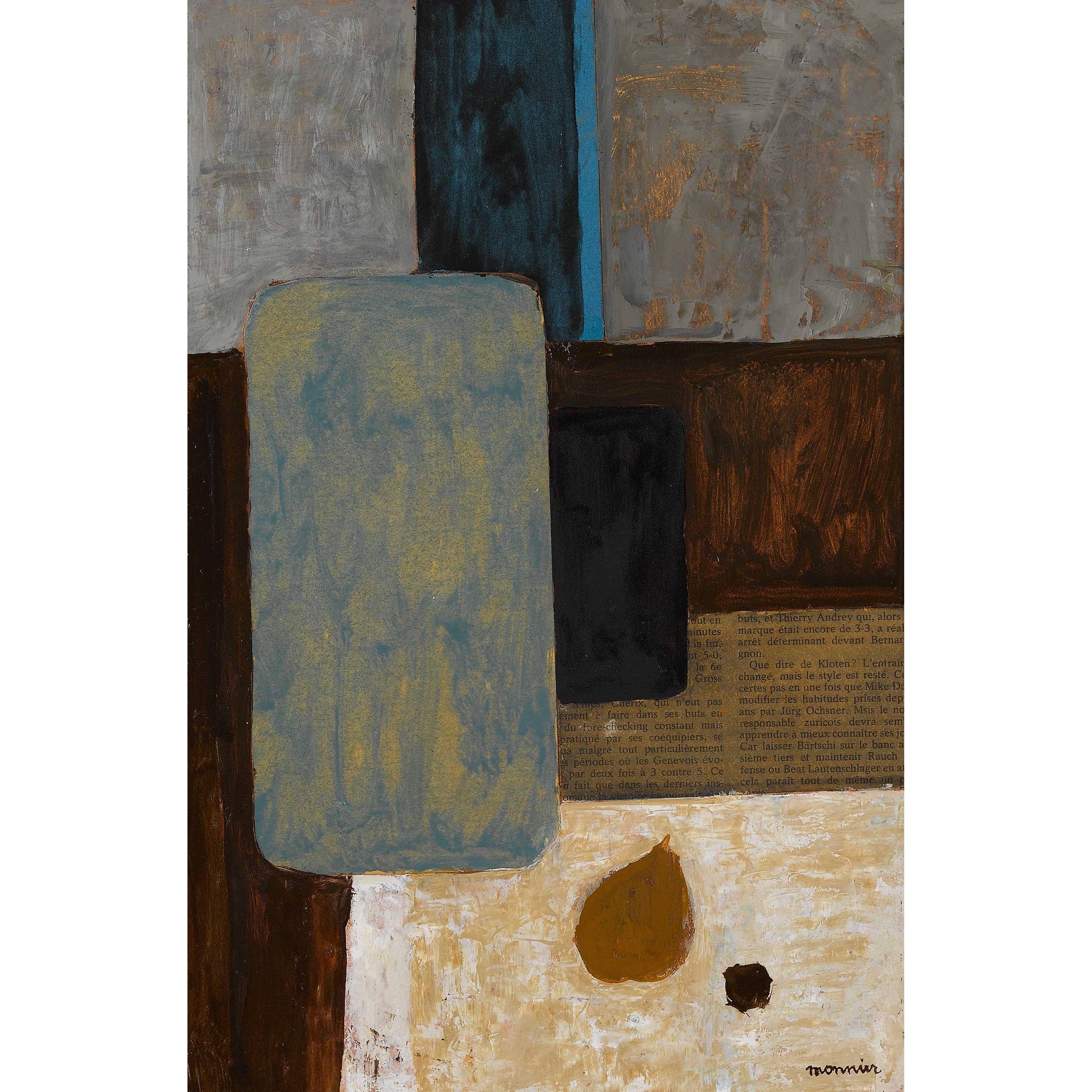
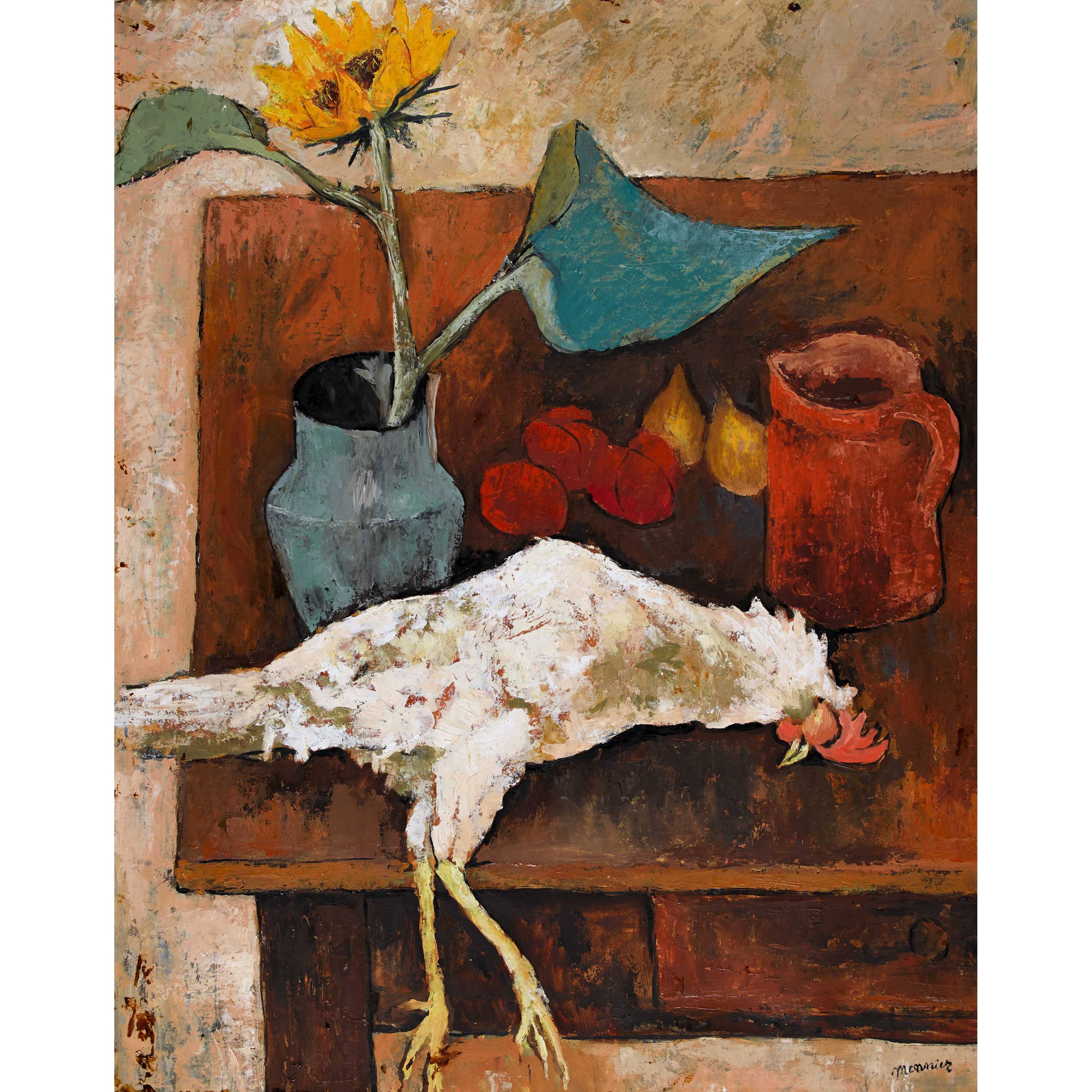
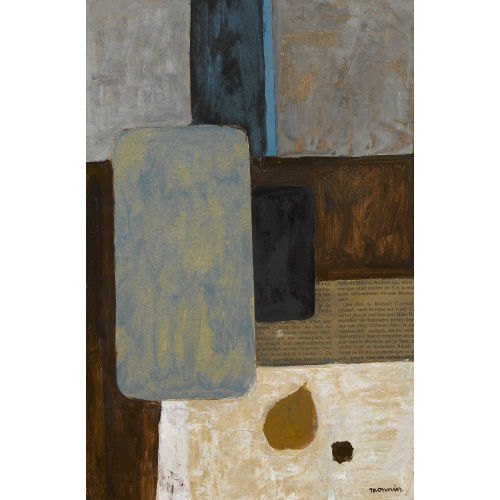
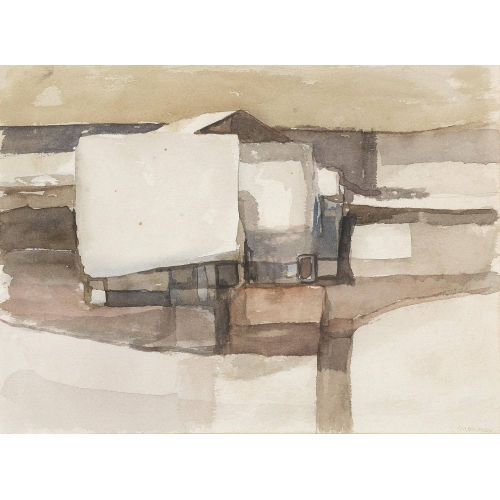
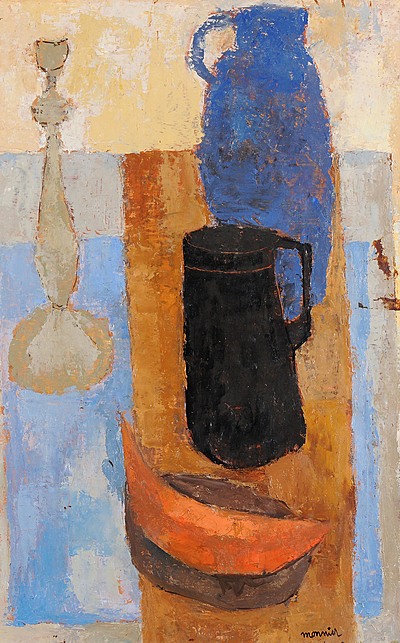
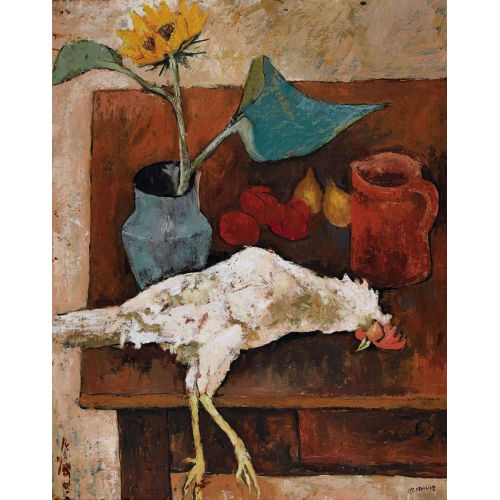
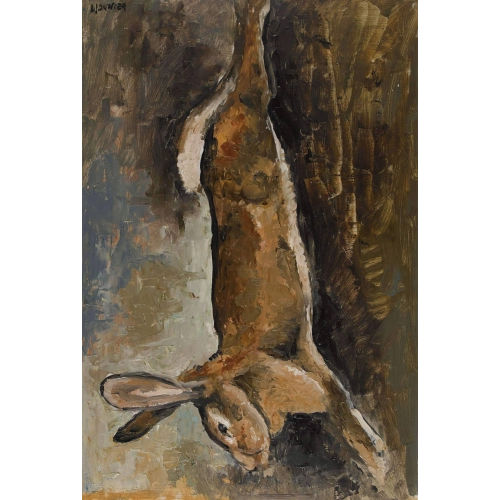
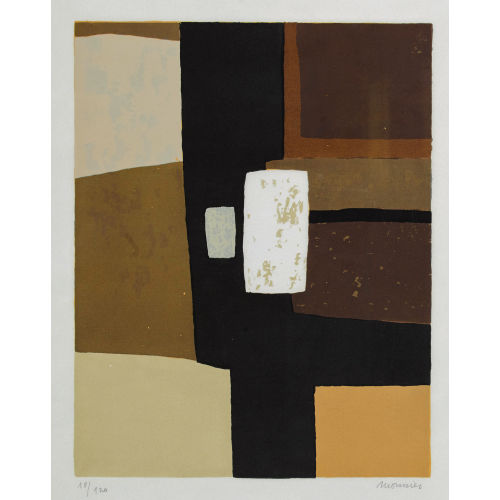
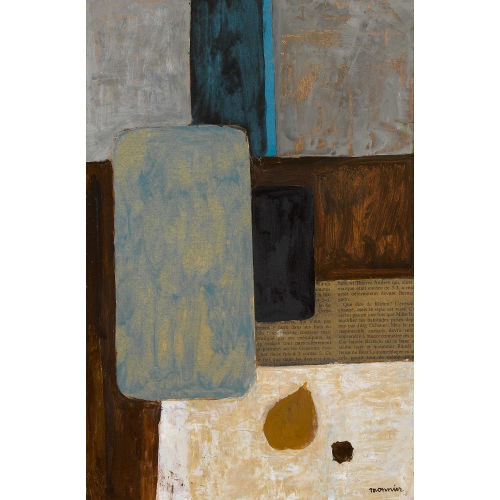
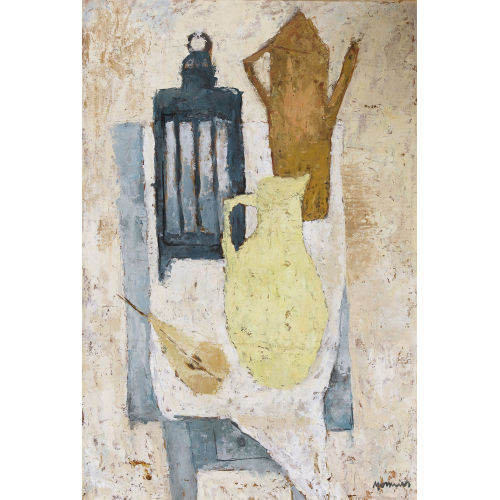
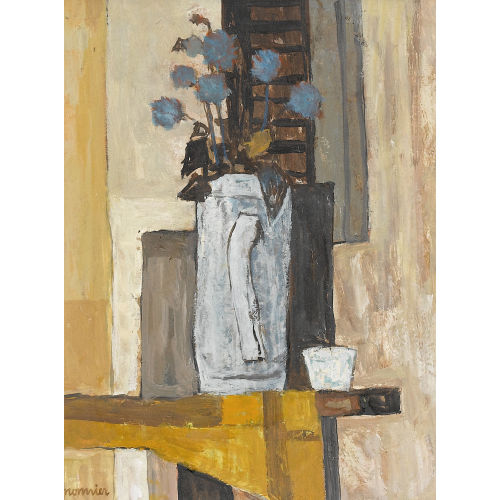
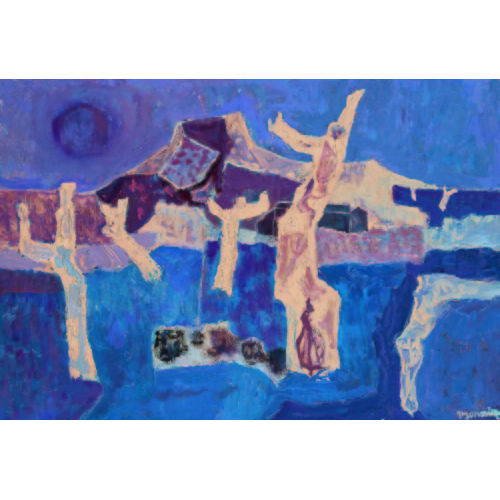
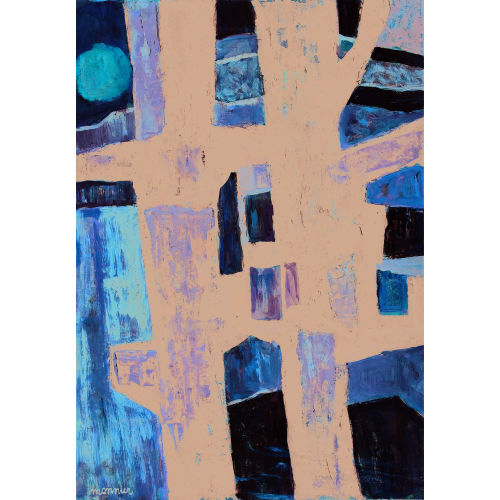
On the occasion of a further exhibition at the Grande Fontaine in 1984, the critics highlighted the simplicity of the contours and the importance of colour, structured by drawing. They also noted the diversity of his media: oil painting, watercolour, engraving and tapestry. Monnier’s career thus benefits from being approached through this relationship between legible form, colour and material.
A monograph bearing his name, with a text by Bernard-Paul Cruchet, was published by Ides et Calendes in 1978. Held, among other places, in Martigny, in the library of the Fondation Pierre Gianadda, it provides a basis for deepening knowledge of this body of work.