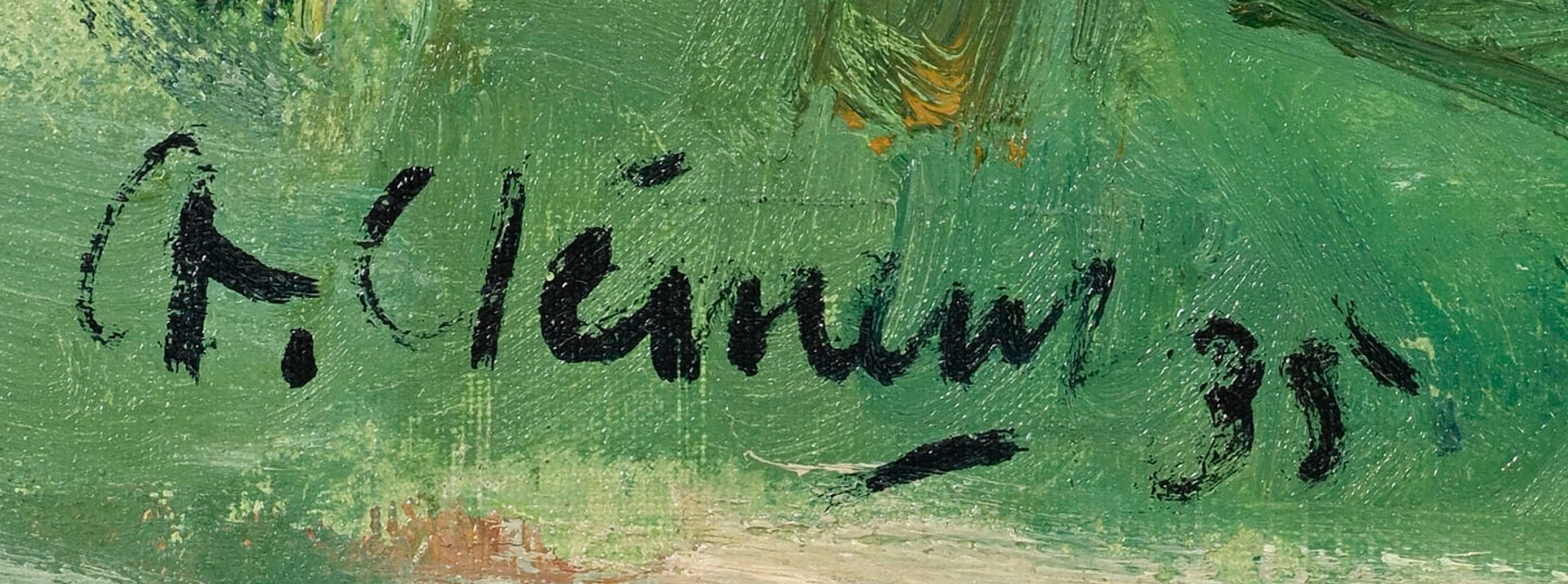
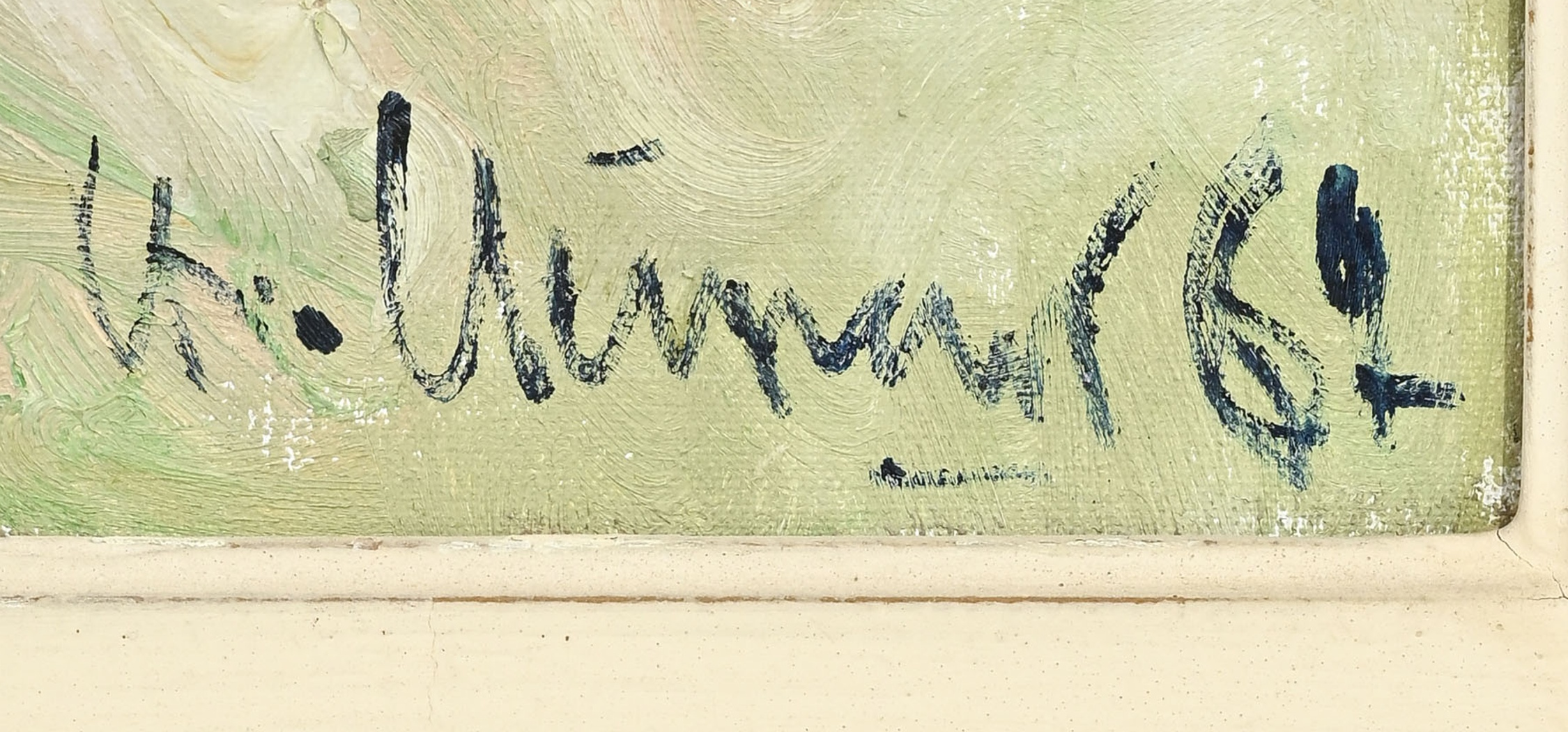
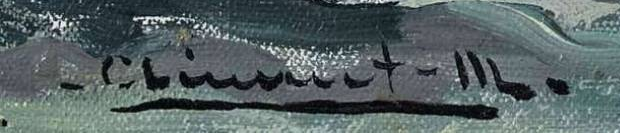
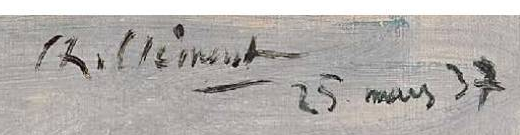
Charles Clément
Born in 1889.
Died in 1972.
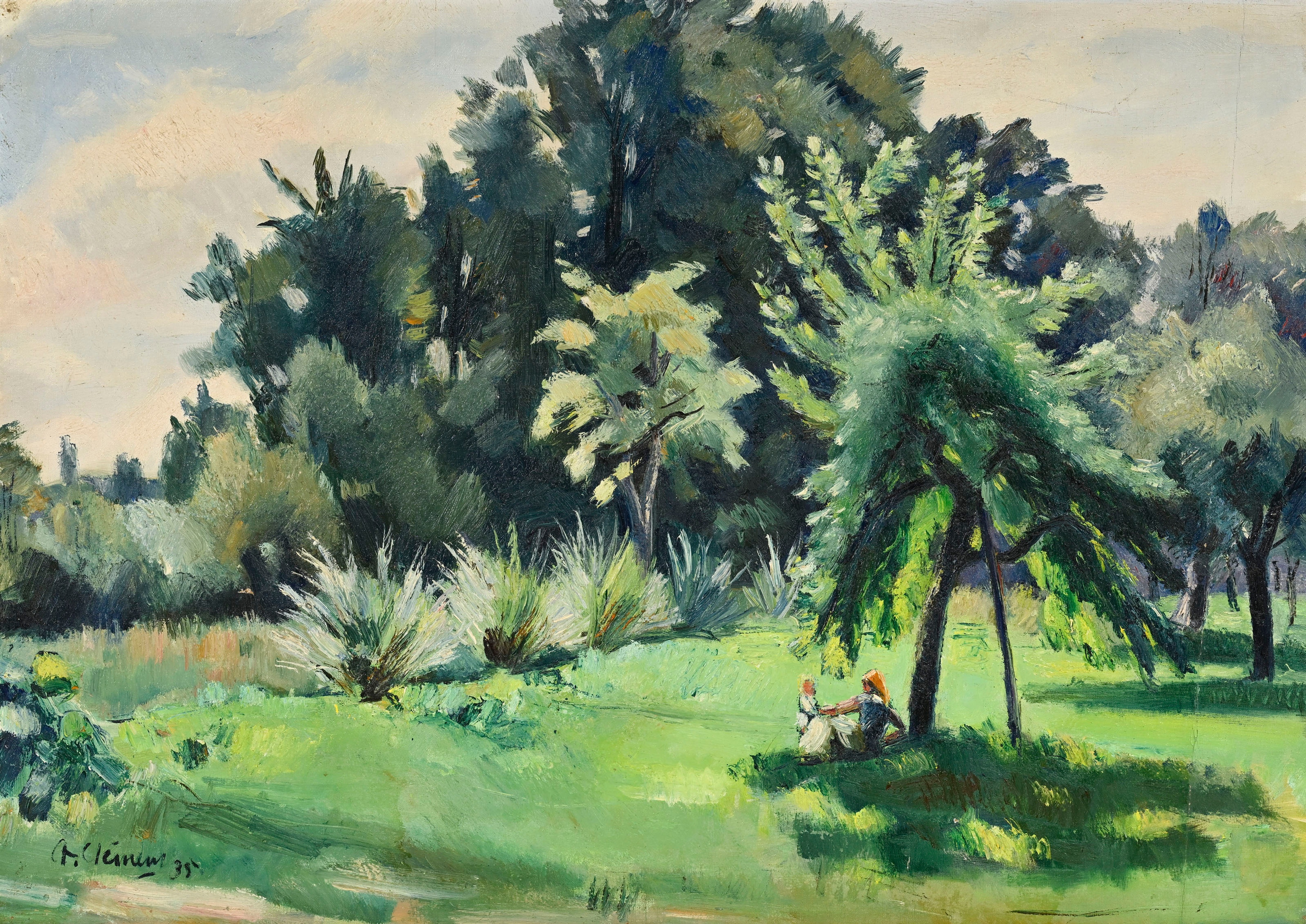
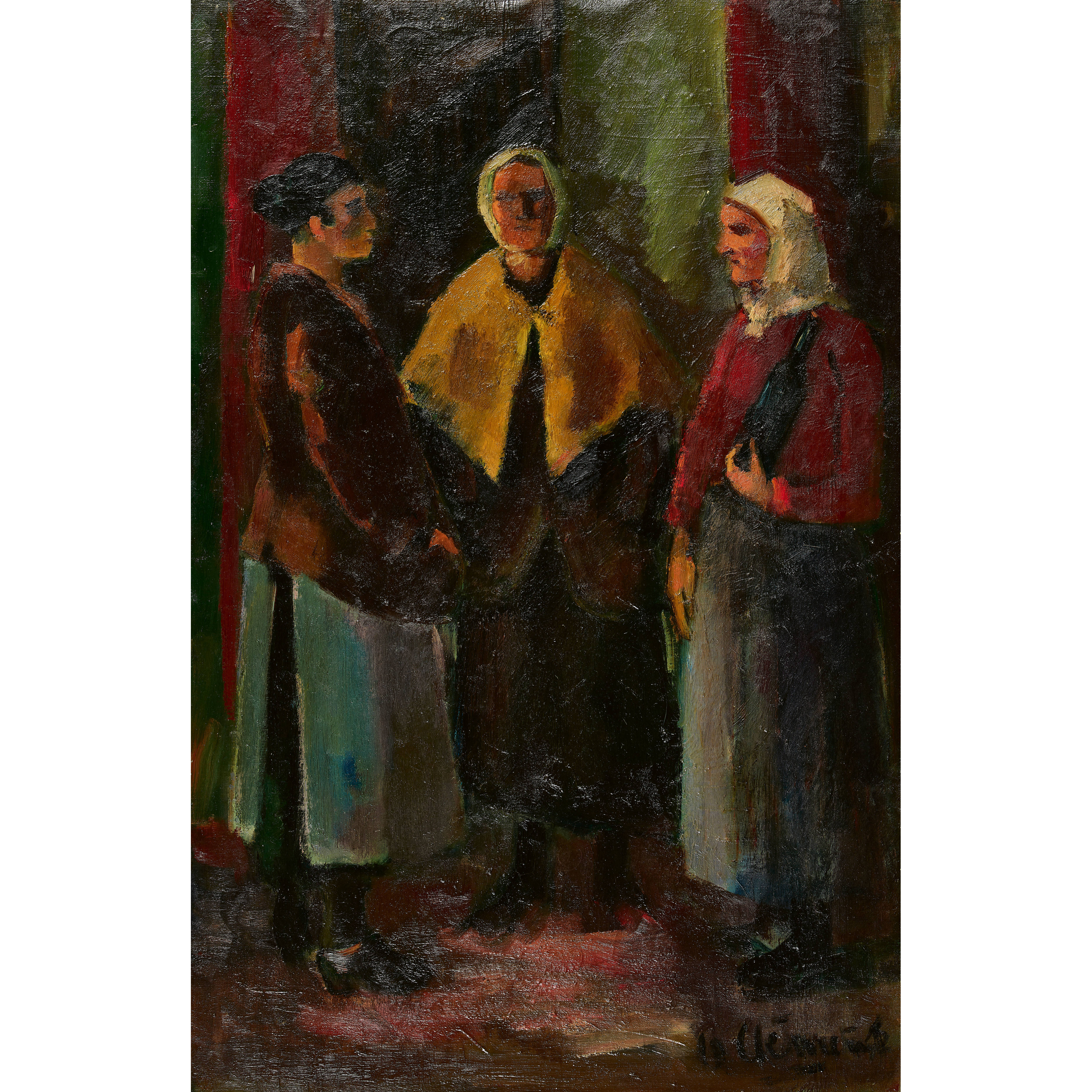
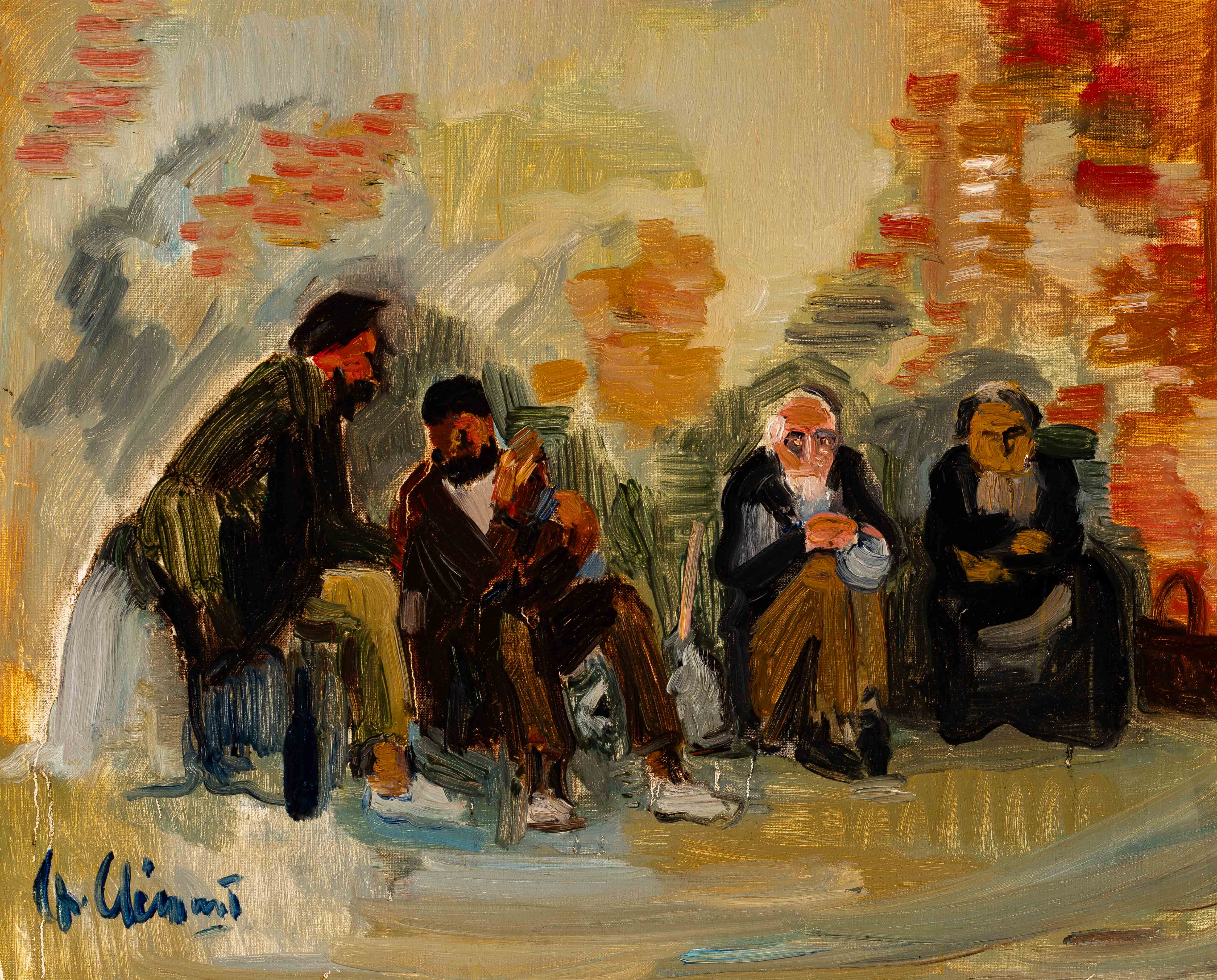
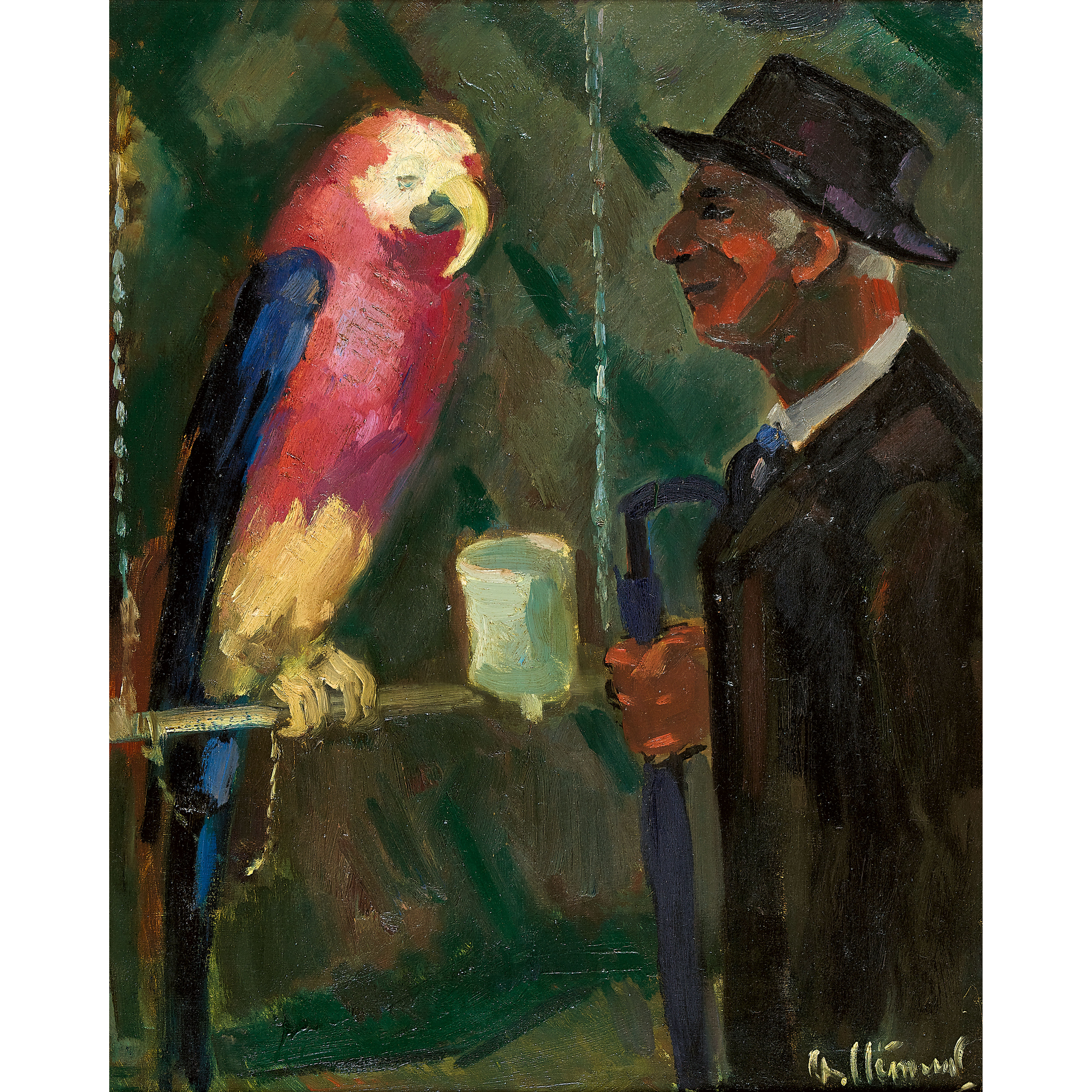
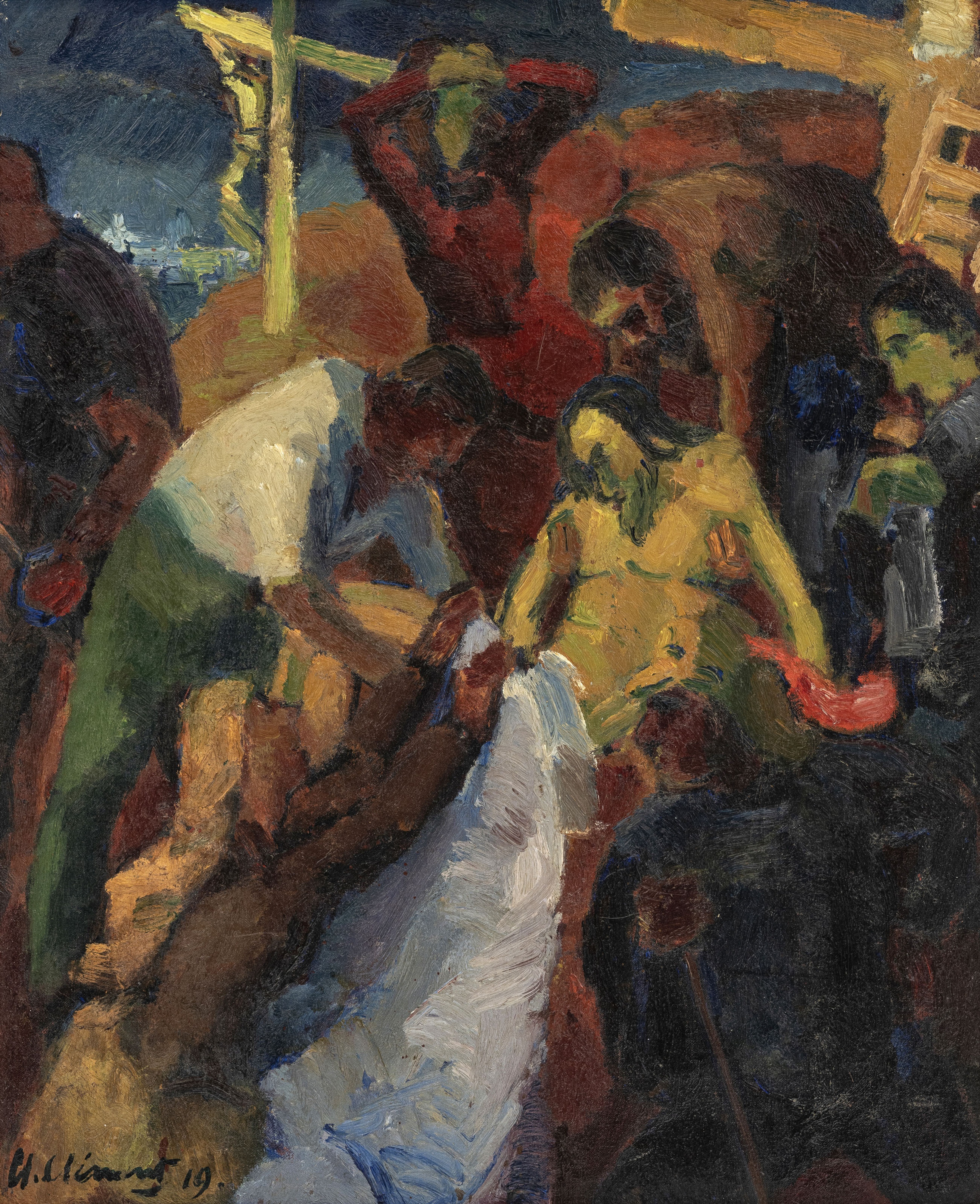
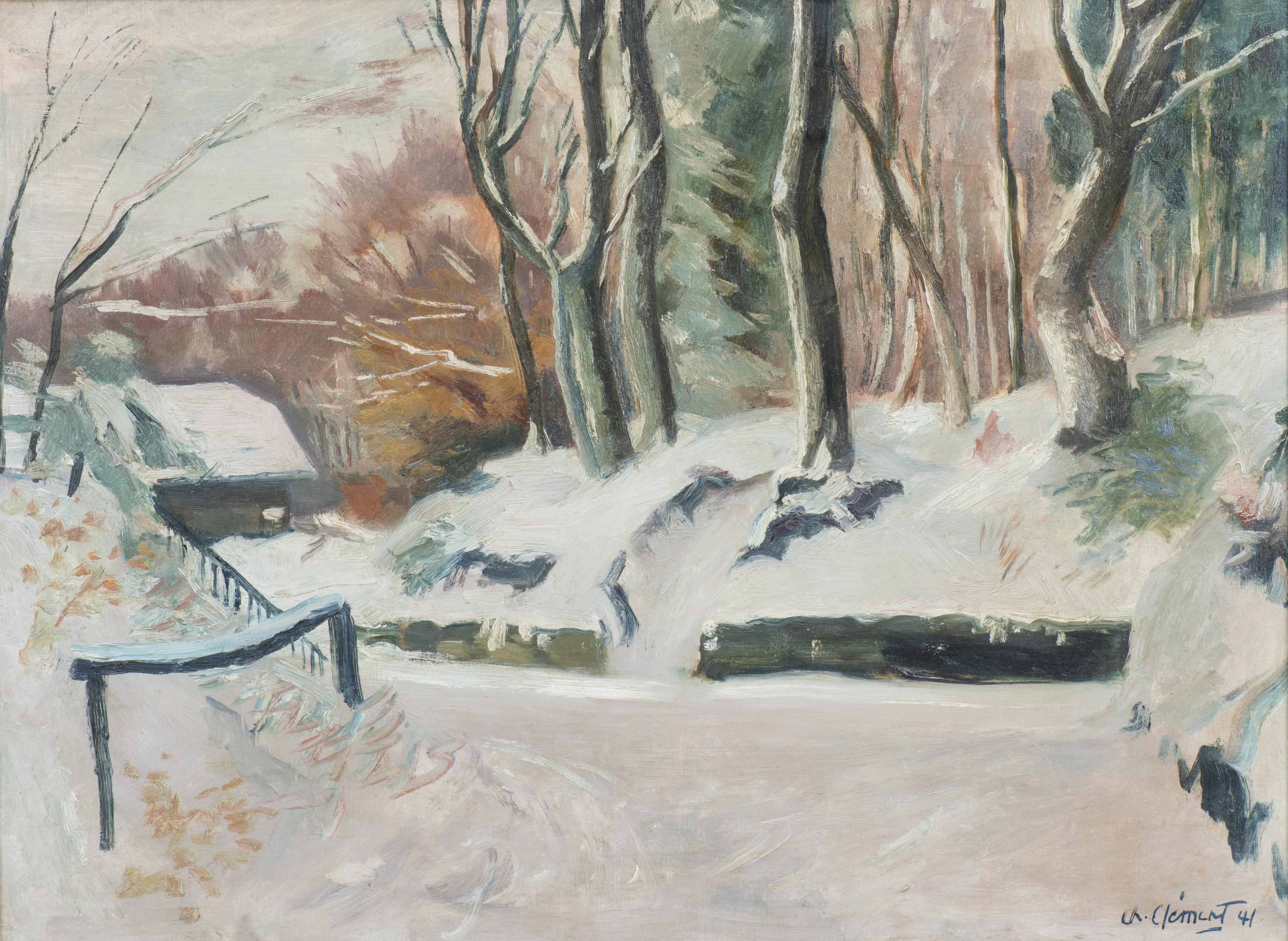
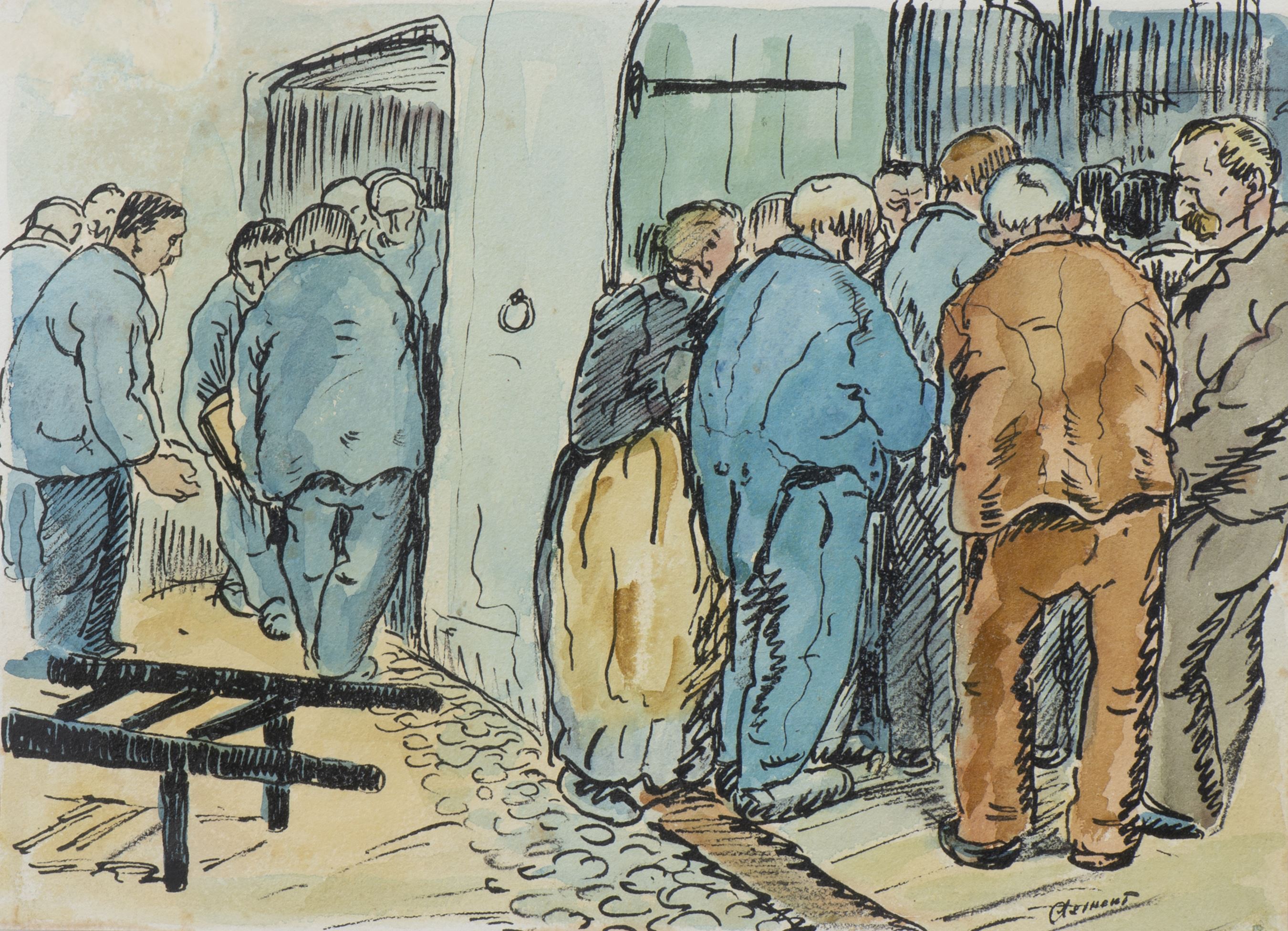
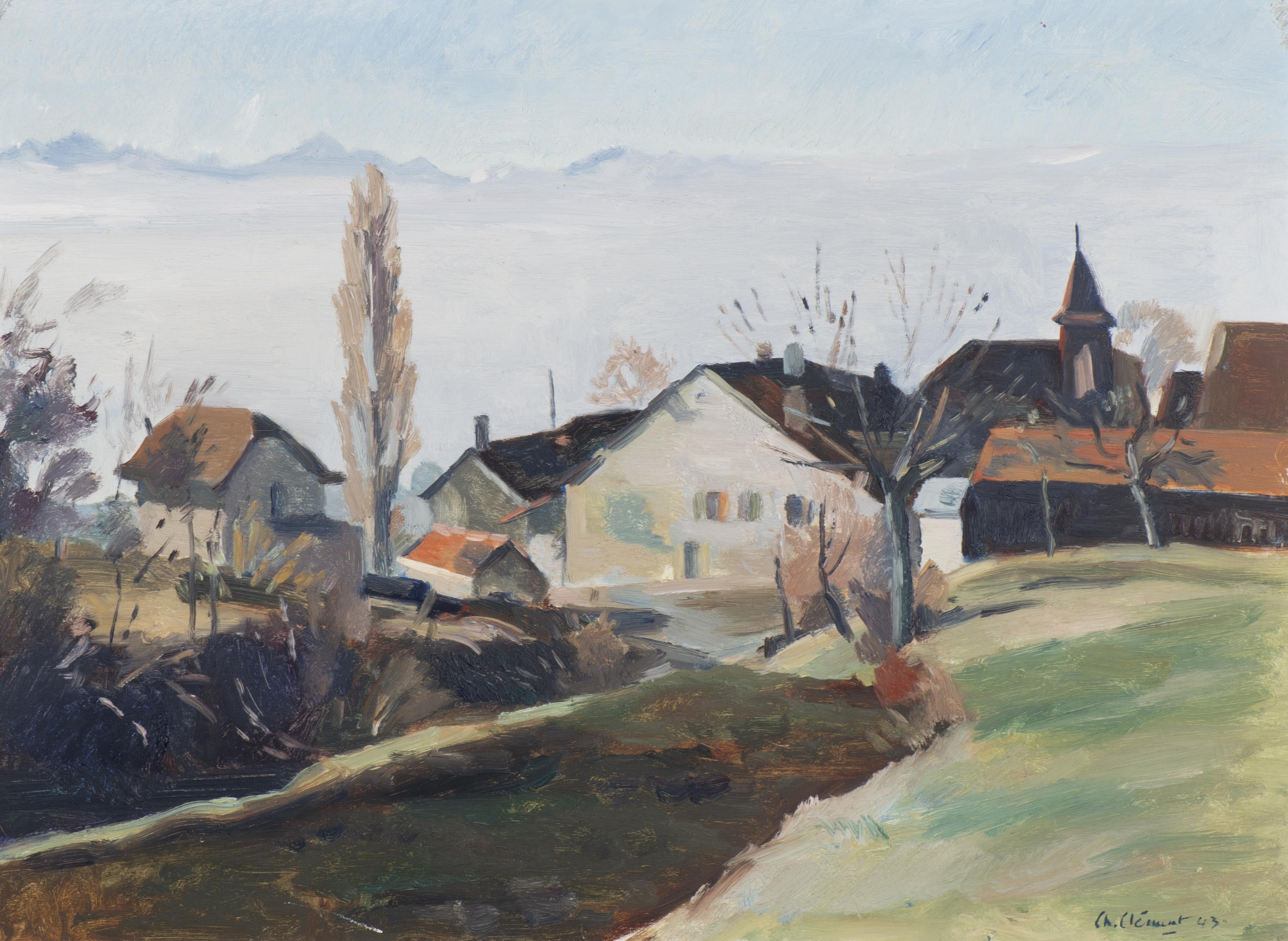
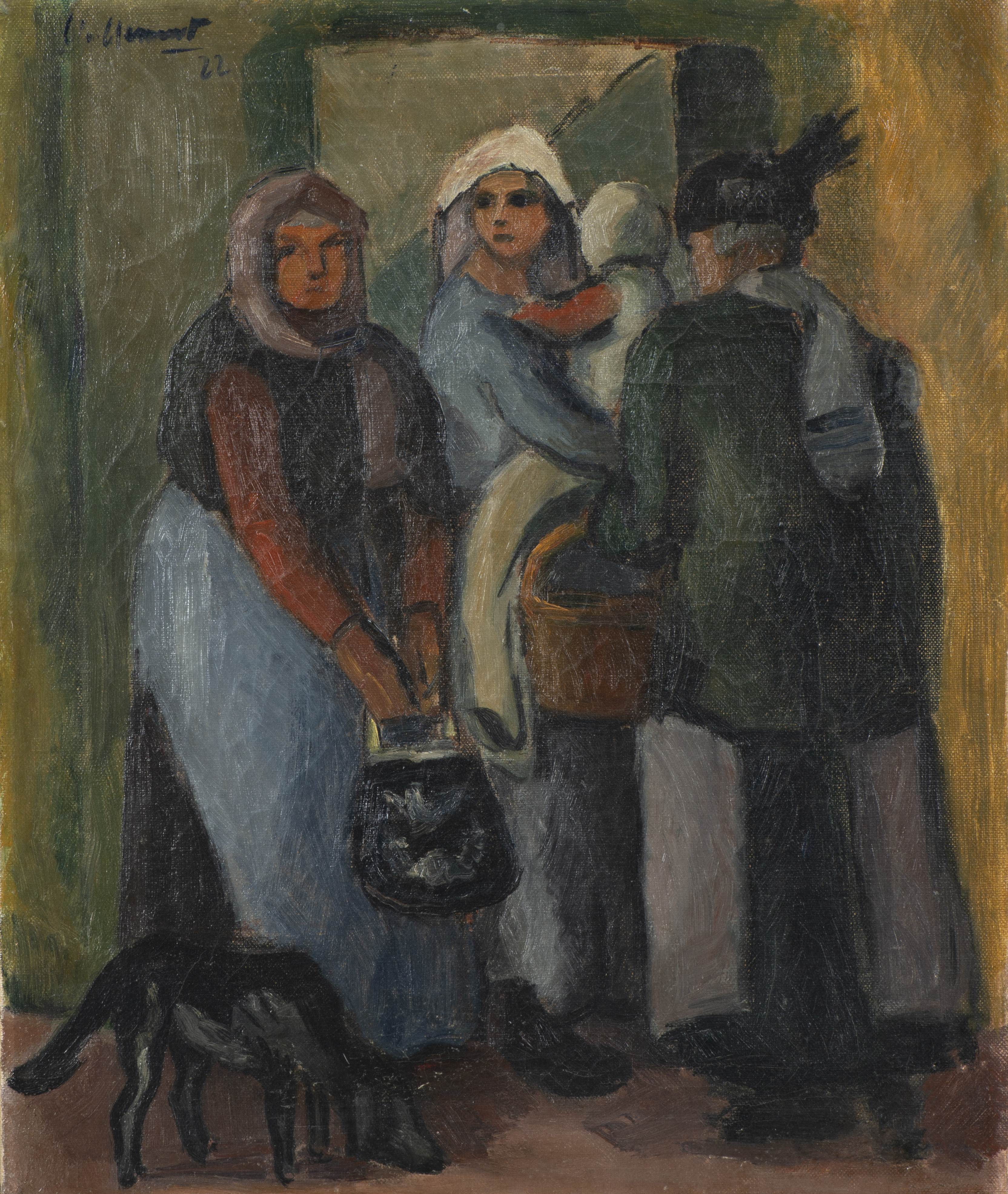
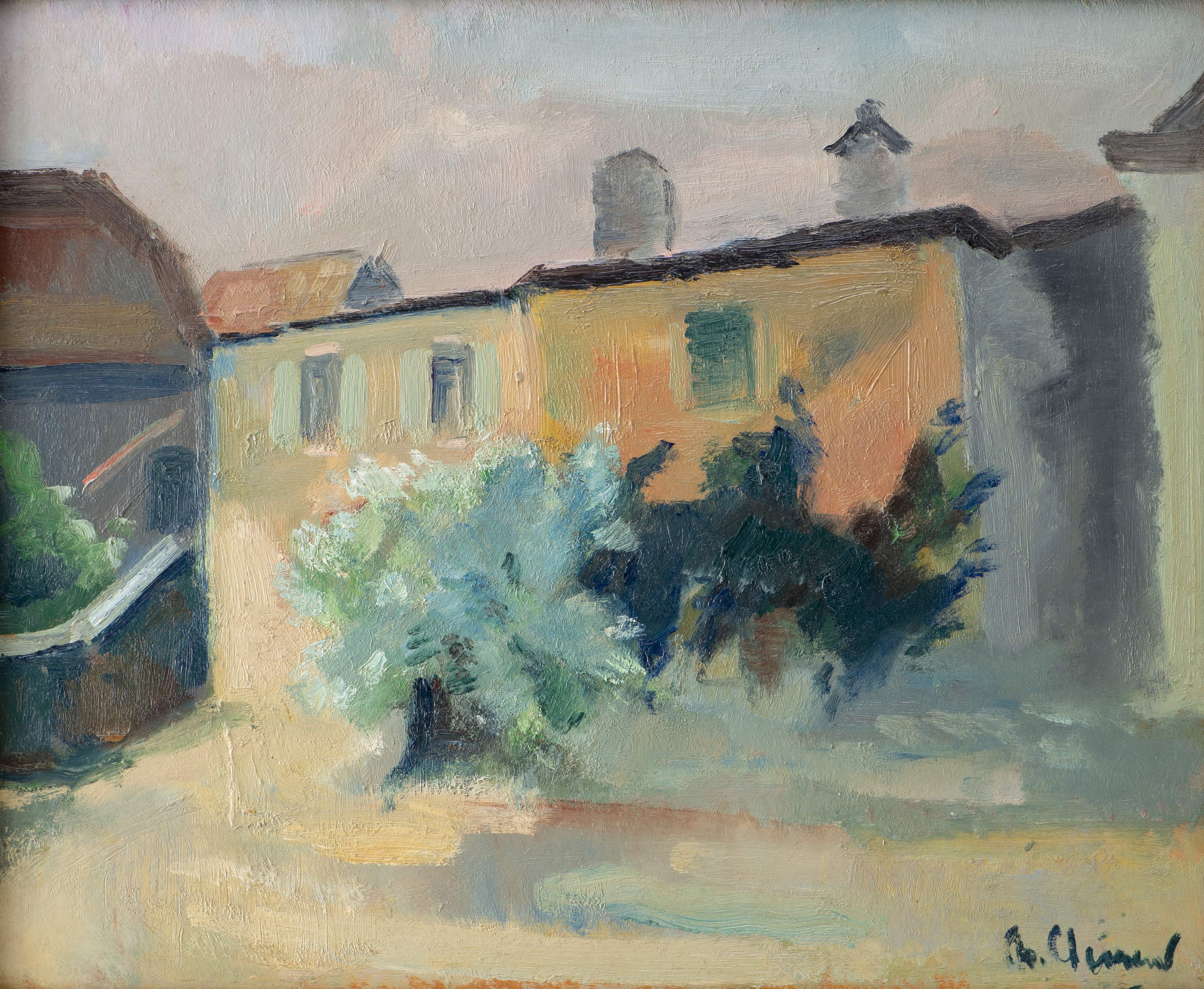
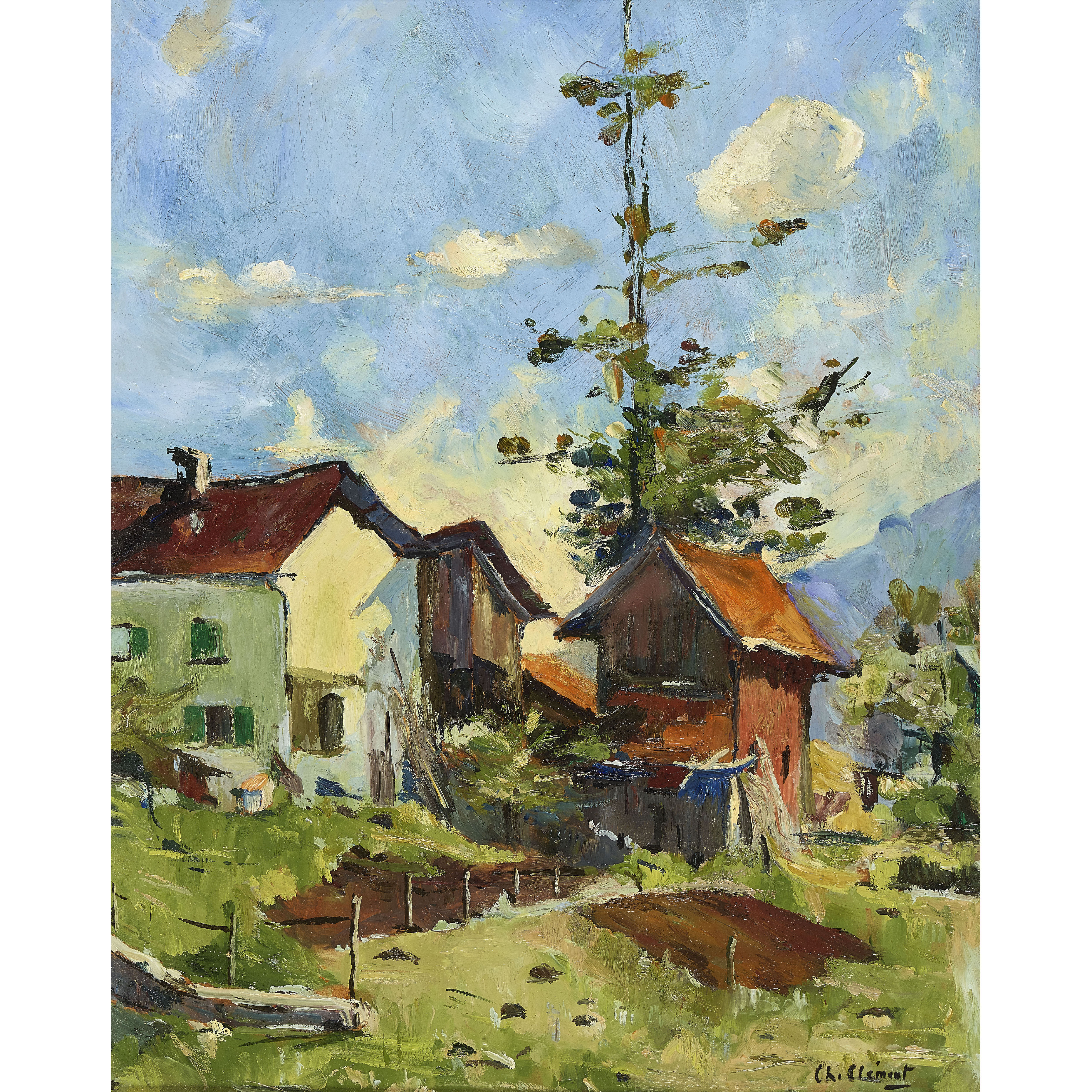
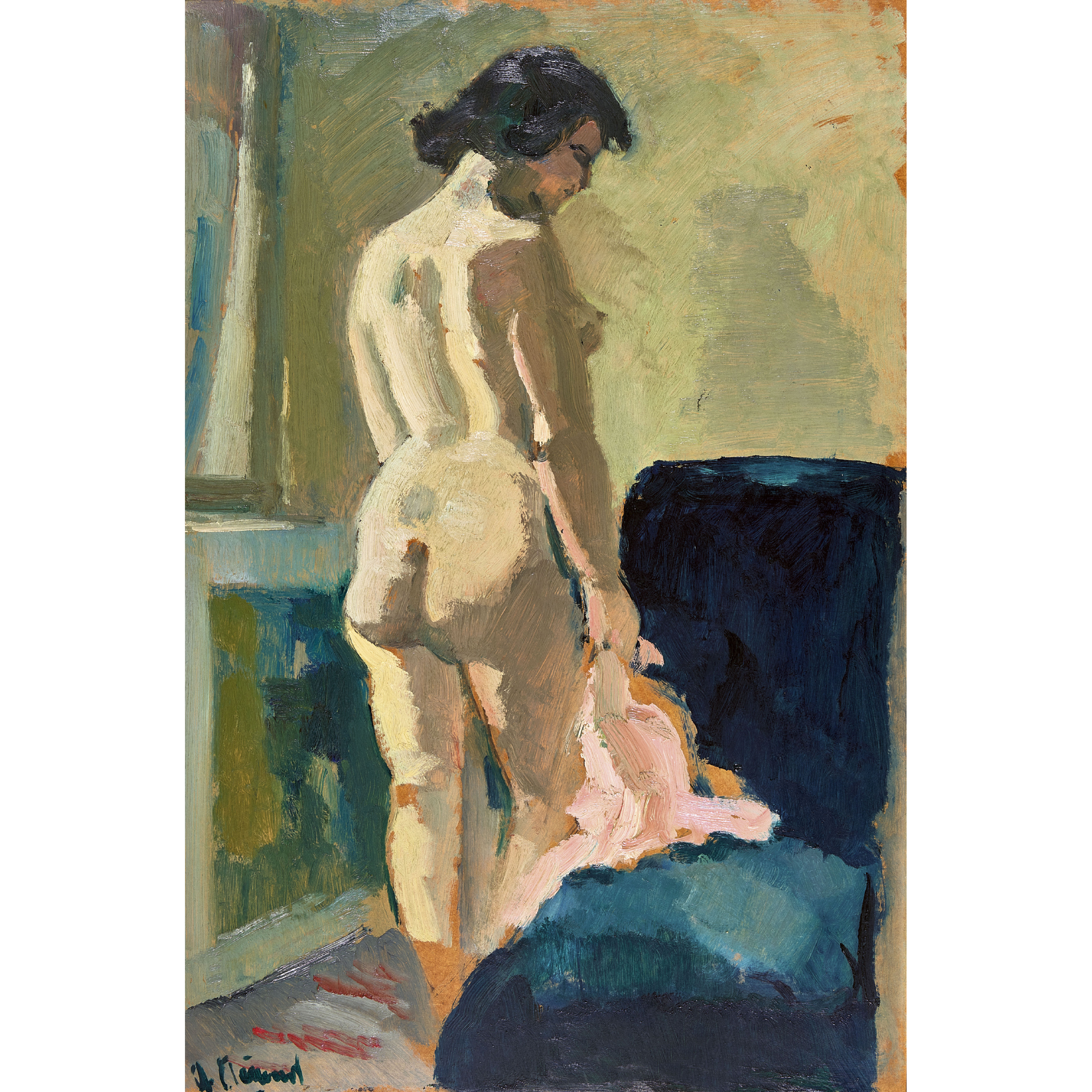
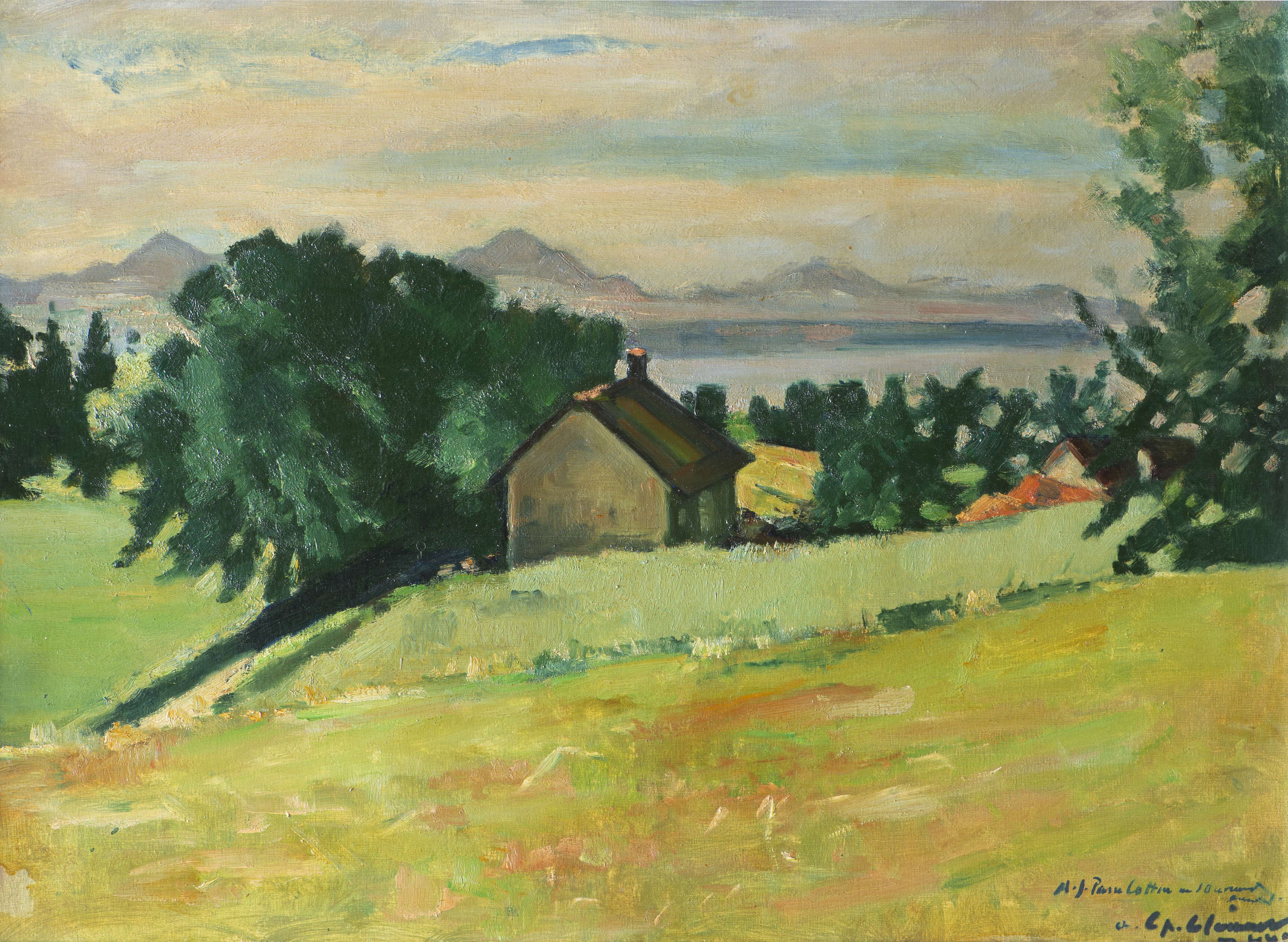
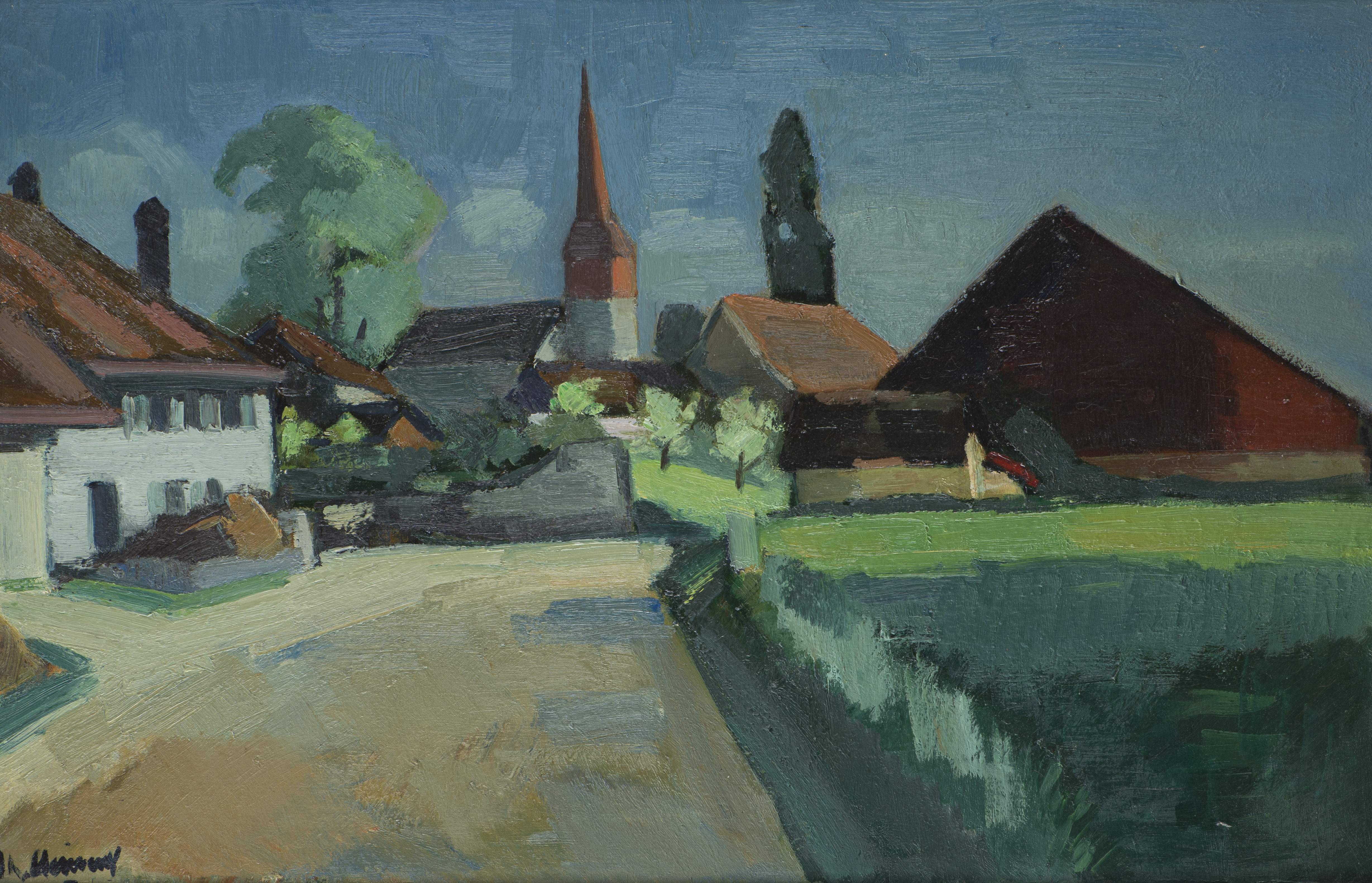
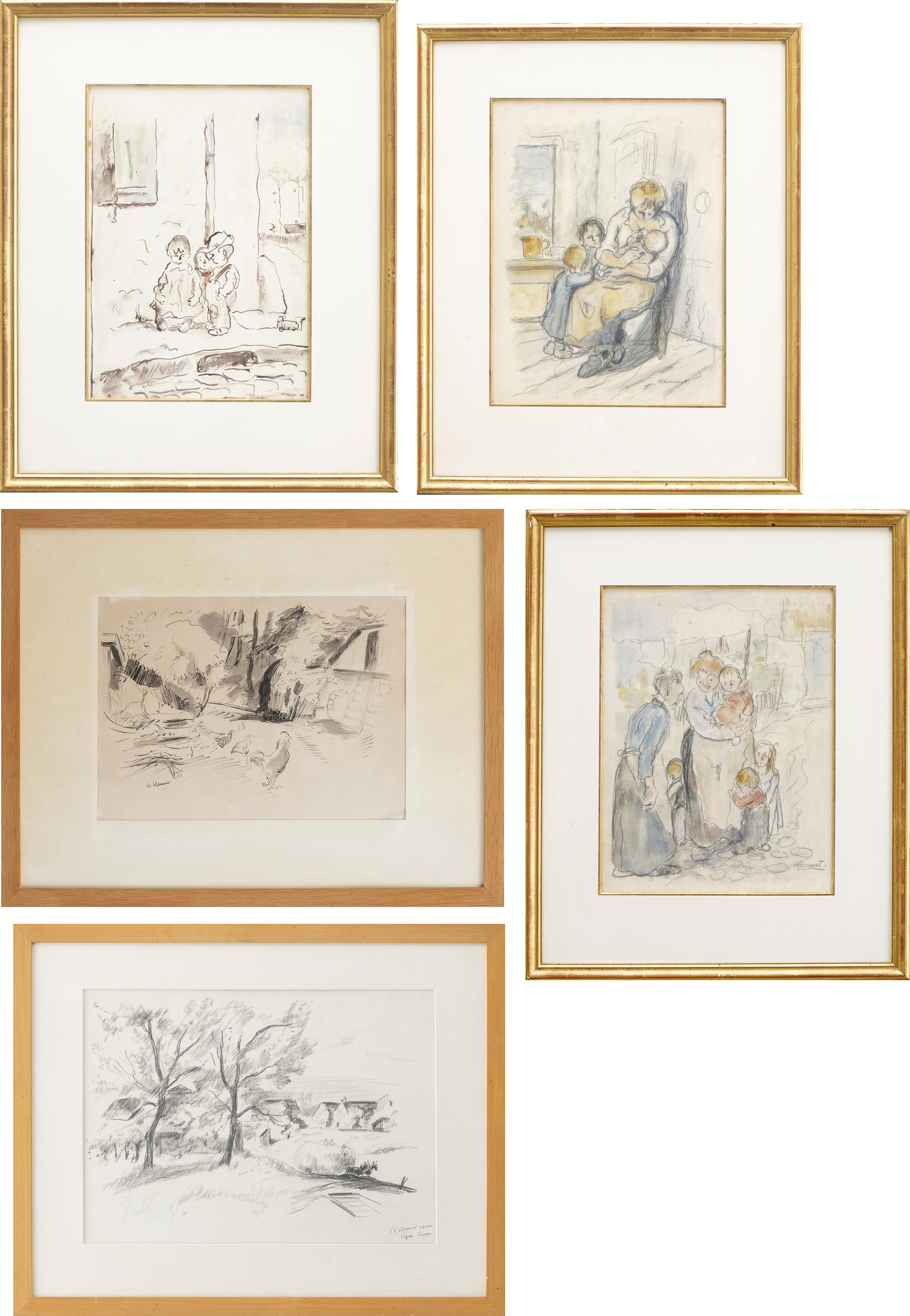
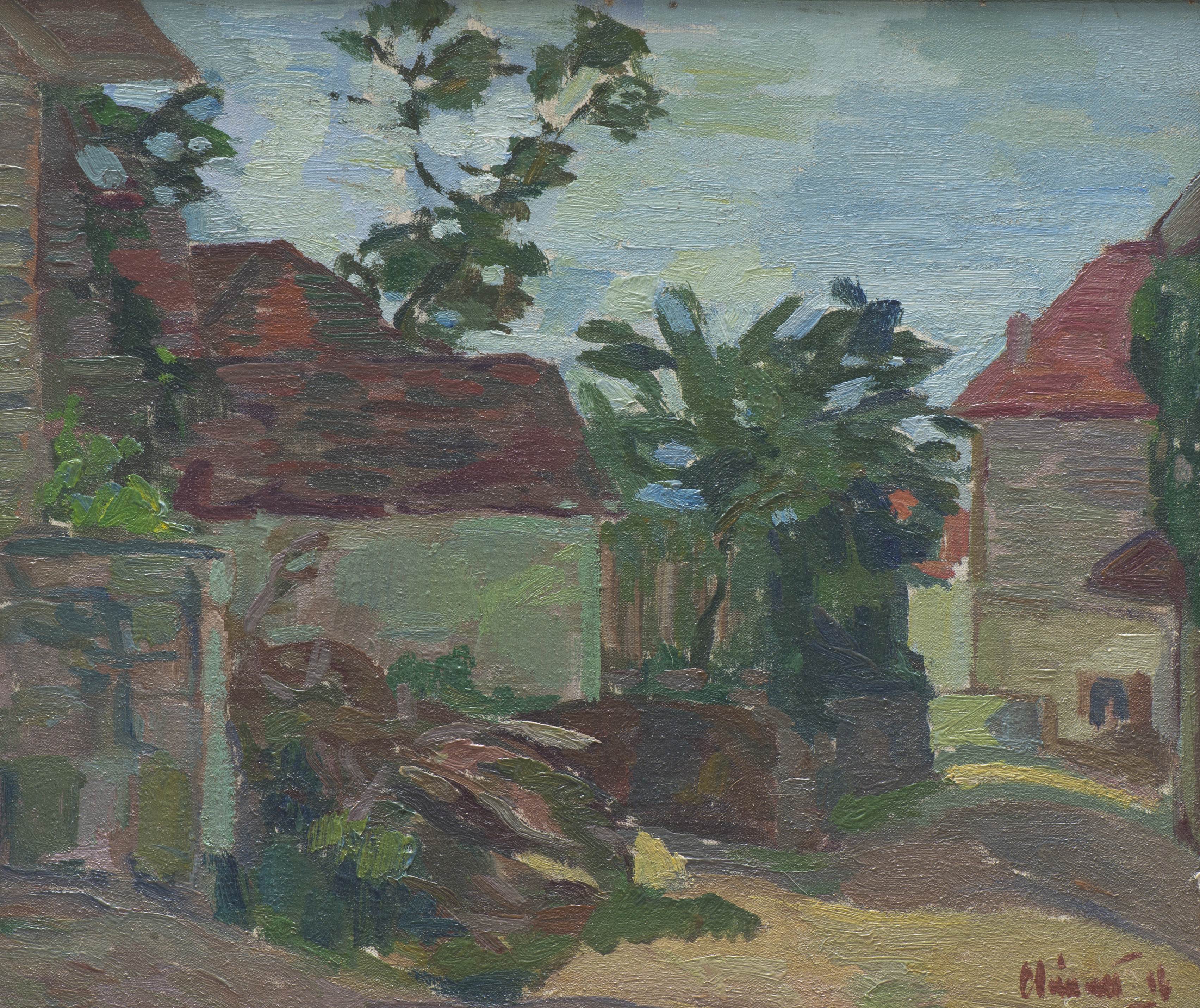
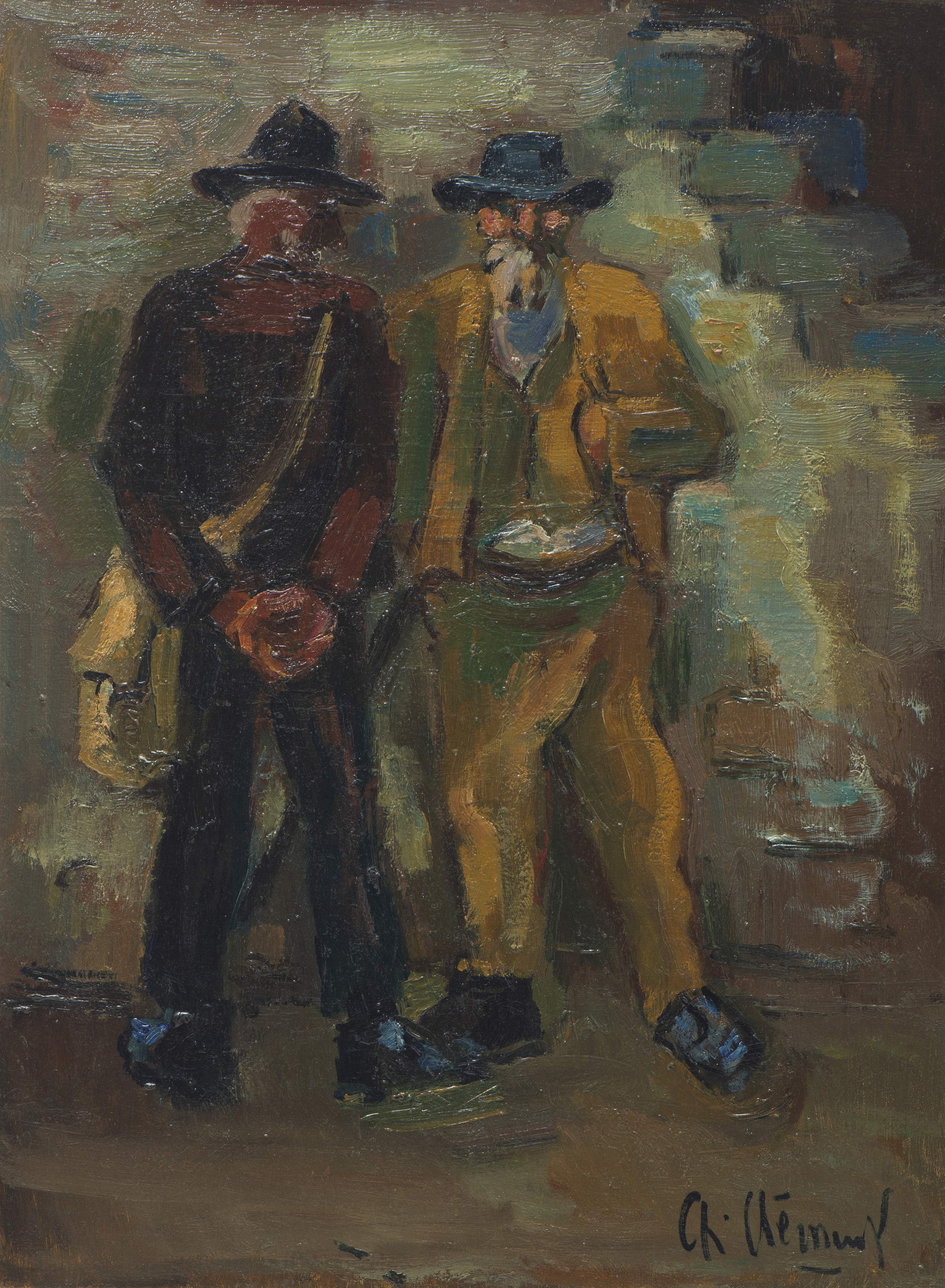
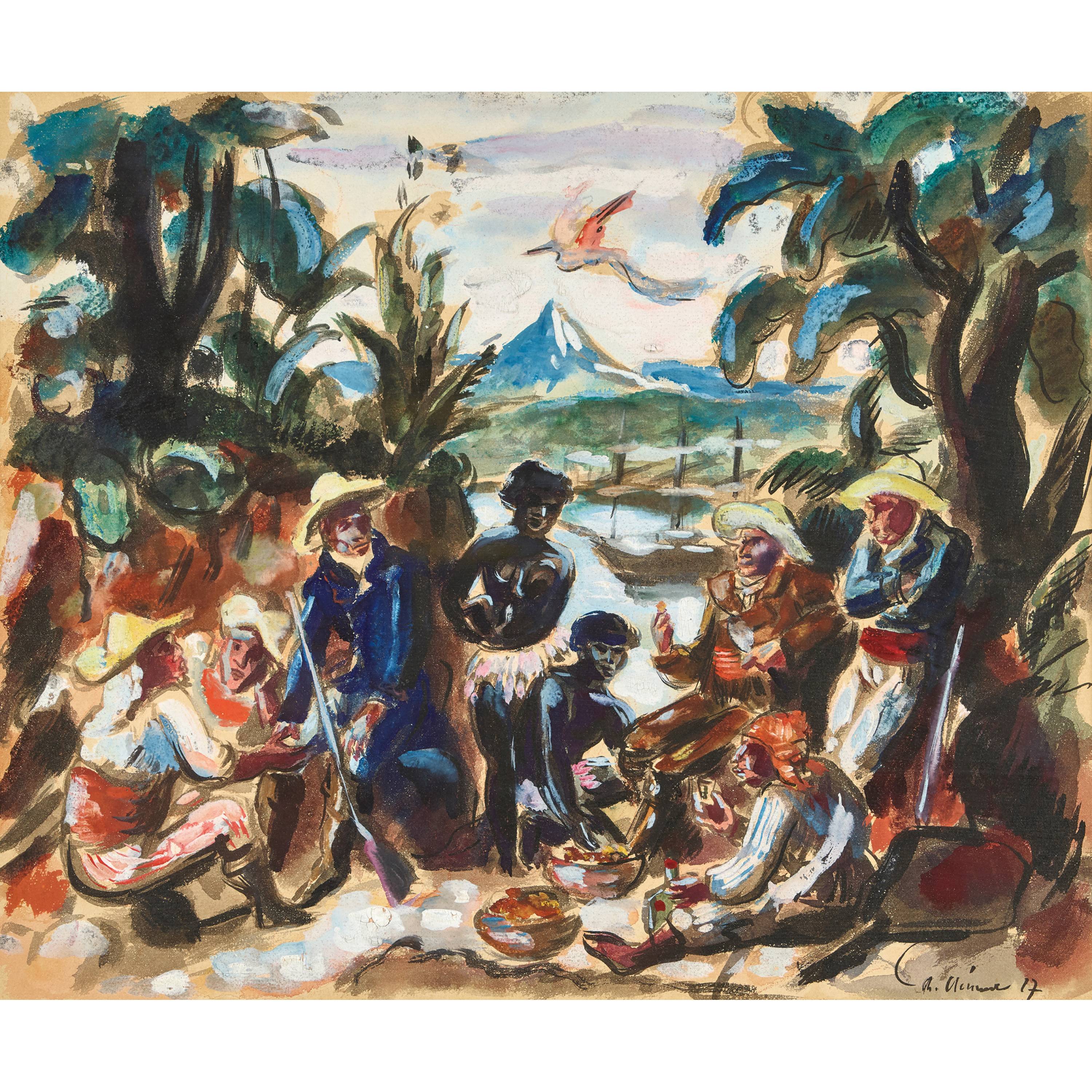
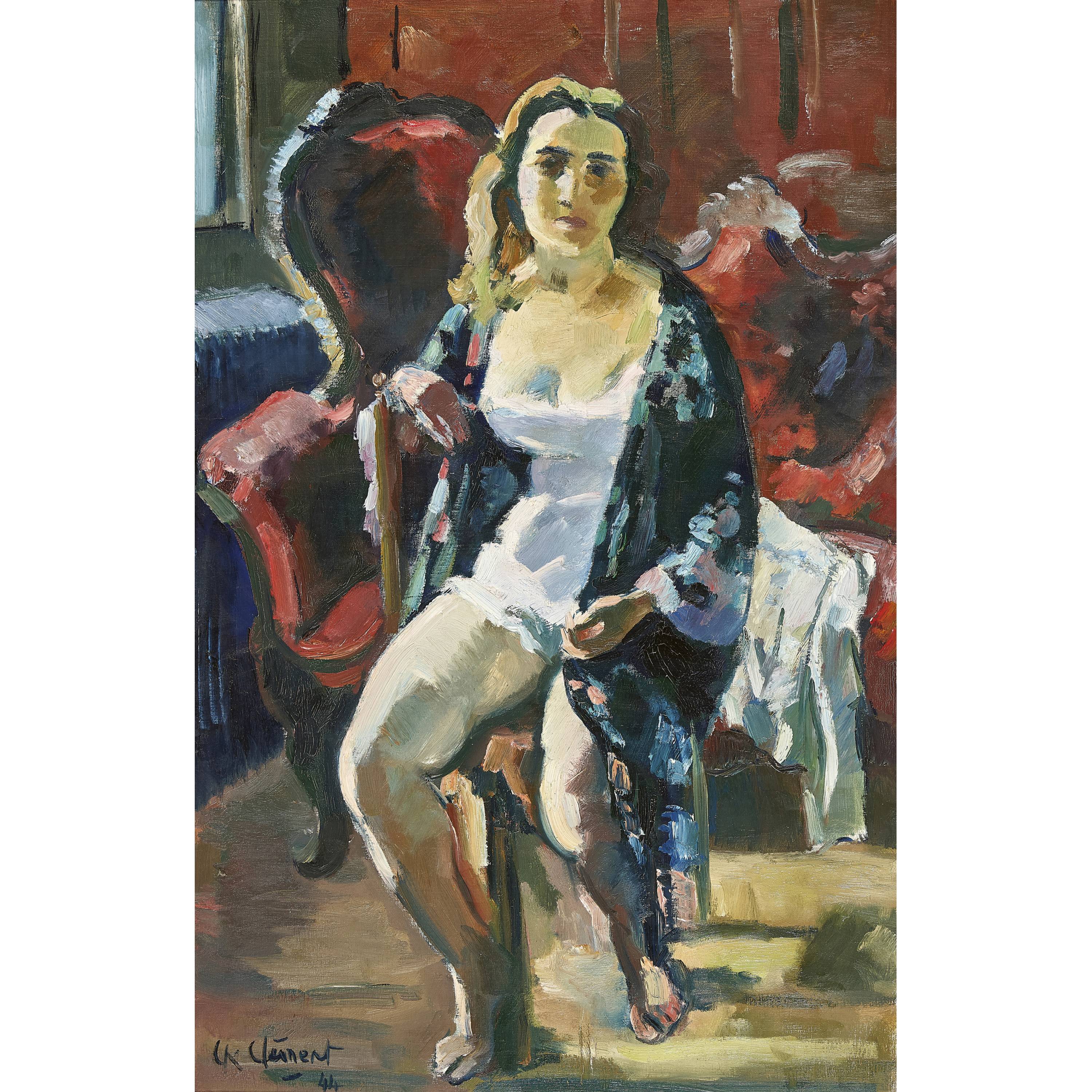
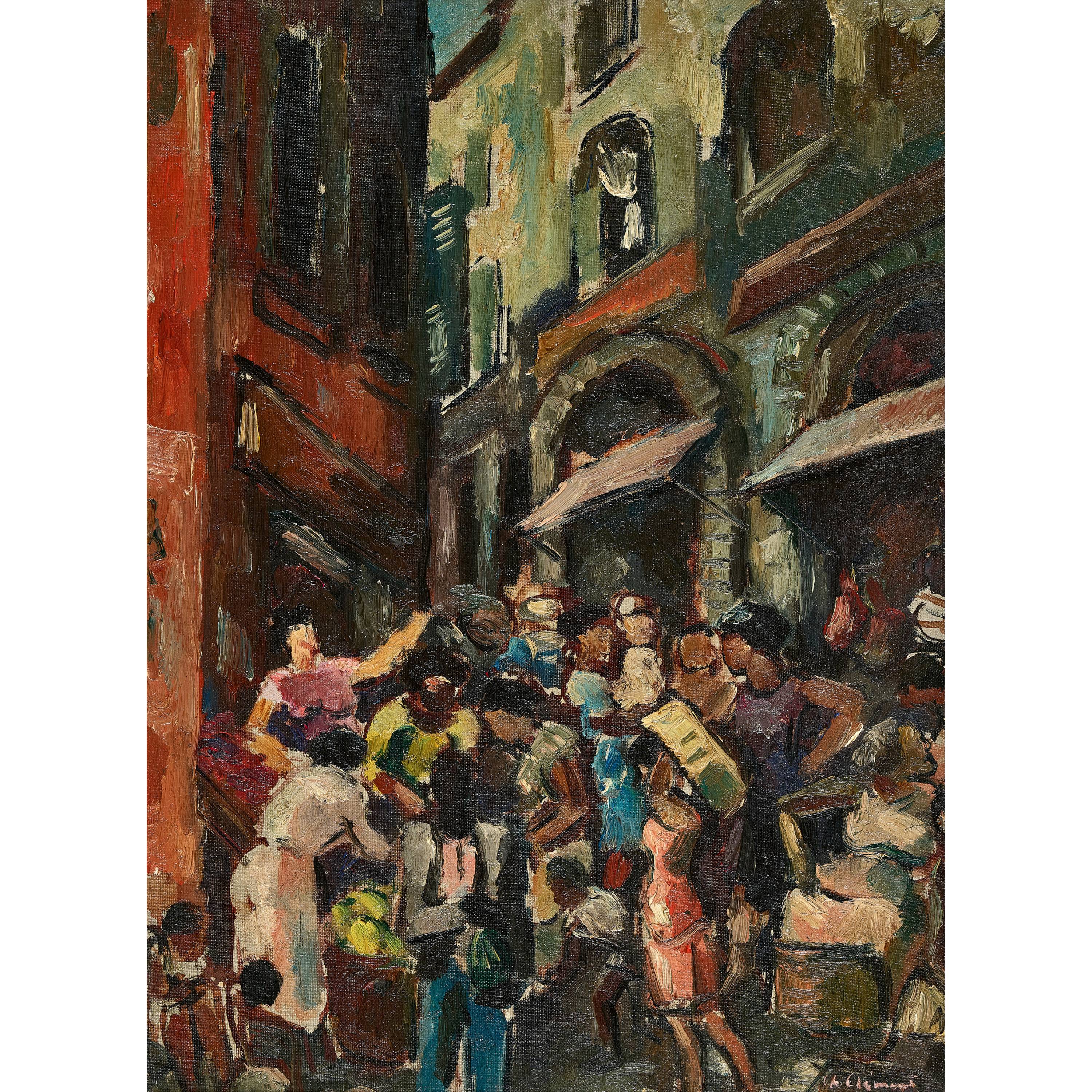
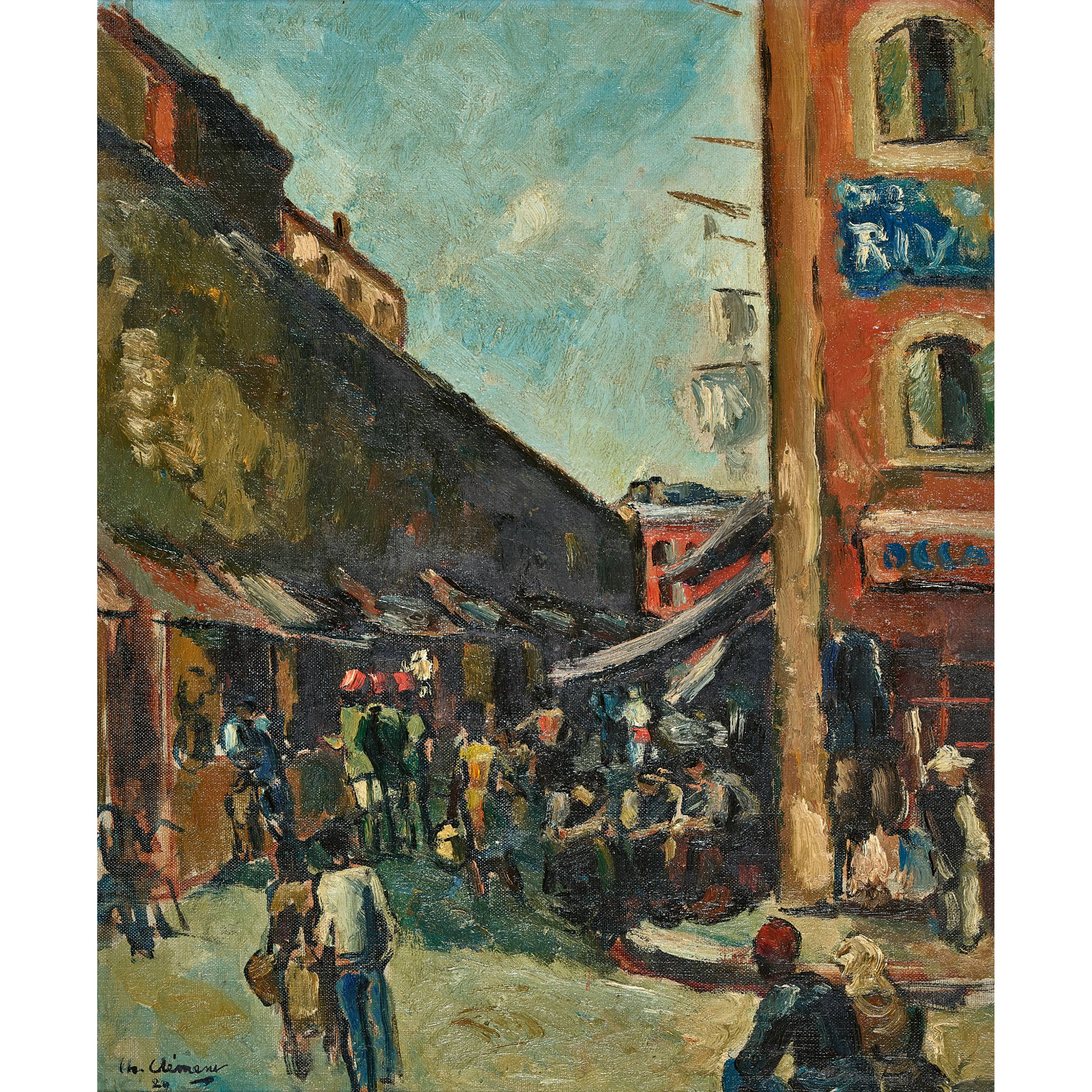
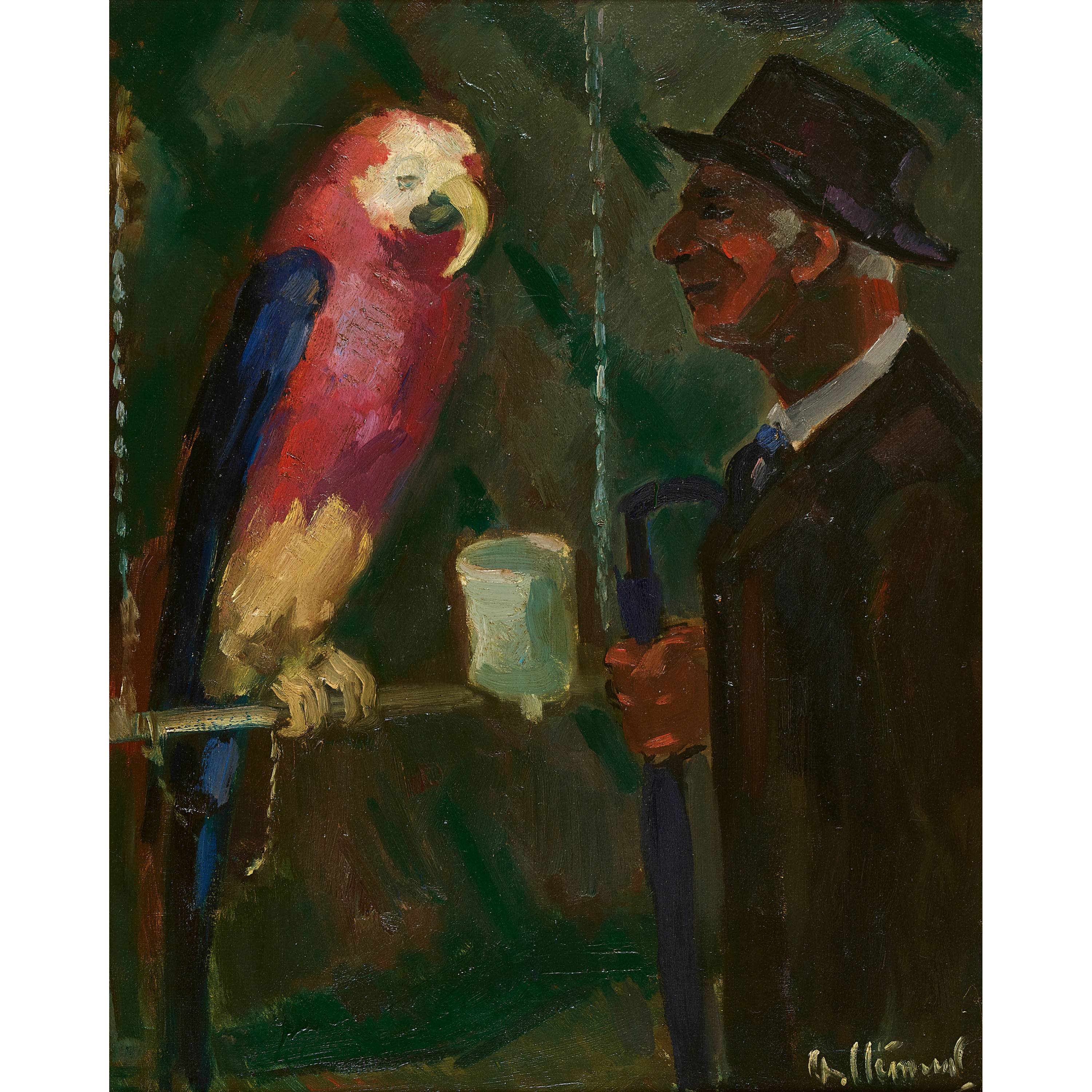
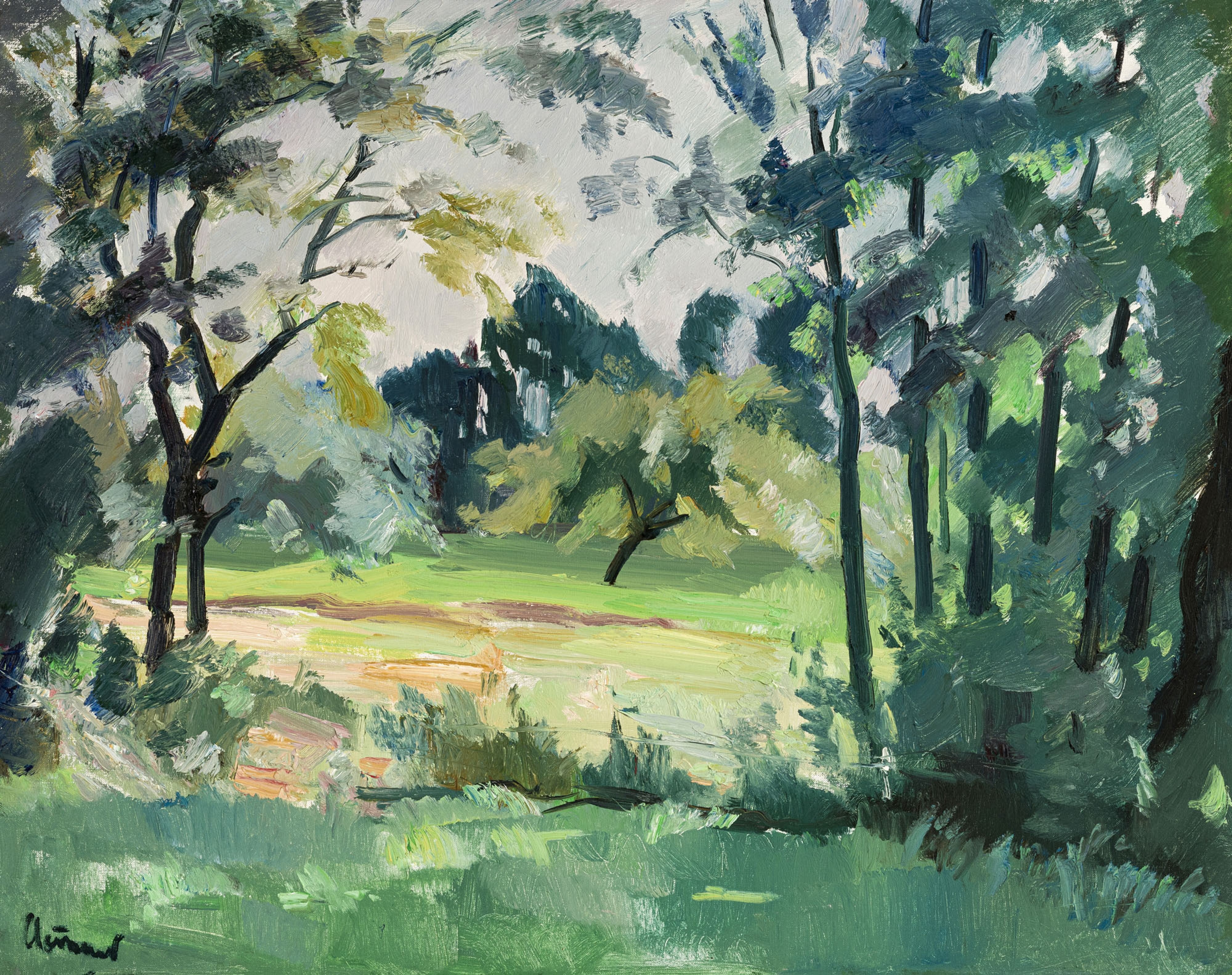
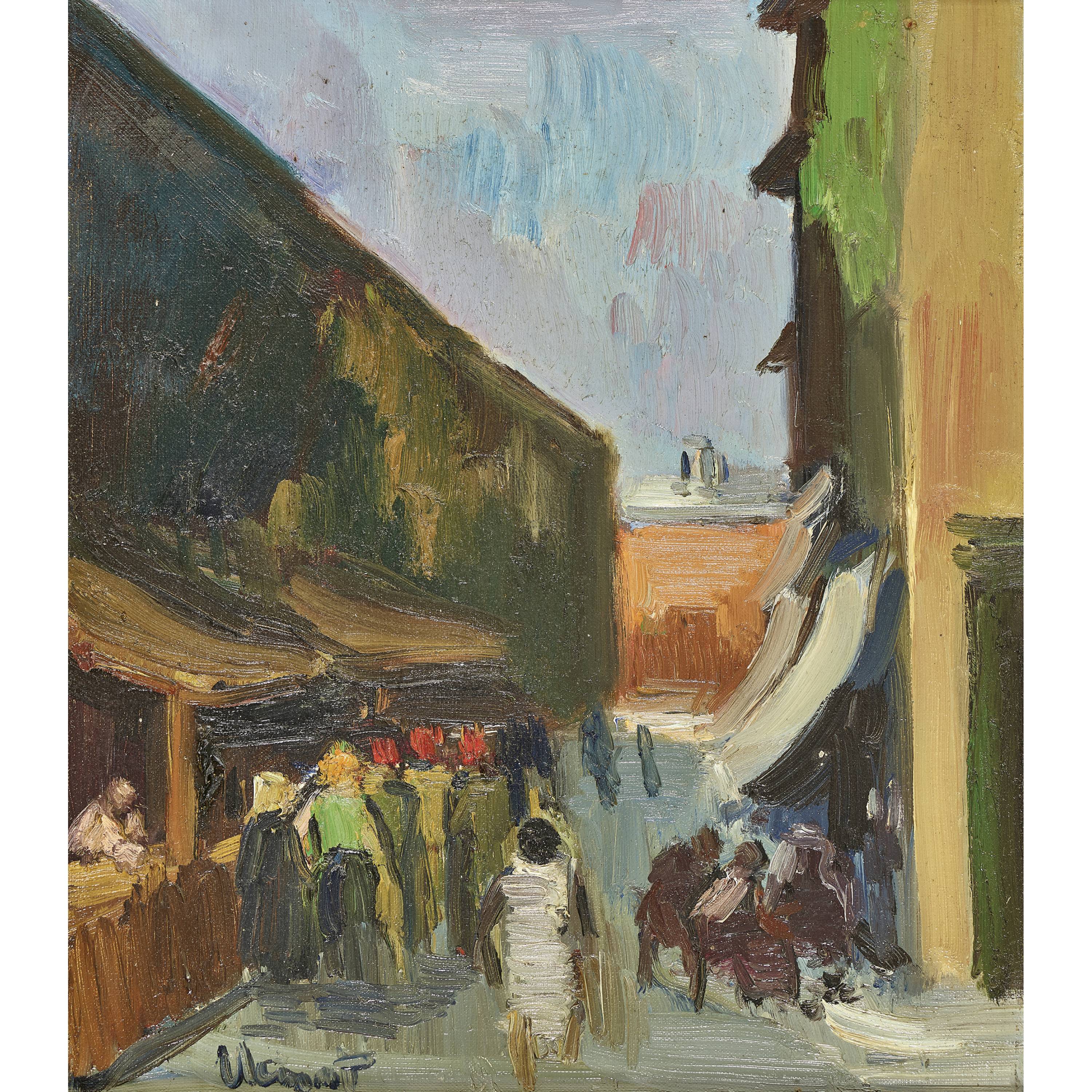
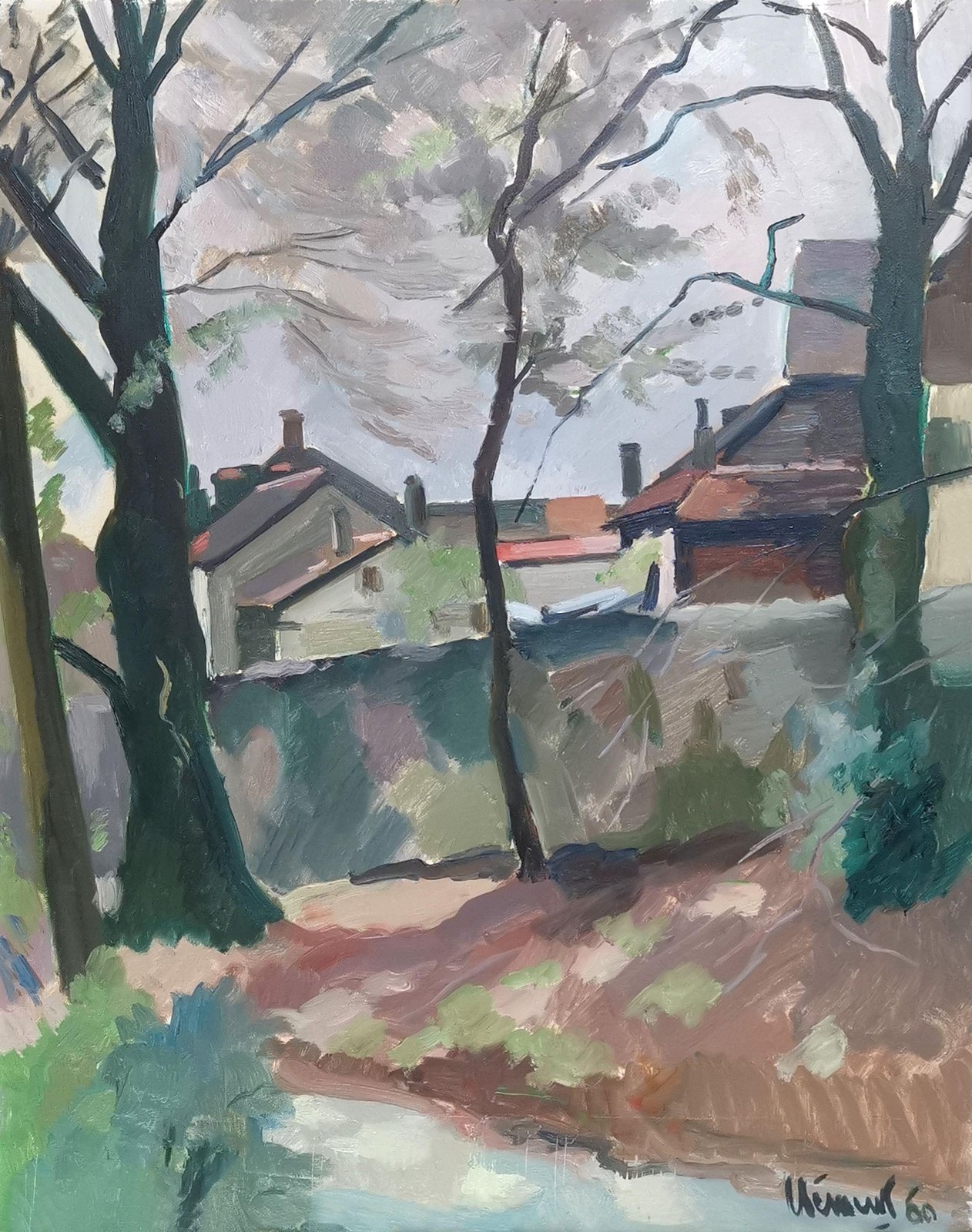
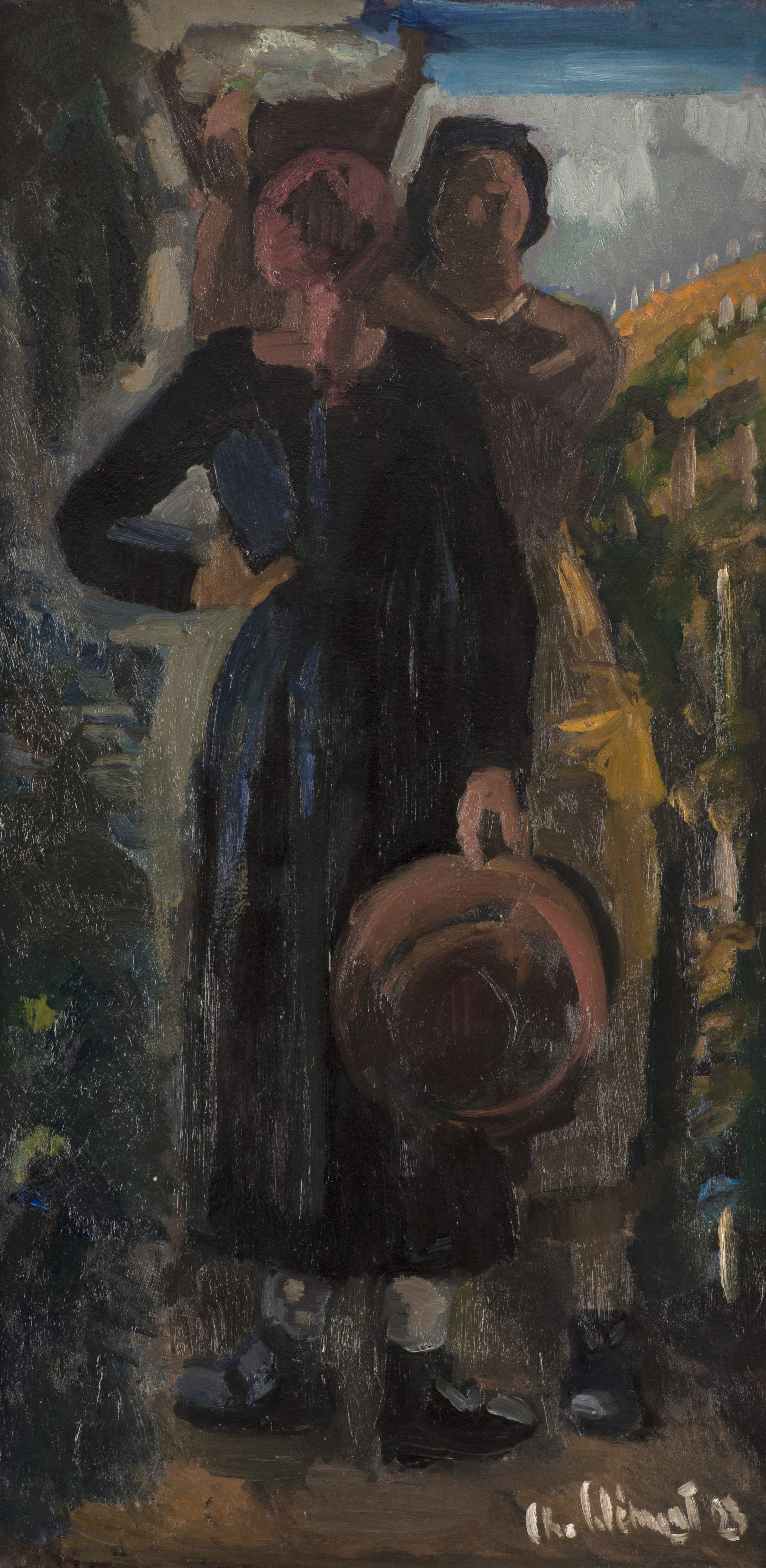
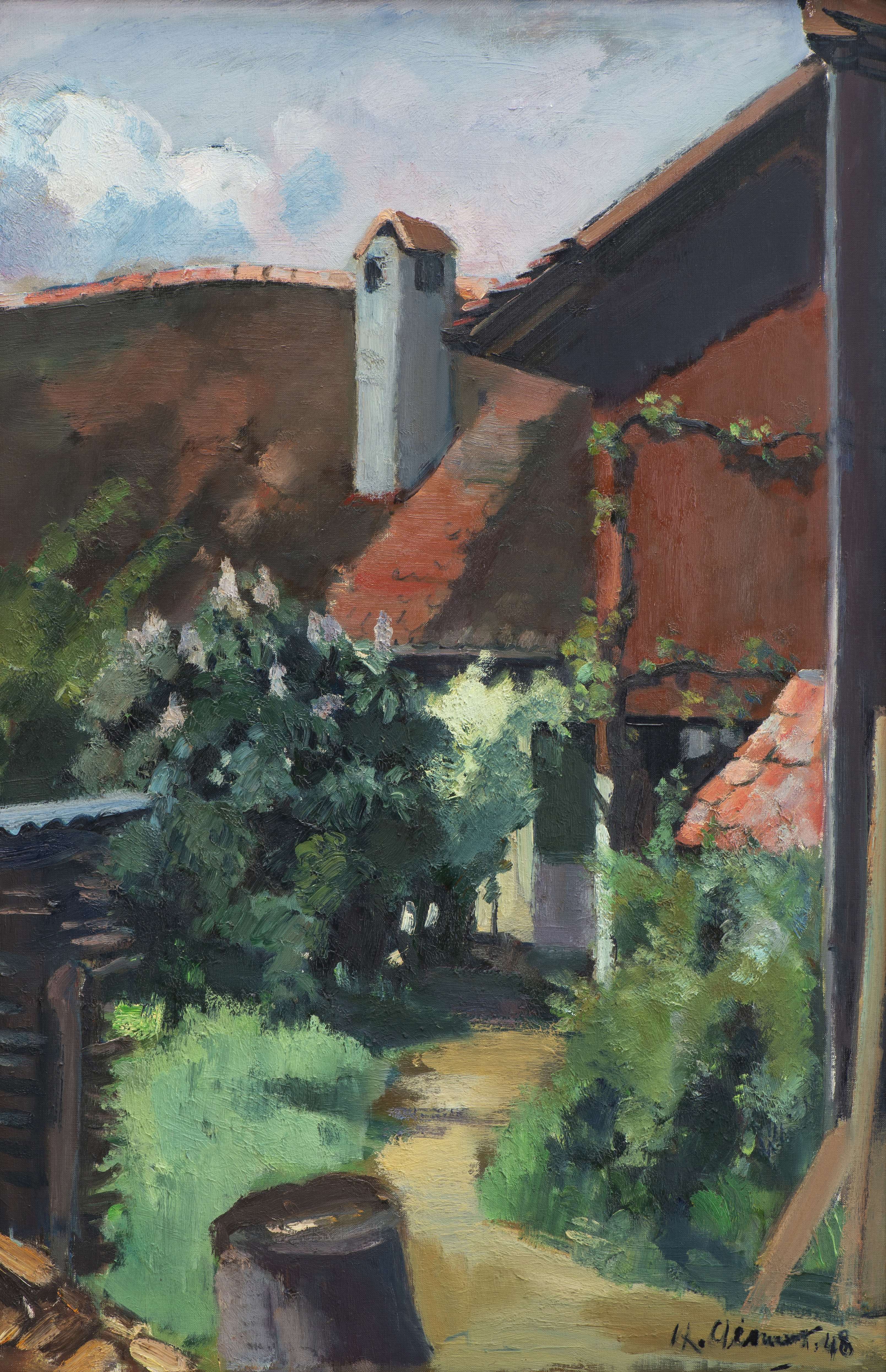
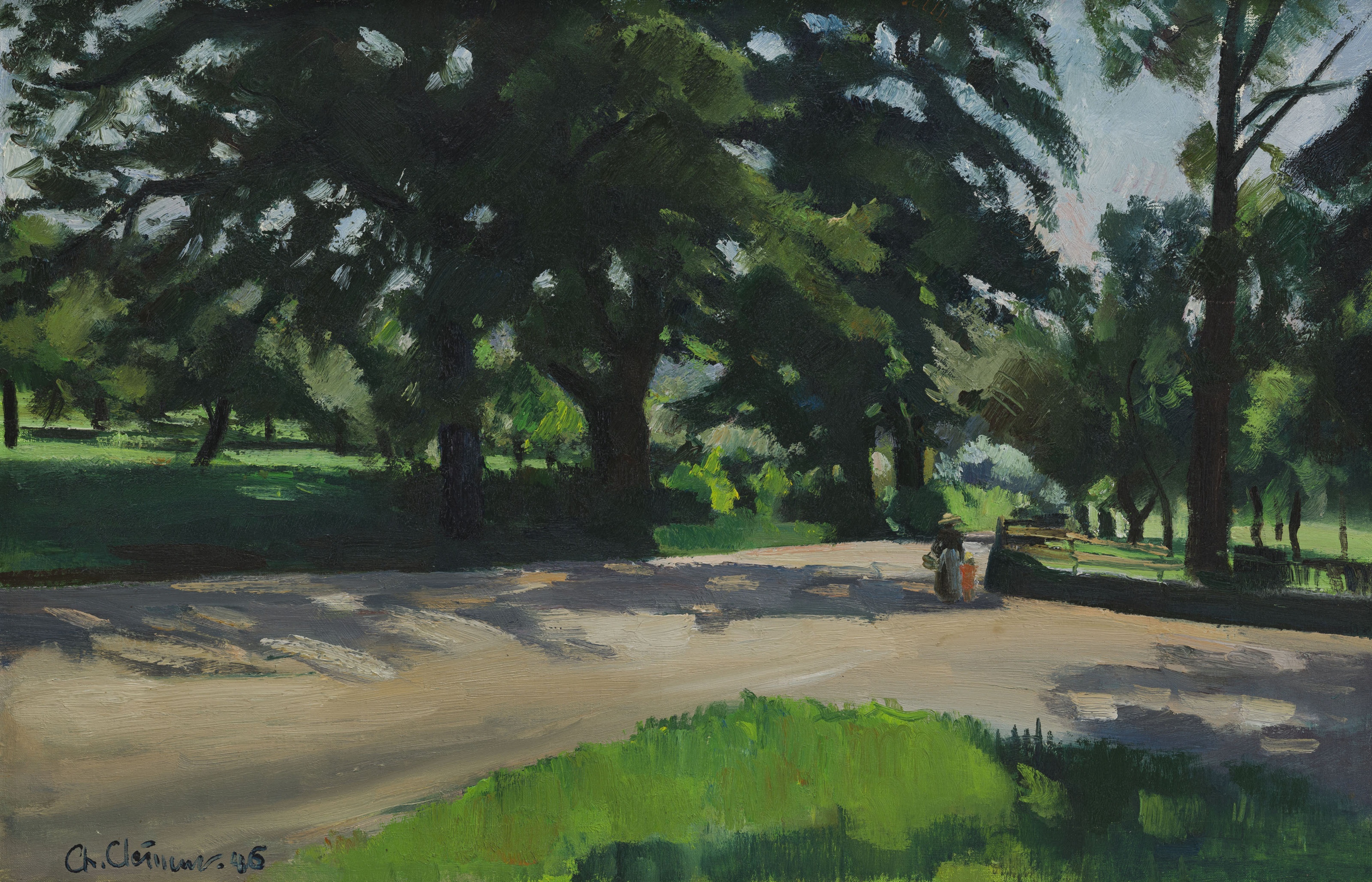
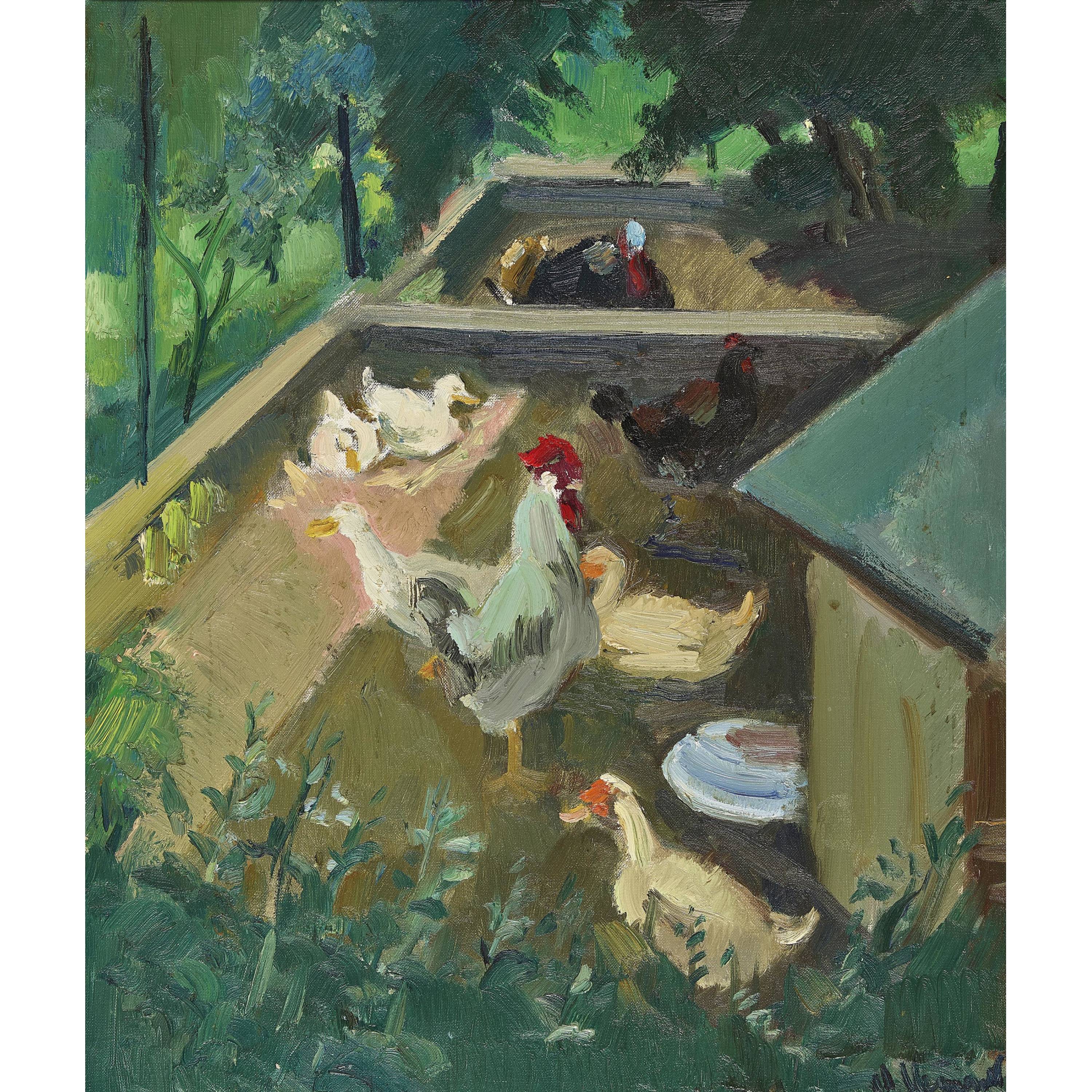
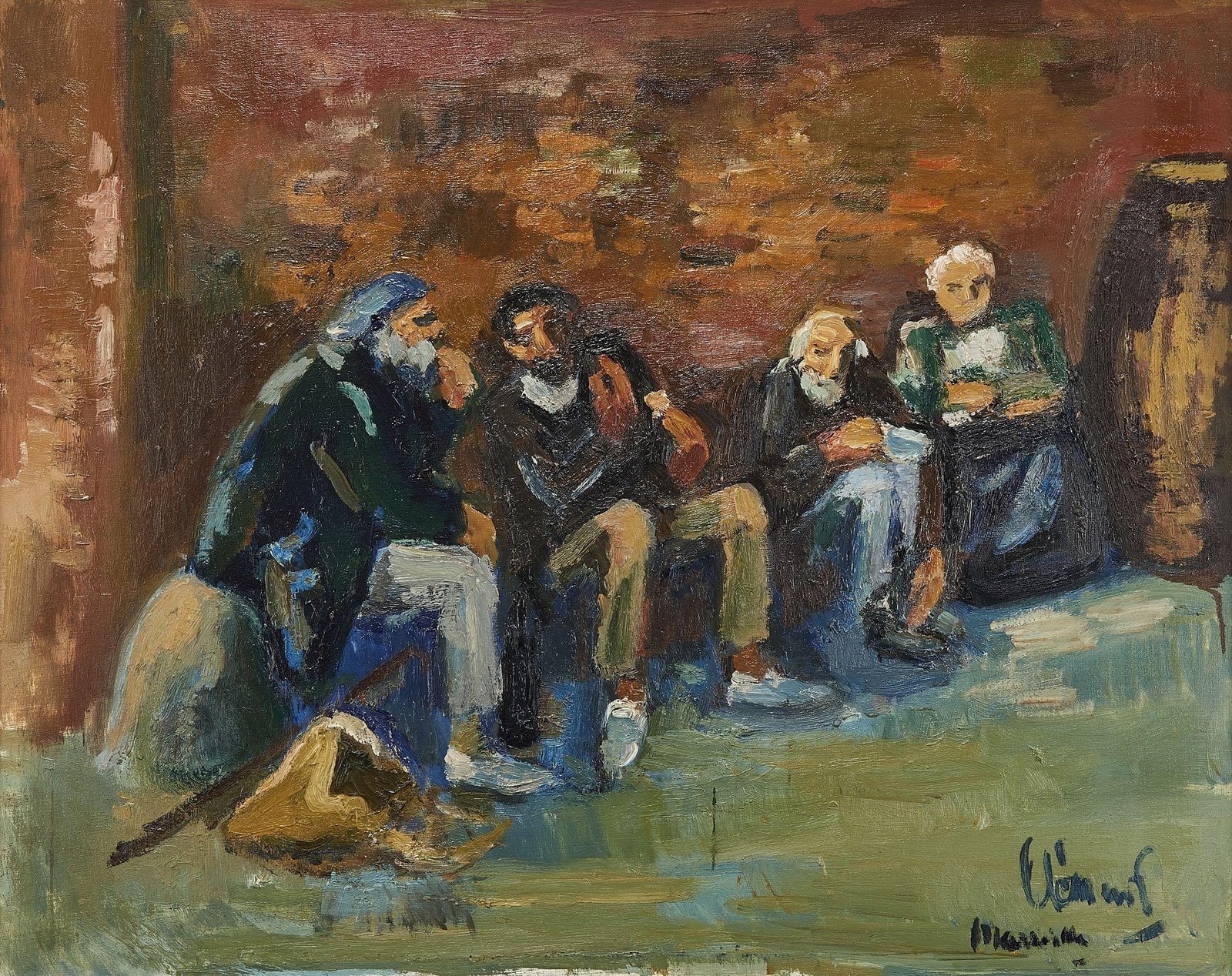
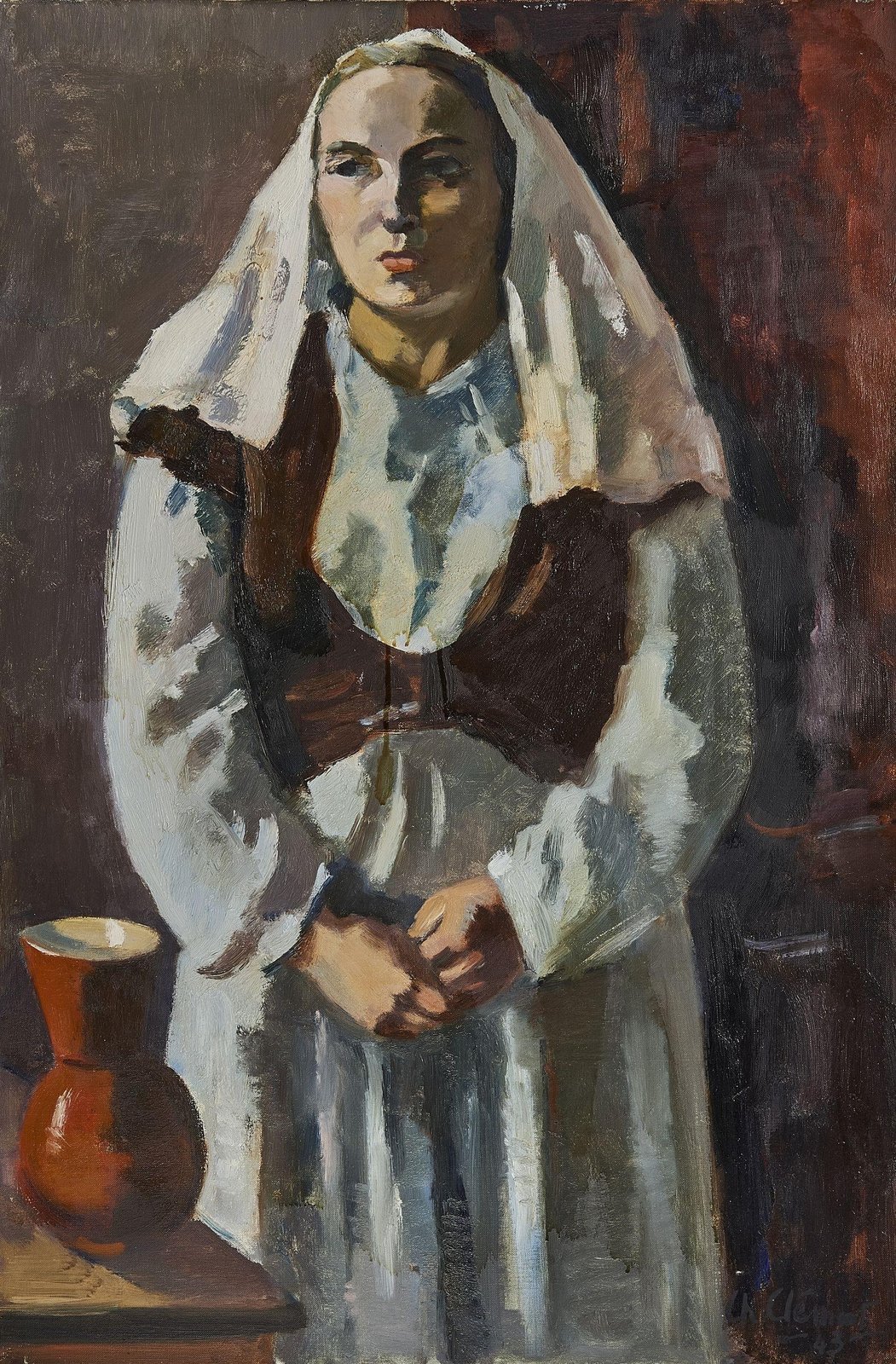
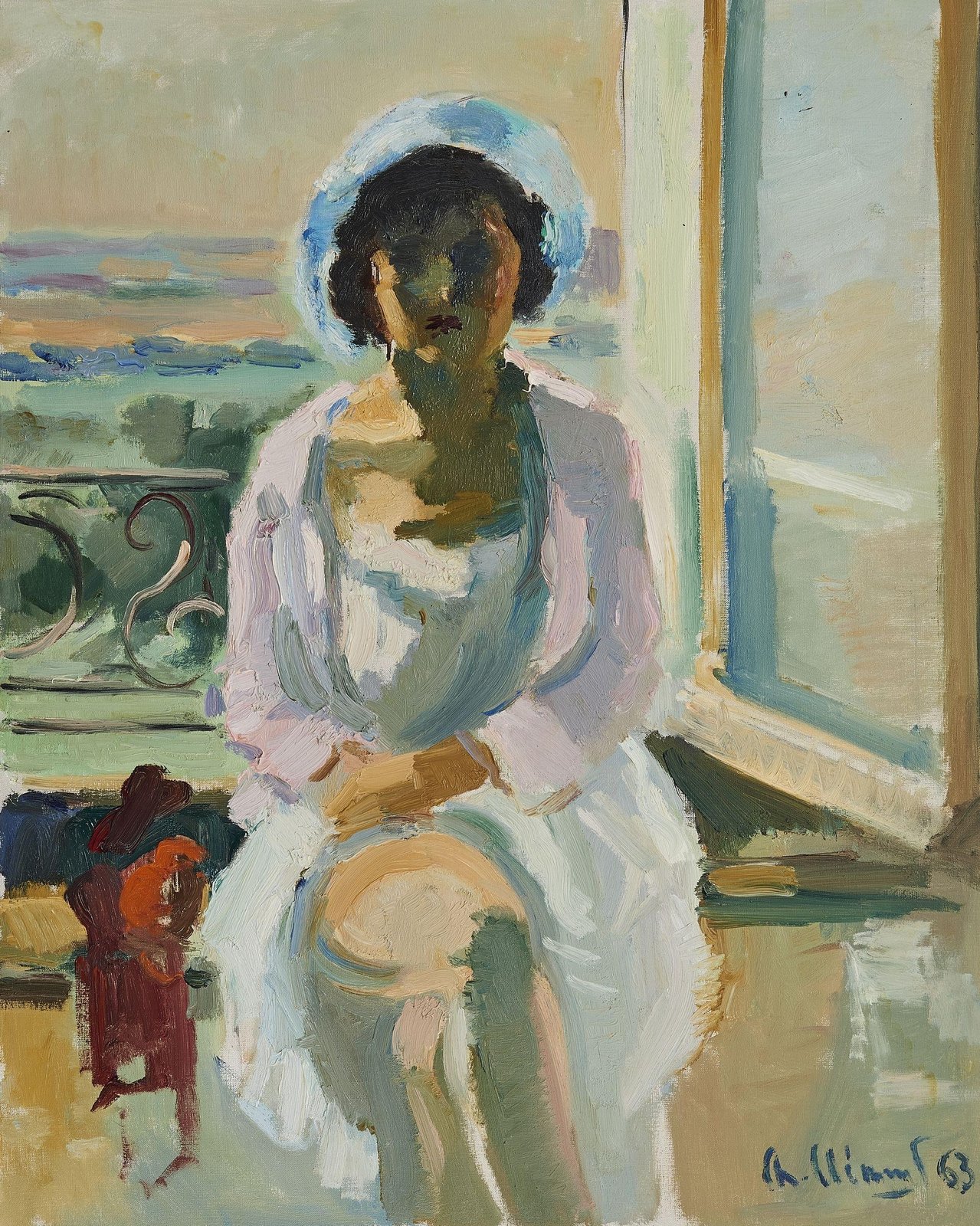
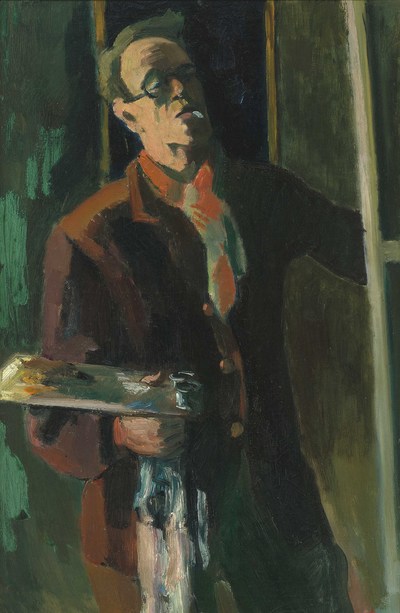
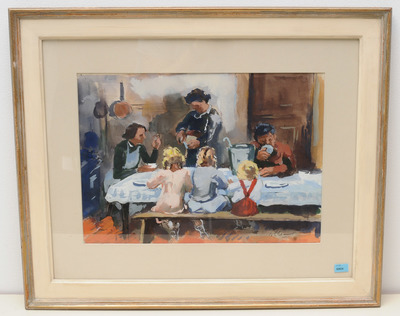
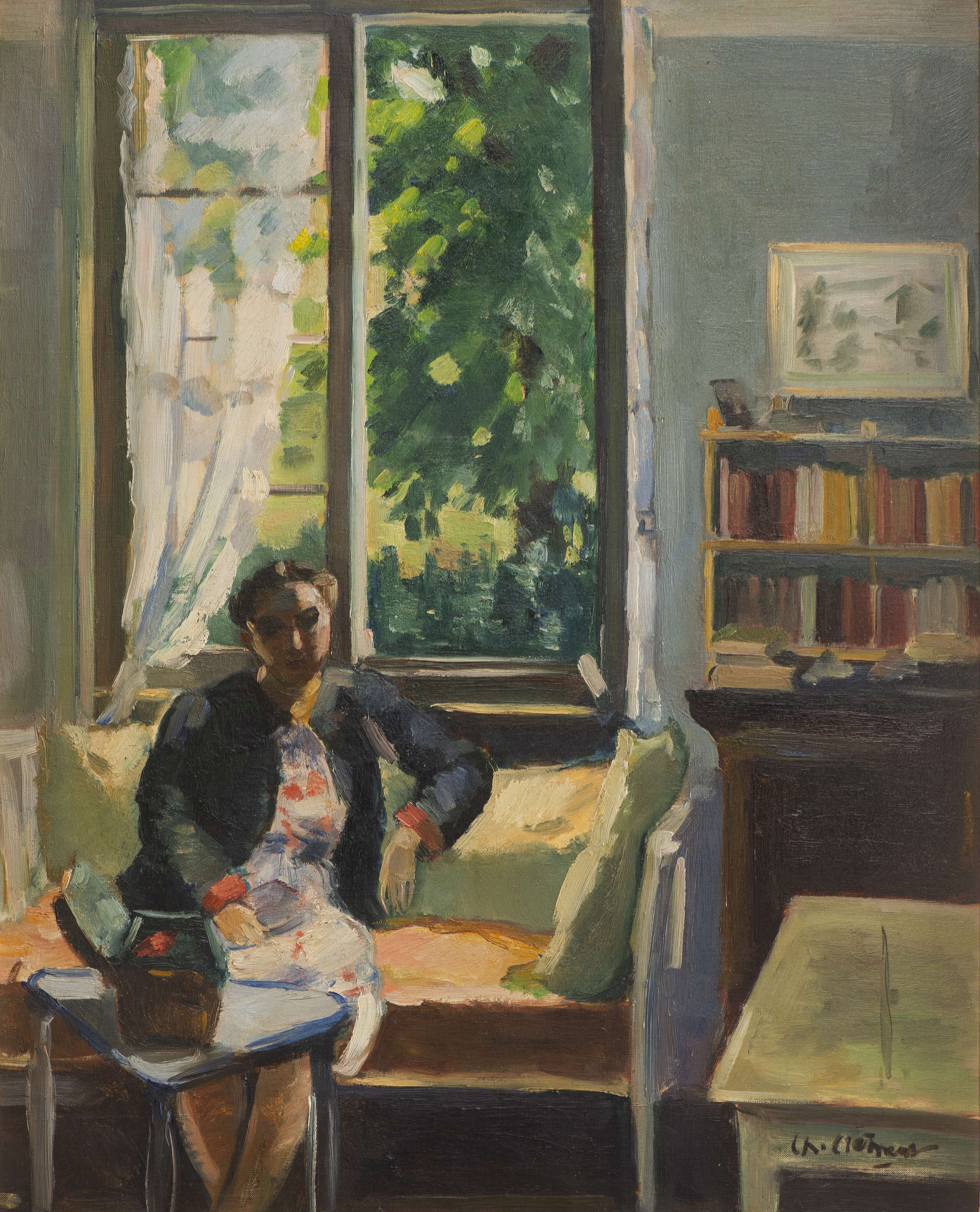
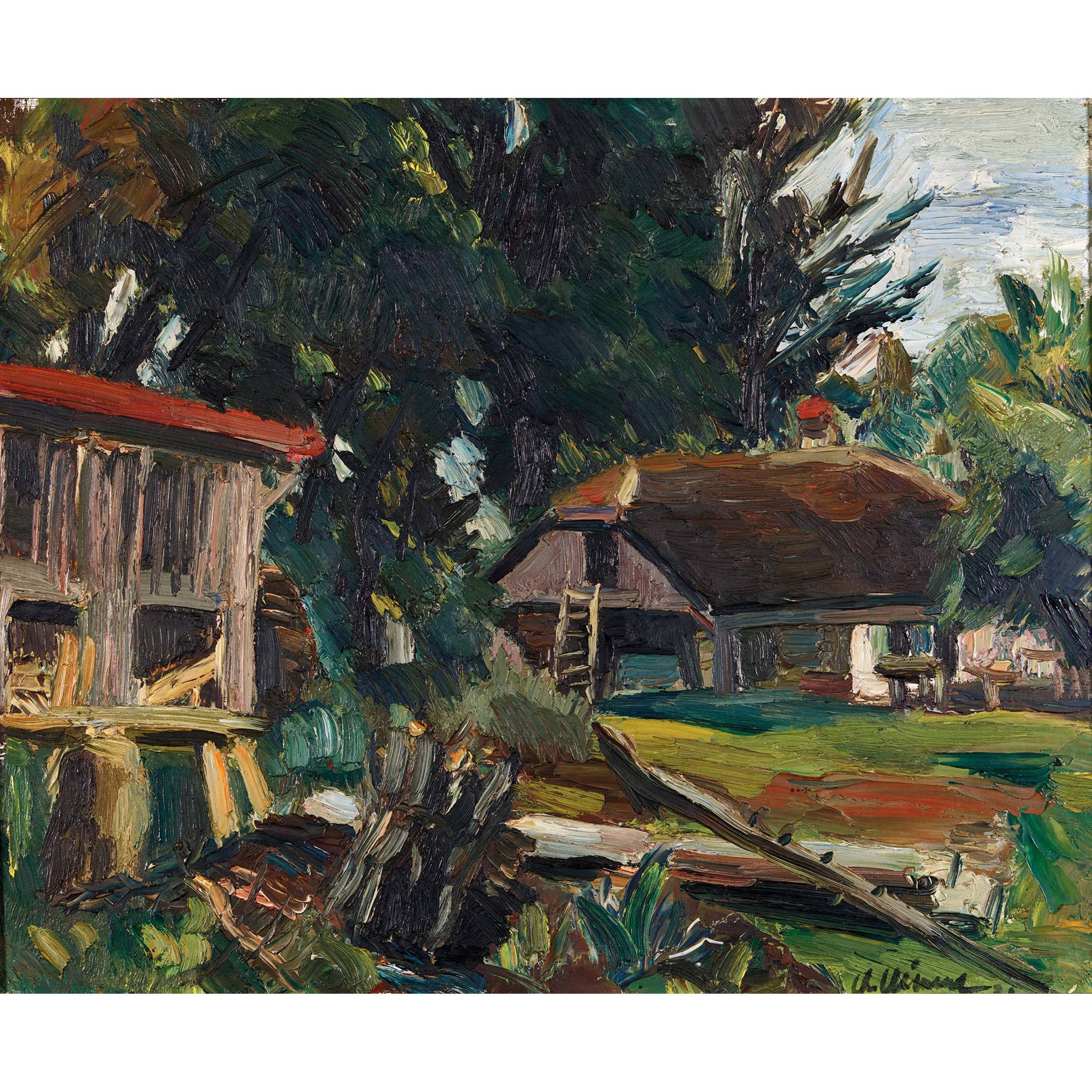
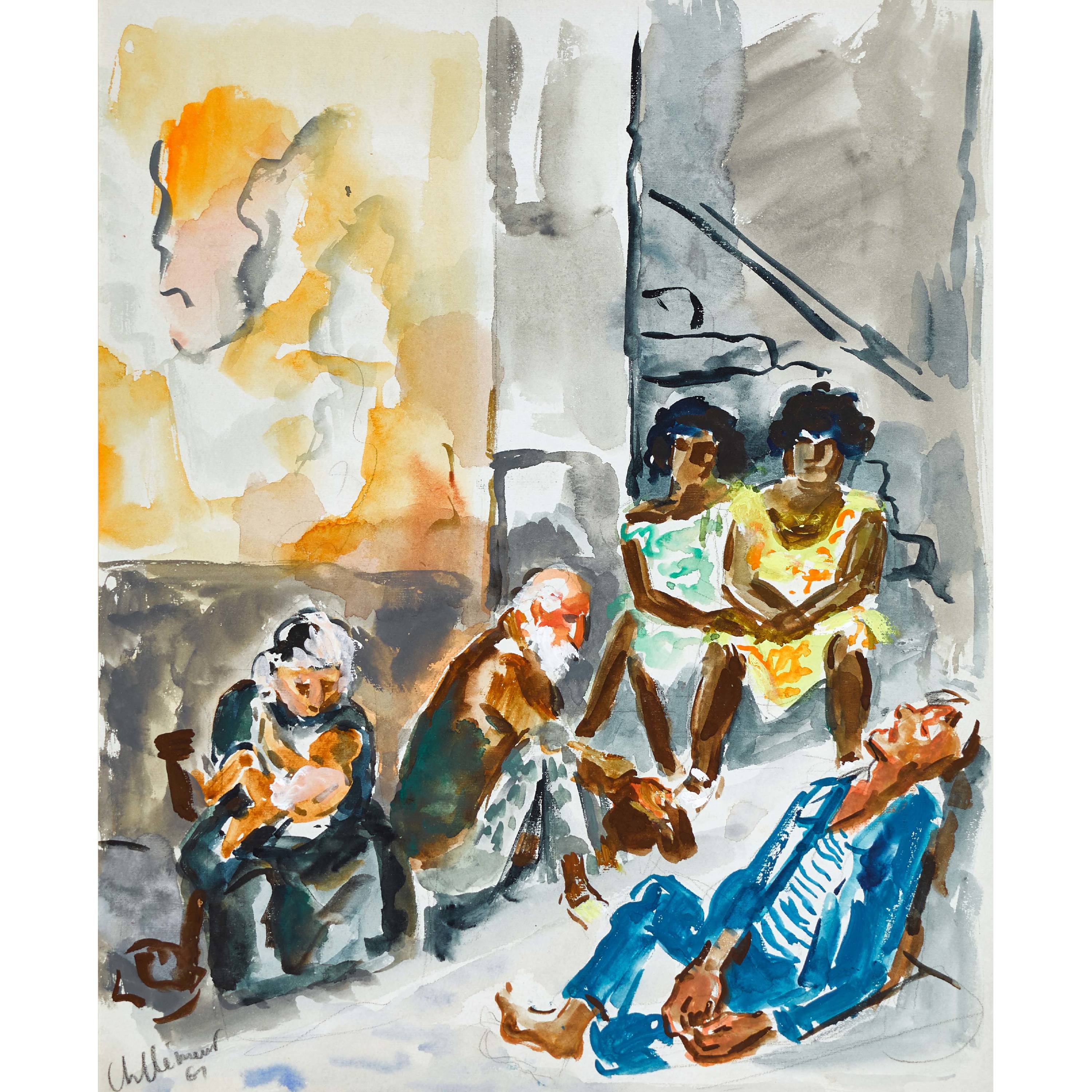
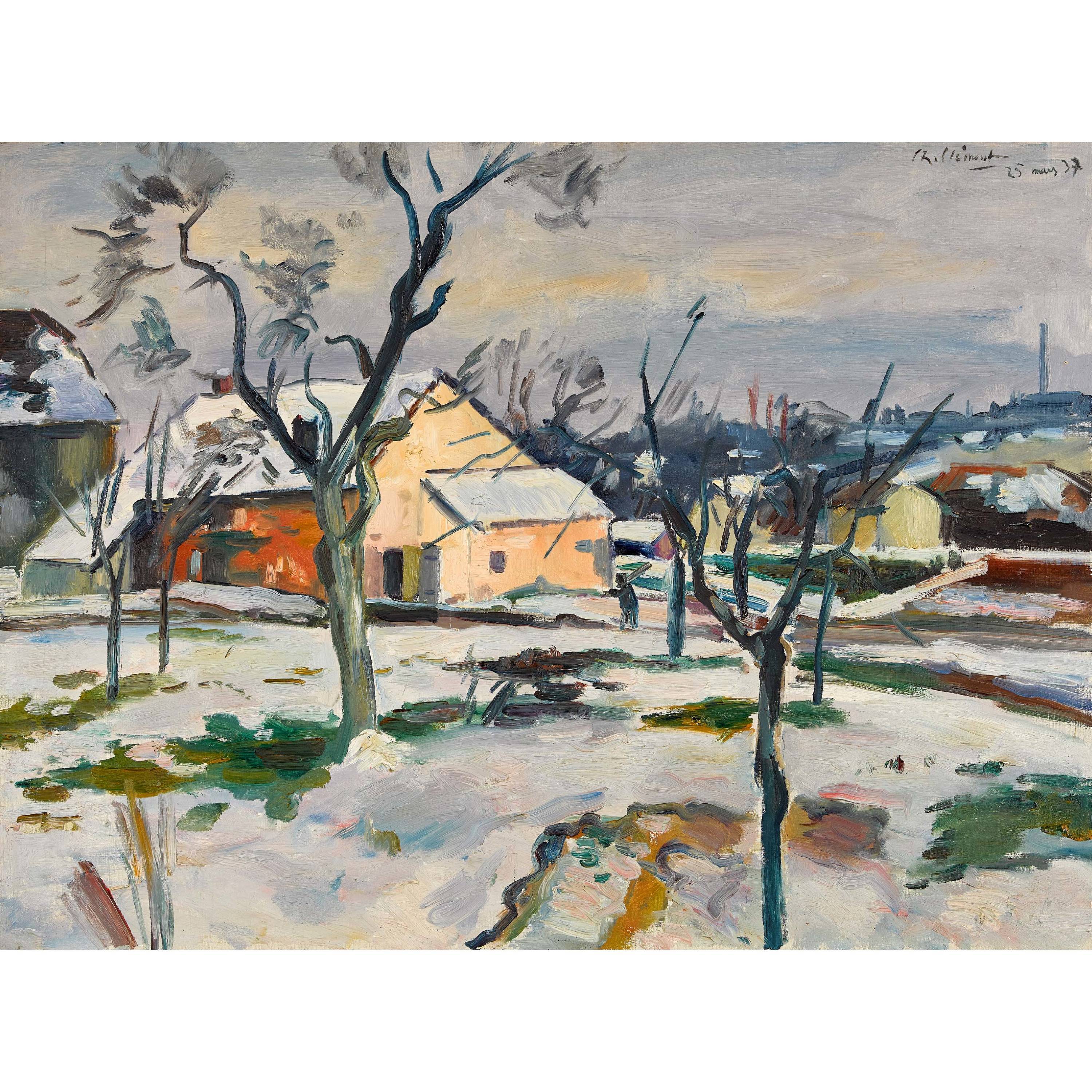
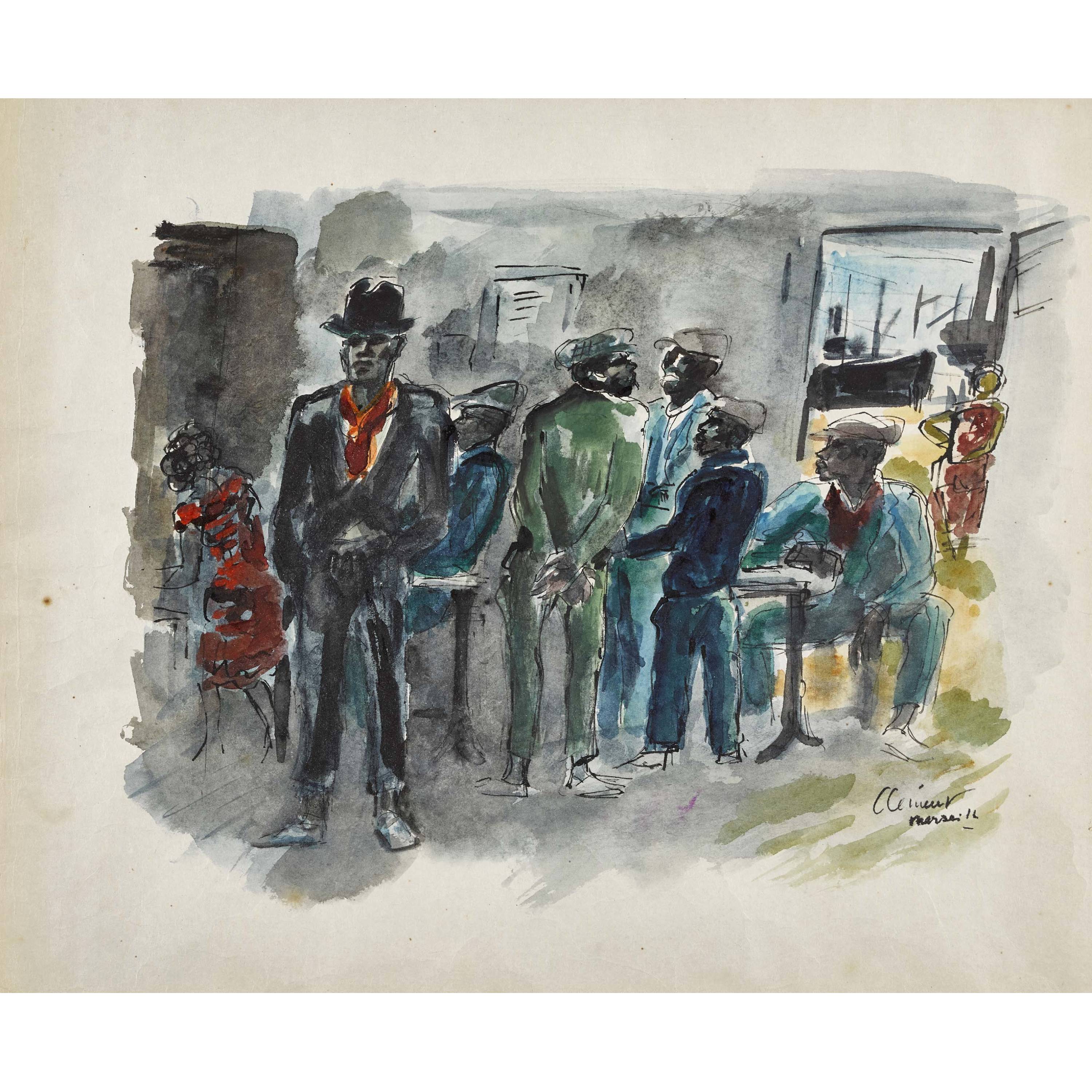
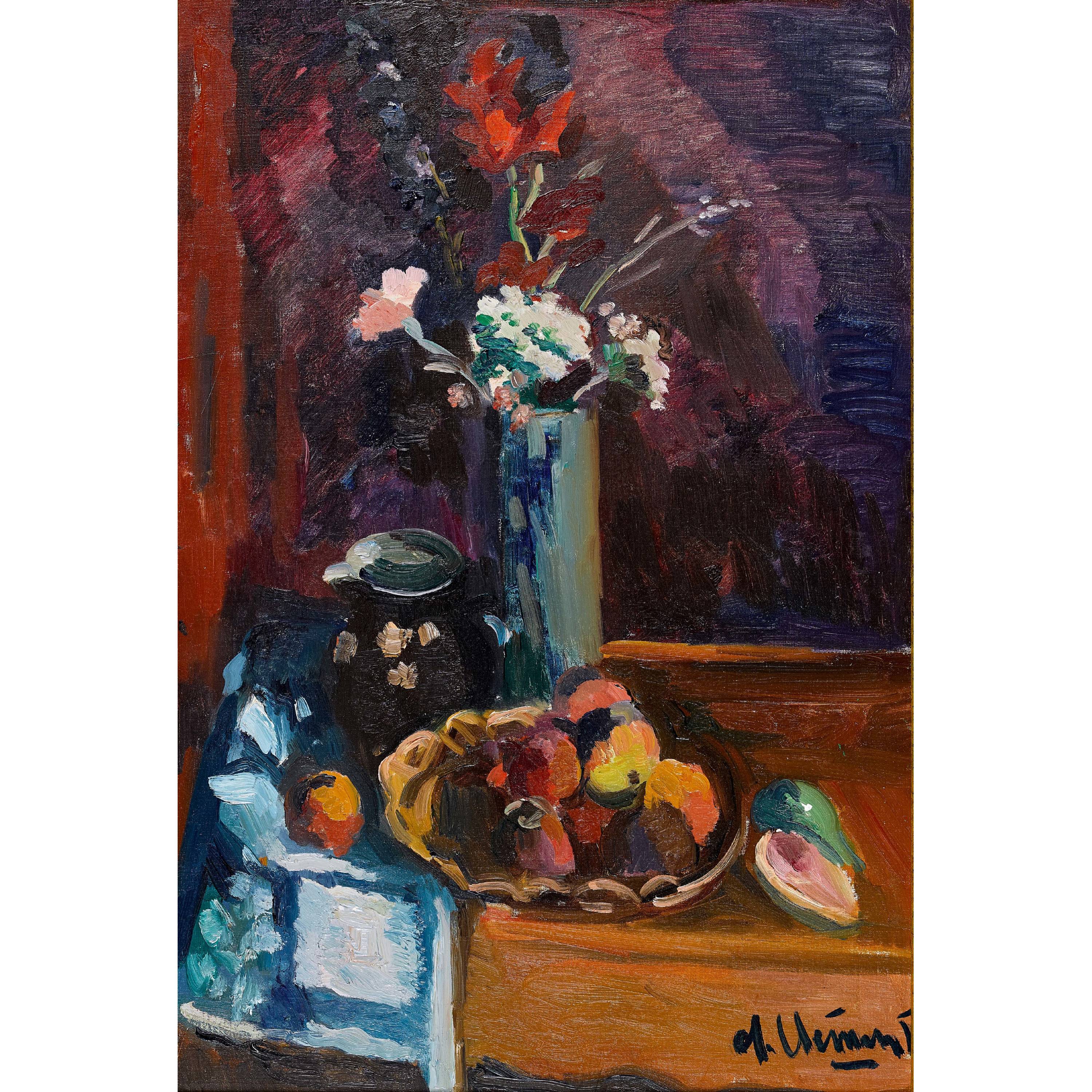
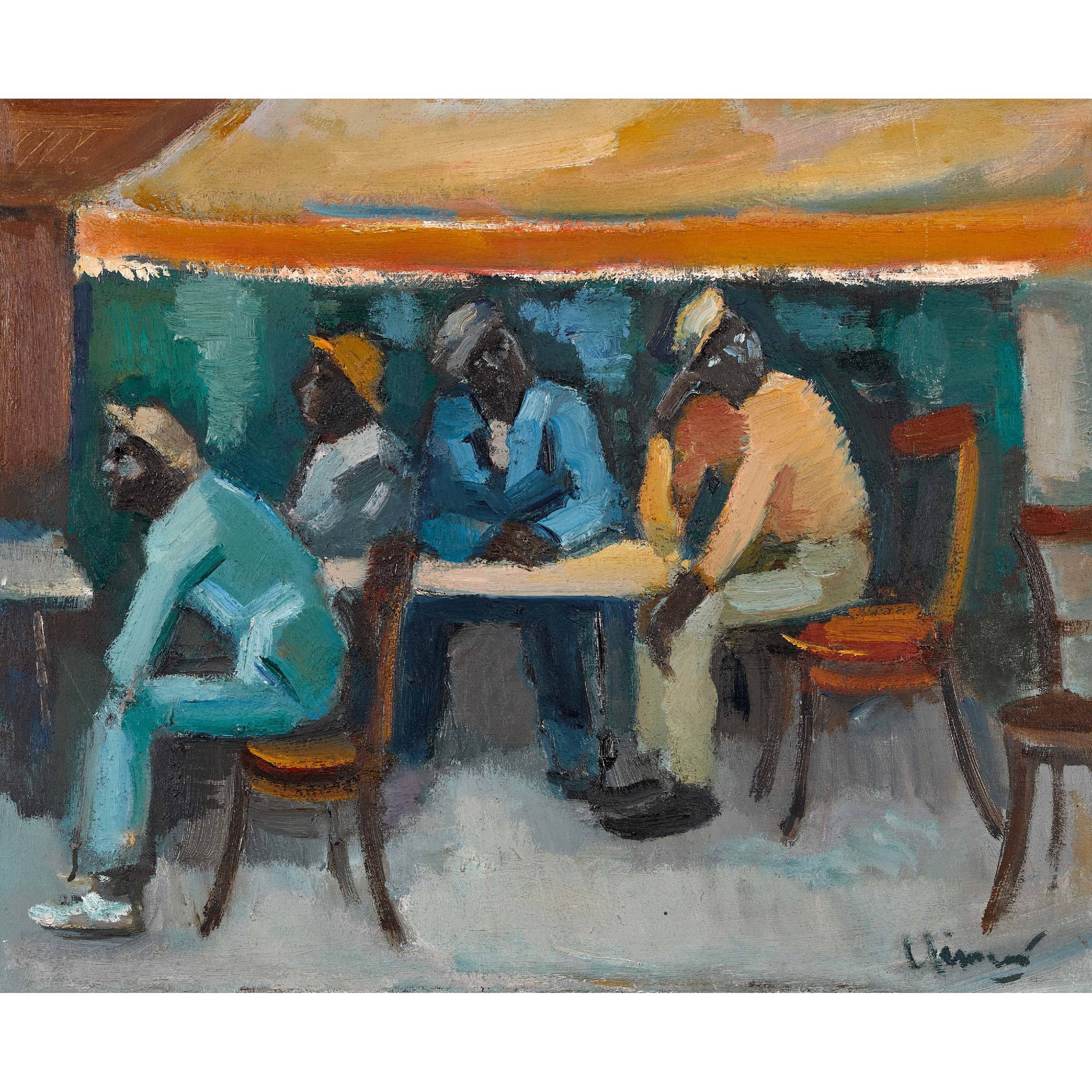
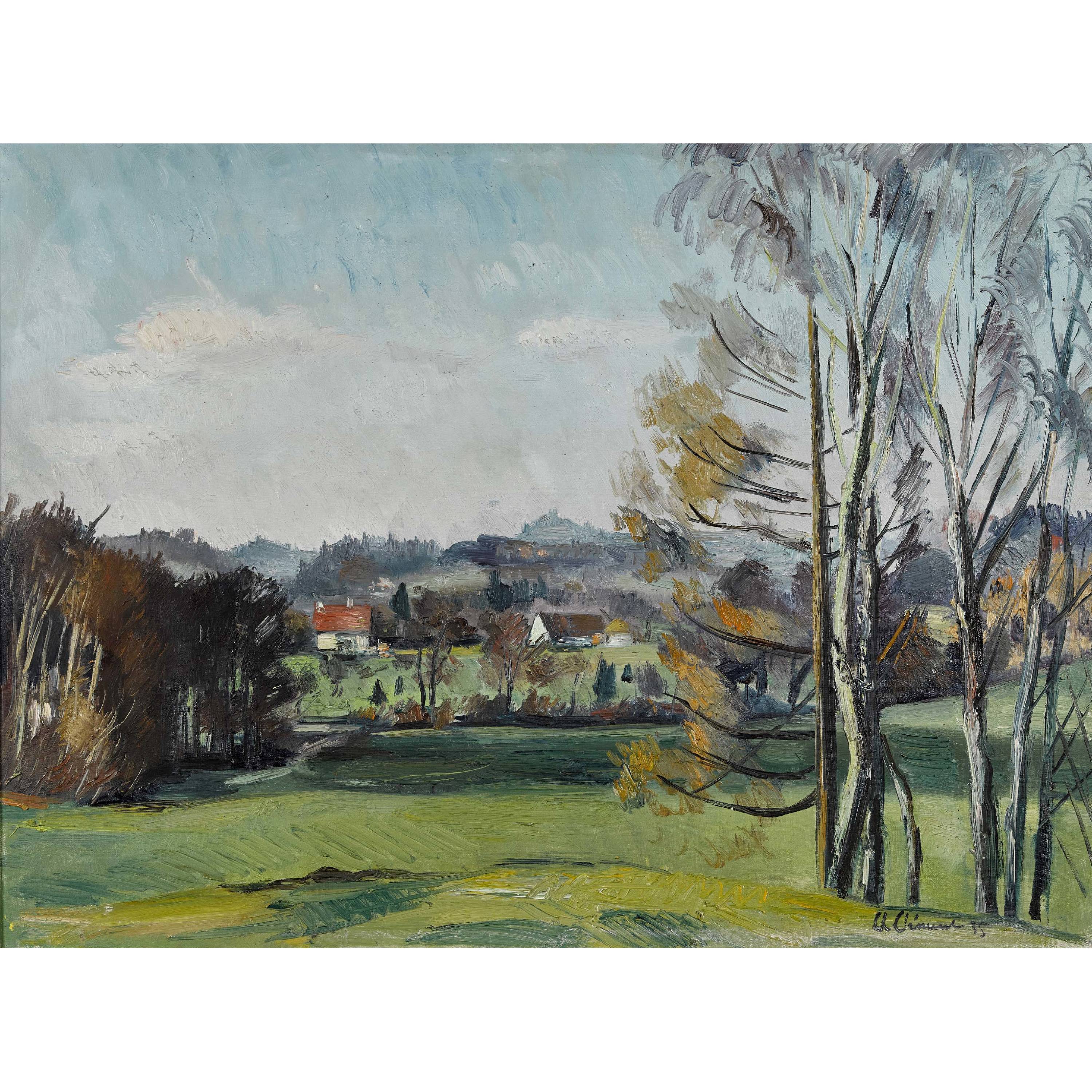
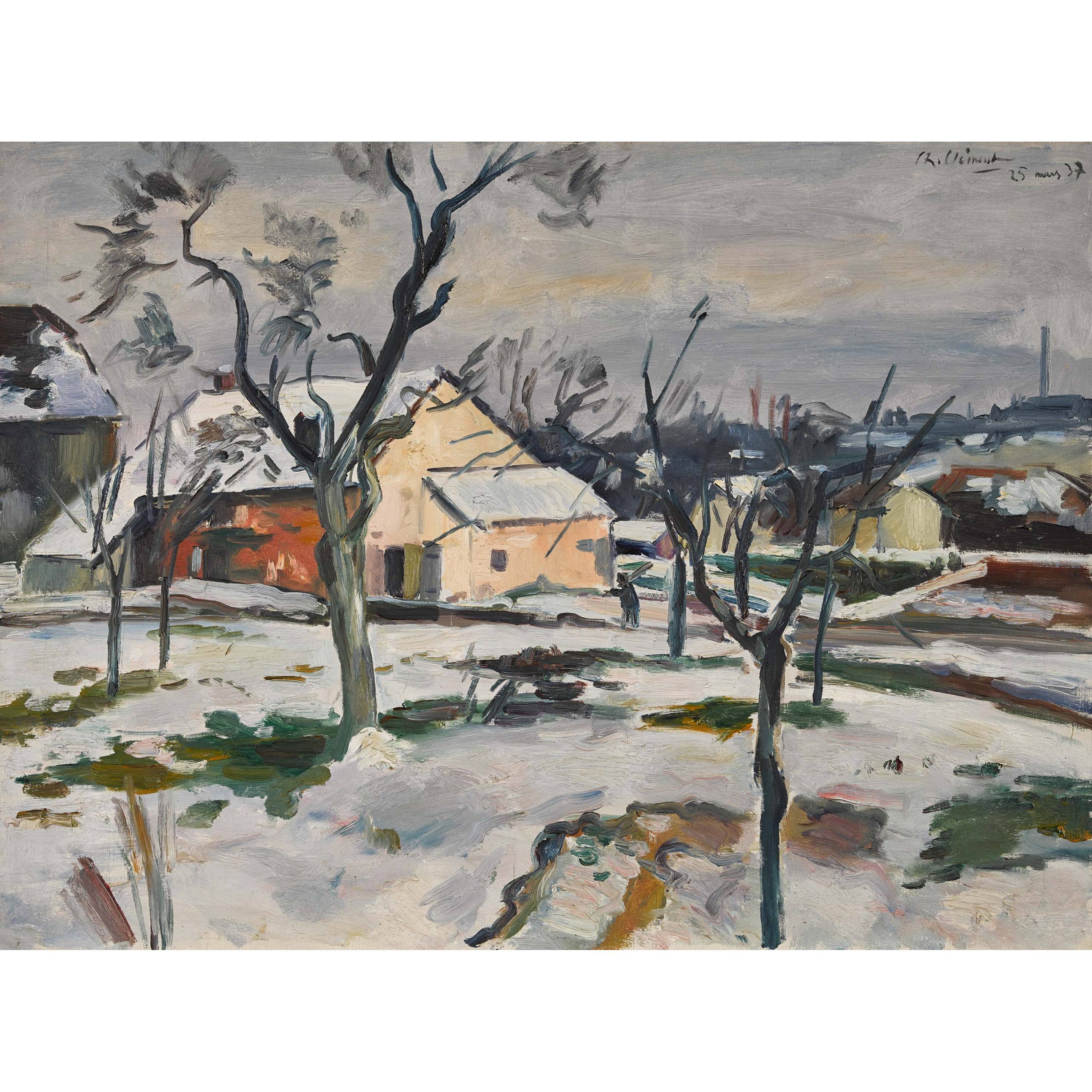
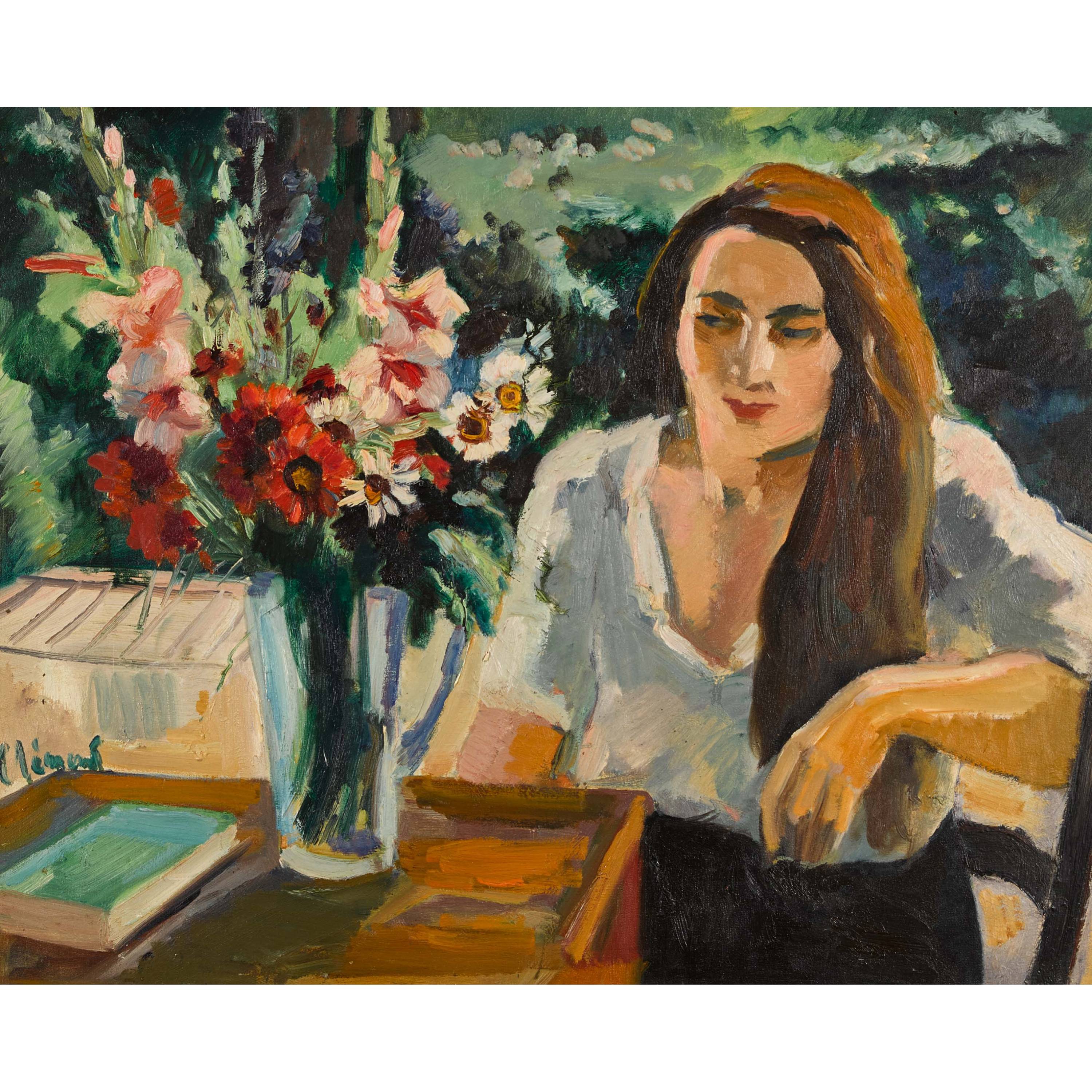
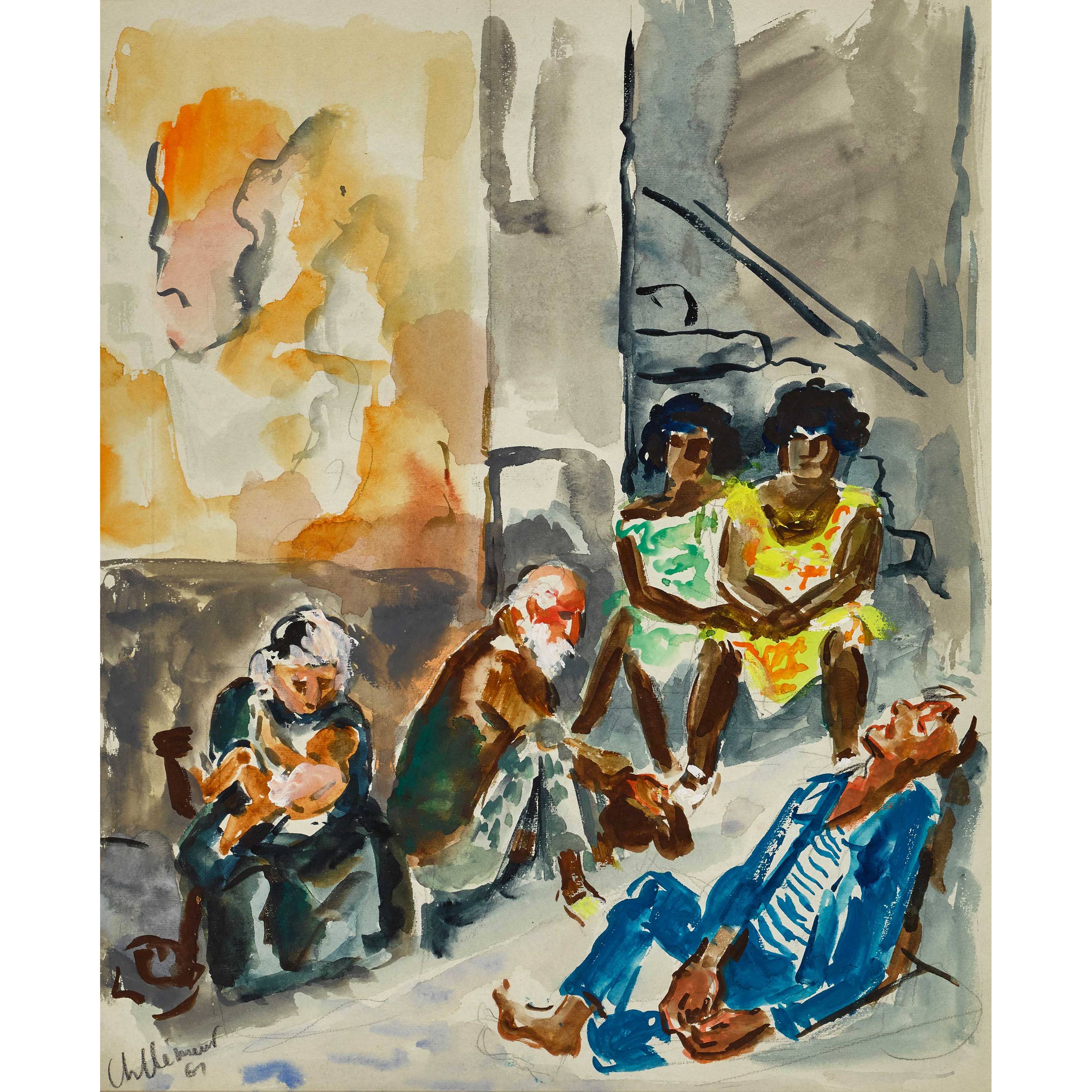
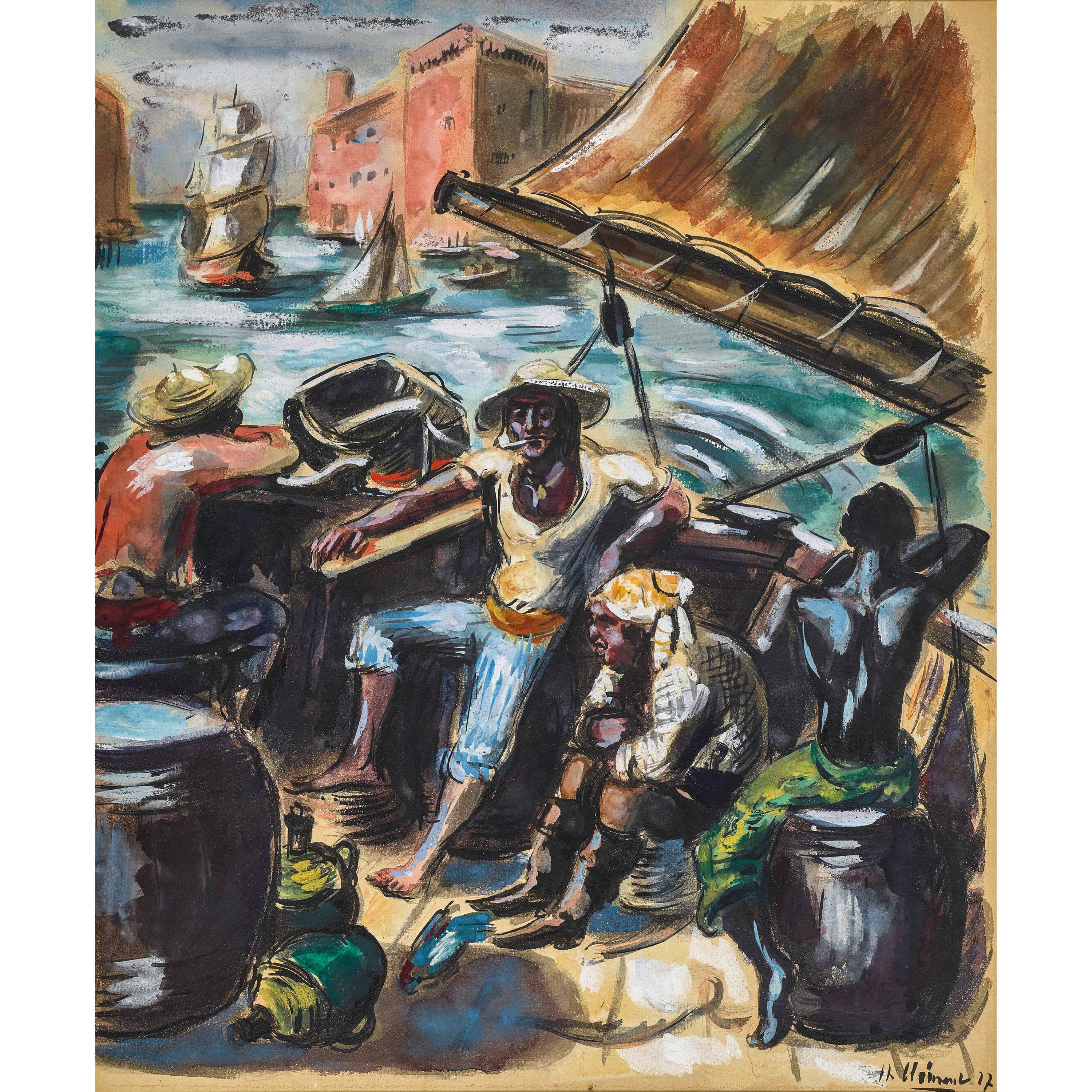
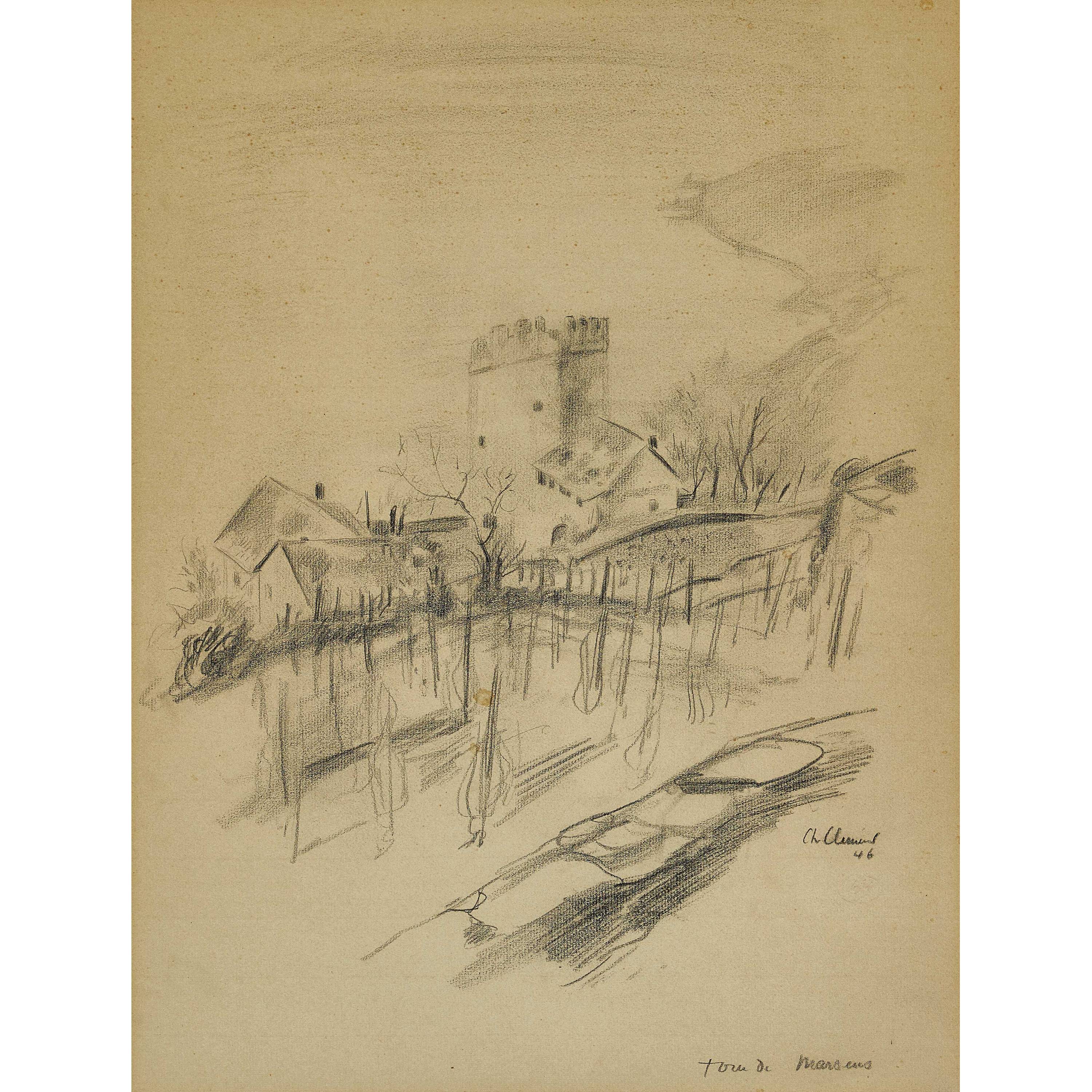
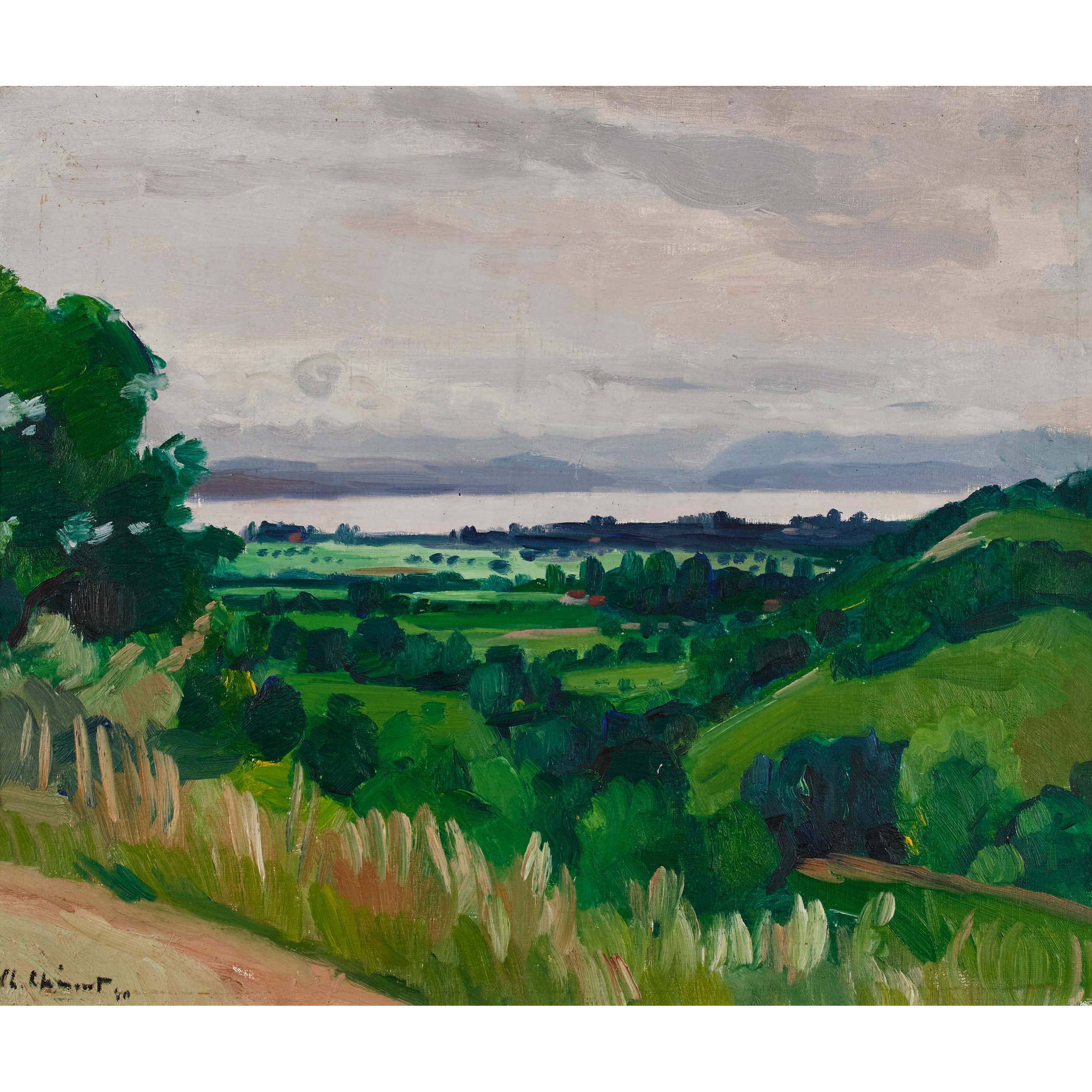
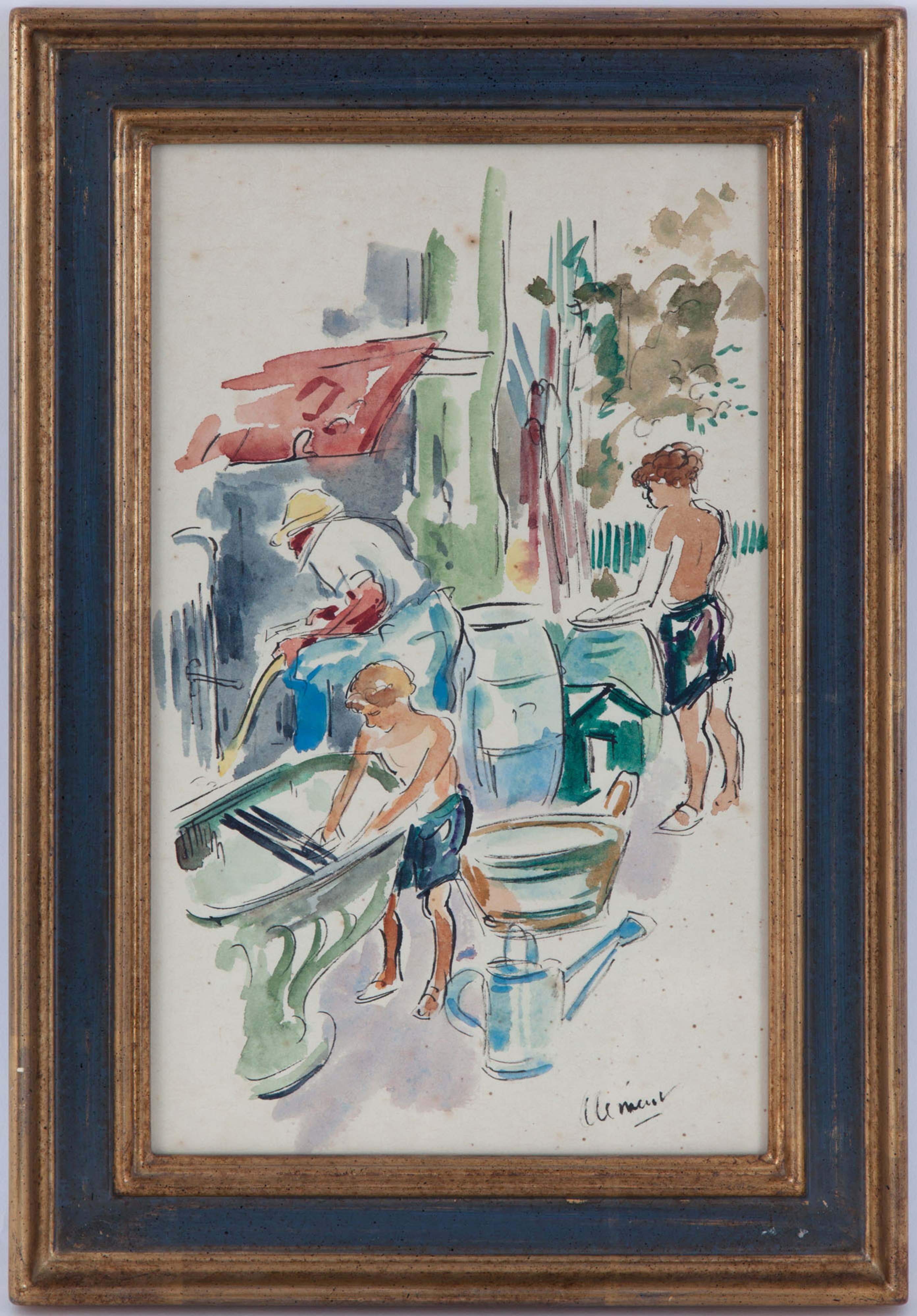
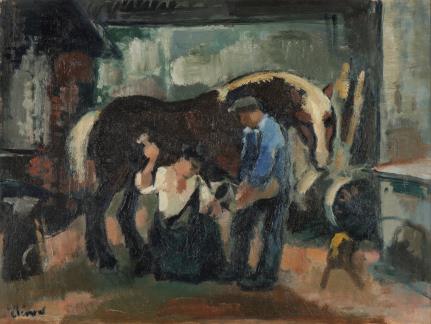
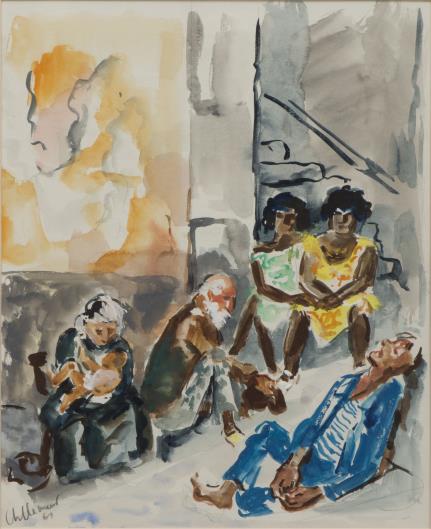
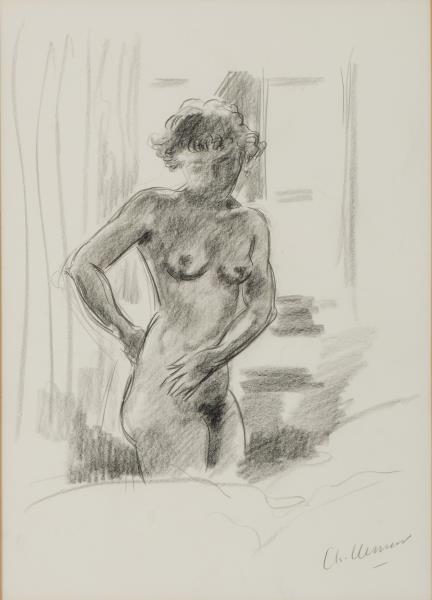
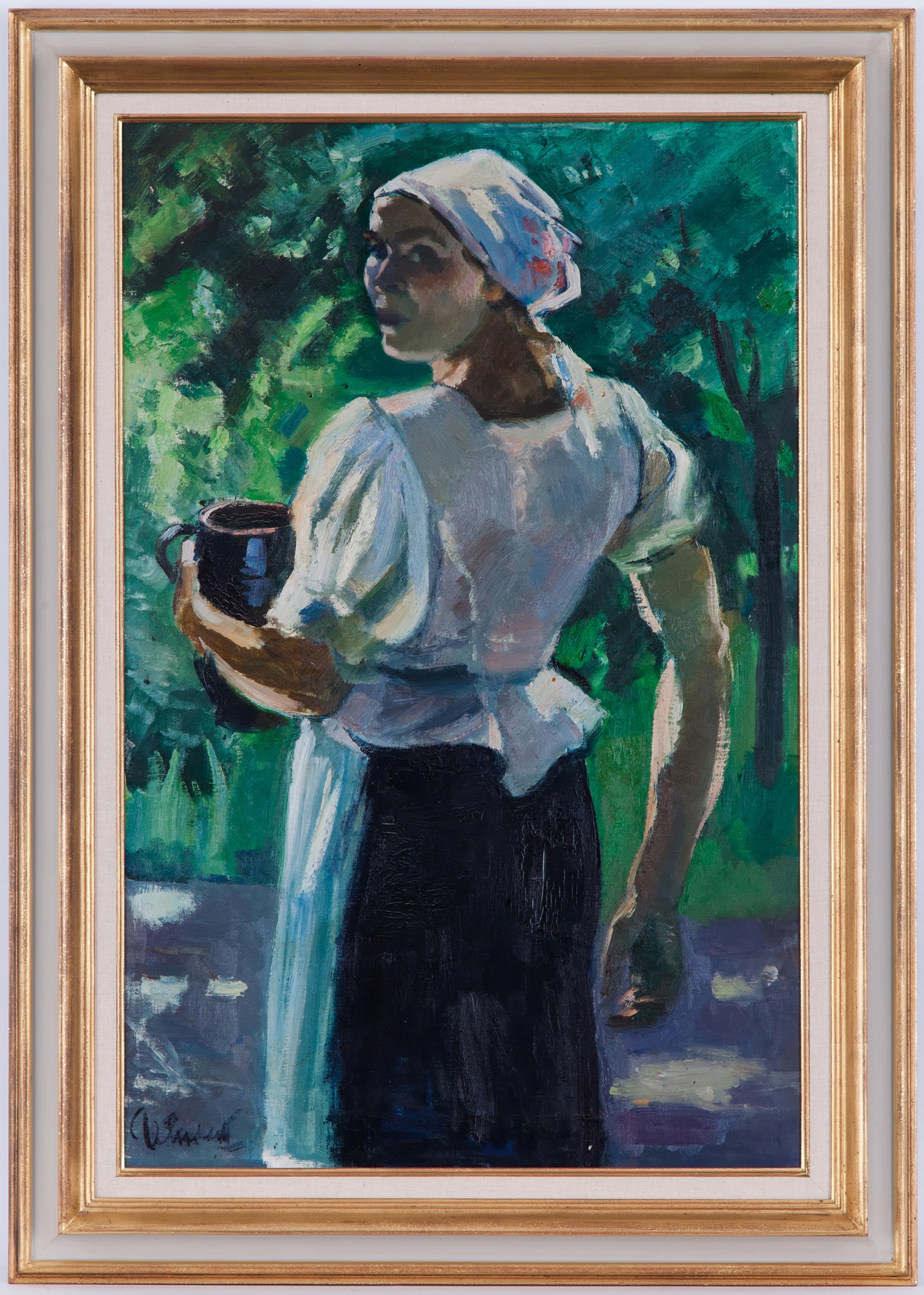
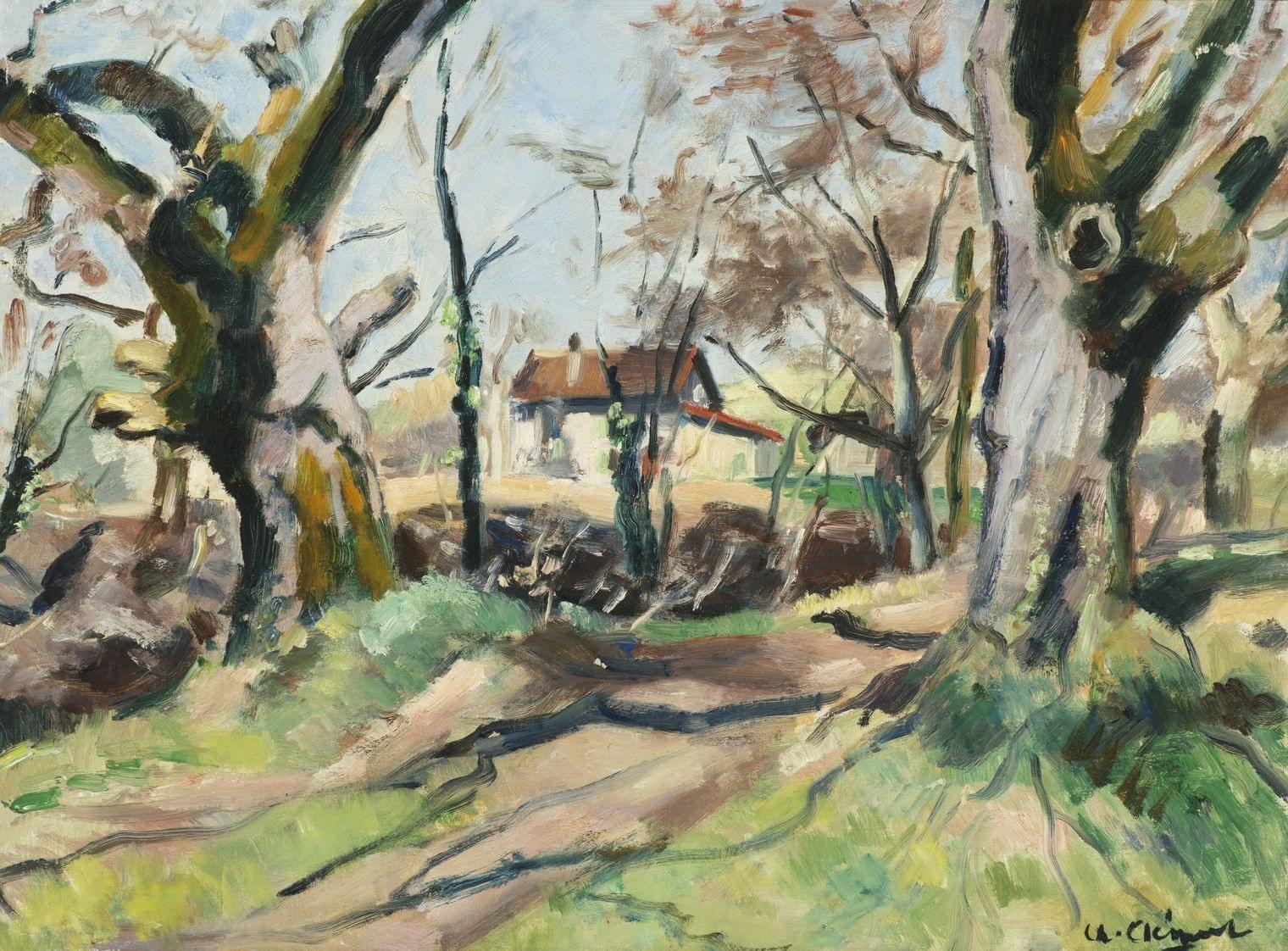
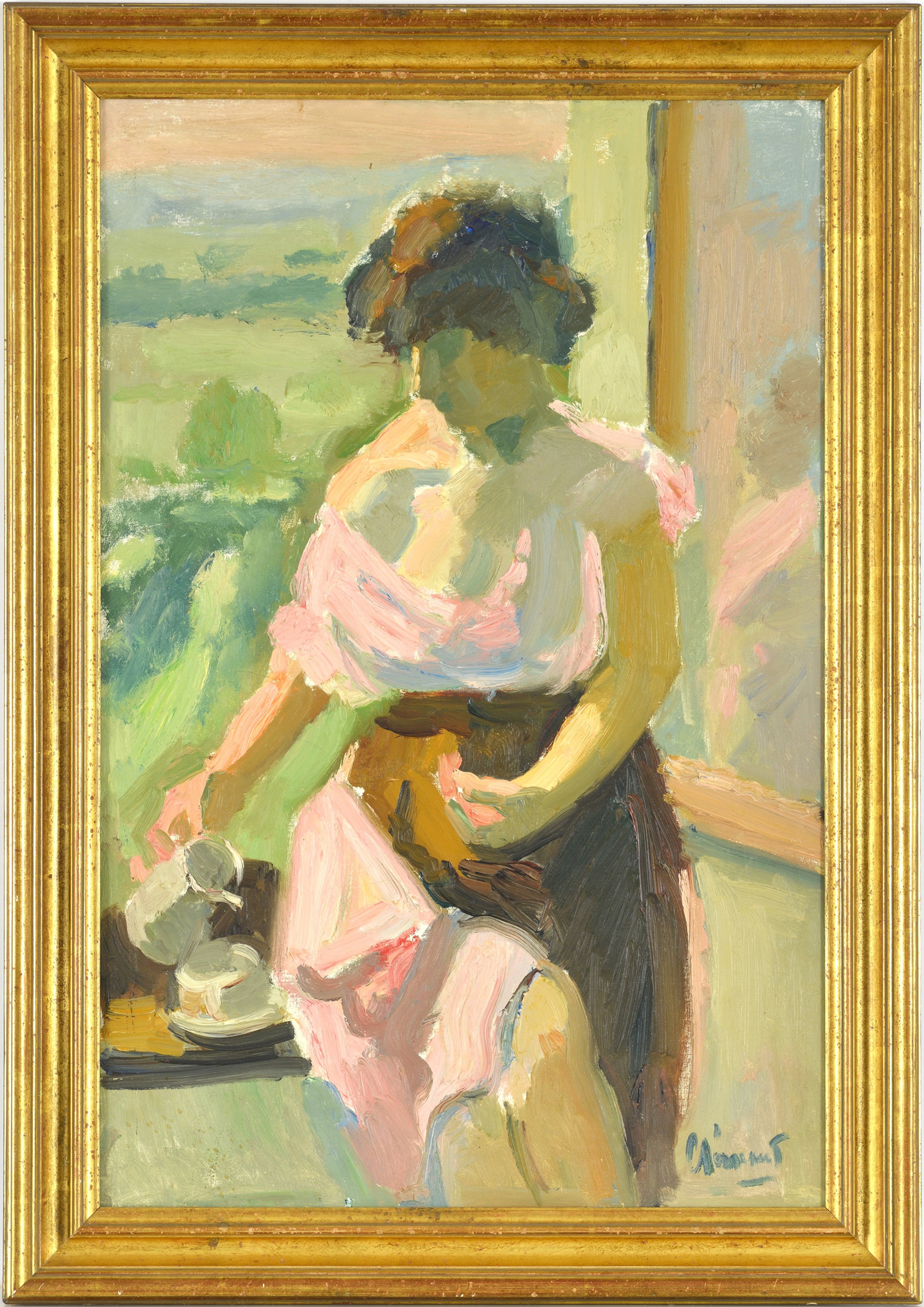
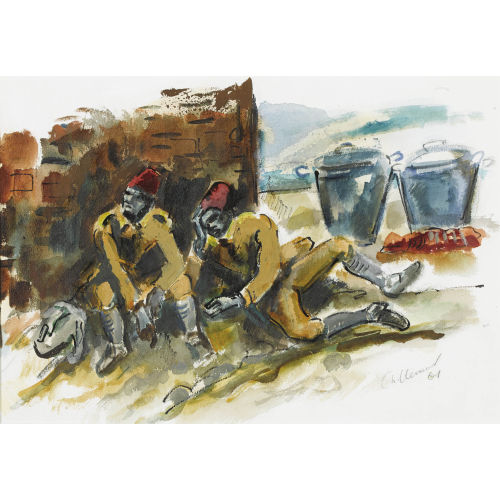
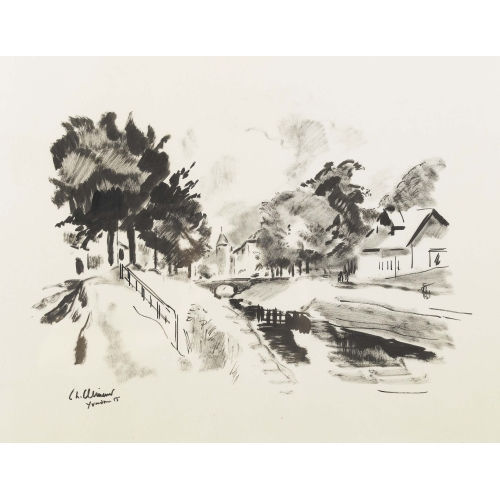
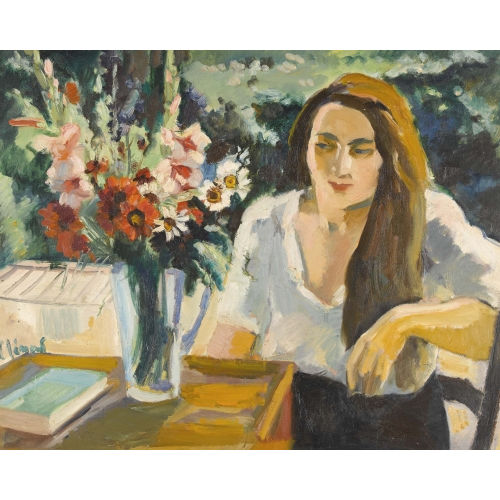
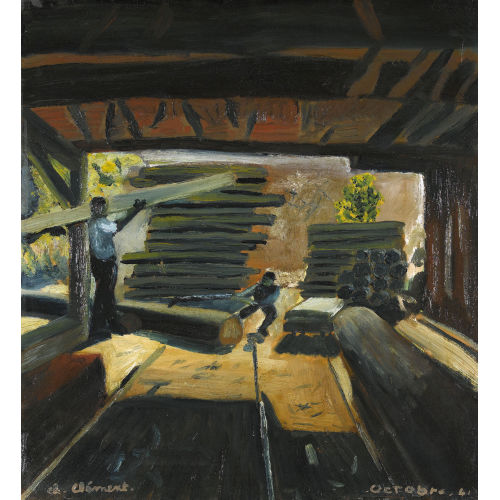
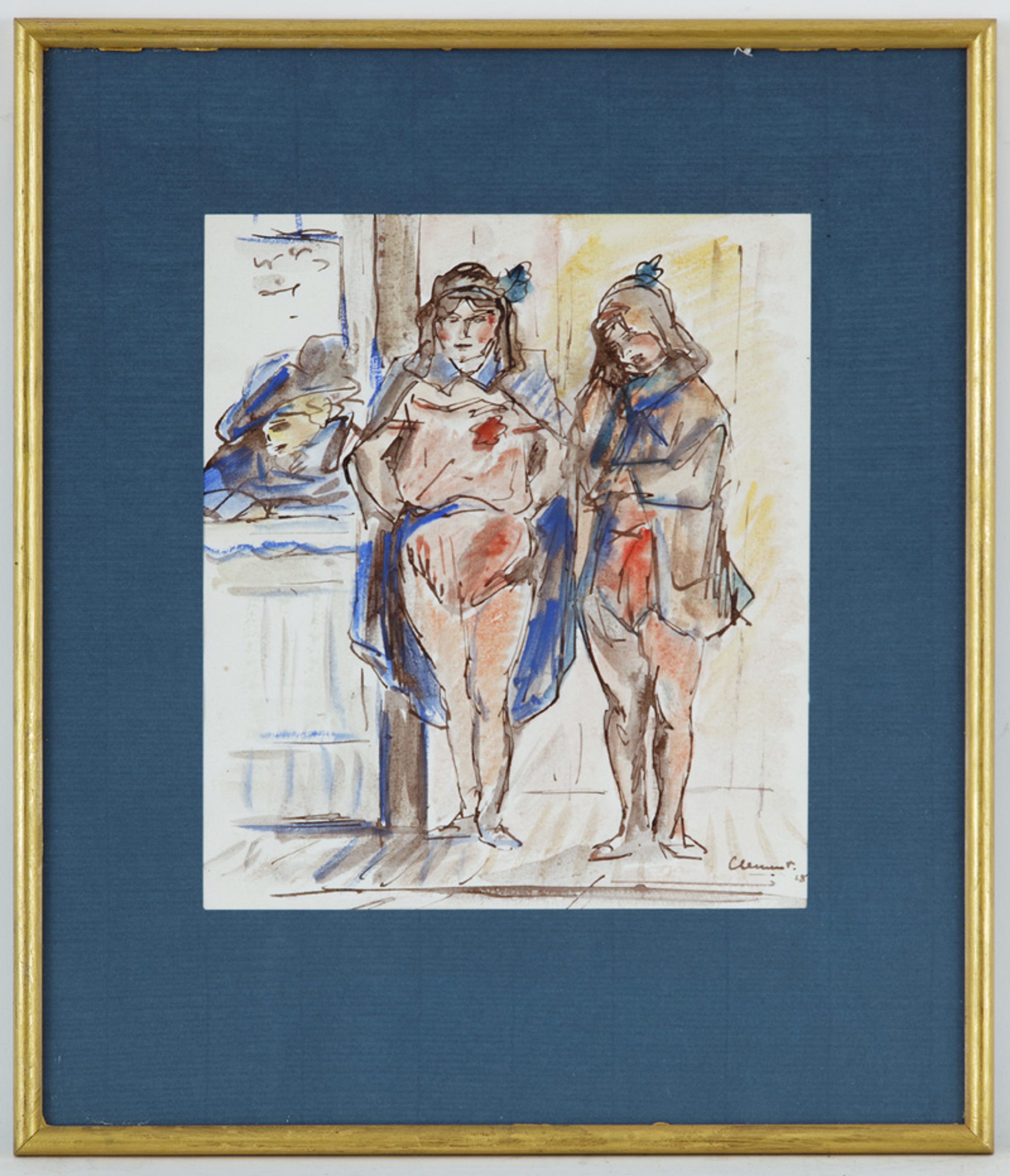
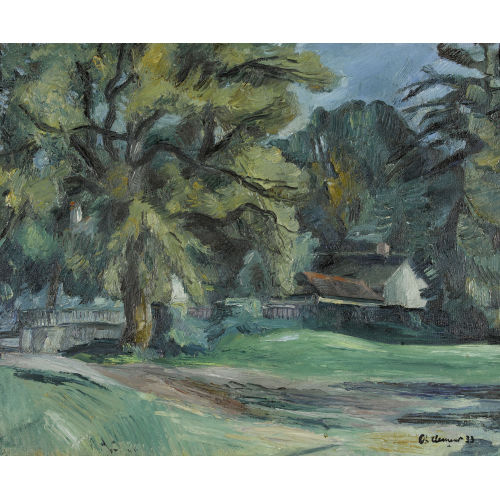
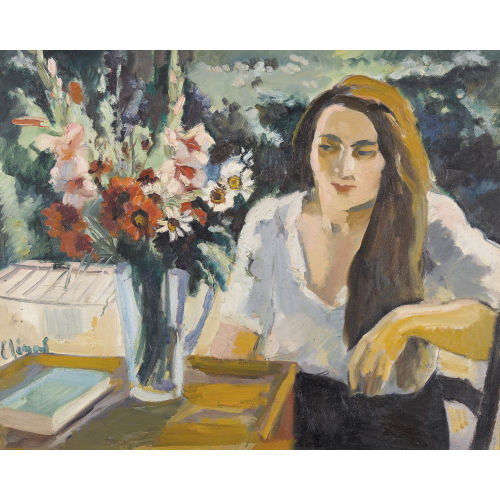
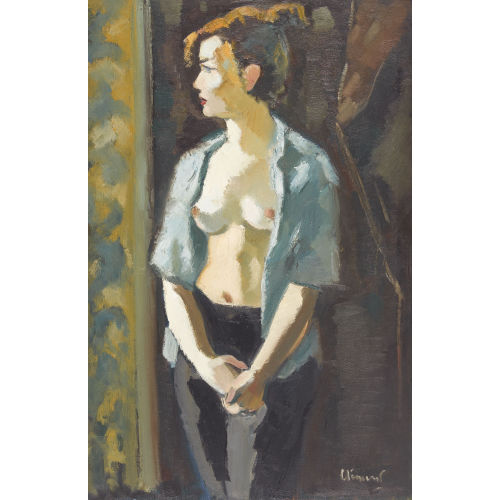
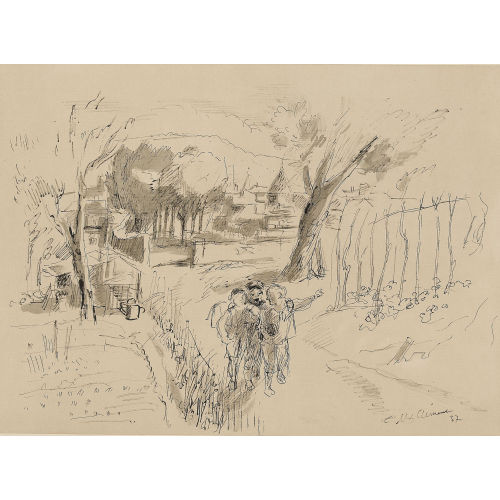
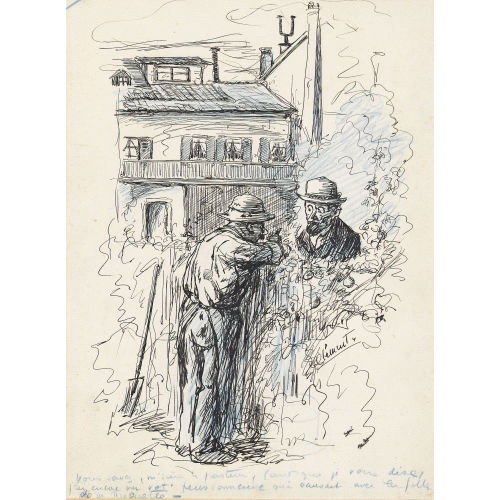
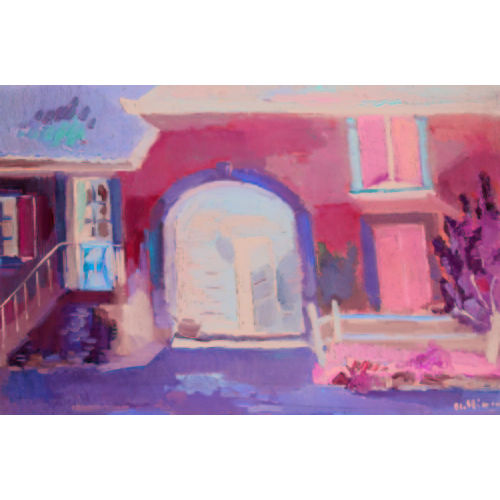
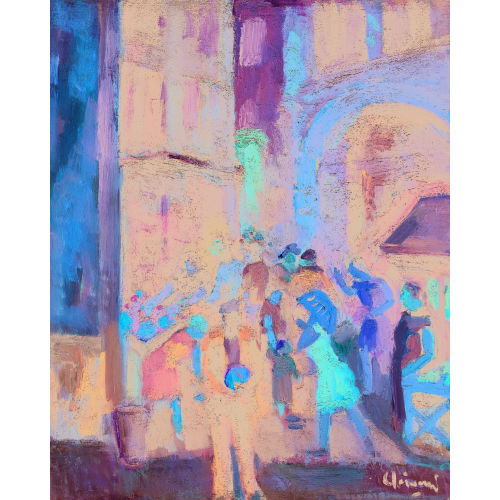
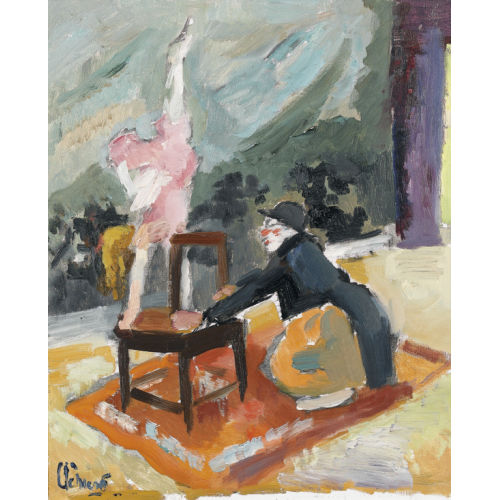
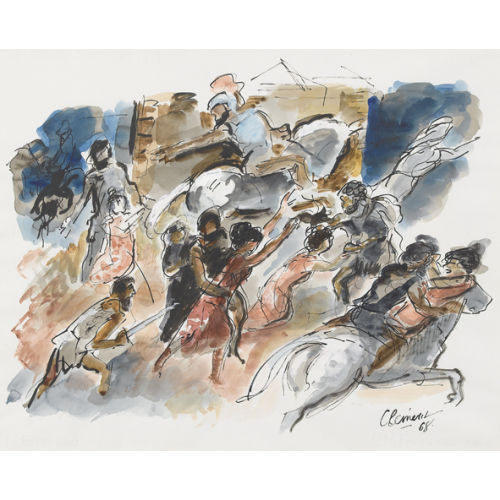
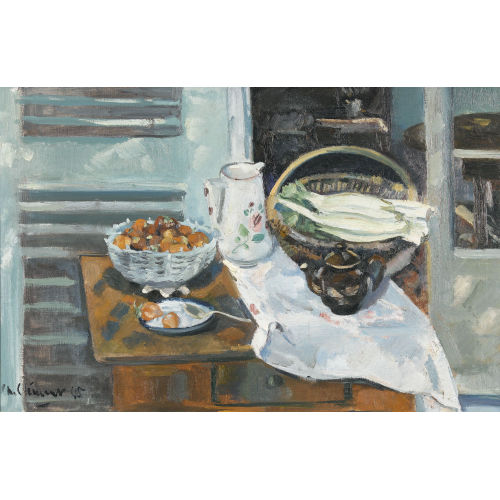
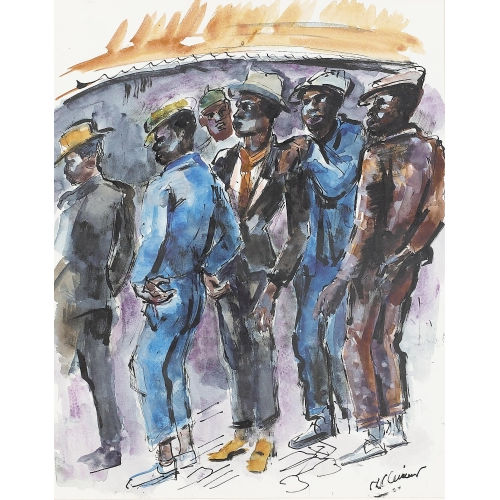
A lively street, a face, objects gathered on a table: Charles Clément finds in the familiar world an inexhaustible reserve of subjects. Born in Rolle in 1889 and deceased in Lausanne in 1972, this painter, draughtsman, printmaker and illustrator traverses the twentieth century by bringing together the observation of people, a taste for narrative and the construction of the image.
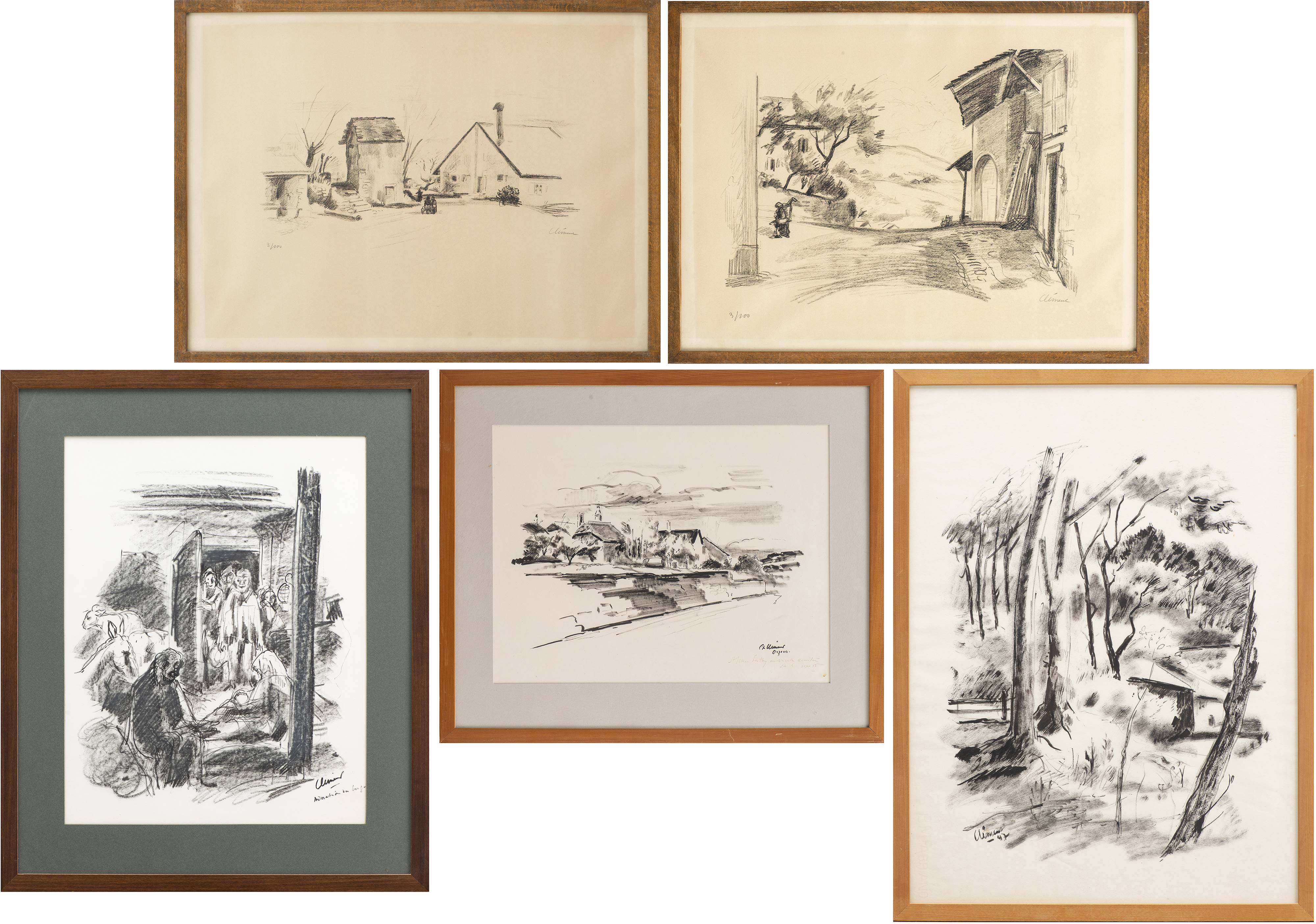
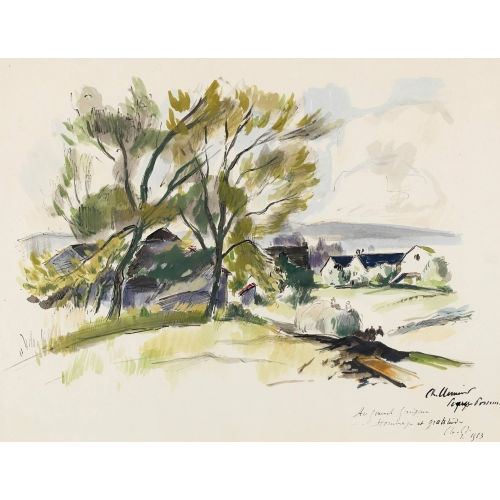
After training in Düsseldorf, he works at the Académie de la Grande Chaumière in Paris. Having returned to Lausanne, he publishes Paysans vaudois in 1913, then takes part in the founding of the satirical newspaper L’Arbalète in 1916. Drawing thus serves both his attention to everyday life and his engagement with the press.
A new stay in Paris, begun in 1927, and his periods in Marseille broaden his horizons; in 1933, he returns to settle permanently in Switzerland.
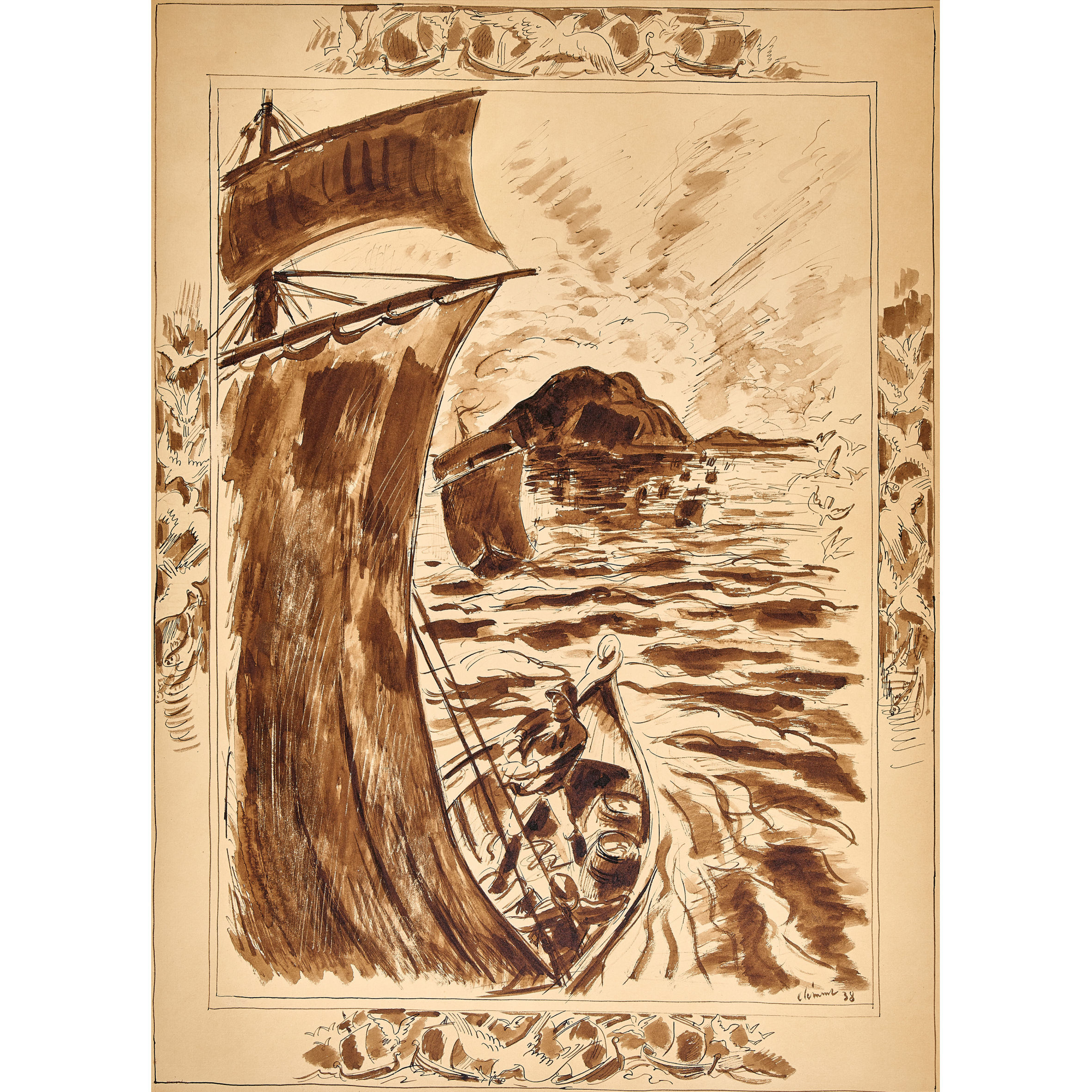
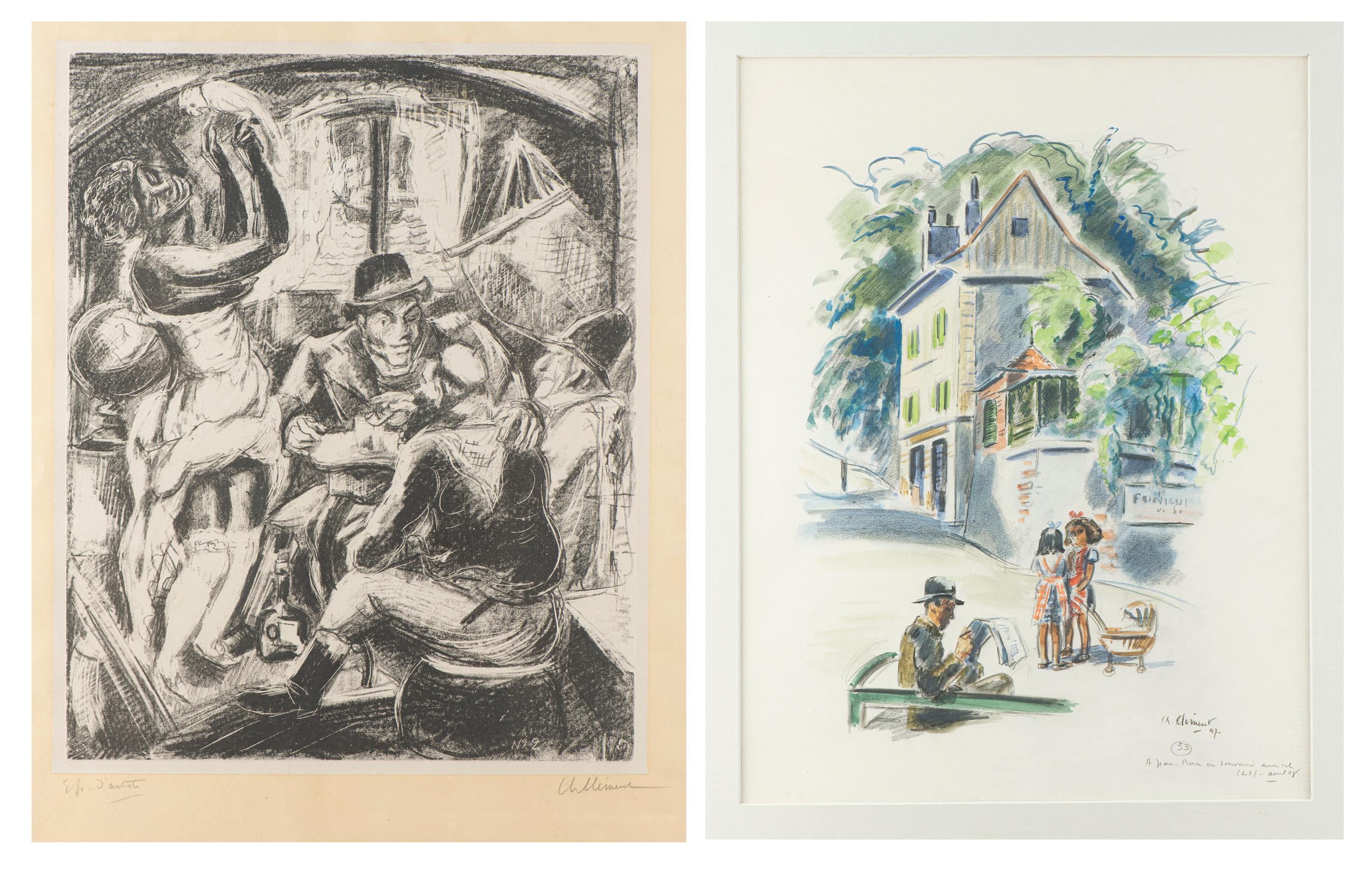
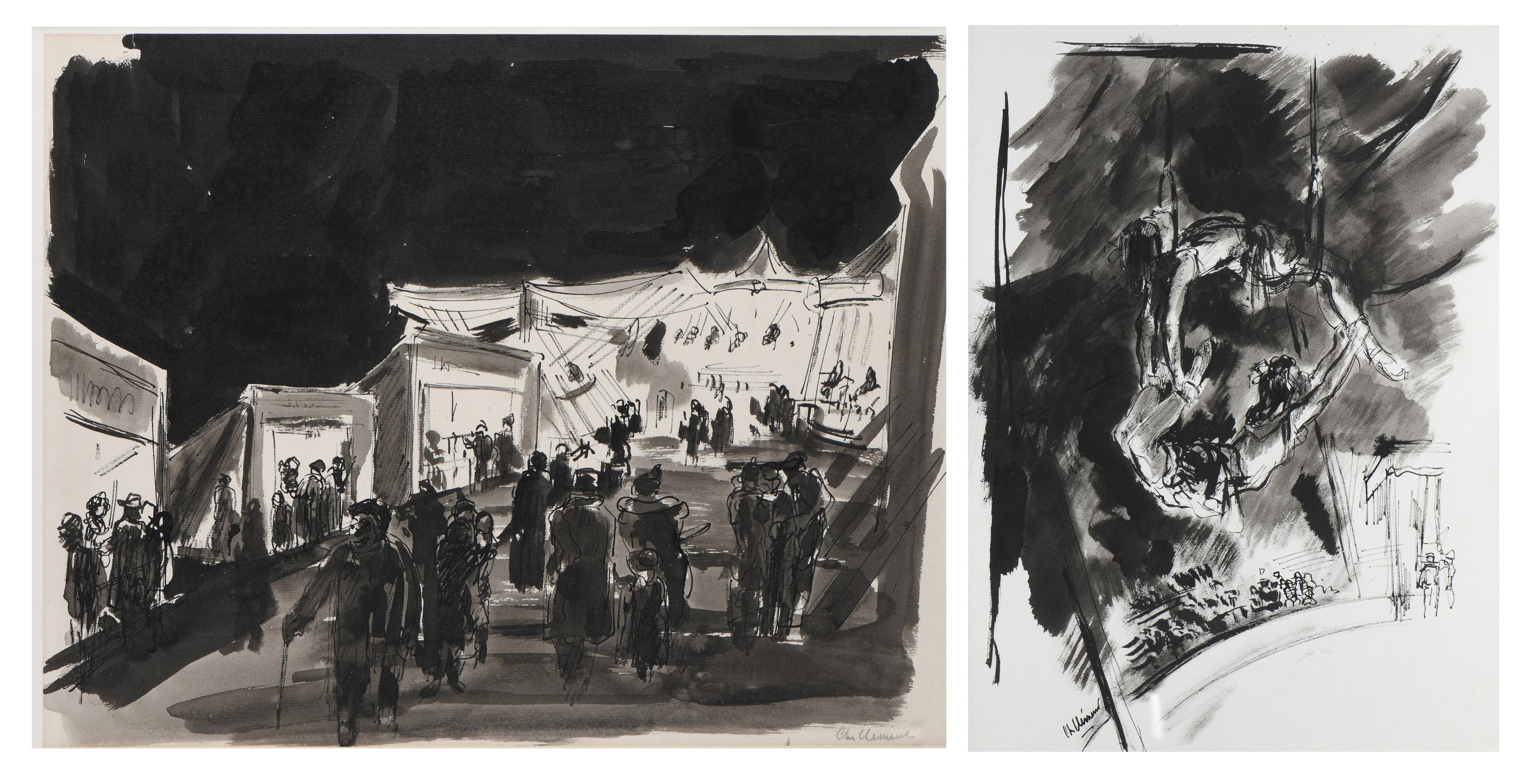
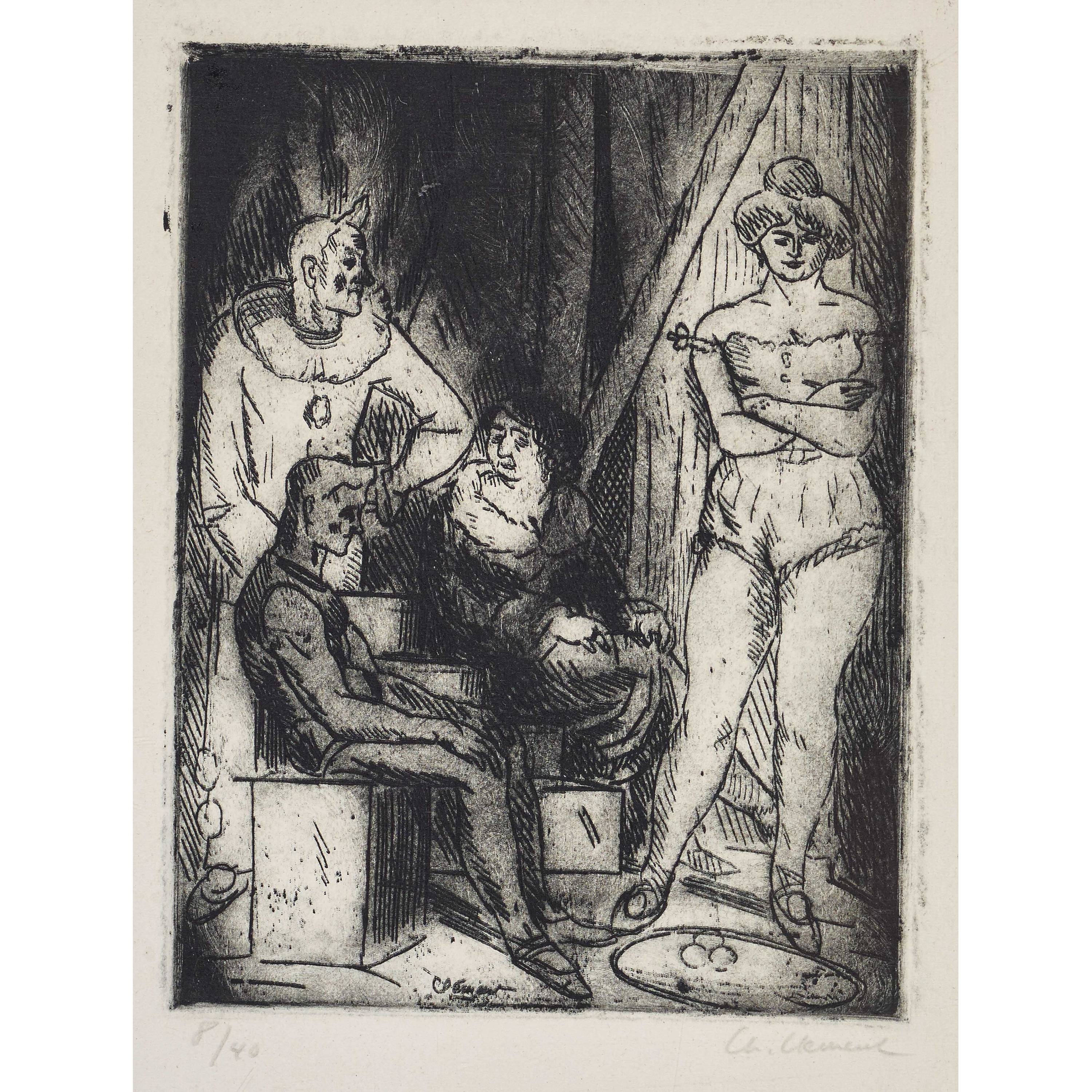
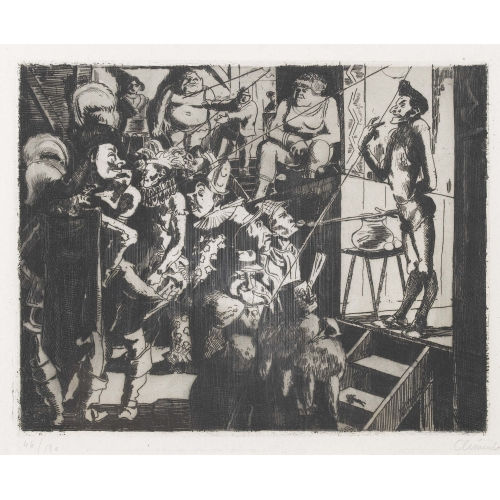
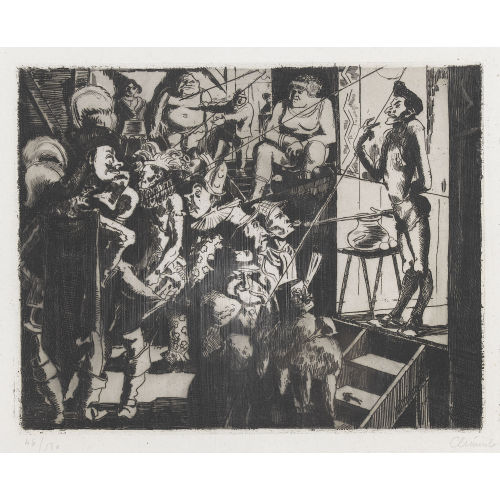
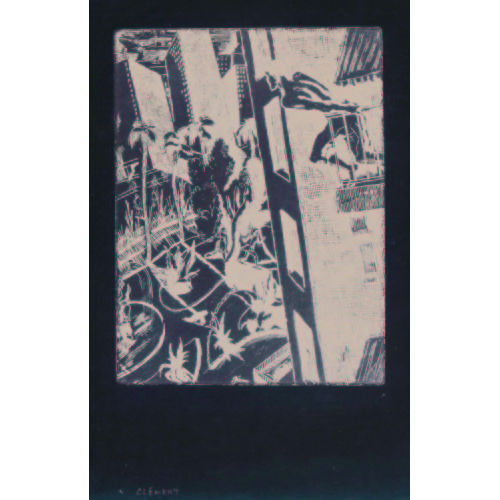
Printmaking occupies an essential place in this trajectory. The etchings of Scènes de la vie de cirque, made in 1923, stand alongside his literary collaborations: in 1929, Clément notably illustrates Une Nuit dans la Forêt by Blaise Cendrars. In 1931, André Malraux writes the preface to his album of lithographs, Méditerranée.
These encounters place his work at the intersection of painting and the book.
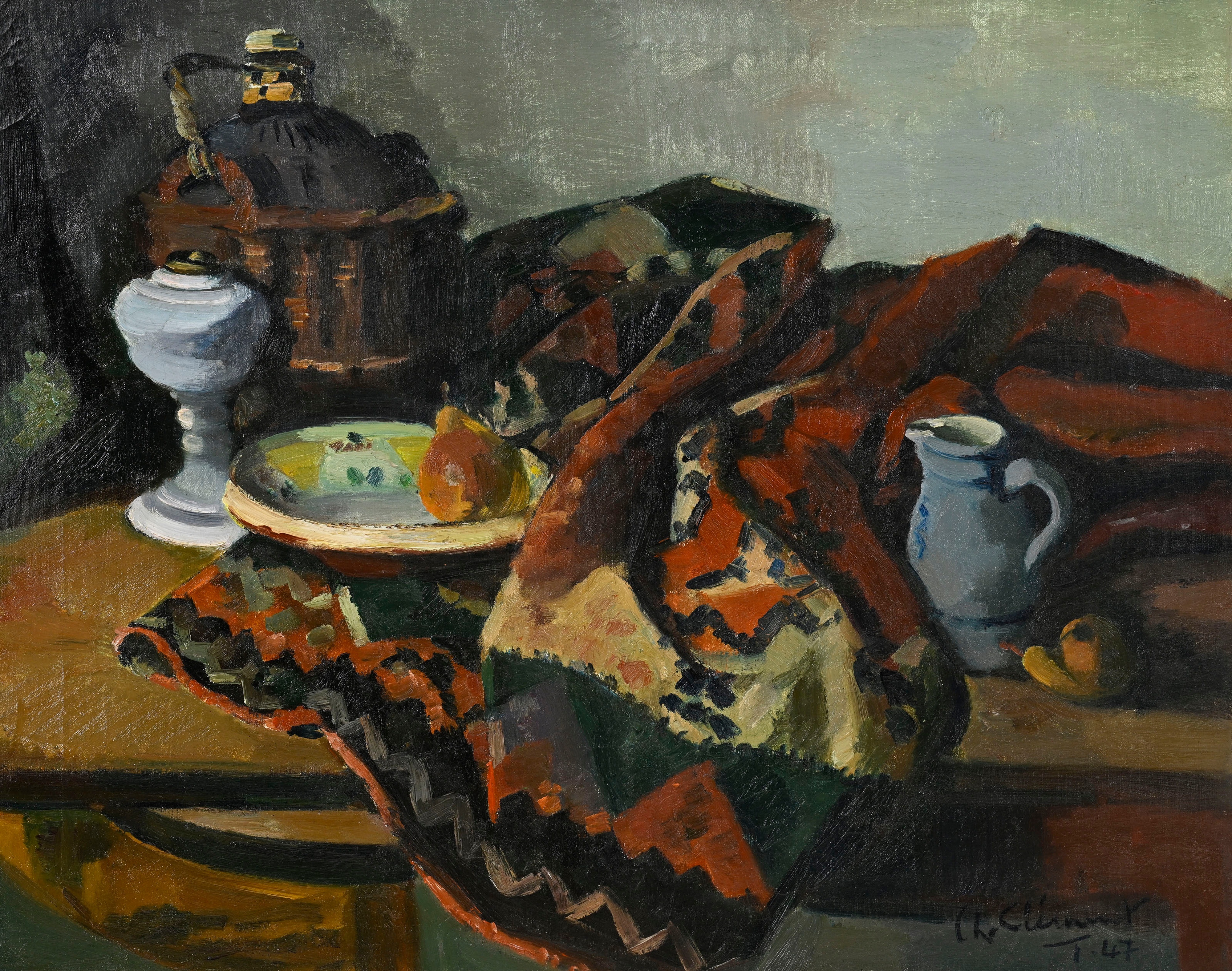
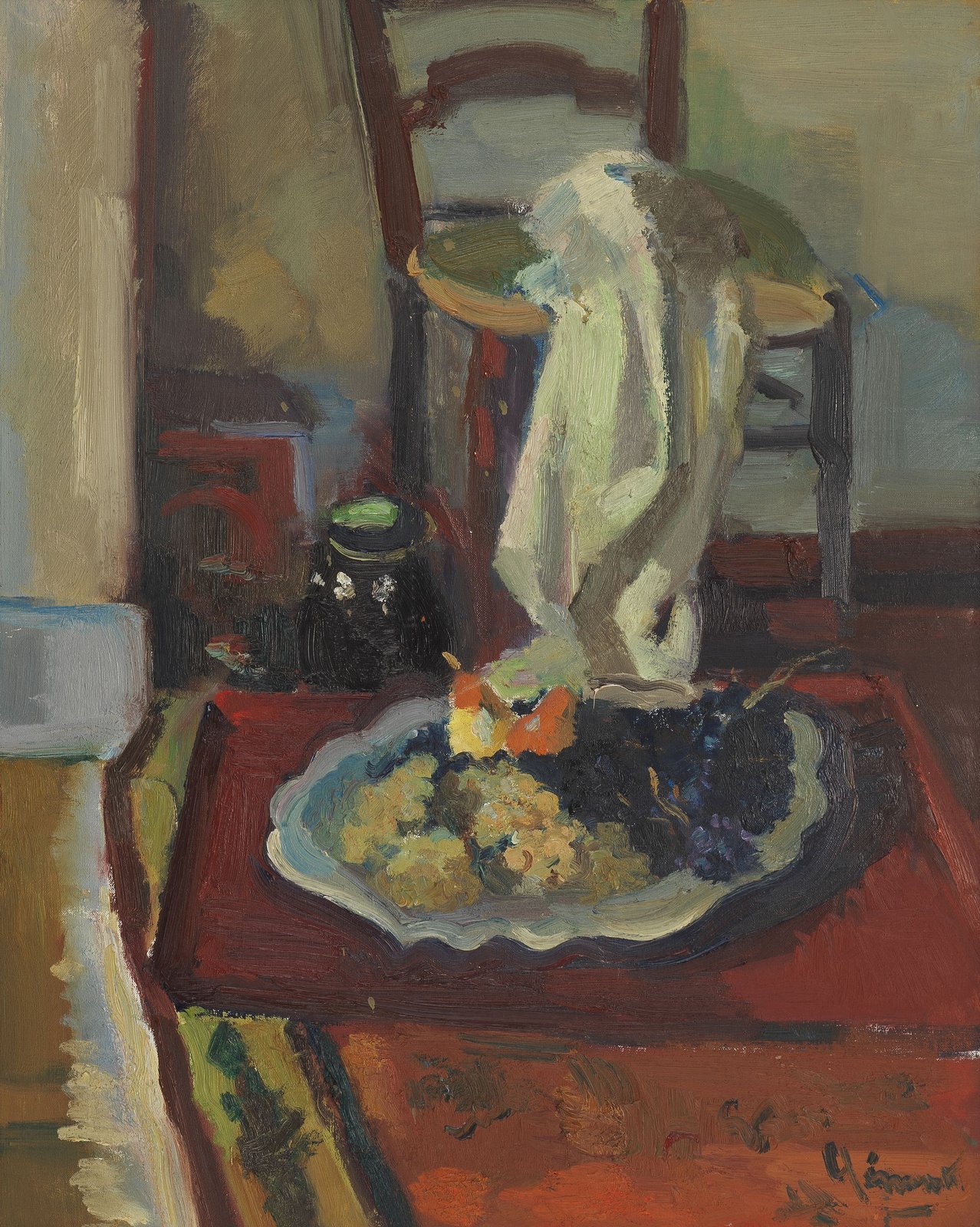
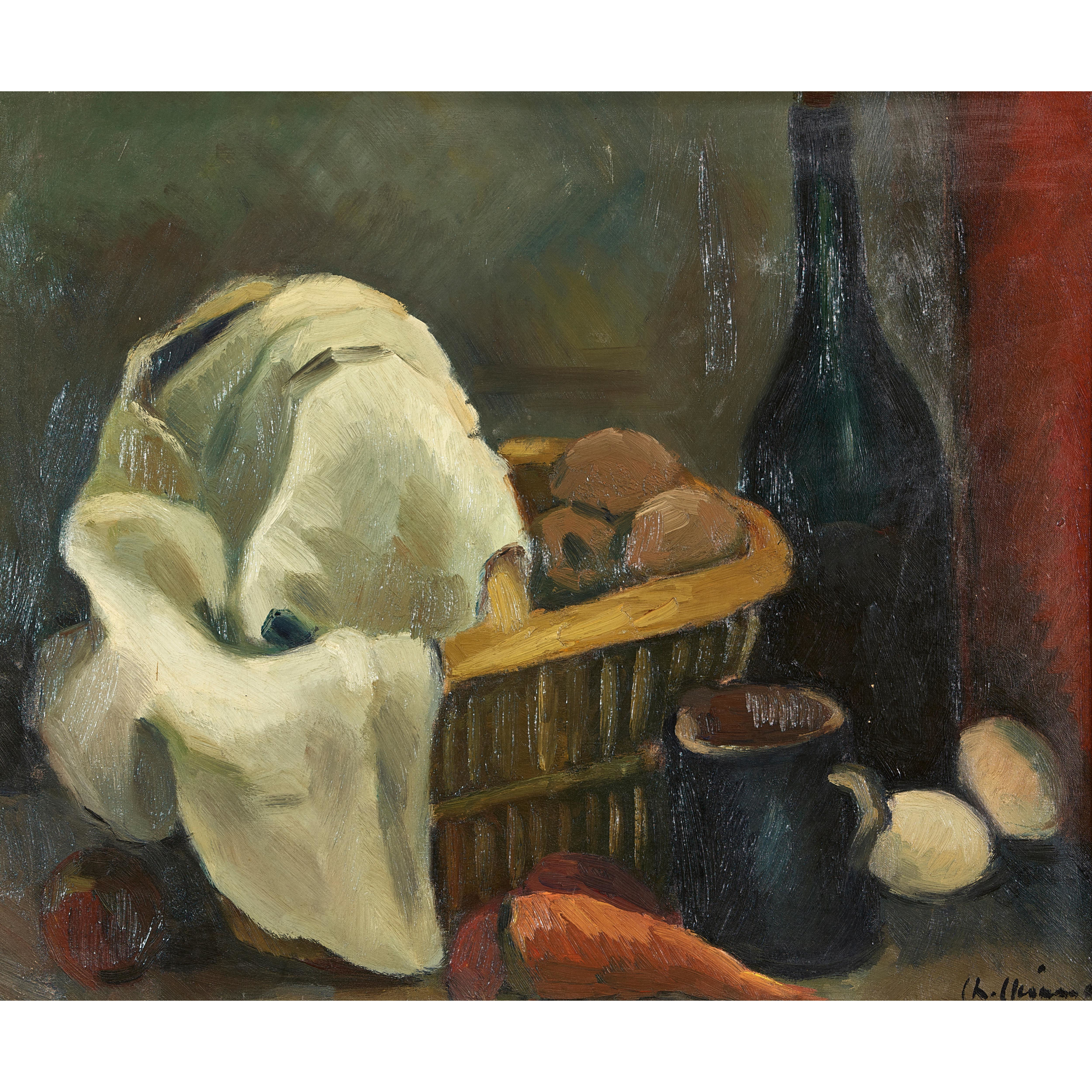
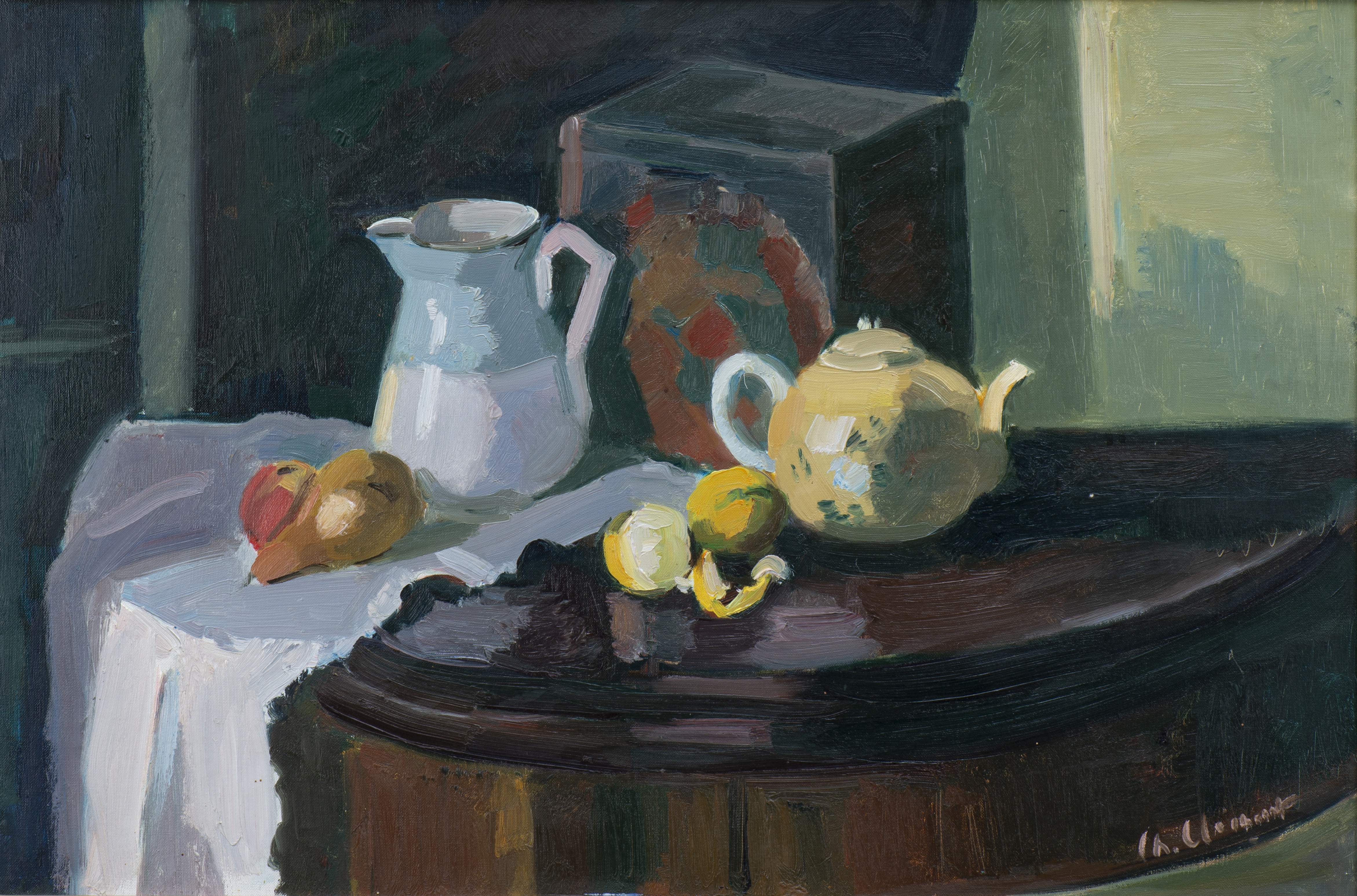
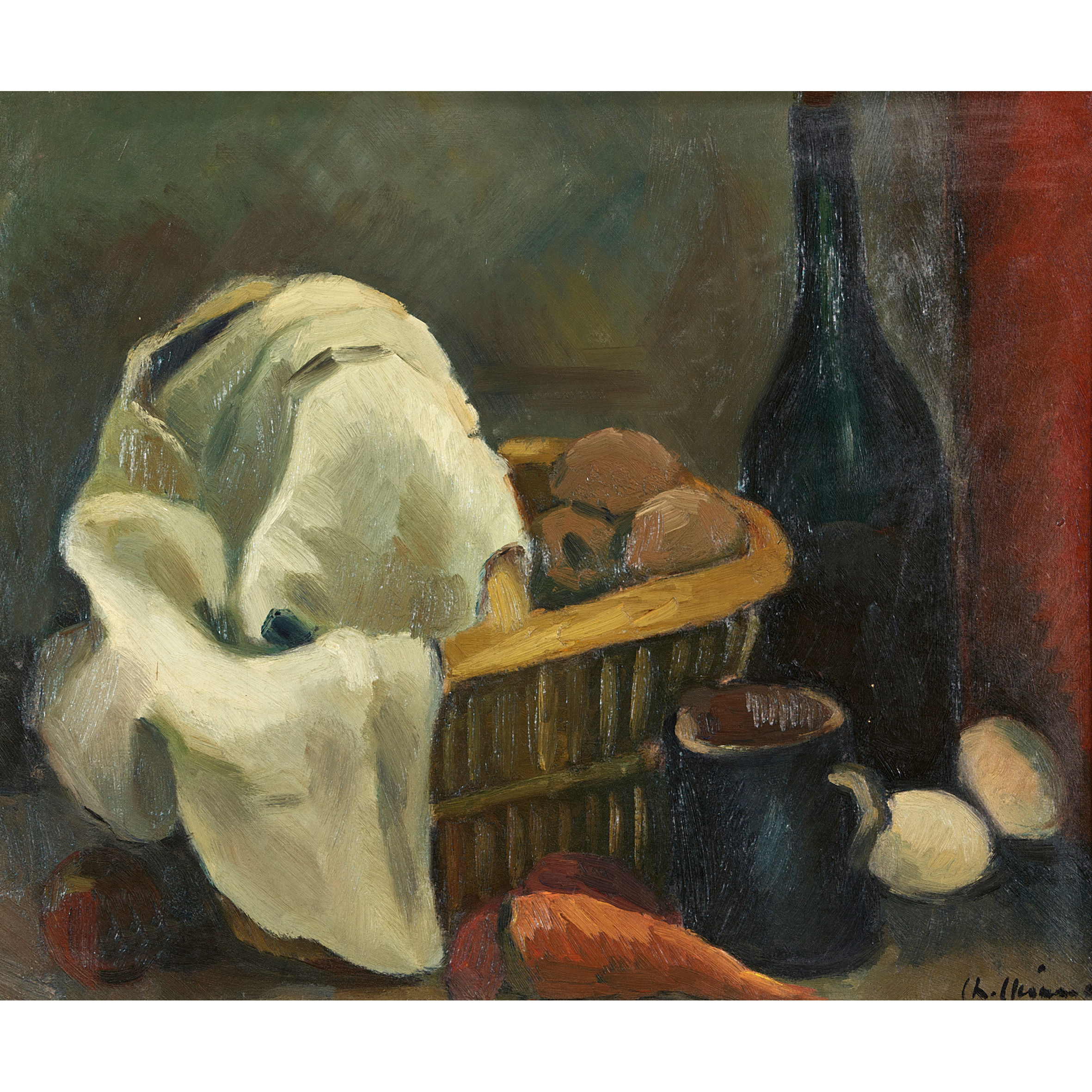
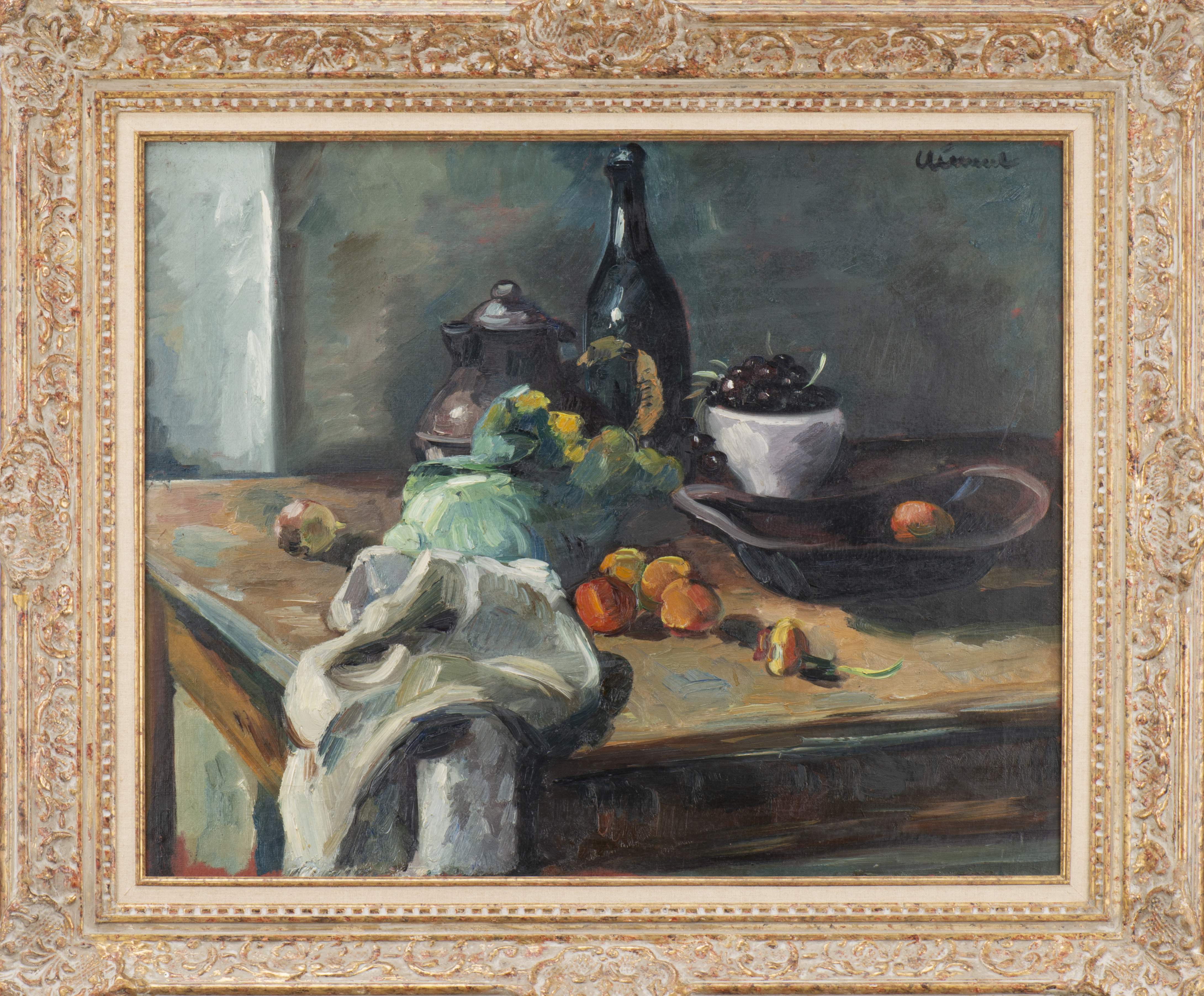
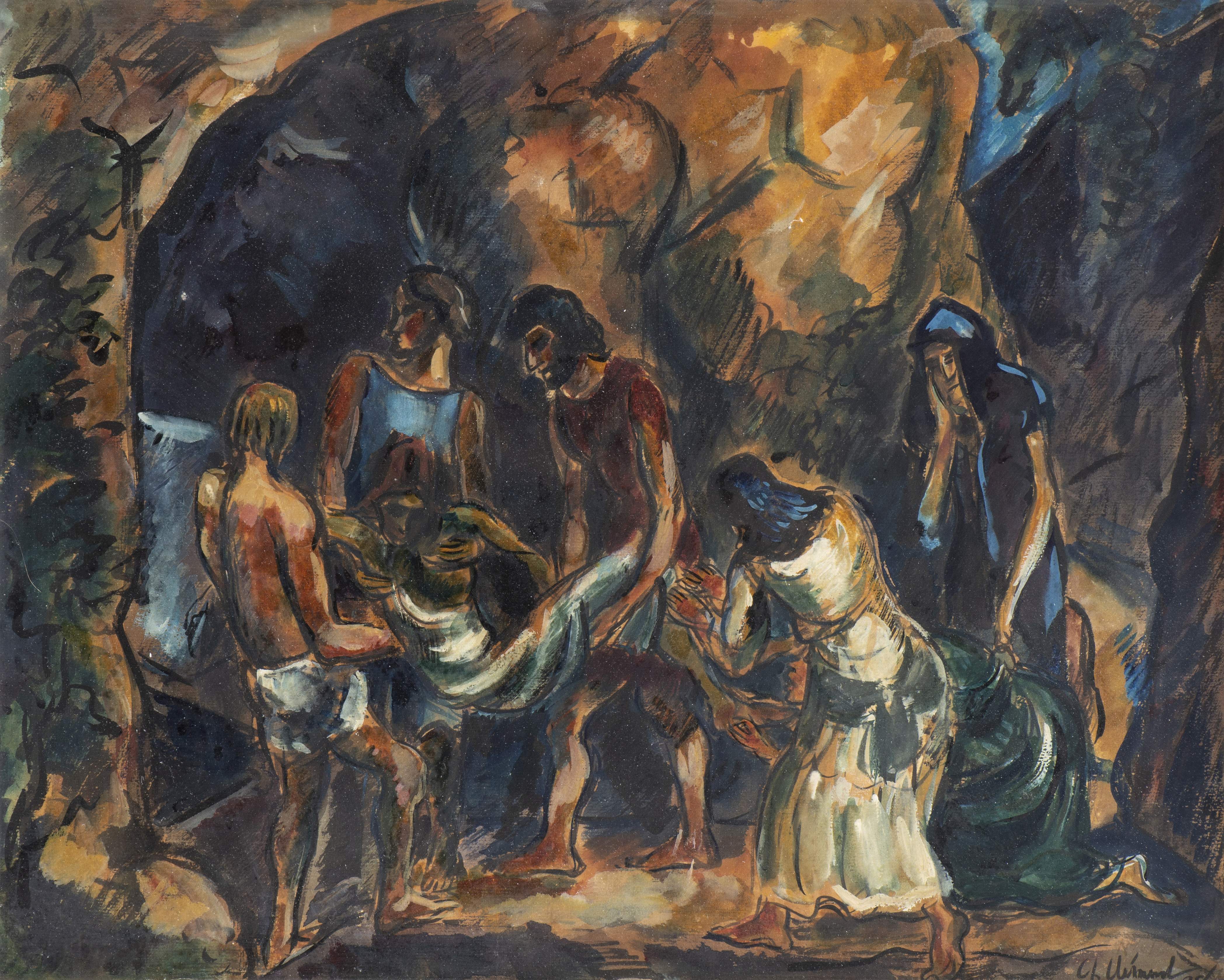
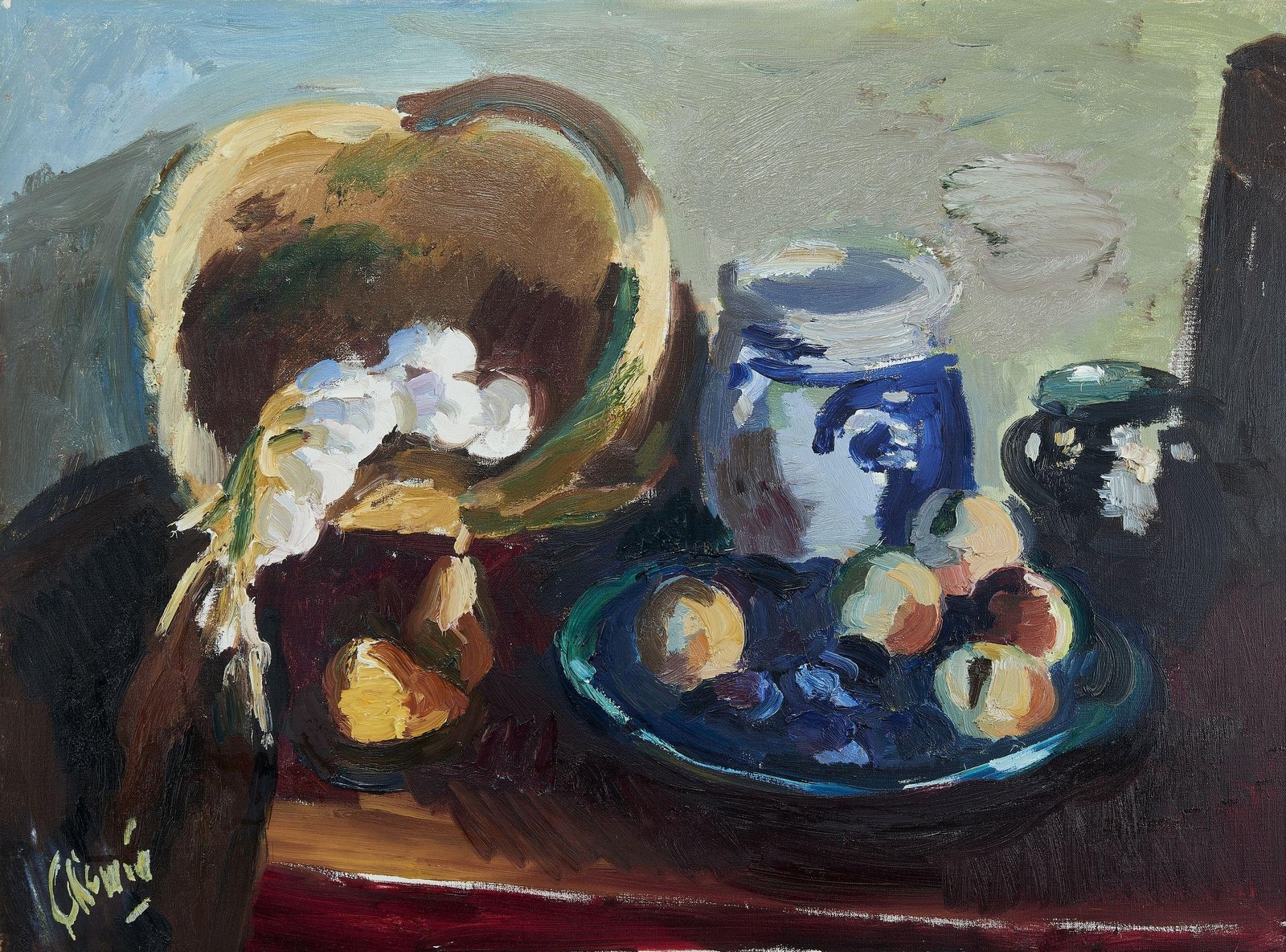
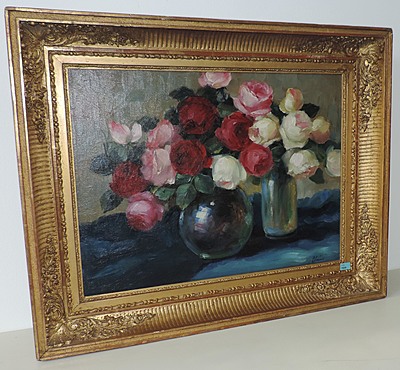
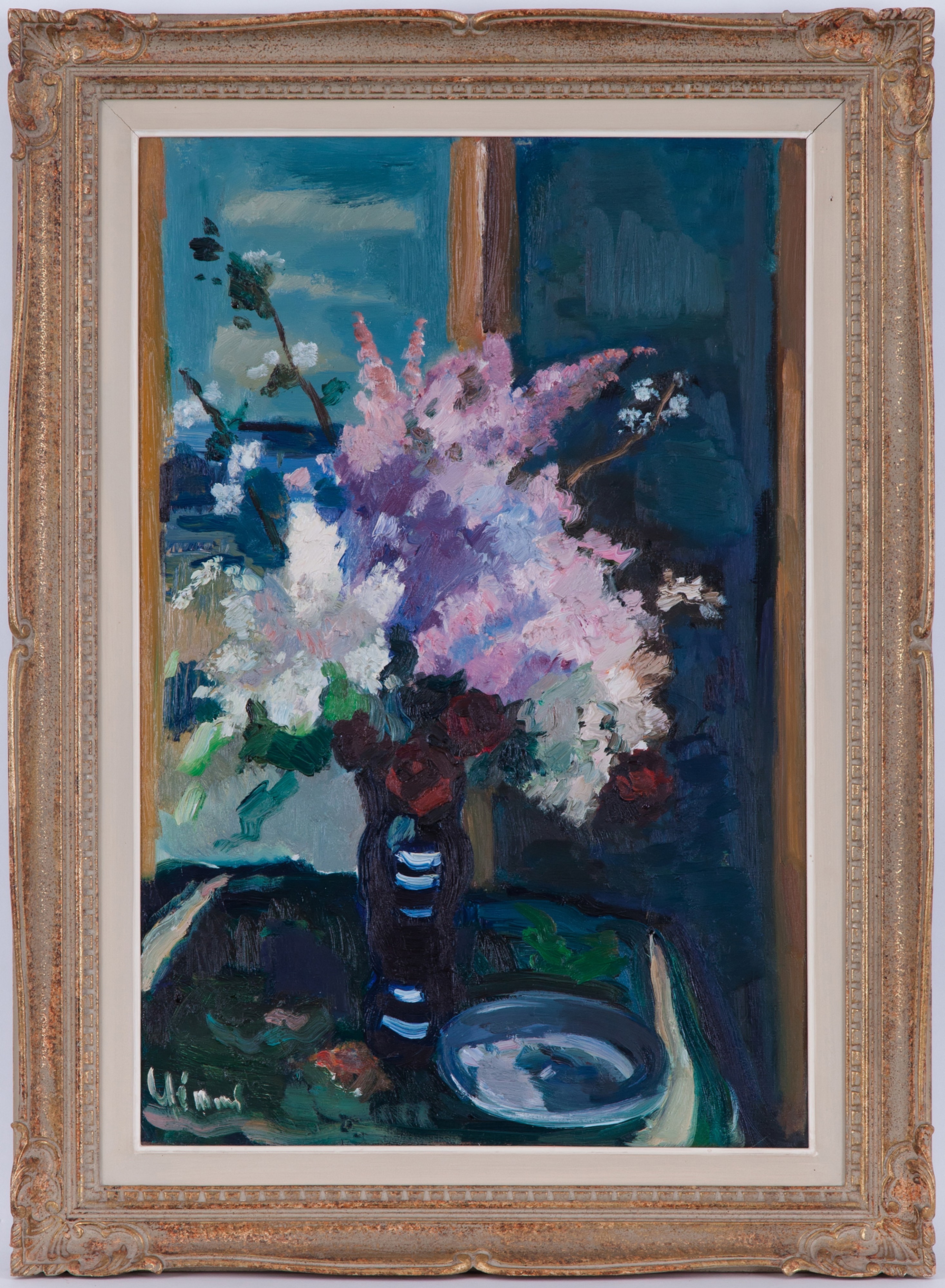
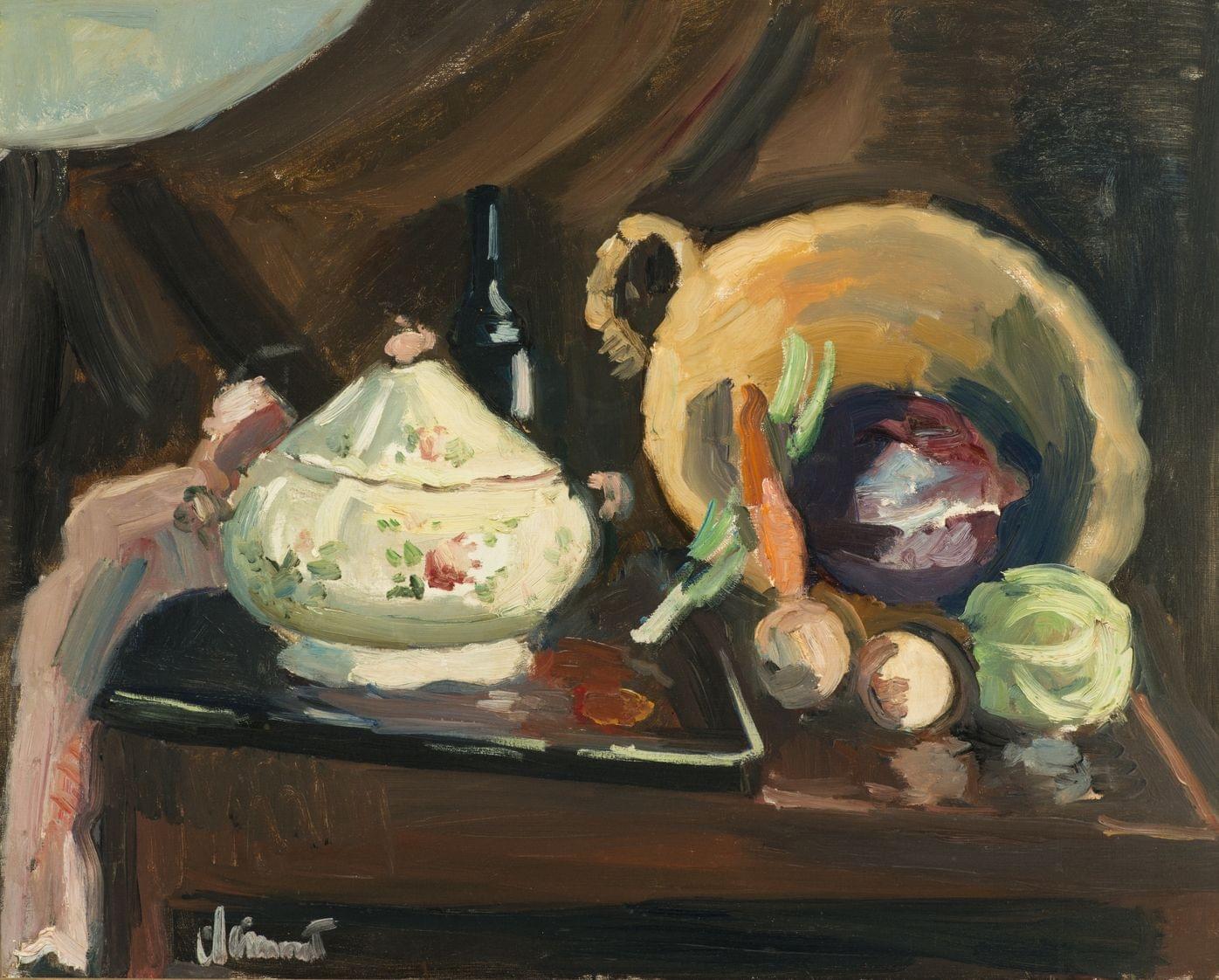
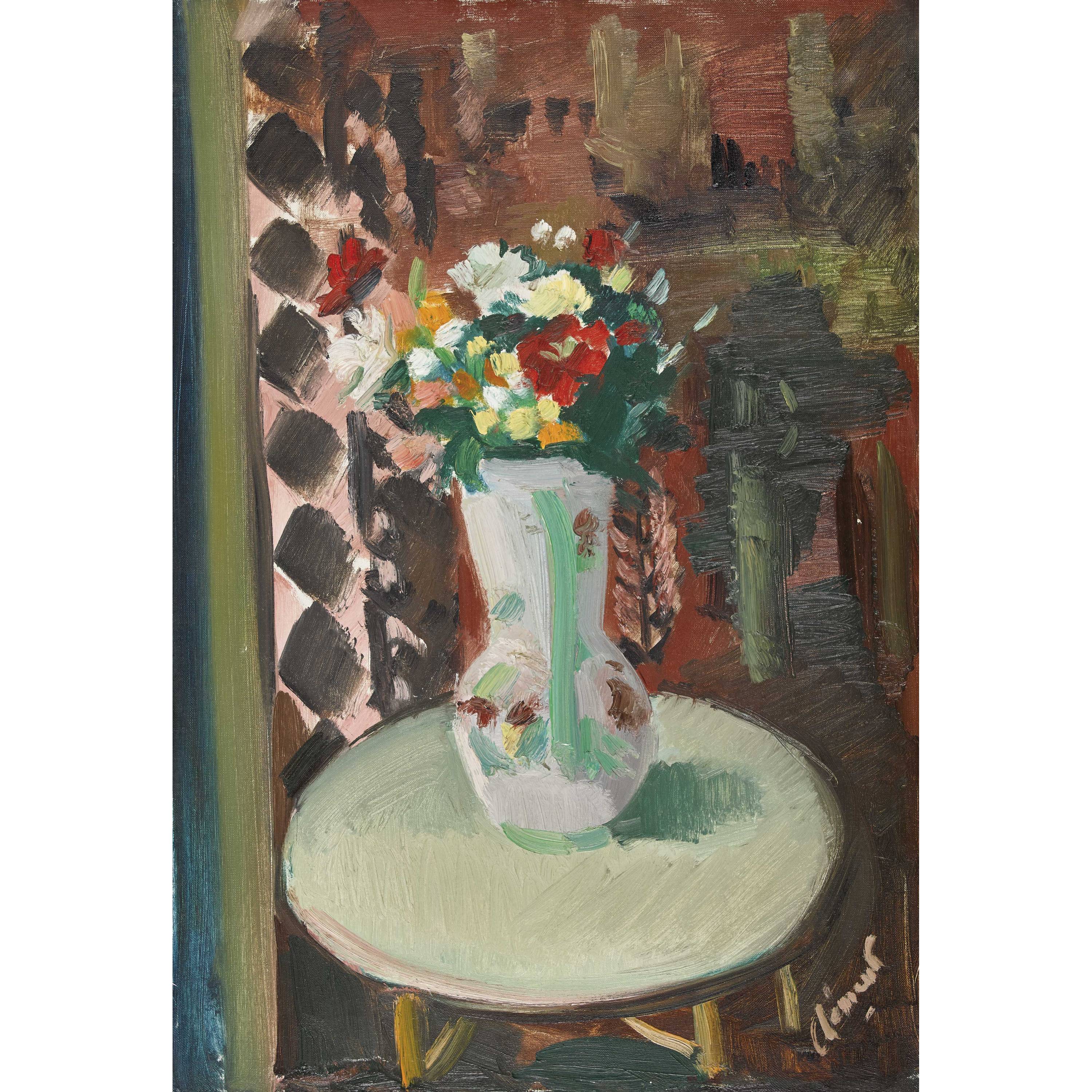
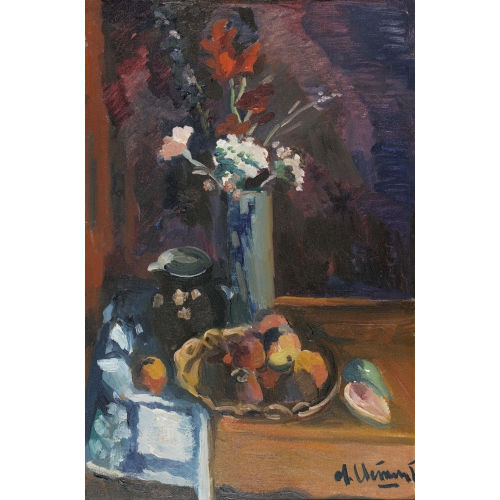
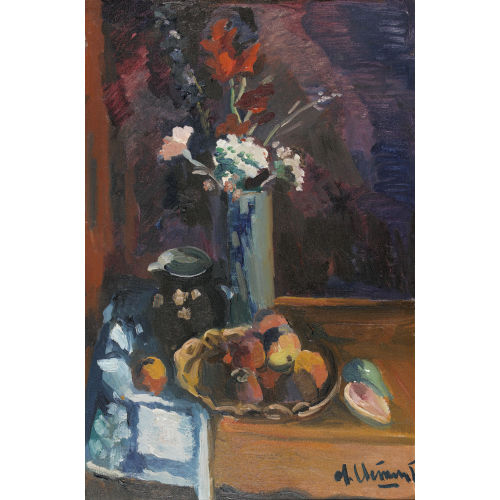
His work also unfolds on an architectural scale, with the stained-glass windows of Lausanne Cathedral and two panels devoted to Major Davel for the Hôtel de Ville. At the other end of this diversity, Nature morte à l’assiette bleue, painted in 1970, brings together domestic objects, including a box for bricelets. The Fondation’s catalogue emphasises the role of still life in his apprenticeship in the geometric organisation of the visible.
This late painting offers an entry point into his universe: observing how a colour connects the objects, how their volumes compose the space, and then recognising in his populated scenes this same capacity to give form to everyday life.