Camille Graeser
Born in 1892.
Died in 1980.
Camille Graeser (1892–1980) was a painter, interior architect and designer associated with Zurich Concrete Art. Born in Carouge, he trained as a cabinetmaker at the School of Applied Arts and then studied at the Royal Academy in Stuttgart. He initially worked as an interior architect in Berlin, where he was involved with the Deutscher Werkbund and with debates surrounding modern design.
Among other projects, he designed the interior of an apartment in the Weissenhof Estate in Stuttgart, in a building by Mies van der Rohe.
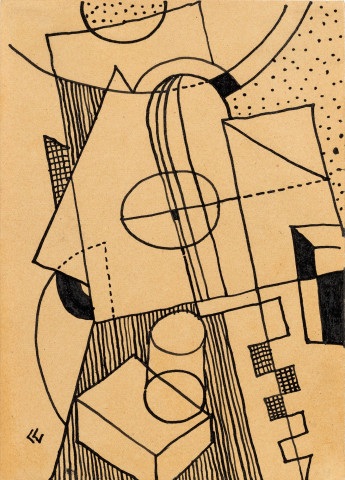
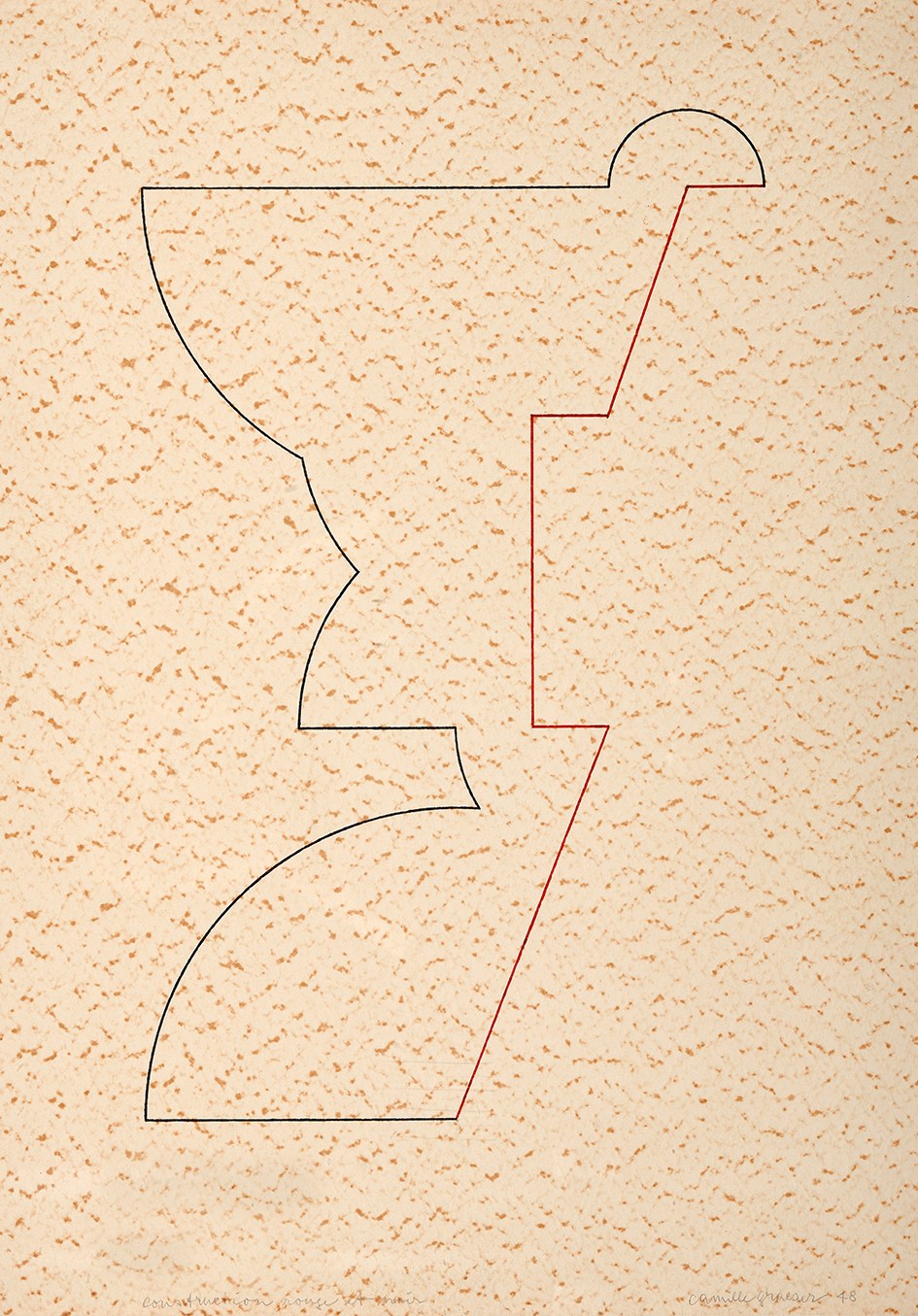
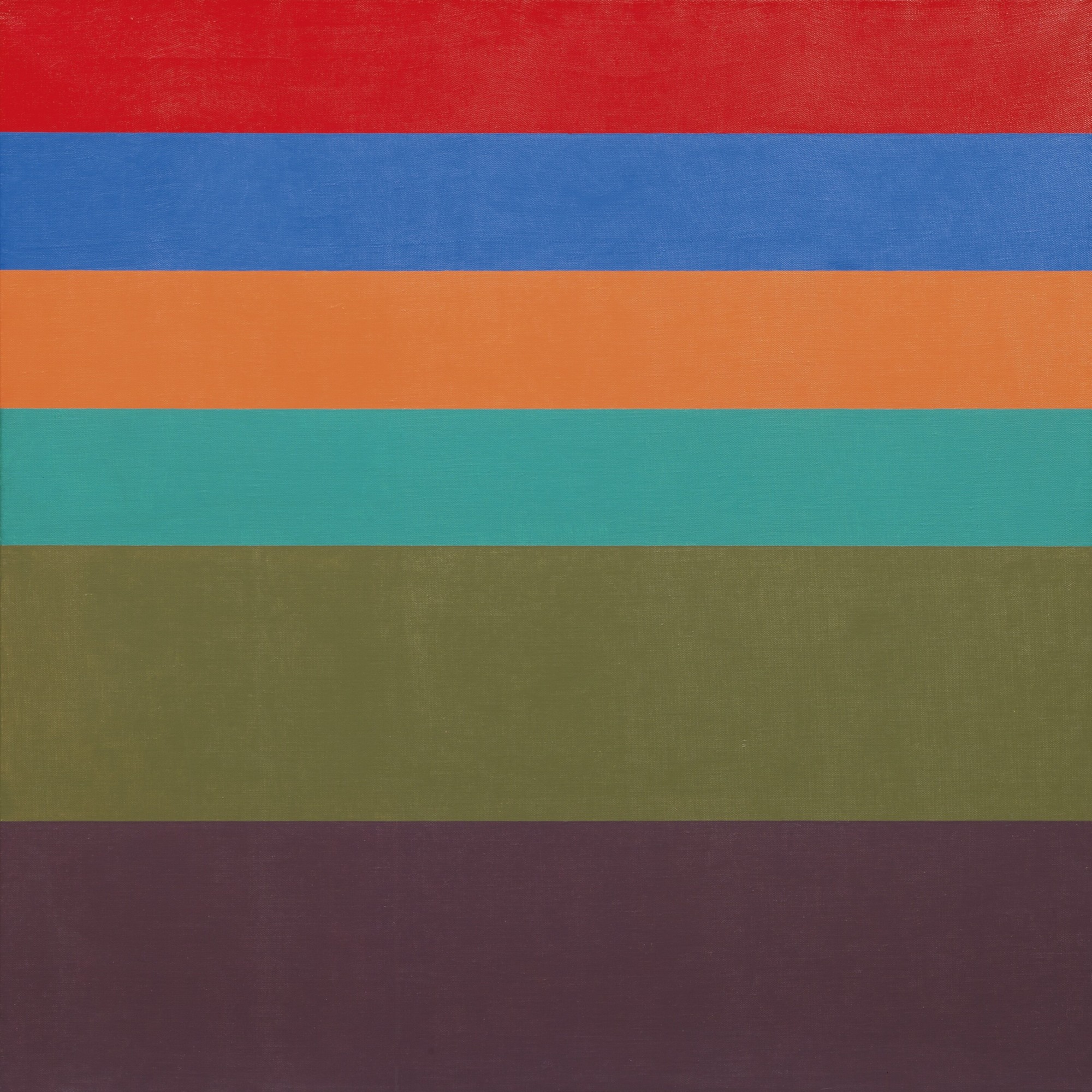
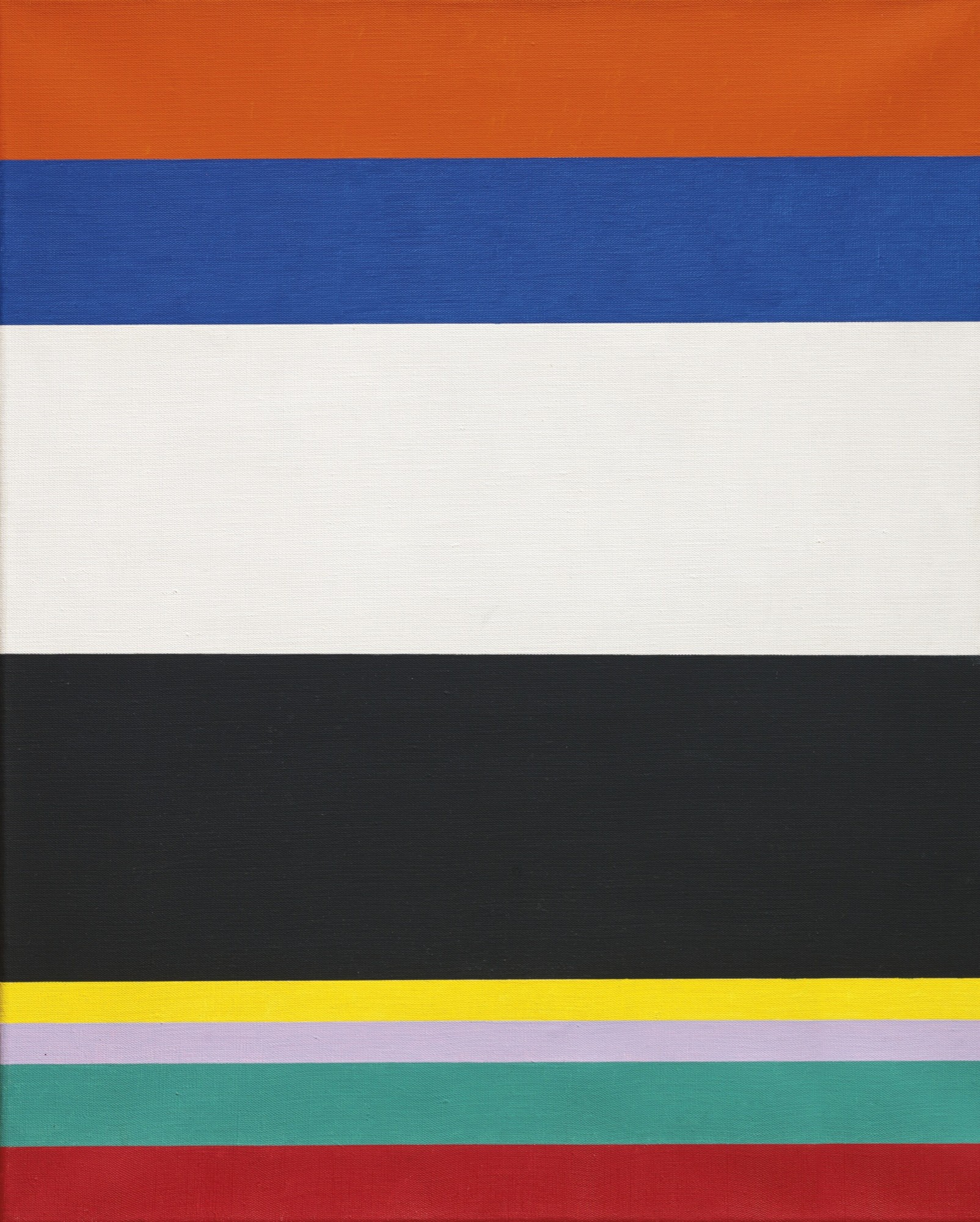
At the same time, Graeser began to paint. Following Cubo-Futurist experiments, from 1922 onwards he adopted a geometric abstraction connected with his reflections on space and construction. In 1933, he left Germany and settled in Zurich; in 1937, he joined the Allianz artists’ association.
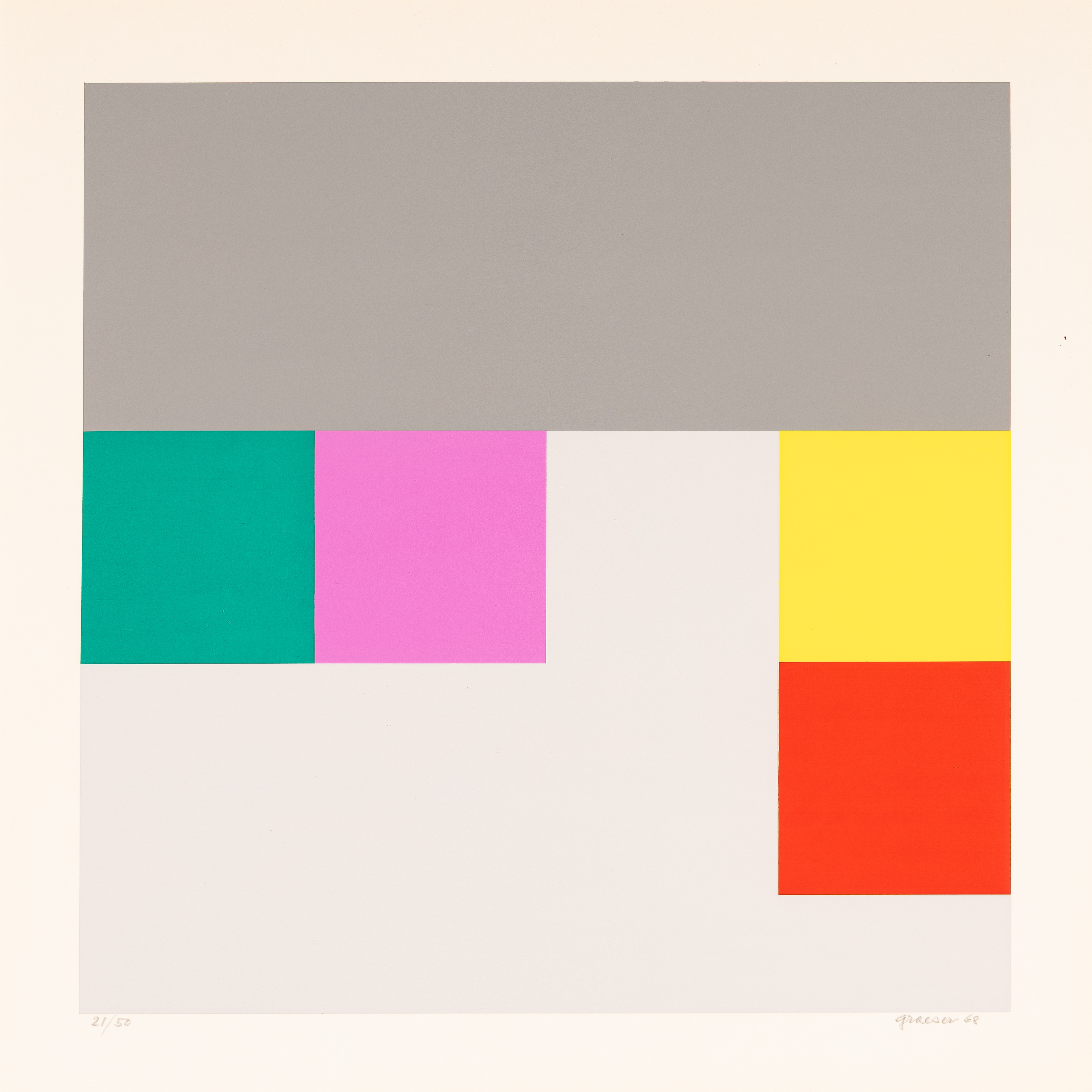
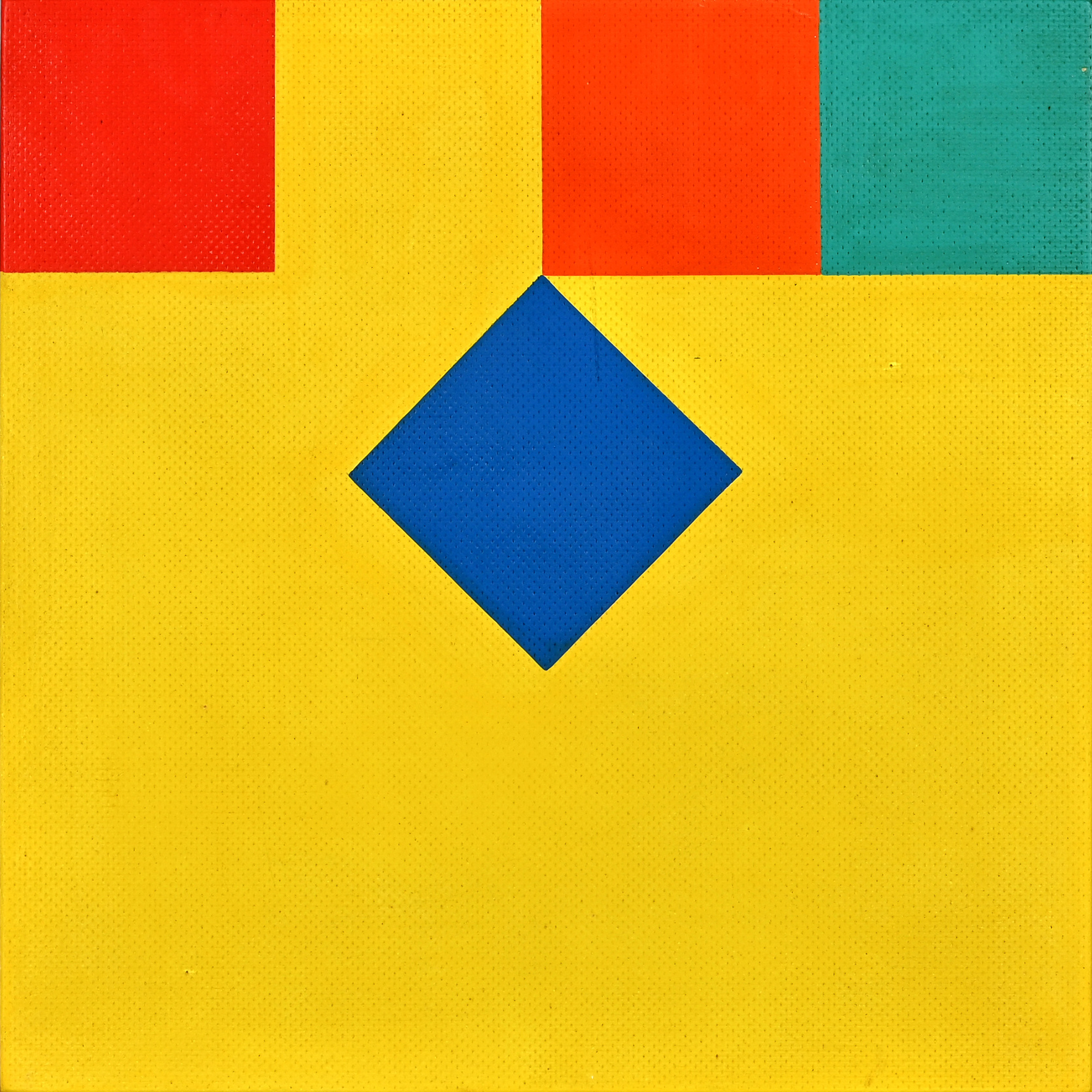
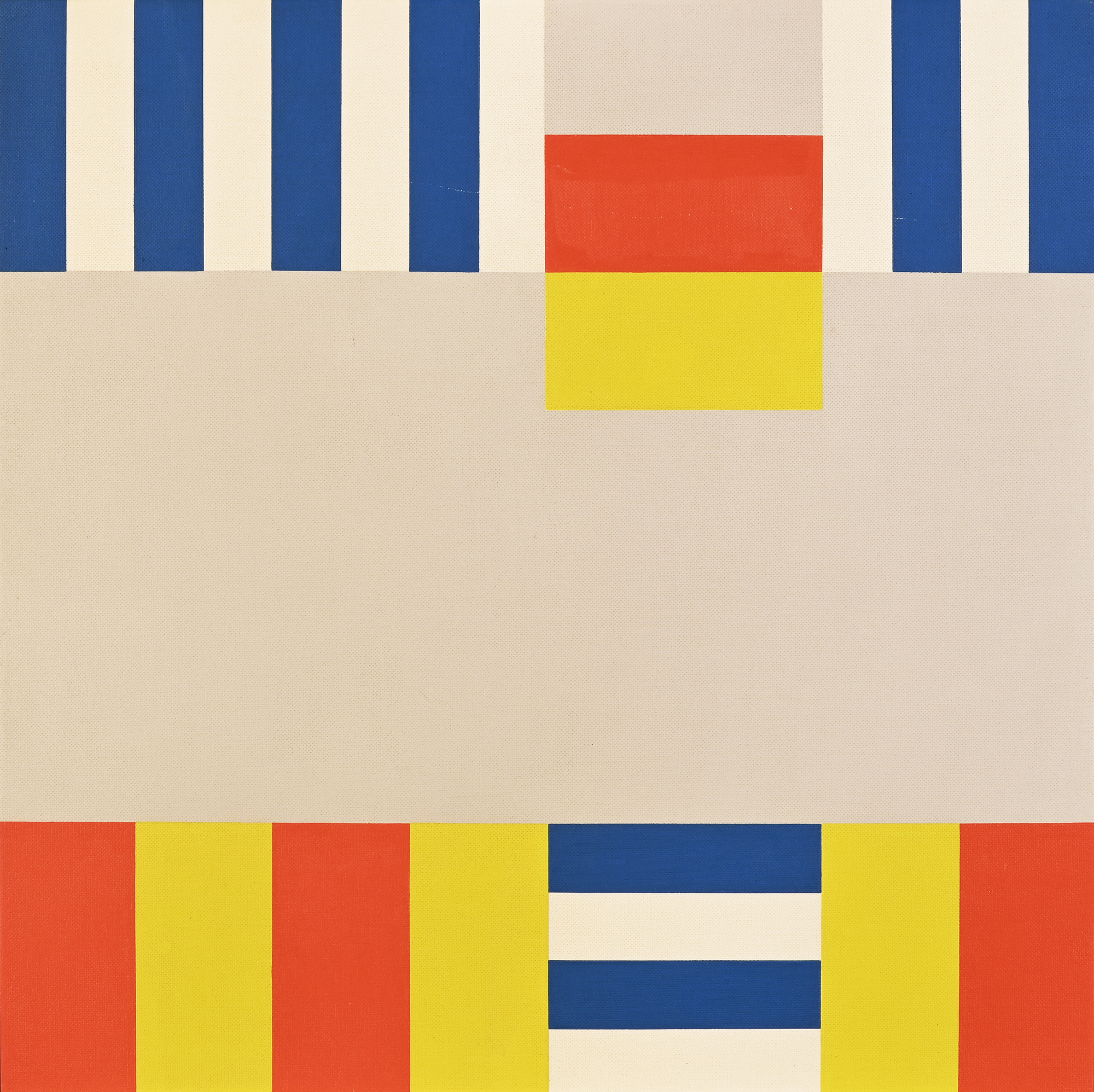
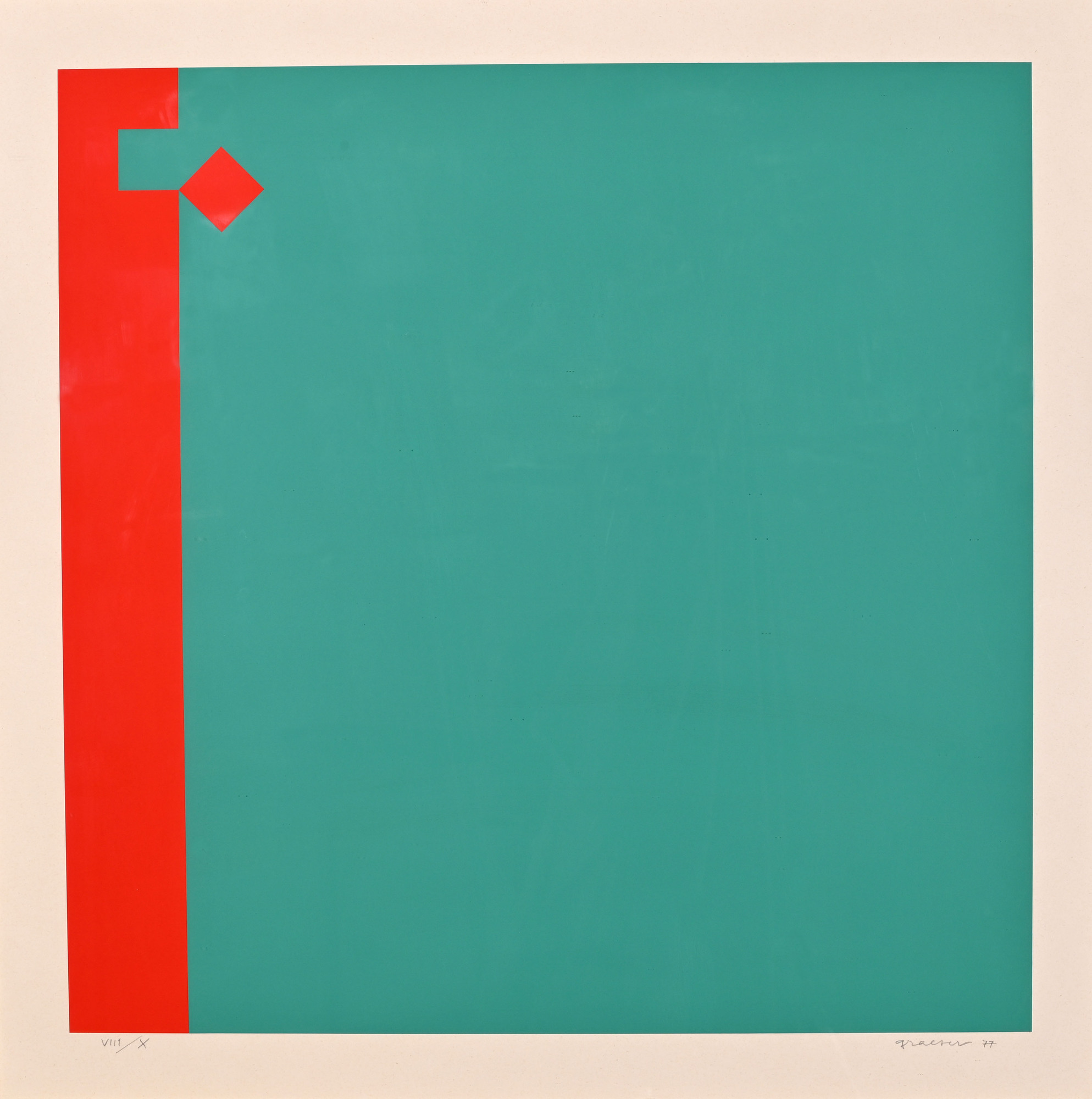
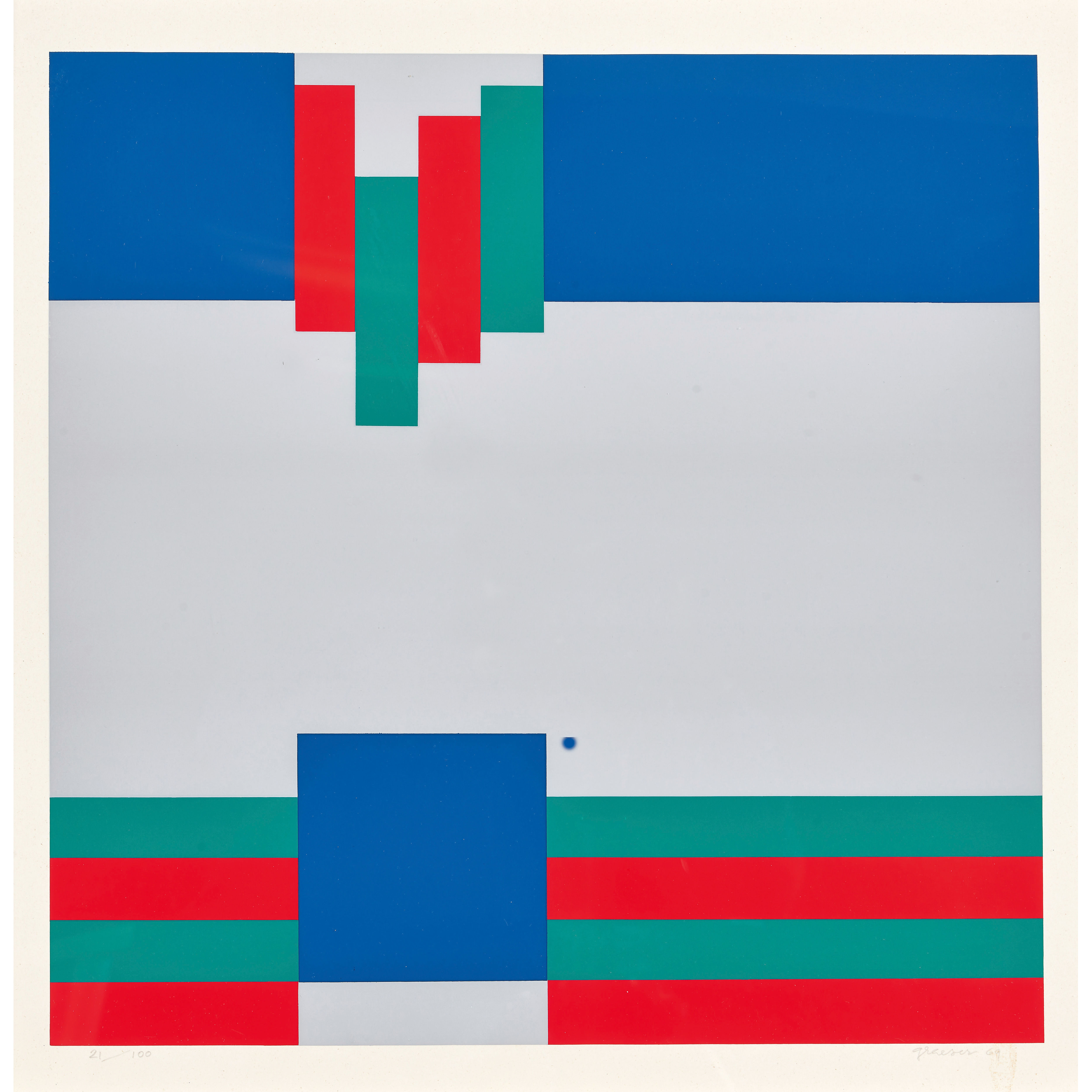
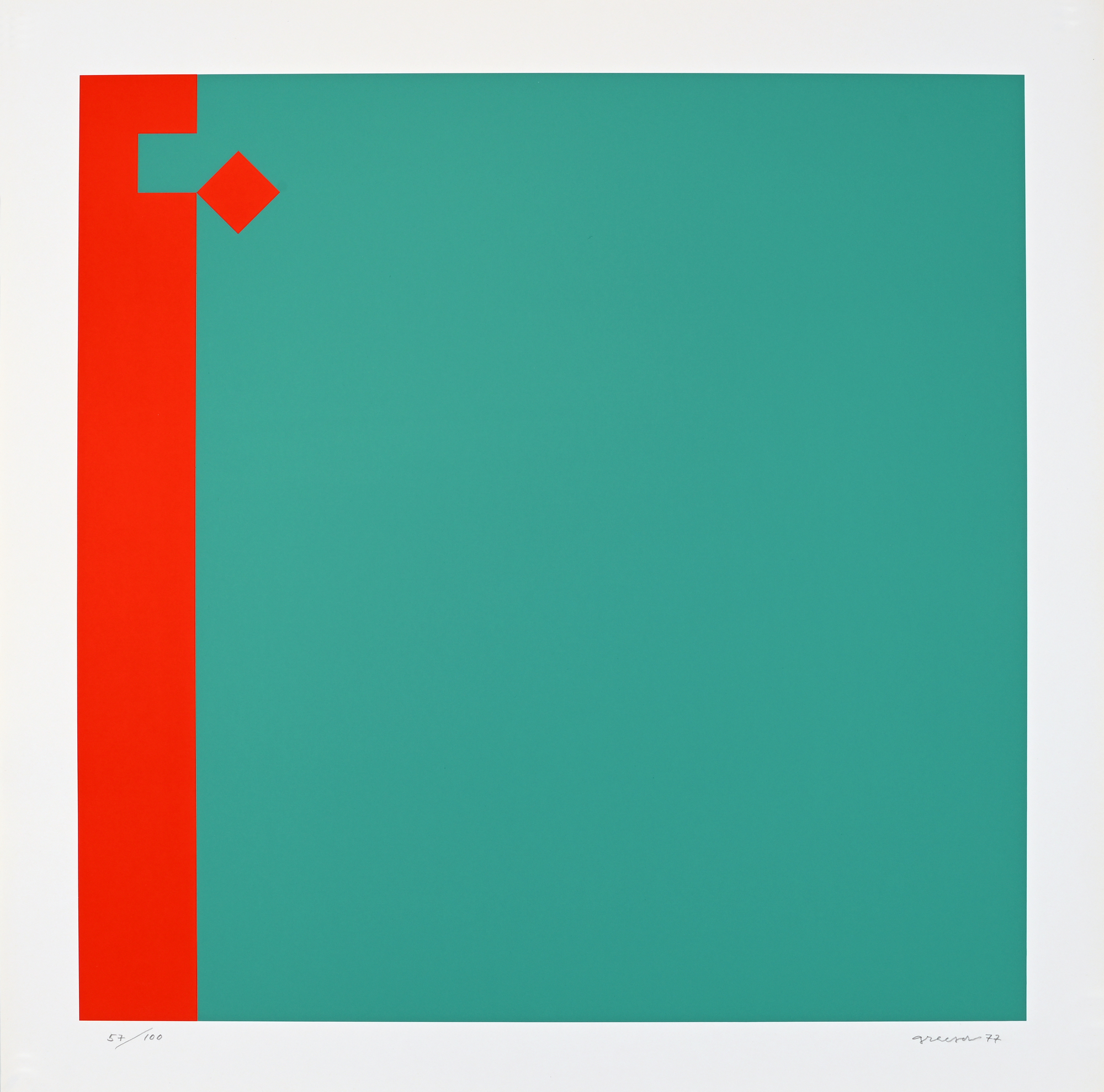
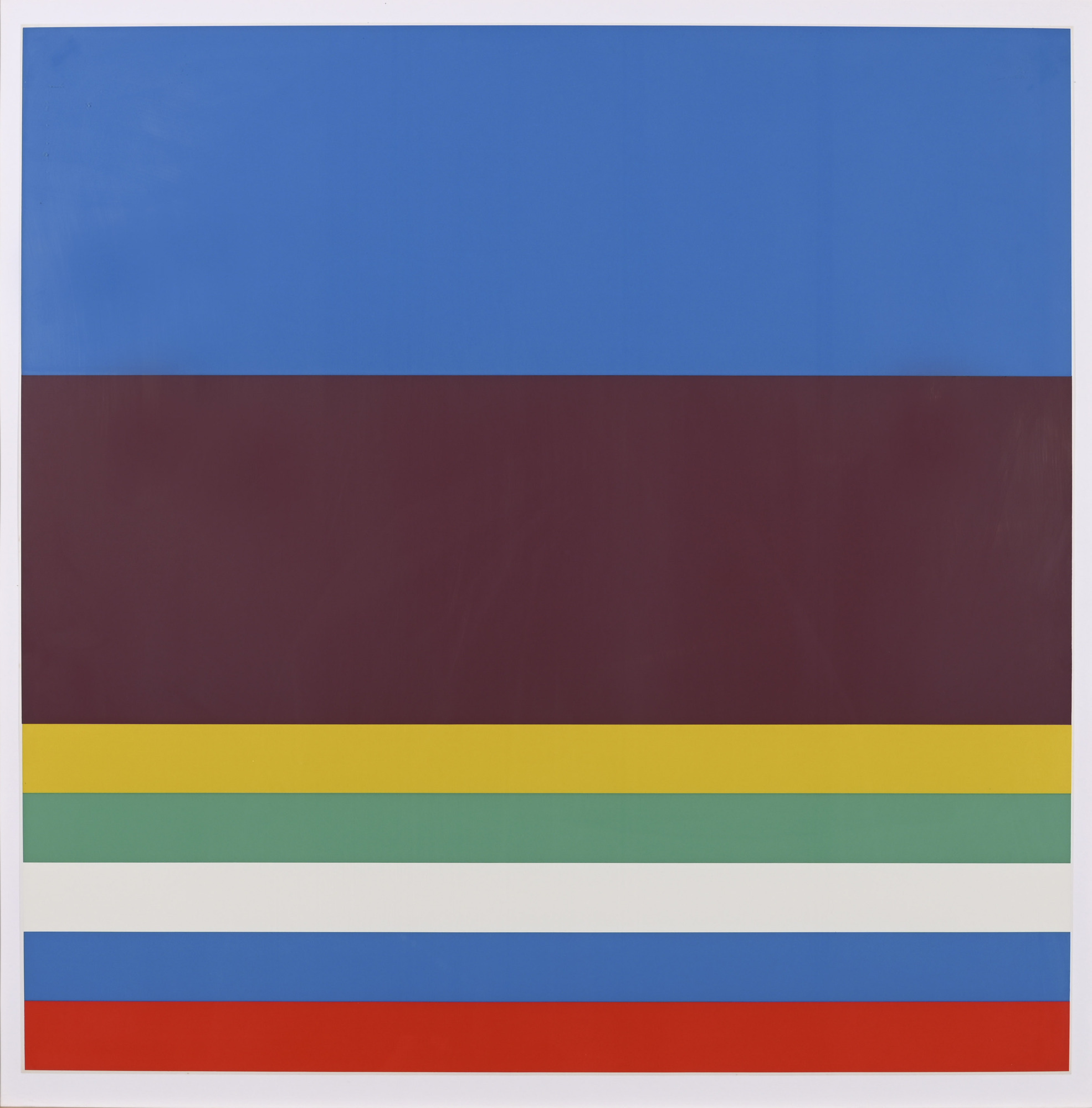
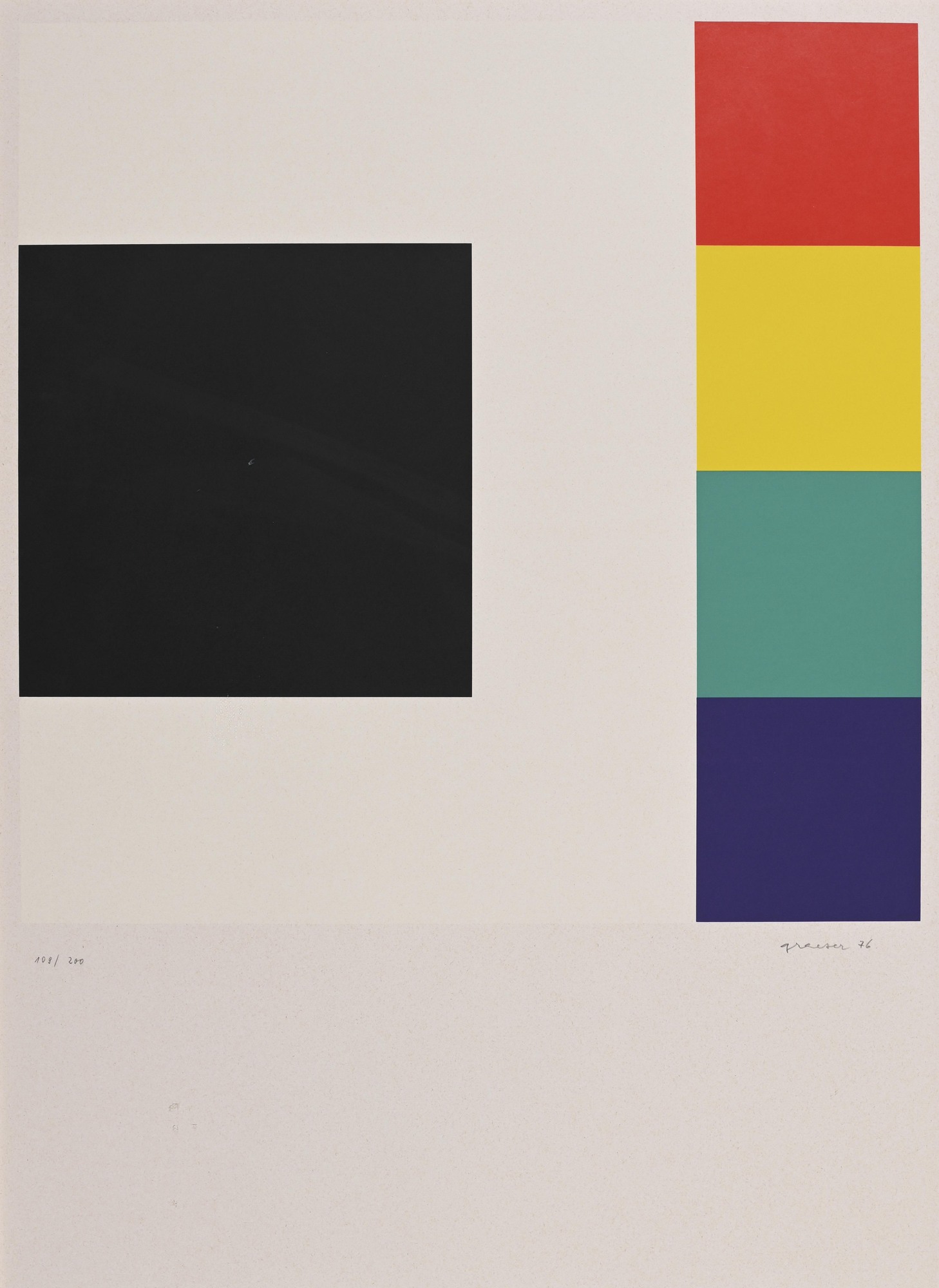
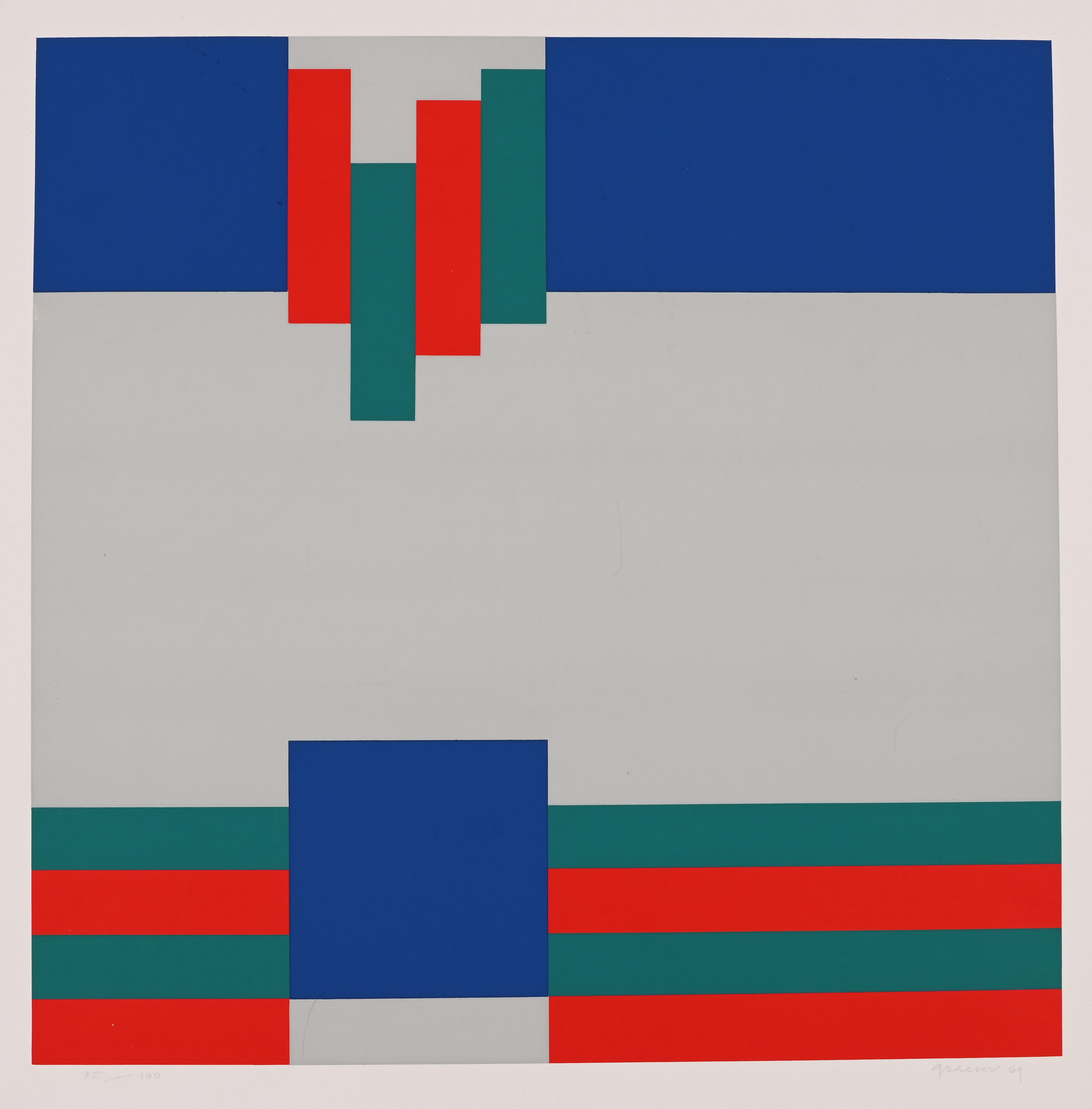
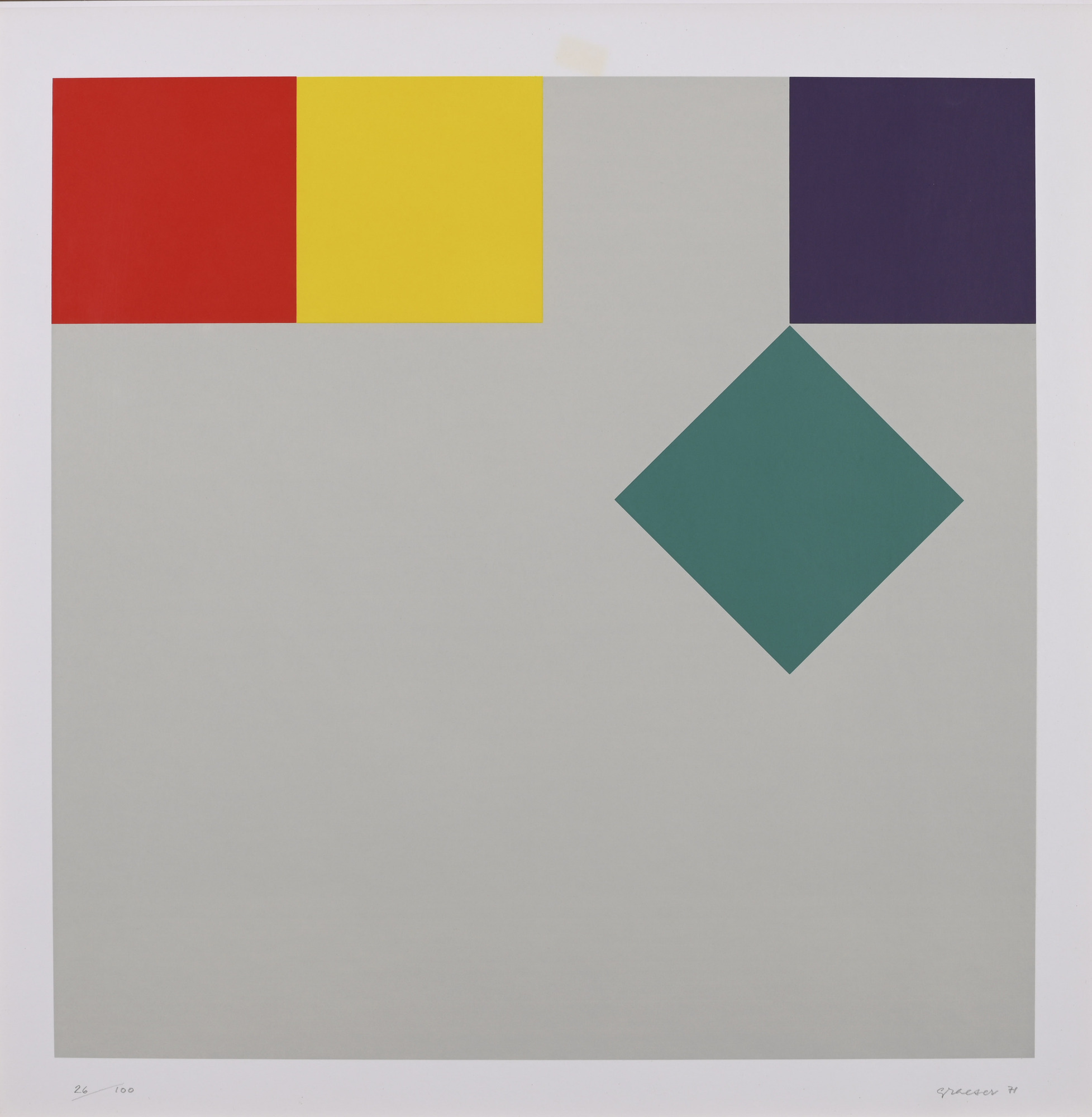
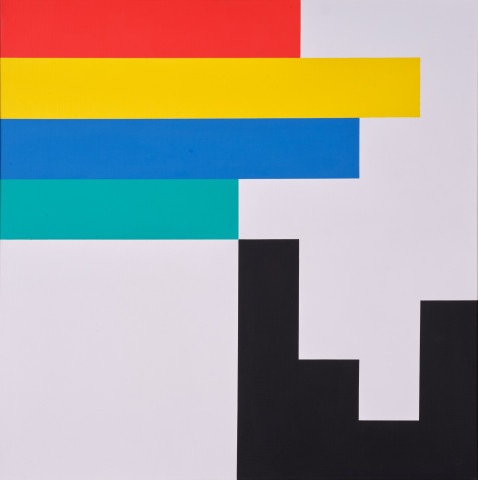
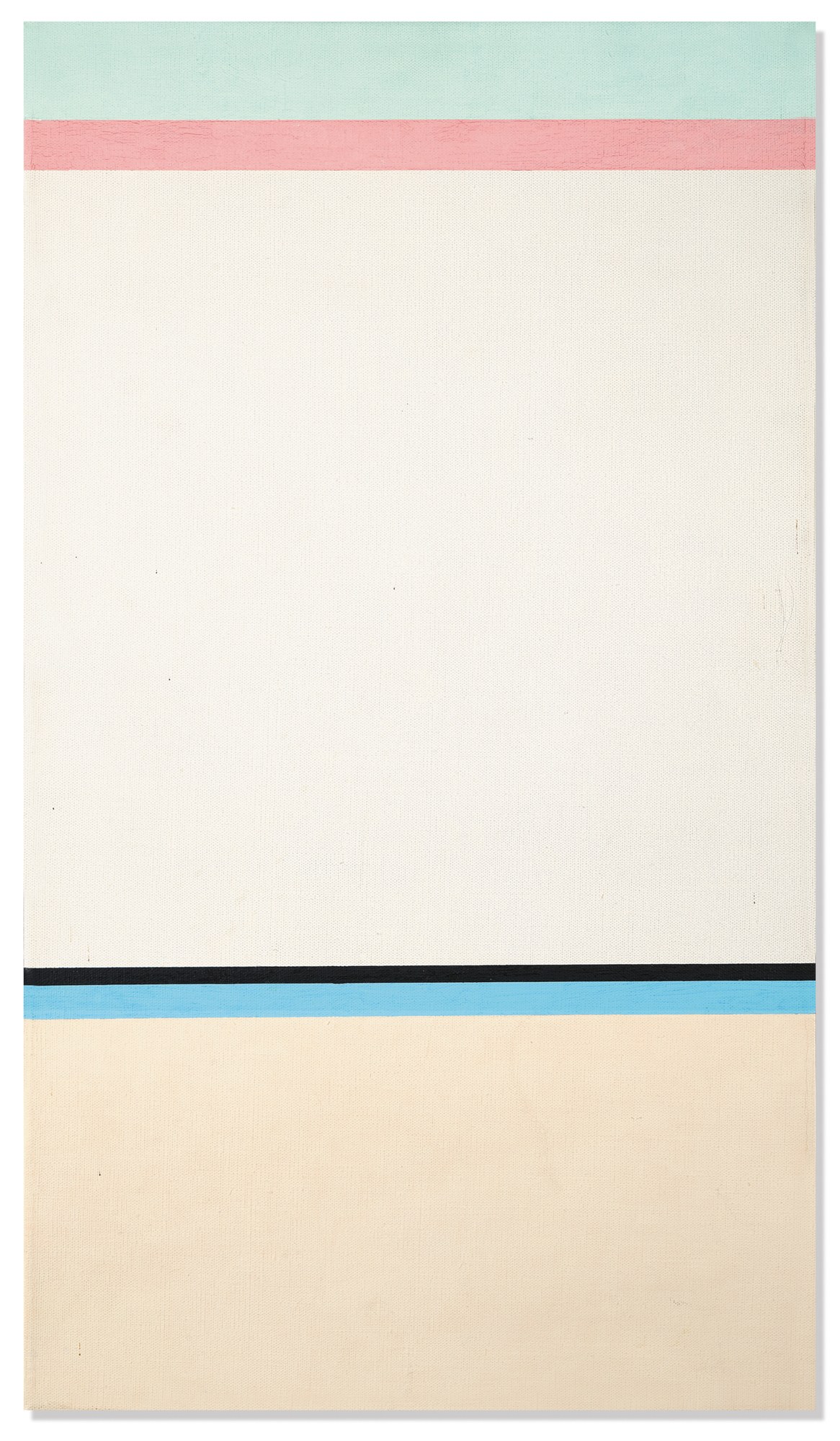
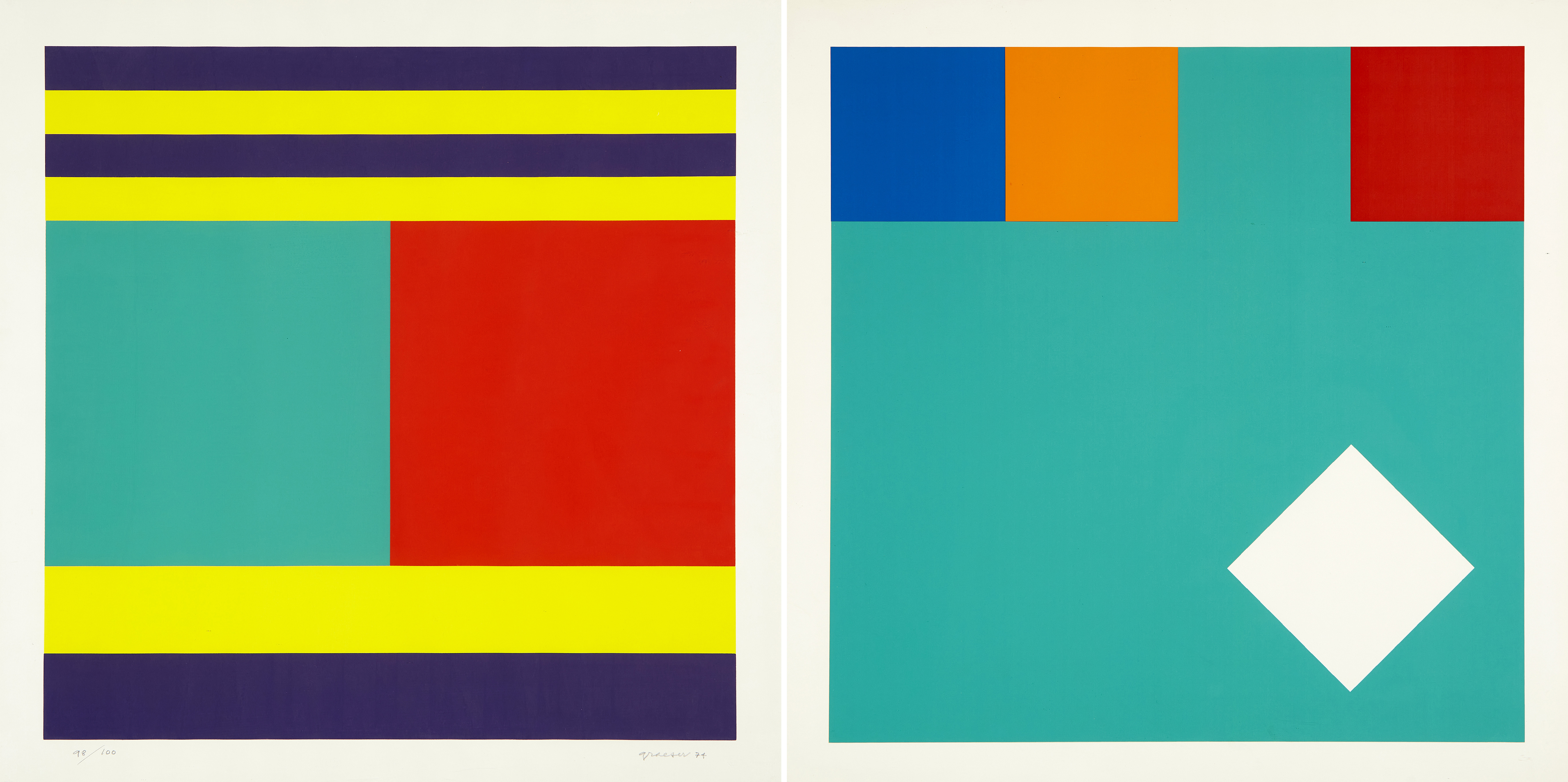
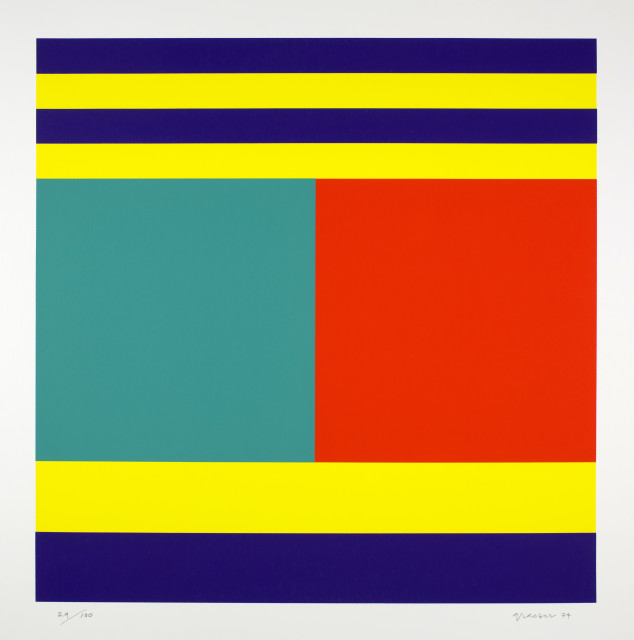
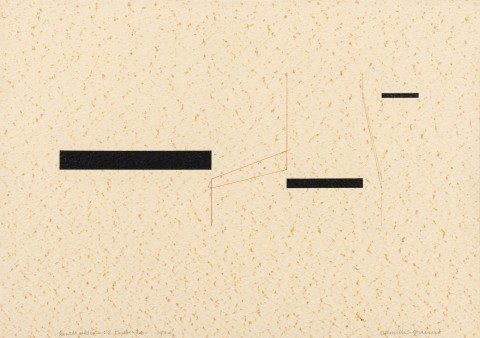
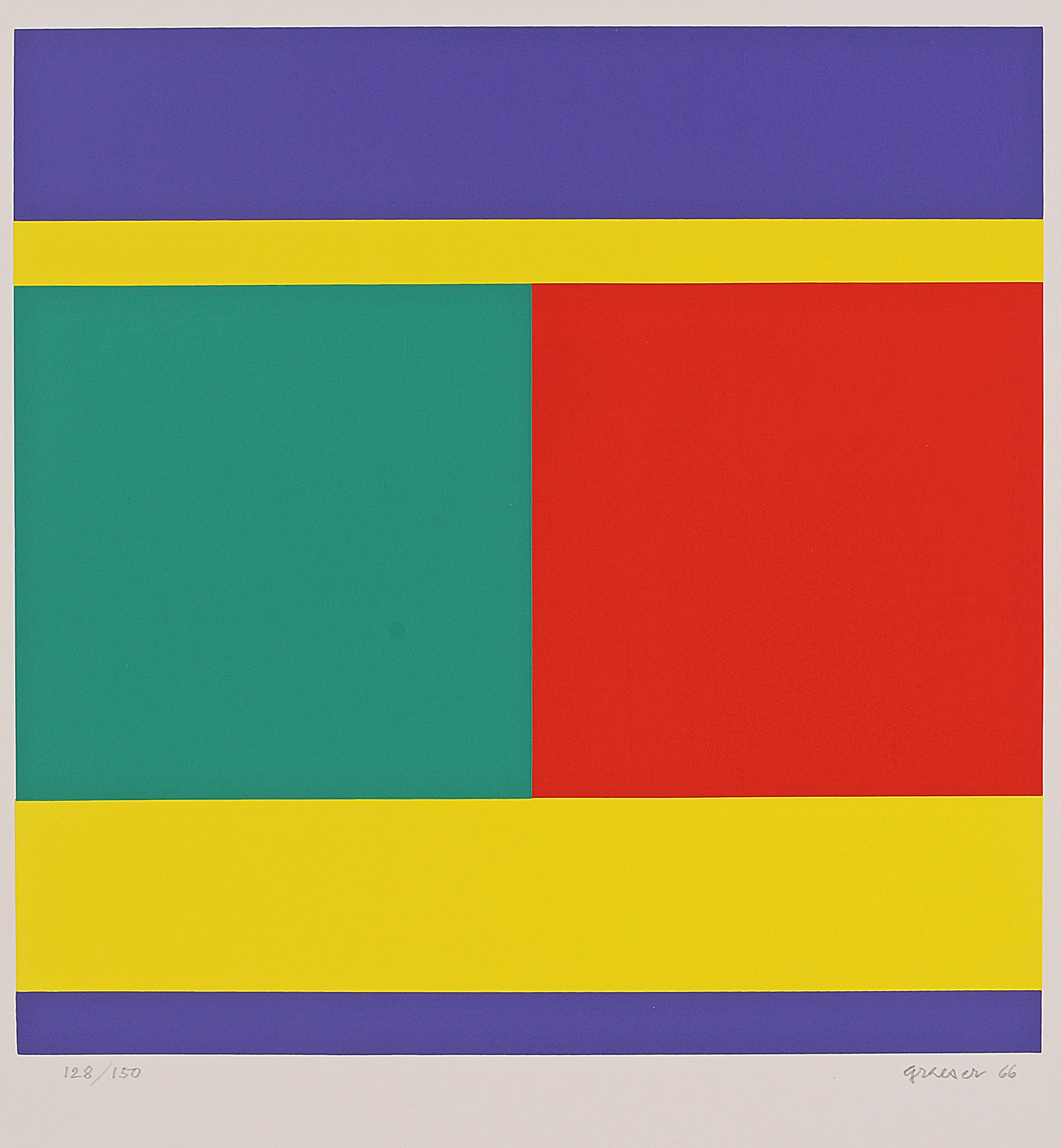
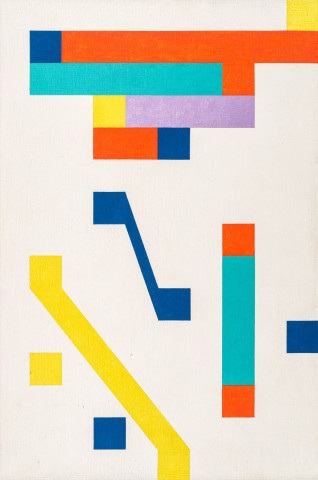
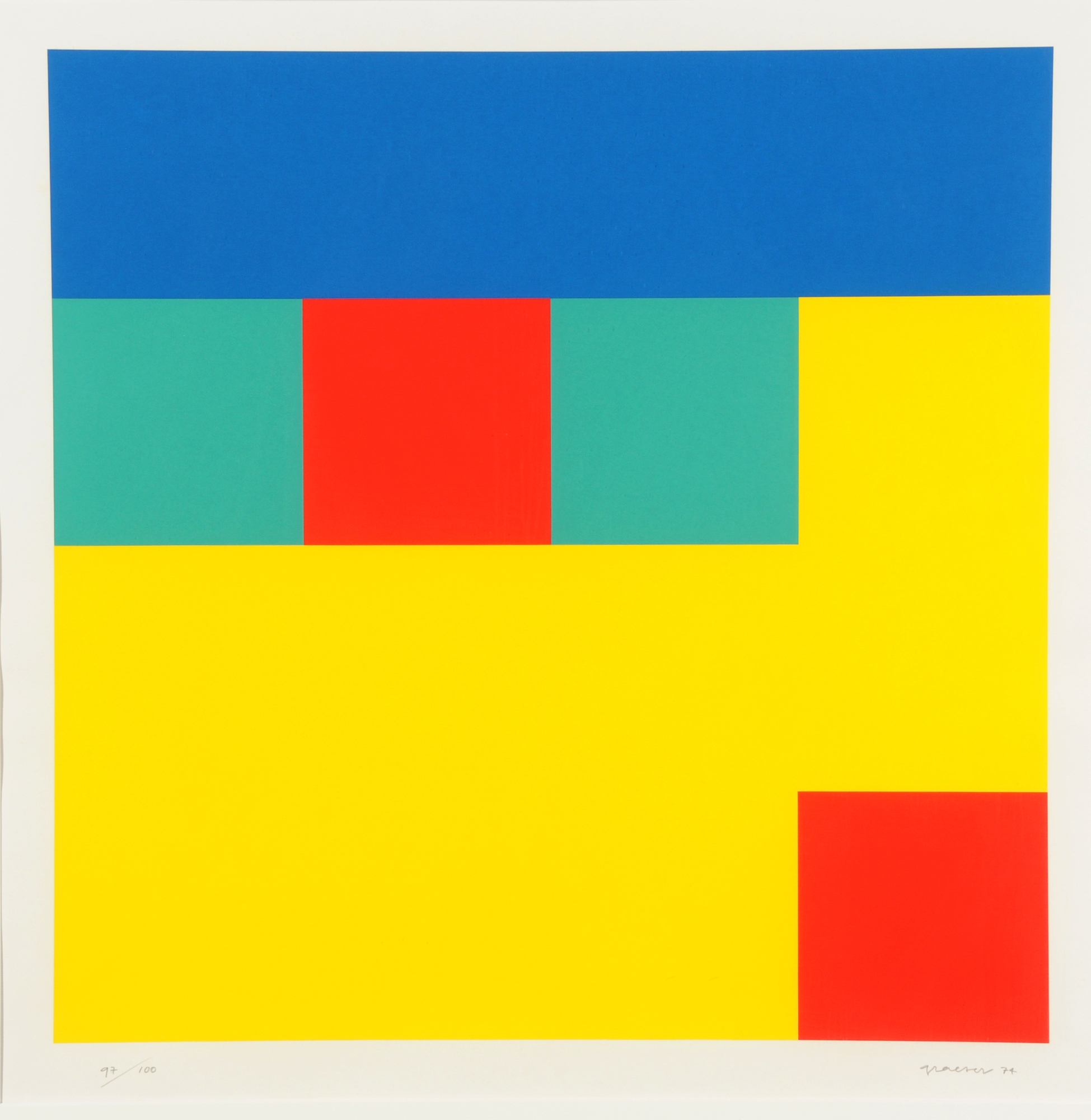
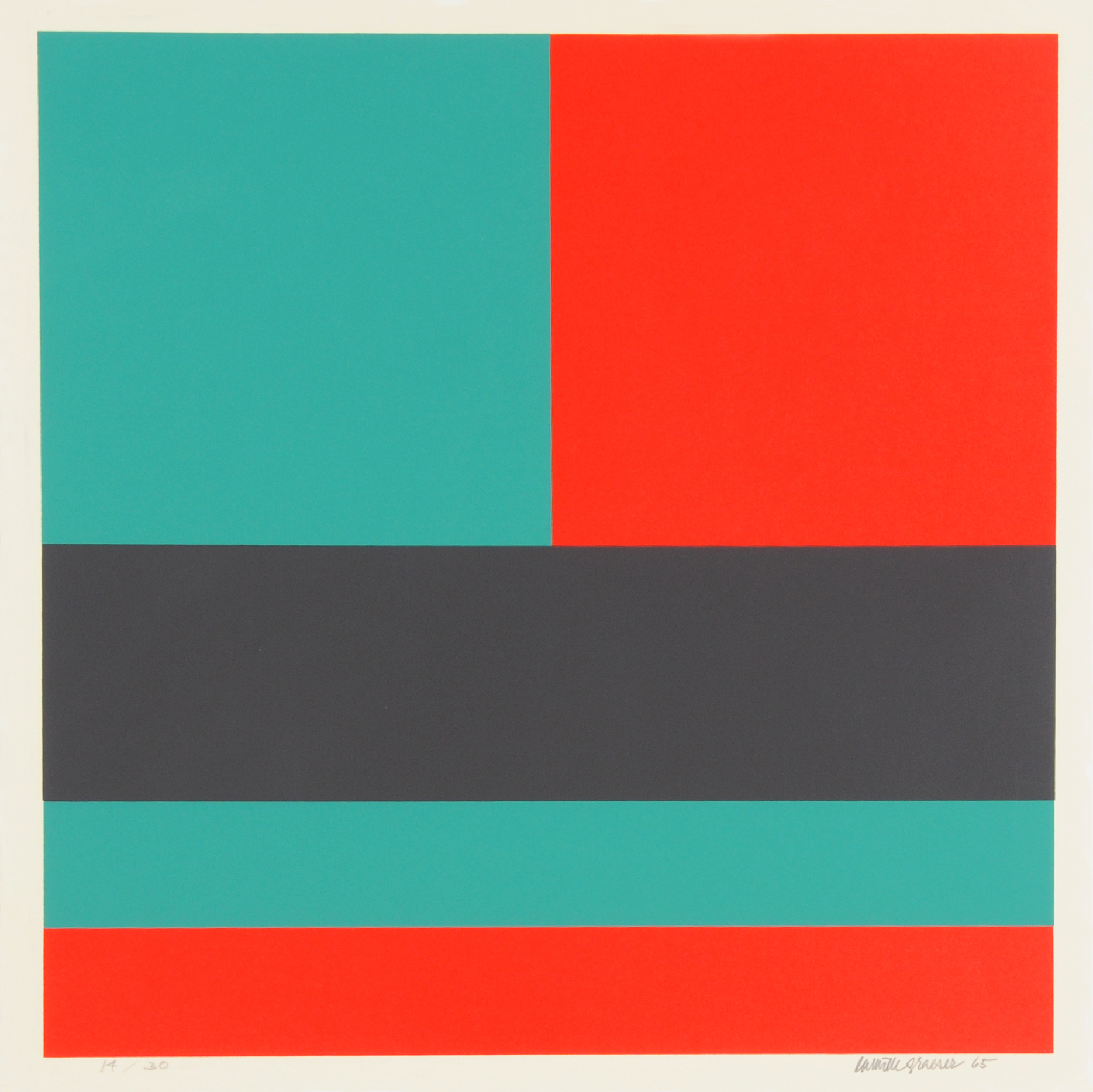
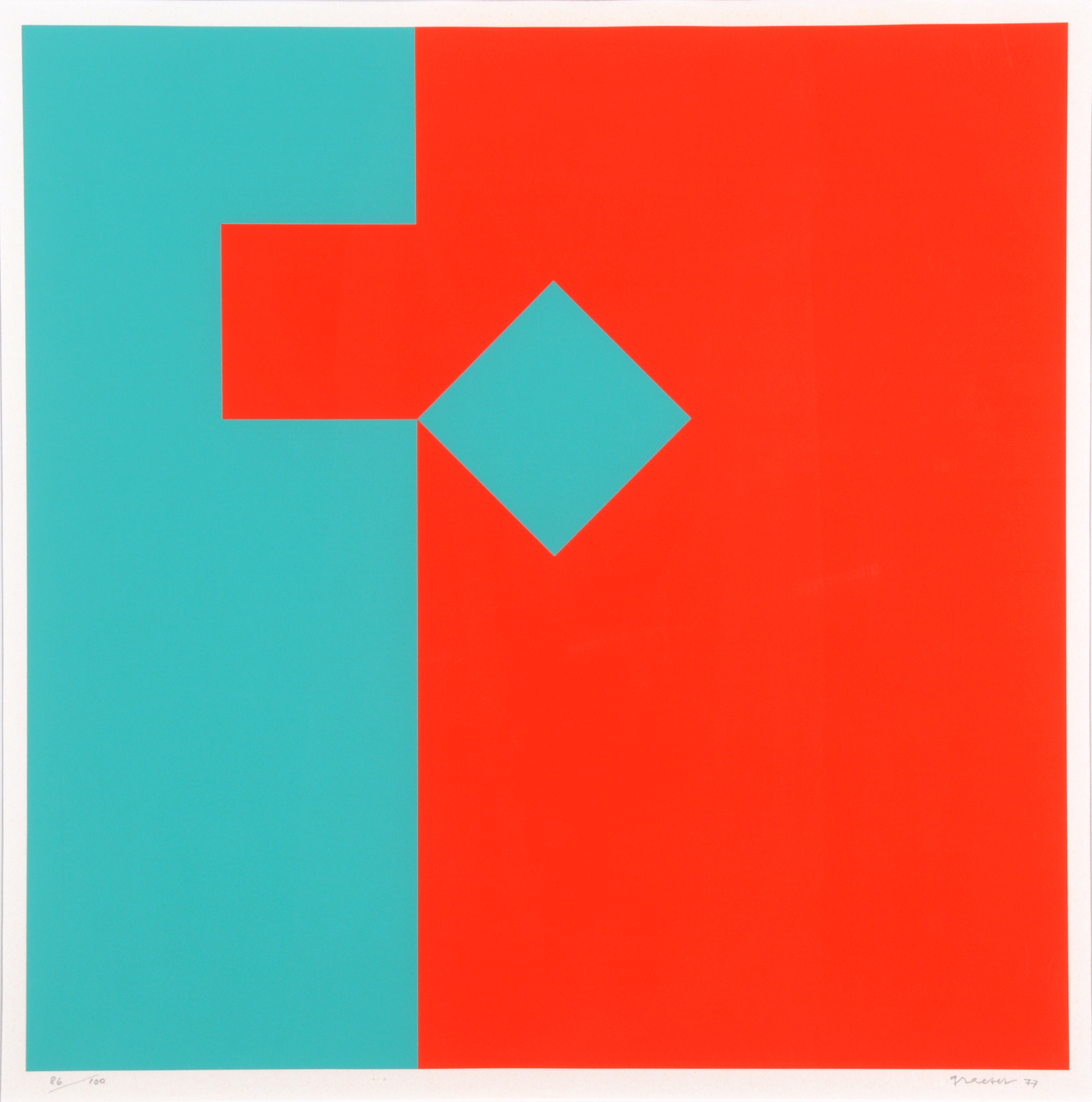
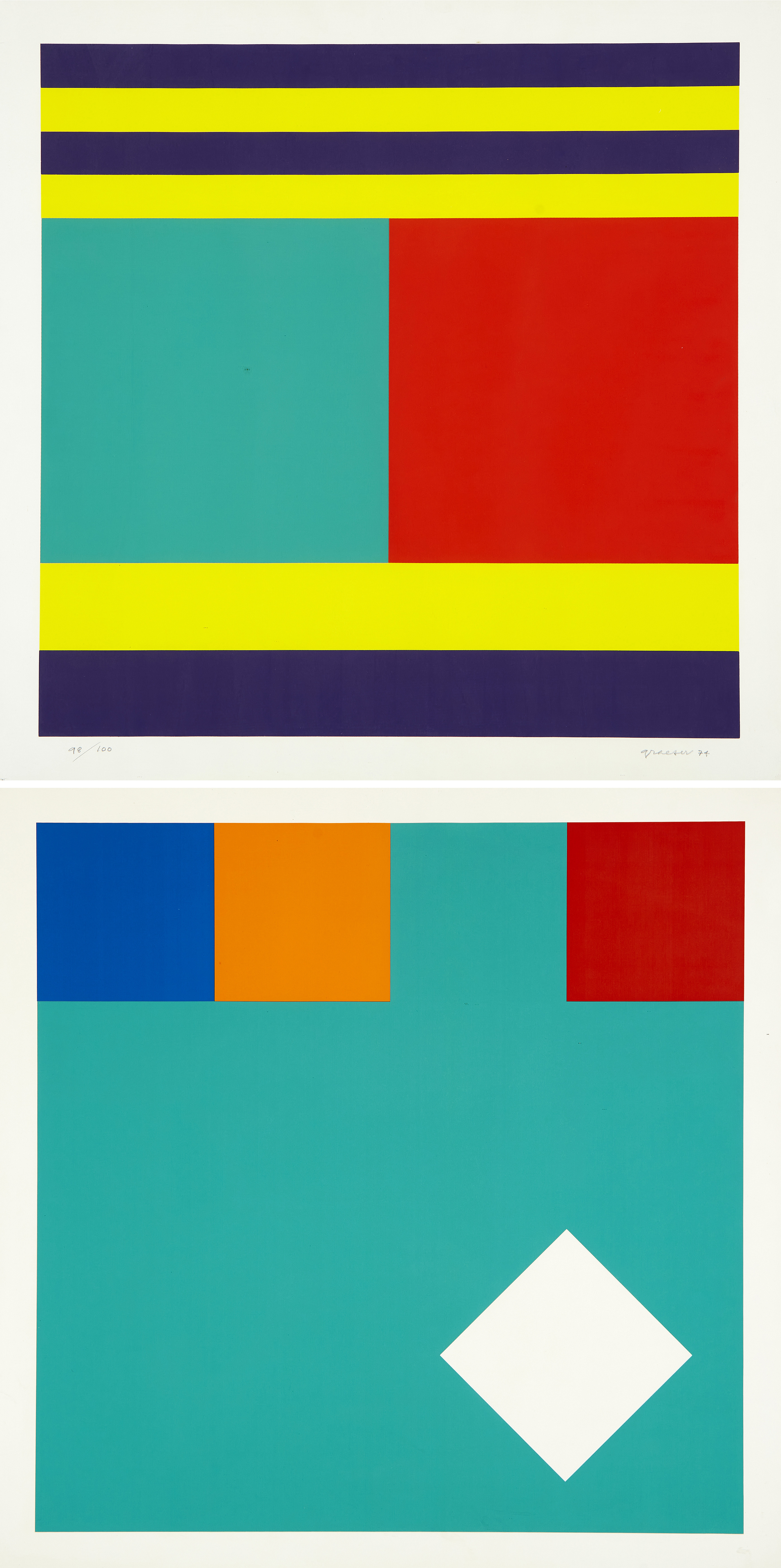
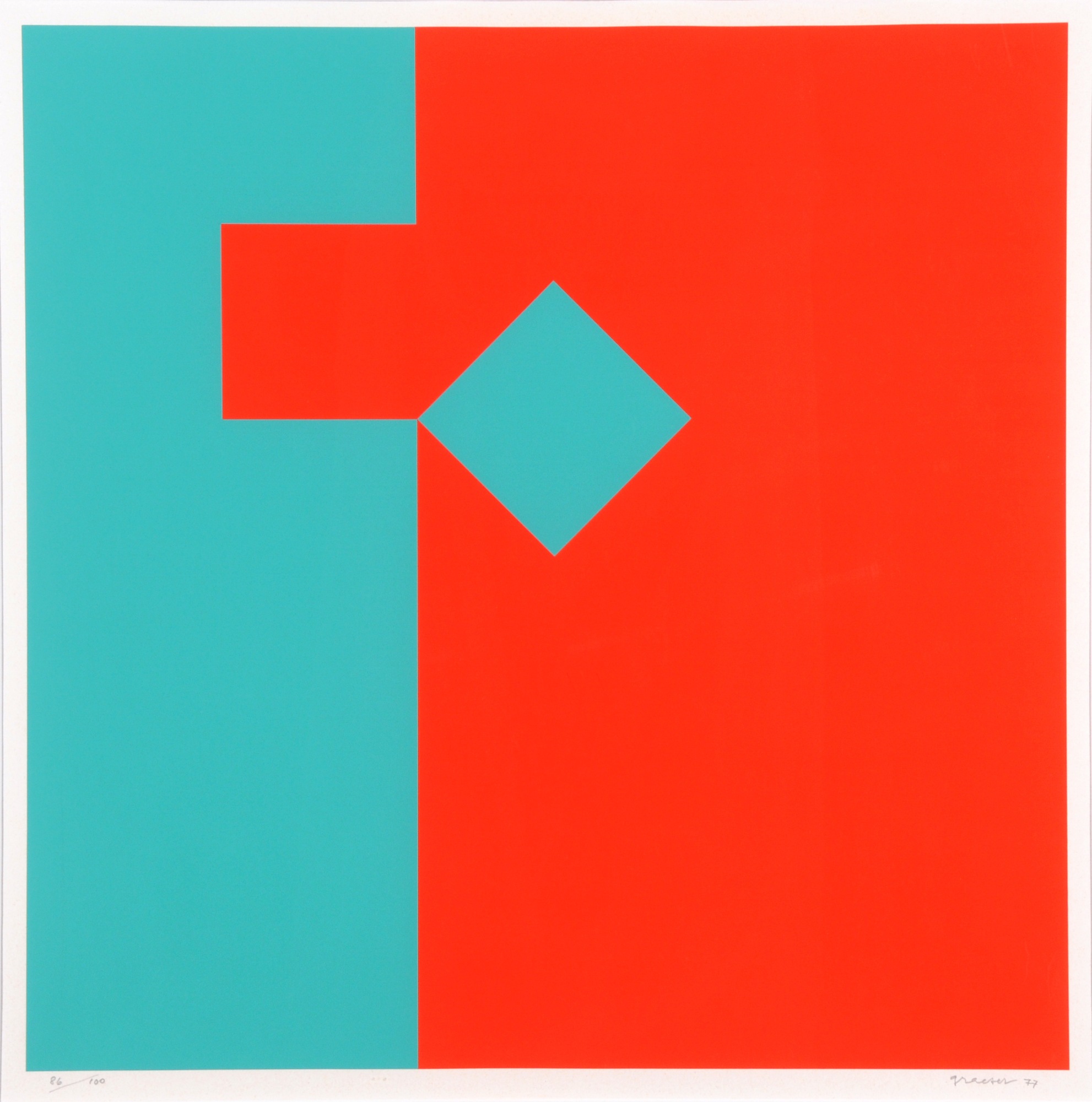
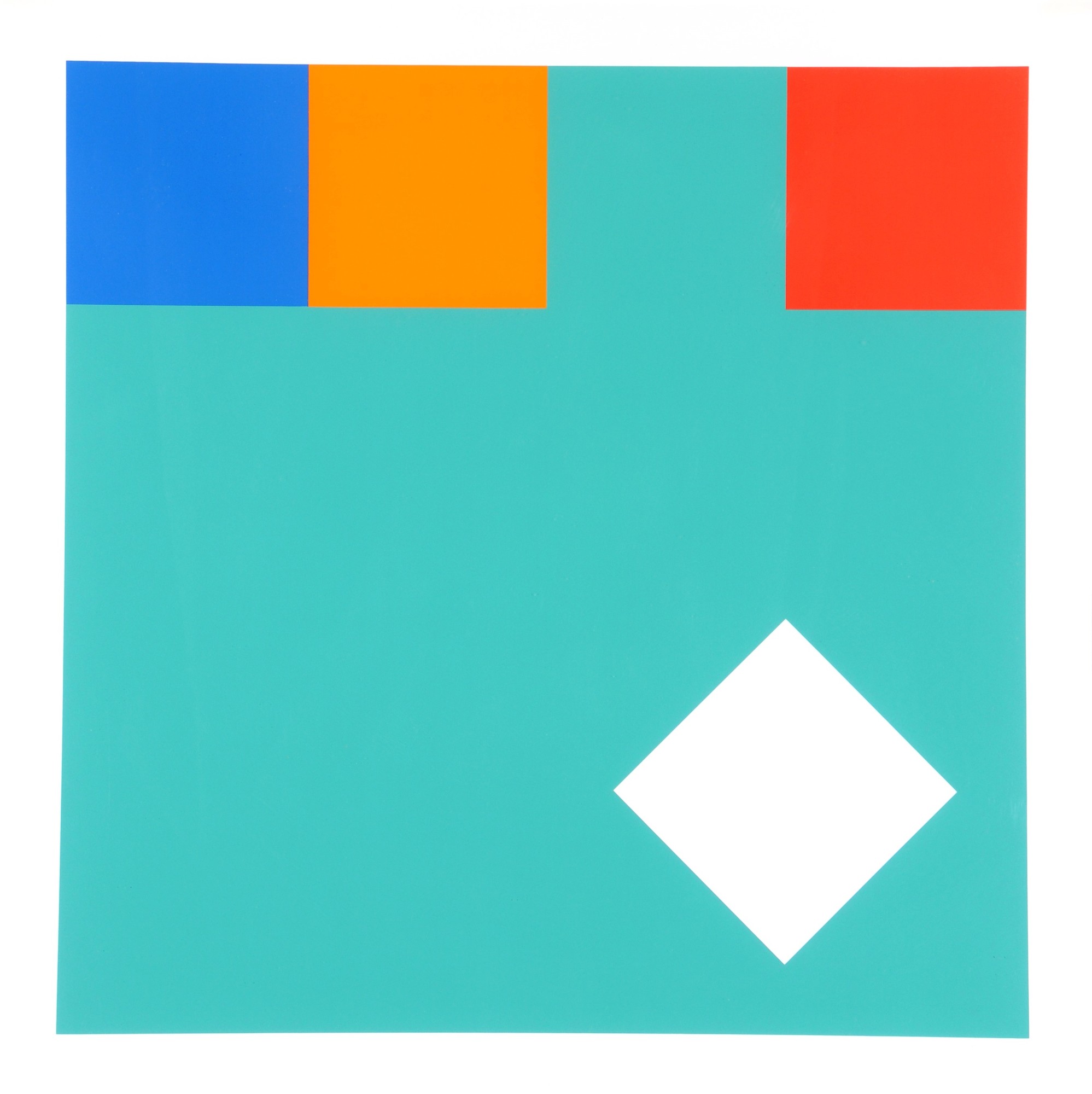
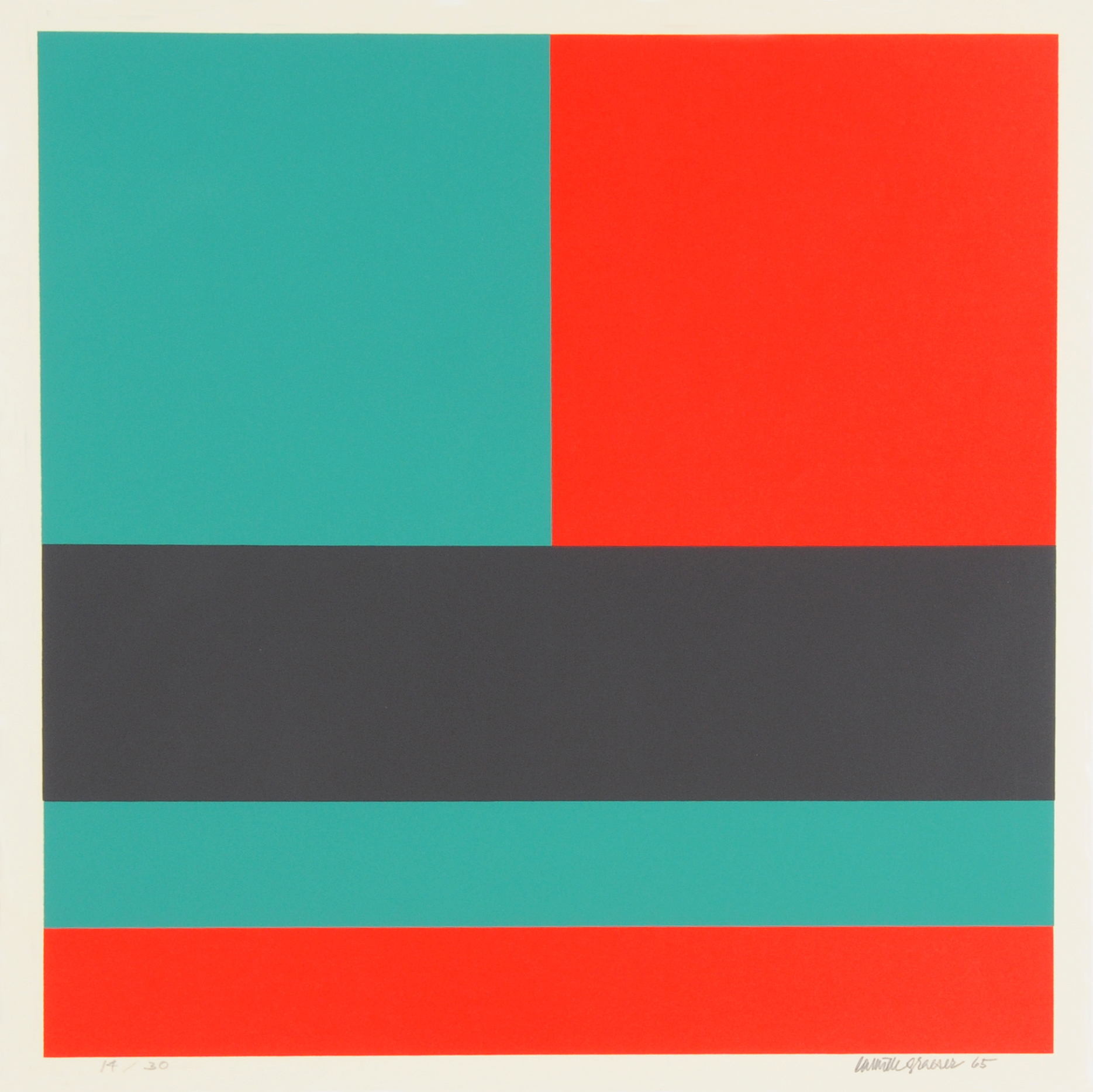
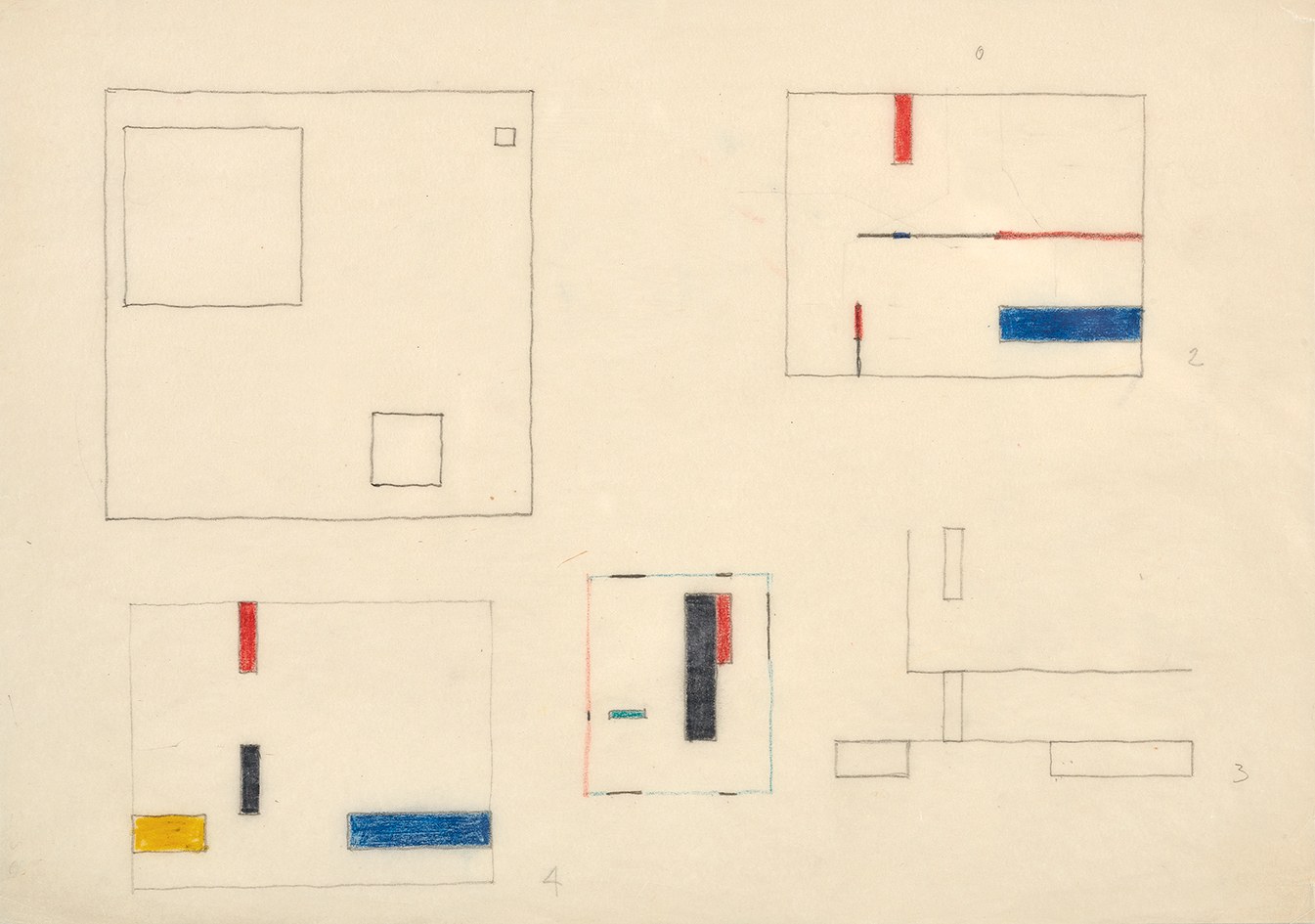
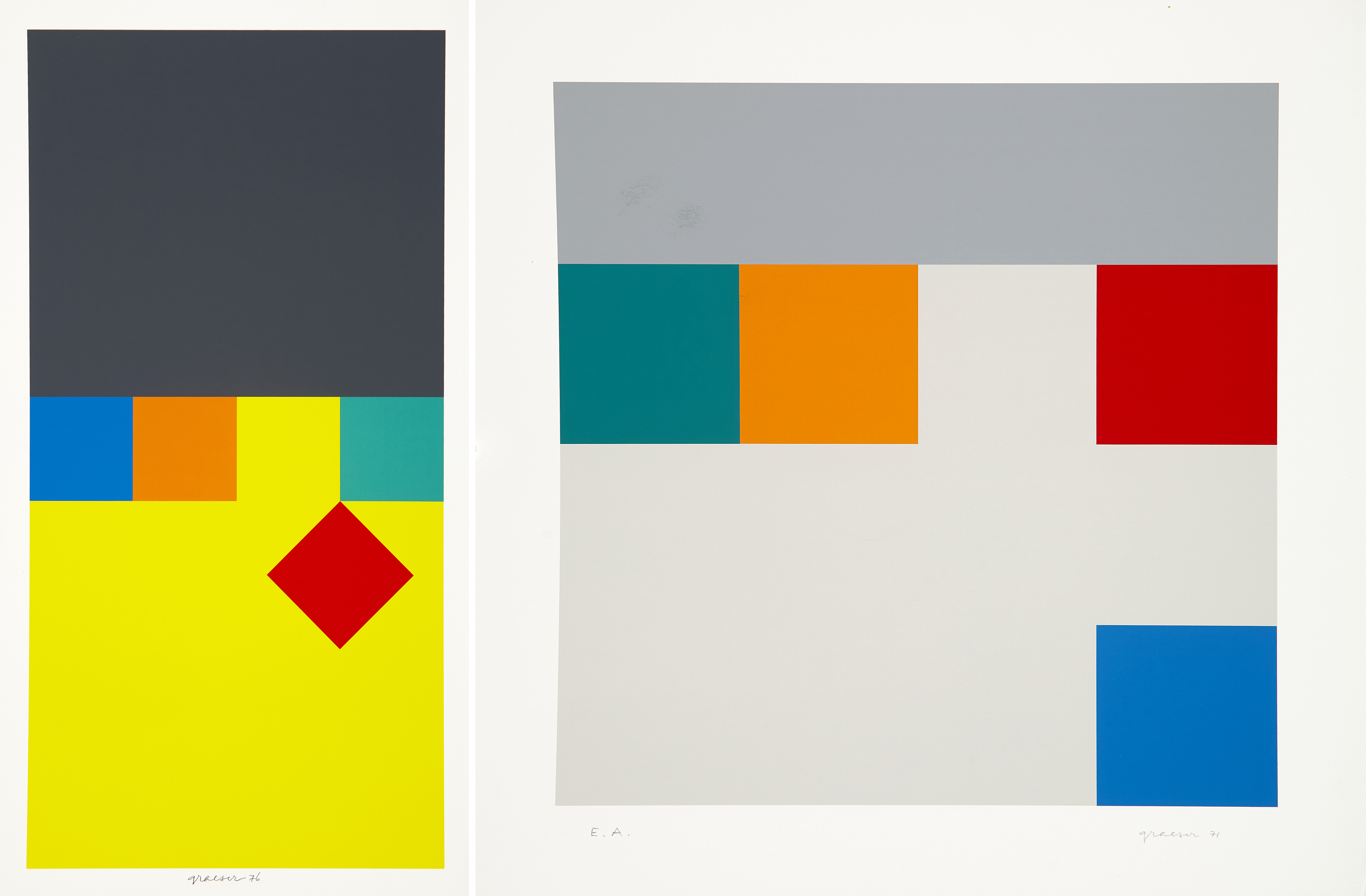
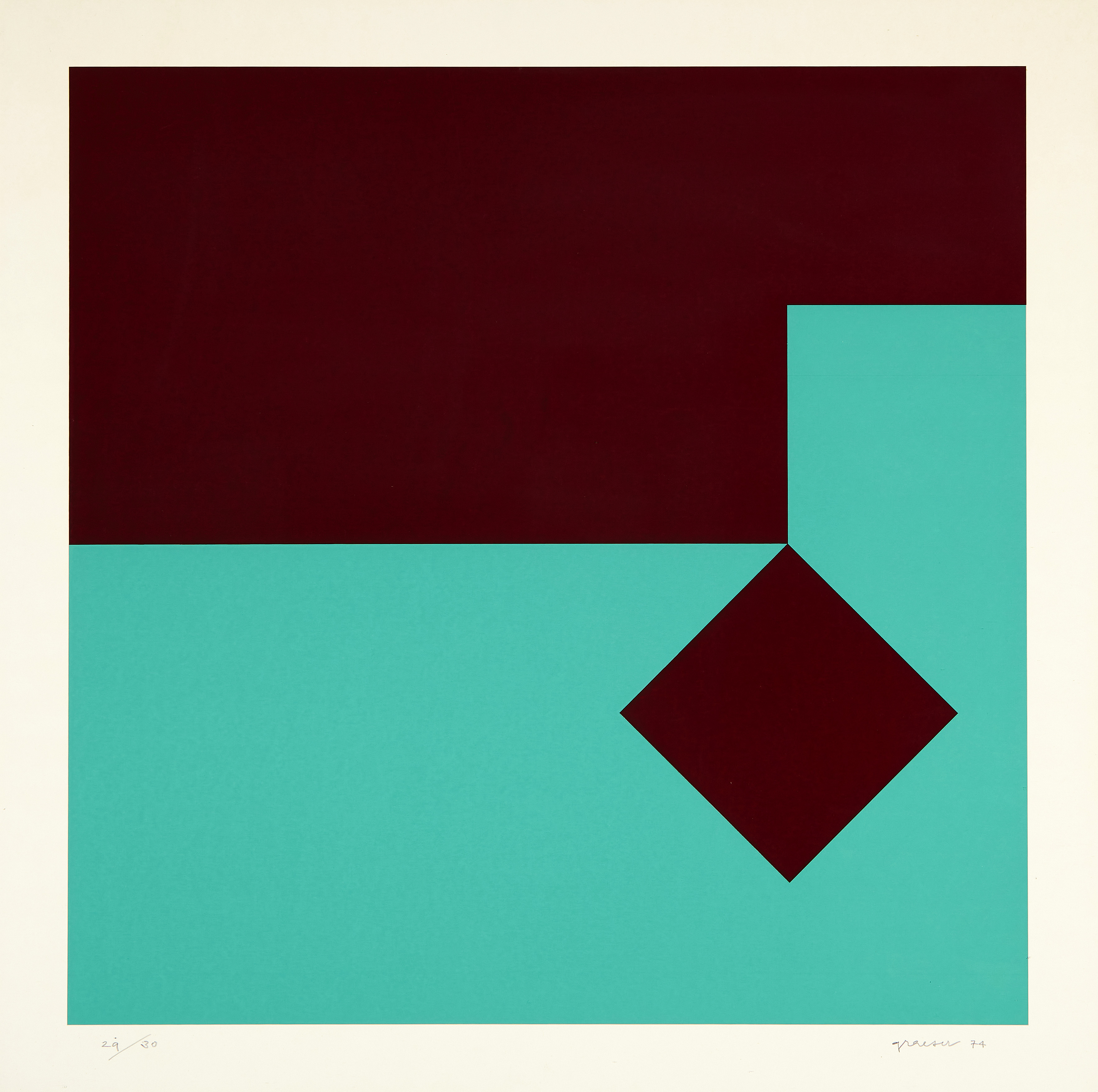
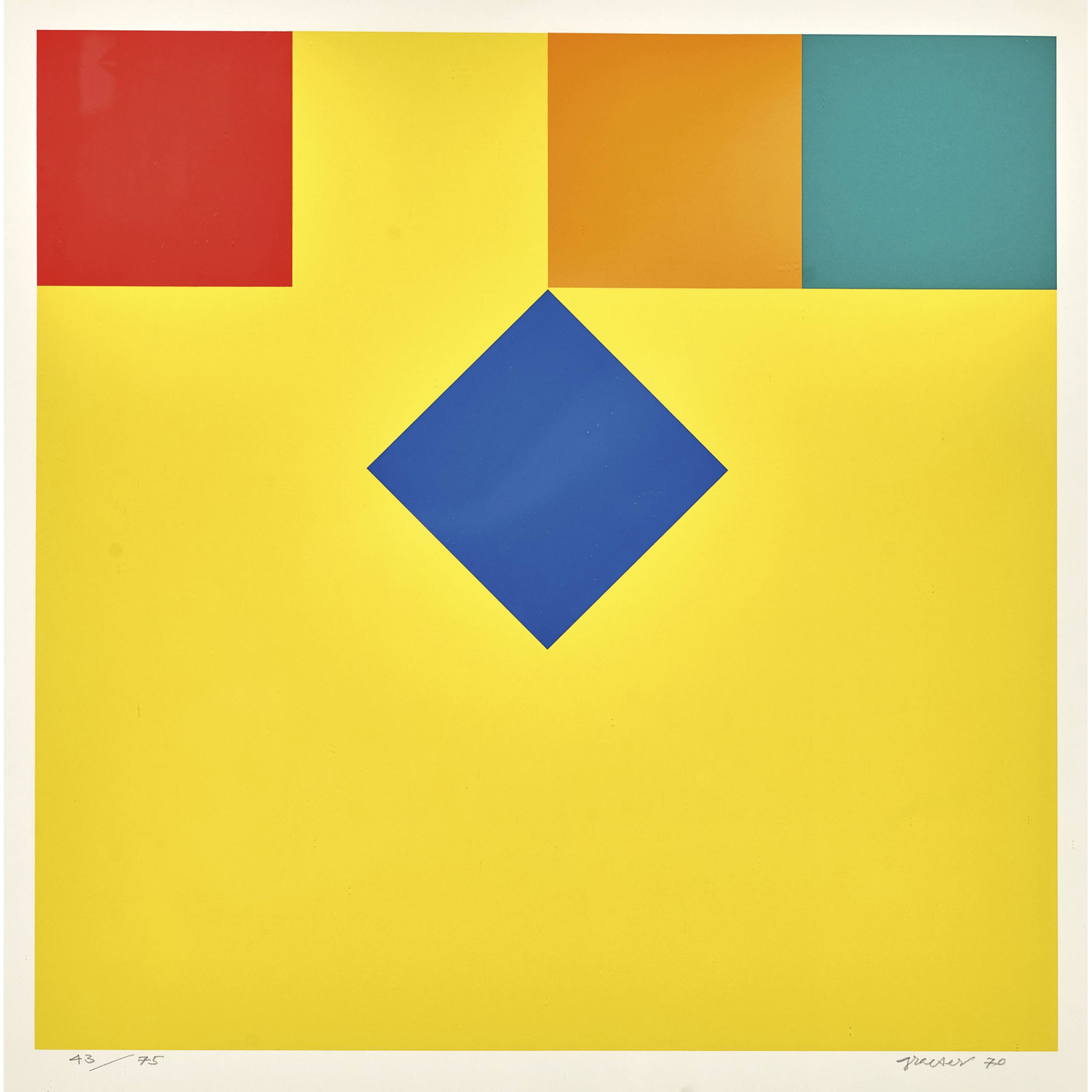
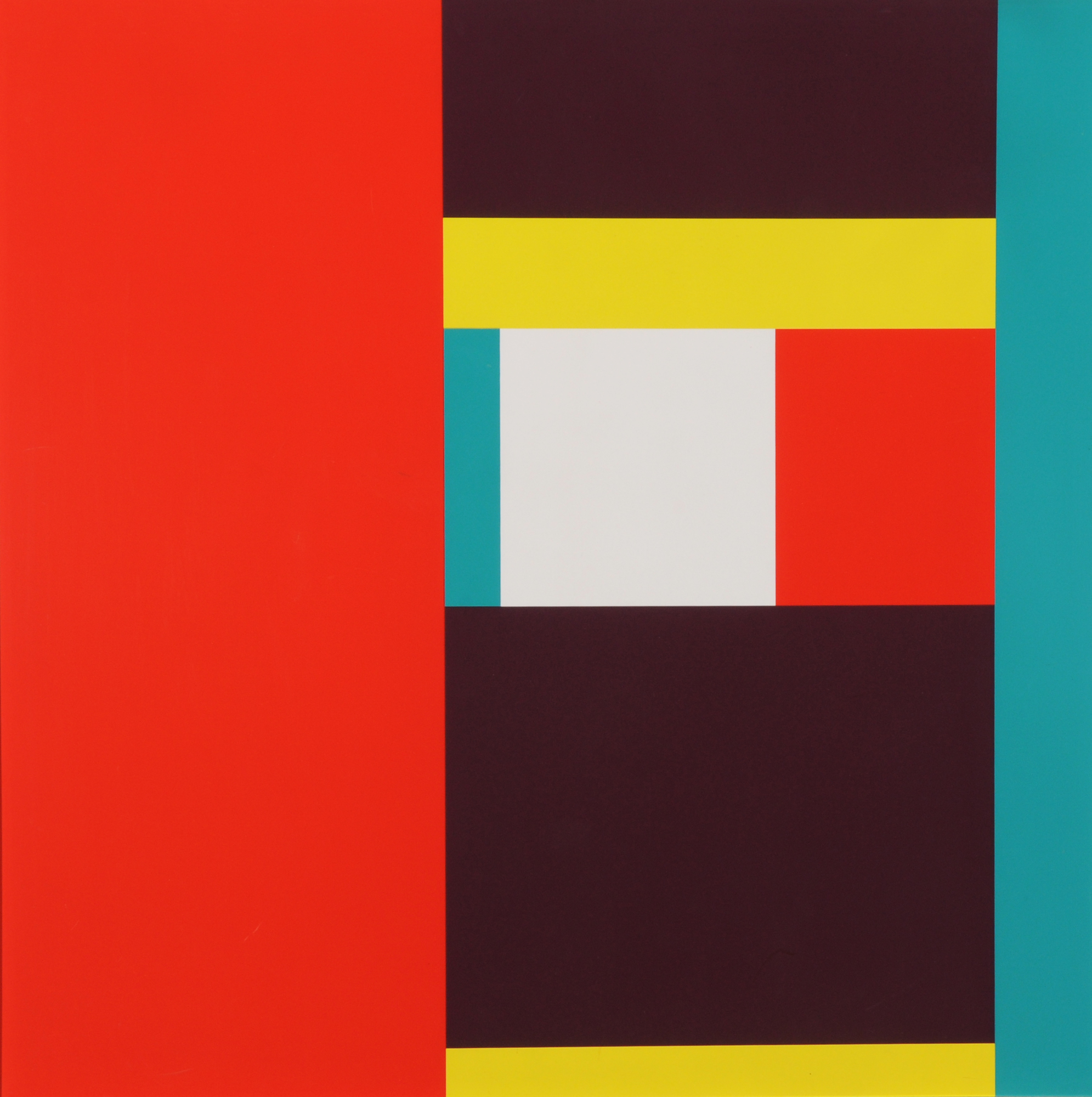
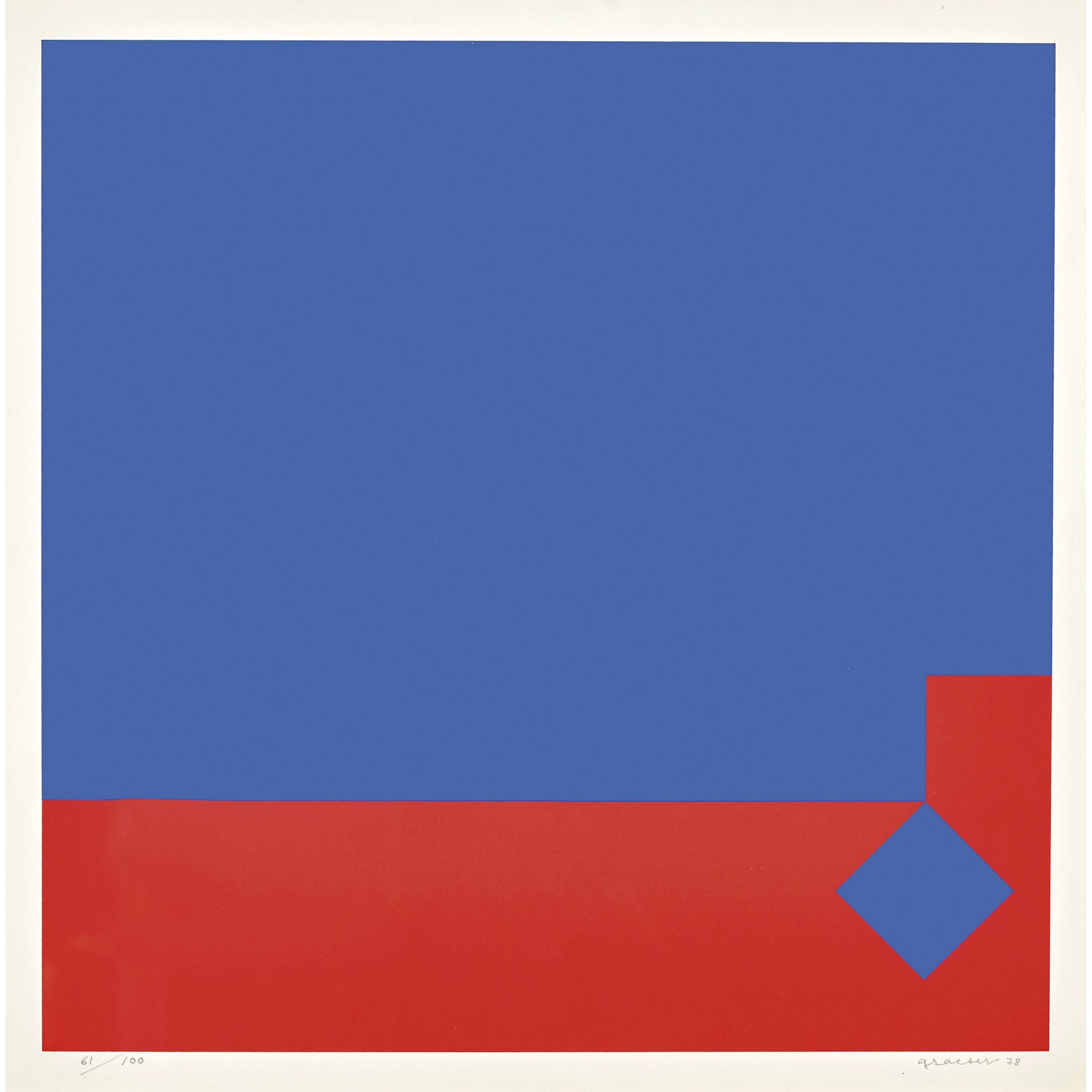
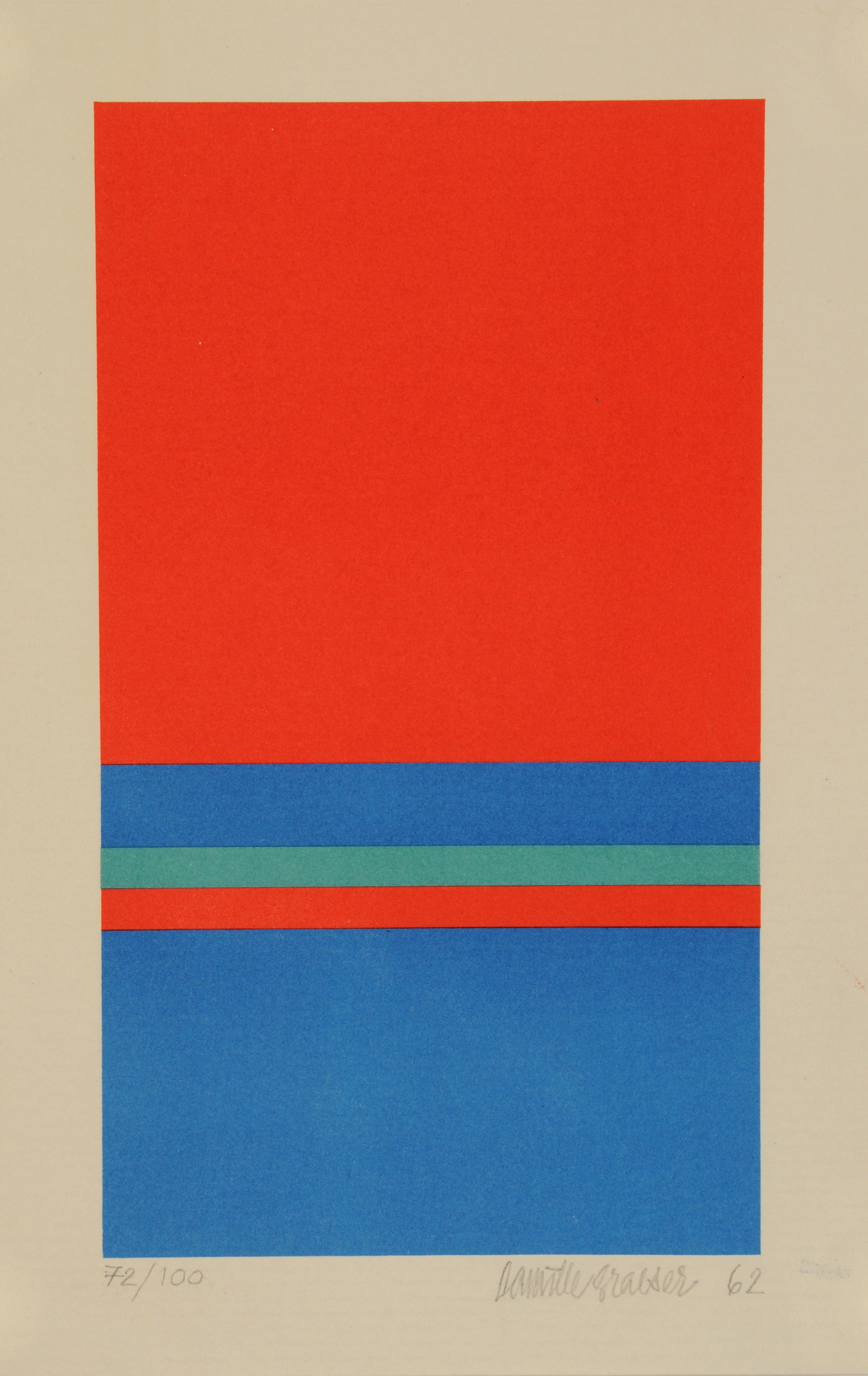
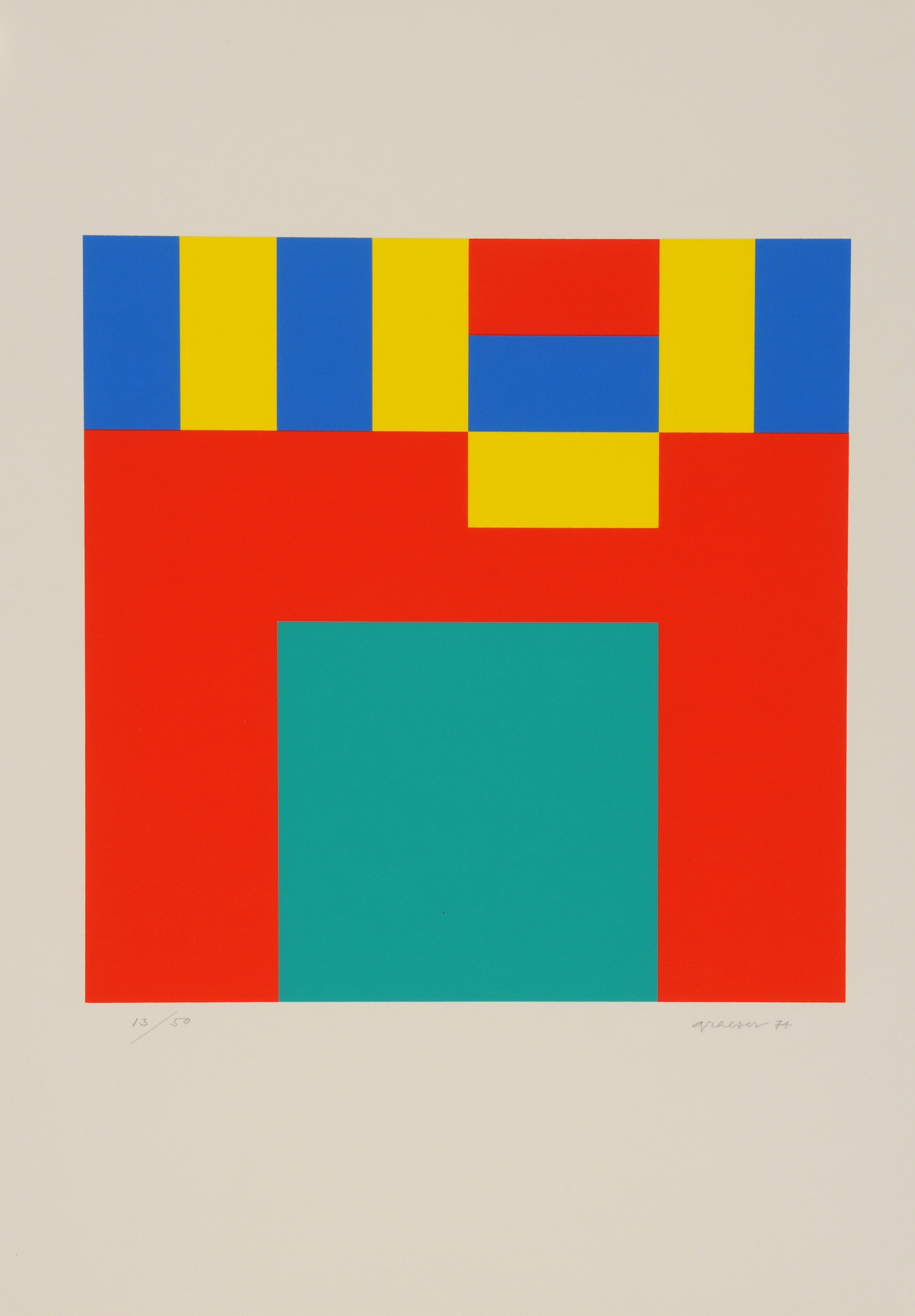
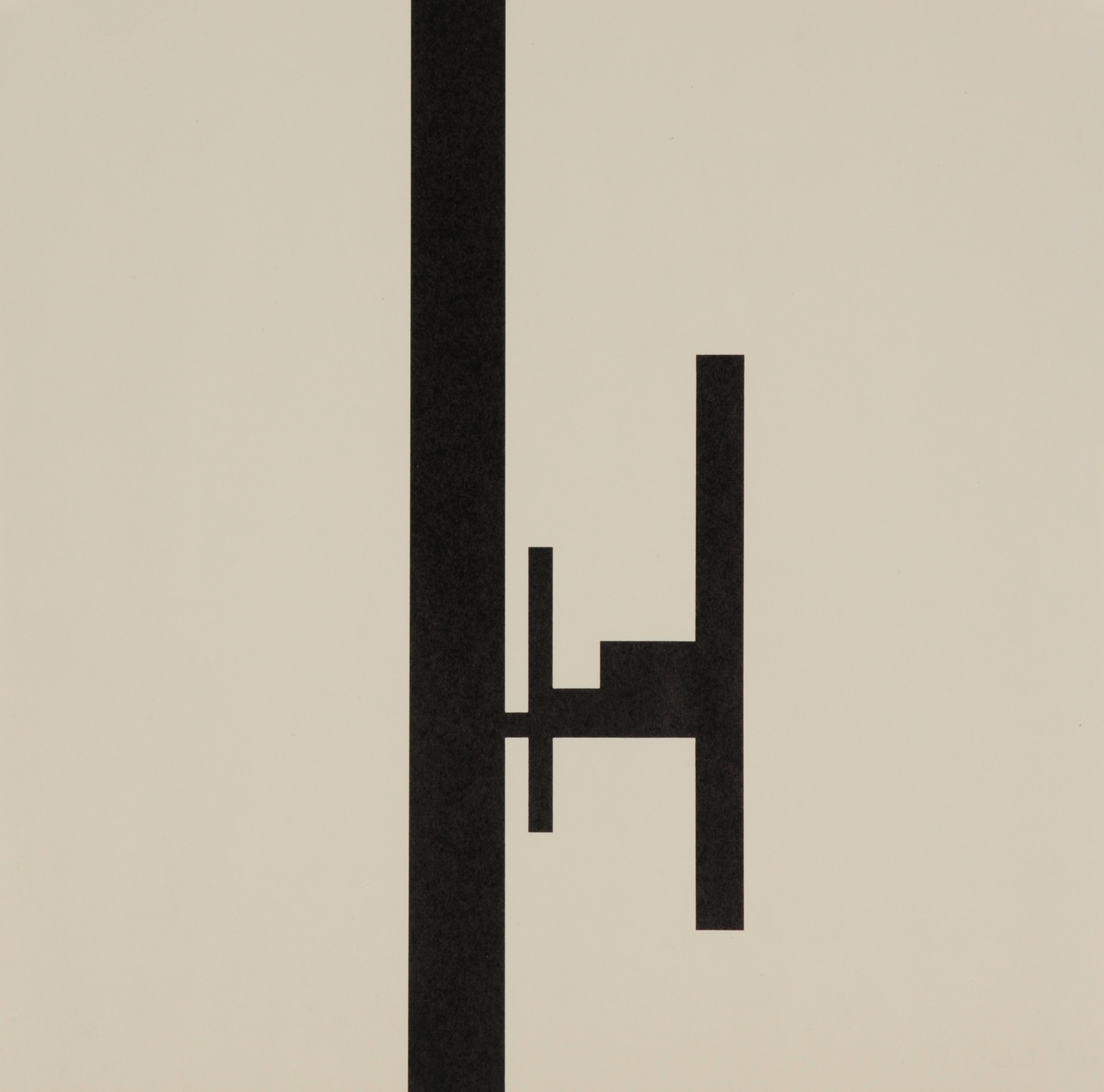
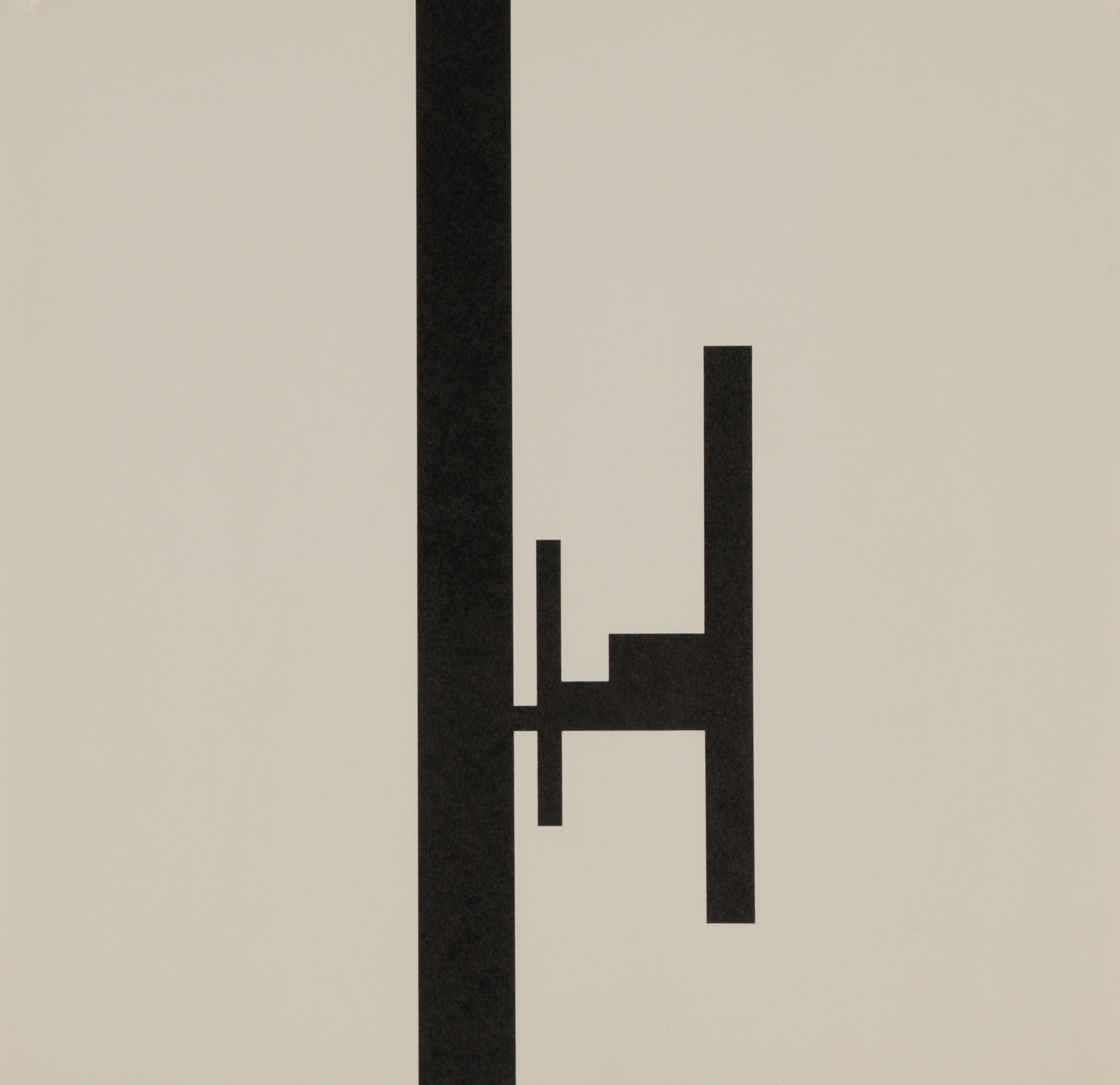
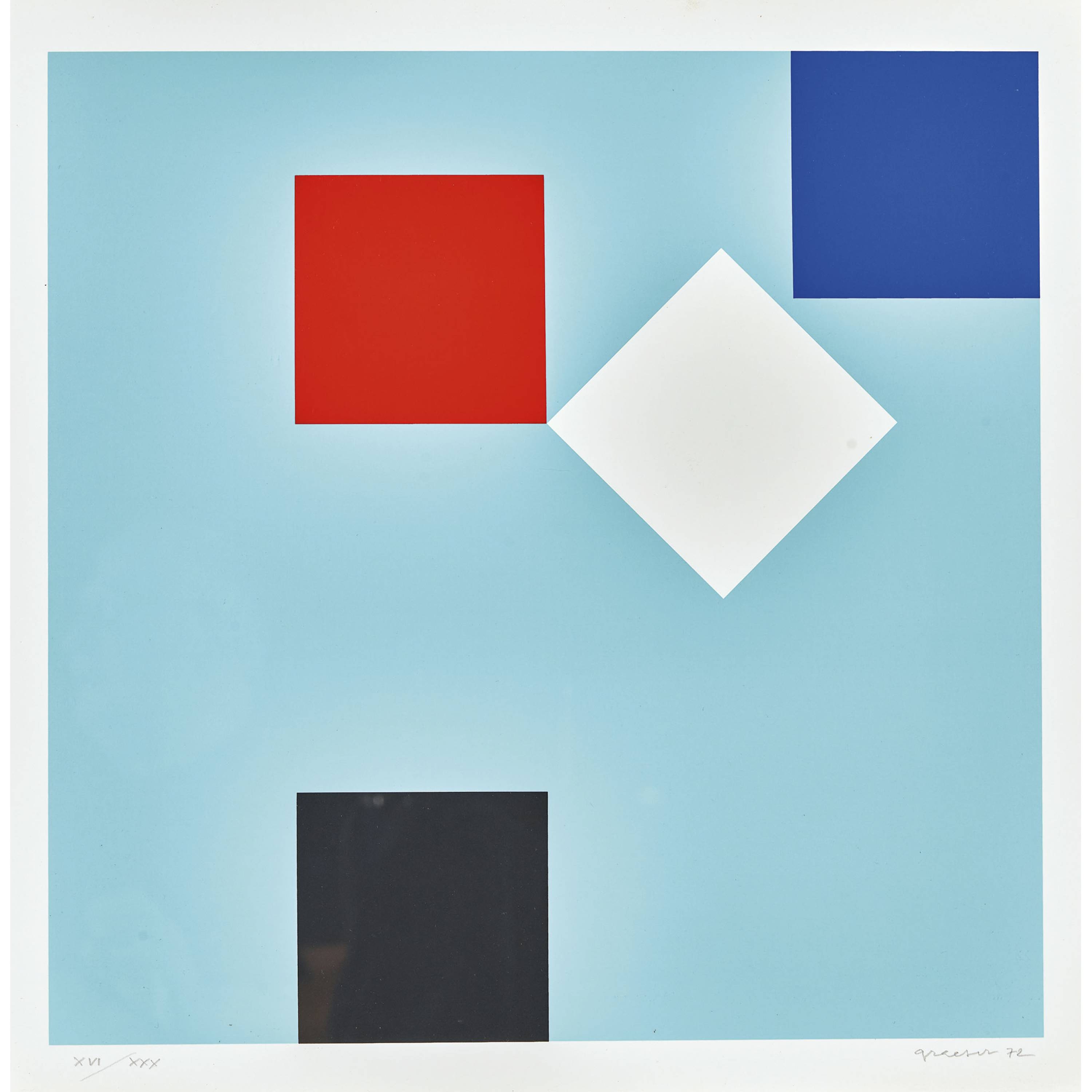
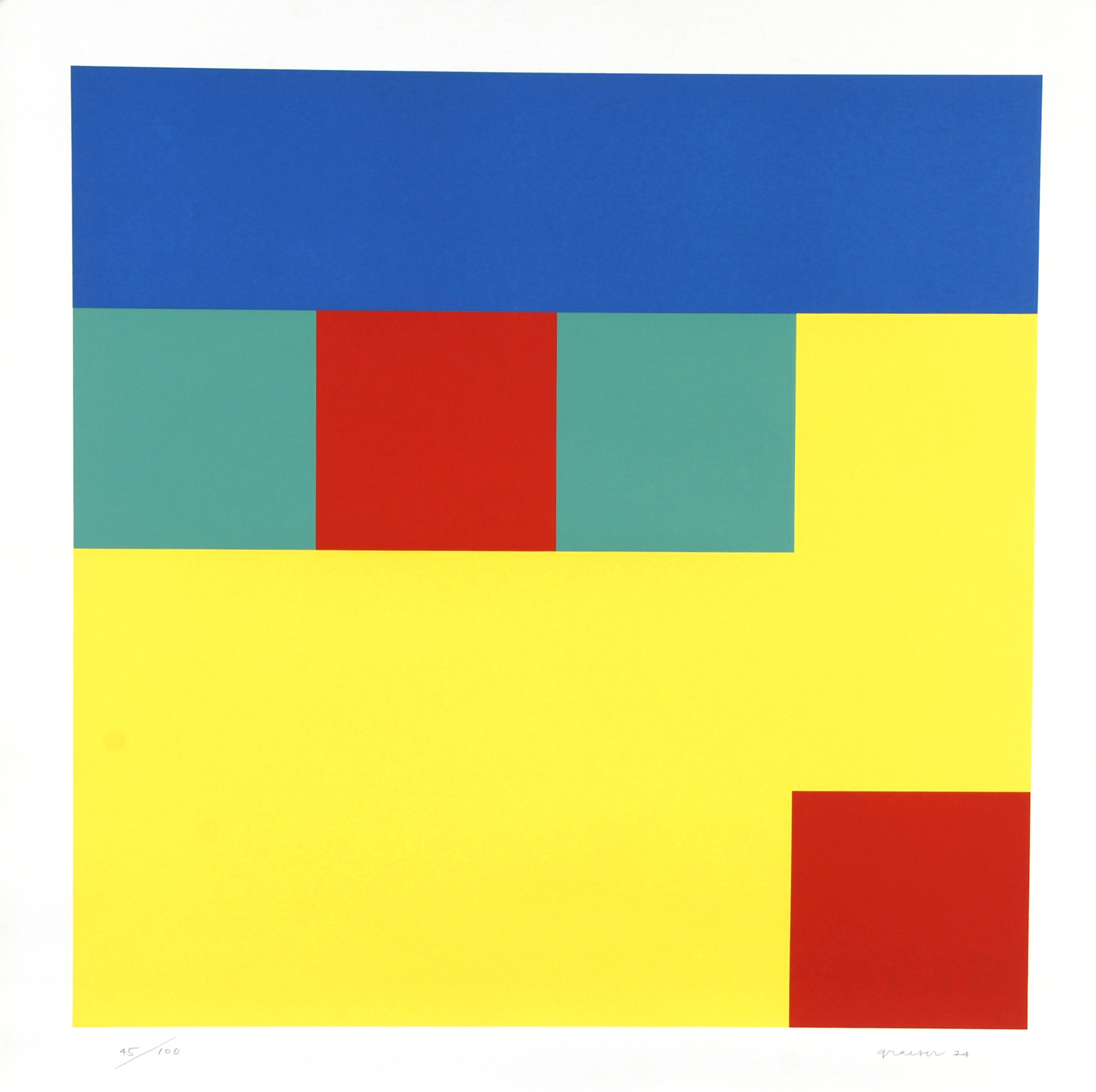
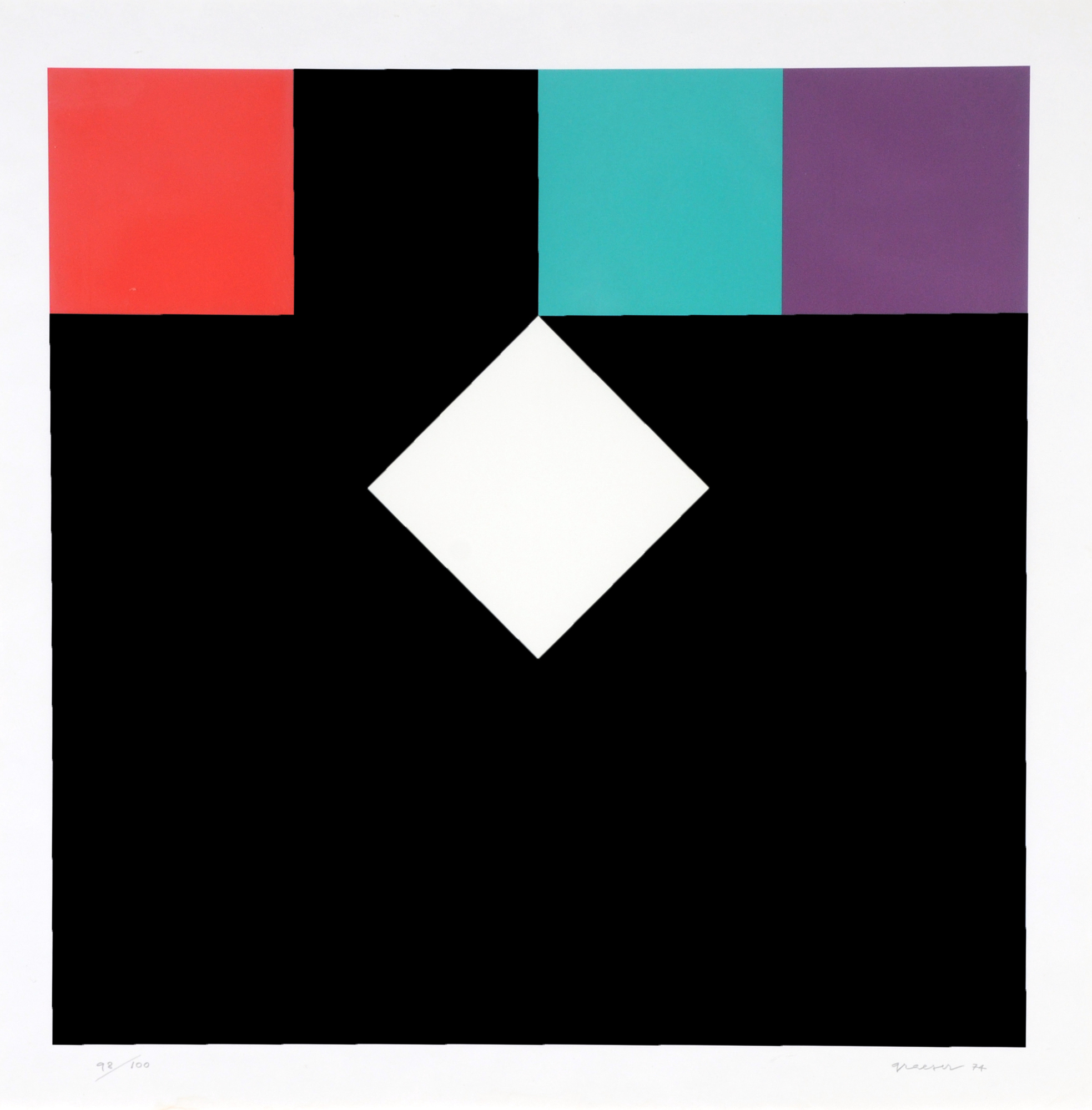
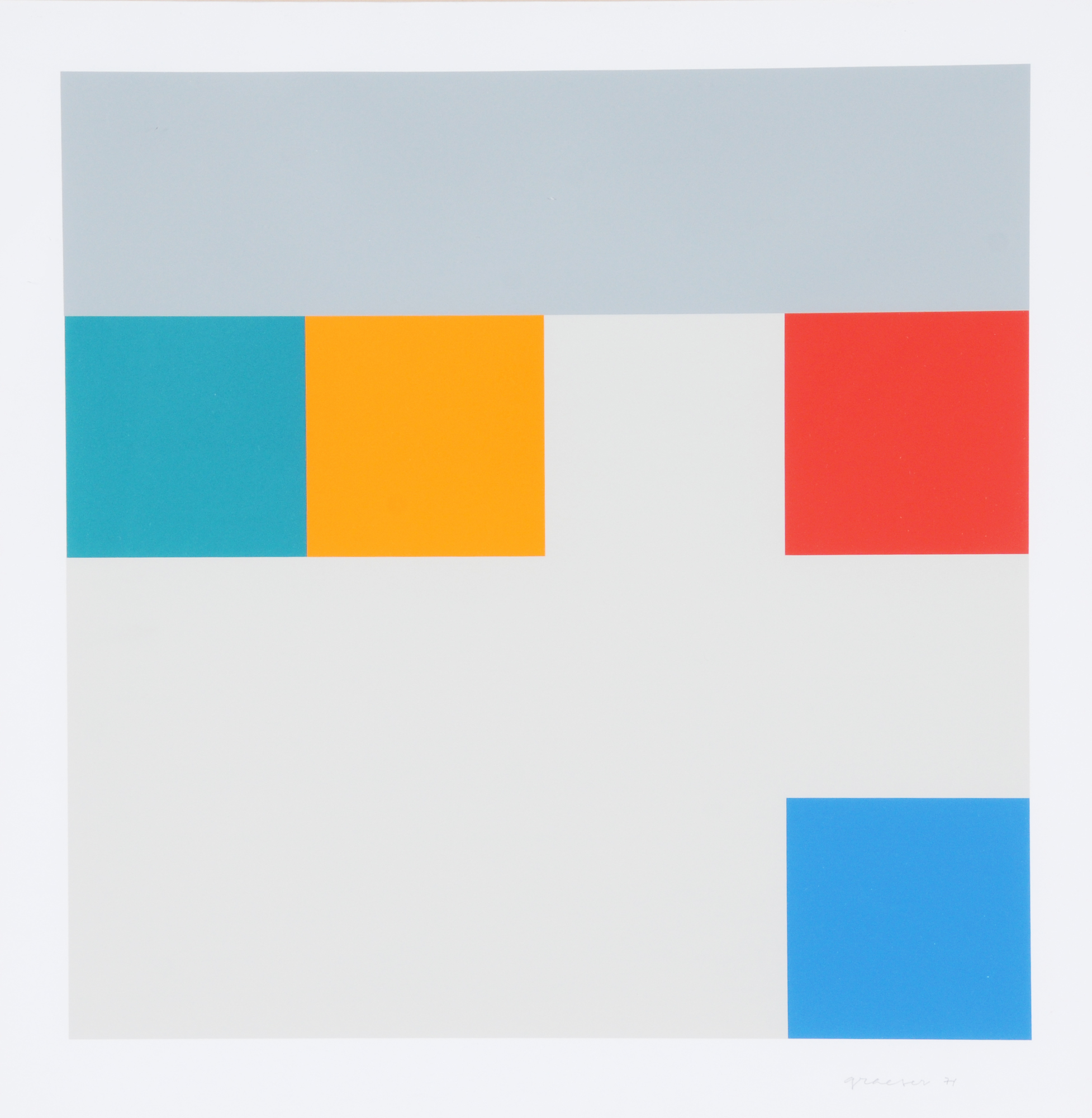
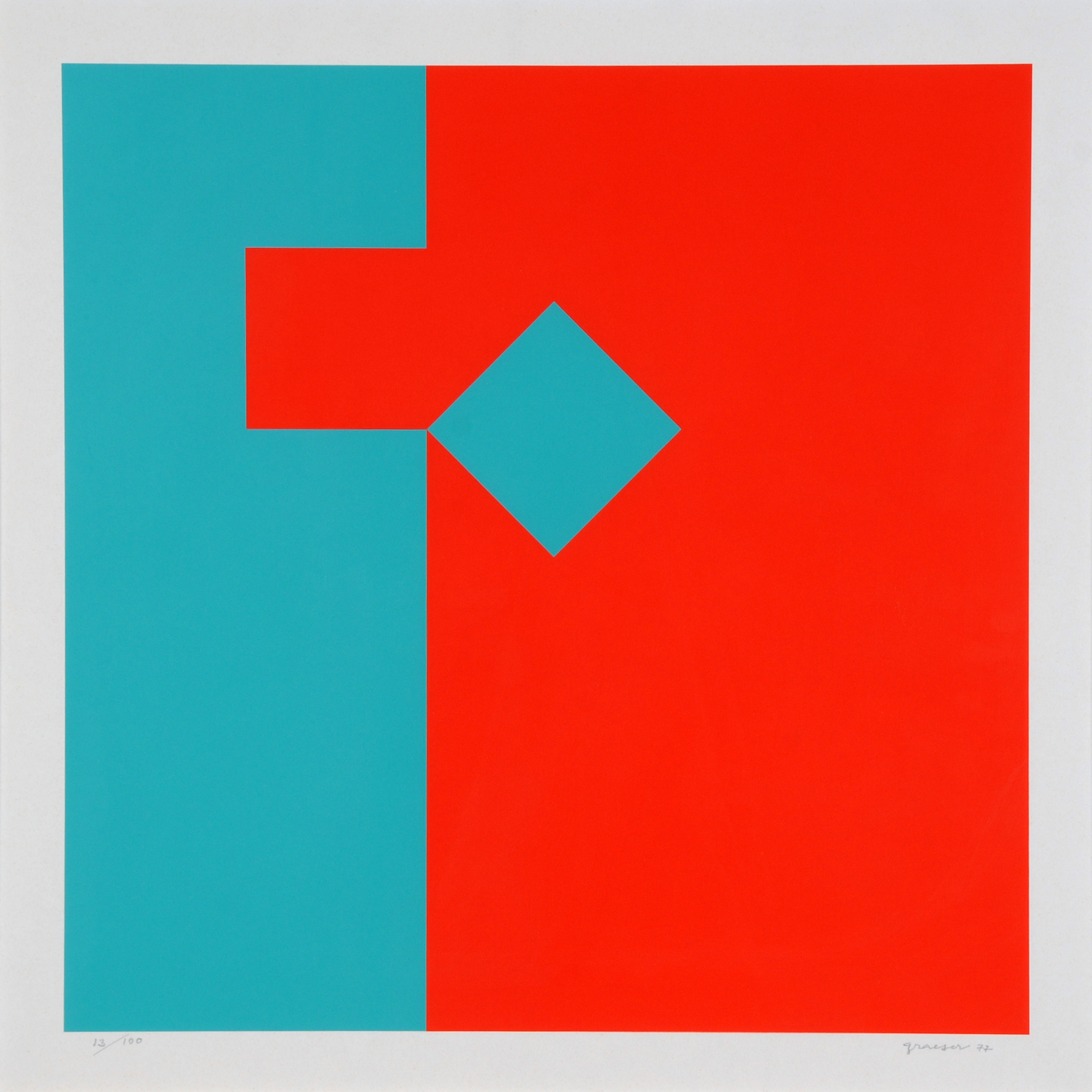
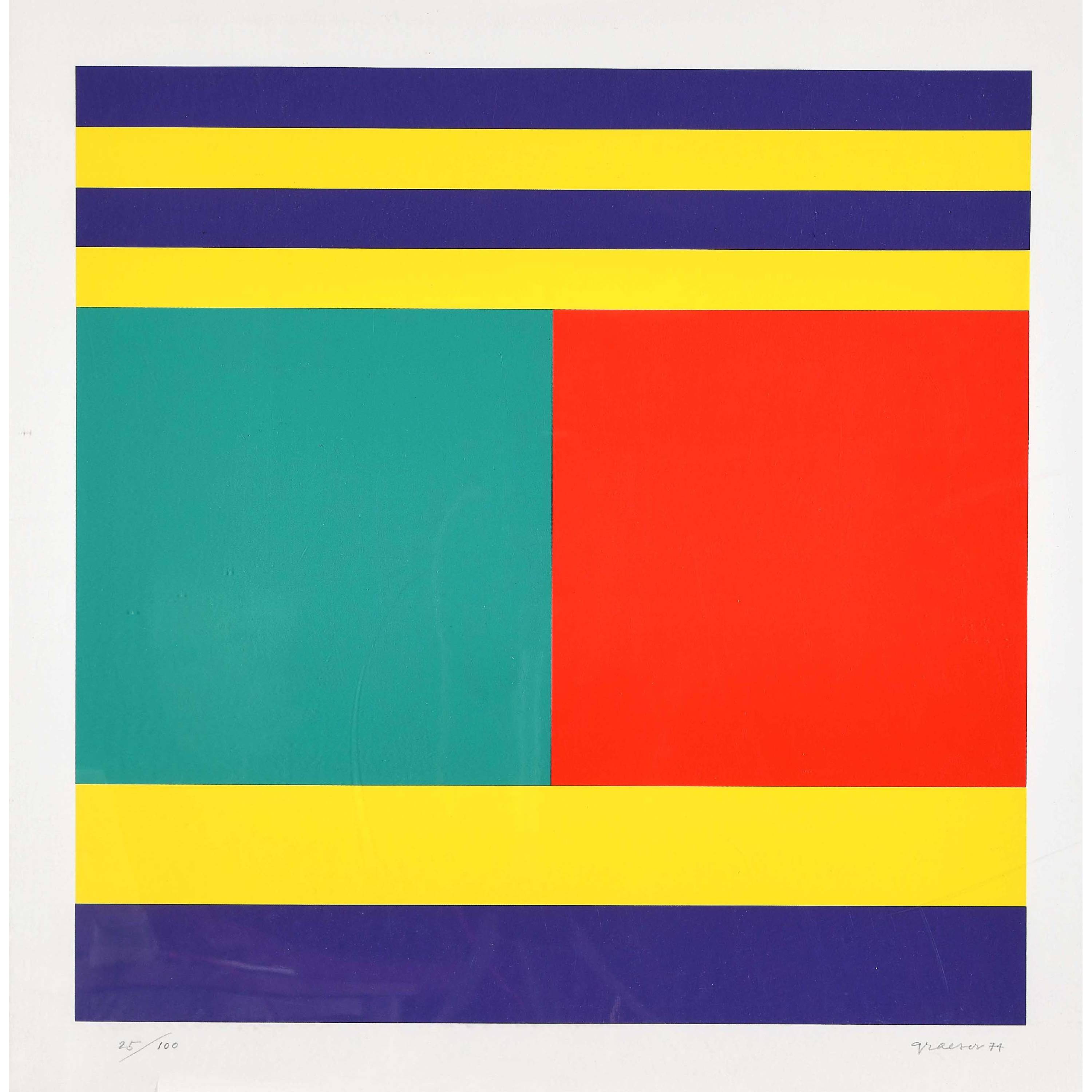
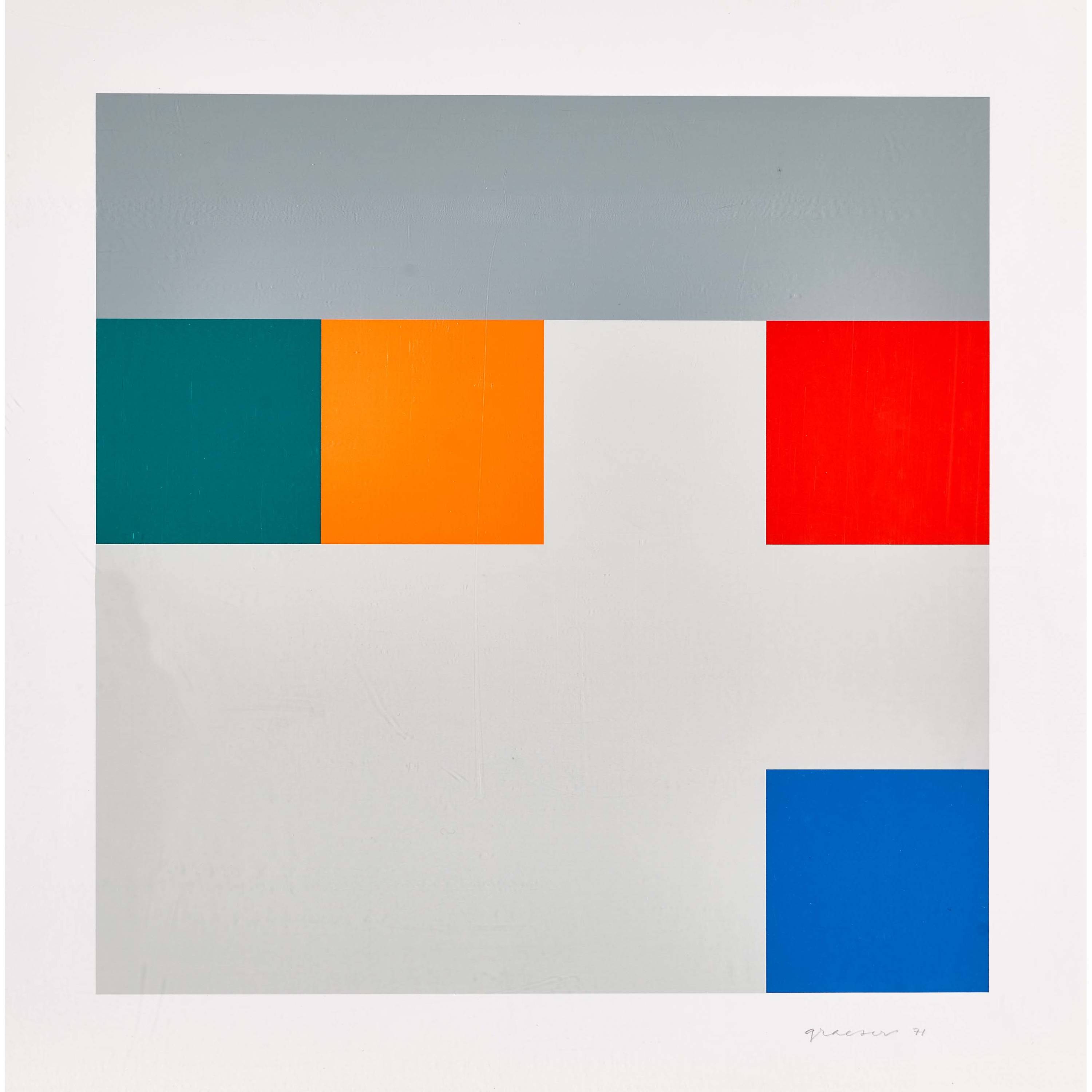
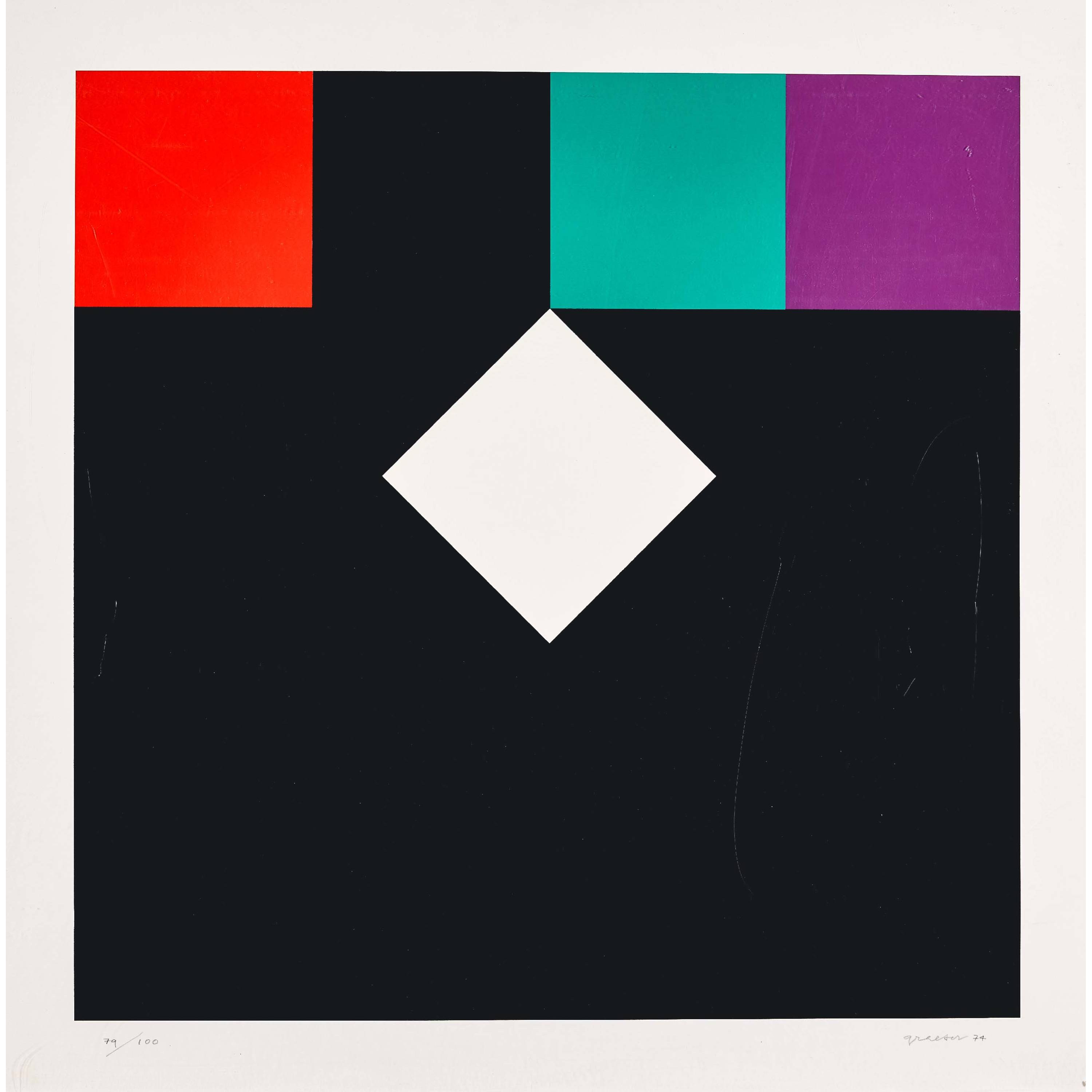
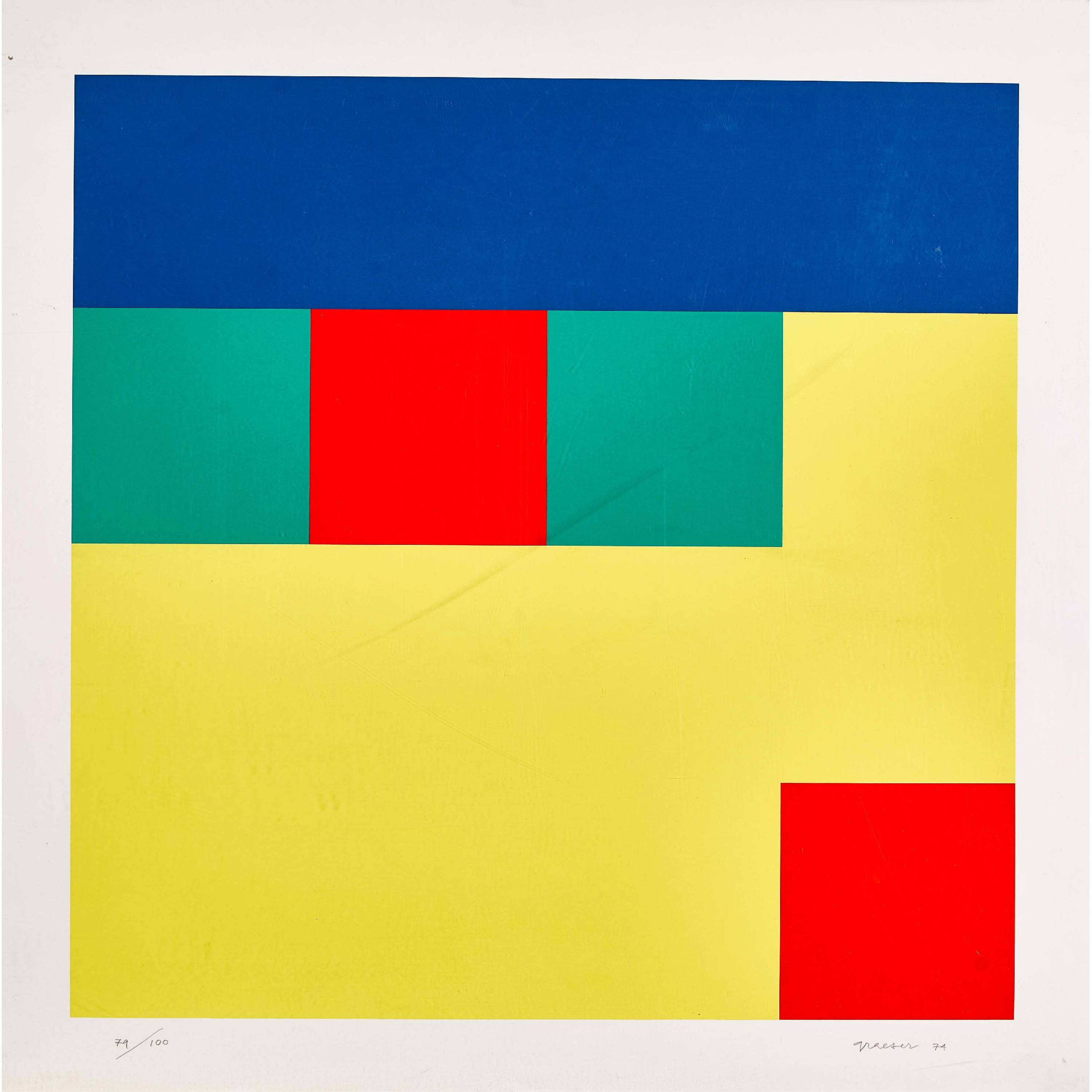
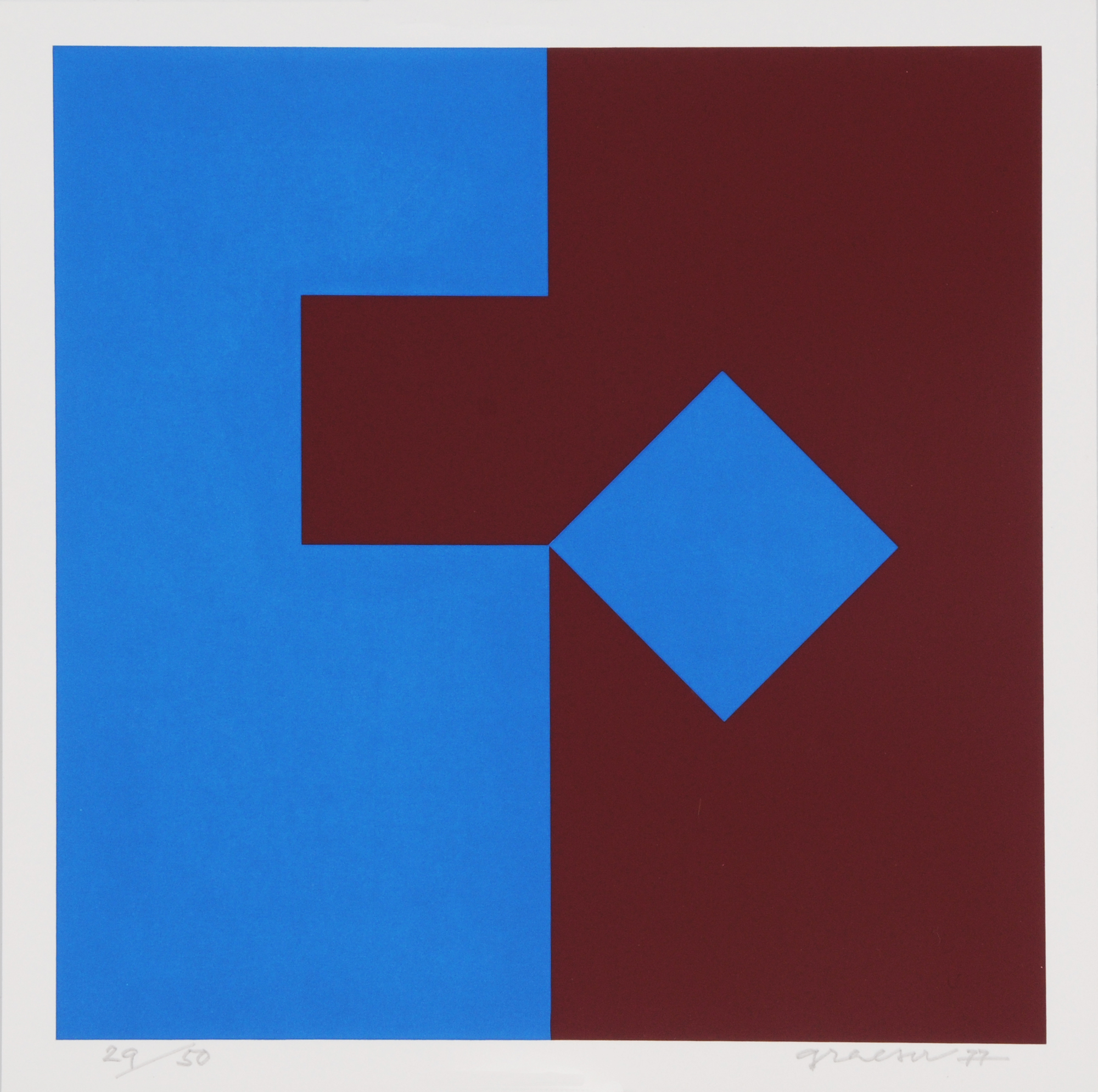
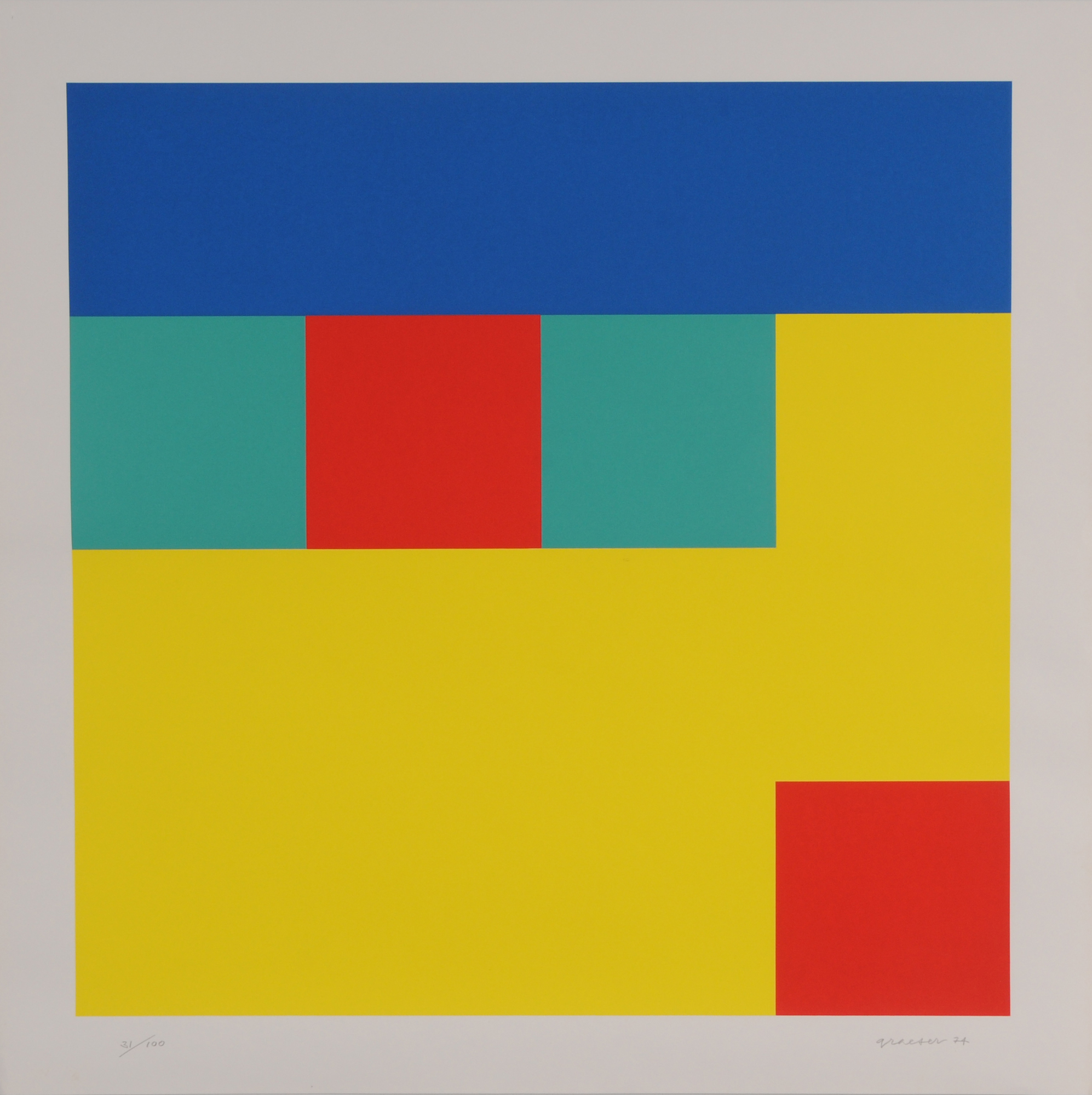
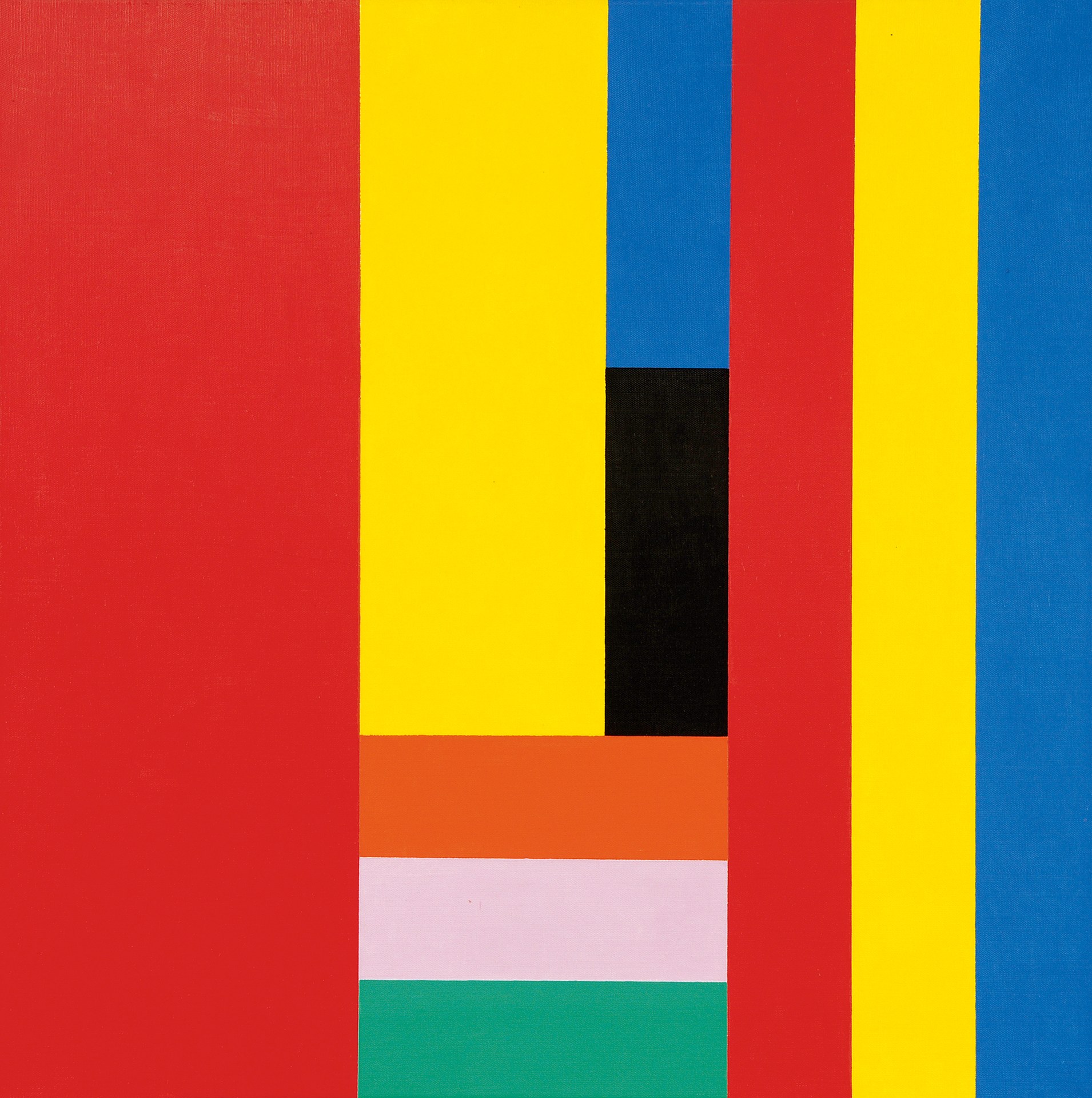
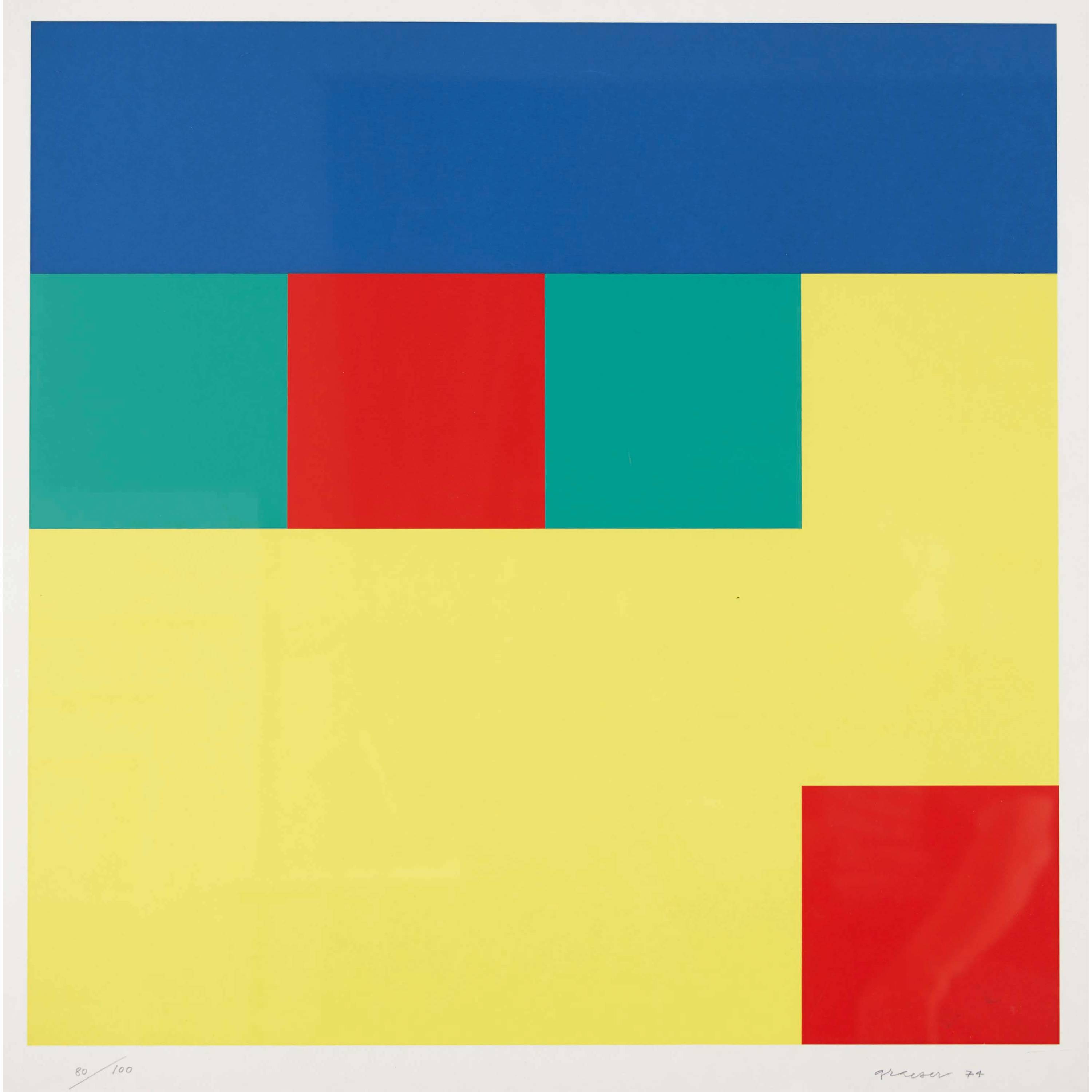
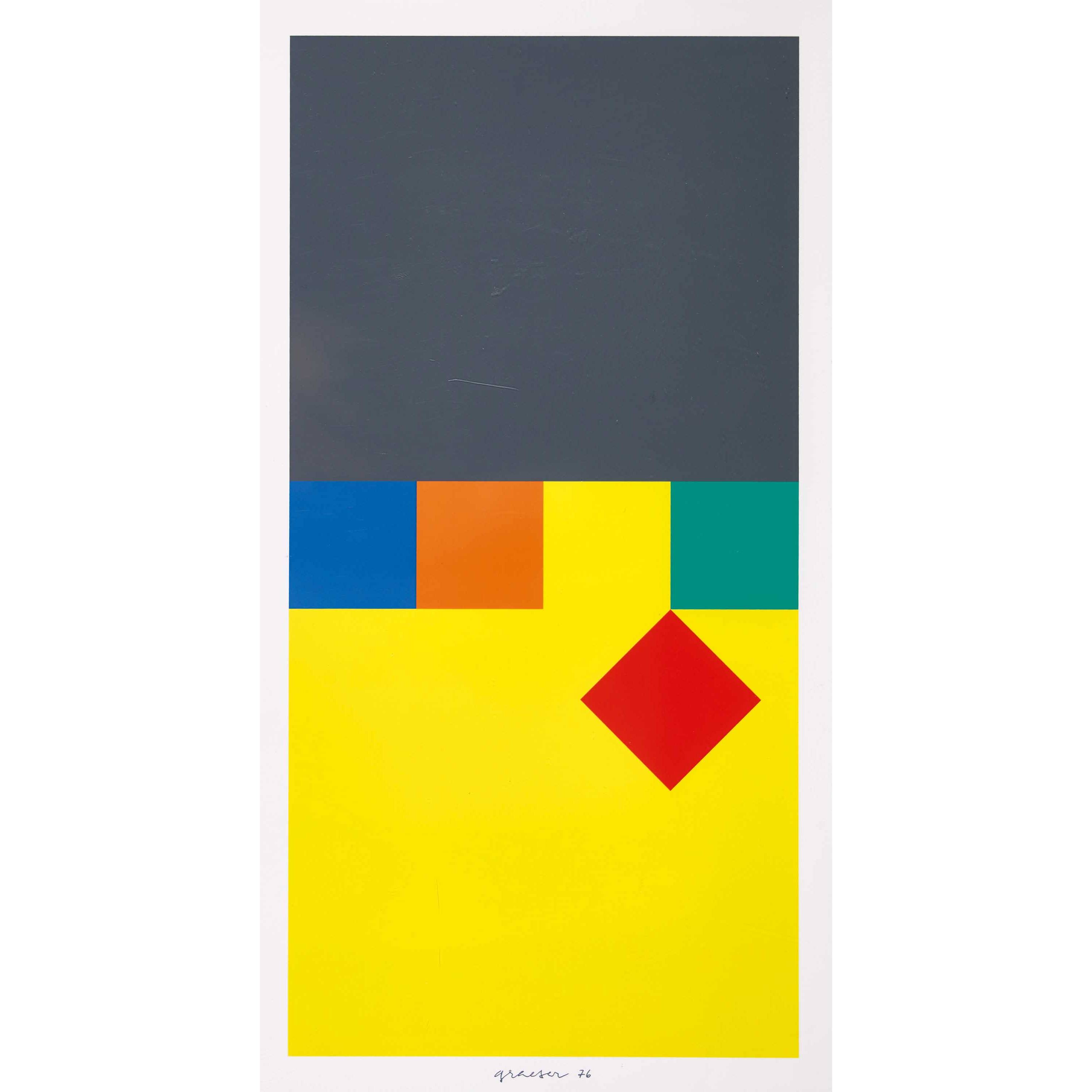
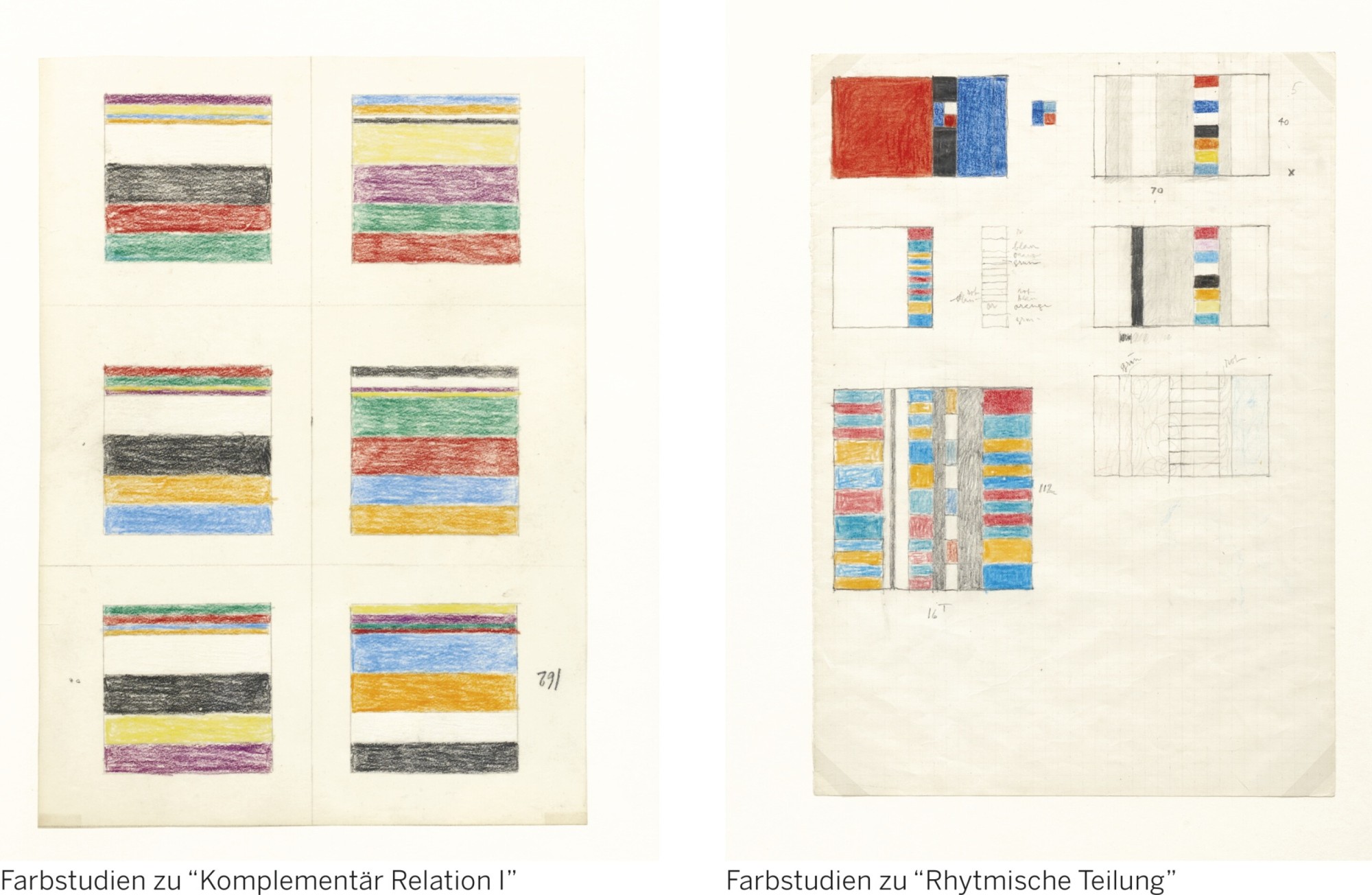
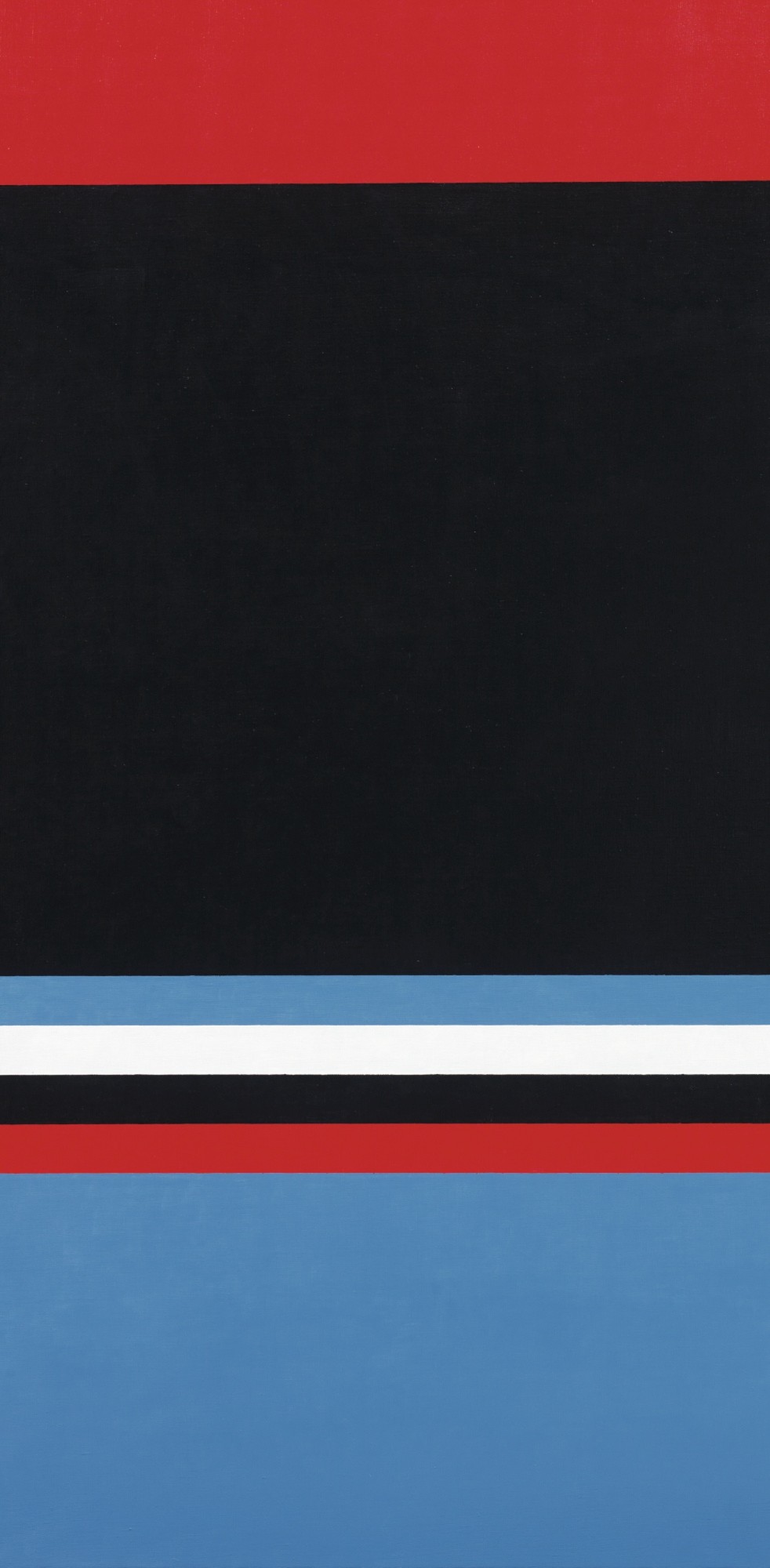
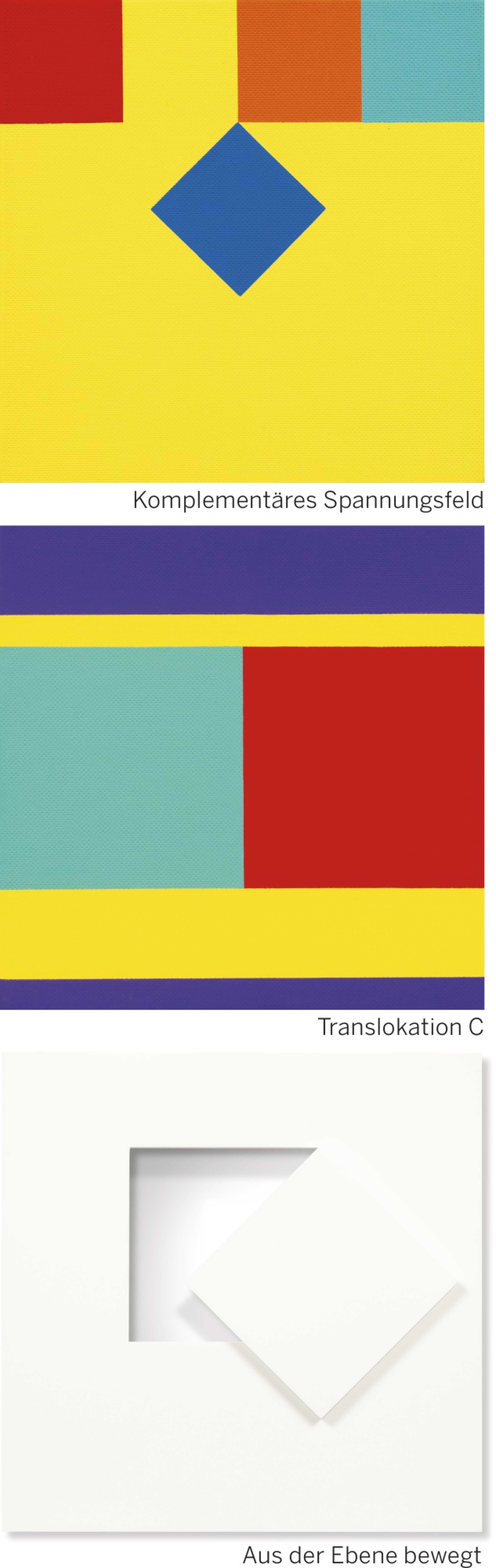
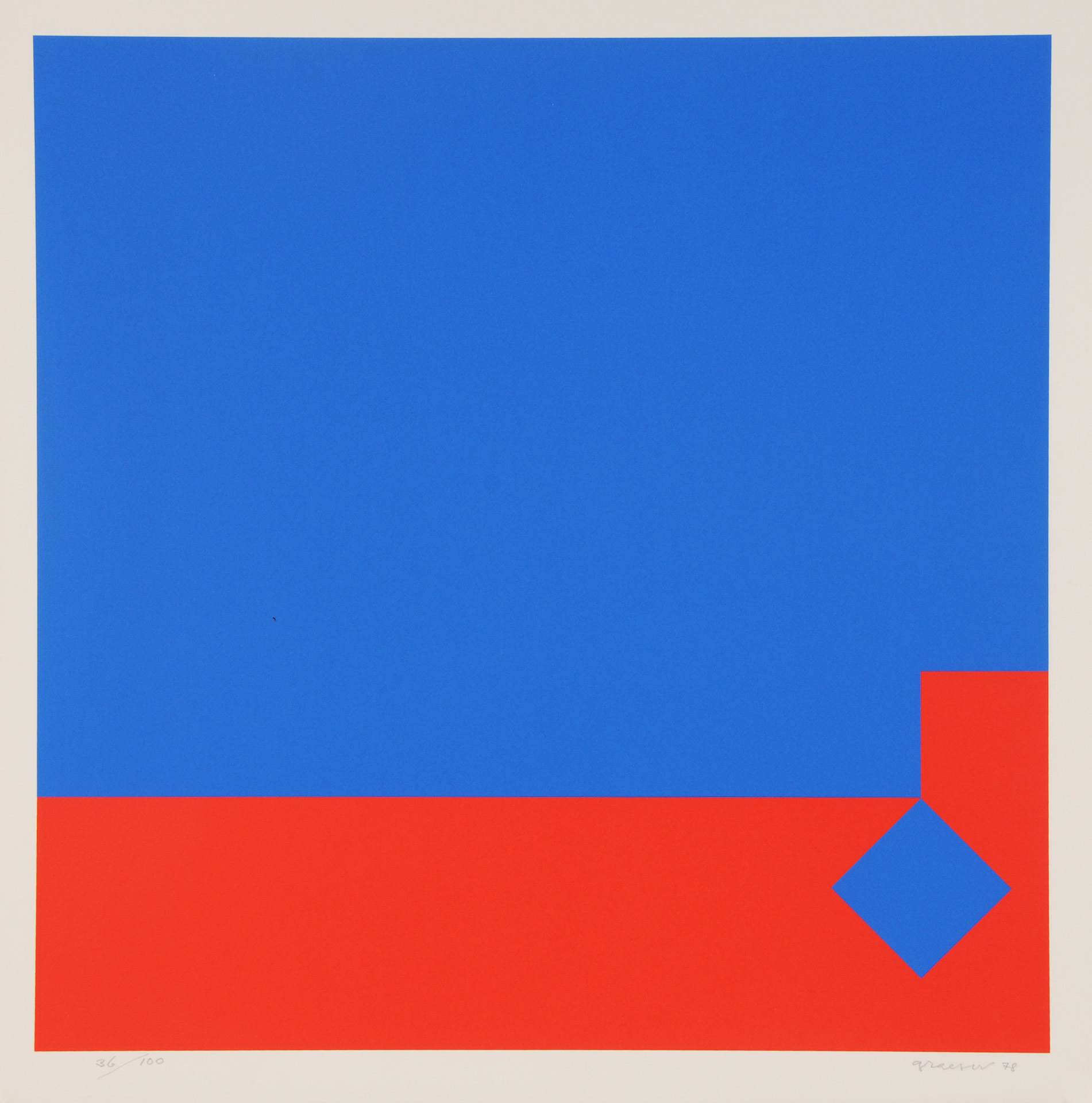
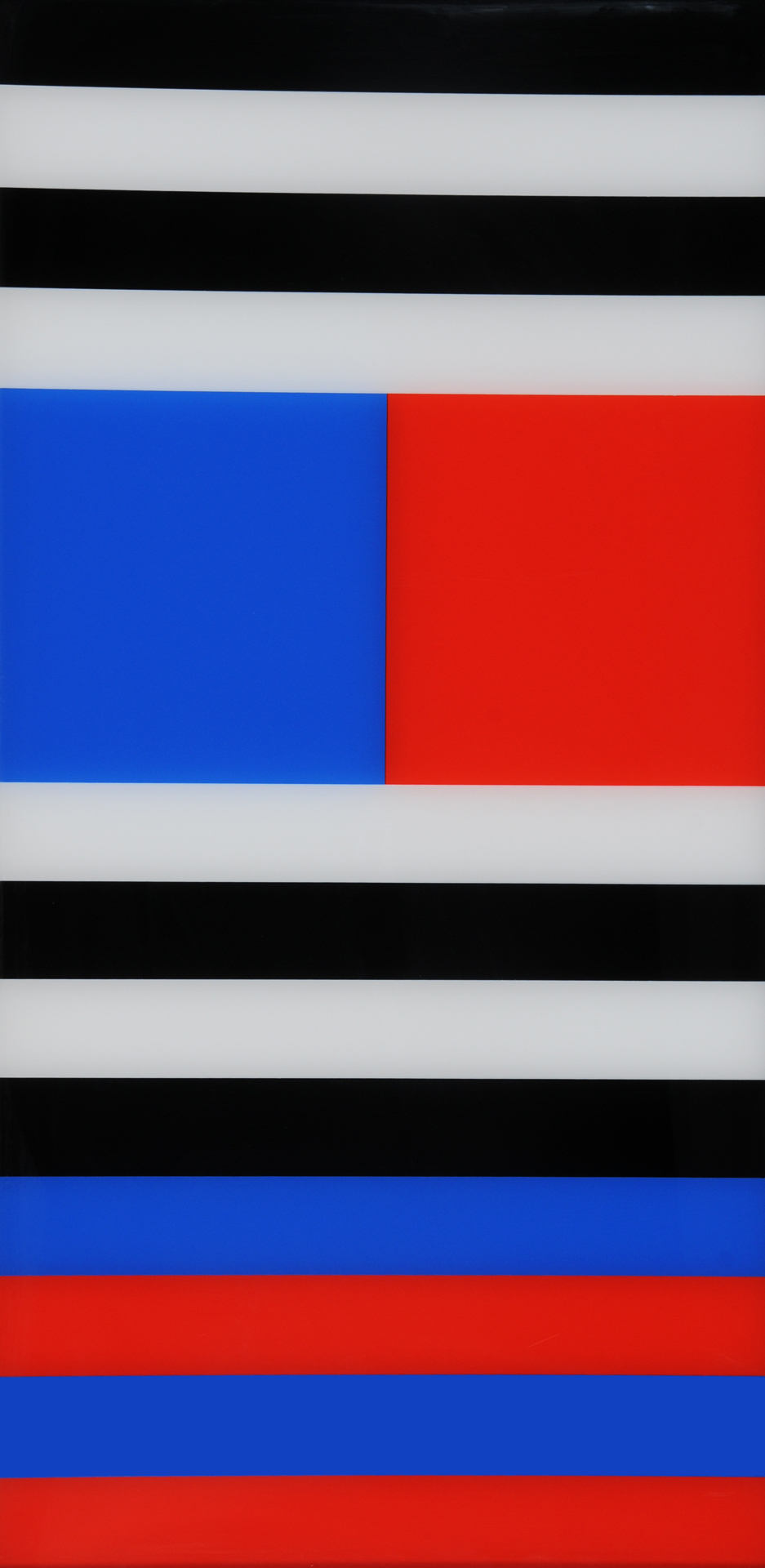
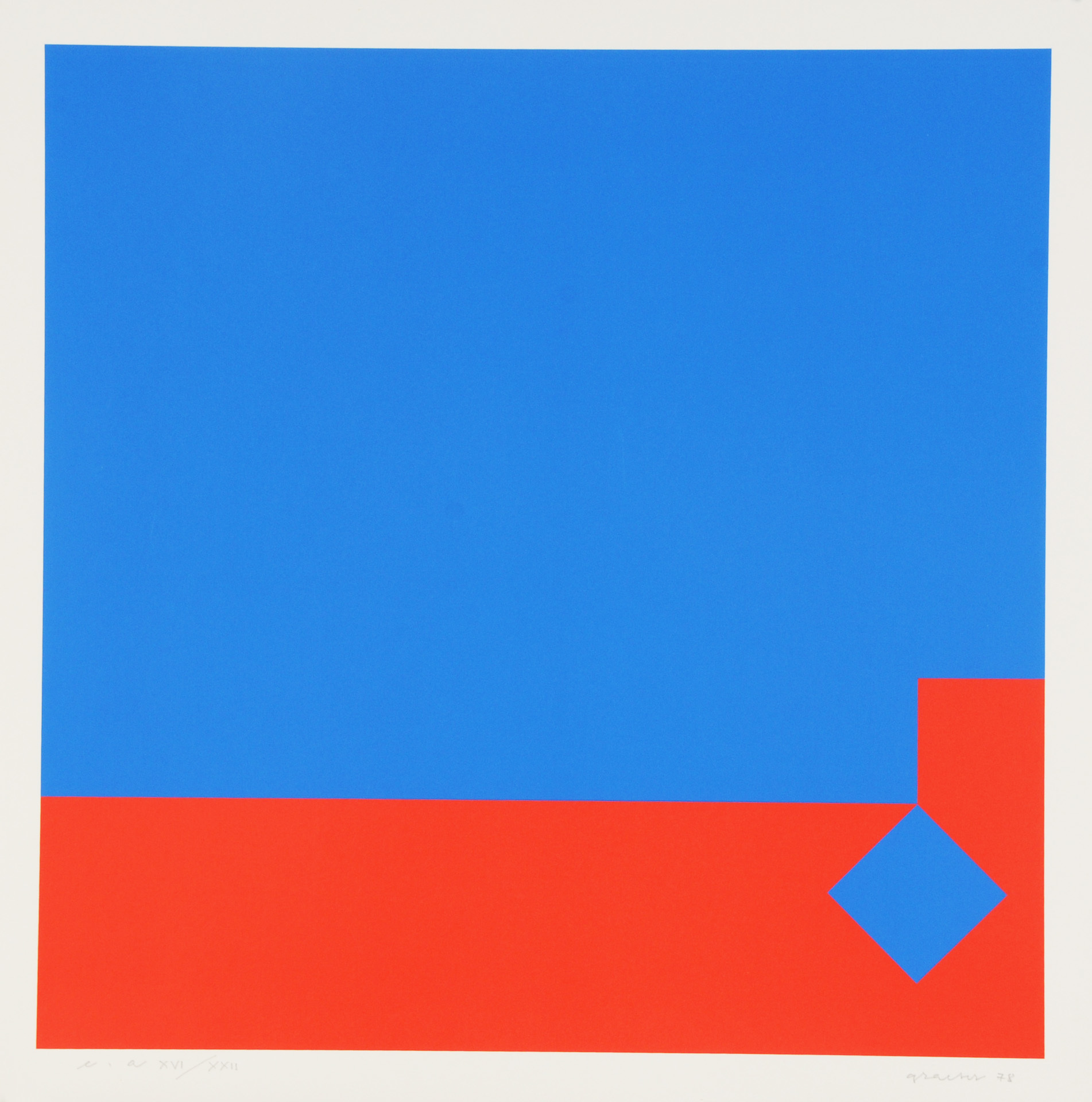
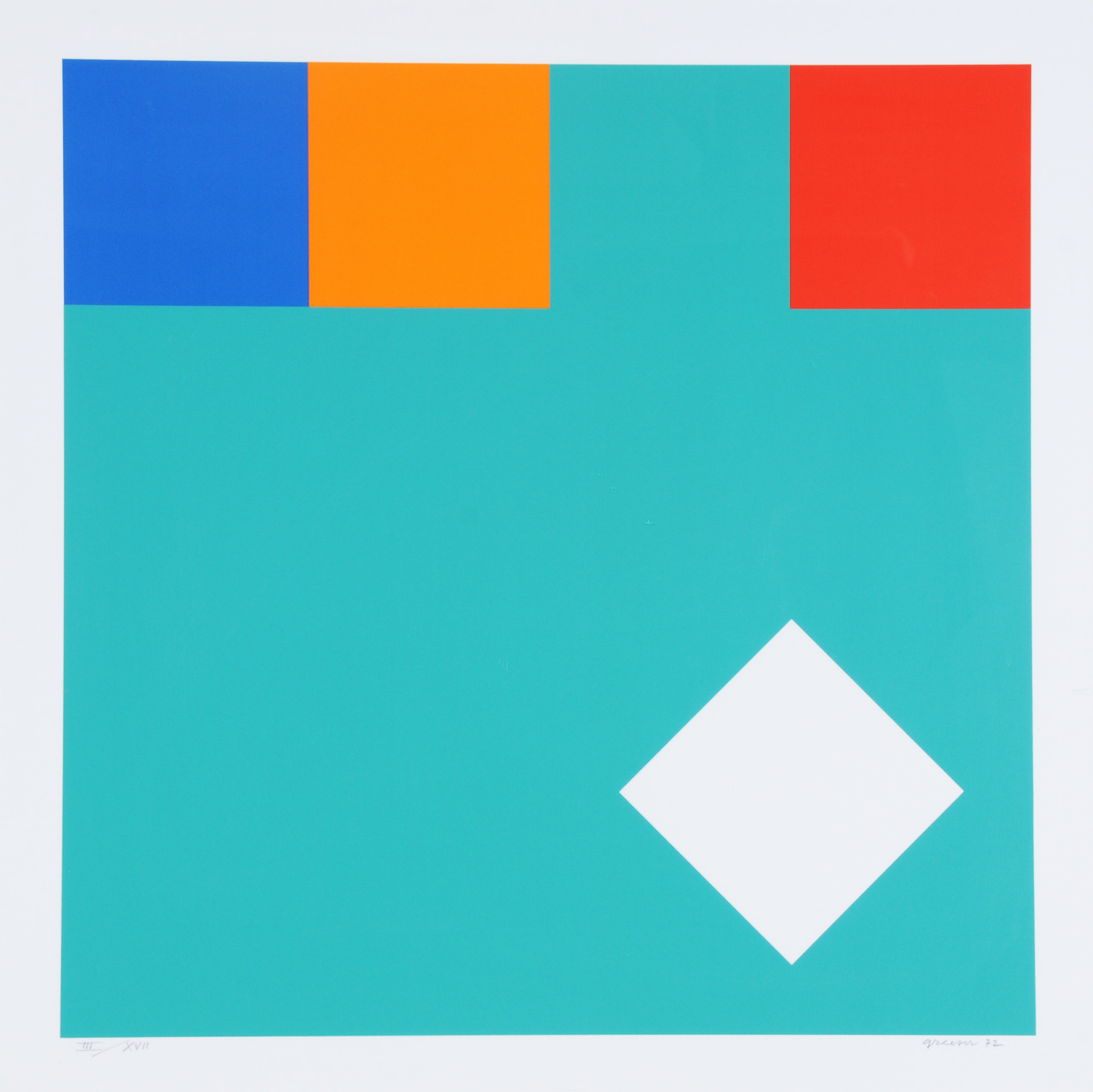
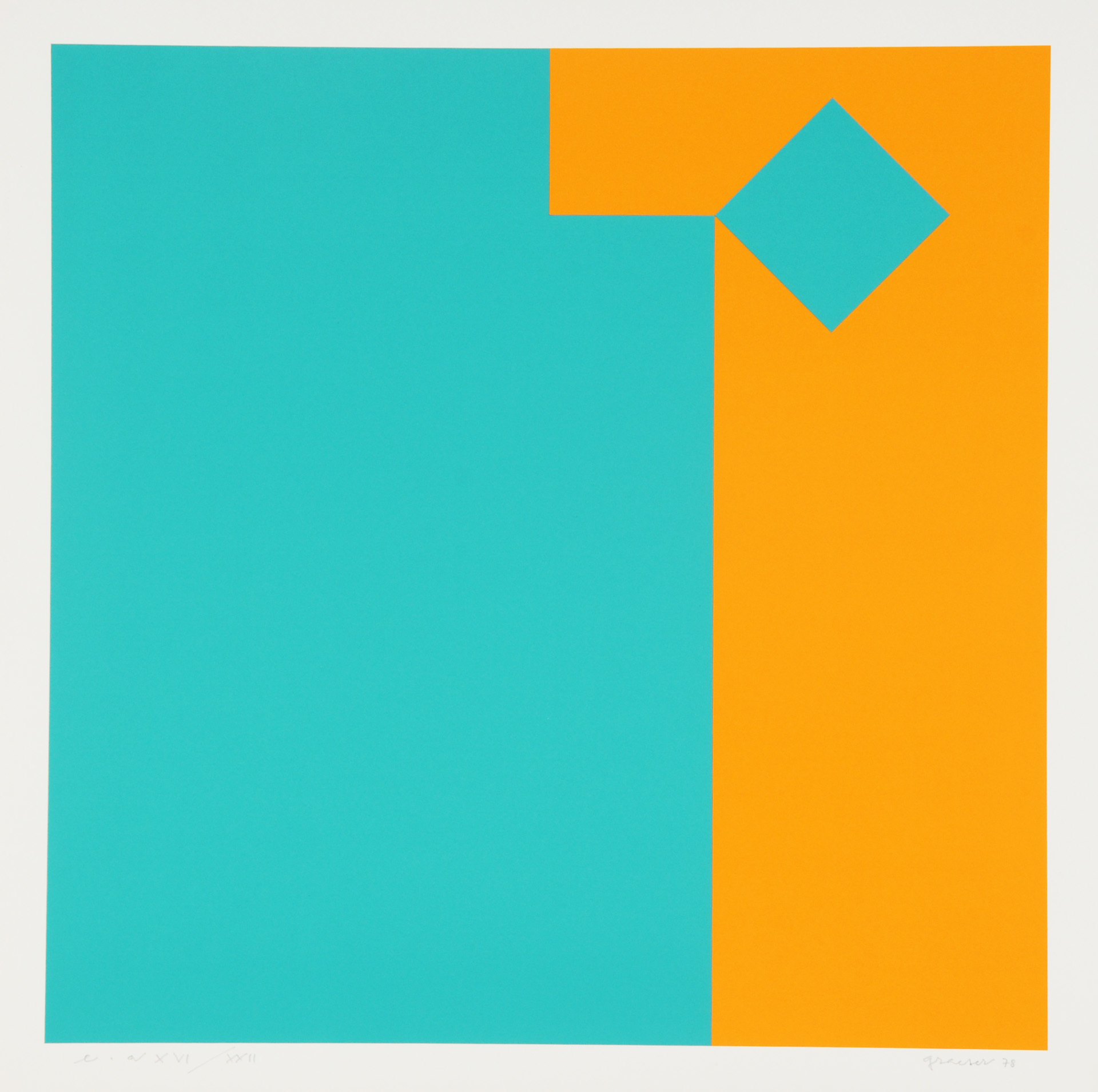
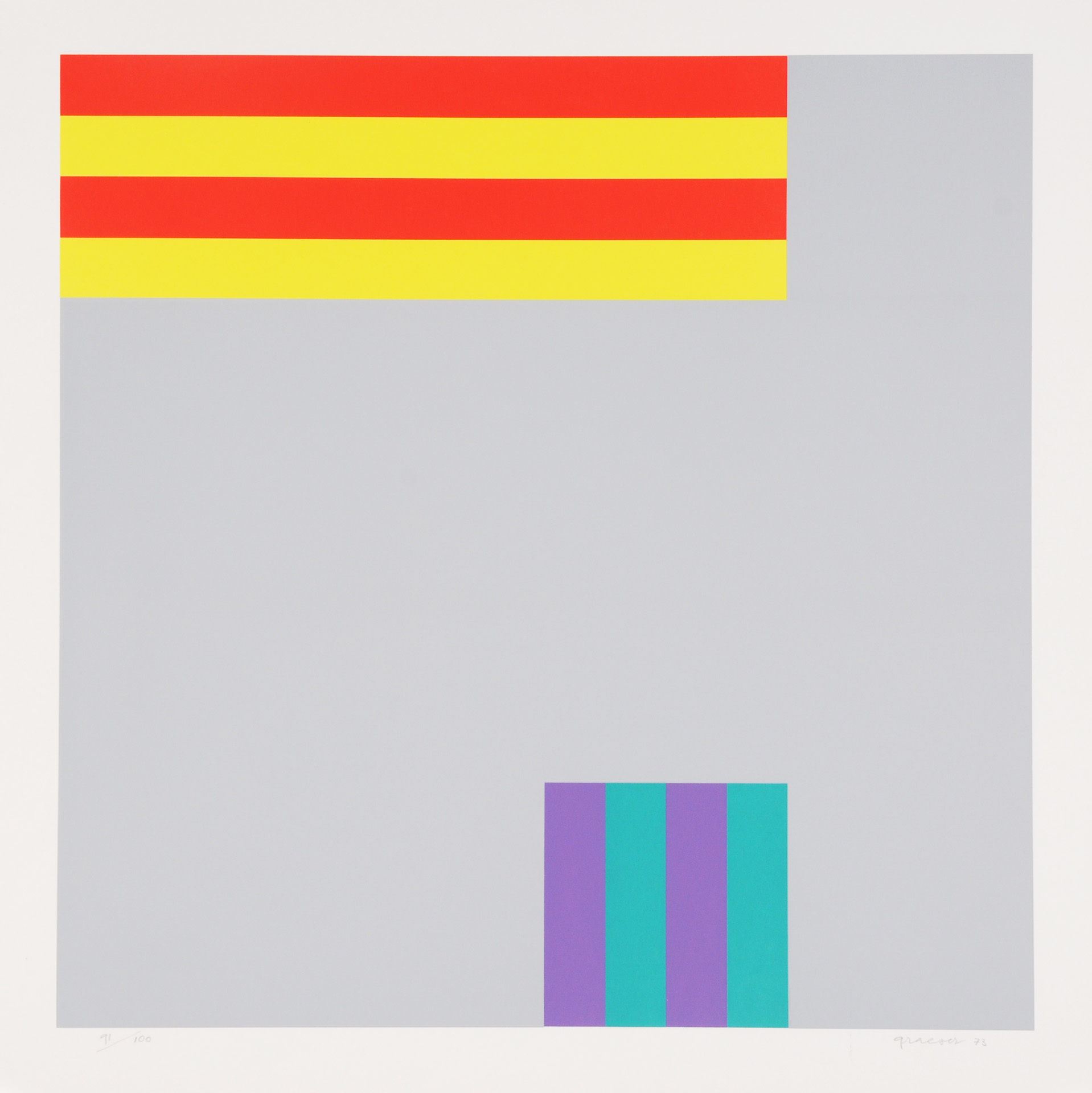
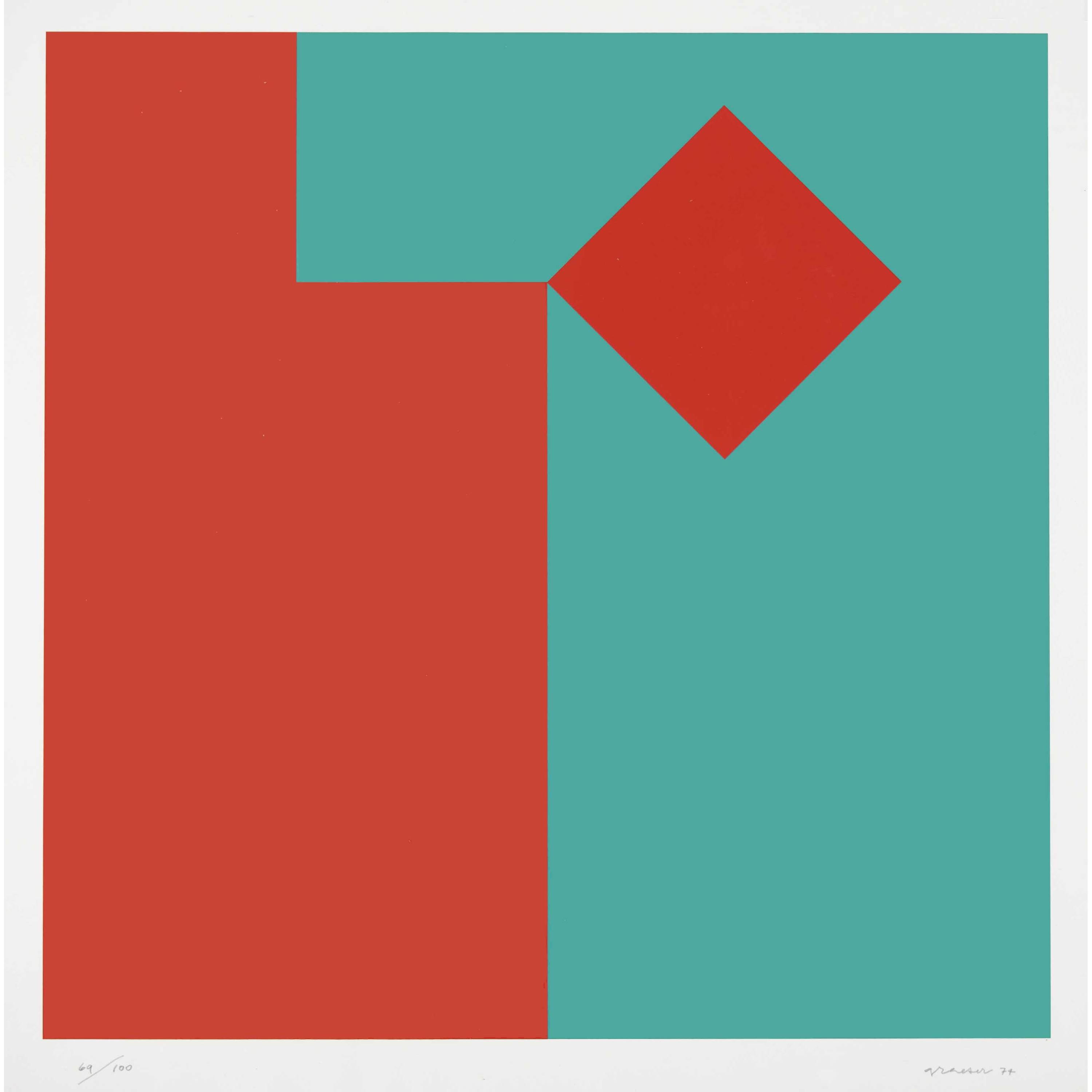
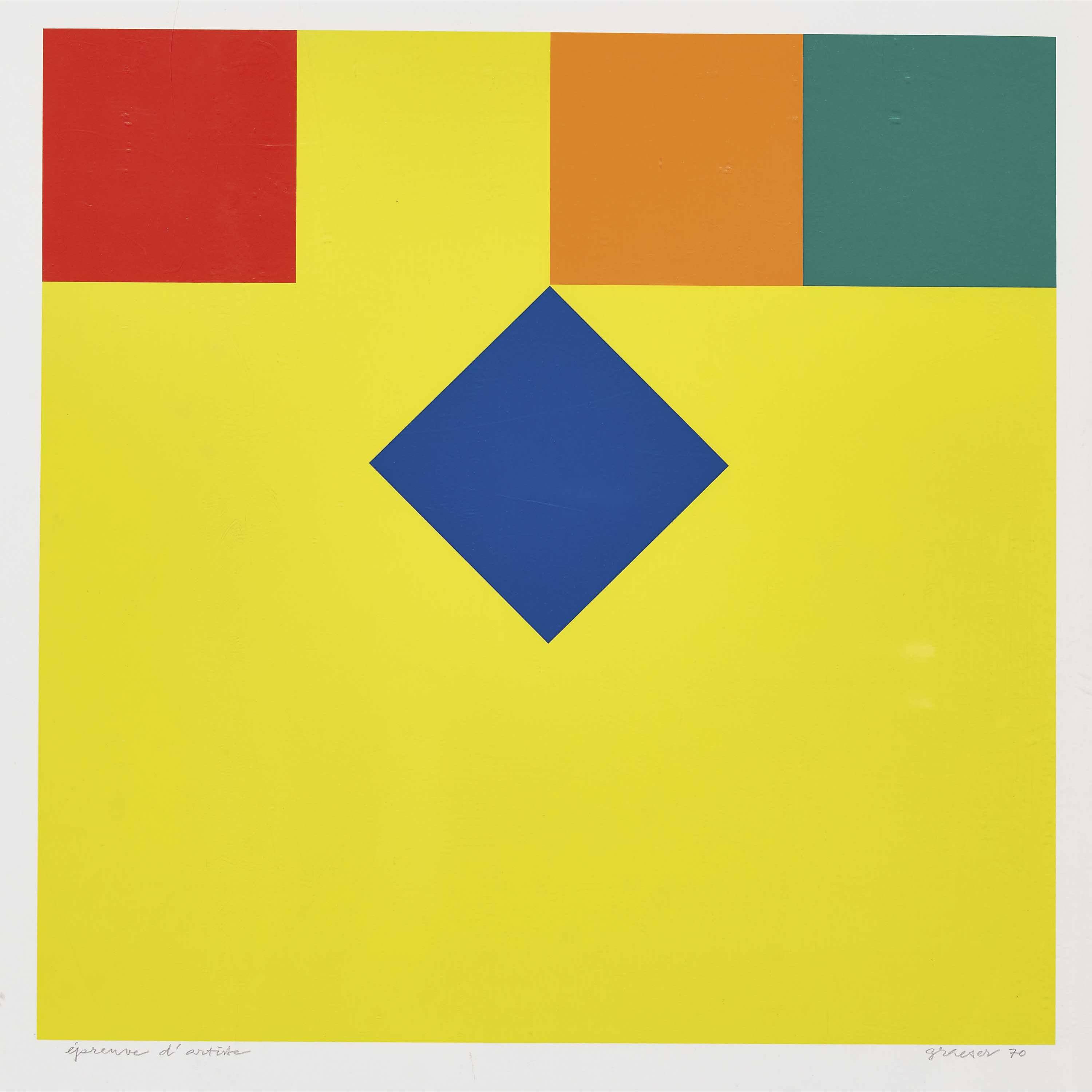
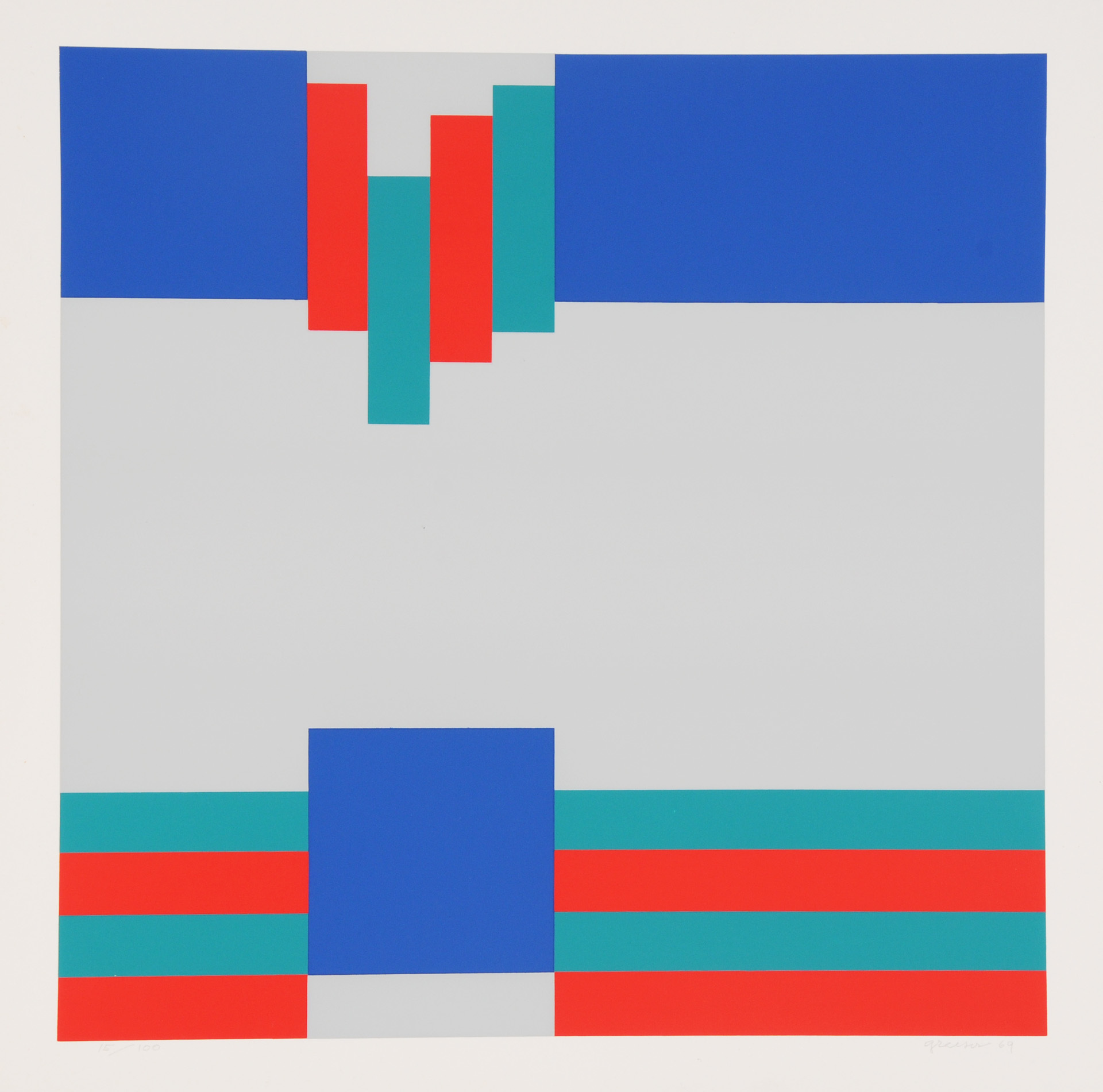
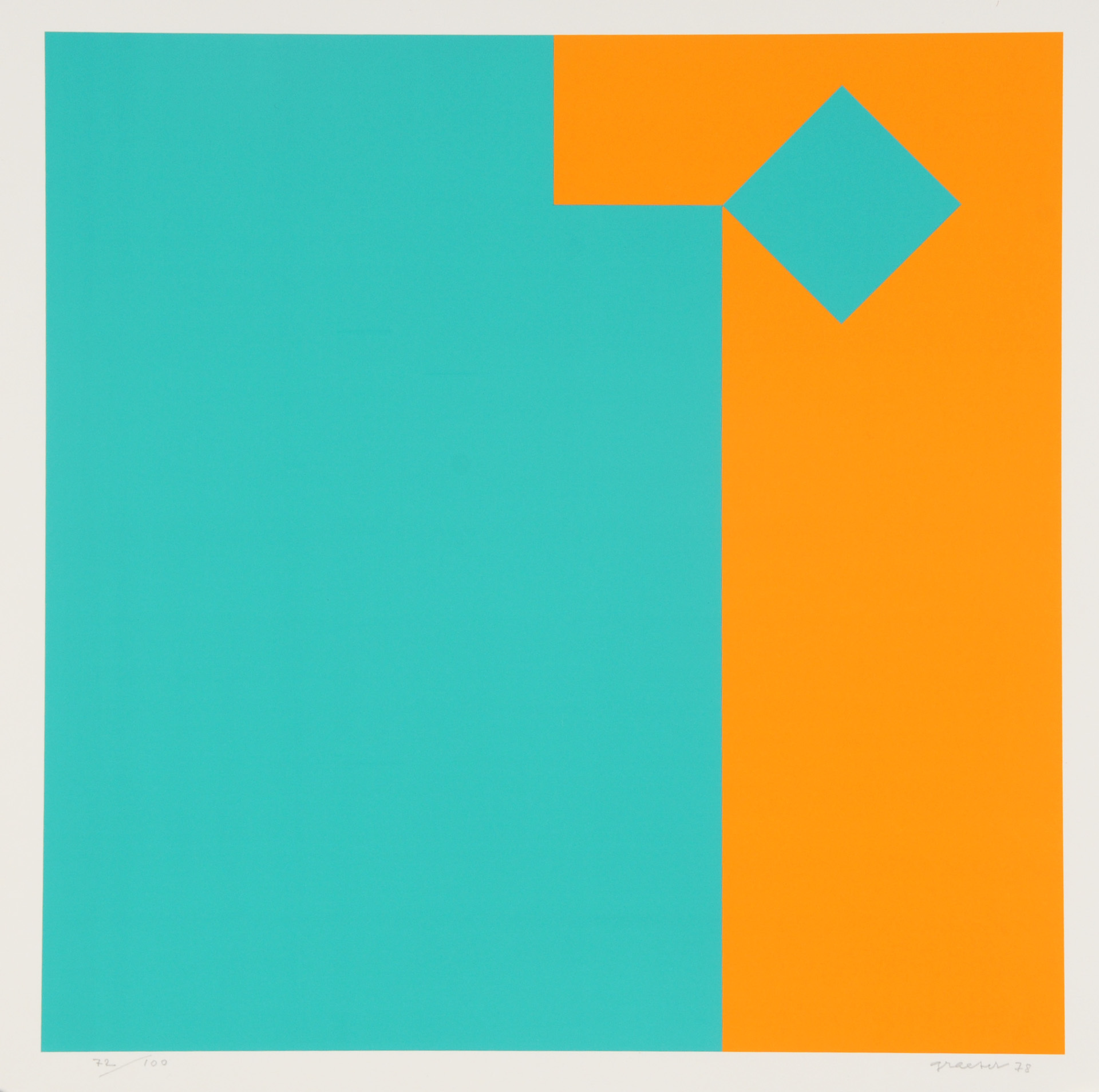
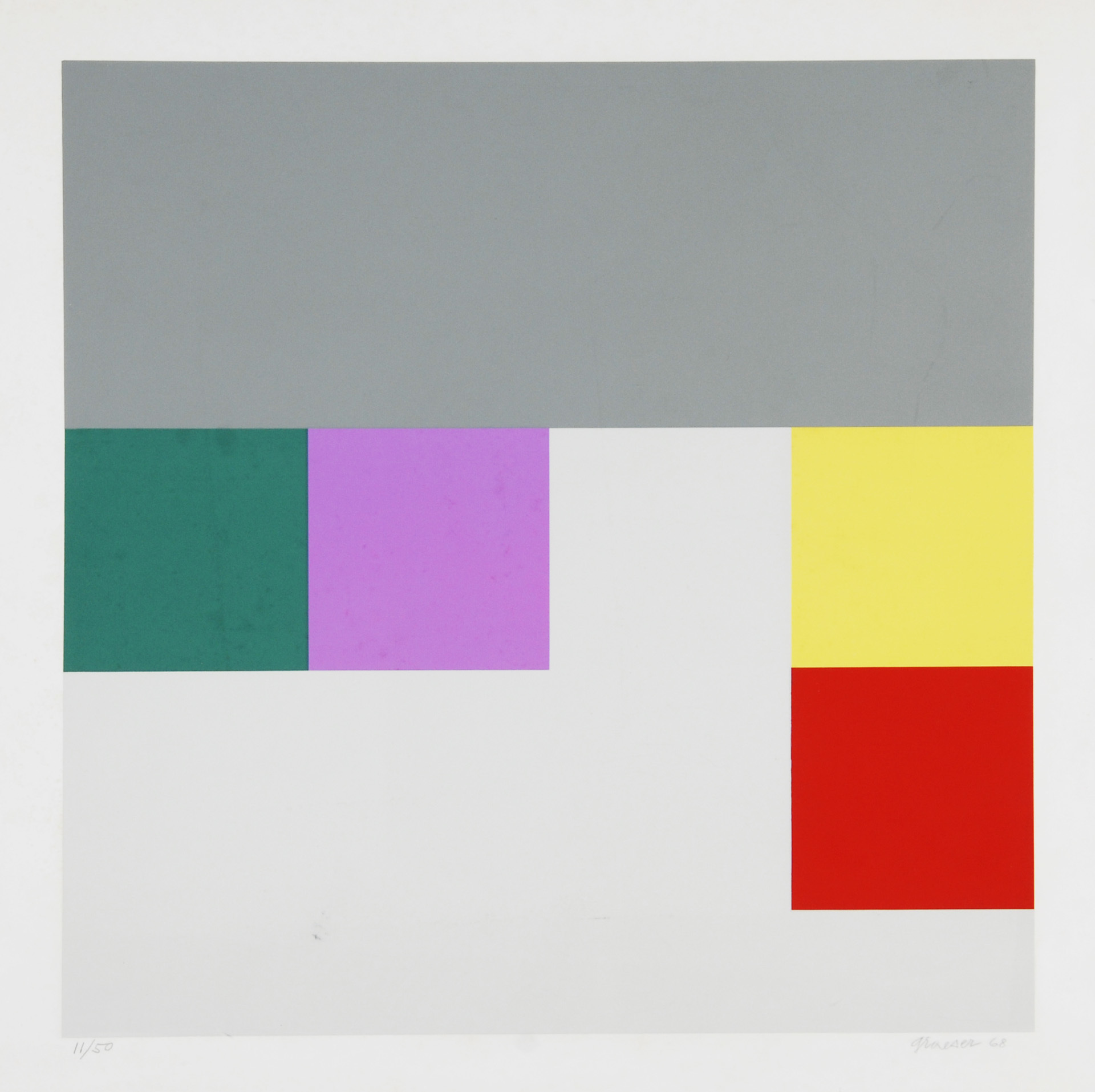
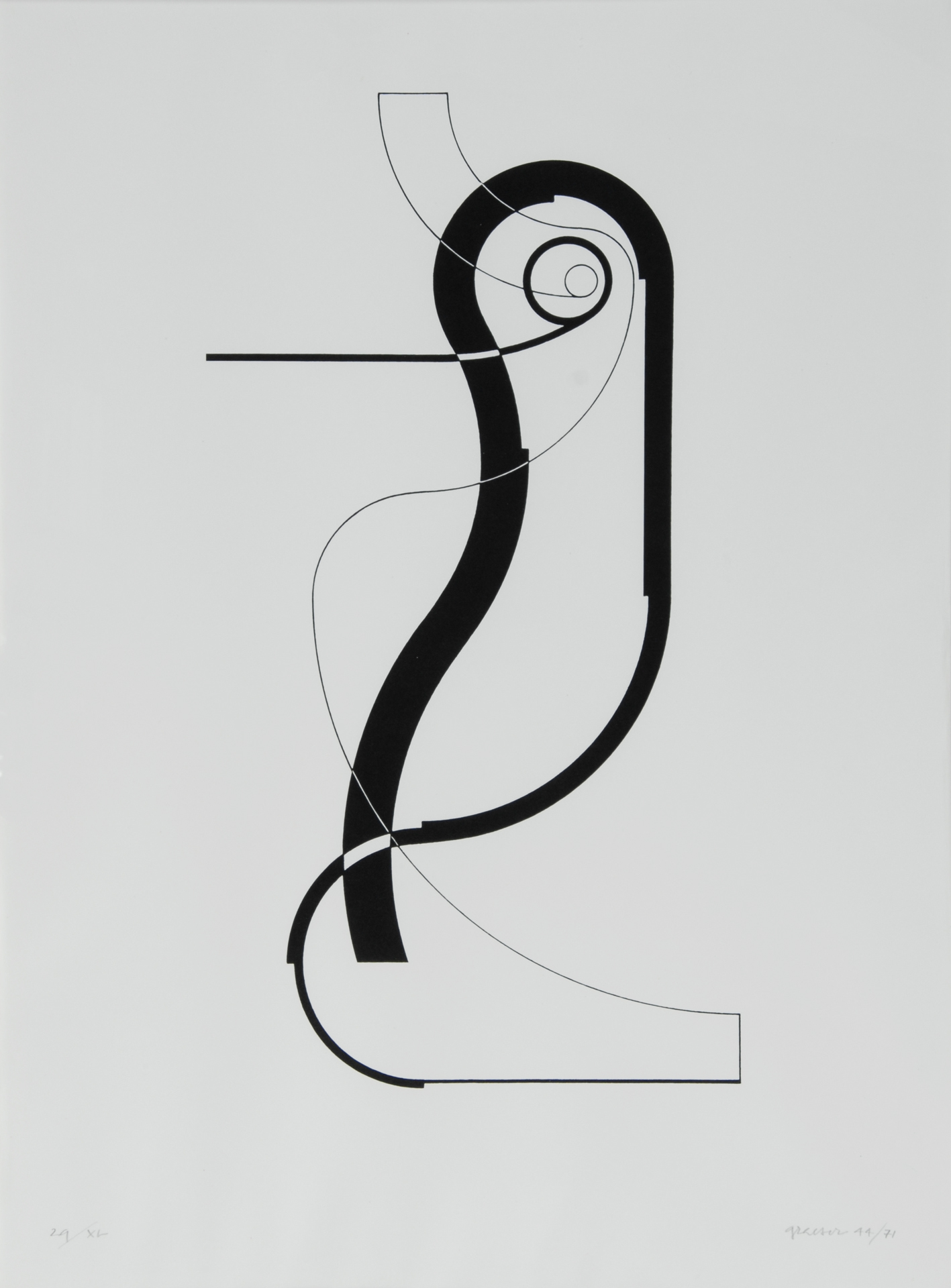
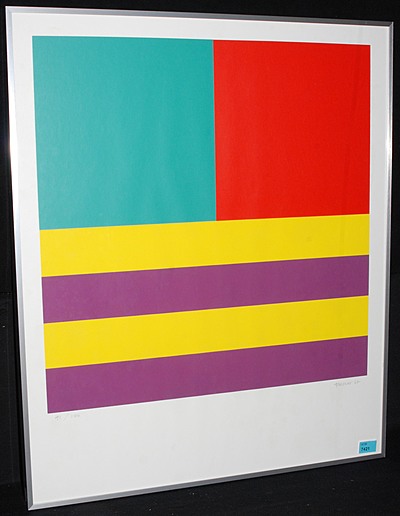
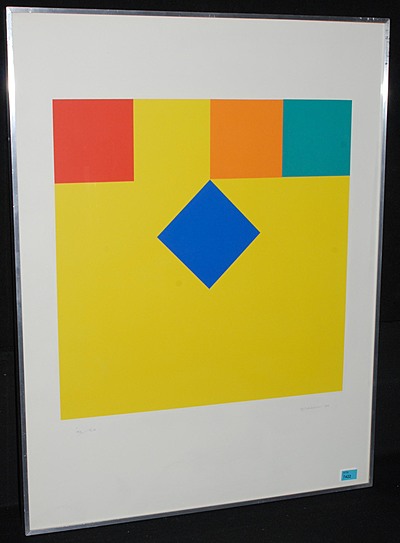
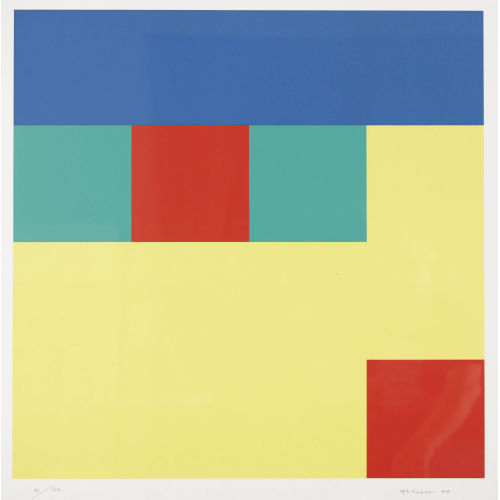
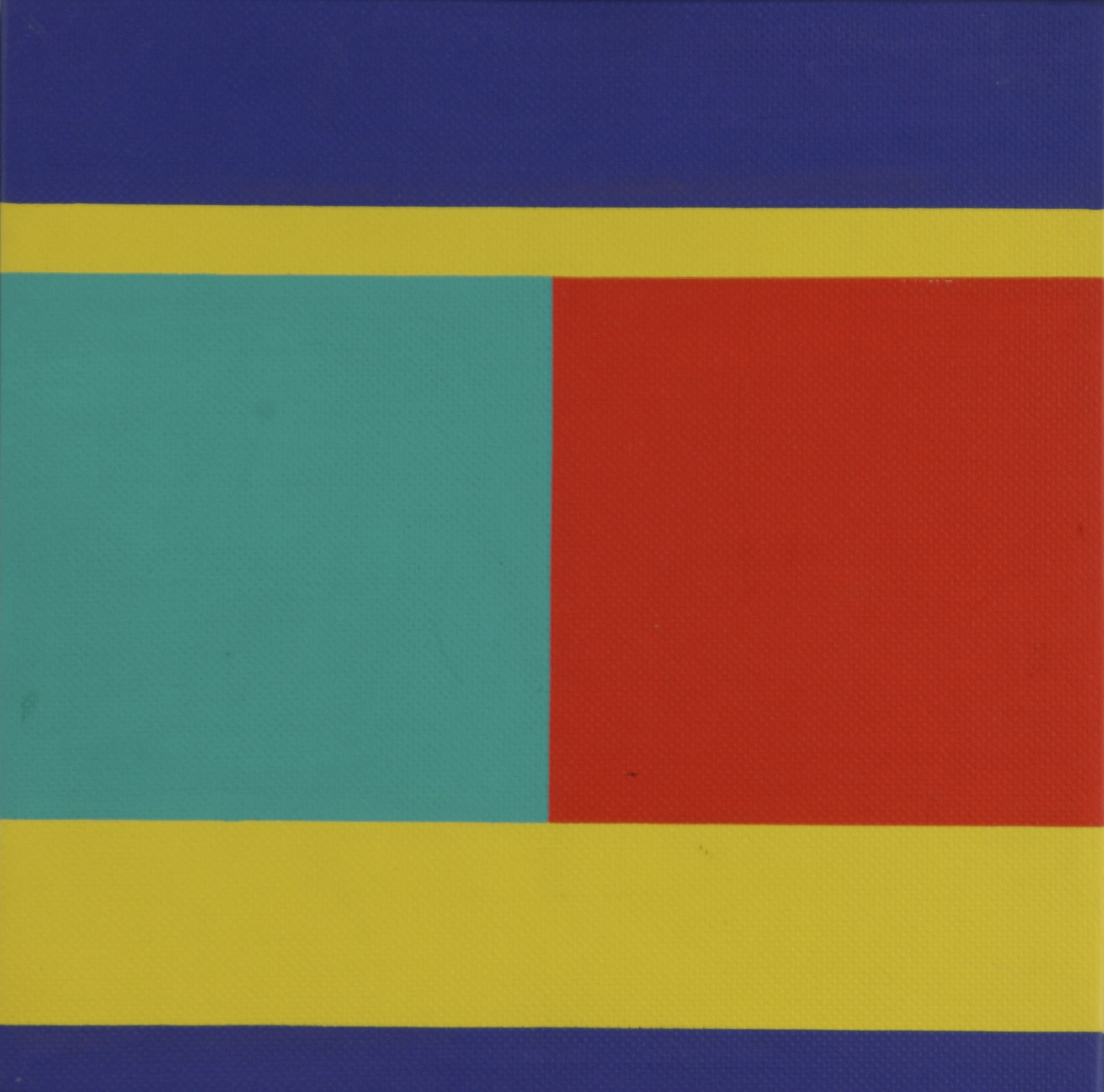
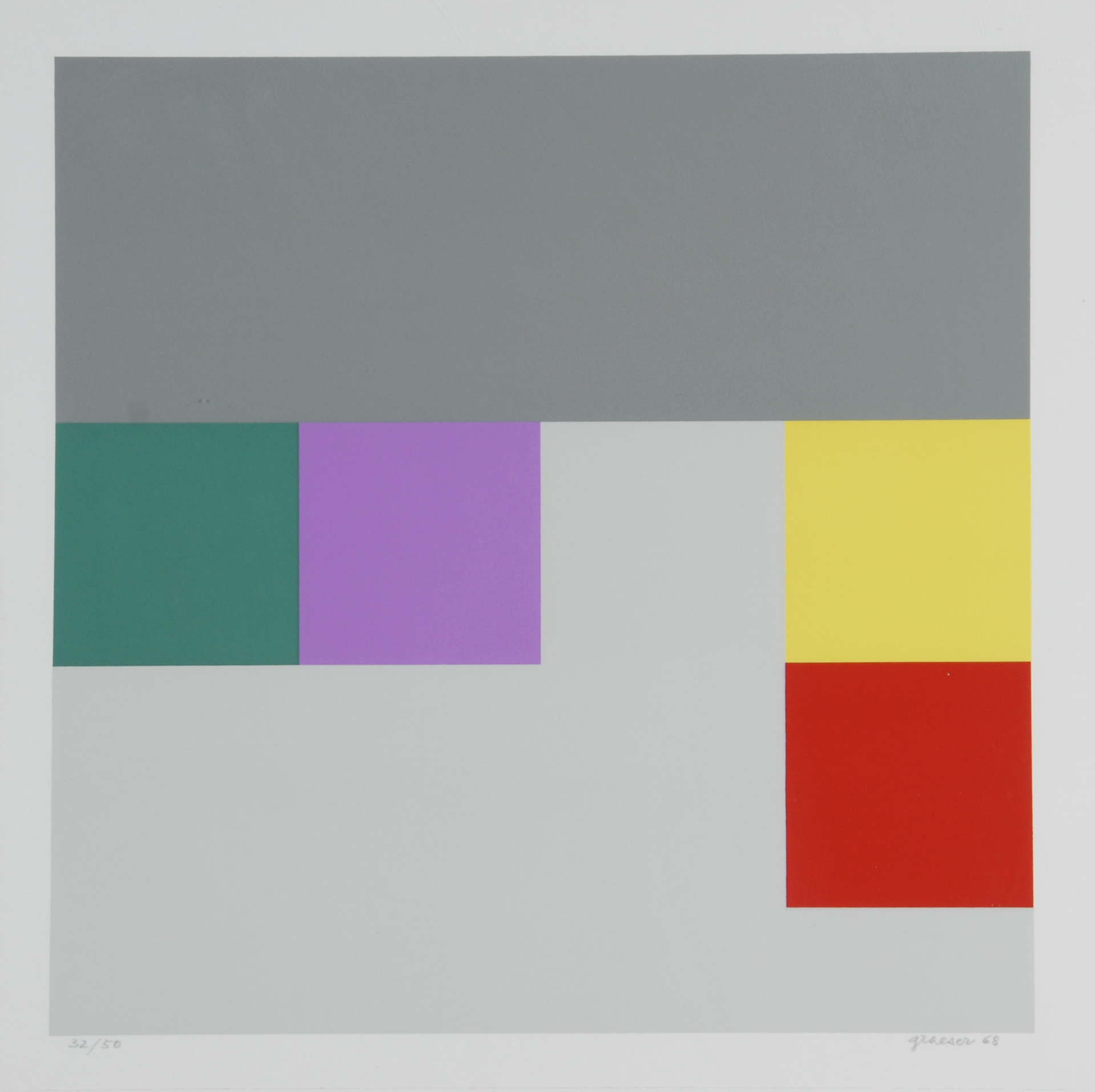
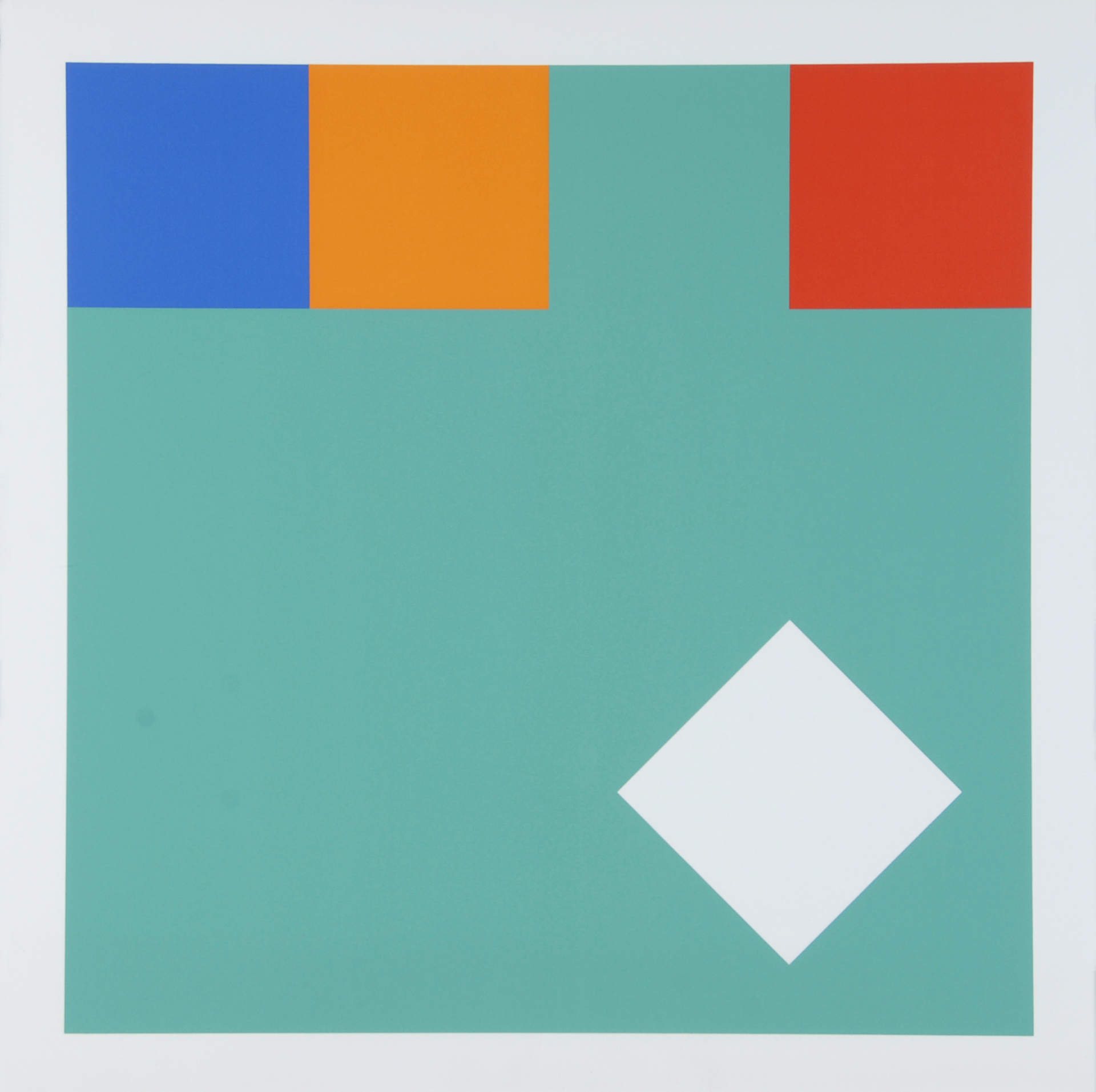
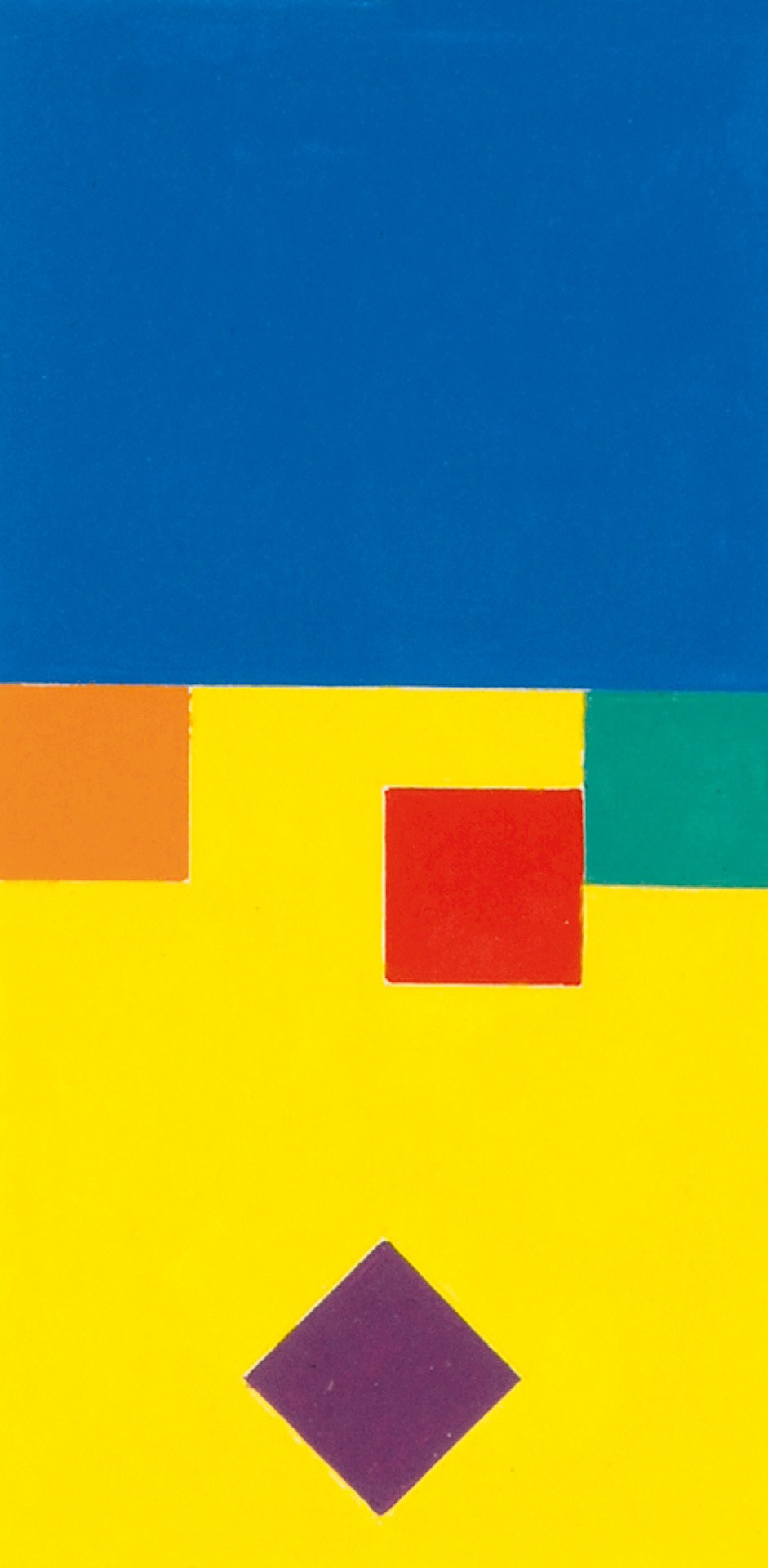
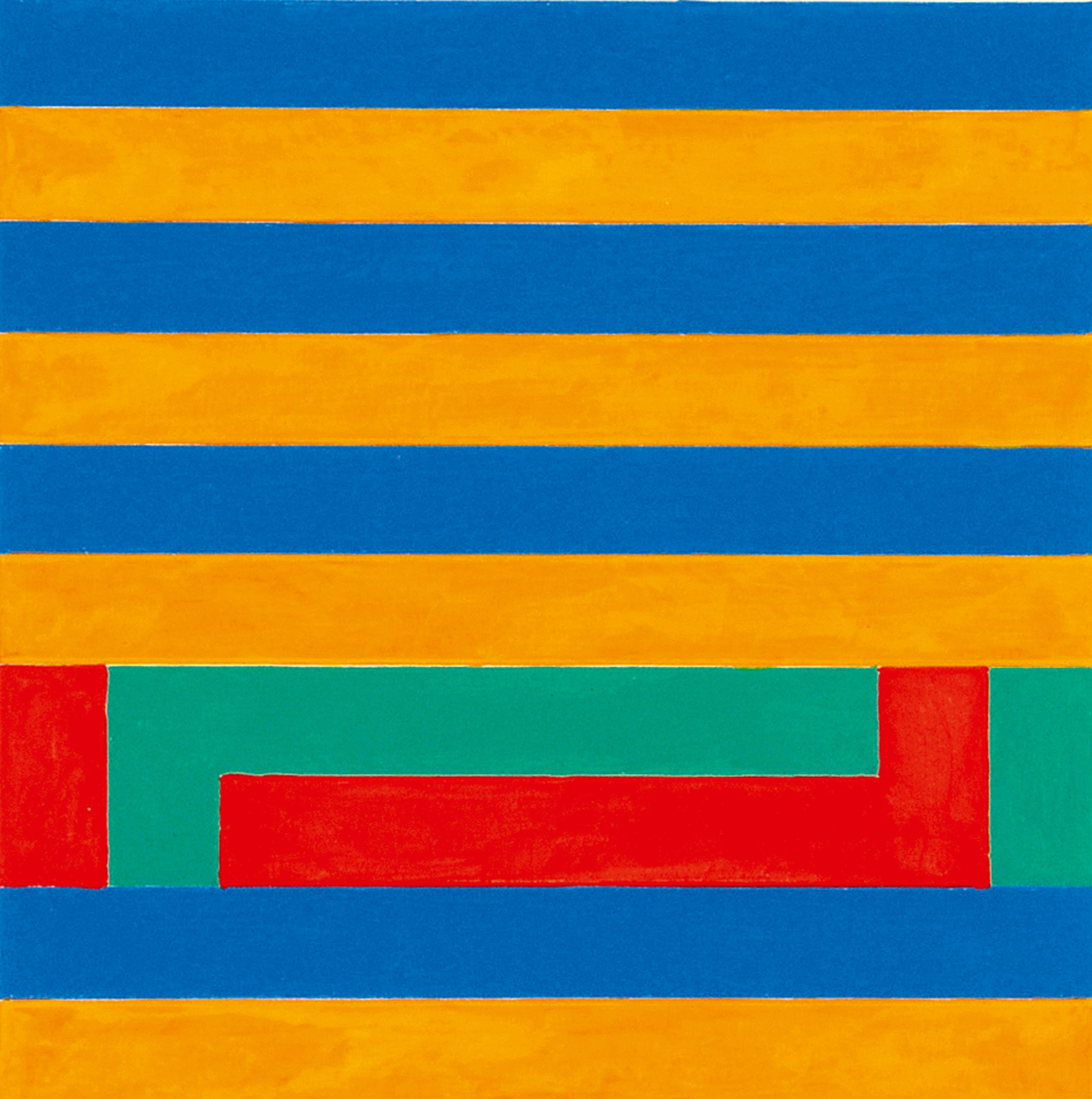
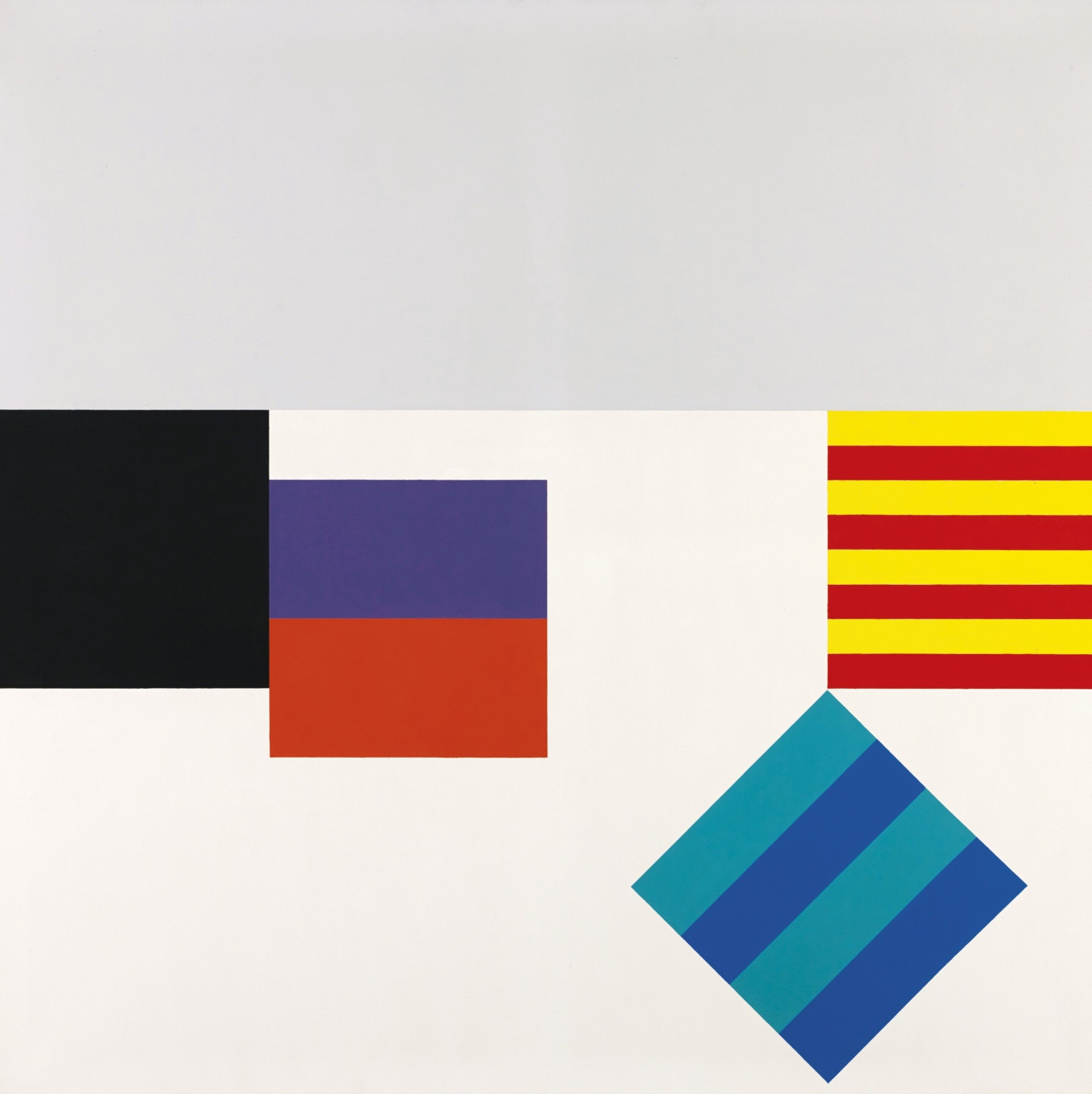
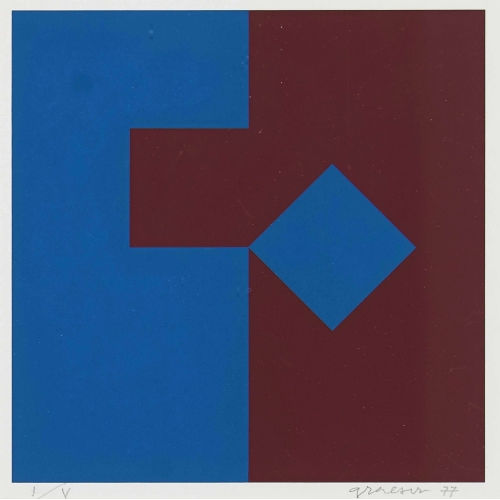
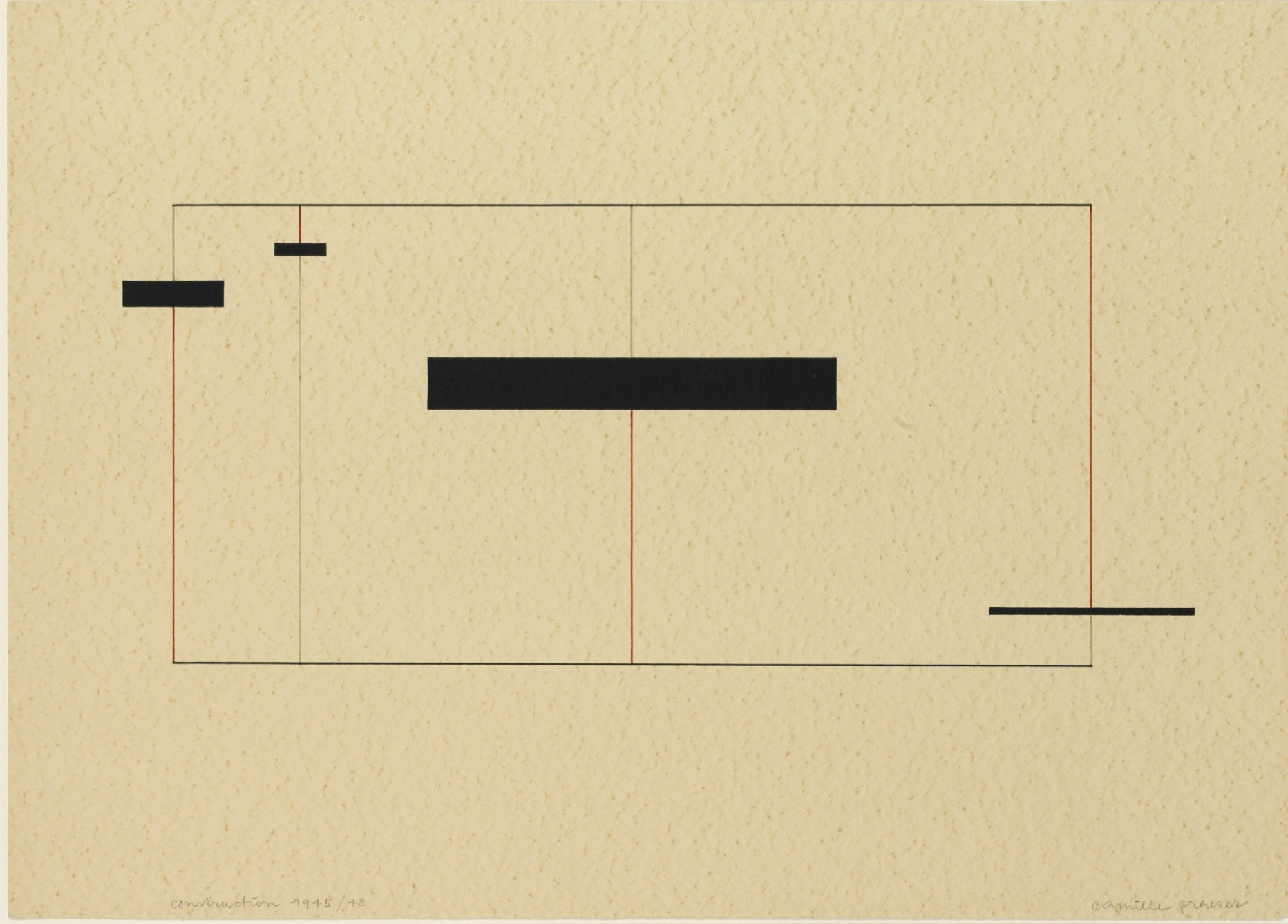
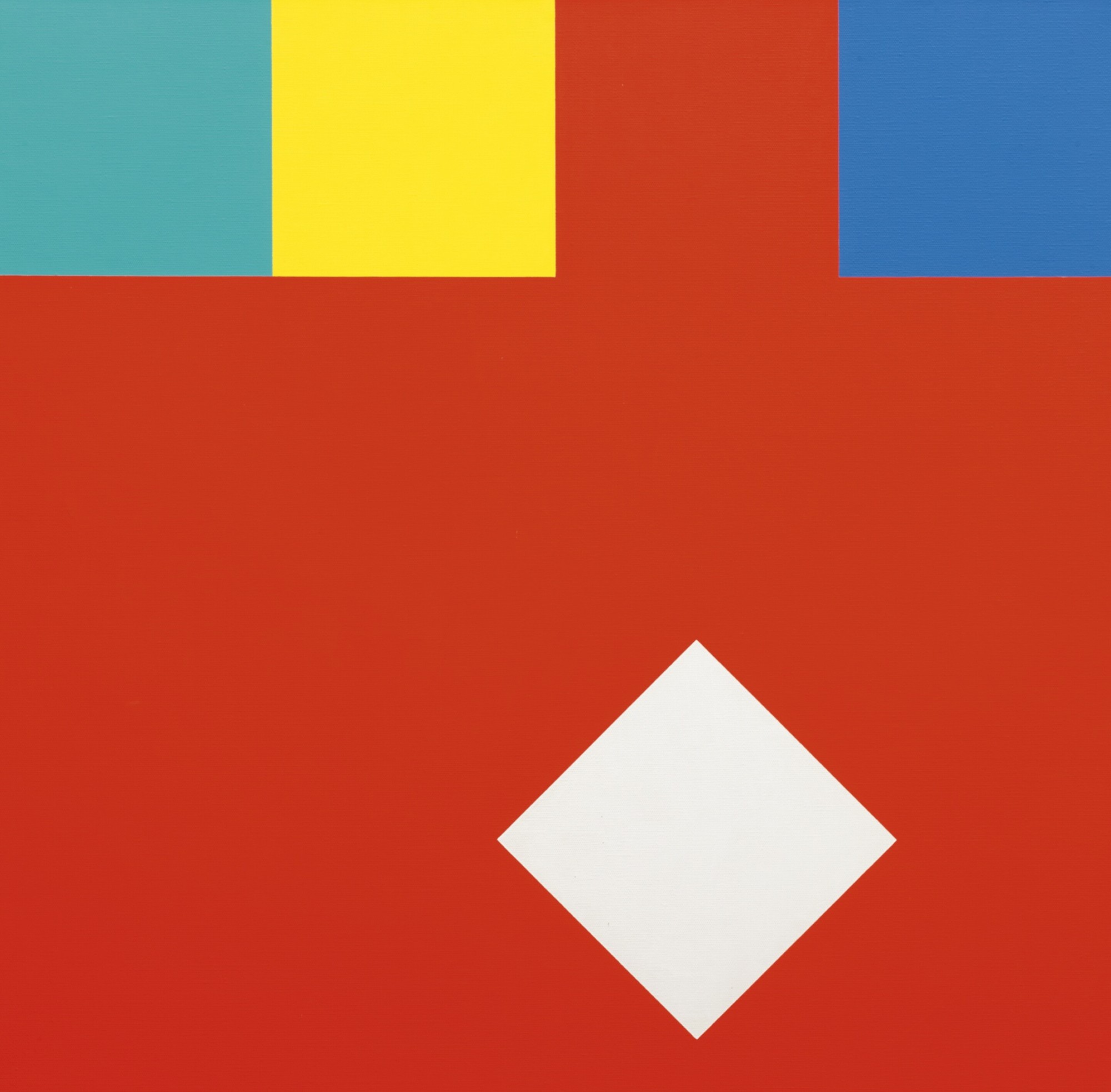
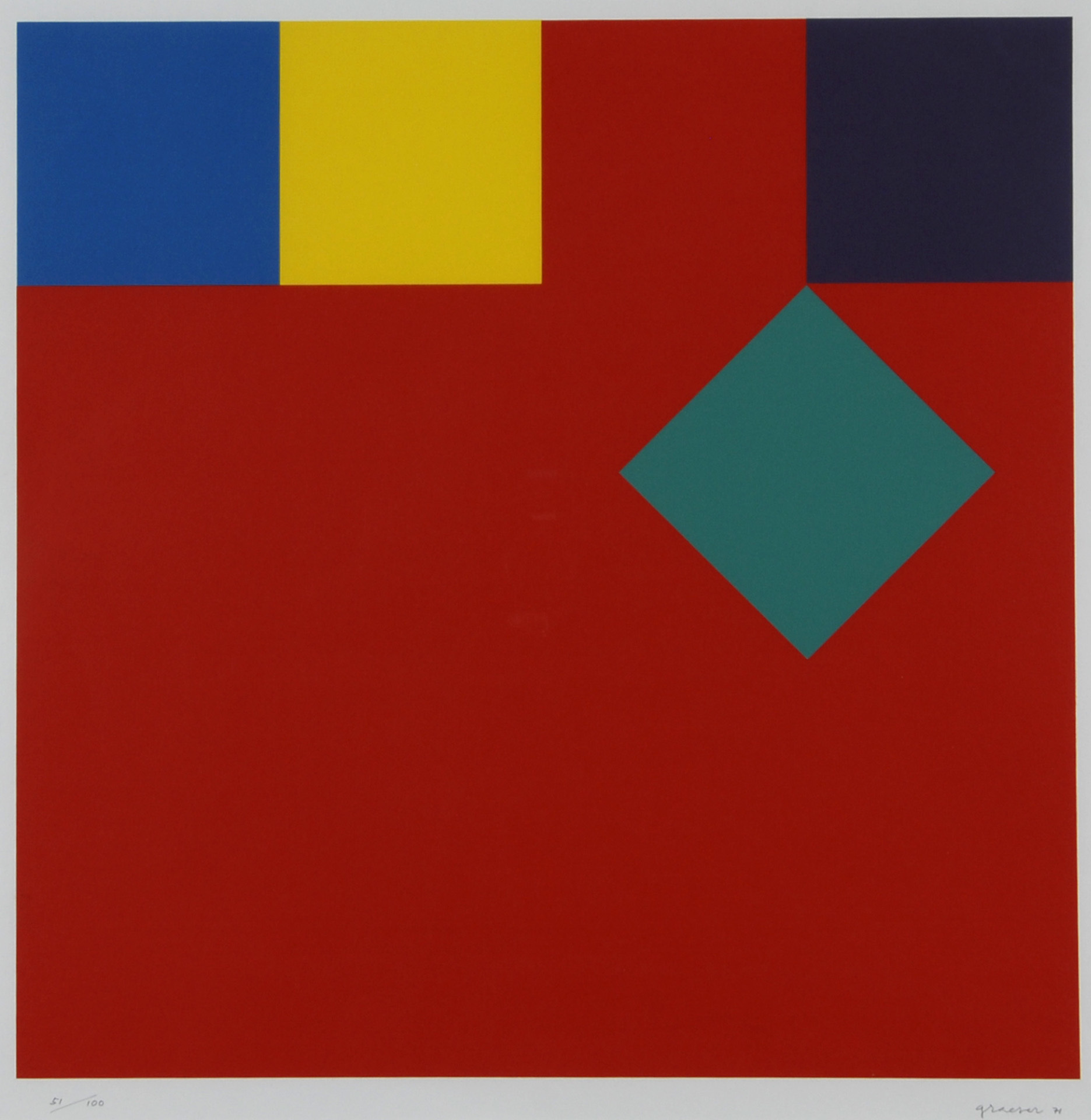
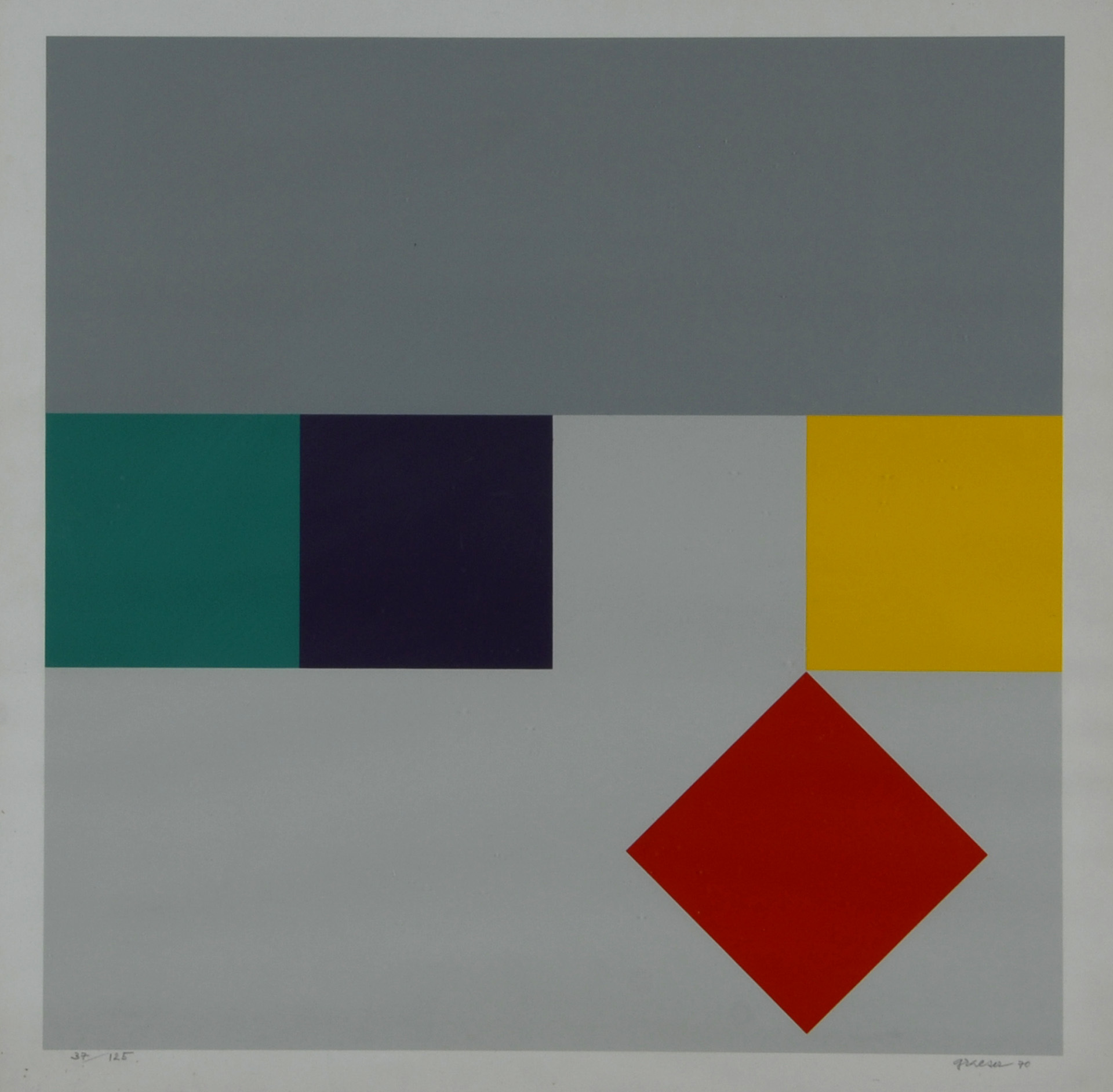
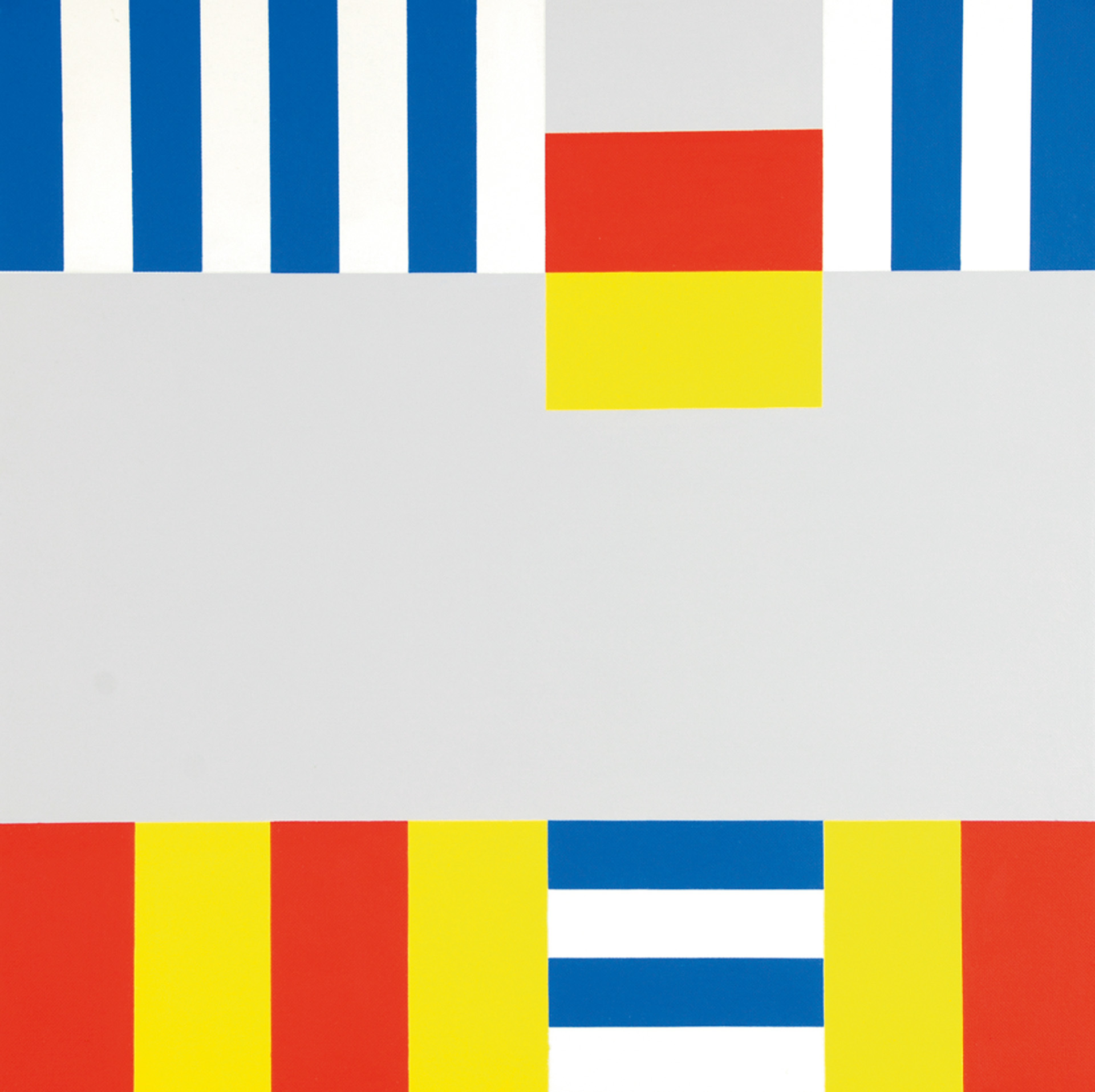
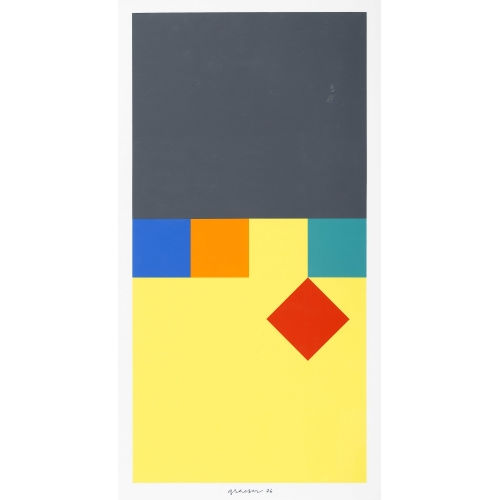
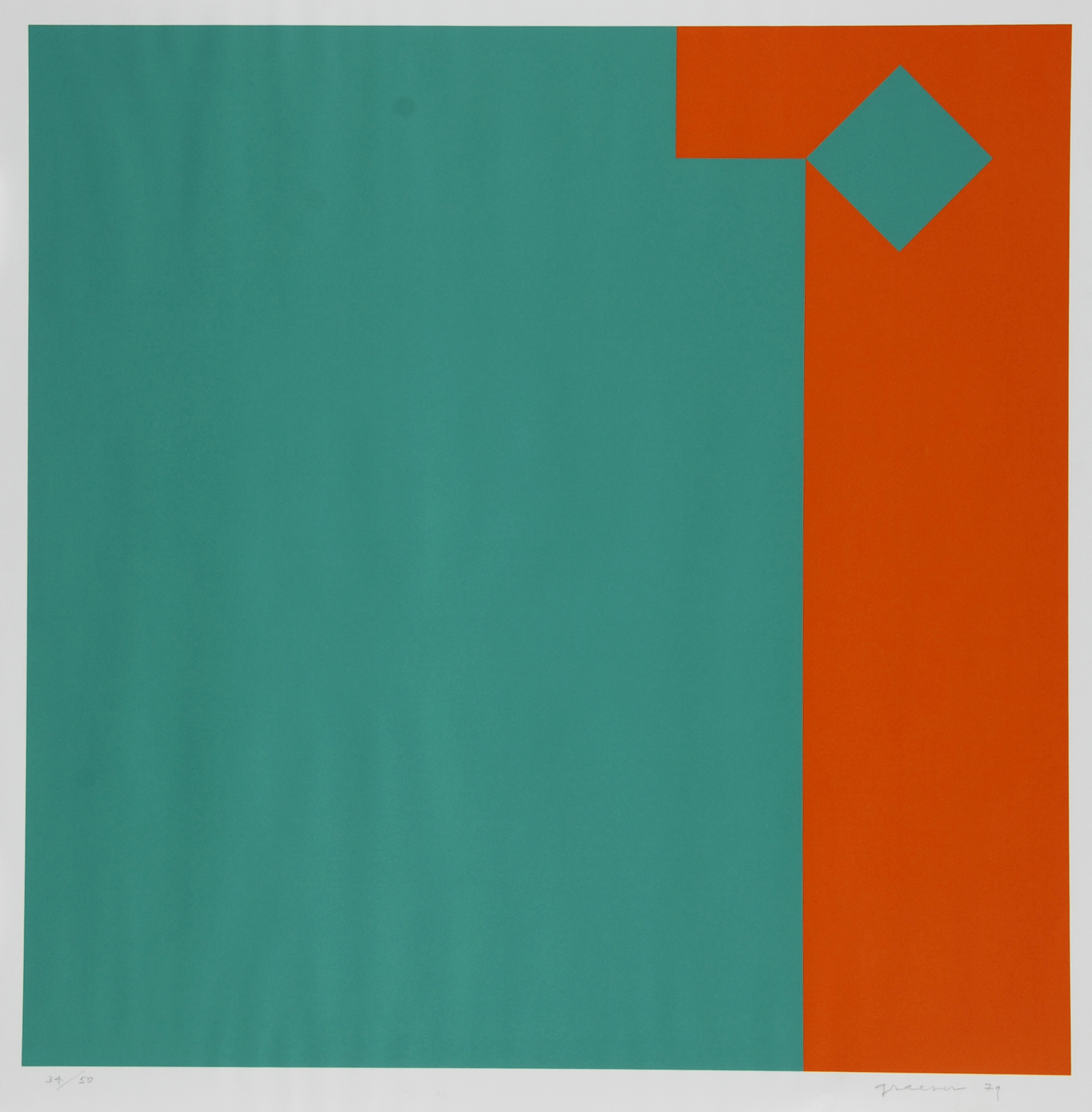
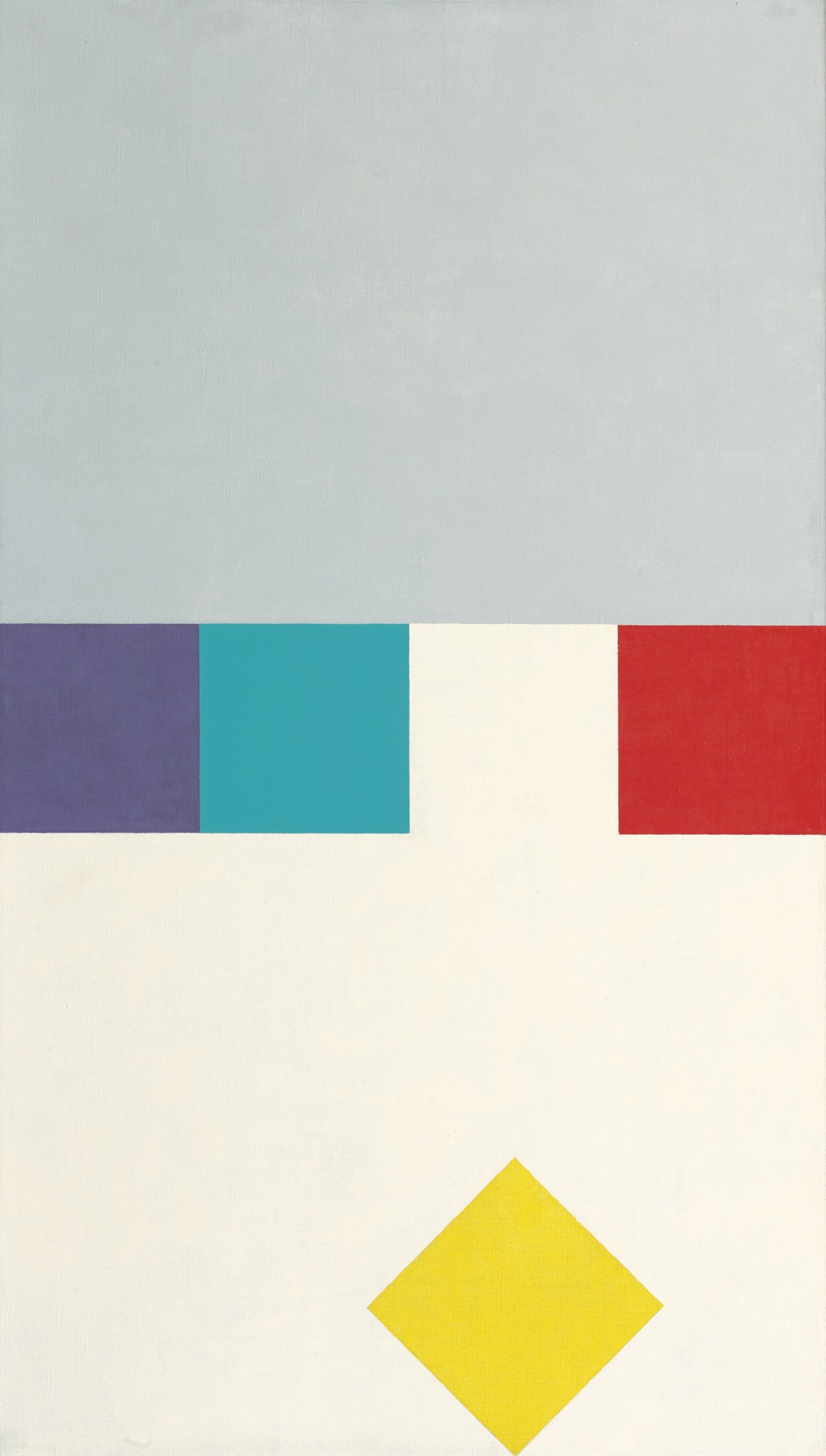
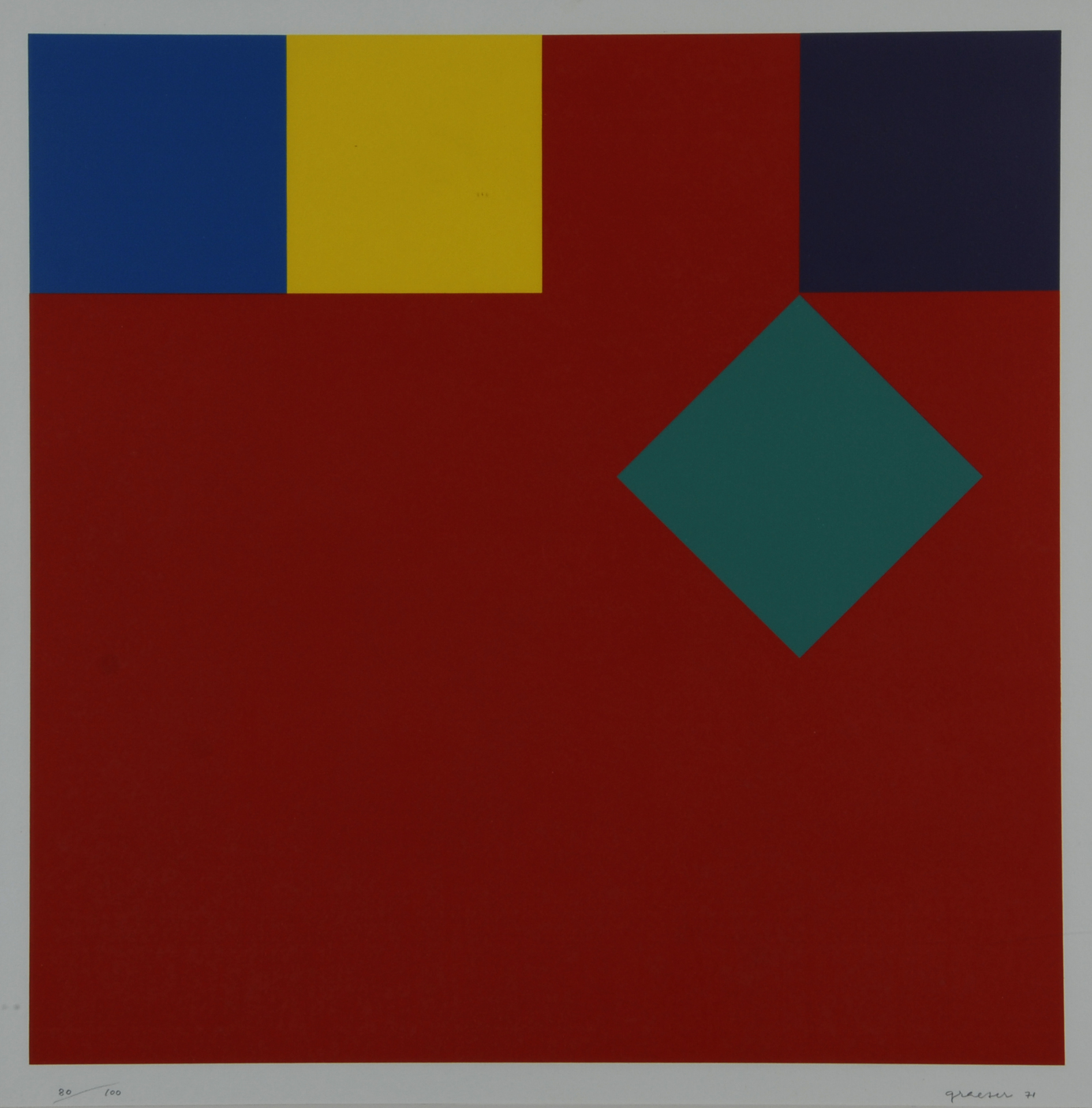
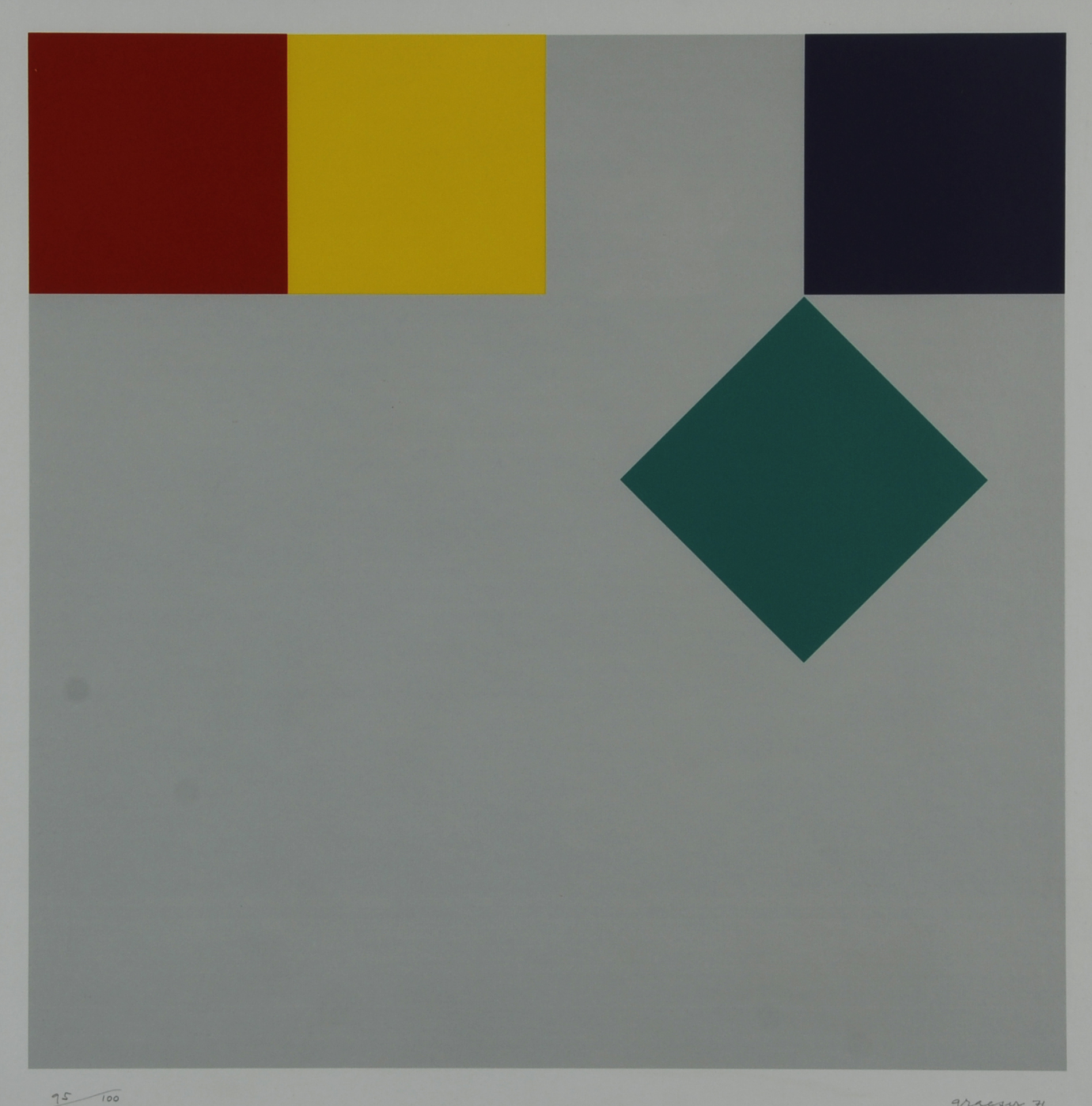
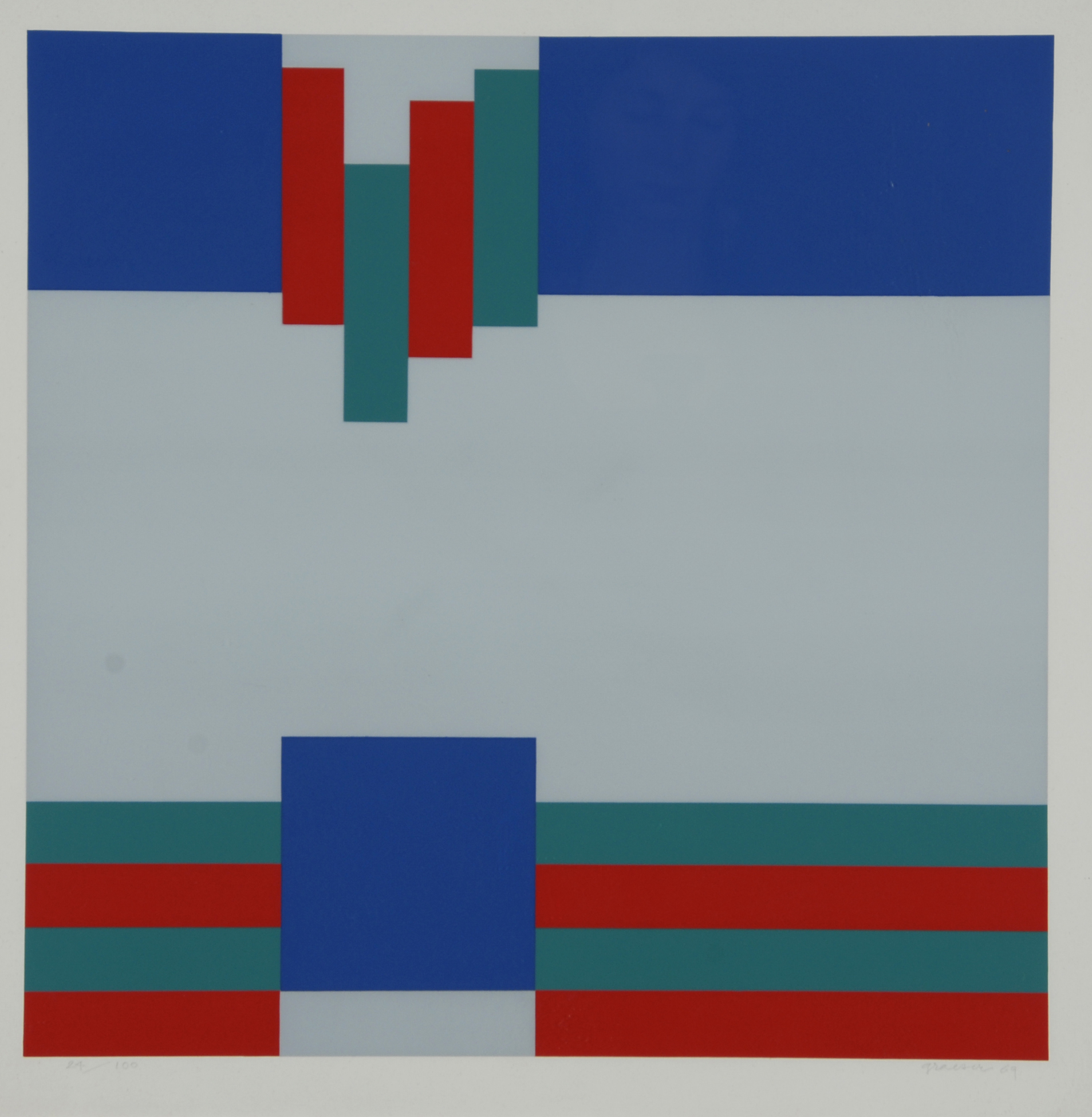
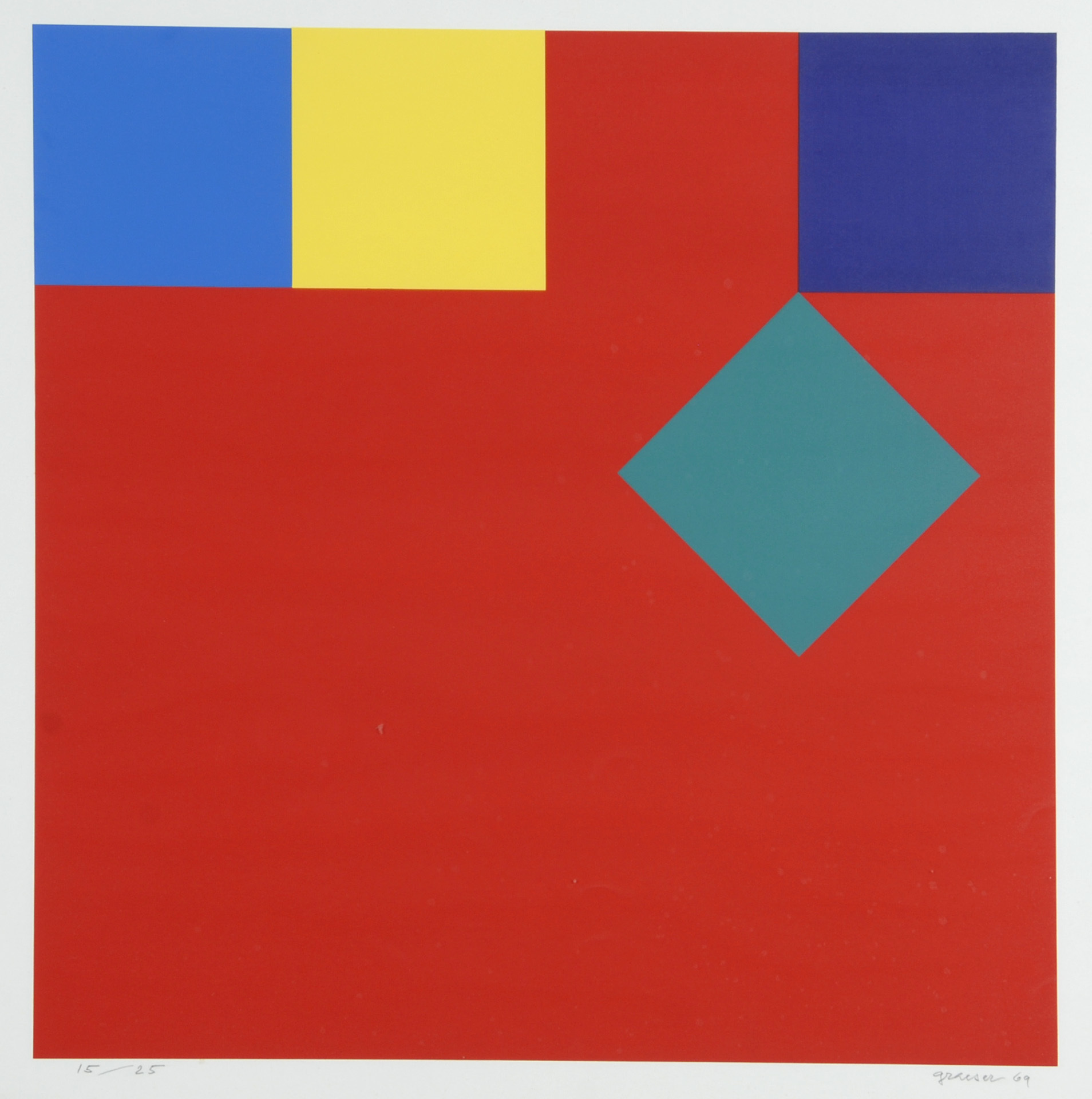
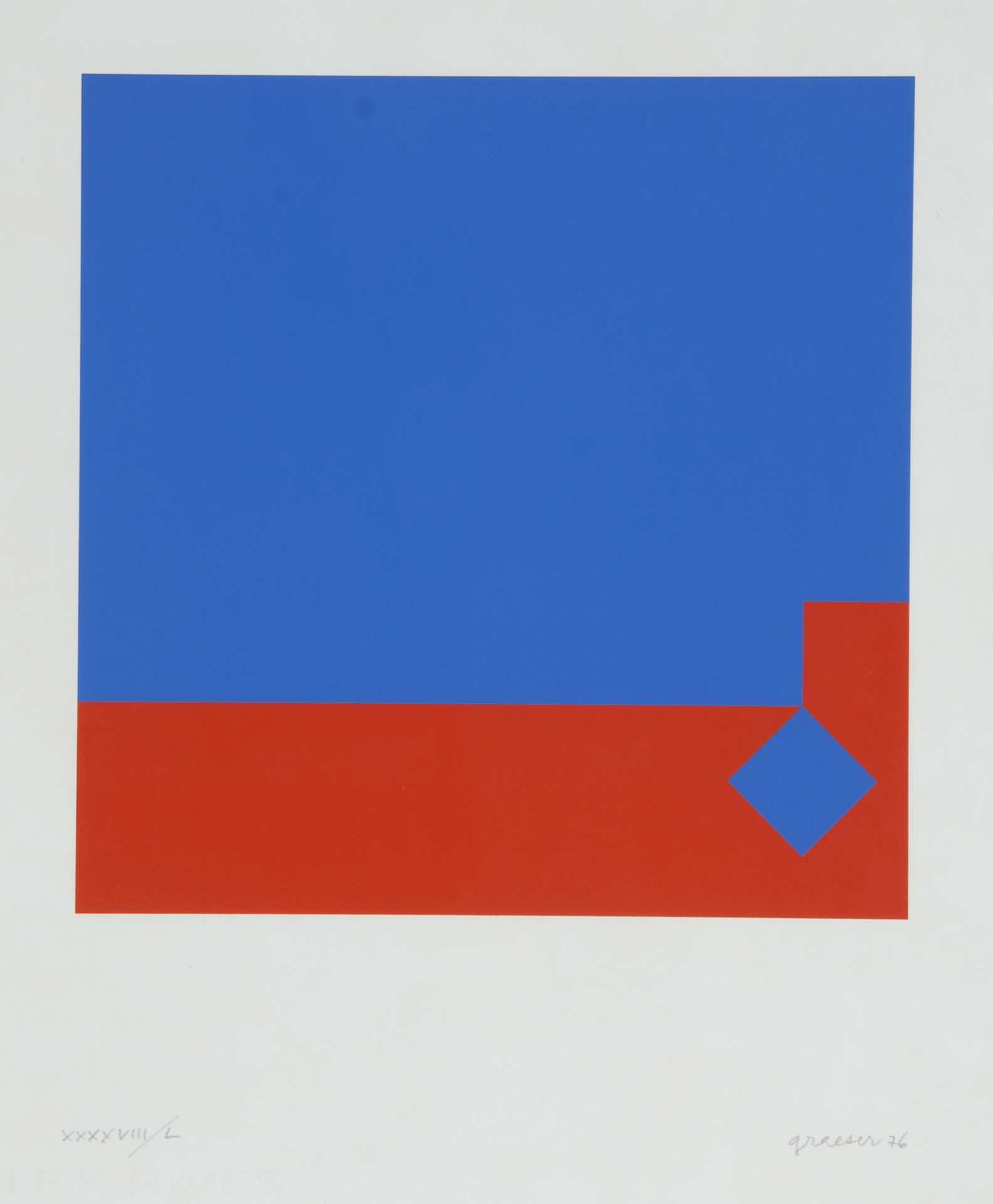
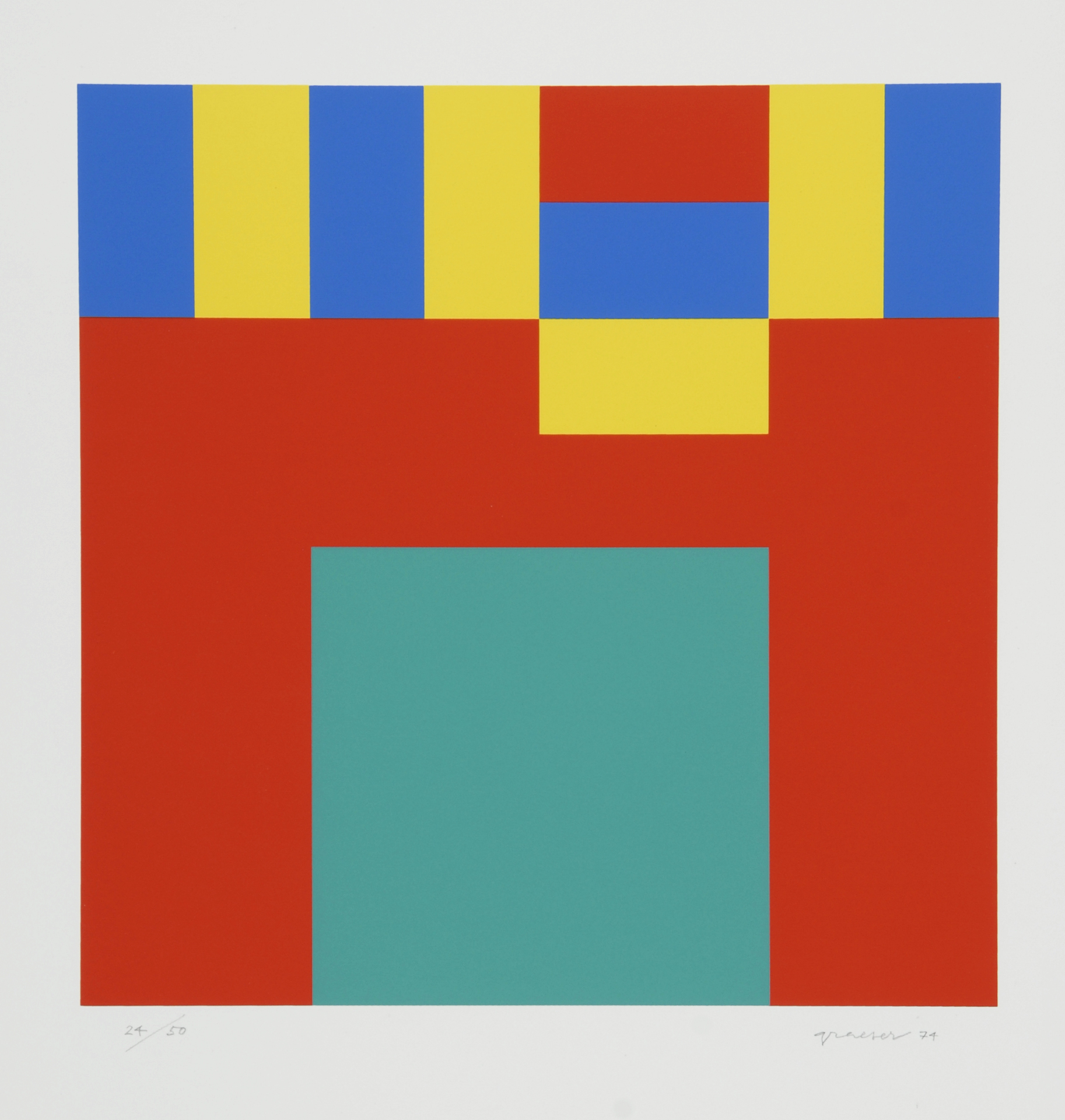
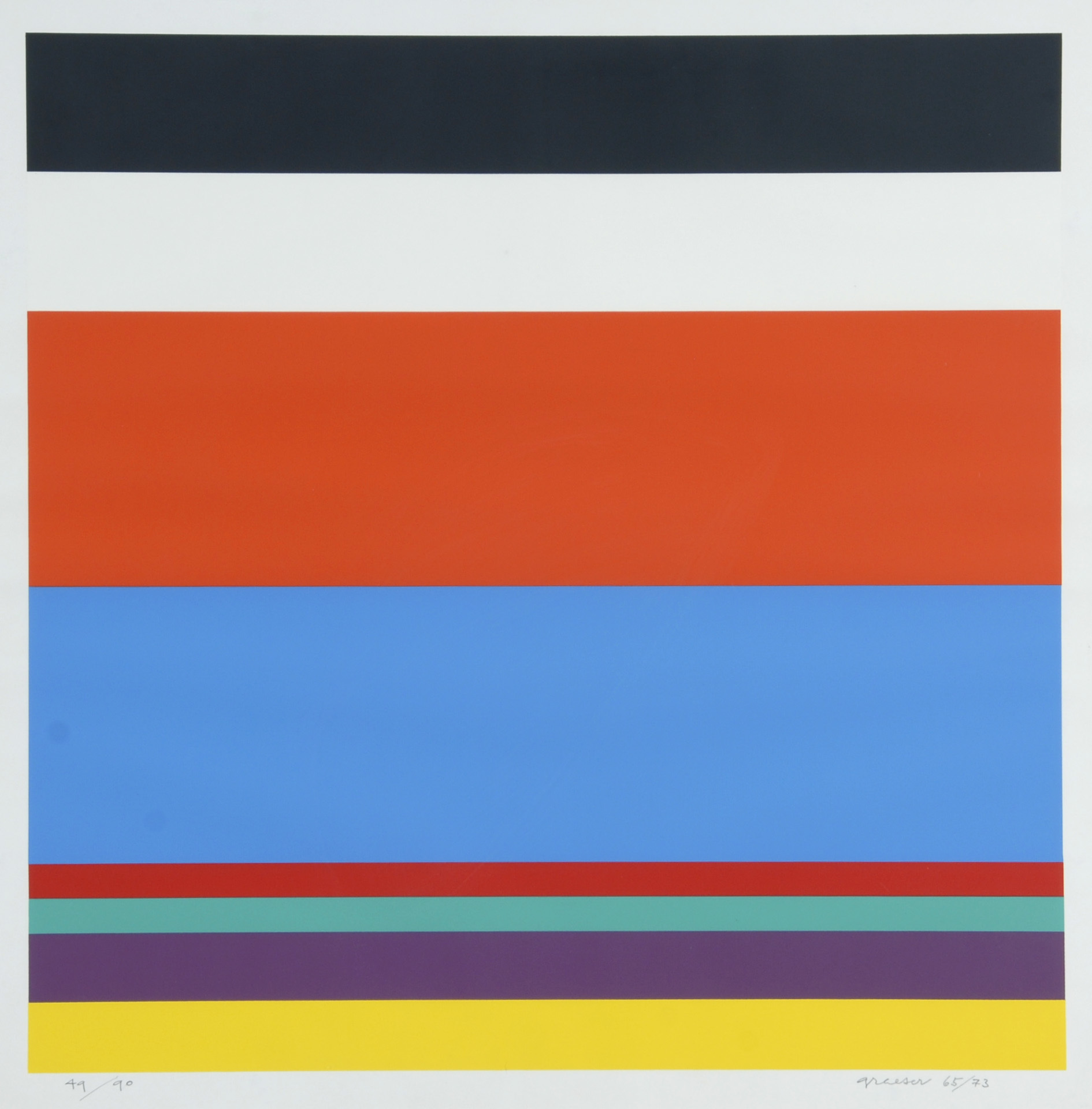
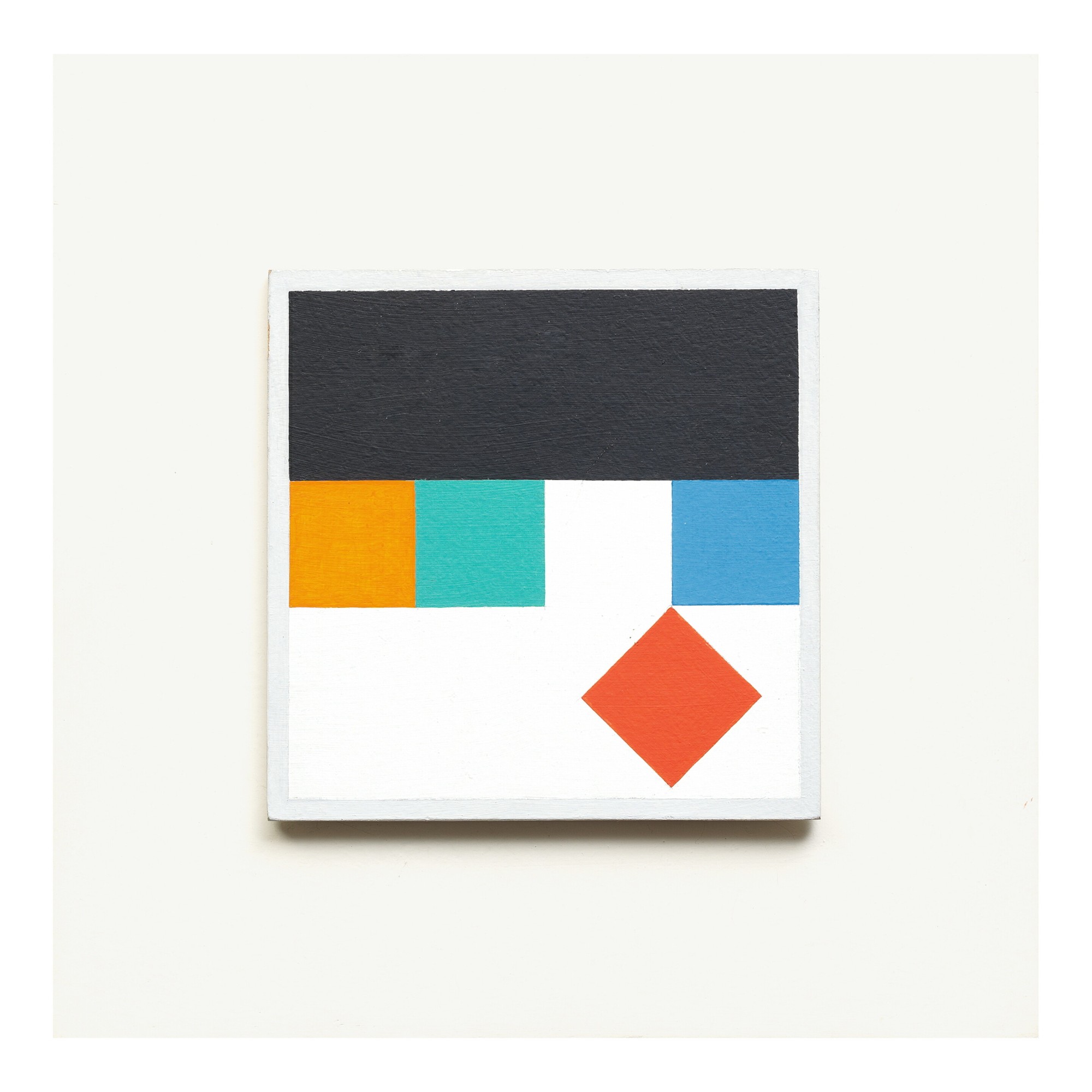
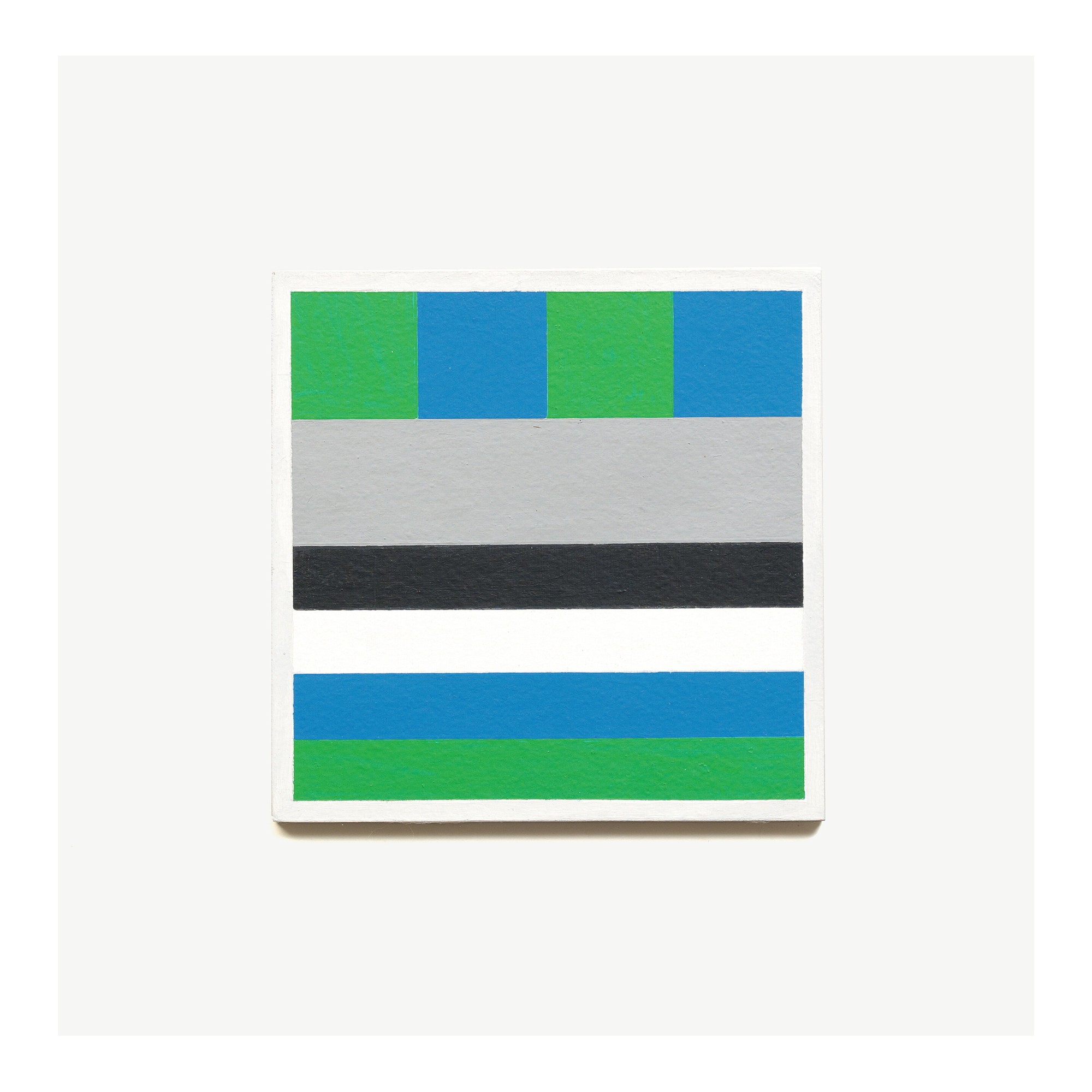
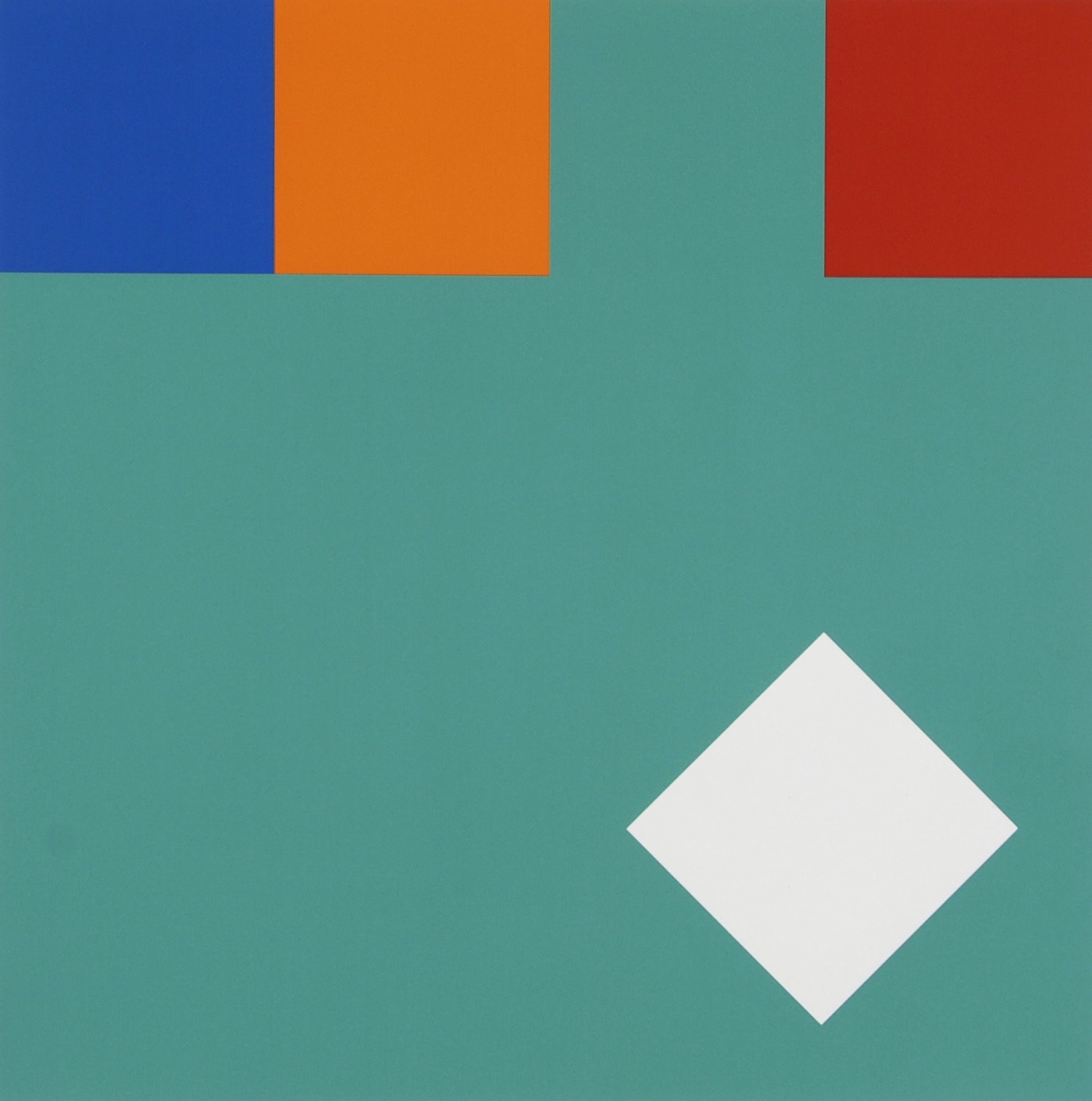
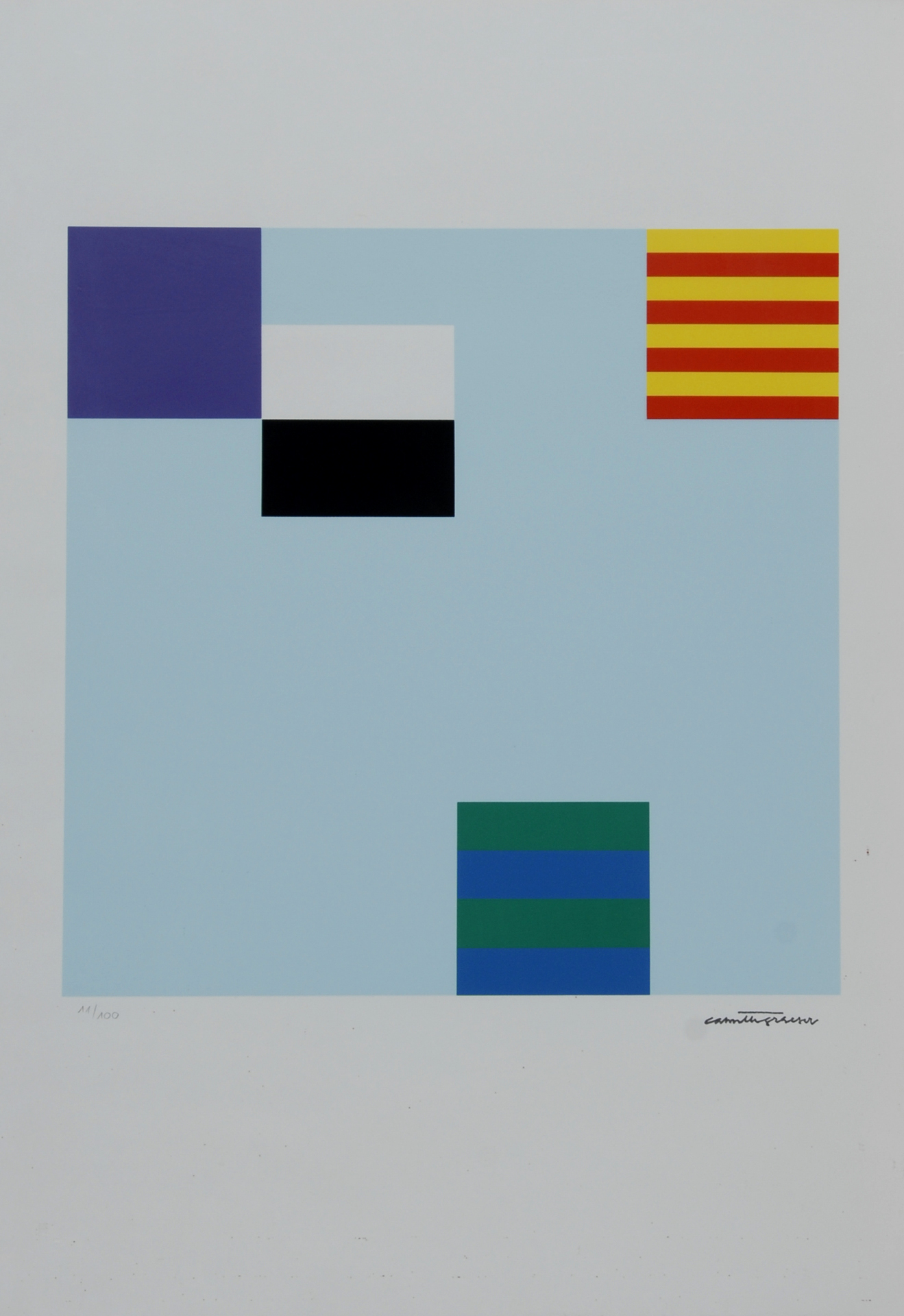
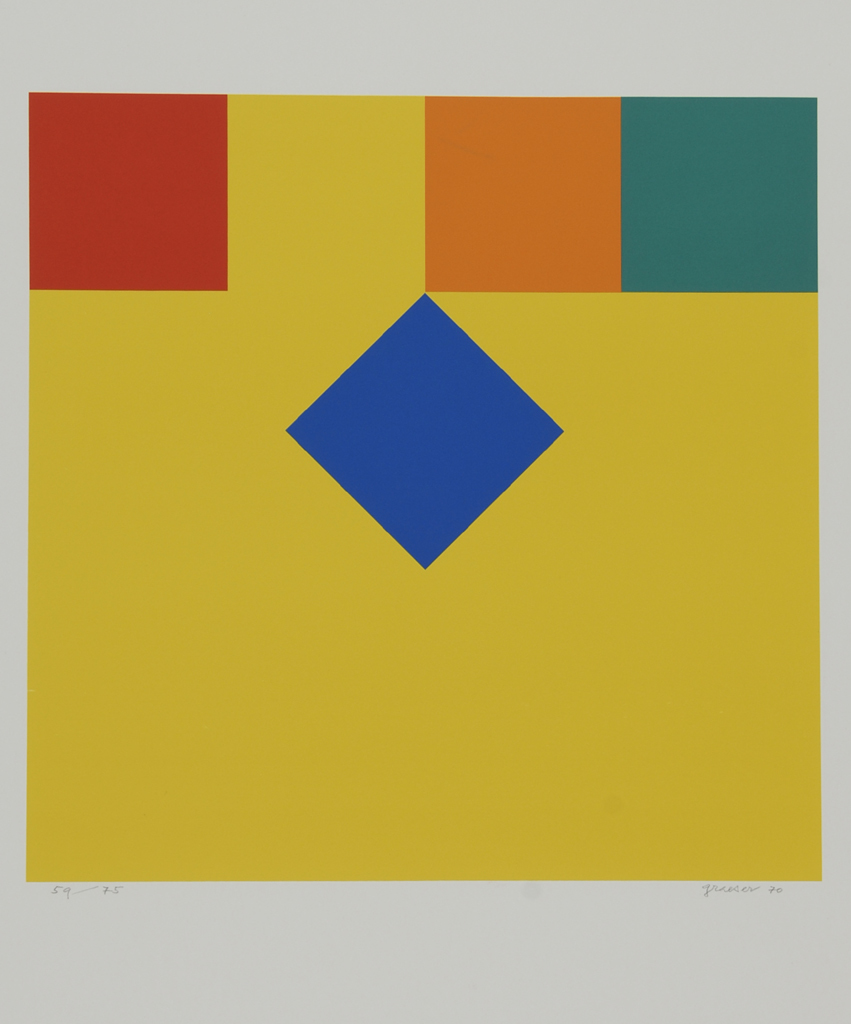
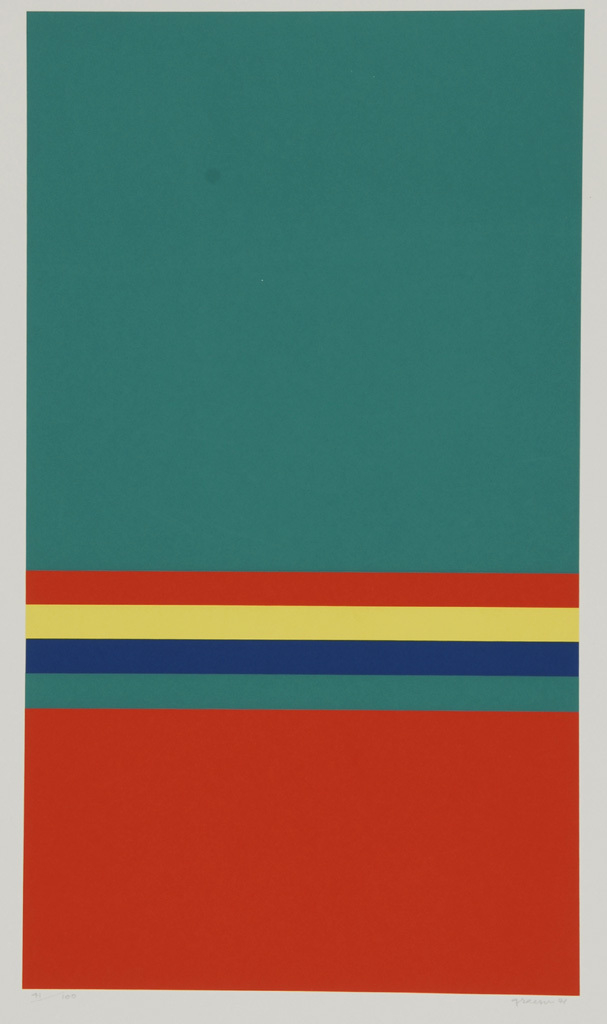
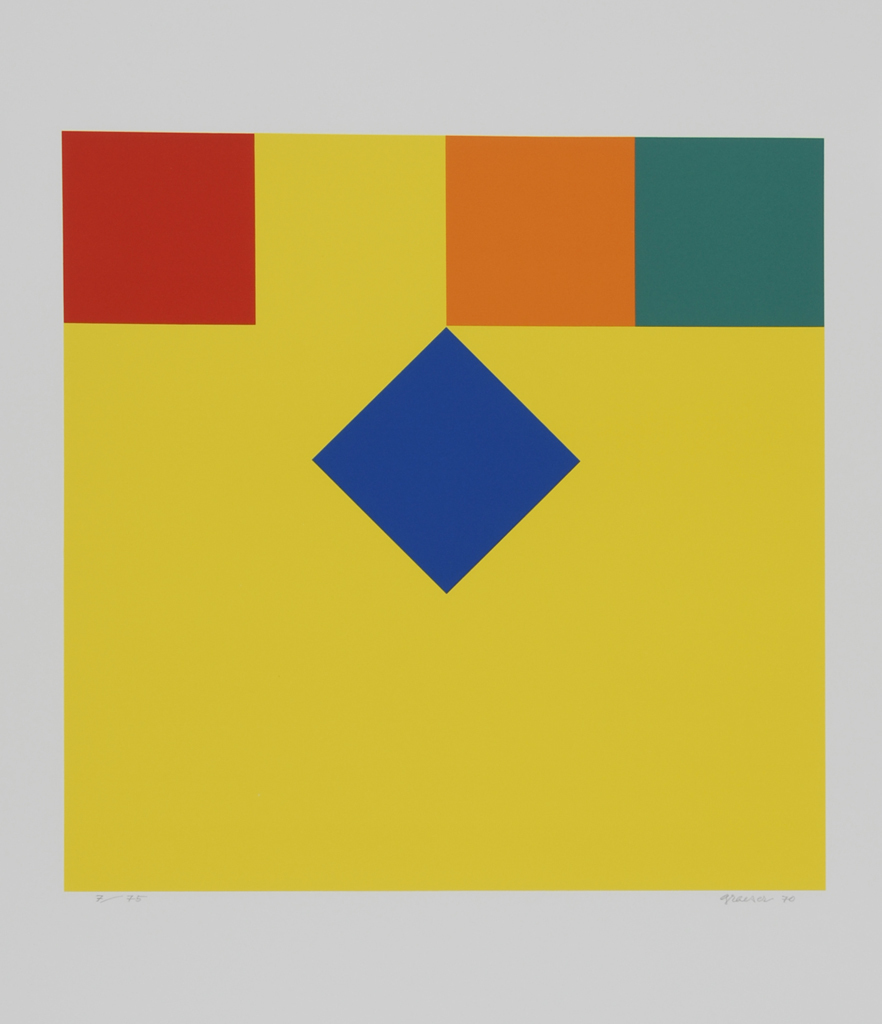
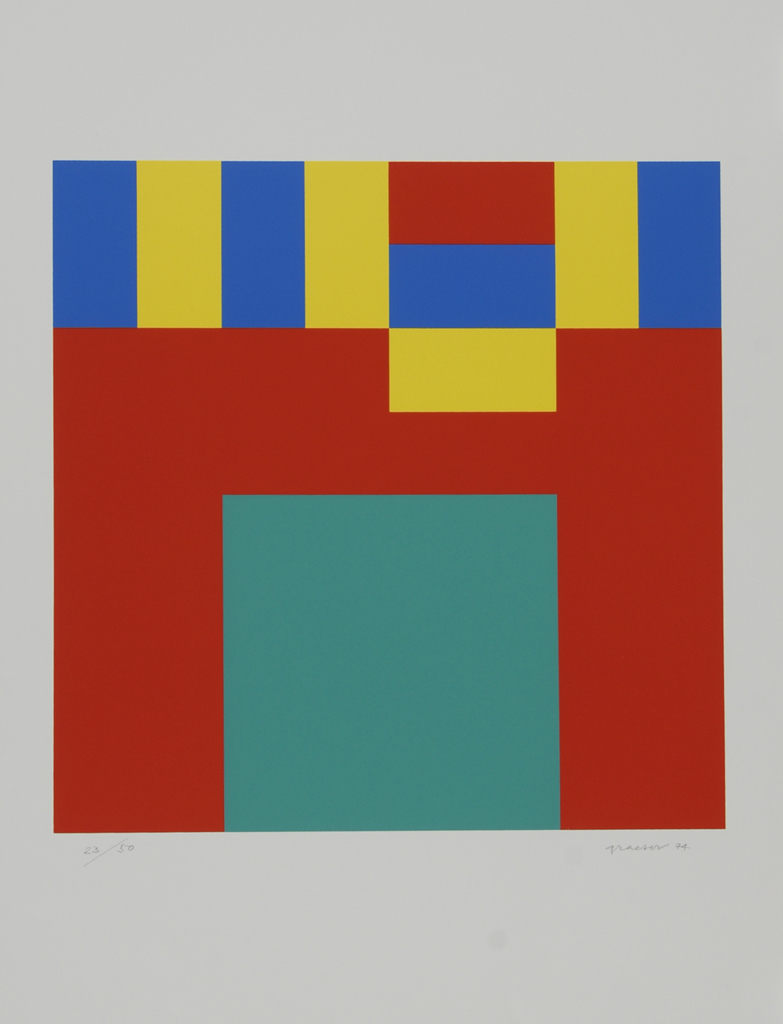
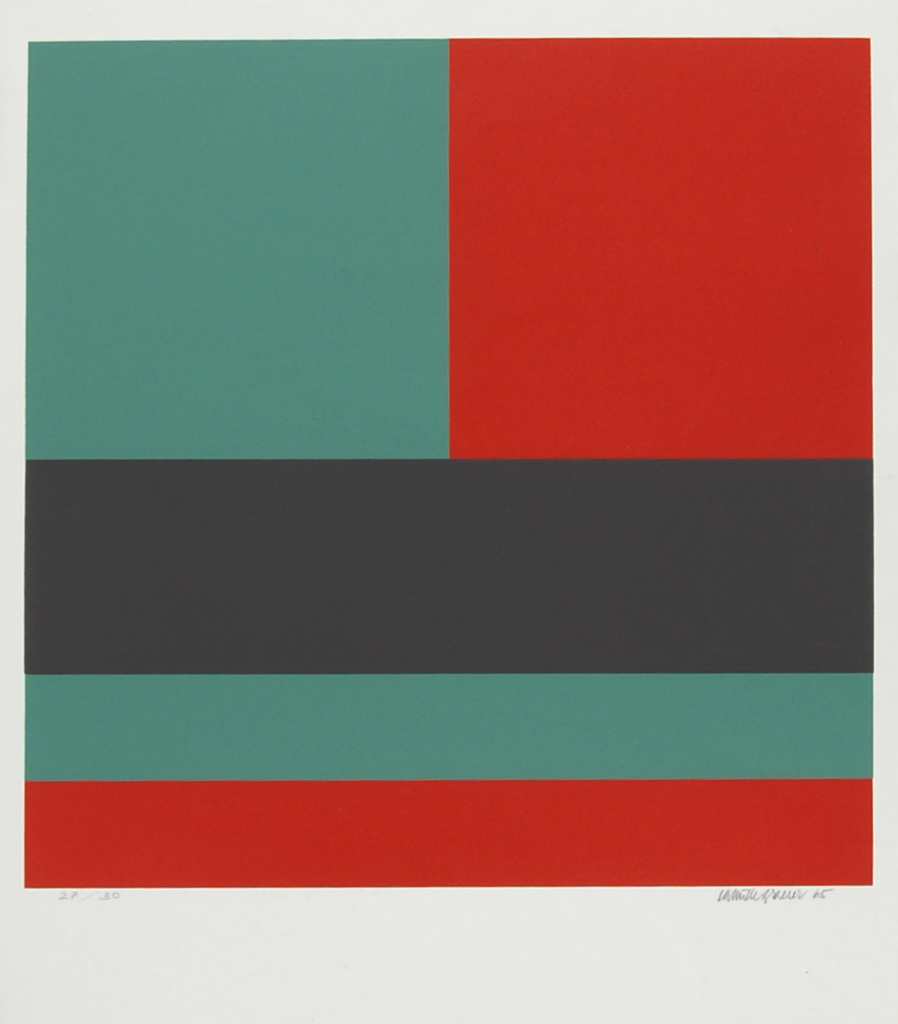
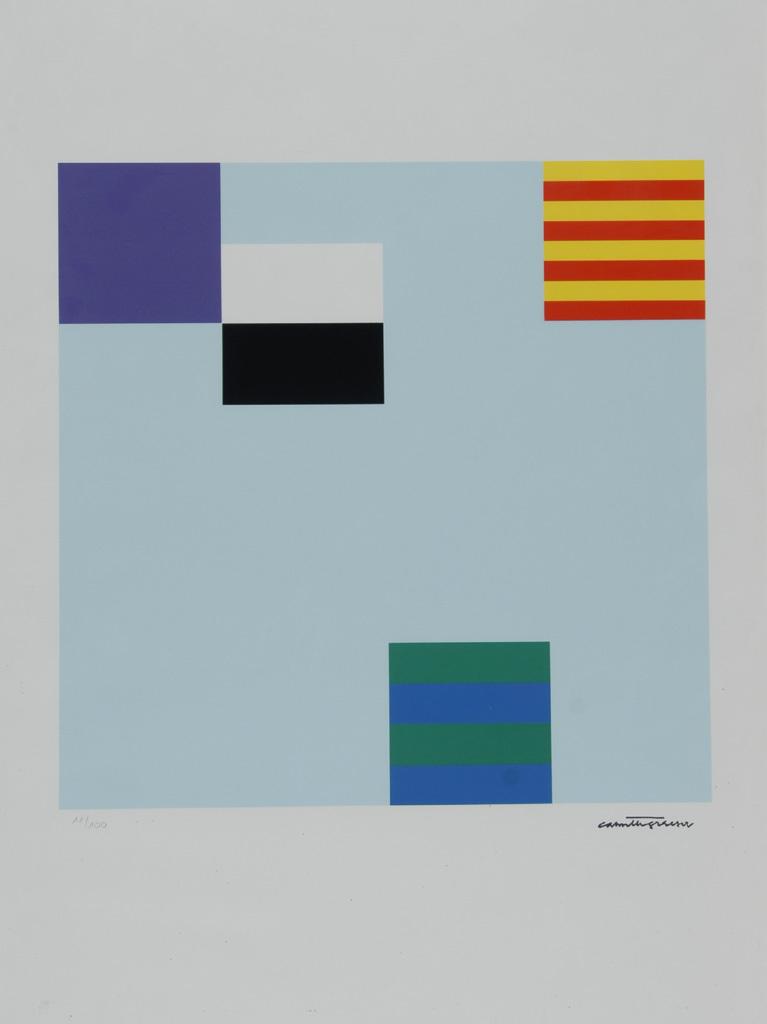
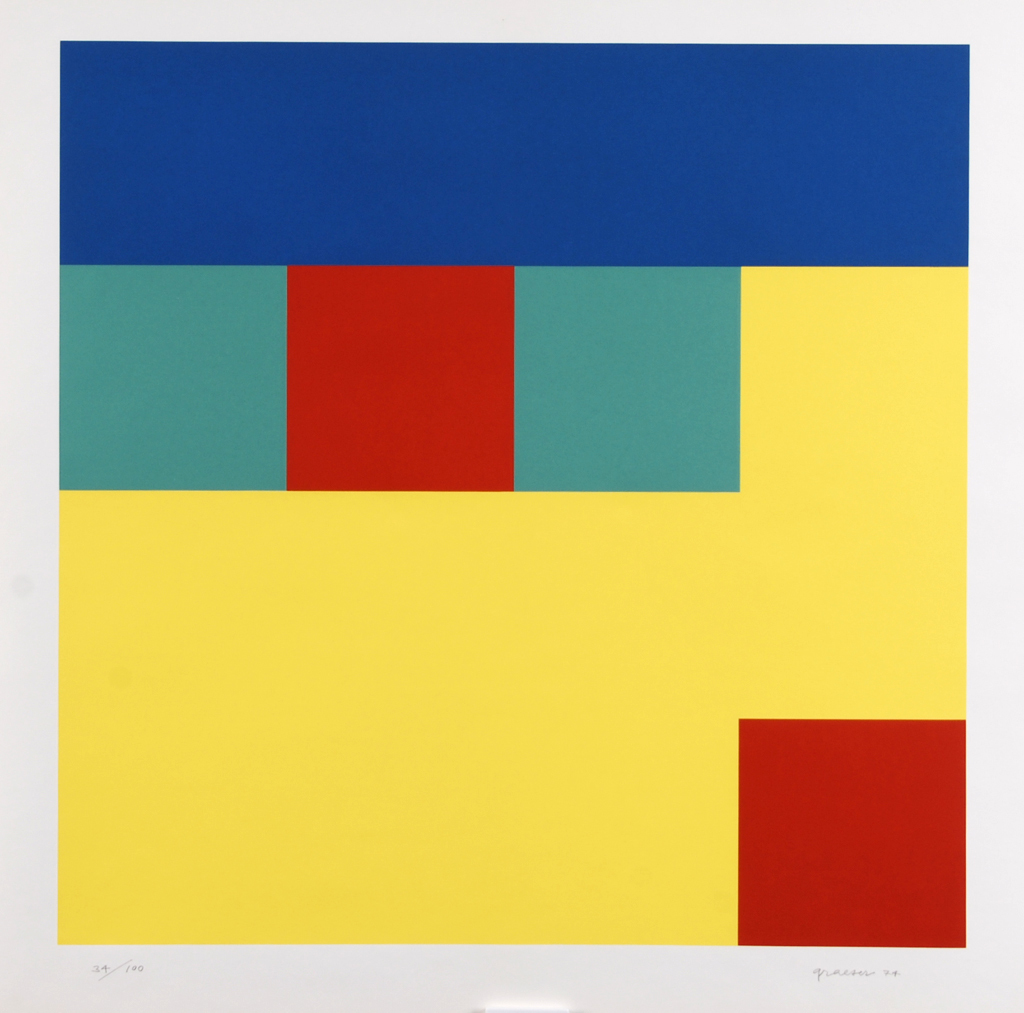
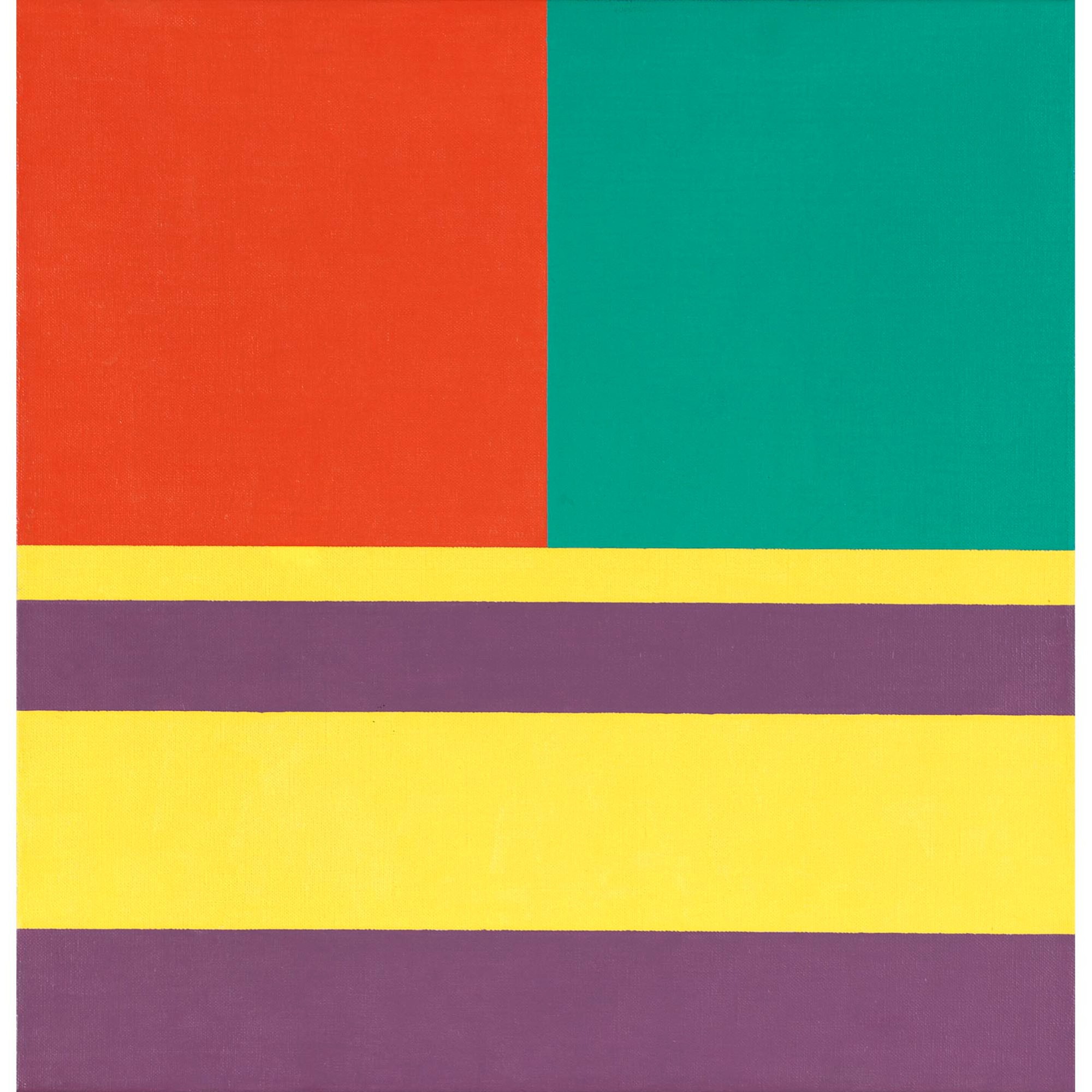
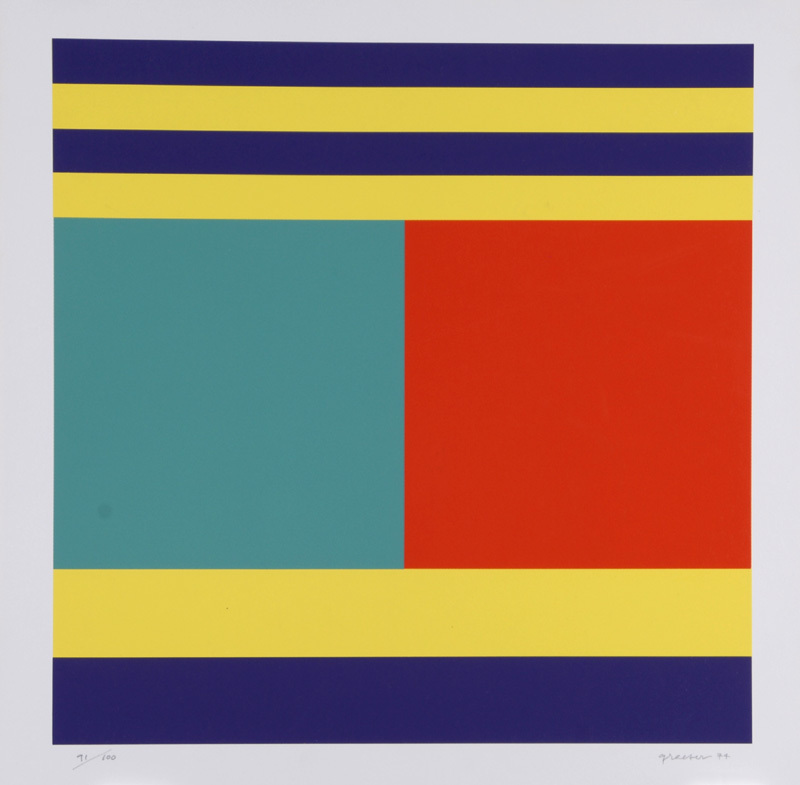
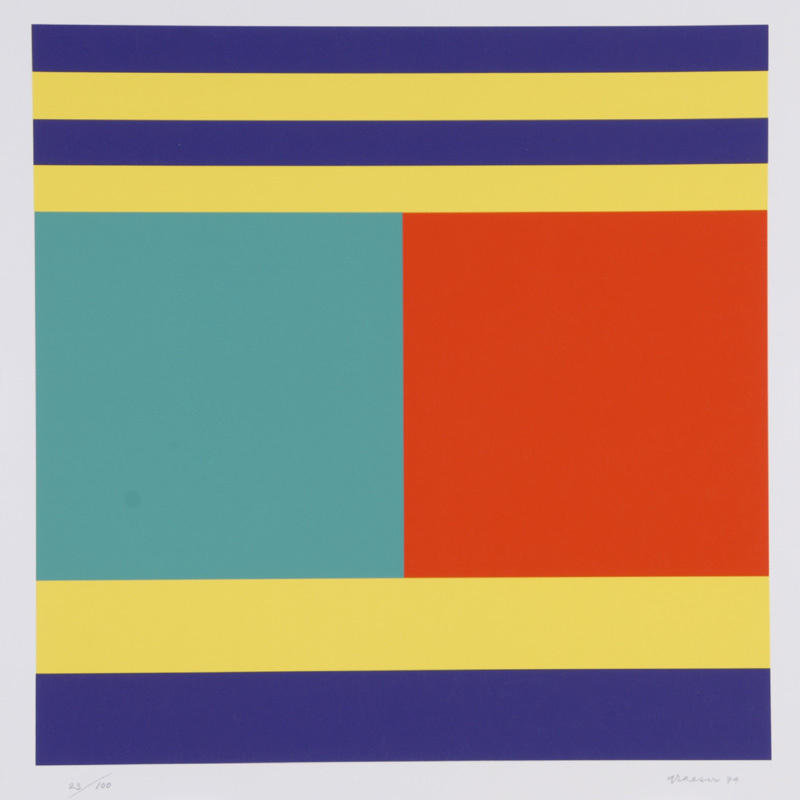
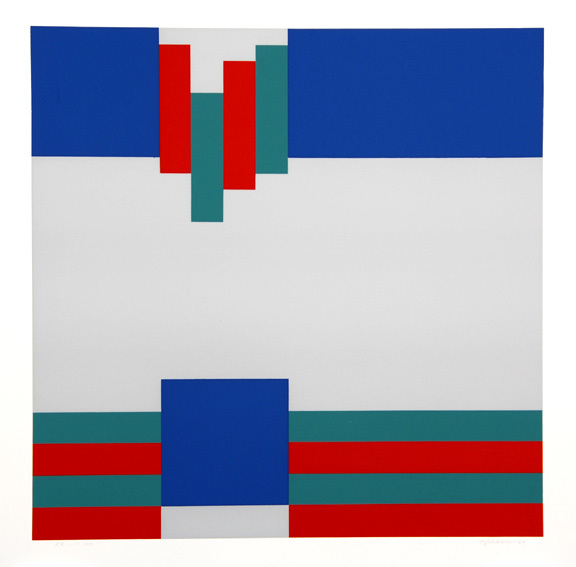
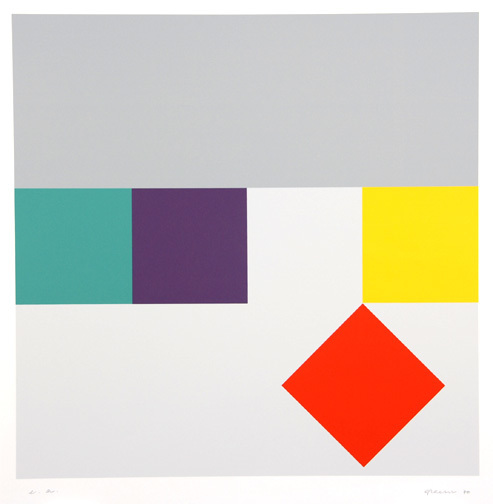
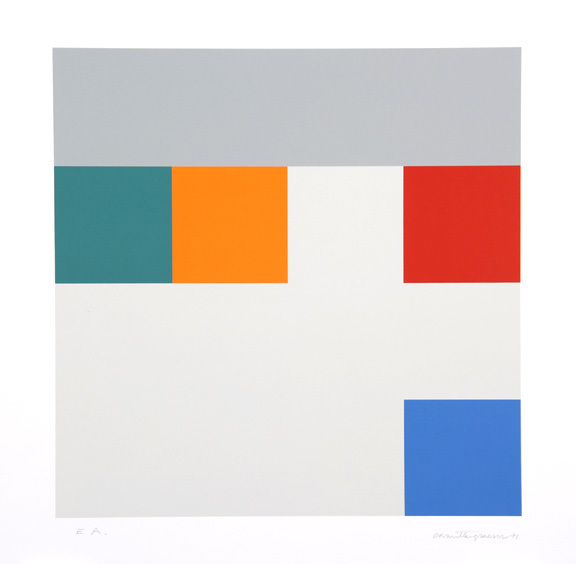
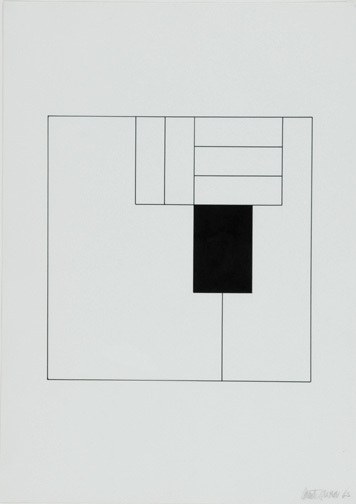
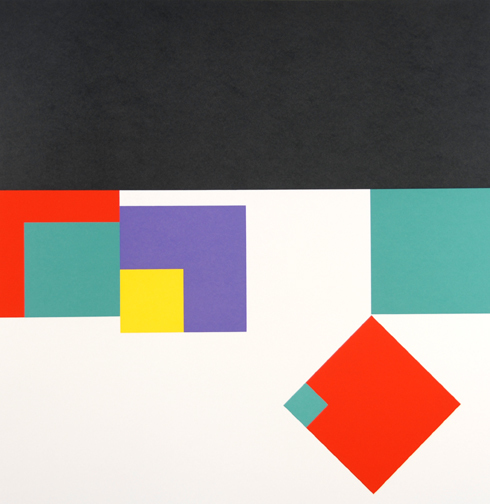
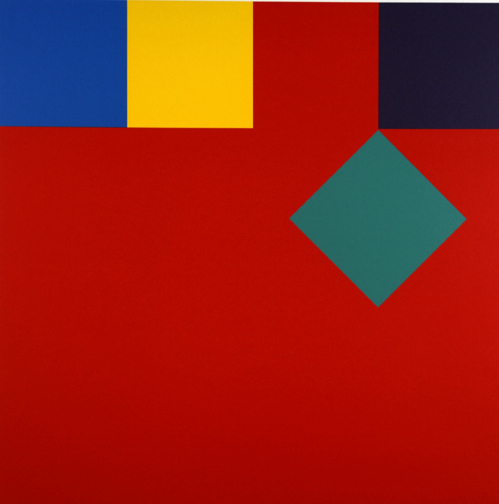
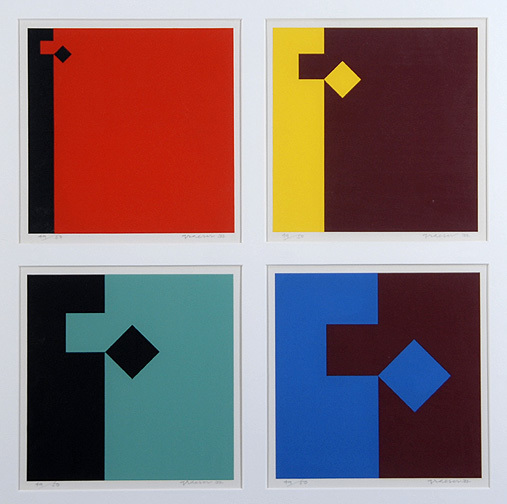
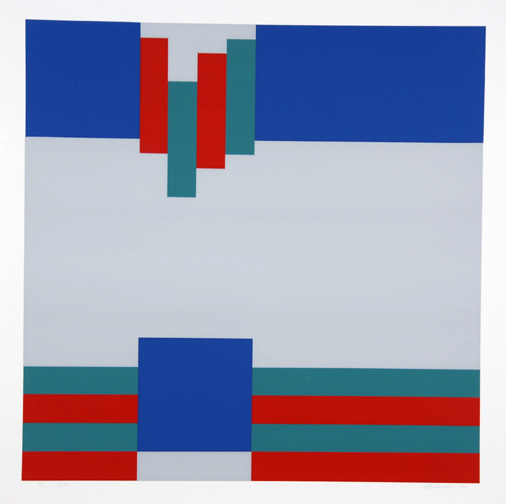
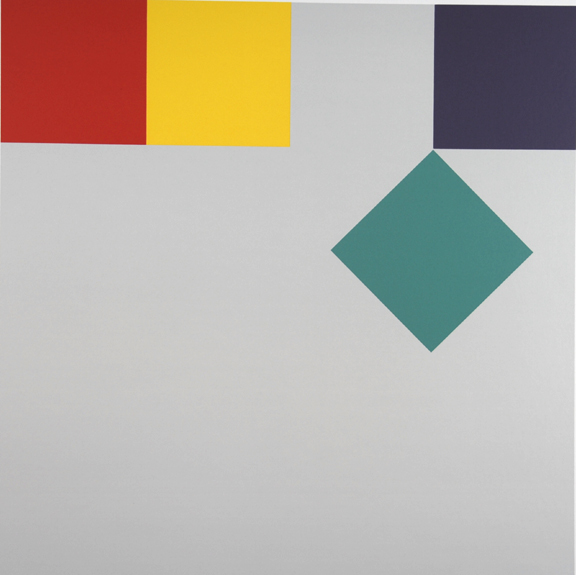
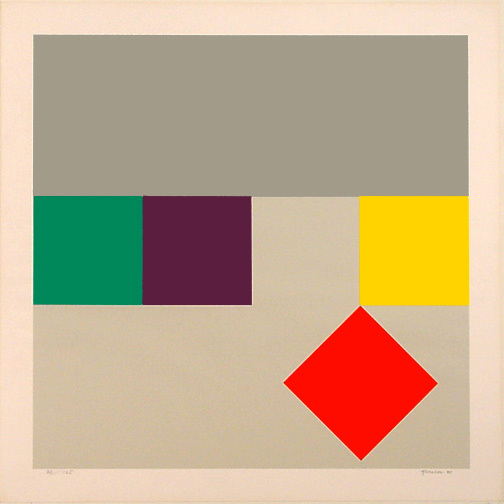
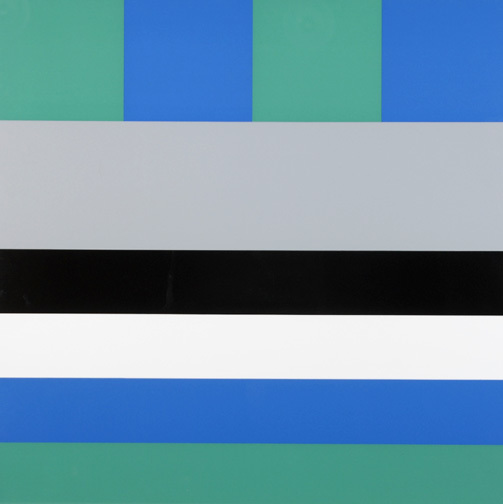
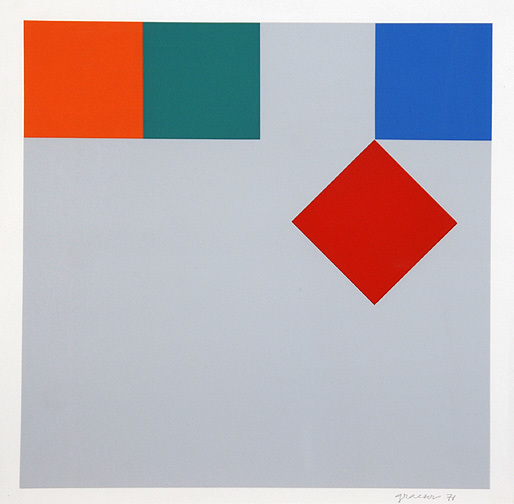
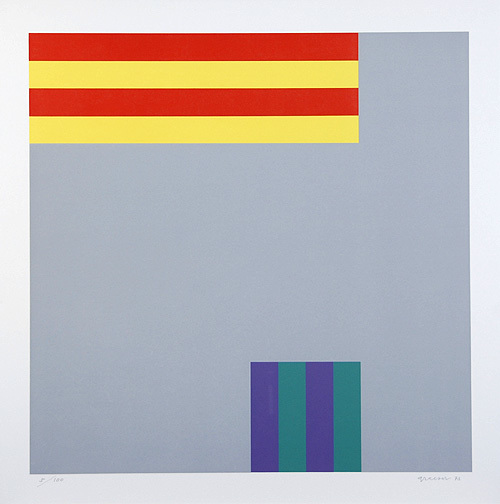
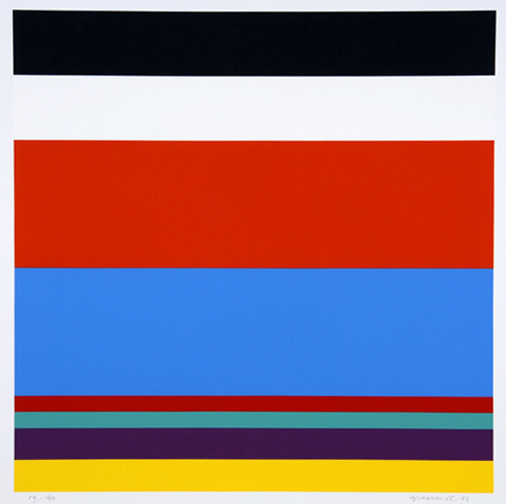
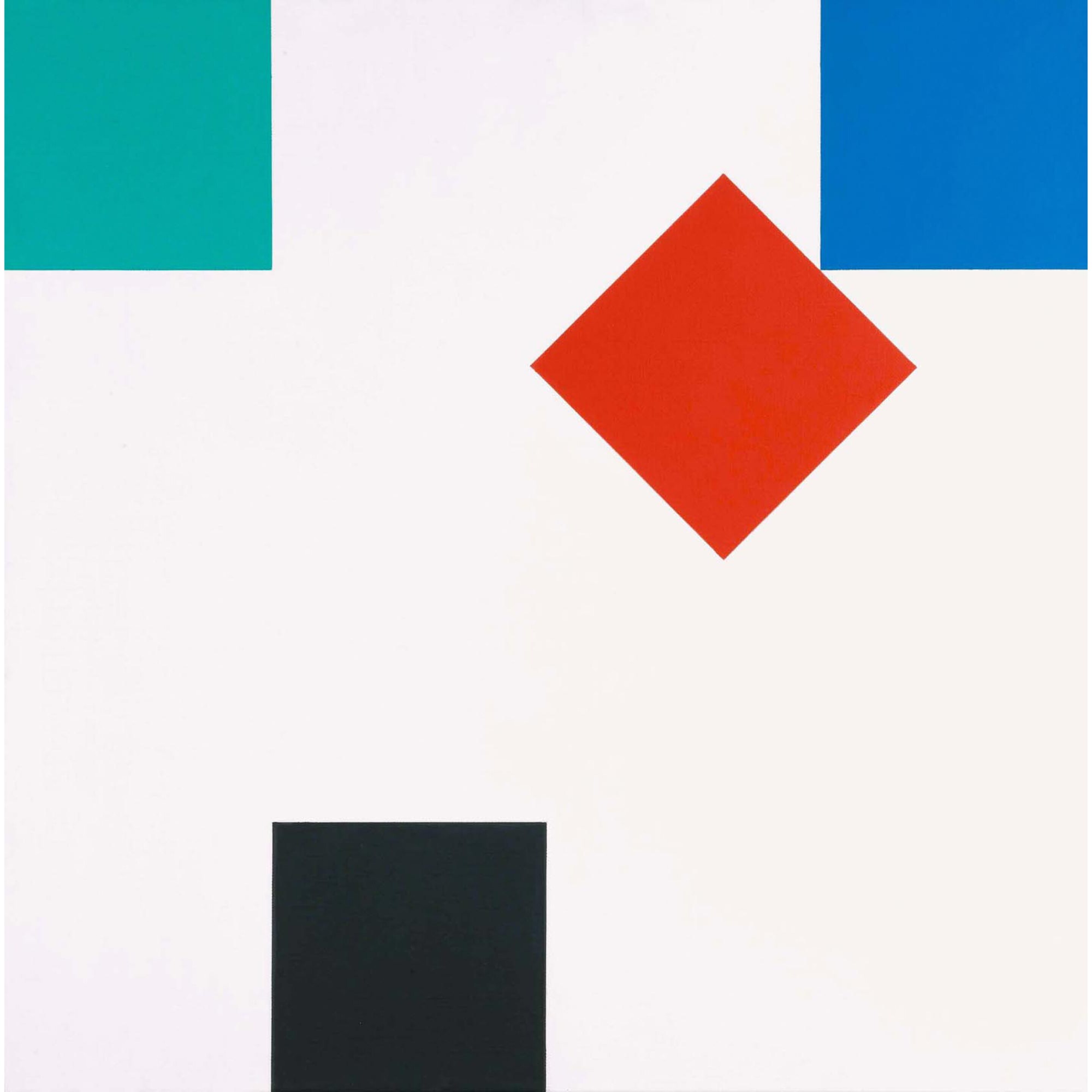
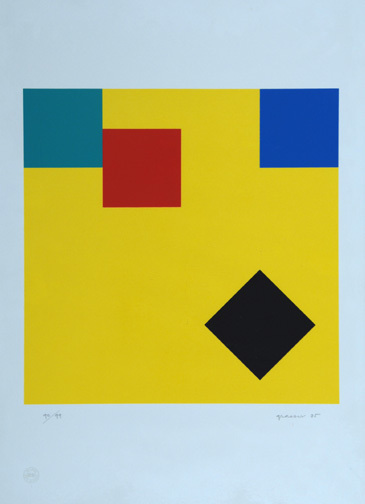
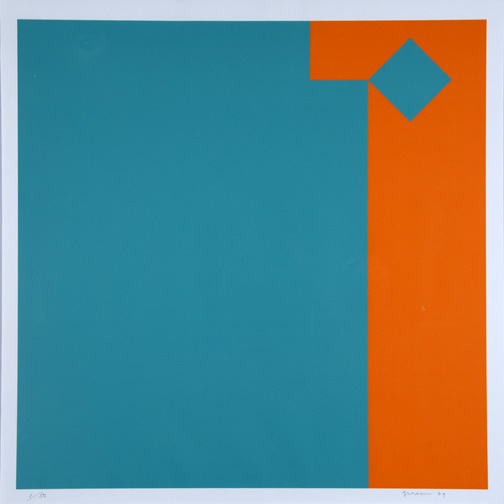
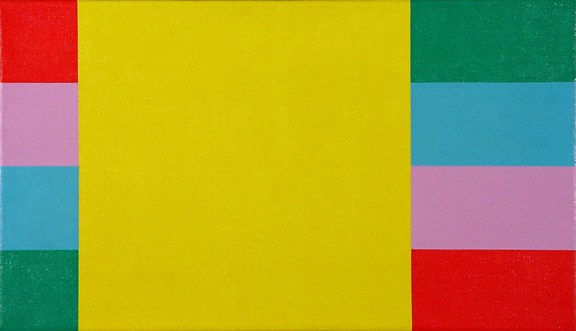
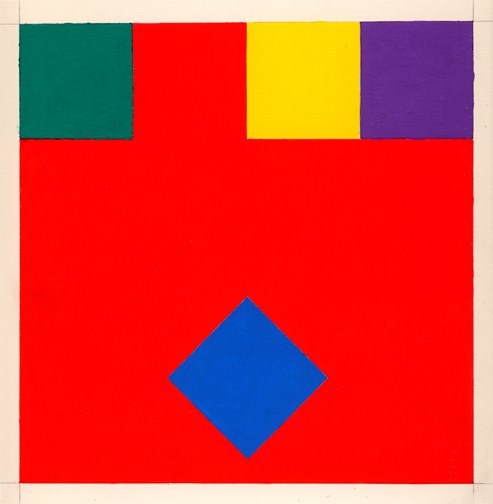
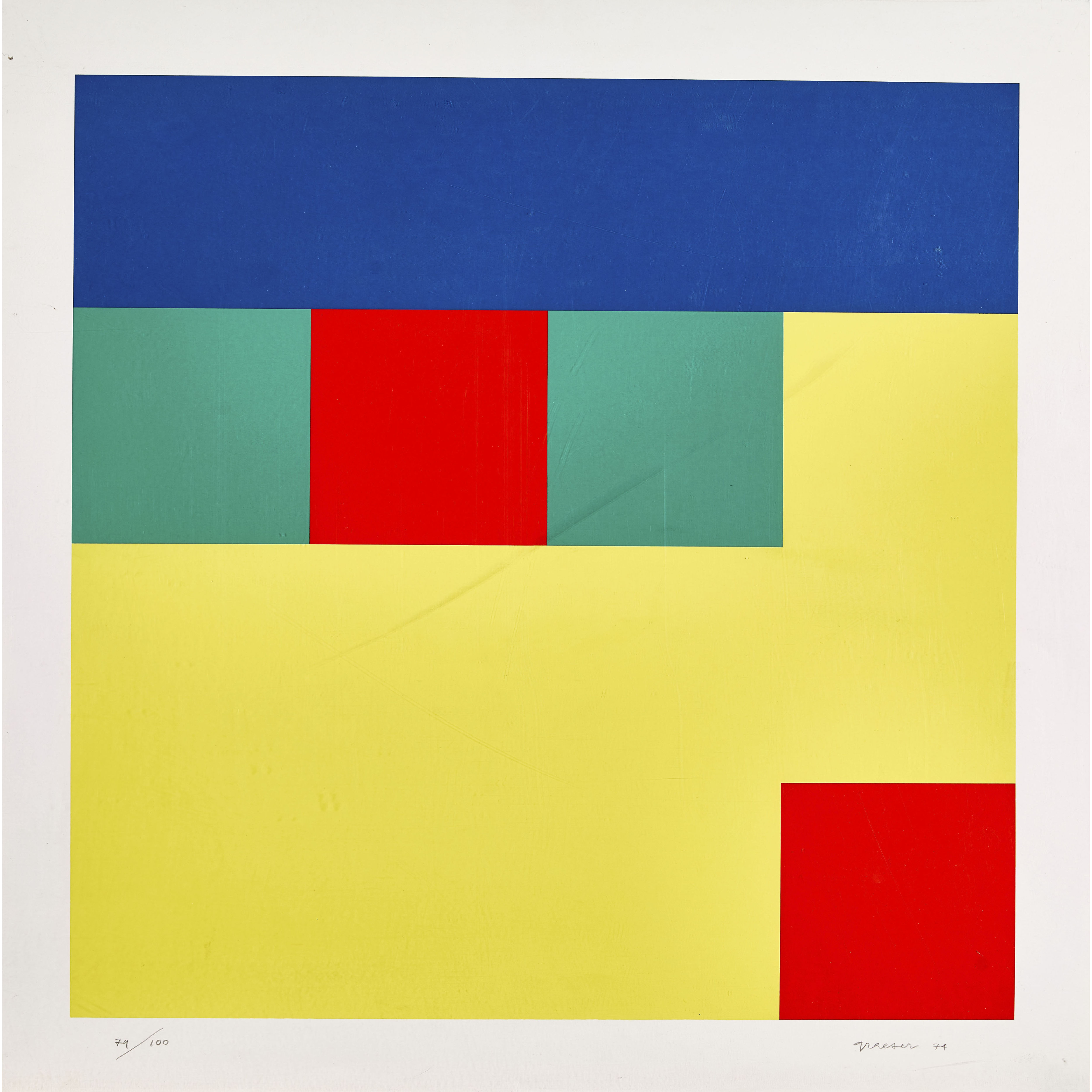
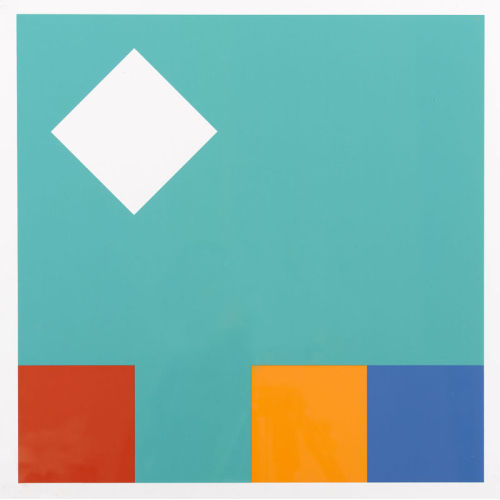
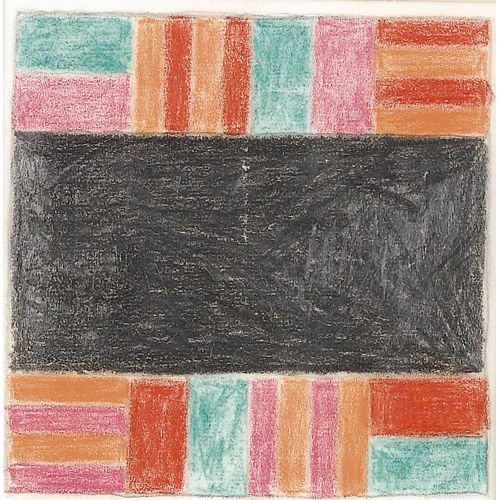
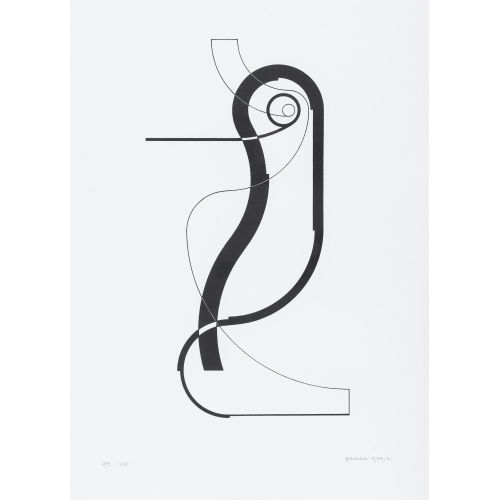
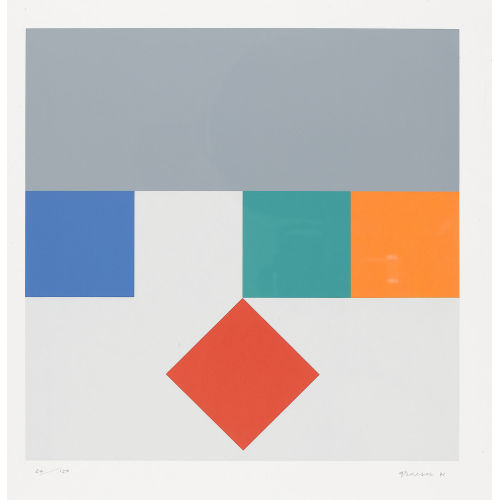
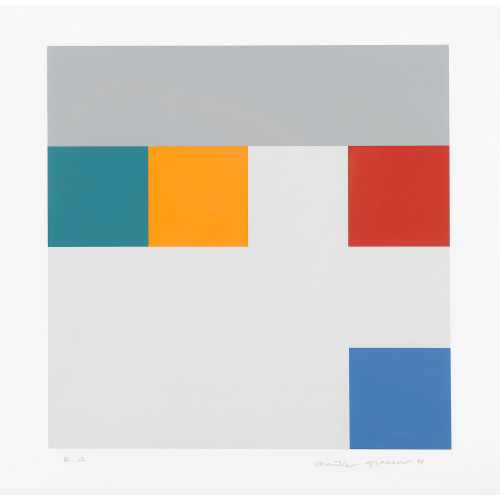
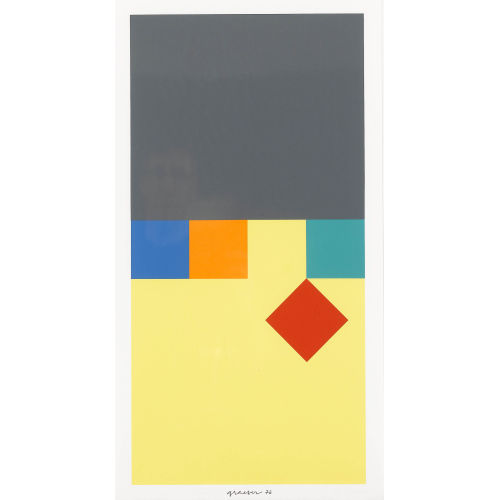
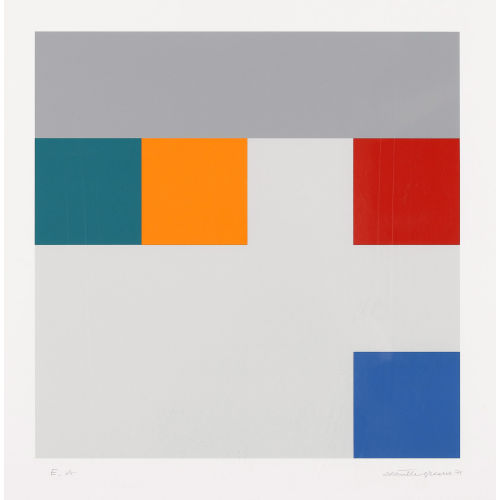
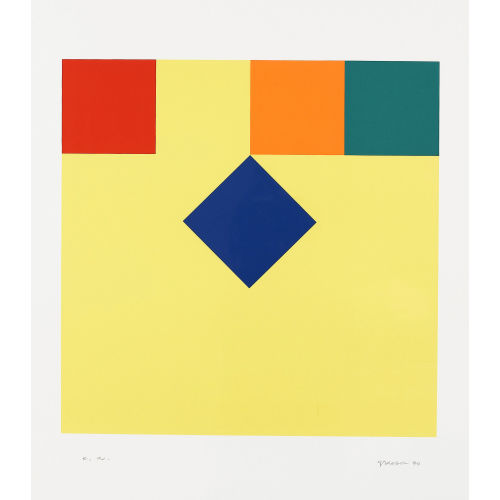
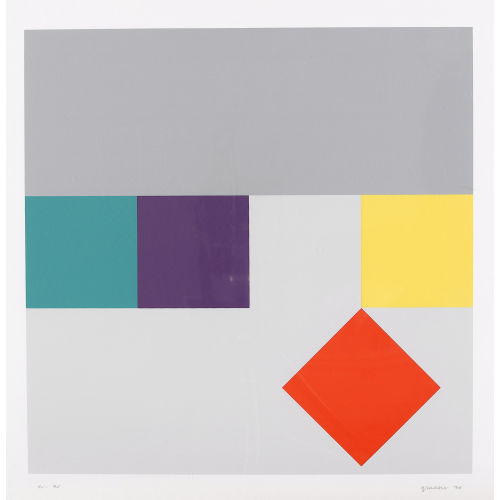
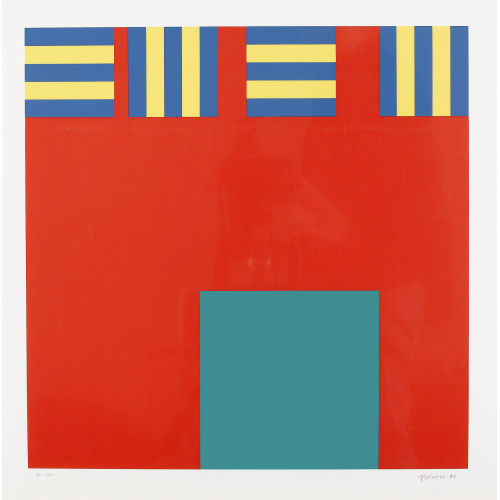
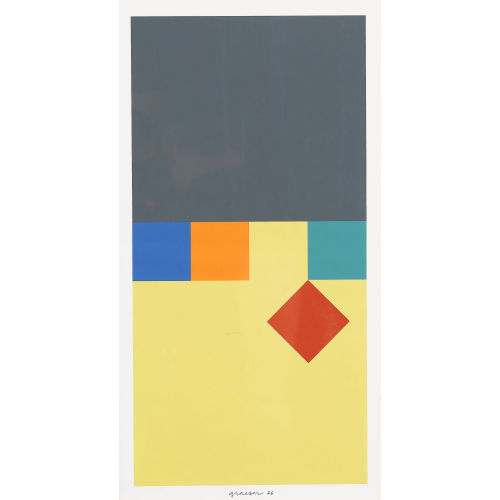
His visual language evolved without abandoning a rigorous geometry. From 1945 onwards, the picture surface and relationships of proportion became central; in the 1950s, he animated and displaced modules, often squares, through rotation, displacement or permutation. Forms and colours are organised into precisely constructed equilibria.
Together with Max Bill, Verena Loewensberg and Richard Paul Lohse, Graeser is recognised as one of the leading representatives of Concrete Art in Zurich. In 1964, the Kunsthaus Zürich devoted its first museum exhibition to him.