Beat Streuli
Born in 1957.
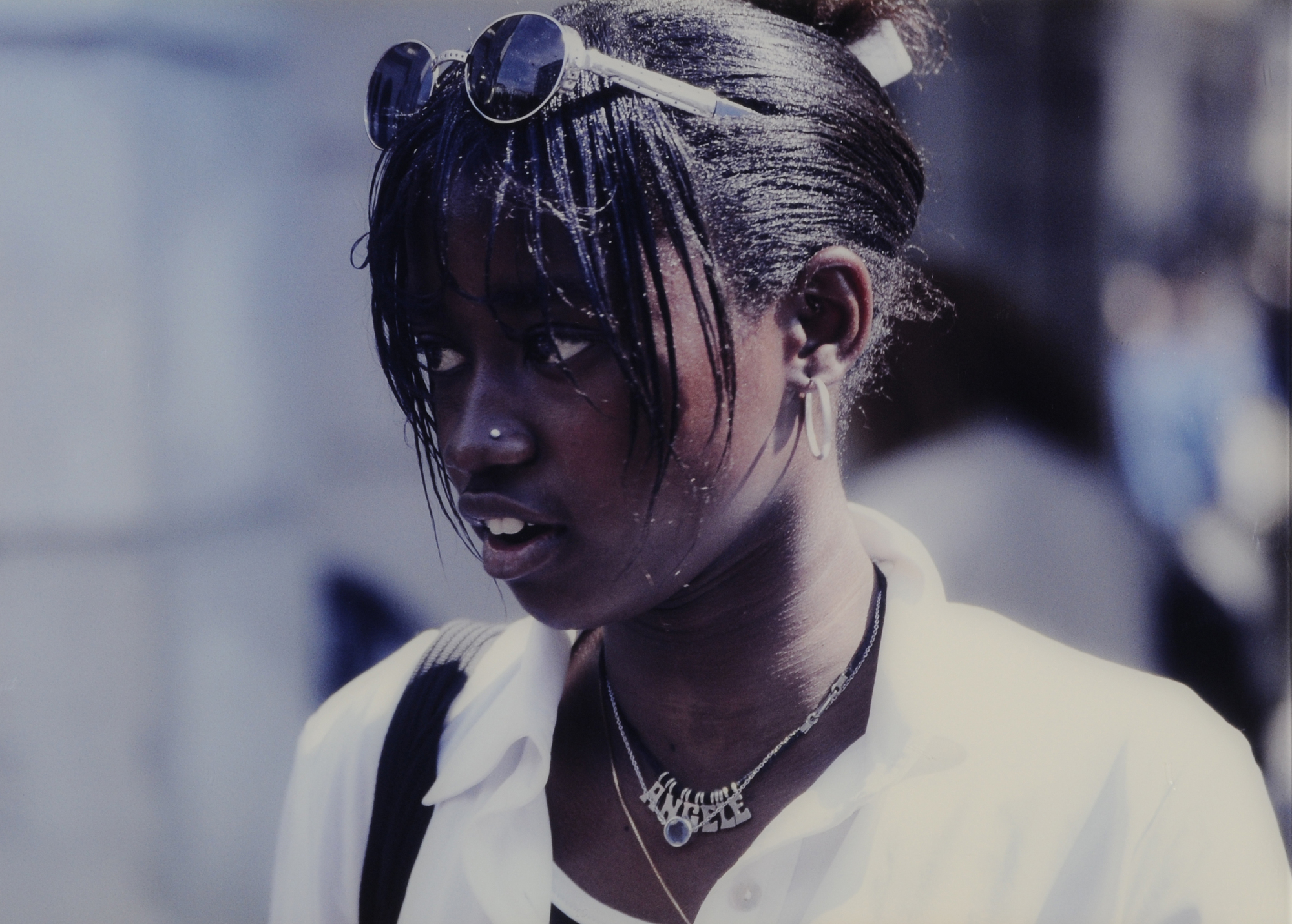
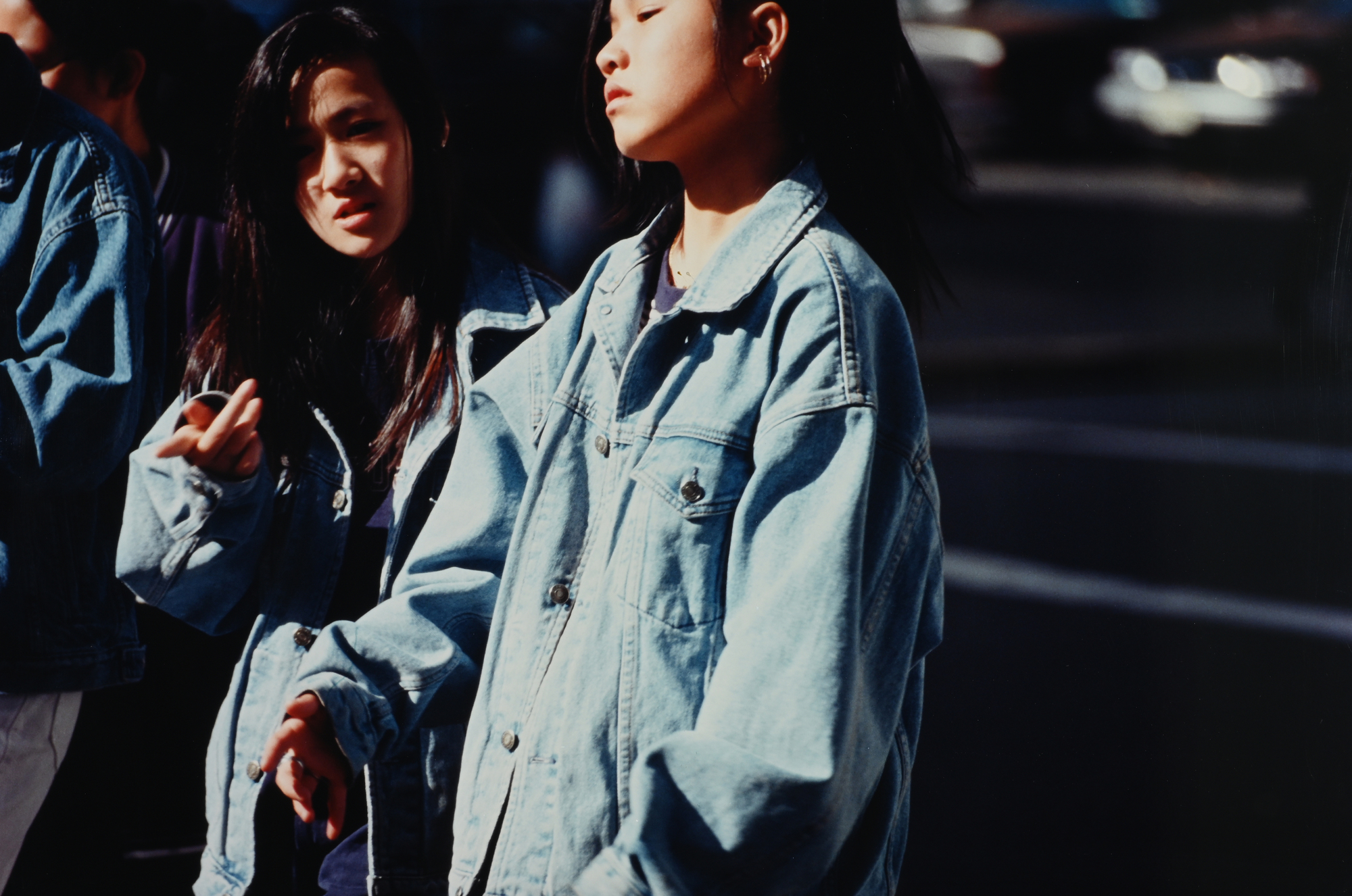
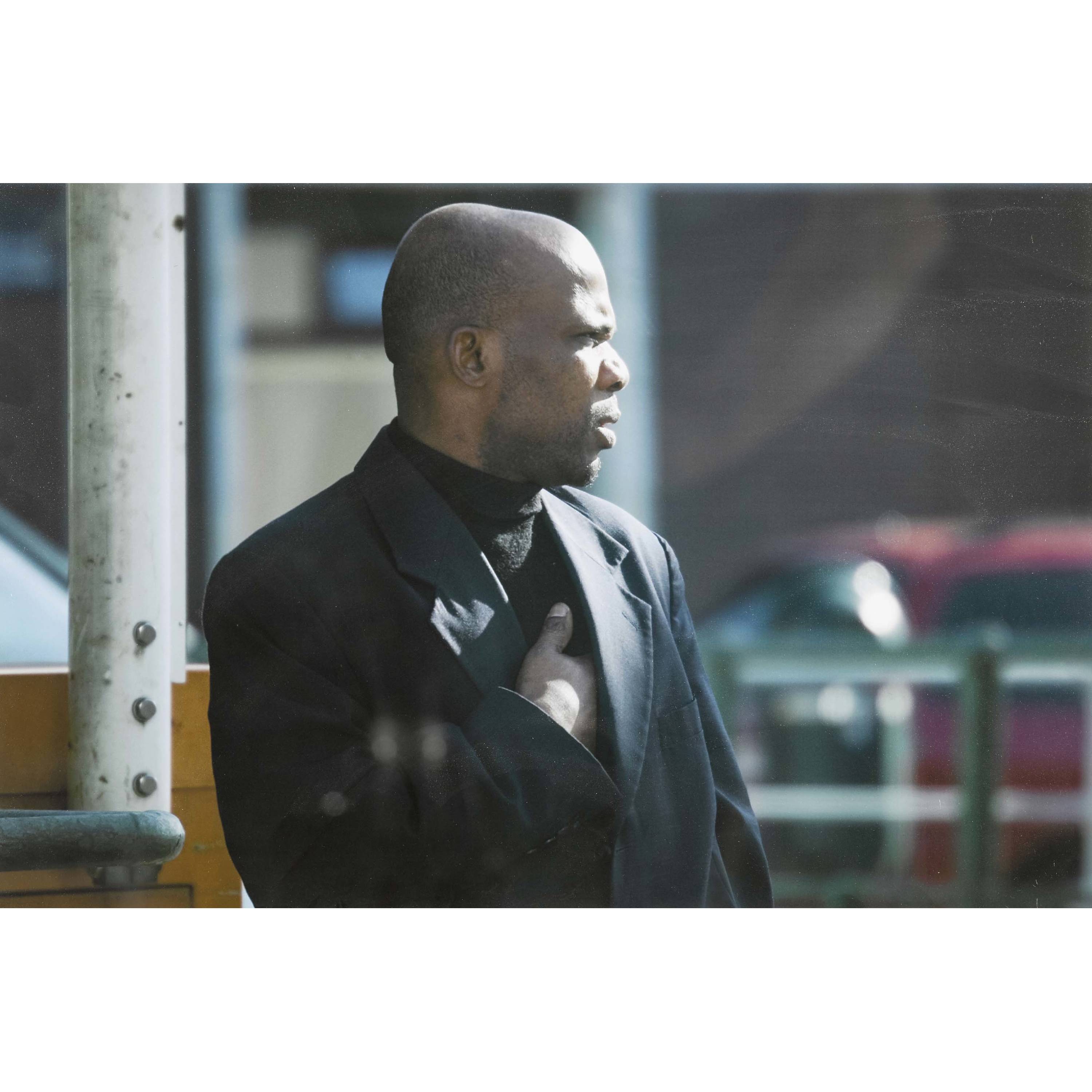
Beat Streuli is presented as a photographer and visual artist whose practice combines photography, video, and multimedia installations, and is characterised by projects that associate the image with interventions integrated into architecture, notably through glazed surfaces. In several of his projects, Streuli employs digital montage and the superimposition of images to compose visual layers intended to become part of an architectural context rather than to offer mere portraits.
His professional career has led him to live and work in numerous international cities, including New York, Sydney, Zurich, Brussels, and Düsseldorf. His work has been shown in solo exhibitions at European institutions, notably at the Tate Gallery in London in 1997 and at the Palais de Tokyo in Paris in 2002.
Several permanent interventions are attributed to him and are noted in public and institutional contexts, notably at the Lufthansa Aviation Center at Frankfurt Airport, at ETH Zurich, at the Palais de Tokyo, and in the immigration hall of Dallas/Fort Worth International Airport.
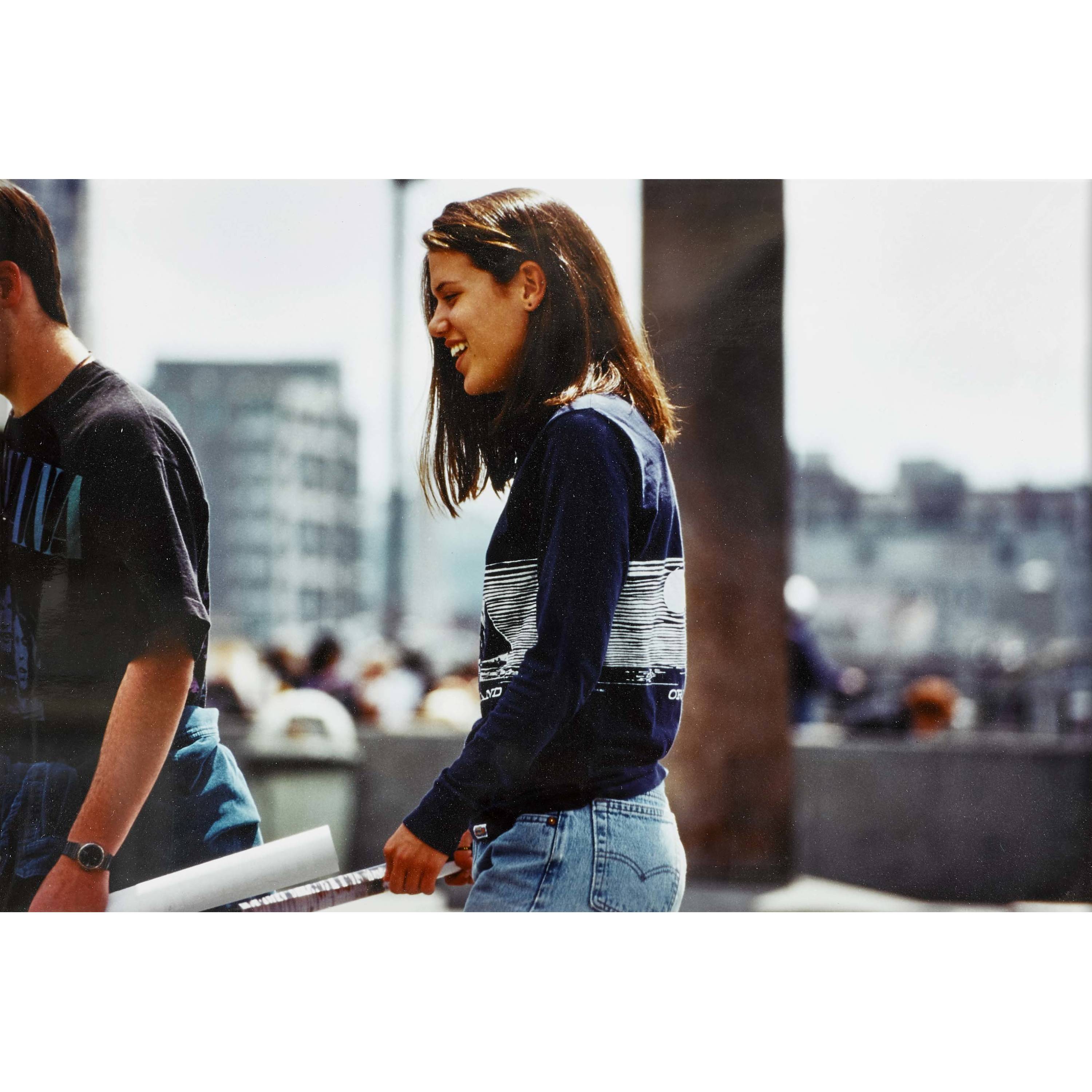
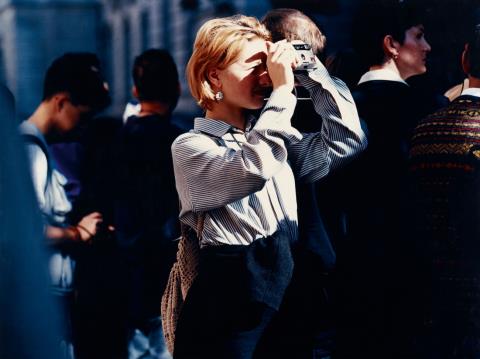
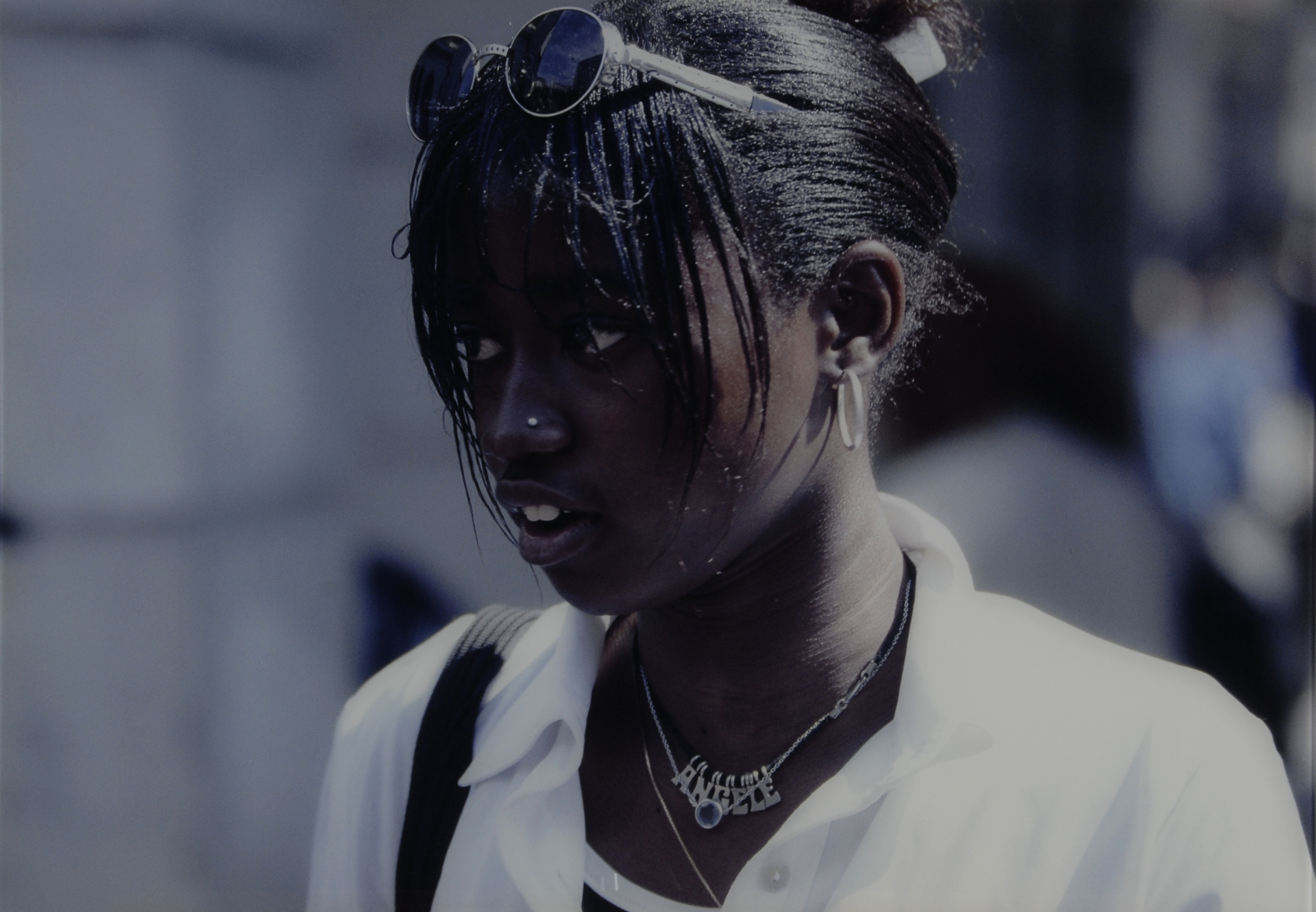
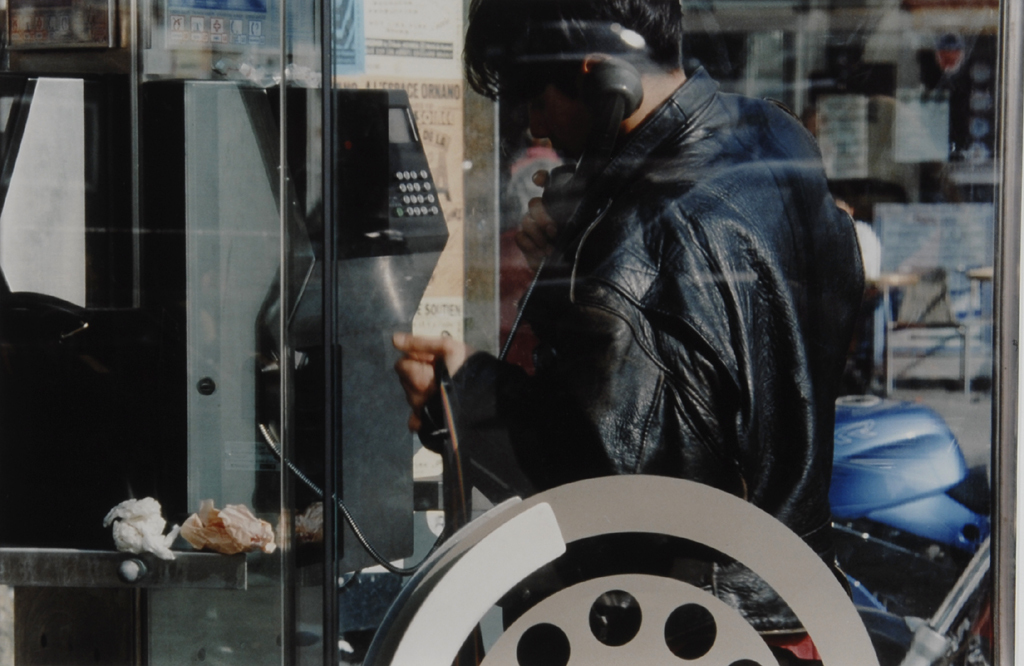
For the project entitled 'Metropolis', Streuli describes the use of editing software (Photoshop) to assemble different shots and produce a layered image tending towards a more painterly structure that is better integrated into architecture. The selection of subjects for this same project was carried out through a process comparable to casting, seeking a diversity of ages, genders, and origins, while retaining the snapshot effect characteristic of street photography. For works installed in glazing, variations in hue and appearance are achieved through the combination of transparent films inserted between double-glazed panes, a technical procedure mentioned by the artist.
A photograph referenced as 'New York 91/93' (1992), presented in black and white in a Plexibox frame, edition 1/2, dimensions 137 x 201 x 8 cm, is recorded in the collection of the Kunstmuseum Luzern (Inv.-Nr. 94.37q). This presence in a collection illustrates the continuity of a practice that oscillates between the autonomous image and its integration into exhibition and architectural devices, the use of montage, and formats intended for specific spaces.