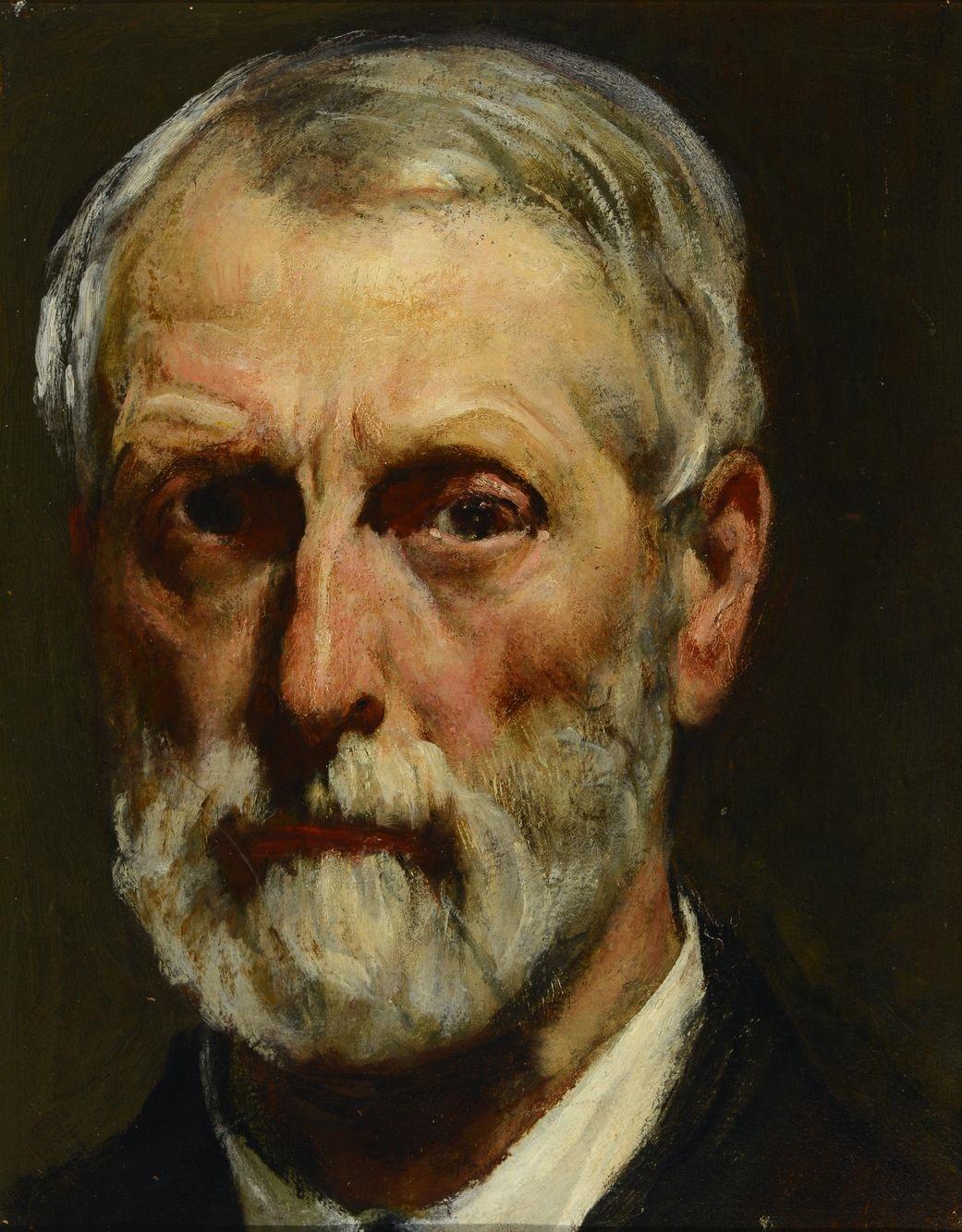
Barthélemy Menn
Born in 1815.
Died in 1893.
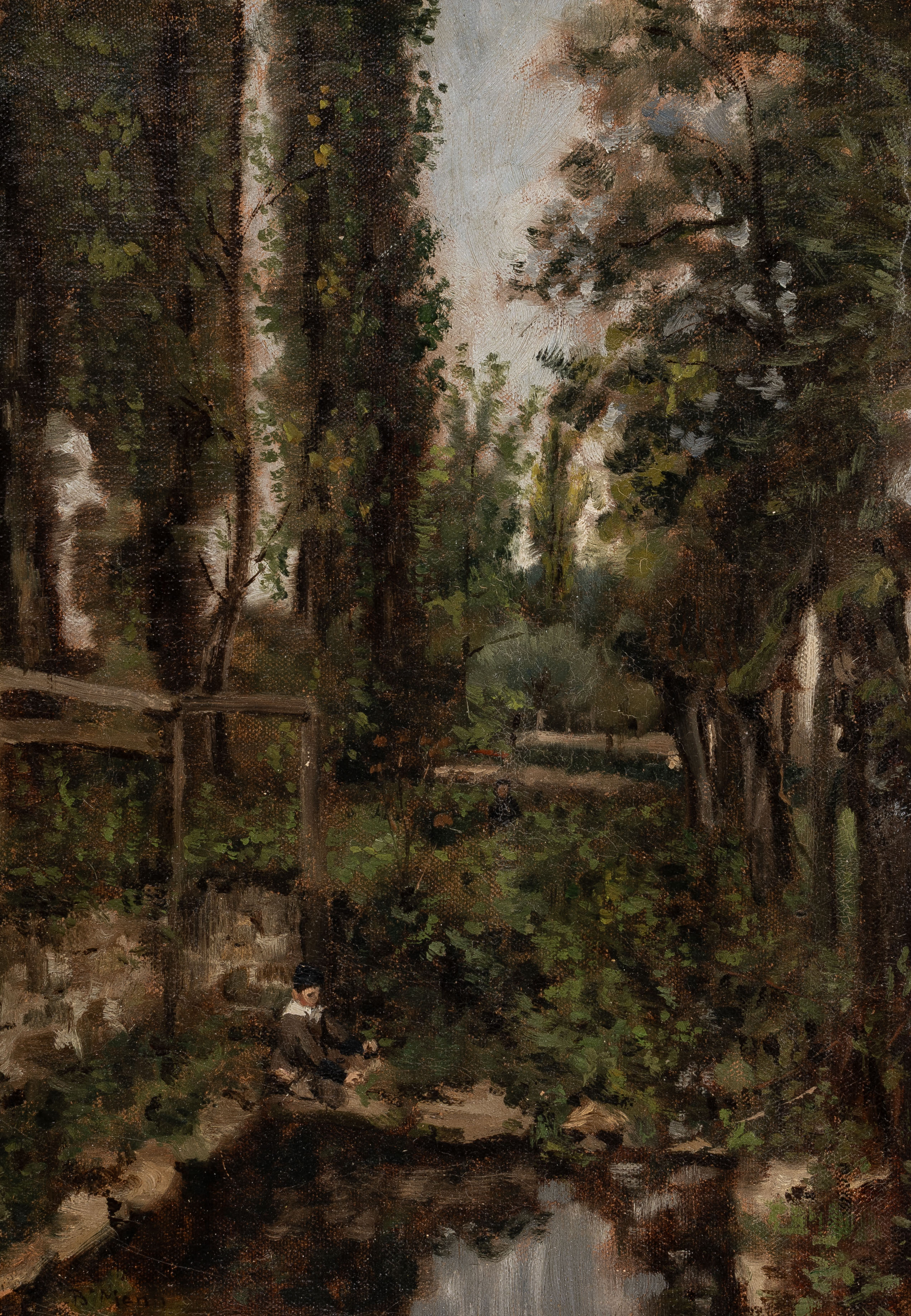
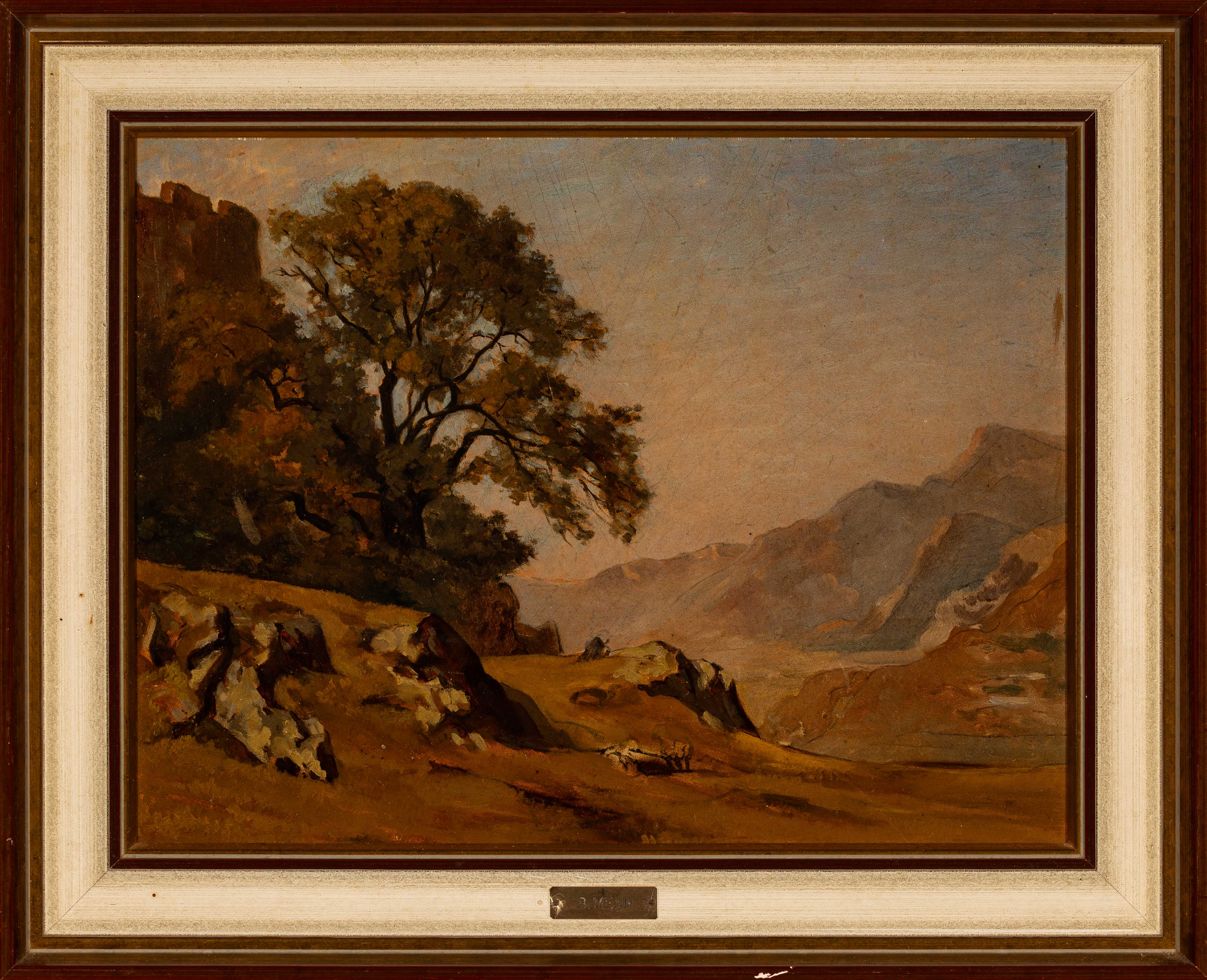
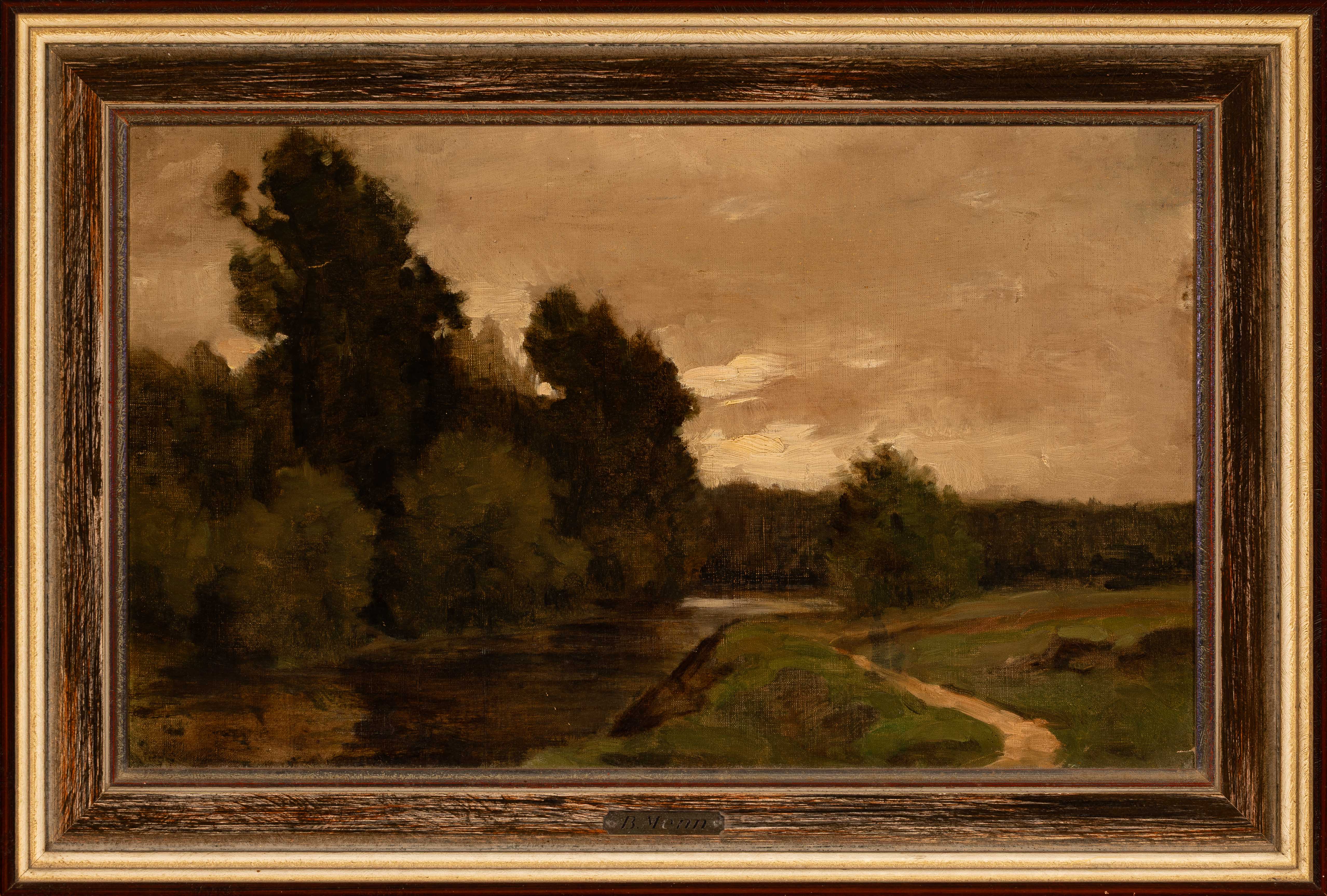
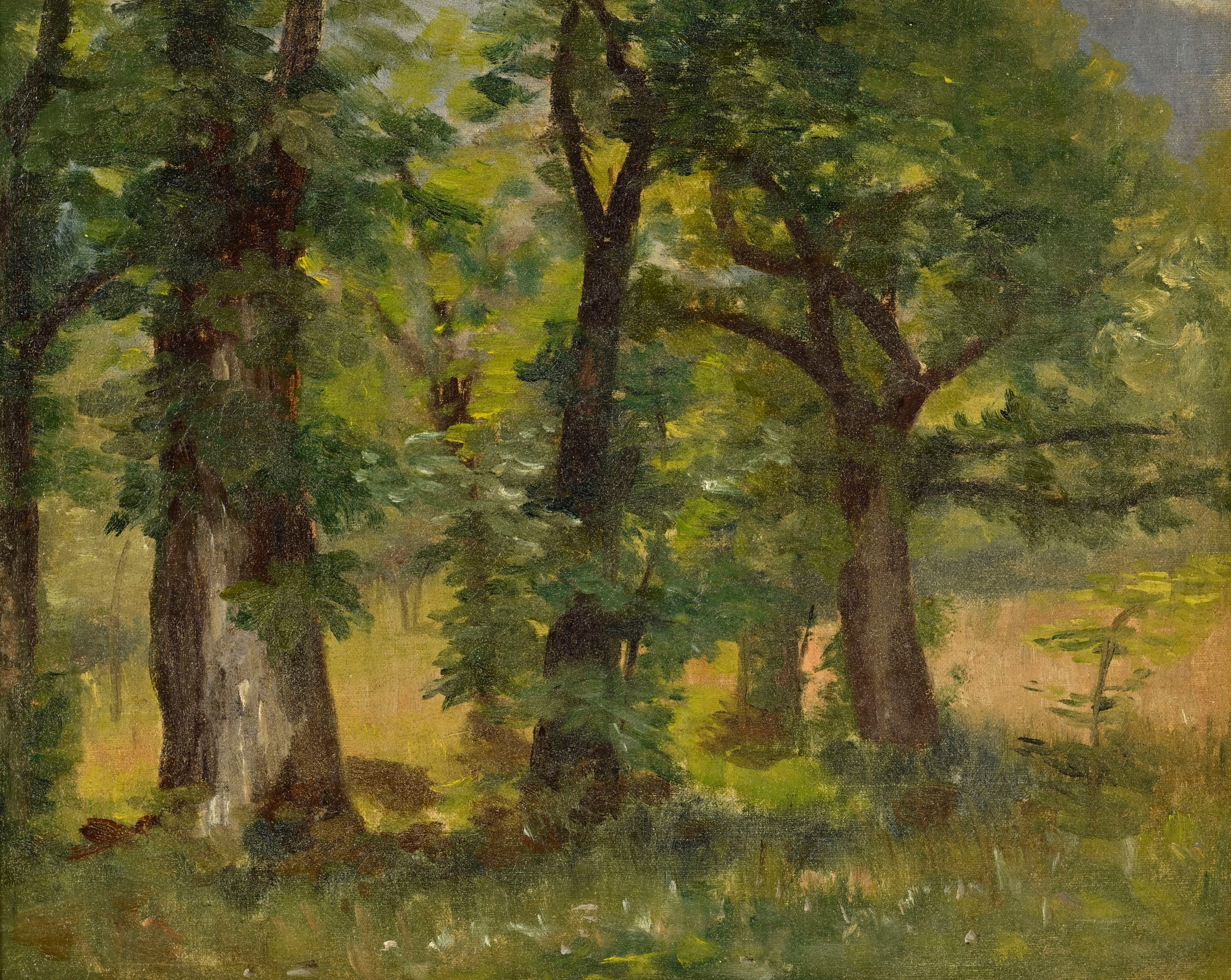
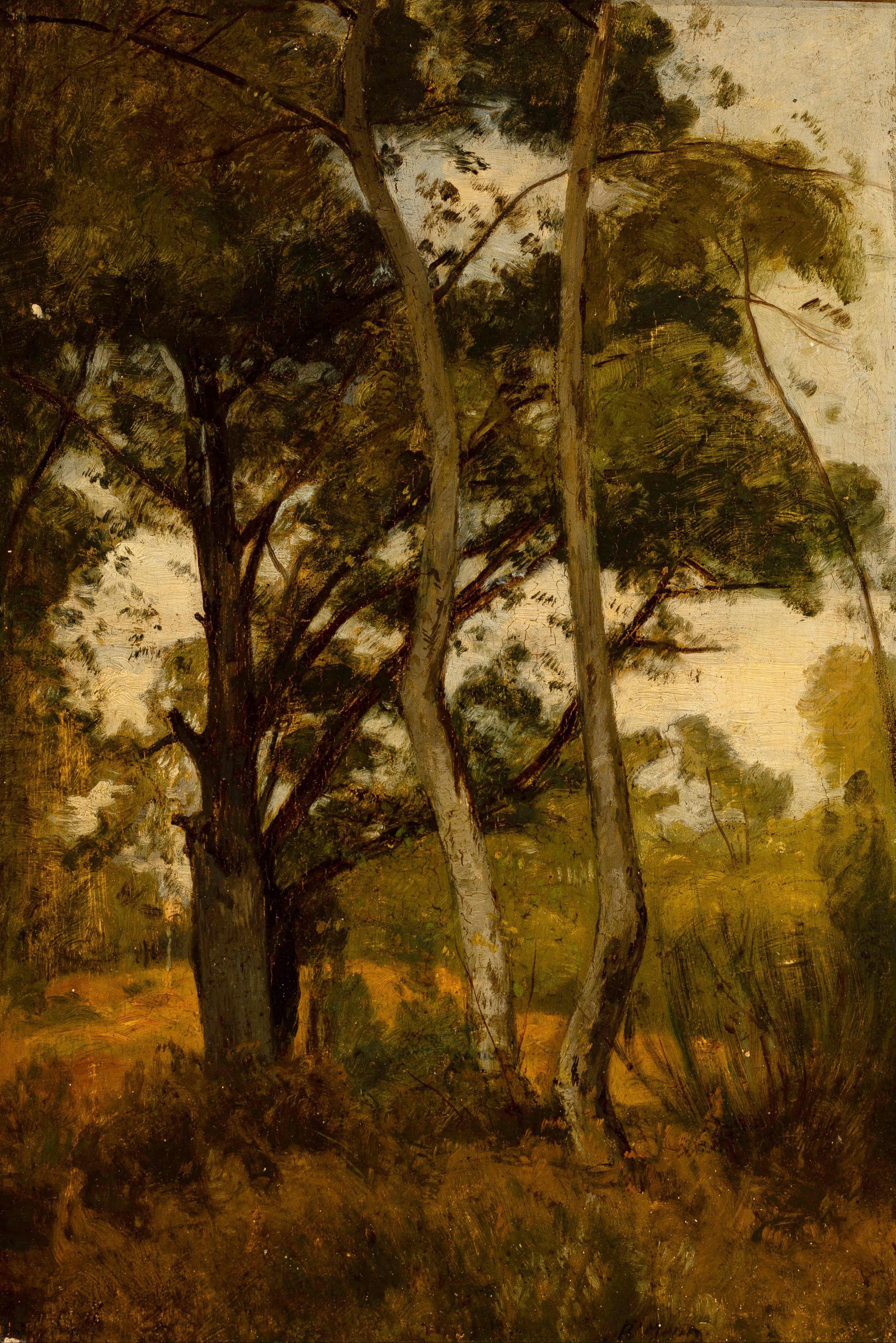
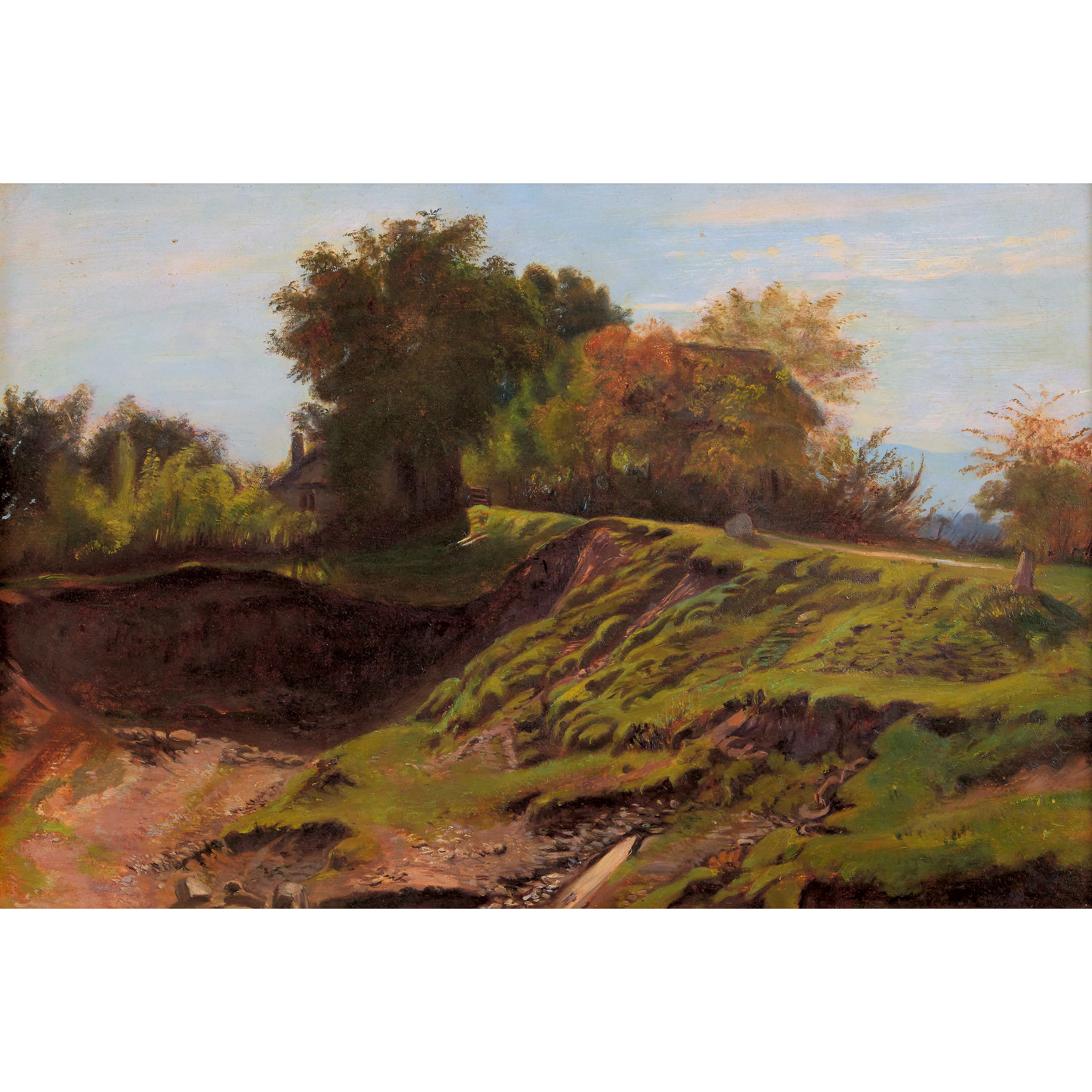
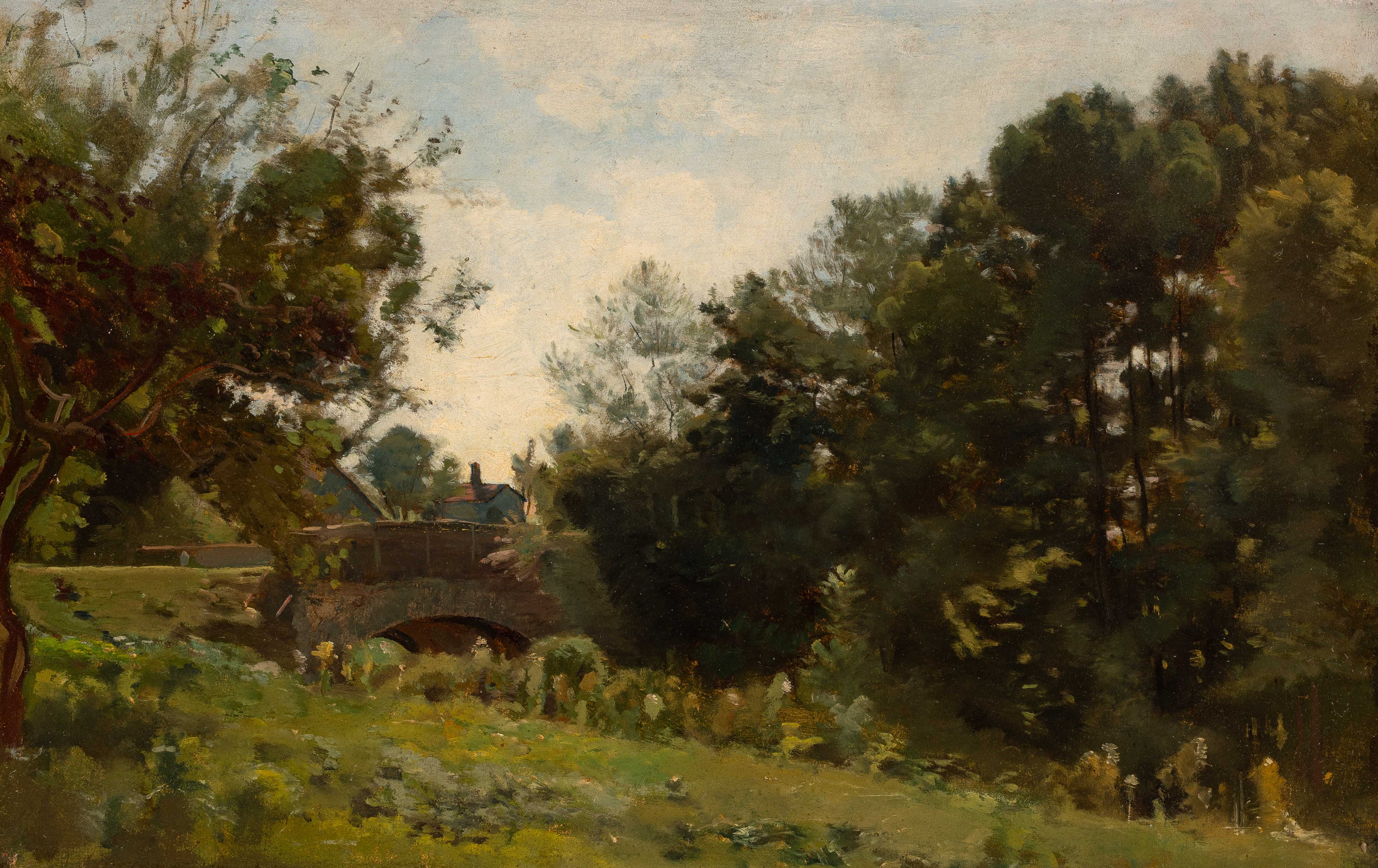
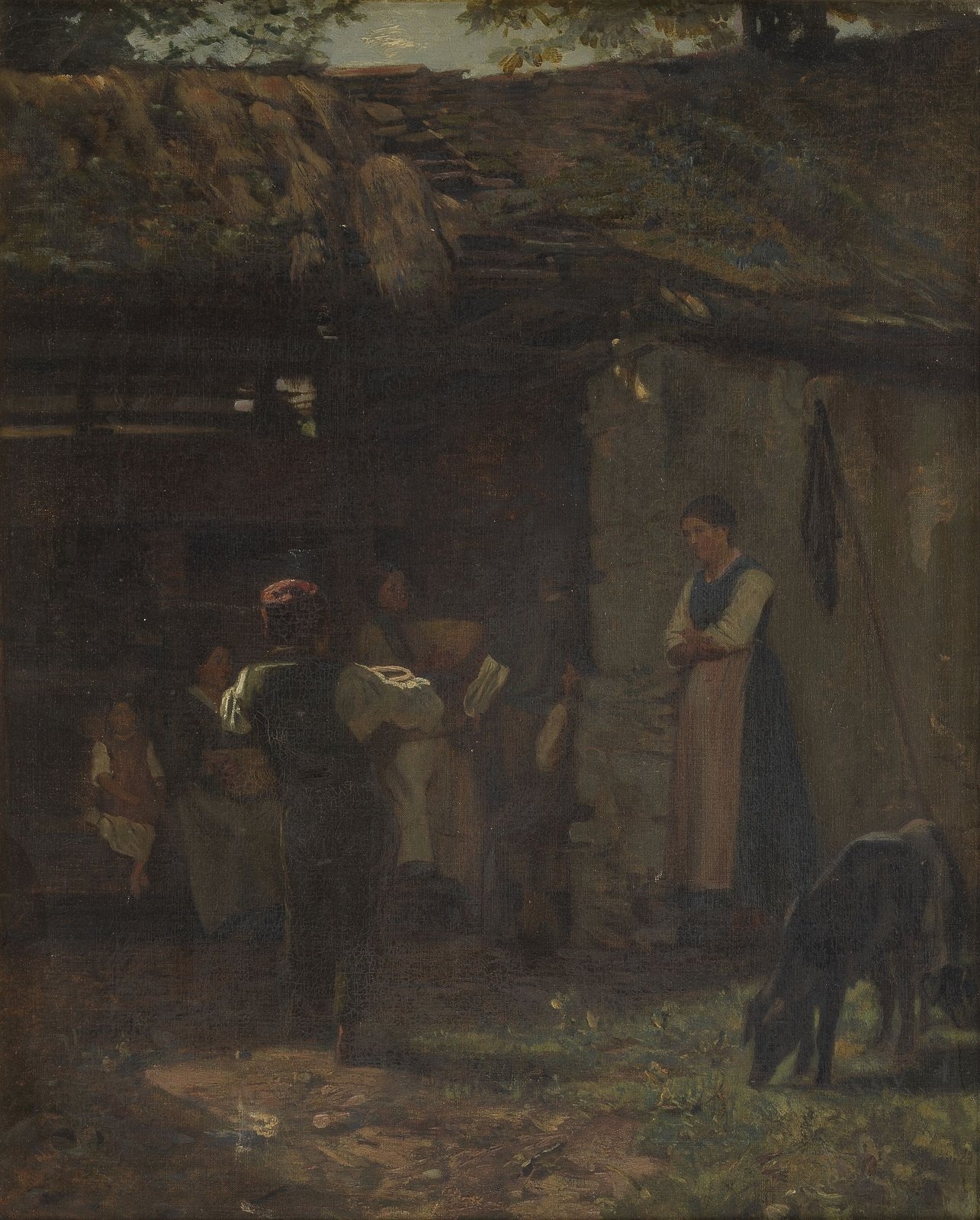
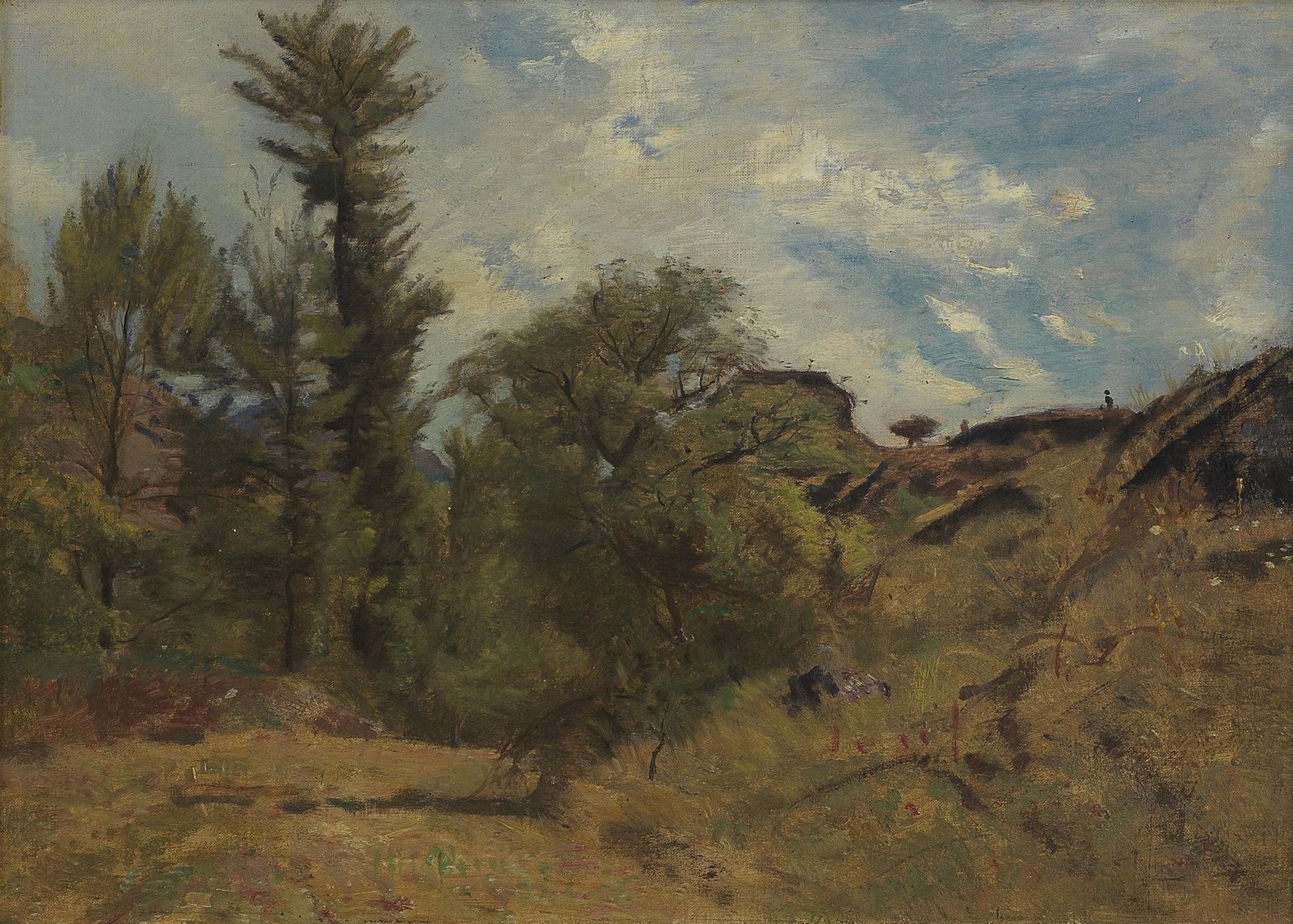
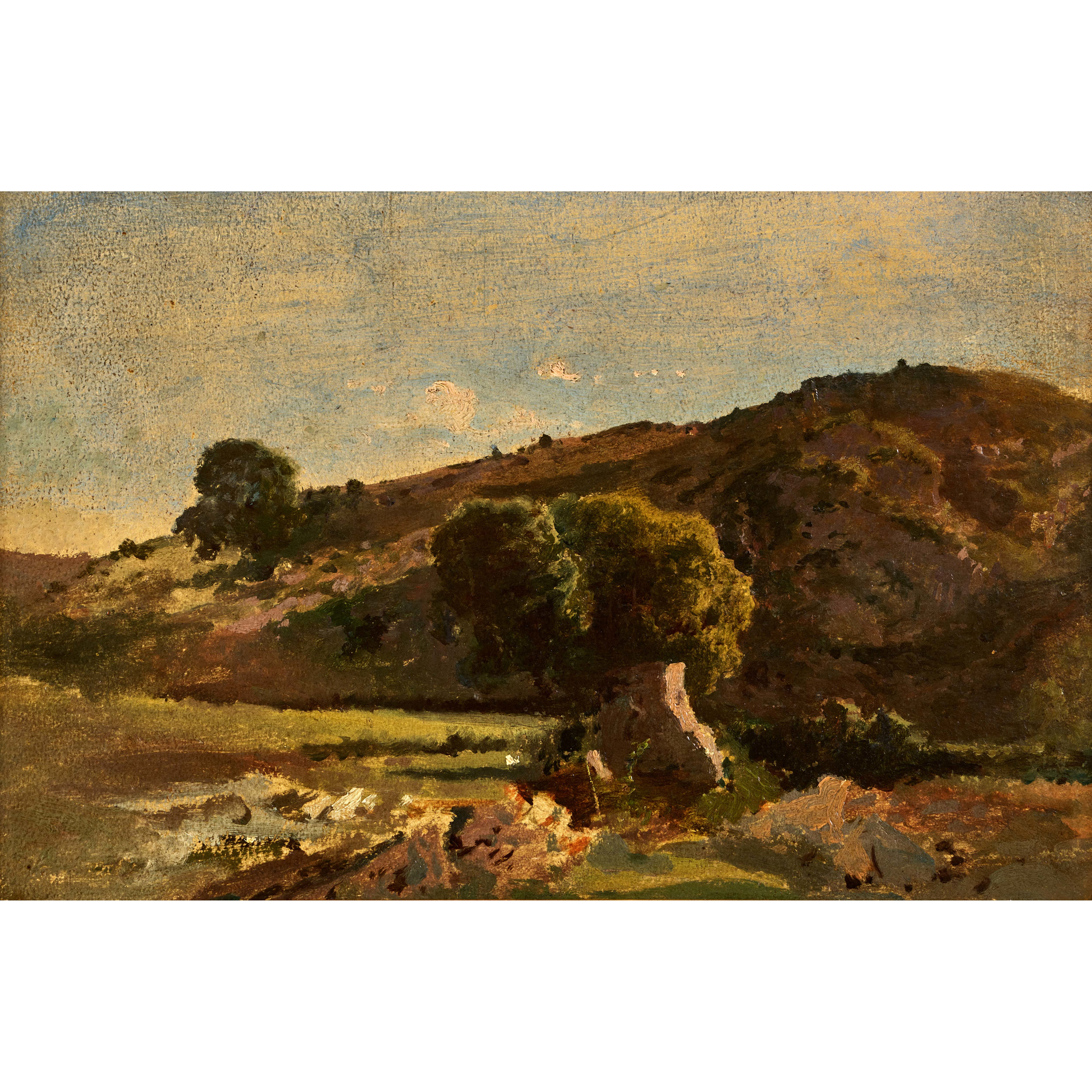
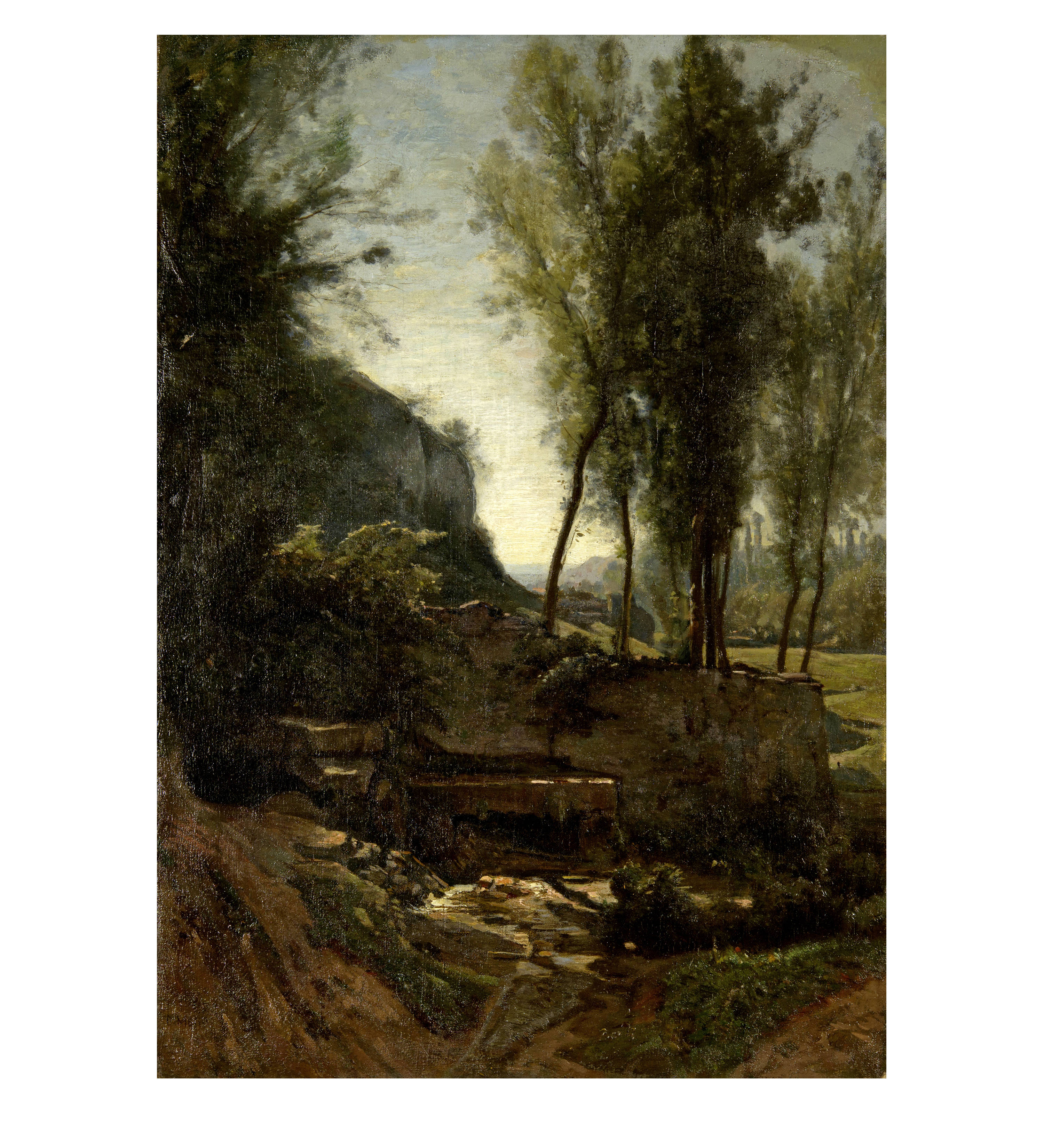
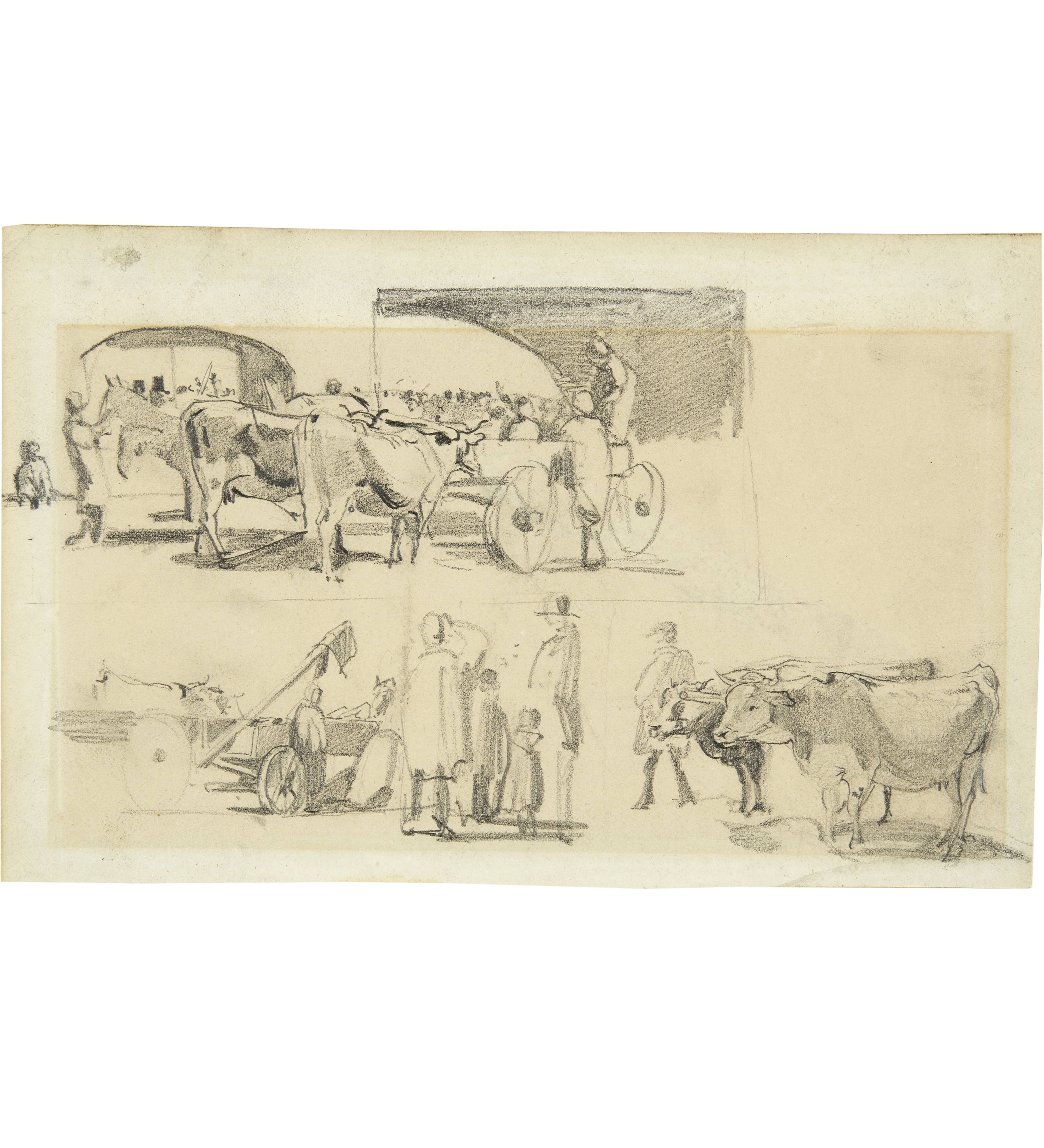
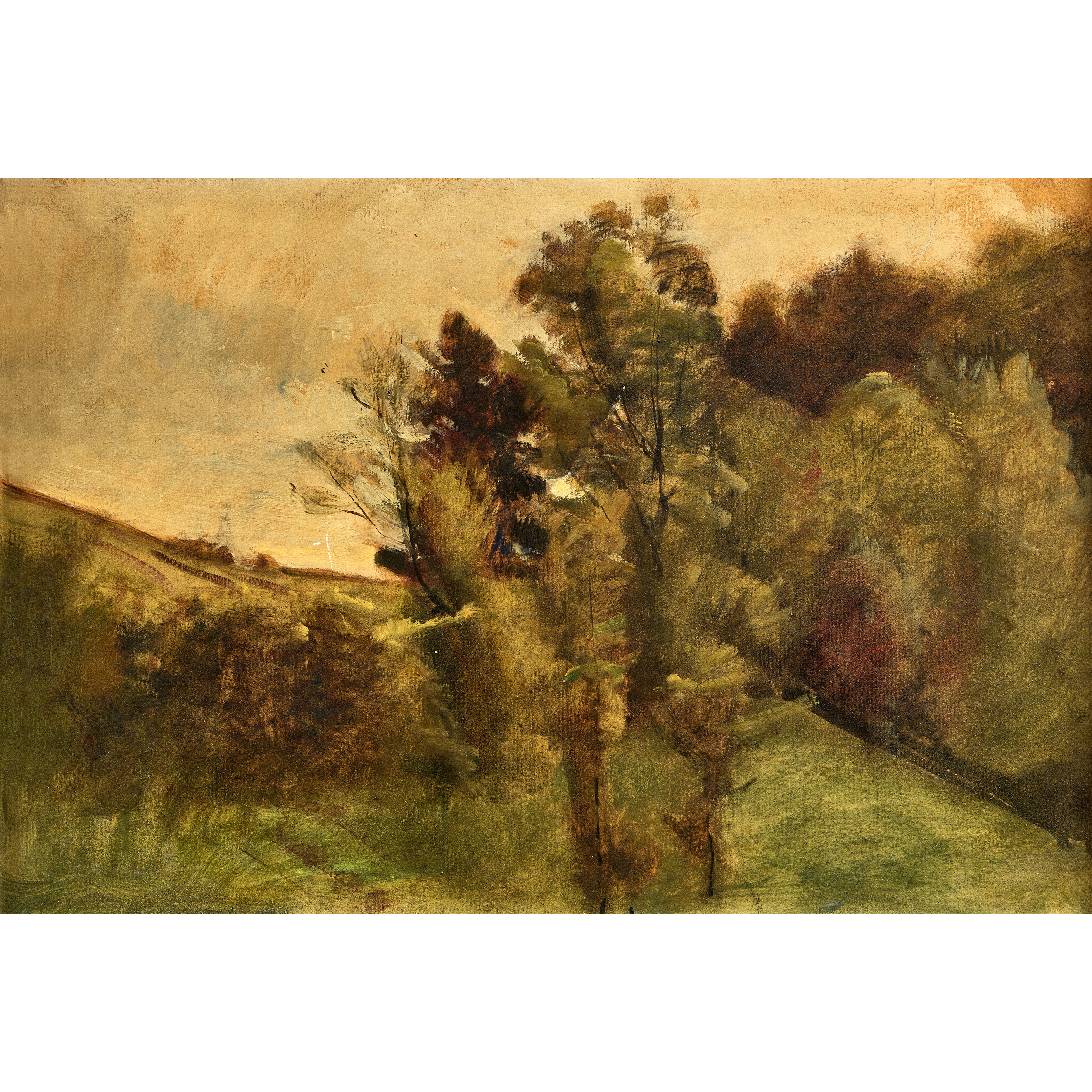
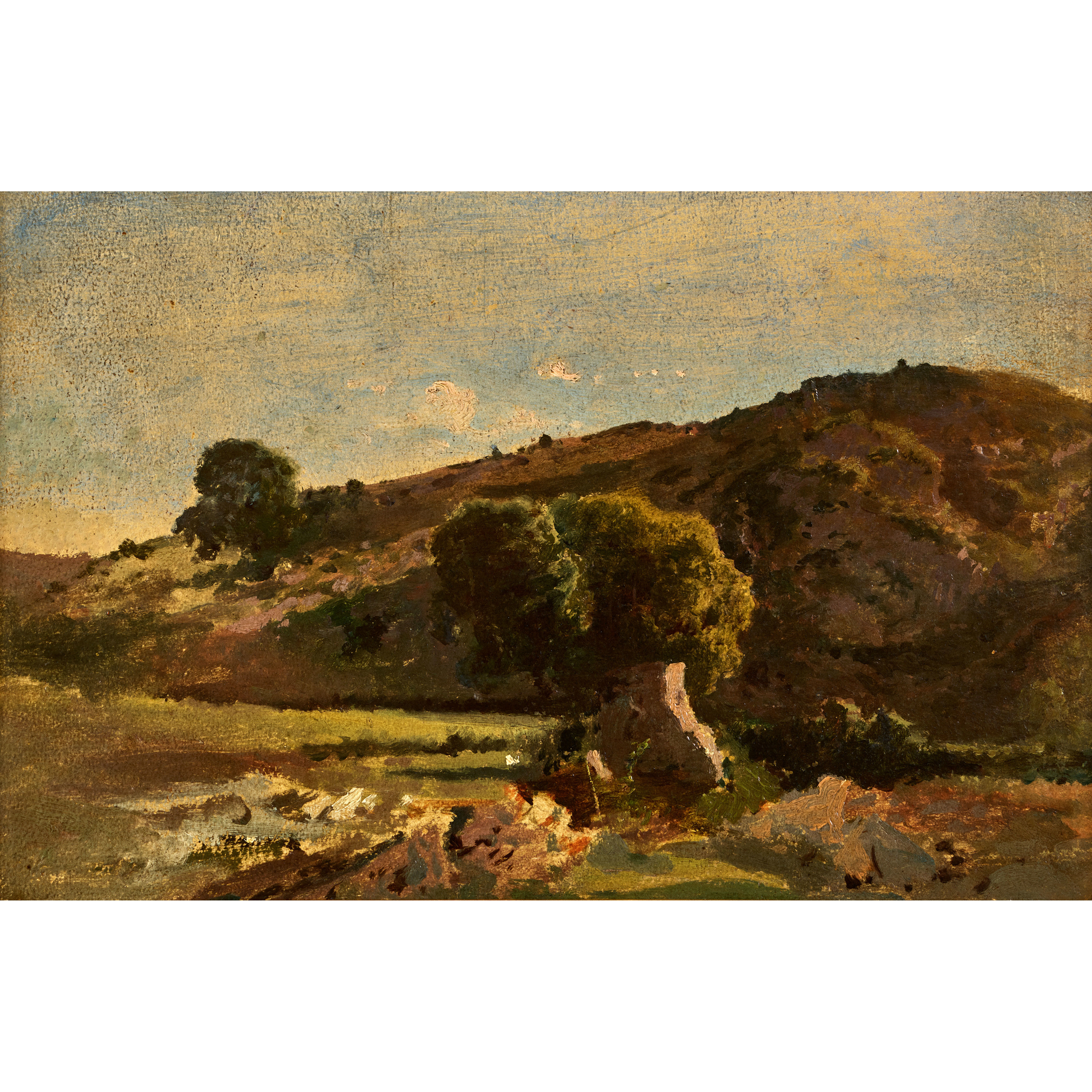
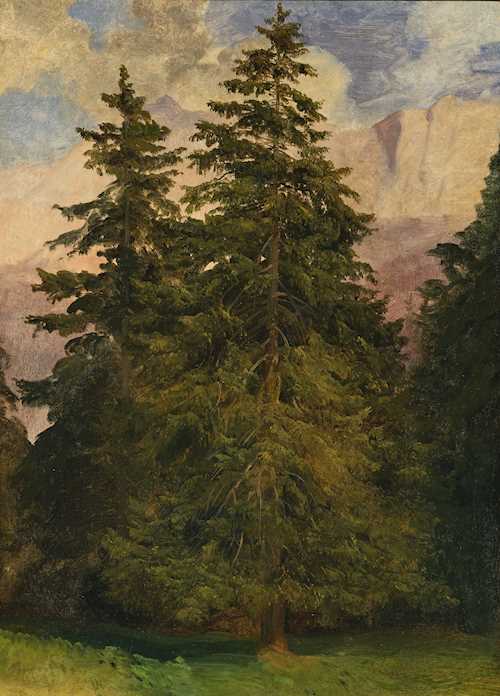
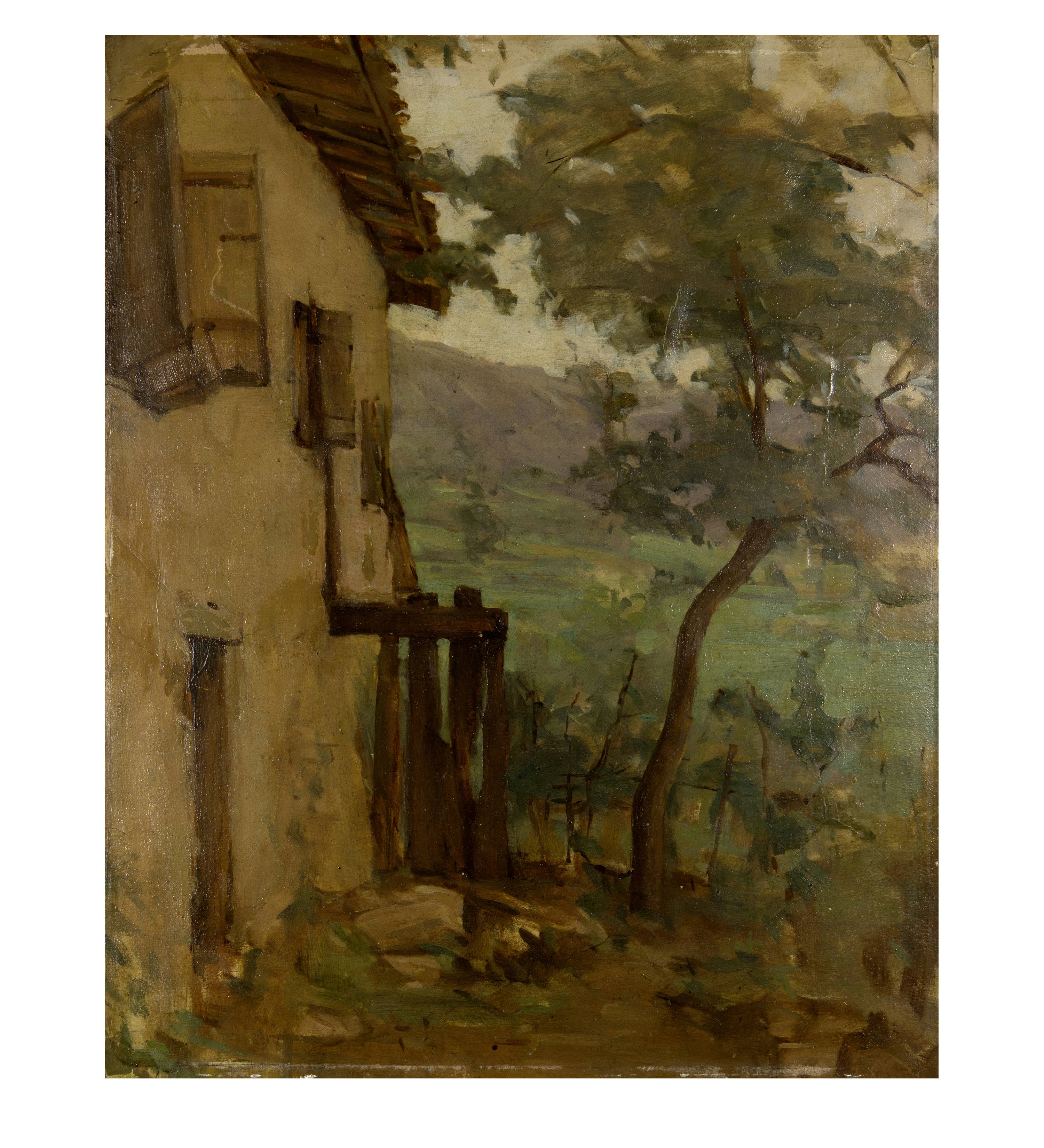
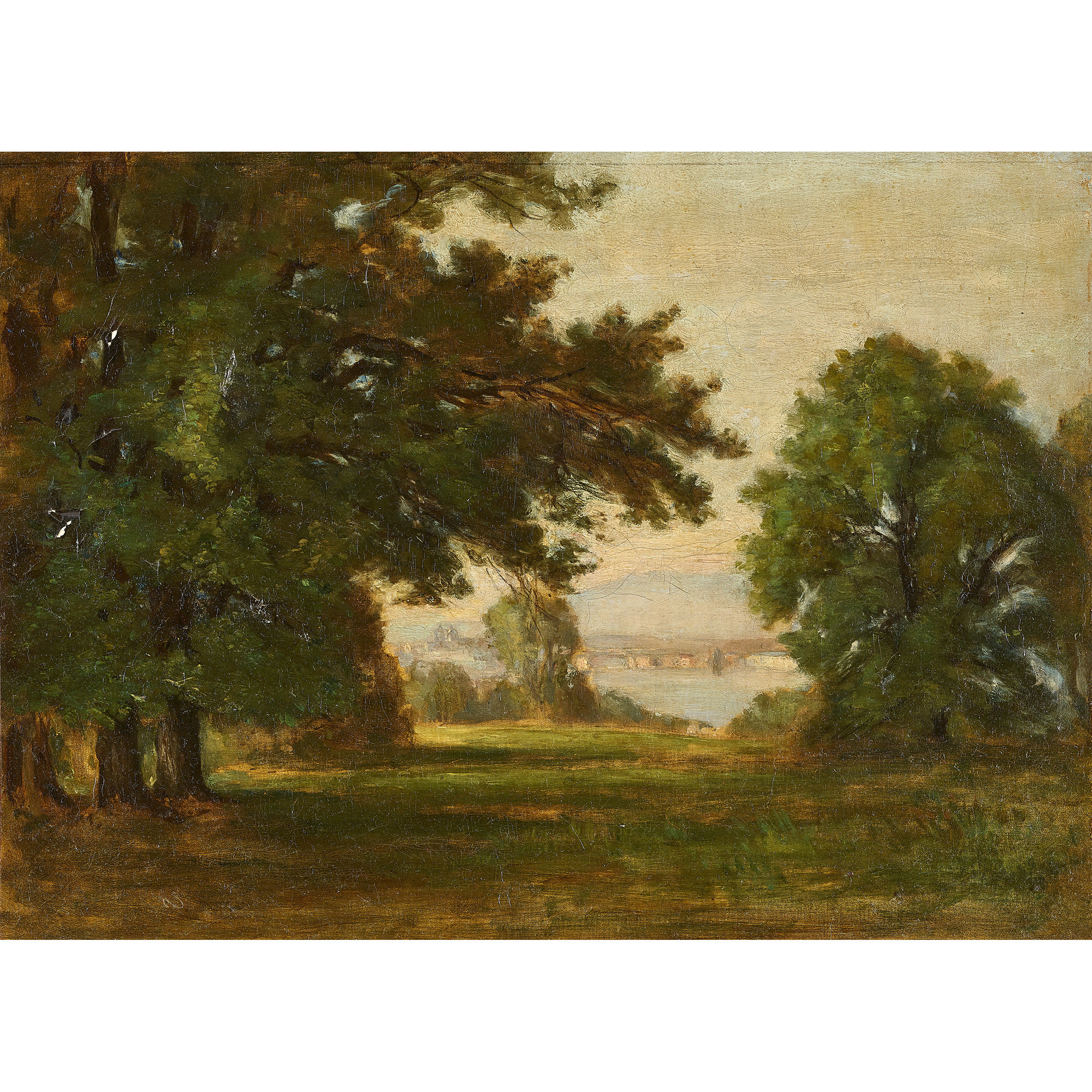
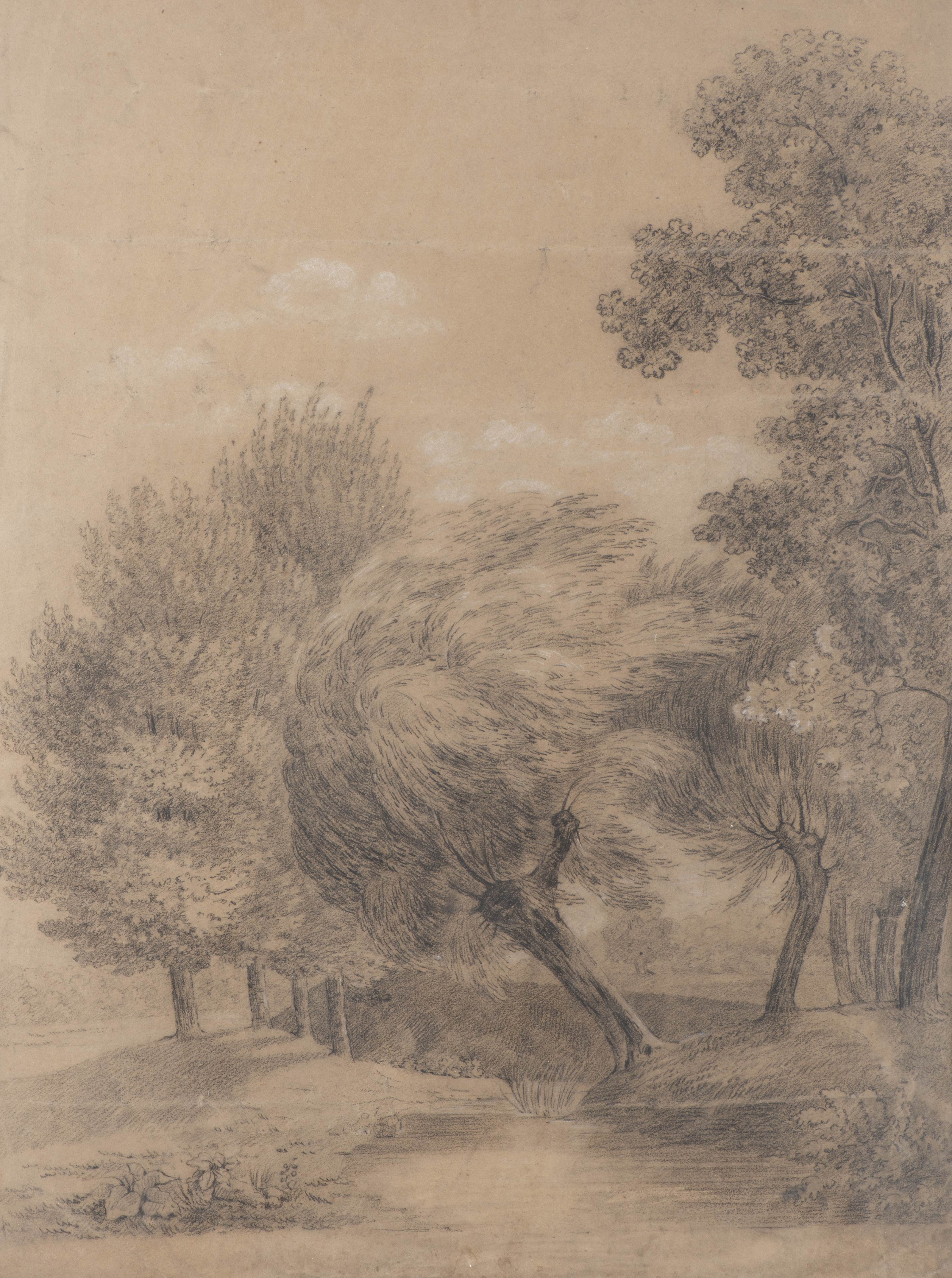
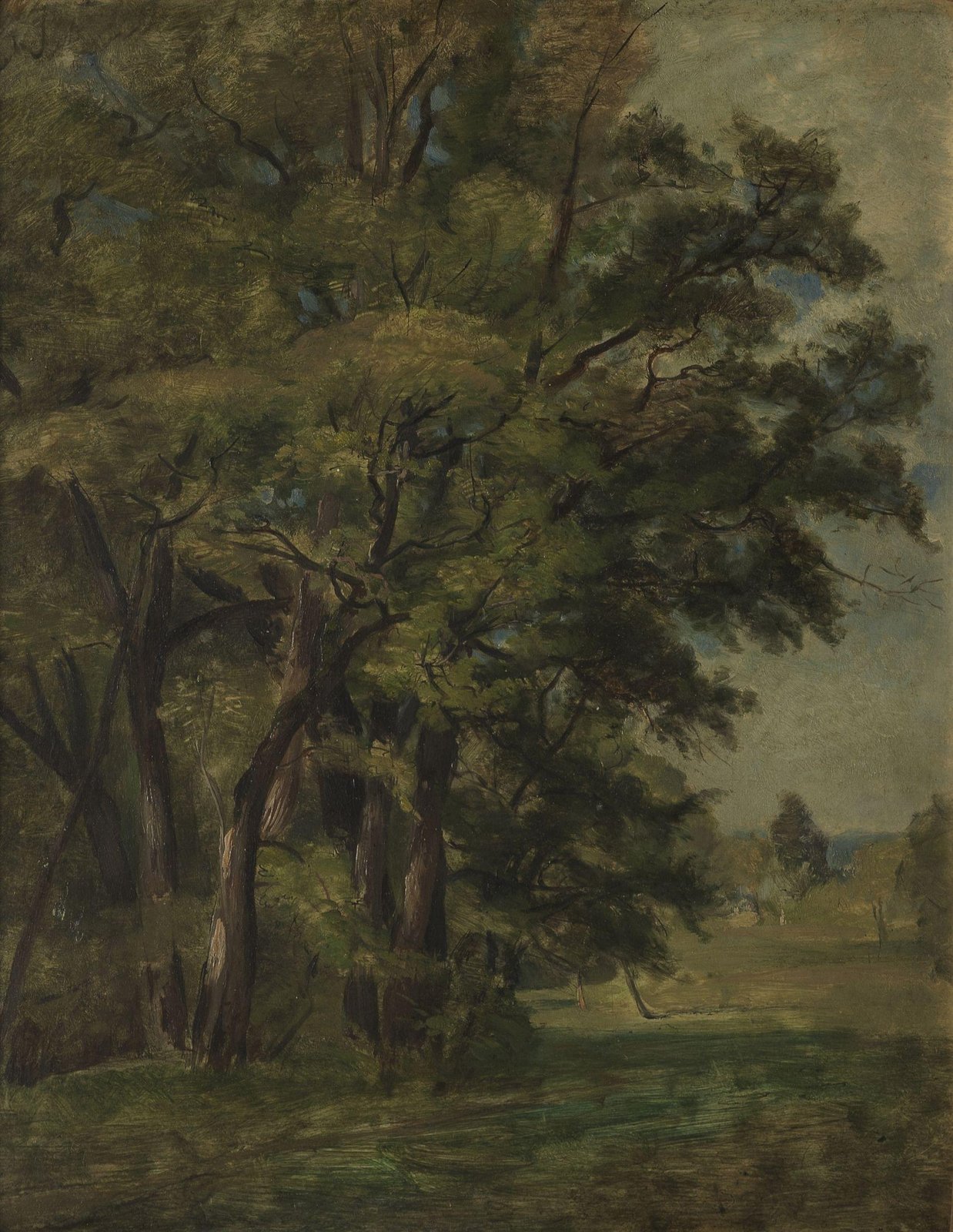
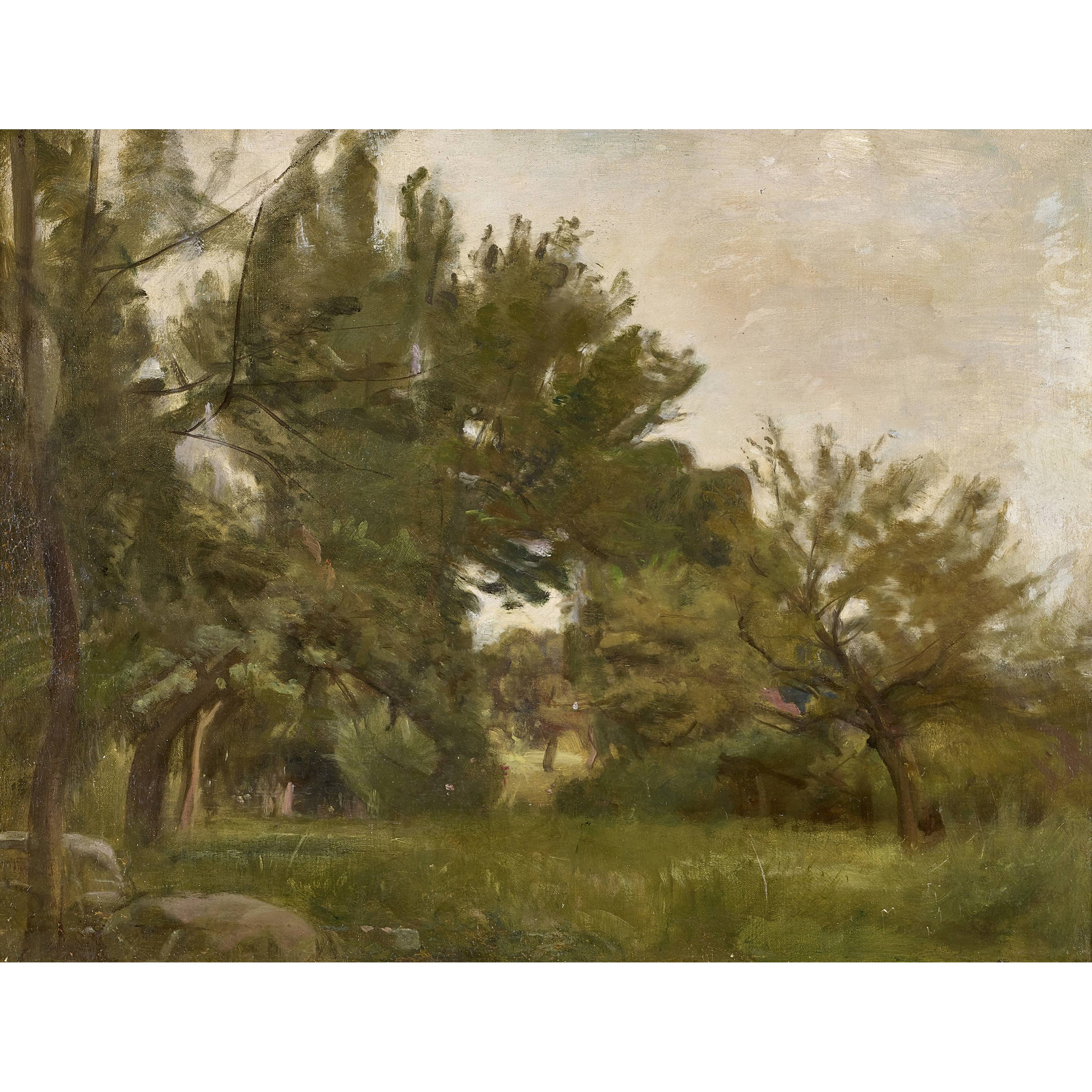
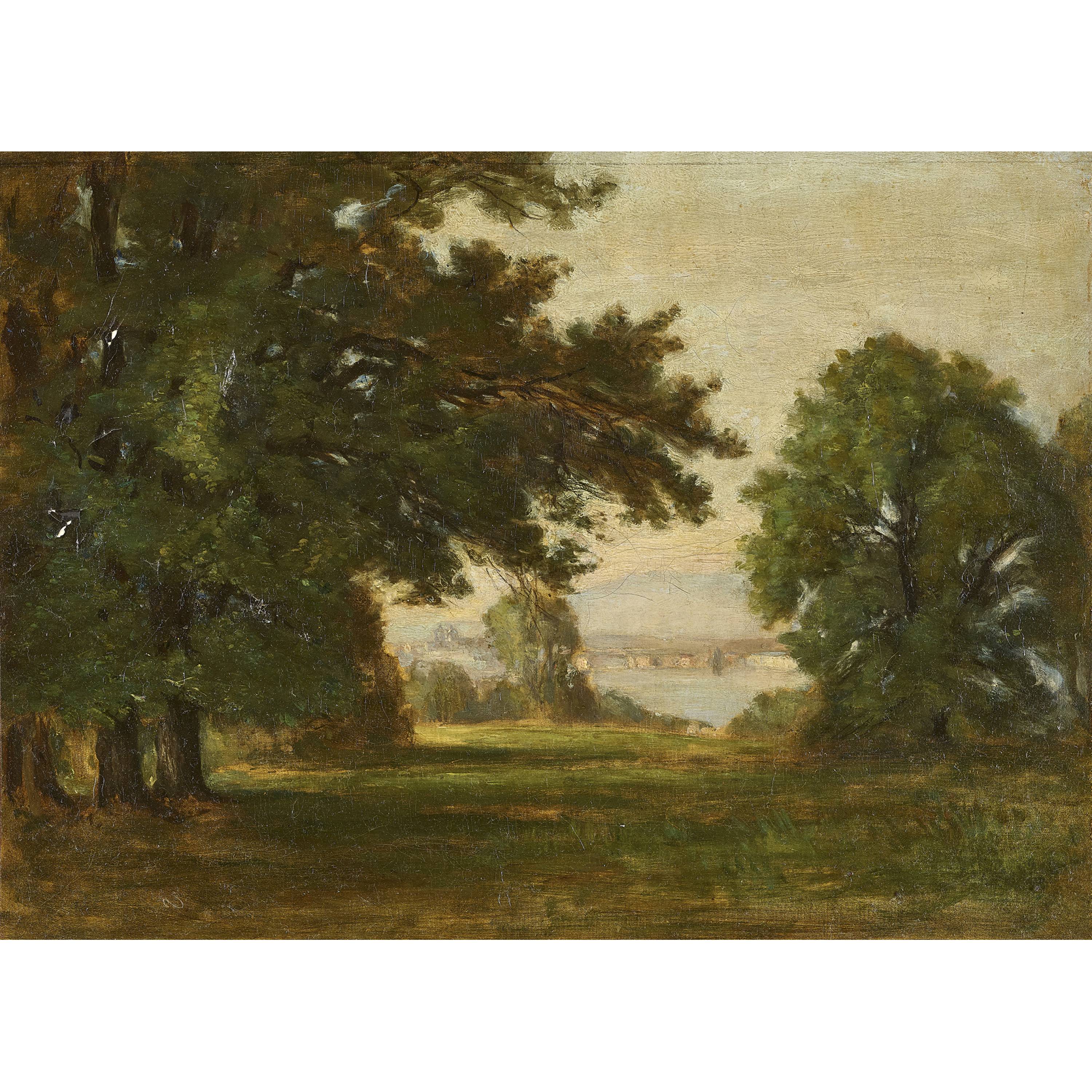
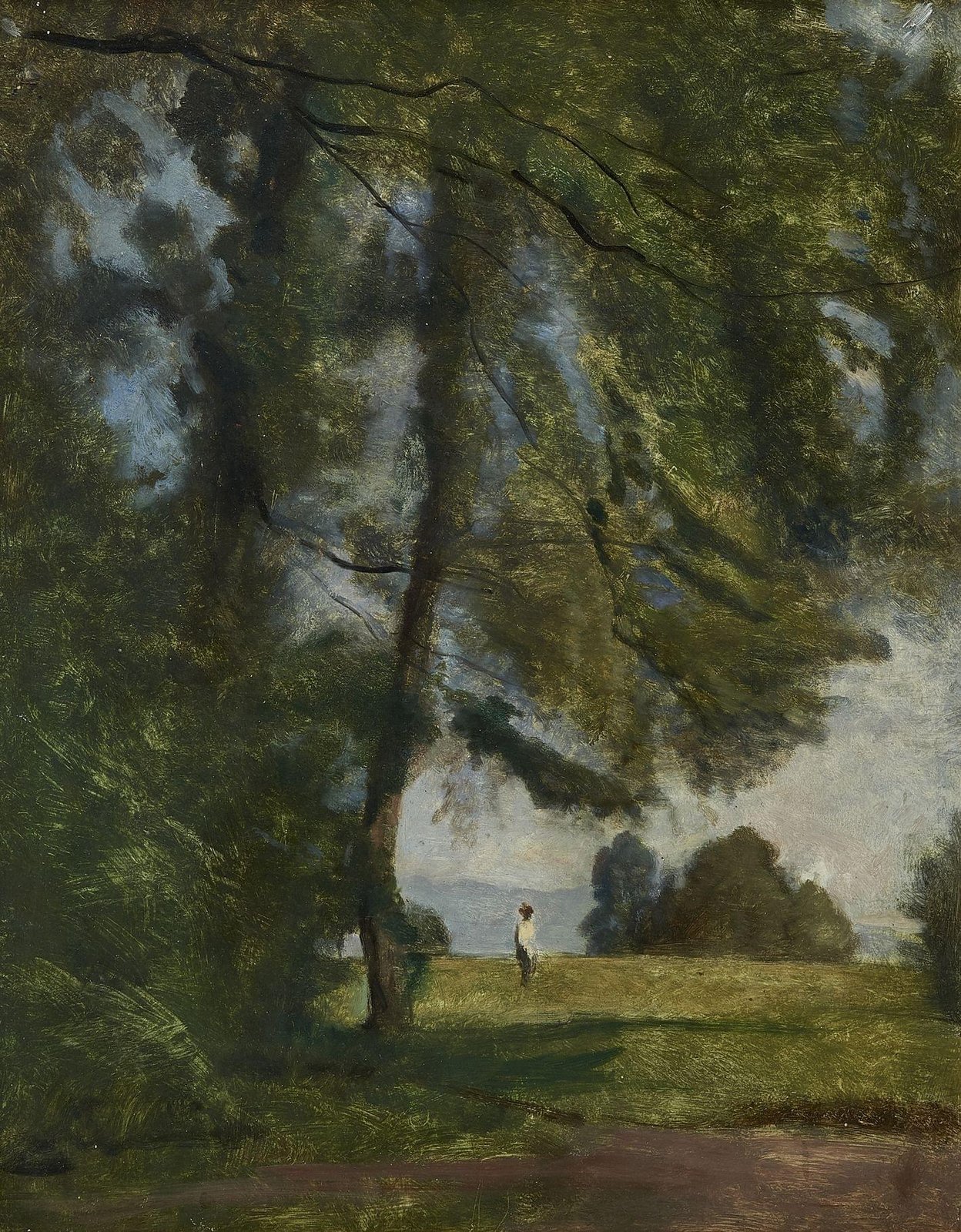
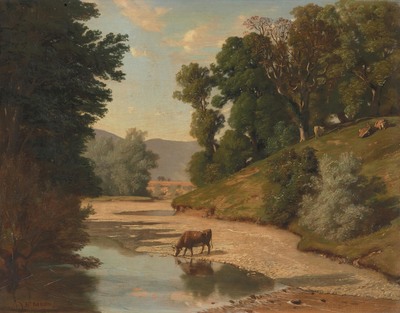
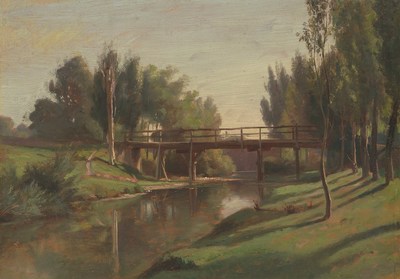
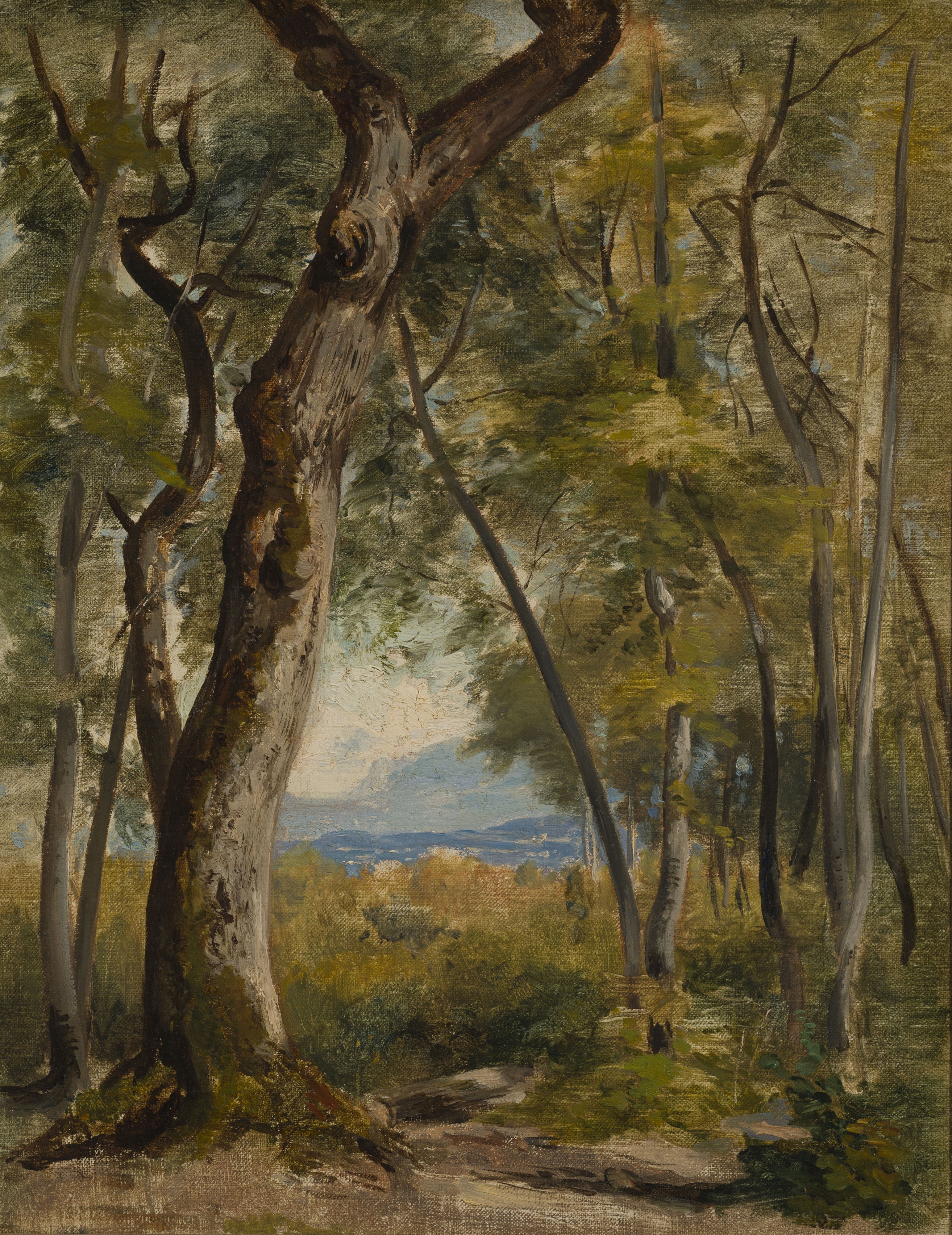
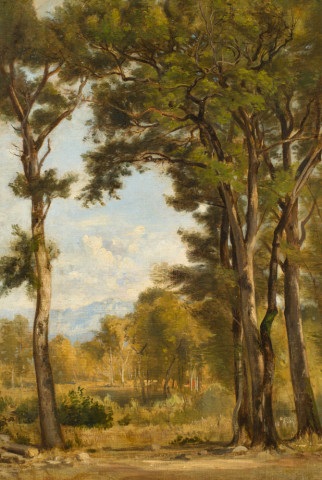
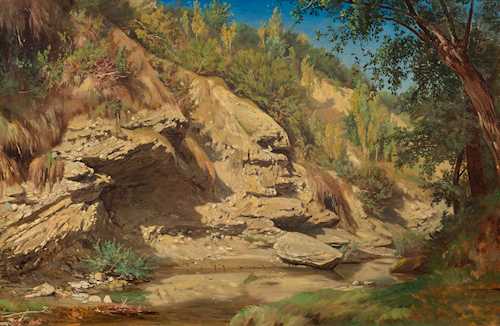
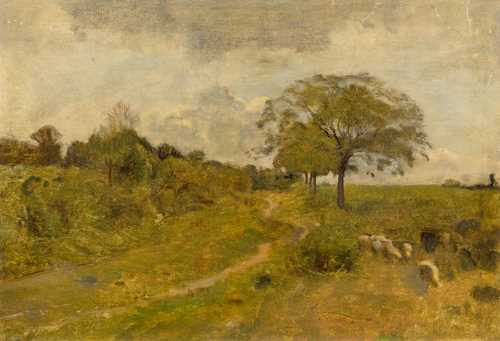
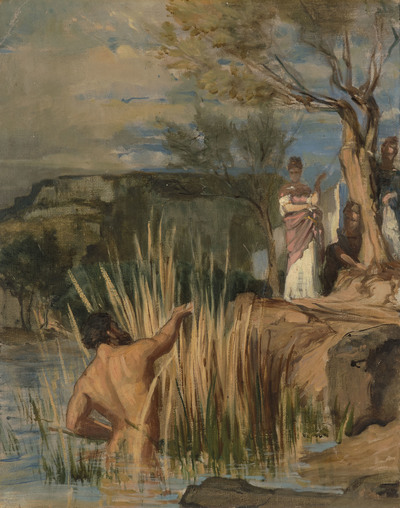
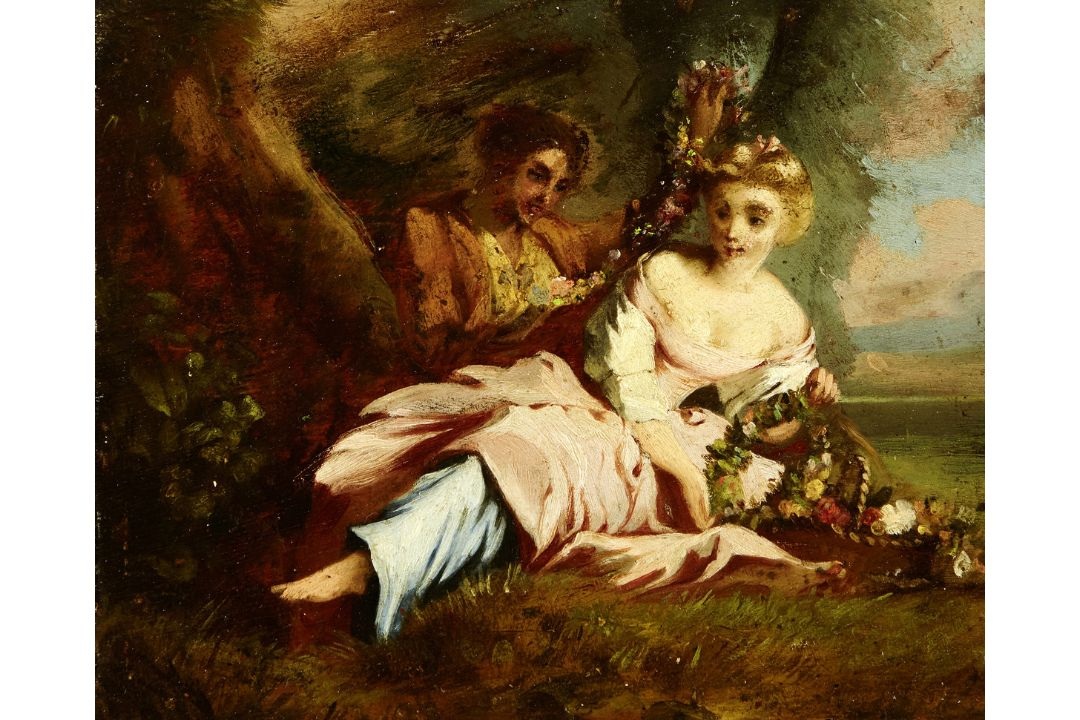
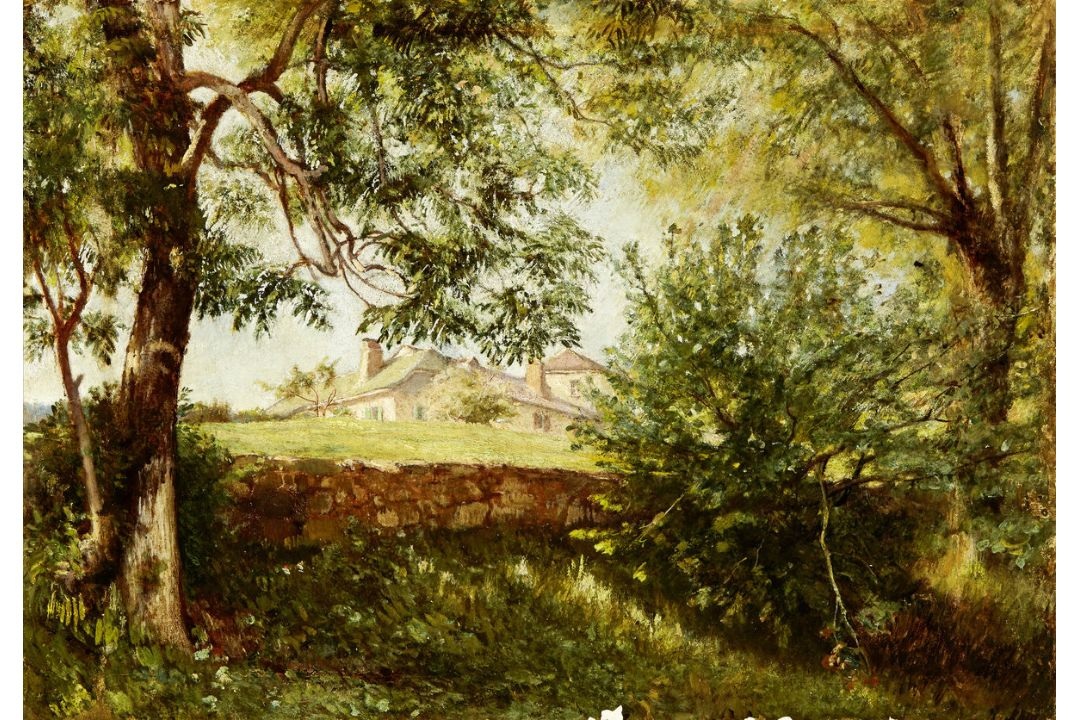
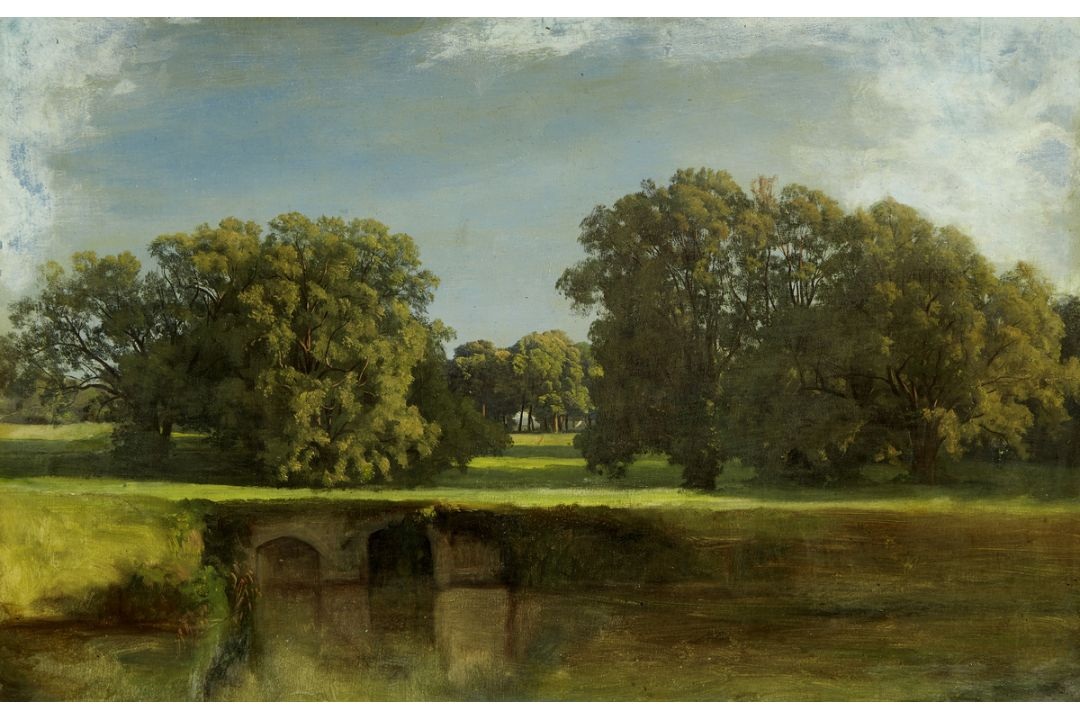
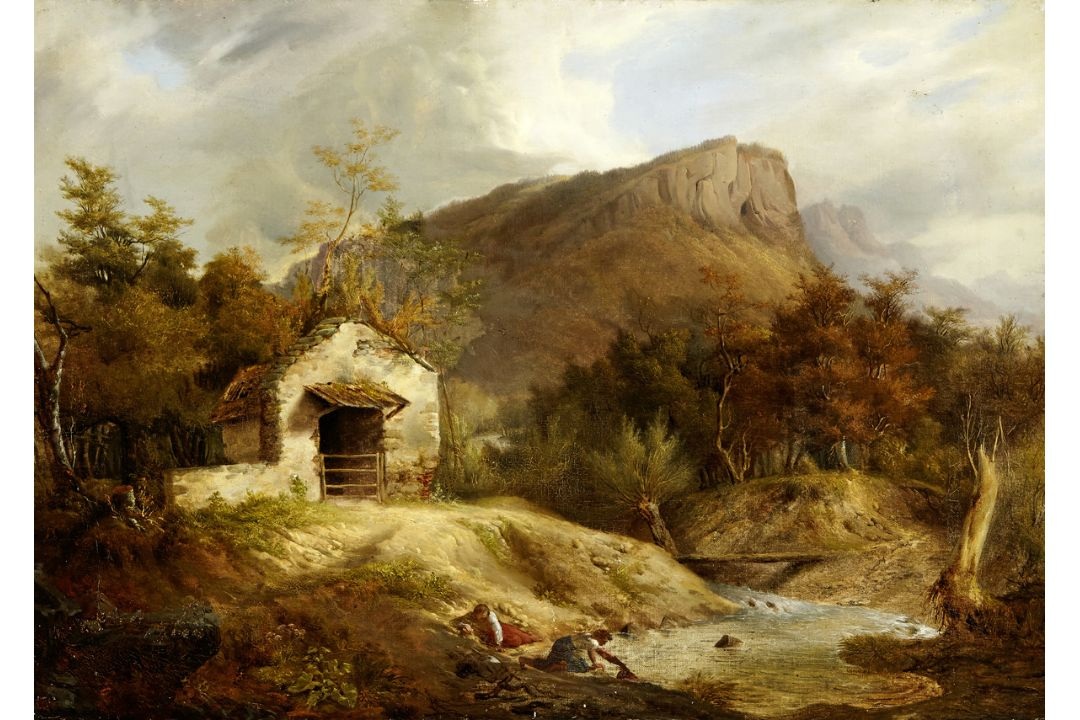
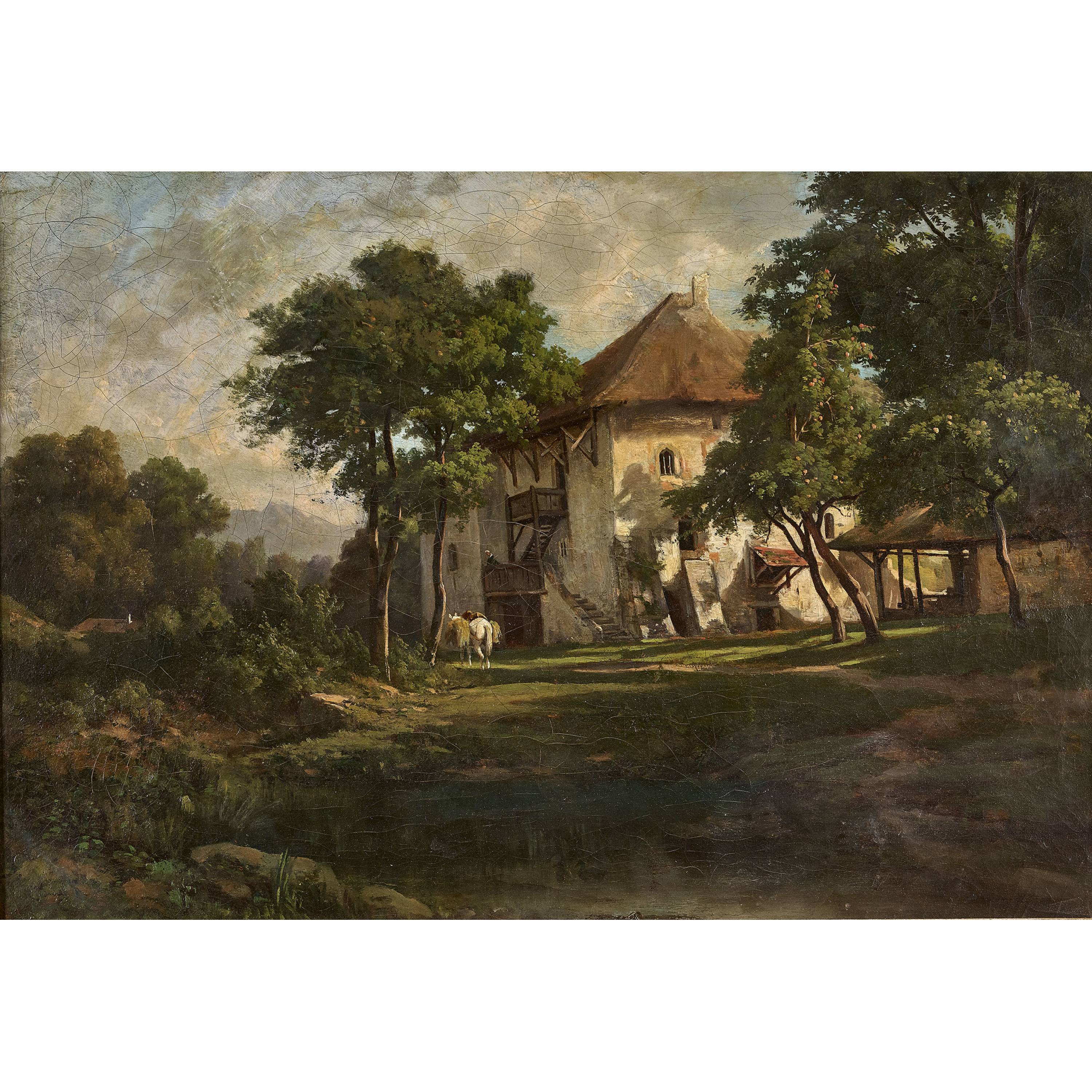
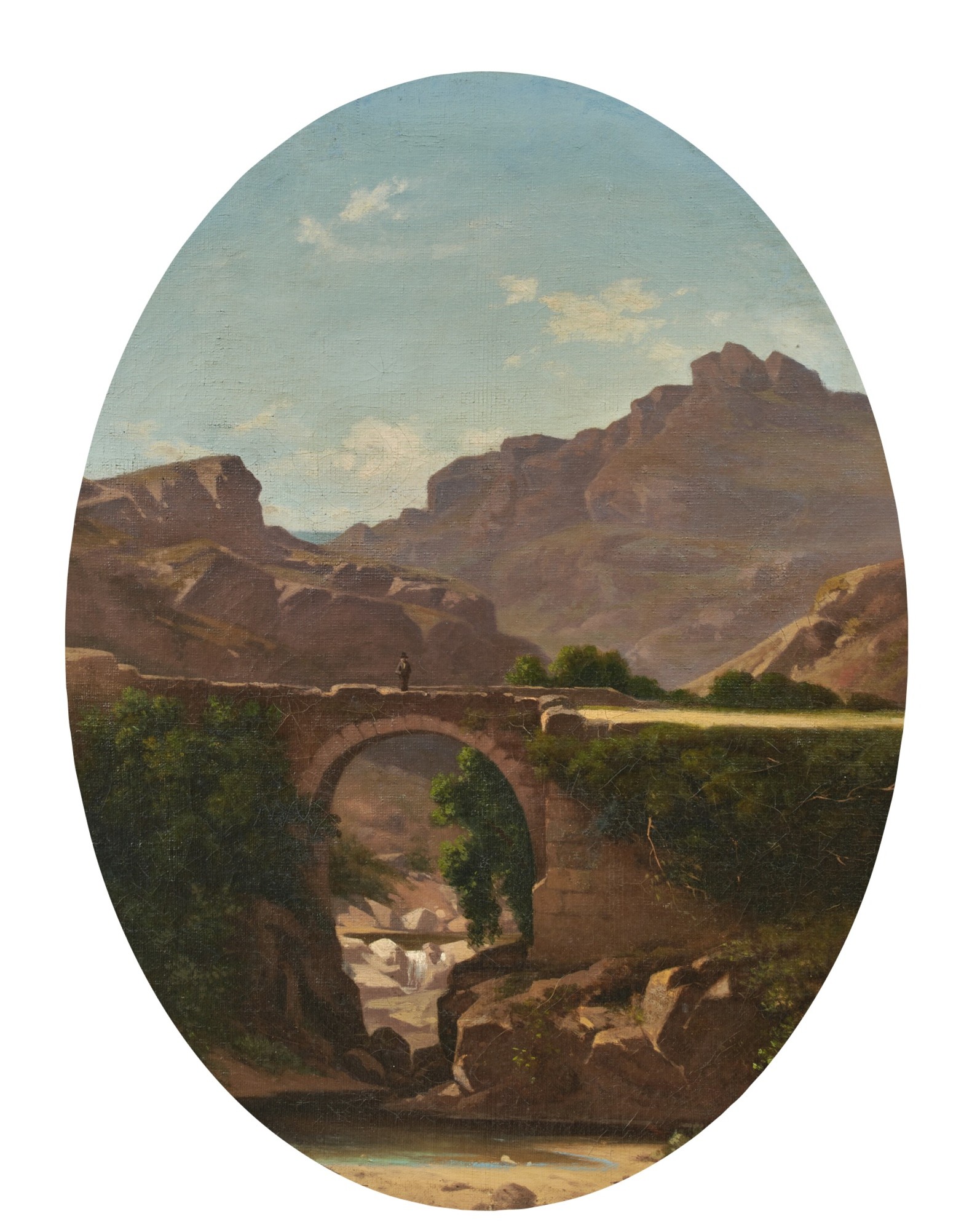
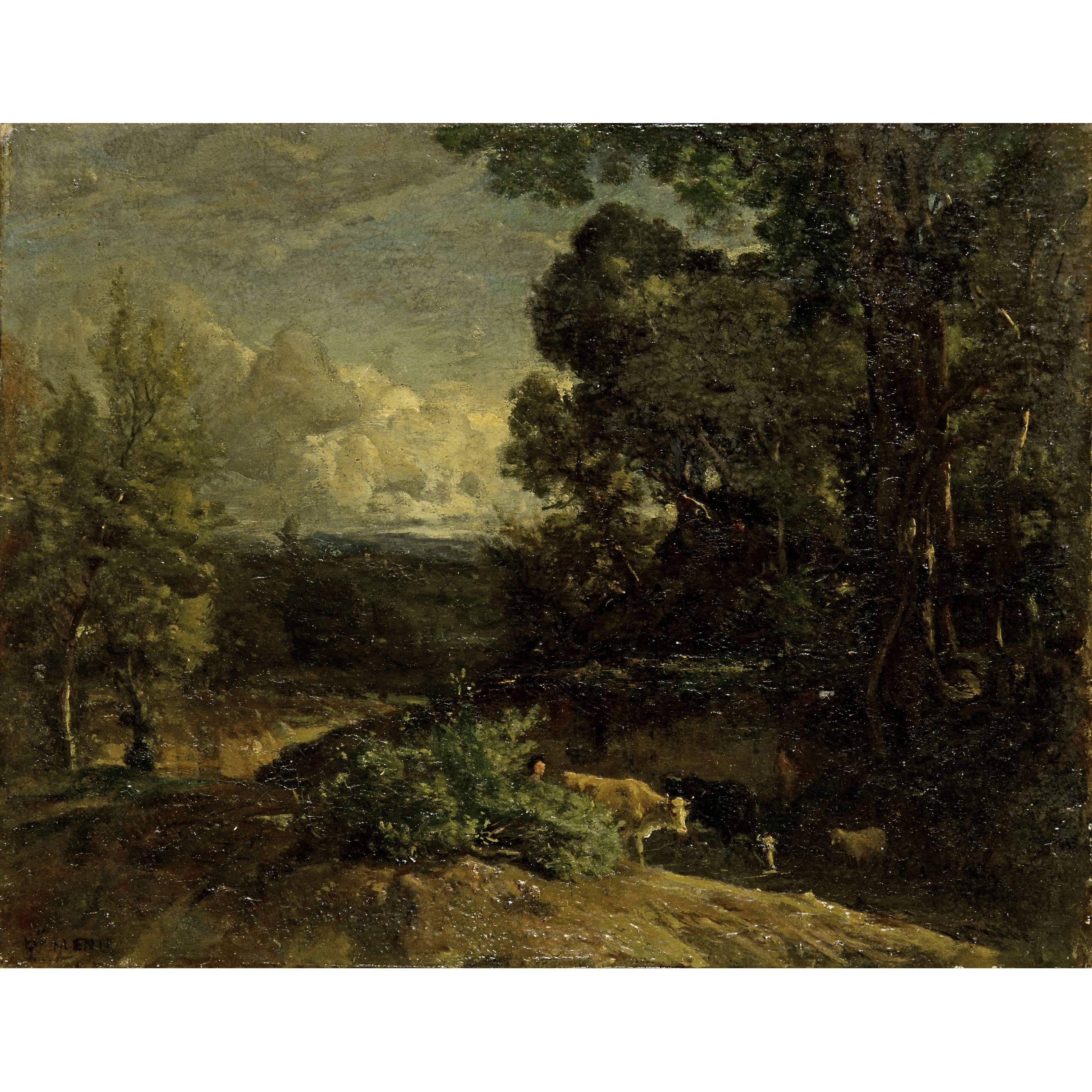
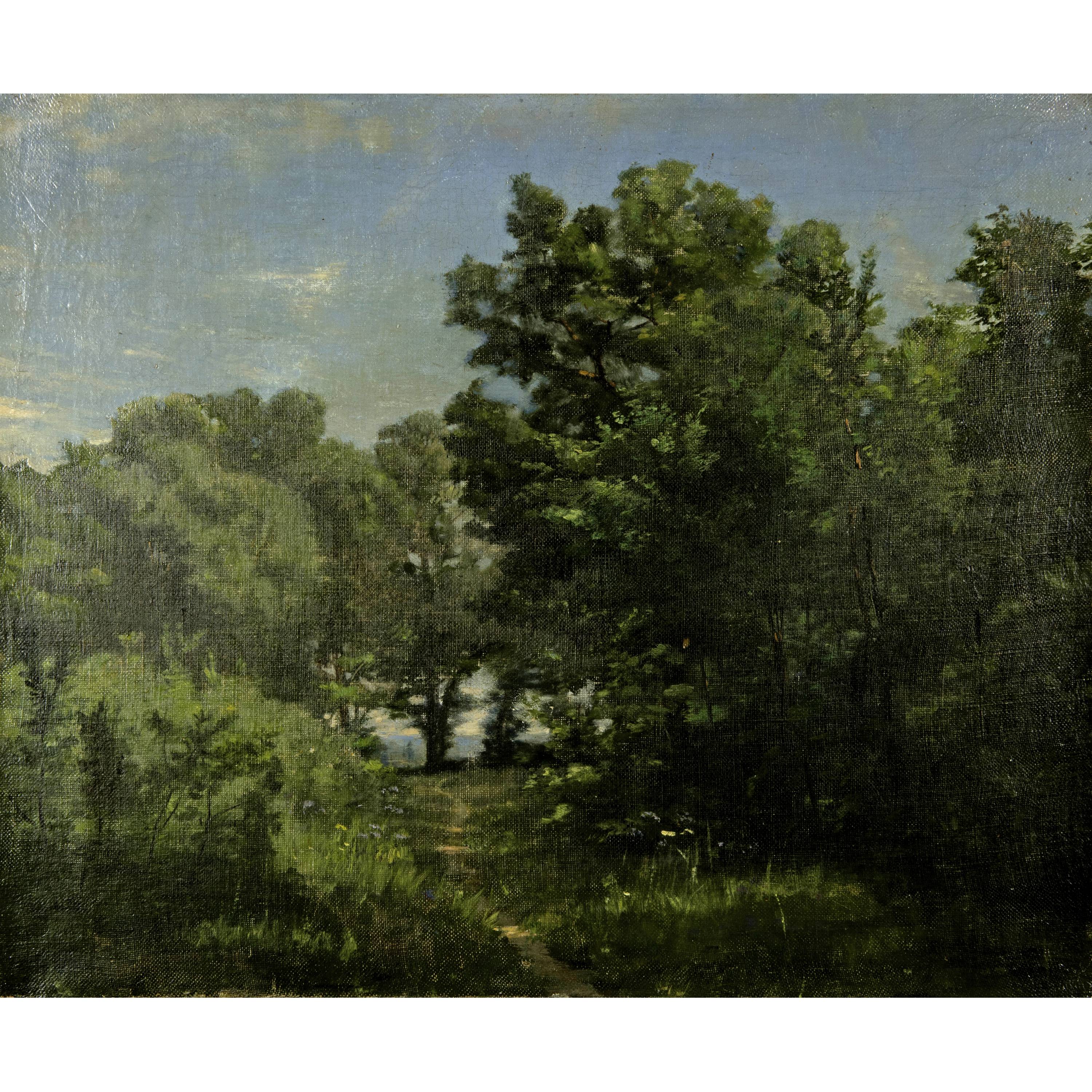
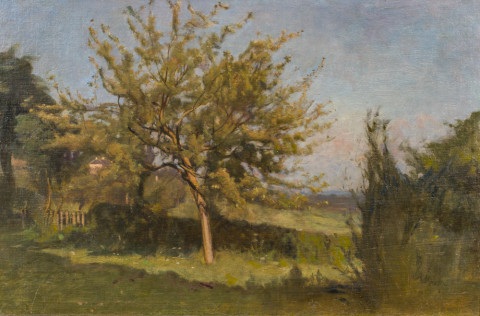
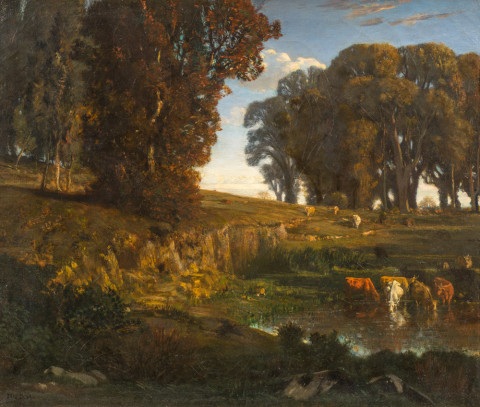
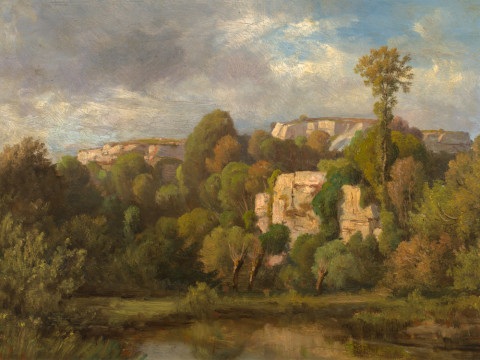
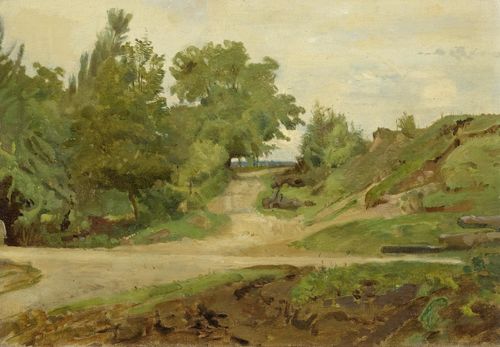
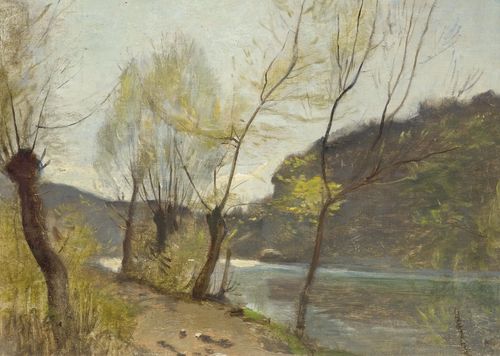
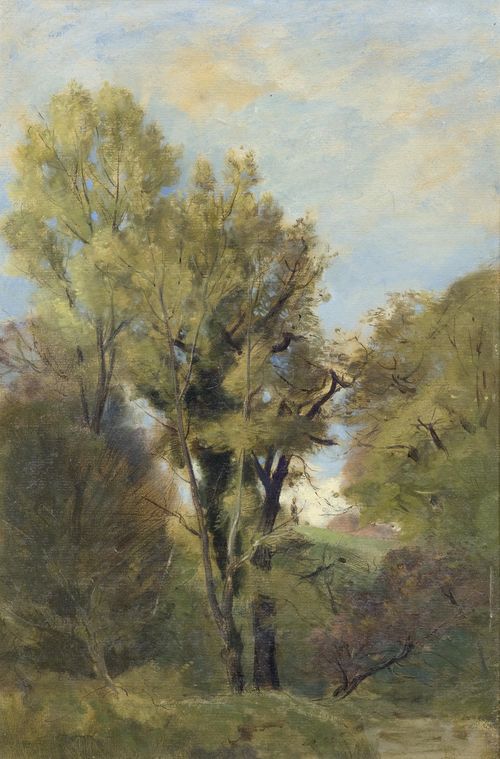
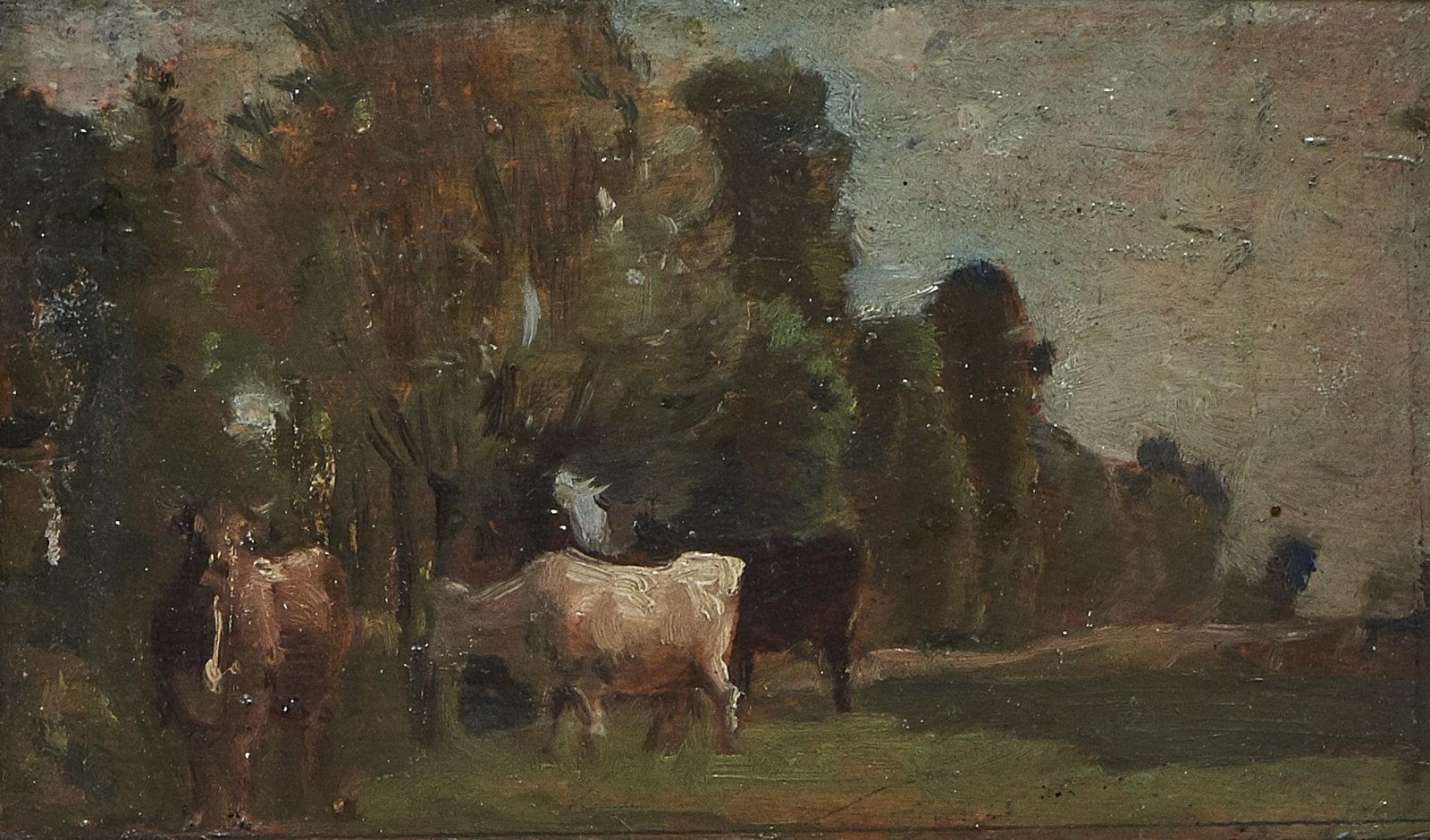
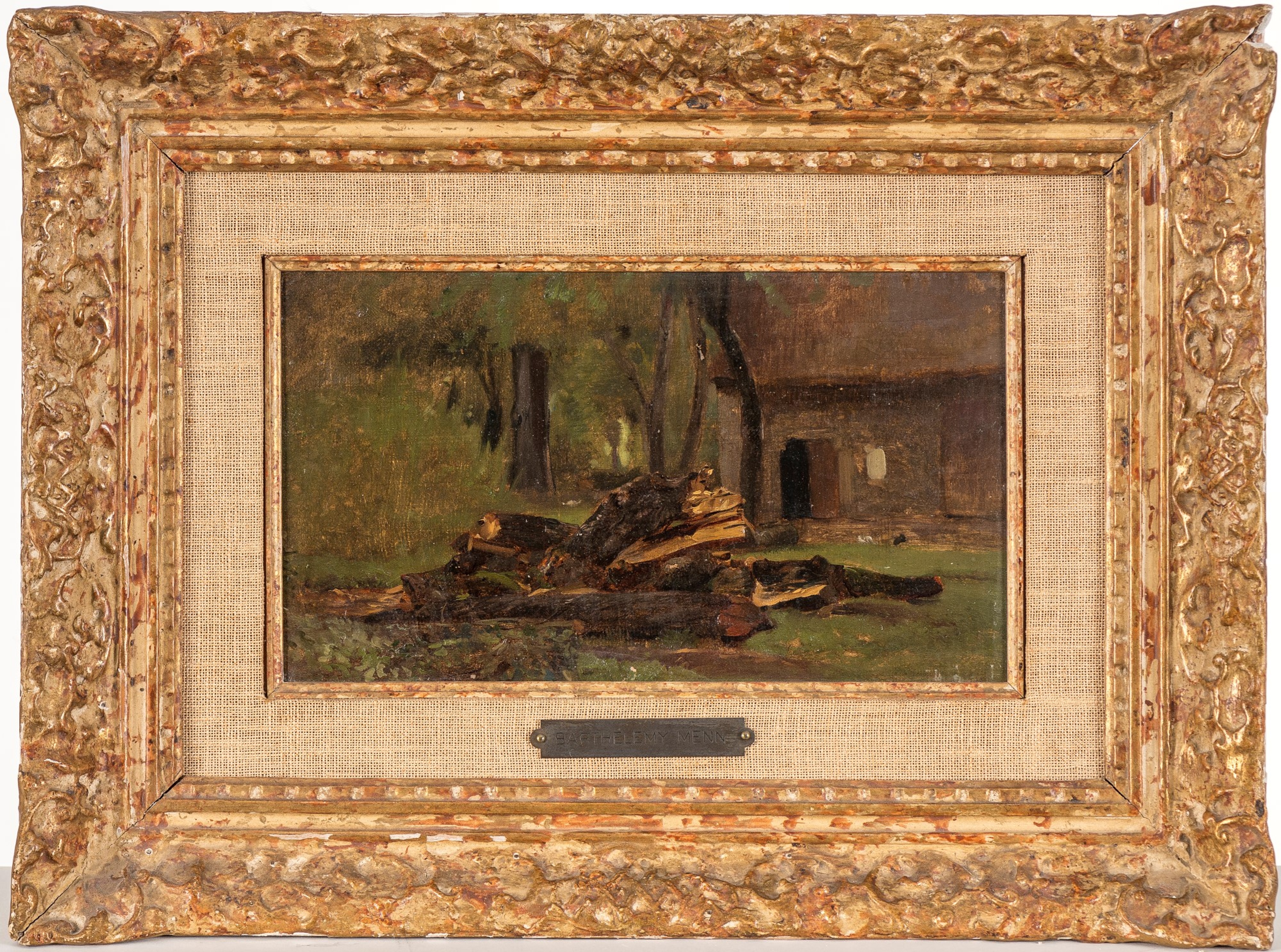
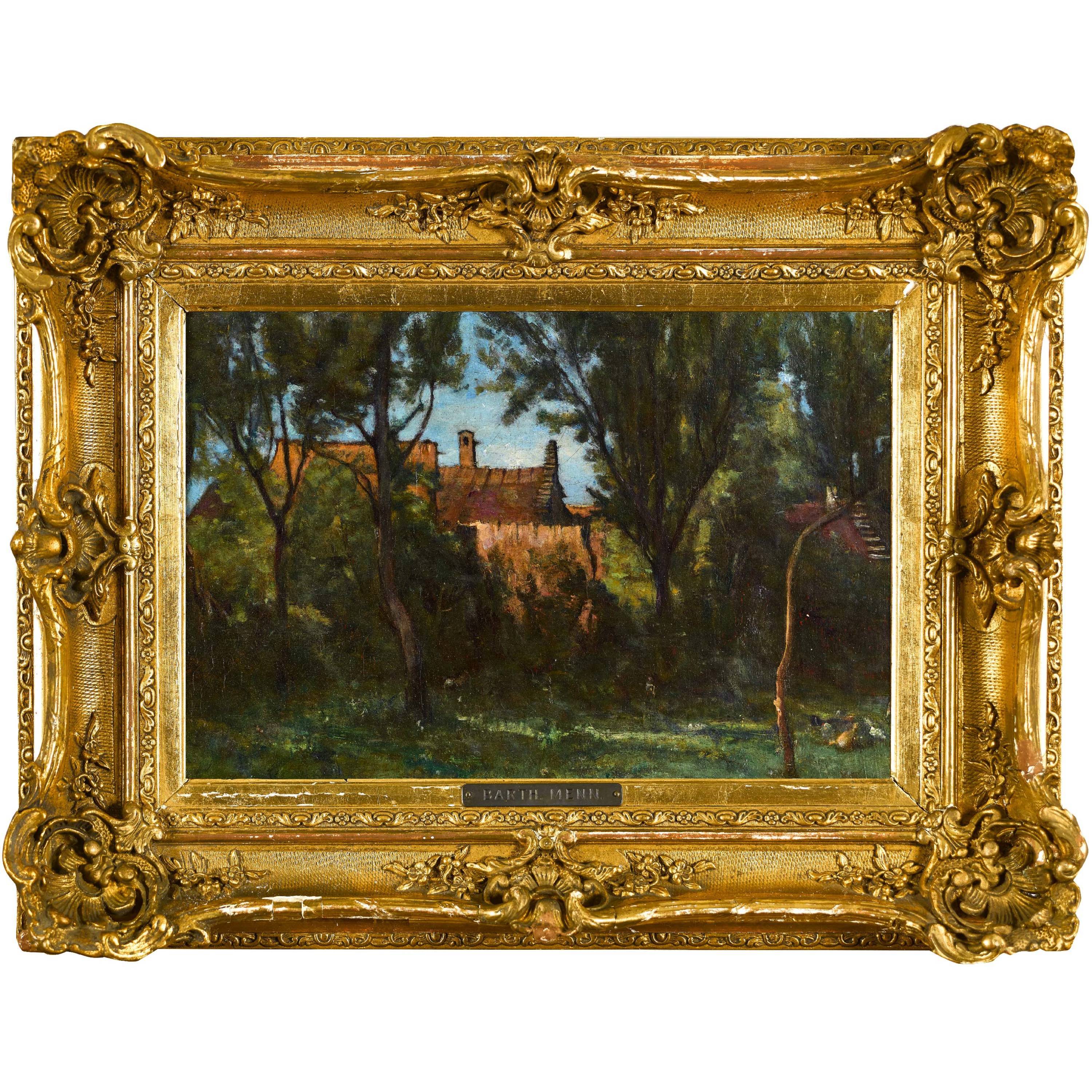
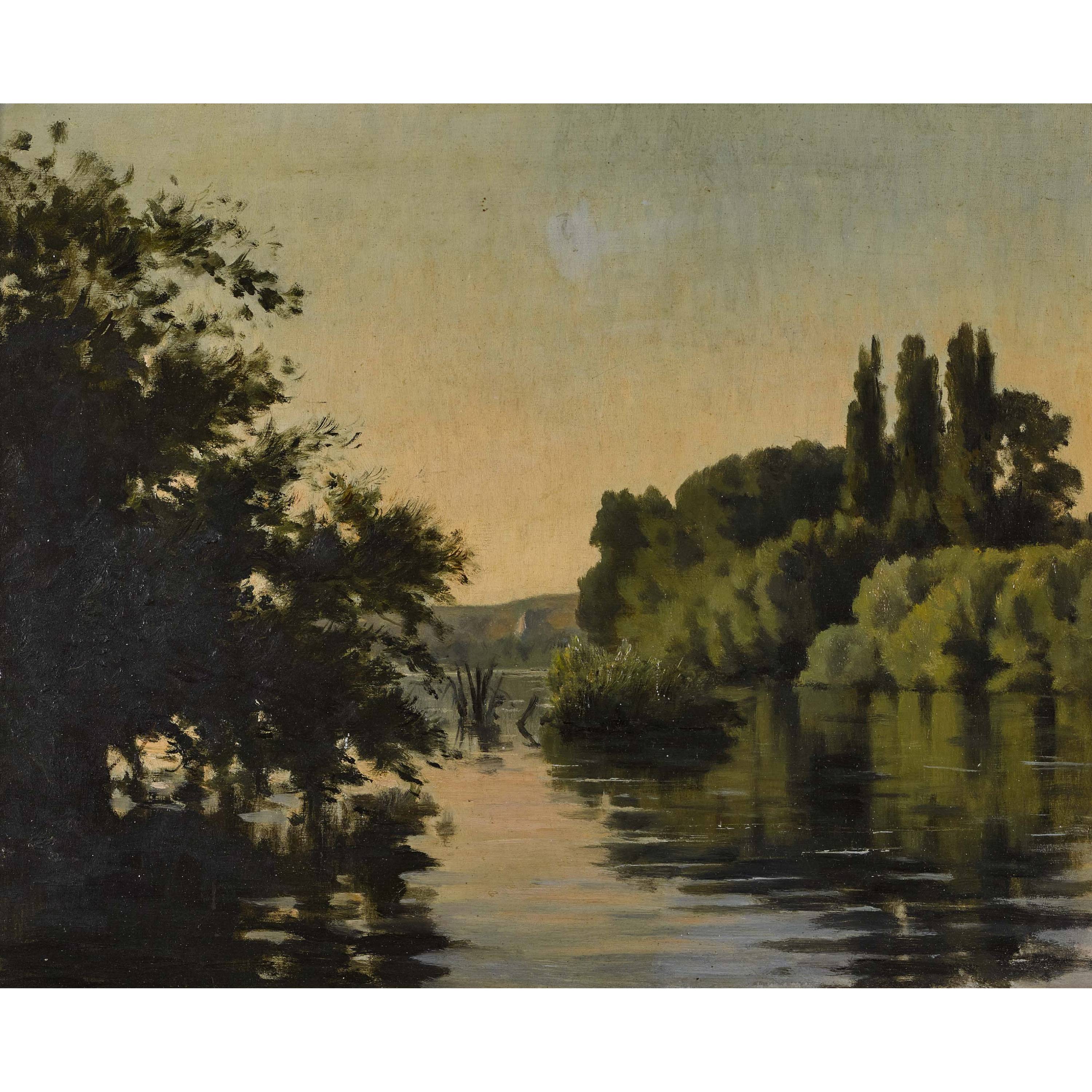
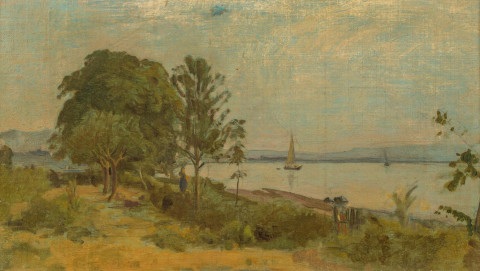
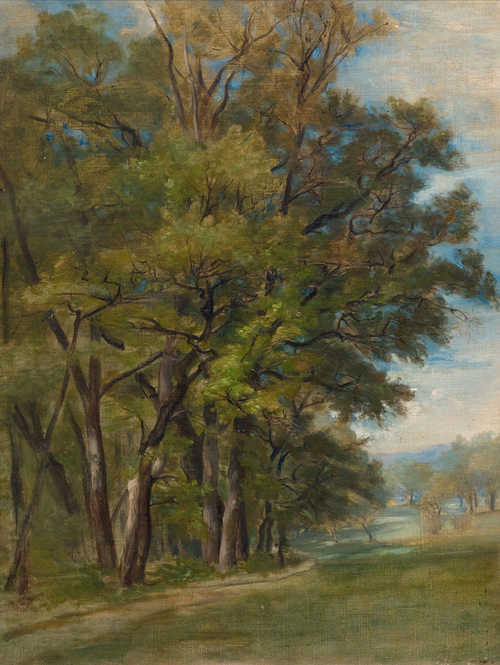
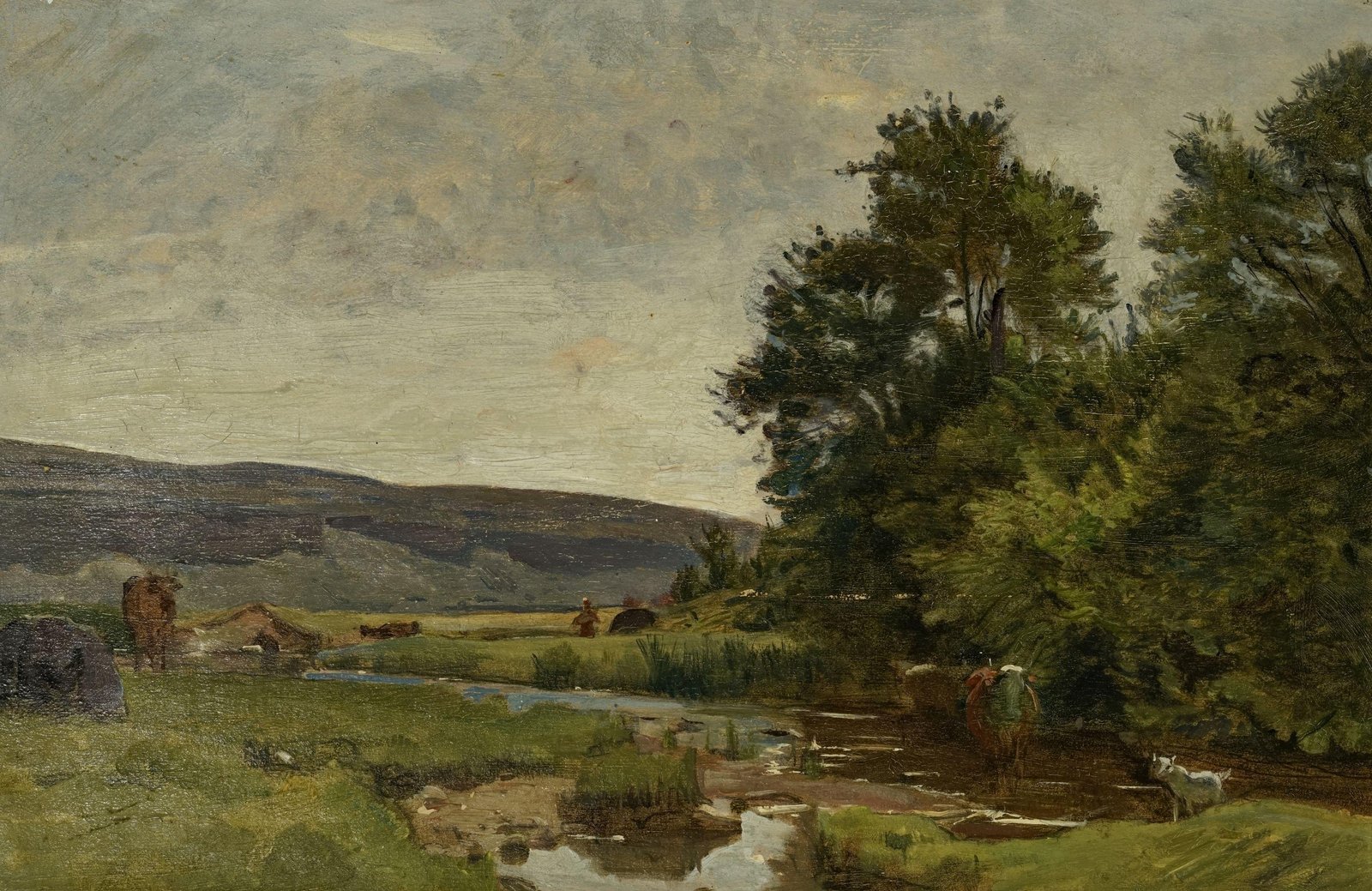
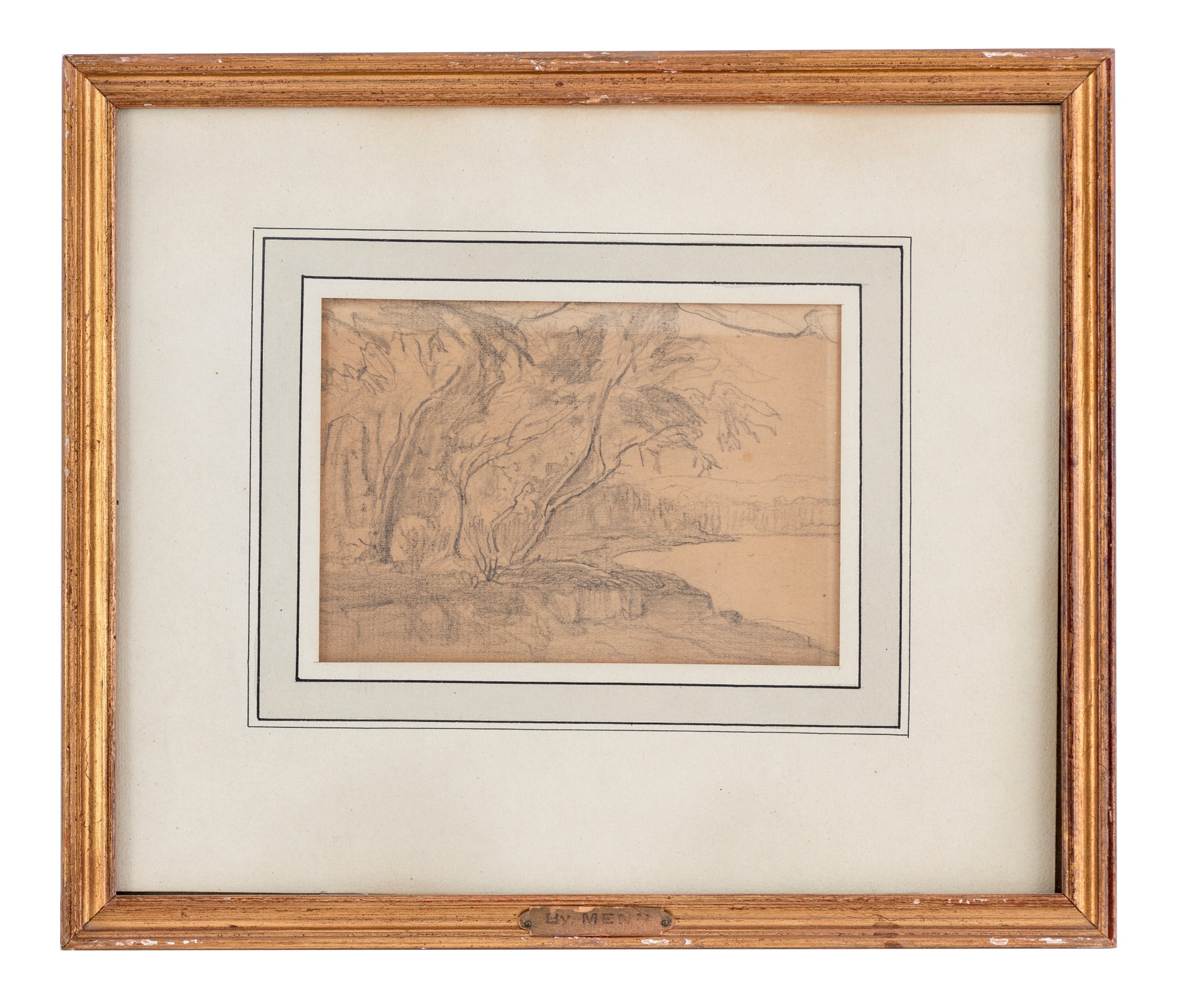
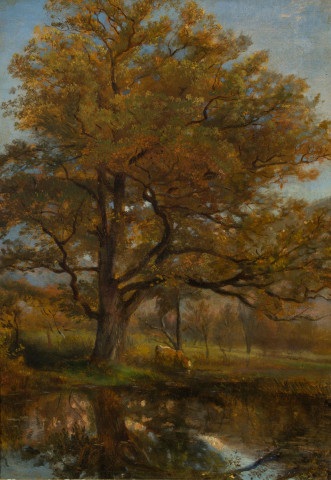
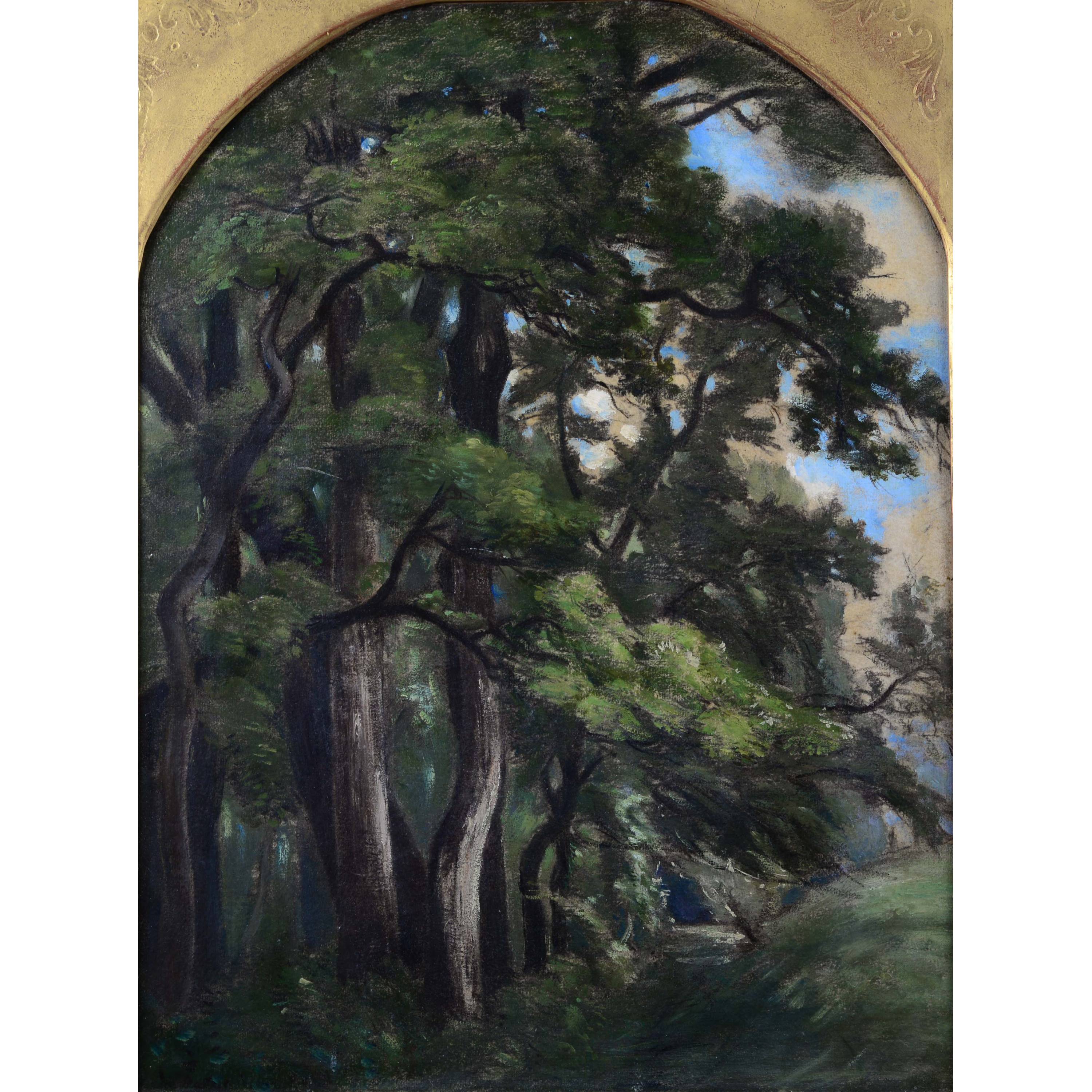
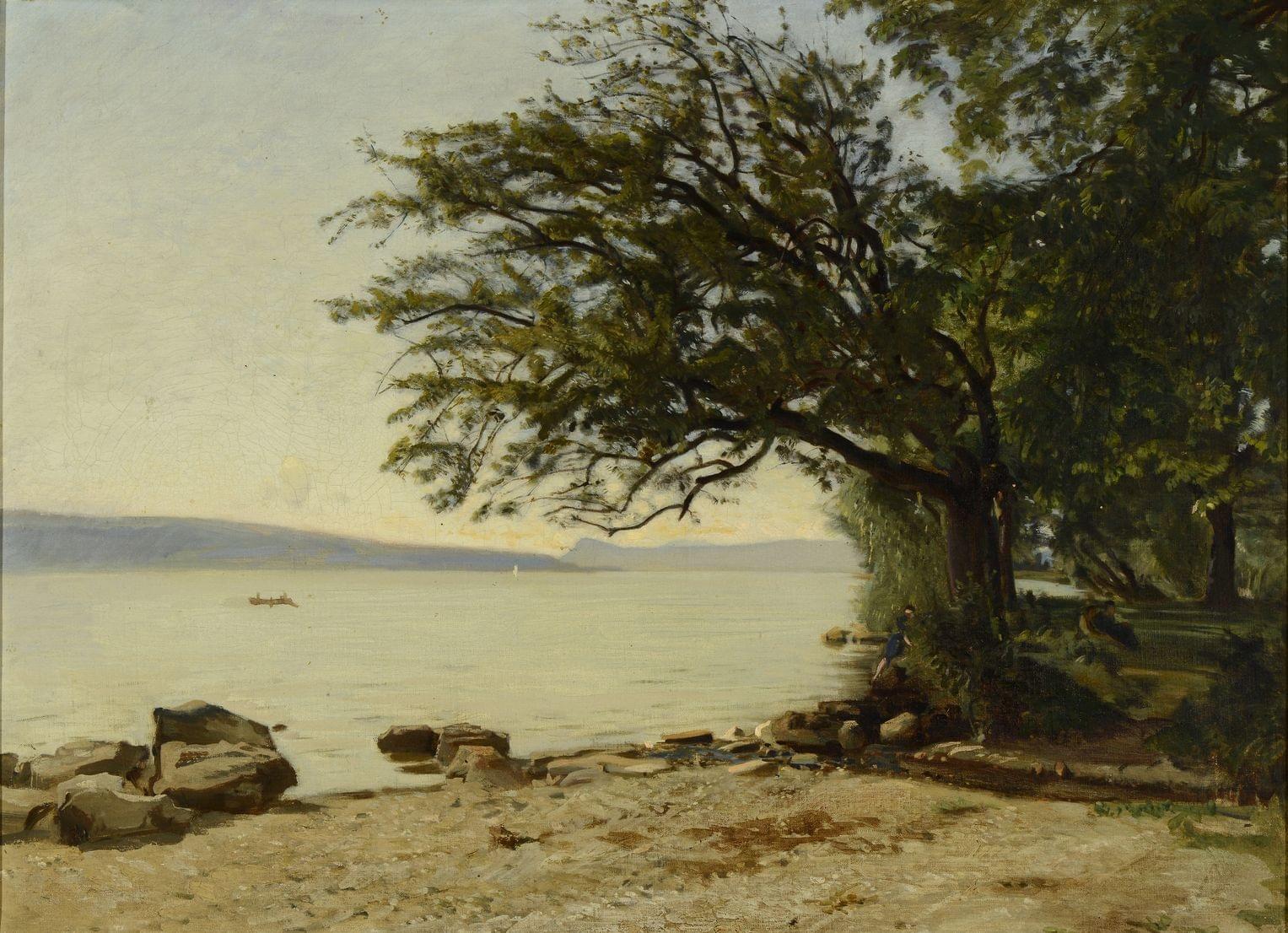
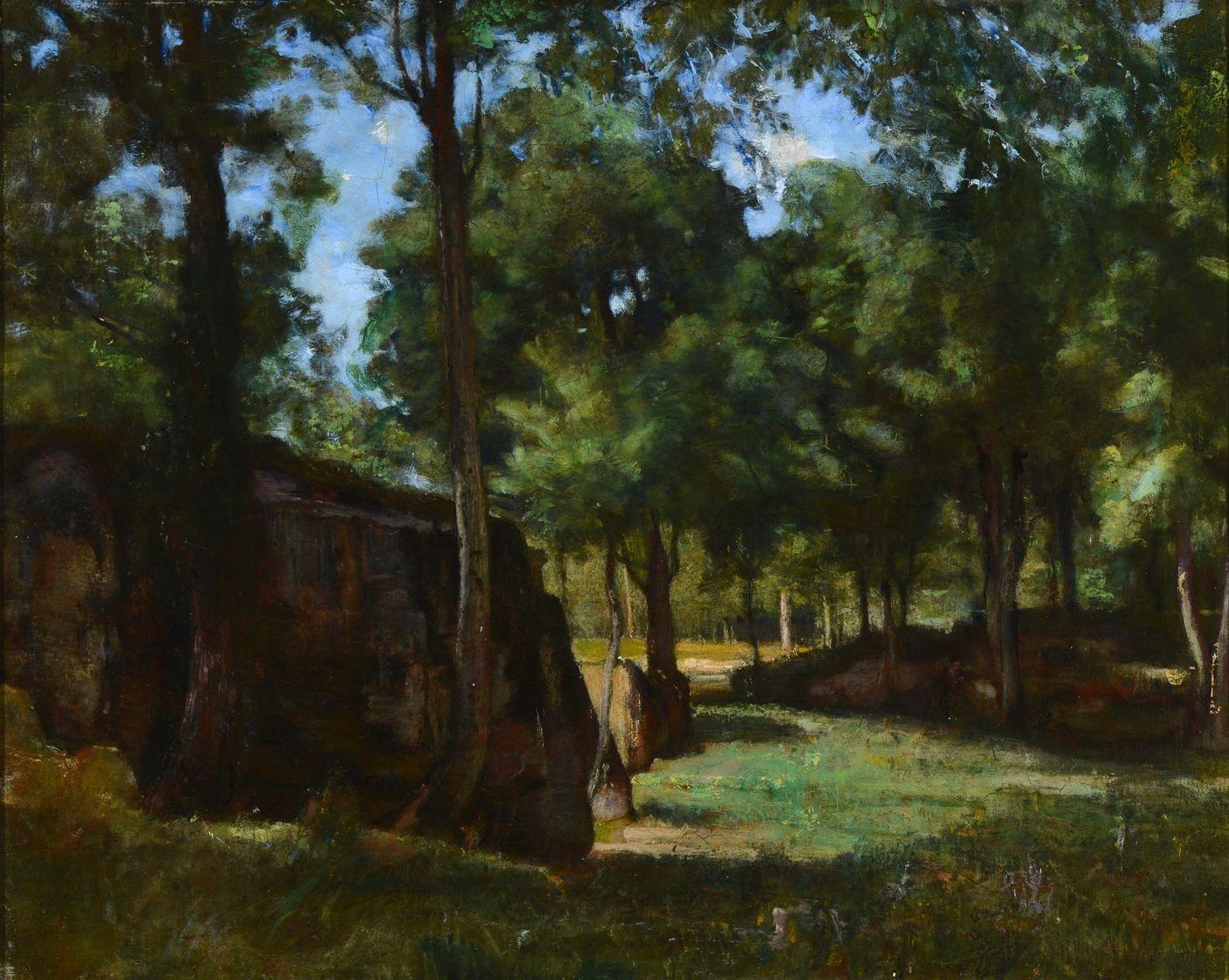
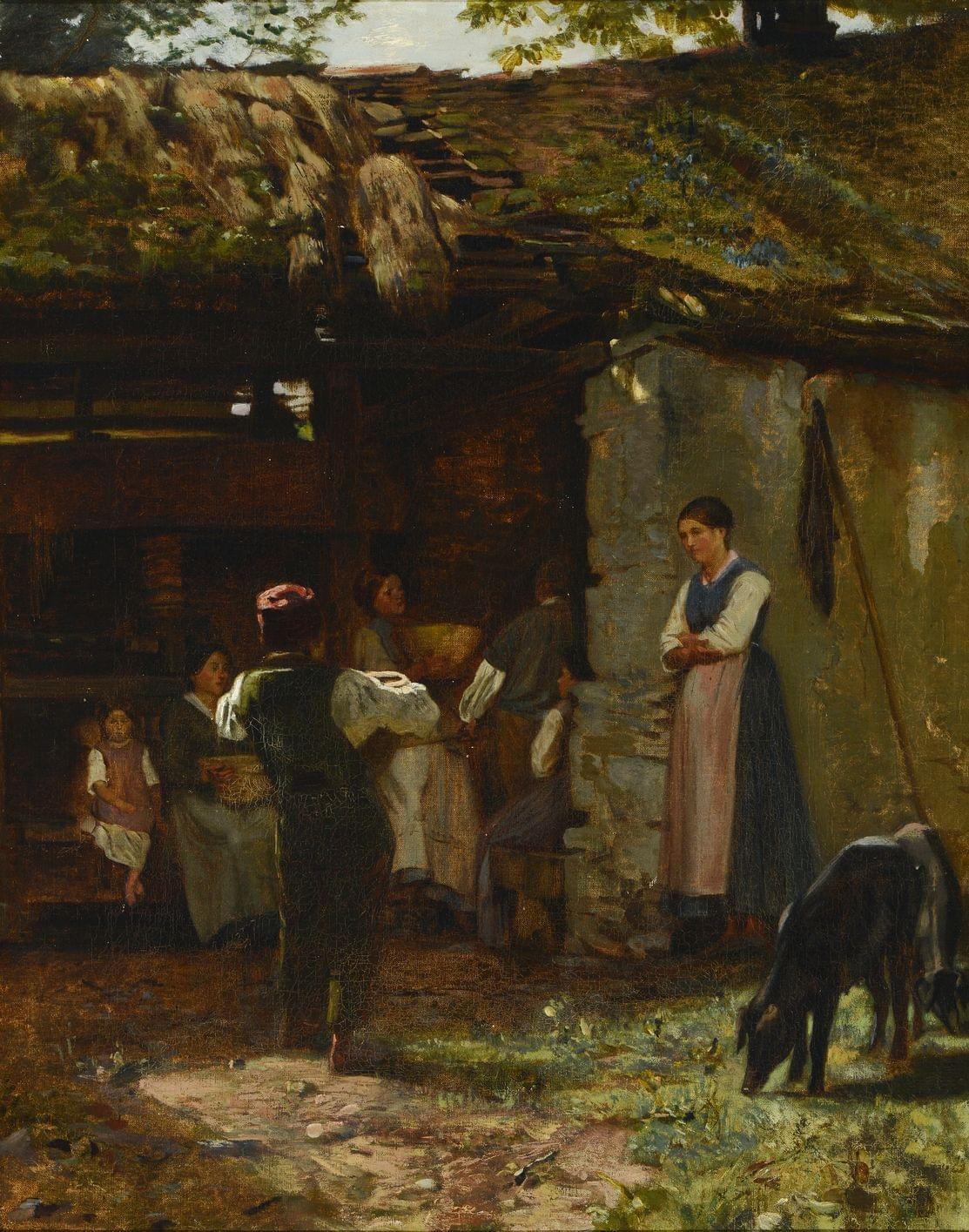
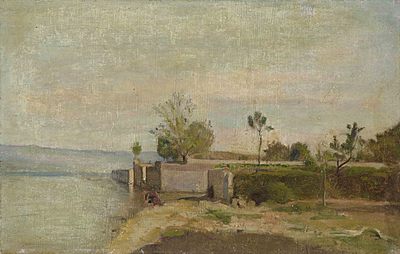
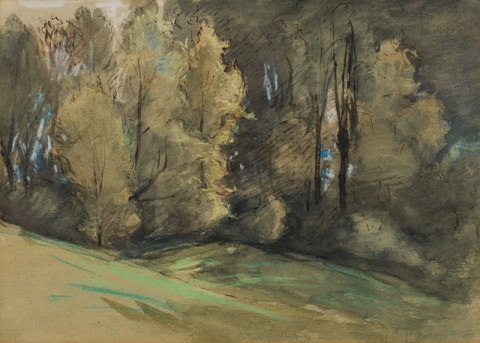
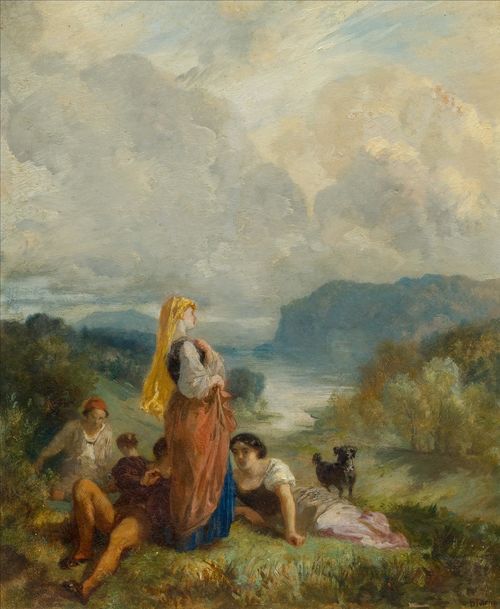
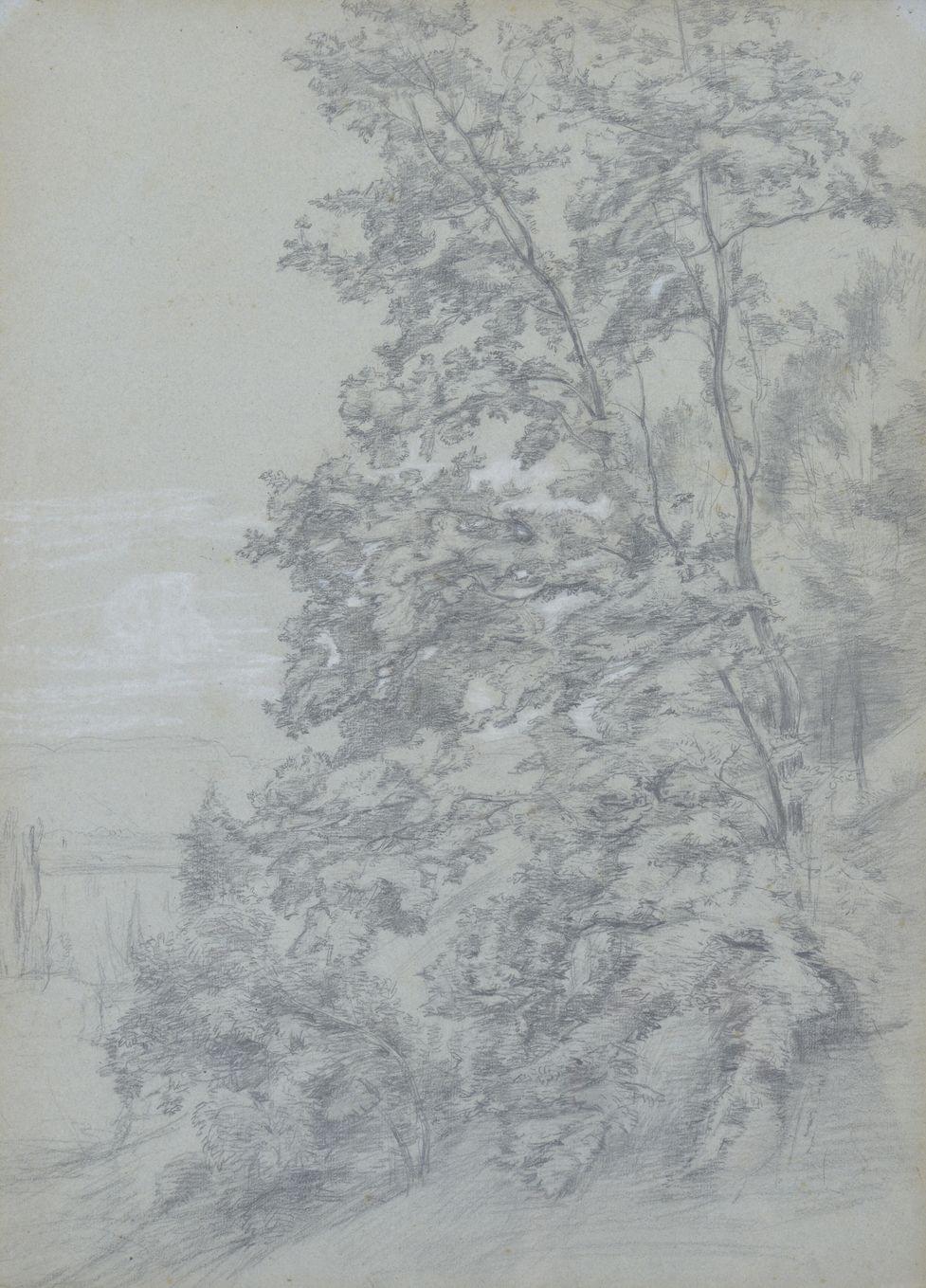
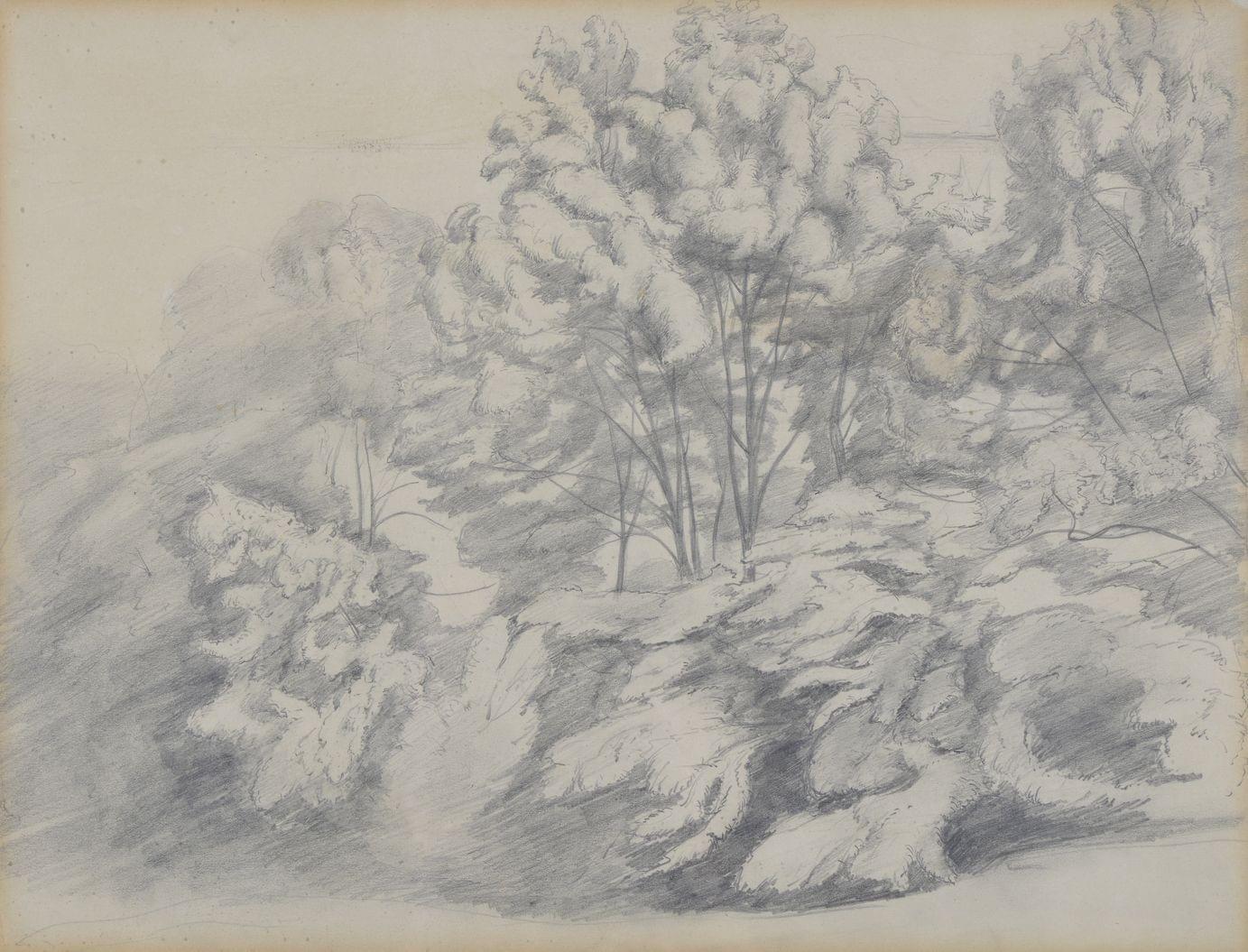
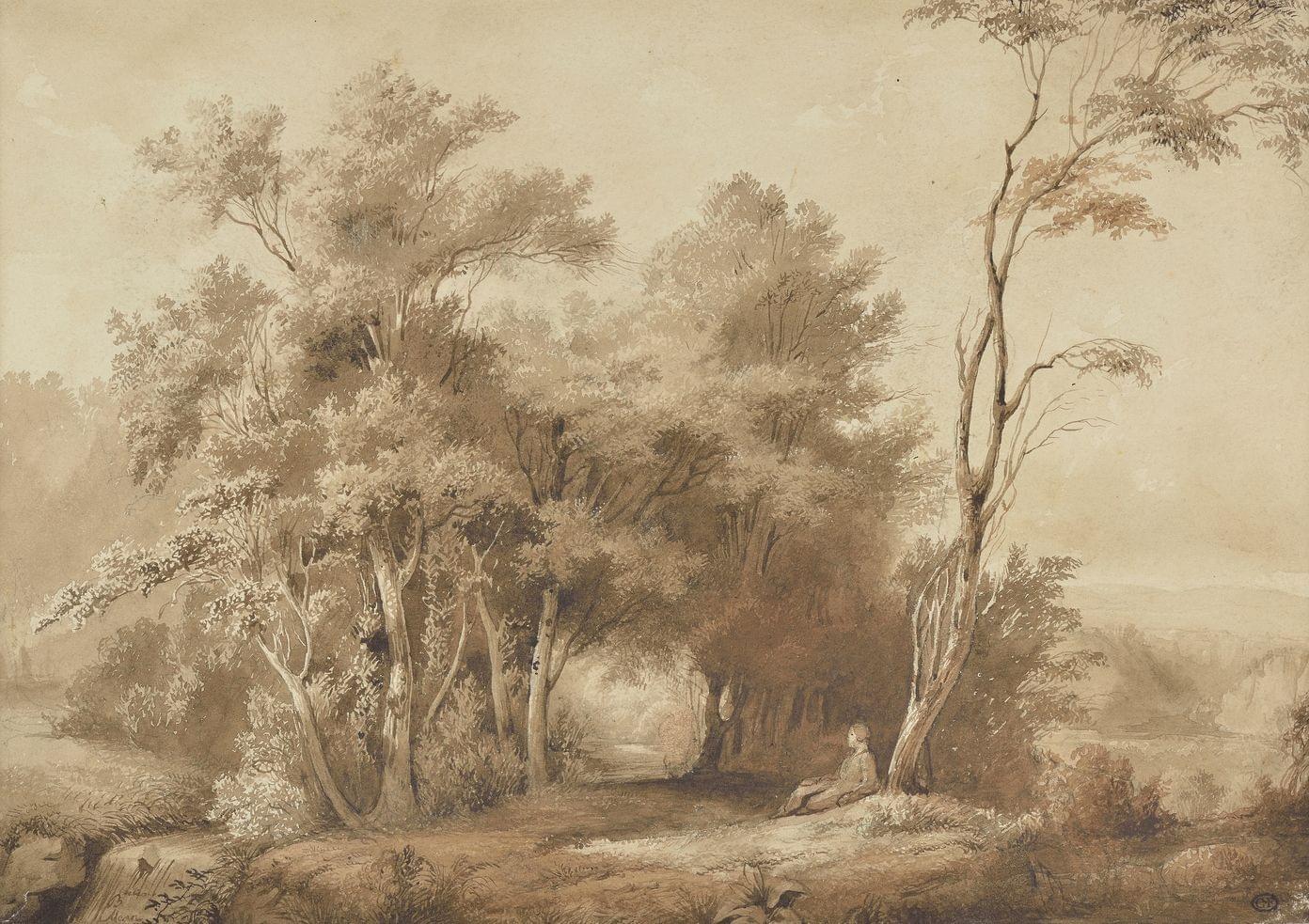
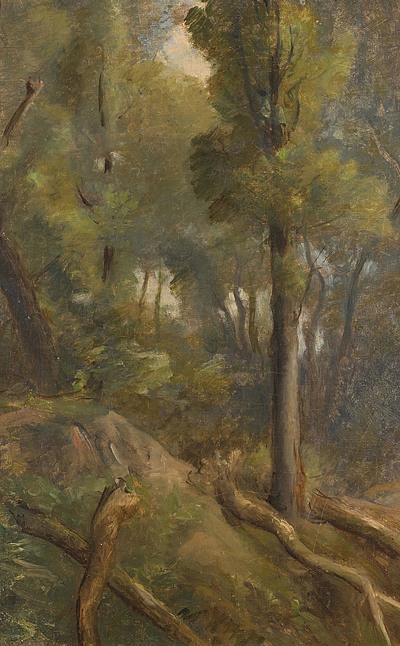
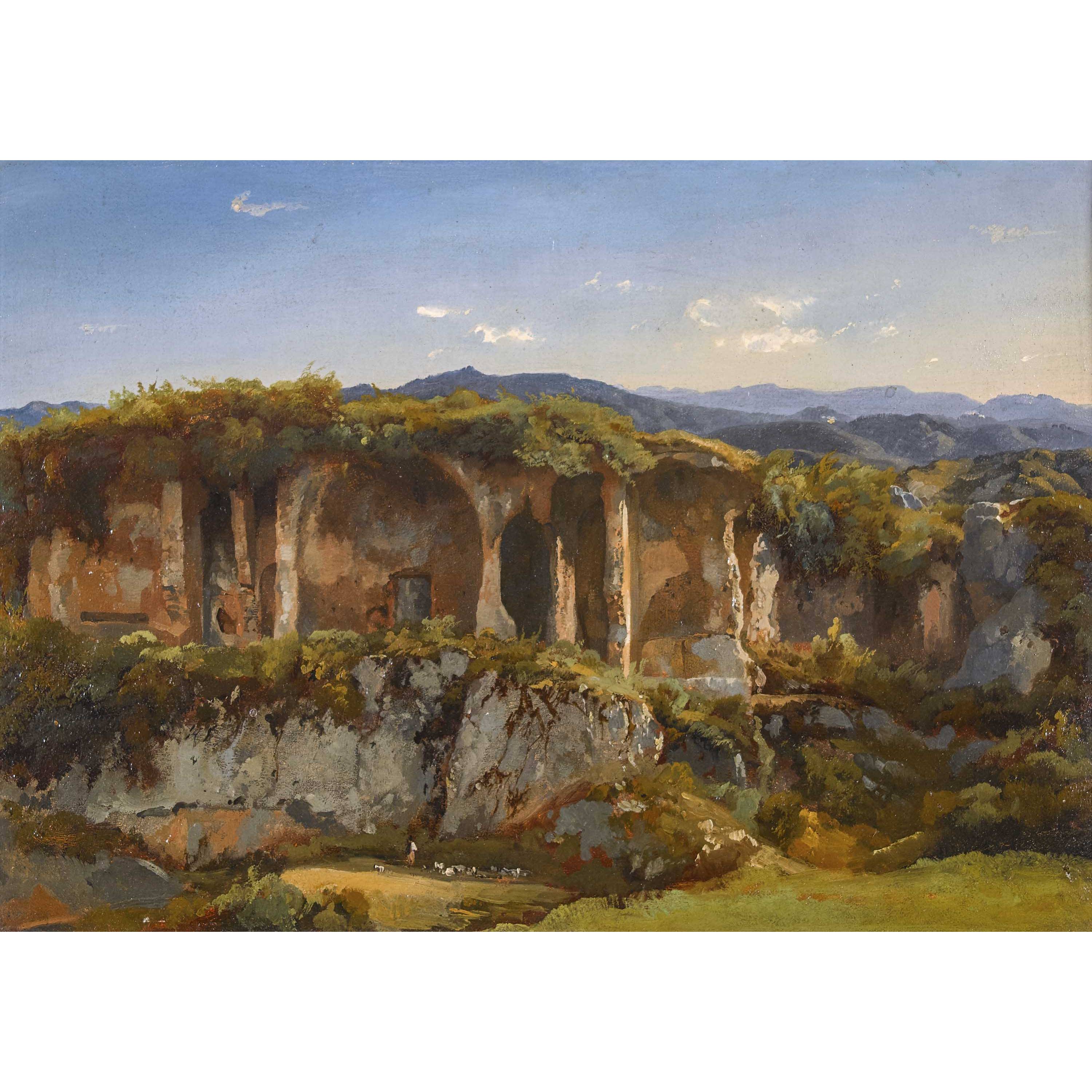
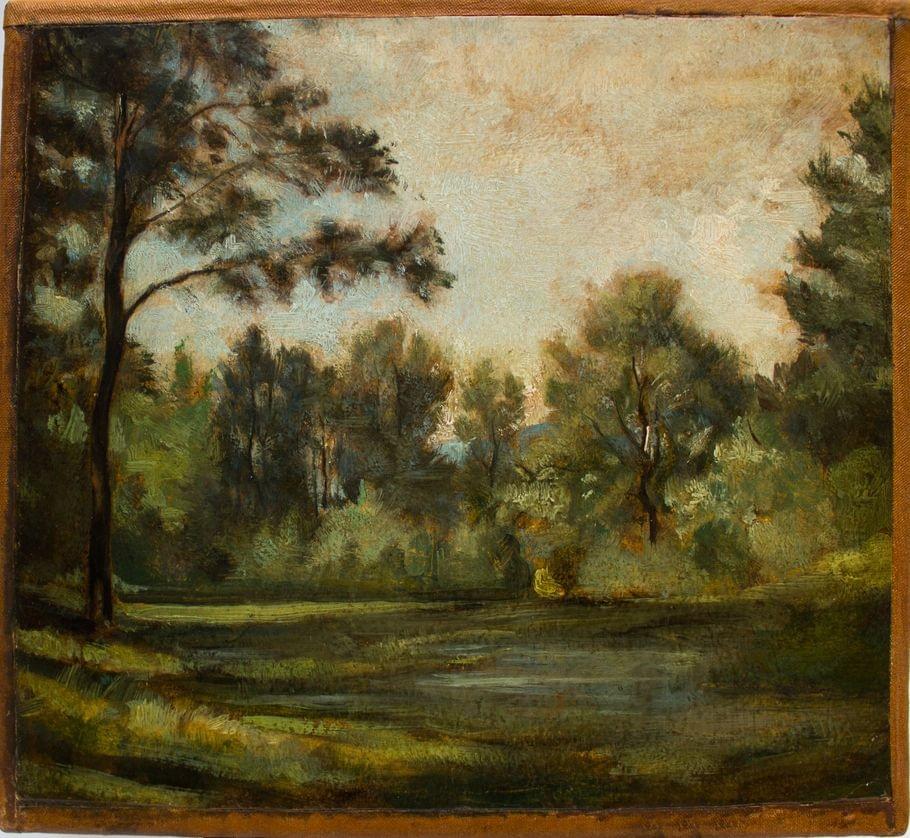
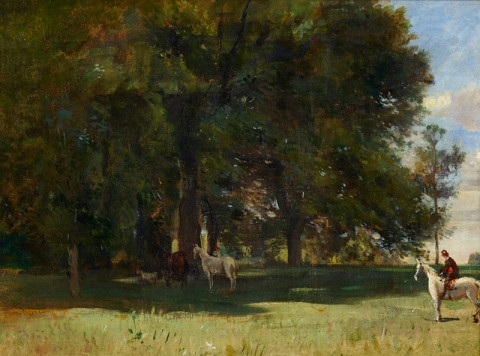
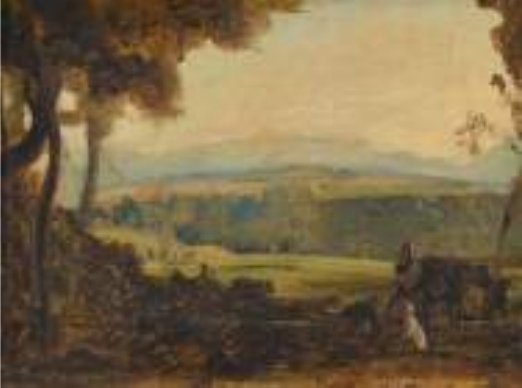
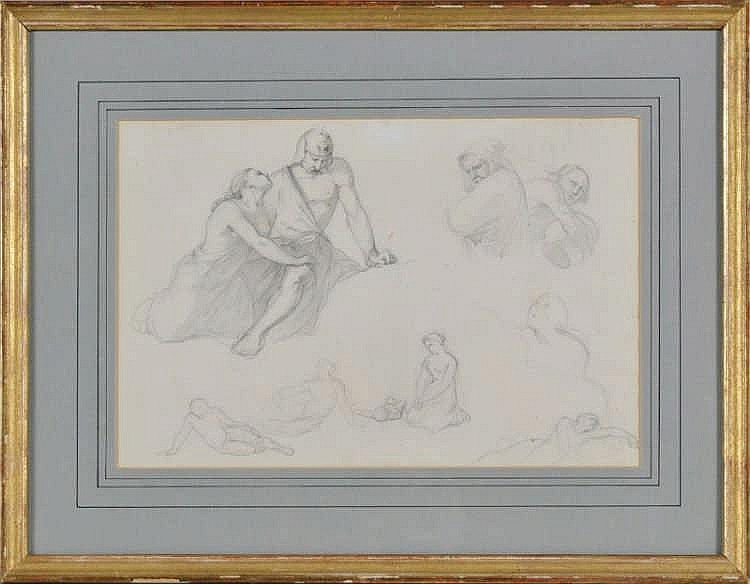
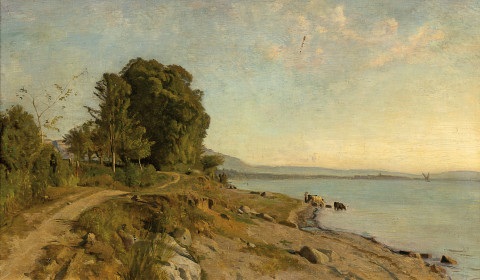
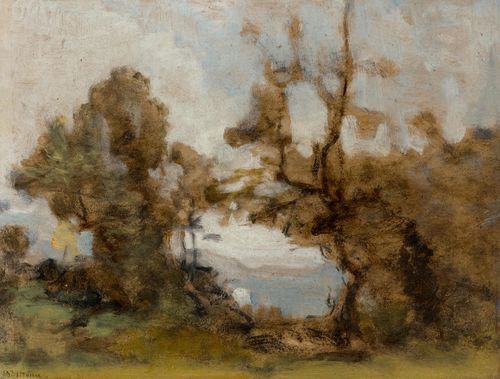
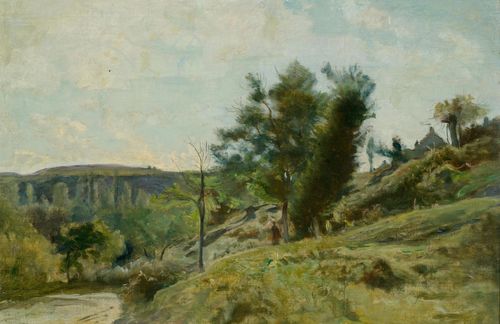
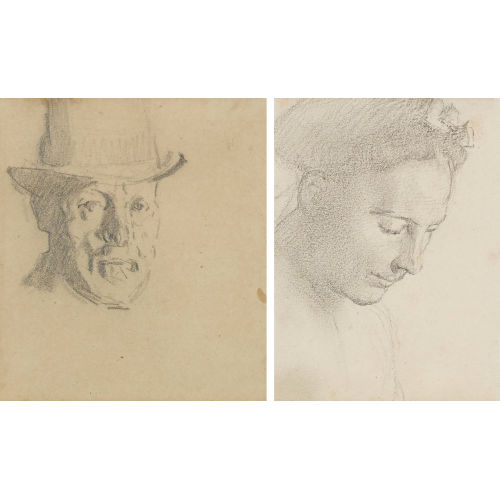
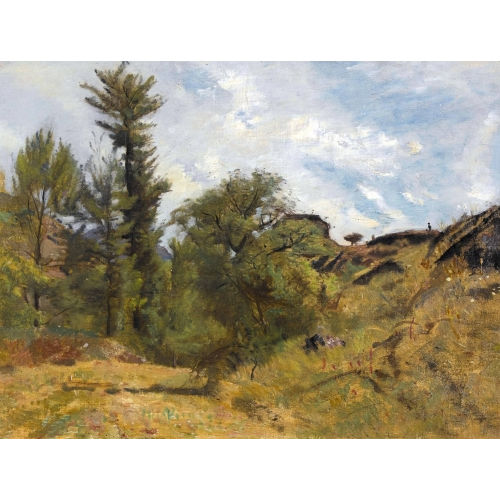
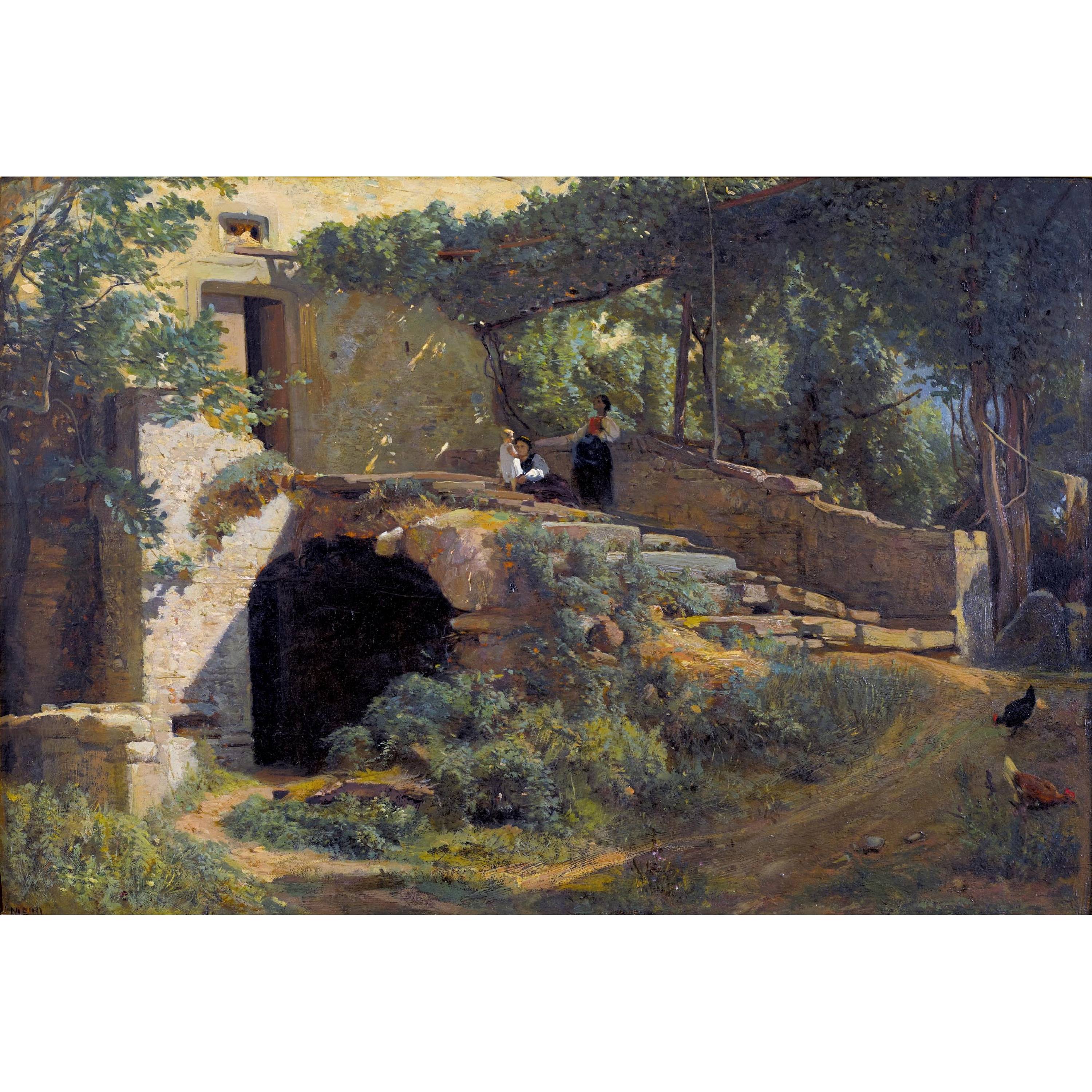
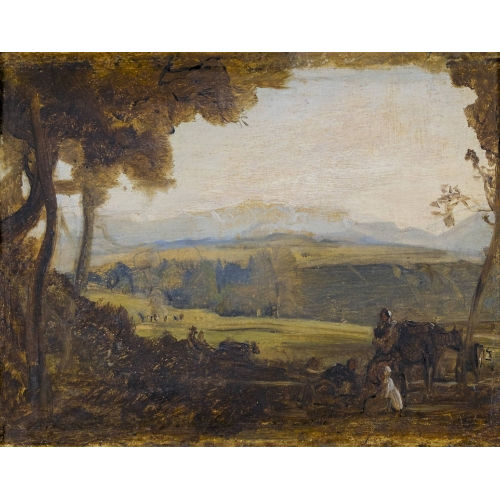
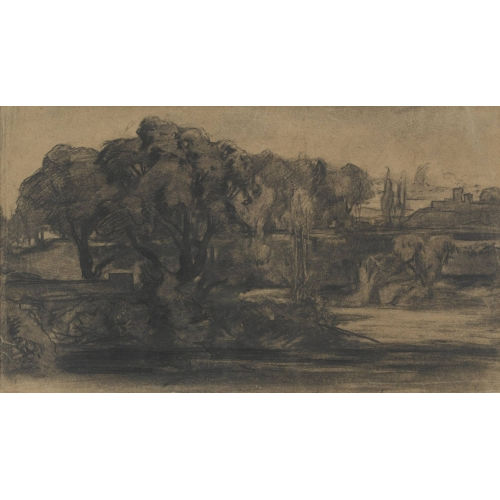
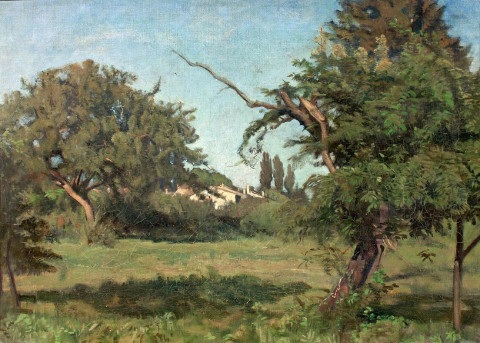
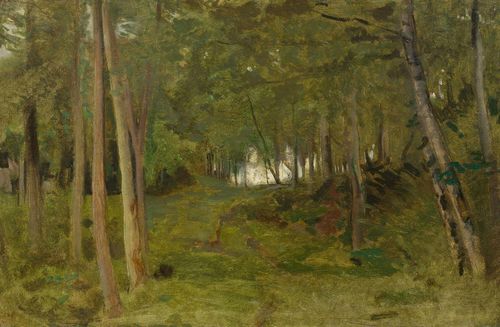
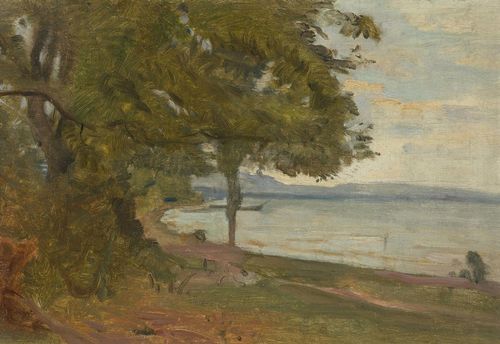
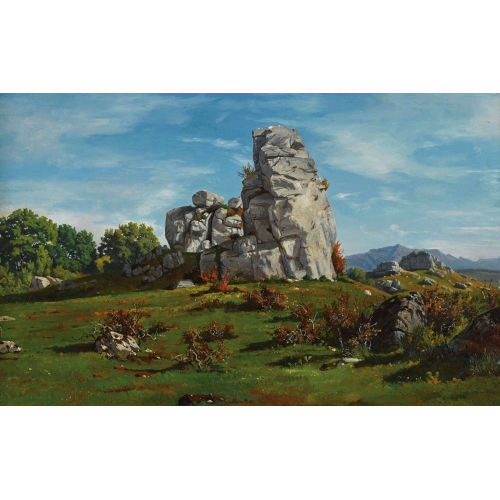
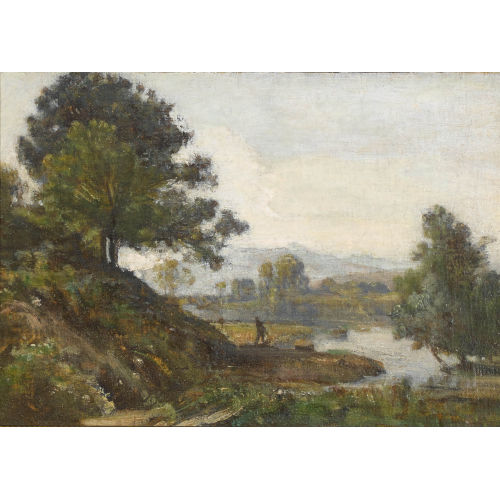
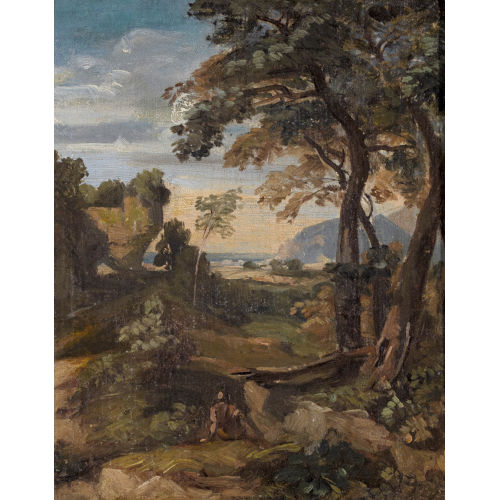
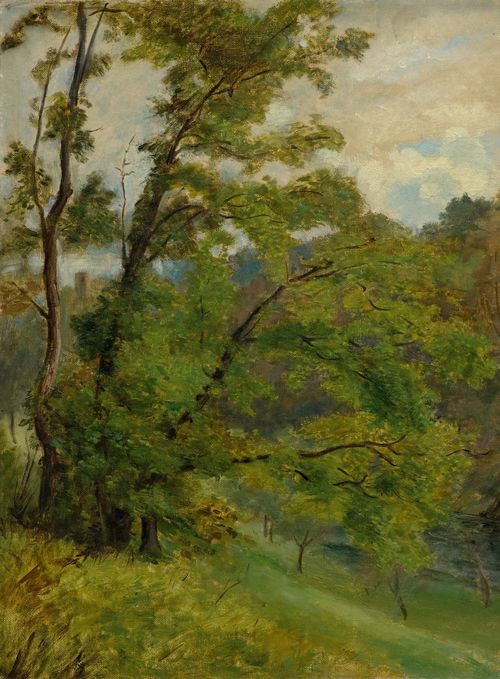
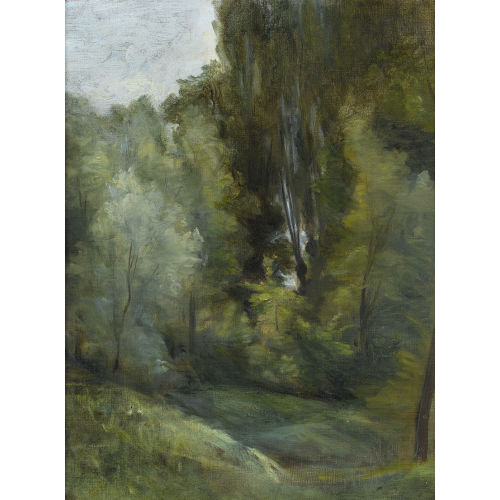
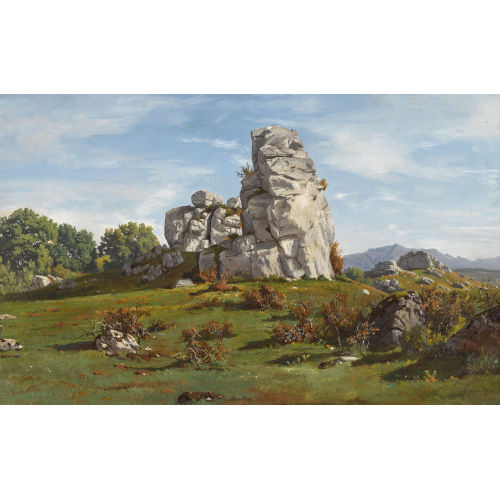
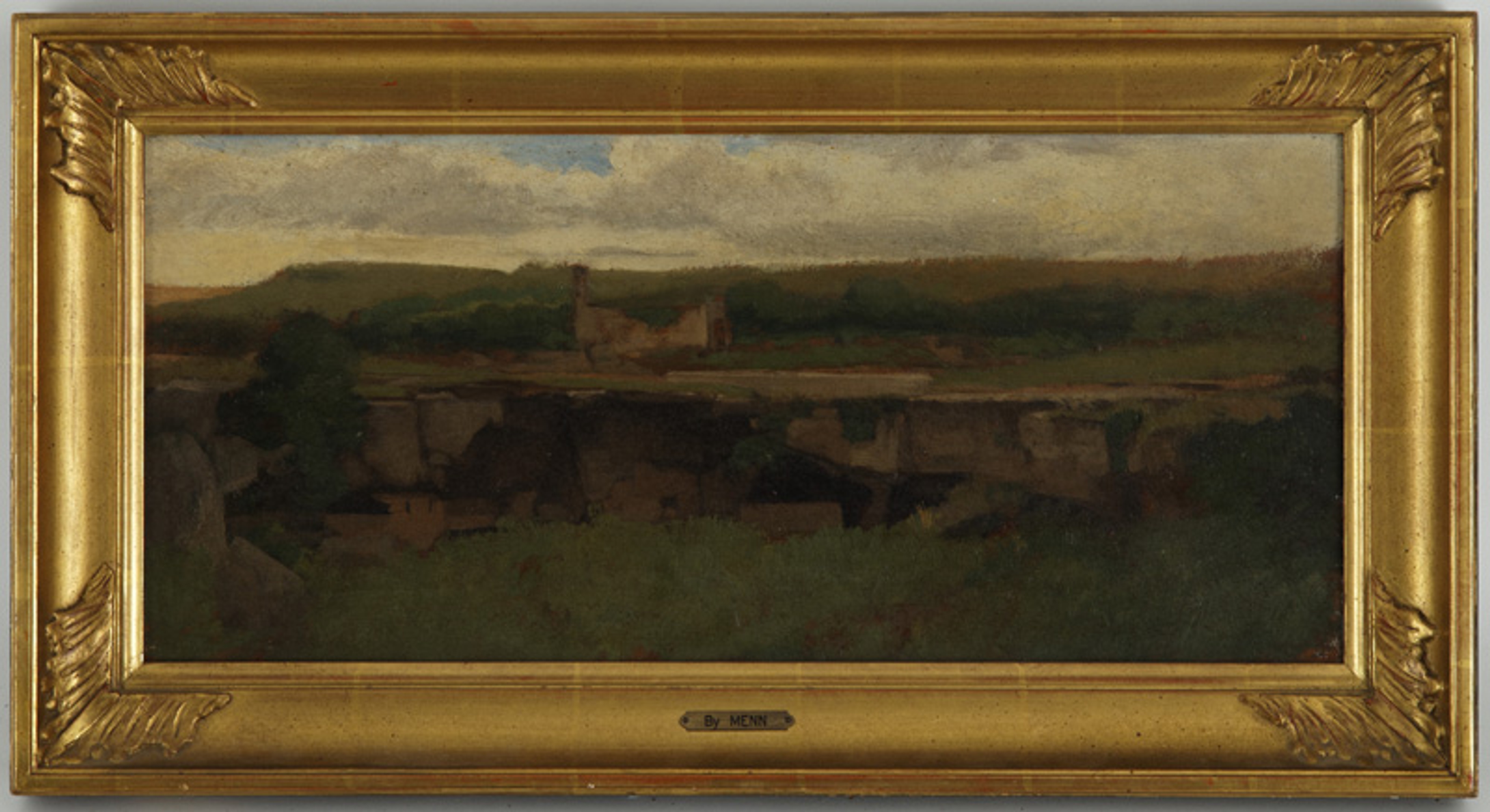
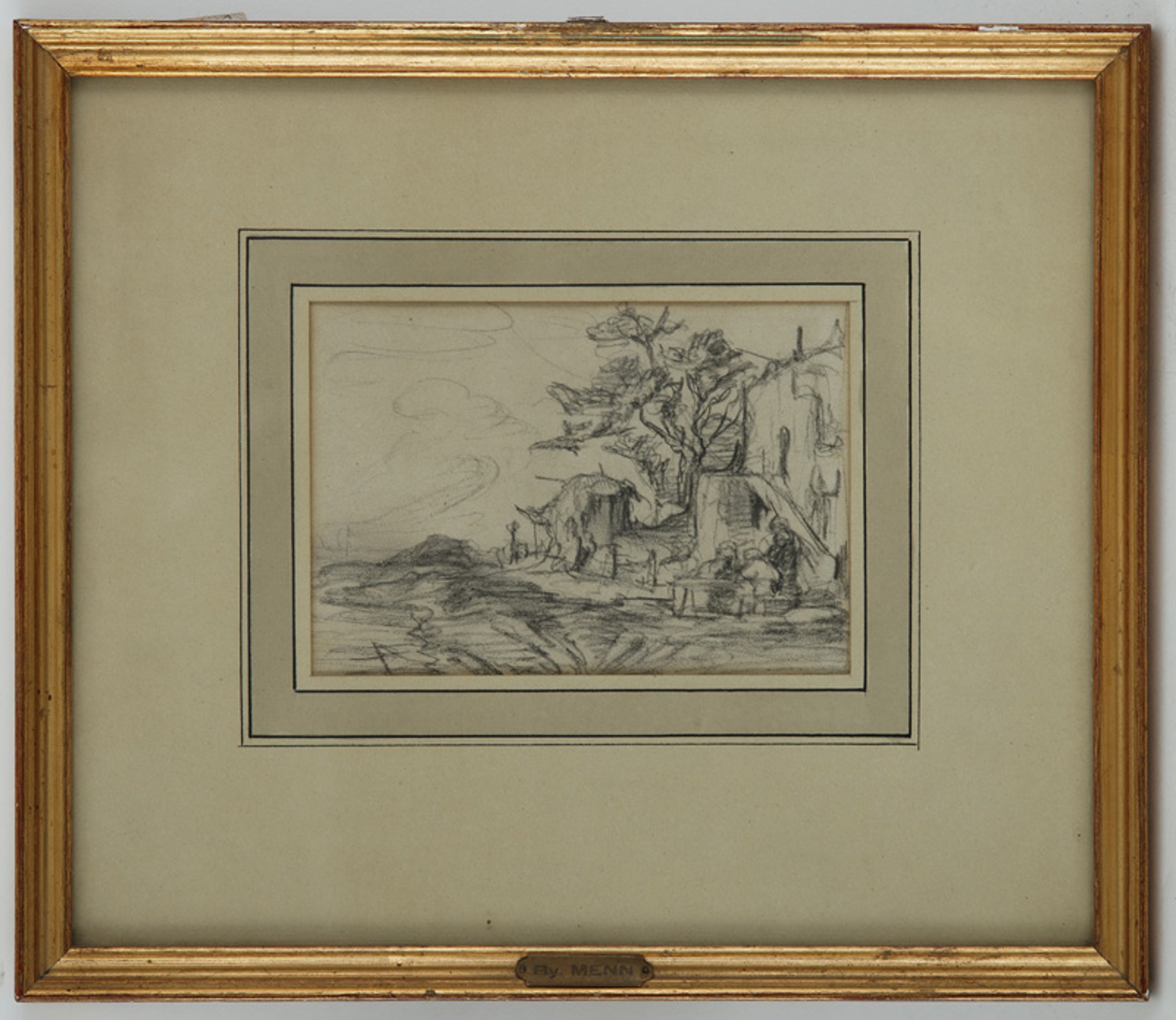
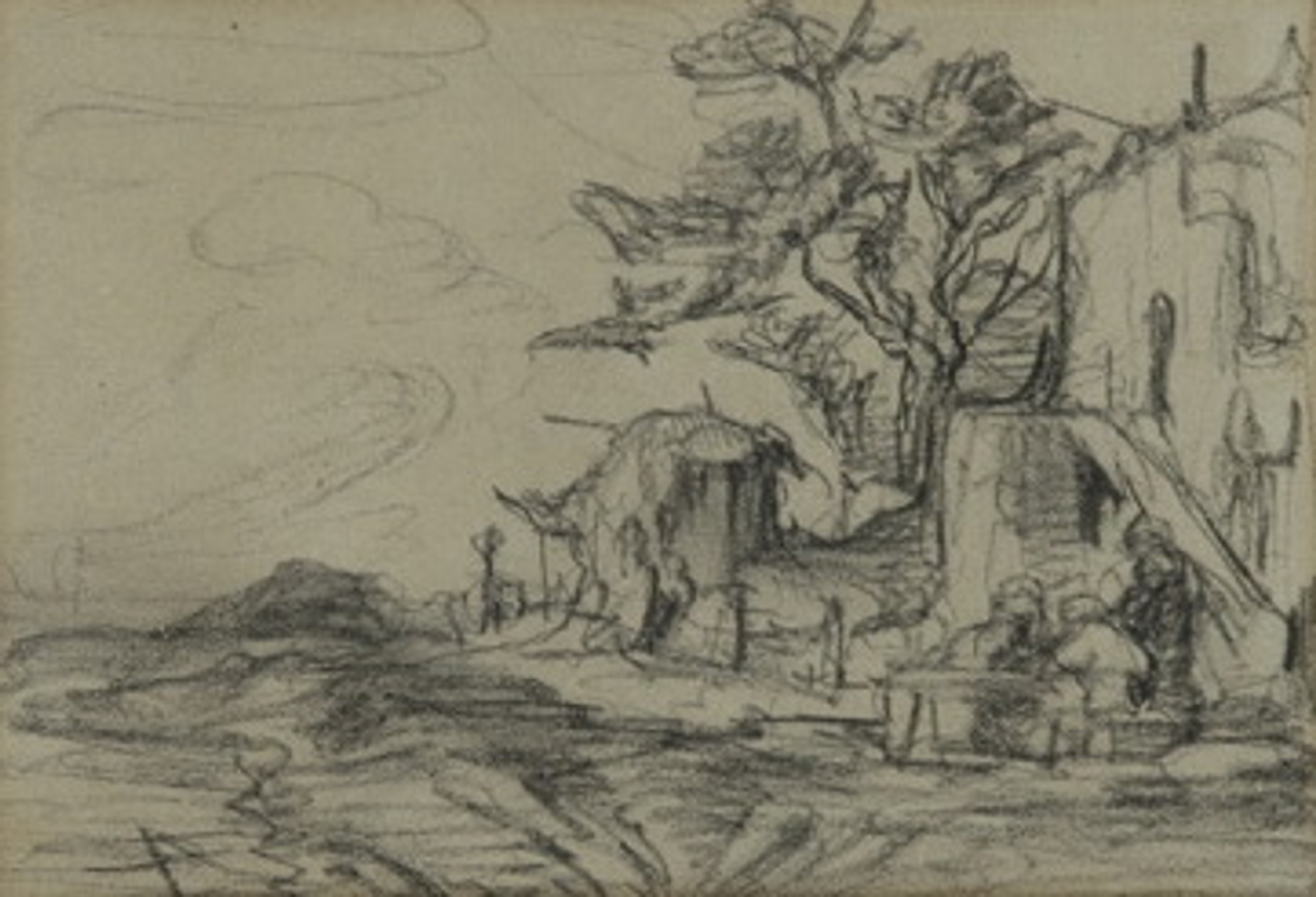
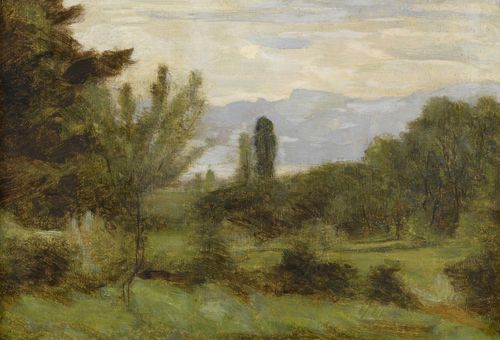
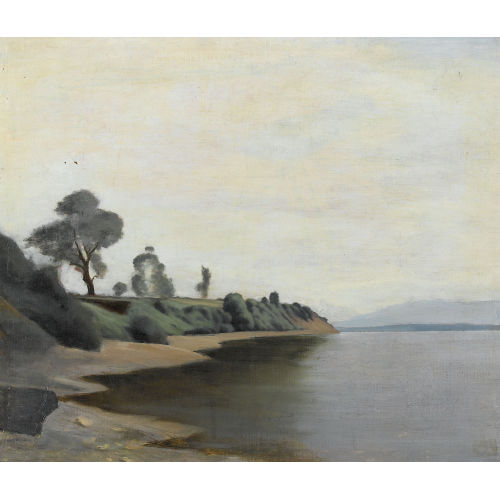
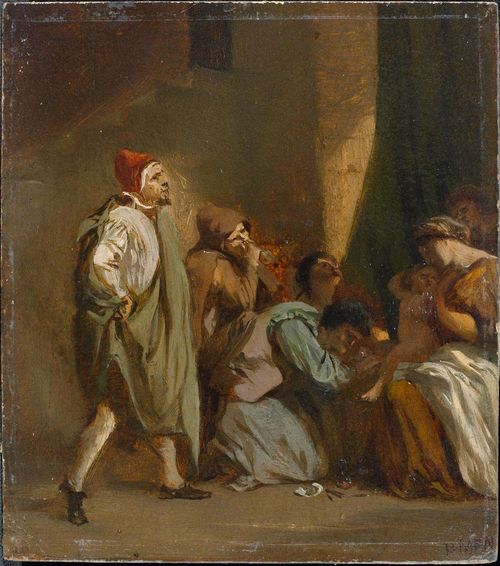
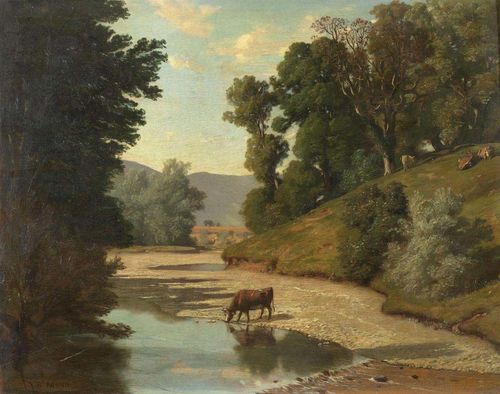
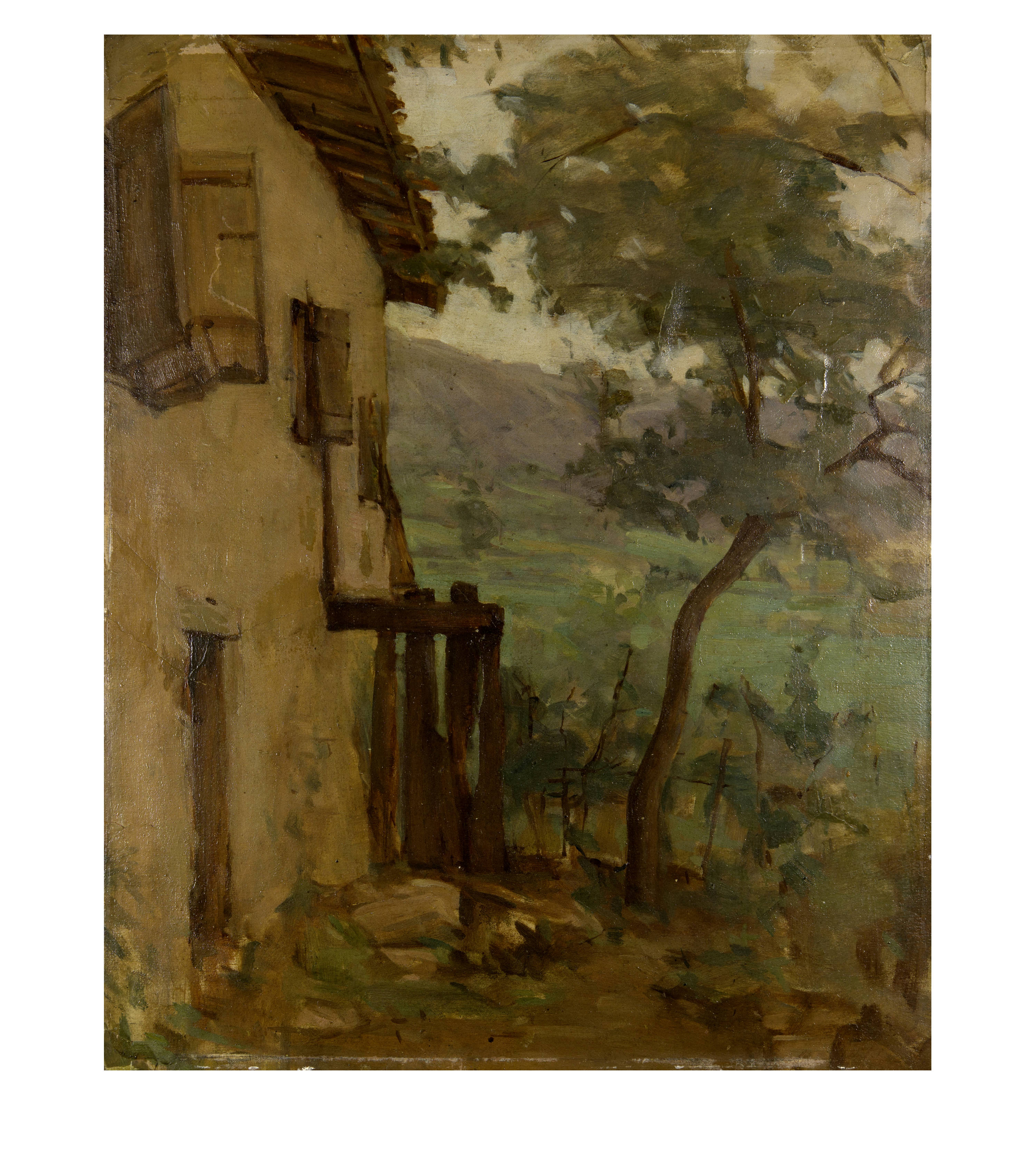
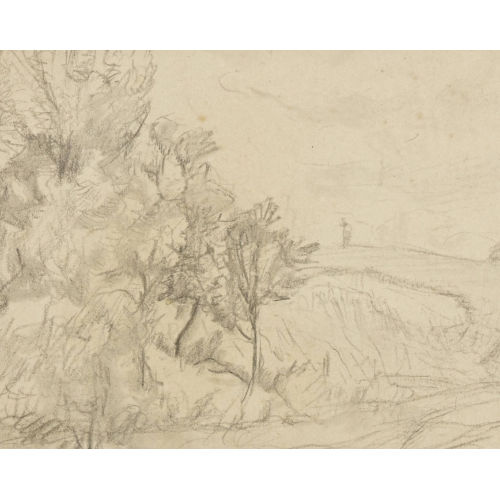
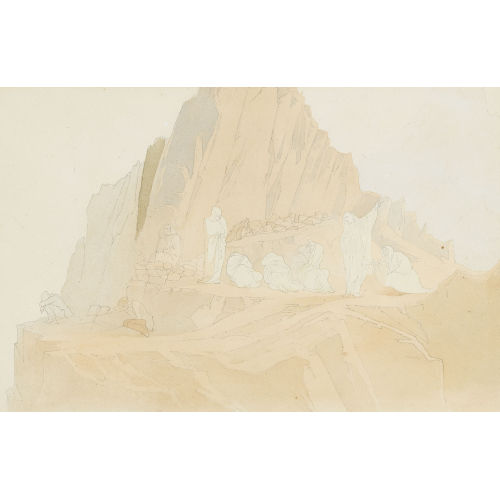
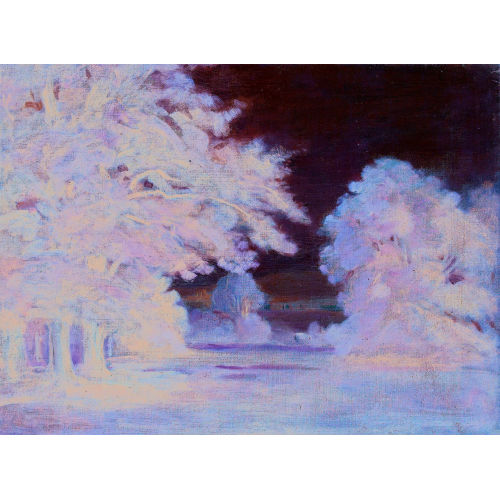
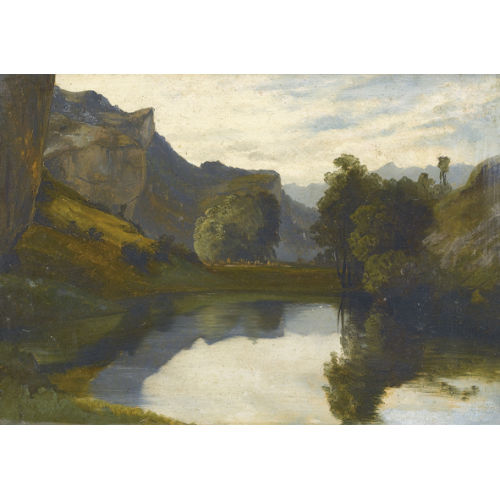
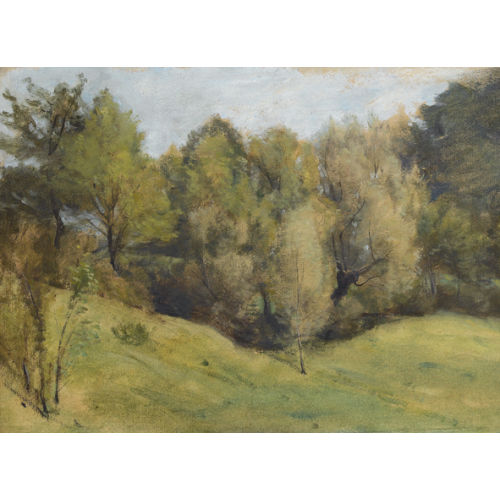
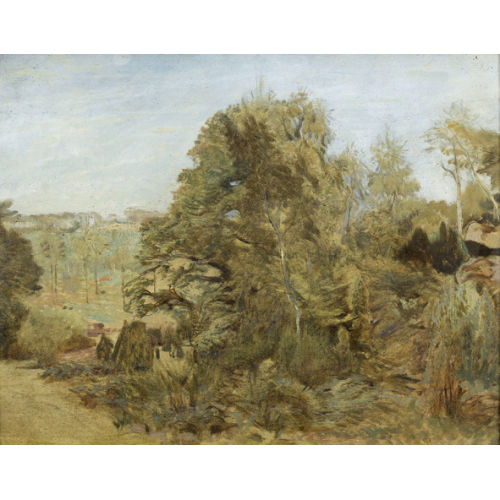
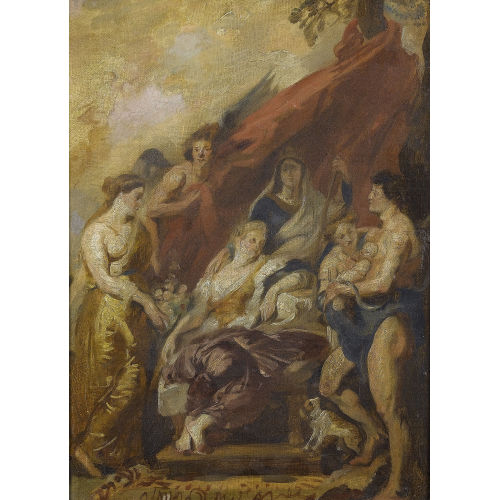
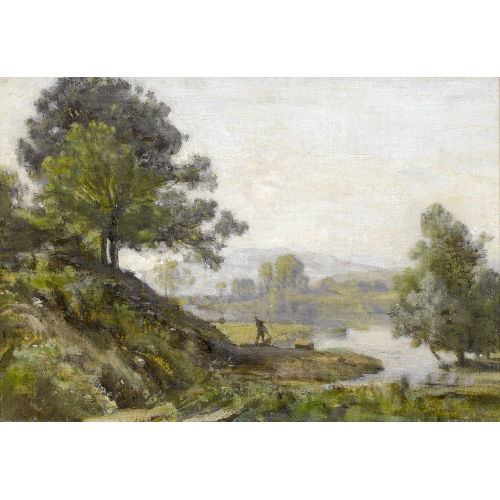
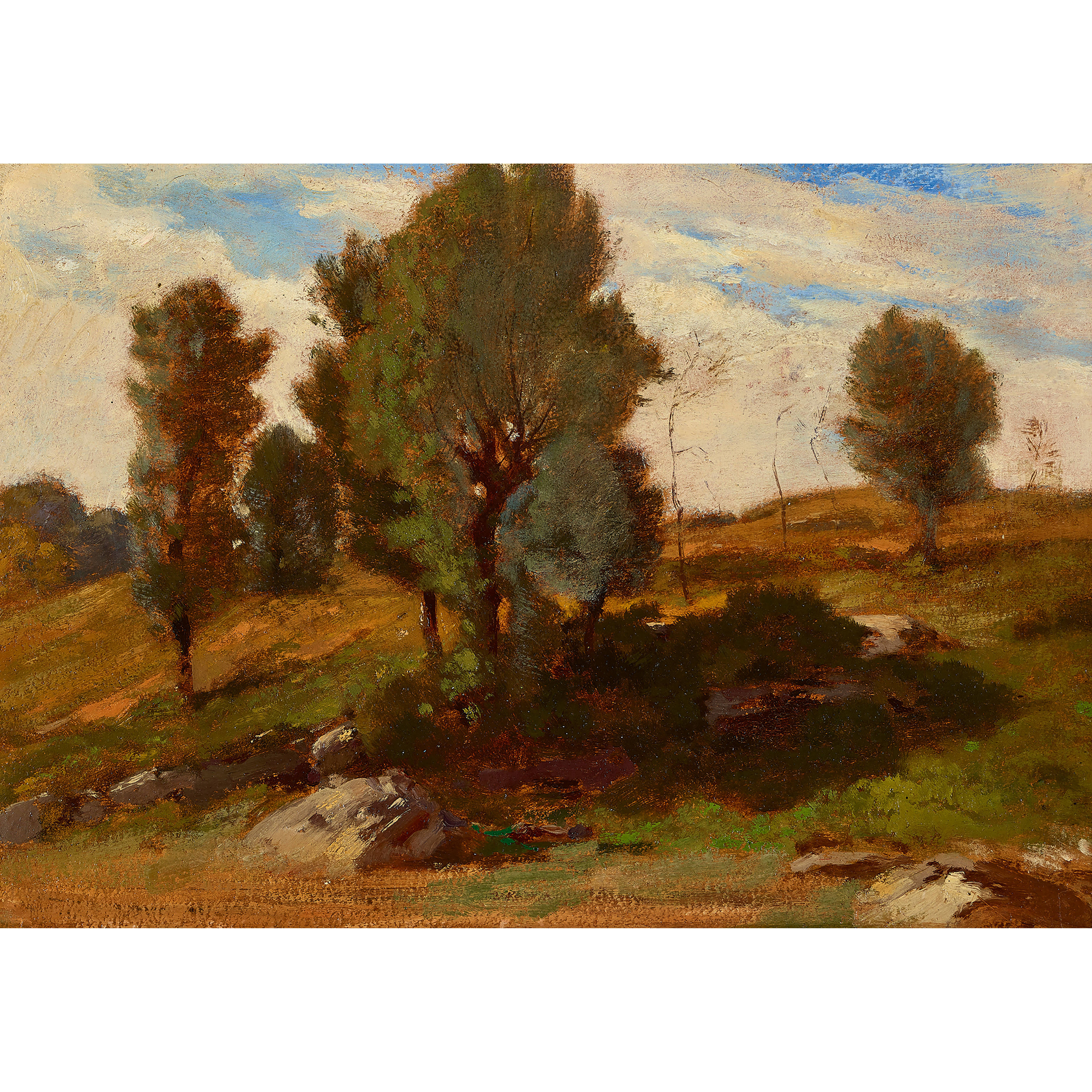
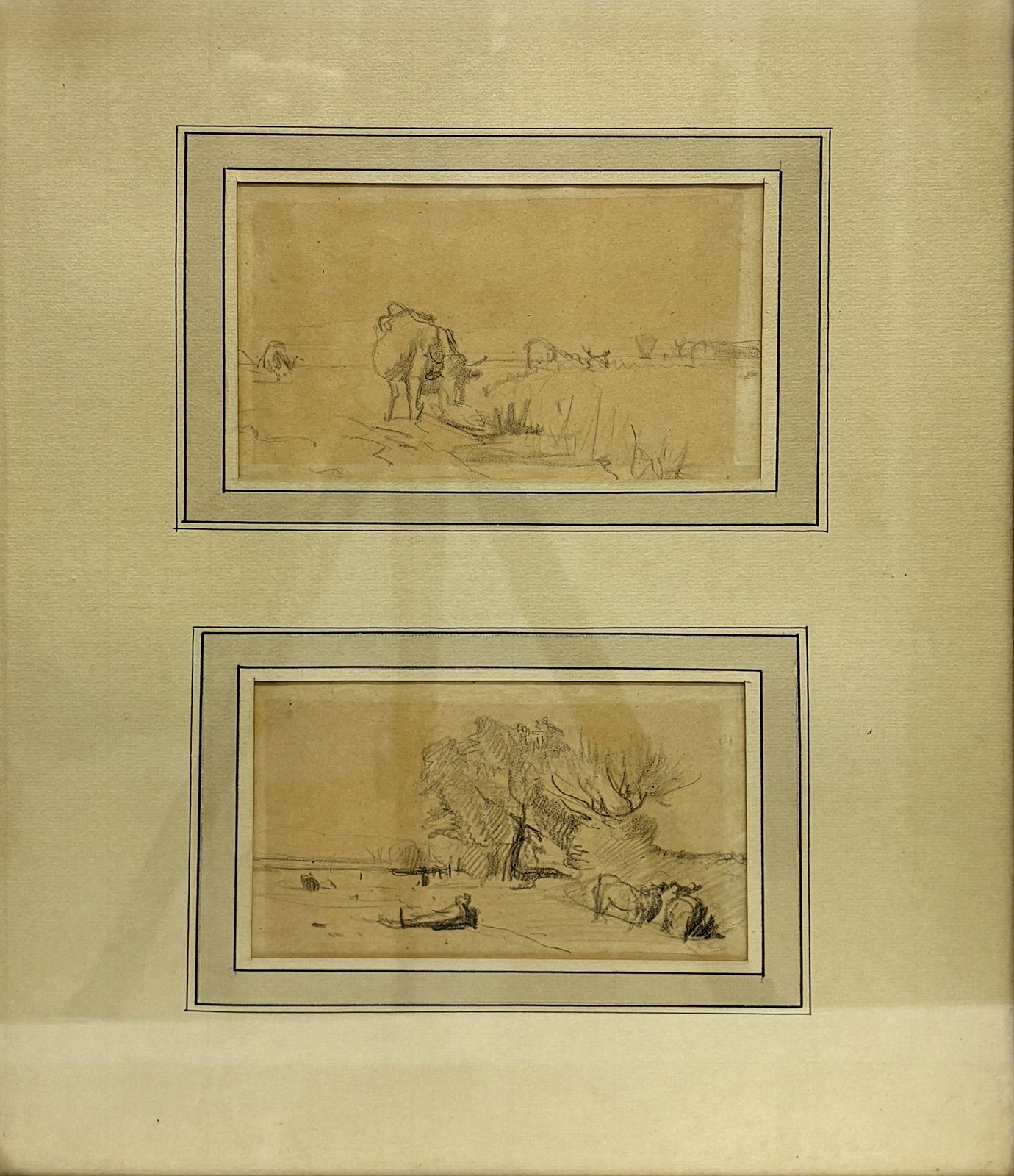
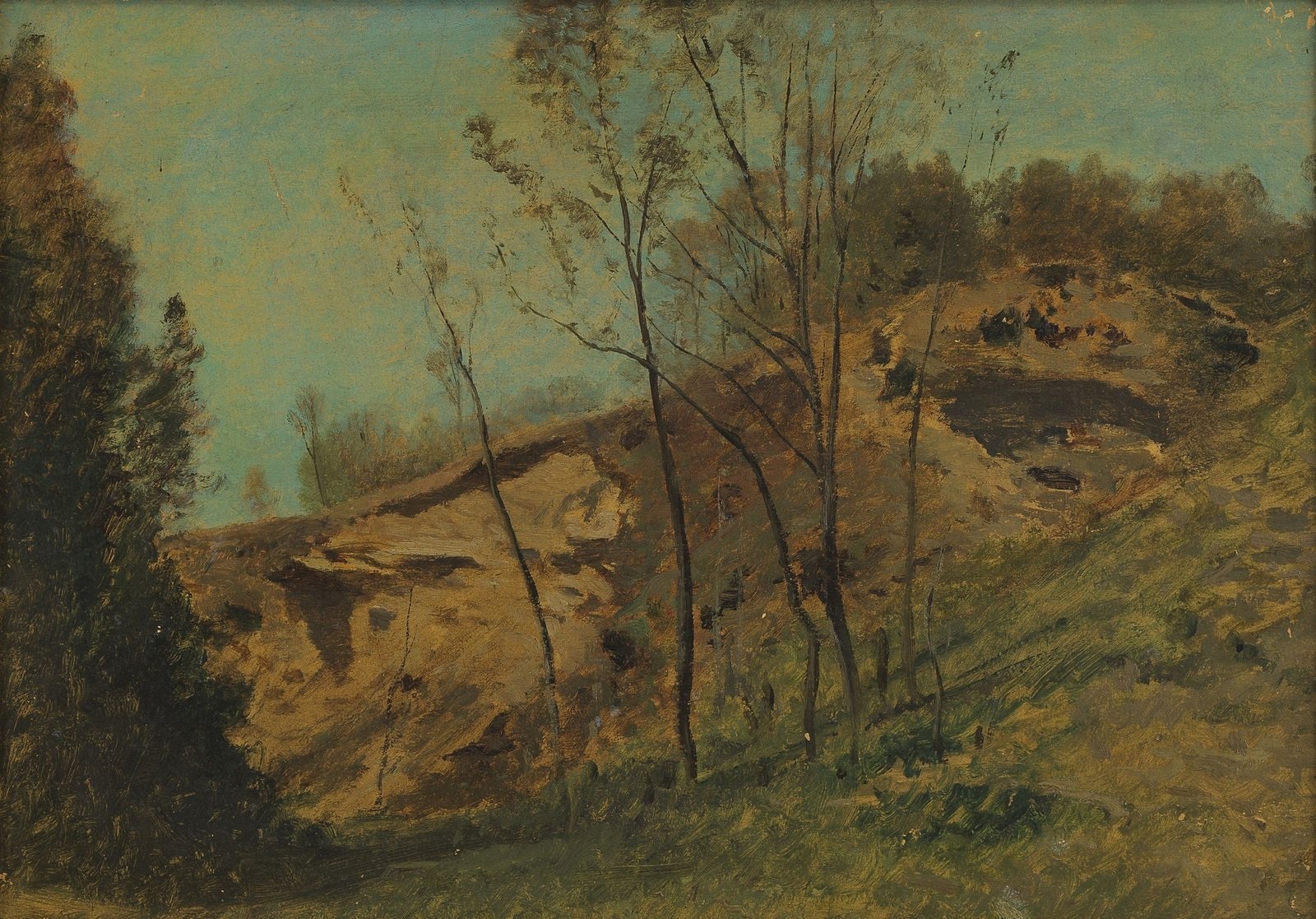
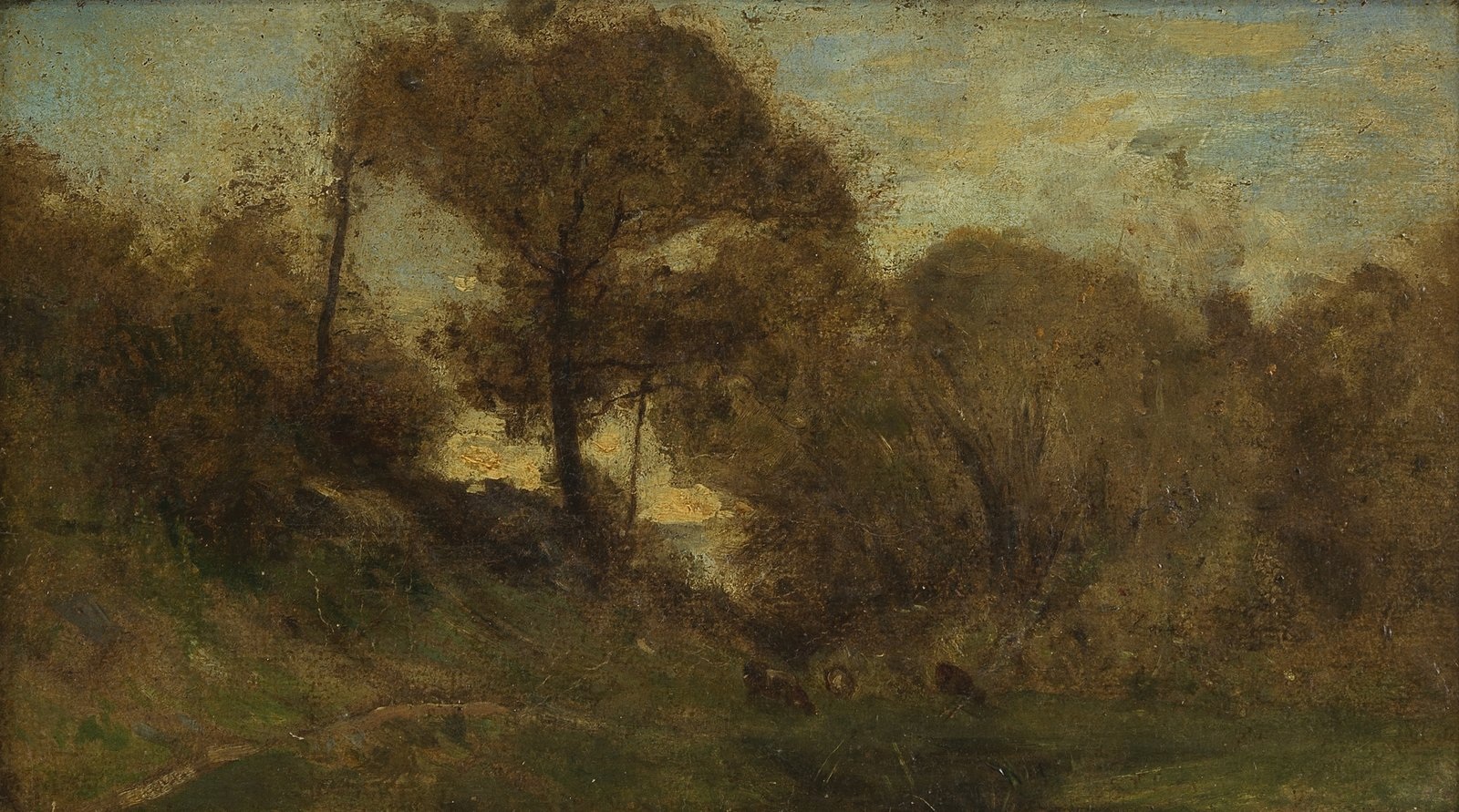
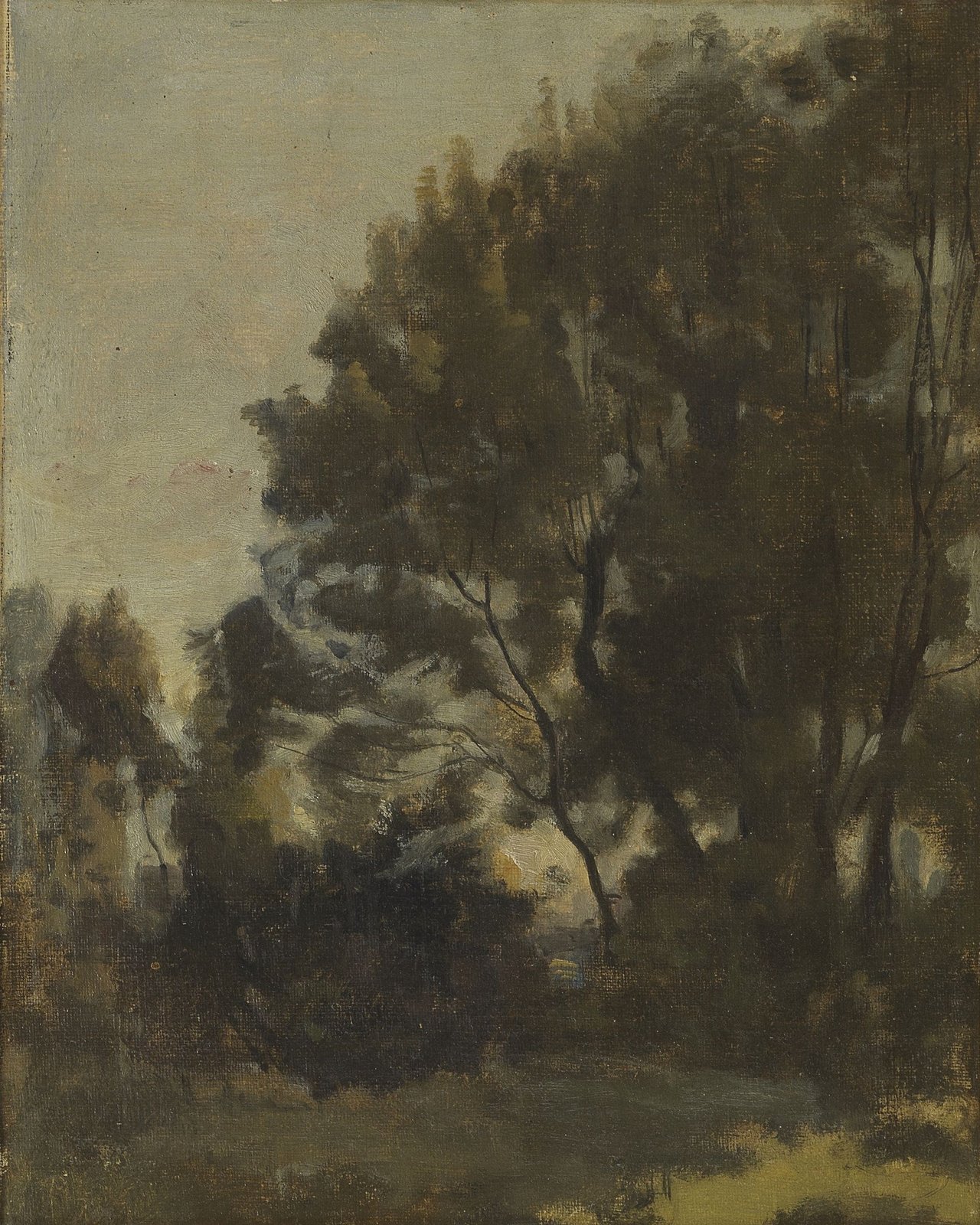
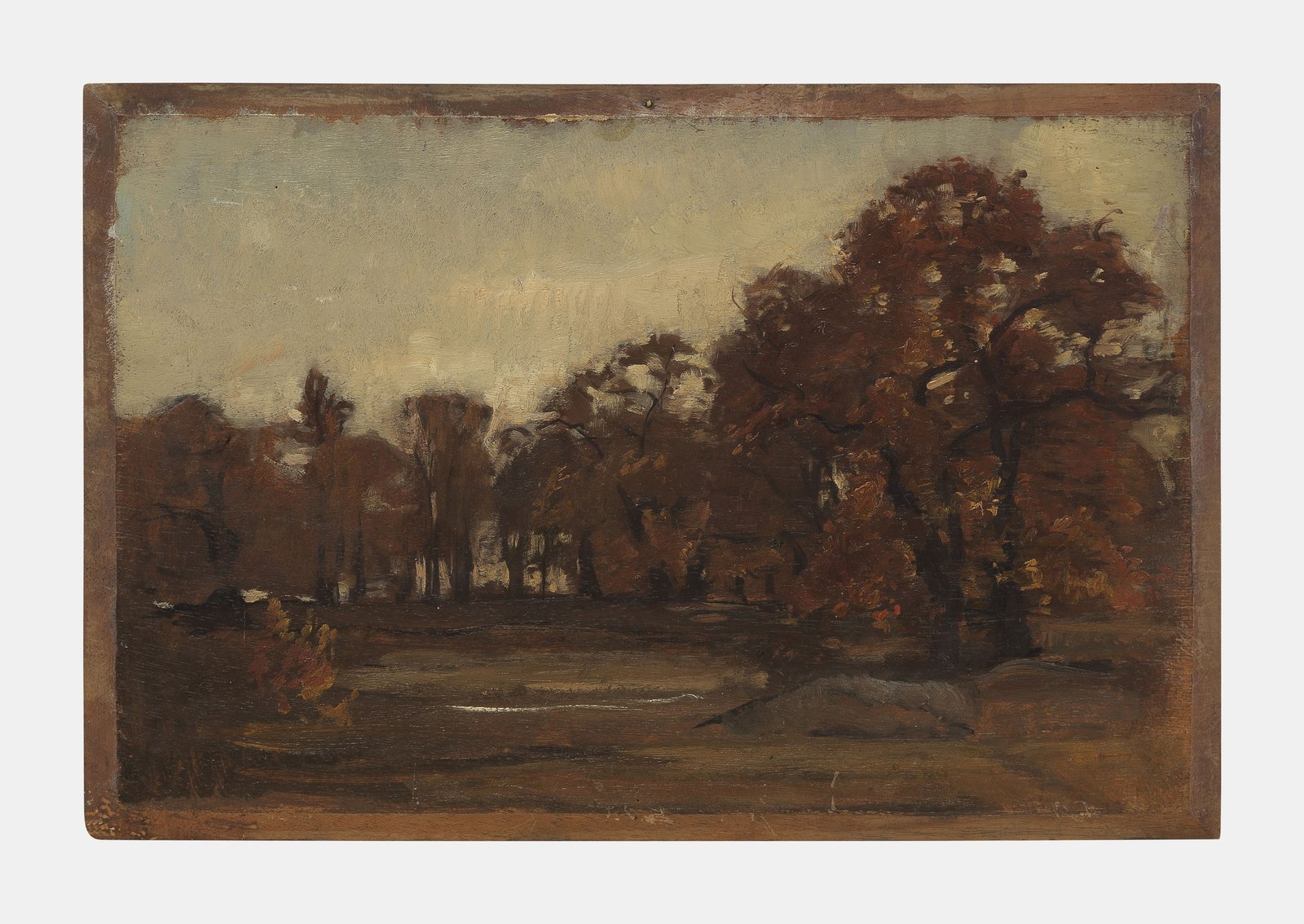
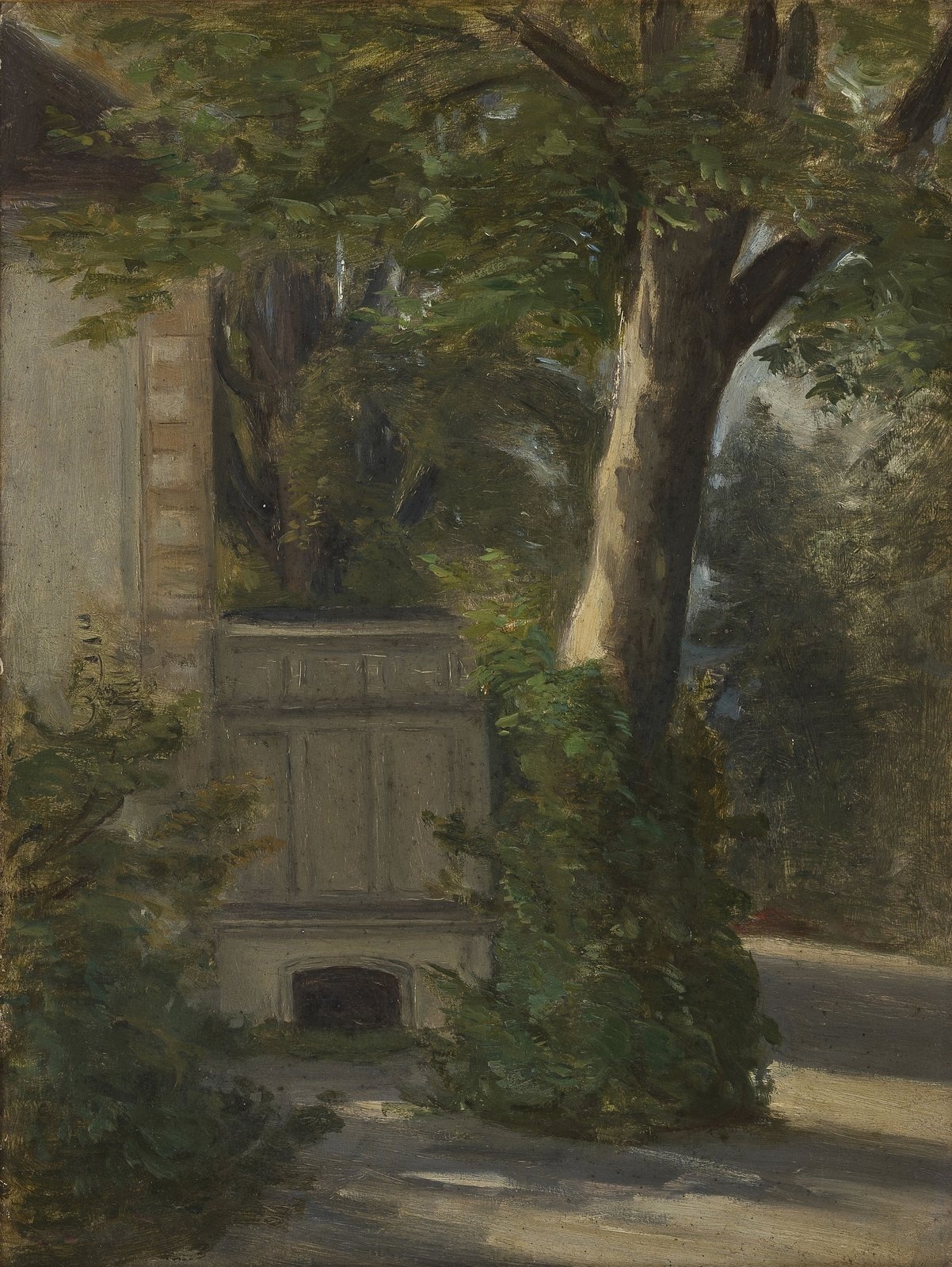
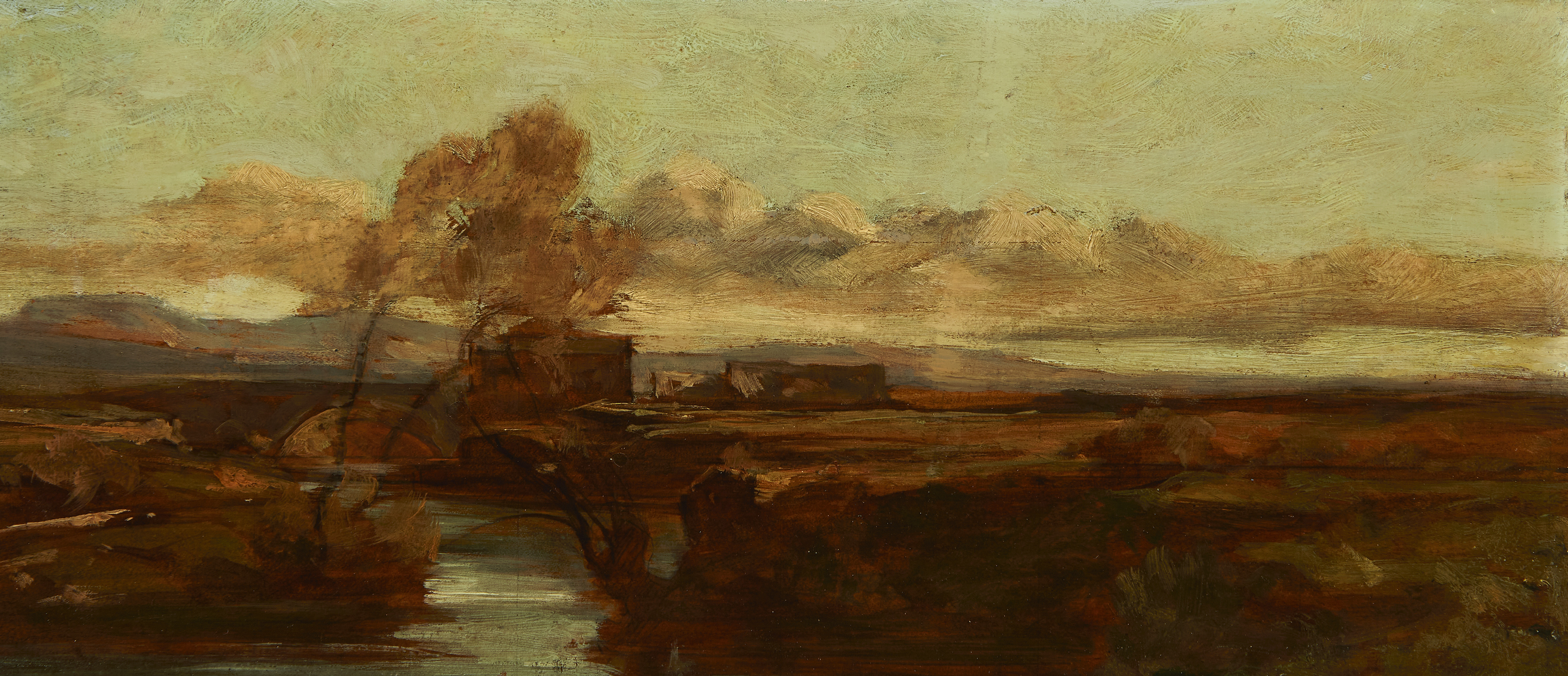
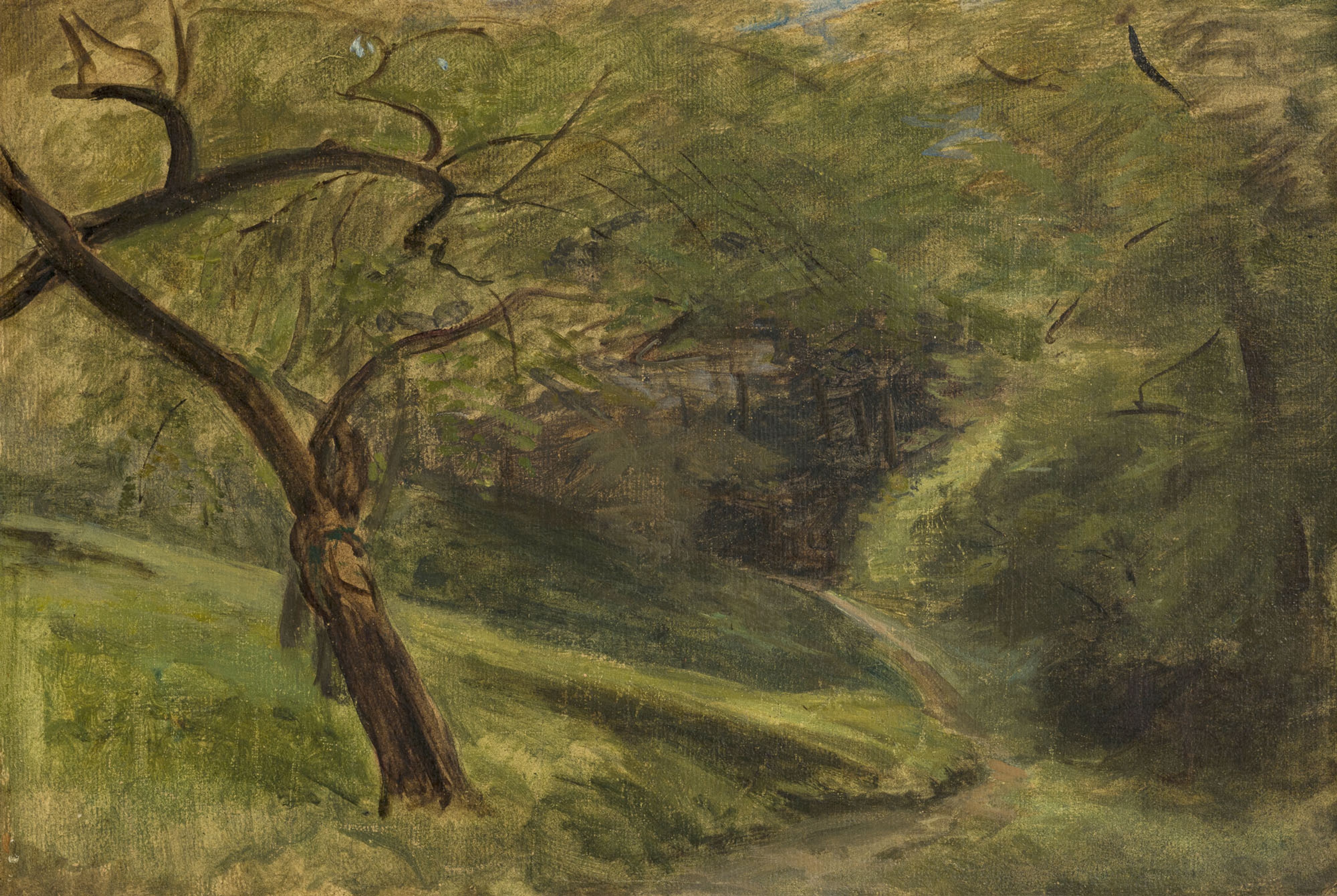
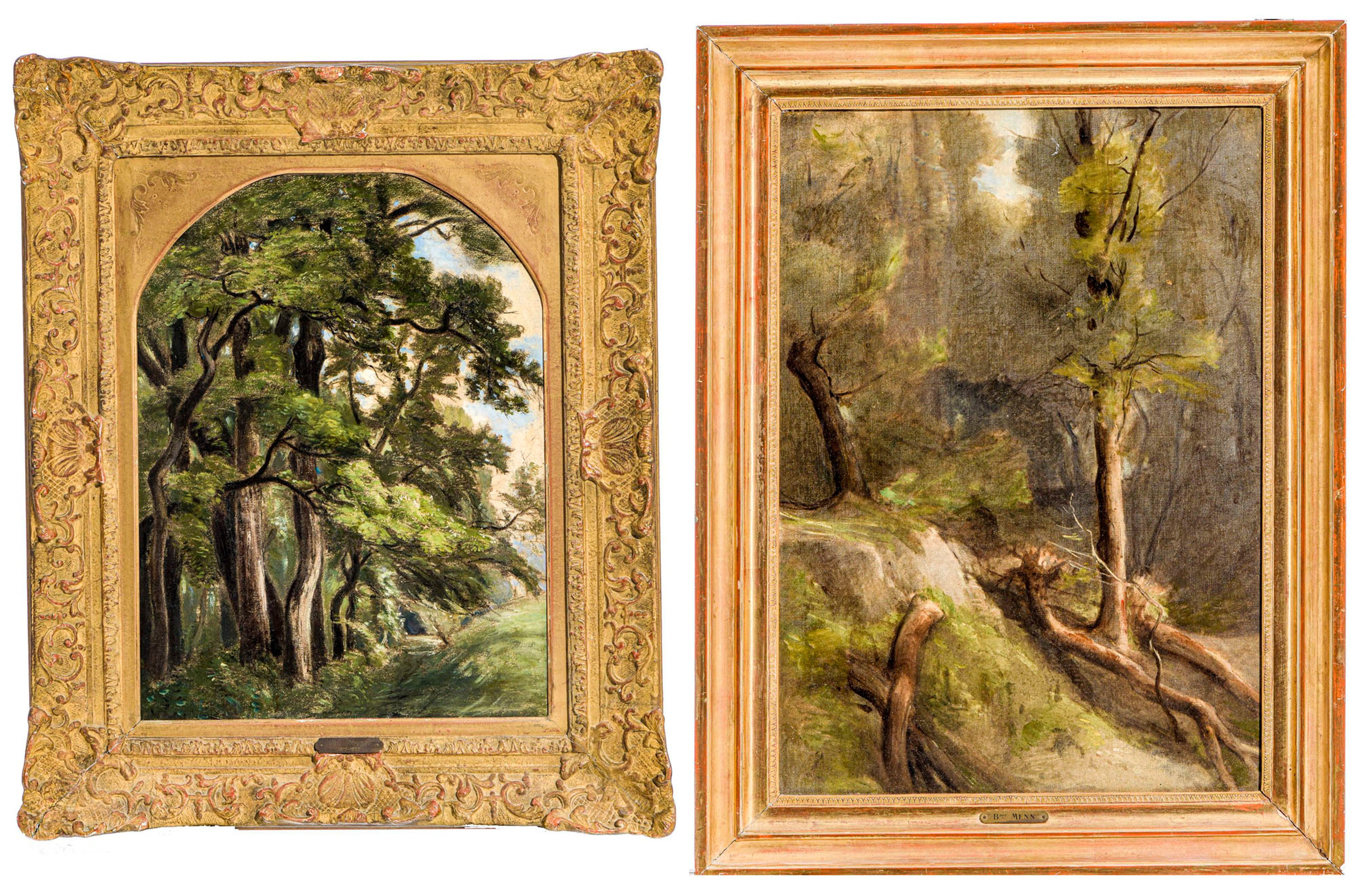
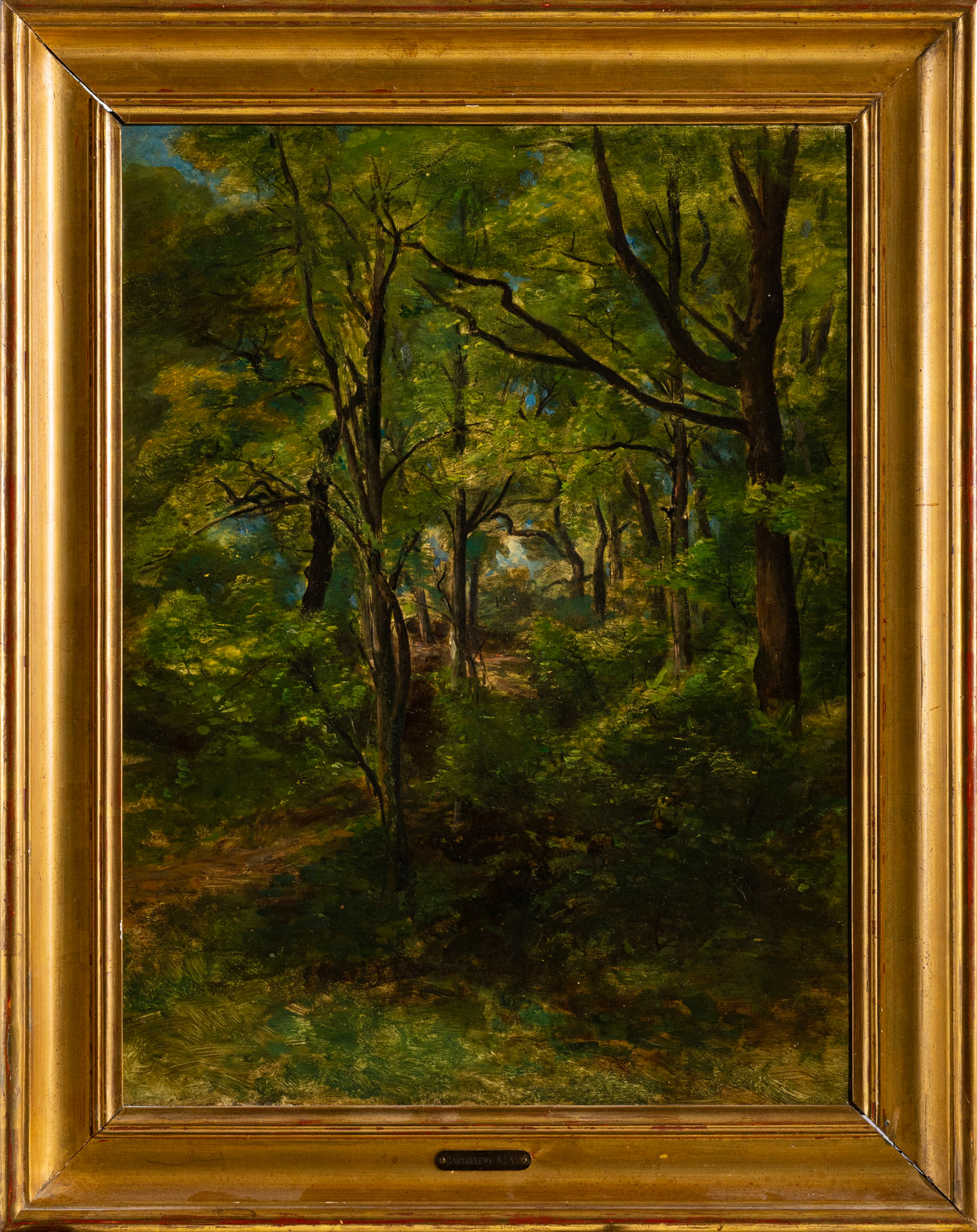
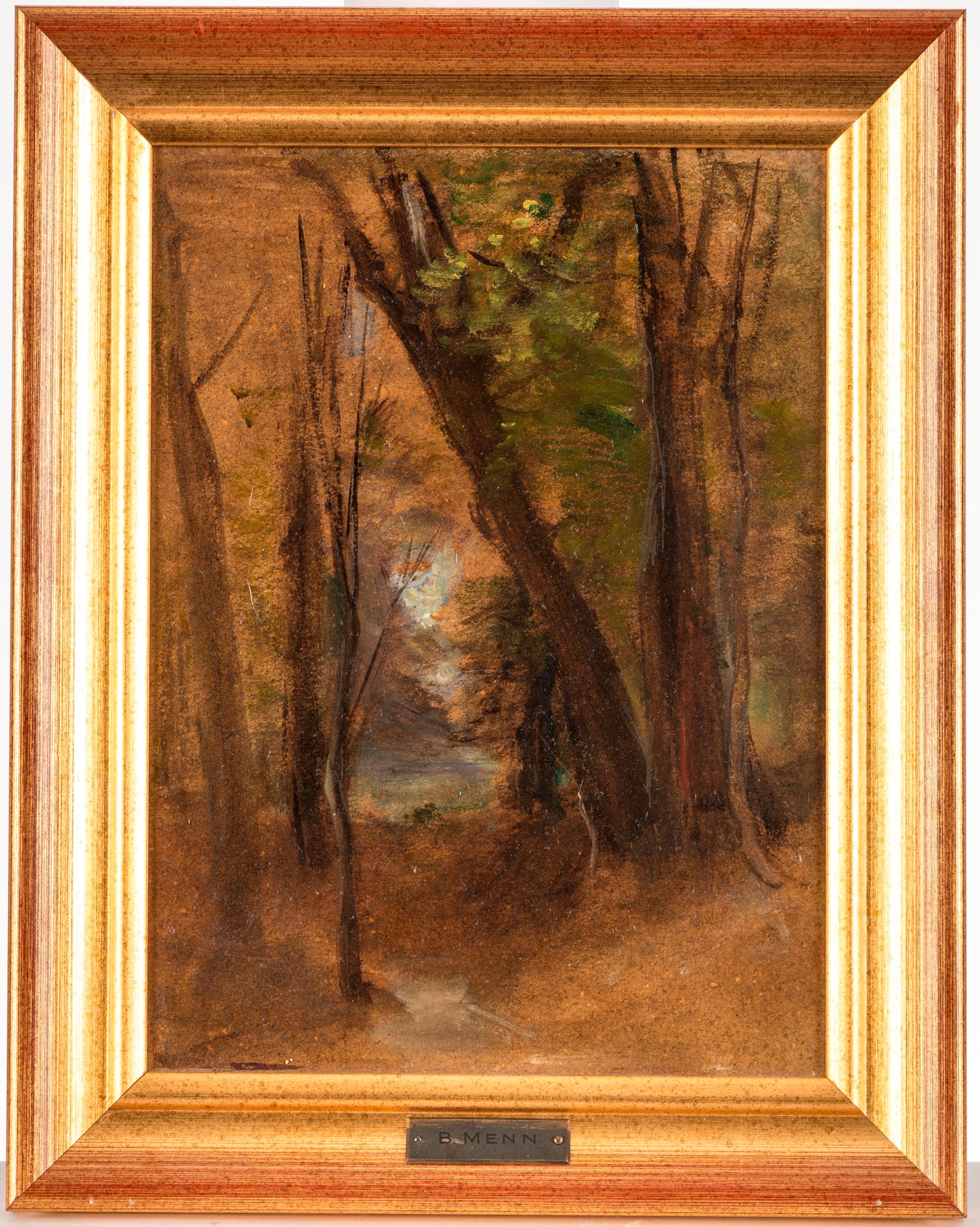
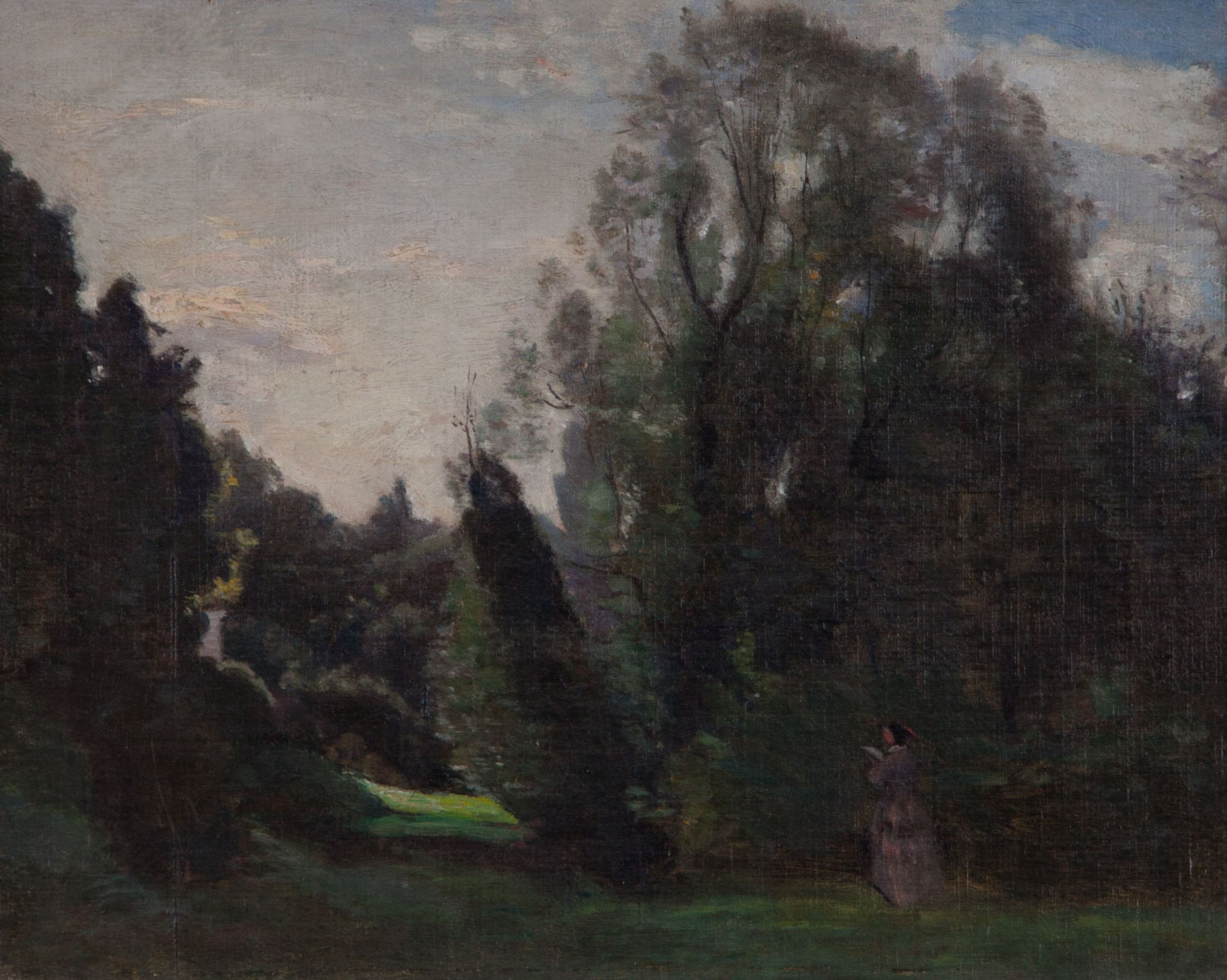
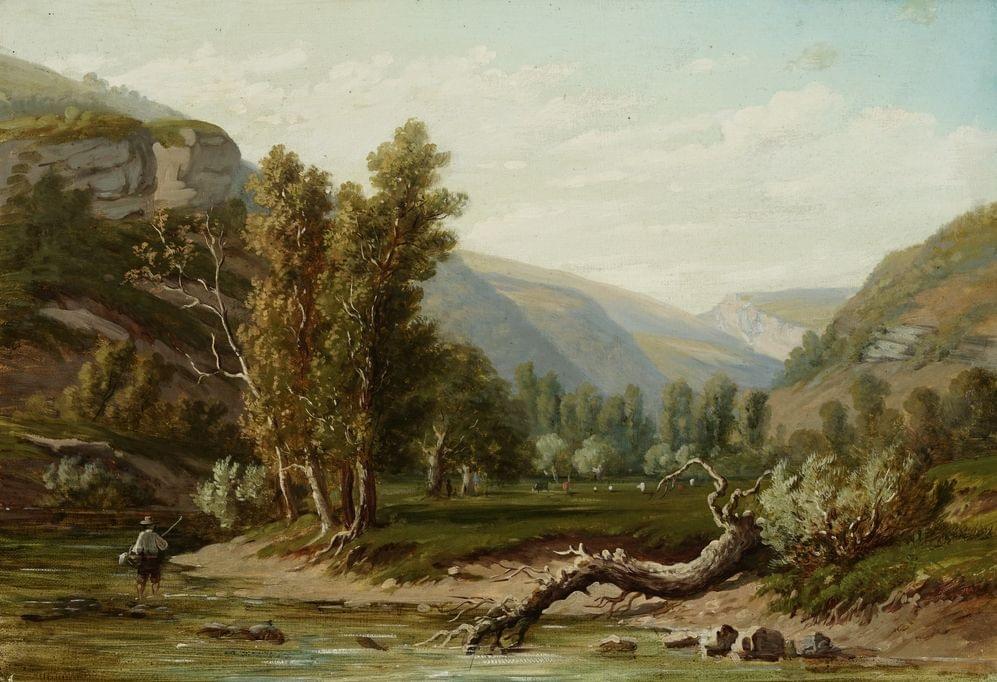
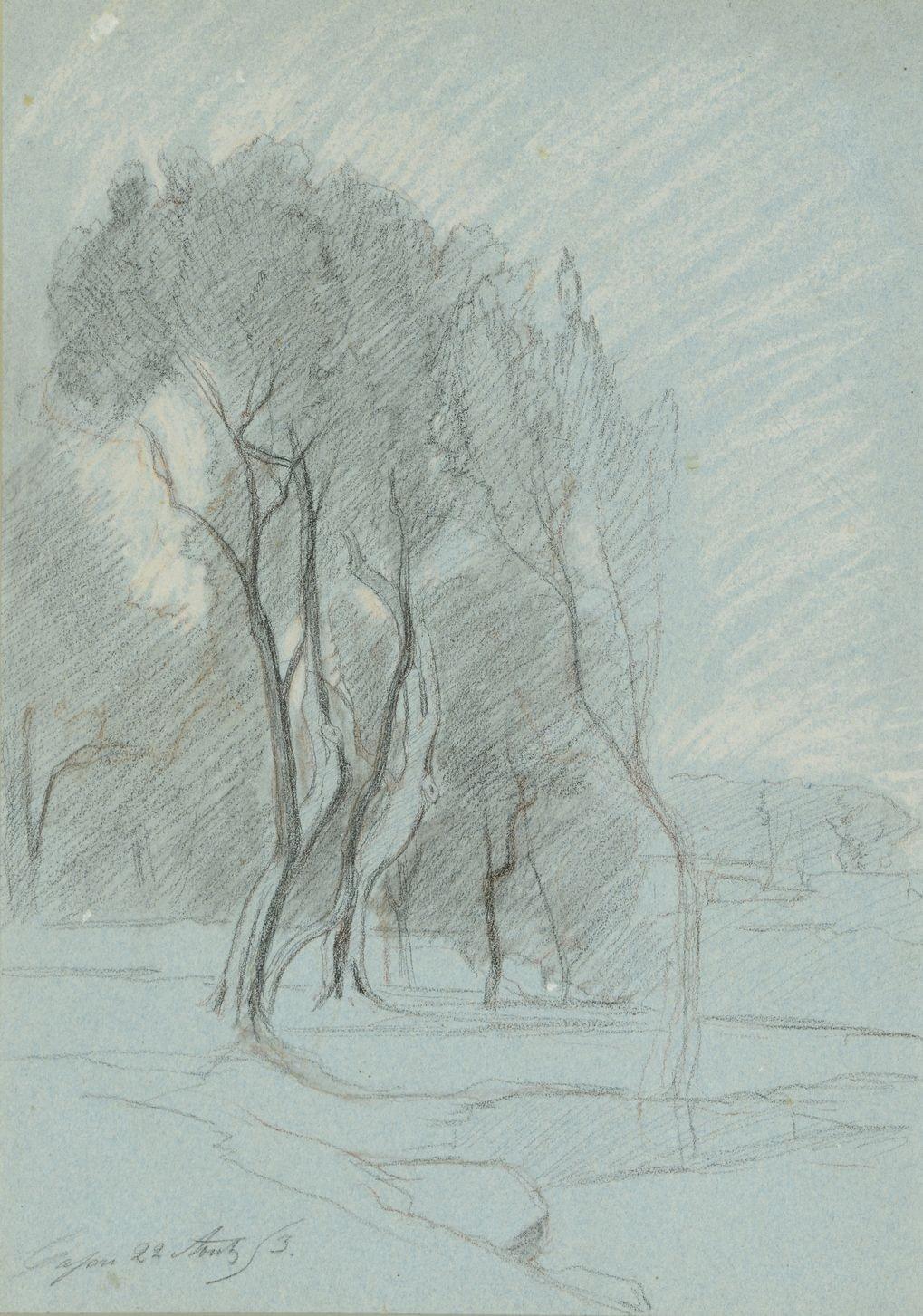
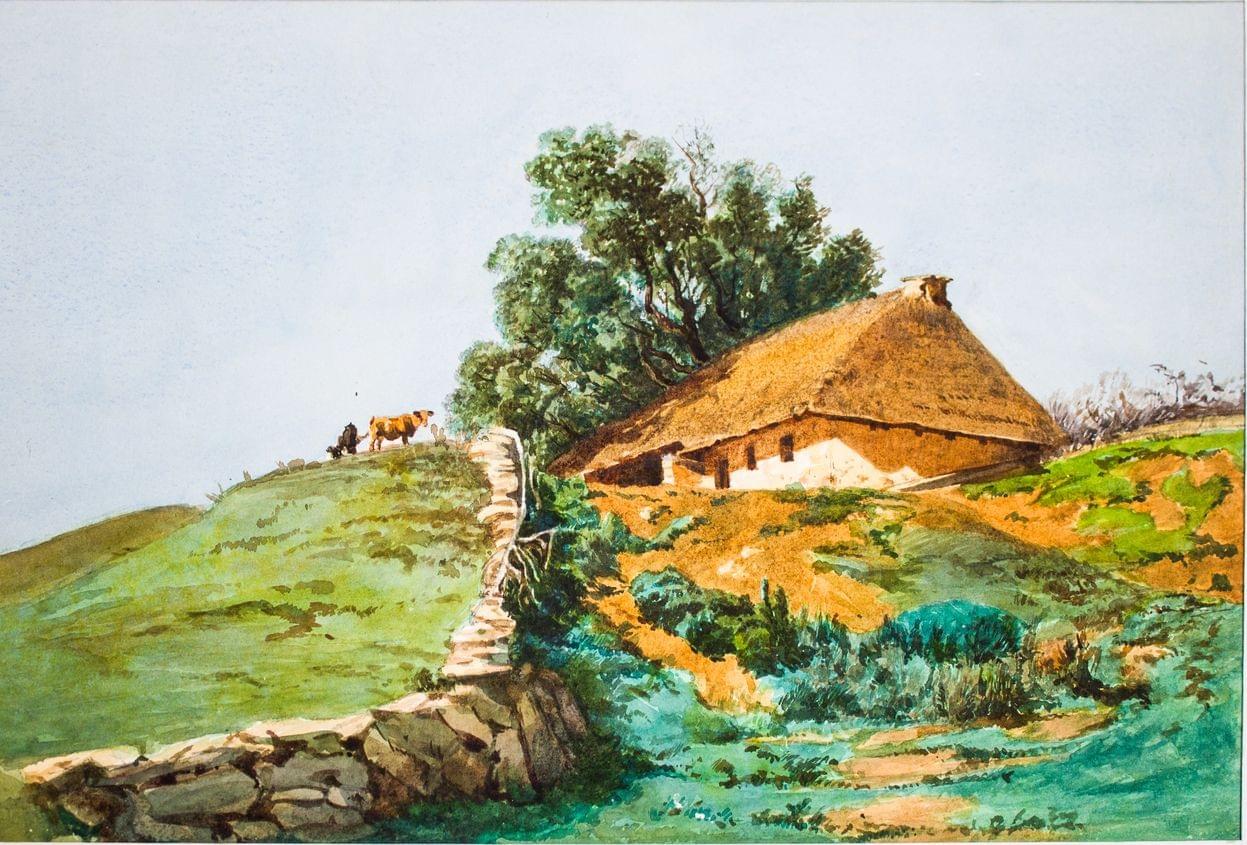
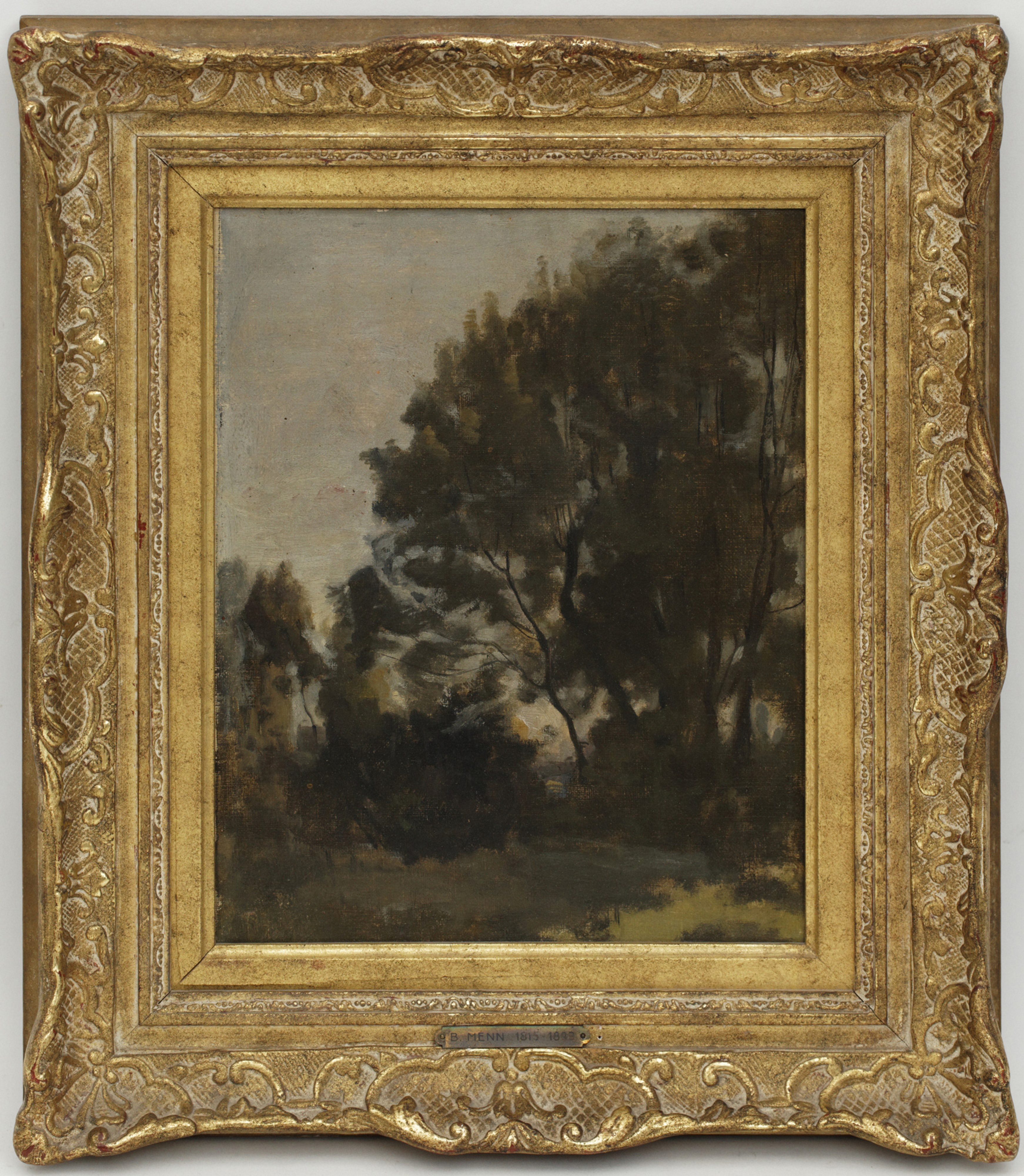
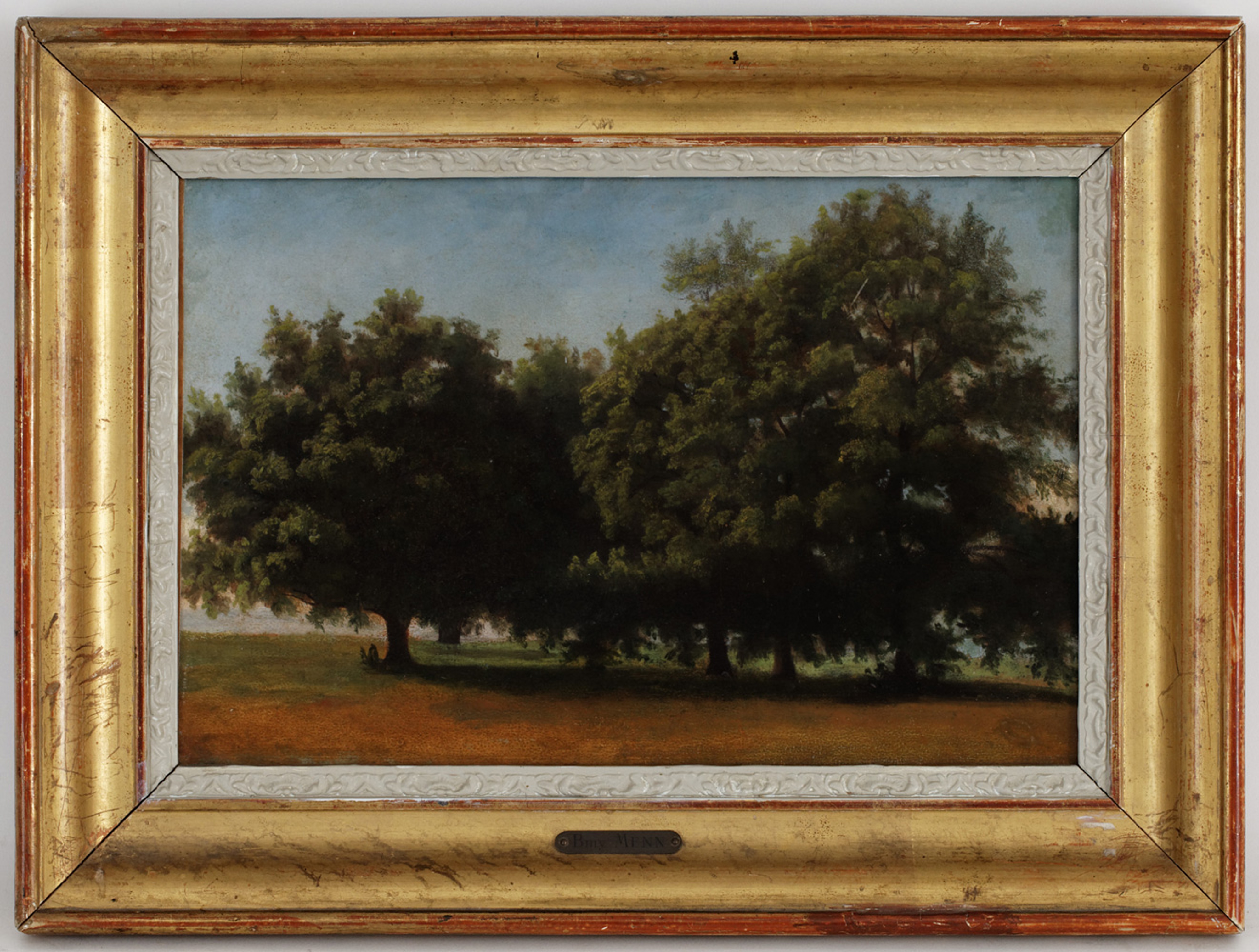
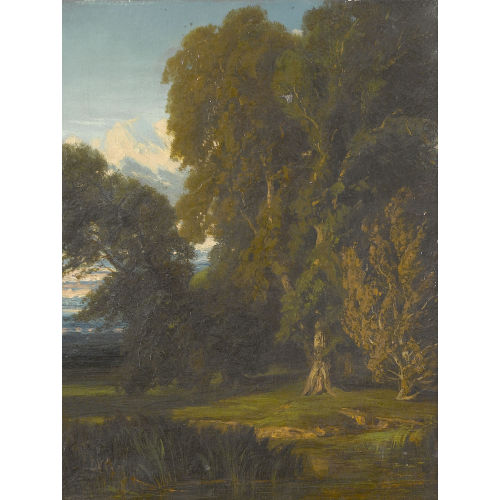
Barthélemy Menn (Geneva, 1815–1893) ranks among the major Swiss landscape painters of the nineteenth century. His work renewed the representation of nature in Switzerland: he introduced the practice of painting en plein air and the “intimate landscape,” which favours simple, nearby motifs over the heroic staging of the Alps. This approach, developed in France by Camille Corot and the artists of the Barbizon School, found in Menn an expression attentive to variations in light and to the pictorial quality of the study made from the motif.
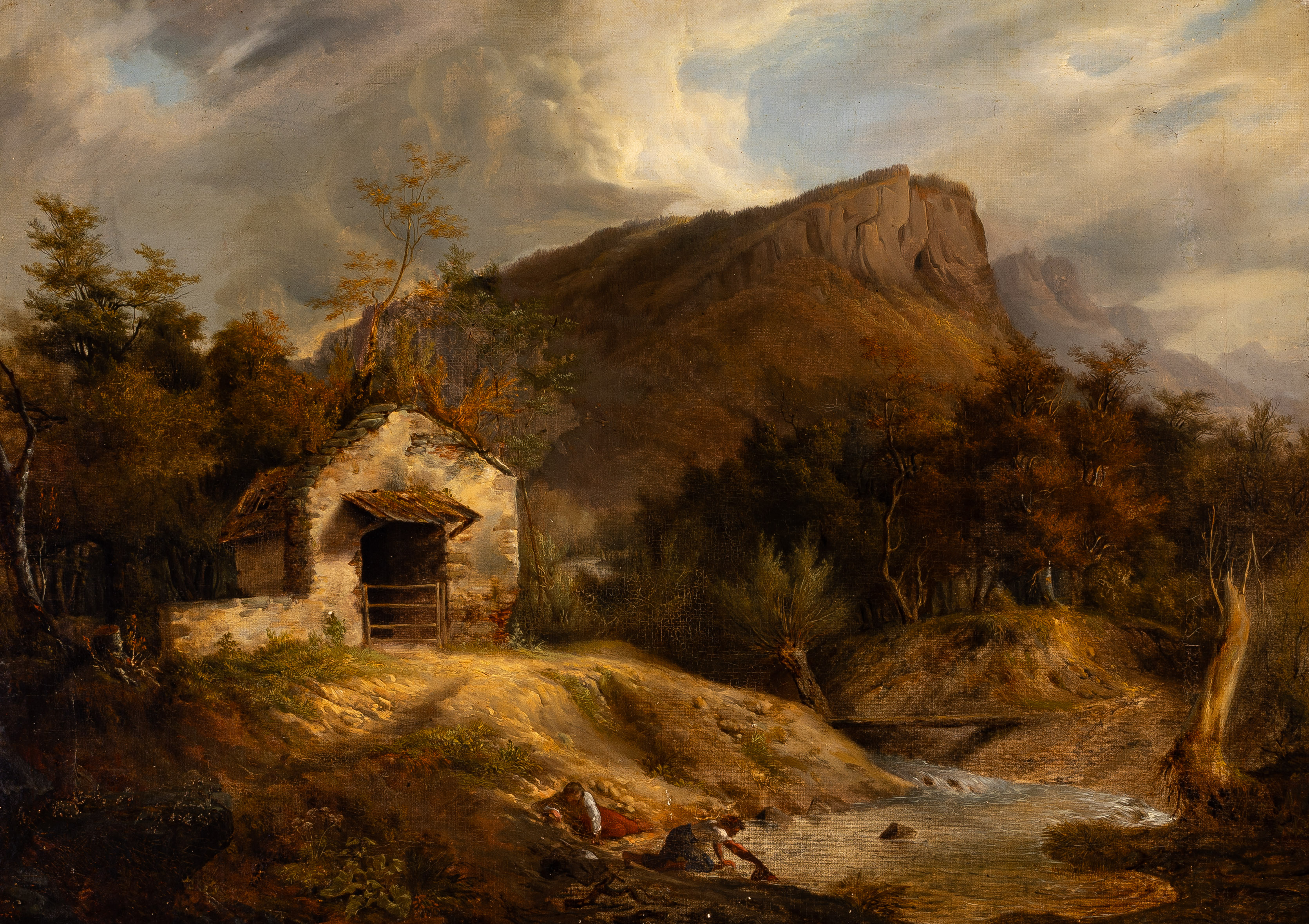
His landscapes do not recount a historical or religious episode; rather, they invite viewers to look at ordinary places with sustained attention. This modernity distinguishes him from several Romandy painters of his time, notably Alexandre Calame, whose Alpine compositions are more idealised and dramatic. Menn also taught in Geneva for several decades.
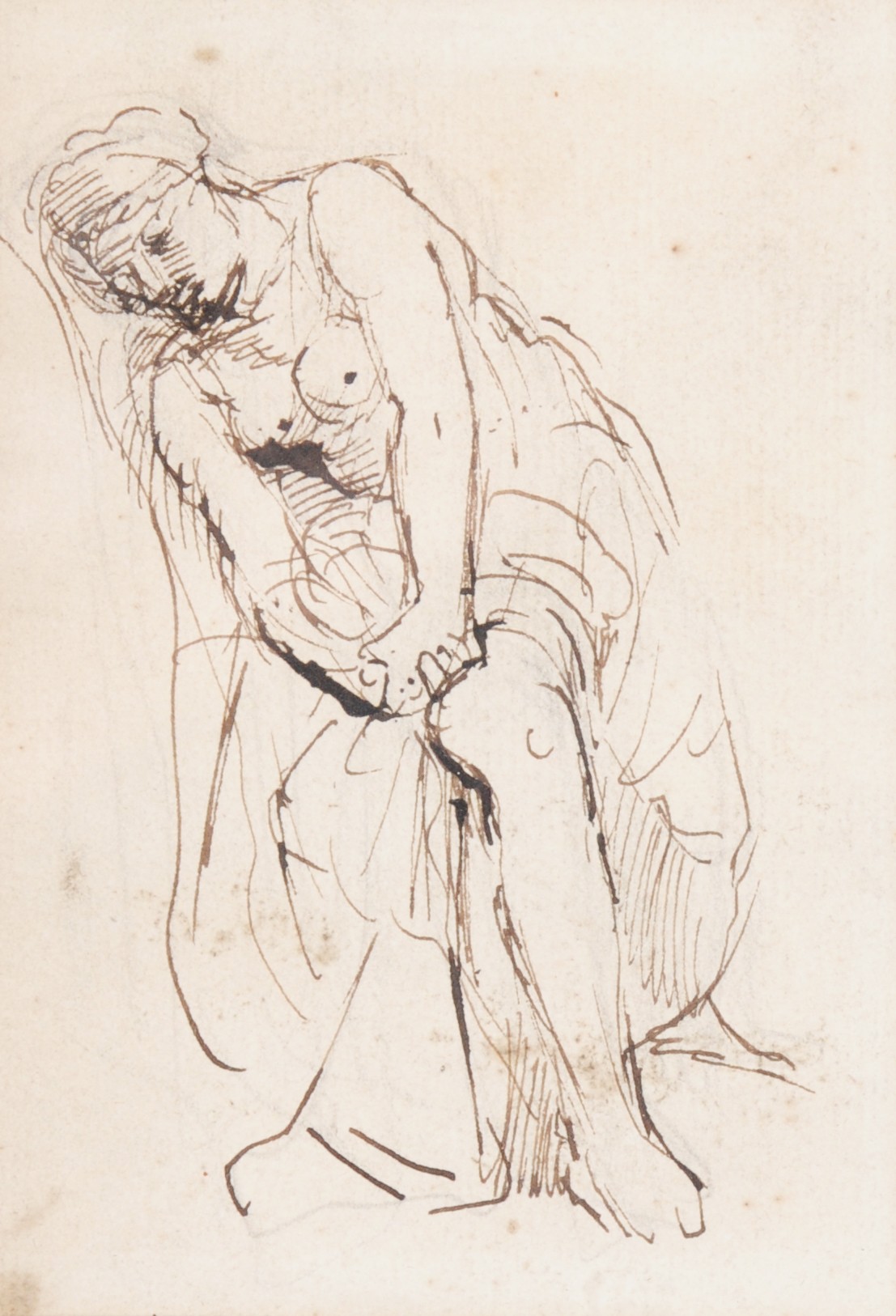
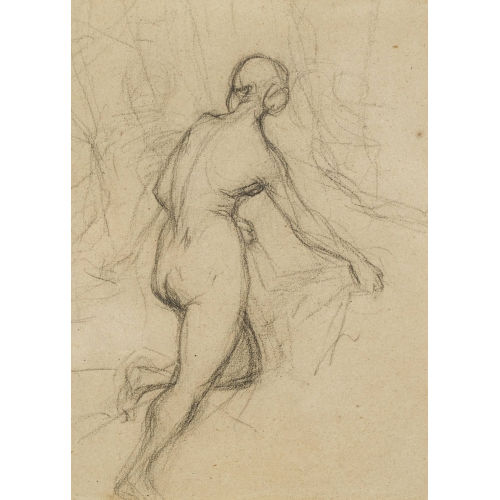
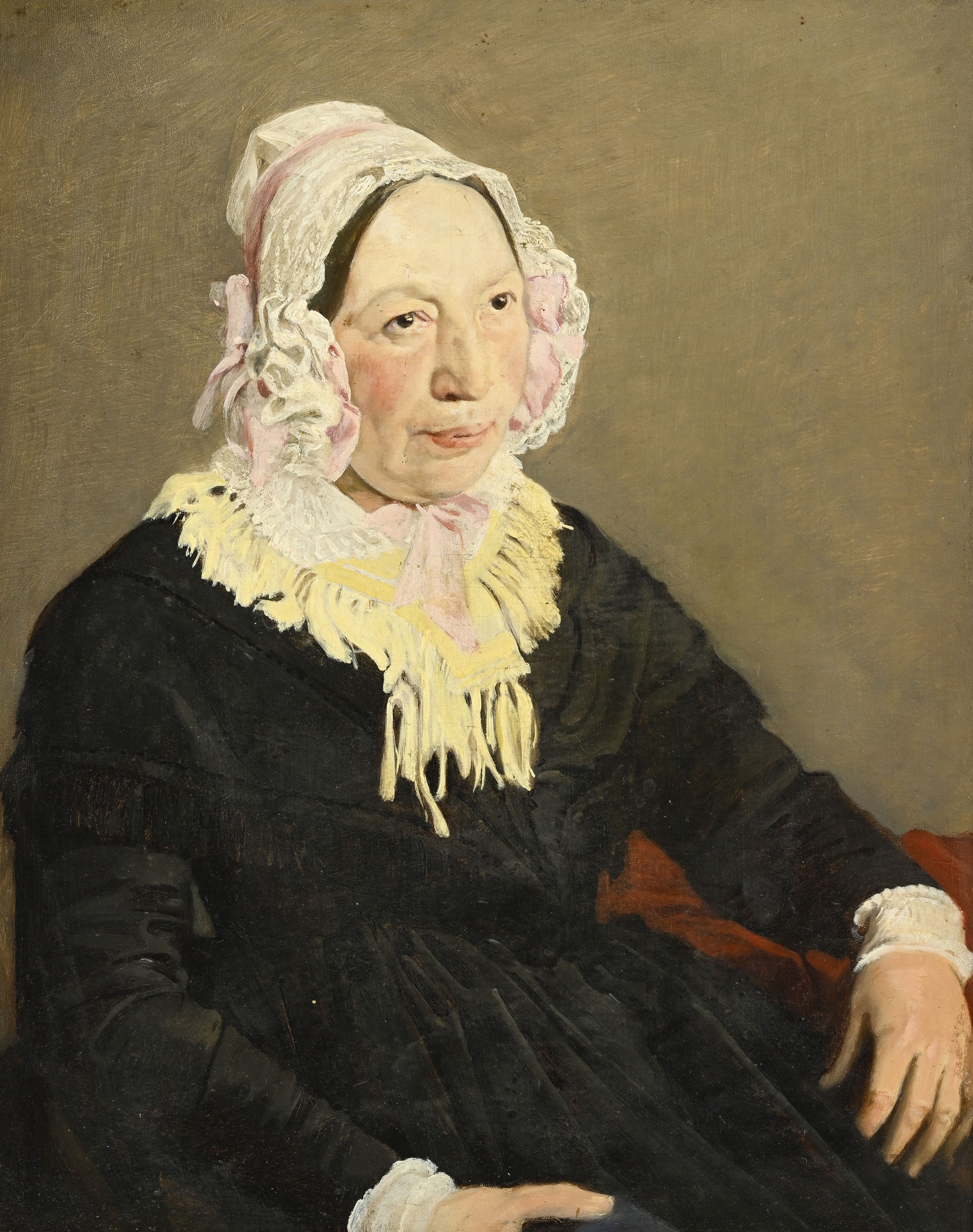
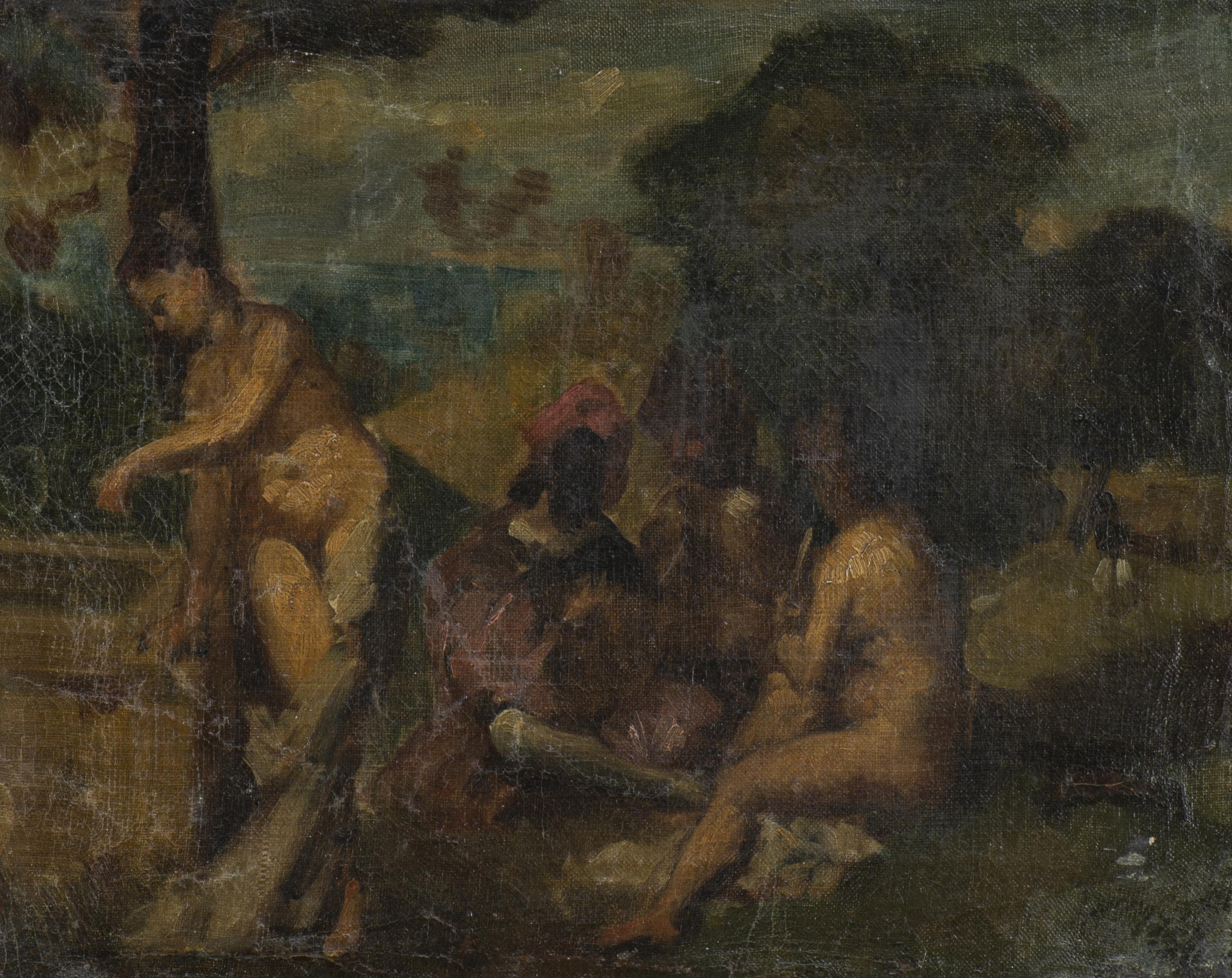
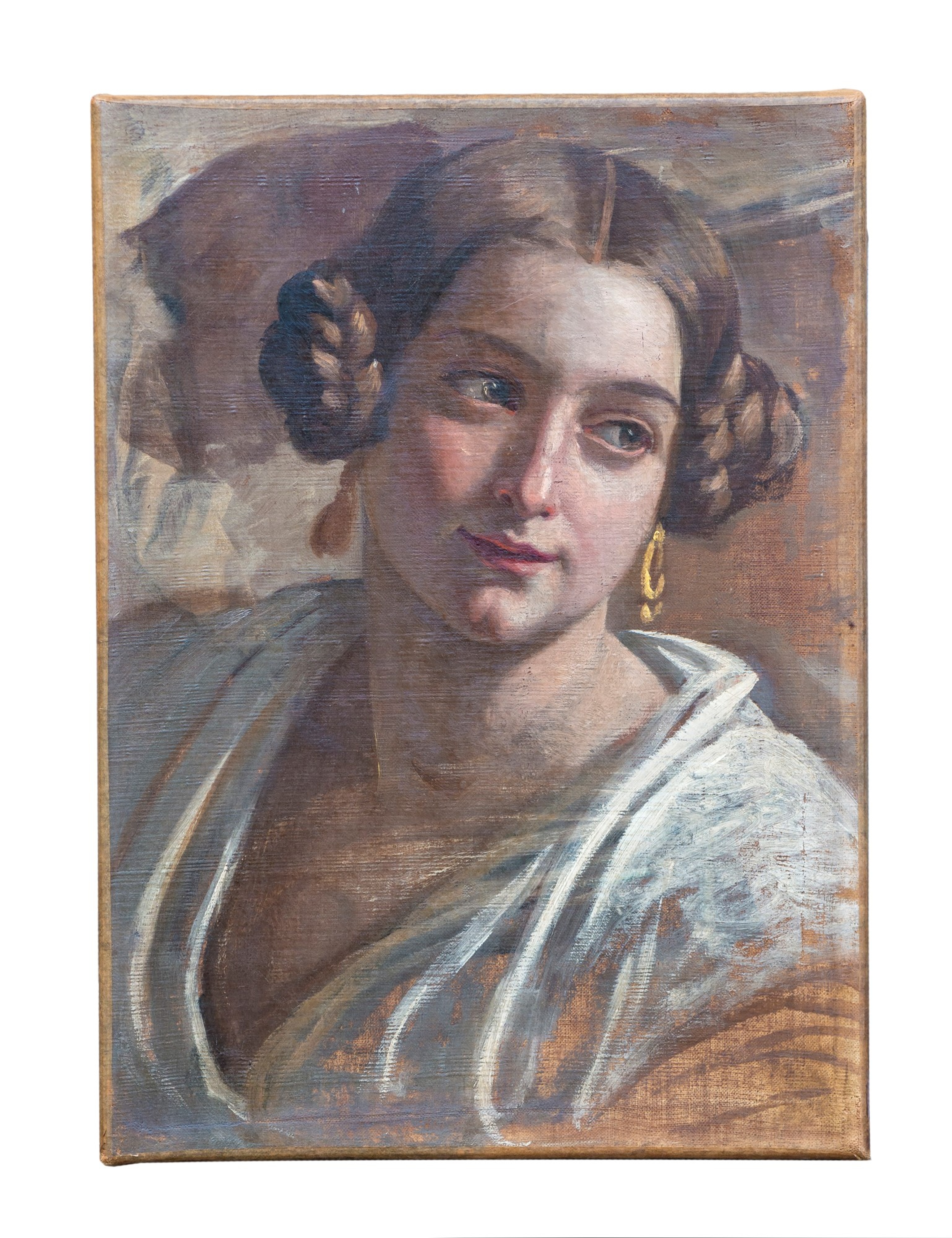
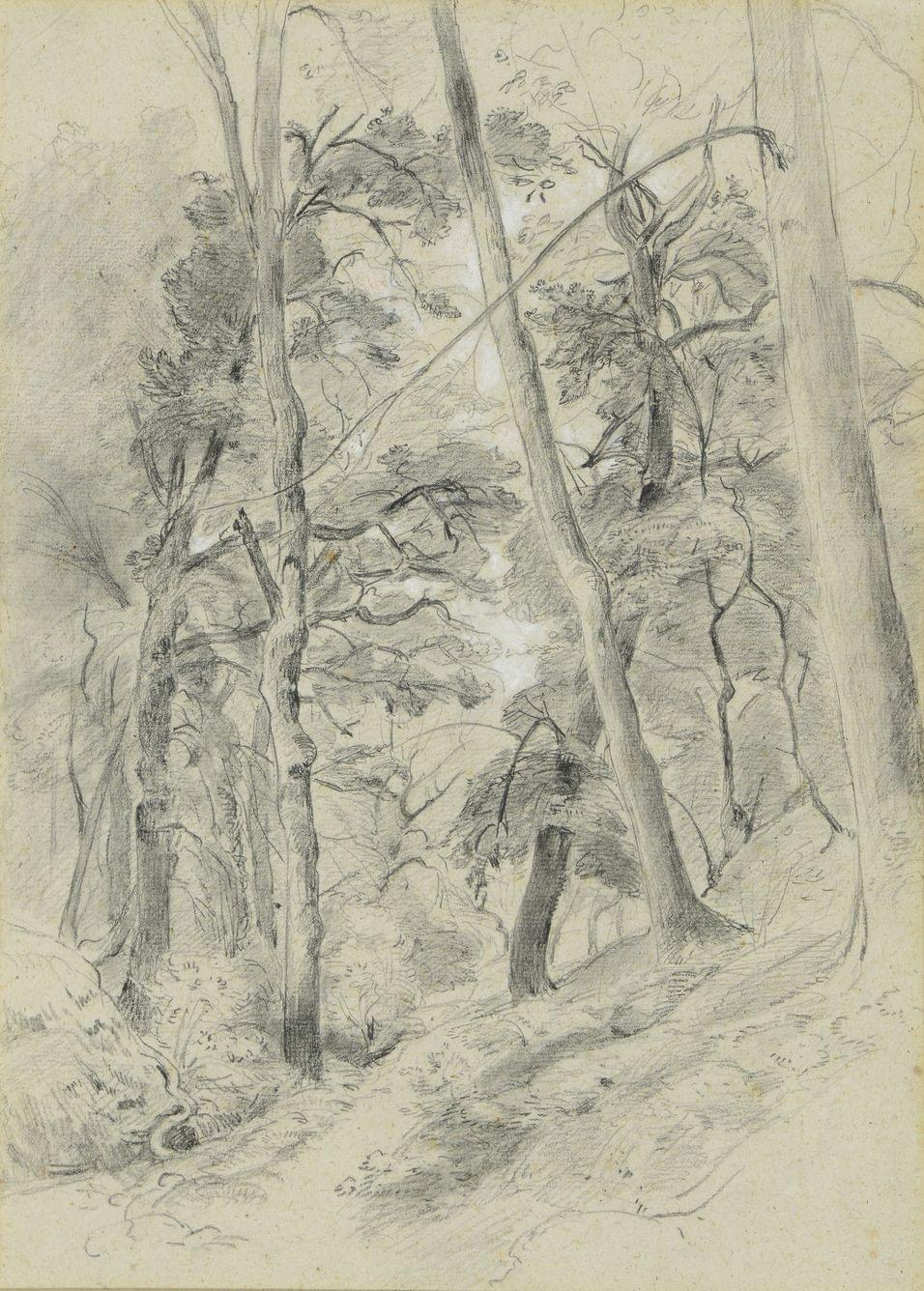
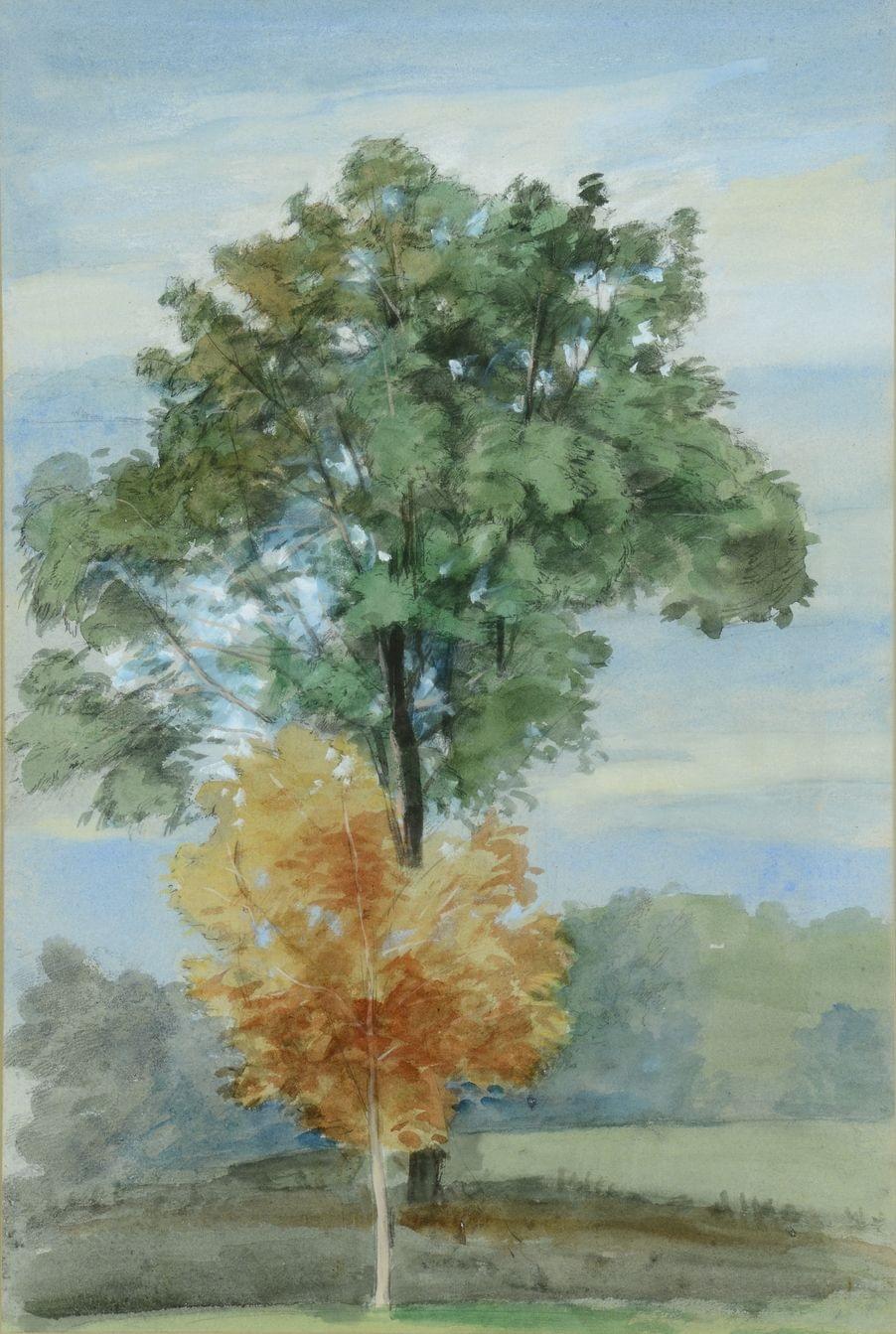
His pupils included Ferdinand Hodler and Auguste Baud-Bovy; his teaching thus helped shape Swiss painting at the turn of the century. The collections of Kunst Museum Winterthur preserve an important group of his works, particularly landscape studies.