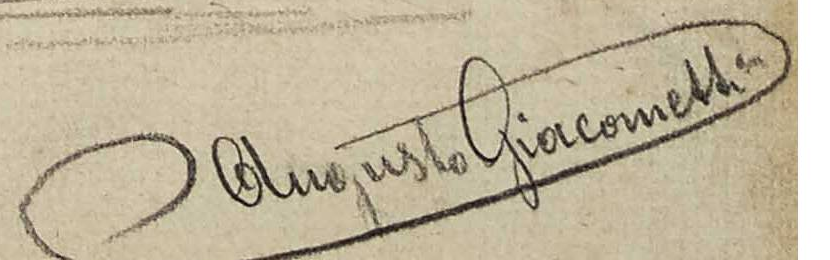
Augusto Giacometti
Born in 1877.
Died in 1947.
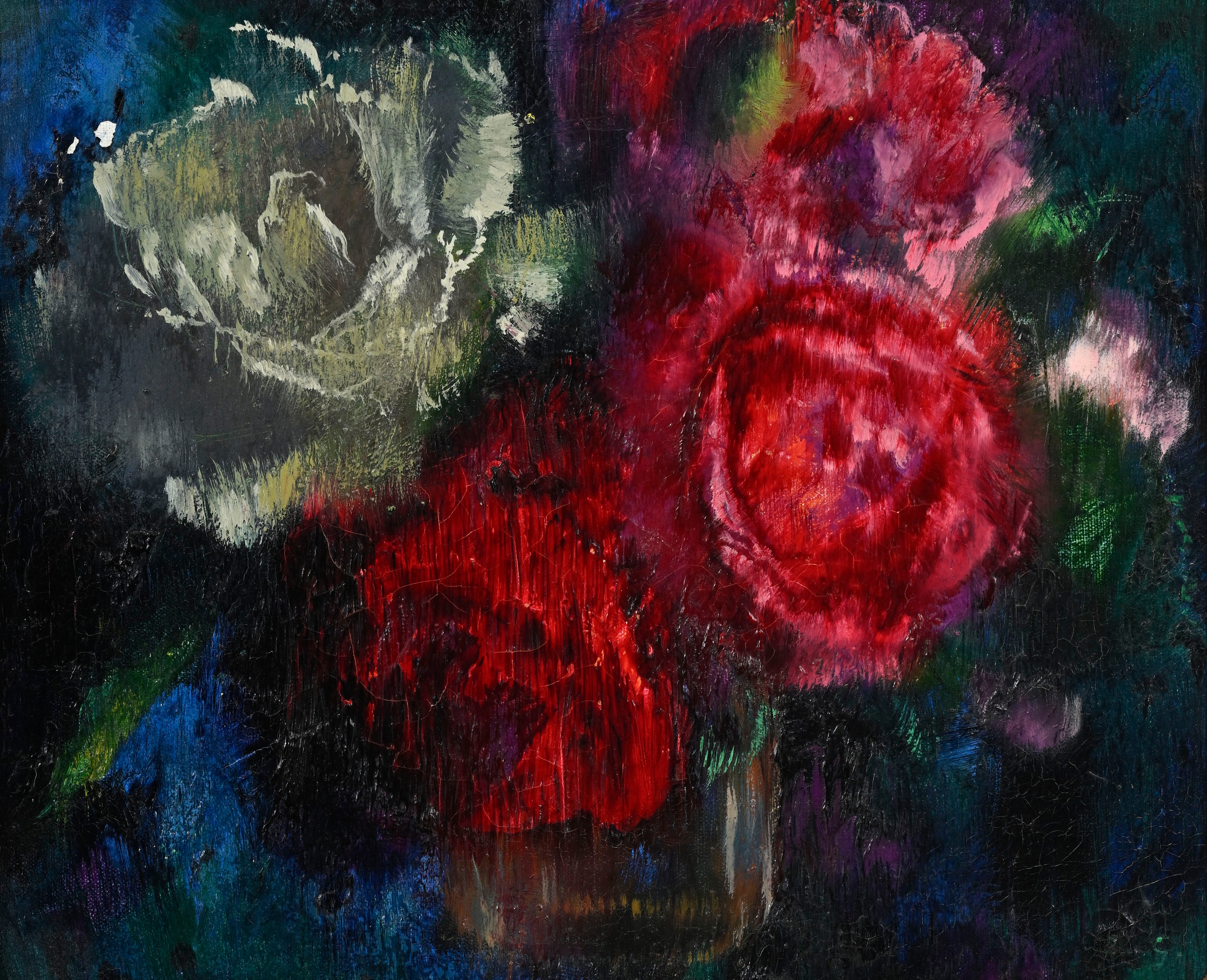
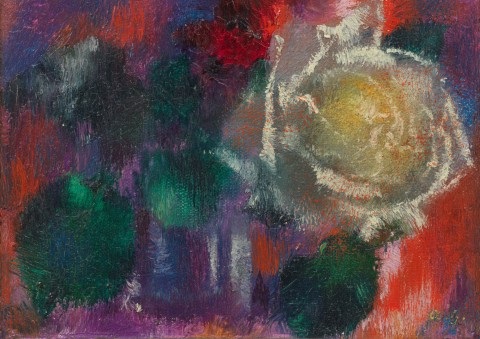
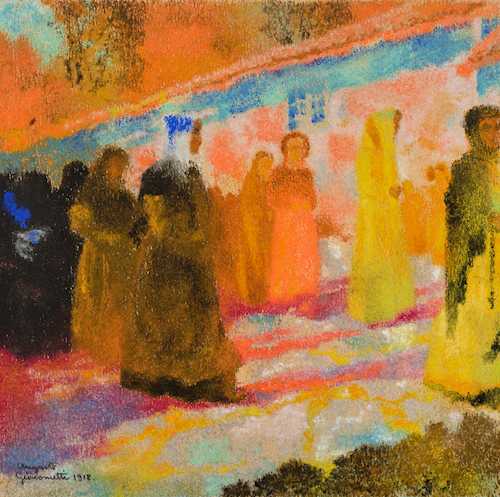
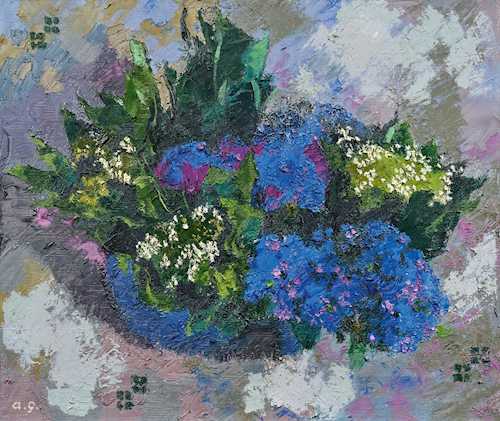
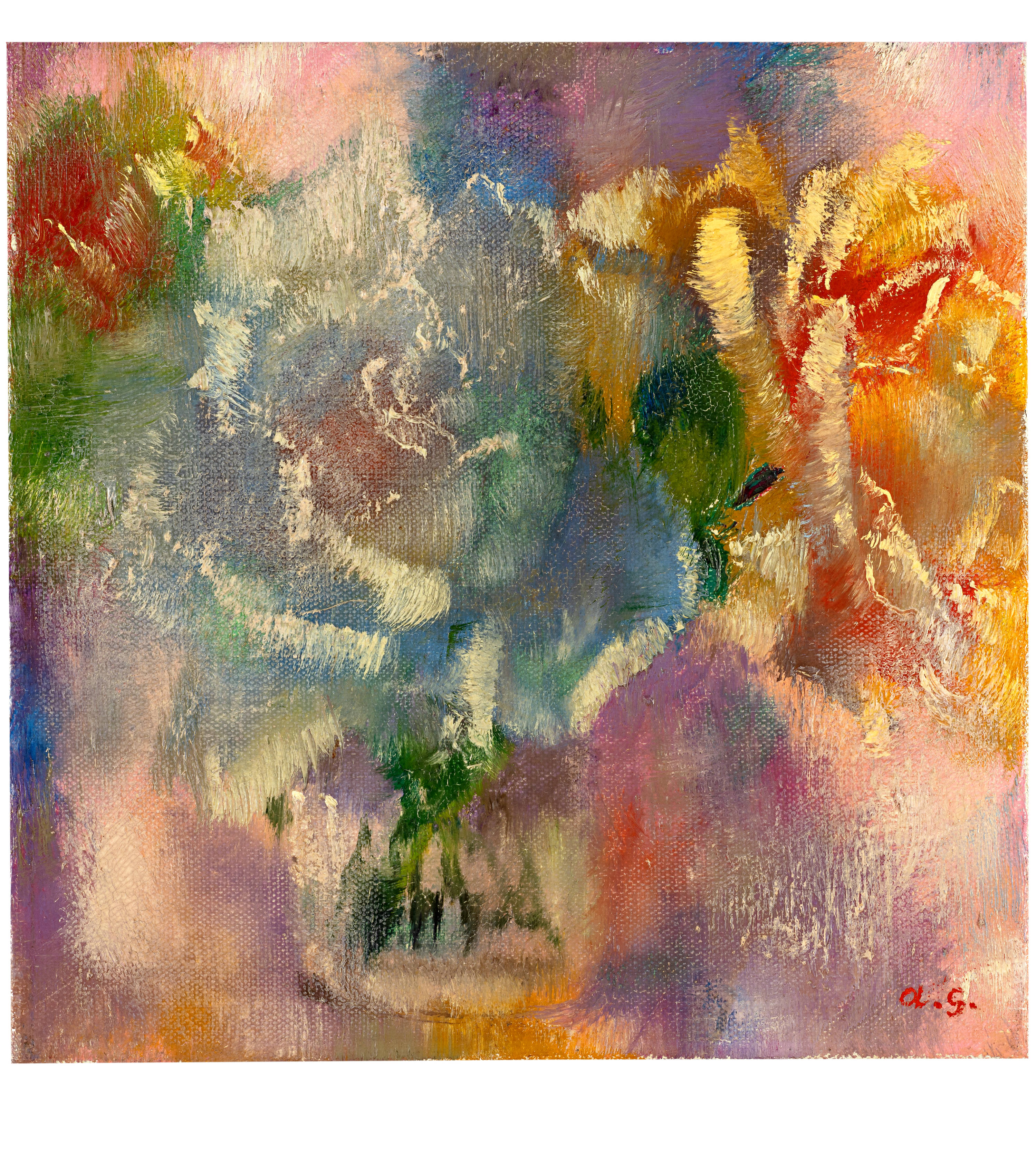
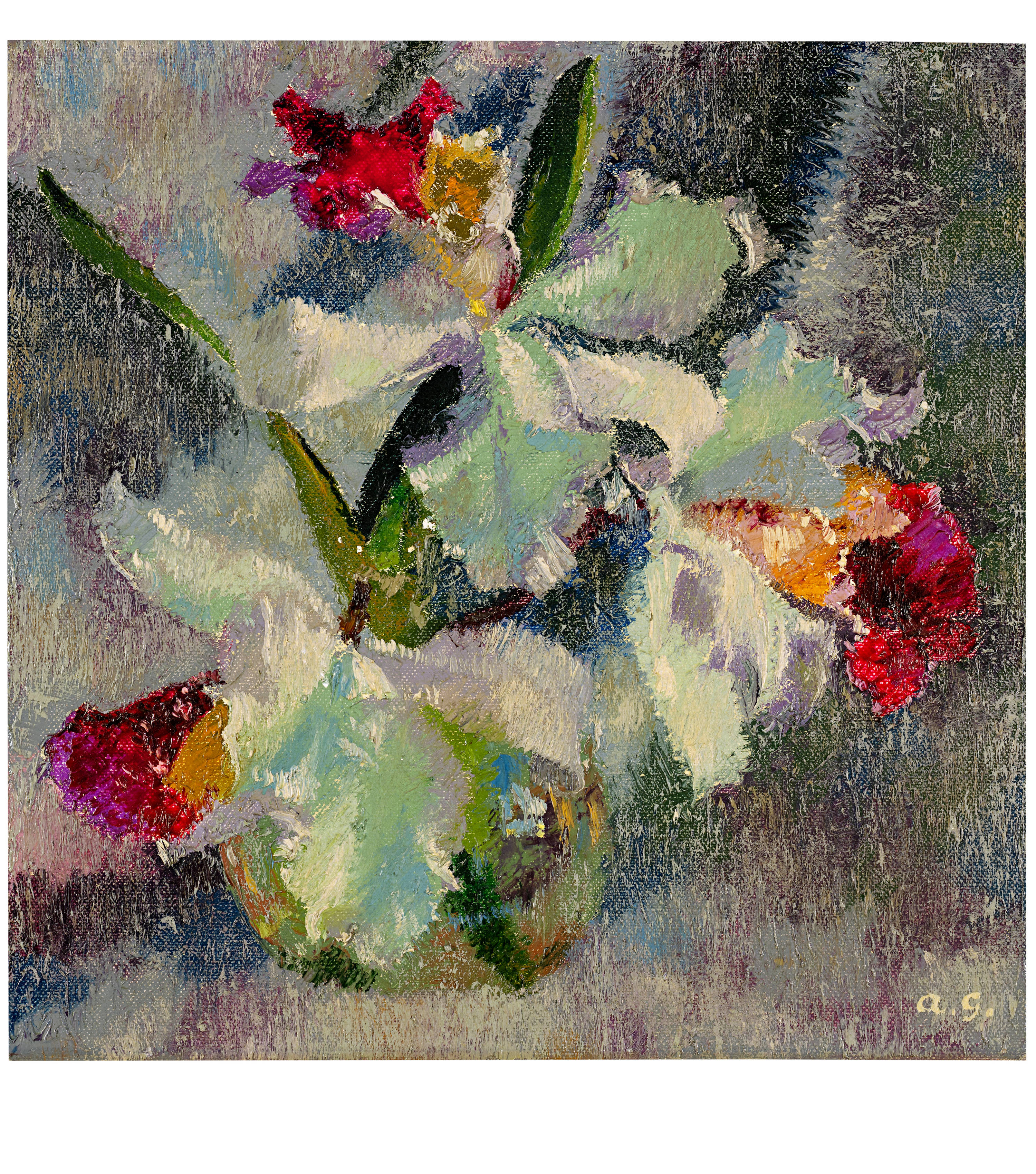
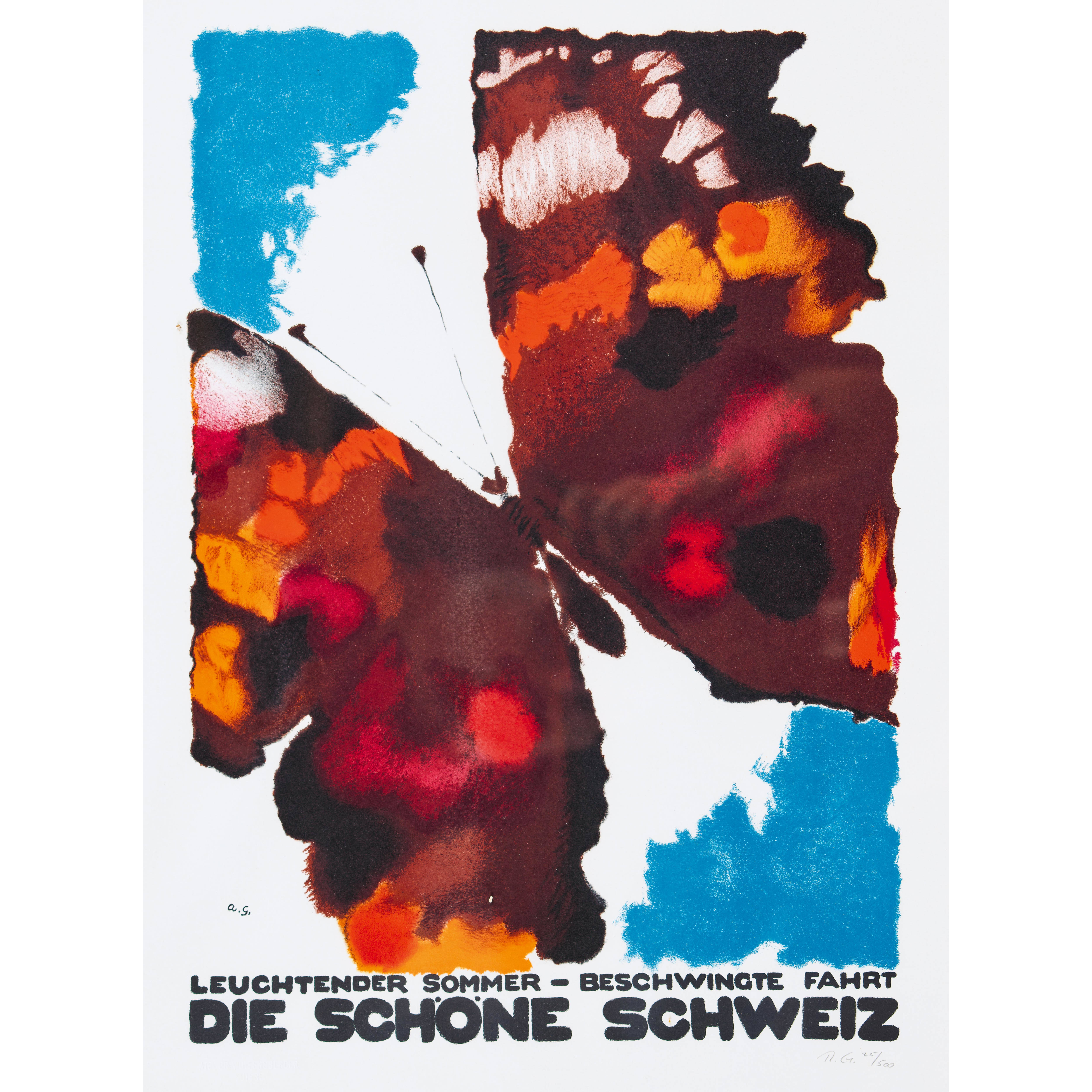
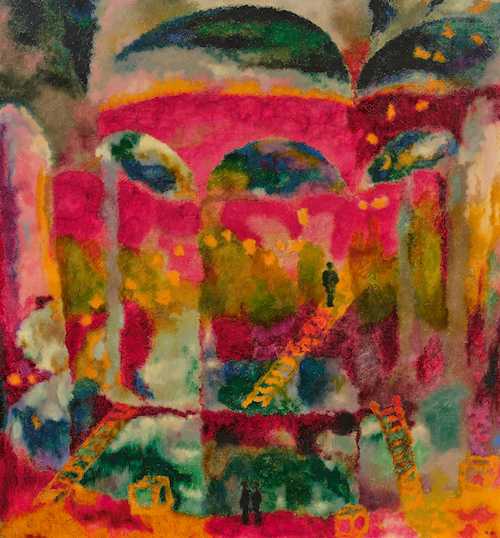
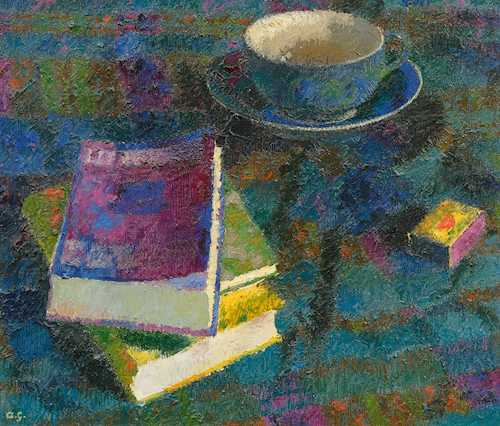
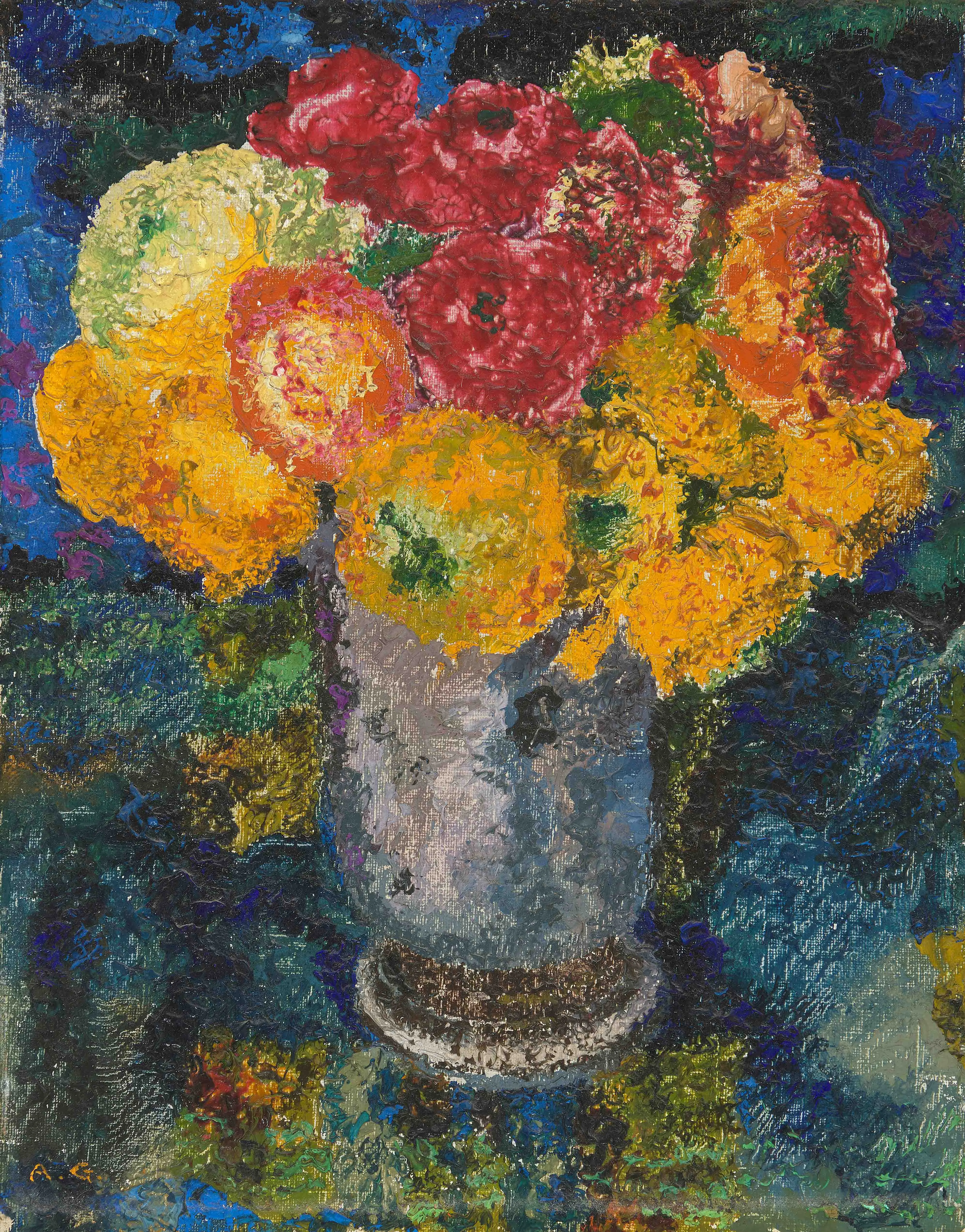
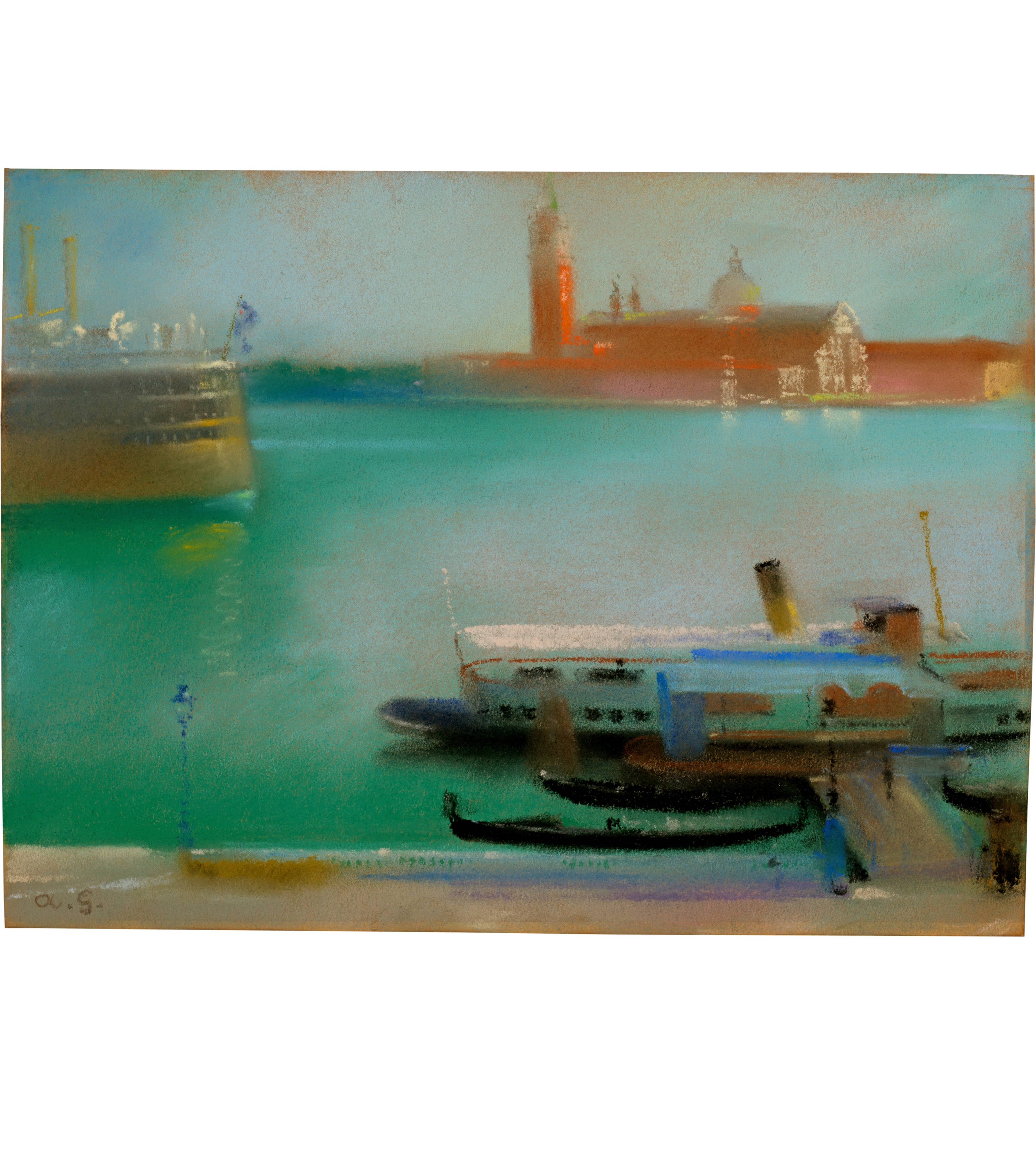
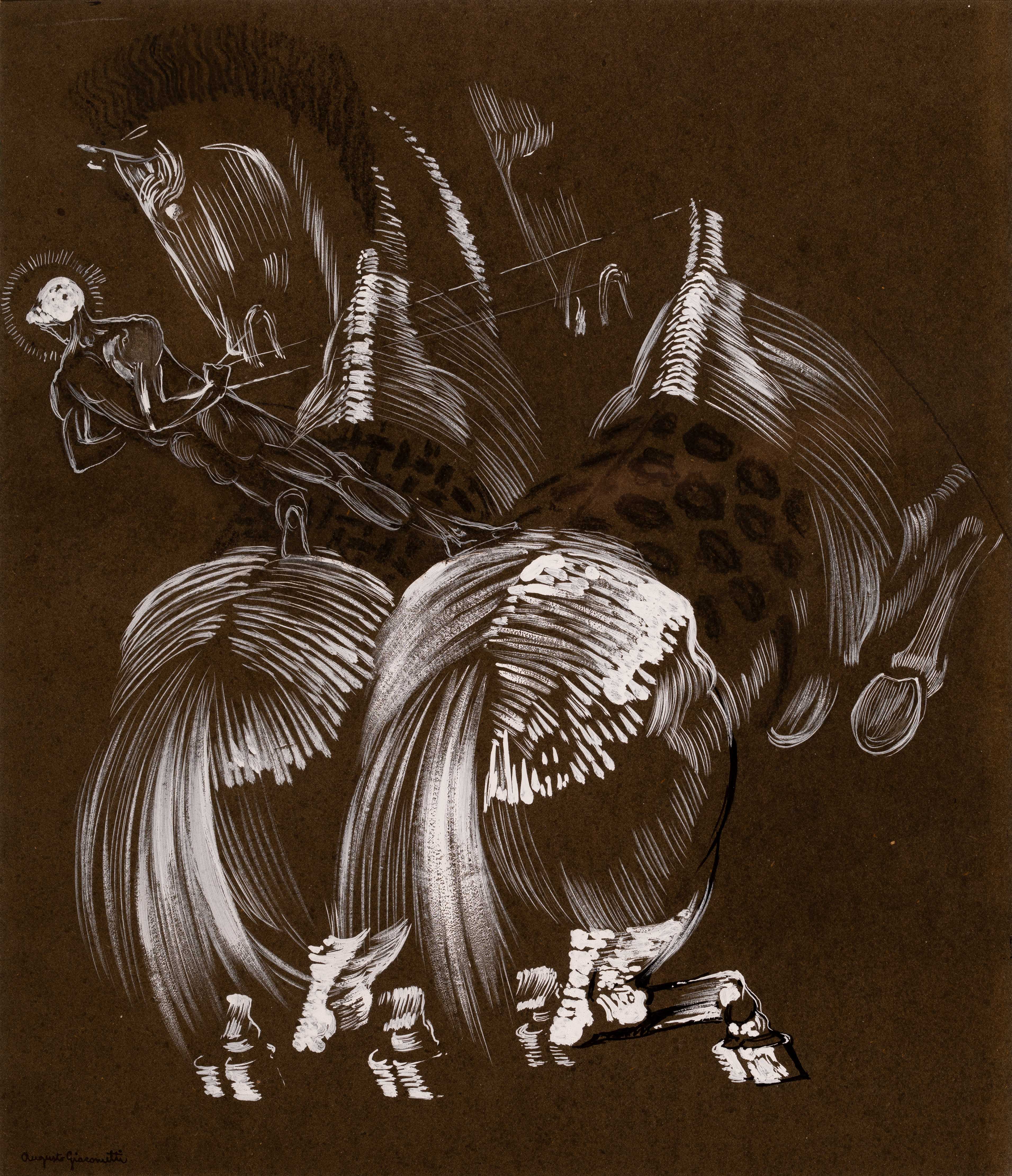
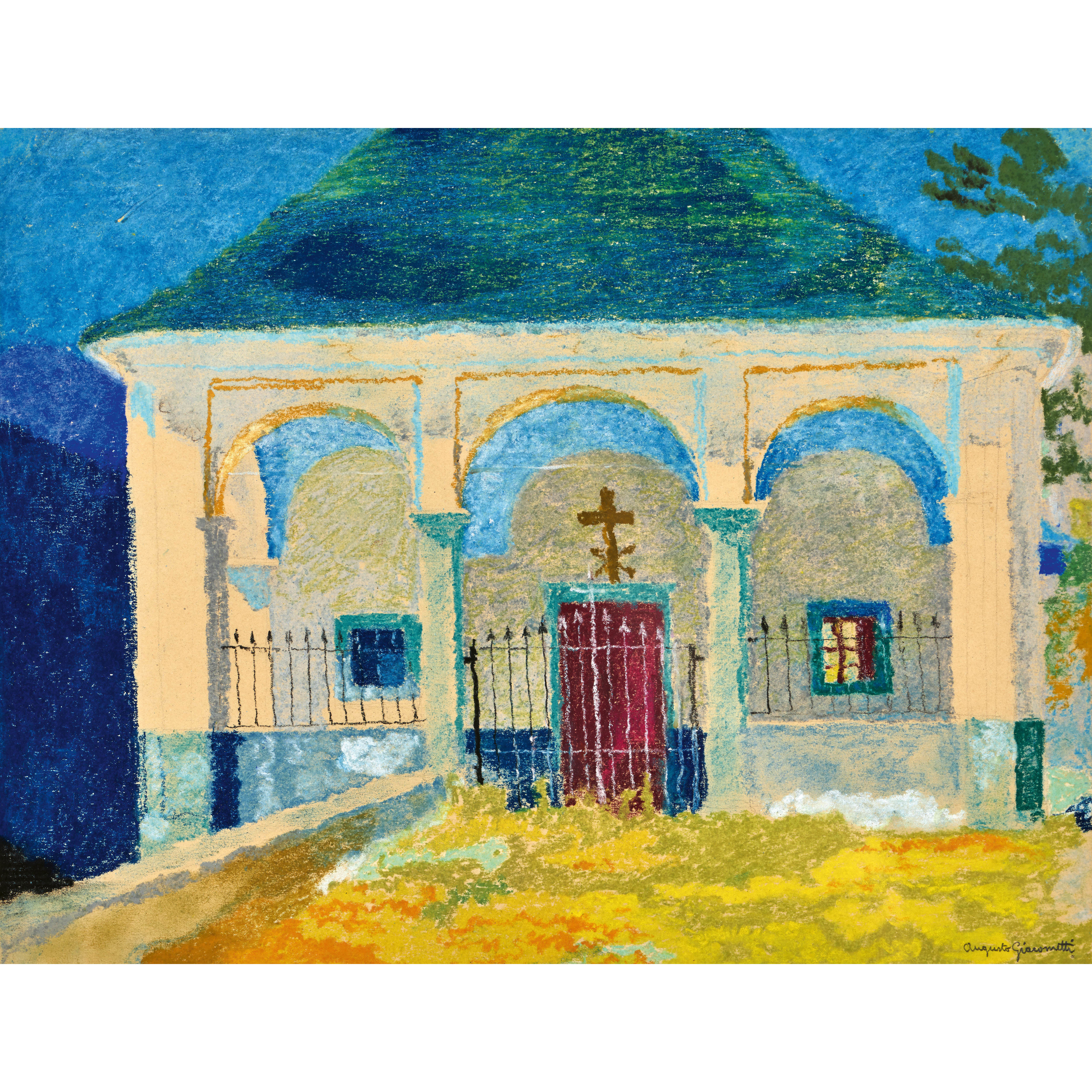
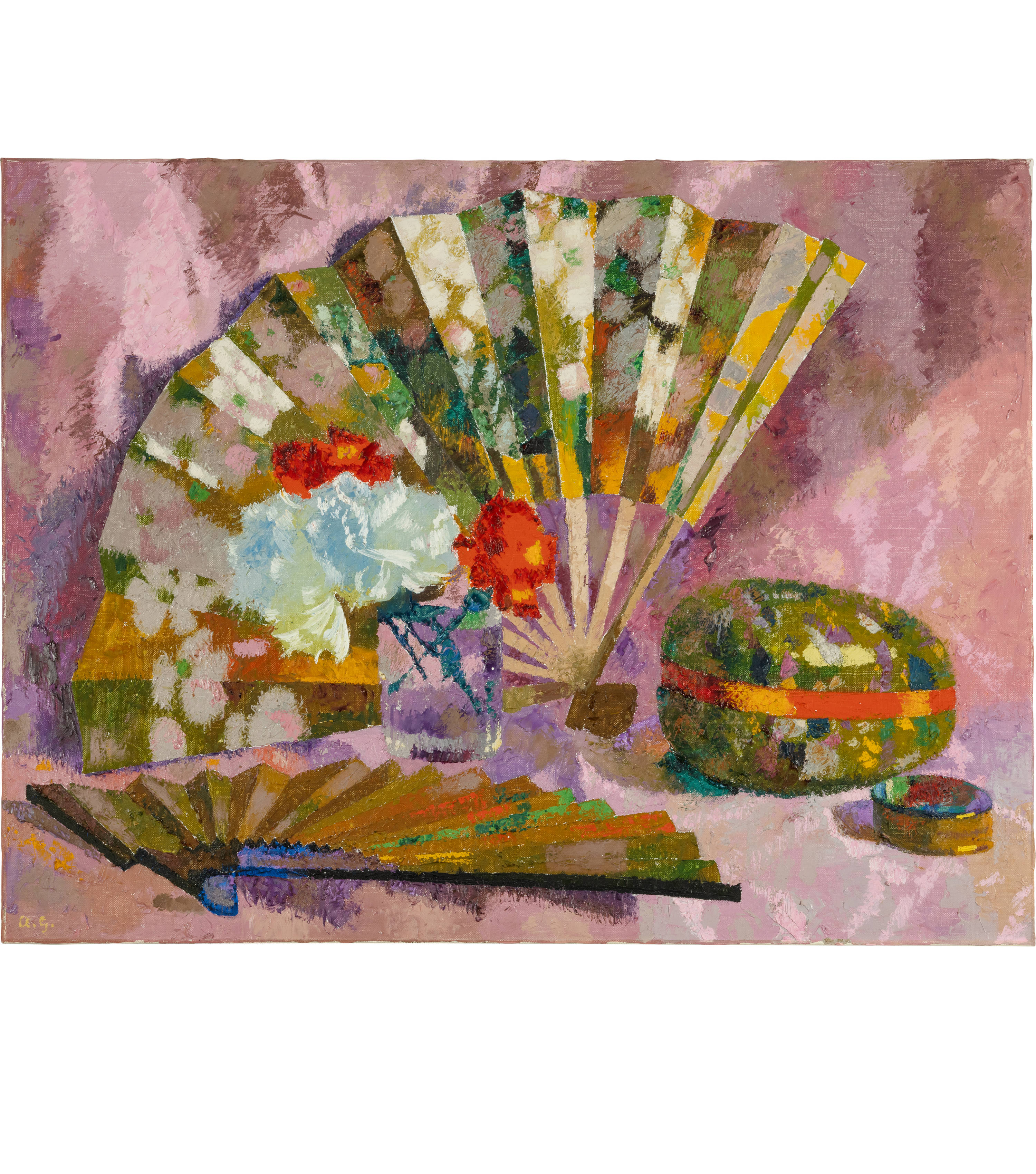
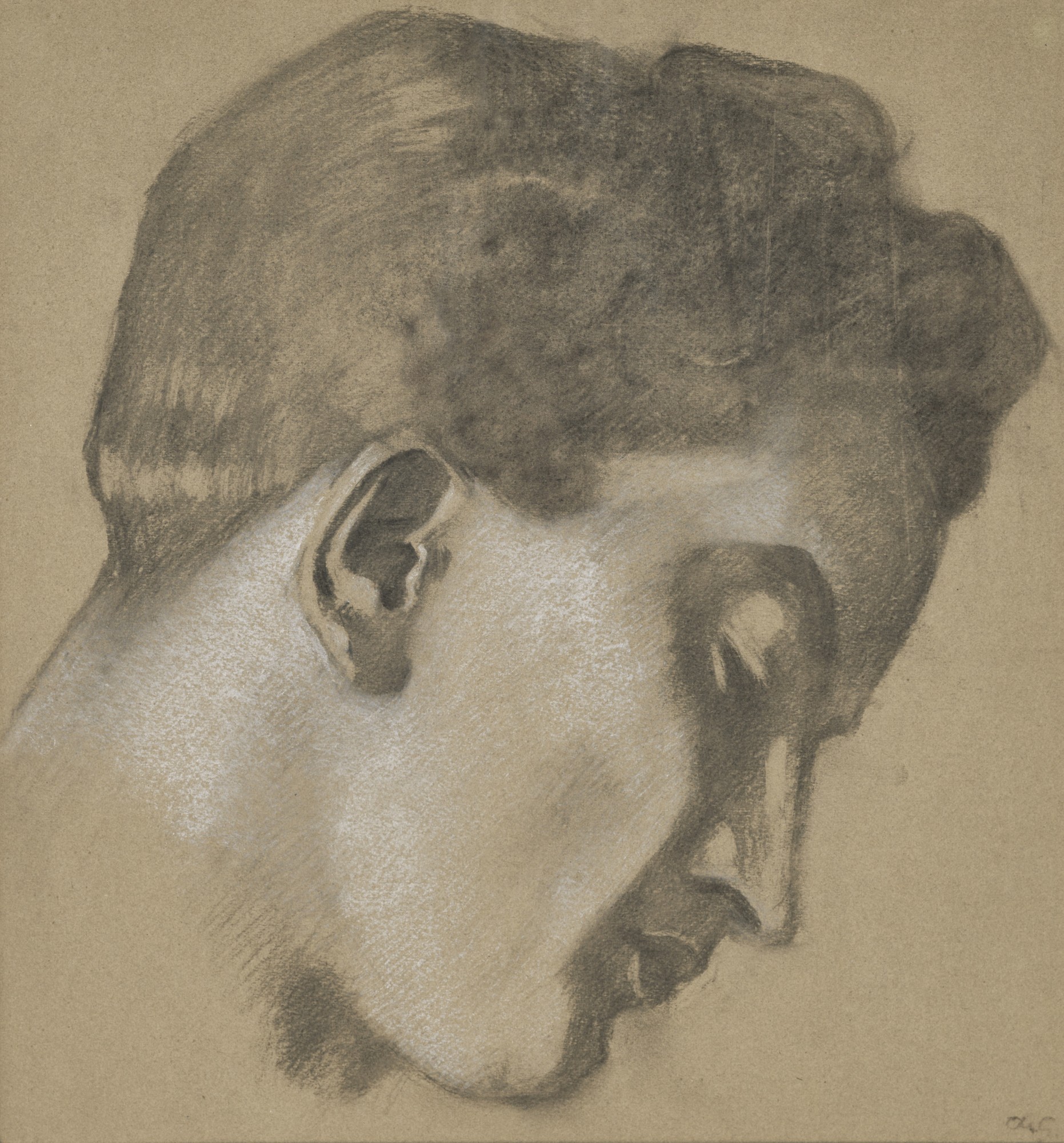
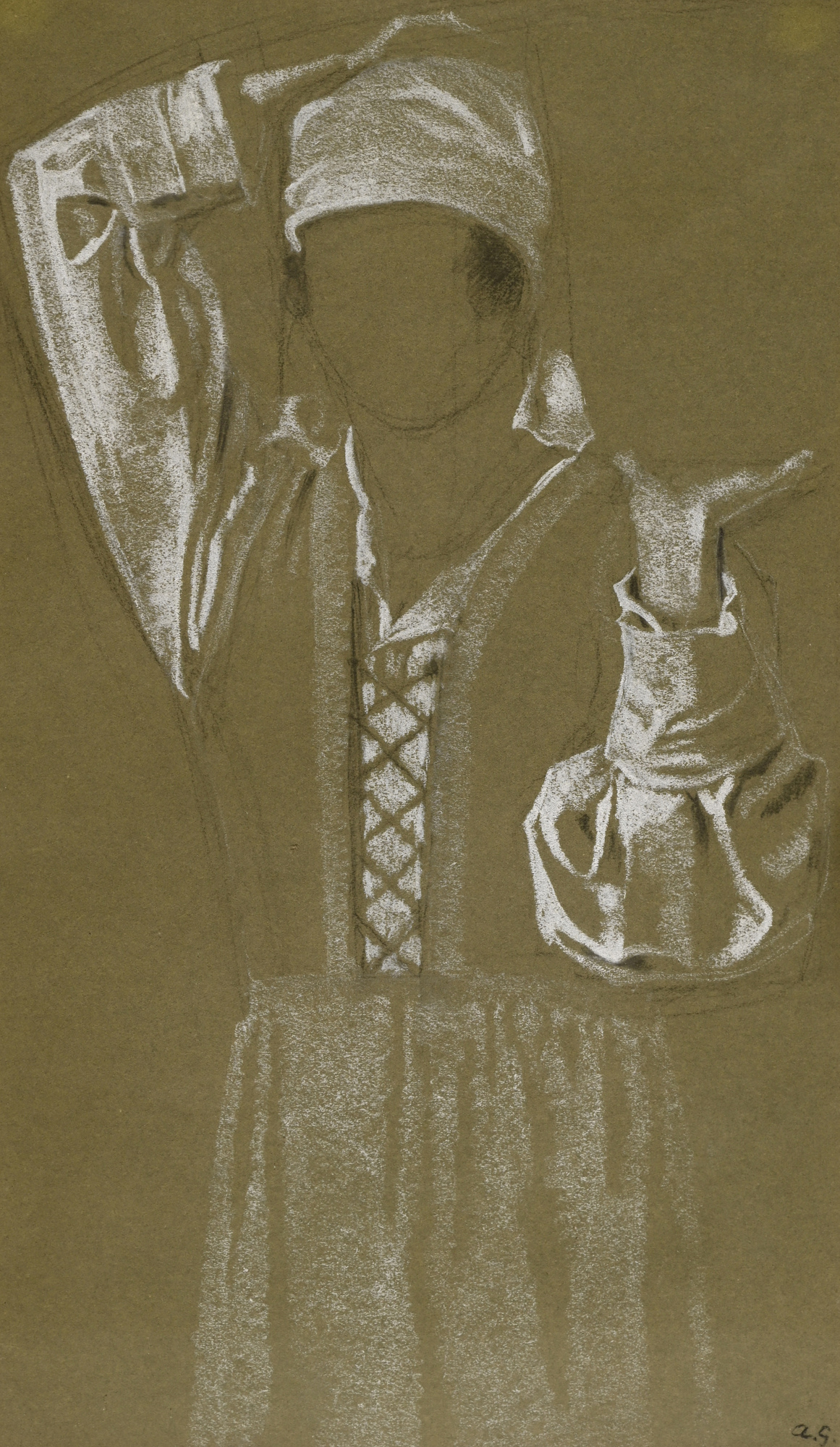
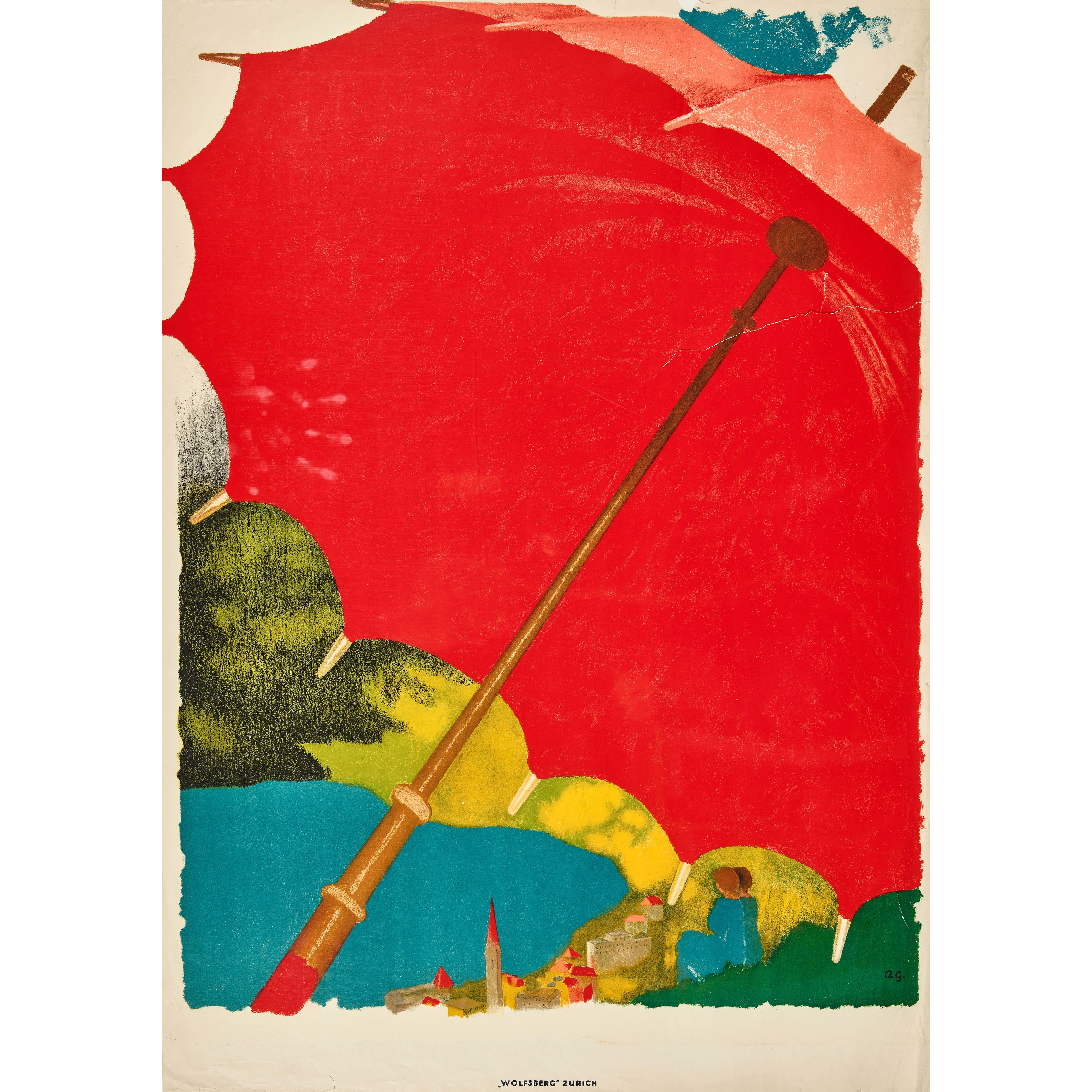
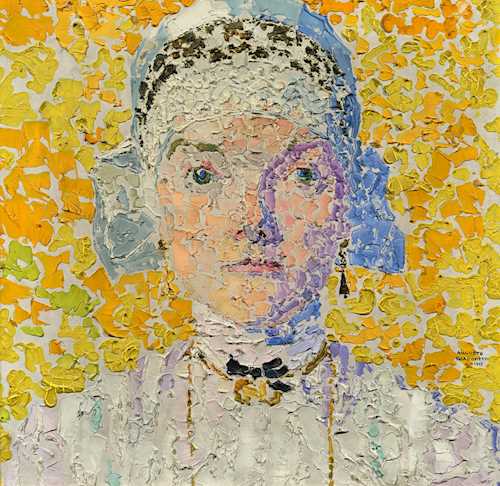
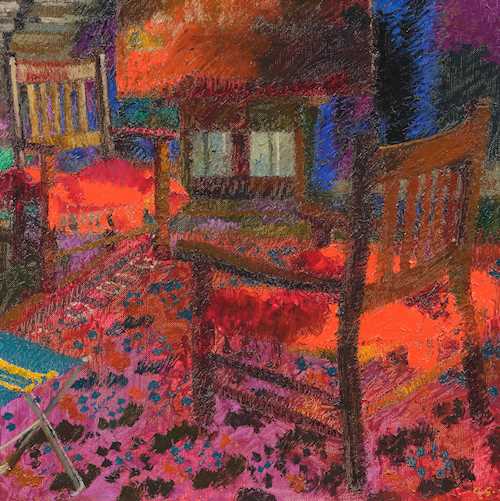
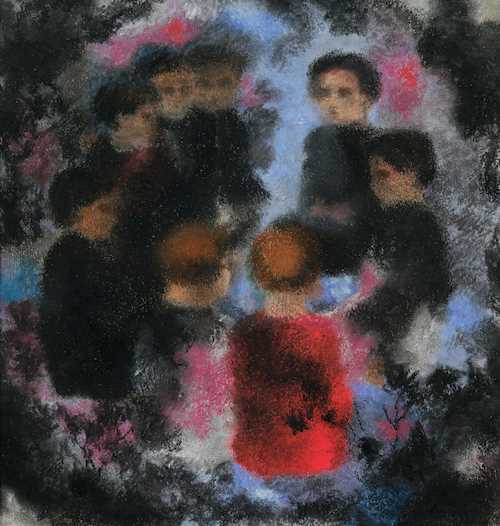
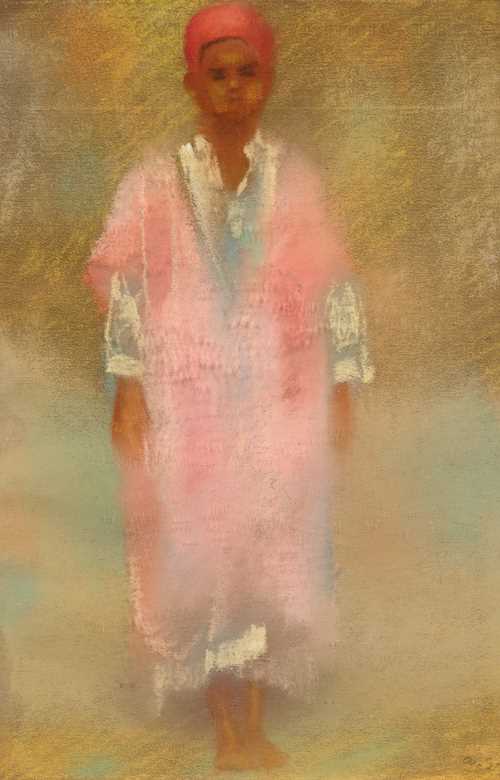
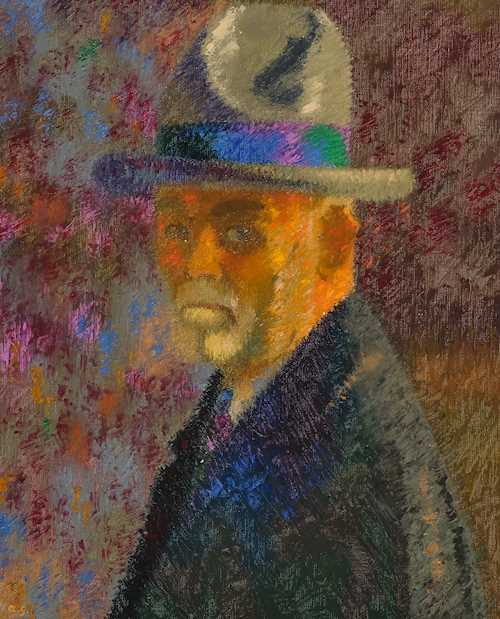
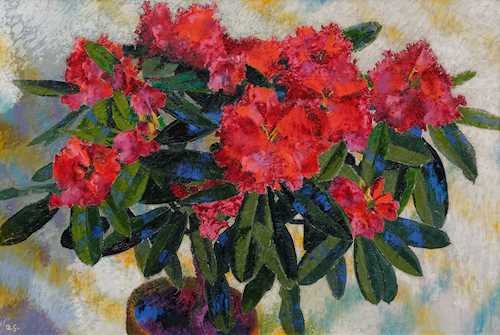
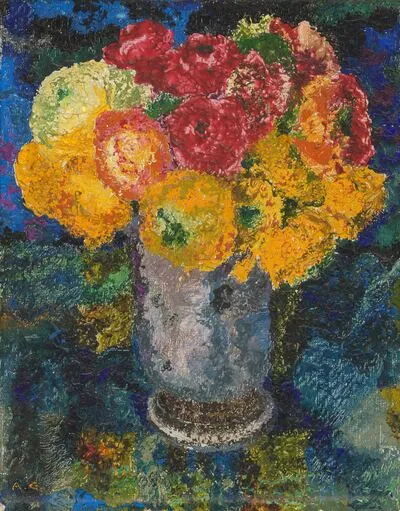
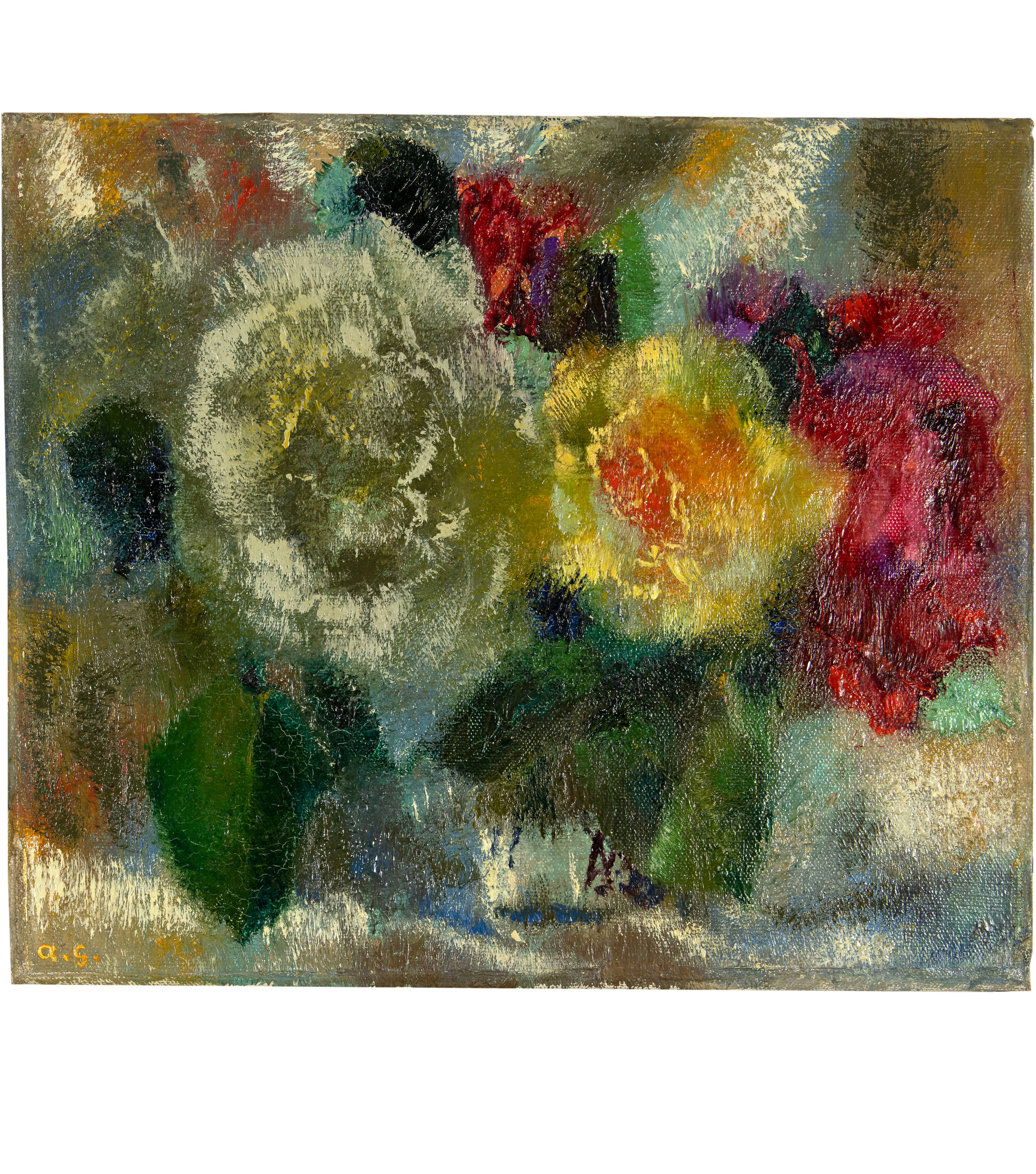
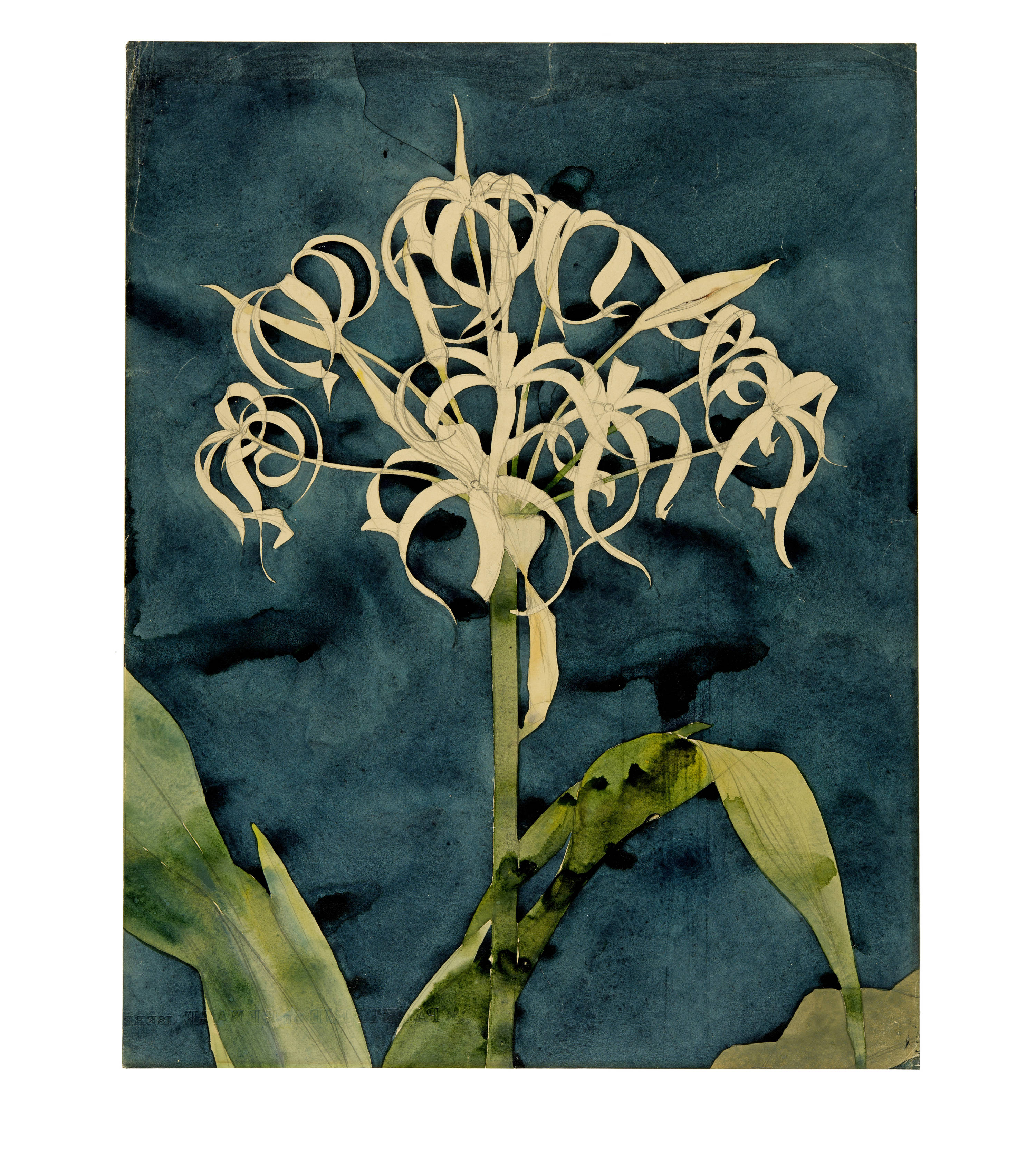
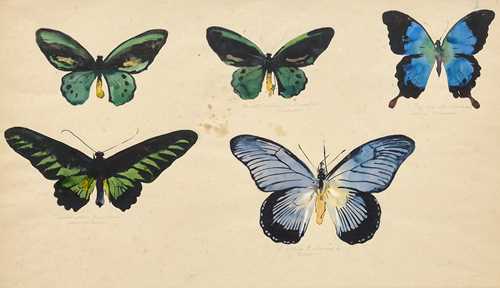
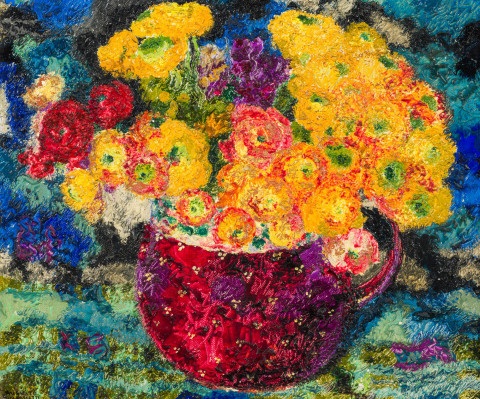
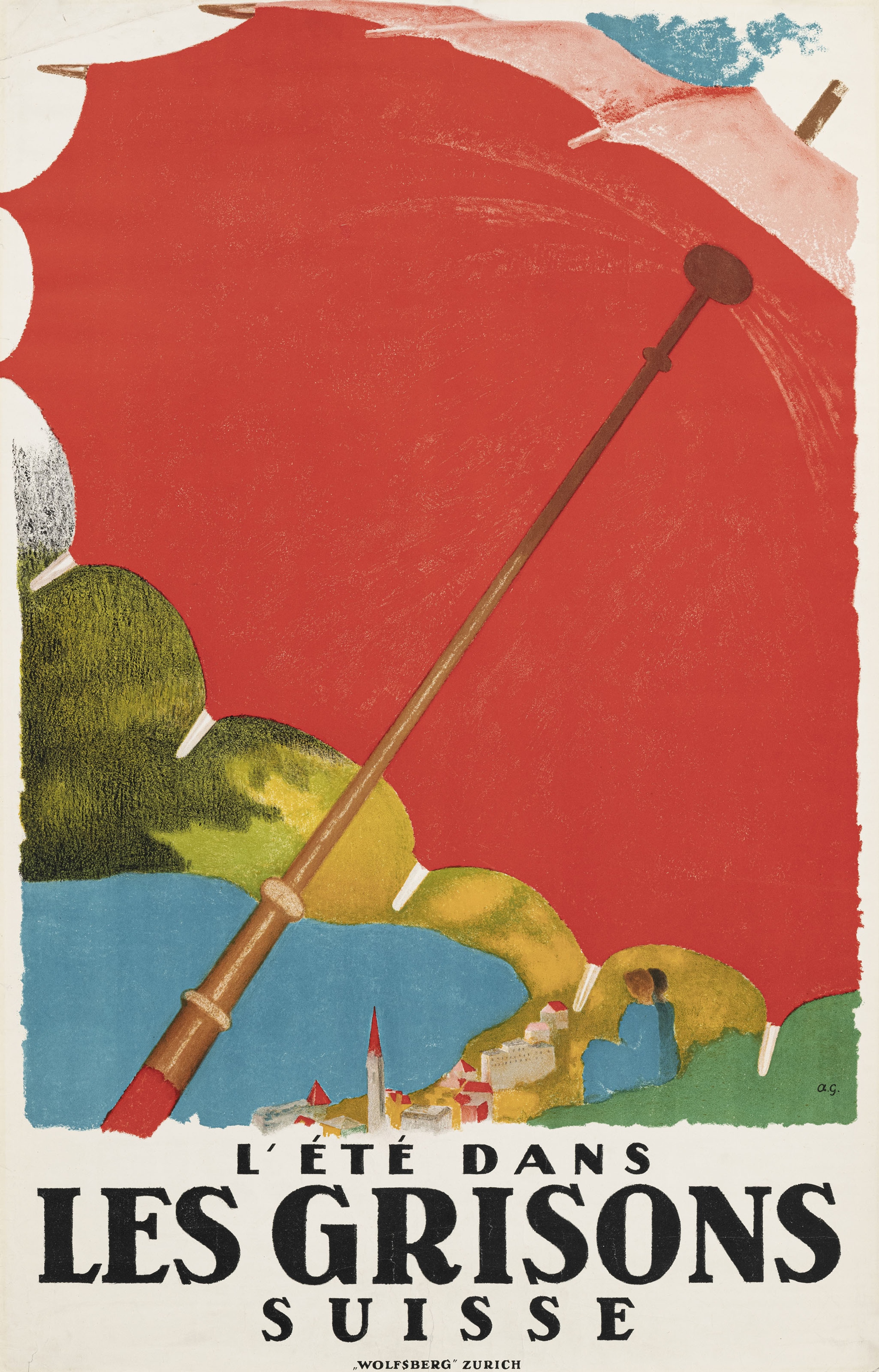
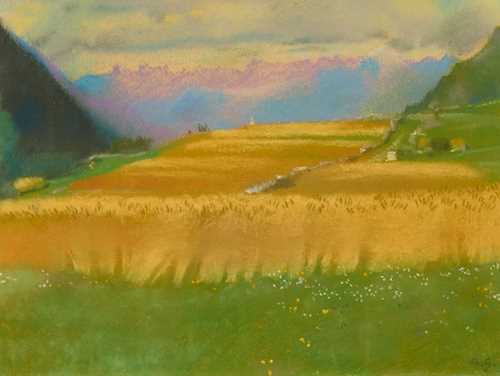
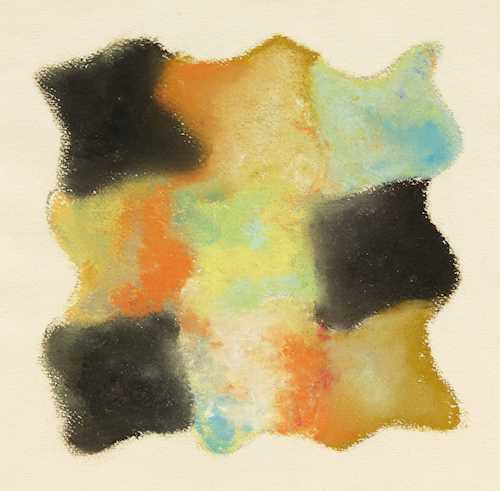
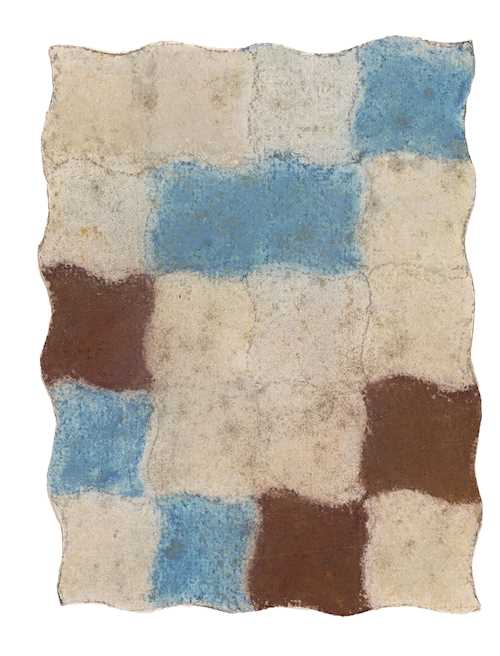
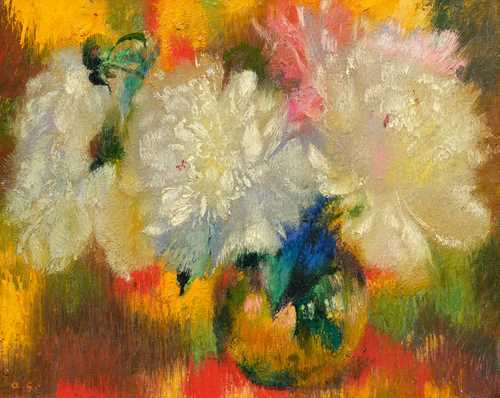
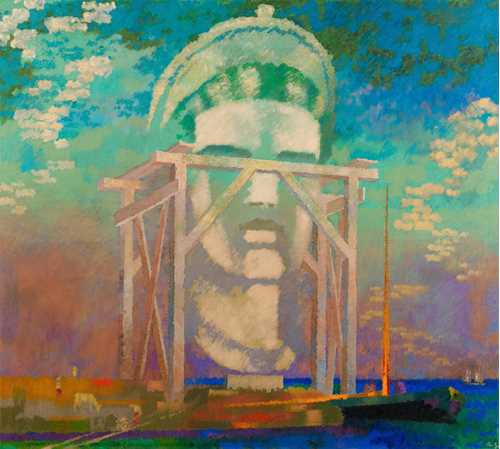
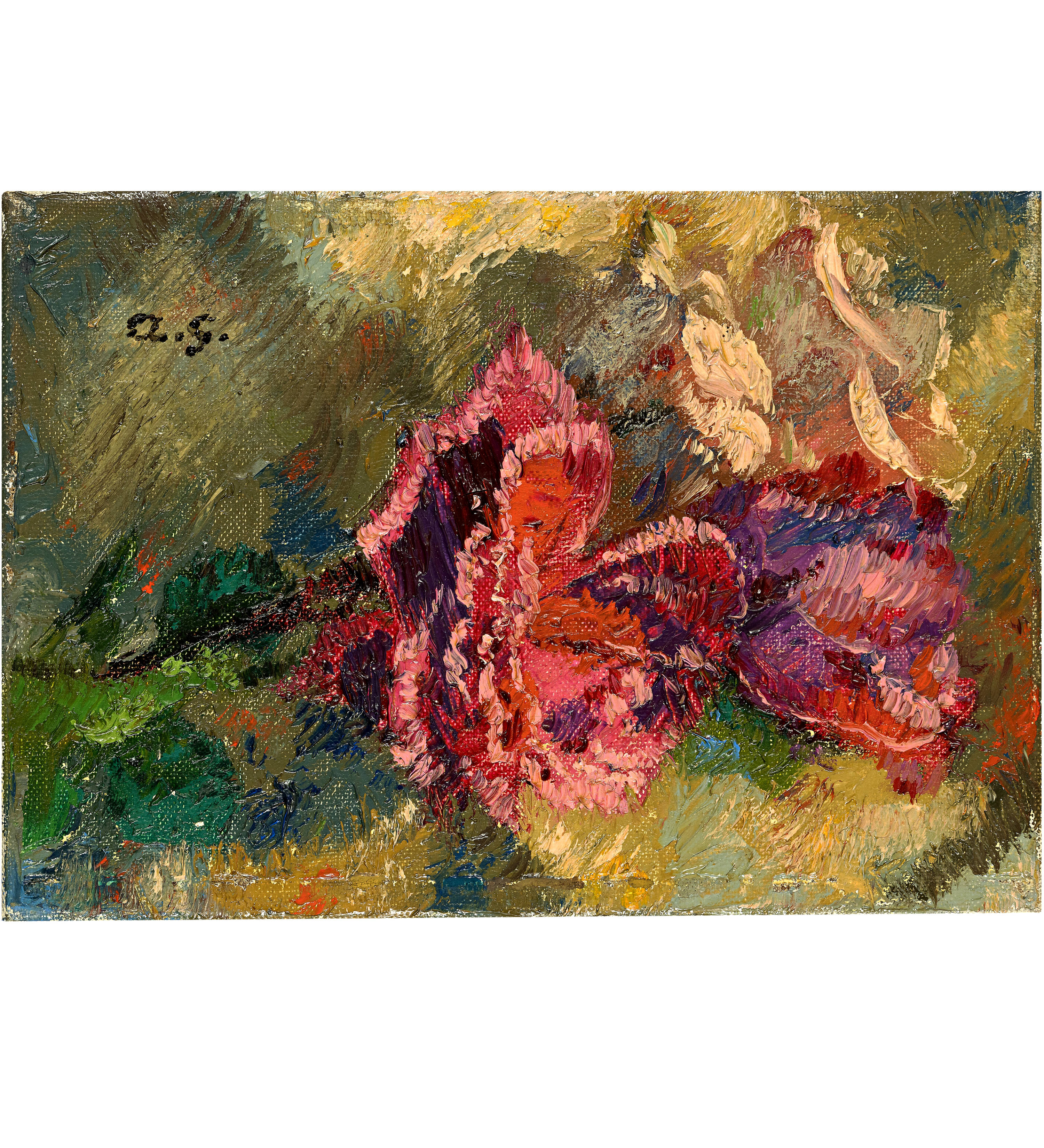
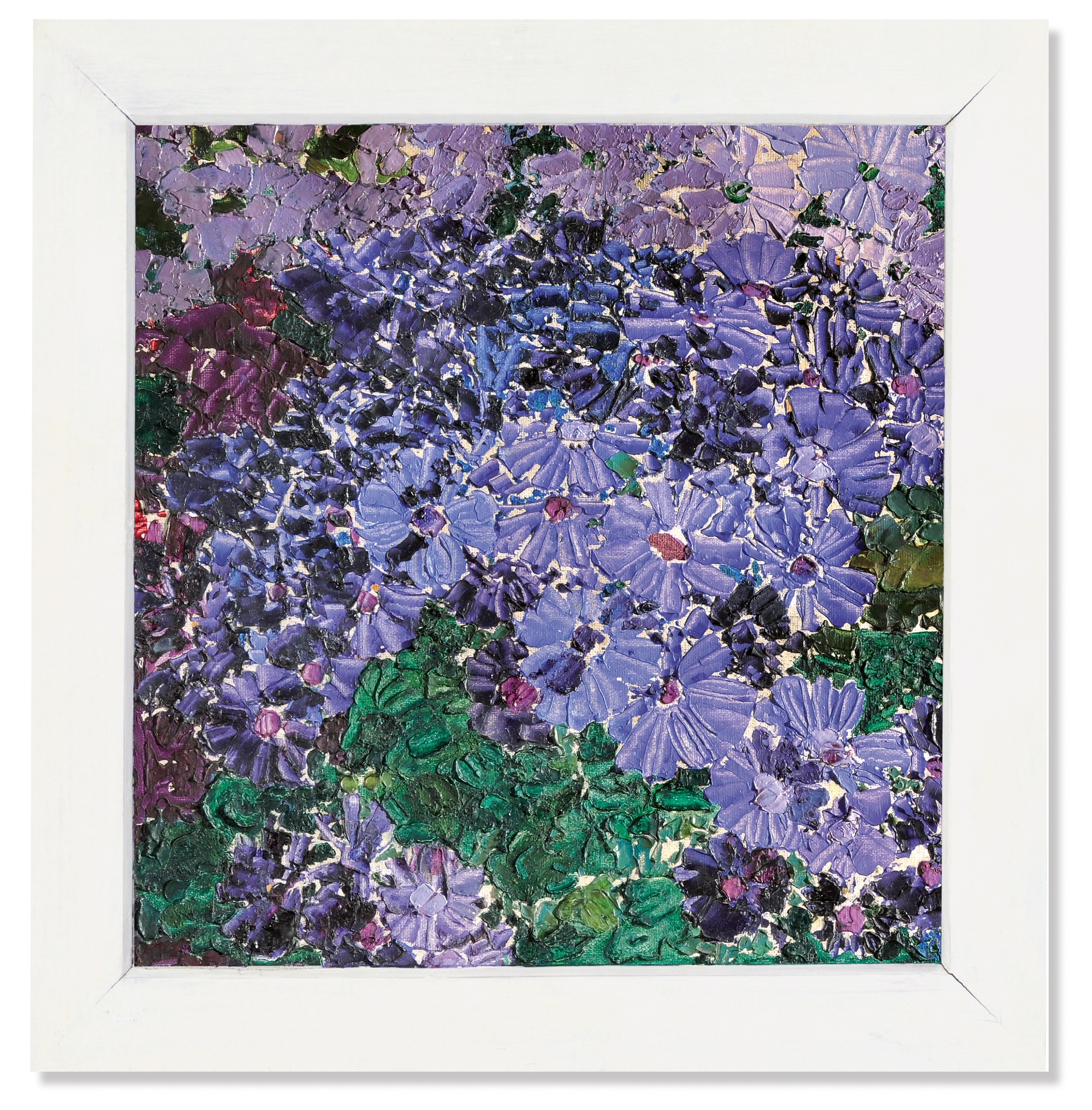
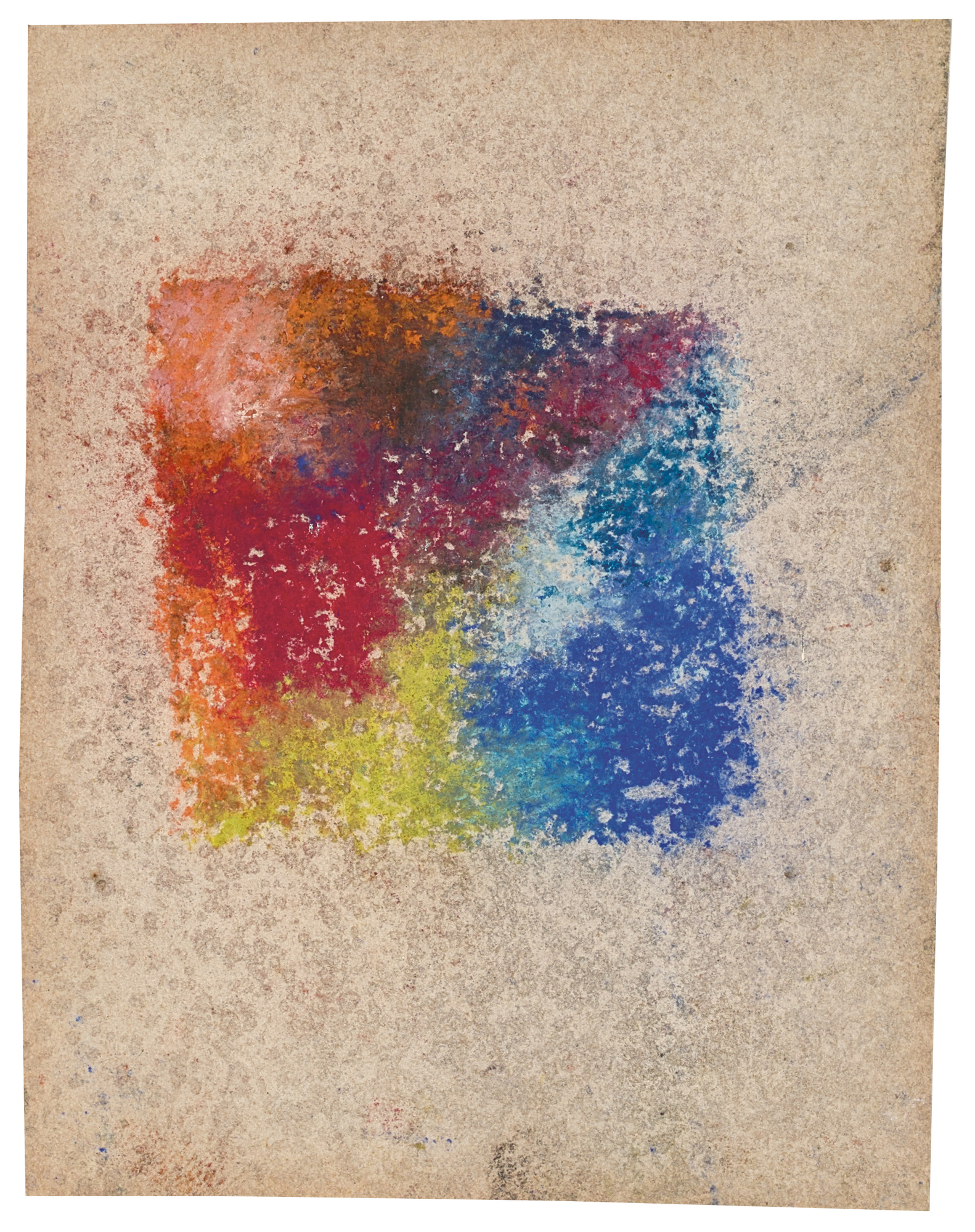
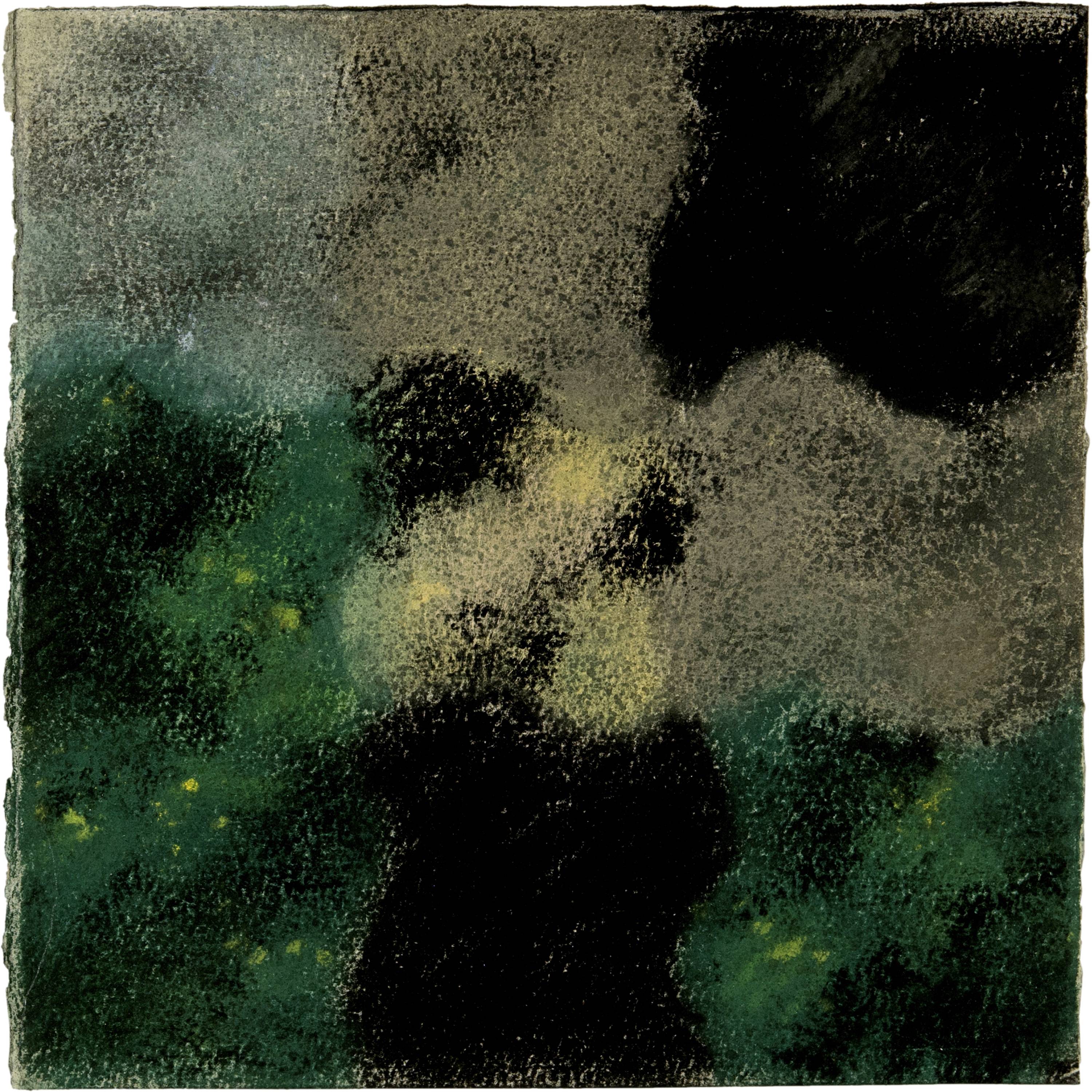
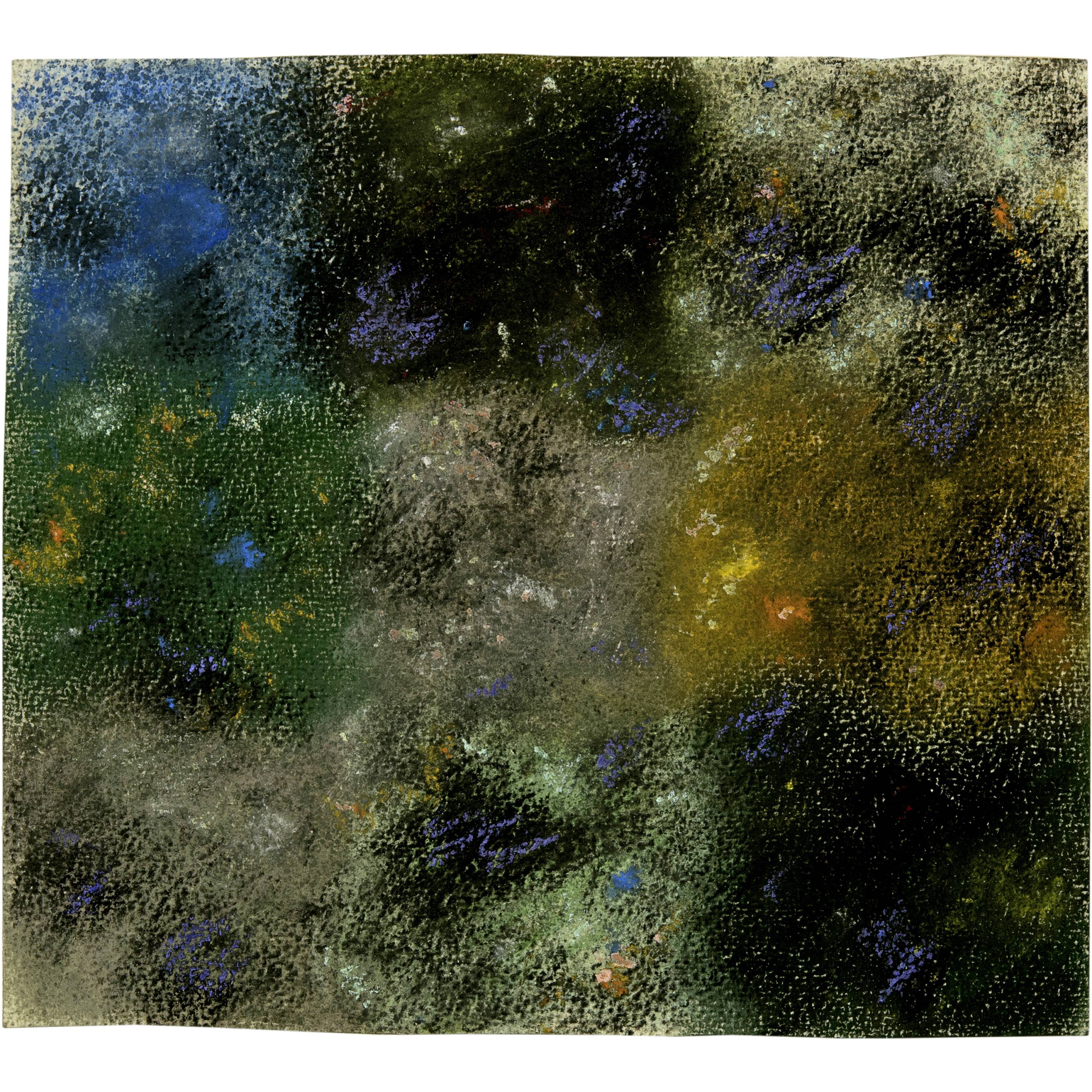
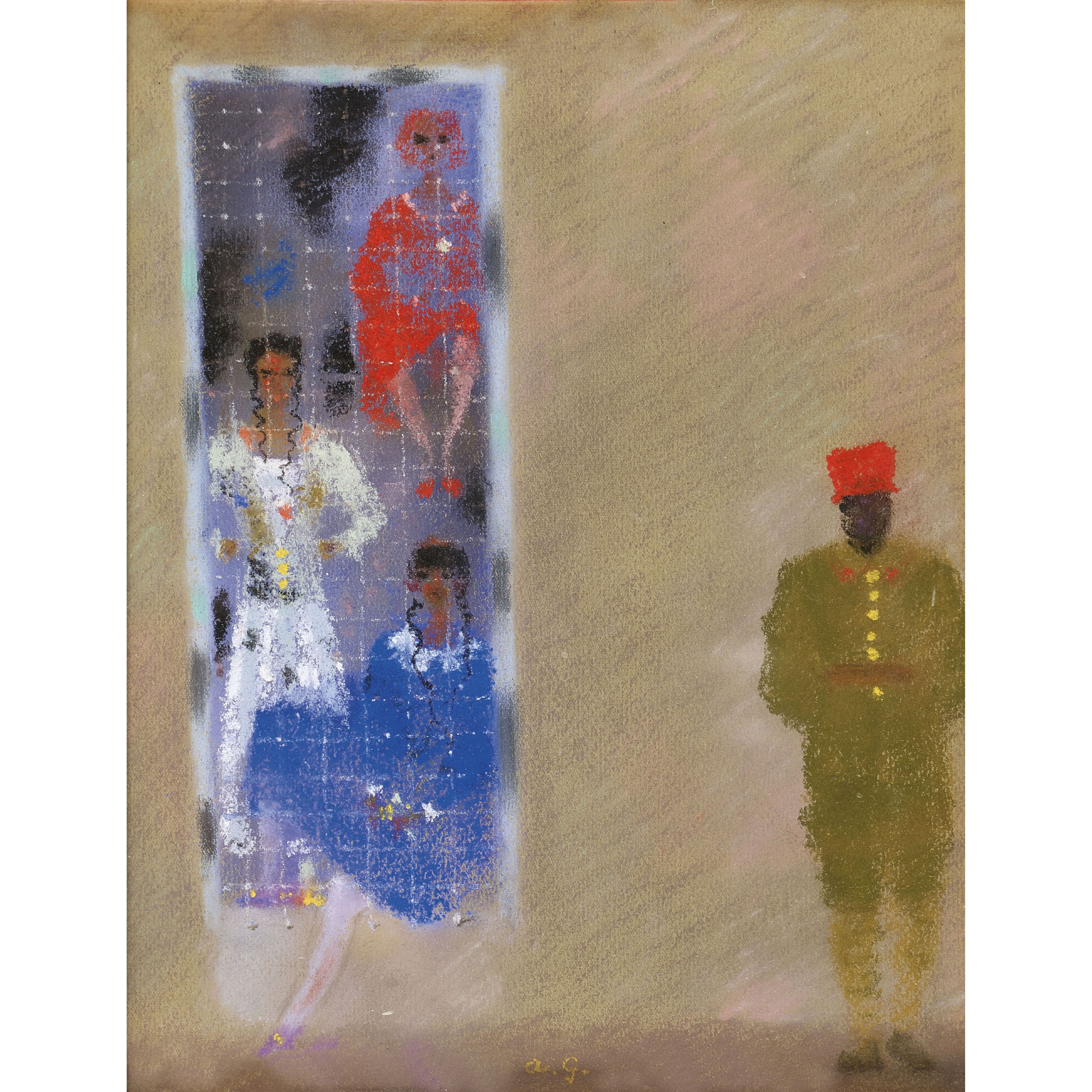
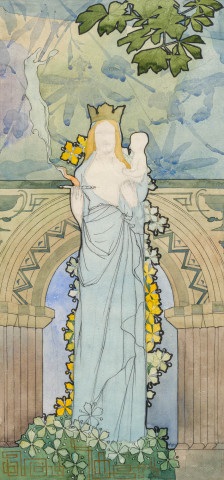
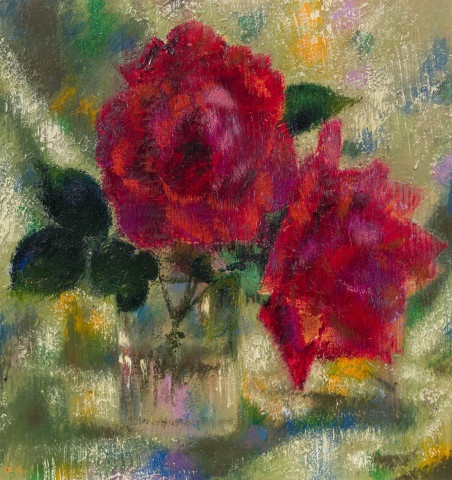
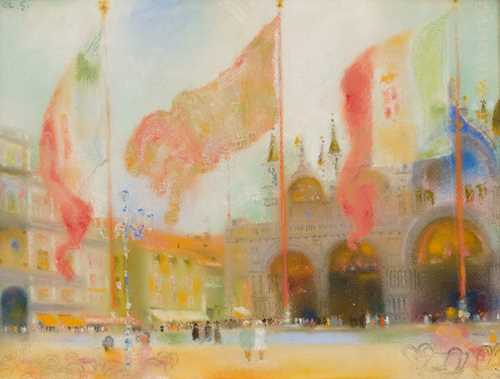
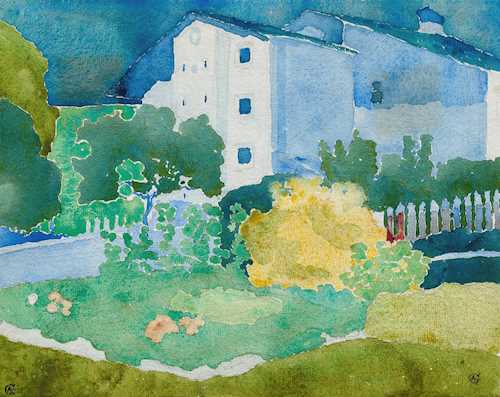
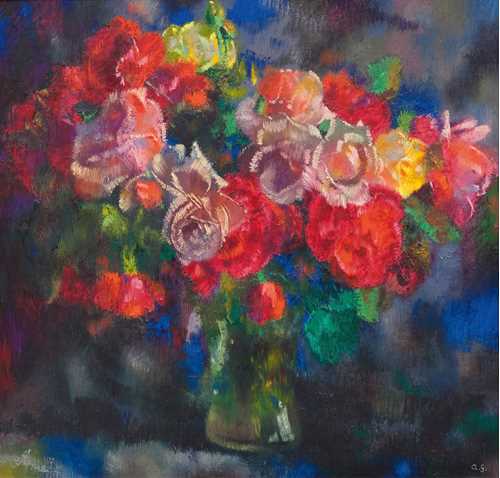
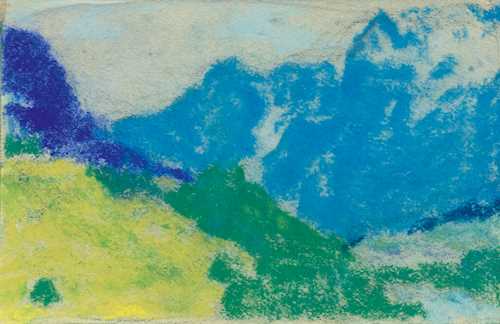
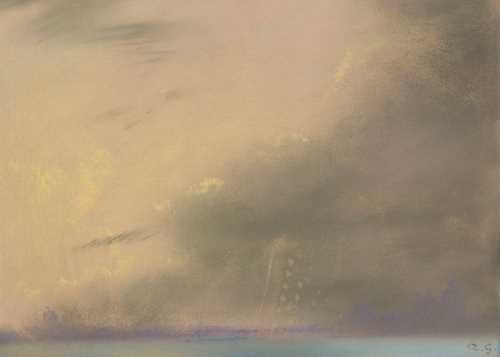
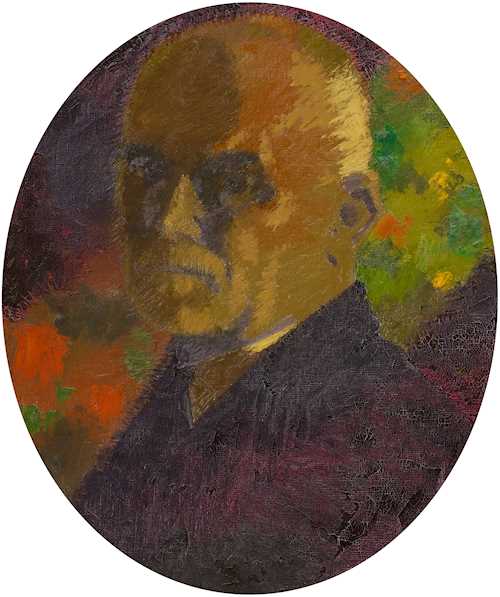
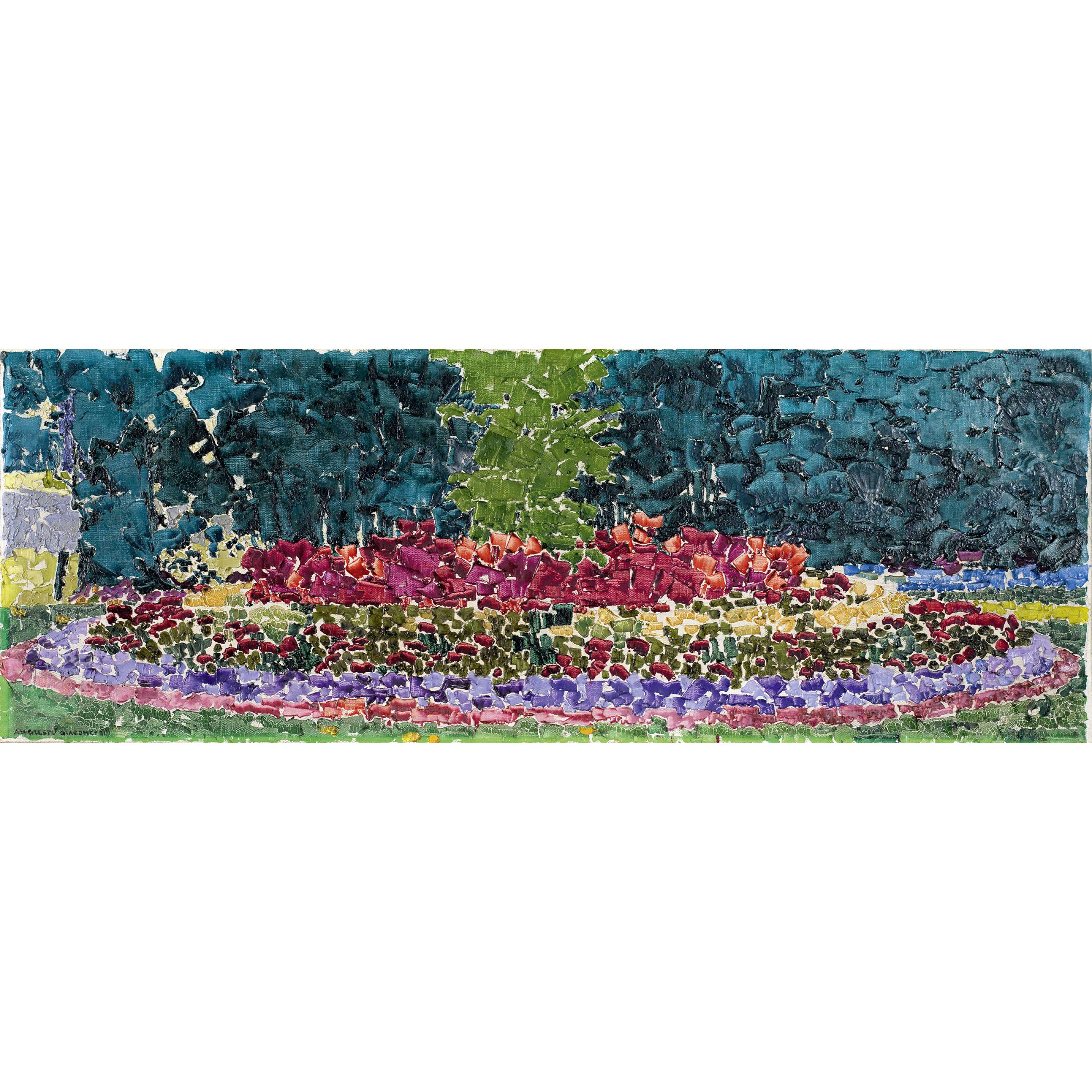
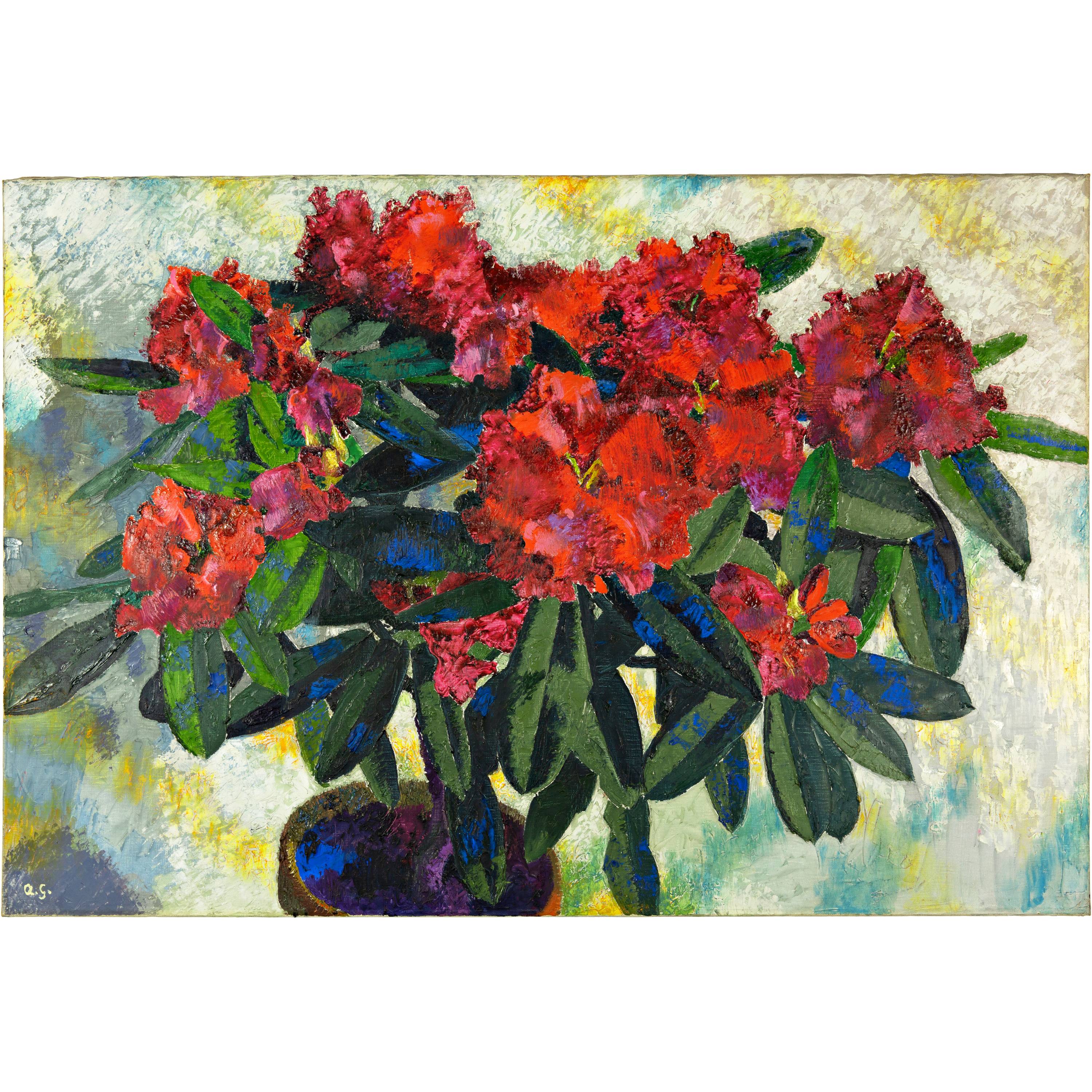
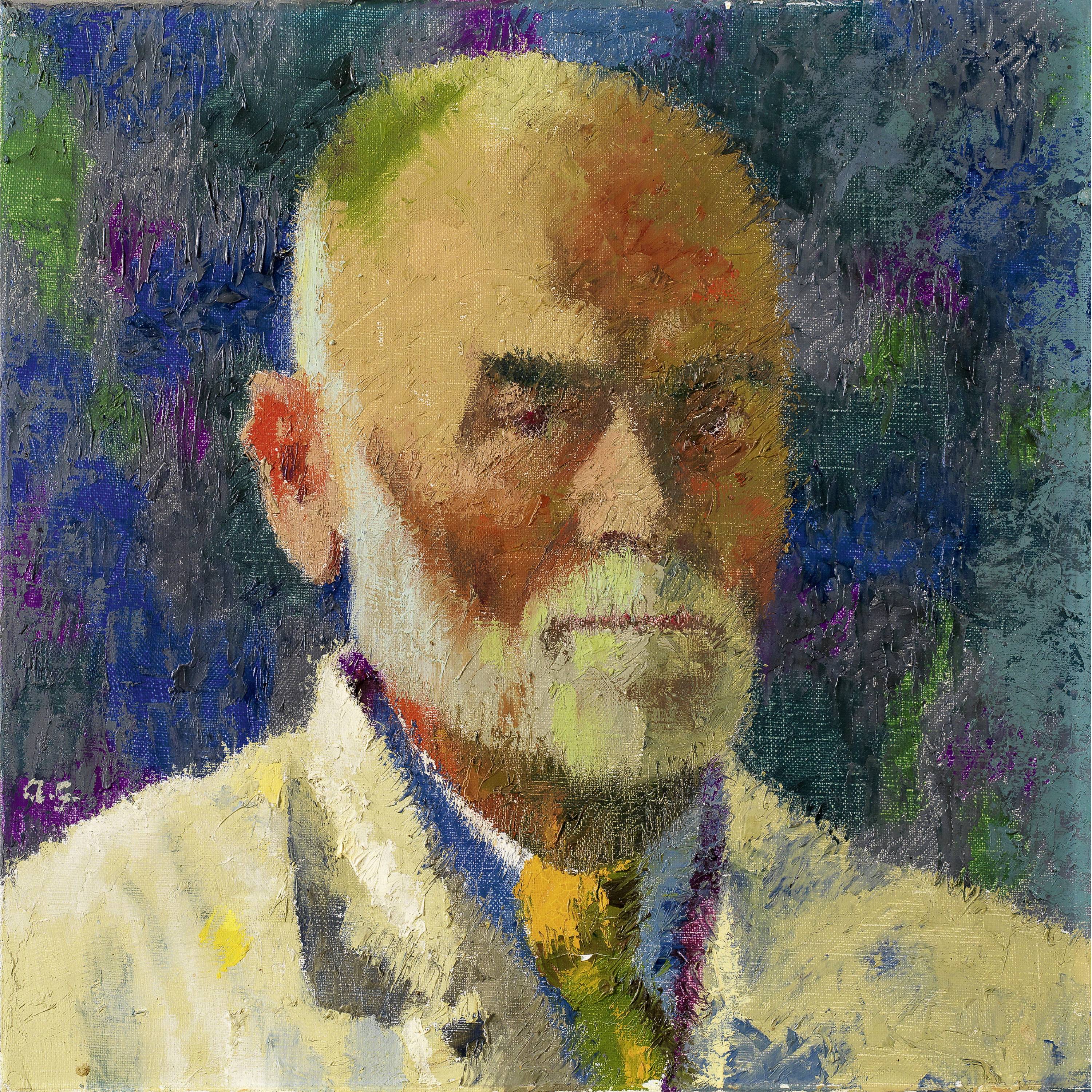
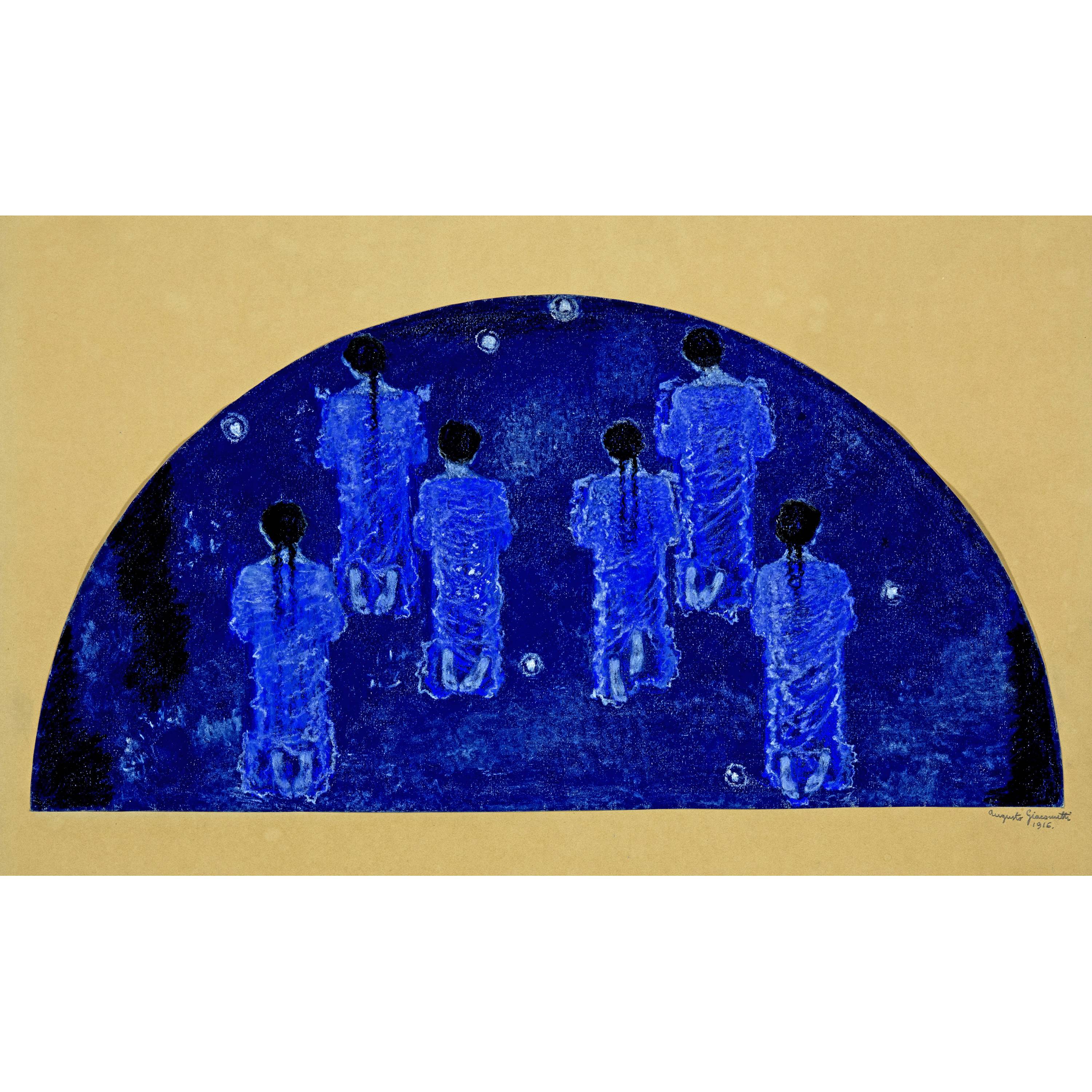
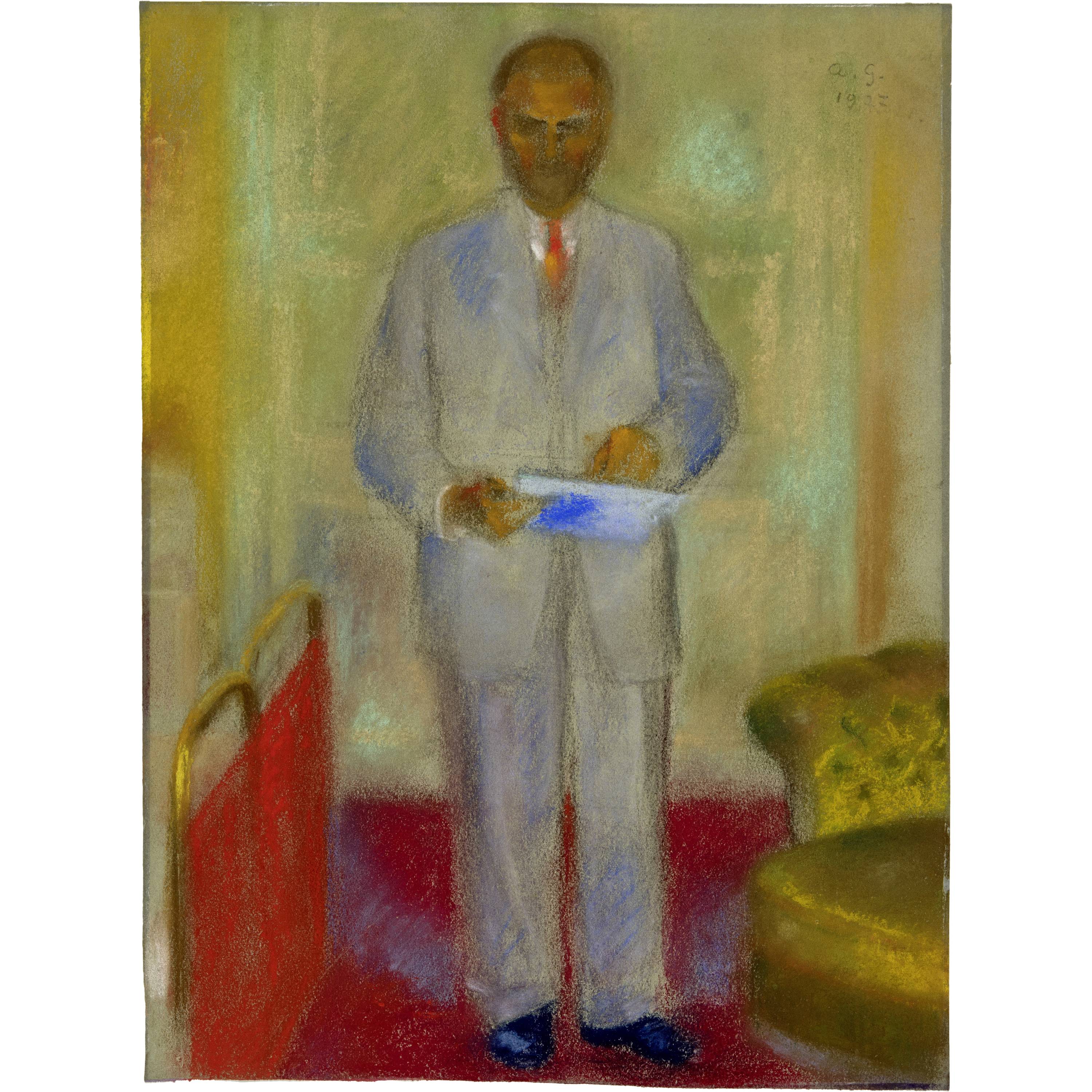
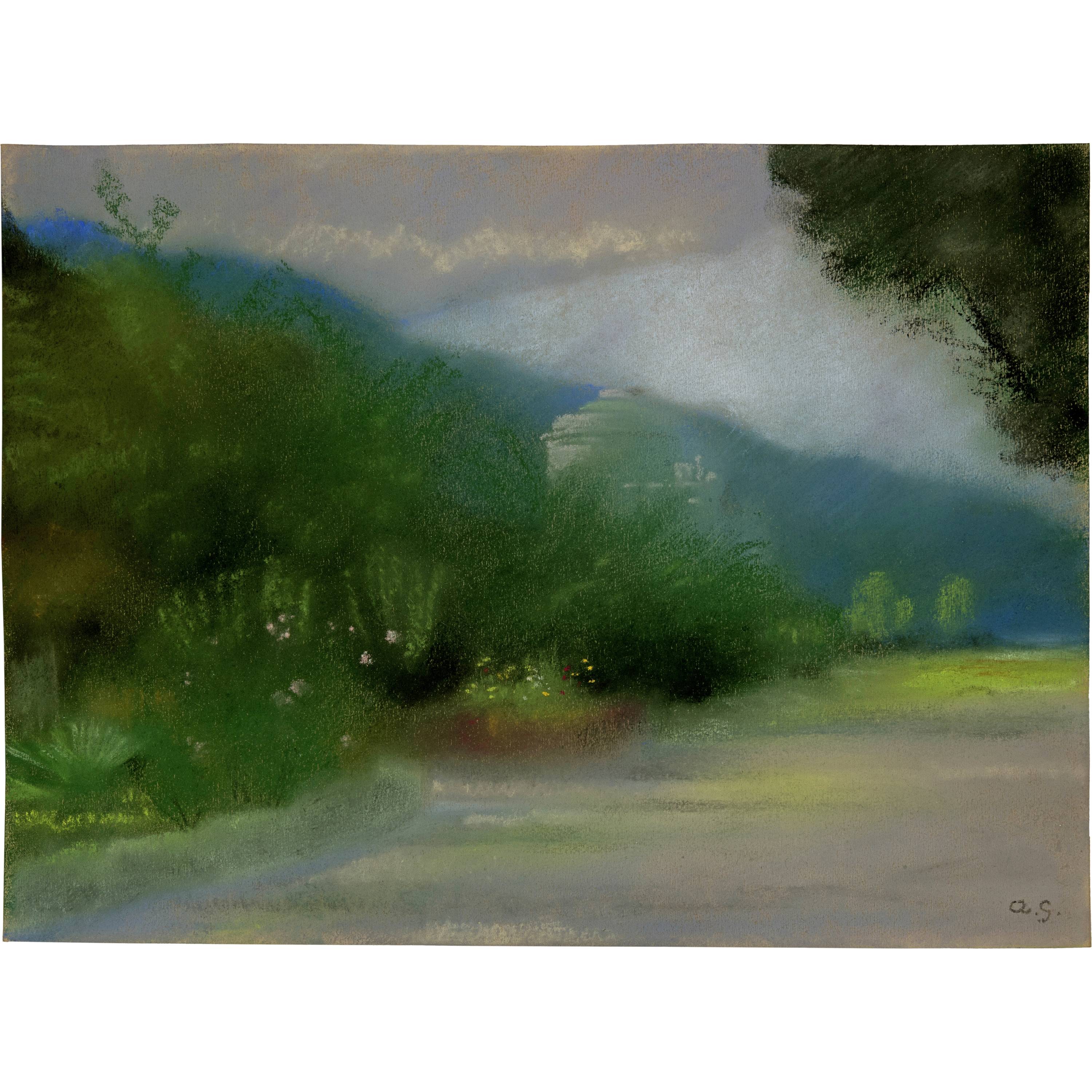
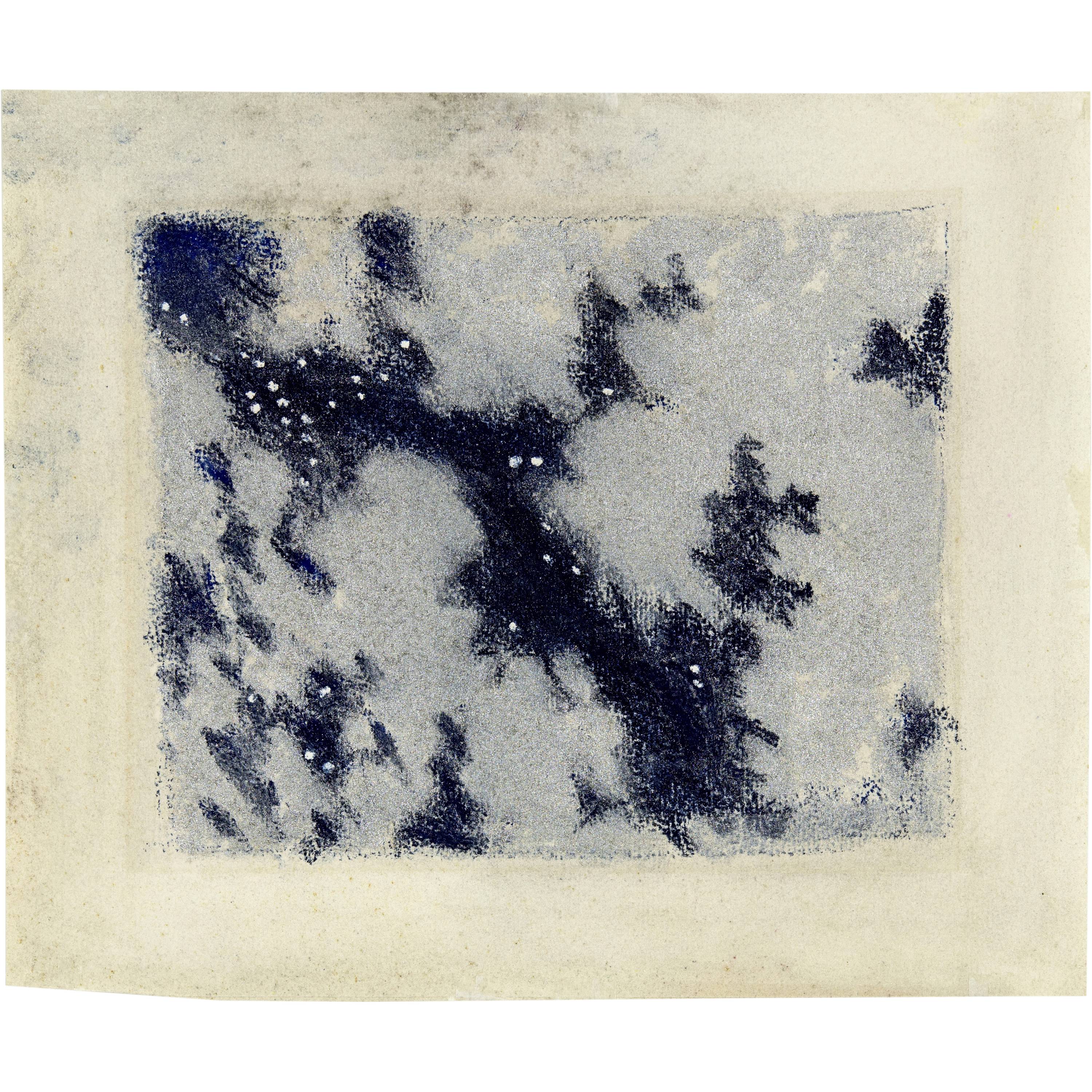
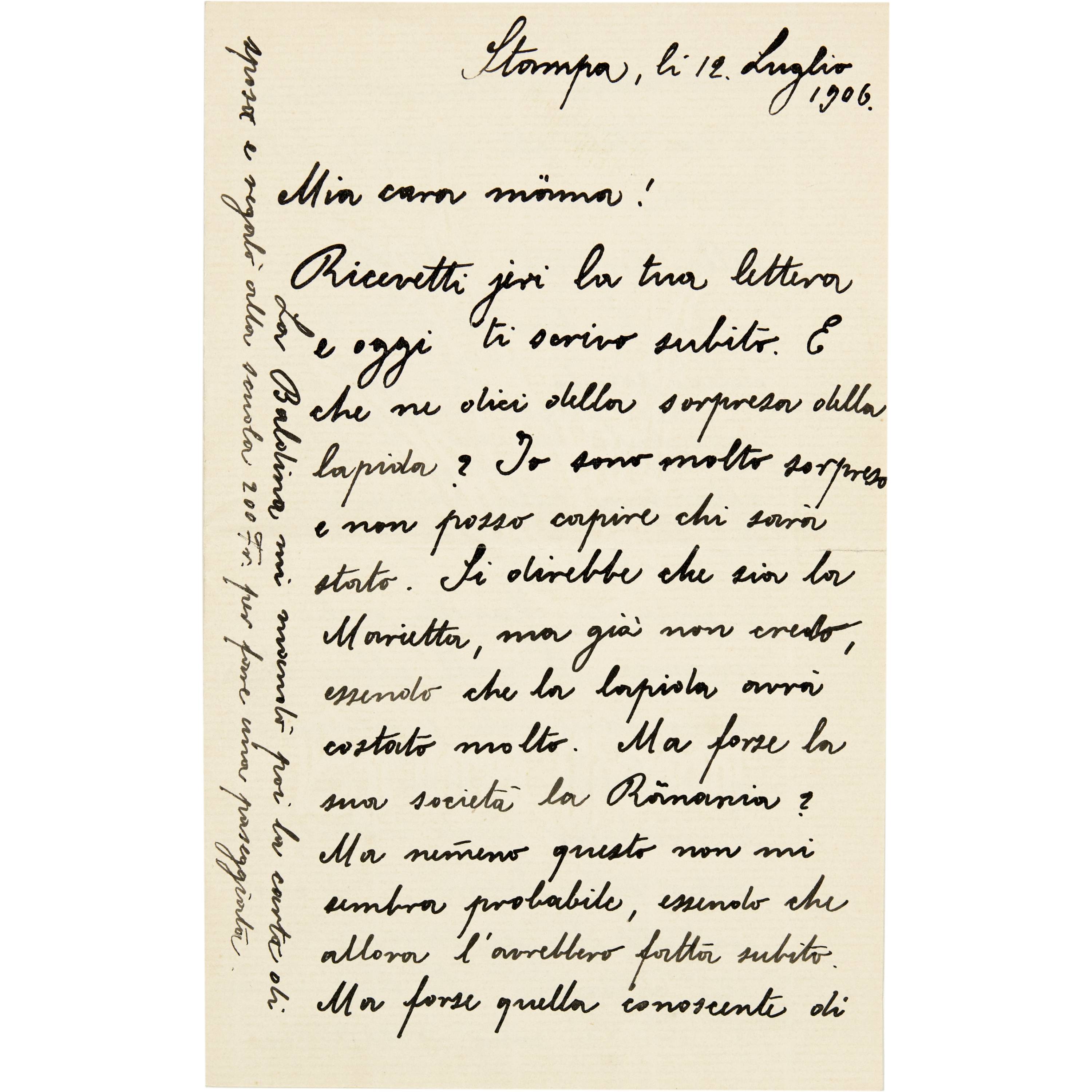
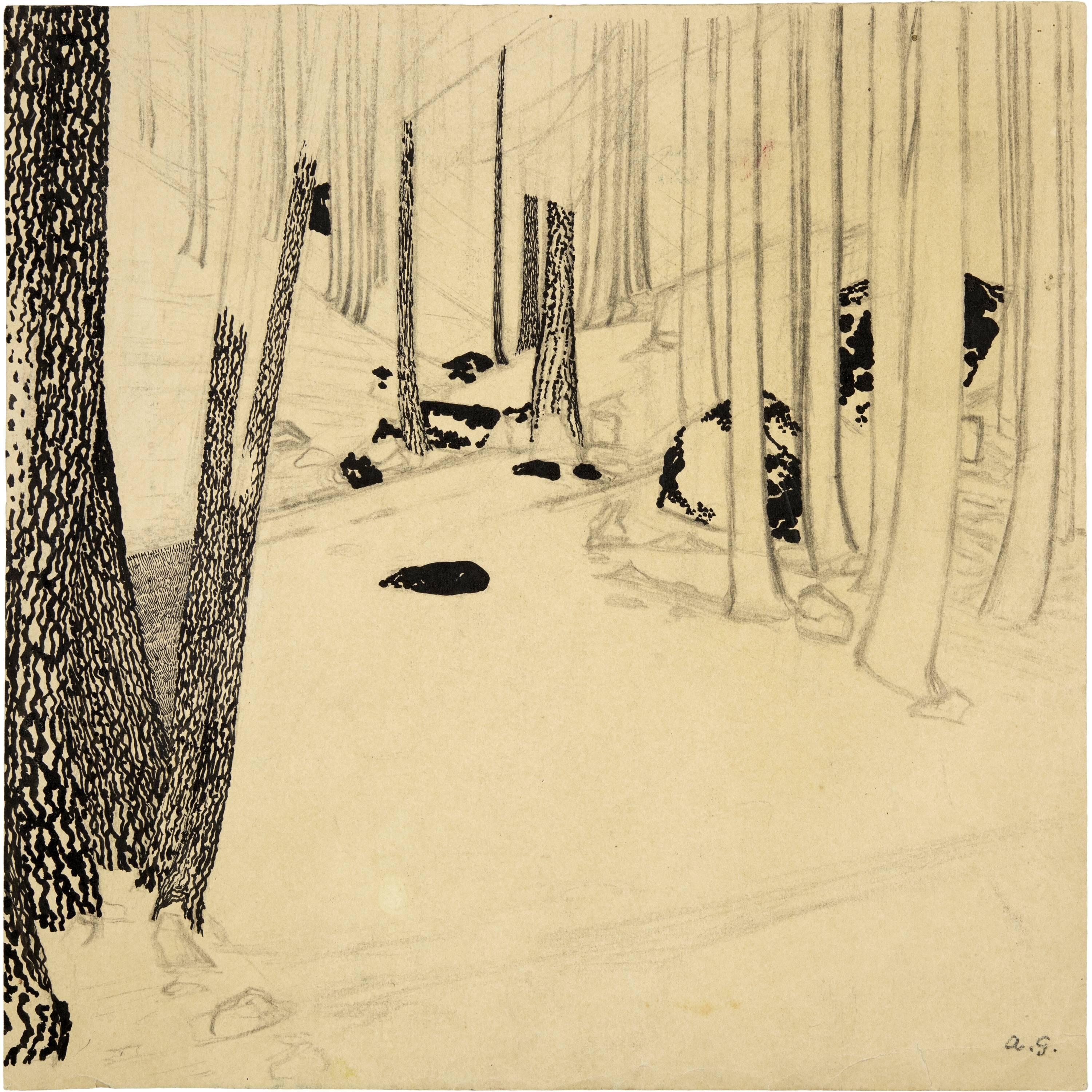
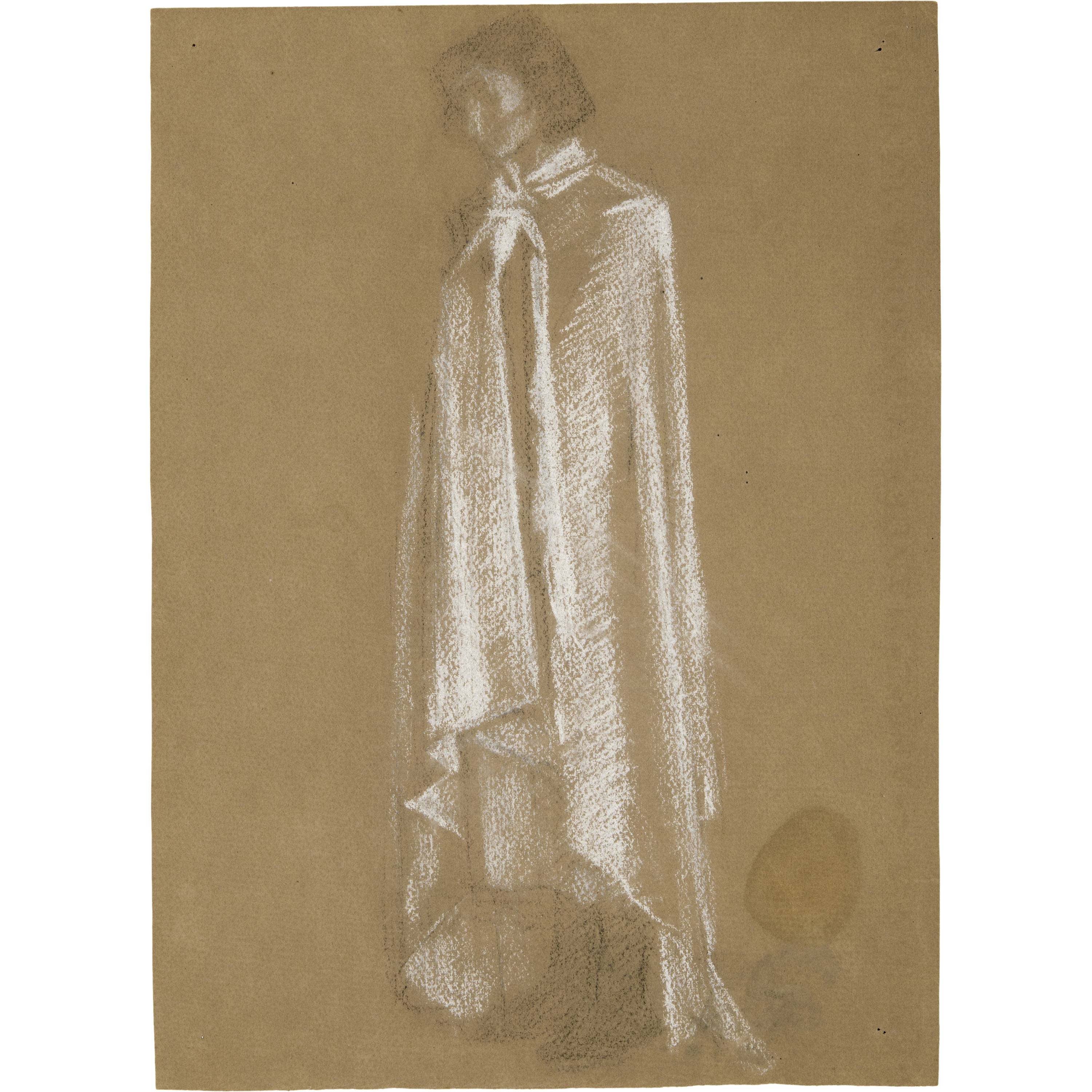
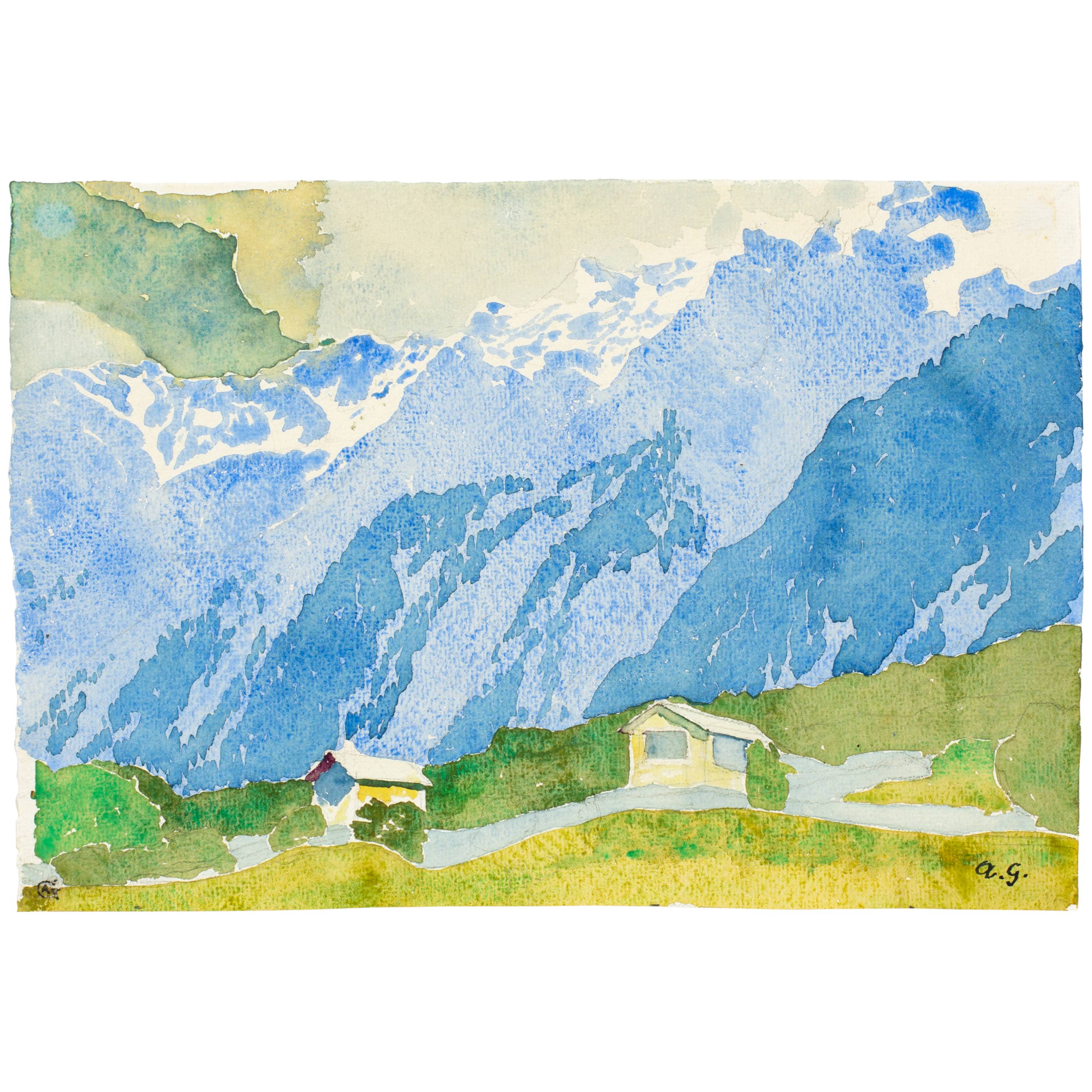
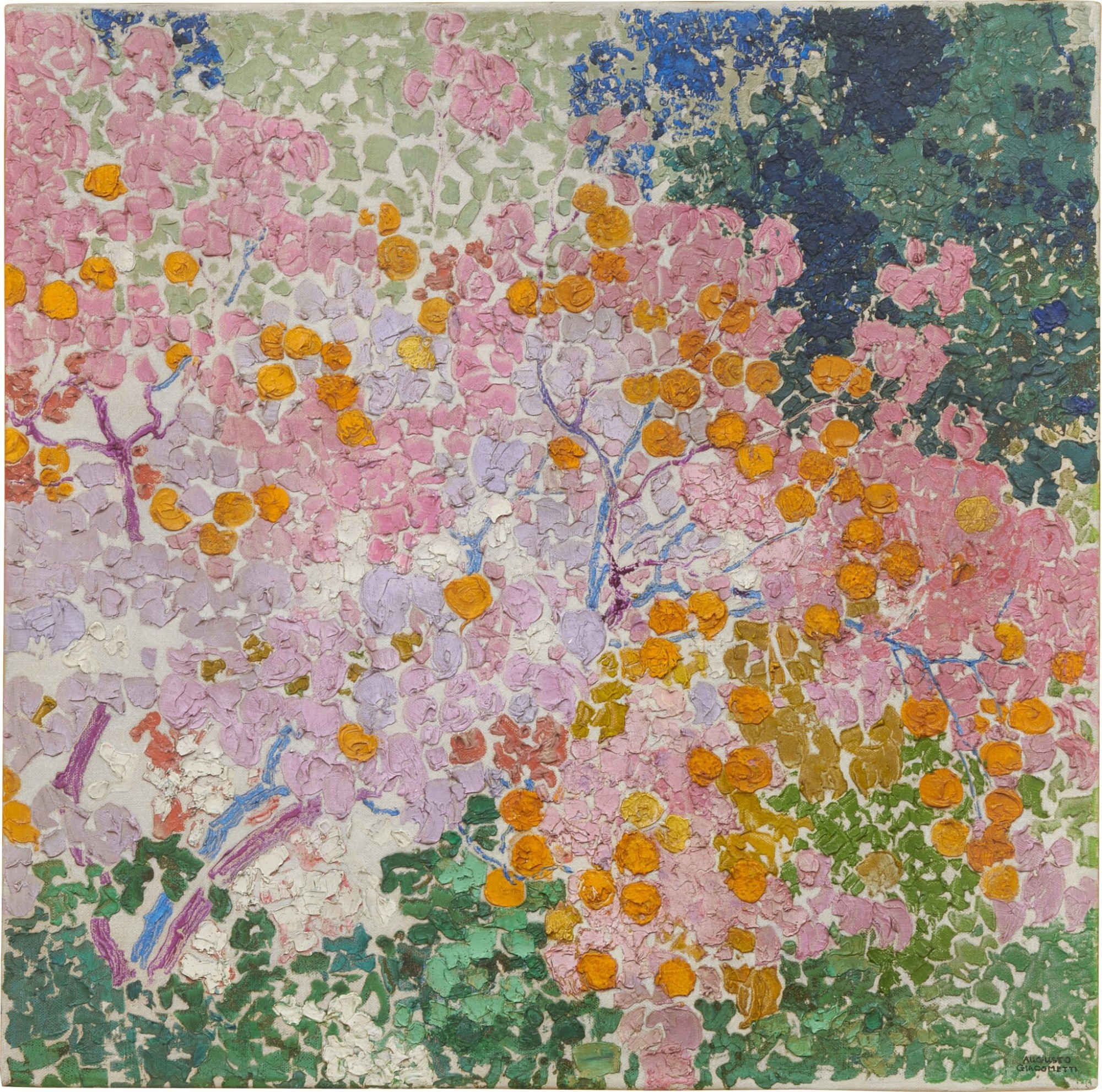
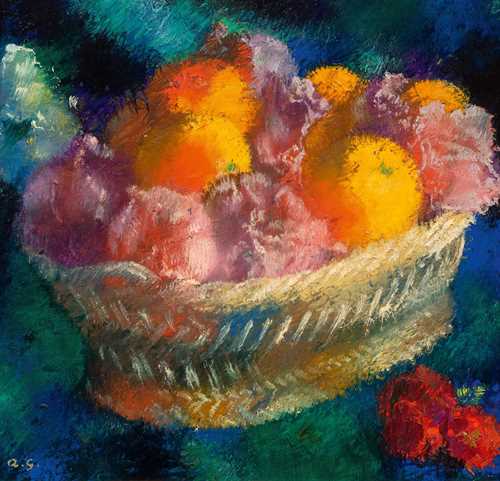
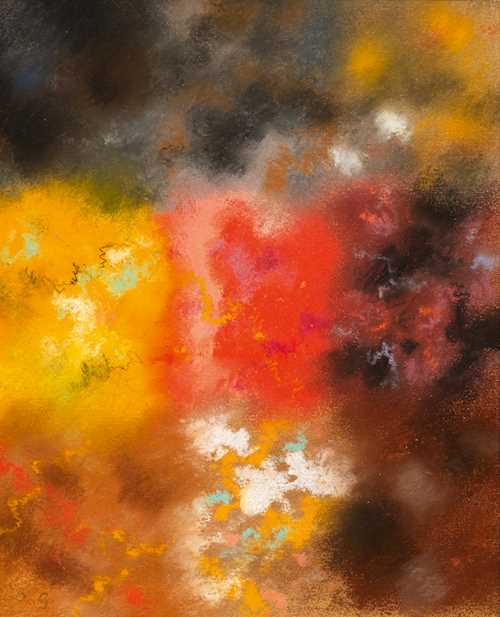
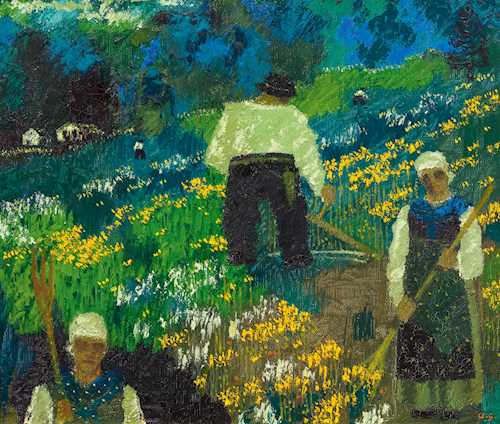
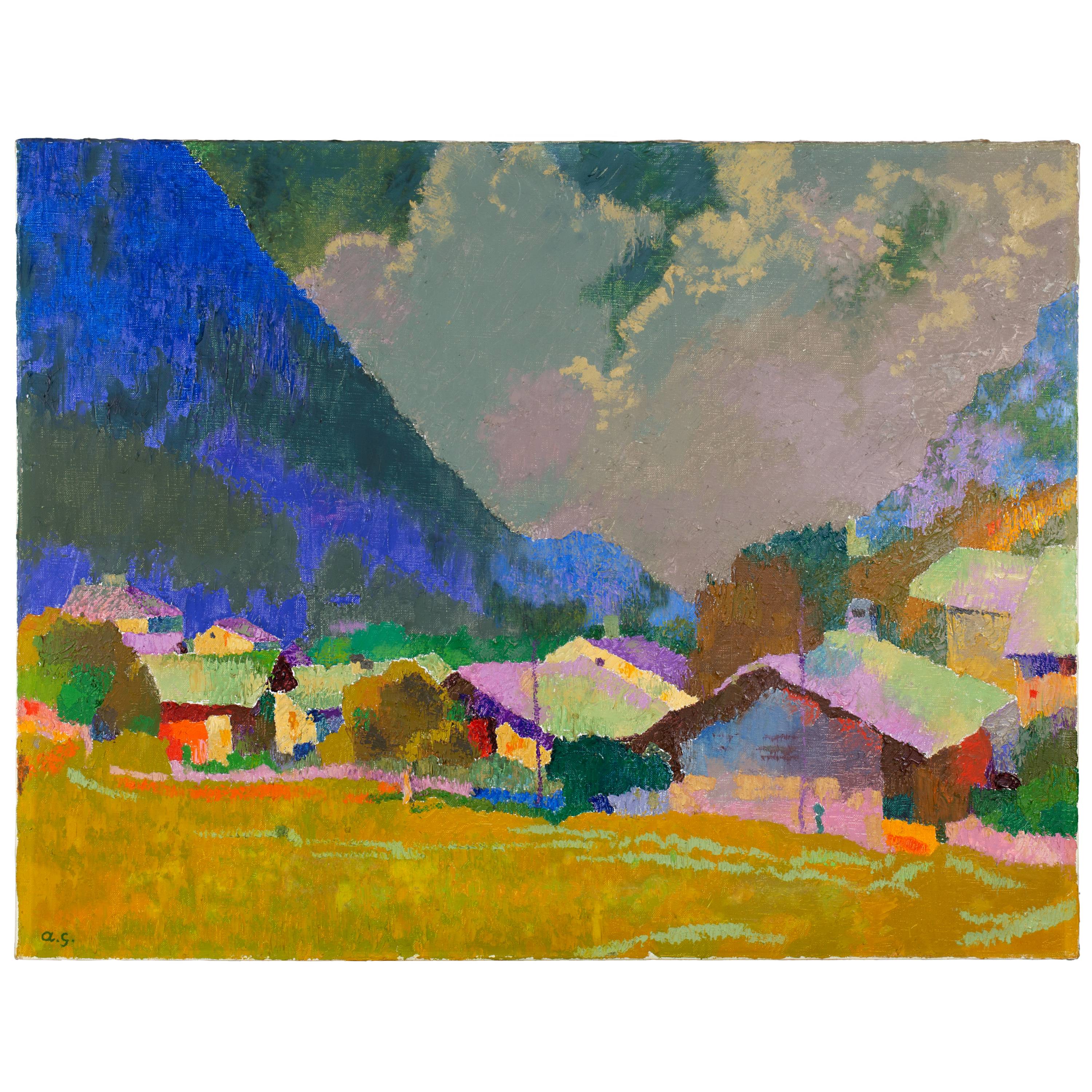
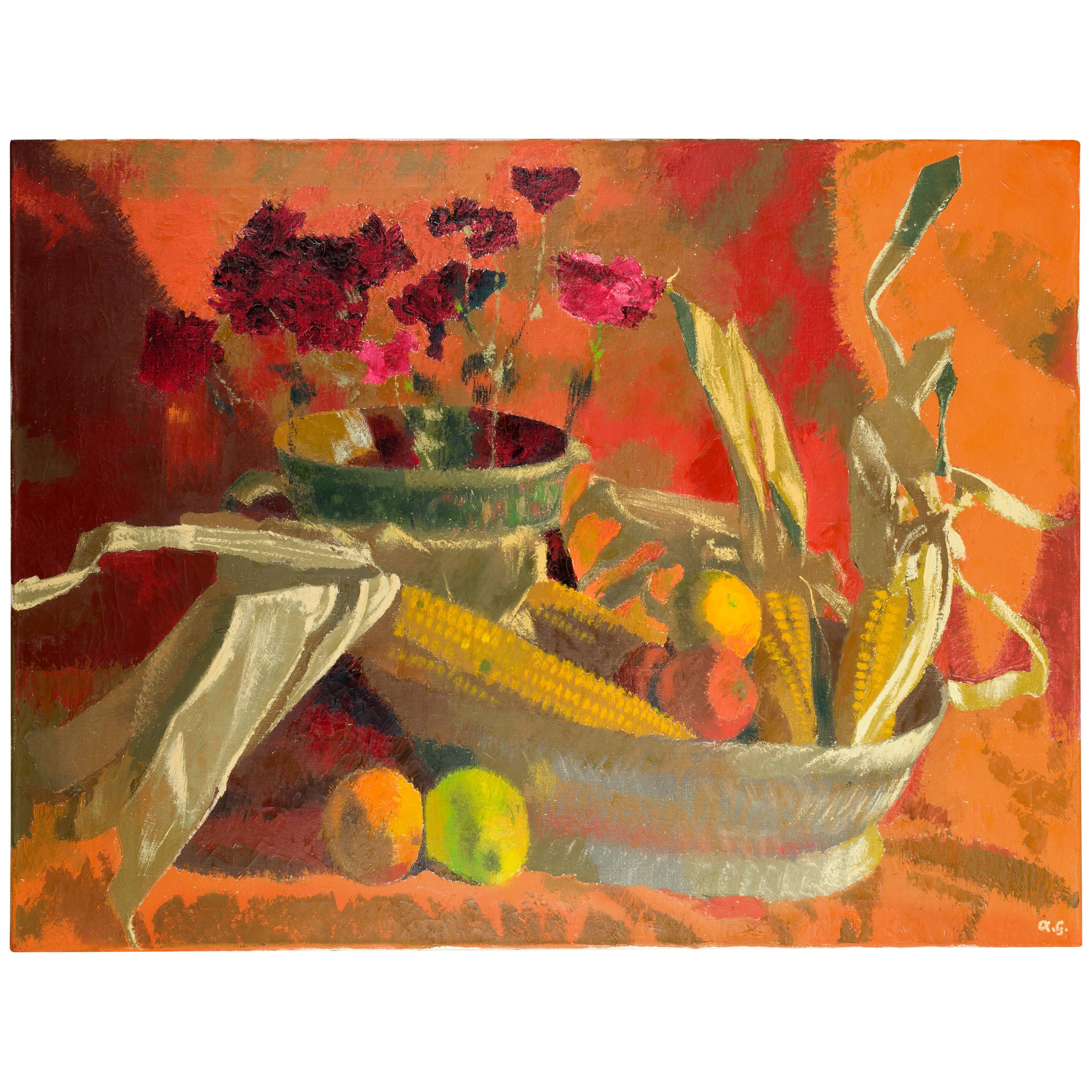
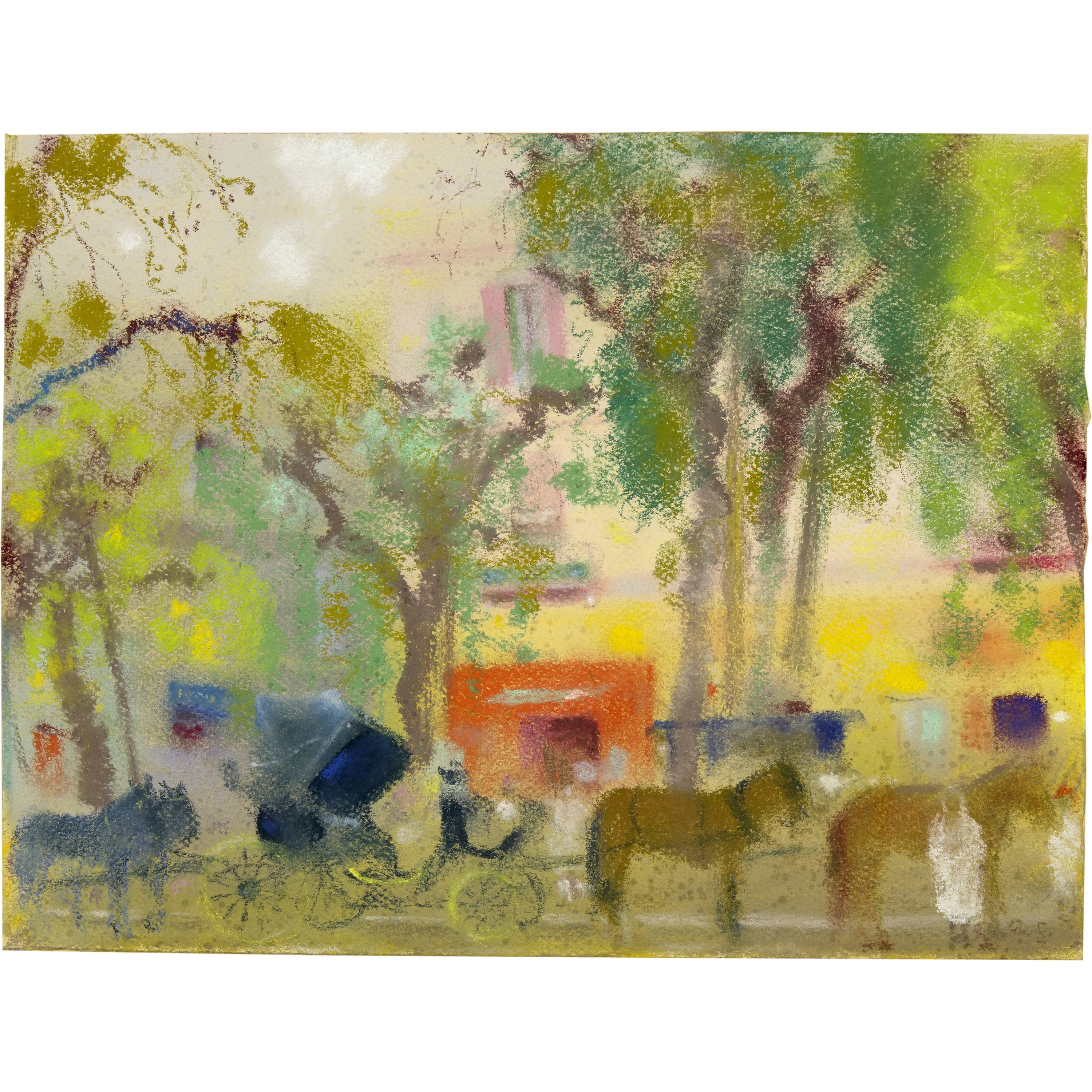
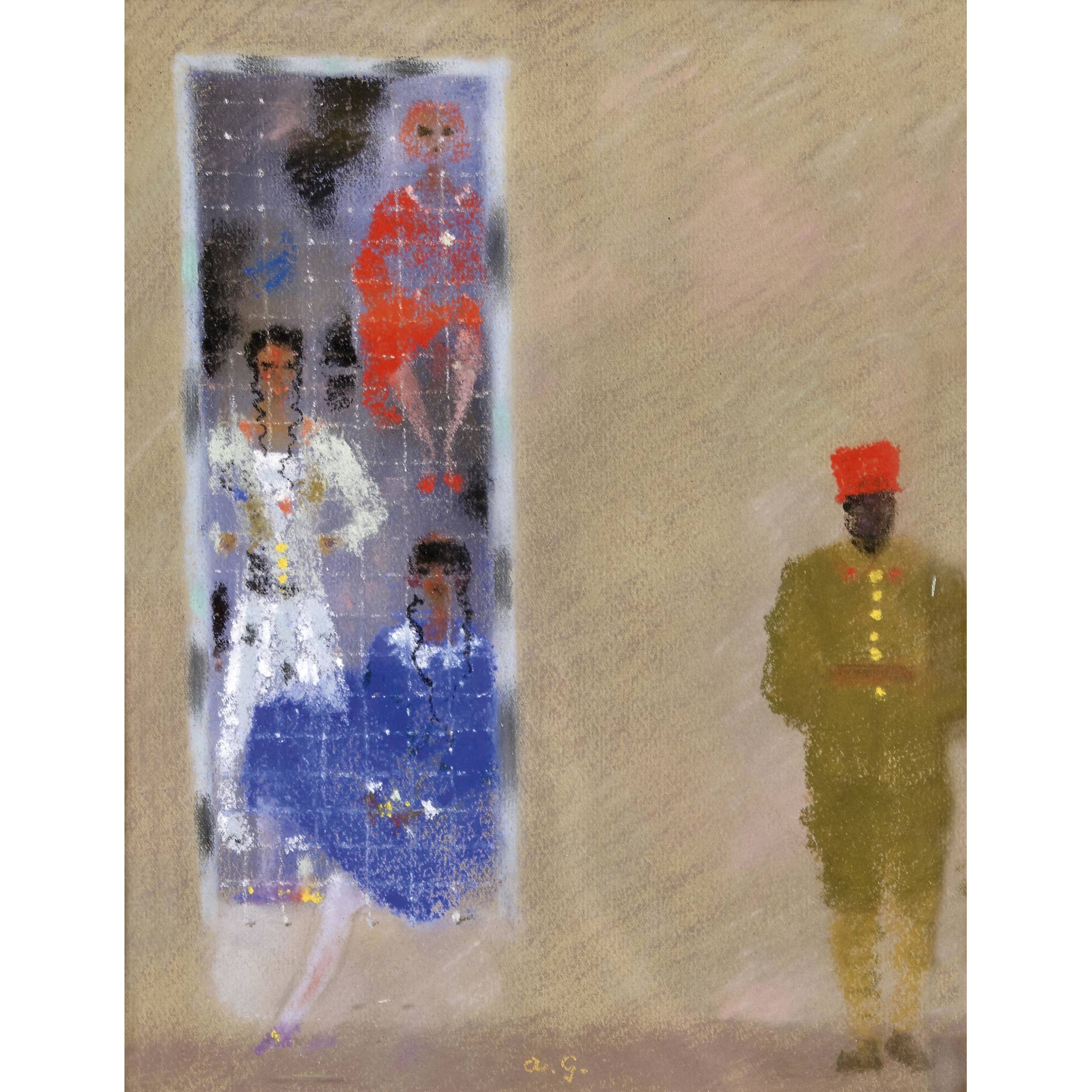
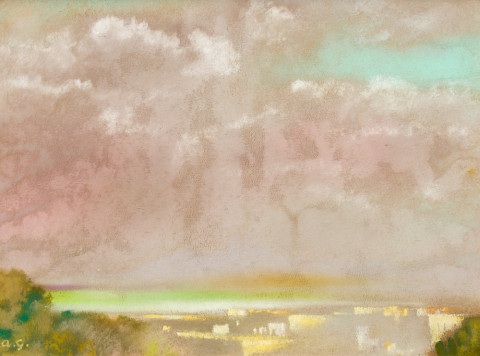
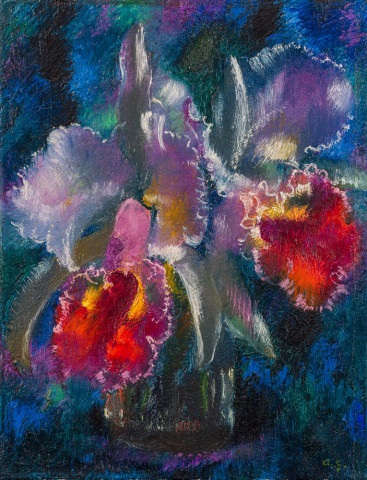
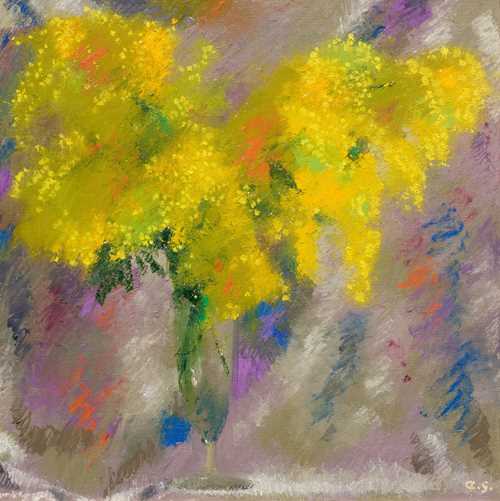
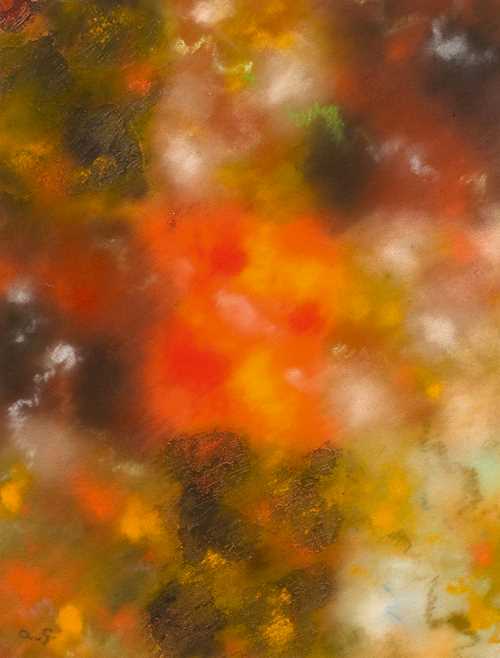
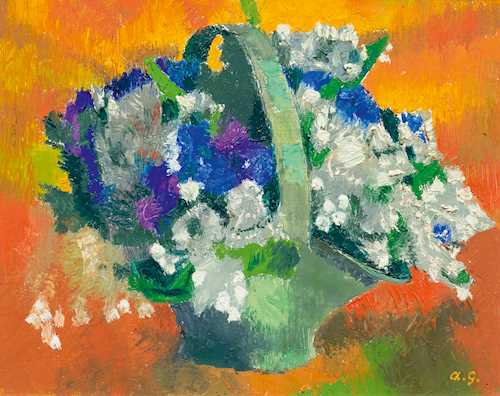
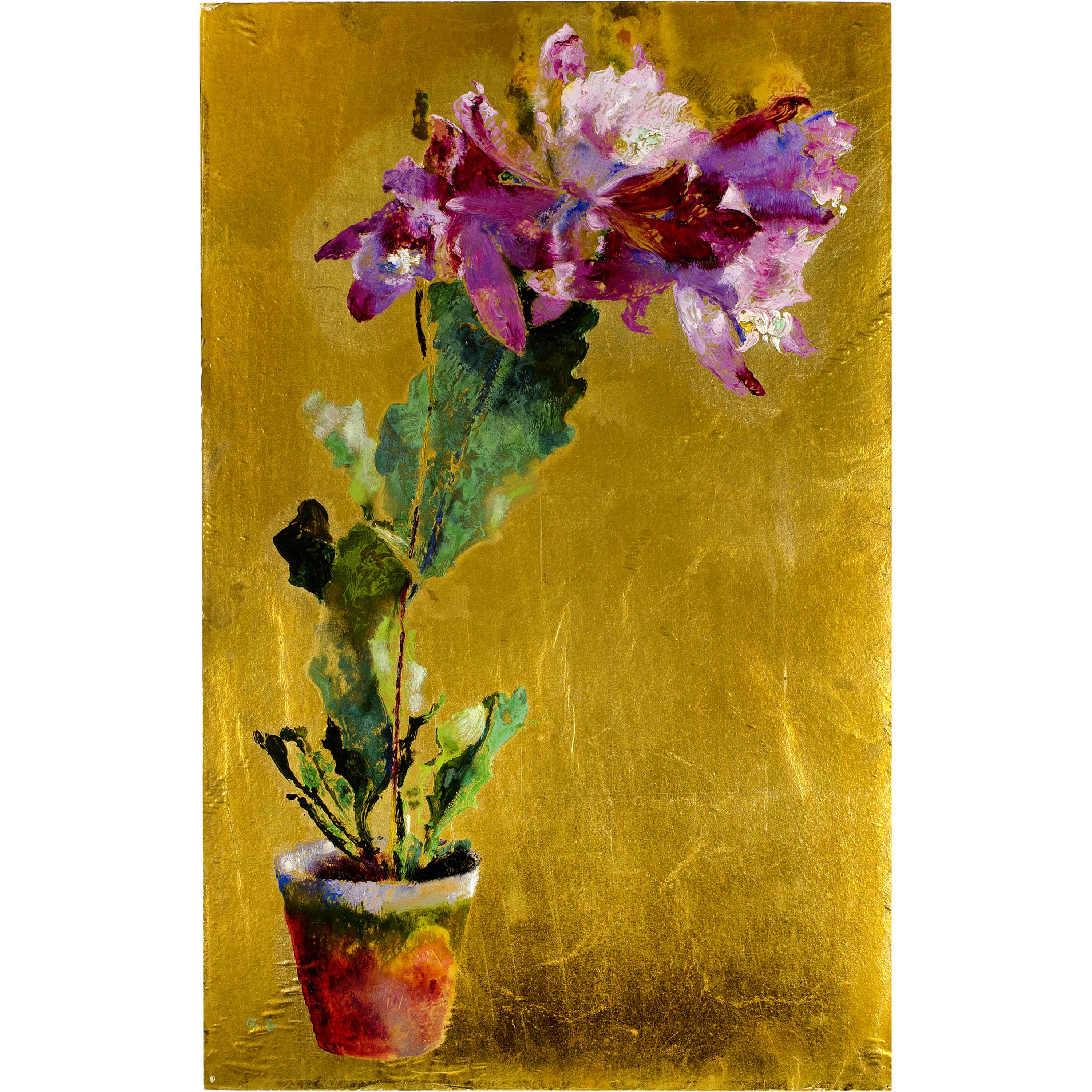
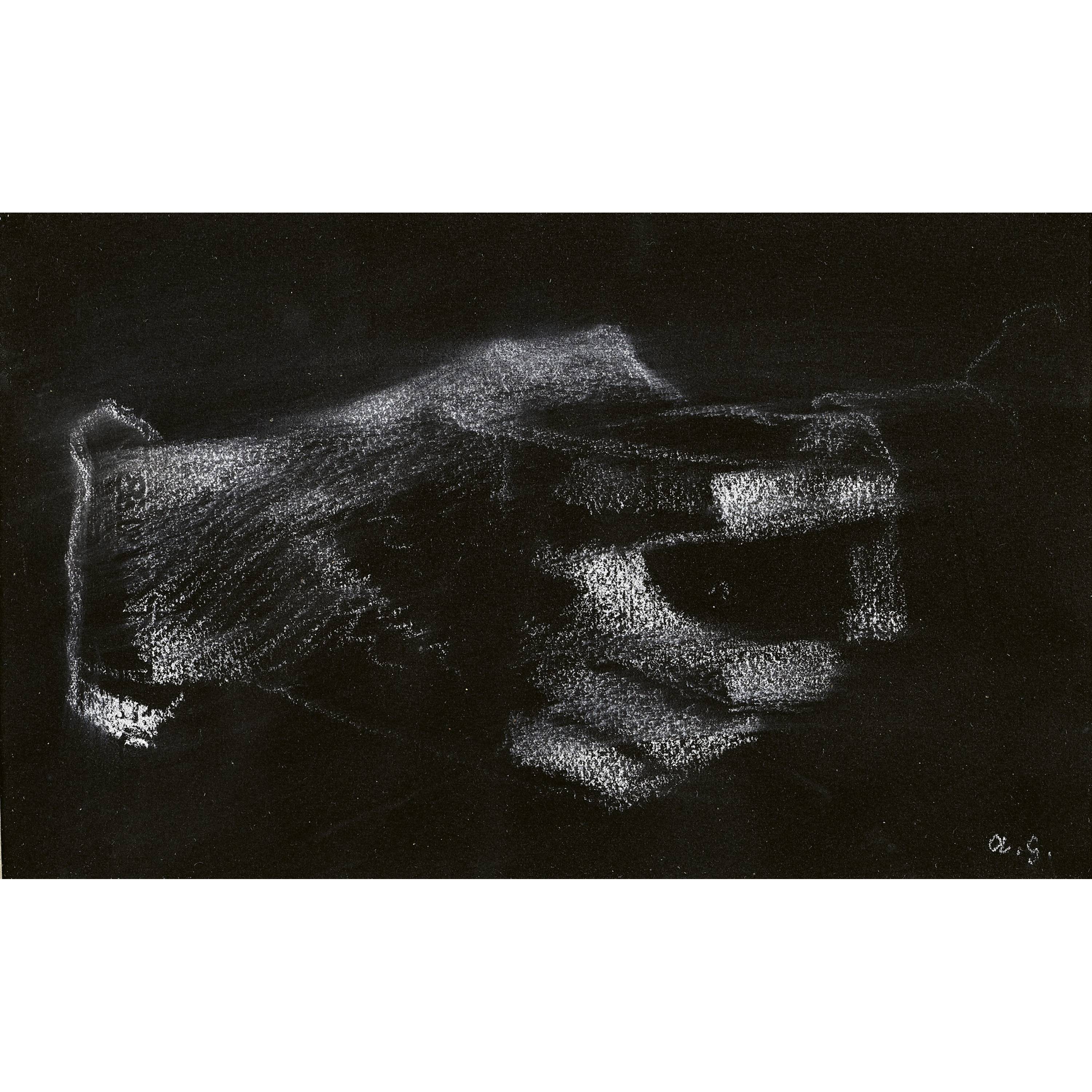
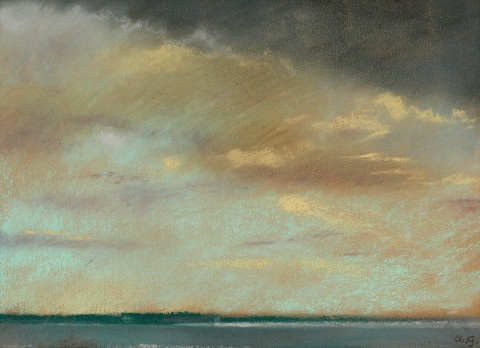
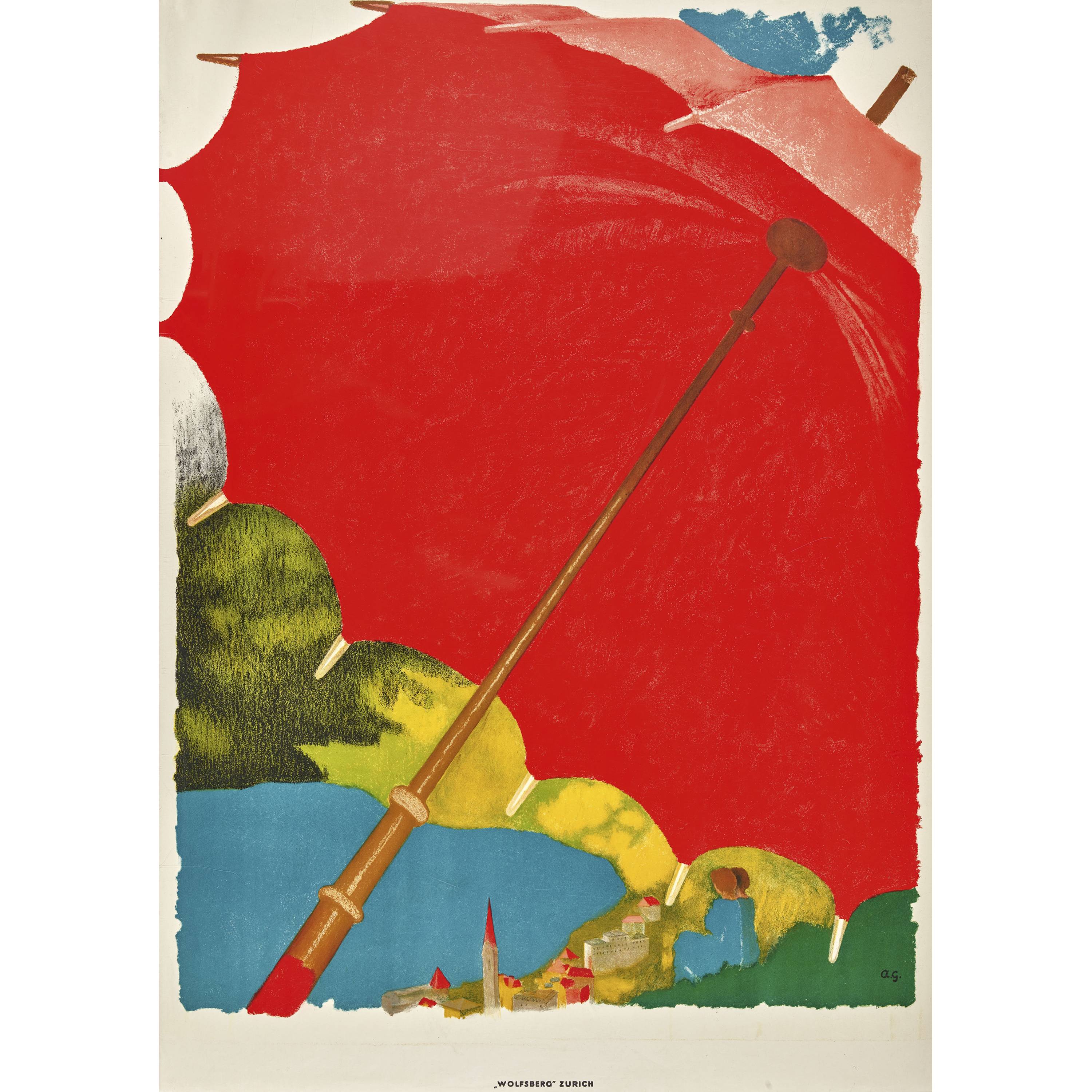
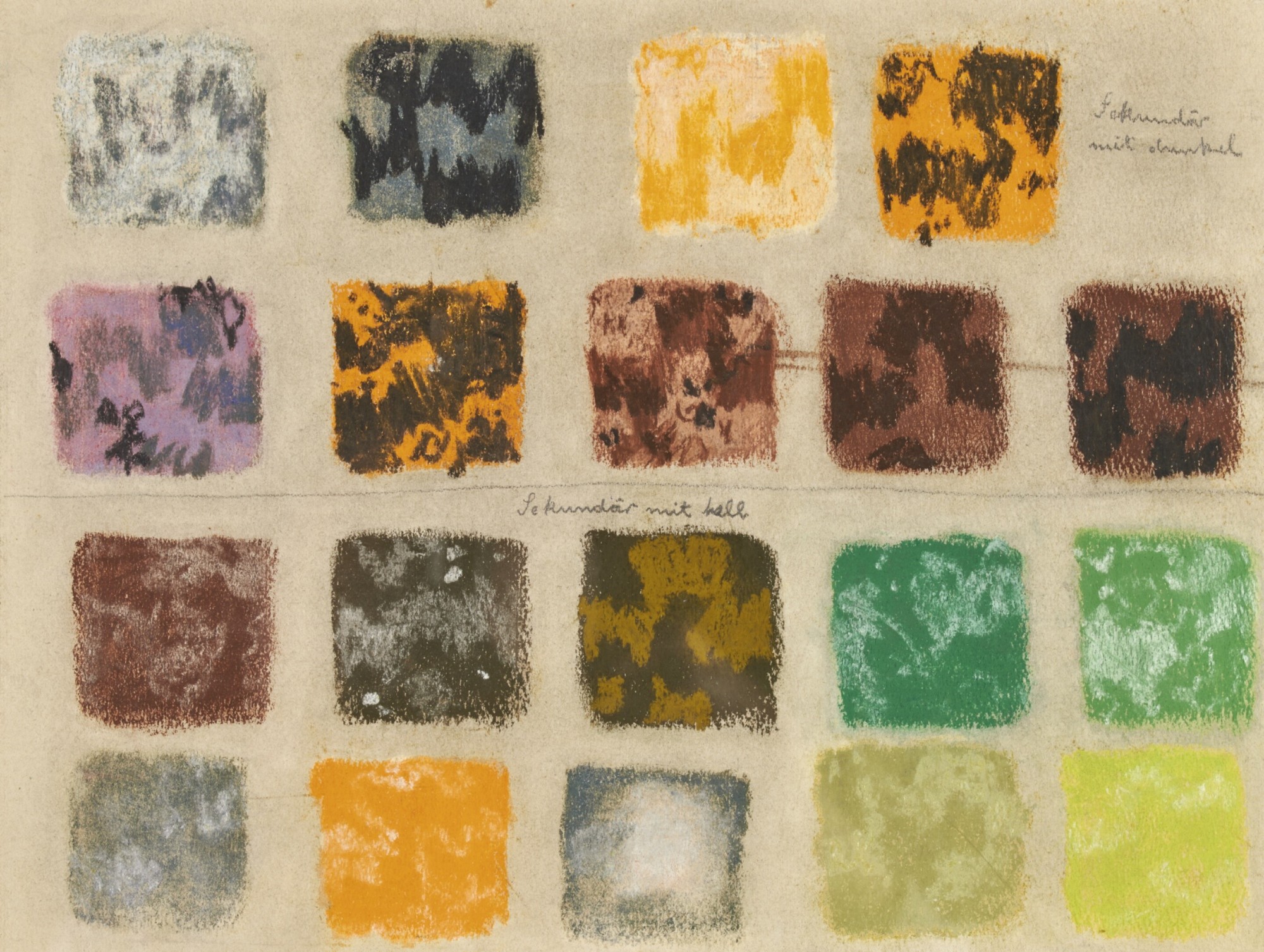
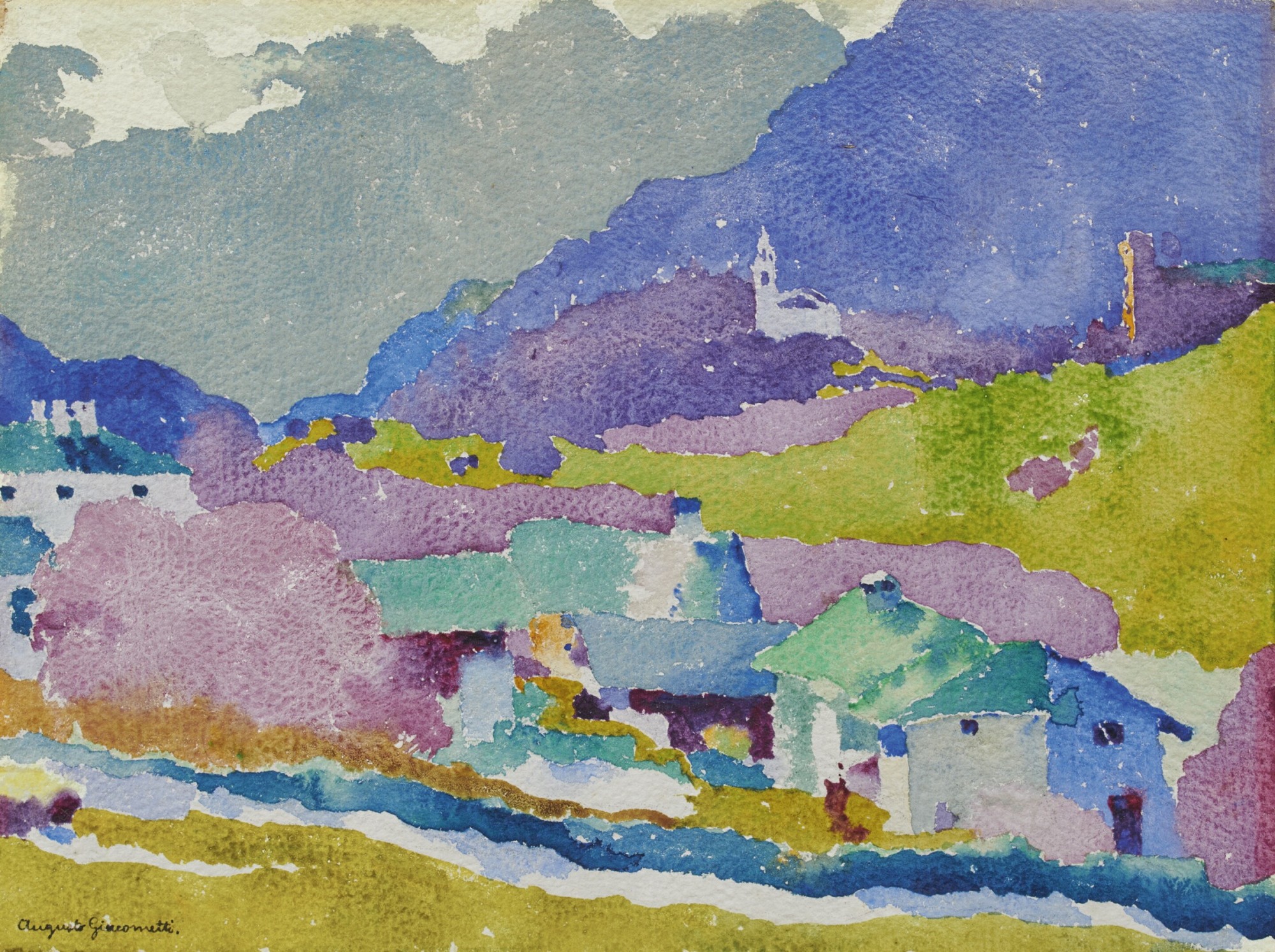
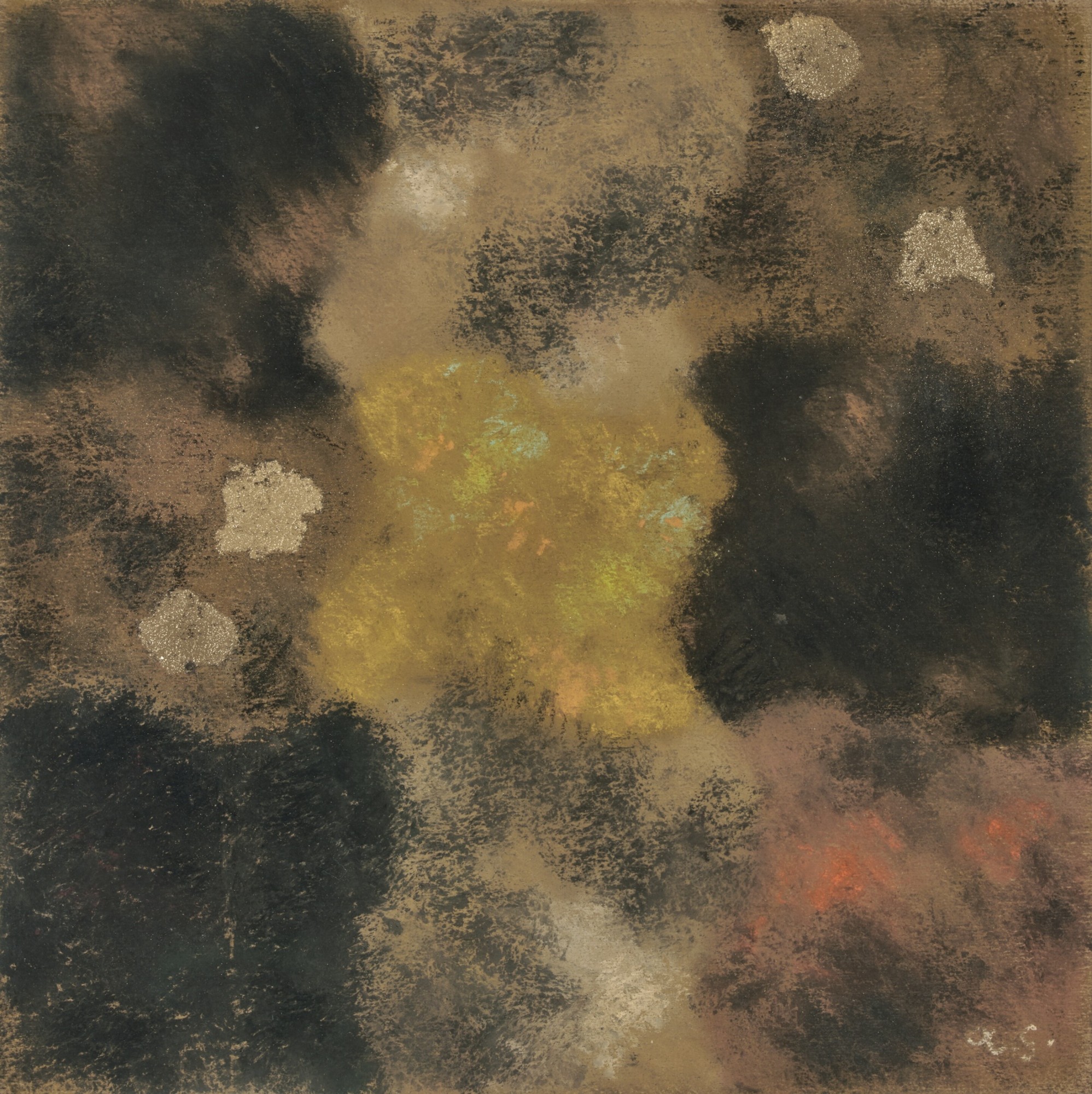
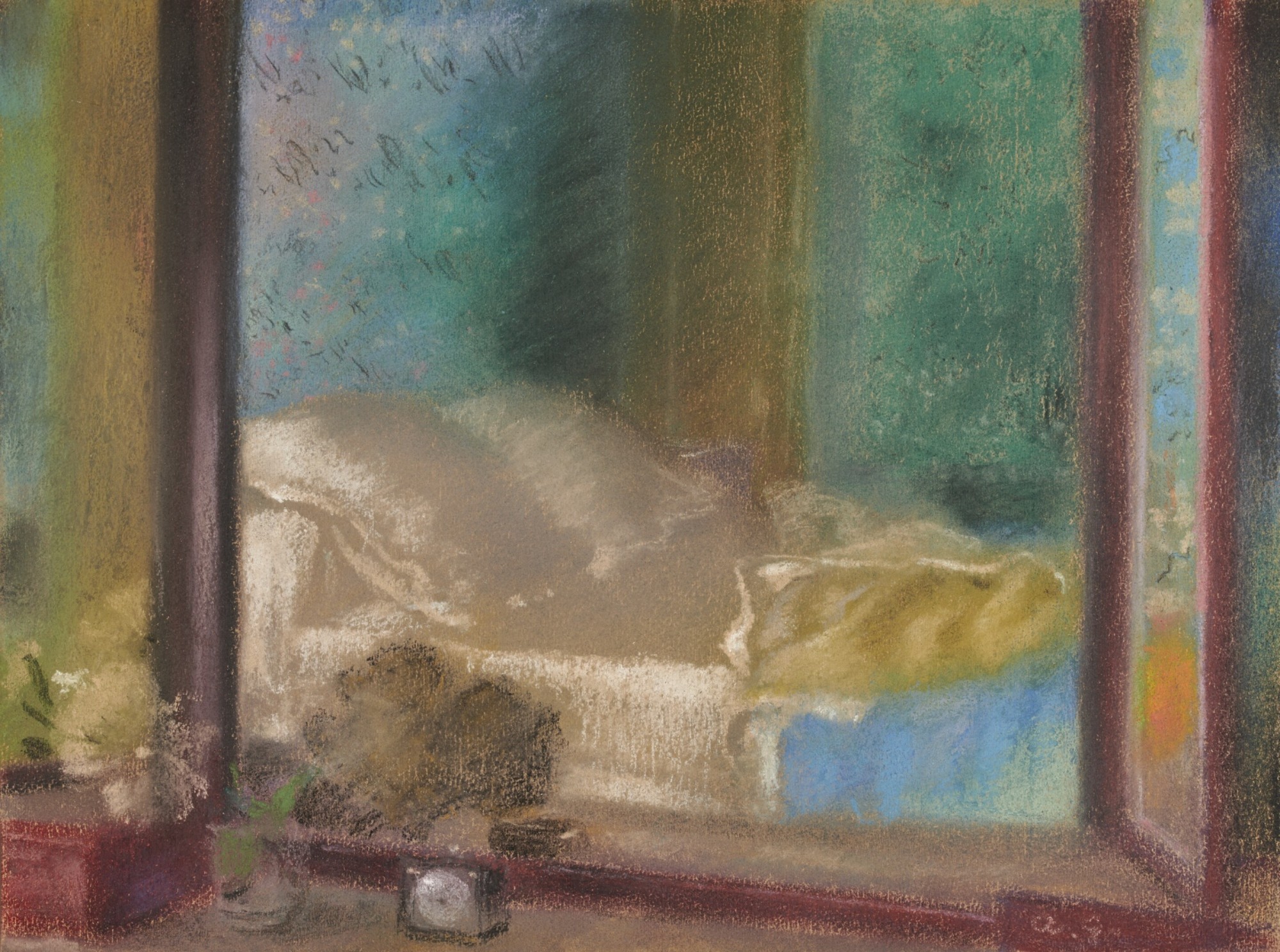
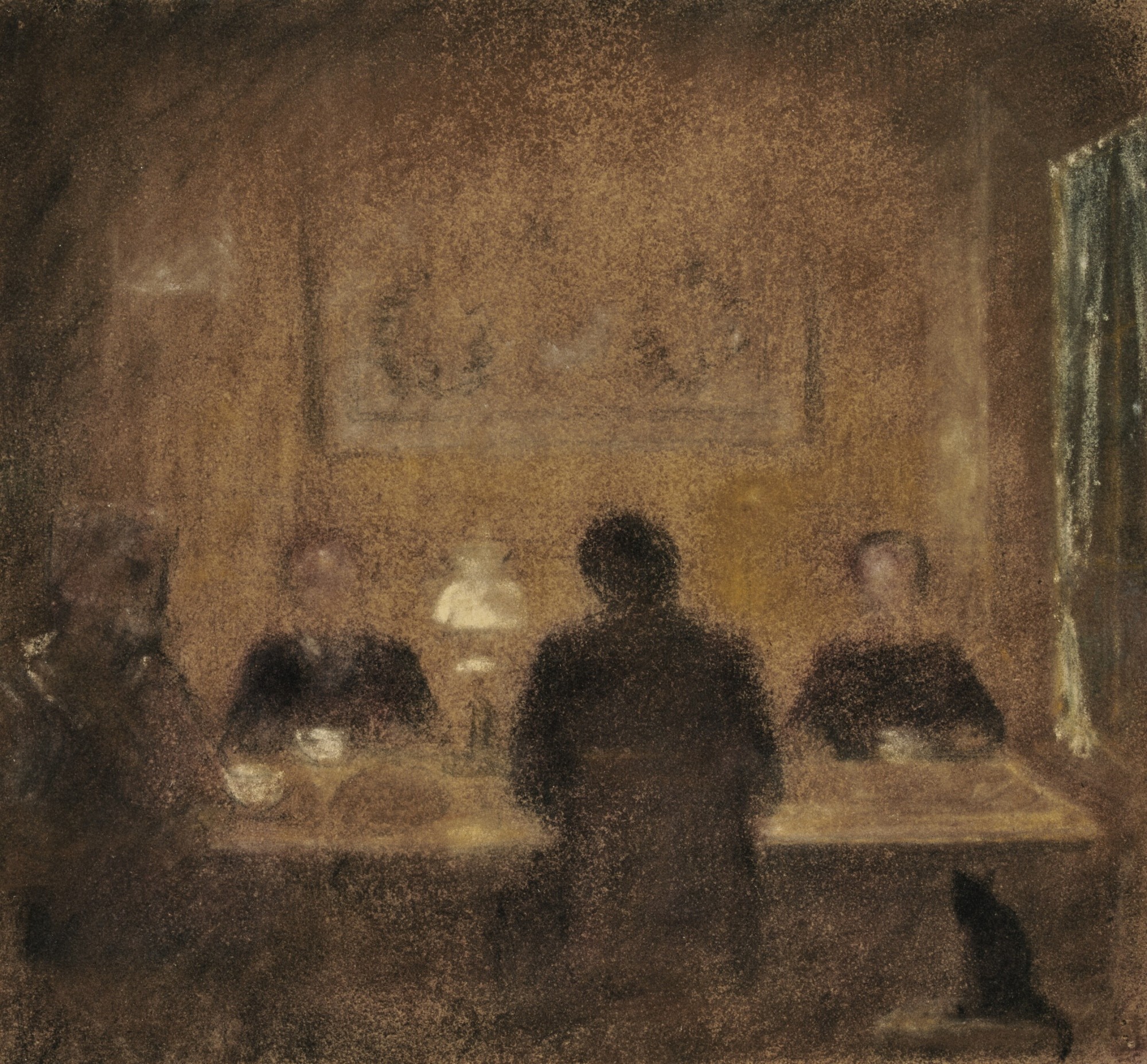
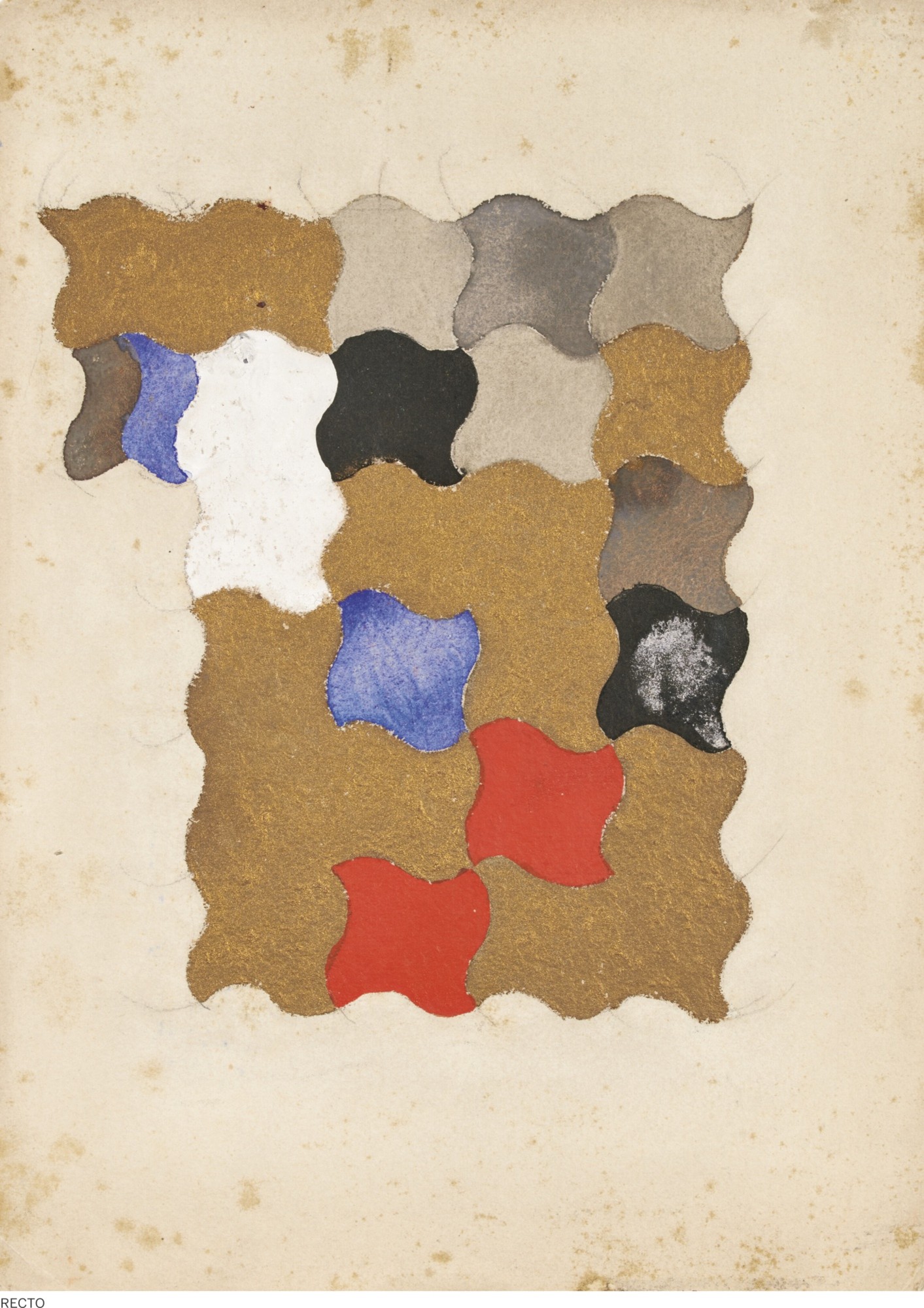
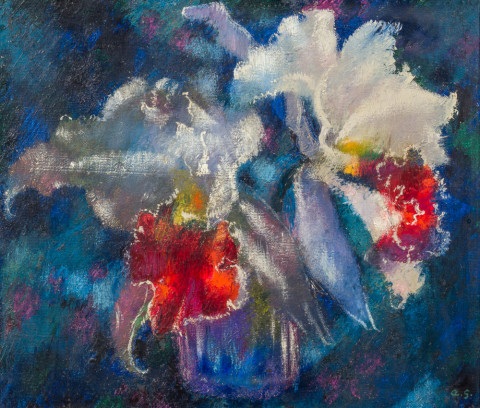
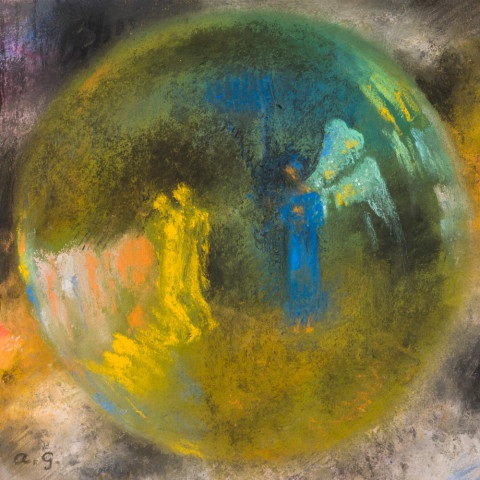
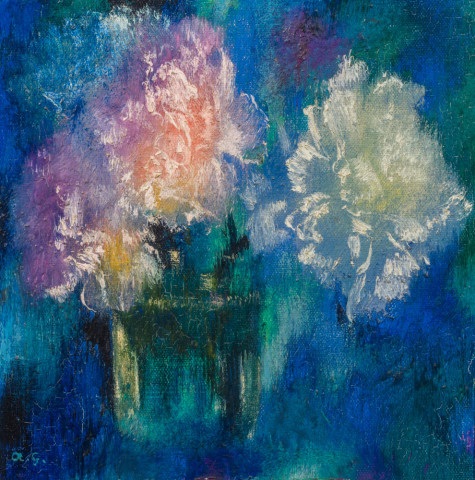
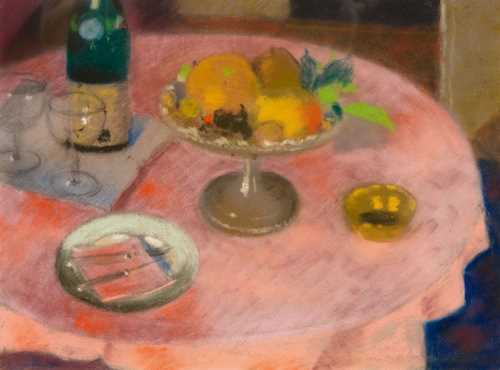
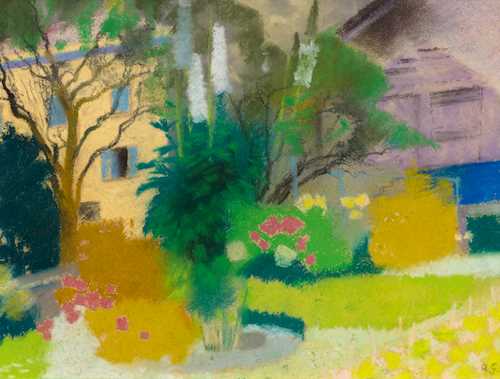
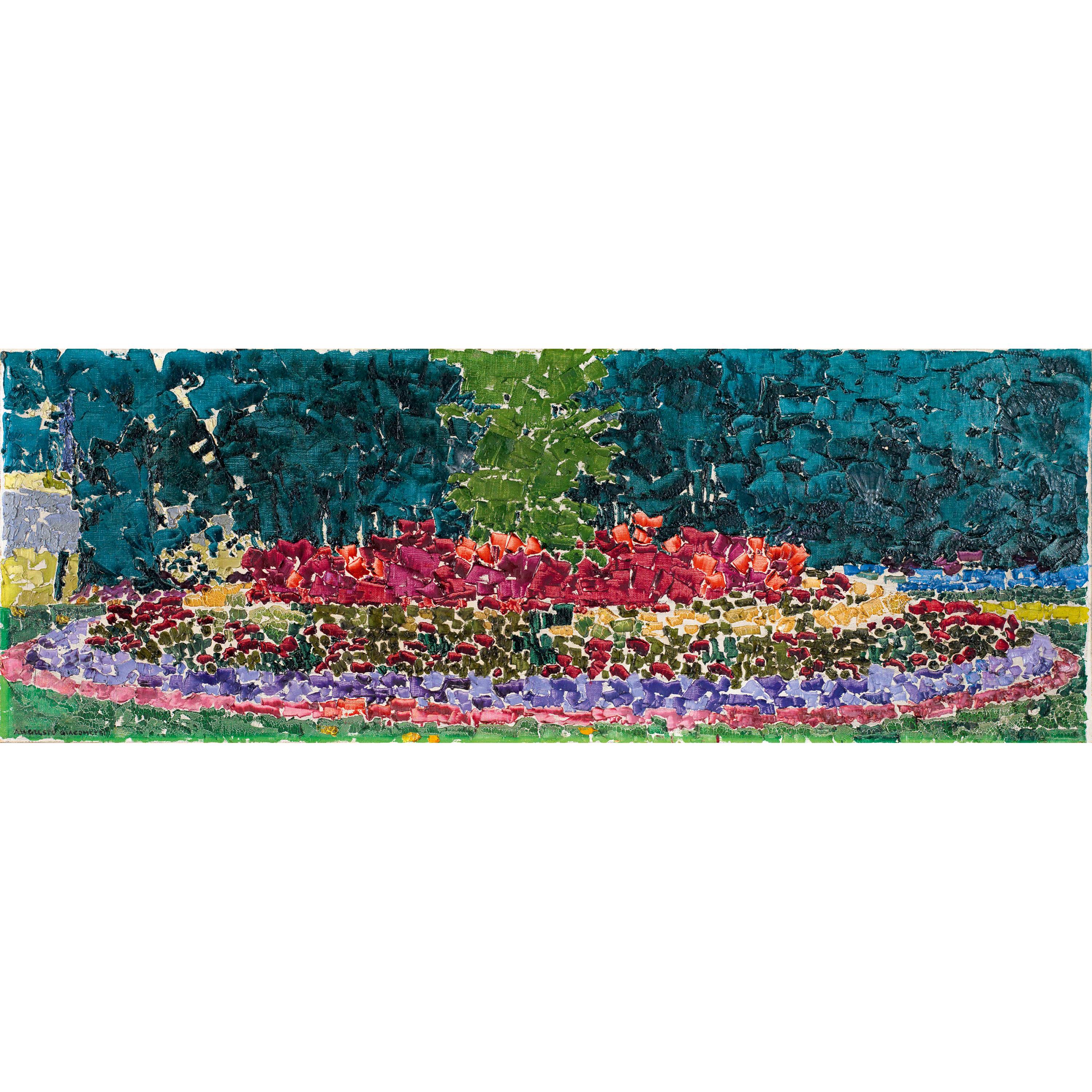
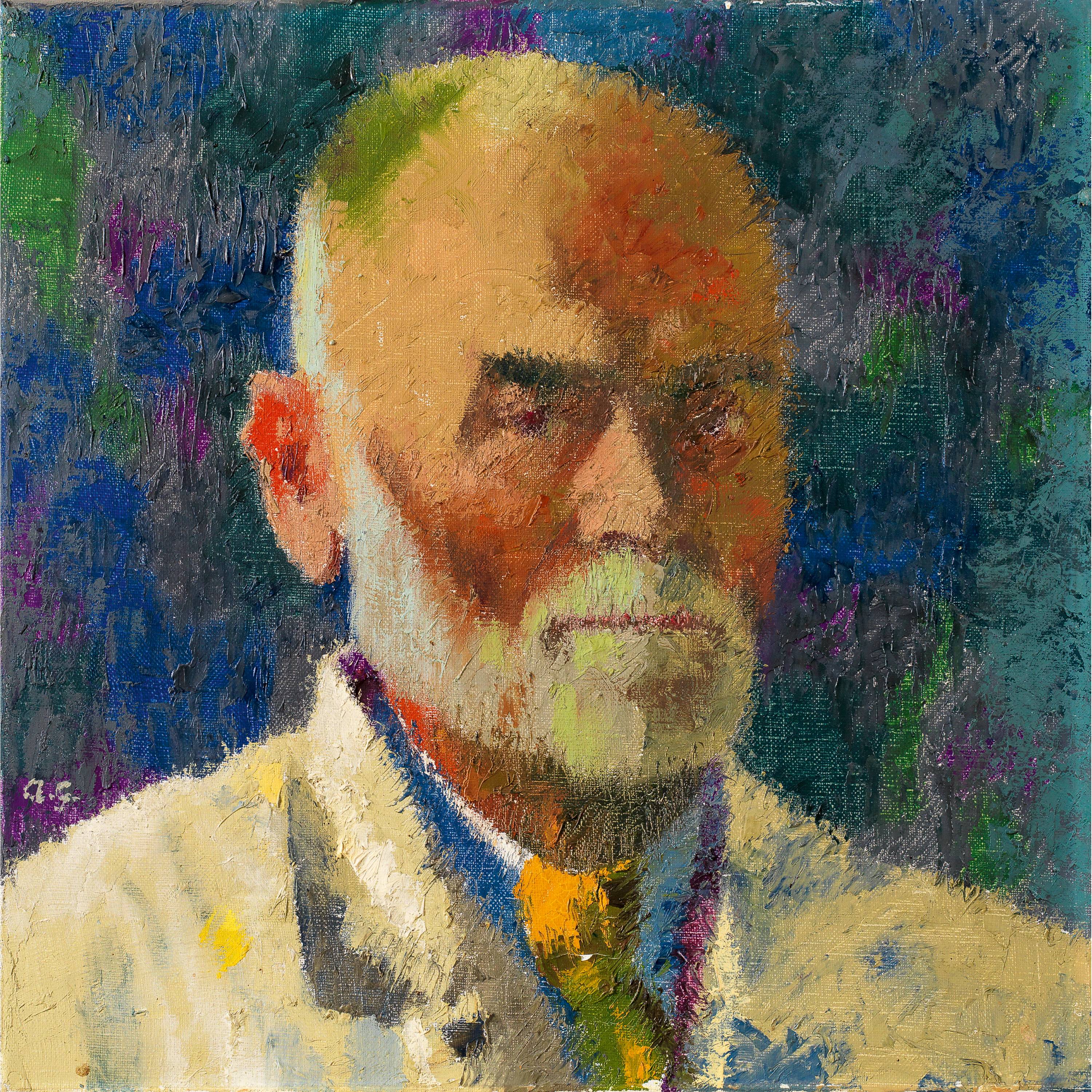
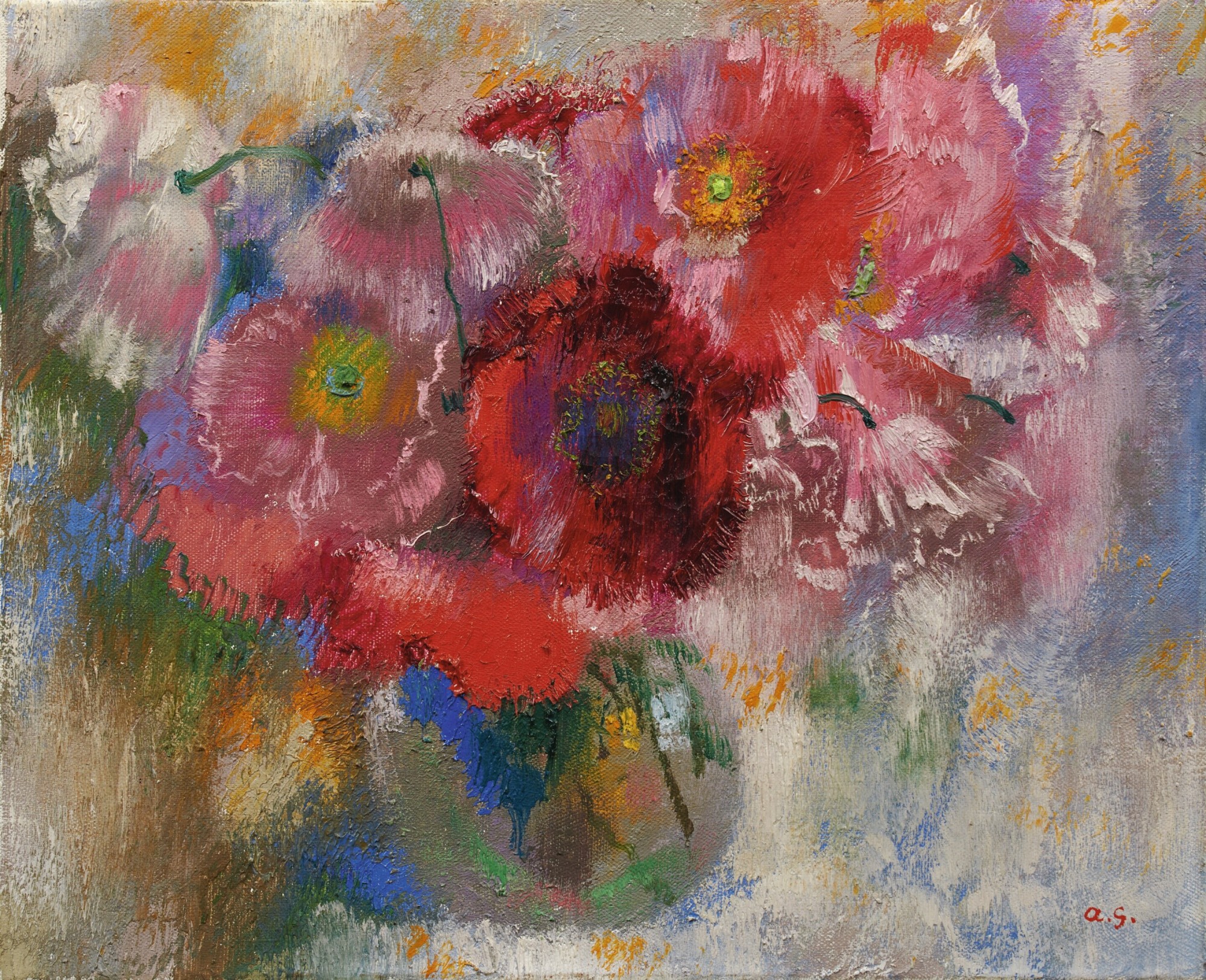
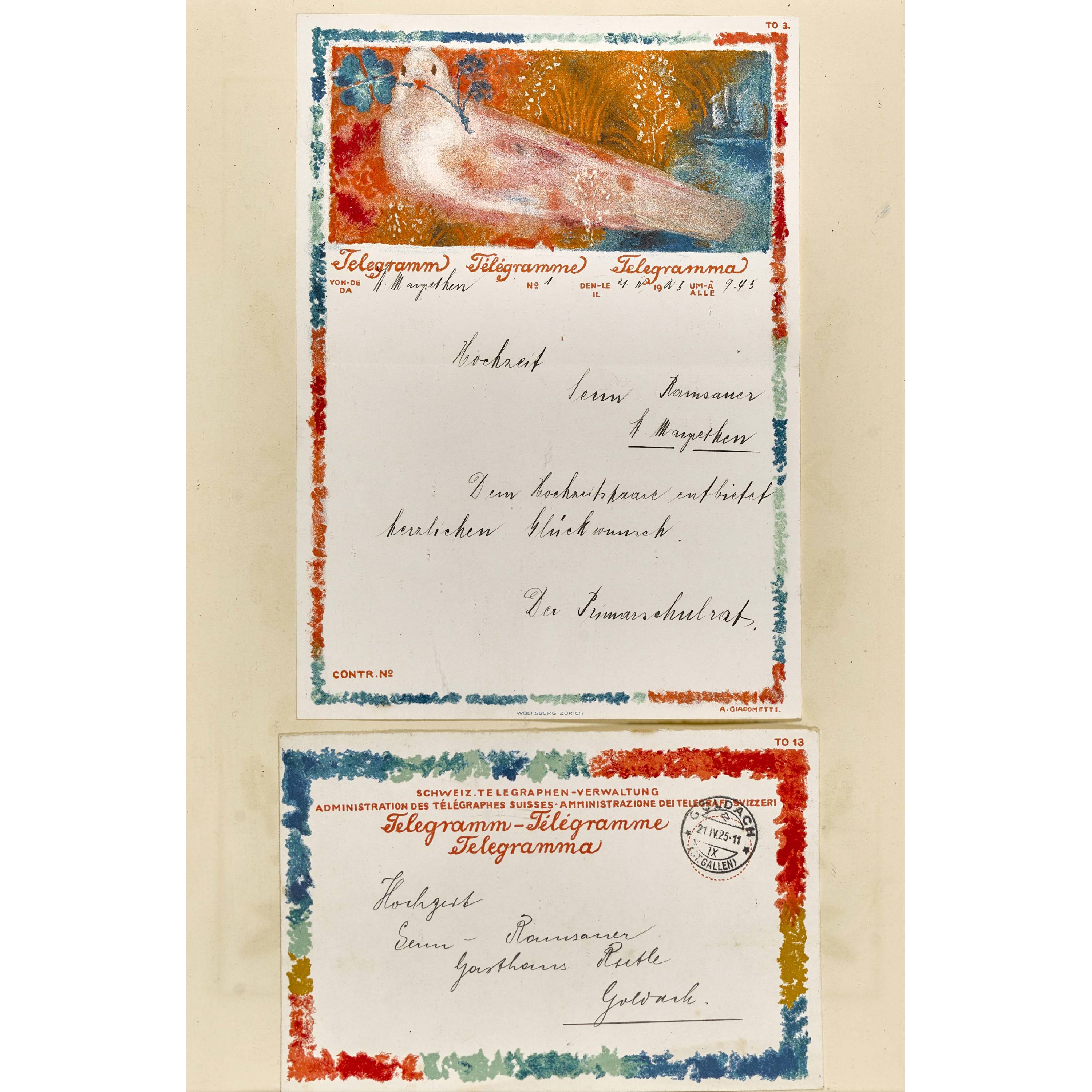
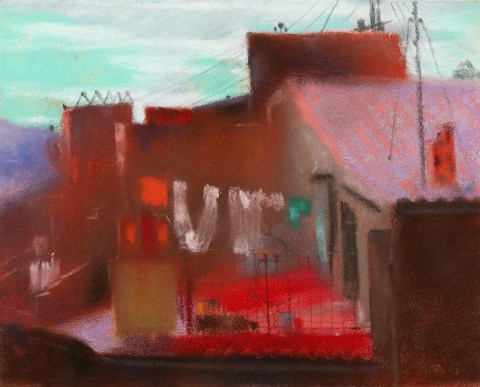
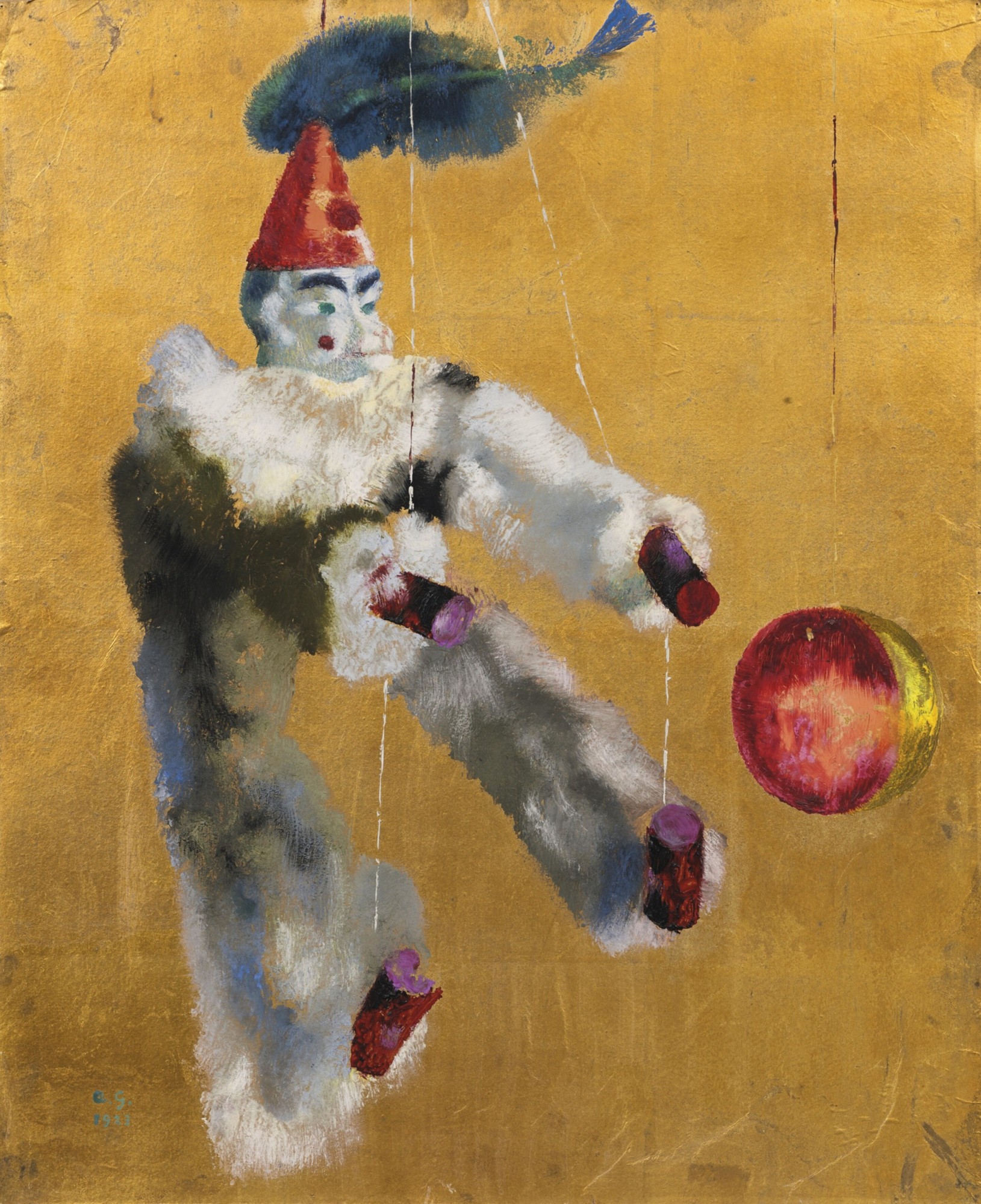
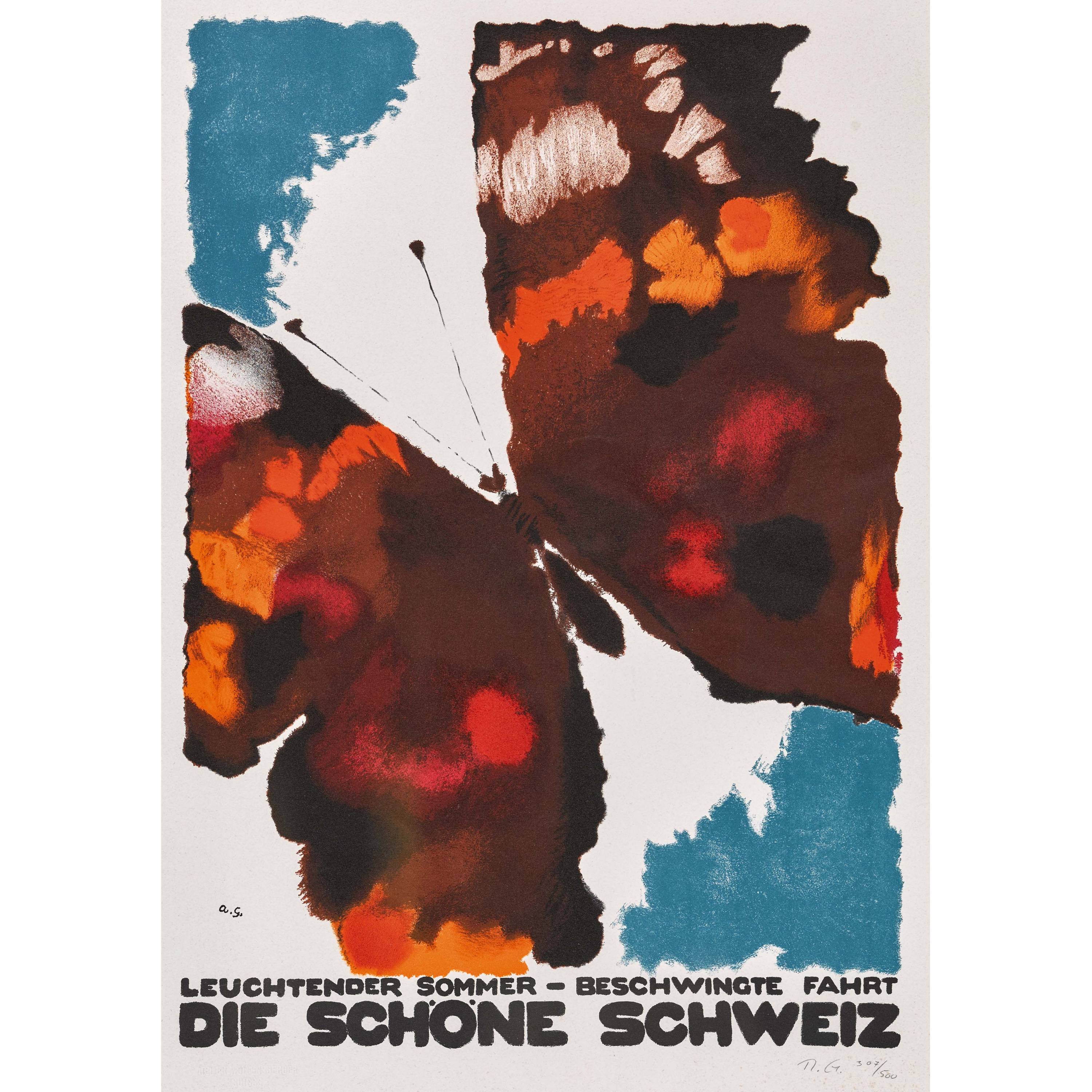
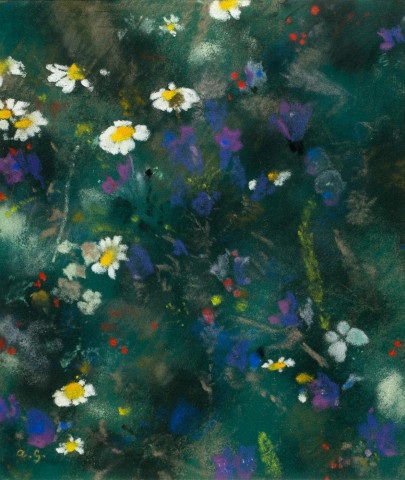
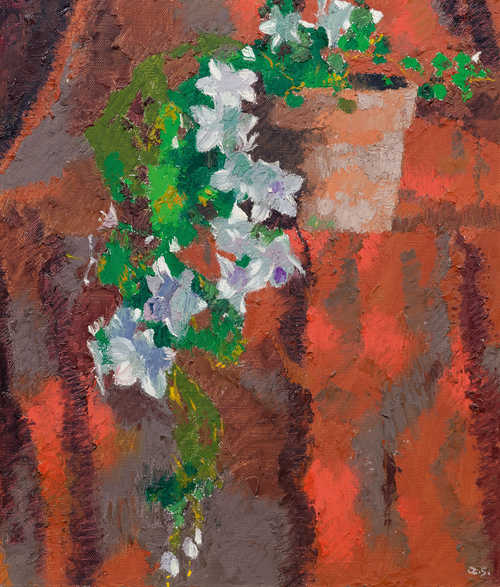
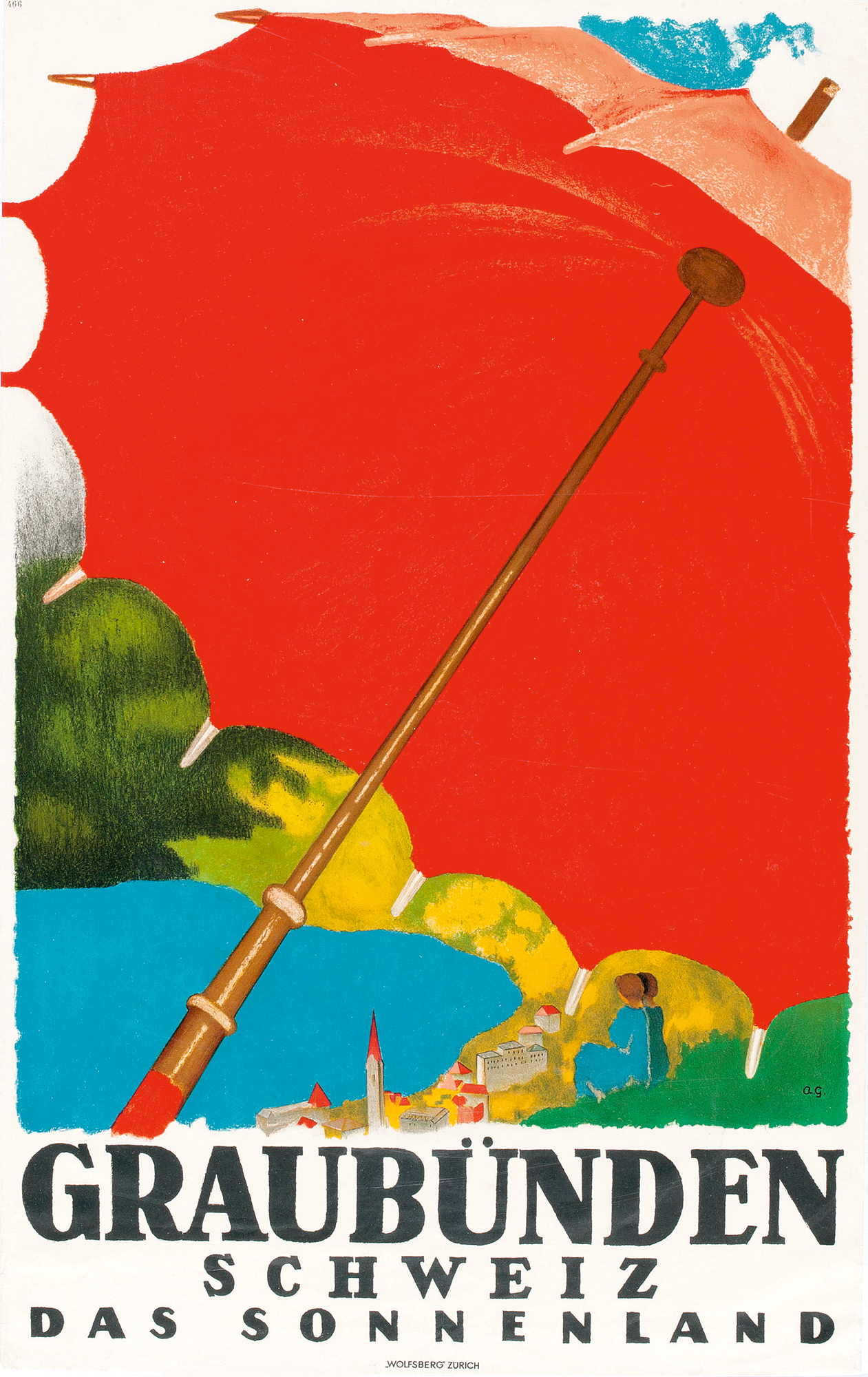
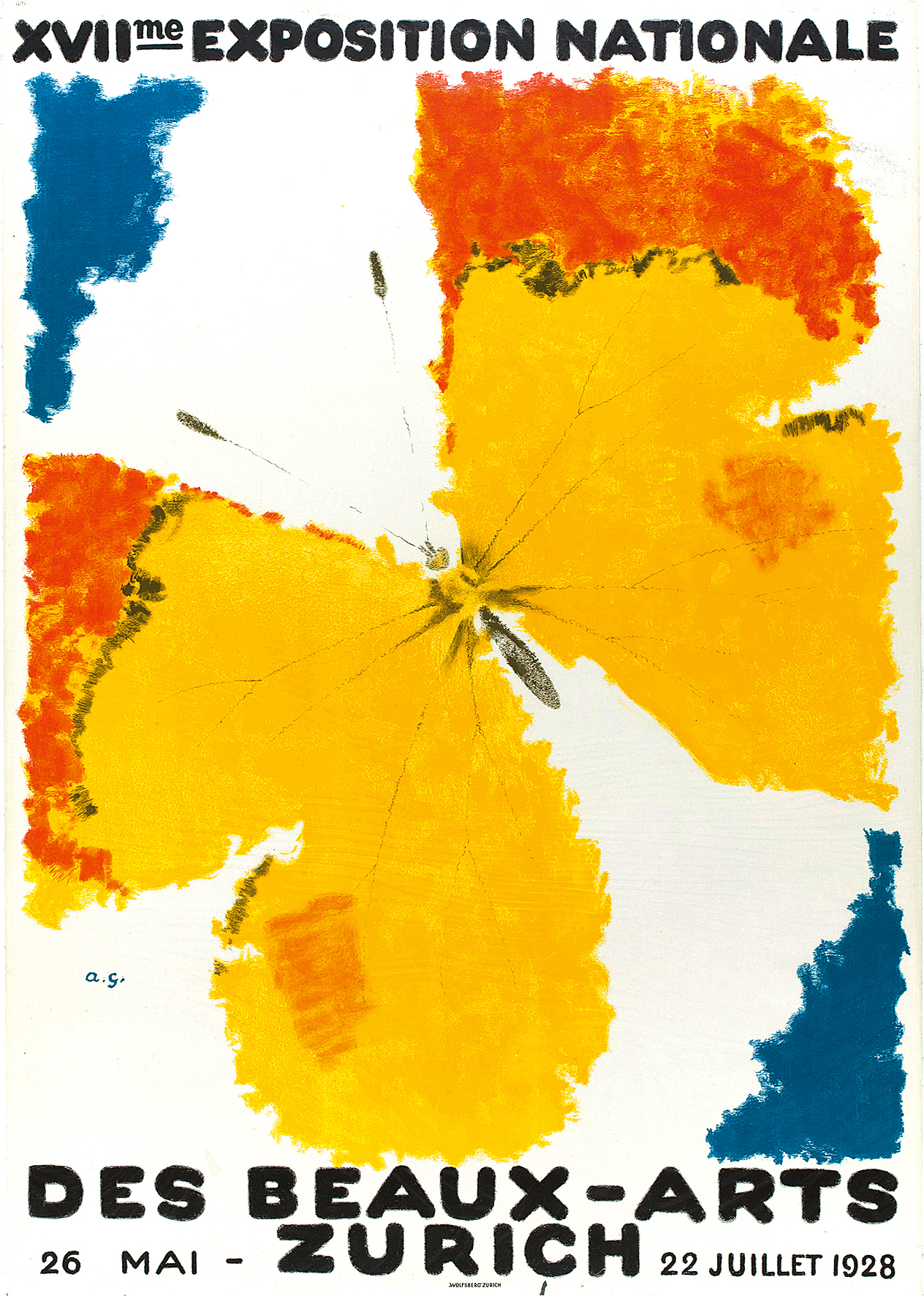
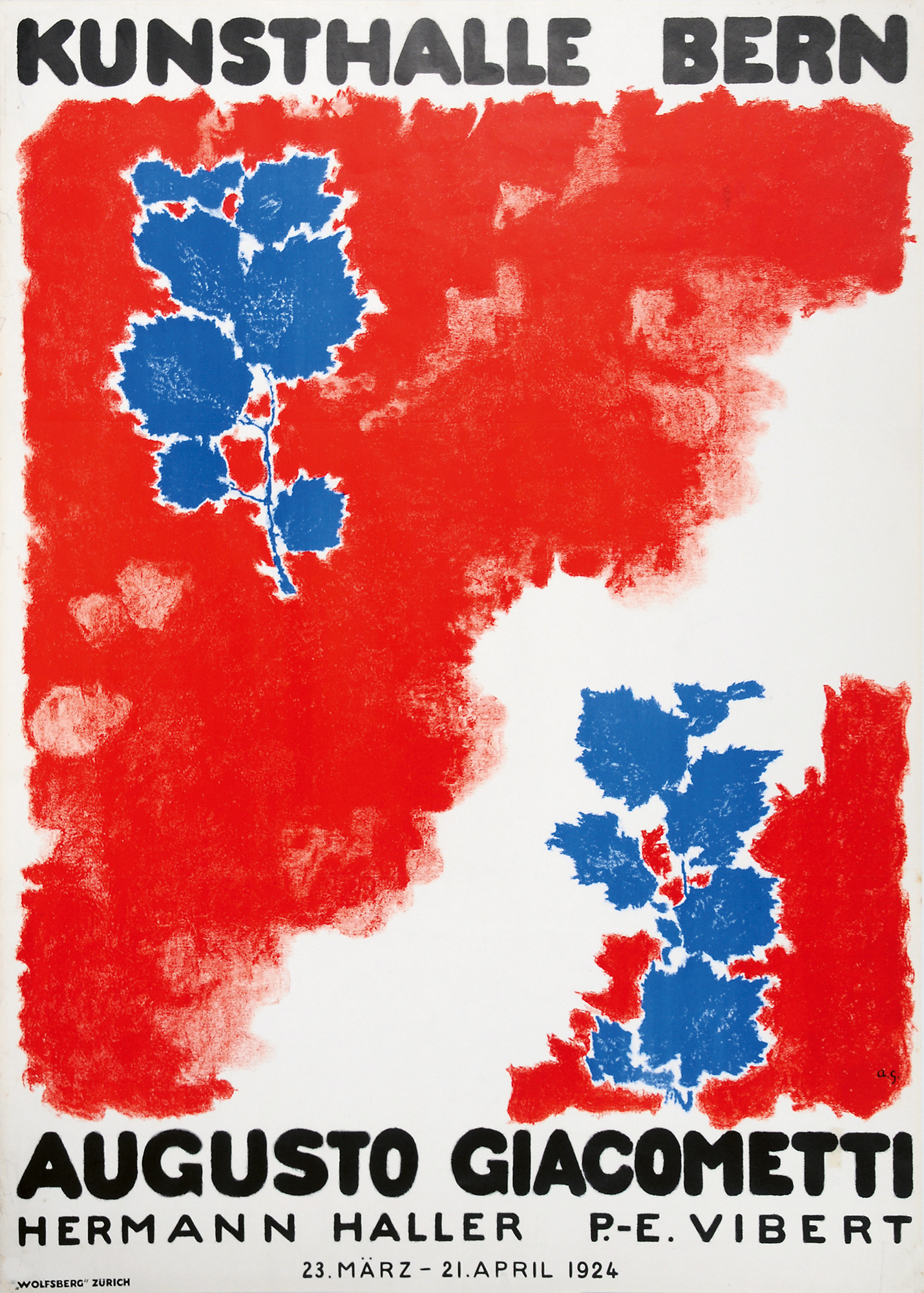
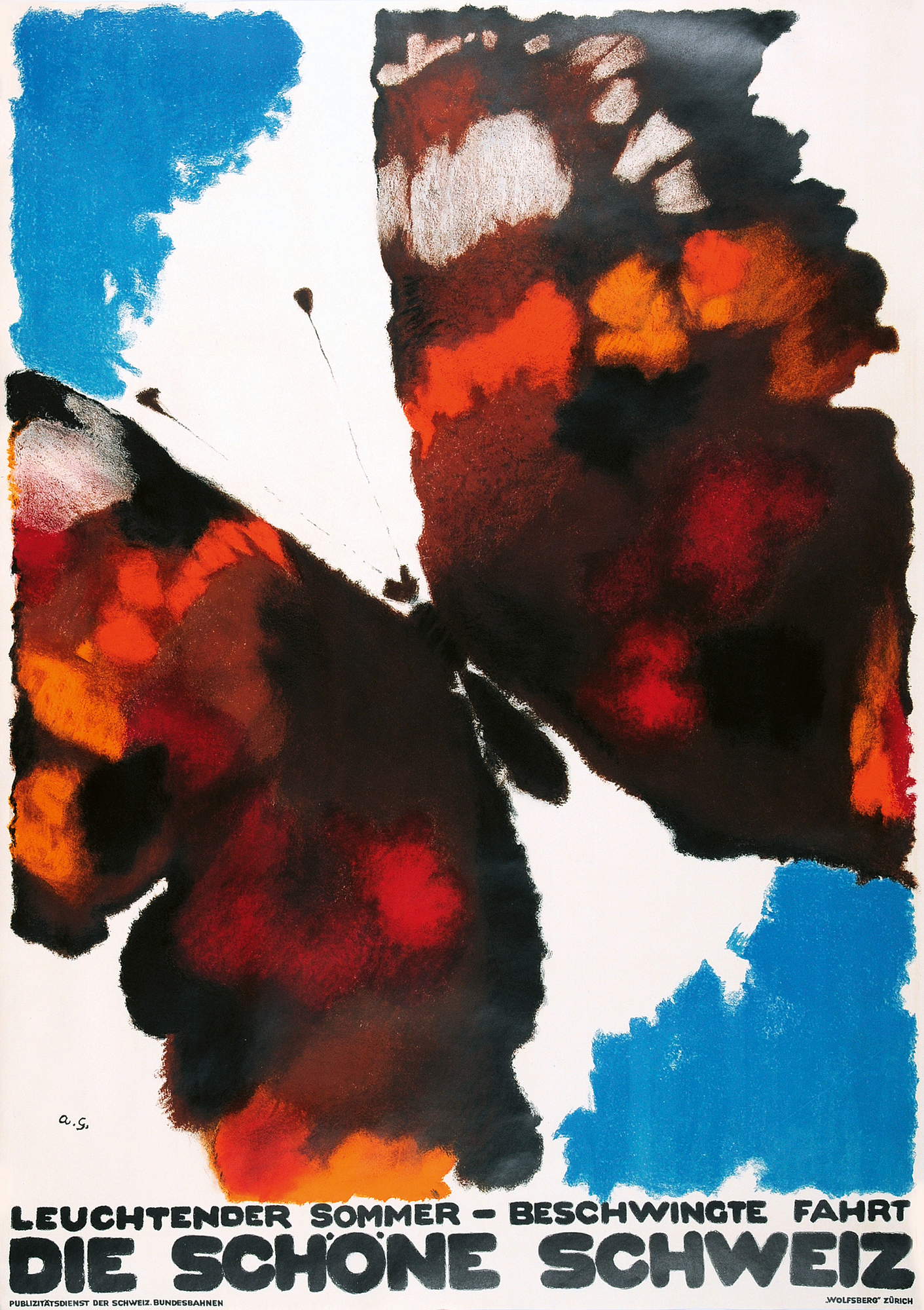
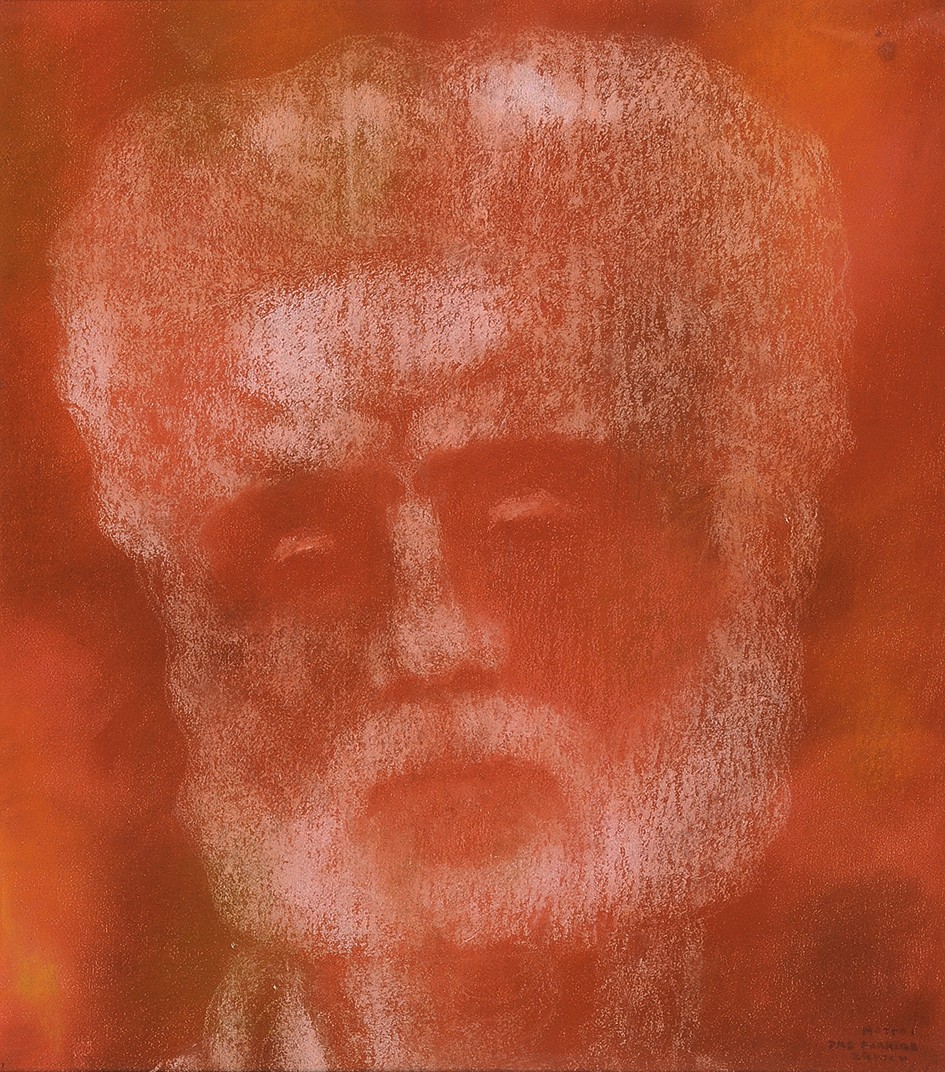
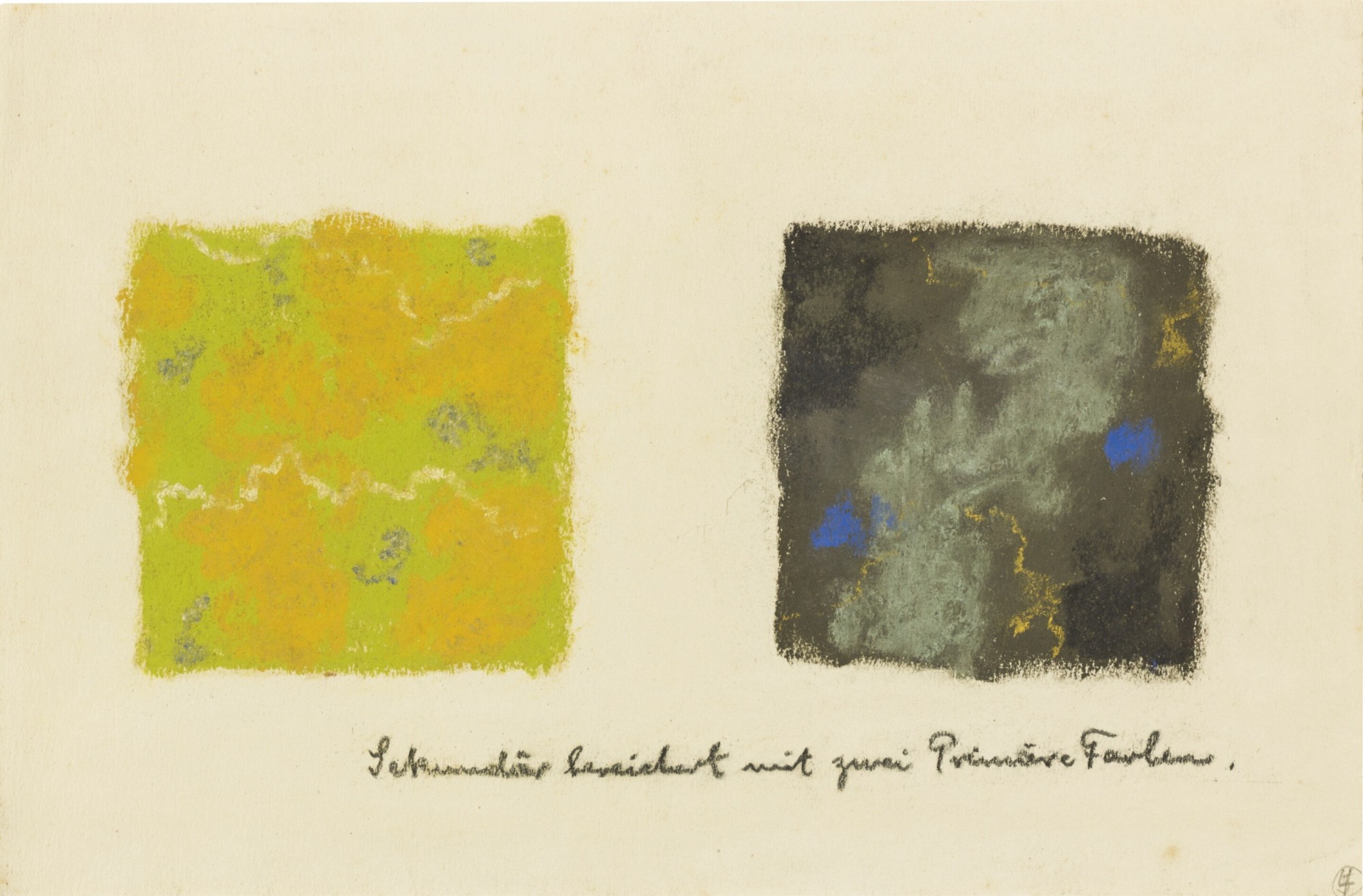
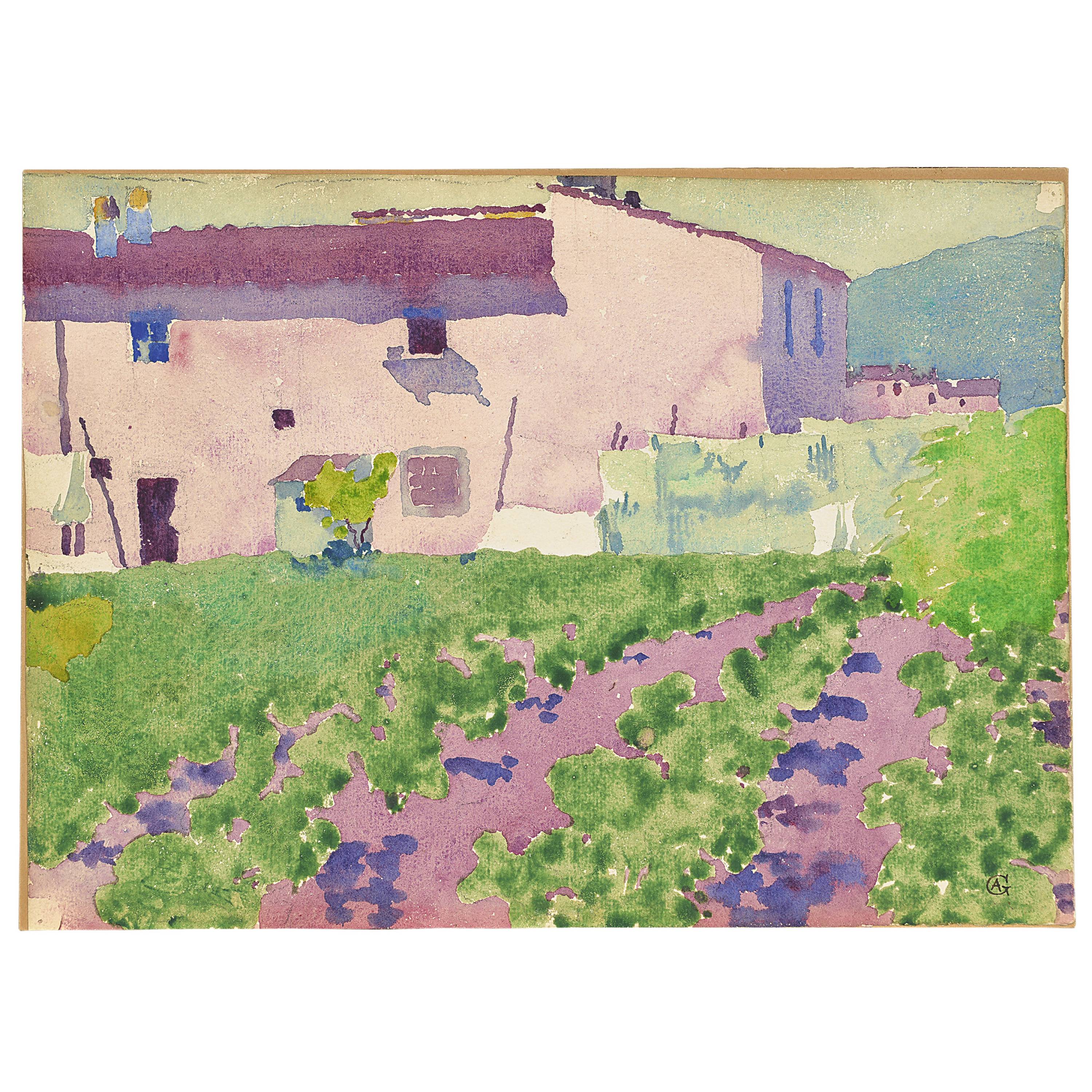
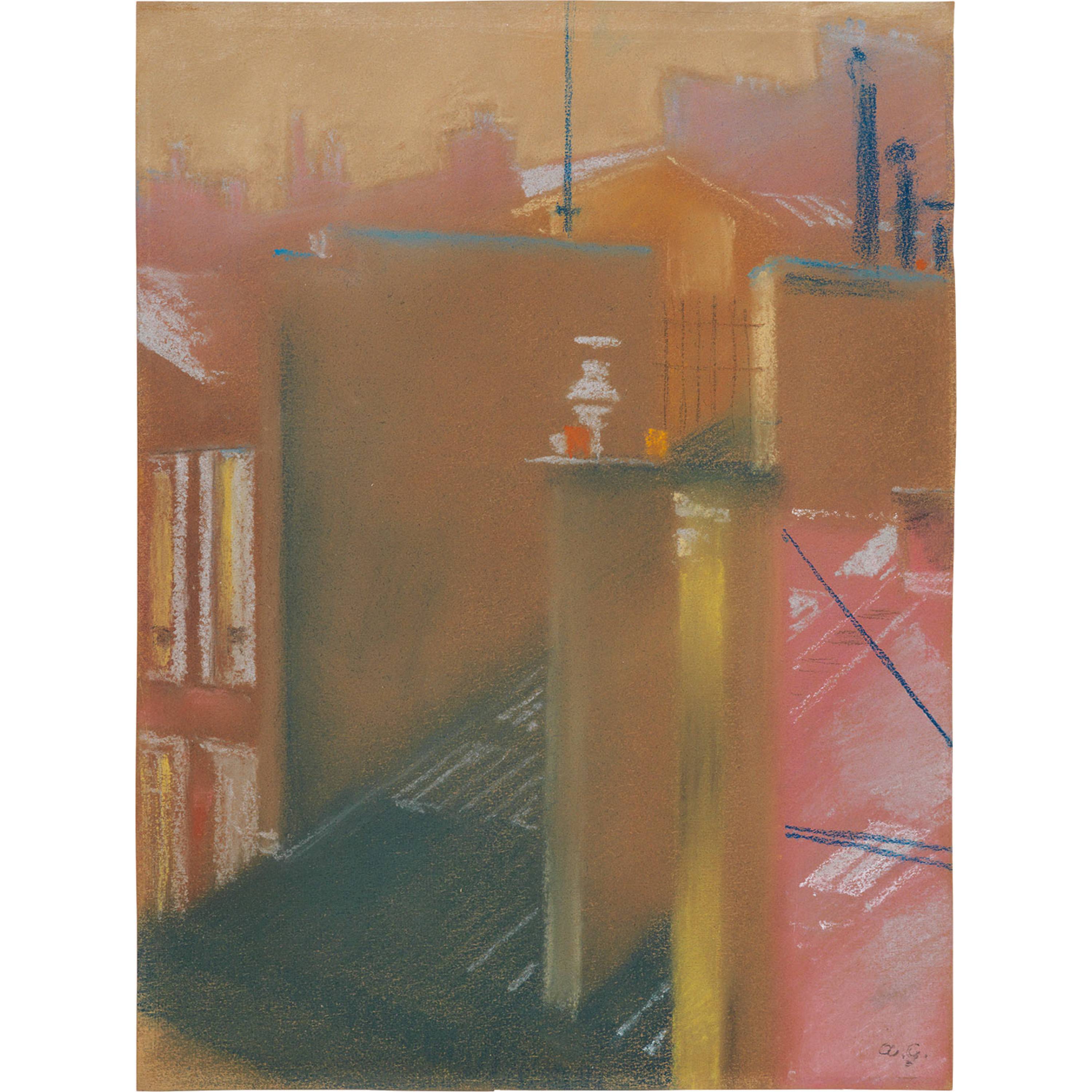
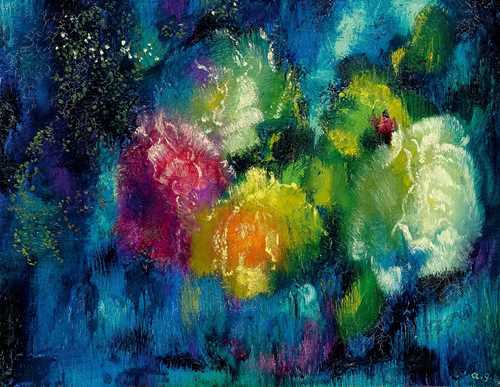
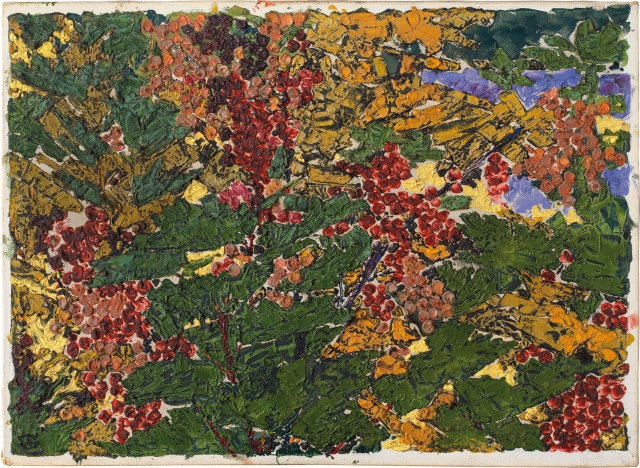
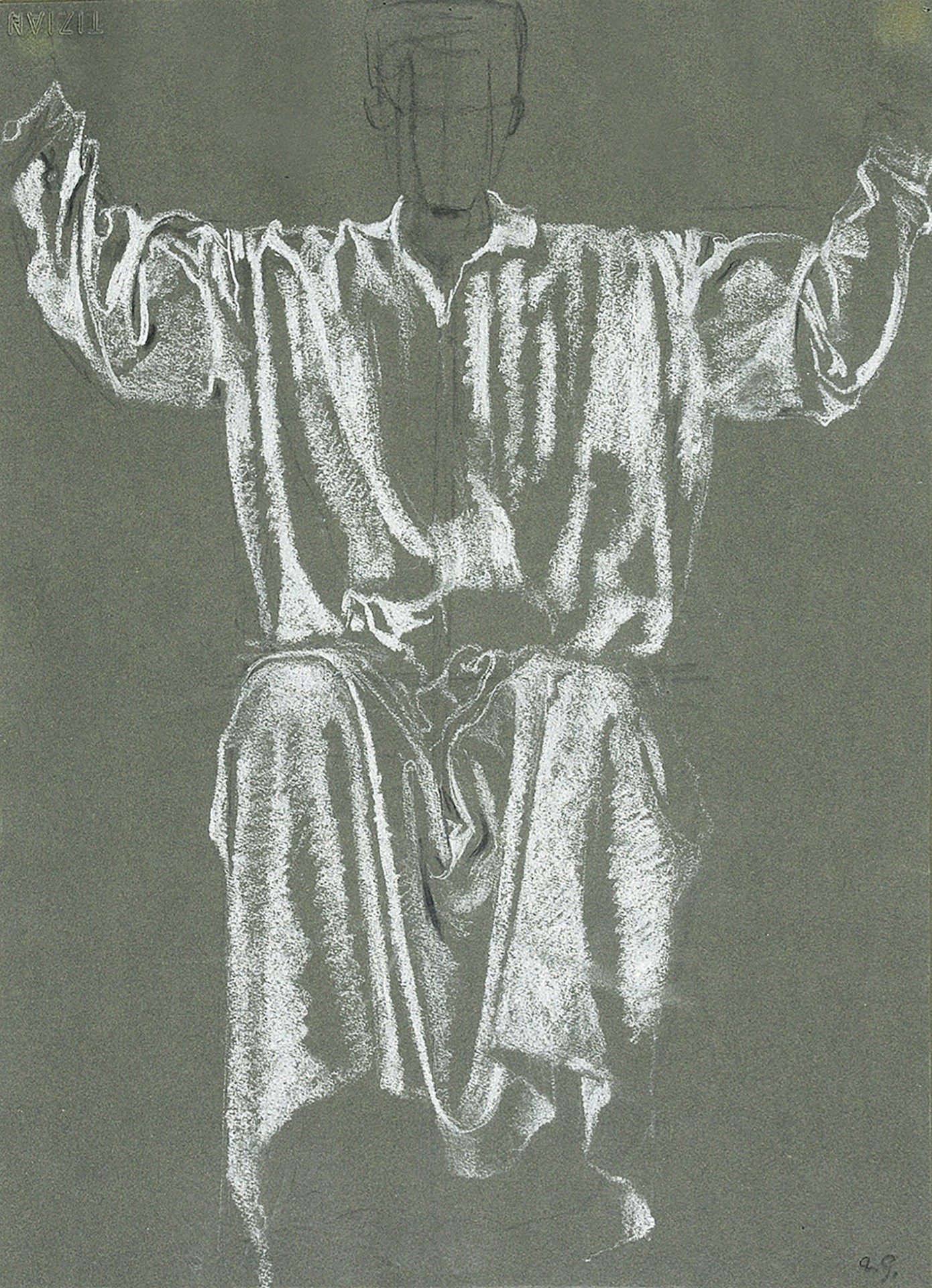
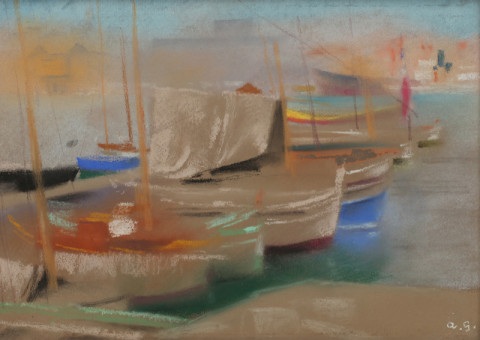
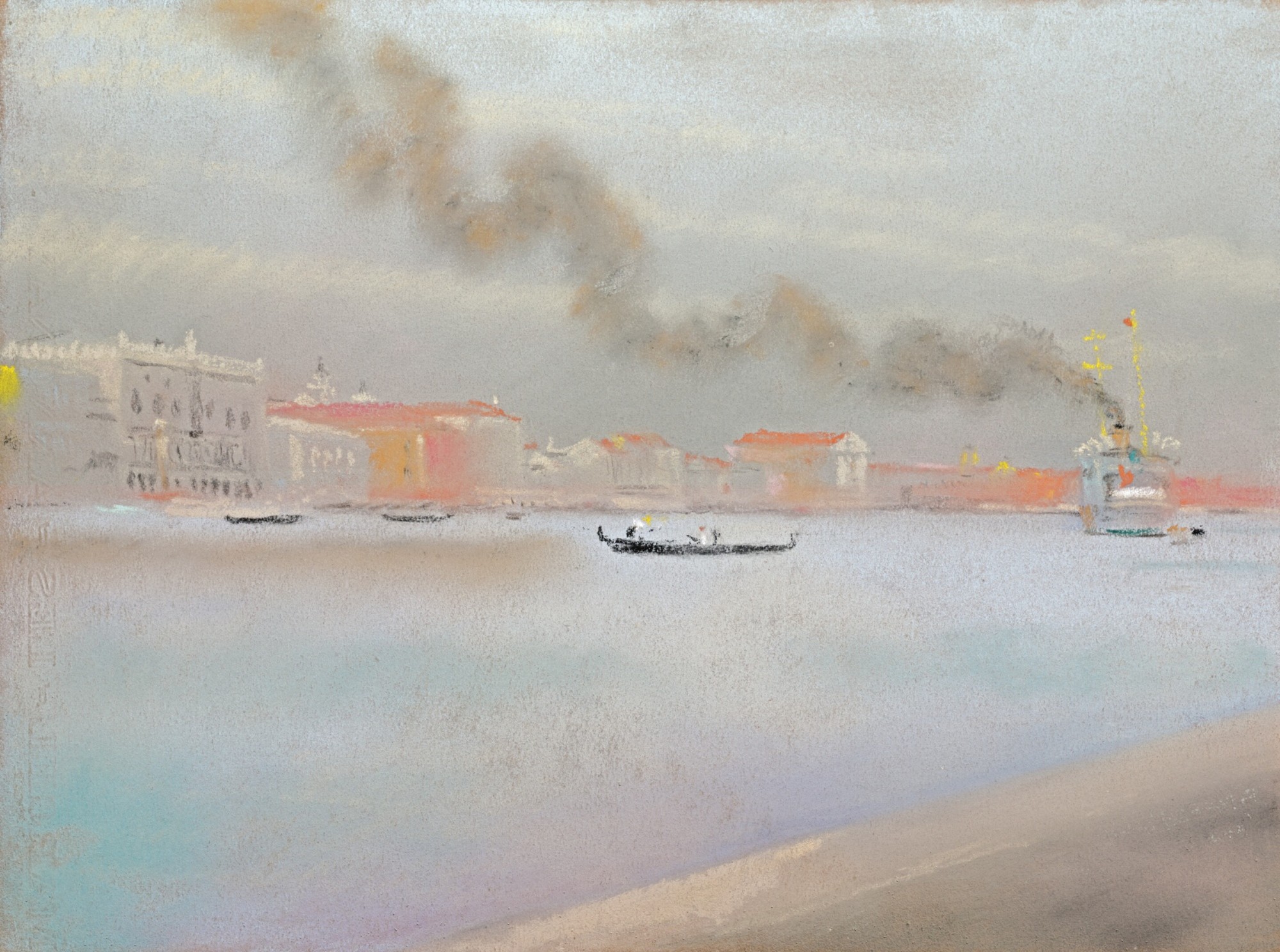
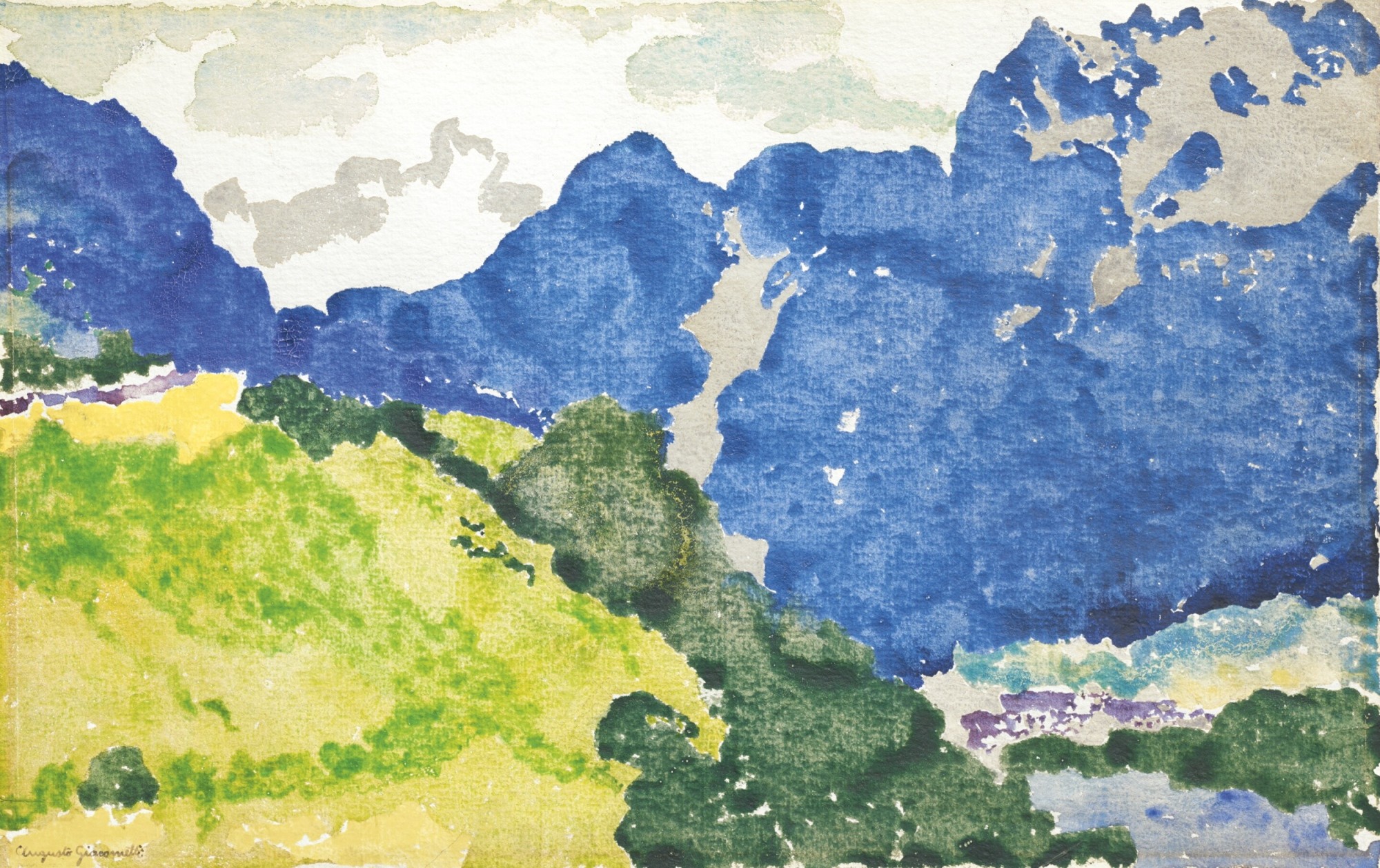
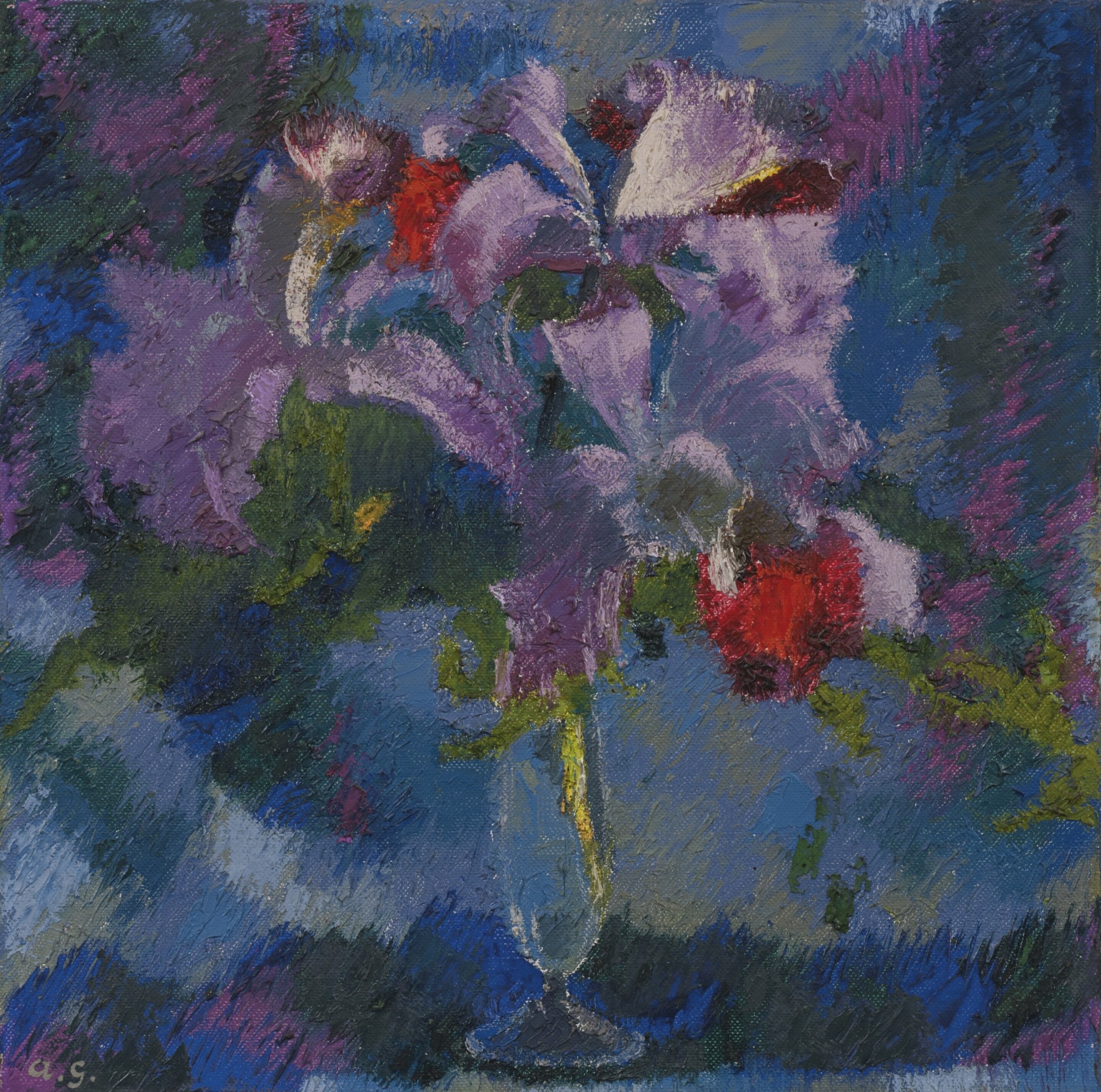
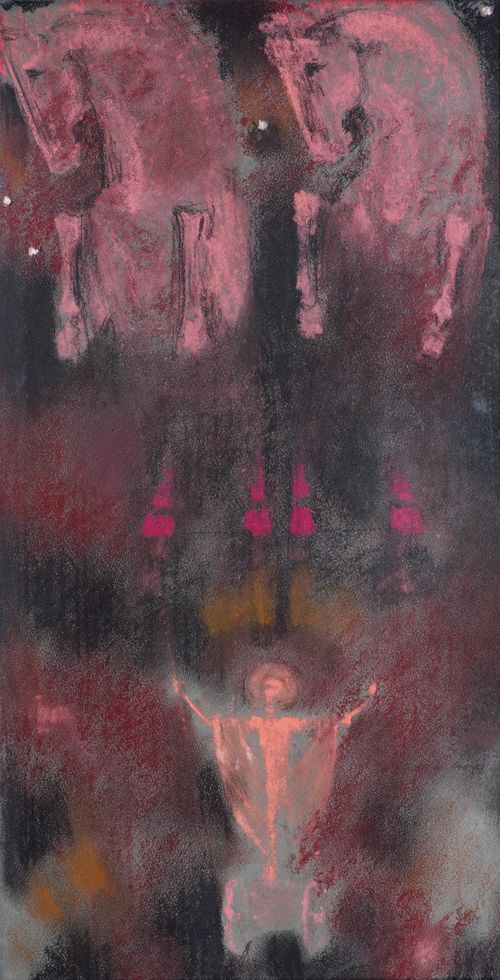
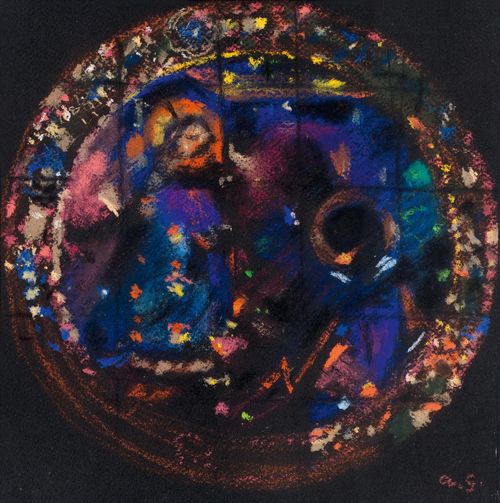
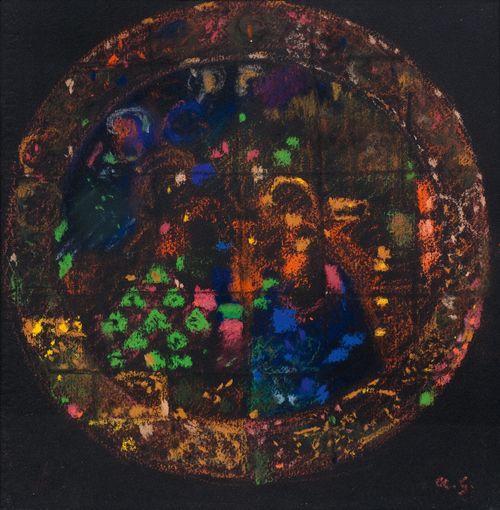
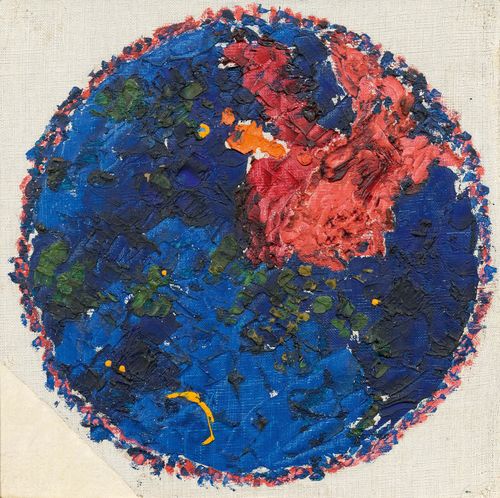
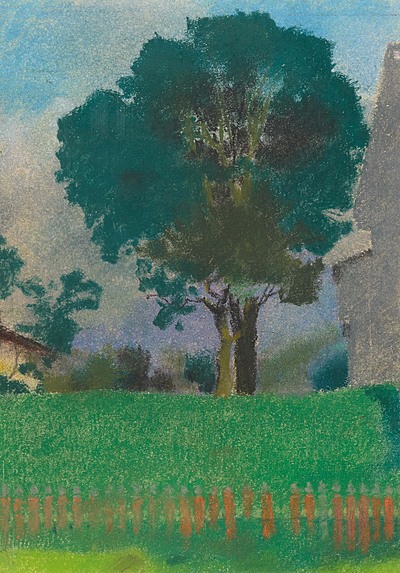
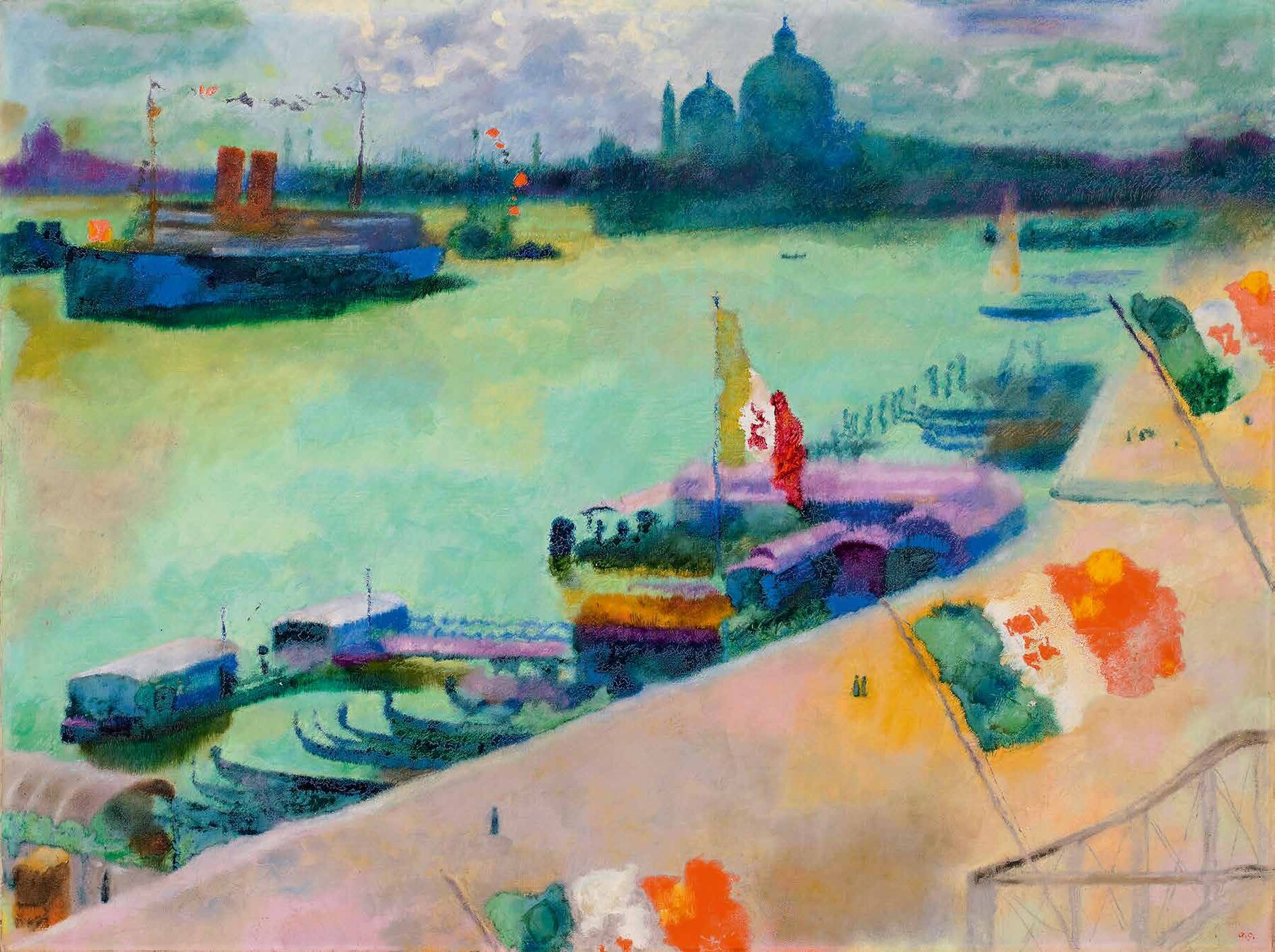
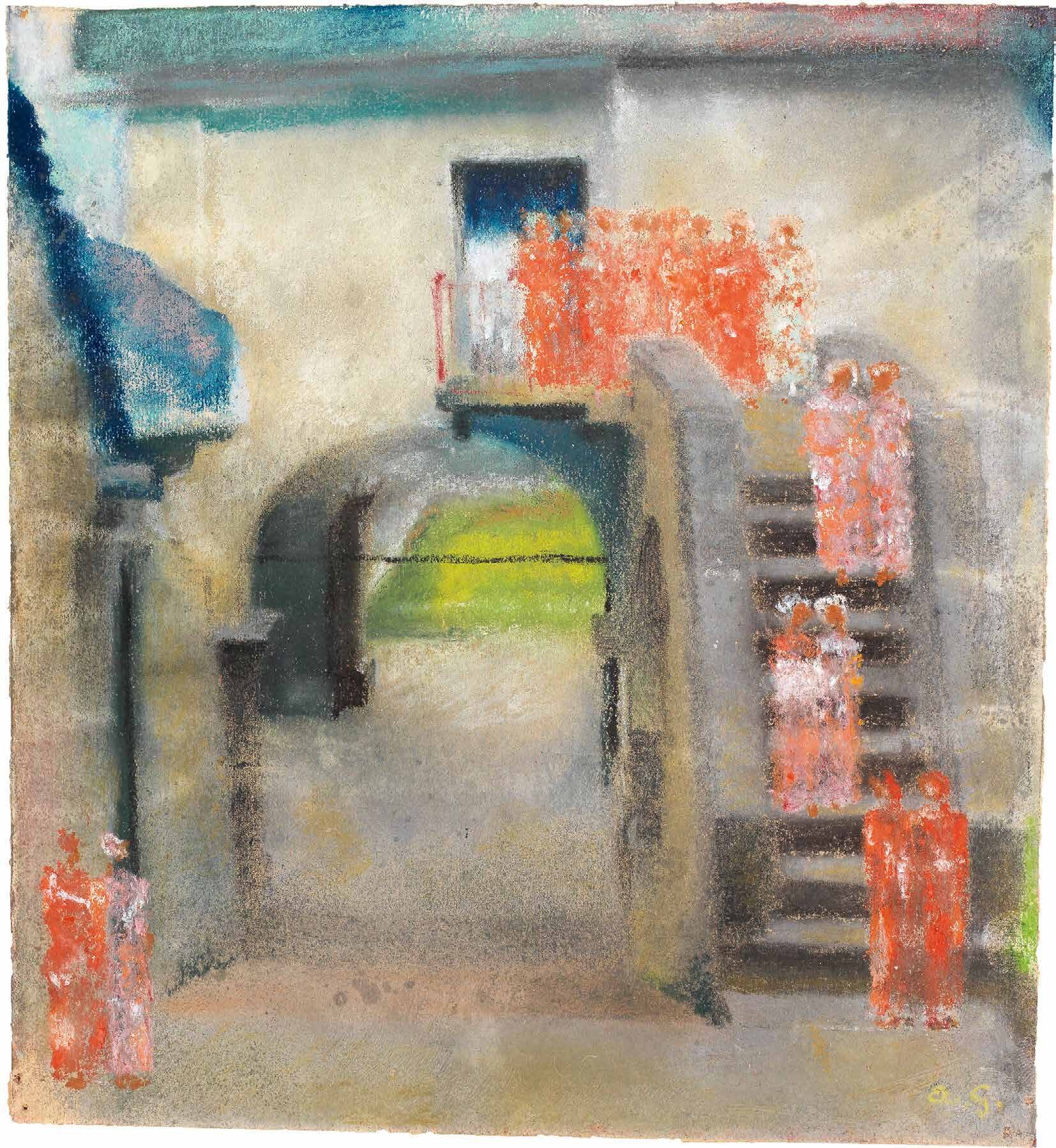
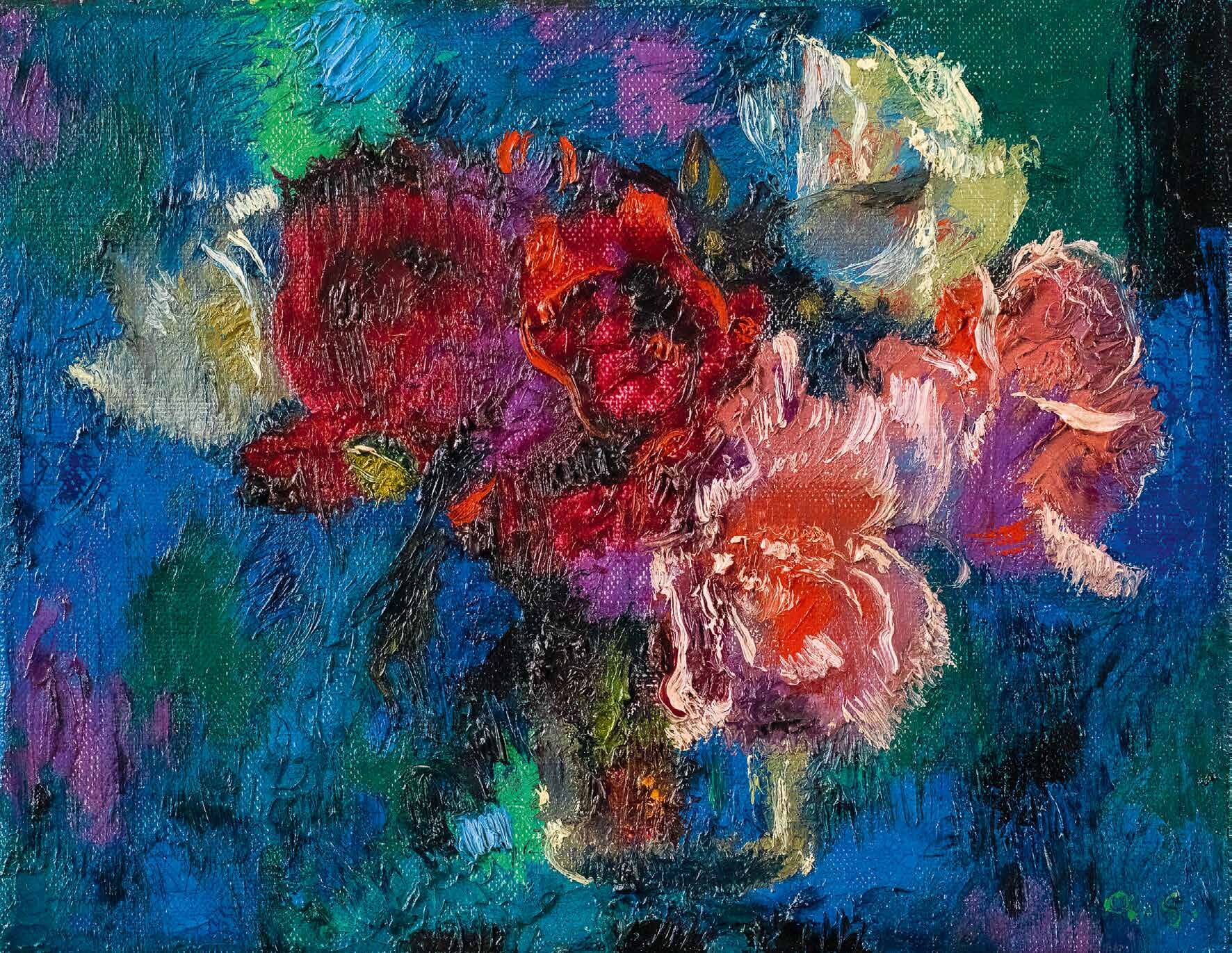
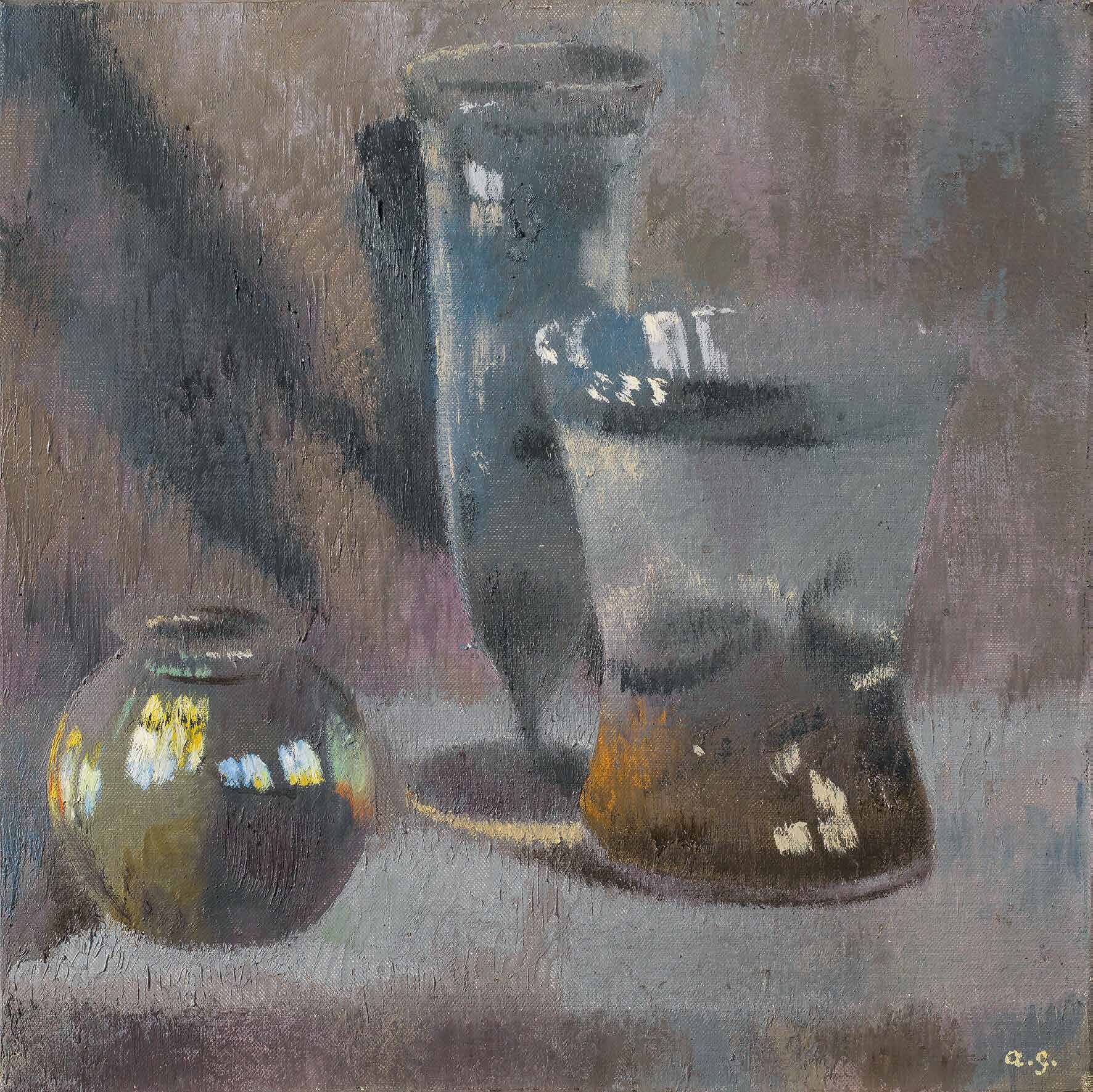
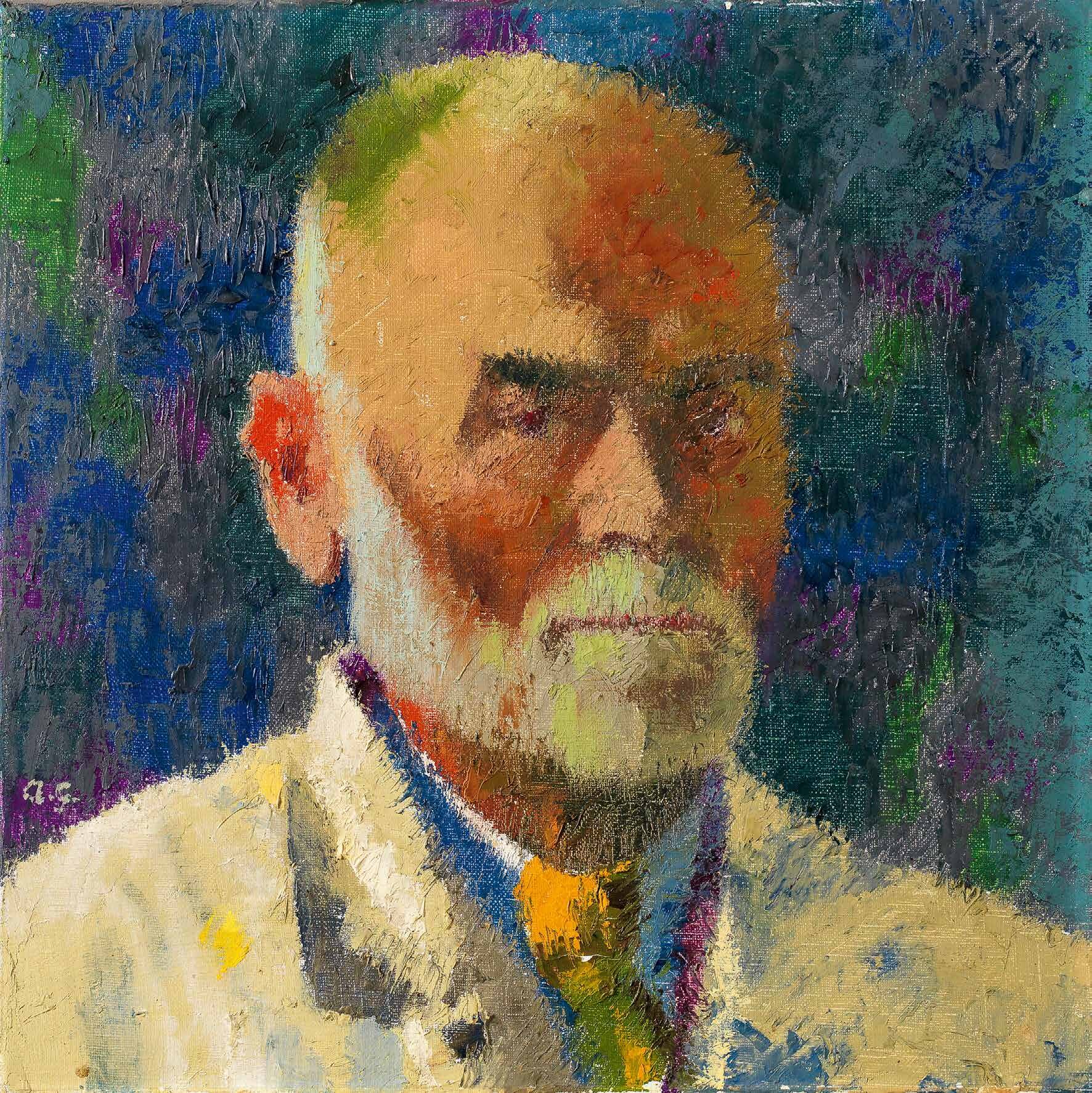
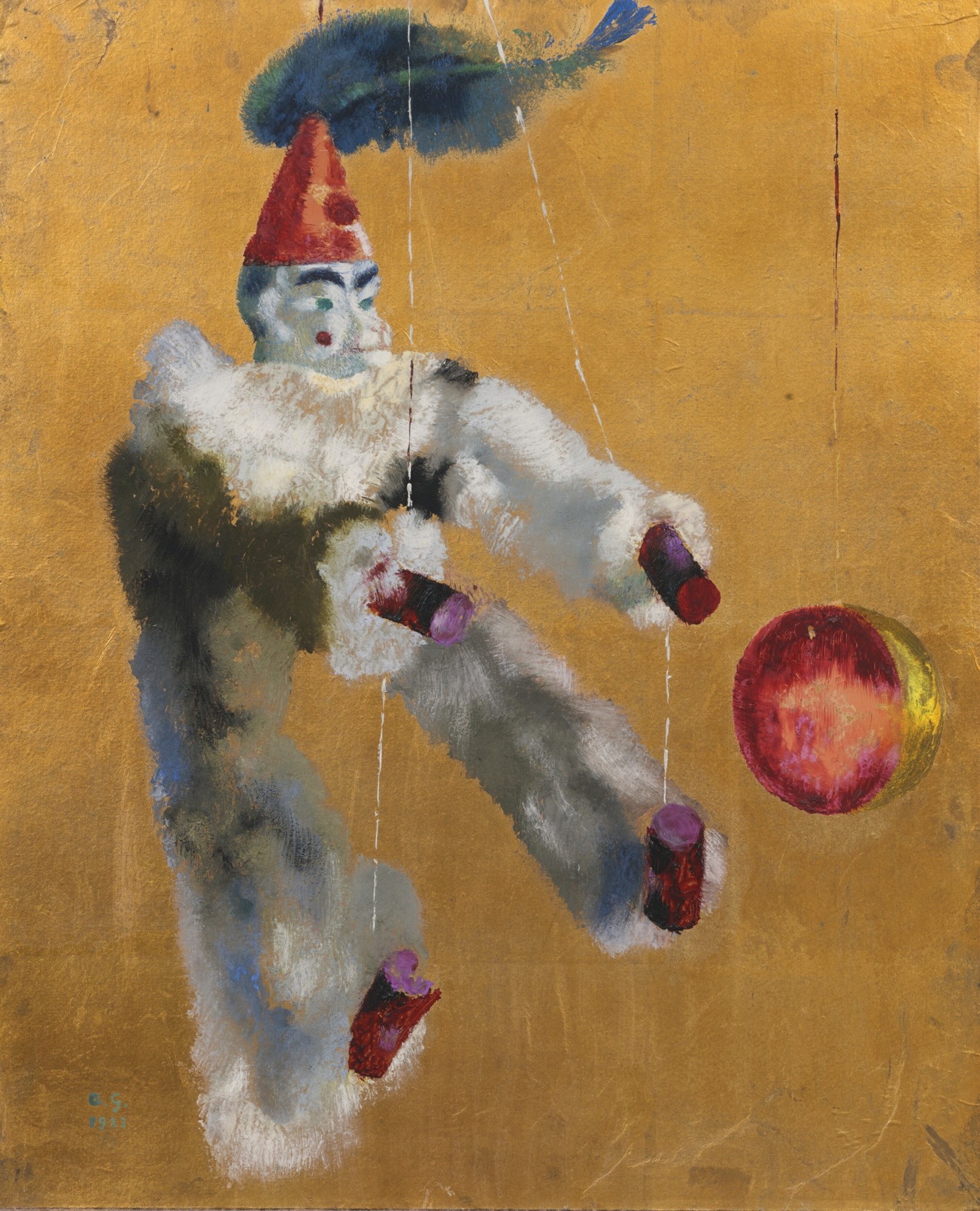
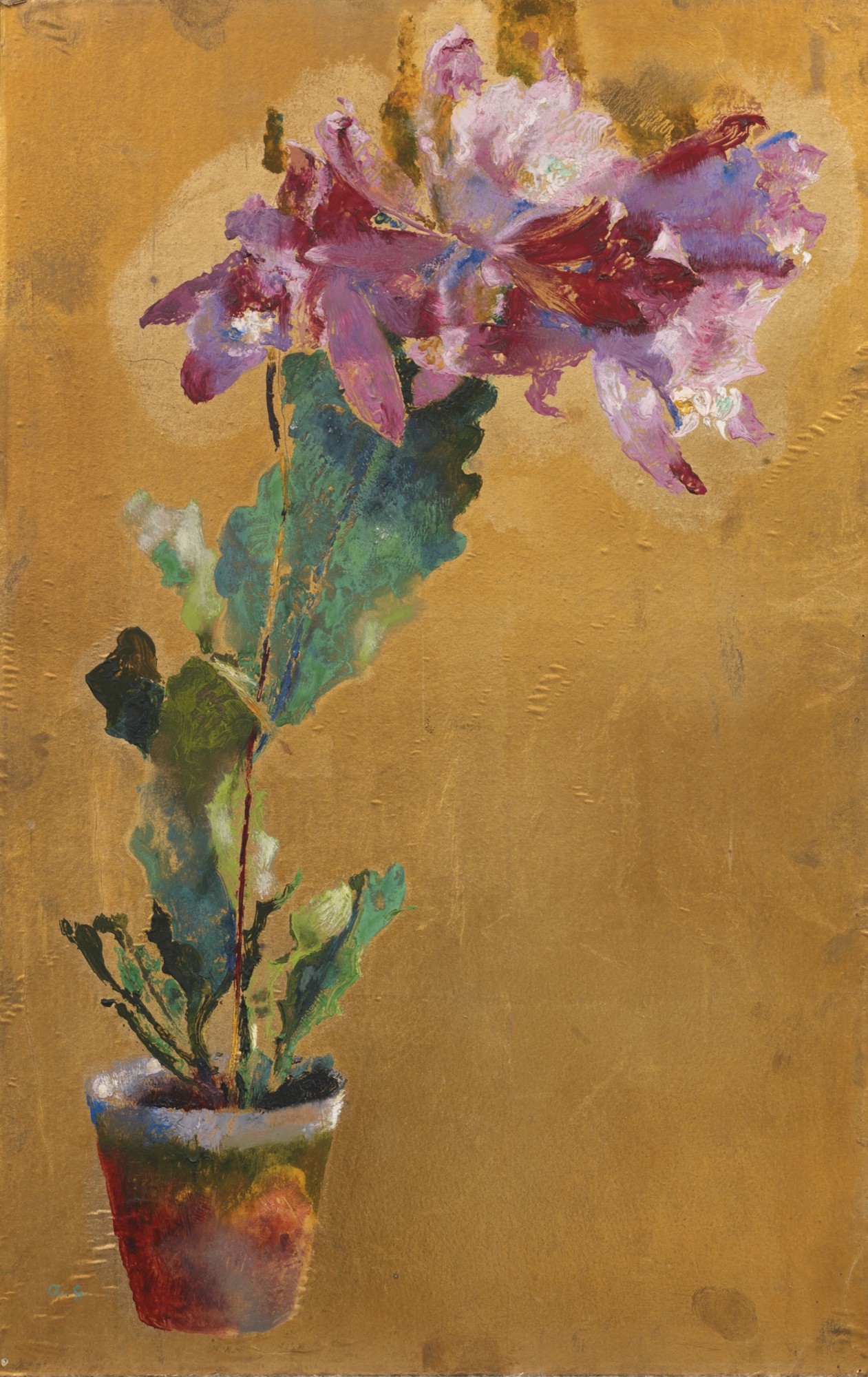
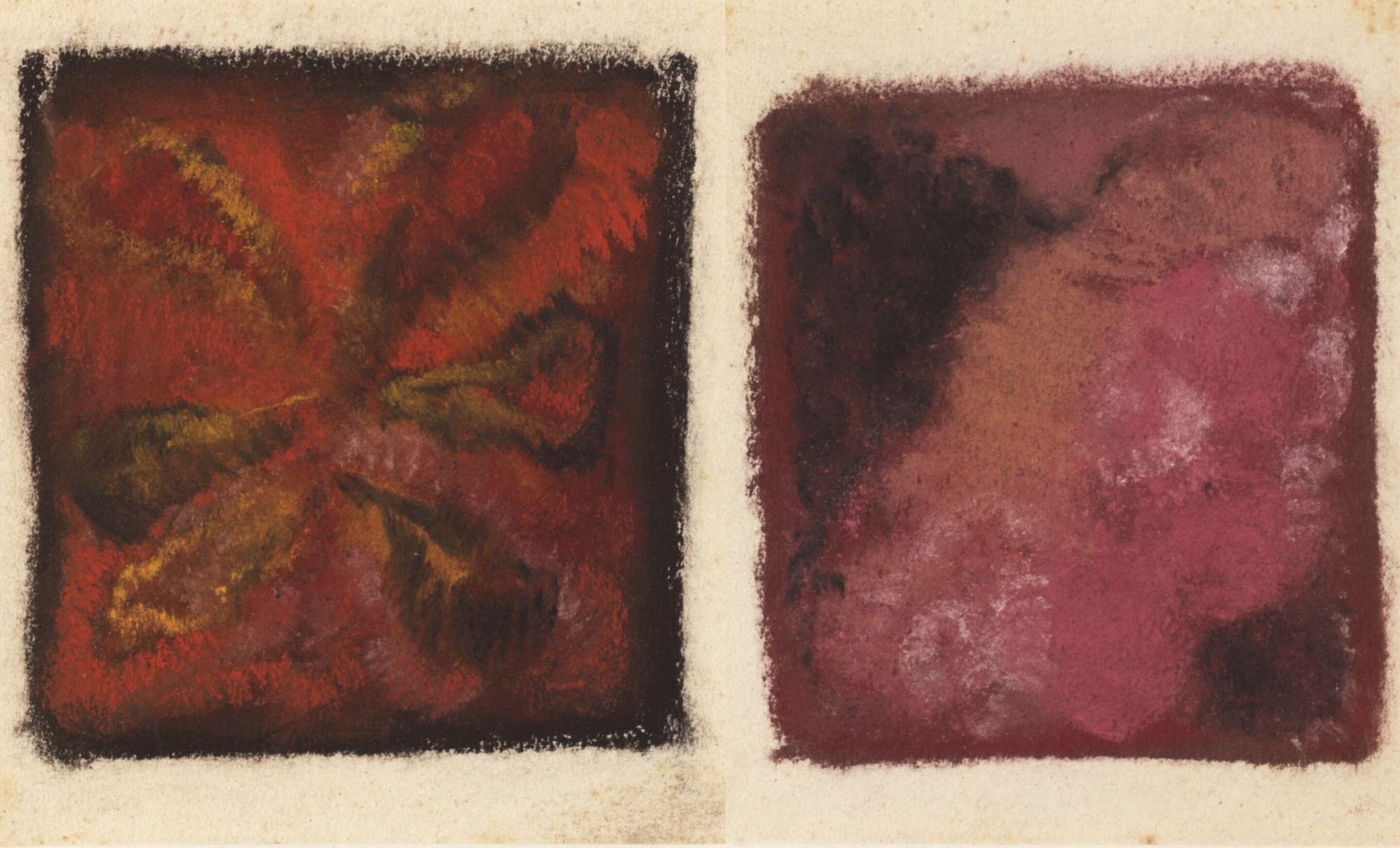
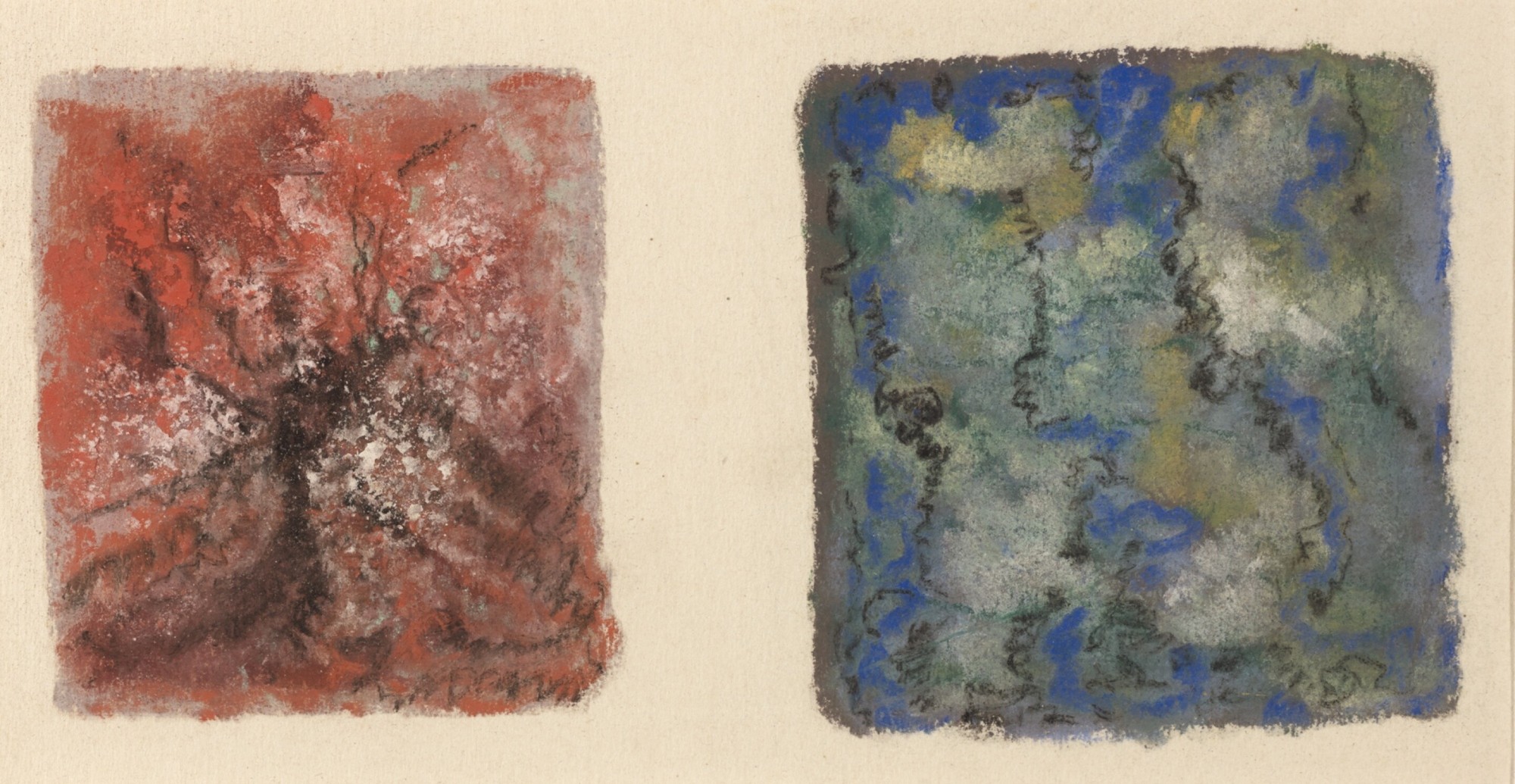
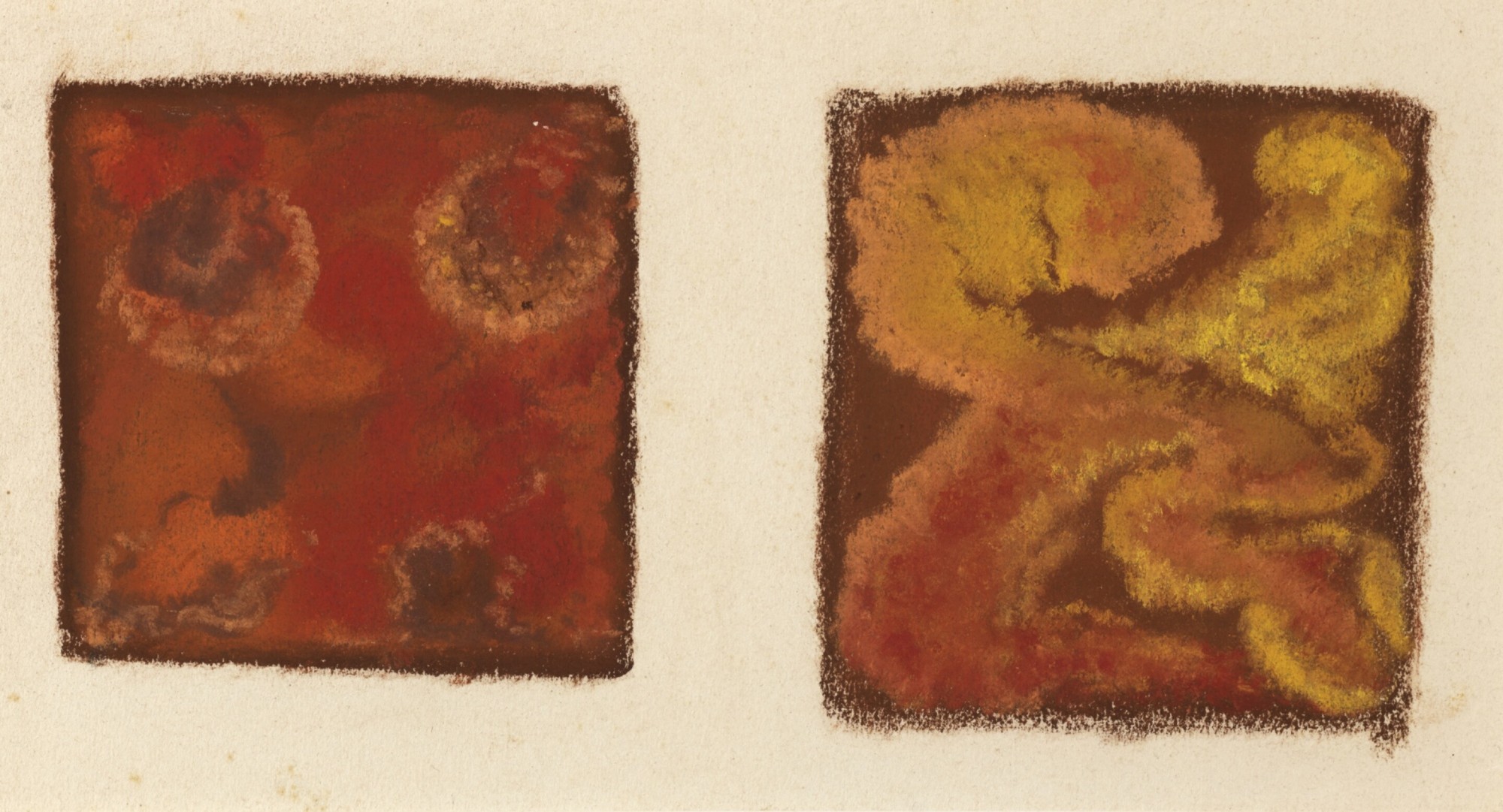
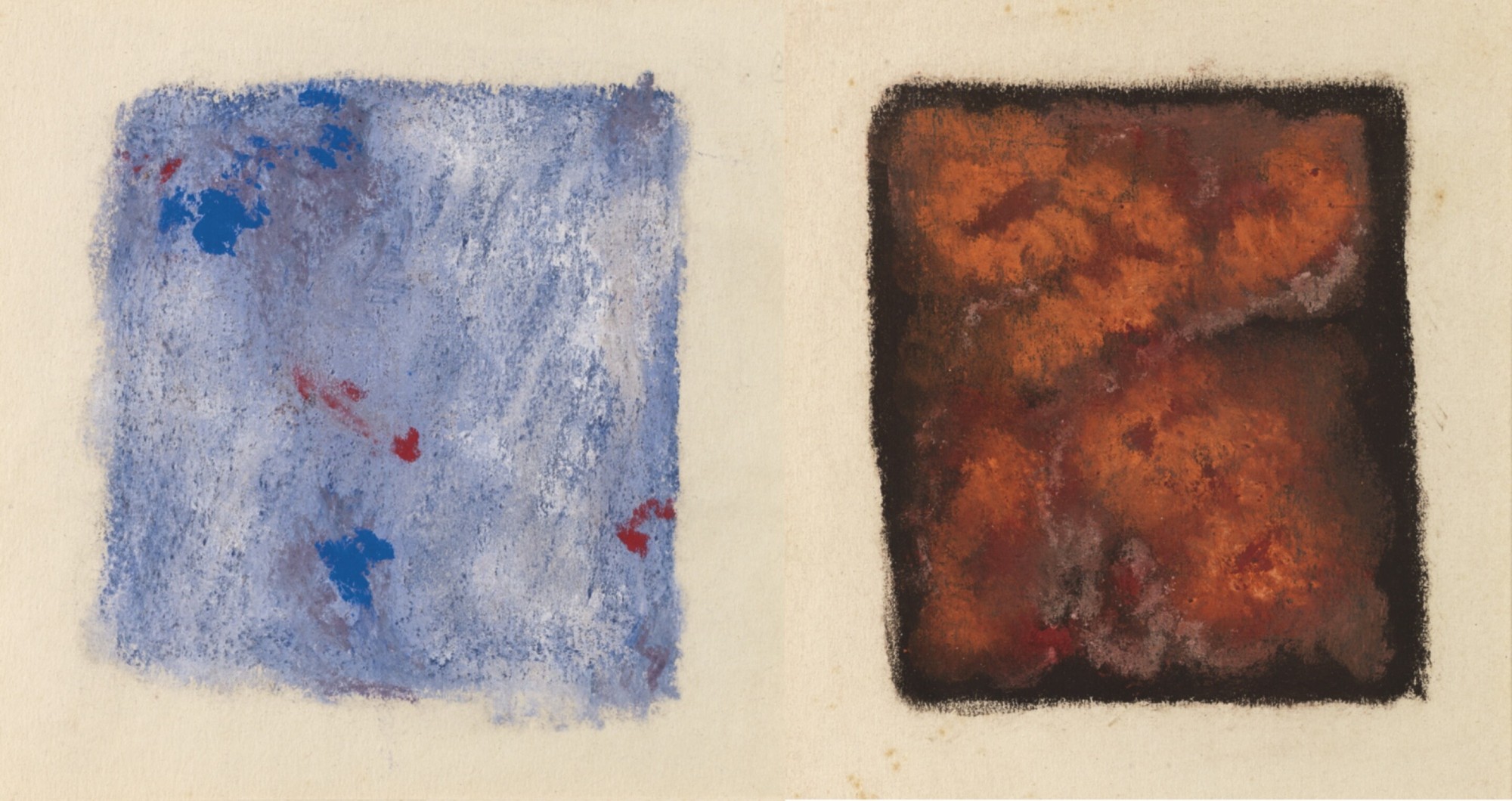
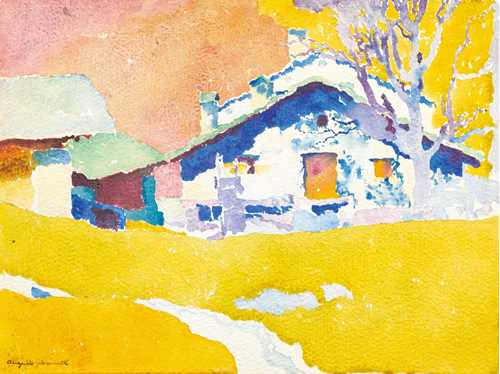
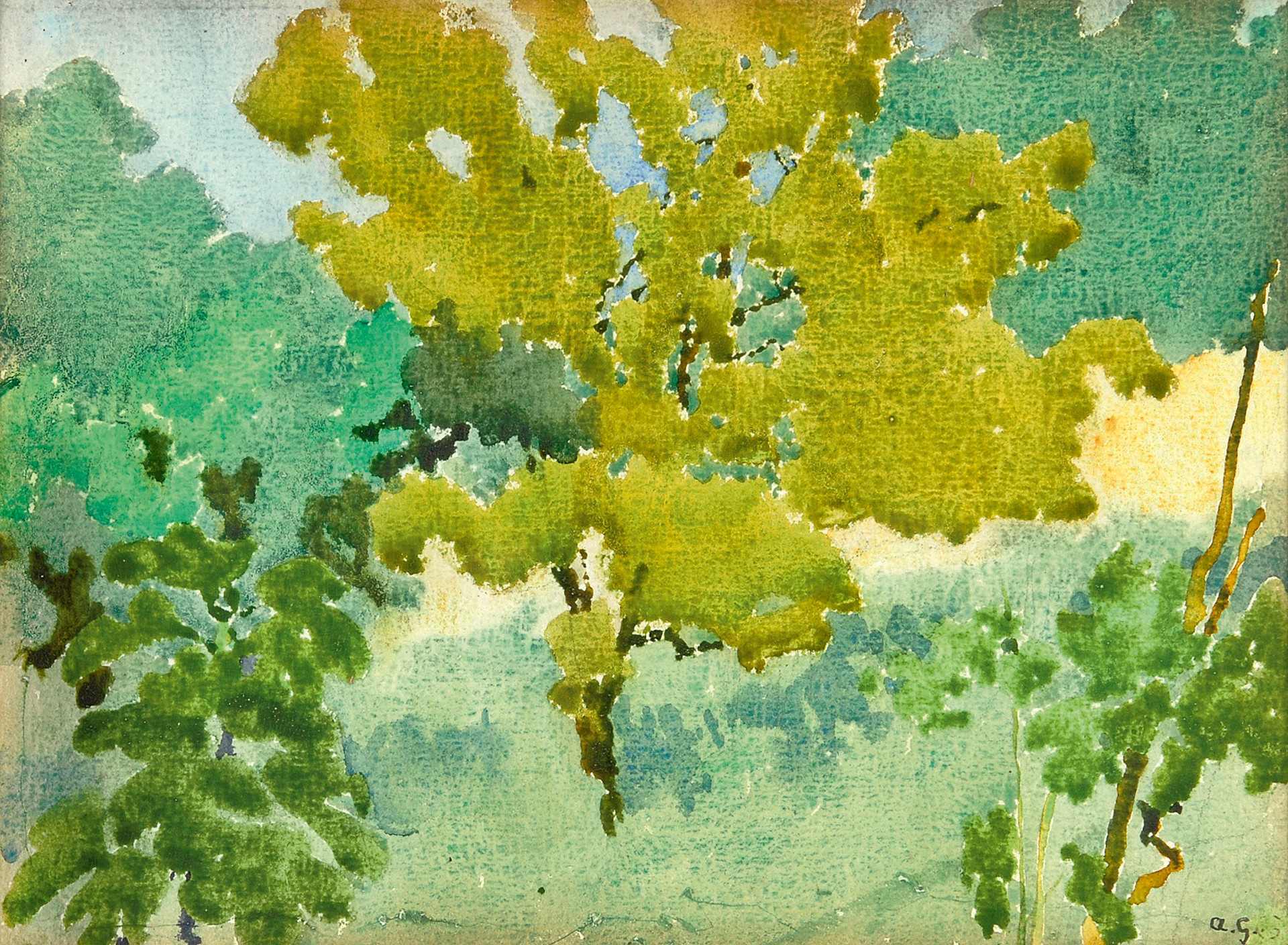
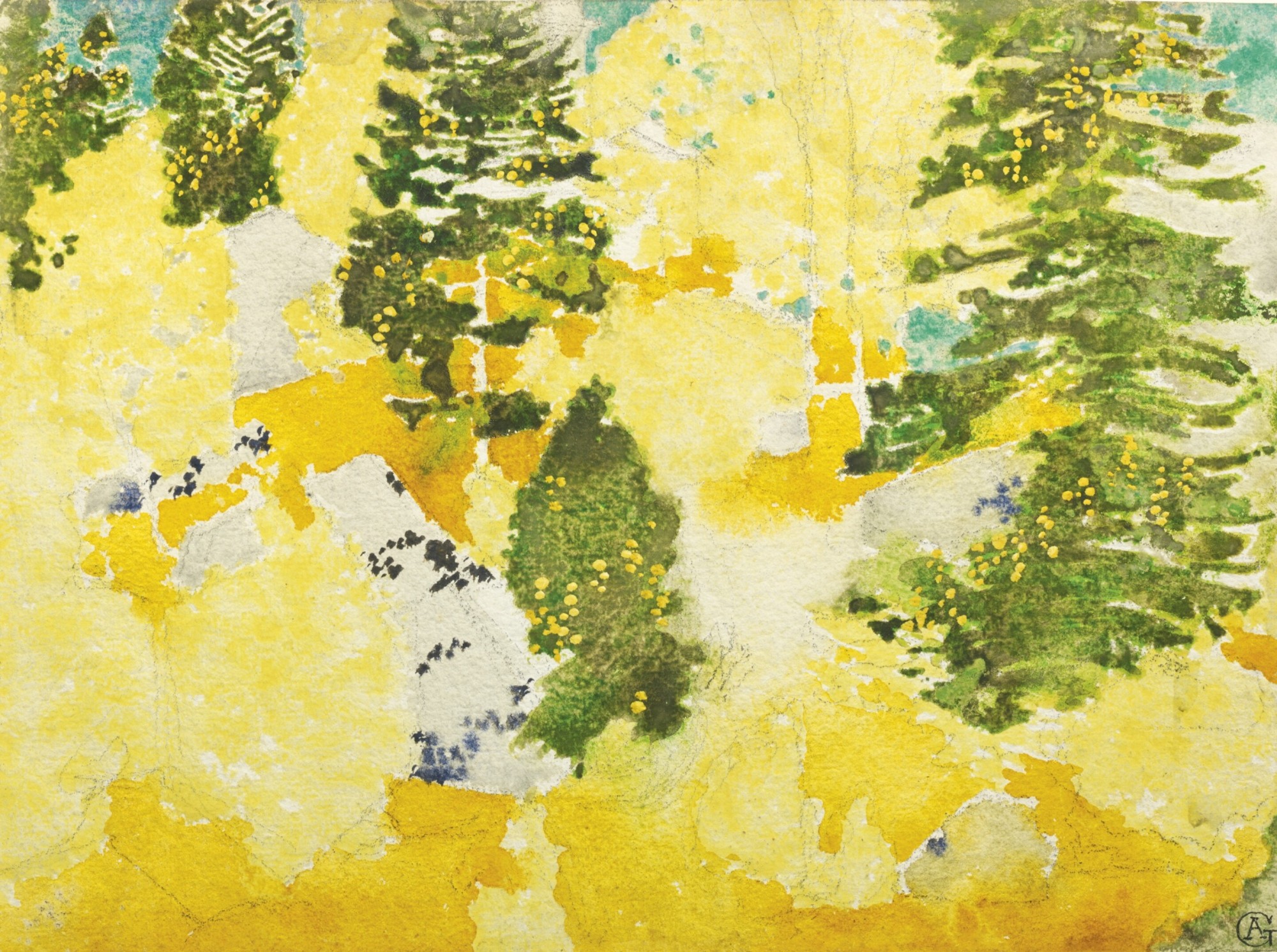
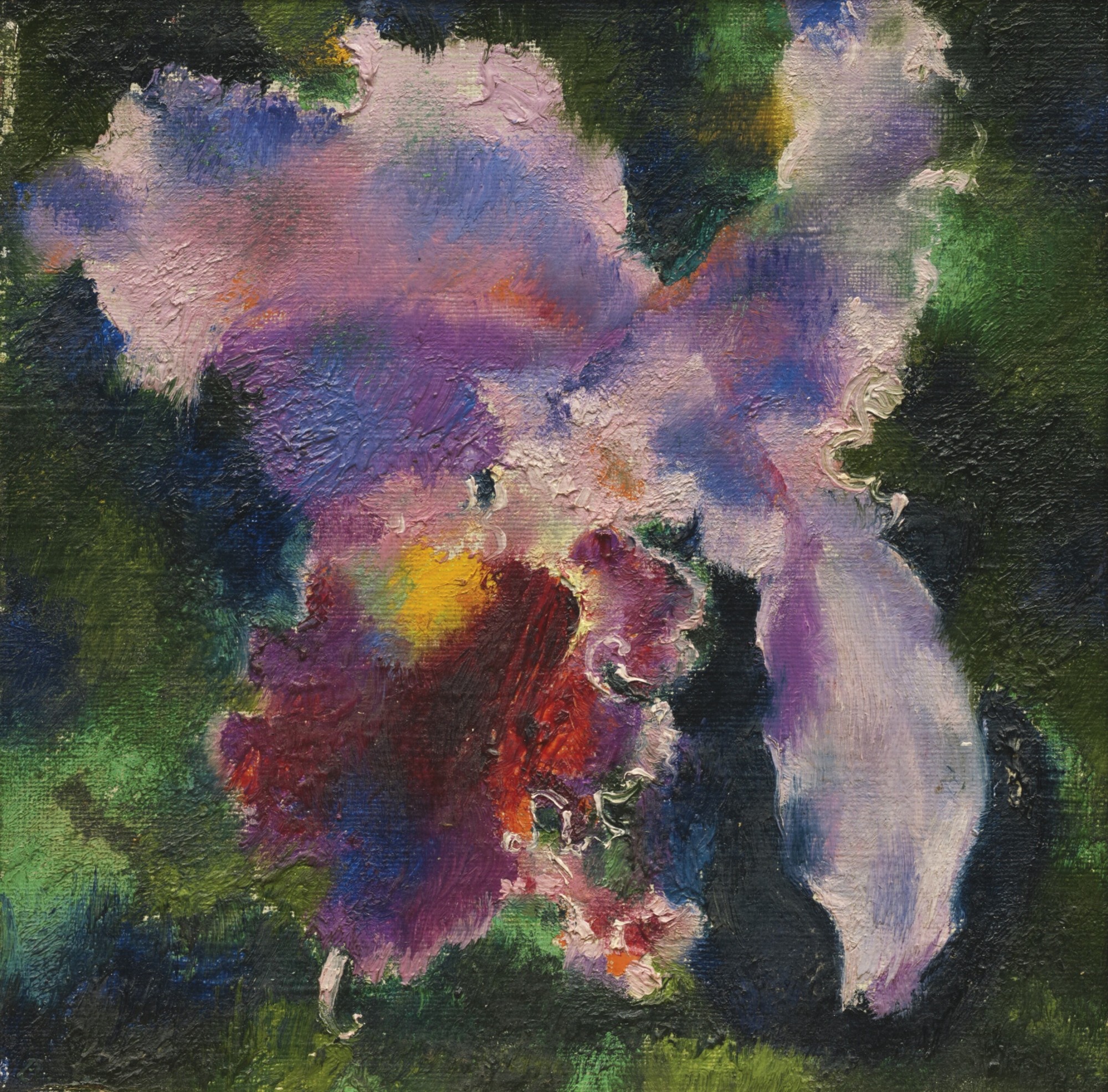
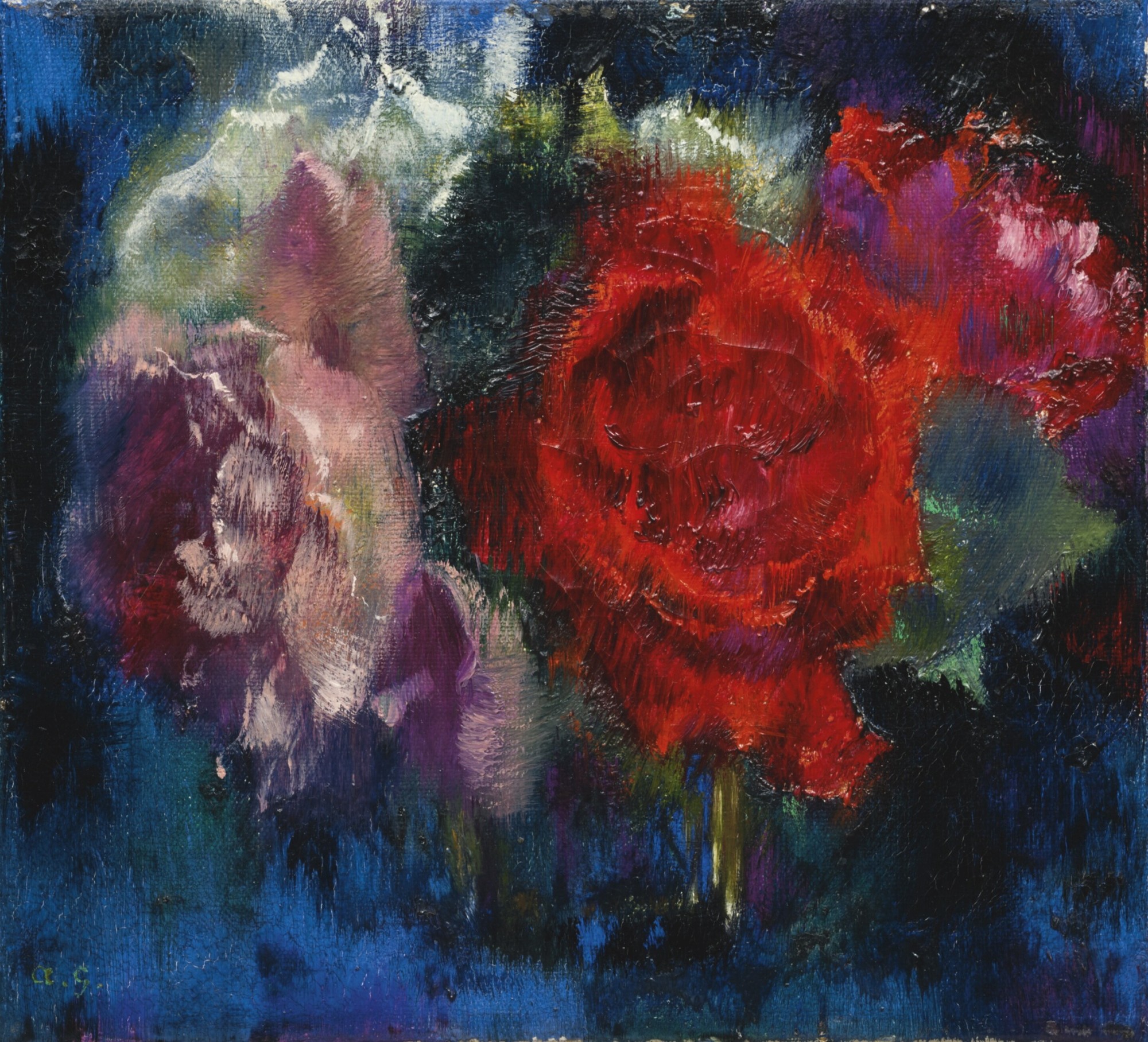
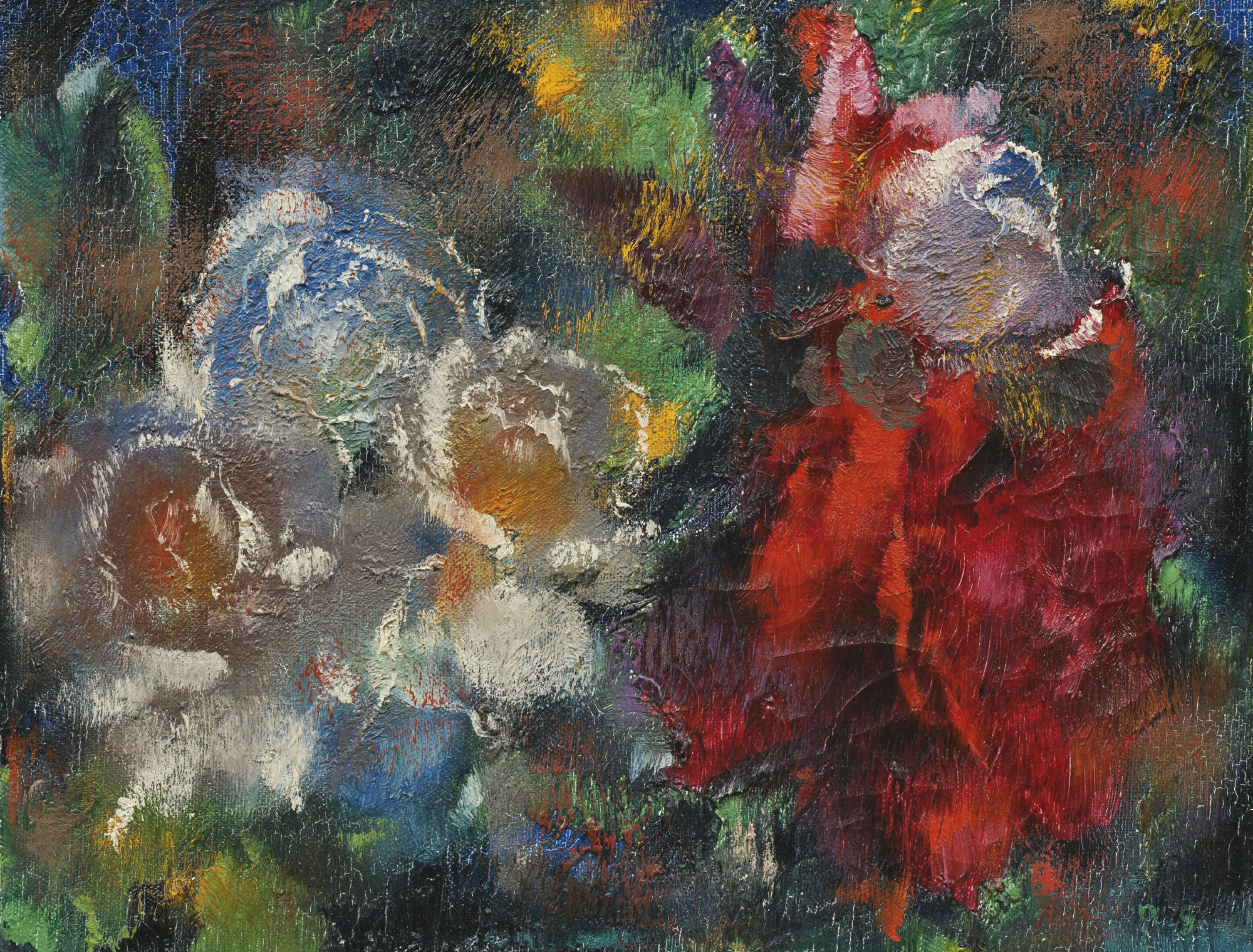
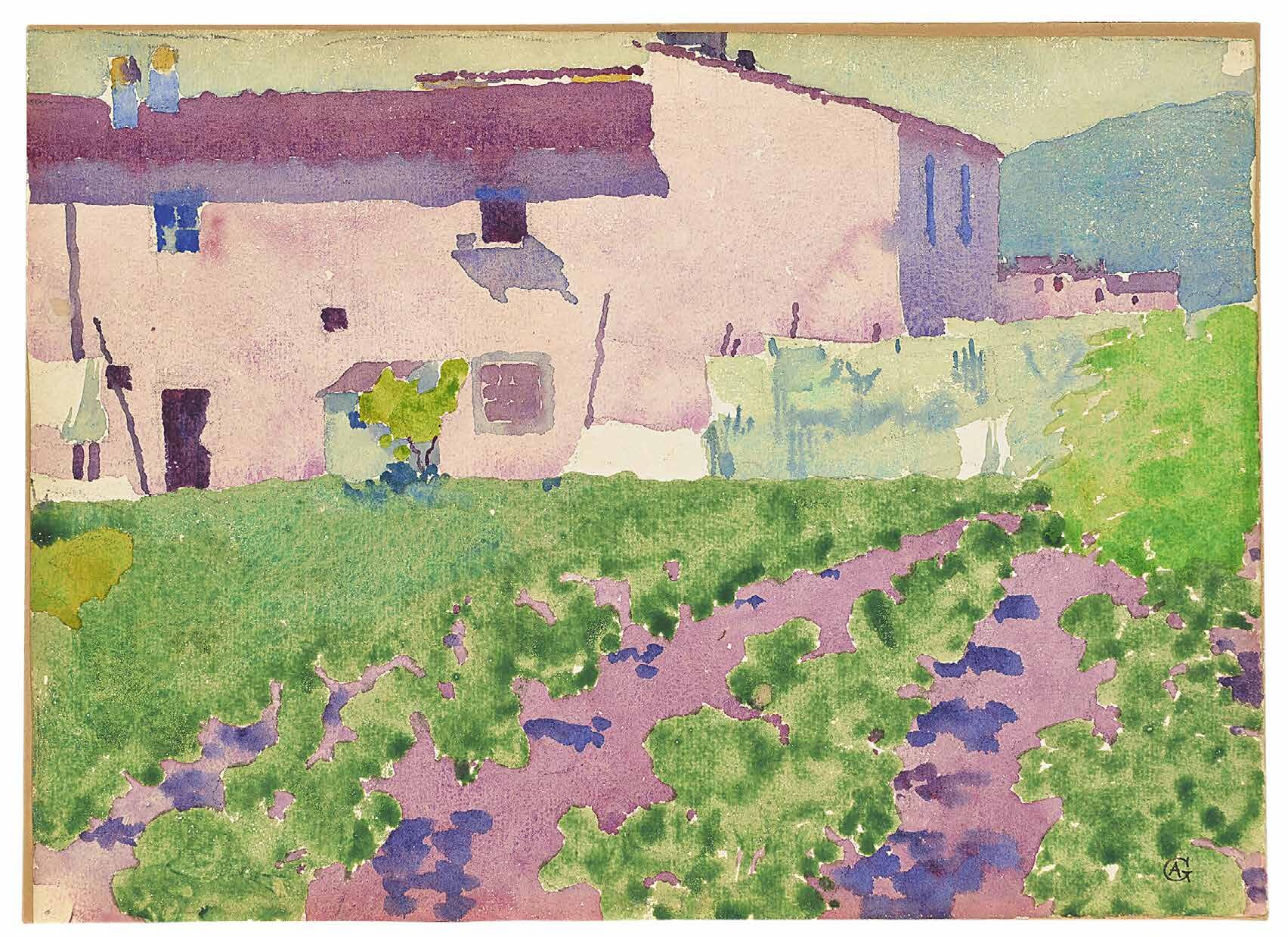
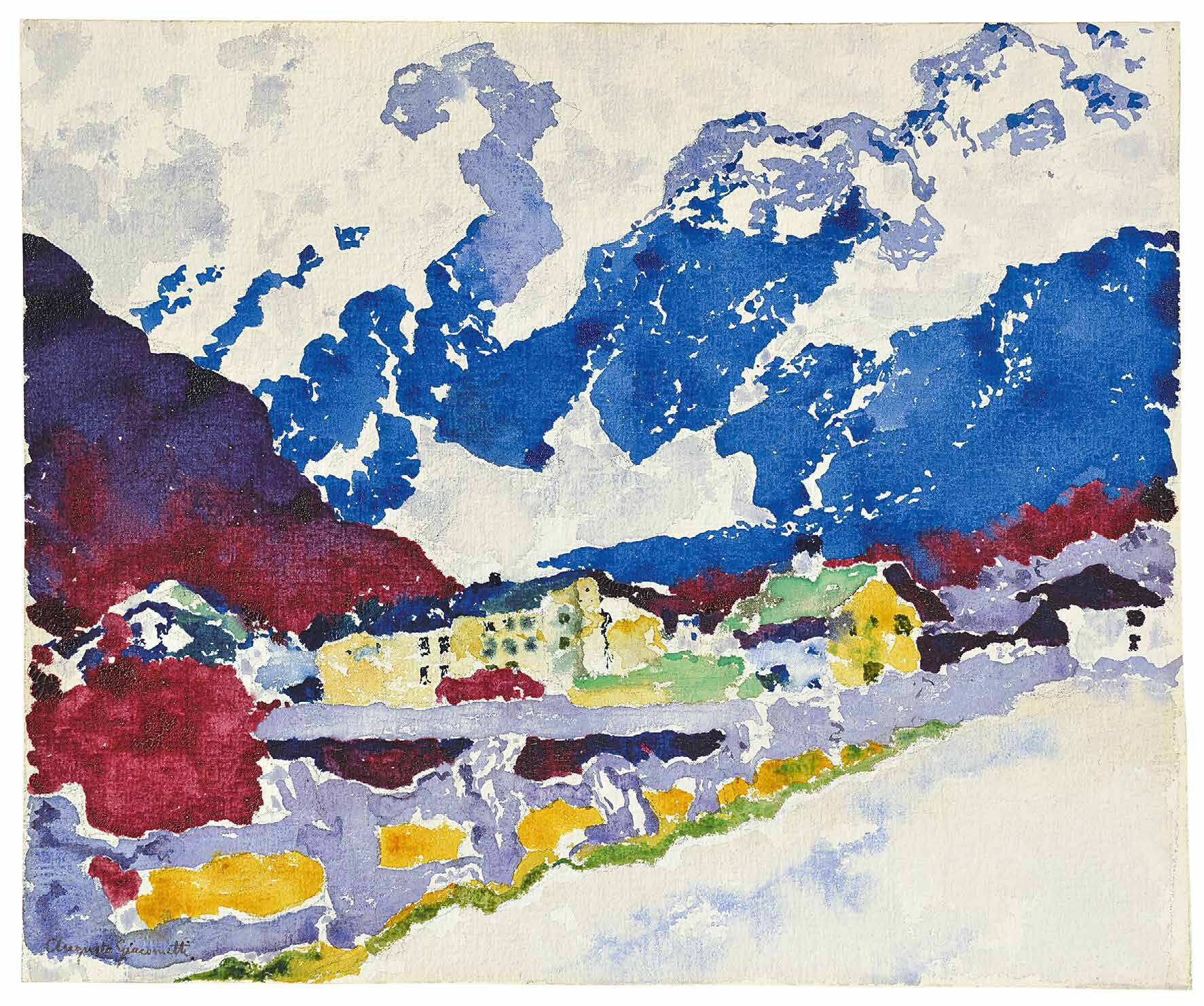
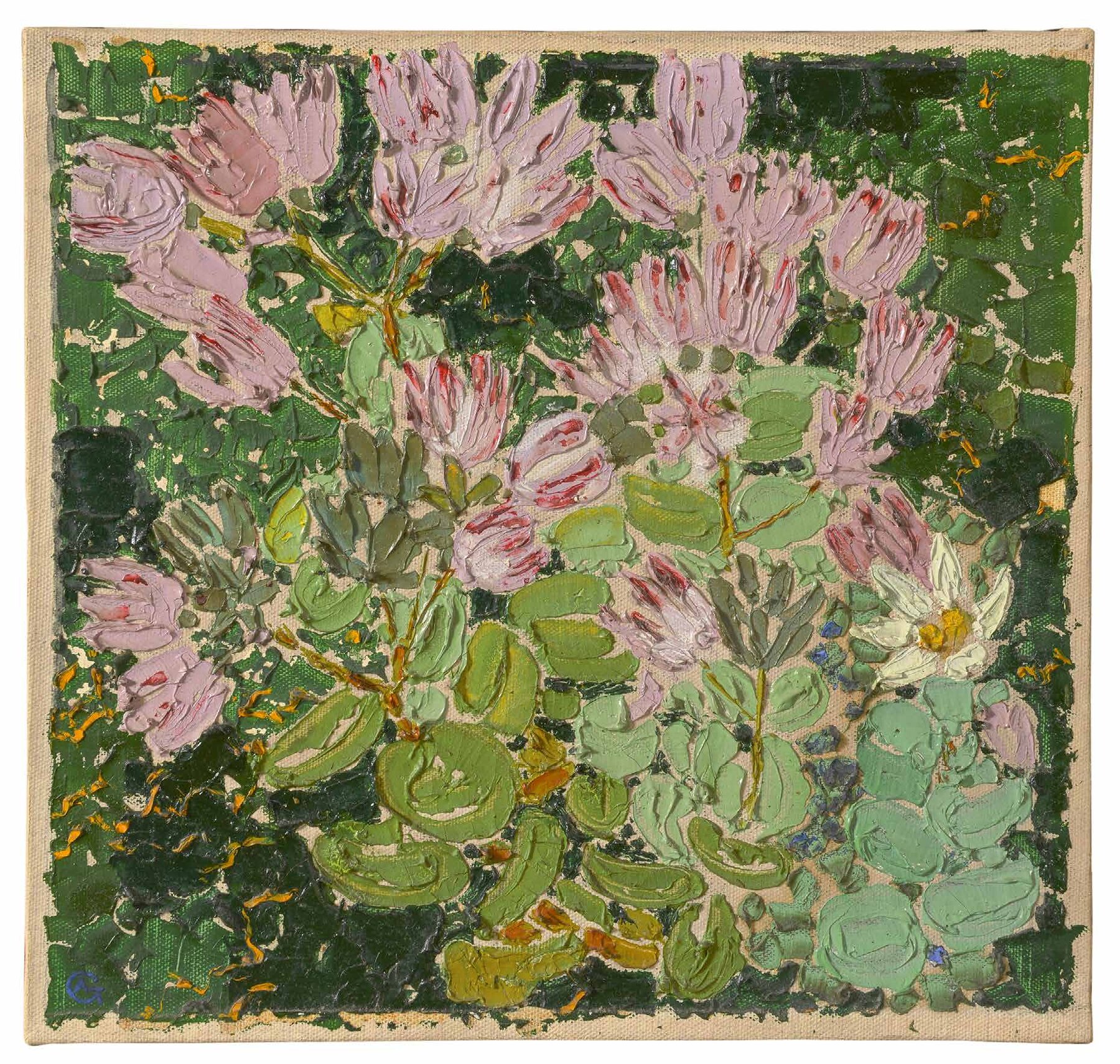
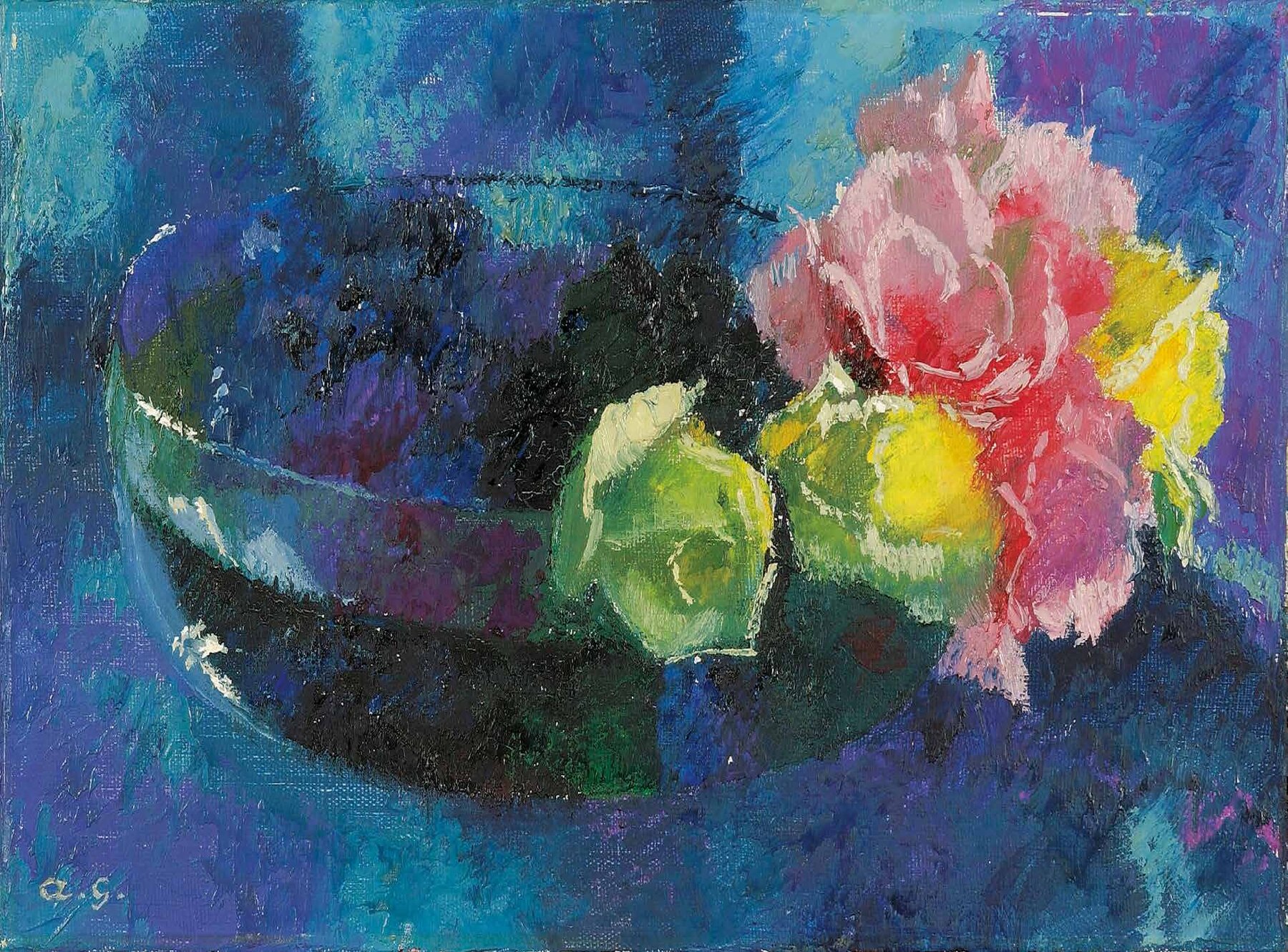
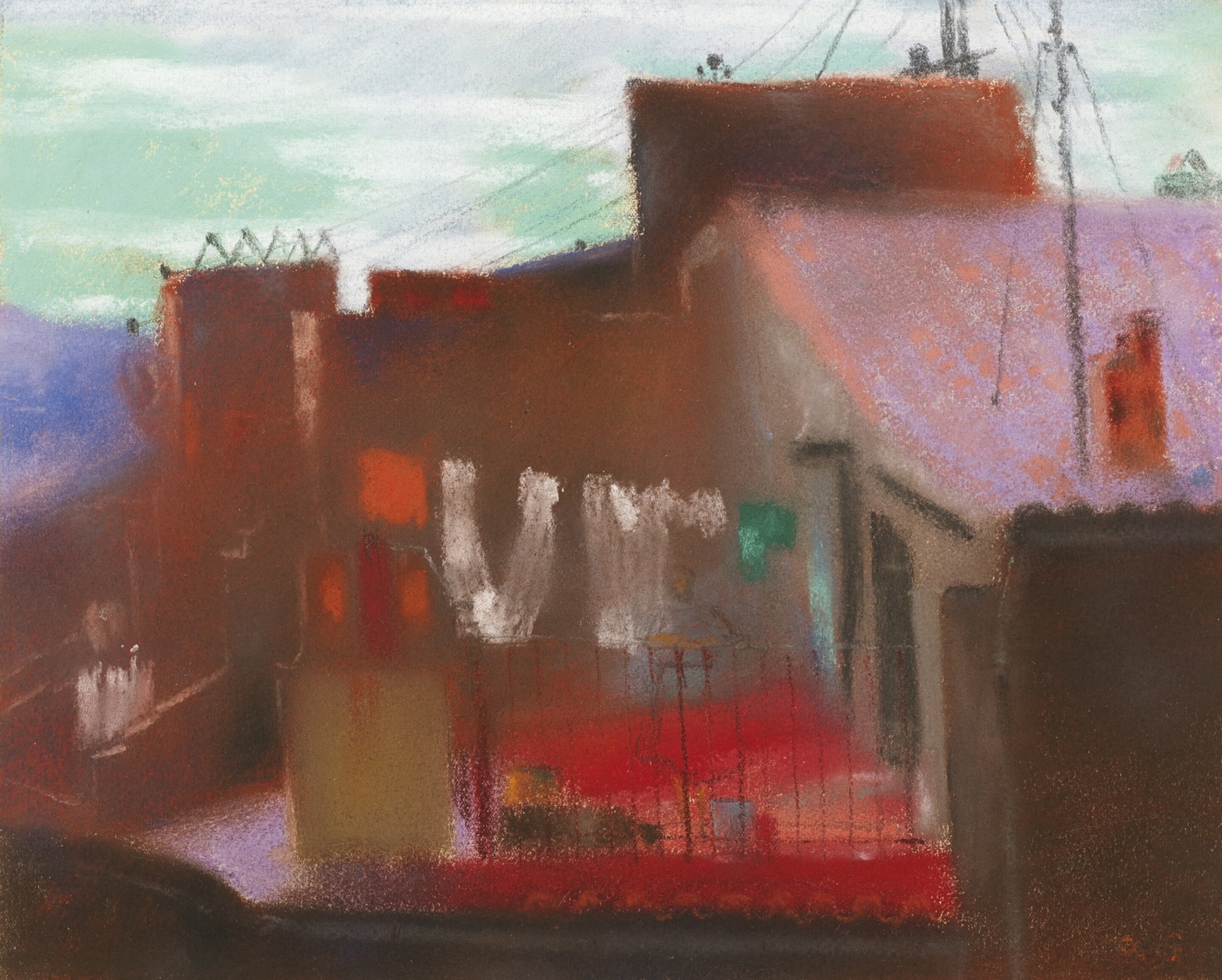
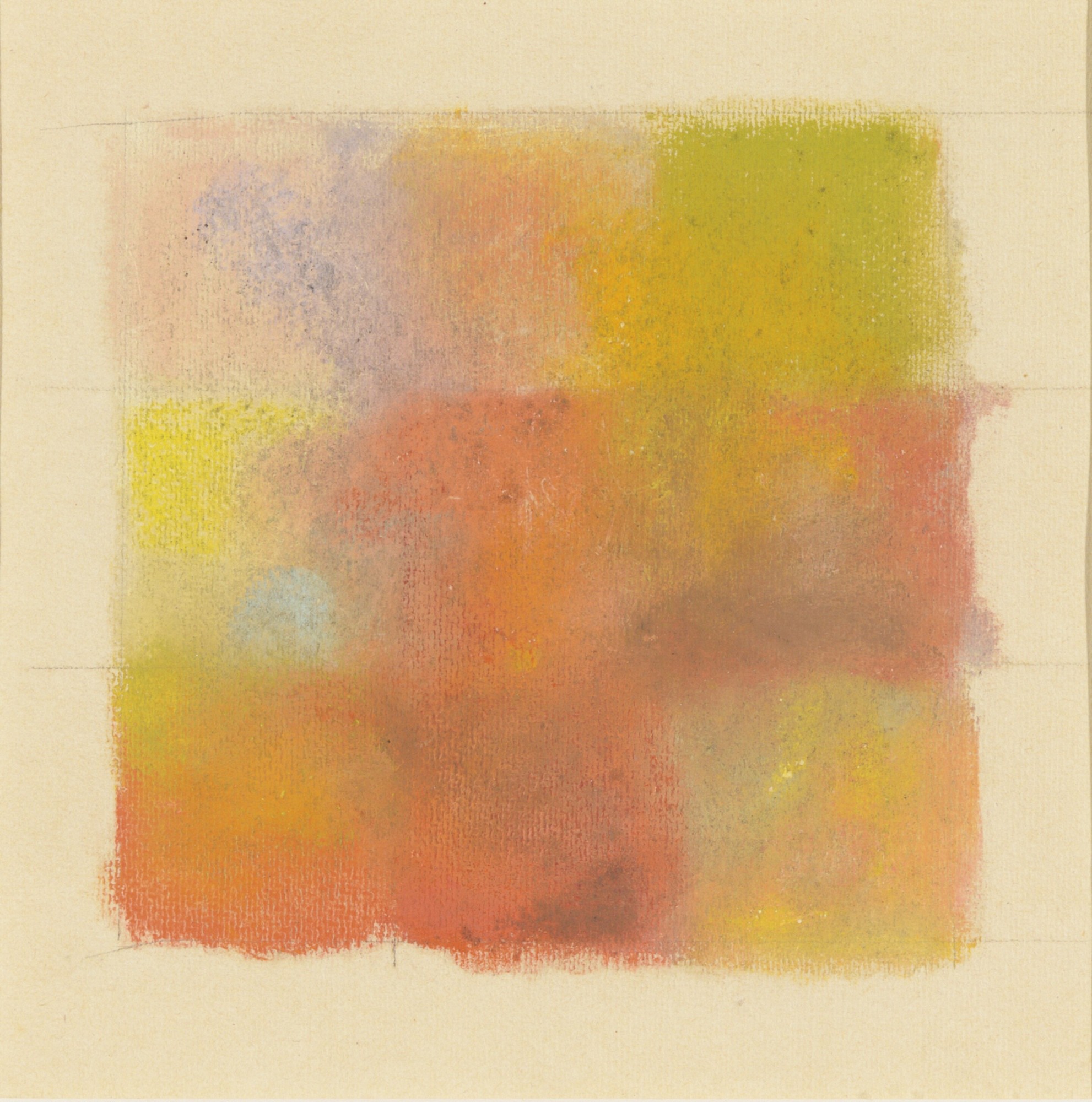
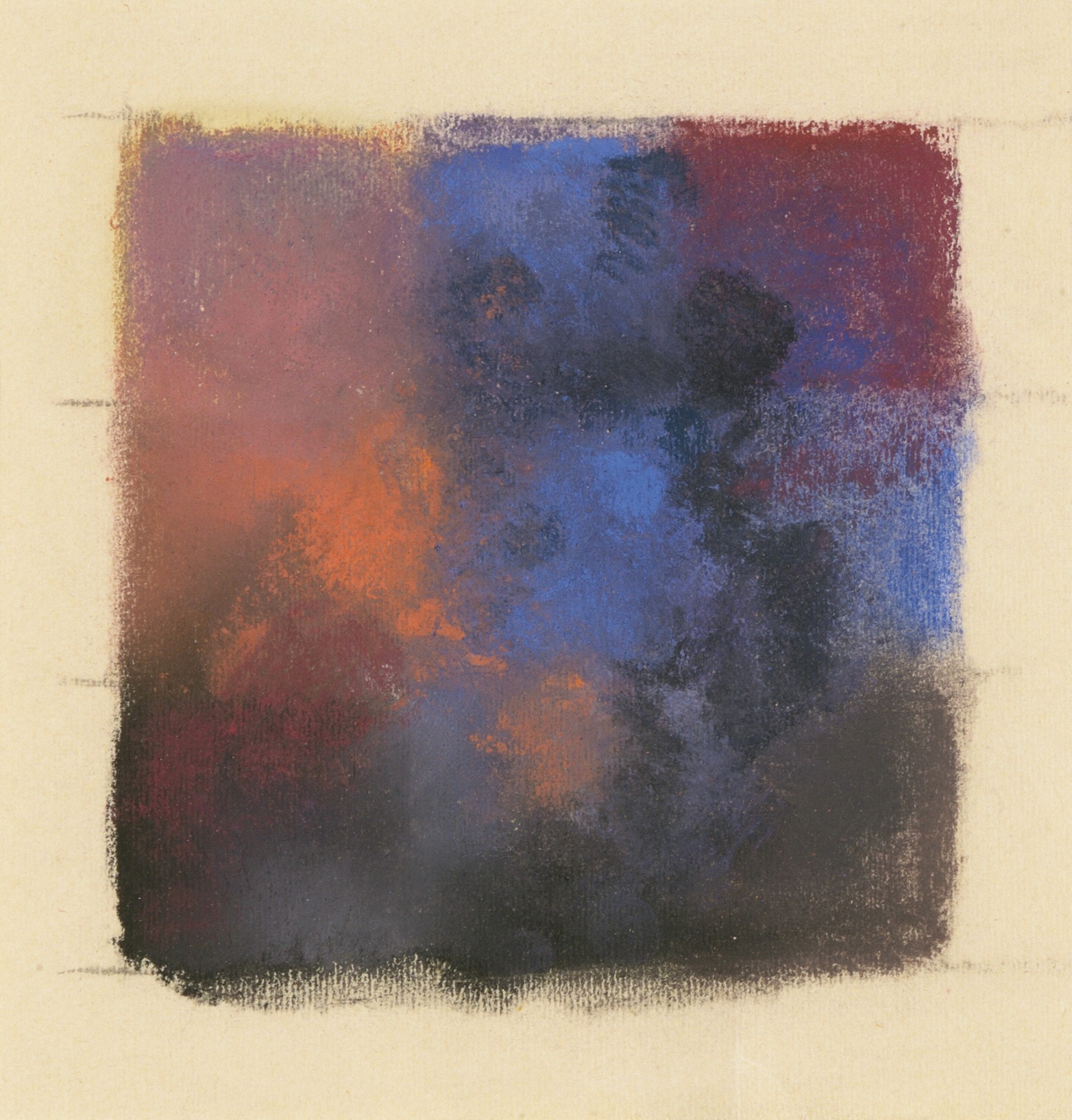
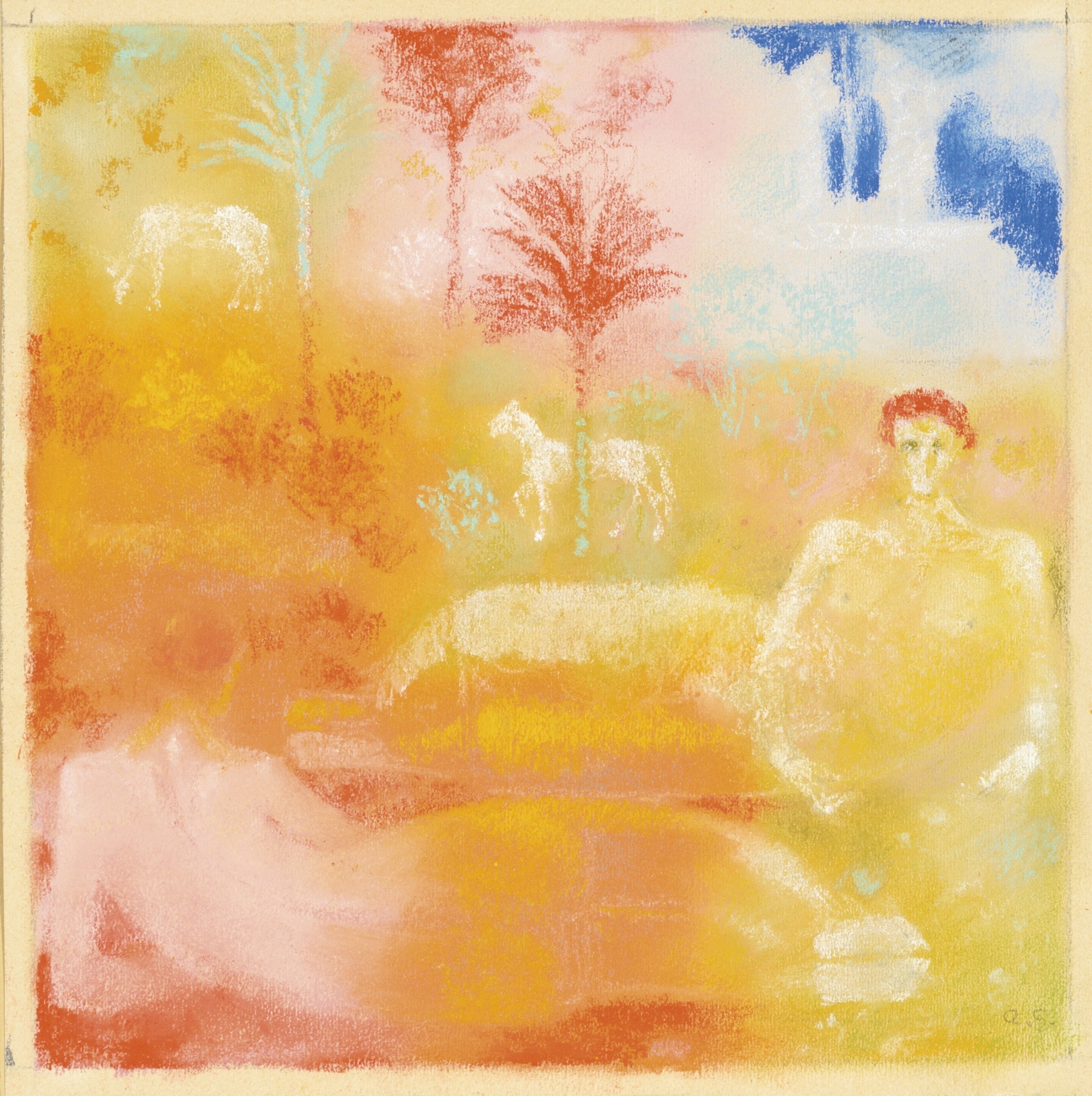
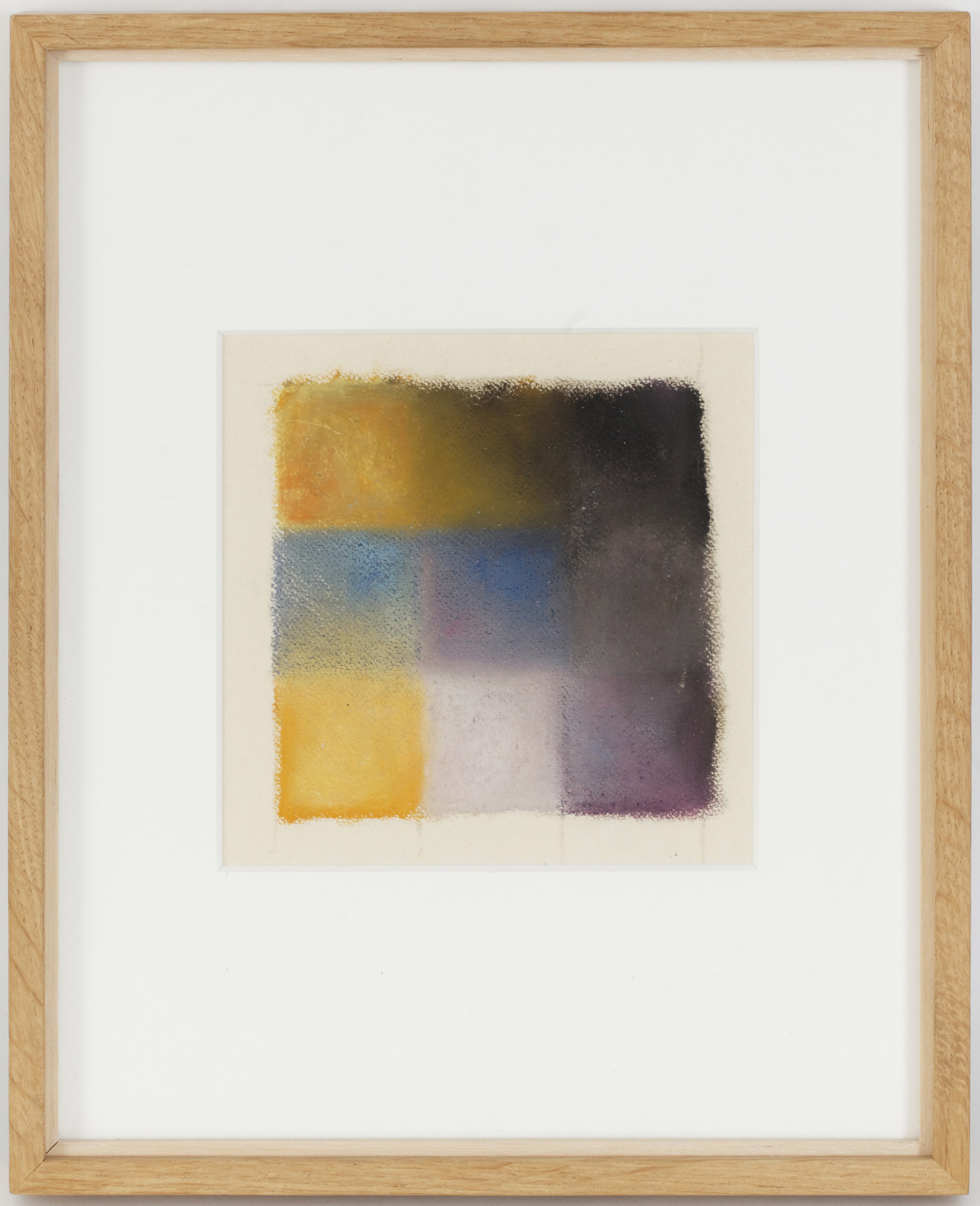
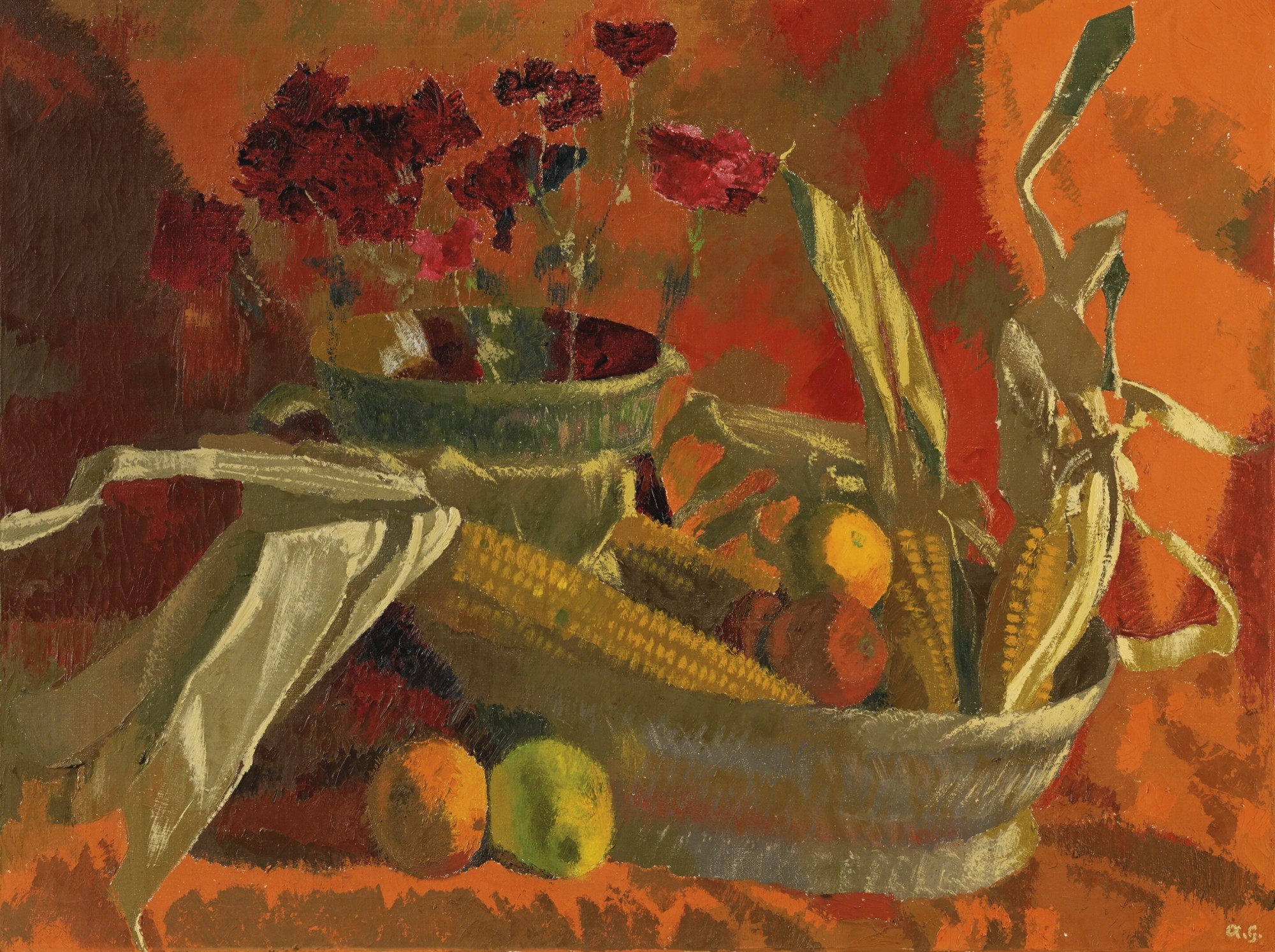
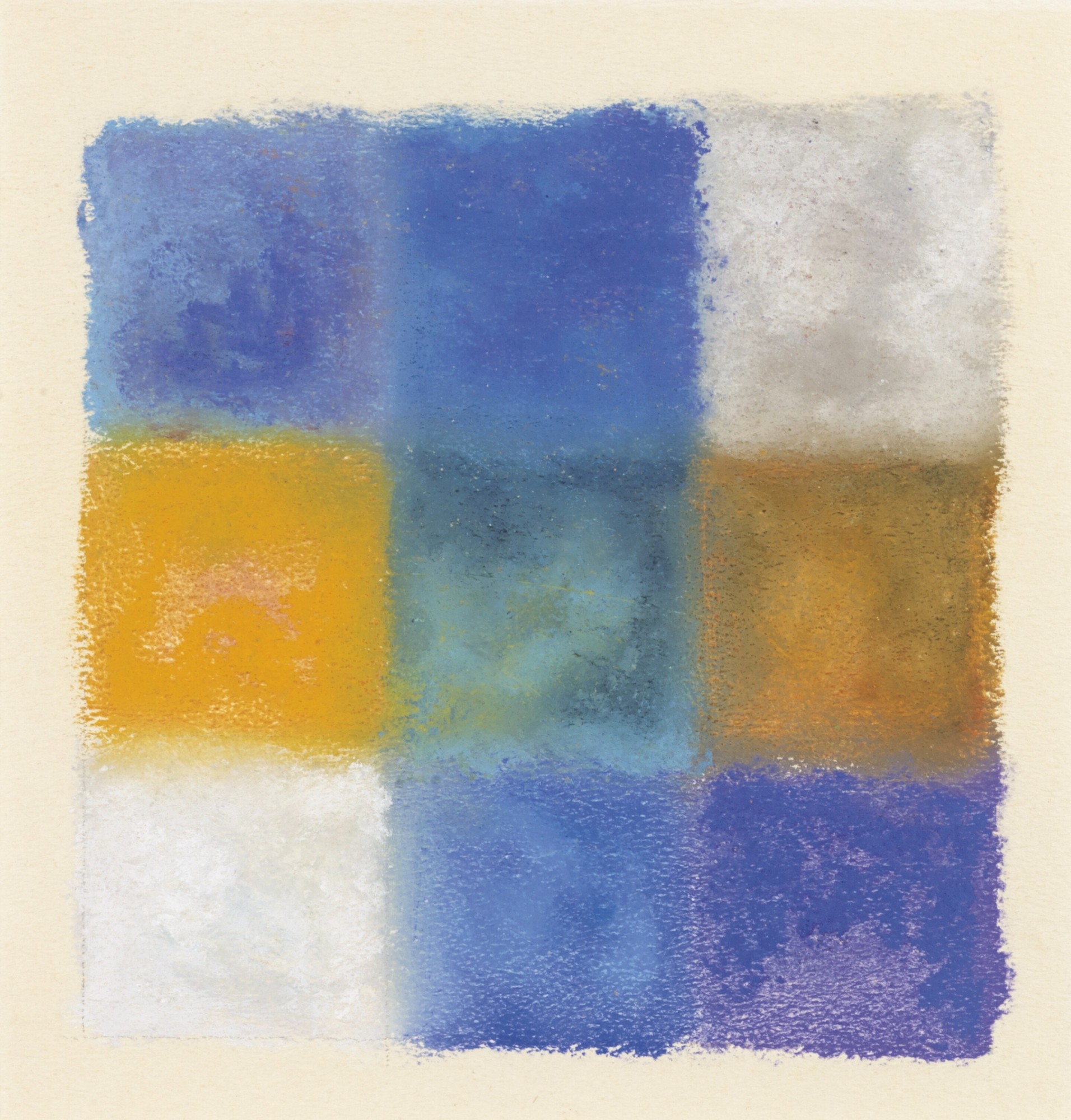
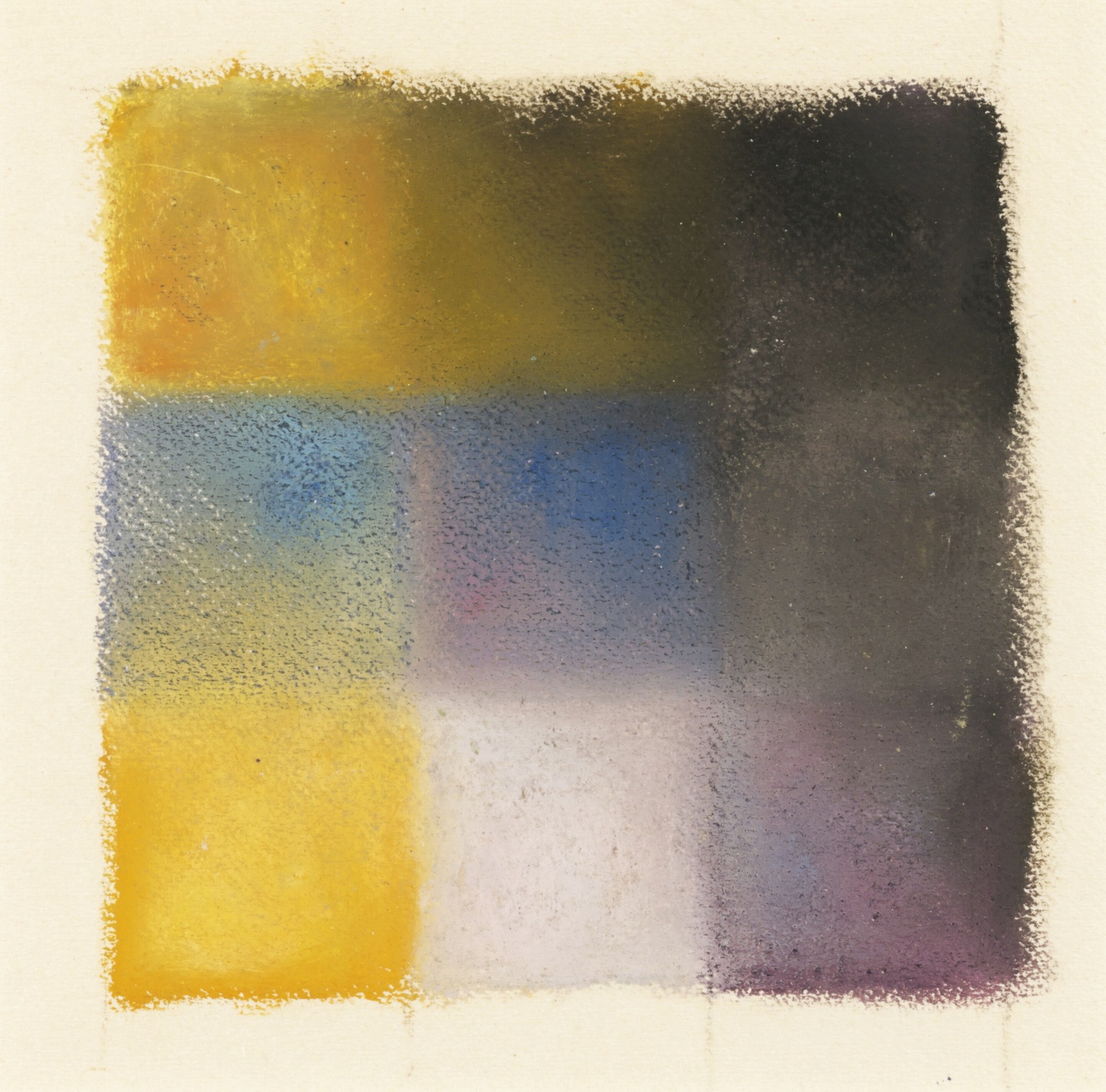
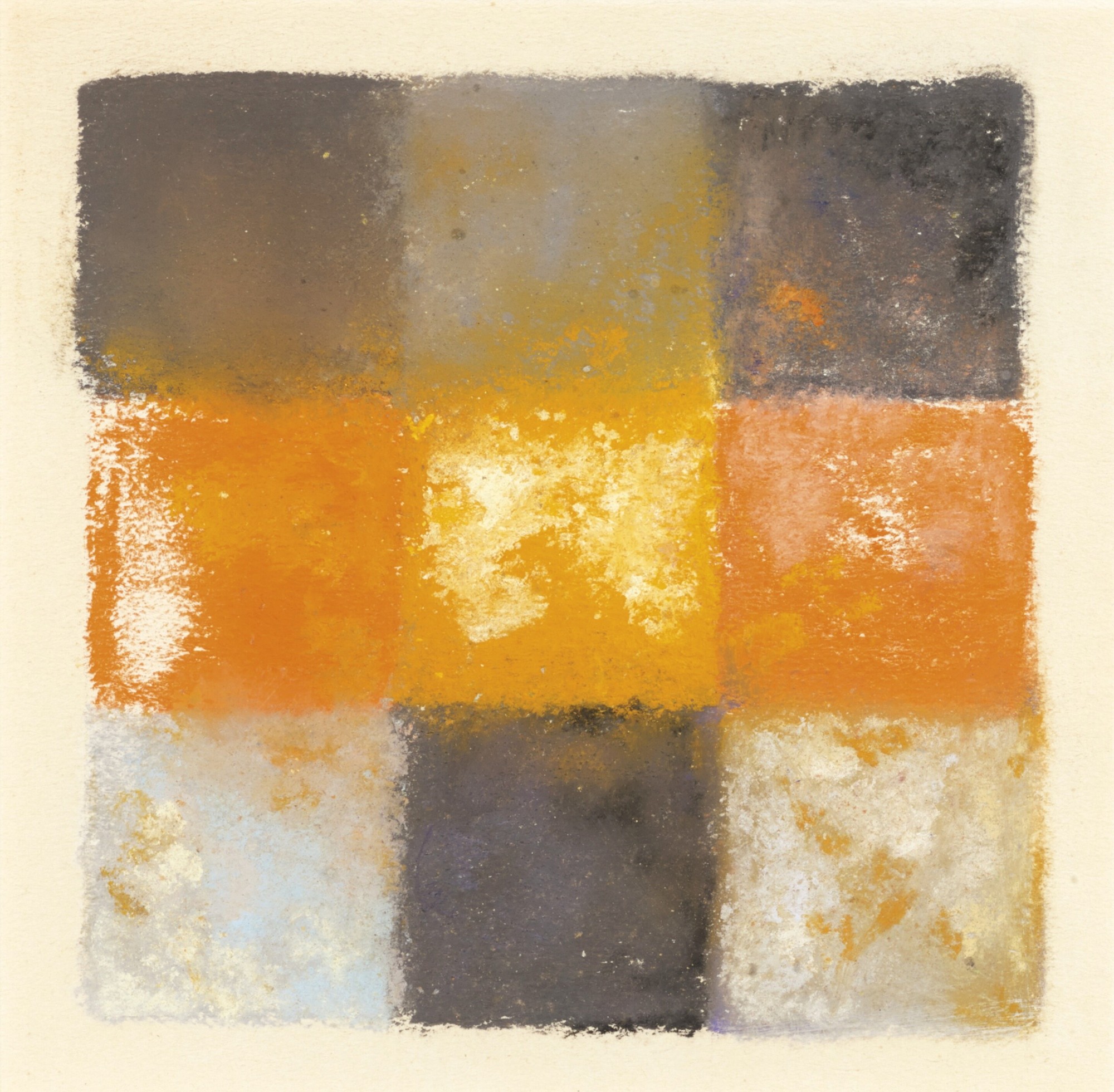
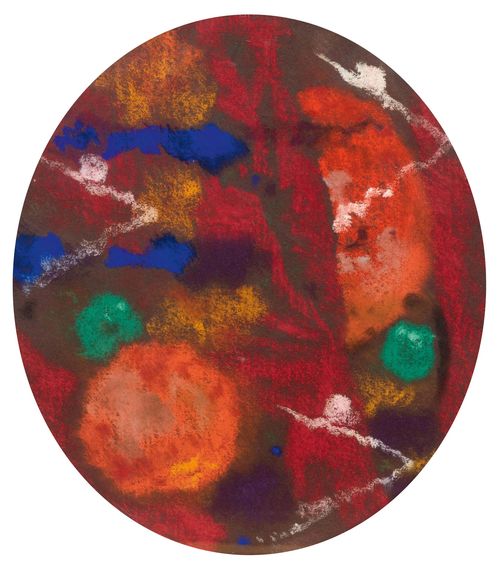
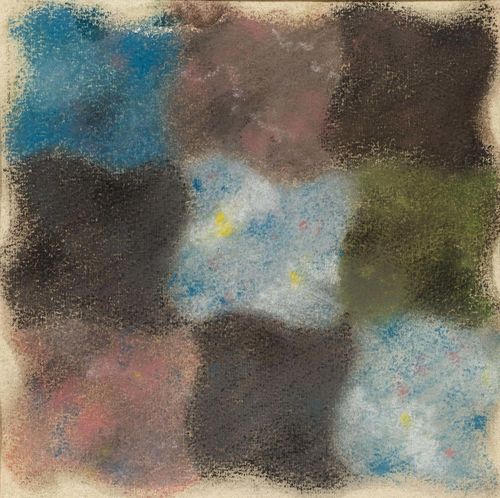
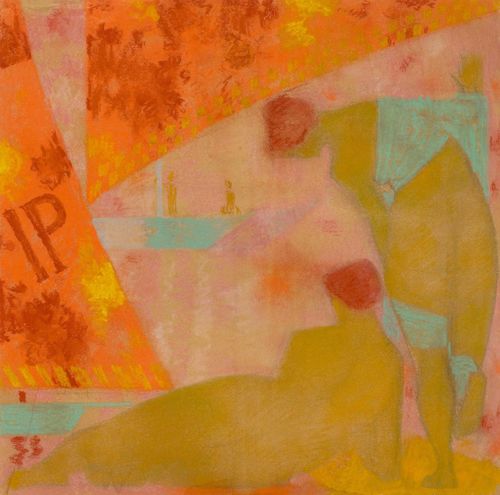
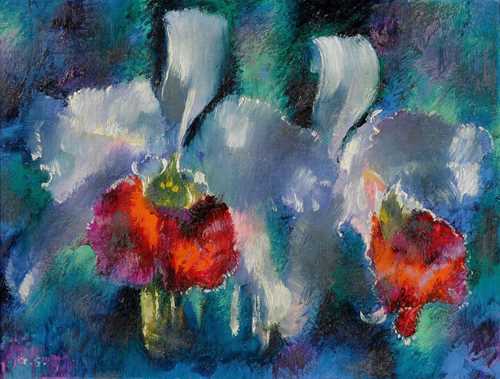
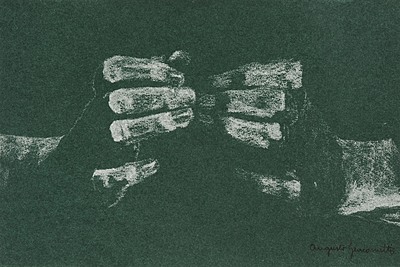
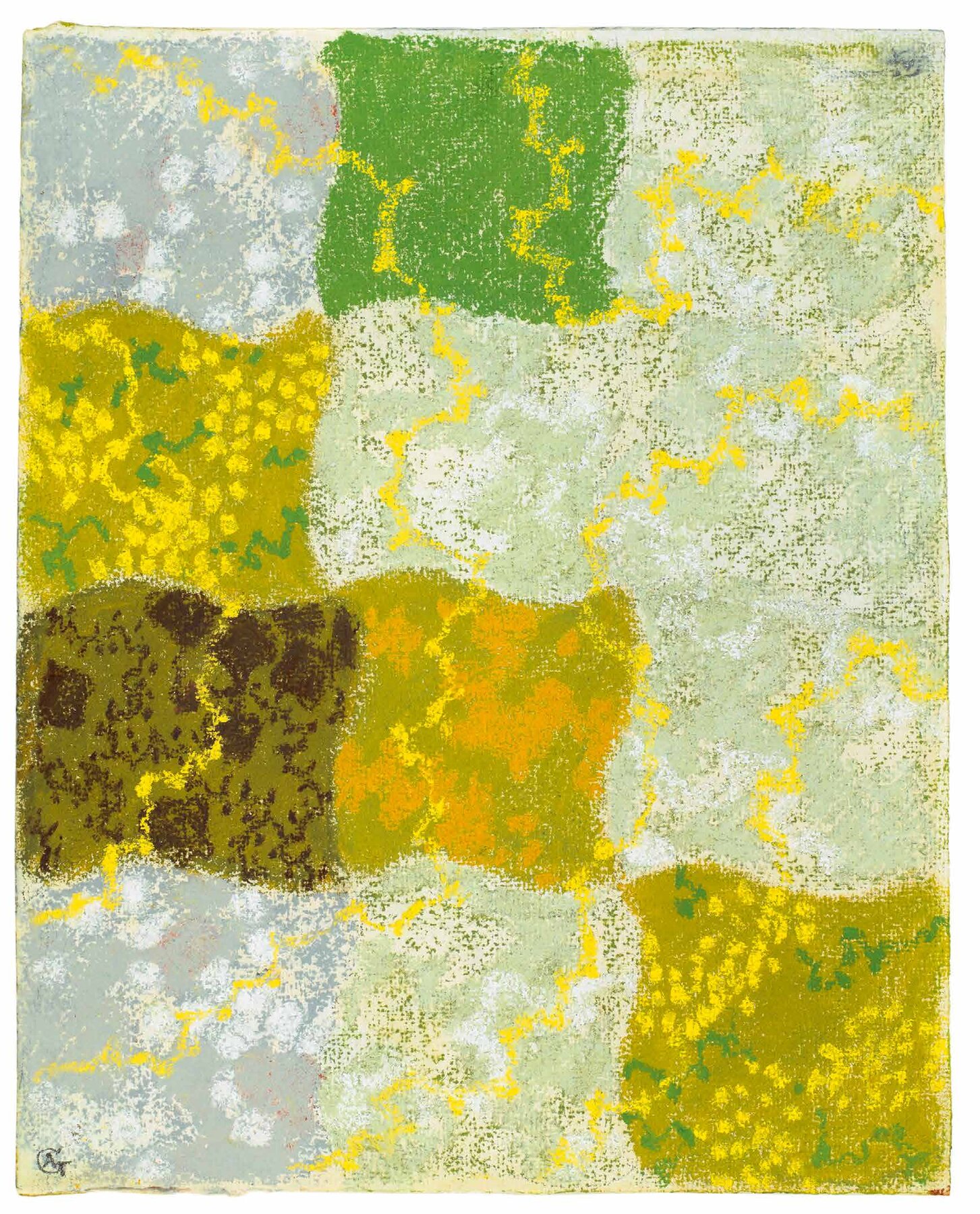
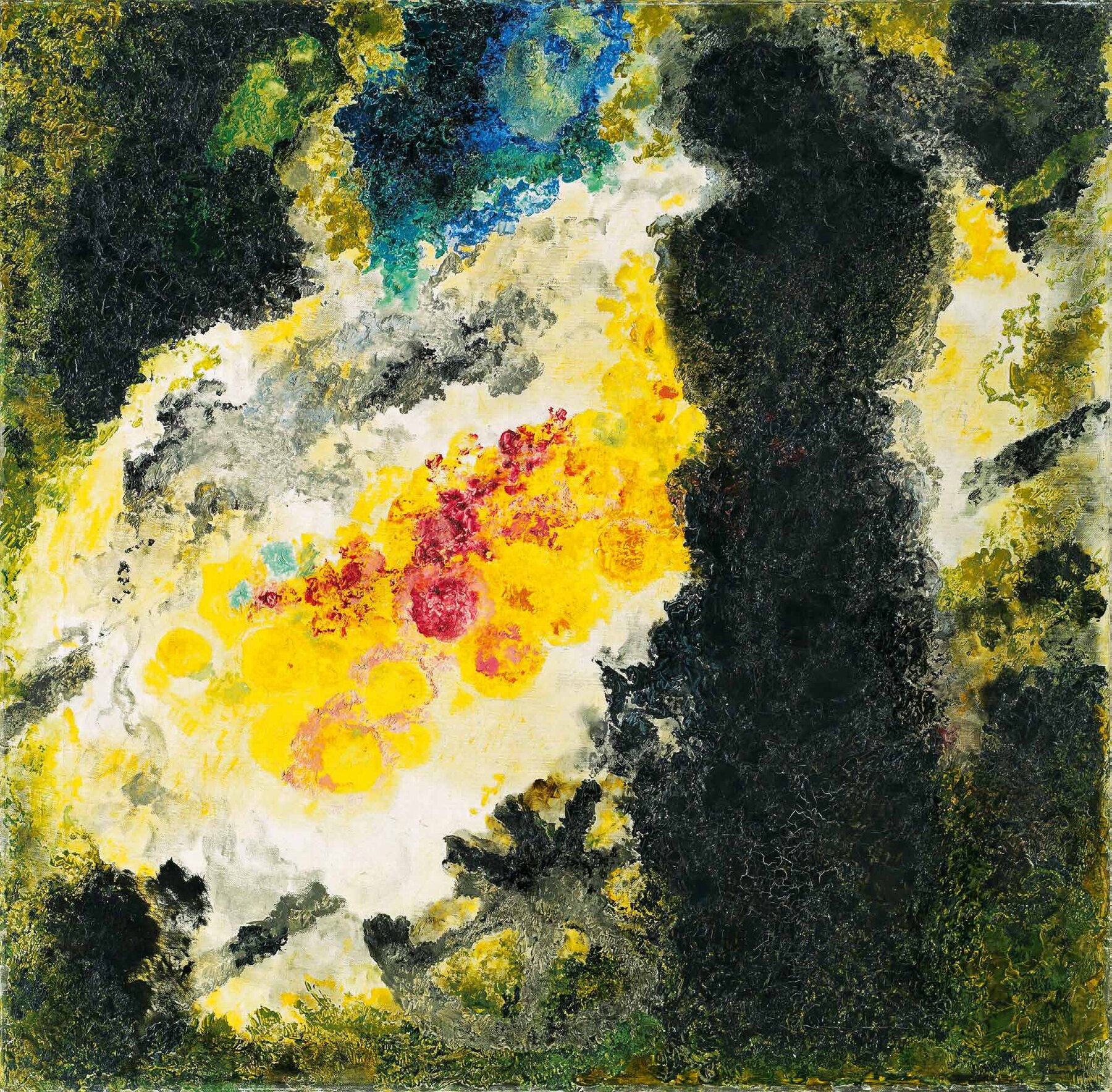
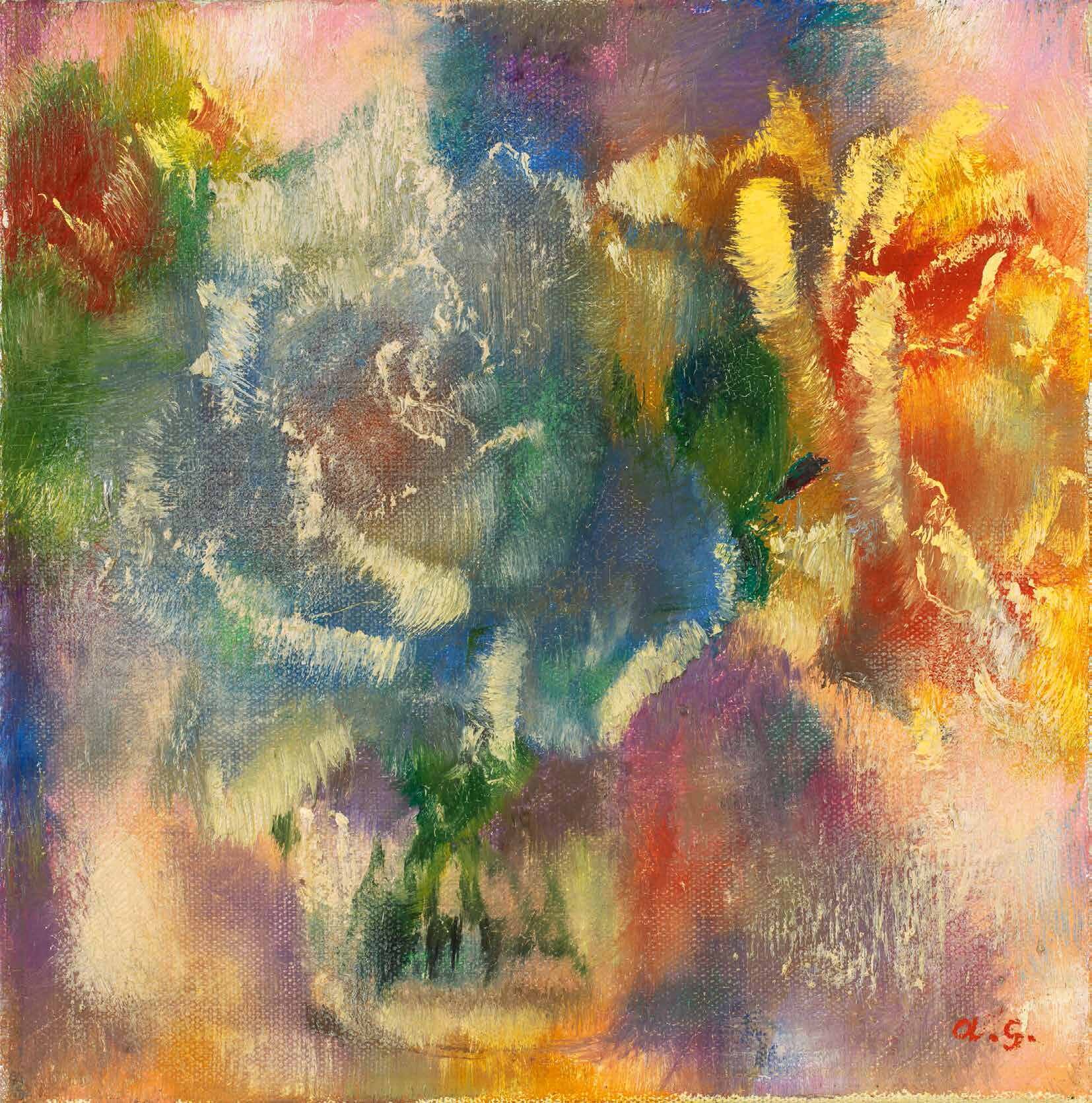
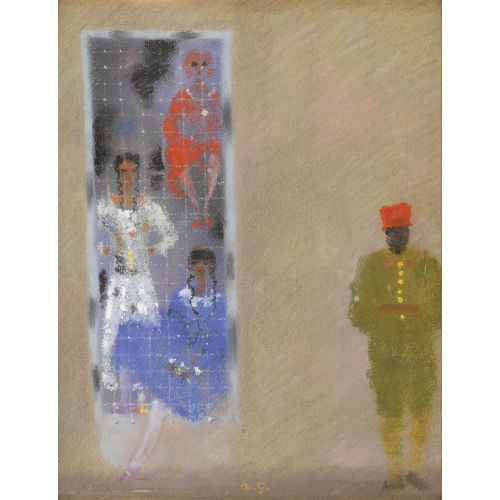
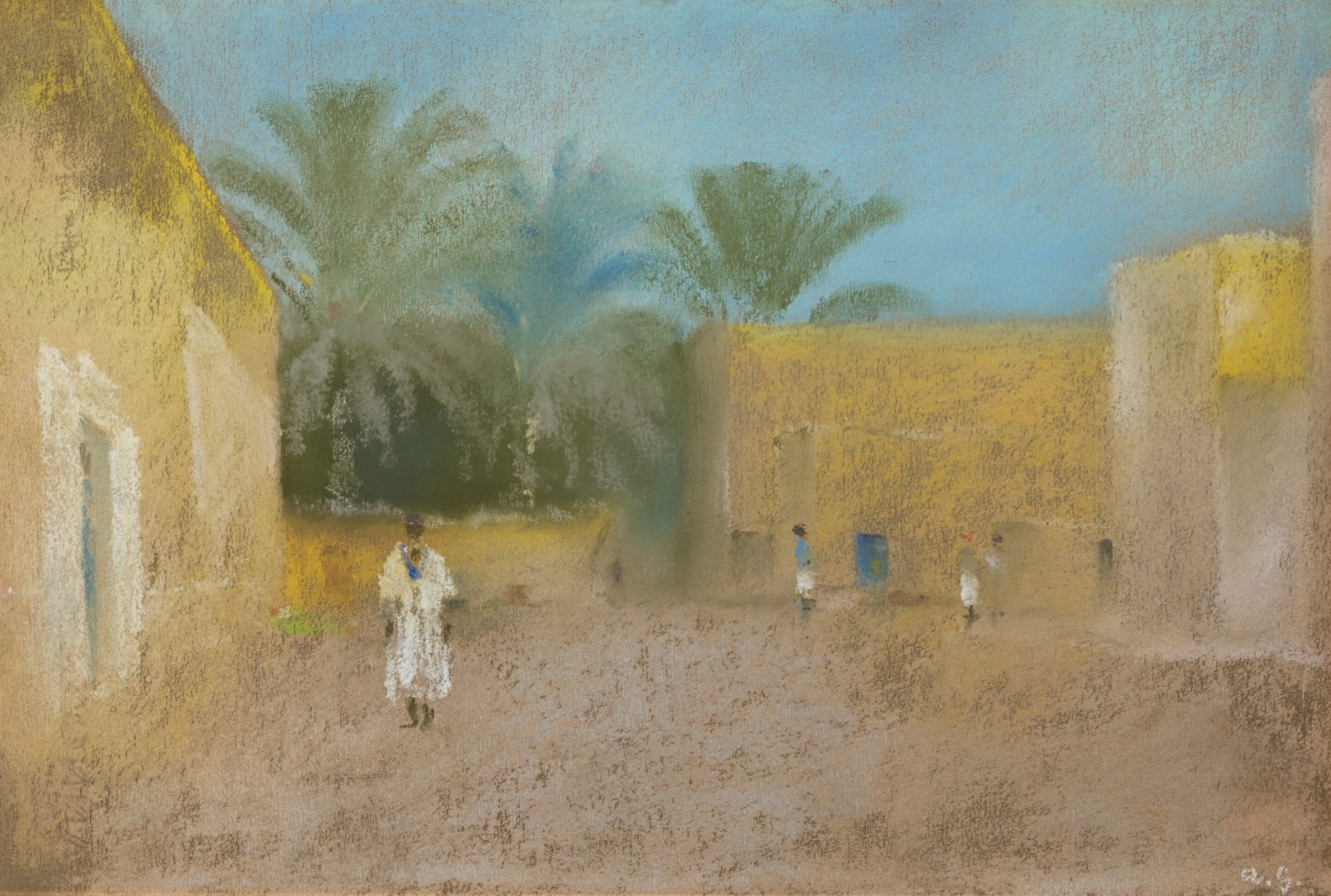
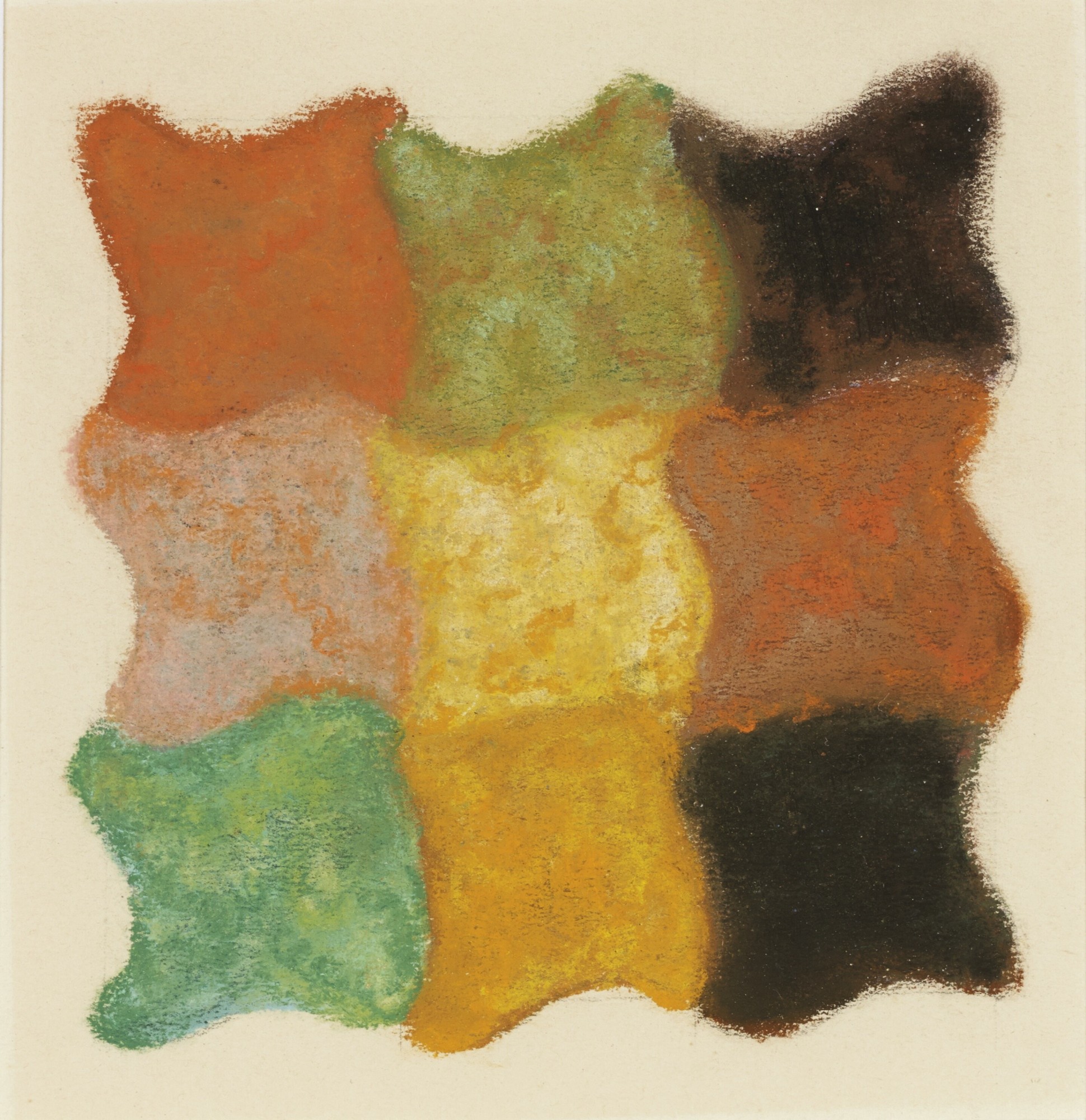
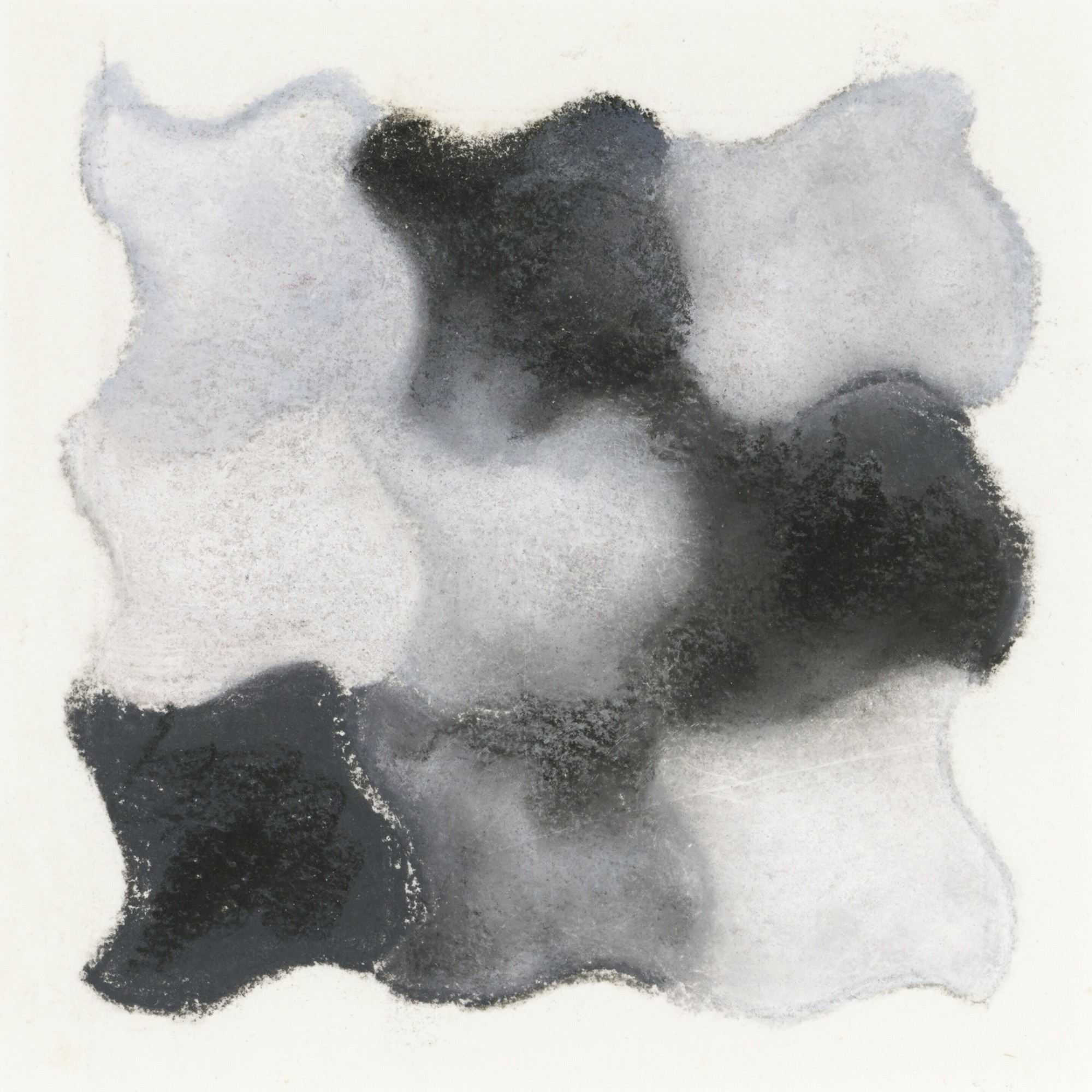
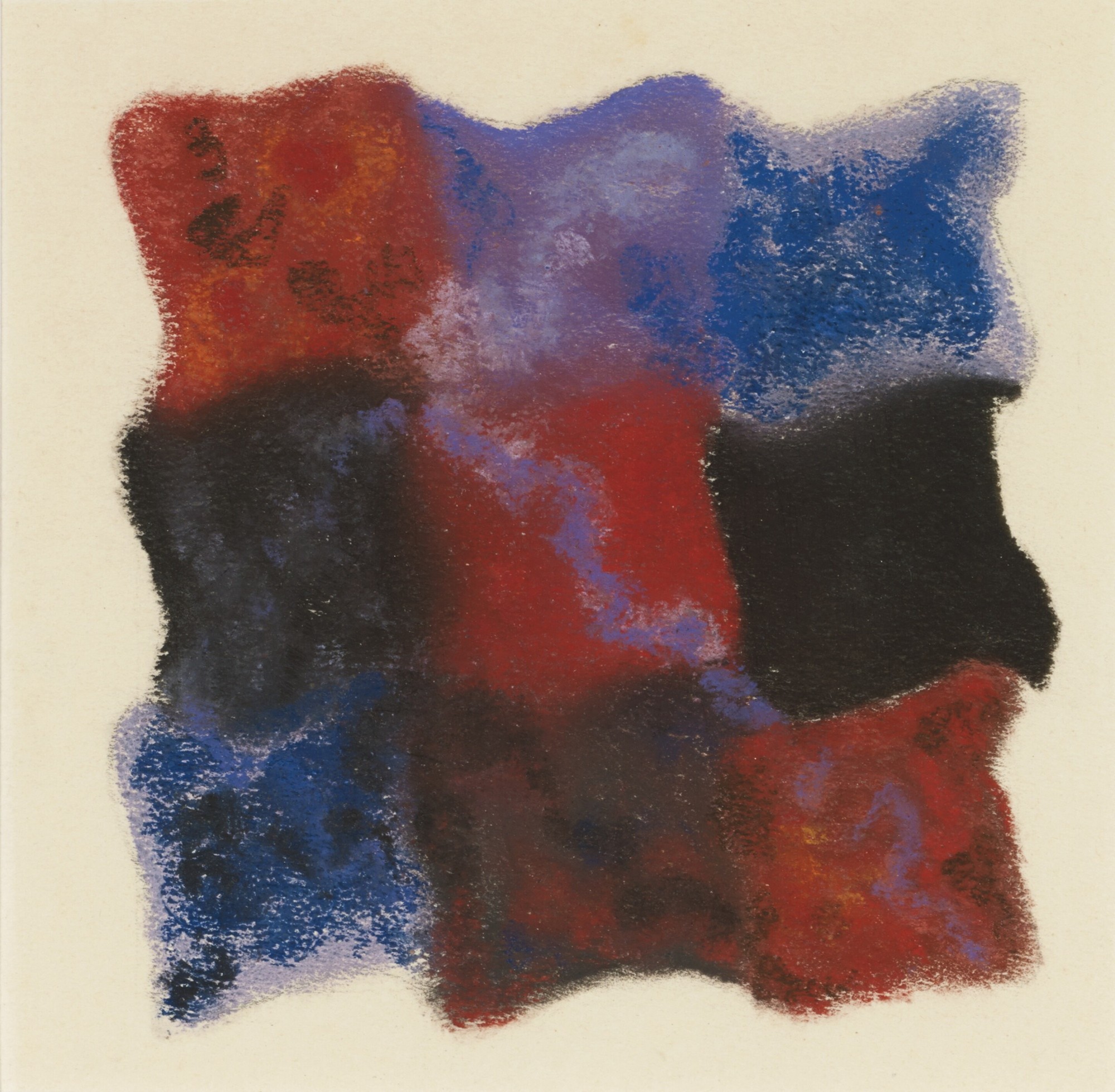
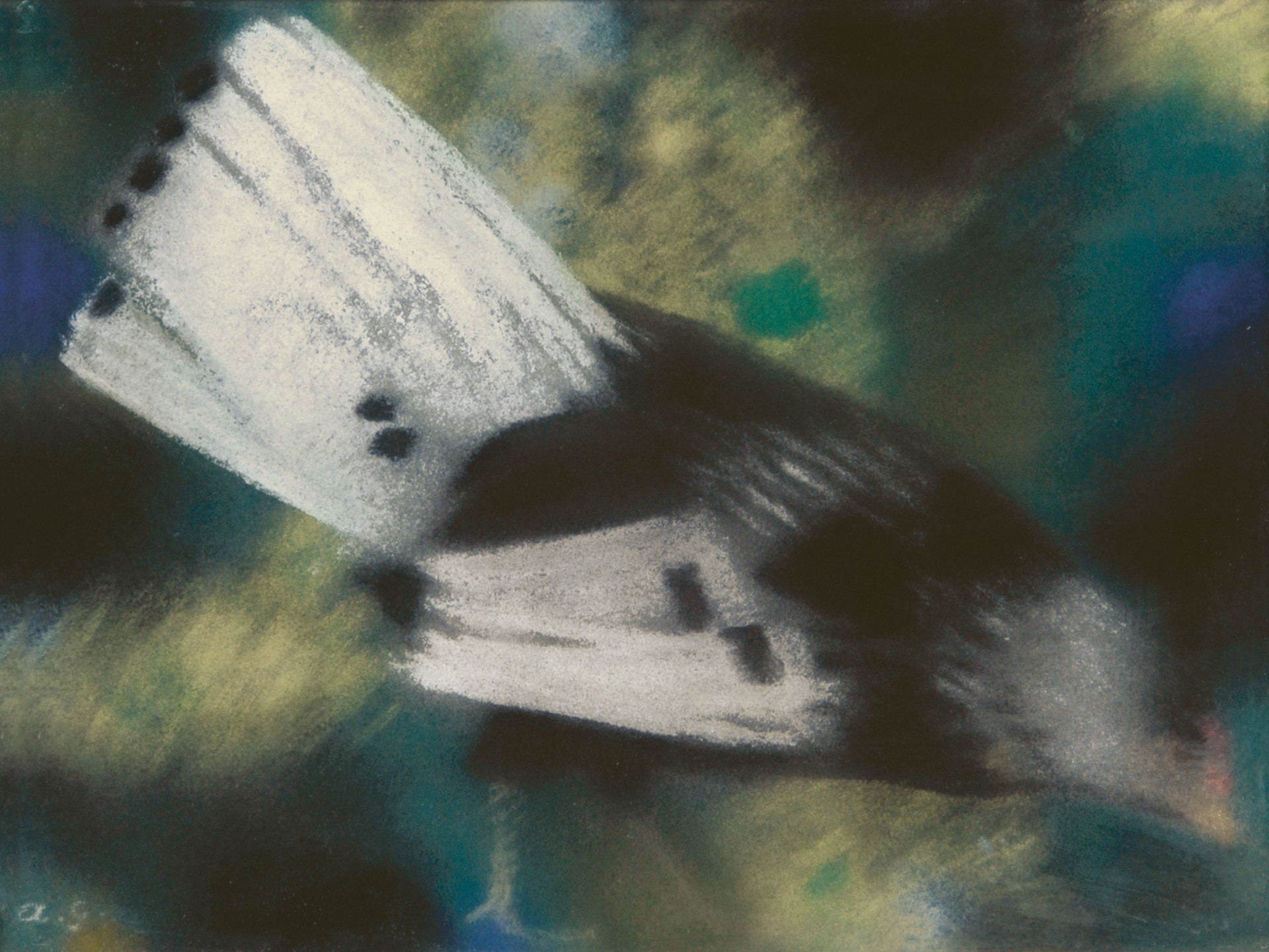
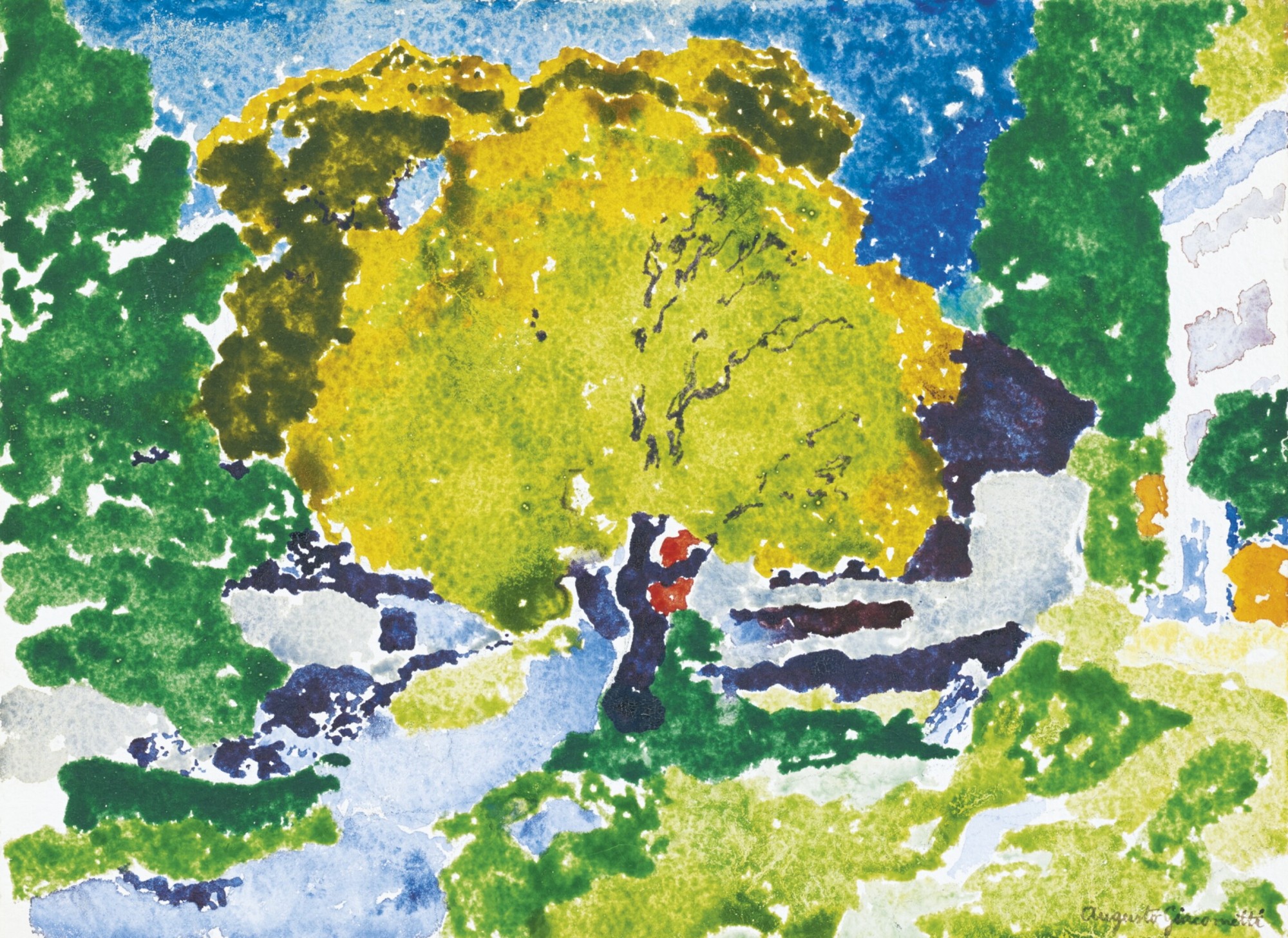
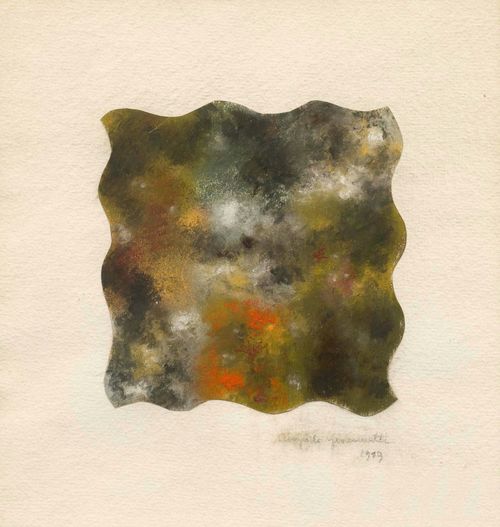
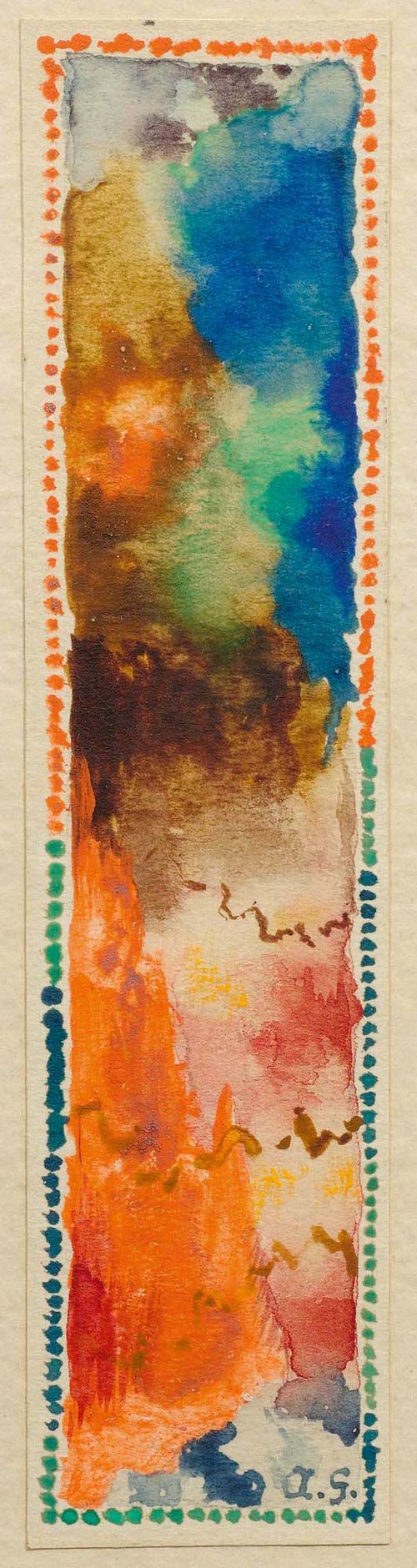
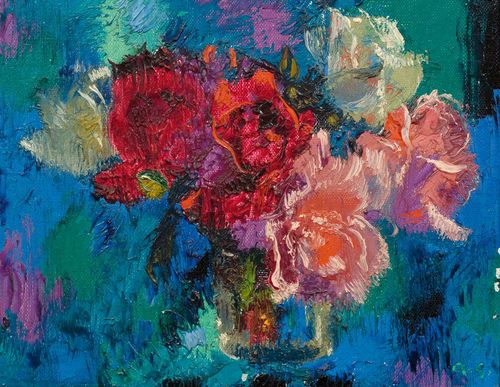
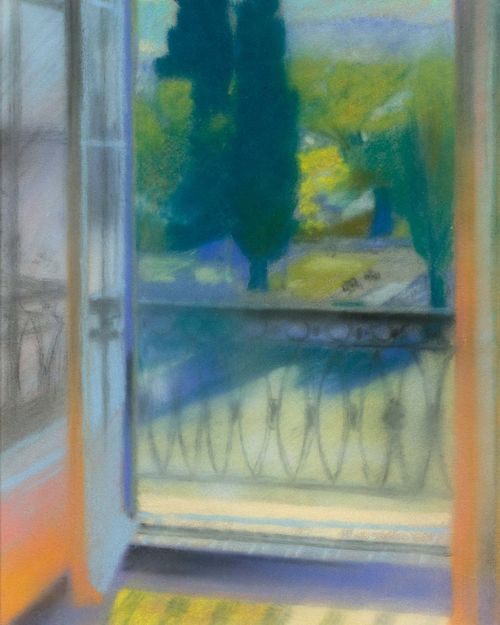
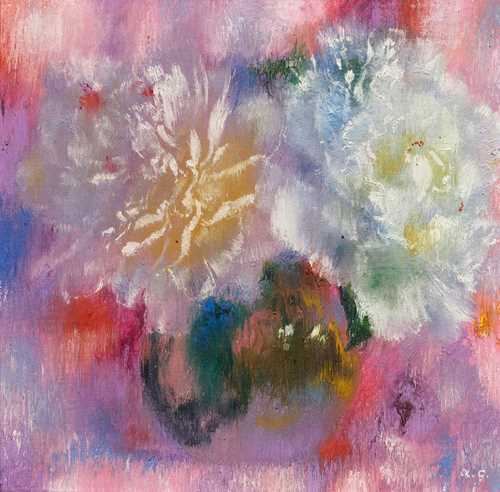
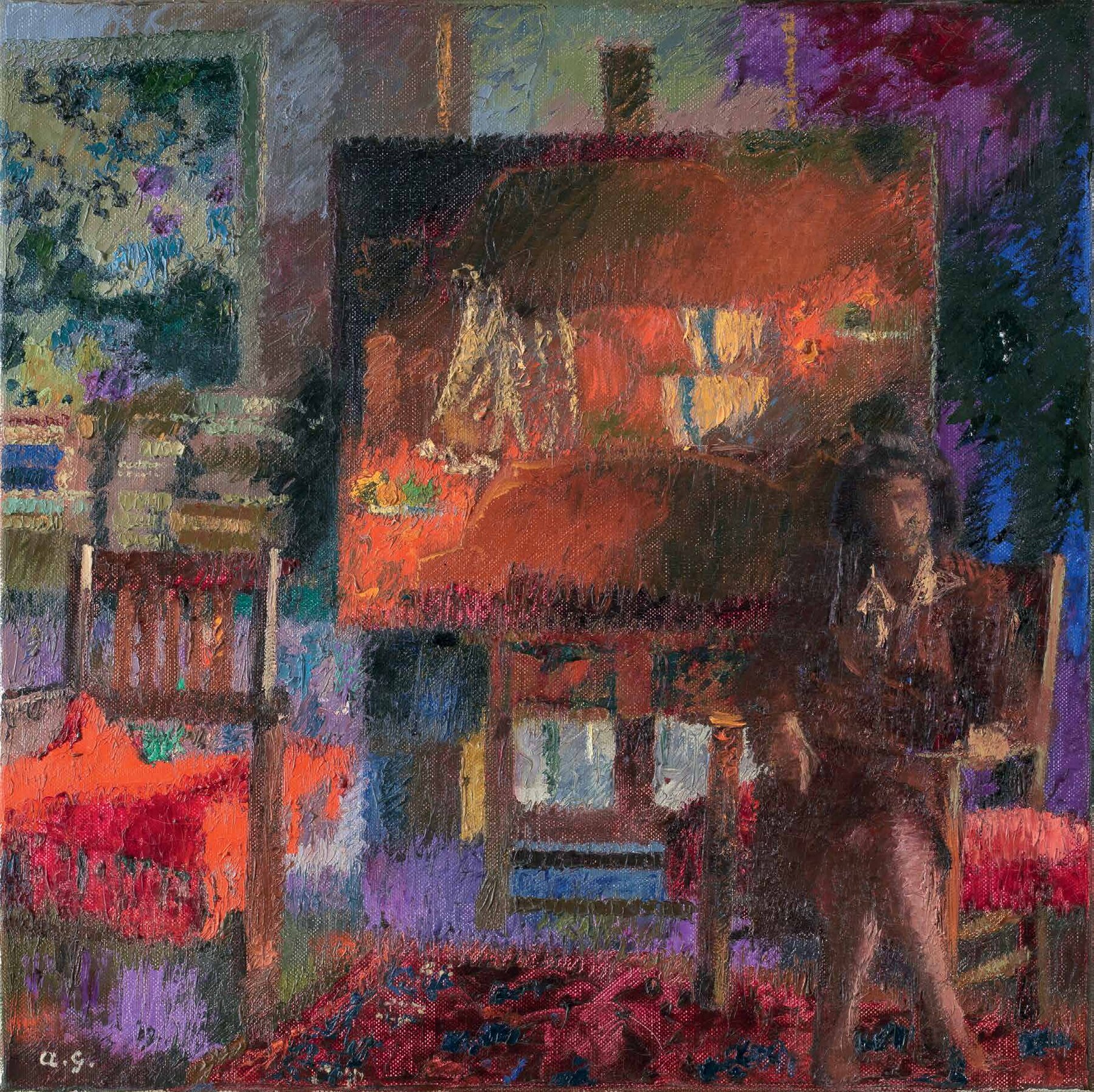
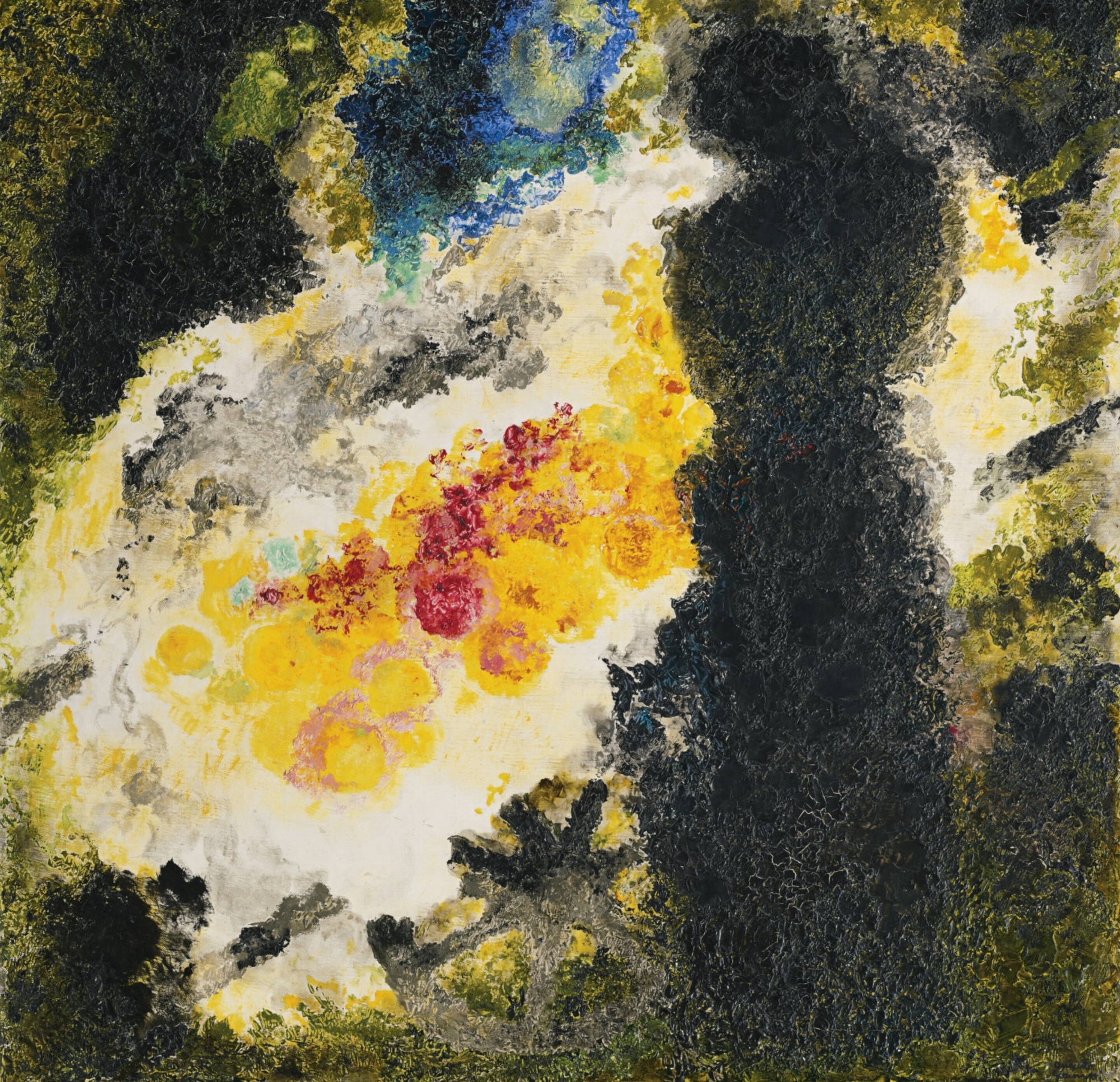
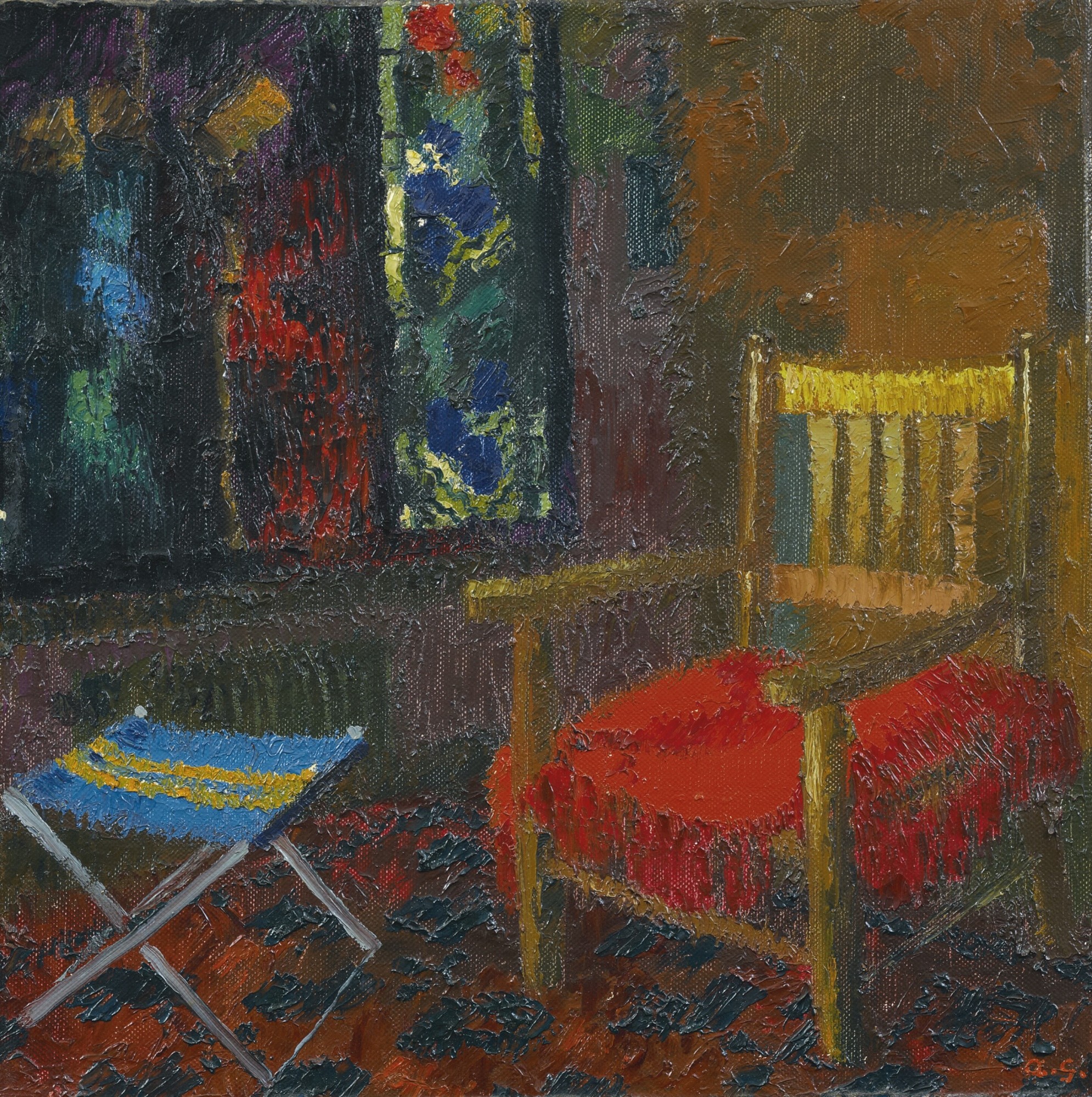
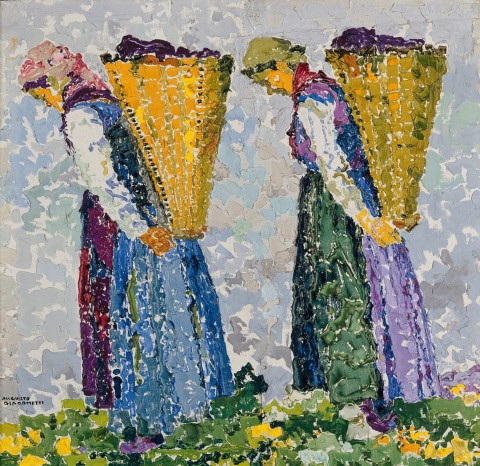
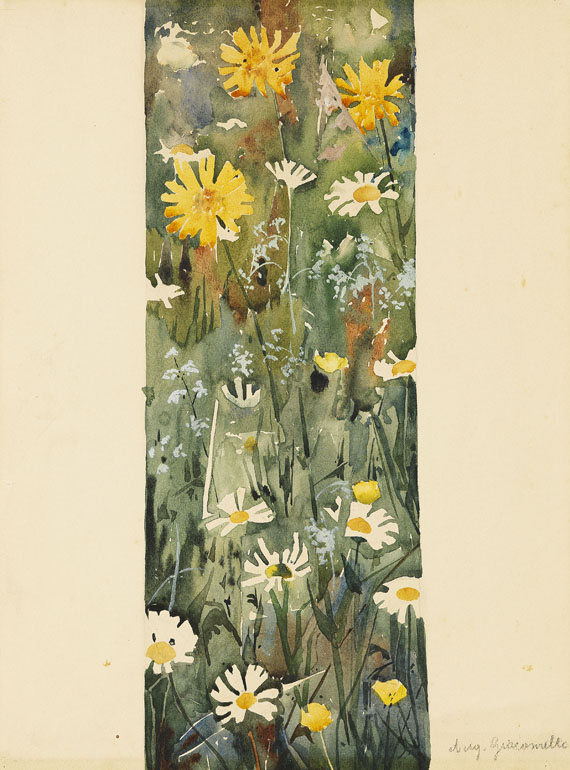
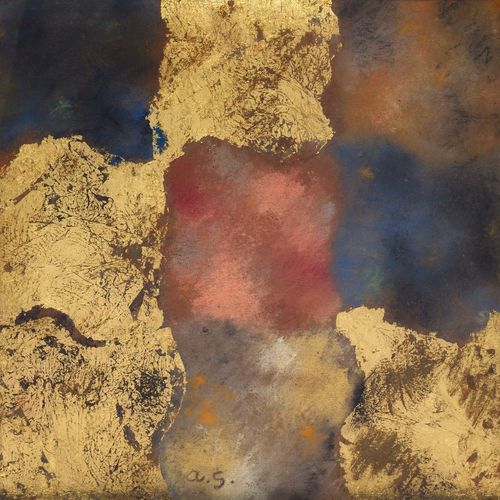
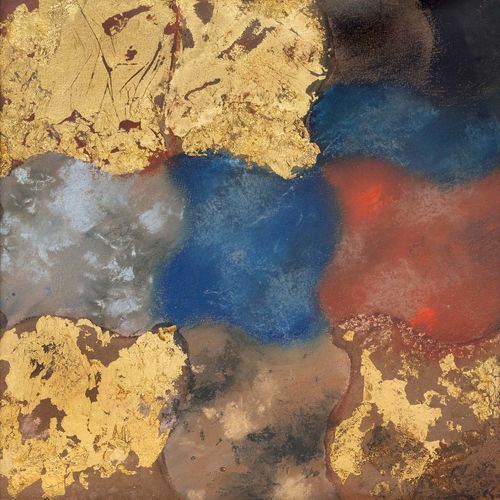
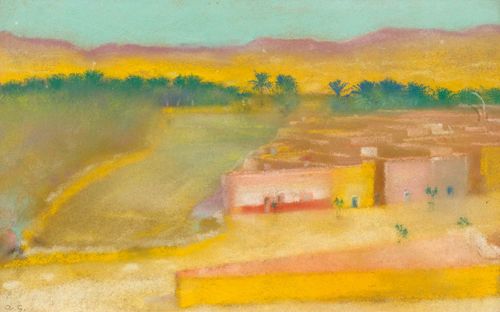
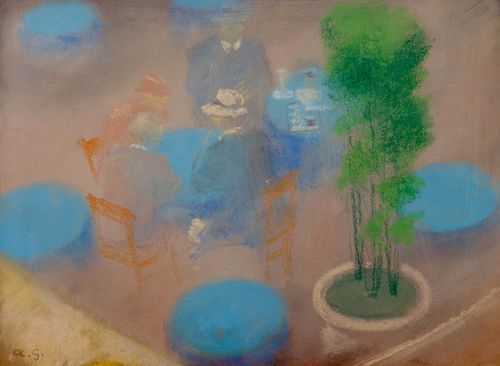
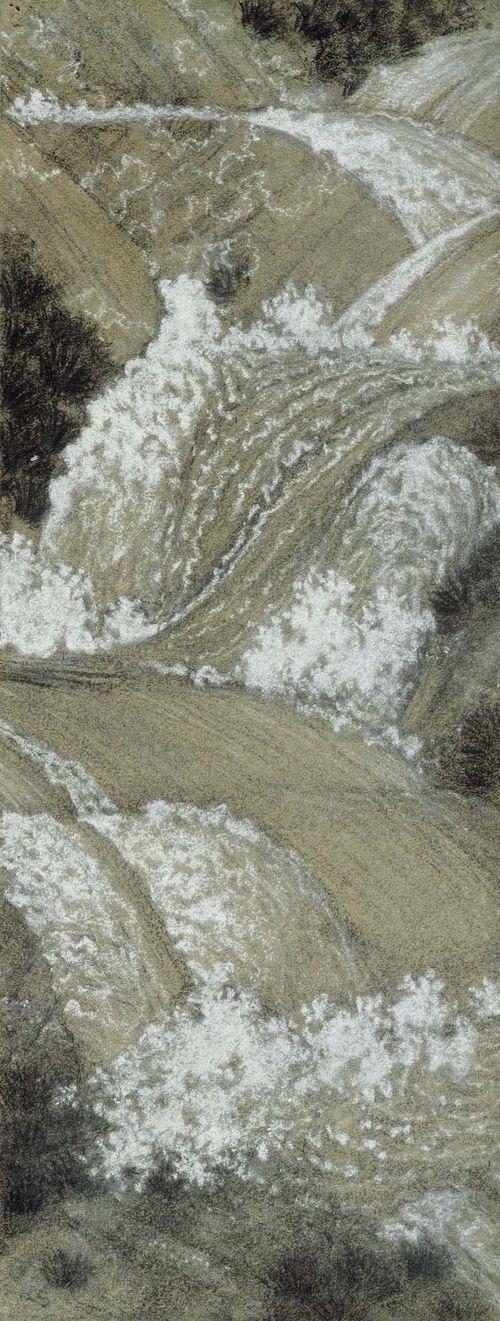
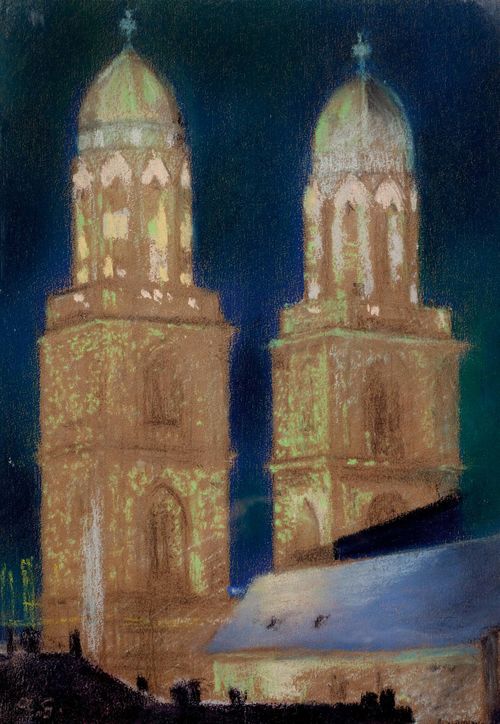
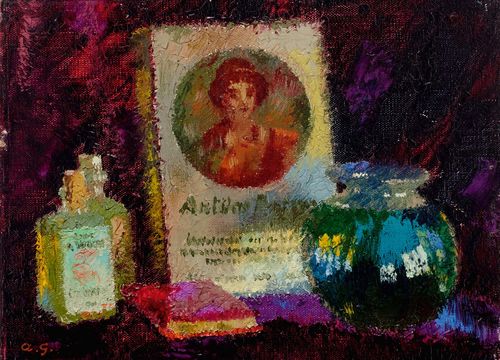
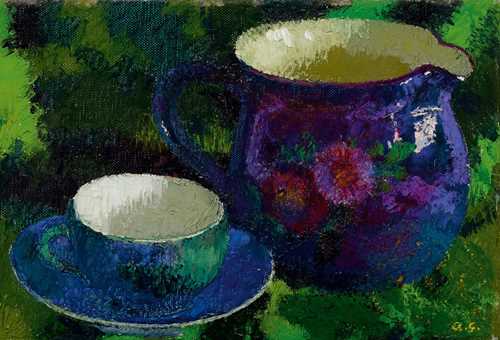
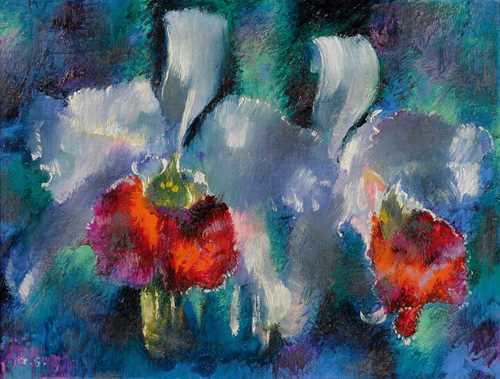
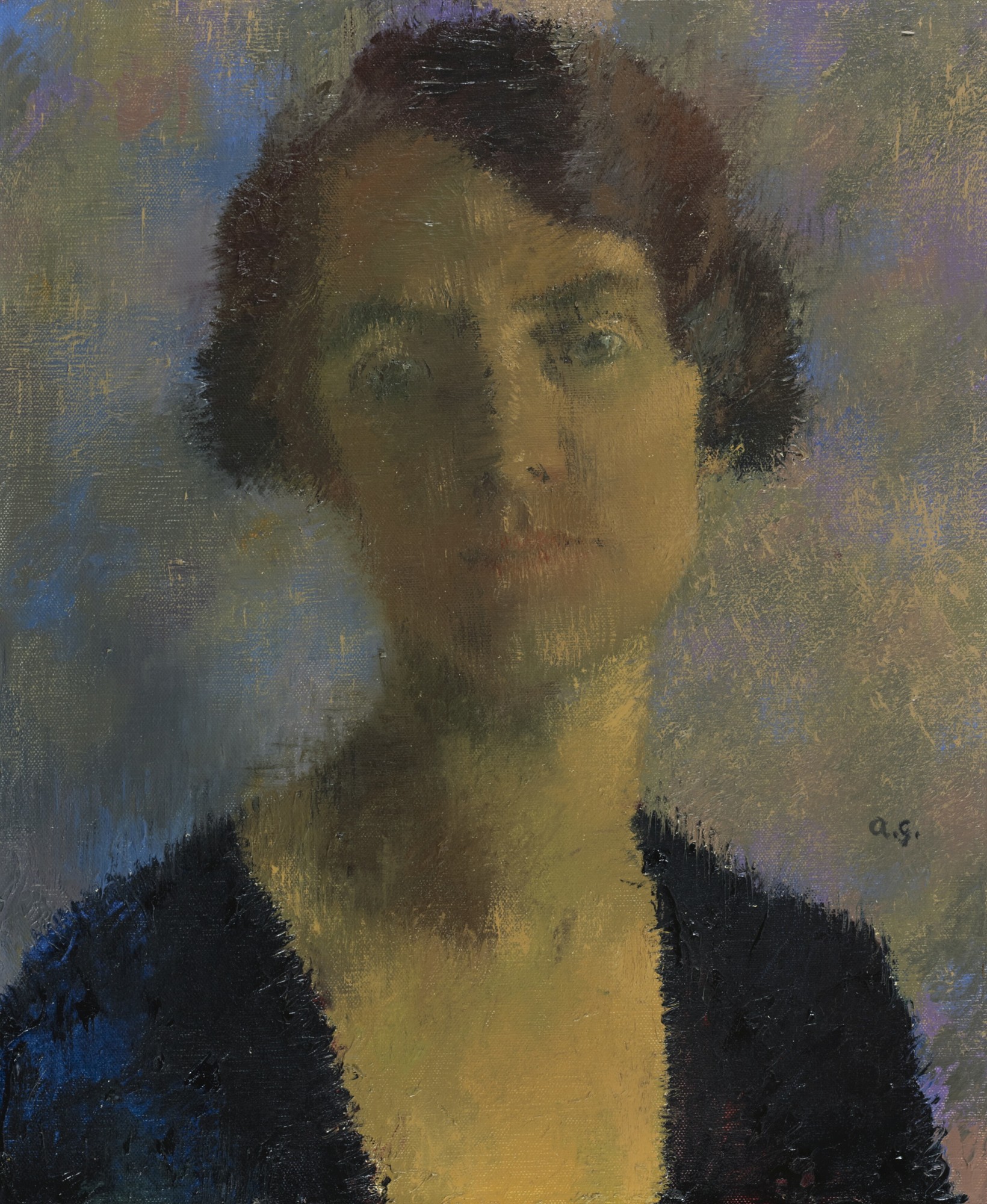
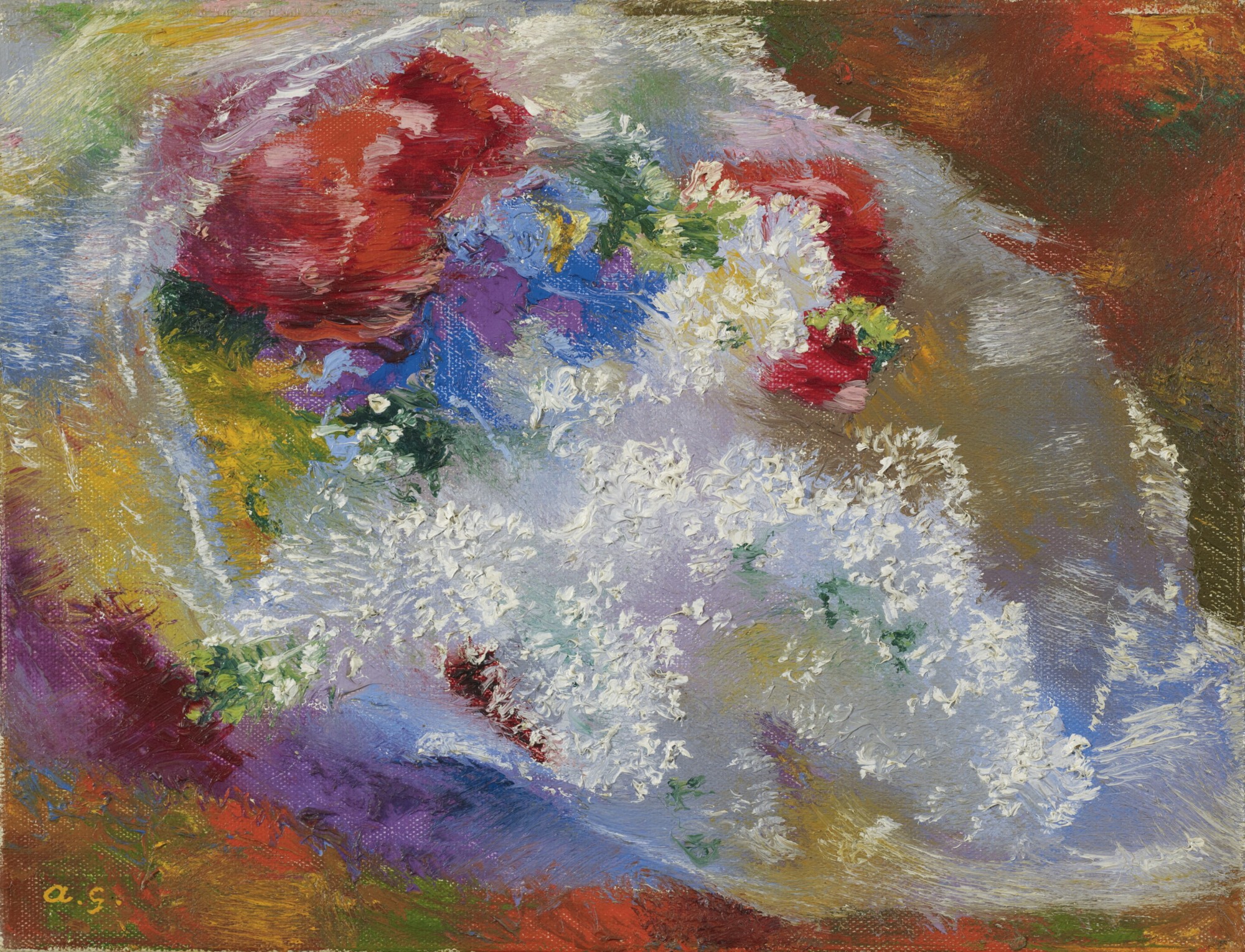
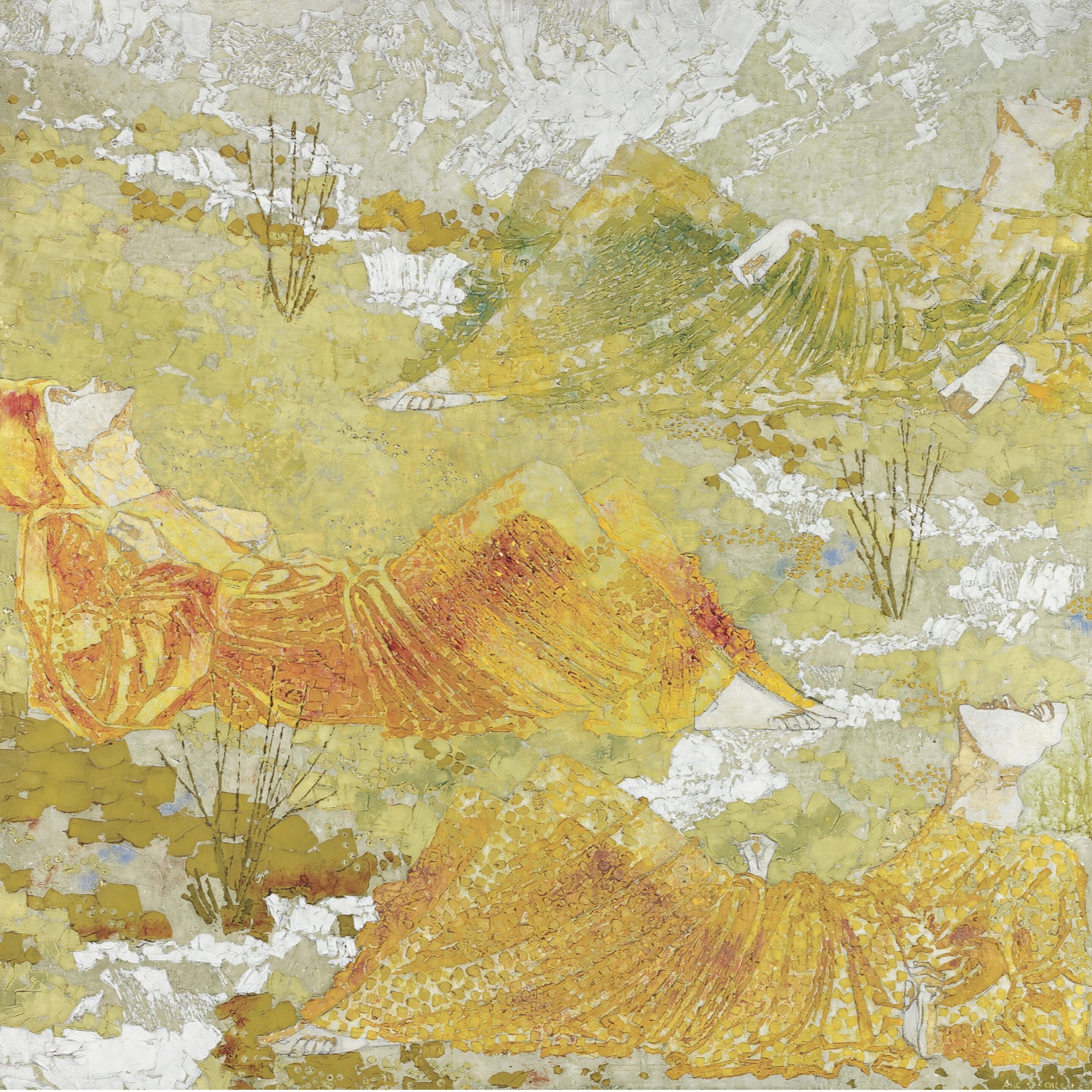
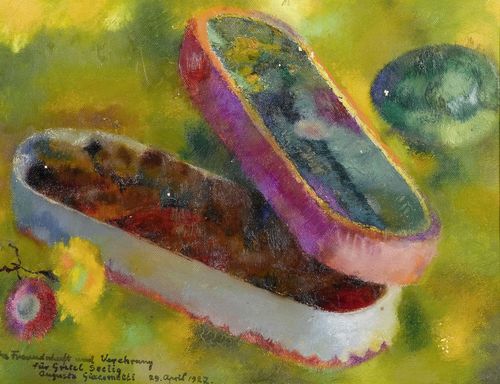
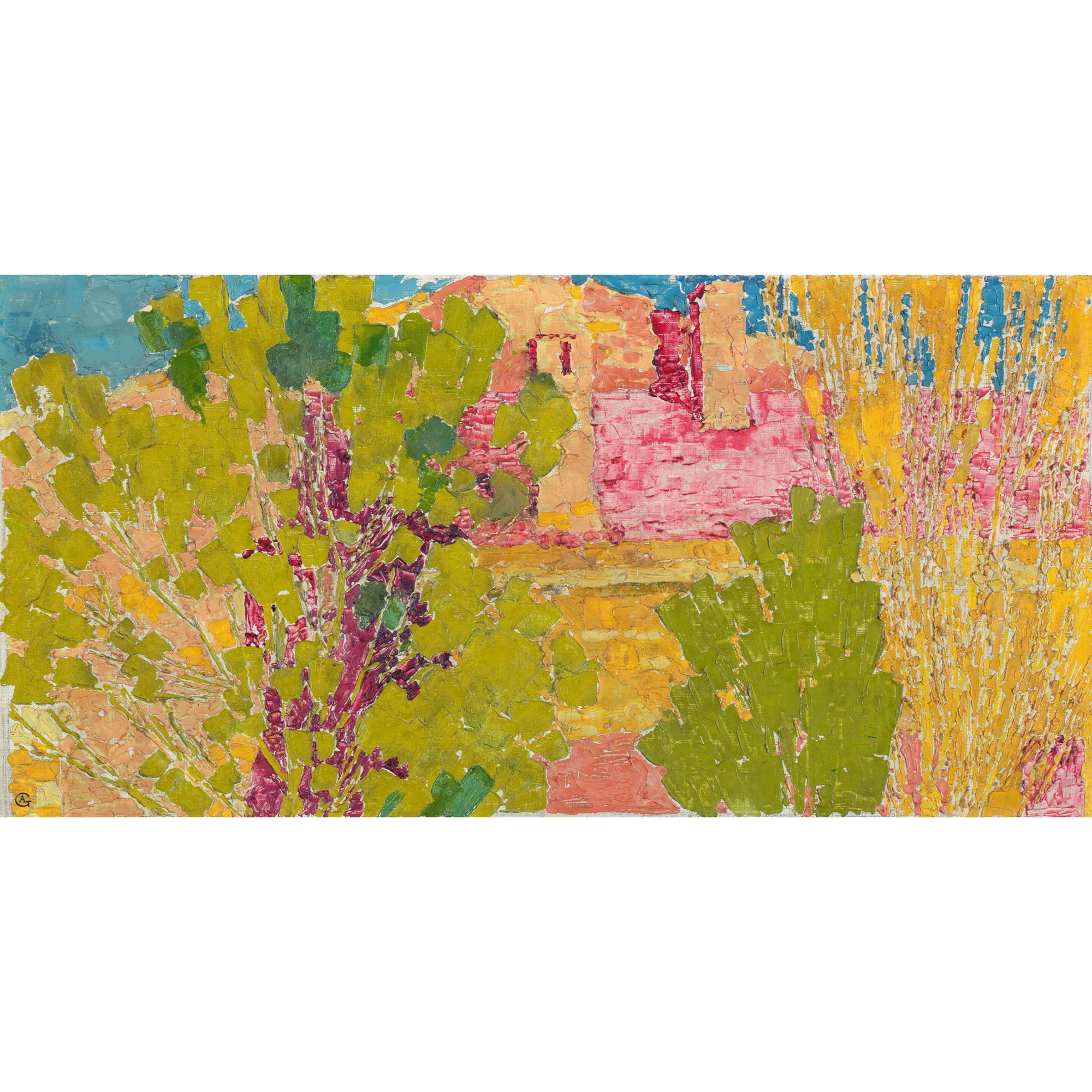
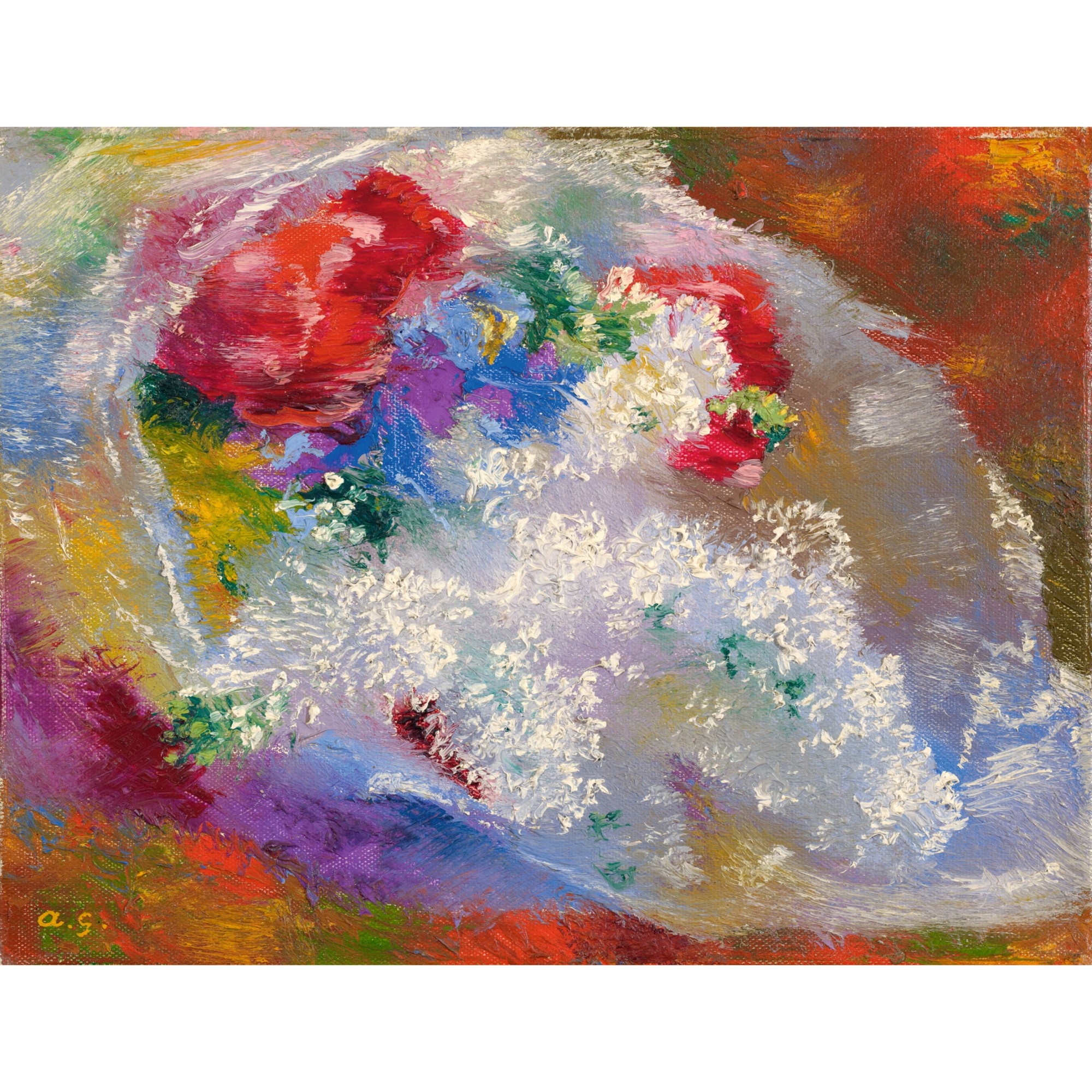
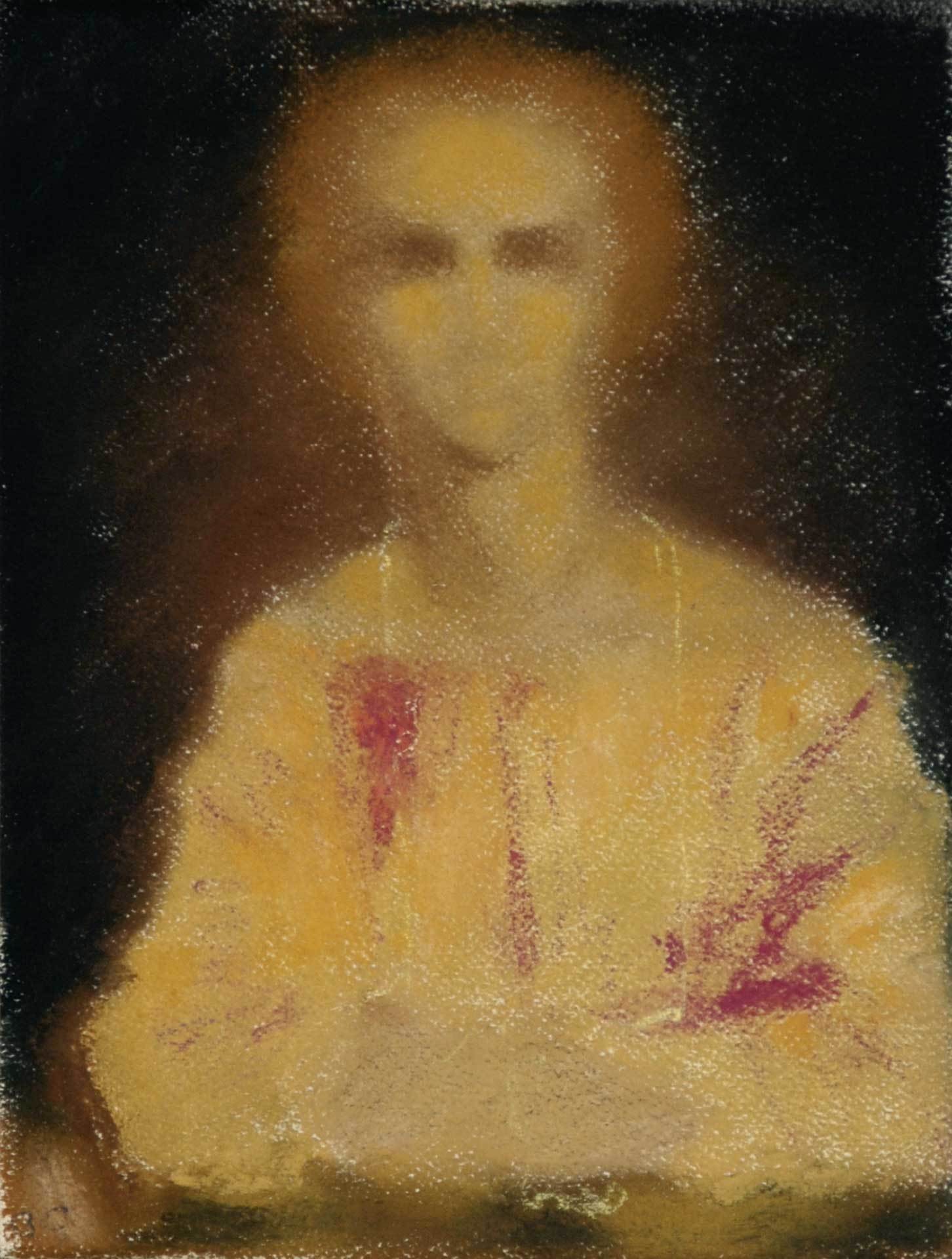
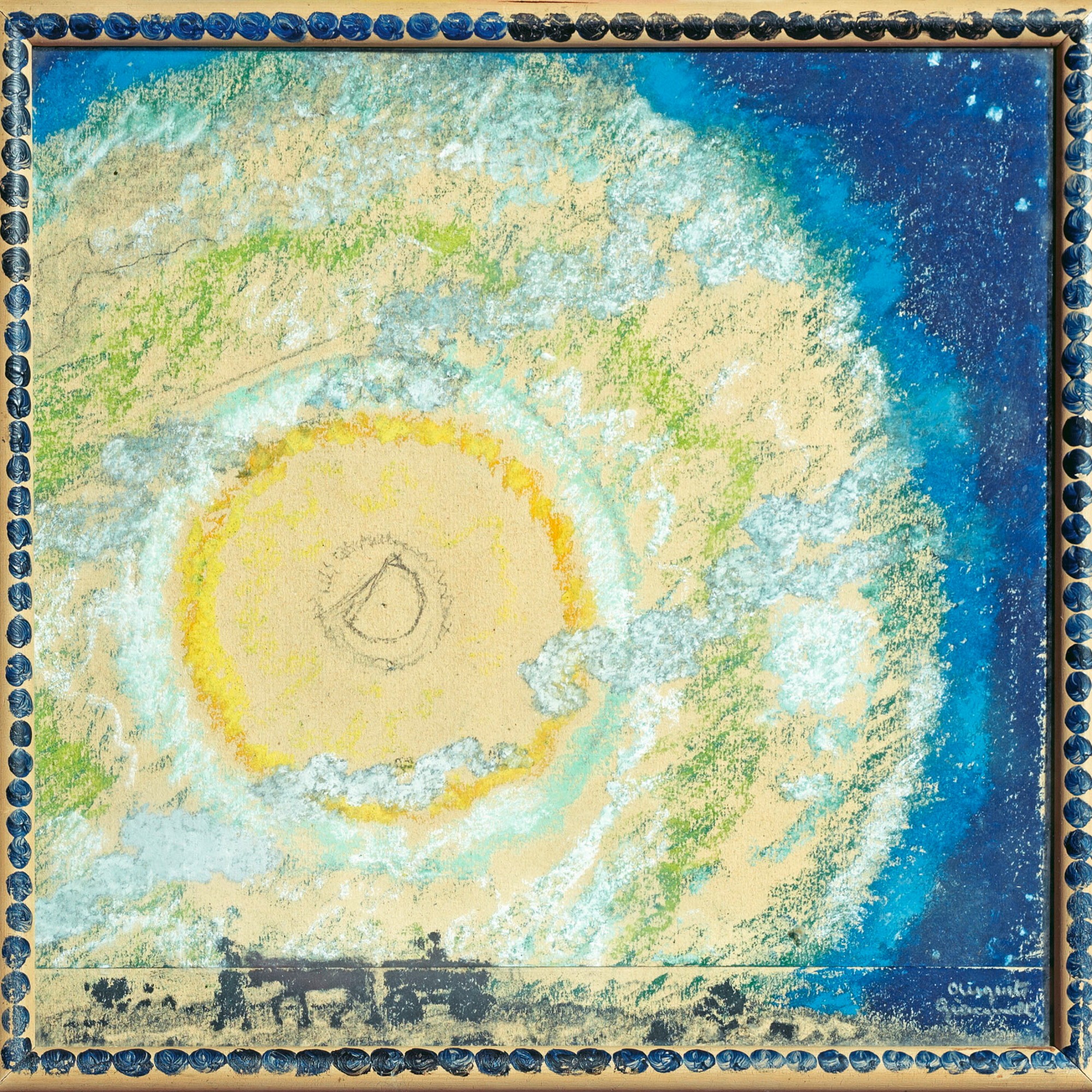
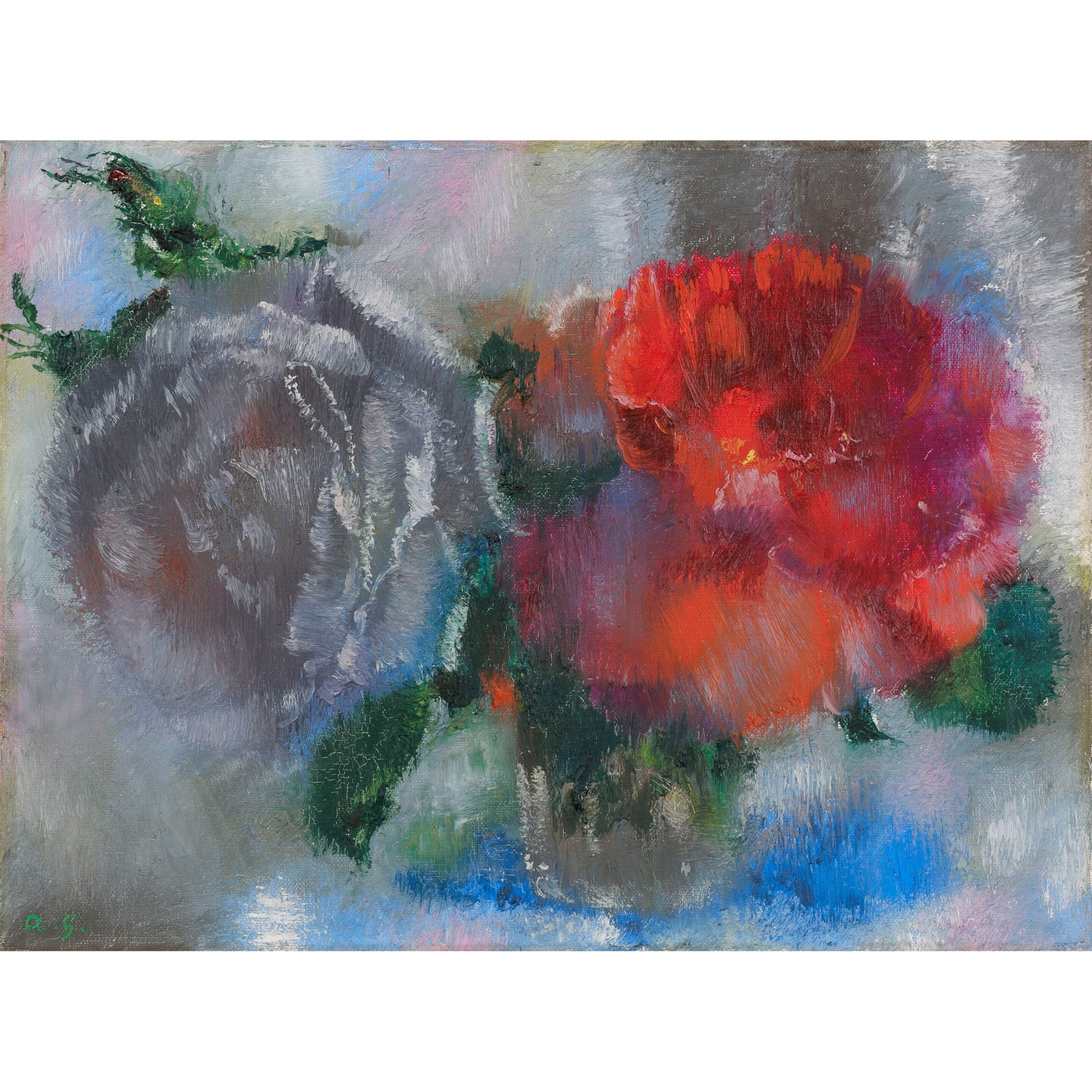
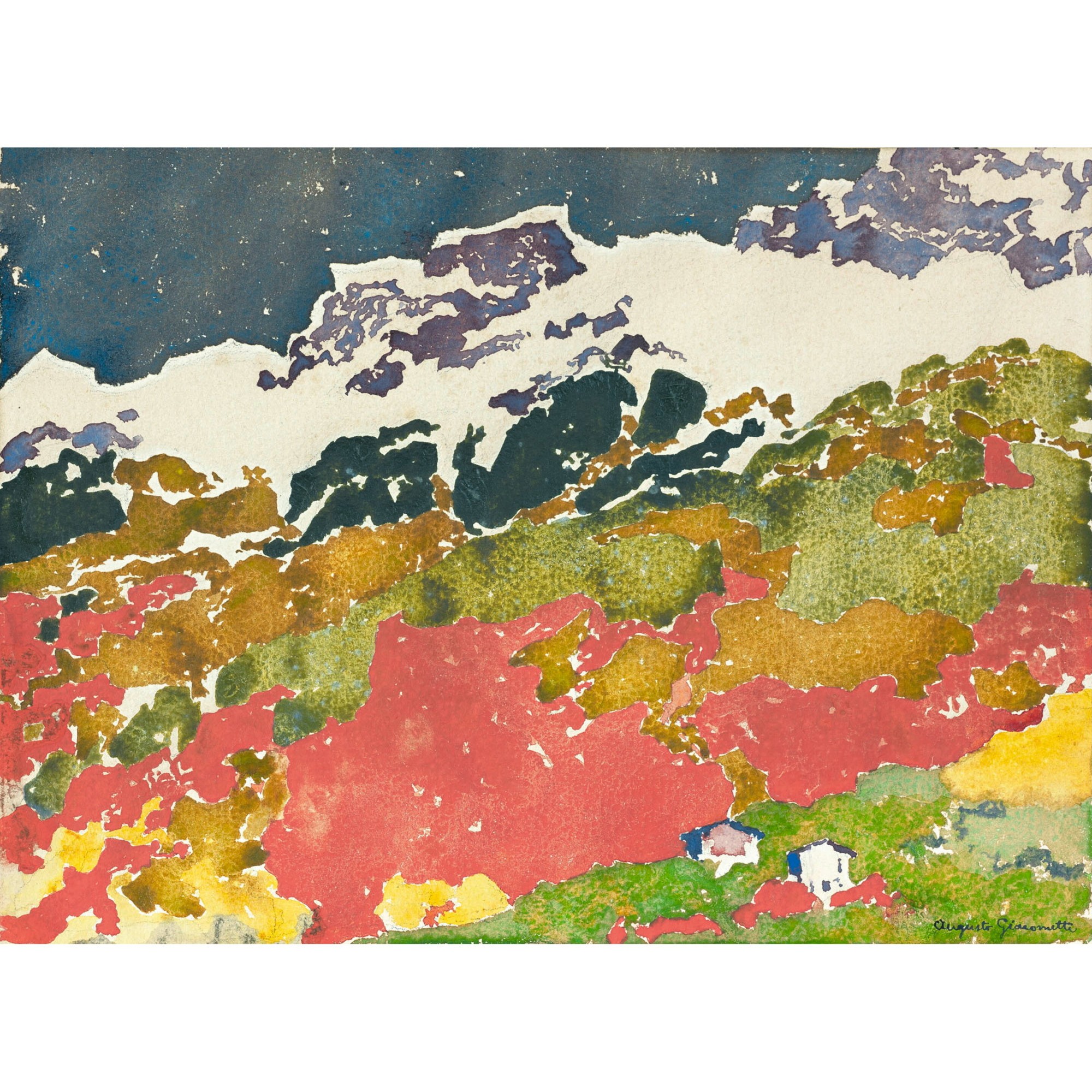
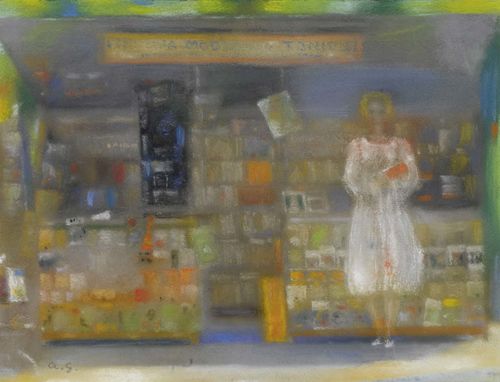
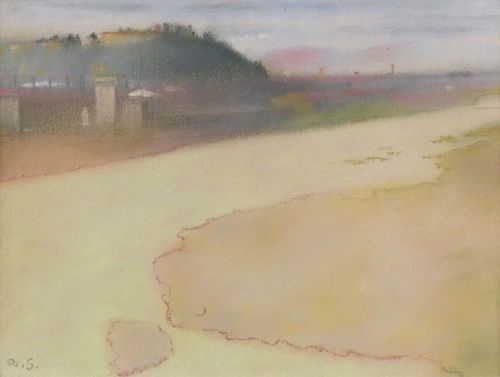
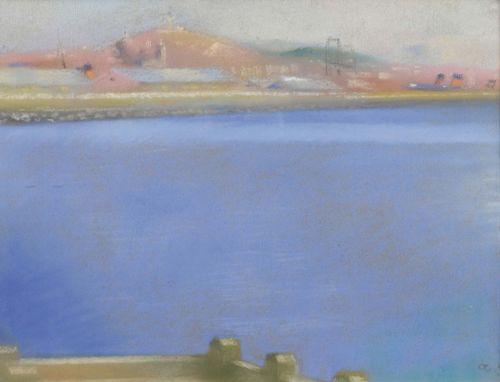
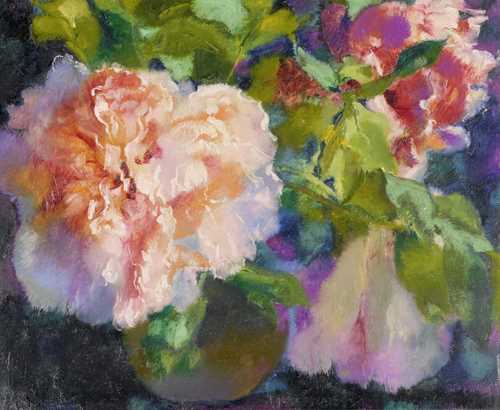
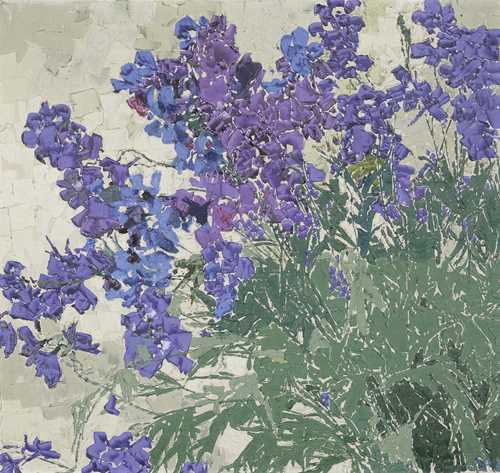
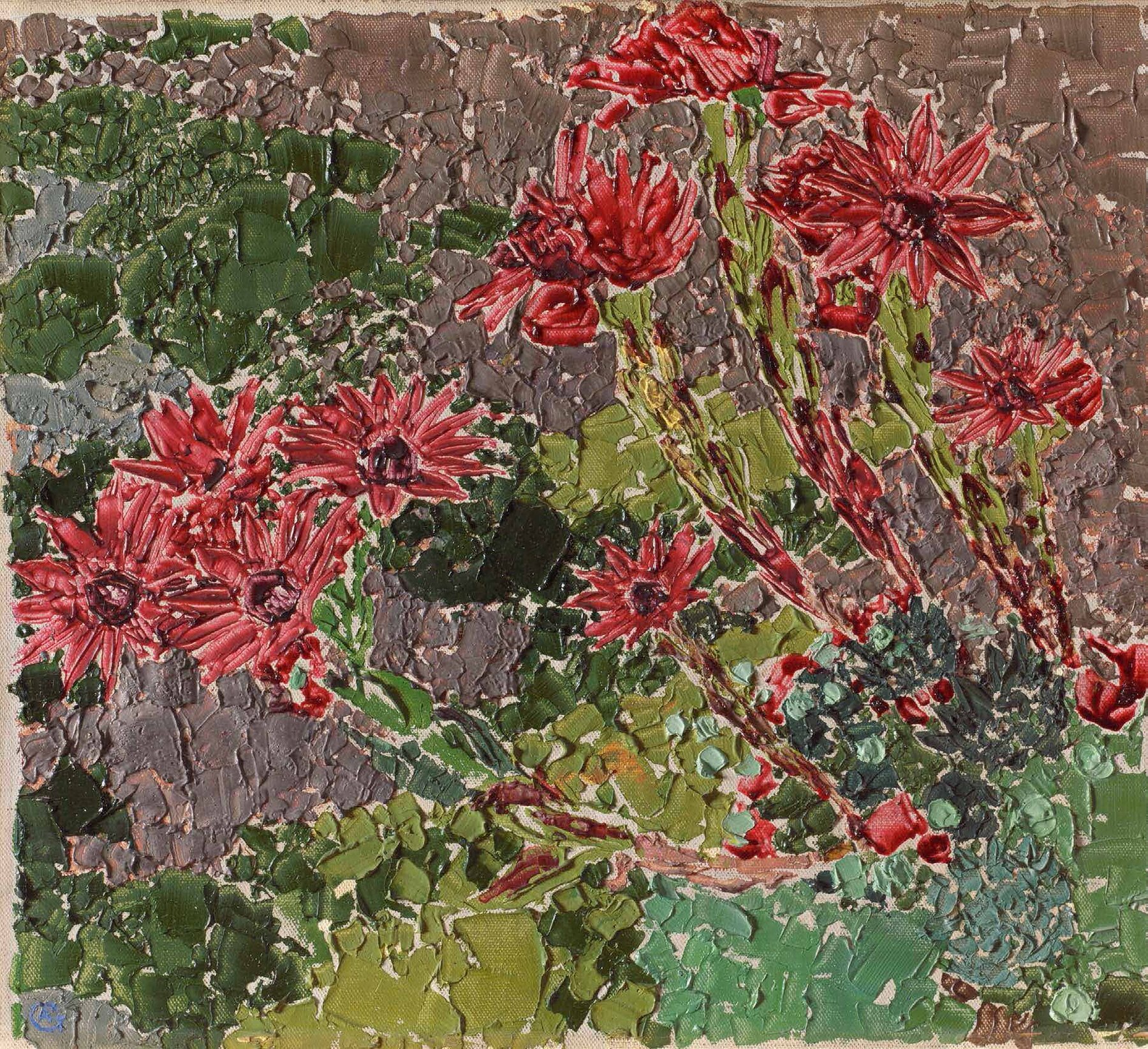
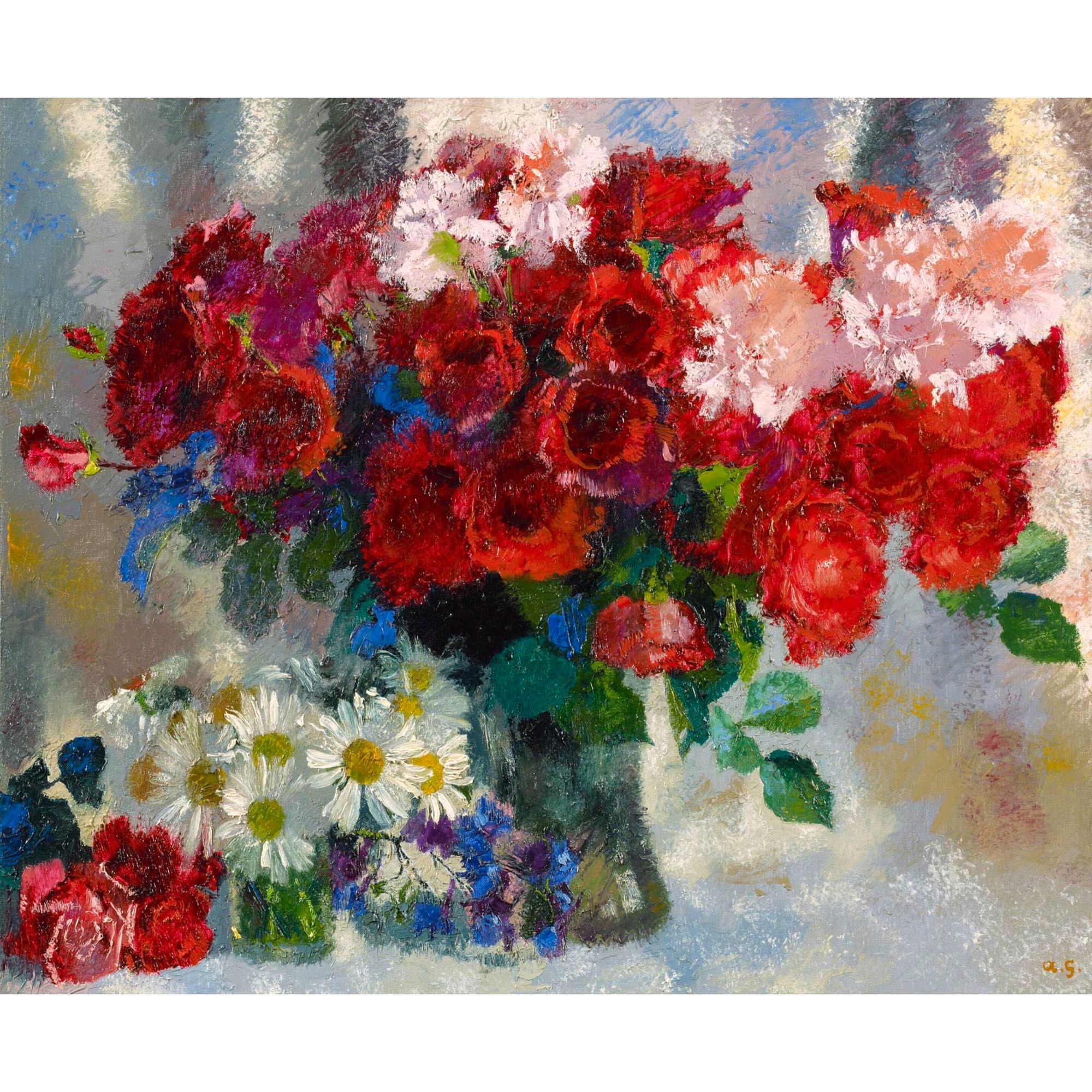
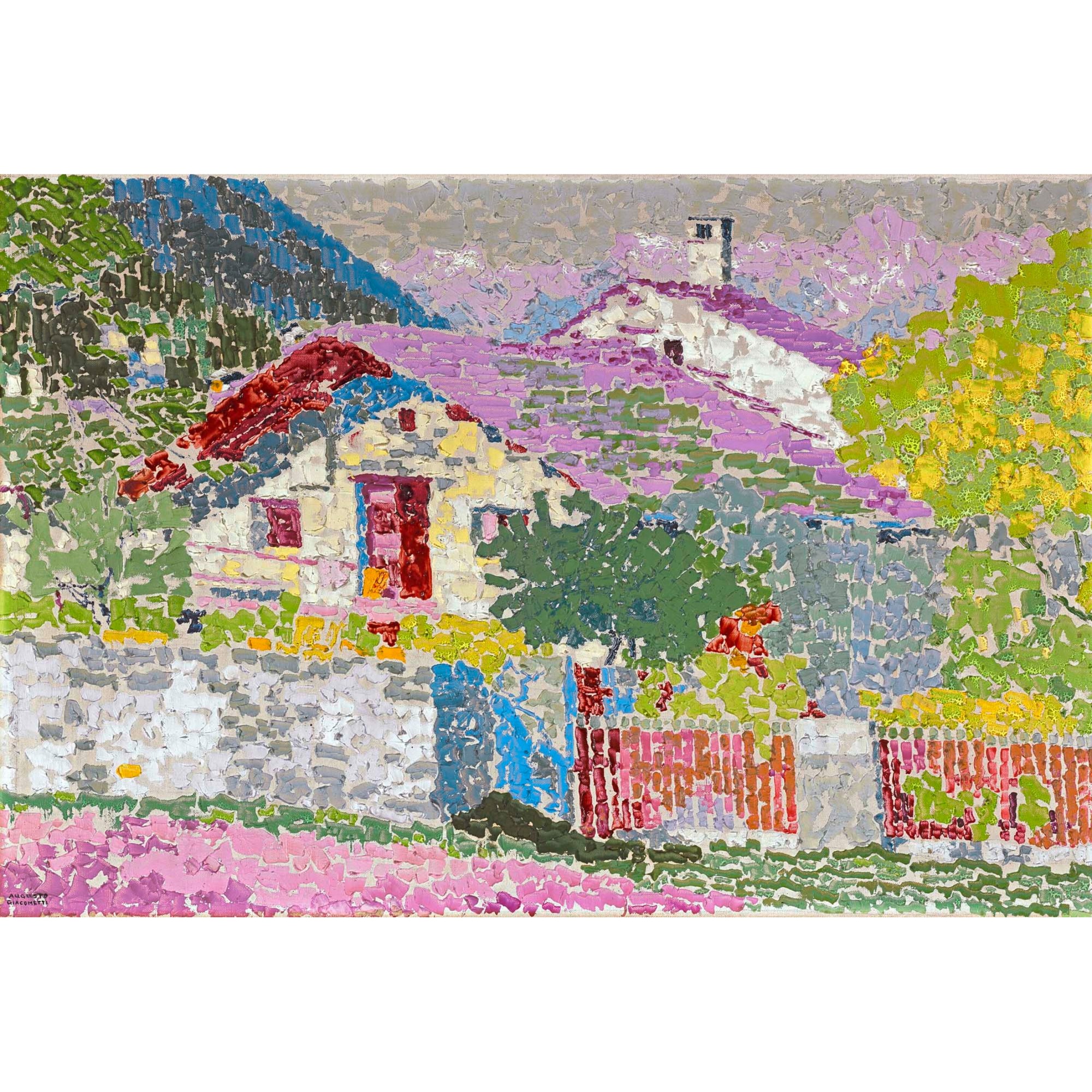
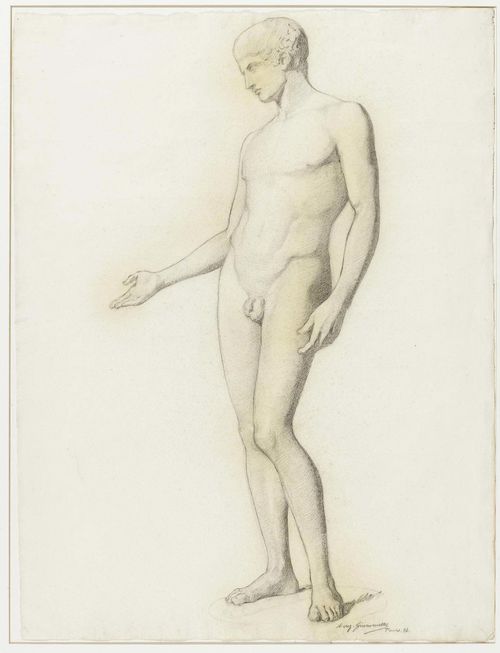
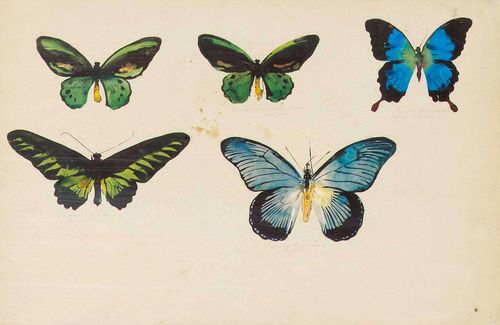
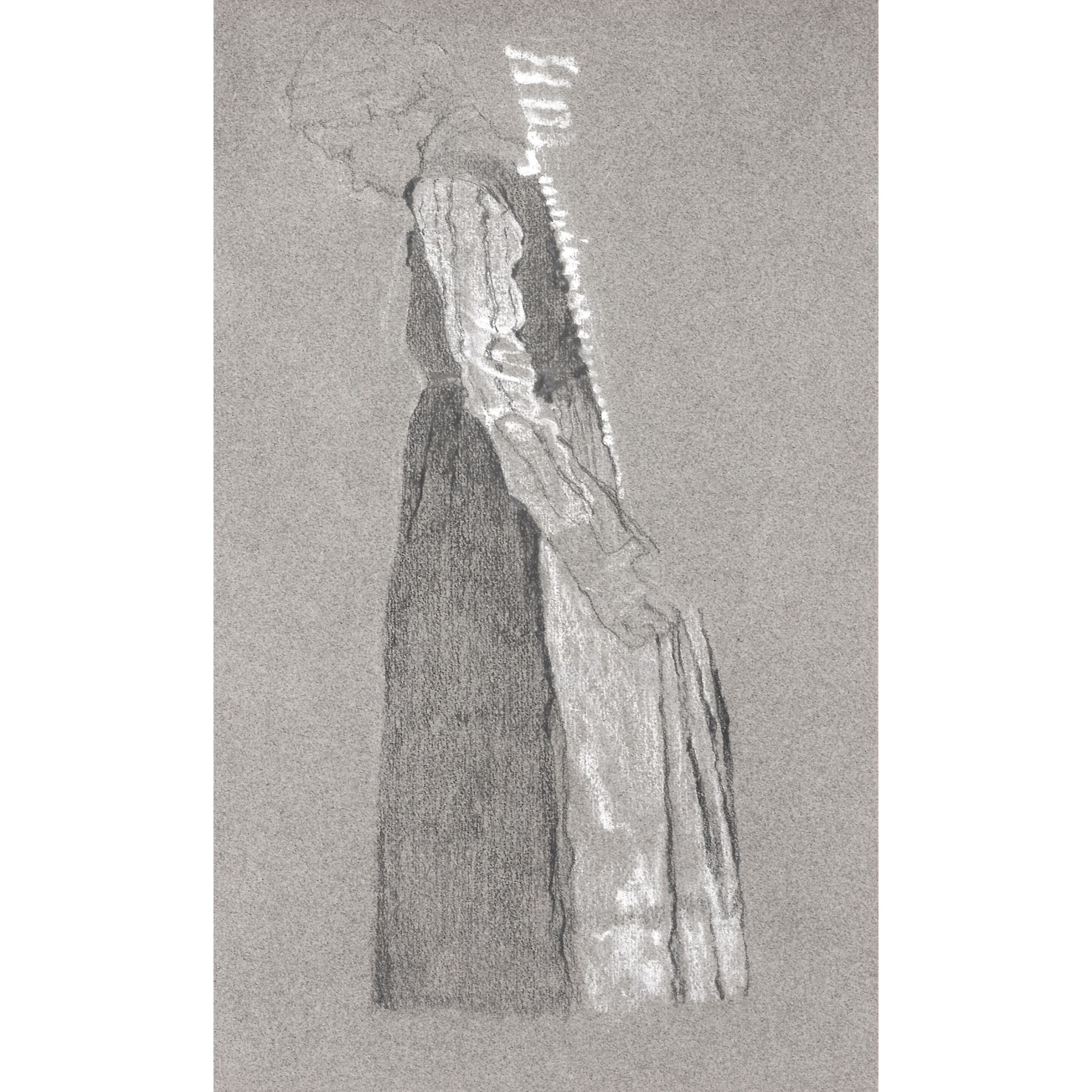
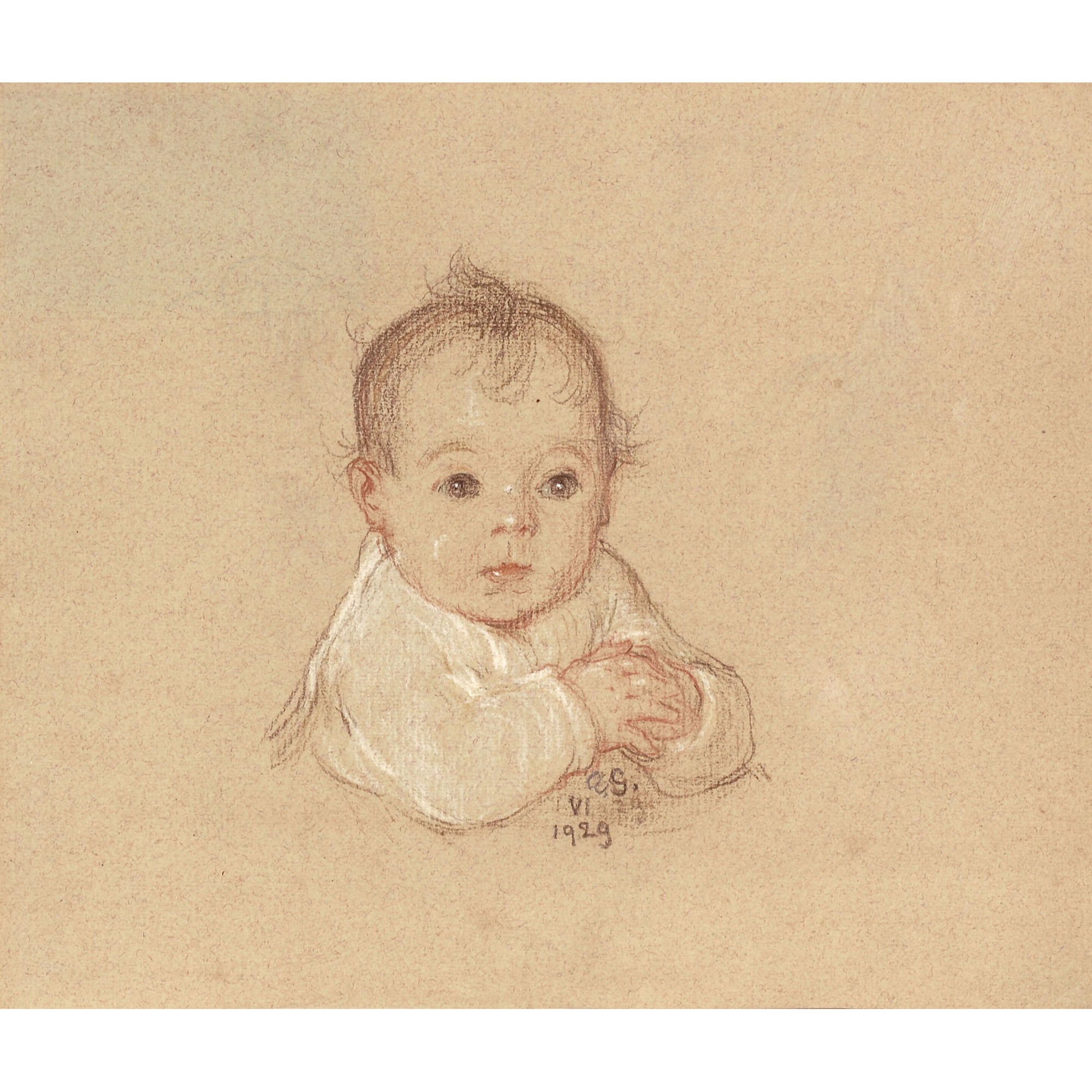
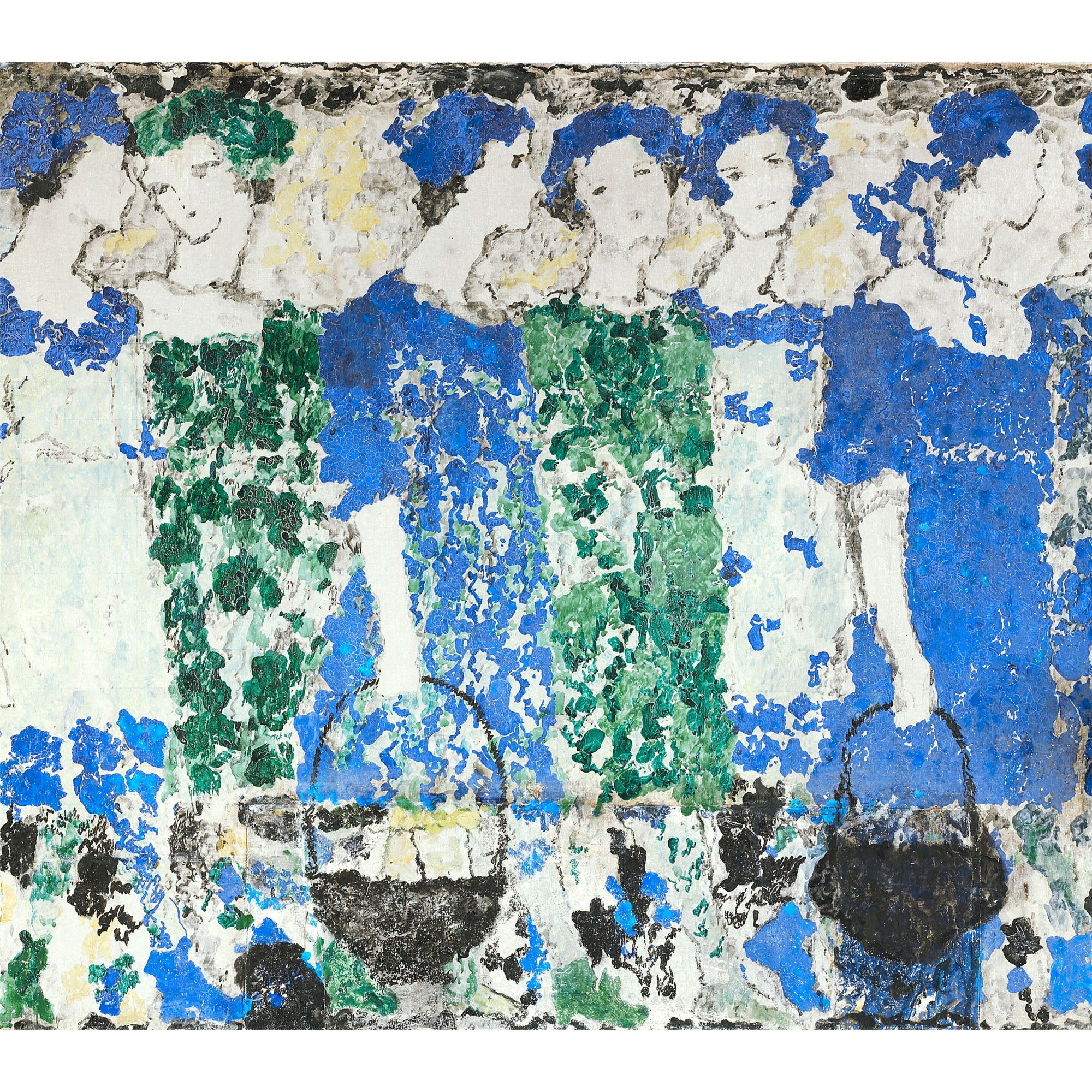
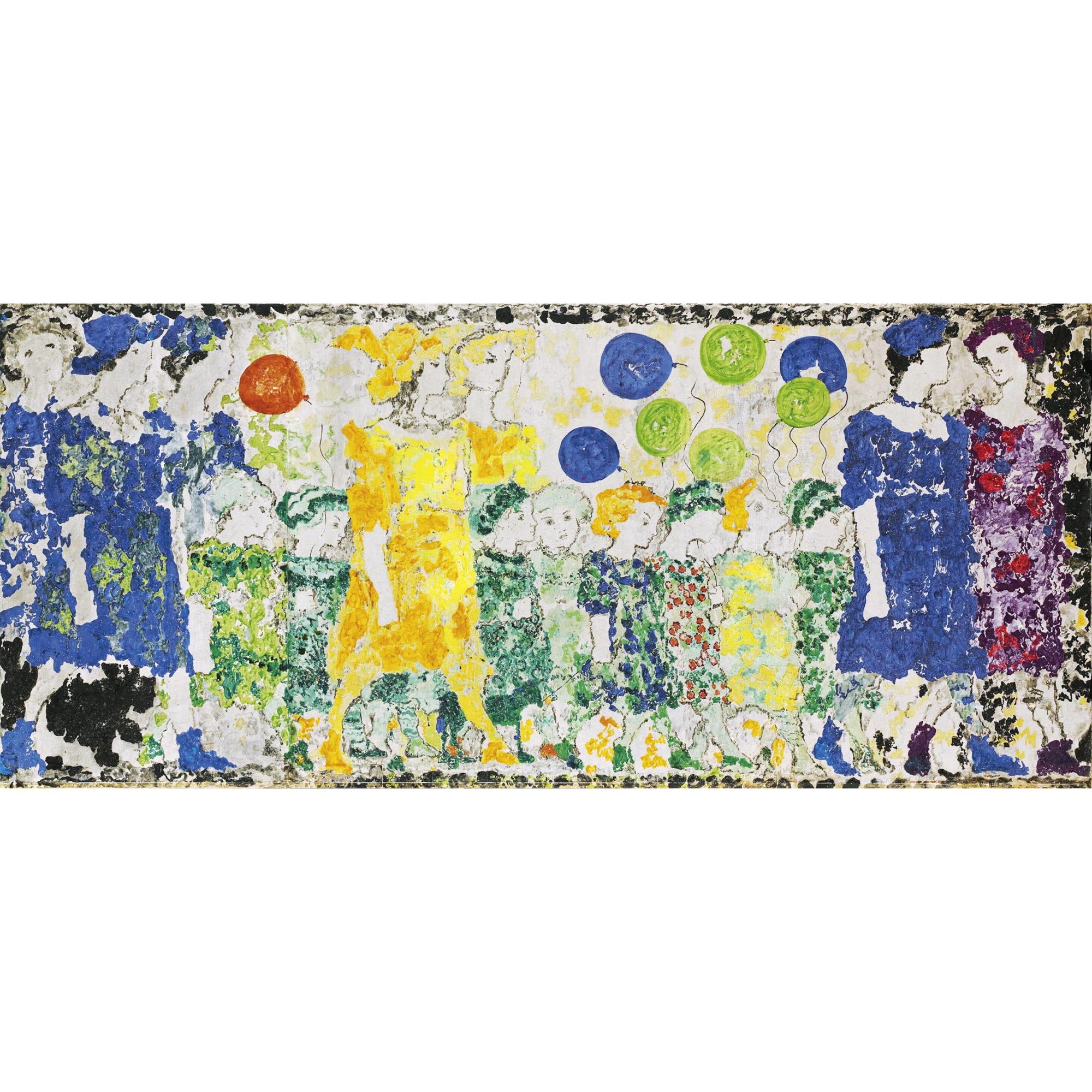
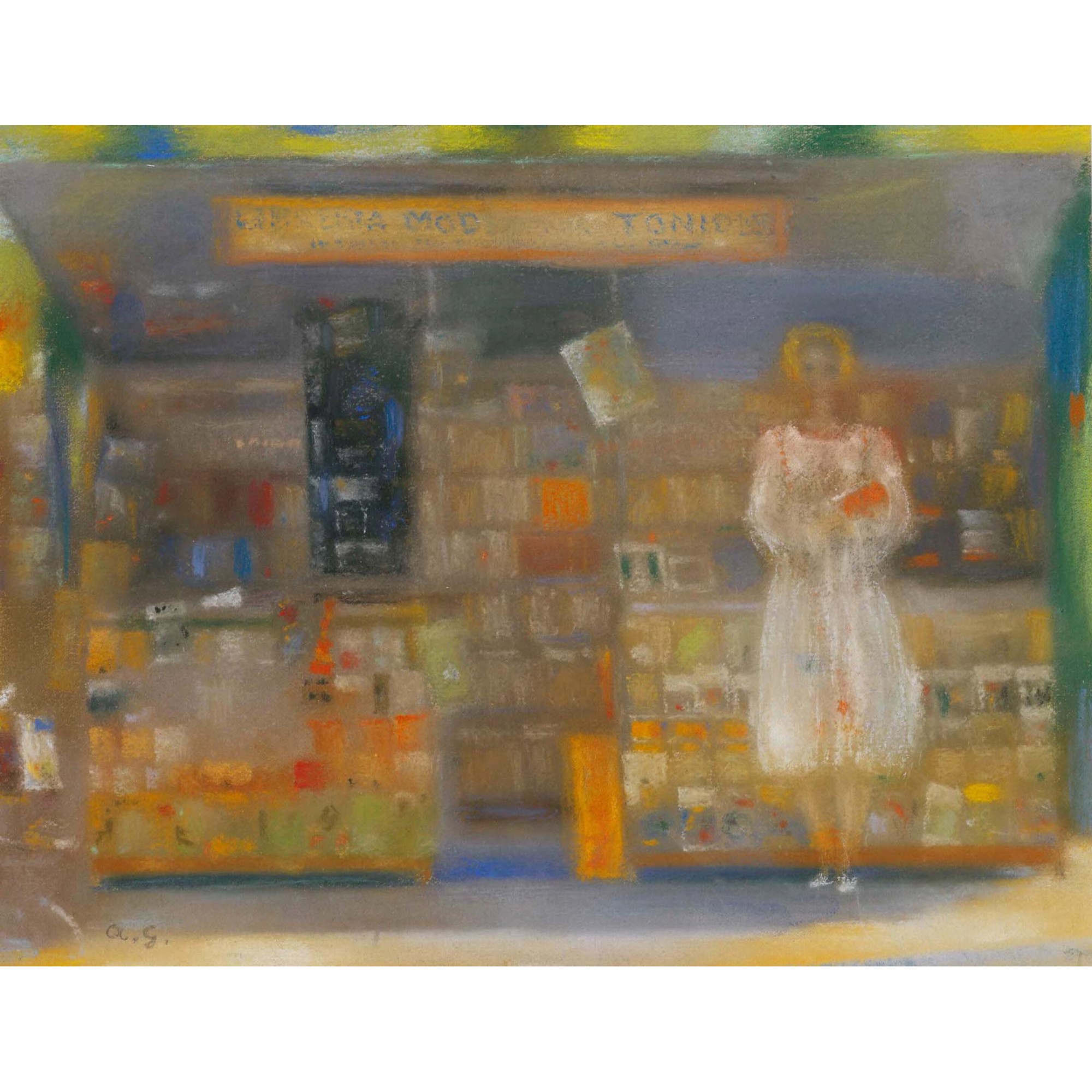
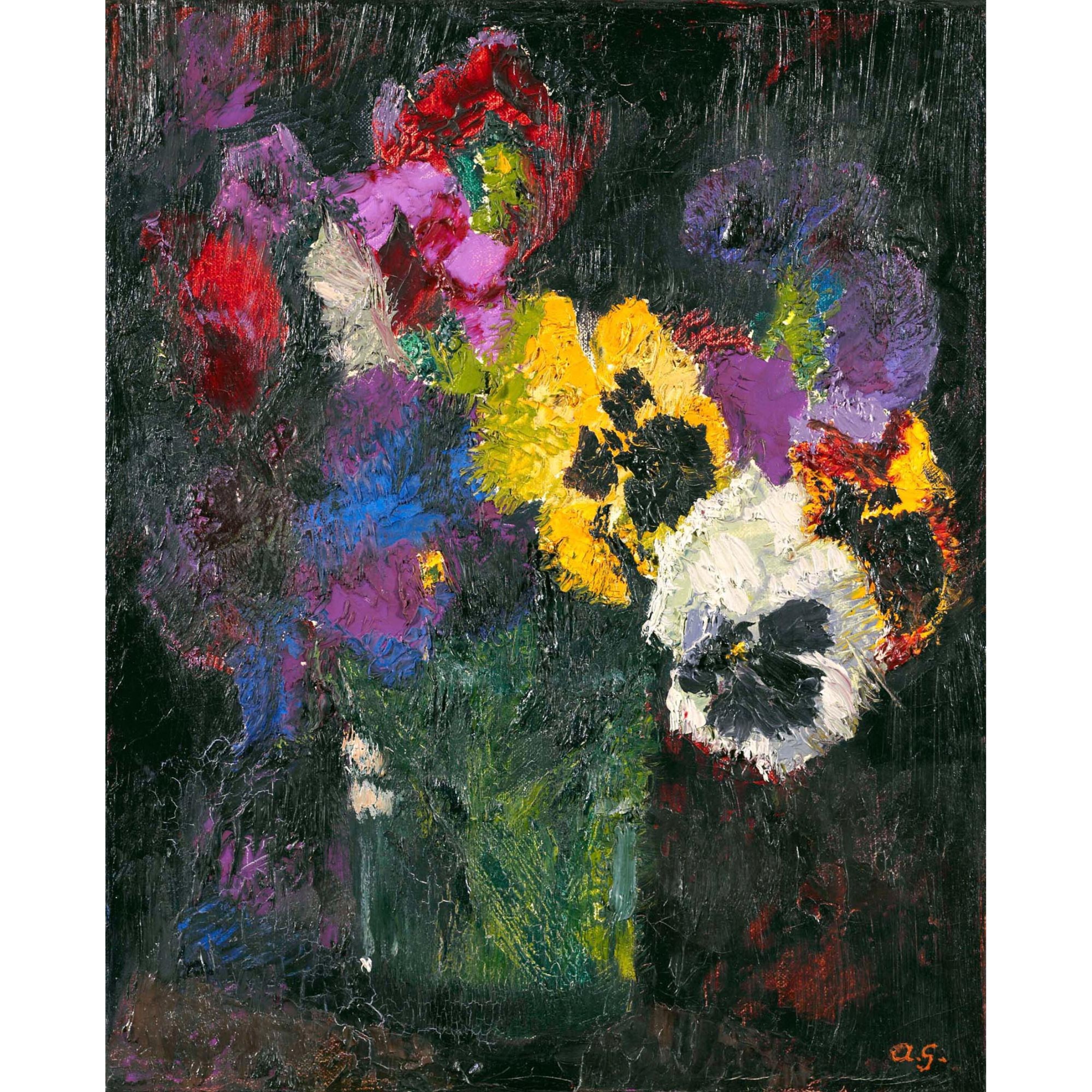
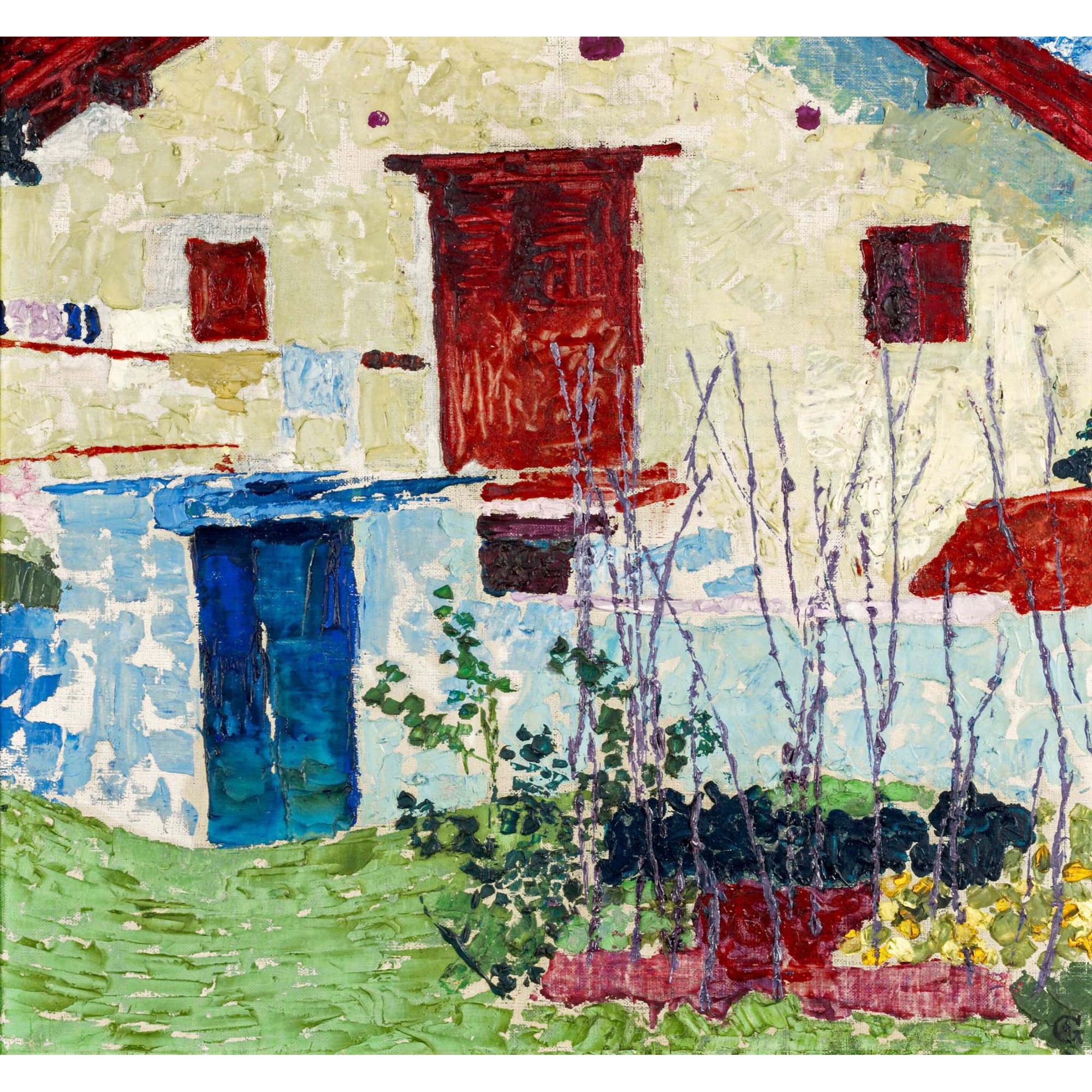
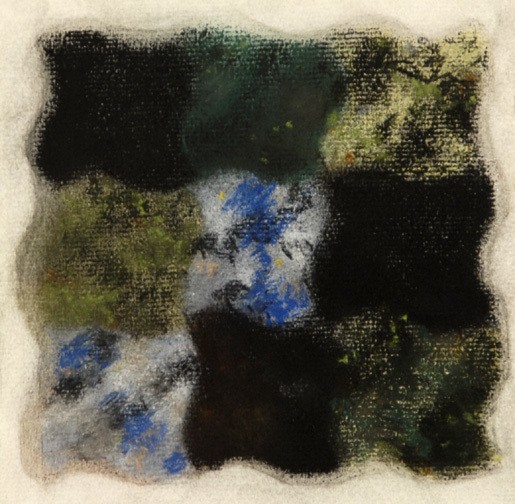
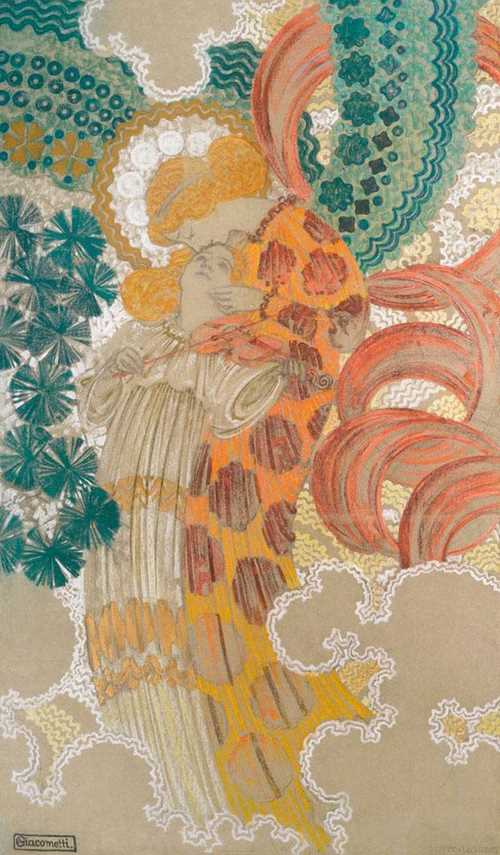
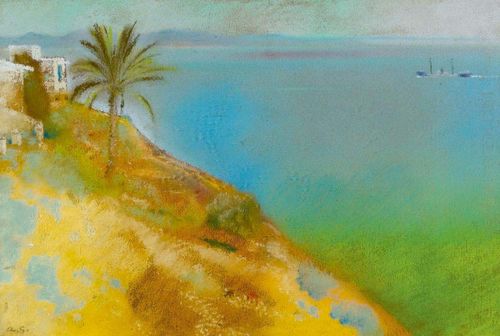
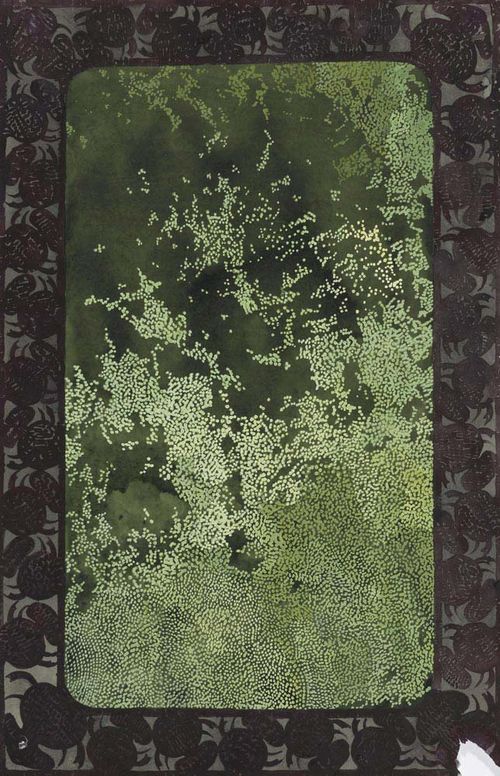
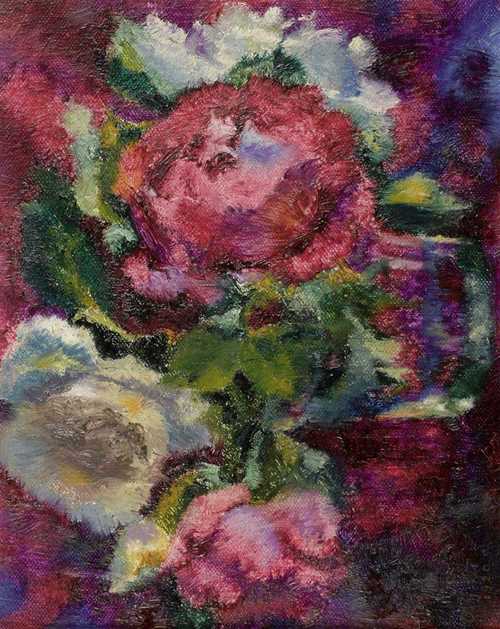
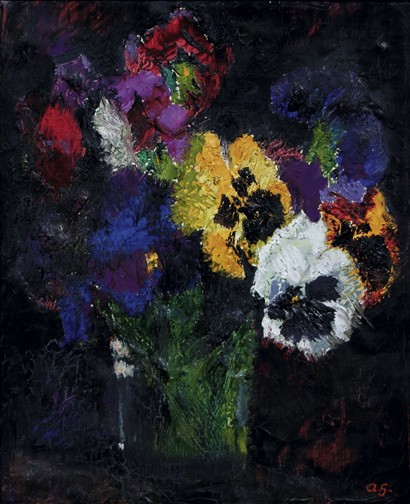
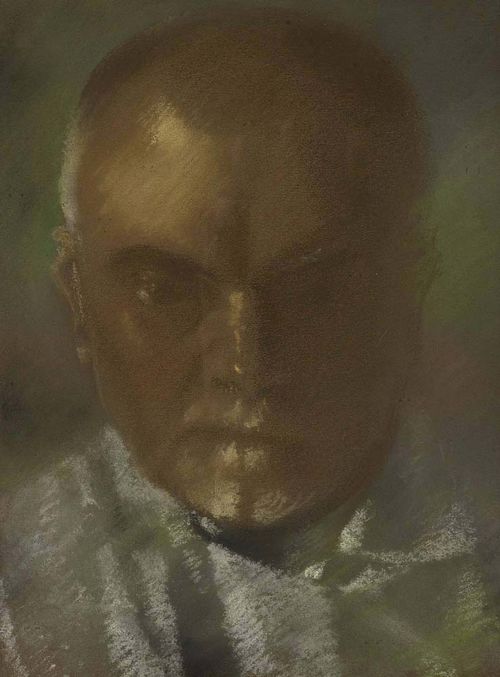
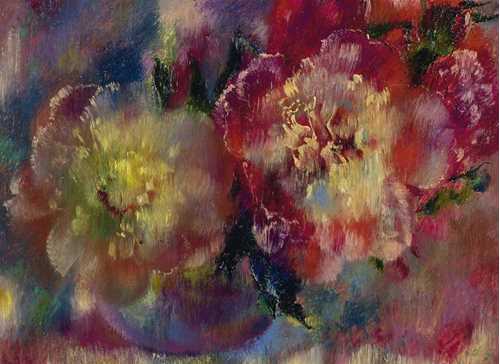
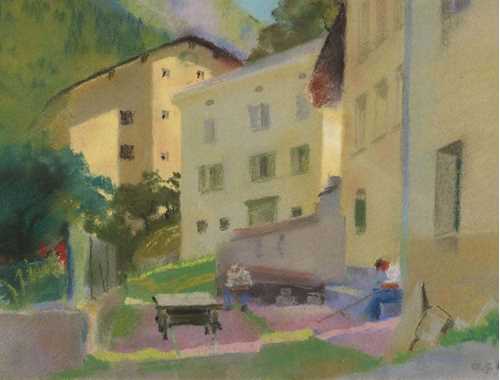
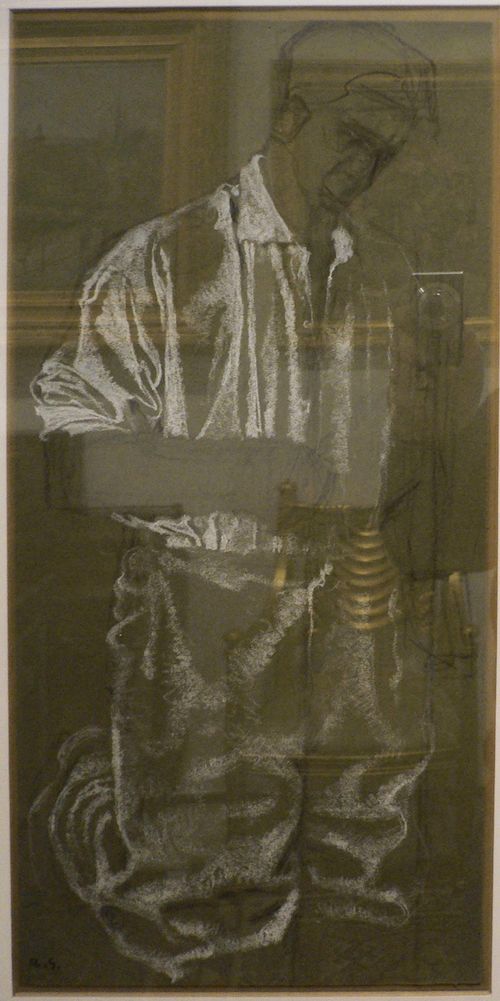
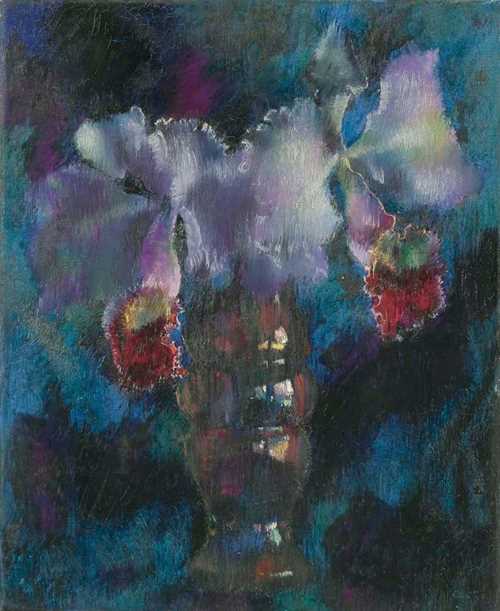
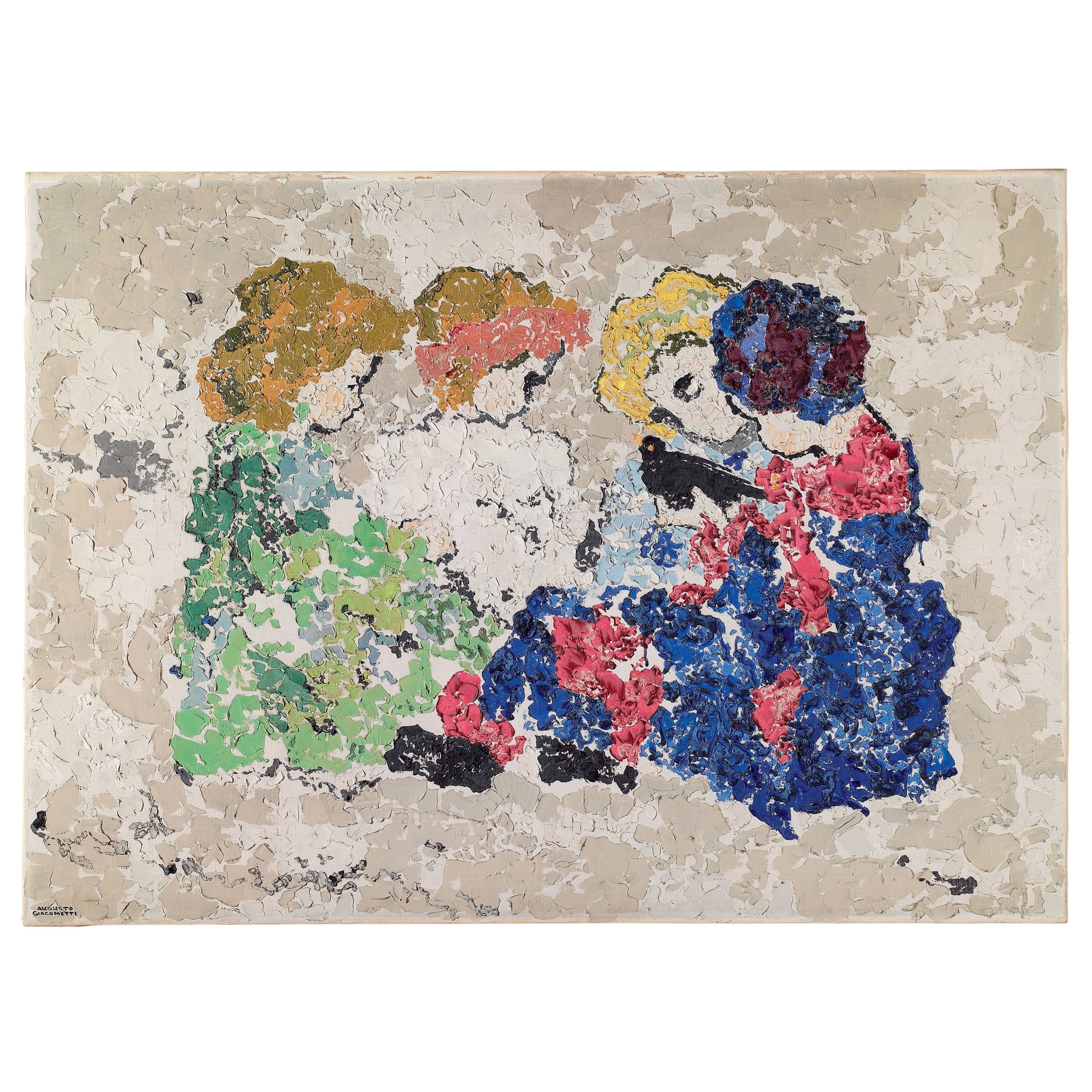
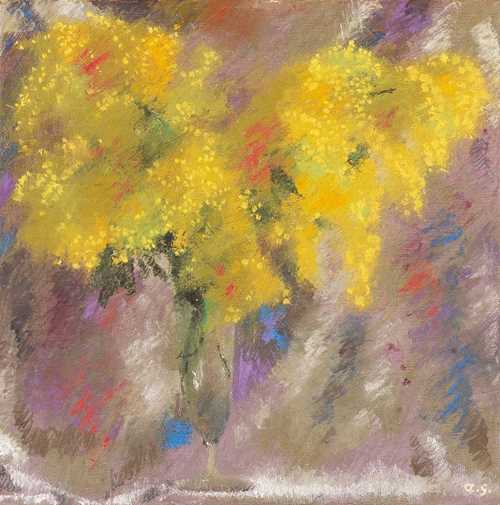
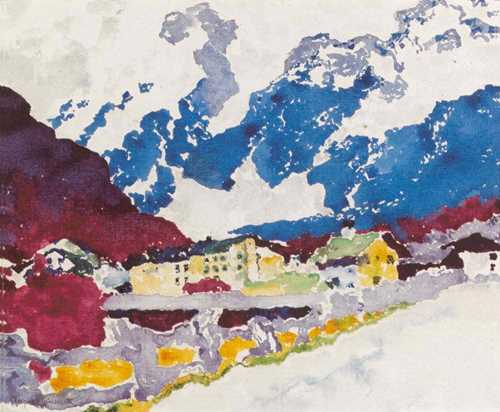
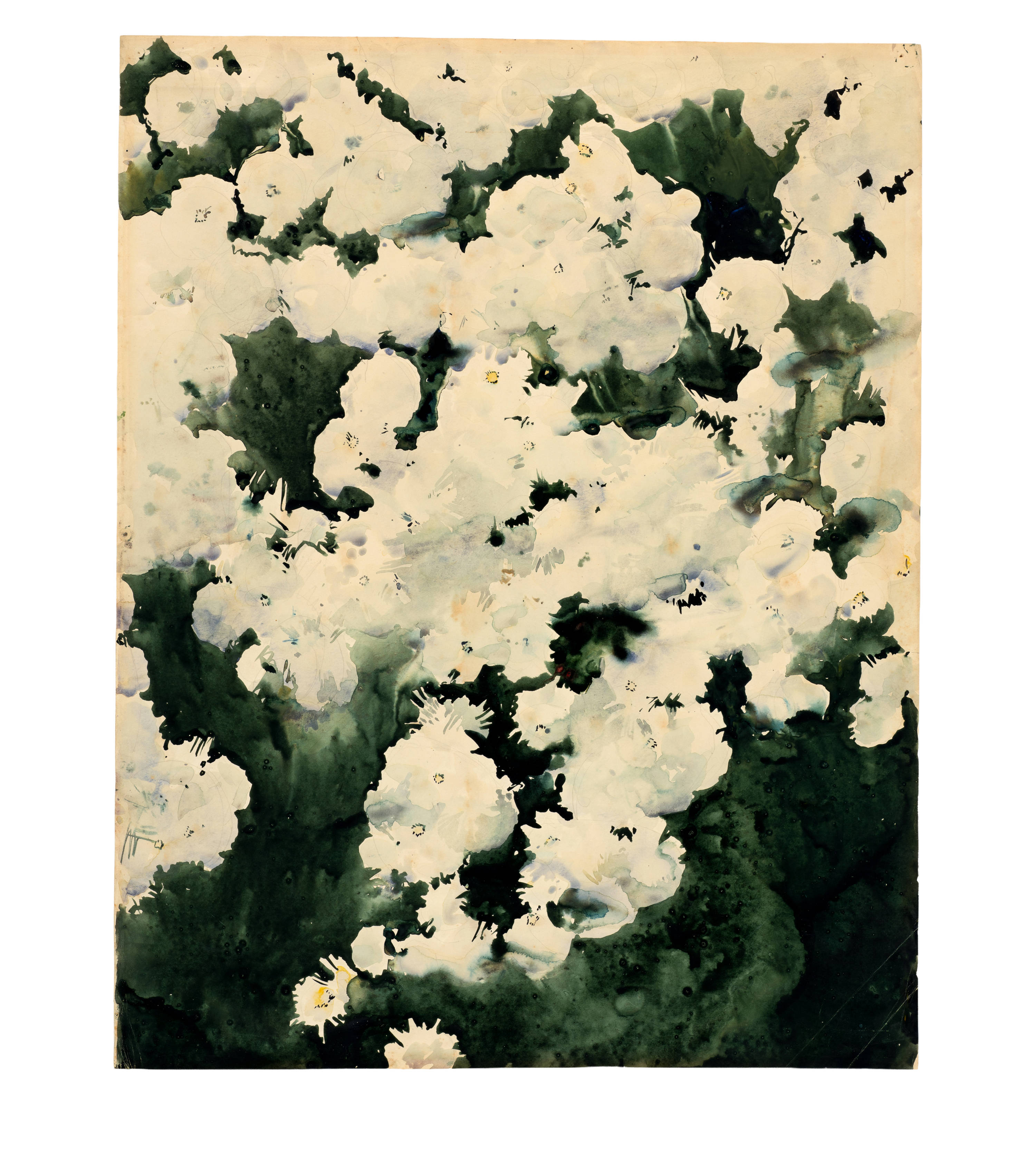
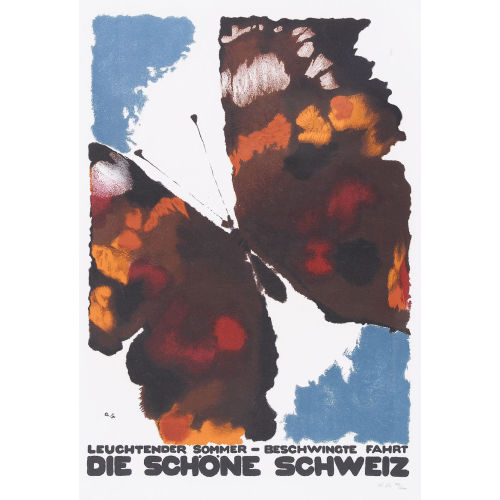
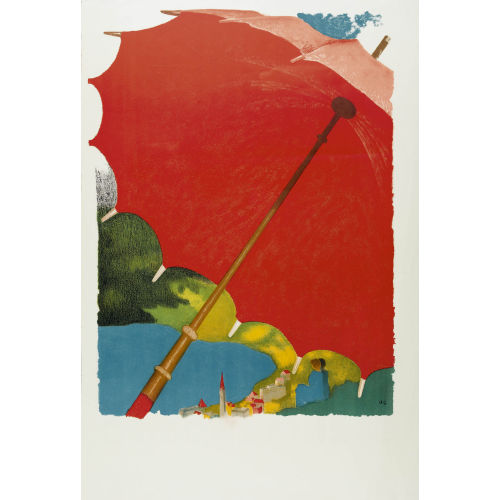
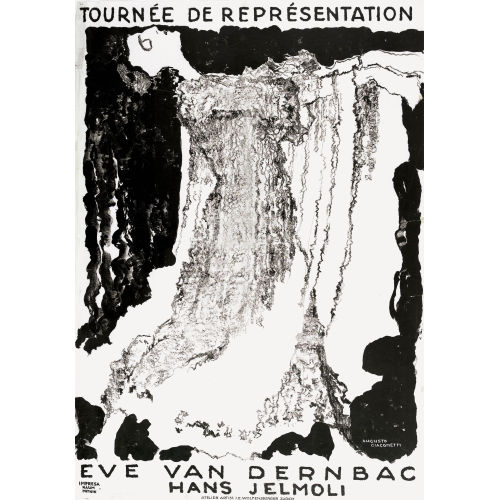
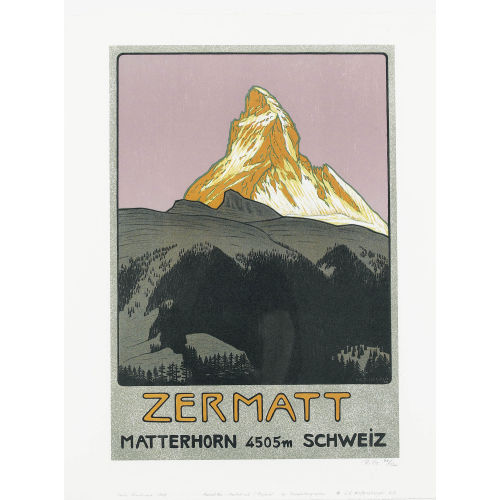
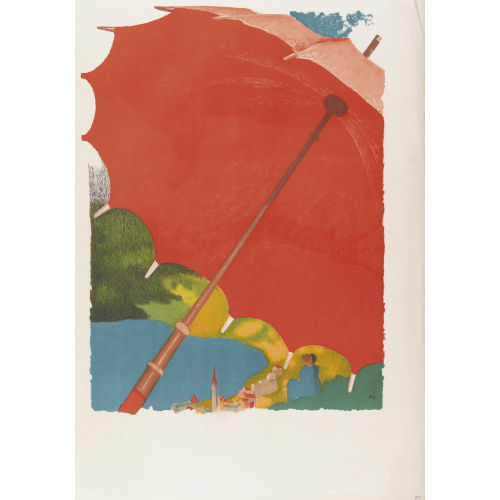
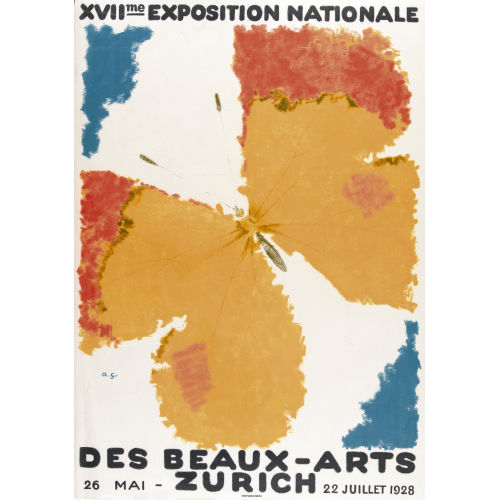
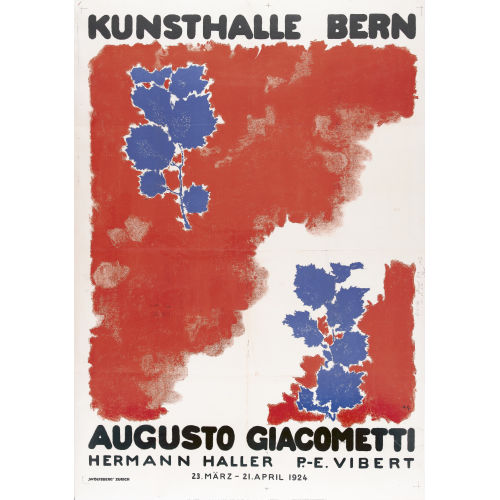
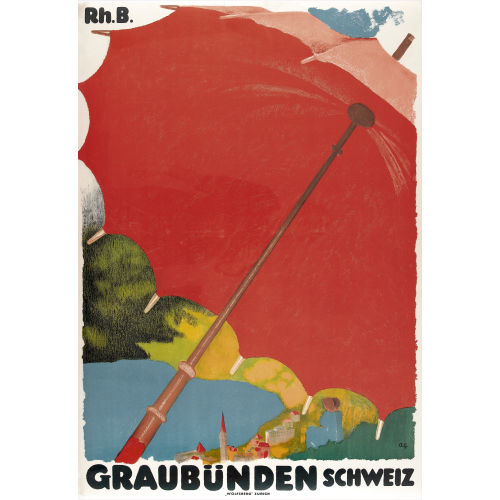
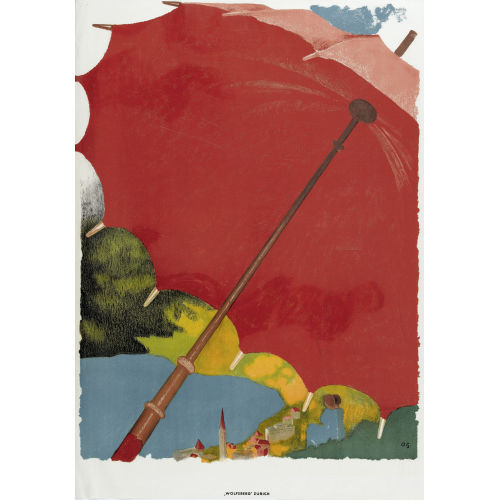
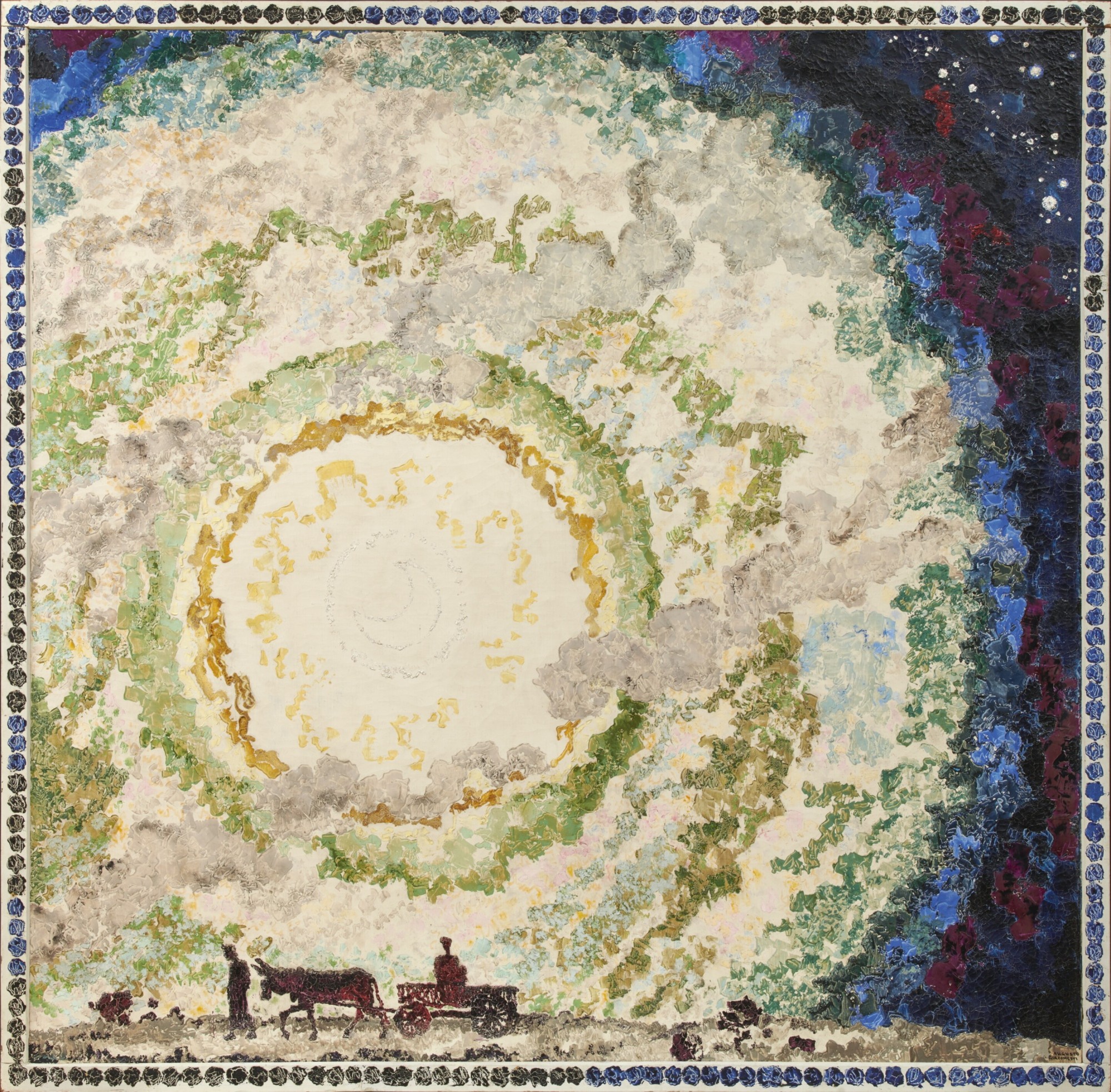
For Augusto Giacometti, colour can itself become the subject of the painting. The memory of a flower, a landscape or a butterfly’s wing nourishes an investigation in which forms are transformed into luminous harmonies. Born in Stampa in 1877 and deceased in 1947, this artist from Graubünden occupies an important position in the transition from Art Nouveau and Symbolism to the first experiments with abstraction.
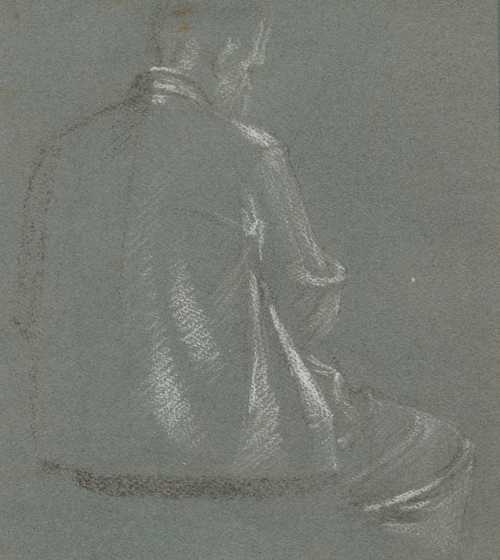
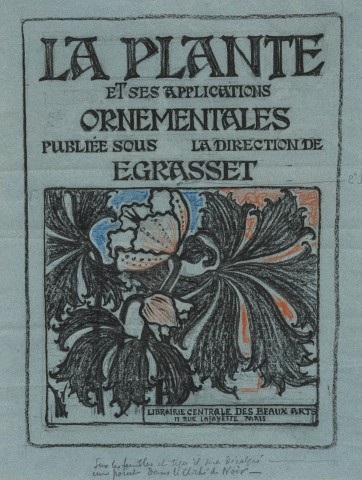
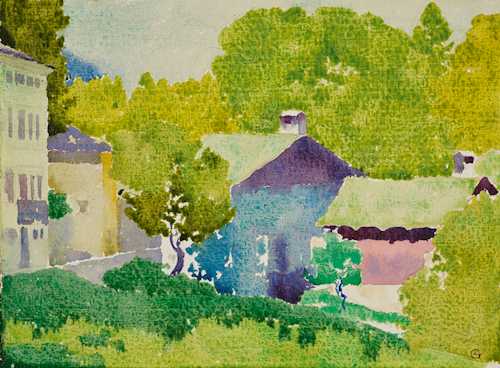
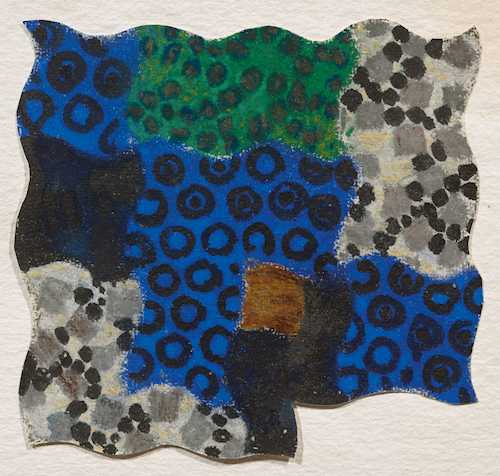
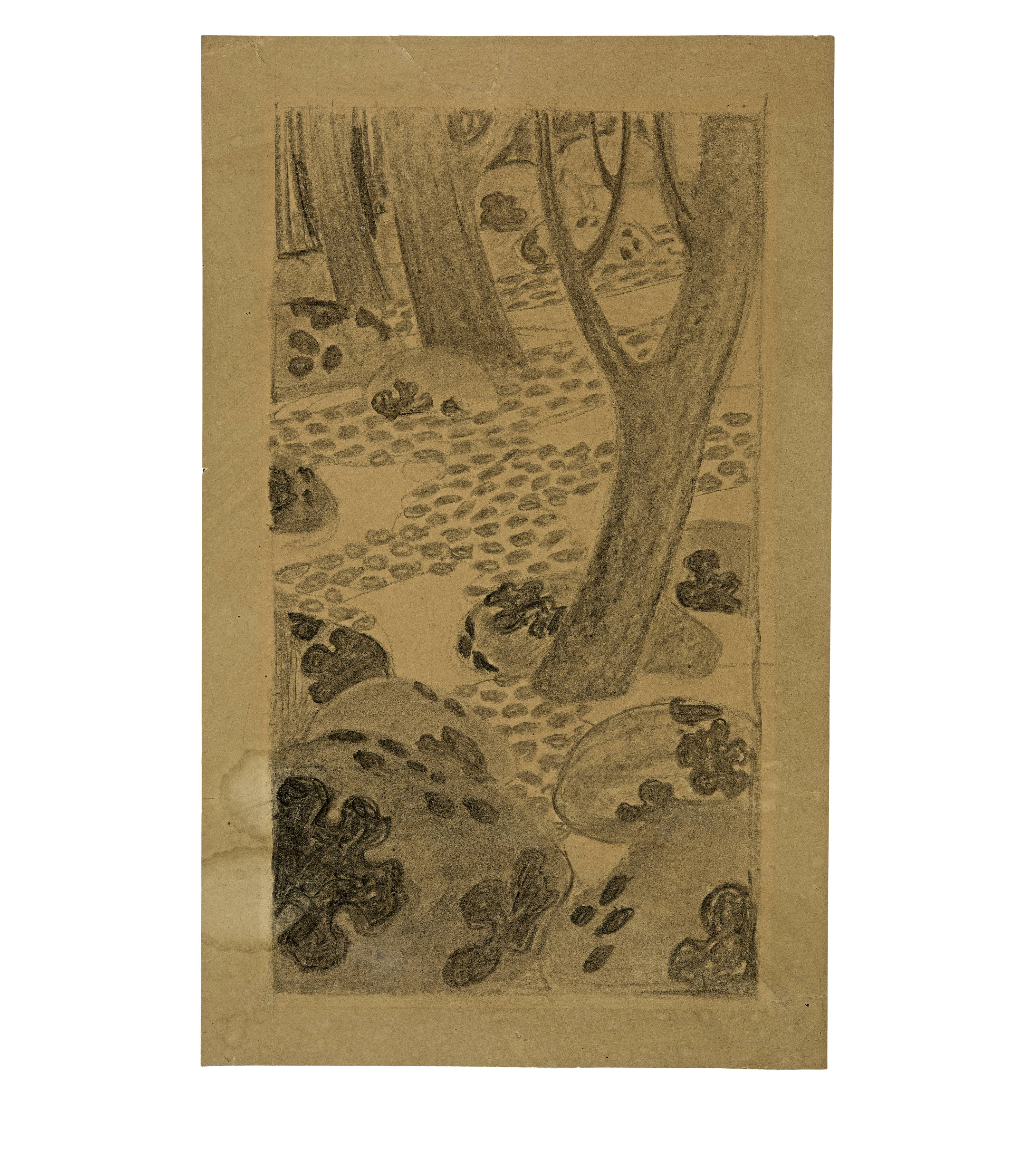
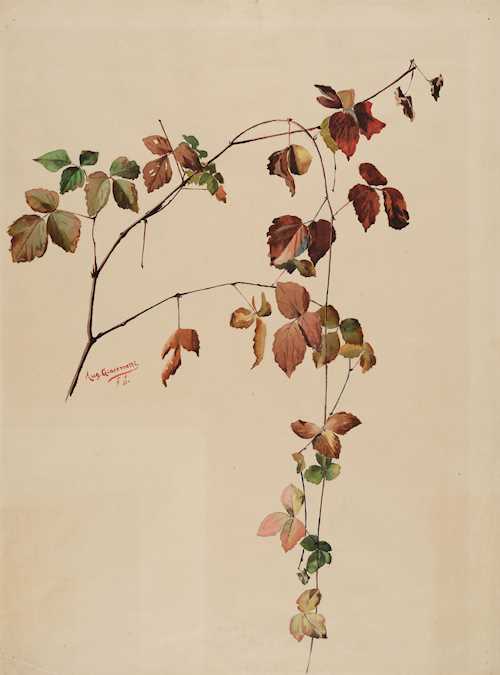
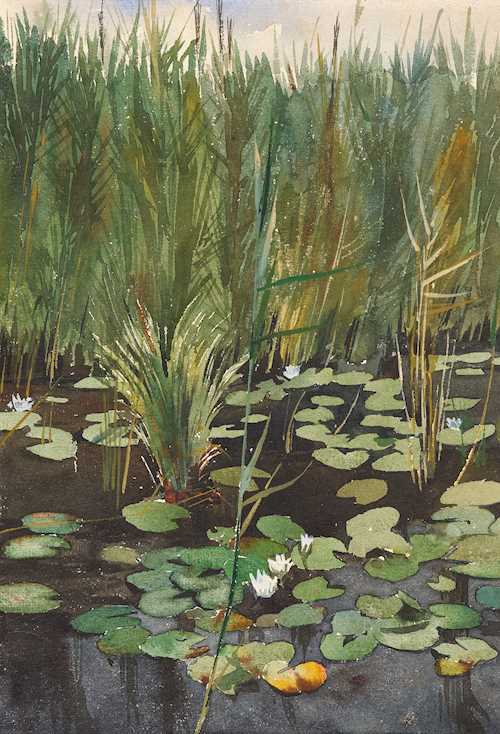
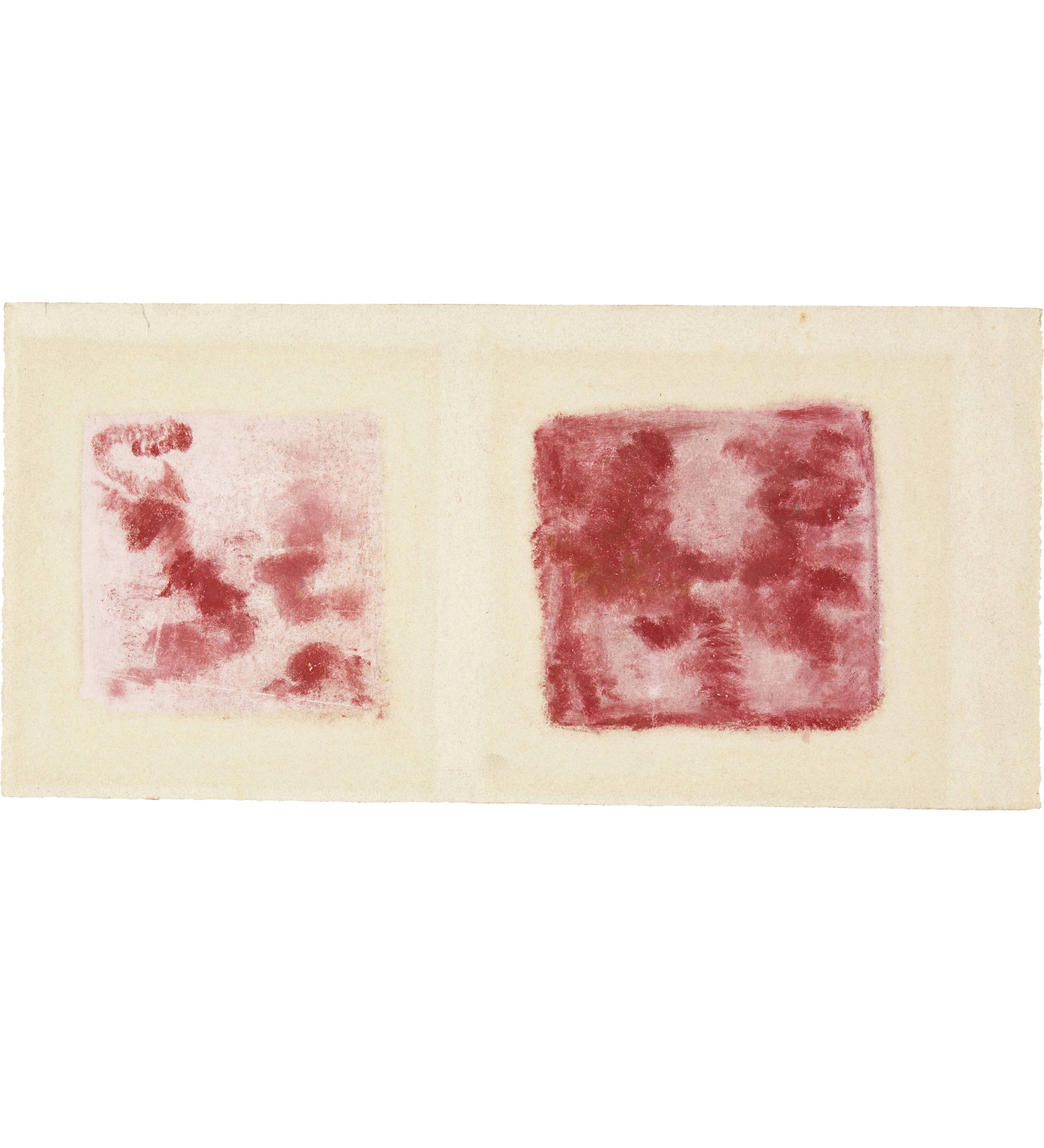
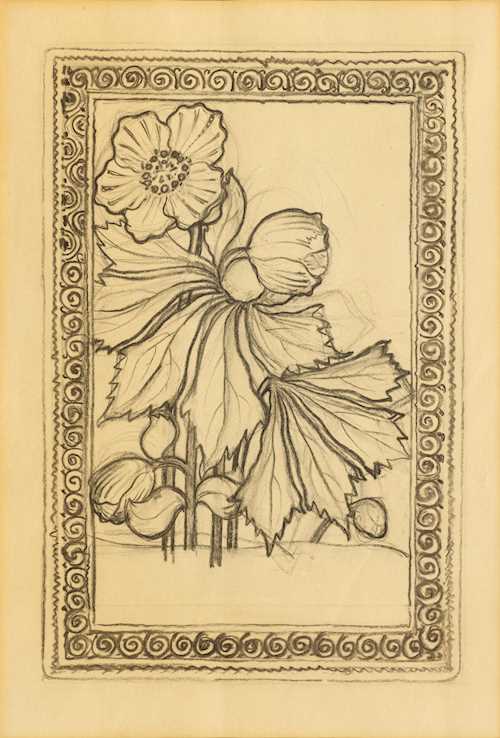
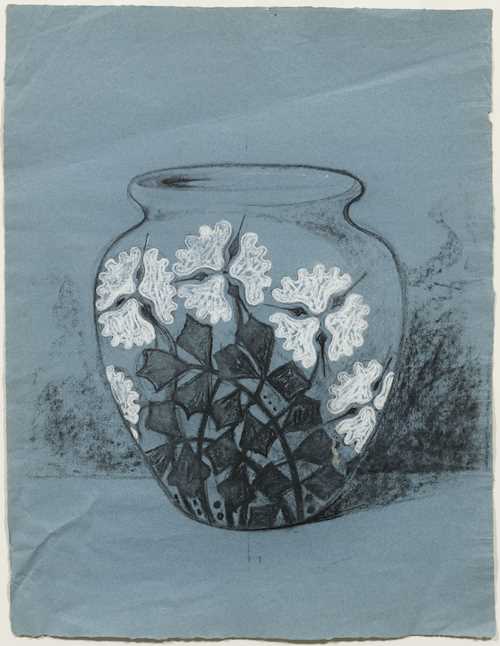
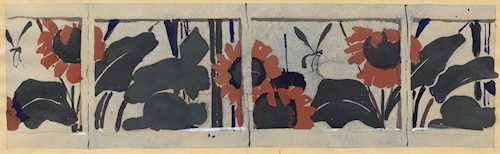
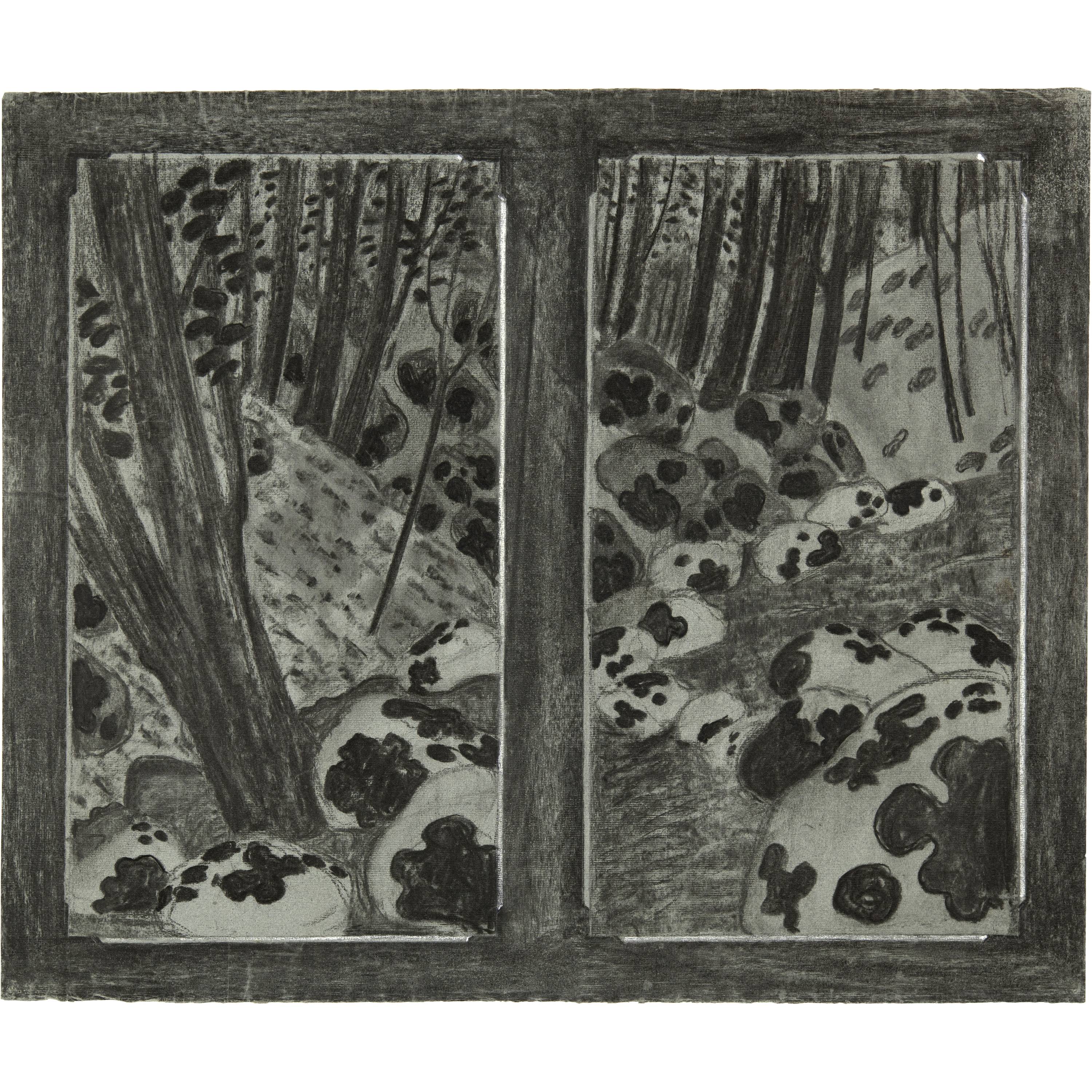
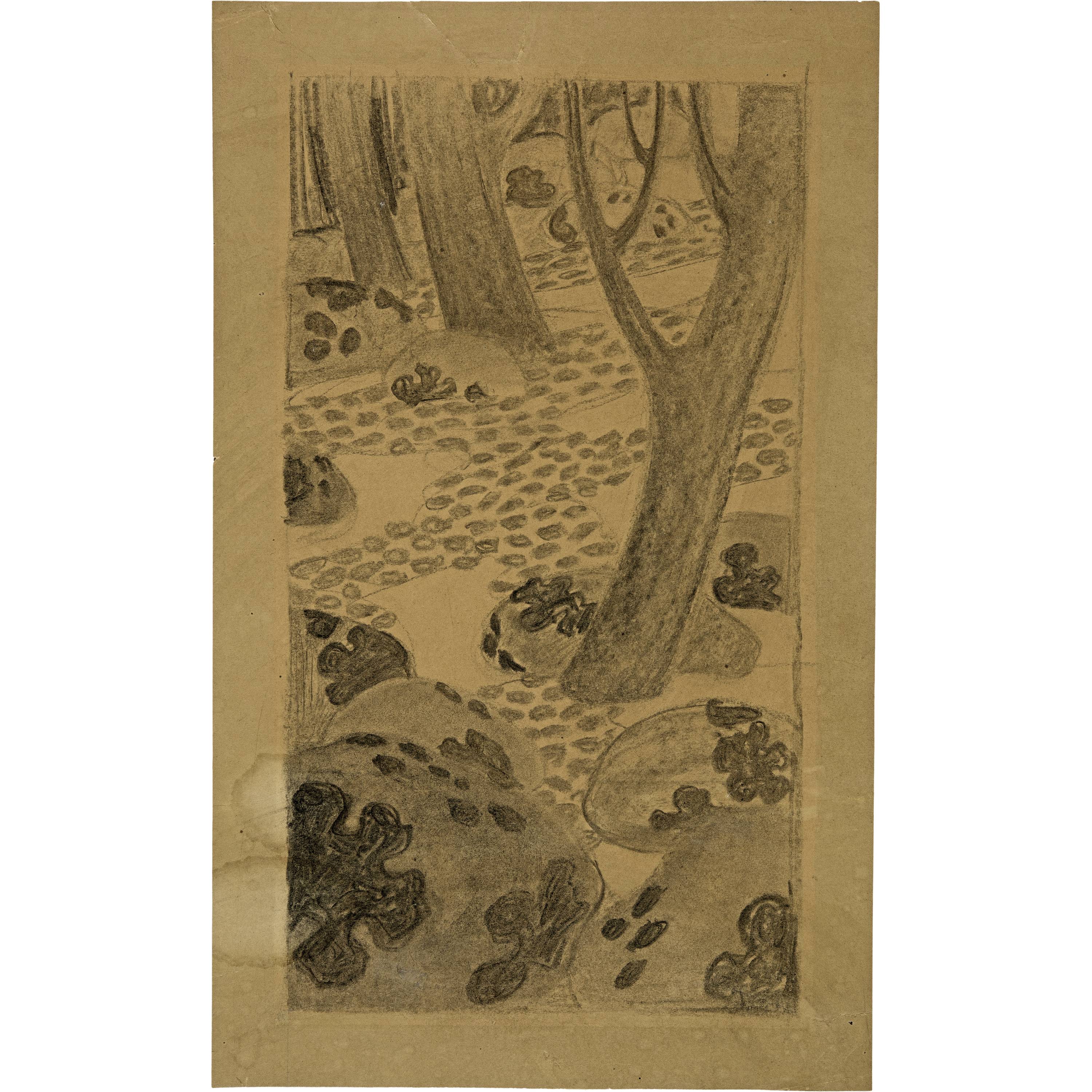
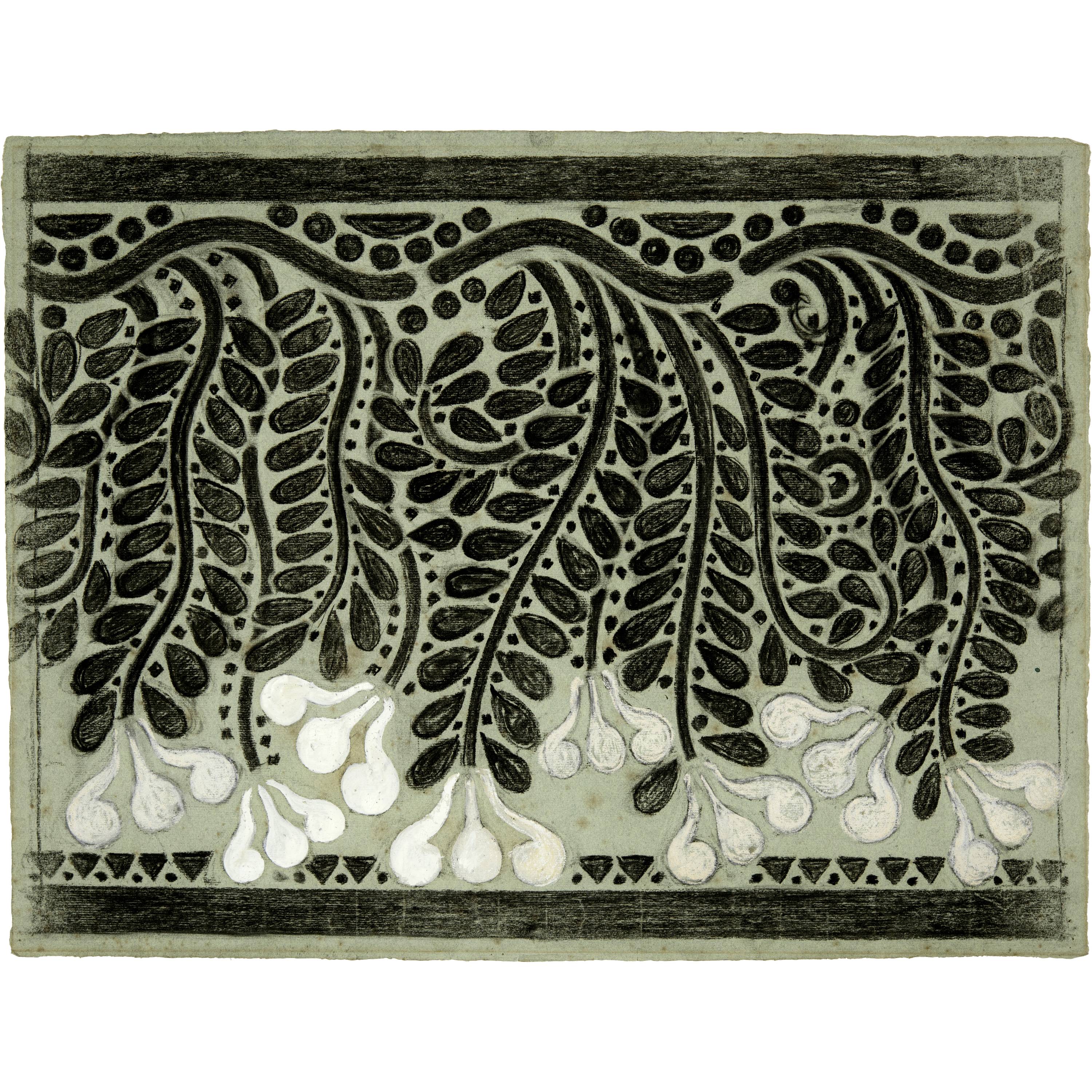
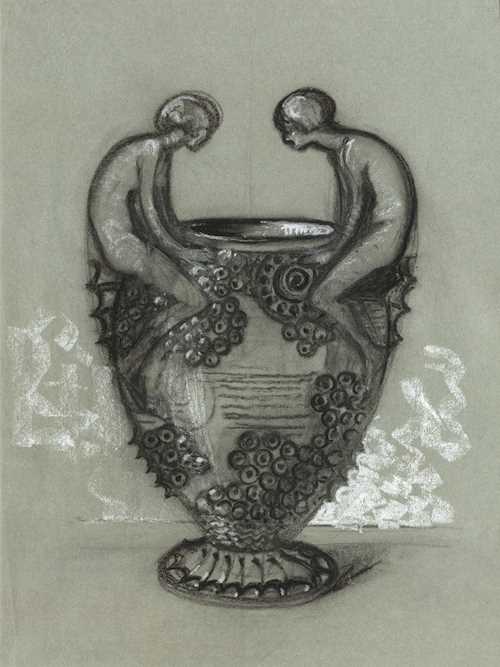
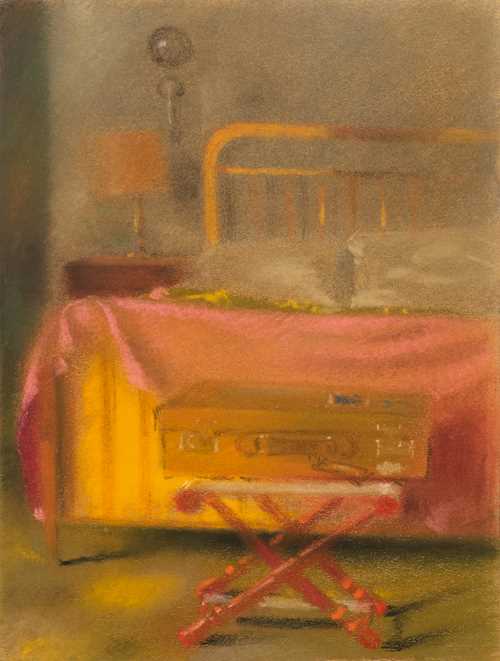
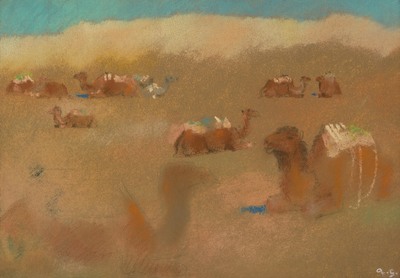
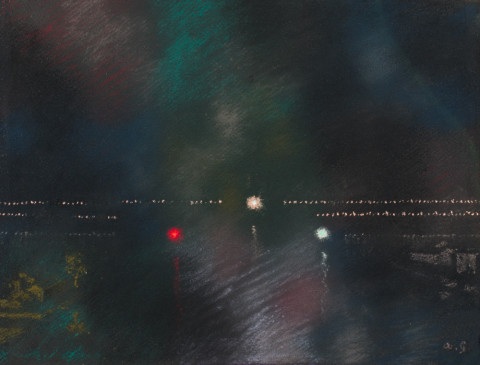
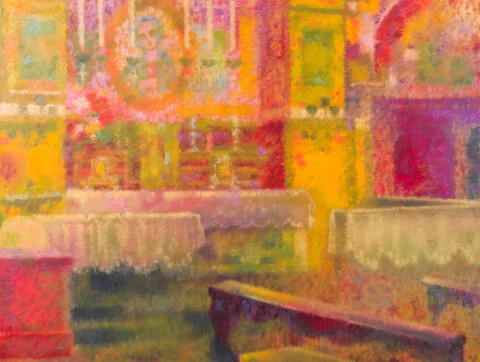
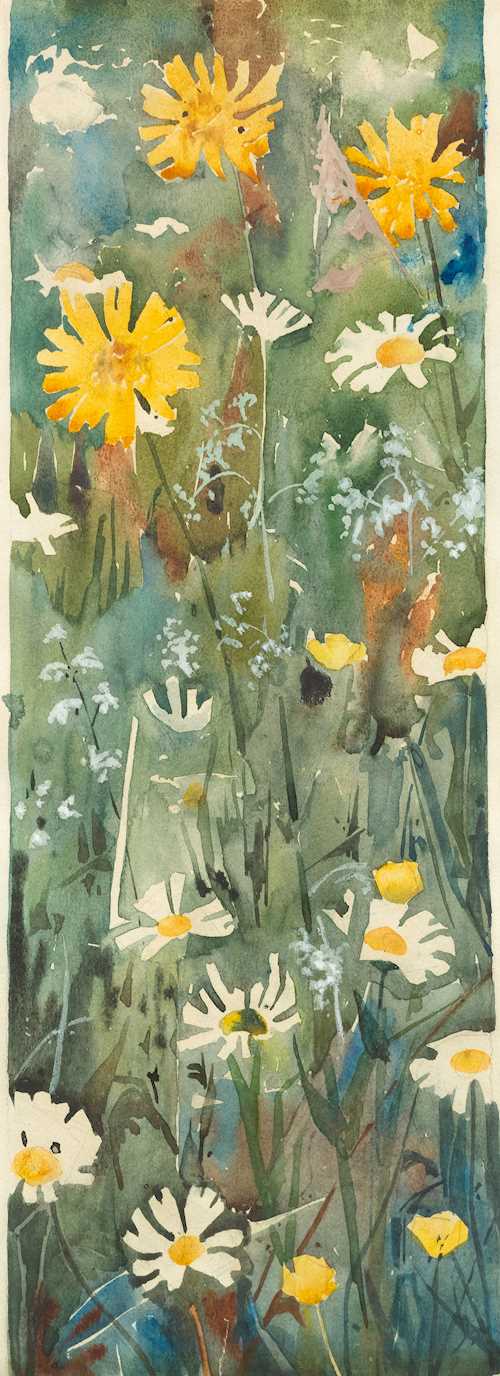
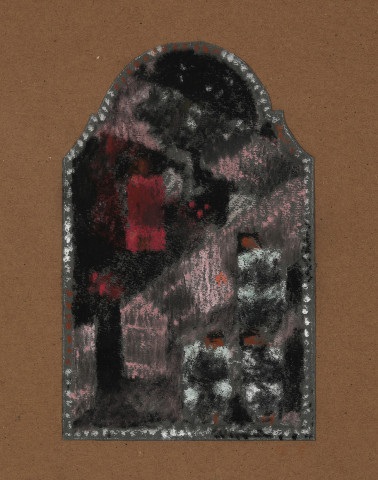
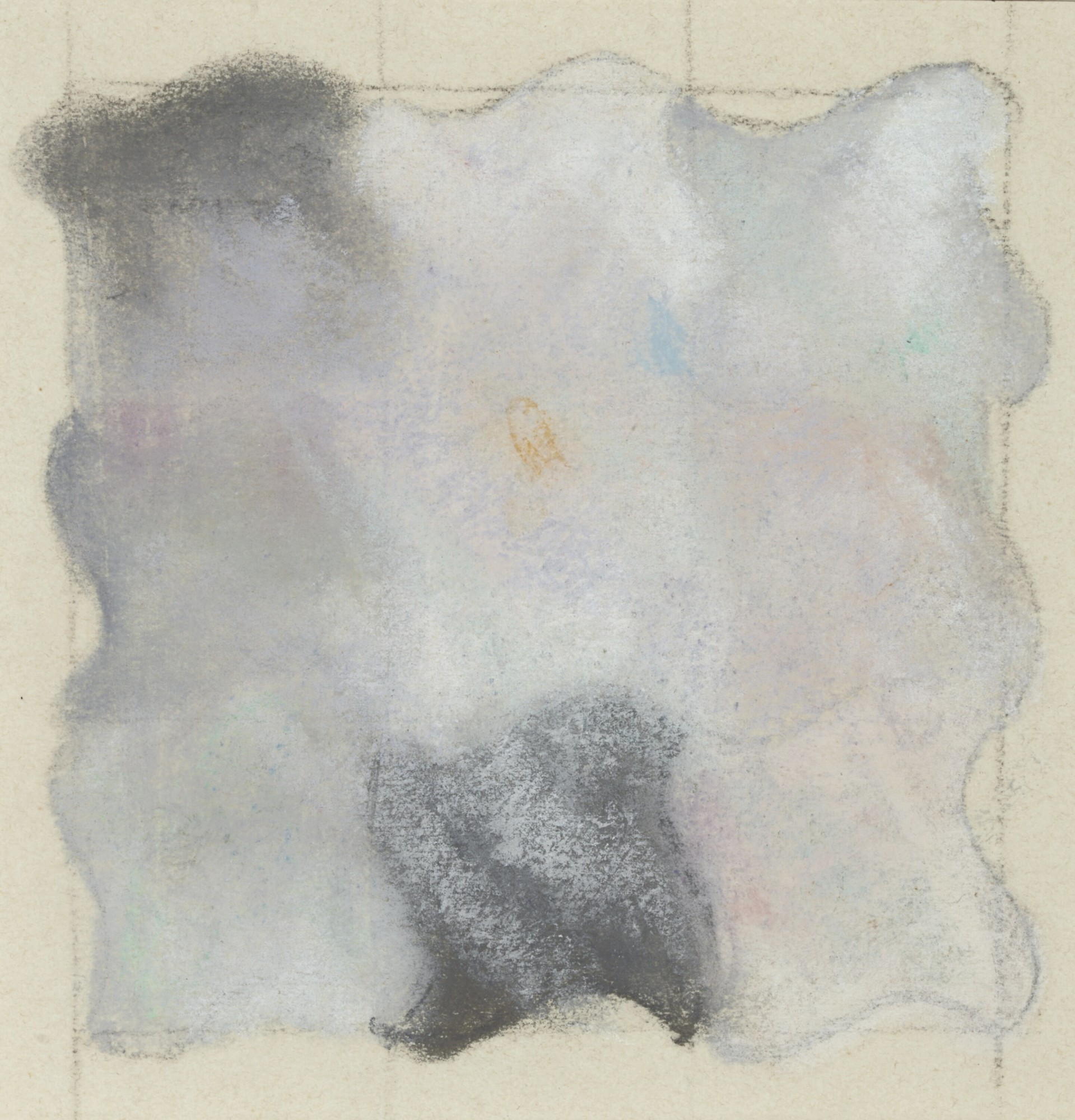
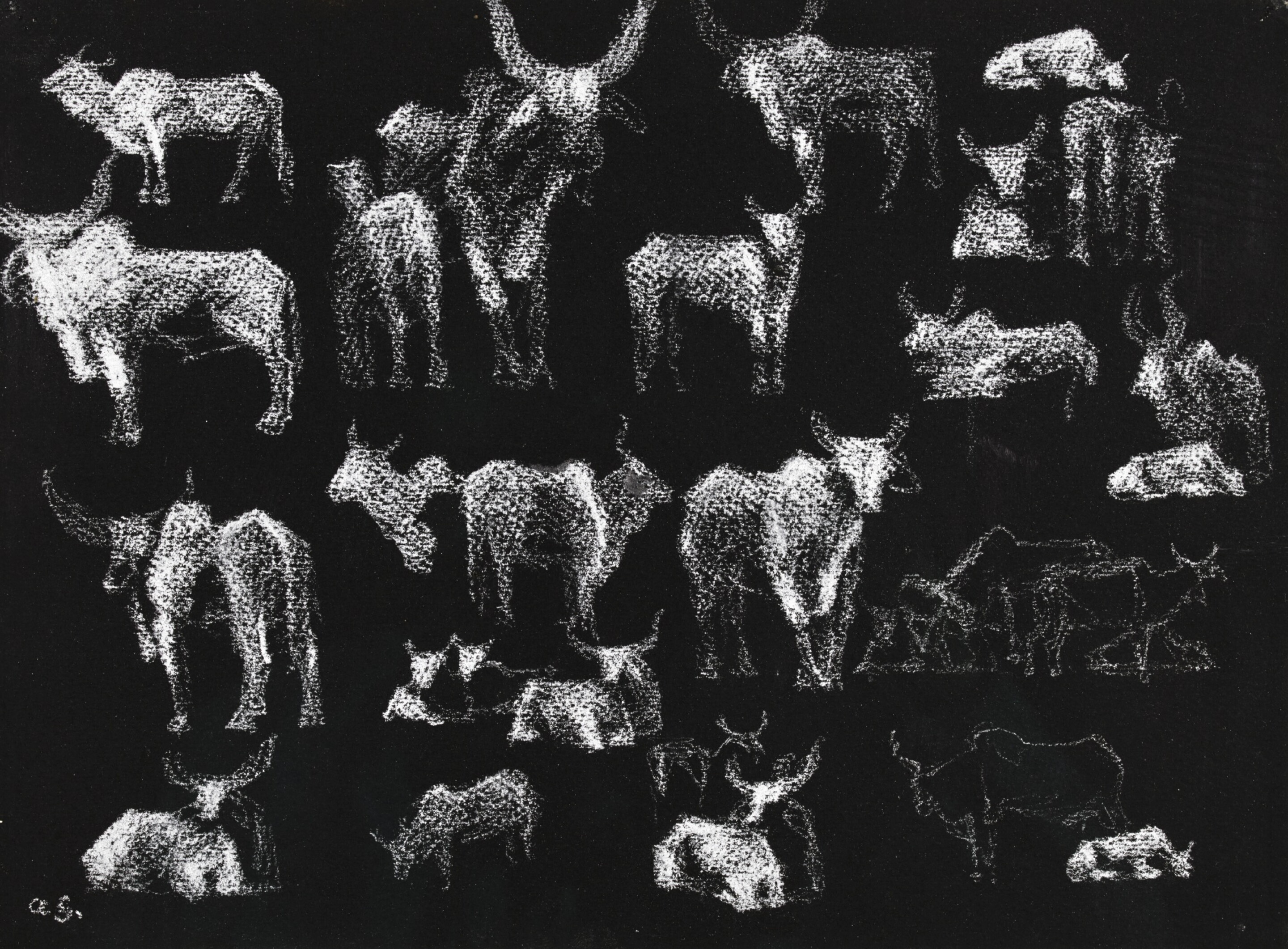
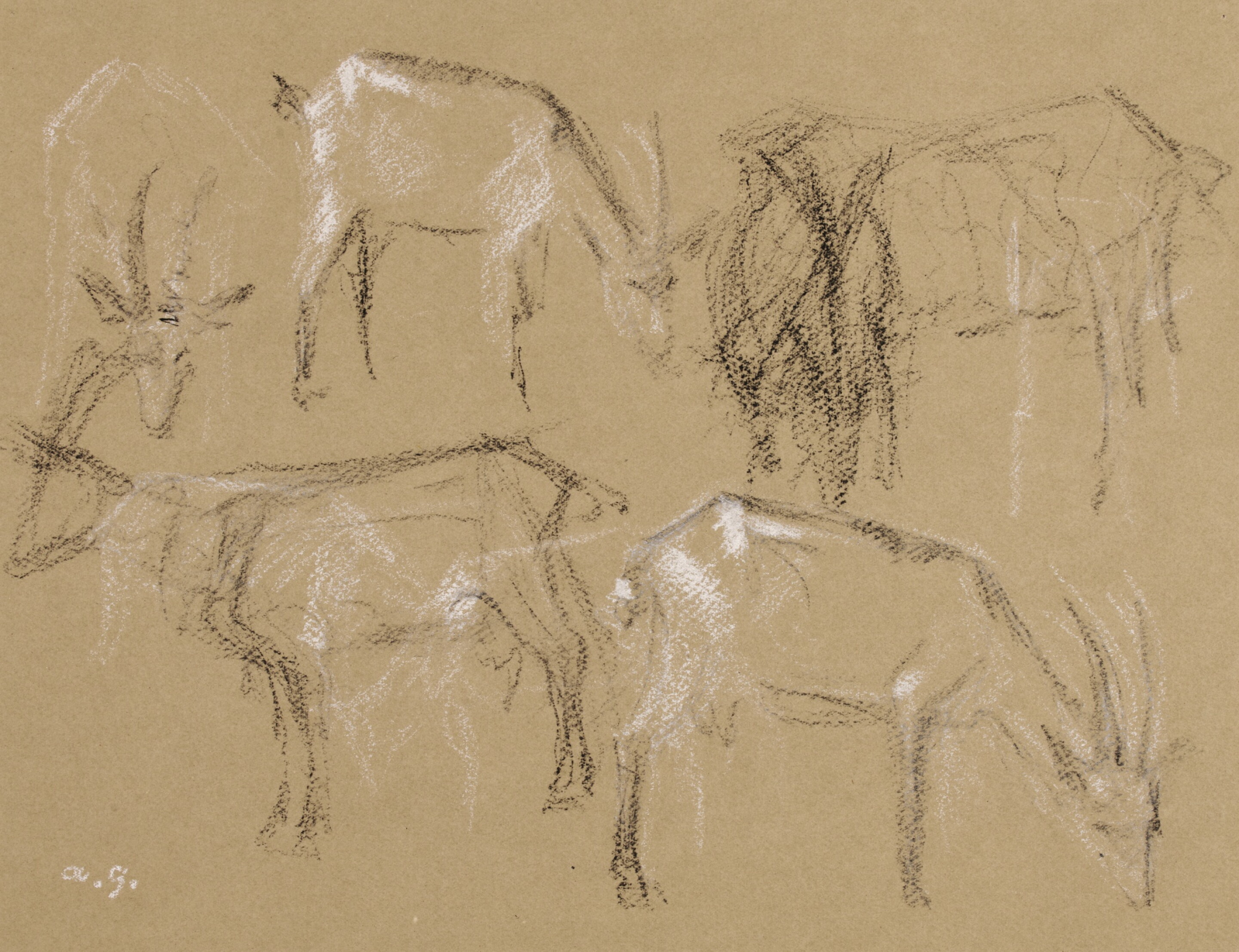
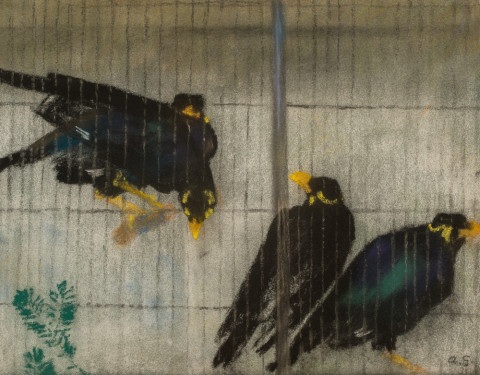
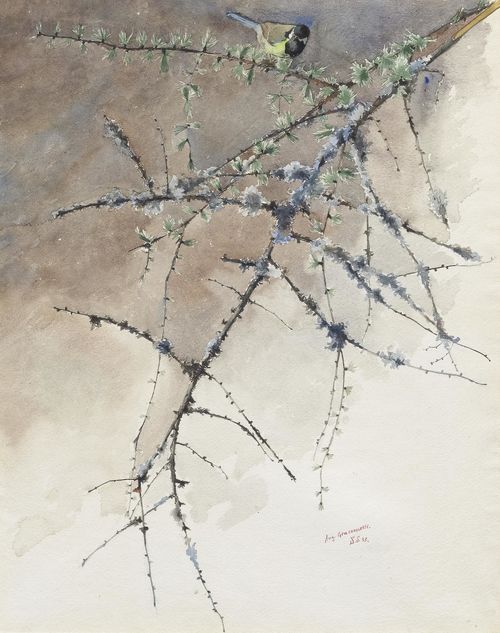
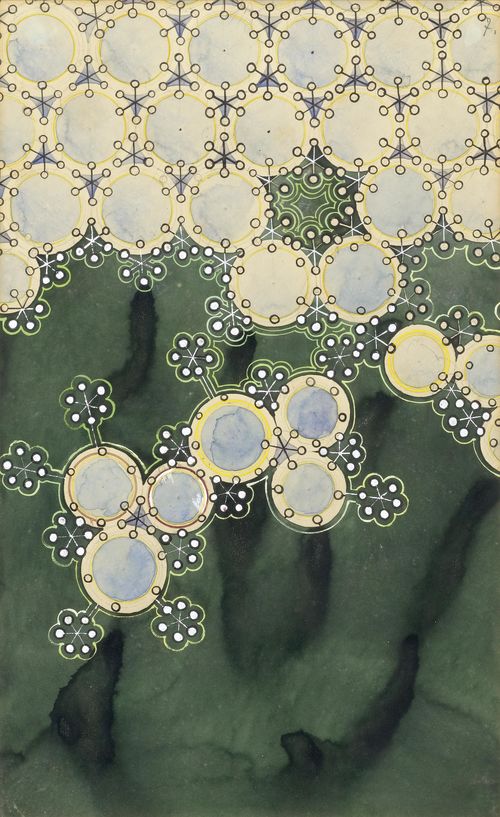
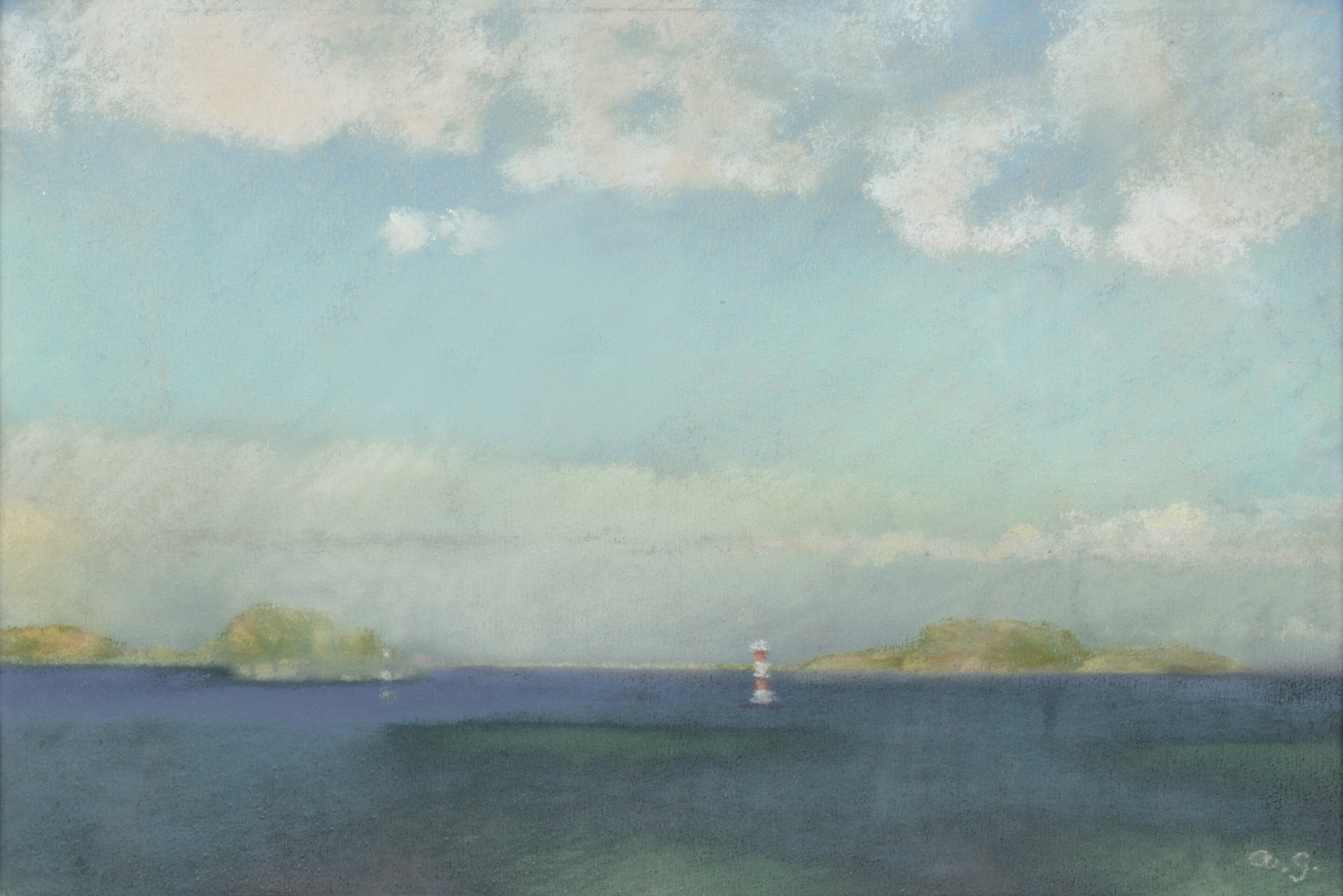
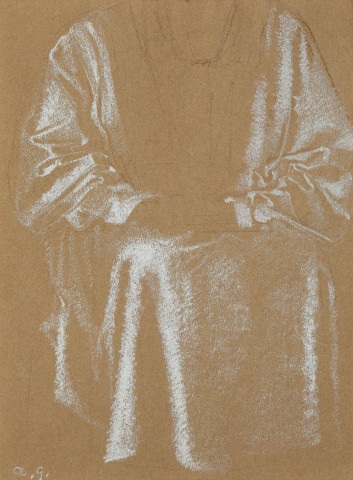
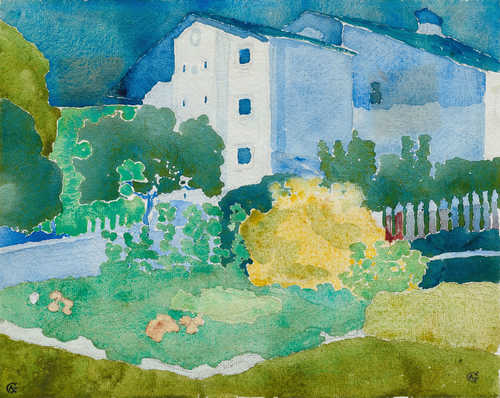
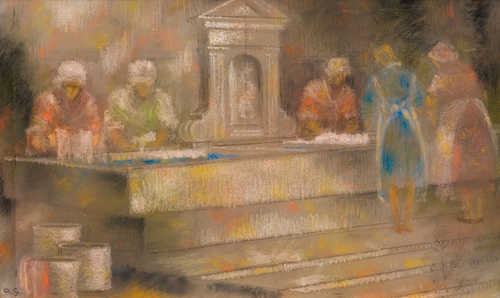
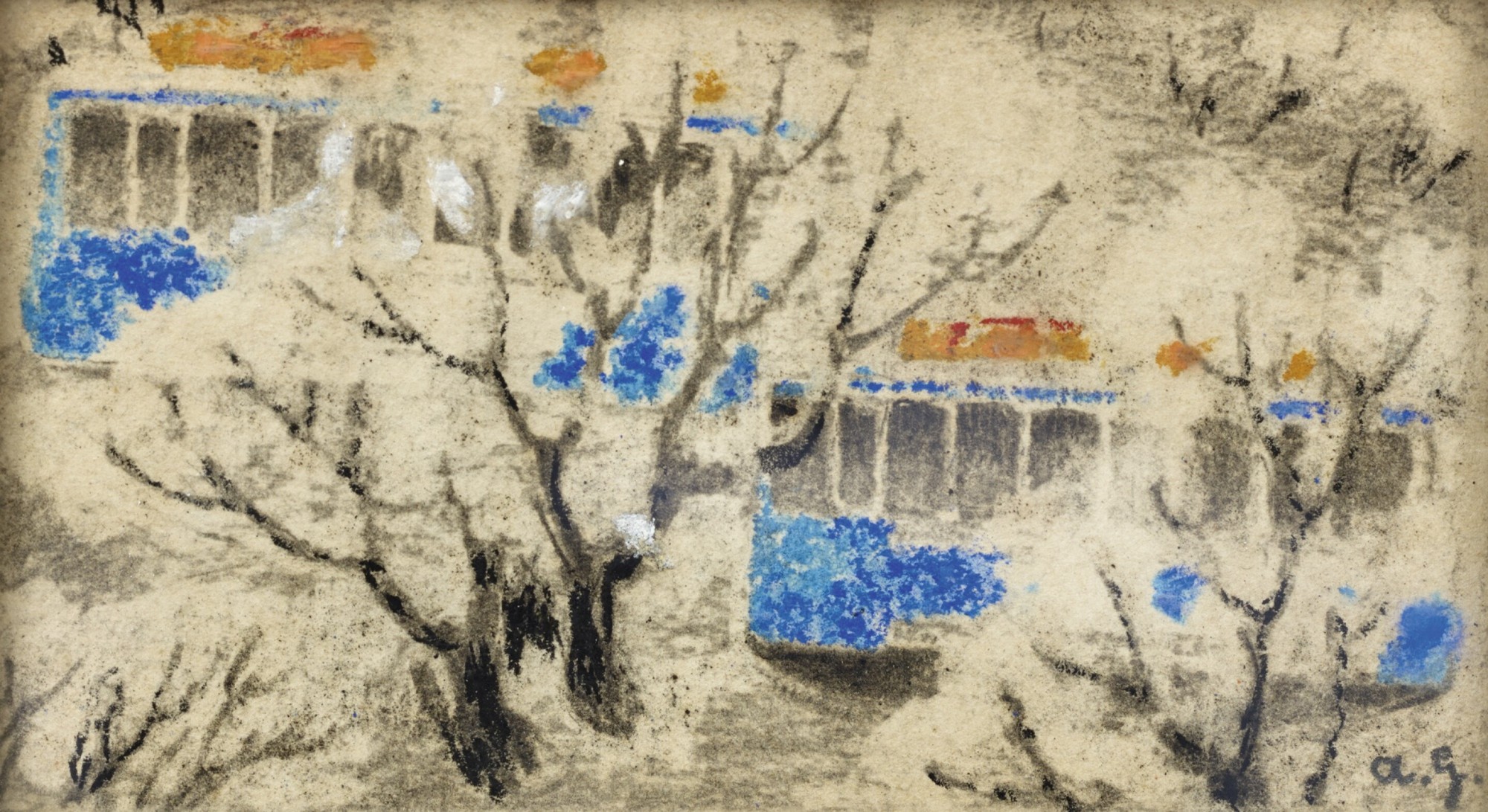
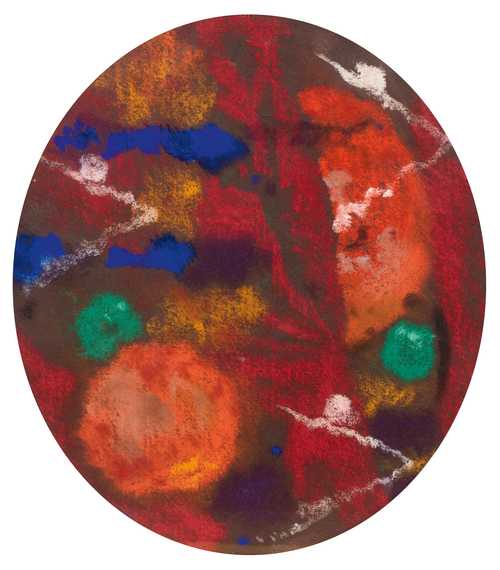
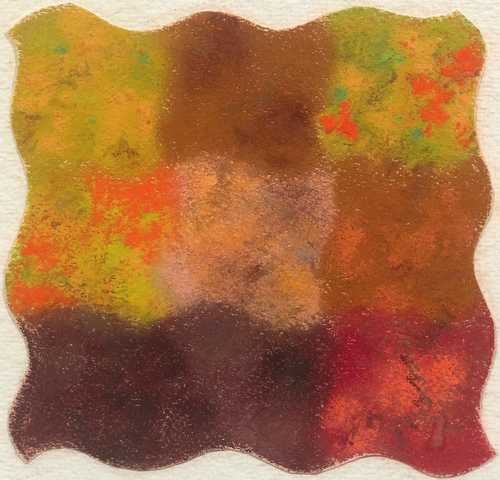
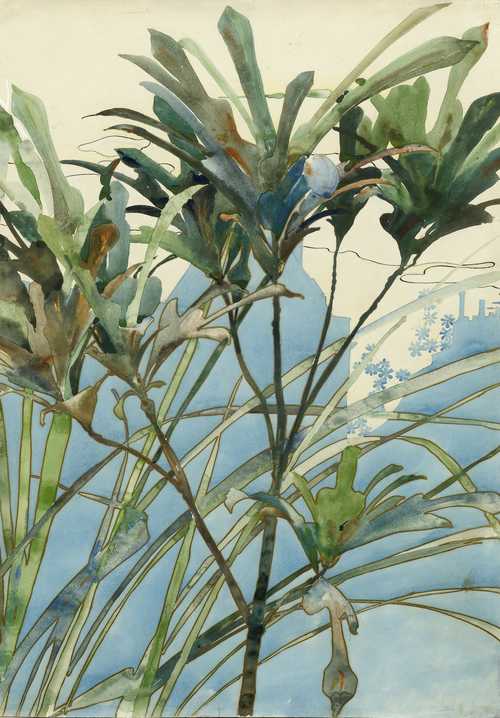
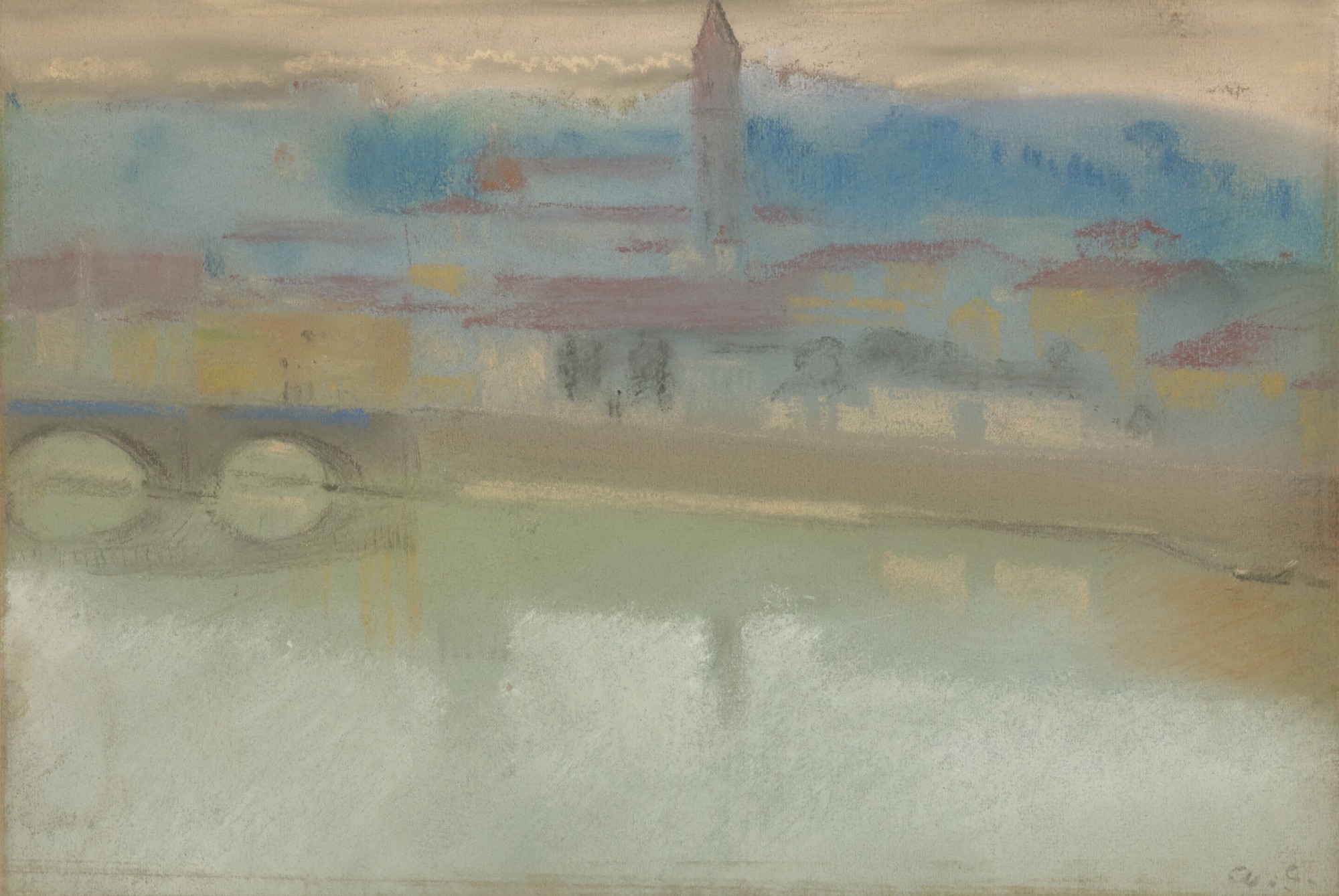
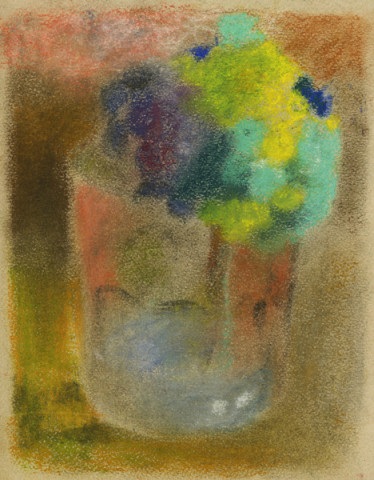
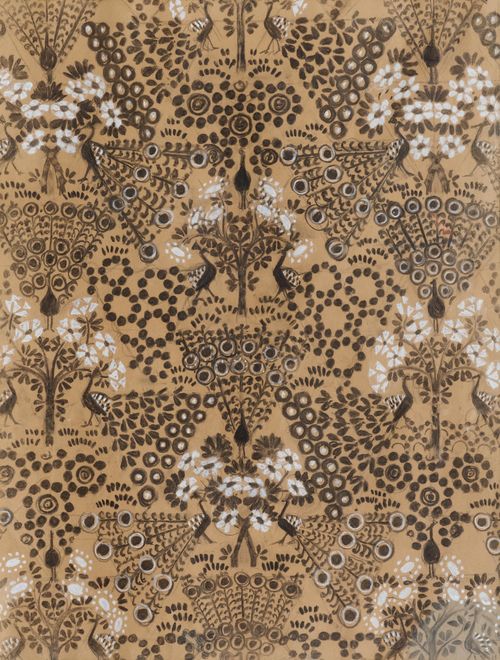
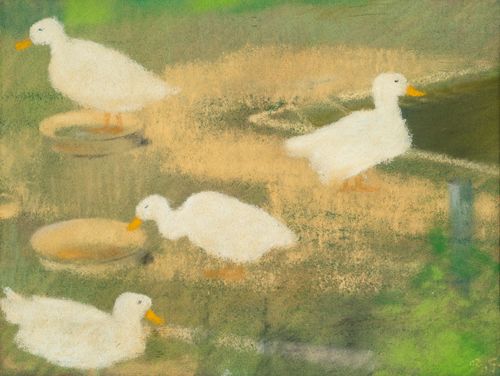
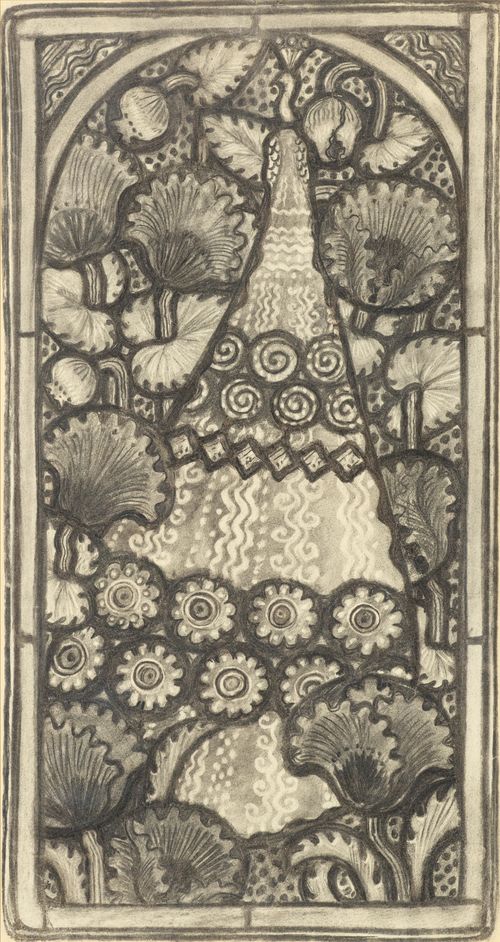
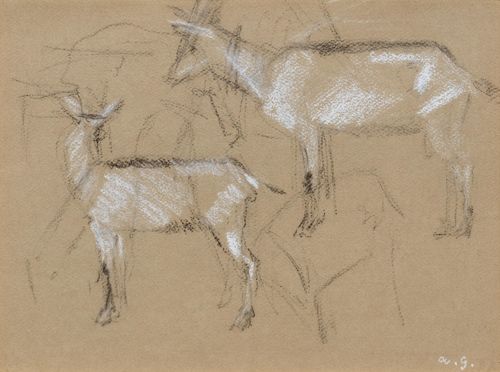
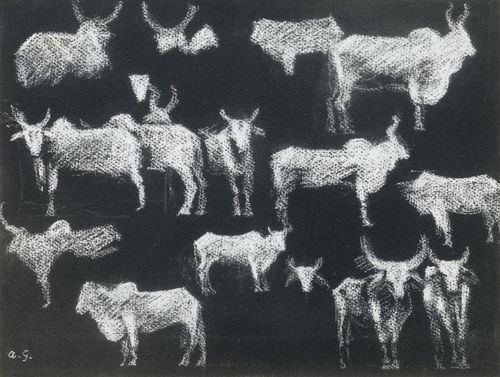
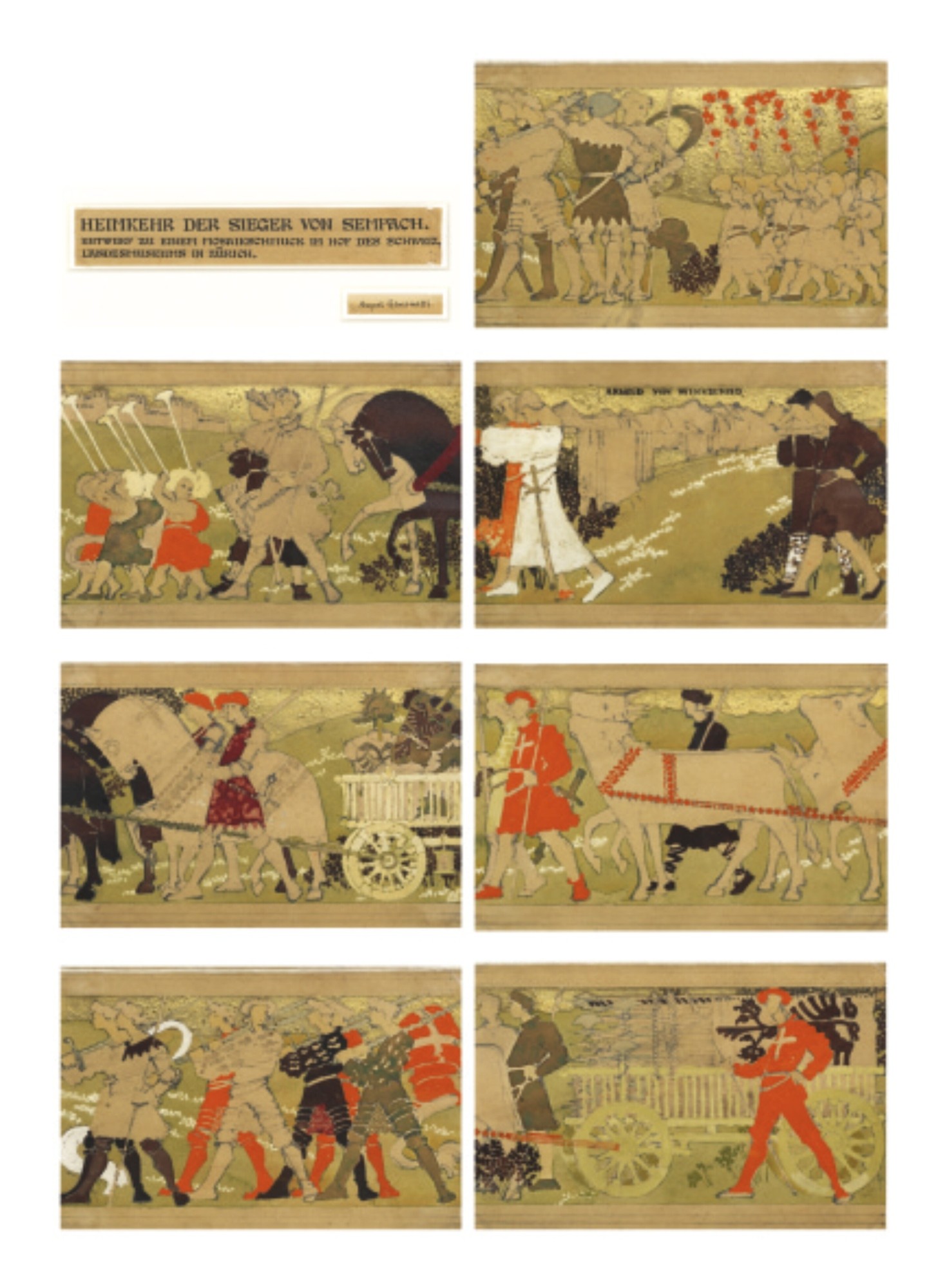
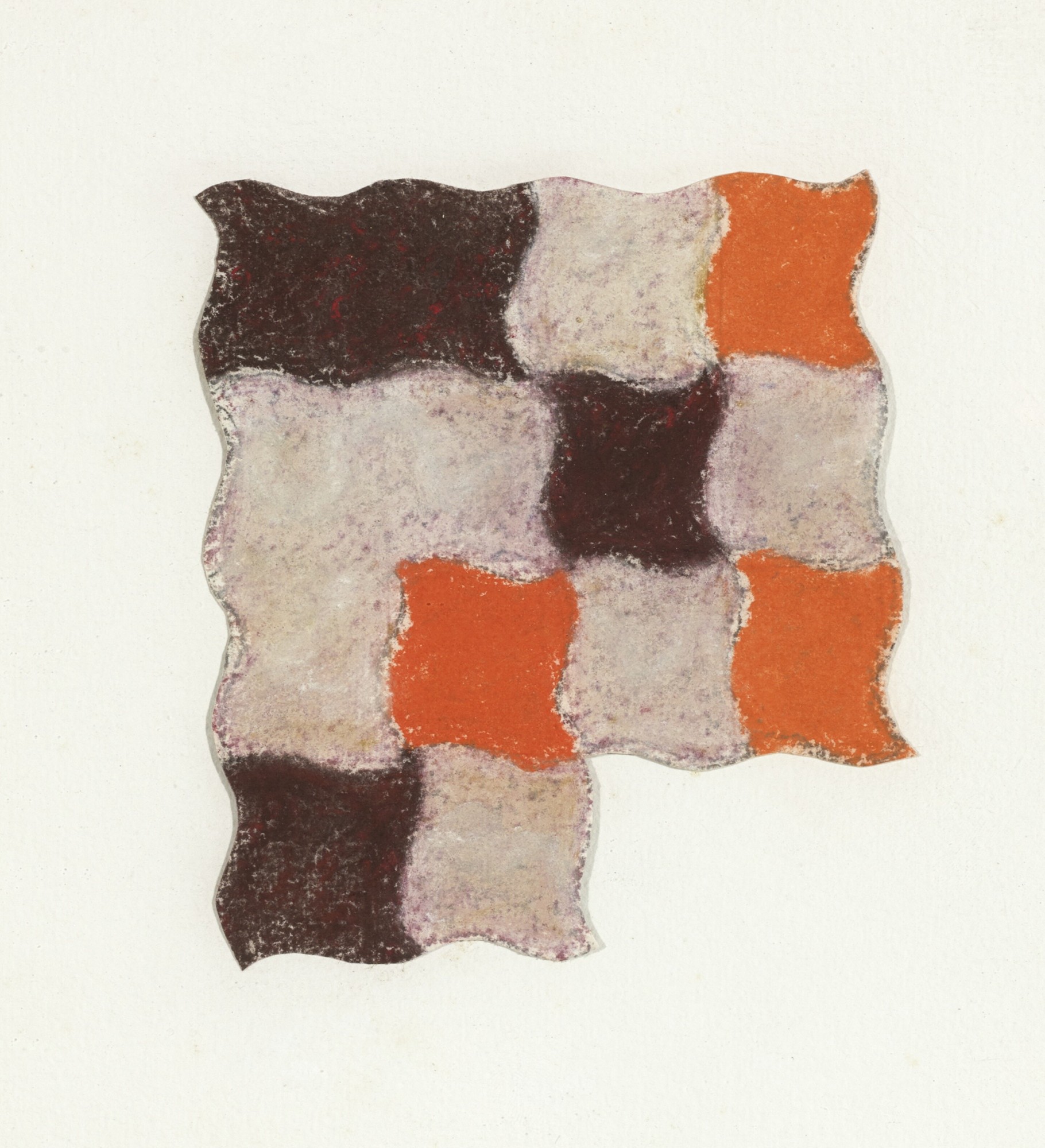
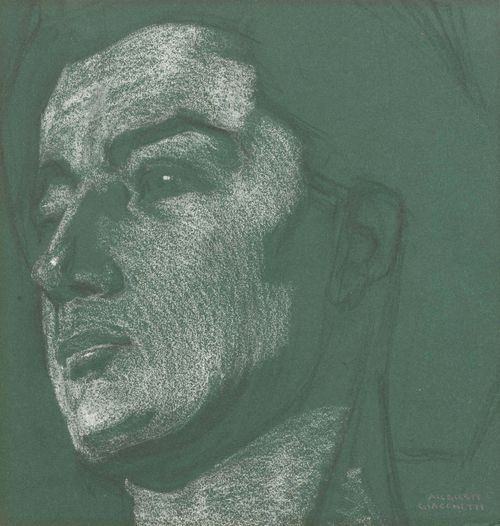
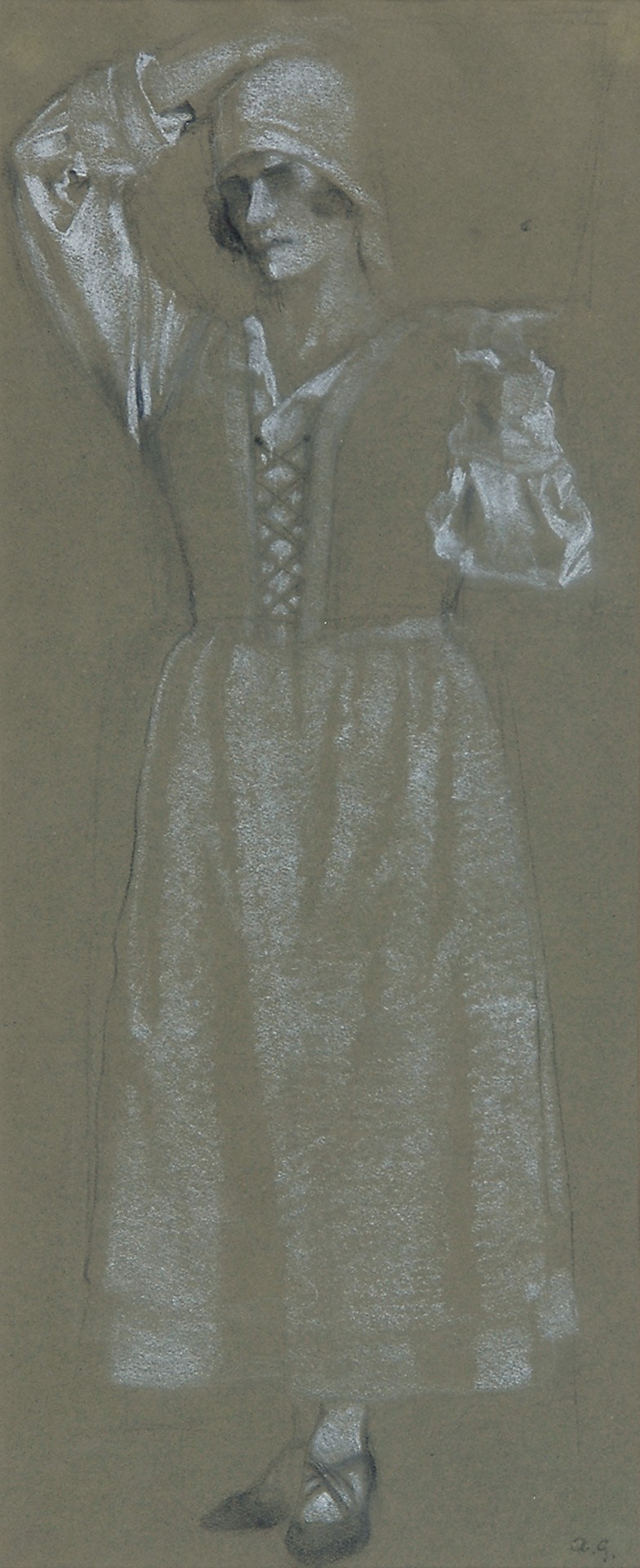
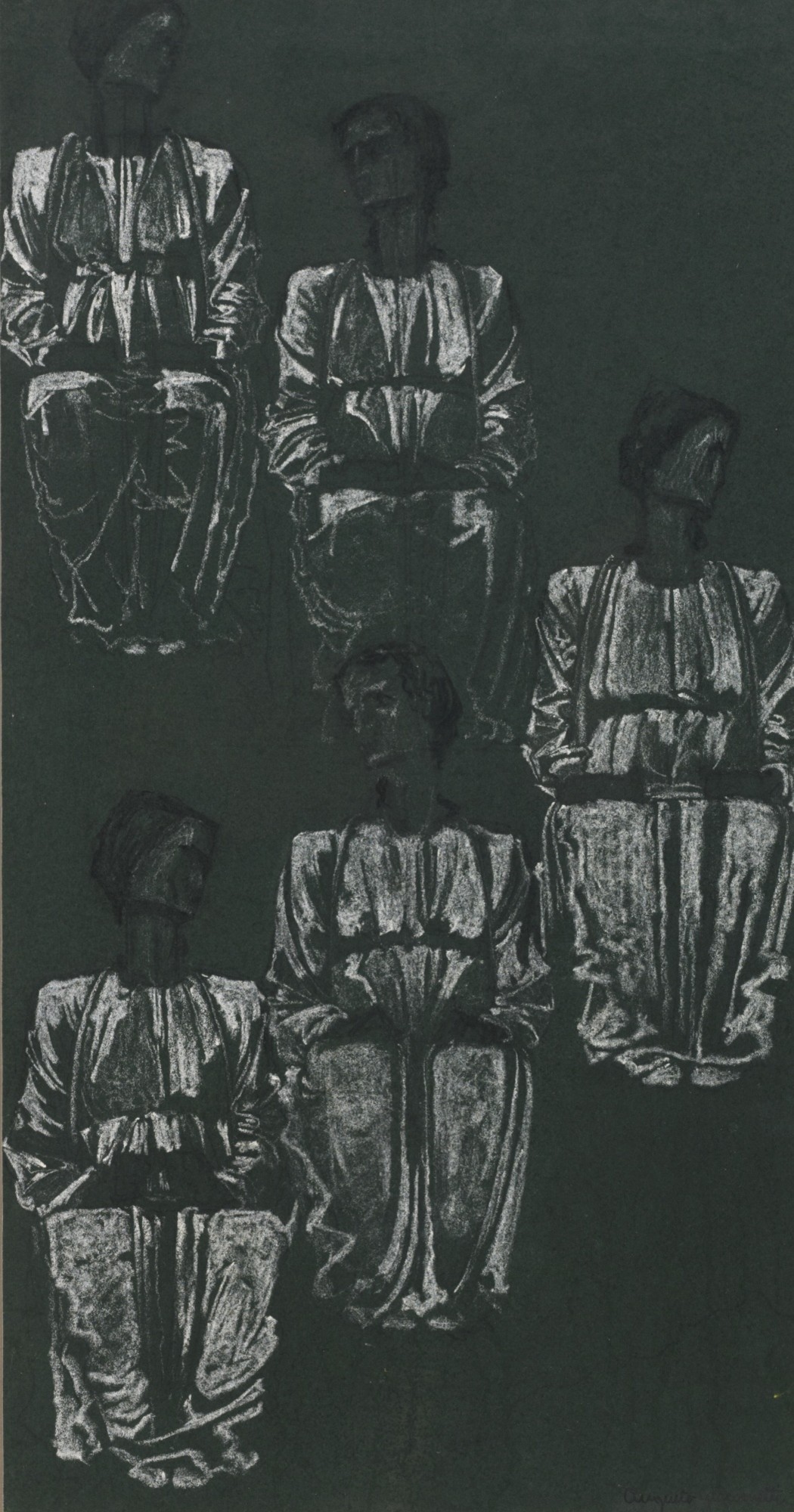
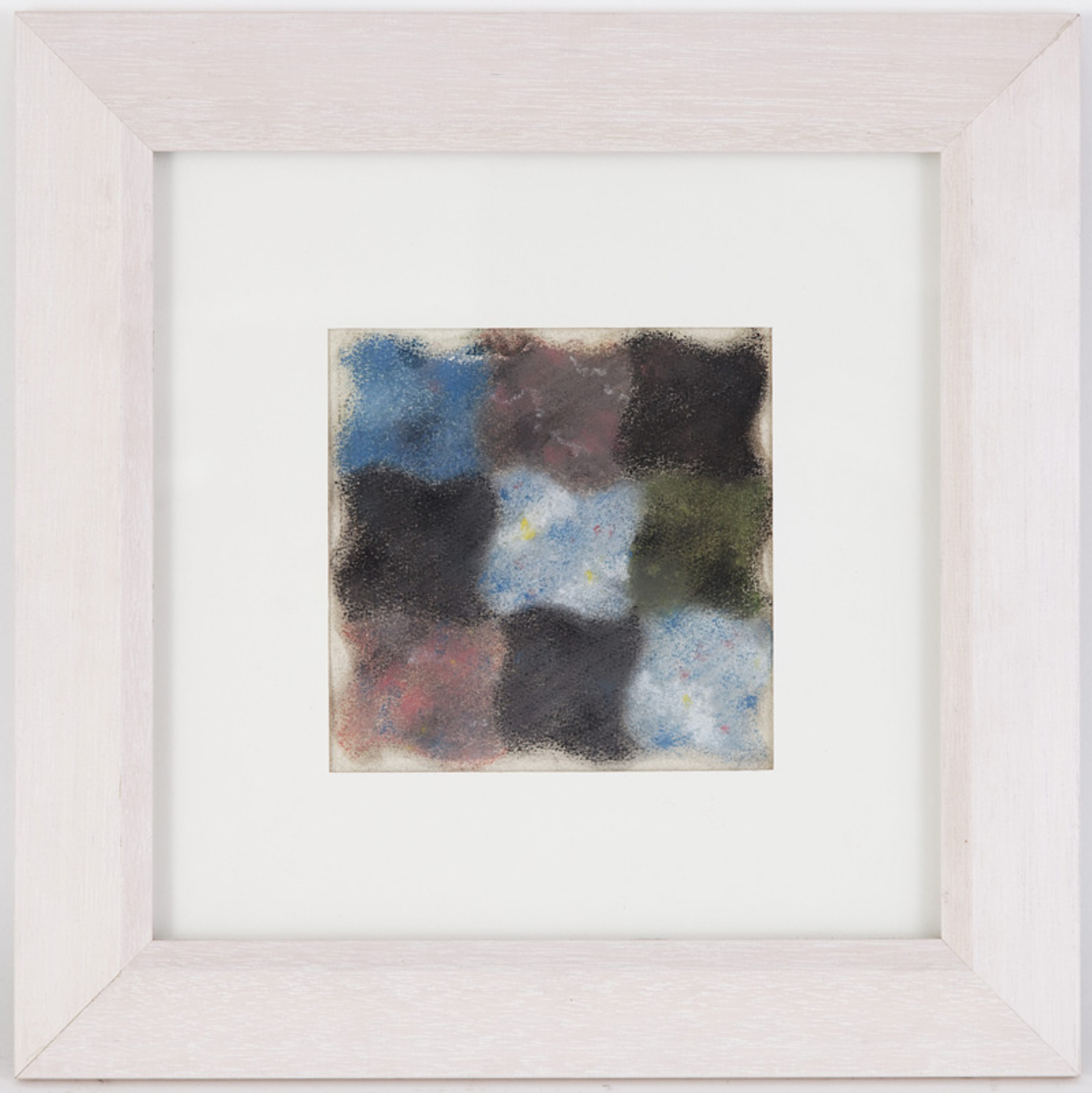
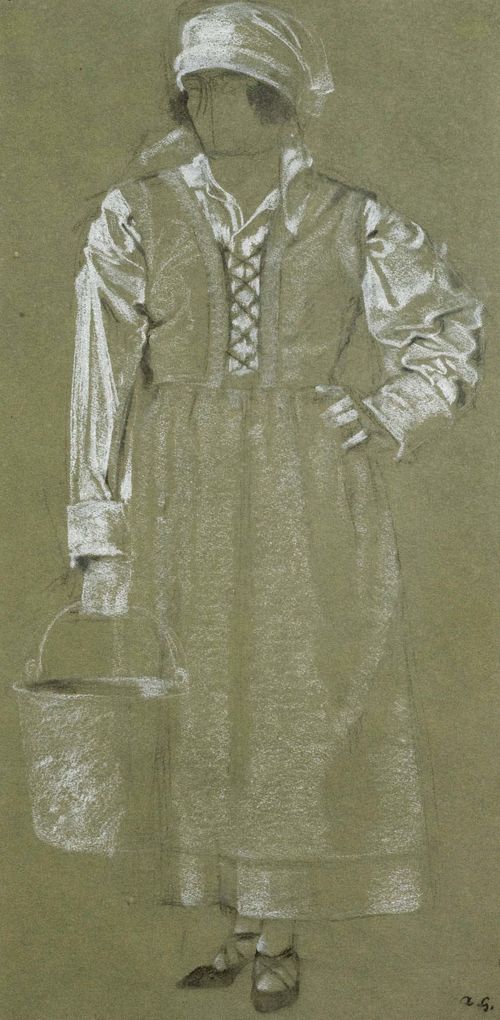
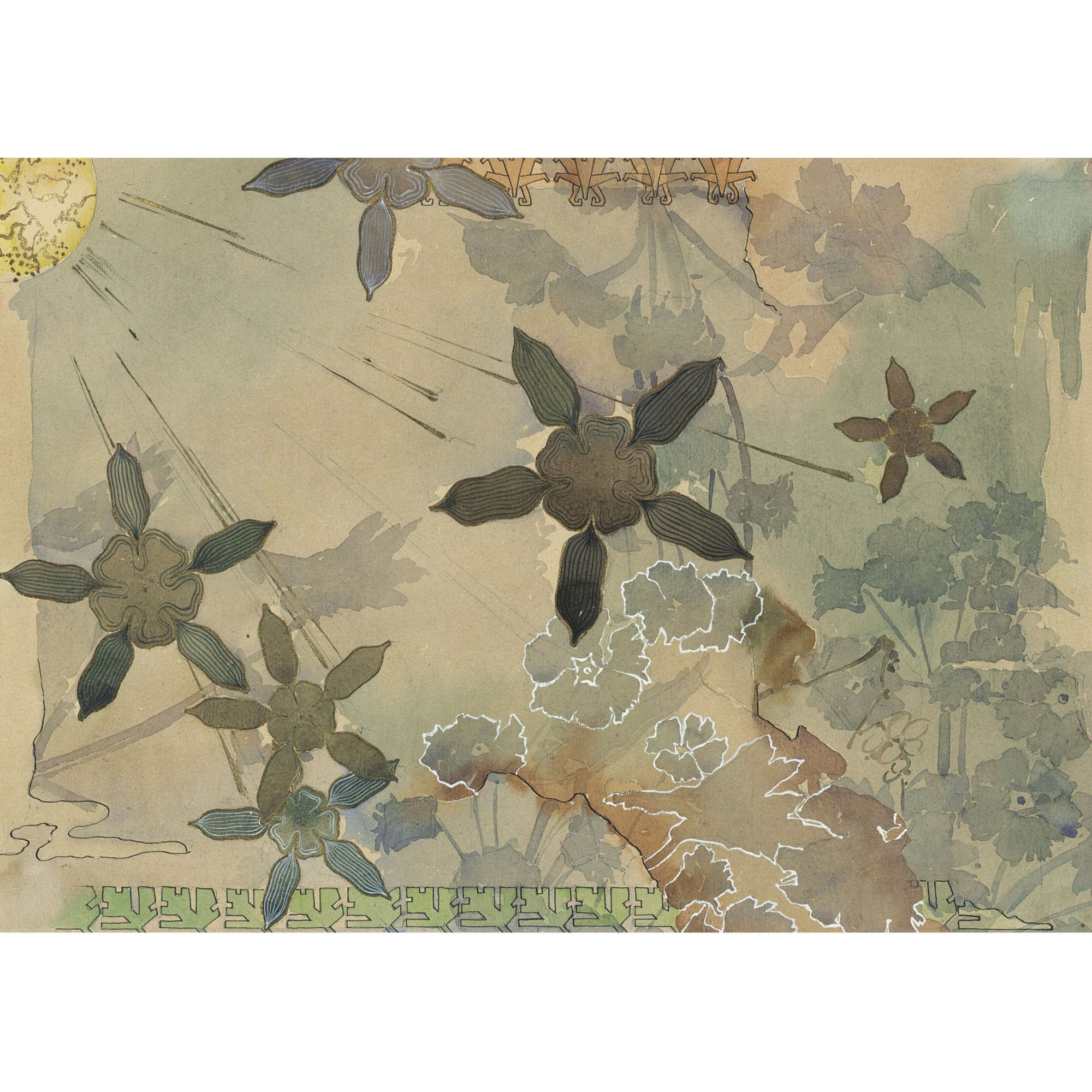
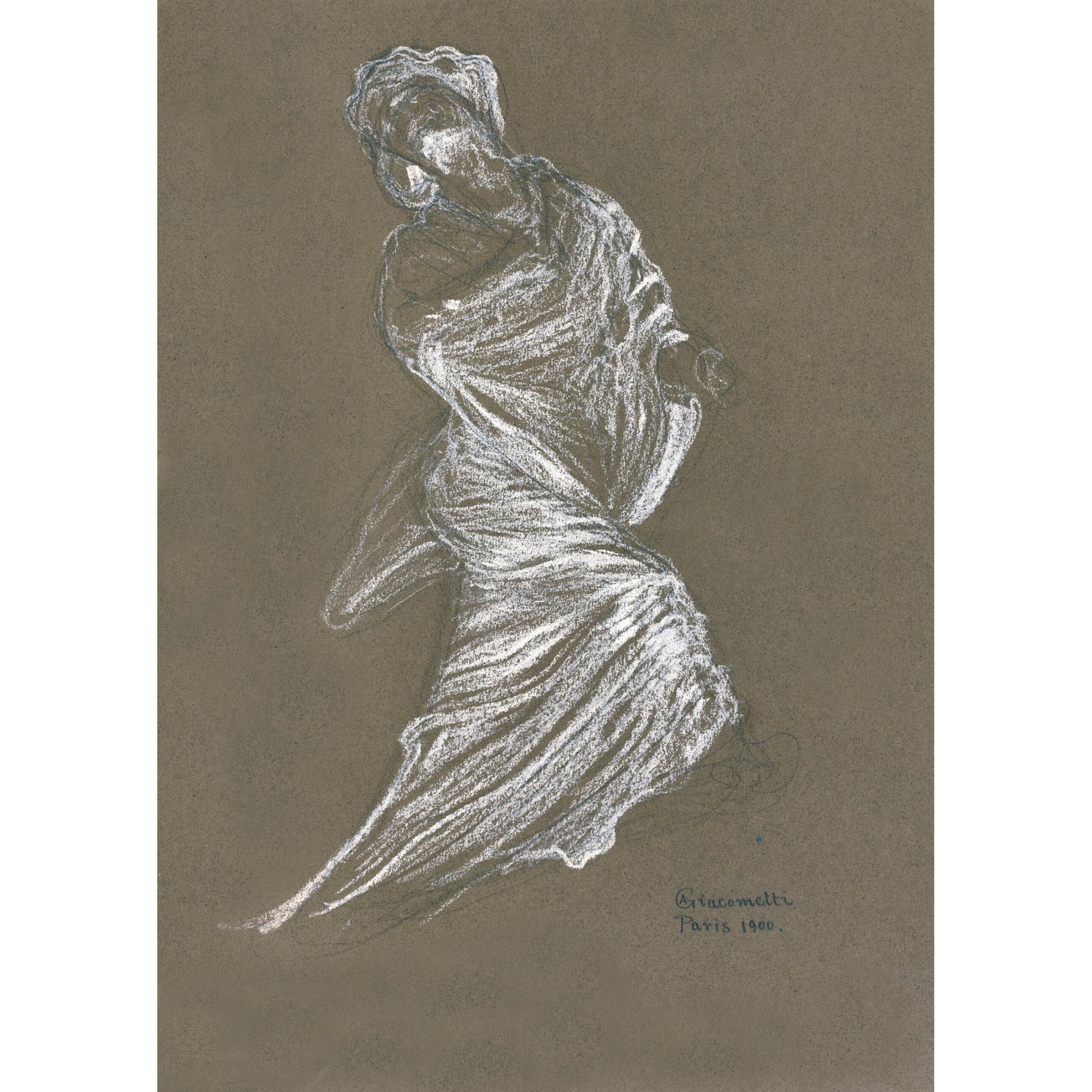
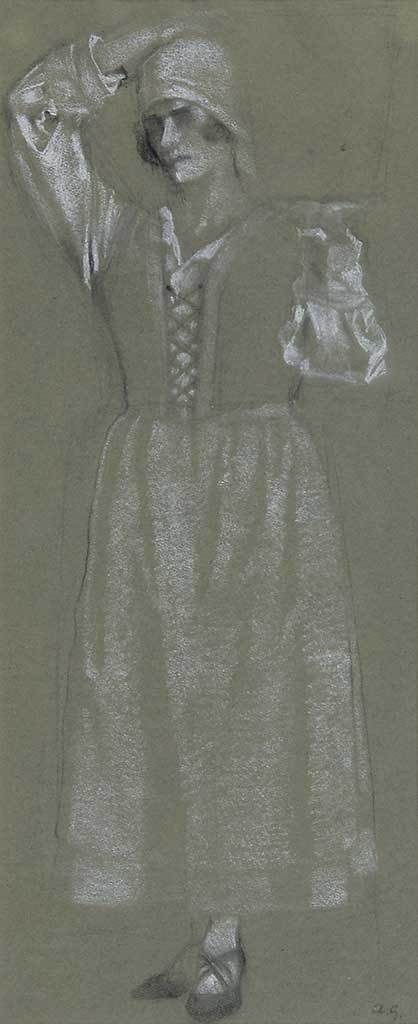
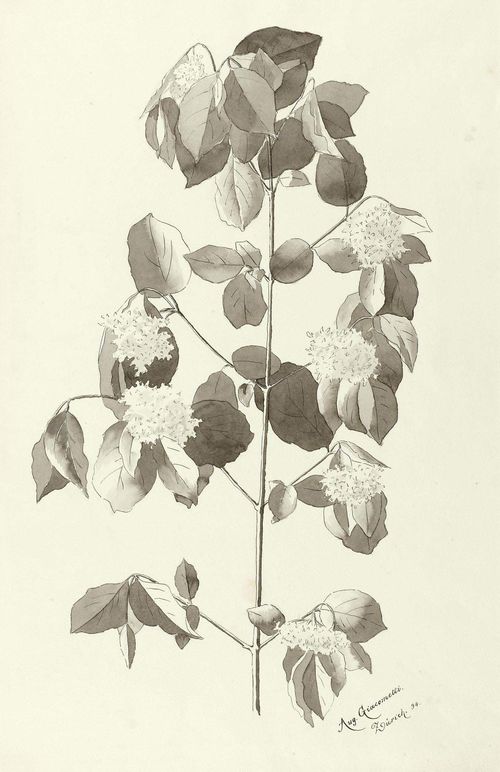
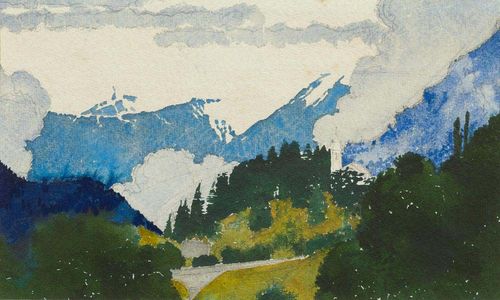
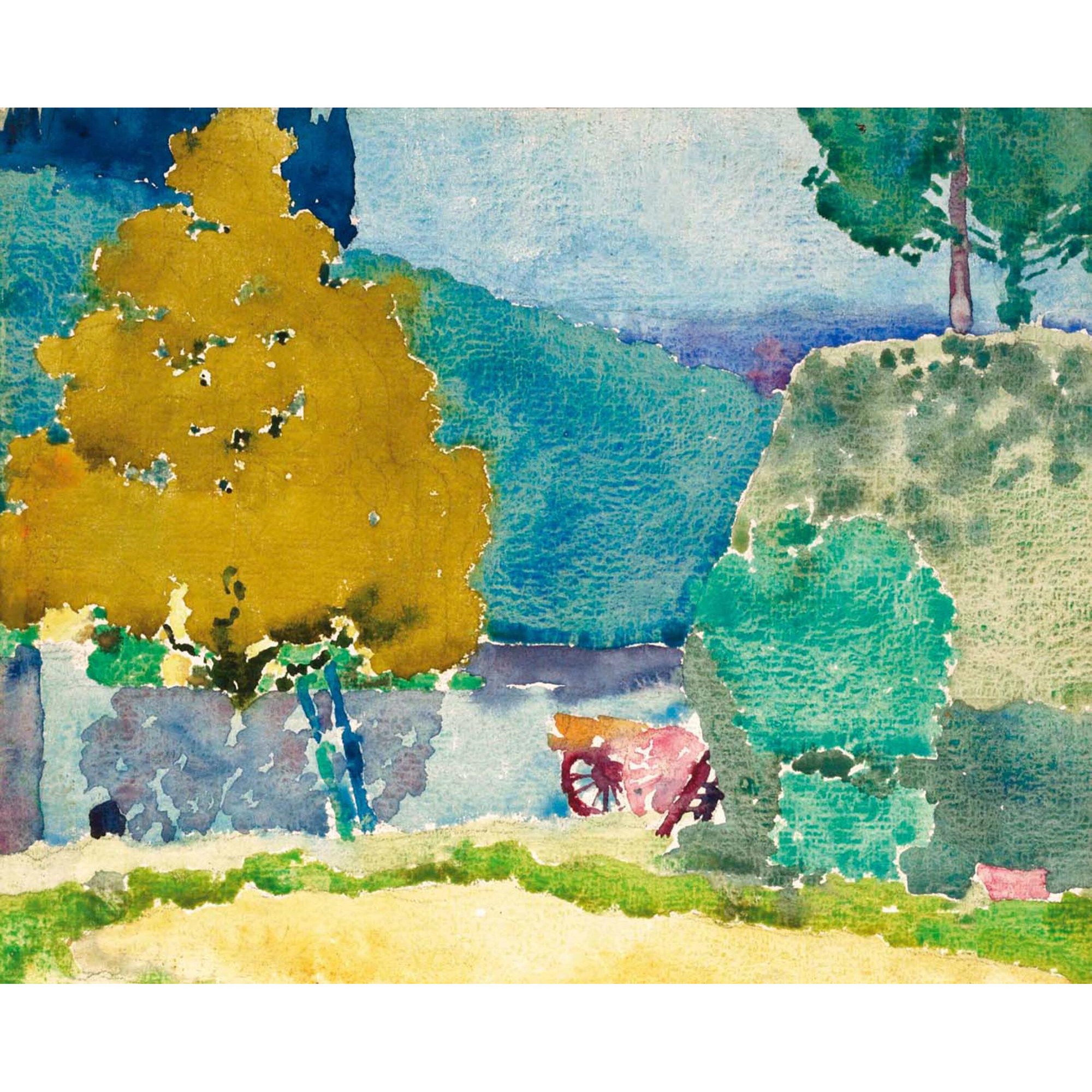
After studying in Zurich and Paris, he spent several years in Florence before settling in Zurich. Eugène Grasset’s teaching opened up a decisive field for him: the observation of plants and animals could lead to ornamental compositions founded on repetition and simplification. In his pastels and watercolours, these investigations became an exploration of light, poised between the evocation of the visible world and the autonomy of colour.
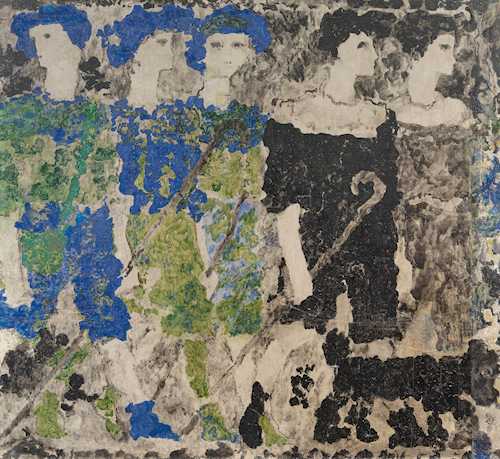
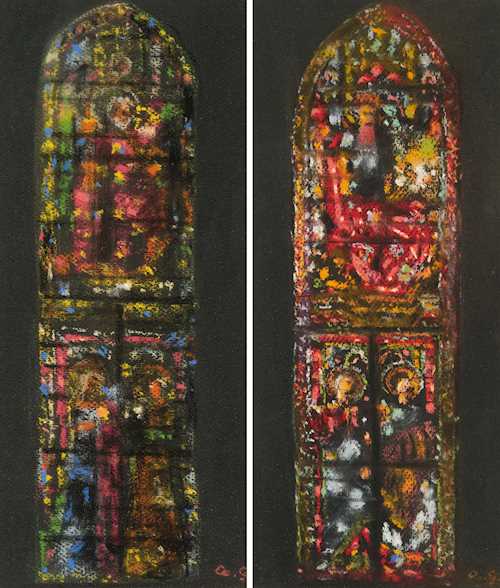
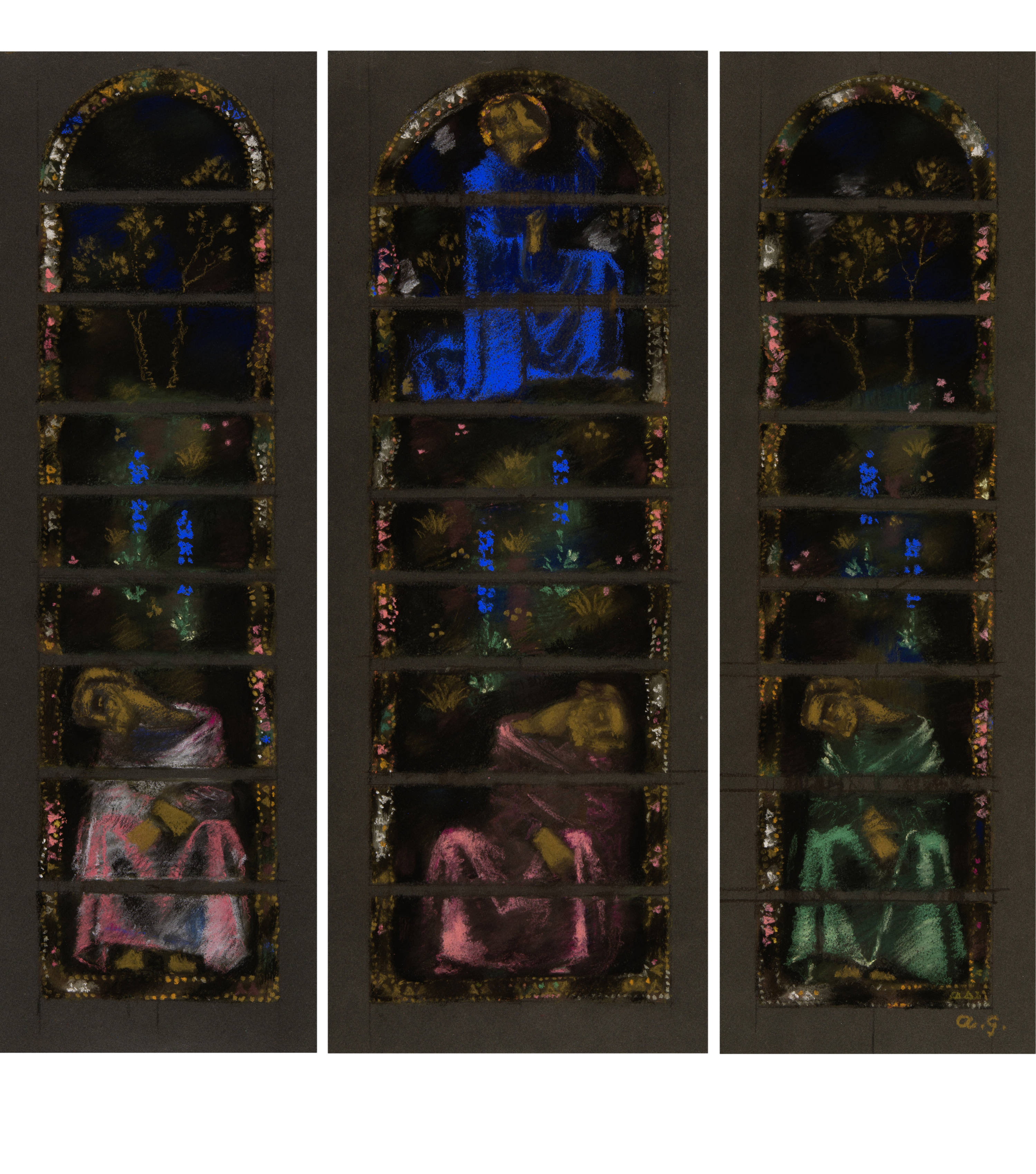
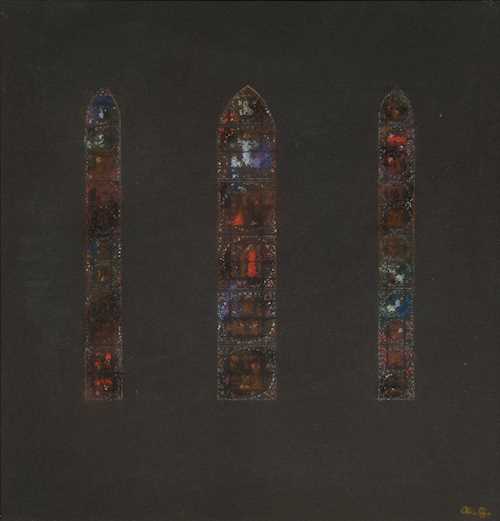
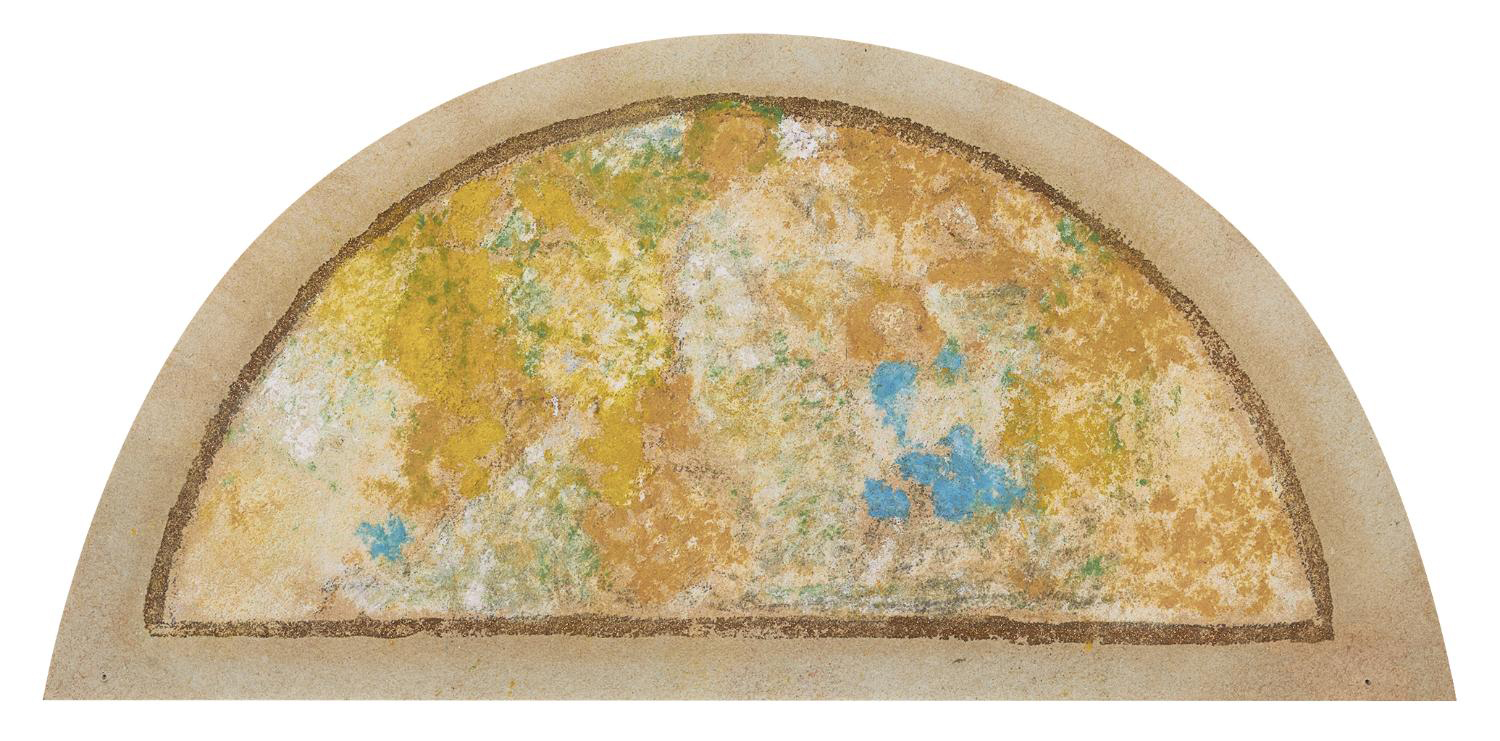
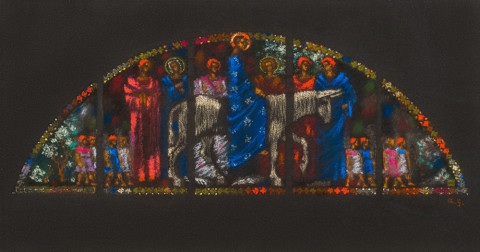
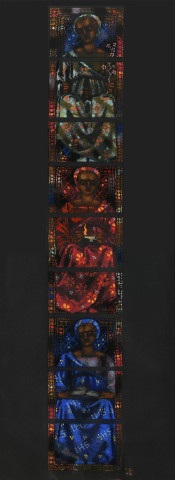
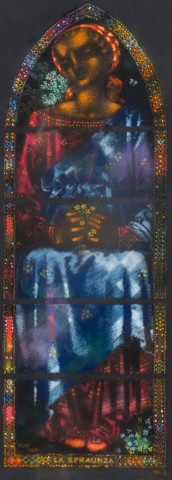
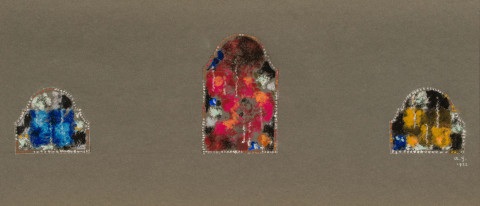
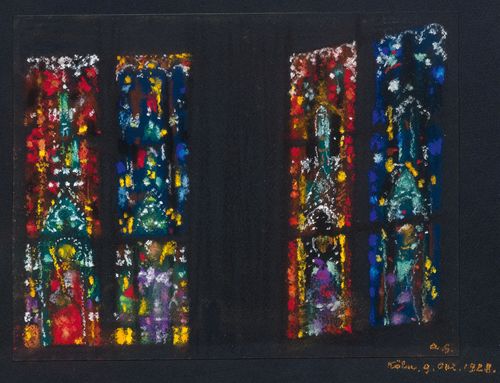
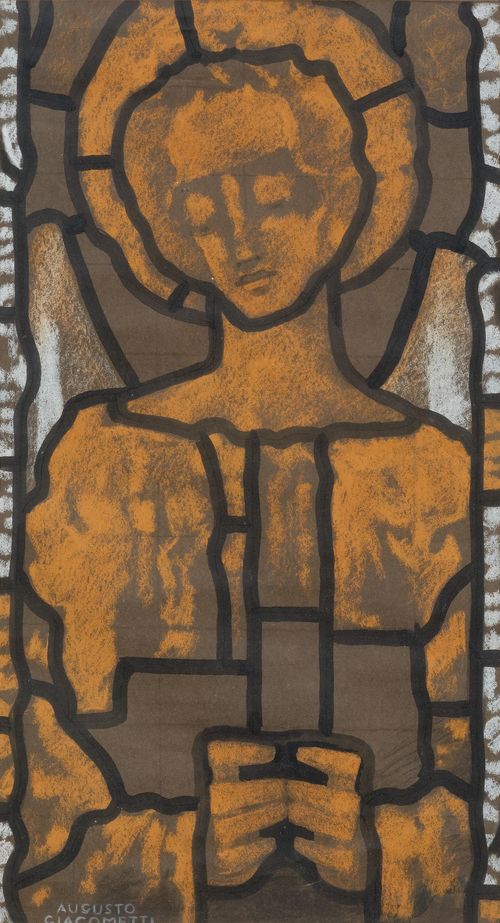
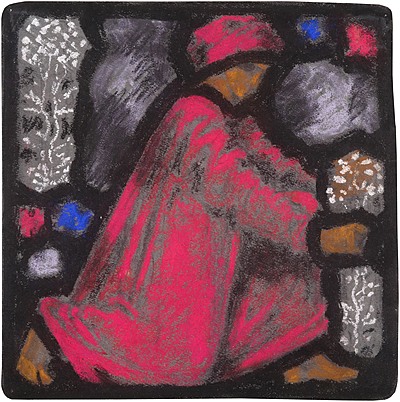
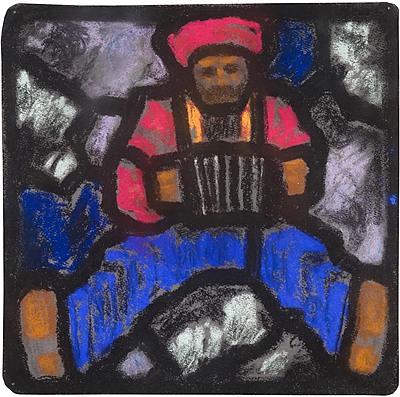
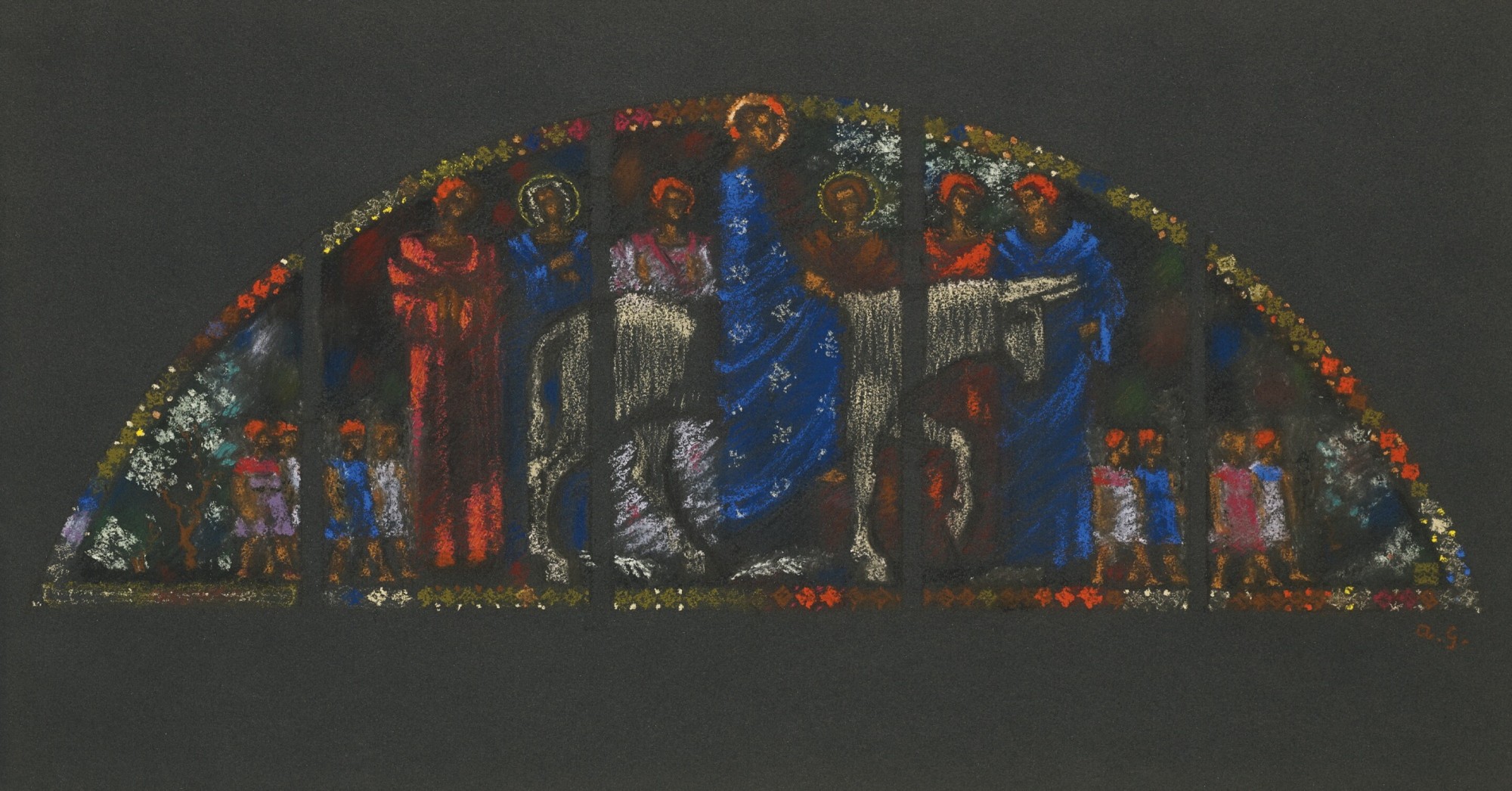
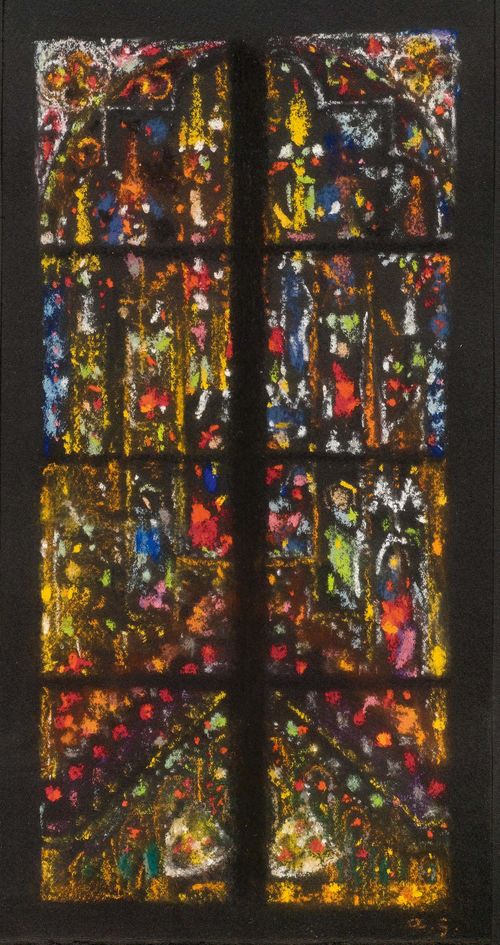
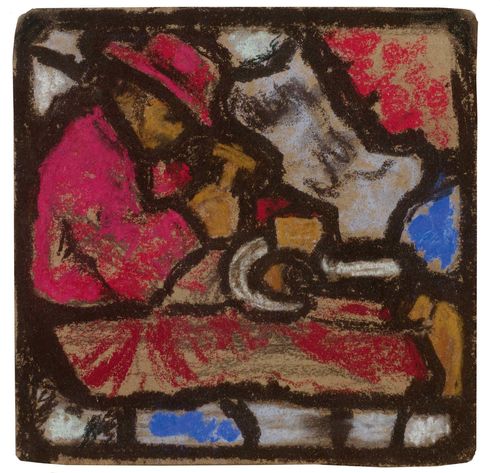
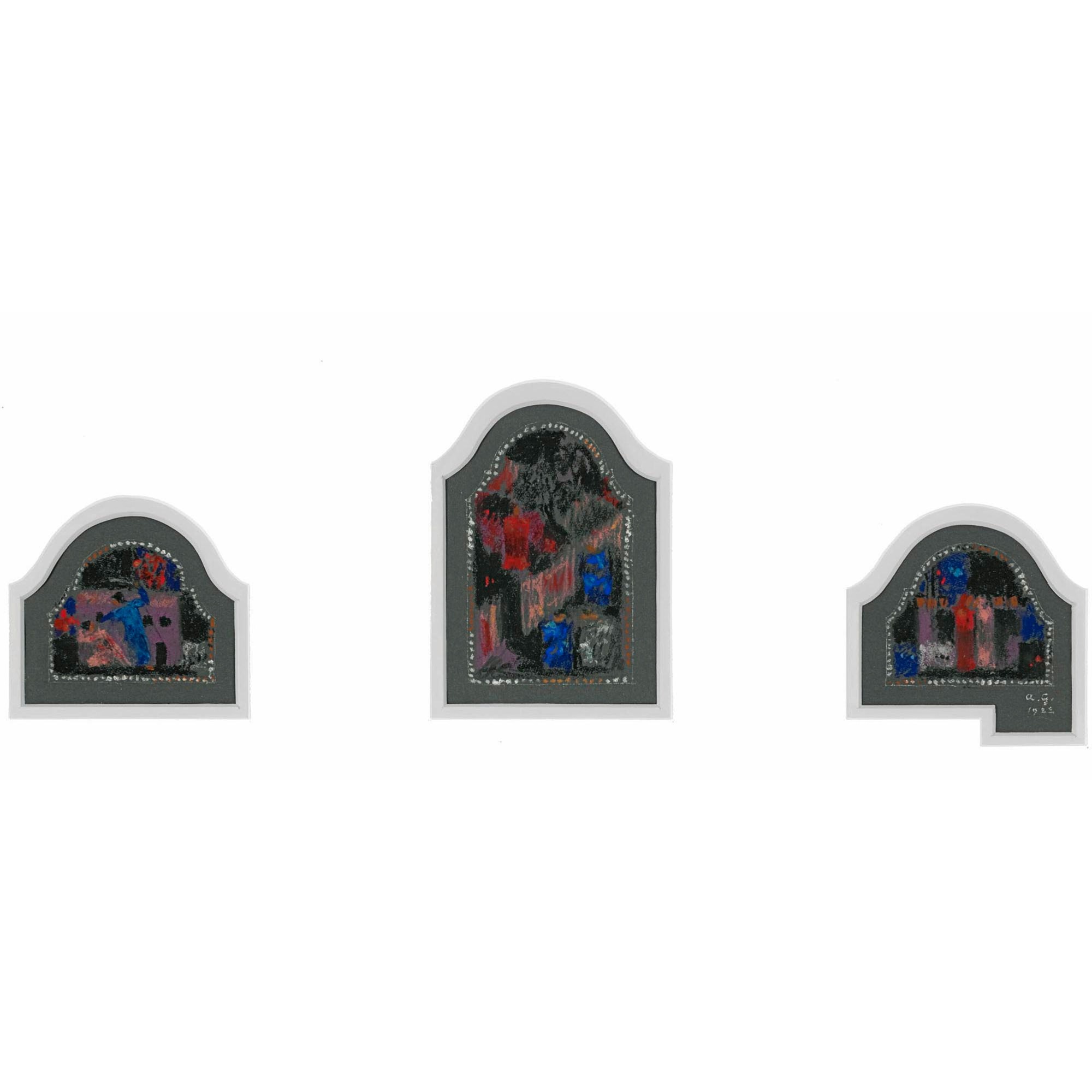
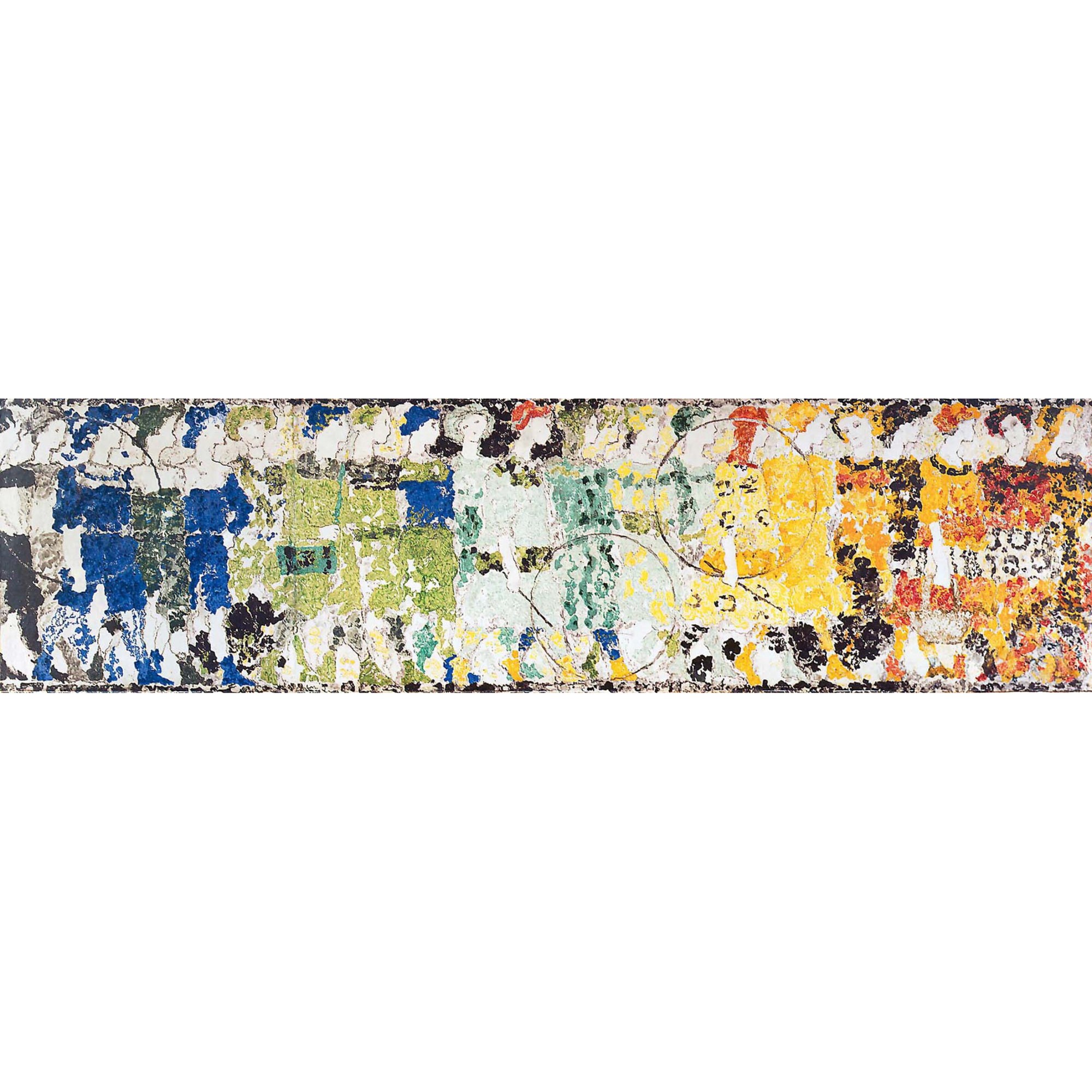
This freedom extended to the scale of architecture. Giacometti produced stained-glass windows, mosaics and murals. In Zurich, the decoration of Amtshaus I, known as the Blüemlihalle, transformed a former dark hall into a vibrant space.
After winning the competition in 1922, he brought the painters Jakob Gubler, Giuseppe Scartezzini and Franz Riklin into the execution of this ensemble covering the walls and vaults.
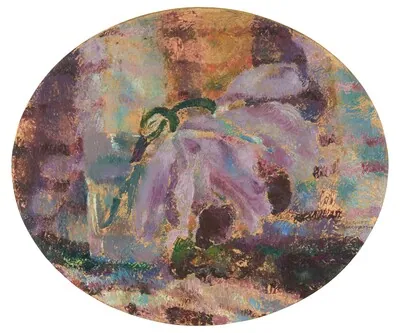
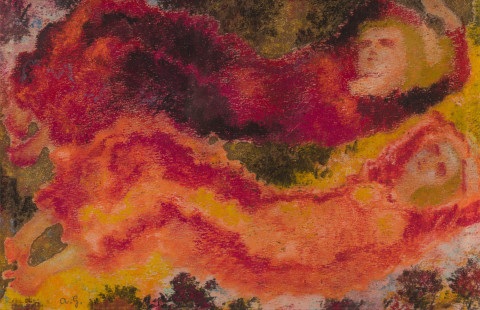
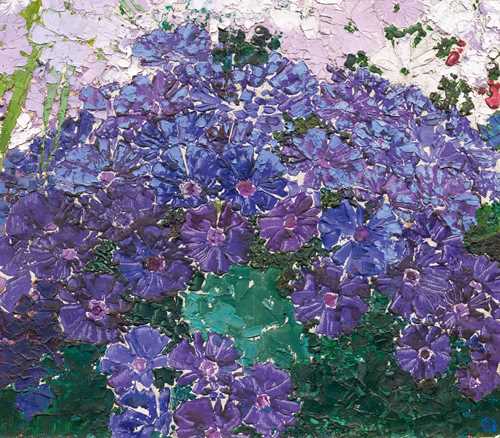
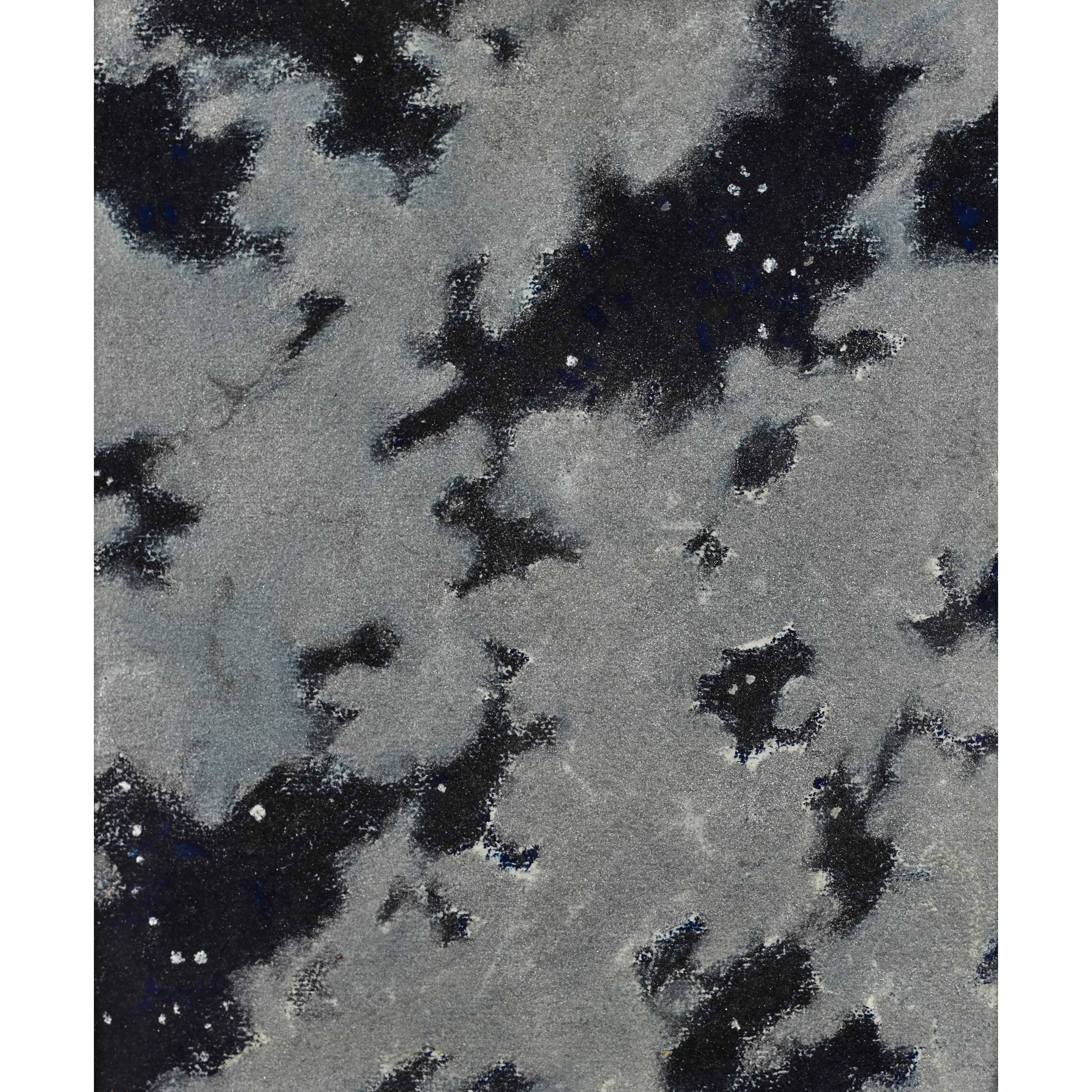
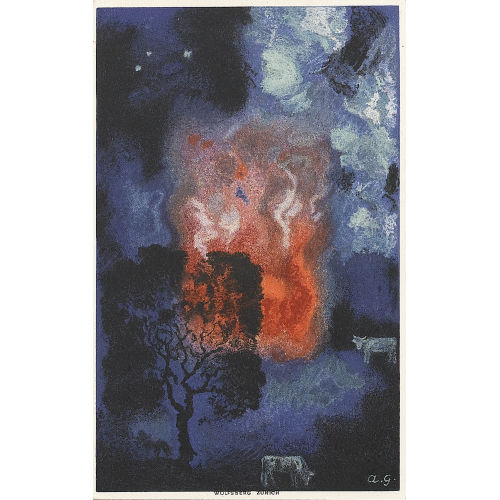
La Nuit, a tempera painting from 1903 deposited at Kunsthaus Zürich, and Fantaisie sur une fleur de pomme de terre, an oil painting from 1917 held at the Bündner Kunstmuseum, provide two reference points for exploring his universe. These titles invite us to consider how a sensory experience becomes a pictorial construction.
In front of a work by Augusto Giacometti, one can begin by observing the relationships between the hues before recognising the motif. The eye then discovers a painting in which subject and colour maintain an open dialogue, rather than a simple descriptive relationship.