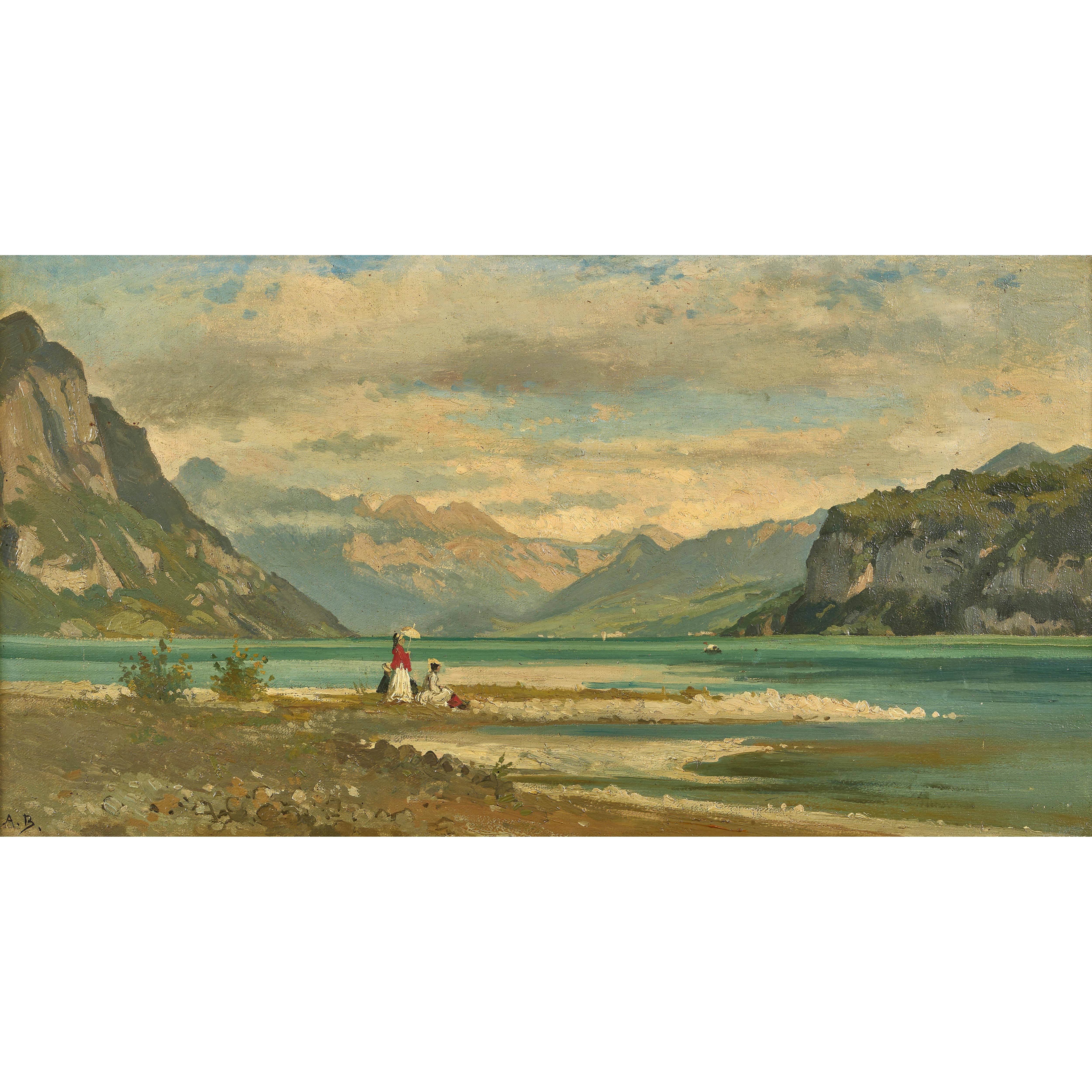
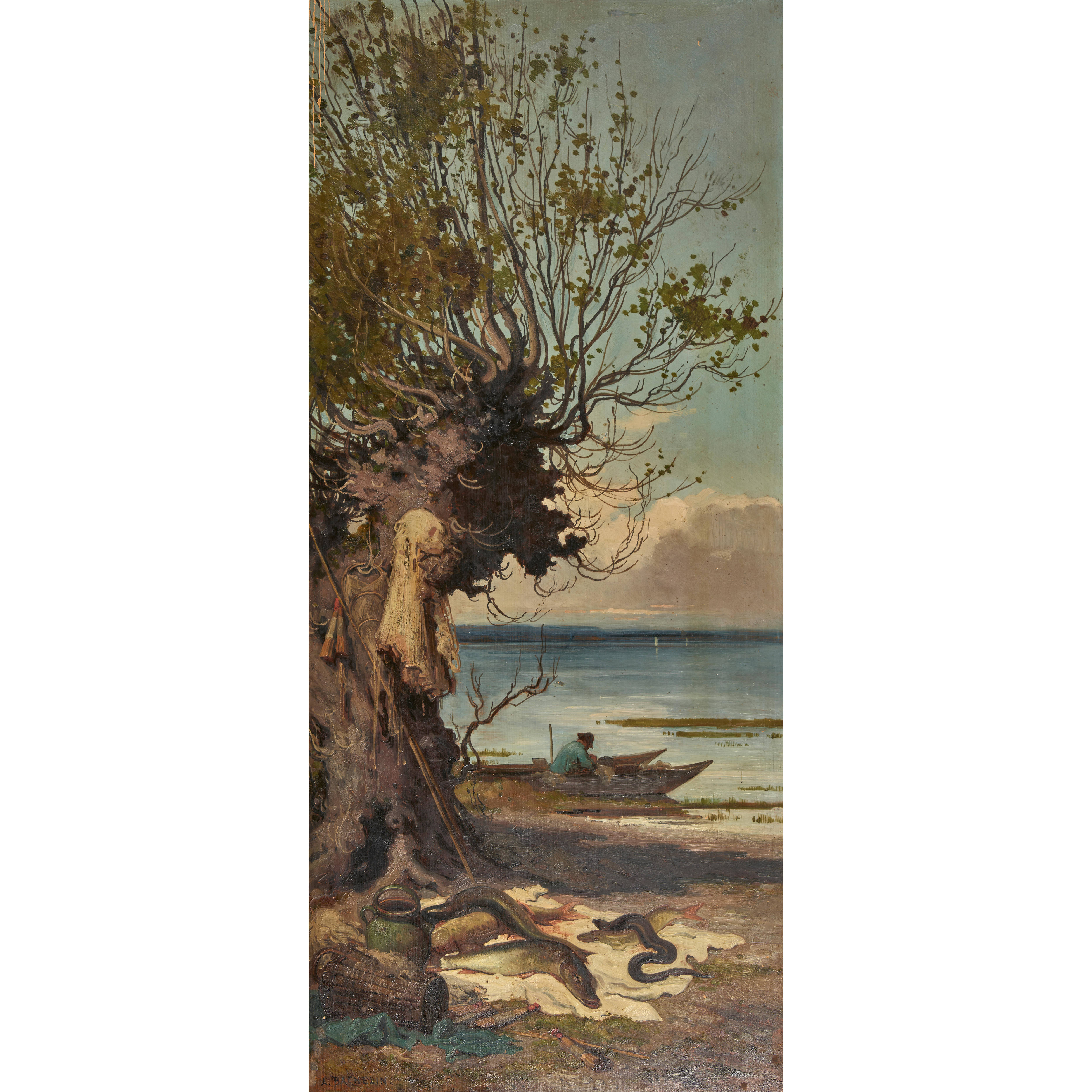
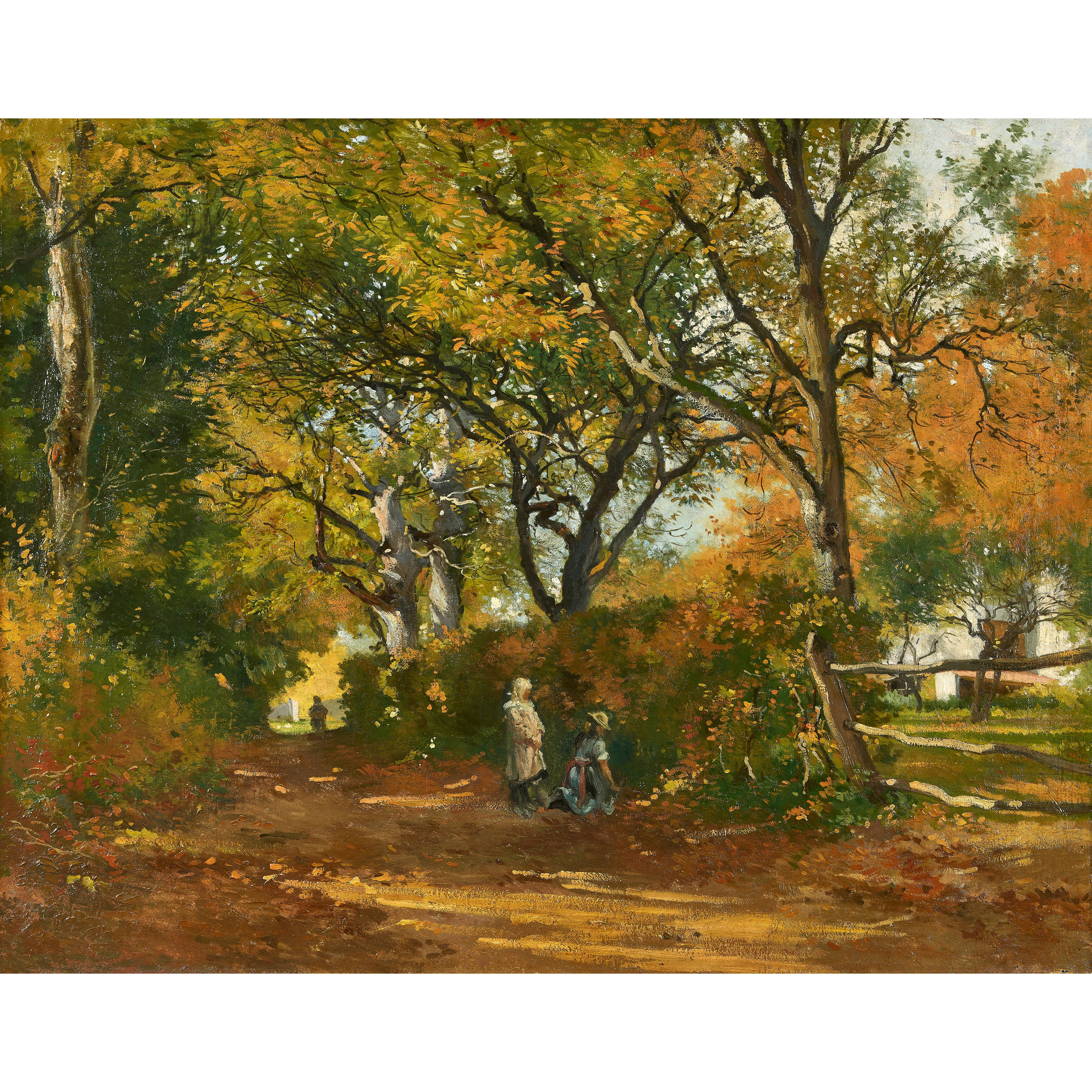
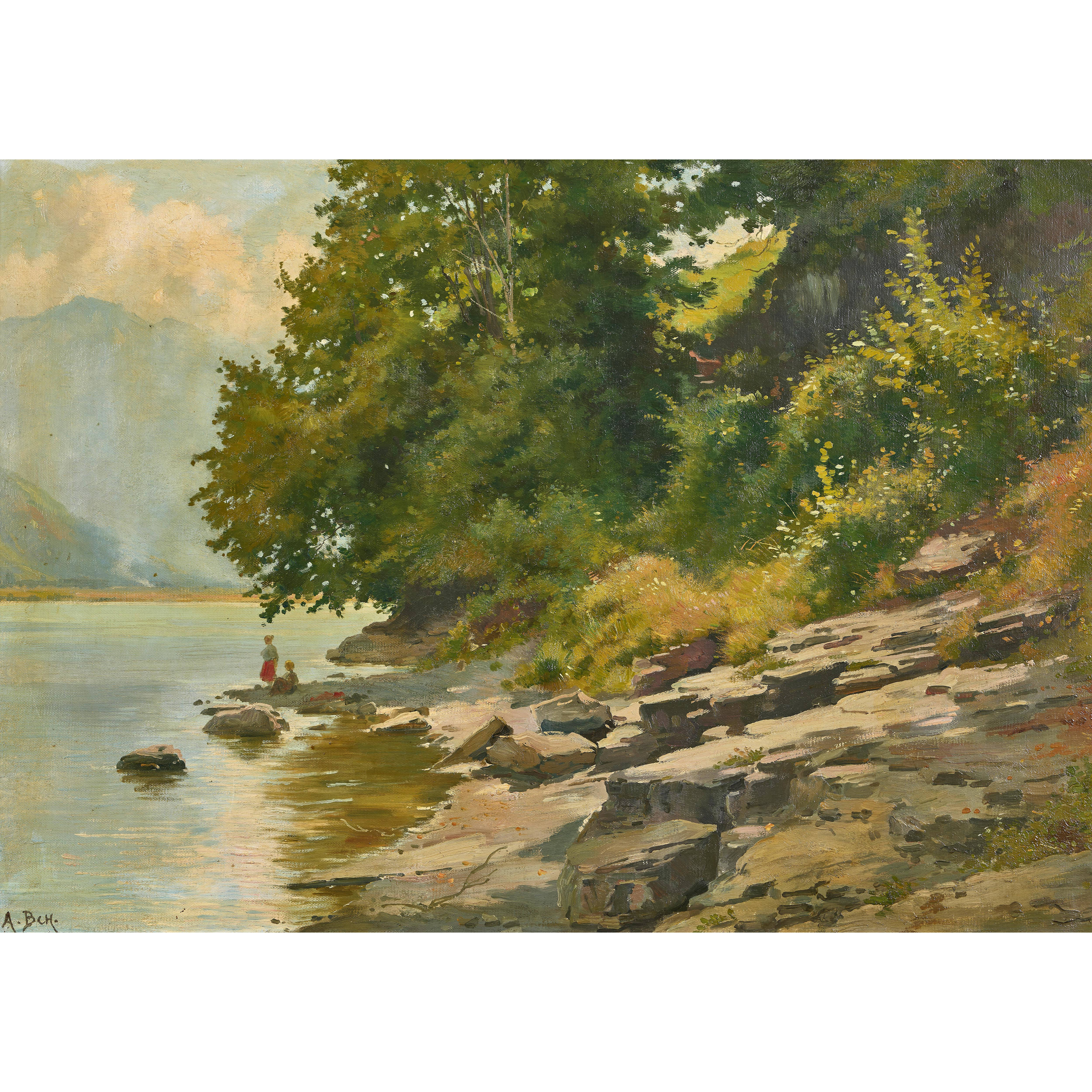
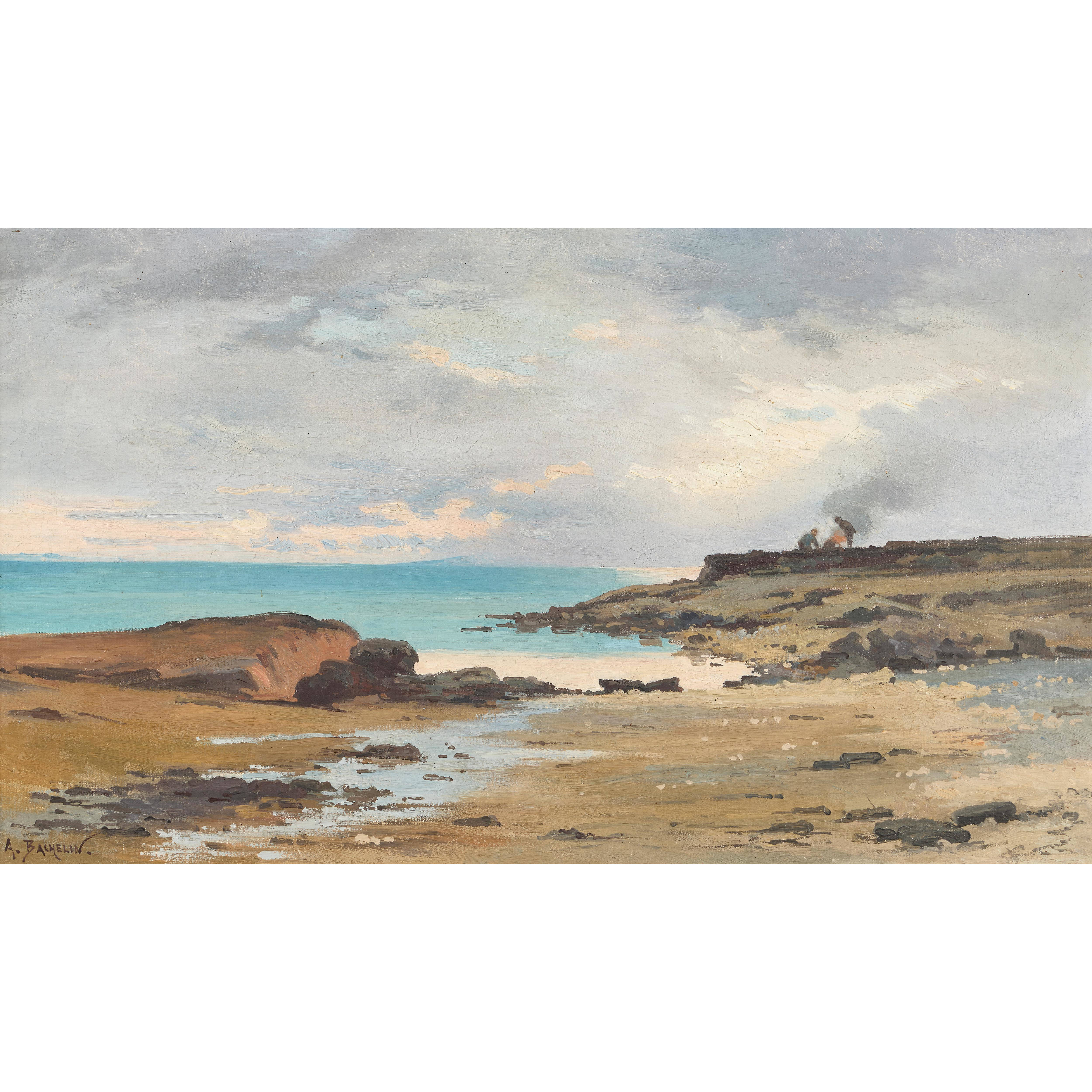
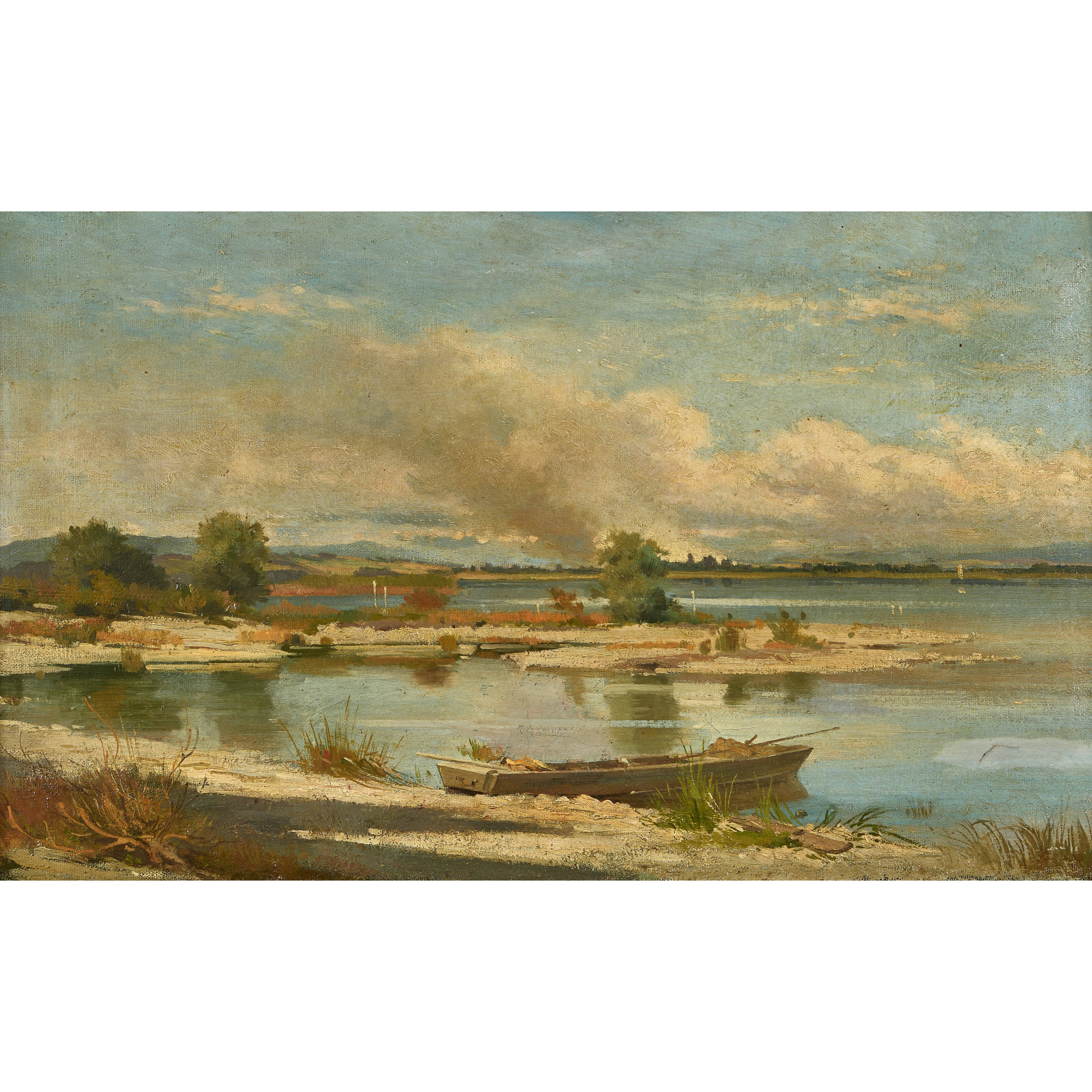
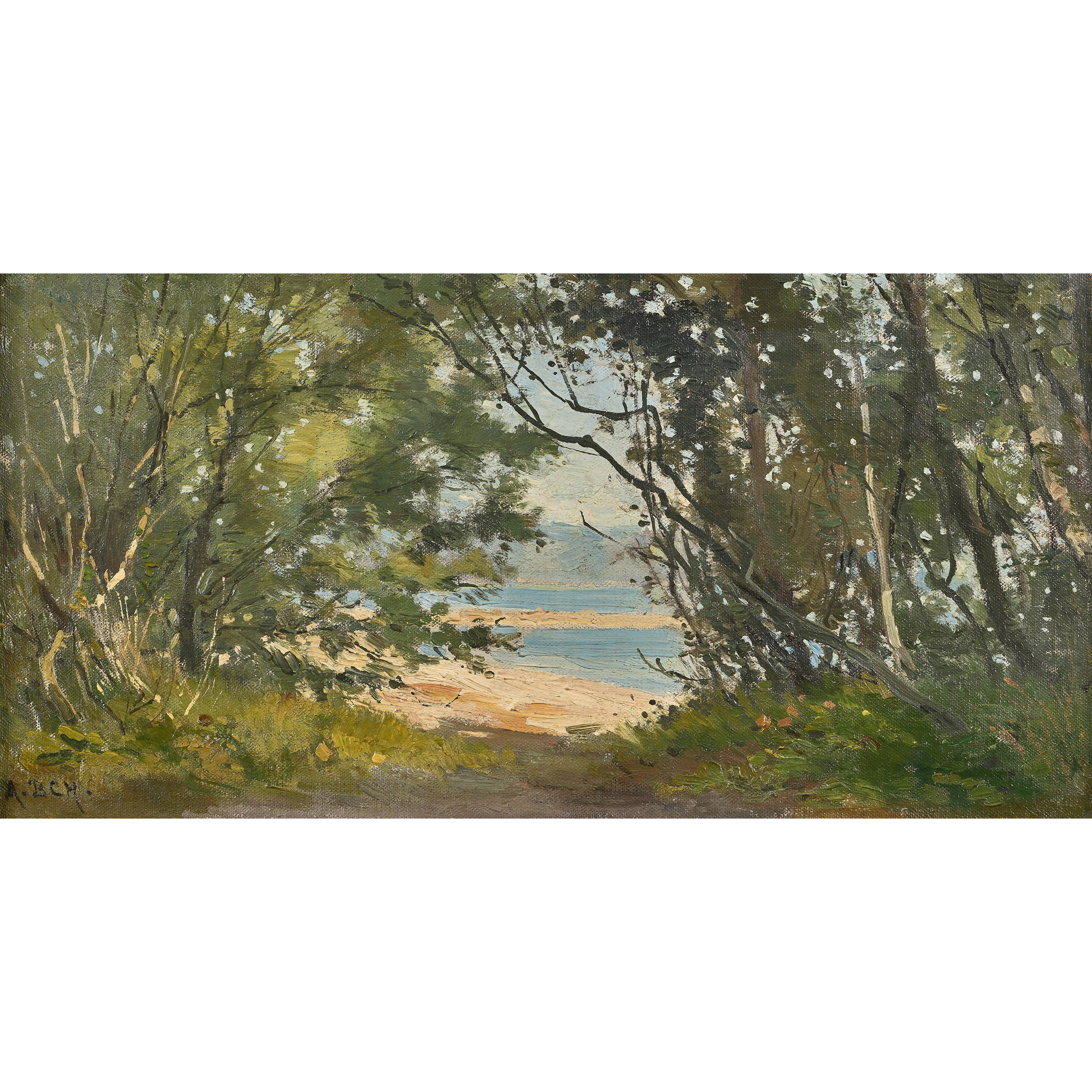
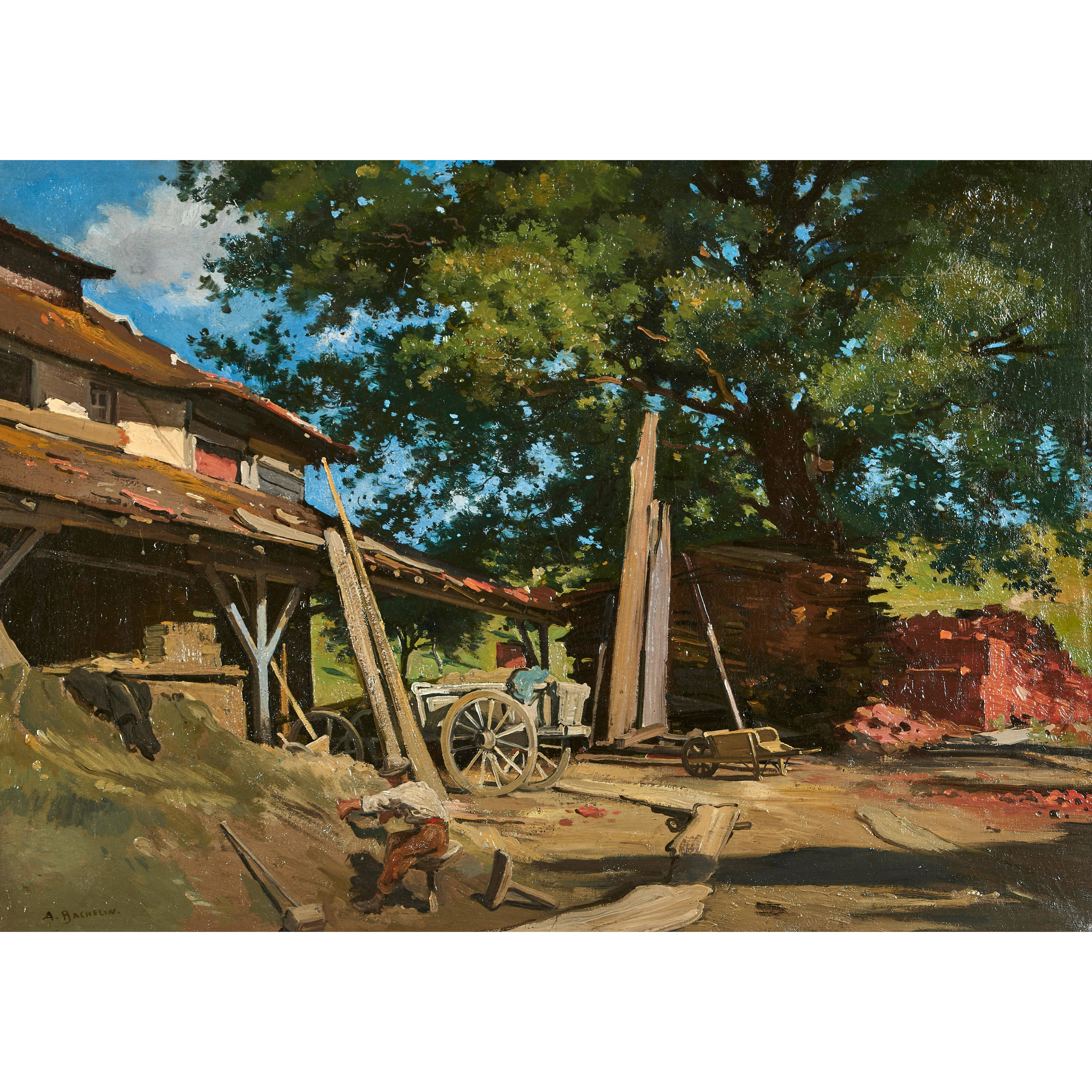
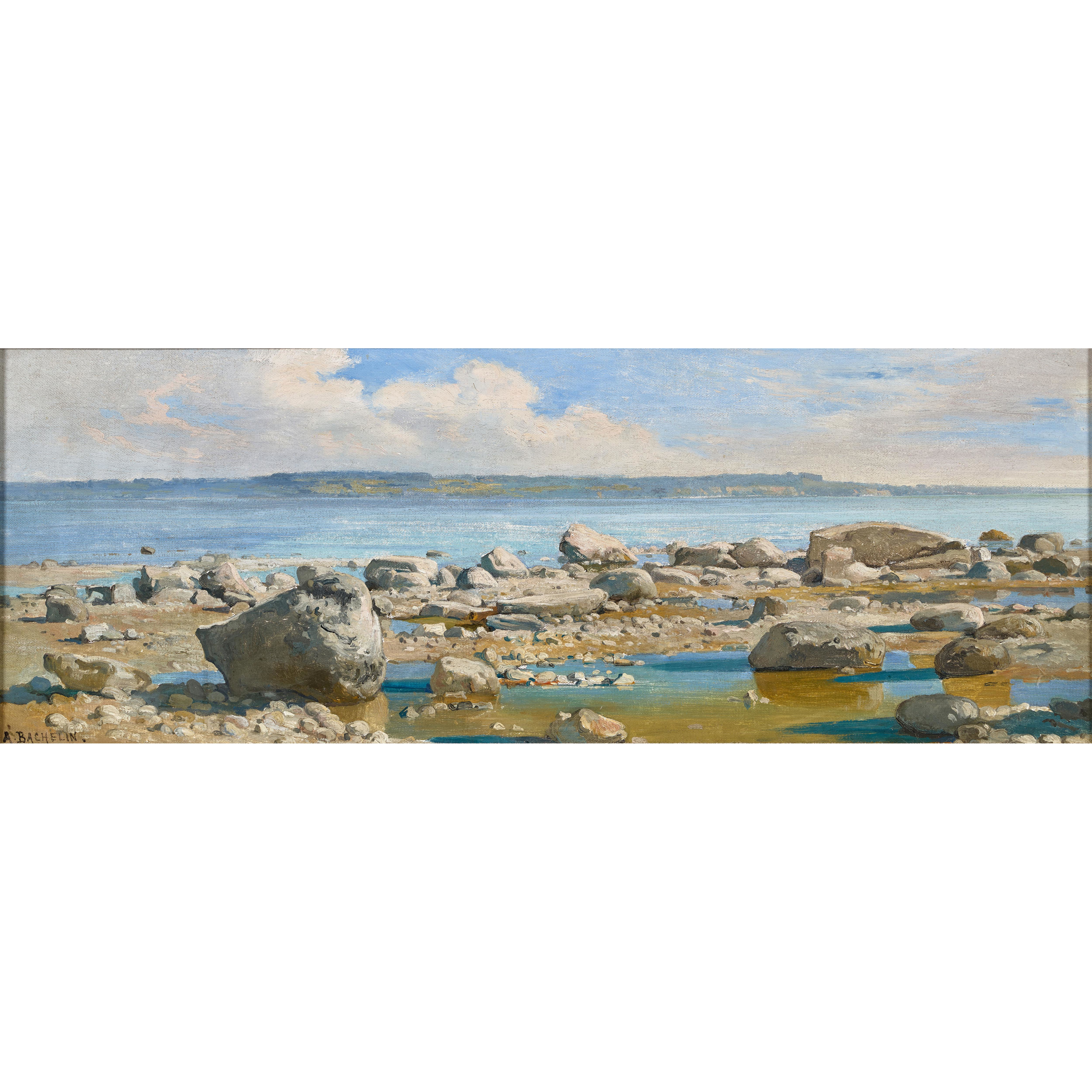
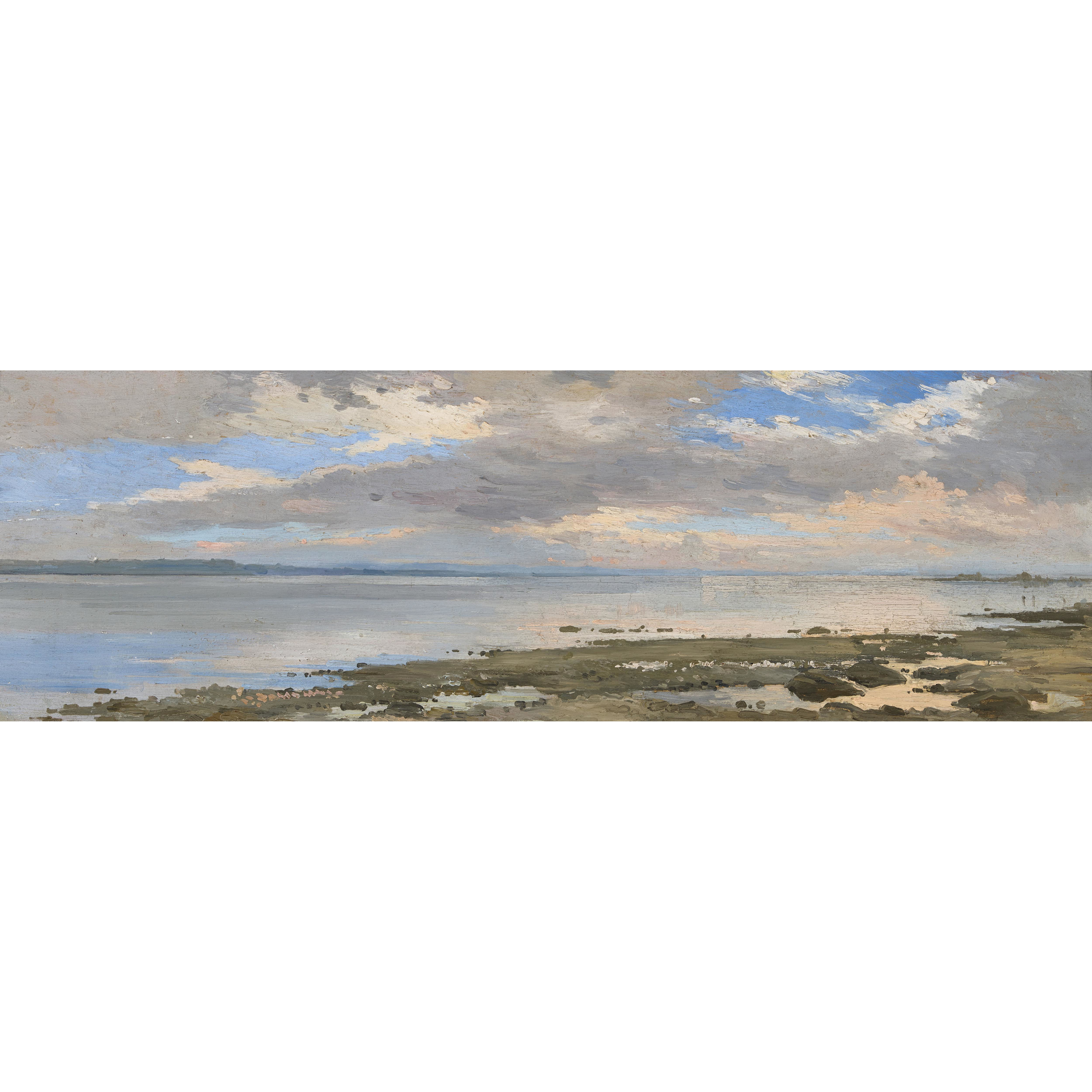
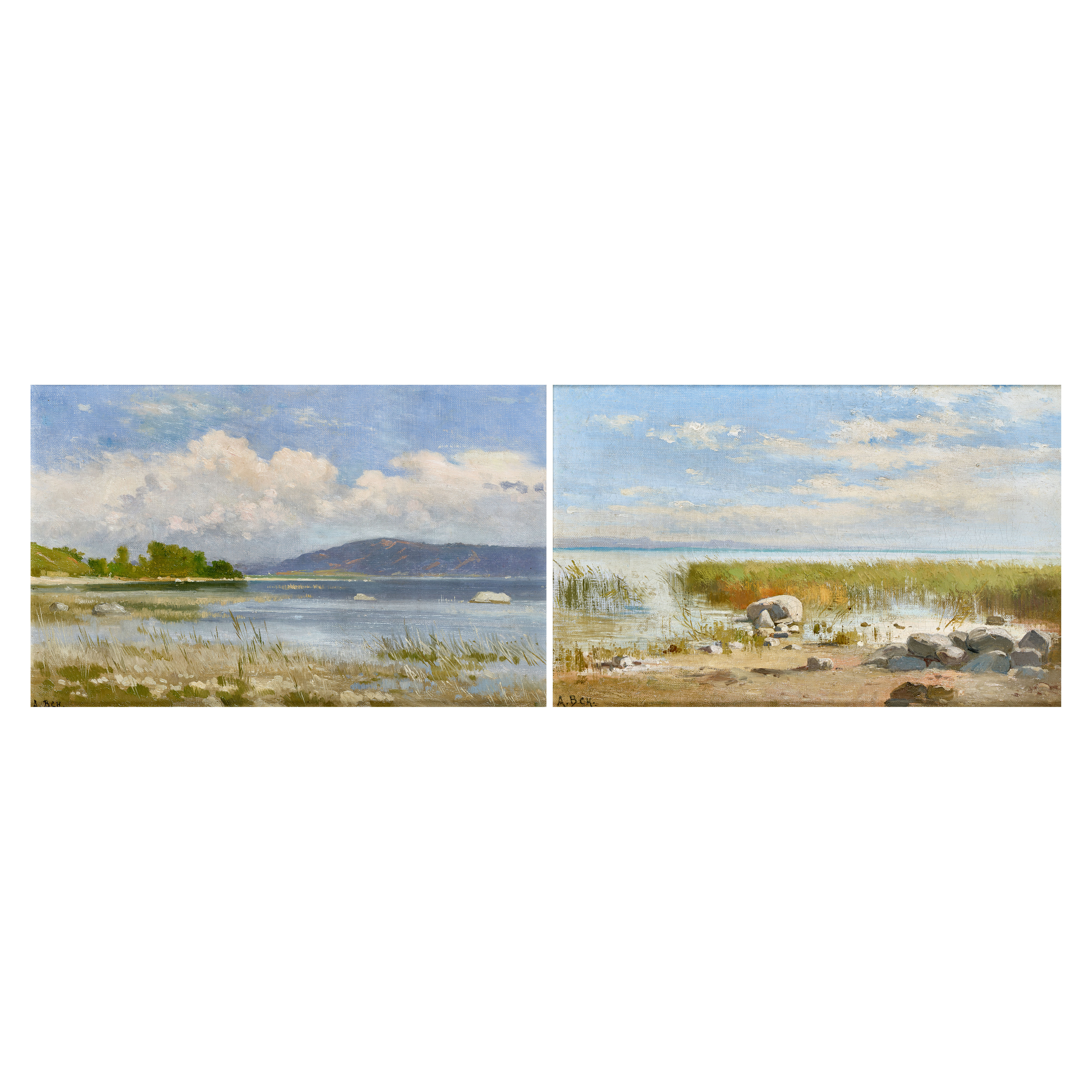
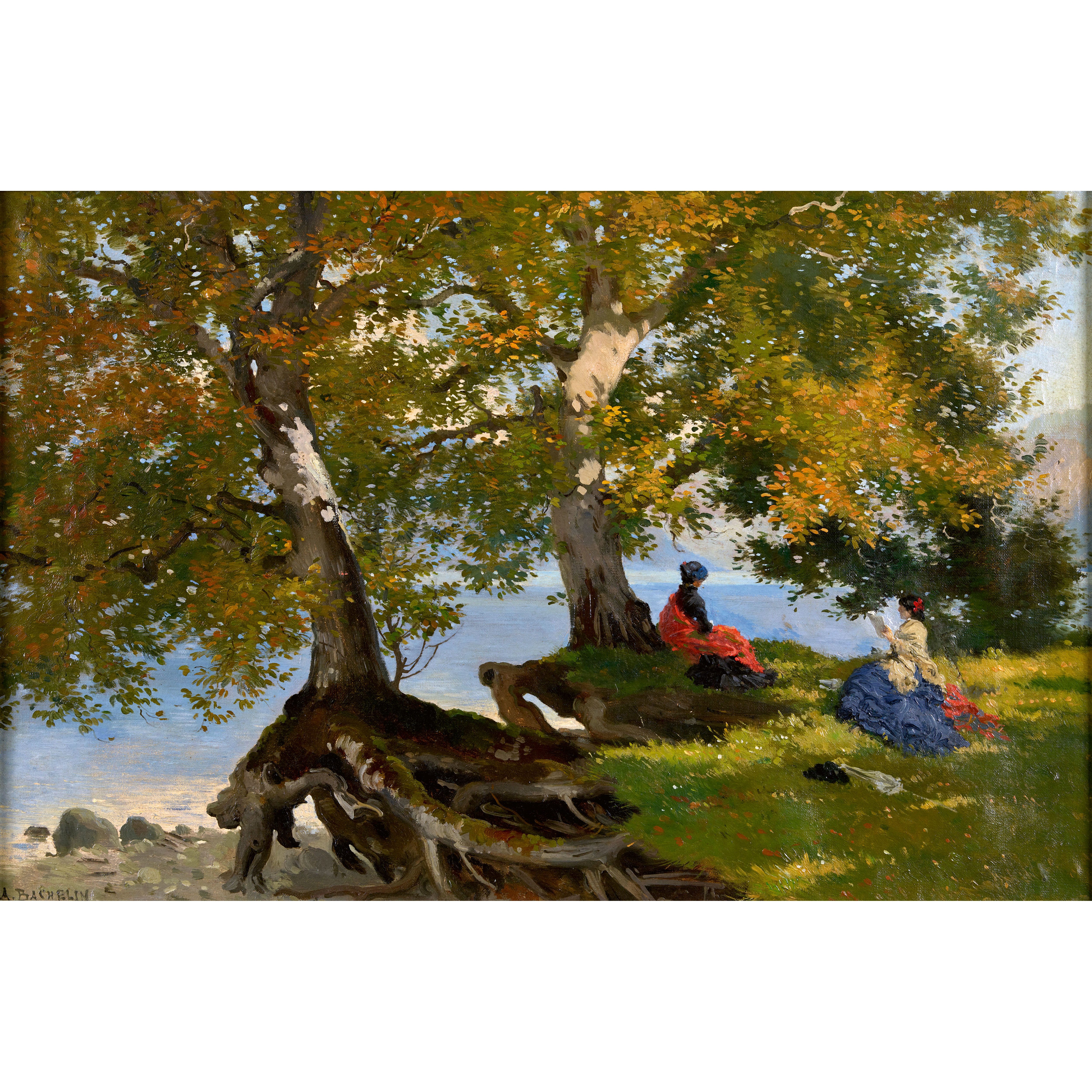
Auguste Bachelin
Born in 1830.
Died in 1890.
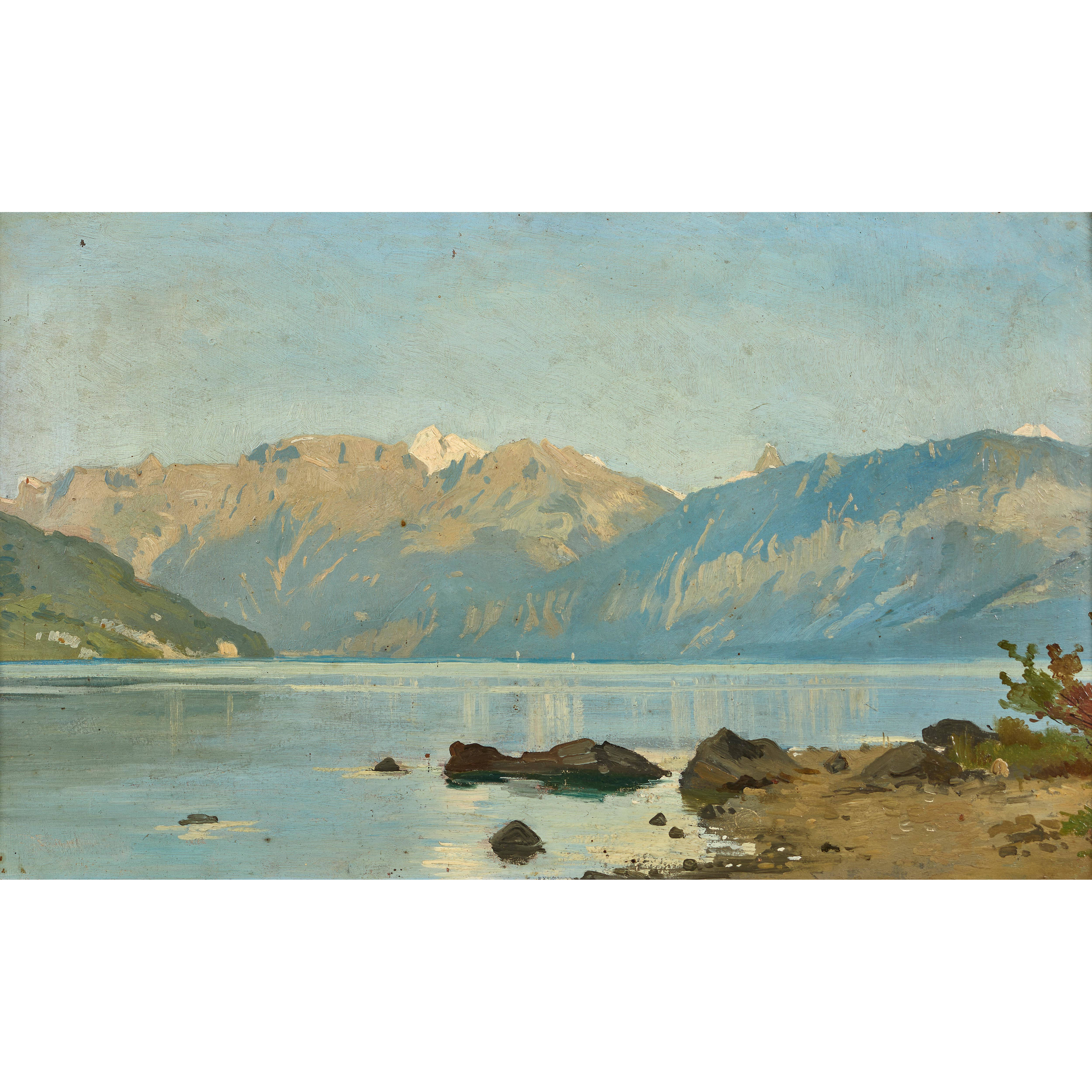
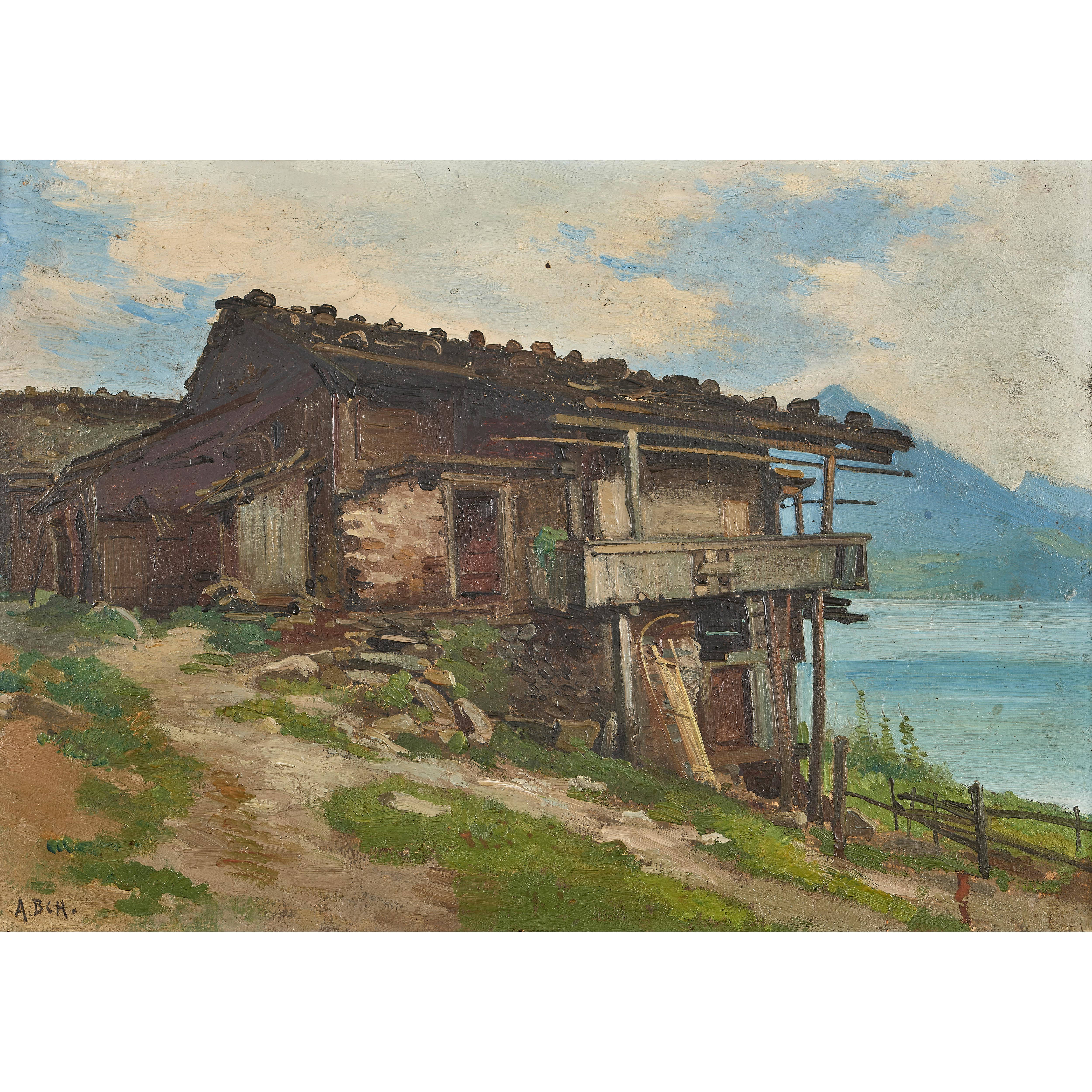
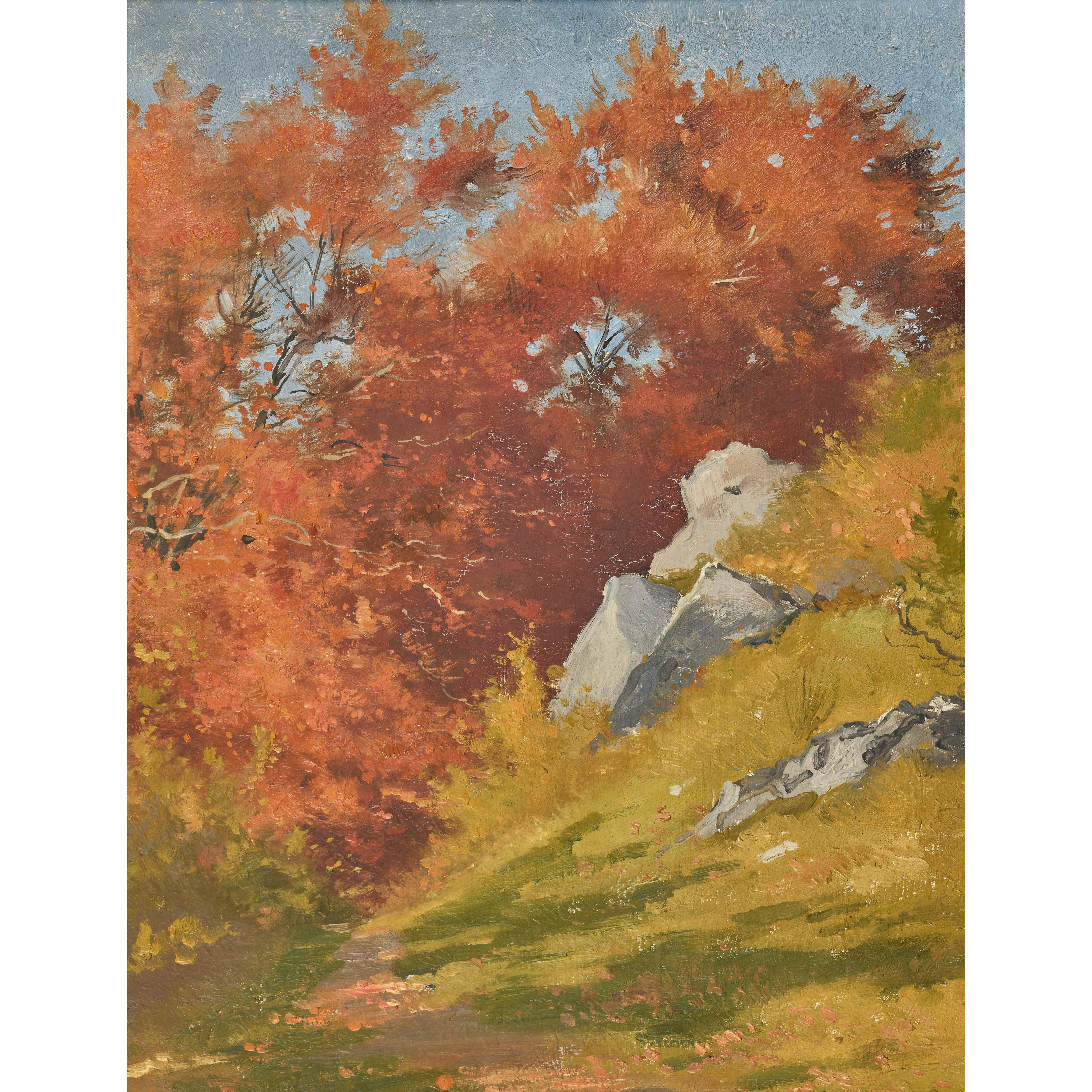
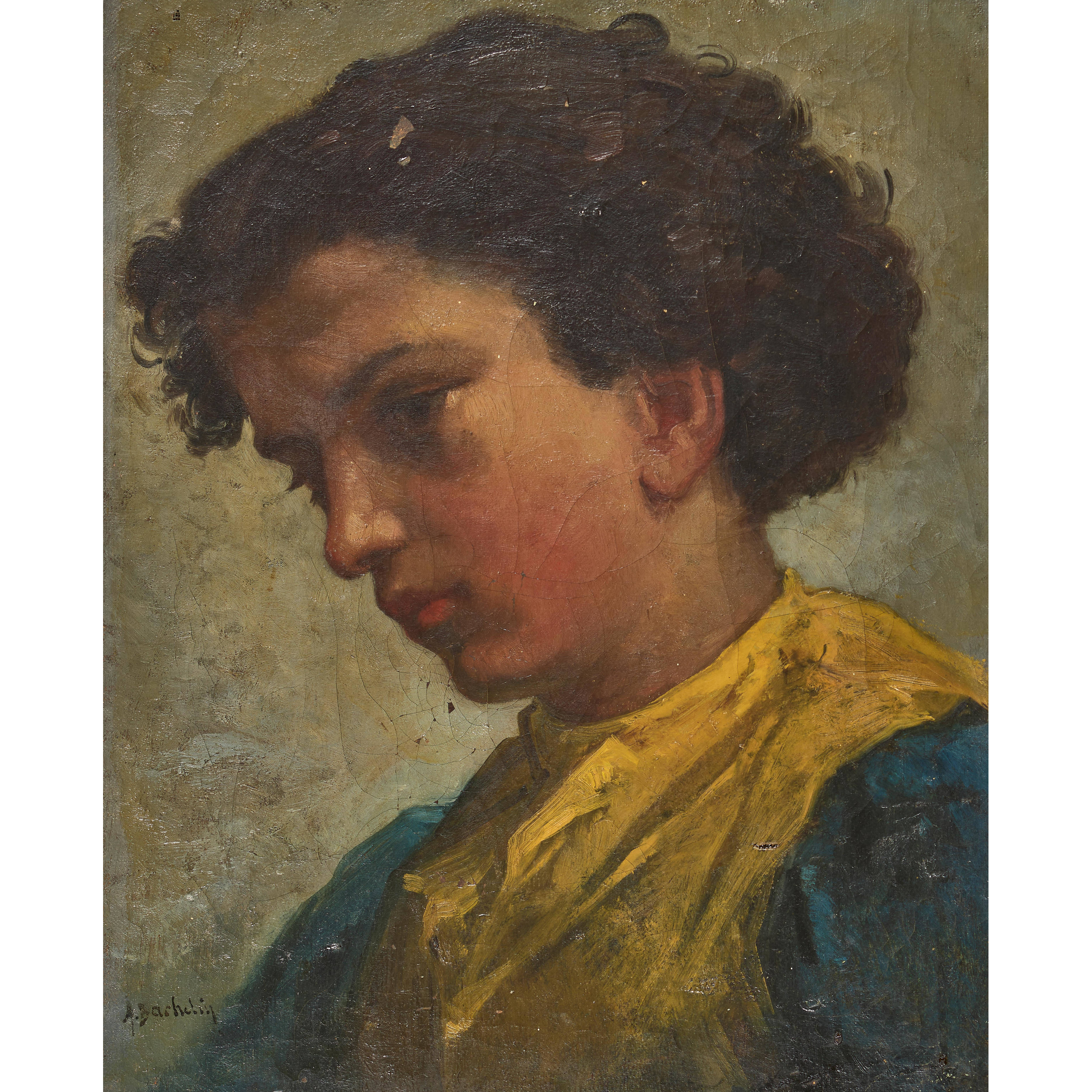
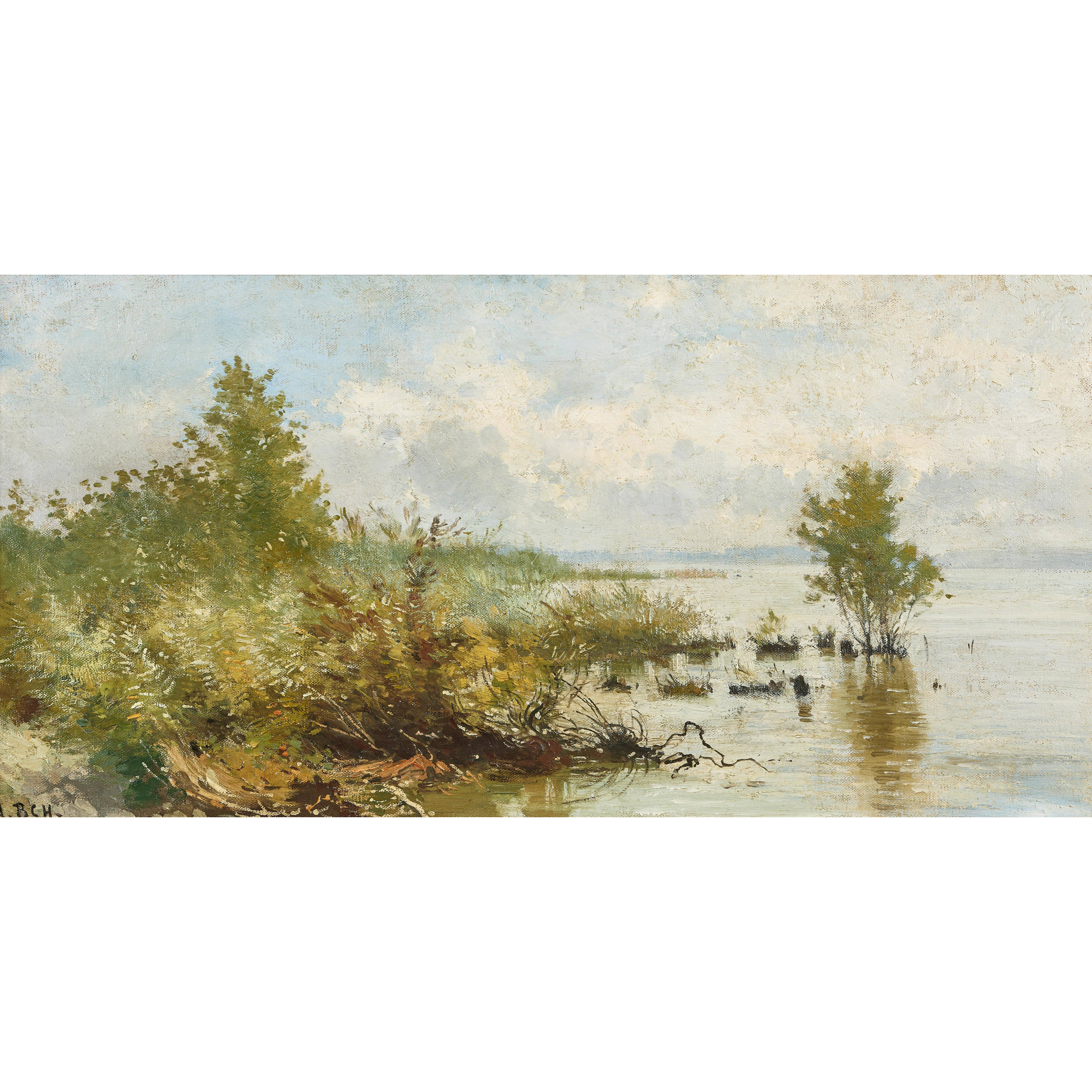
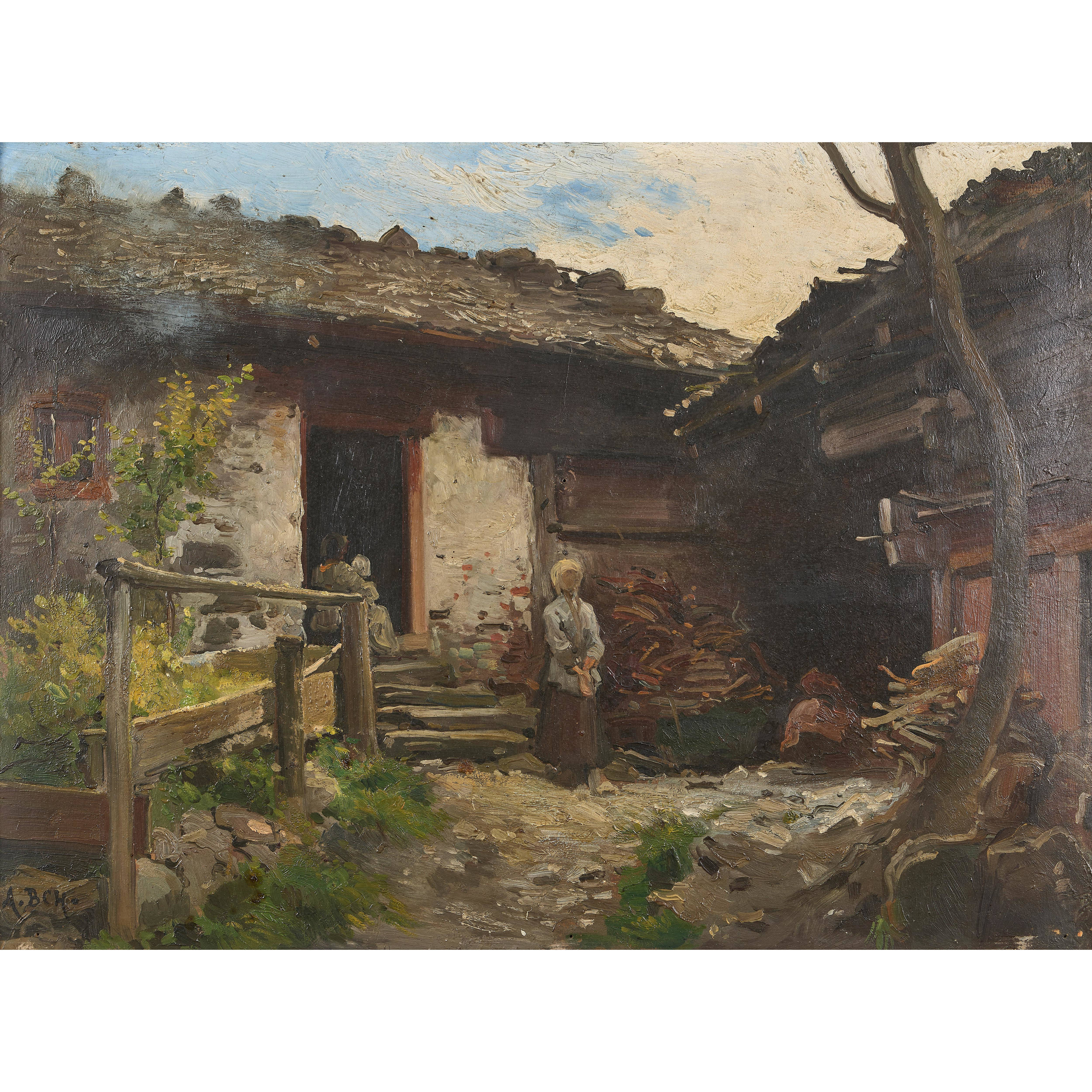
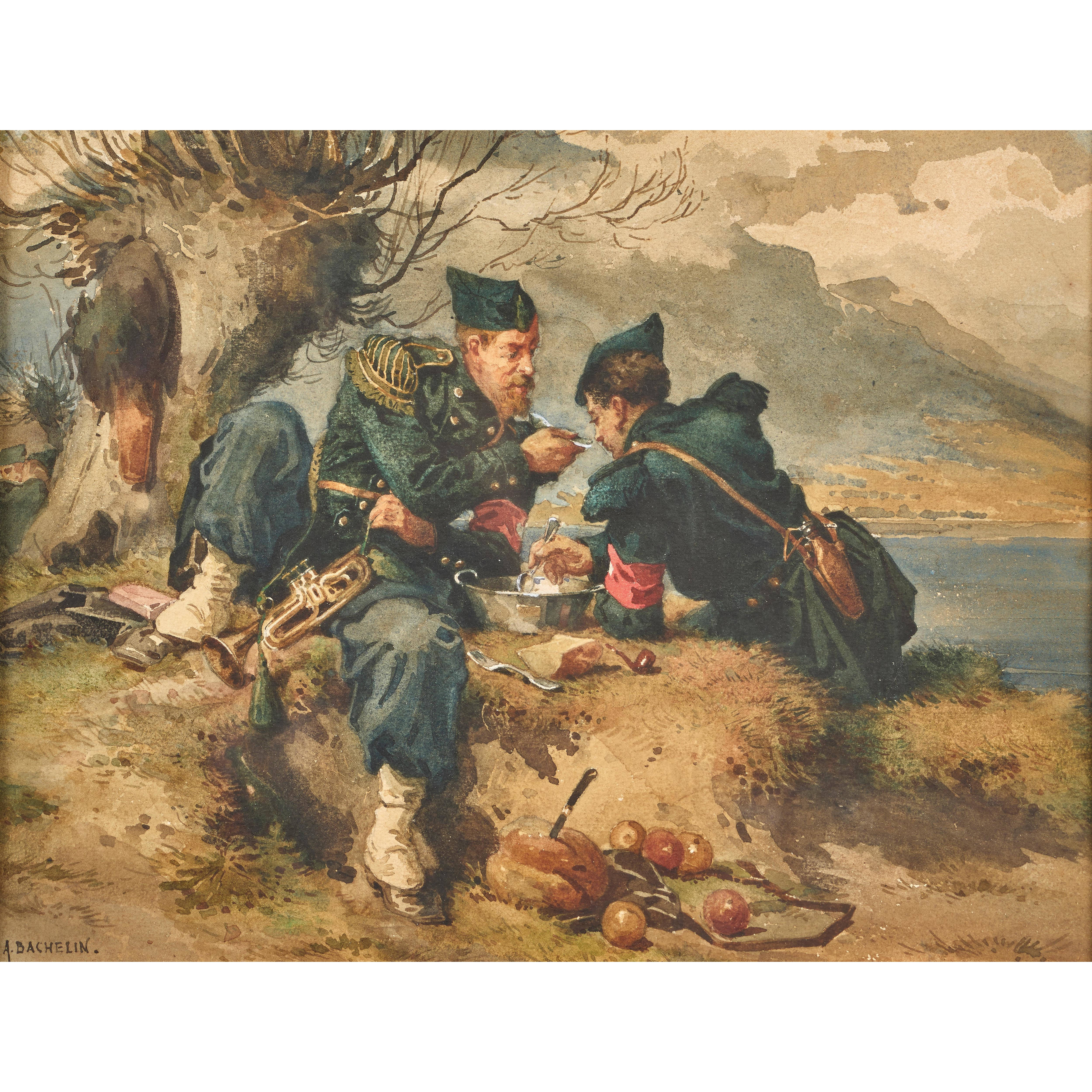
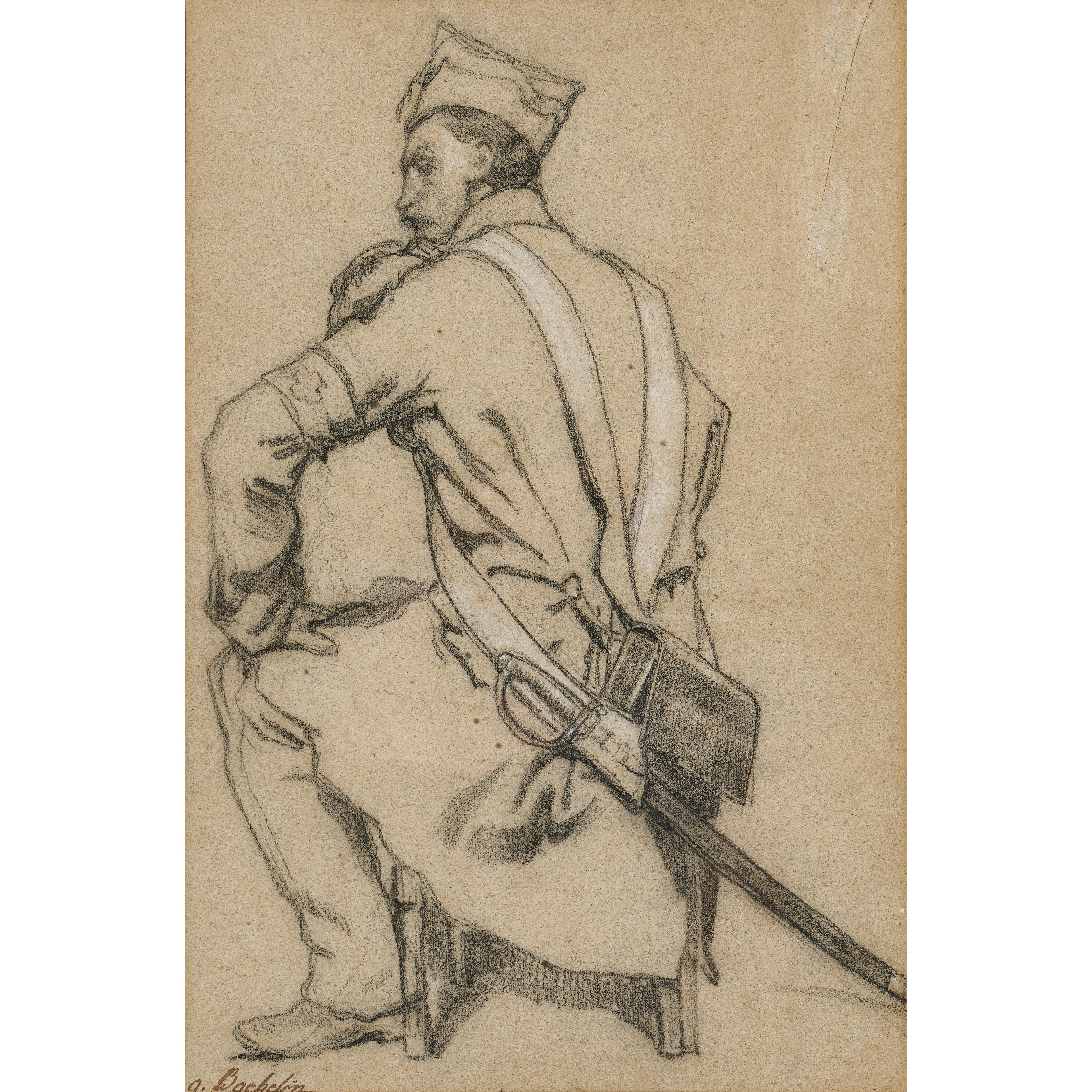
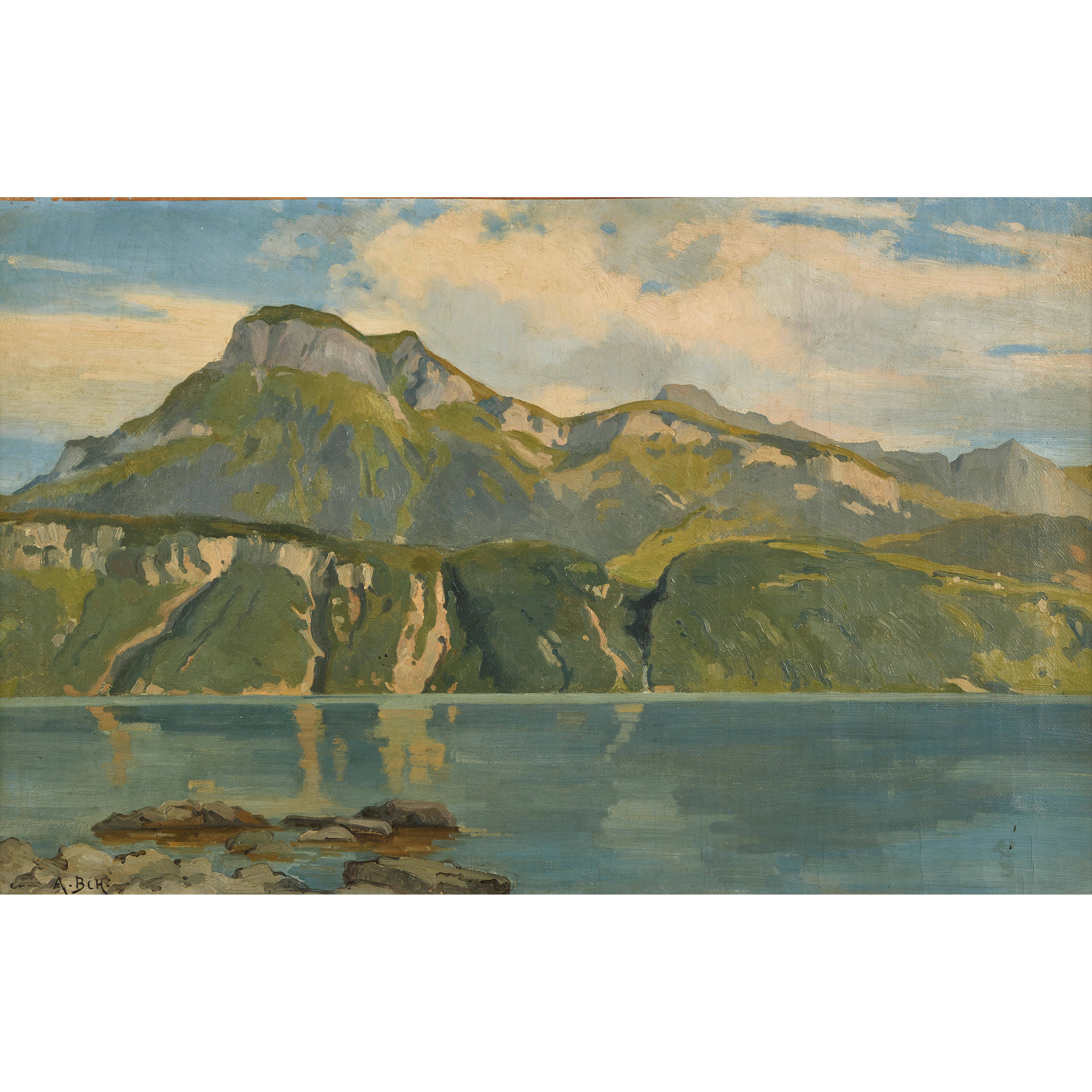
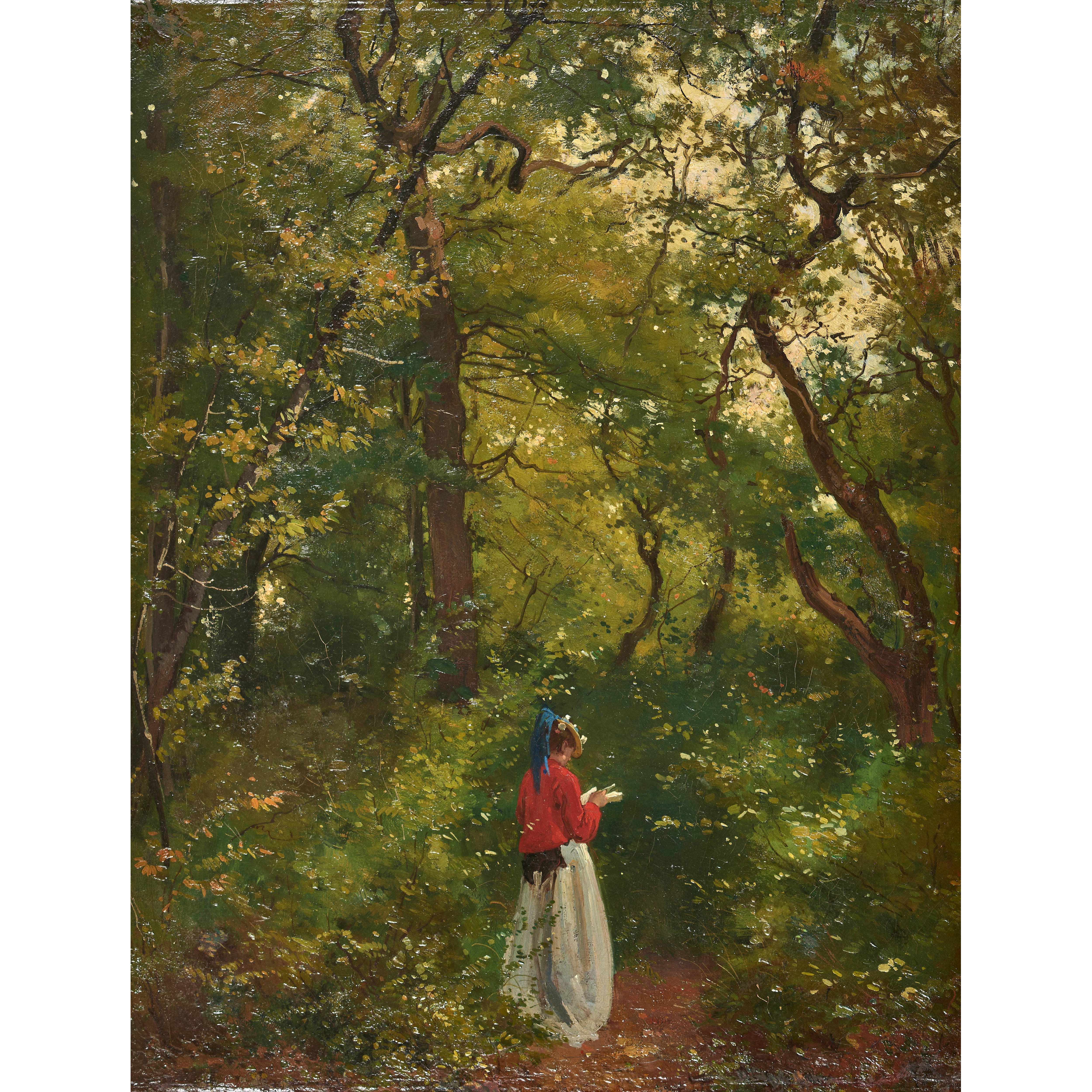
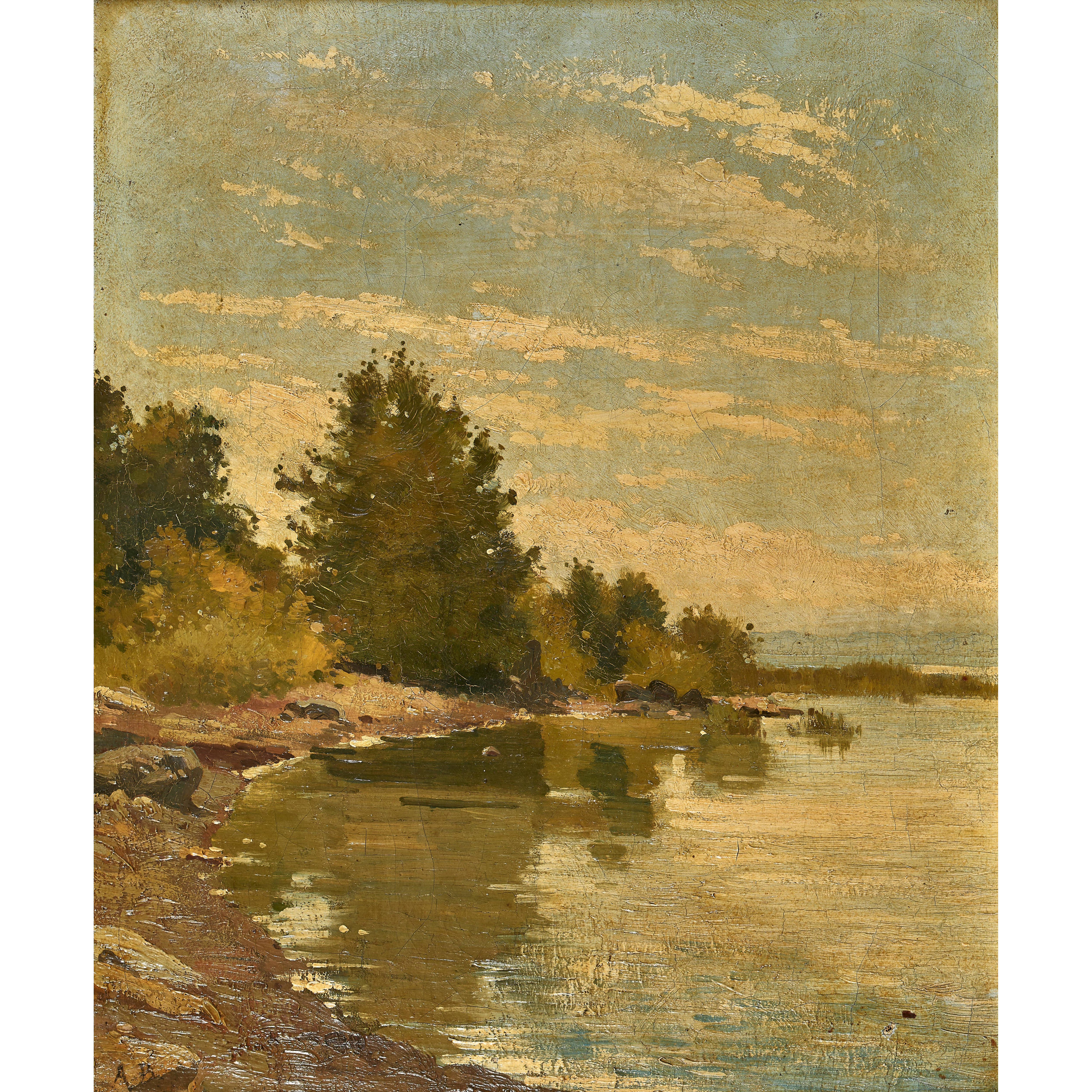
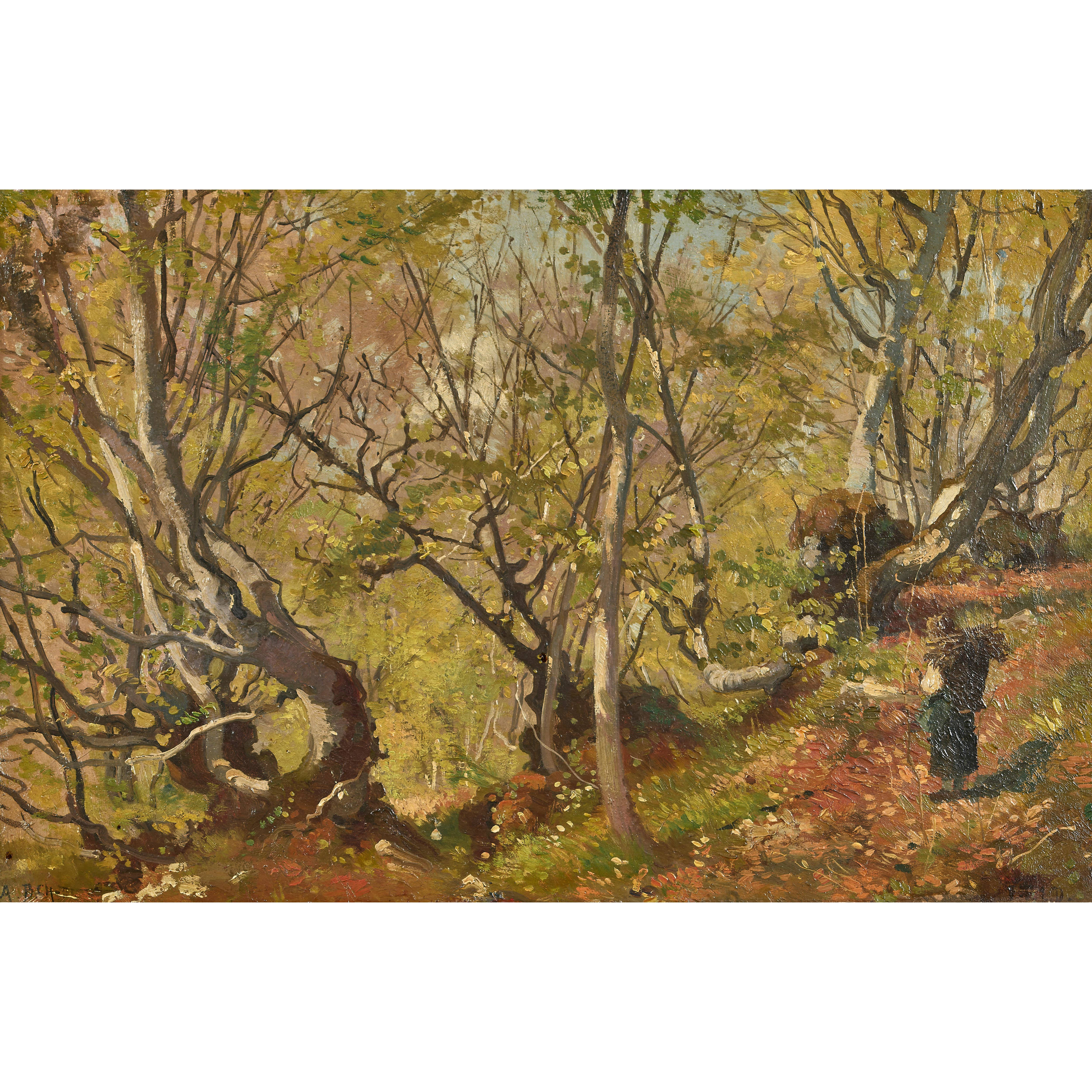
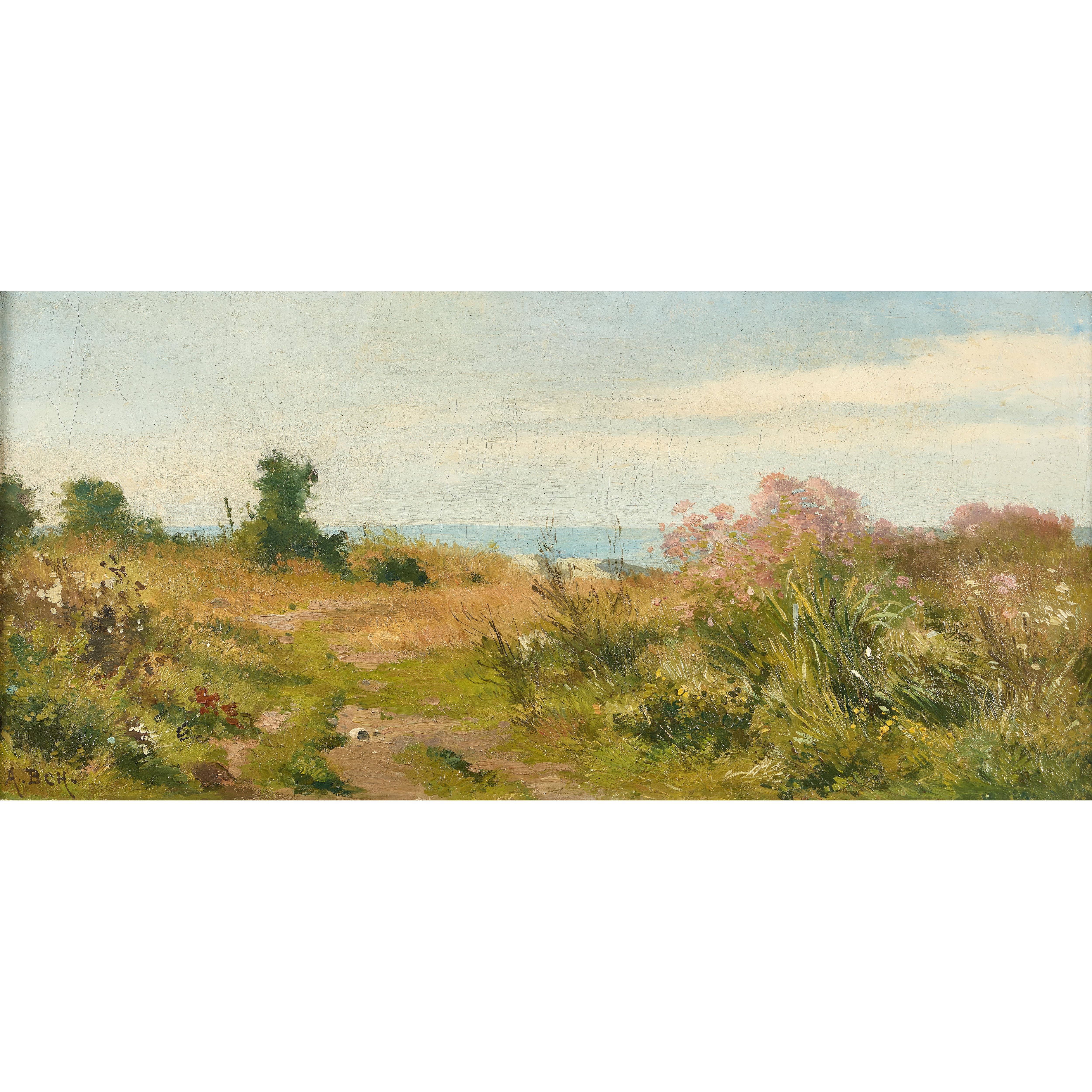
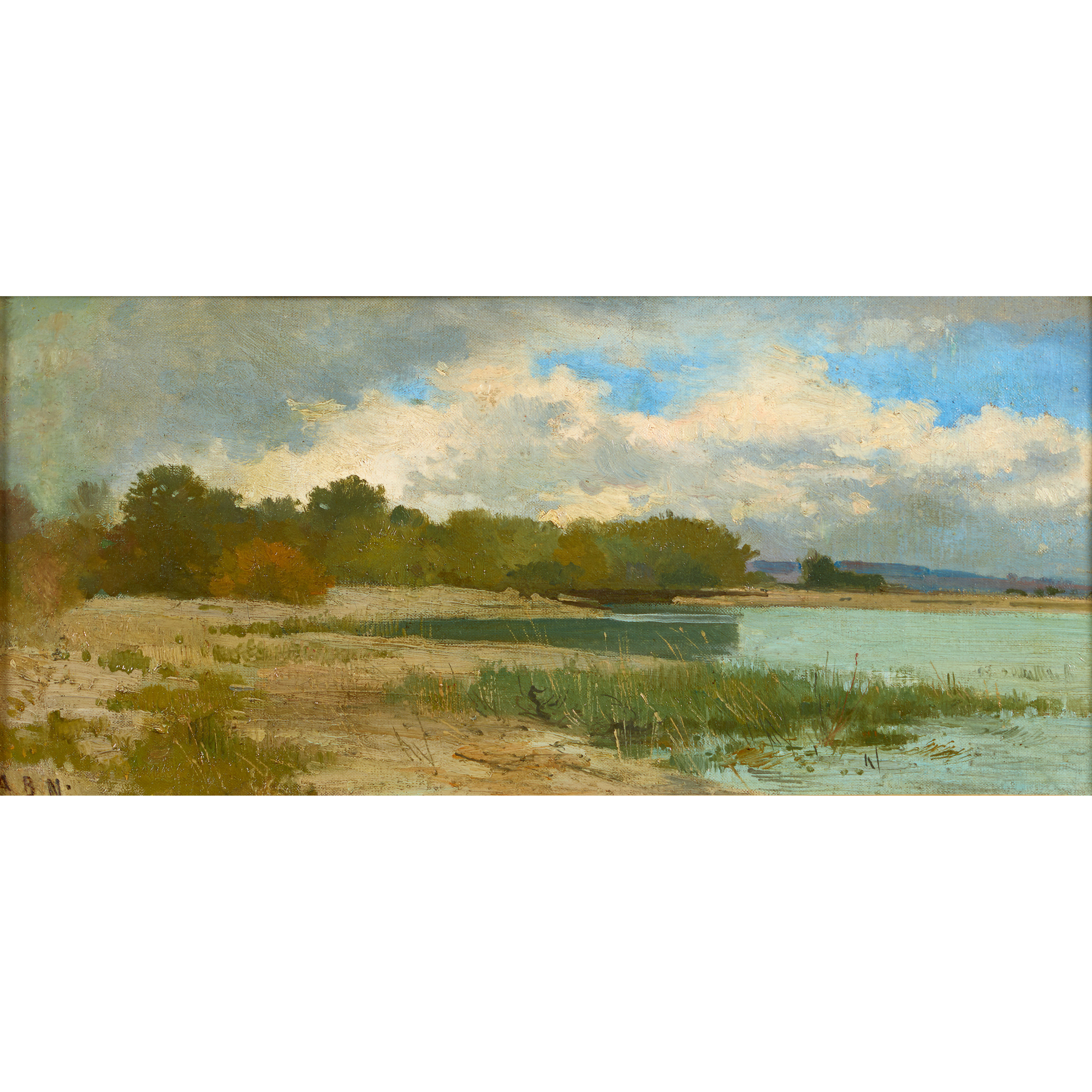
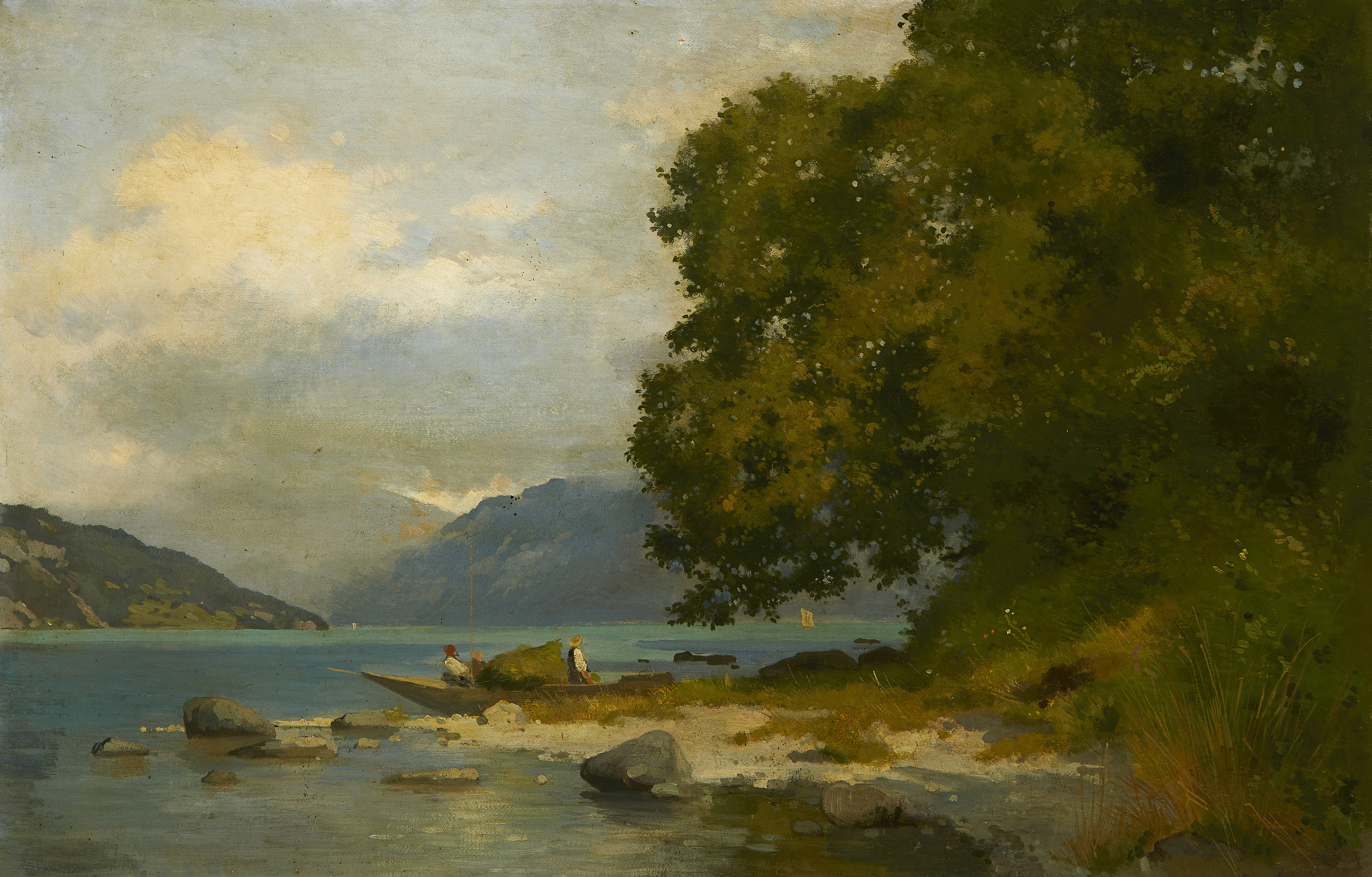
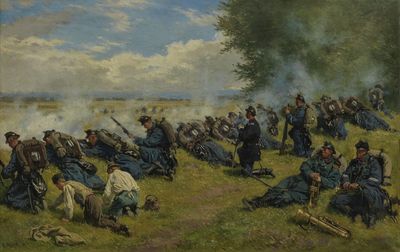
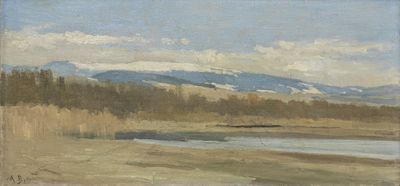
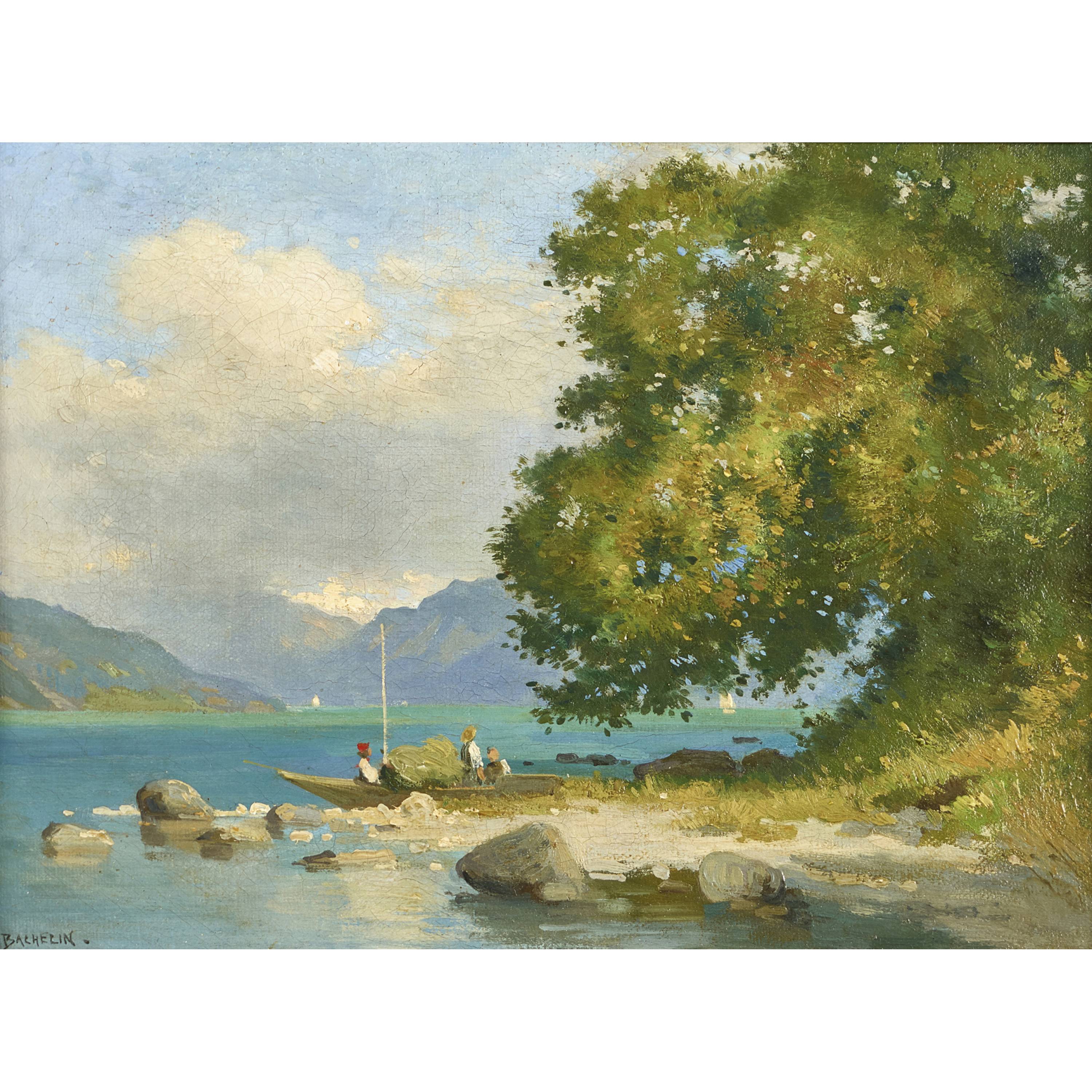
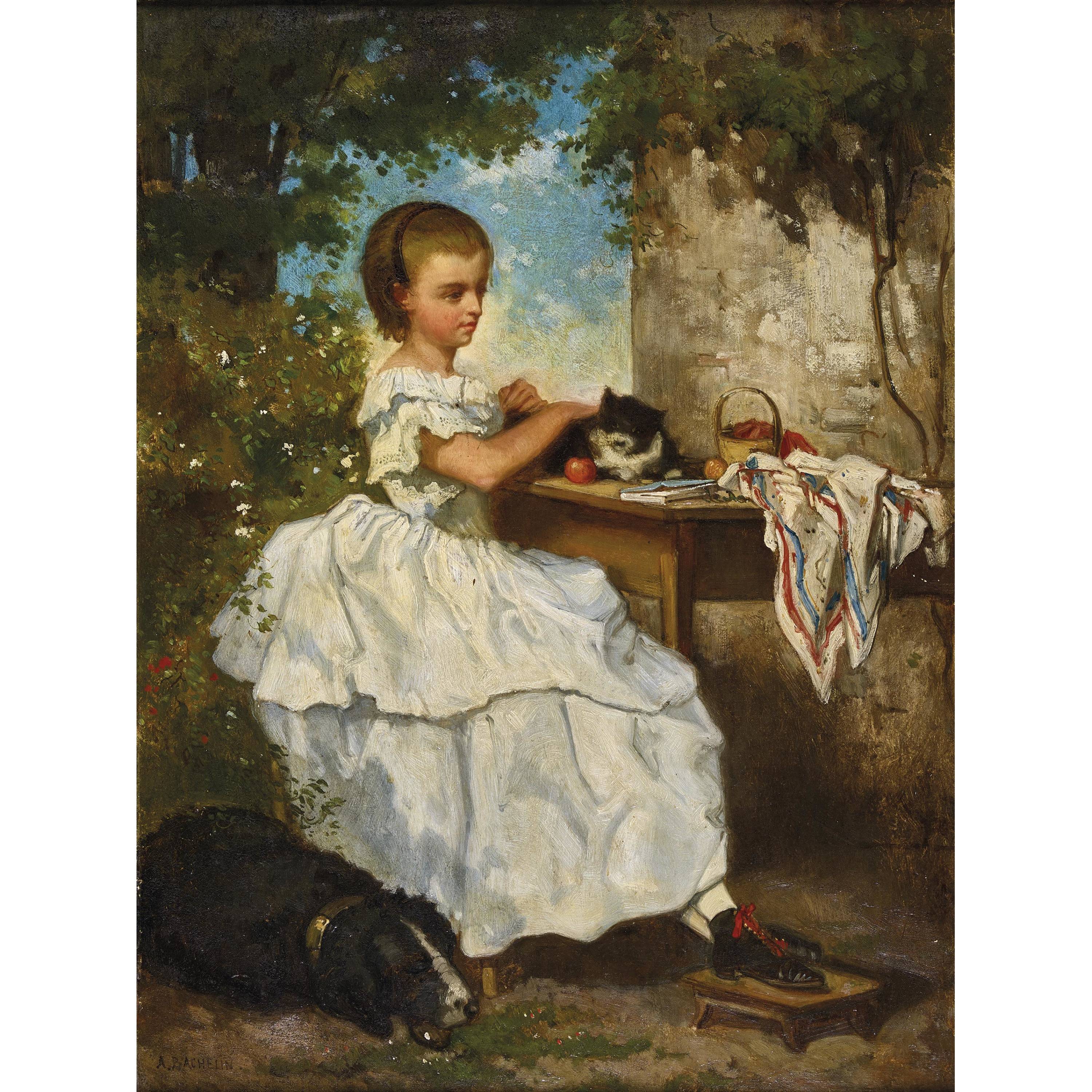
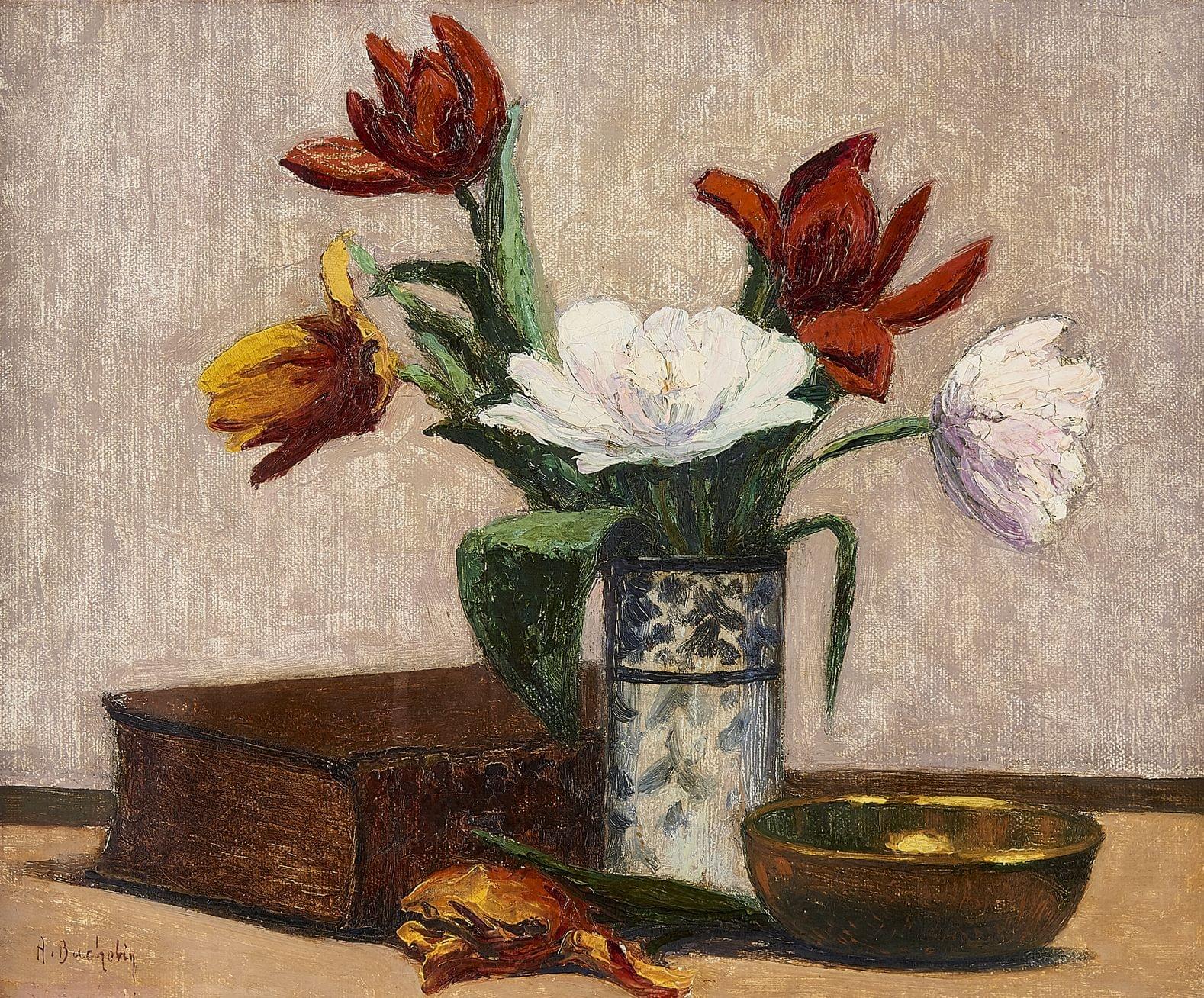
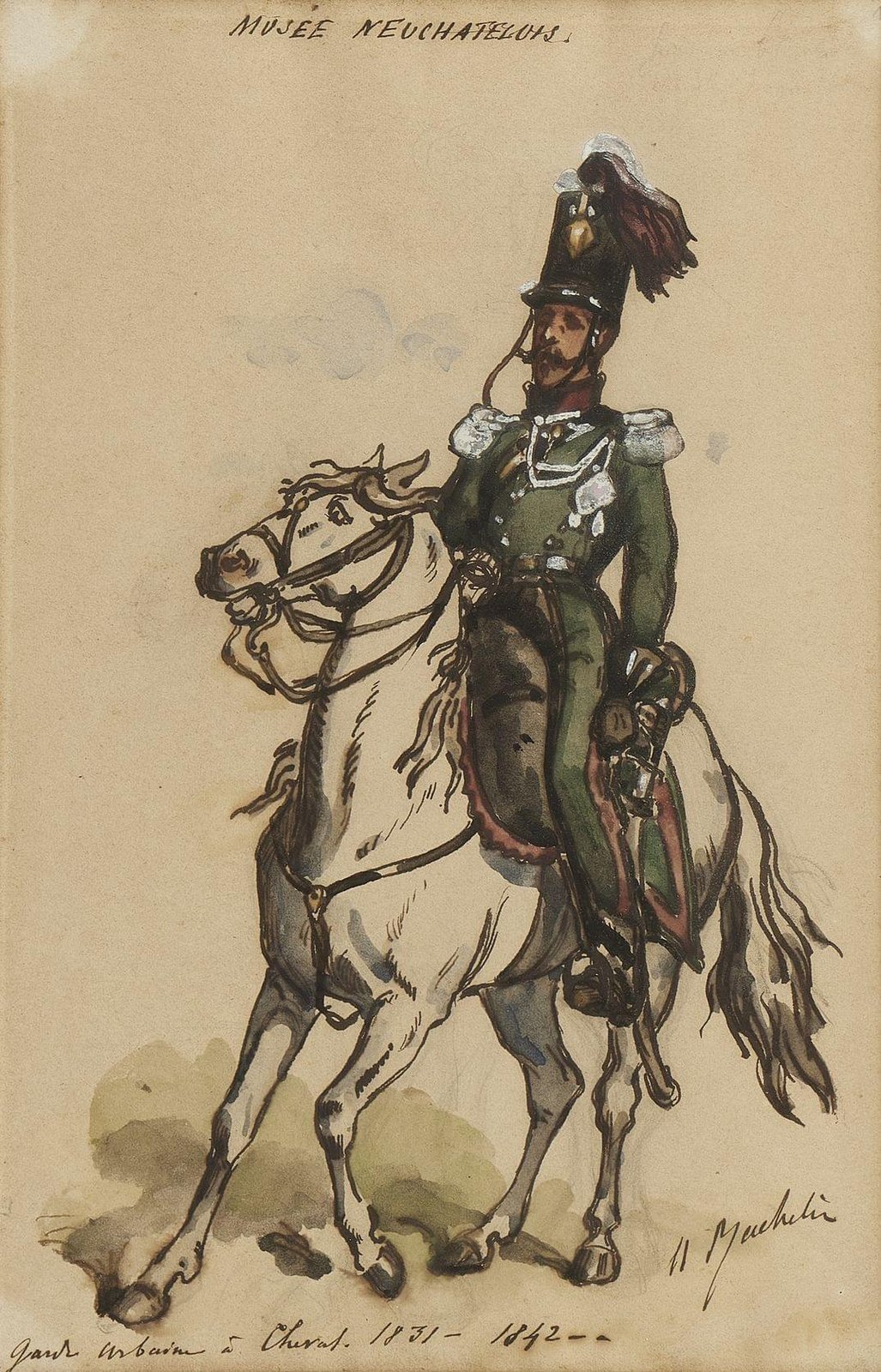
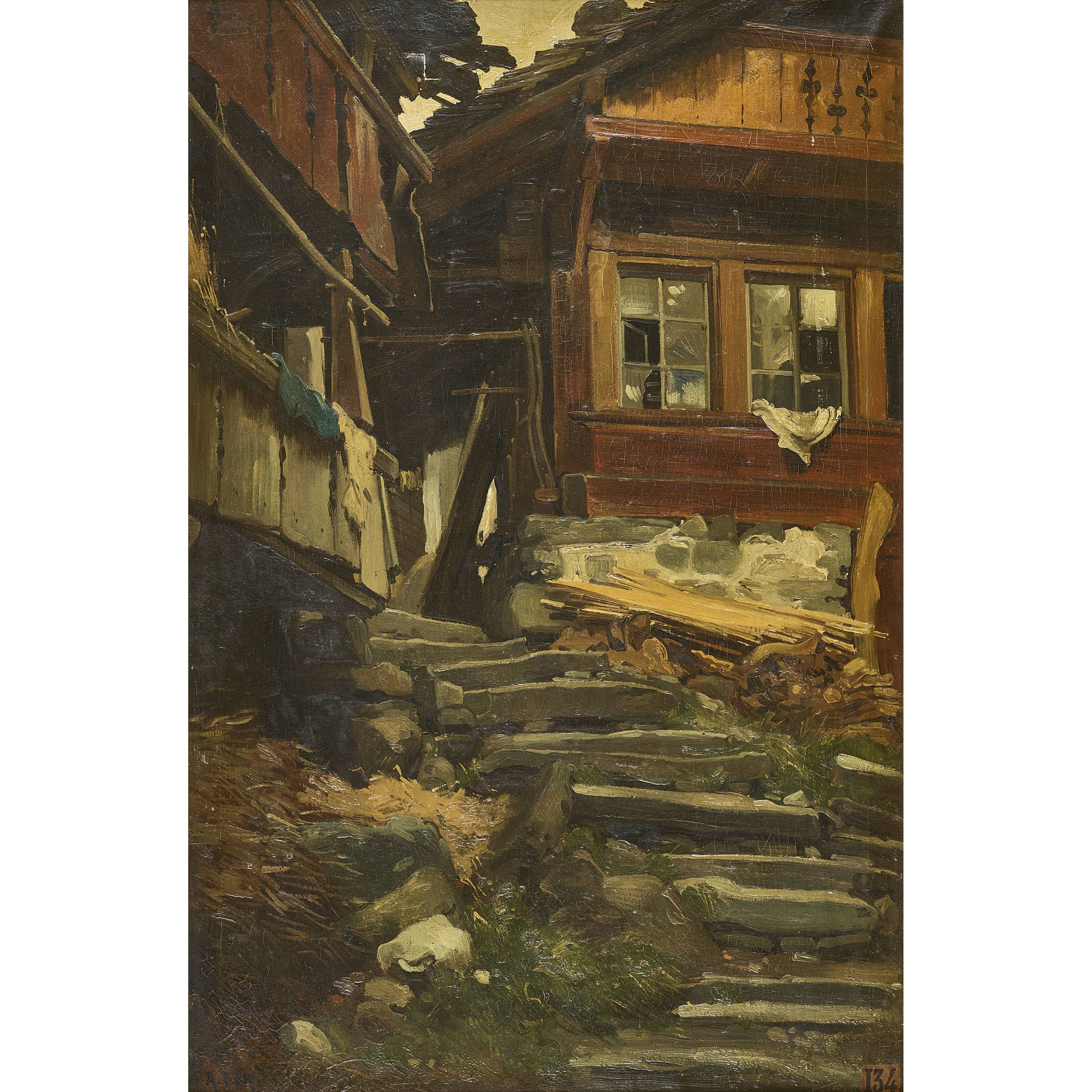
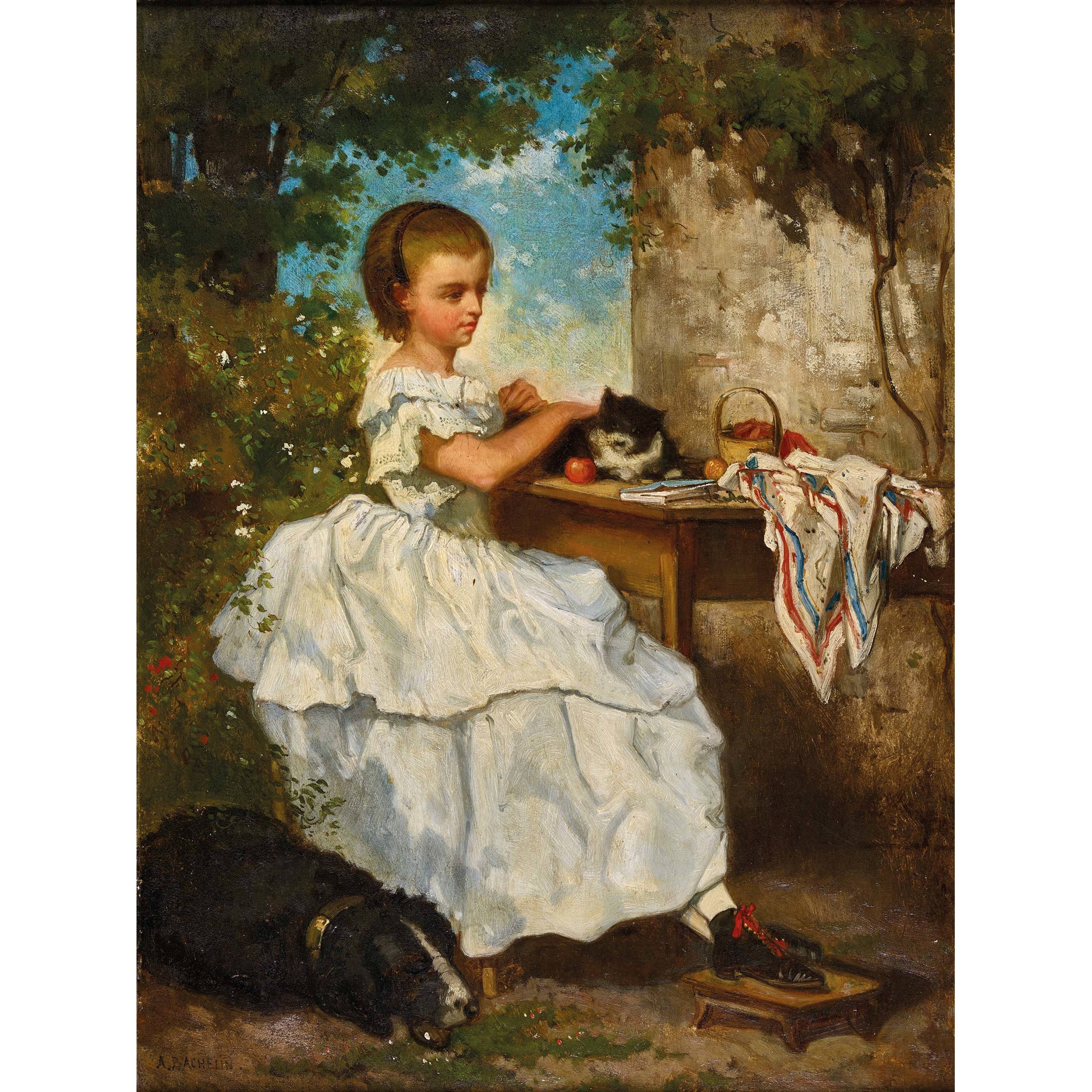
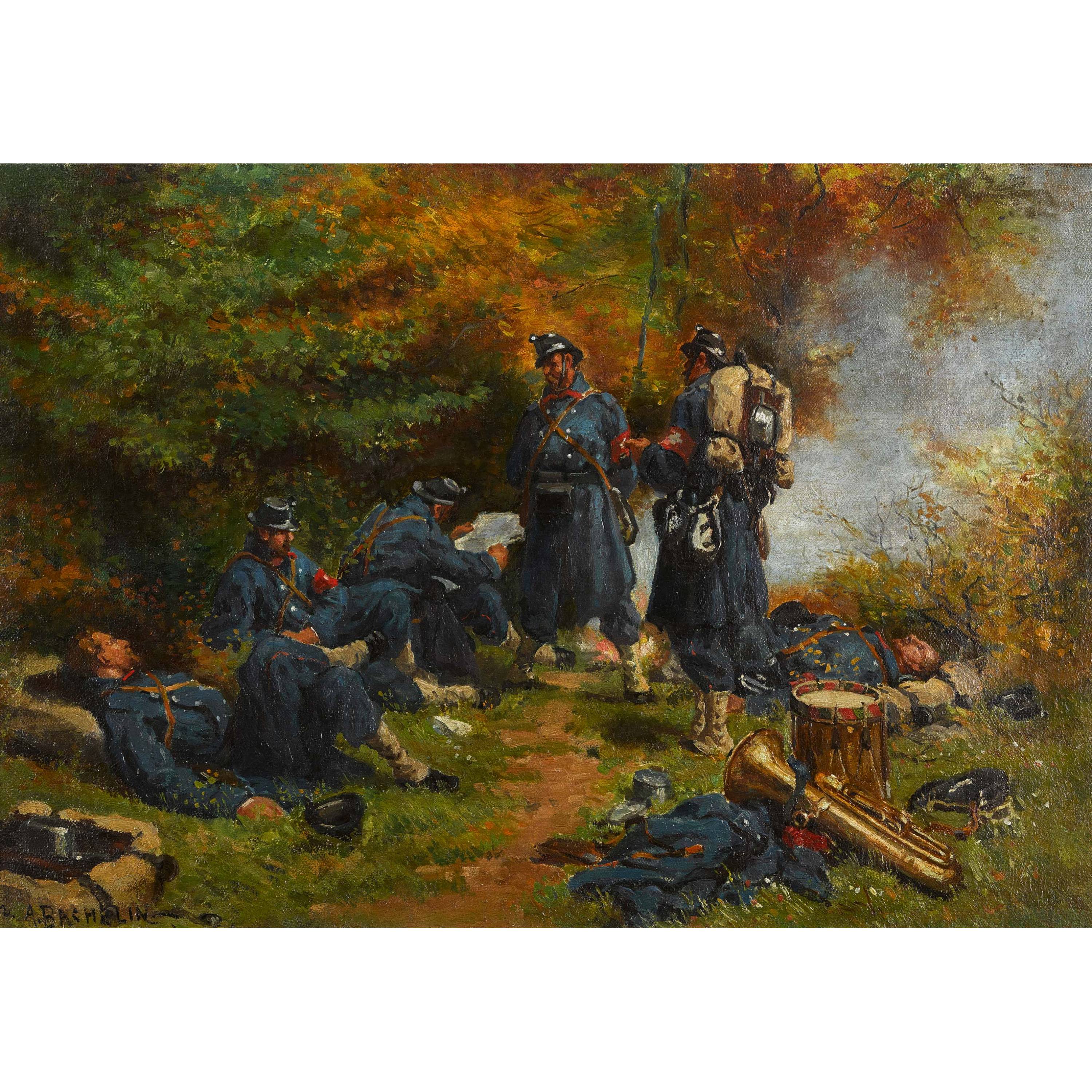
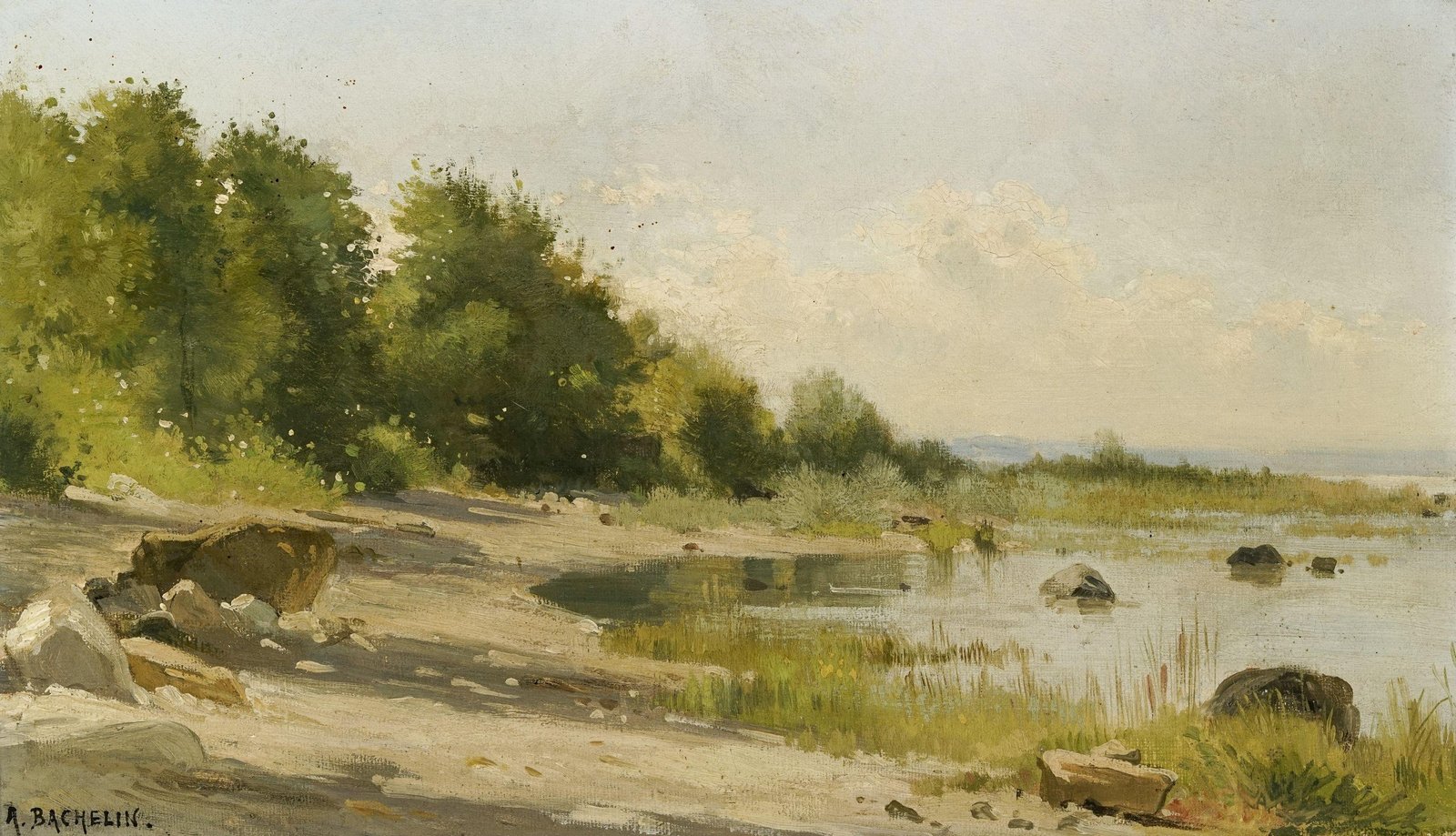
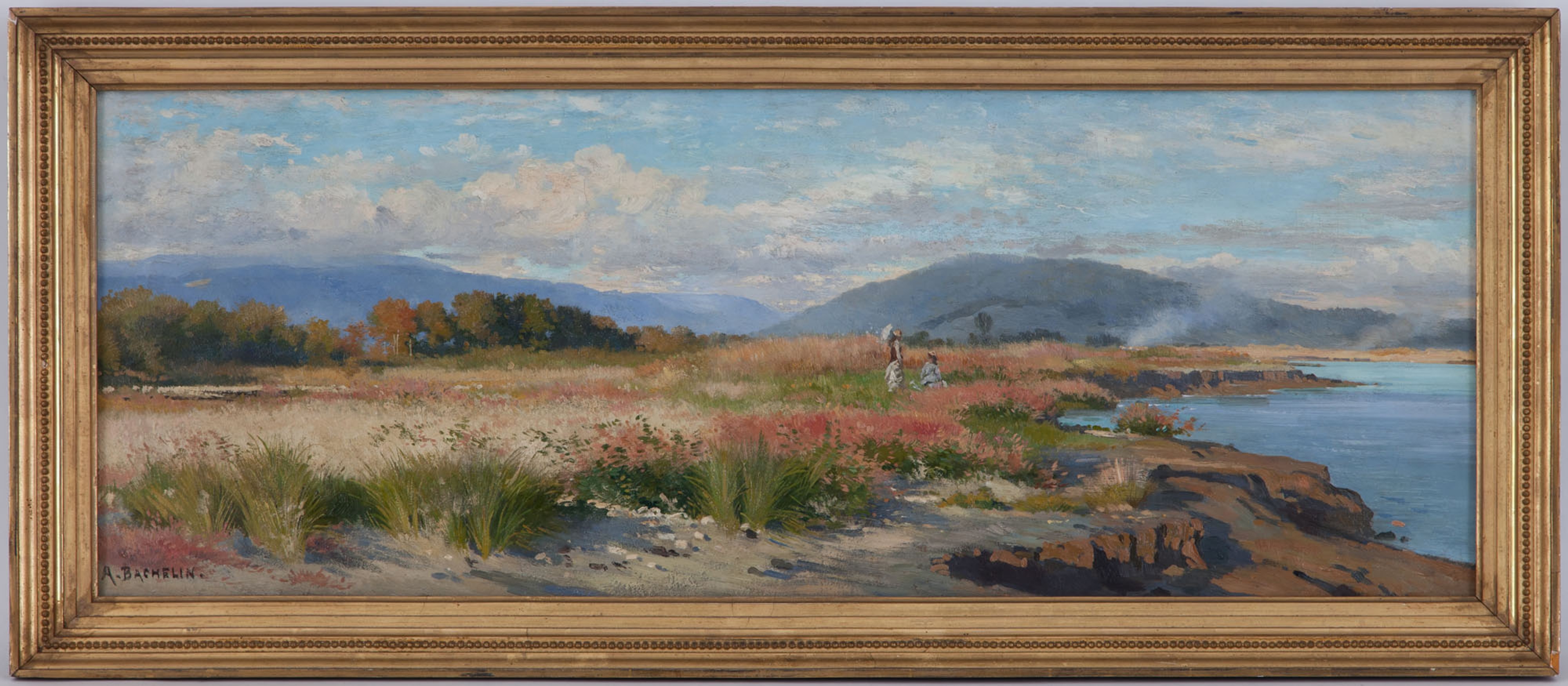
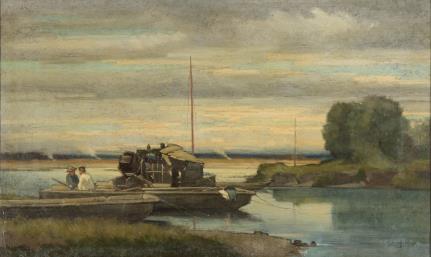
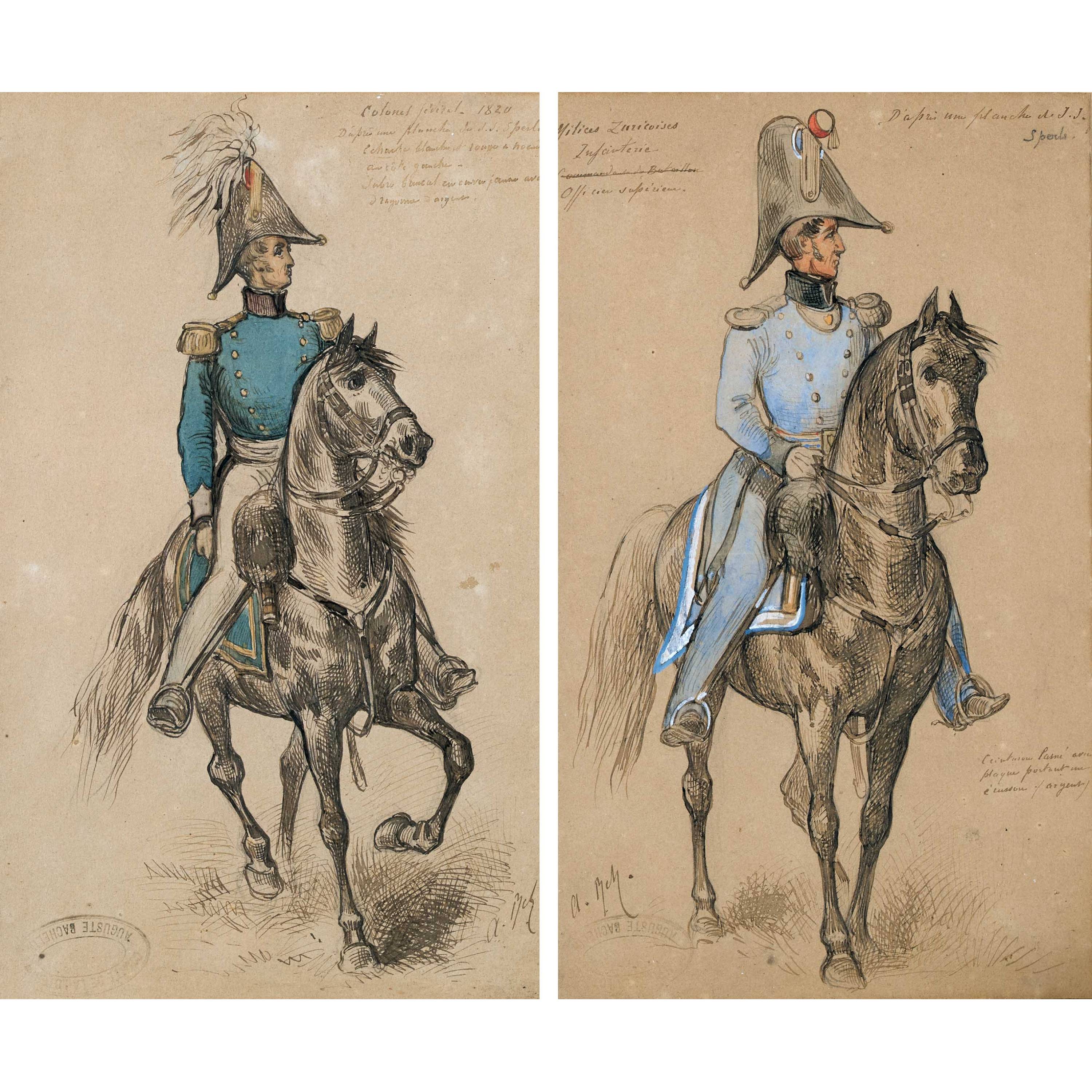
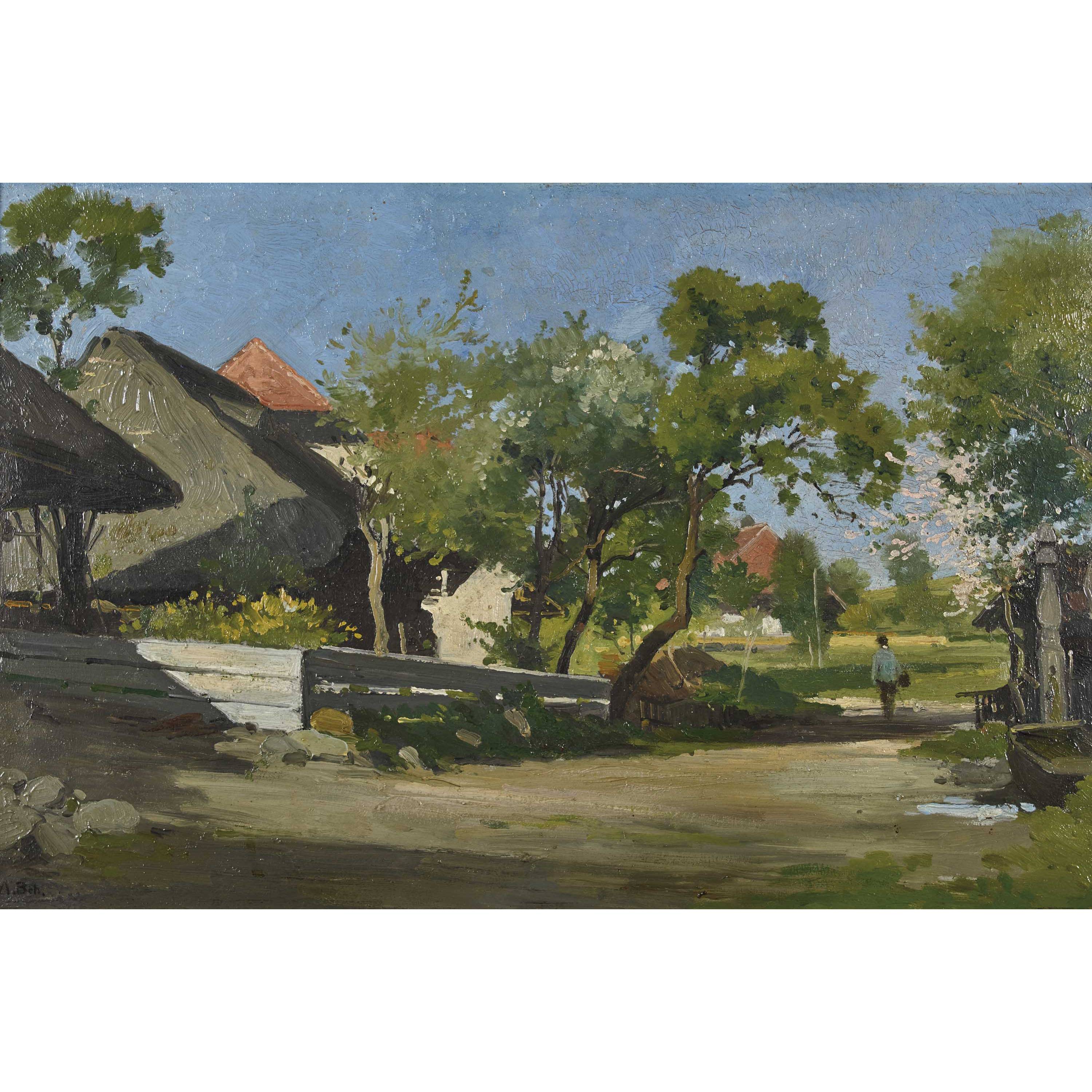
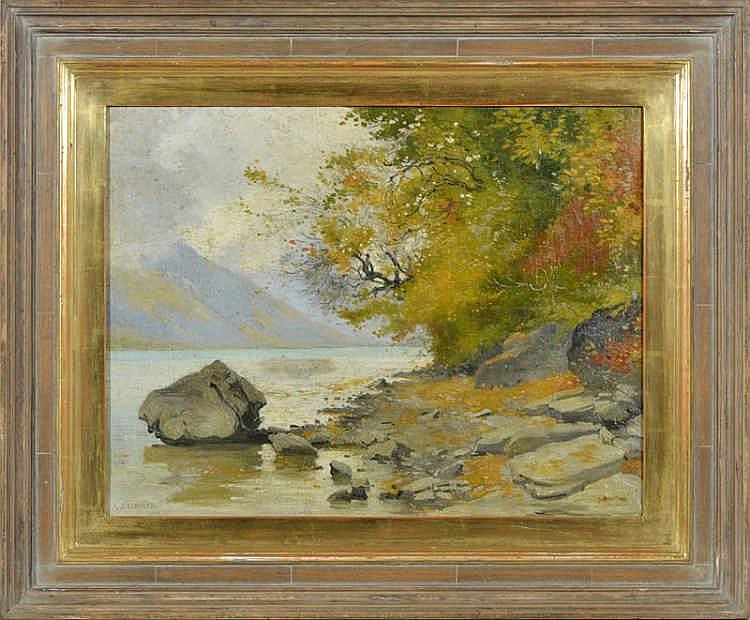
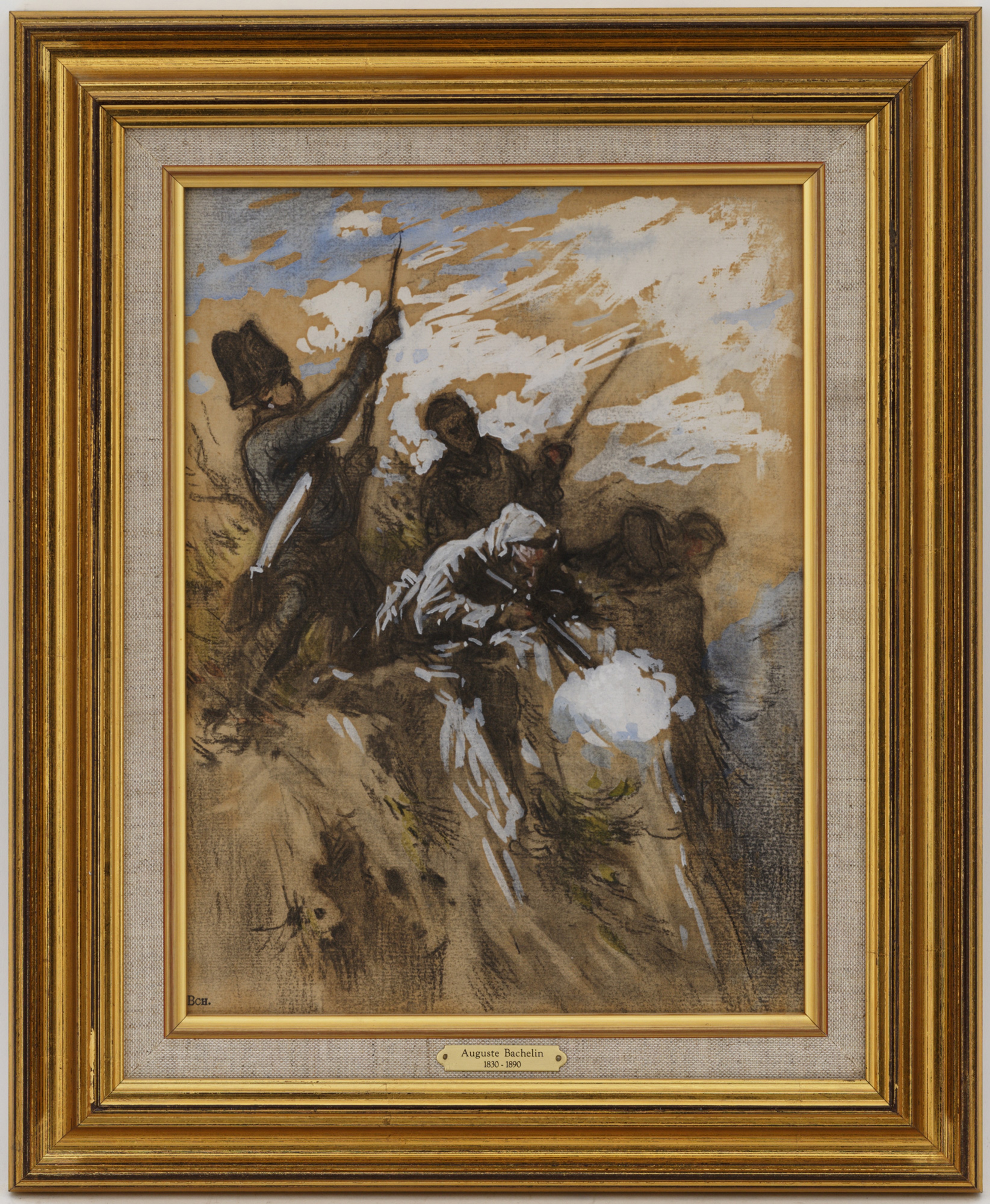
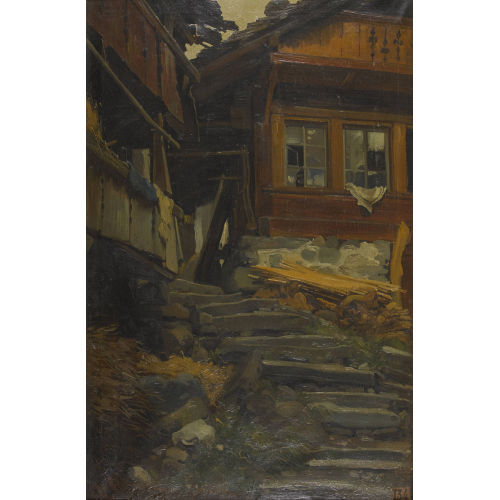
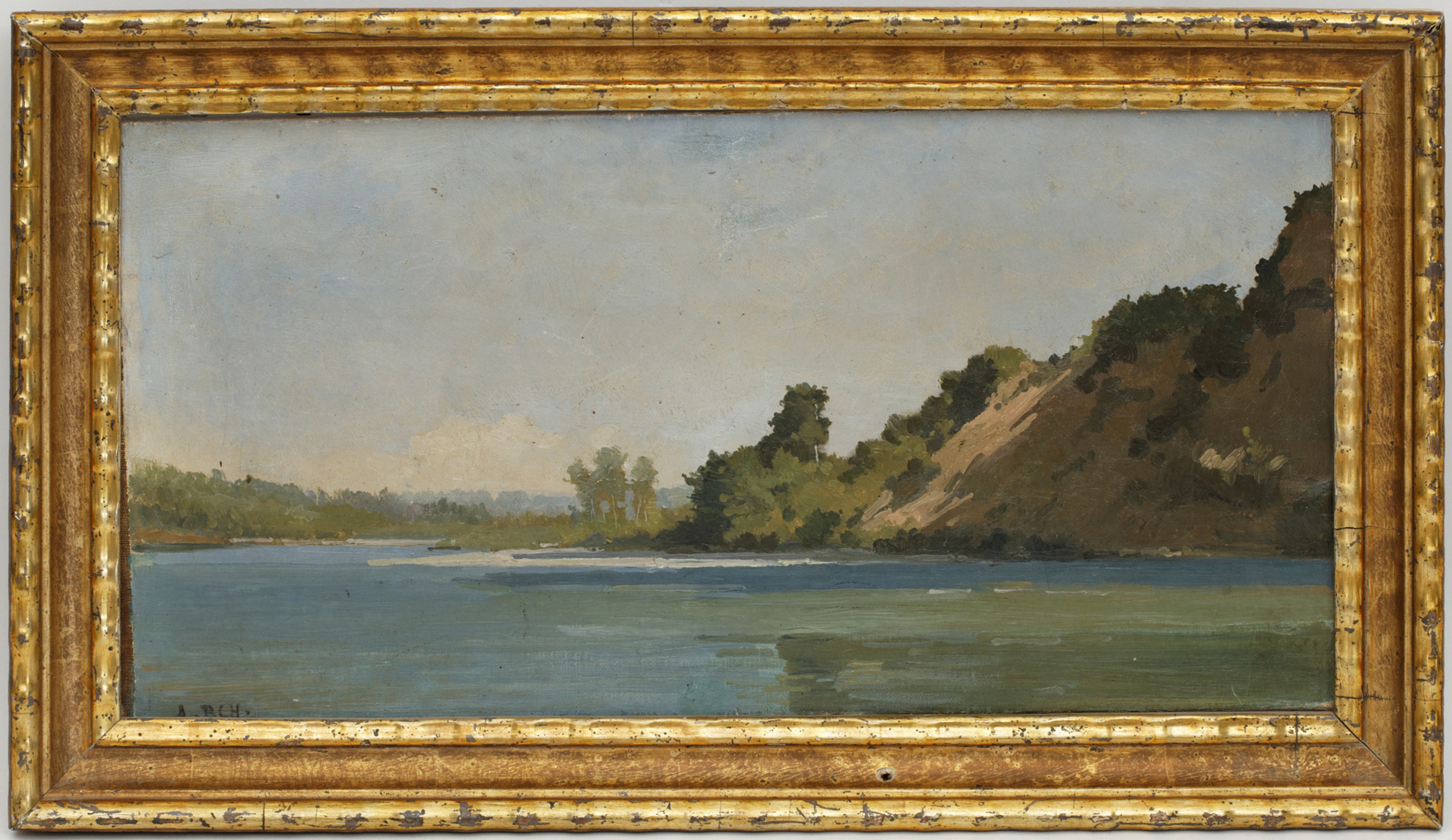
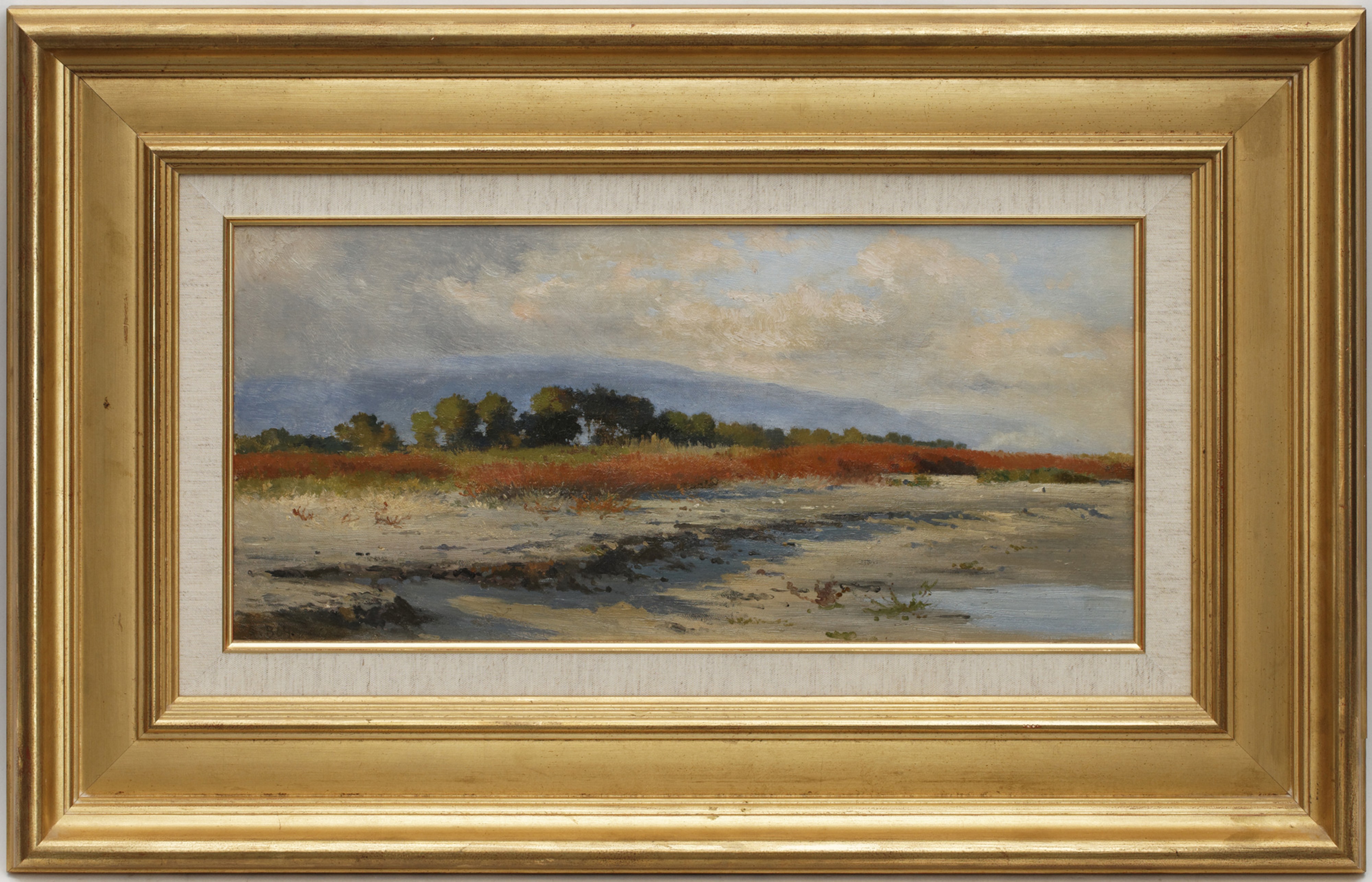
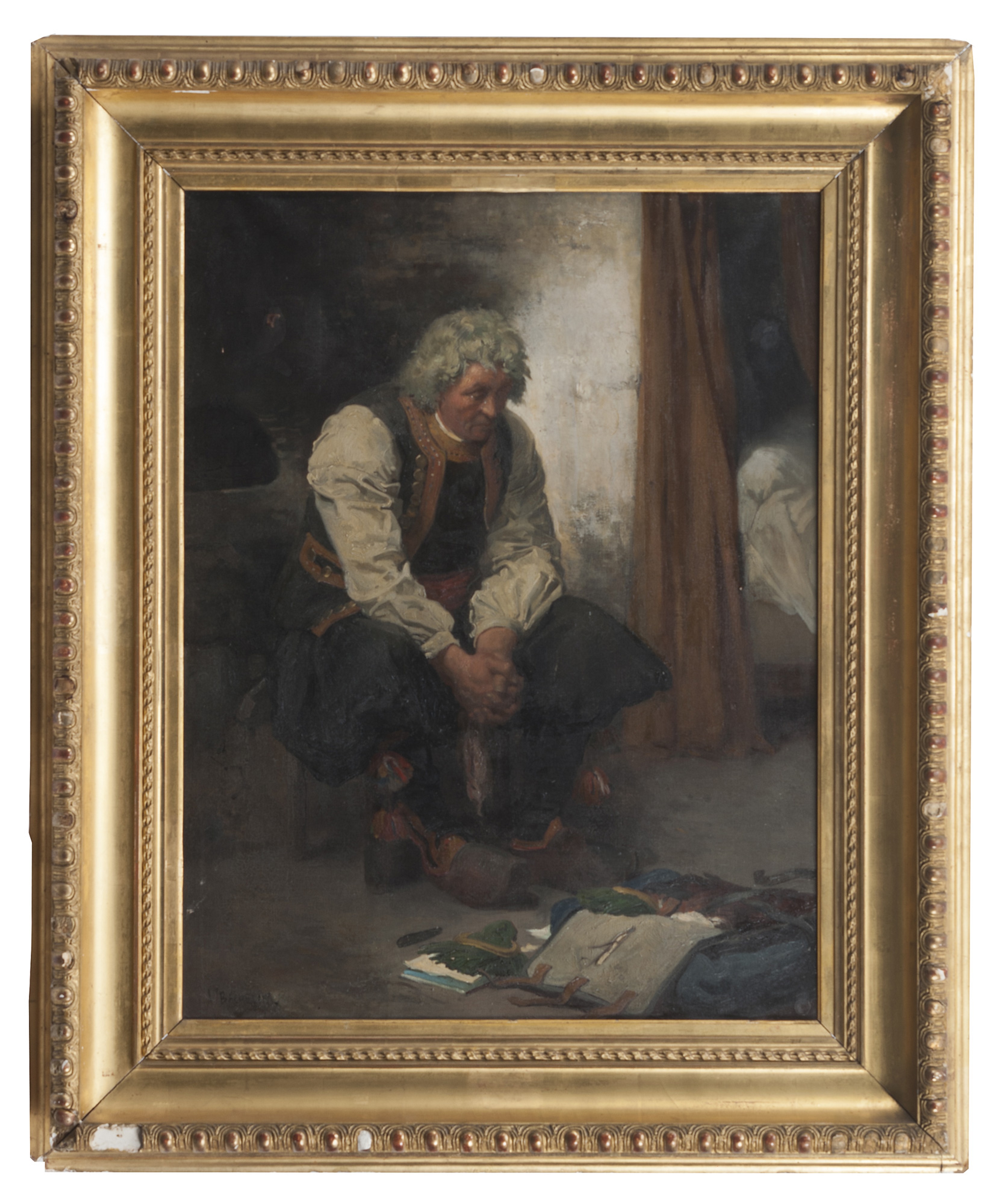
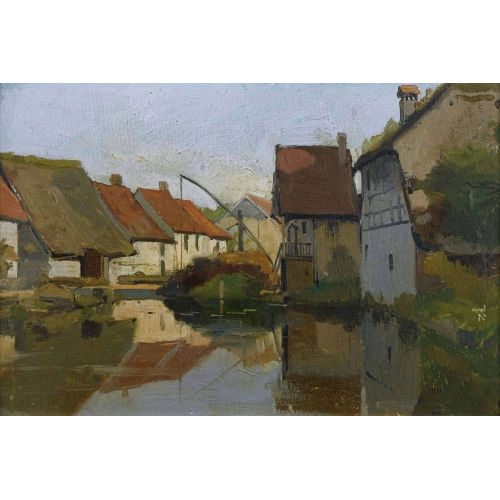
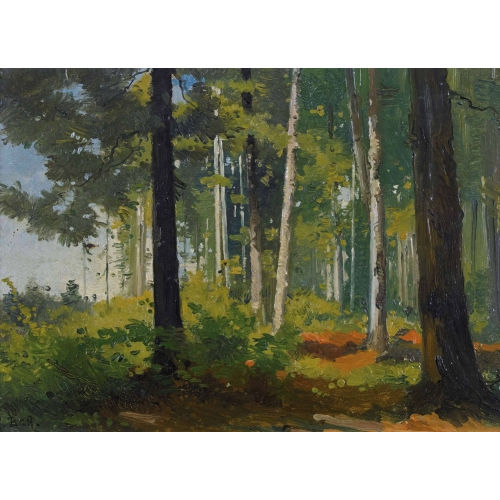
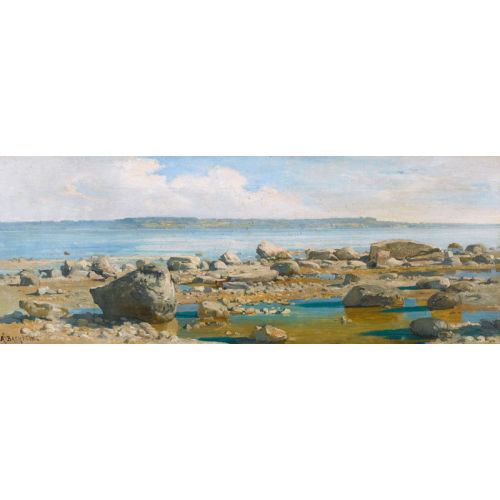
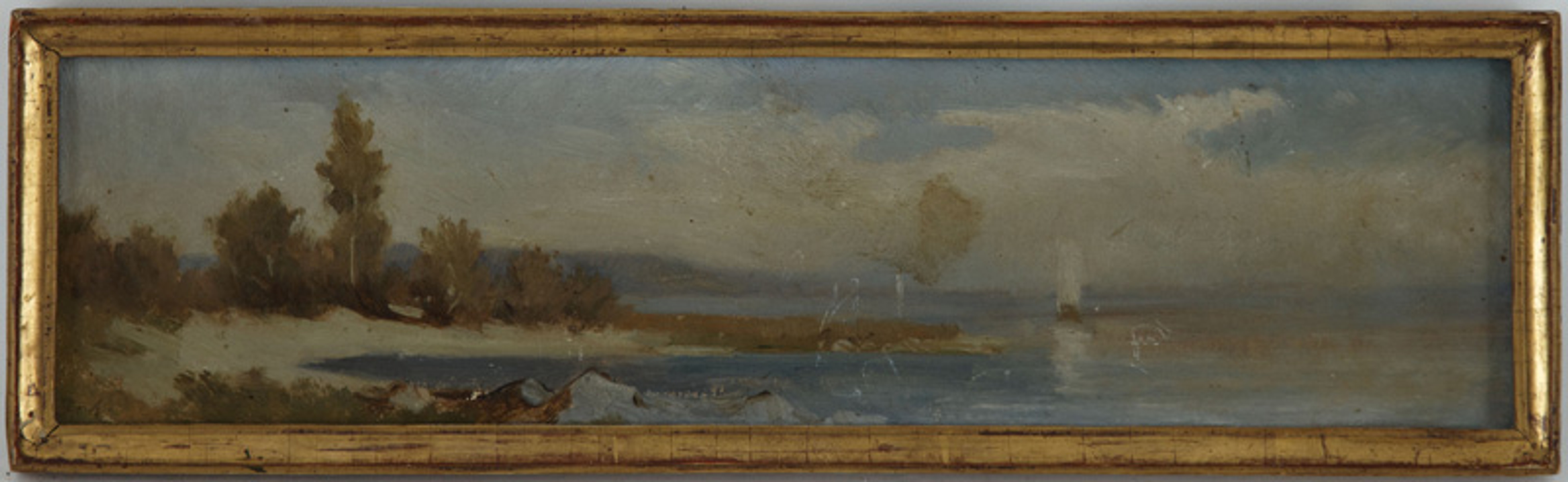
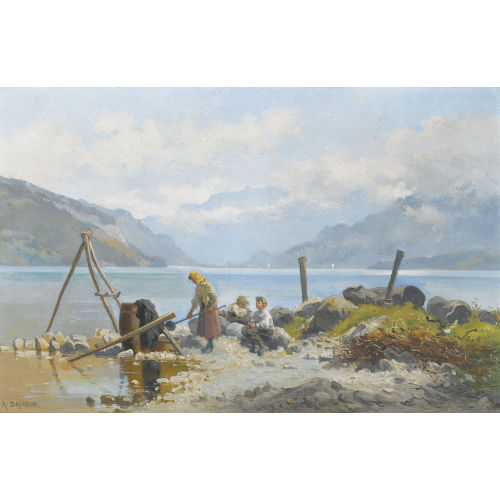
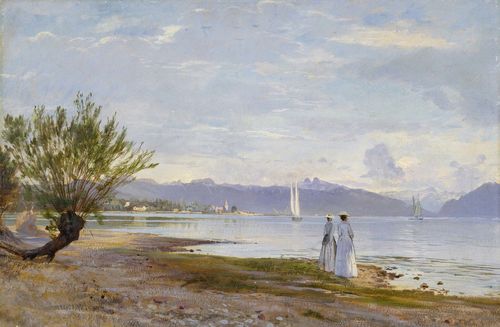
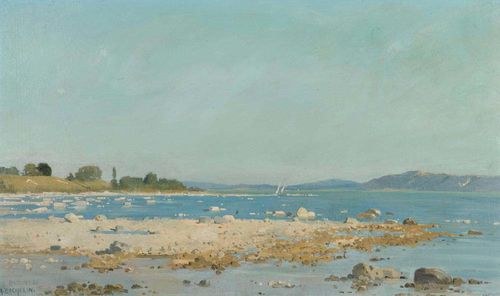
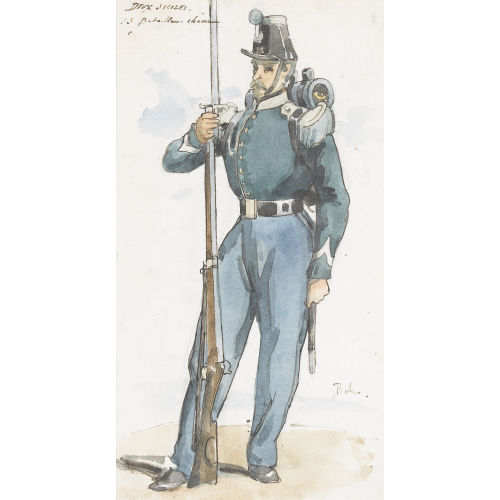
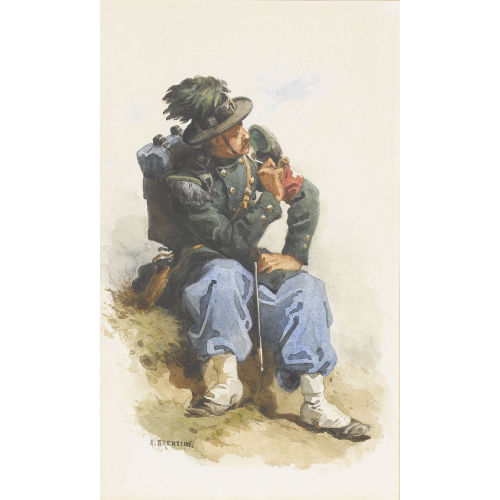
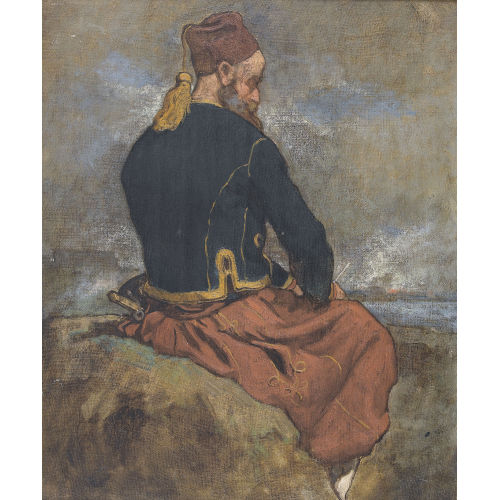
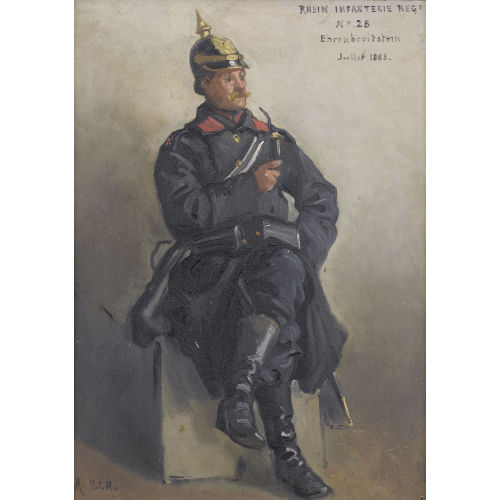
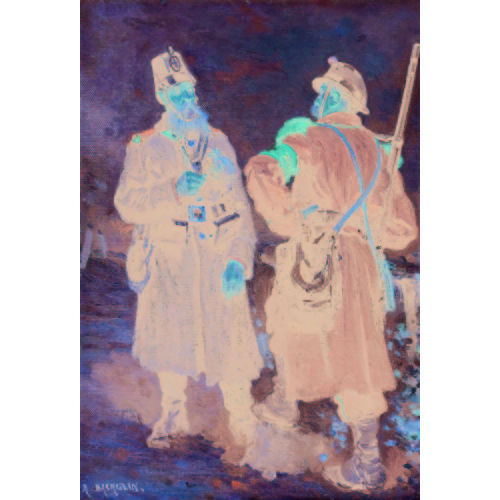
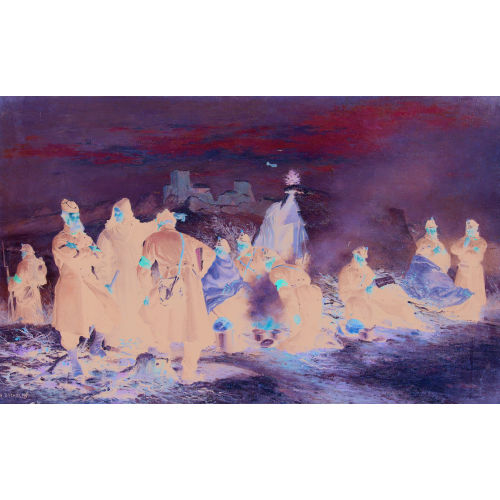
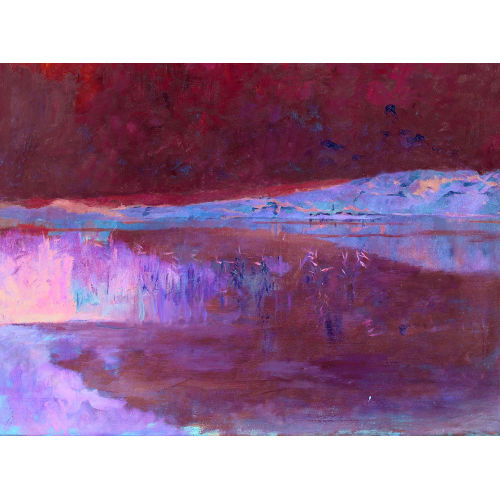
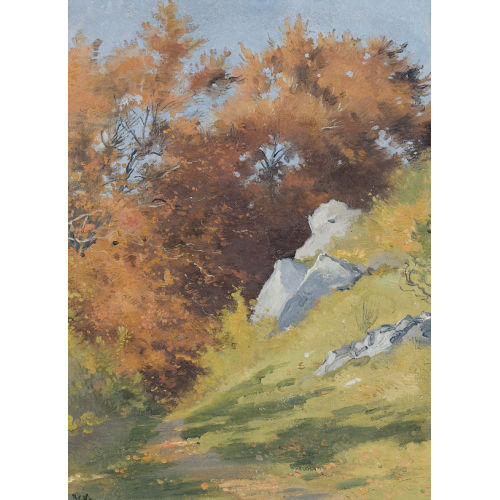
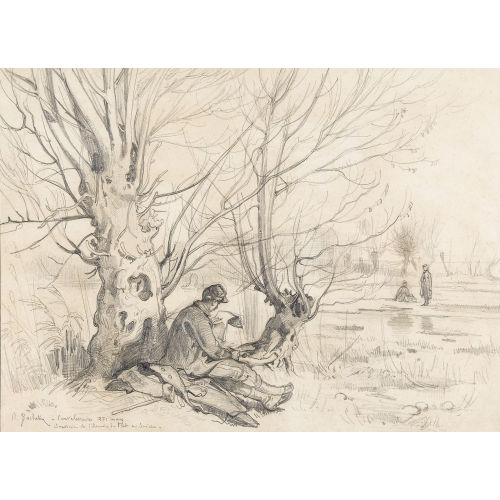
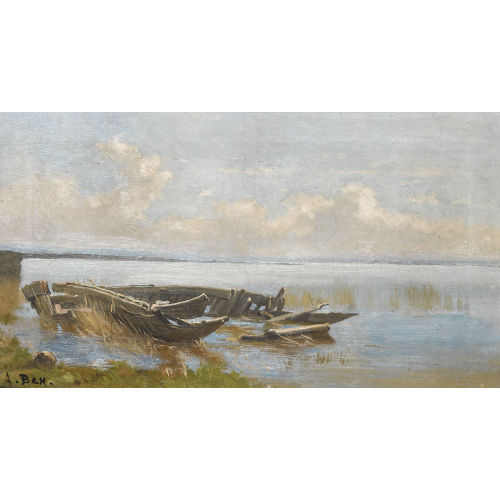
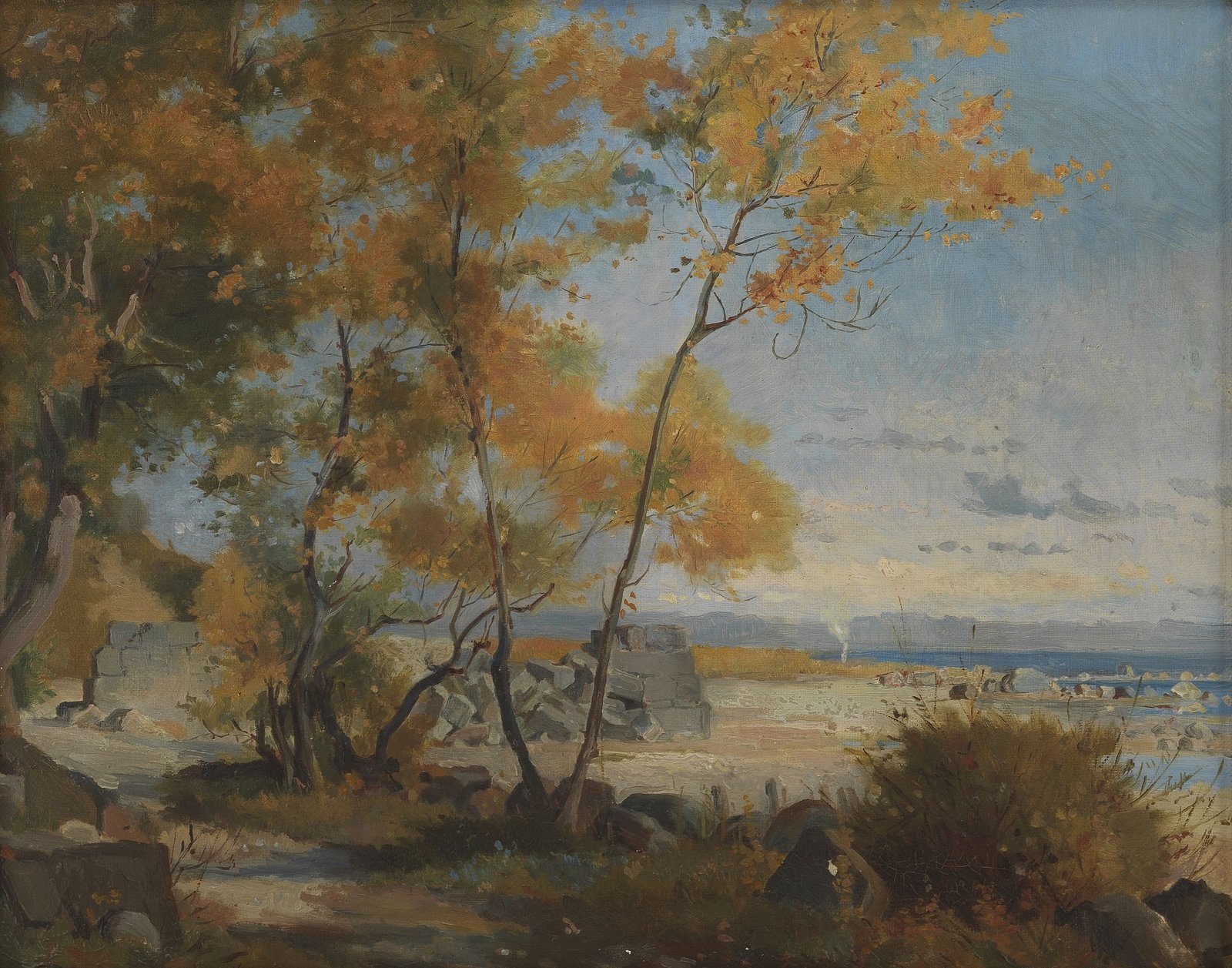
Rodolphe Auguste Bachelin (born 30 September 1830 in Neuchâtel; died 3 August 1890 in Bern) is documented as a painter and illustrator, as well as an art critic, writer, and historian.
His years of training and practice in Paris are described as being marked by morning drawing sessions and copies made at the Louvre; during this Parisian sojourn, he regularly took part in the Salon de Paris and in exhibitions organised by the Société des amis des arts de Neuchâtel.
In 1874, his marriage to Marie-Joséphine Combe, who was from Boulogne-sur-Seine, was followed by his return to and settlement in Switzerland, a stage situated in the chronology of his life between his stays in France and his death in Bern.
At the local level, he appears as one of the founders, in 1864, of the Société d'histoire et d'archéologie du canton de Neuchâtel, indicating a commitment to regional historical and heritage matters.
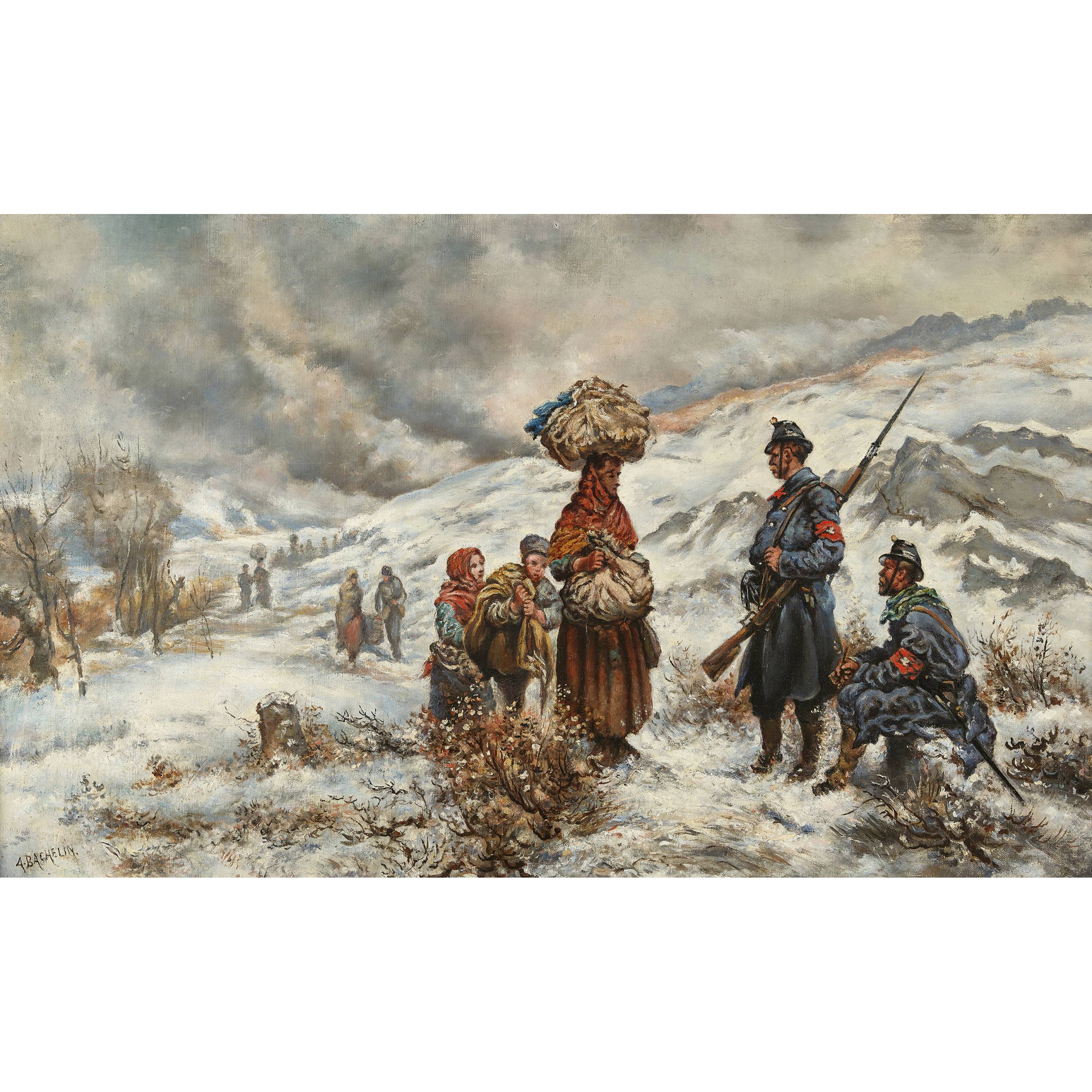
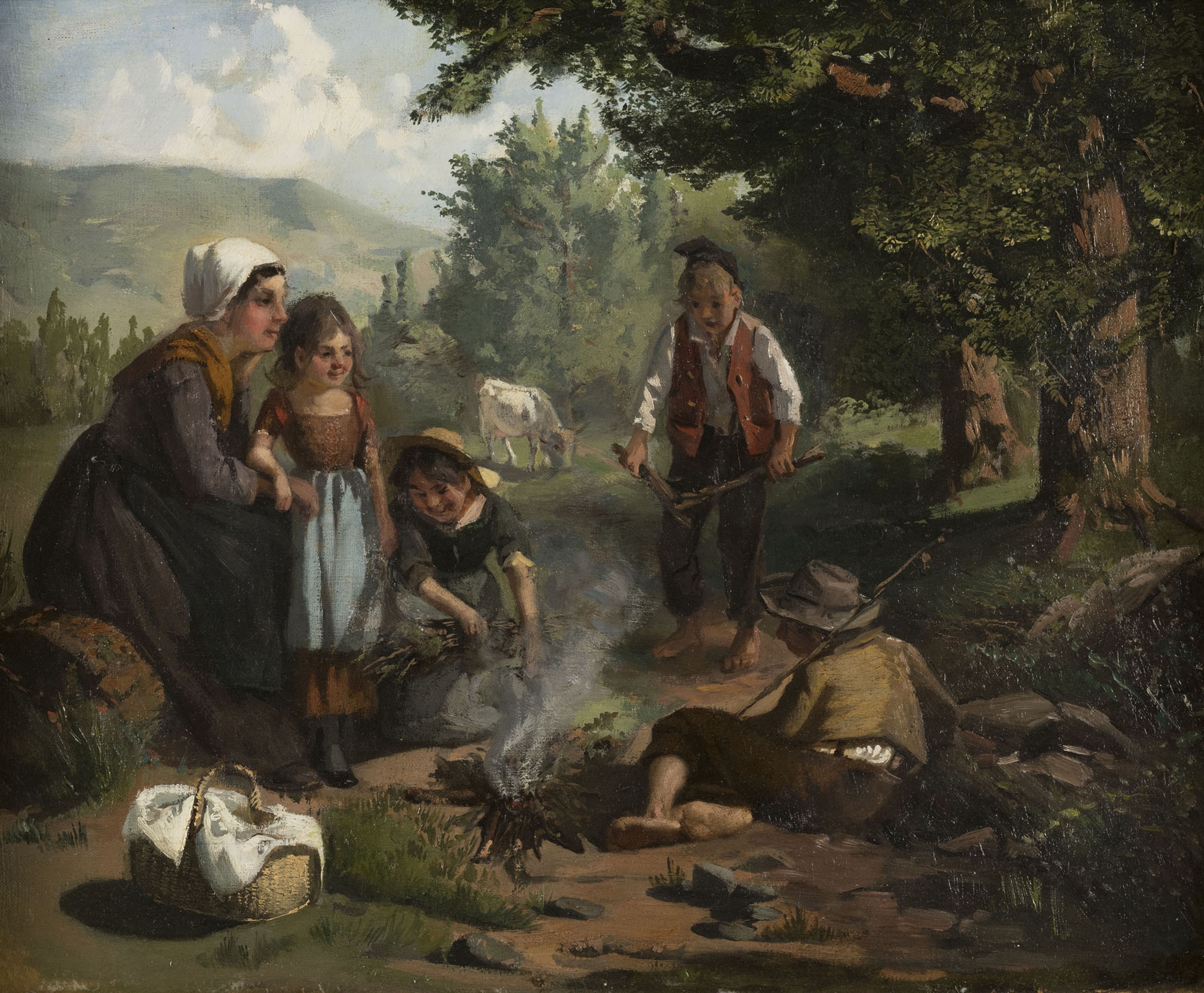
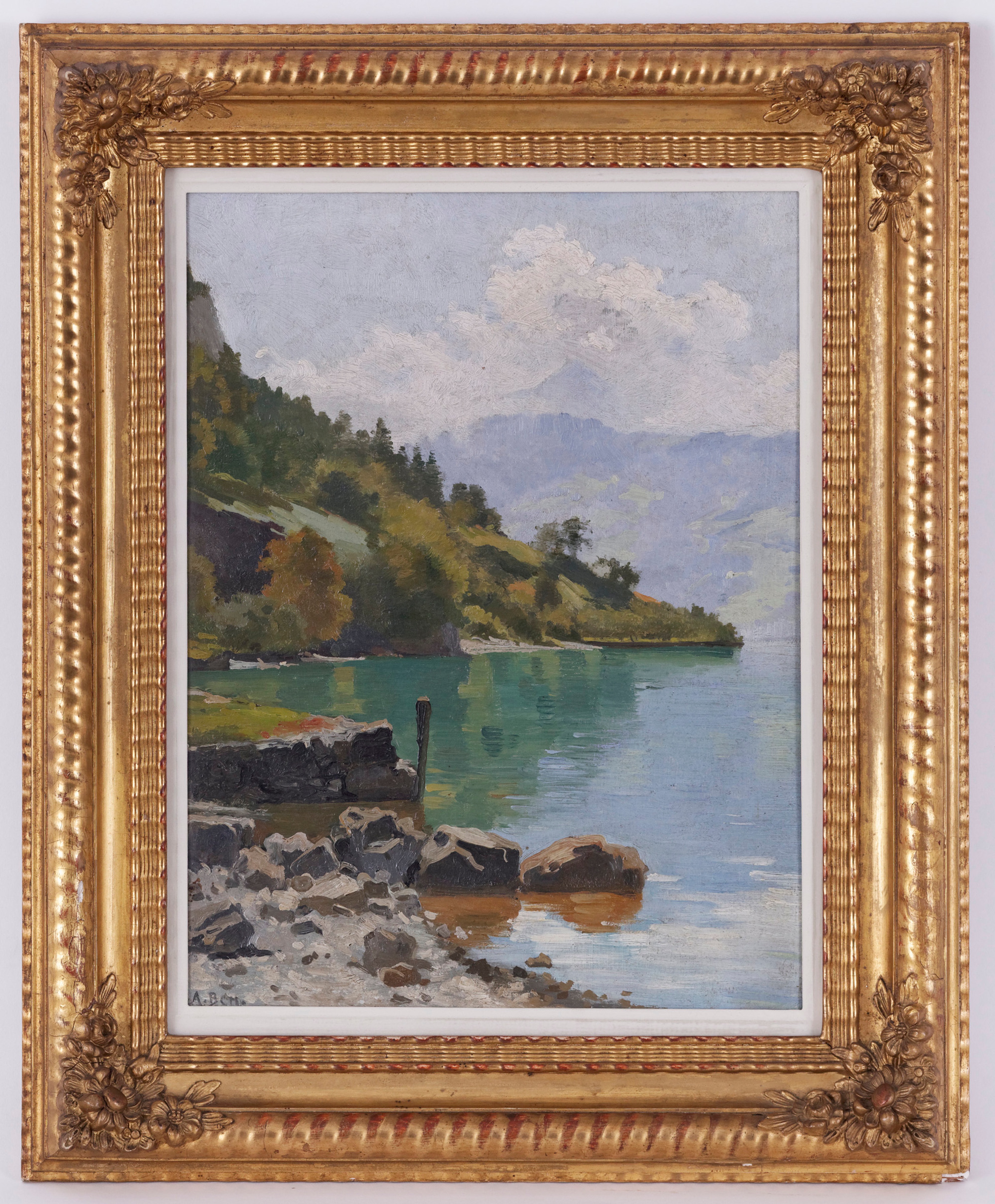
Several of his works are held in Swiss public collections: the official example includes Les Fugitifs, dated circa 1882 and held at the Musée des beaux-arts de La Chaux-de-Fonds, as well as a Vision idéalisée d’un village lacustre (1867) held at the Landesmuseum Zürich.
Alongside his painterly and graphic output, he authored literary and historical works, including the historical novels La Marquise (1878), Jean-Louis (1882), and Sarah Wemyss (1890), as well as local studies such as Iconographie neuchâteloise (1878) and L'horlogerie neuchâteloise (1888).