Arnold Brügger
Born in 1888.
Died in 1975.
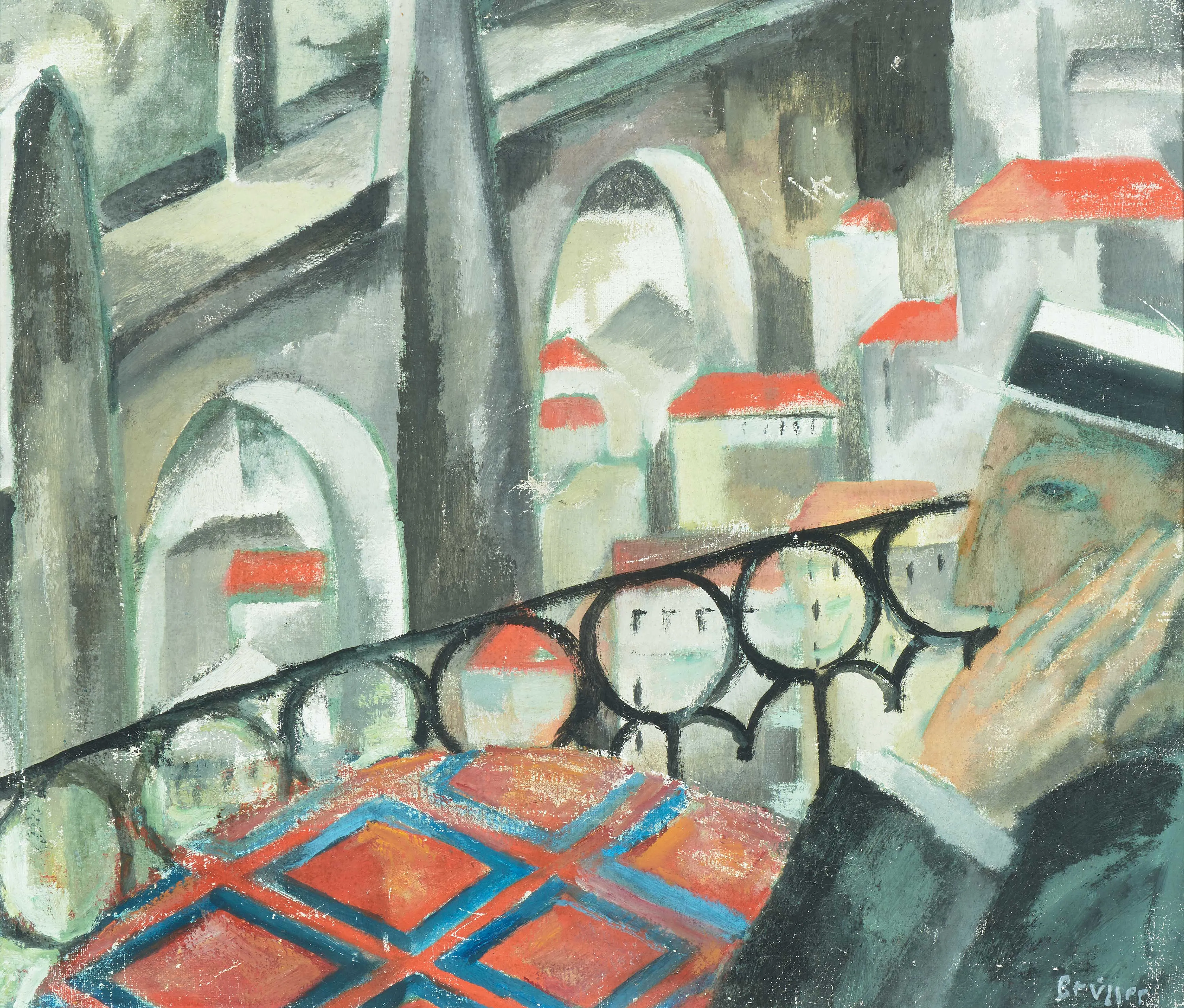
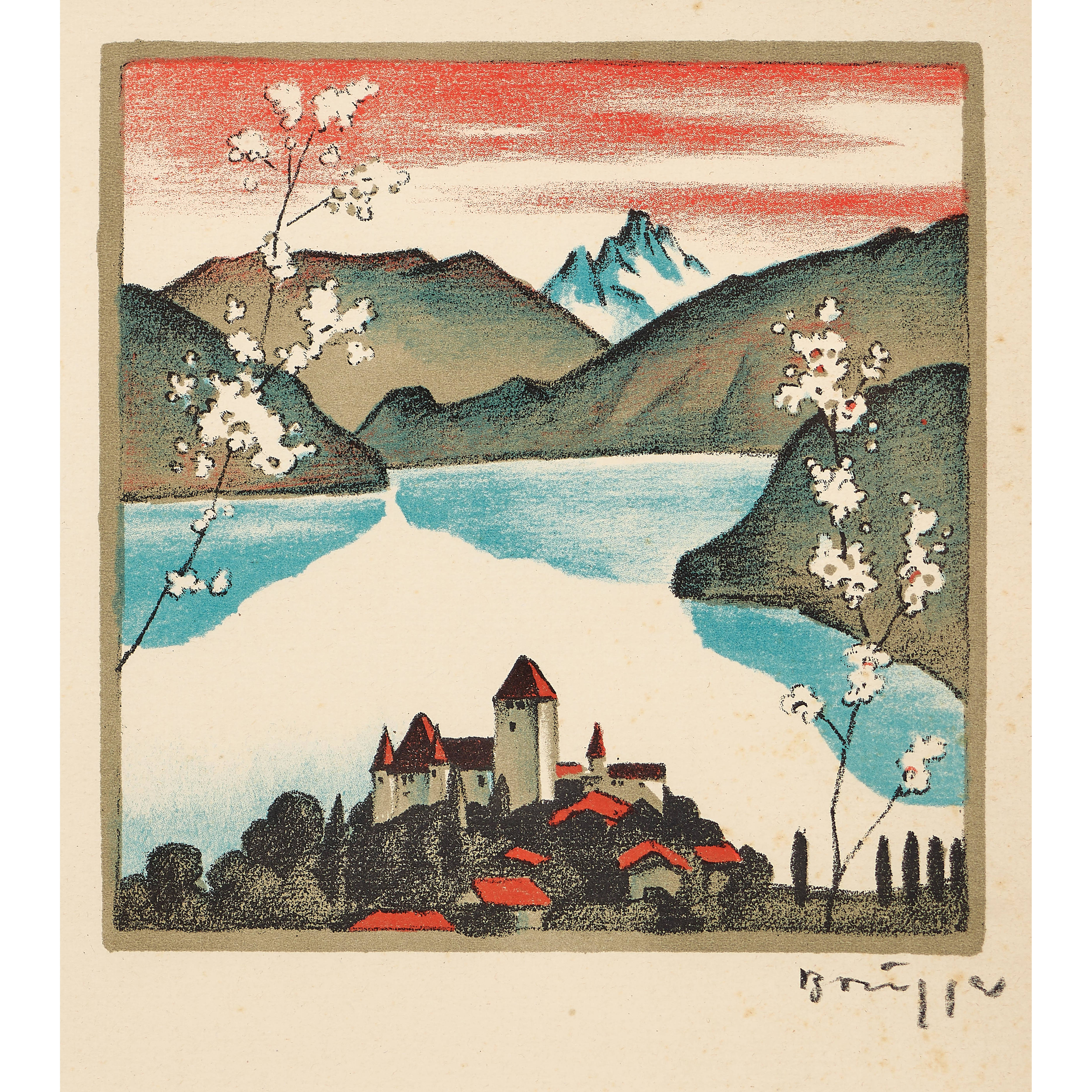
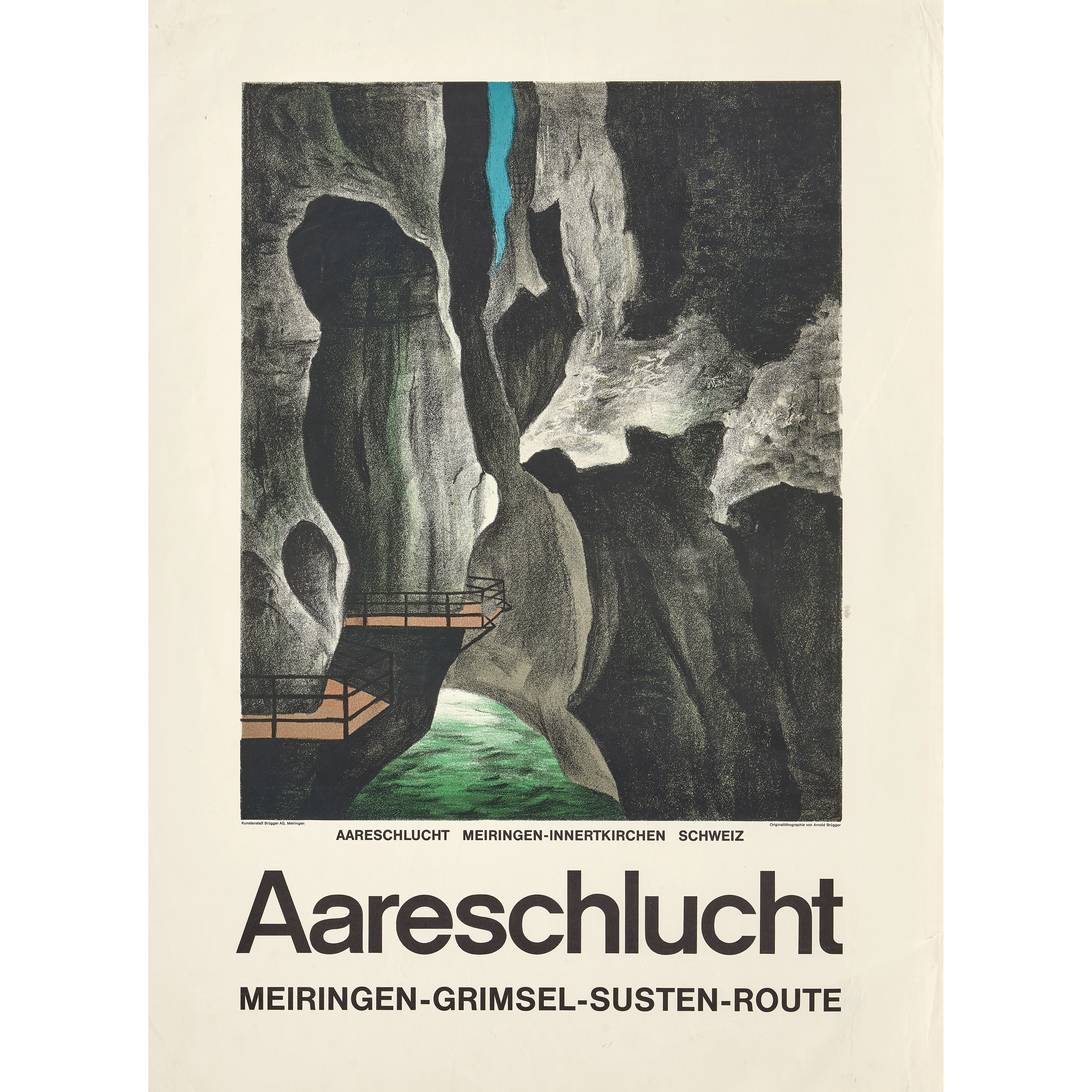
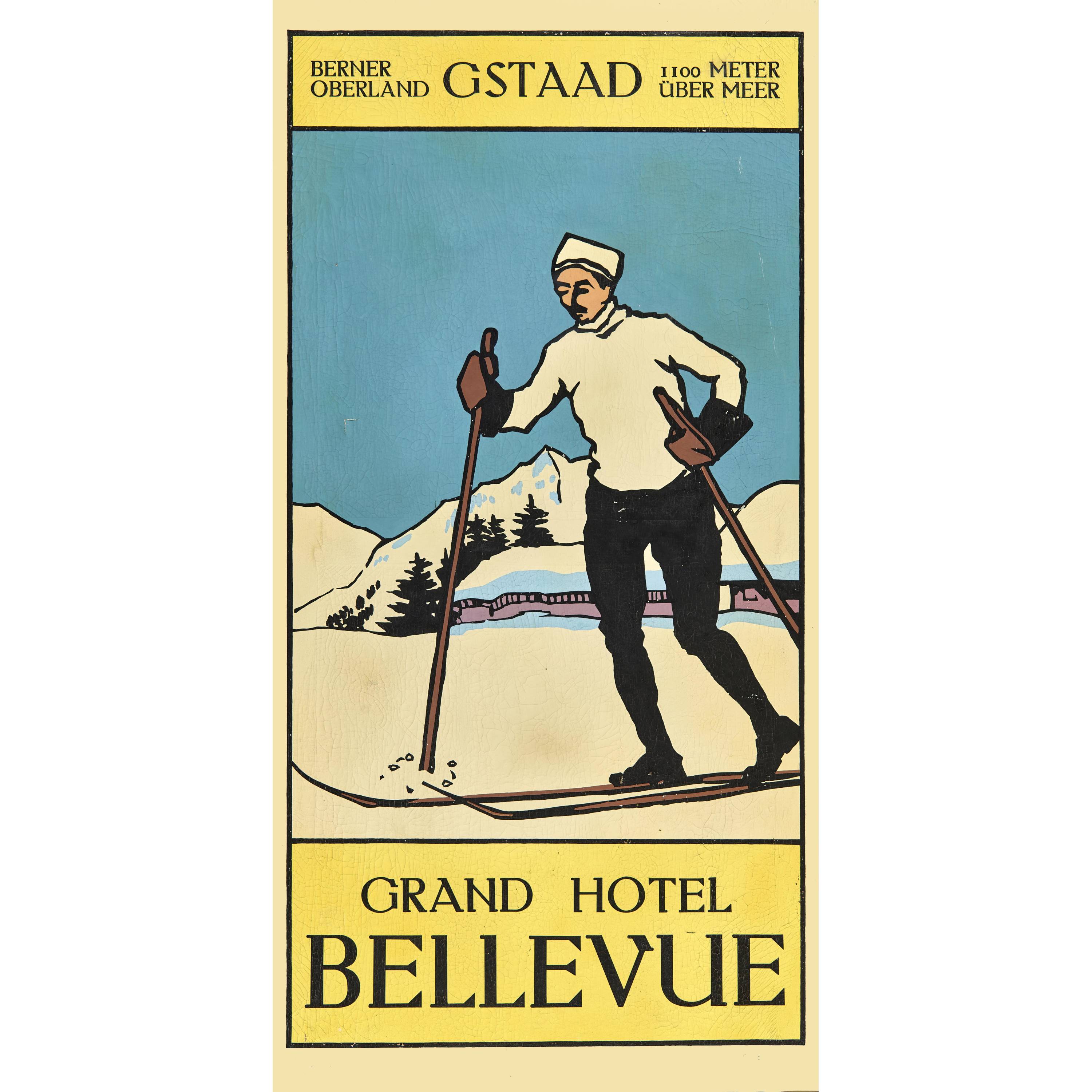
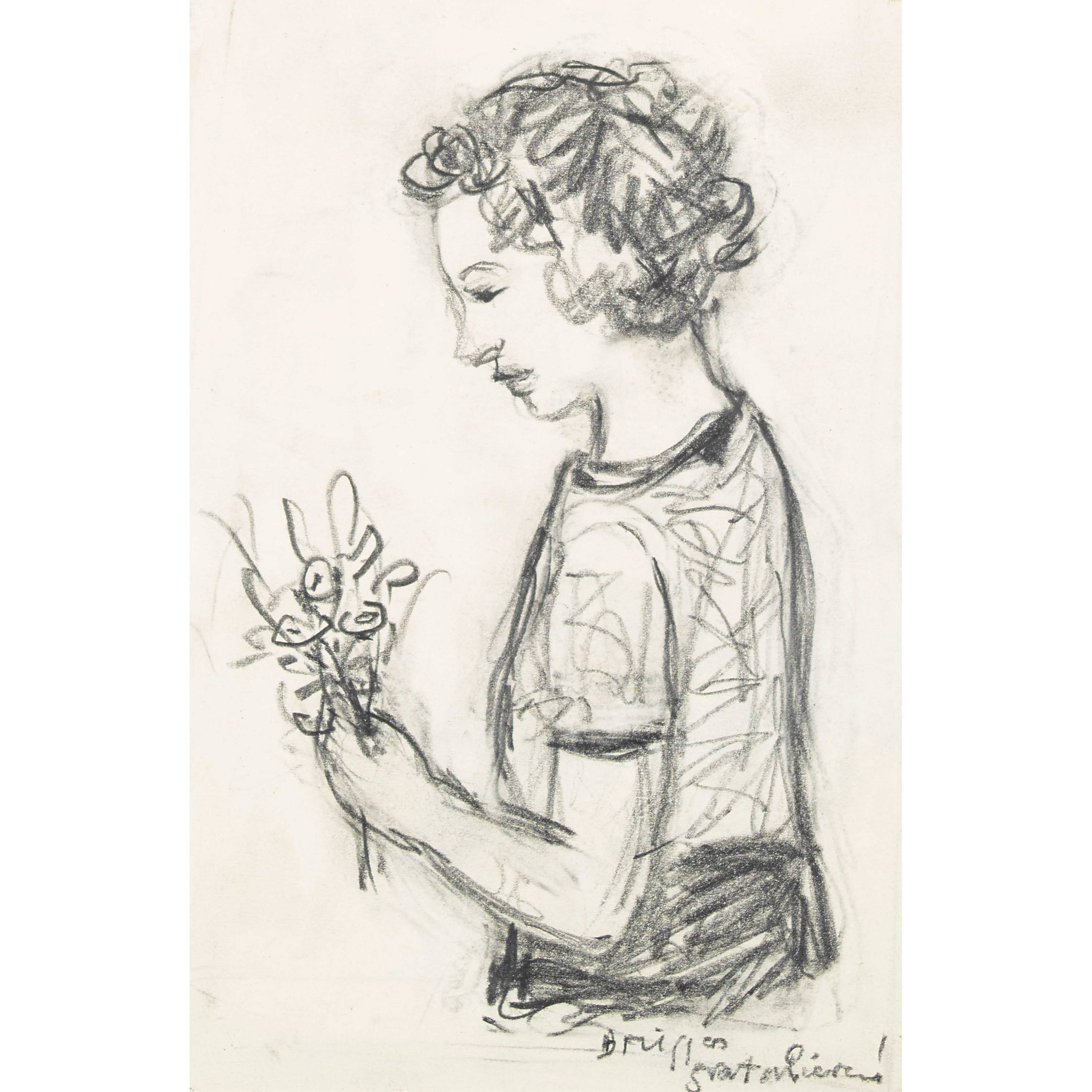
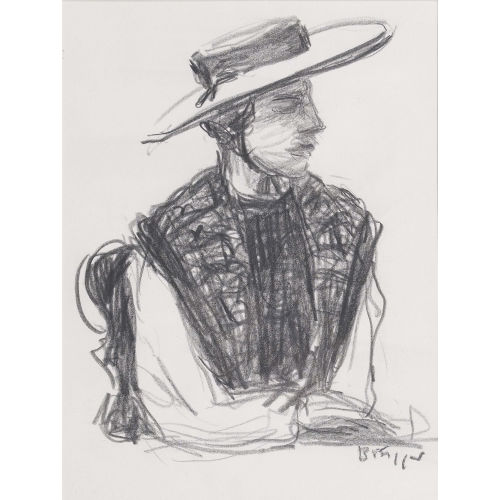
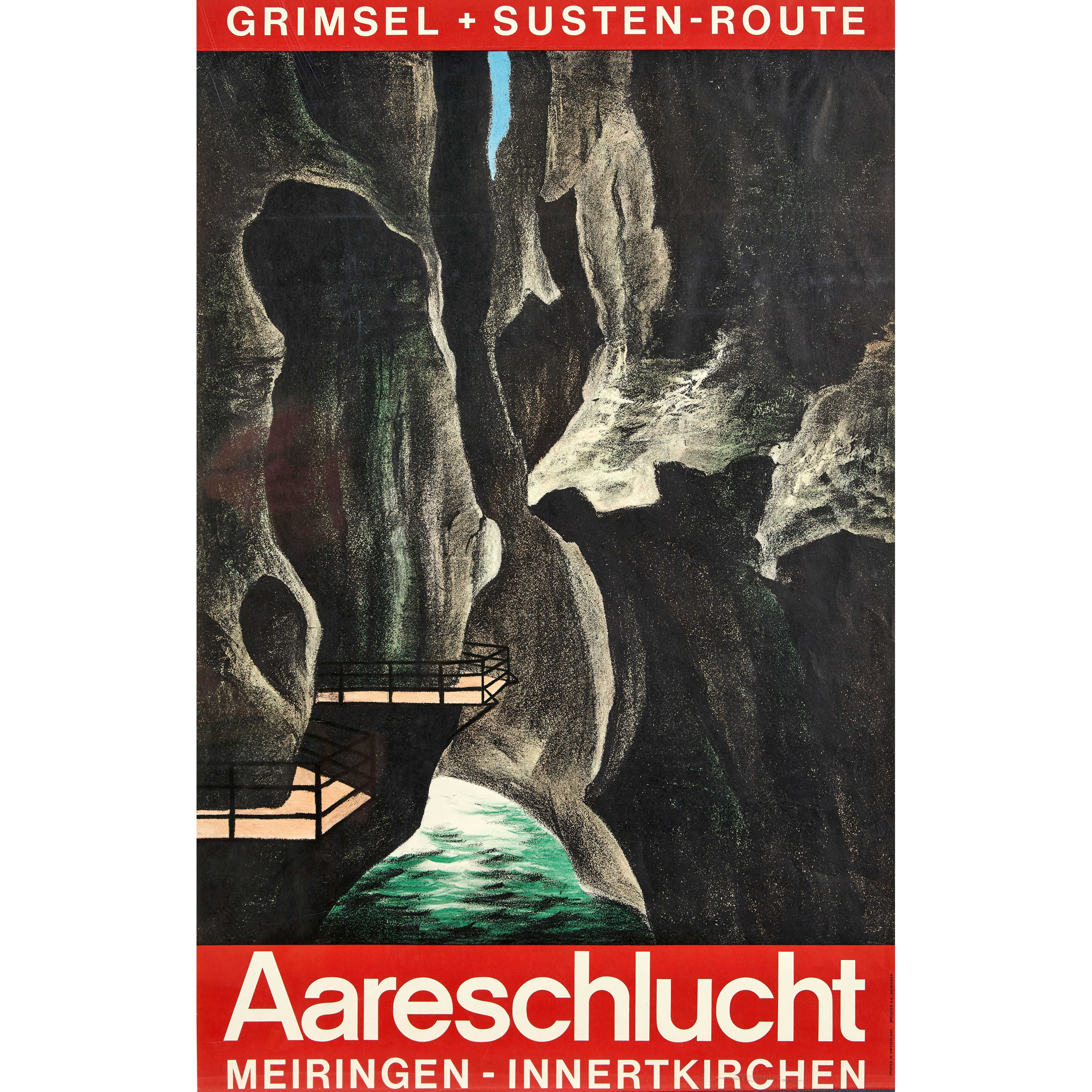
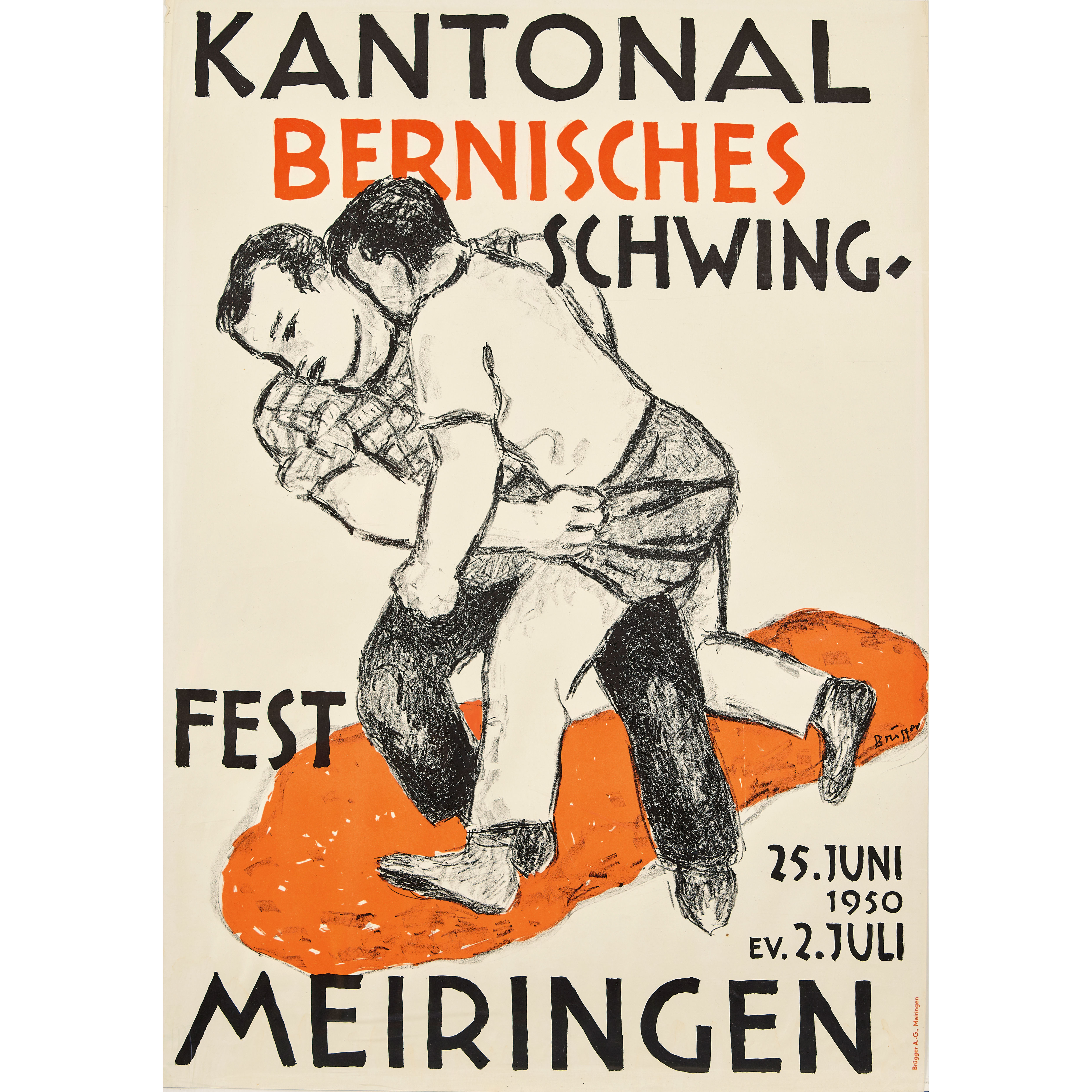
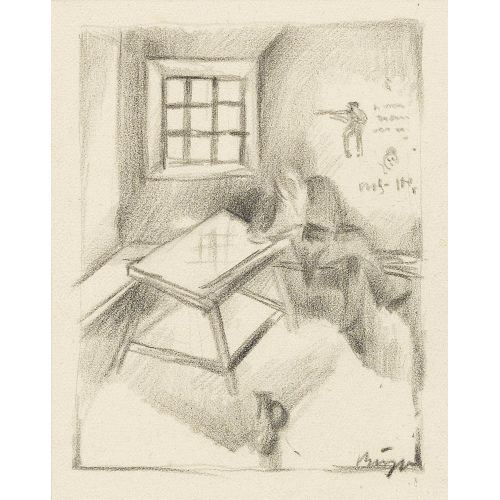
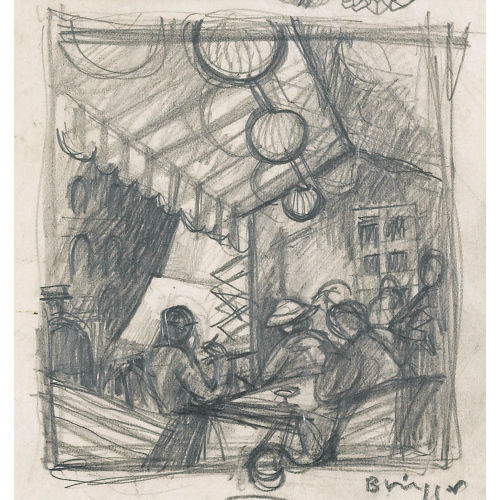
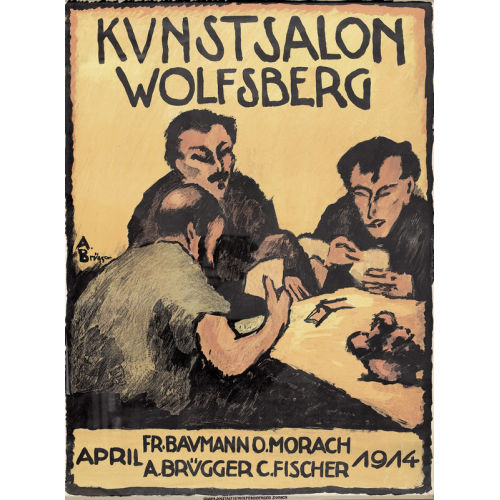
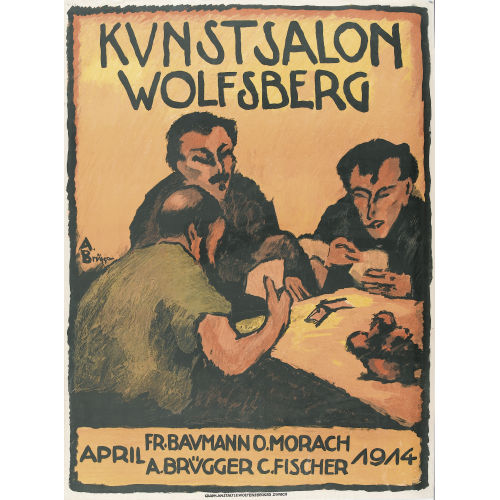
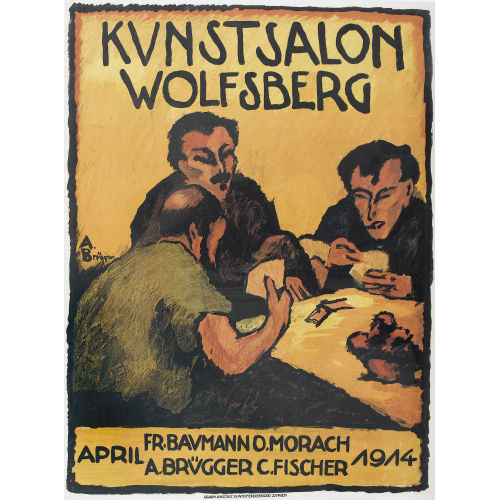
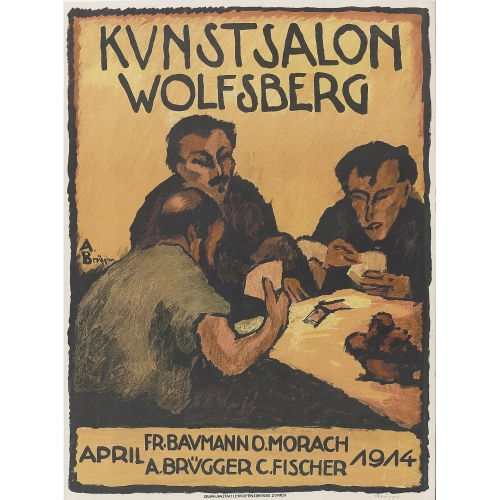
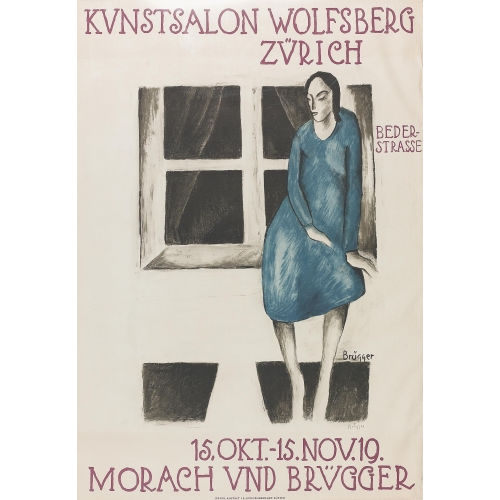
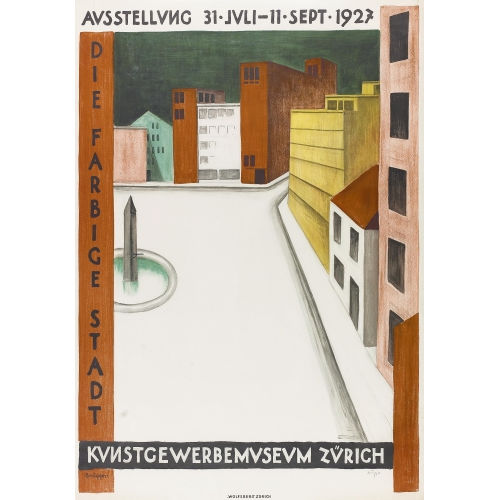
This craft of drawing and reproduction preceded artistic training in Bern, followed by studies in Cologne, Berlin and Munich. In Bern, he formed a friendship with Otto Morach; in 1912, the two painters stayed together at La Ruche, the Parisian artists’ colony. Brügger subsequently took part in the group Das Neue Leben, active between 1918 and 1920, while also working in advertising and the graphic arts.
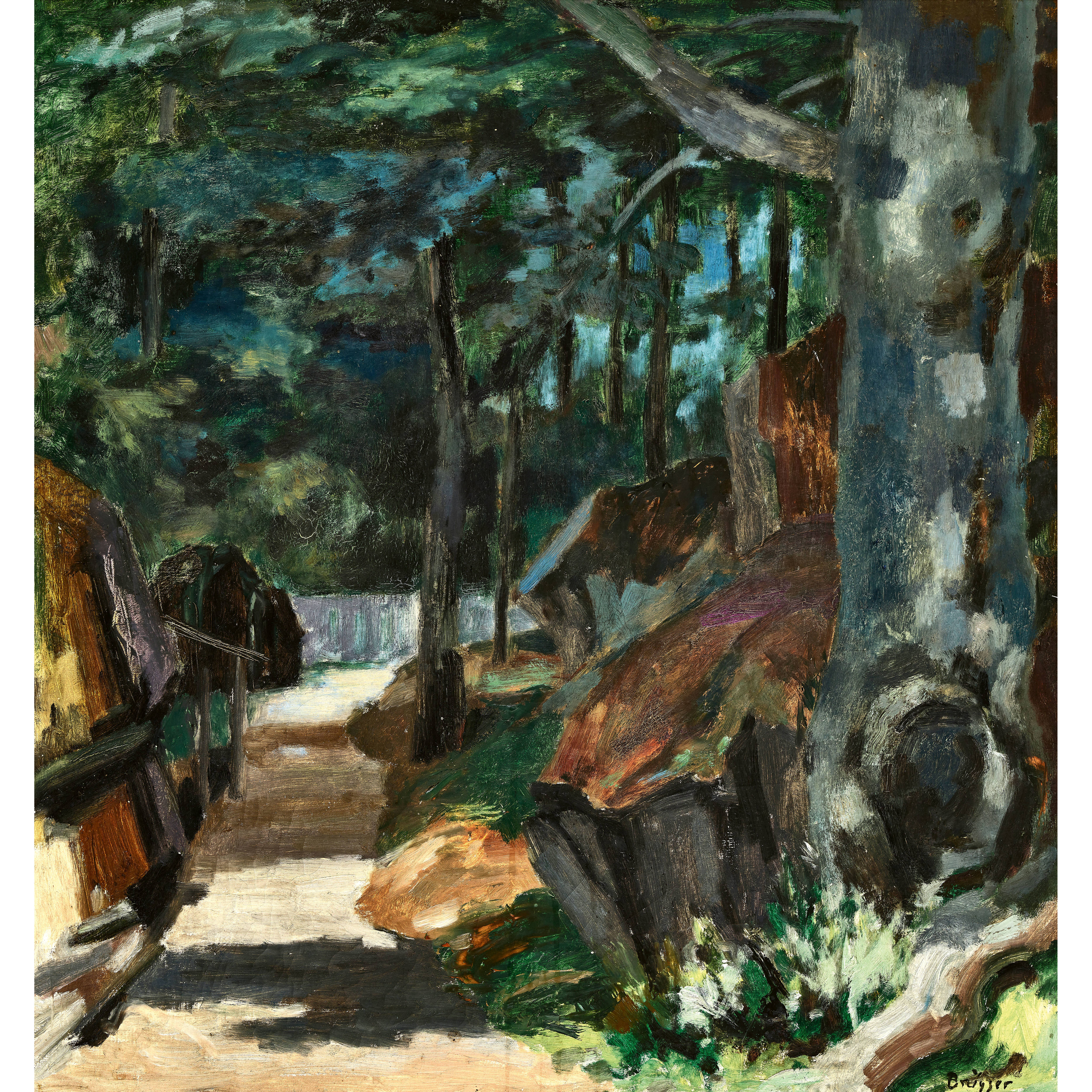
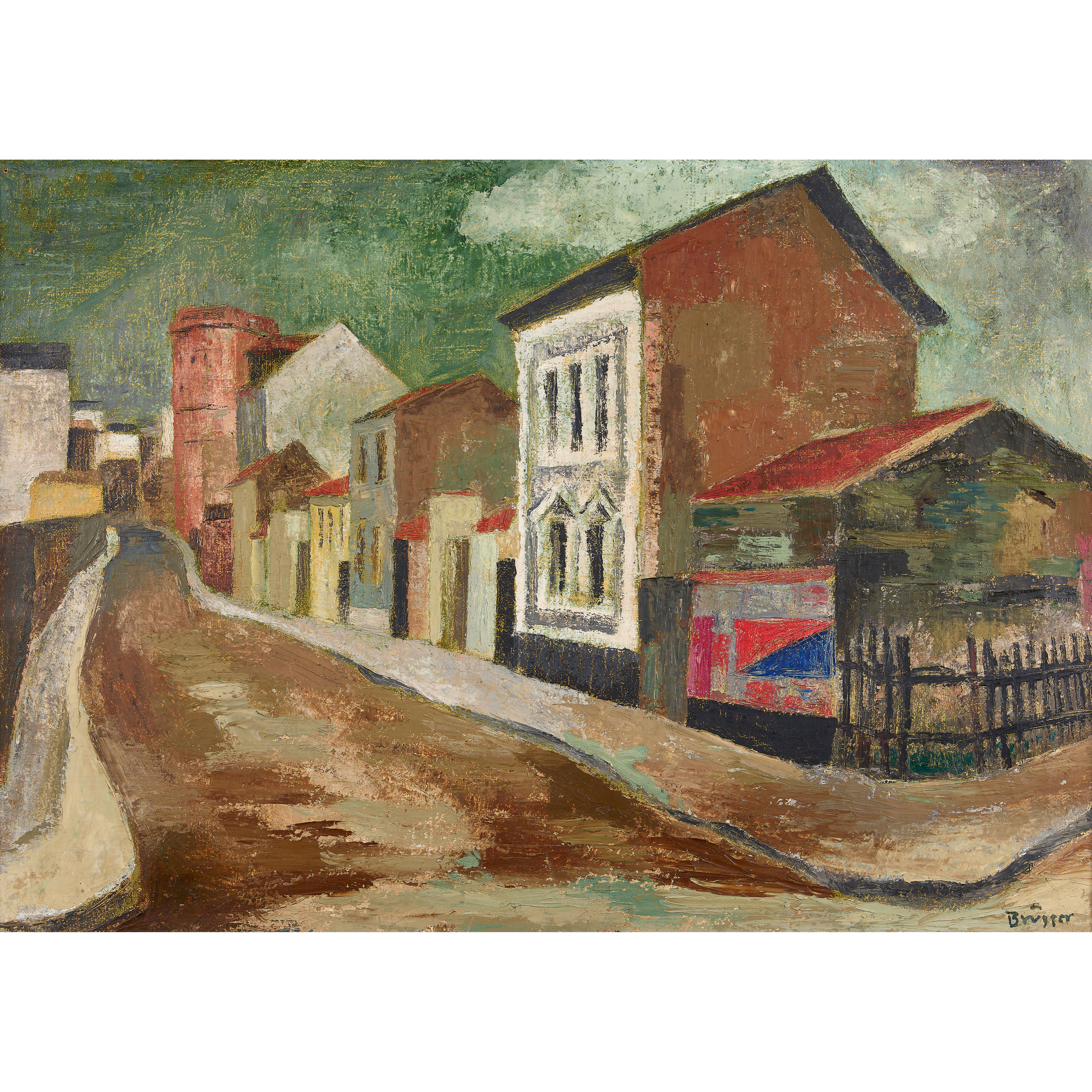
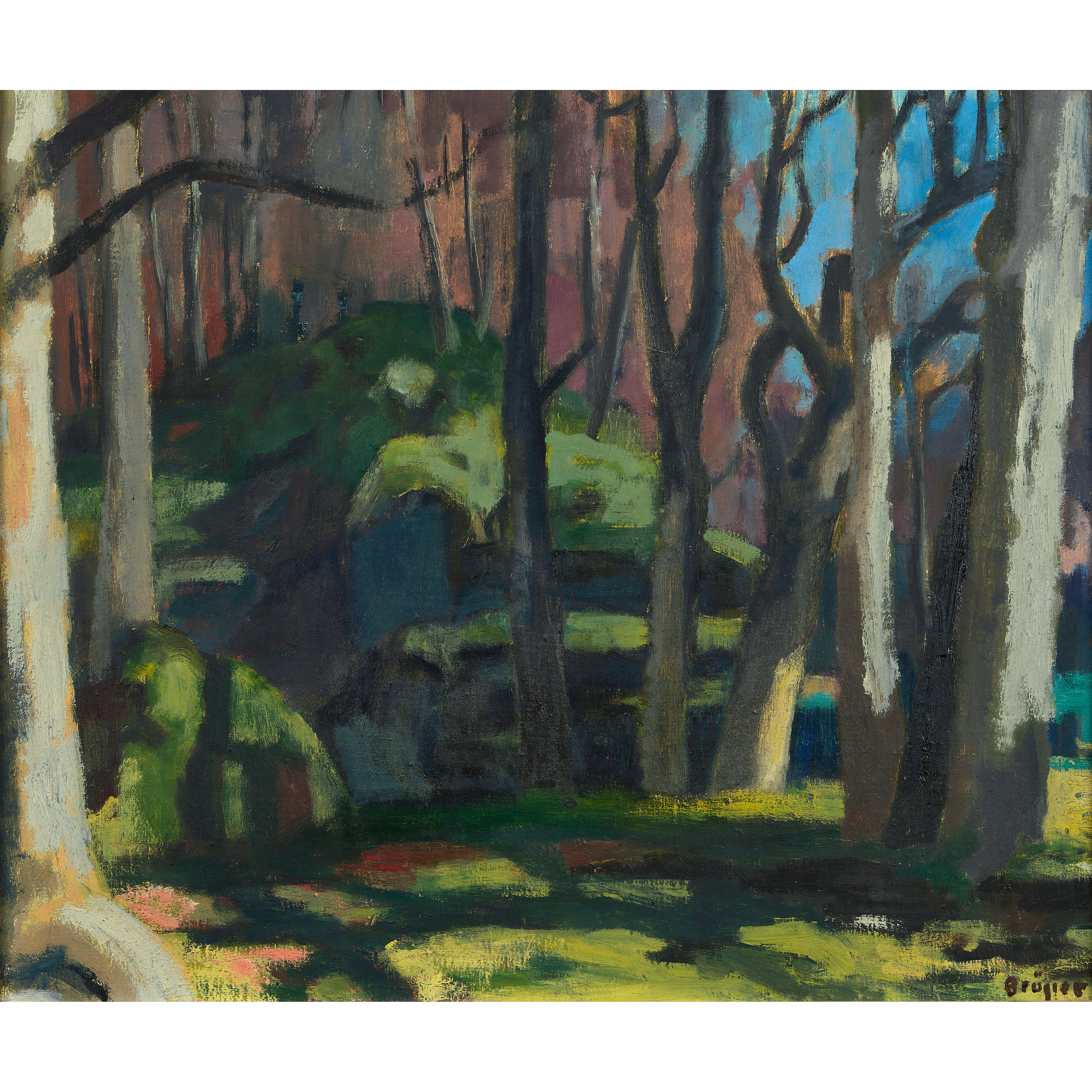
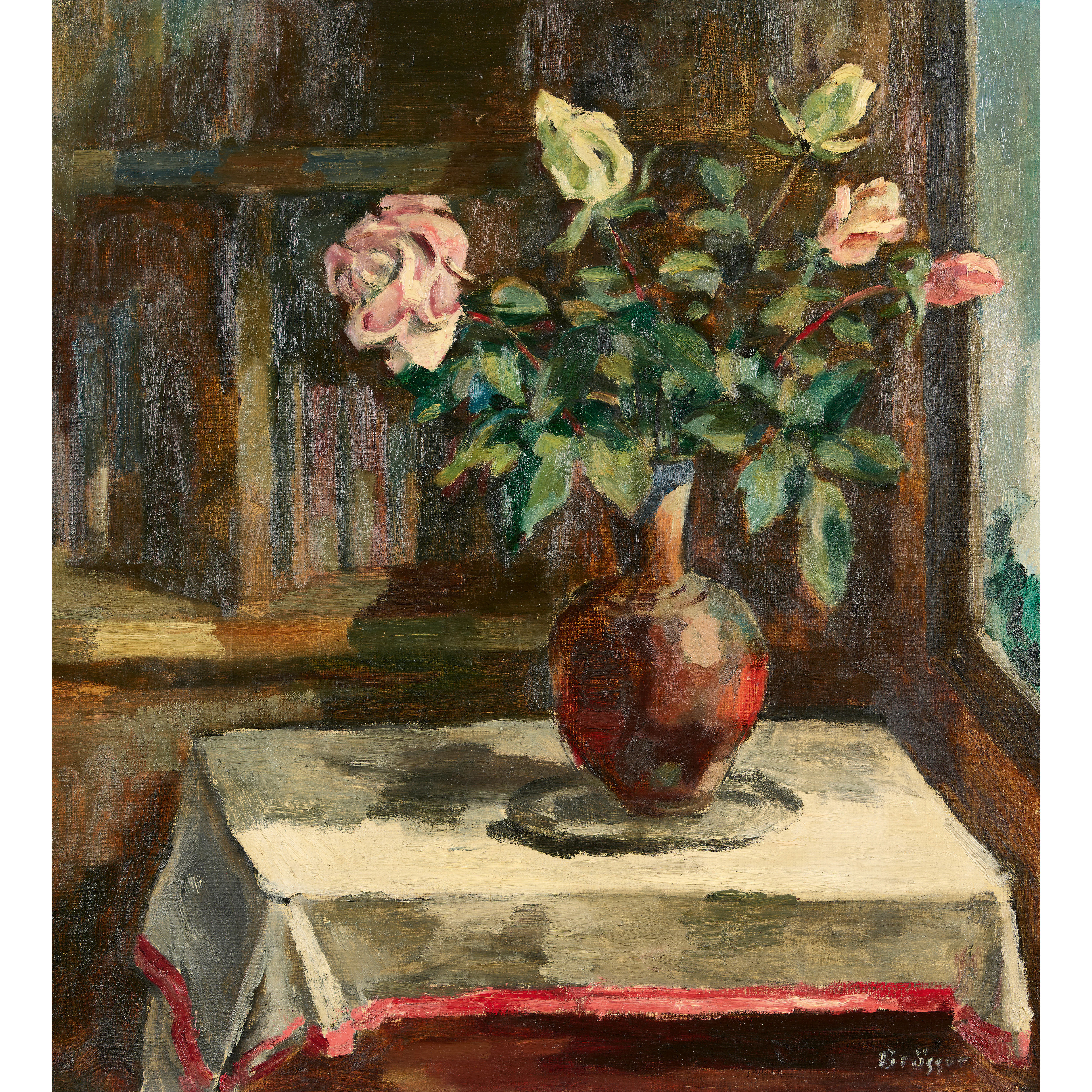
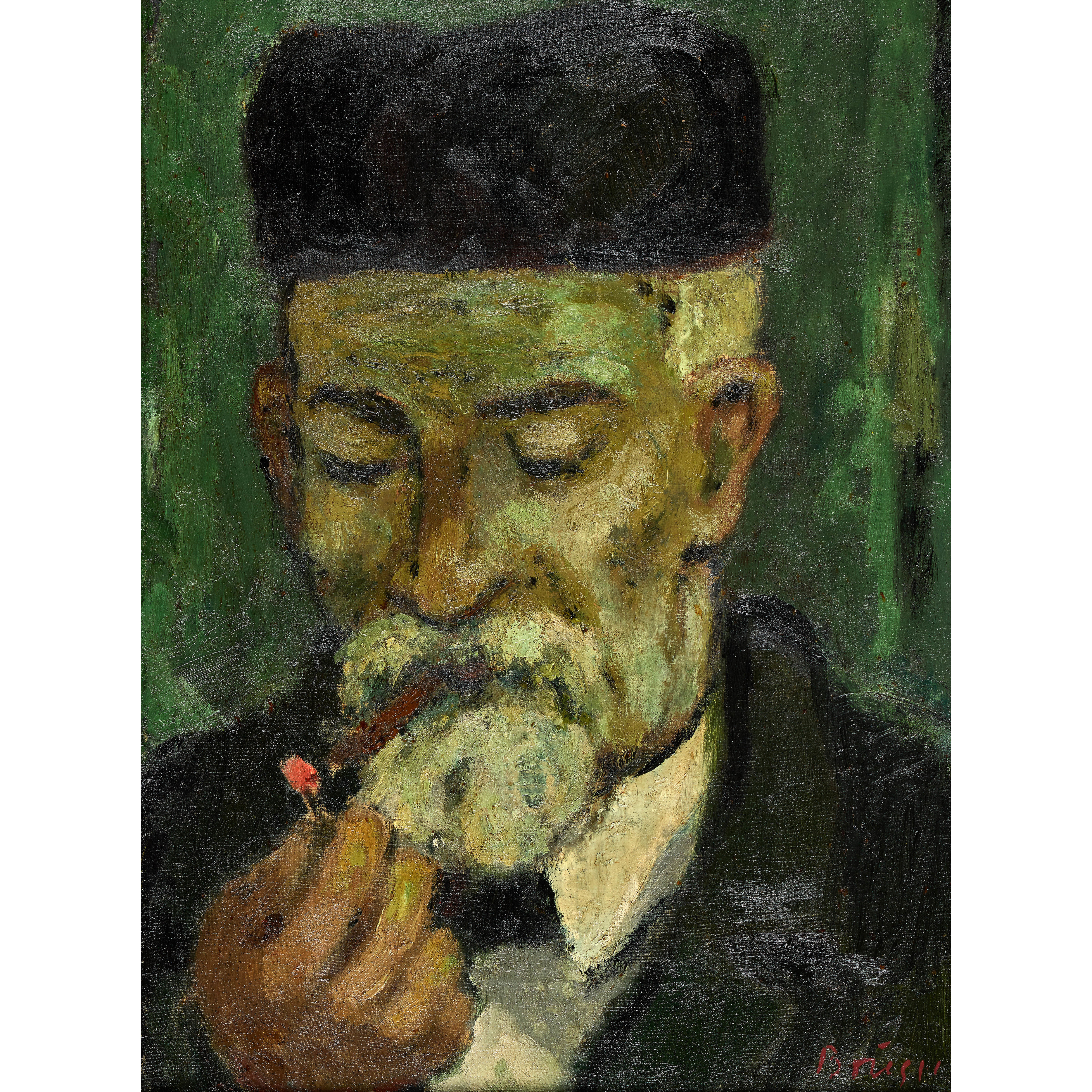
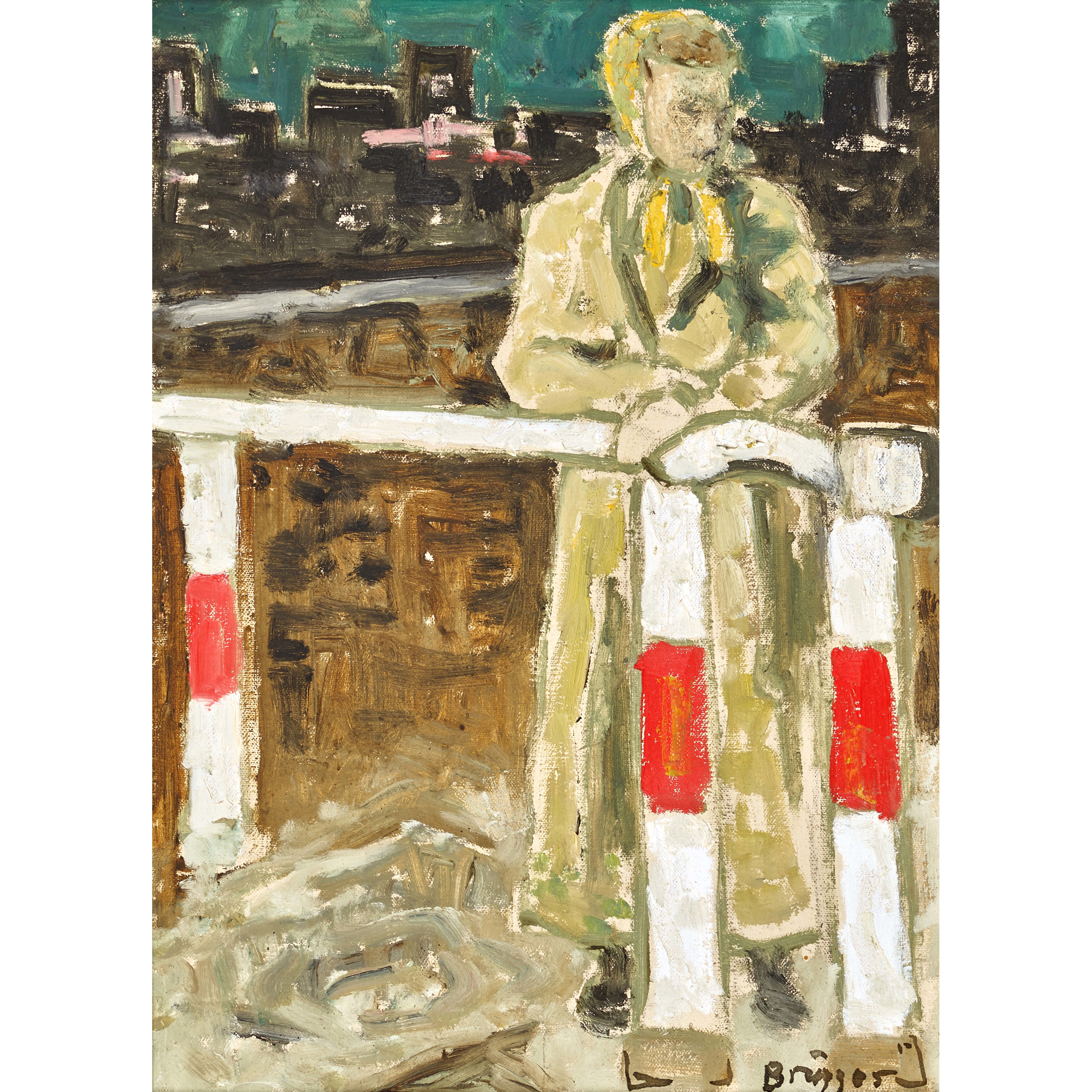
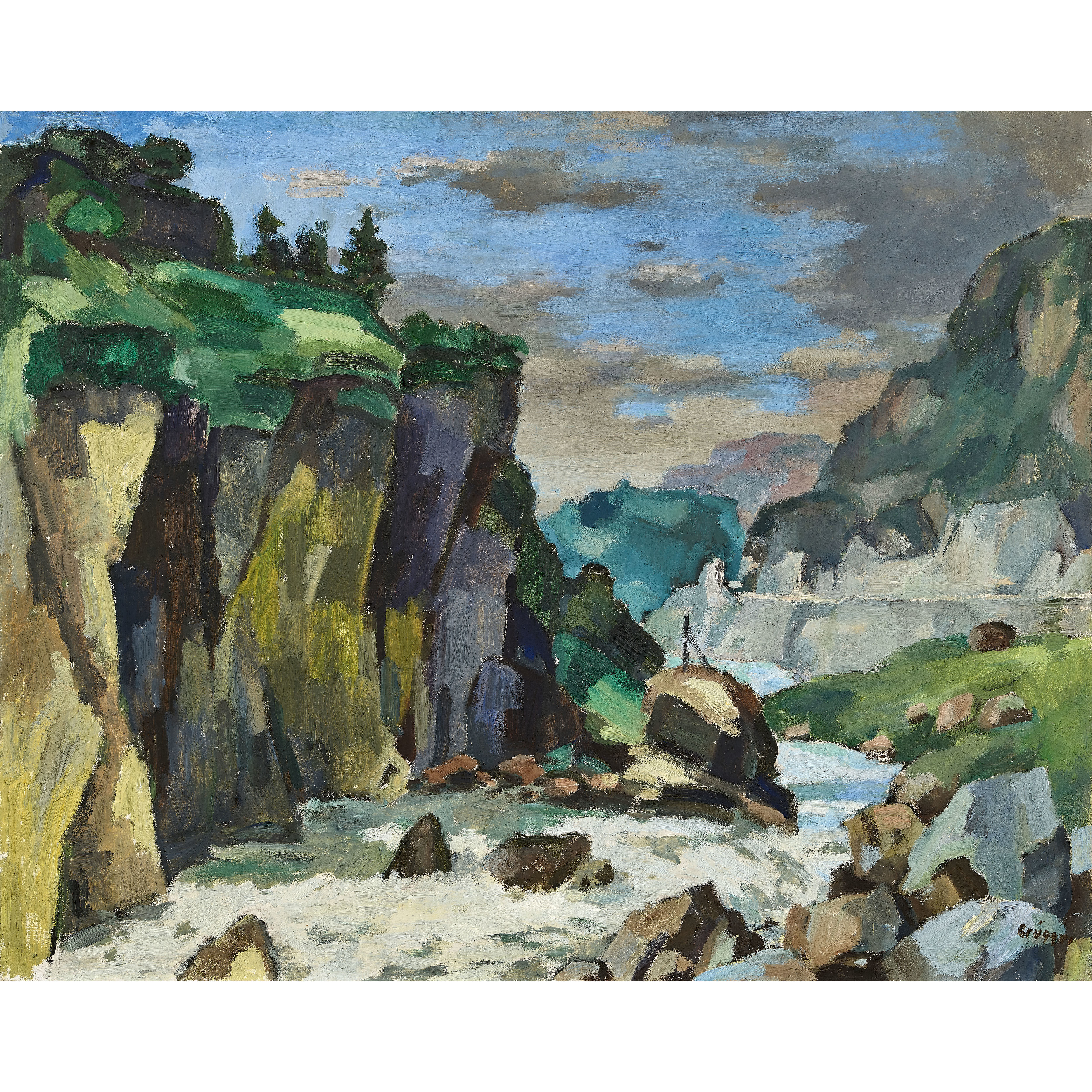
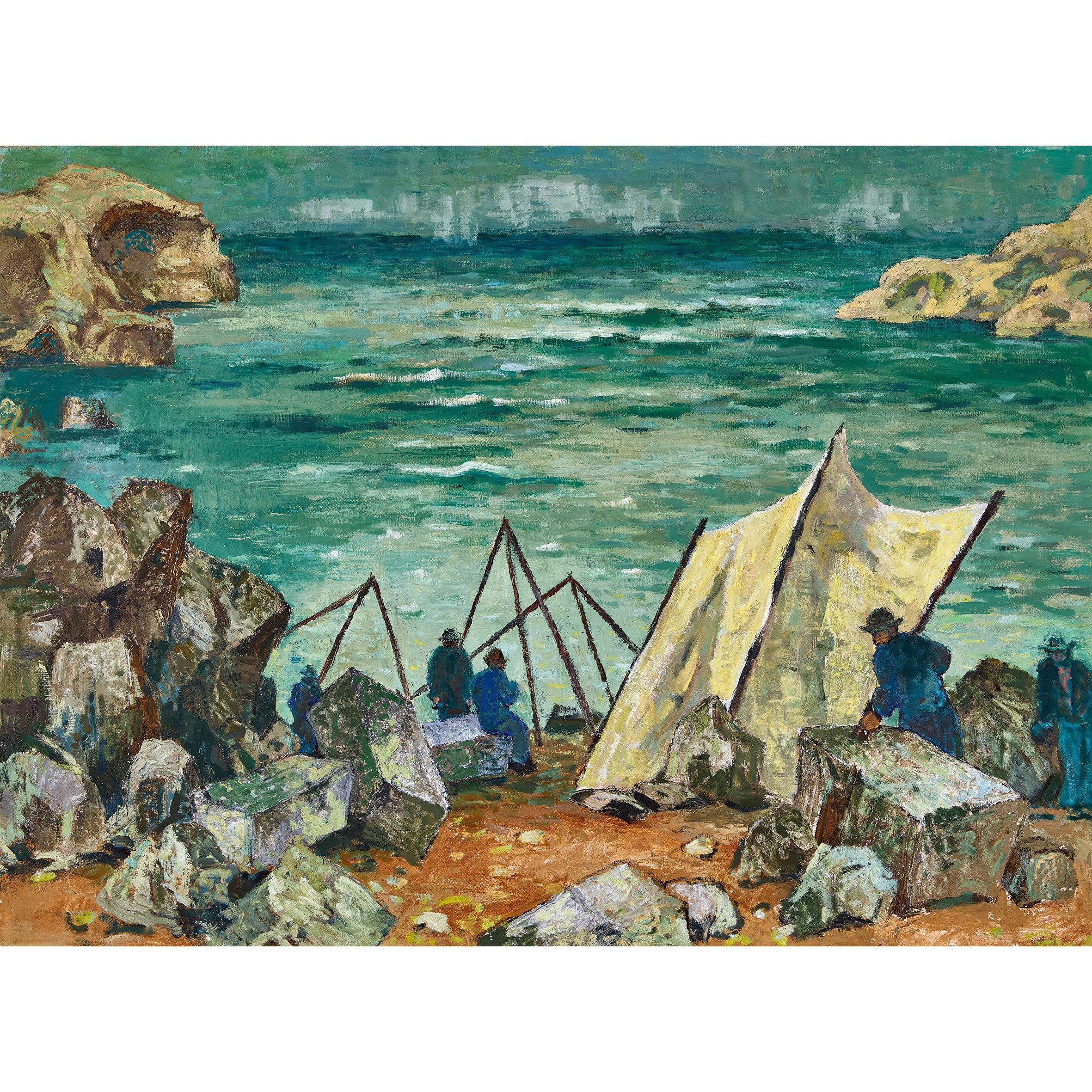
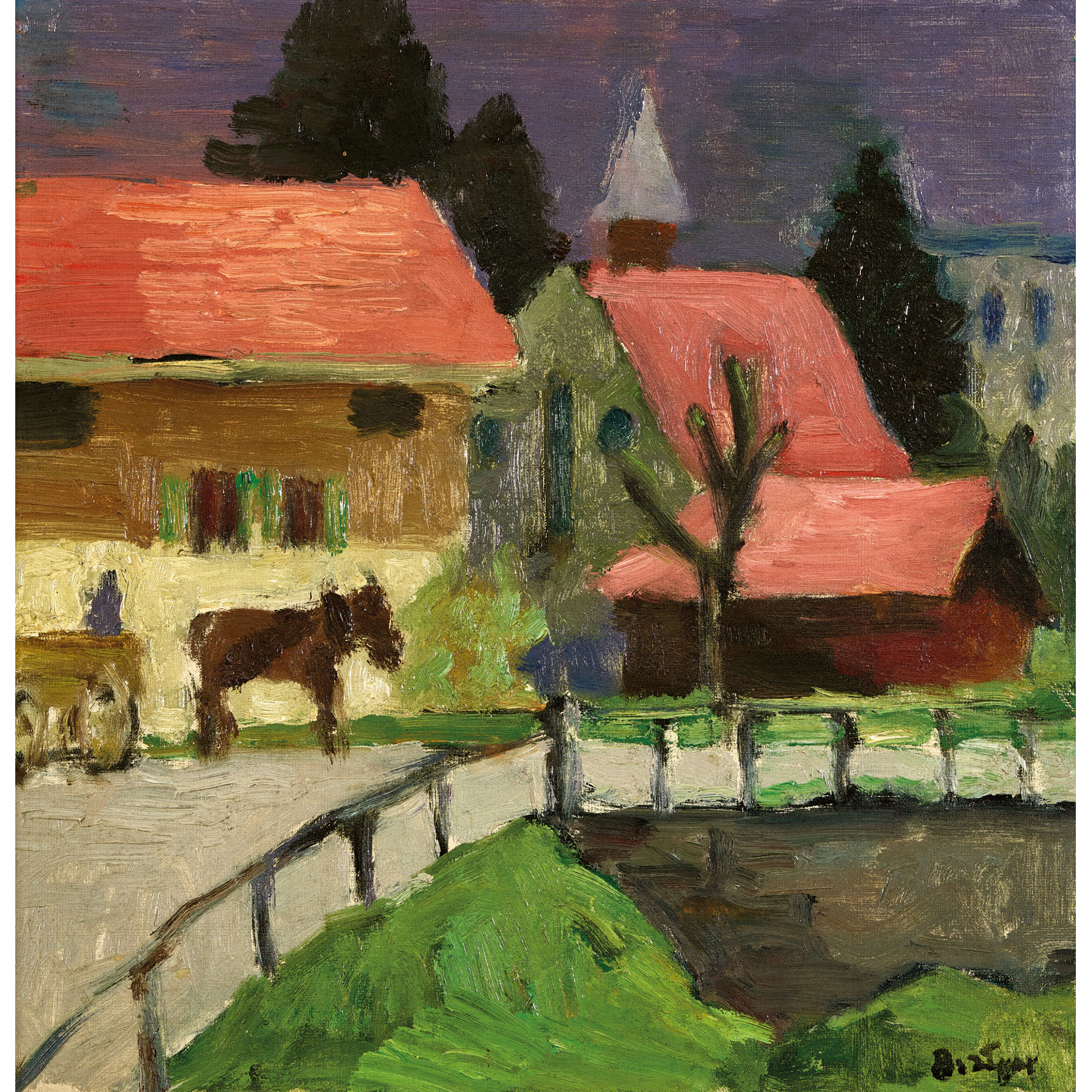
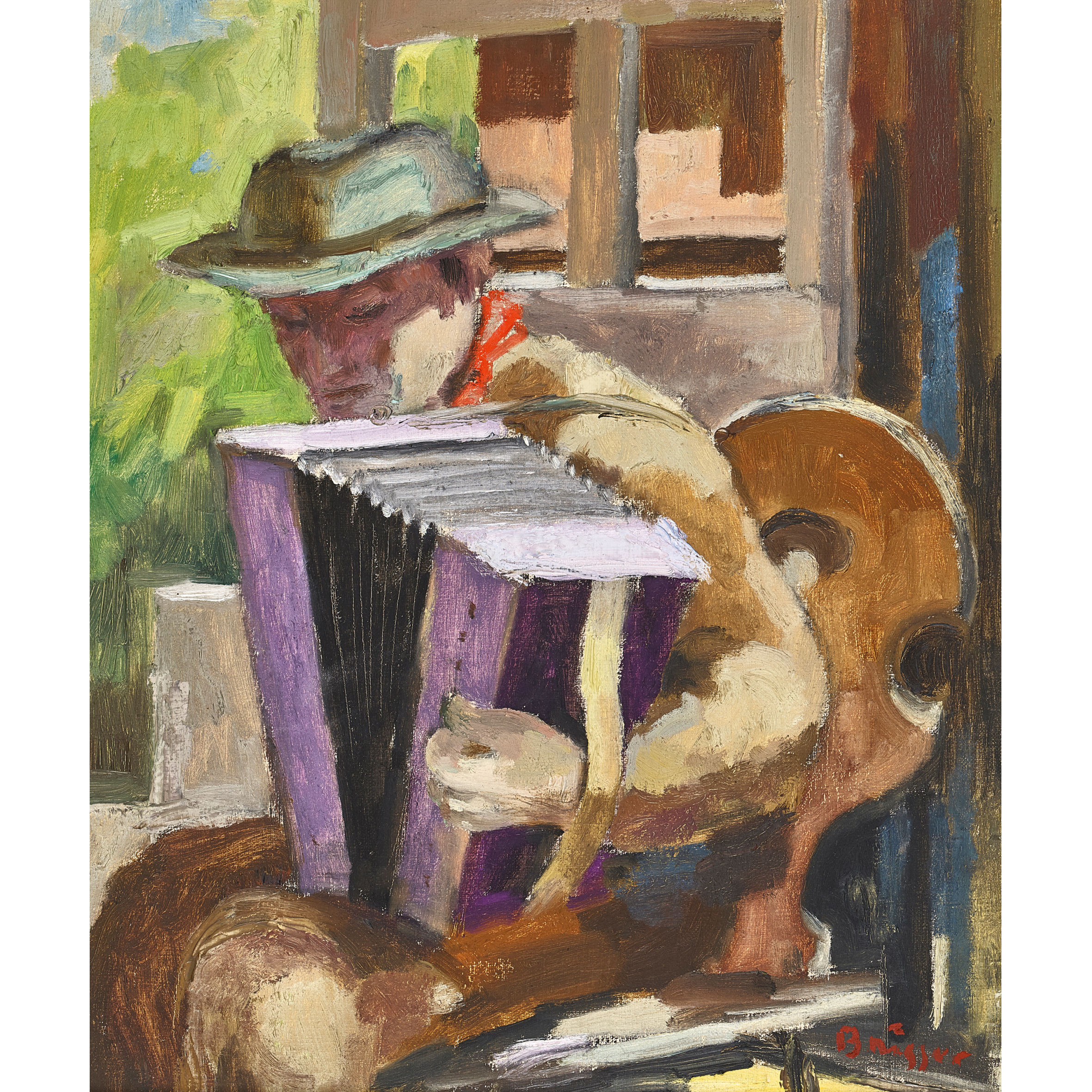
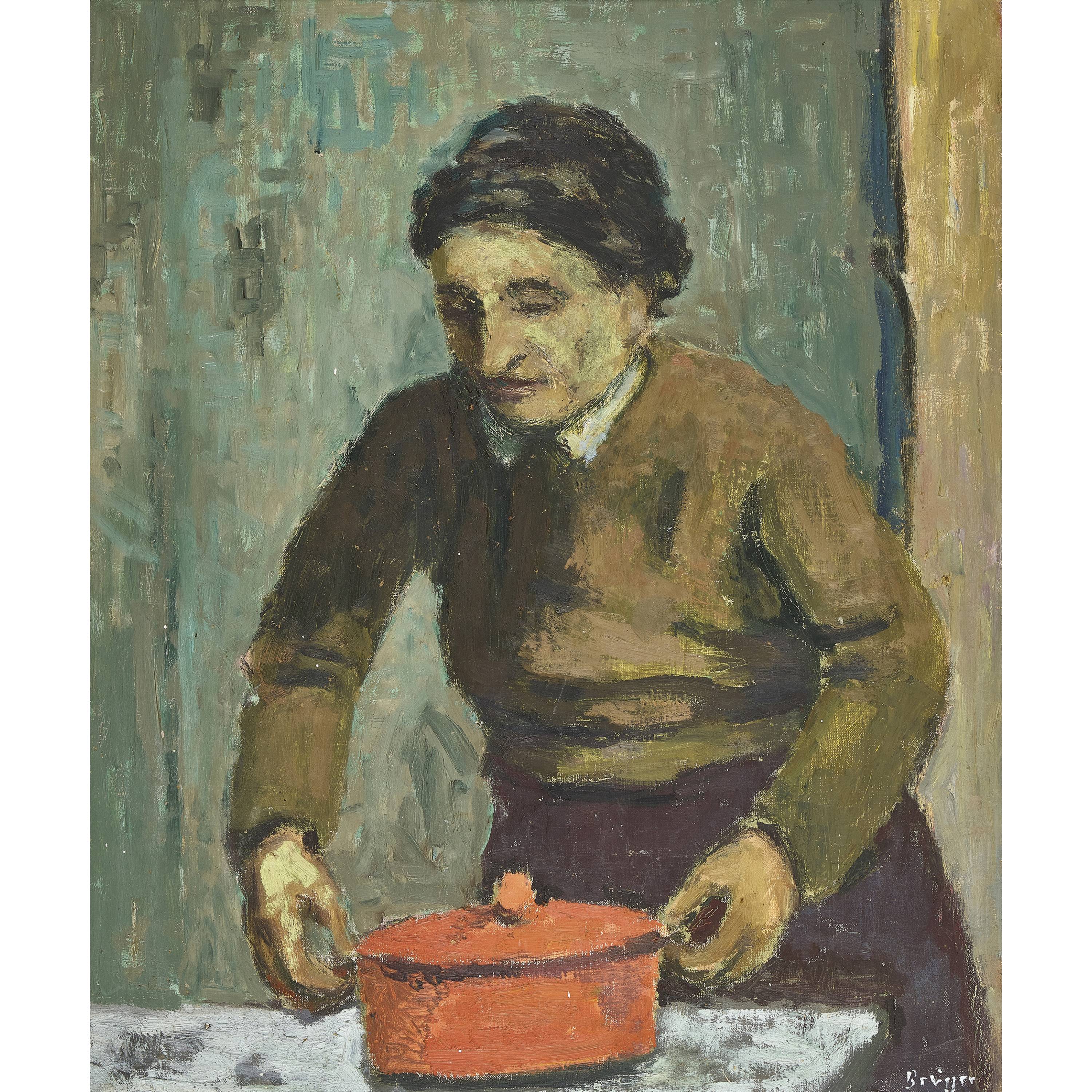
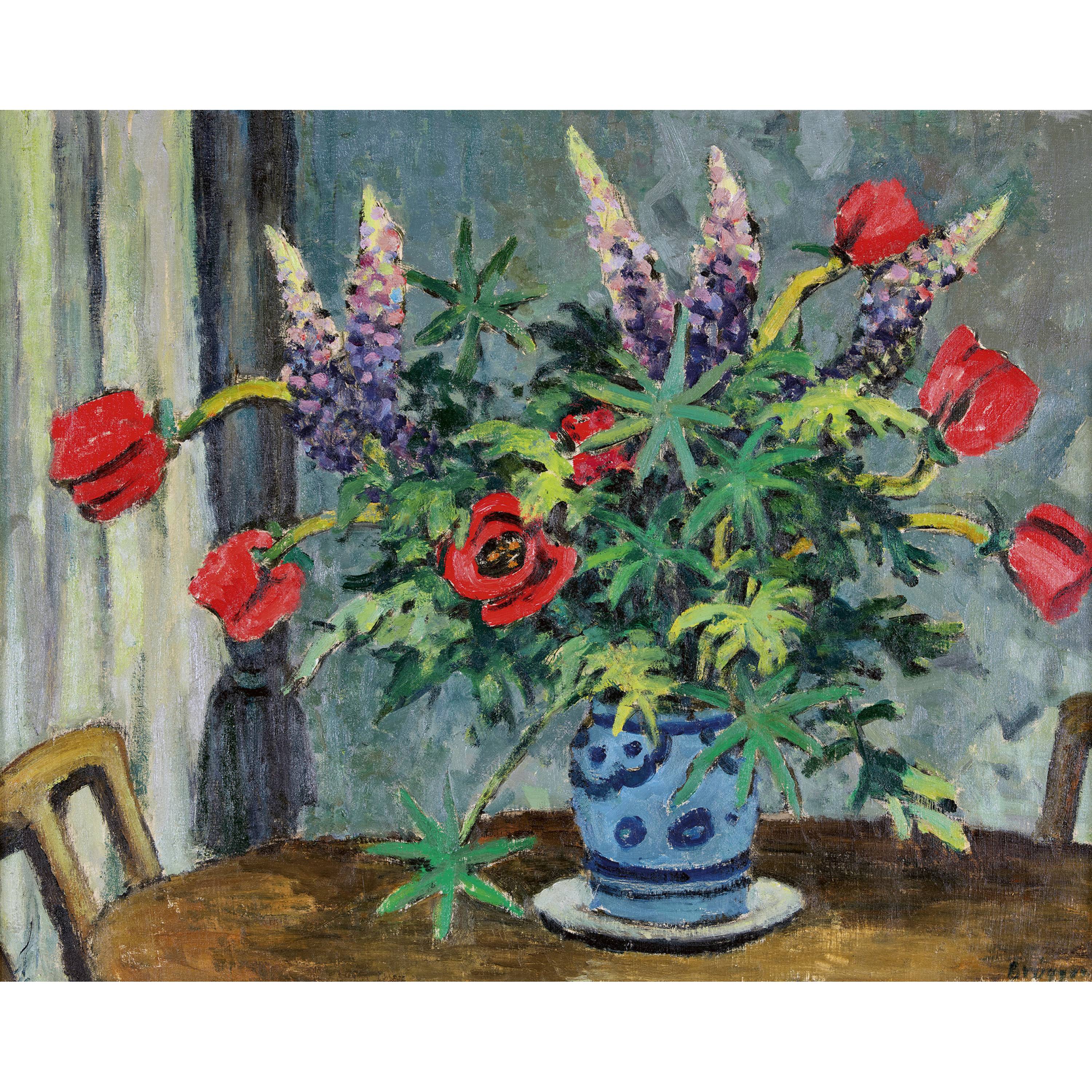
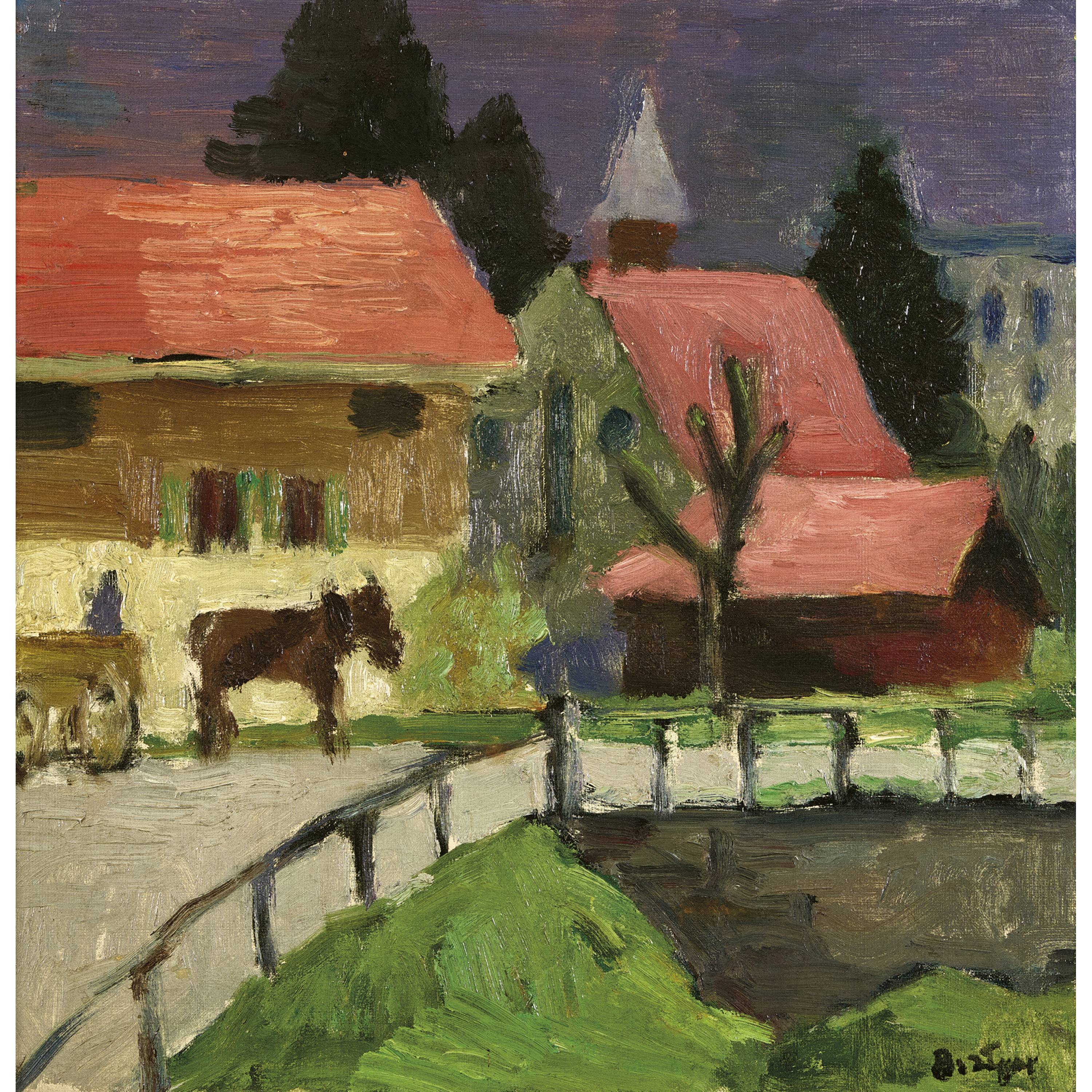
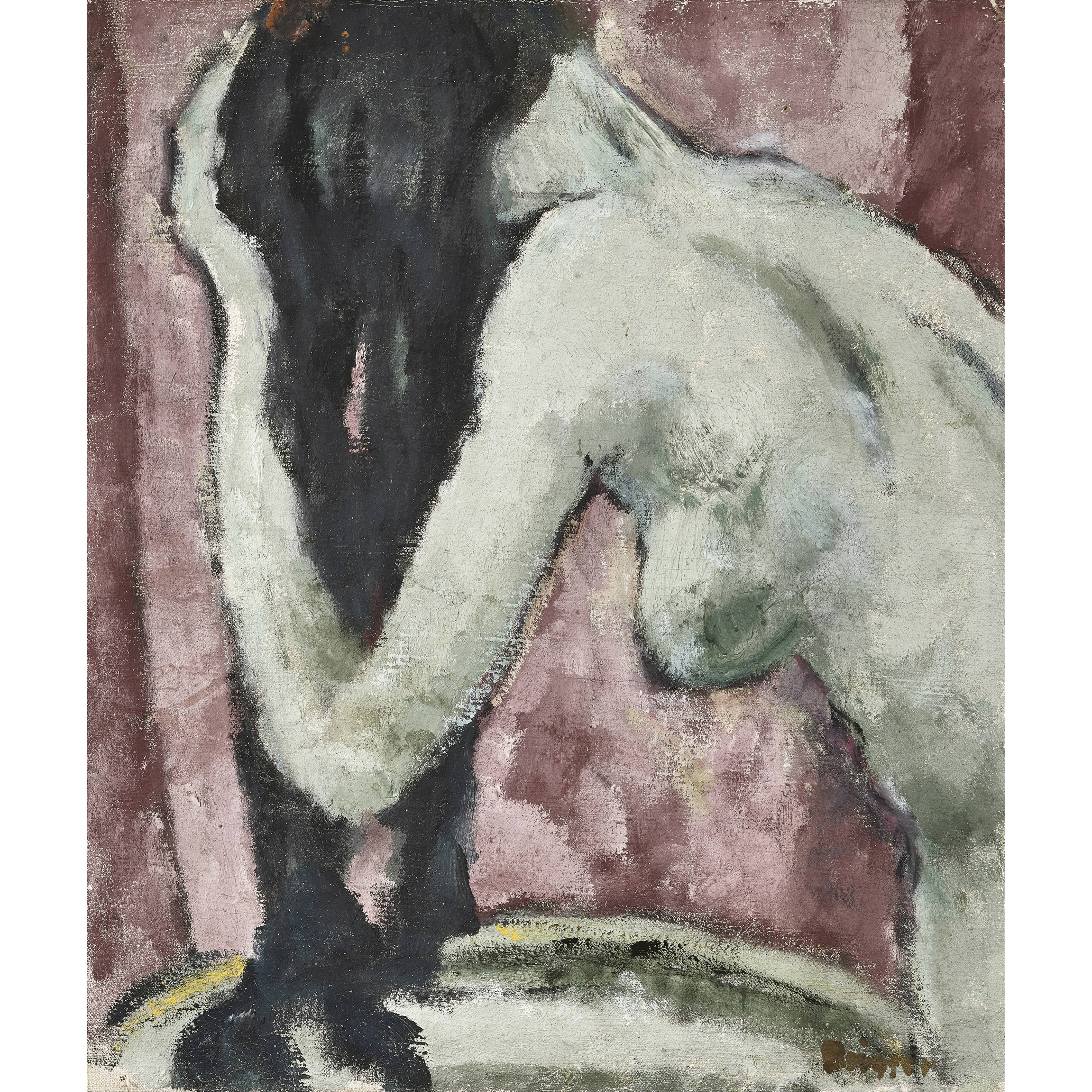
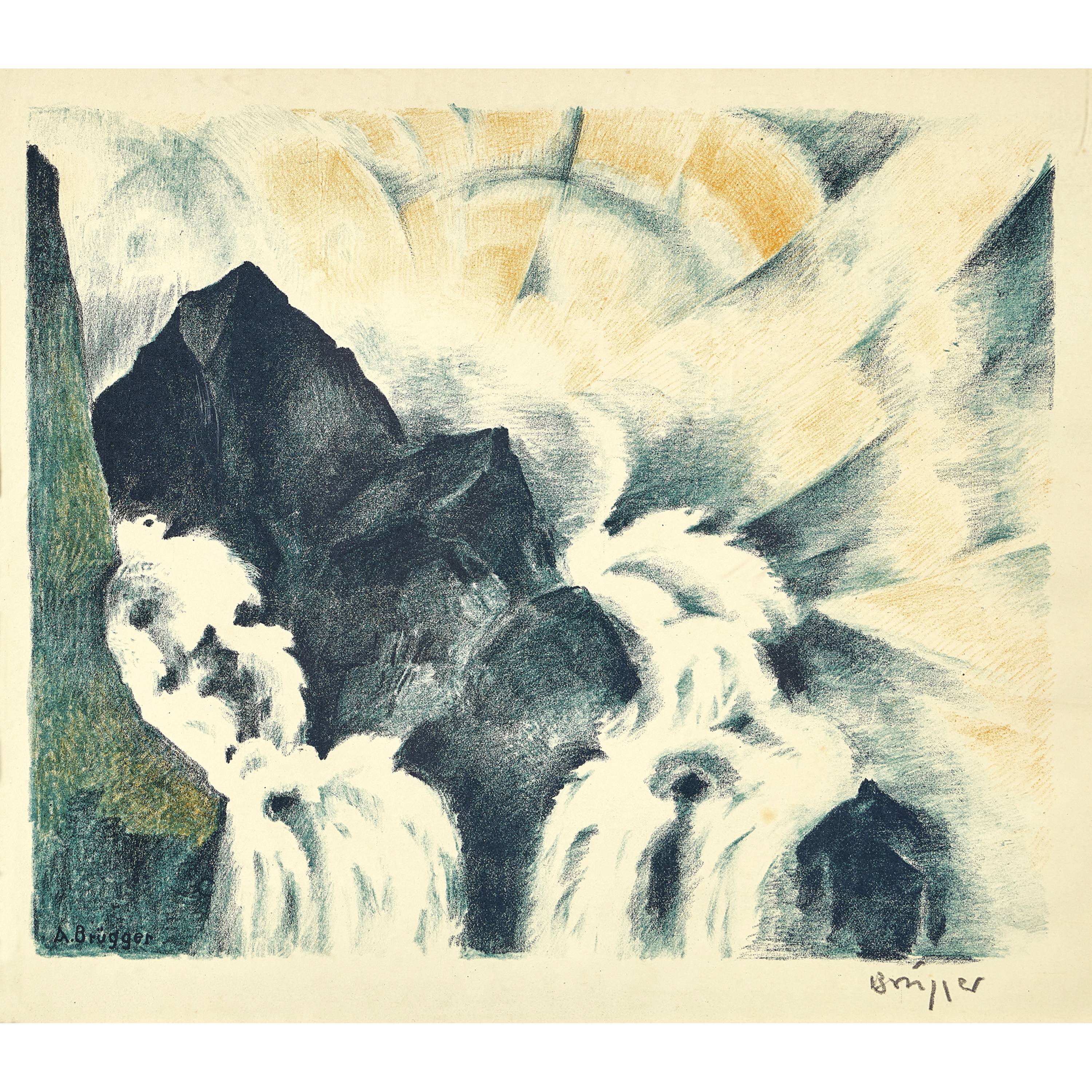
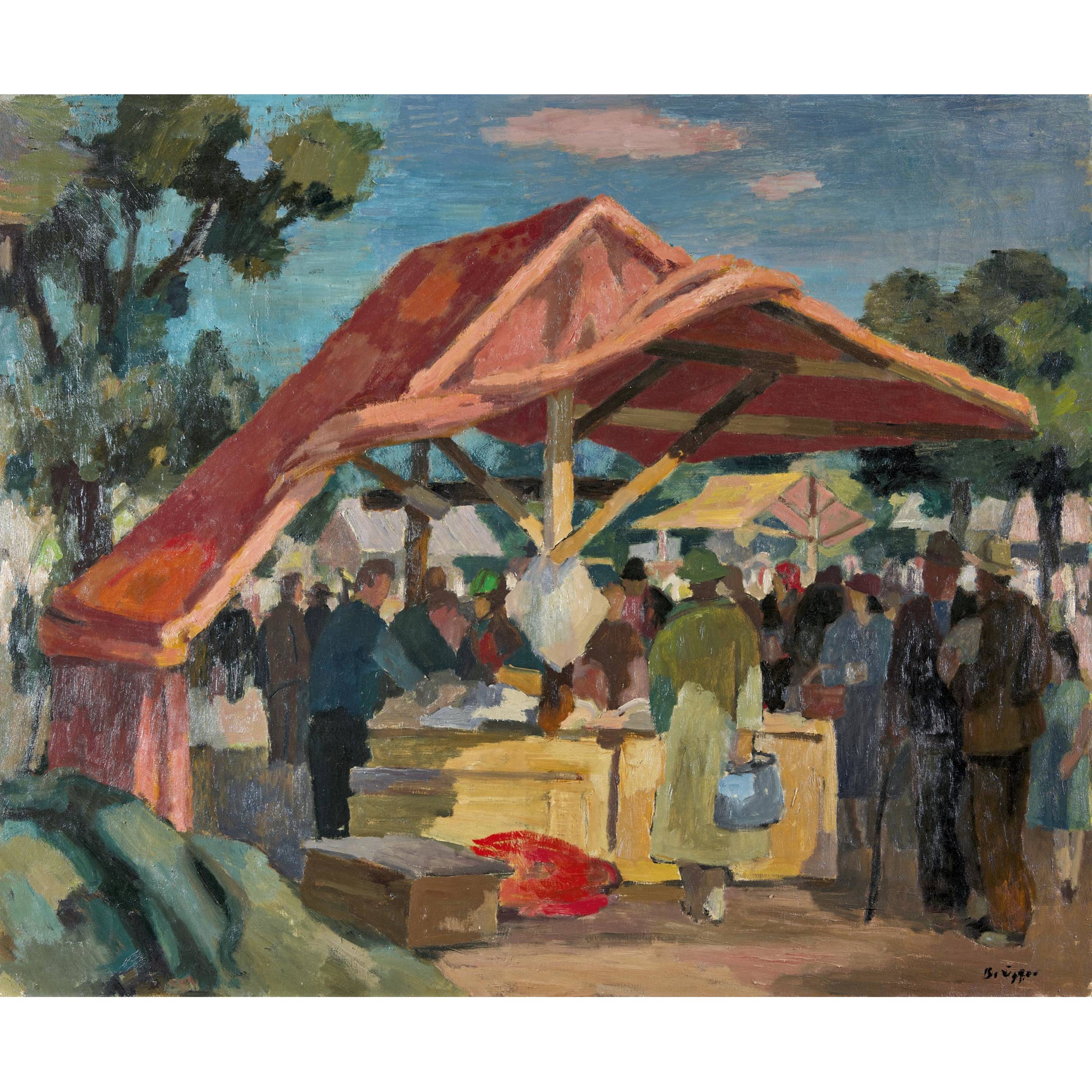
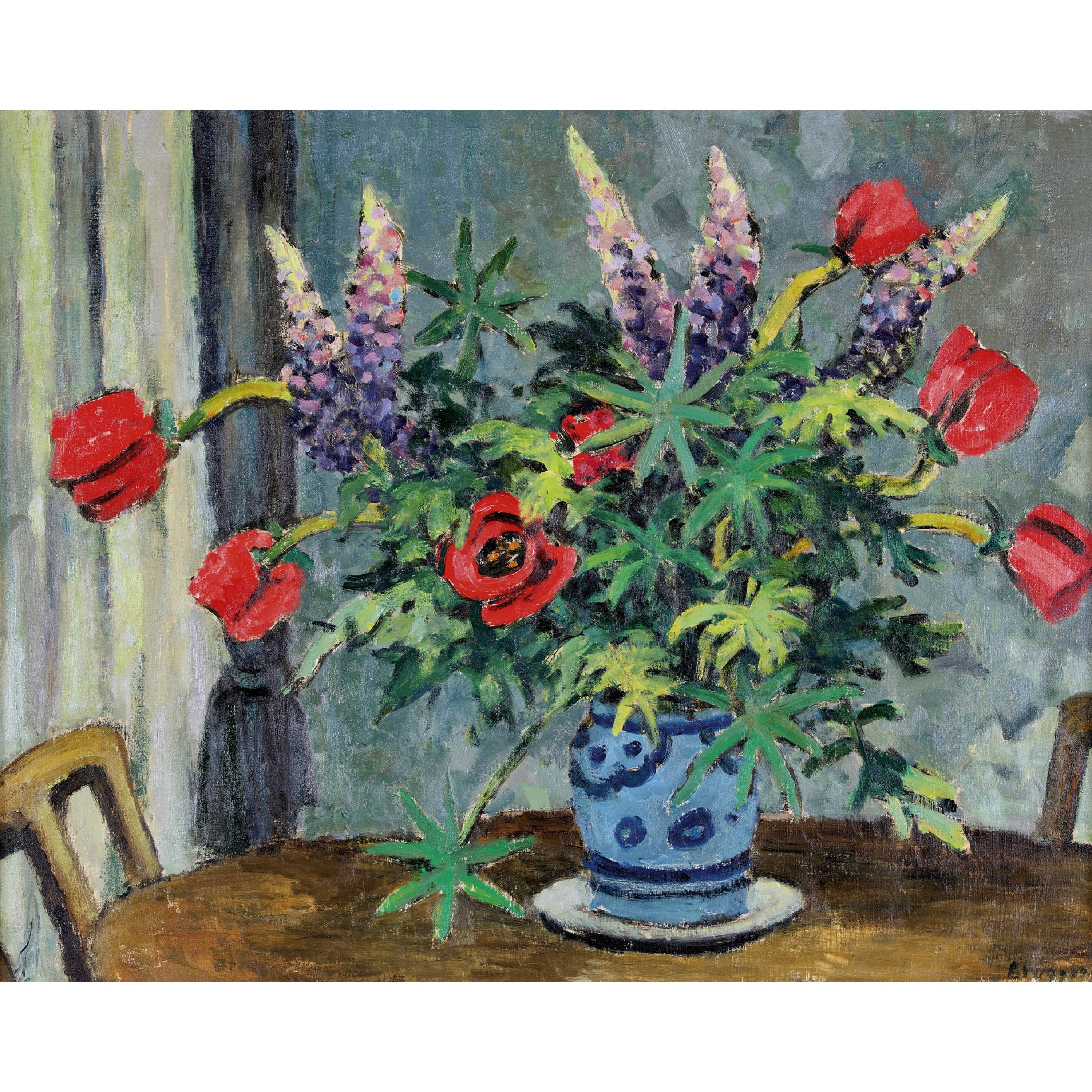
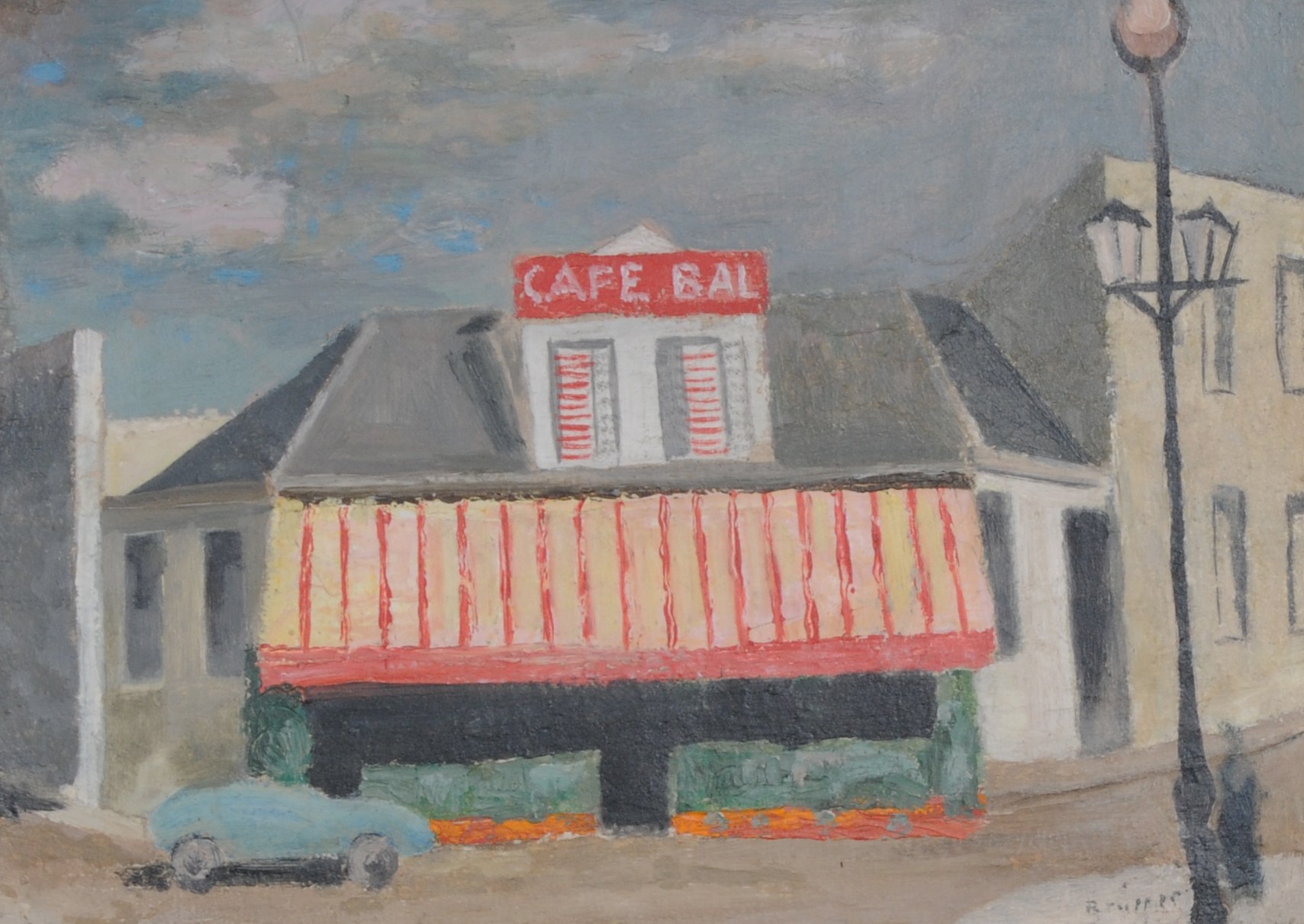
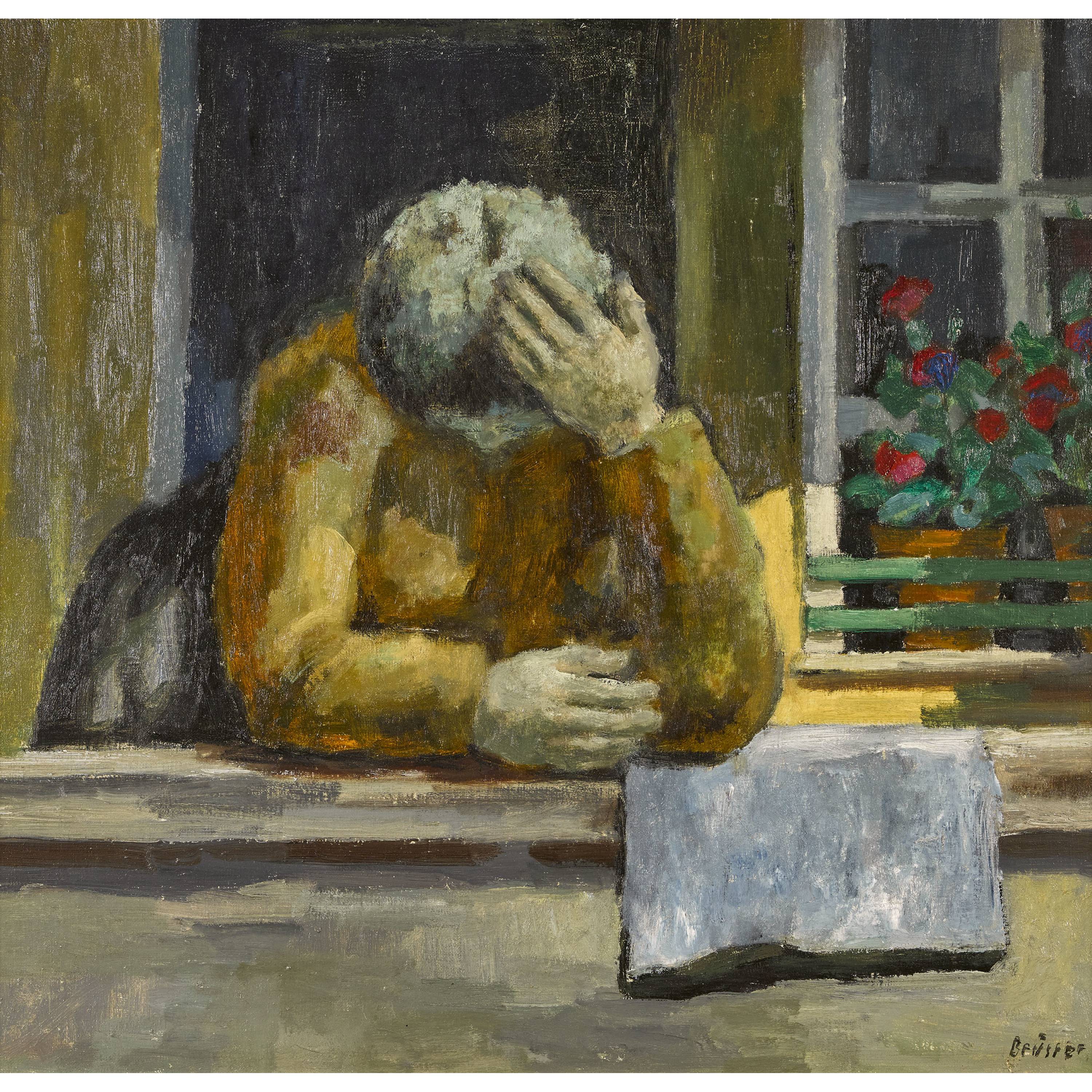
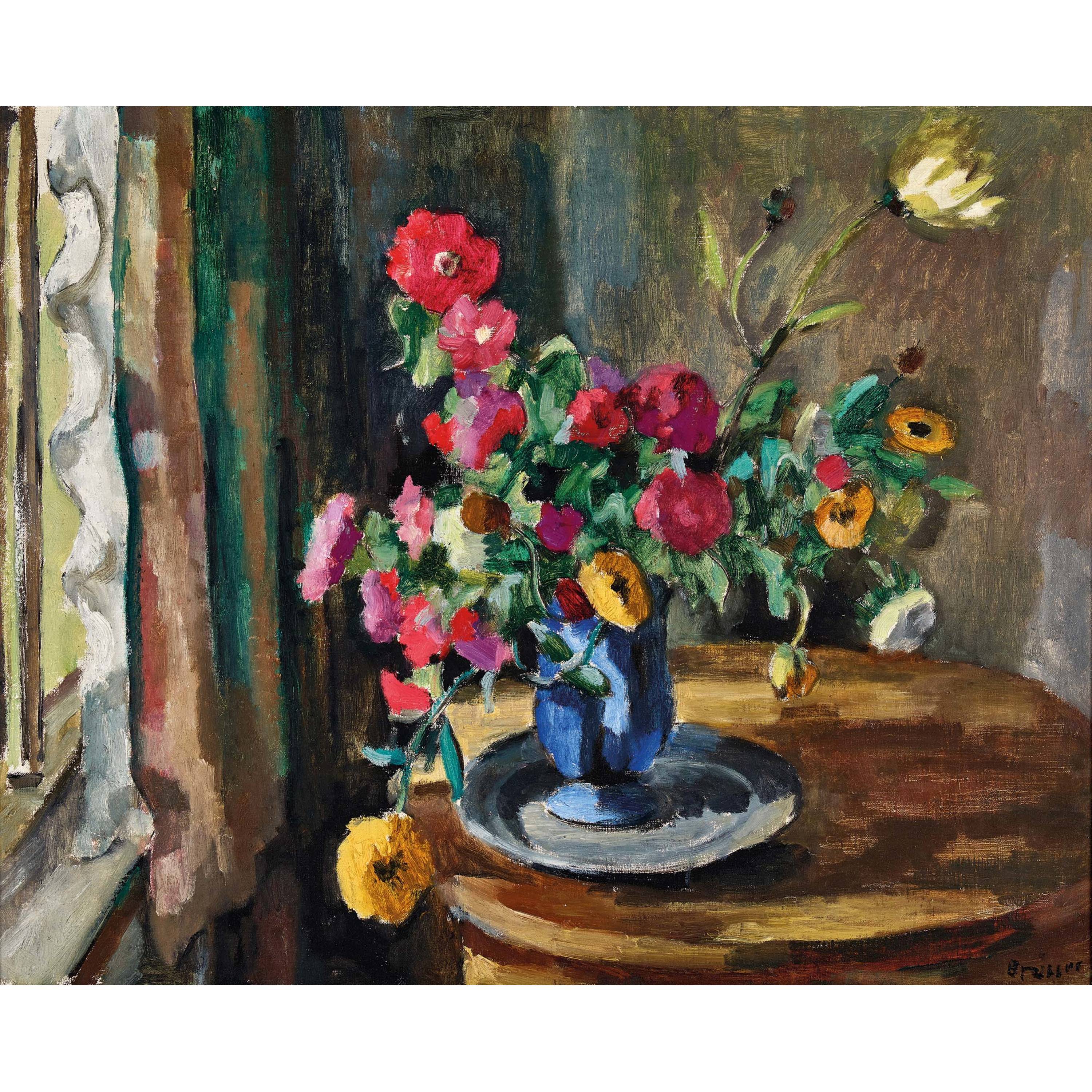
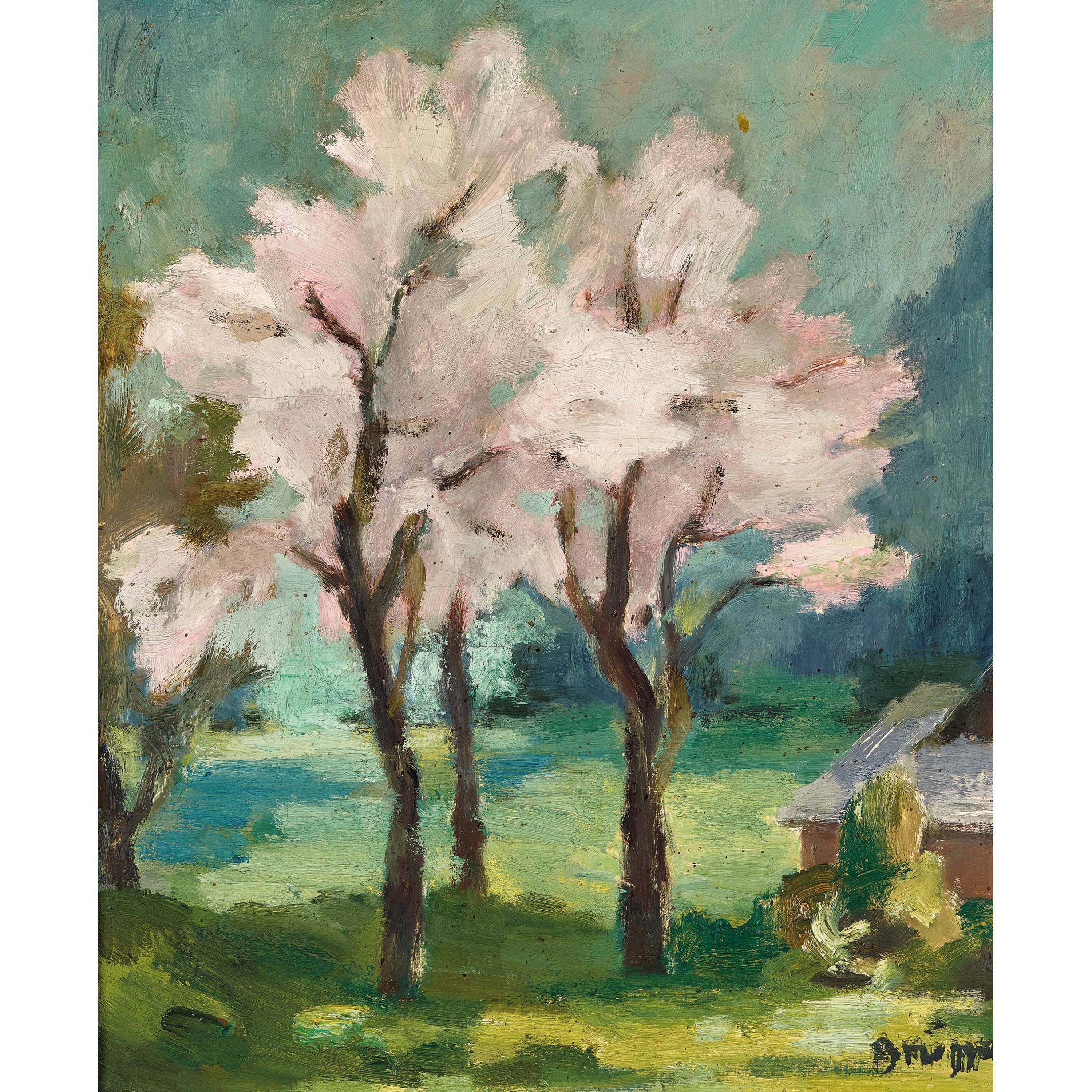
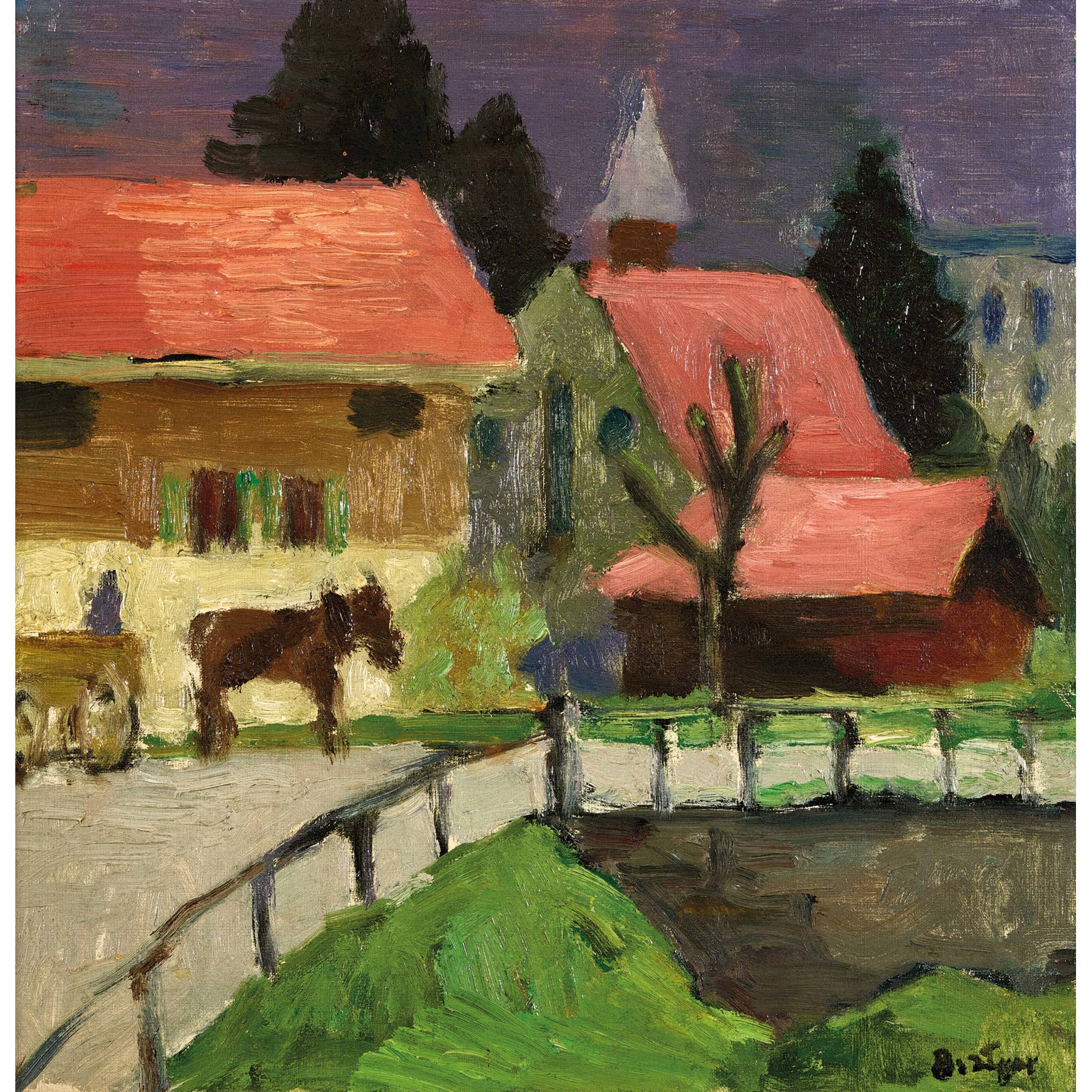
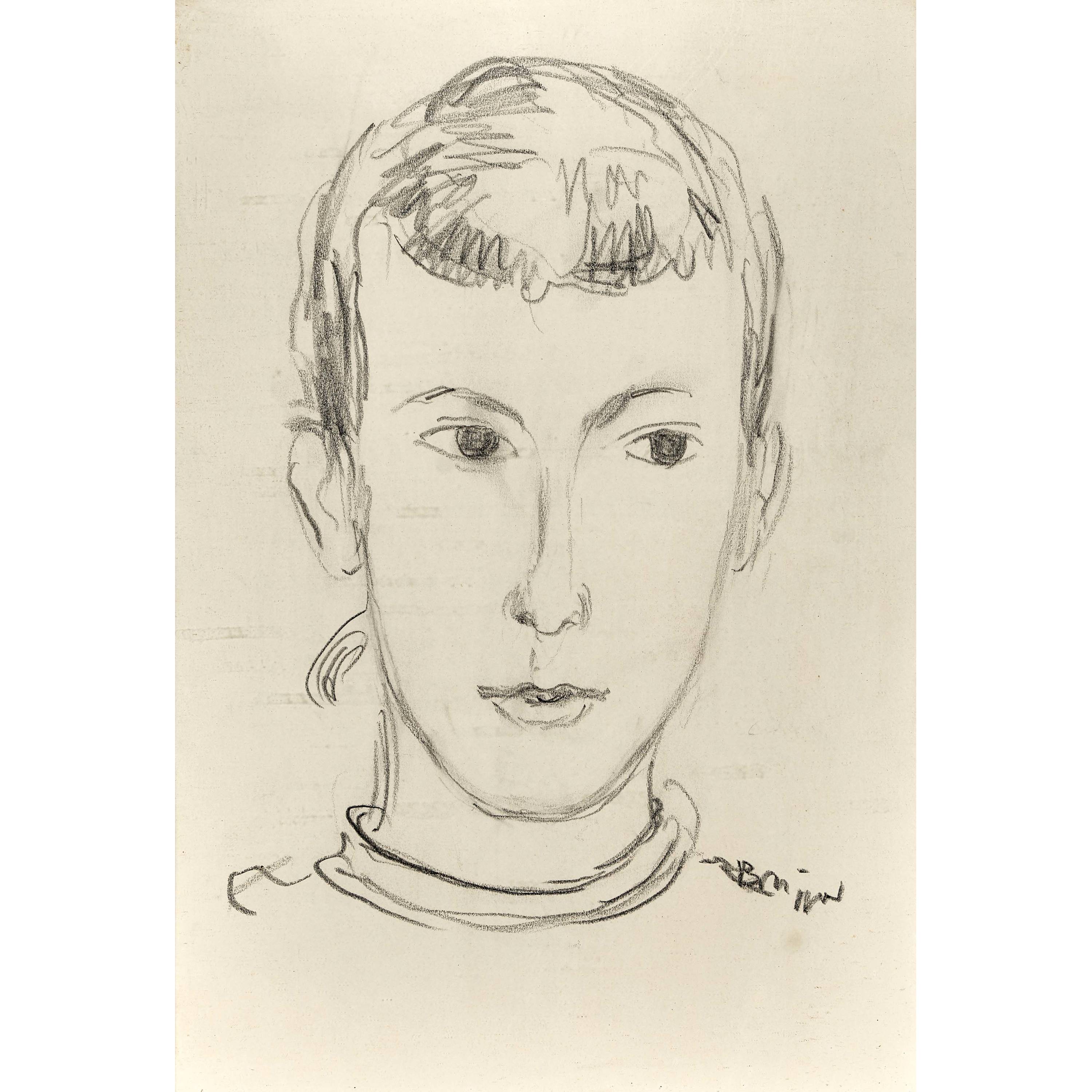
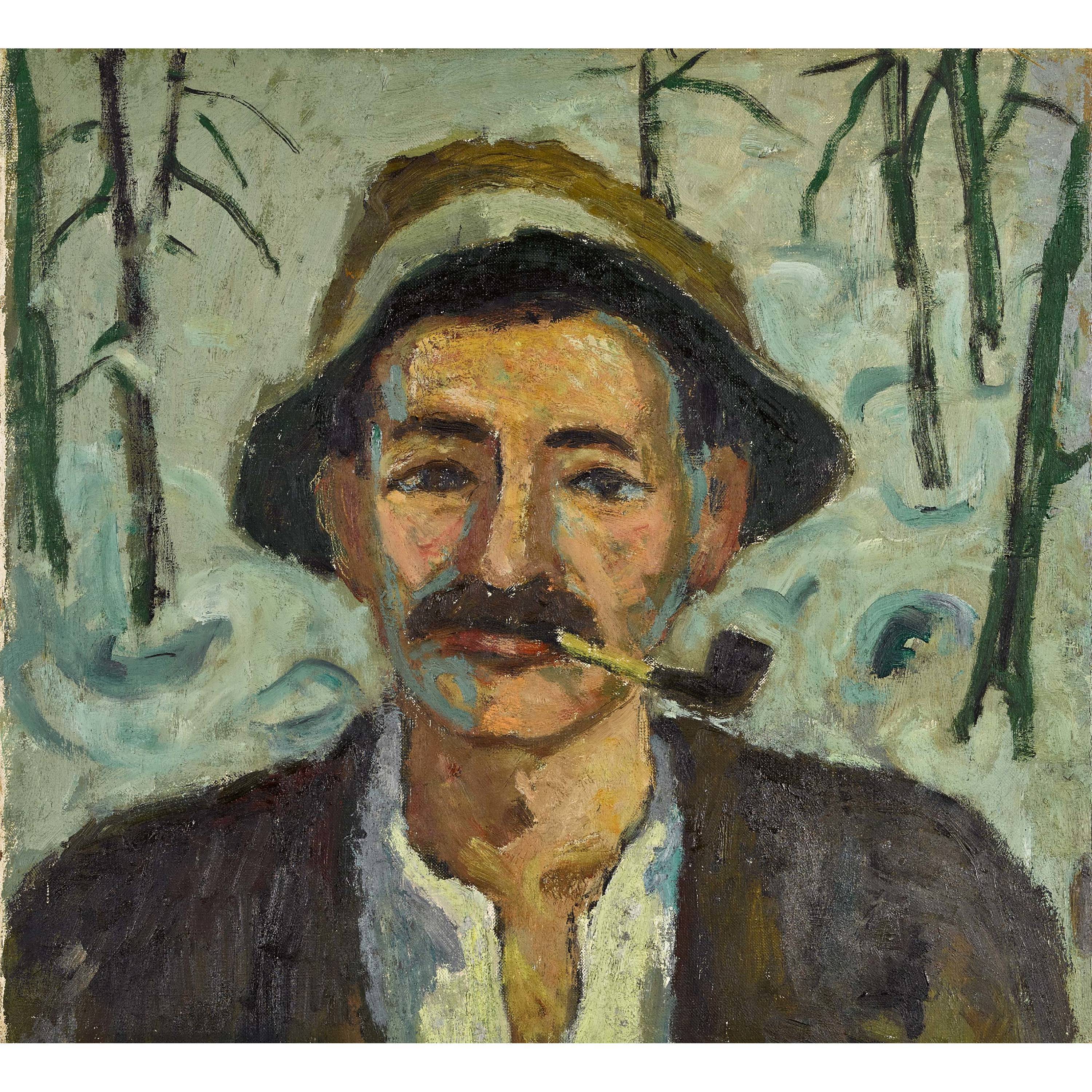
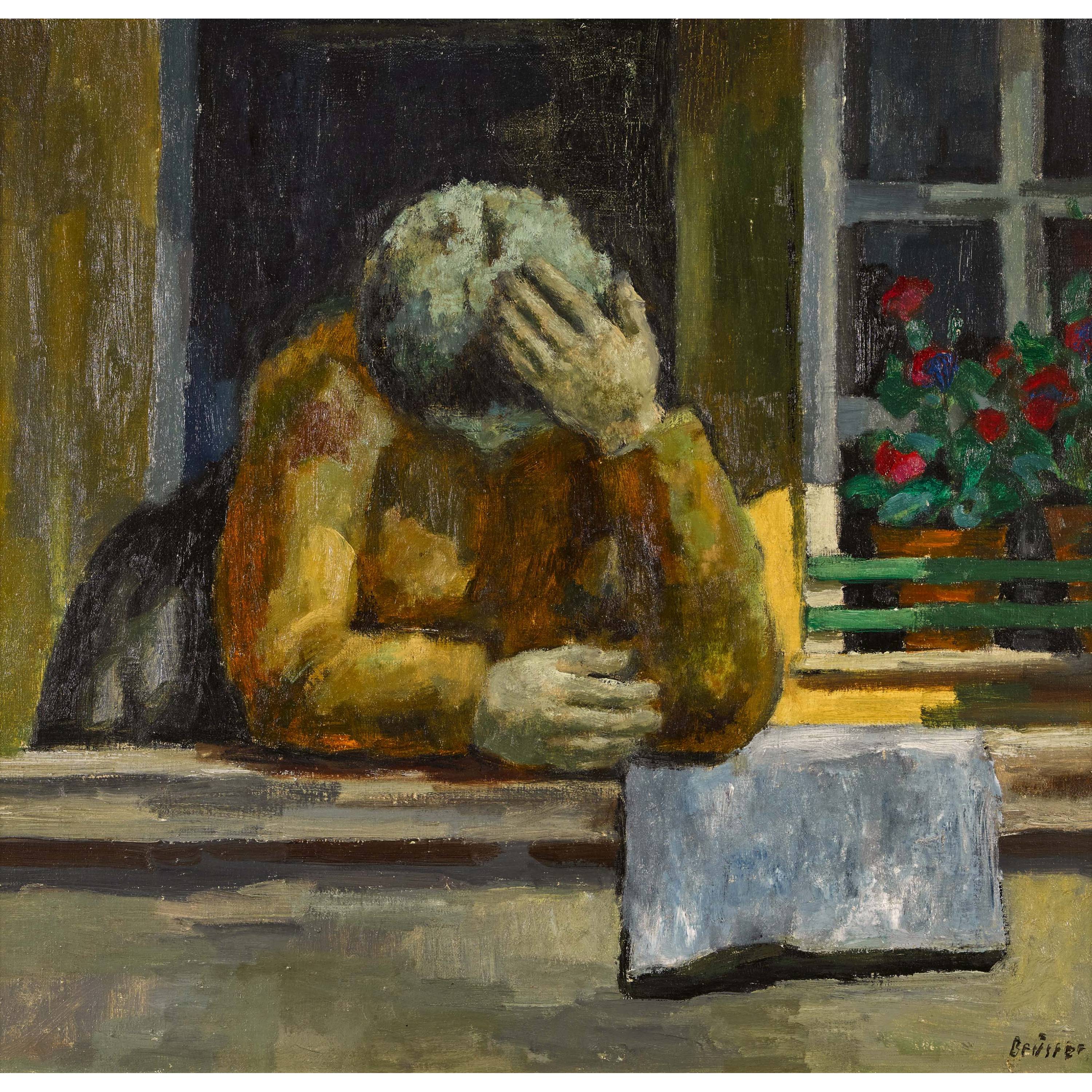
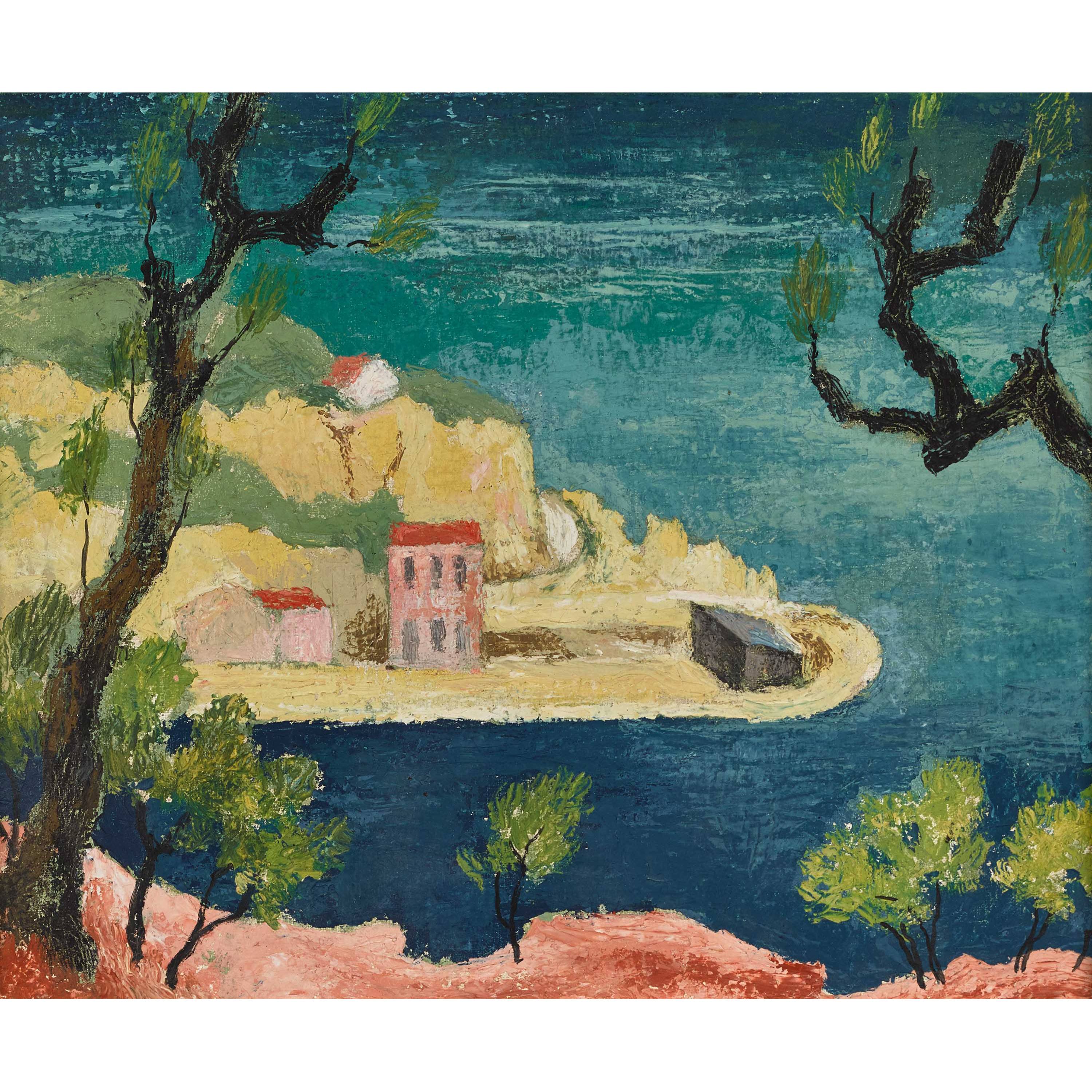
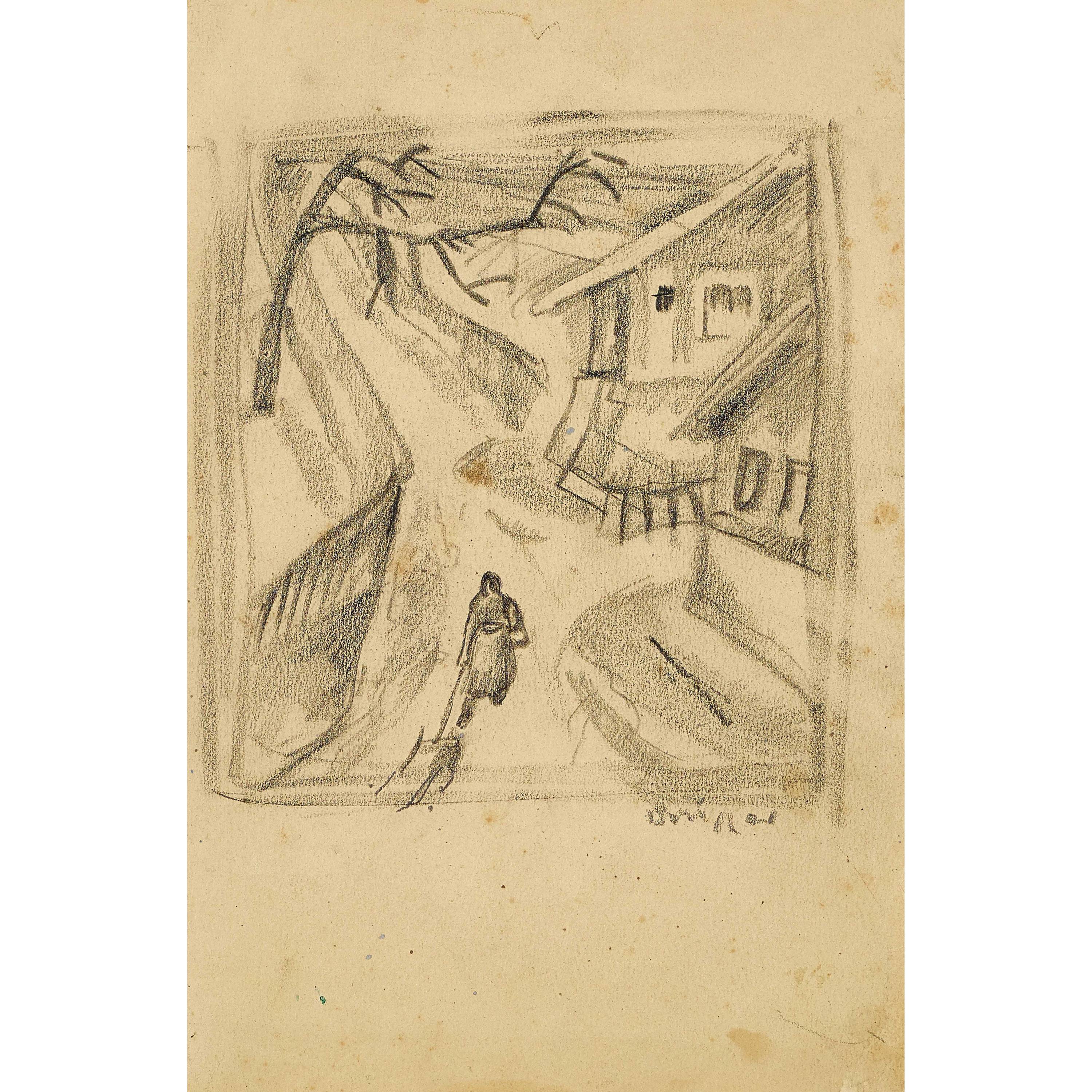
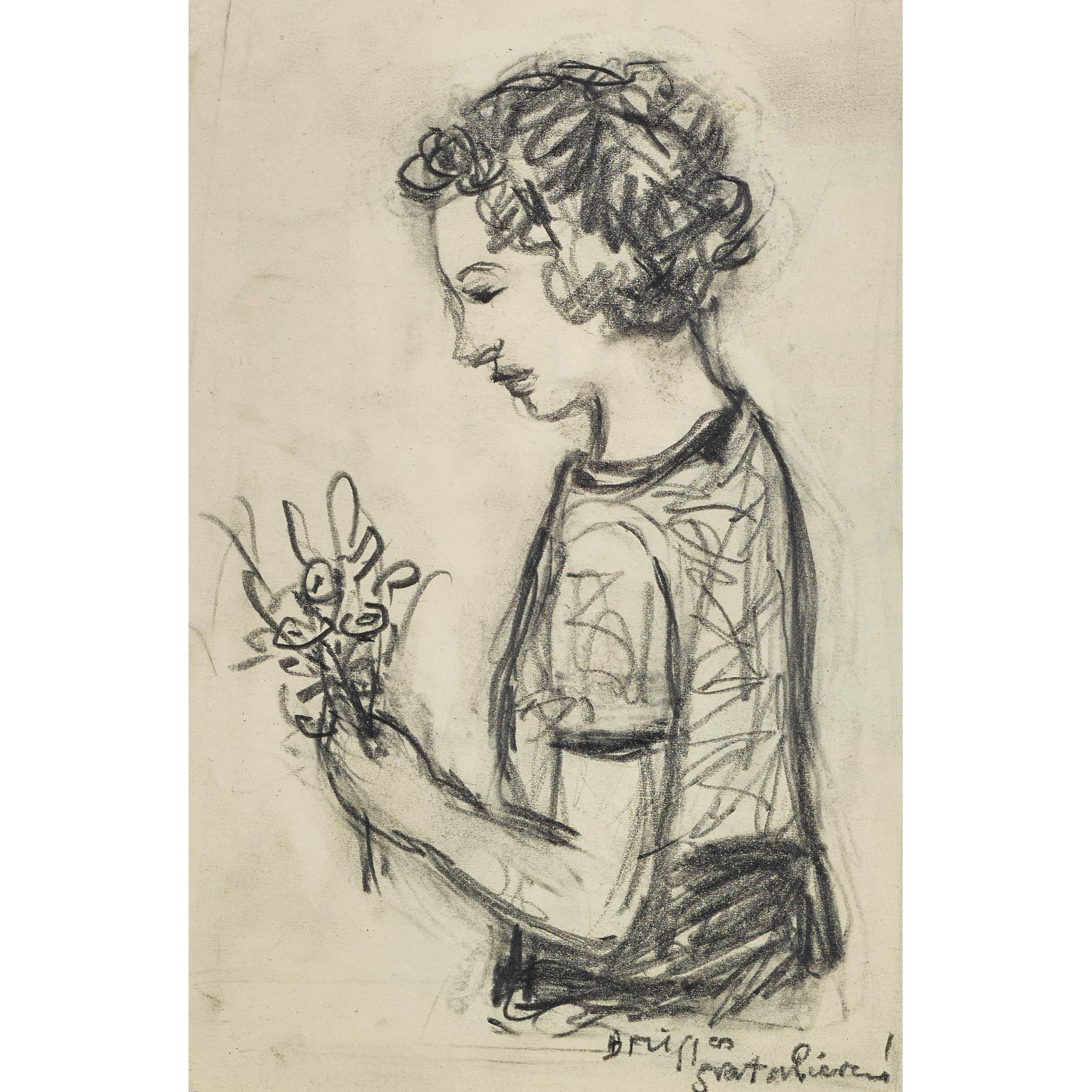
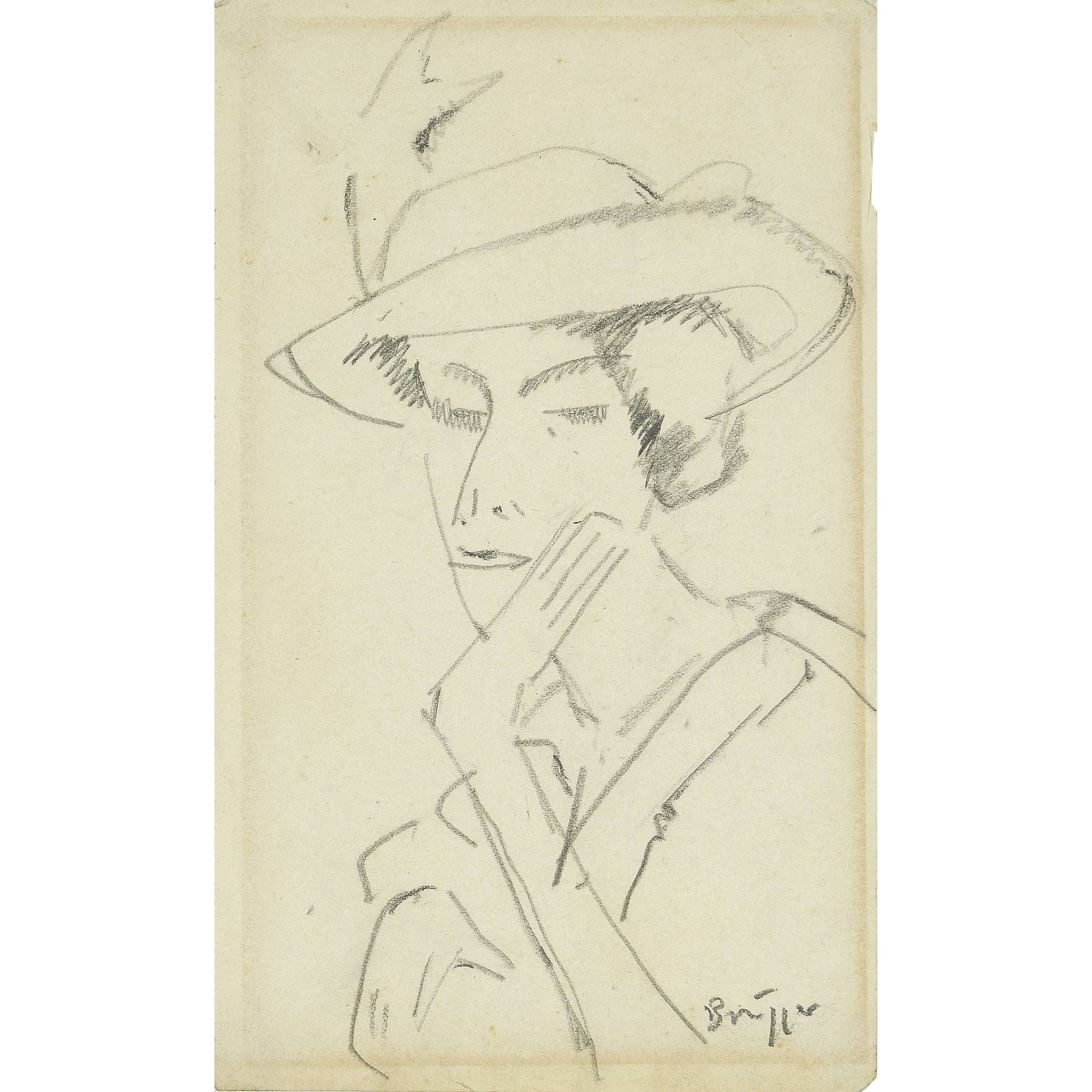
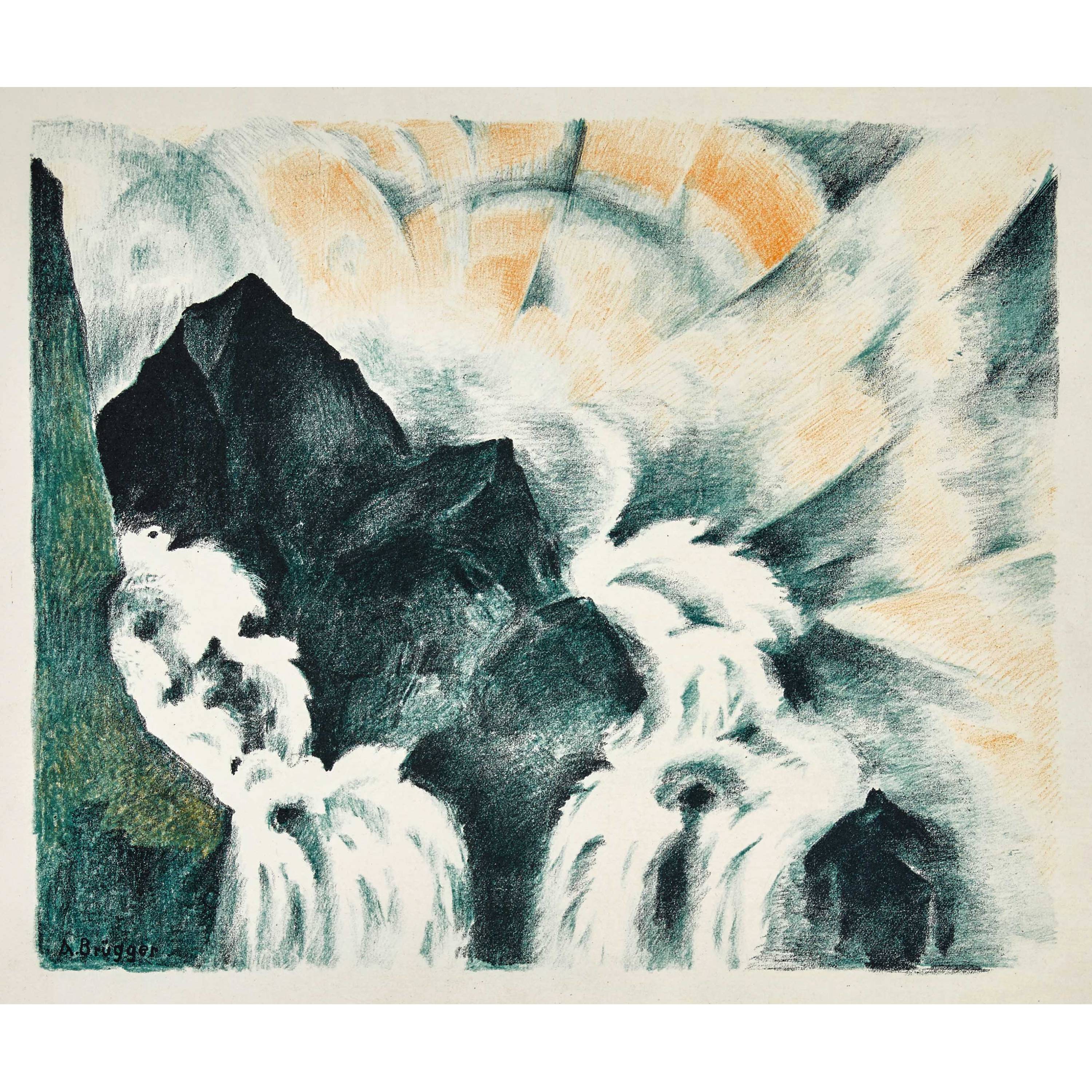
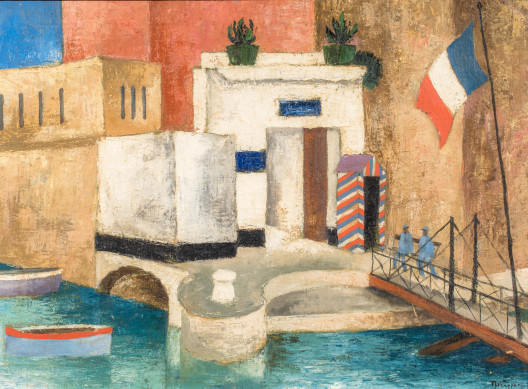
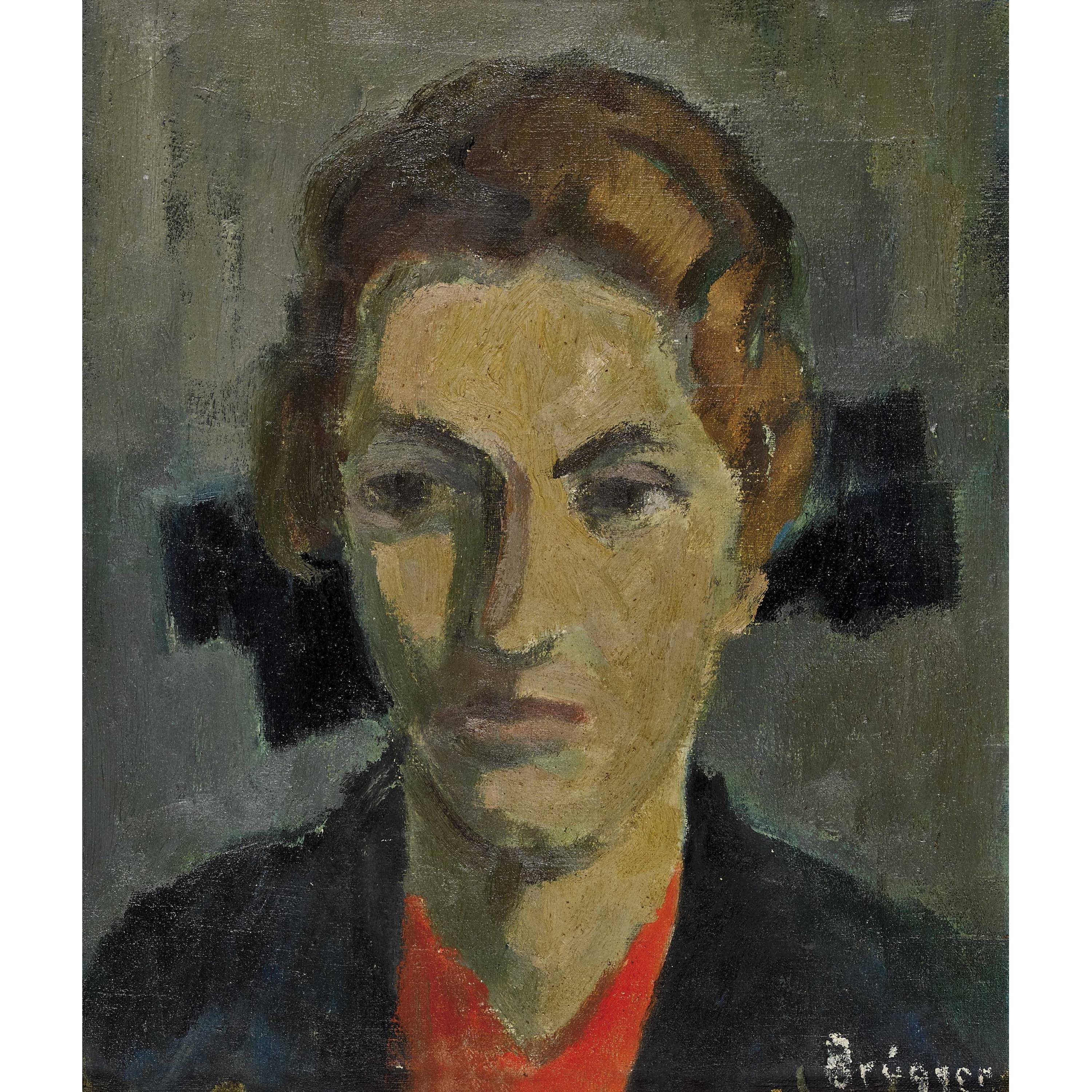
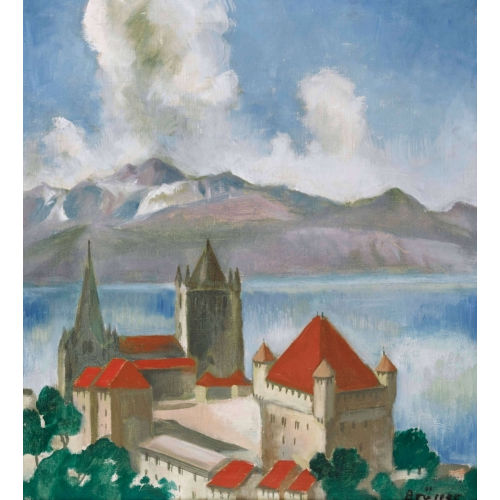
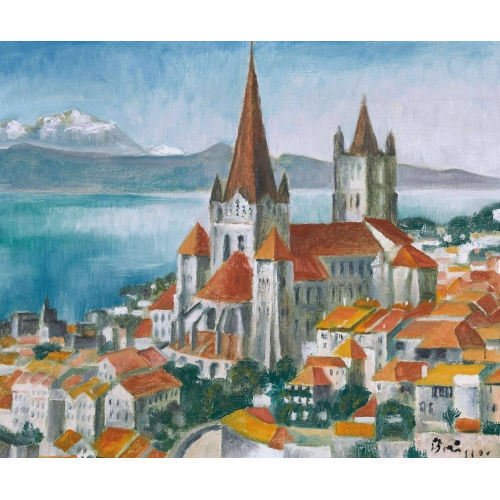
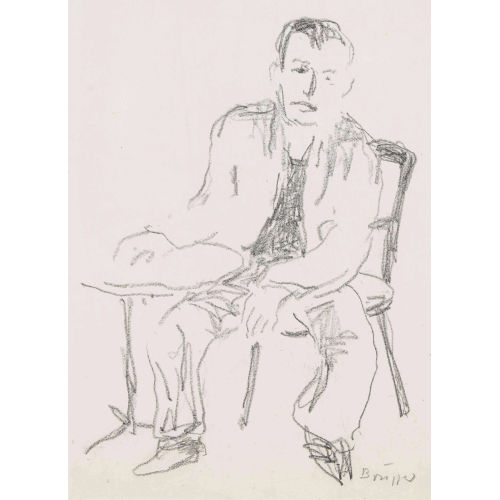
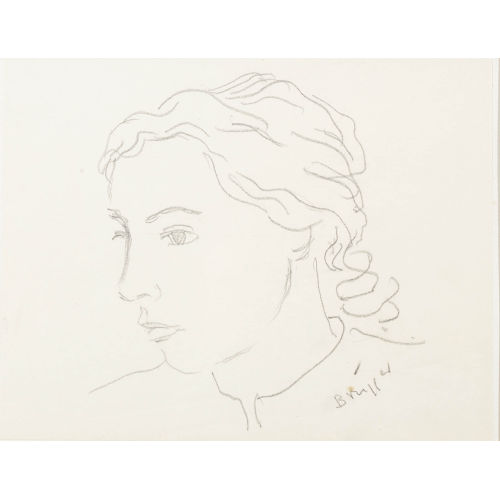
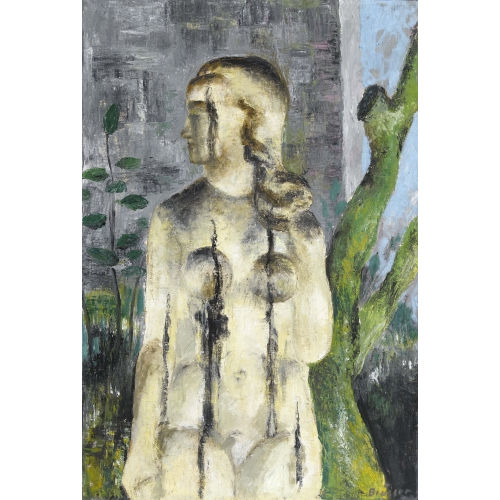
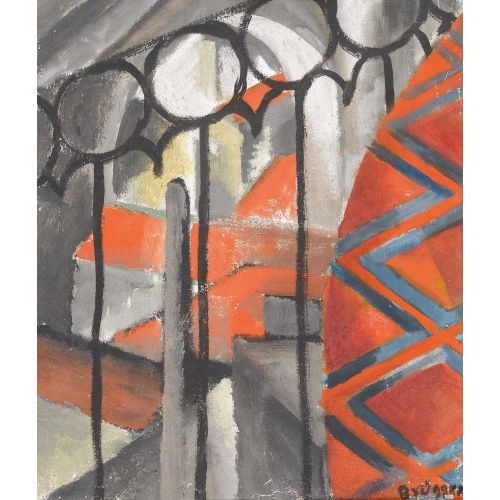
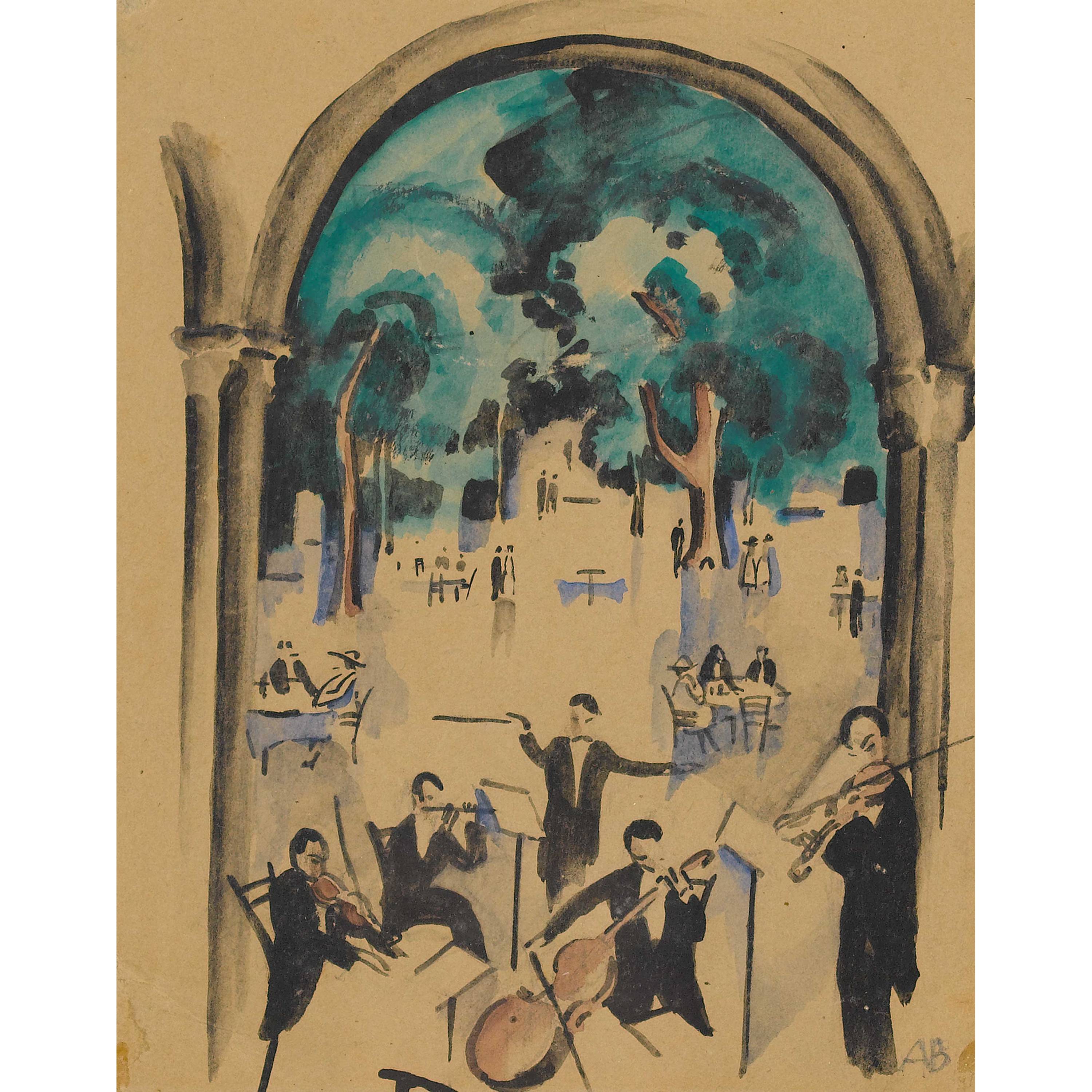
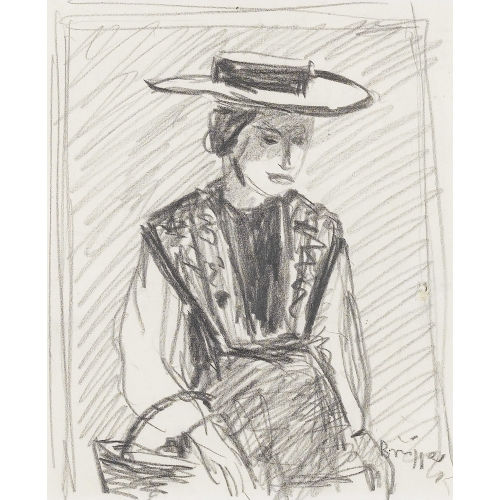
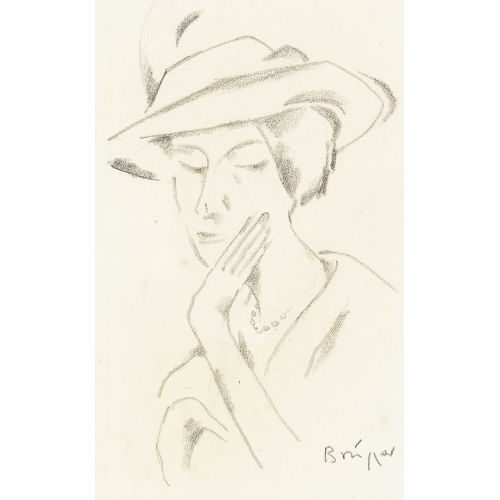
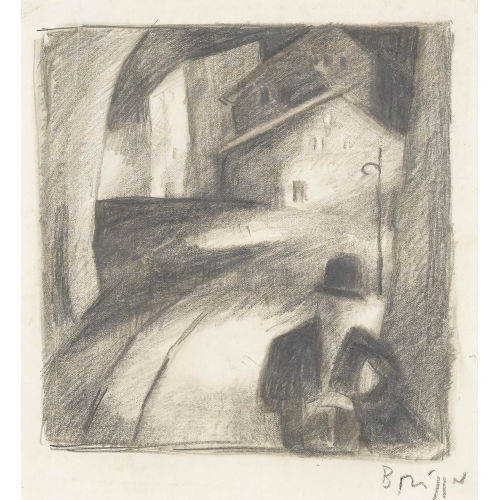
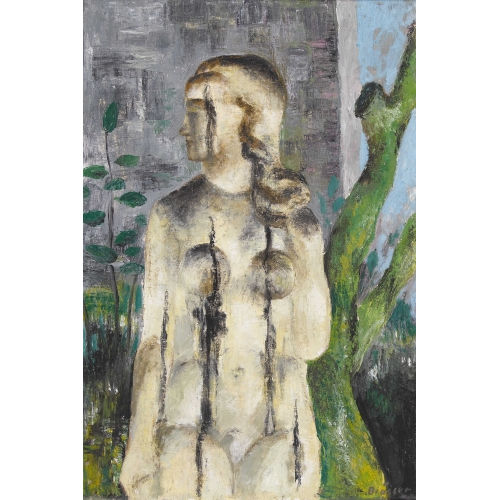
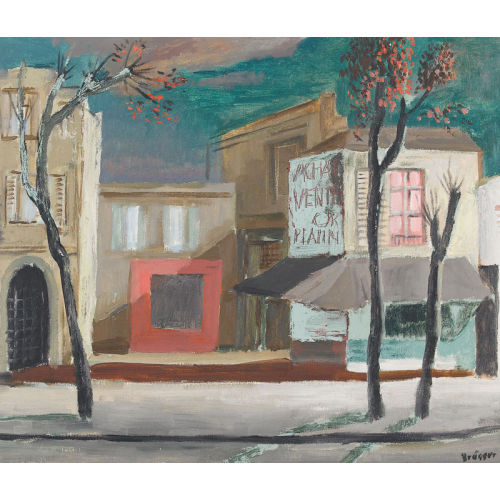
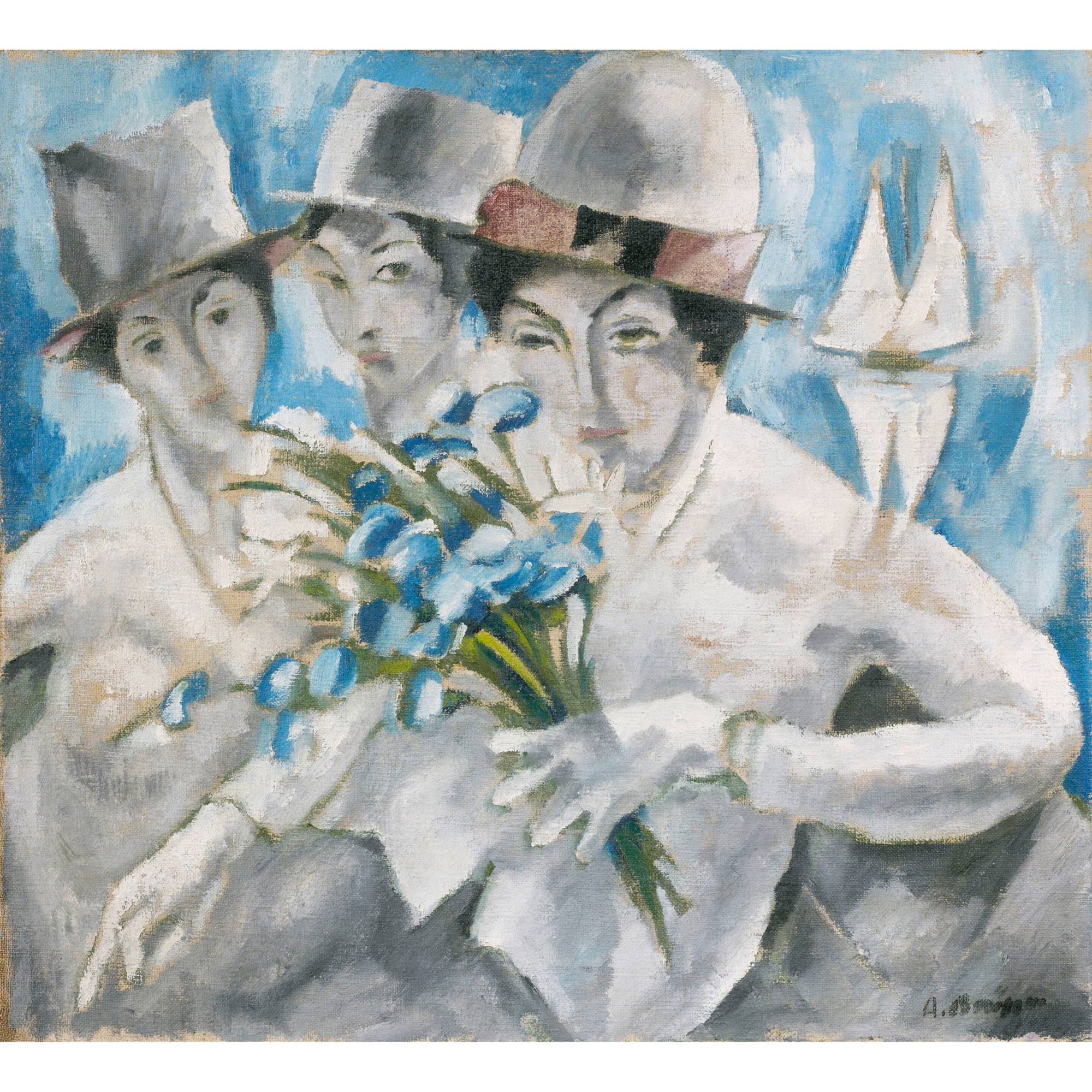
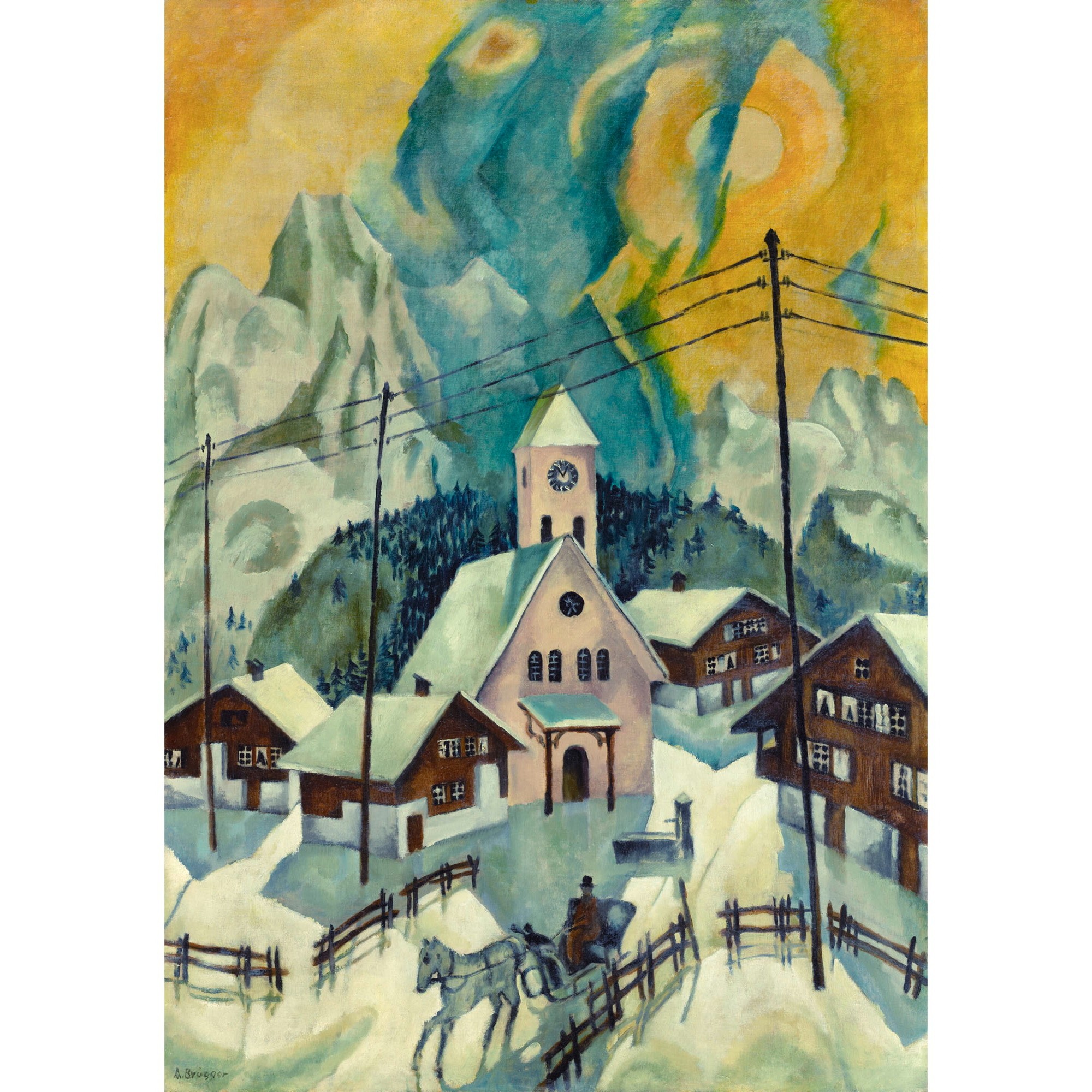
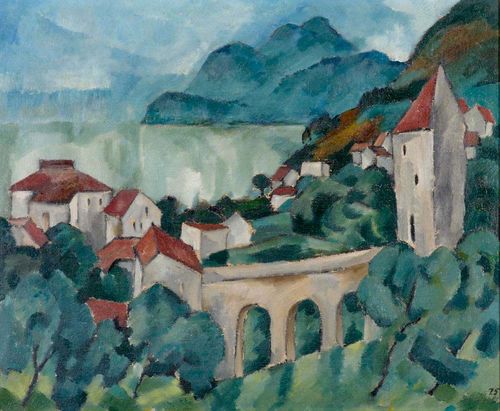
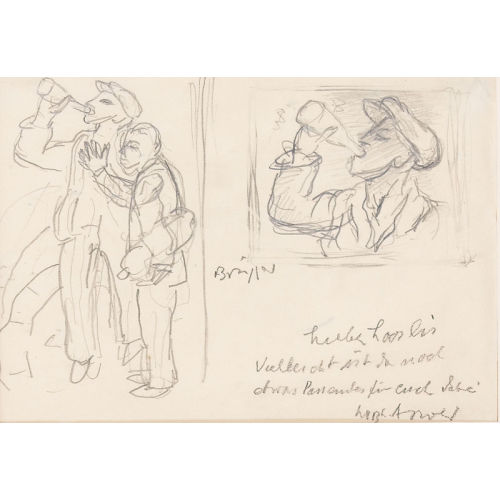
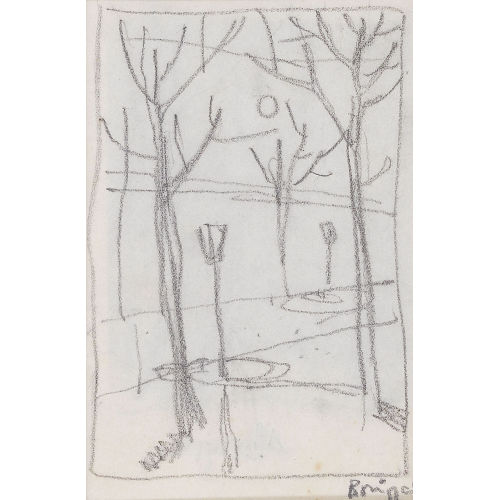
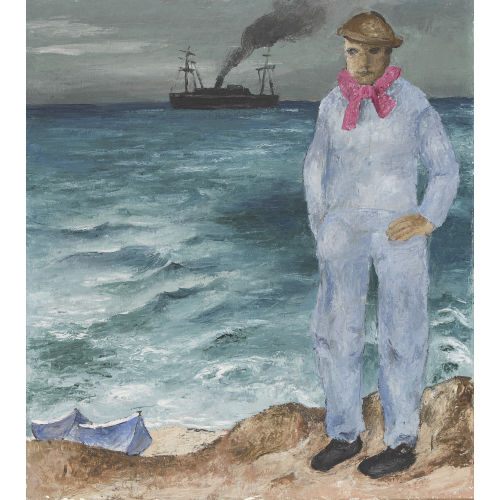
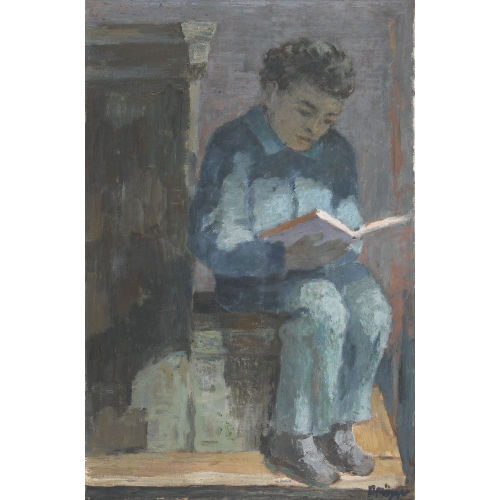
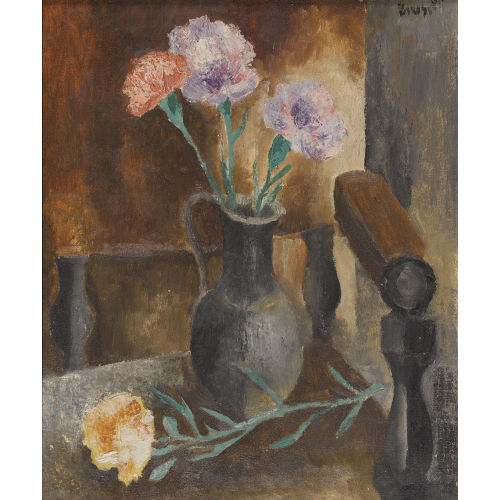
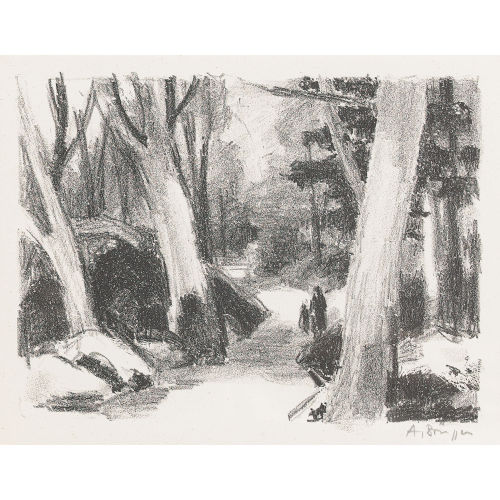
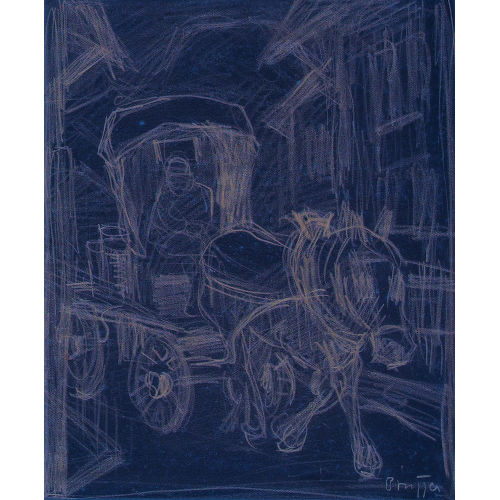
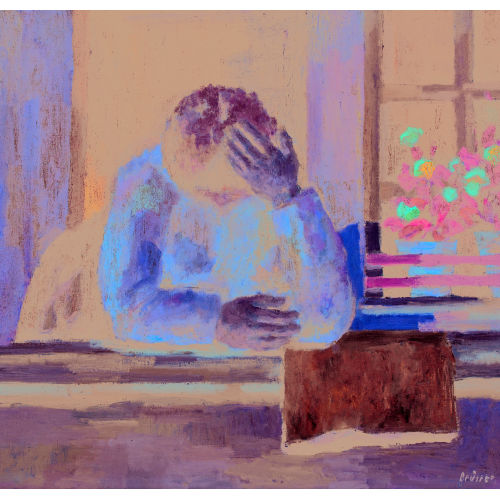
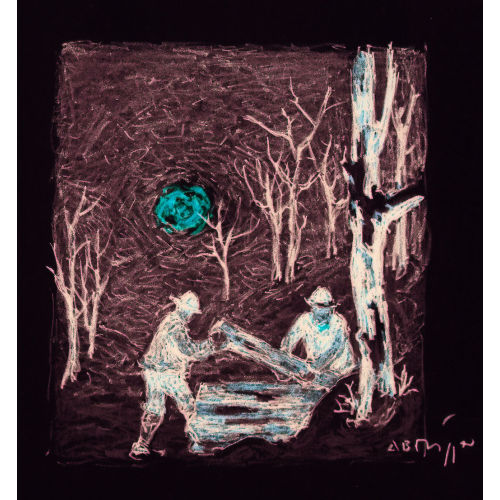
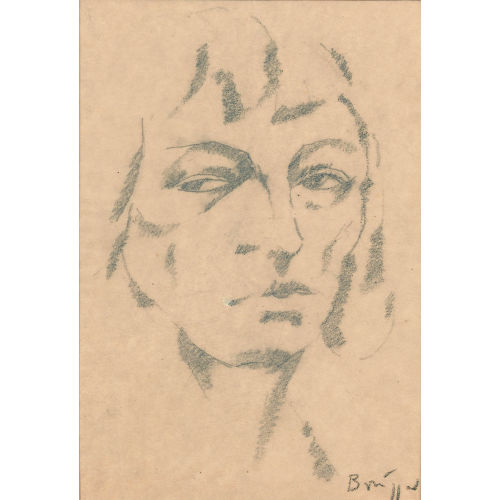
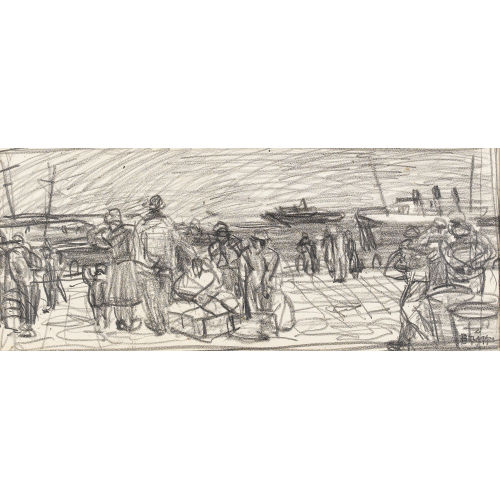
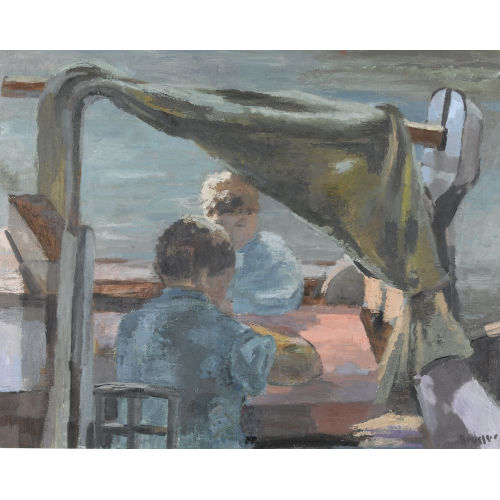
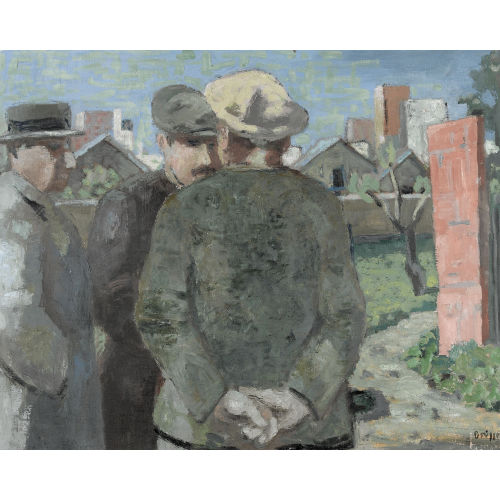
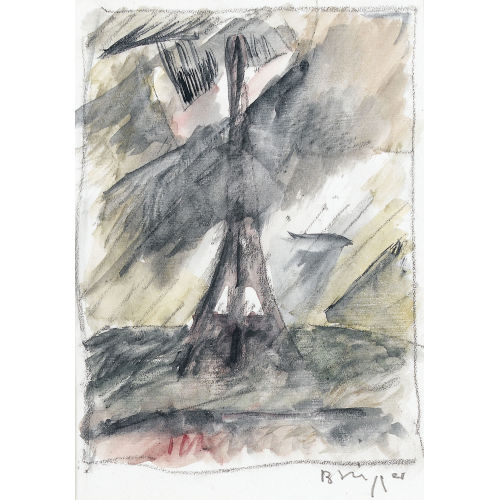
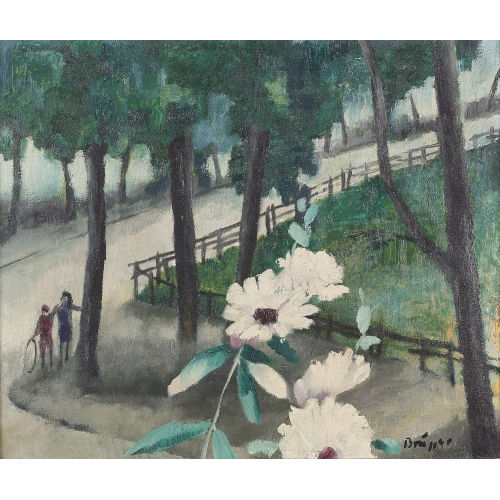
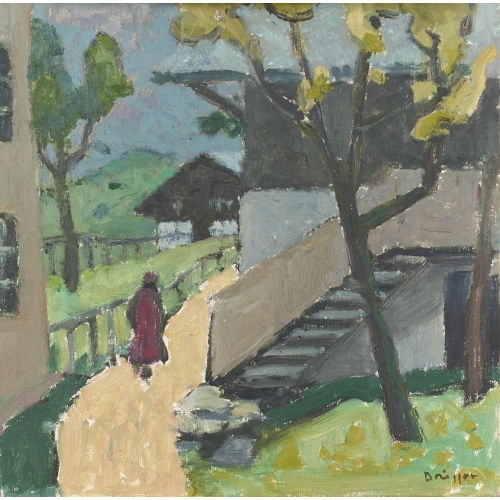
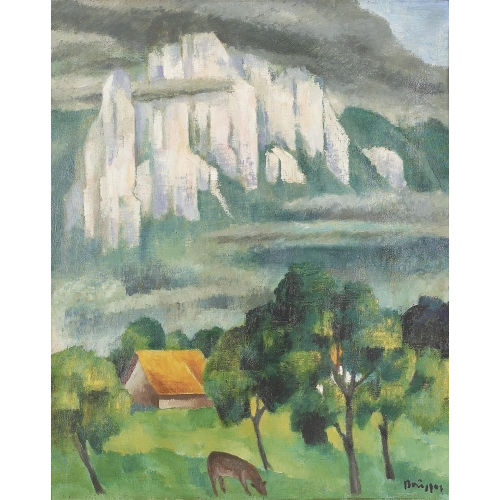
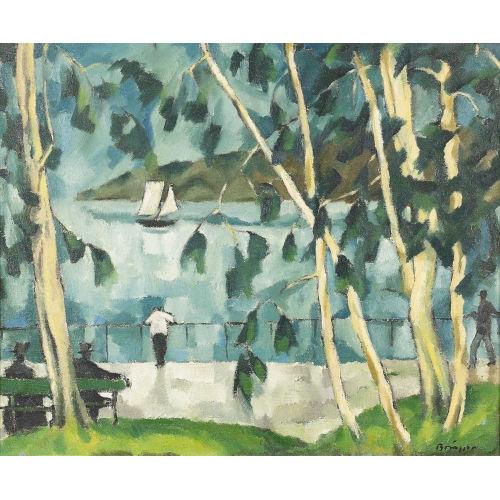
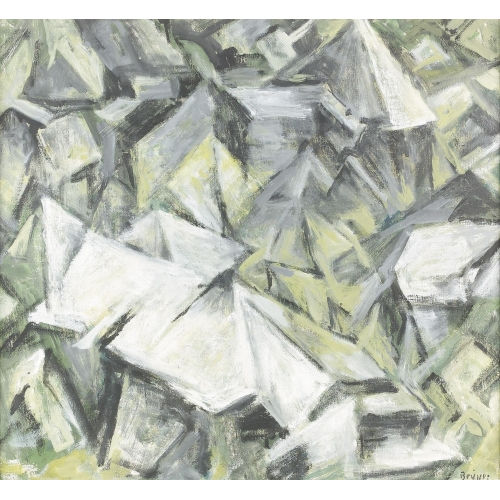
His painting brings the experiences of European modernity into dialogue with the places he knew intimately. The urban views and portraits of his early period bear the mark of Cézanne and of a construction of space in broad planes. Orphic Cubism, followed by German Expressionism and Surrealism, enriched his vocabulary without effacing his interest in the motif.
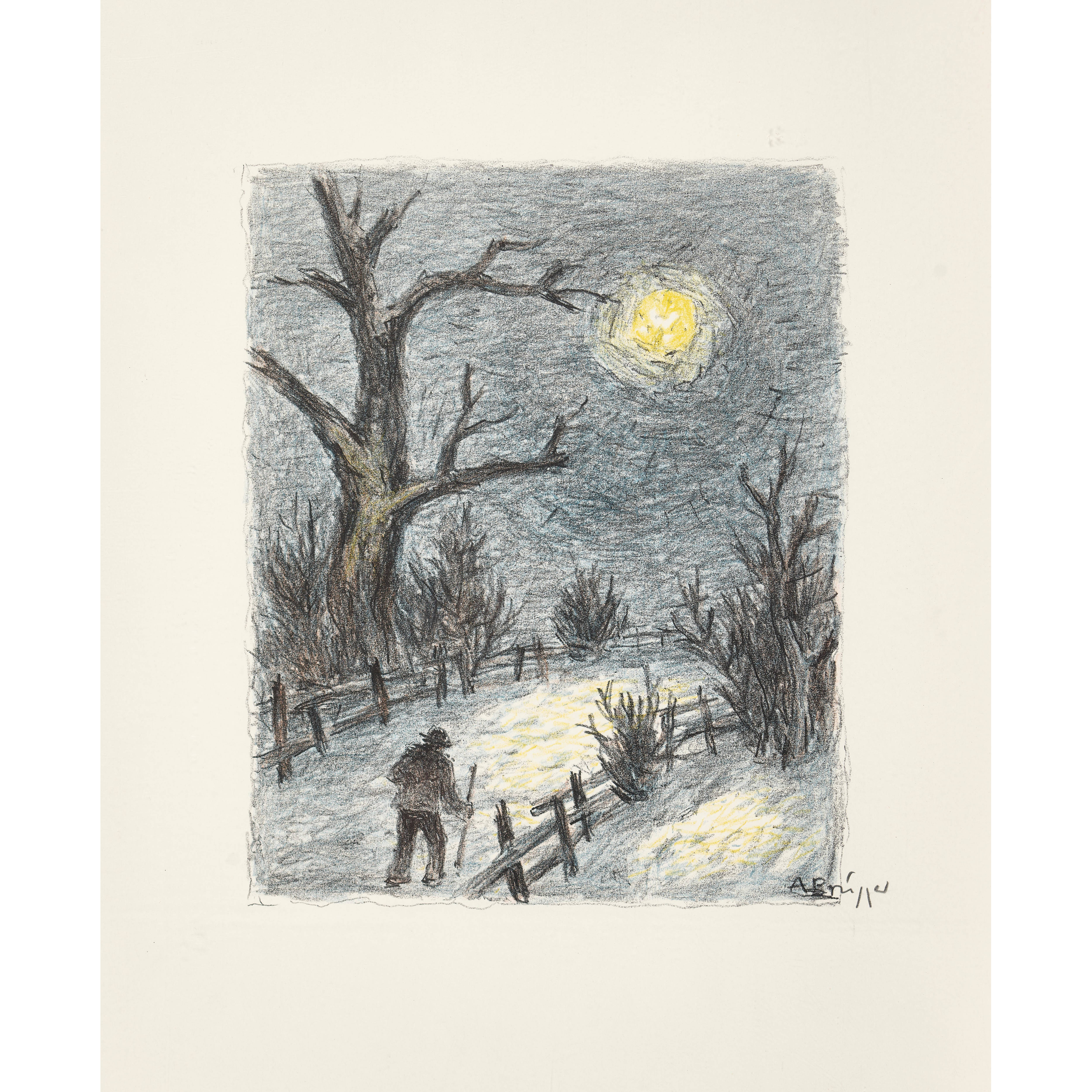
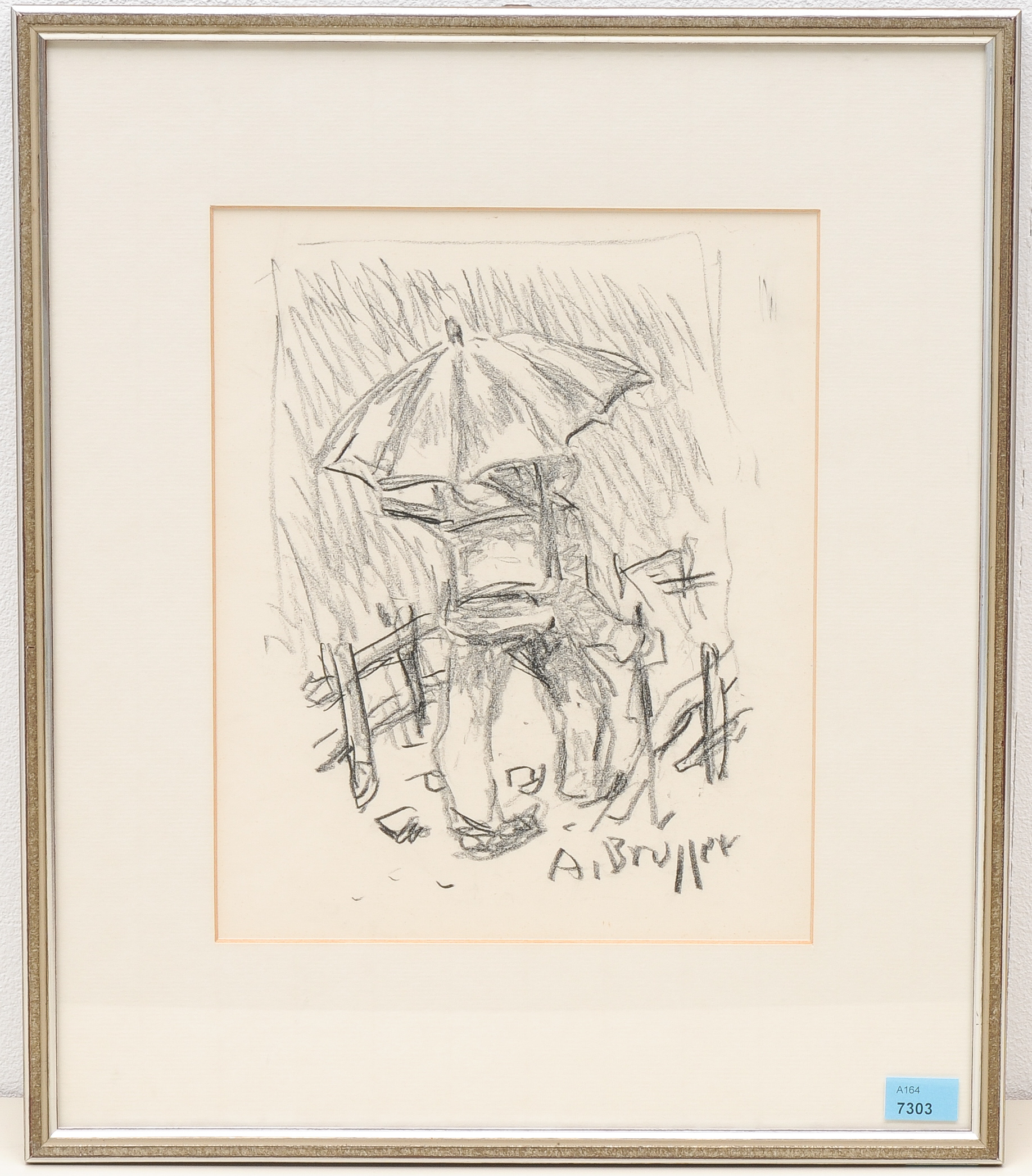
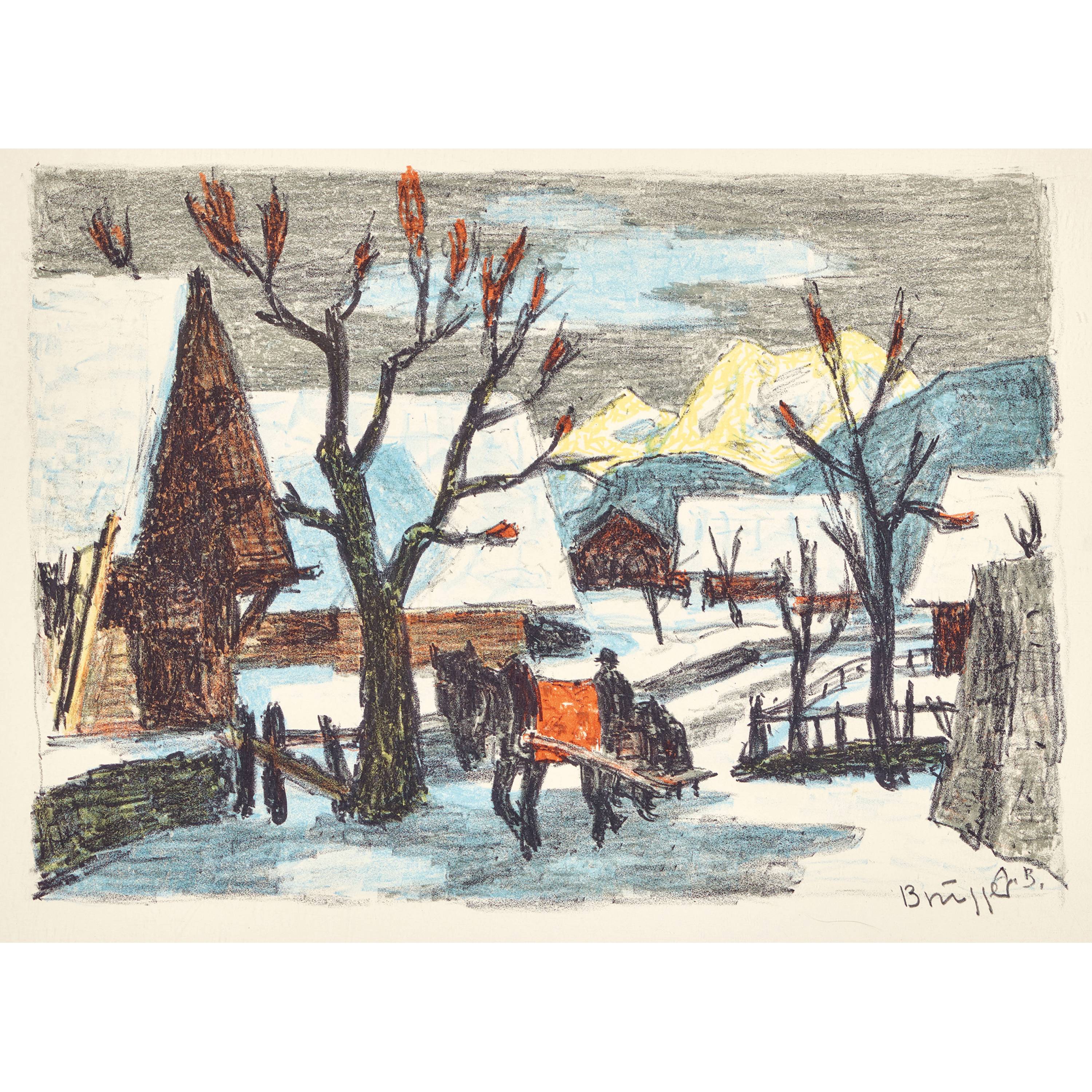
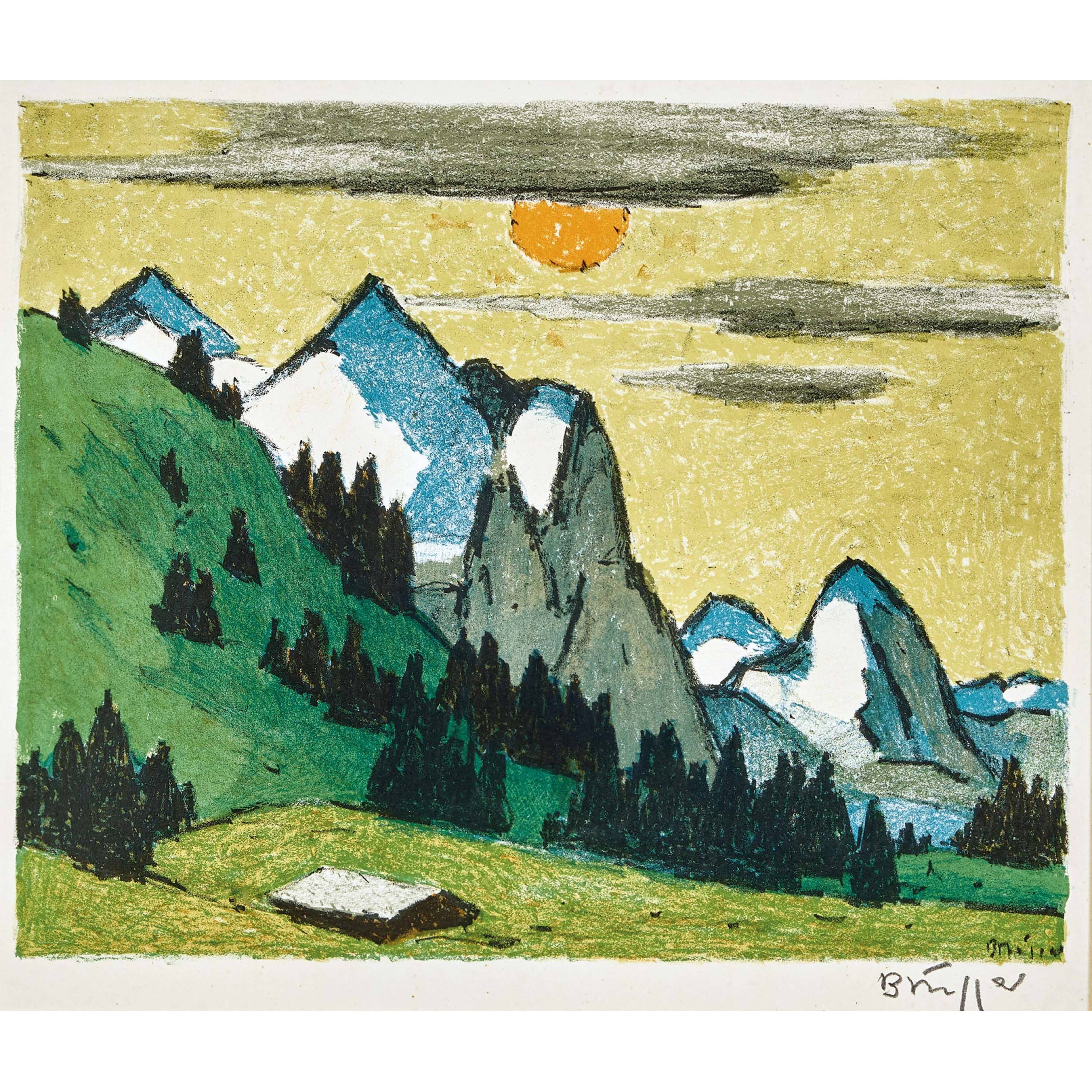
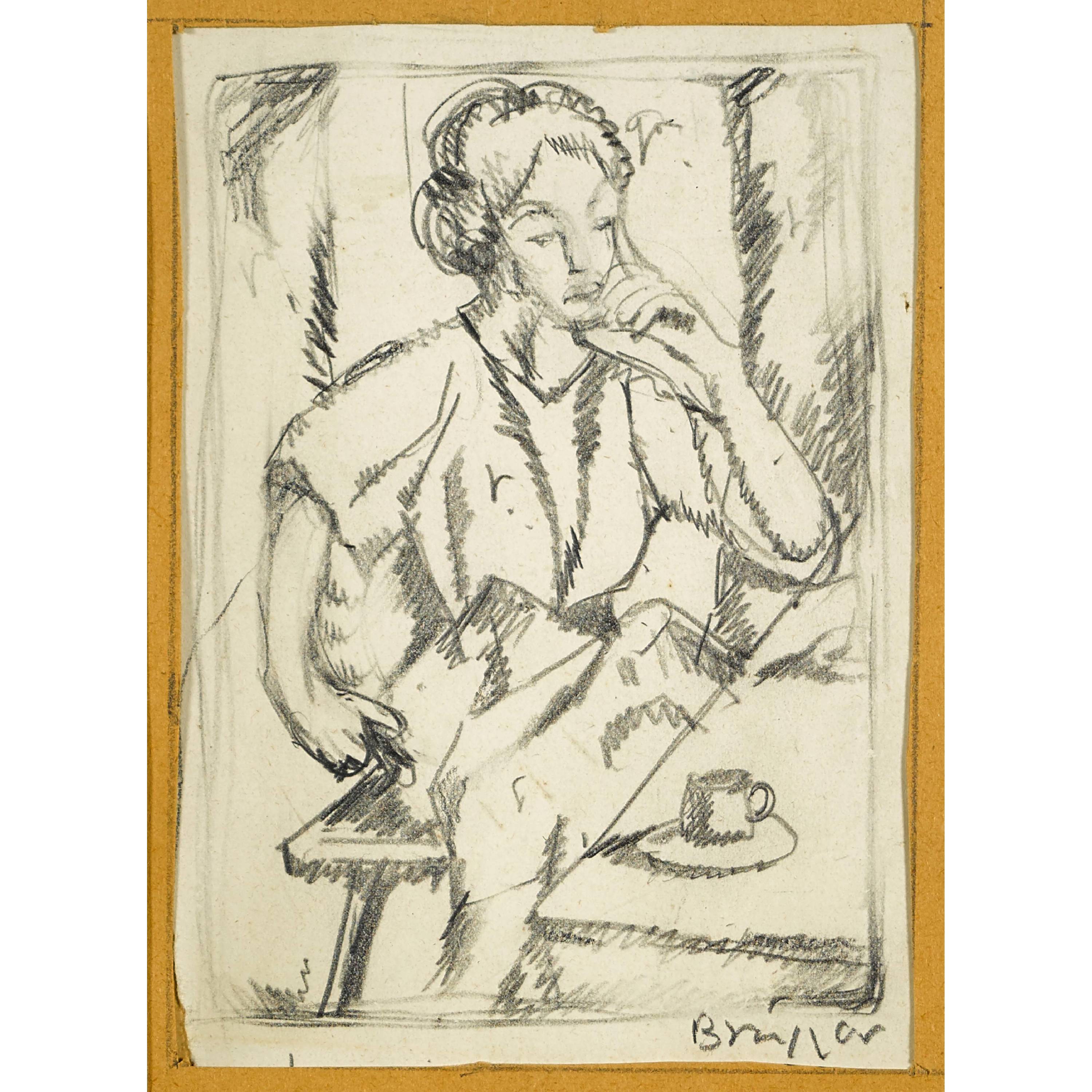
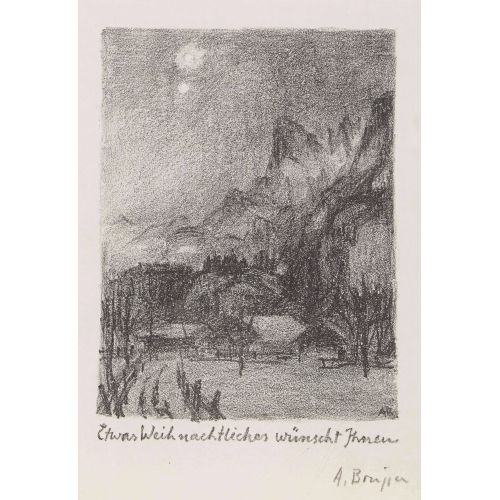
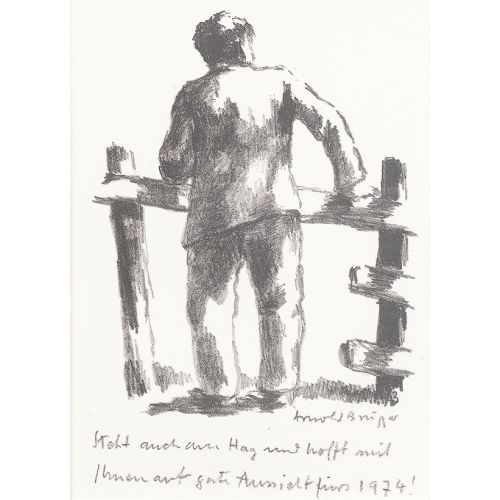
A painting such as Im Park (1918), held by the Kunstmuseum Bern, recalls the place of modern scenes in his work; the lithograph Seiltänzer, held by the Kunsthaus Zürich, testifies to the continuity of his graphic practice.
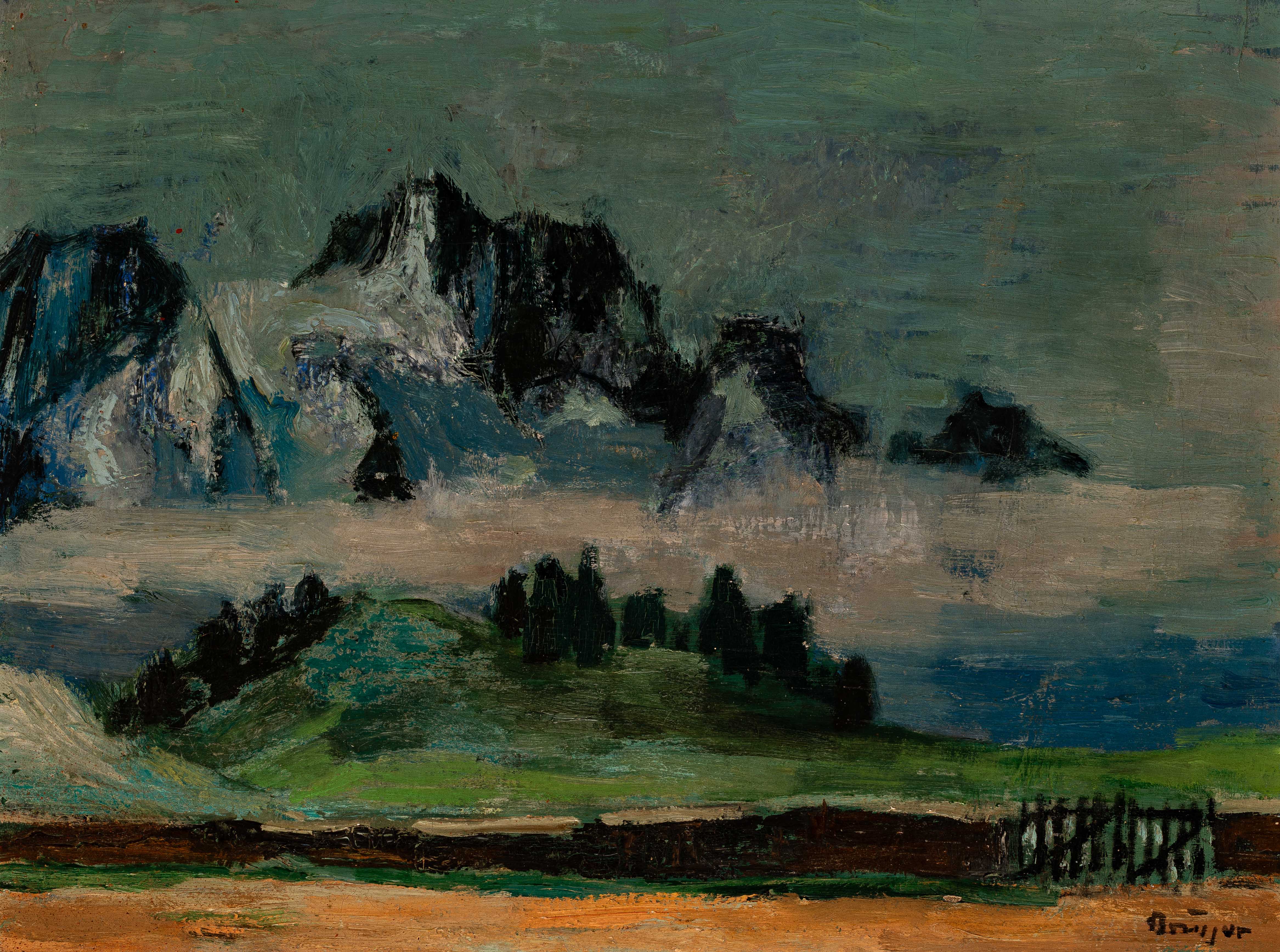
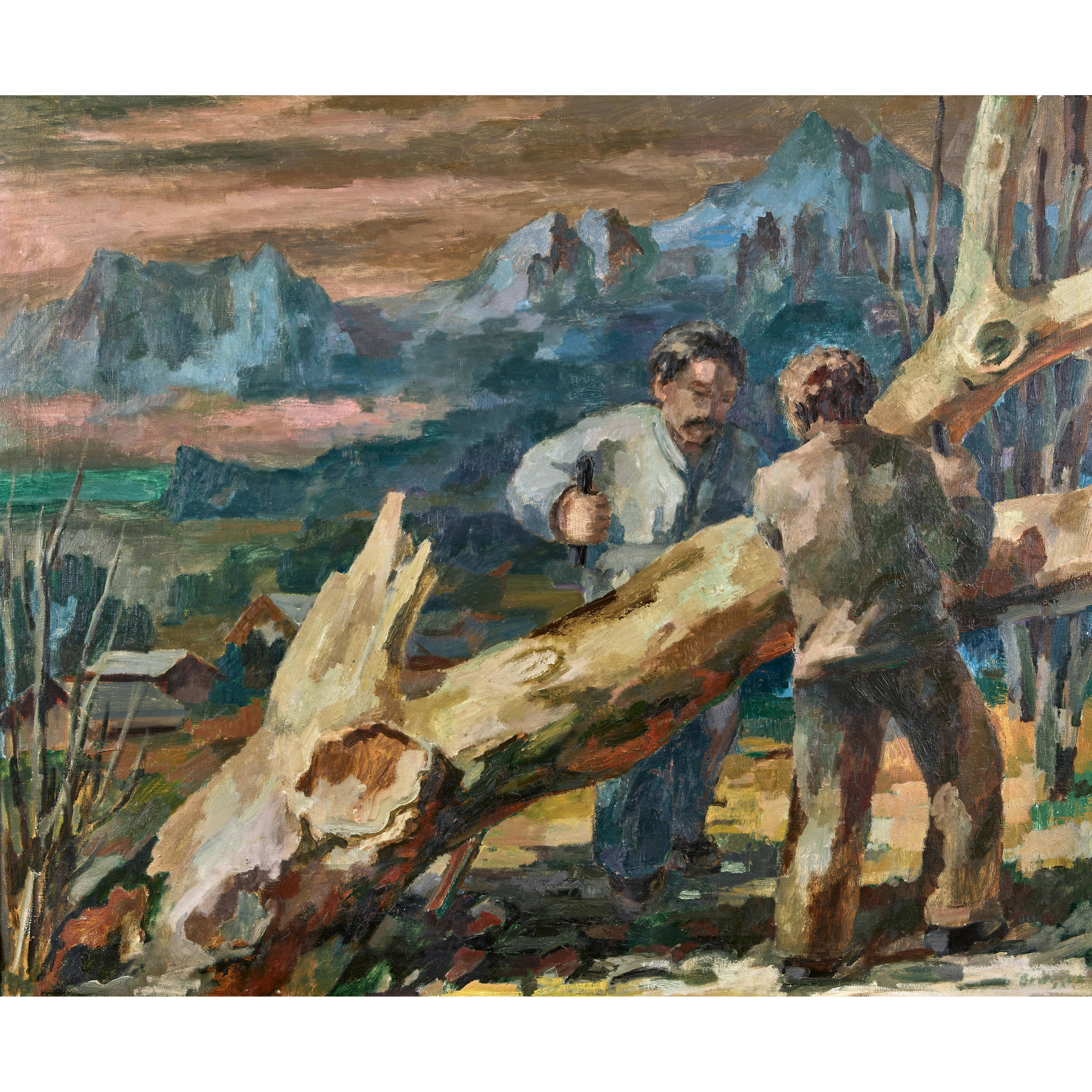
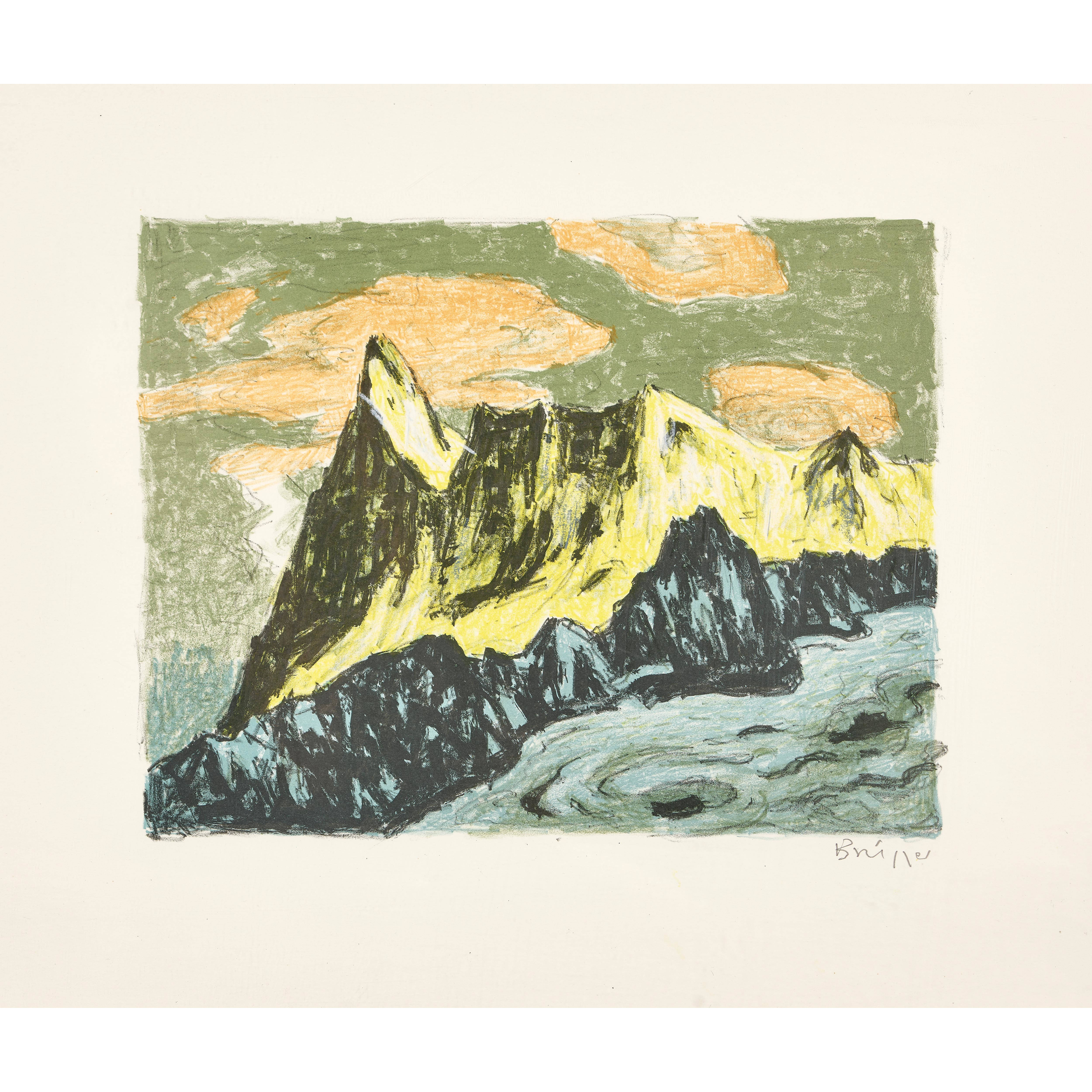
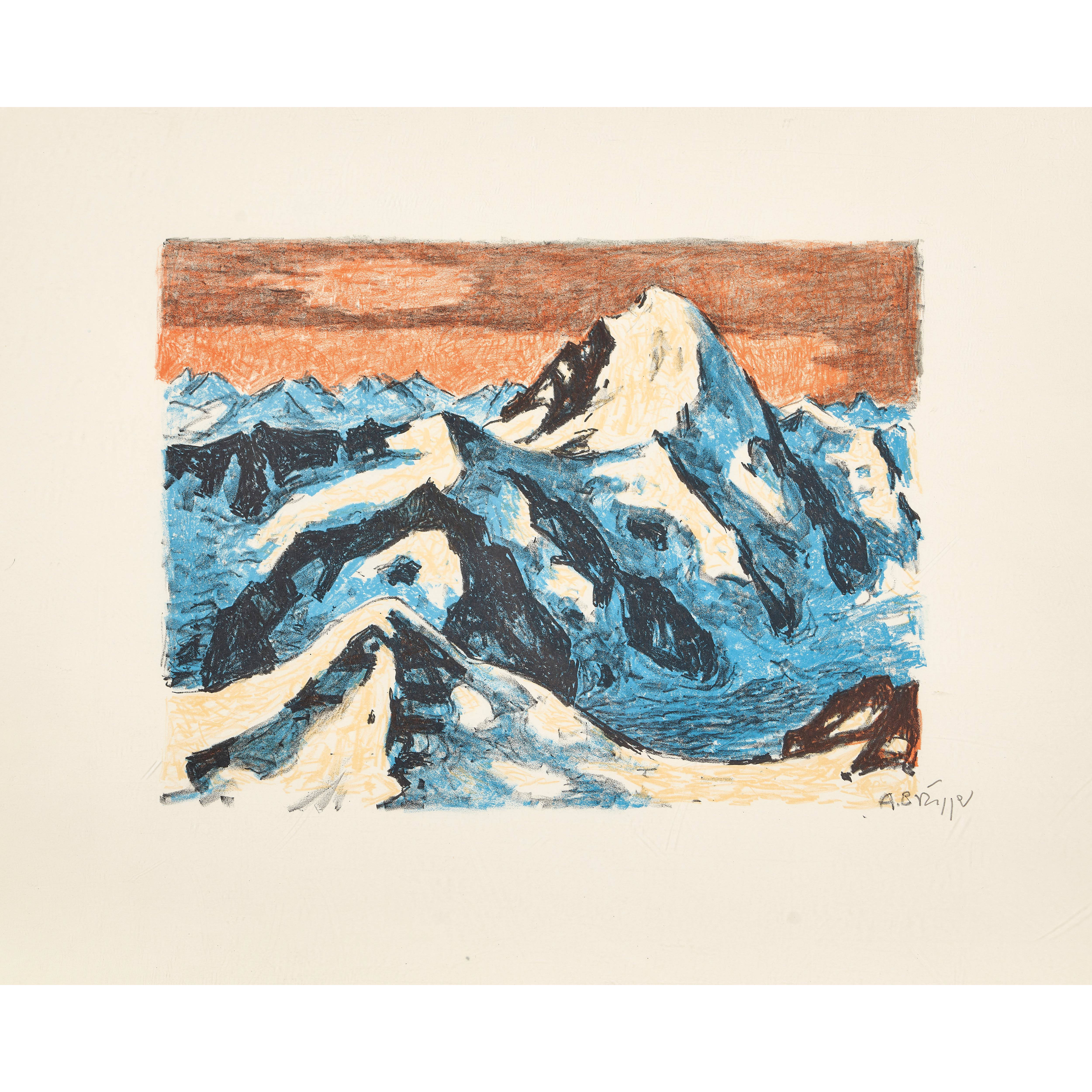
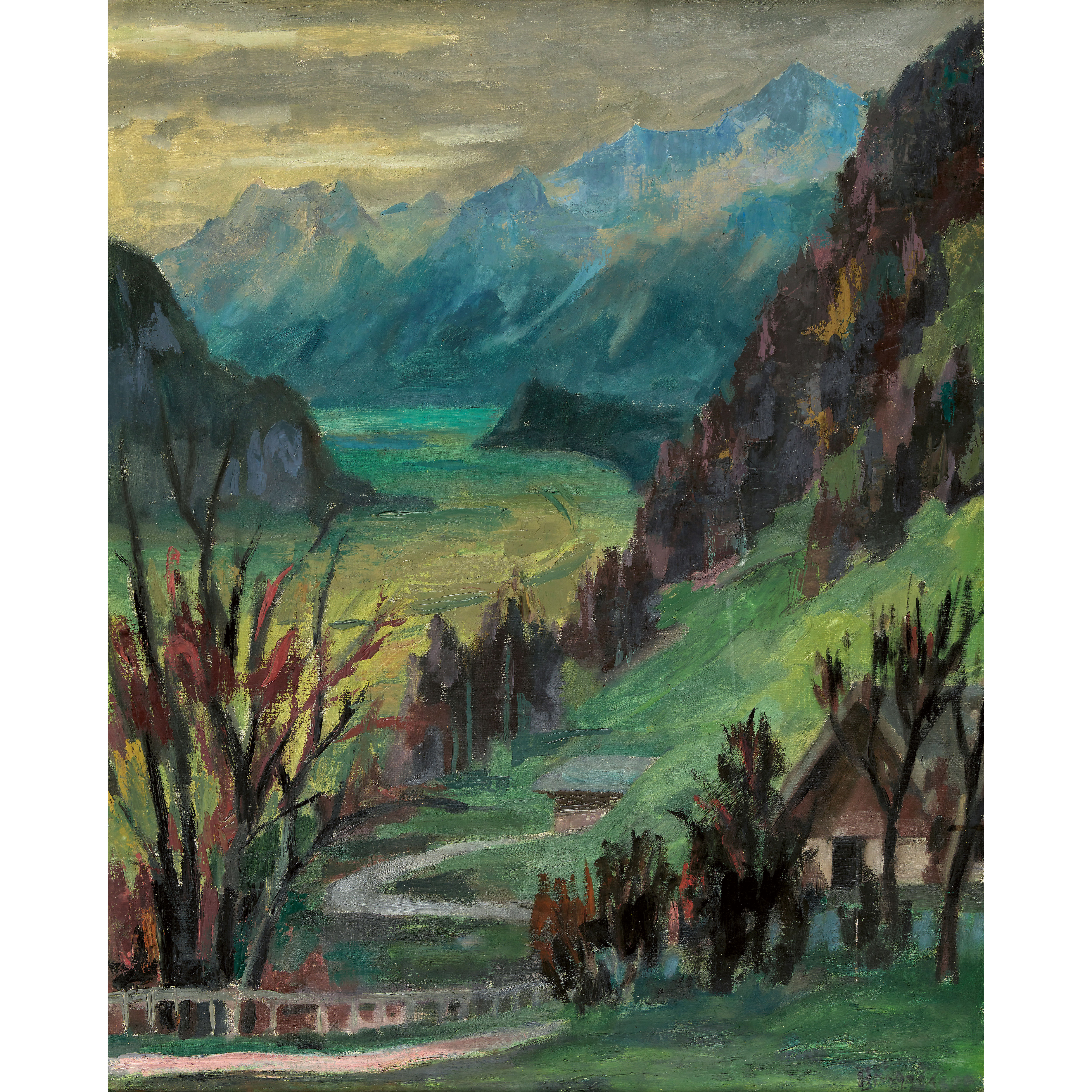
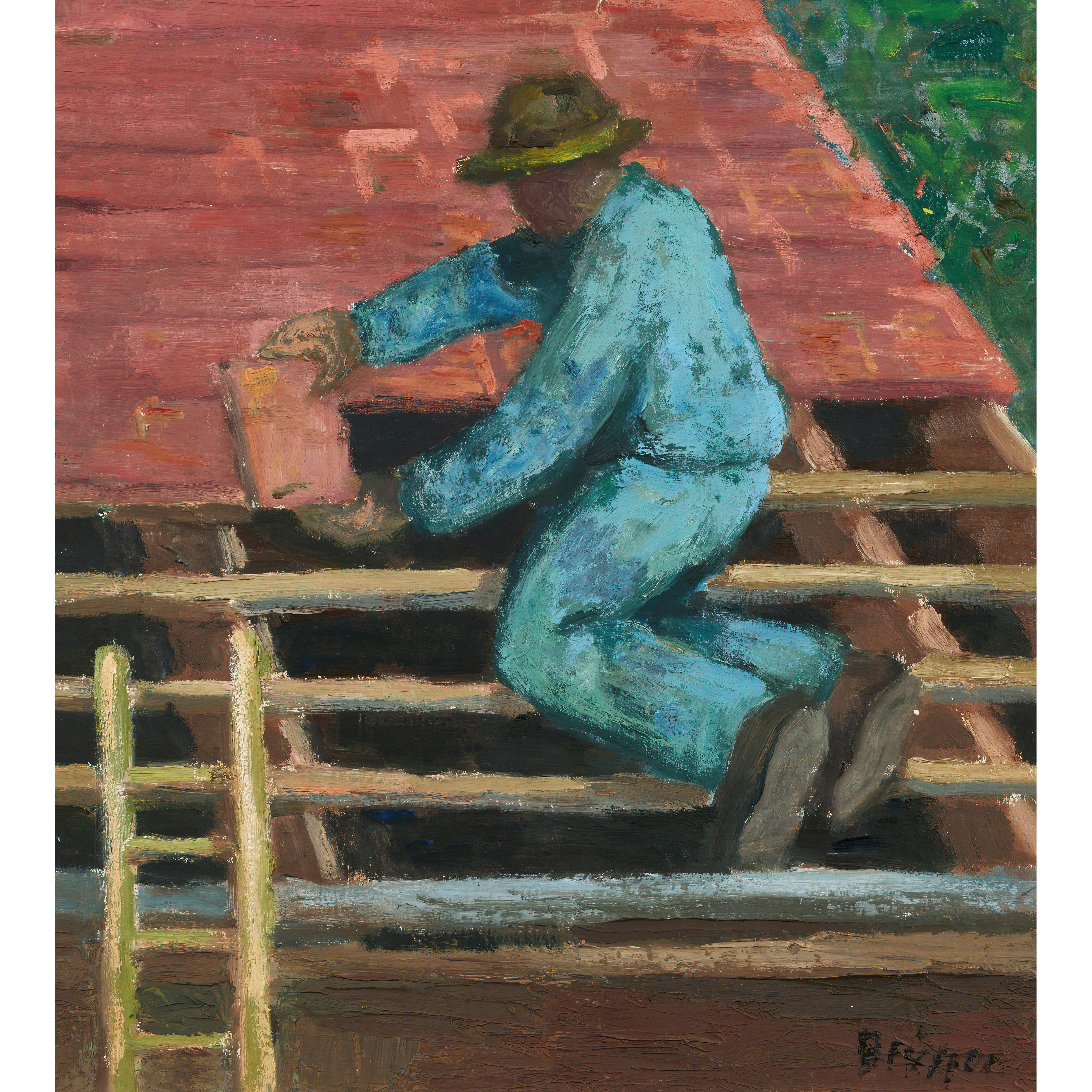
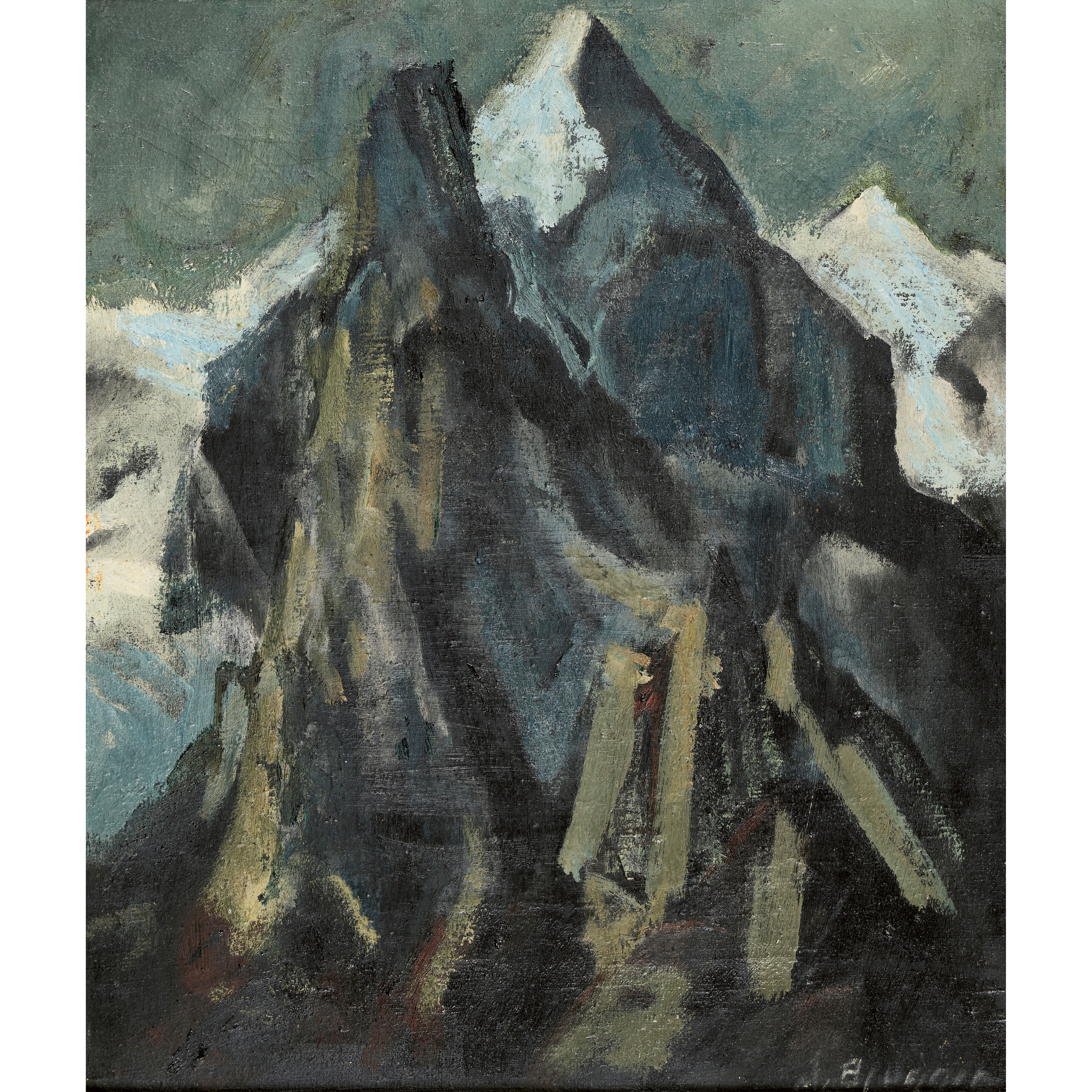
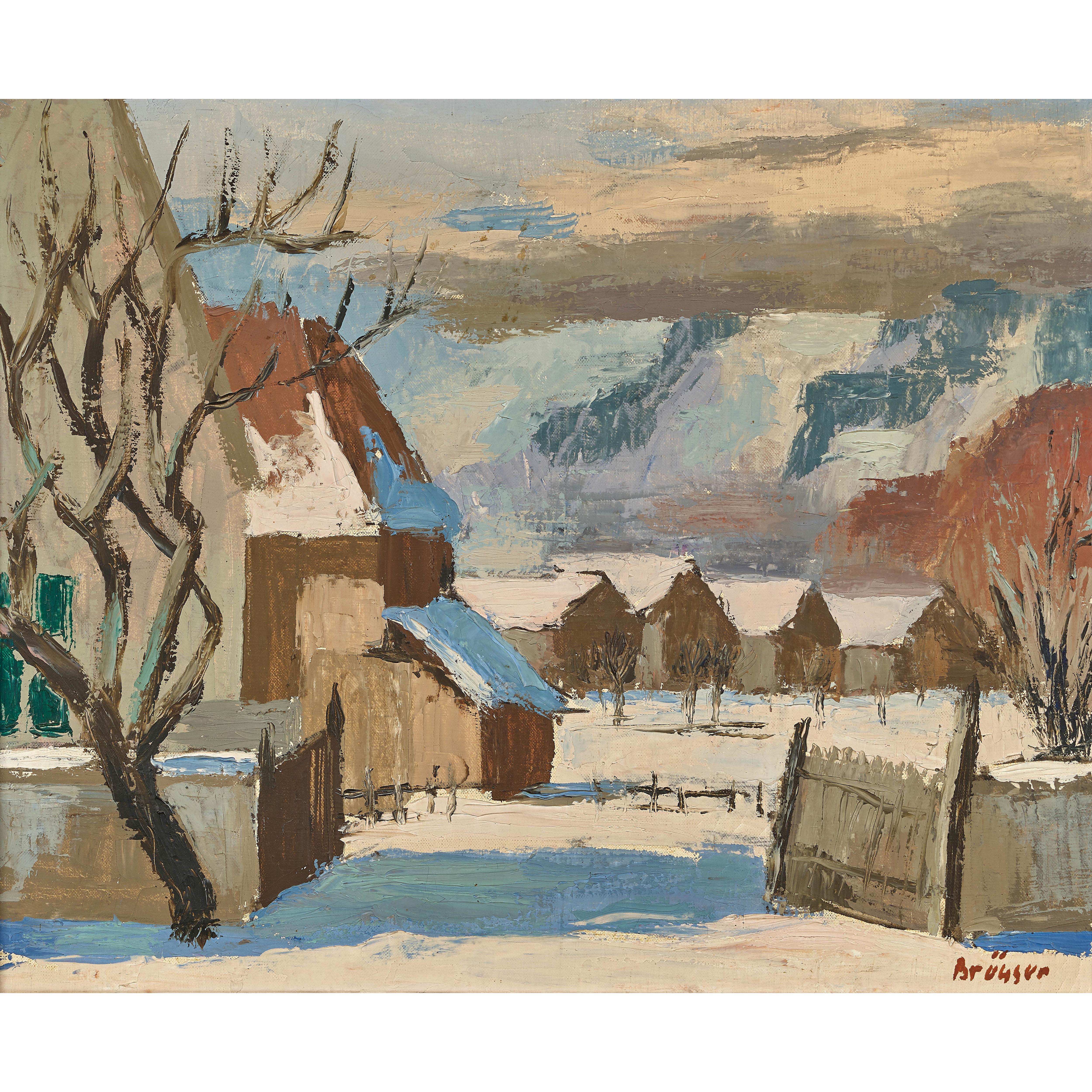
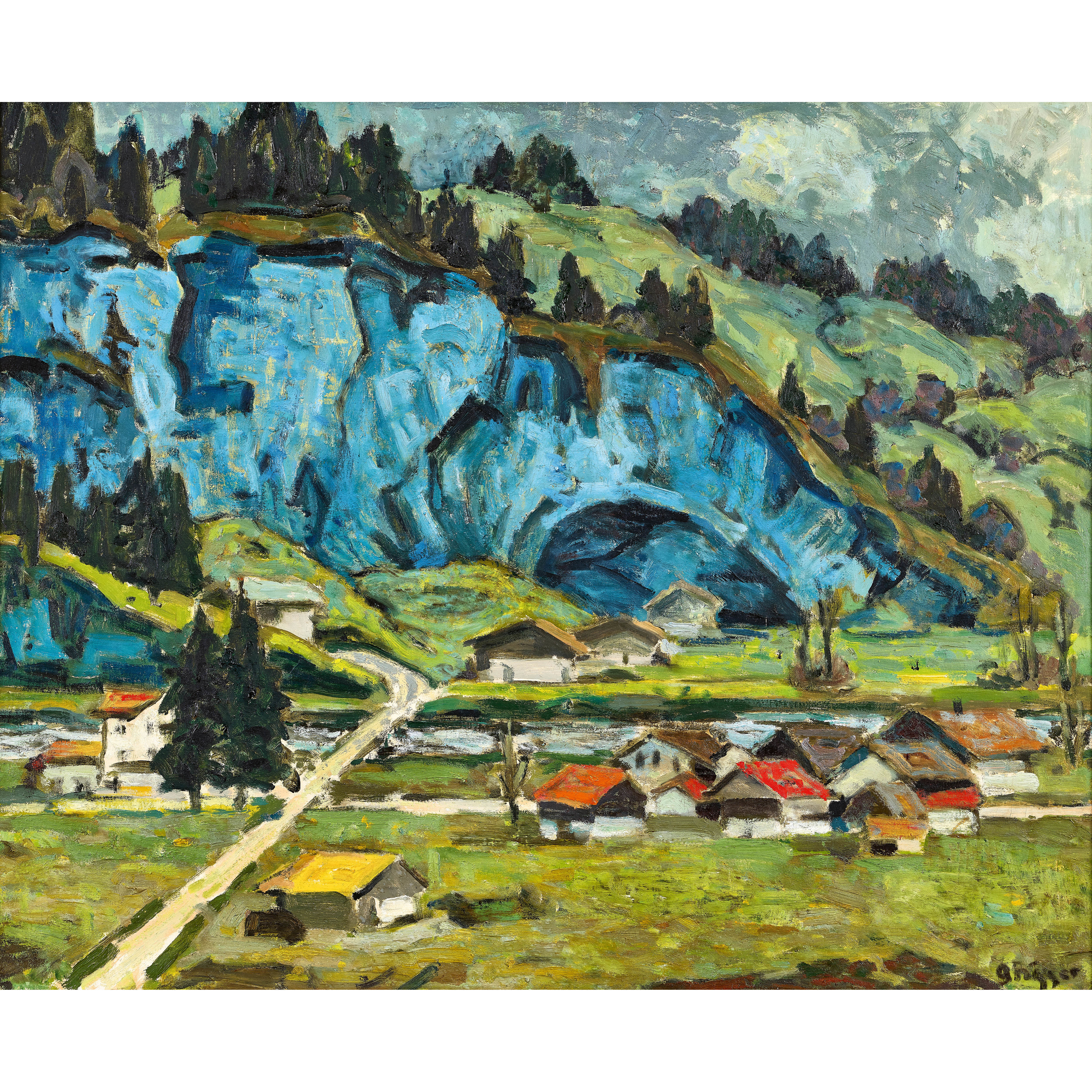
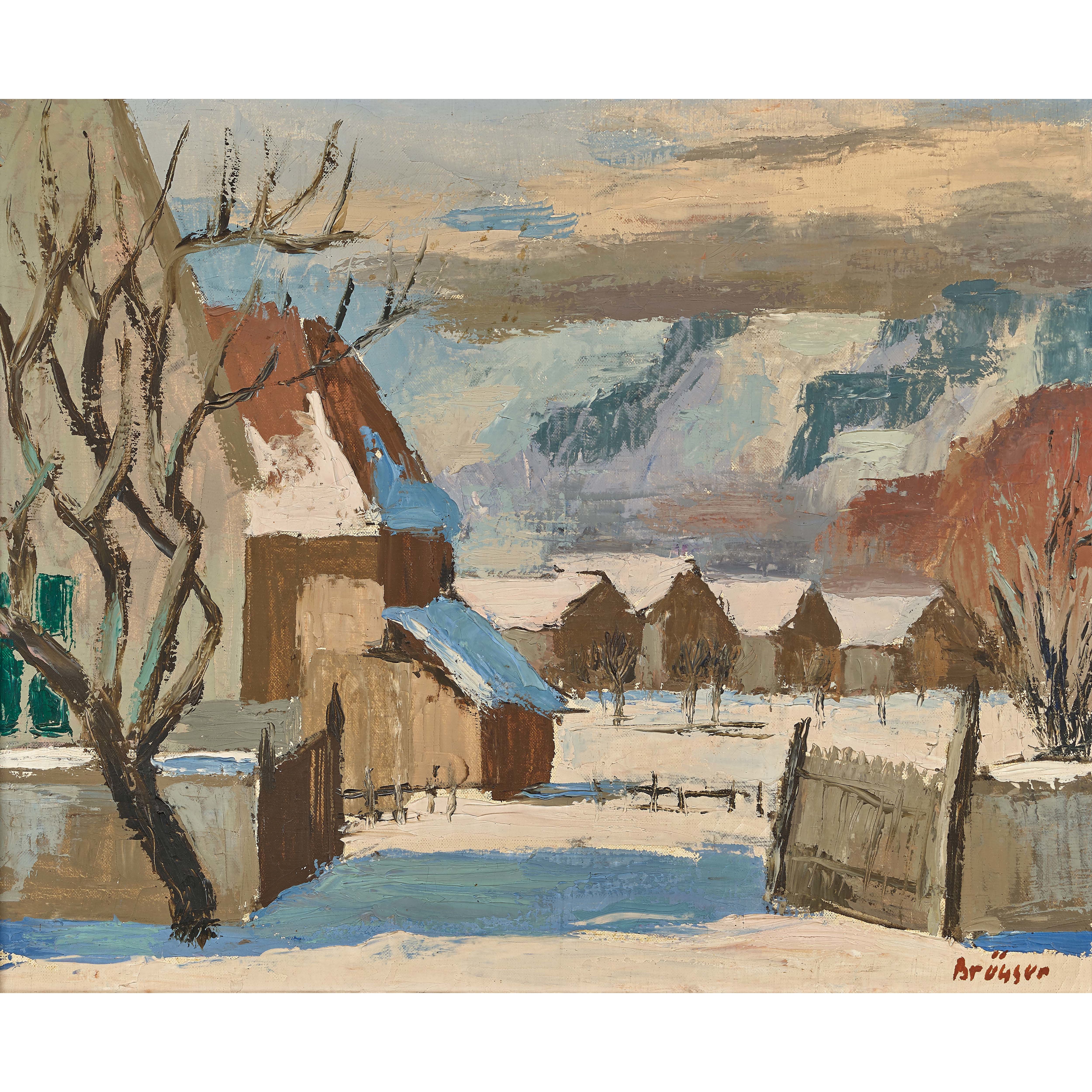
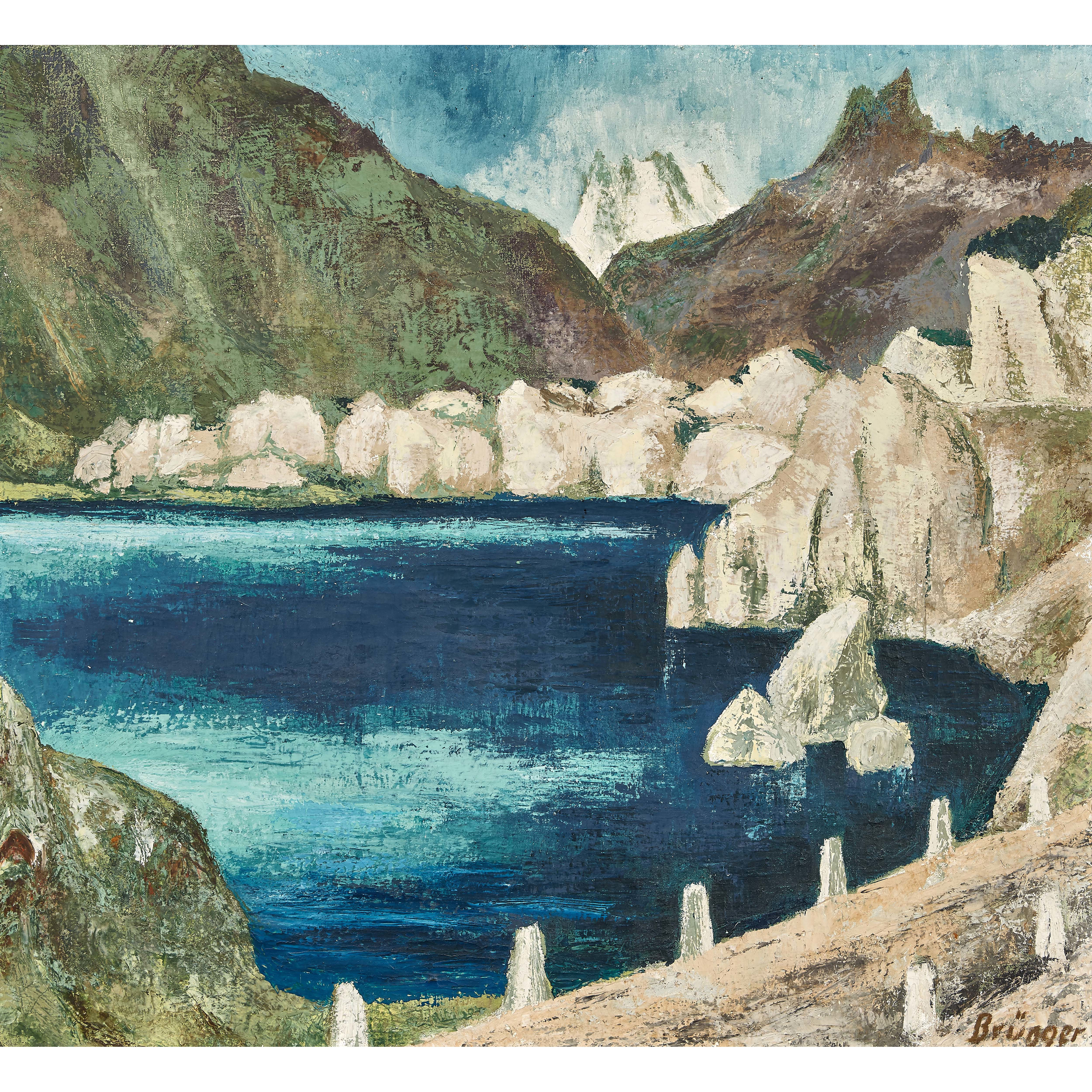
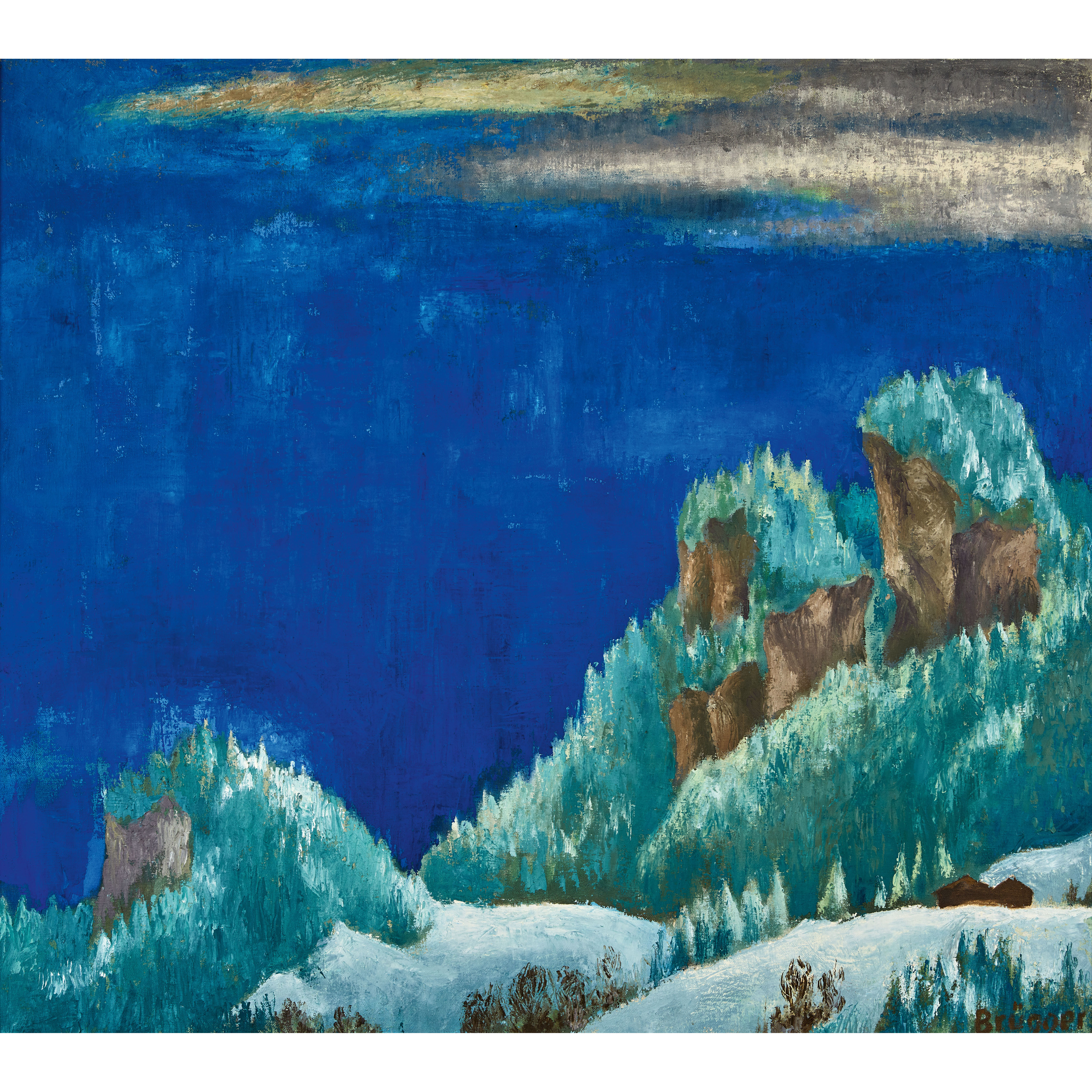
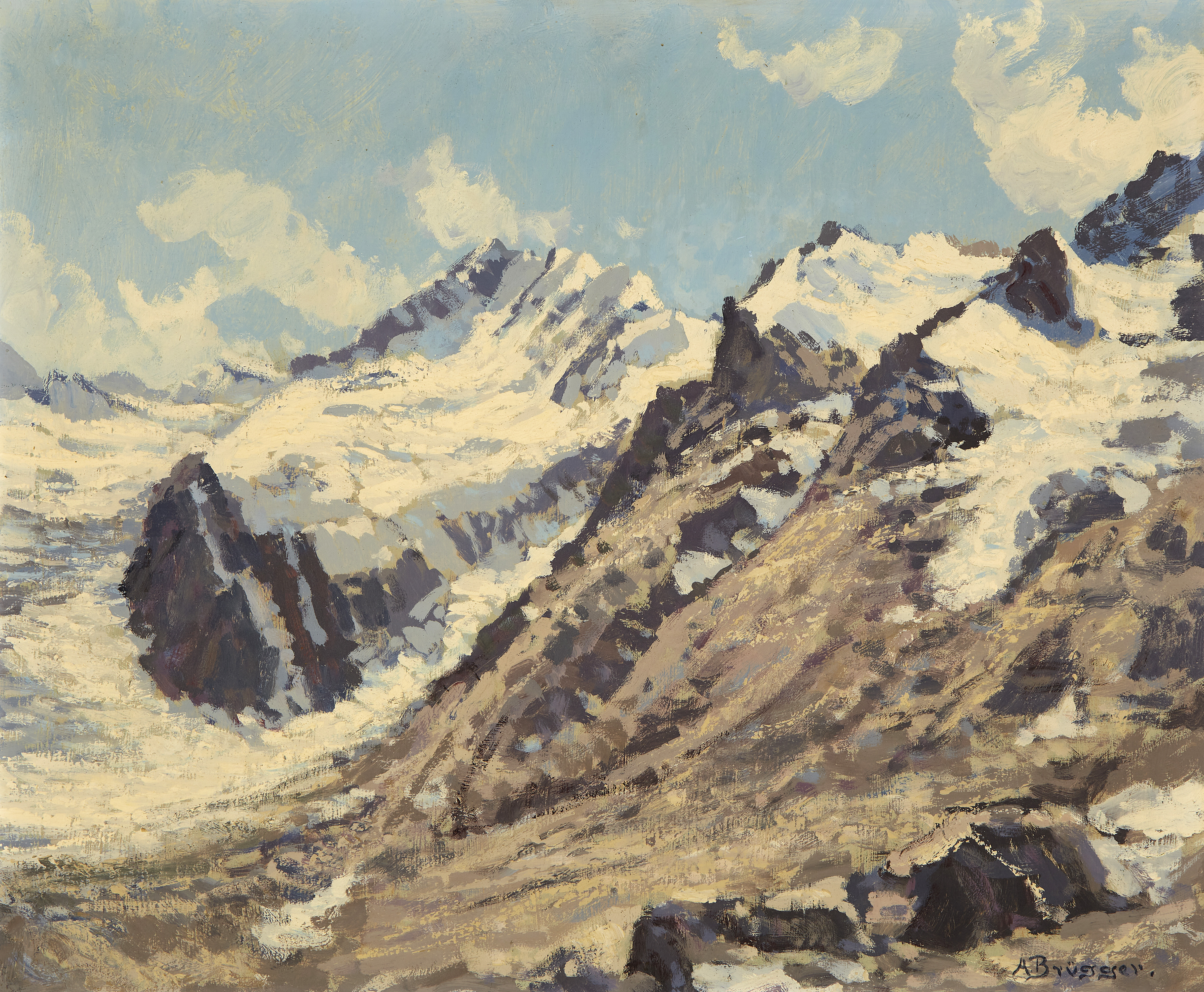
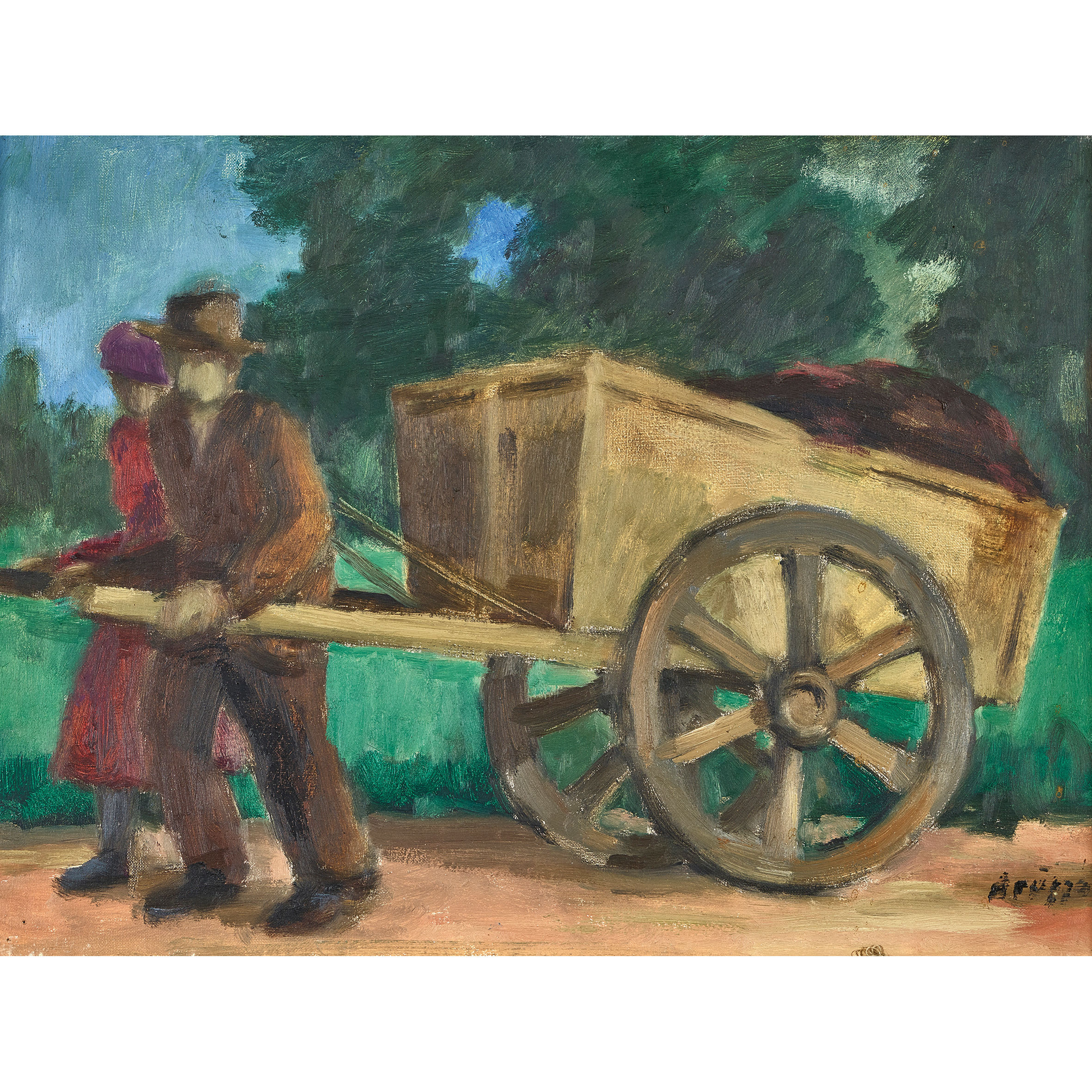
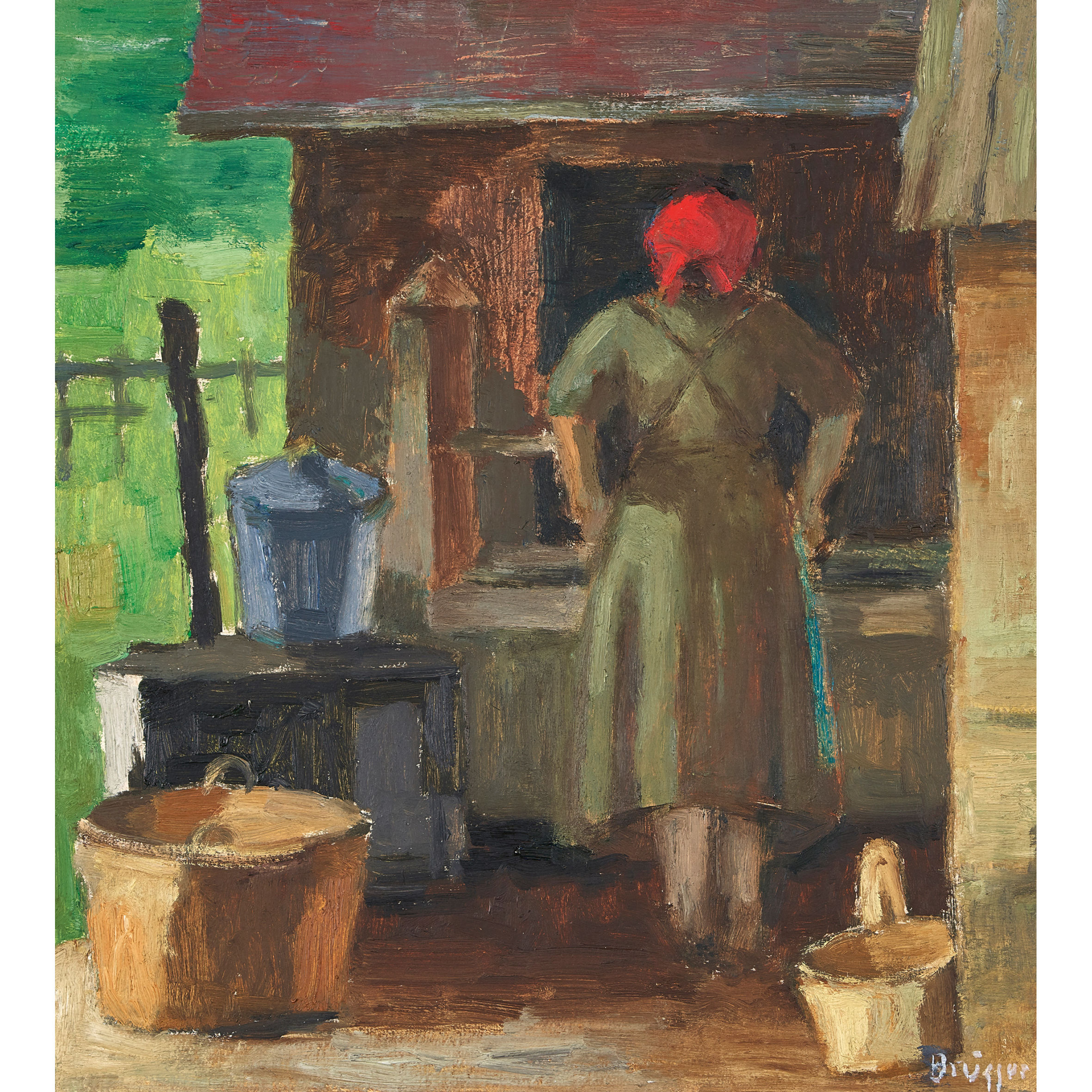
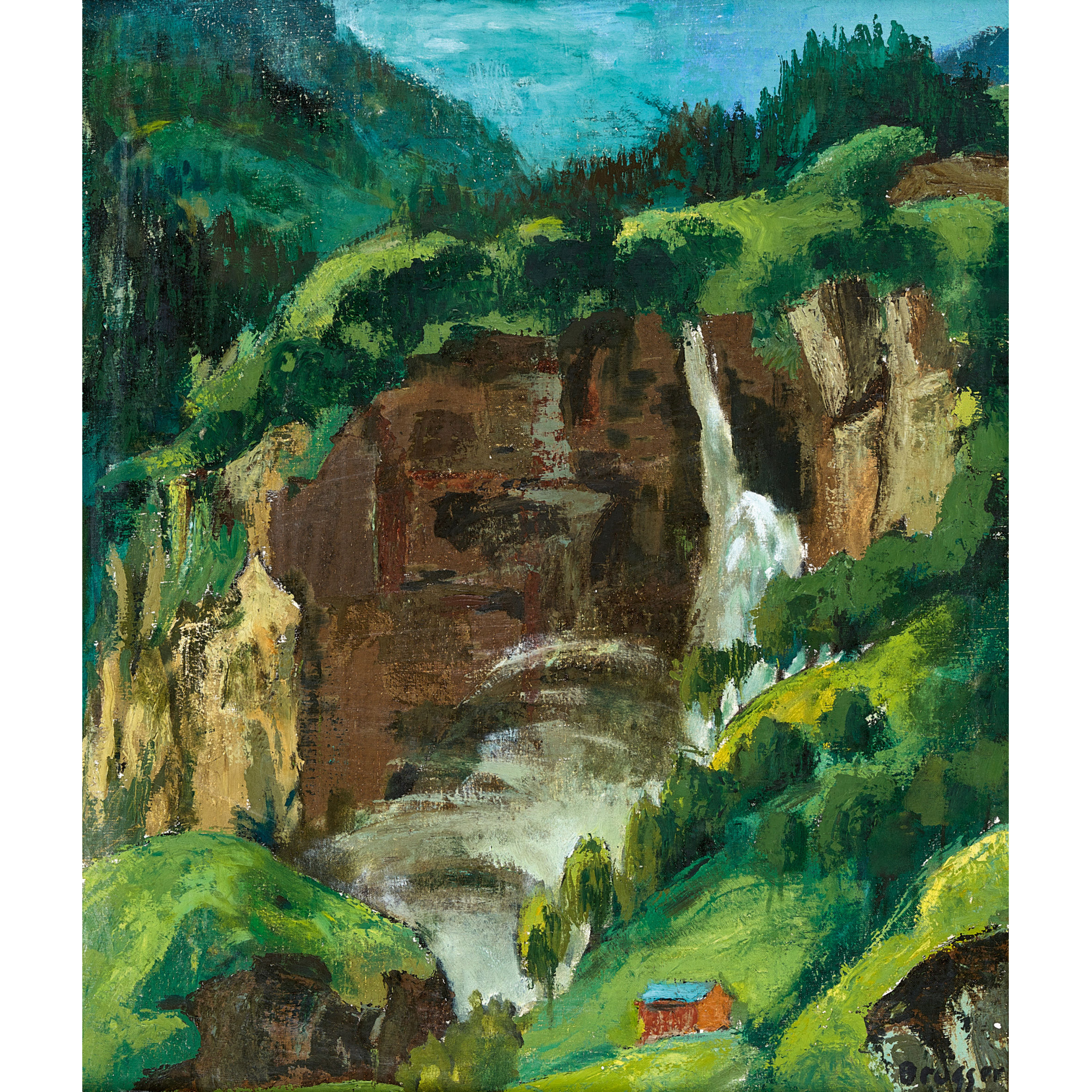
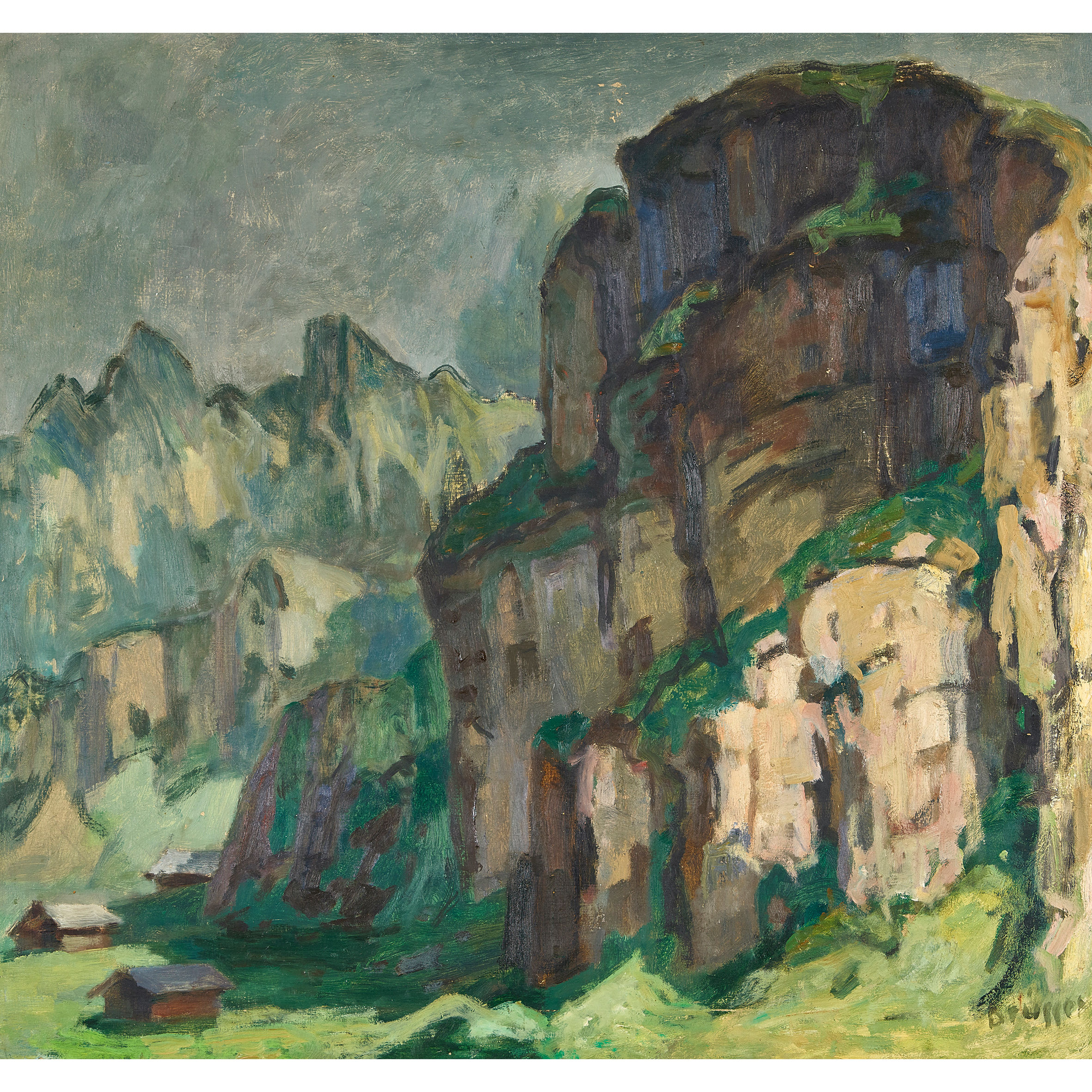
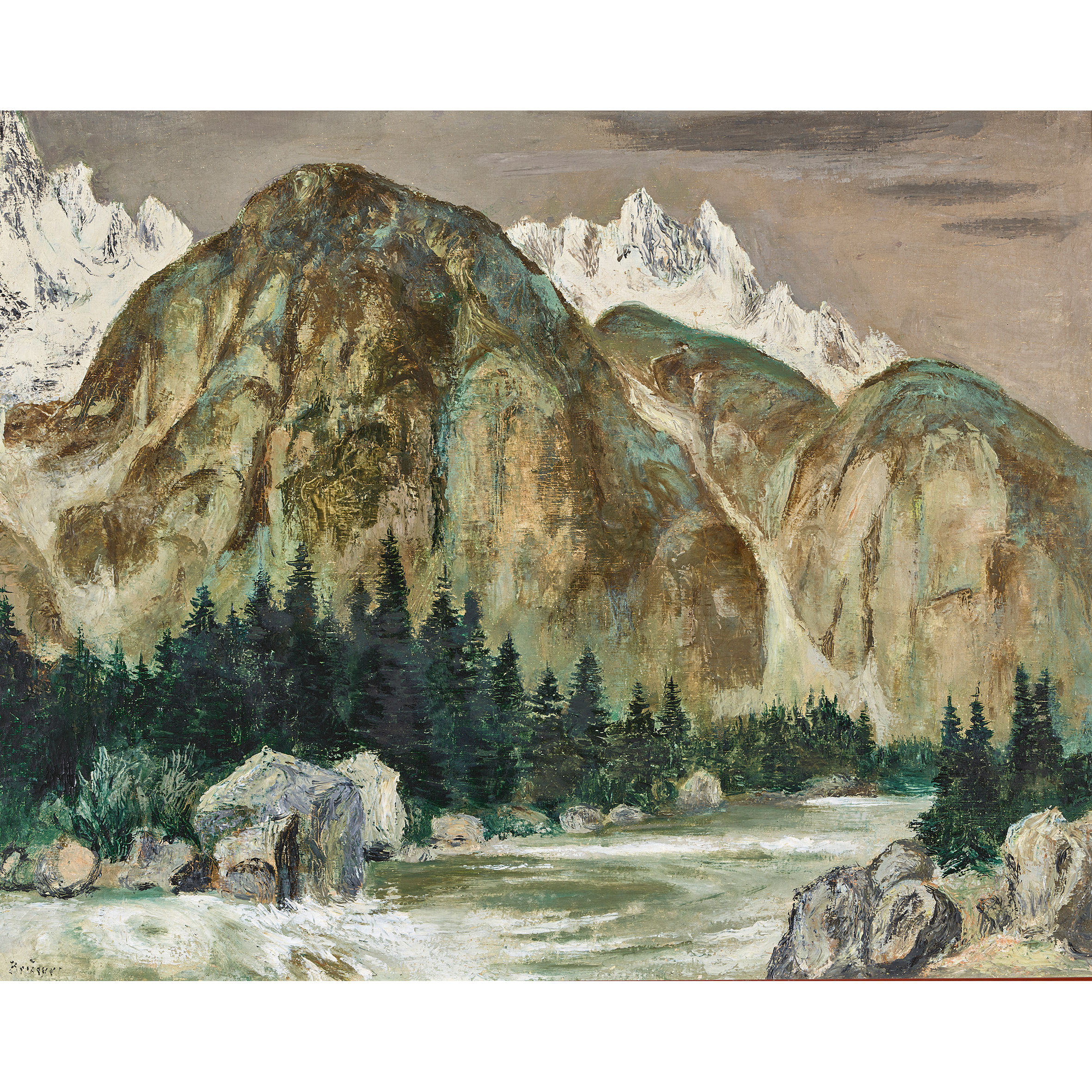
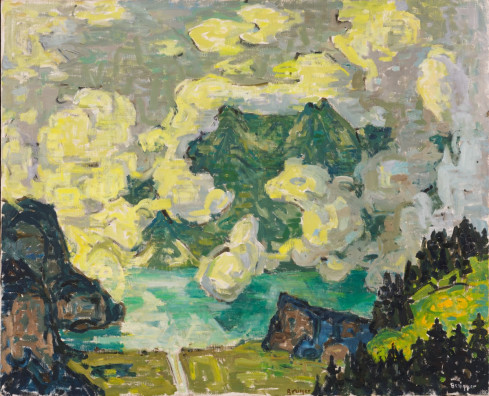
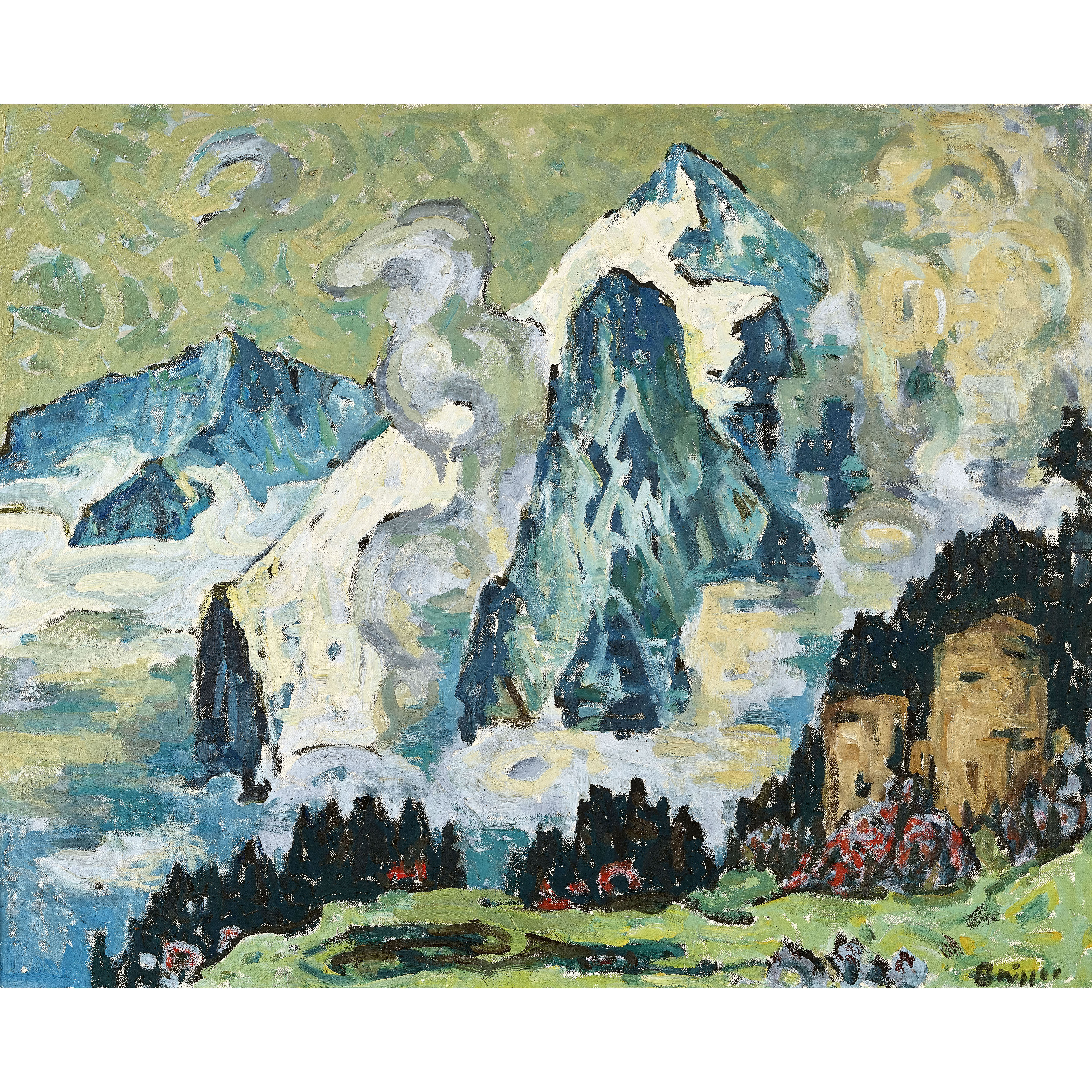
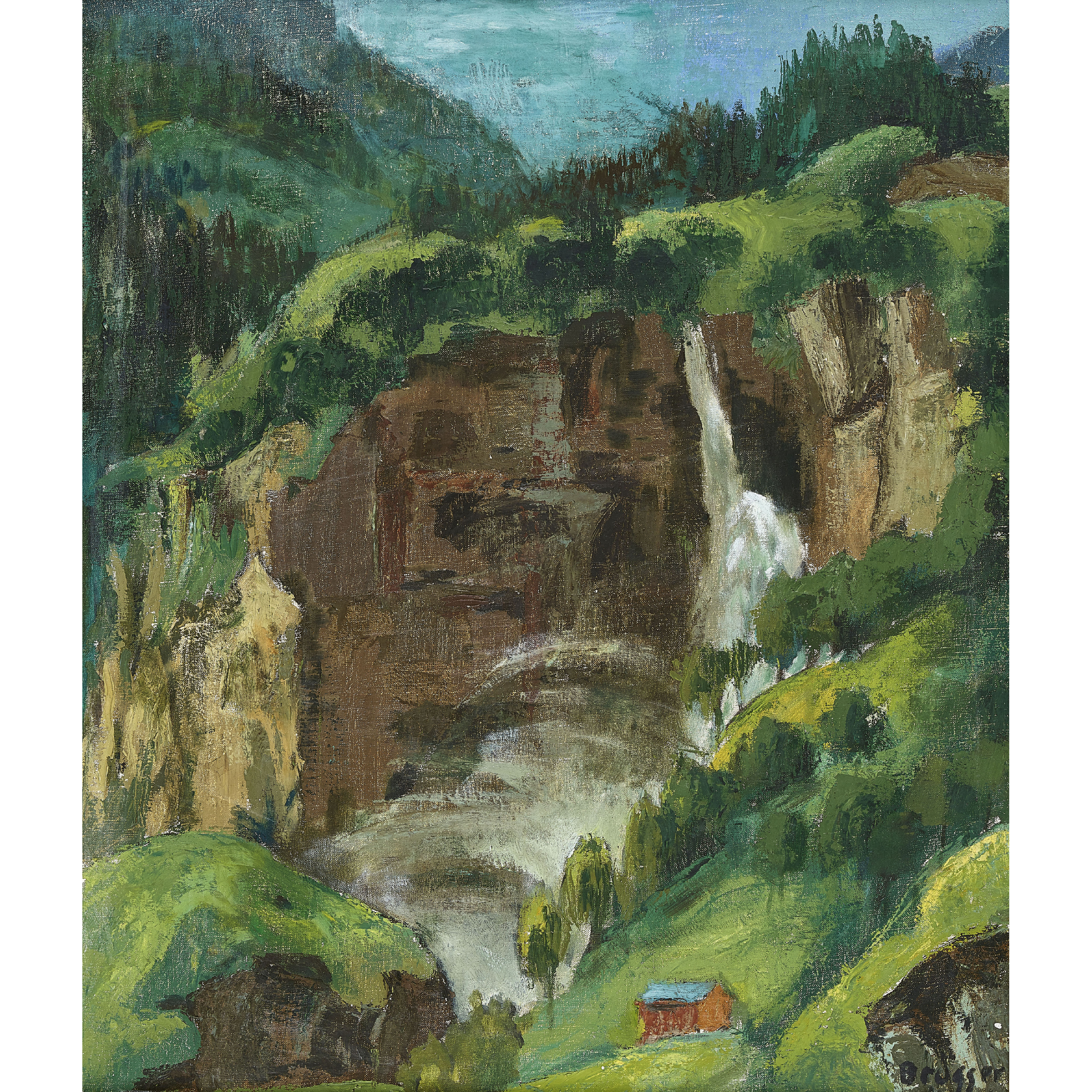
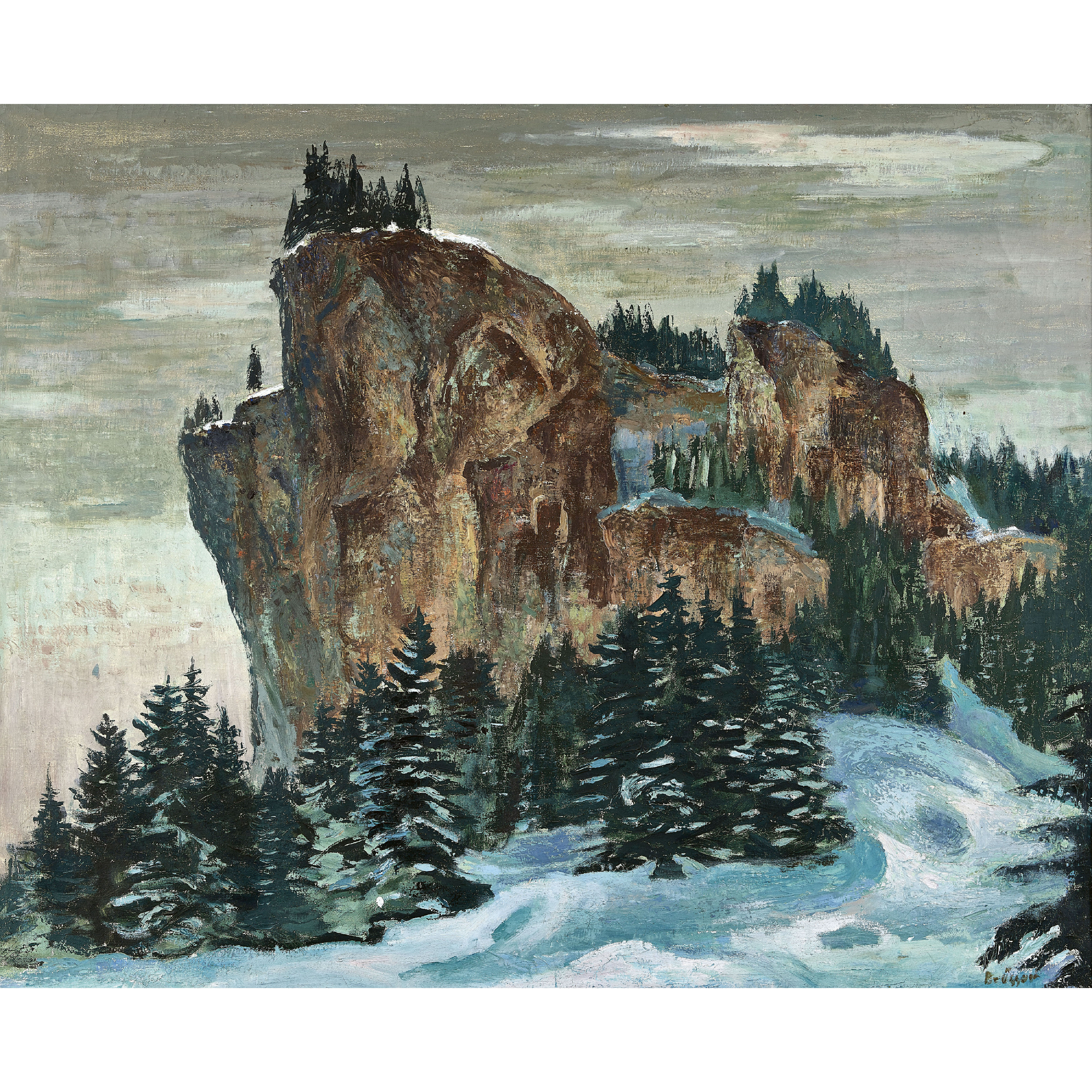
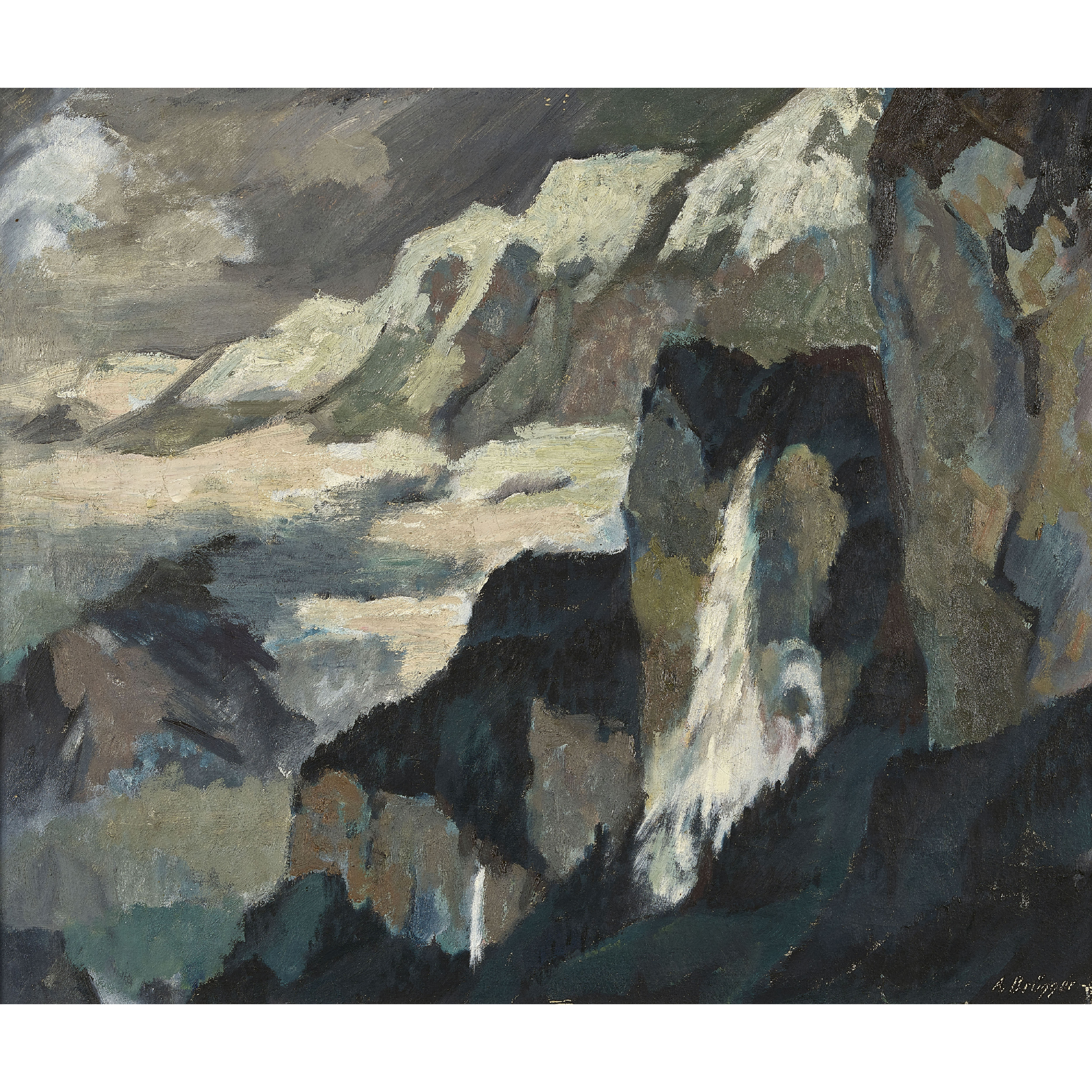
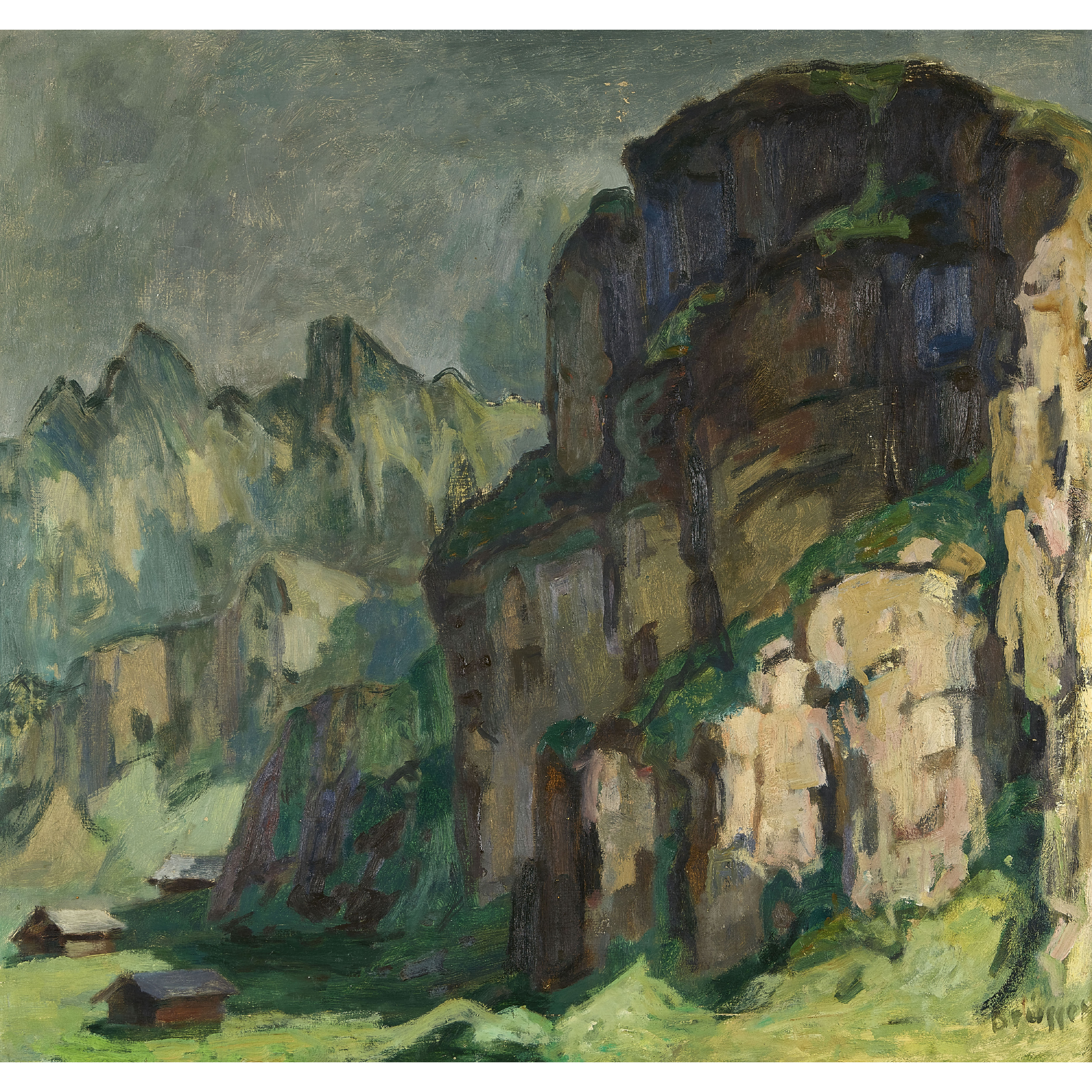
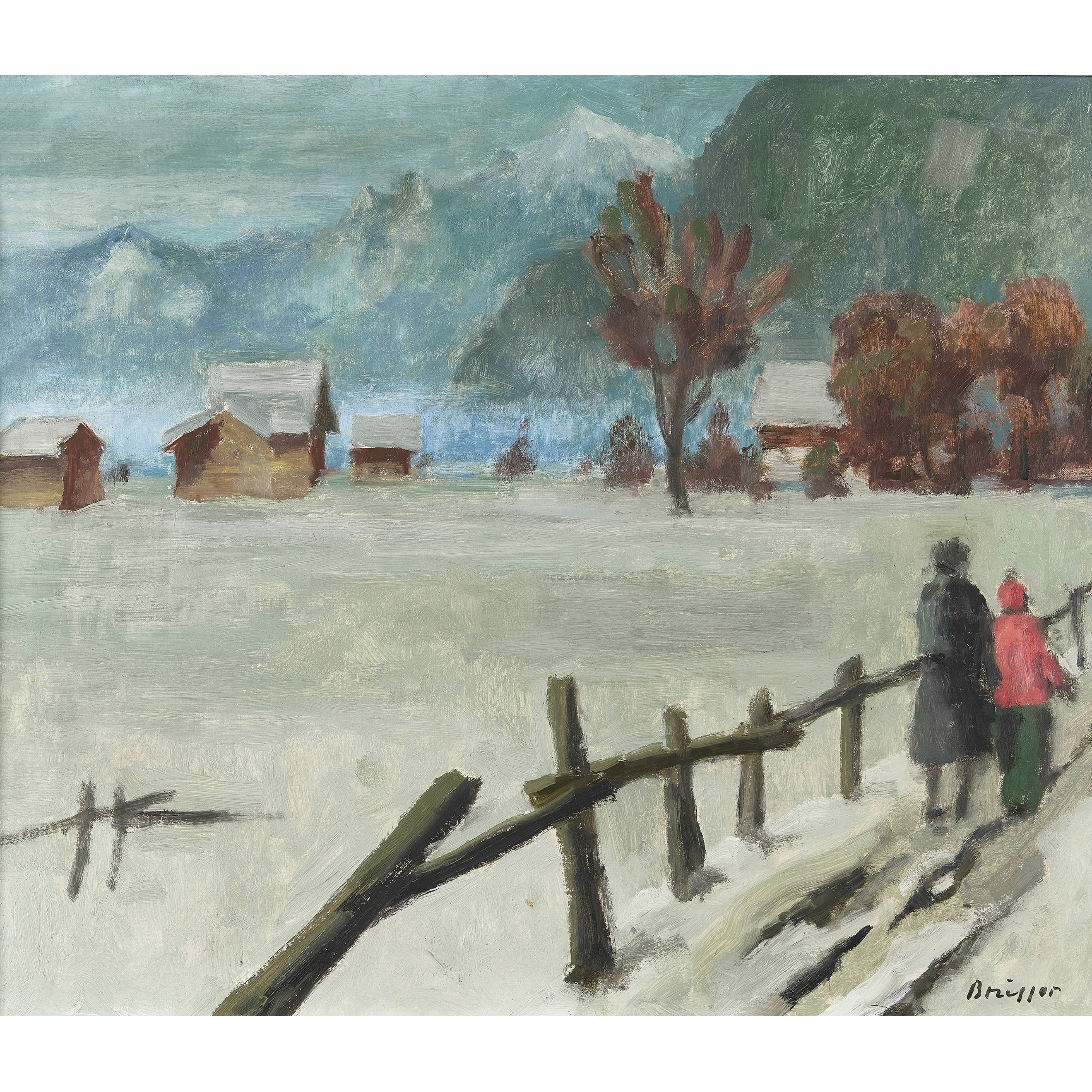
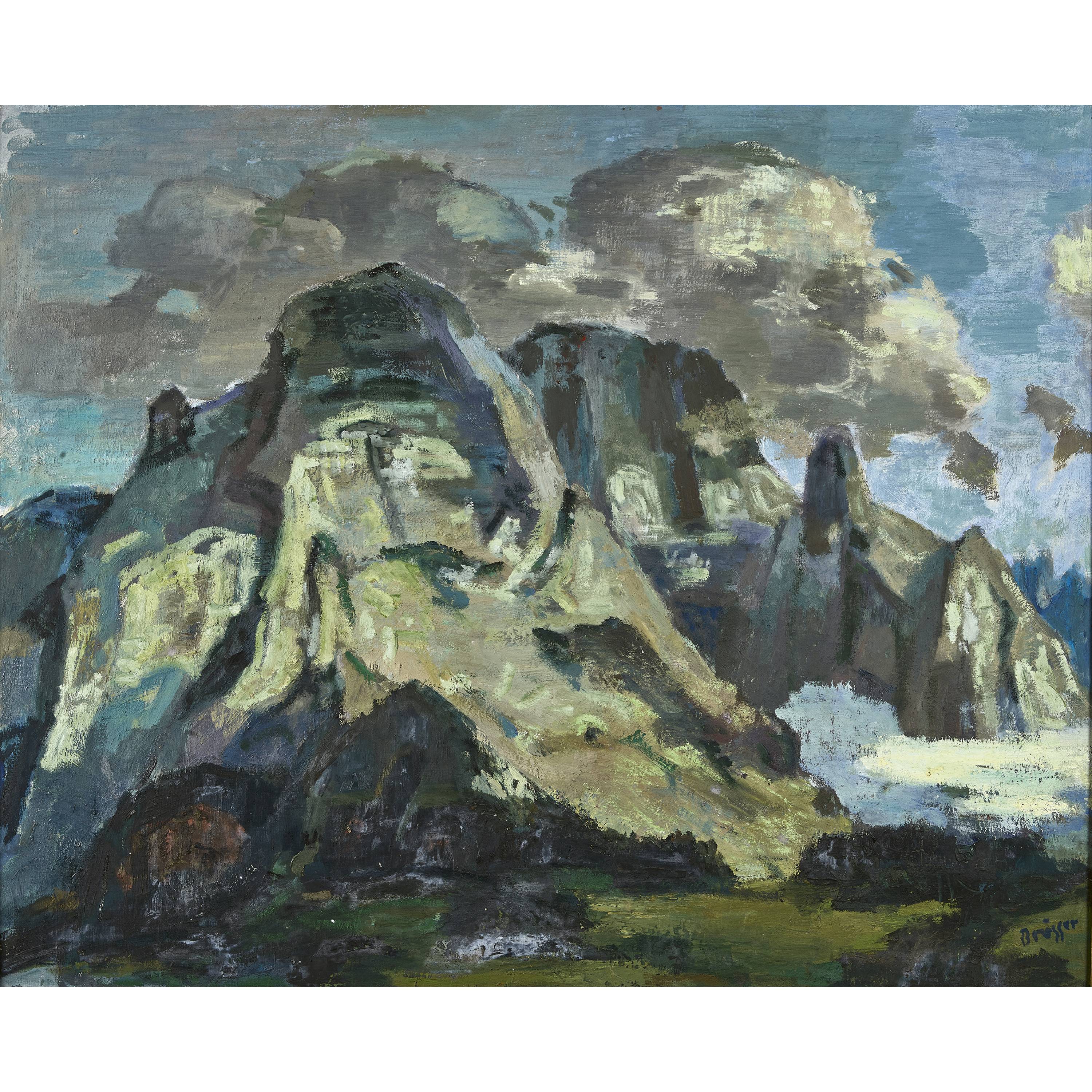
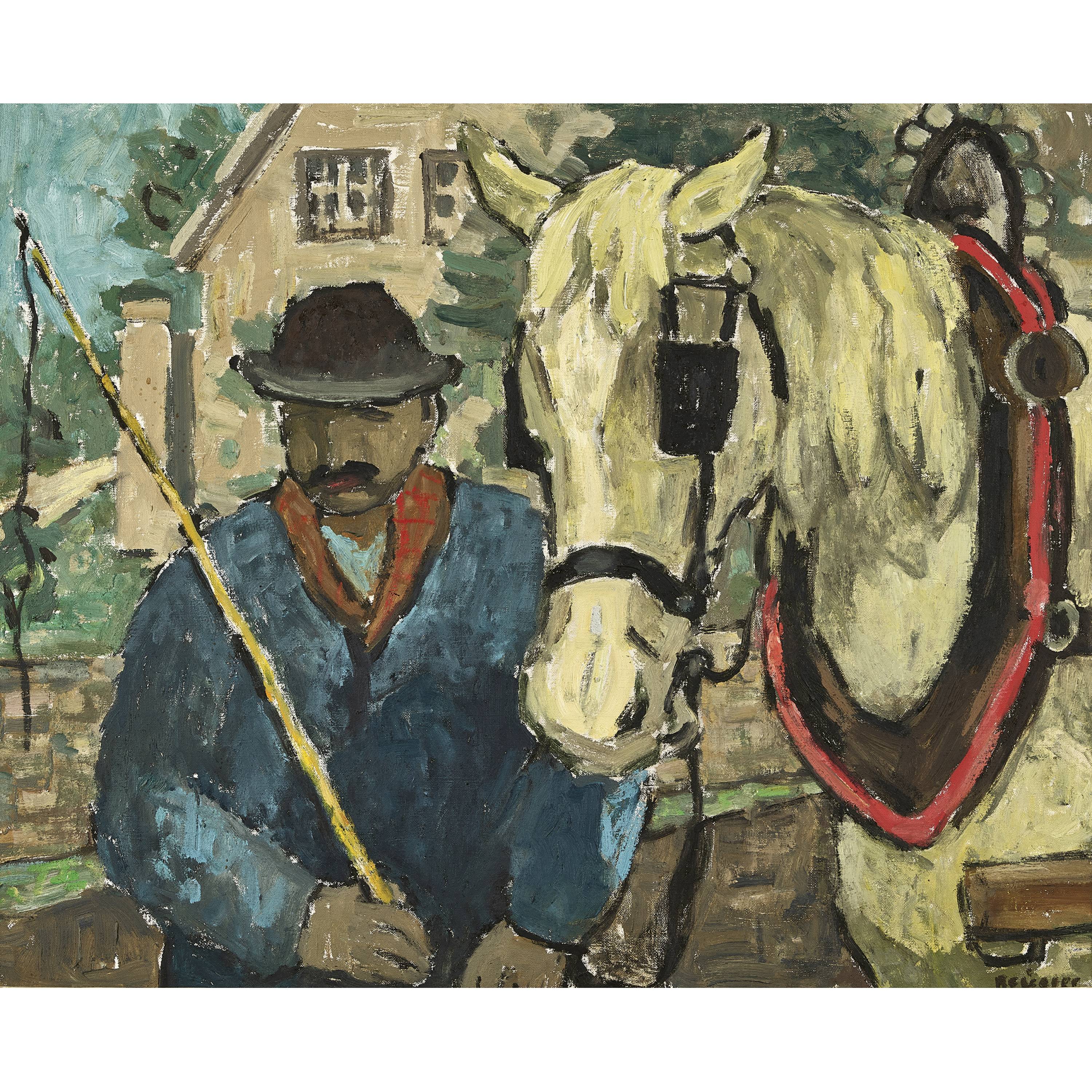
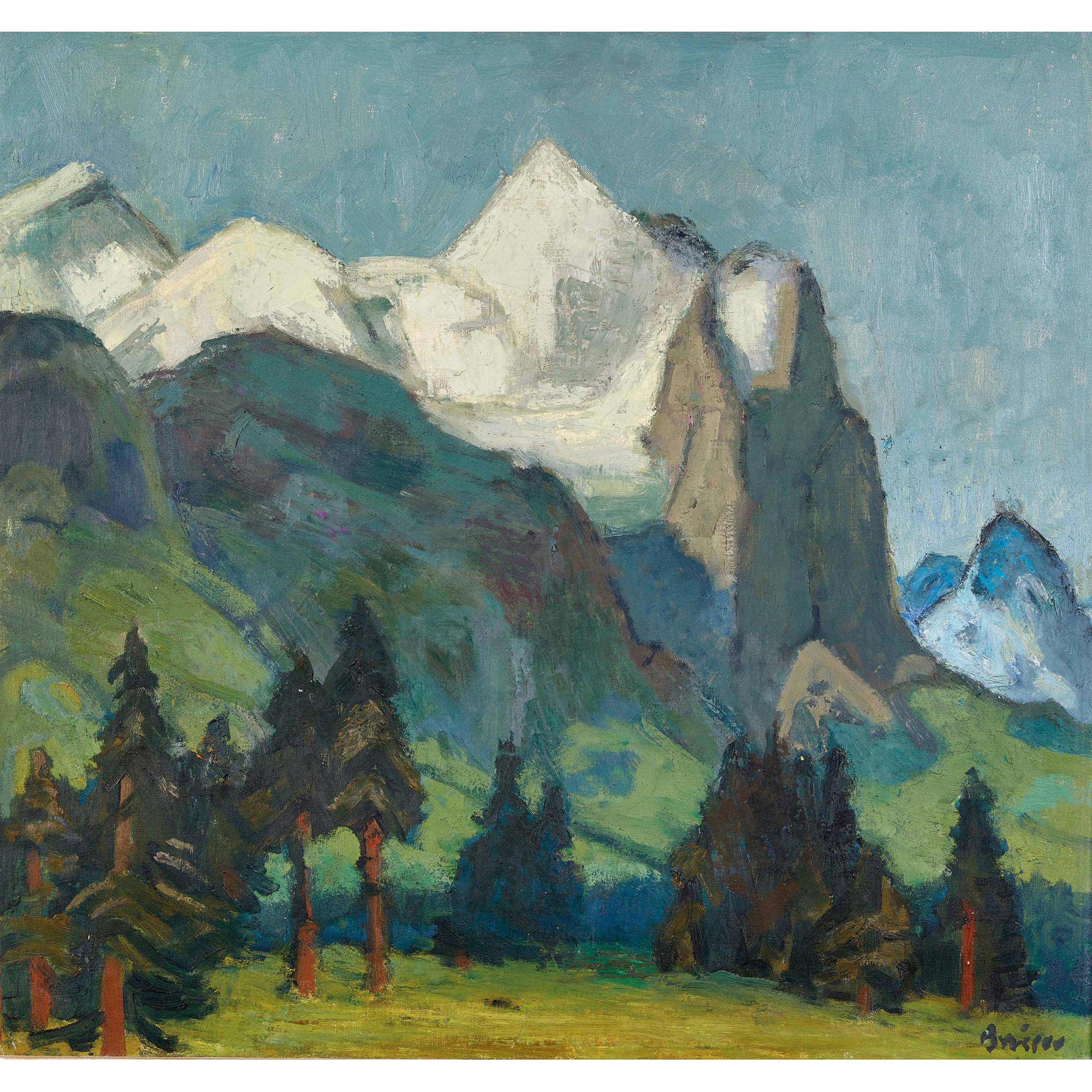
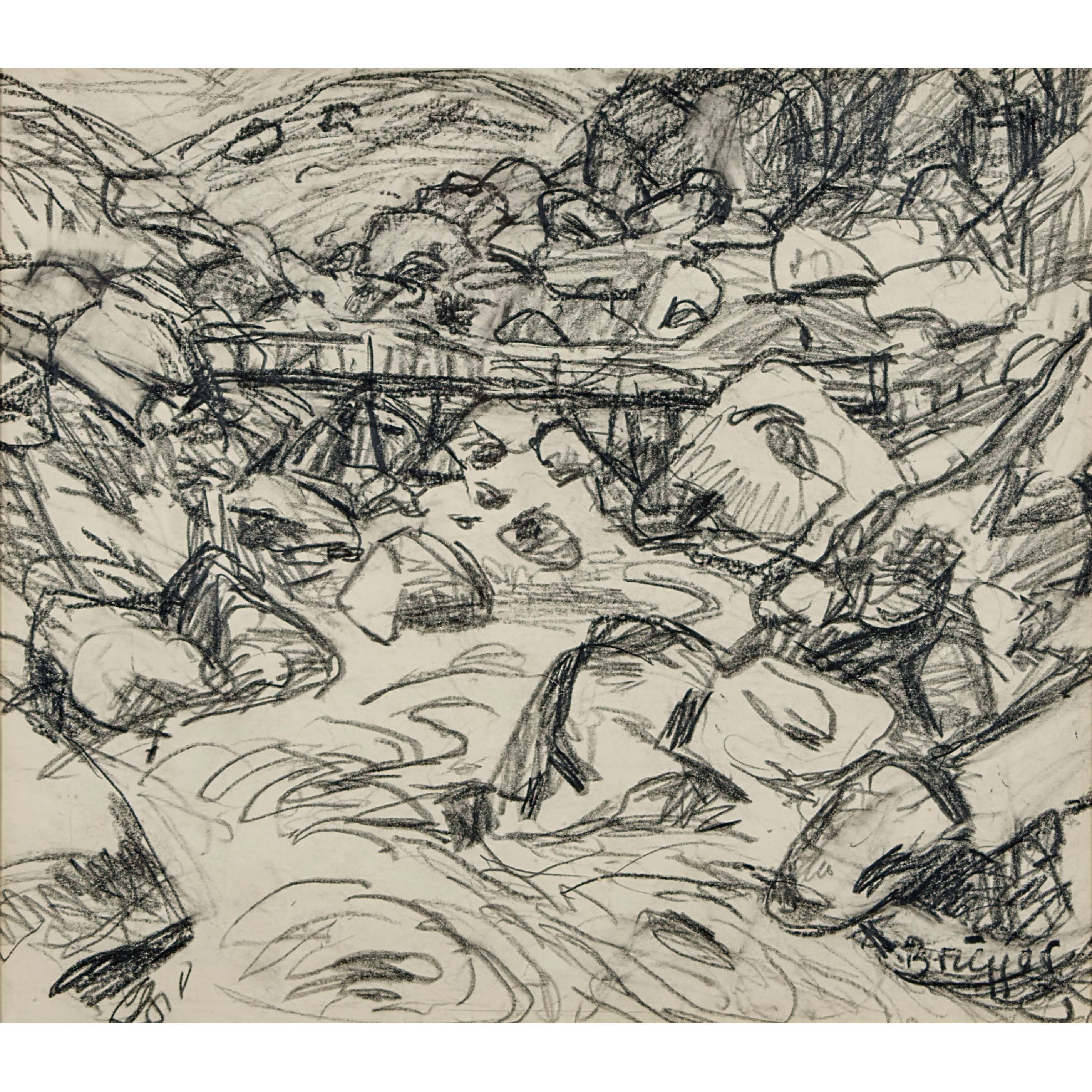
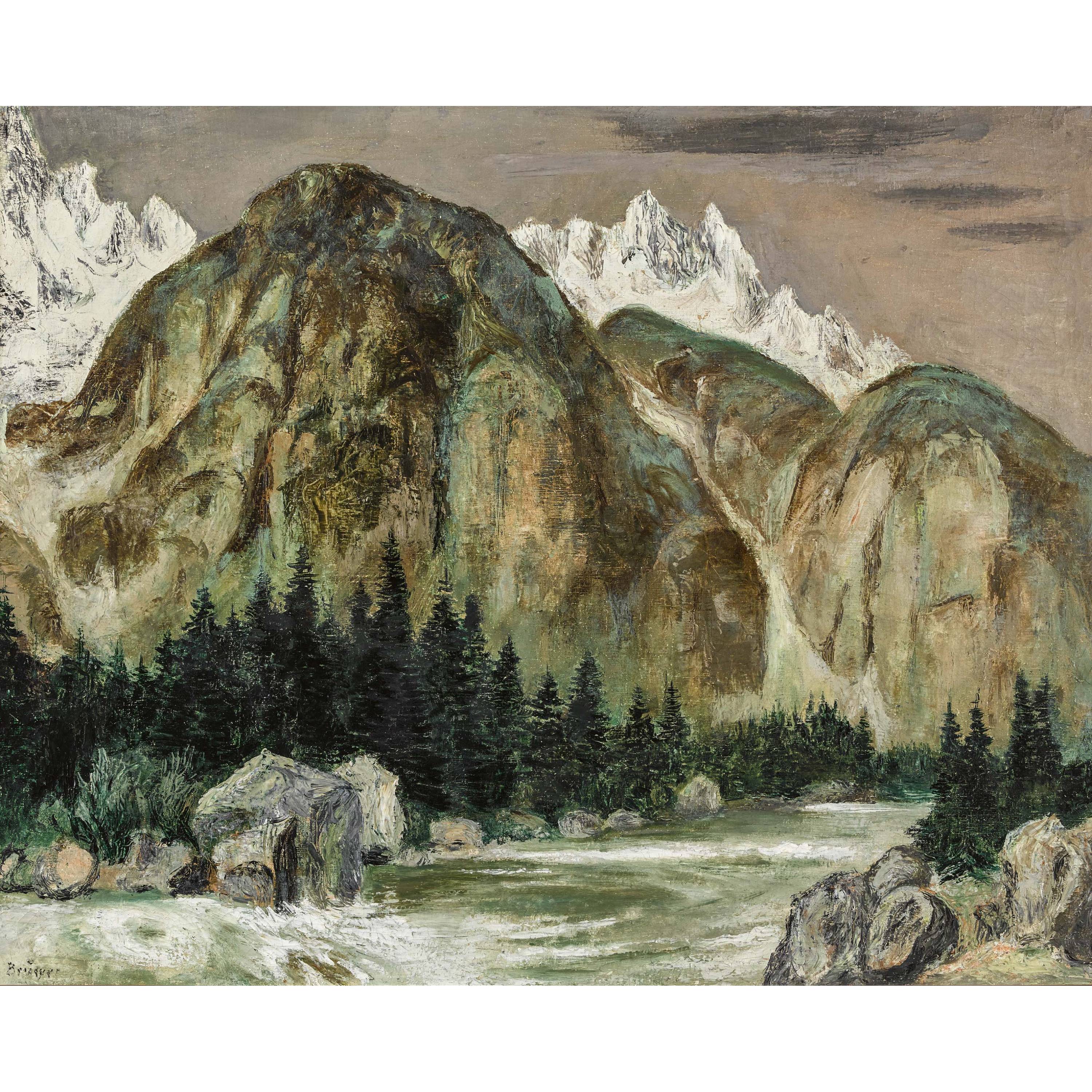
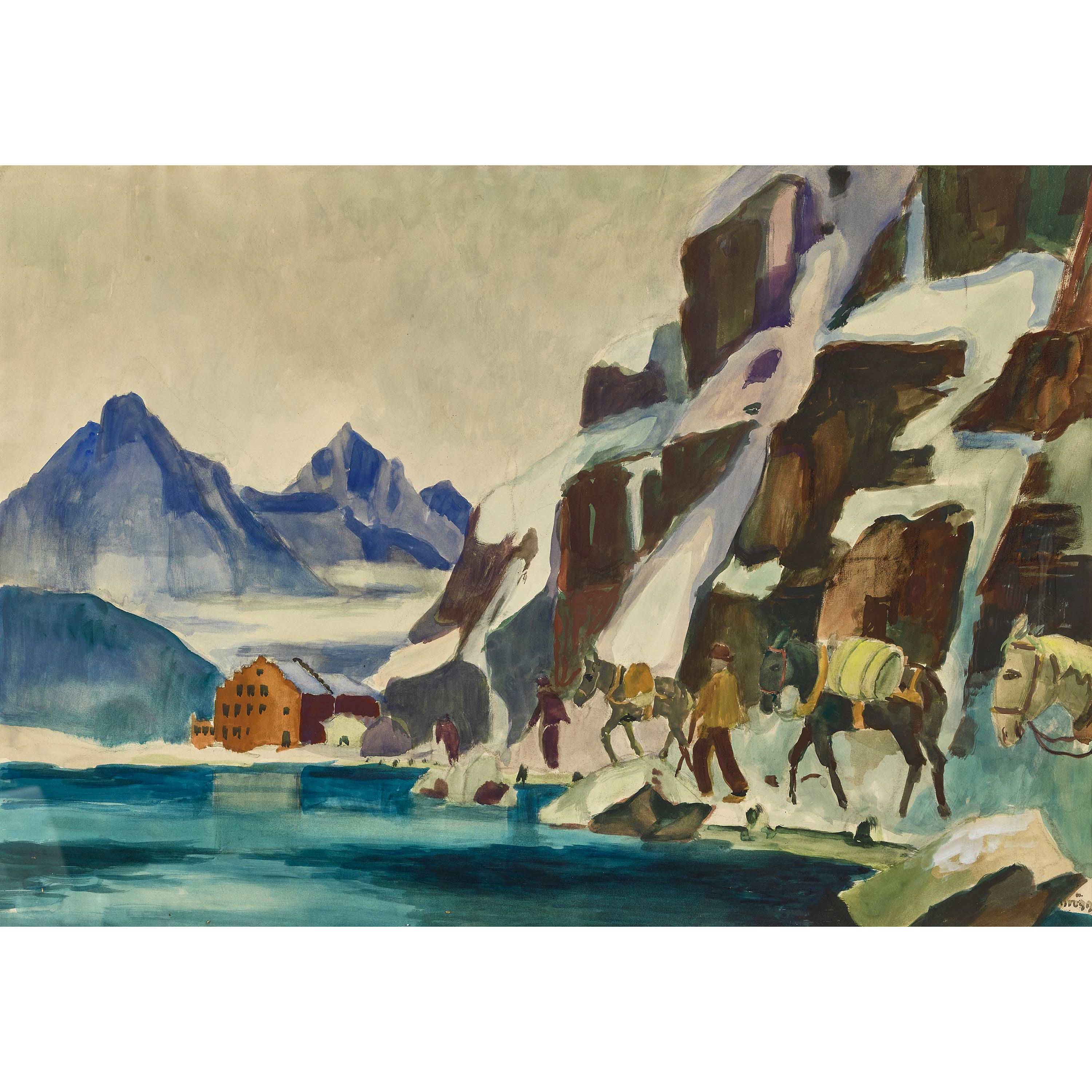
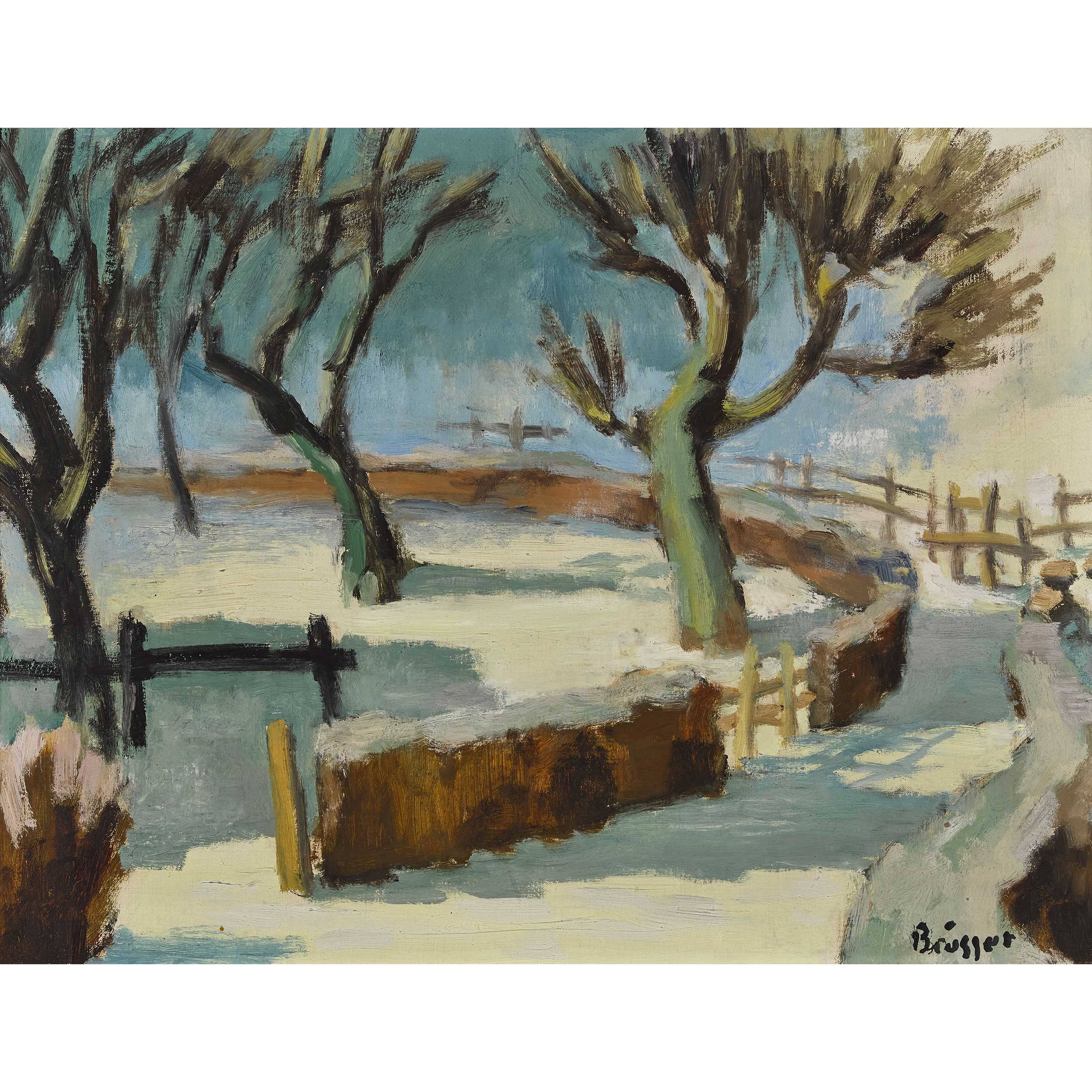
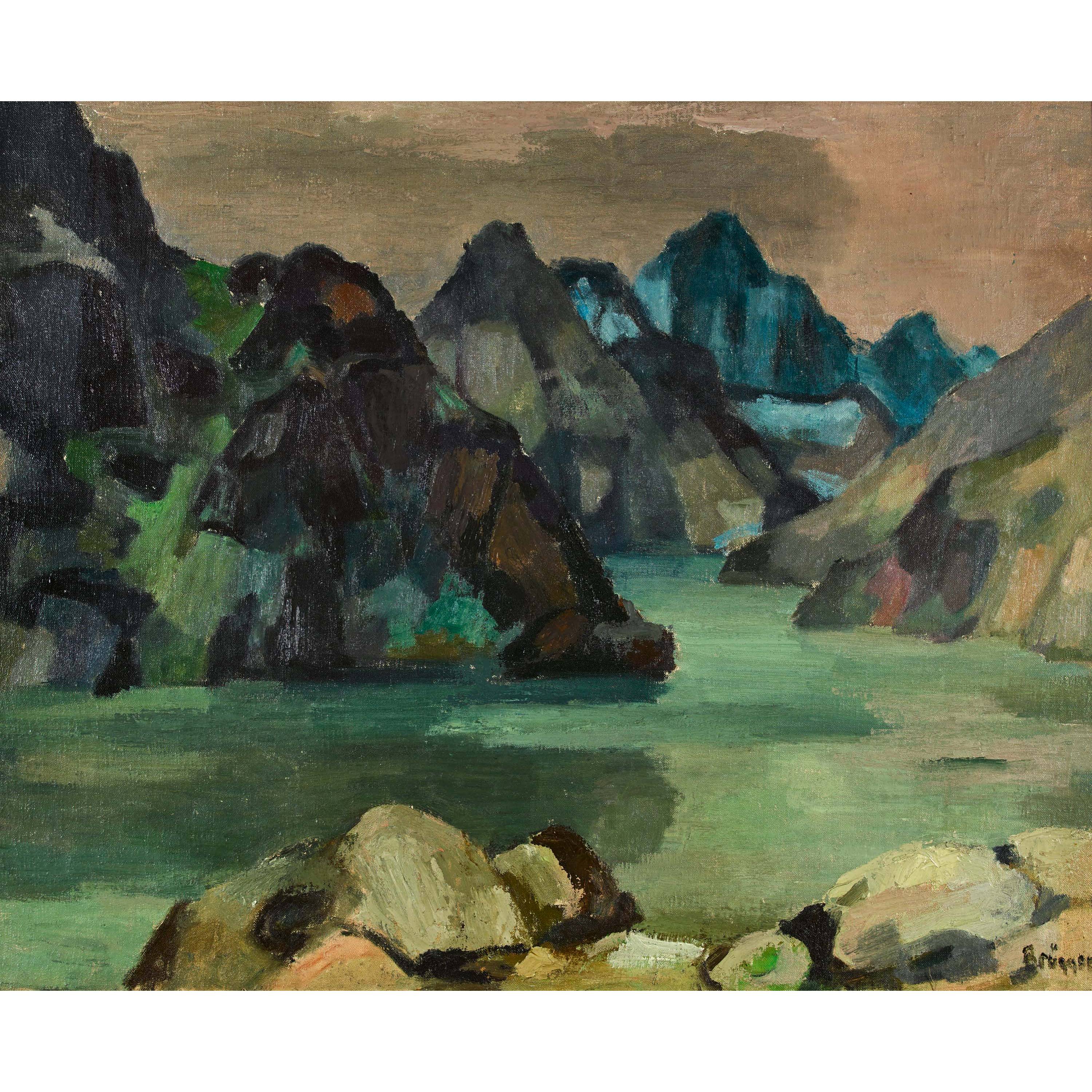
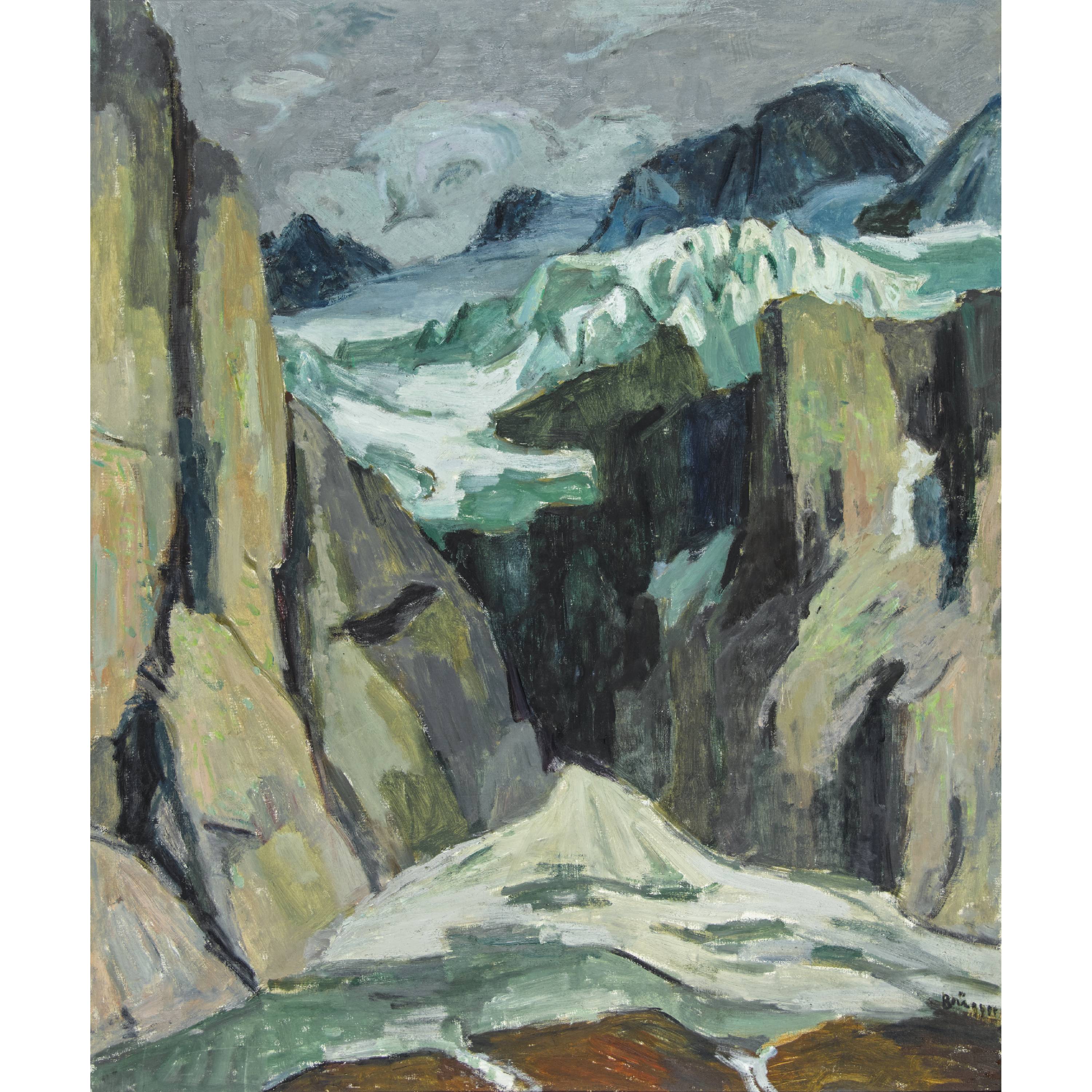
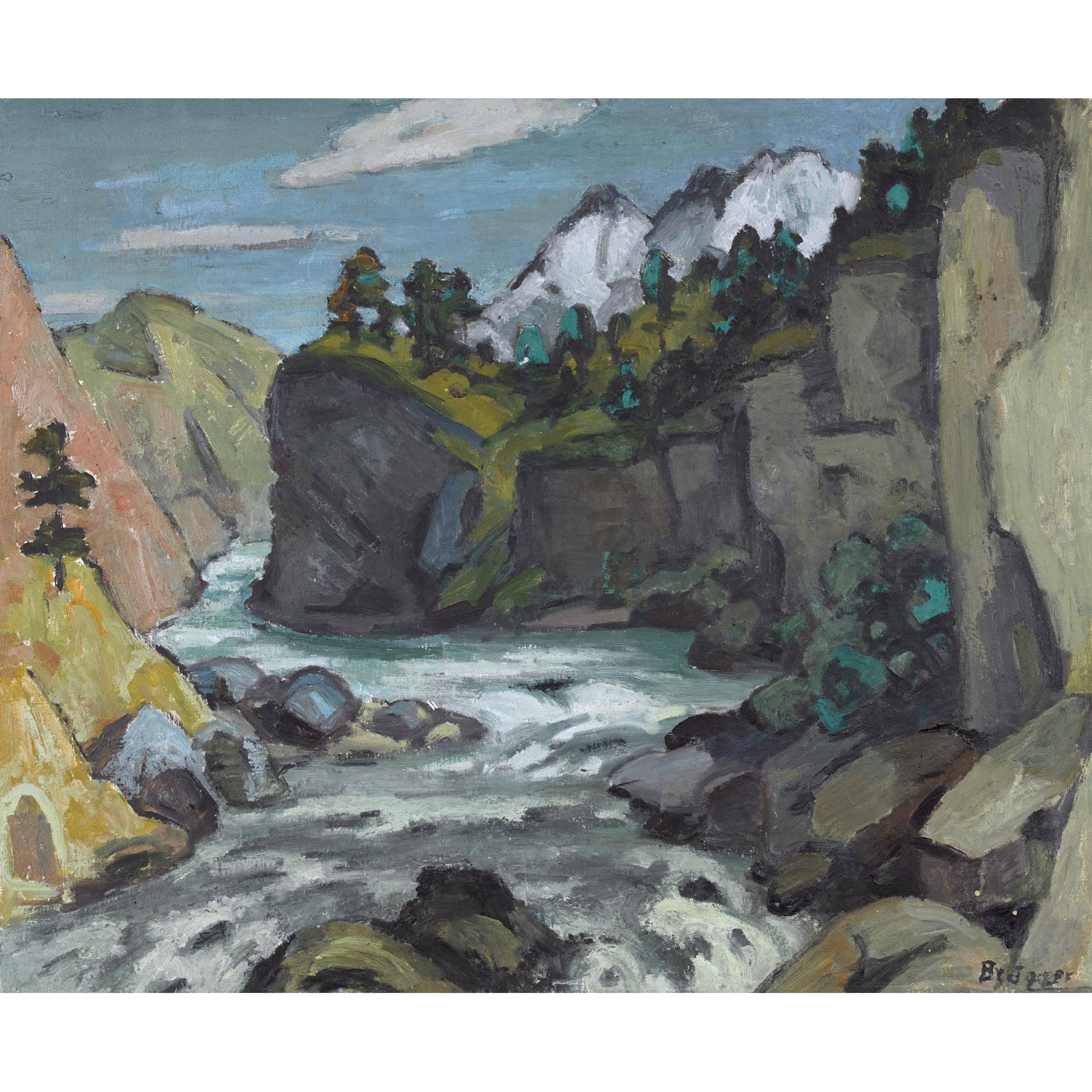
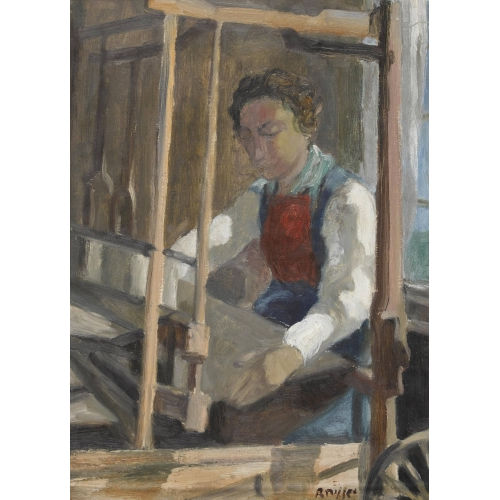
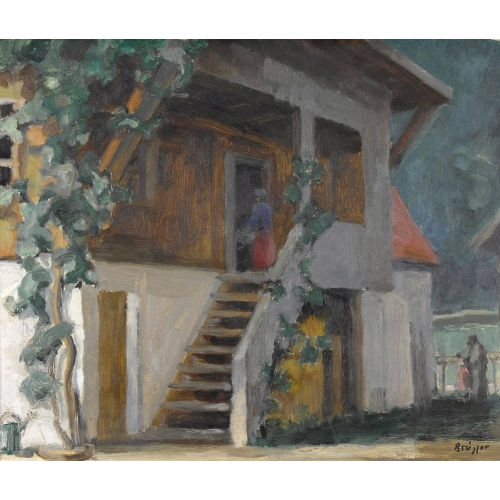
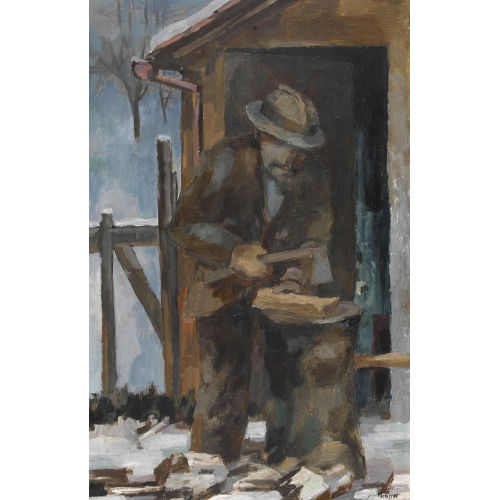
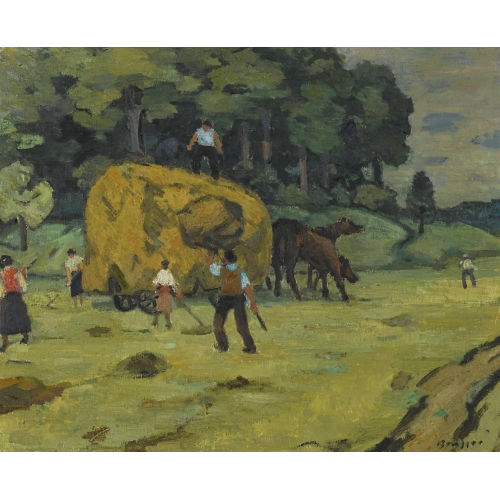
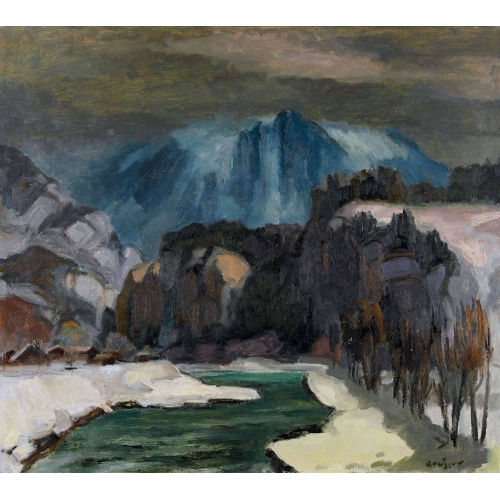
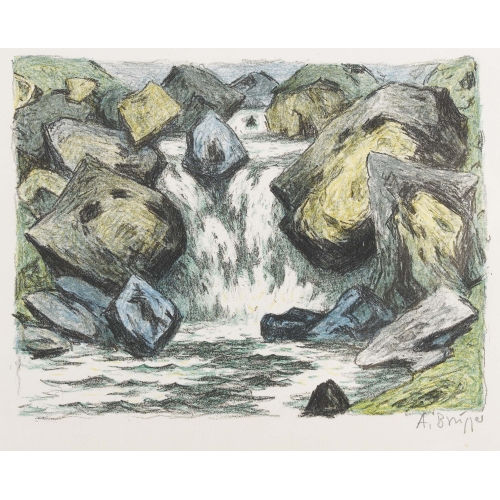
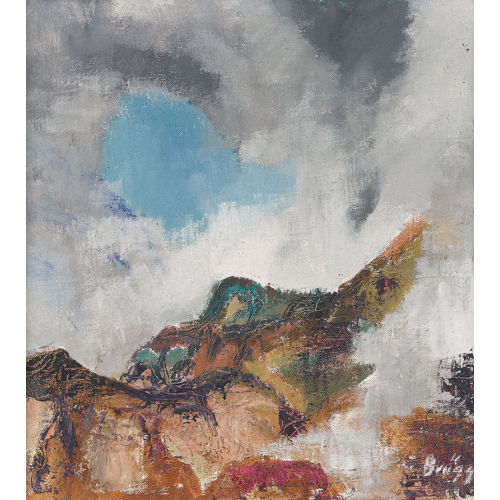
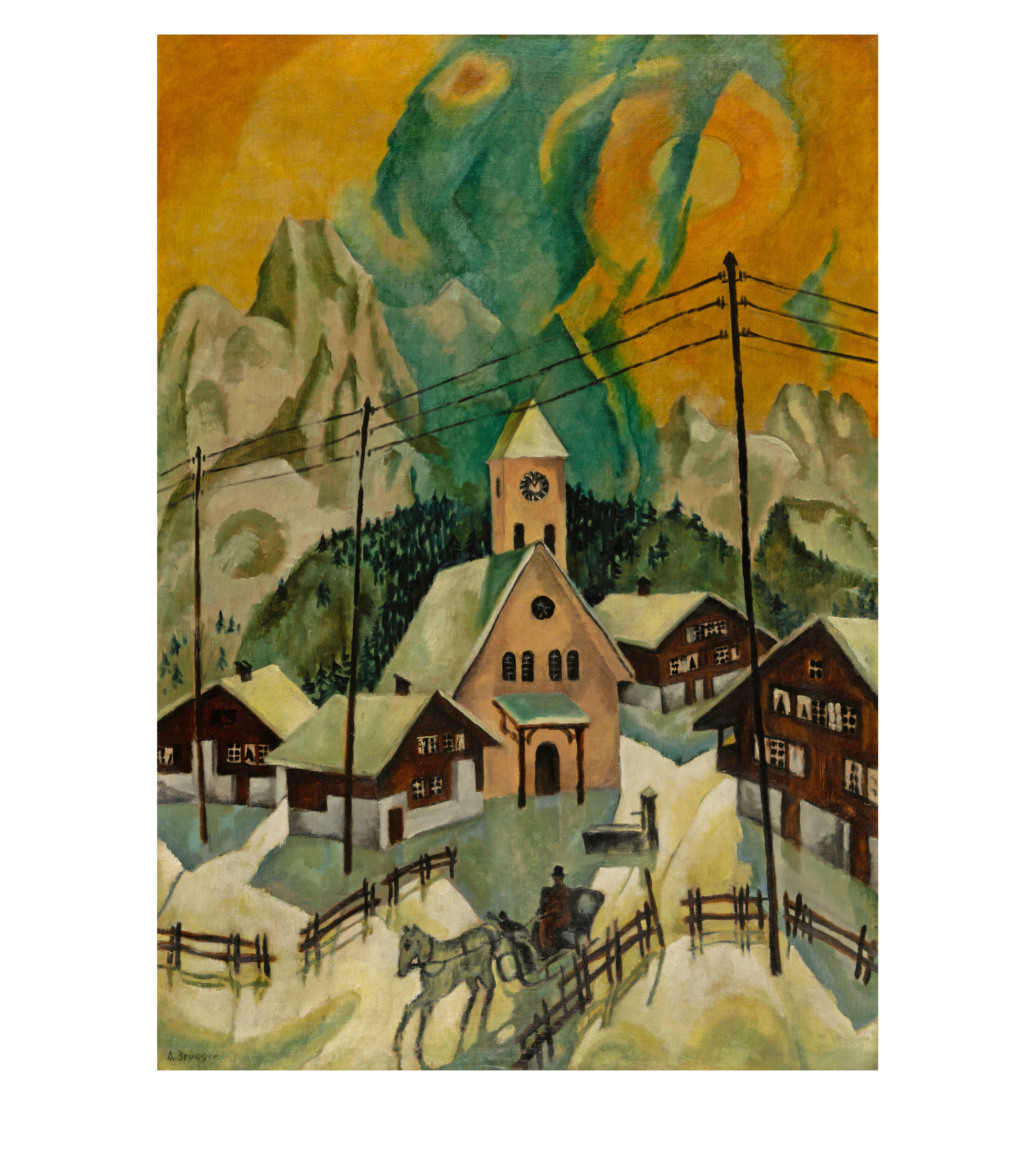
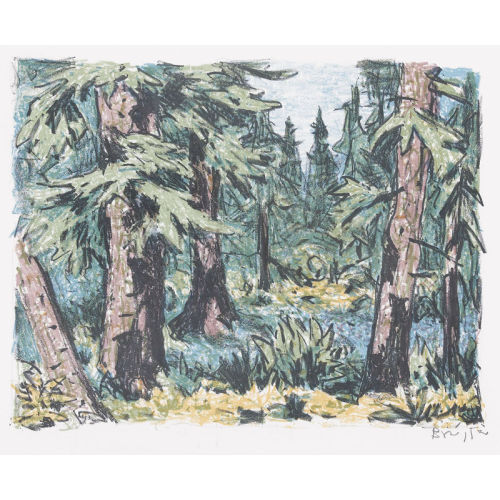
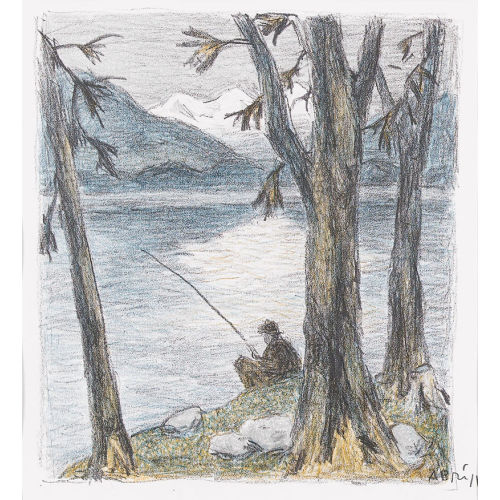
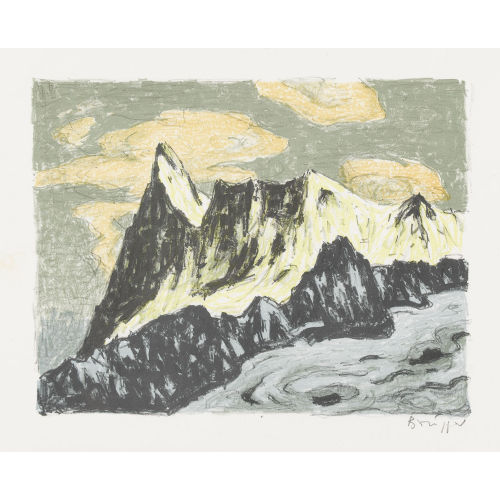
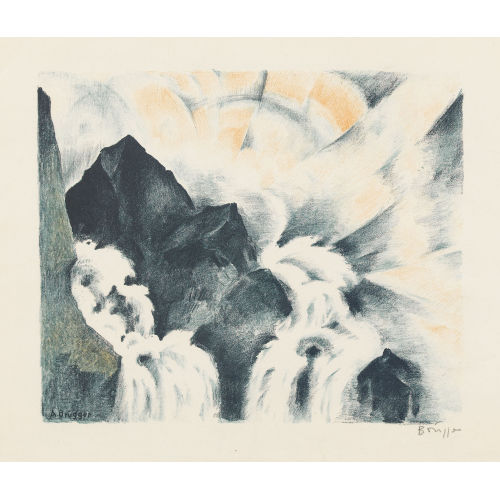
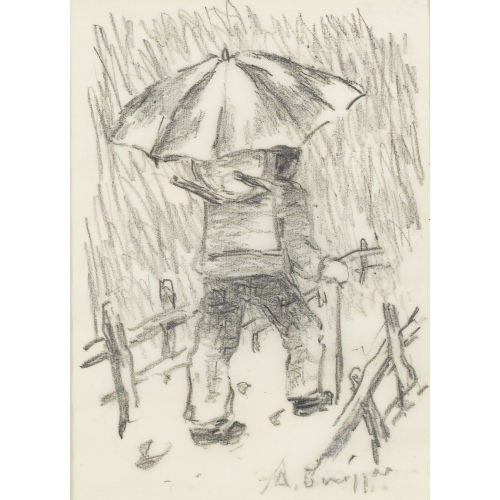
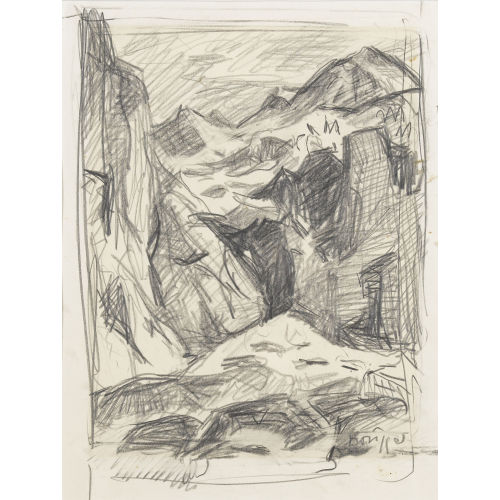
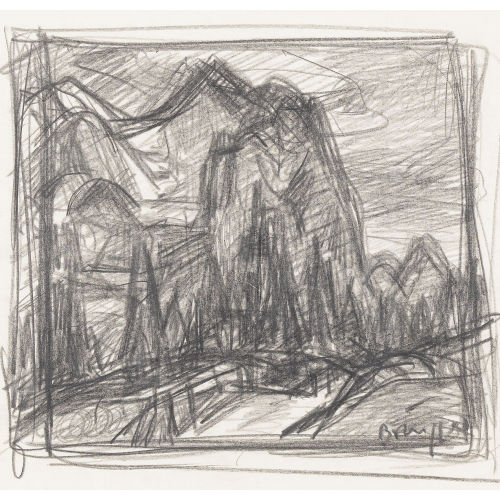
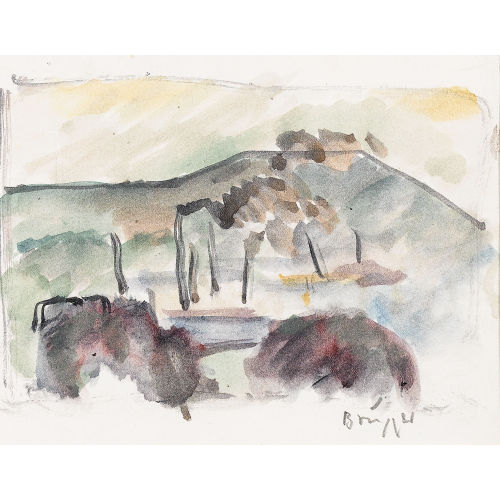
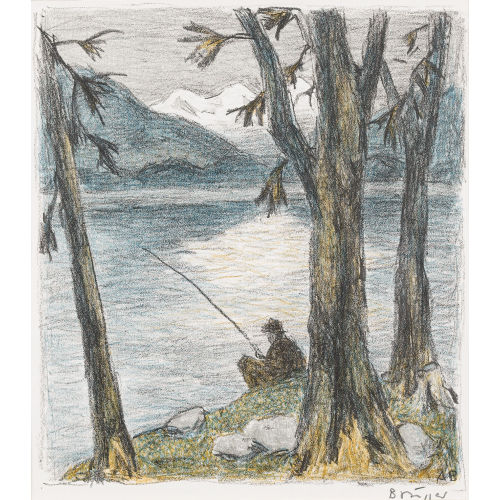
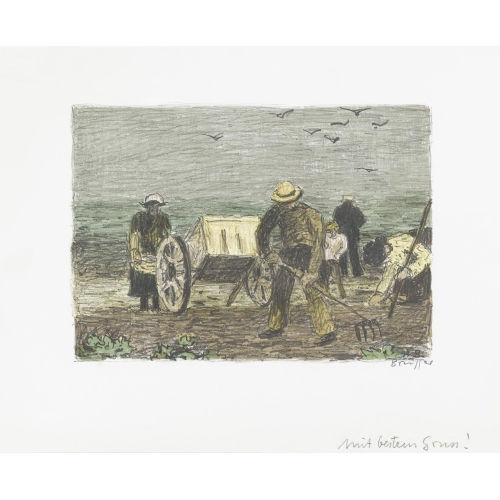
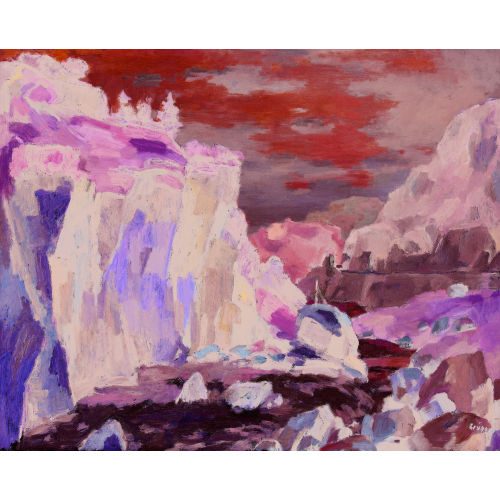
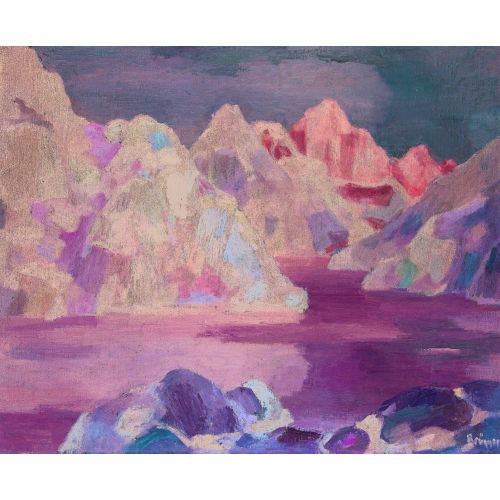
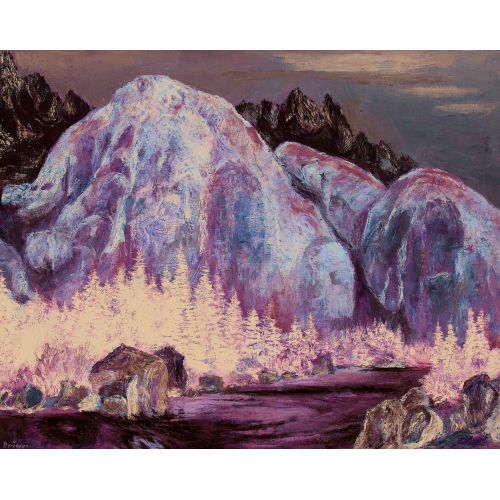
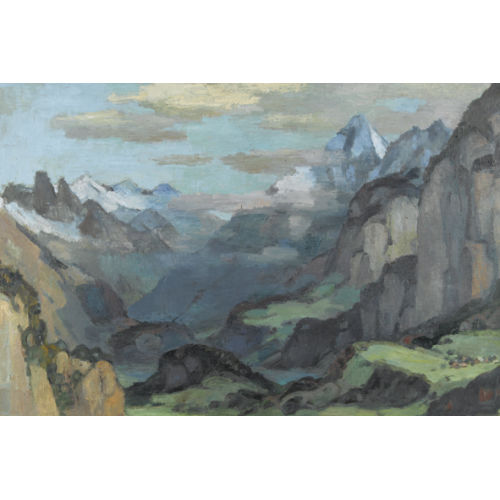
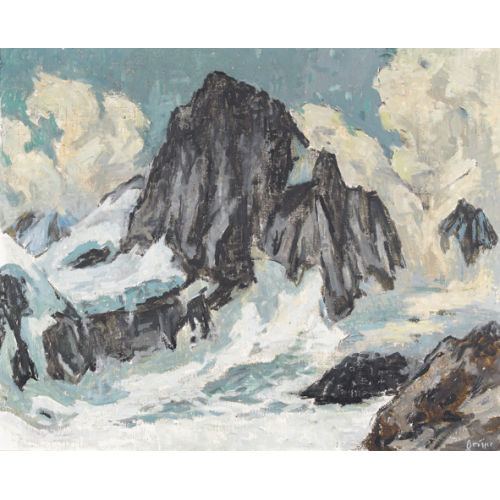
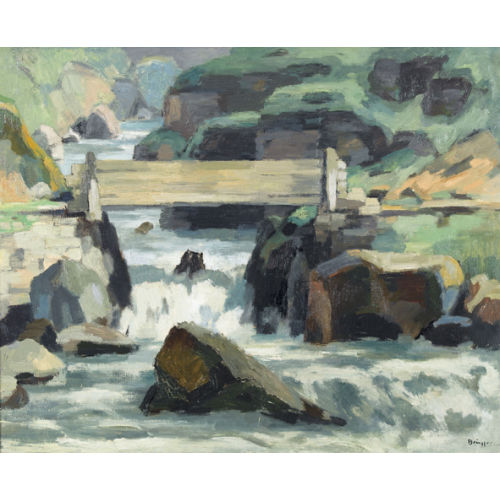
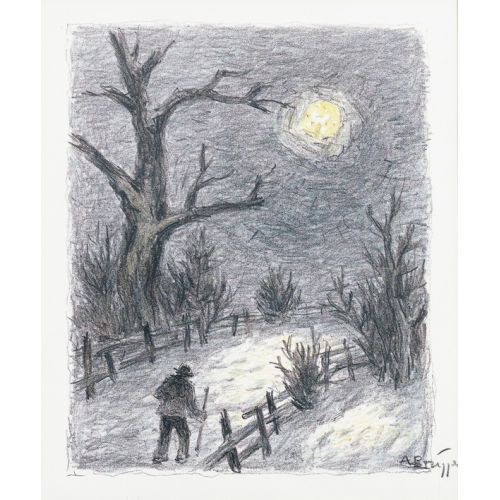
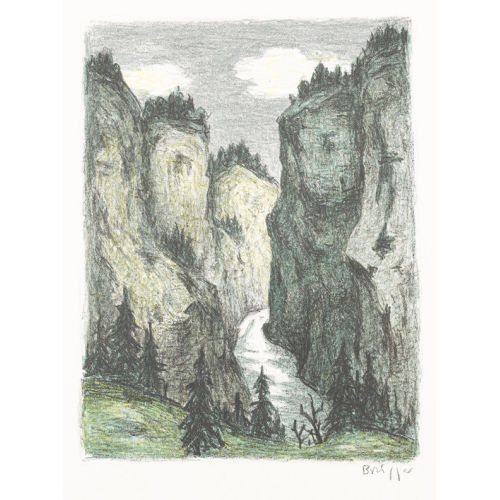
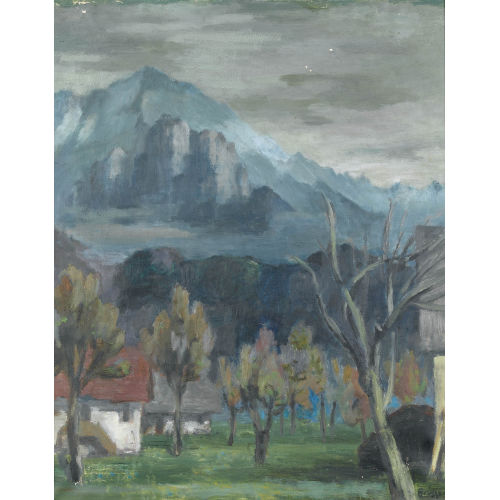
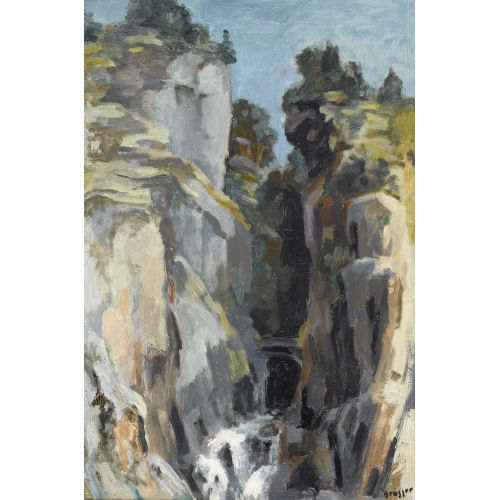
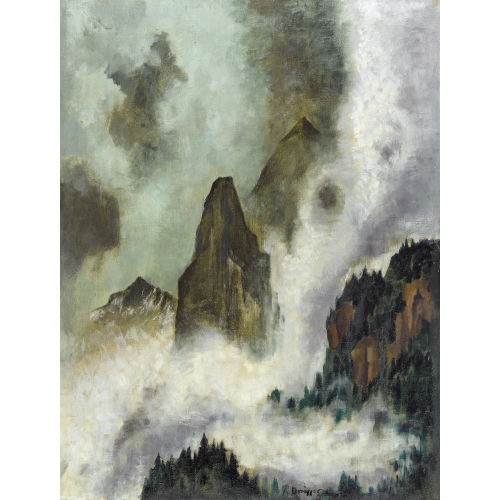
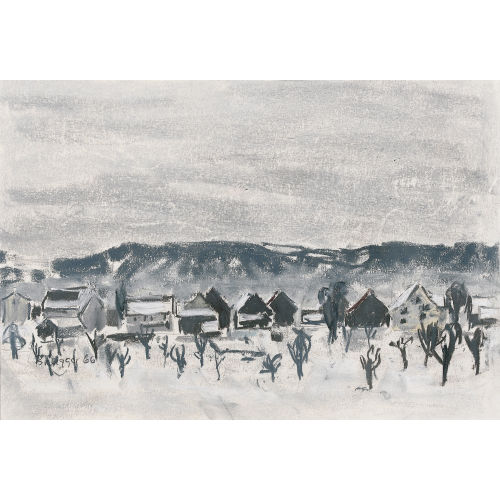
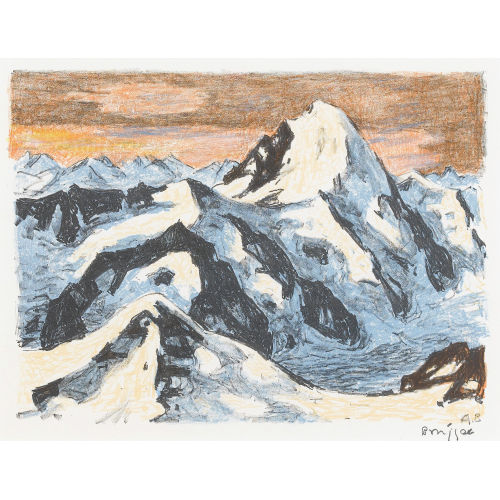
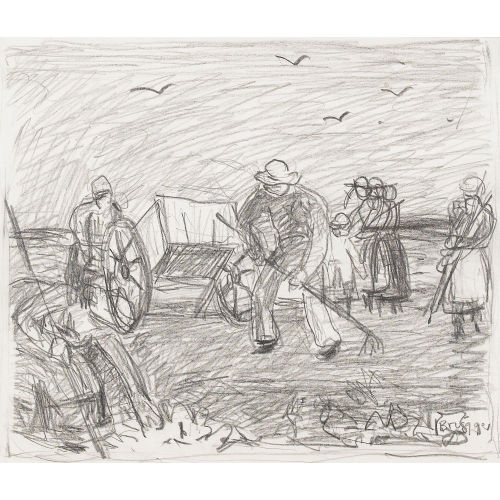
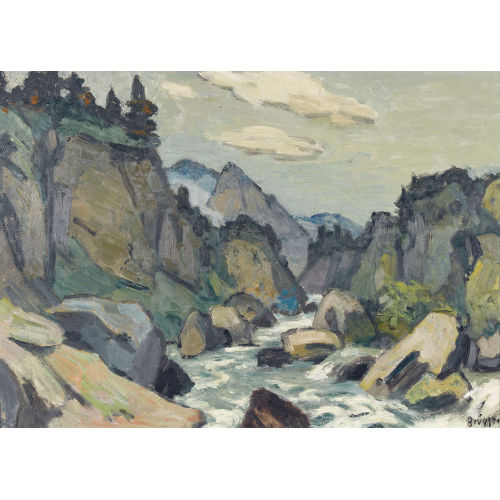
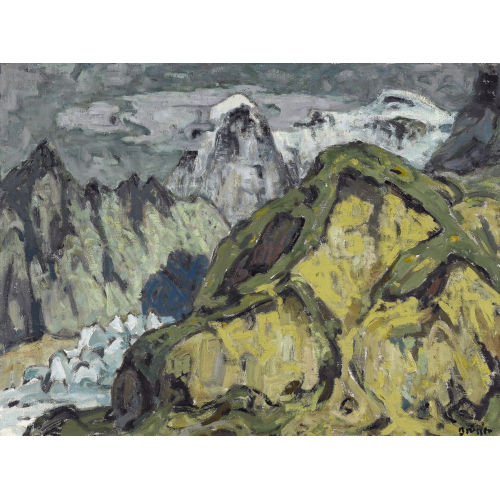
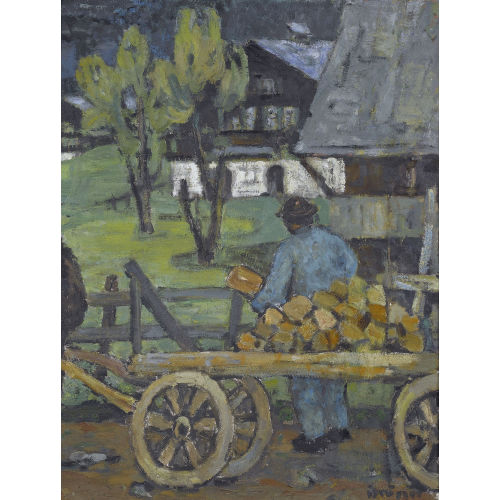
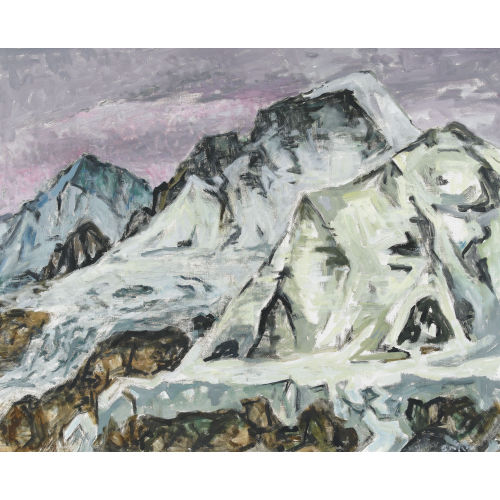
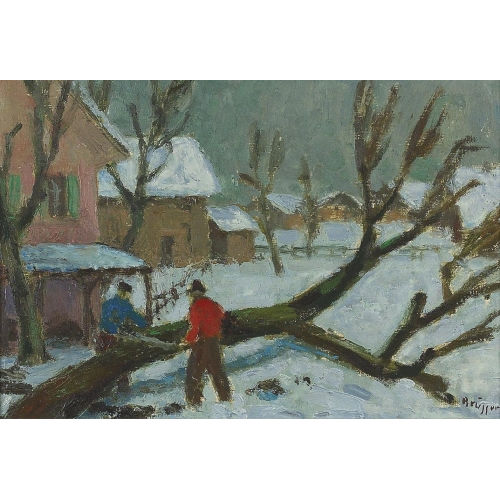
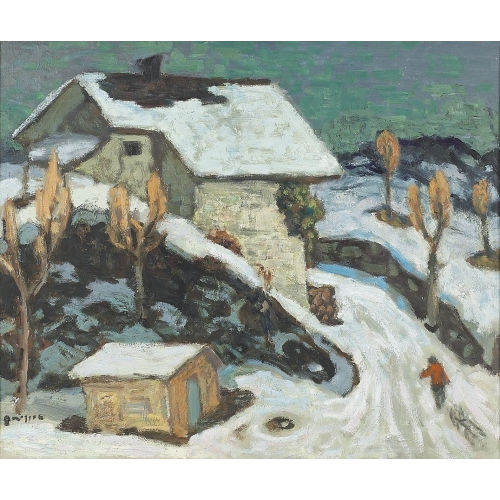
After repeated stays in Paris and the south of France, Brügger settled once again in Meiringen at the end of the 1930s. The mountains of the Bernese Oberland, Alpine landscapes and rural work then assumed particular importance. He did not treat them as mere topographical views: composition and colour give these places a sensuous, at times rugged density.
His trajectory thus connects the international art milieu of the early twentieth century with a sustained observation of his native land. In 1988, the Kunstmuseum Thun devoted an exhibition to him for the centenary of his birth; in 2025, his works were presented once again alongside those of Victor Surbek and Fred Stauffer.