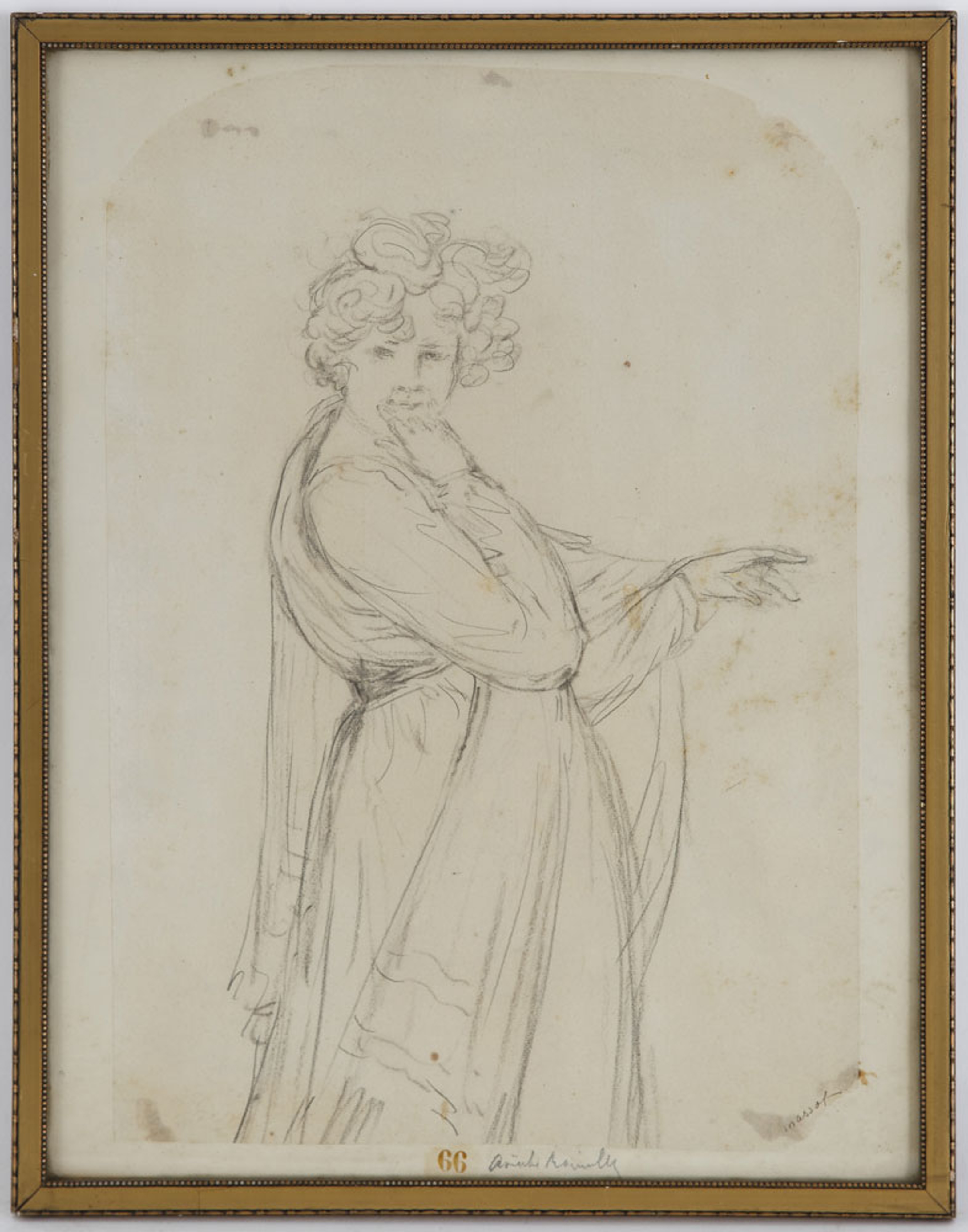
Amélie Munier-Romilly
Born in 1788.
Died in 1875.
Amélie Munier-Romilly (born Jeanne-Louise-Amélie Romilly) is identified as a painter whose work took her to Geneva, Paris and England.
Trained in her Genevan milieu, she was a pupil of the portraitist Firmin Massot around 1805, receiving instruction in drawing, pastel and oil painting.
During her stay in Paris, she painted several portraits, benefited from the loan of a studio by Reverdin and, according to the notice, was introduced to artists on the Parisian scene; she exhibited at the Paris Salon in 1814.
After returning to Geneva, she taught young pupils and was elected an honorary associate of the Société des Arts; the notice records that in 1830 she received a gold medal at the exhibition in Bern.
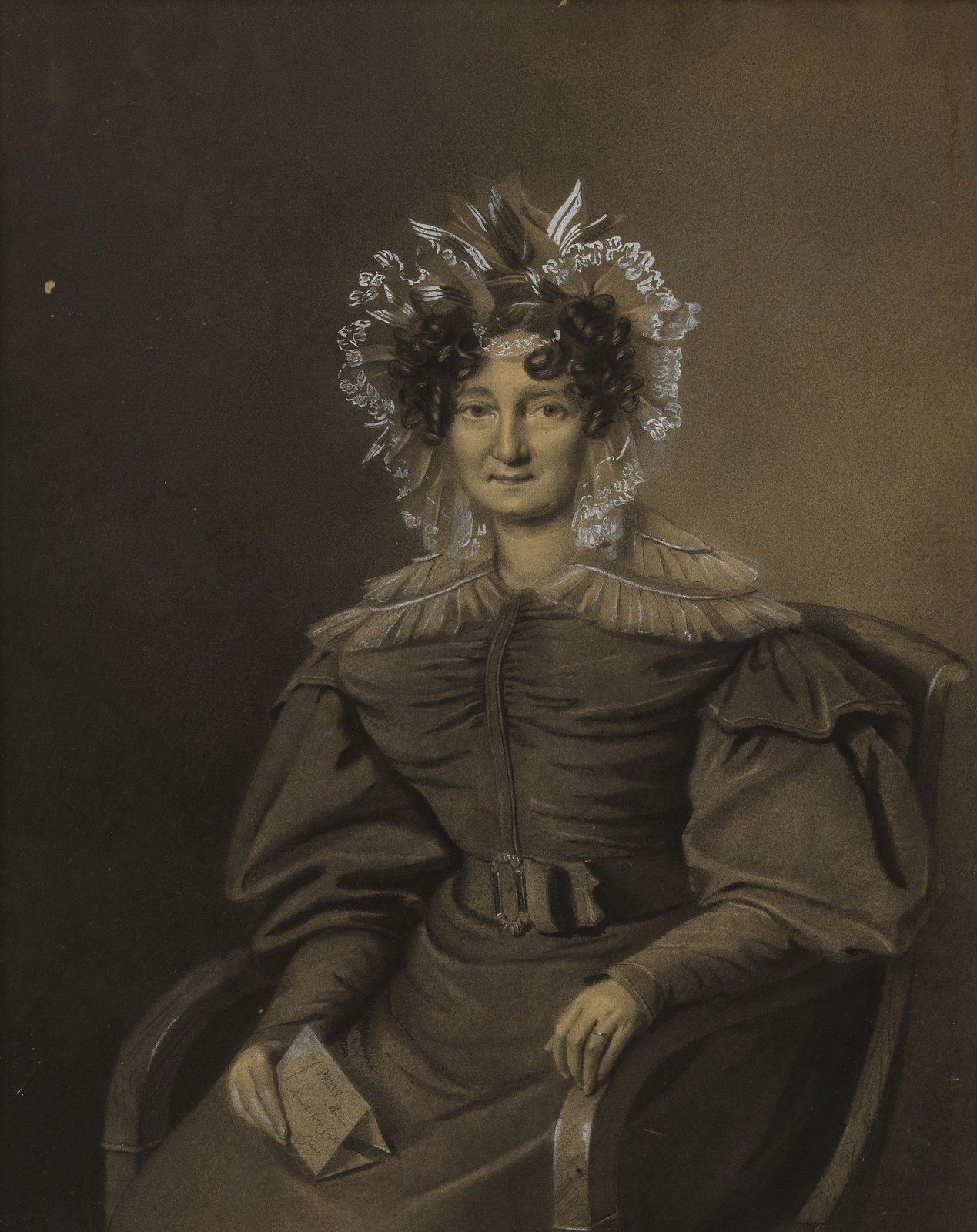
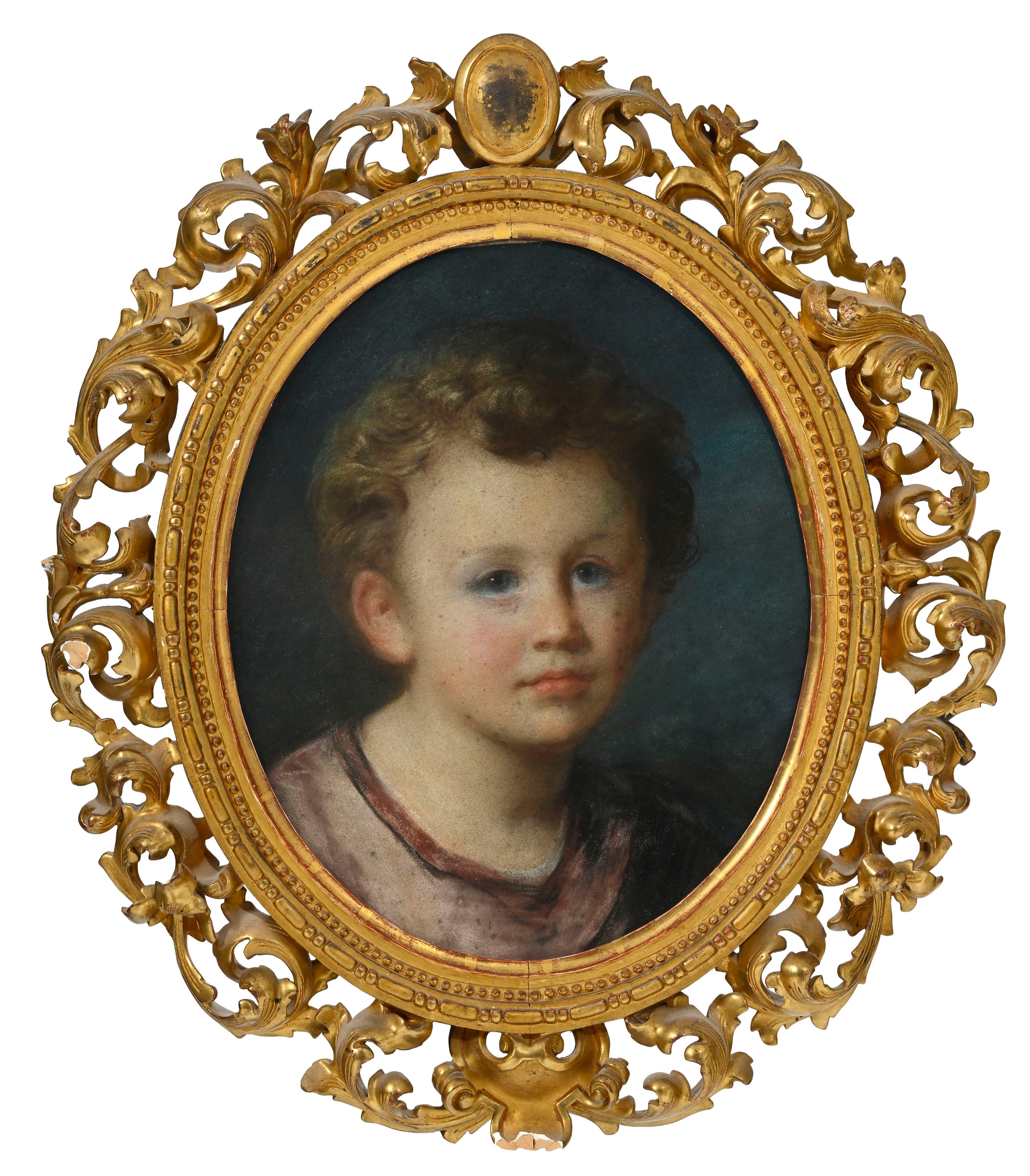
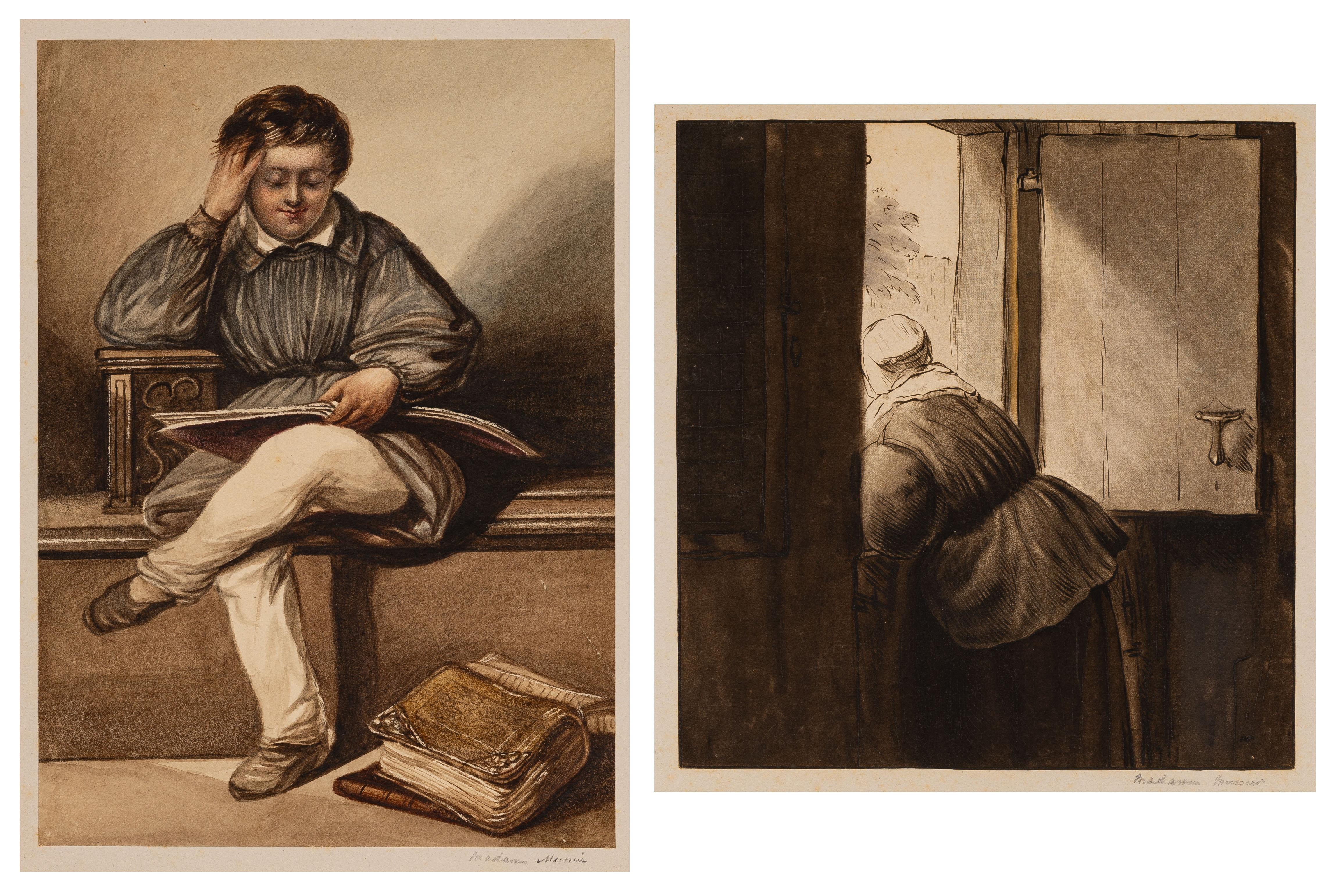
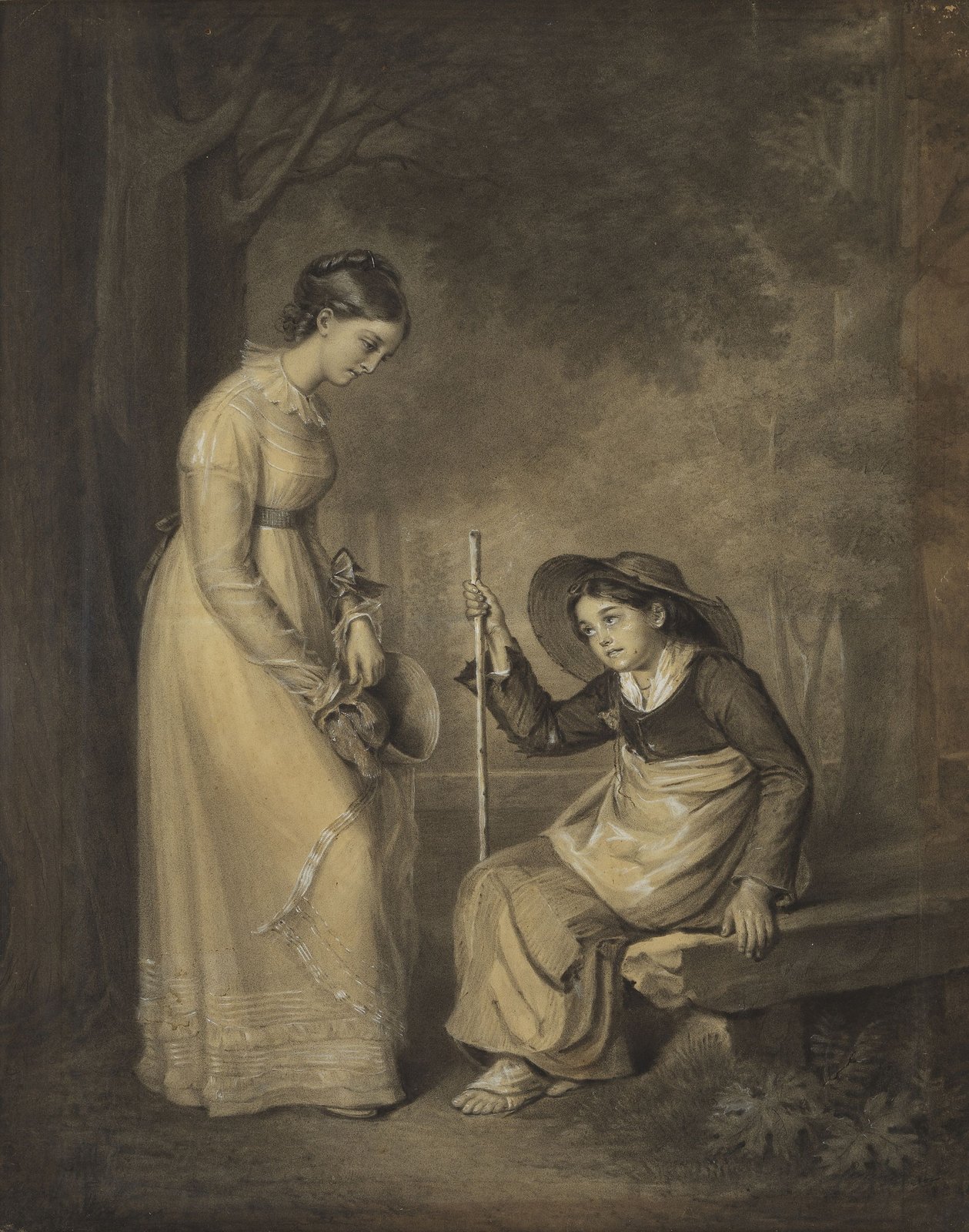
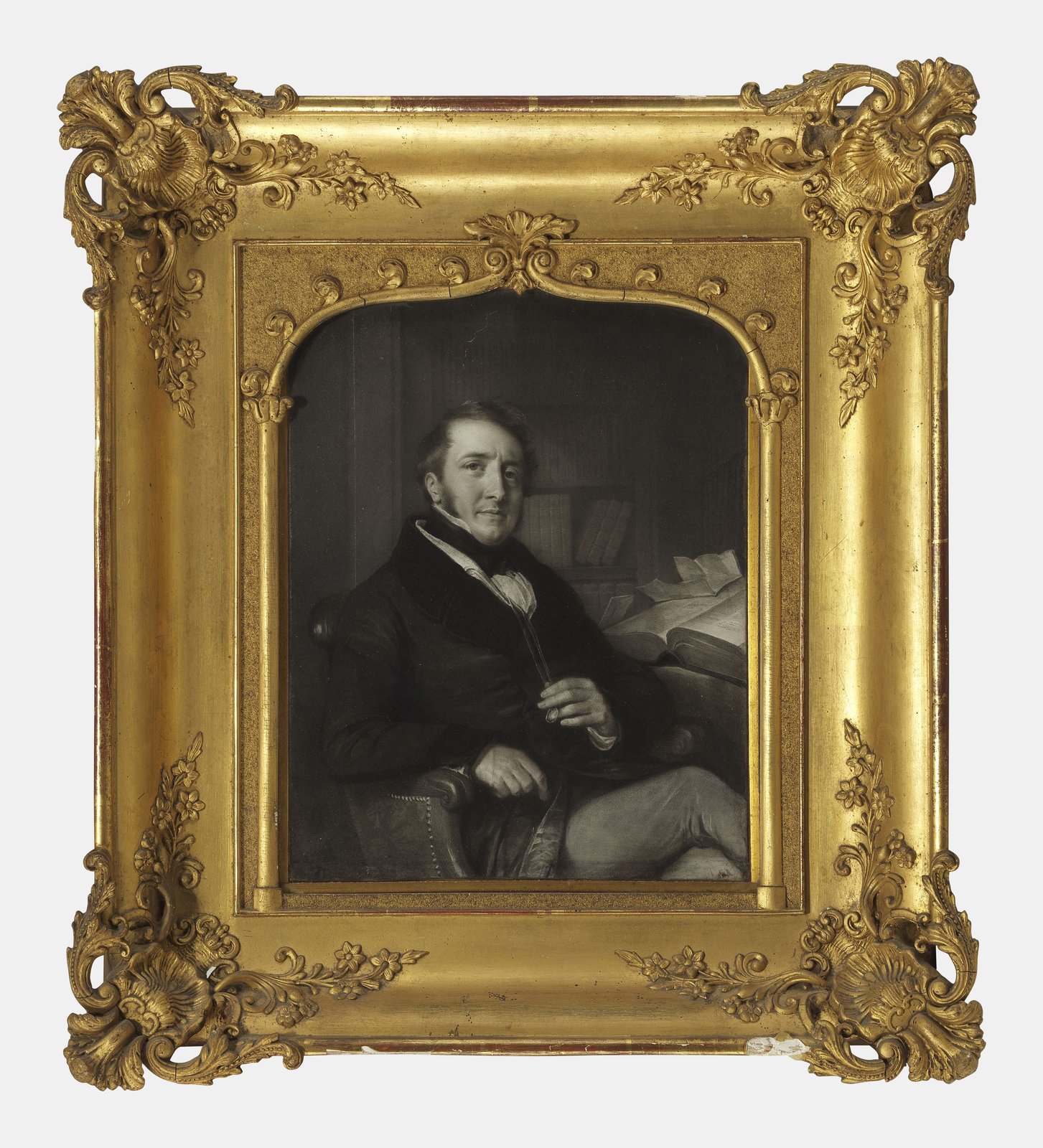
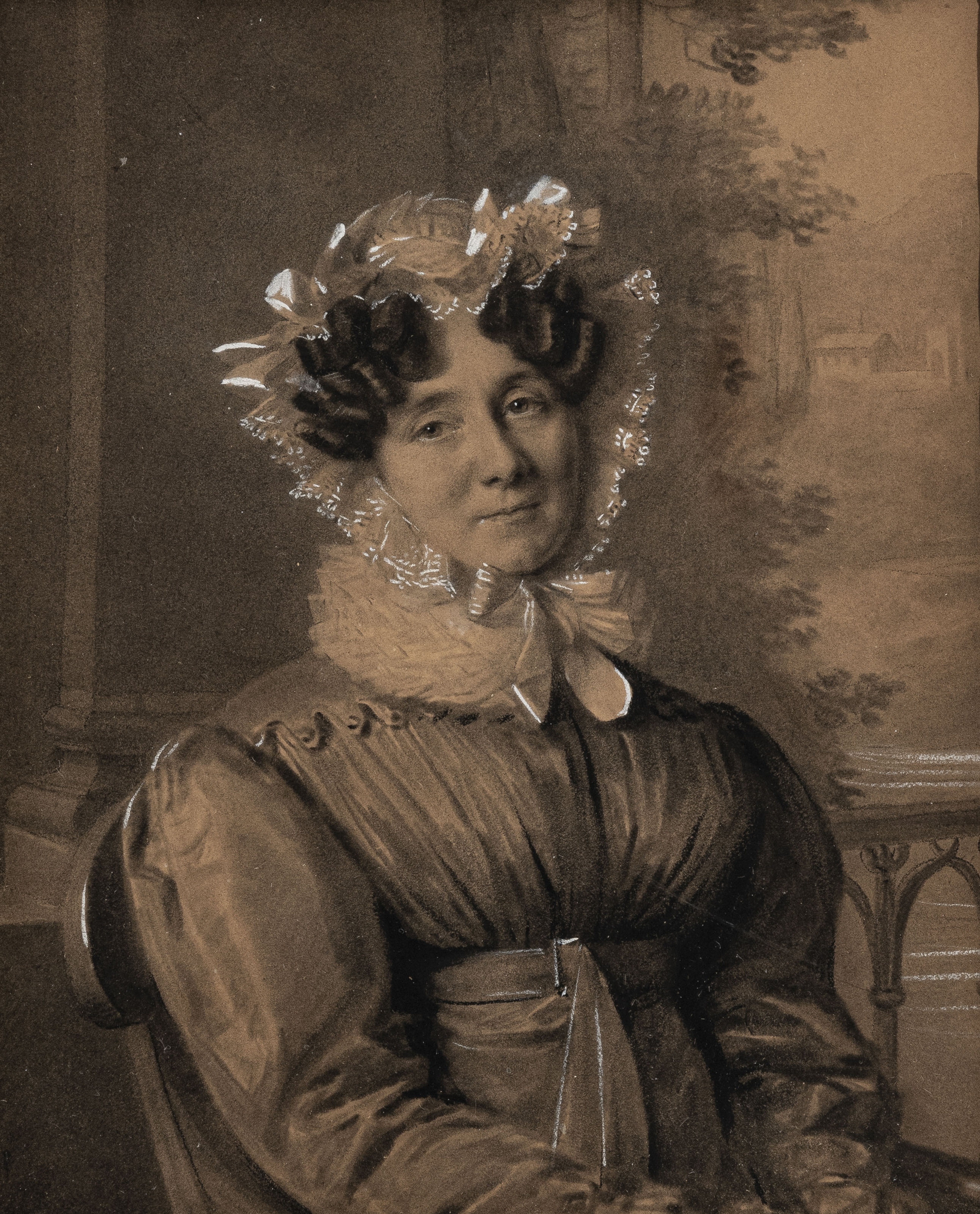
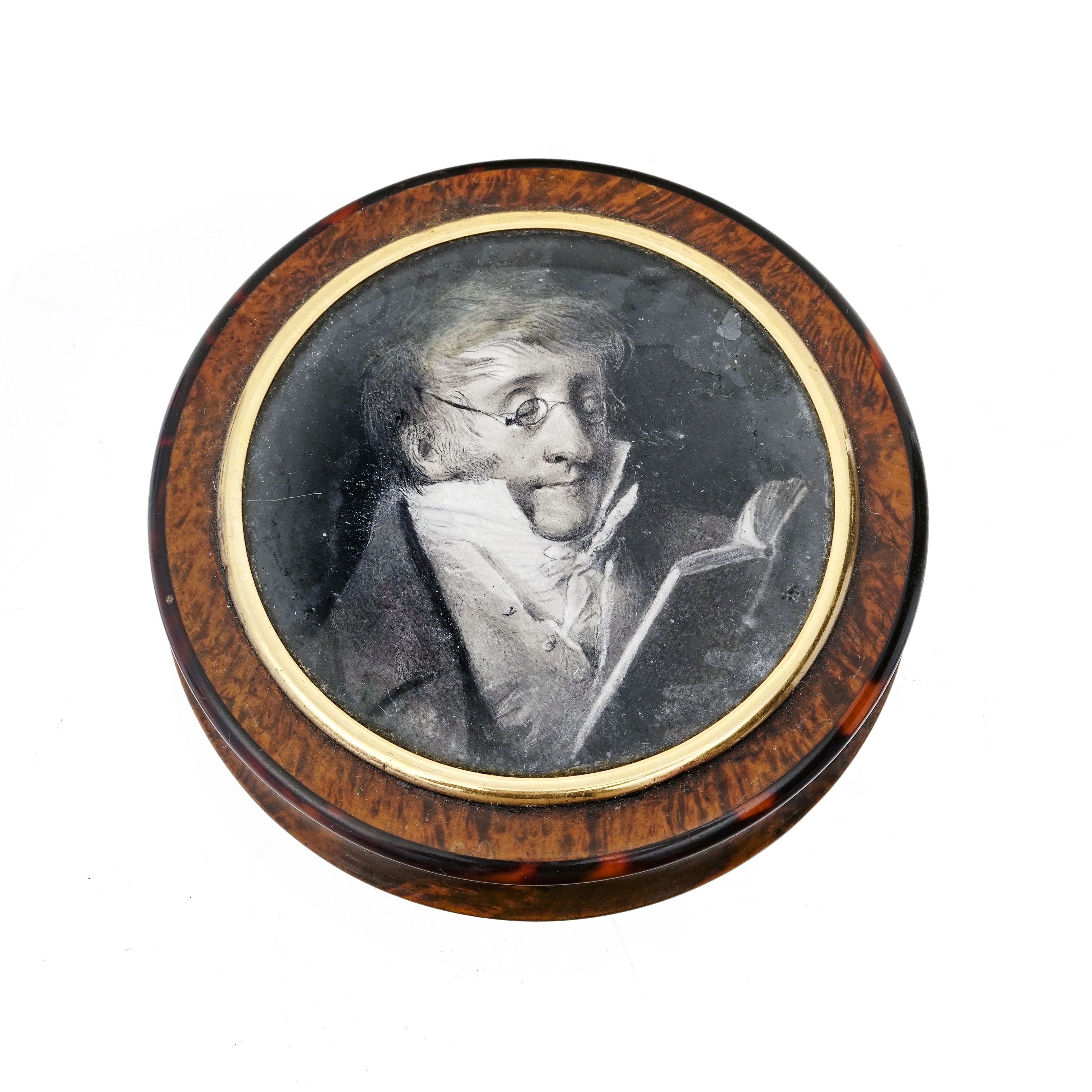
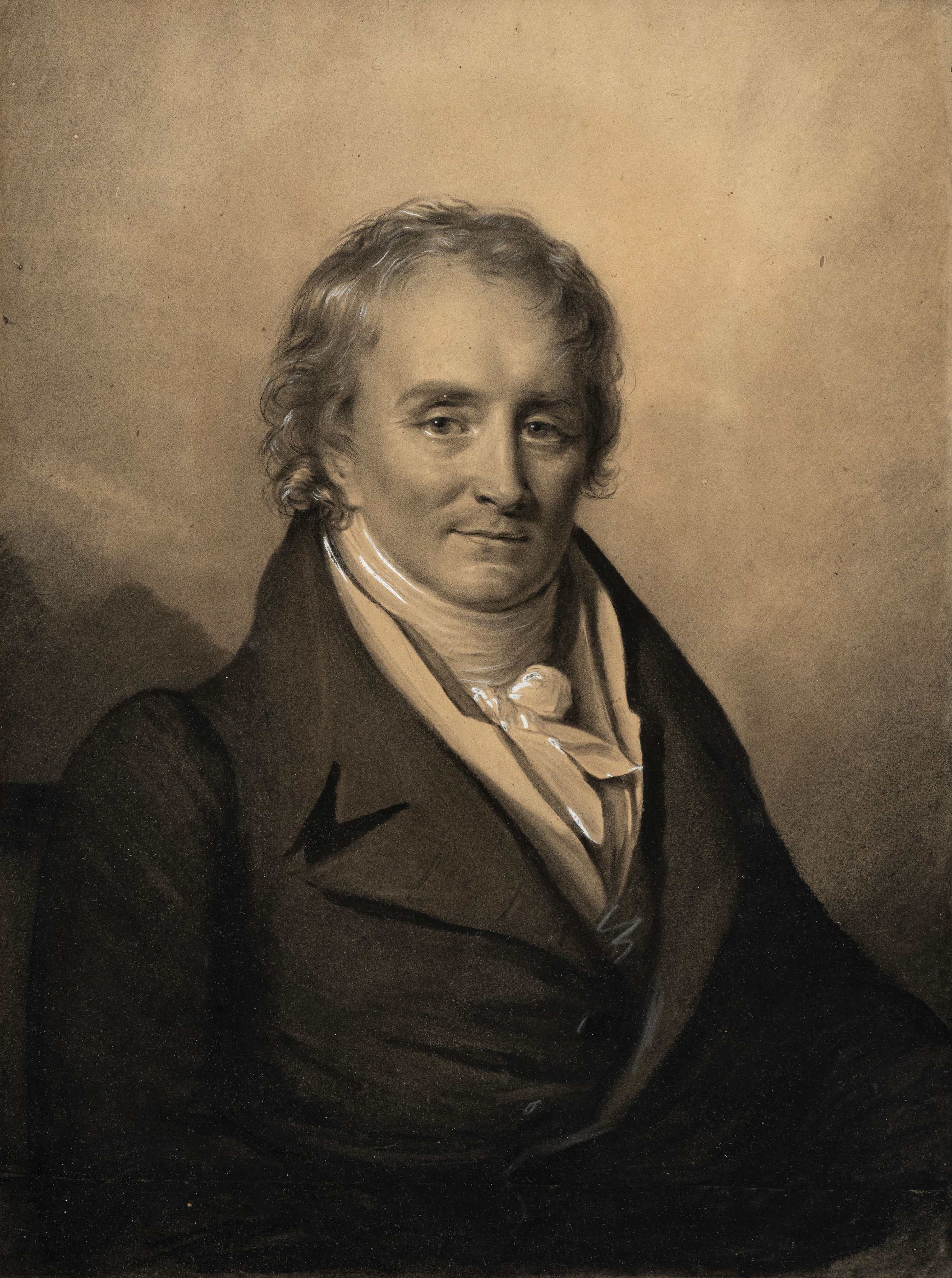
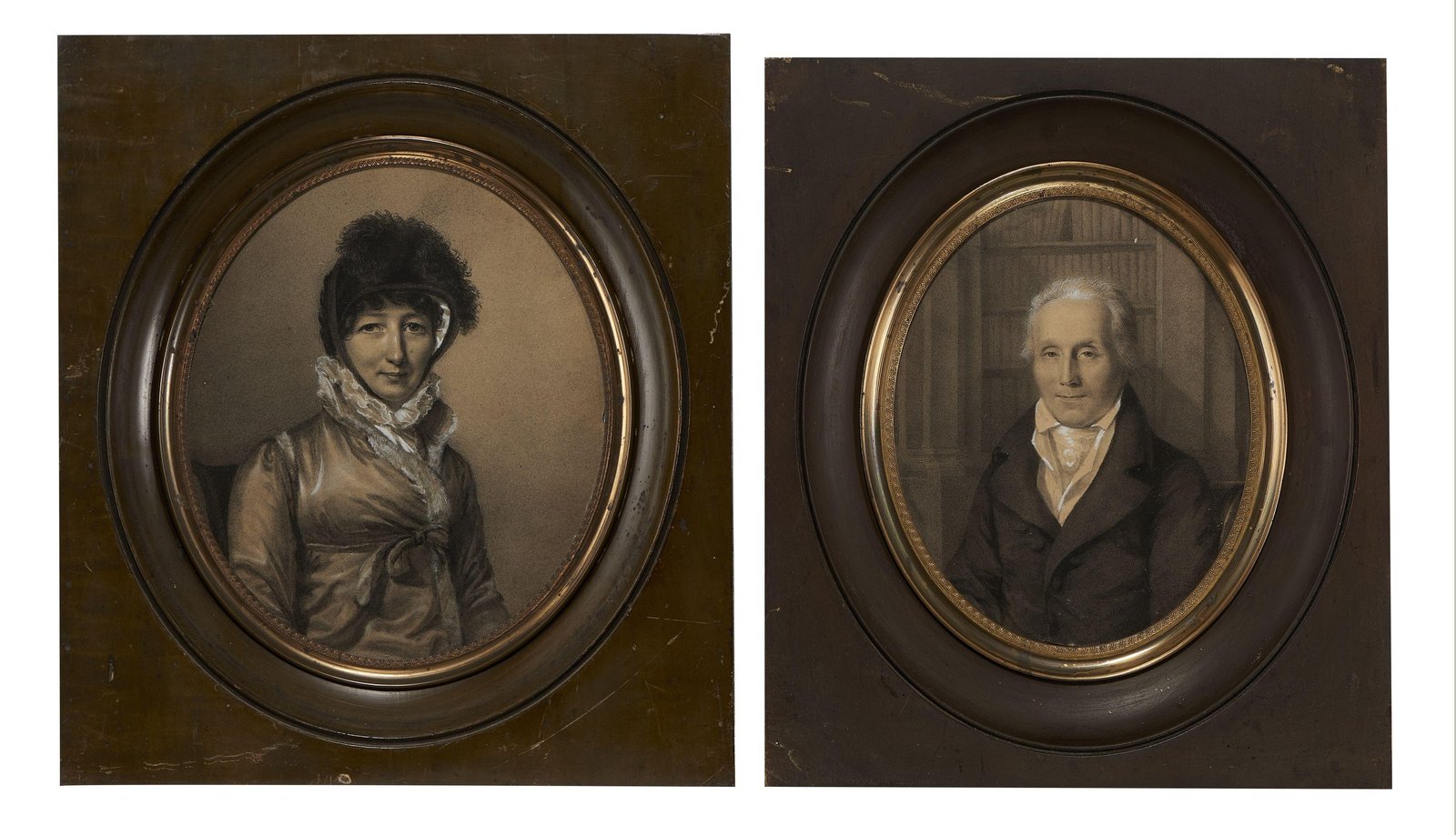
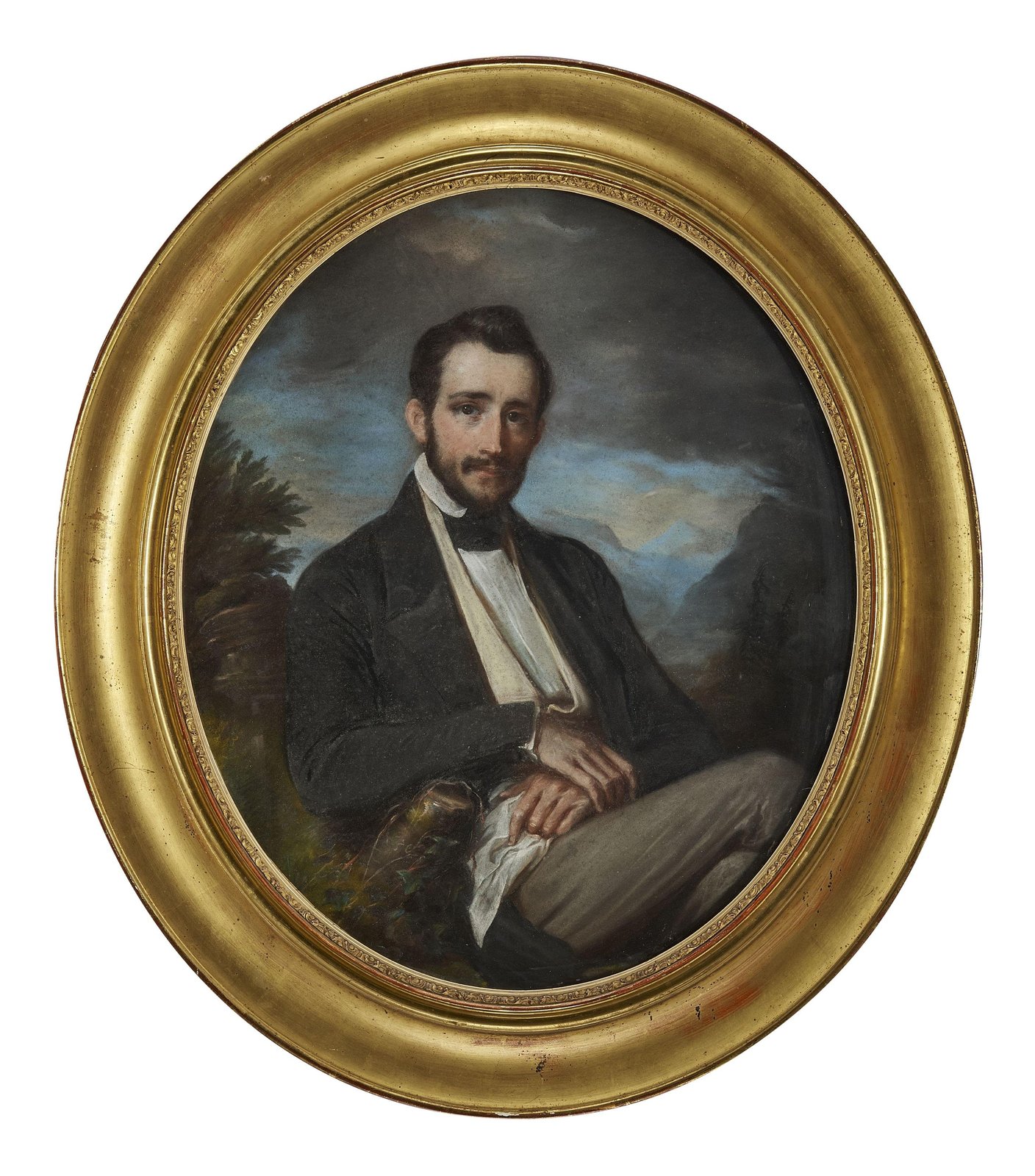
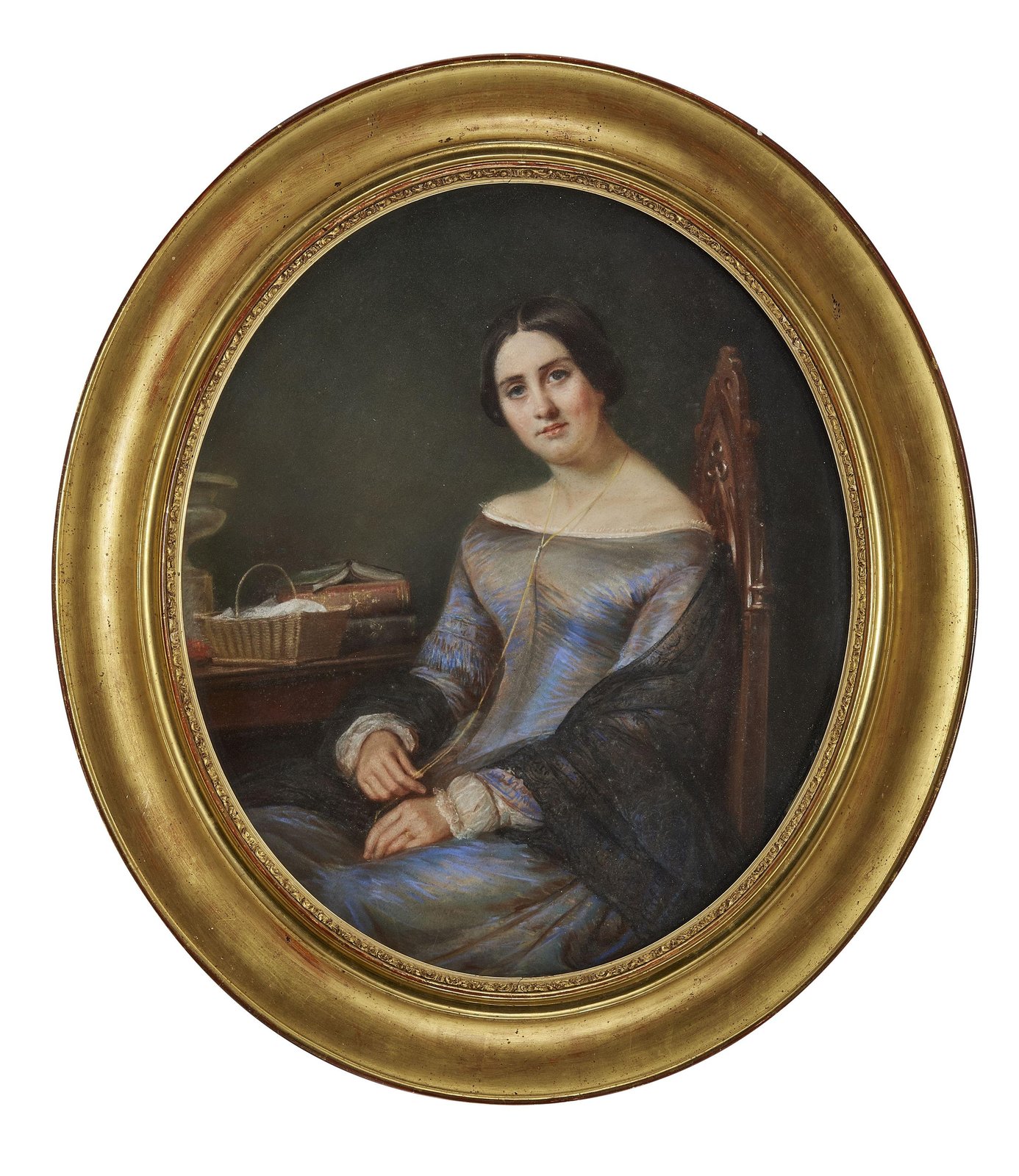
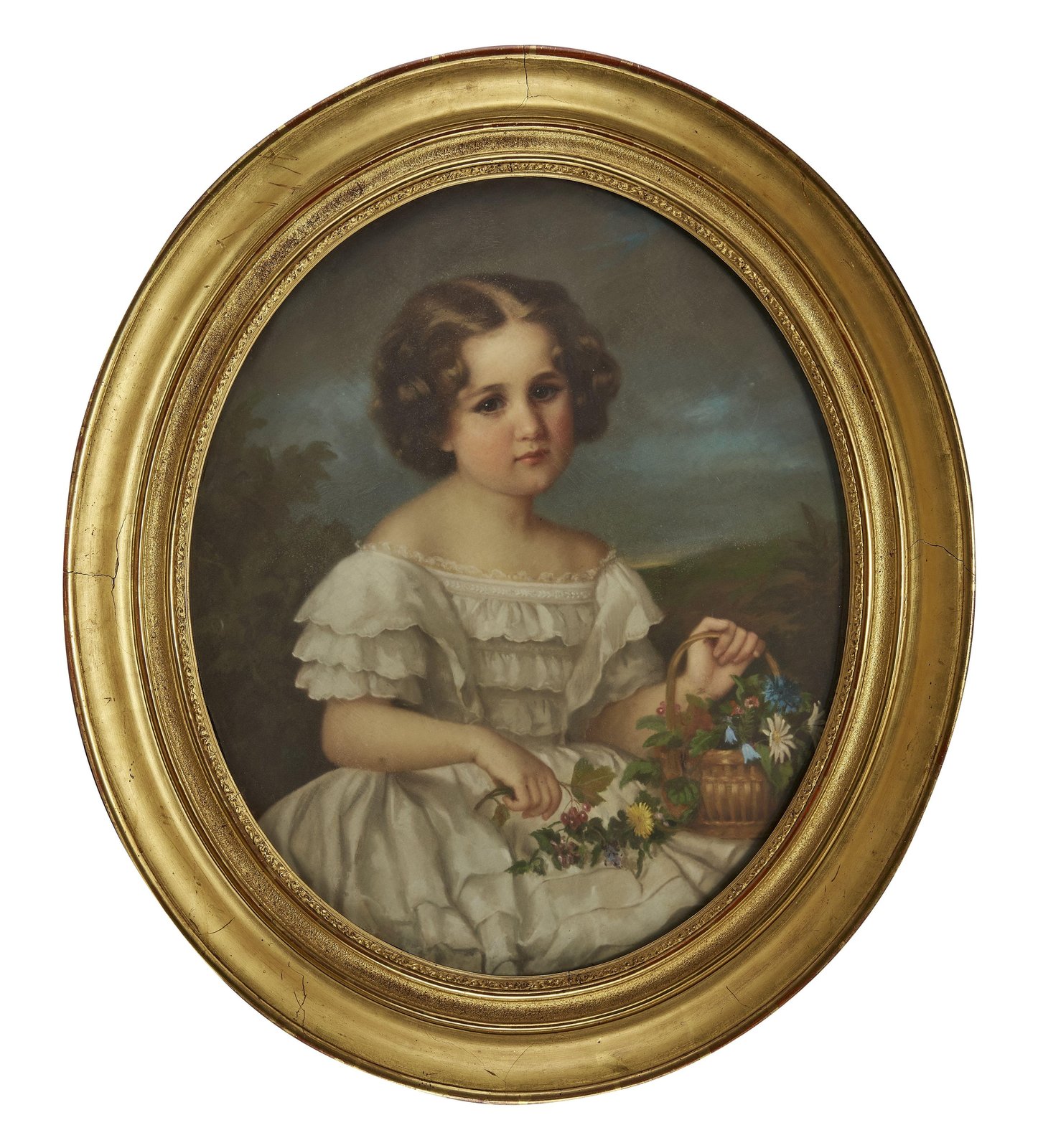
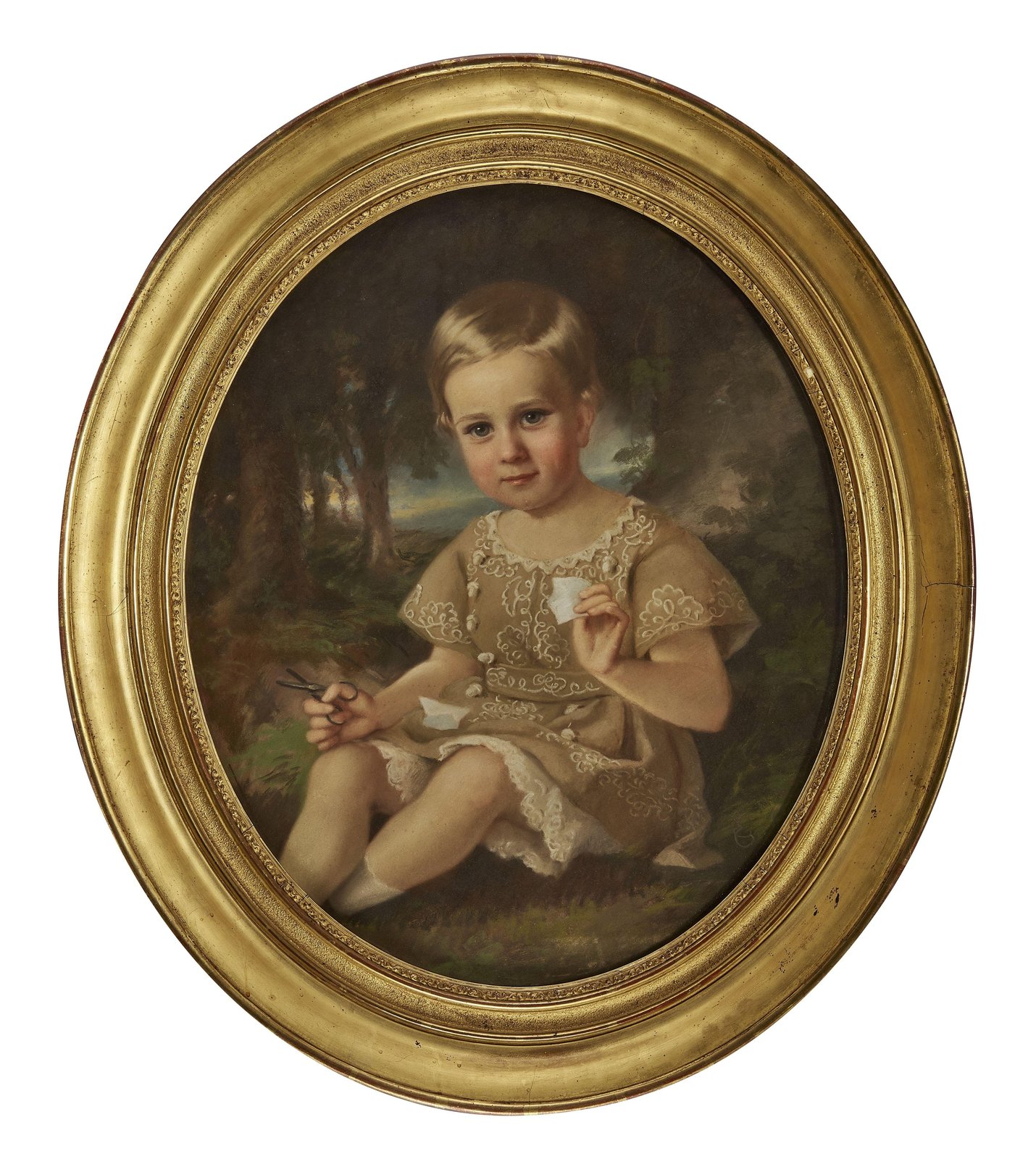
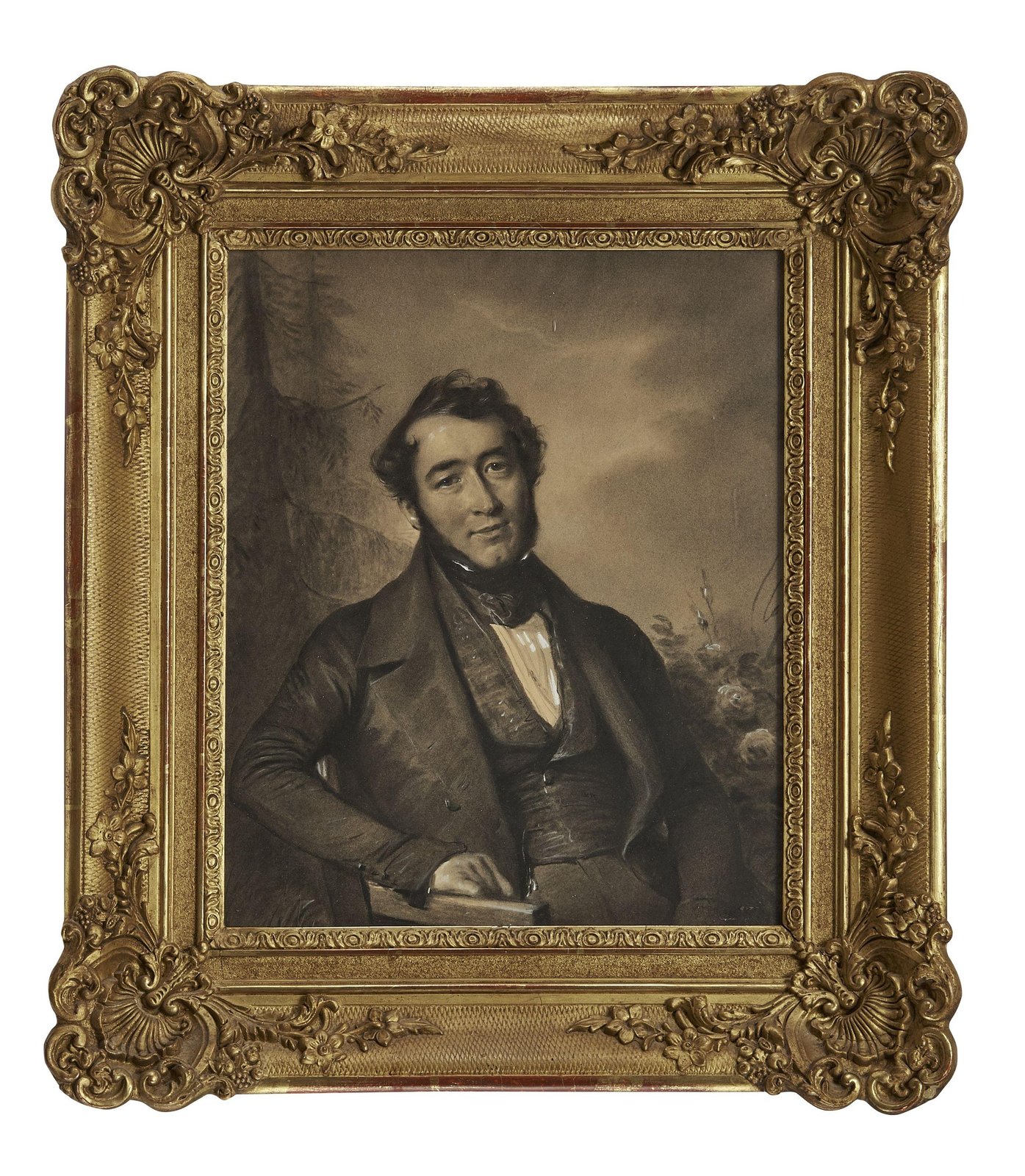
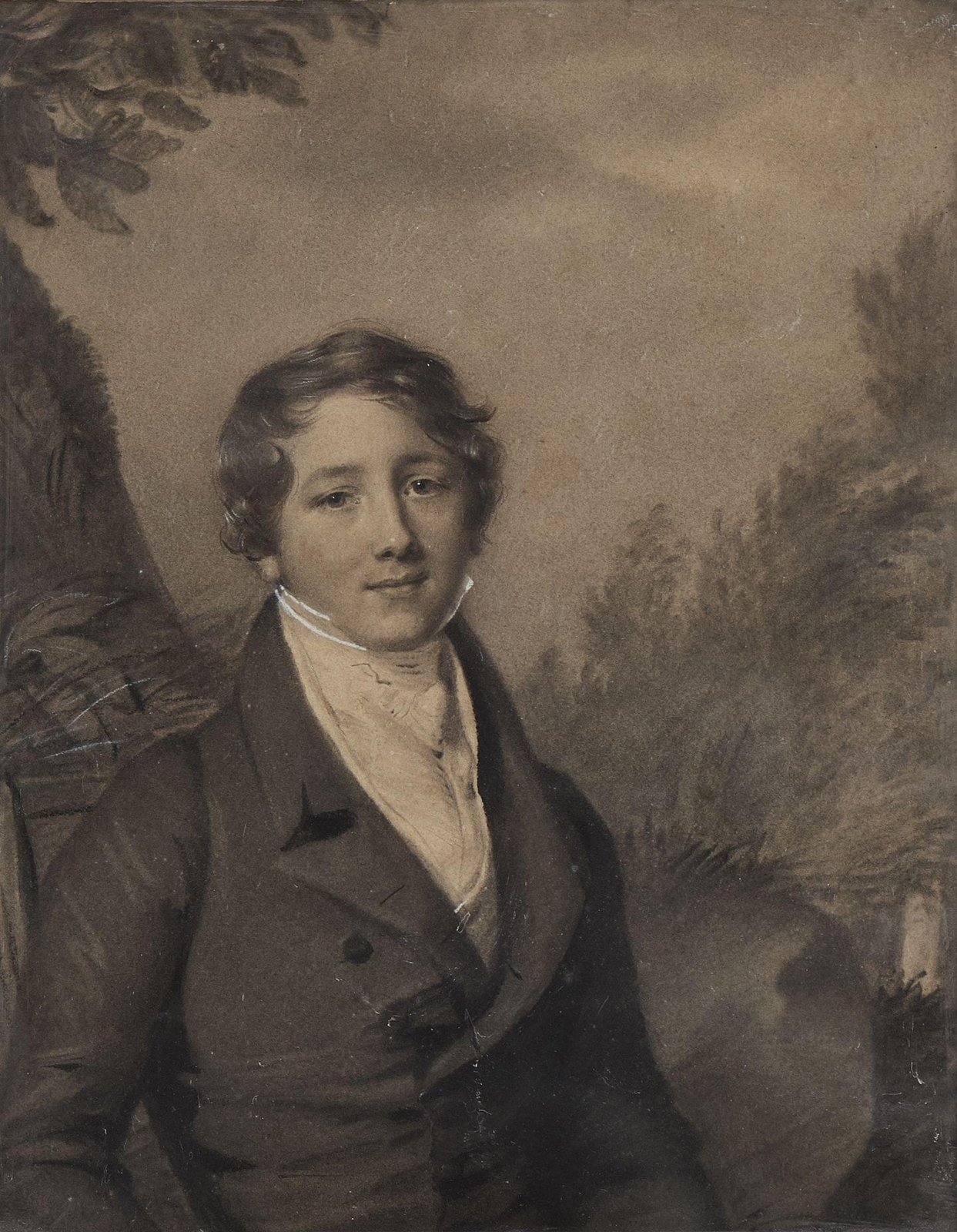
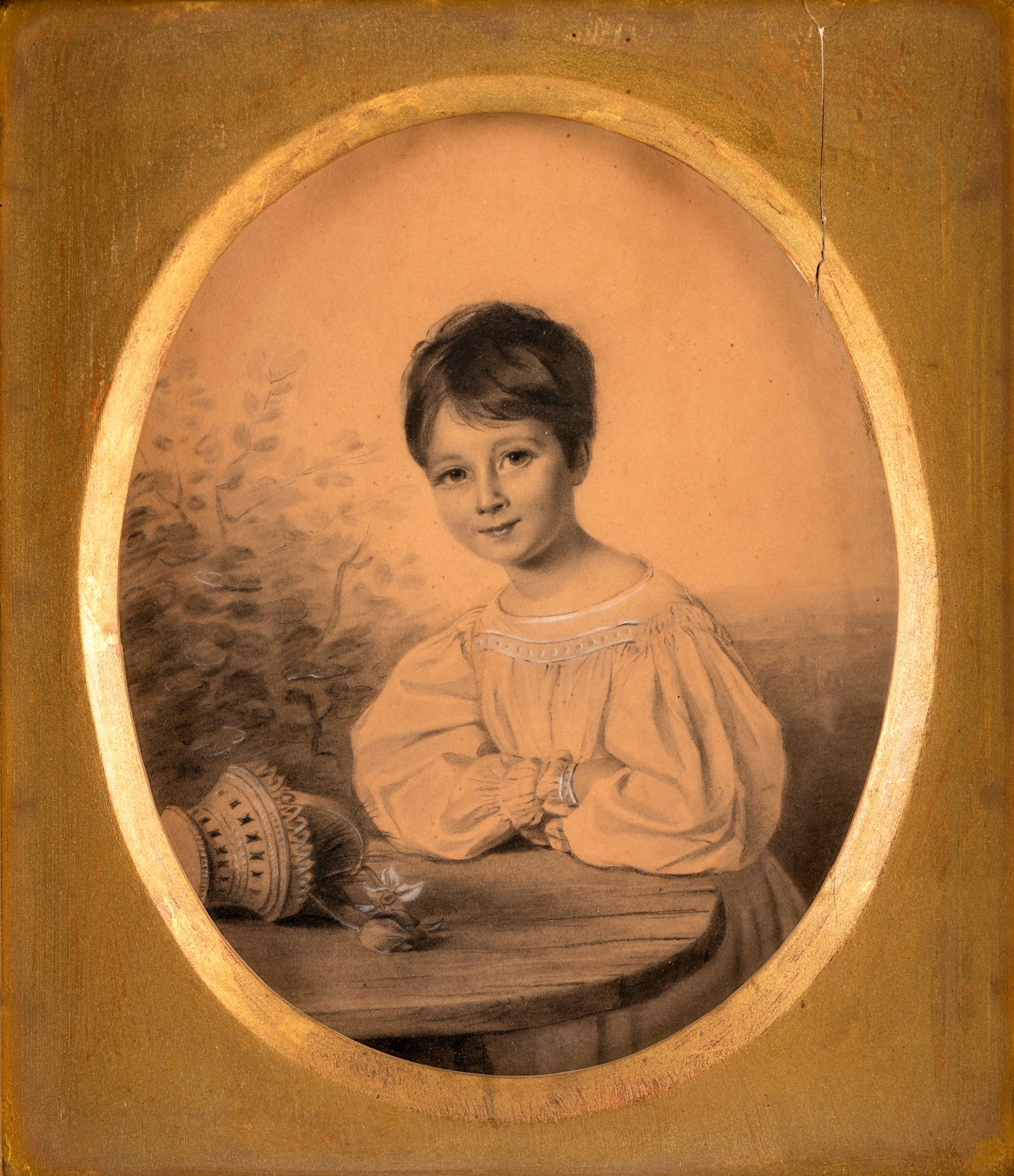
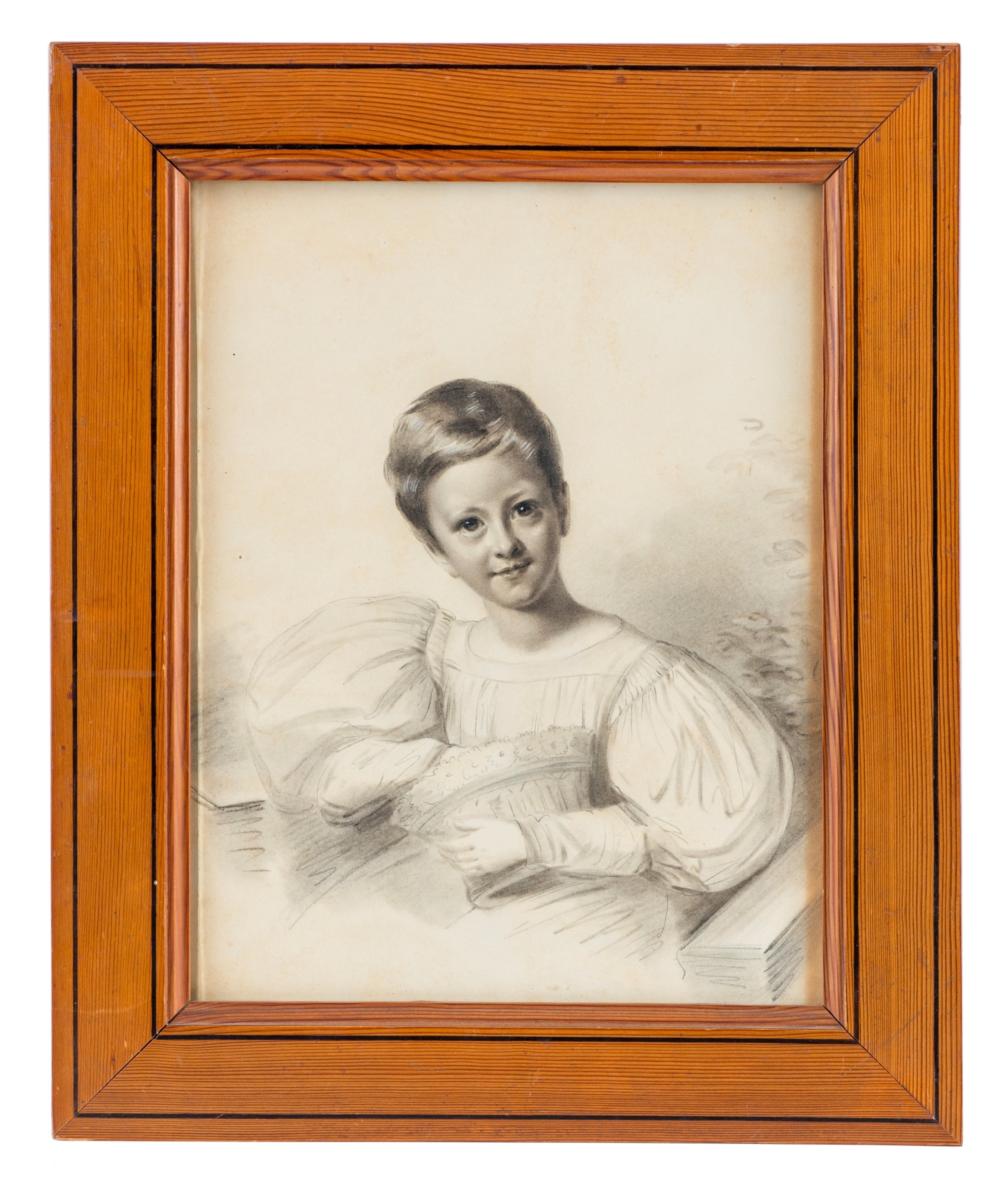
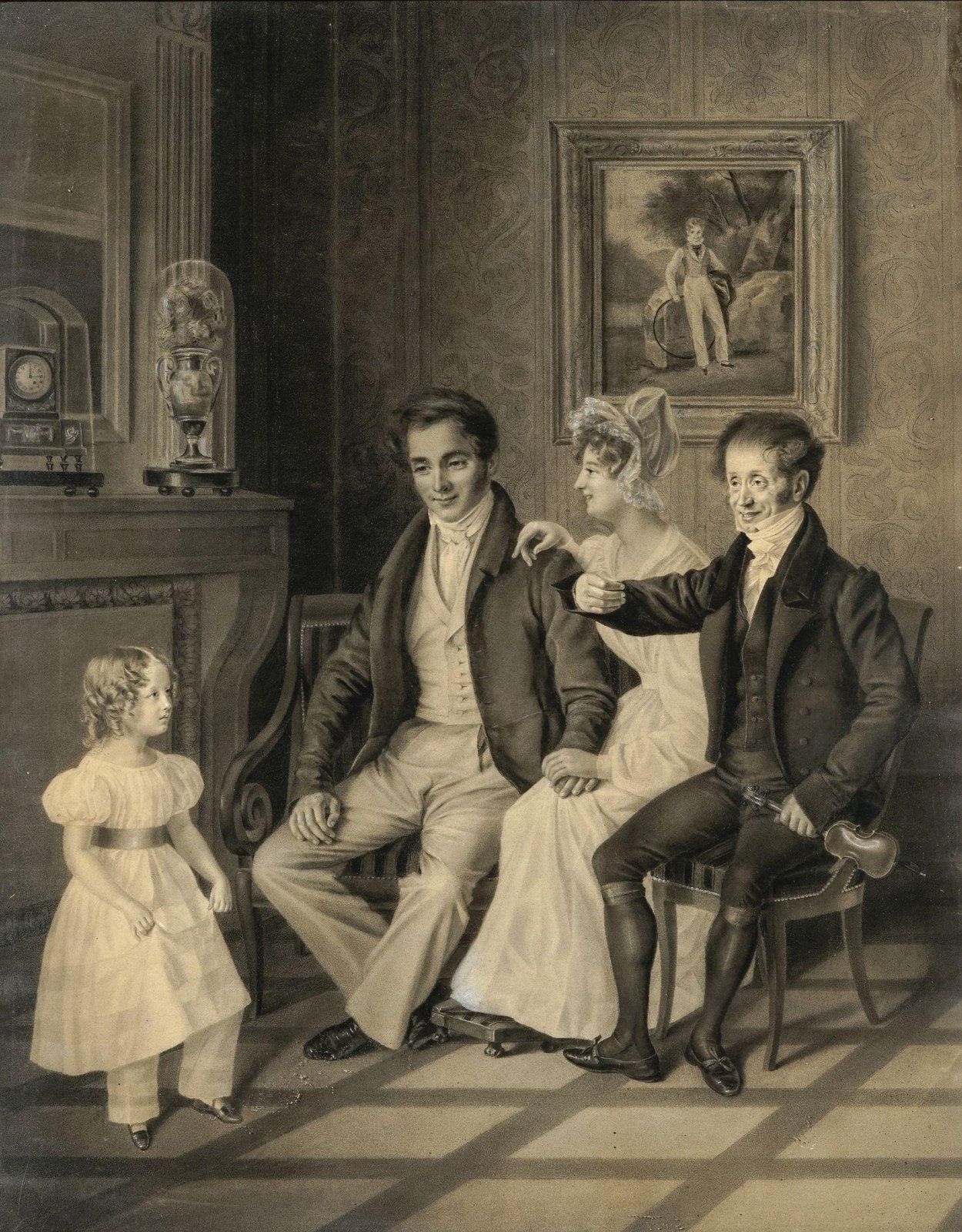
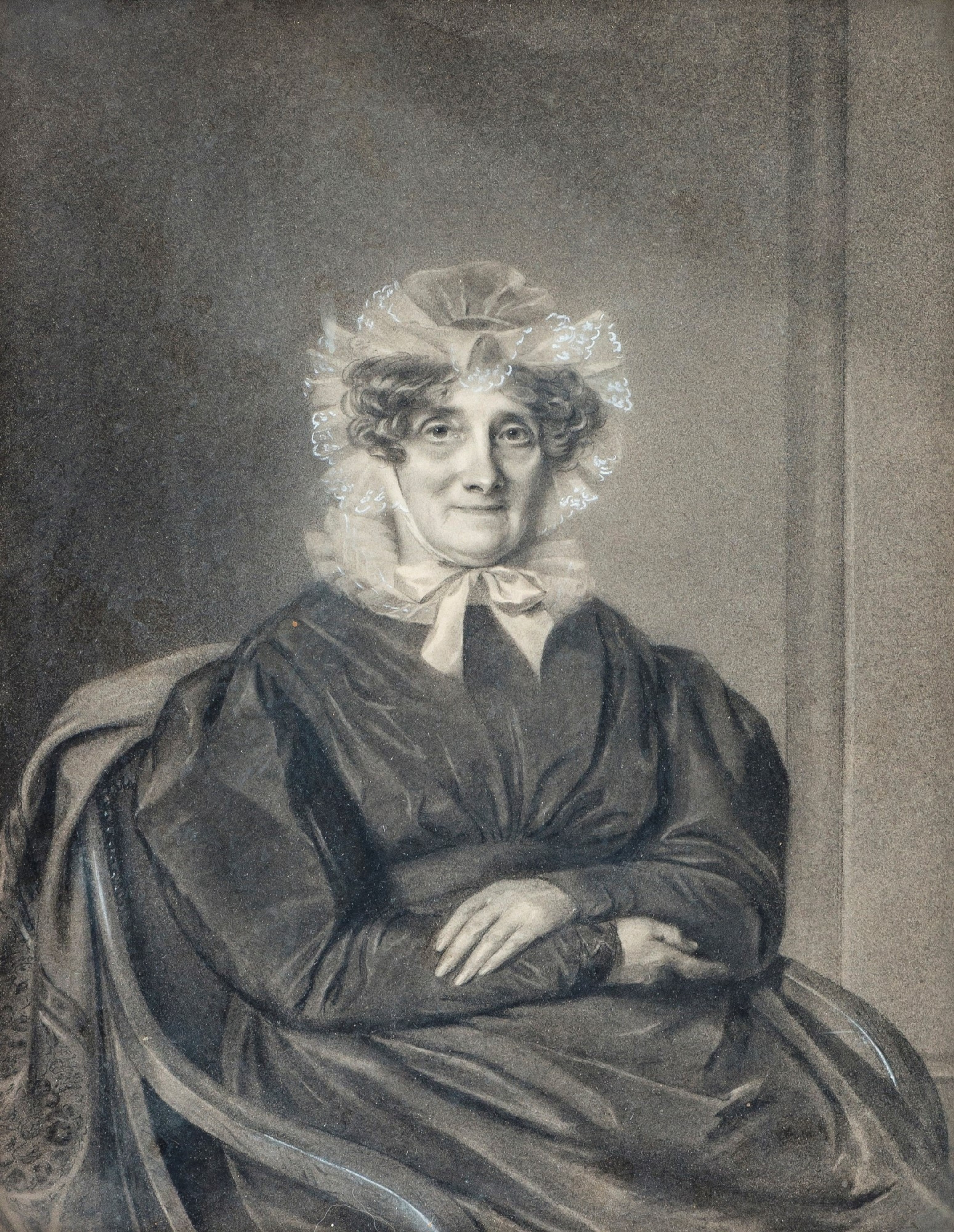
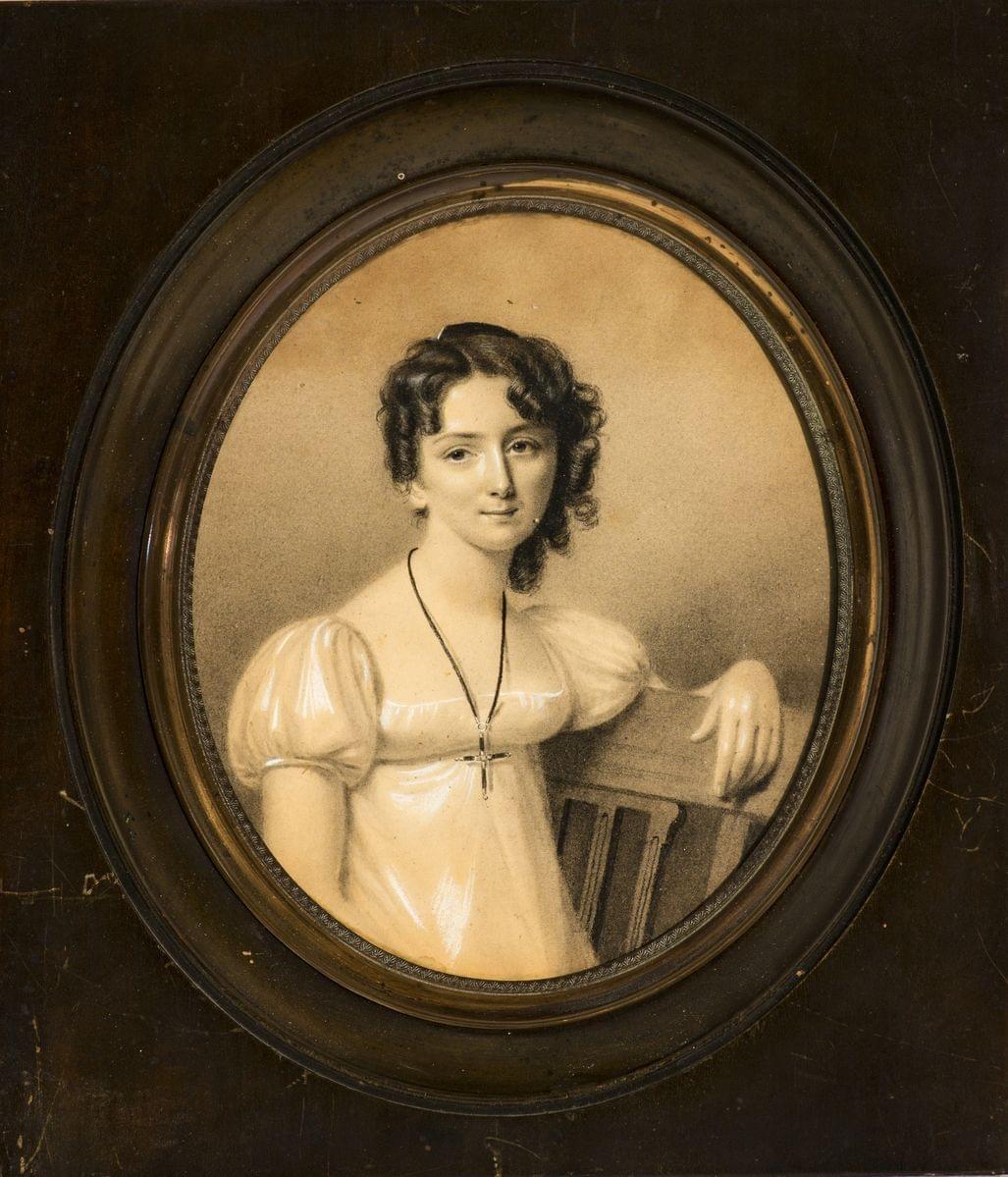
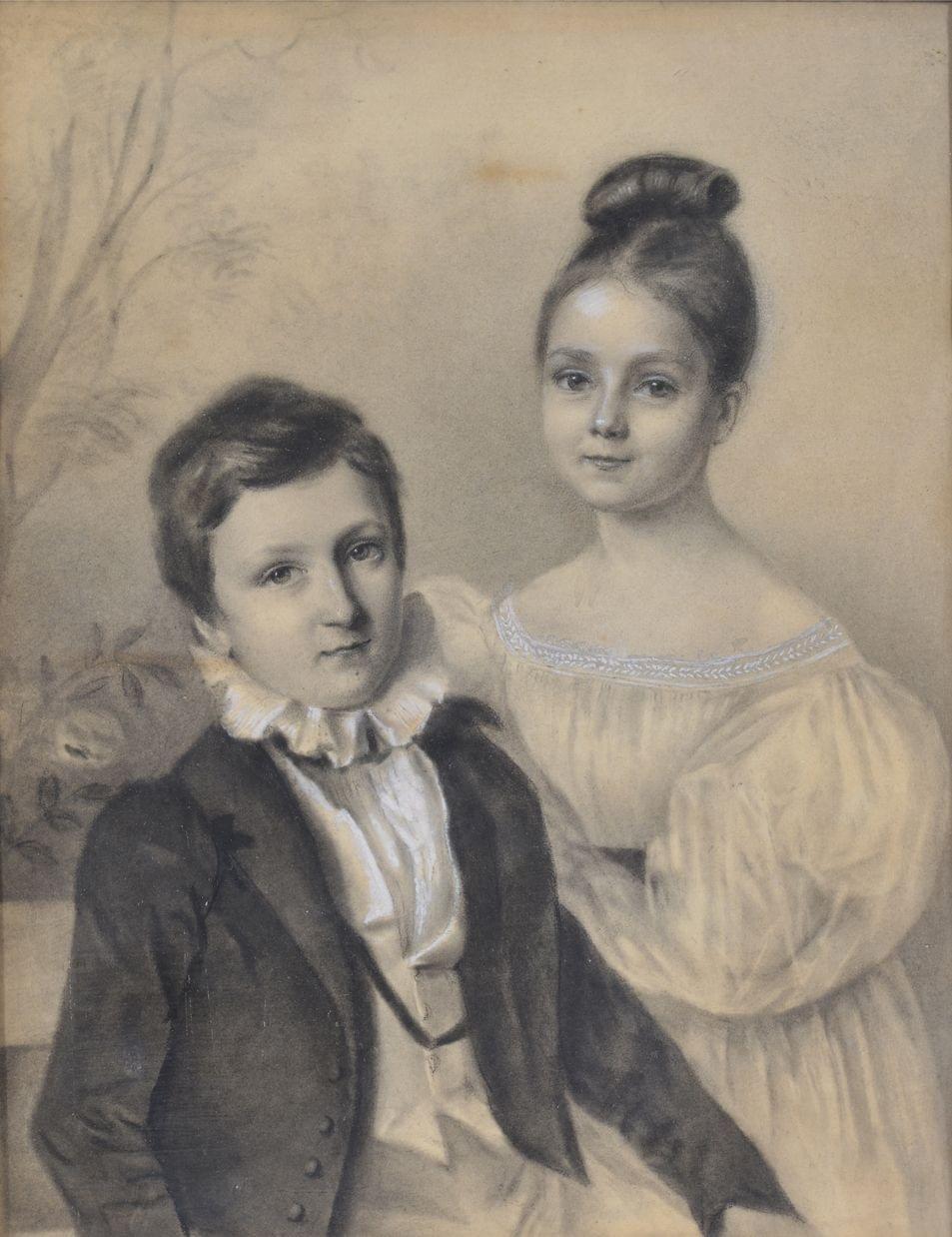
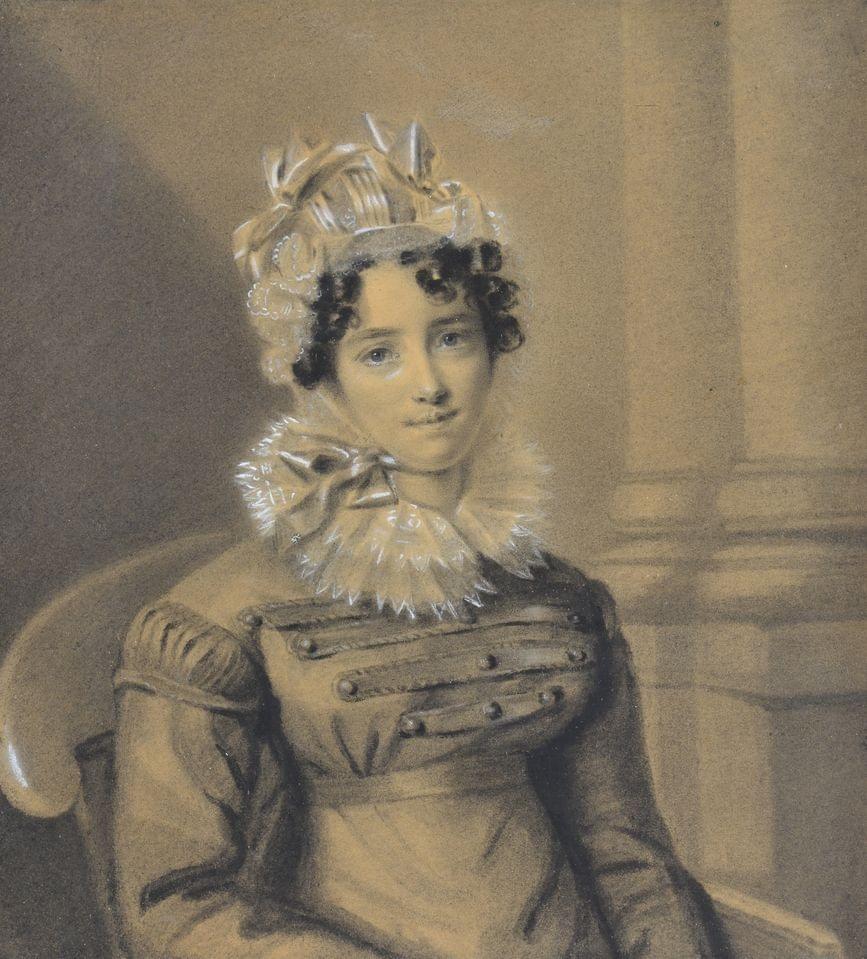
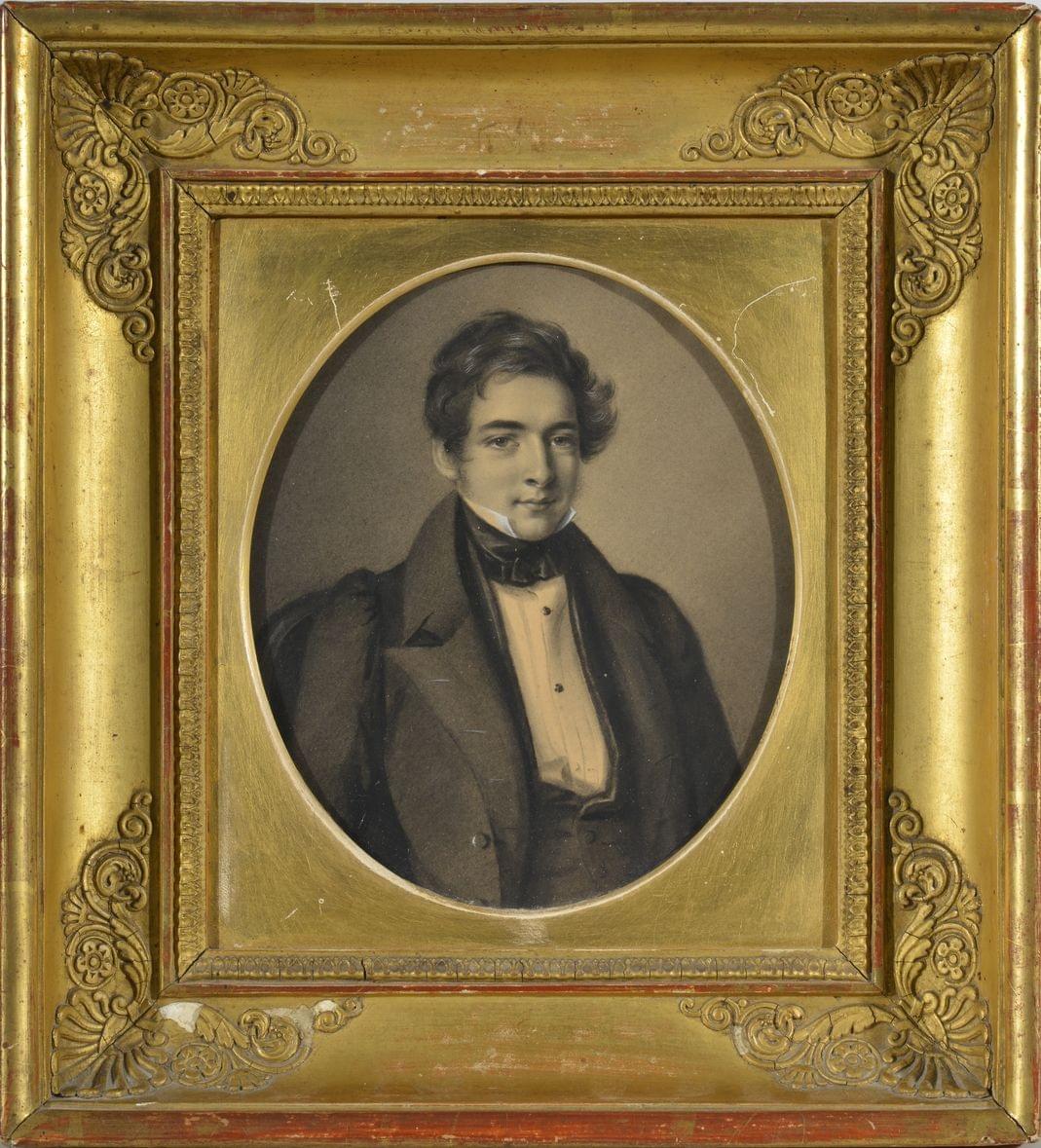
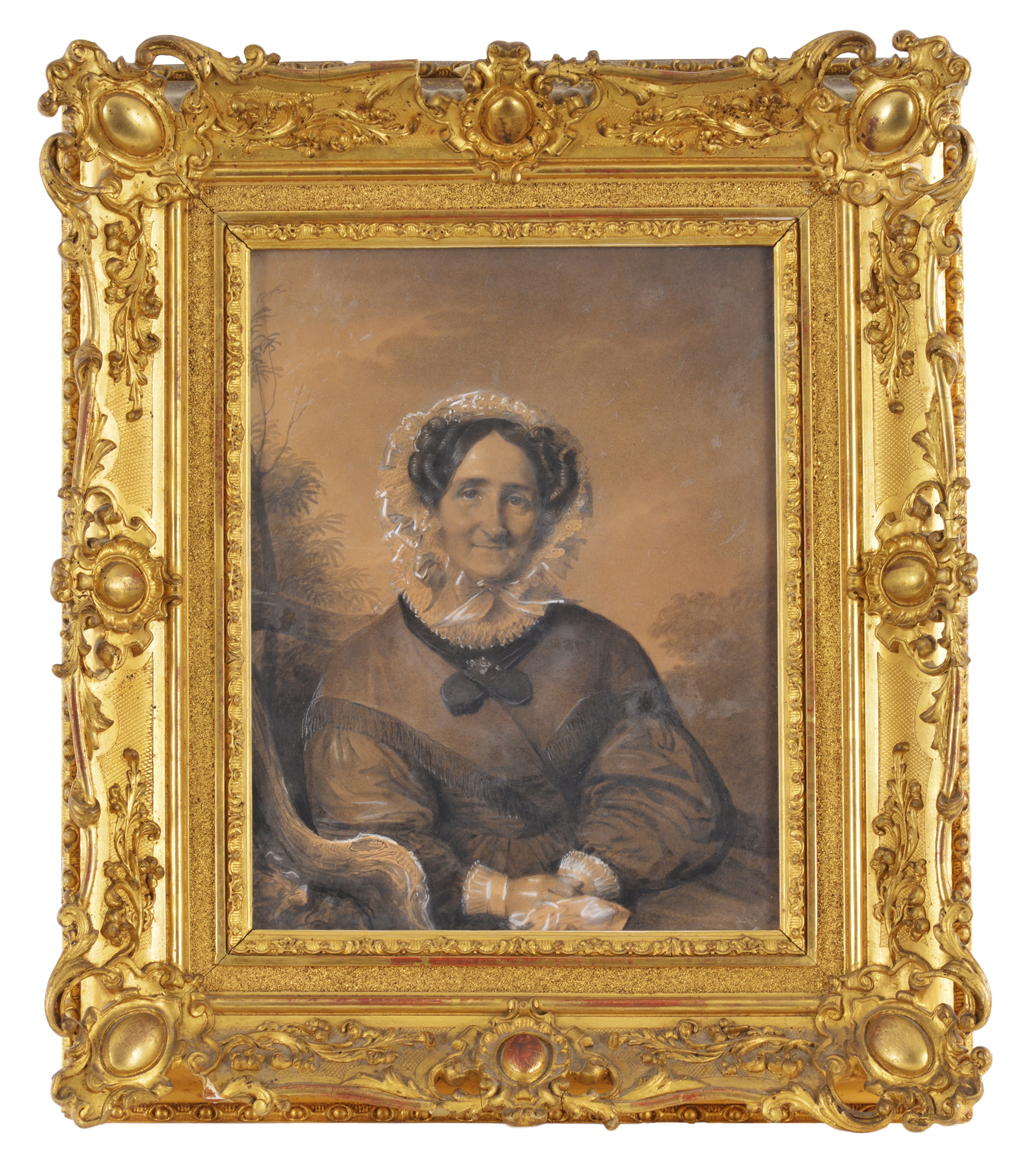
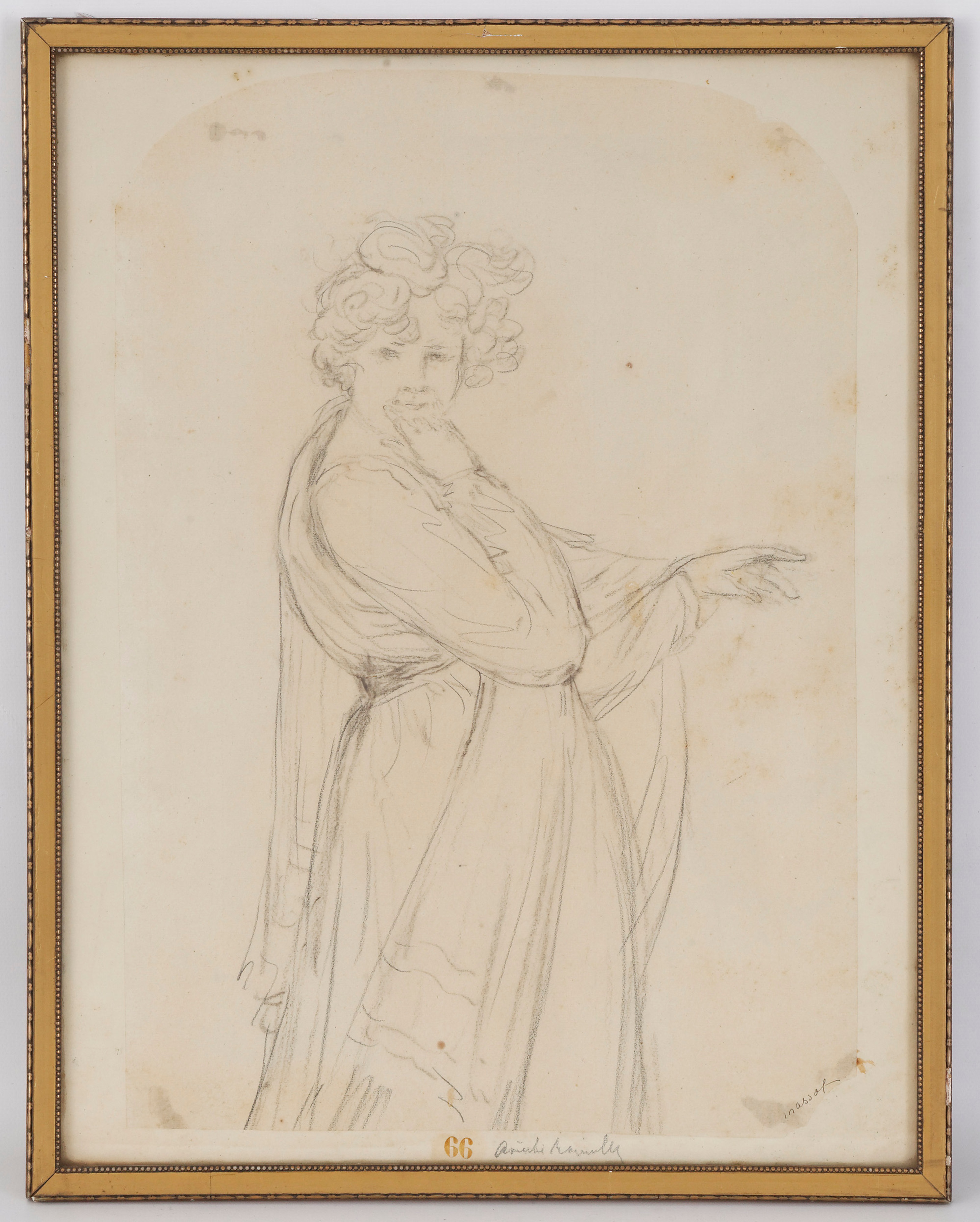
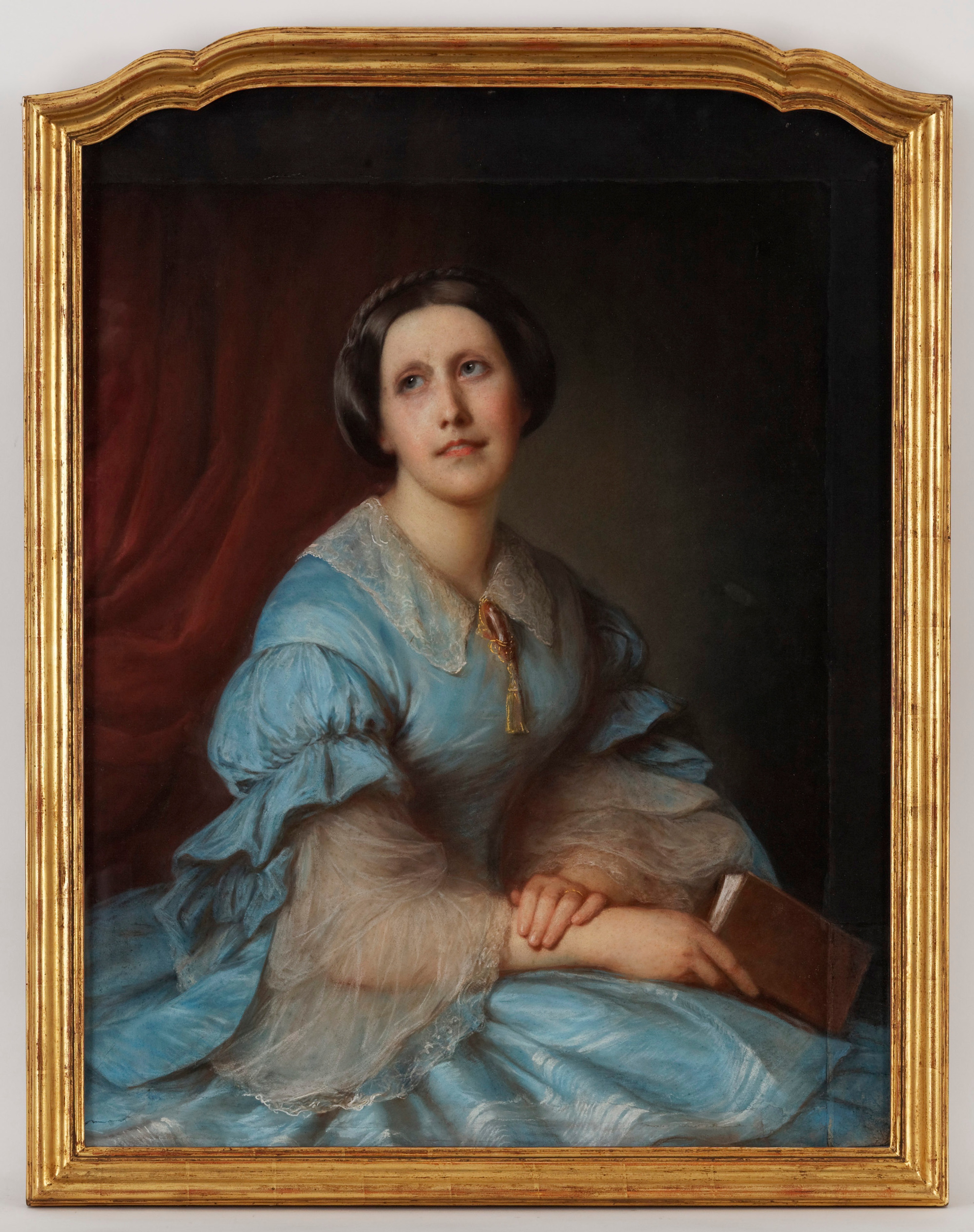
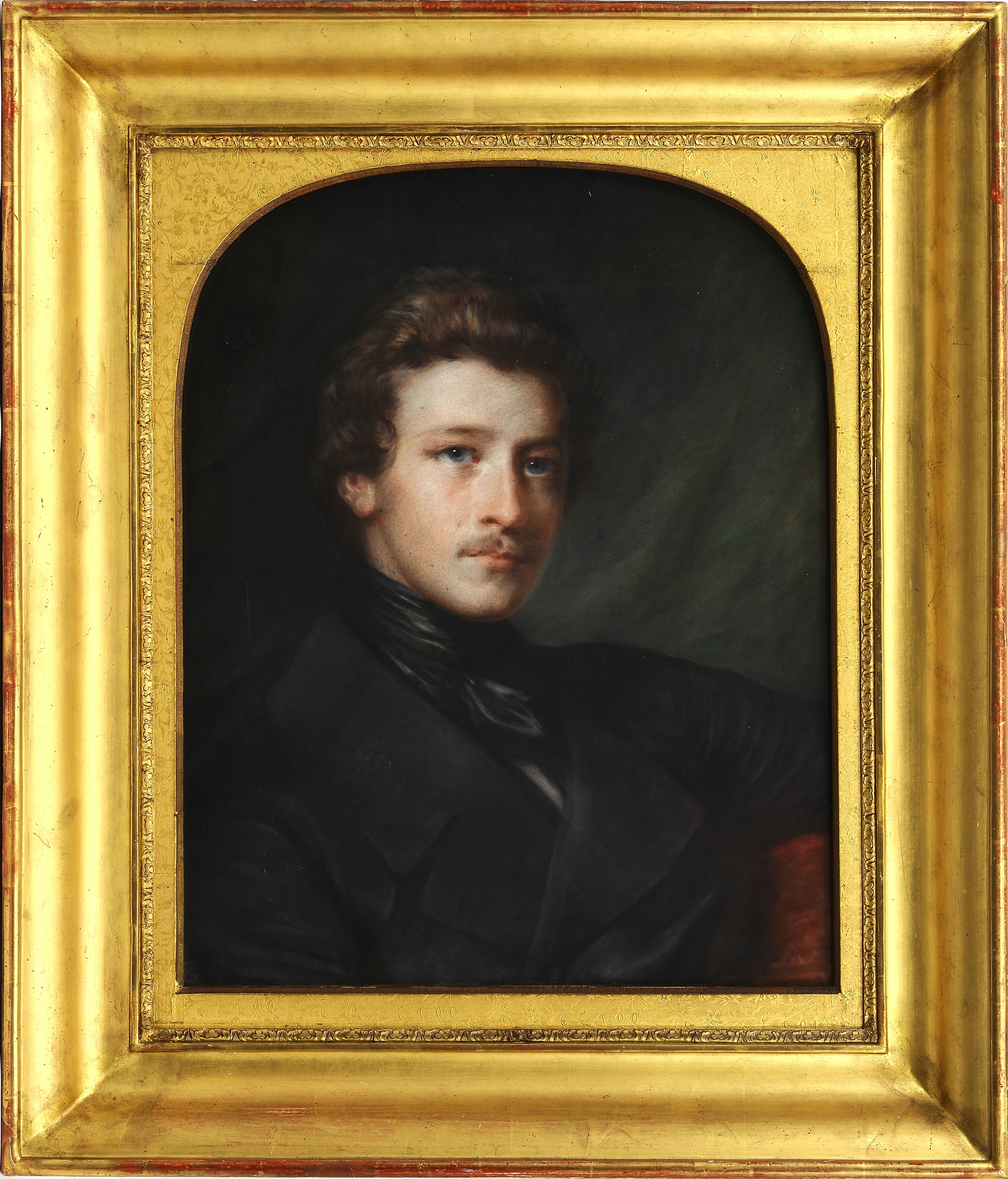
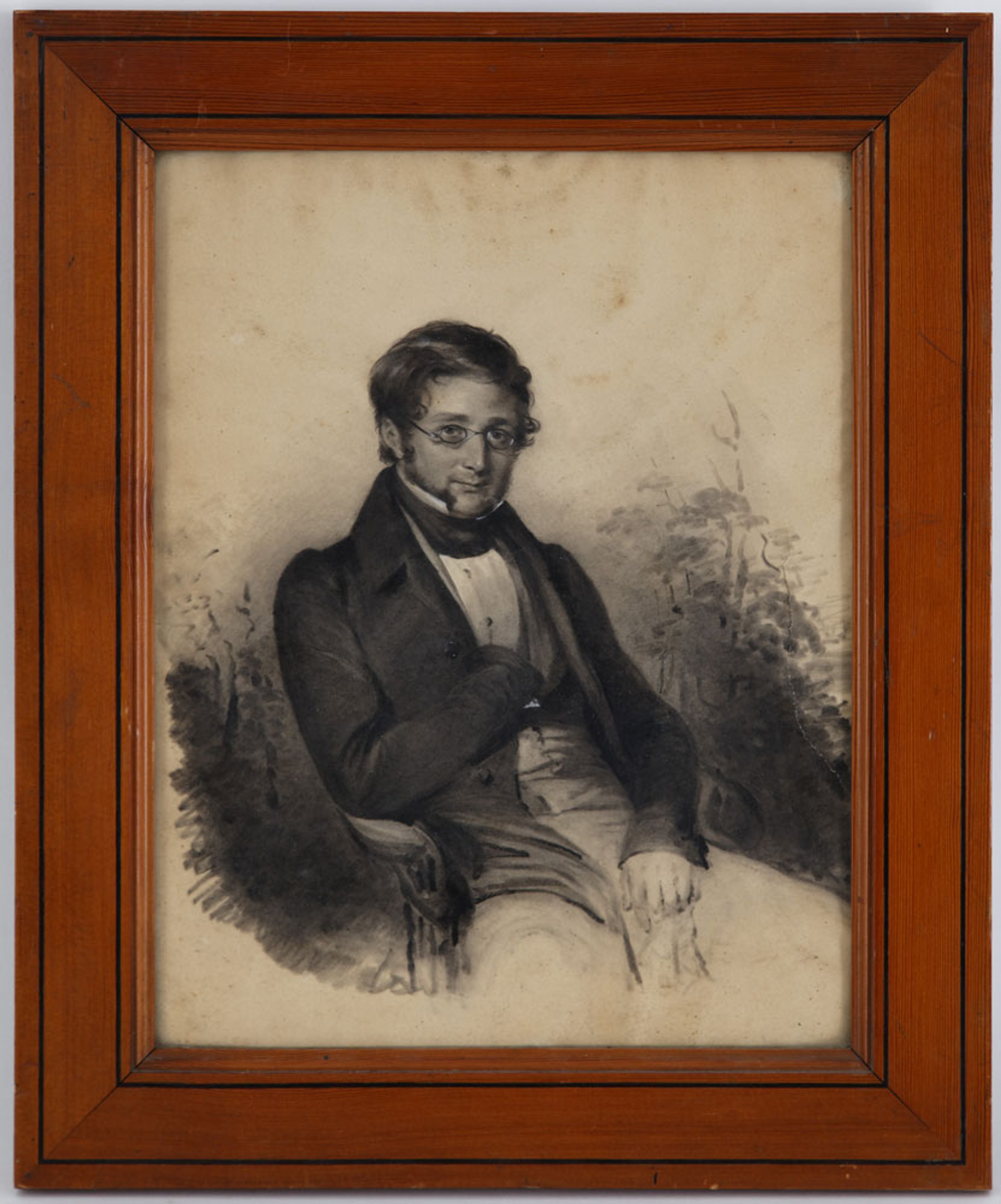
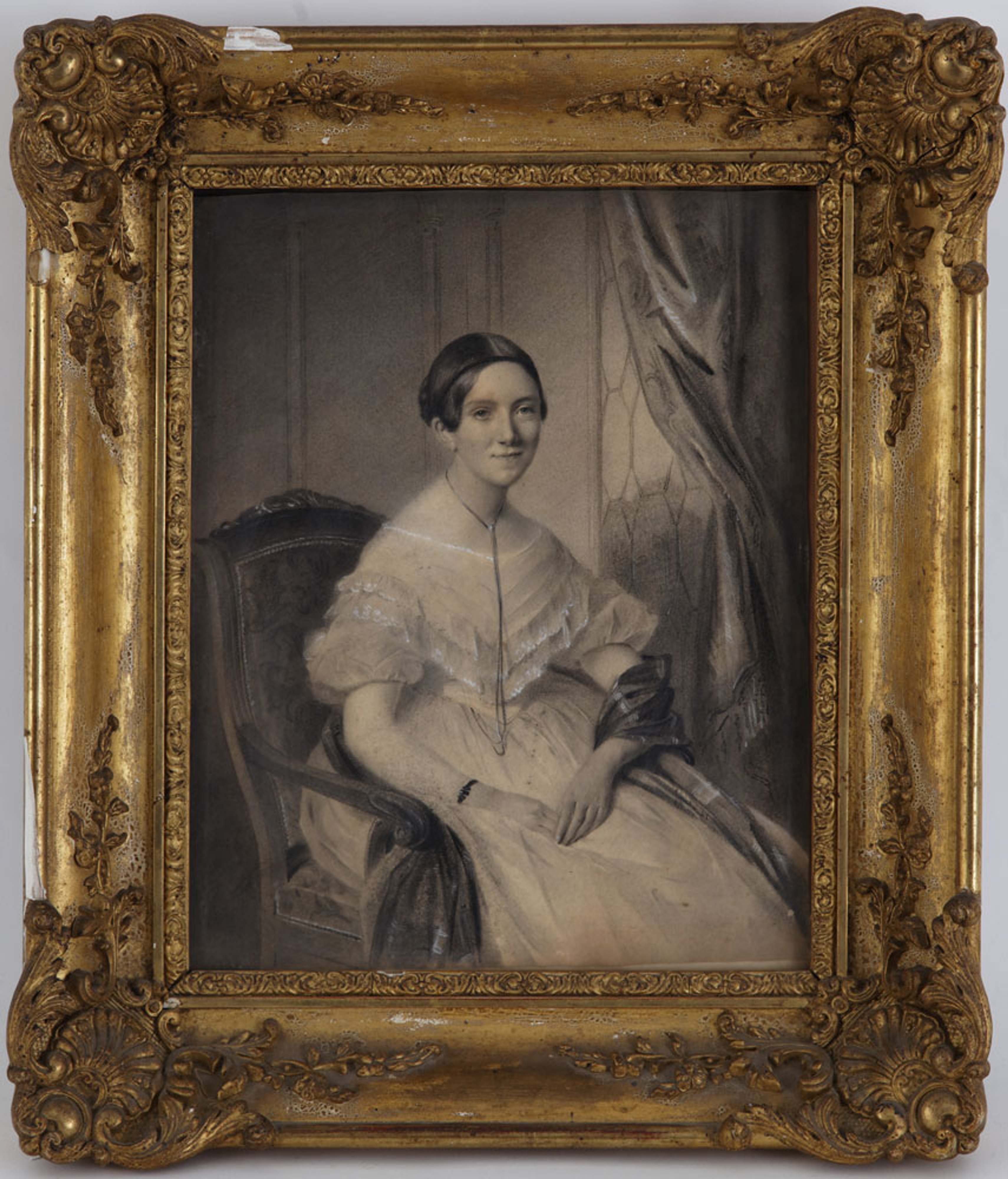
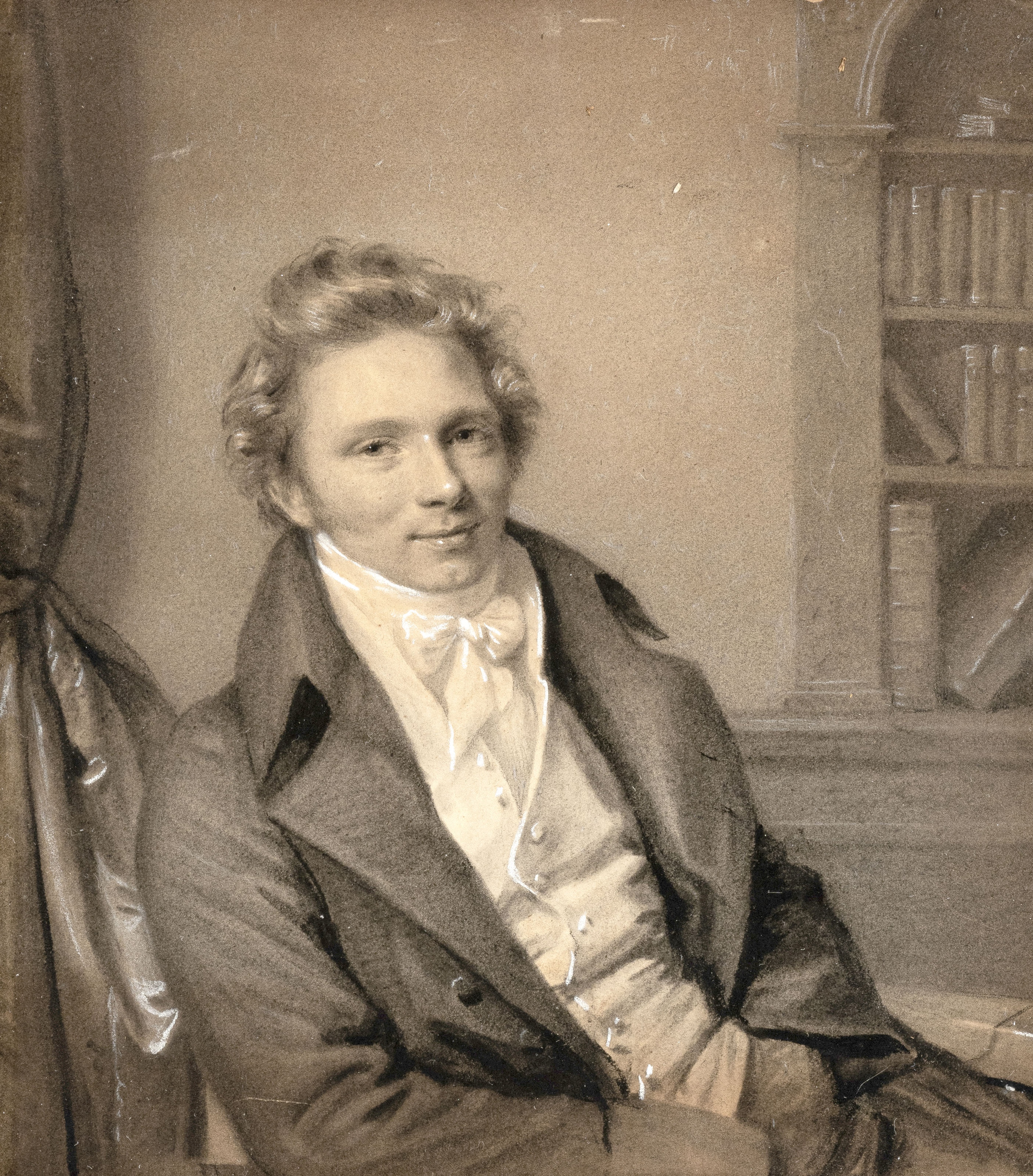
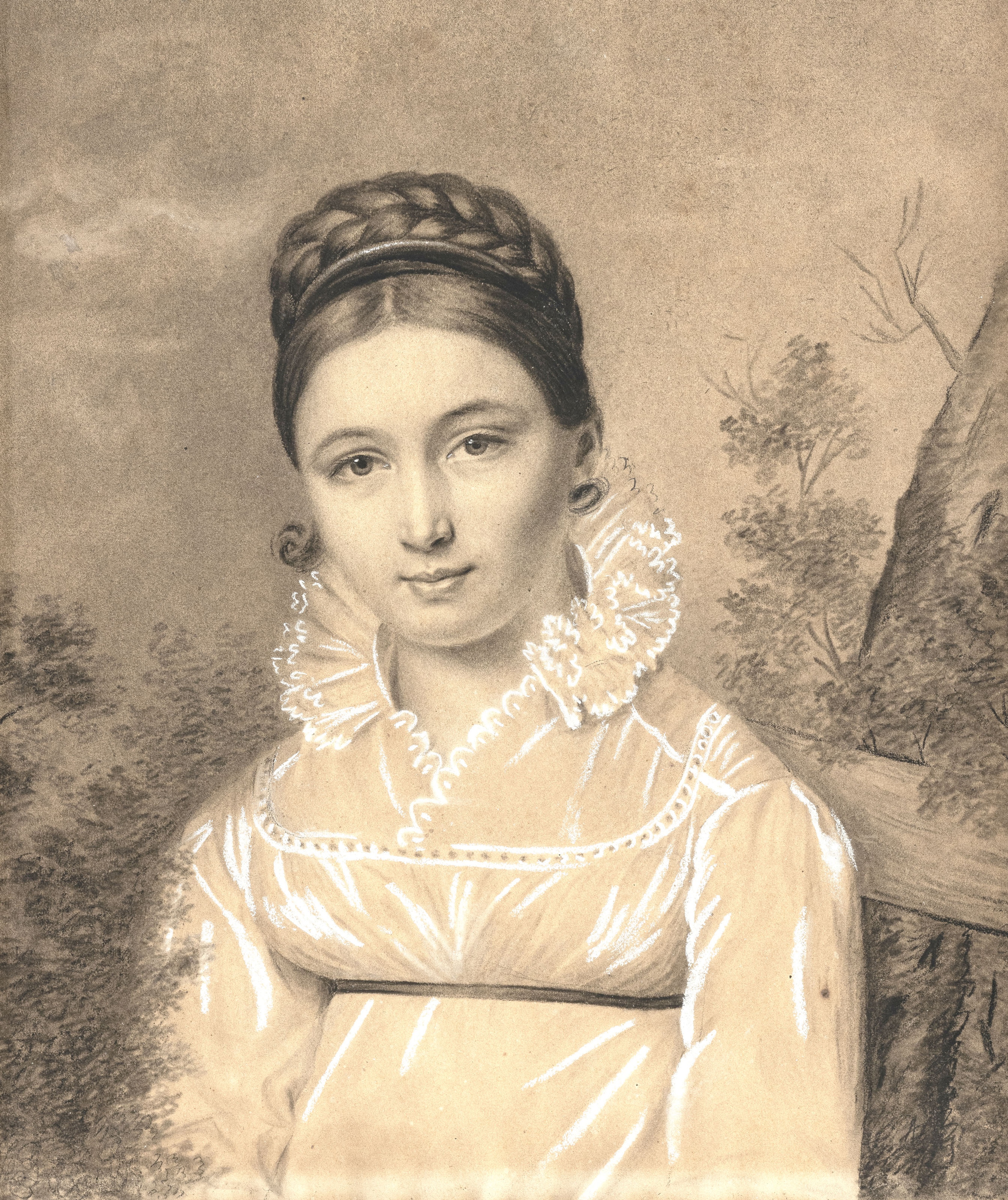
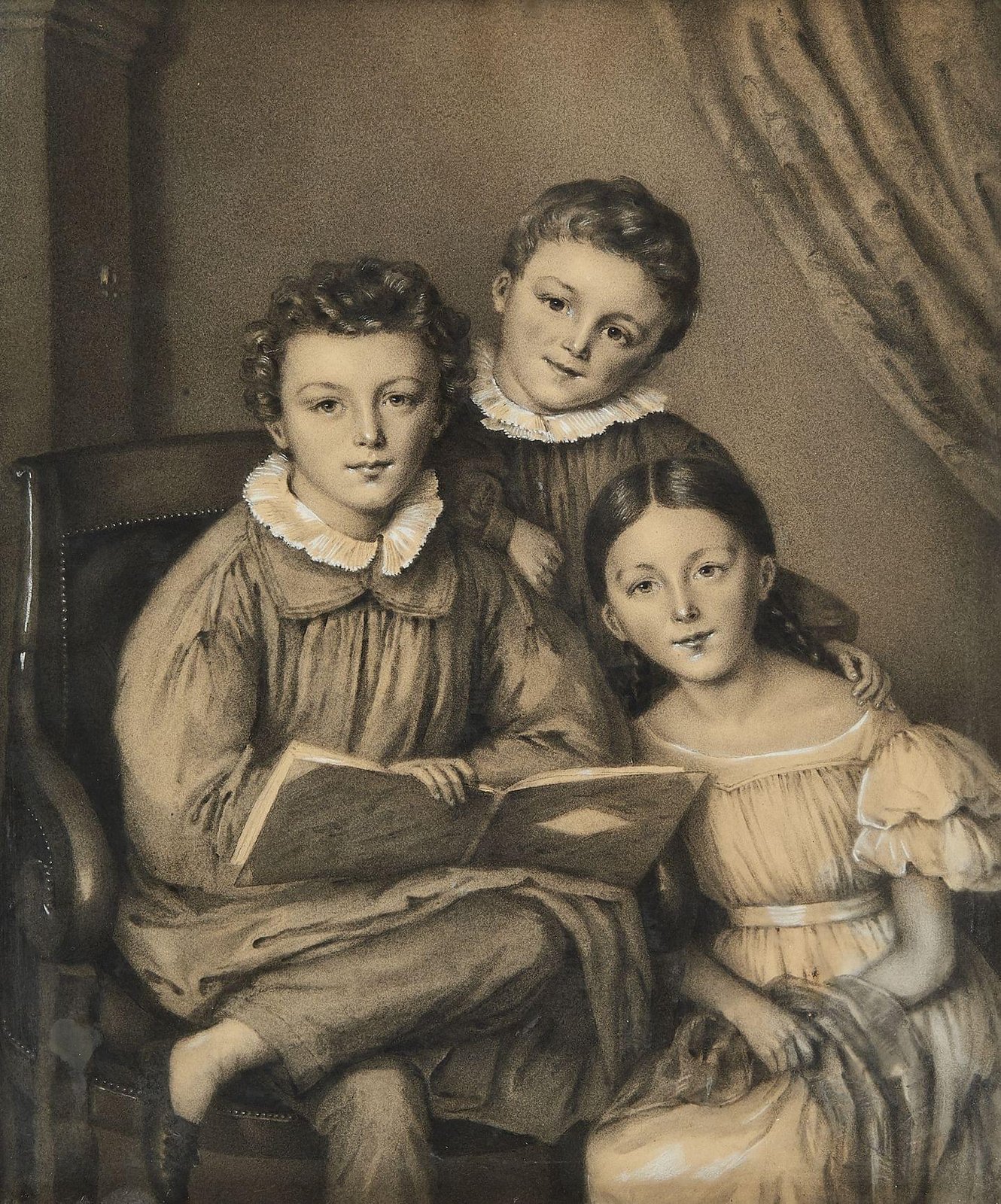
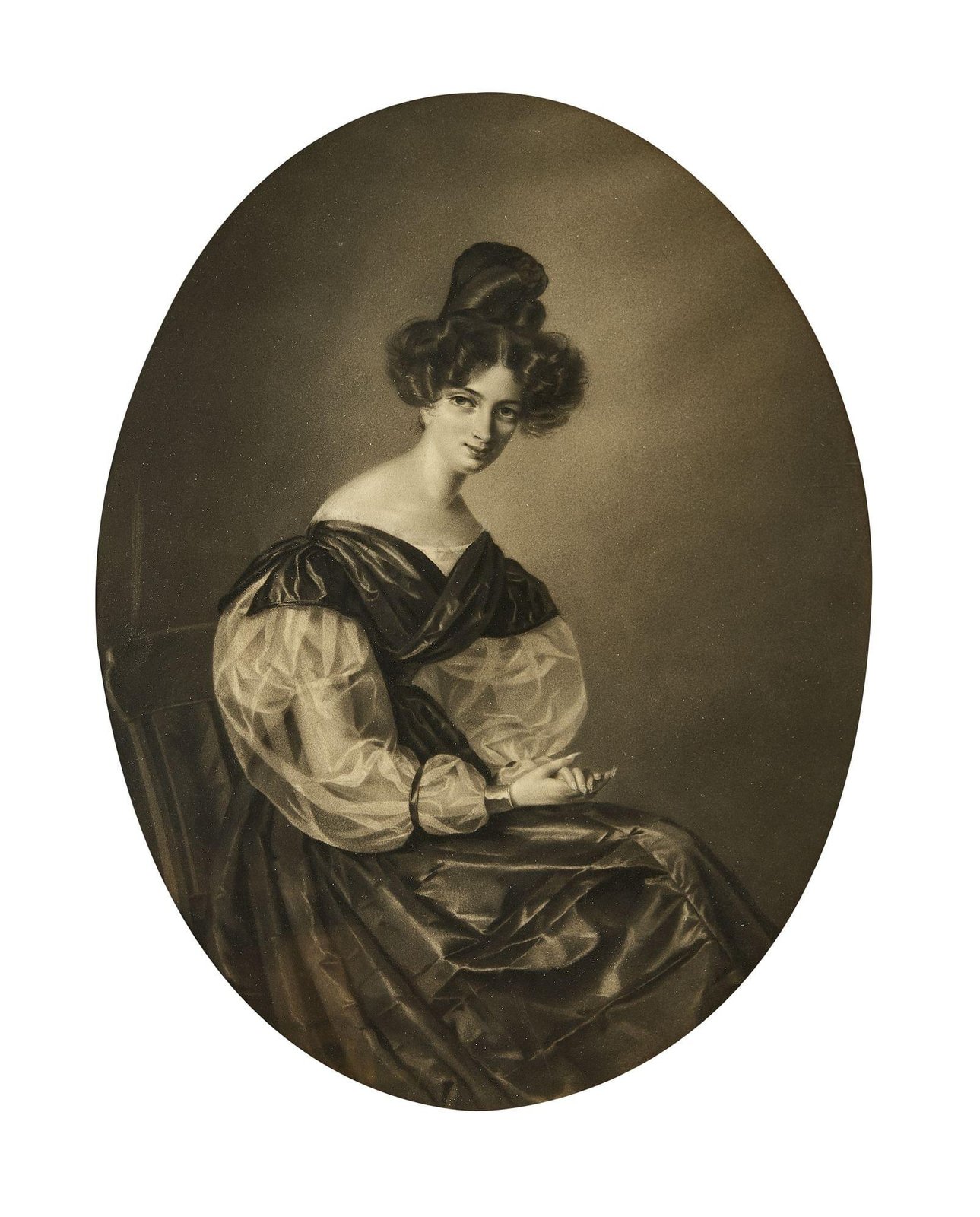
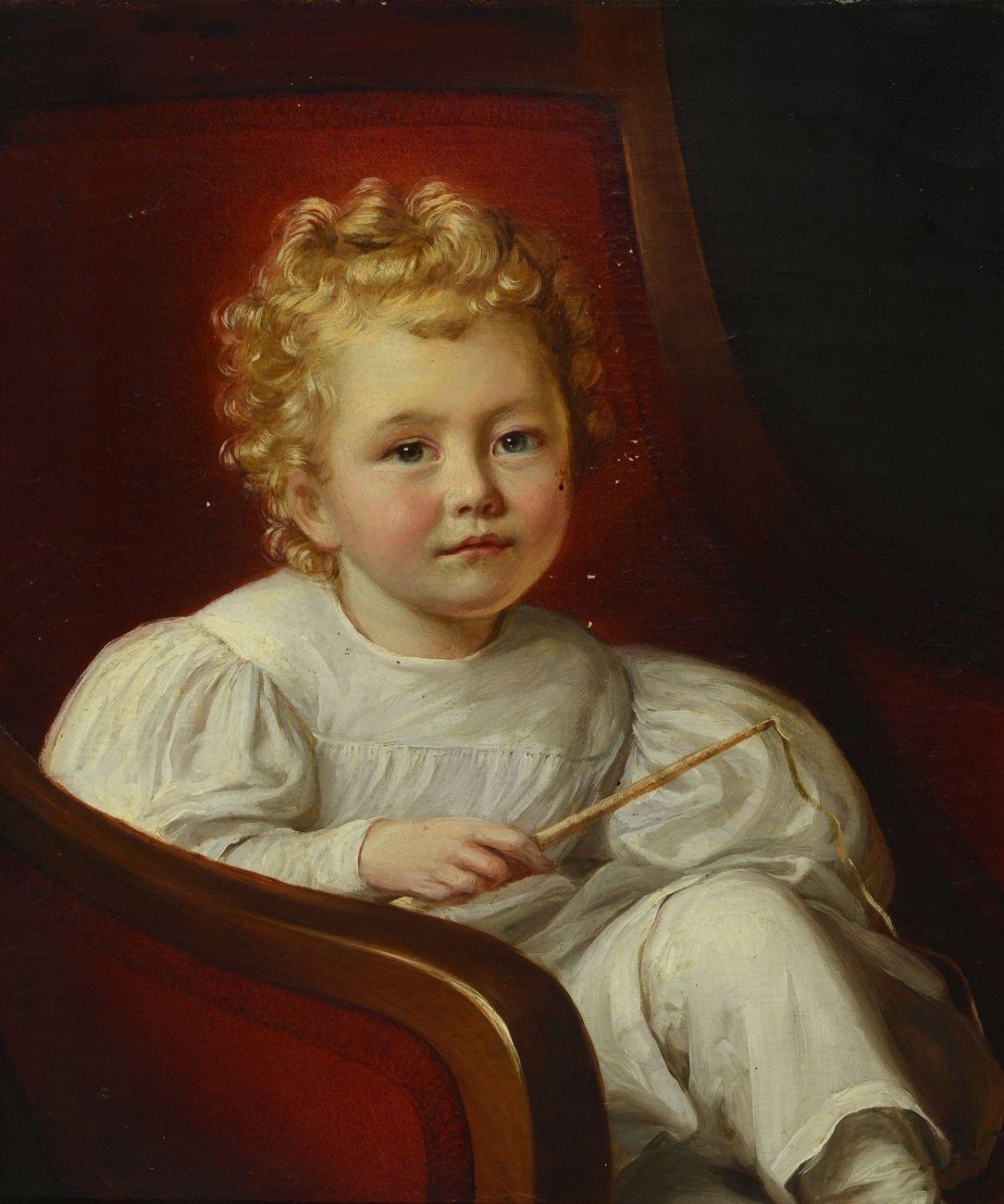
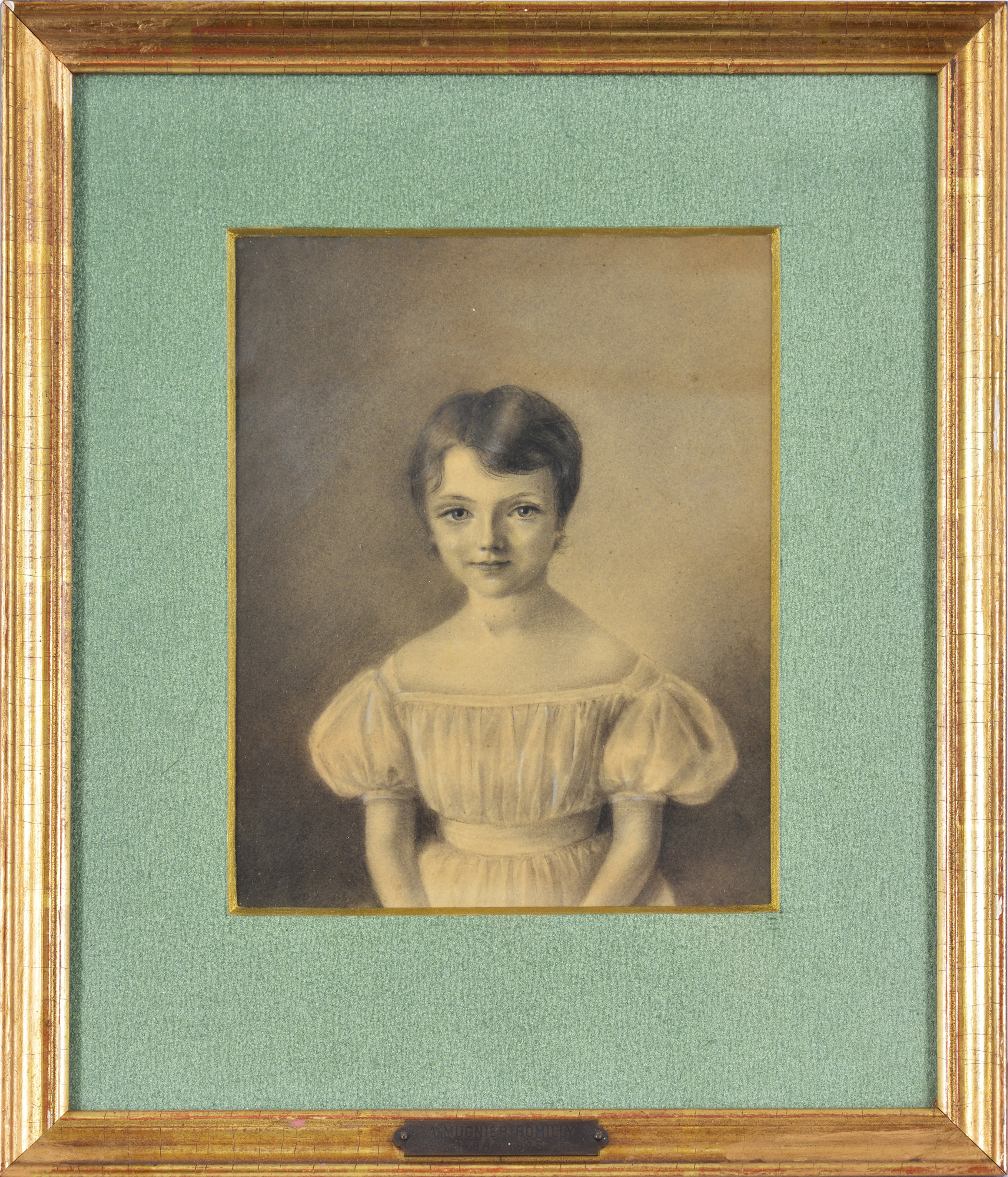
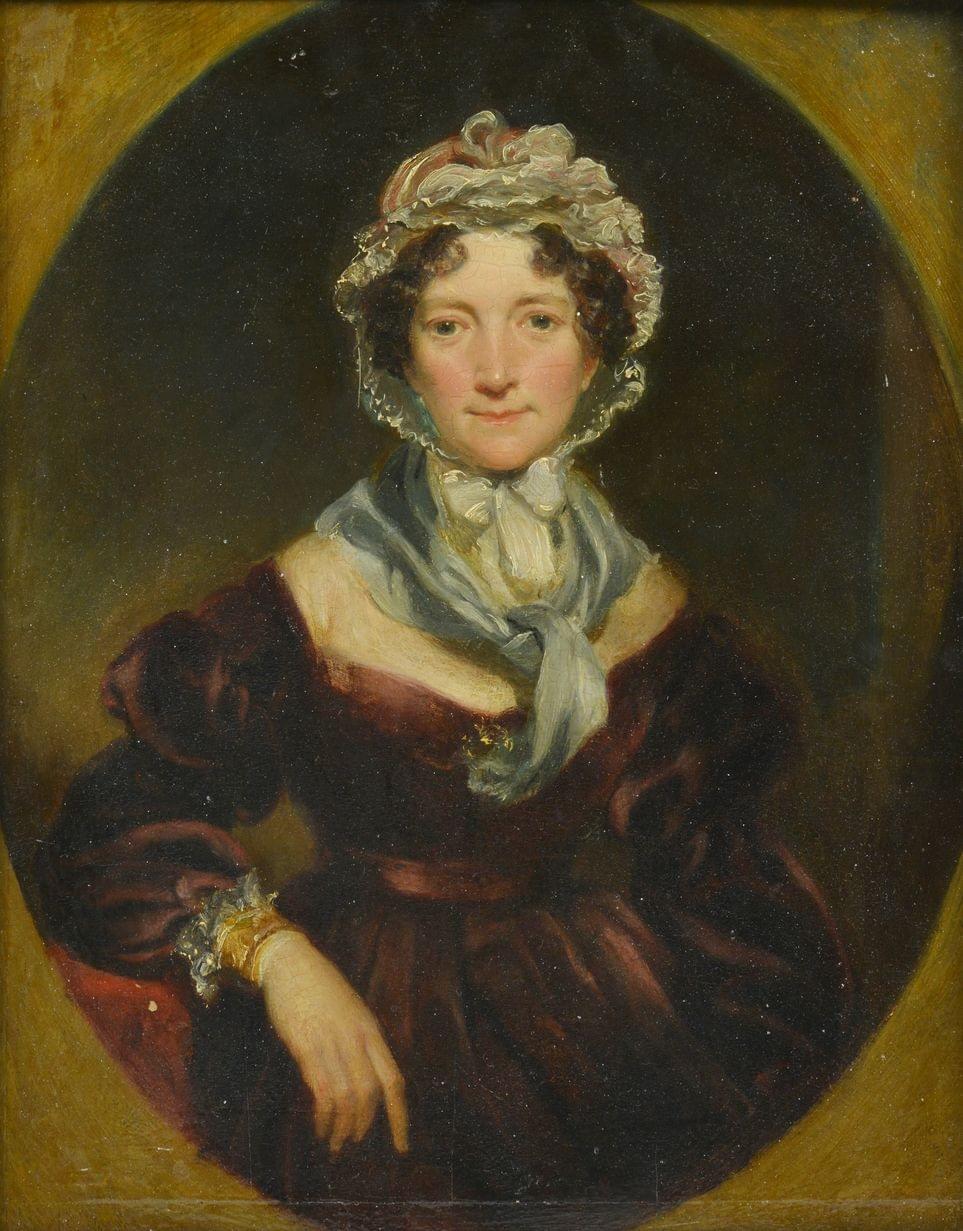
Her practice encompassed a range of techniques — charcoal, lithography, oil painting, watercolour and pastel — and, from the 1830s onwards, pastel appears as a notable medium for her bust-length portraits, described in the notice as having a manner that was “very modern and sensitive”.
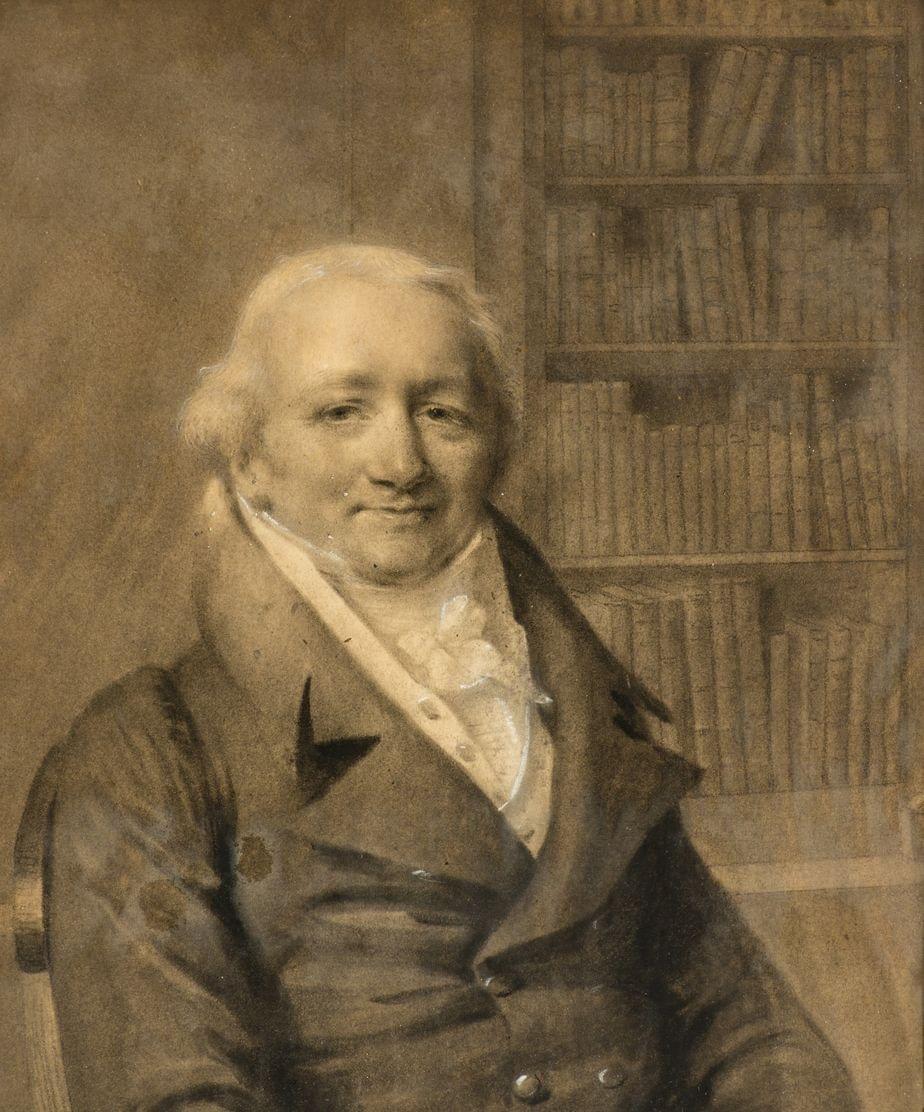
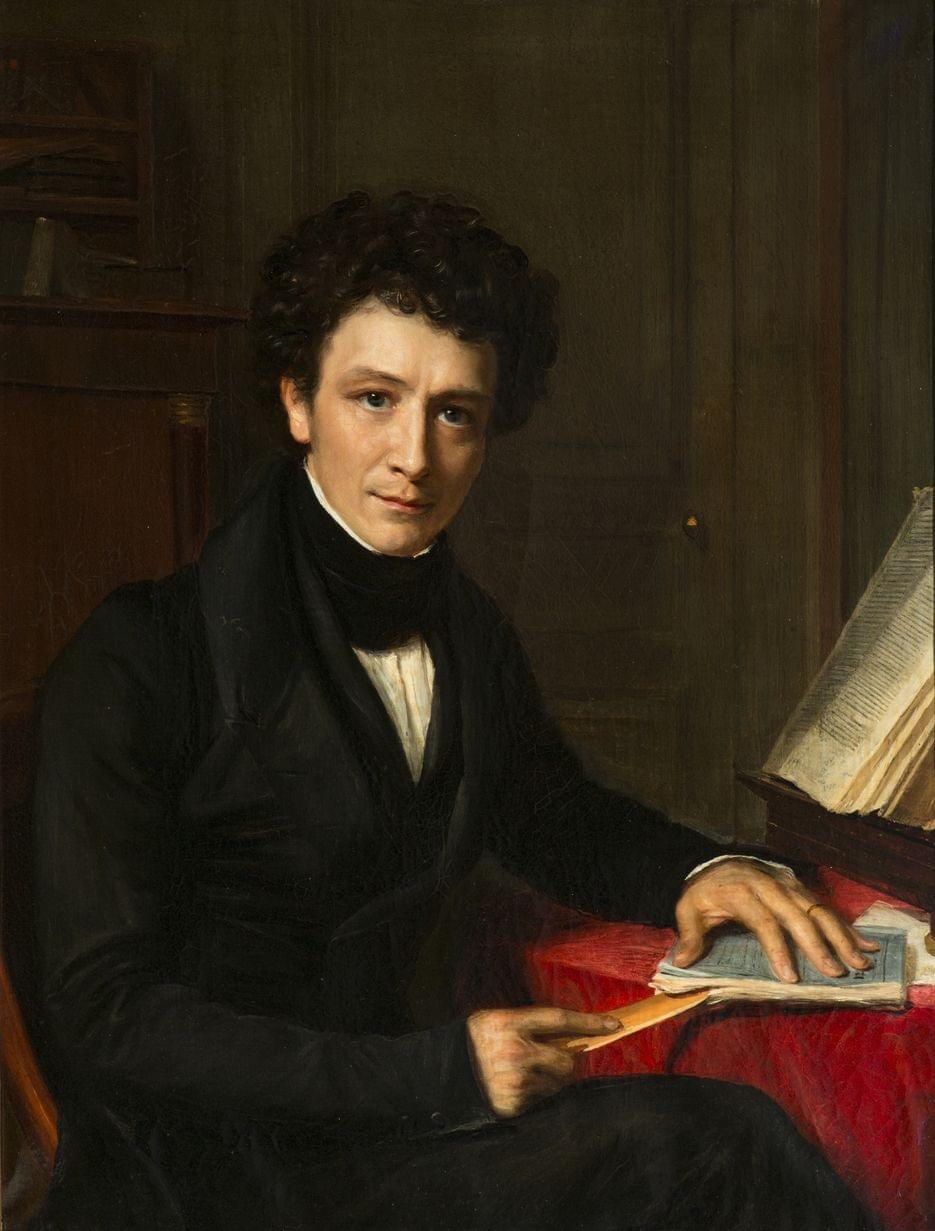
Among the surviving works are a Portrait de Madame Schroeder (after 1843), pastel on parchment (Cabinet d'arts graphiques, MAH Genève, gift of Marie Lecoultre, 1926); a Portrait de Jean‑Daniel Huber (around 1840), oil on board (MAH Genève); a Portrait de Charles Simonde de Sismondi dated between 1825 and 1830 (oil on board, MAH Genève, date noted with reservation); and a Portrait de Suzanne Dufour (around 1820), black chalk with white heightening (Bibliothèque de Genève, Fonds Archives Dufour).
According to the notice, the Musée d'art et d'histoire de Genève holds ten paintings presented as representative of her work.
The principal biographical references brought together in the notice include a study by Adolphe Chenevière (1916) and contributions assembled by Erica Deuber Ziegler and Natalia Tikhonov (2005).
To contextualise her stay in Paris, the cited documentation notes that, from the late eighteenth to the early nineteenth century, some women artists were able to attend mixed drawing classes from the nude. The notice acknowledges this as a general context without necessarily attributing it to every individual career.