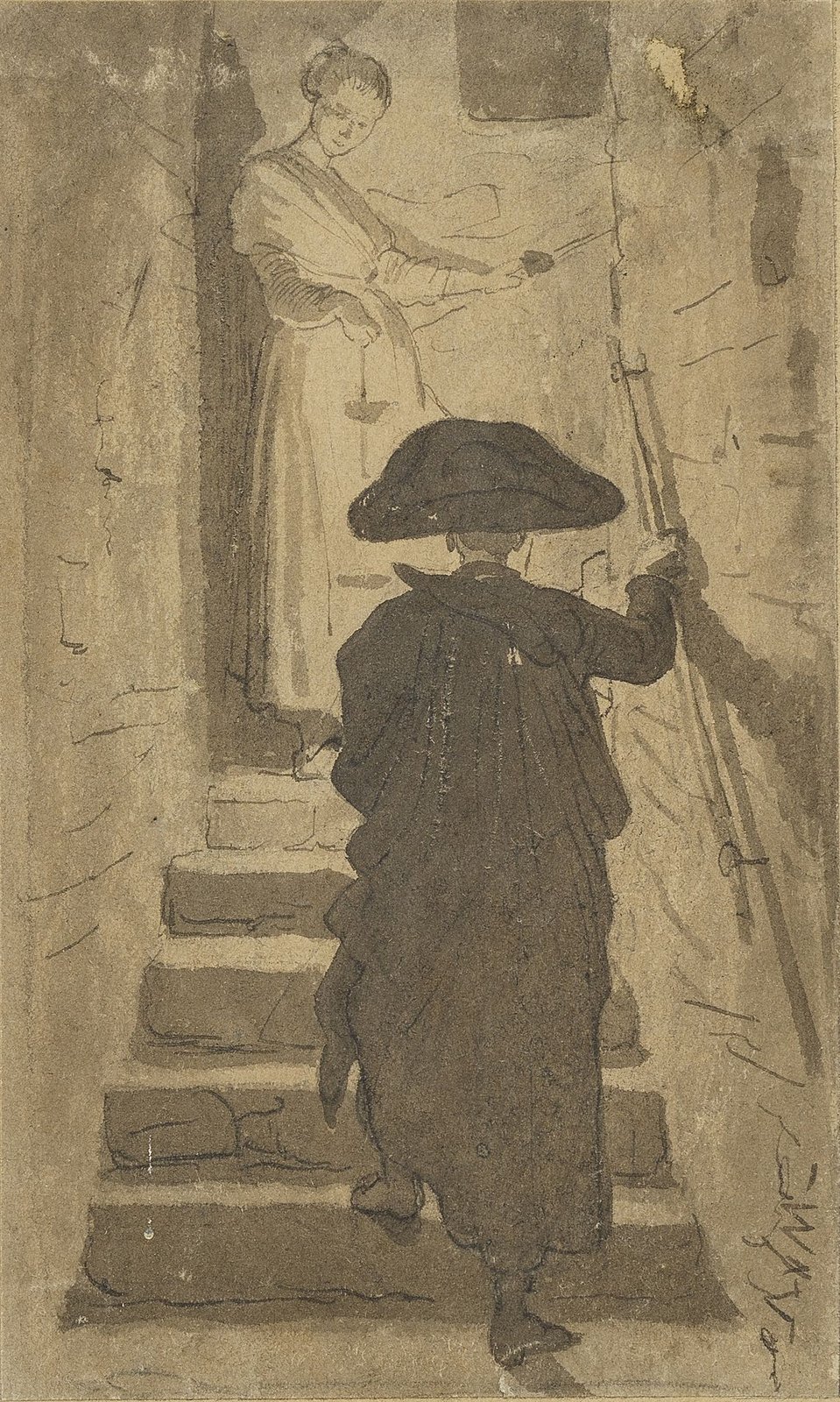
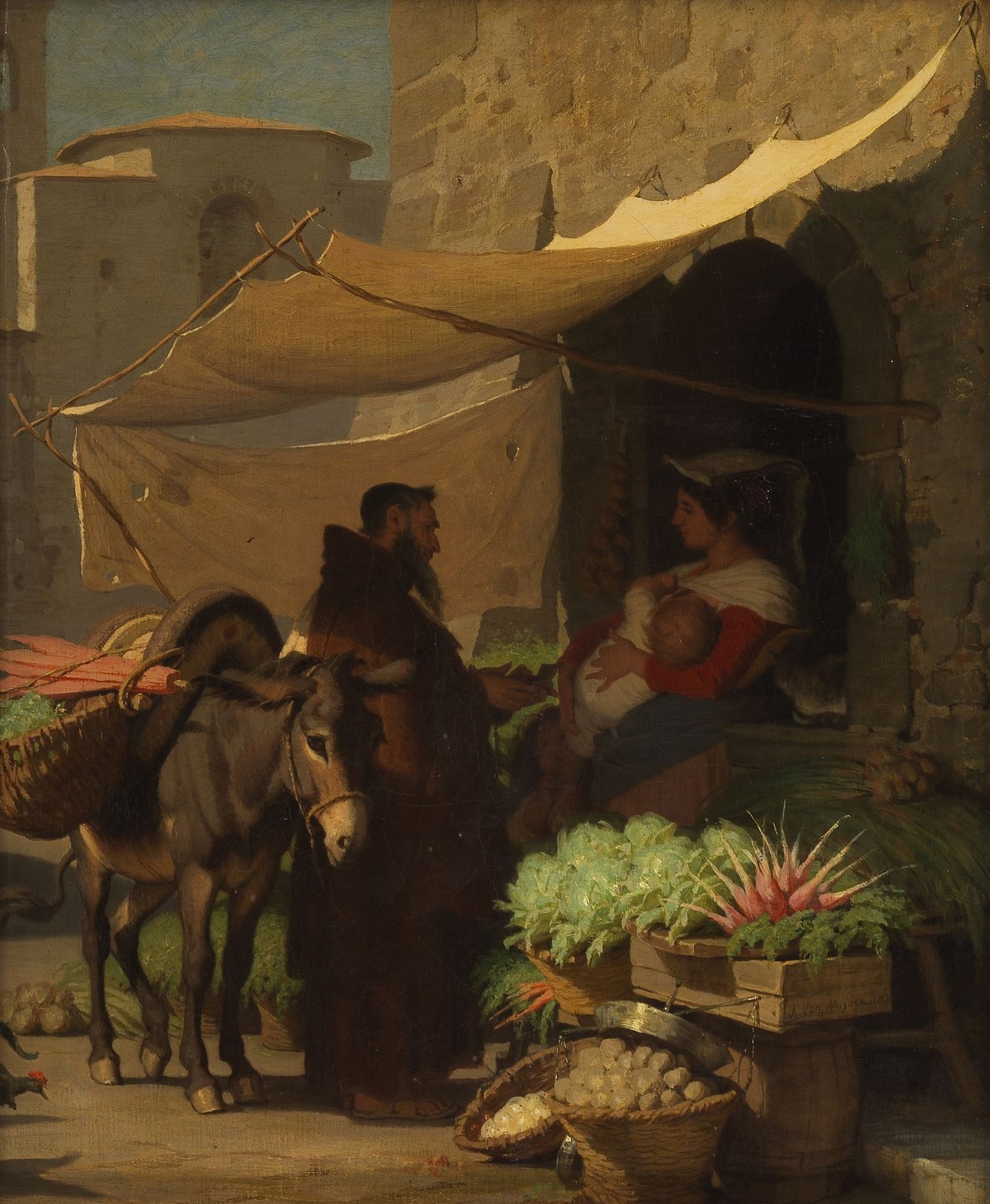
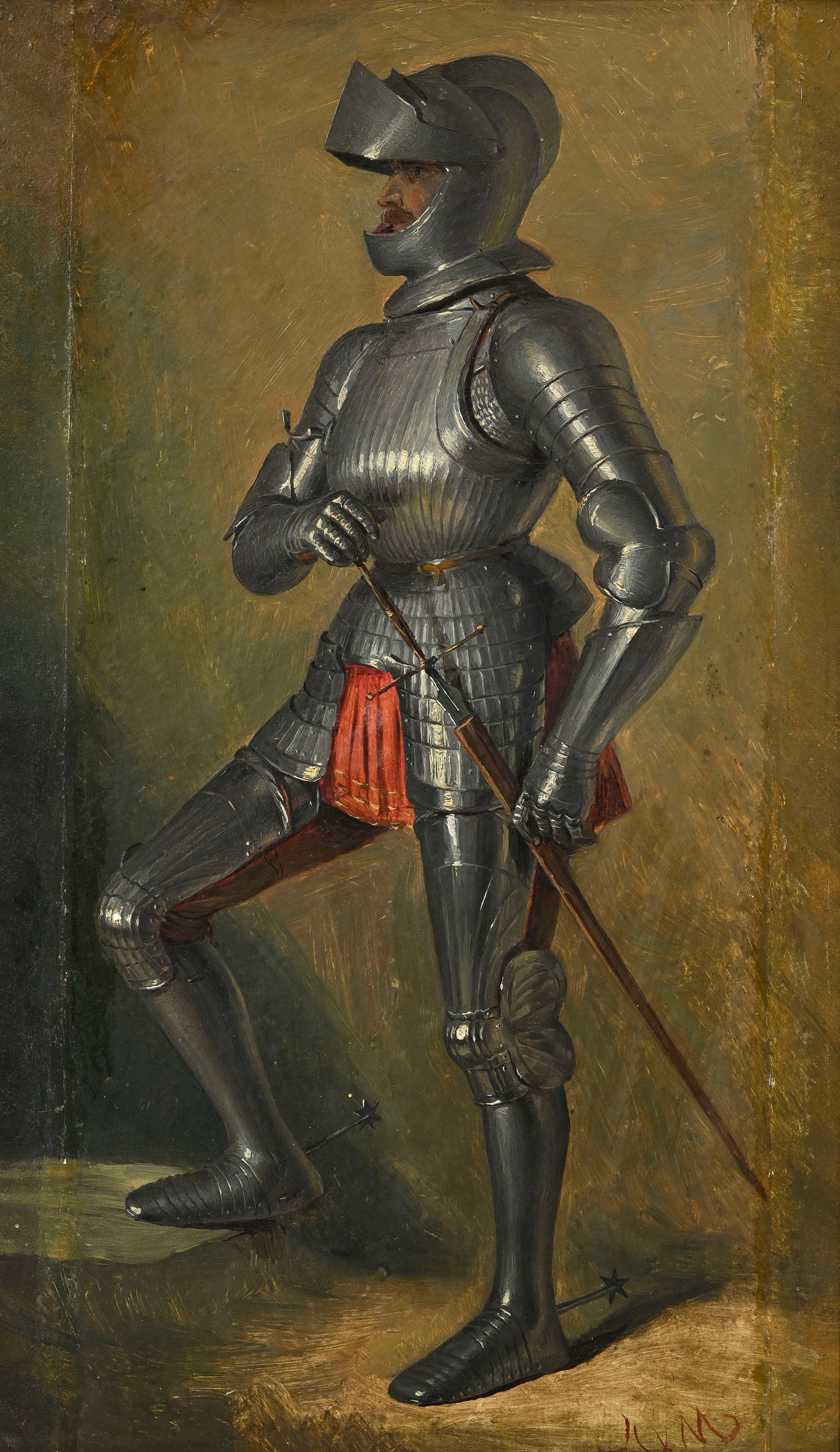
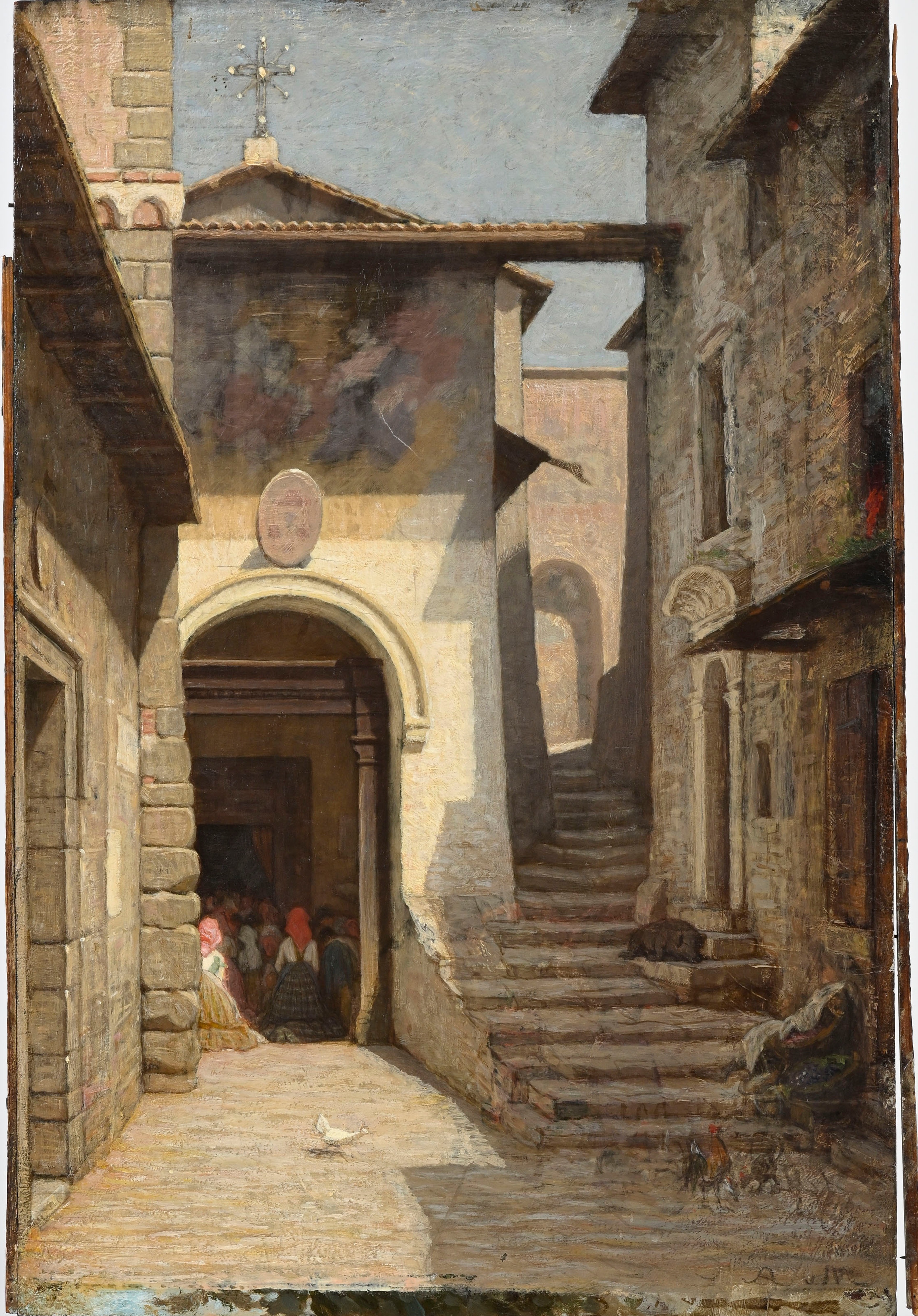
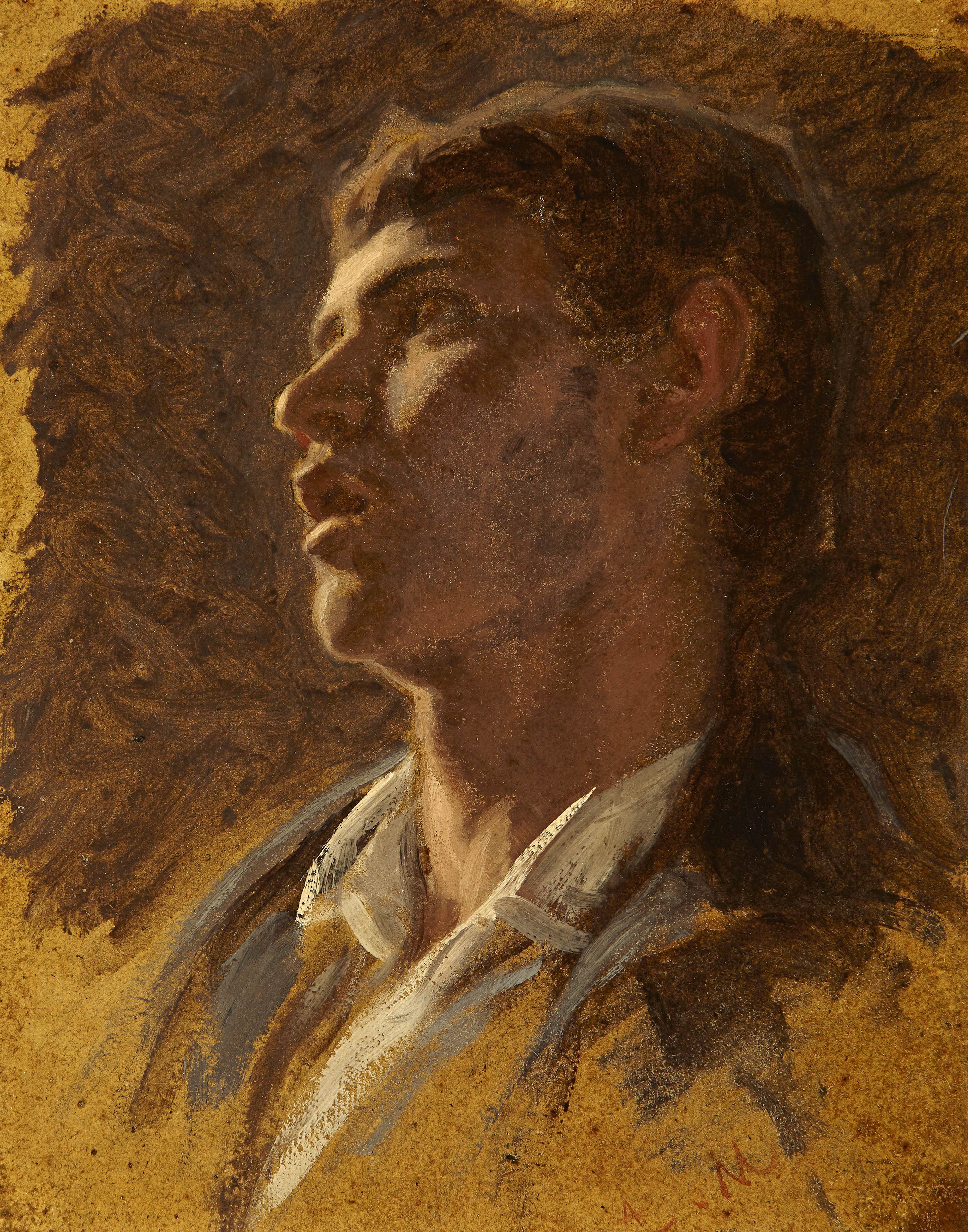
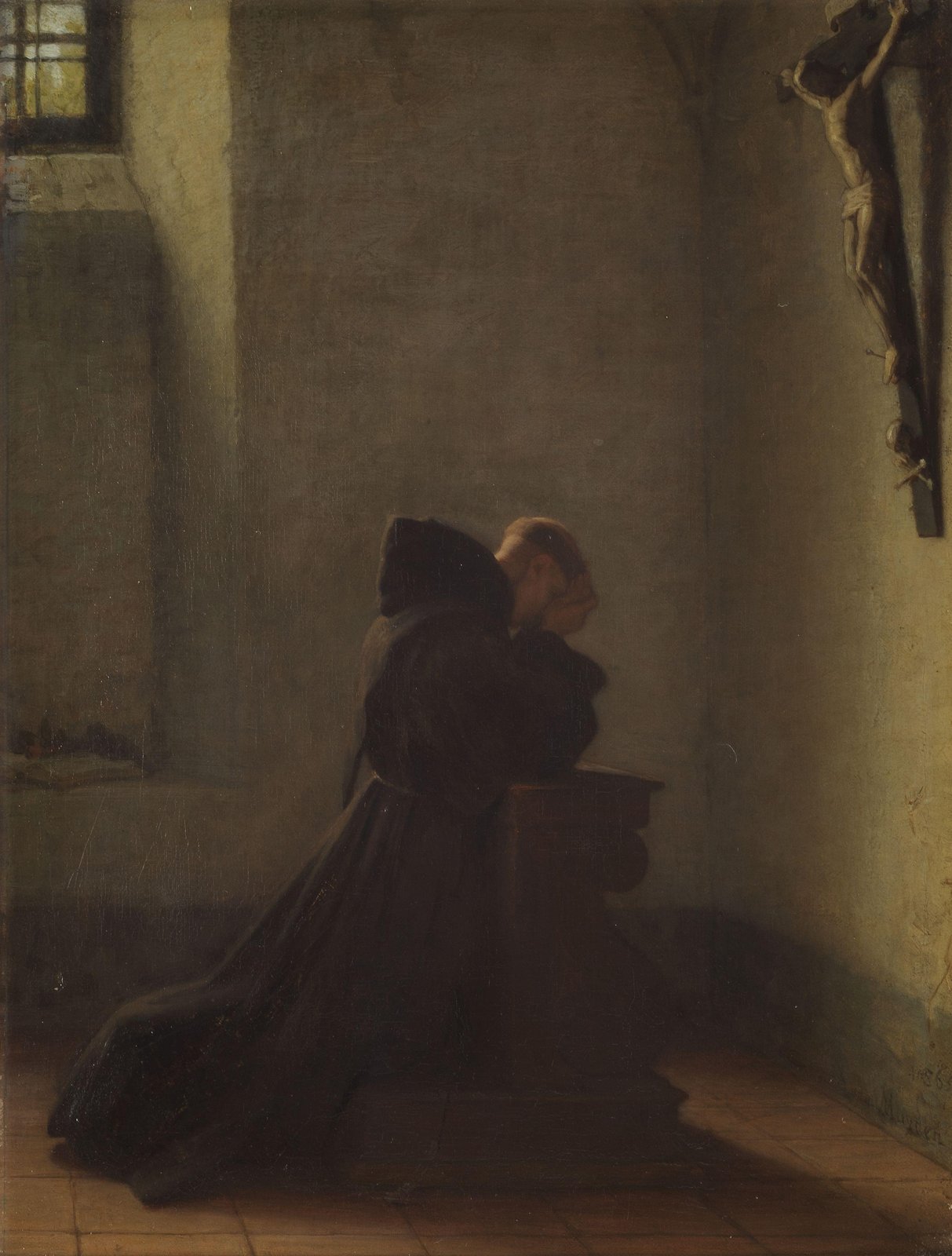
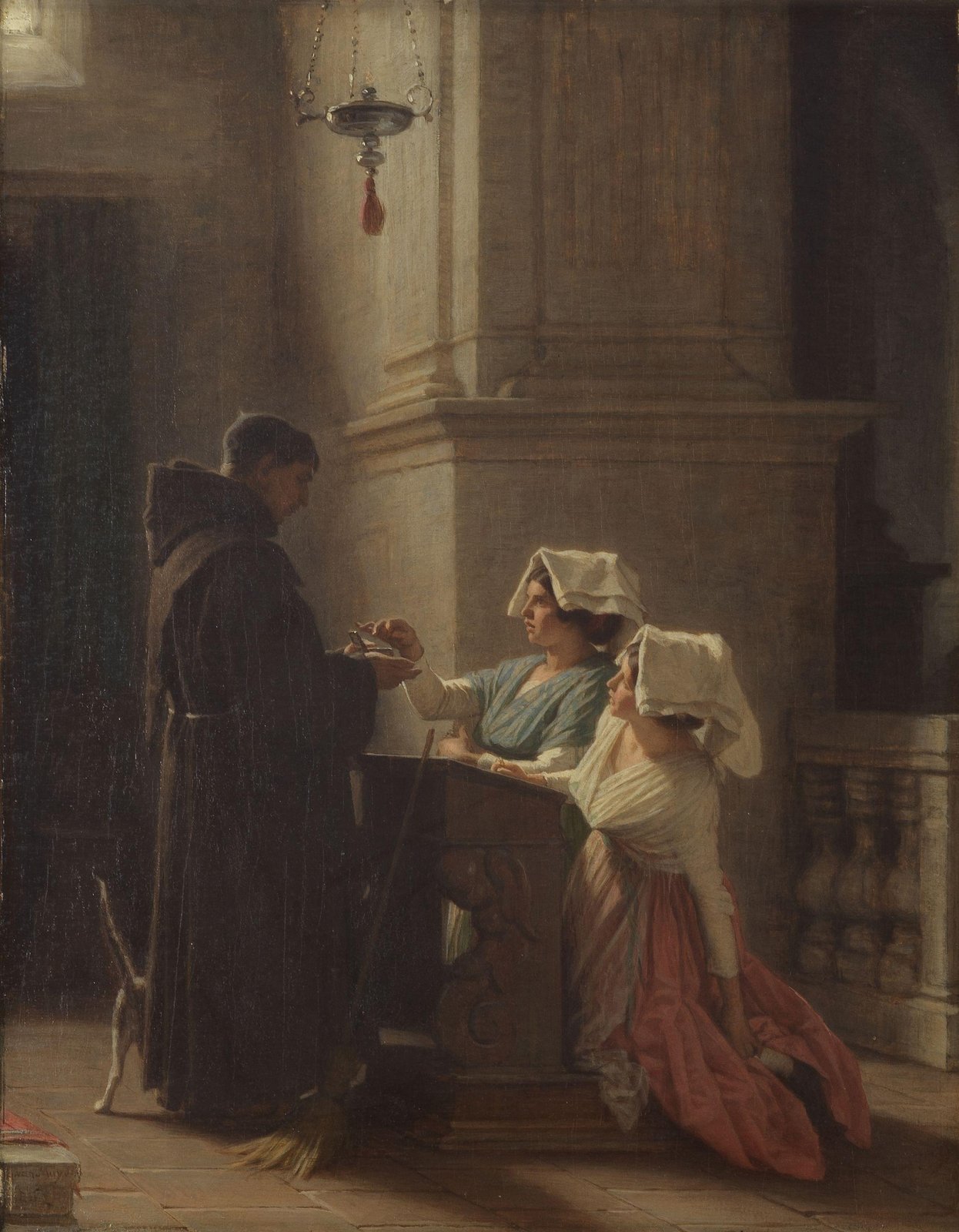
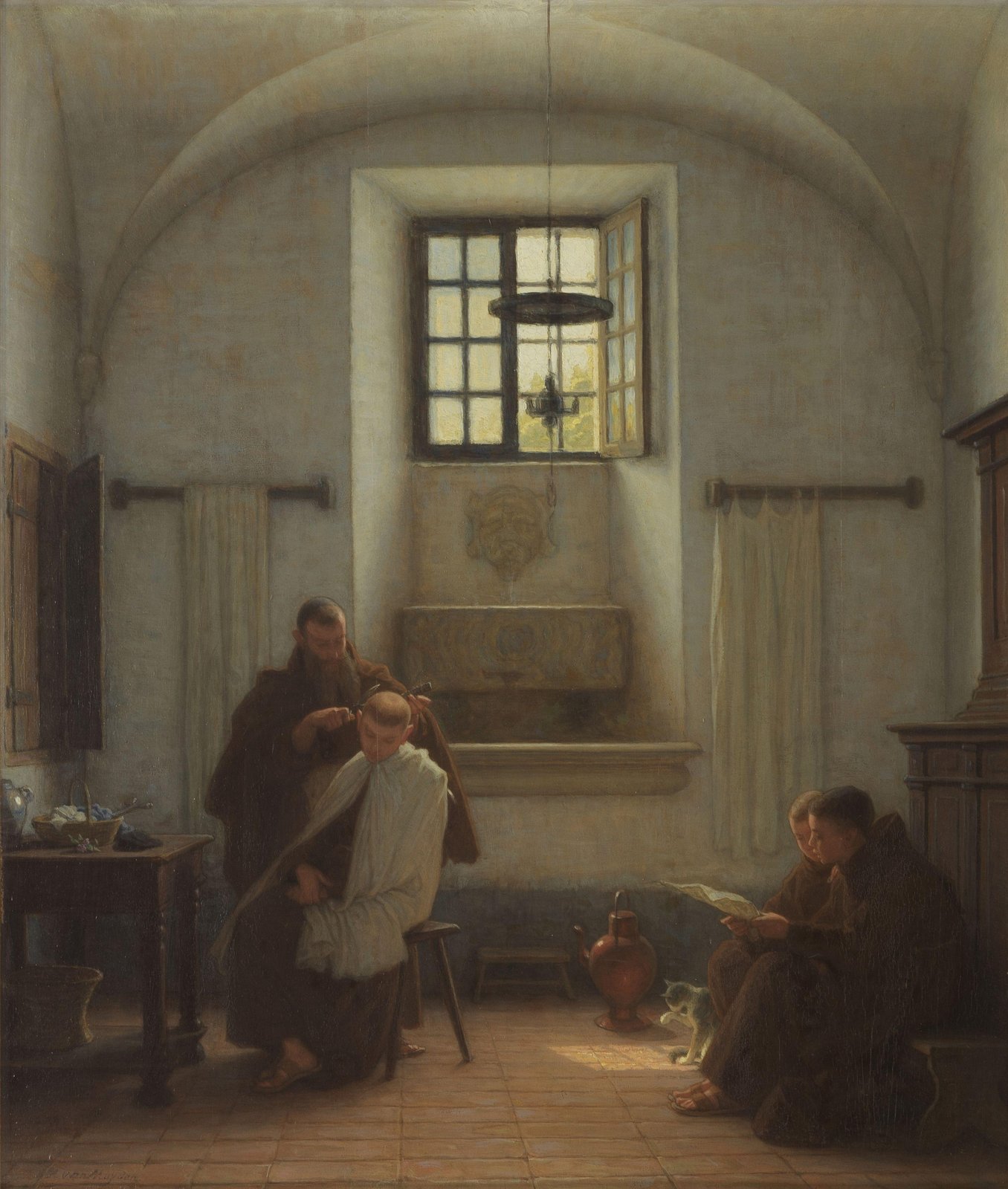
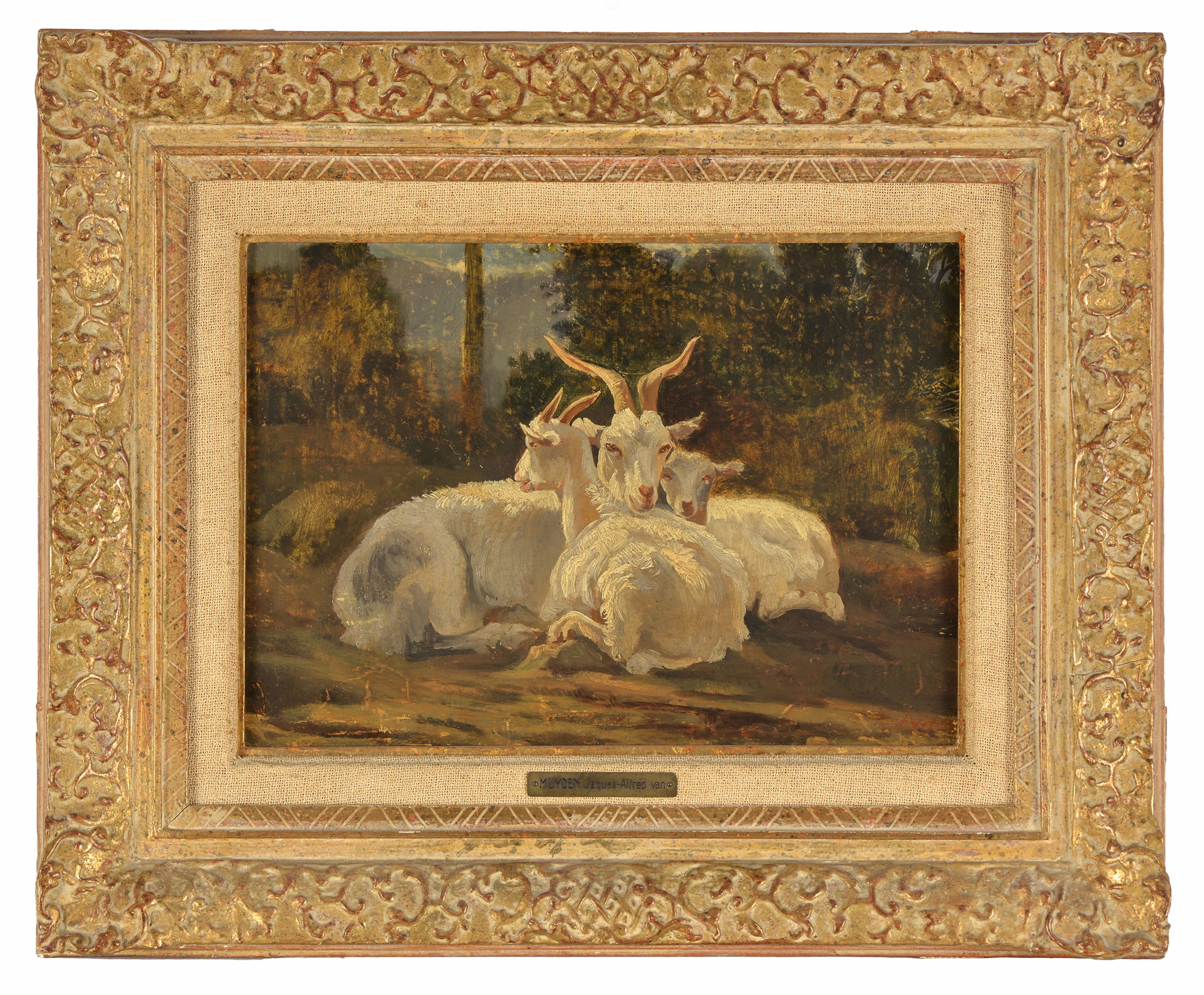
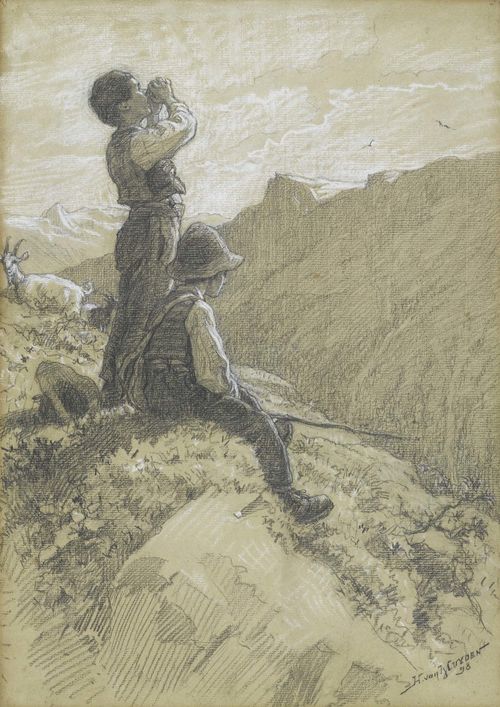
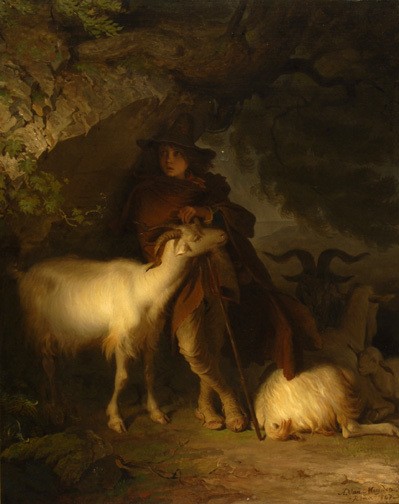
Alfred van Muyden
Born in 1818.
Died in 1898.
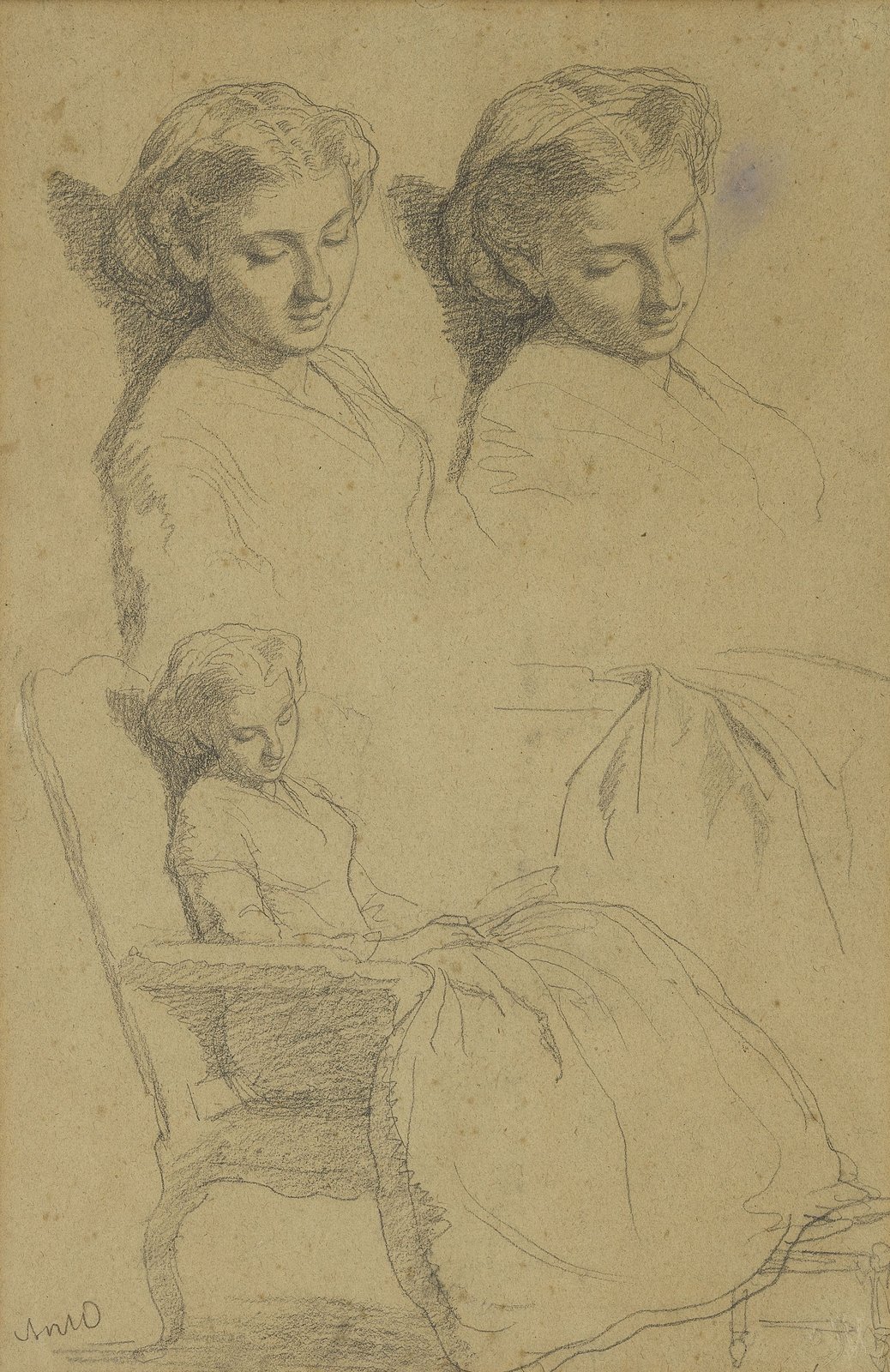
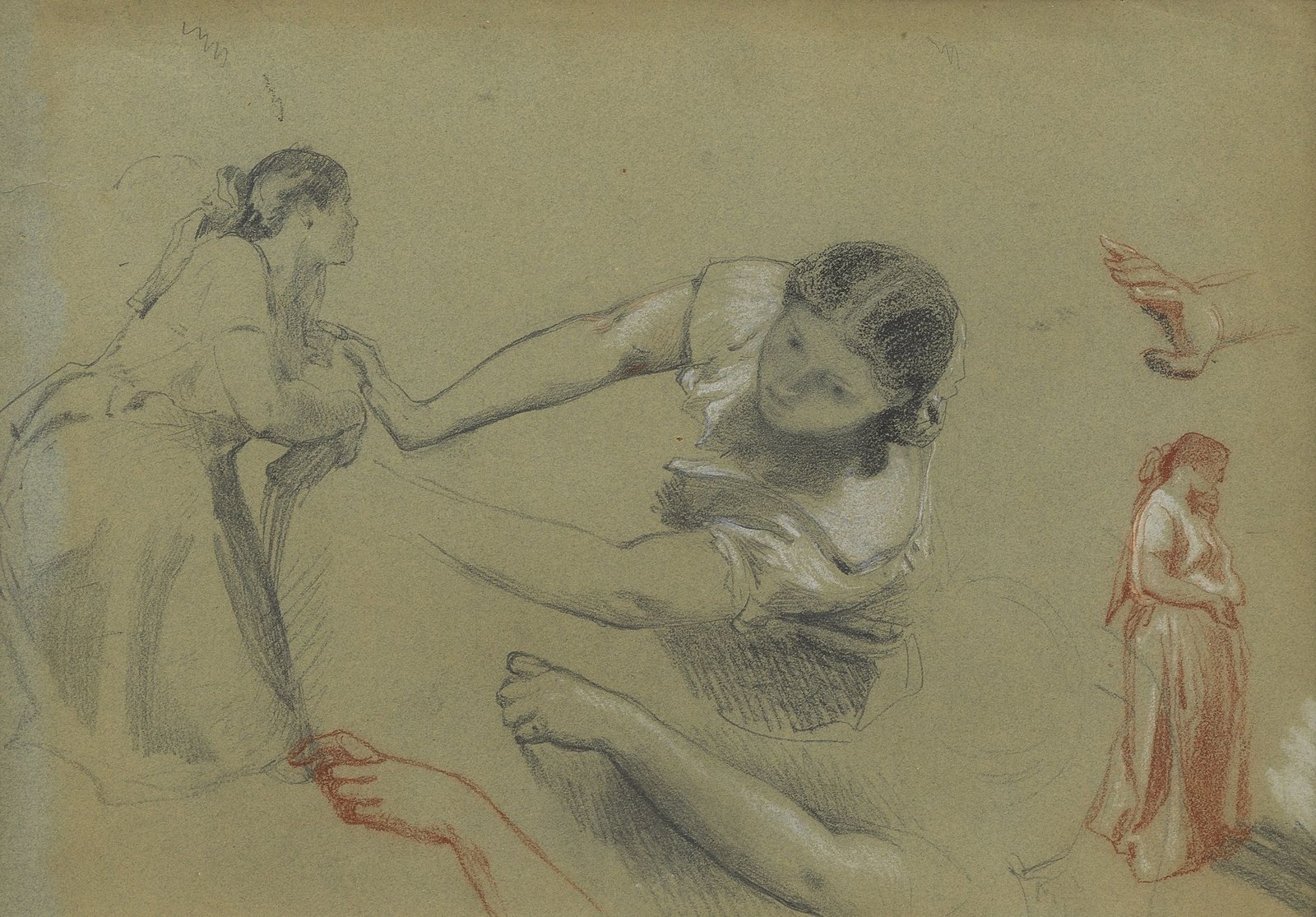
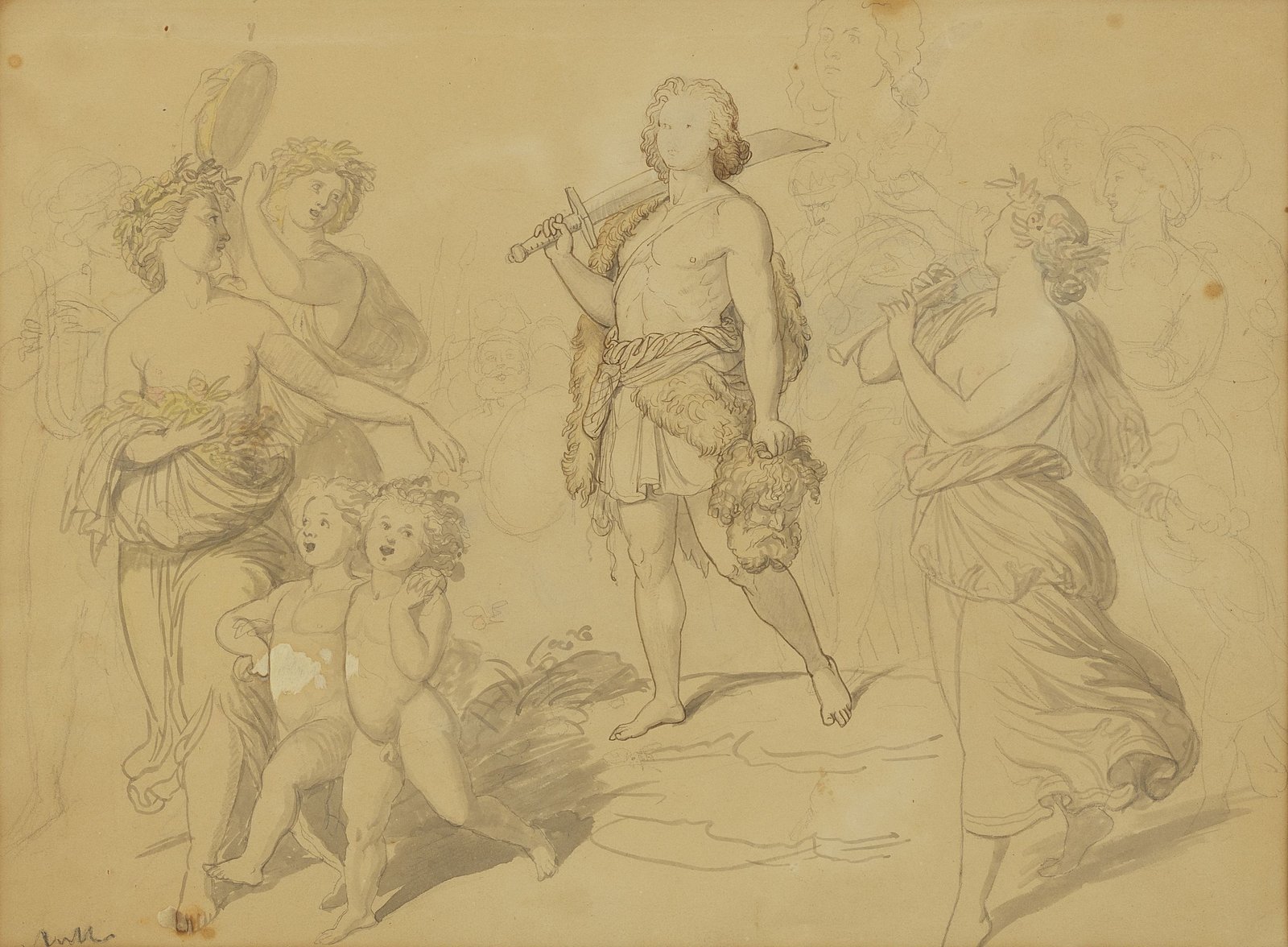
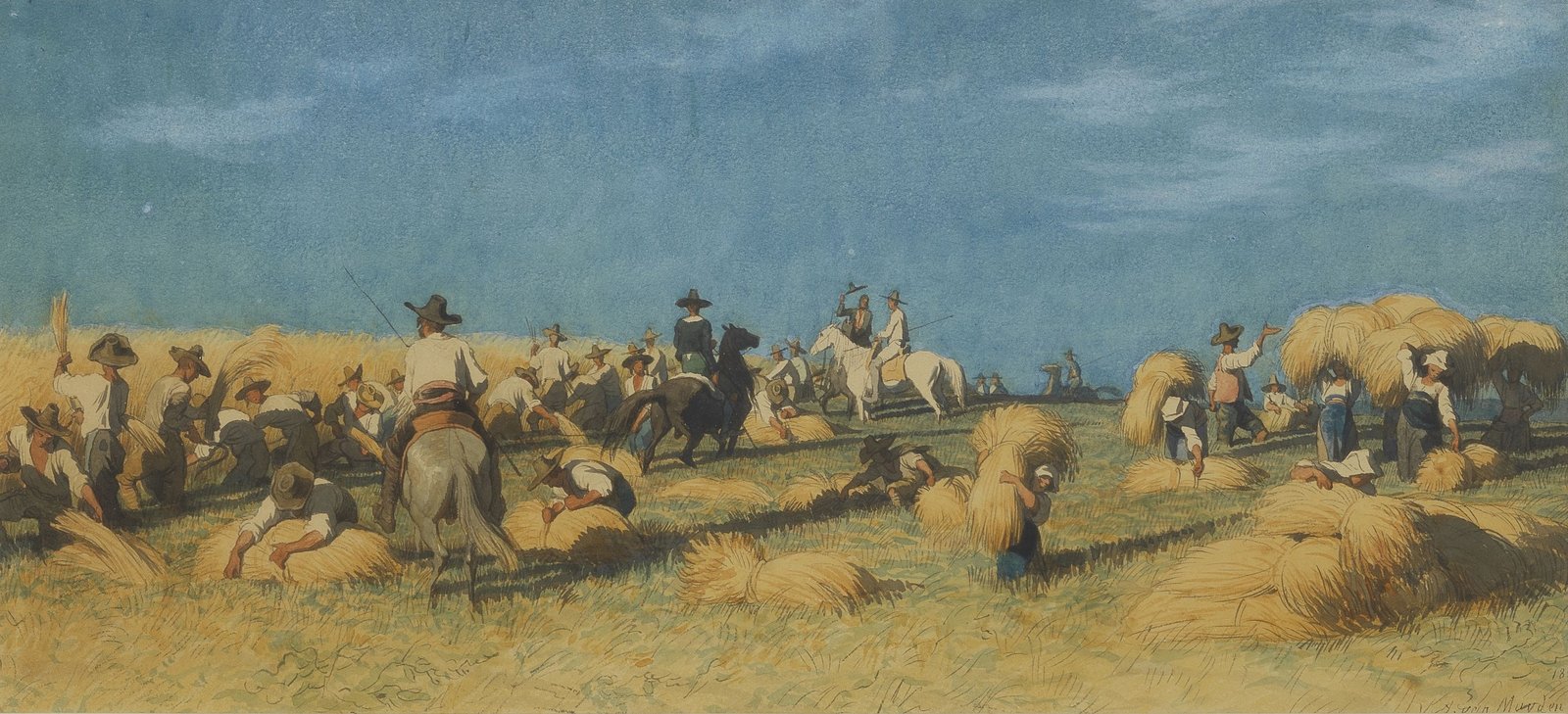
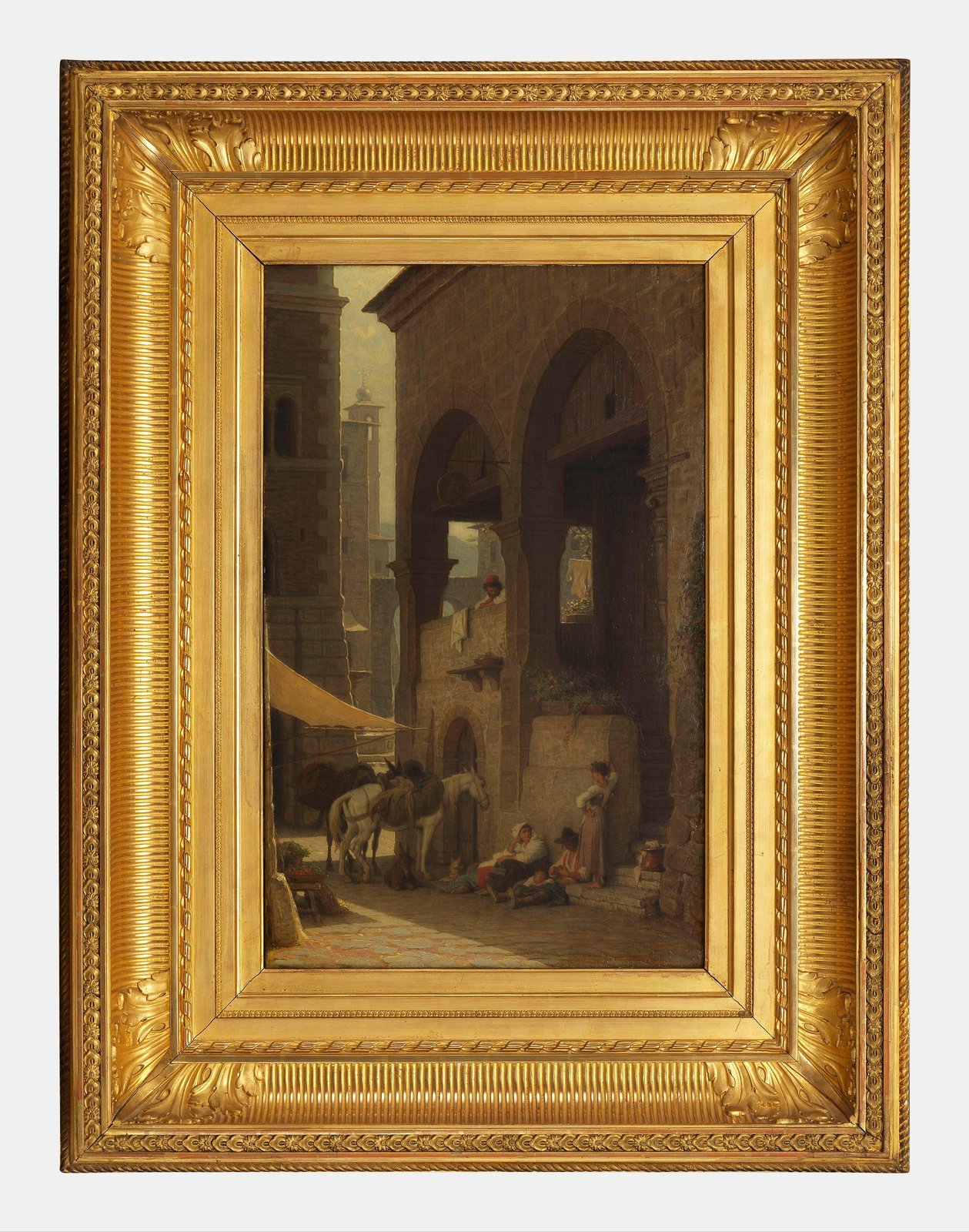
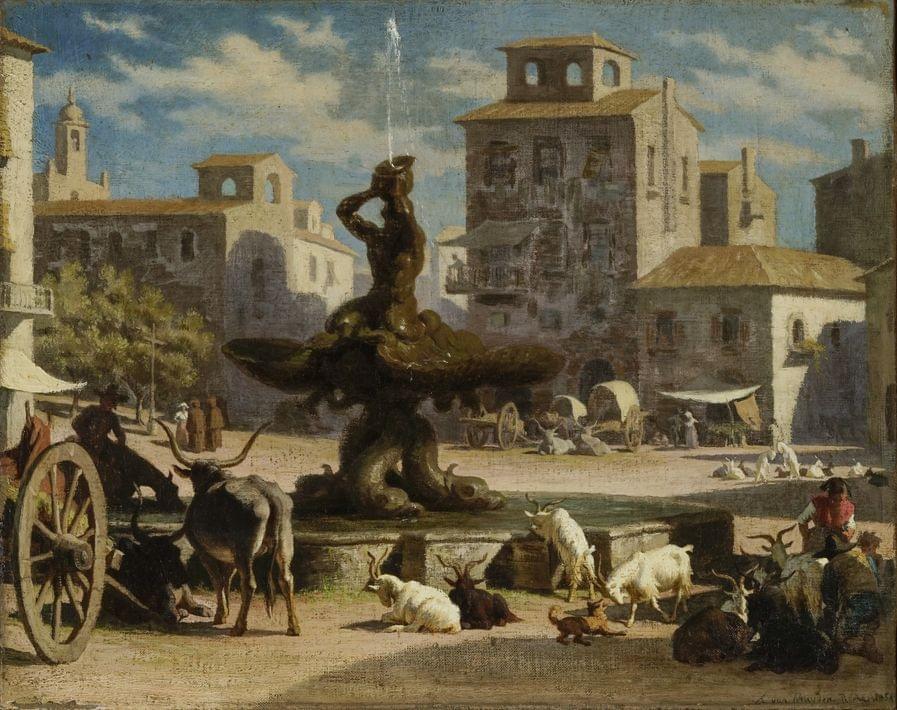
A Swiss painter, he was initially destined for studies in law, but chose art during a stay in Munich. In 1838, he entered the city’s school of fine arts and studied under Wilhelm von Kaulbach. He stayed in Italy from 1842 to 1848, where he received his first known commission: a biblical painting for the Musée Arlaud in Lausanne.
After returning to Switzerland and spending time in Paris, he went back to Italy for six years. He exhibited in Lausanne and Paris in 1855, then settled permanently in Champel, near Geneva, in 1856. Together with Auguste Turrettini, he contributed to the foundation of the Société des amis des beaux-arts de Genève and the Société des peintres et sculpteurs suisses.
He also advocated granting artists the right of reproduction for their works.
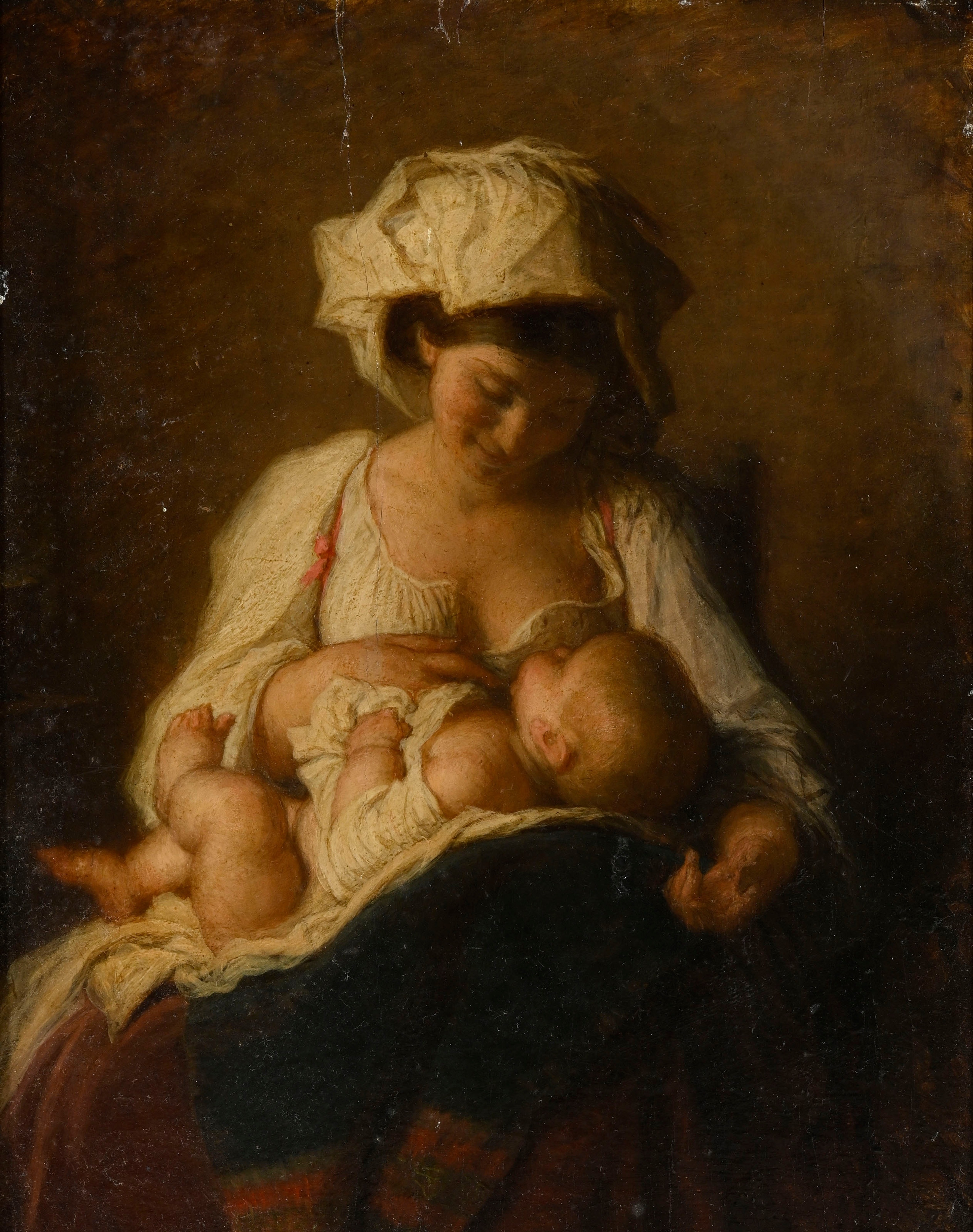
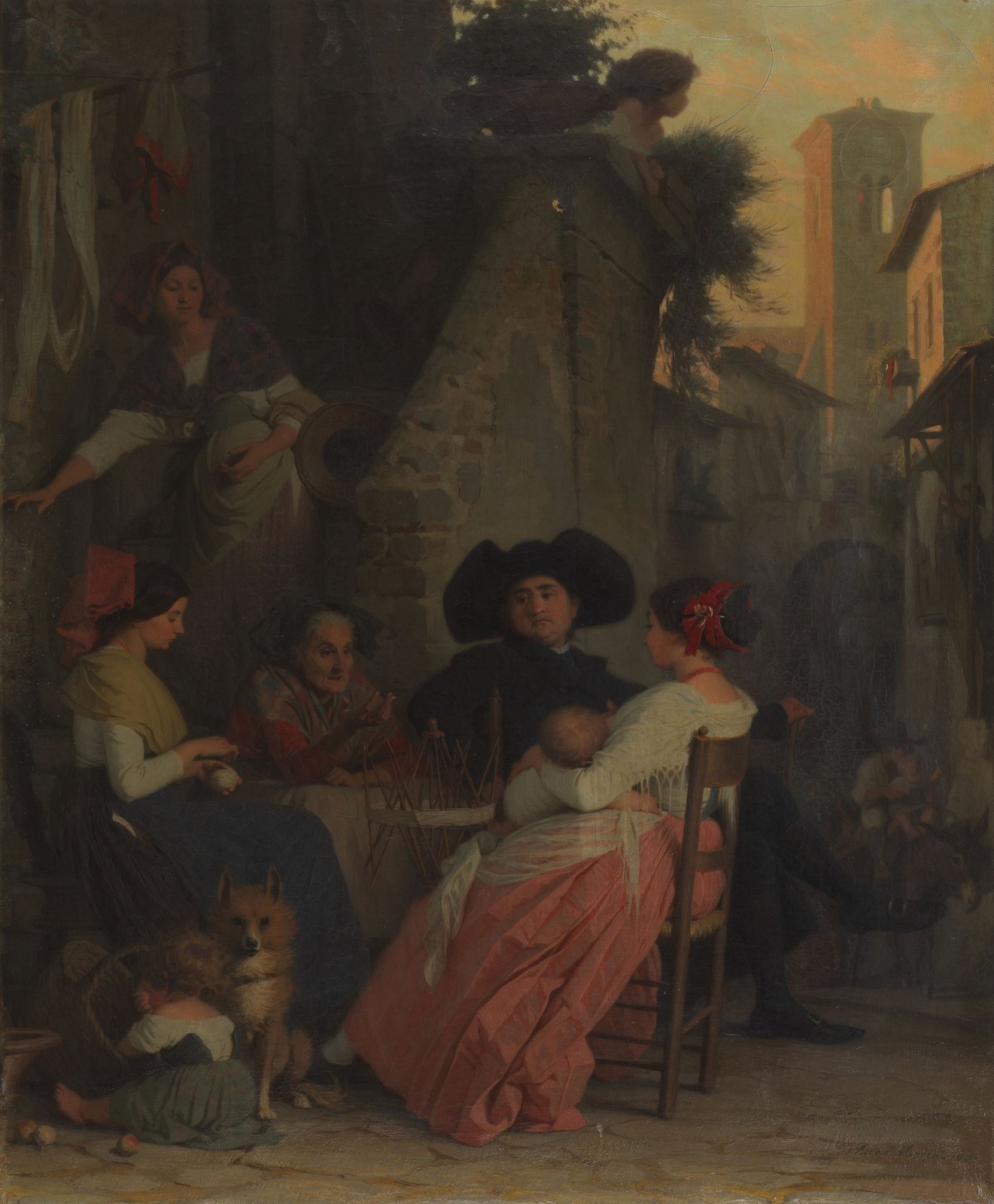
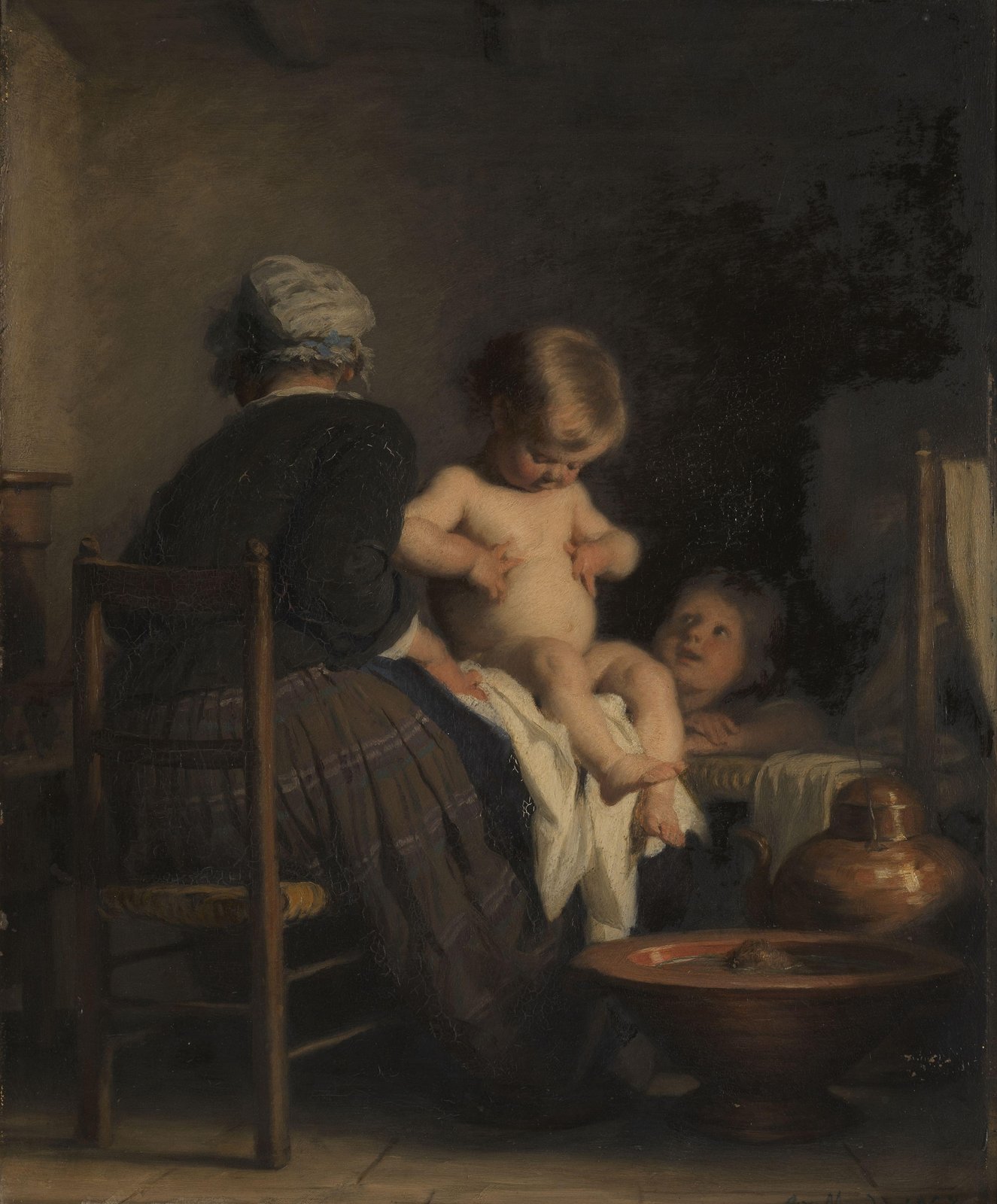
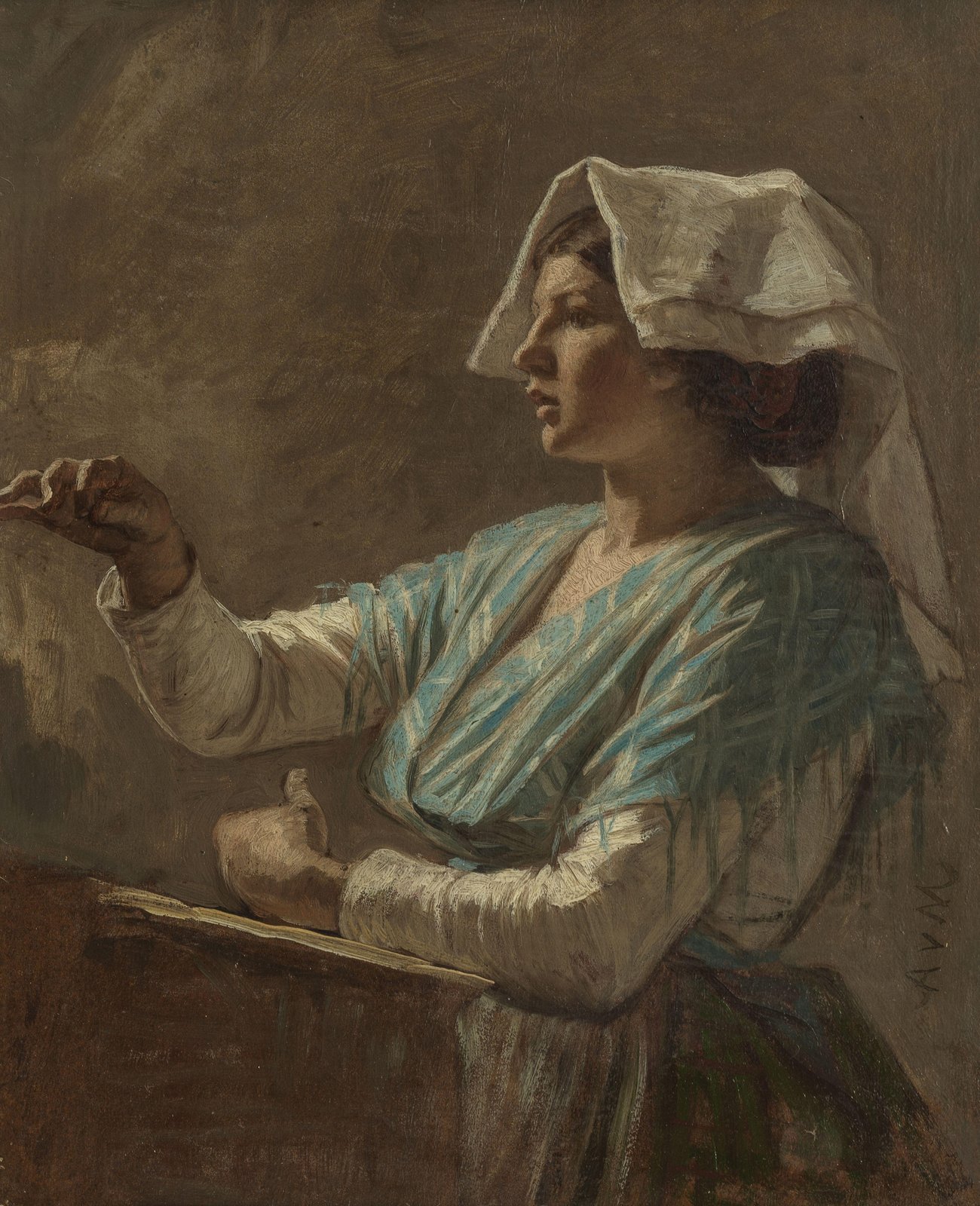
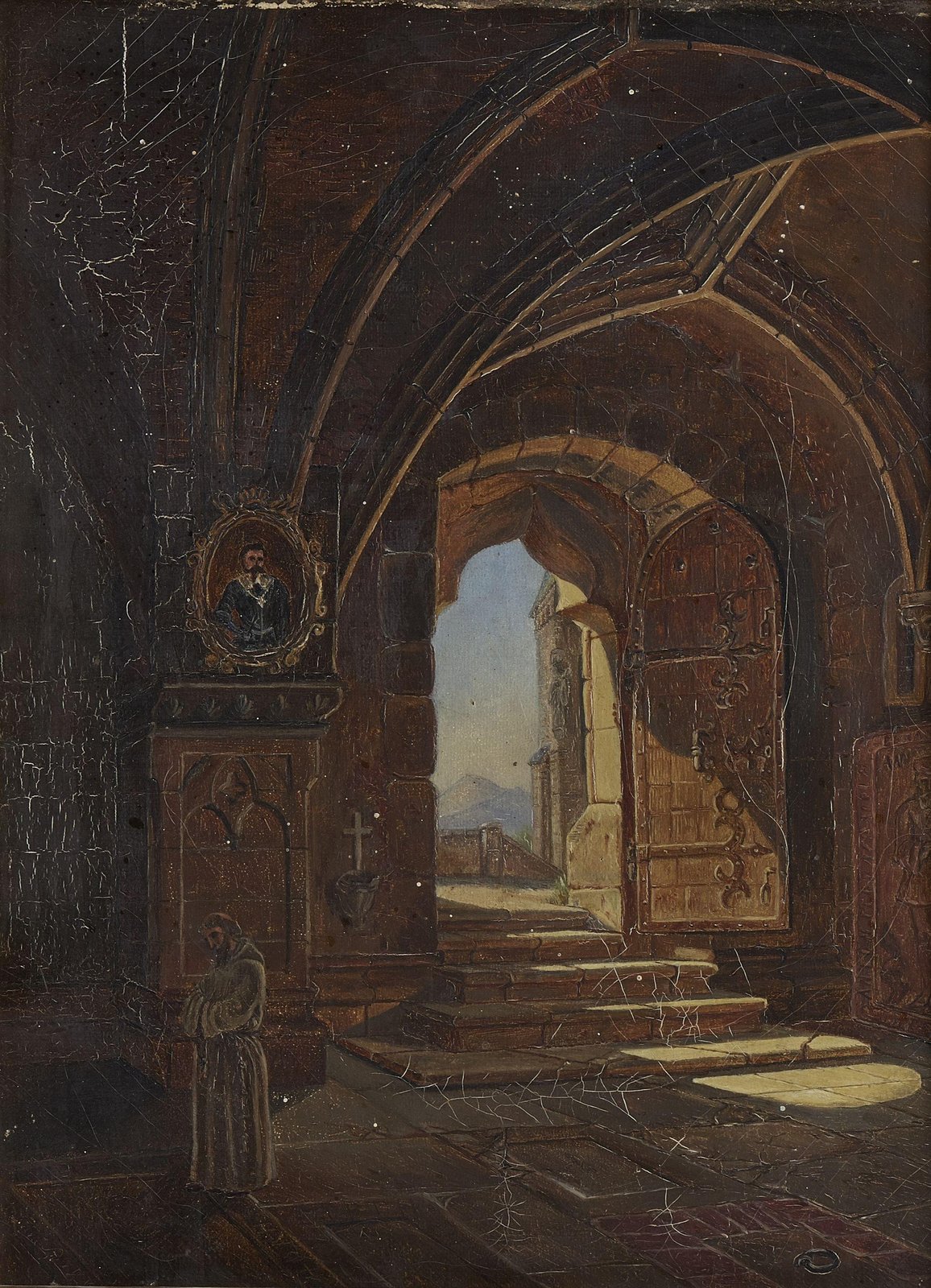
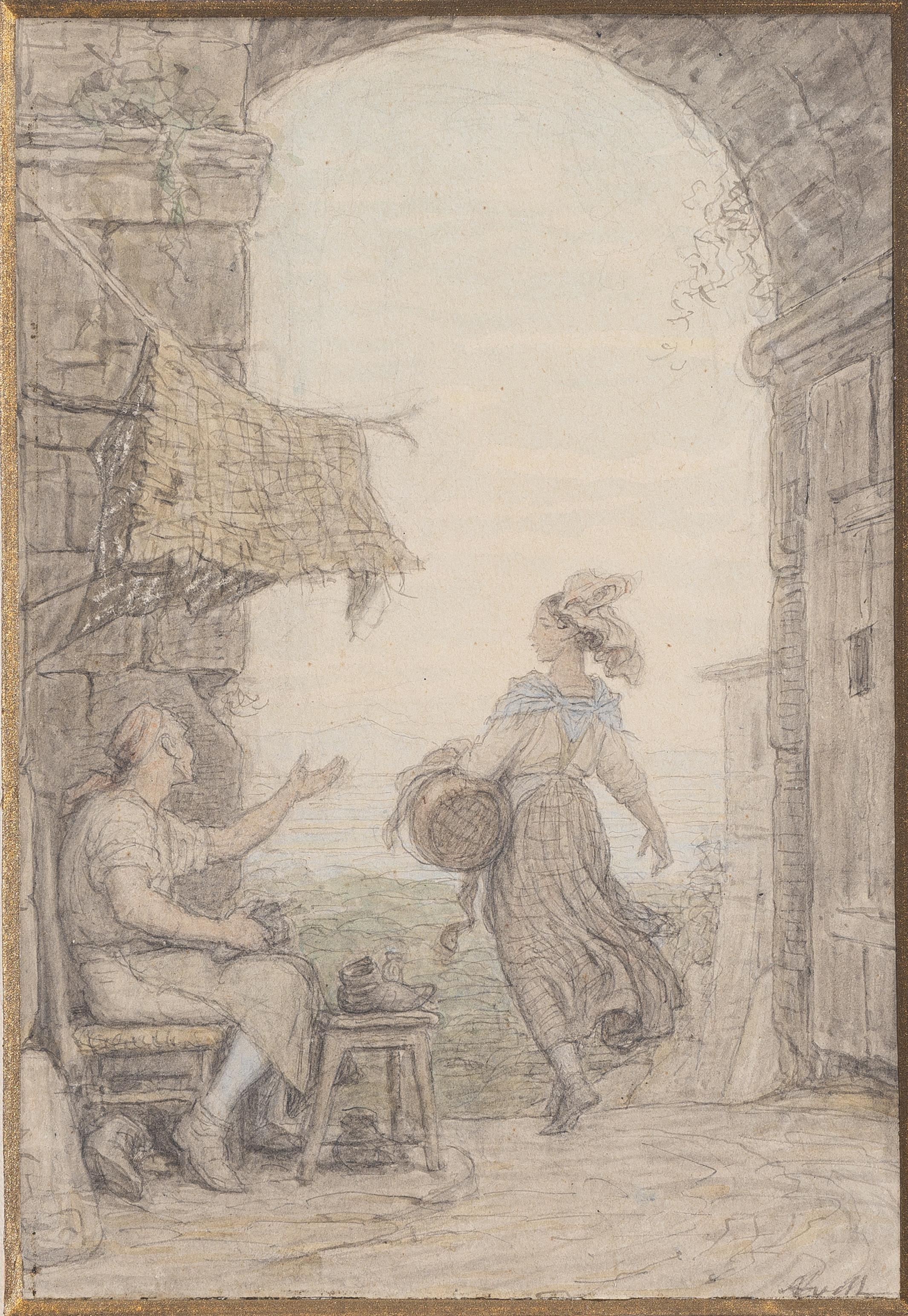
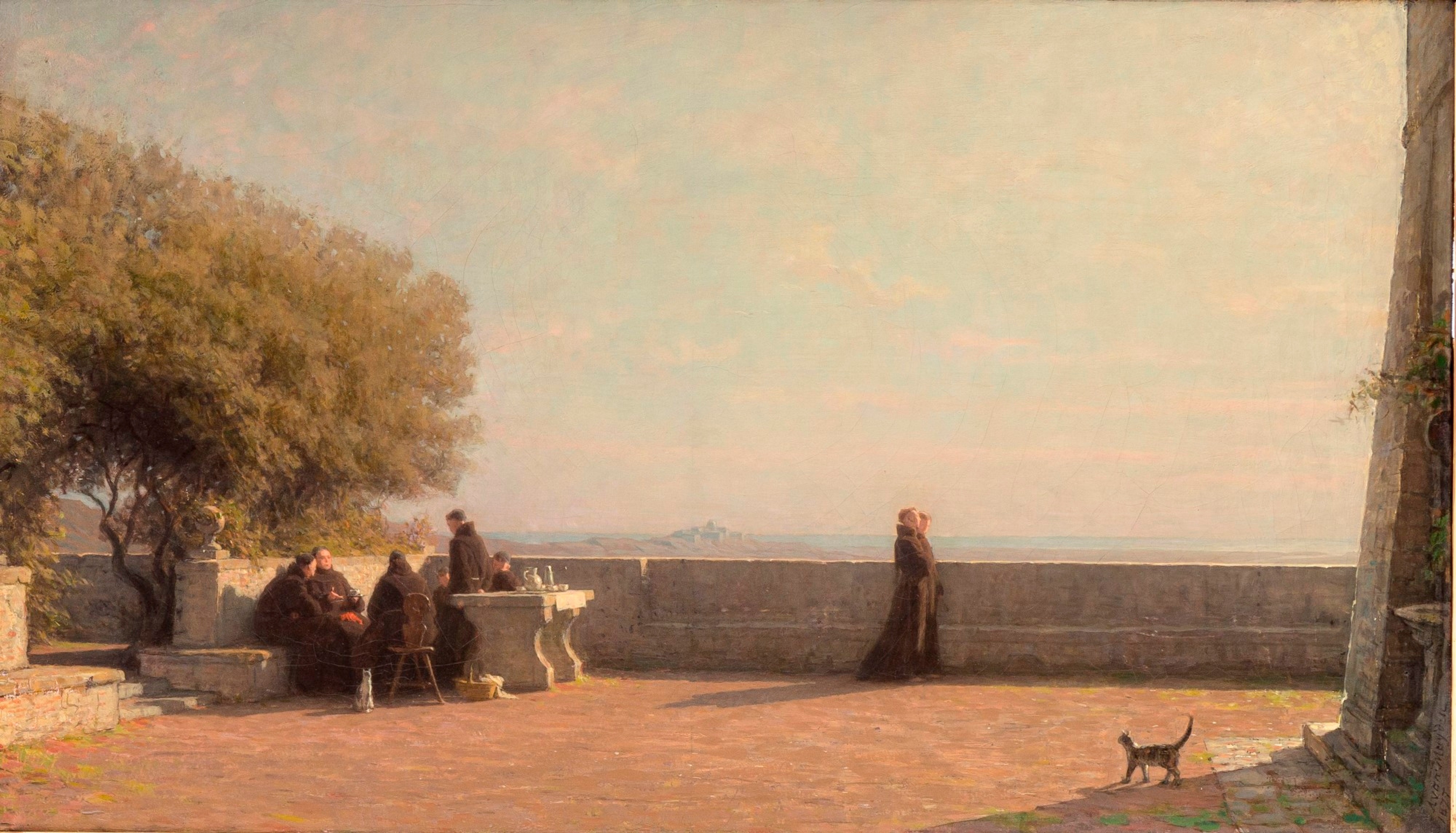
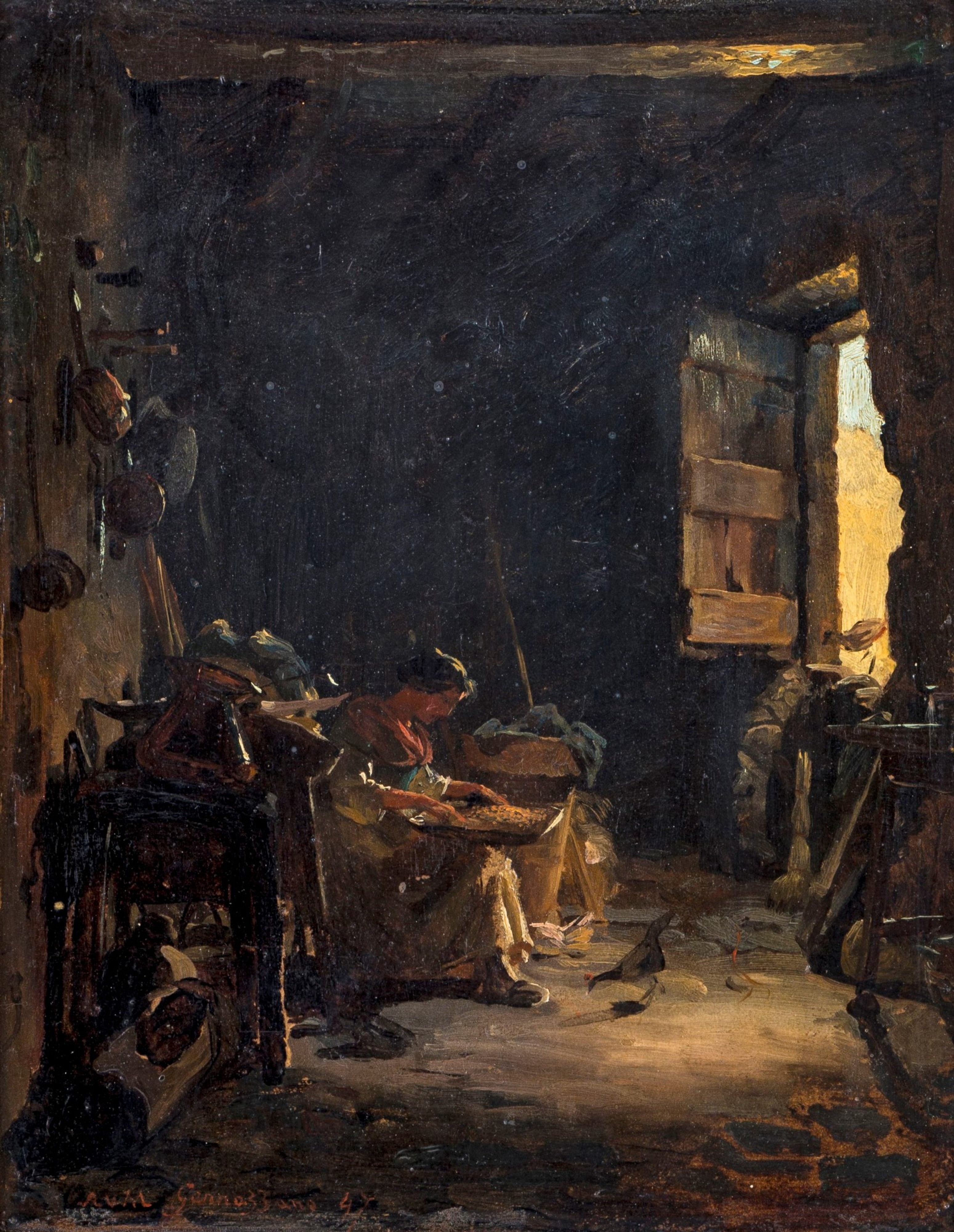
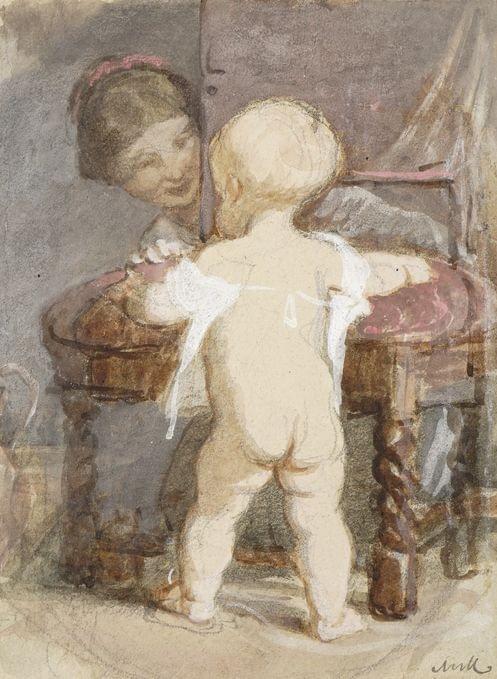
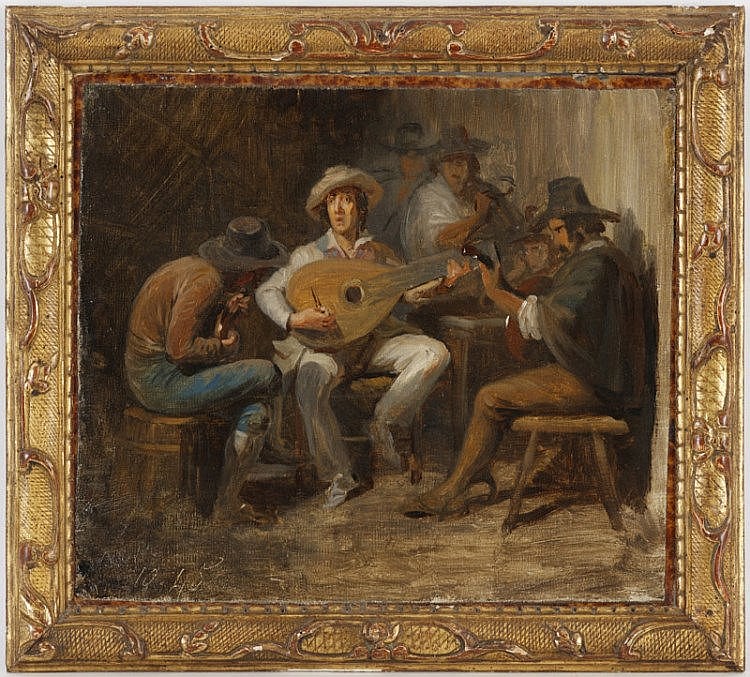
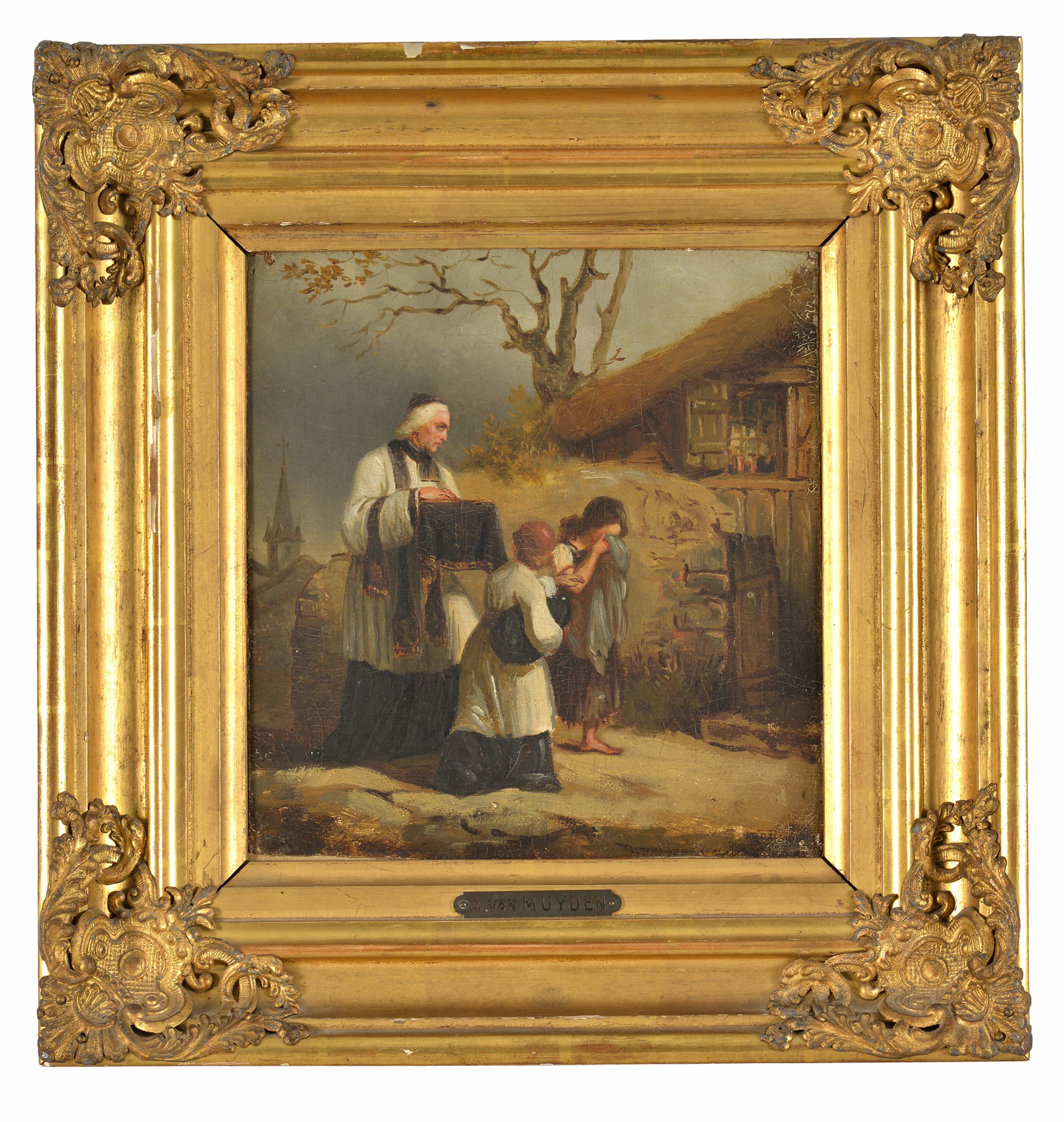
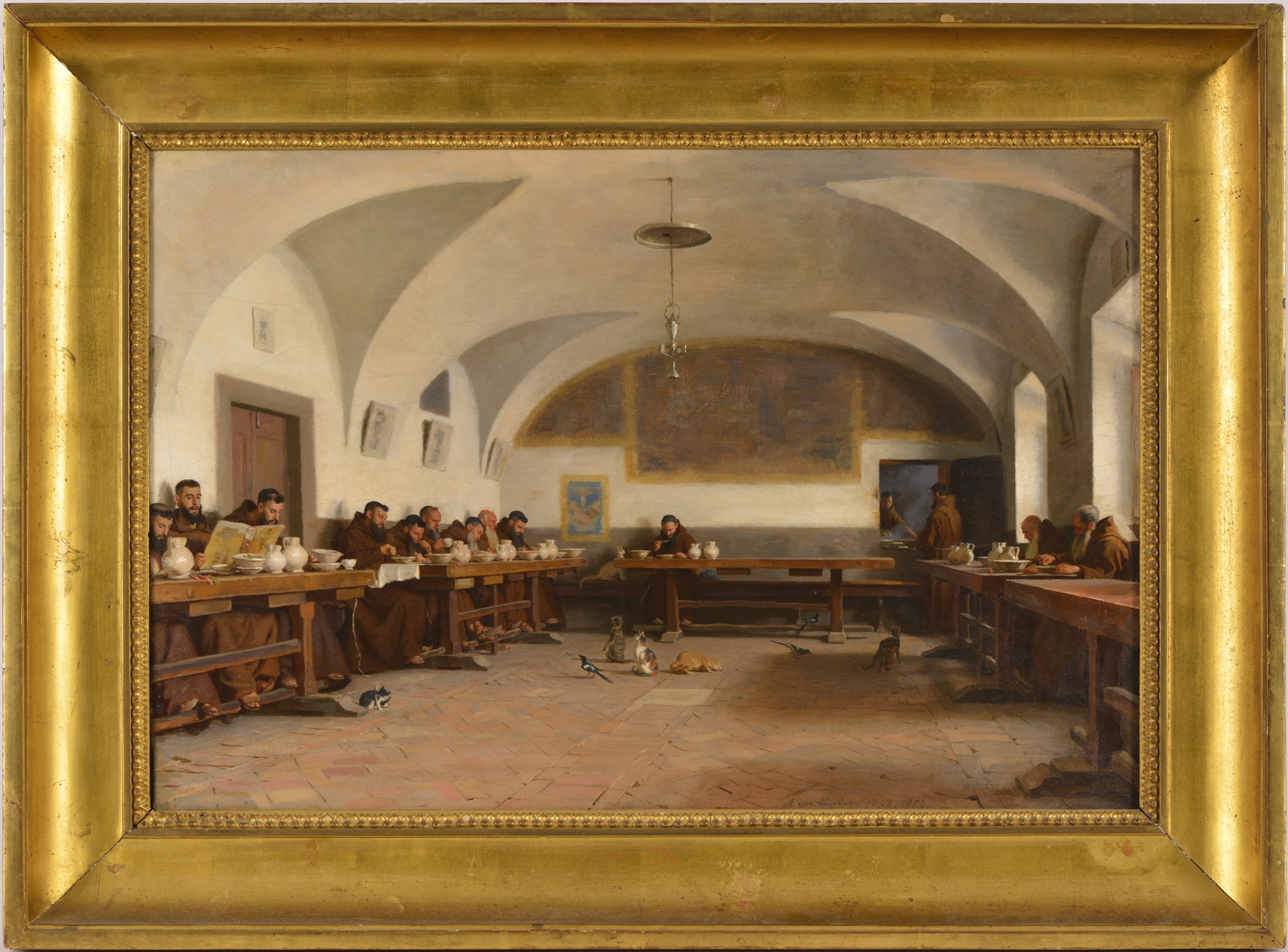
Museum collections shed light on the variety of his subjects. La Femme des Abruzzes allaitant un enfant (1850), held by the MSK in Ghent, is an oil painting on canvas signed and dated by the artist. The maternity scene, located by the museum in the Abruzzi, belongs to genre painting and Romanticism.
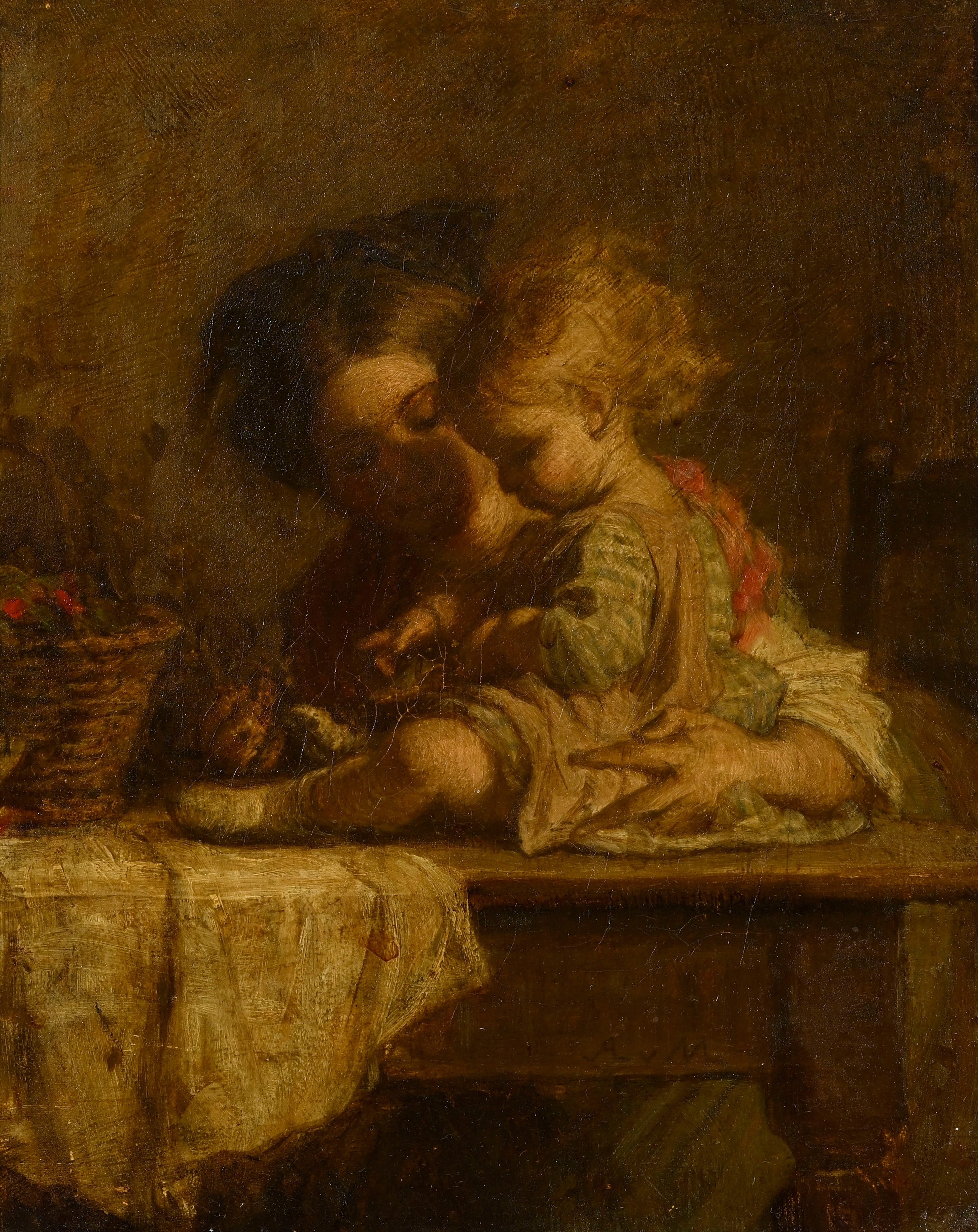
The Petit Palais holds Jeune mère et son enfant, an oil painting from 1853, signed “A van Muyden” and likewise associated with domestic intimacy and maternity. The Musée d’art et d’histoire de Genève holds his Autoportrait avec sa femme et son fils (1850). These works demonstrate his interest in family life and genre scenes alongside history painting.
The sources agree on the dates. The DHS places his death in Plainpalais, then still distinct from Geneva; museum notices indicating Geneva therefore simplify the location. “Jacques Alfred” is a variant encountered in certain references; the collections consulted retain Alfred van Muyden.