Alfred Hofkunst
Born in 1942.
Died in 2004.
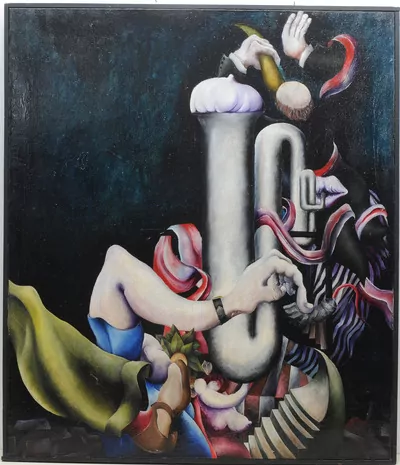
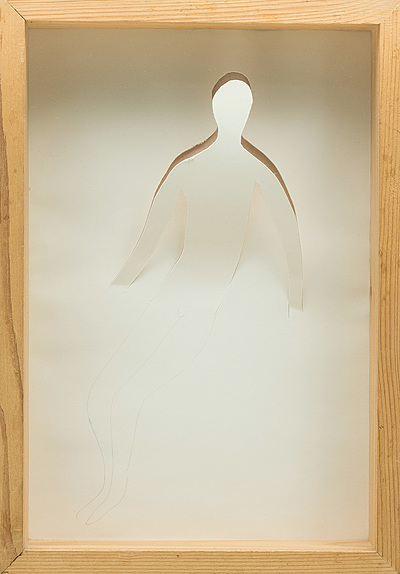
After a brief apprenticeship as a typesetter, he trained as a theatre painter in Zurich and initially worked for the stage in Bern. This experience of sets and illusion nourished a body of work in which ordinary objects become the actors in a remarkable play of scales.
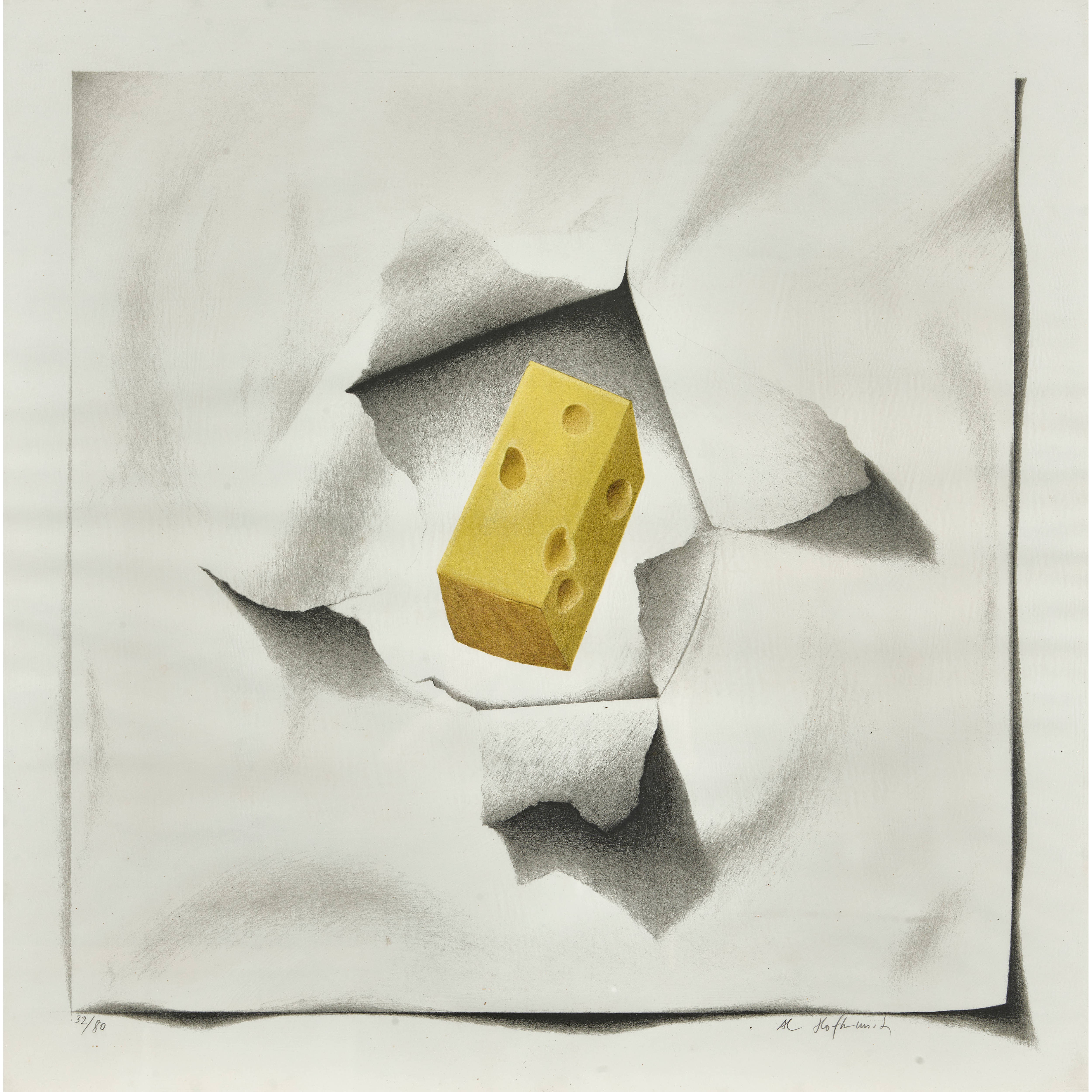
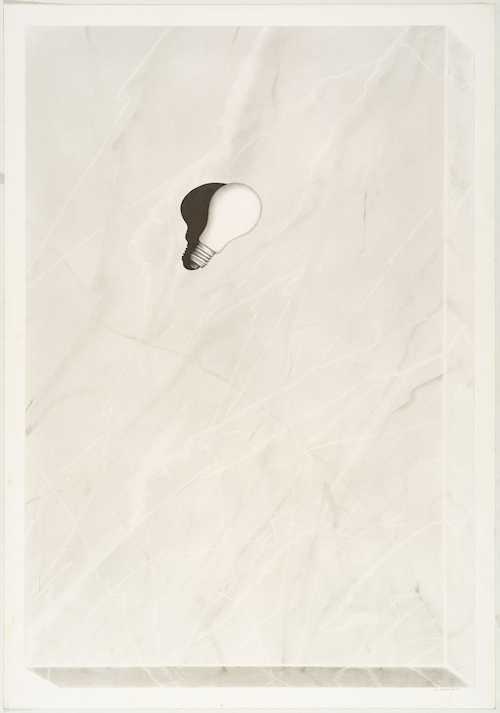
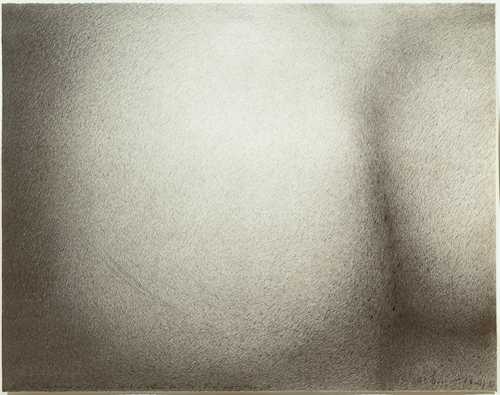
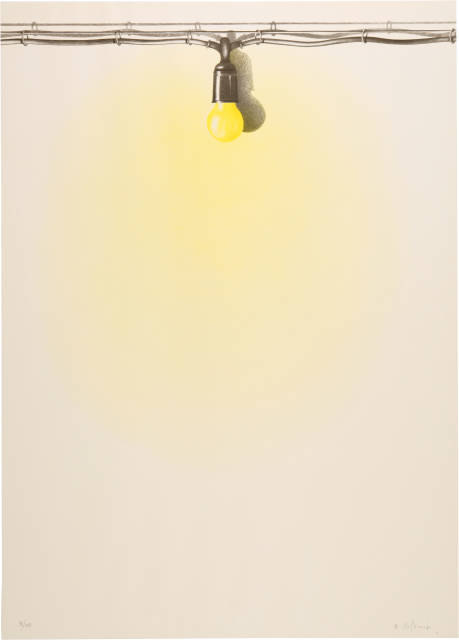
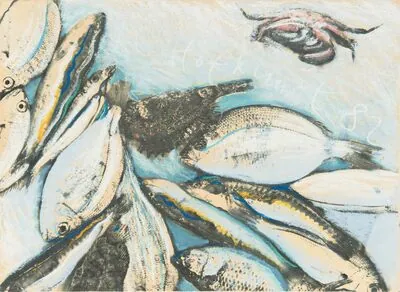
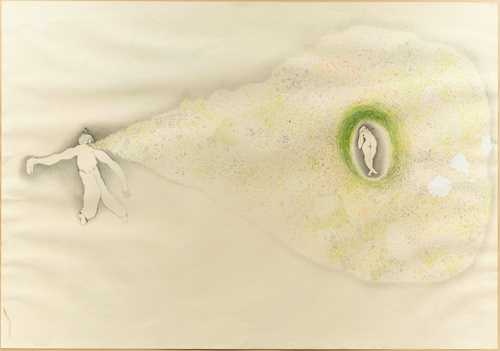
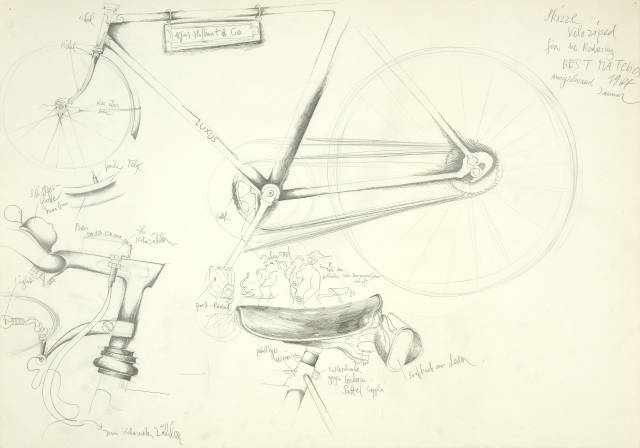
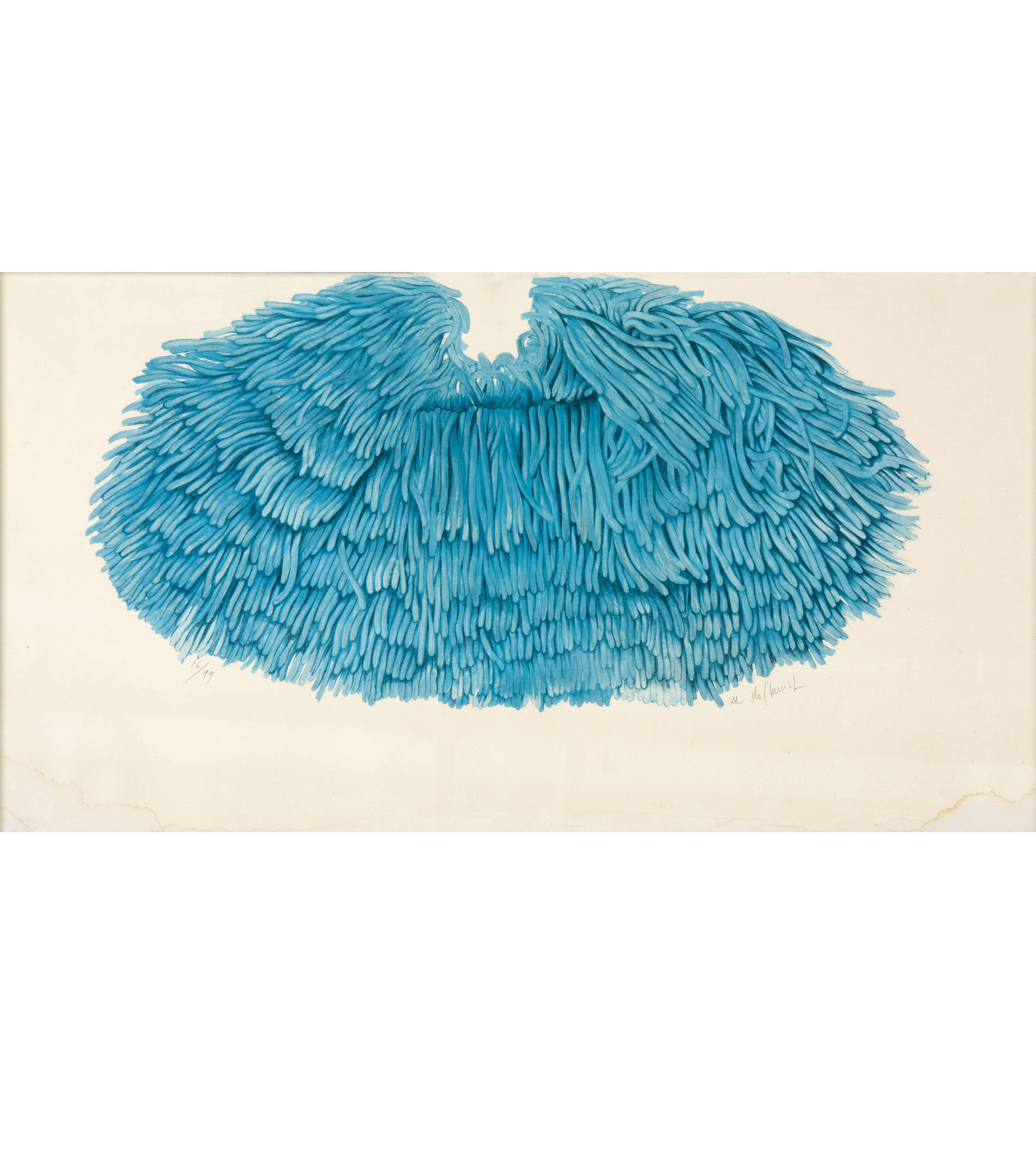
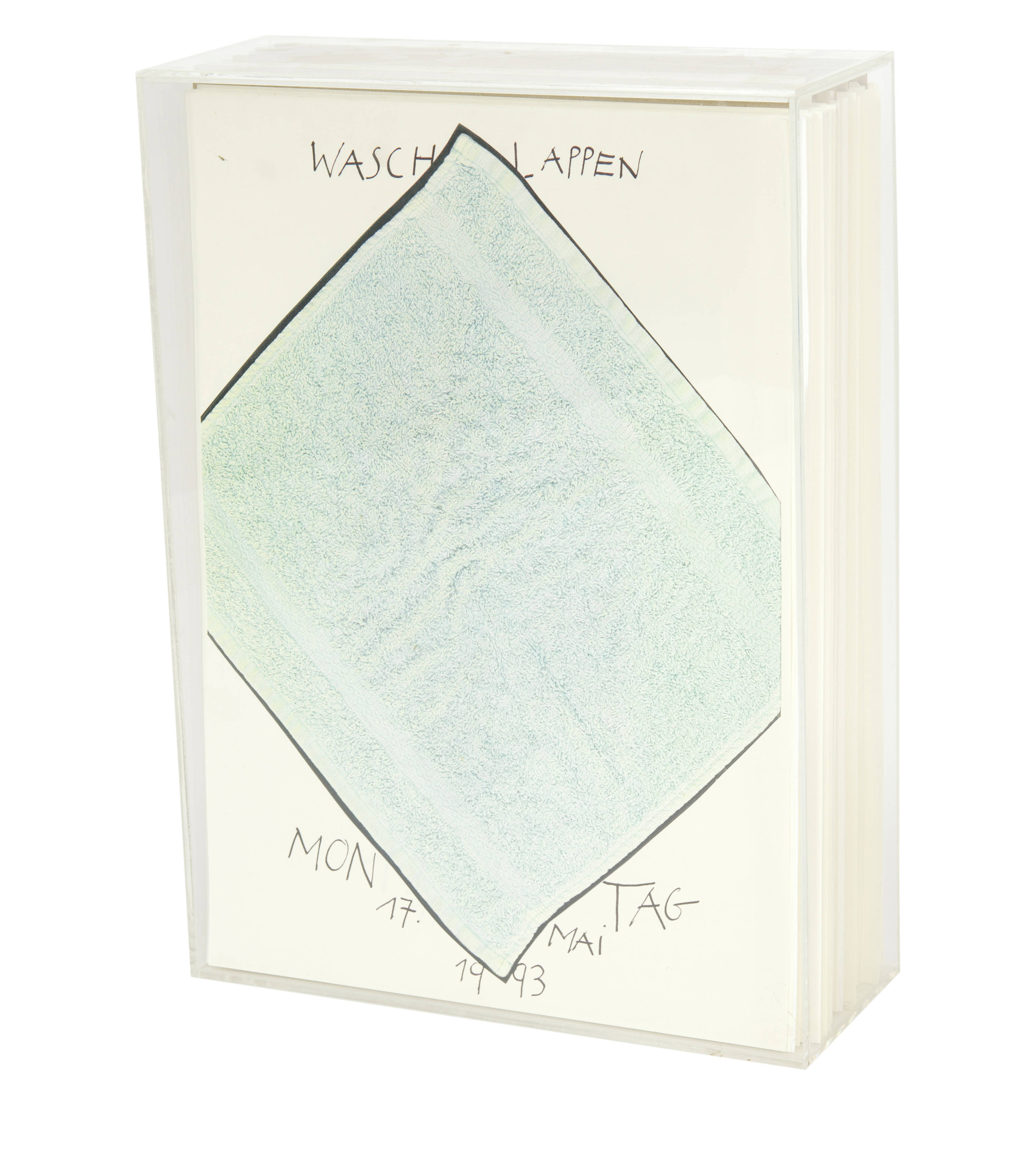
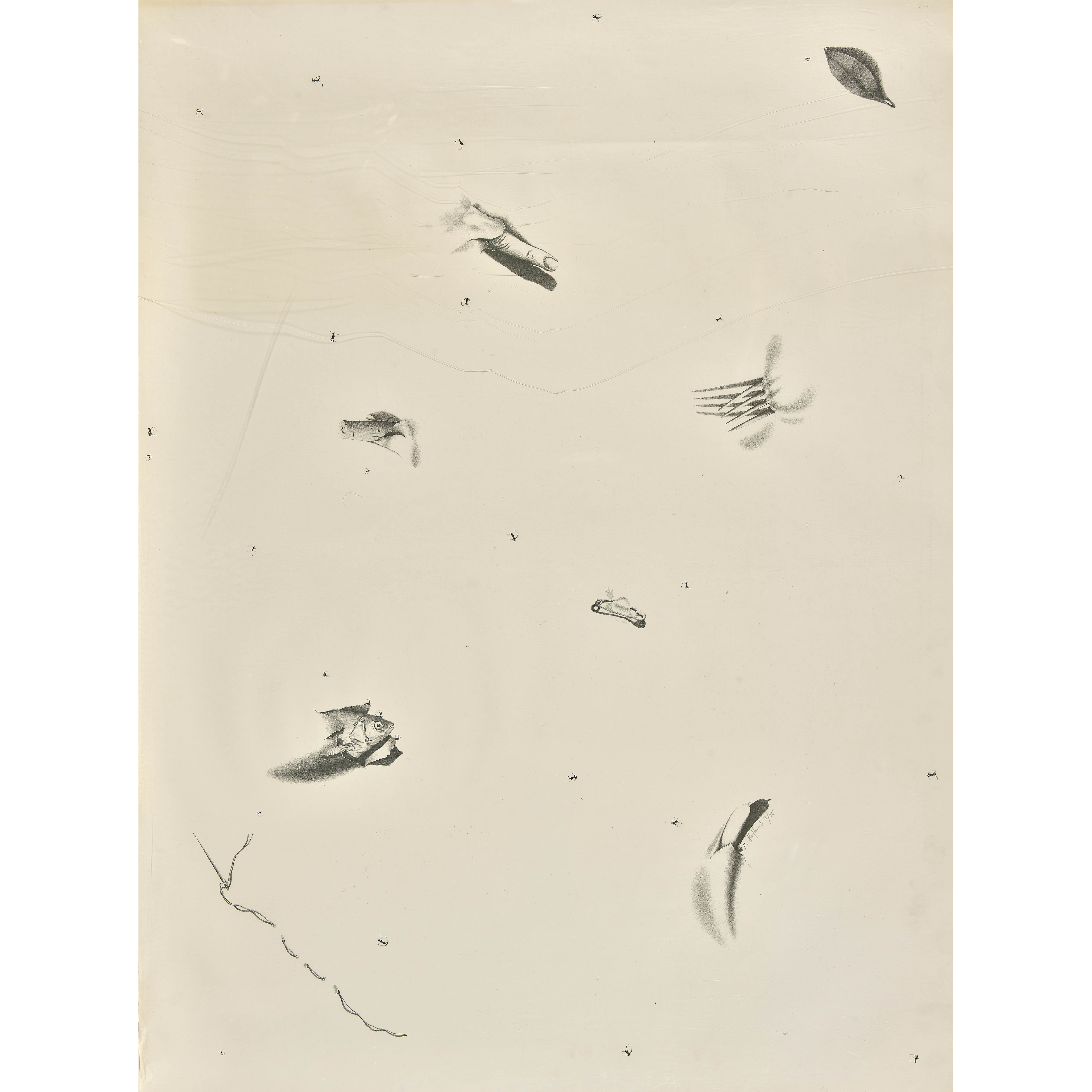
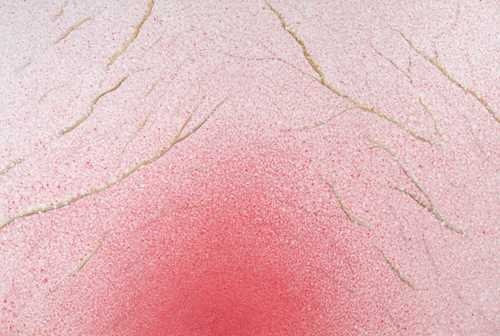
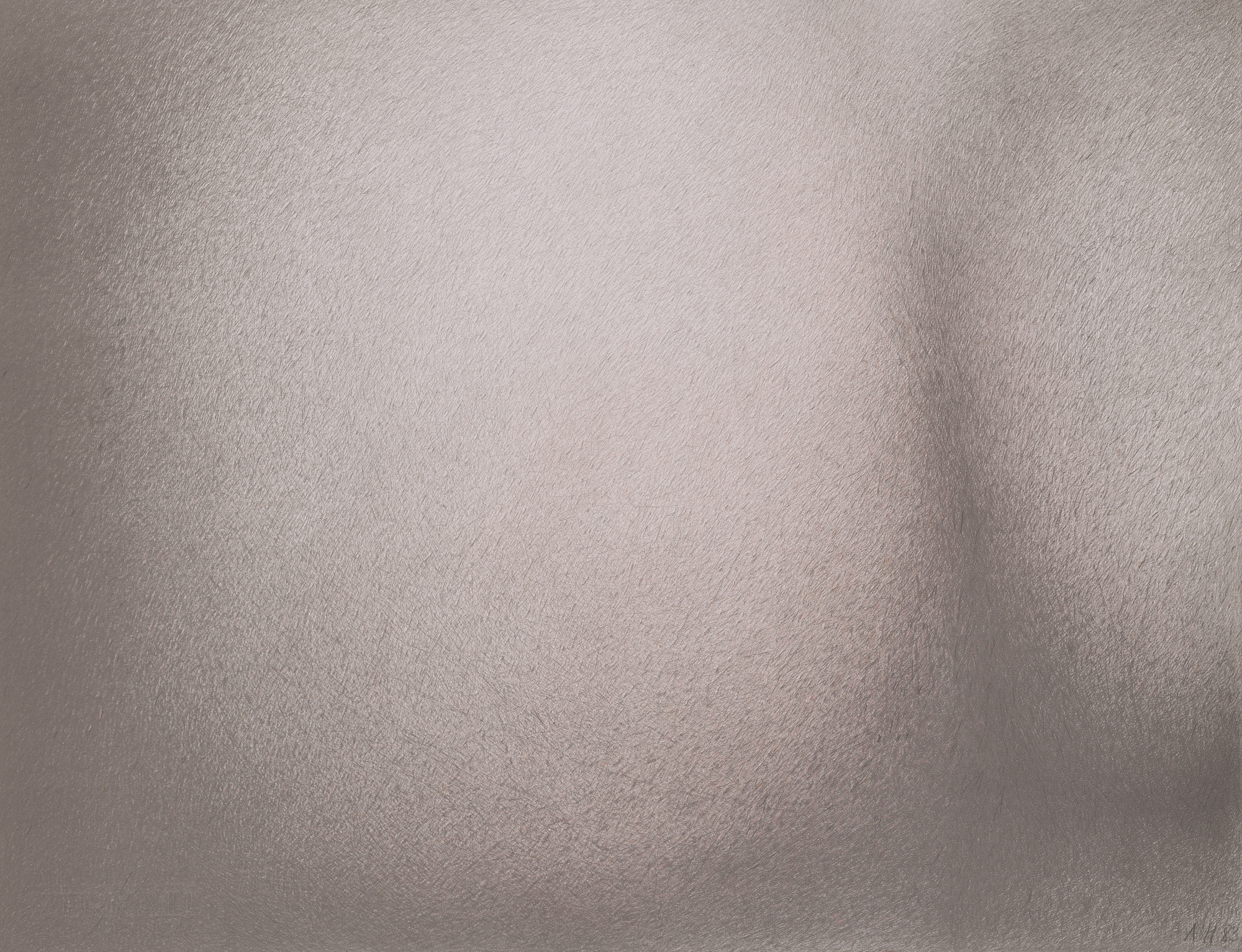
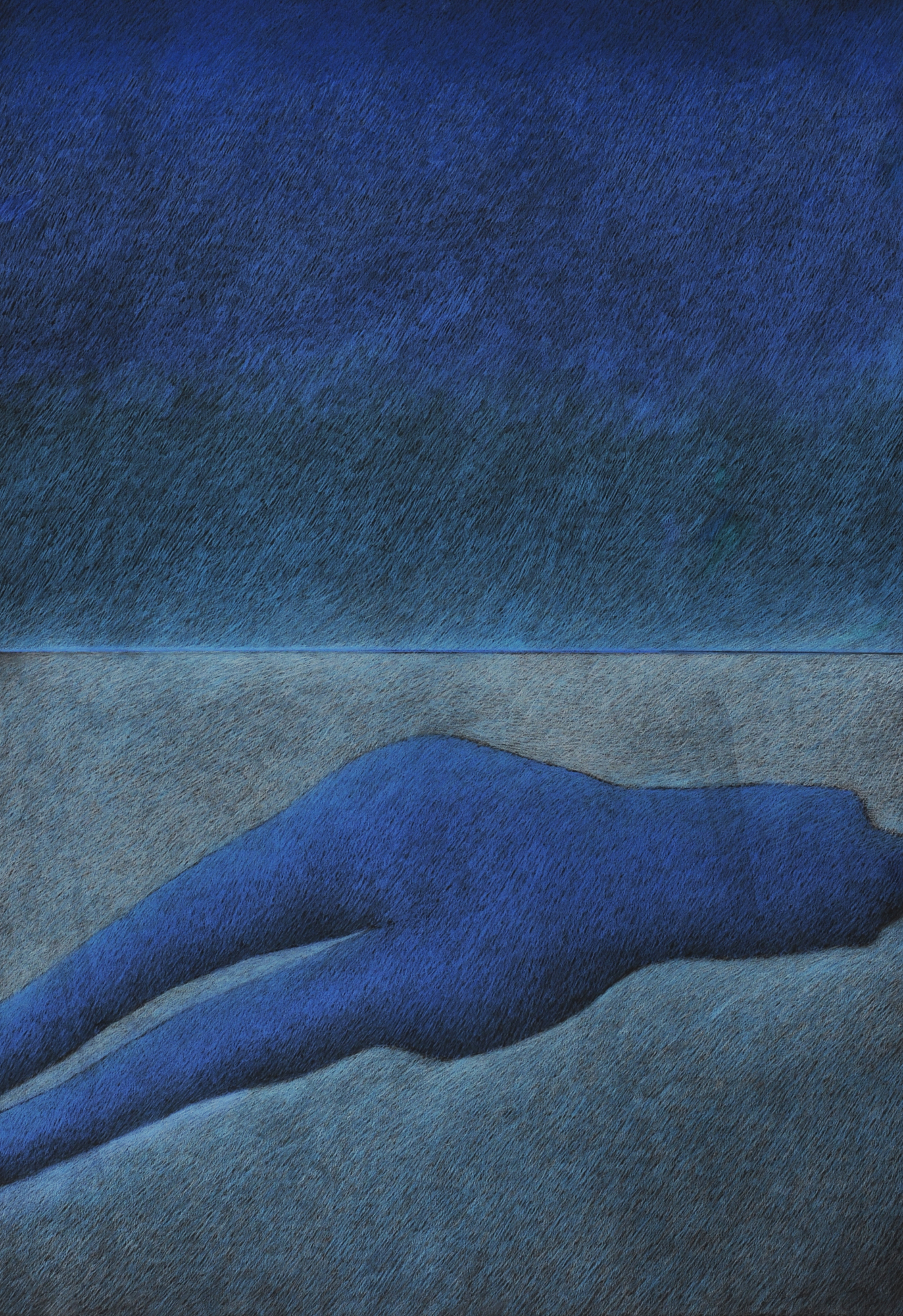
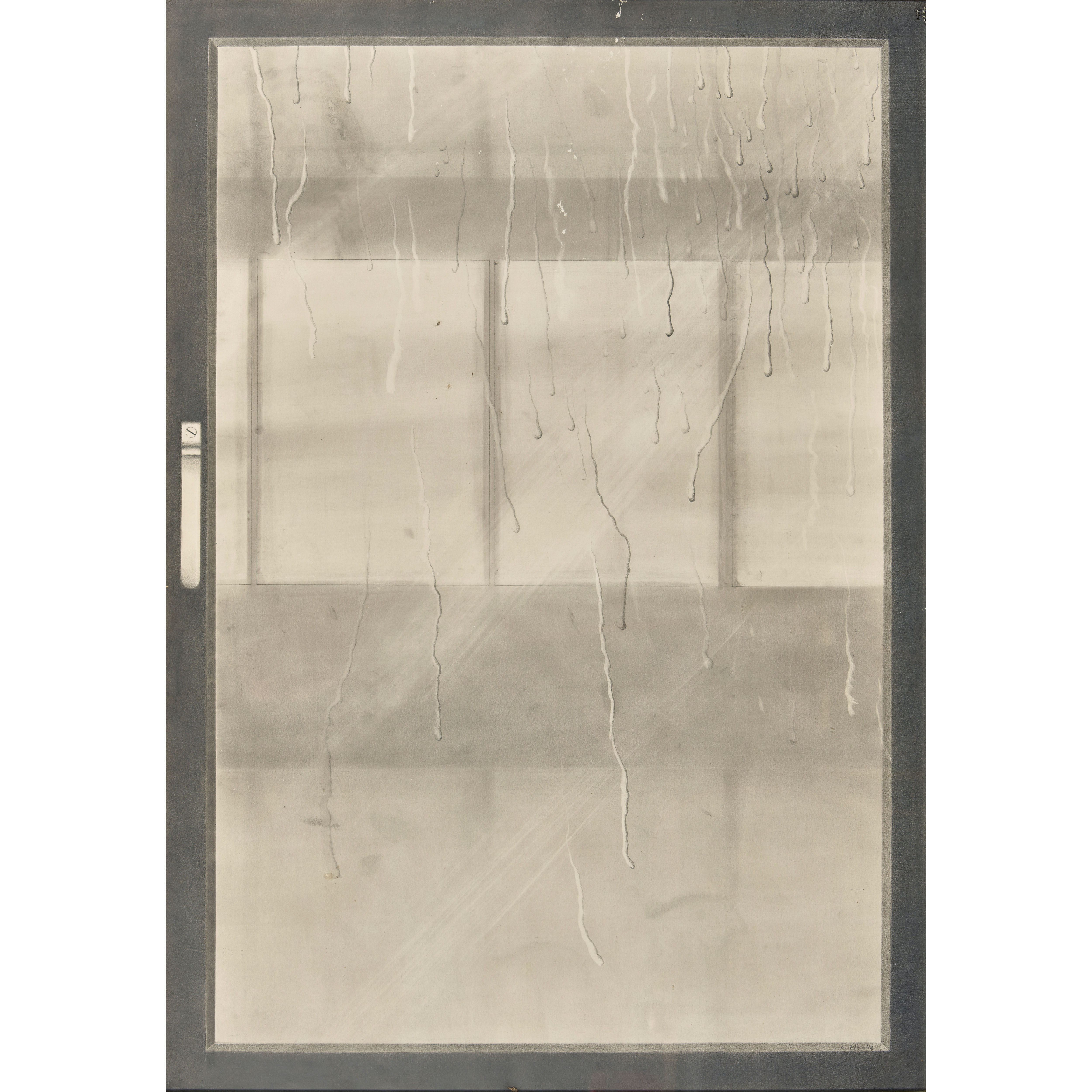
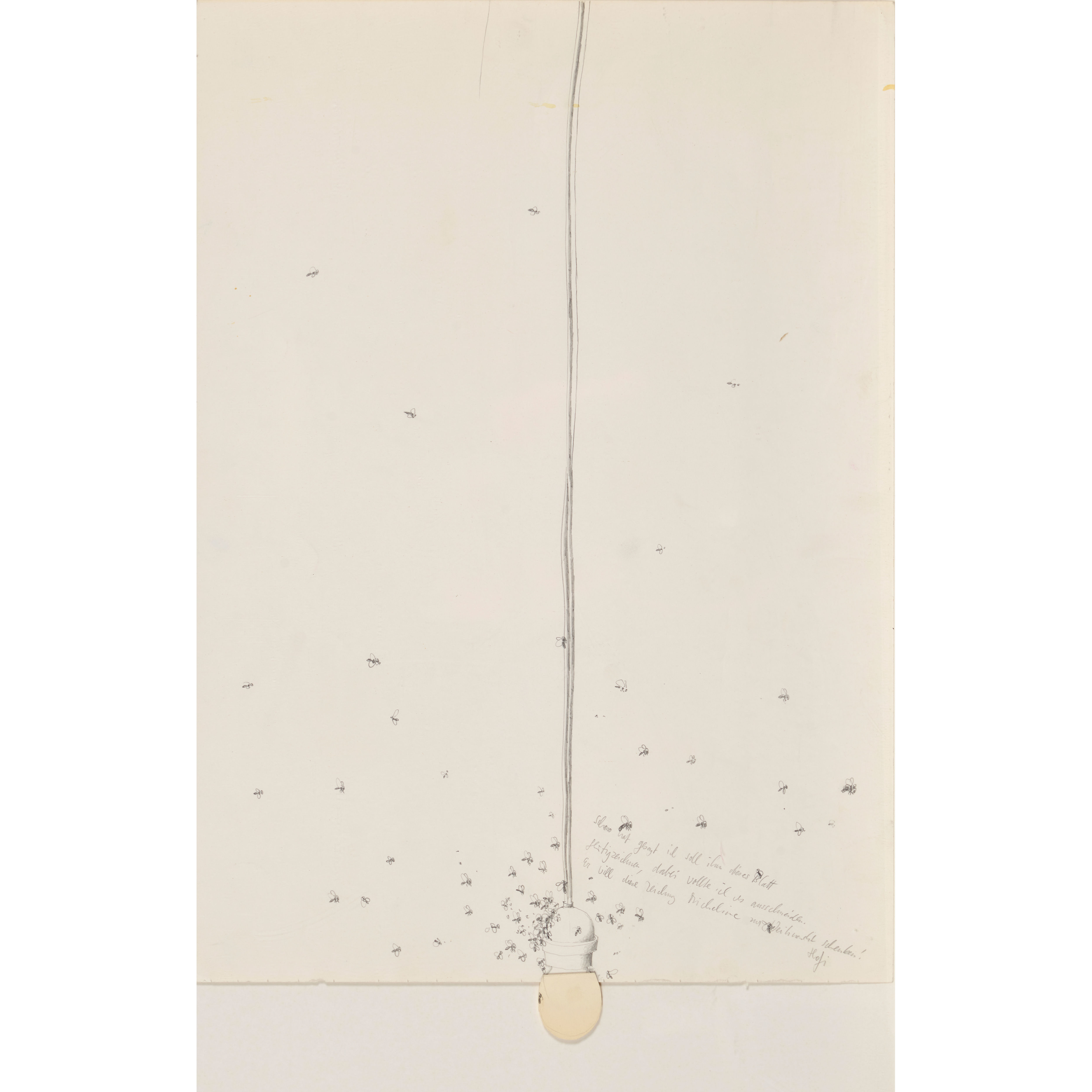
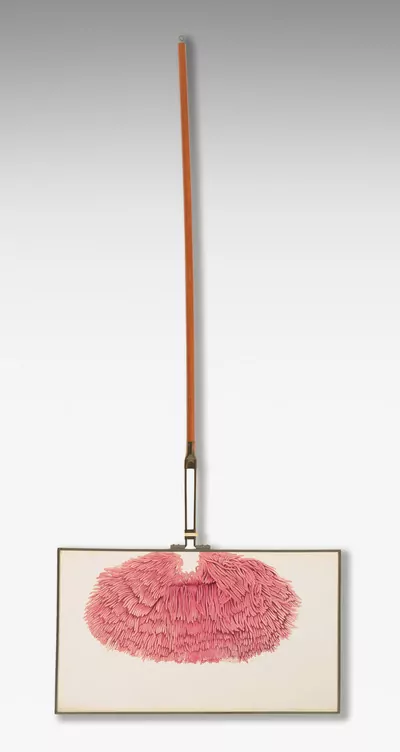
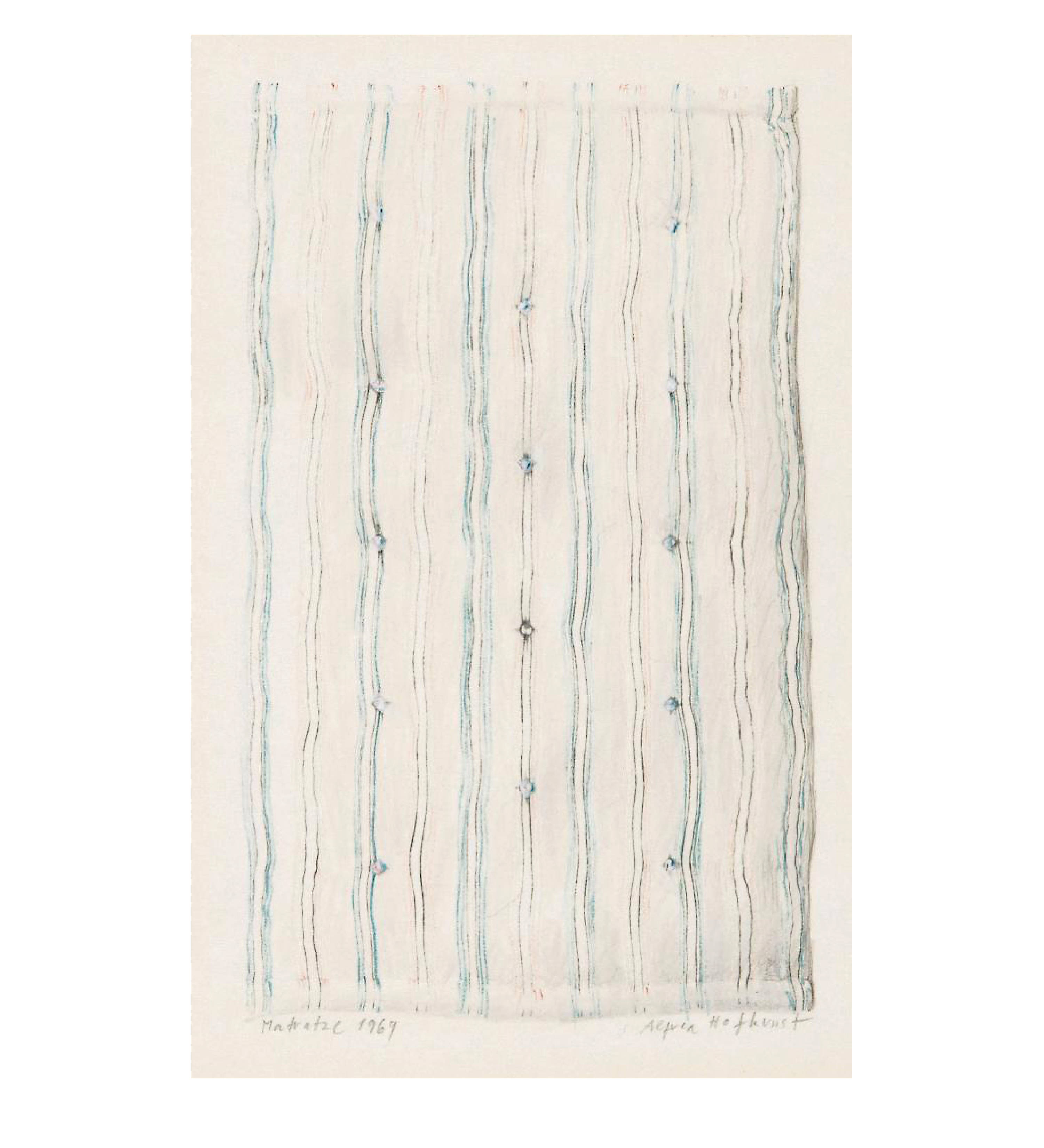
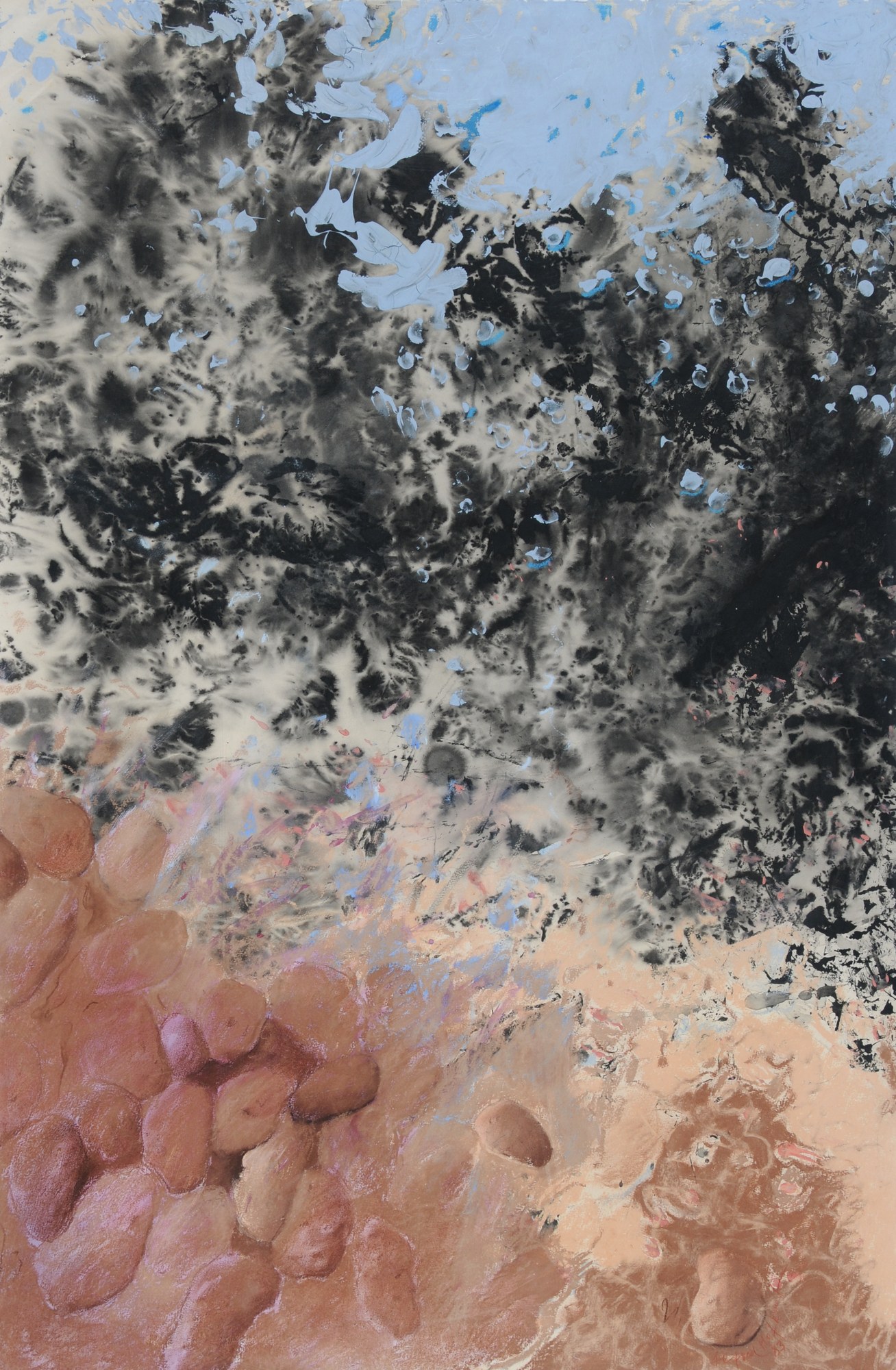
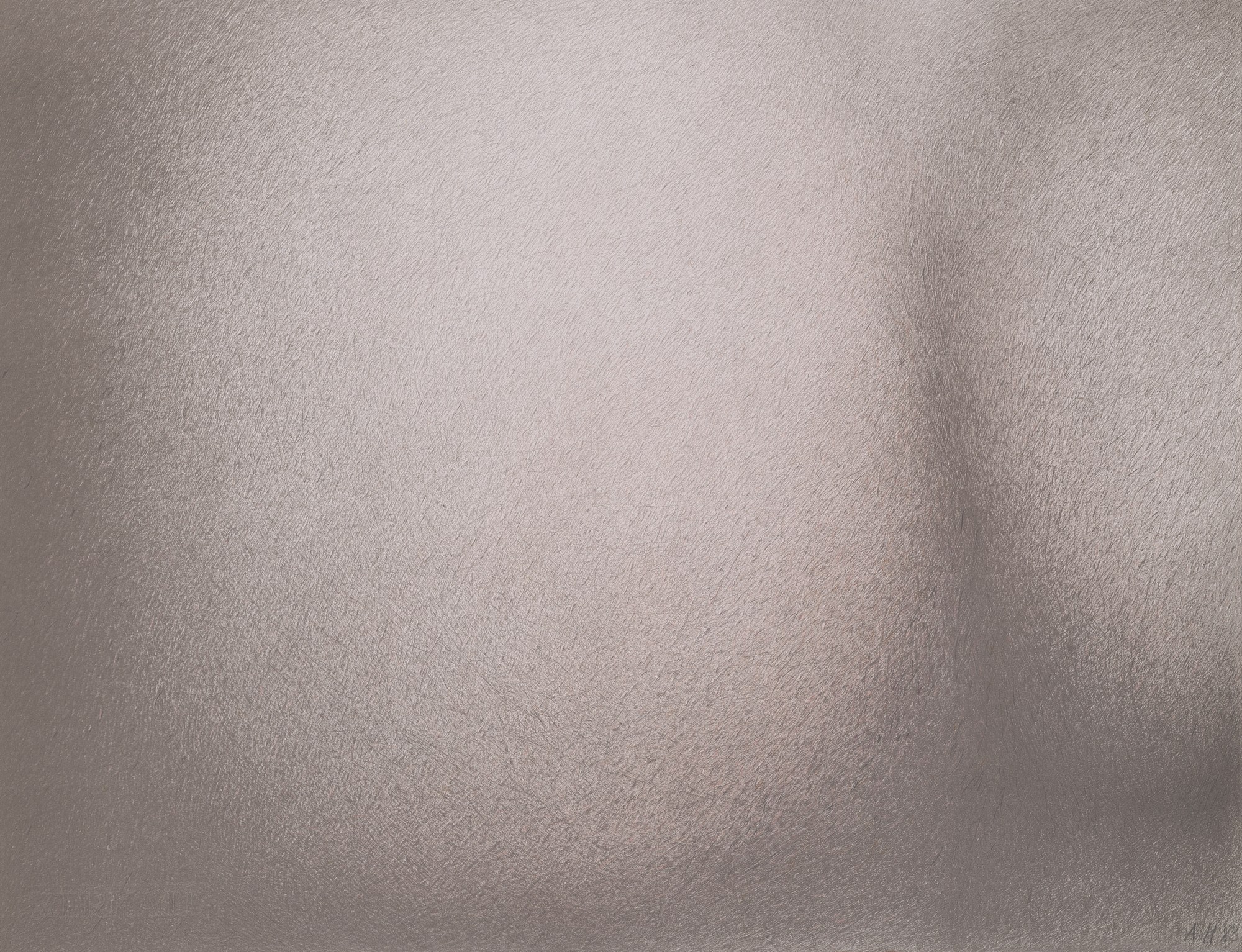
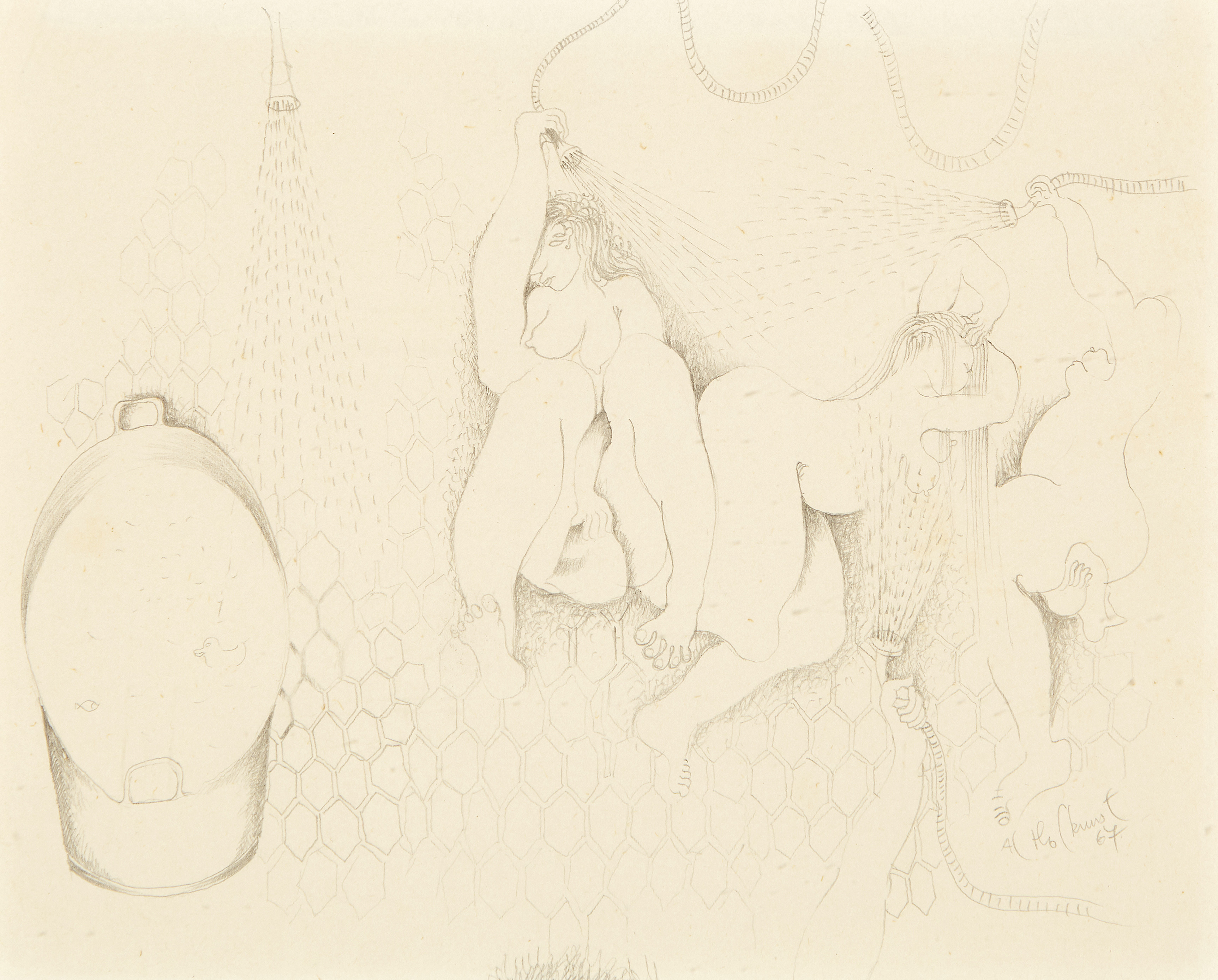
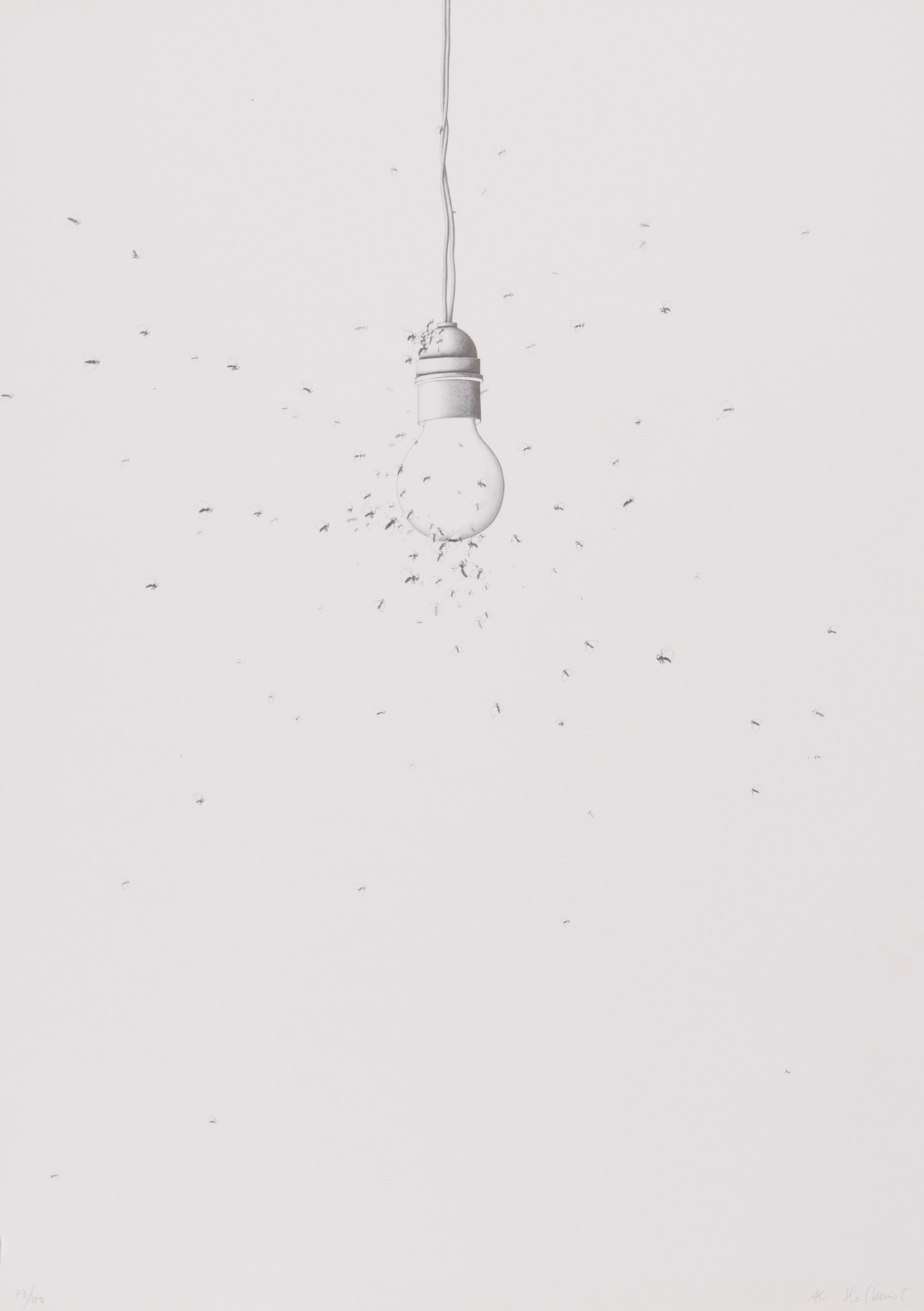
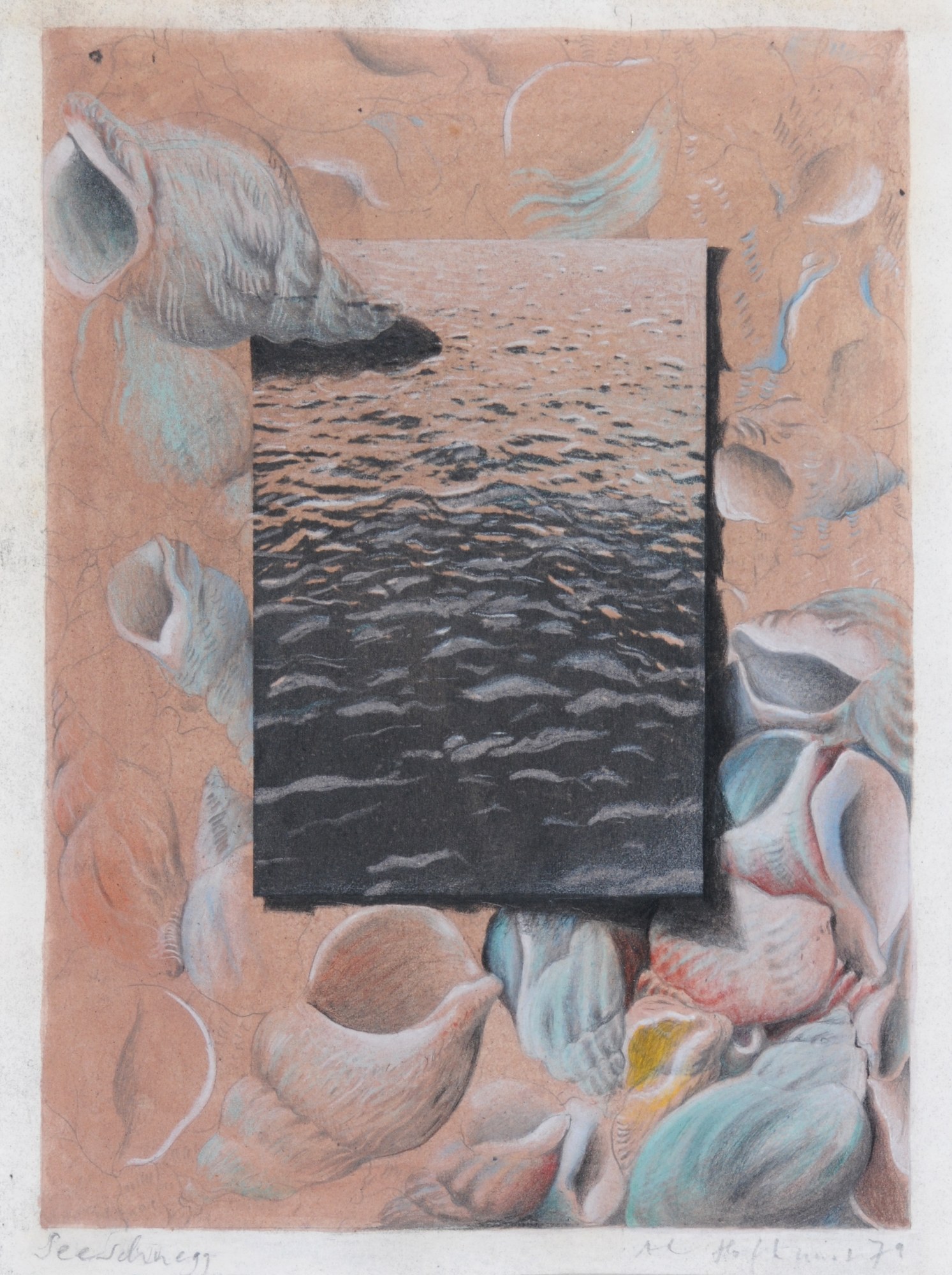
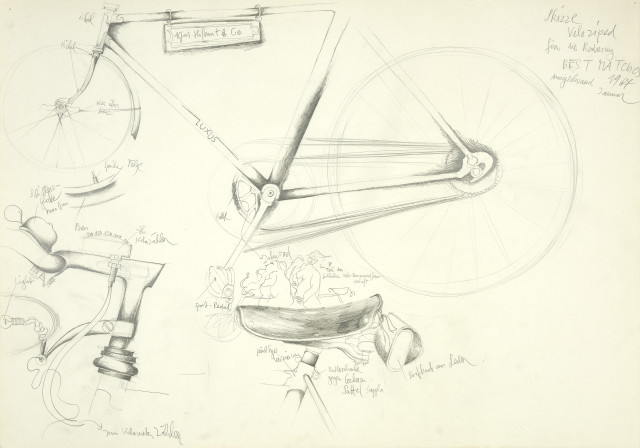
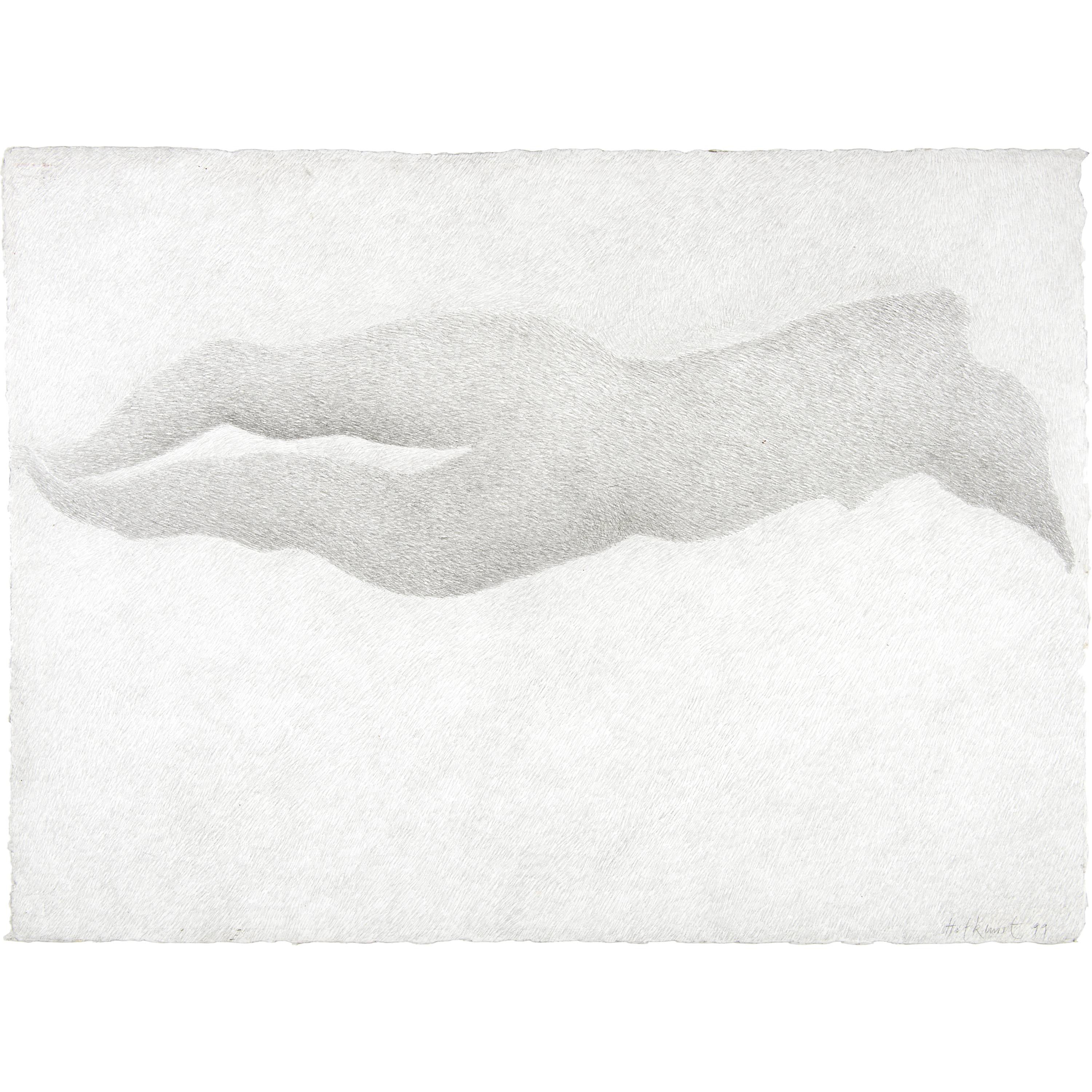
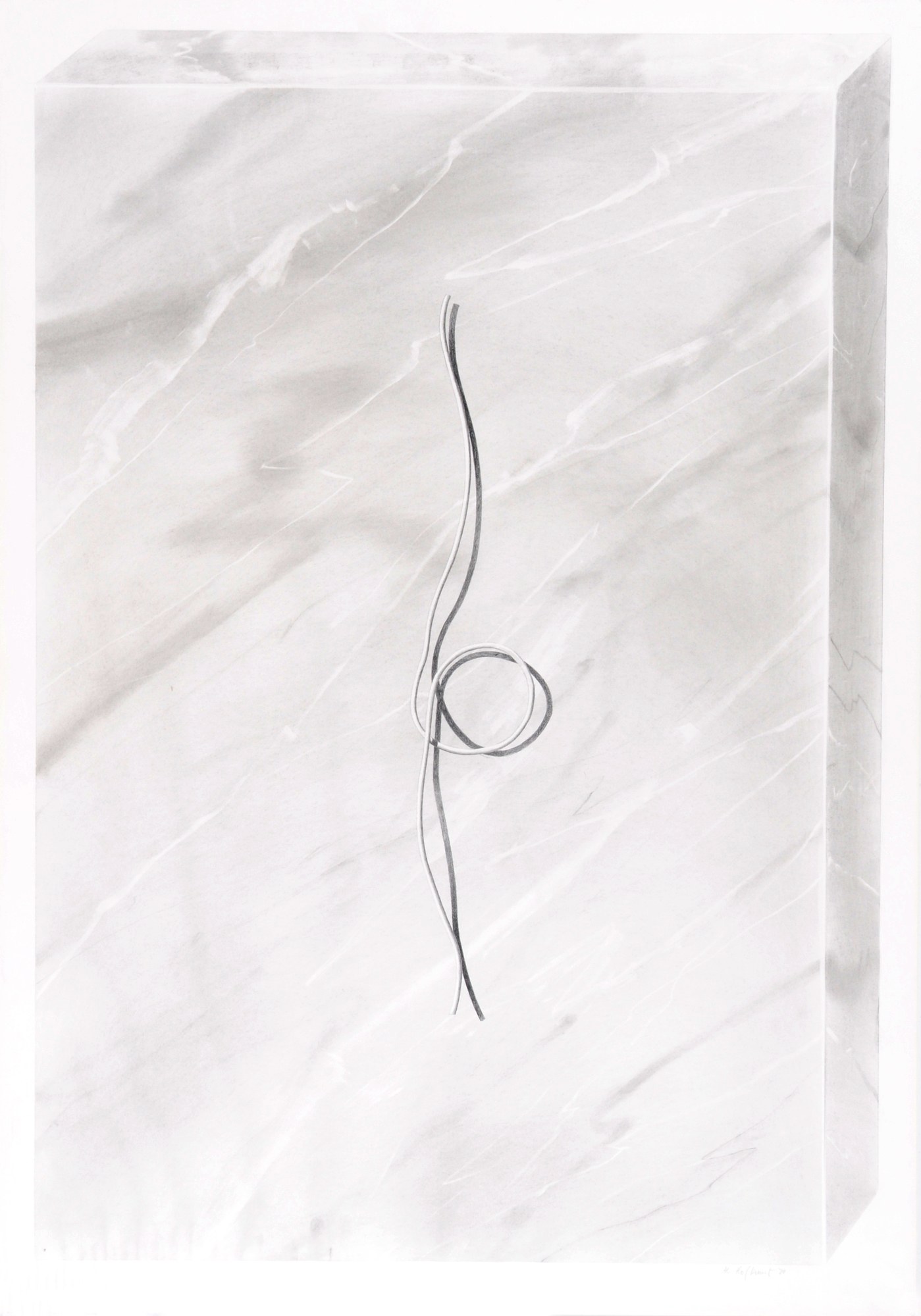
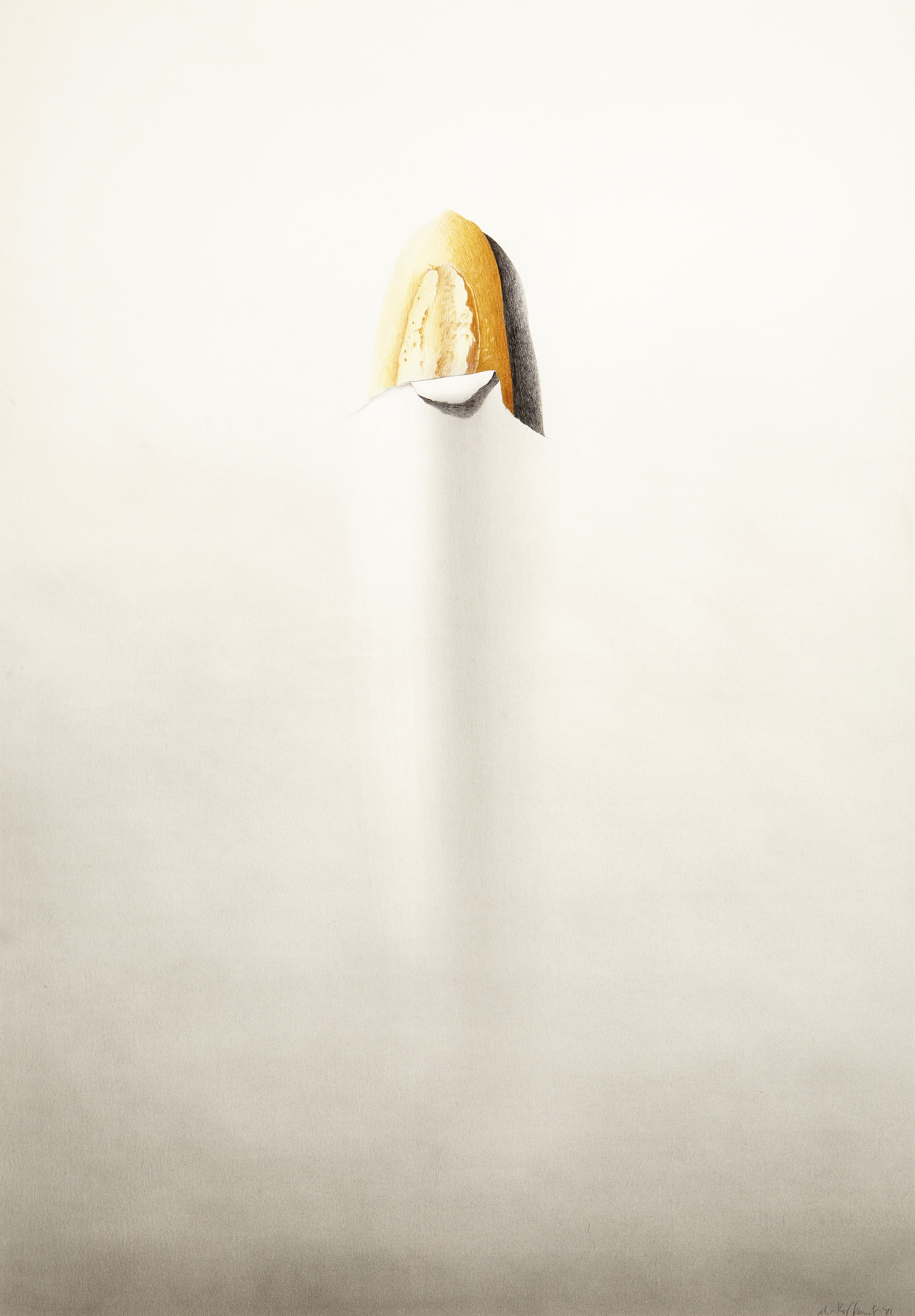
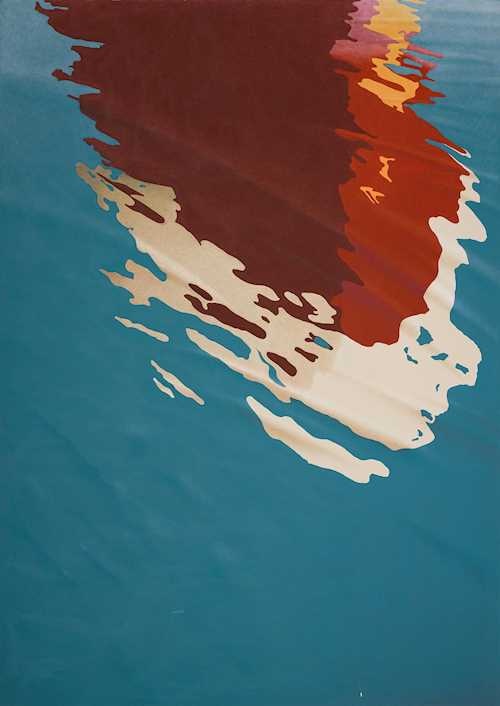
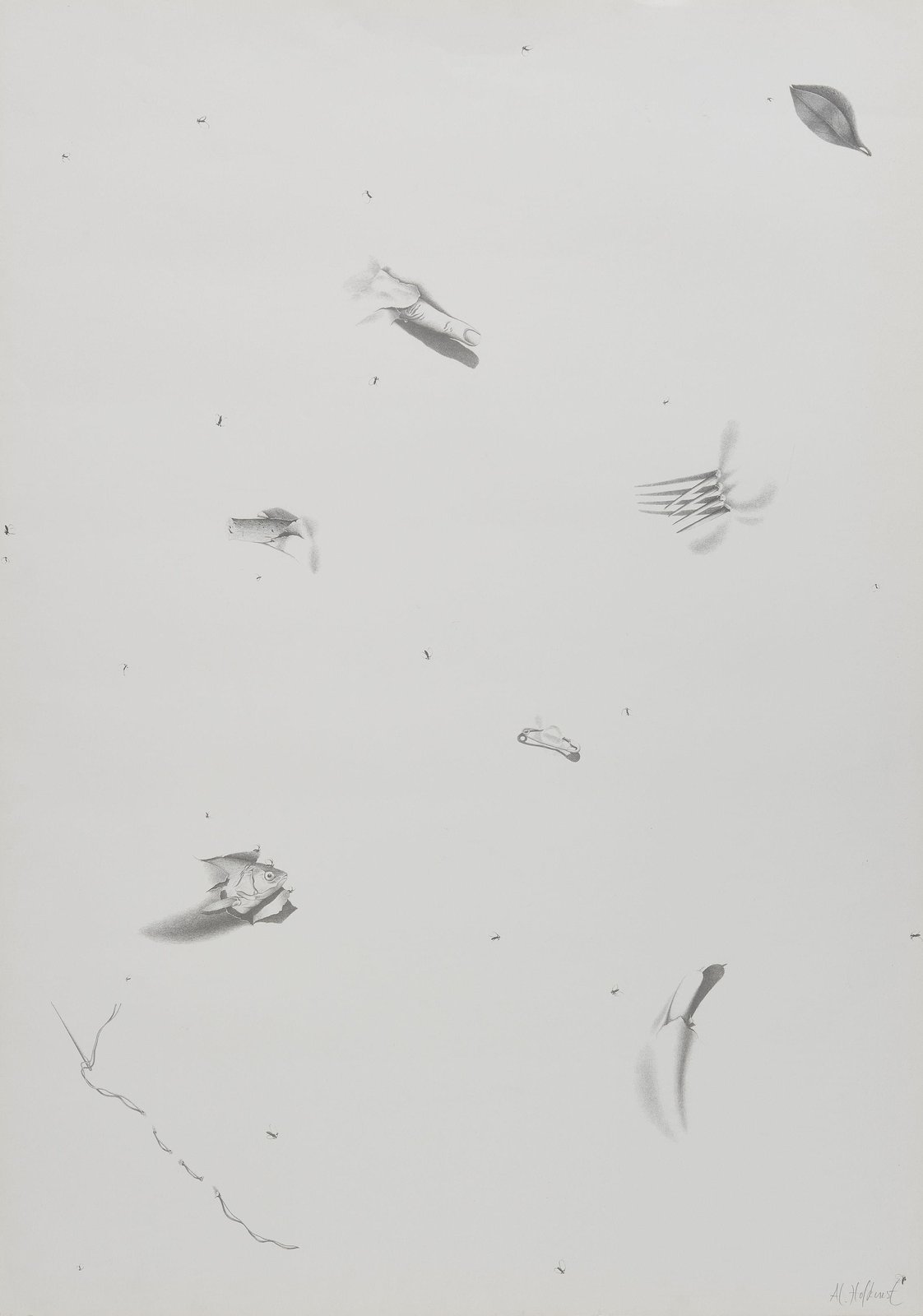
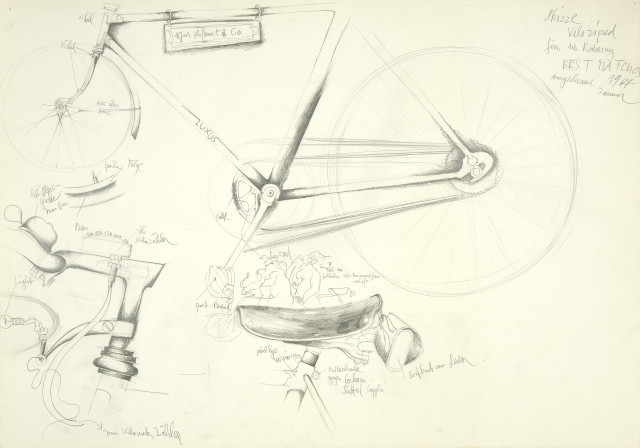
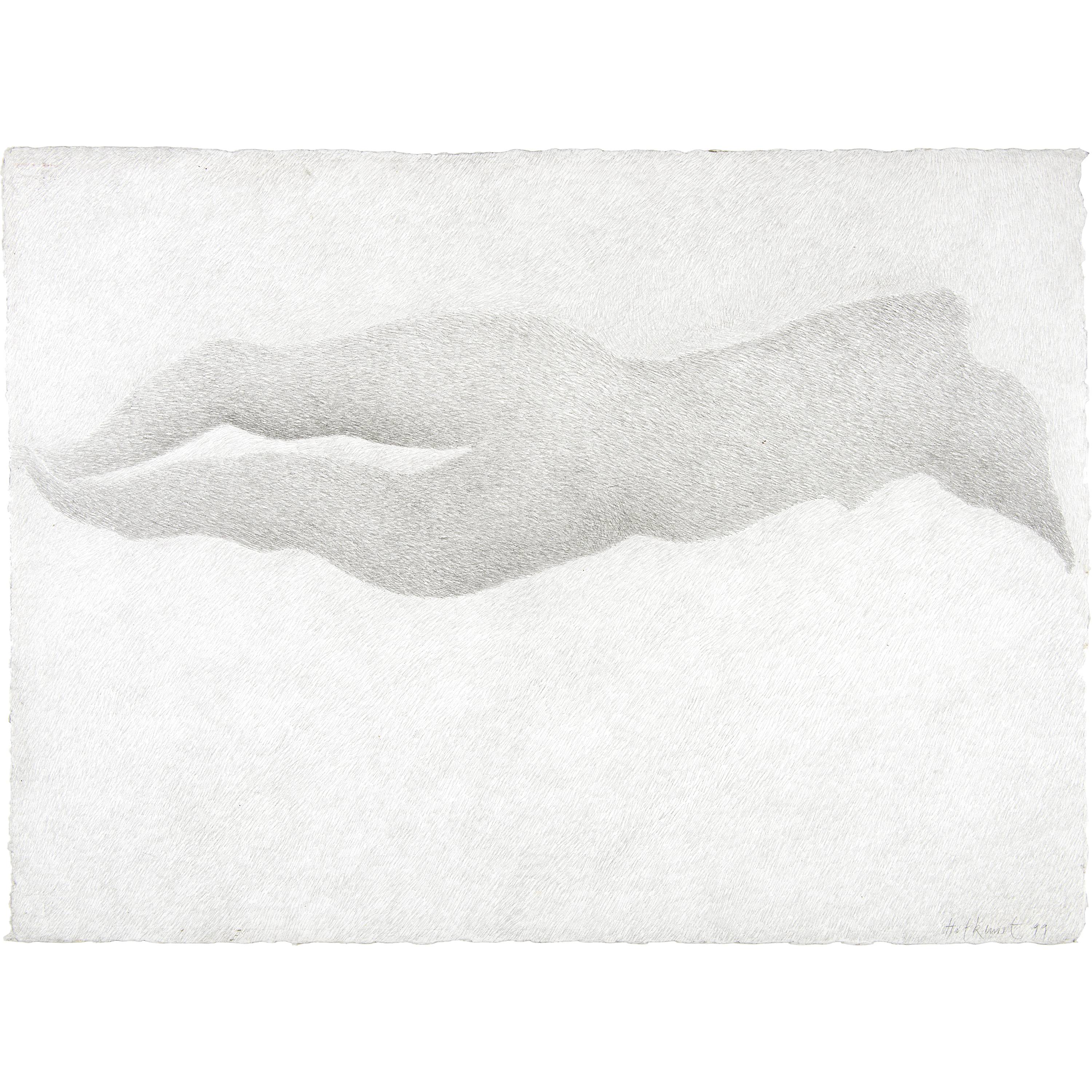
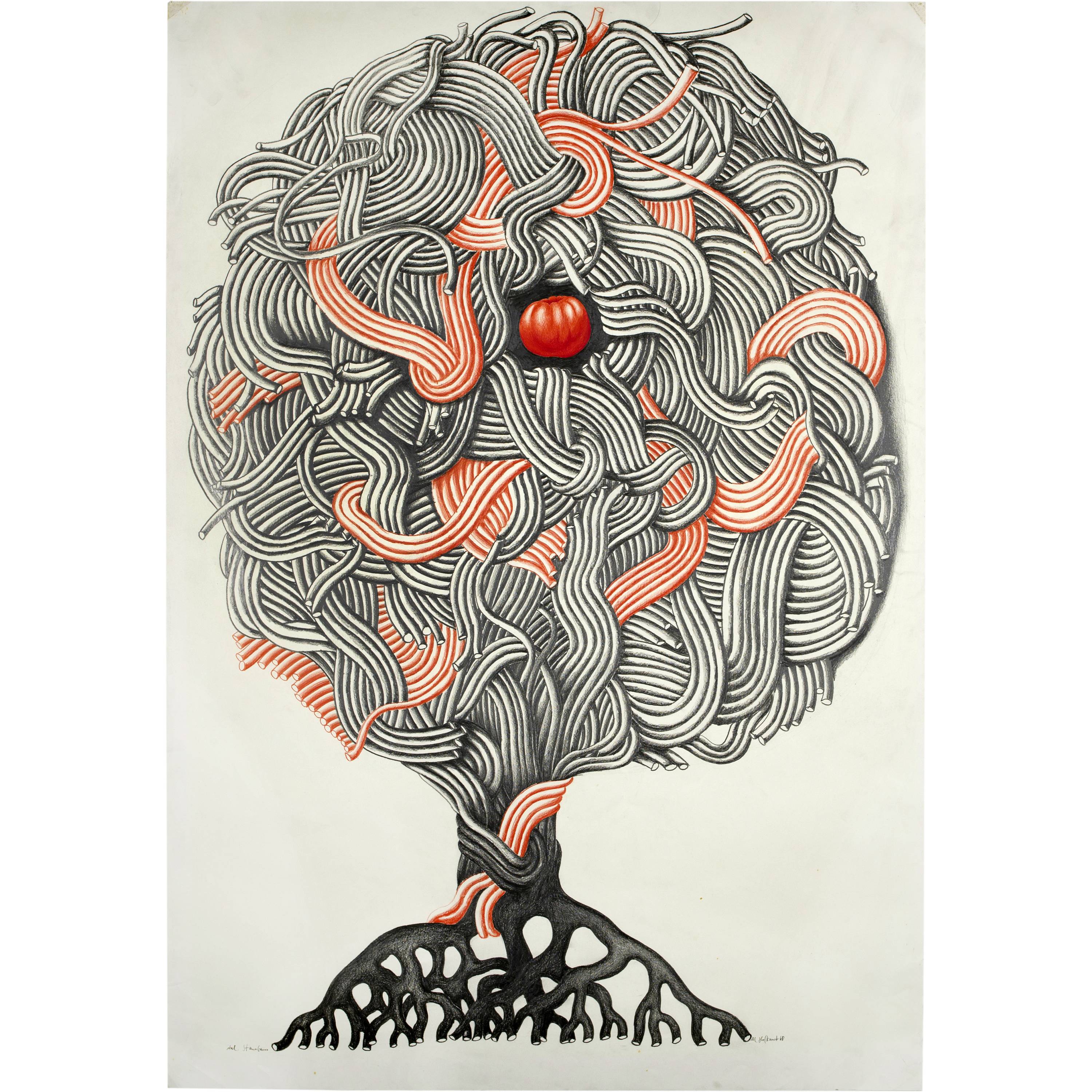
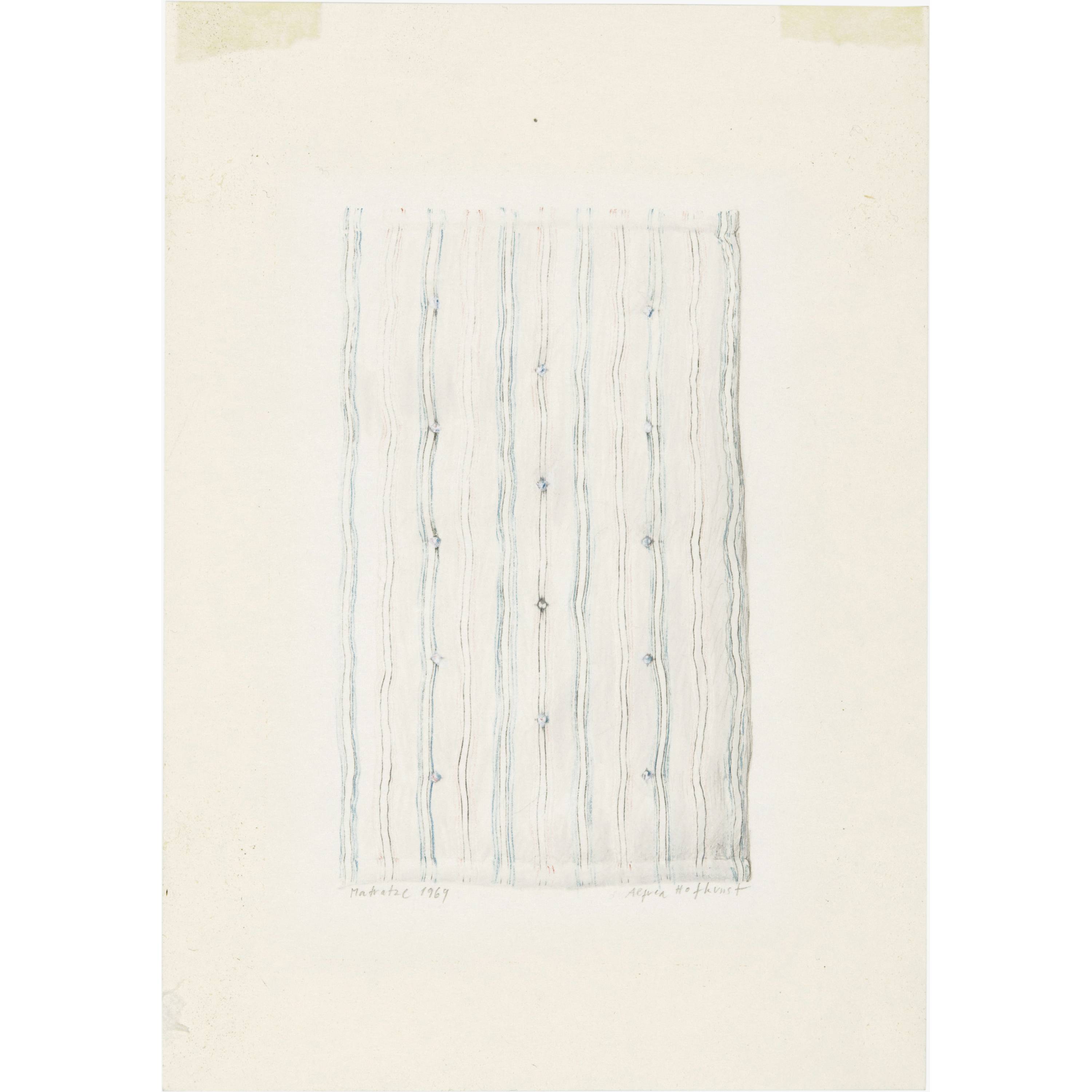
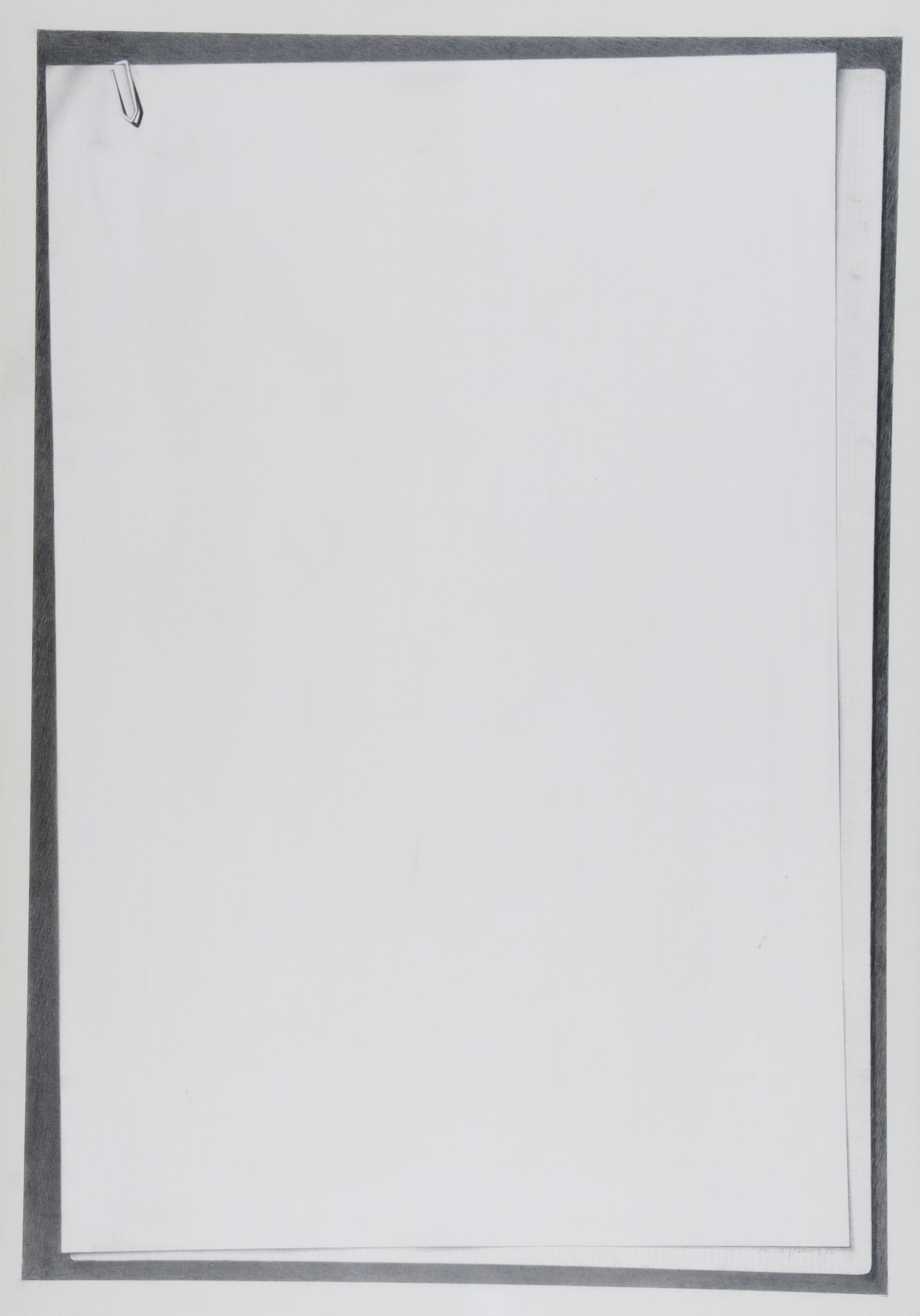
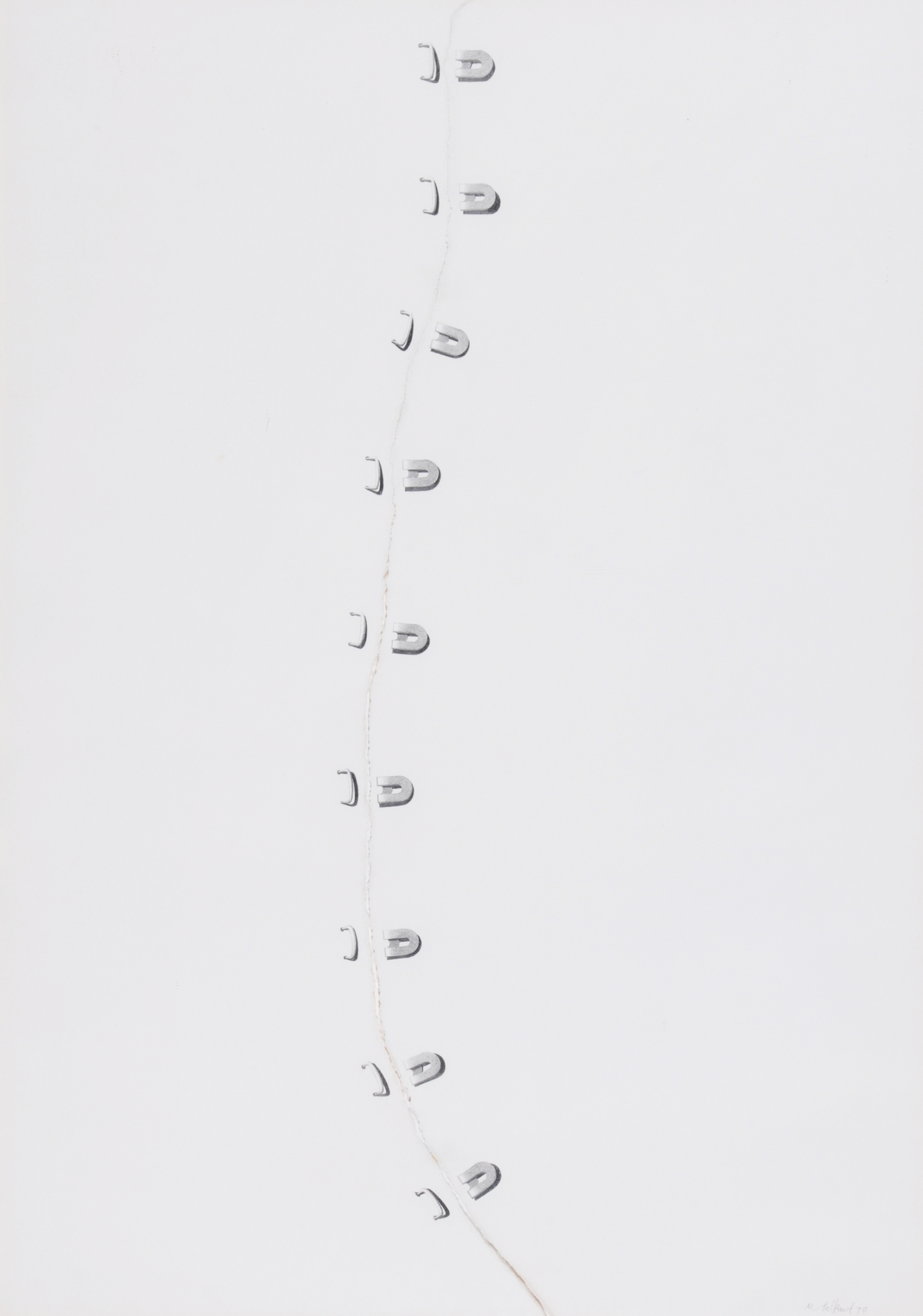
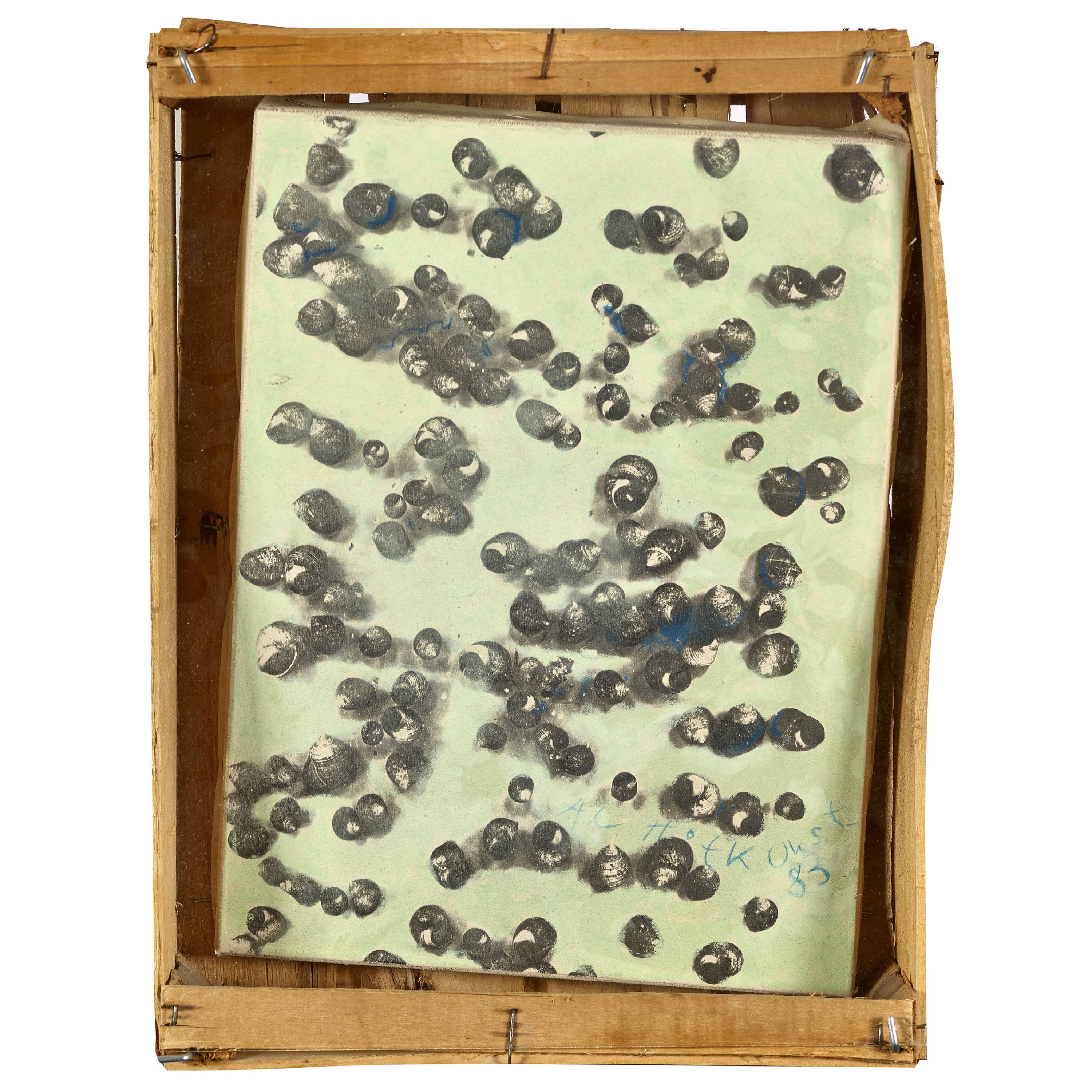
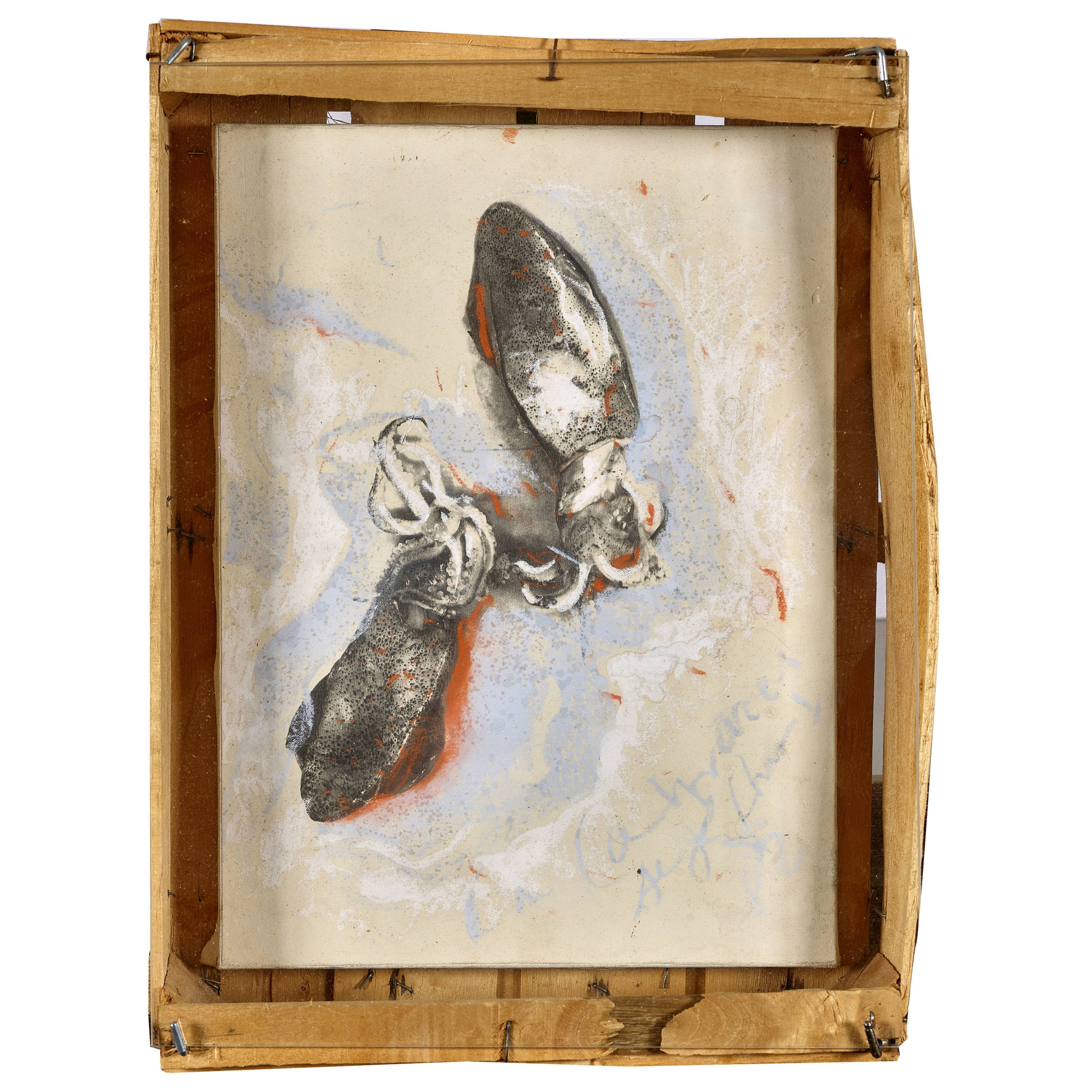
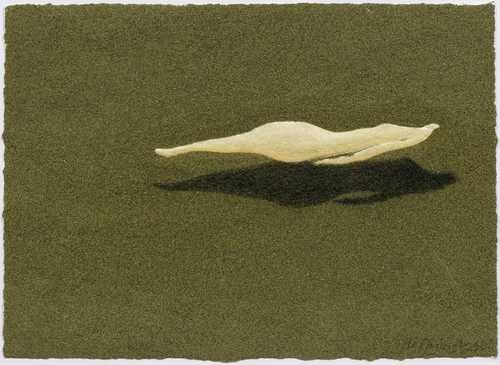
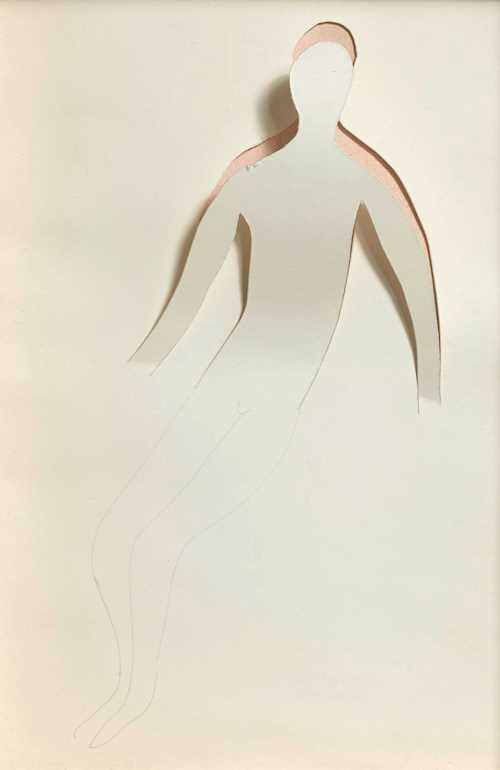
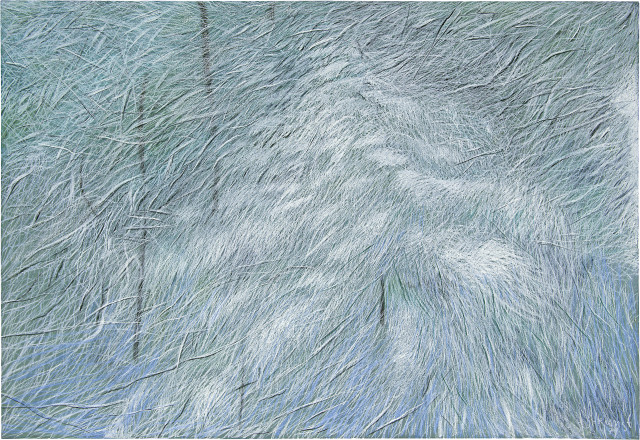
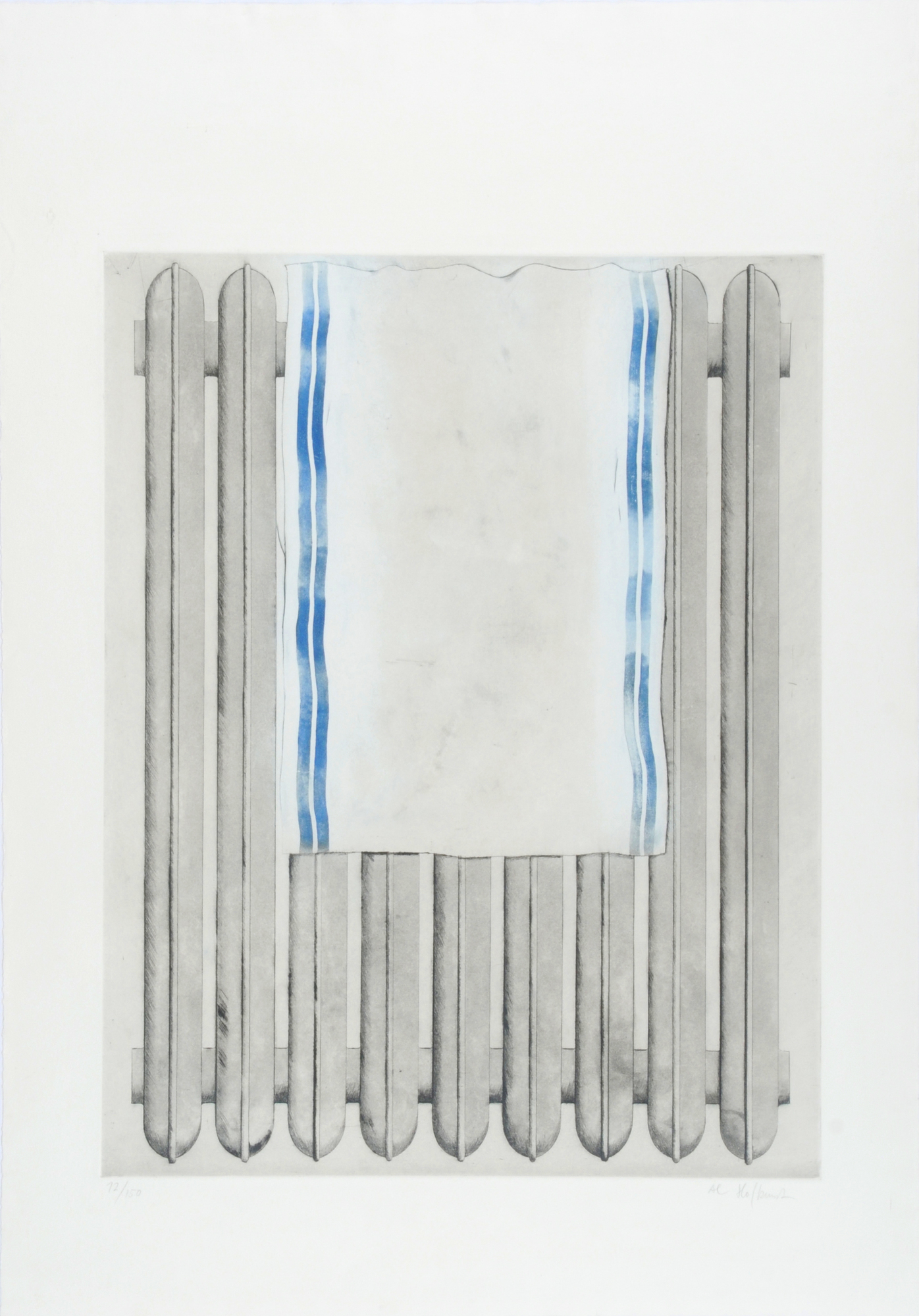
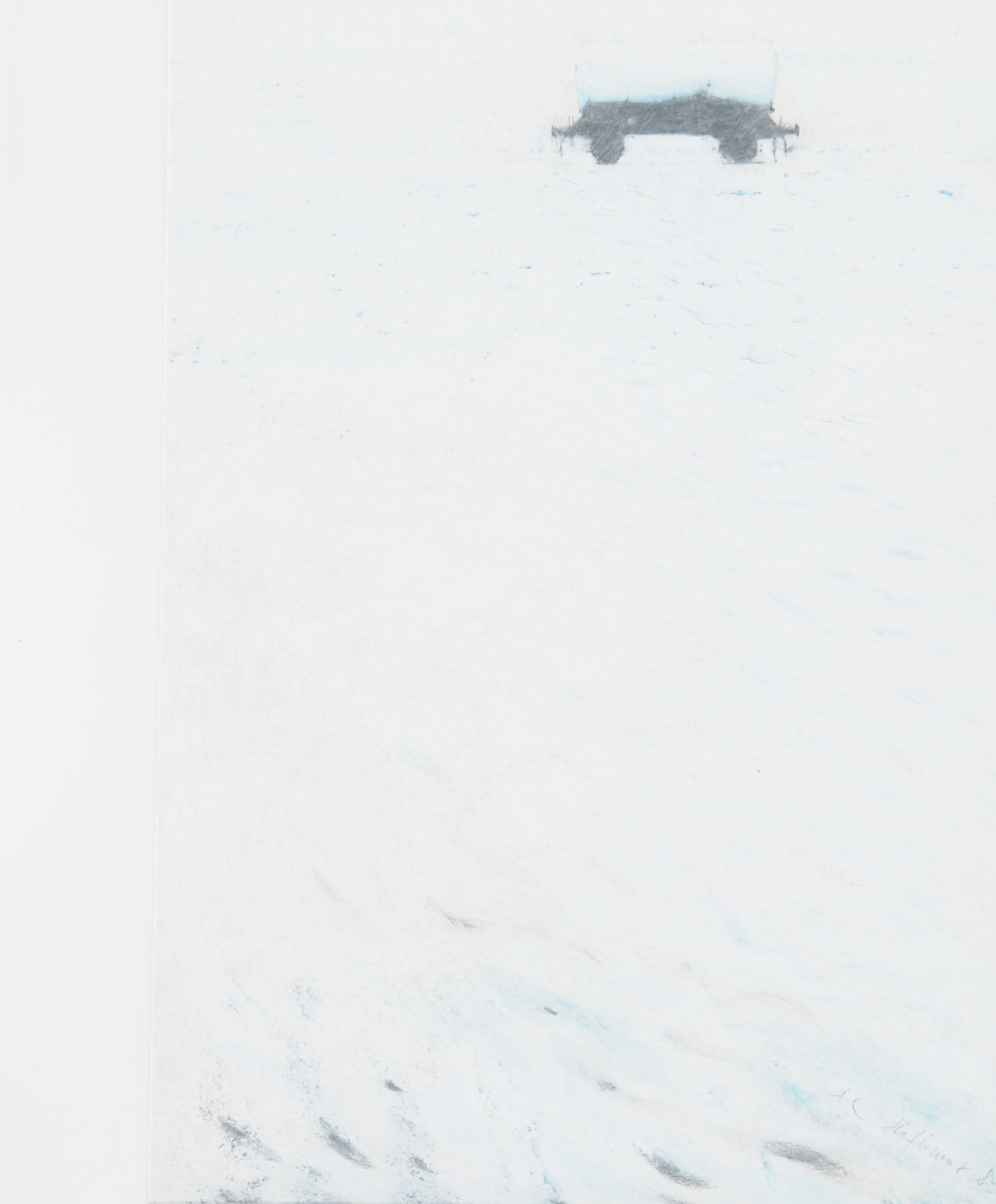
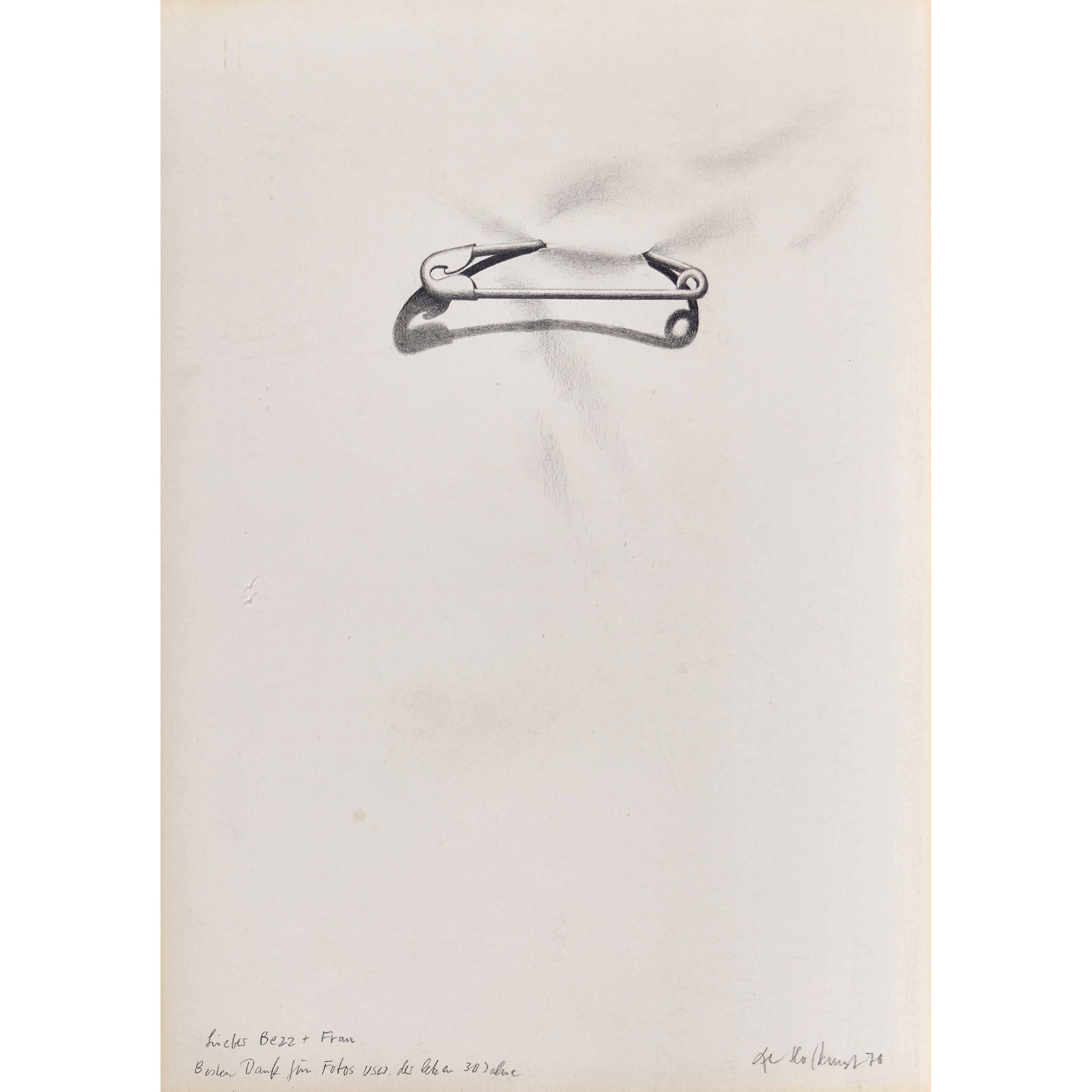
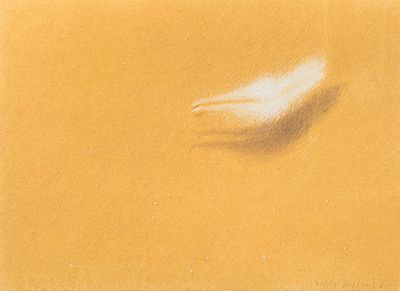
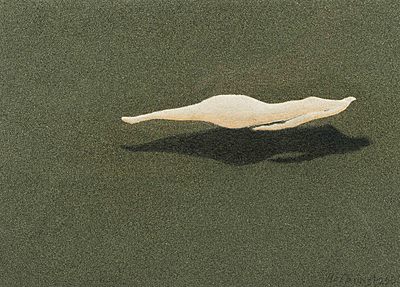
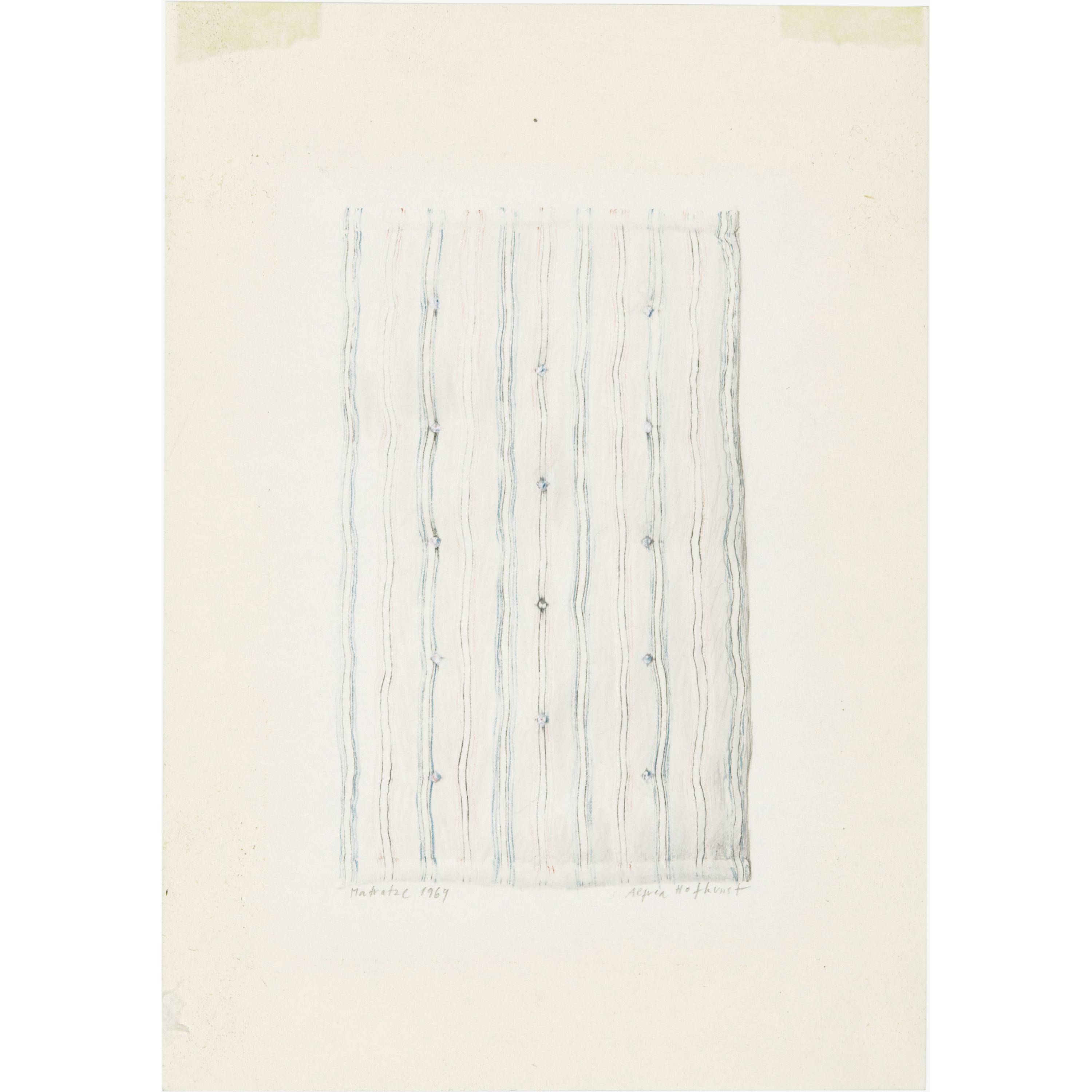
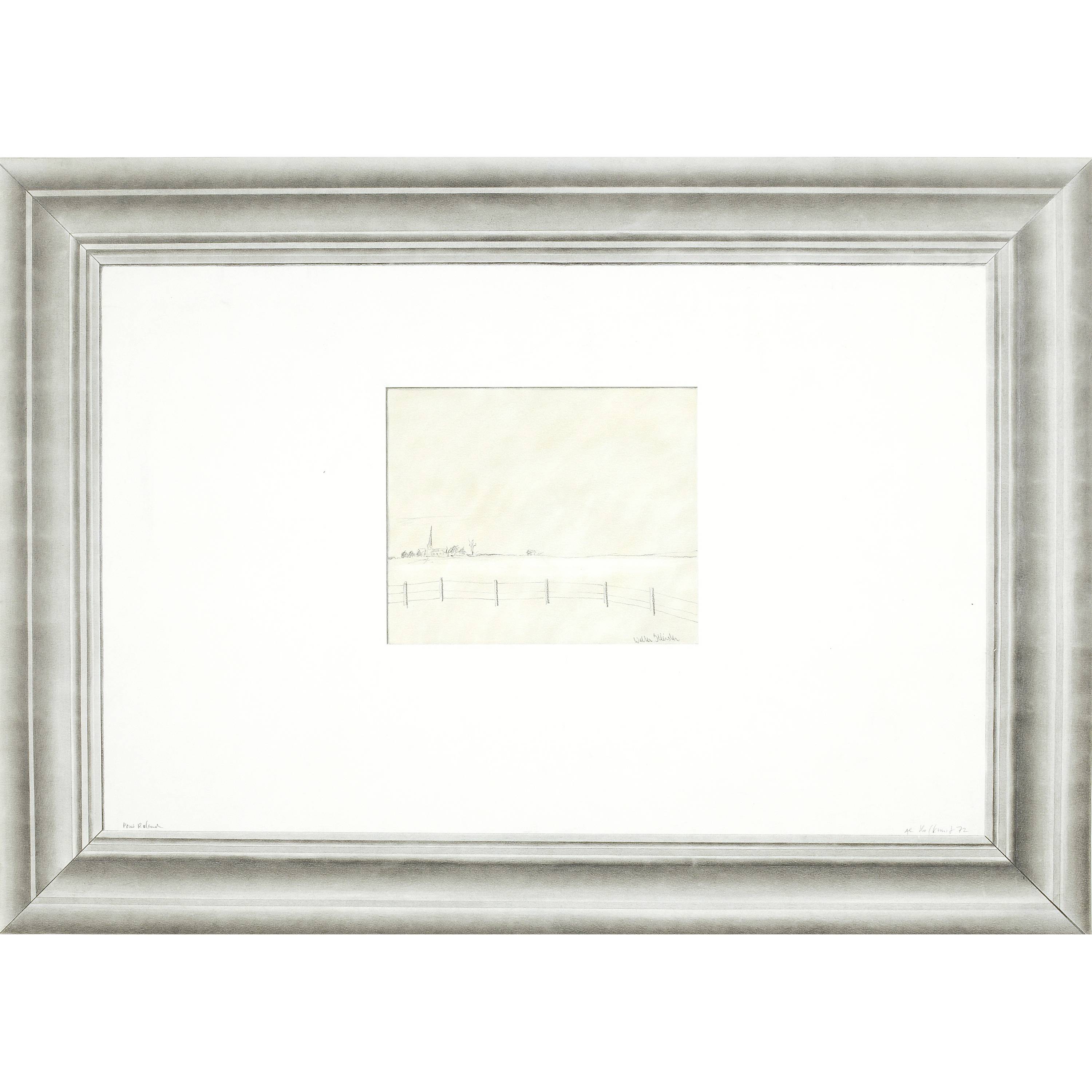
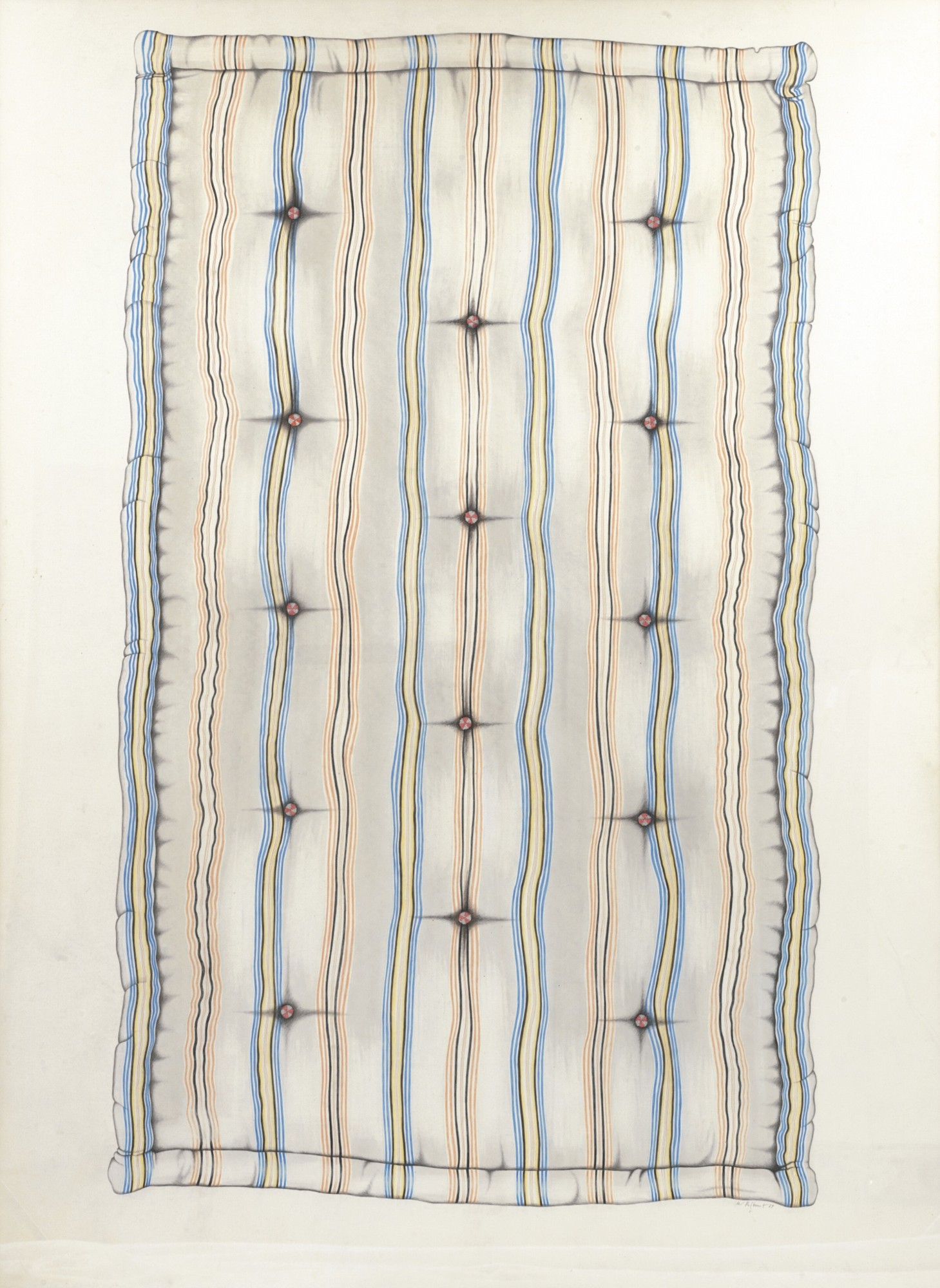
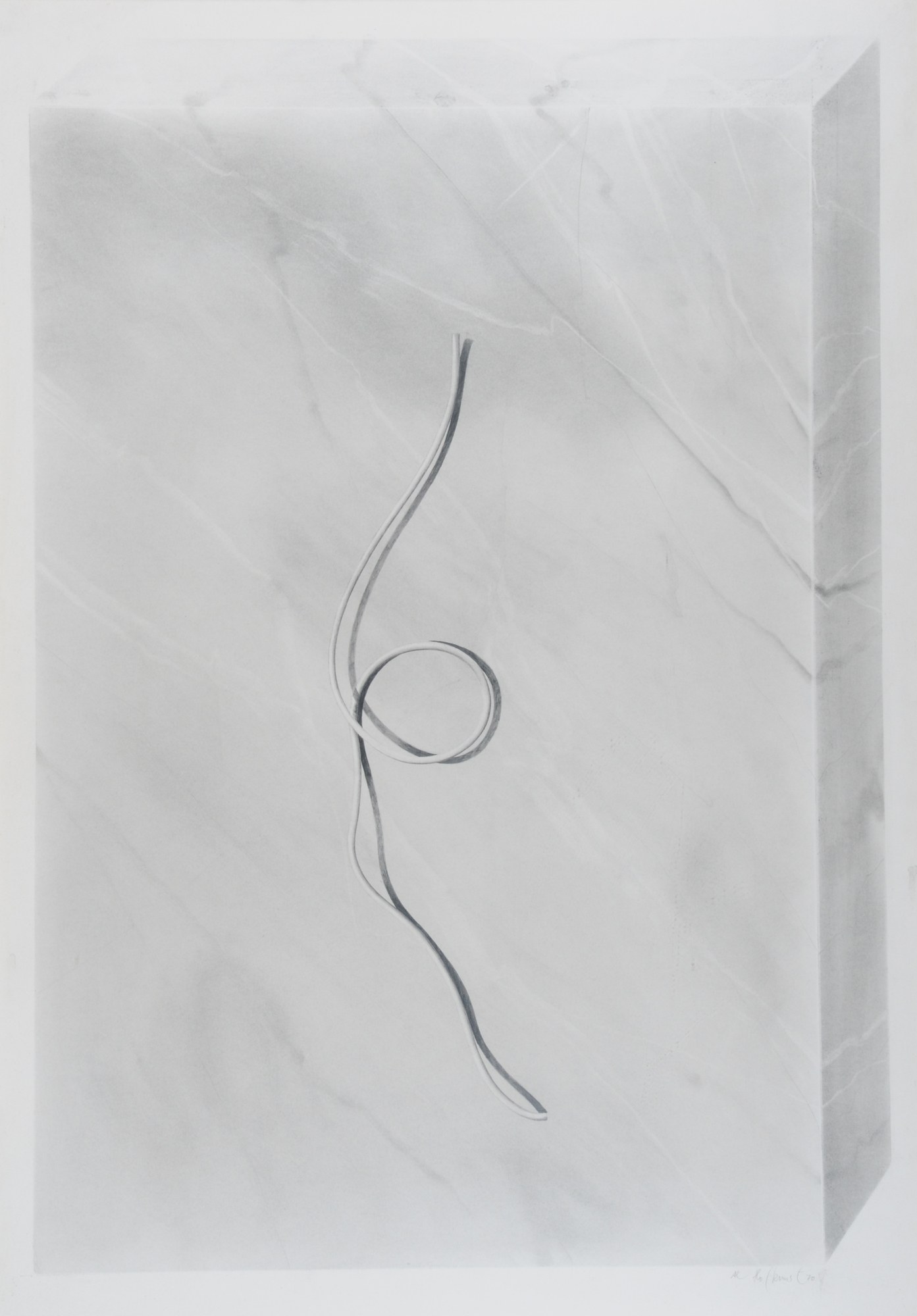
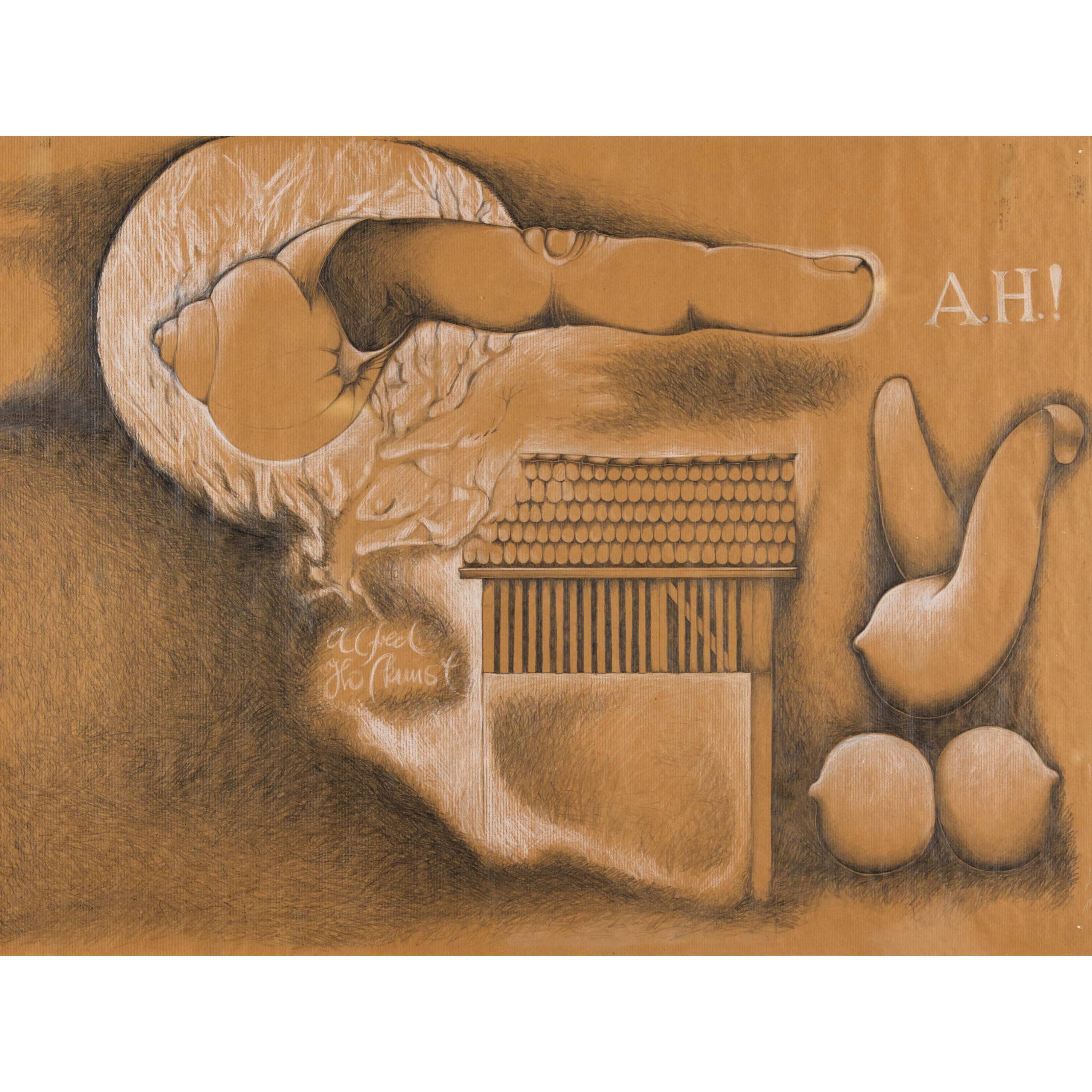
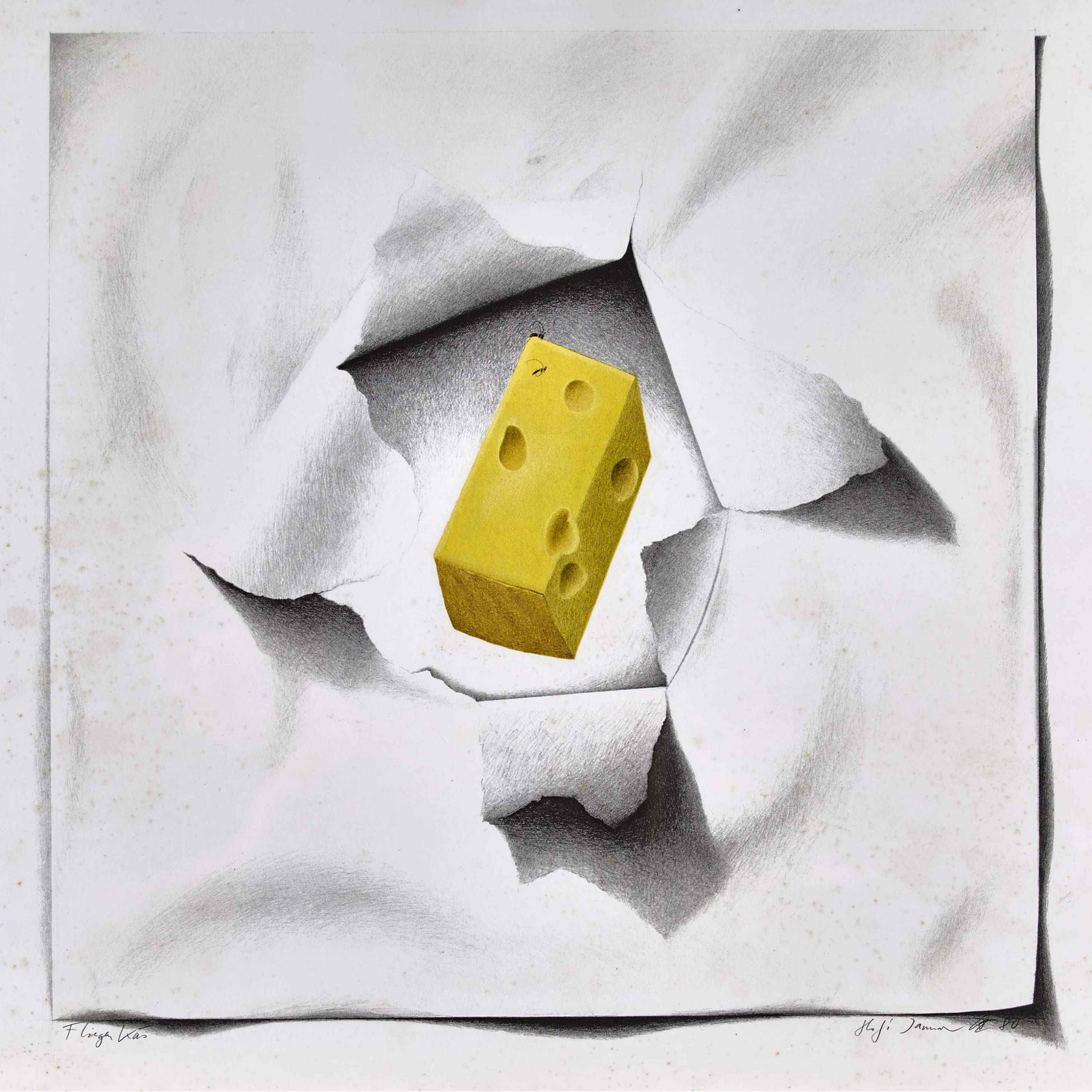
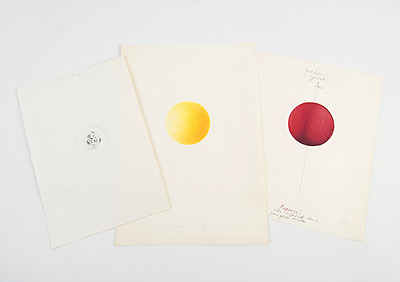
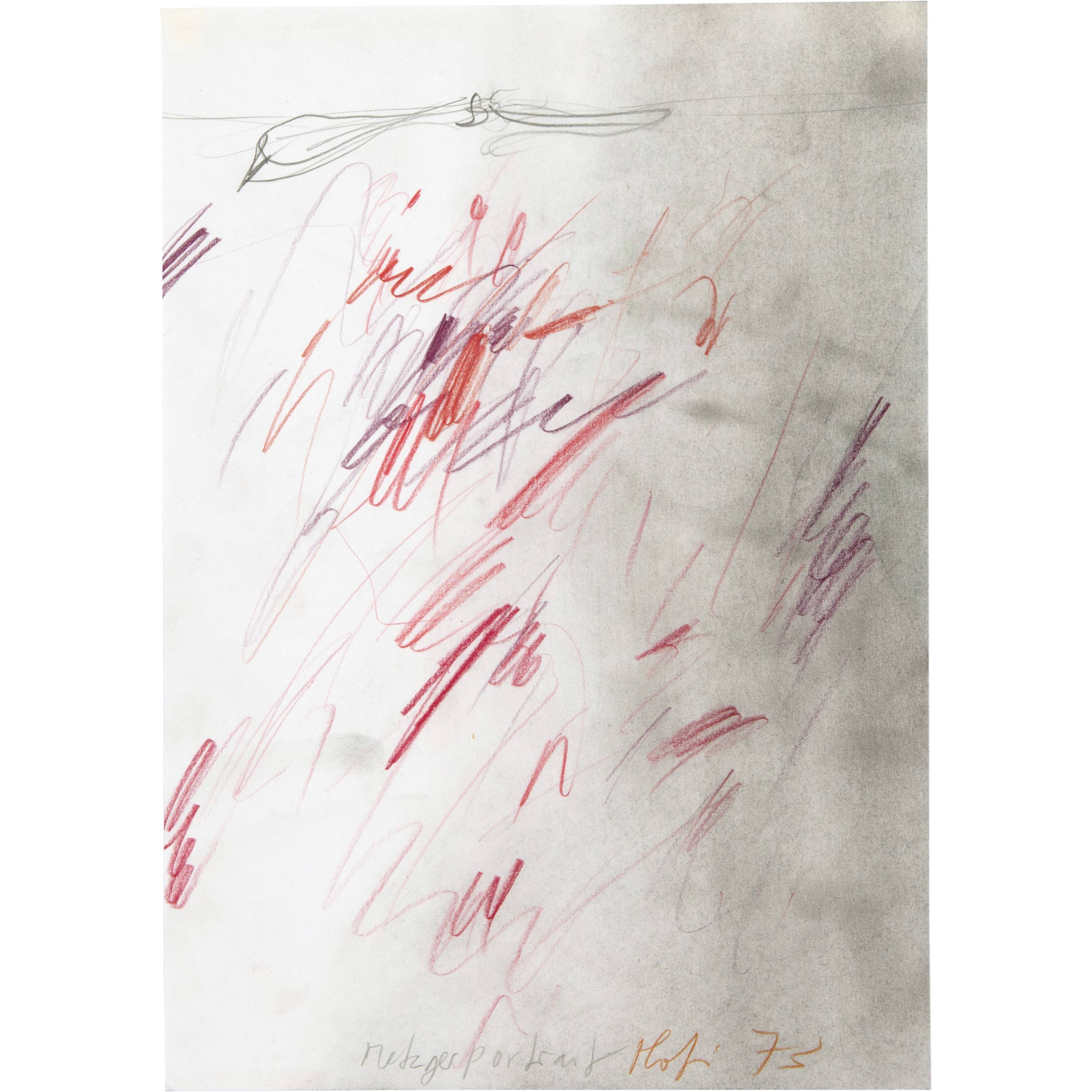
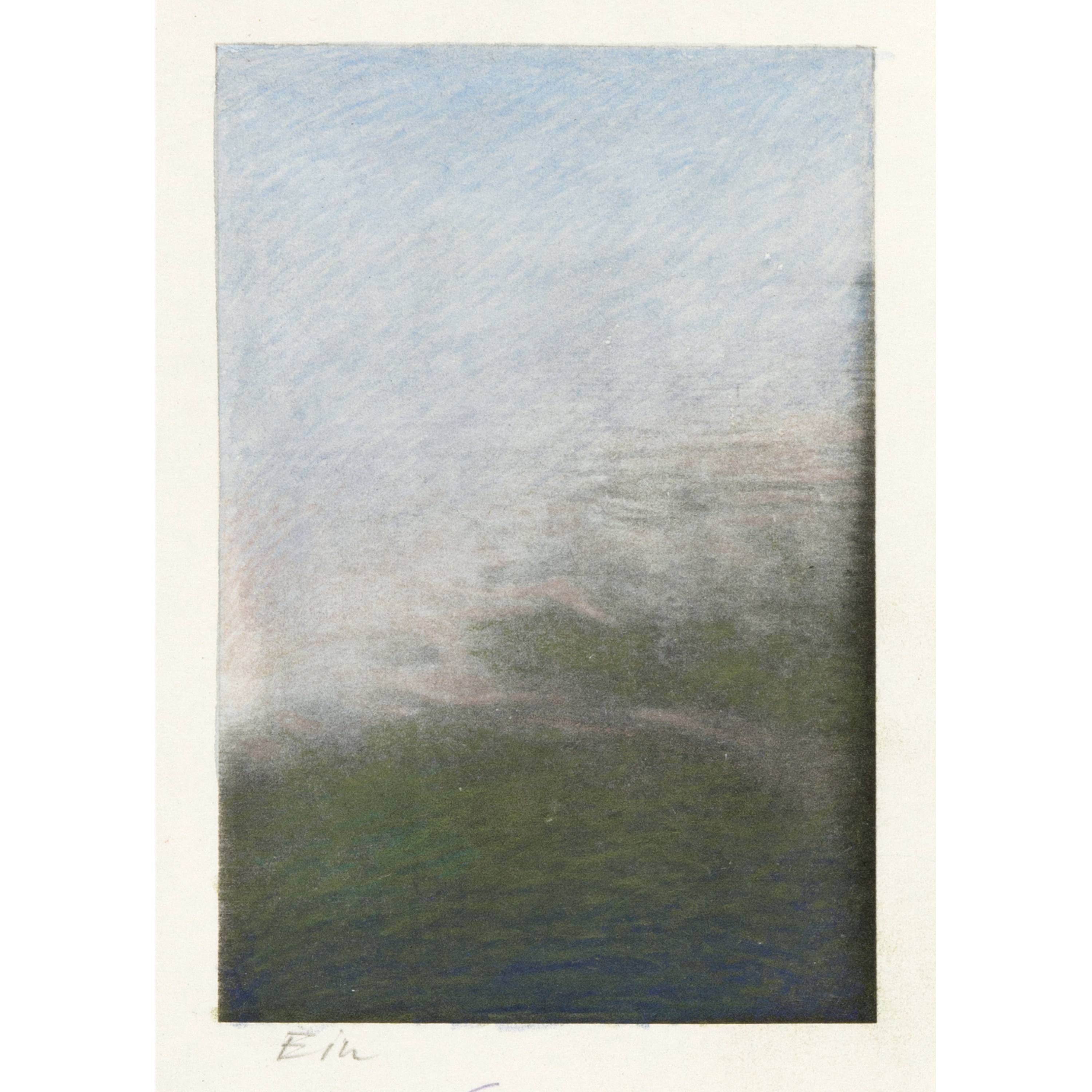
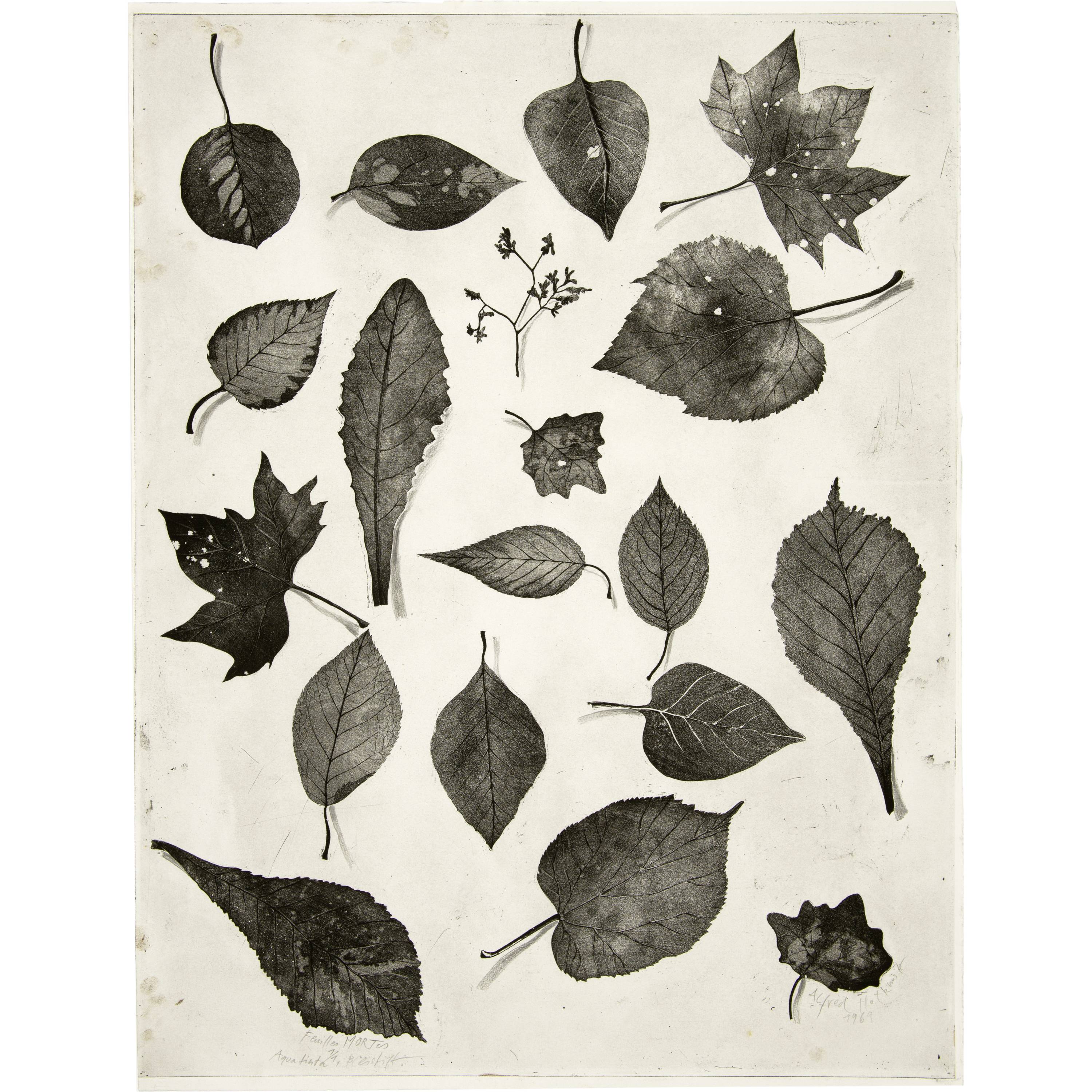
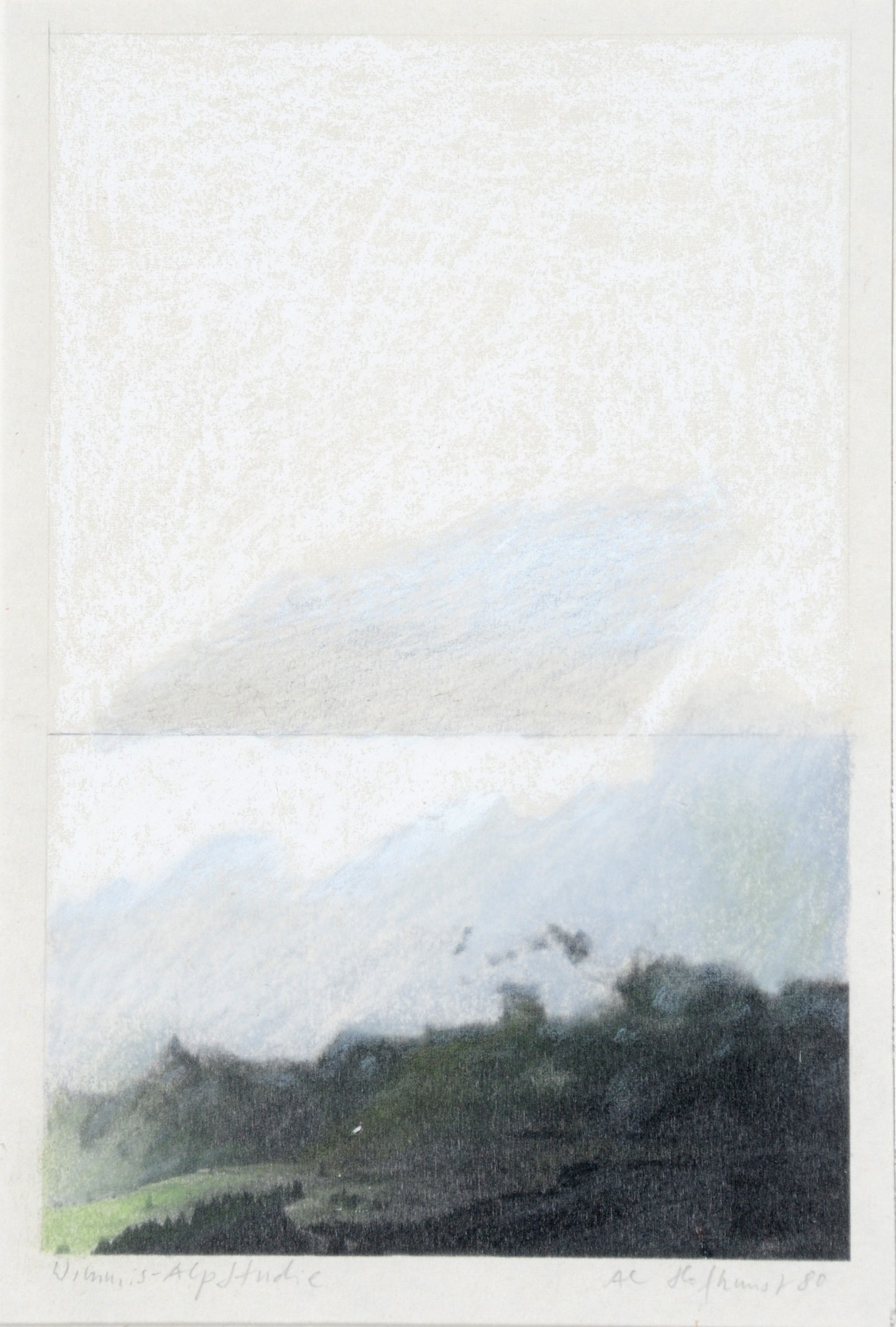
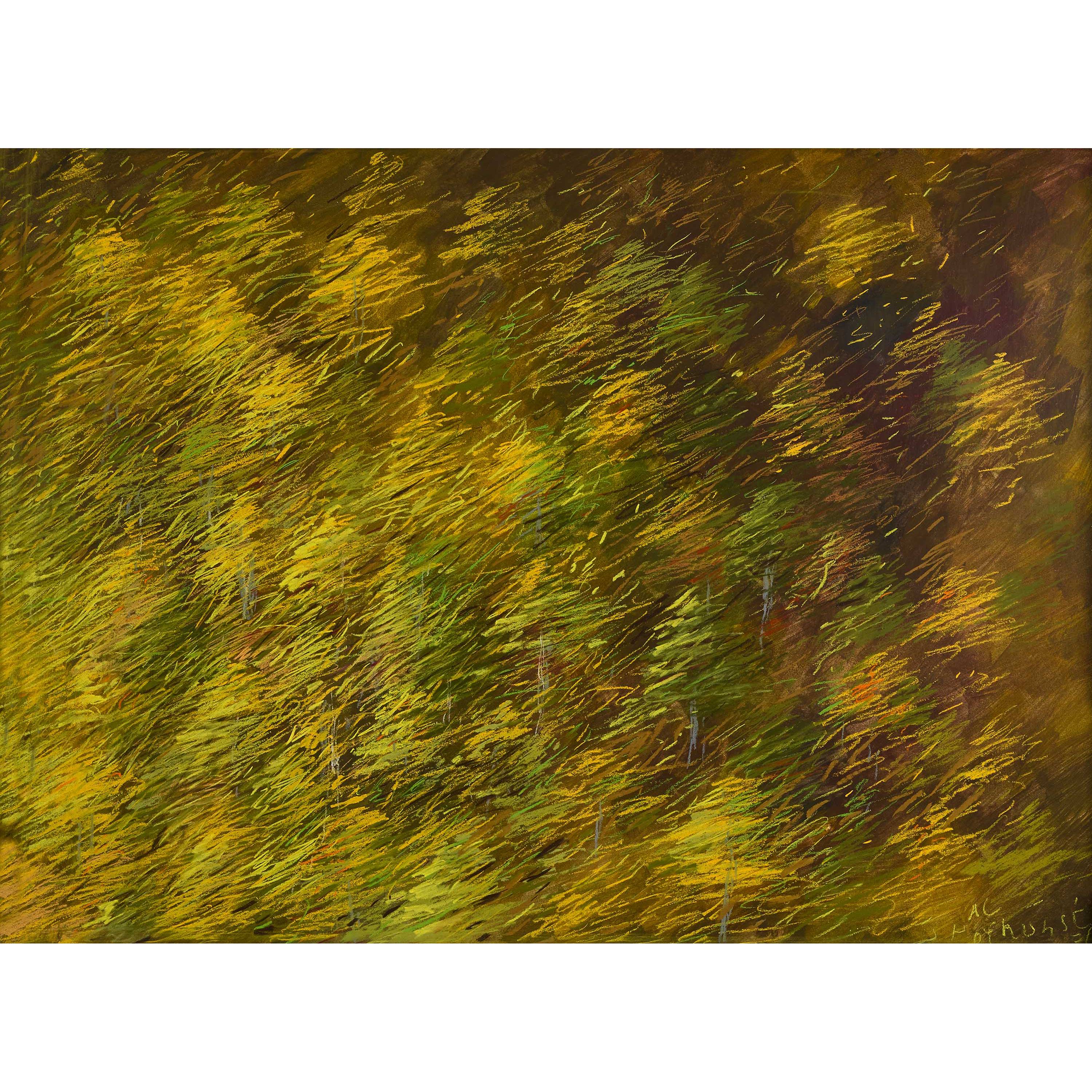
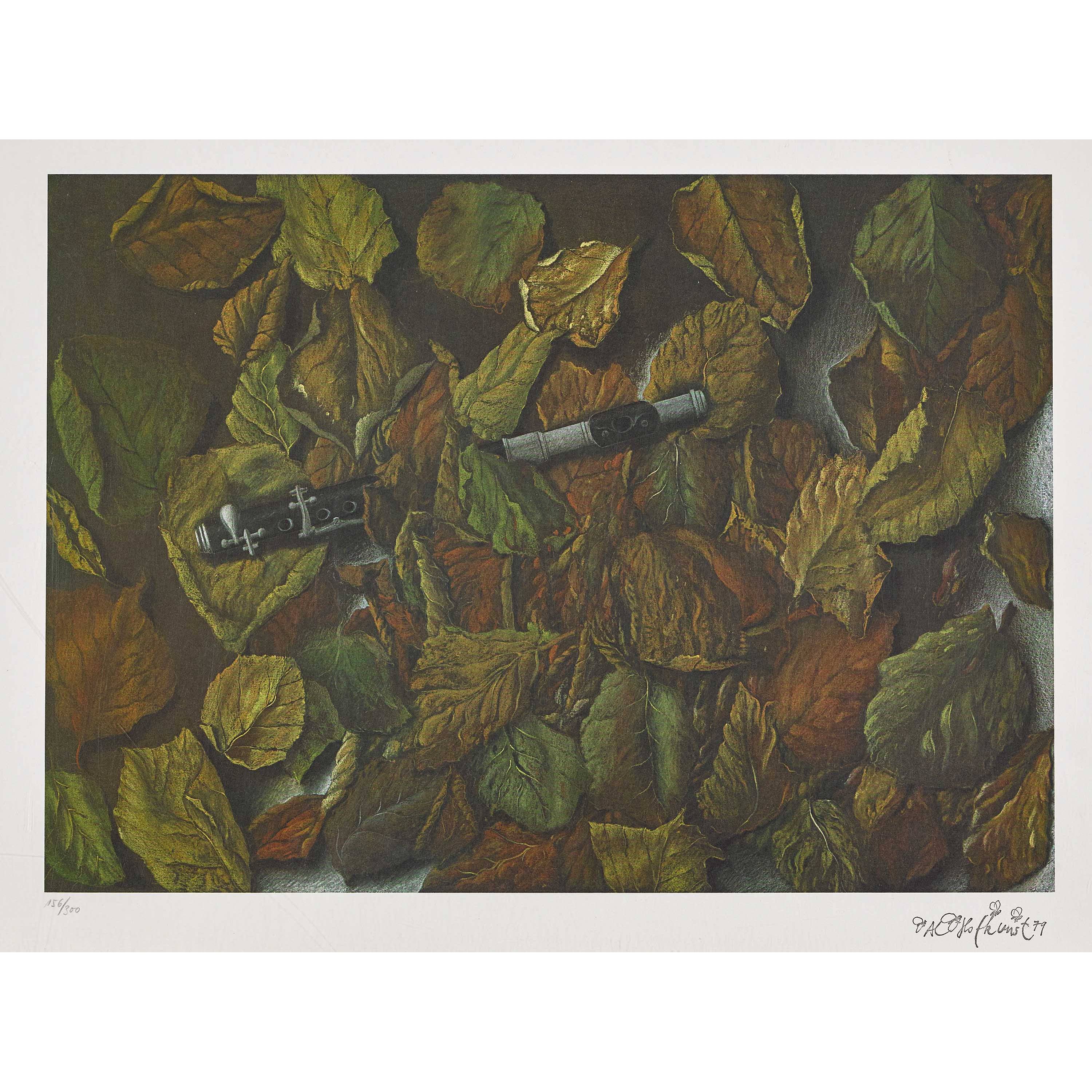
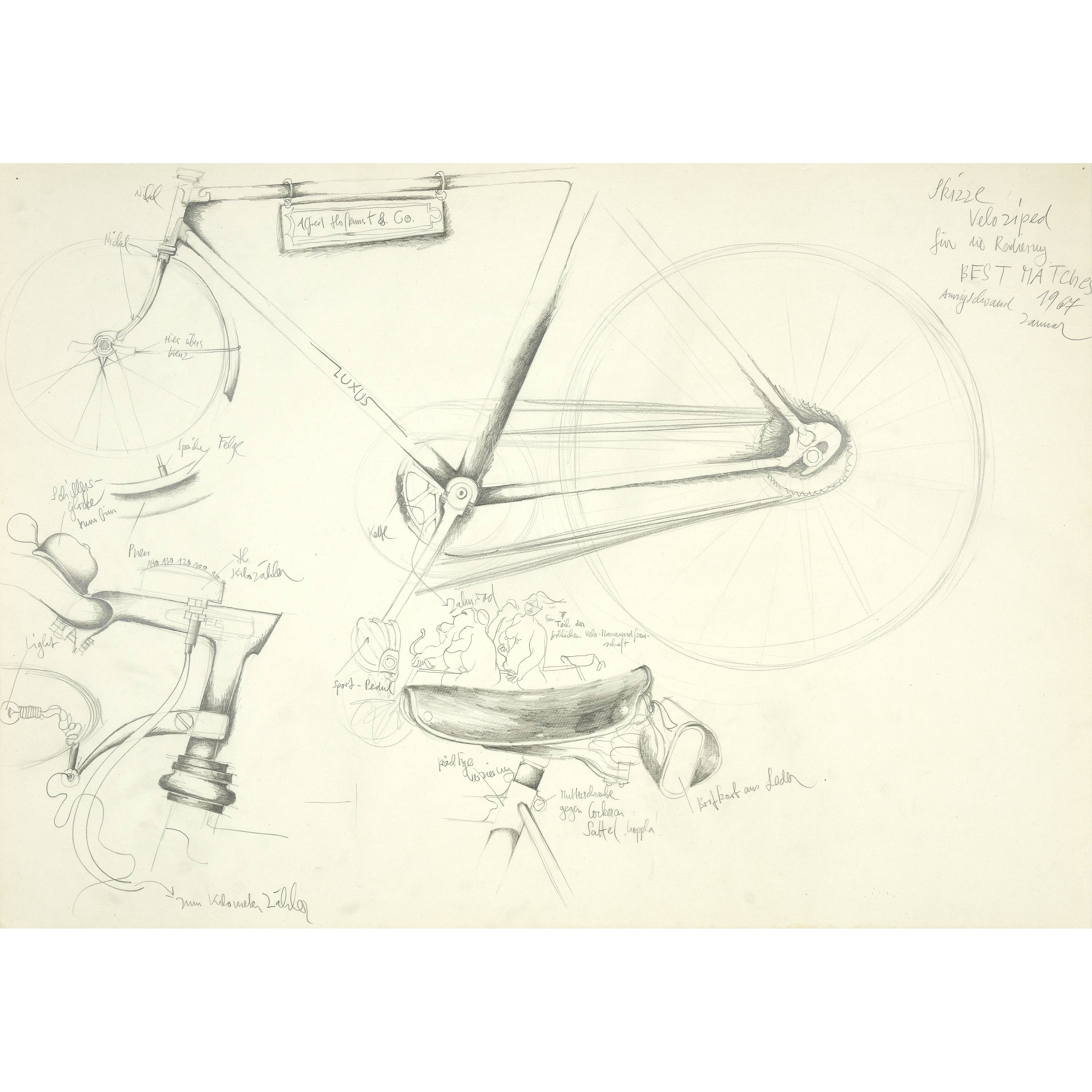
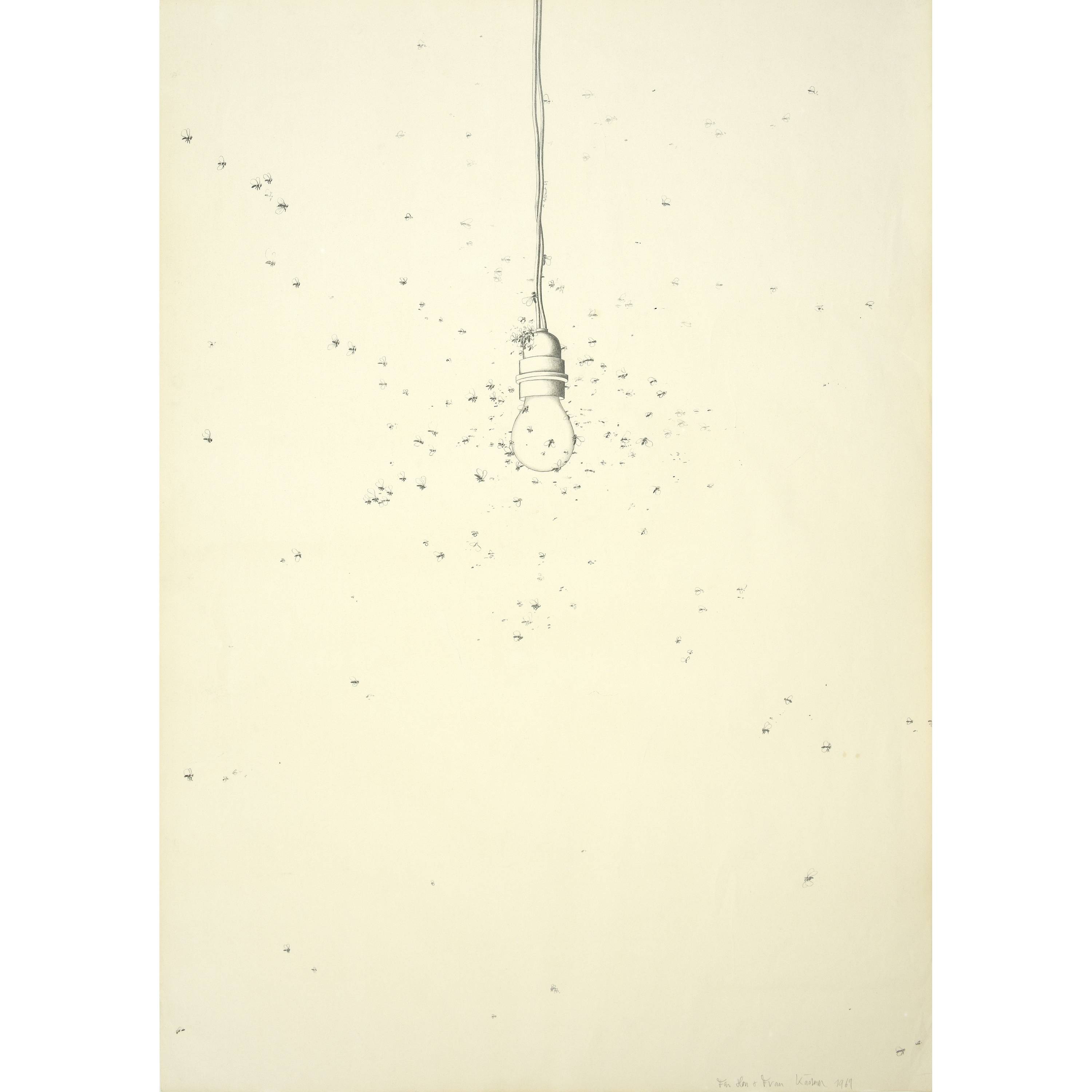
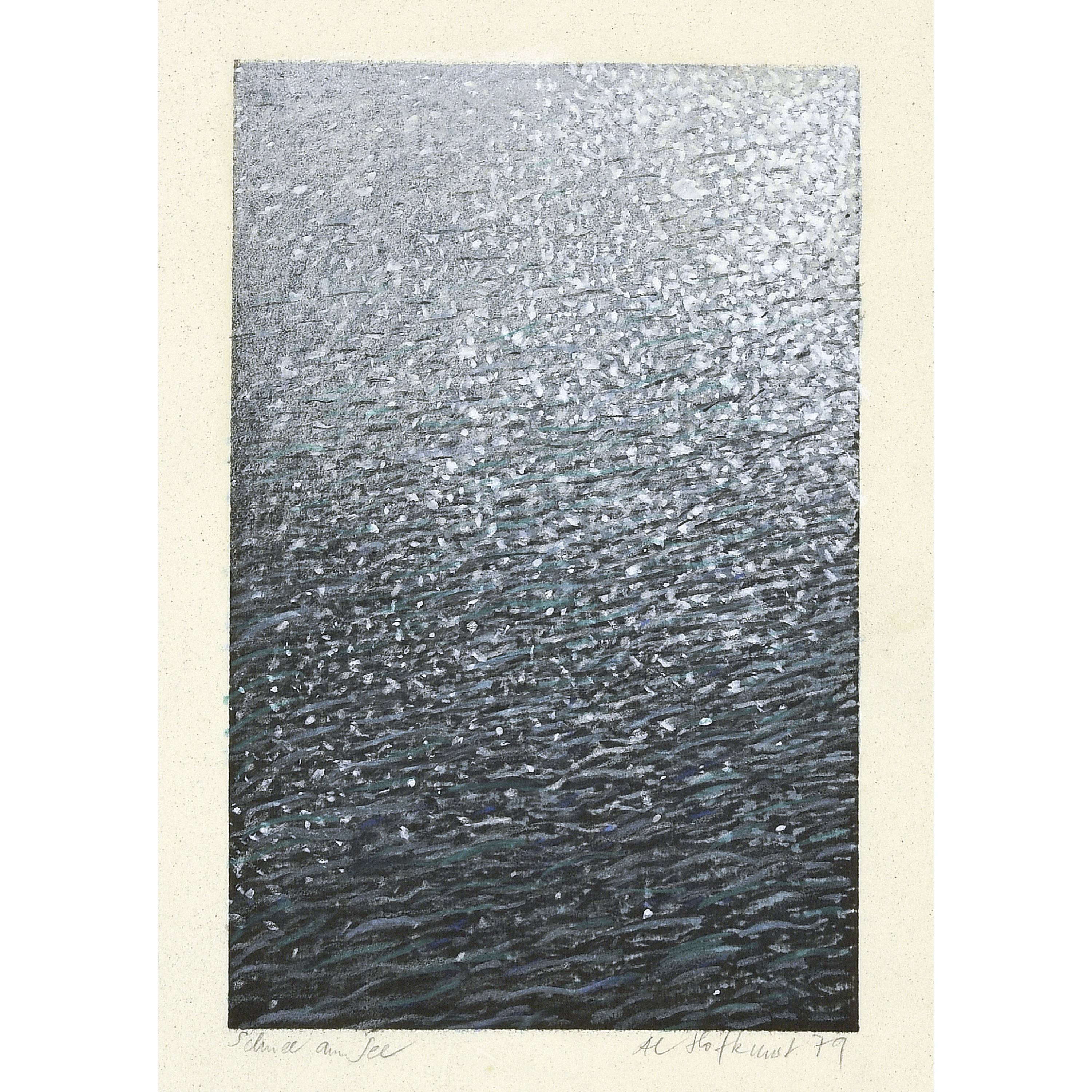
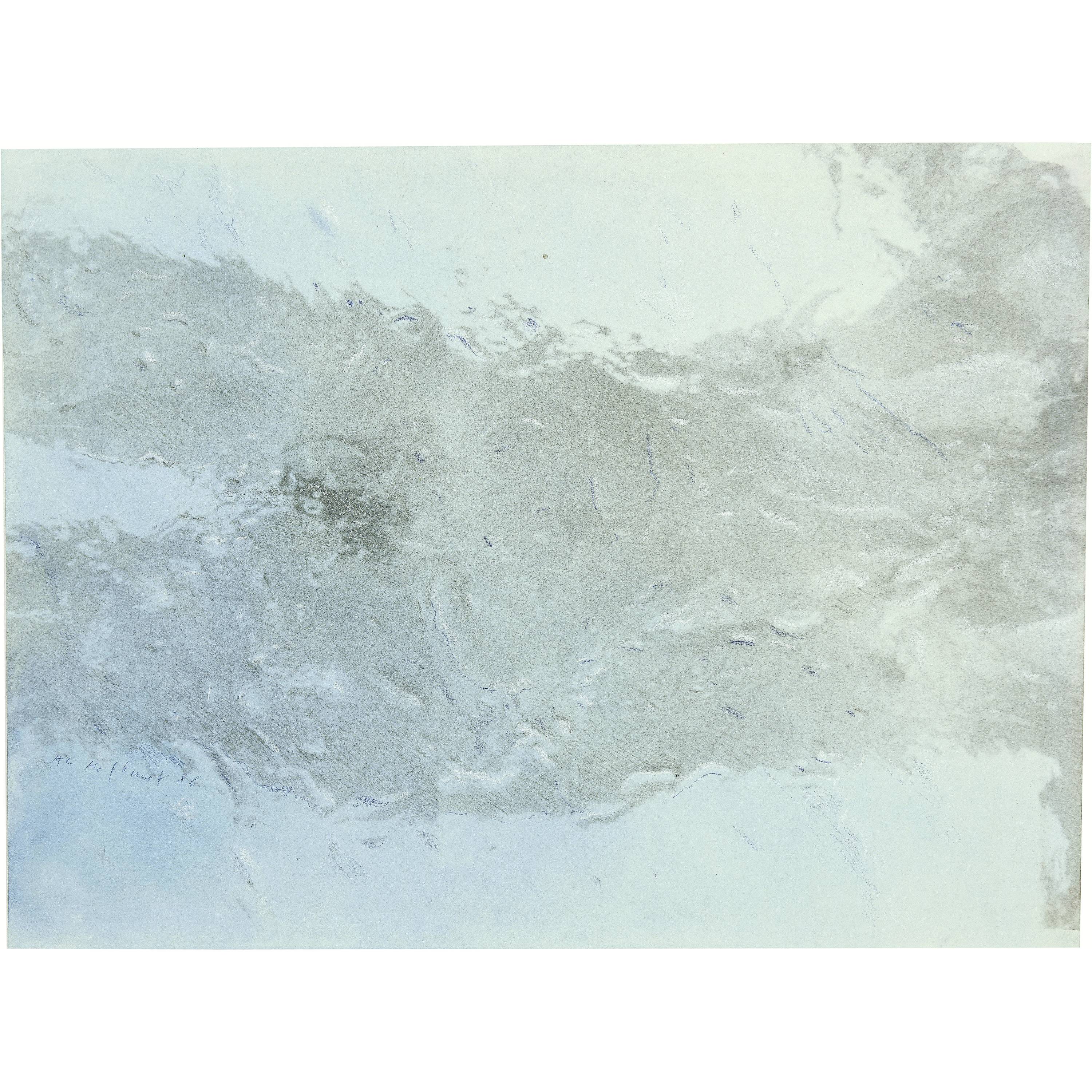
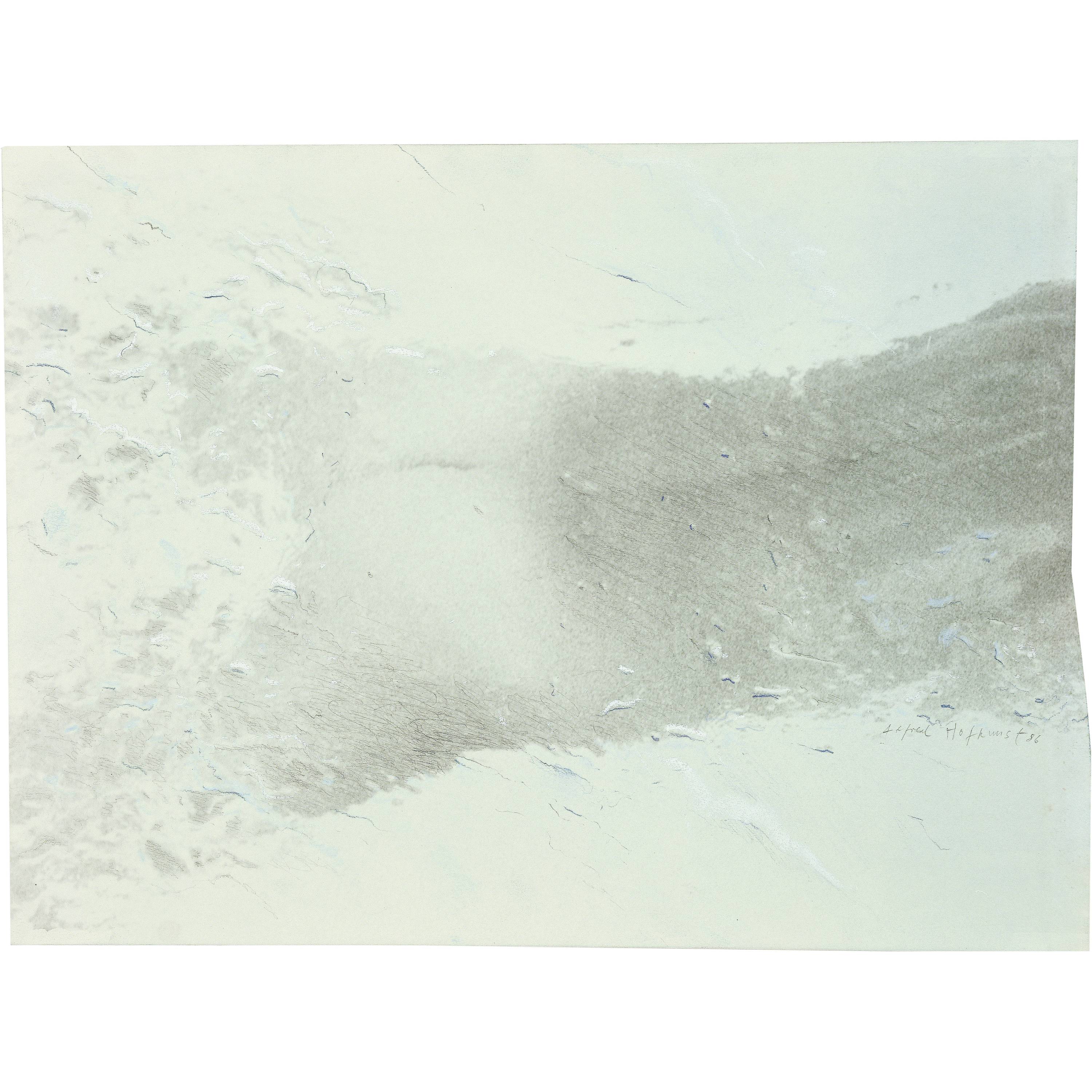
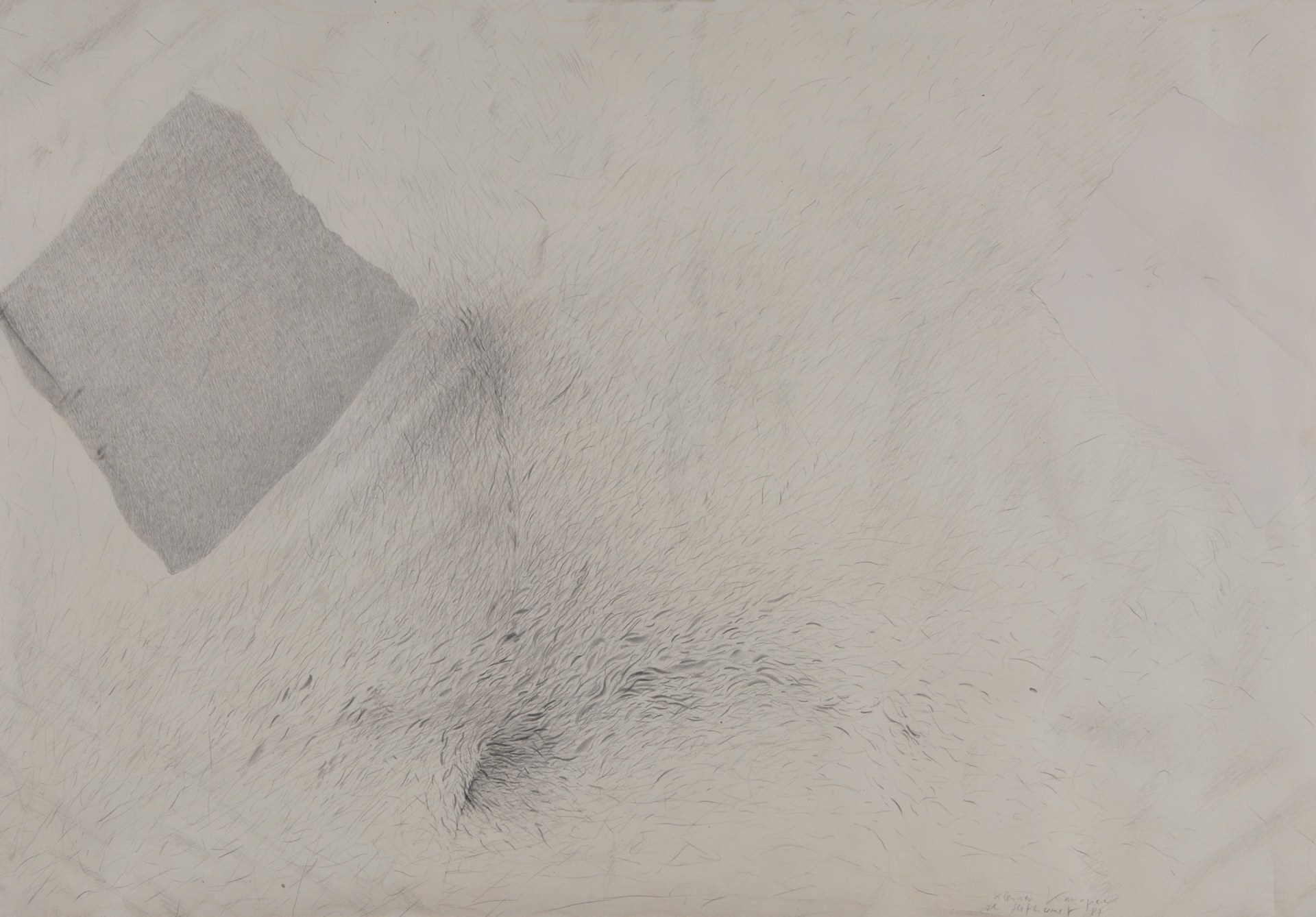
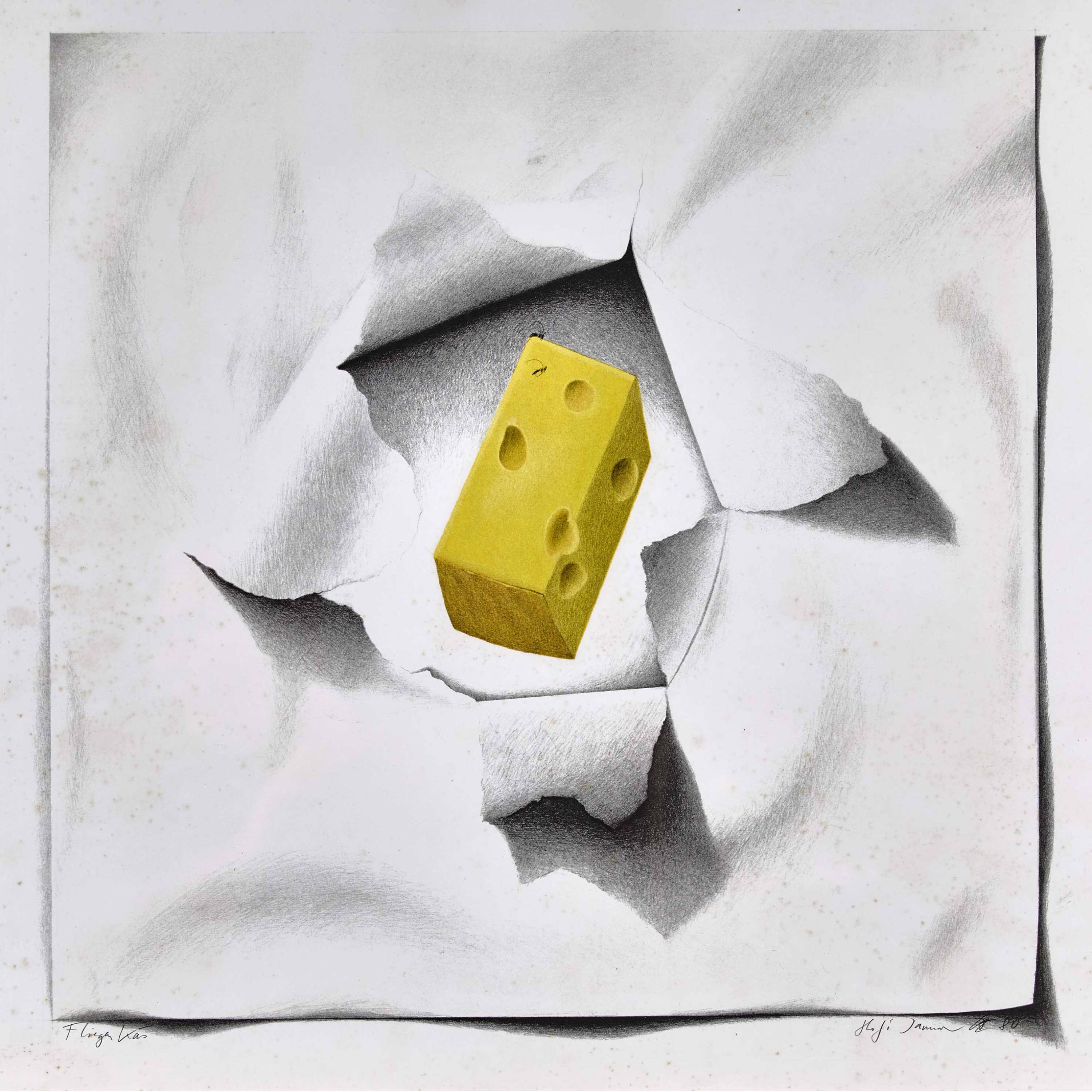
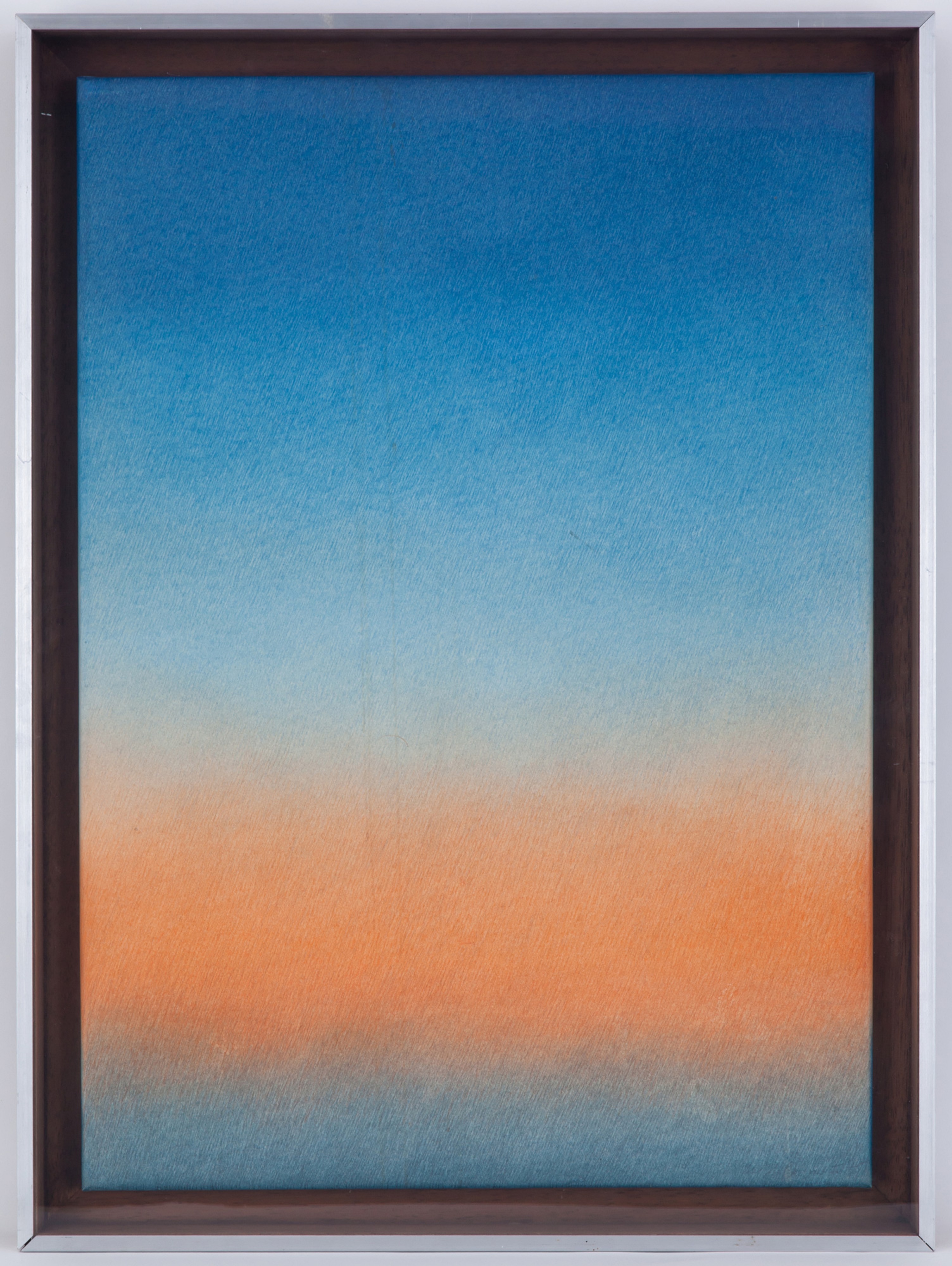
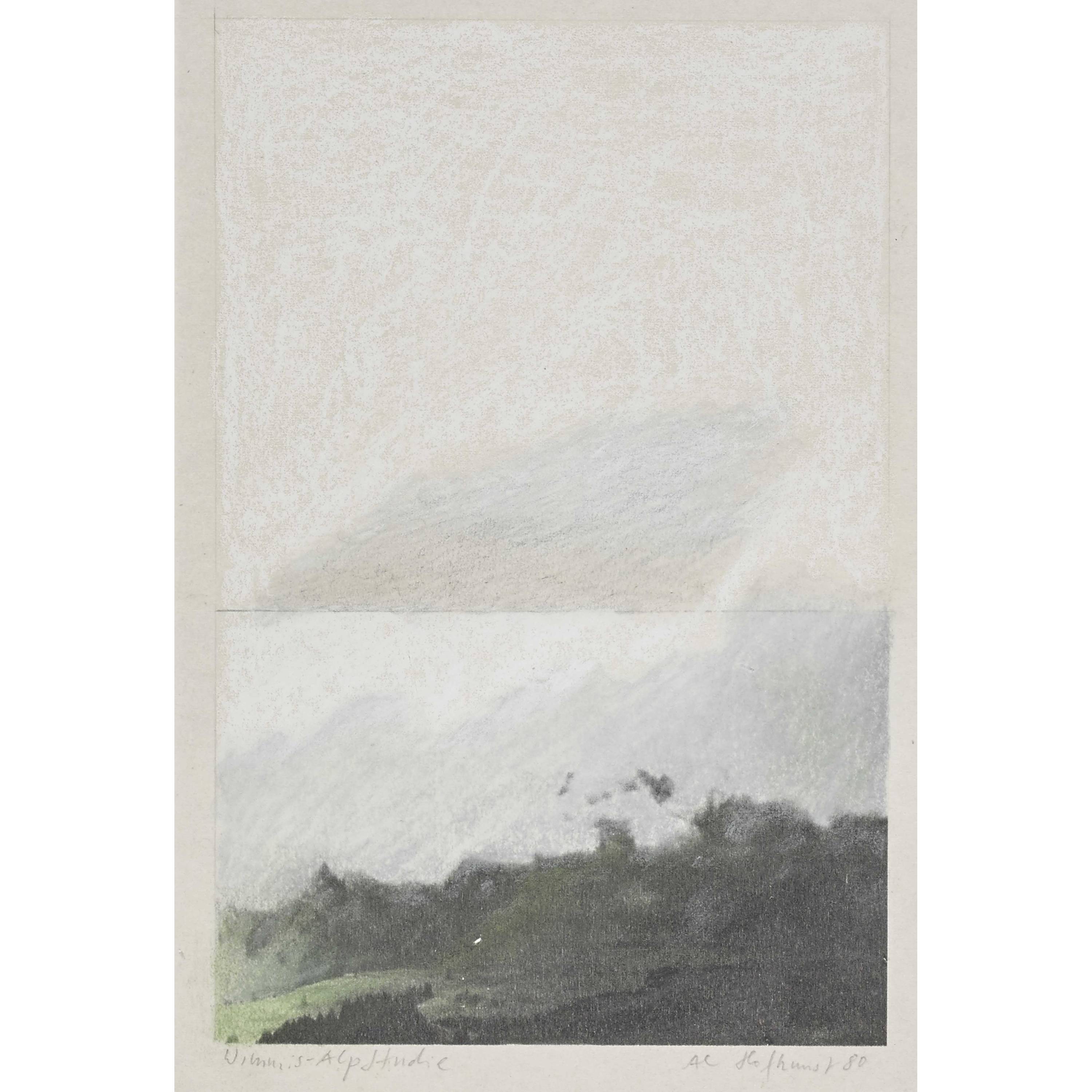
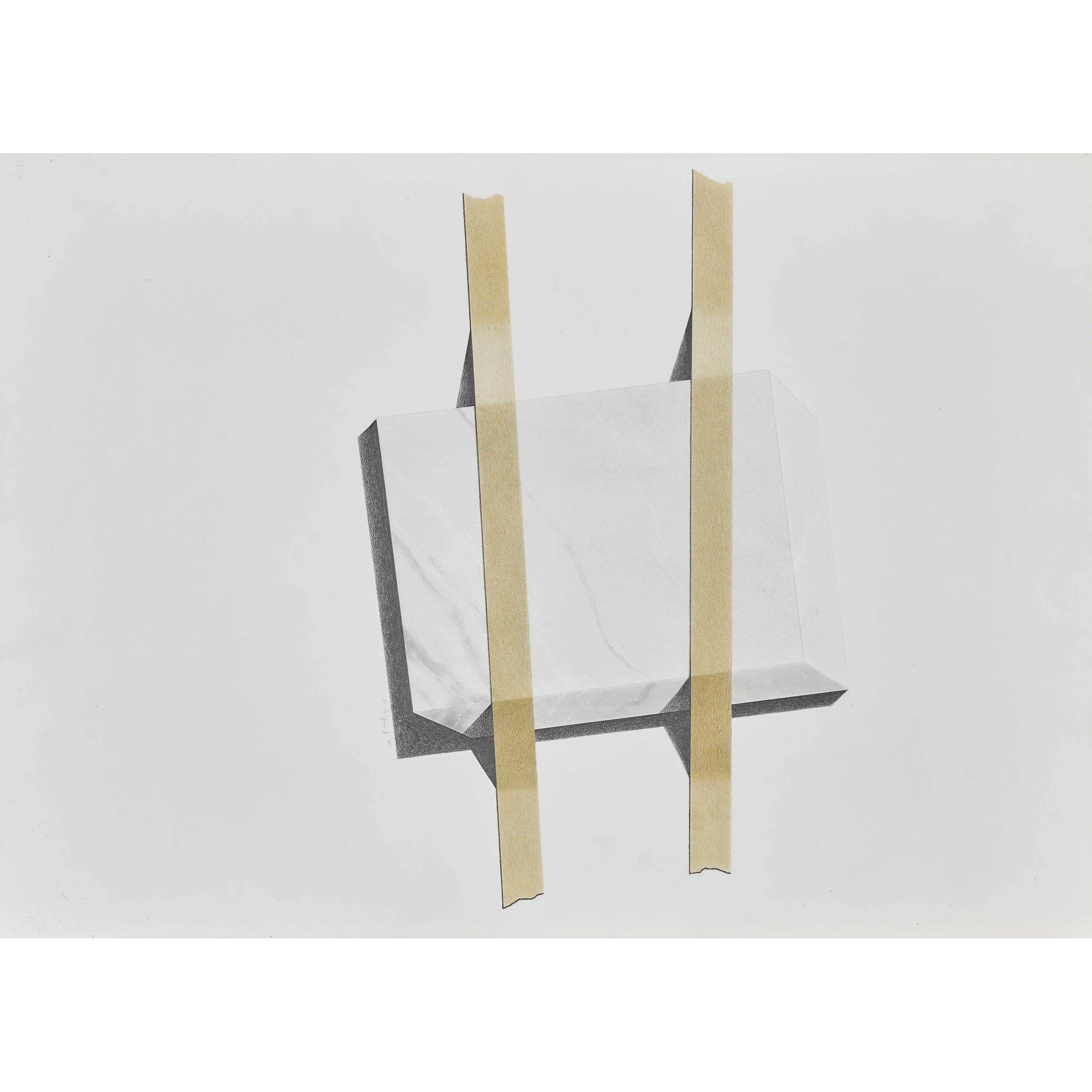
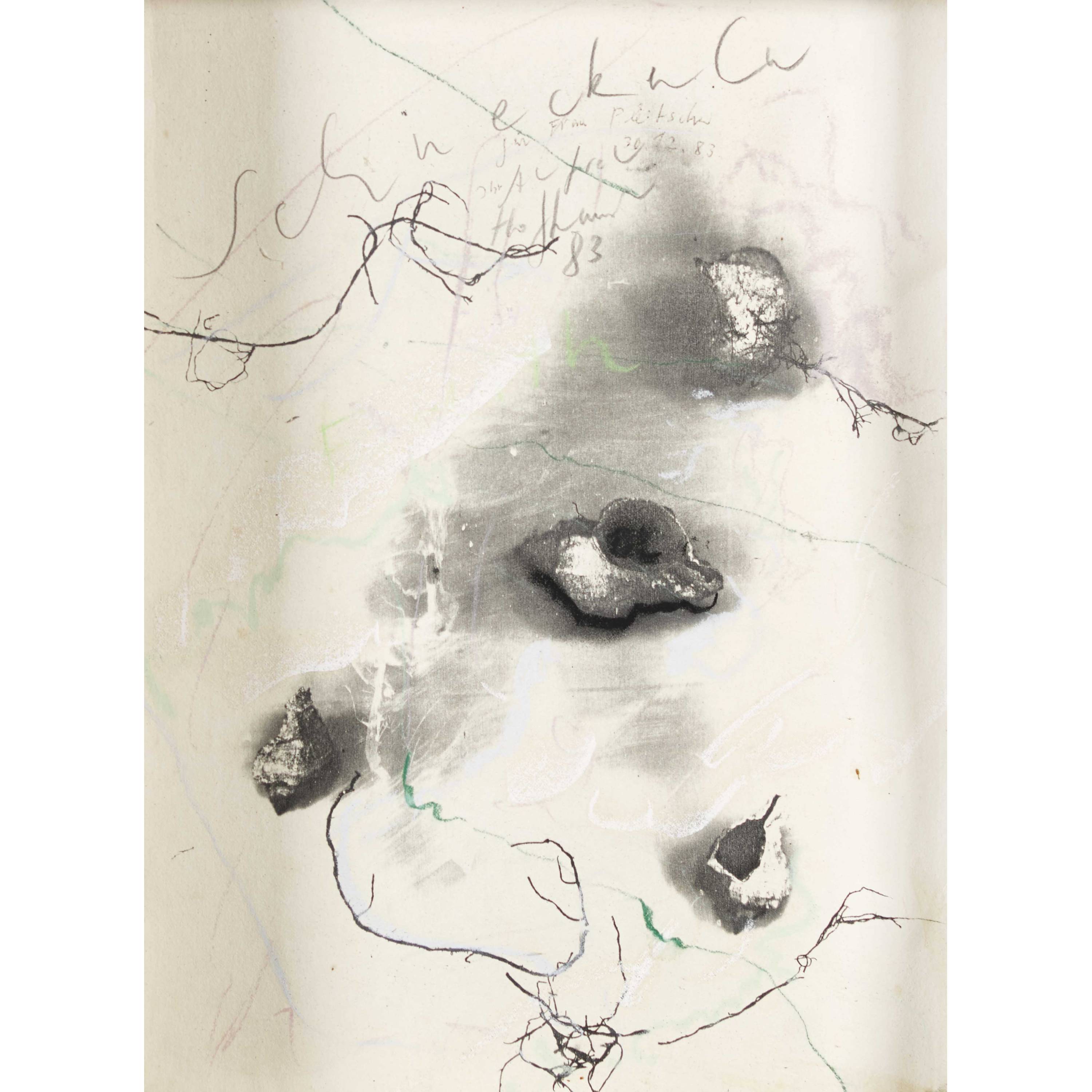
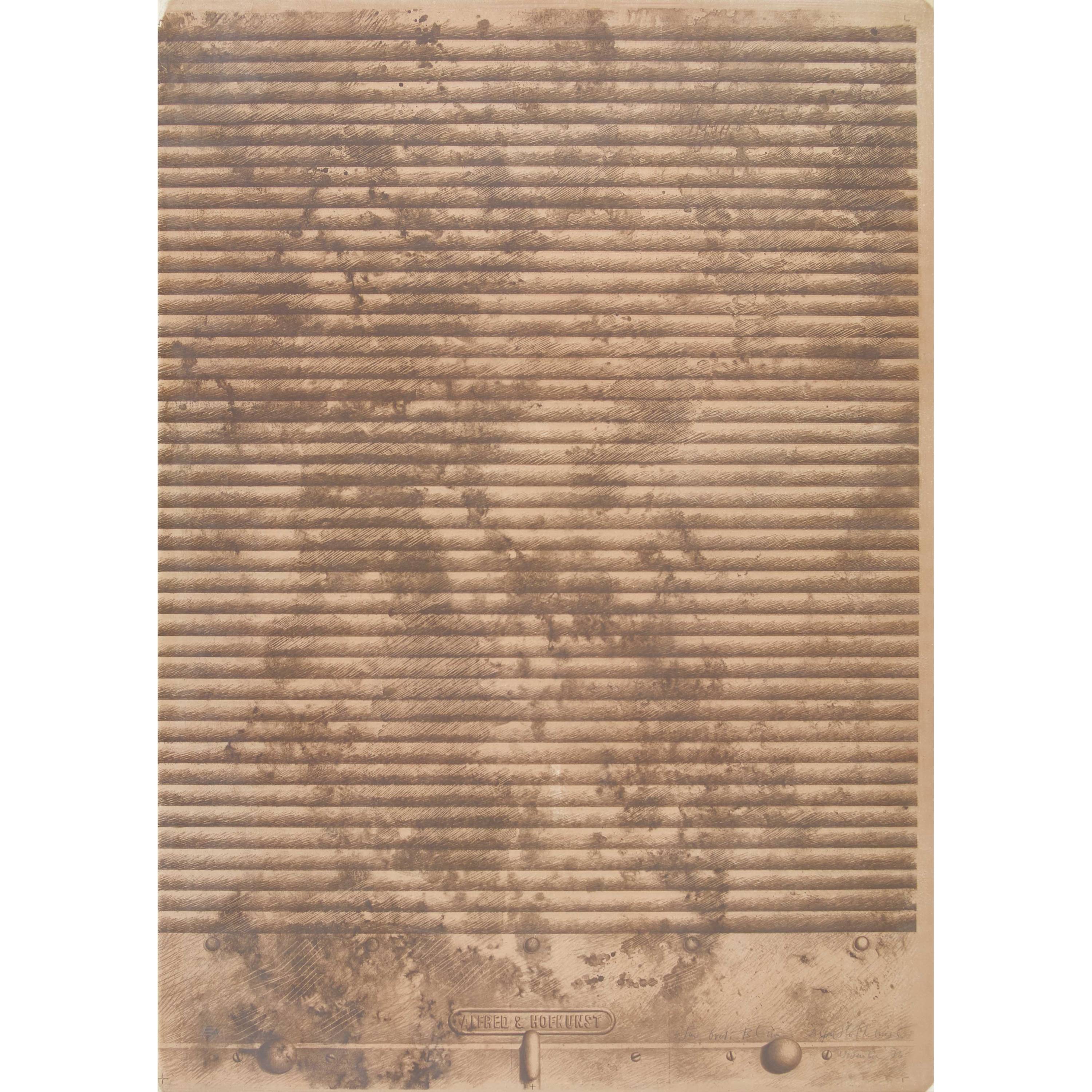
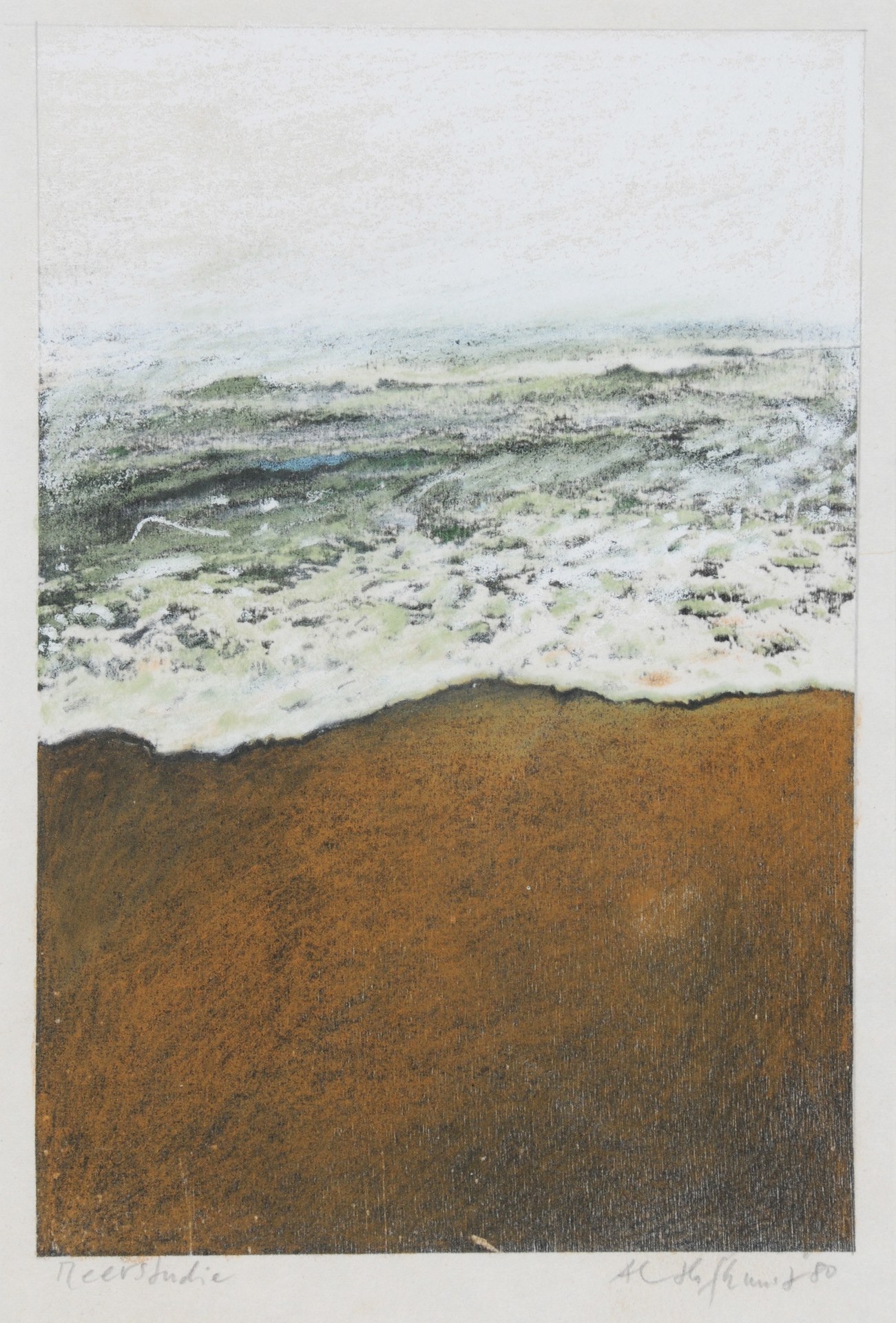
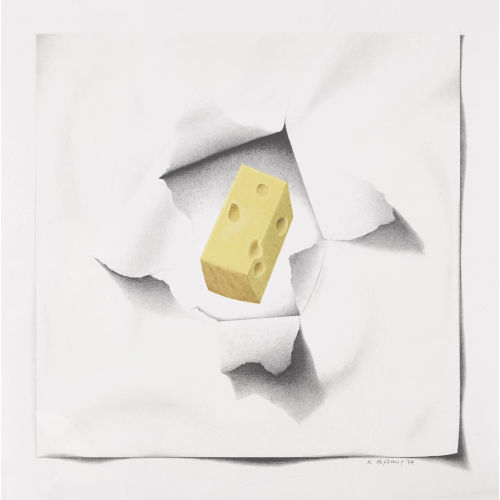
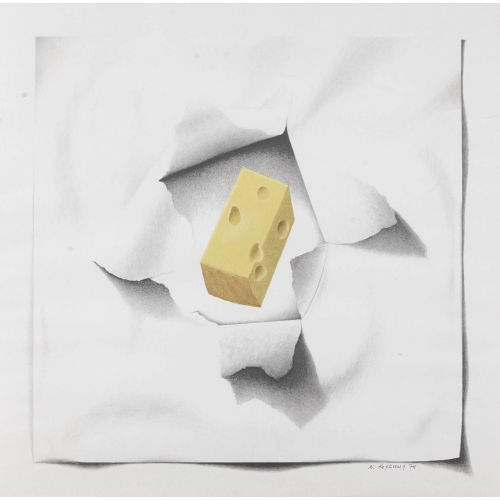
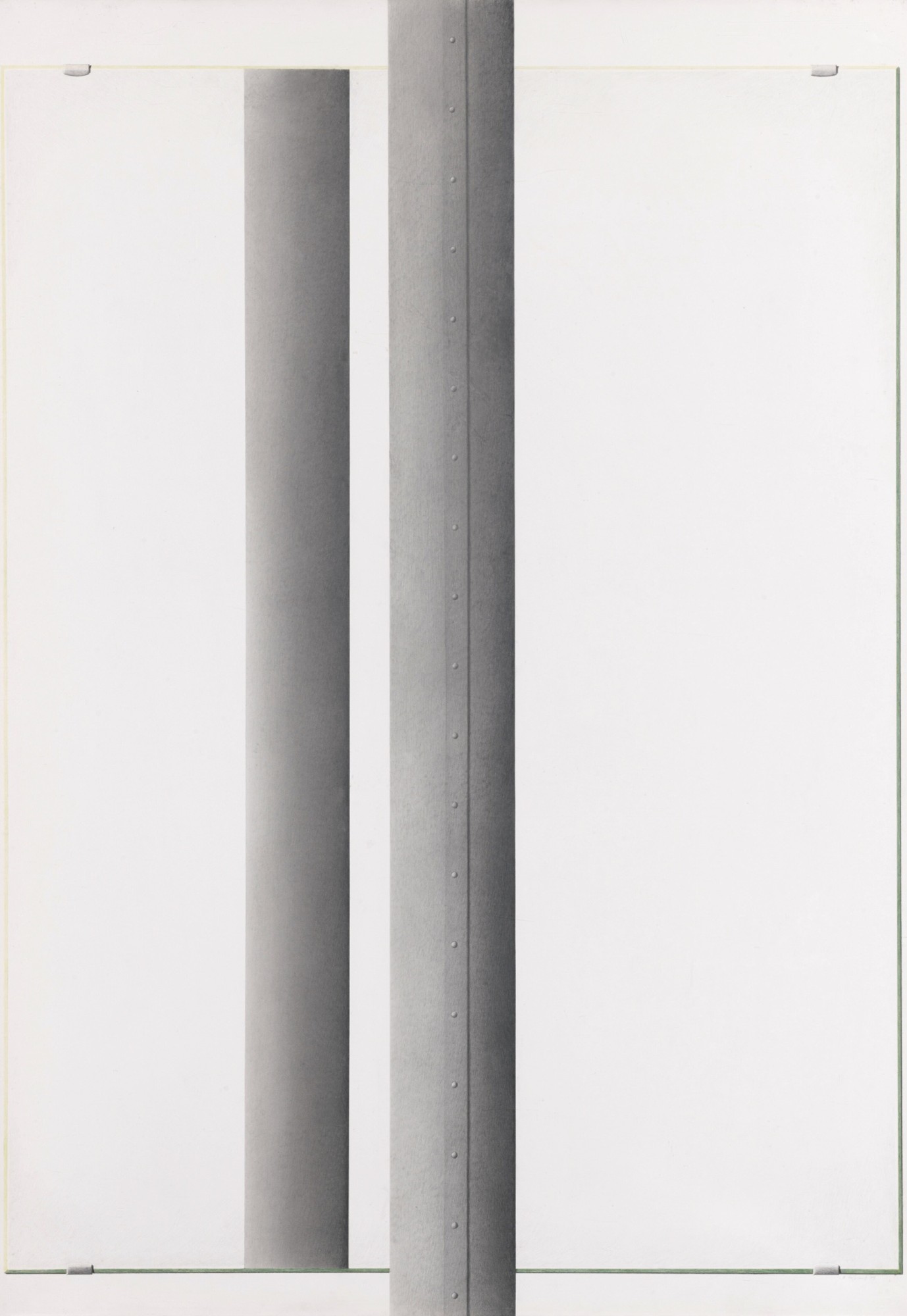
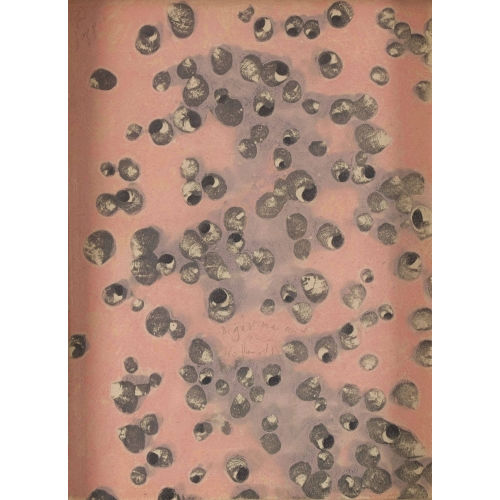
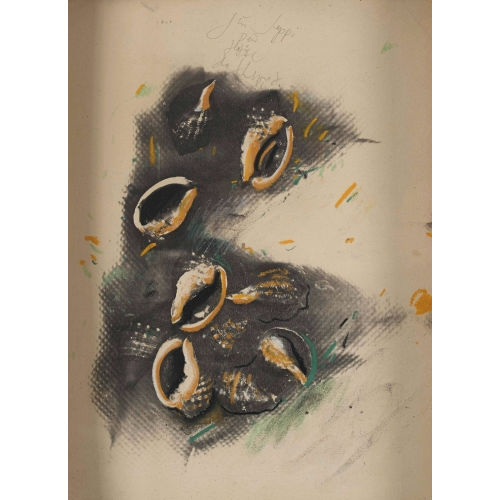
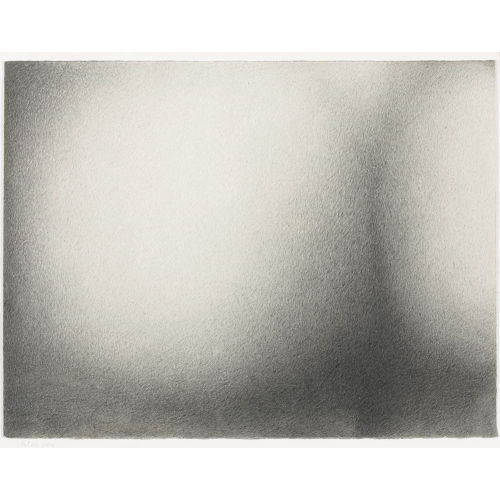
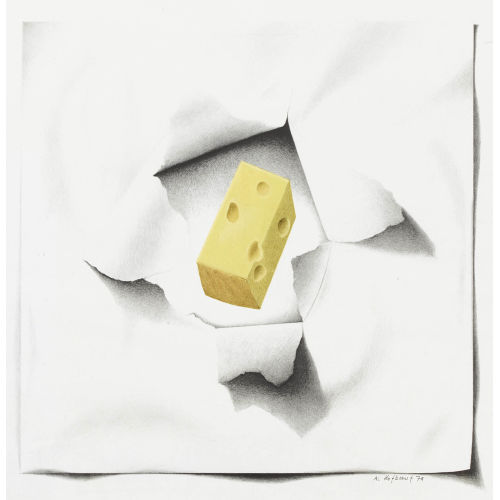
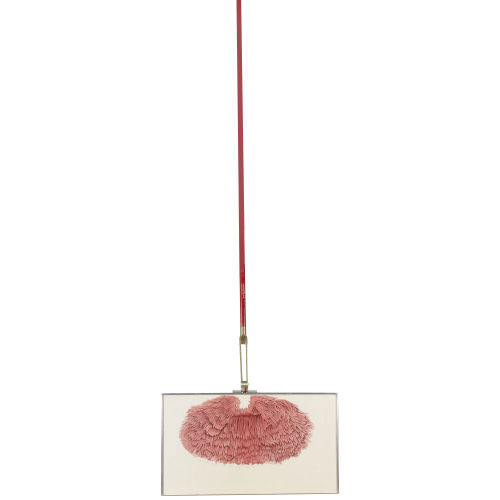
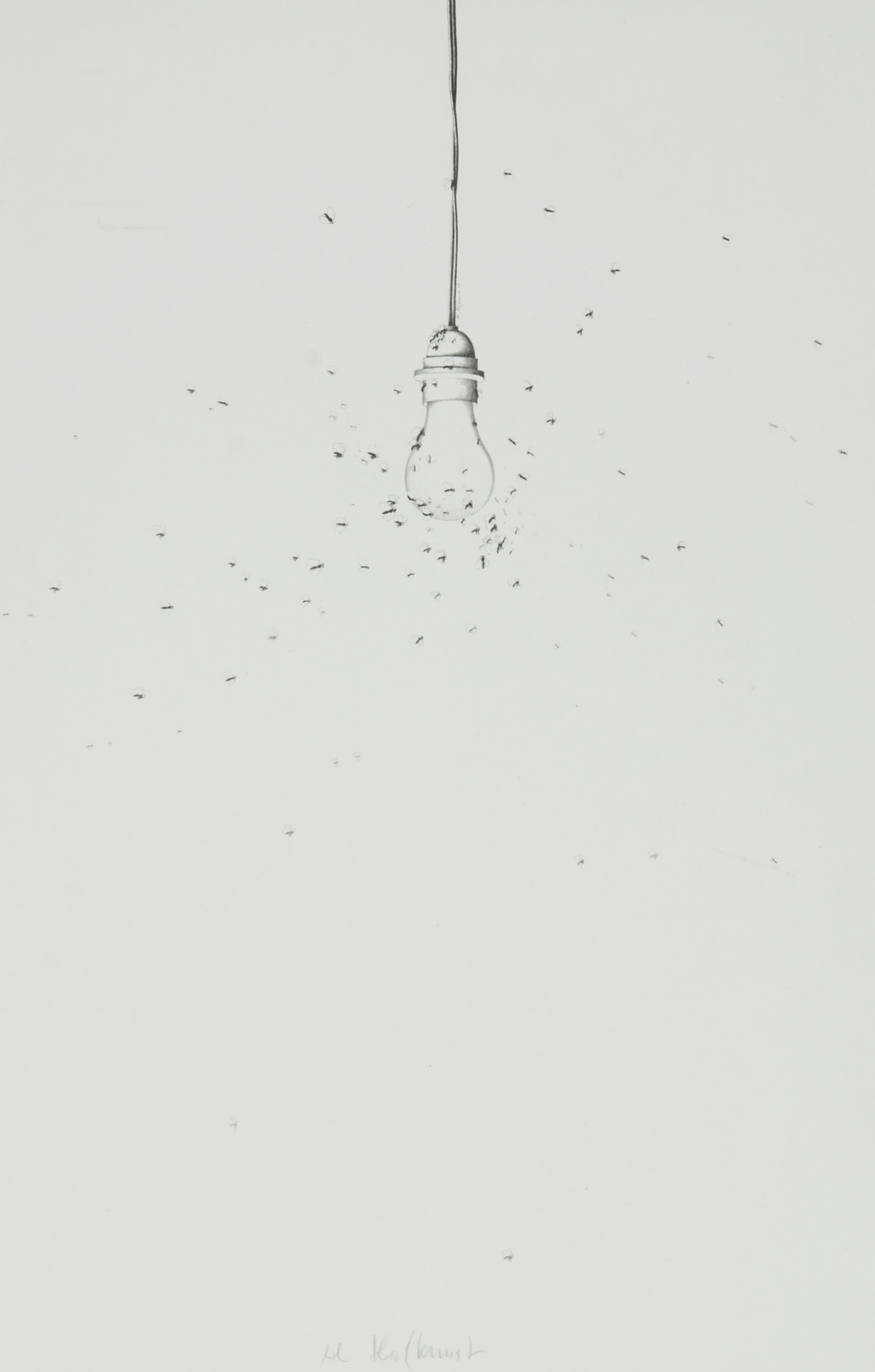
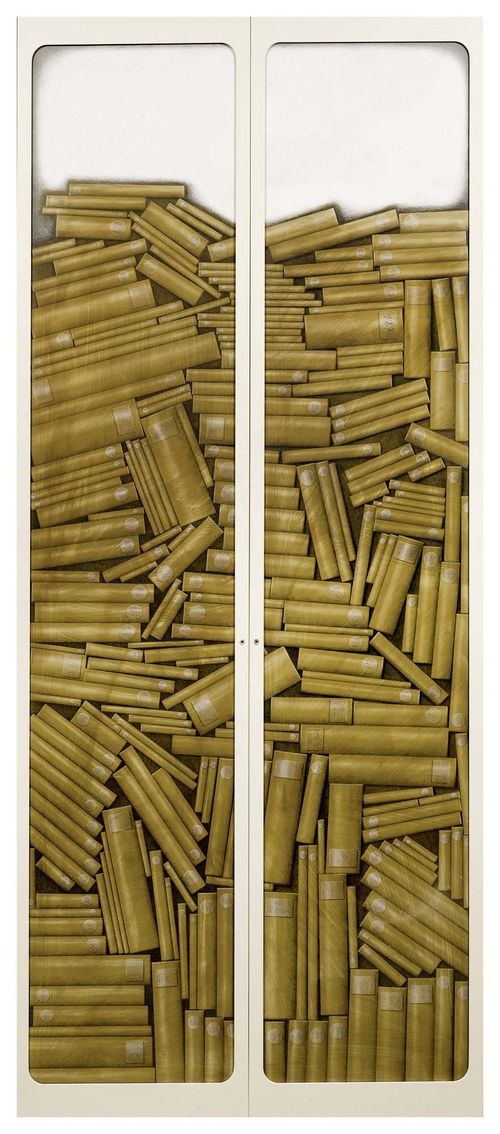
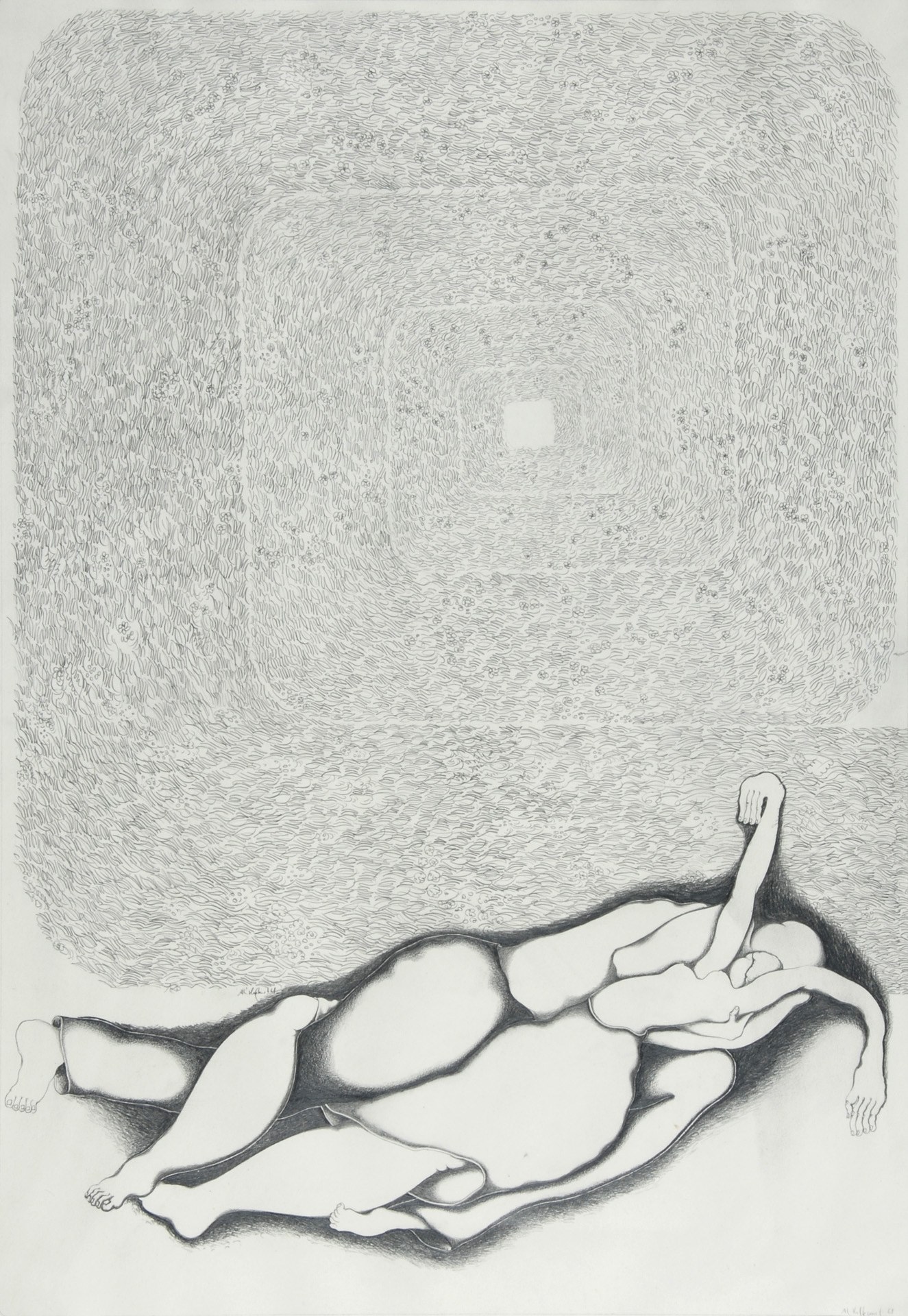
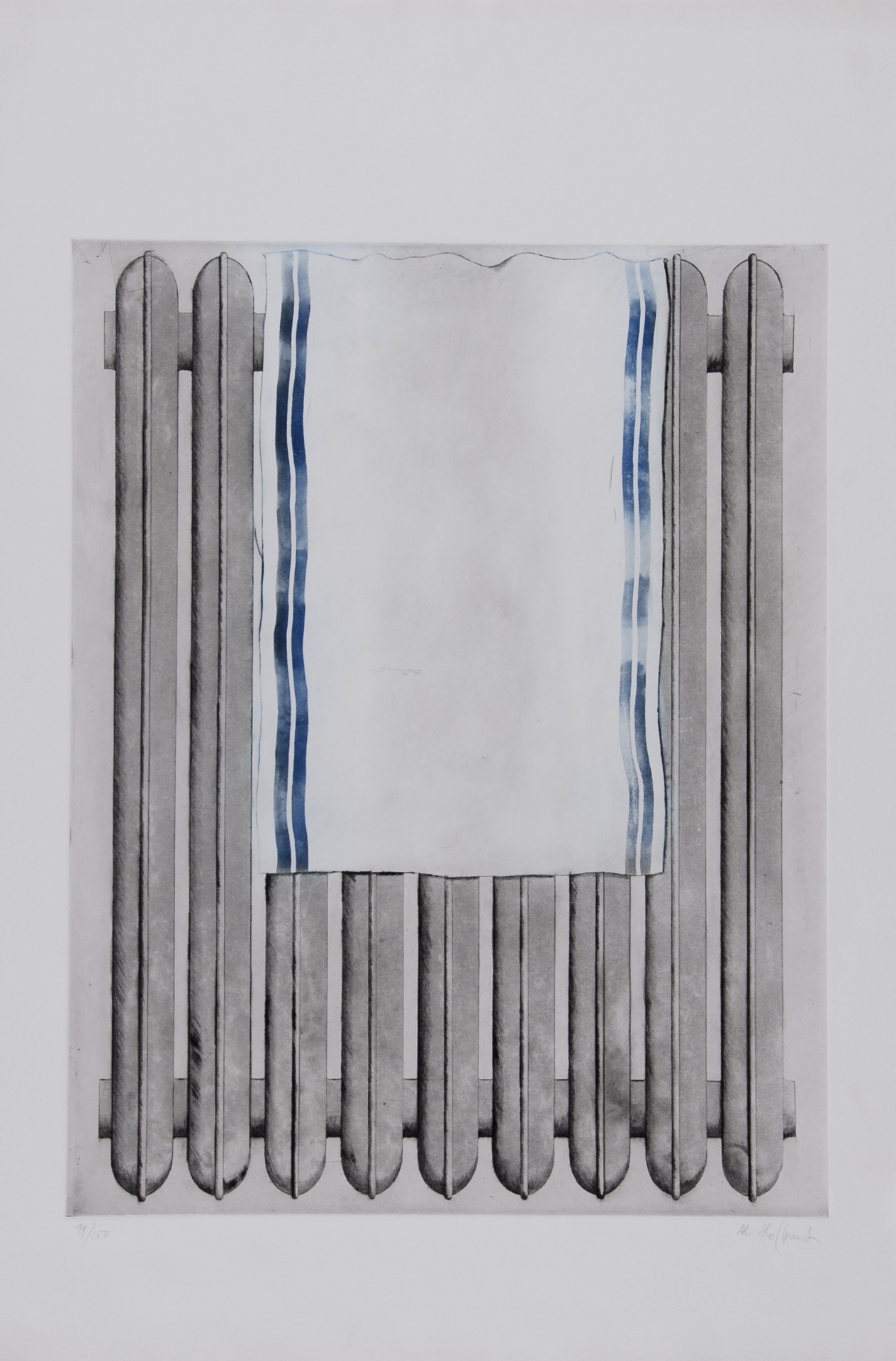
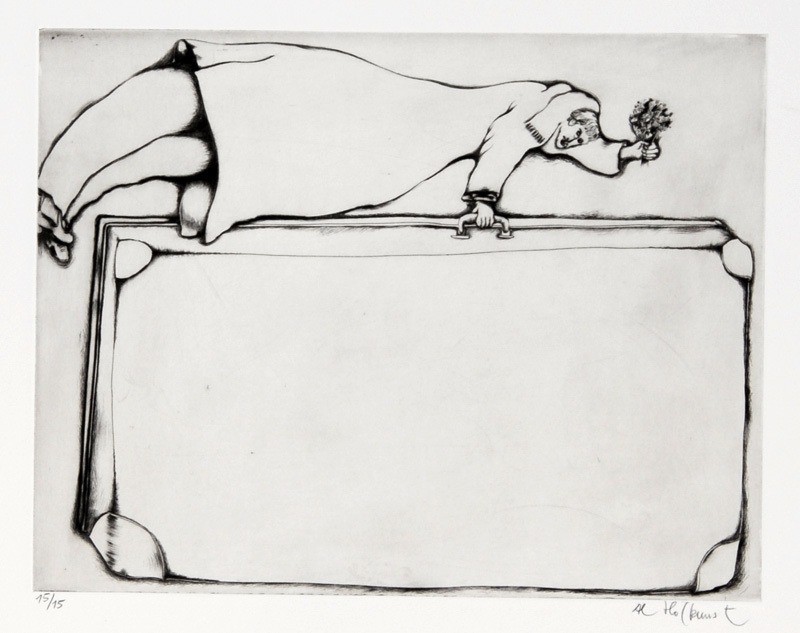
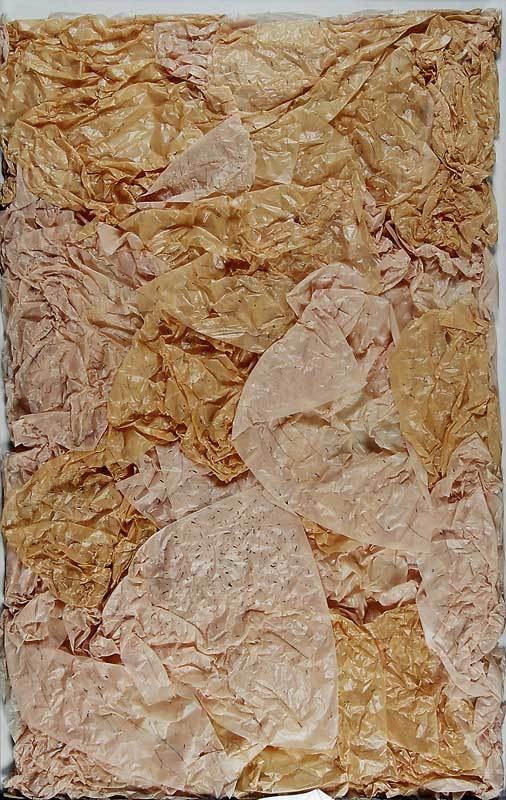
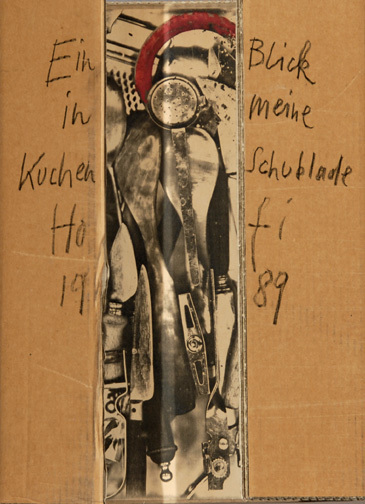
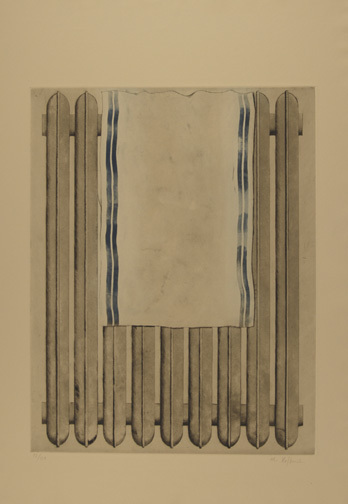
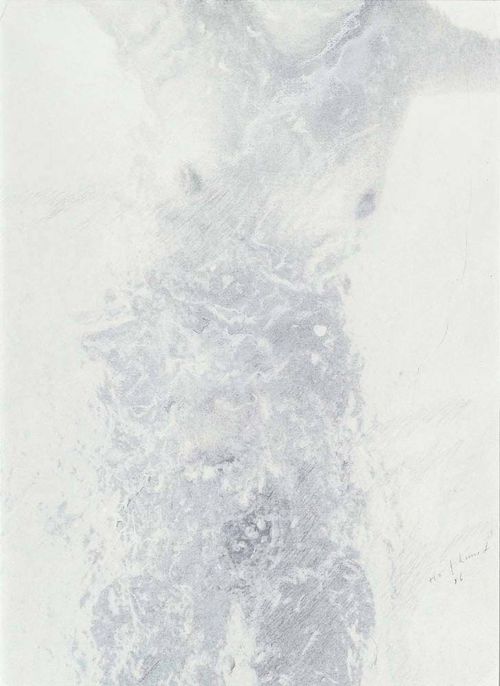
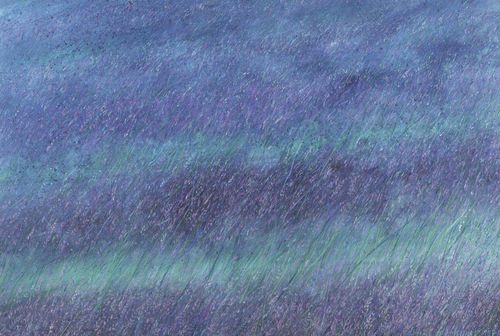
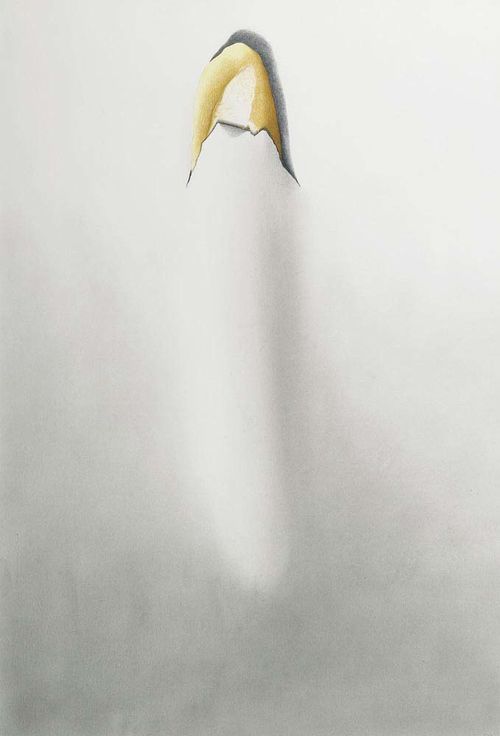
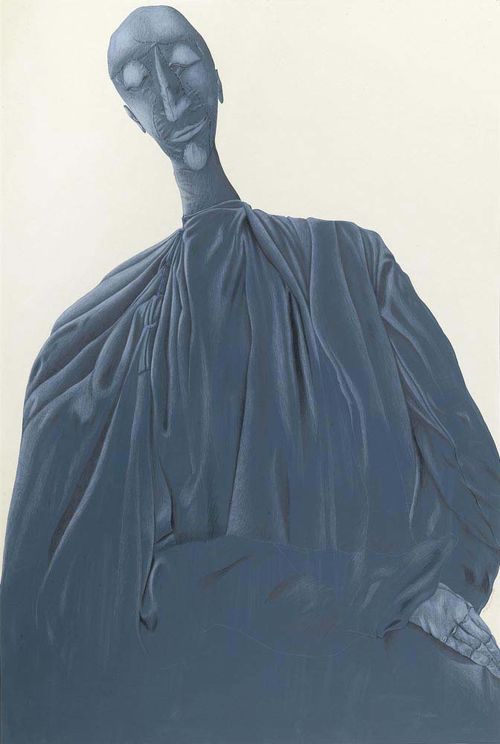
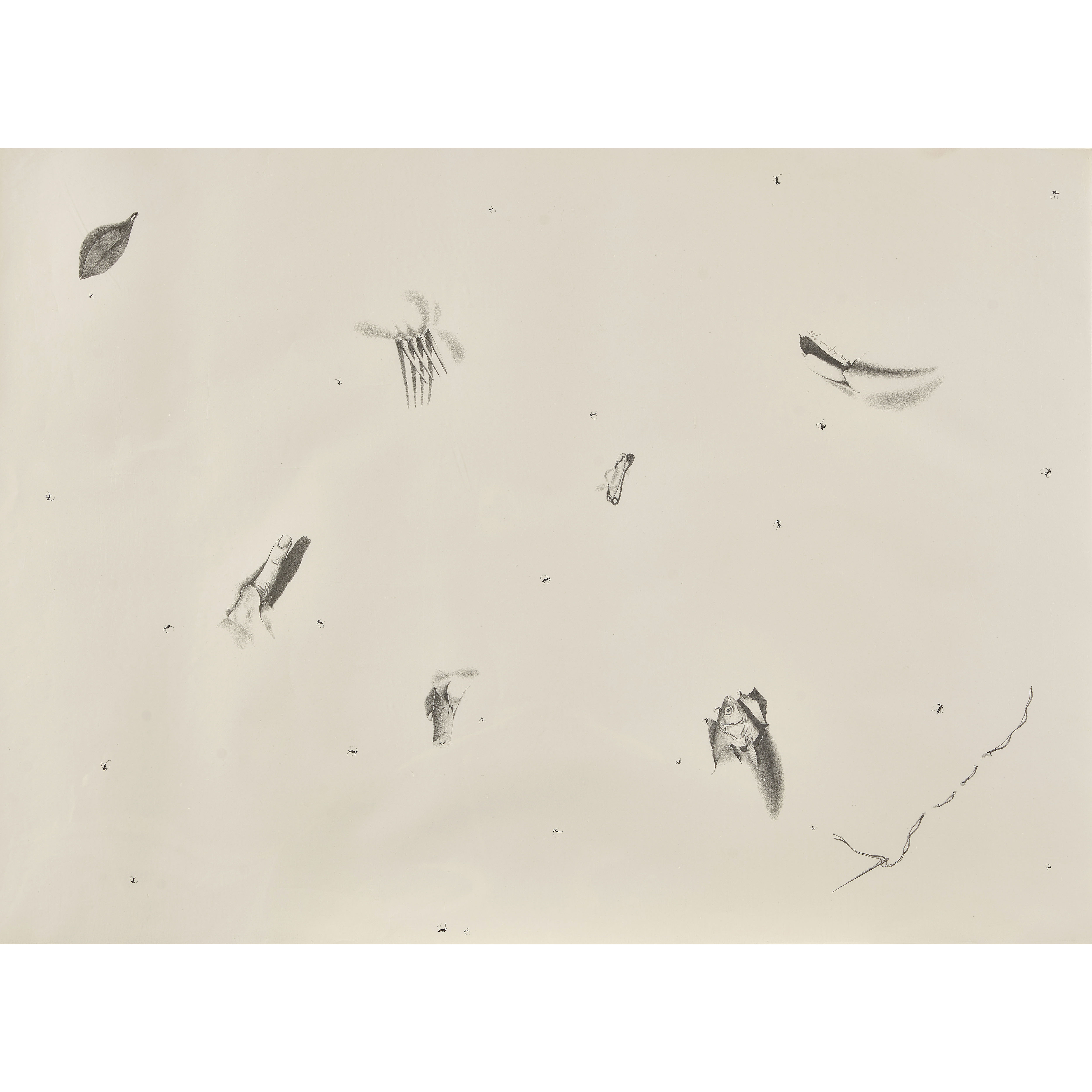
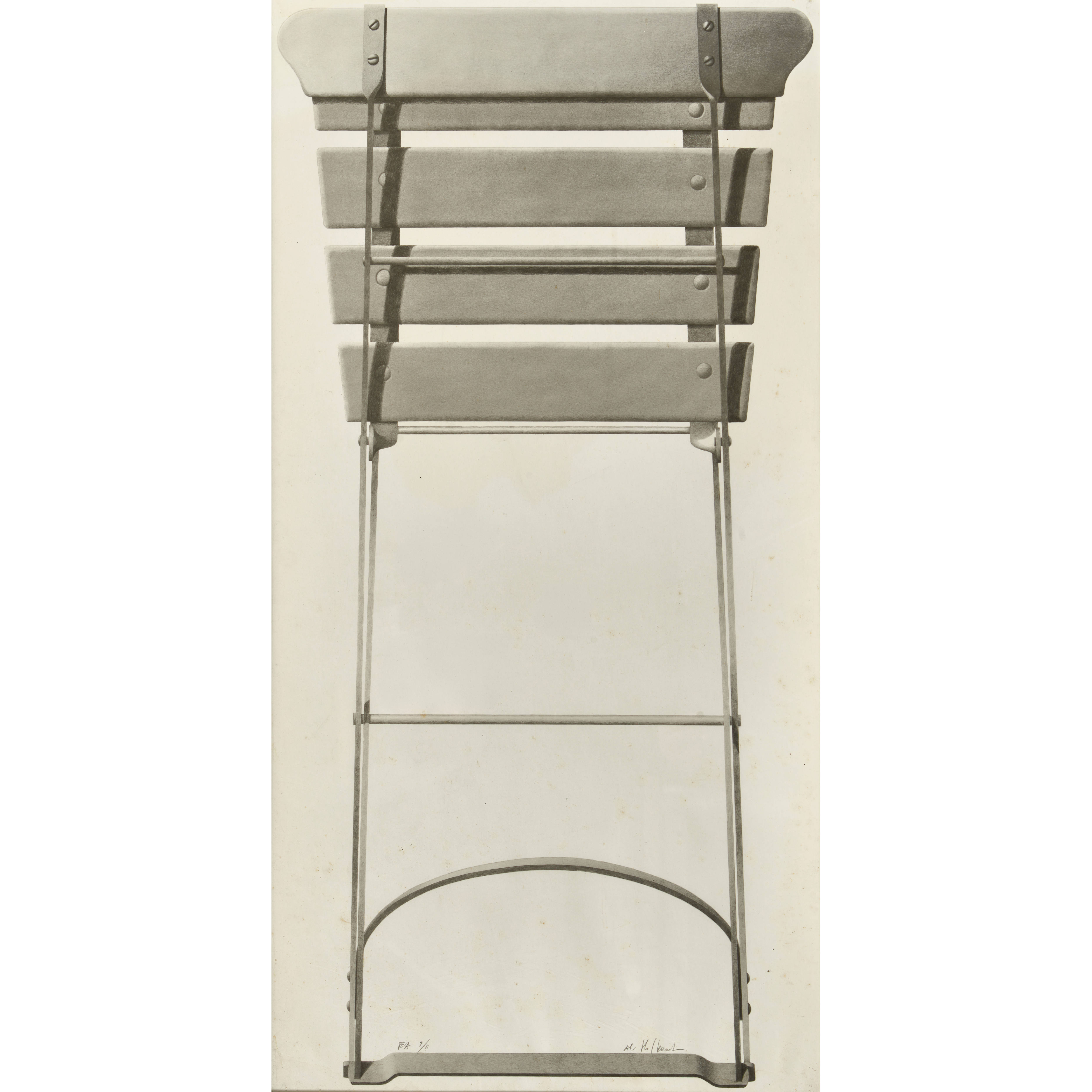
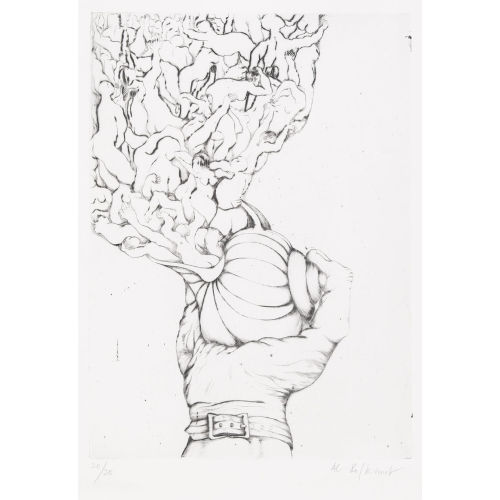
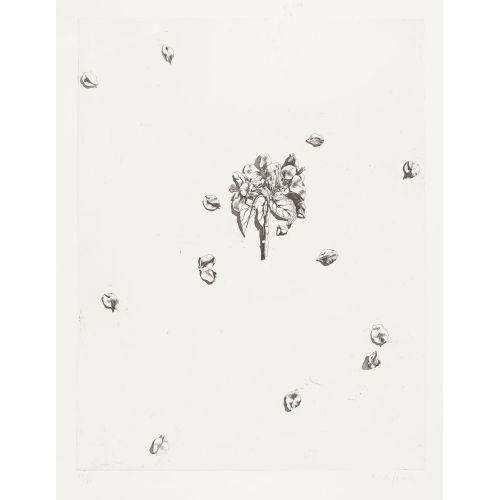
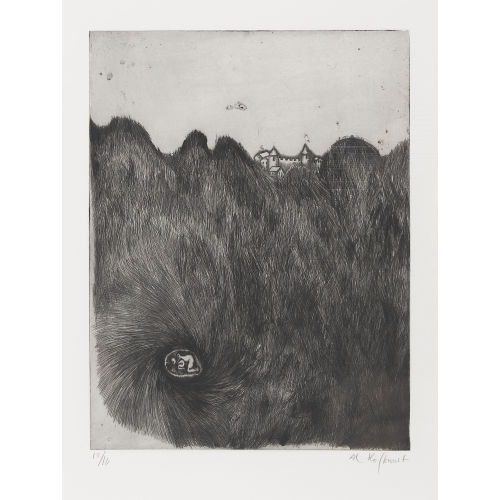
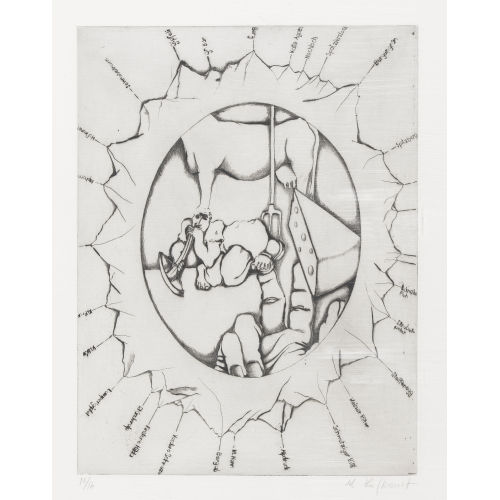
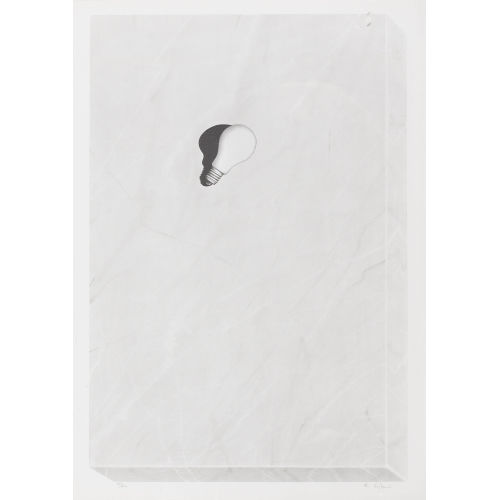
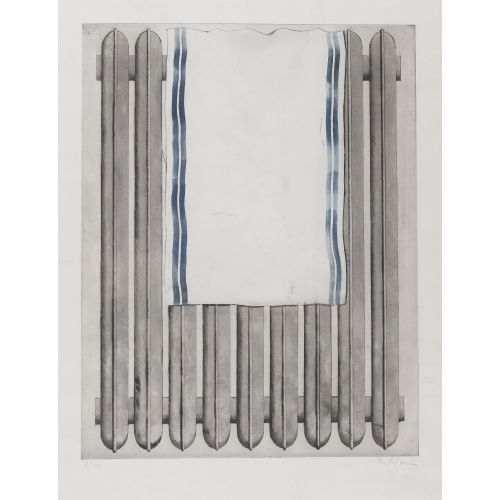
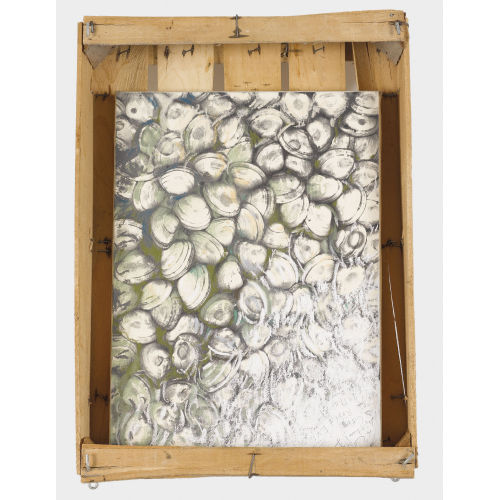
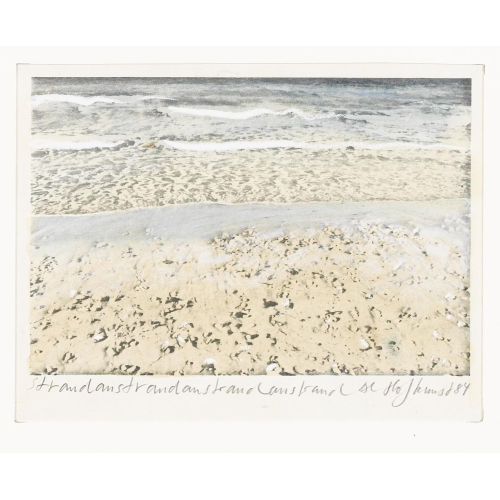
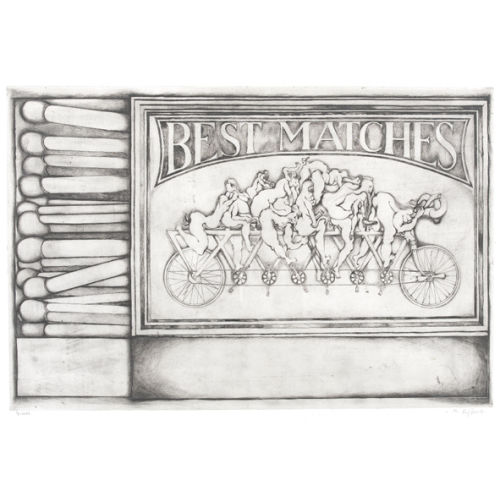
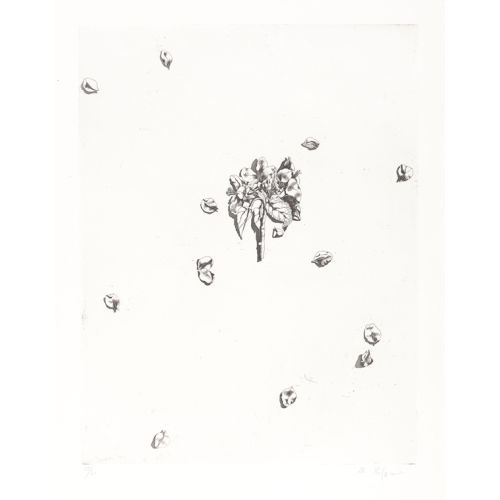
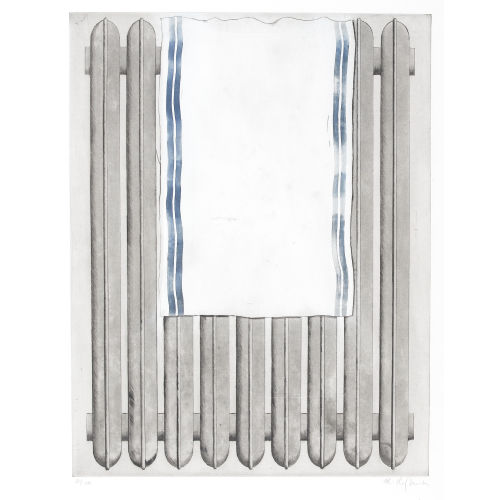
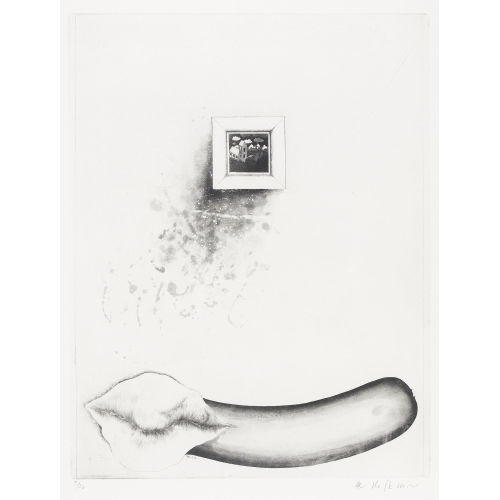
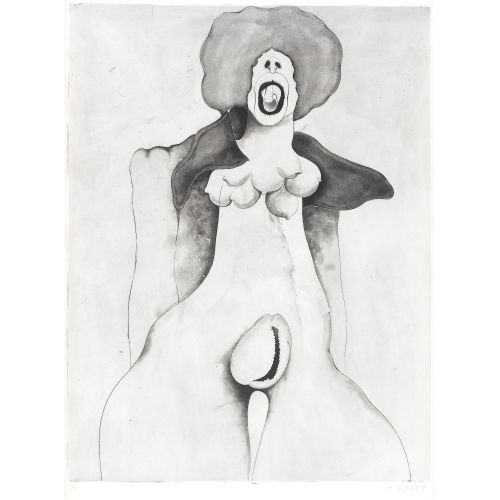
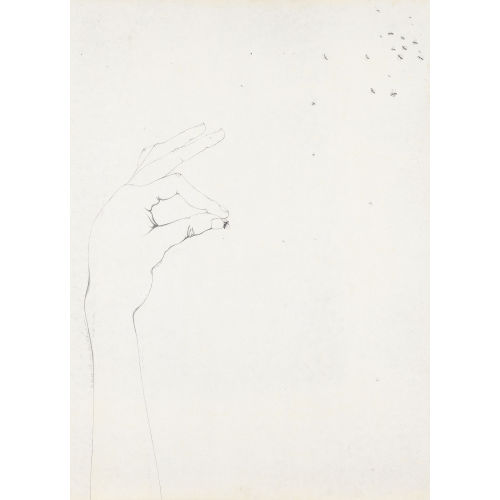
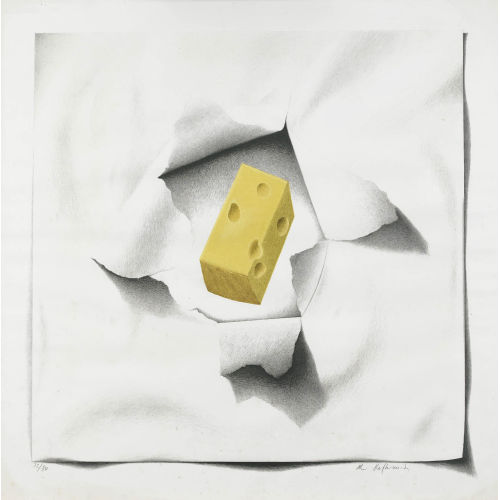
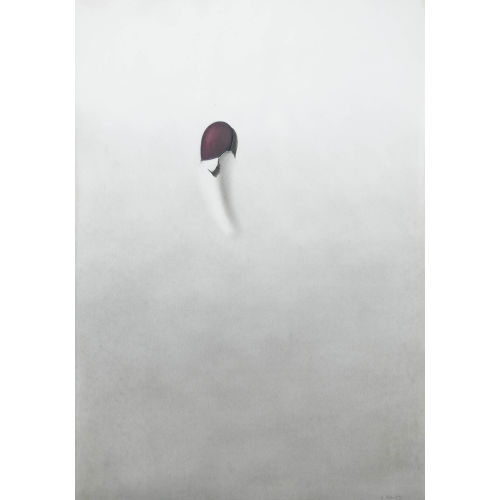
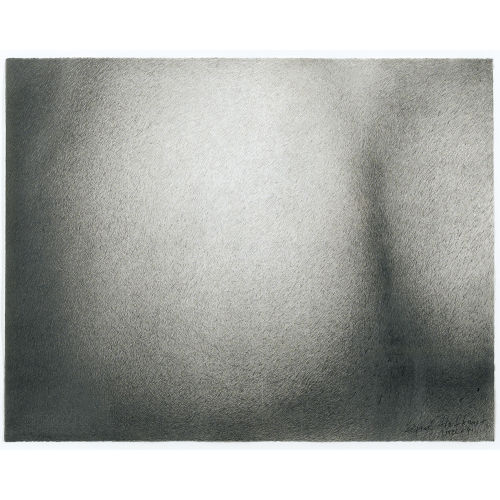
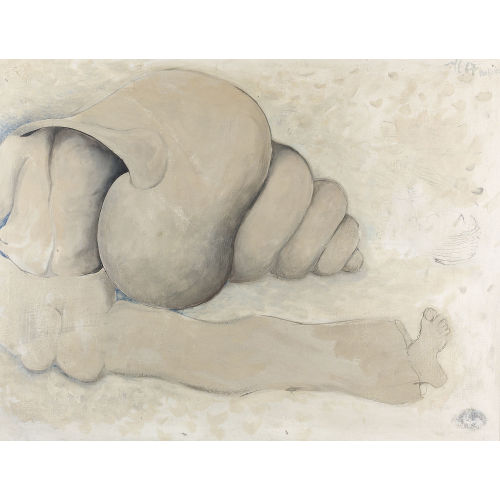
From the late 1960s onwards, Hofkunst pushed observation towards an almost disconcerting precision. His line renders material, wear and tear, and sometimes the detail overlooked by the eye. Yet this realism is never merely a display of virtuosity: by redrawing things with dogged persistence, he calls into question the boundary between their presence and their image.
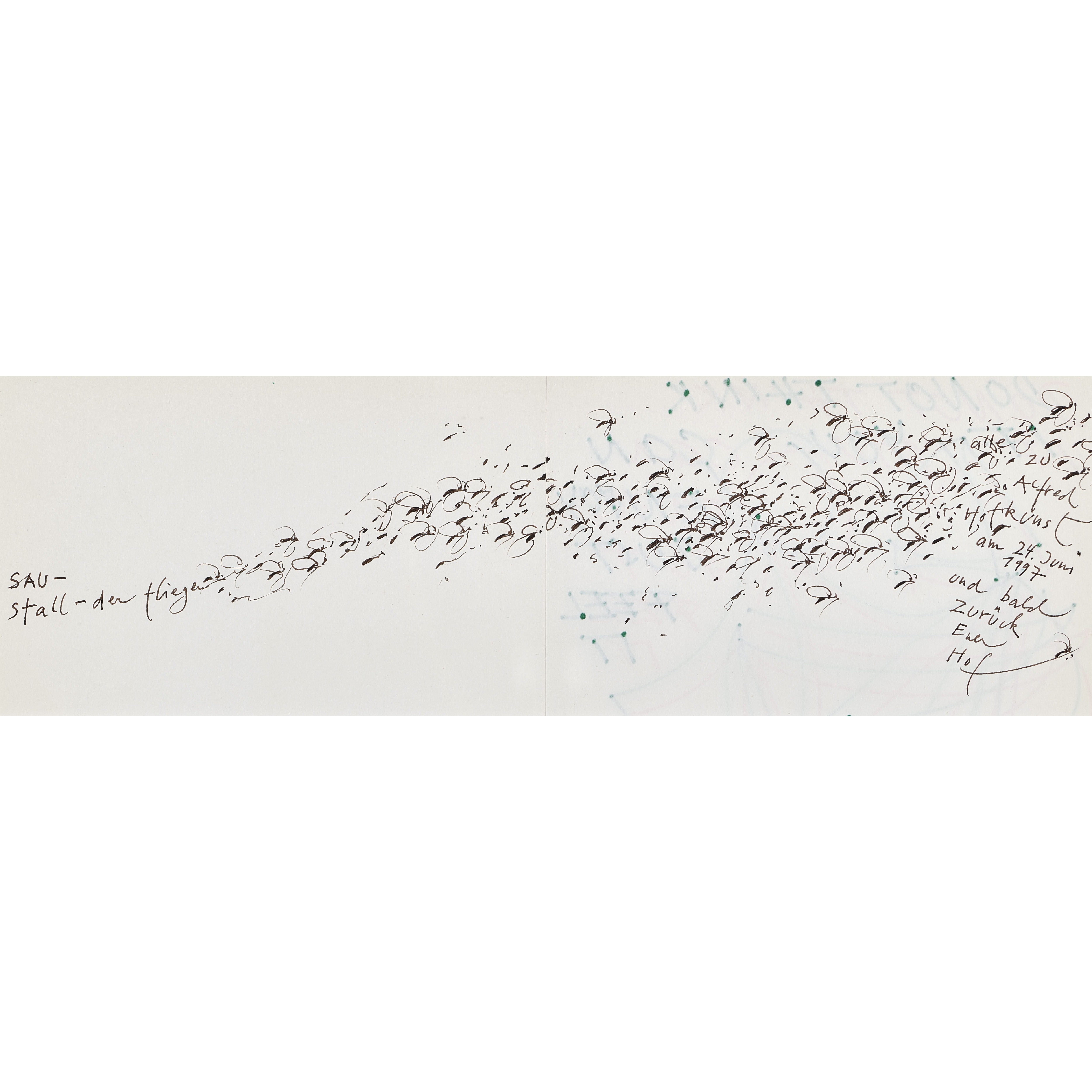
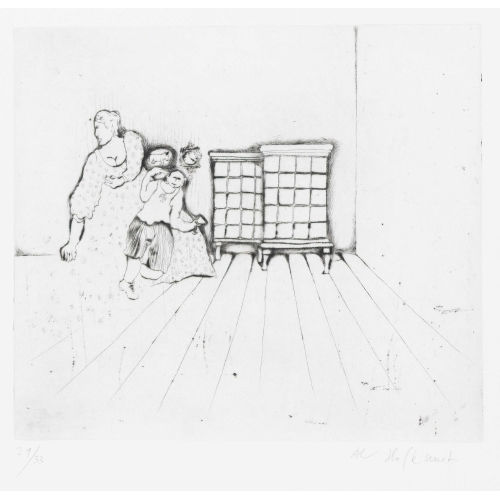
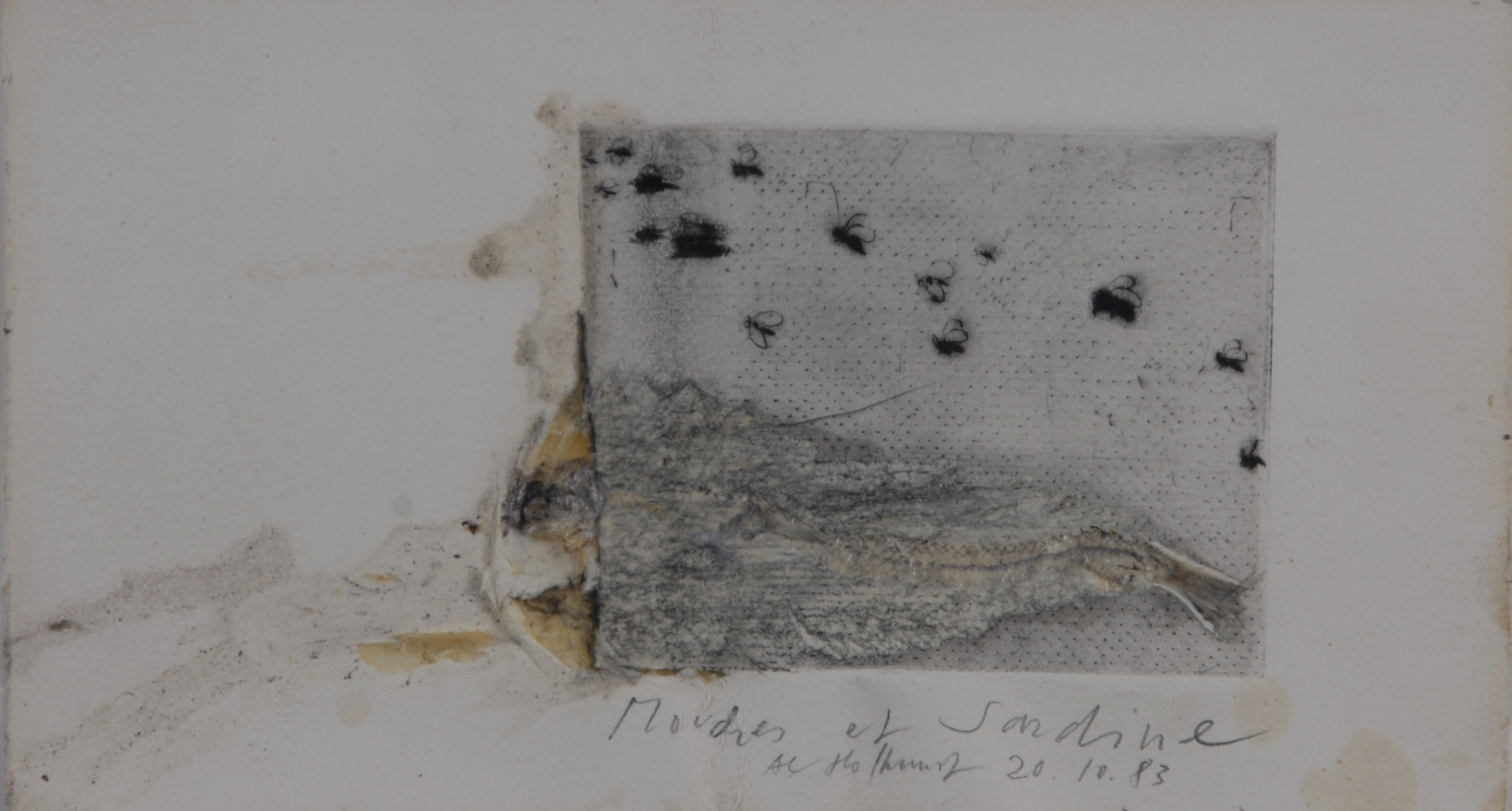
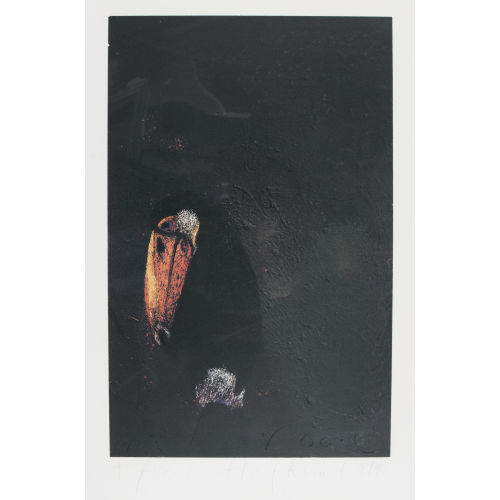
His studio in Montet offers the most striking experience of this. For documenta 6 in Cassel, in 1977, he produced a life-size reproduction of it, from floor to ceiling, entirely in grey and coloured pencil. Even a dead fly found its place there.
In 2007, the Musée Tinguely placed this work at the centre of an exhibition.
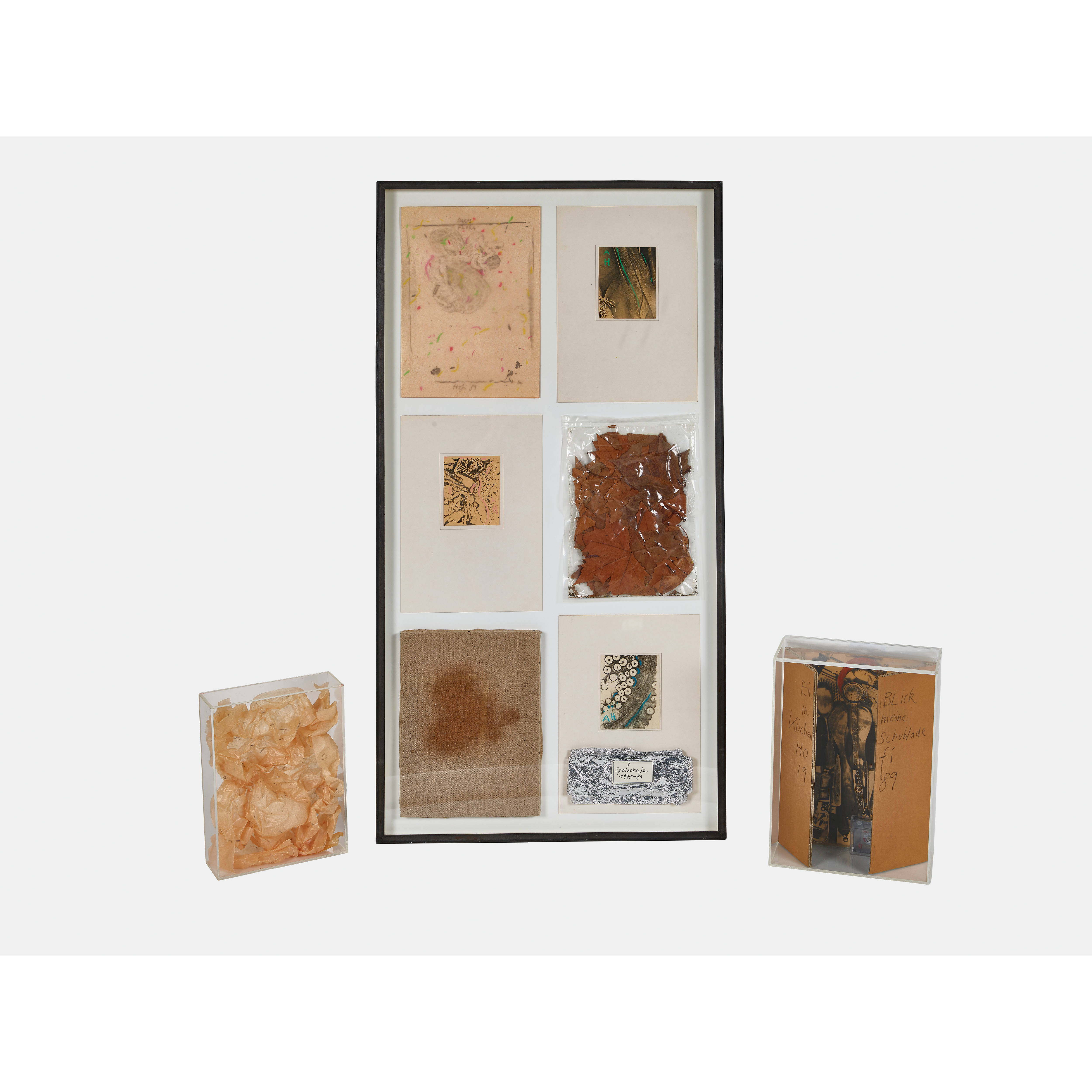
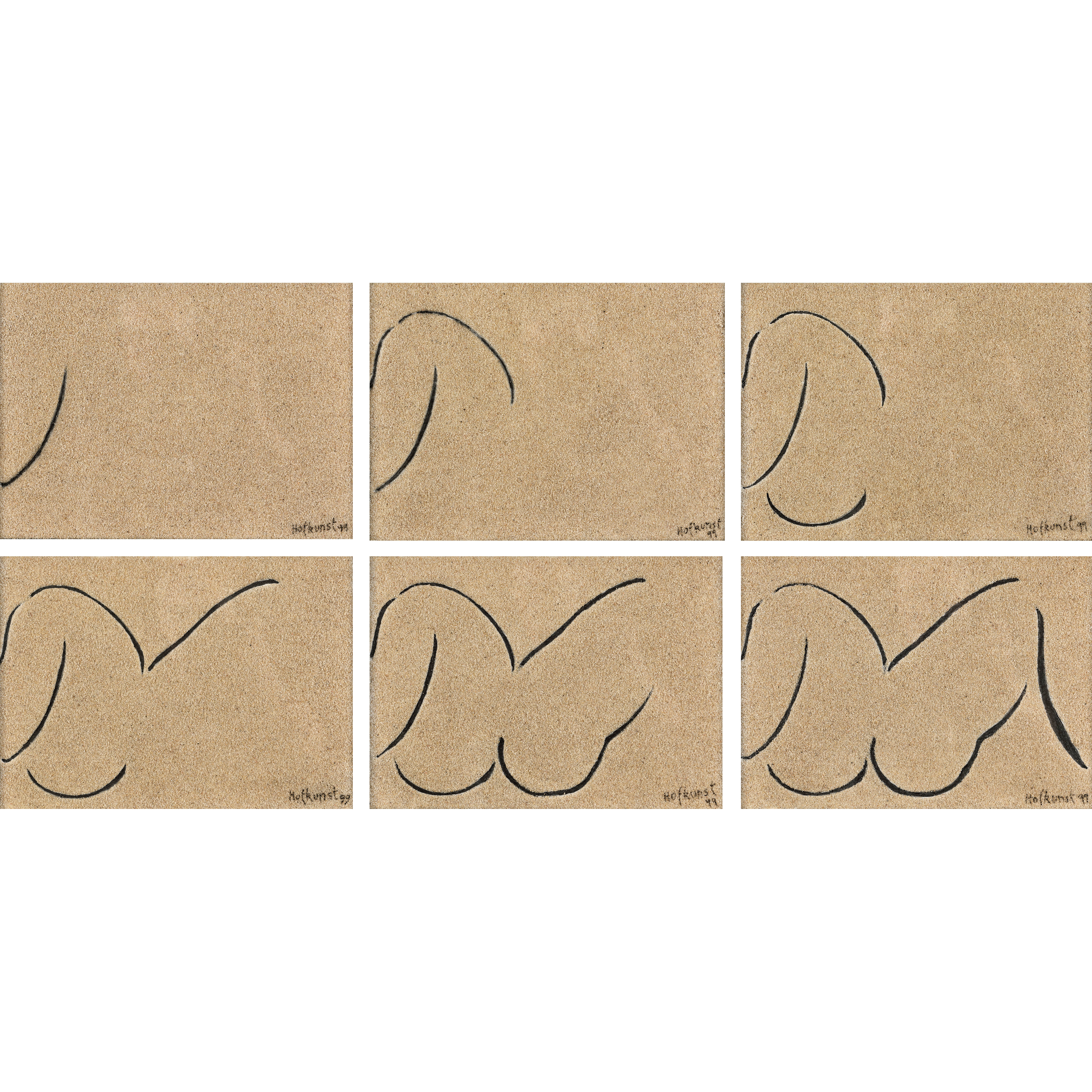
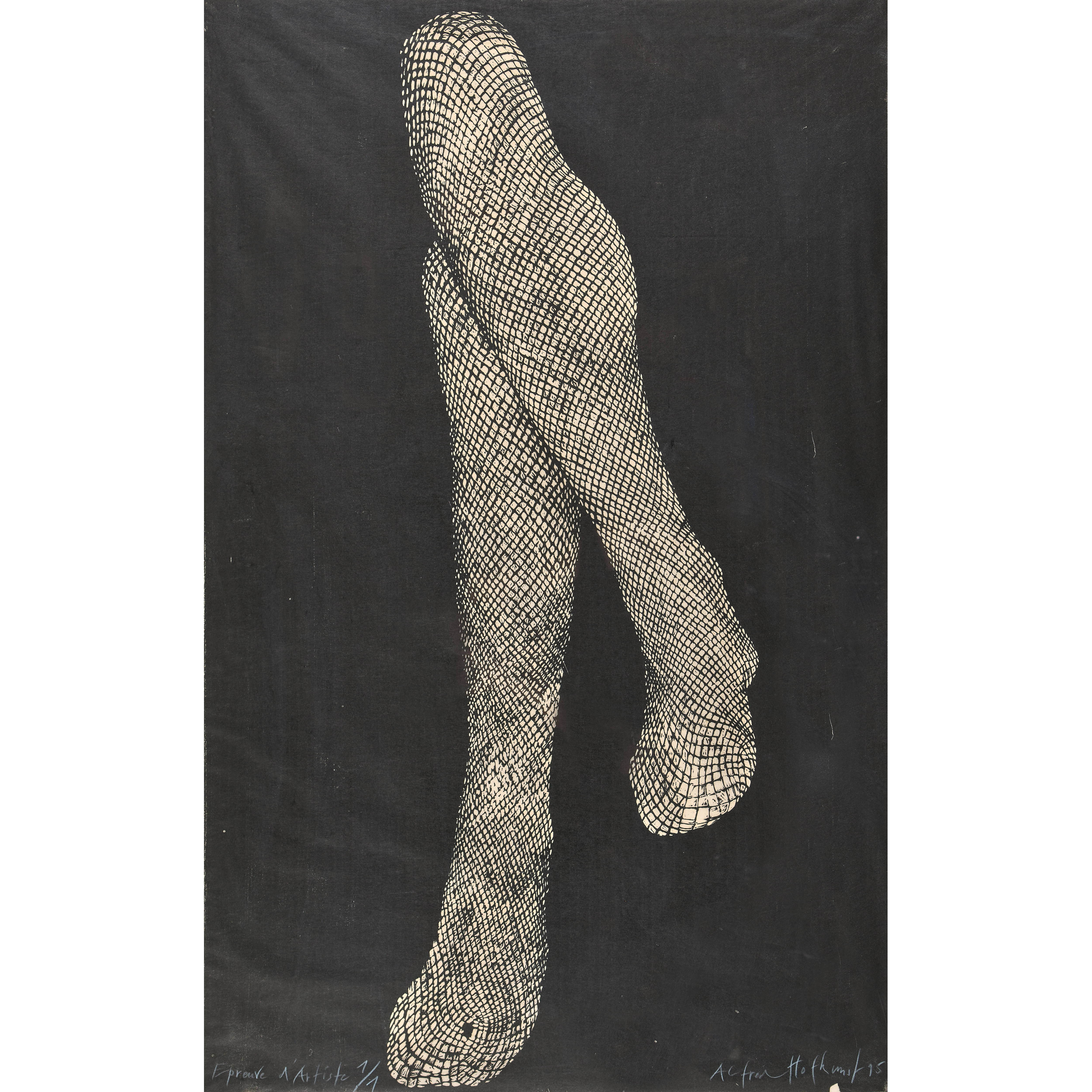
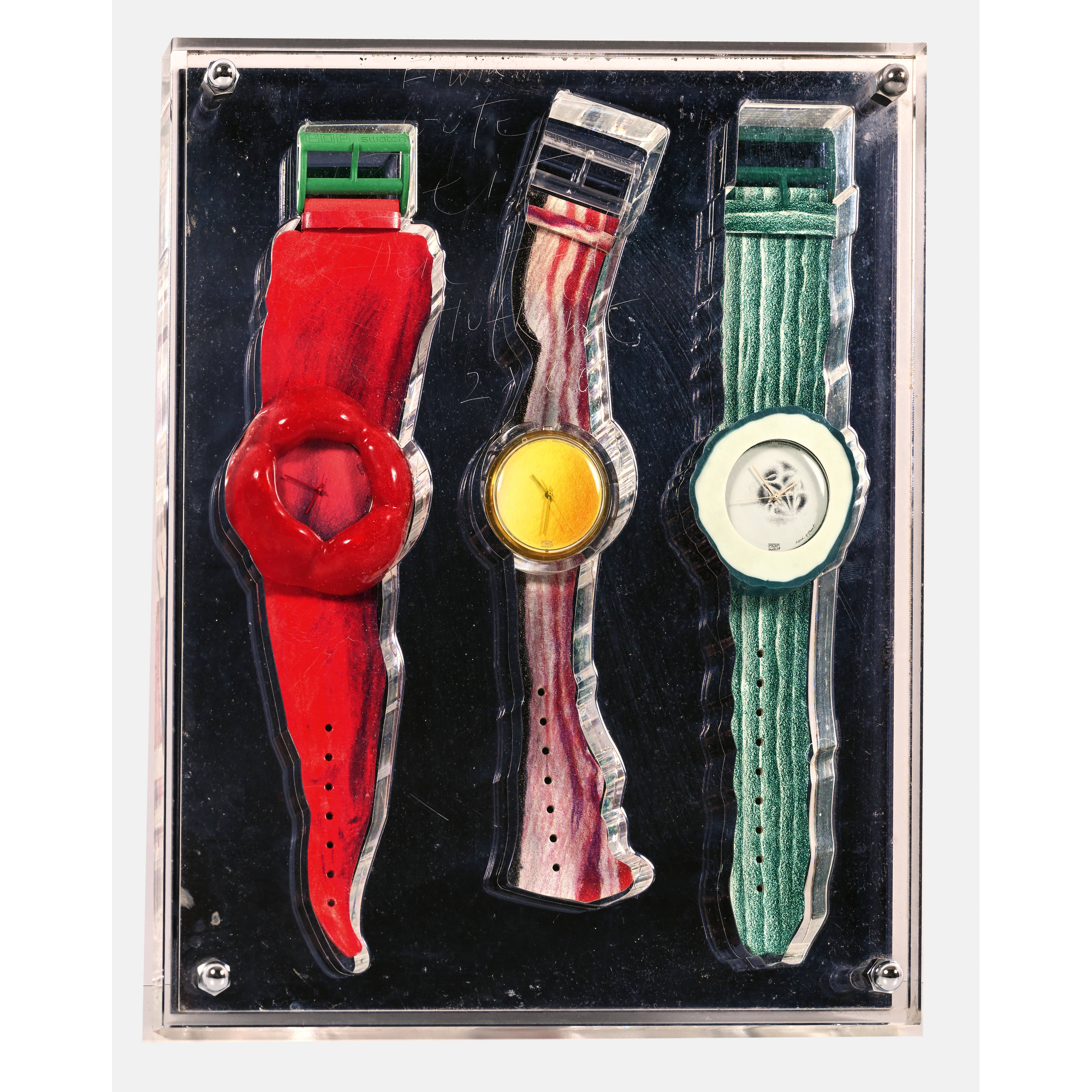
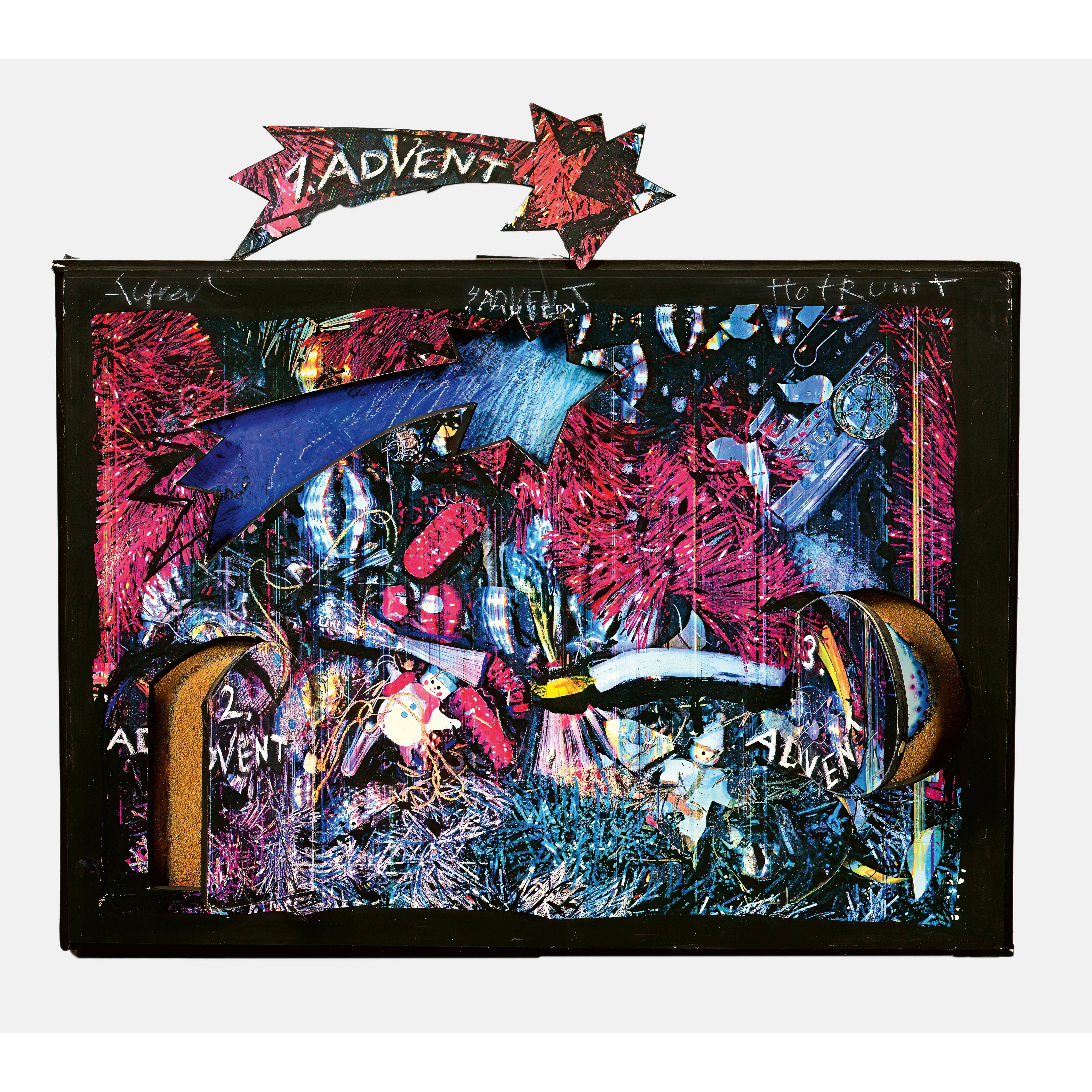
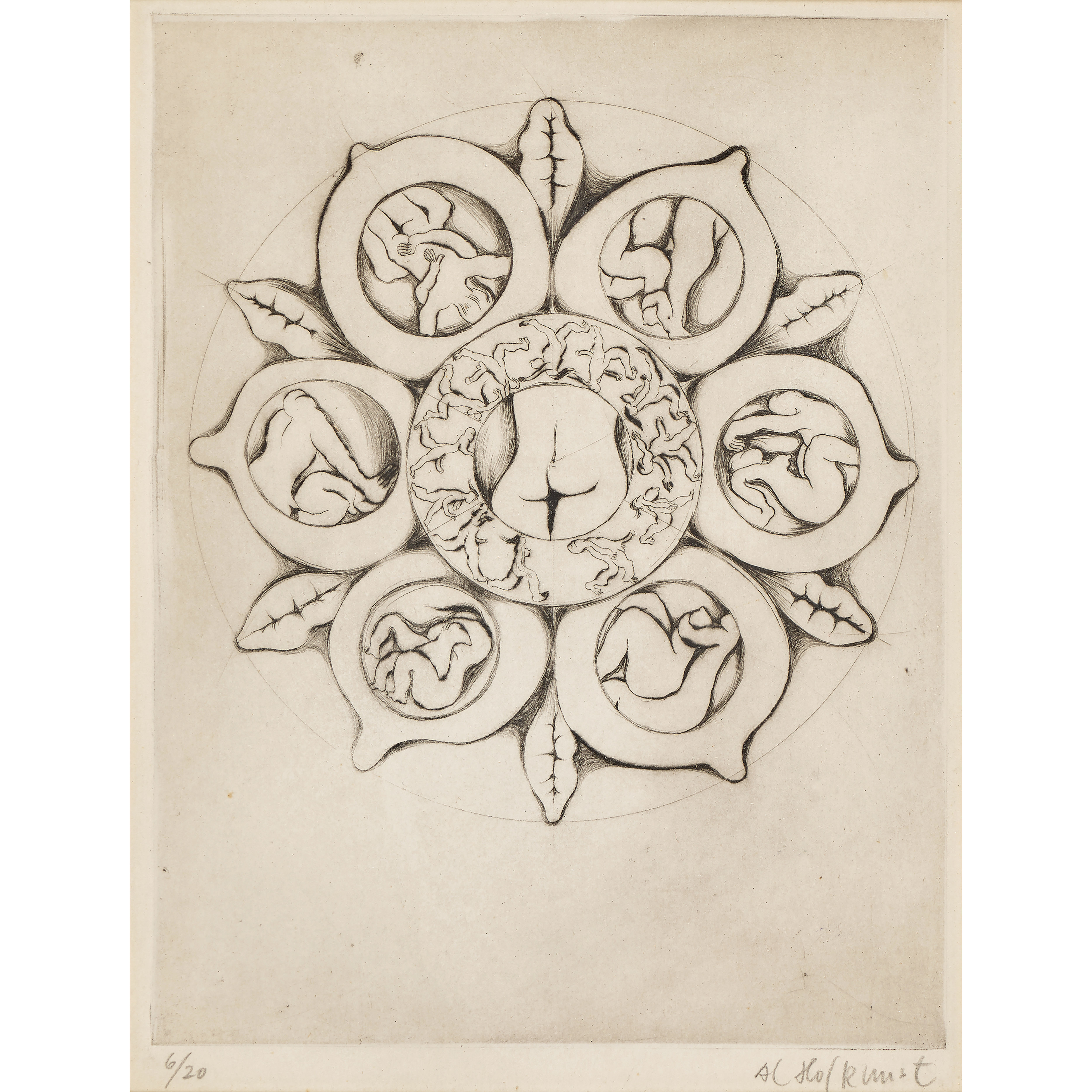
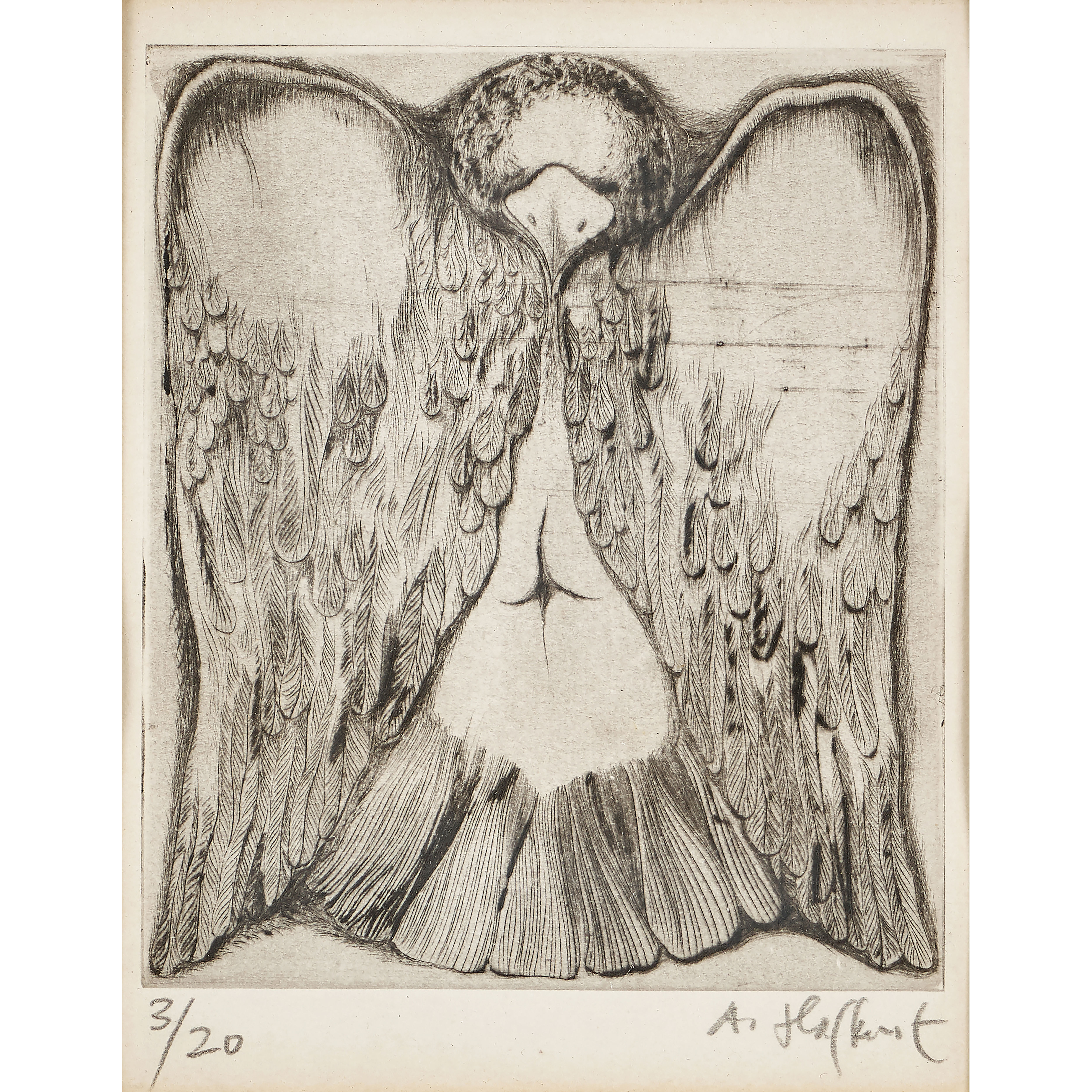
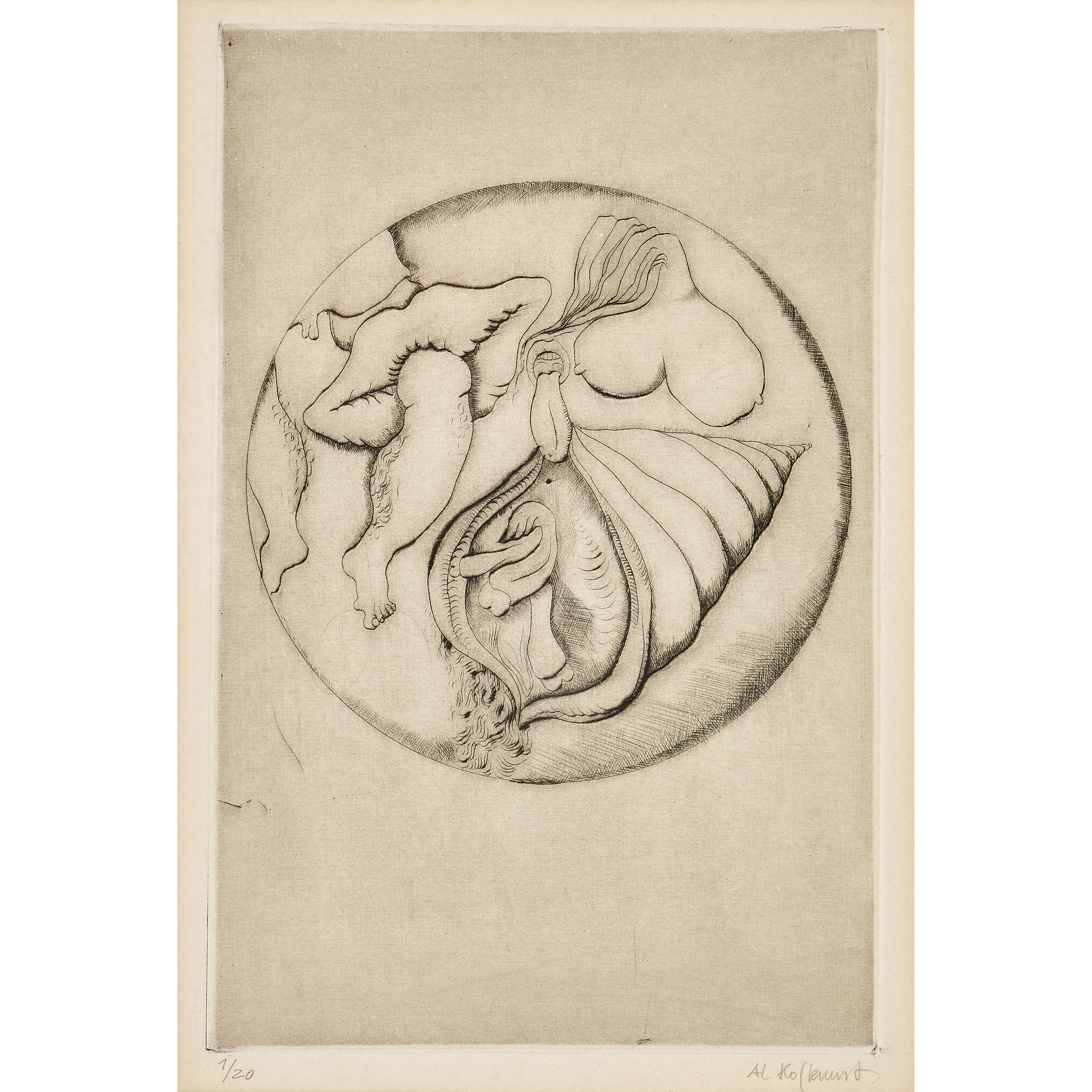
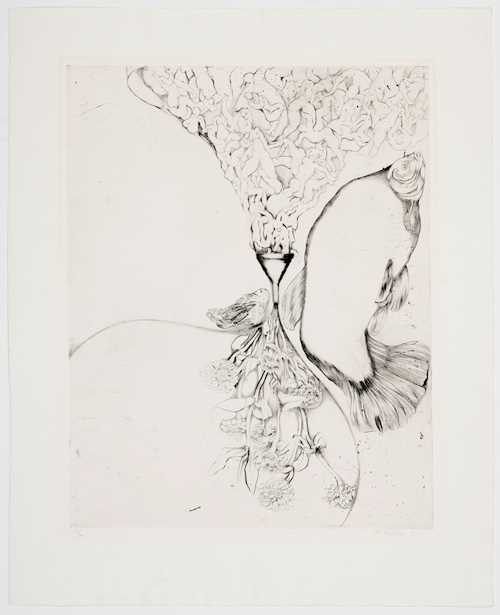
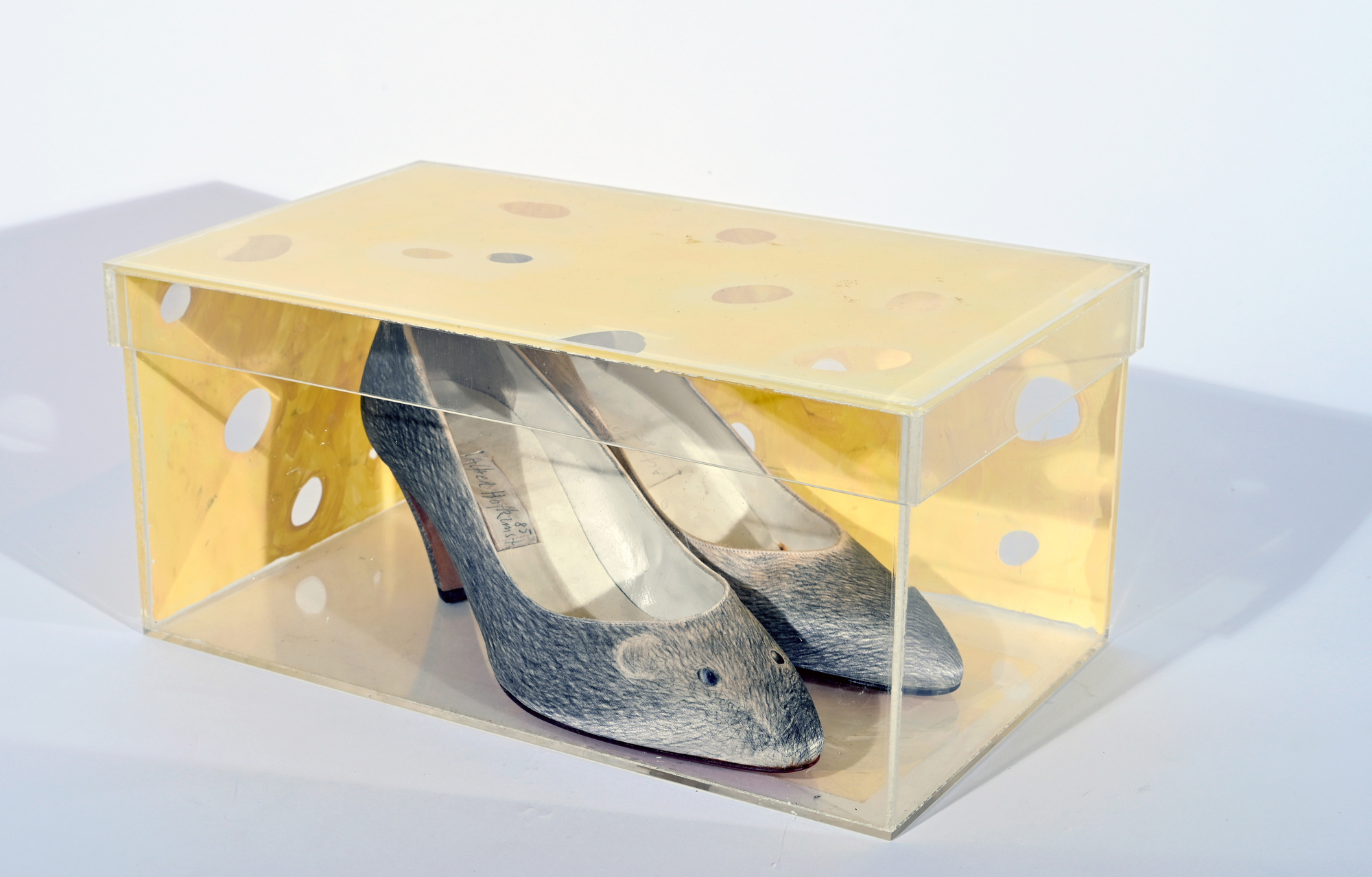
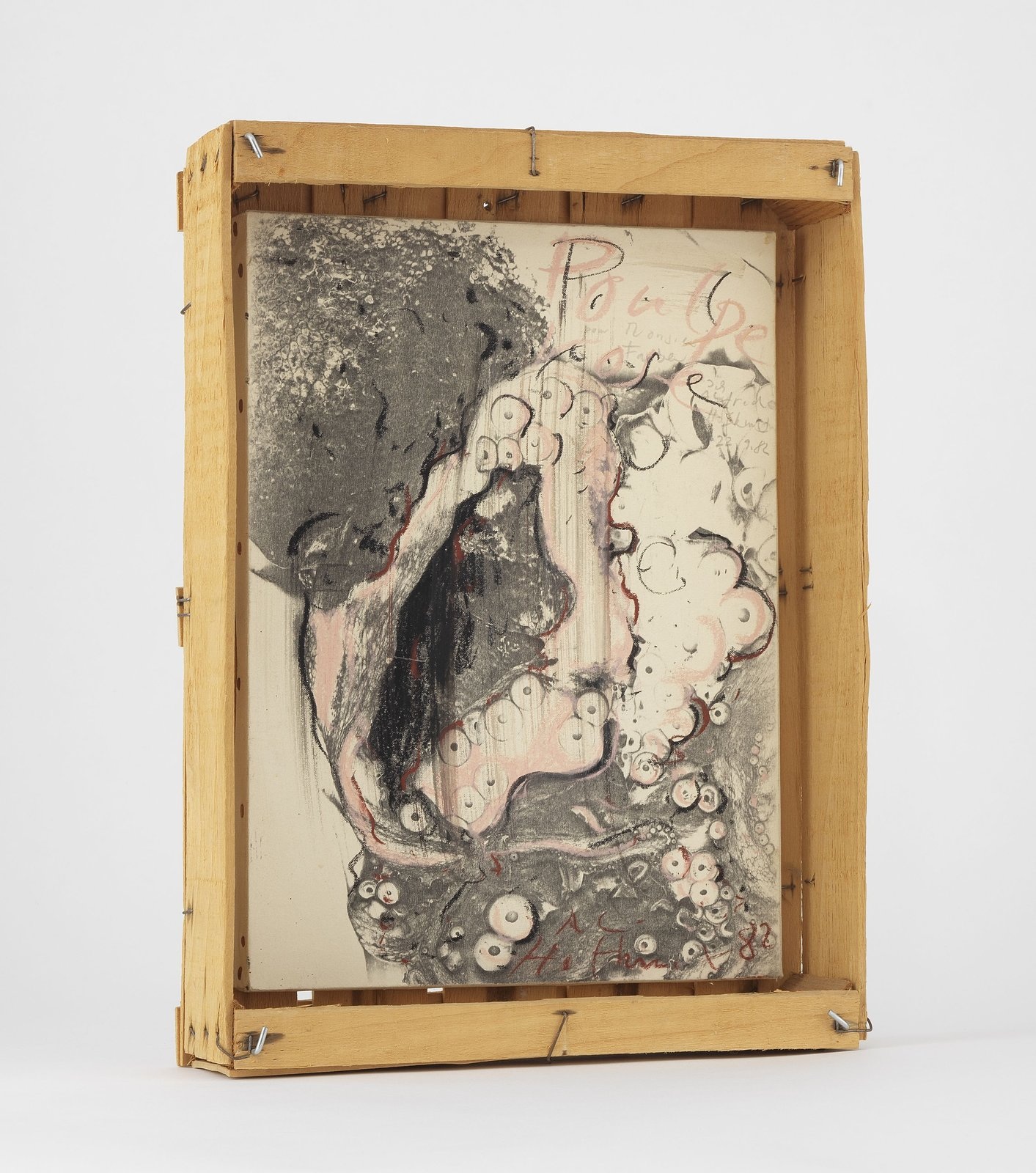
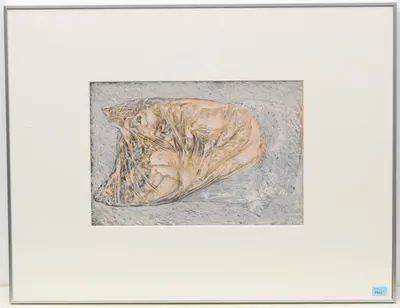
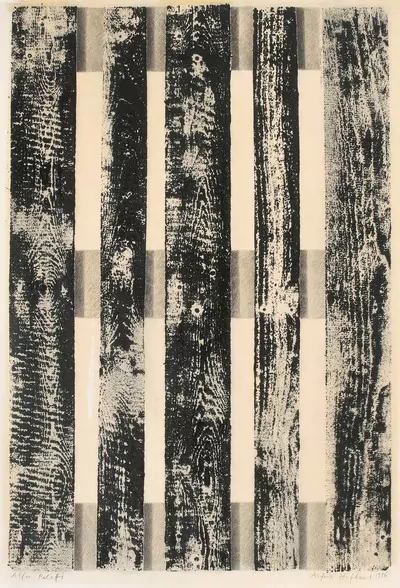
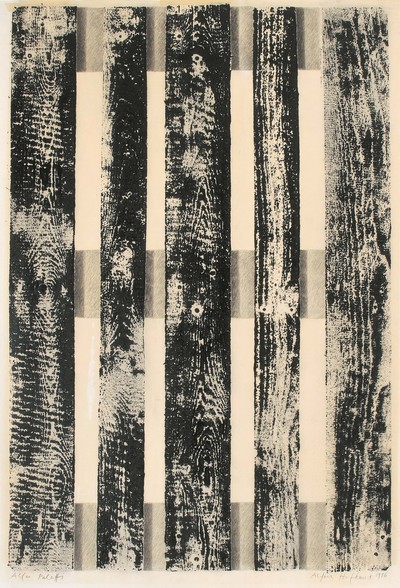
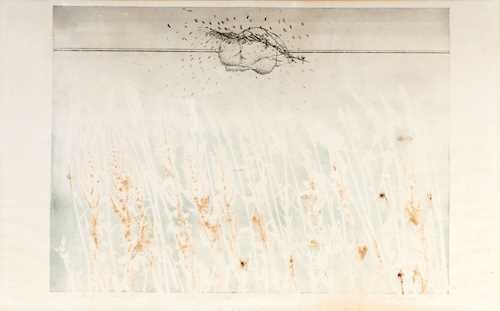
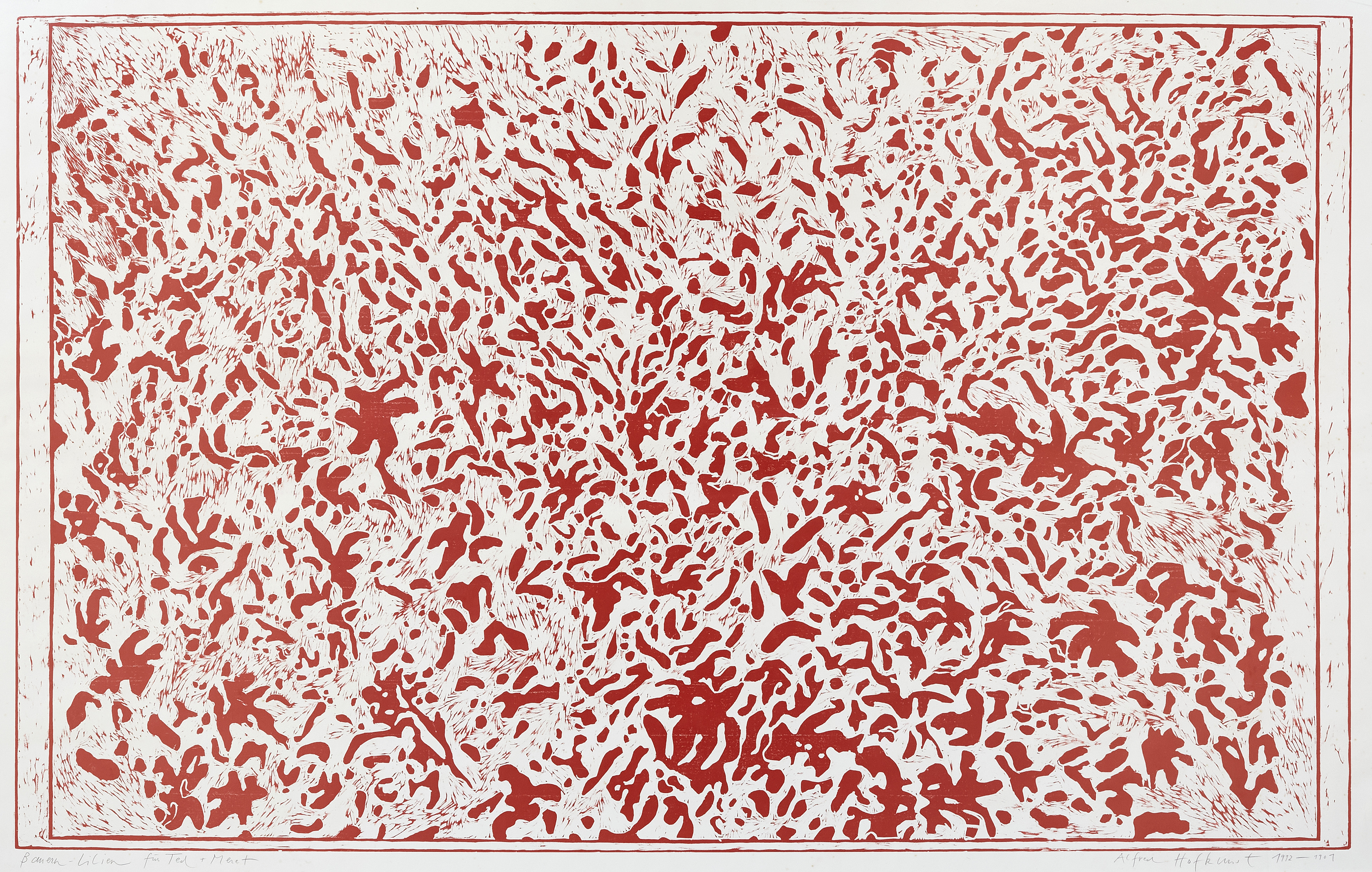
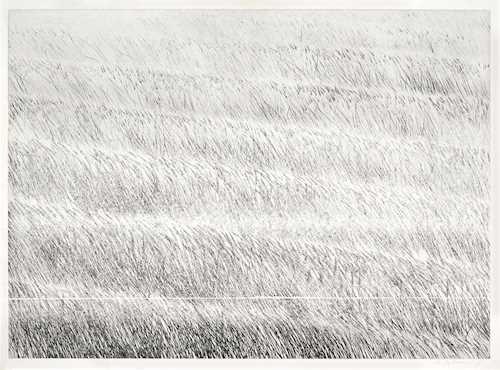
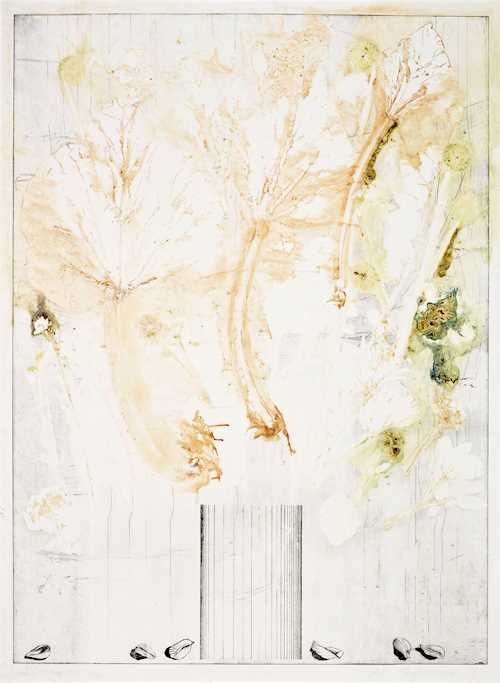
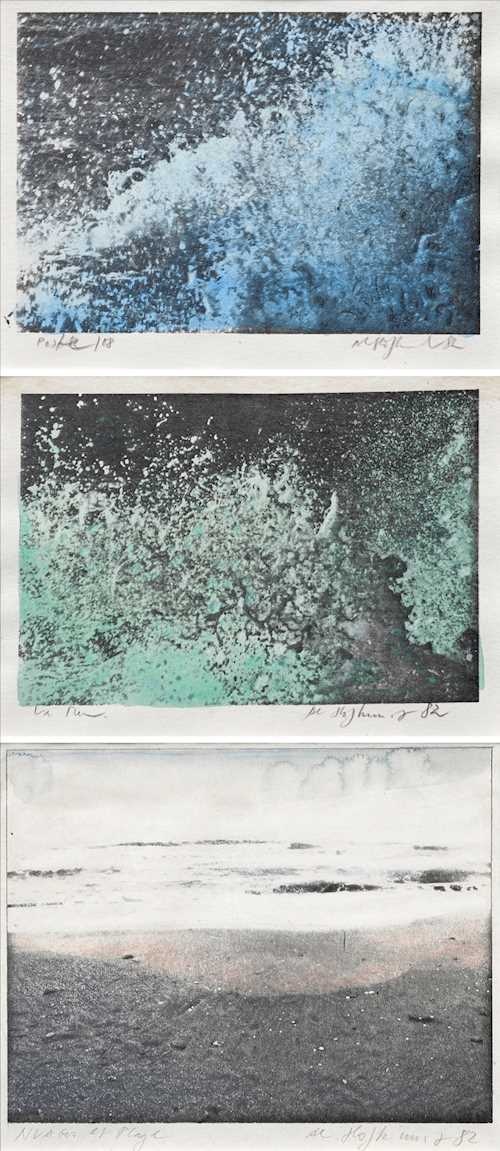
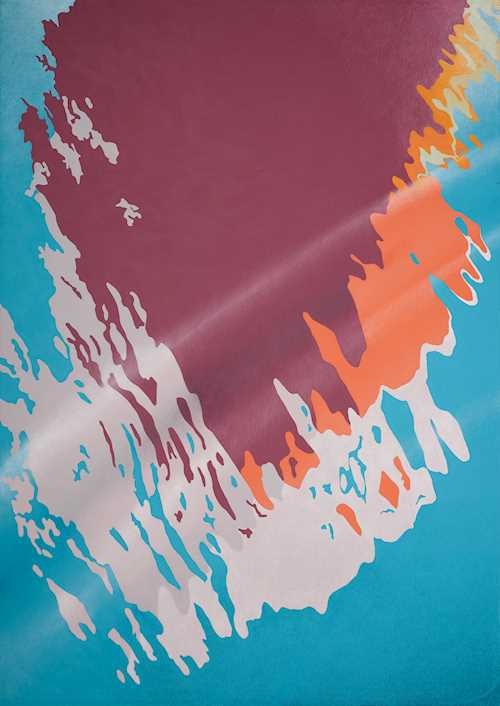
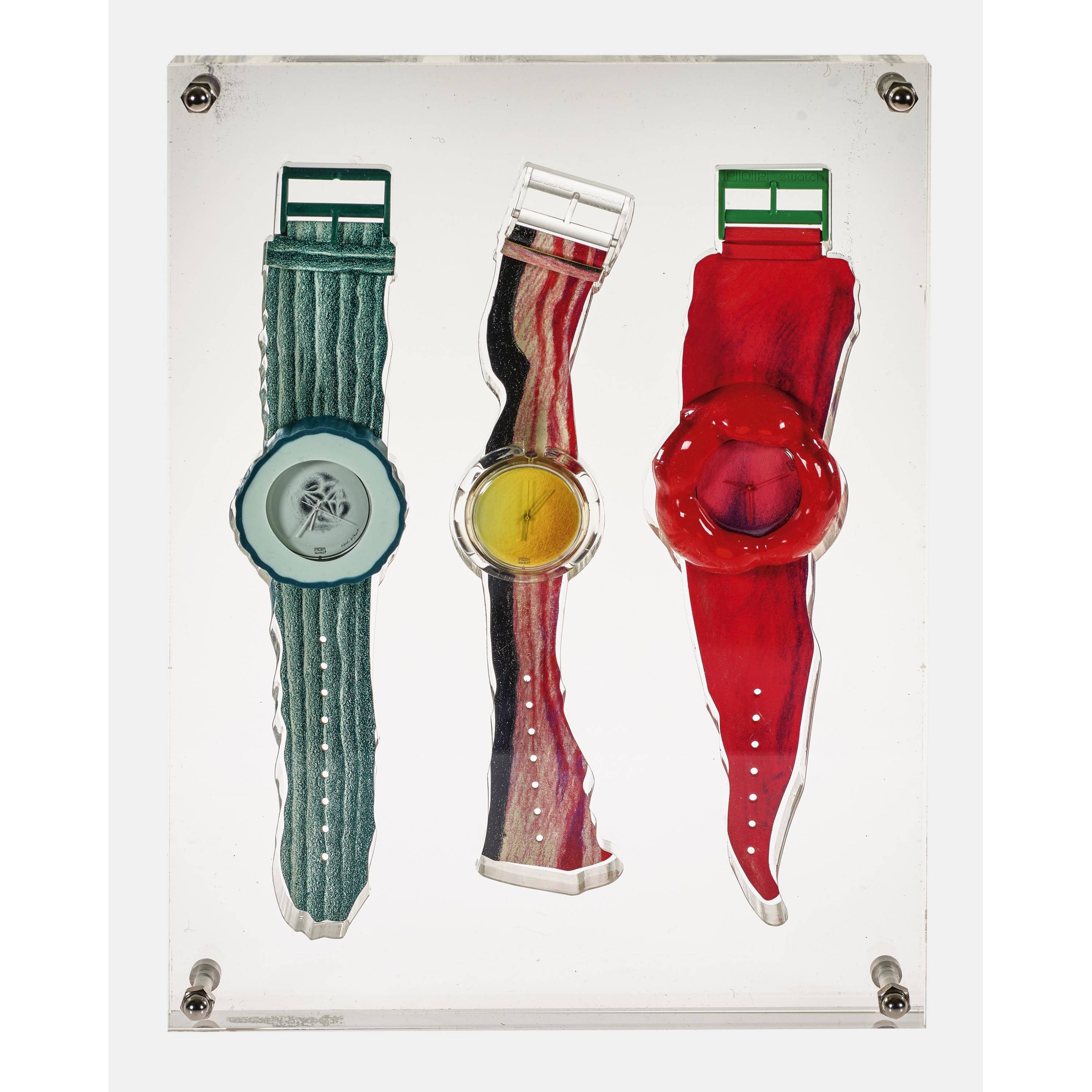
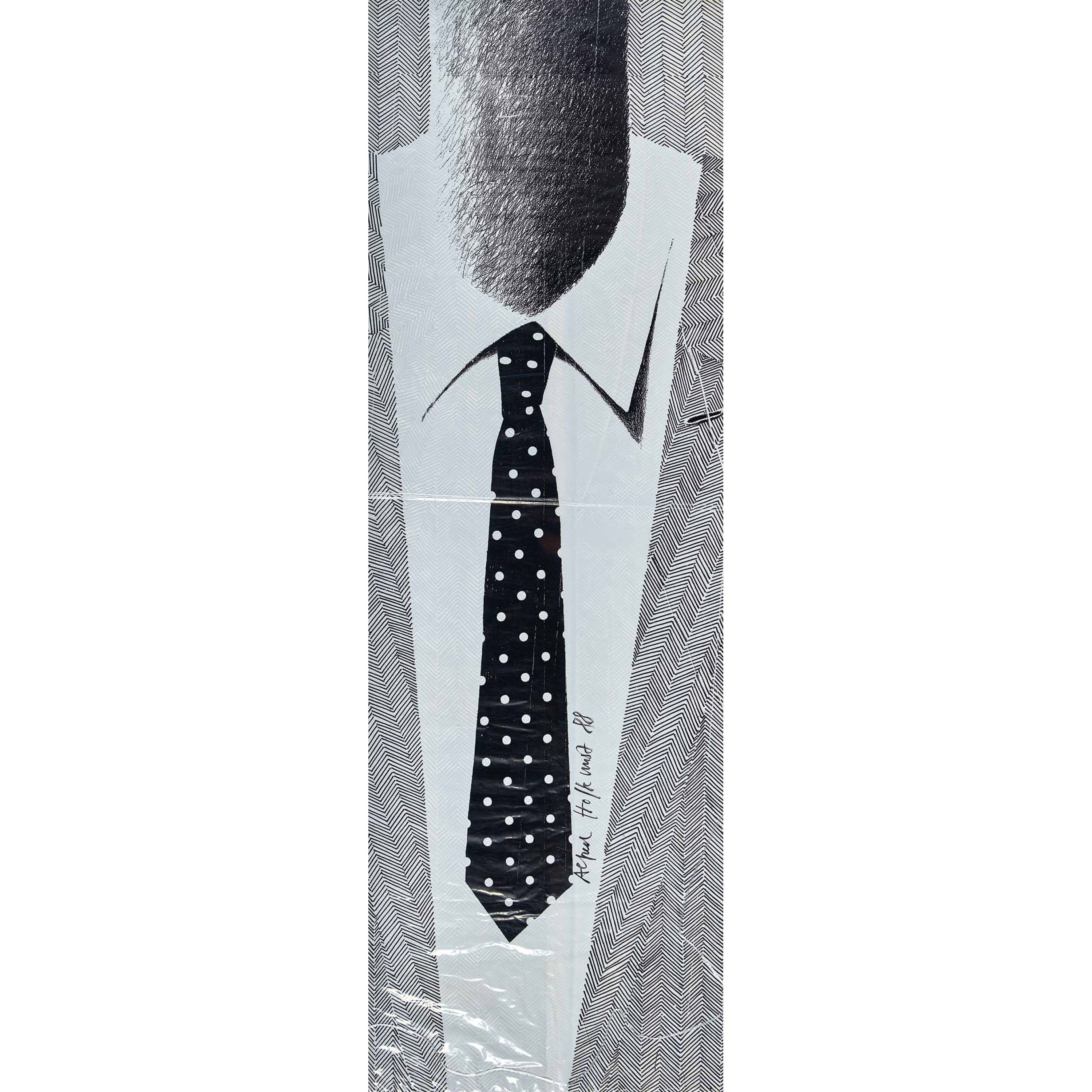
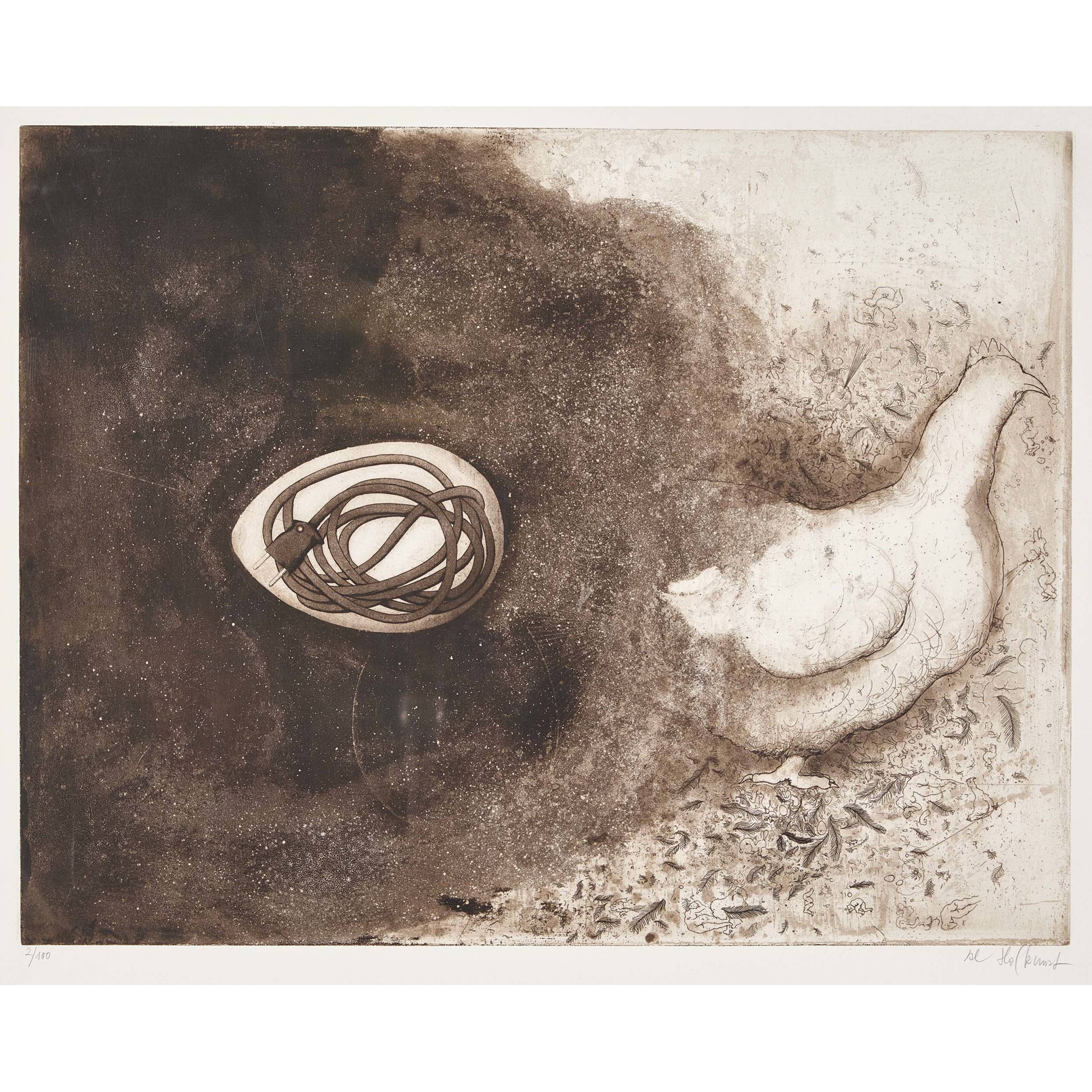
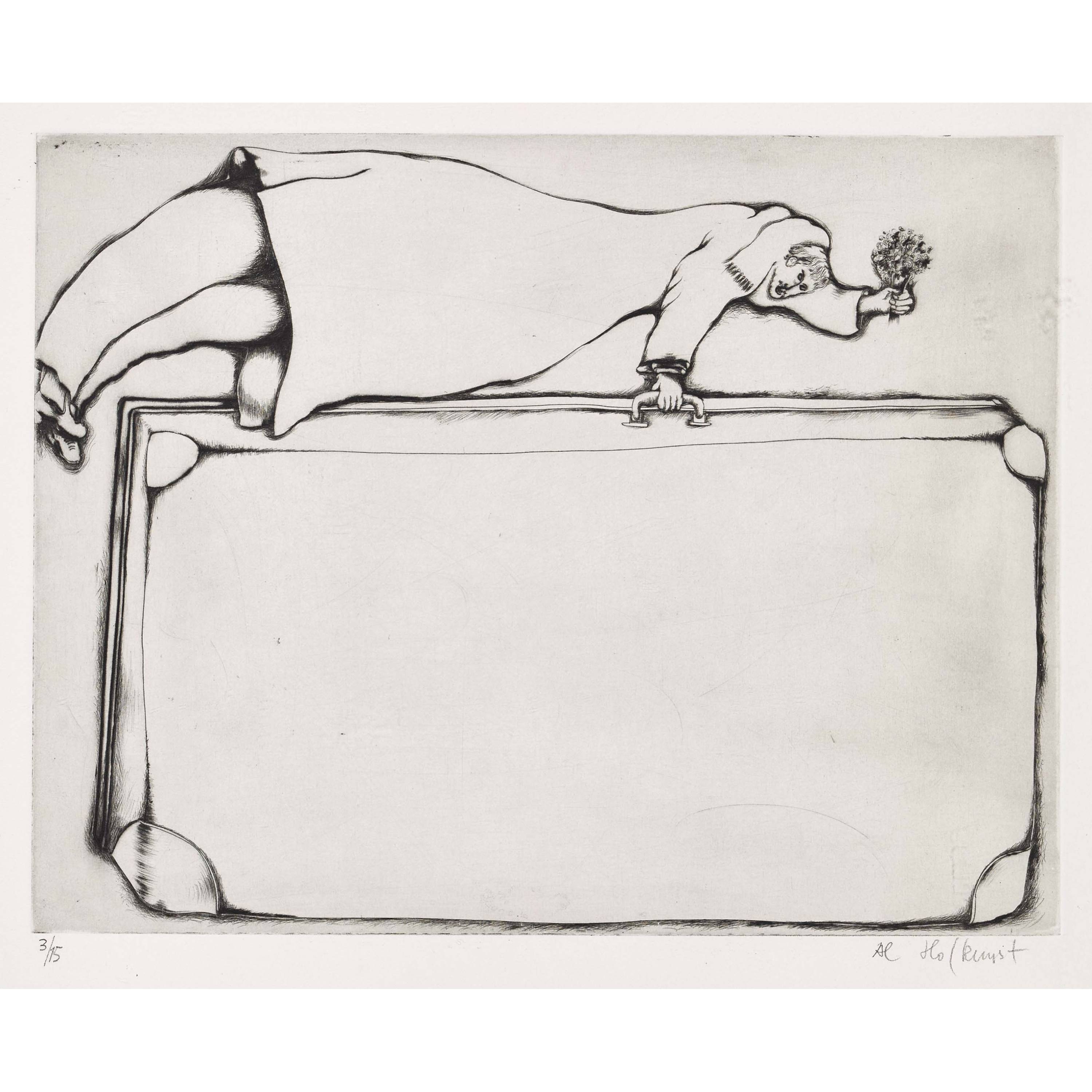
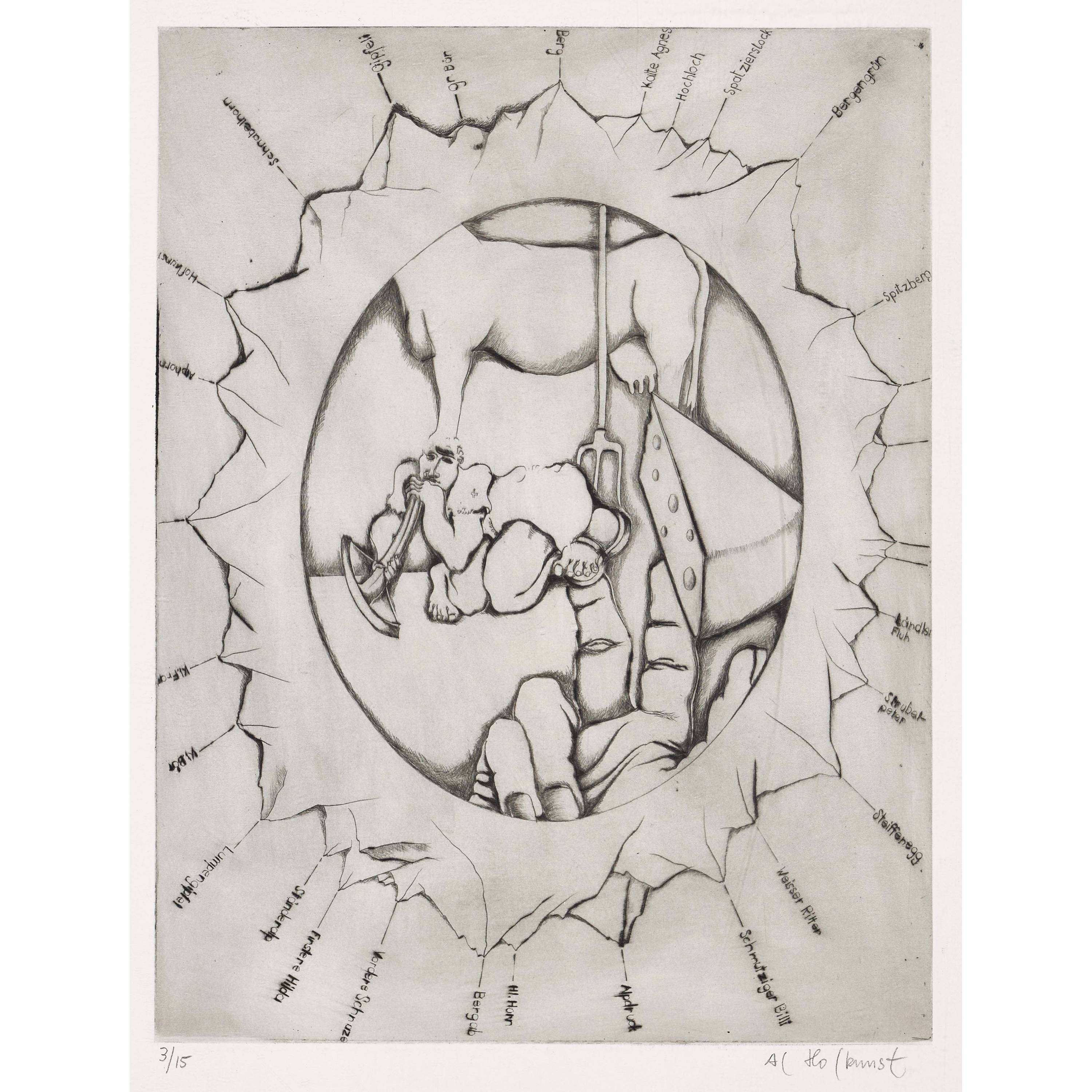
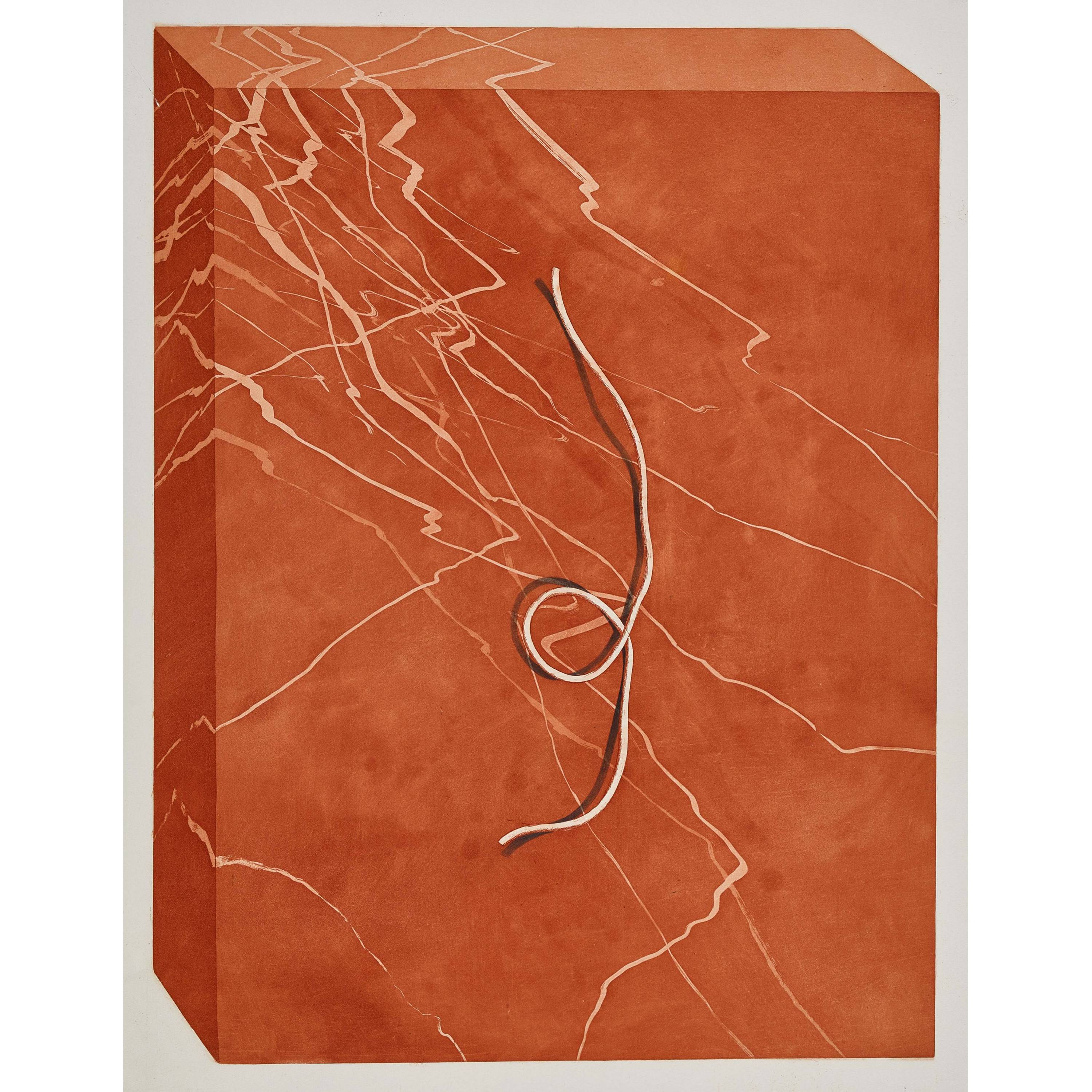
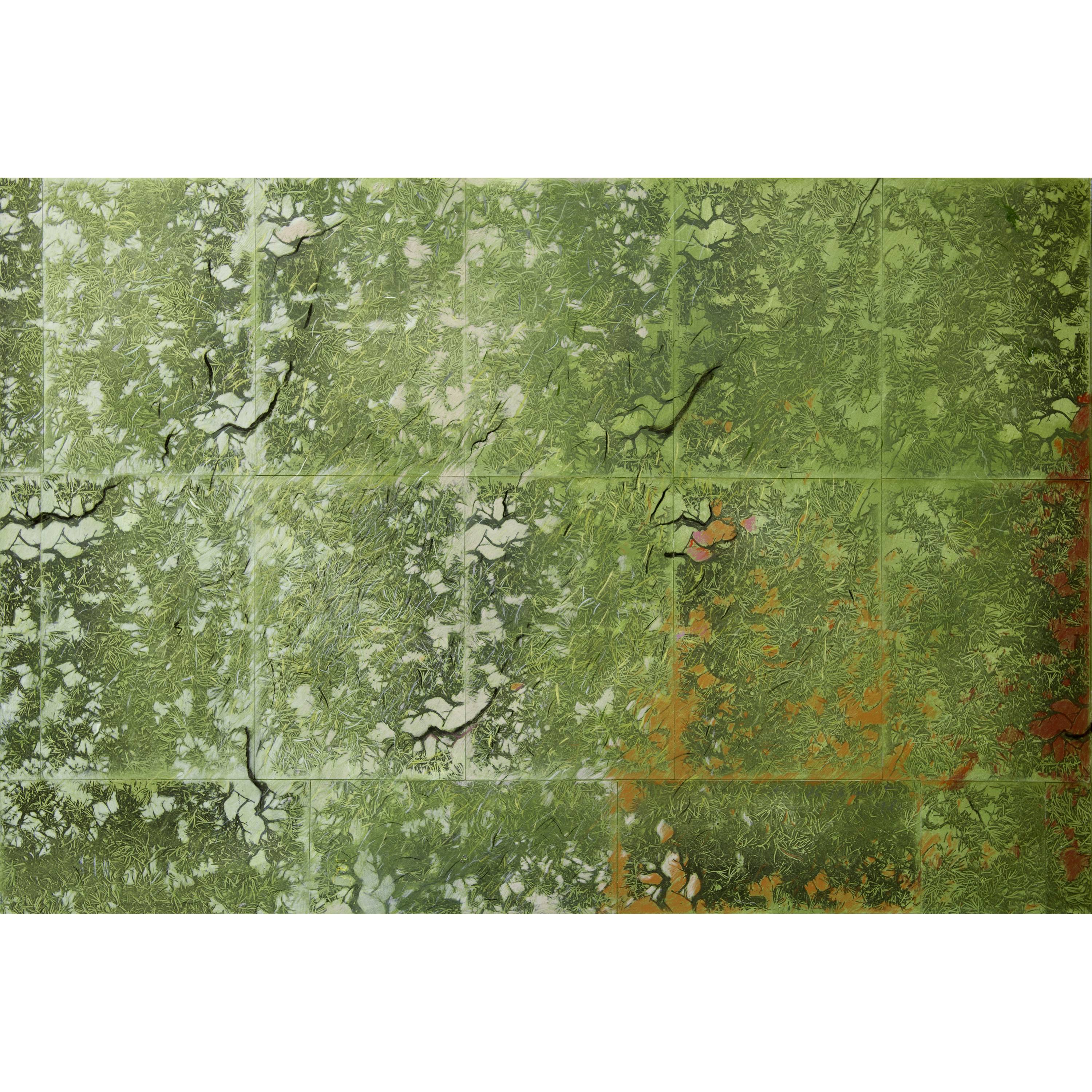
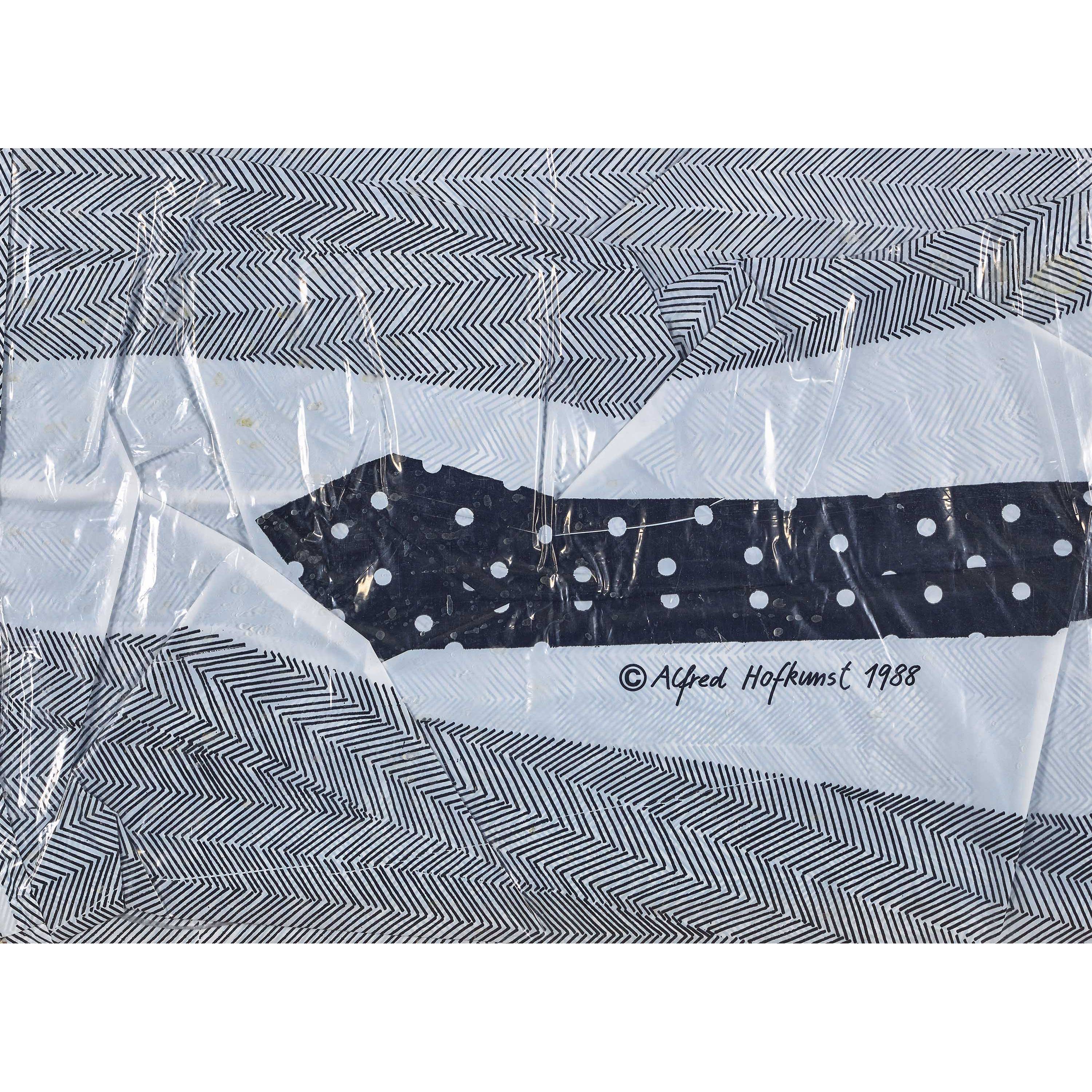
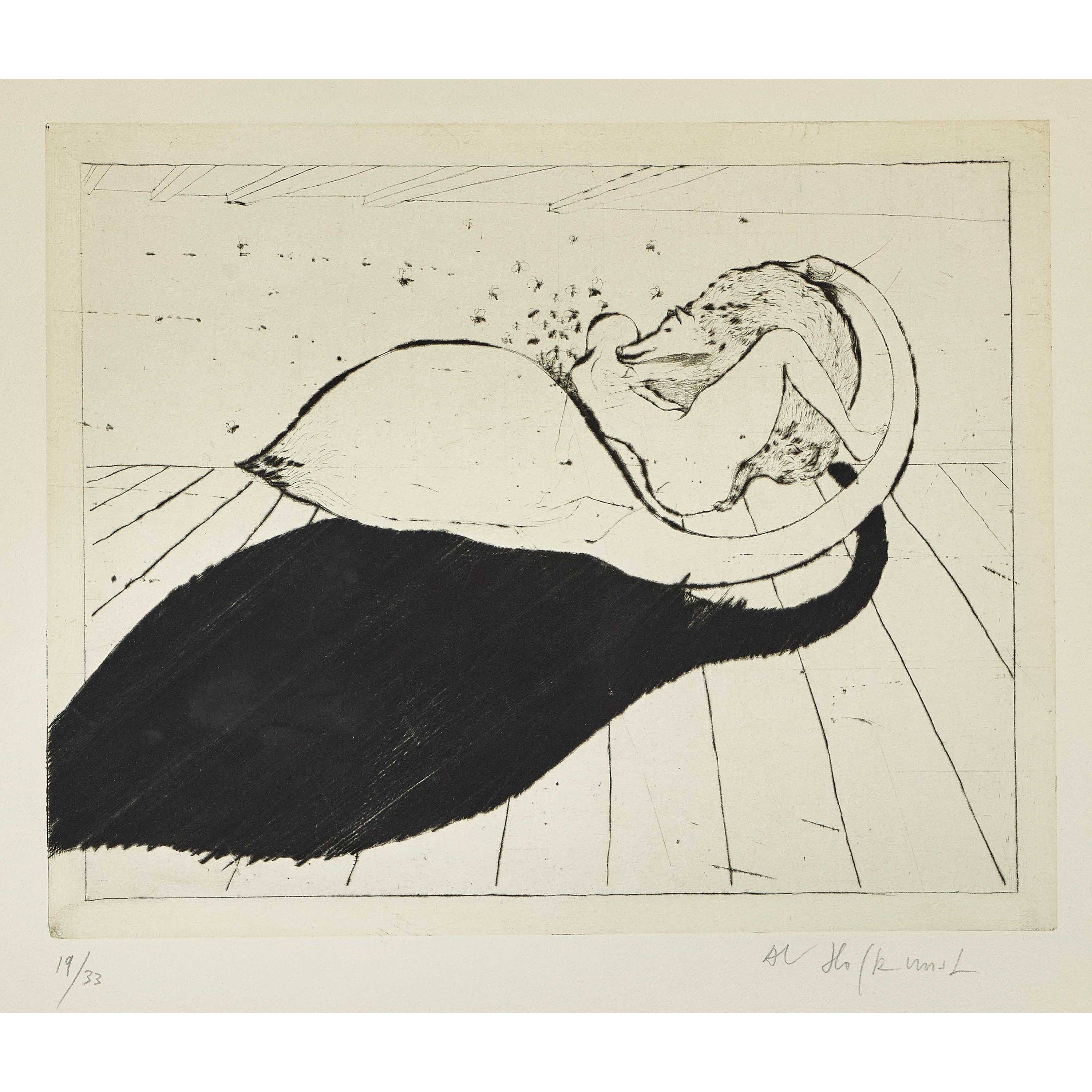
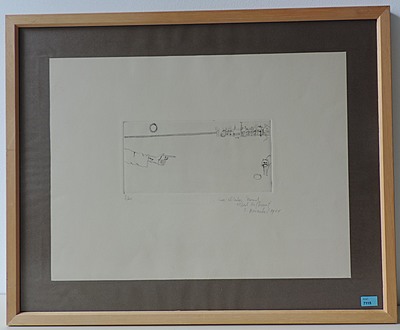
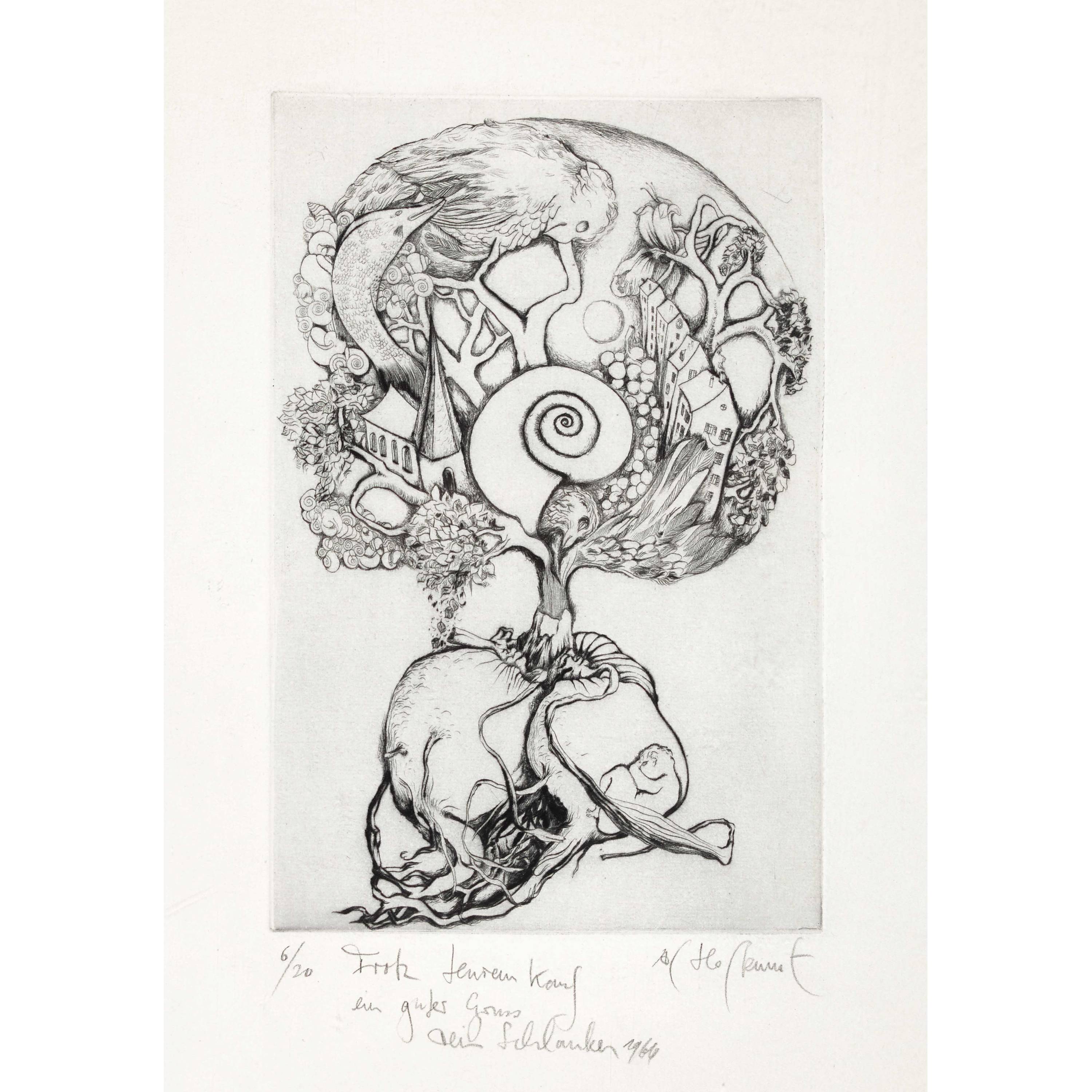
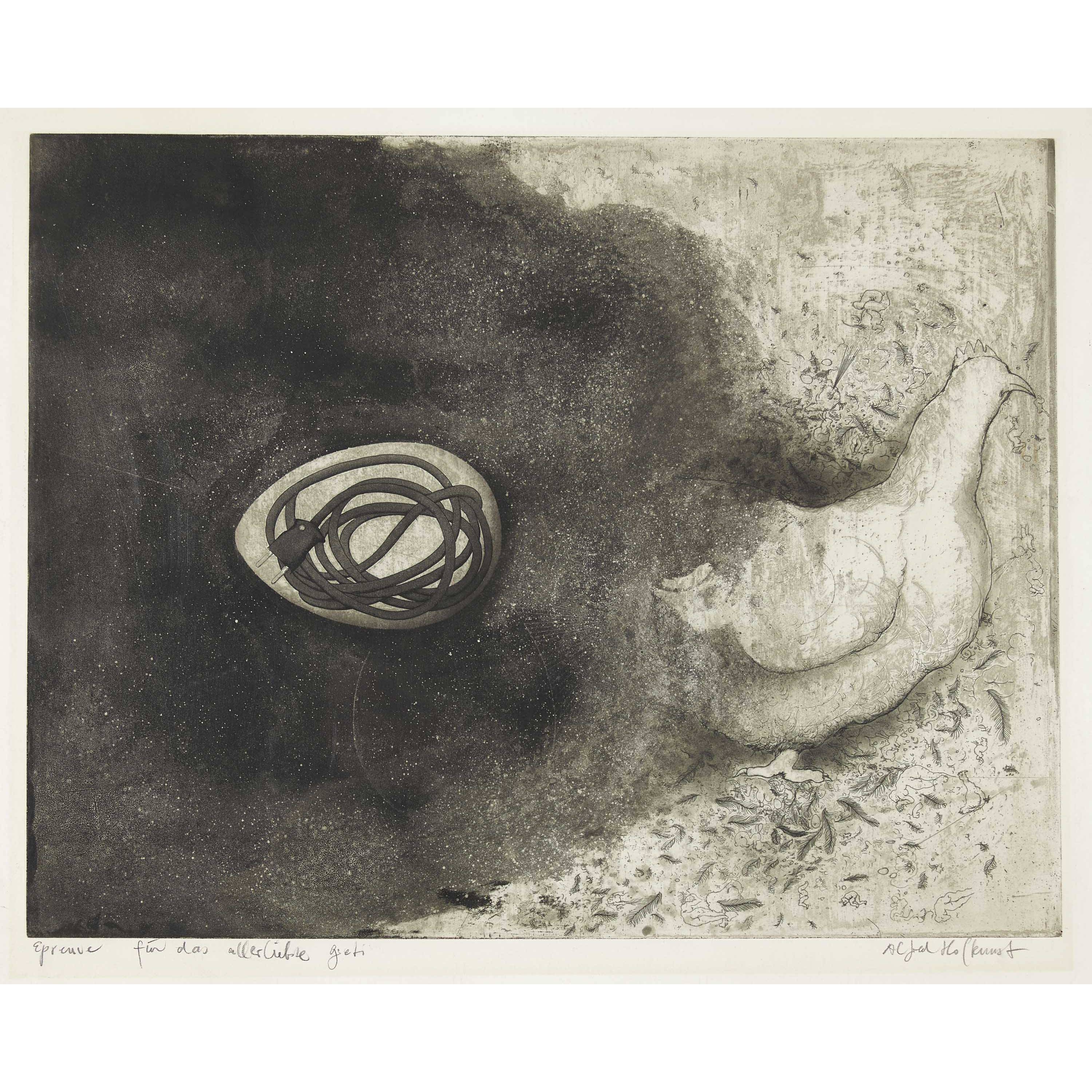
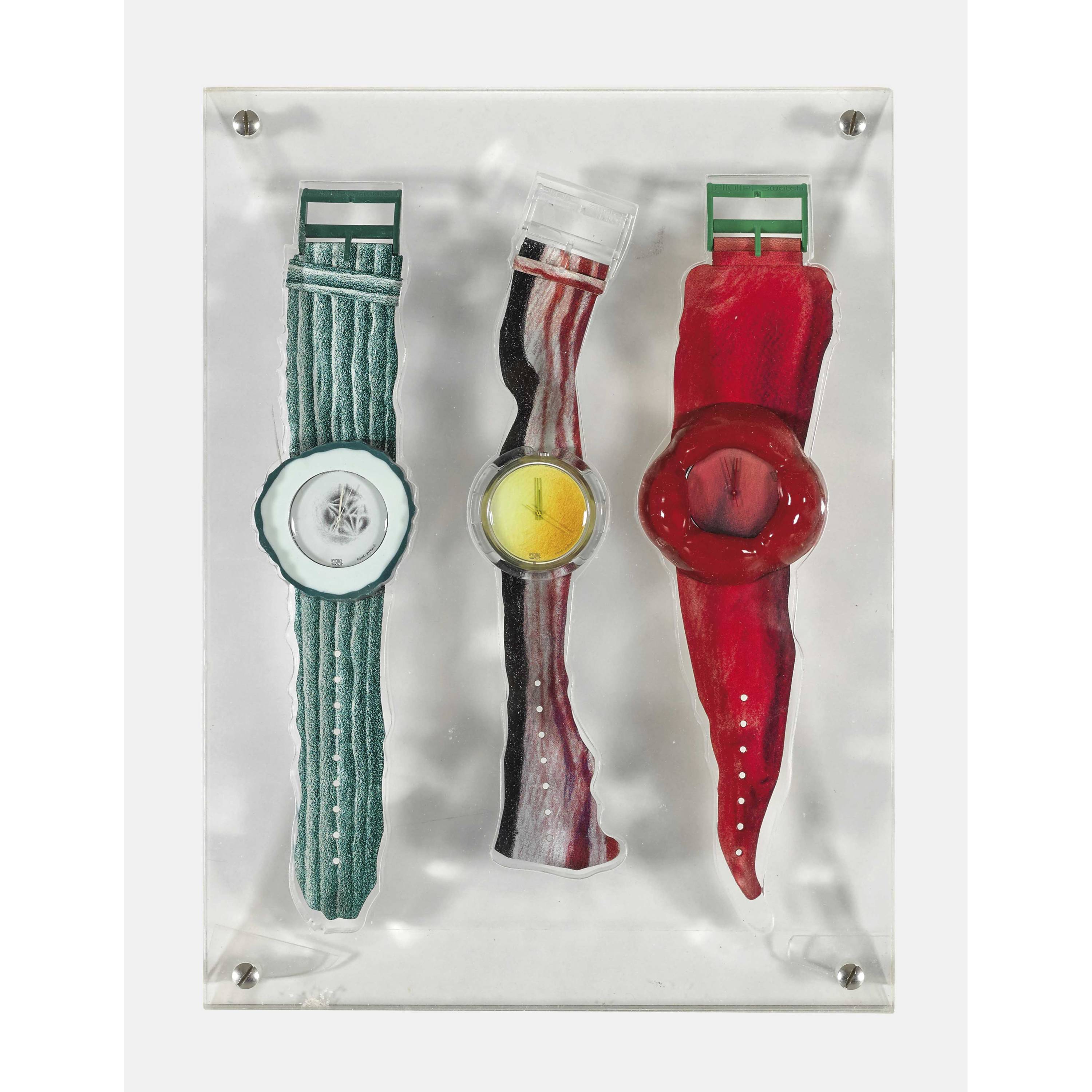
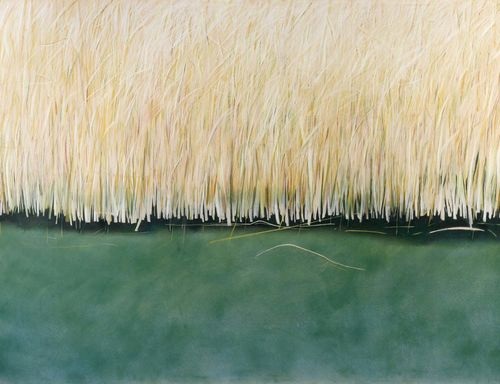
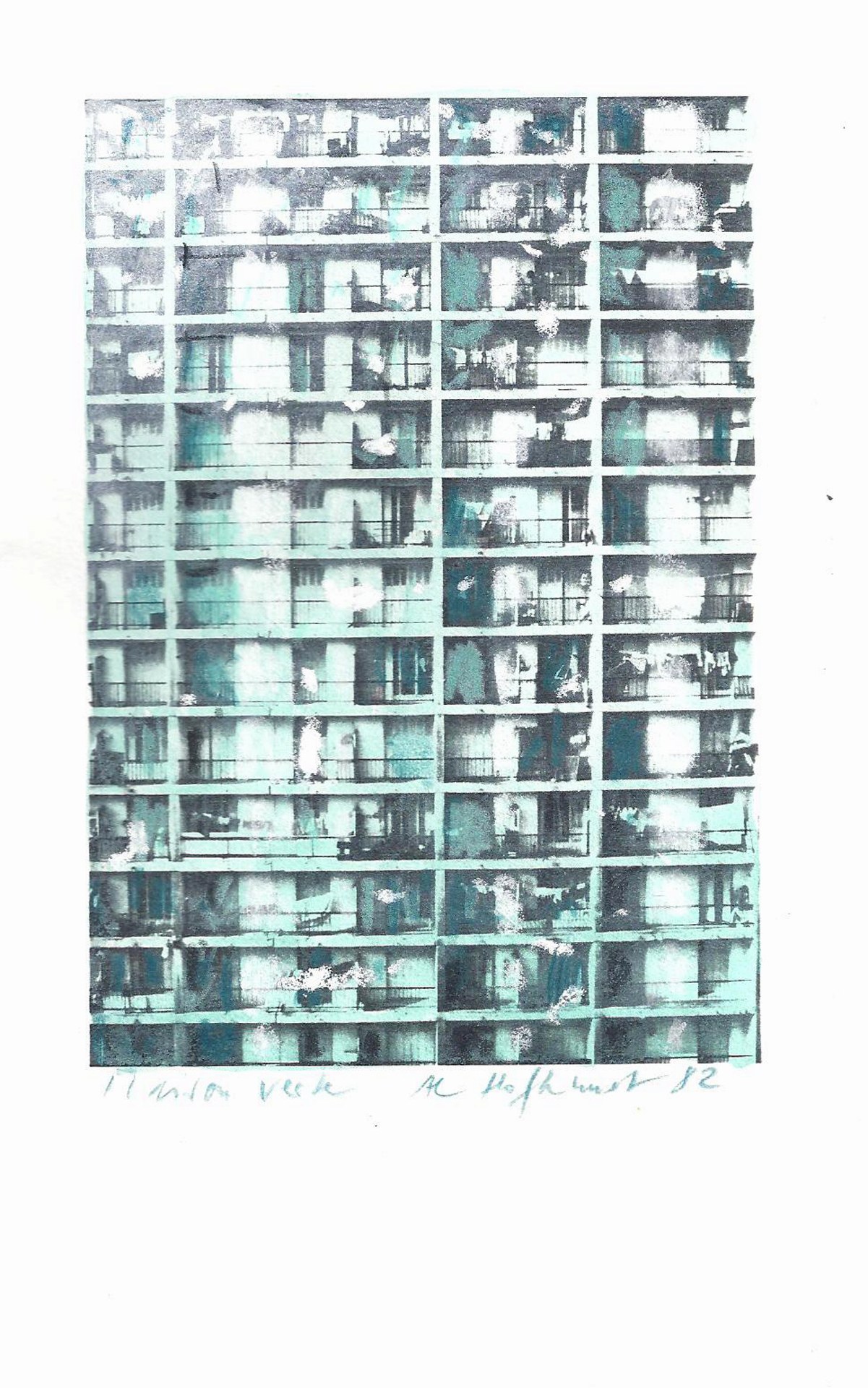
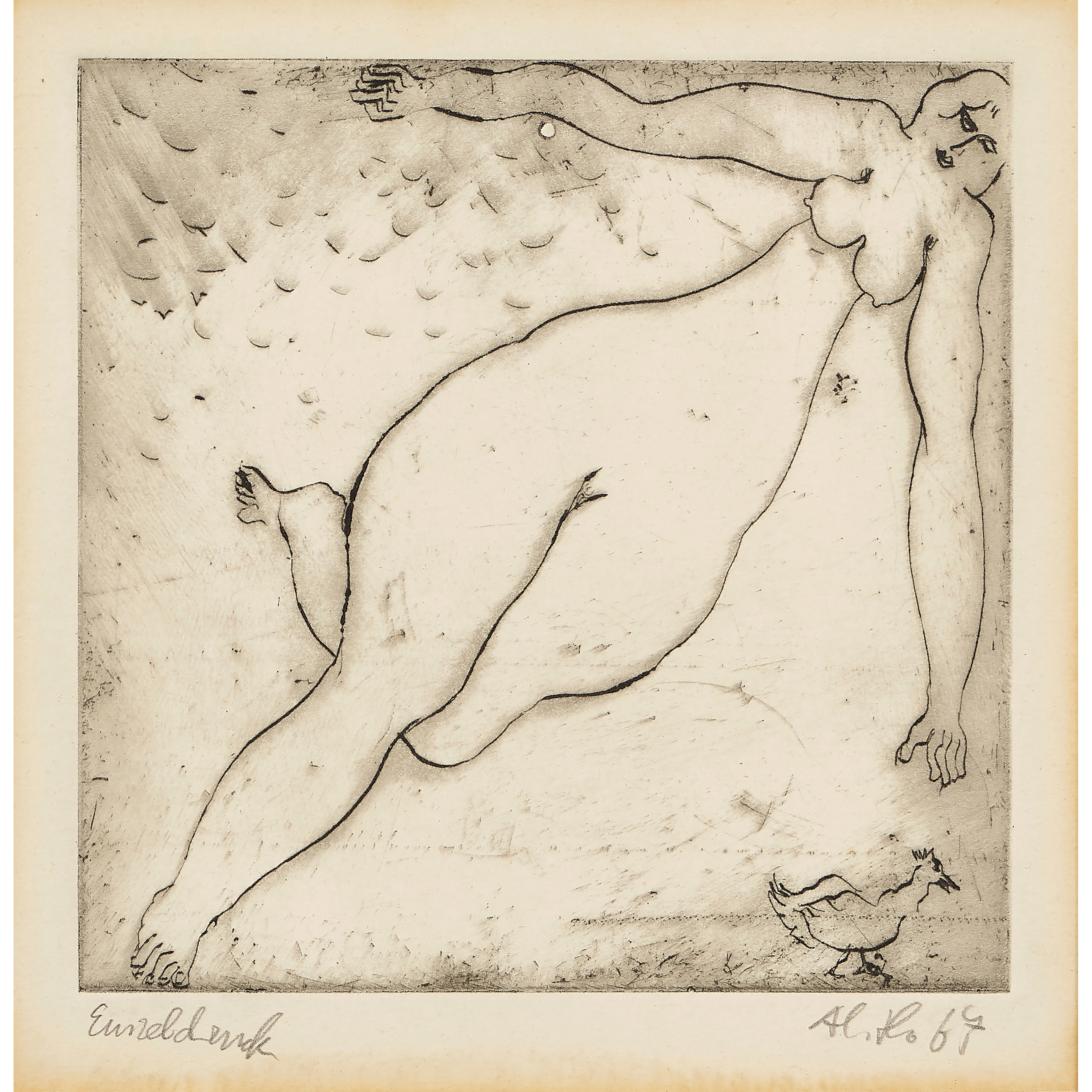
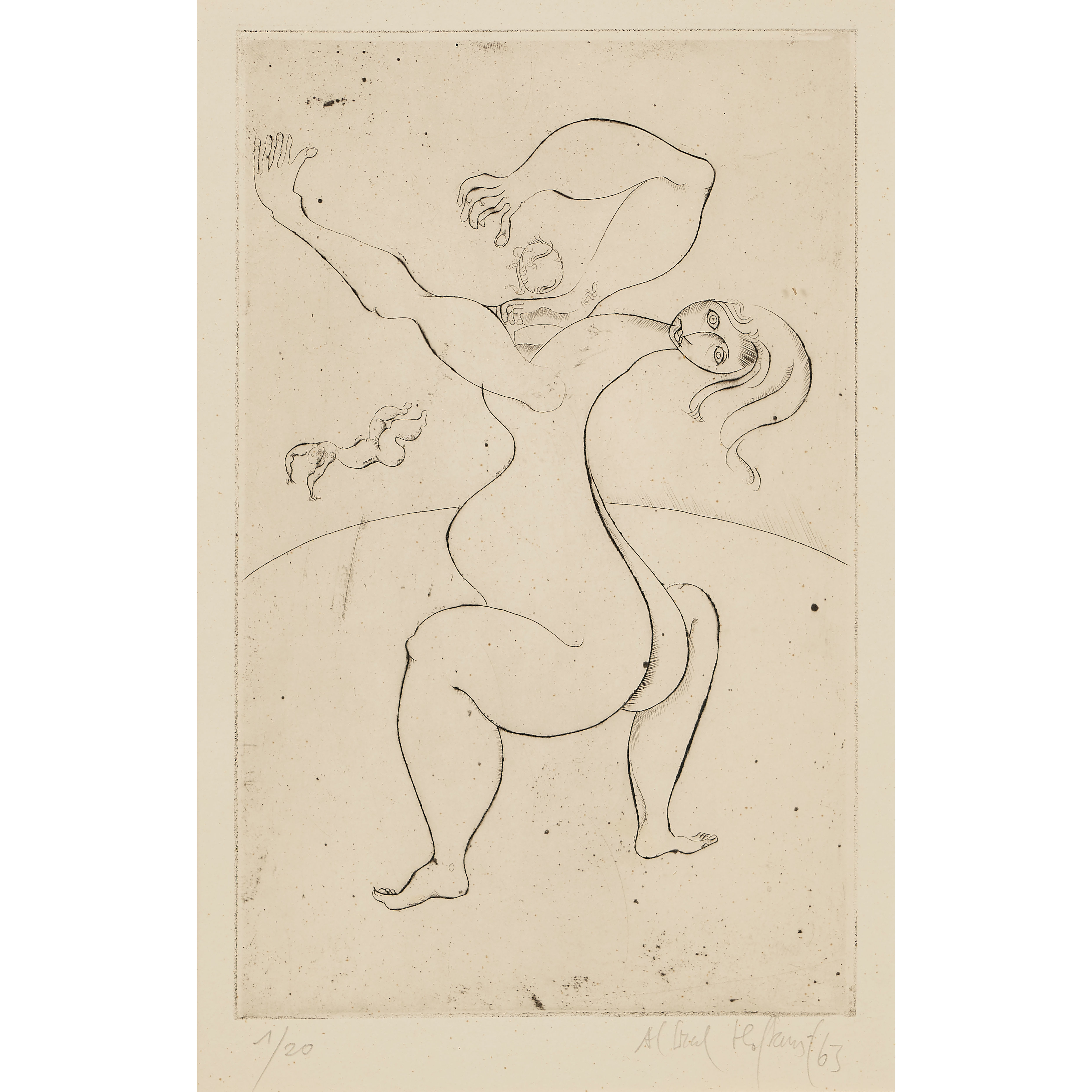
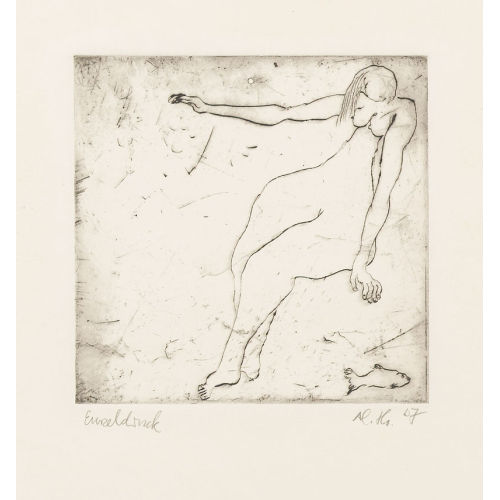
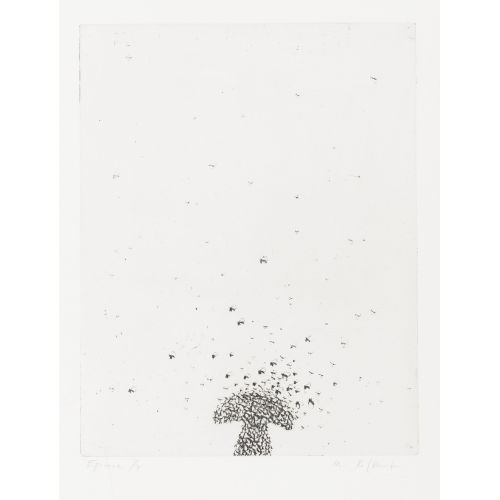
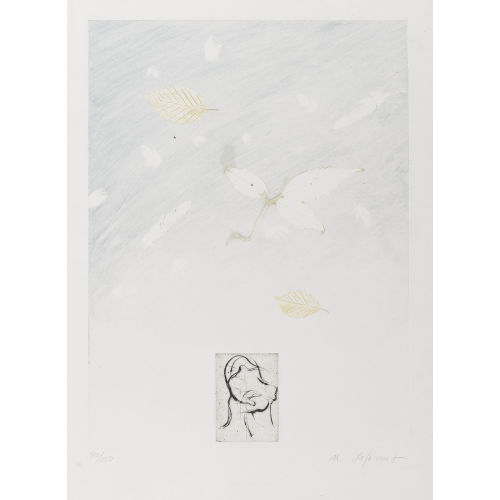
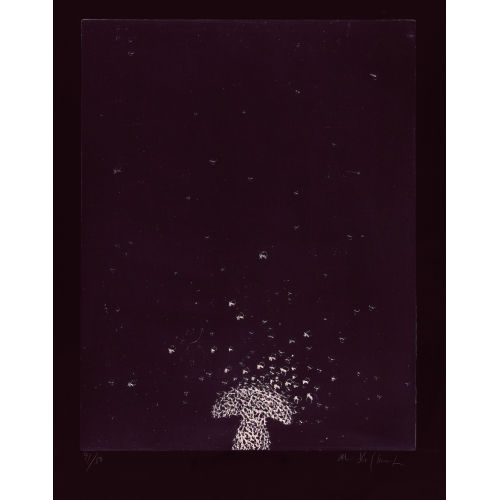
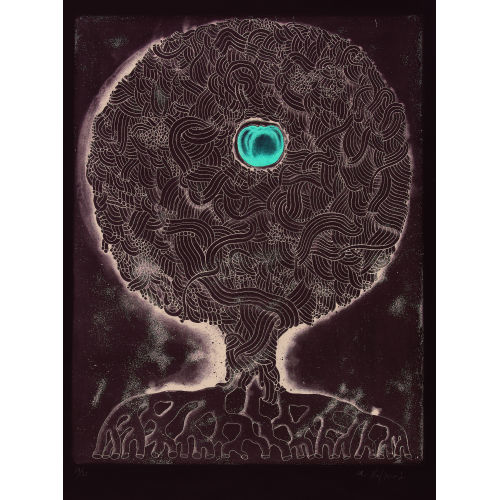
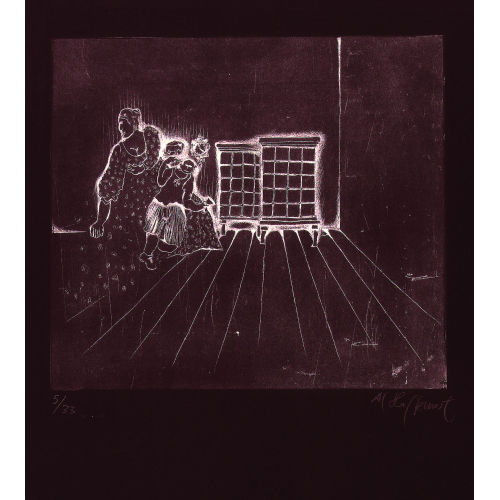
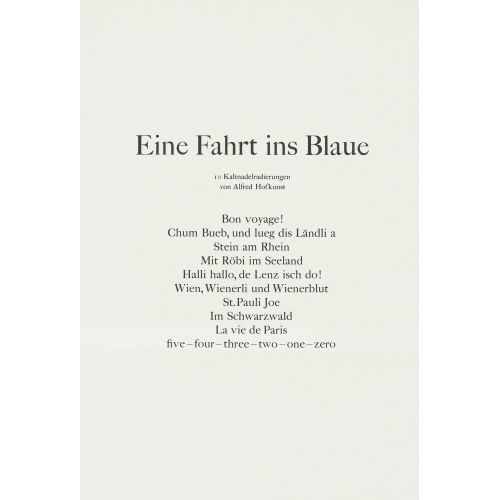
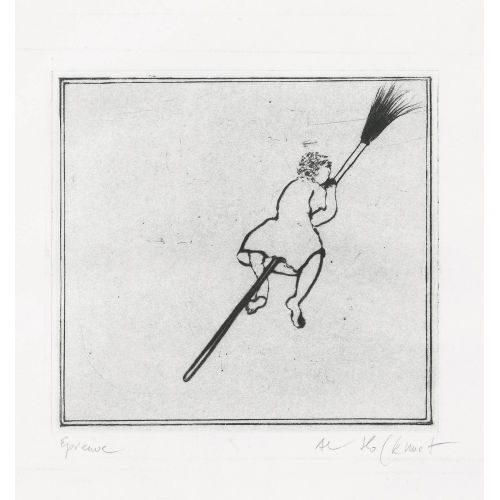
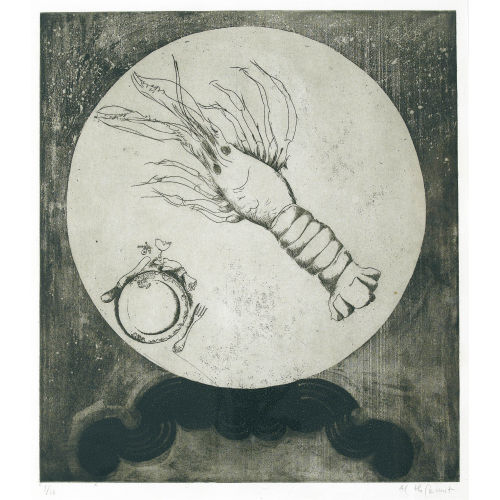
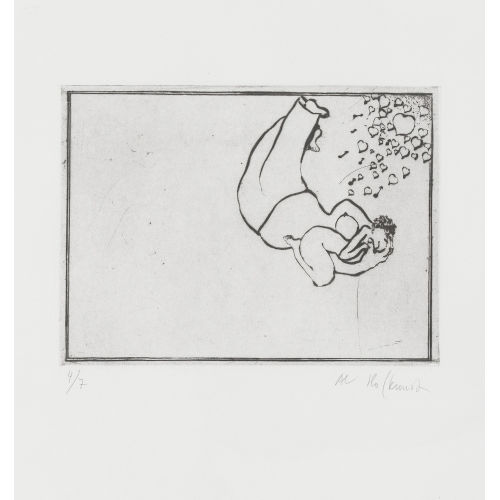
Hofkunst subsequently broadened his field of activity: large-scale works, studios set up in different locations, and objects and projects infused with a decidedly provocative humour. Close to Jean Tinguely and Bernhard Luginbühl, he shared their taste for enterprises that exceed the customary boundaries of the work of art. He also practised printmaking, as evidenced by the etching Bundle of Straw (1974), held by the Museum of Modern Art in New York.
From the bundle of straw to the walls of a studio, he invites us to look anew at what habit renders invisible. His meticulousness and his excess converge in this question: at what point does an image become a place one believes one can enter?