Alfred Heinrich Pellegrini
Born in 1881.
Died in 1958.
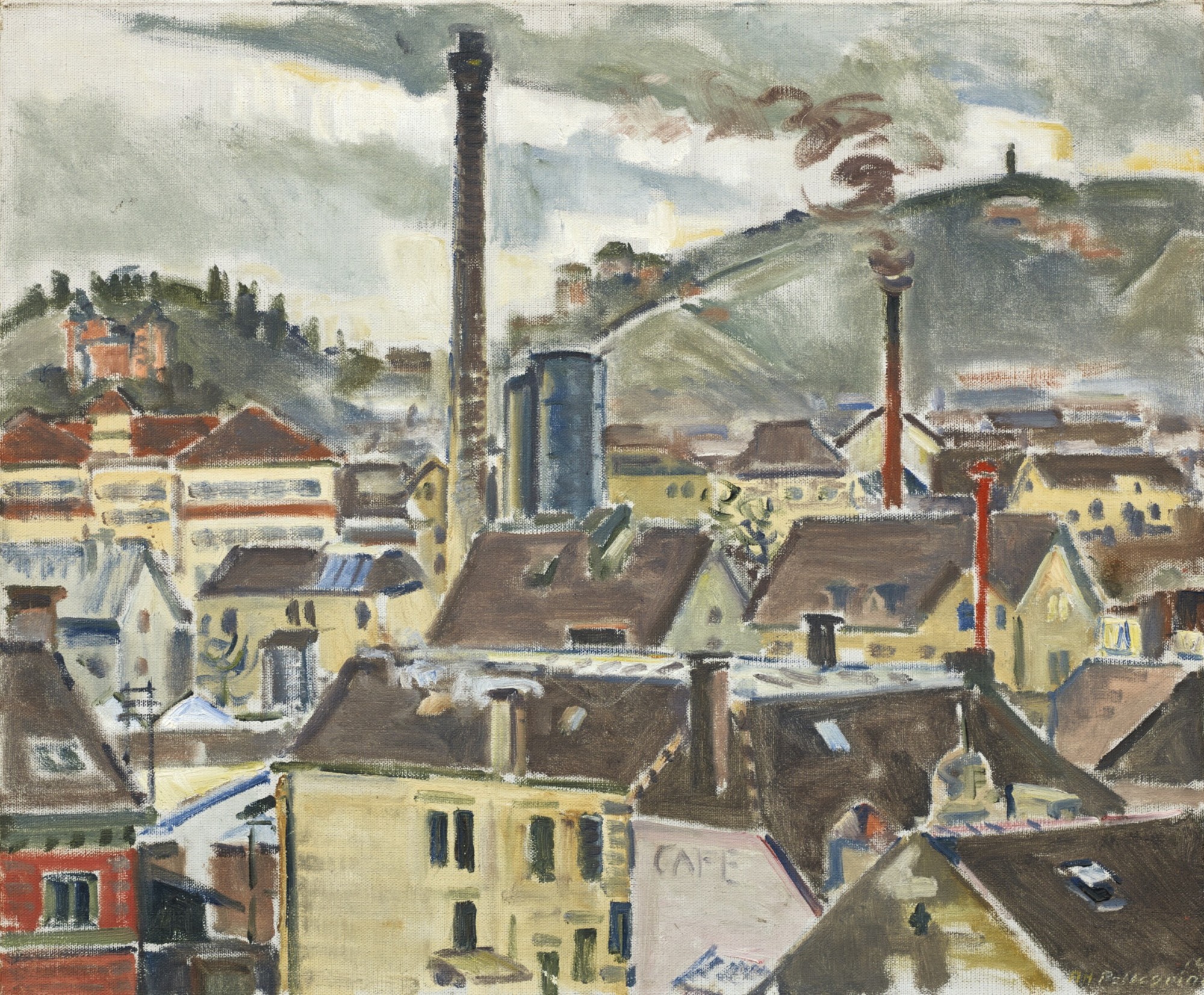
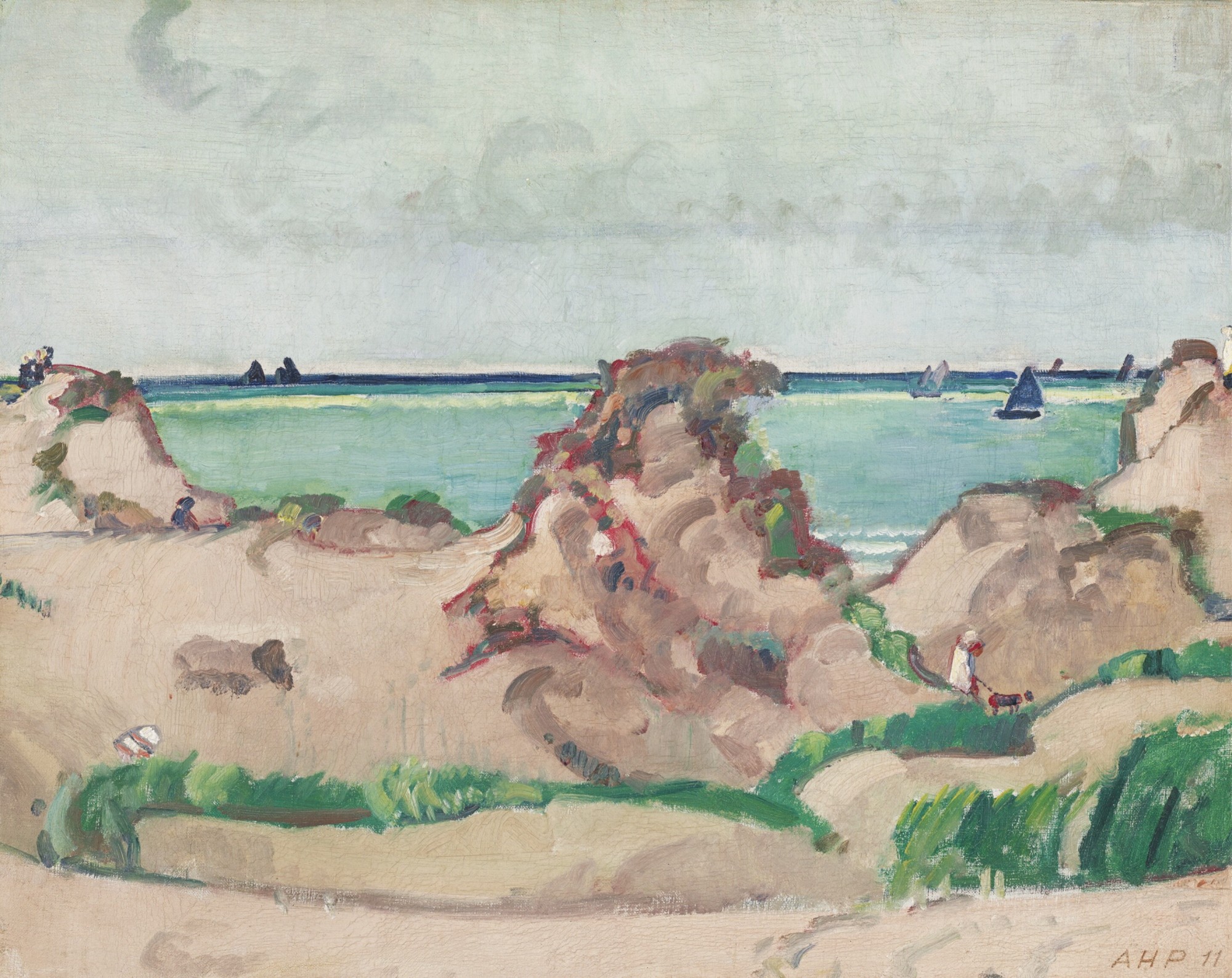
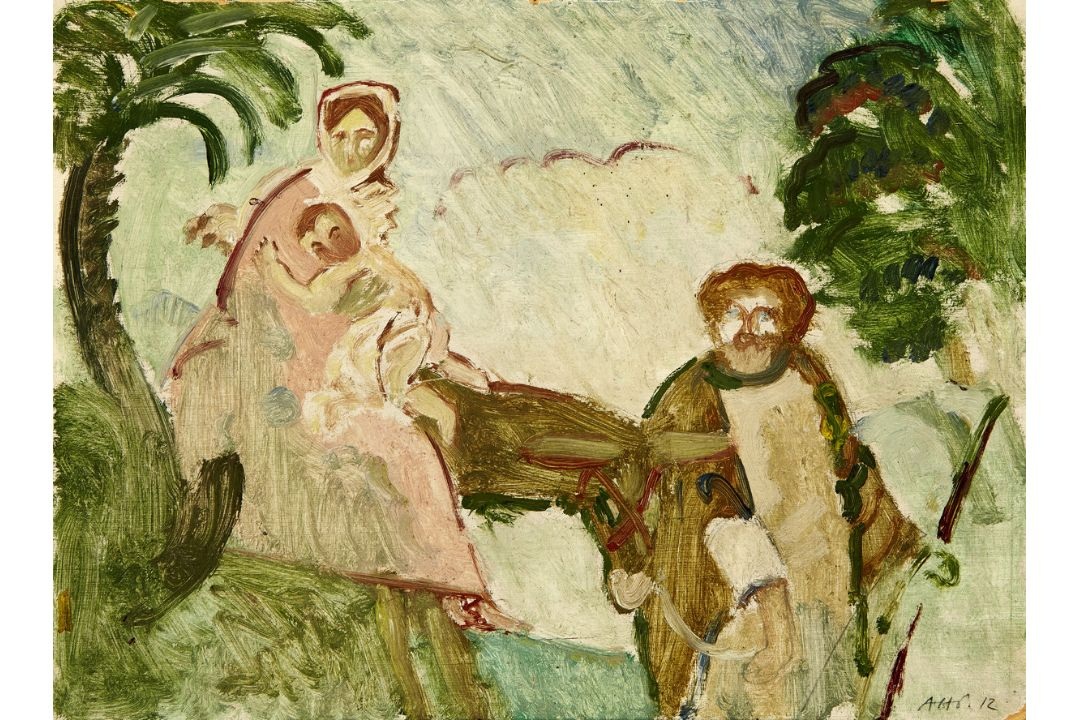
Born and deceased in Basel (1881–1958), Alfred Heinrich Pellegrini ranks among the major Swiss figures in mural painting of the early twentieth century. His training took him from the Basel School of Arts and Crafts to the Munich Academy, and then to Stuttgart, where he studied under Adolf Hölzel. He also spent time in Geneva, where he met Ferdinand Hodler.
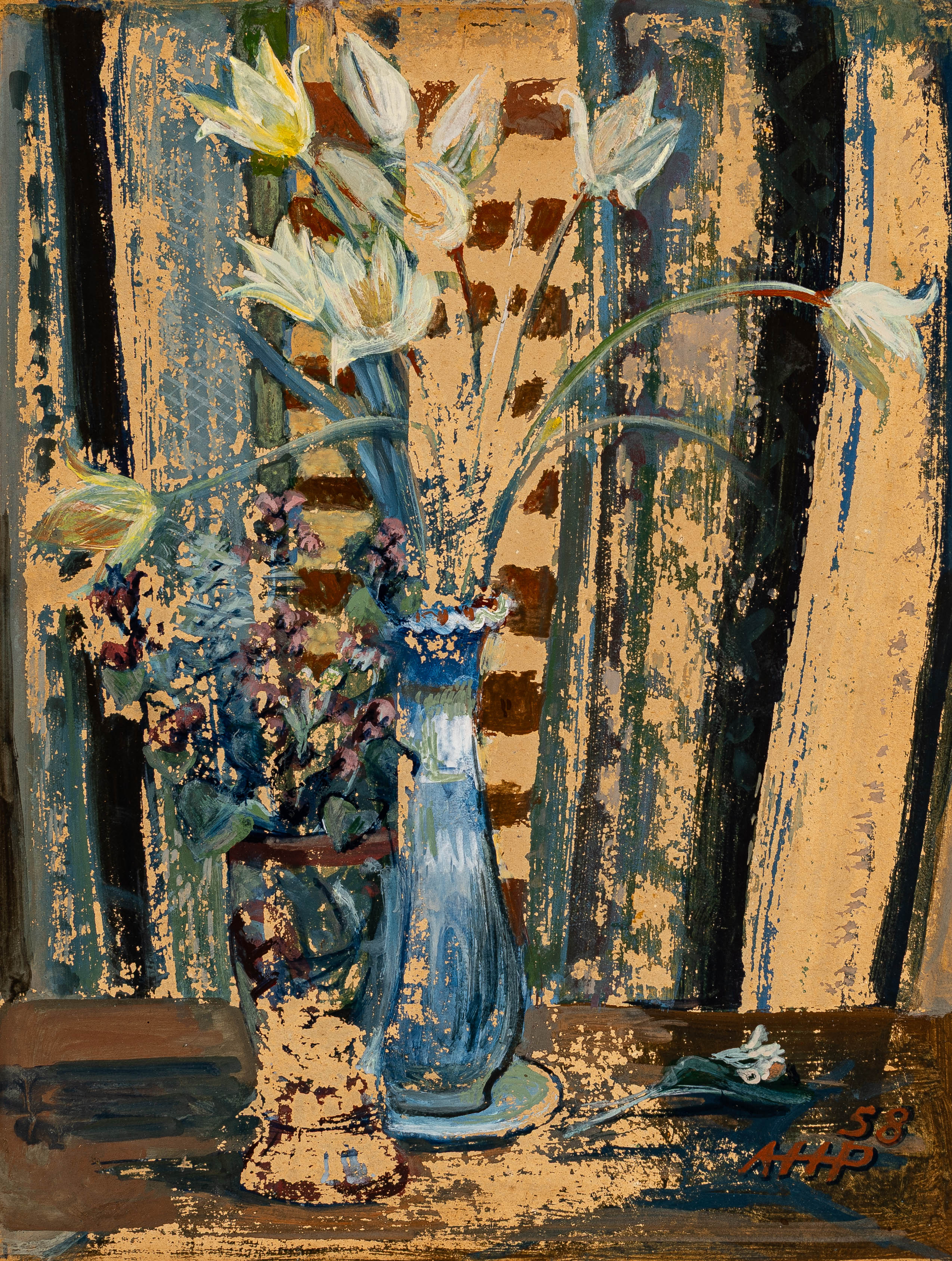
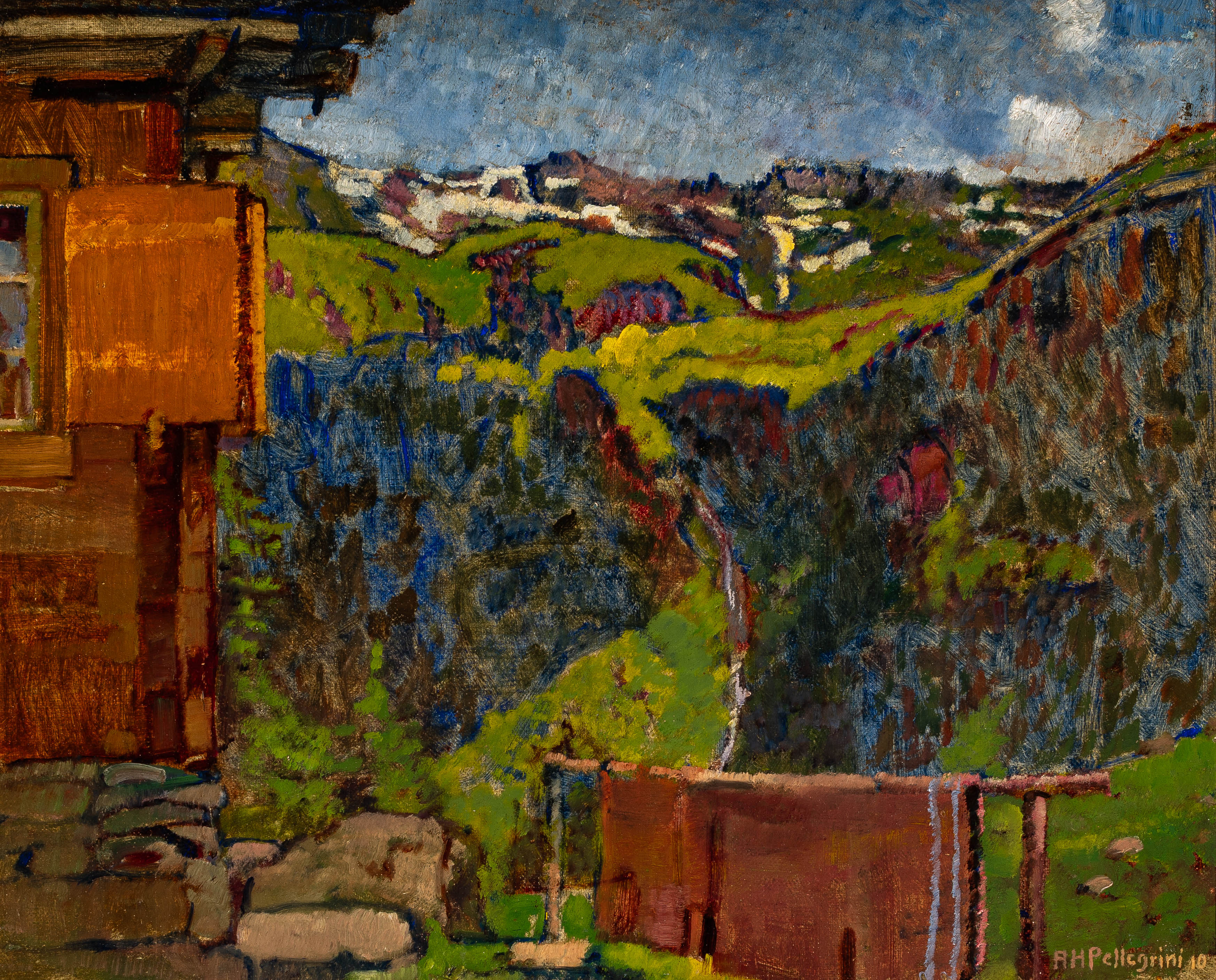
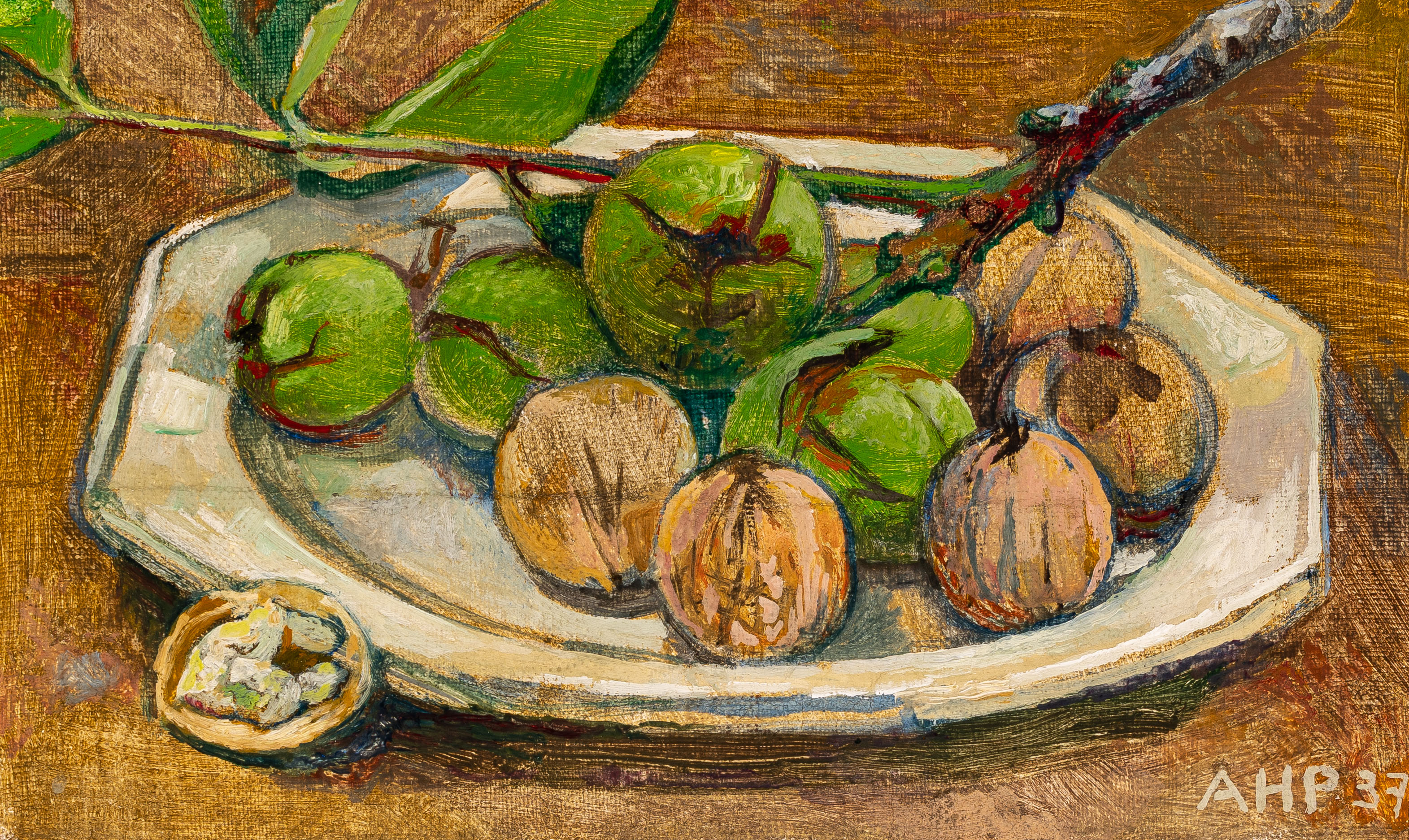
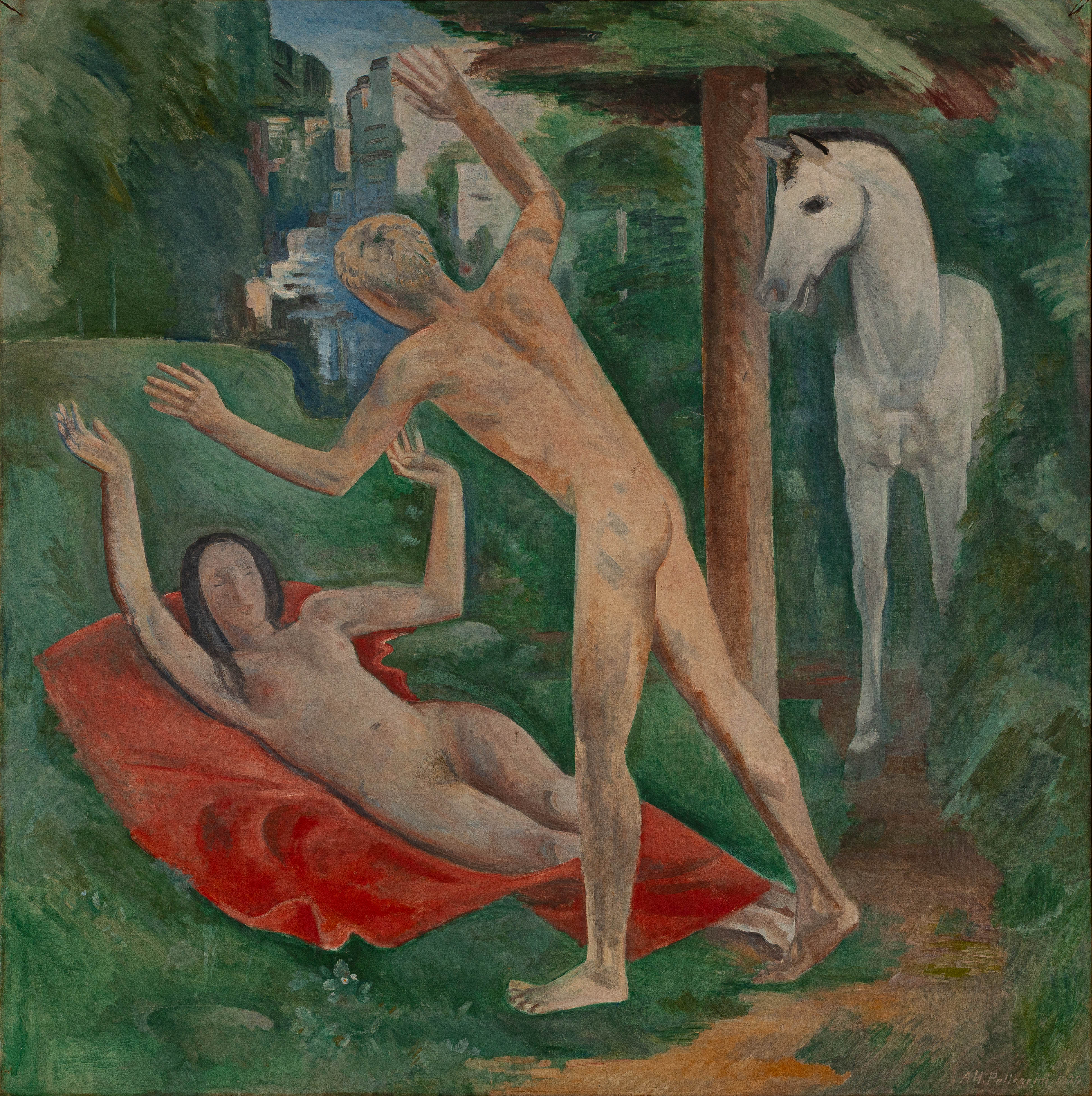
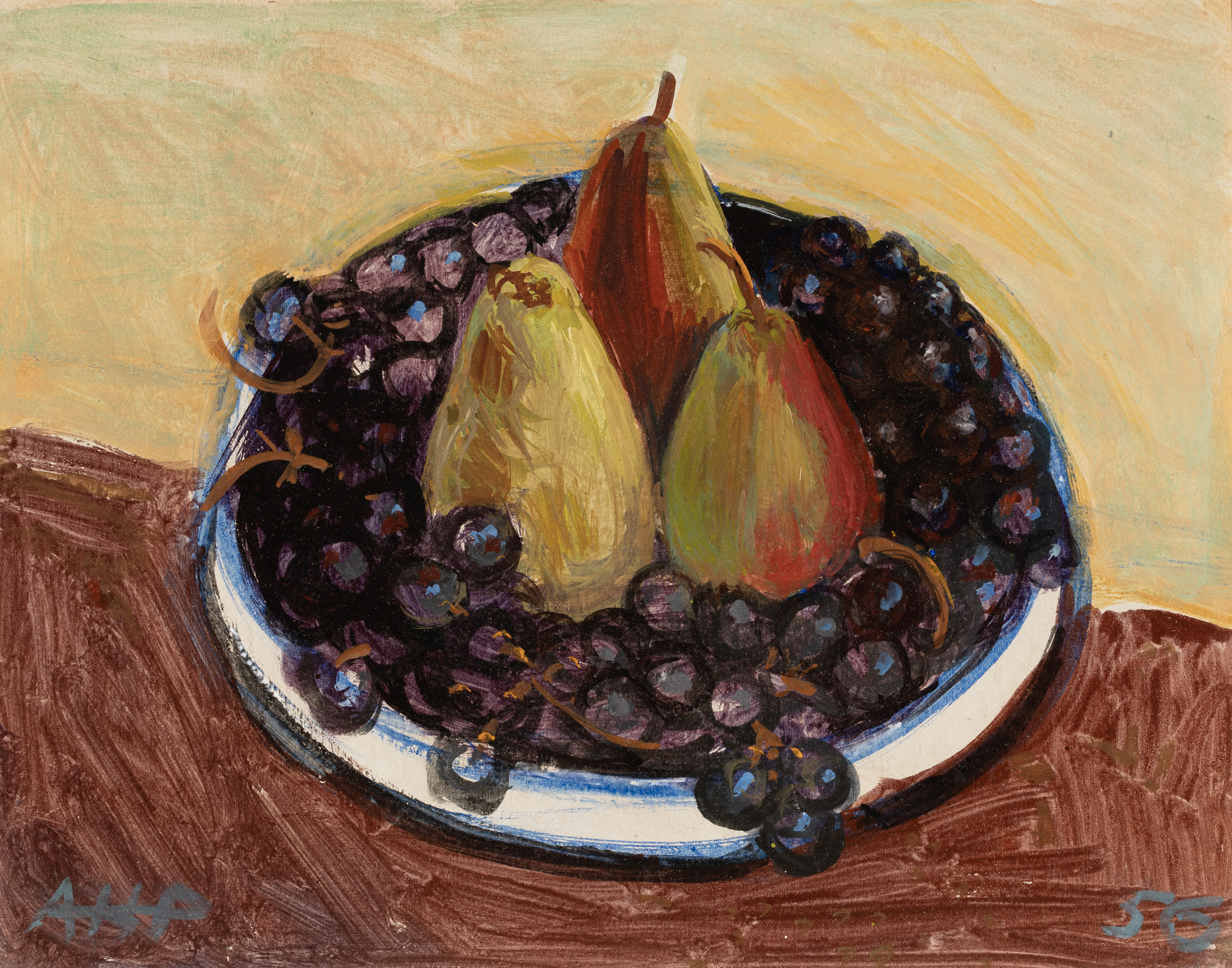
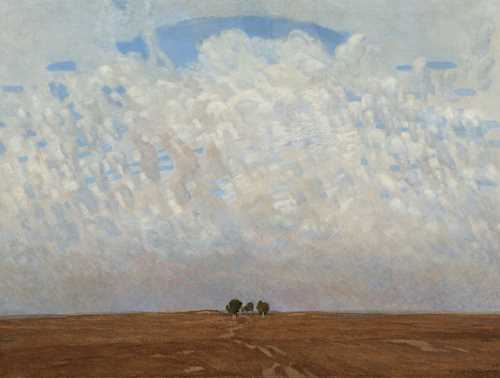
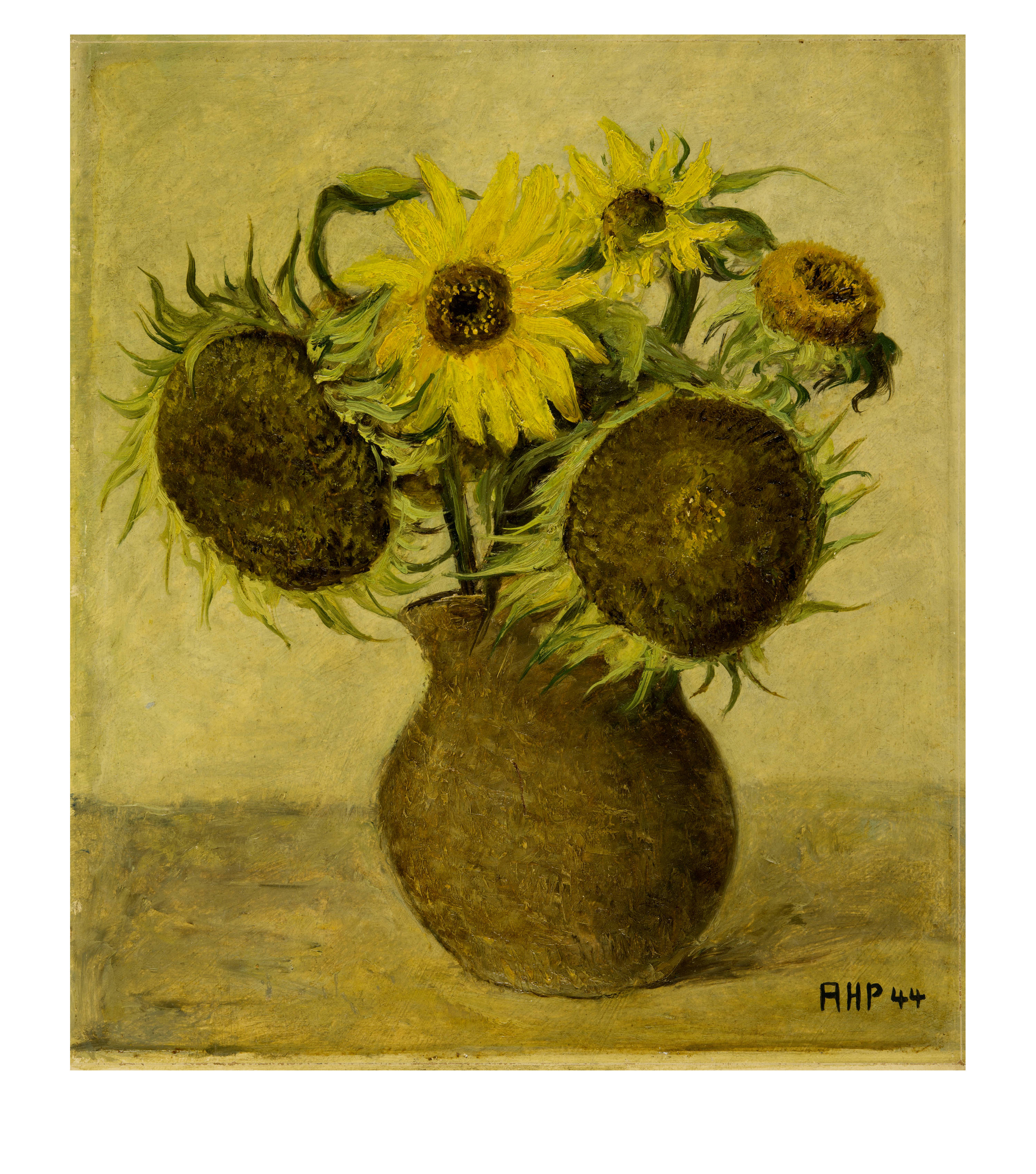
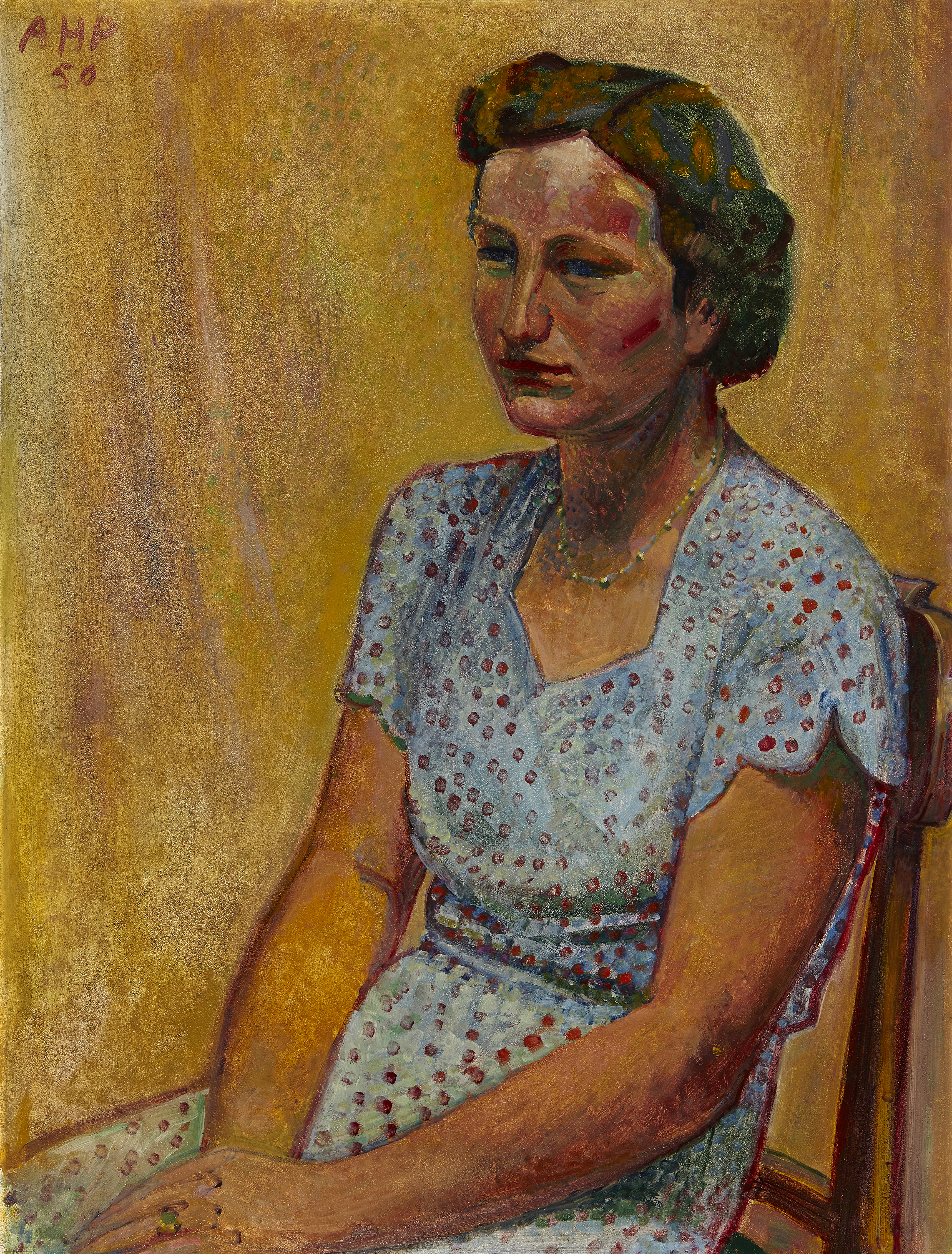
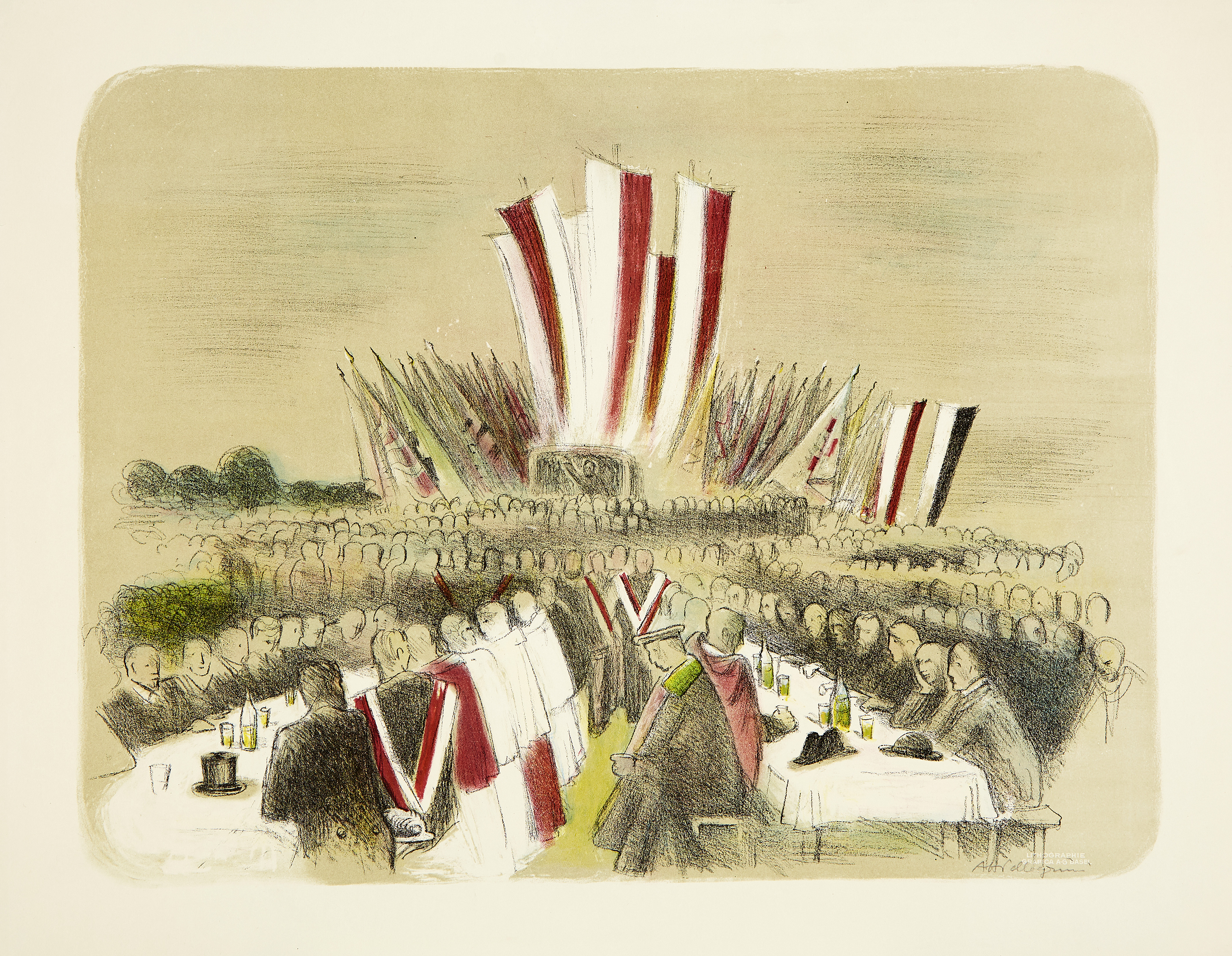
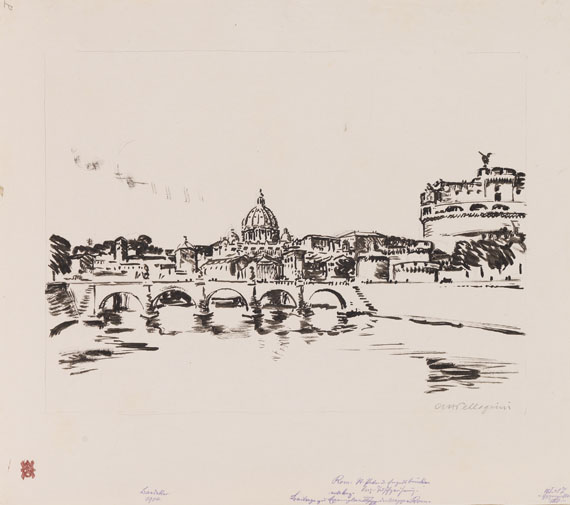
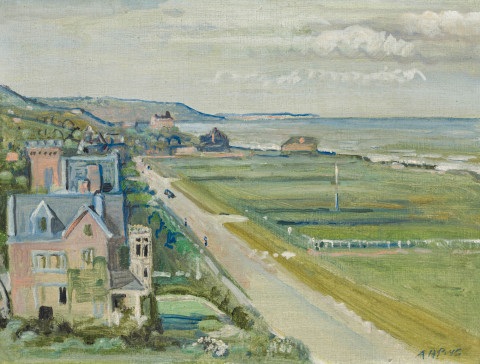
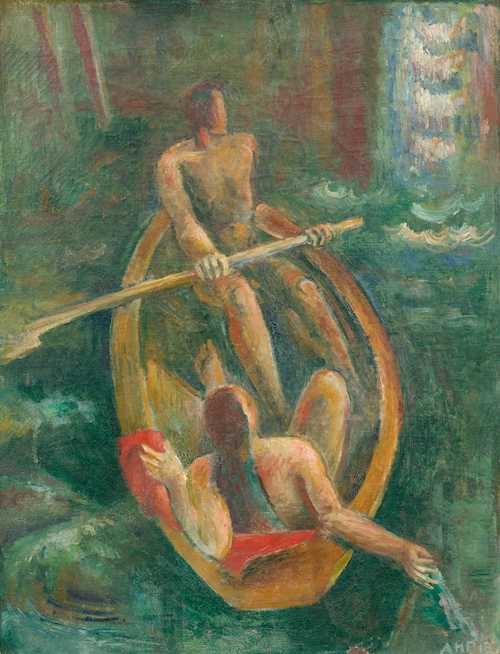
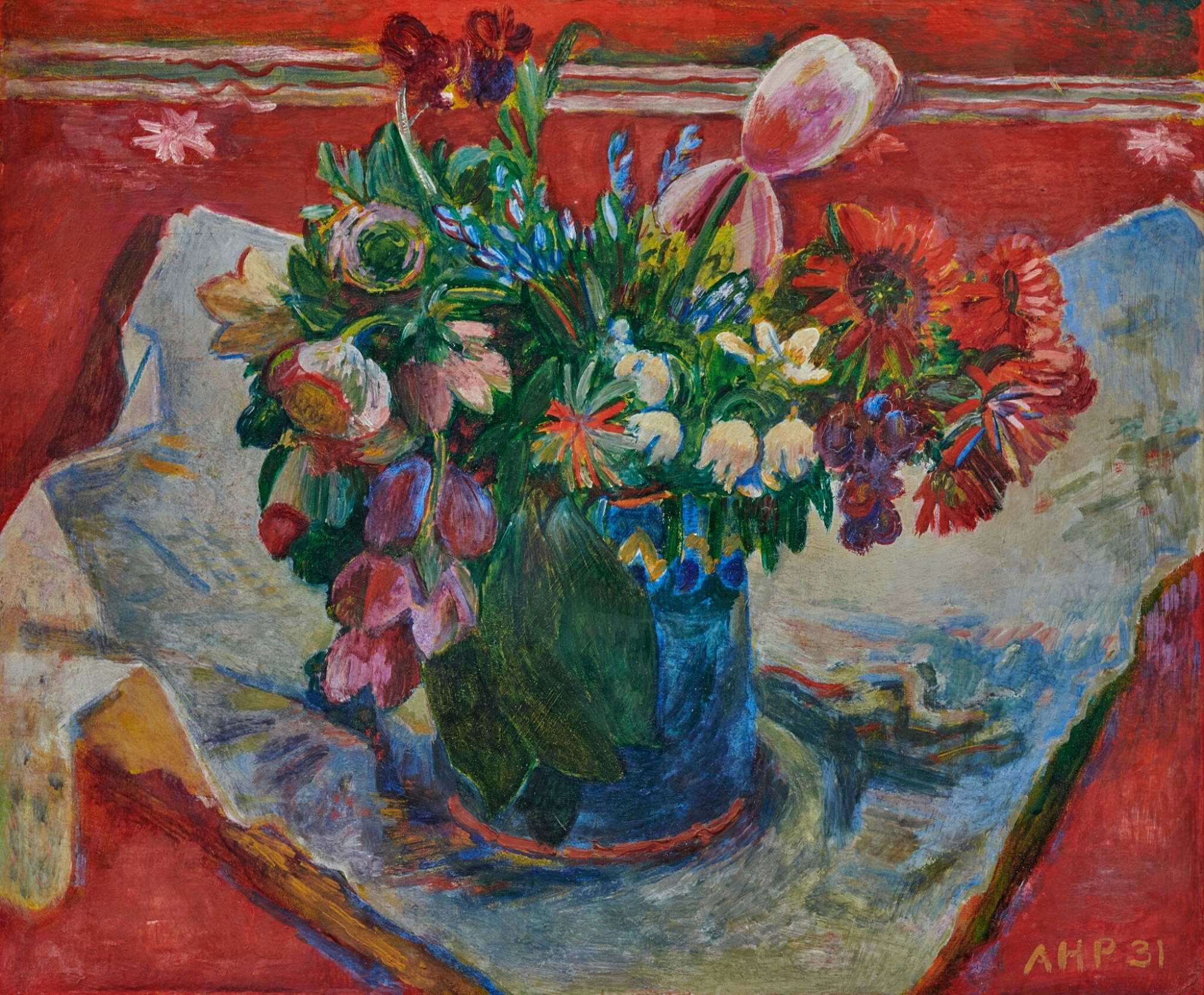
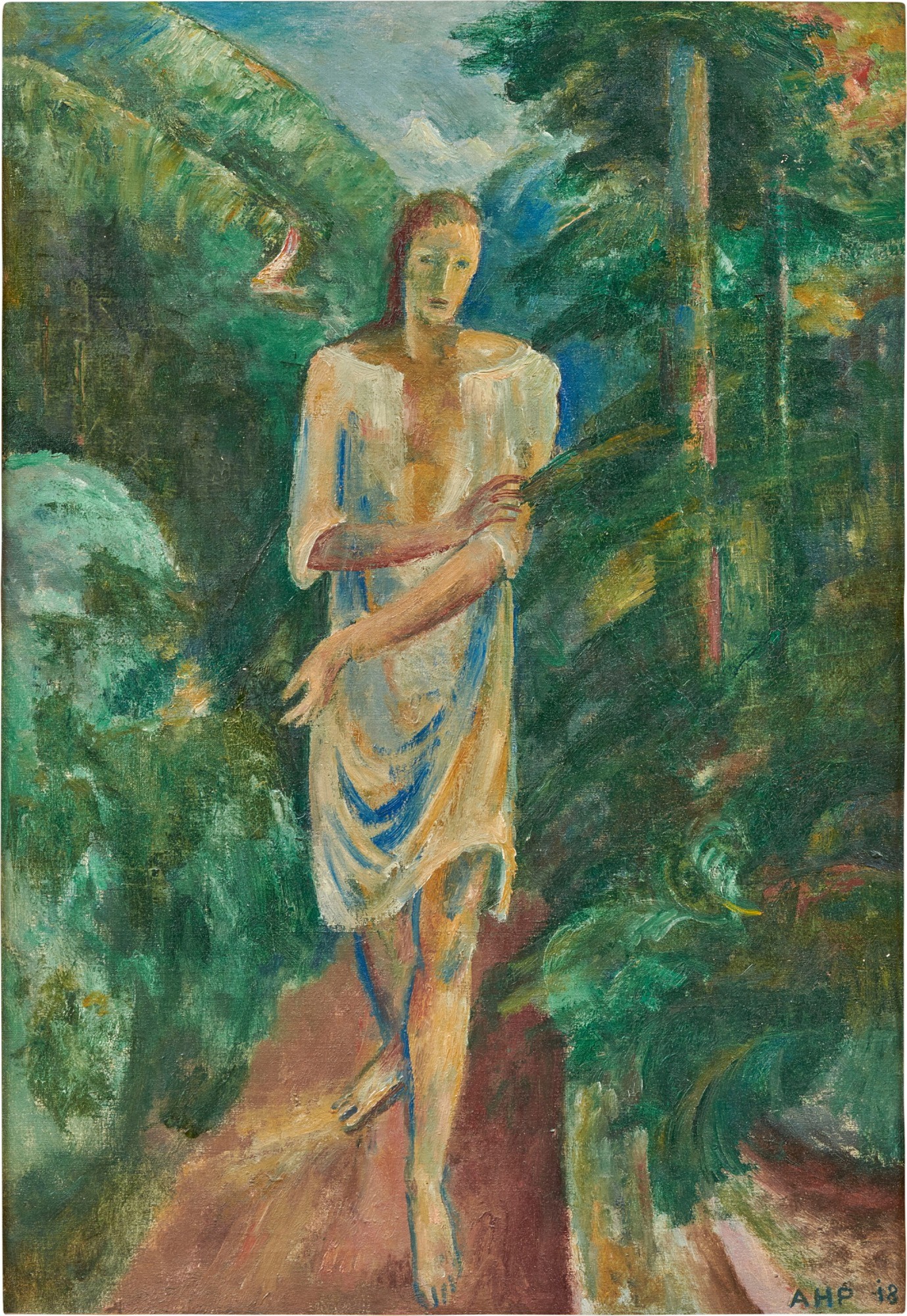
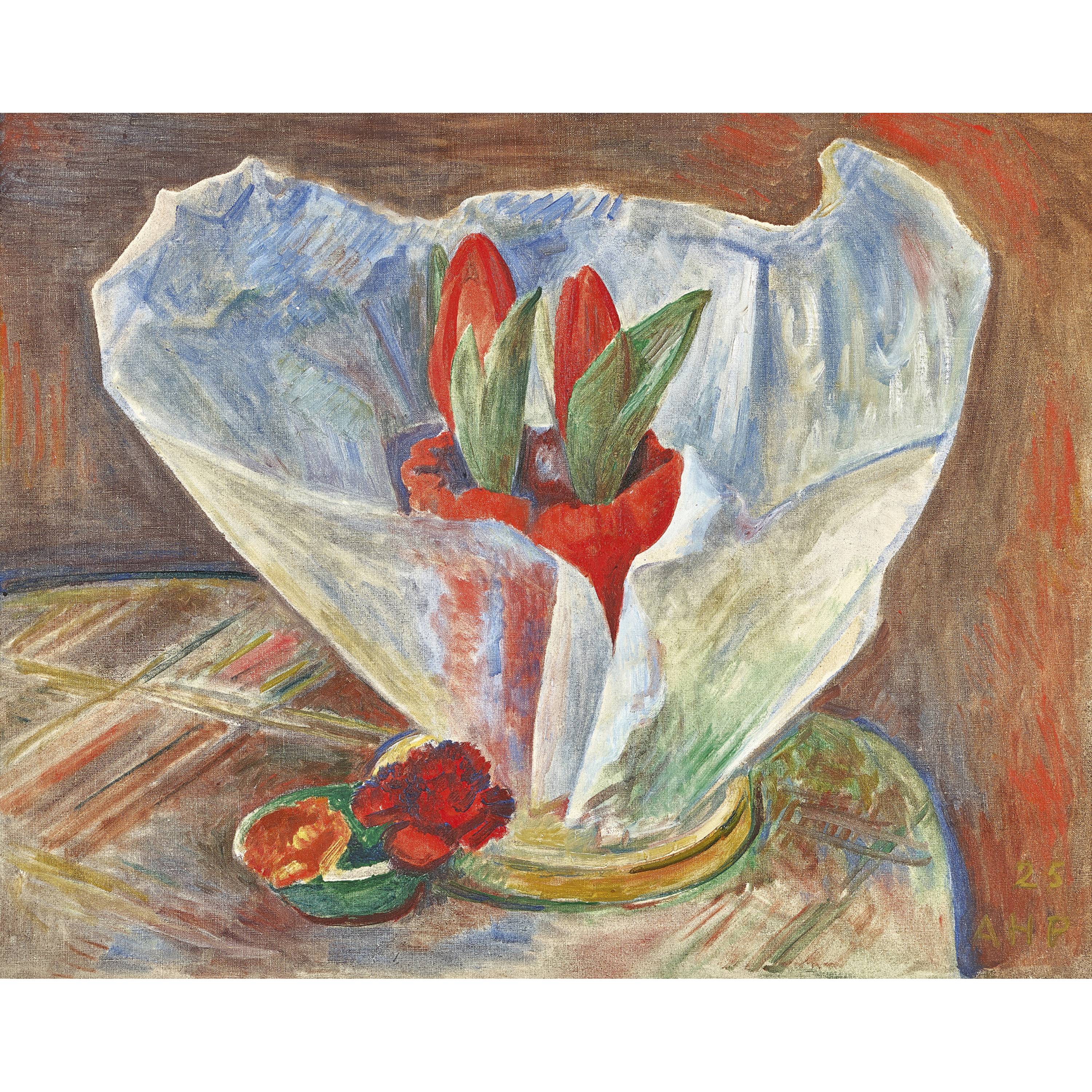
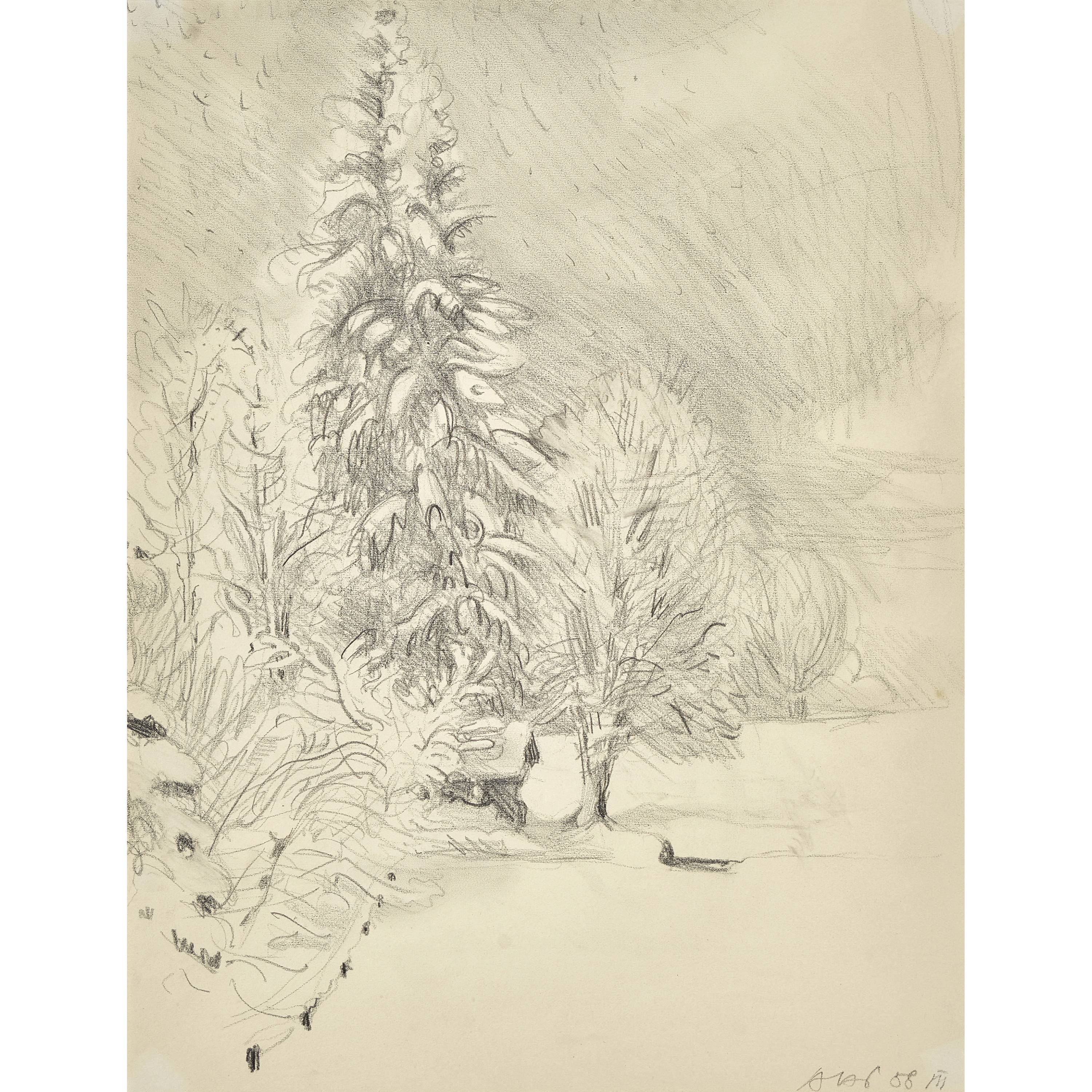
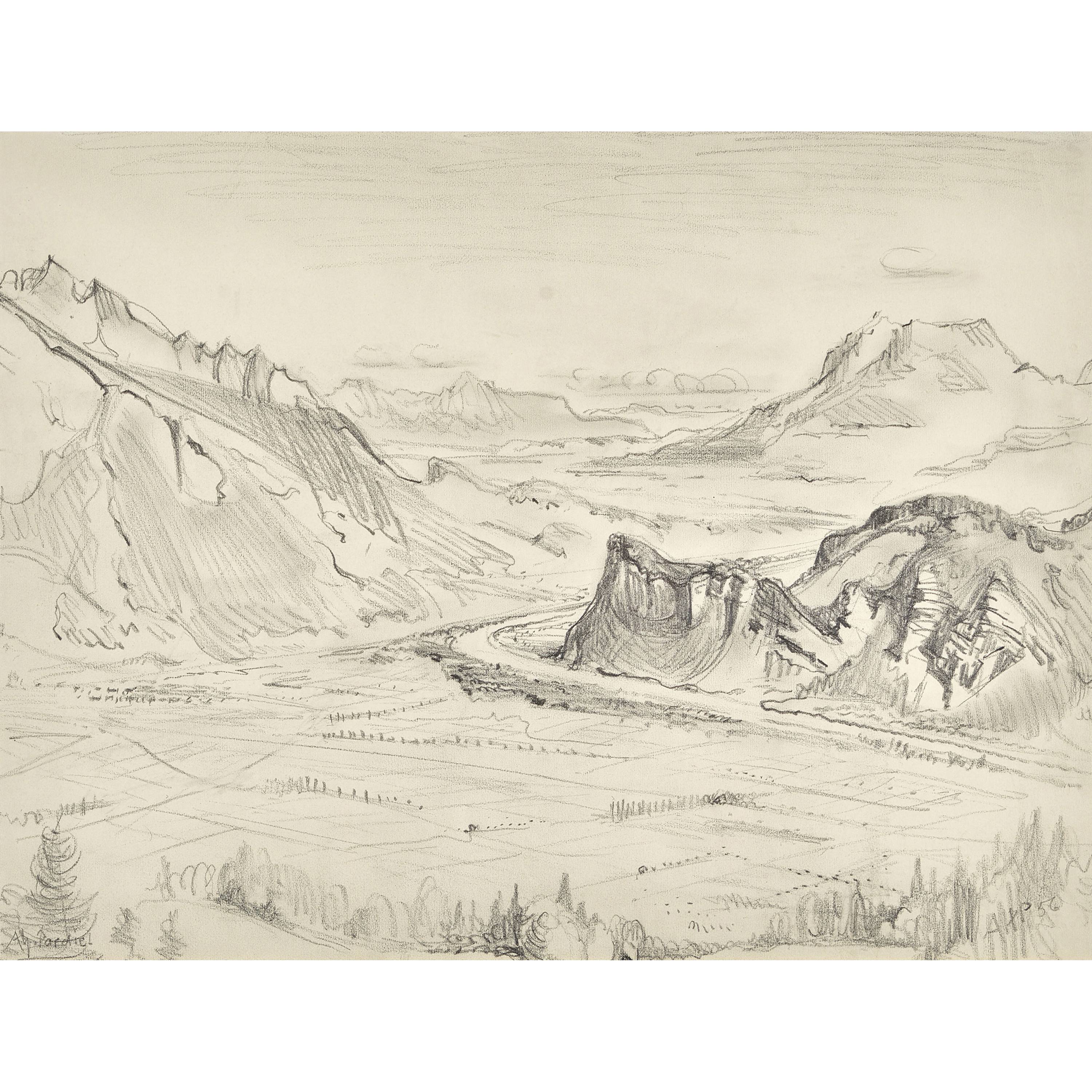
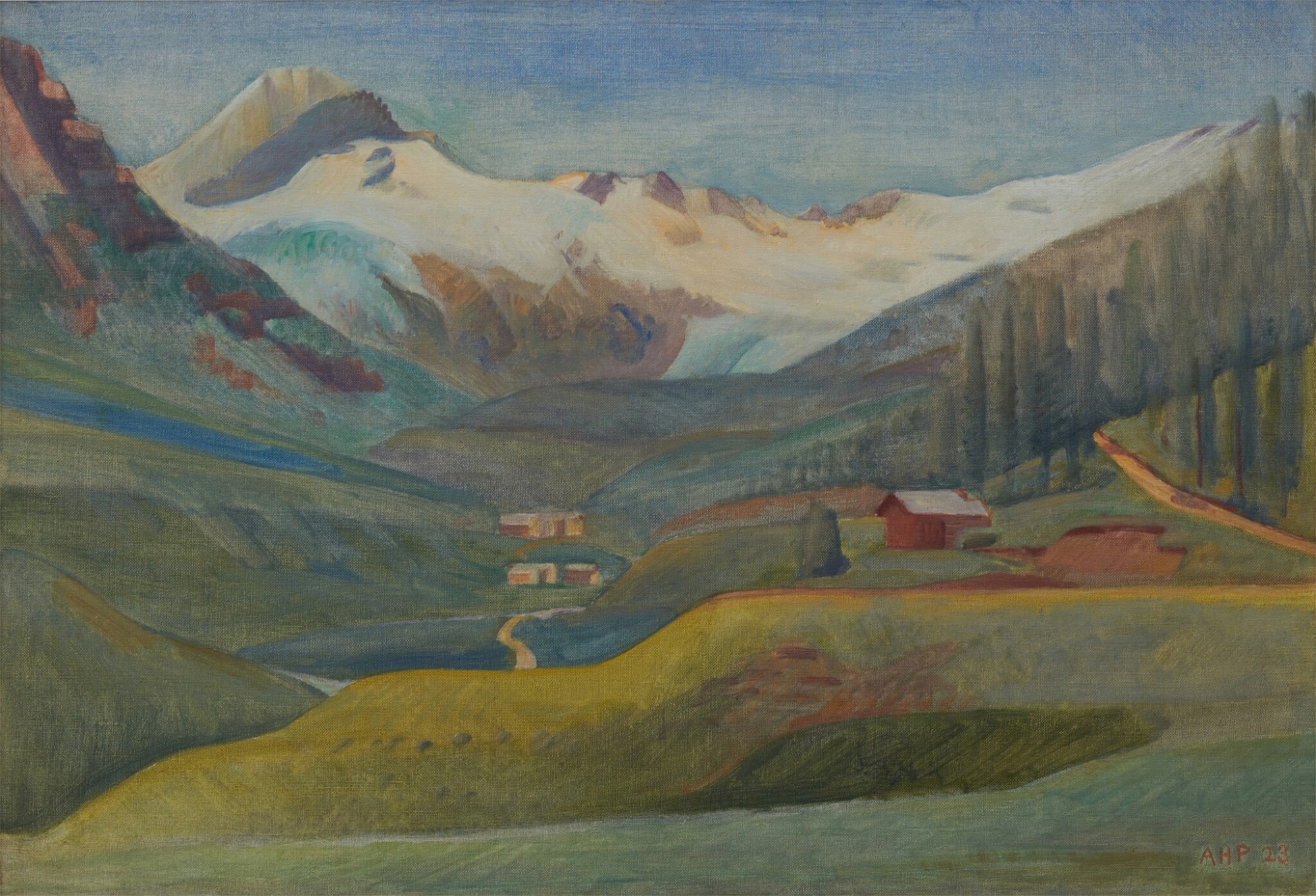
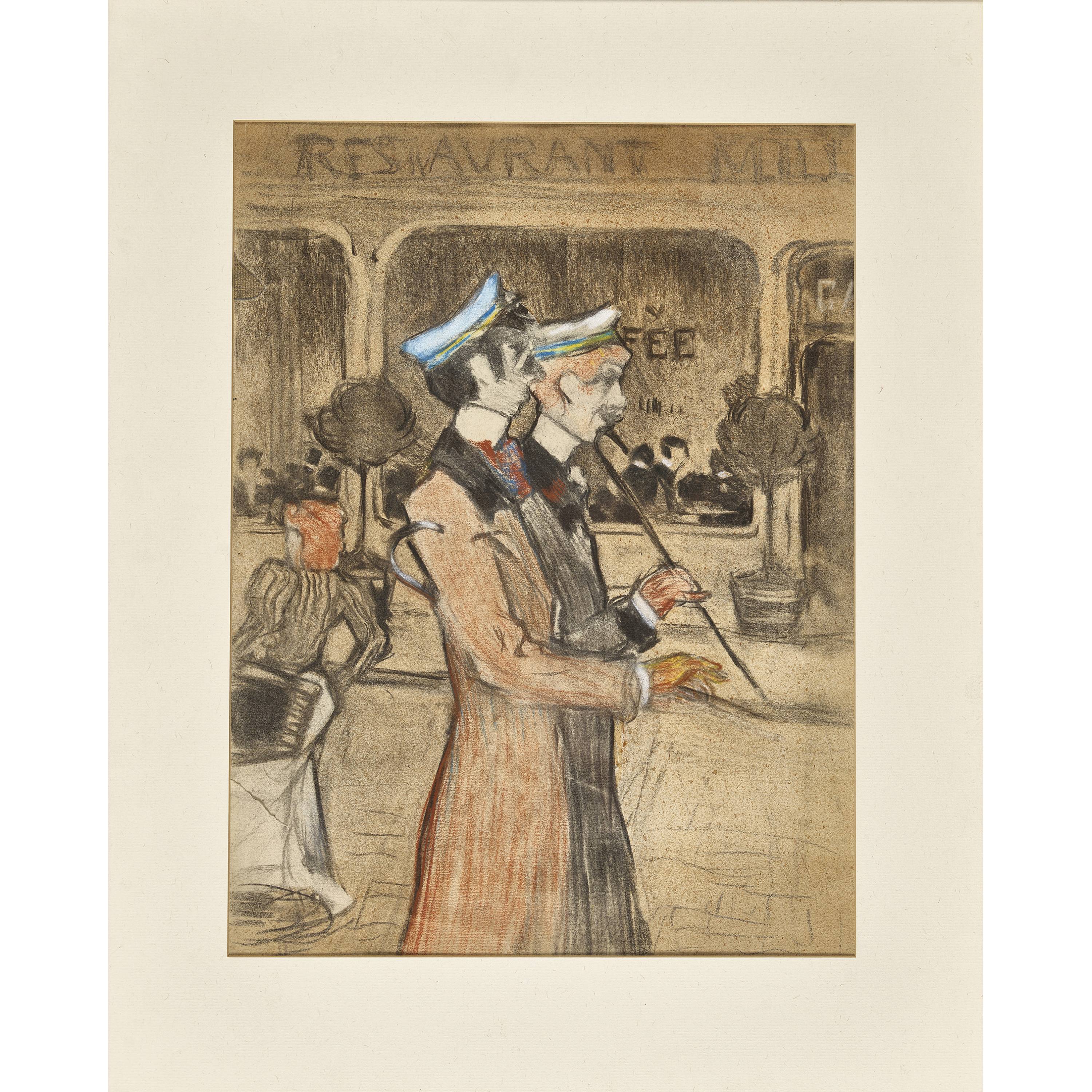
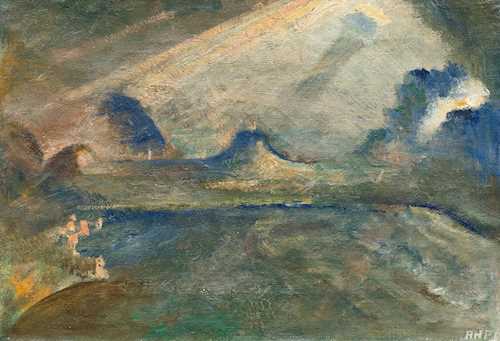
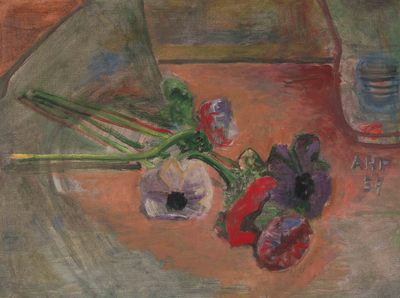
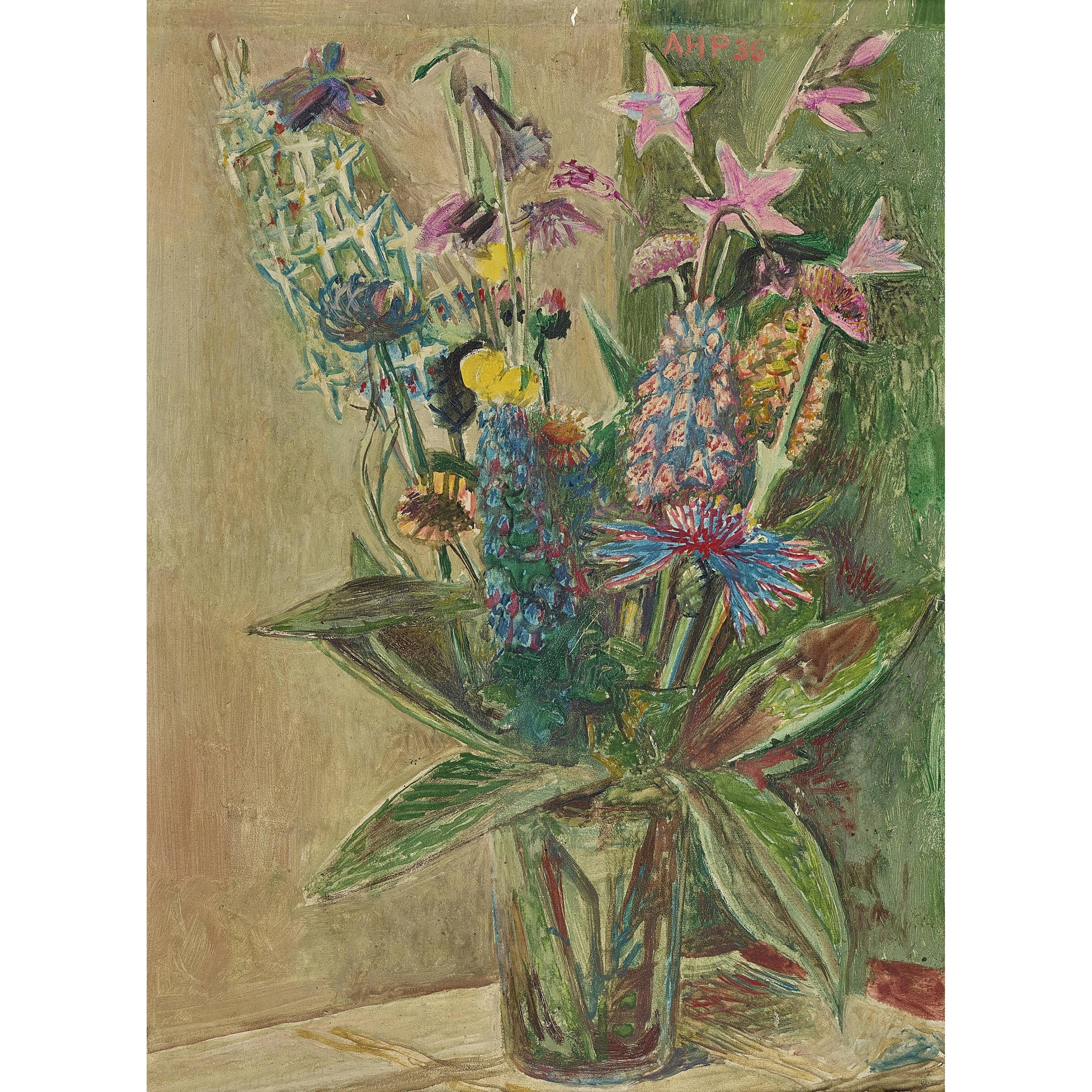
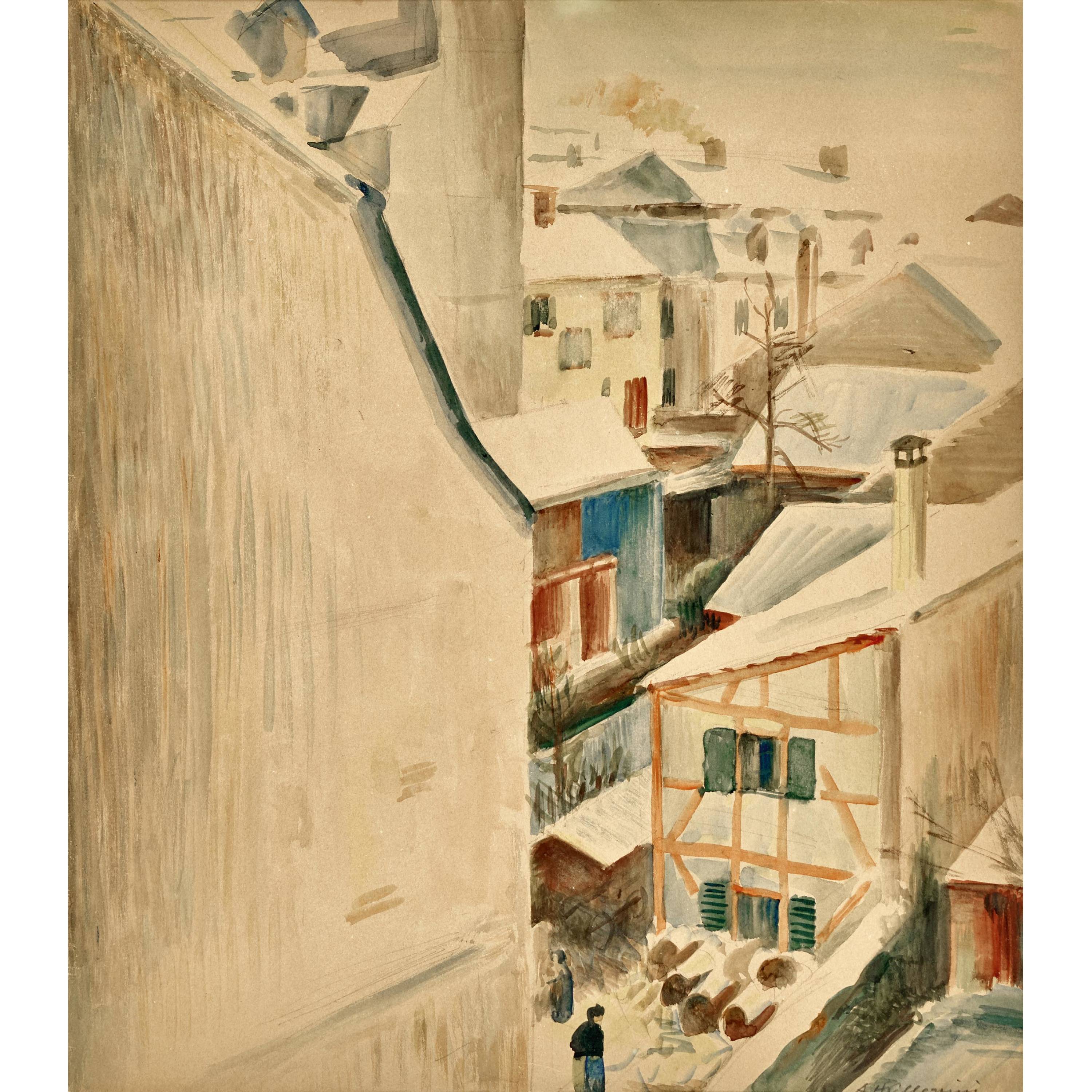
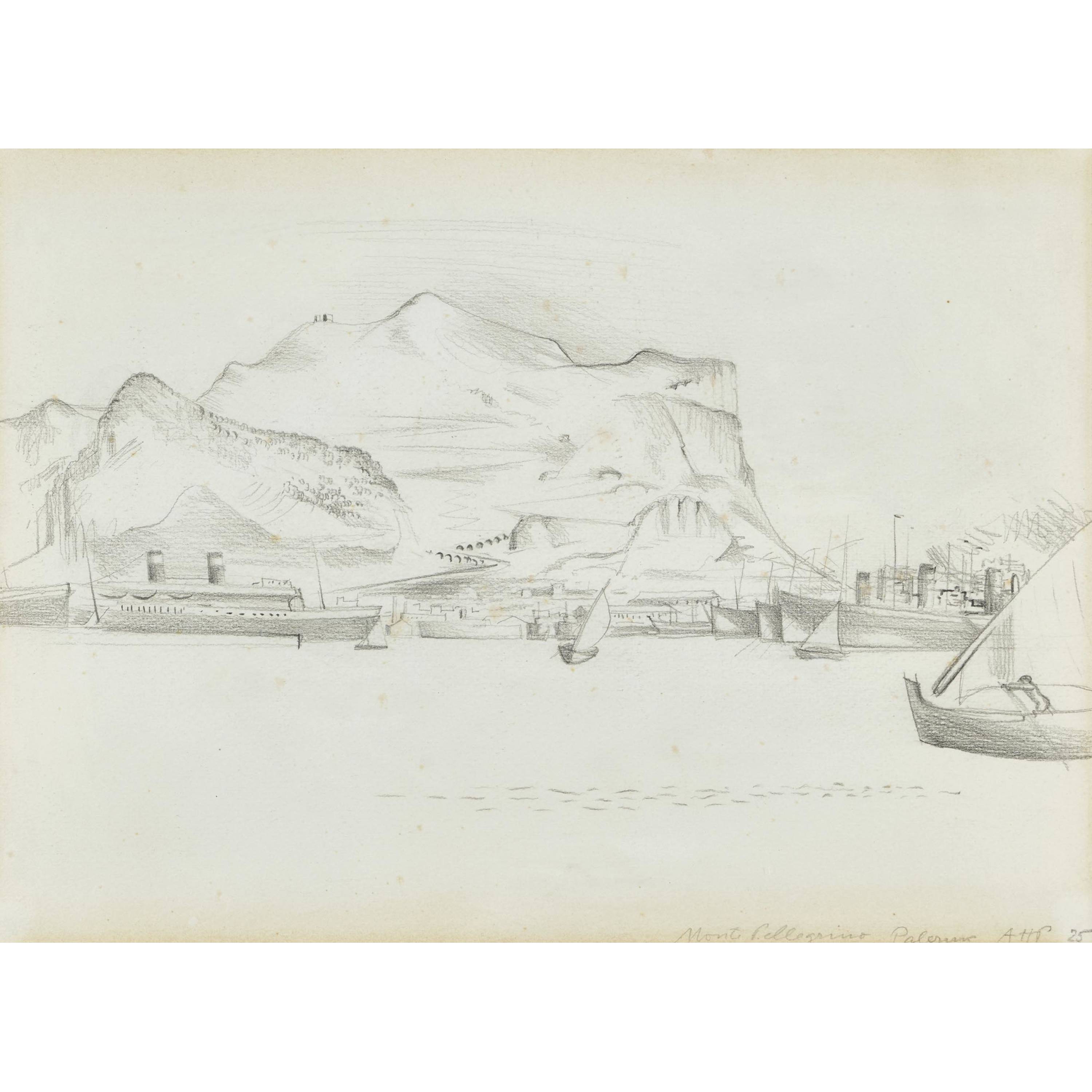
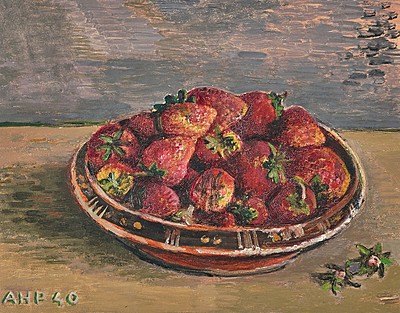
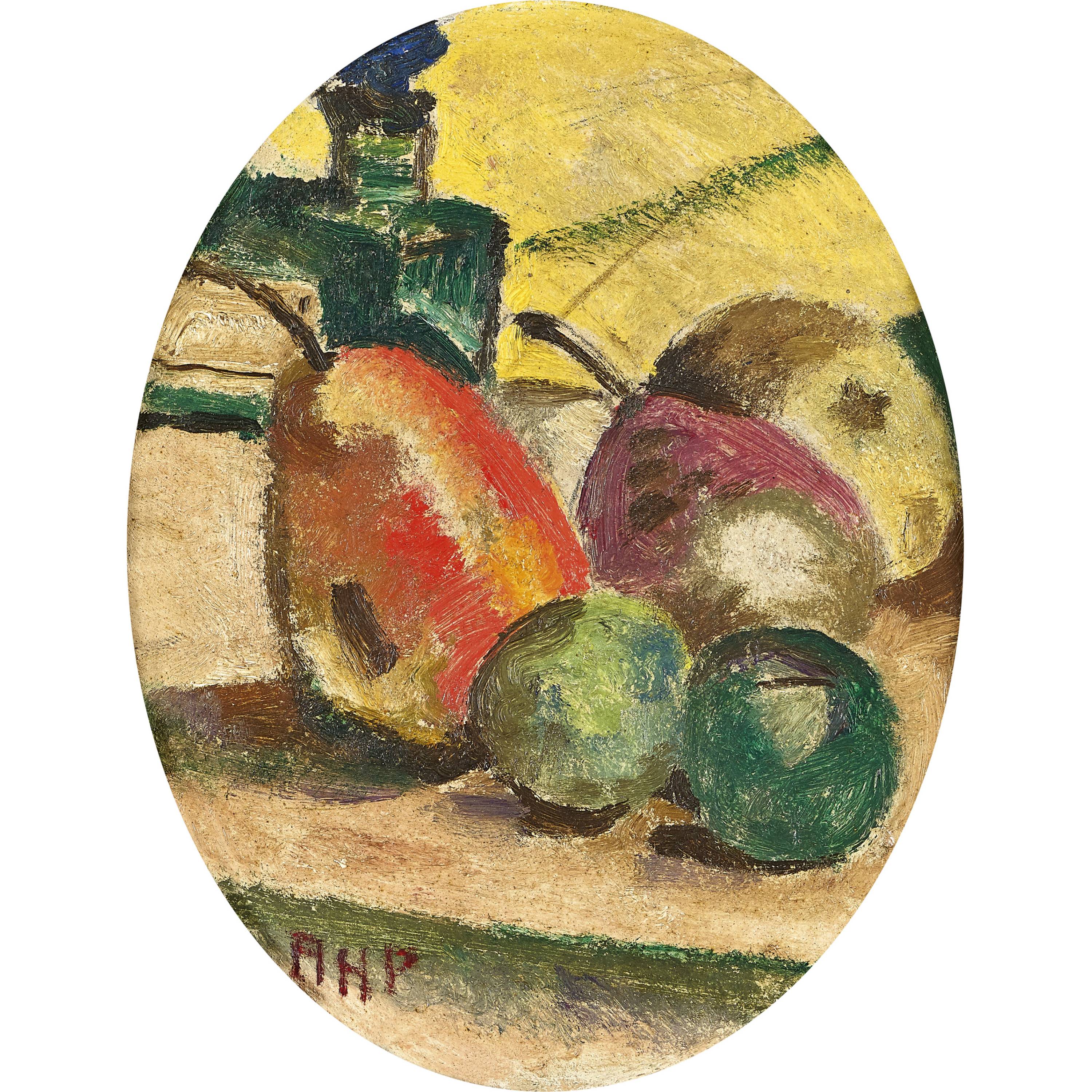
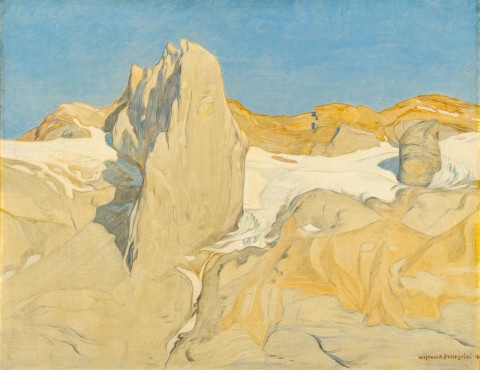
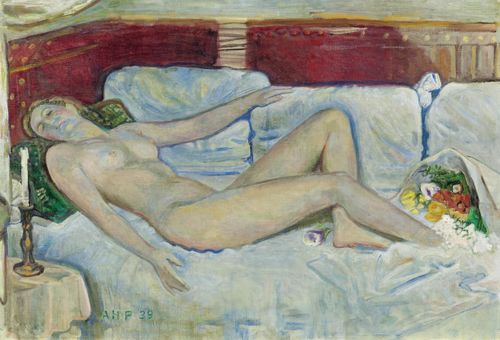
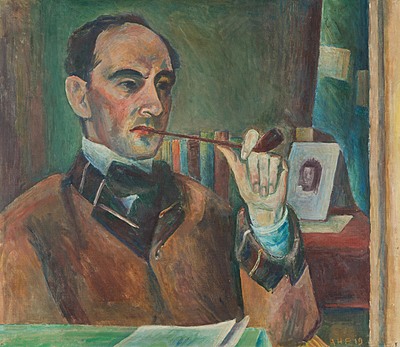
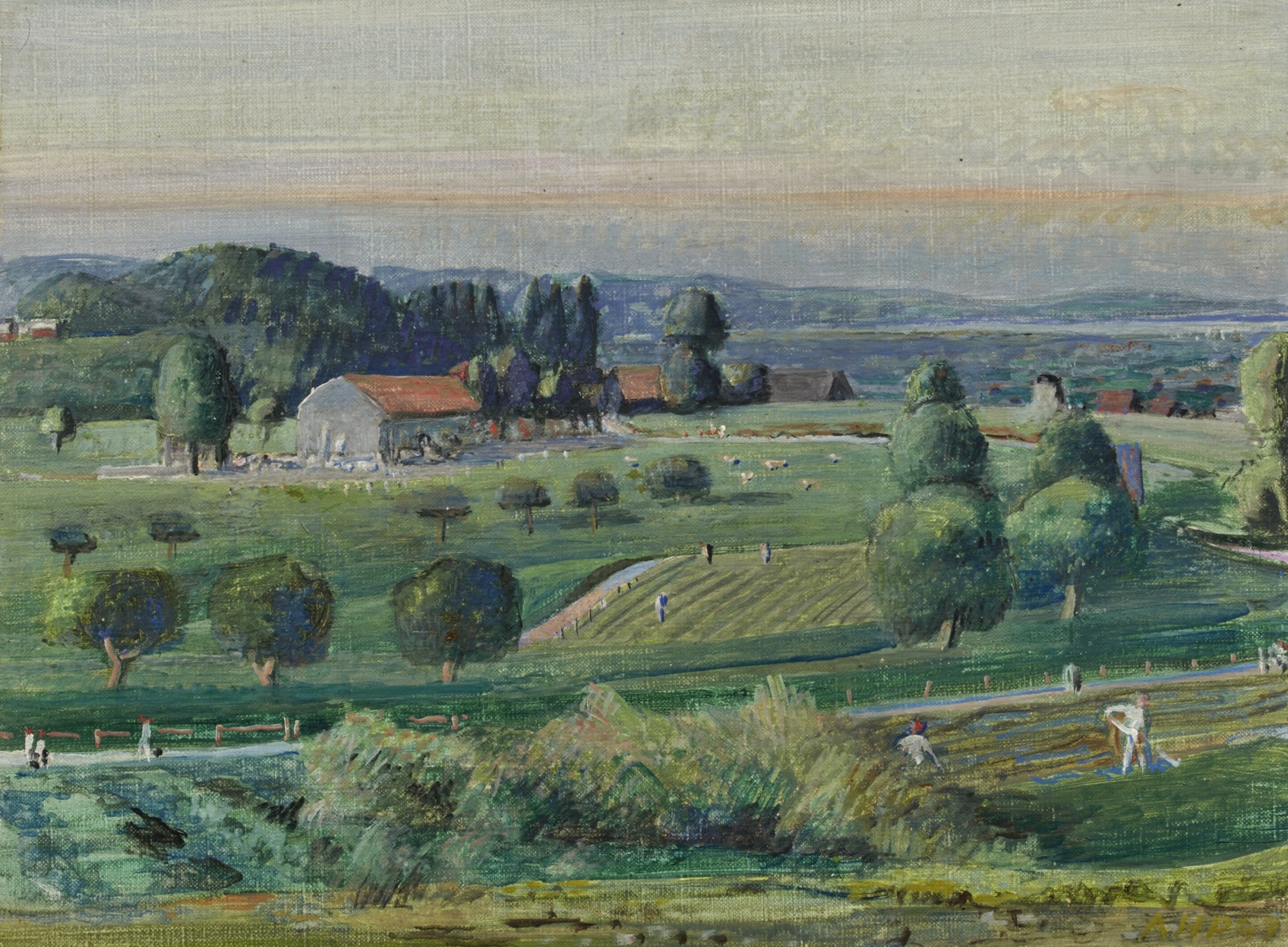
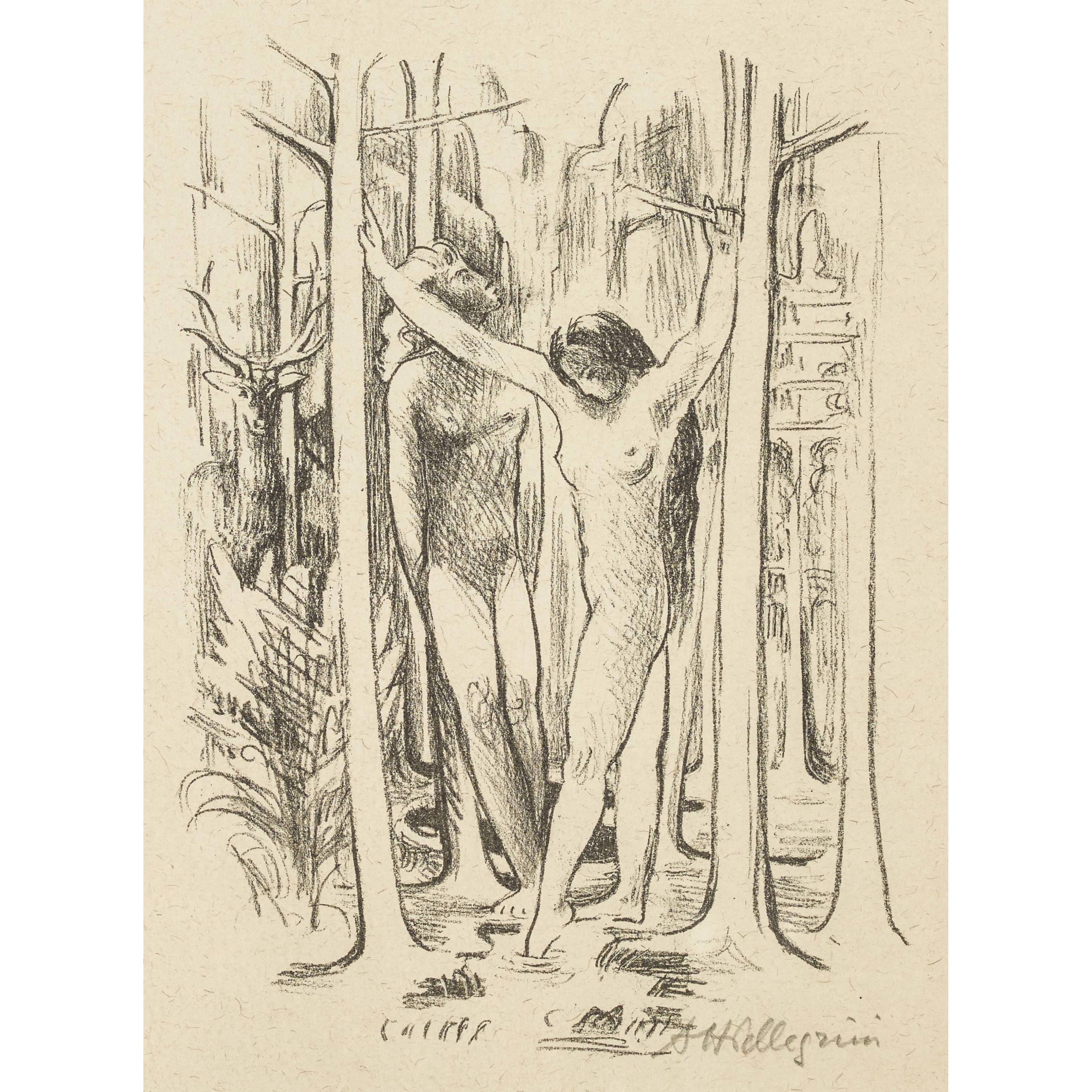
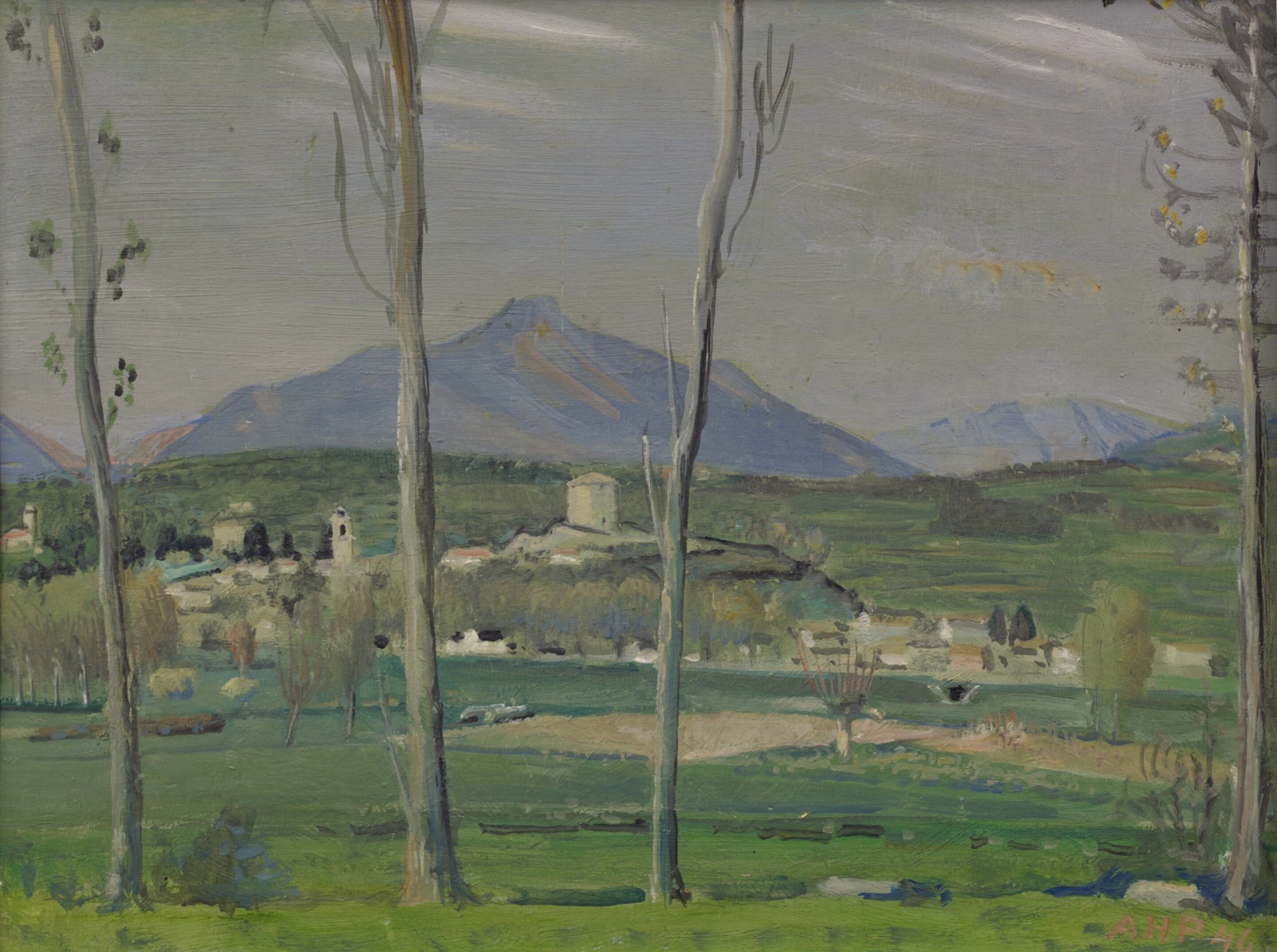
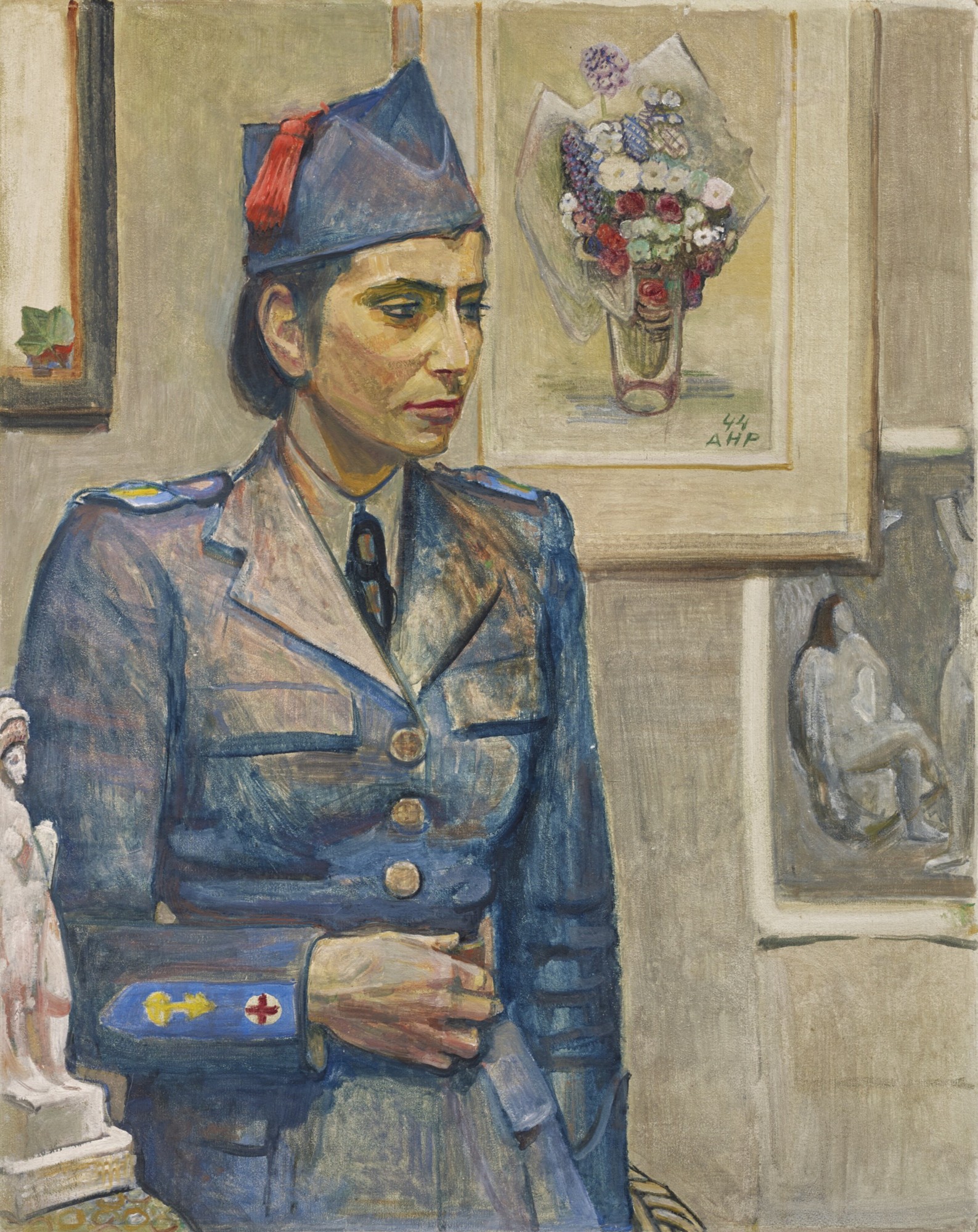
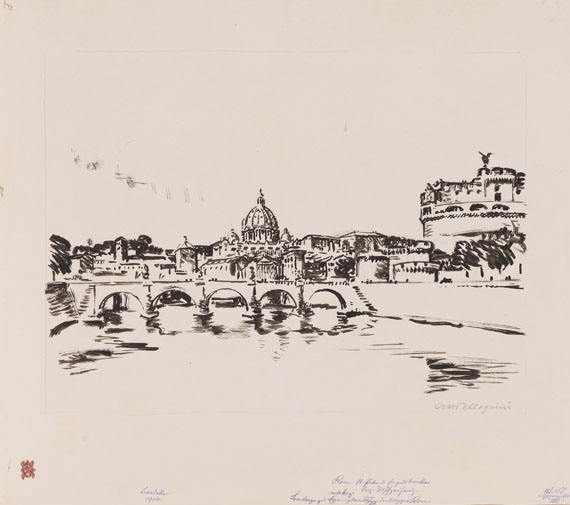
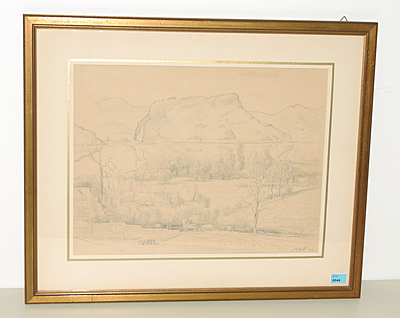
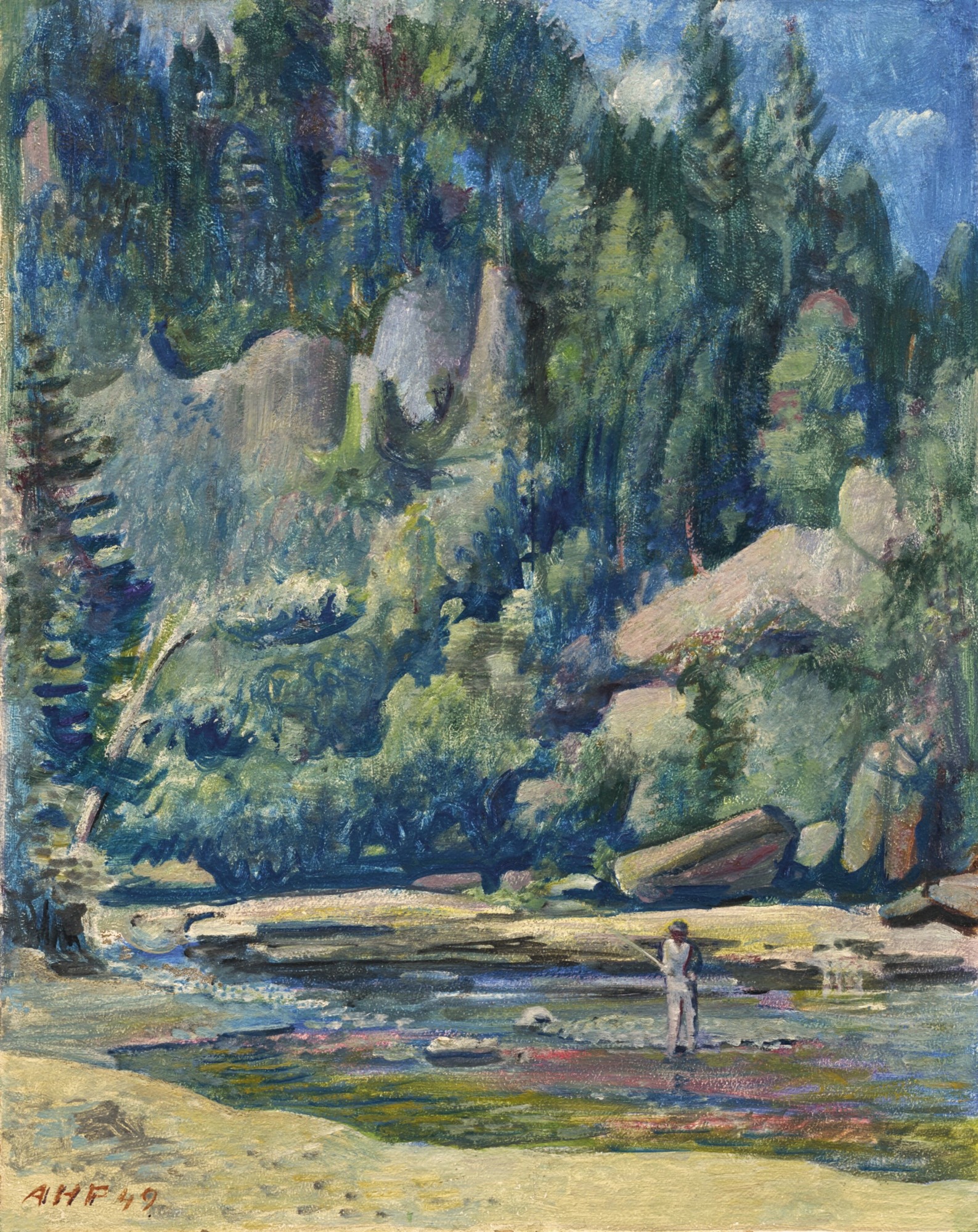
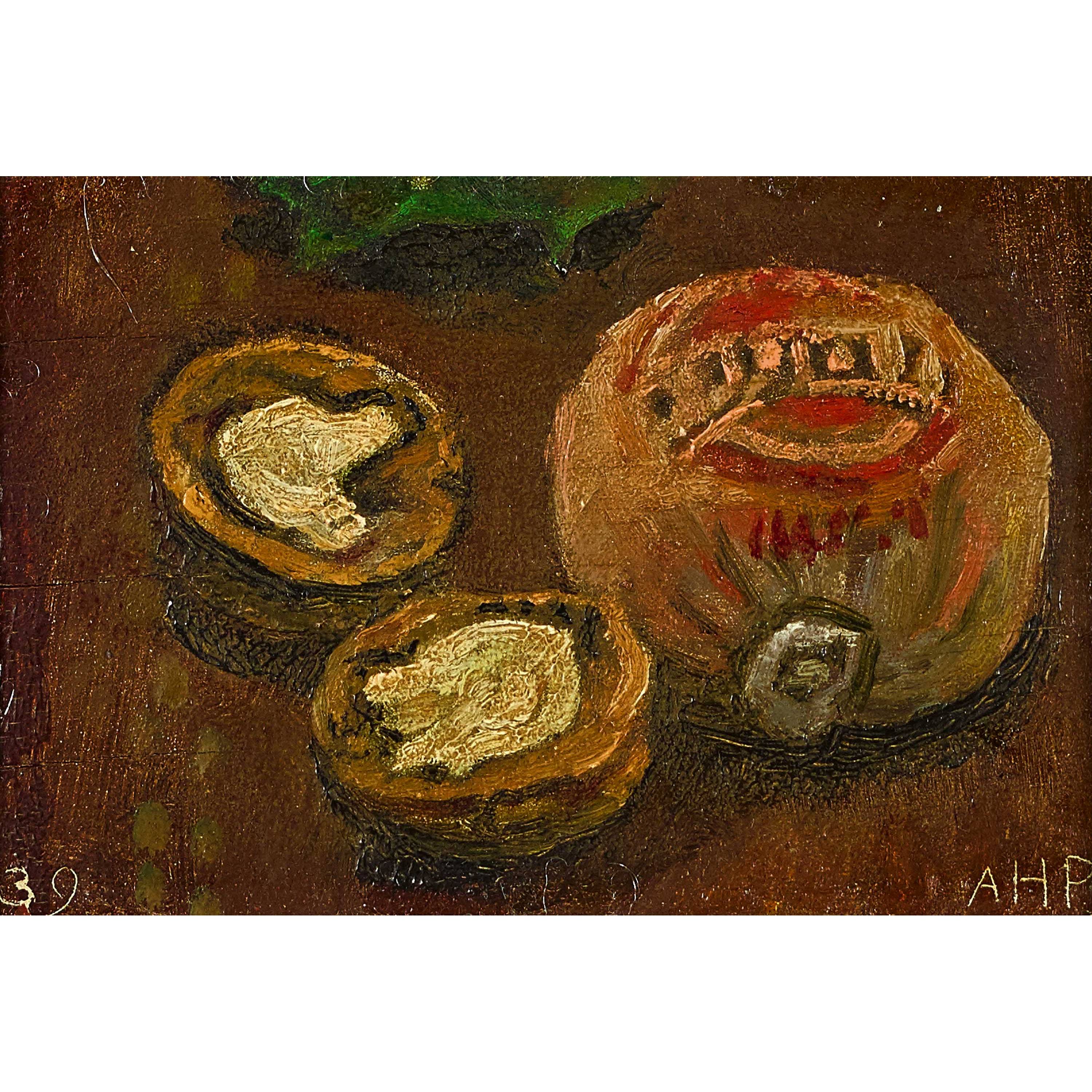
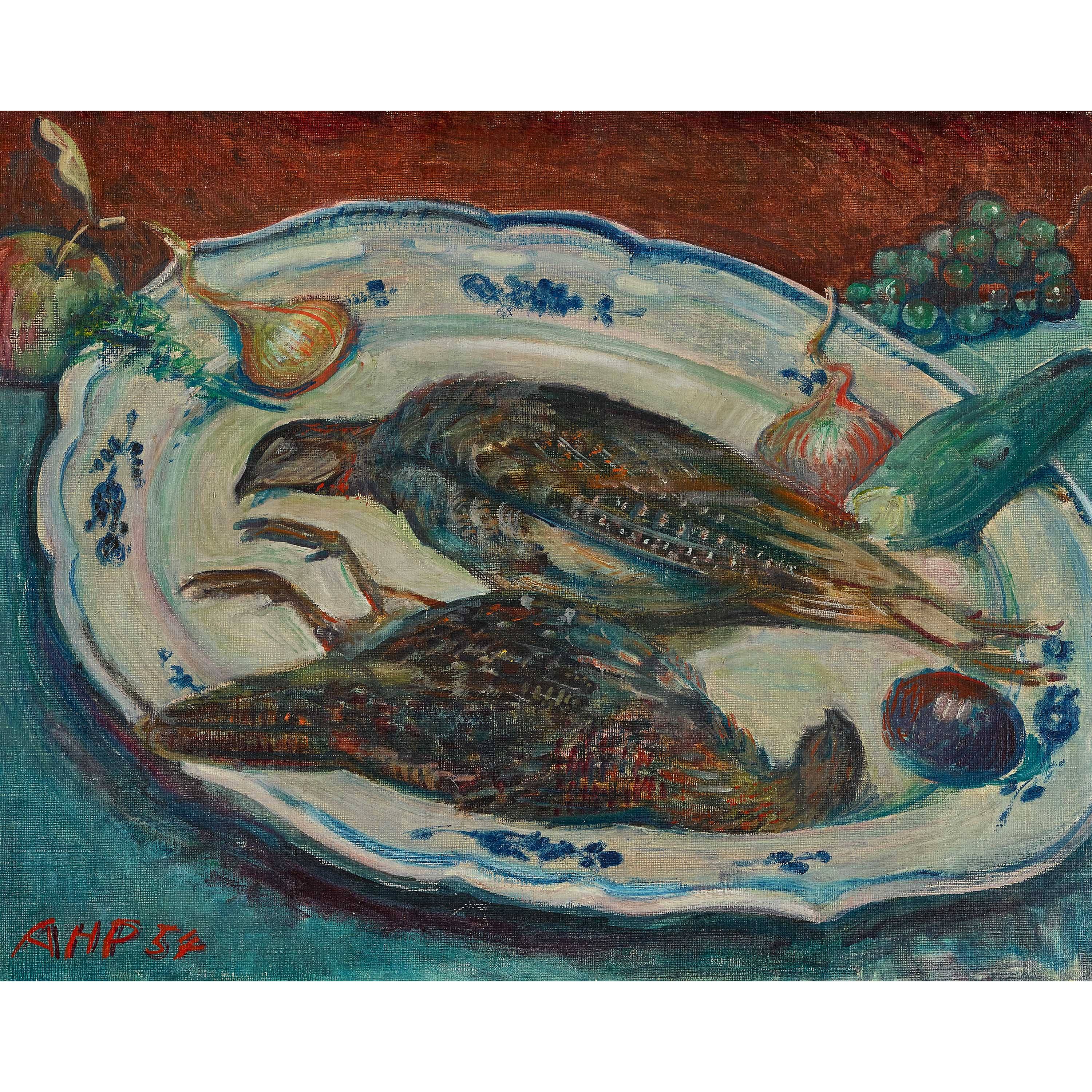
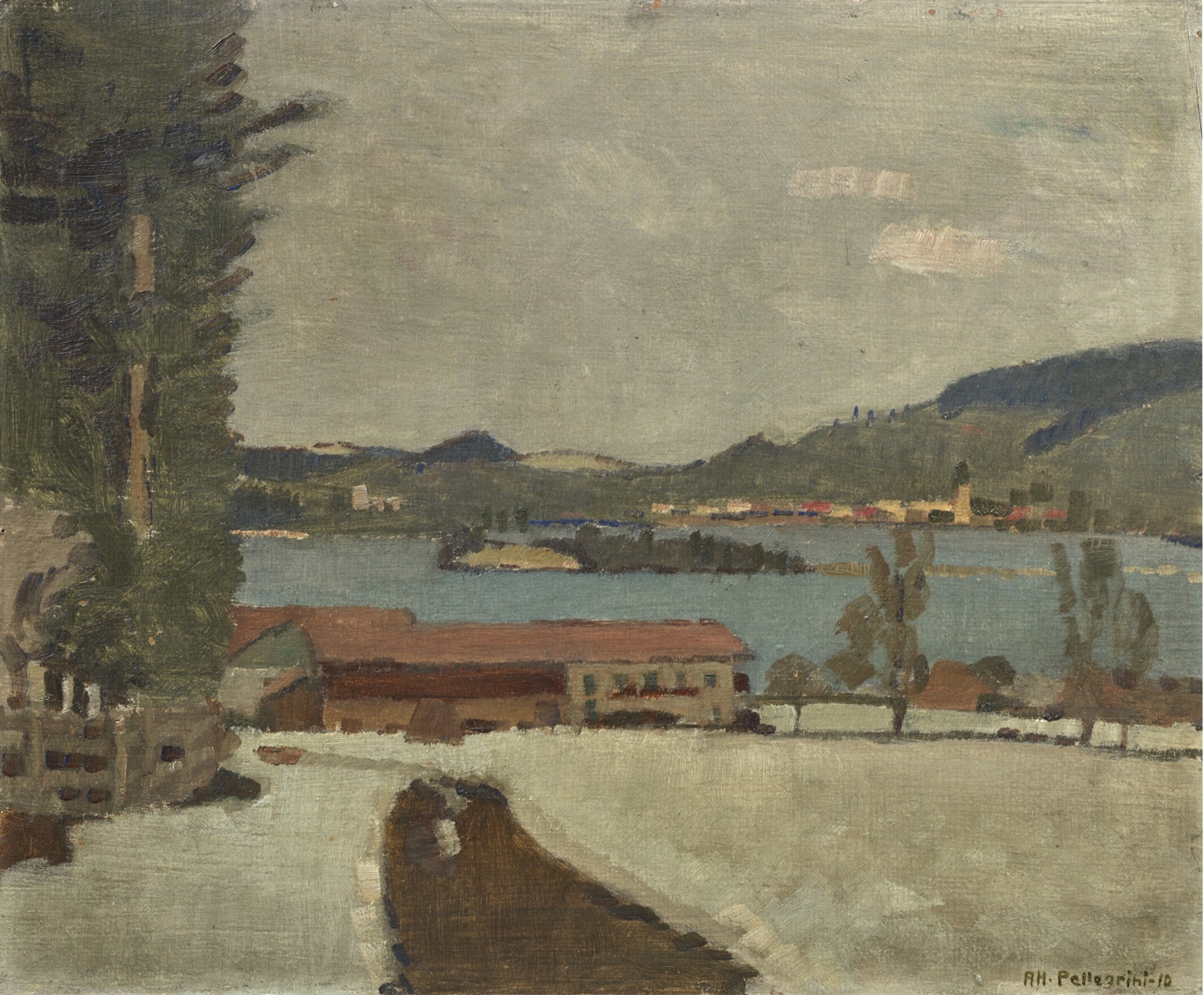
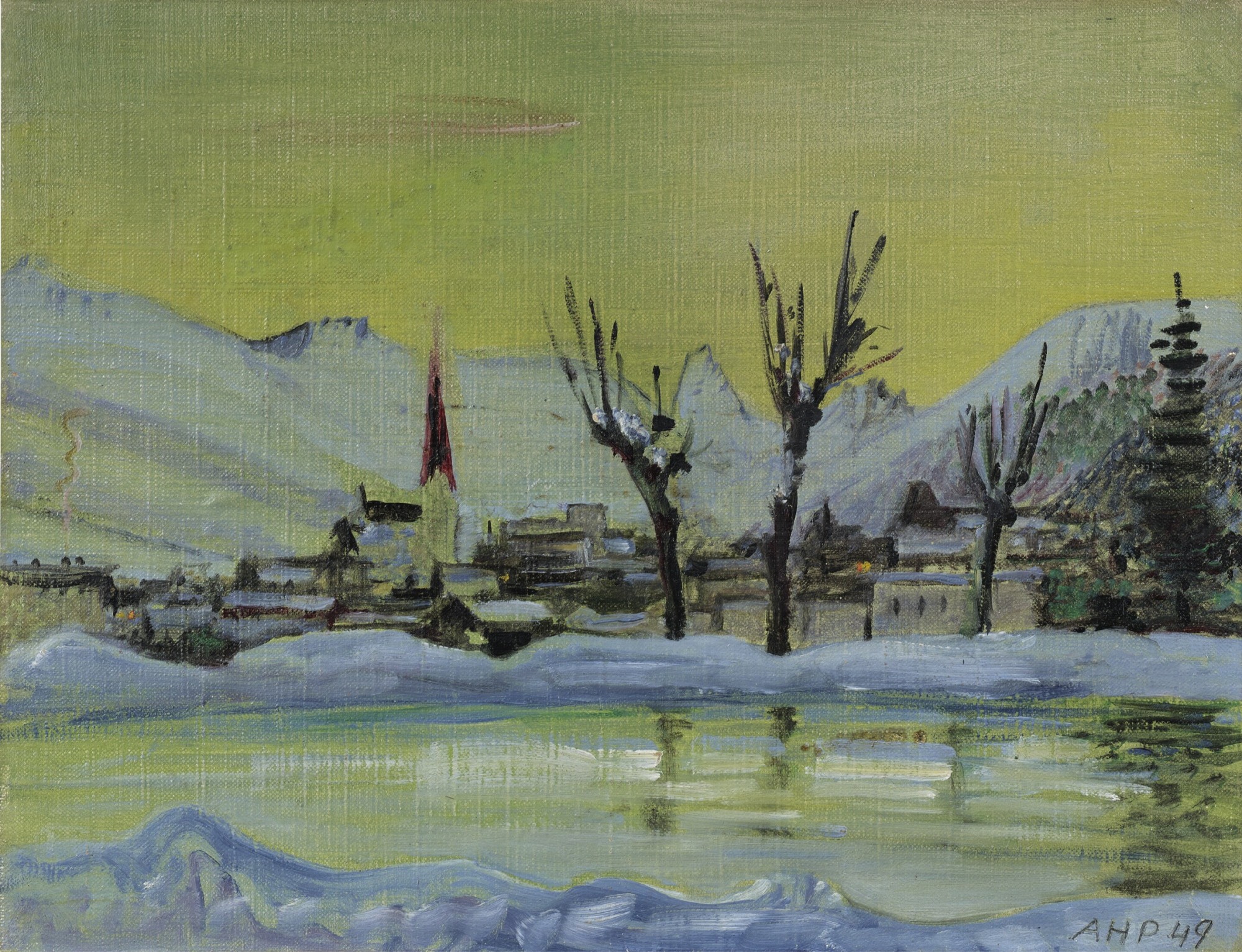
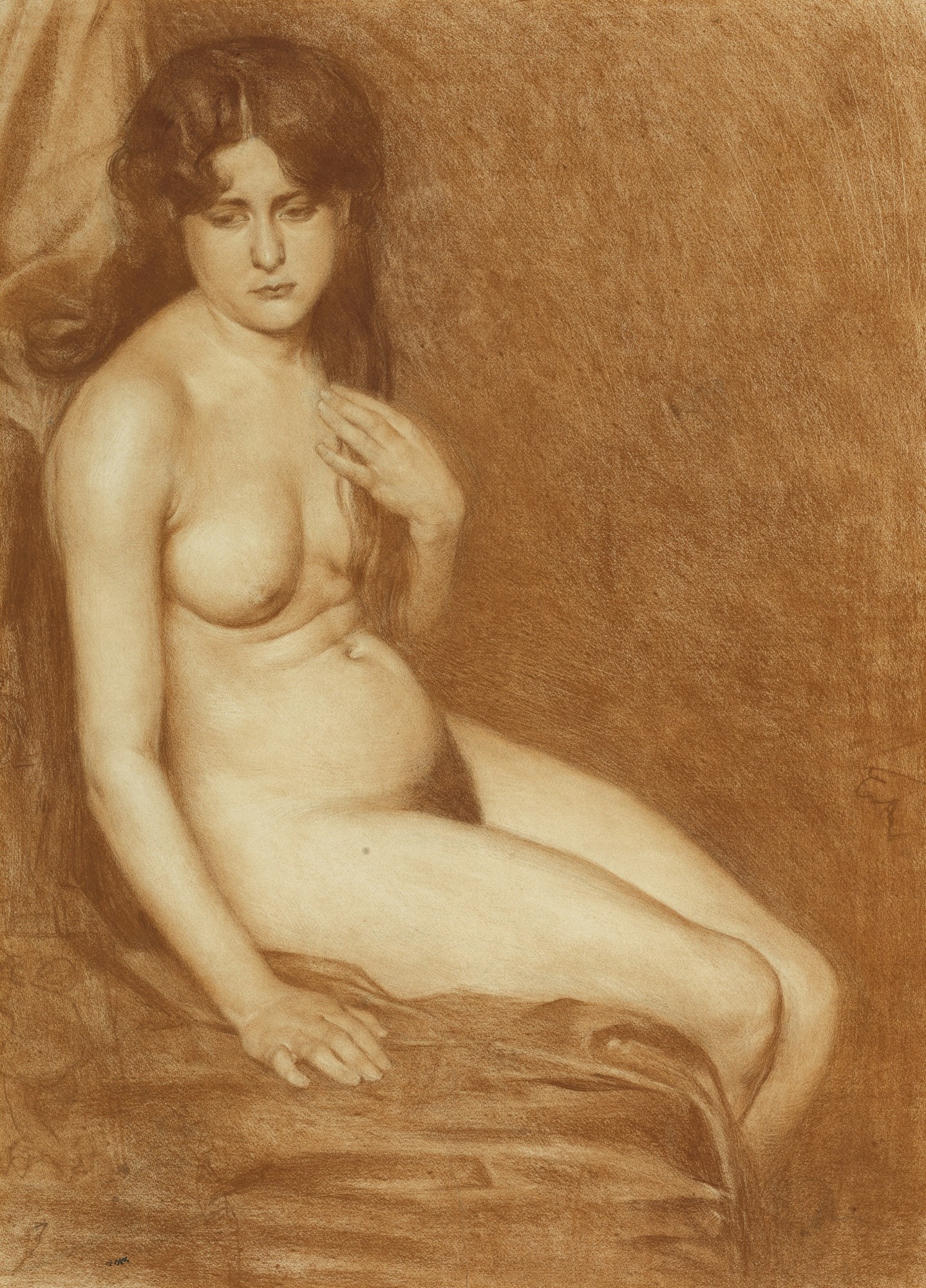
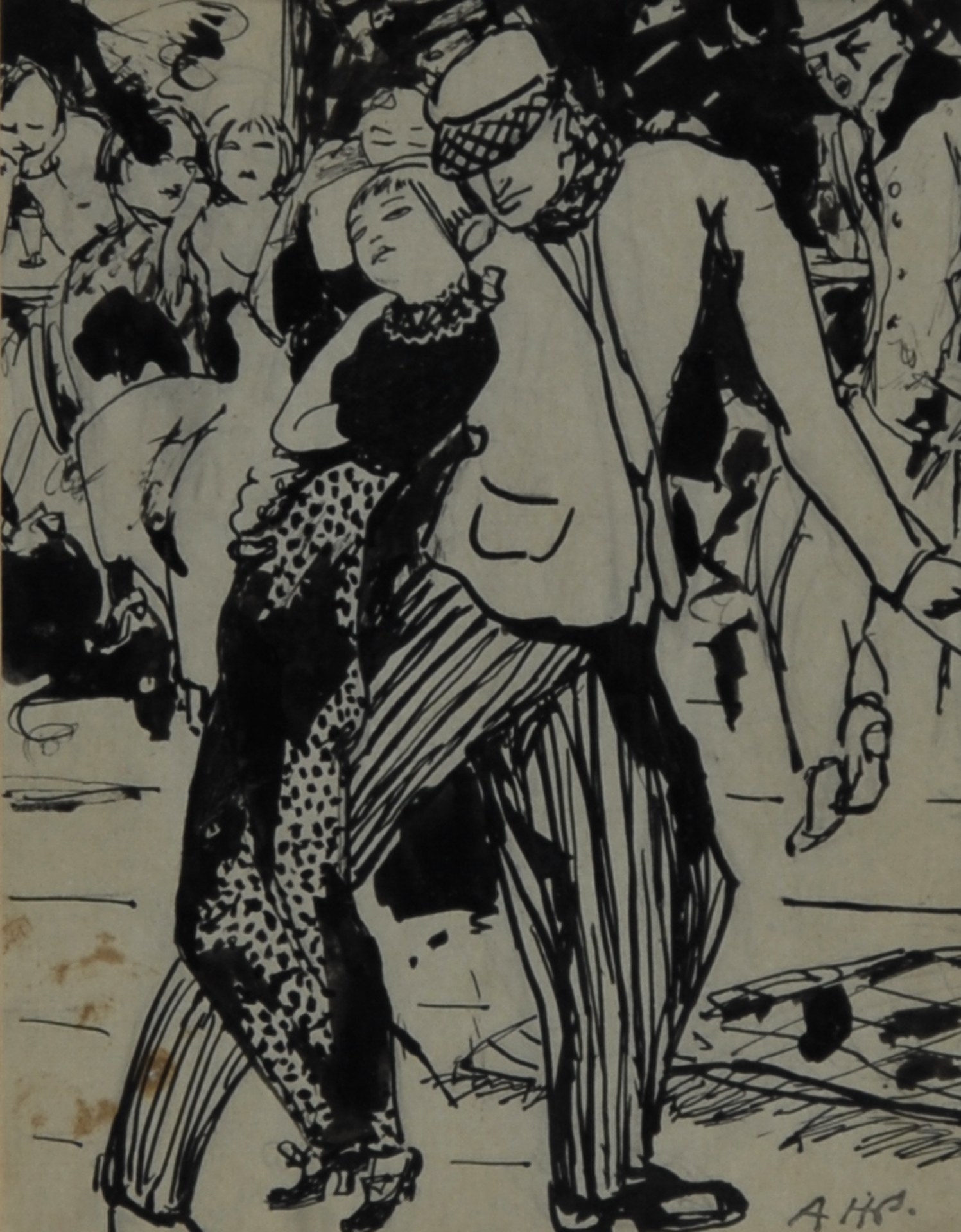
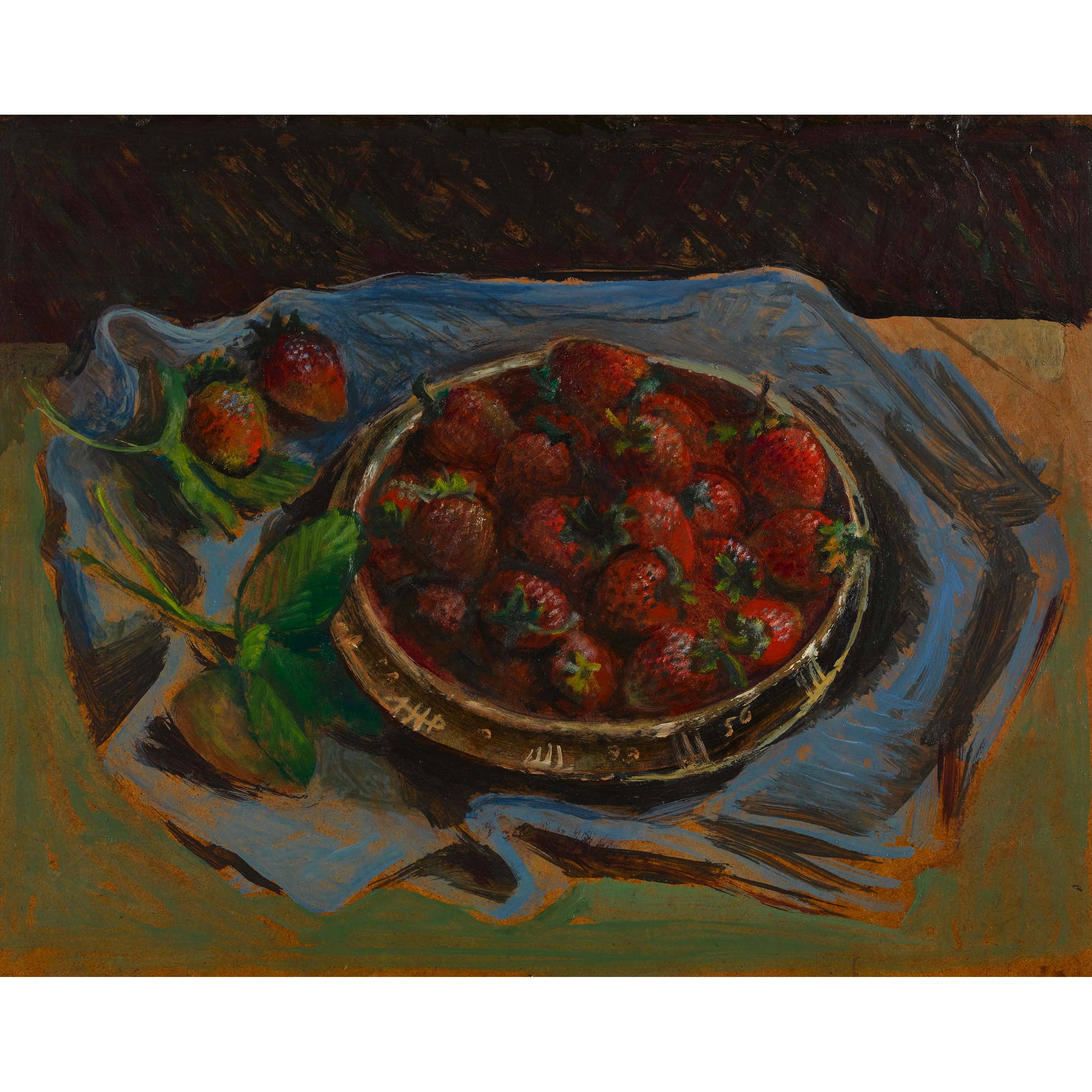
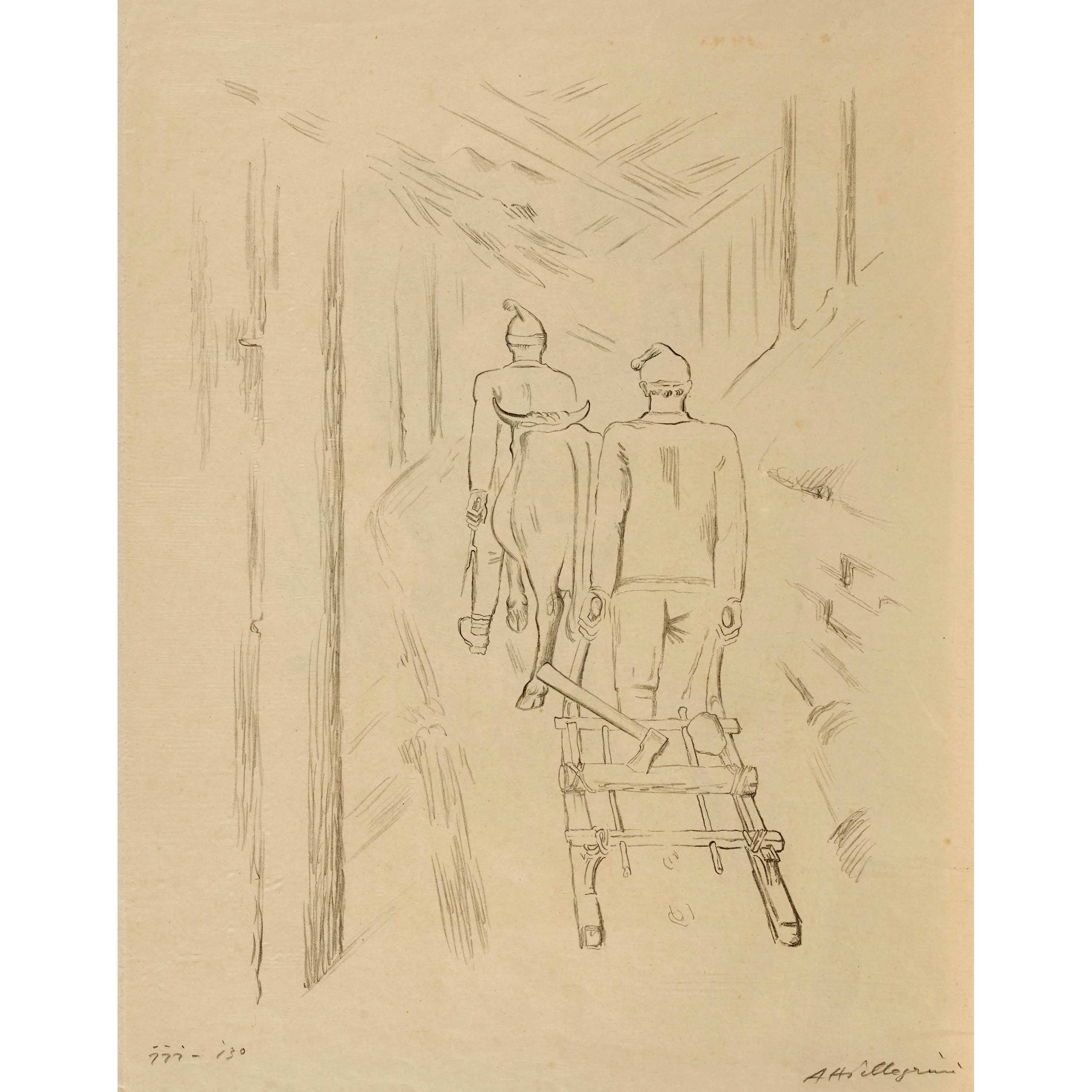
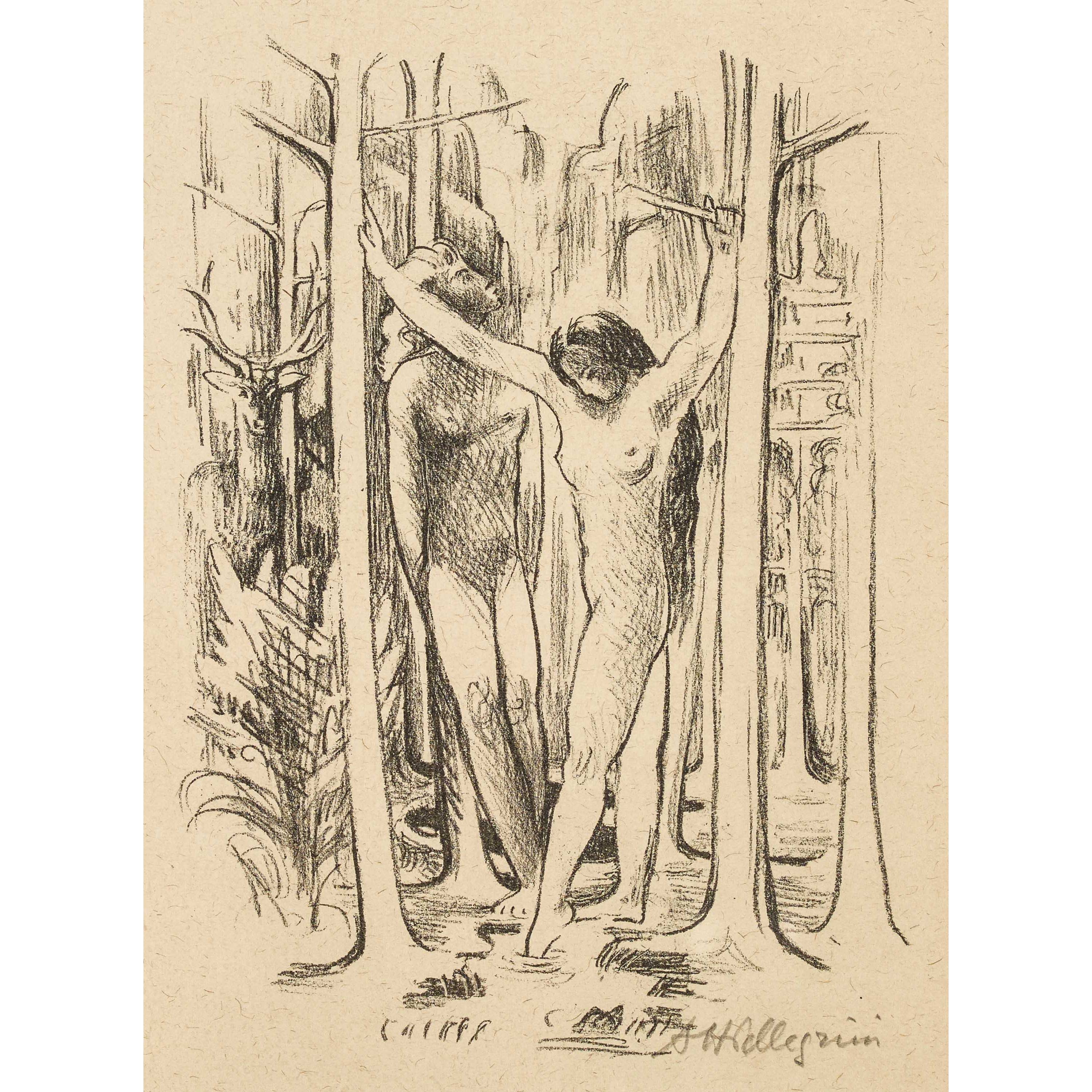
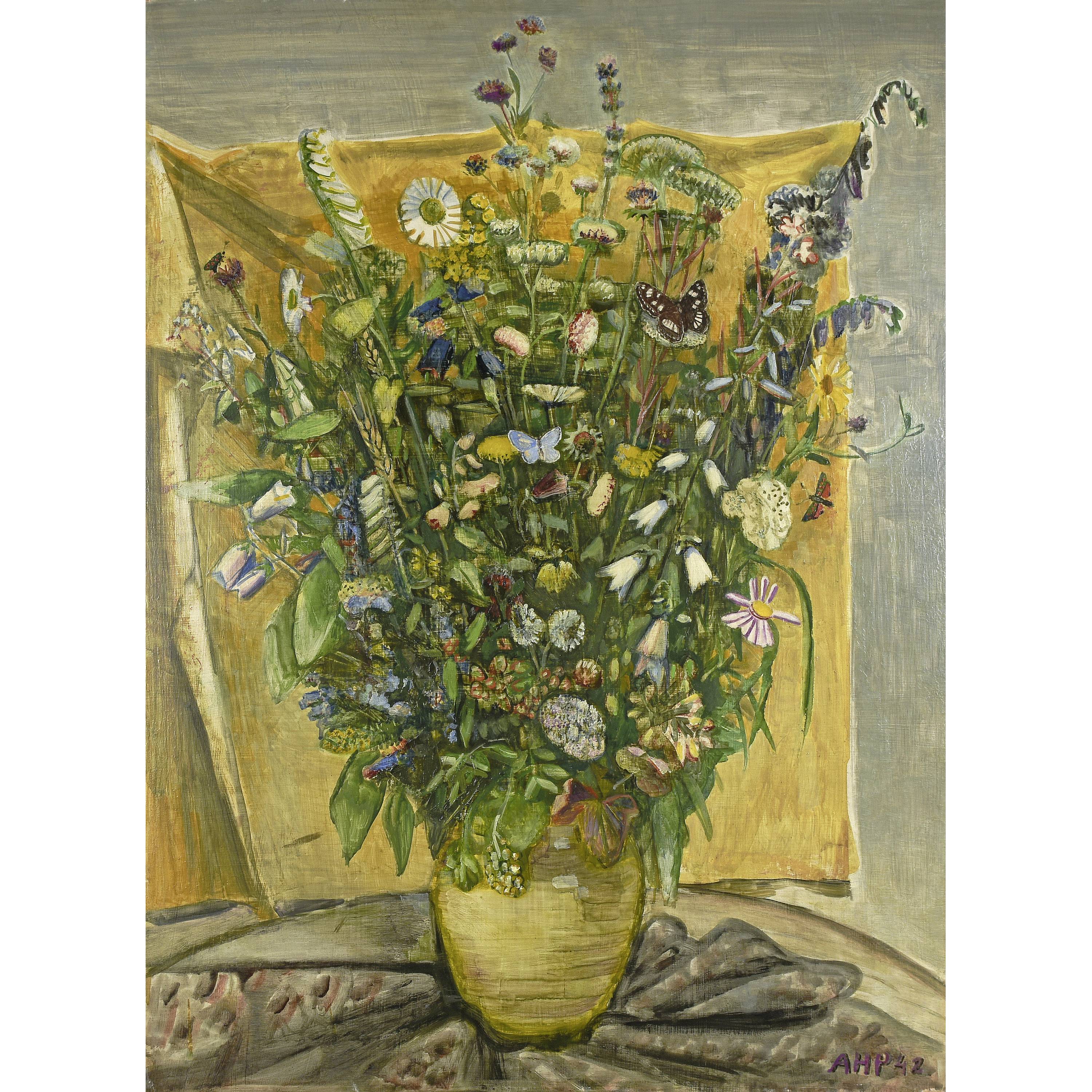
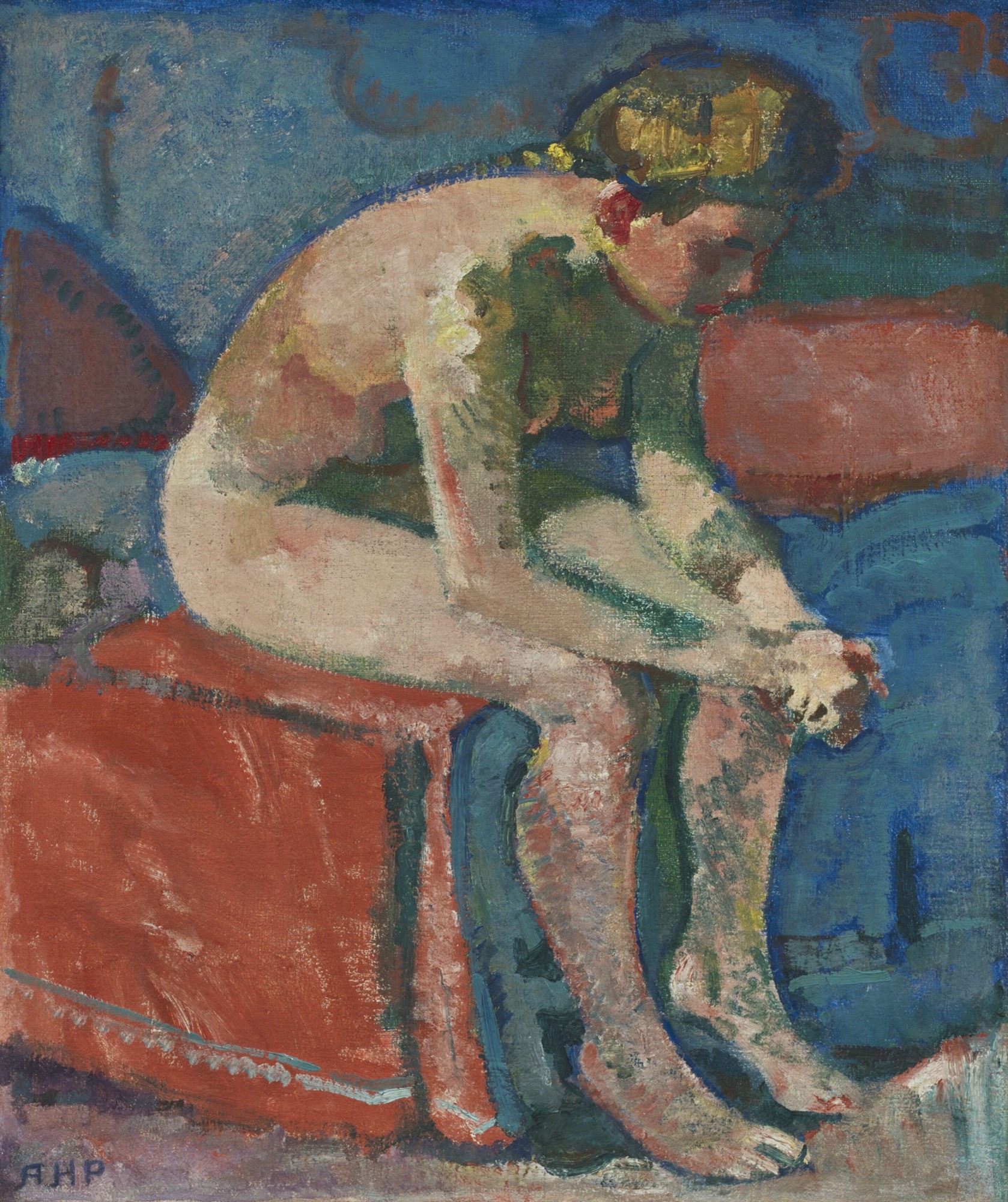
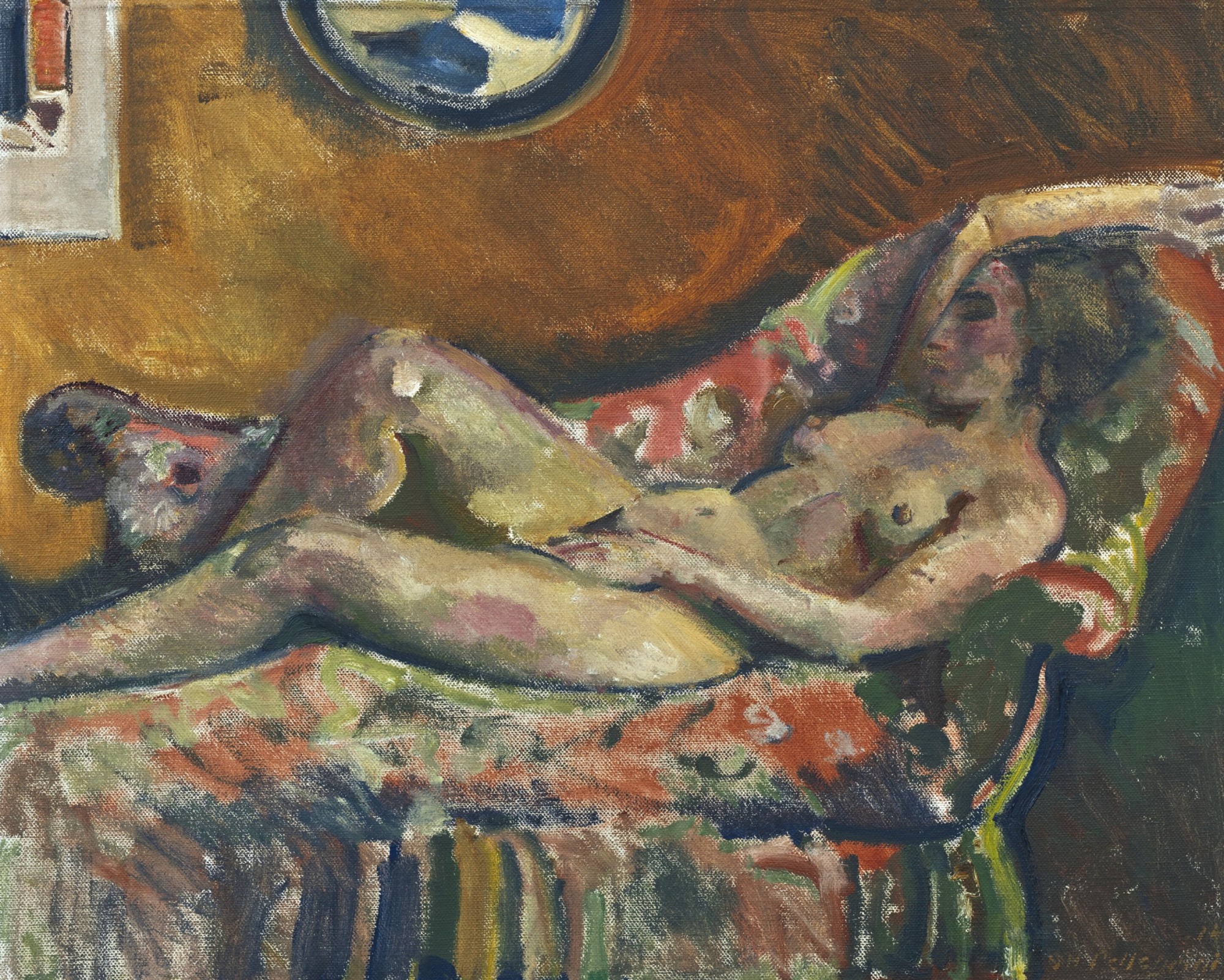
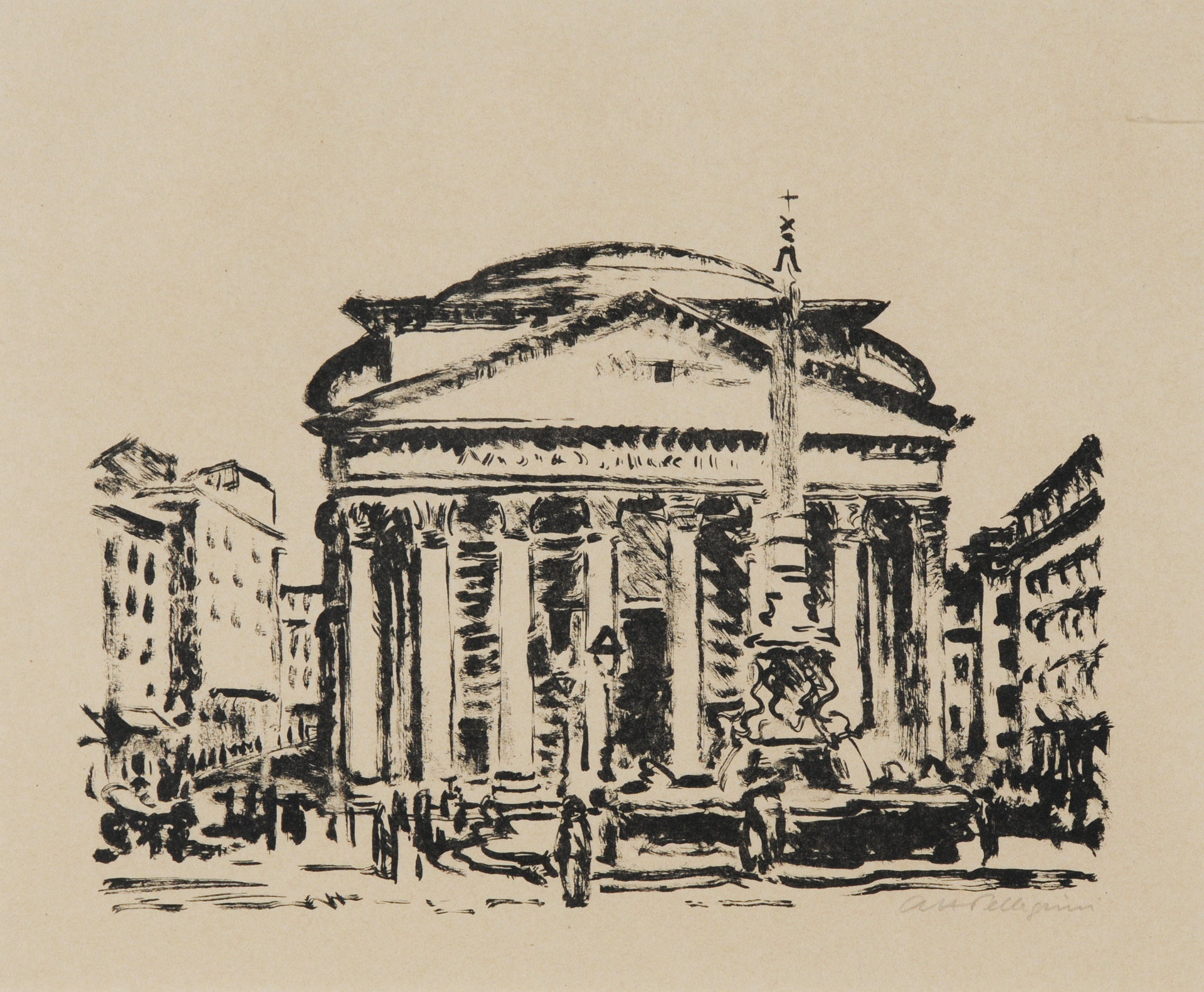
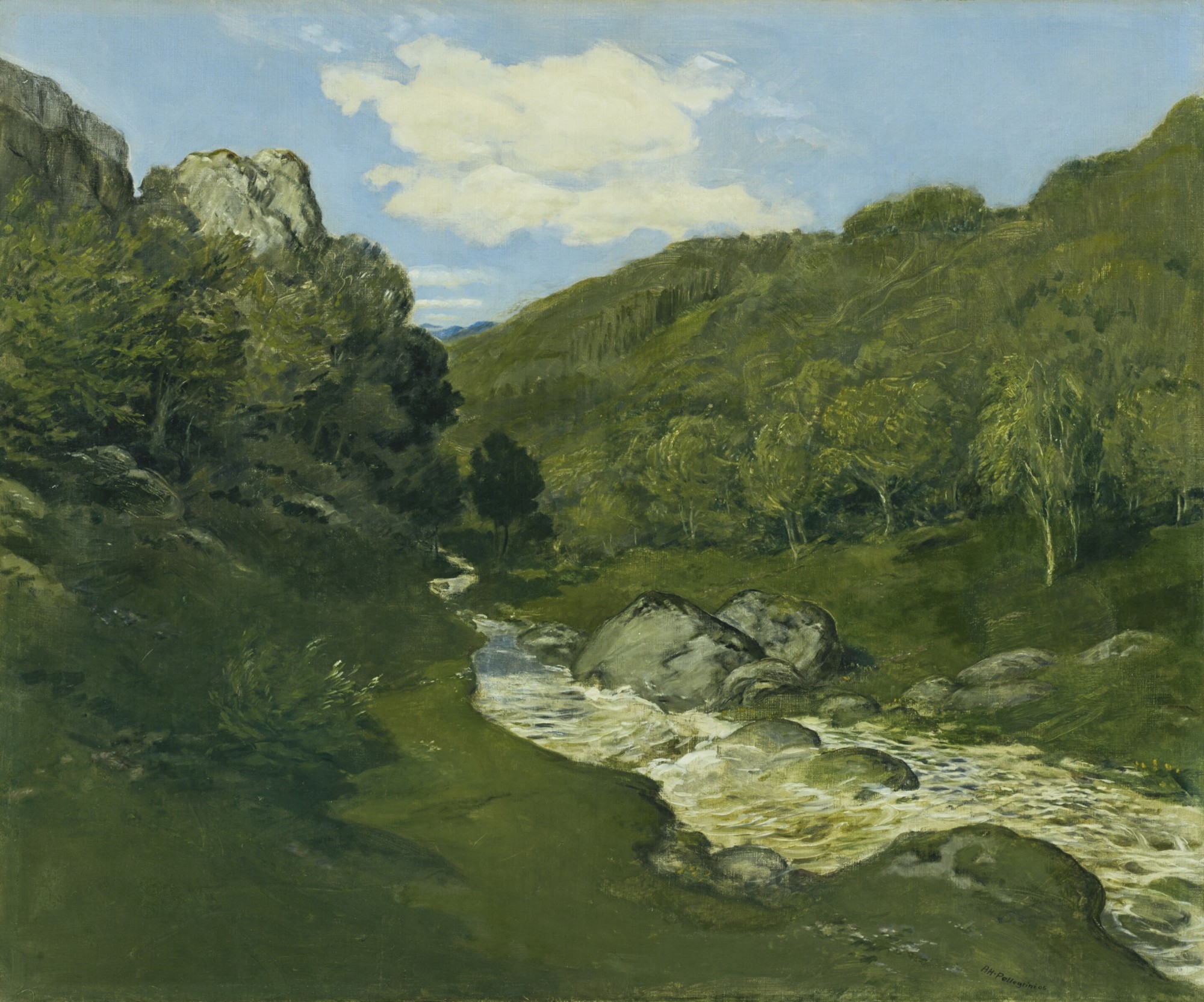
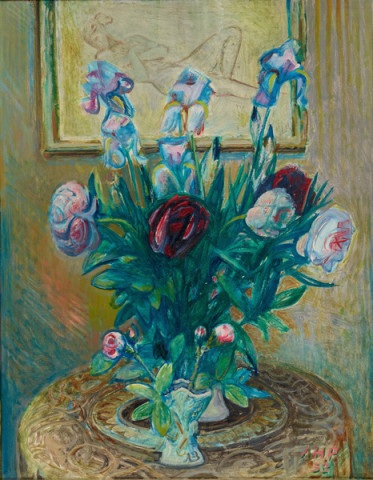
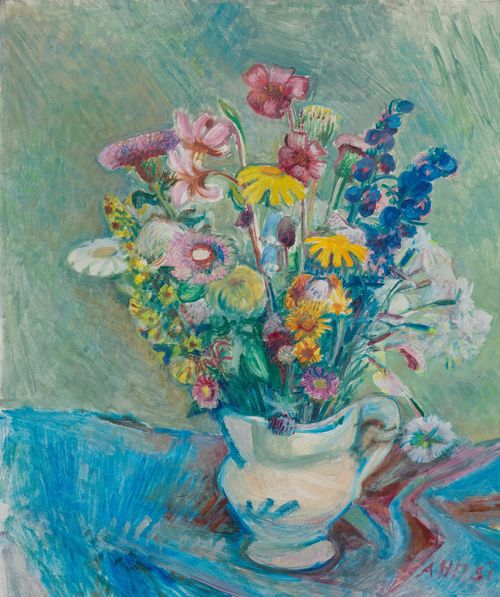
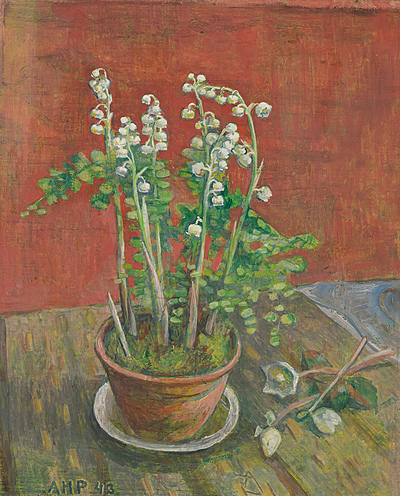
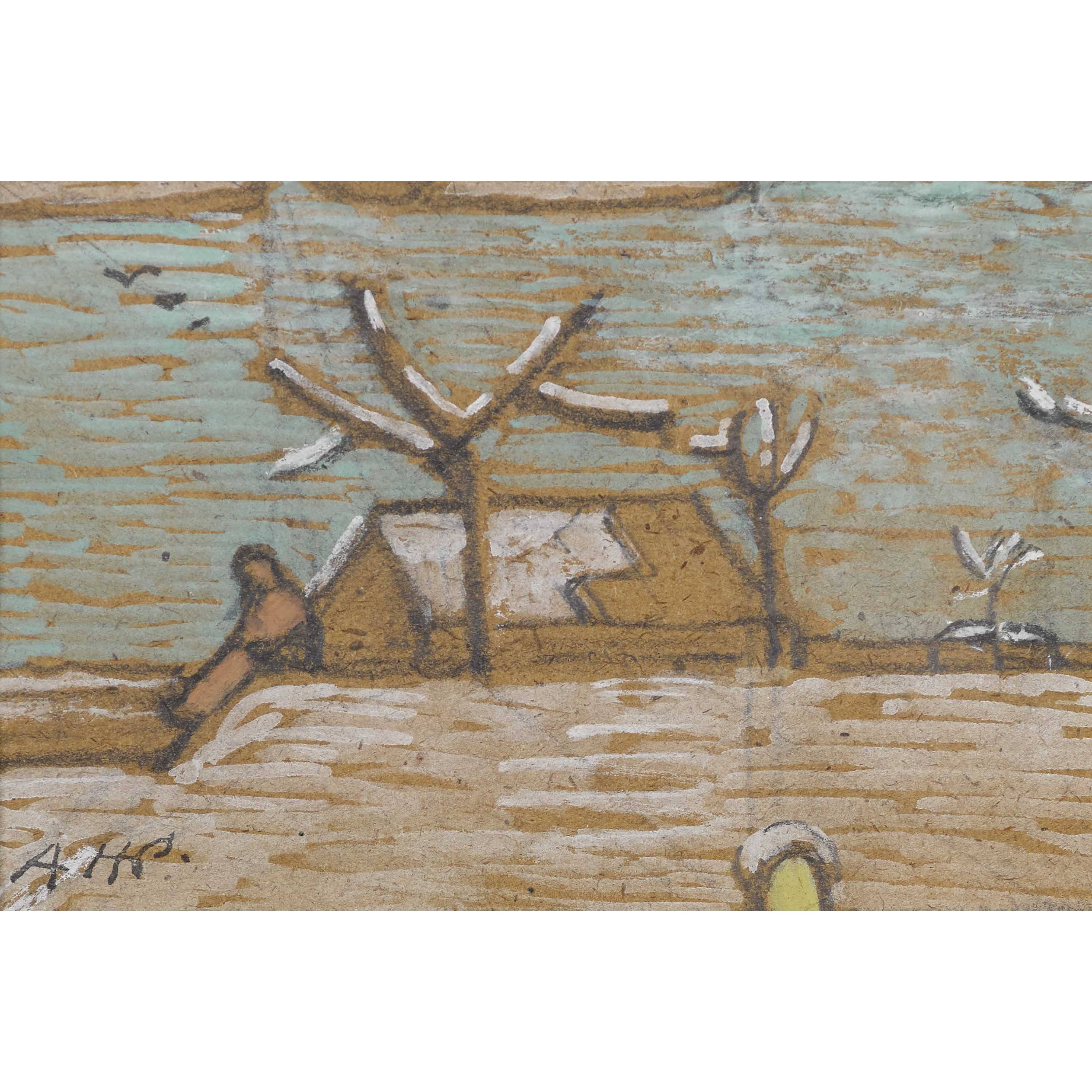
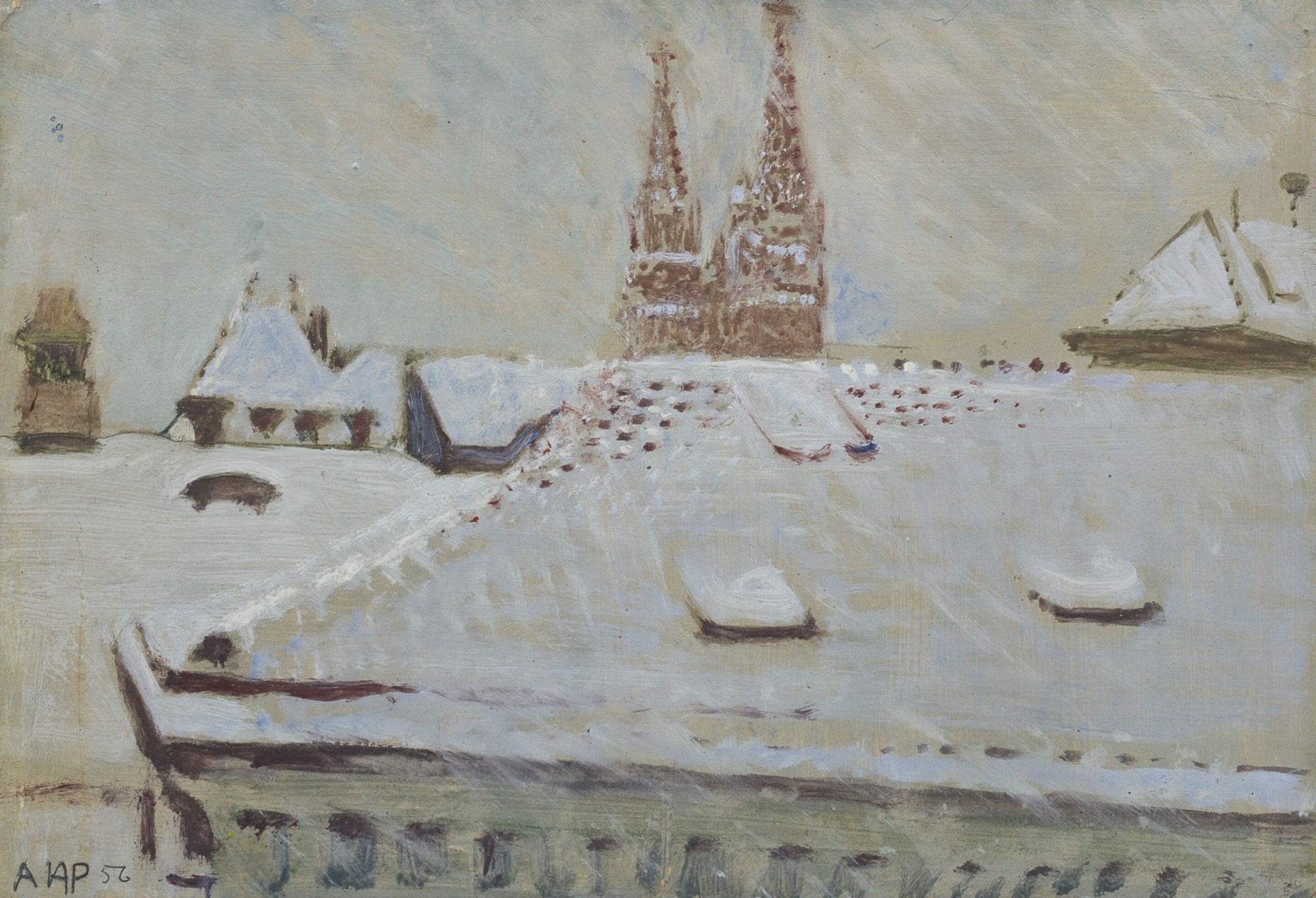
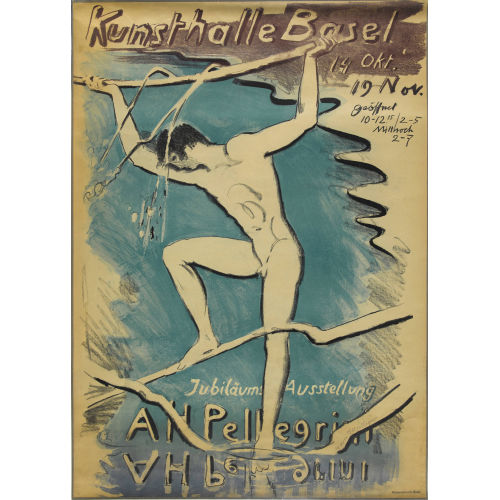
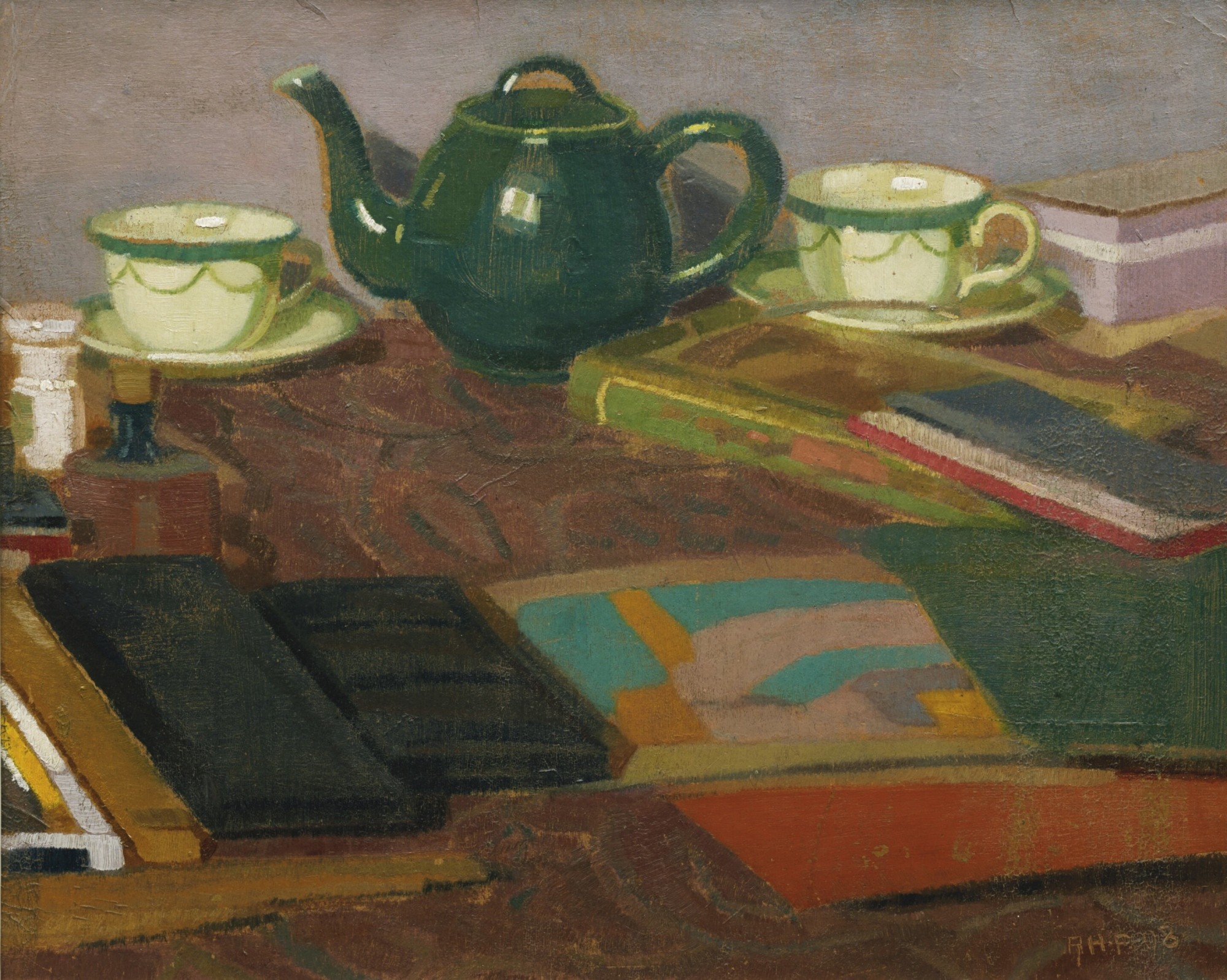
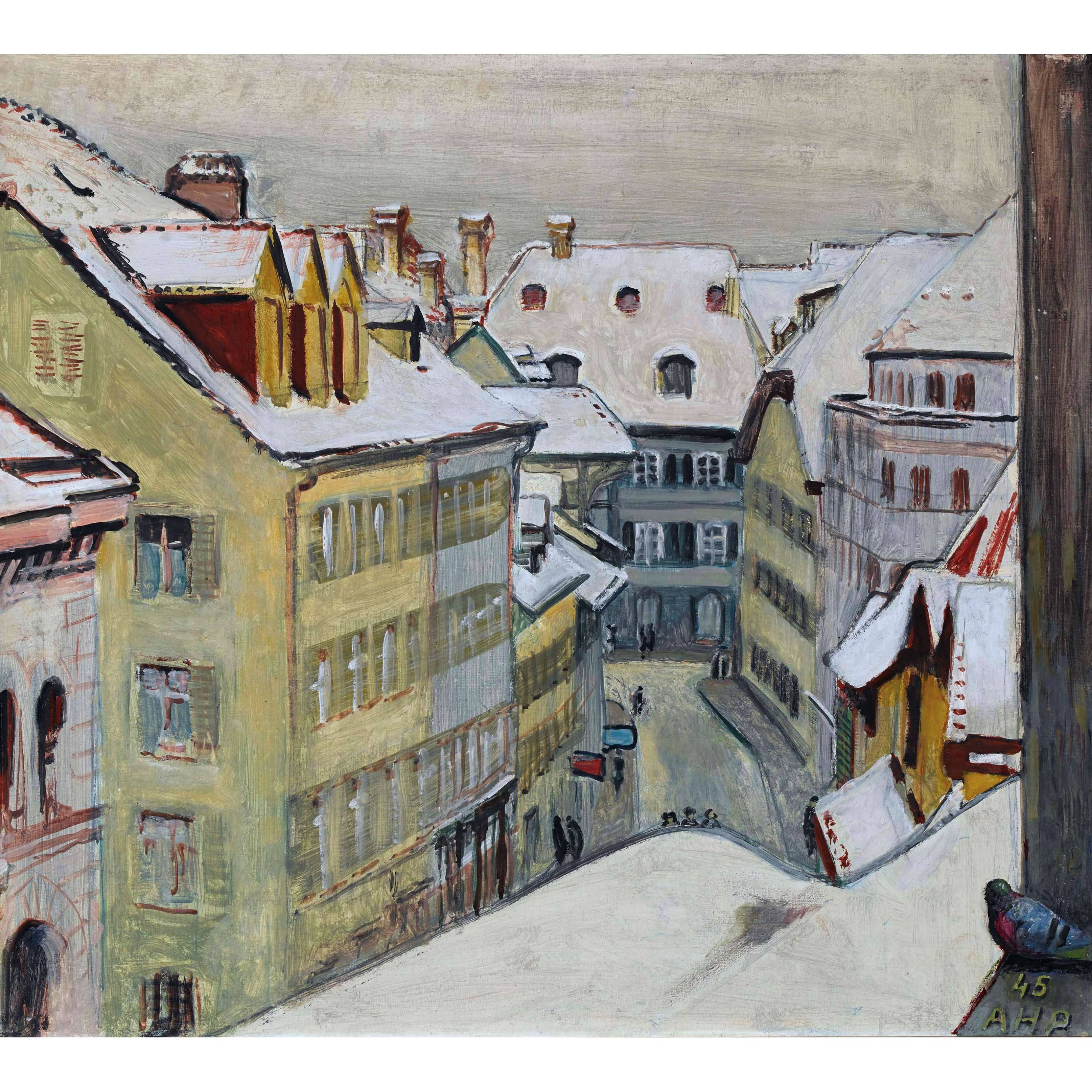
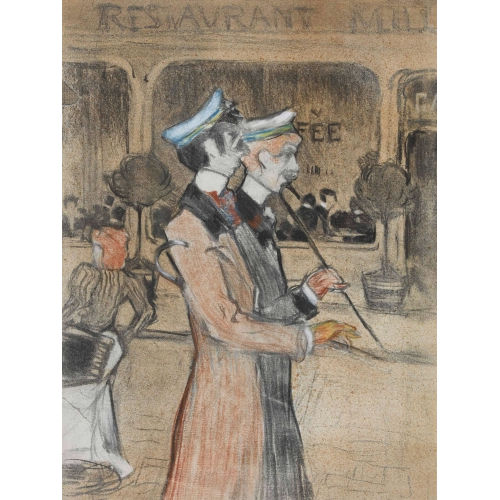
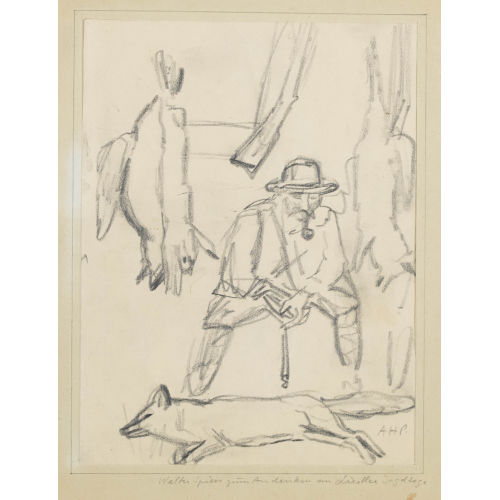
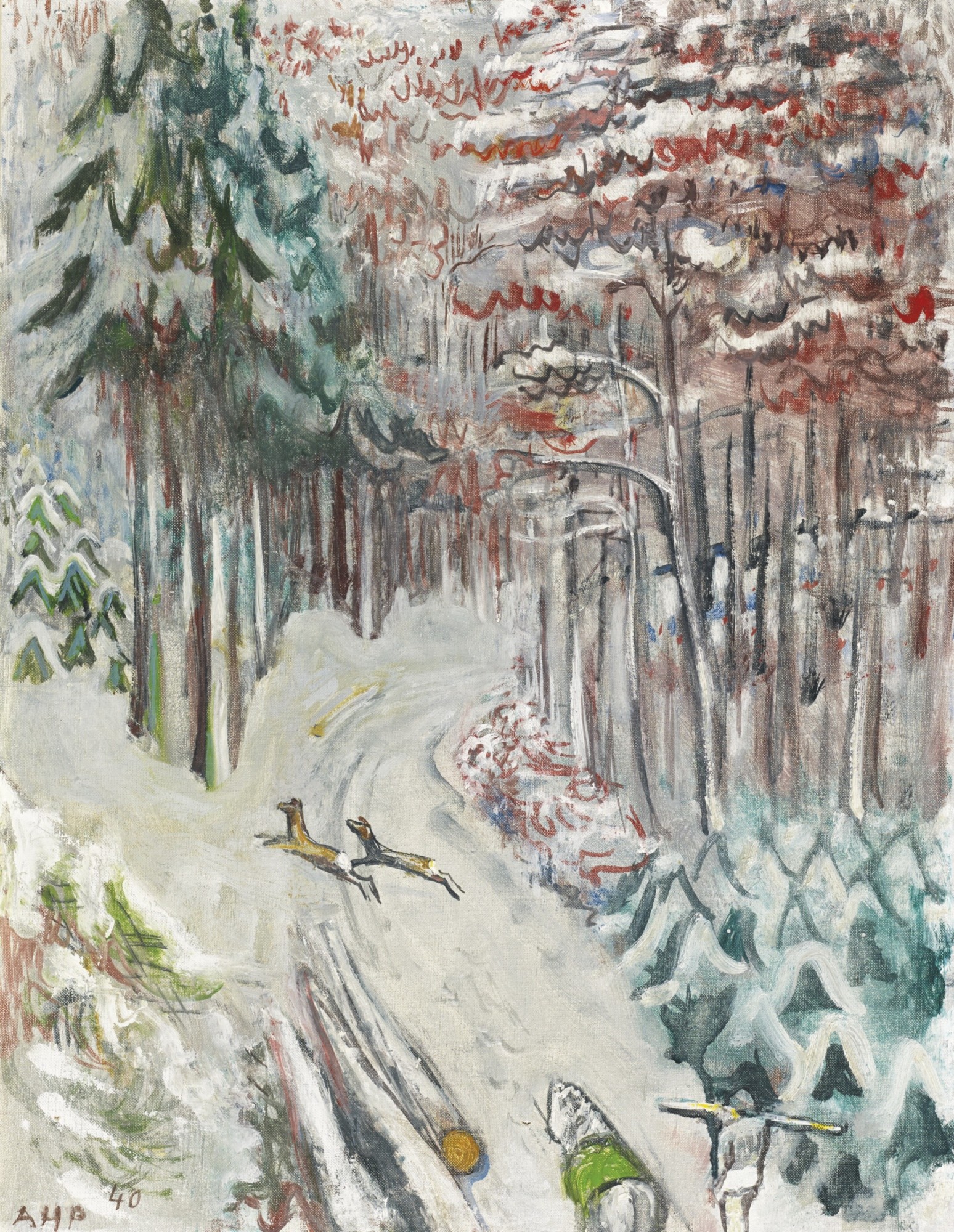
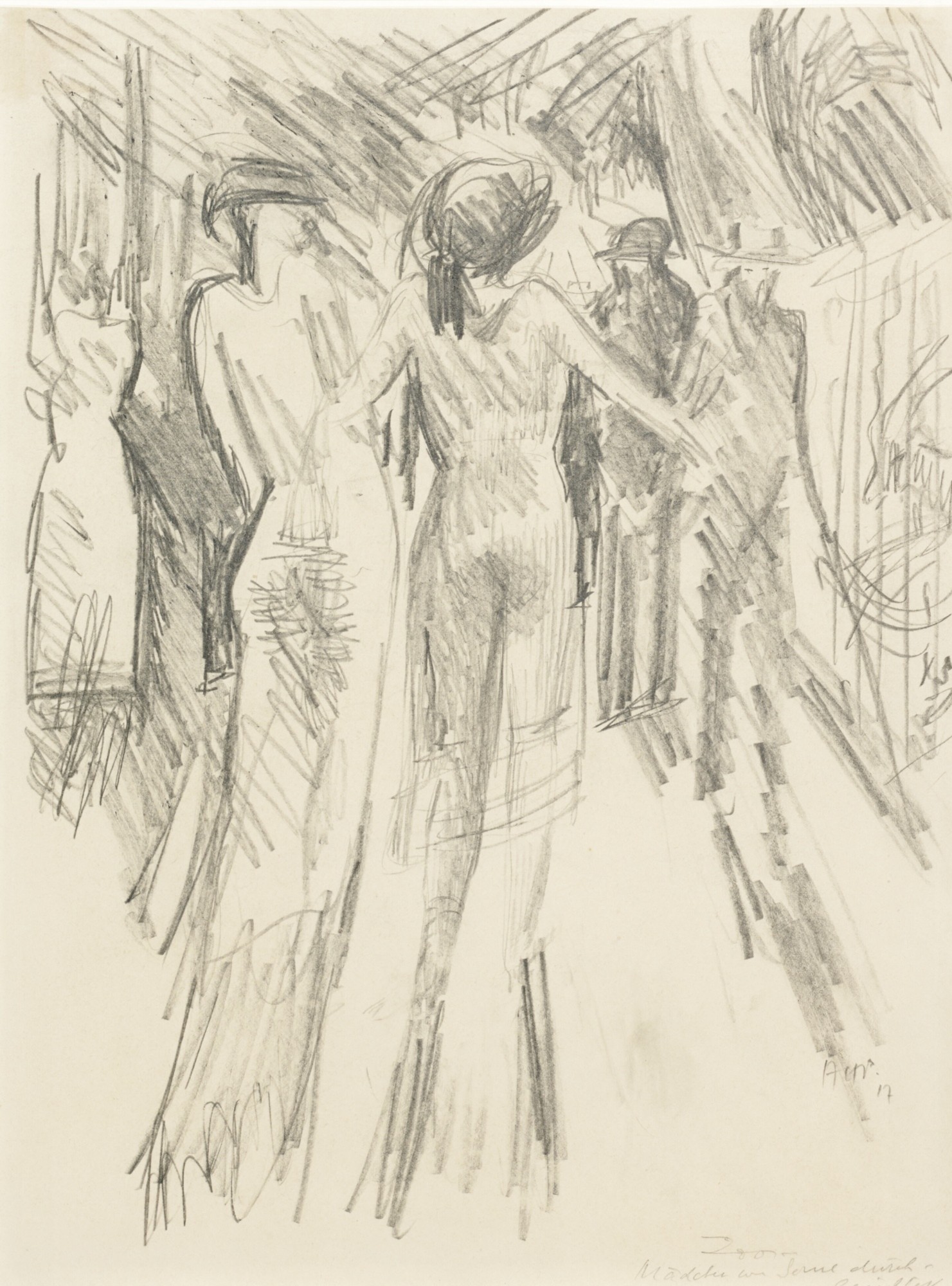
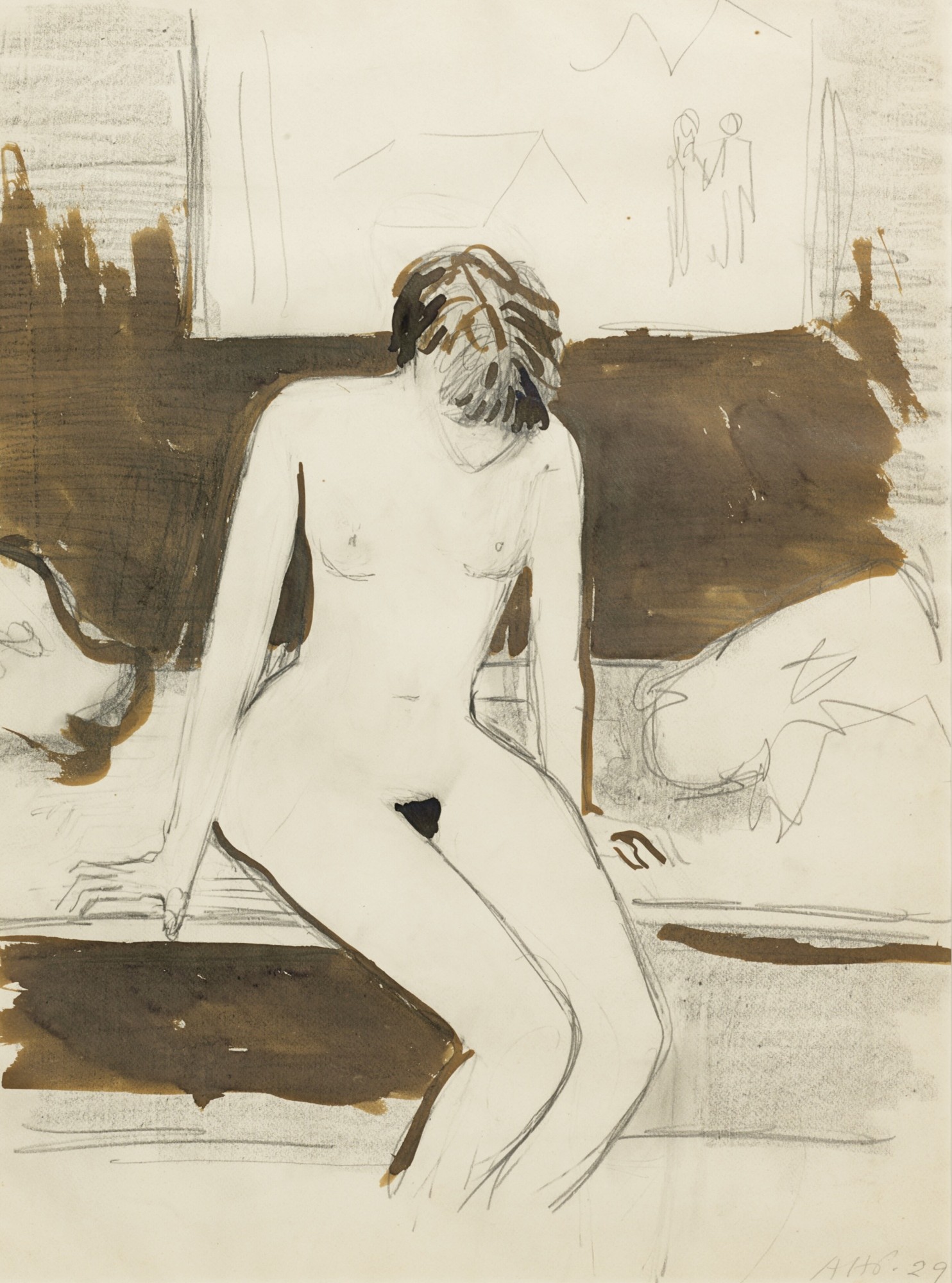
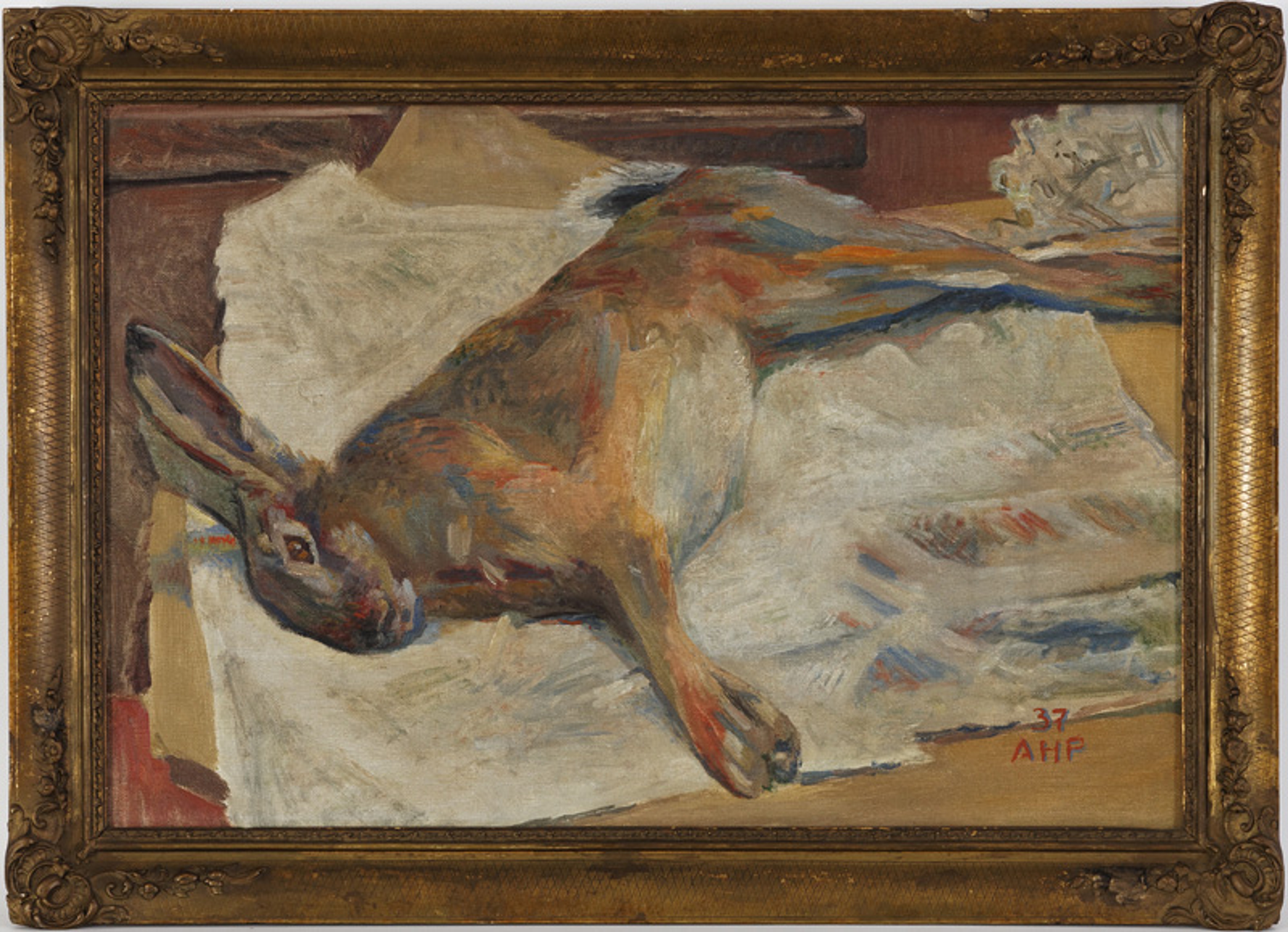
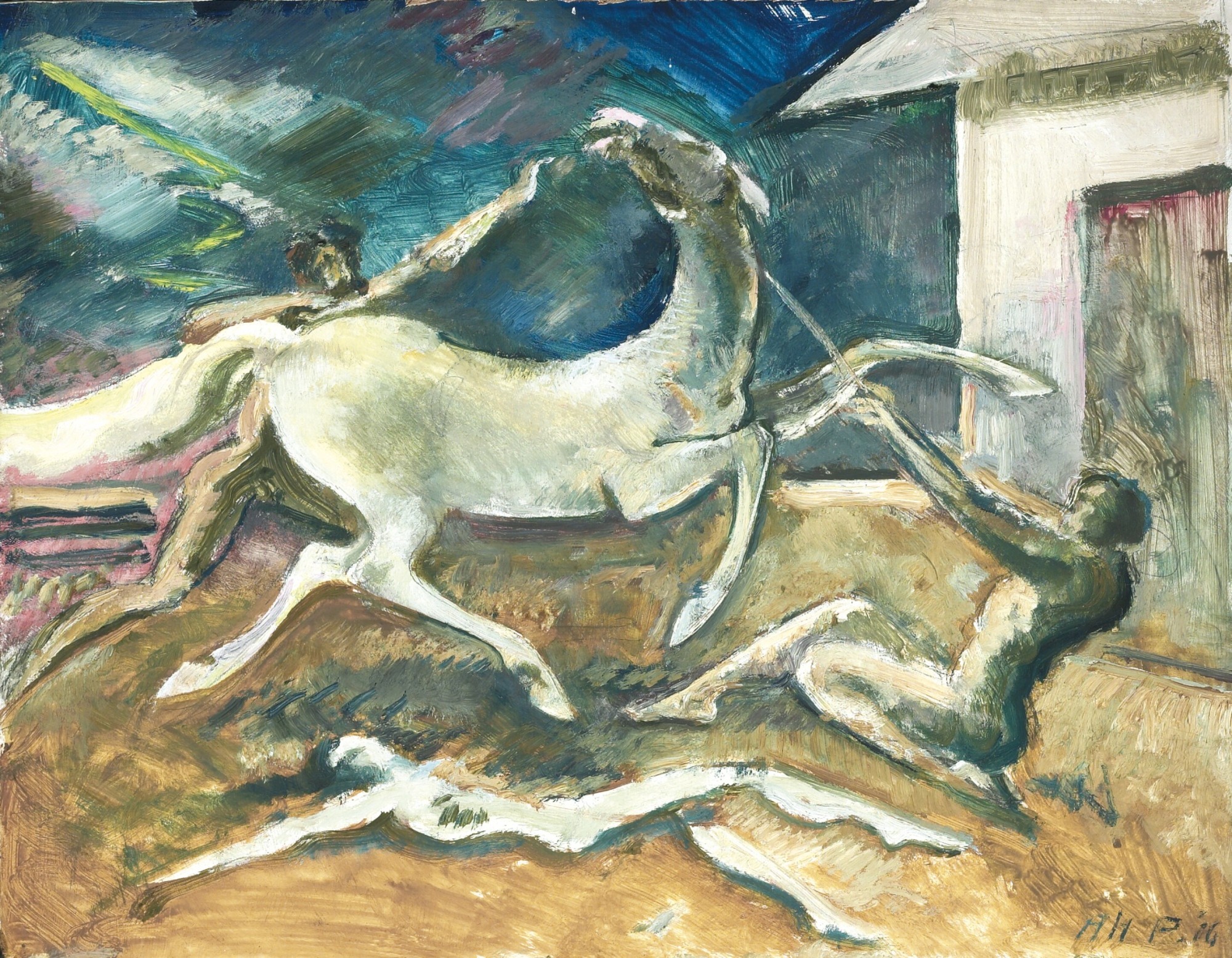
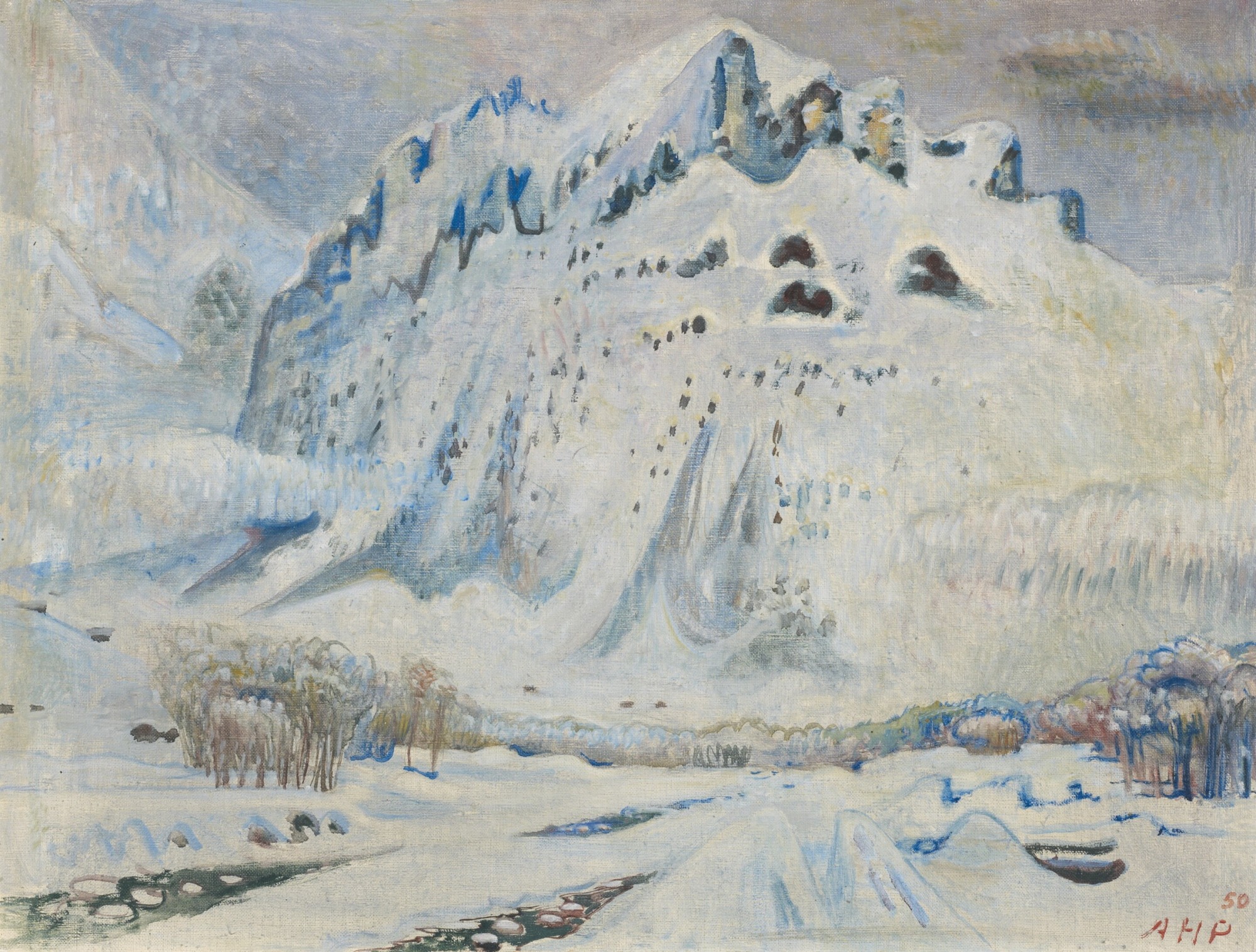
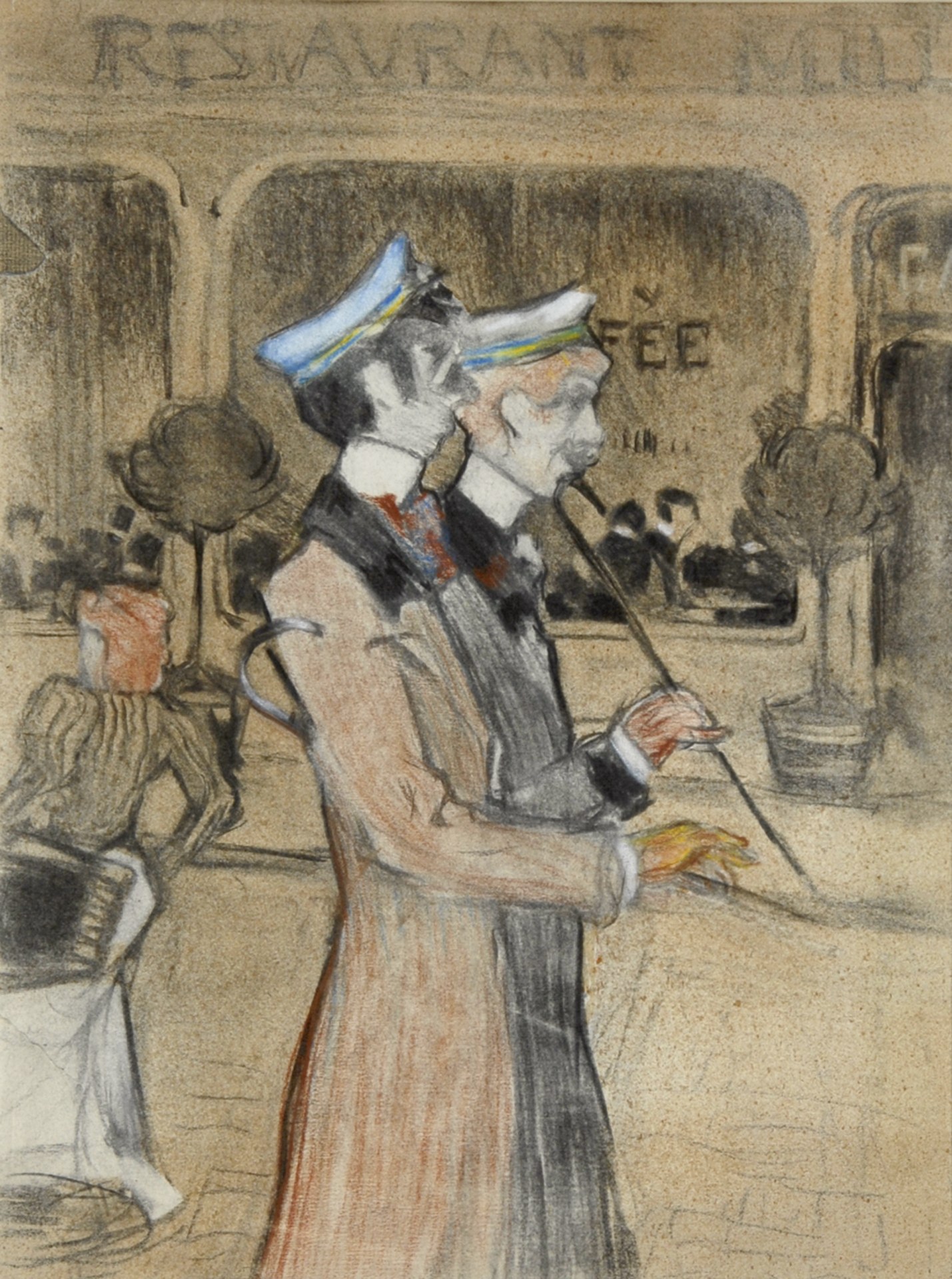
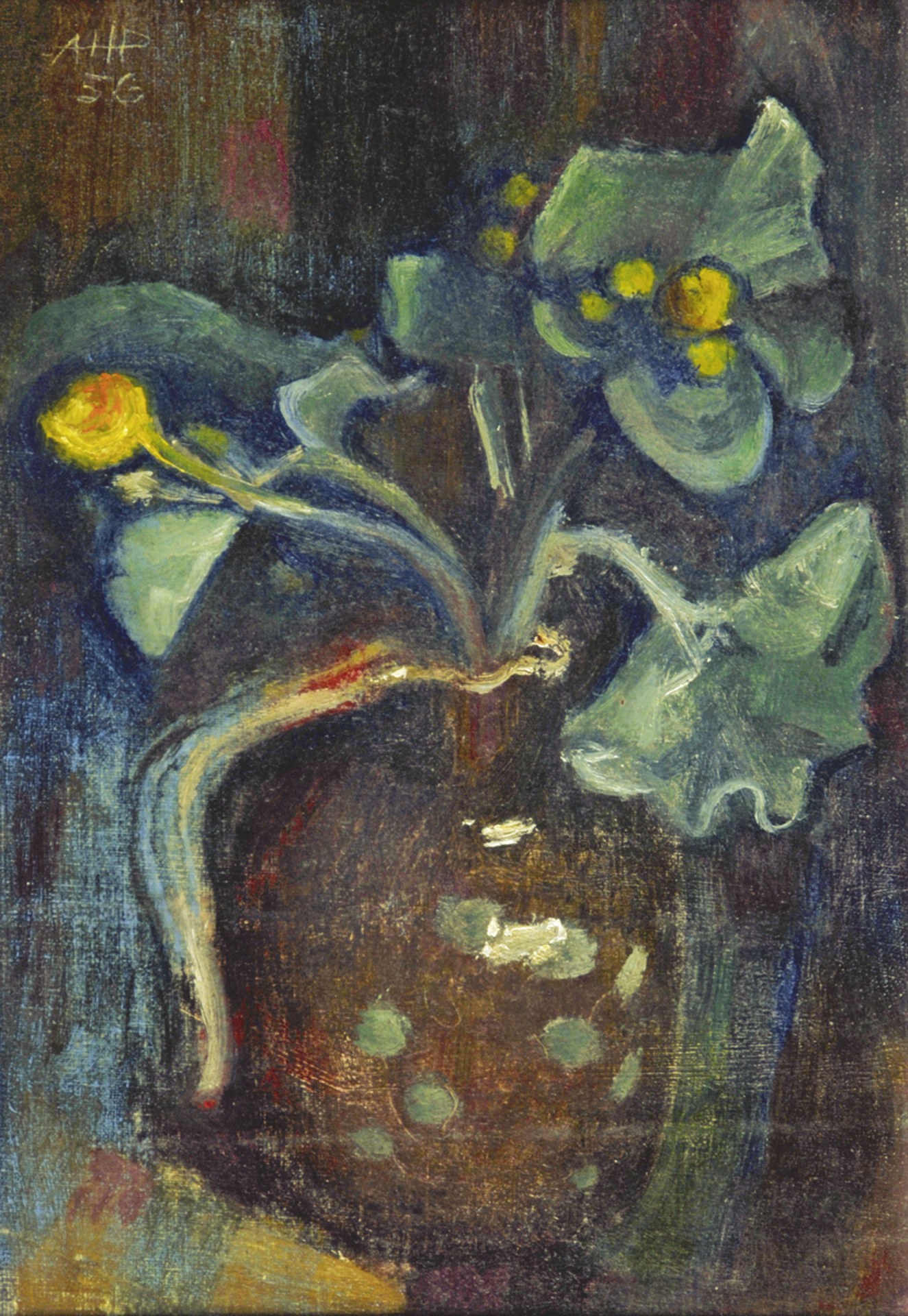
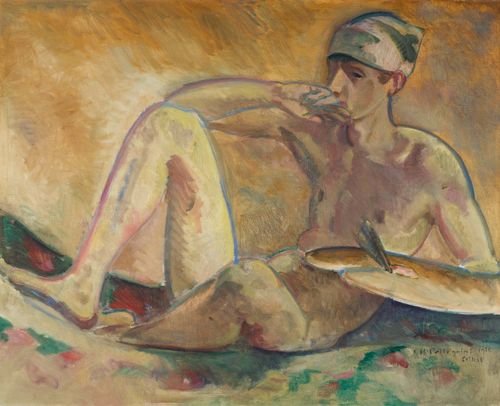
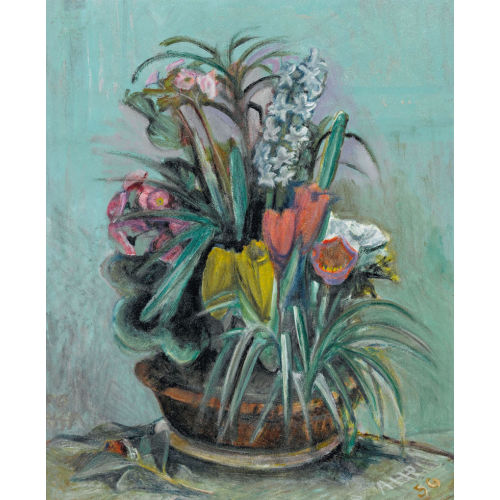
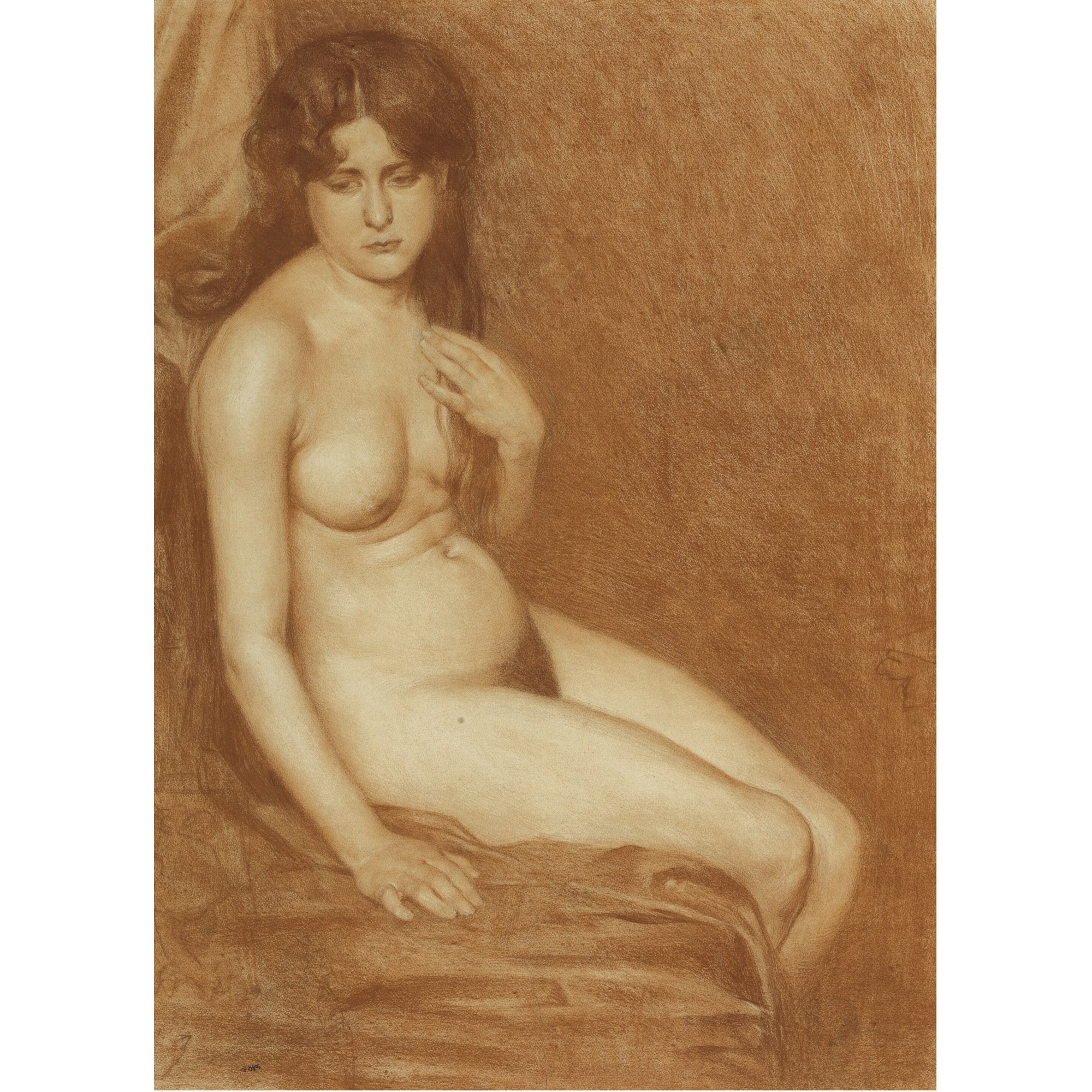
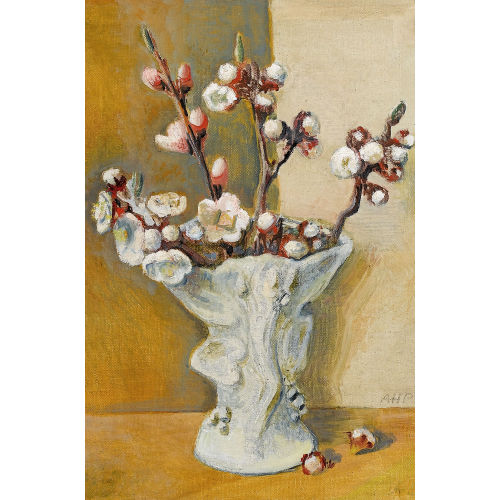
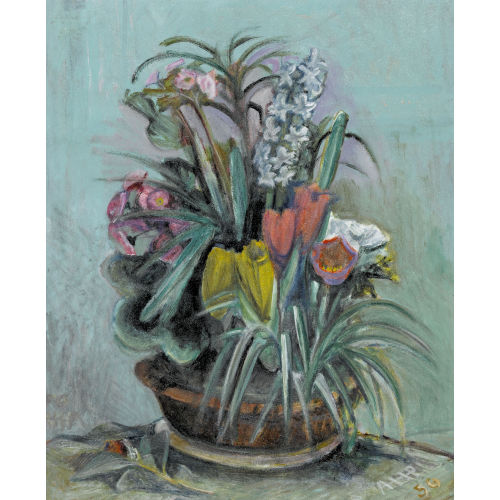
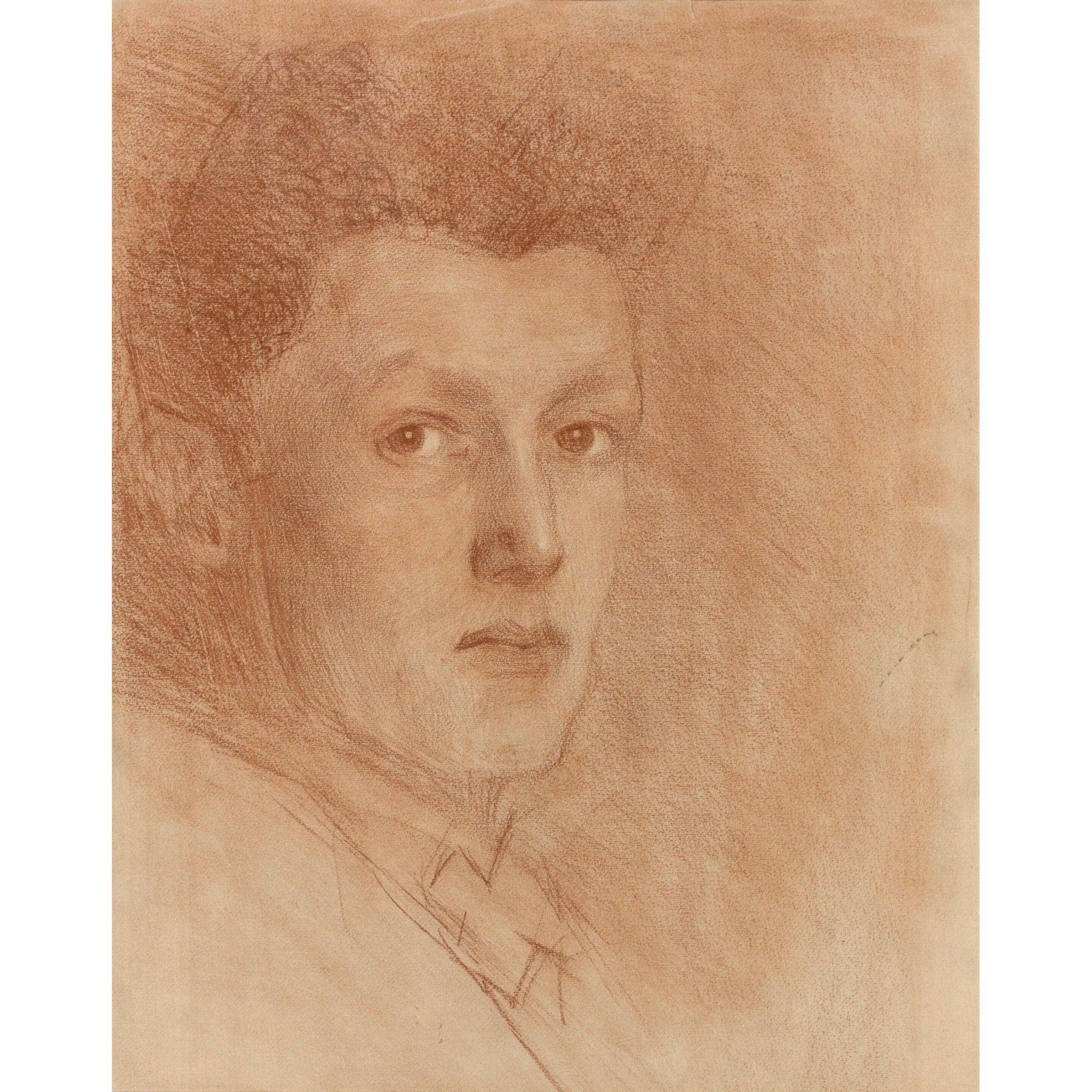
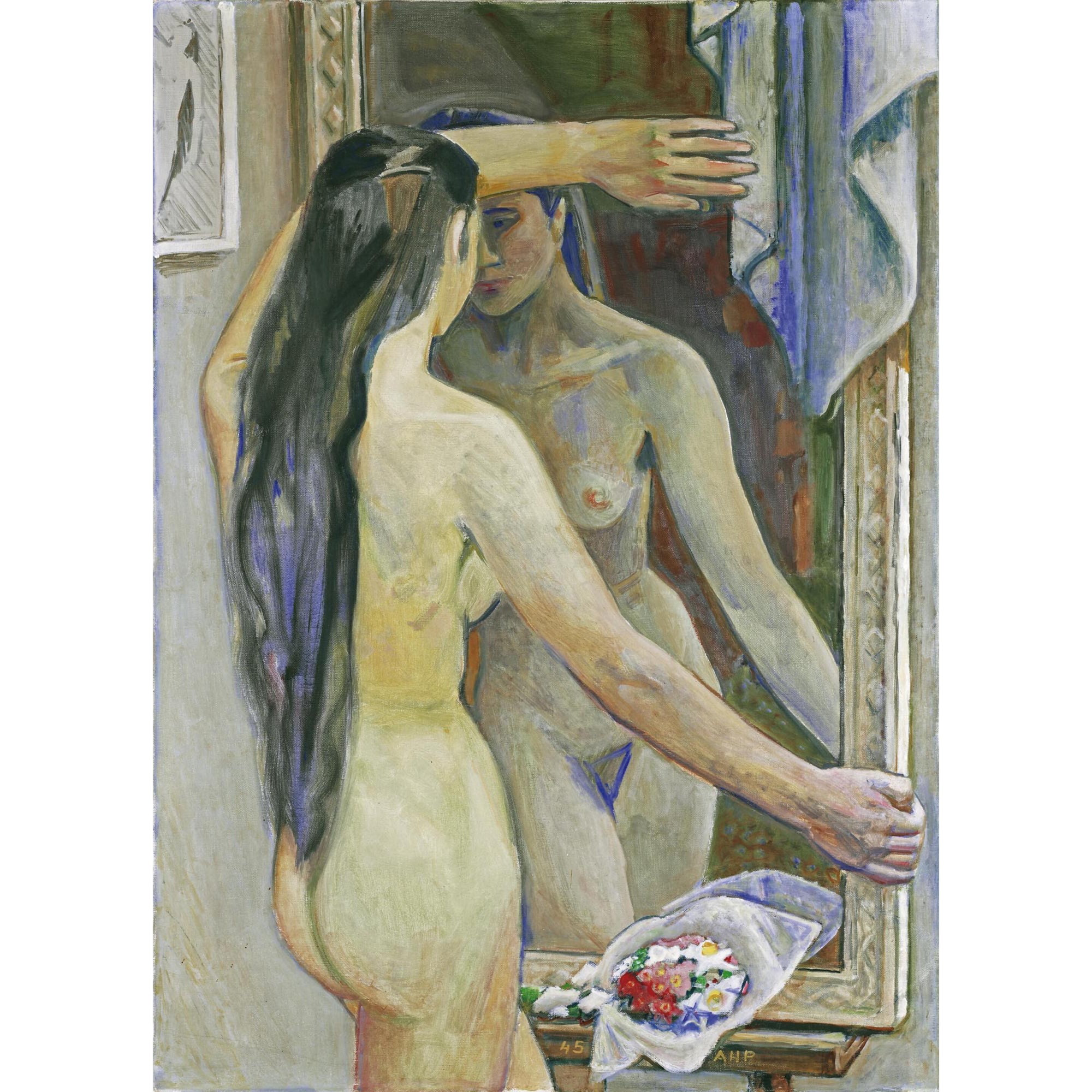
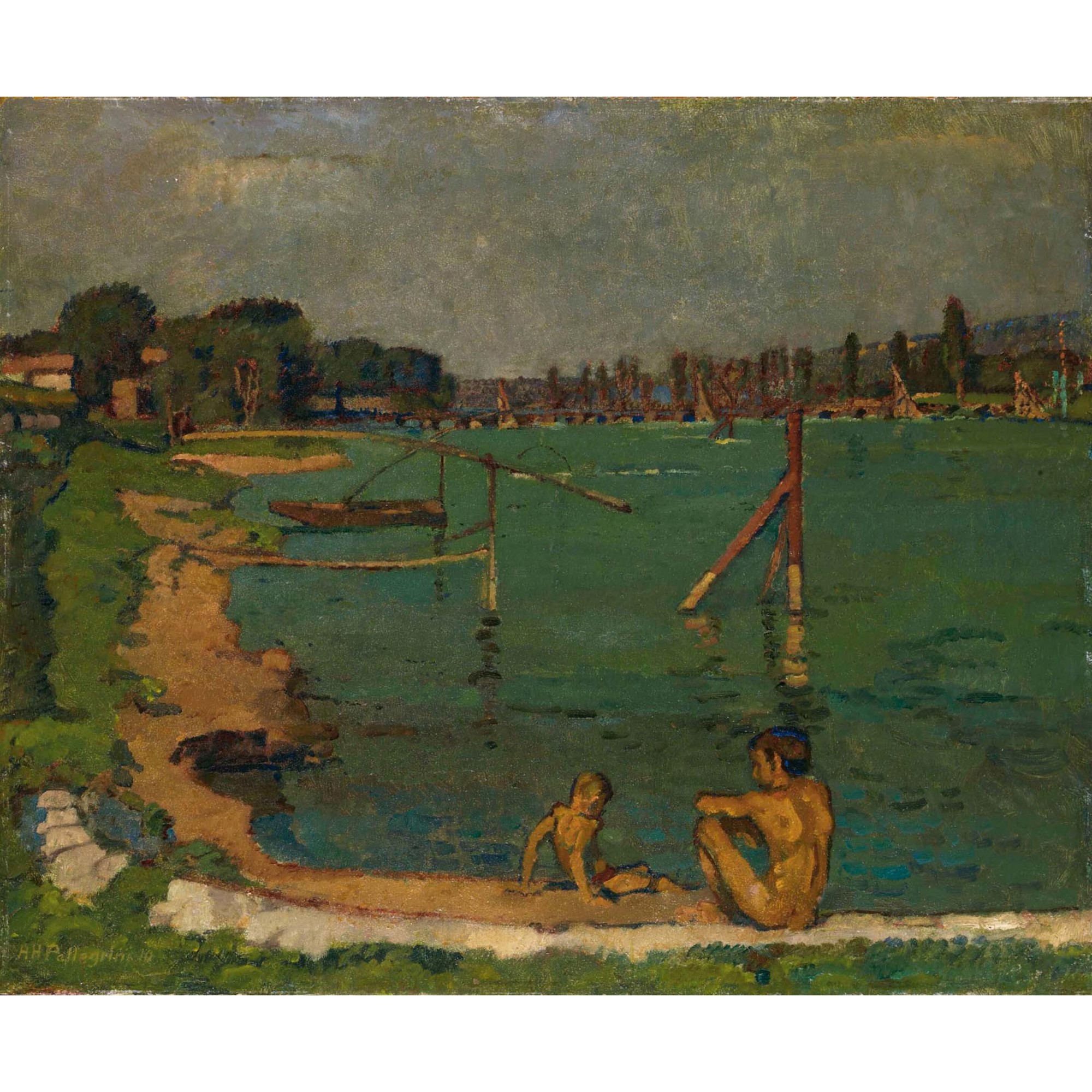
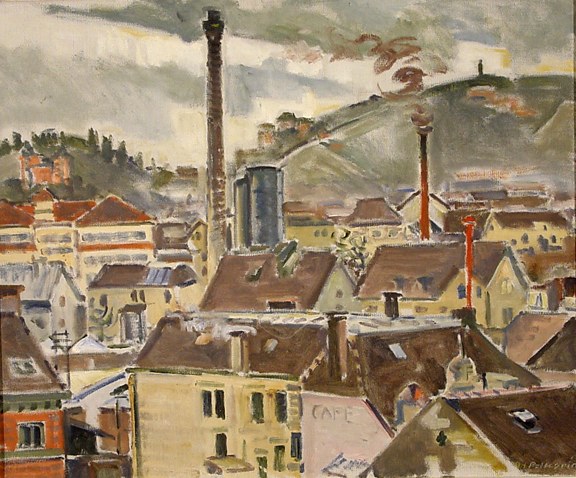
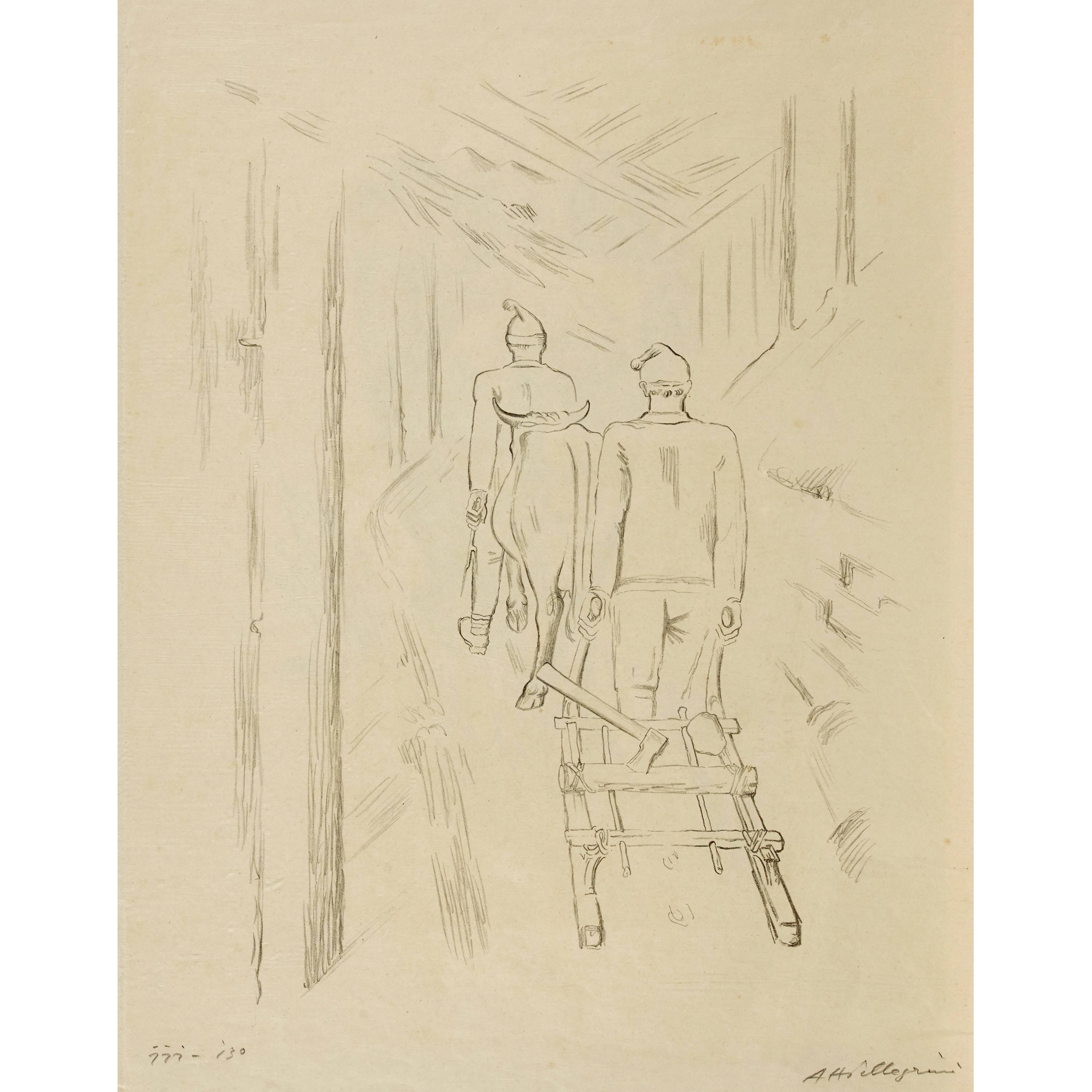
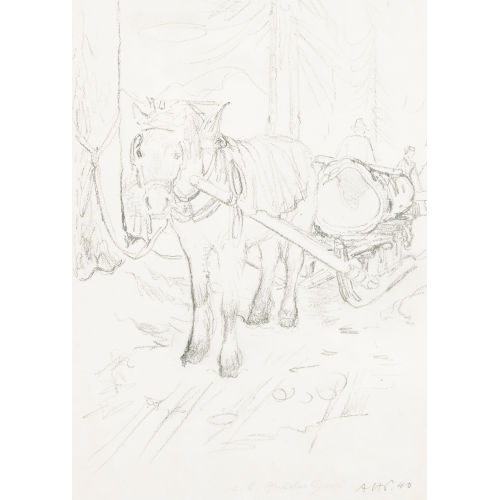
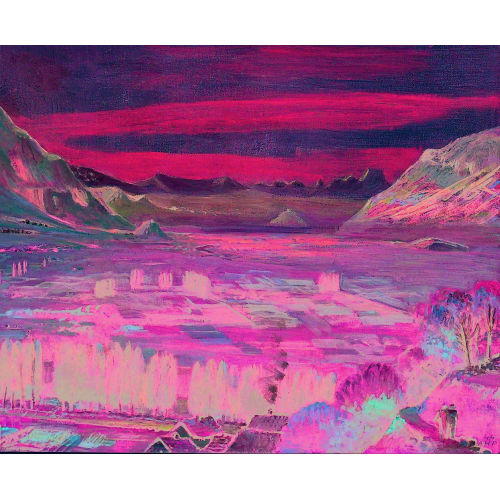
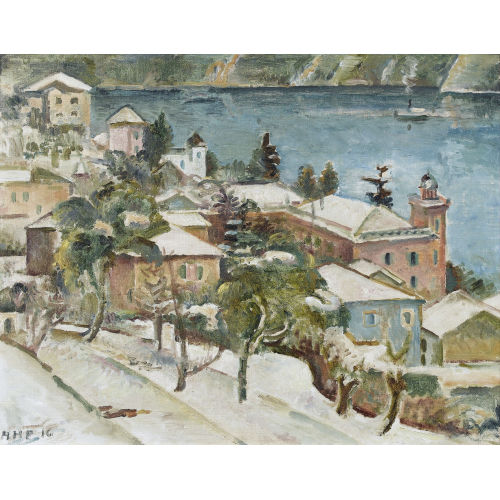
After returning permanently to Basel in 1917, he pursued an activity encompassing easel painting, drawing, printmaking, illustration and decorations intended for architecture.
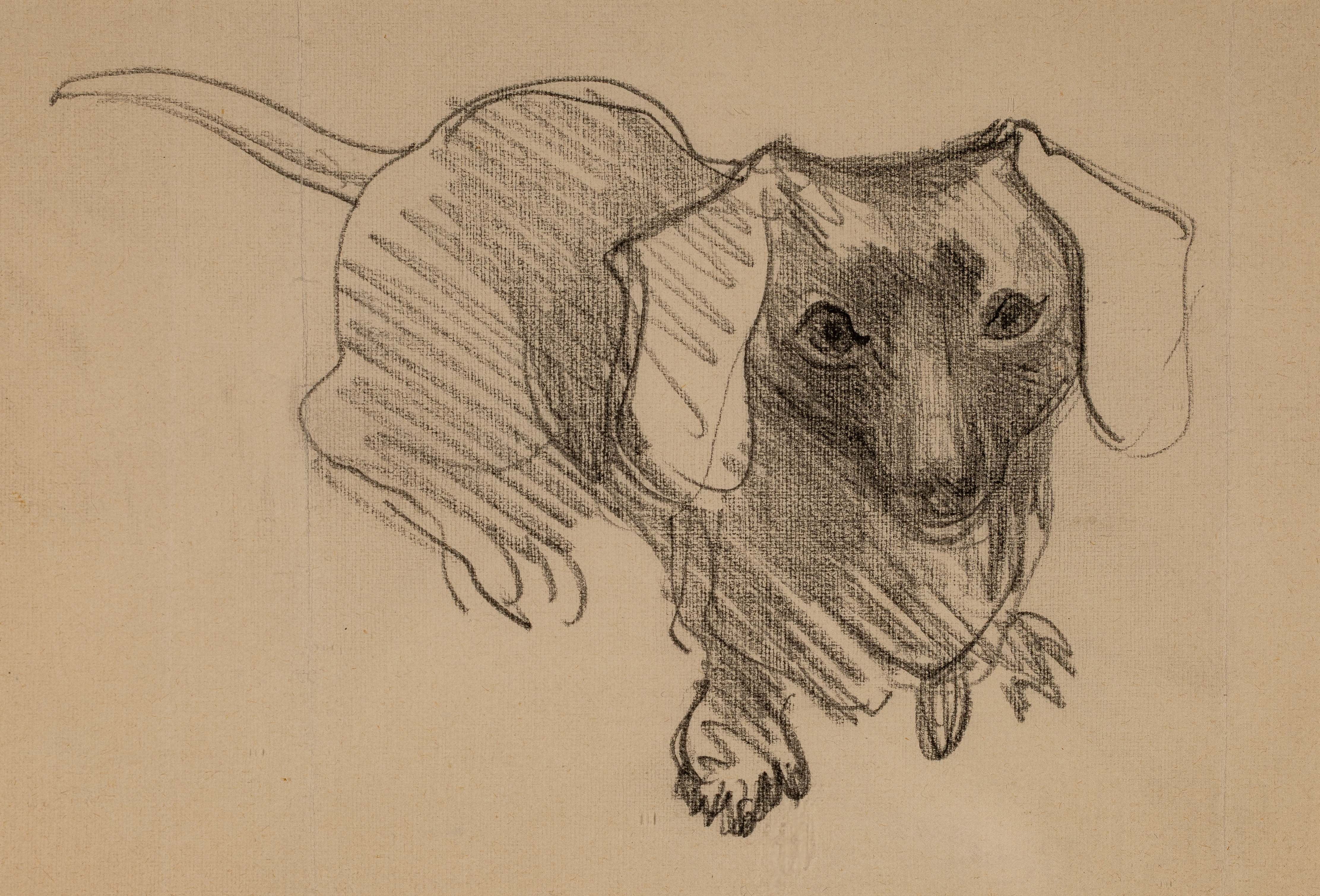
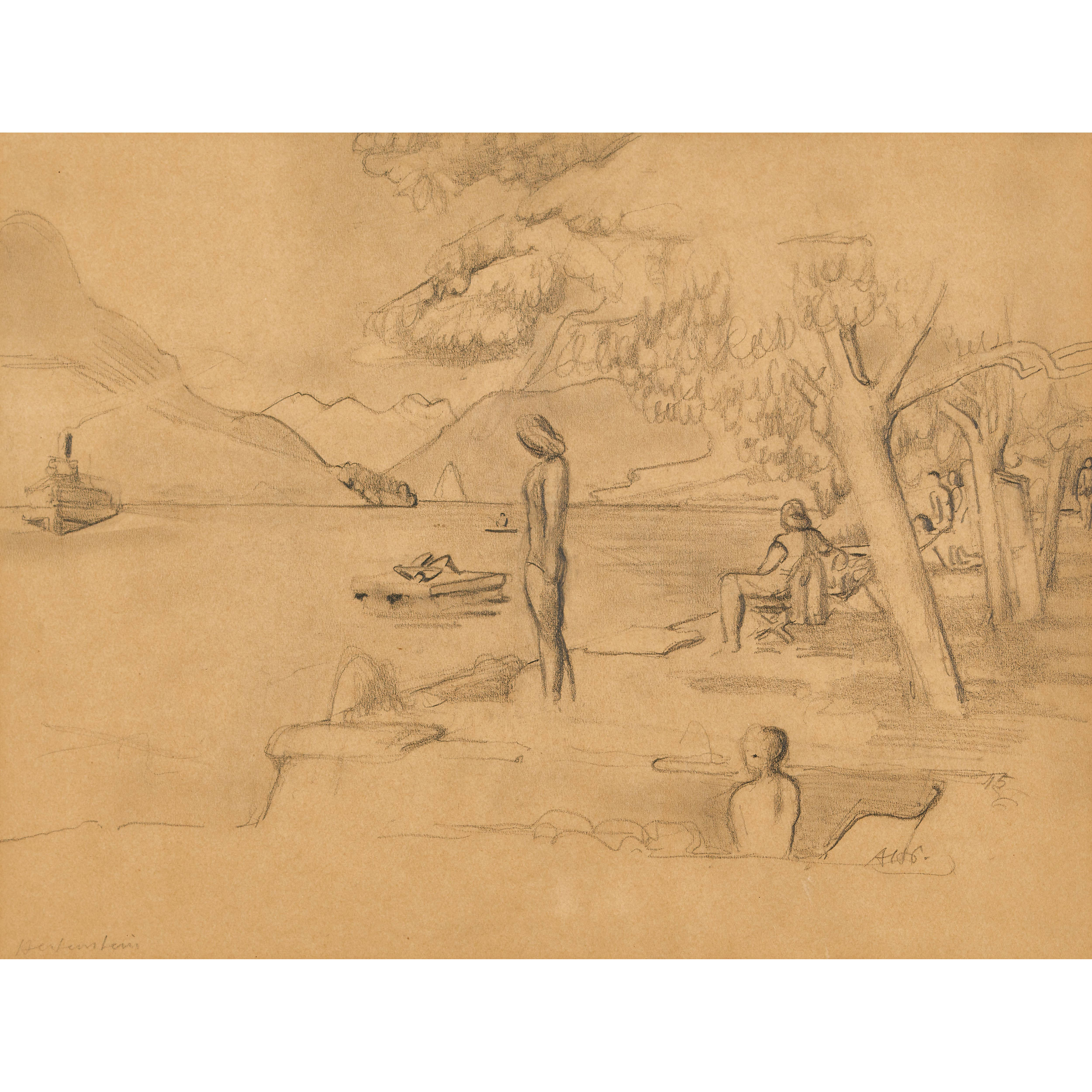
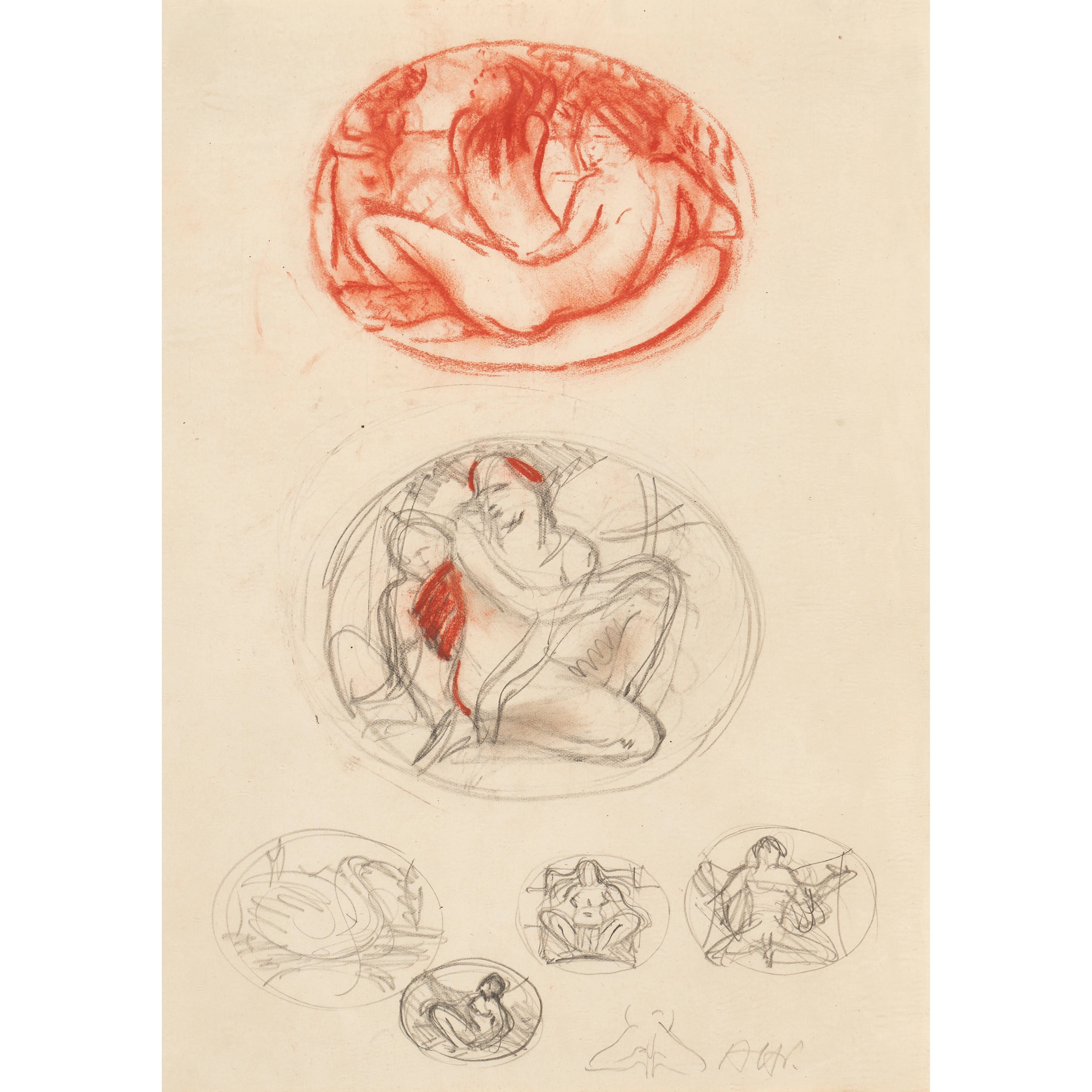
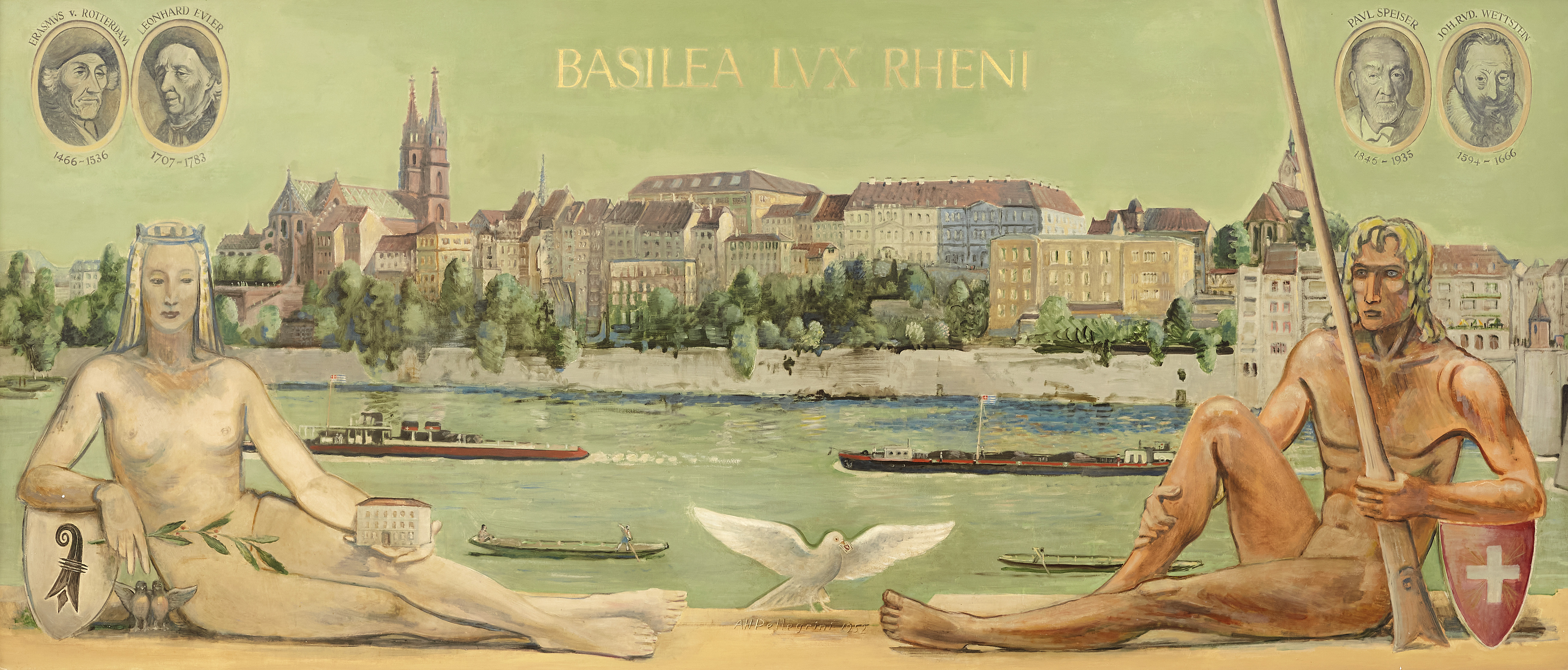
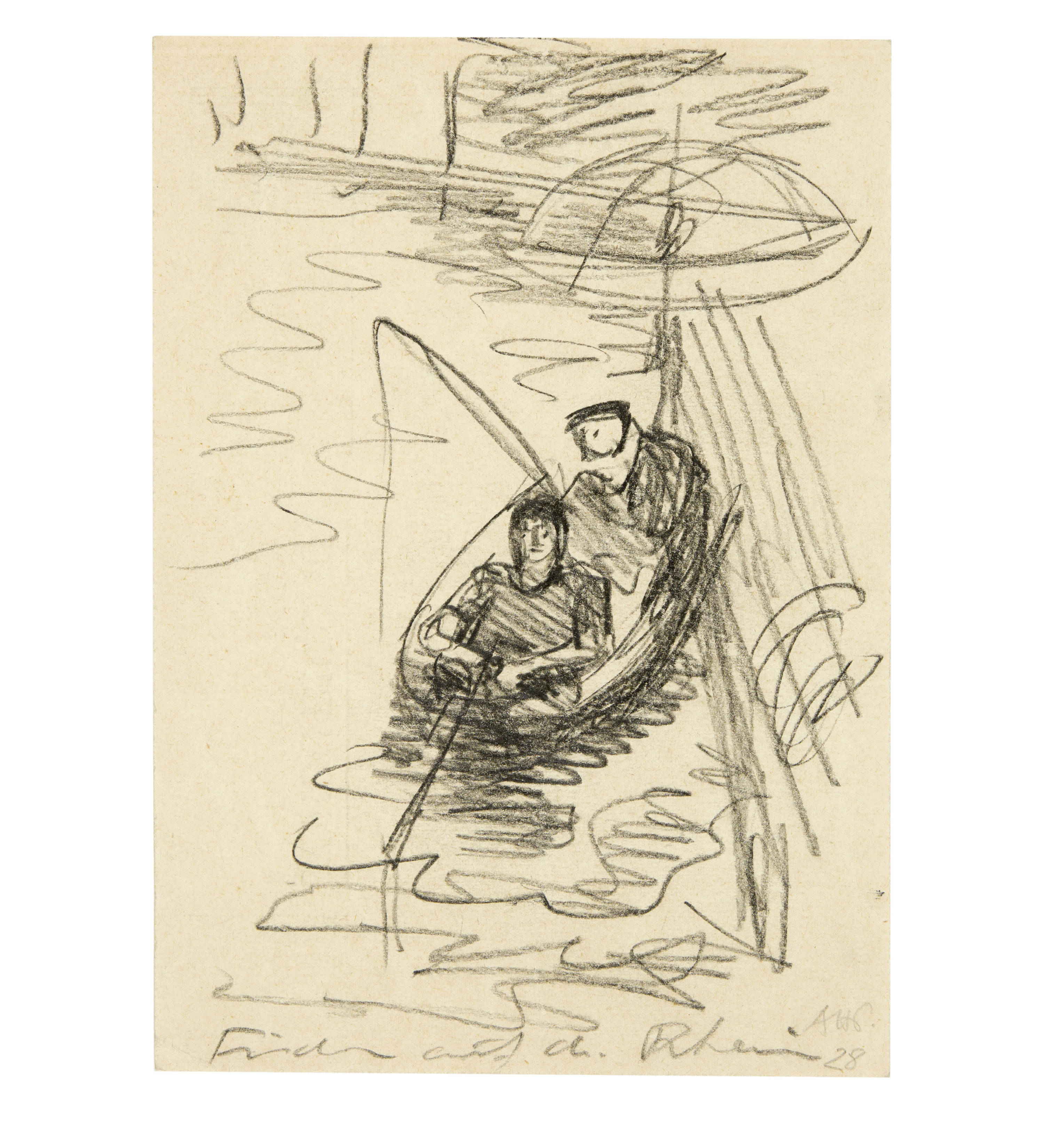
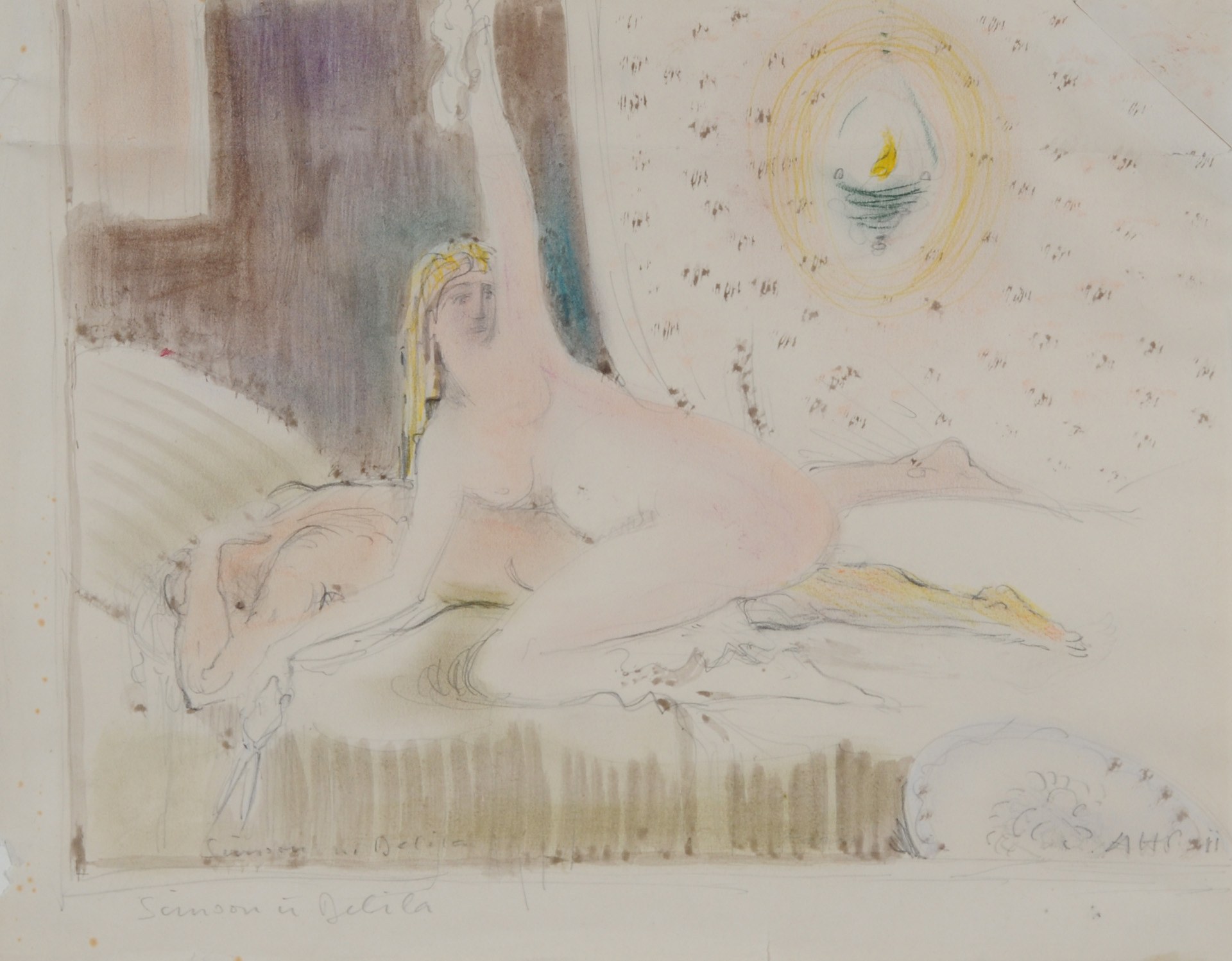
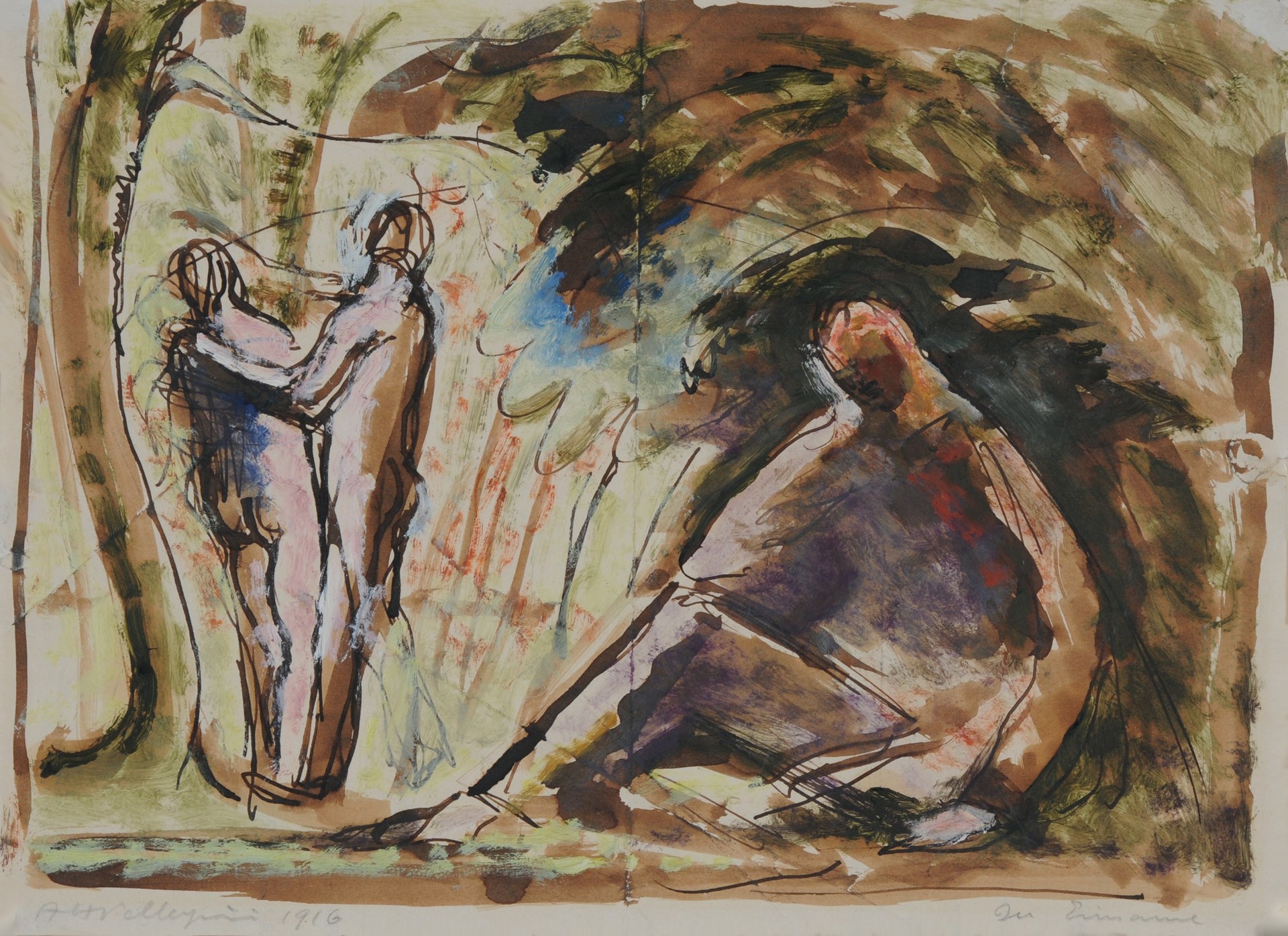
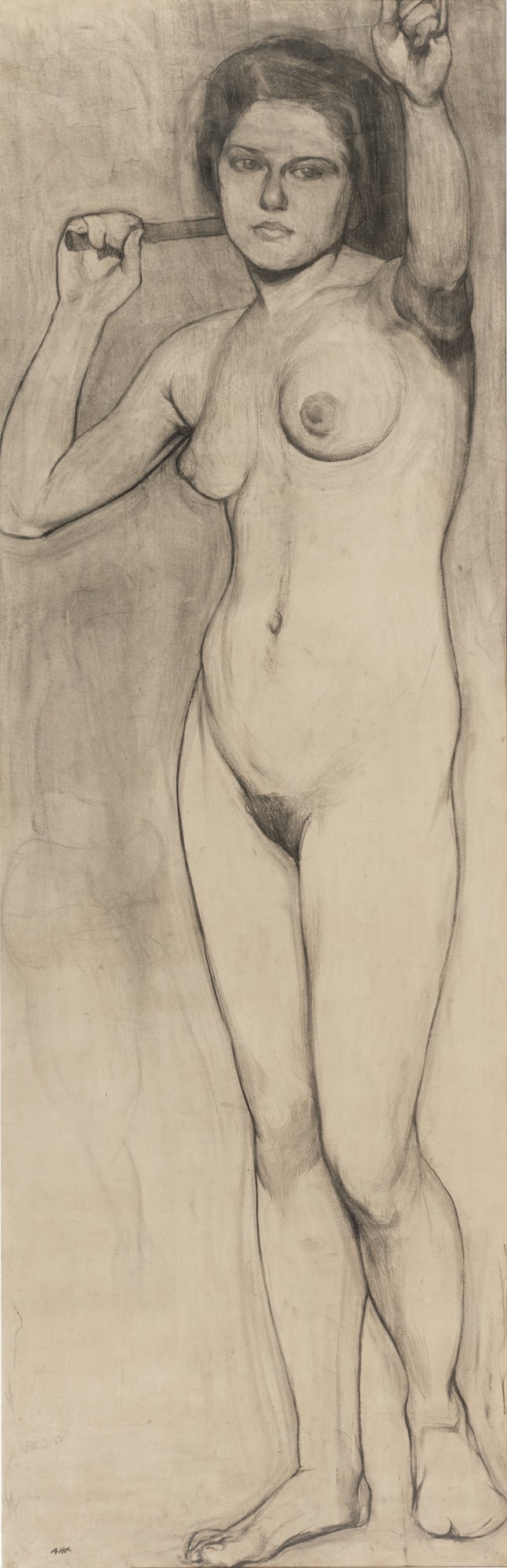
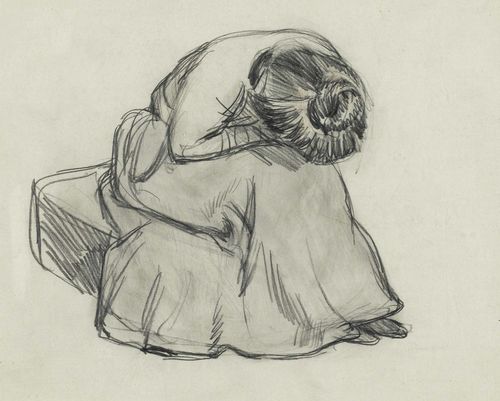
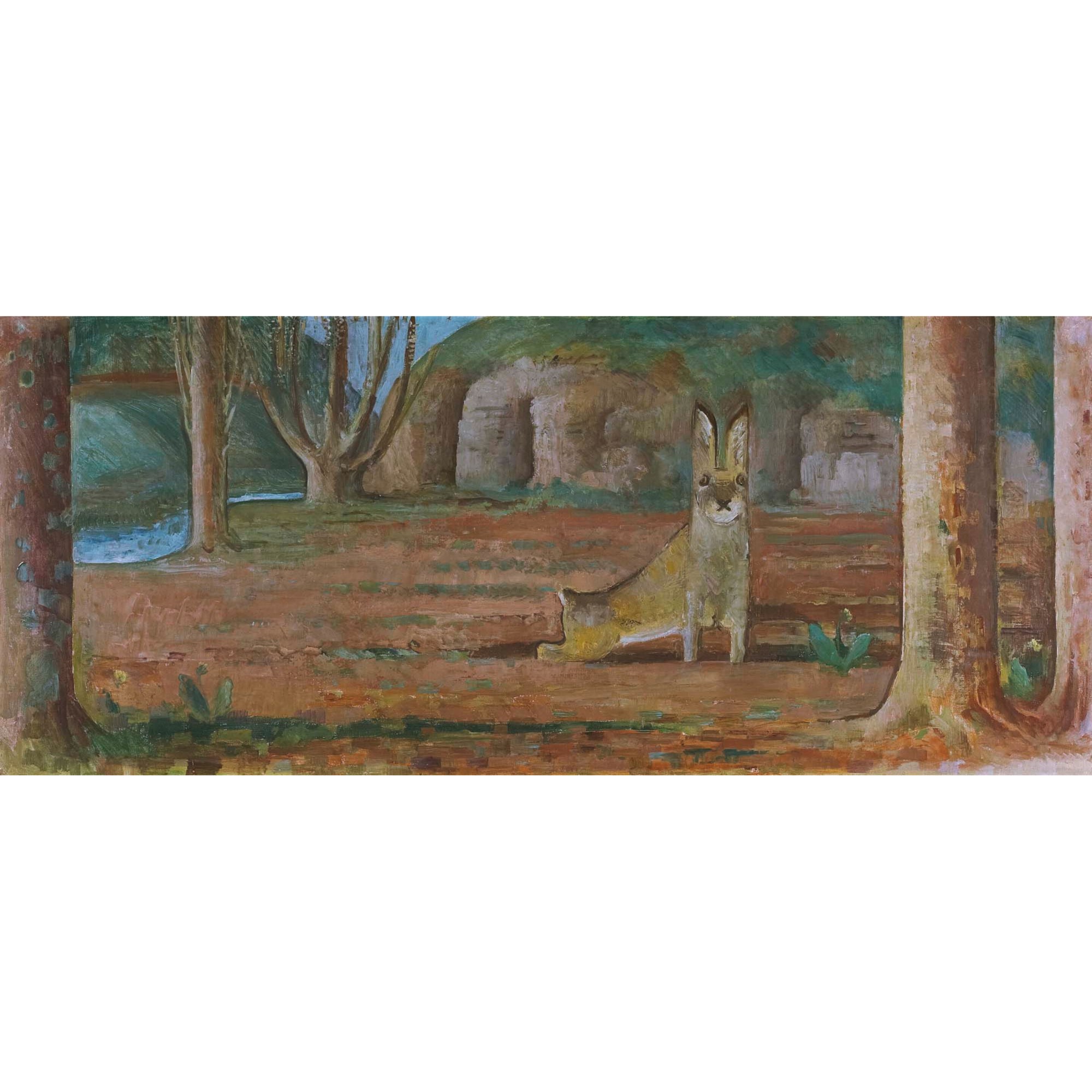
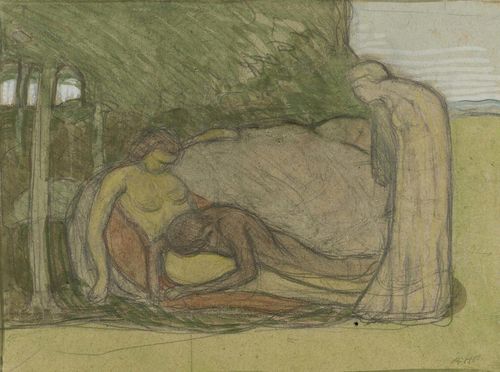
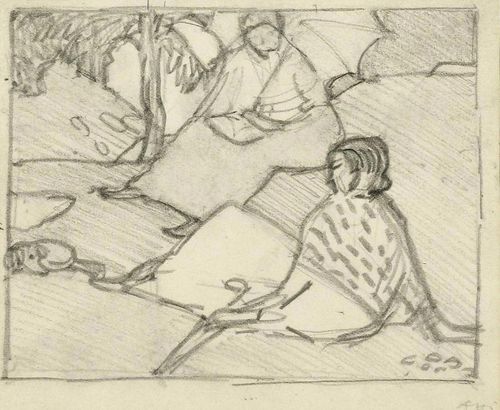
For Pellegrini, painting a wall demanded more than enlarging a picture: the composition had to engage in a dialogue with the building and with the people moving through it. In Basel, his projects for the schoolyard of the Petersschulhaus evoke the seasons through animals and plants arranged in space. The Basel Historical Museum preserves preparatory sketches that show the transition from a narrative scene to more concentrated and legible figures.
On the façade of the Stadtcasino, his vast «Apollon et les Muses» associates the musical venue with a mythological subject. He also created murals for the Swiss National Exhibition of 1939.
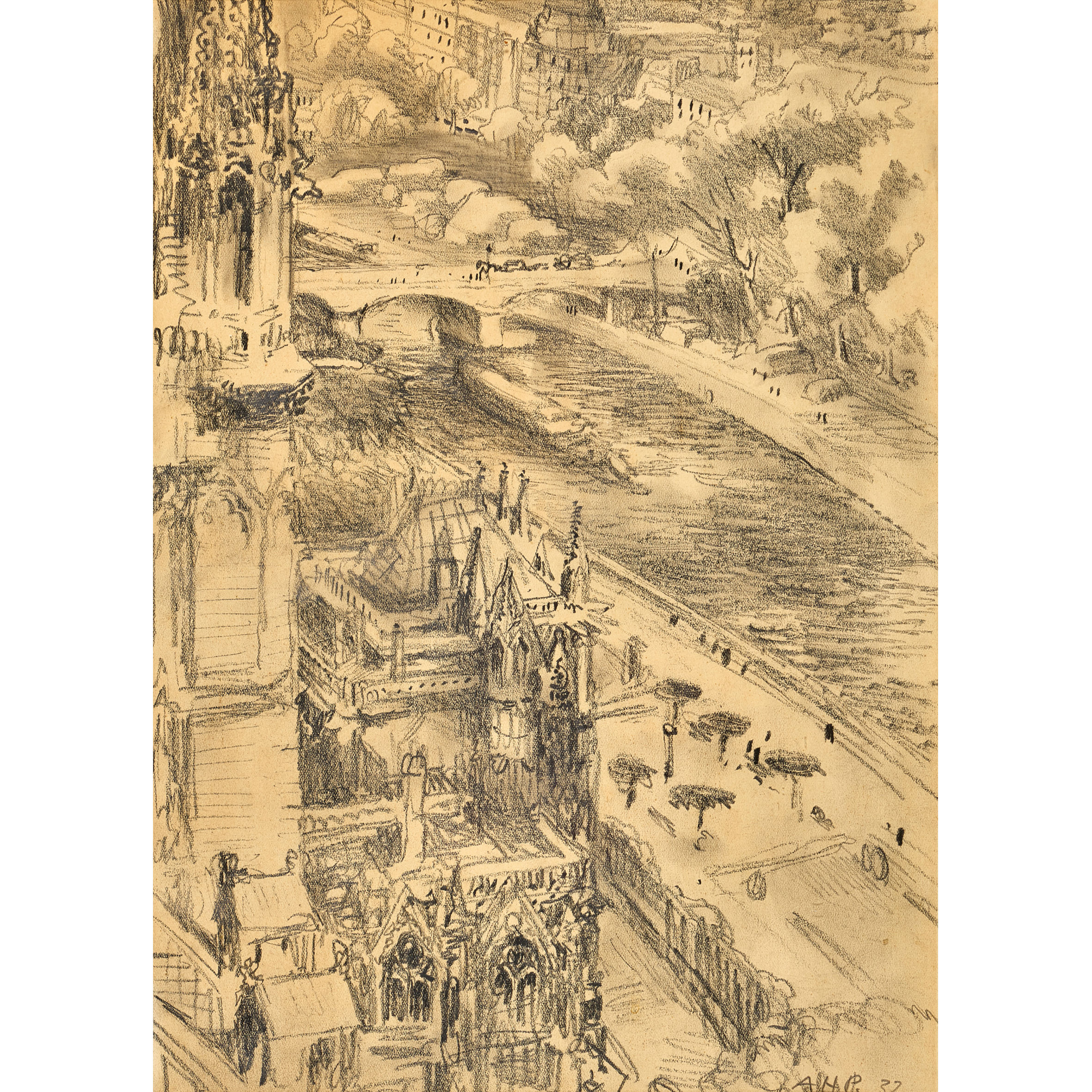
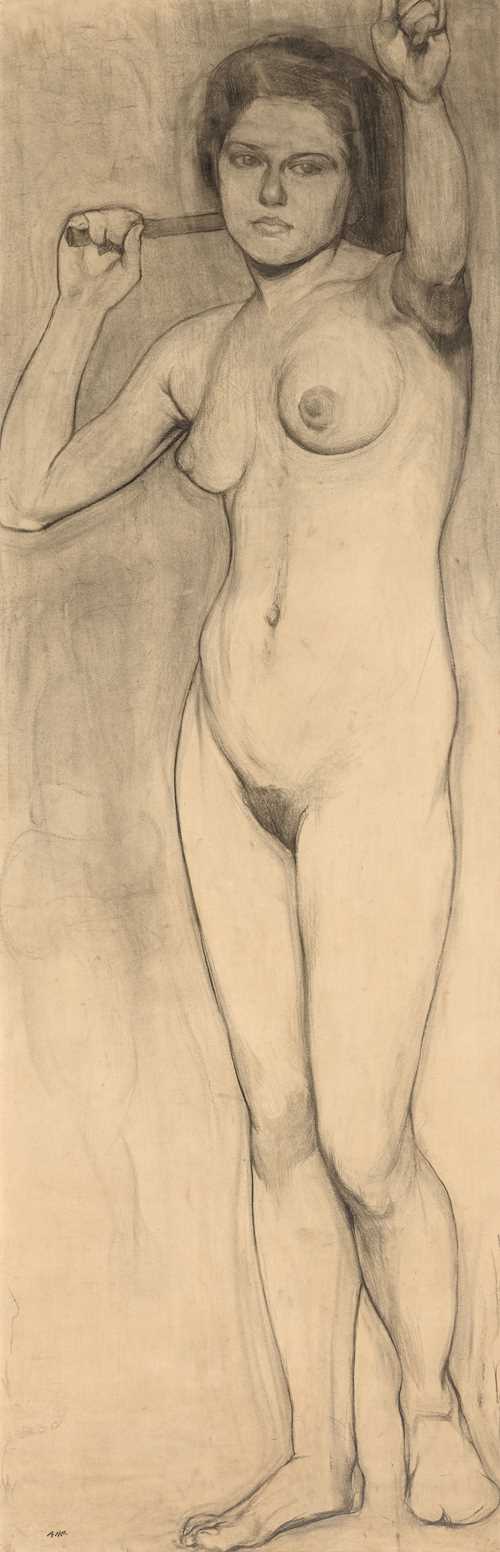
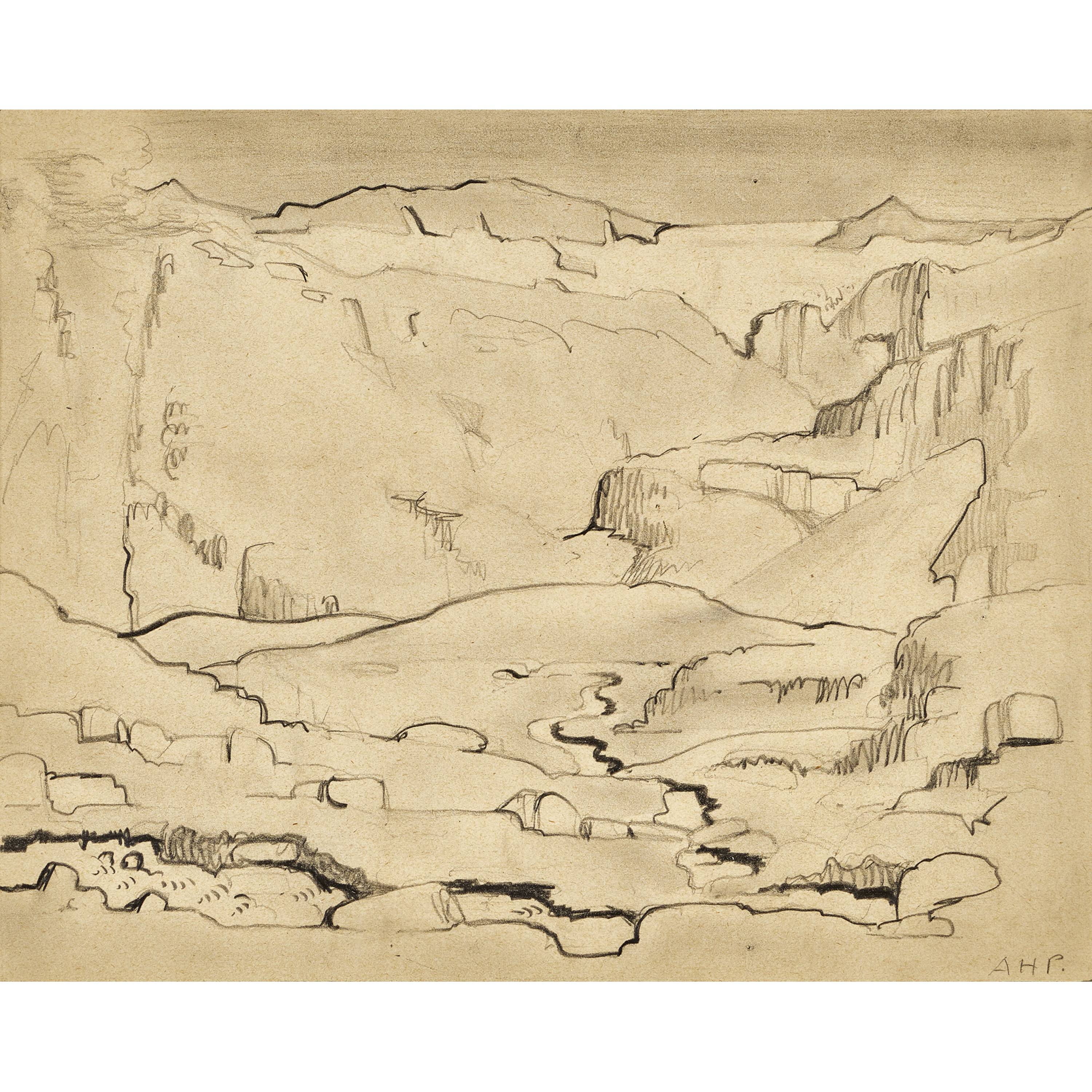
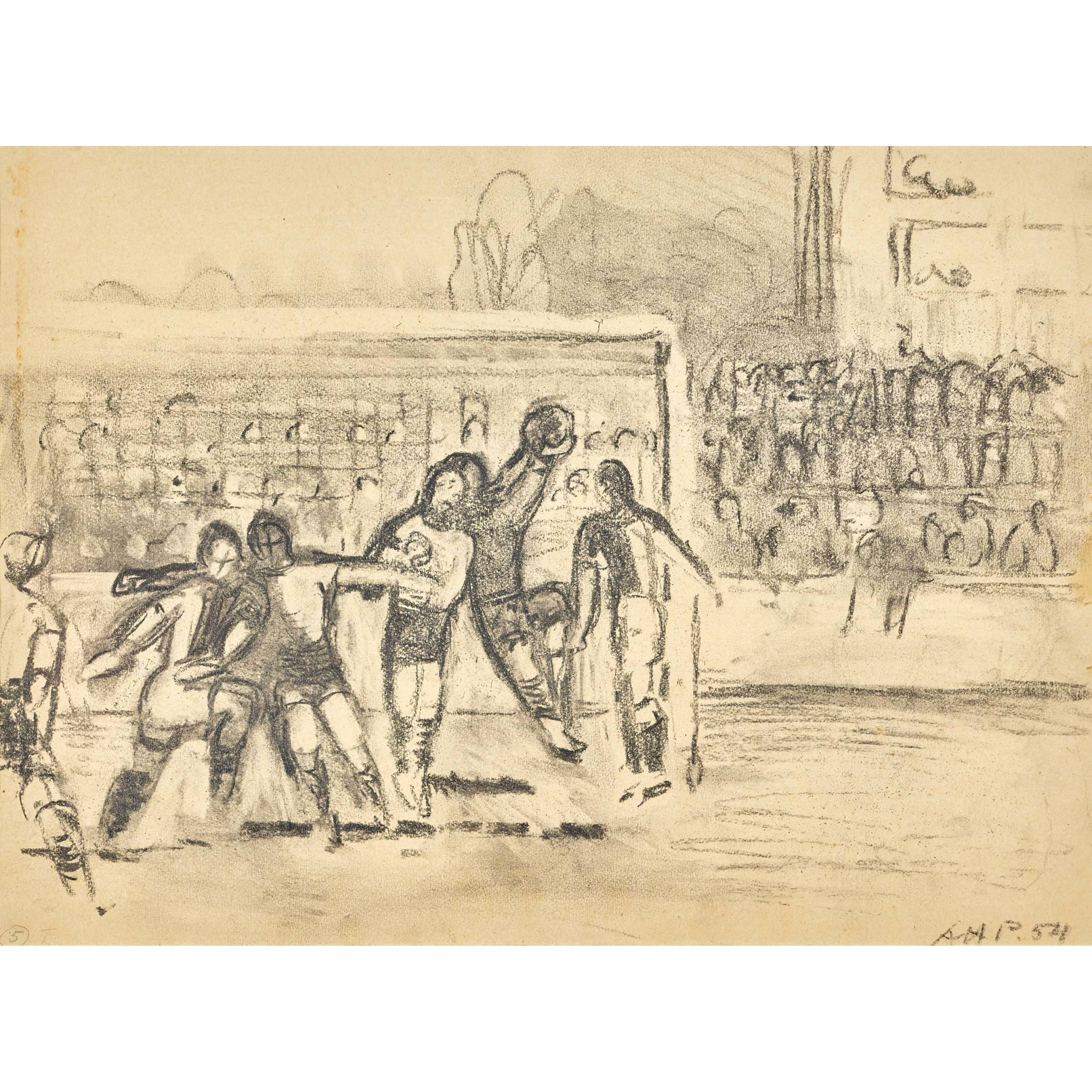
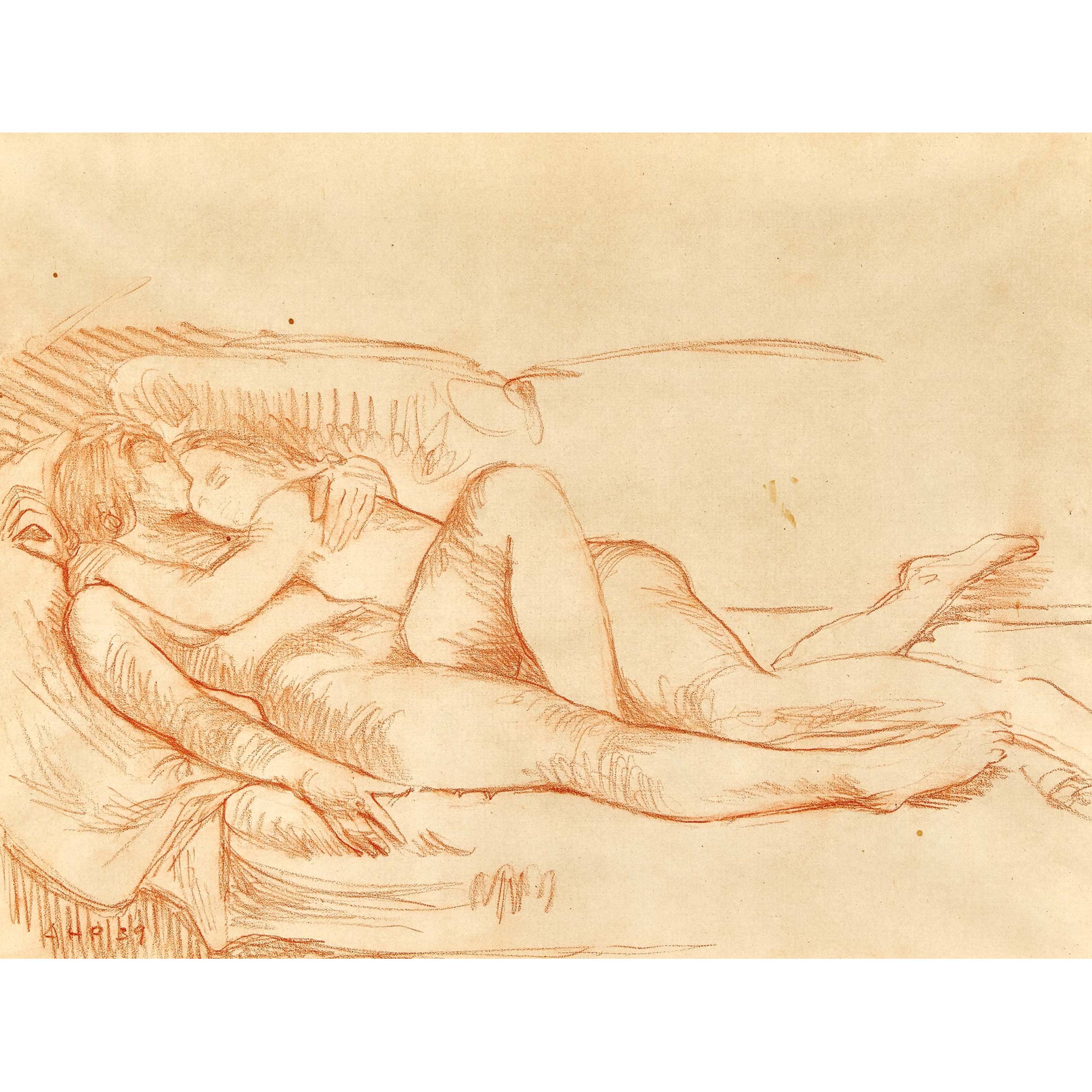
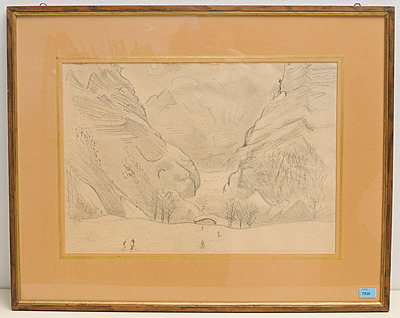
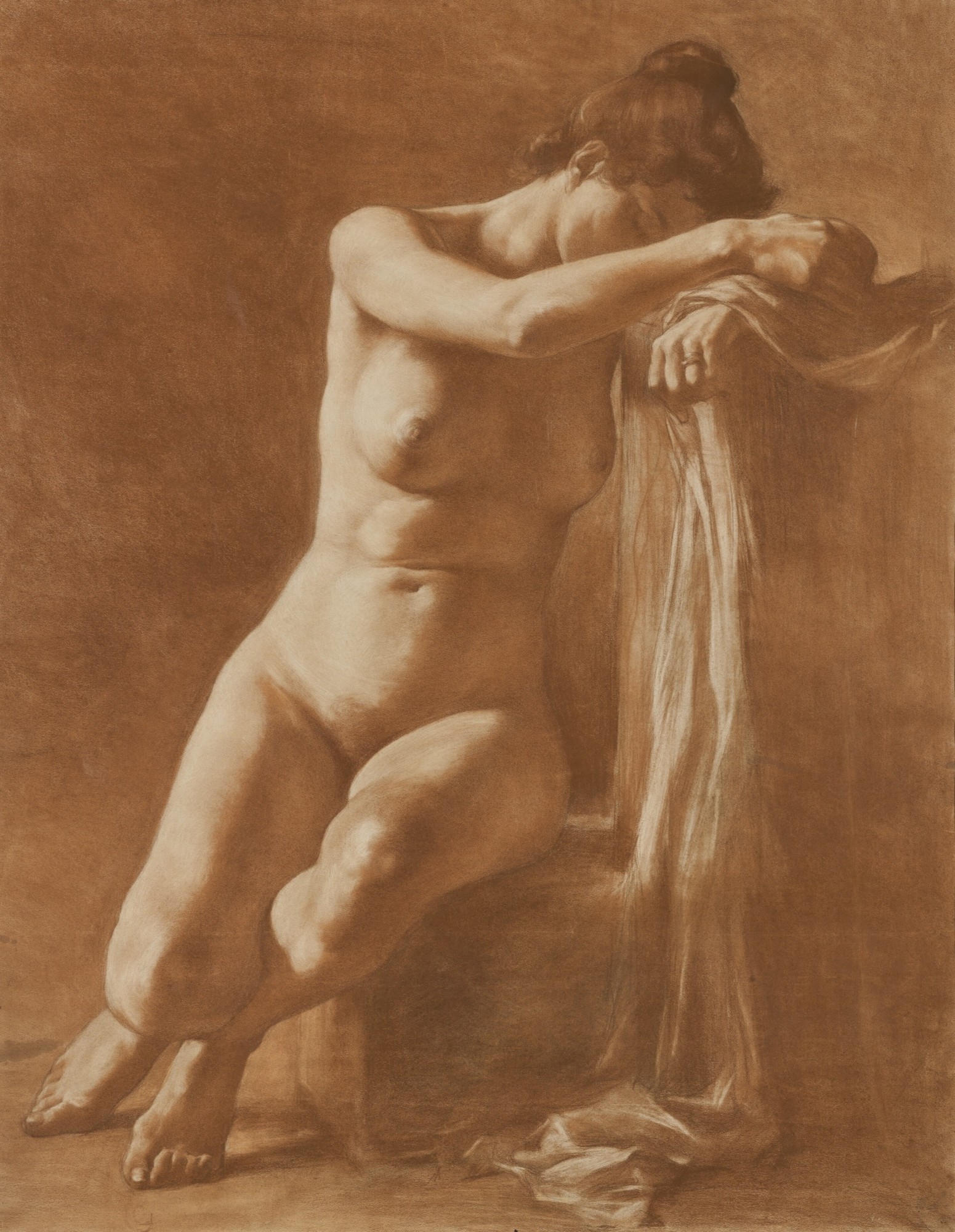
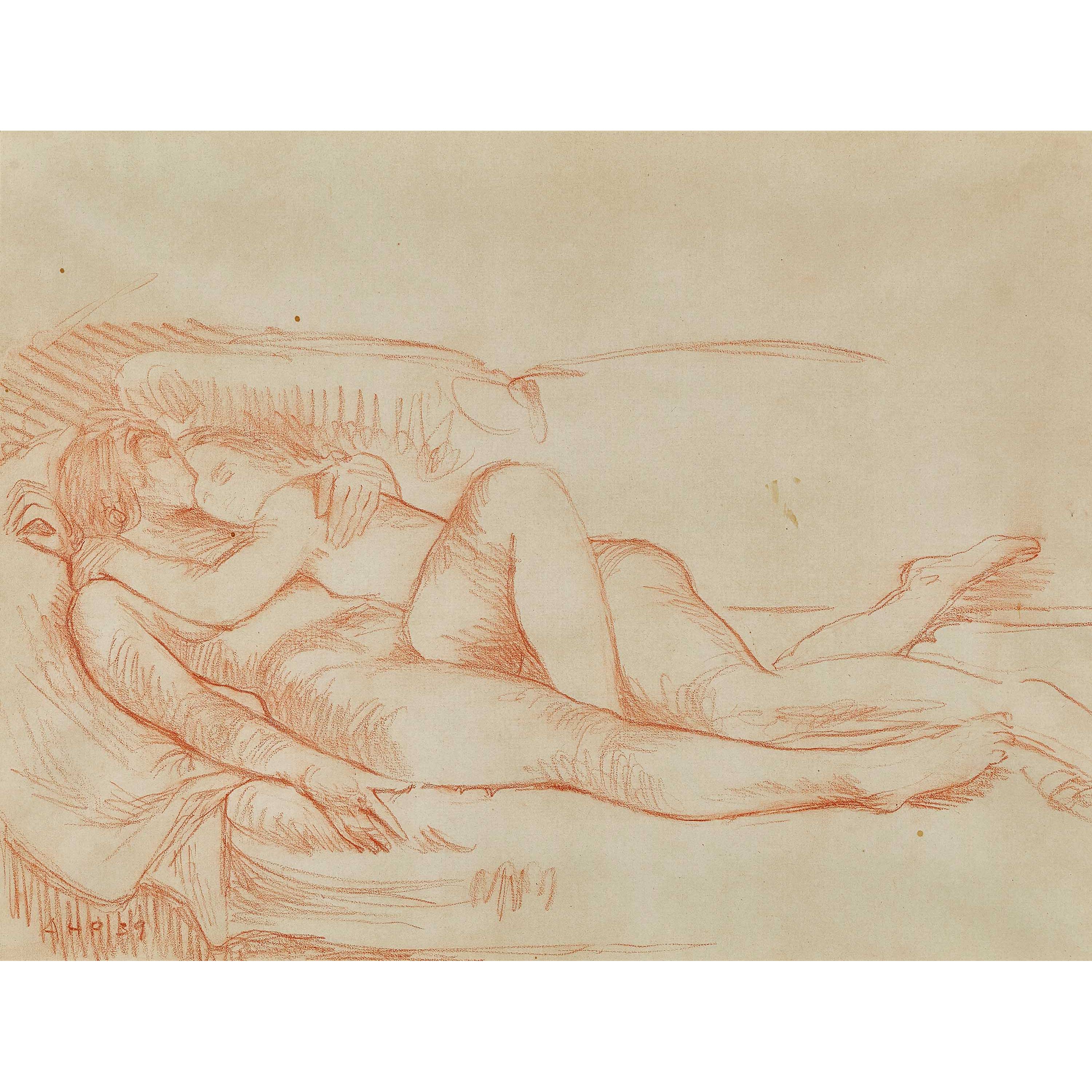
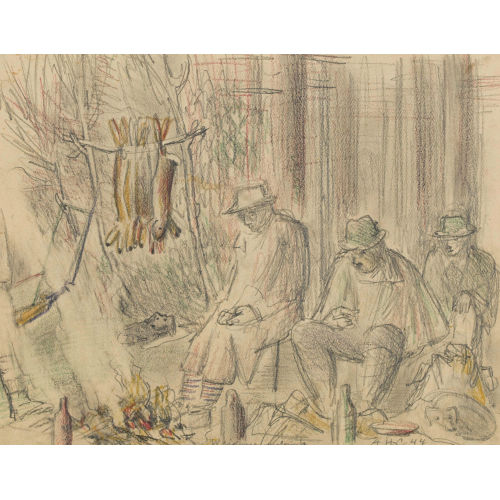
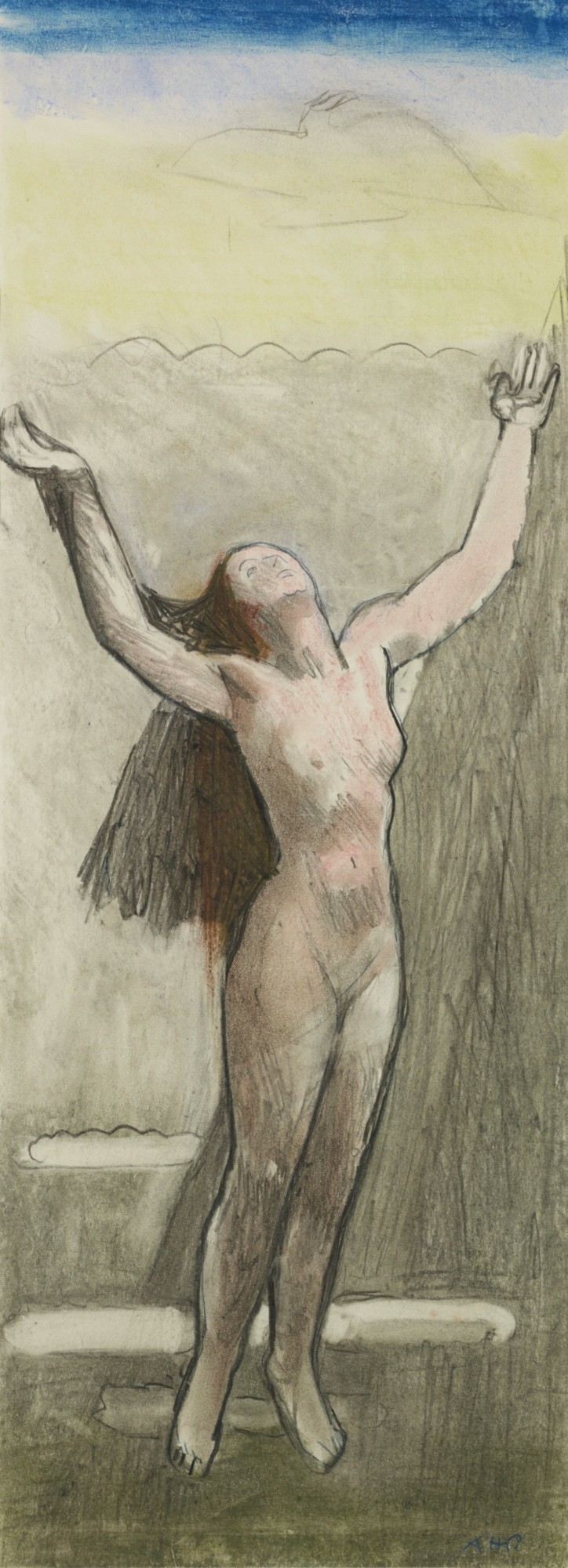
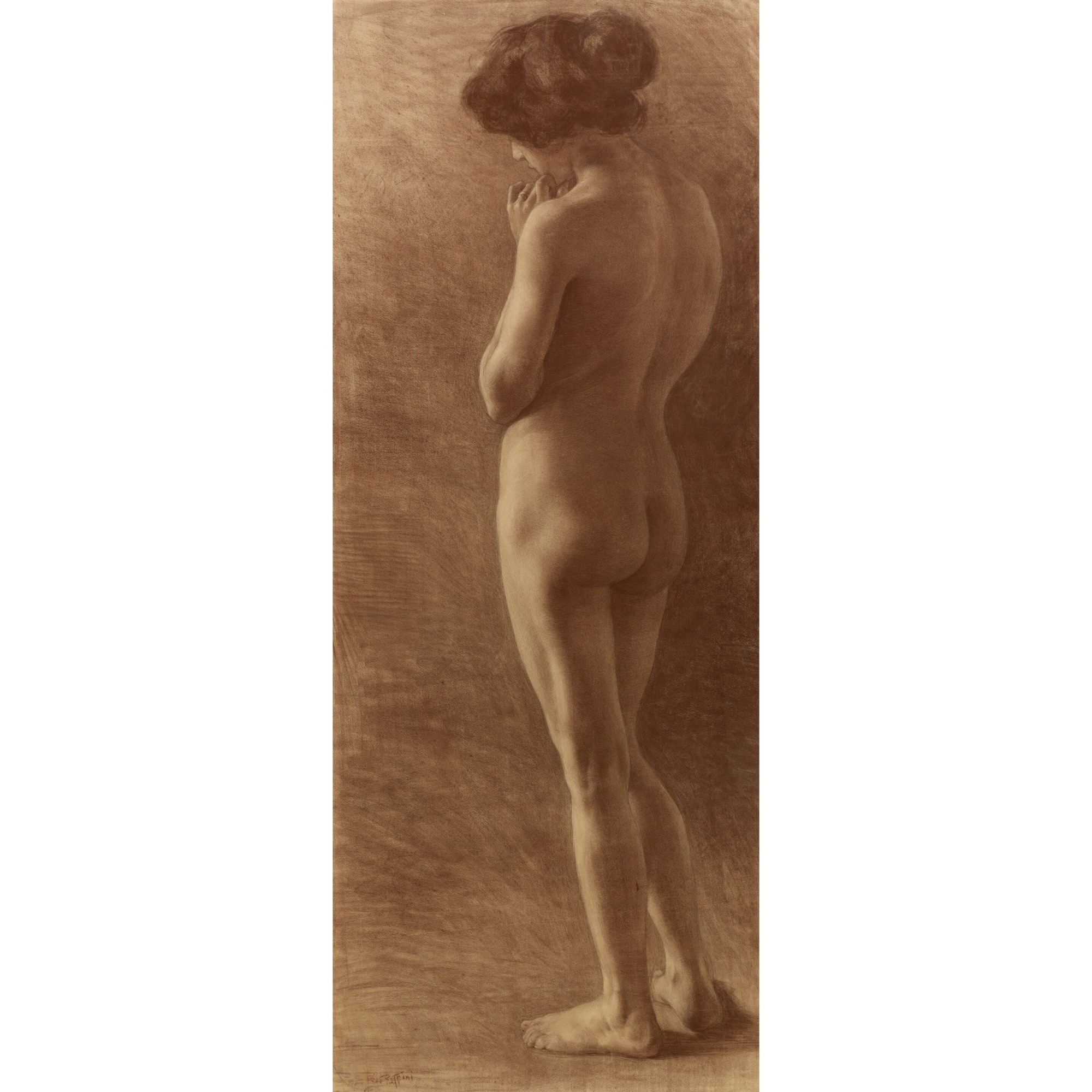
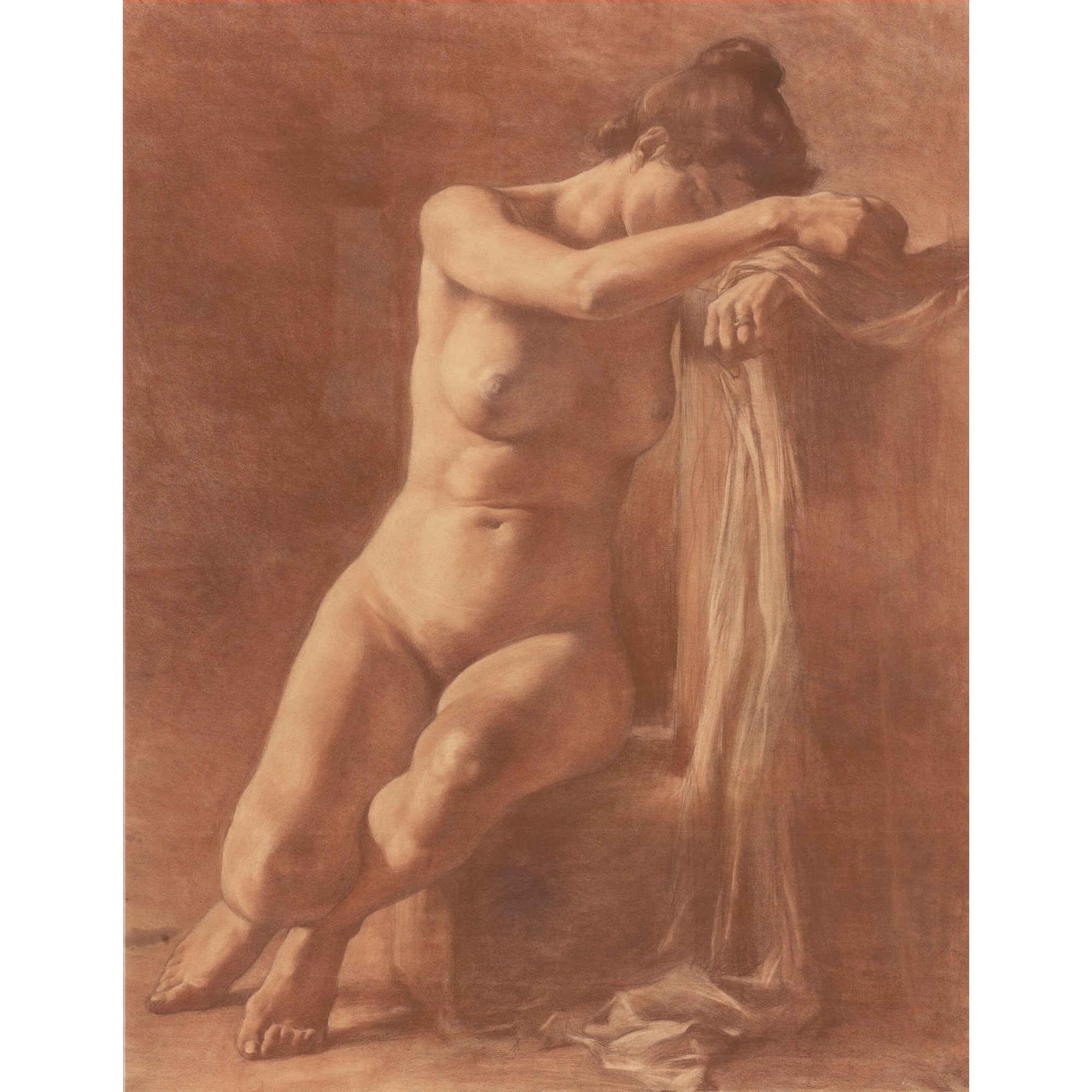
His conception of colour and the figure was nourished by encounters with the avant-garde, notably through Hölzel’s circle and artists such as Oskar Schlemmer and Willi Baumeister. At the same time, Pellegrini was actively involved in Basel’s artistic life: he served on the first committee of the Kunstkredit, established to support artists, and in 1949 received the city’s first art prize. His frescoes, paintings and the numerous studies preserved in the archives demonstrate how the invention of a public image begins with patient work in drawing.