Albrecht Dürer
Born in 1471.
Died in 1528.
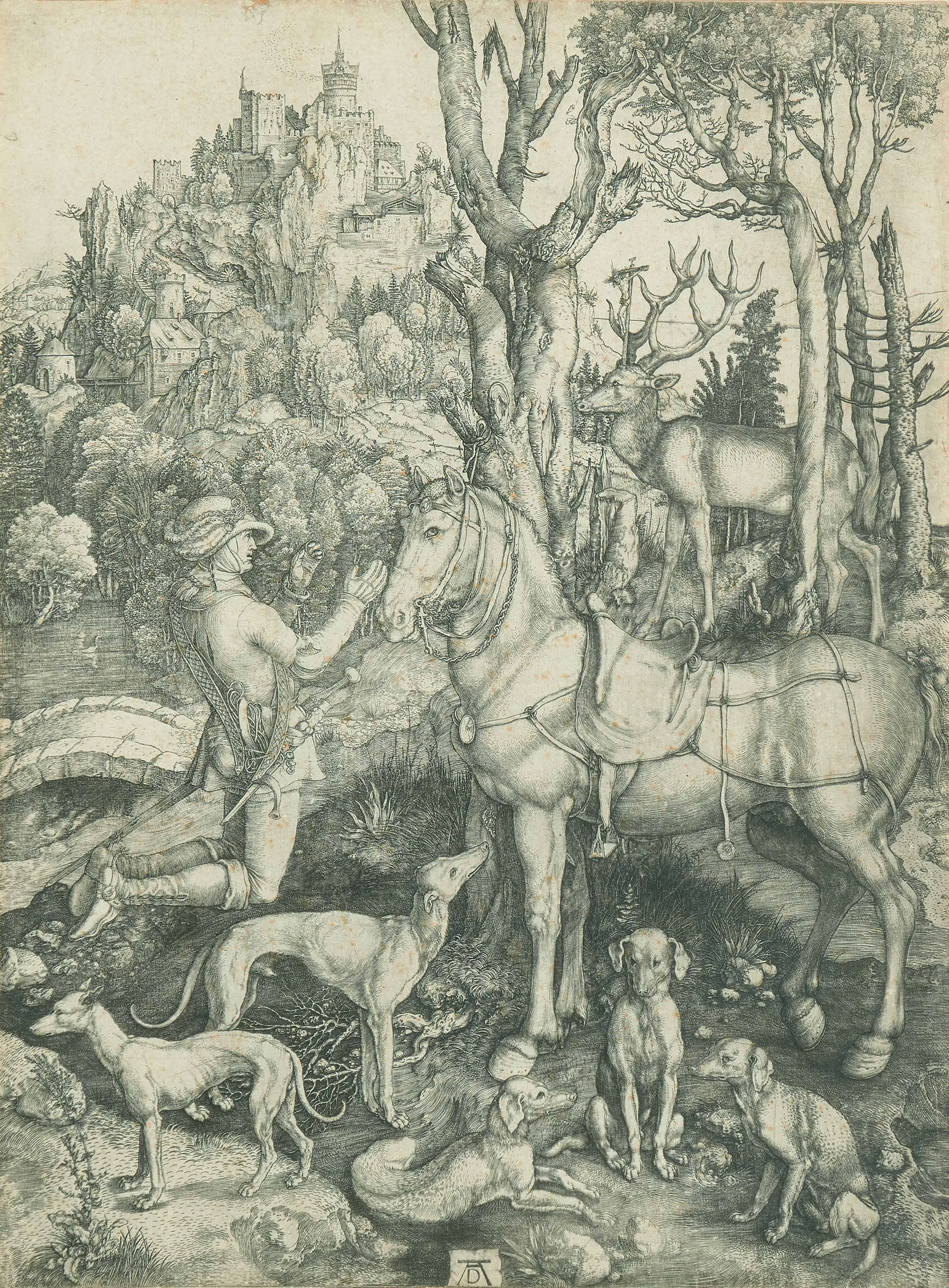
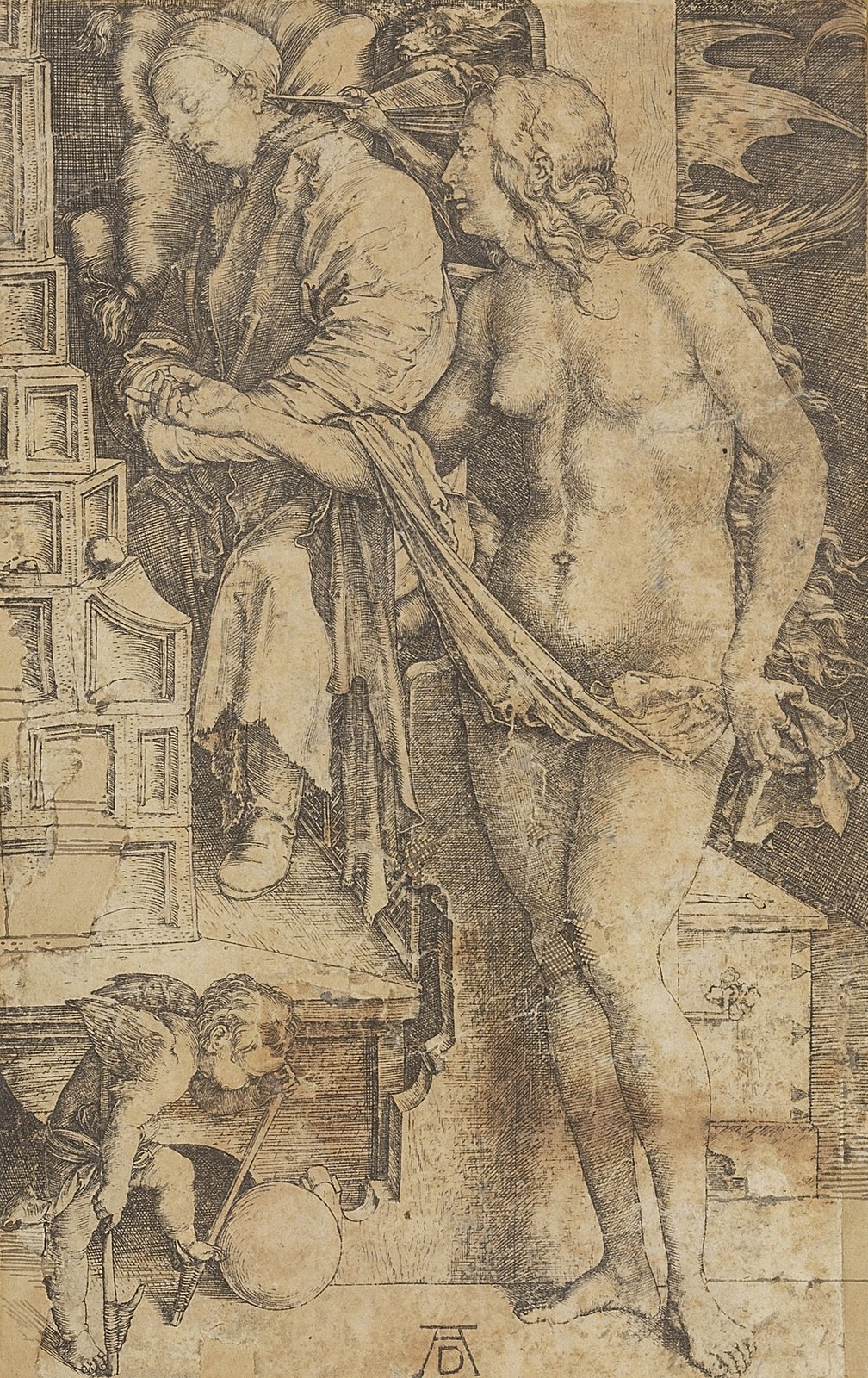
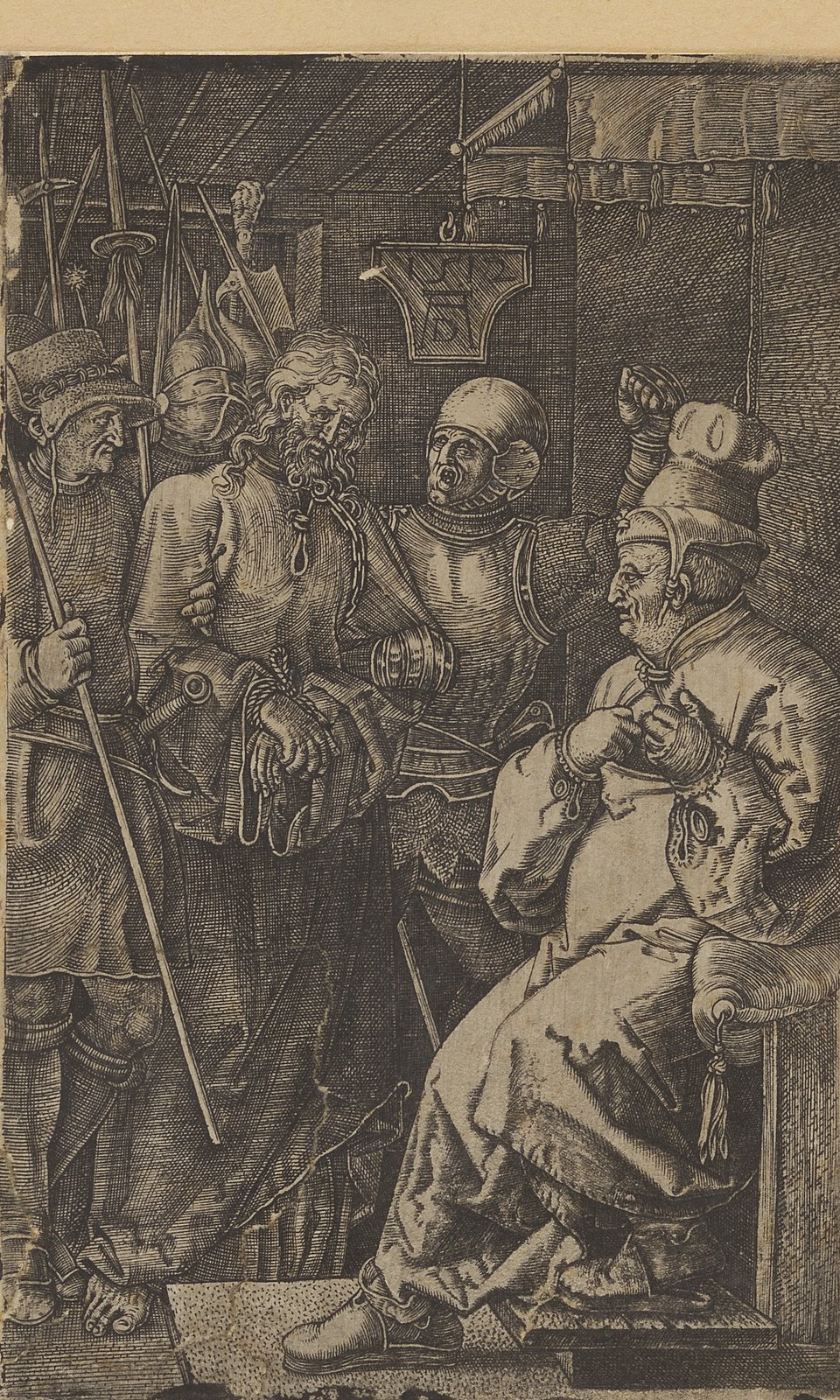
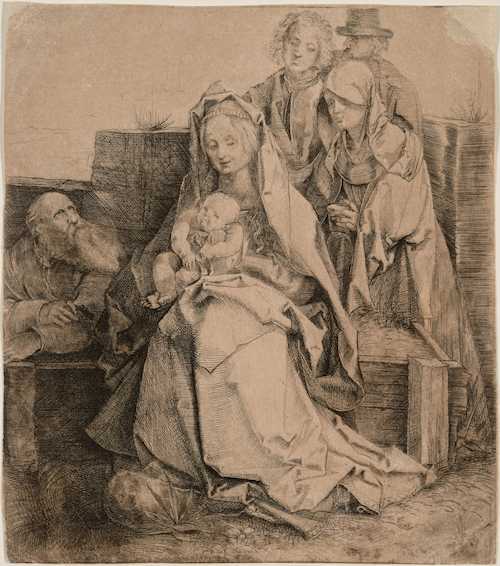
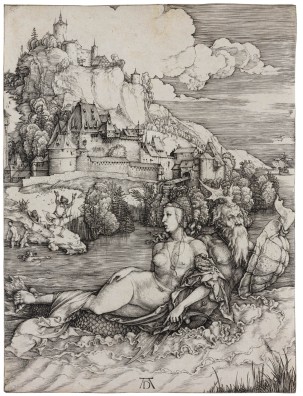
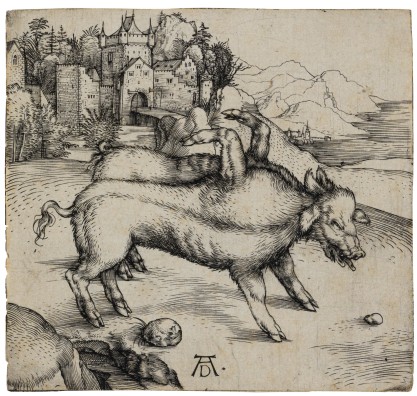
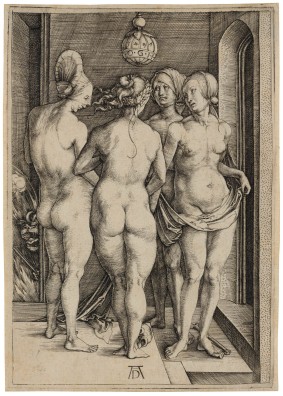
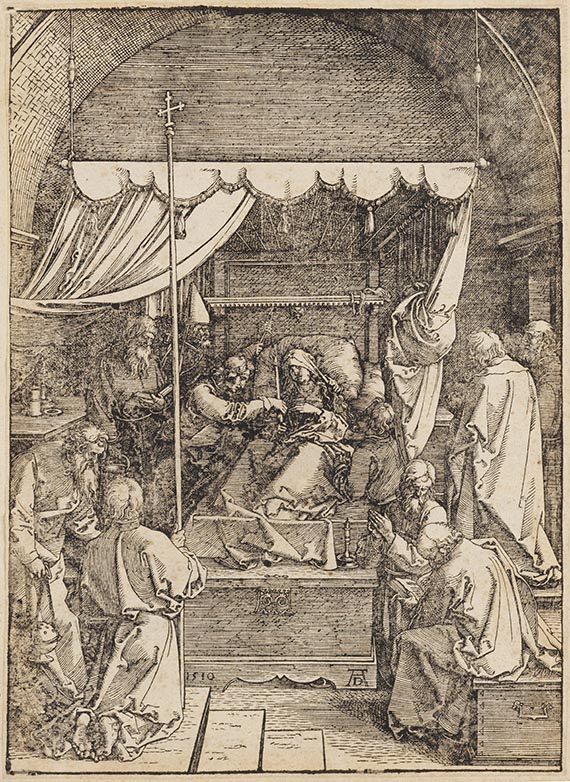
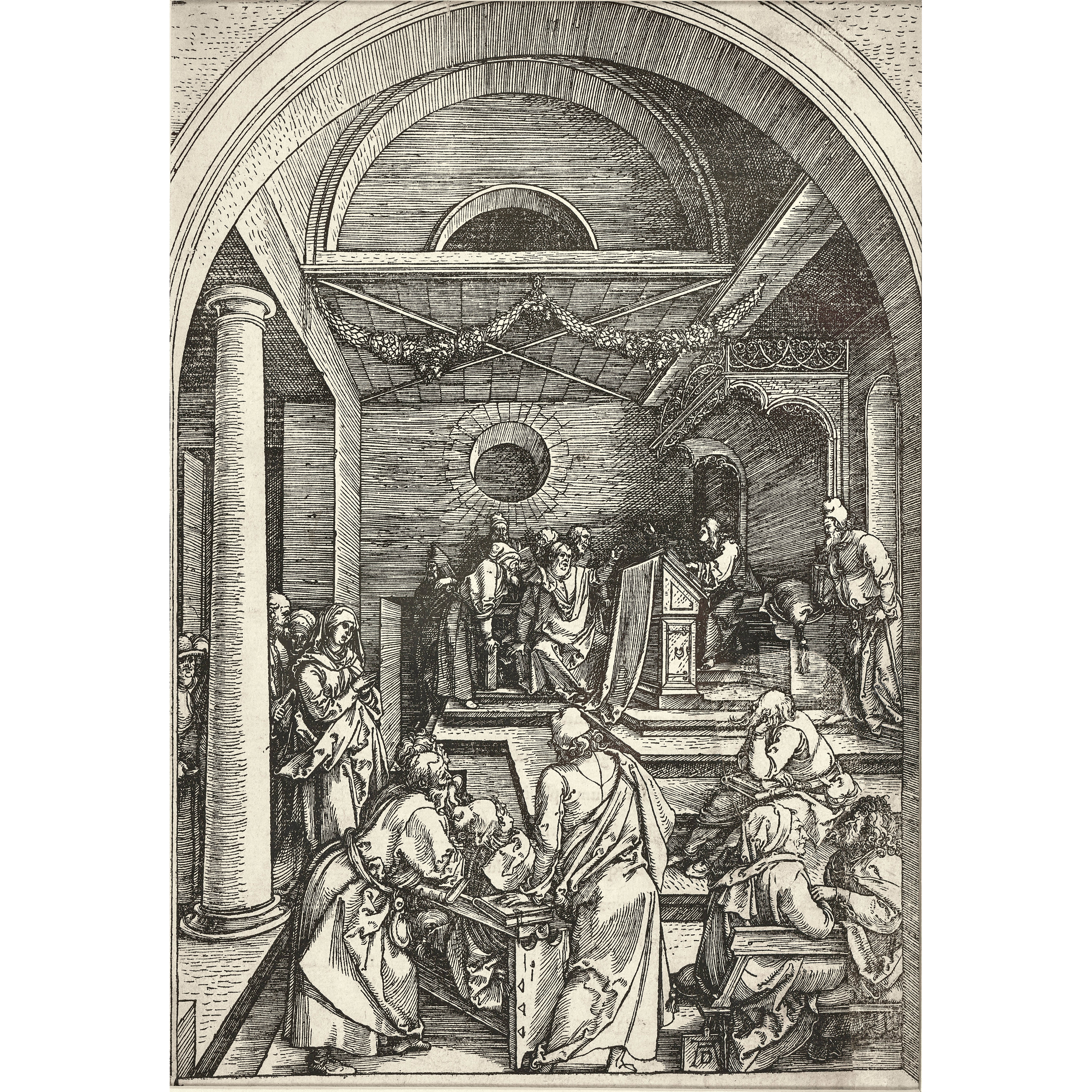
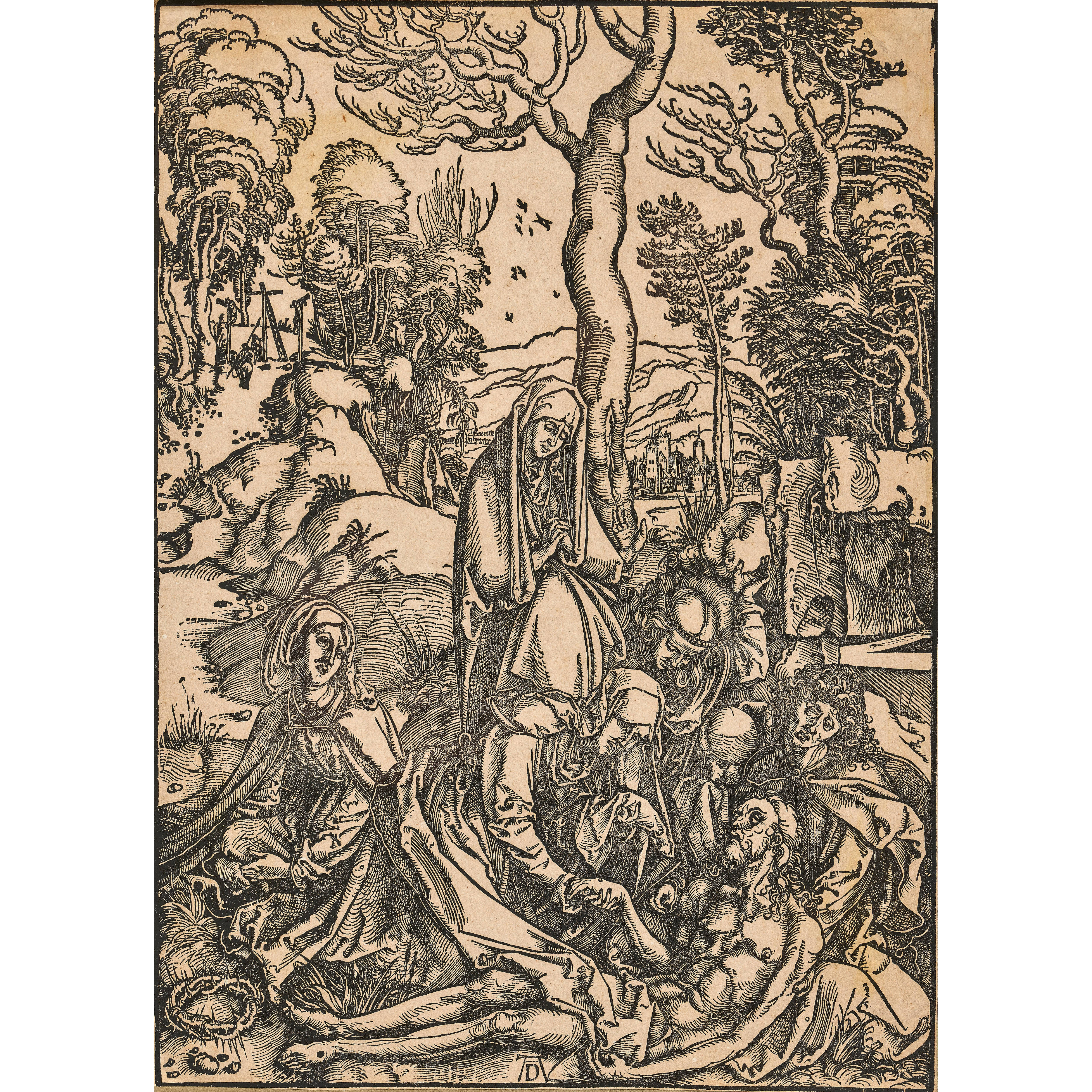
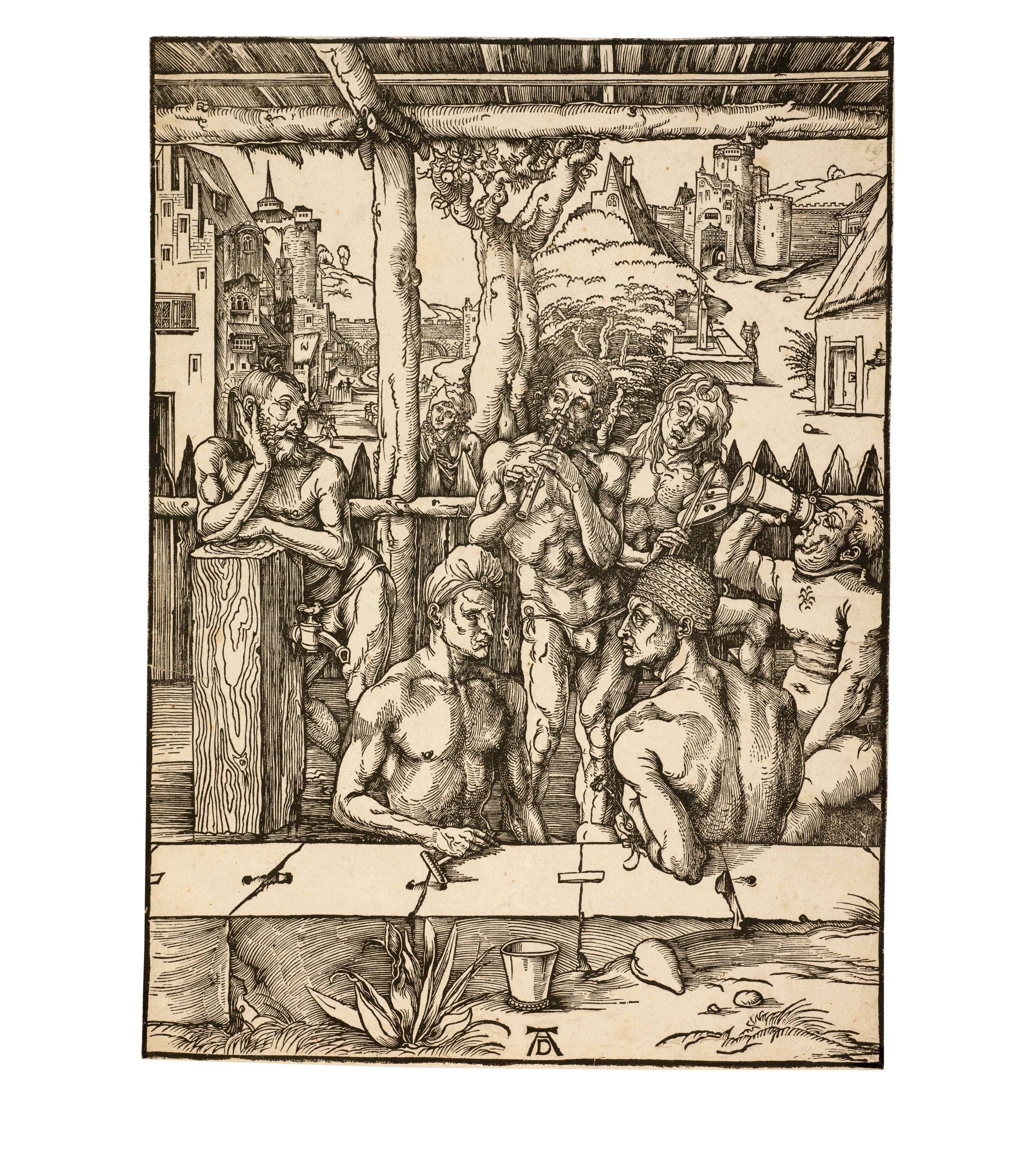
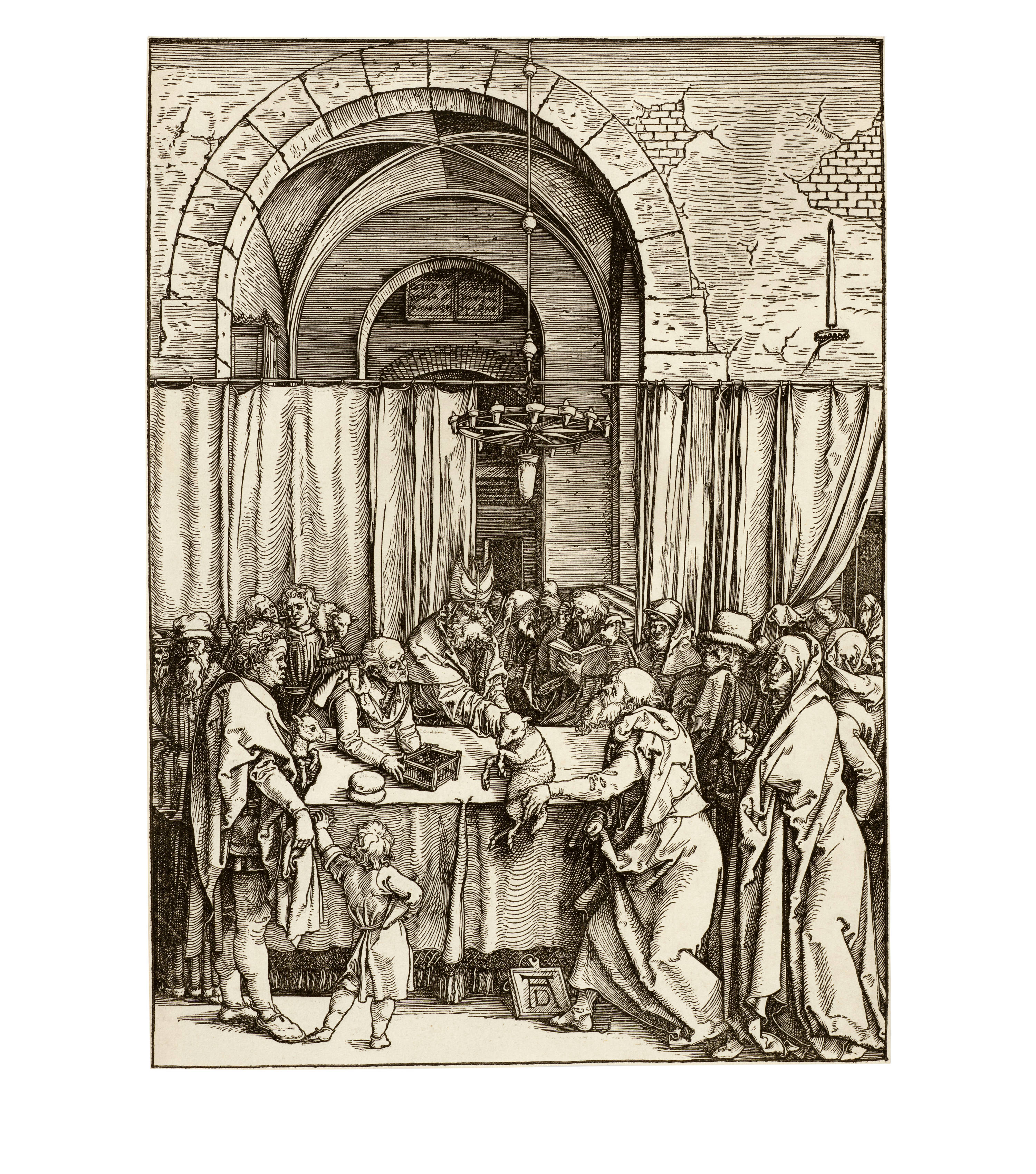
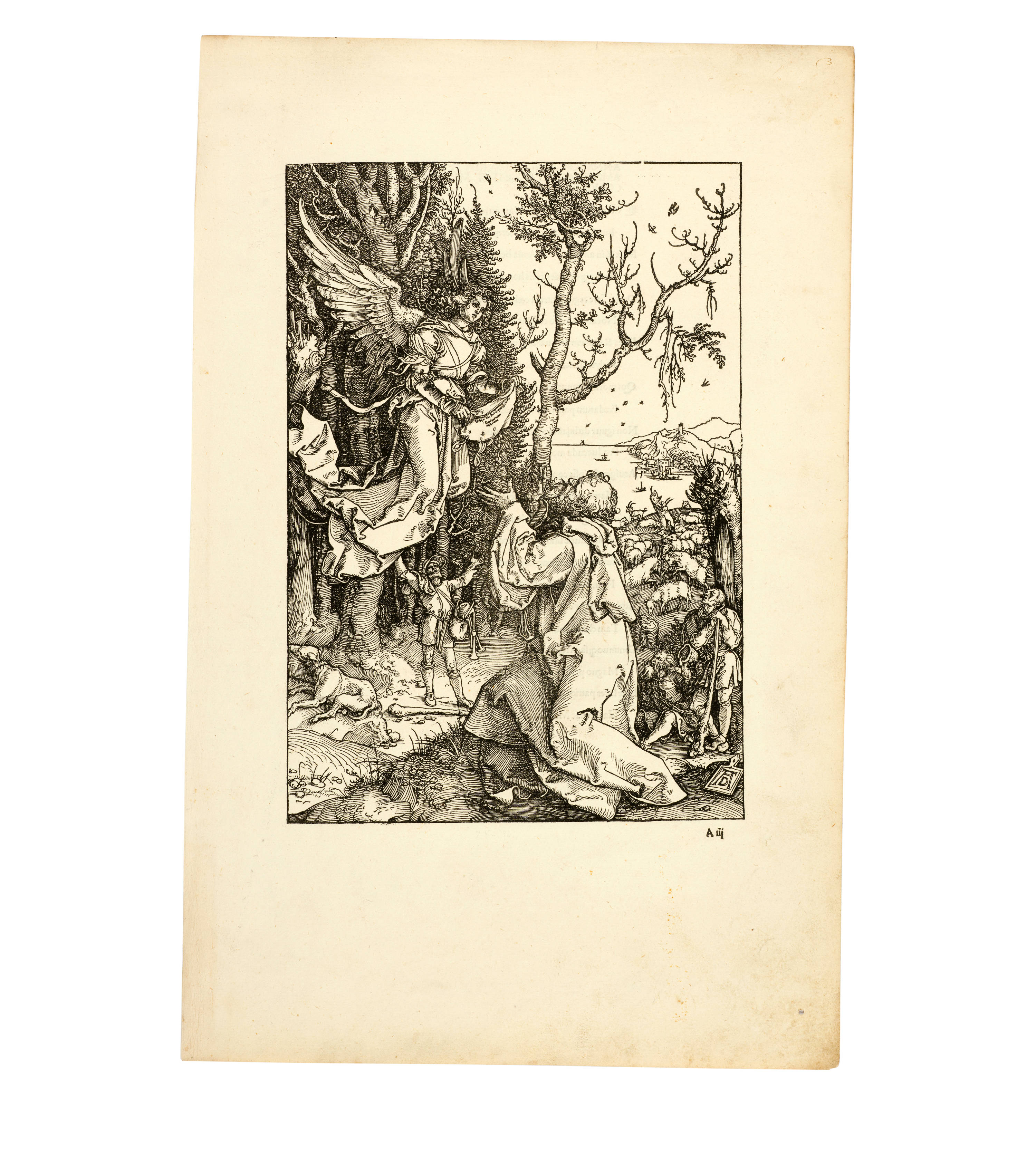
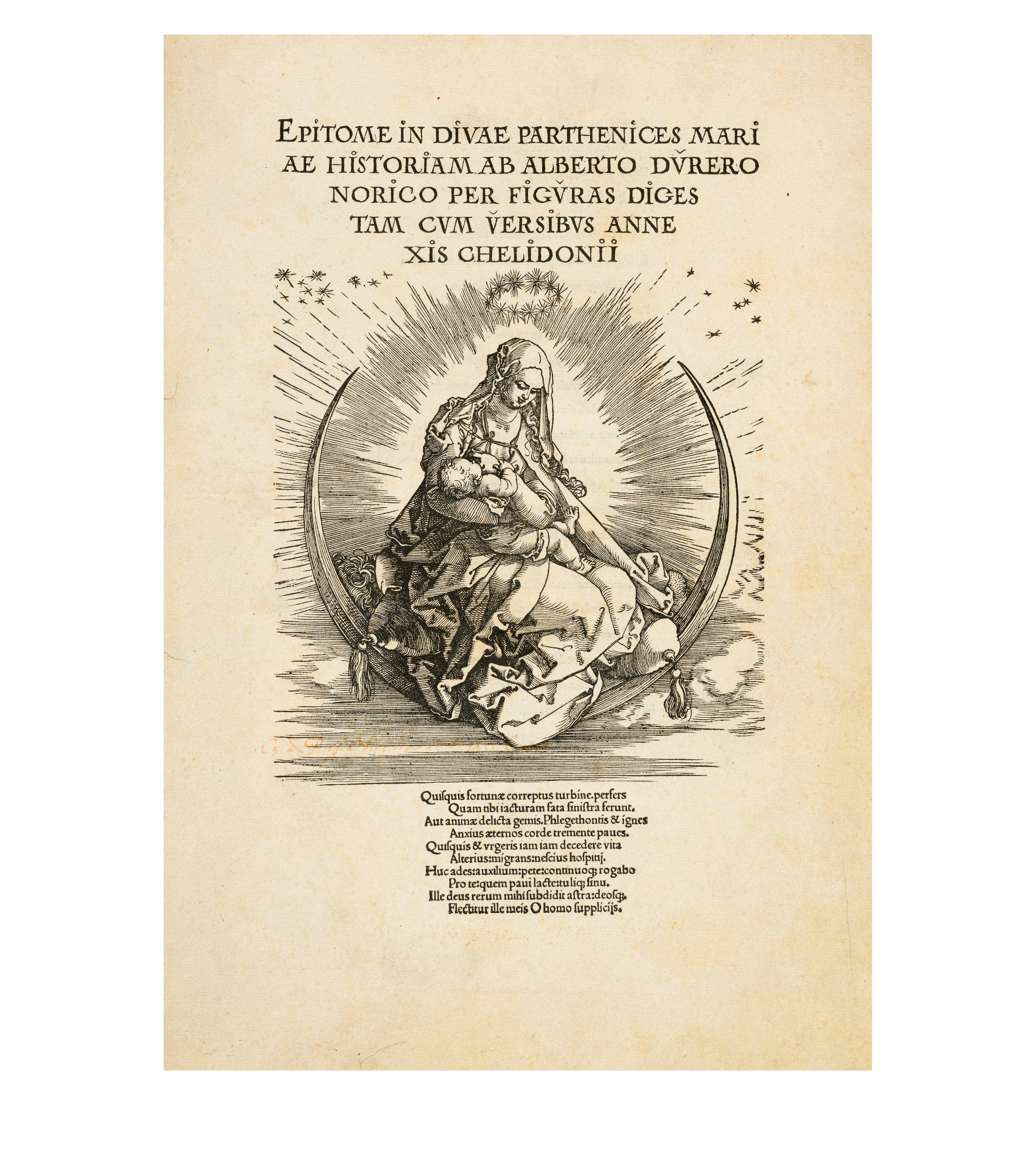
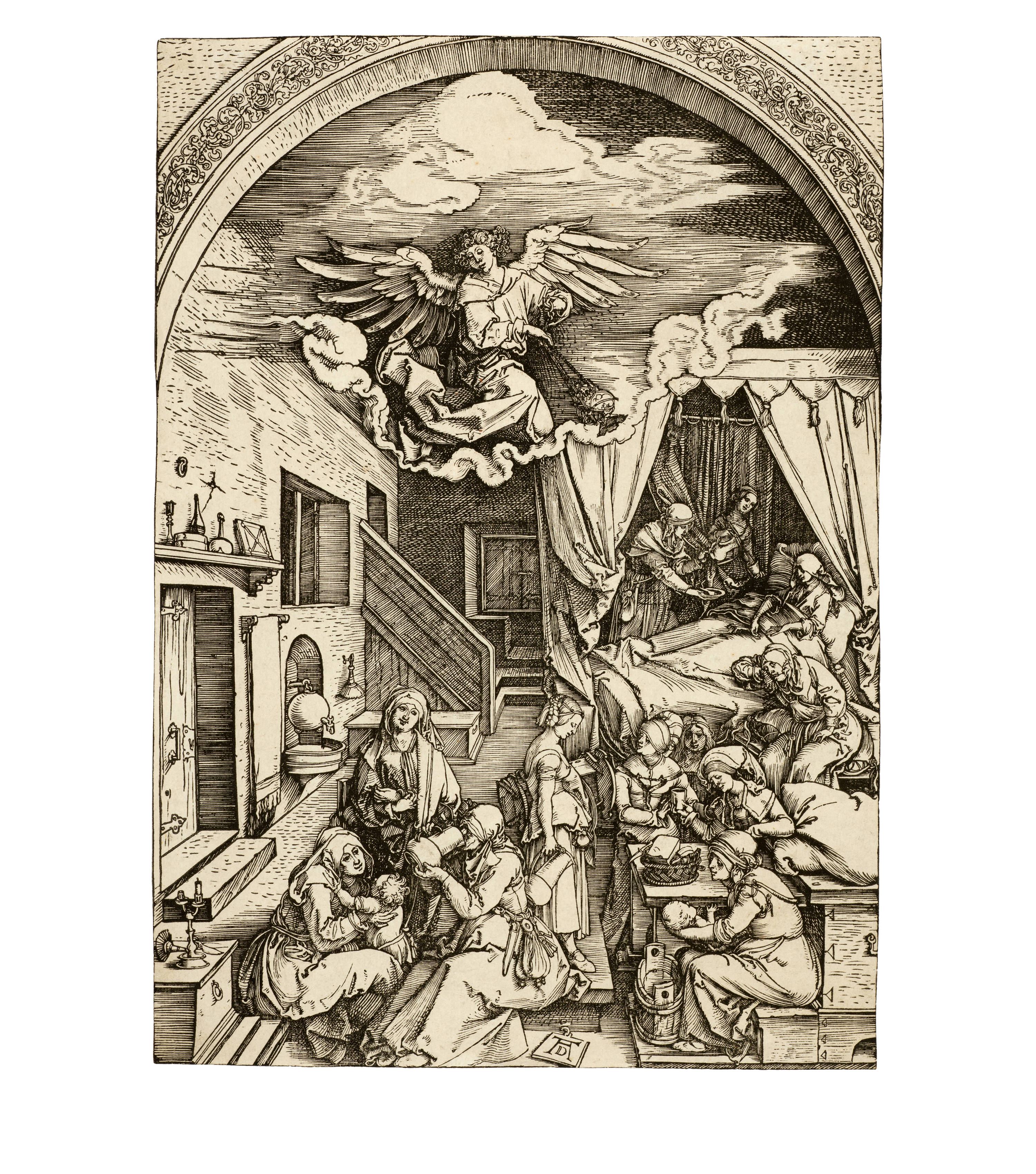
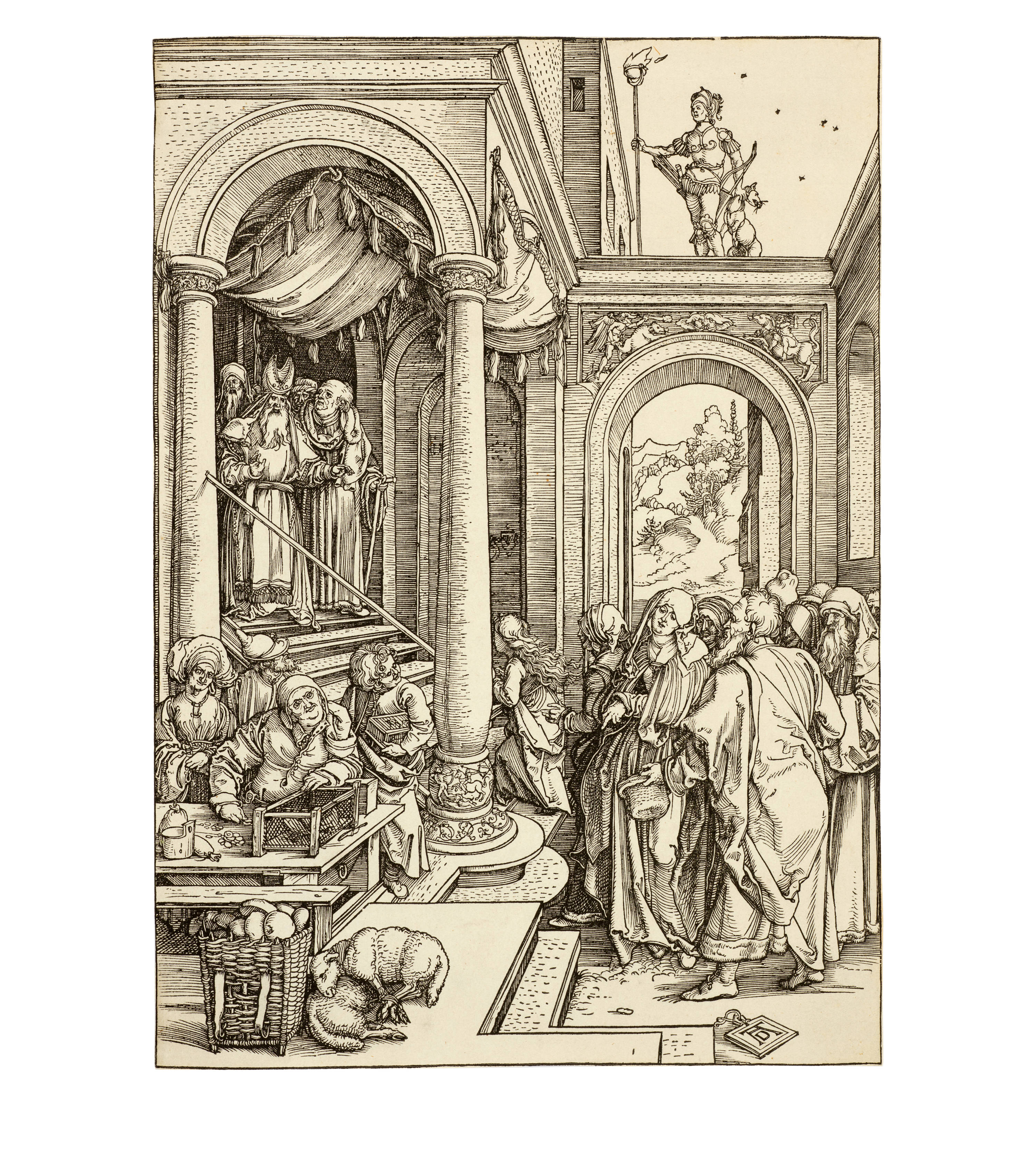
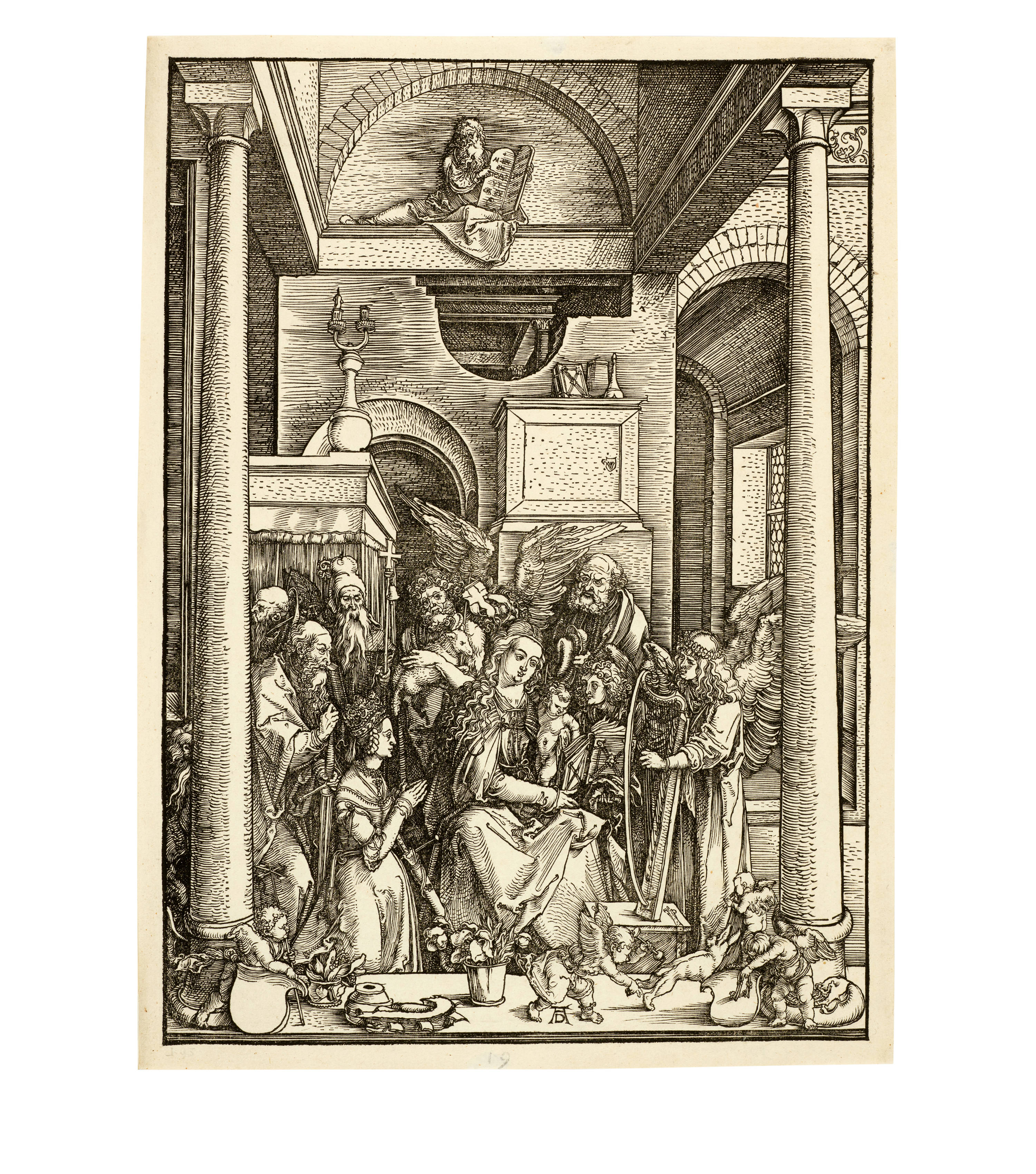
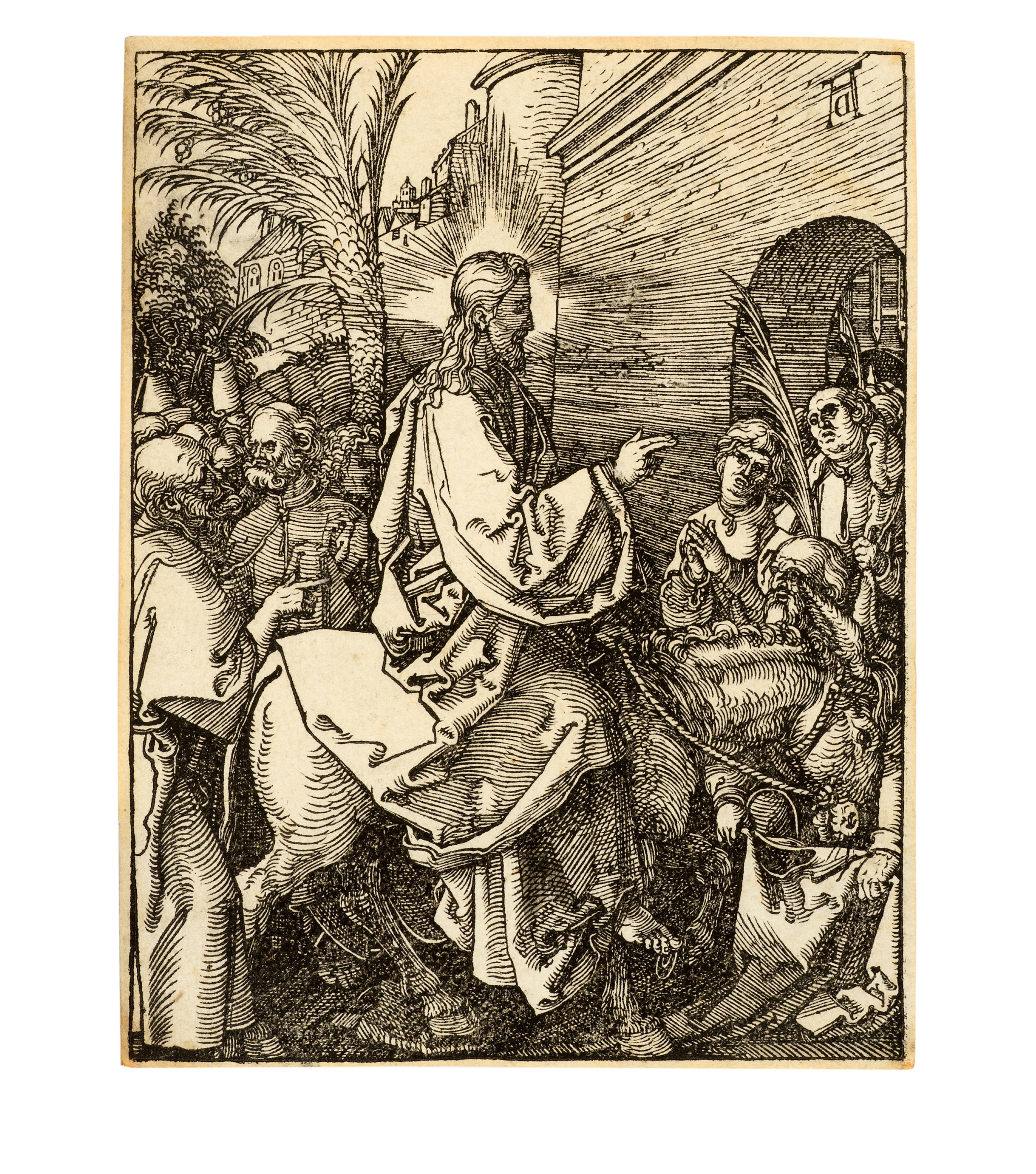
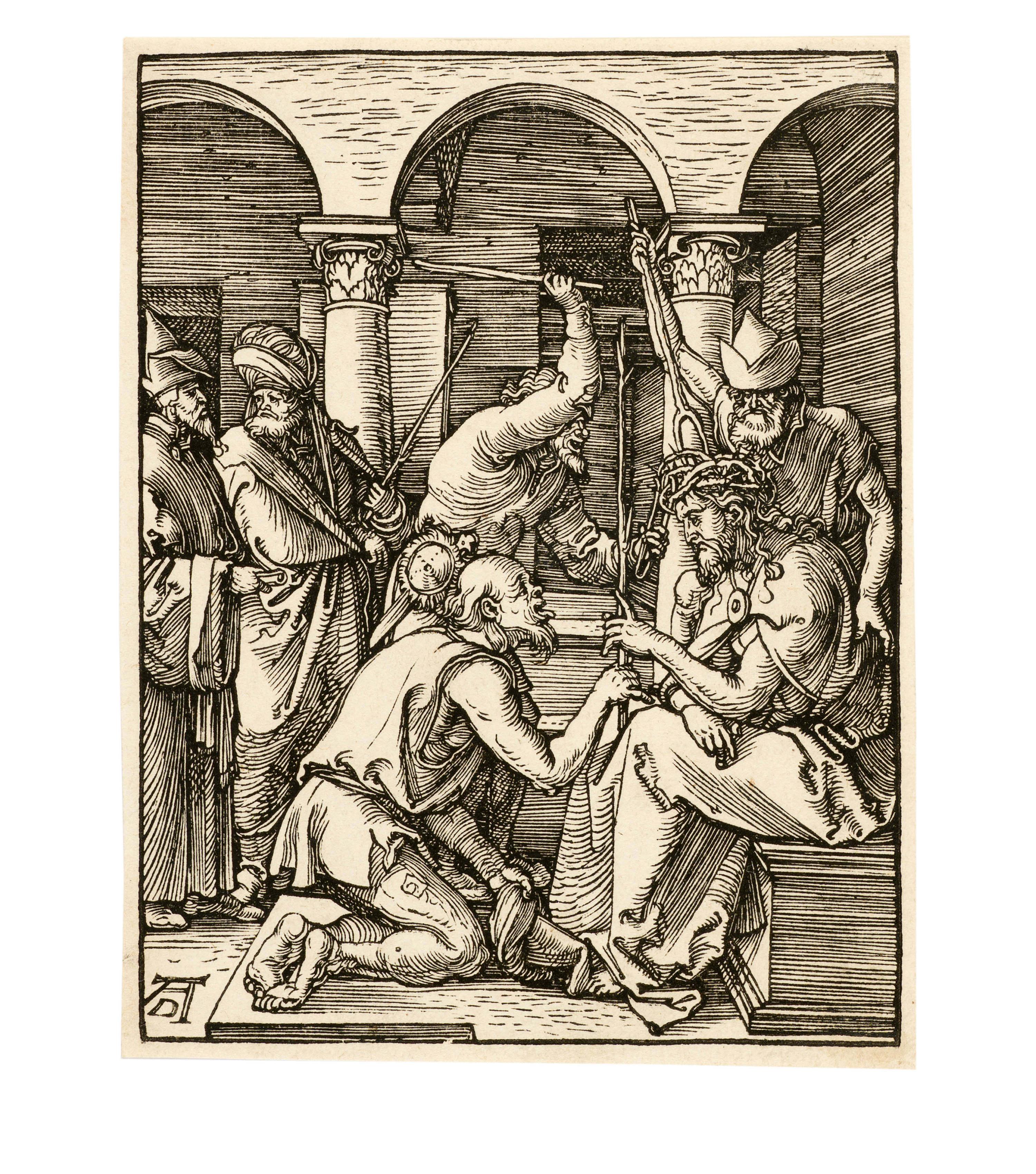
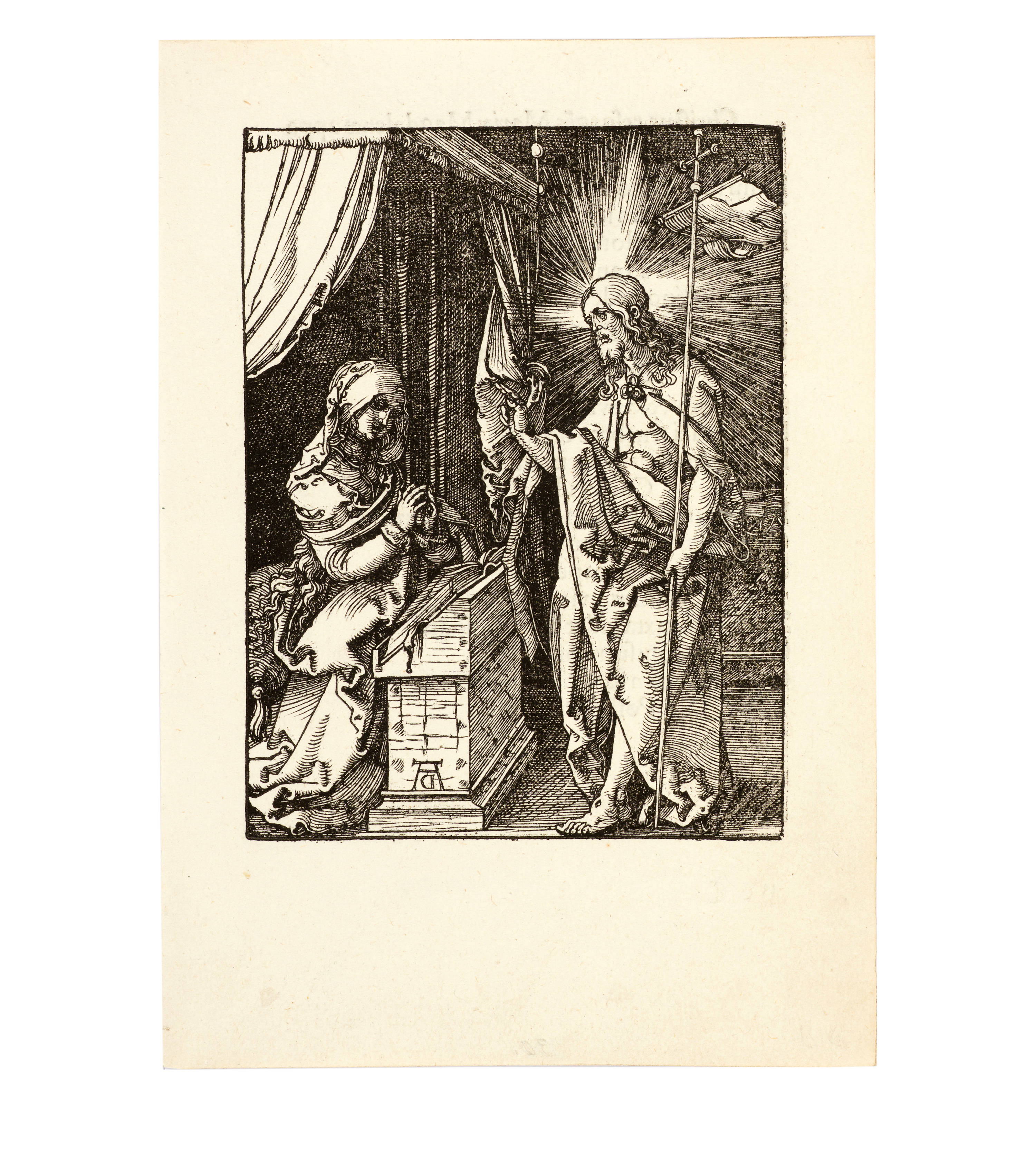
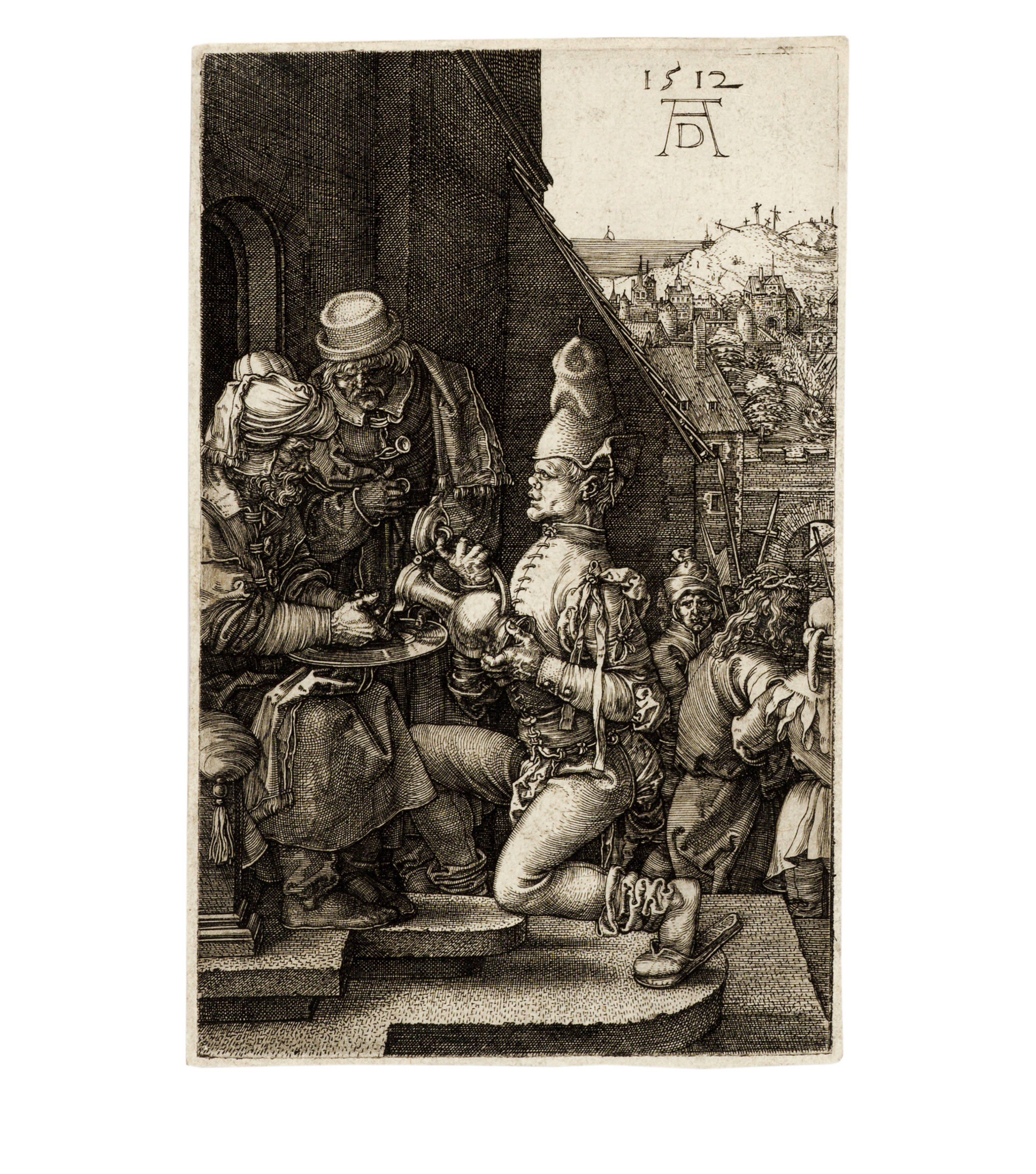
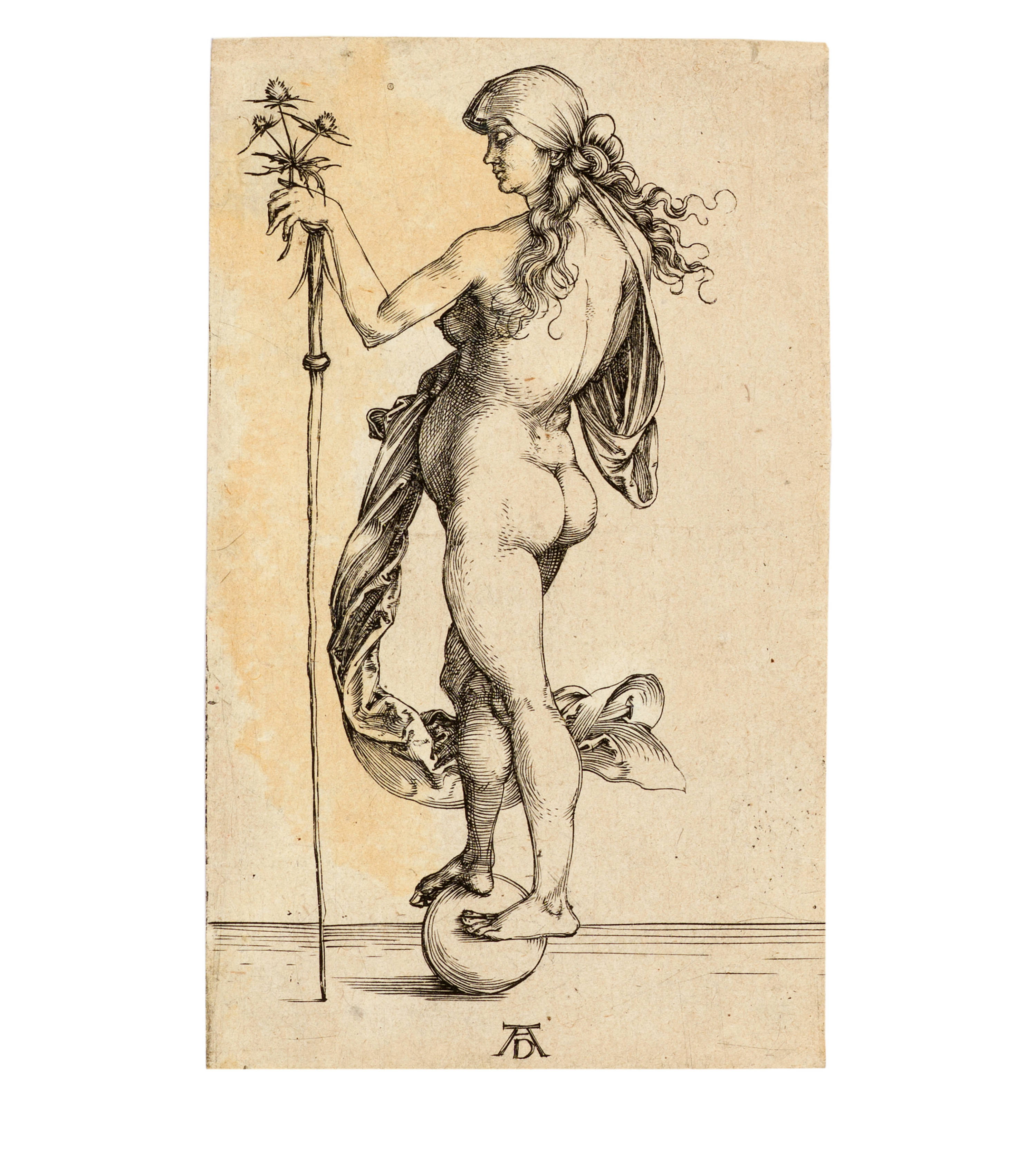
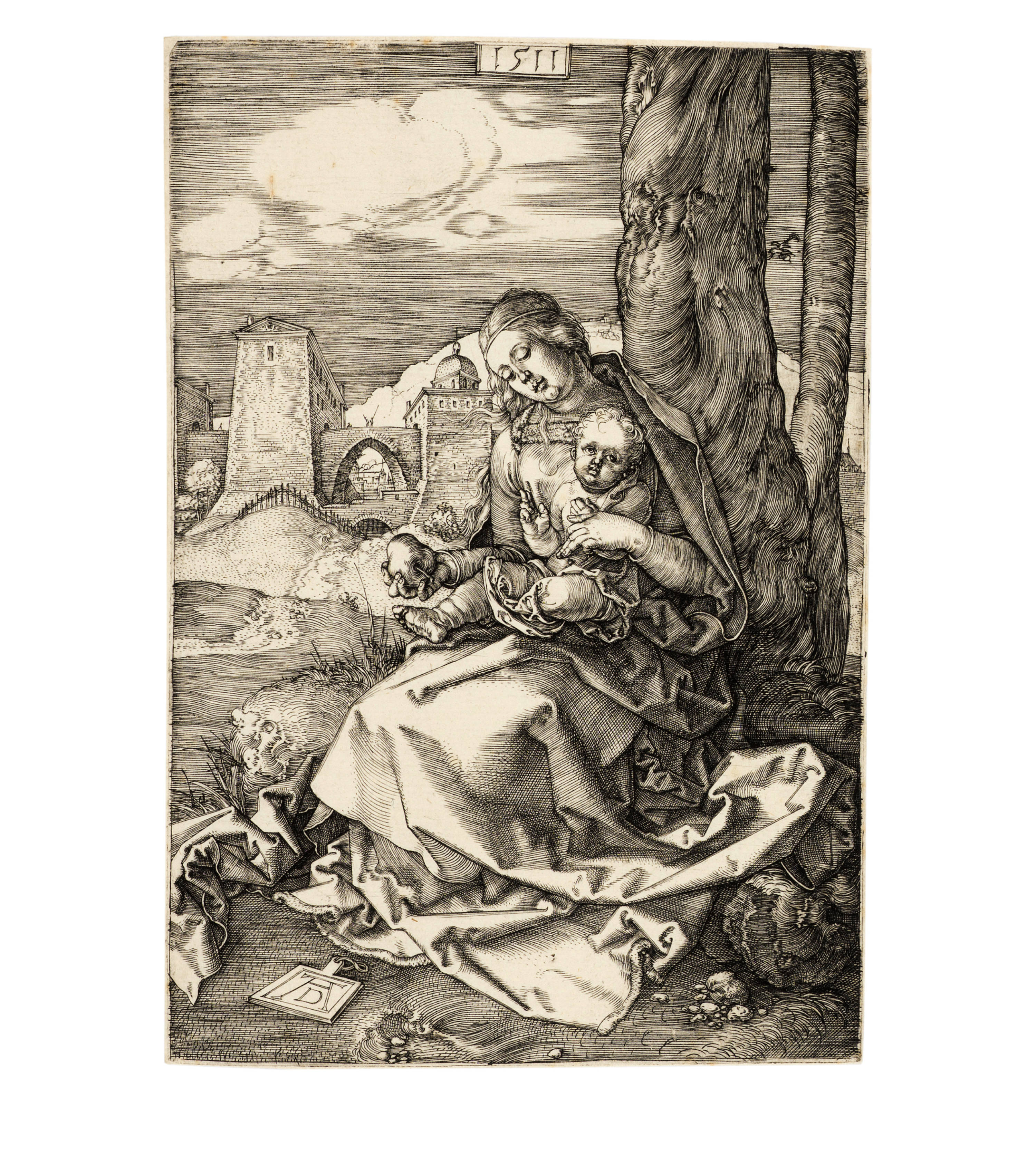
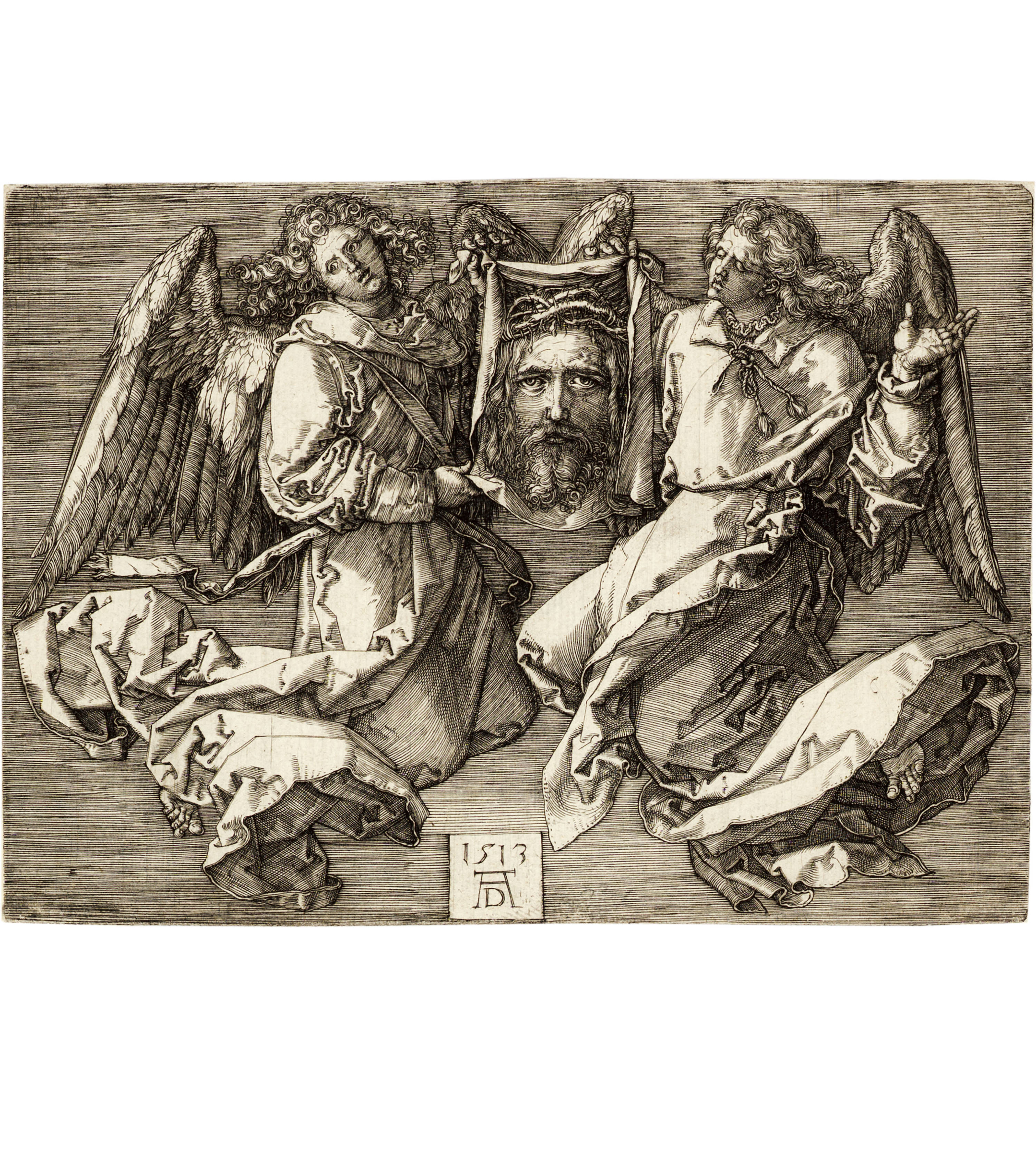
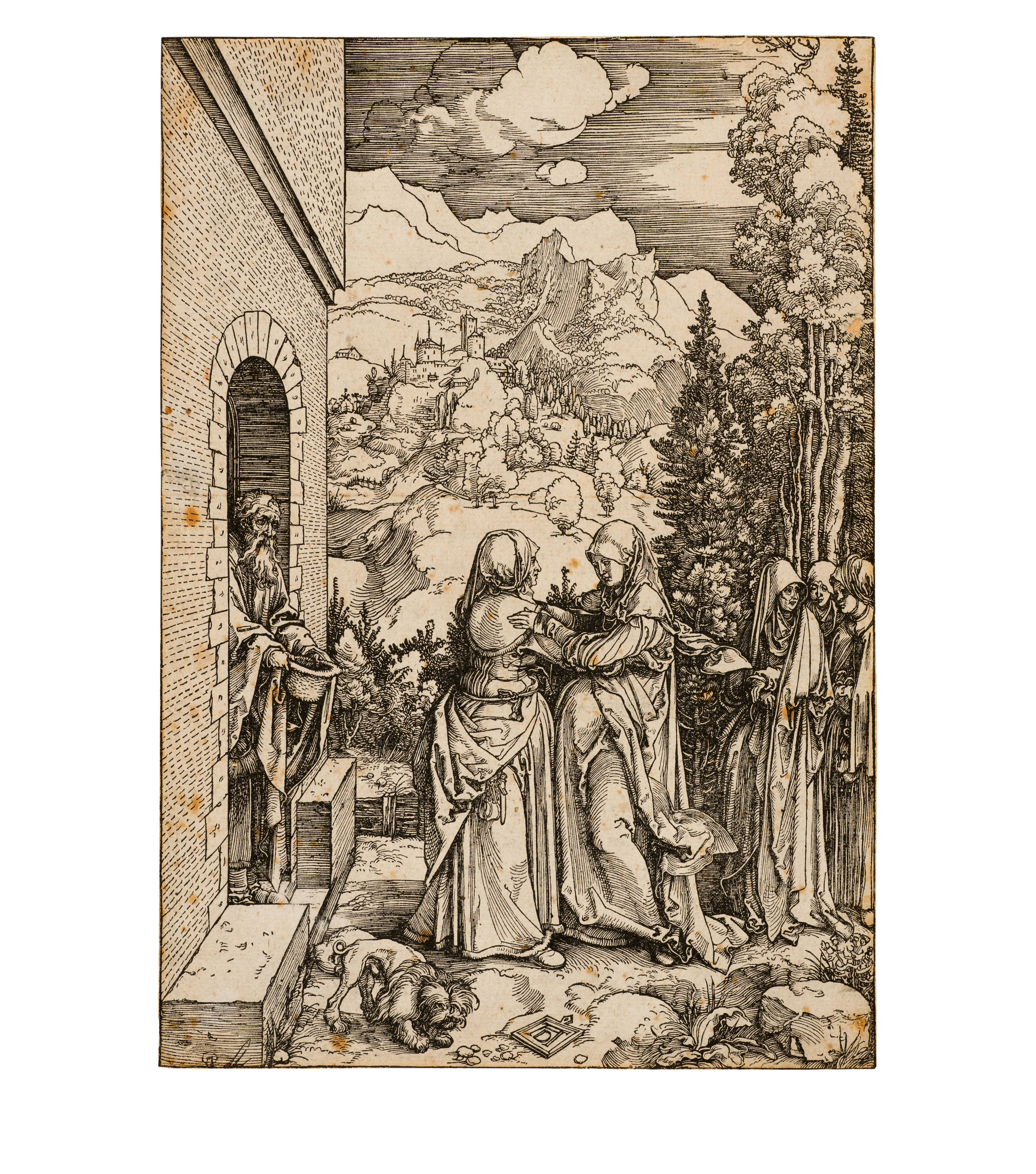
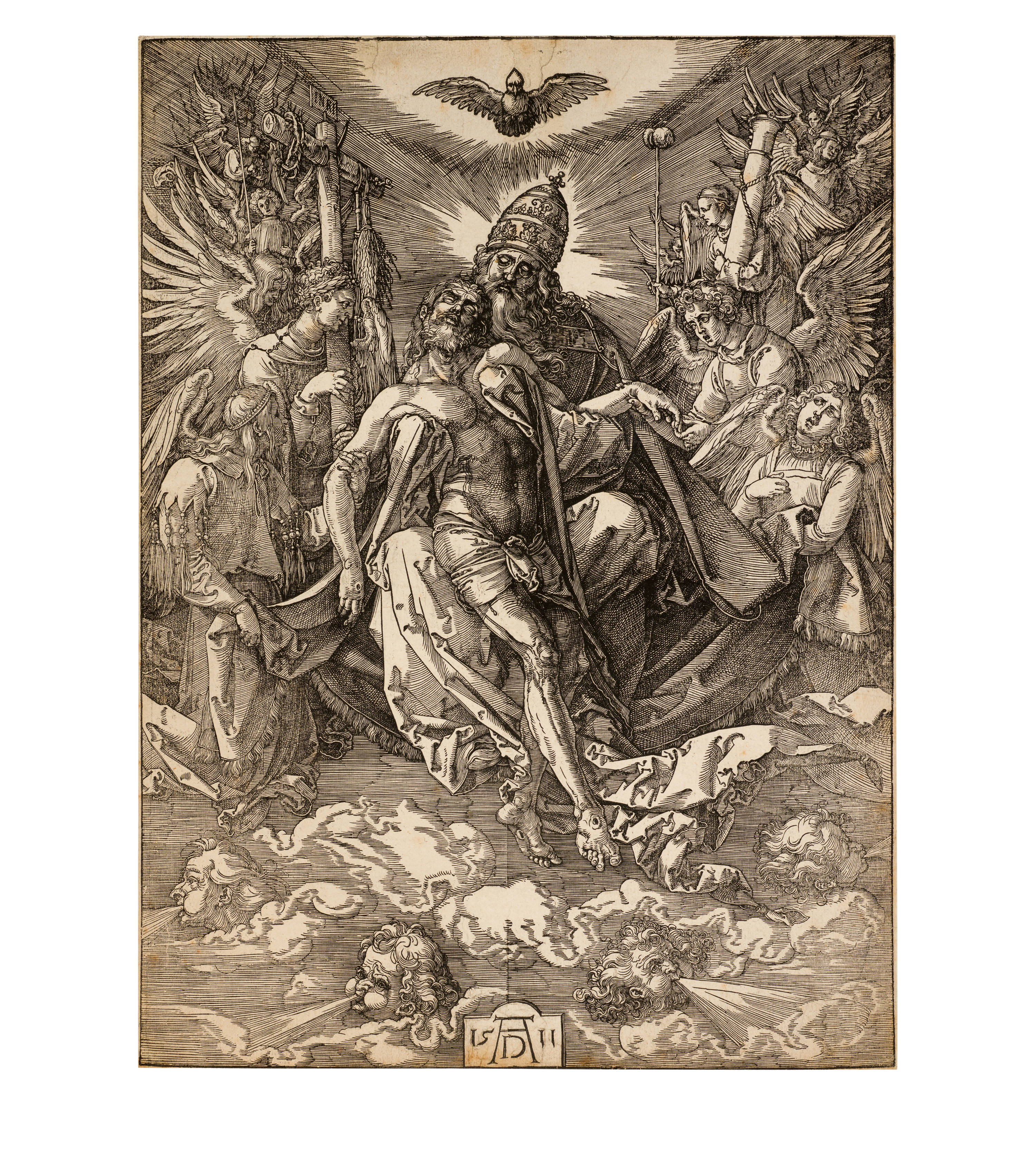
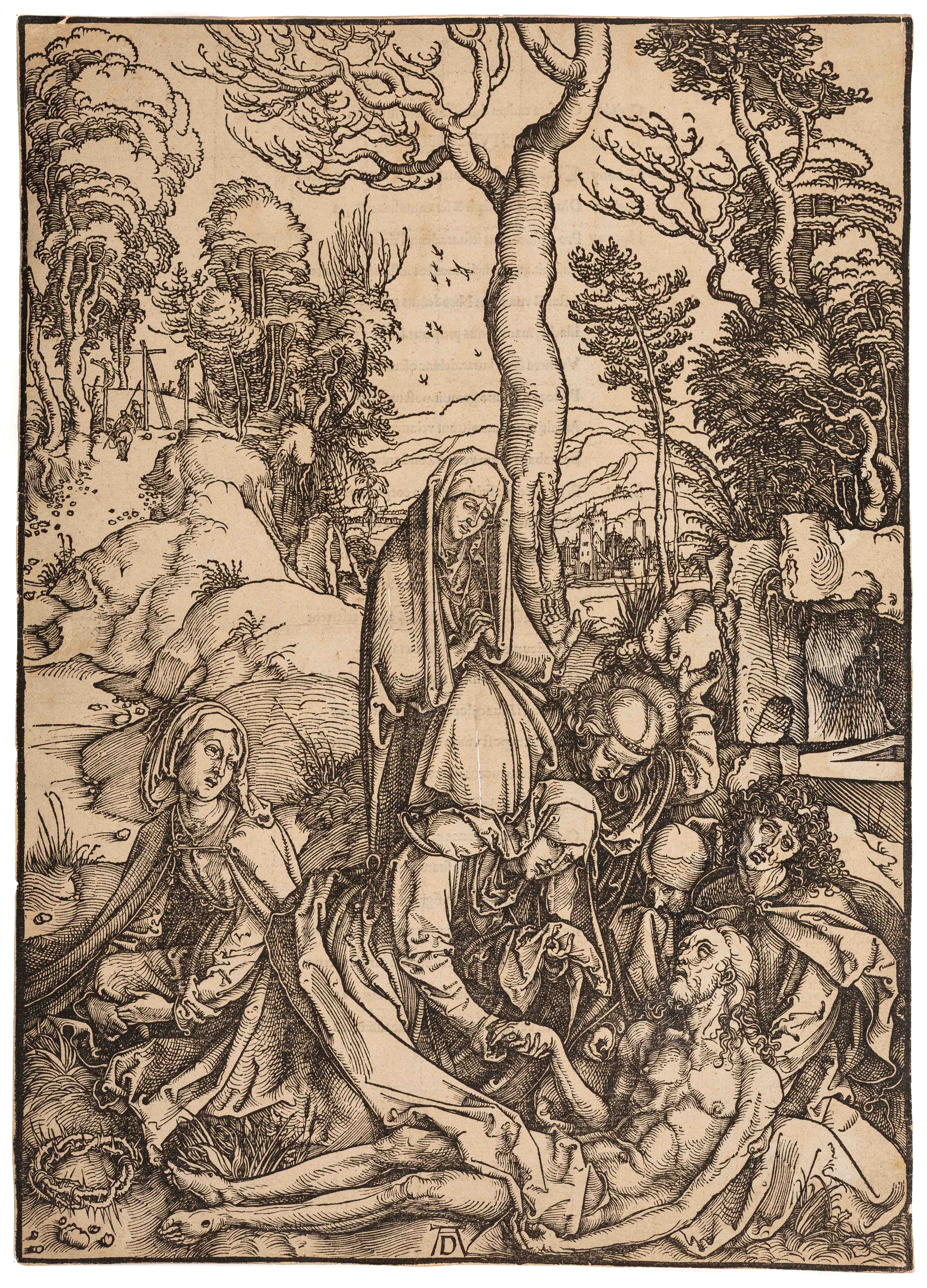
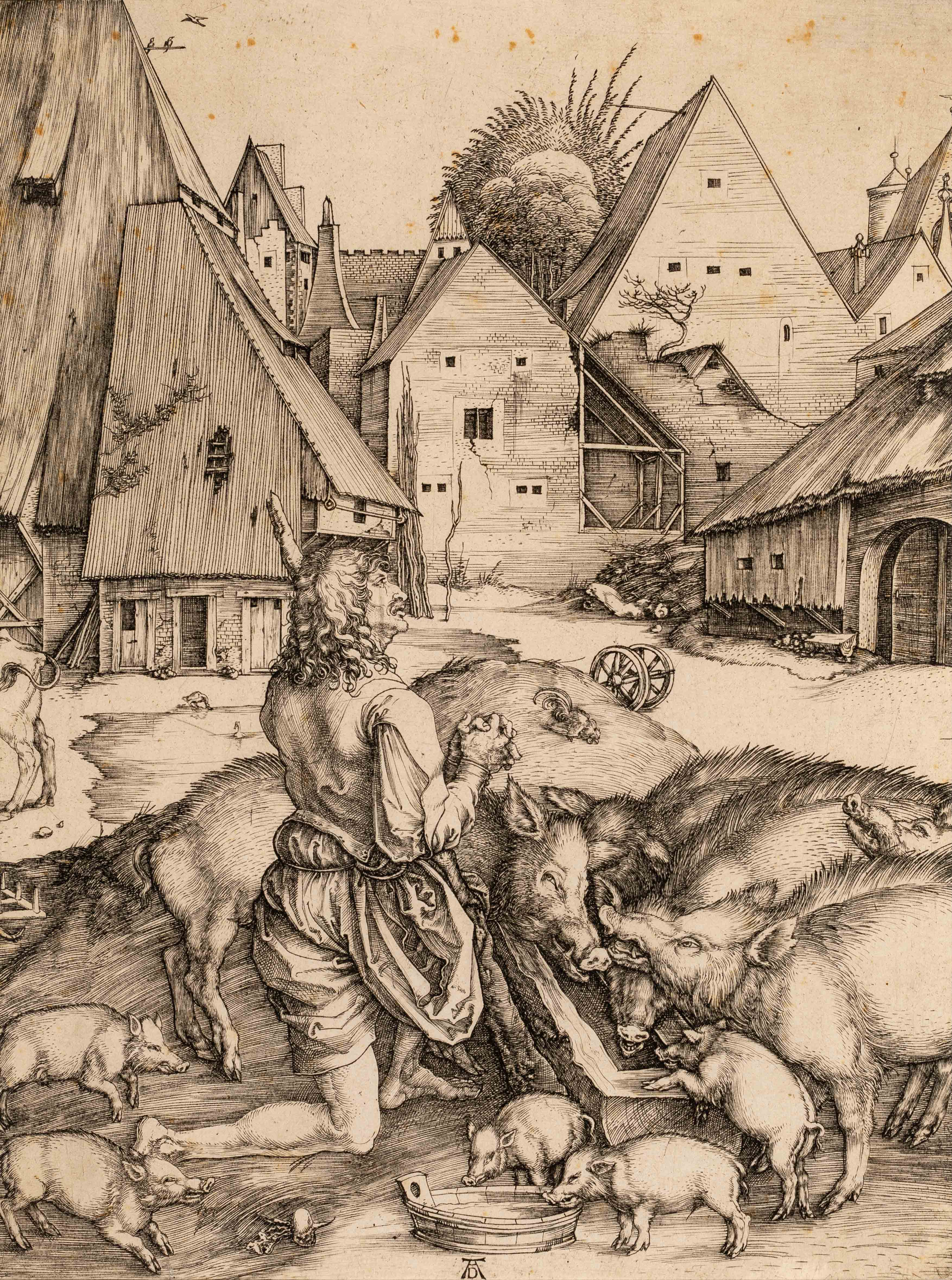
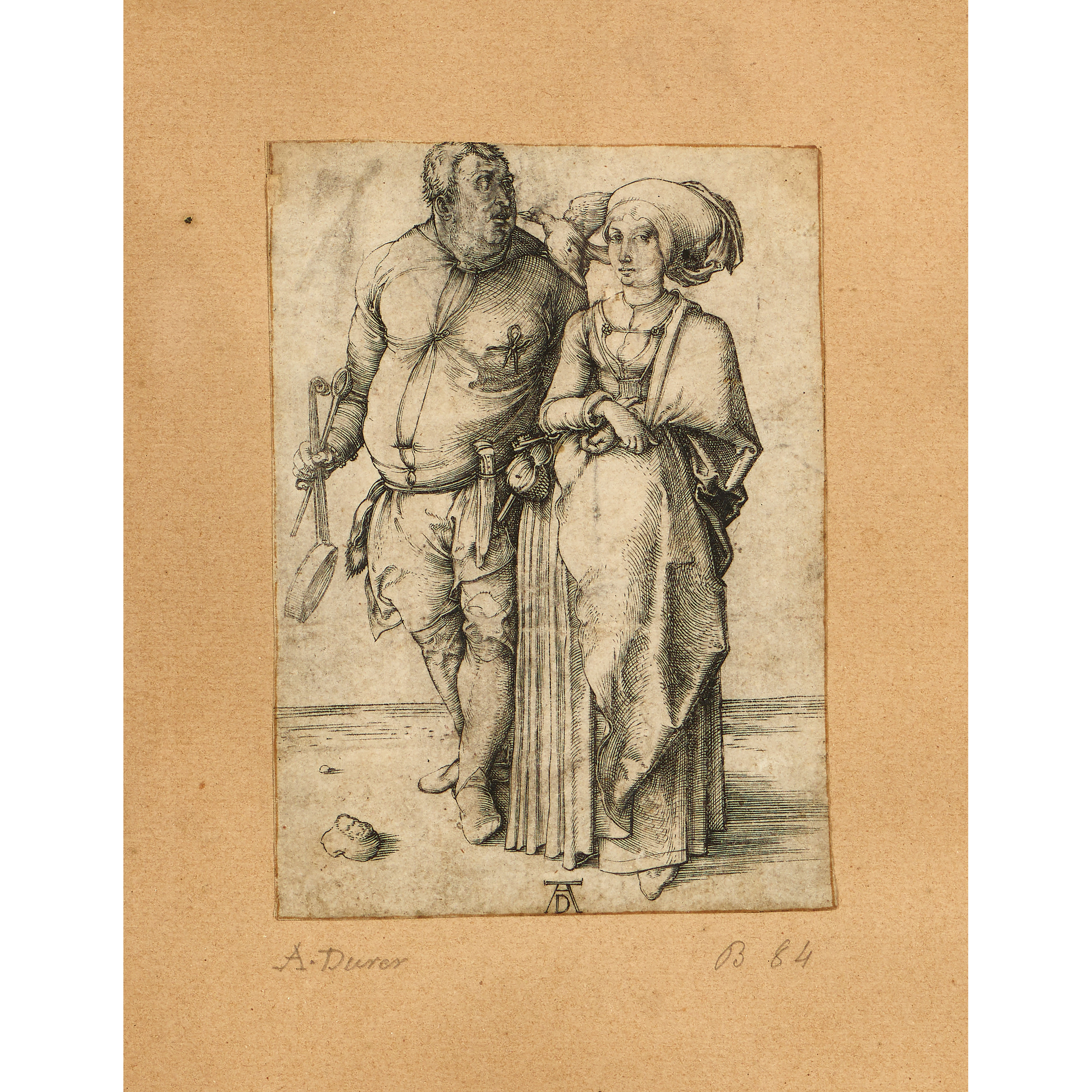
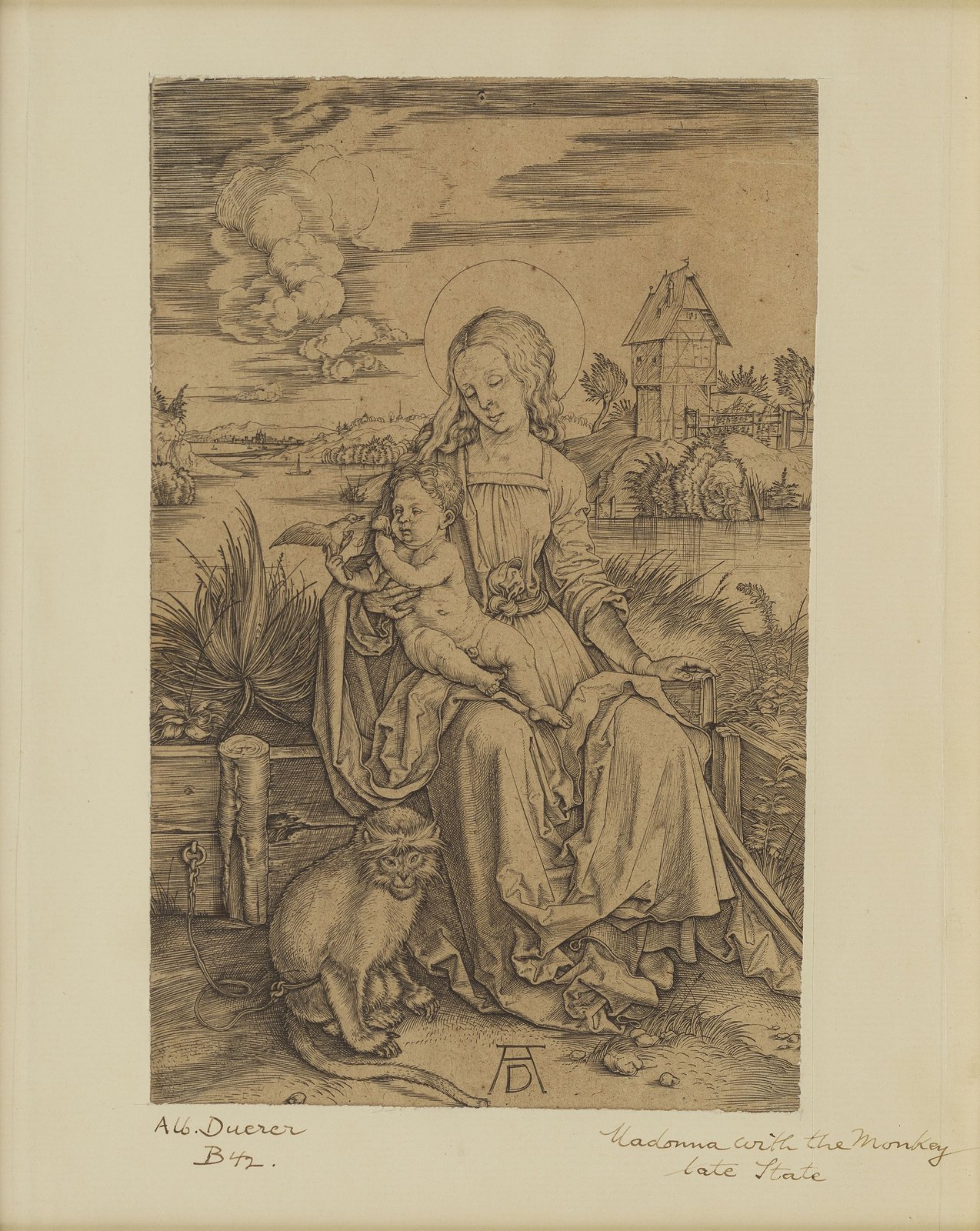
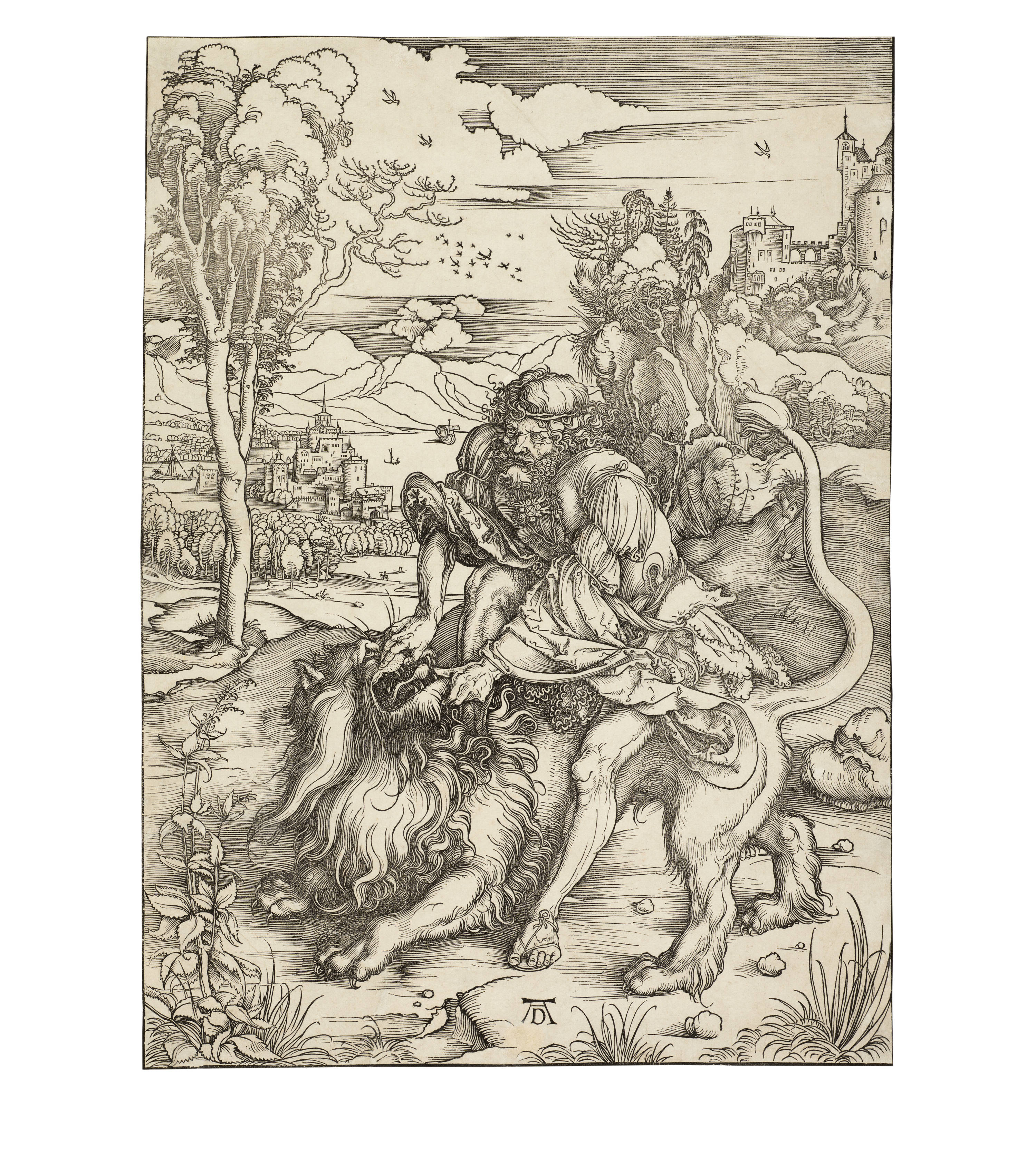
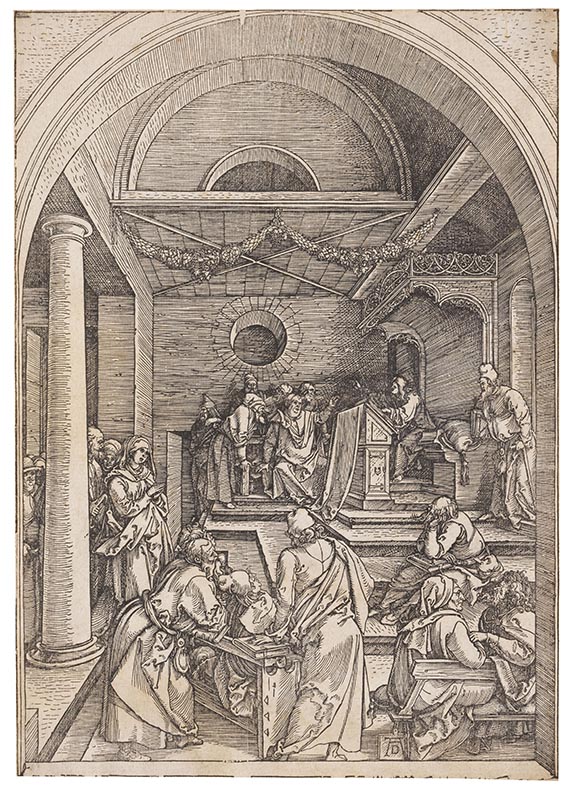
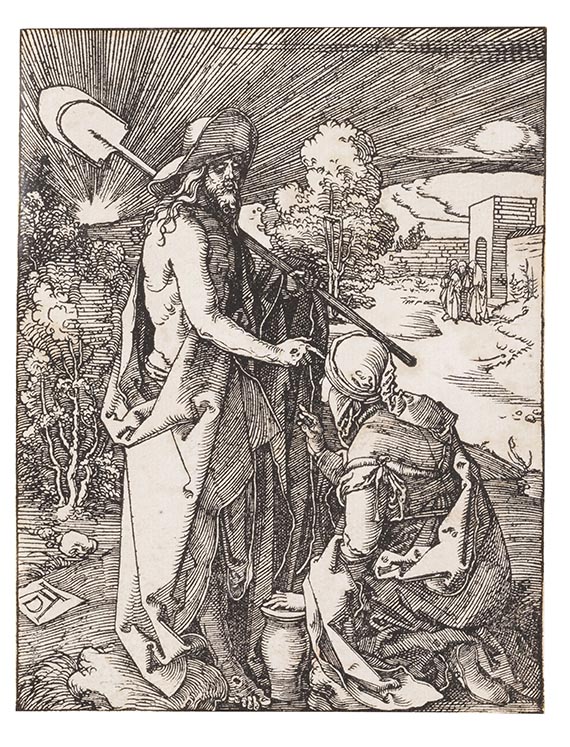
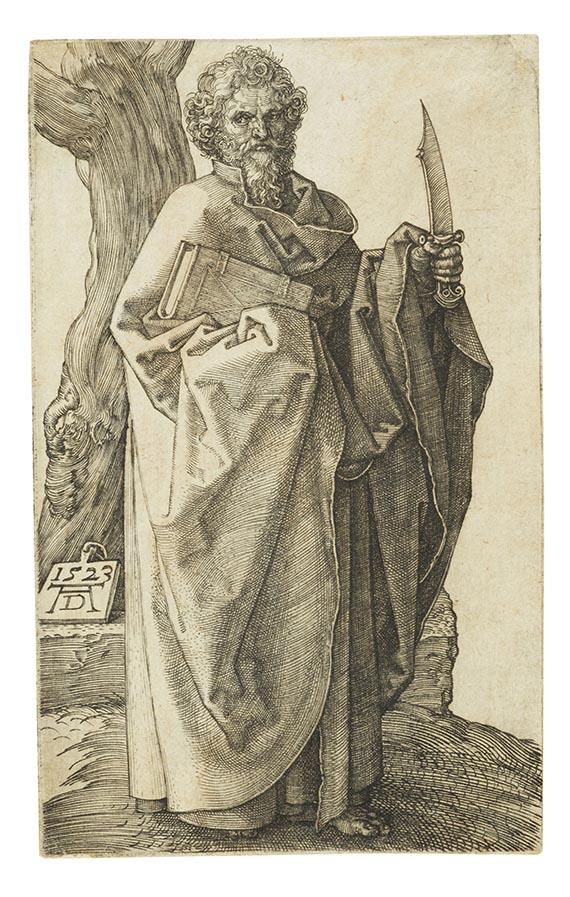
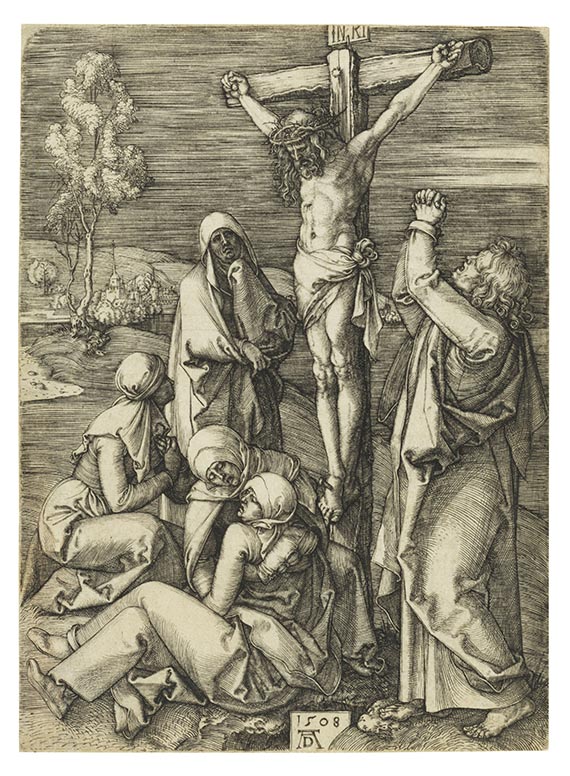
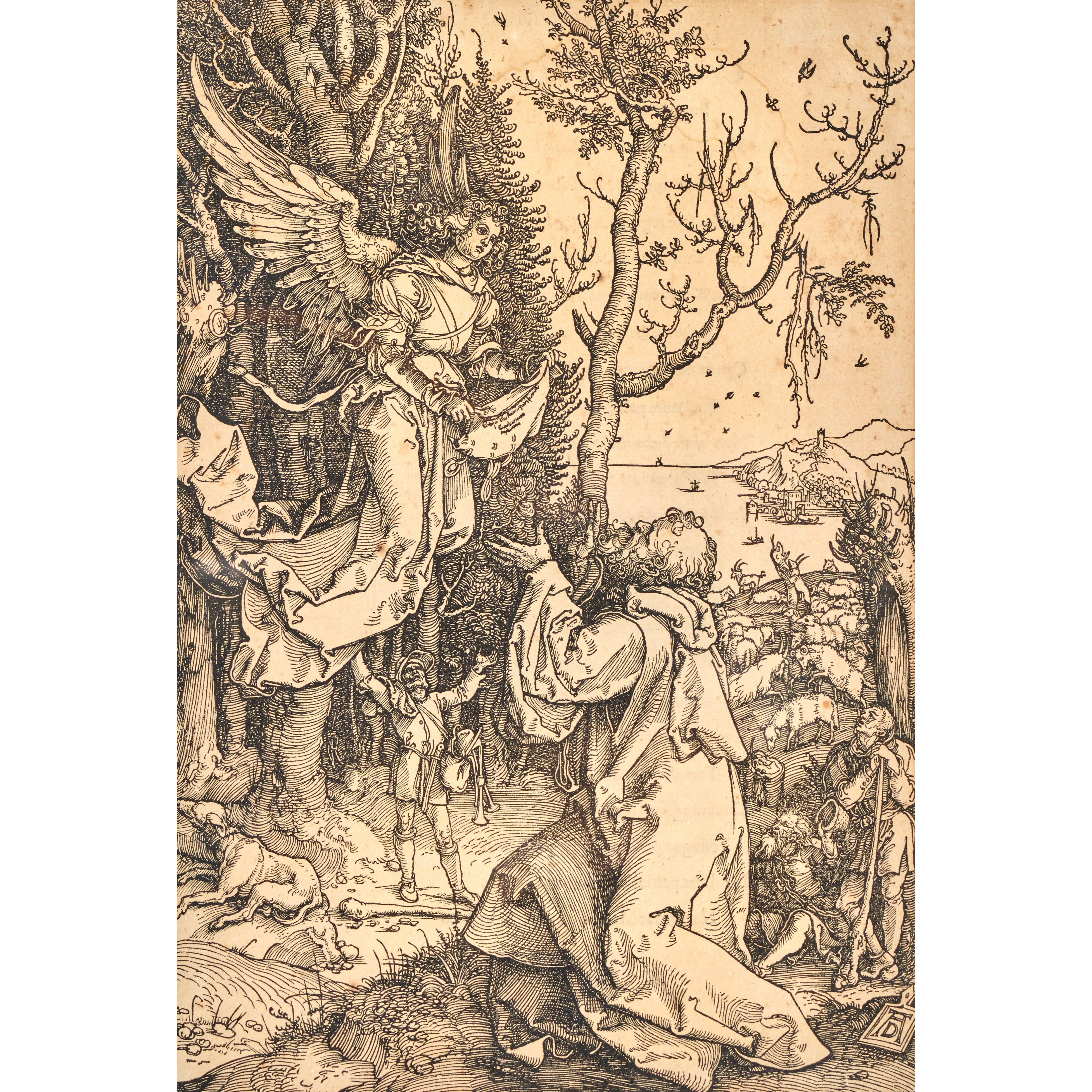
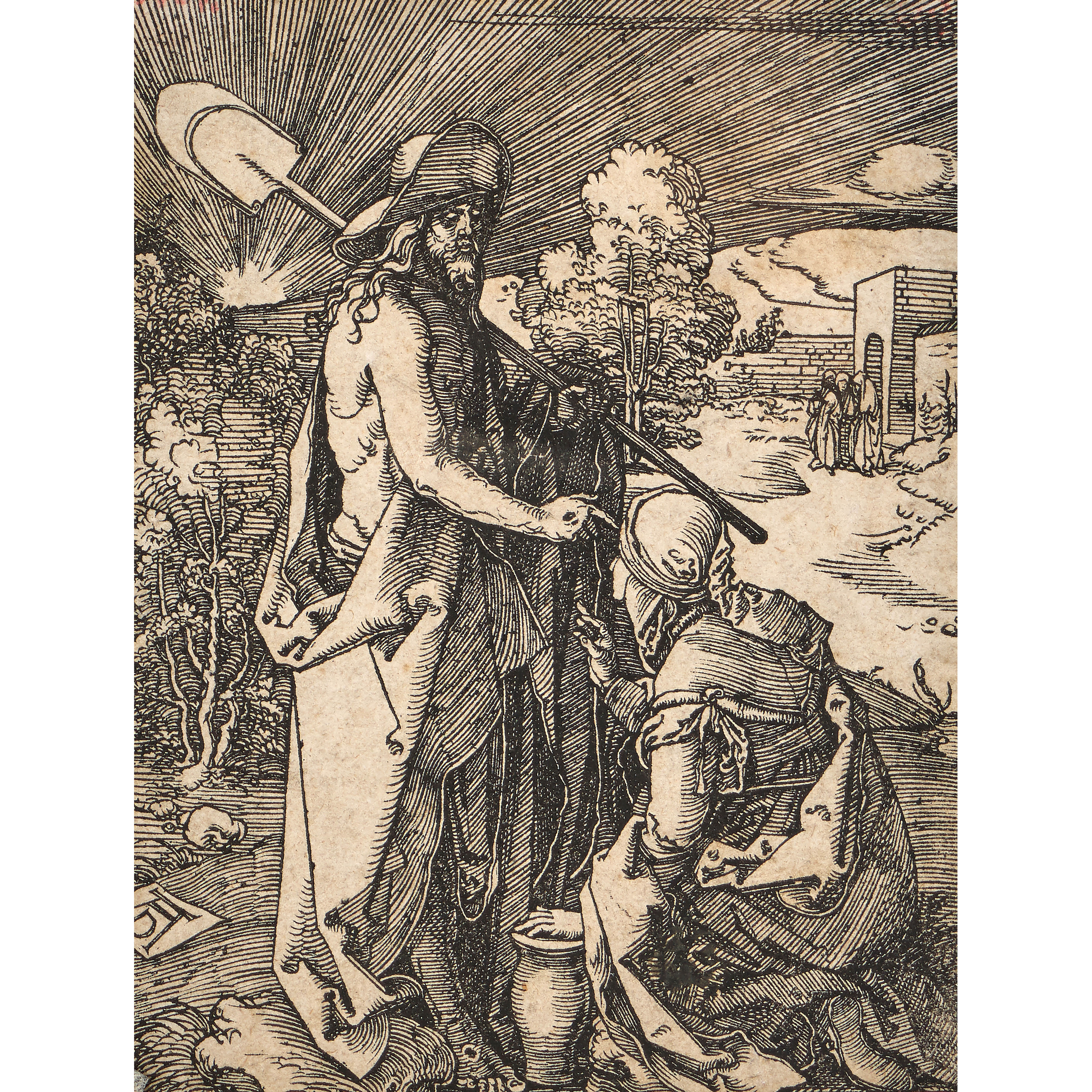
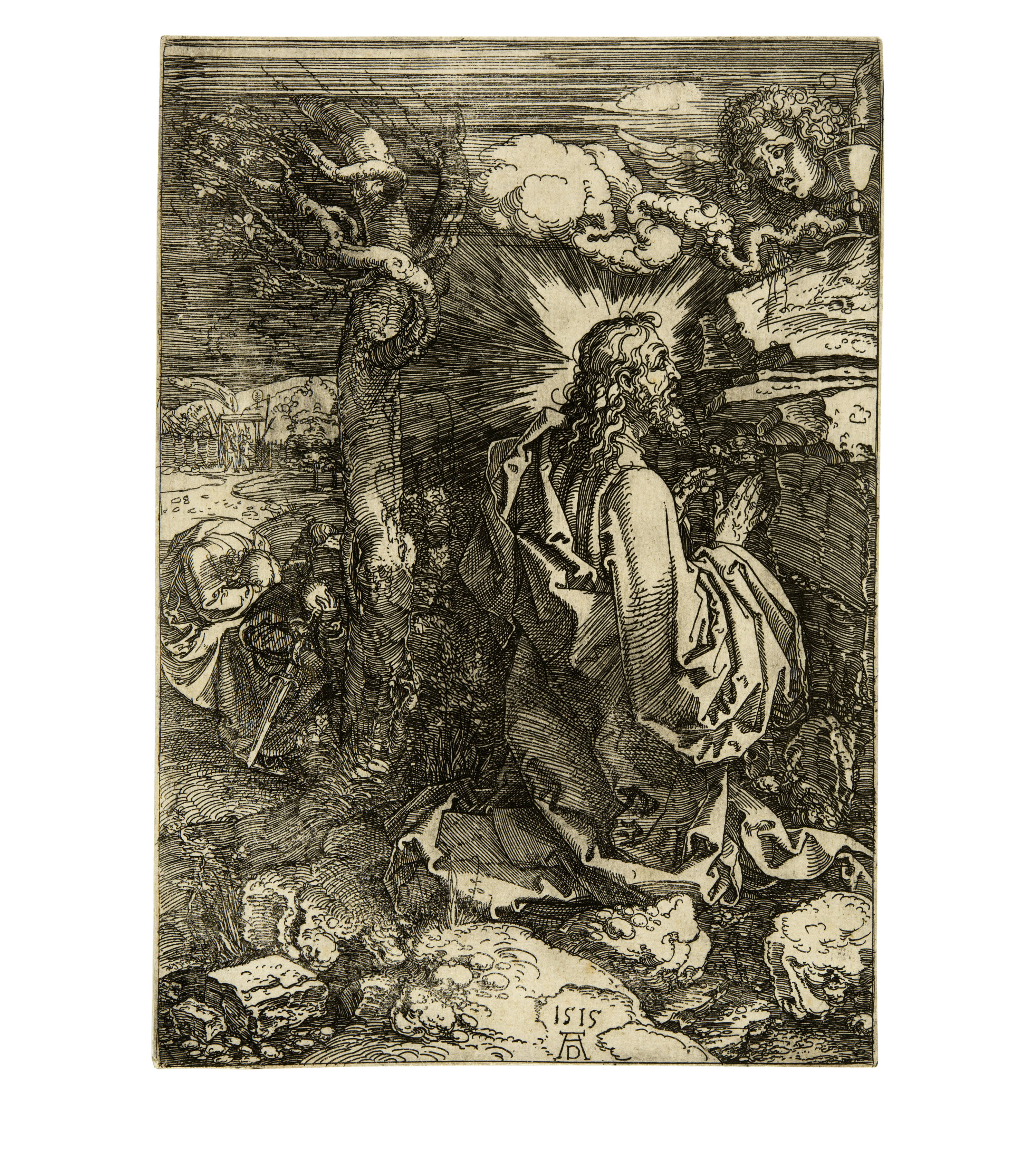
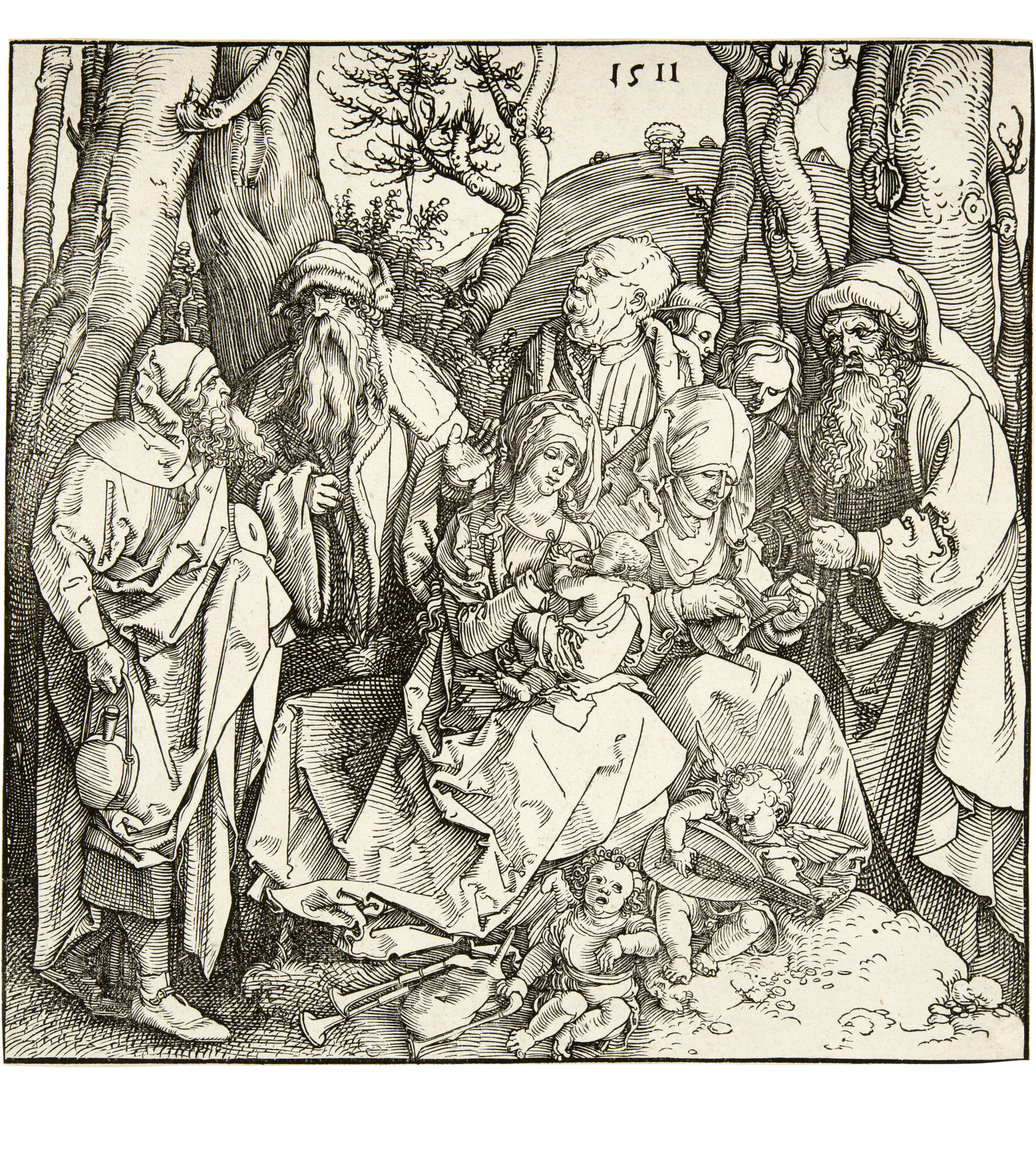
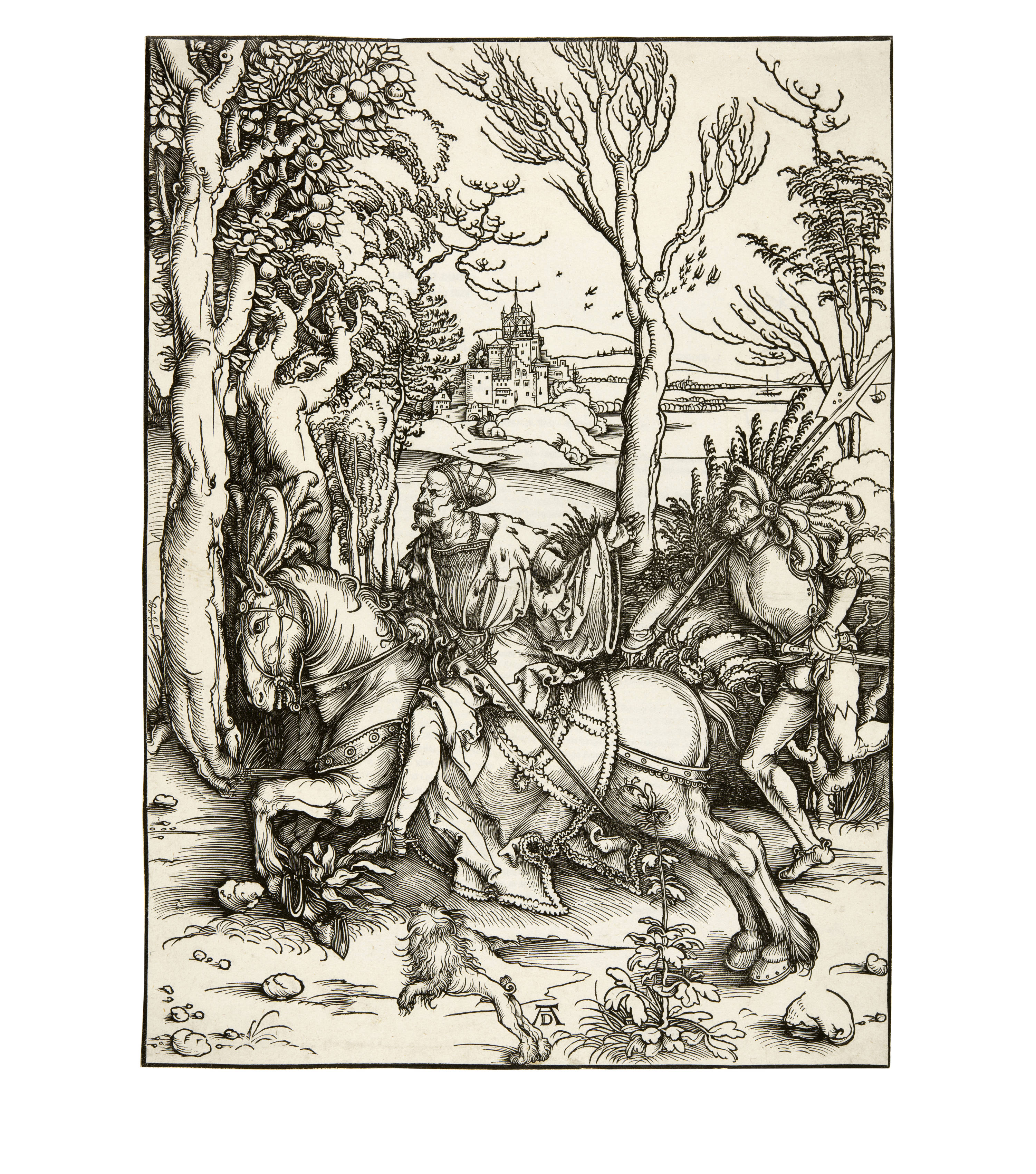
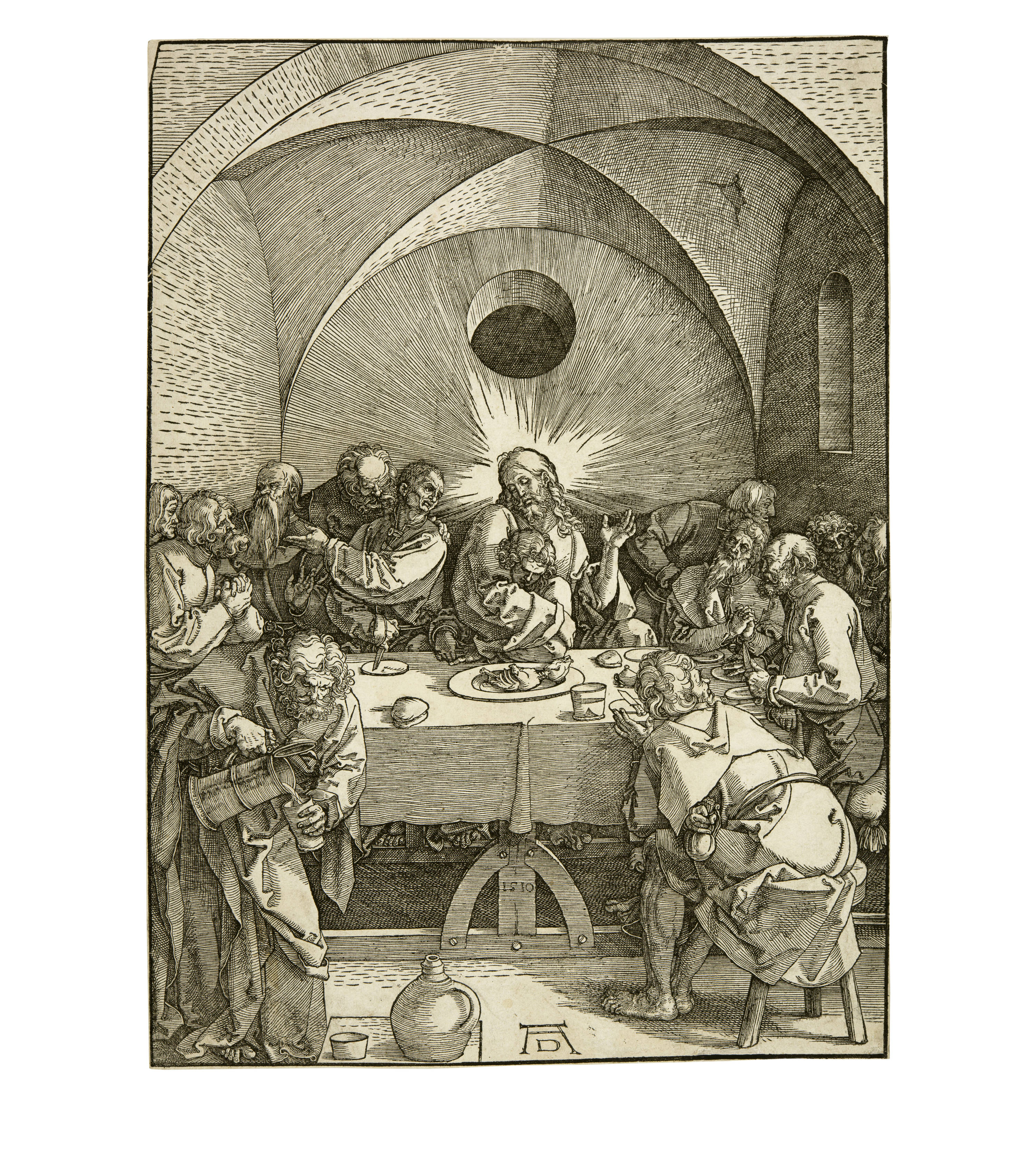
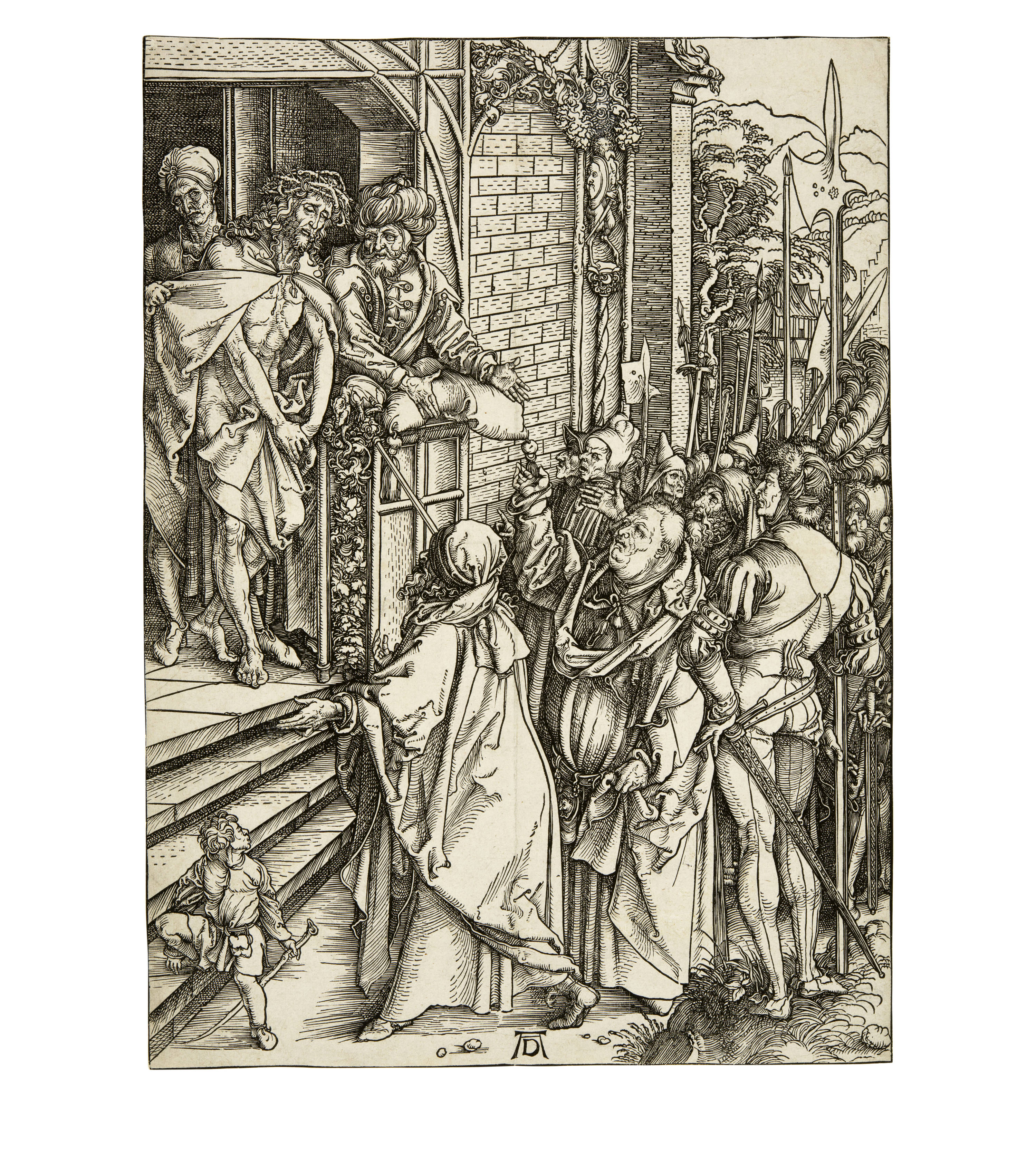
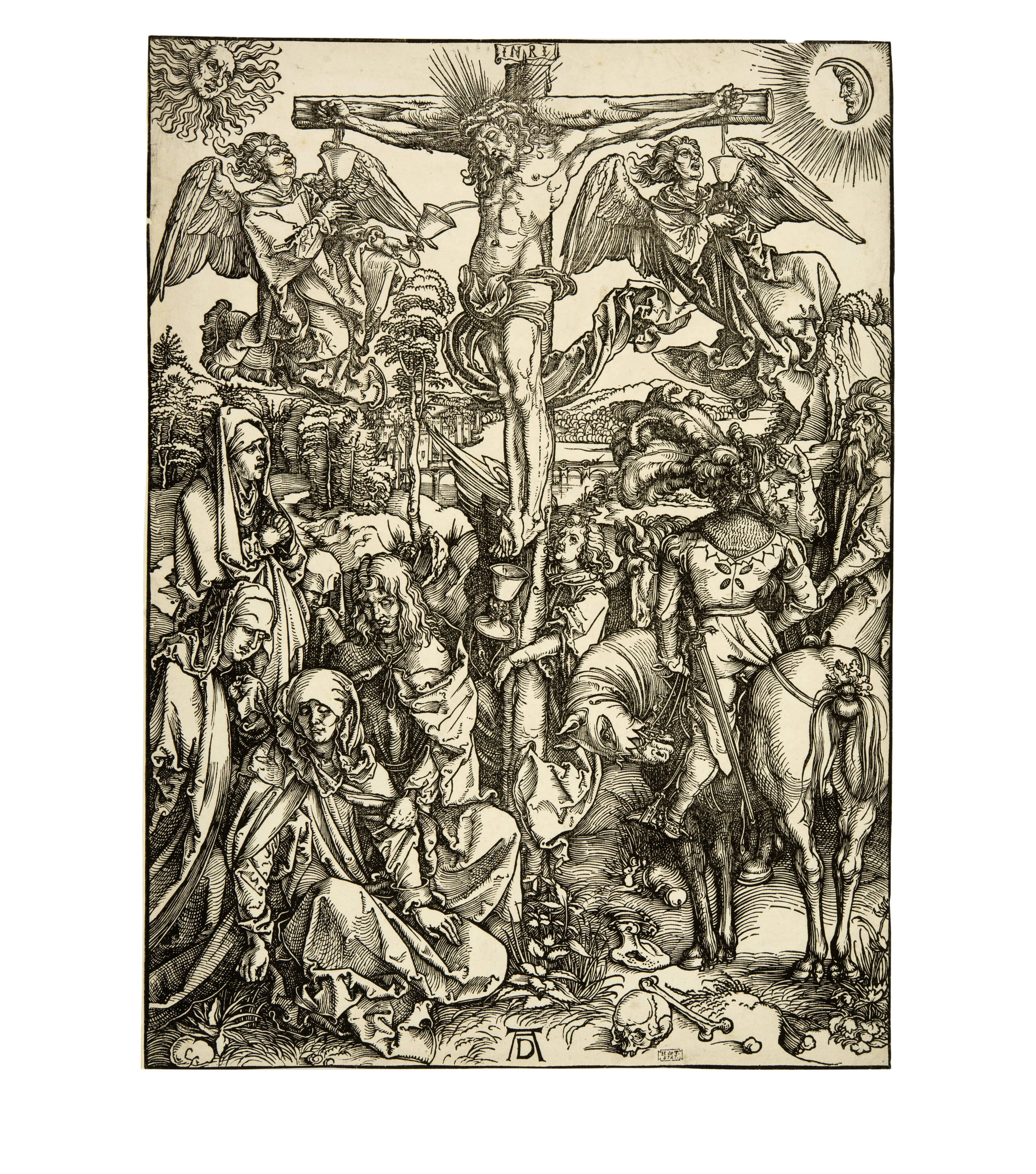
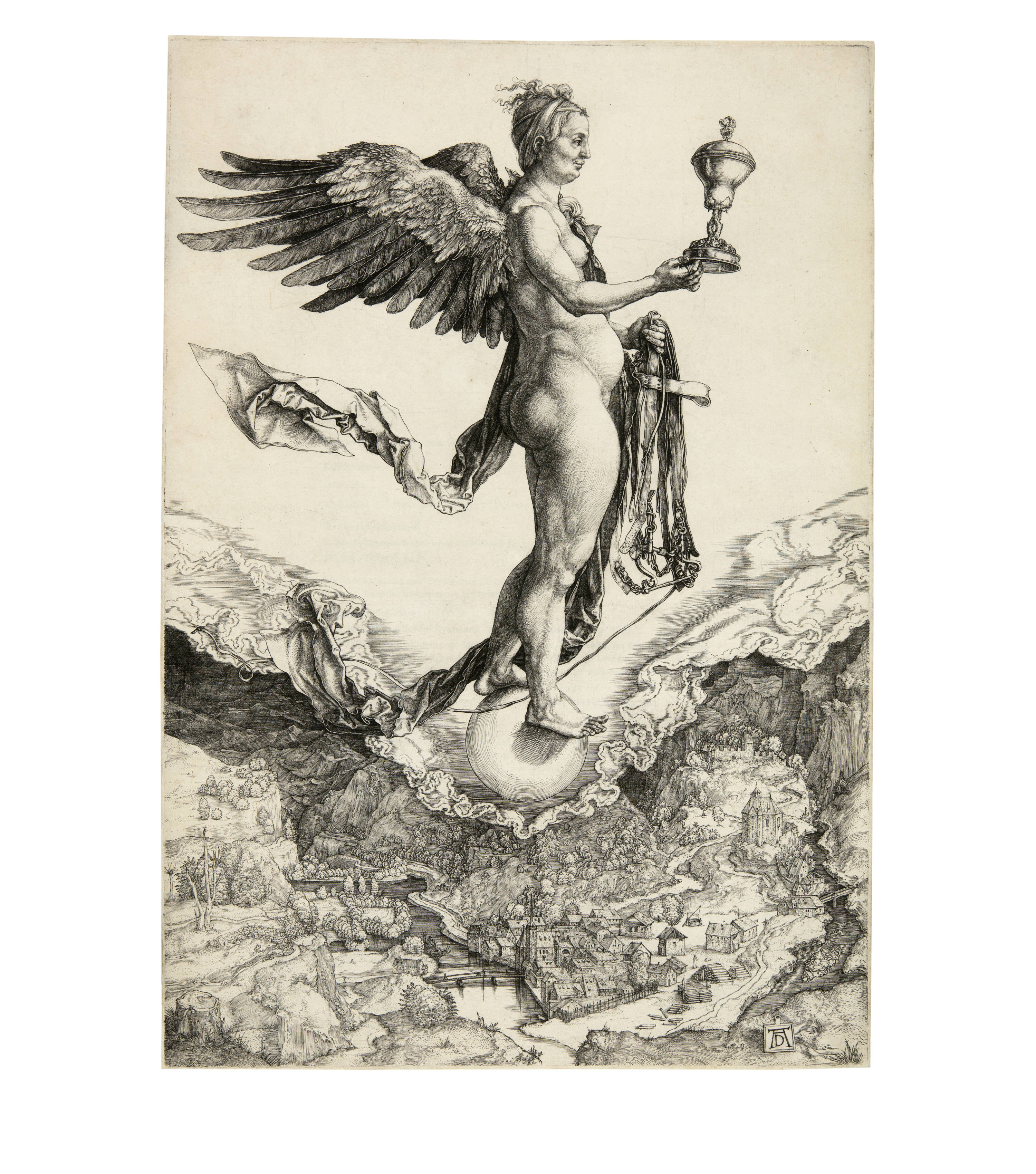
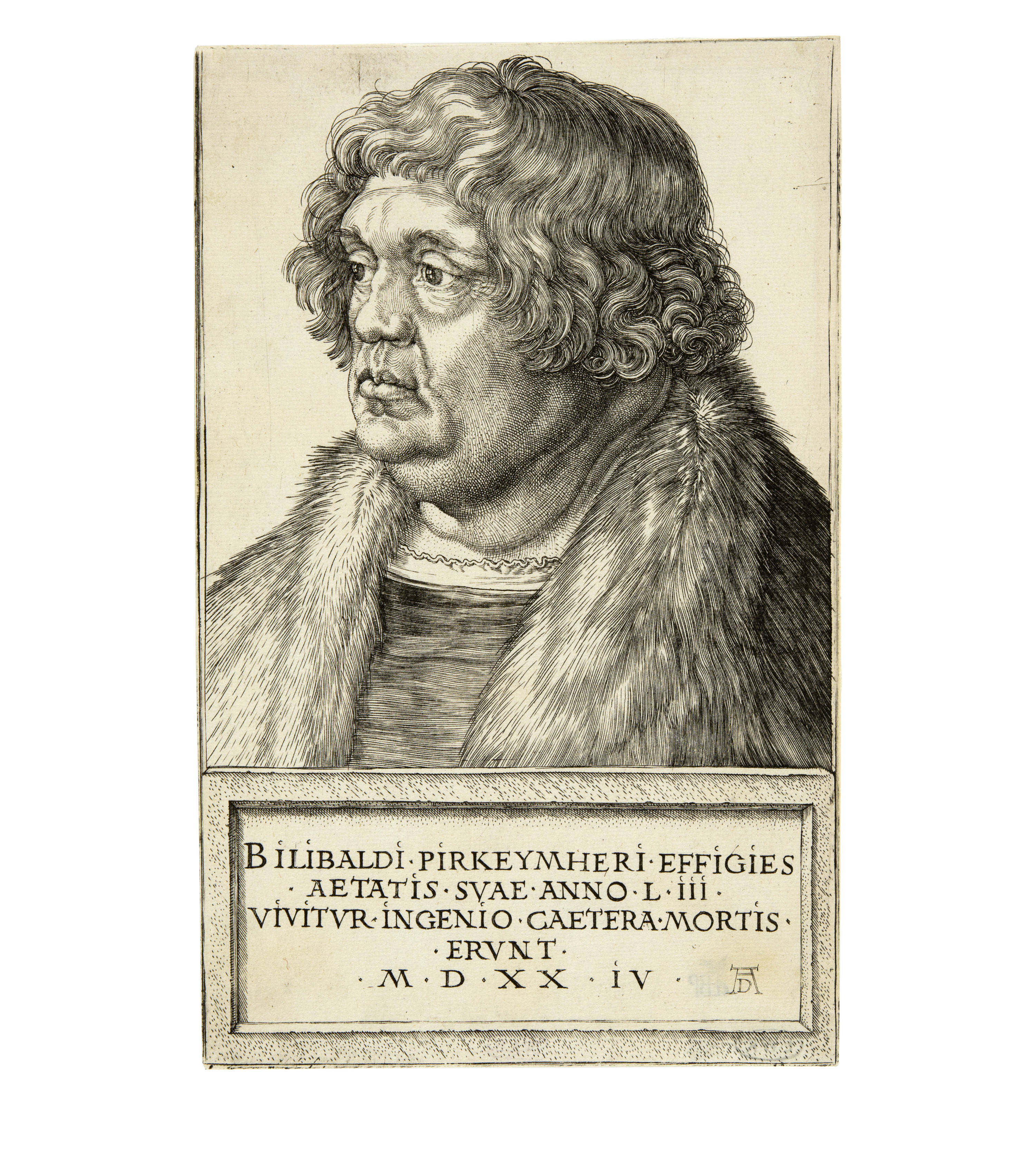
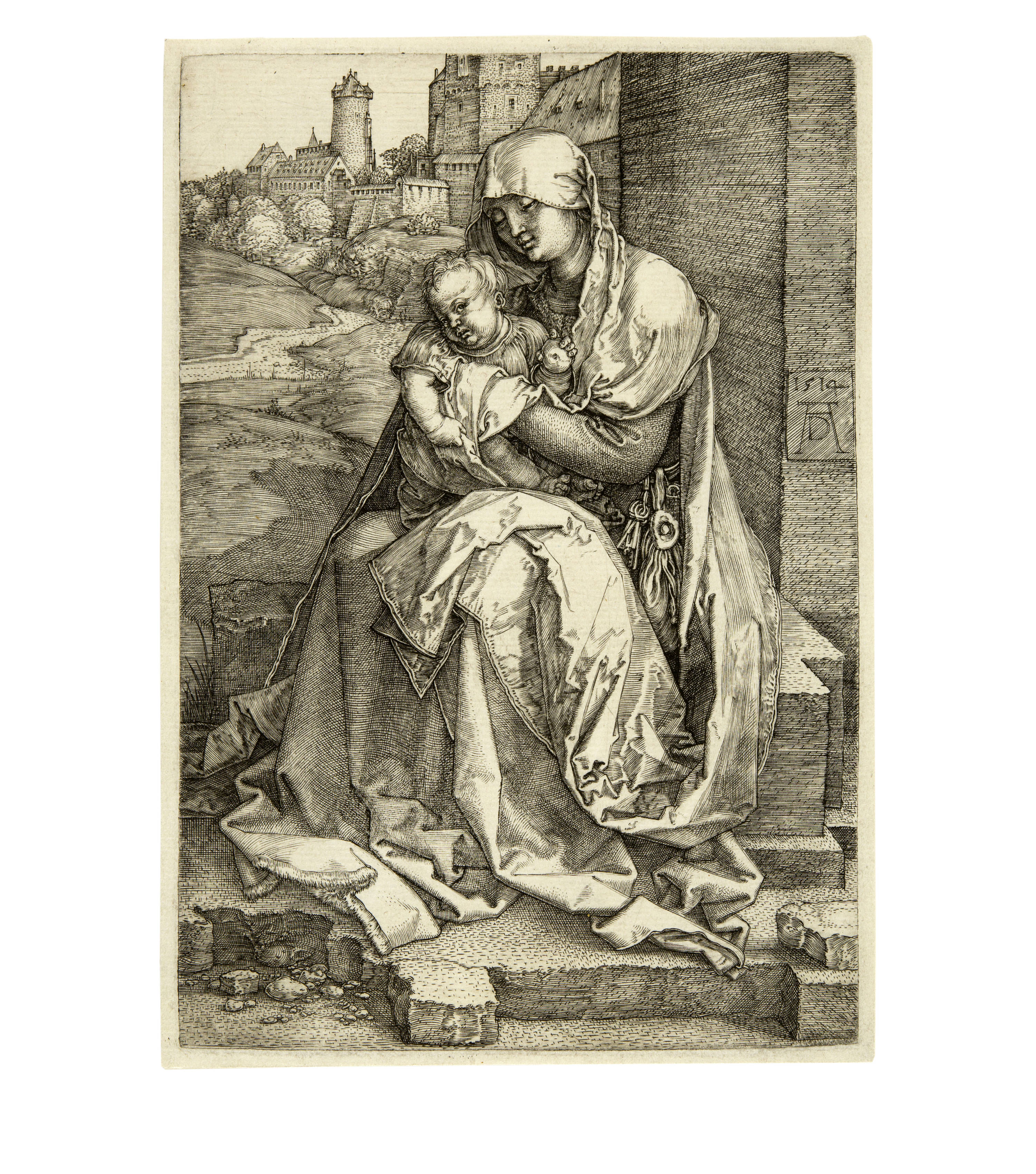
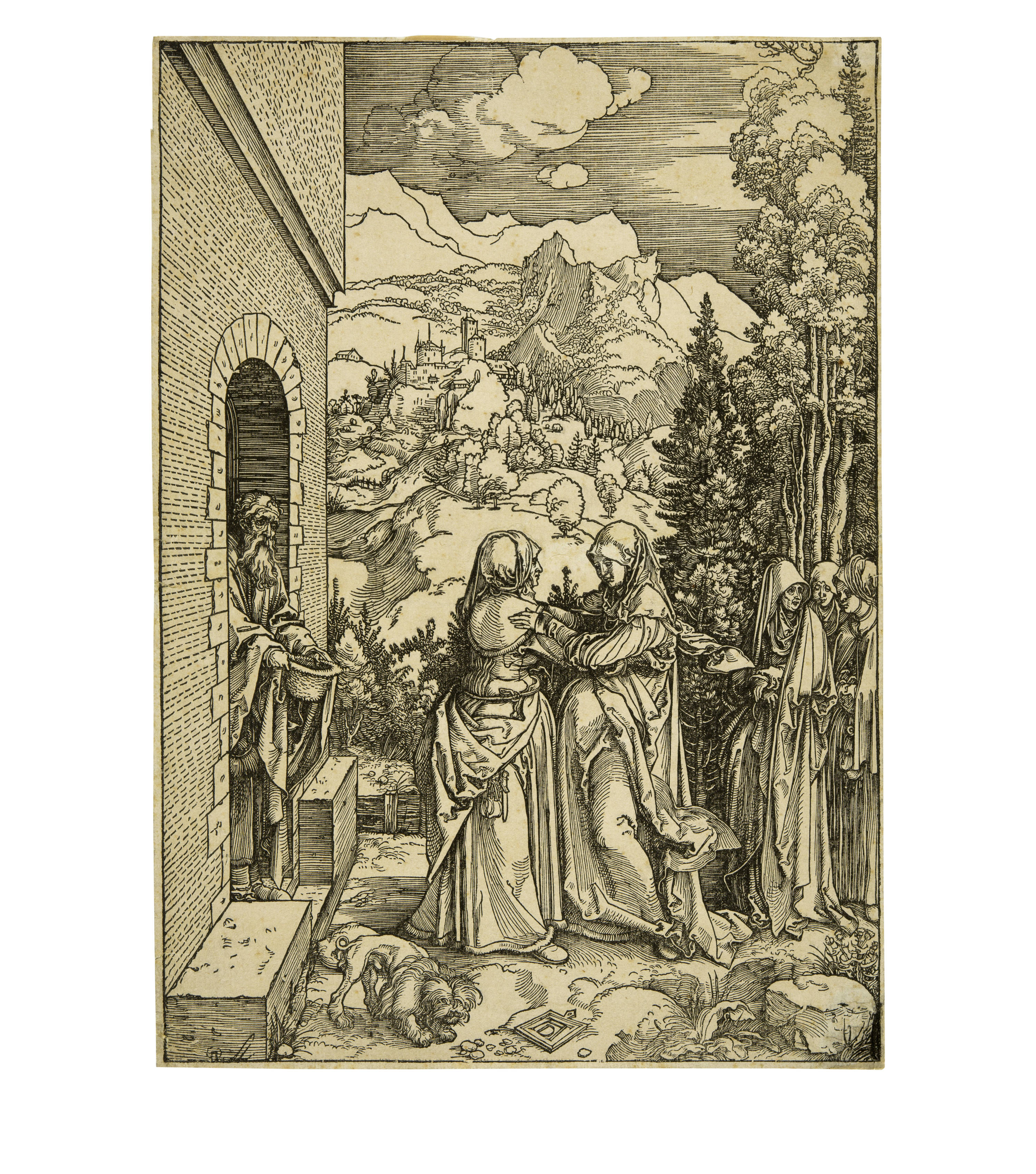
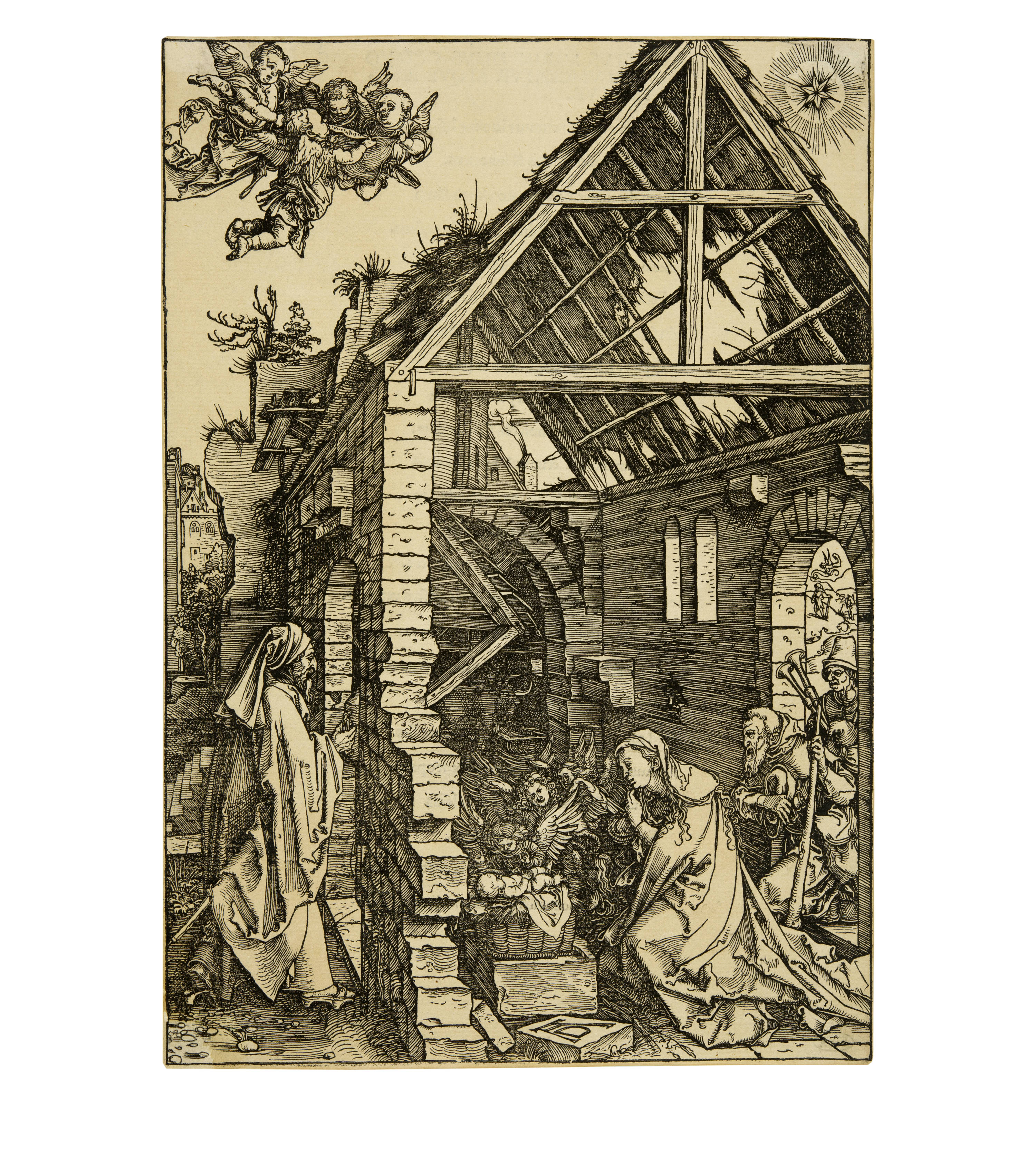
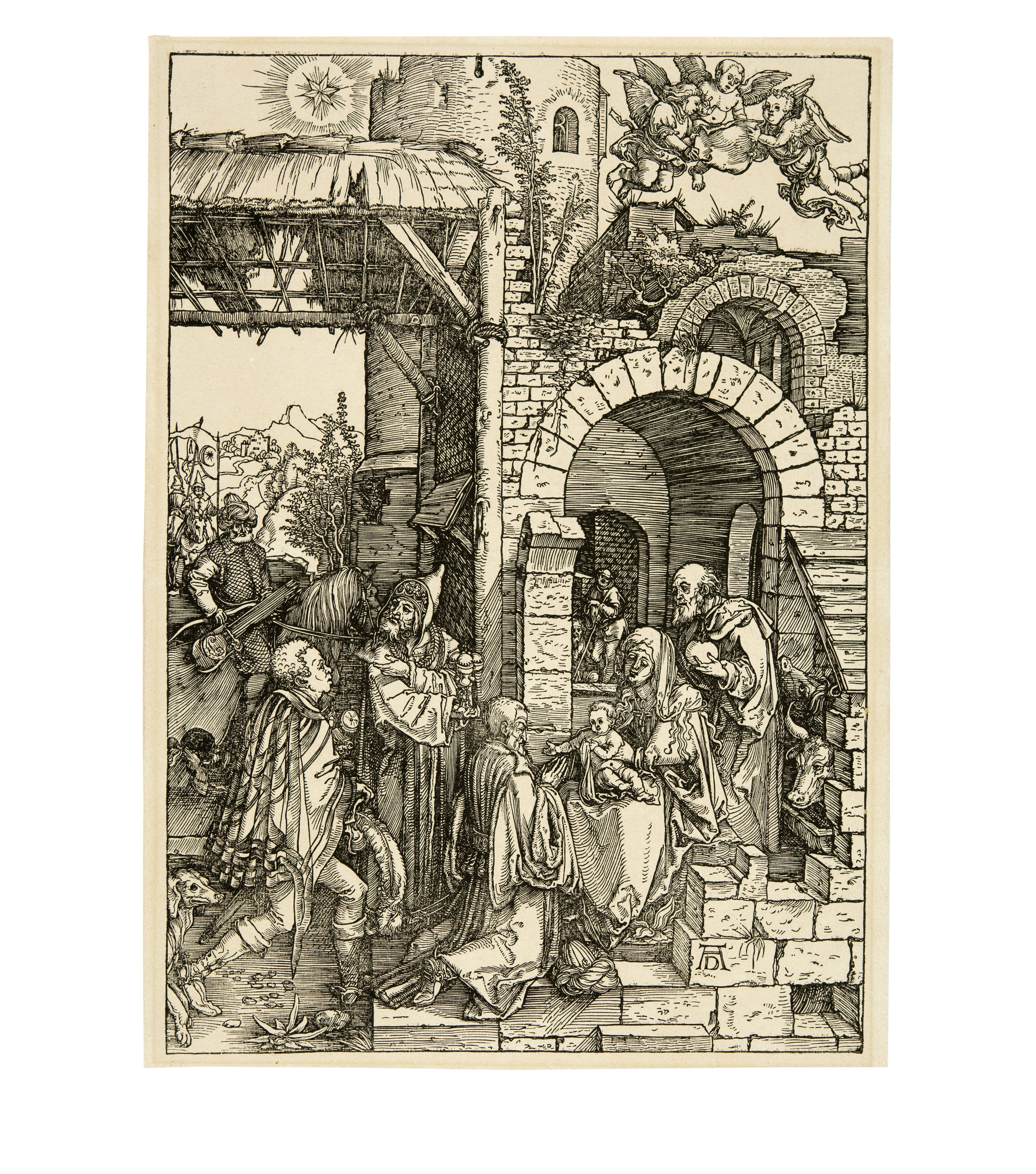
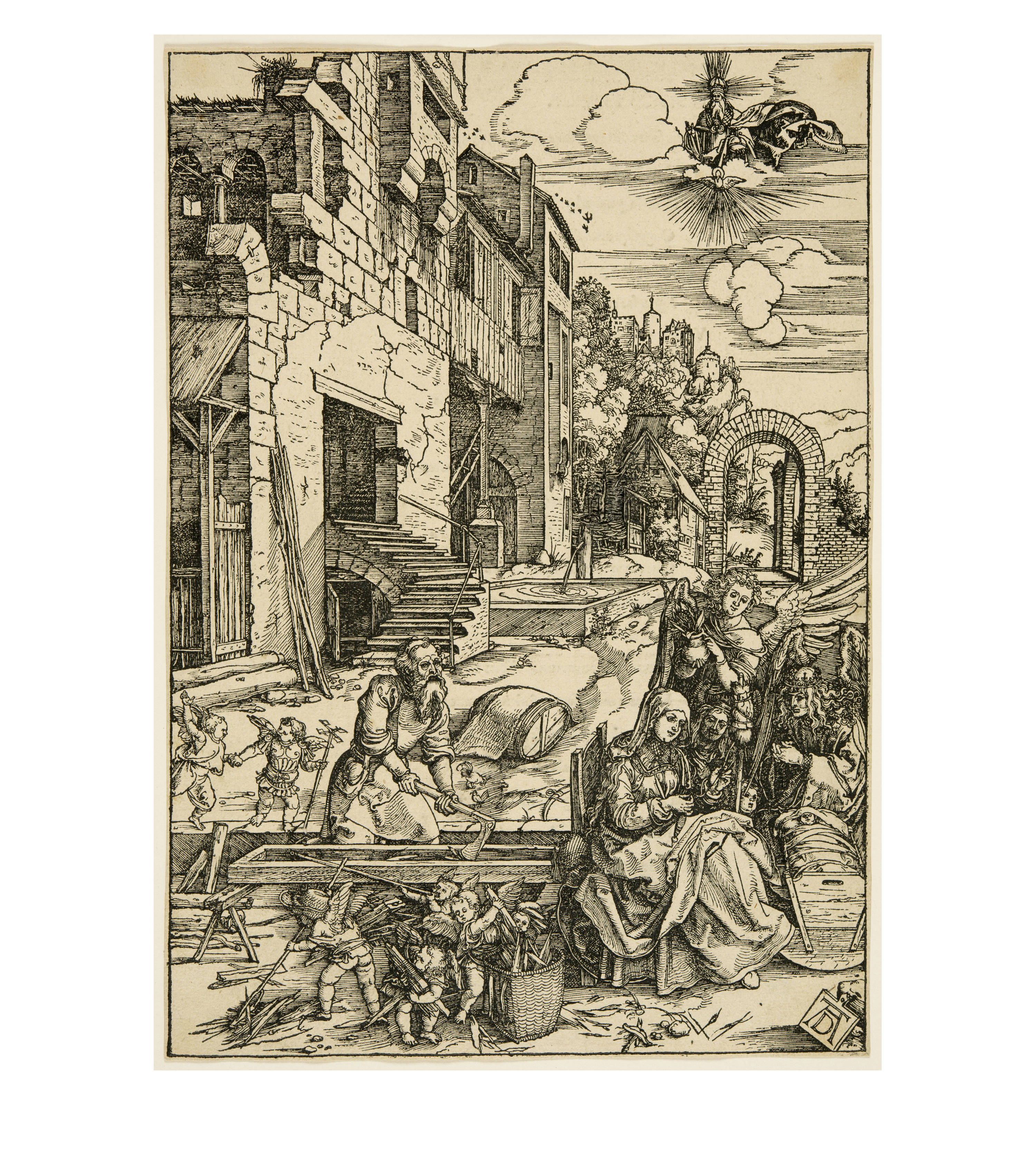
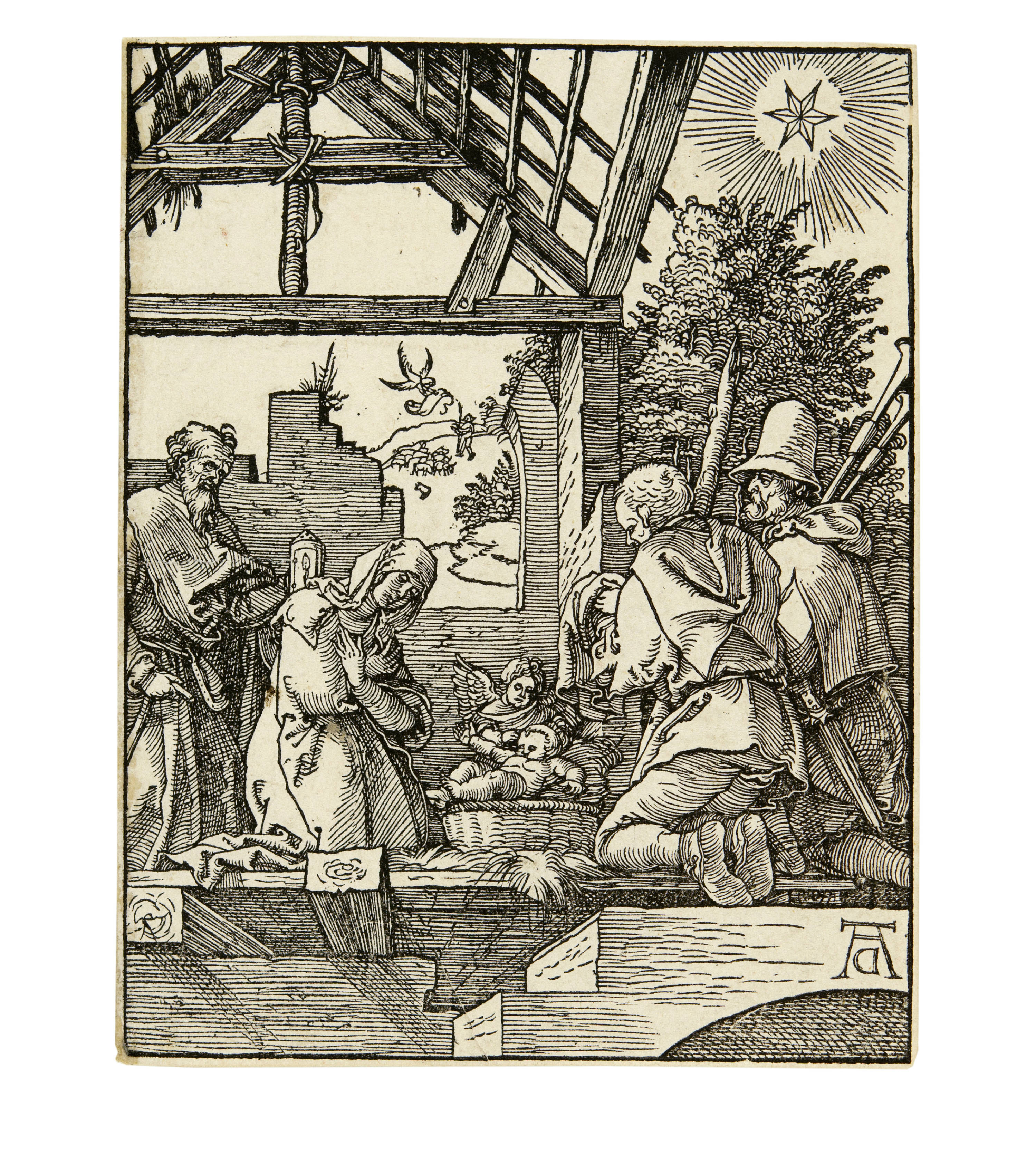
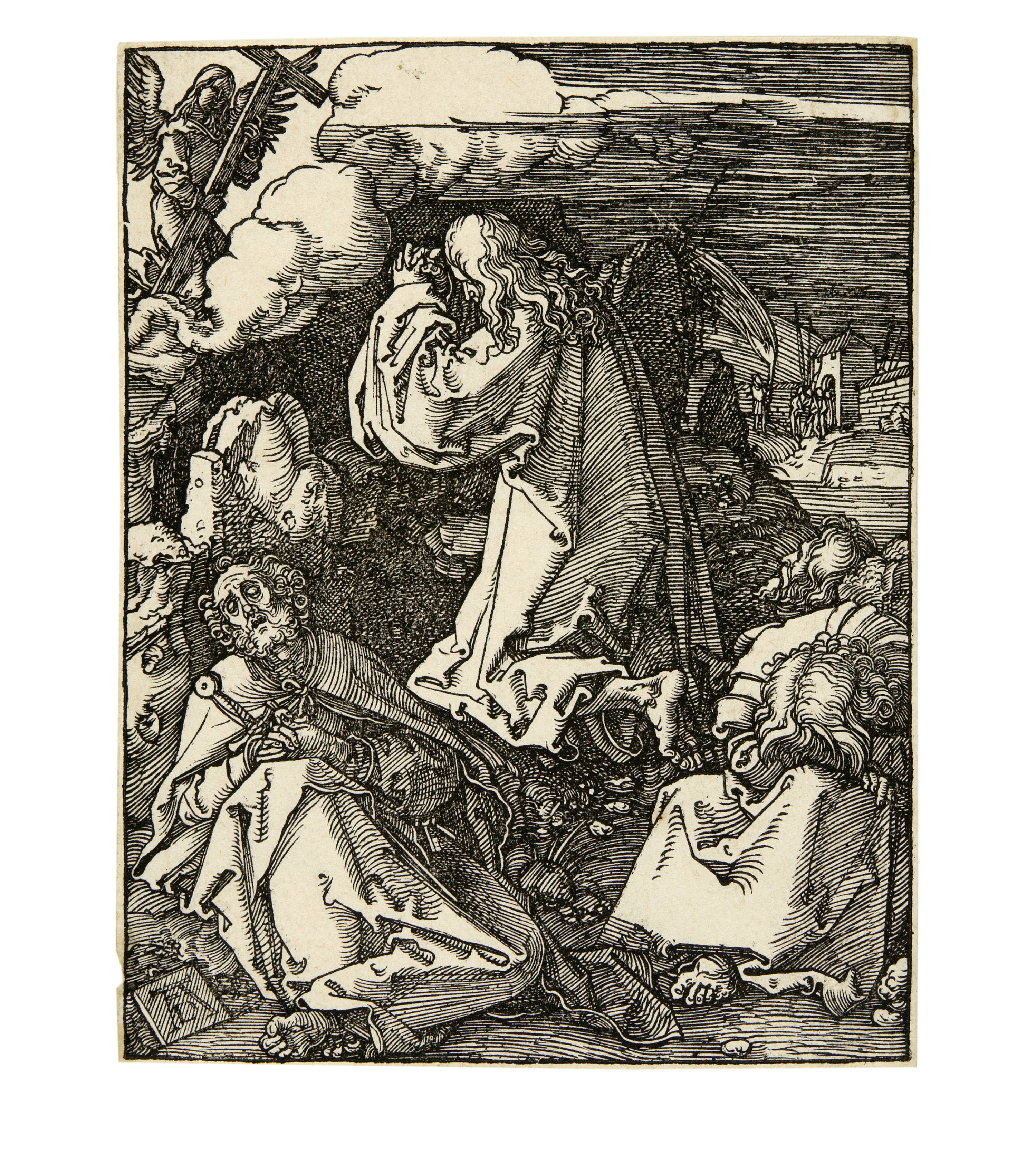
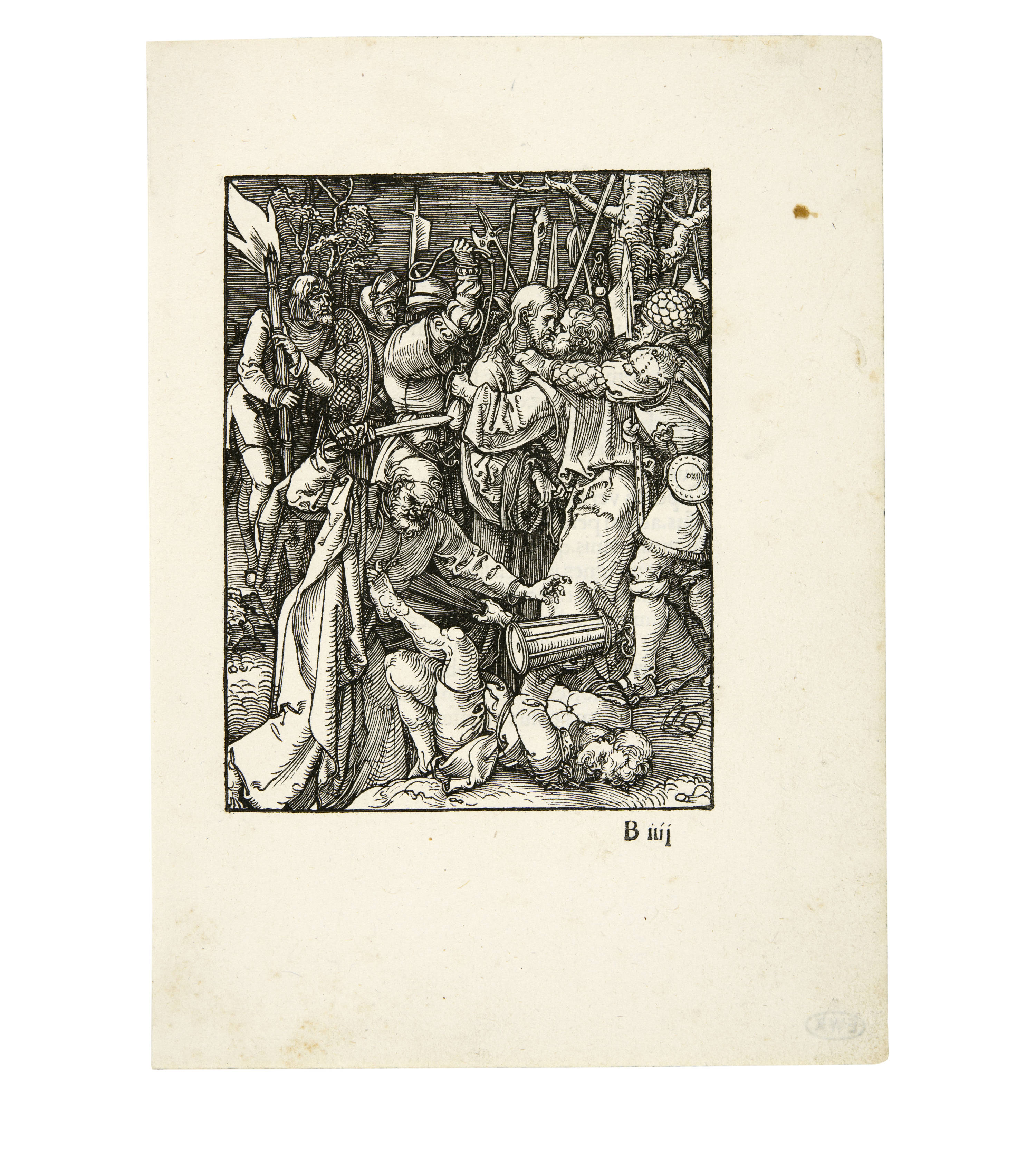
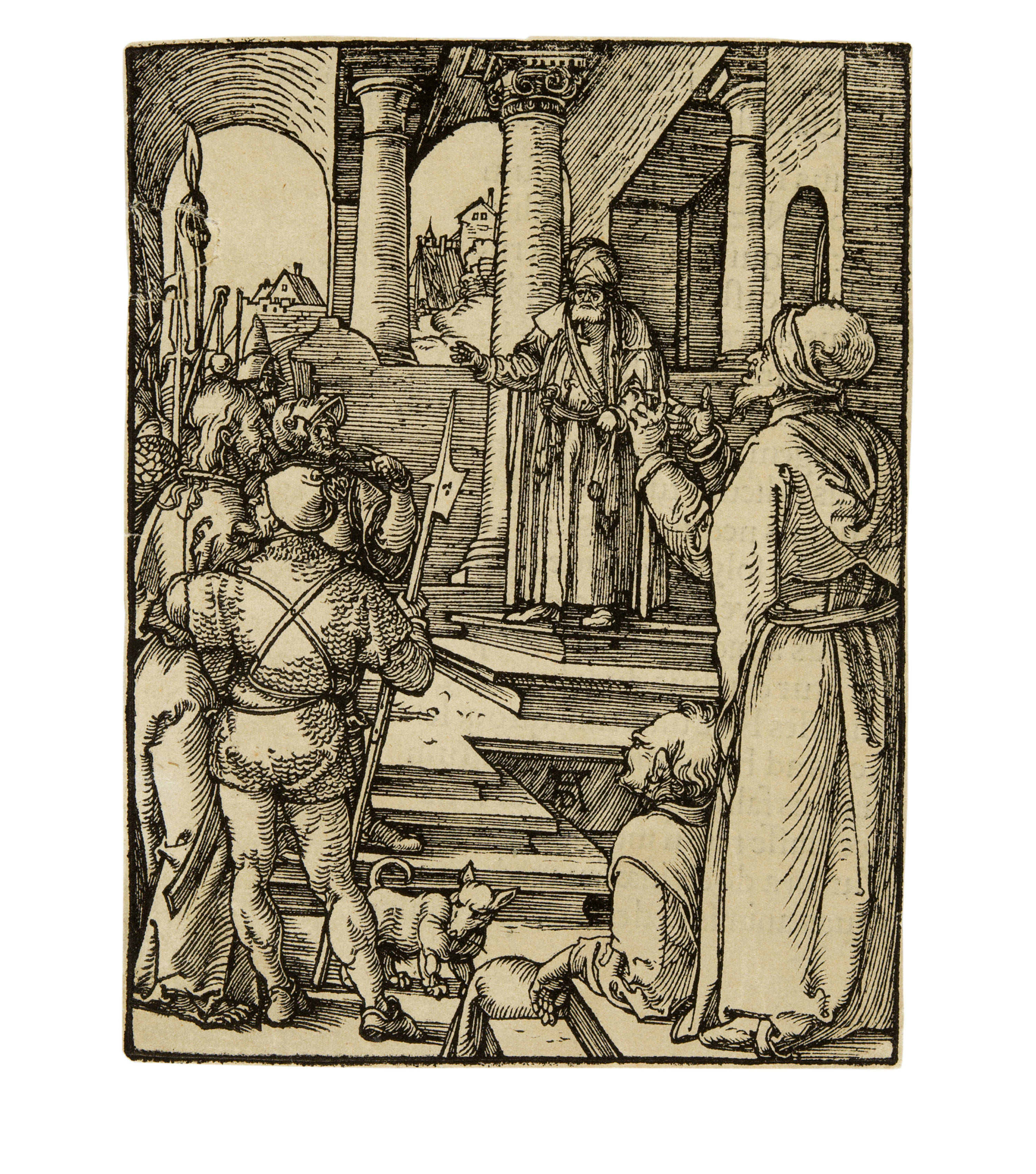
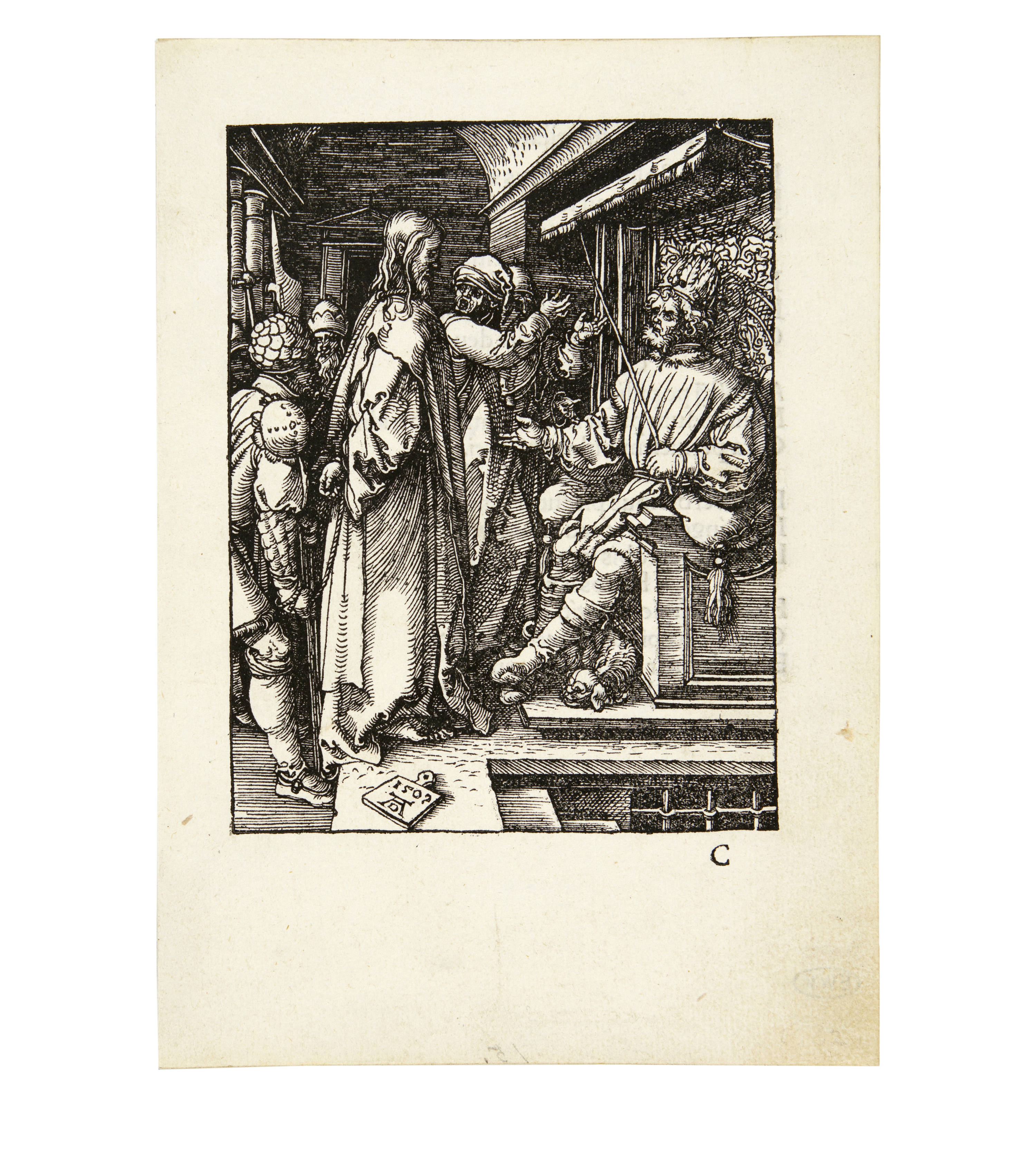
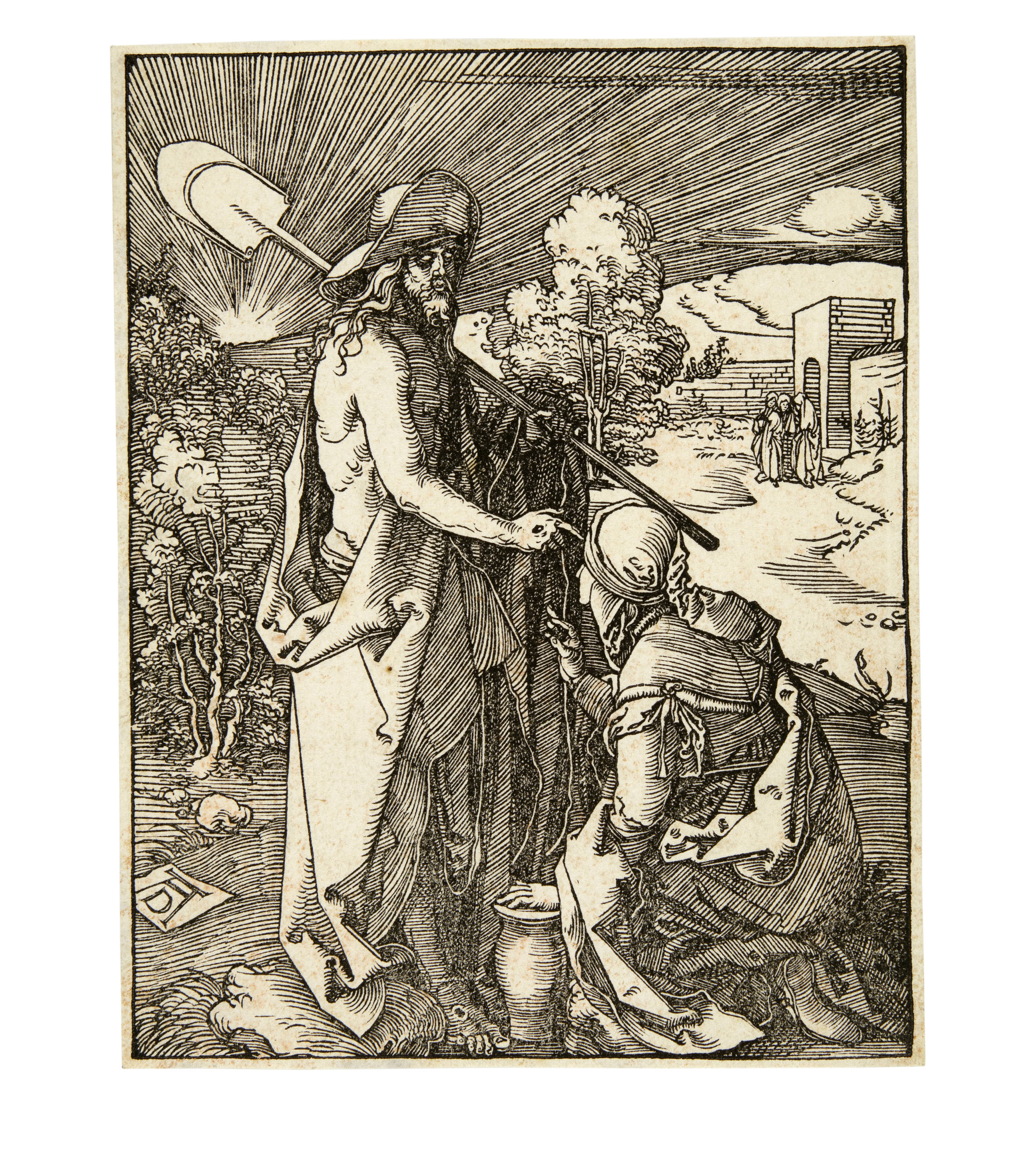
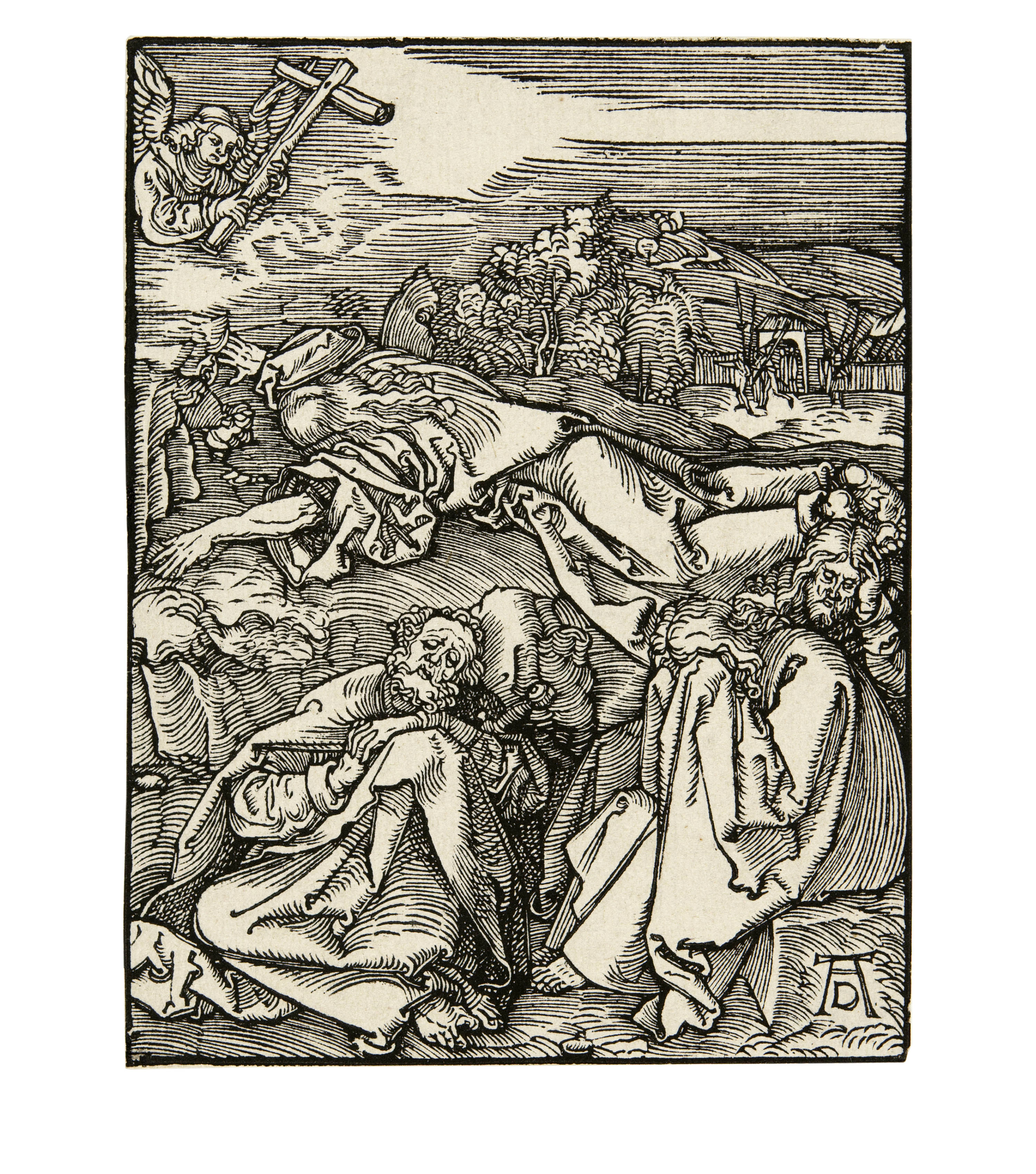
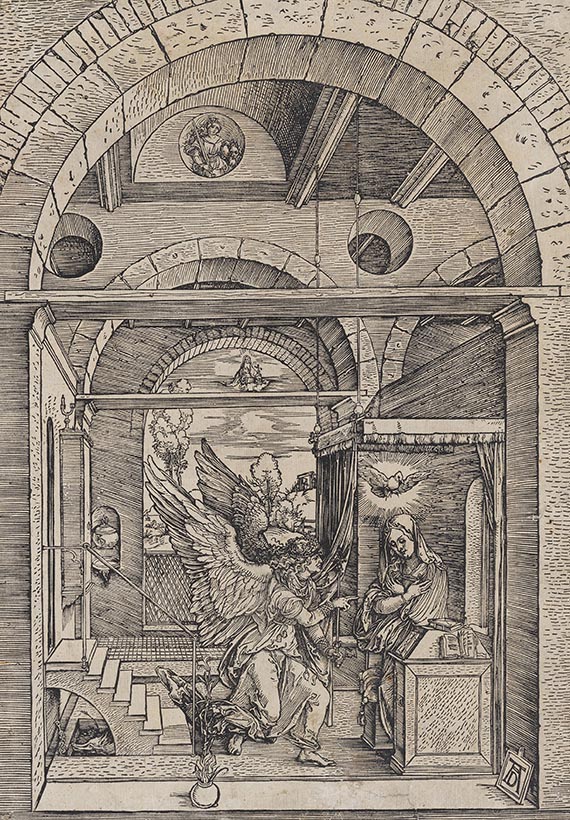
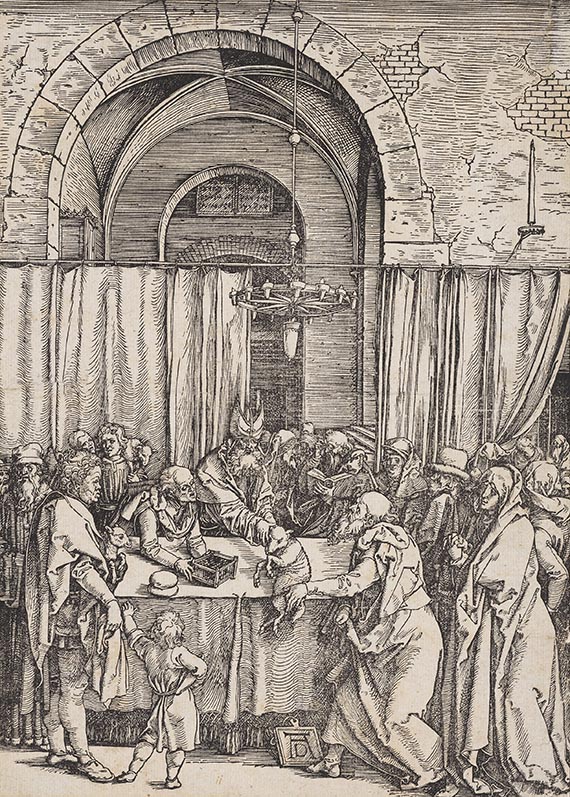
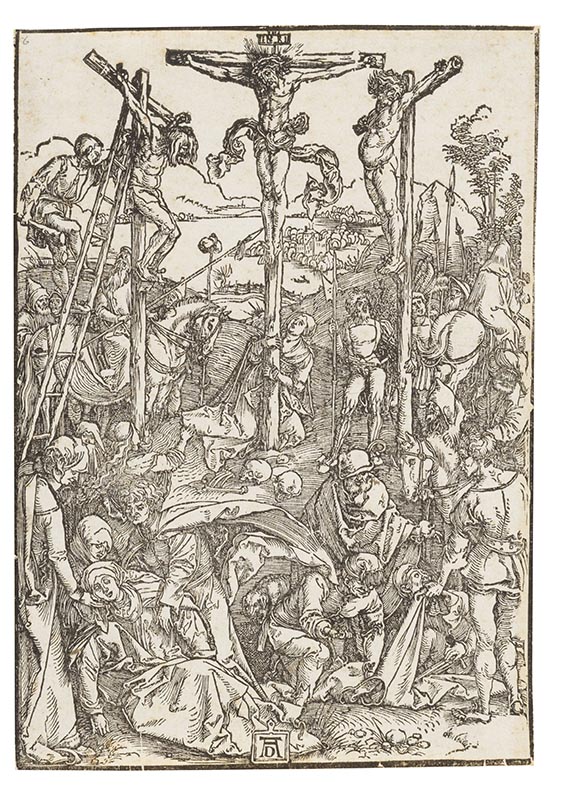
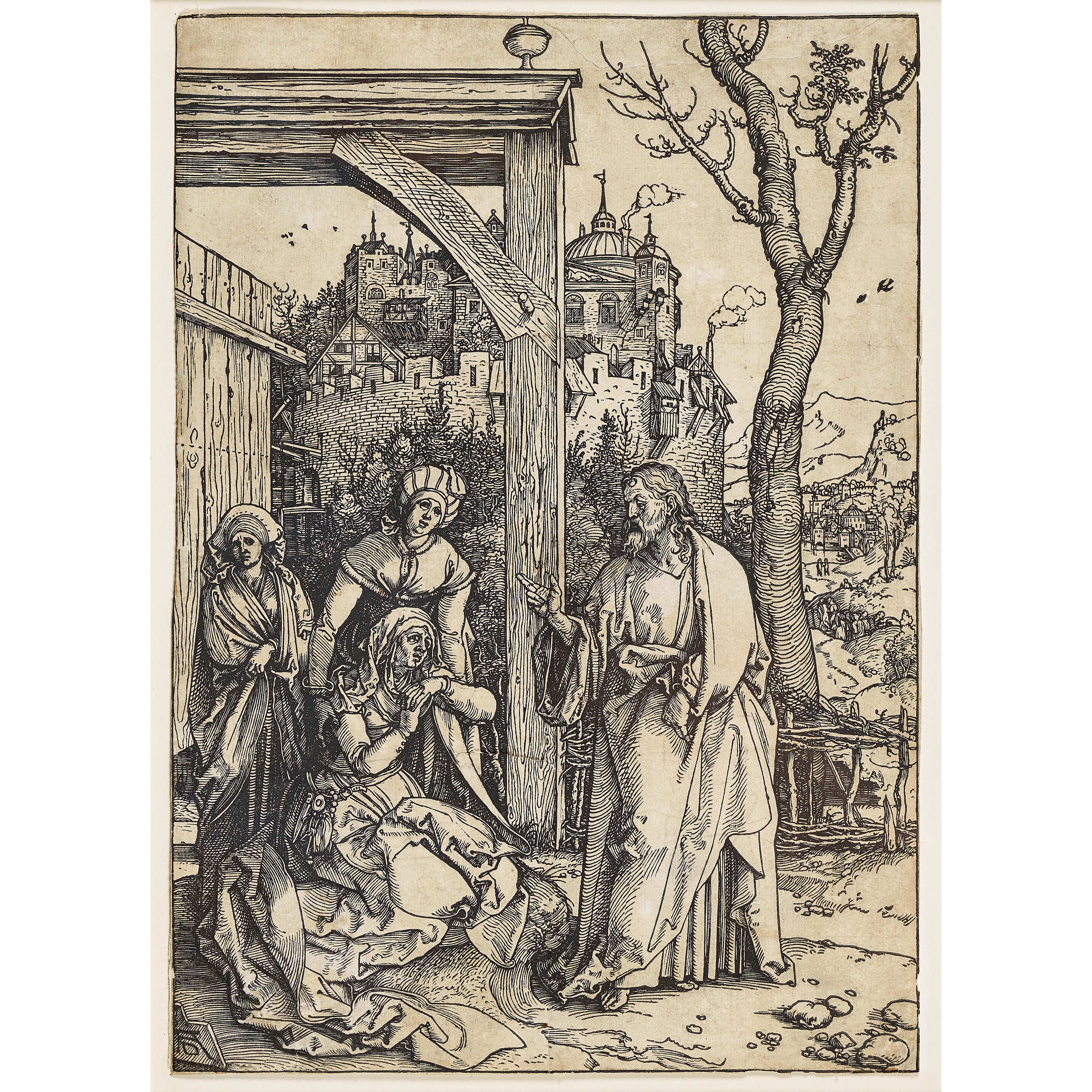
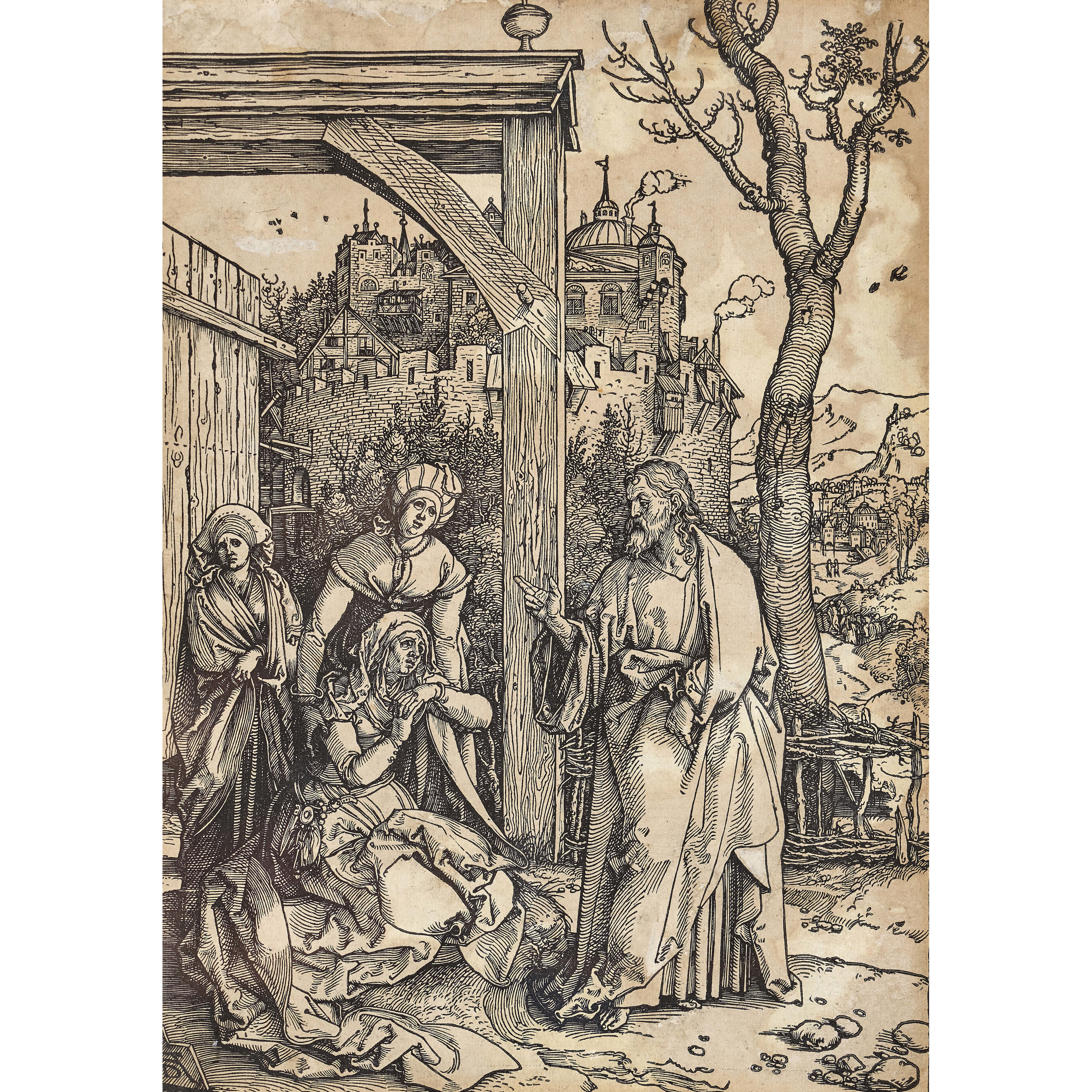
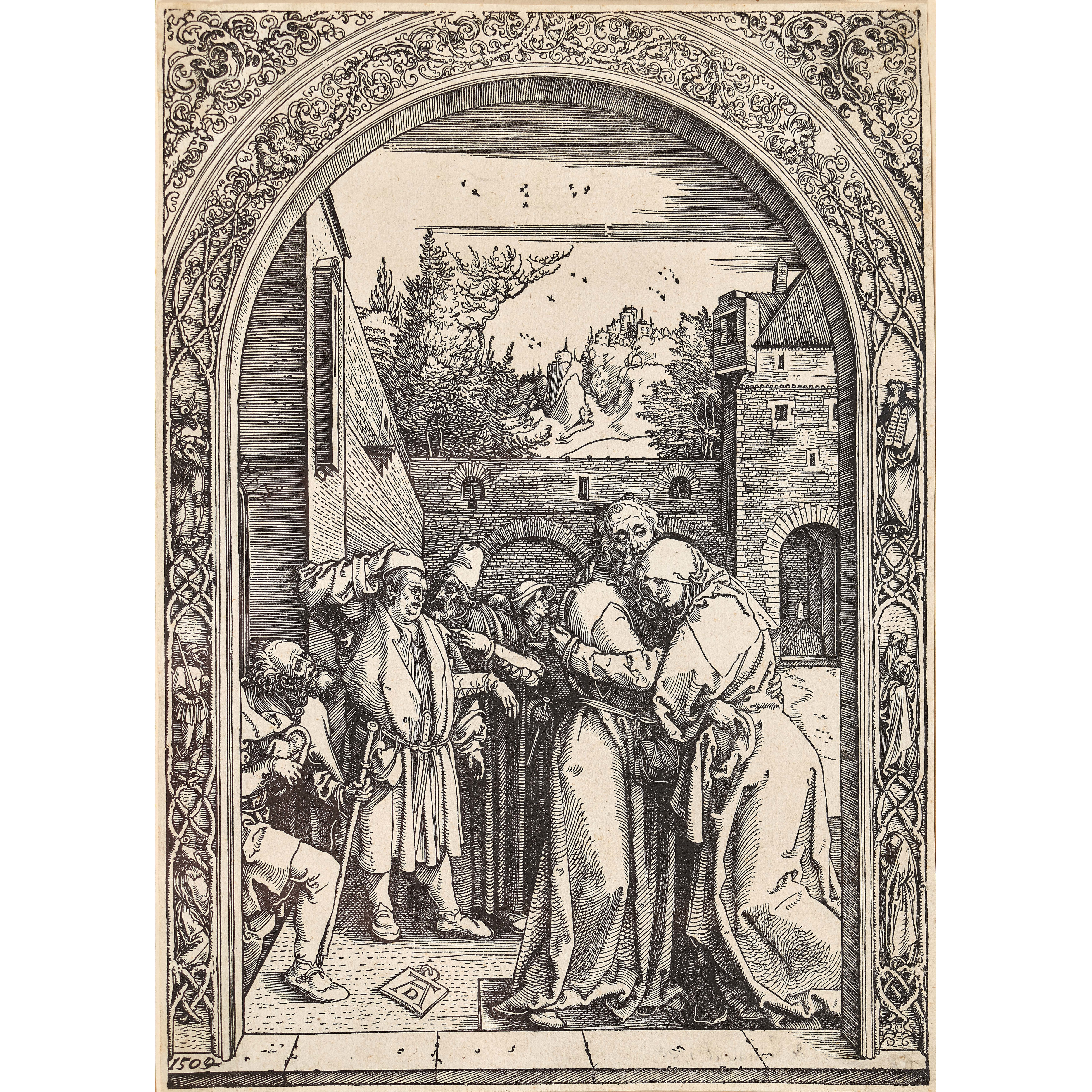
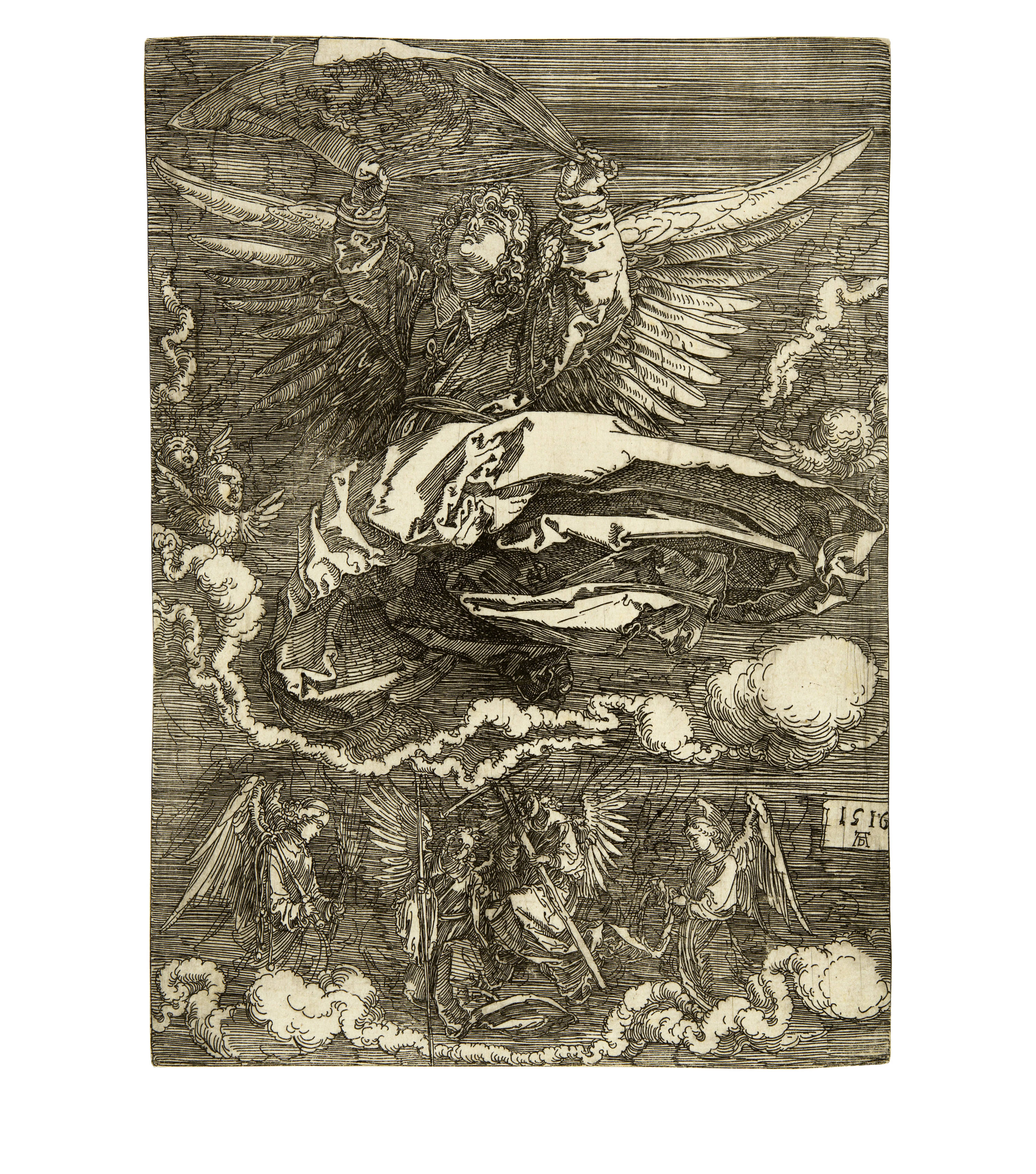
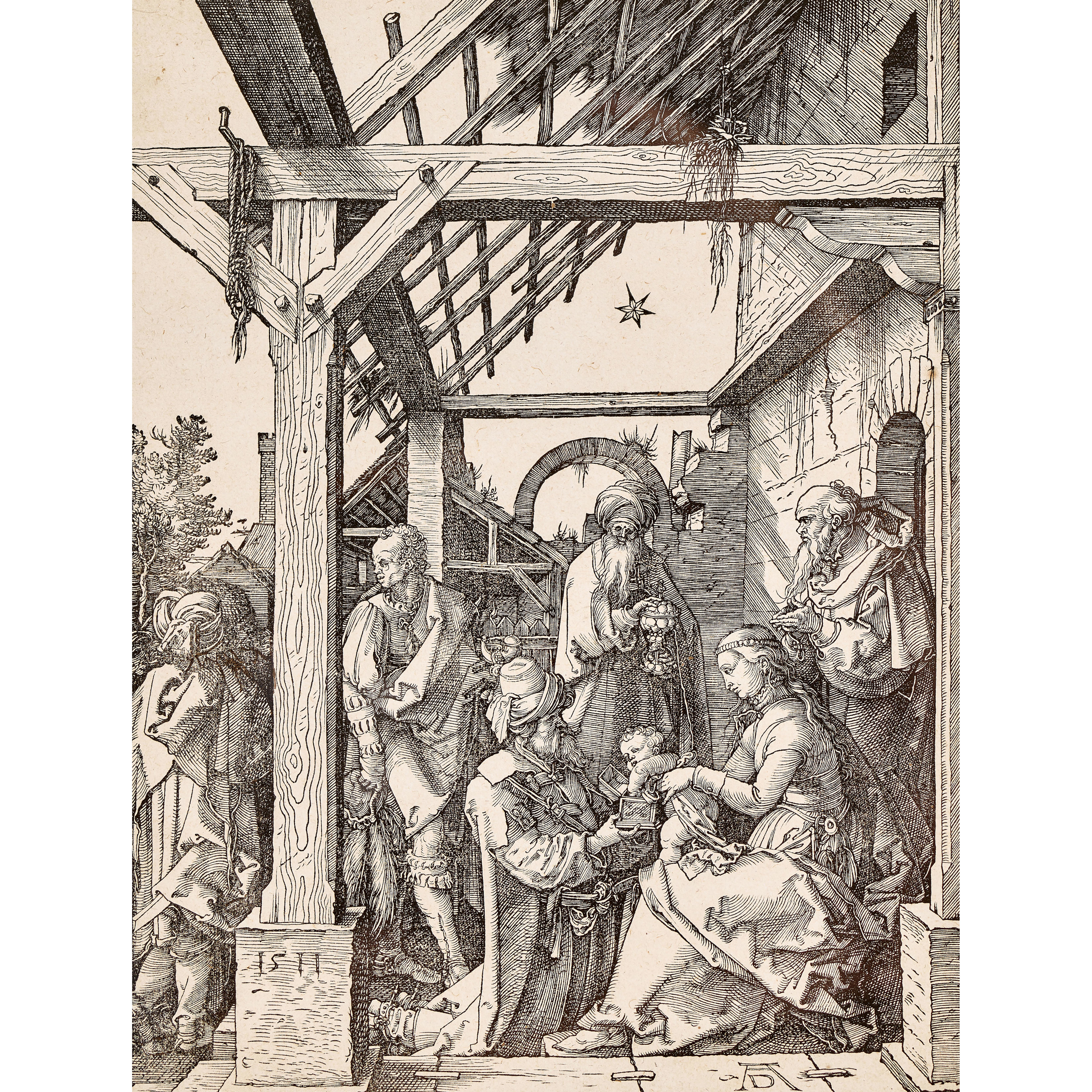
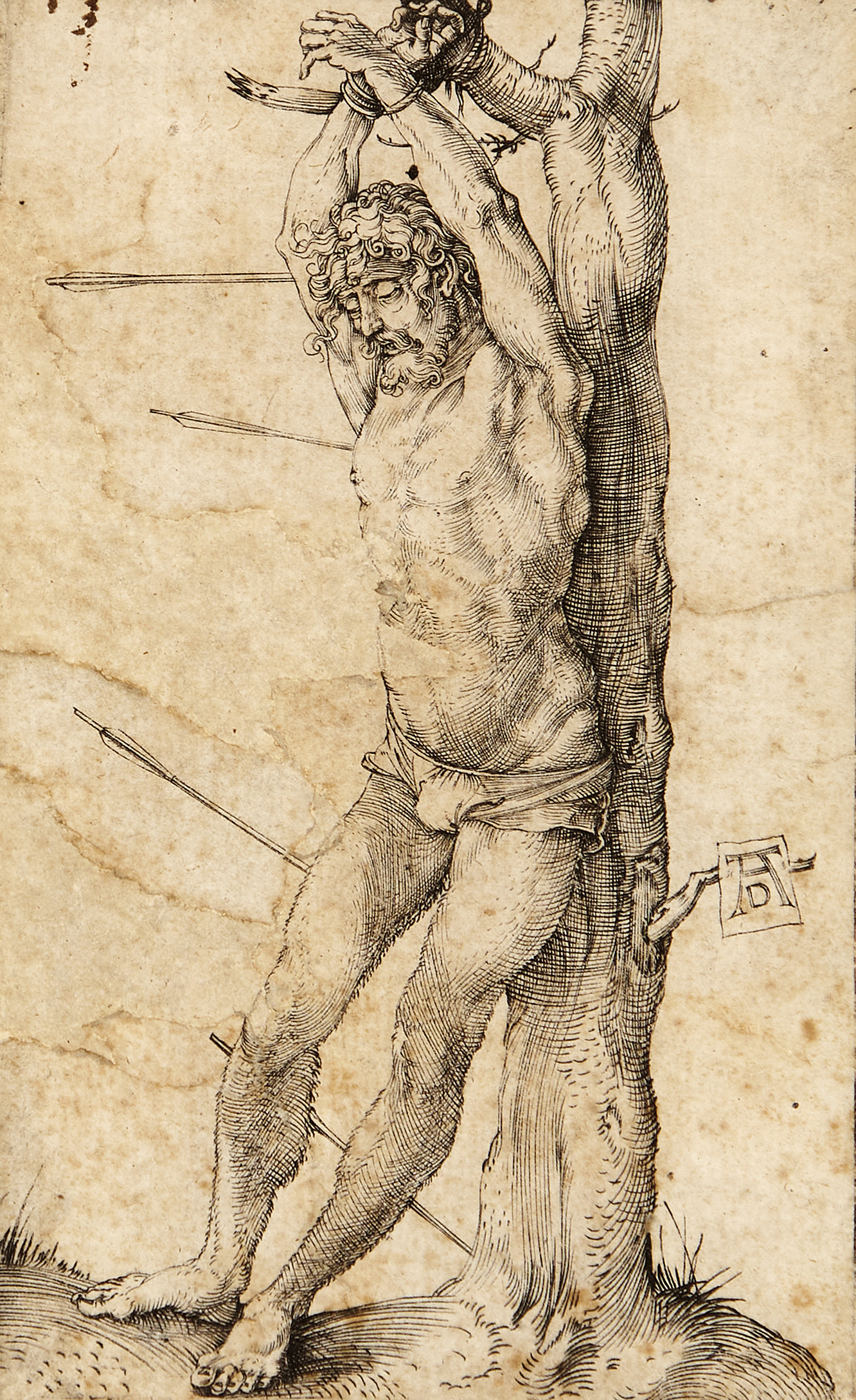
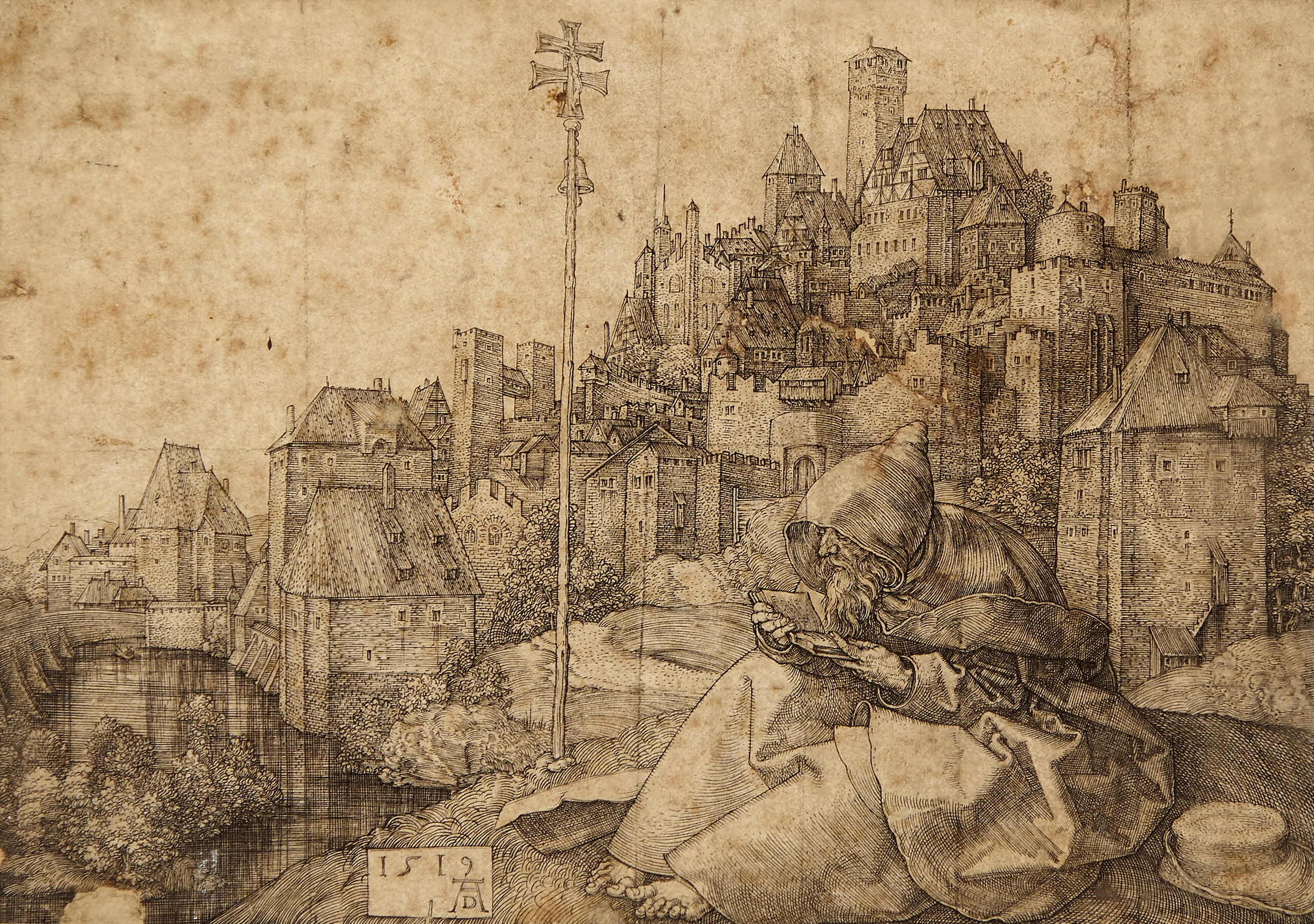
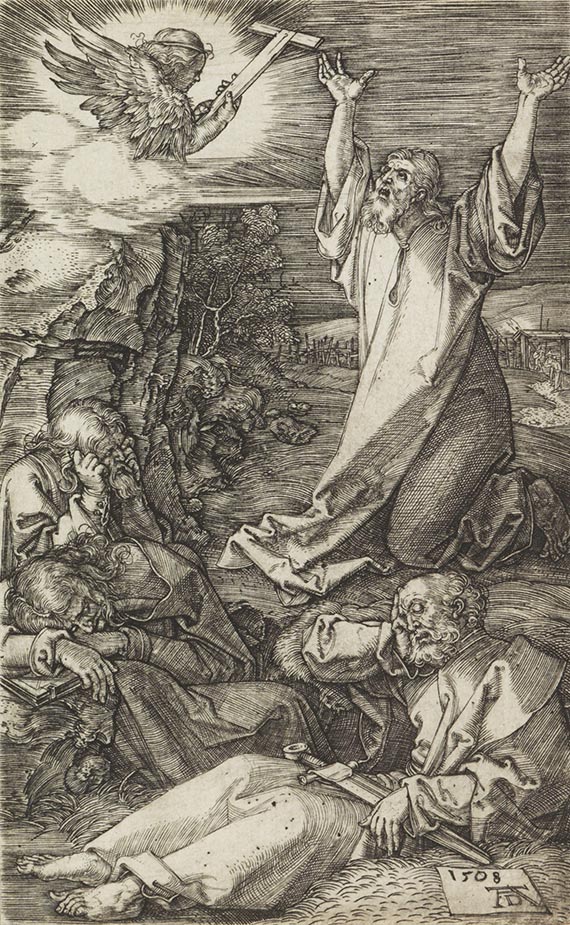
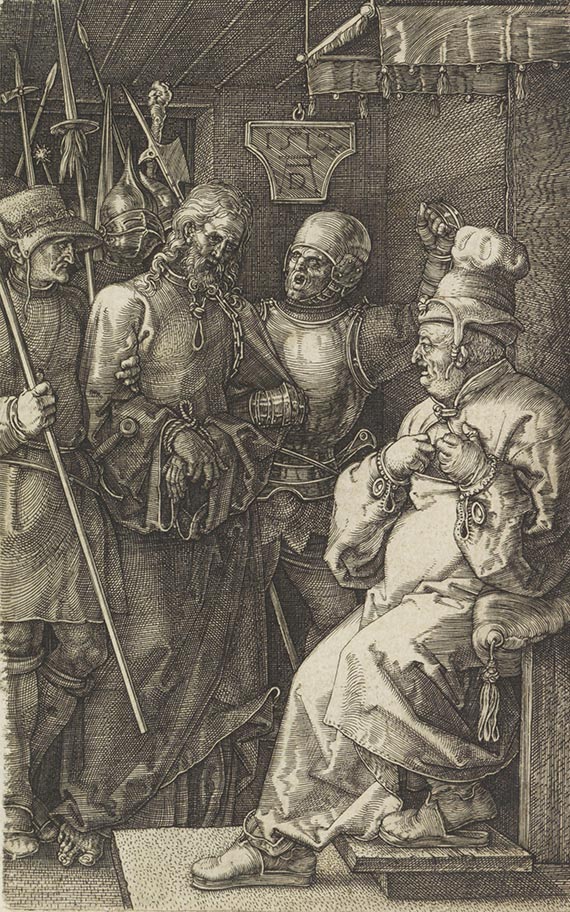
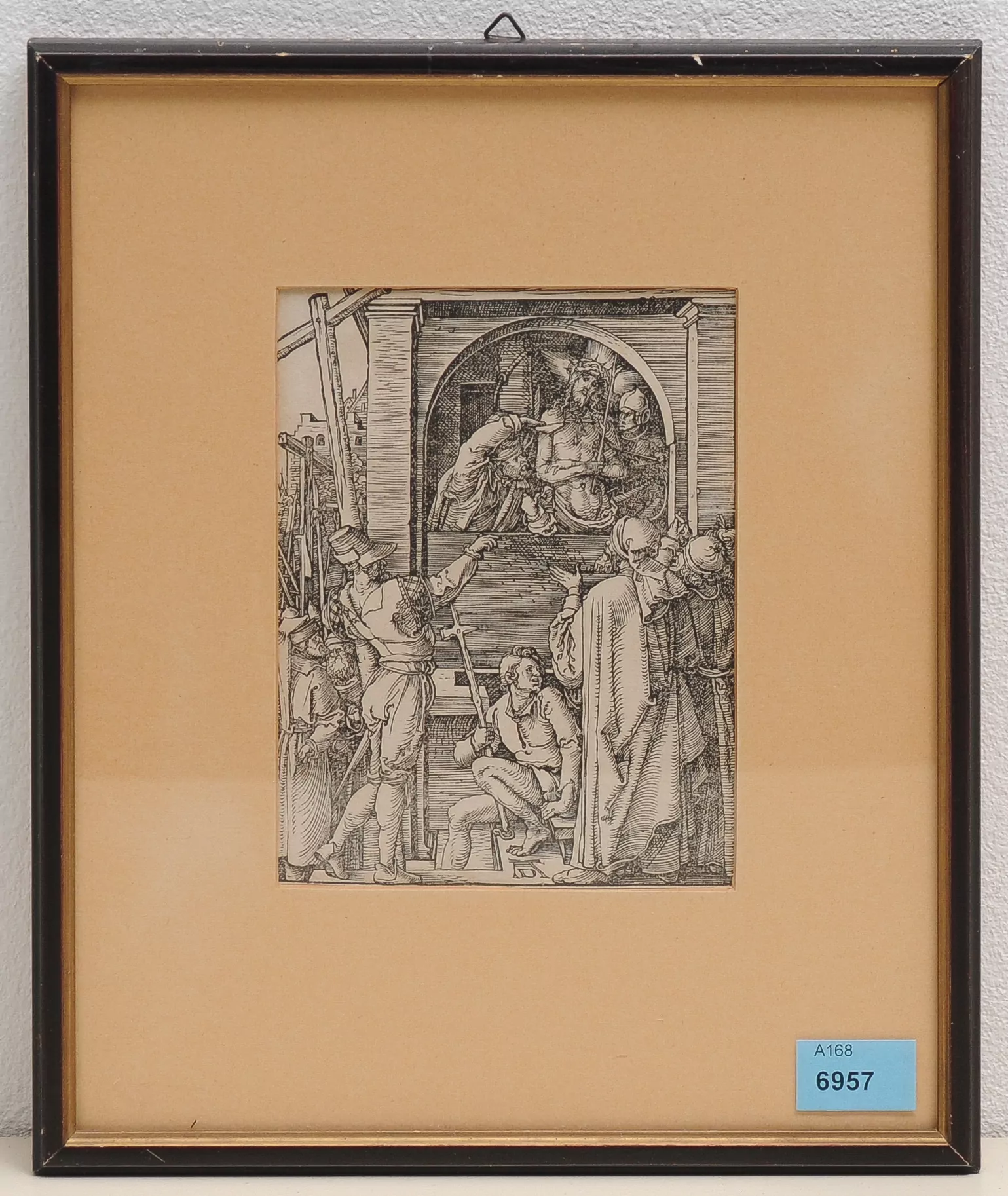
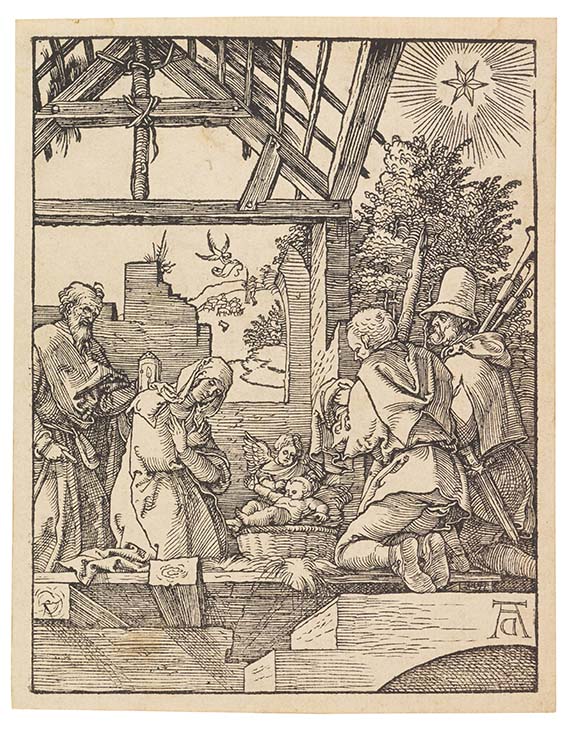
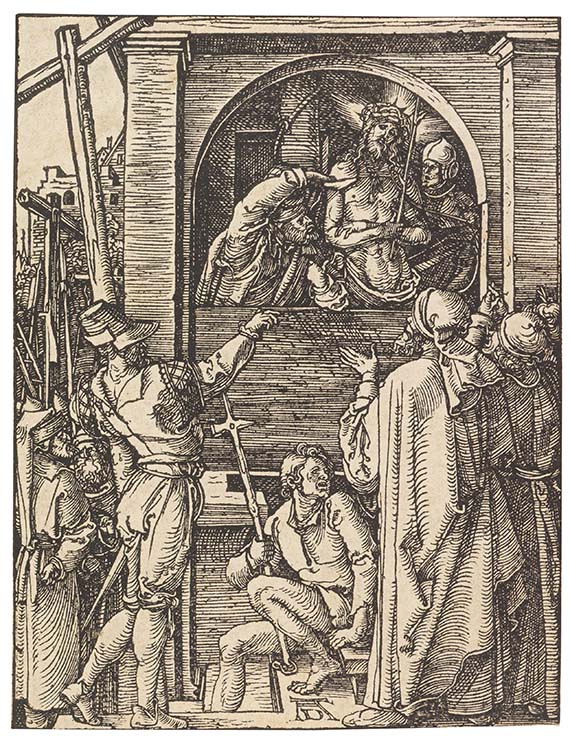
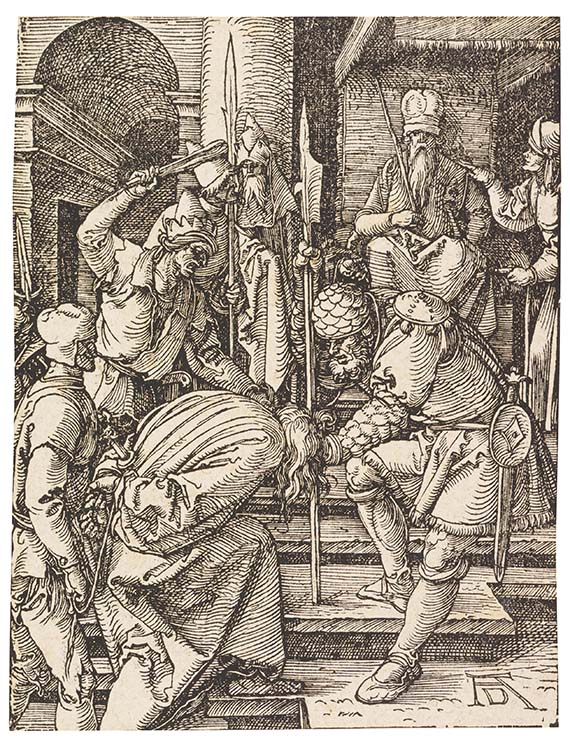
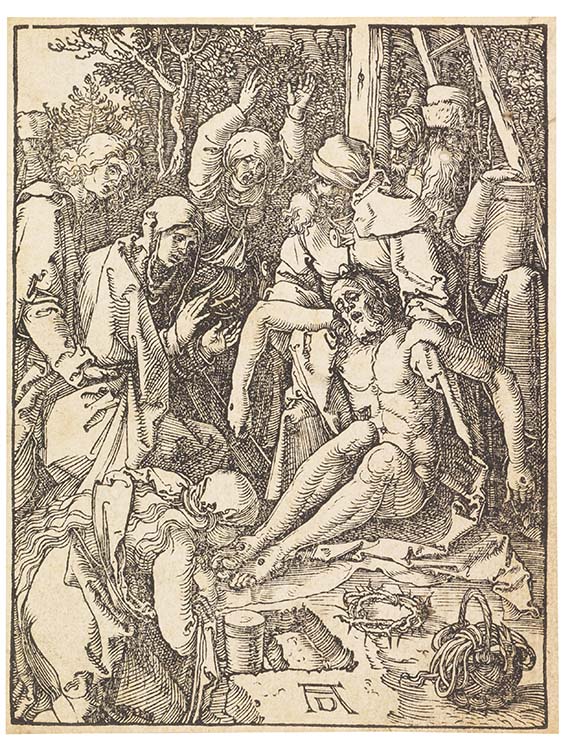
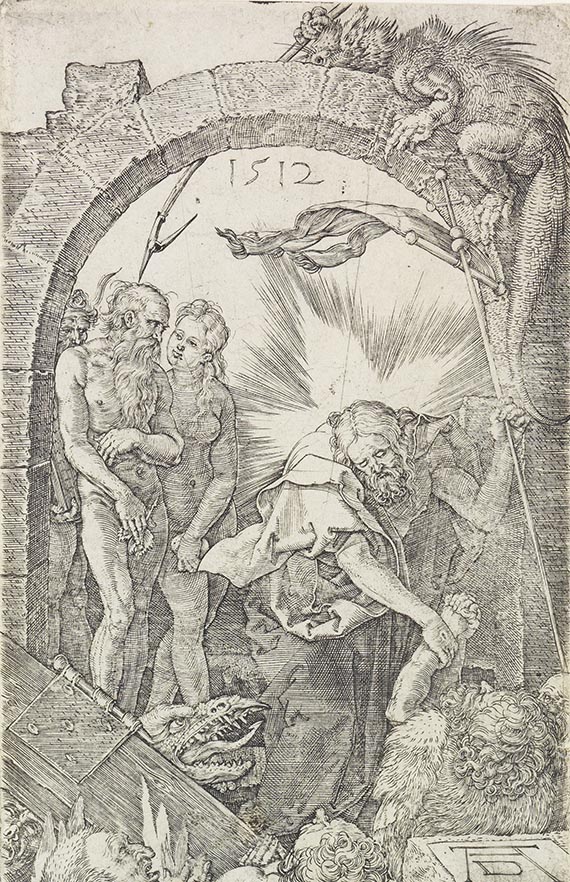
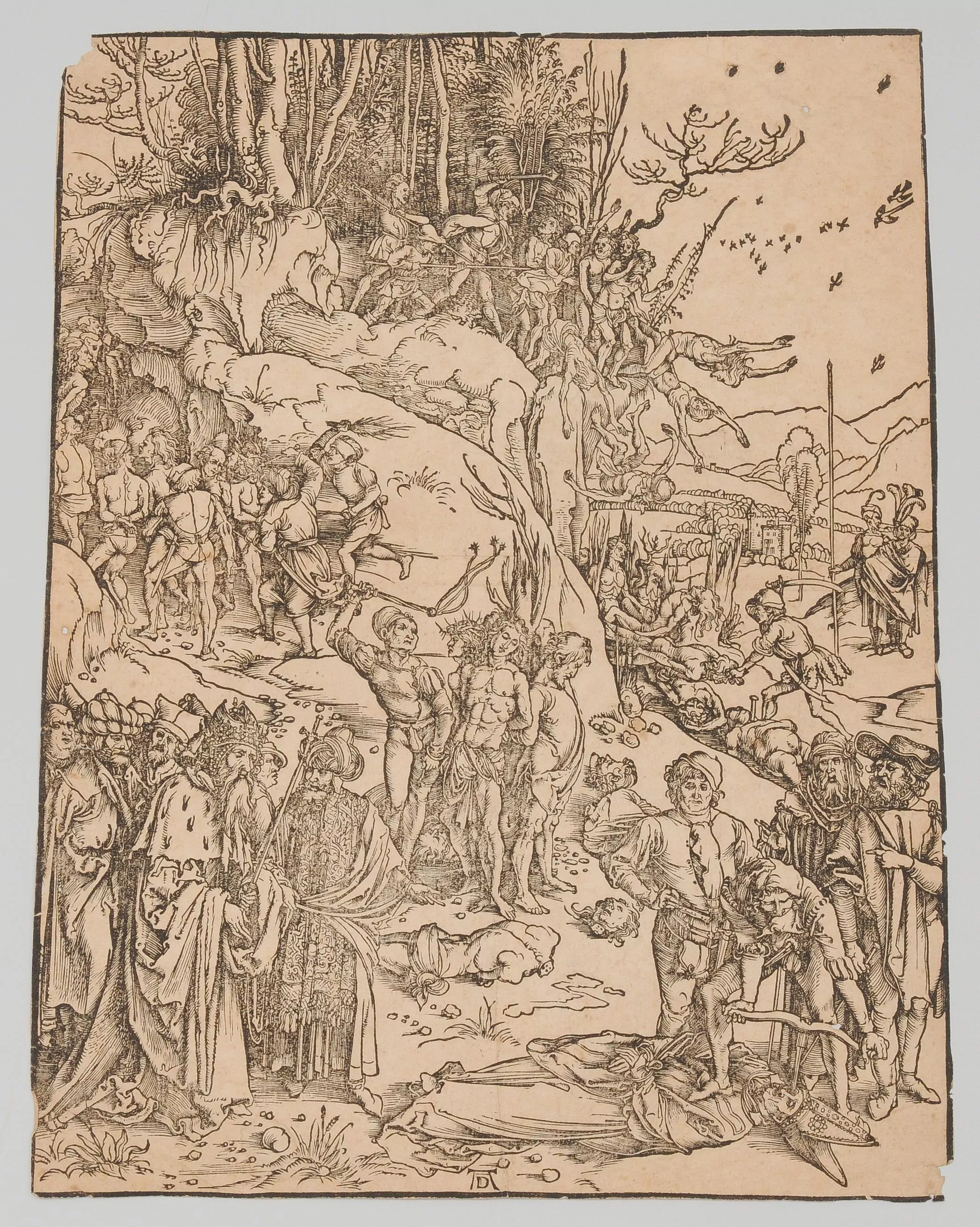
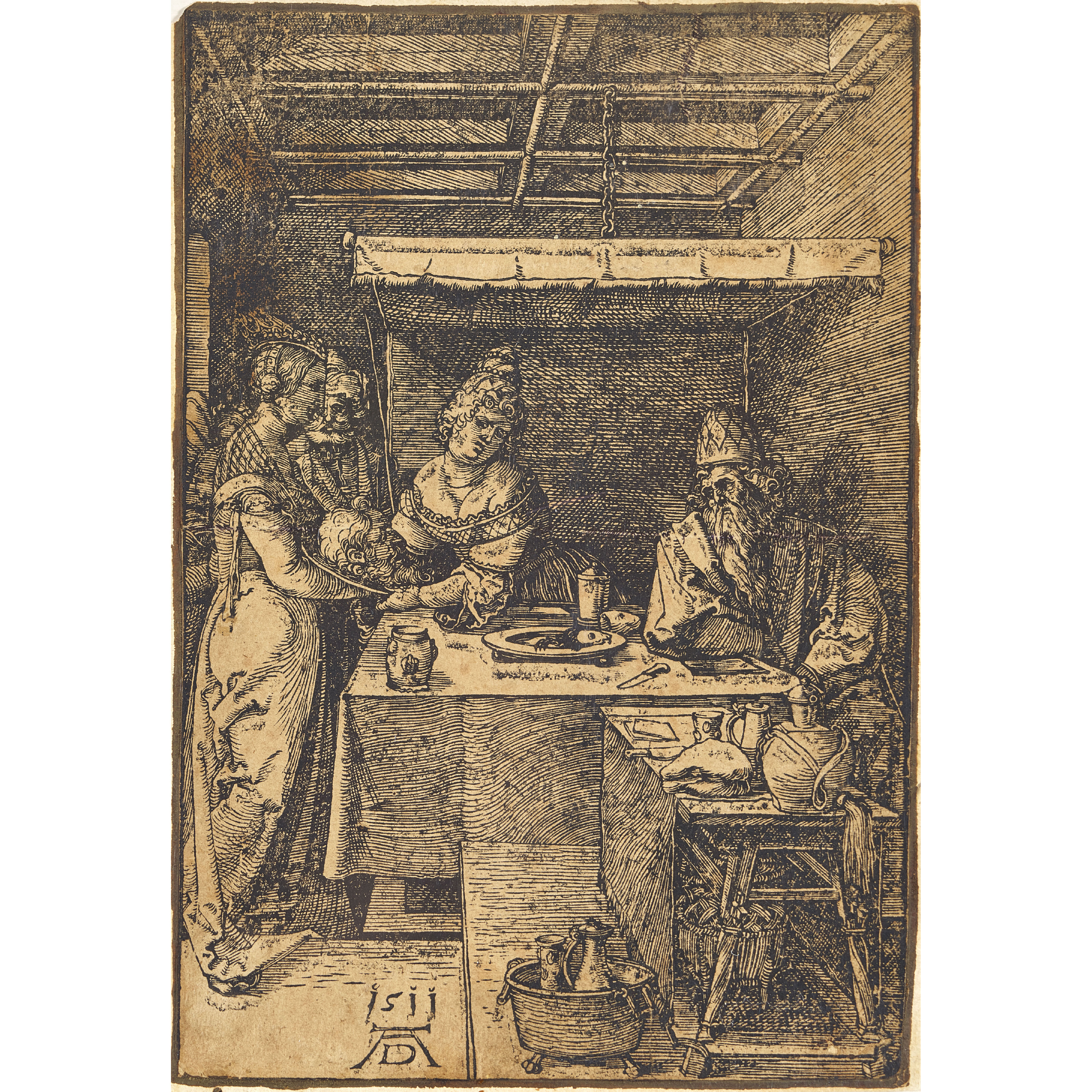
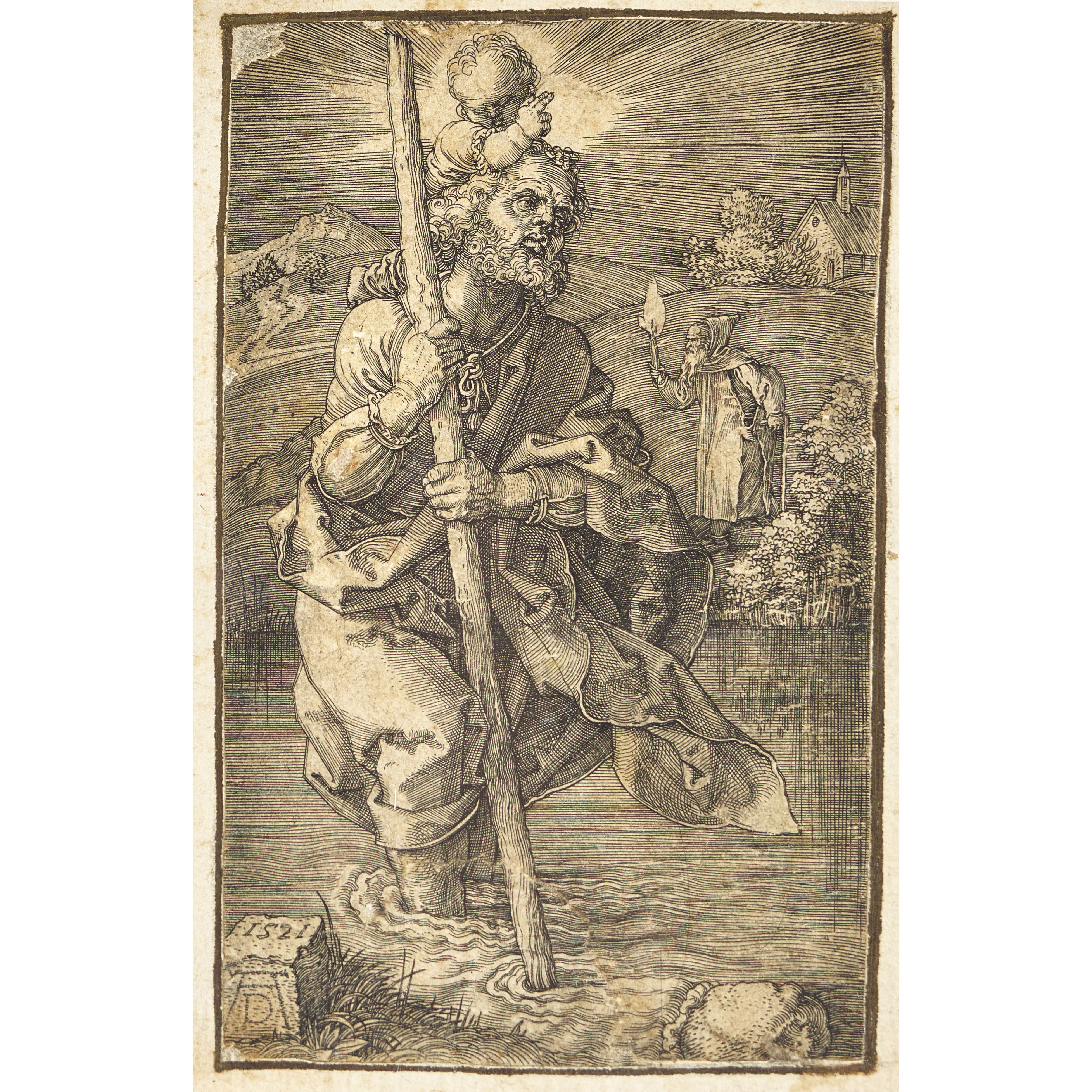
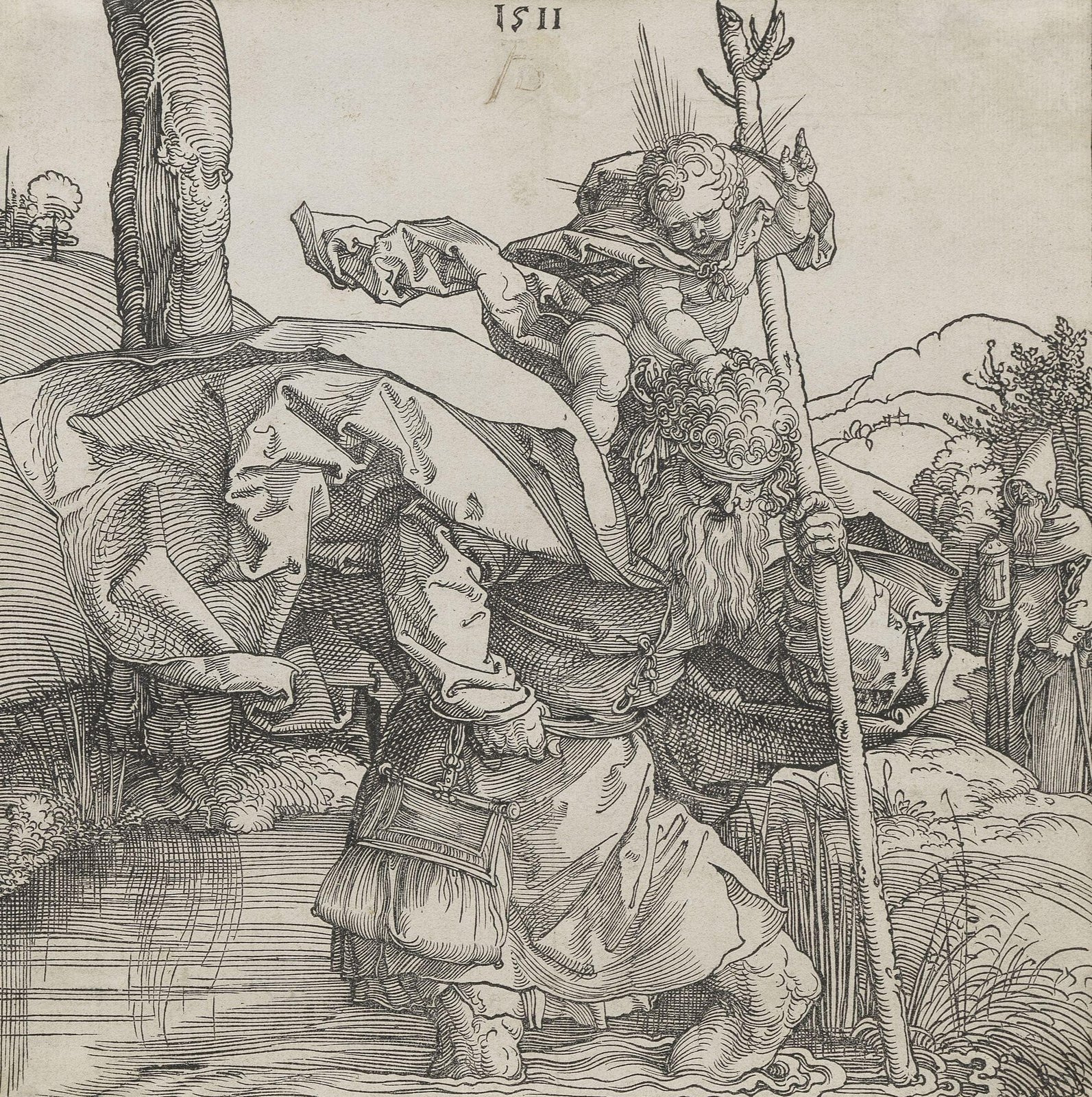
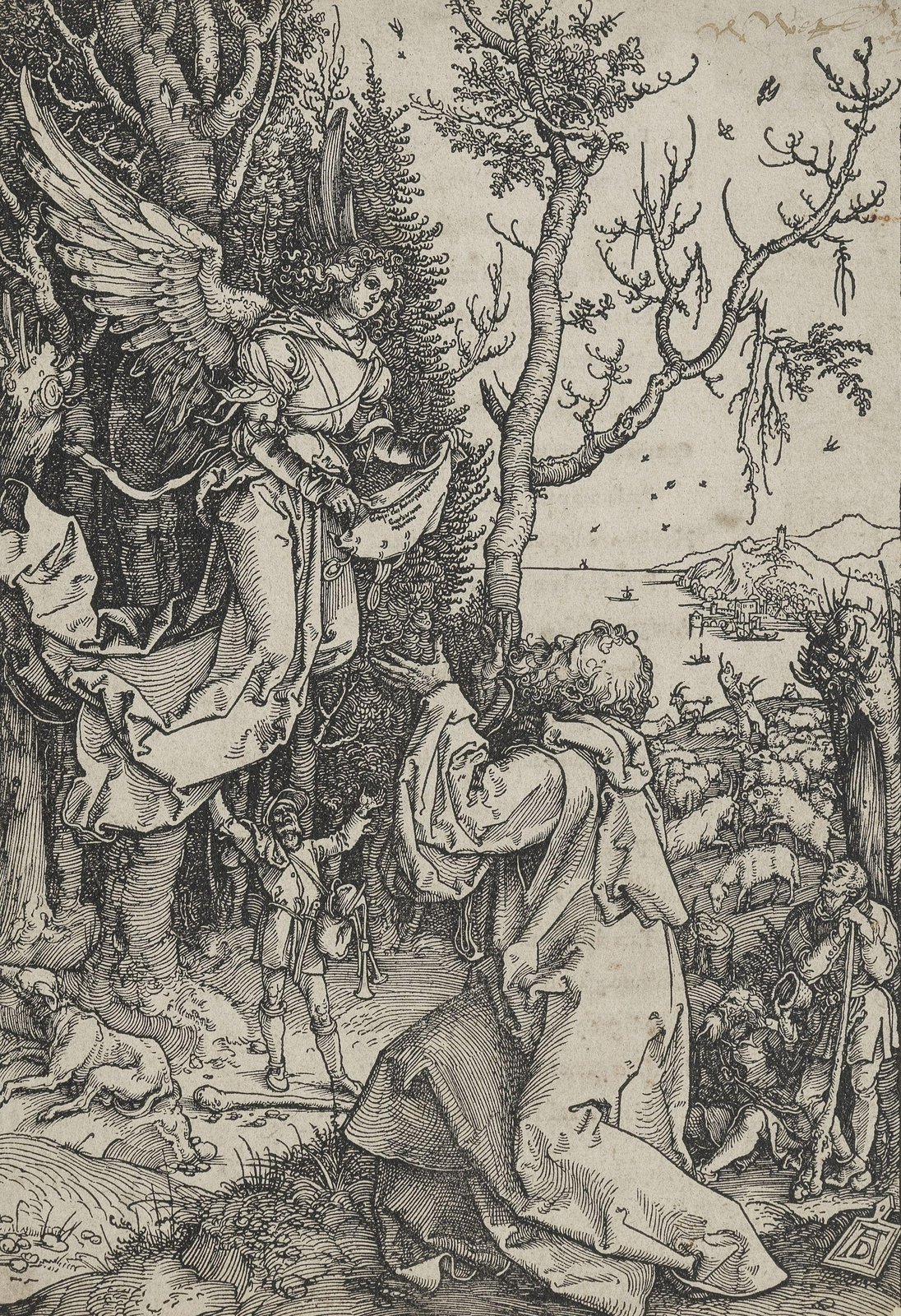
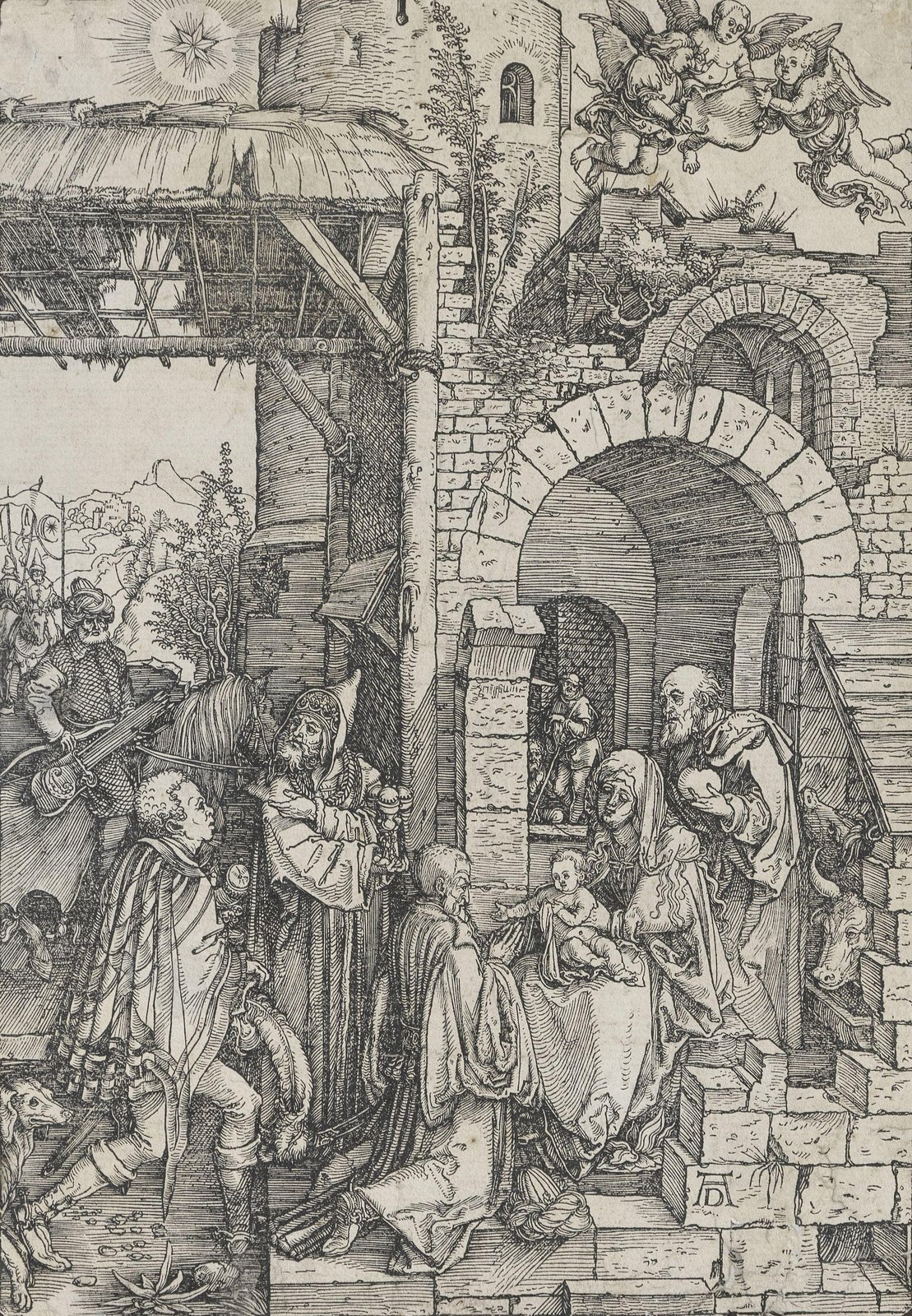
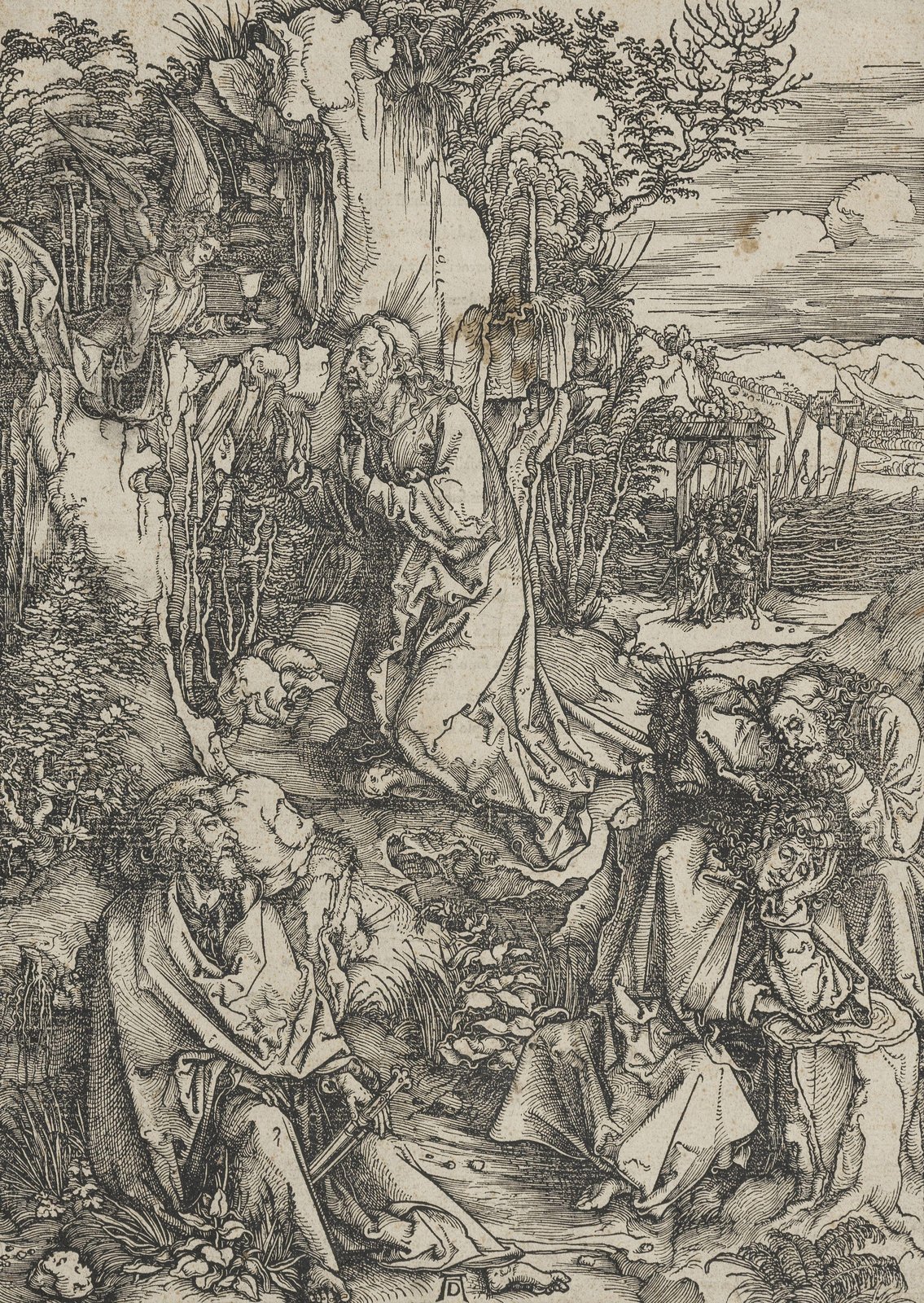
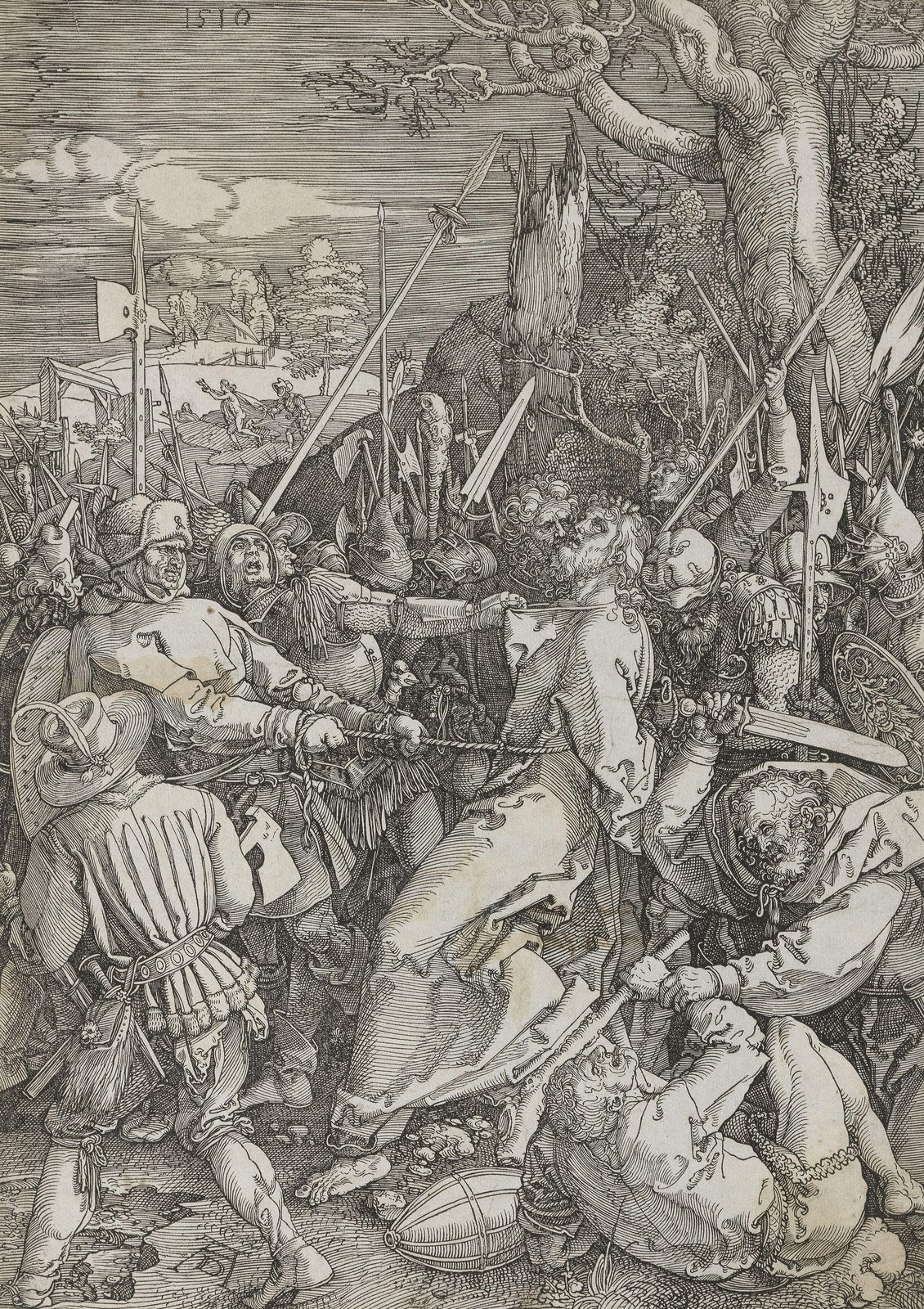
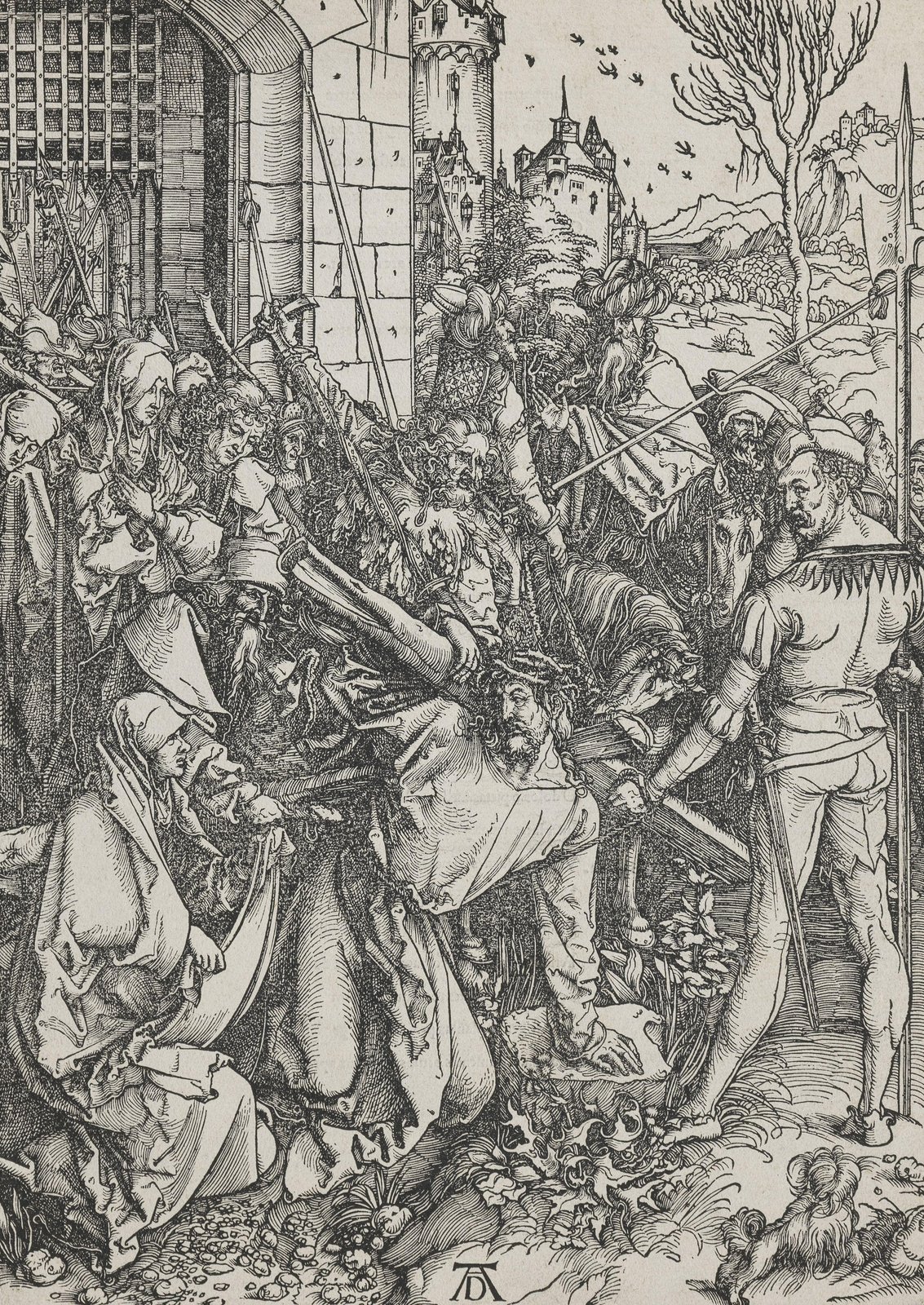
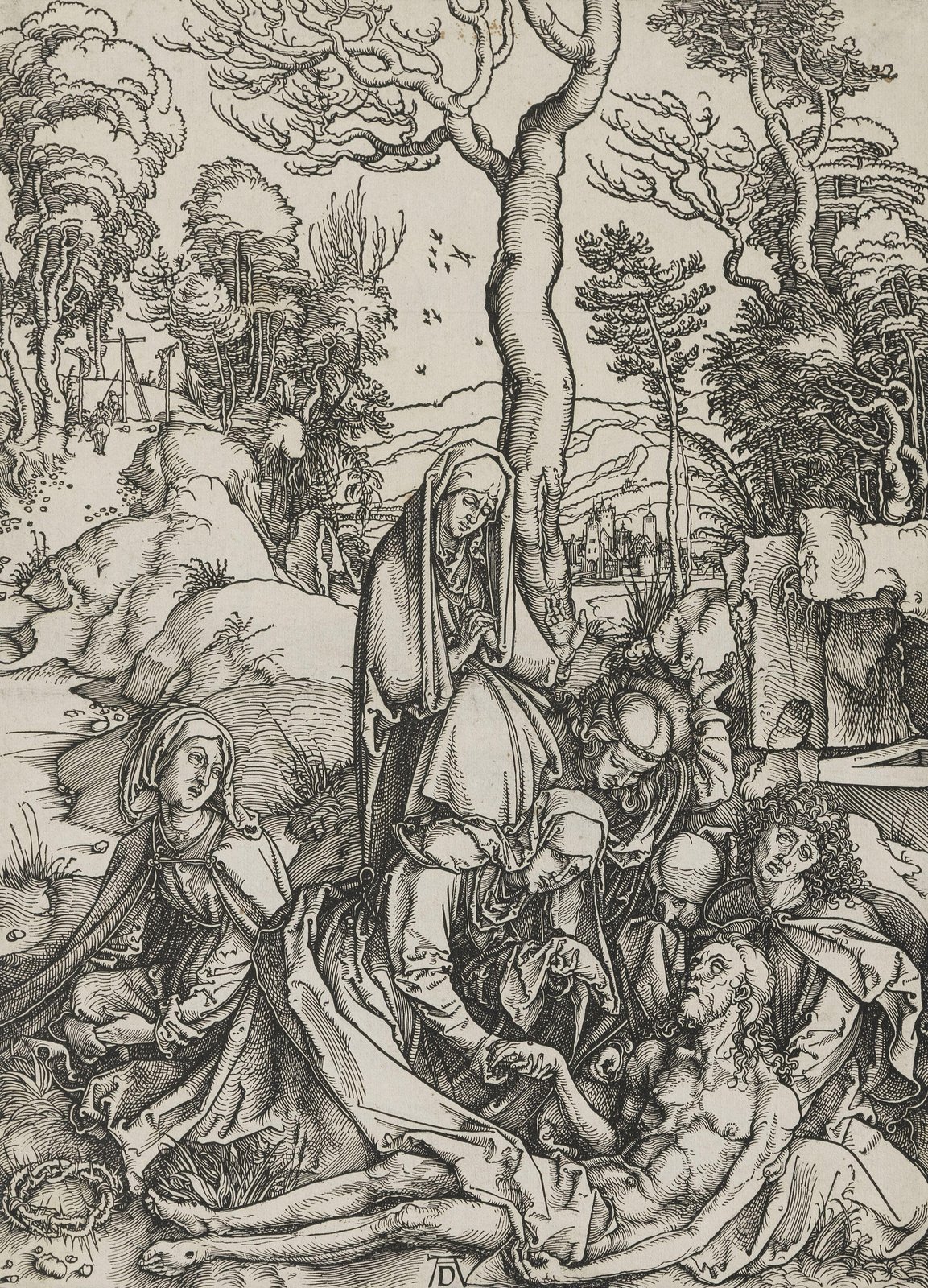
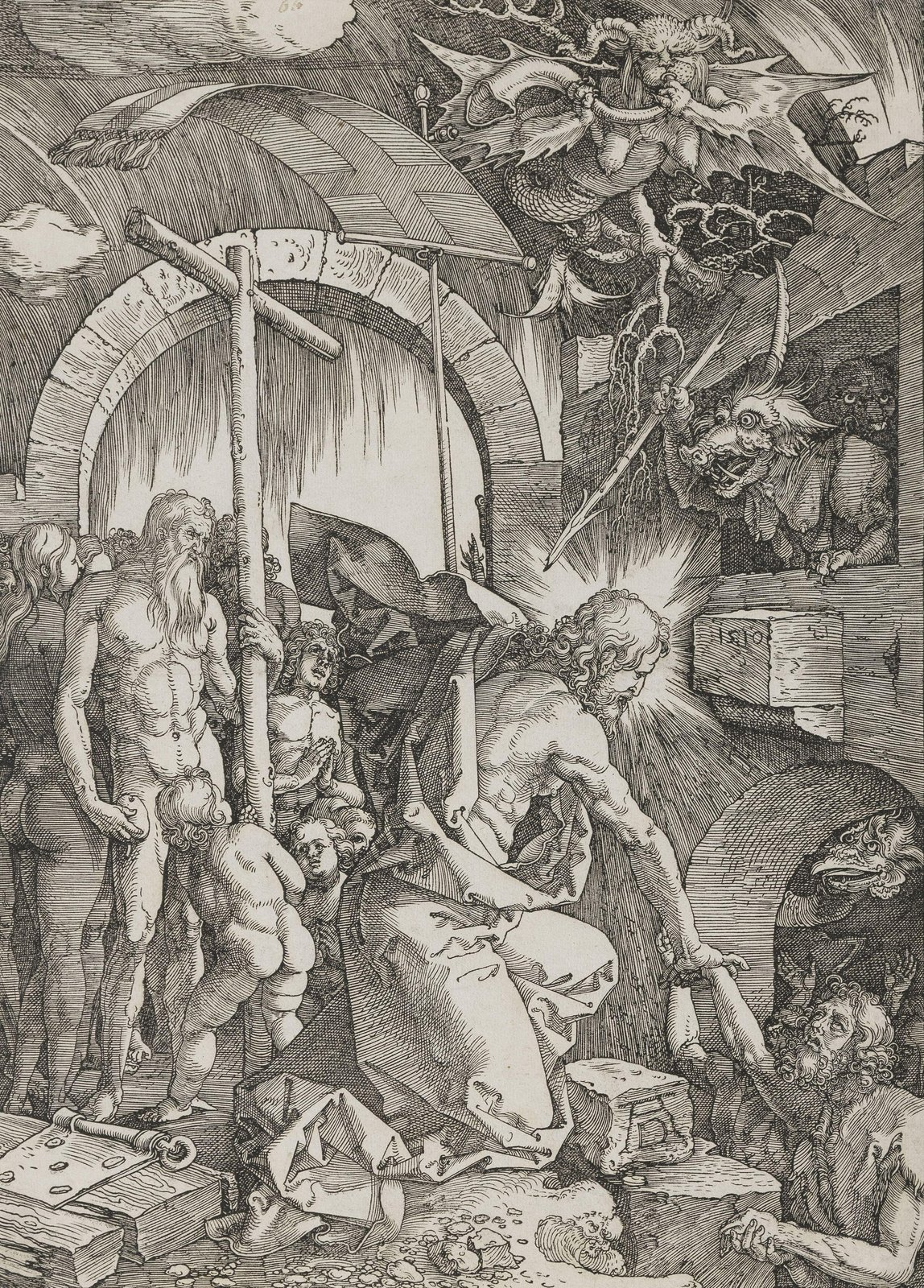
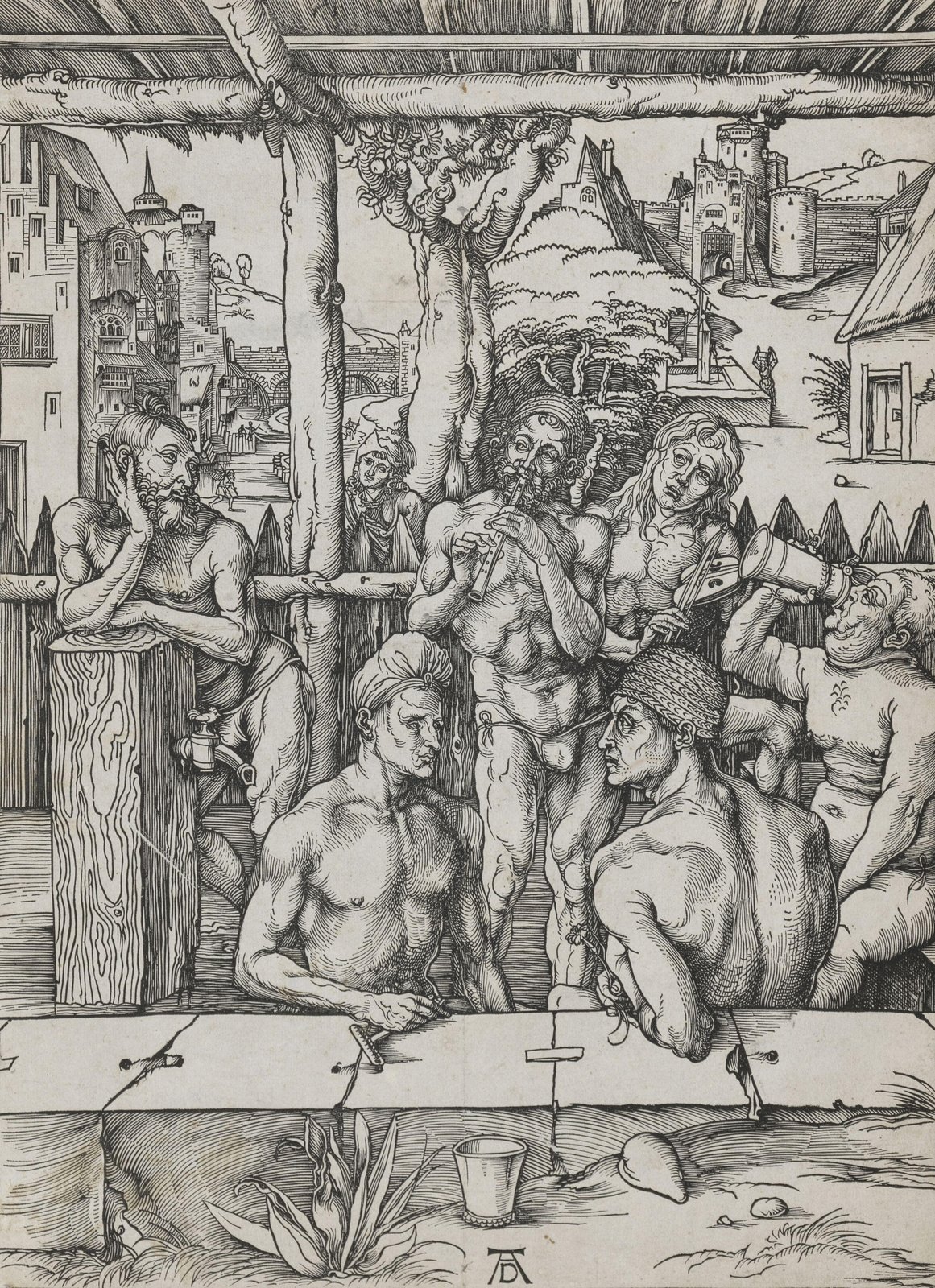
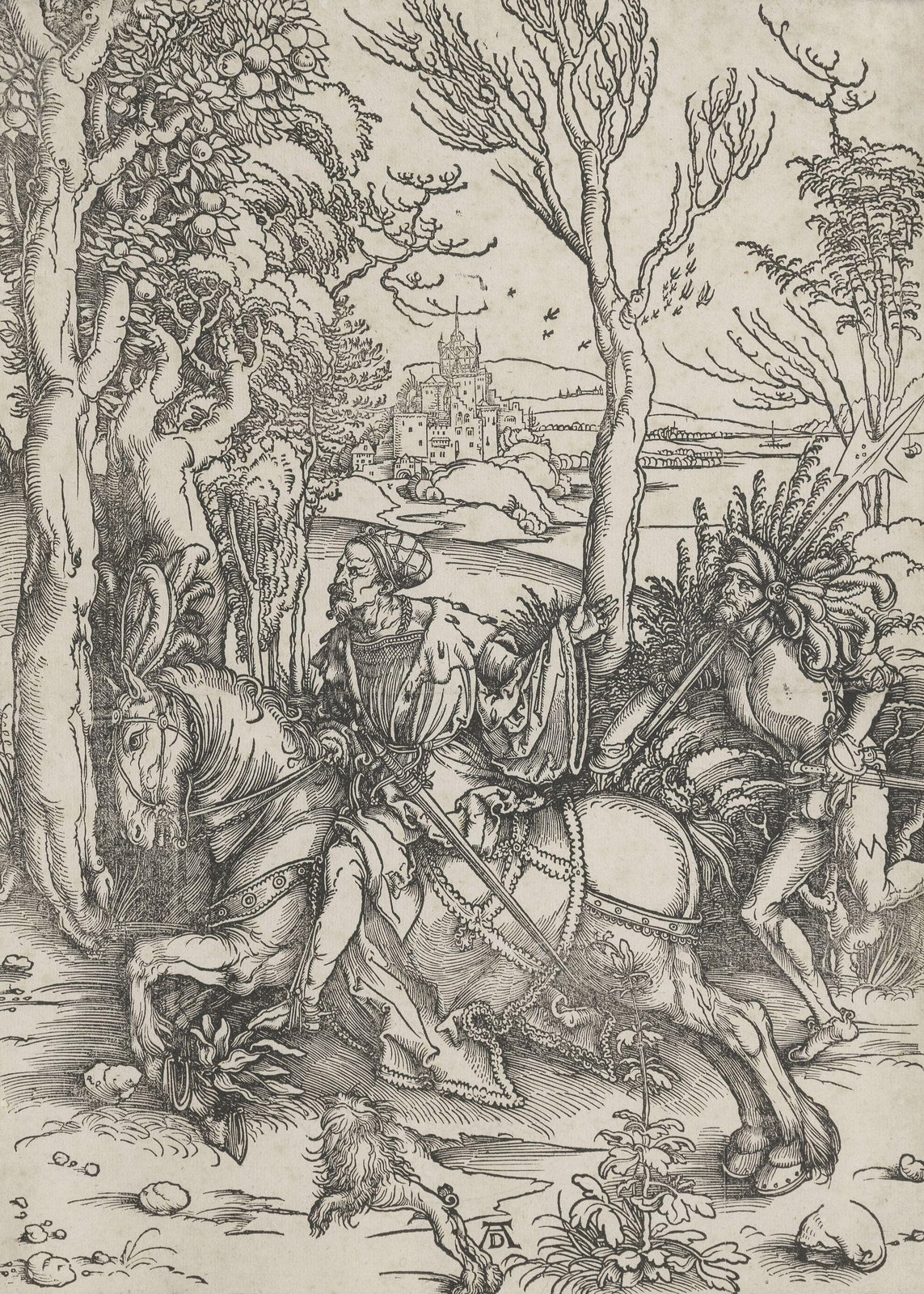
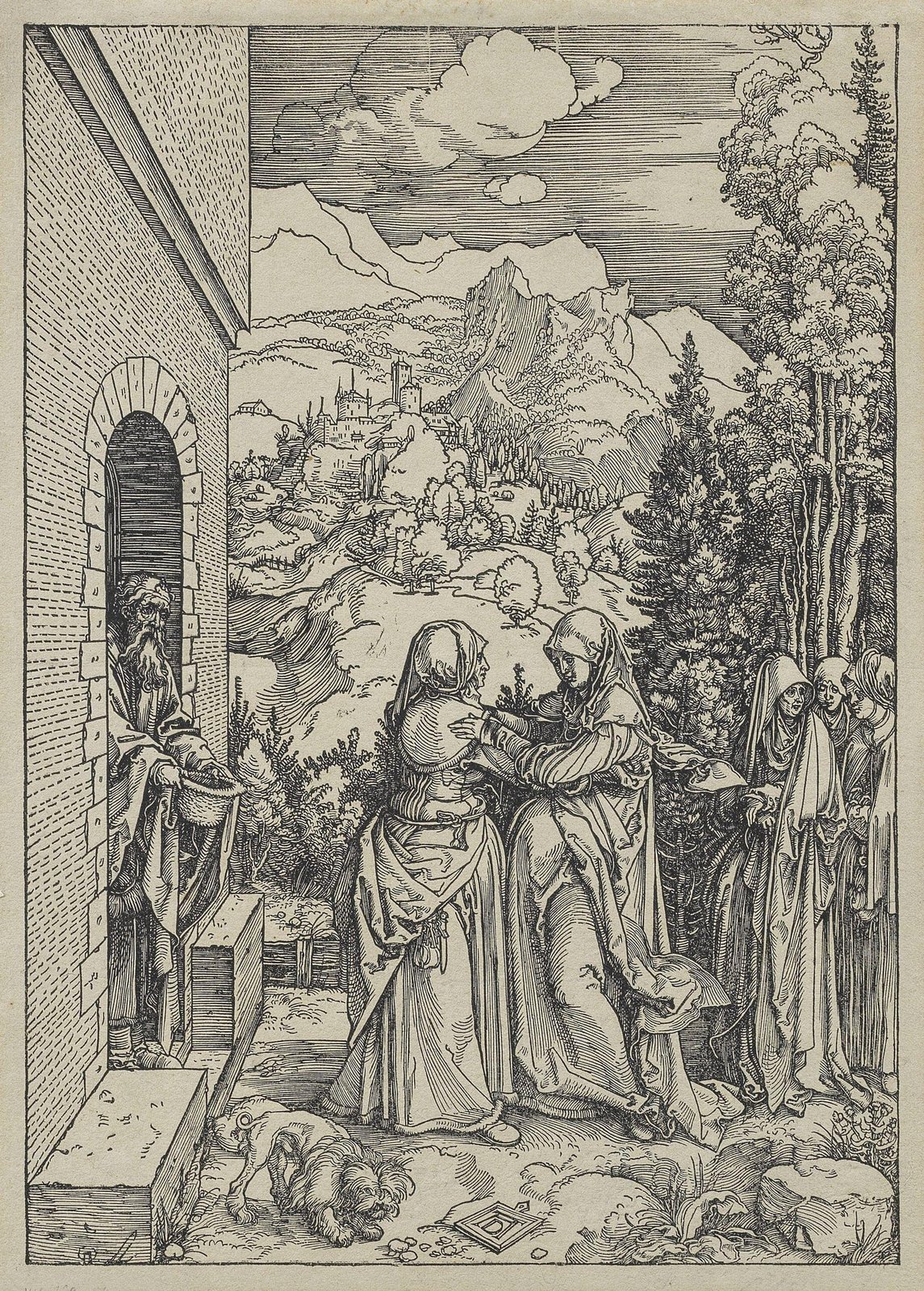
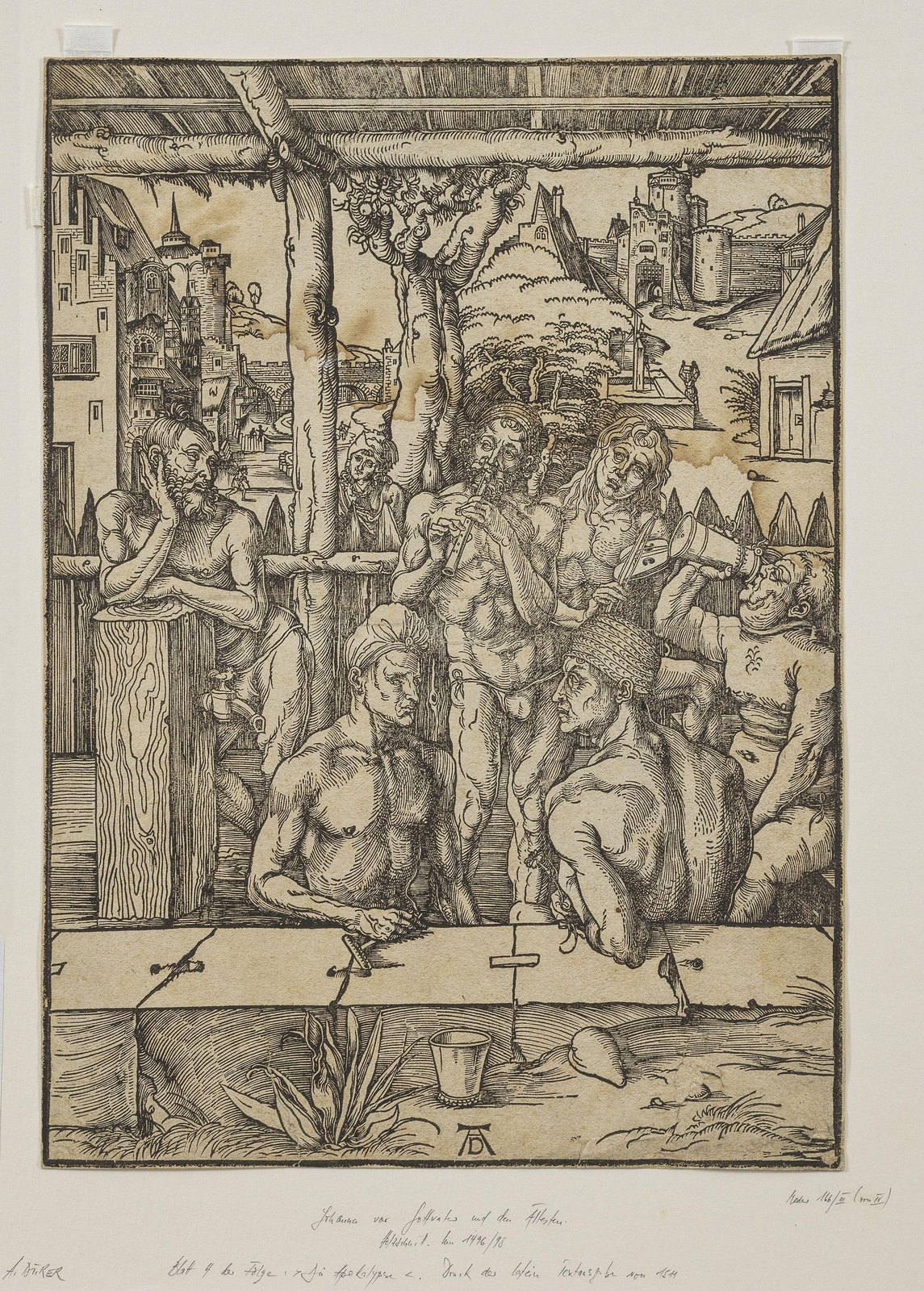
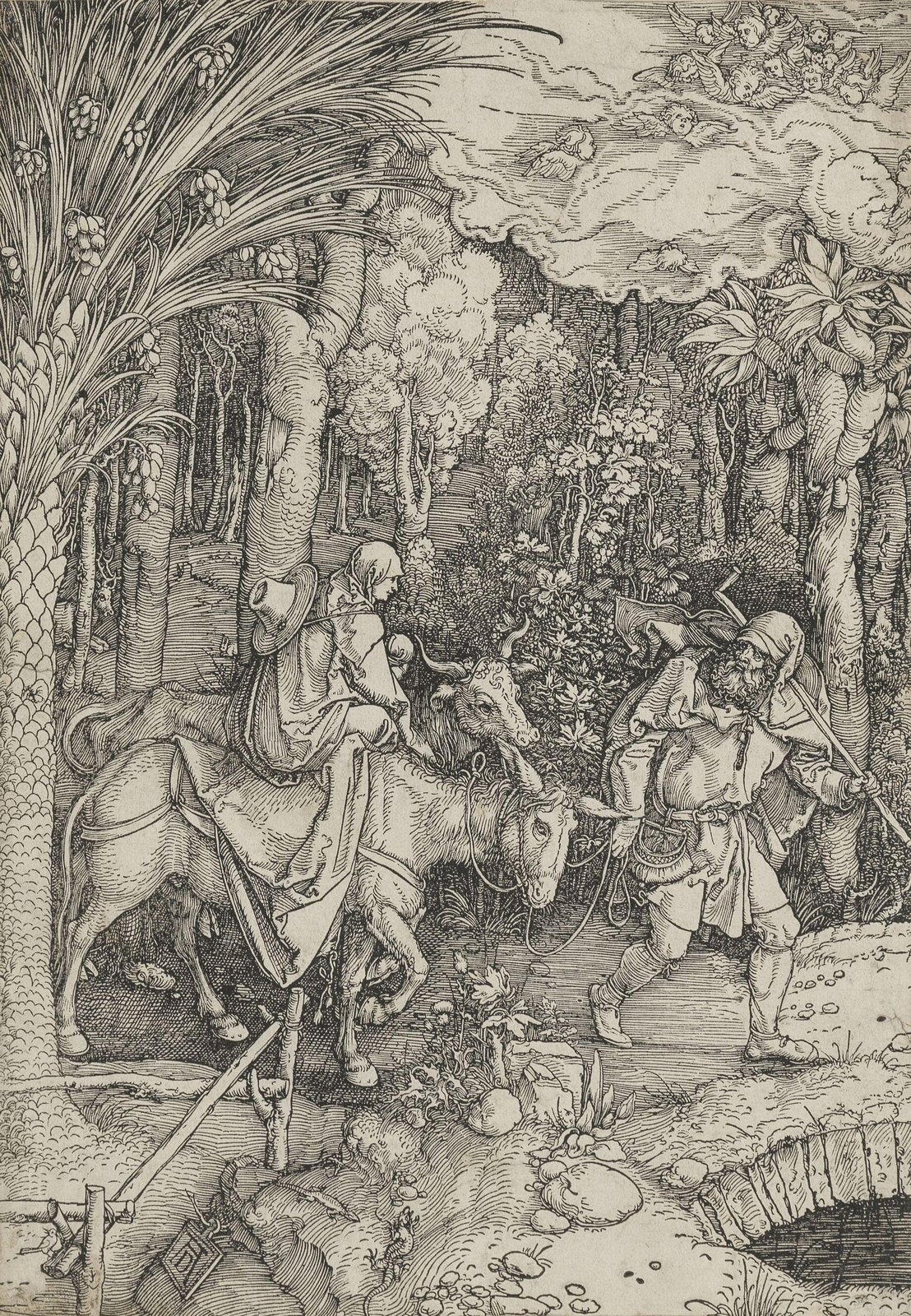
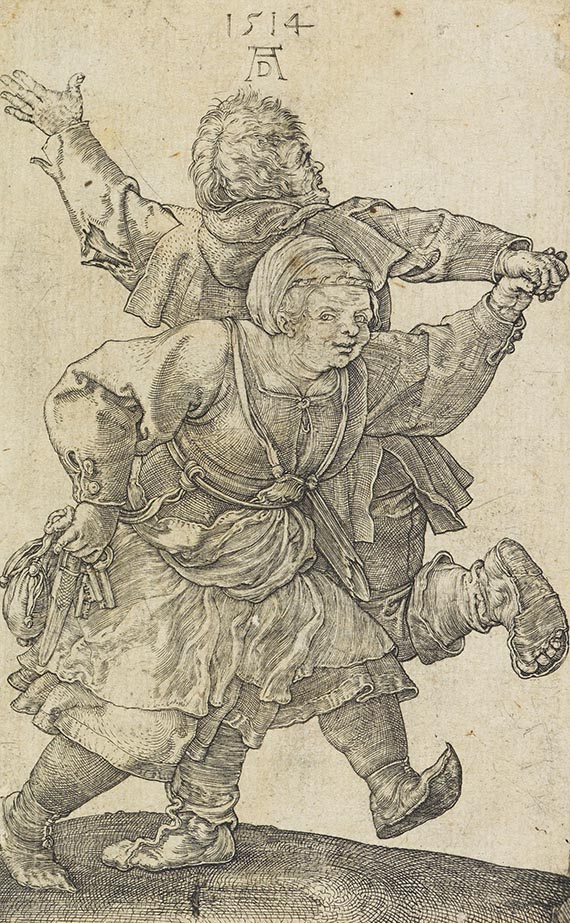
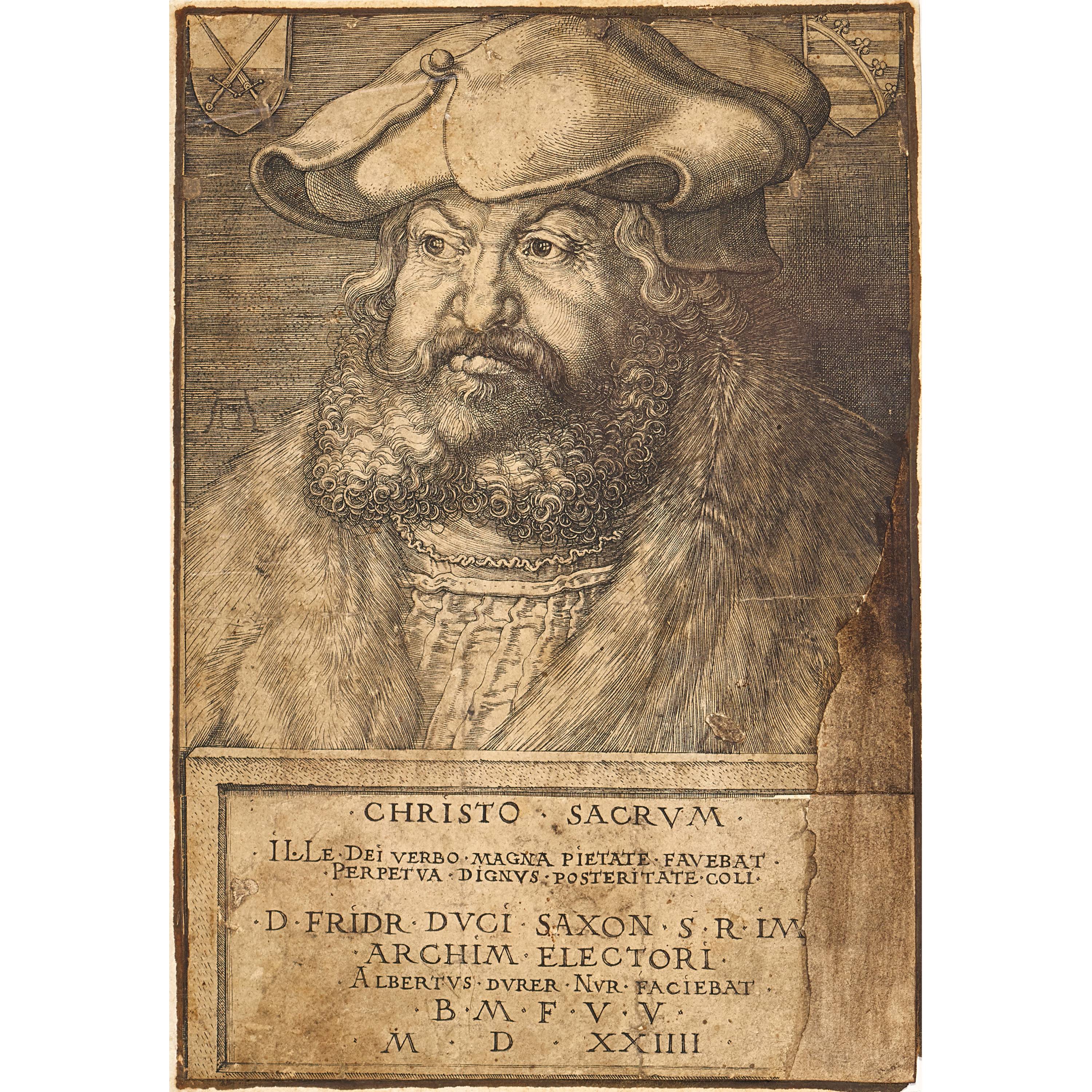
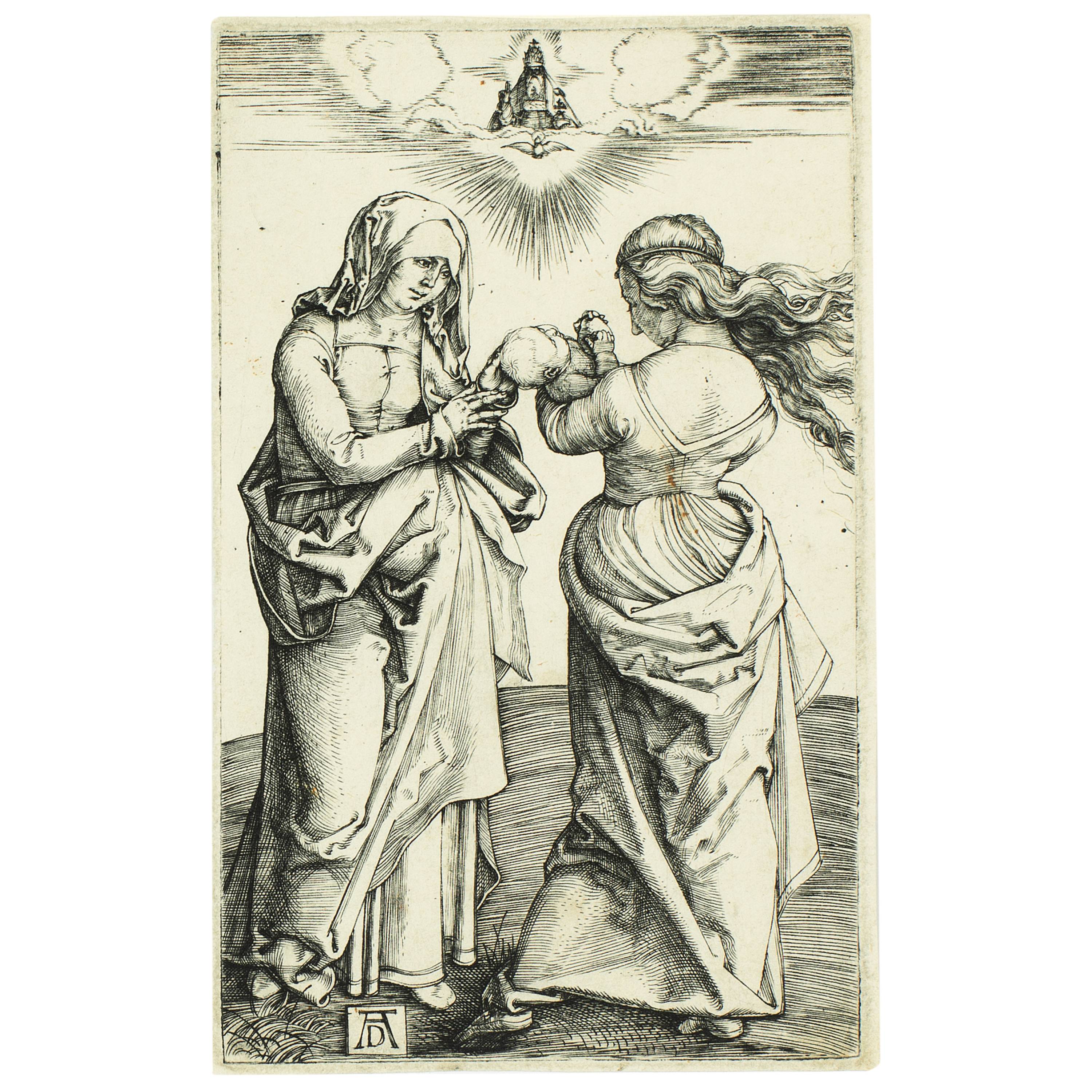
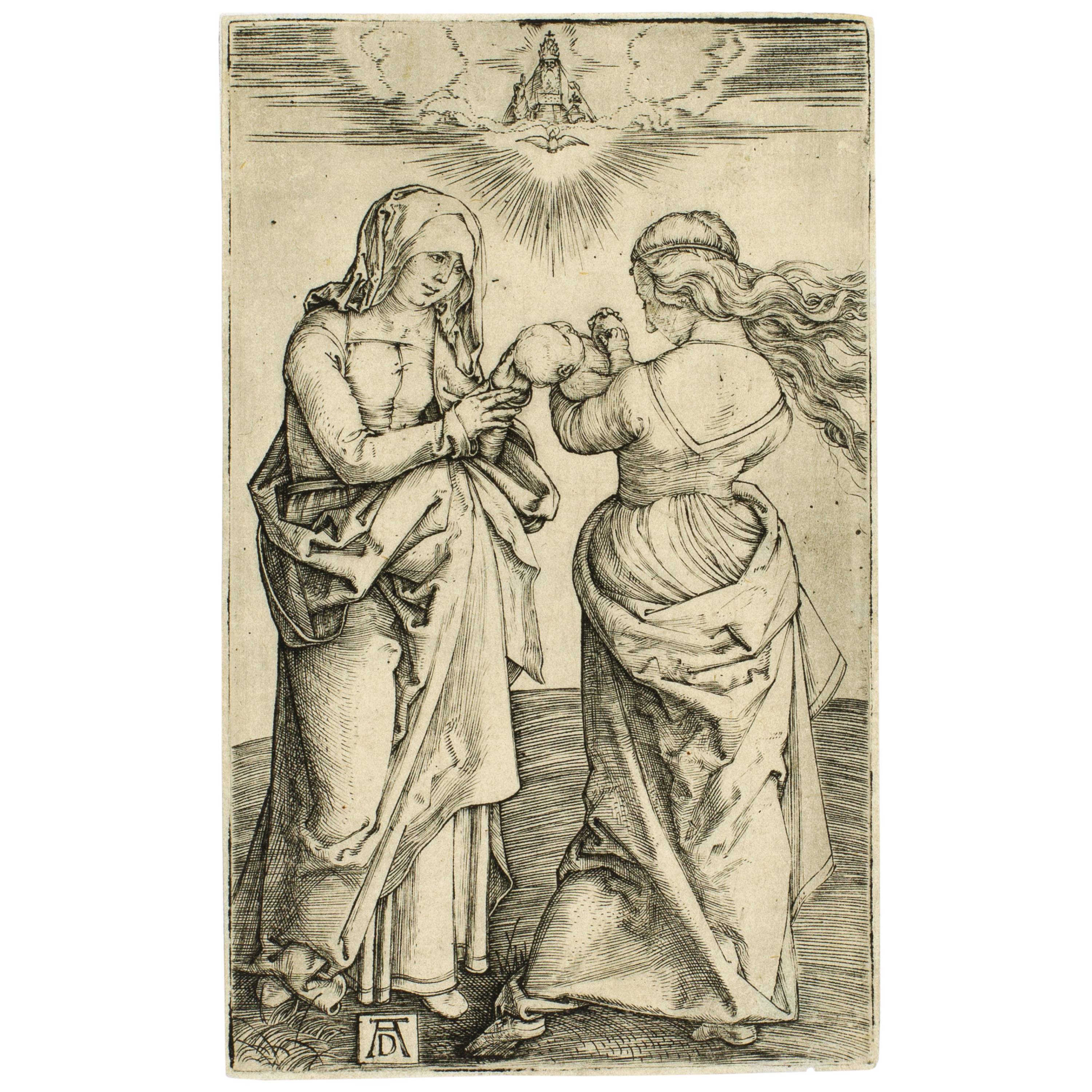
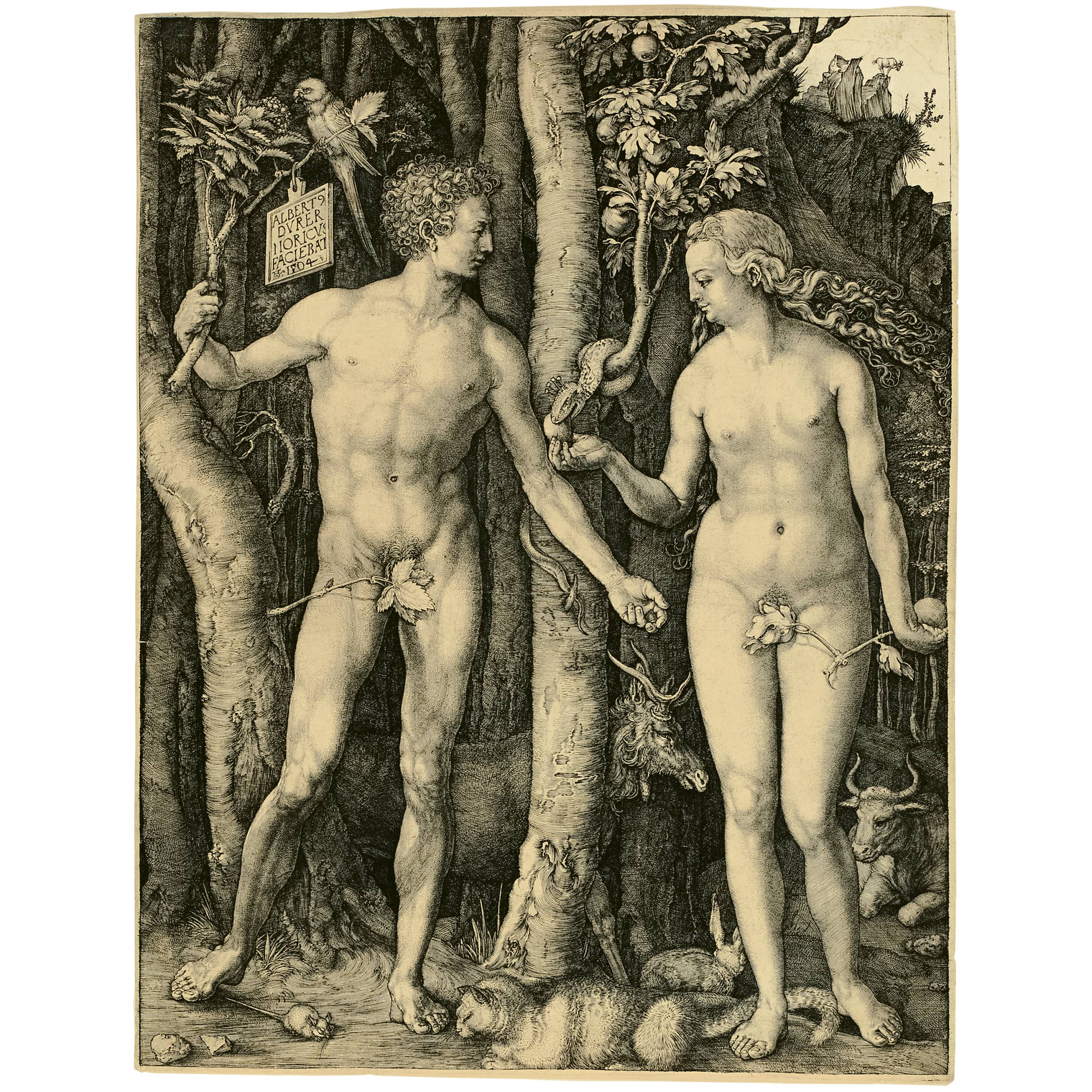
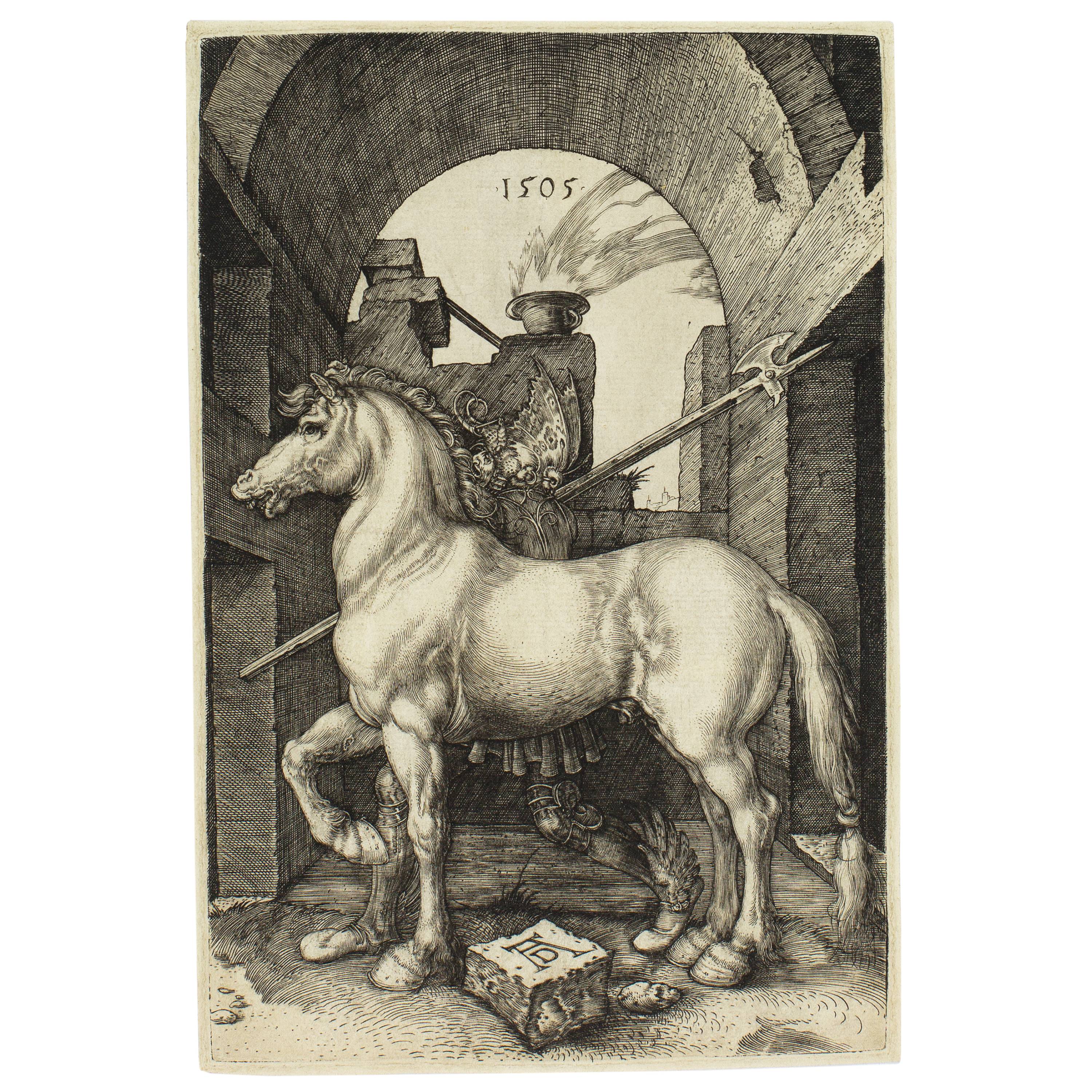
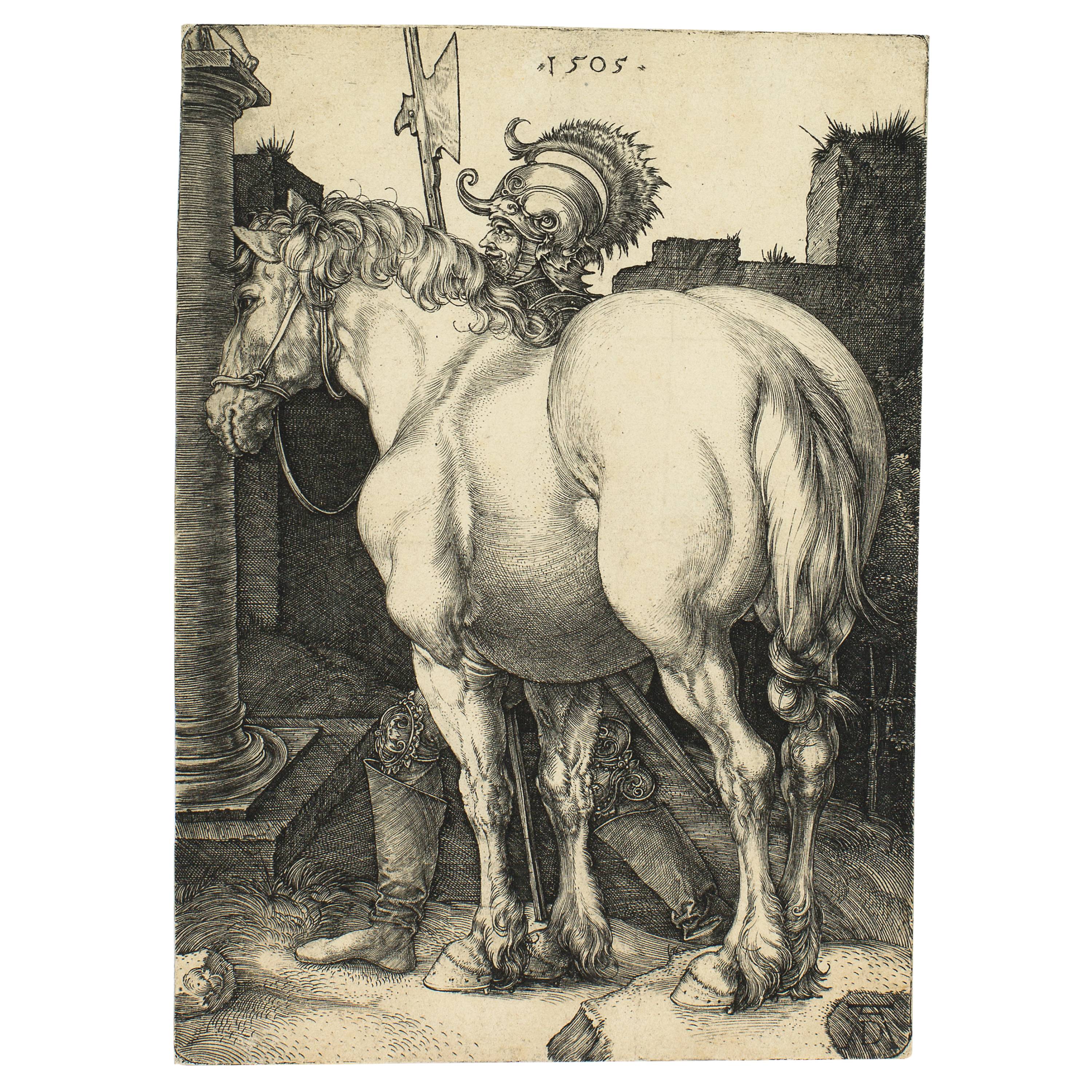
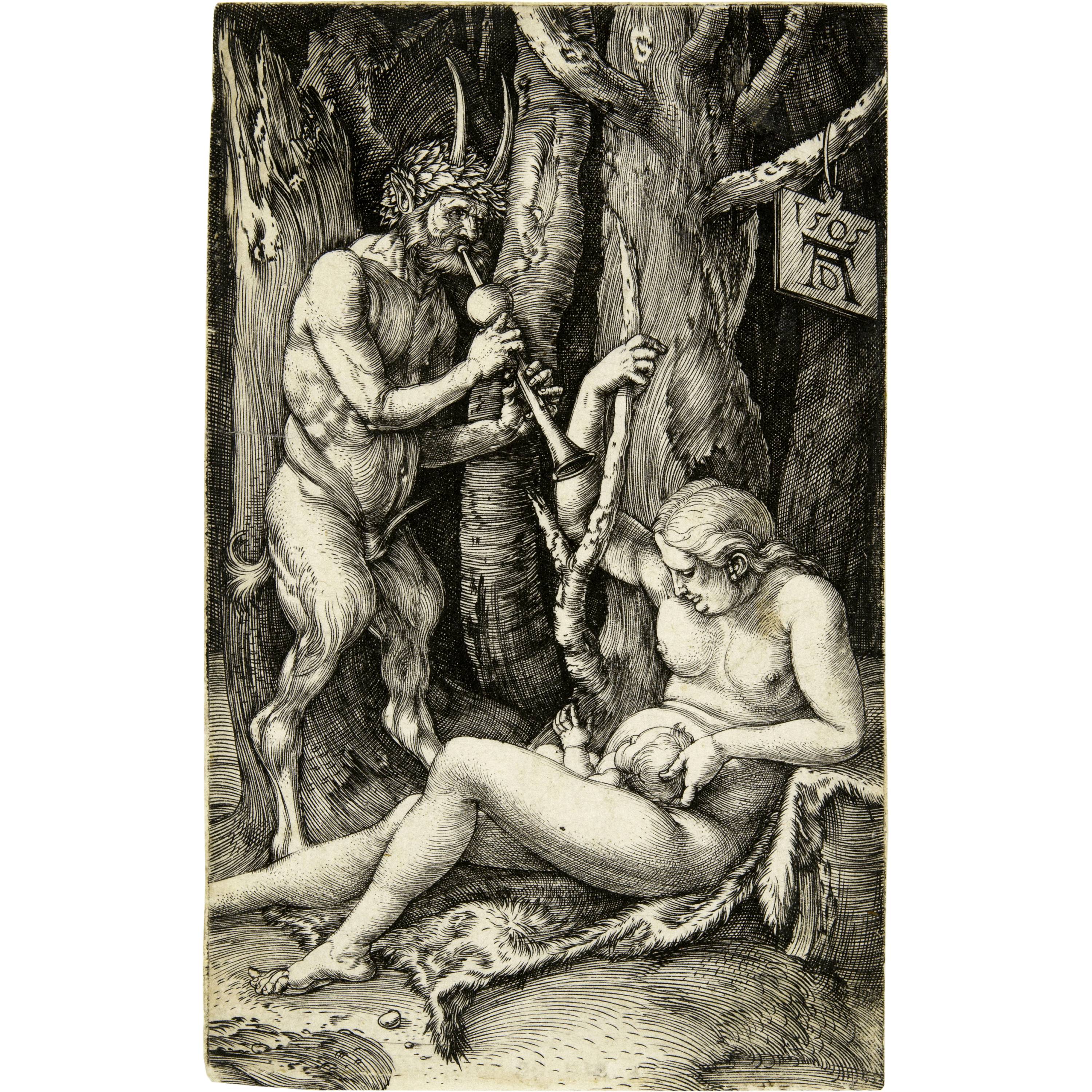
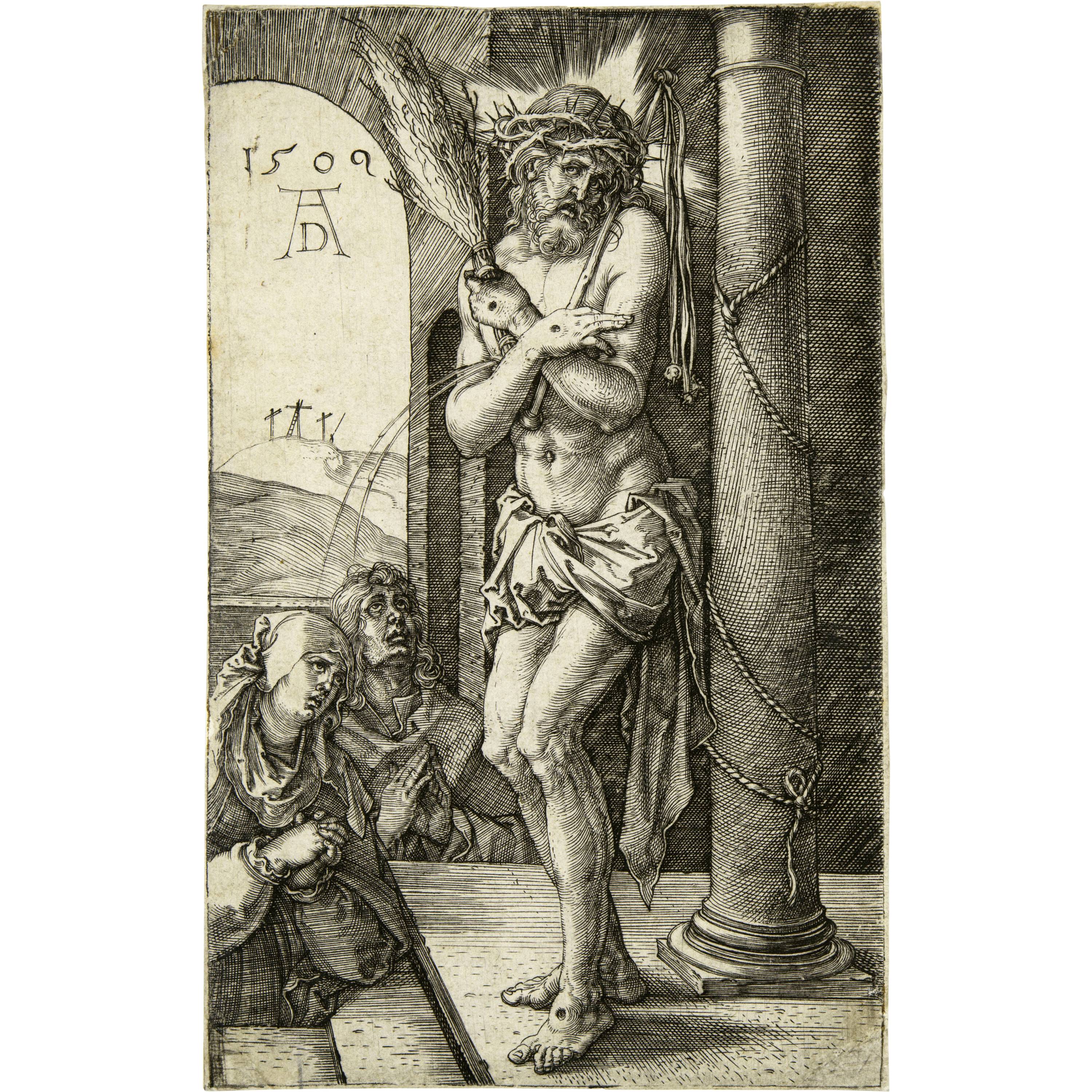
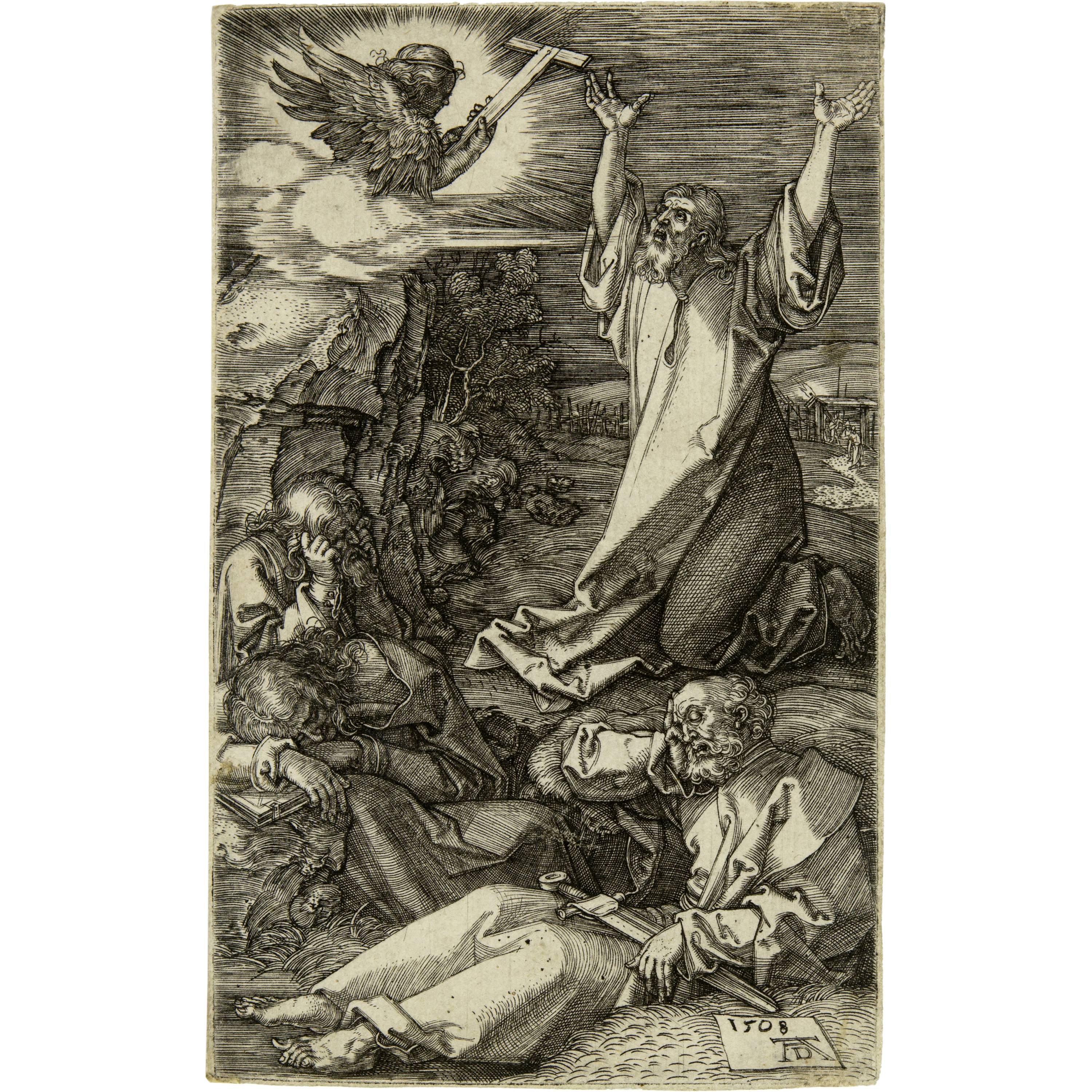
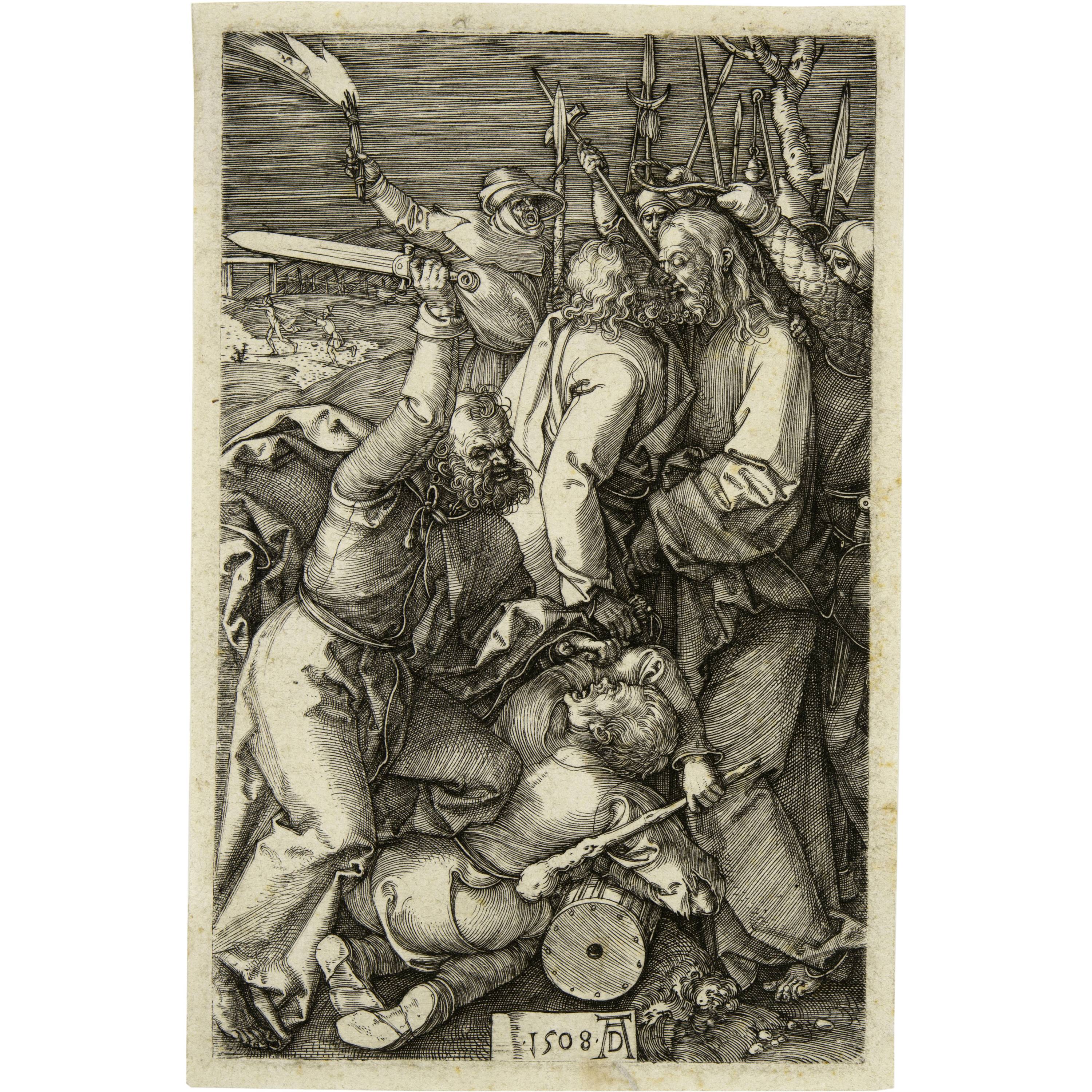
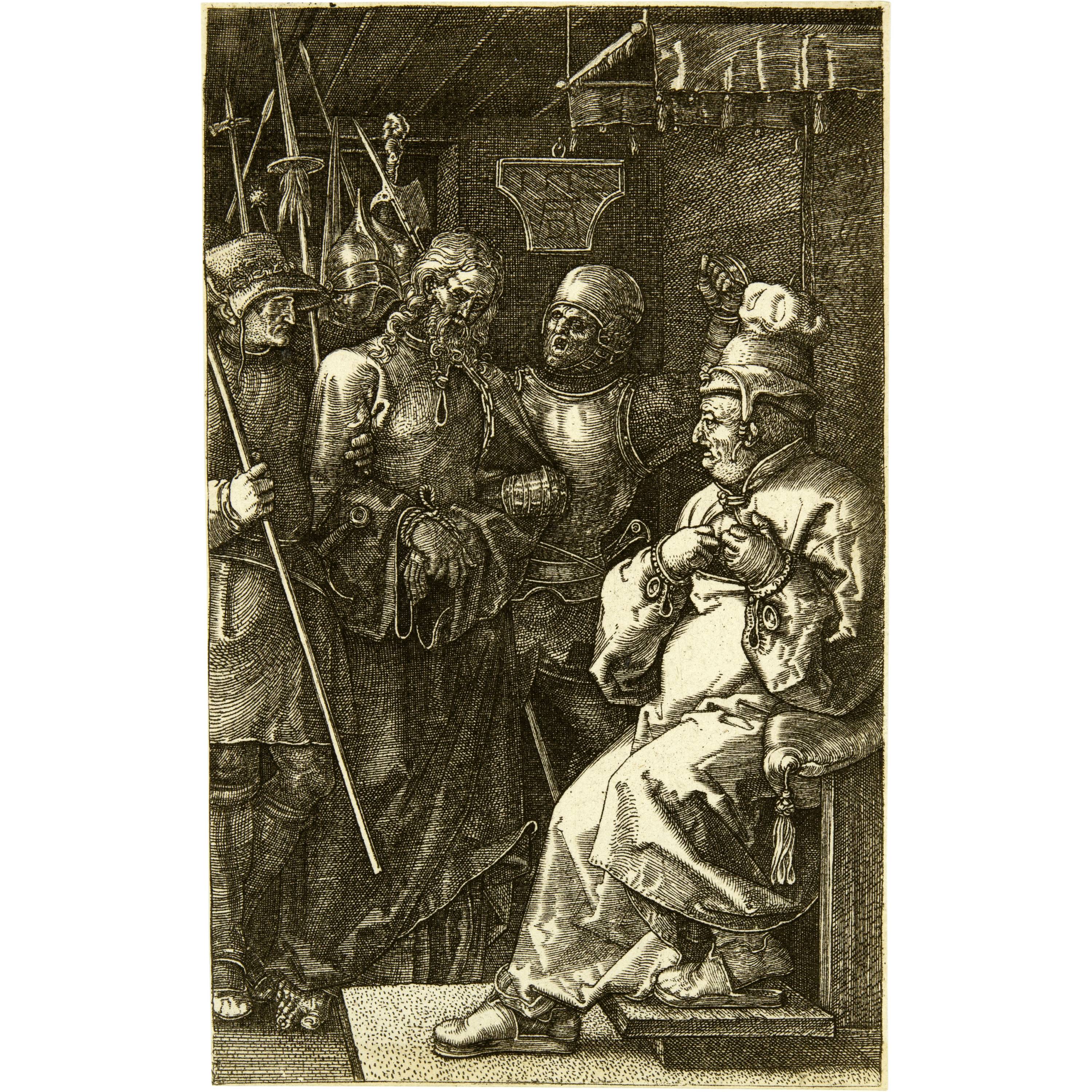
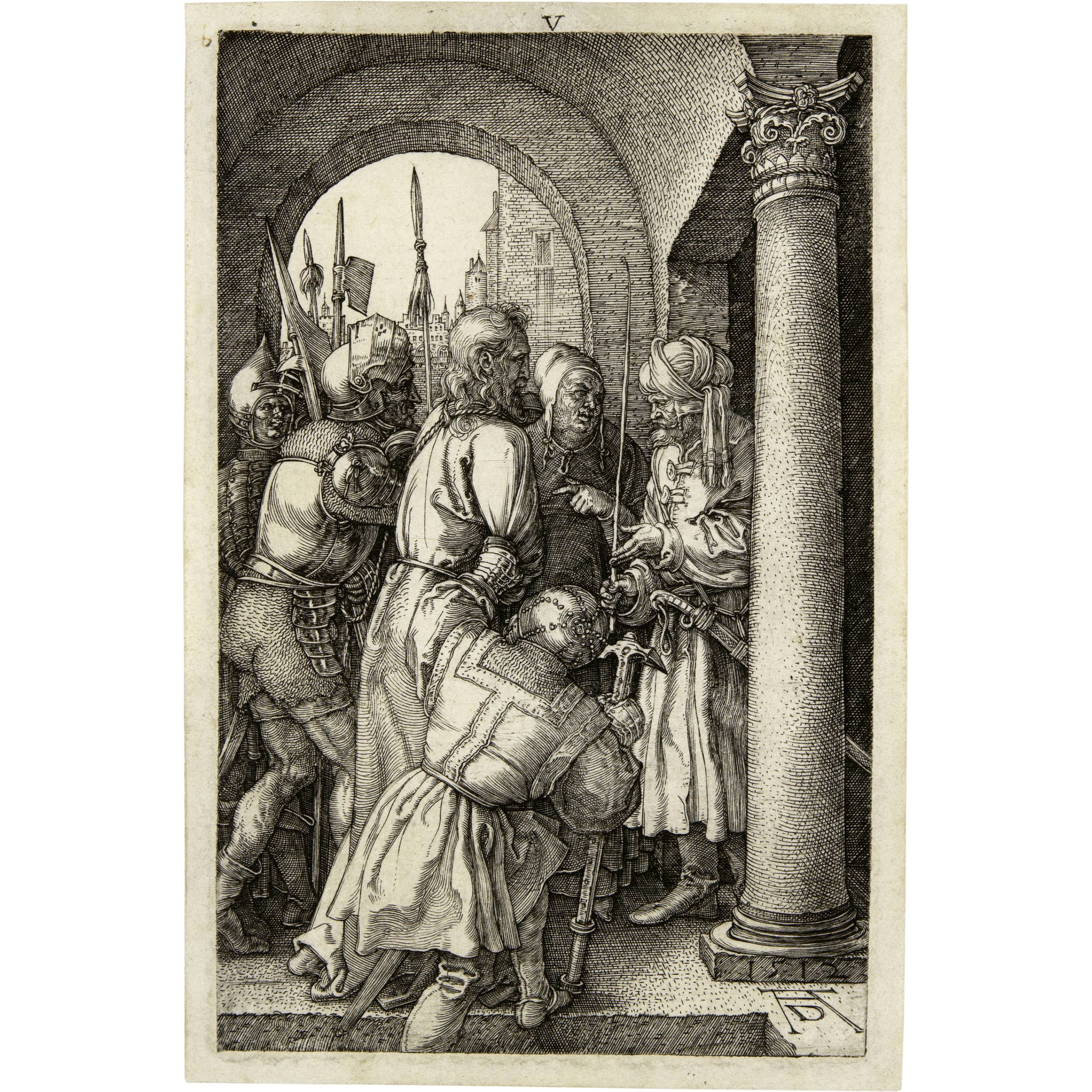
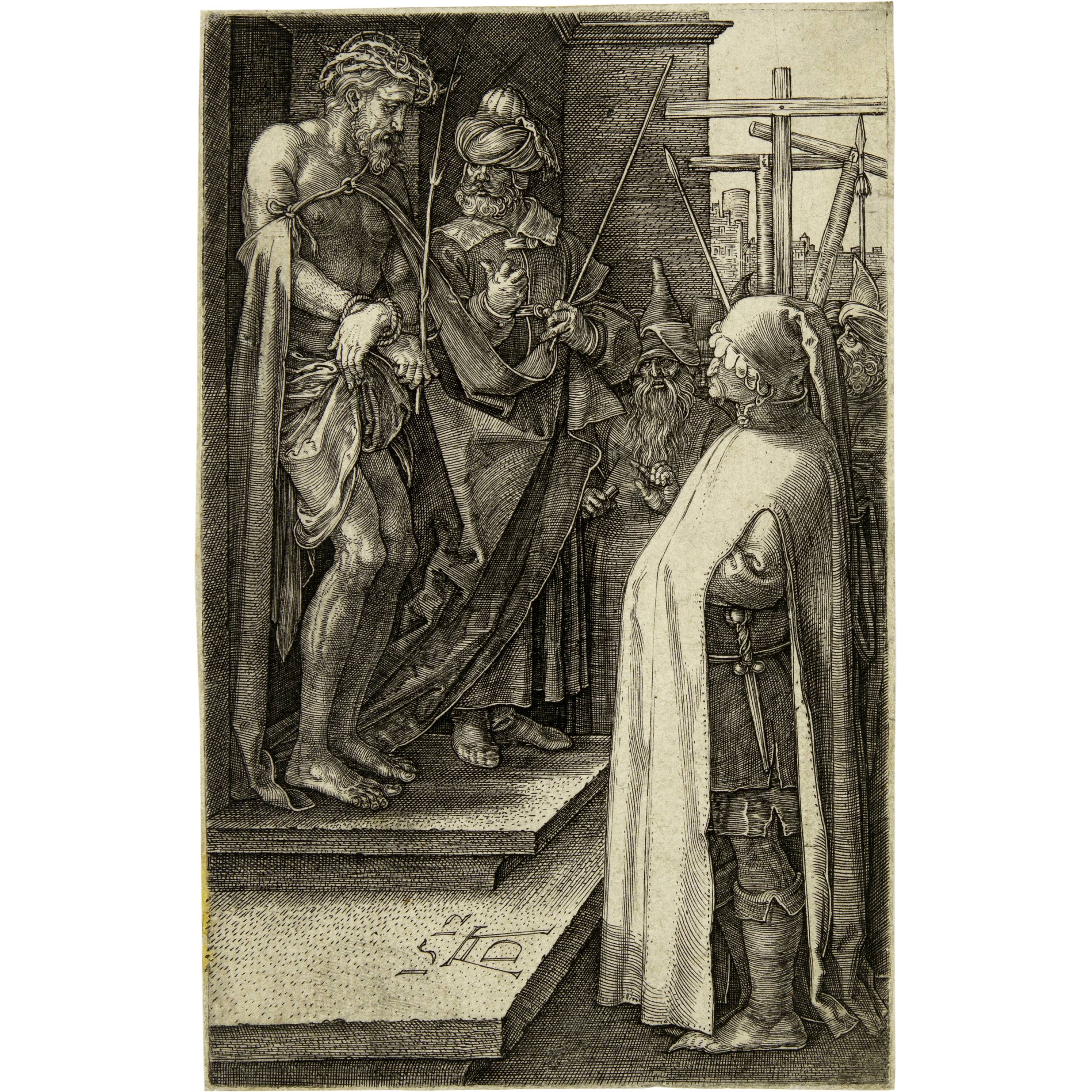
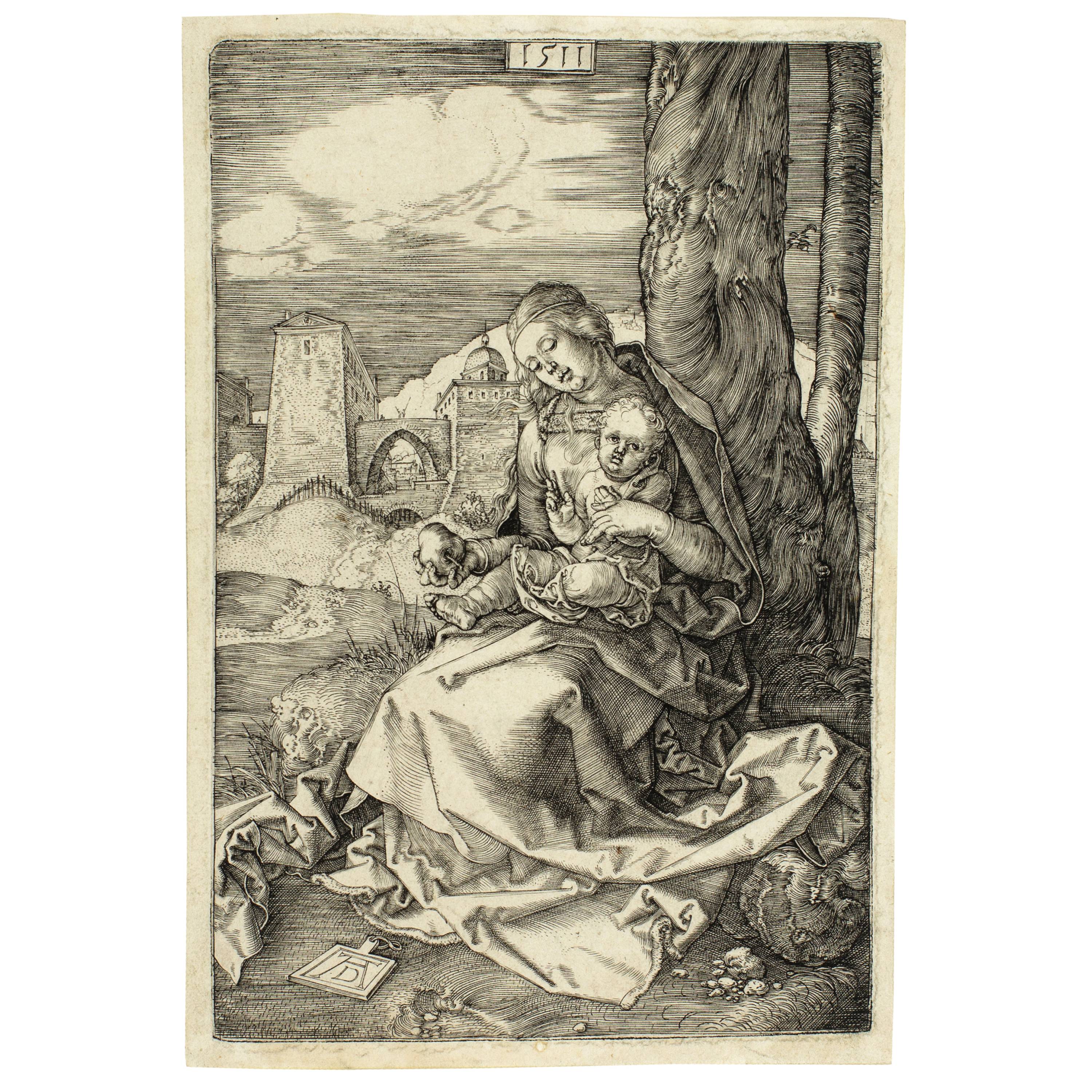
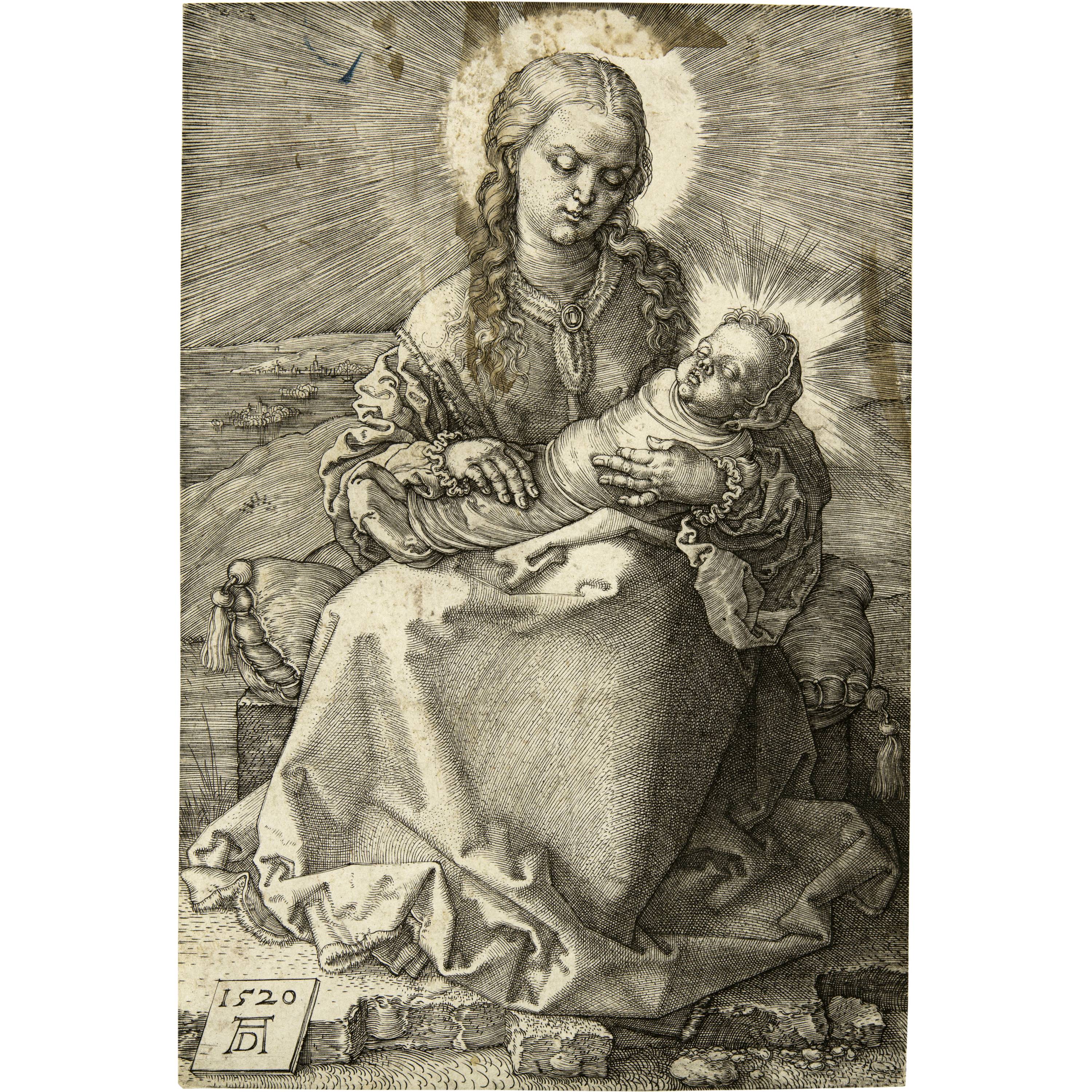
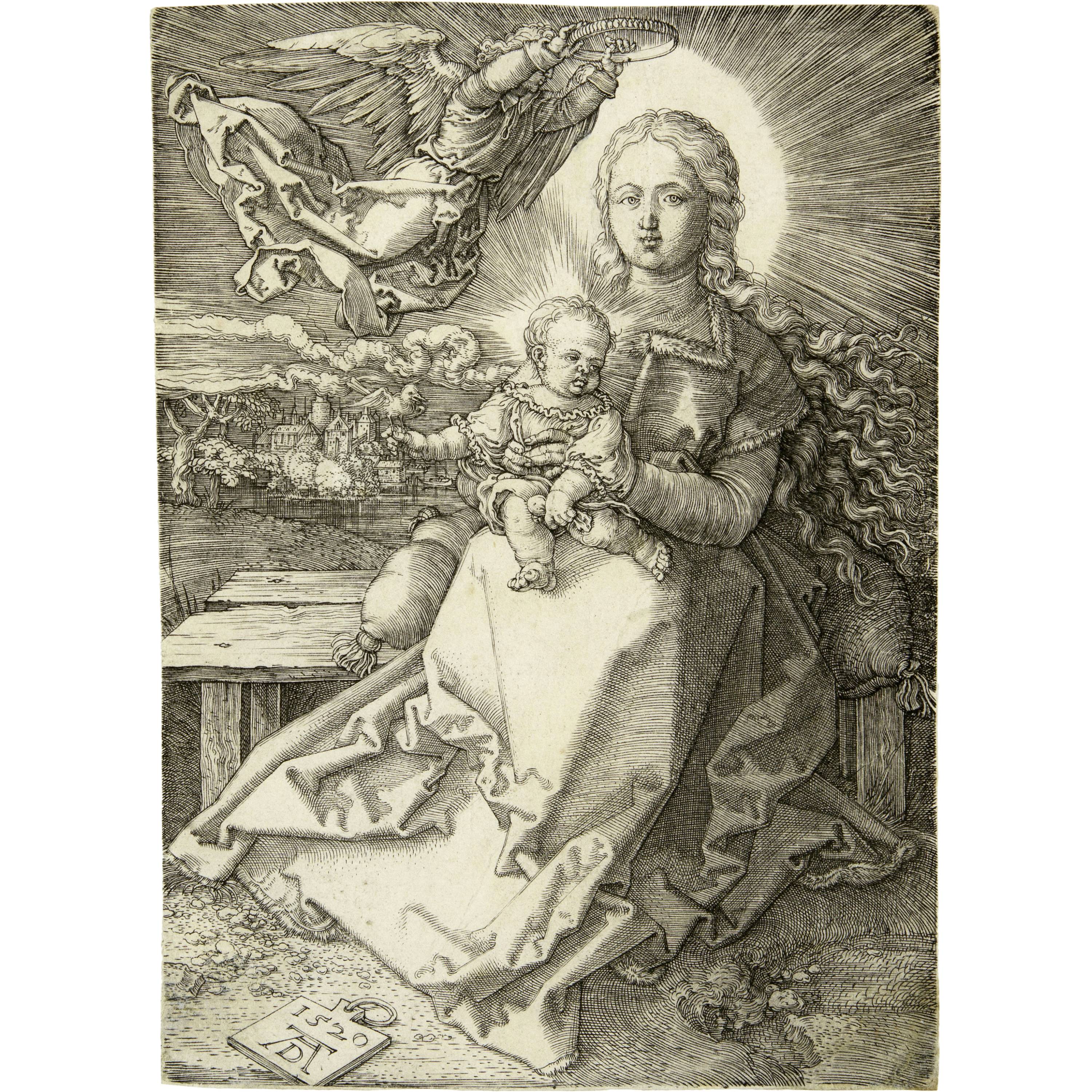
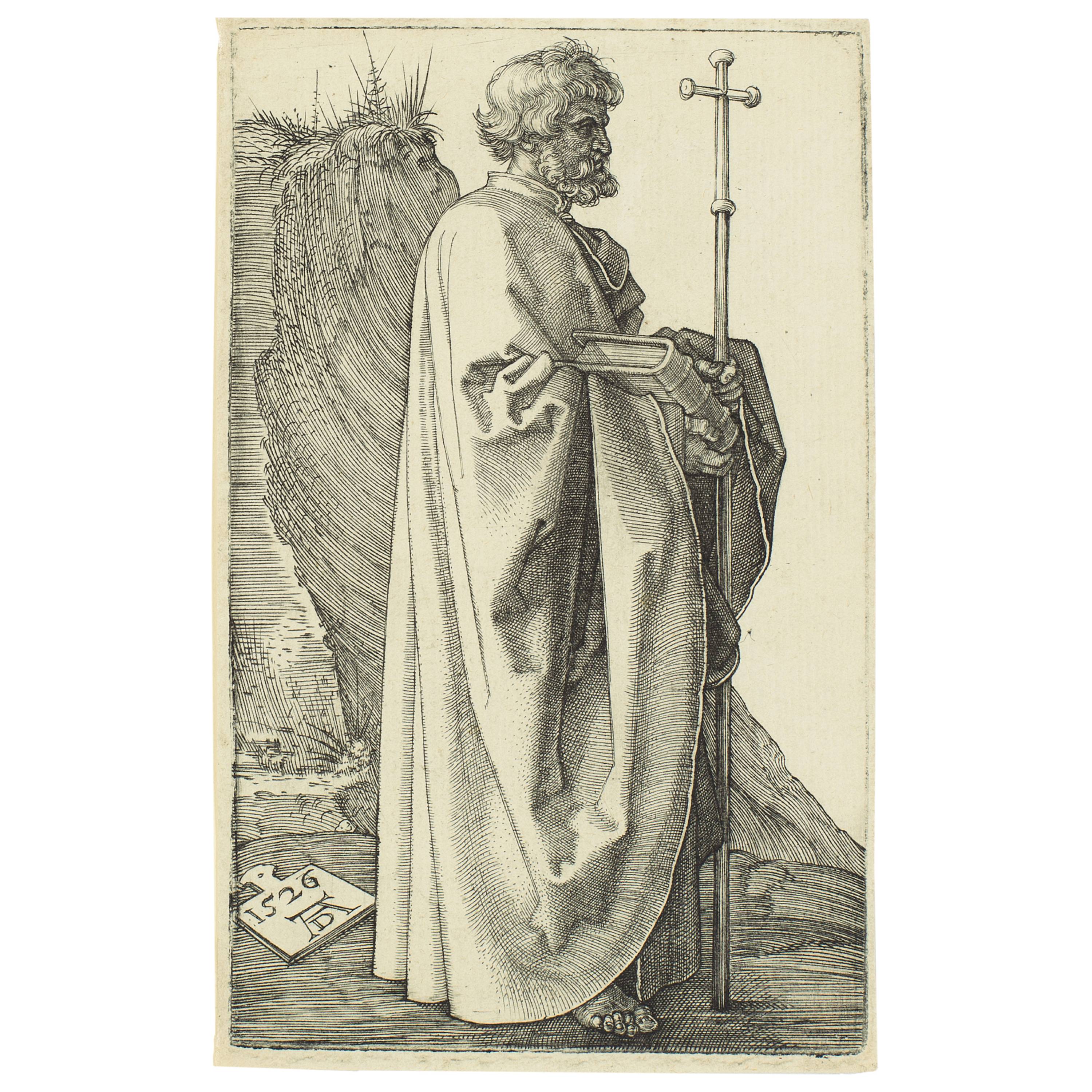
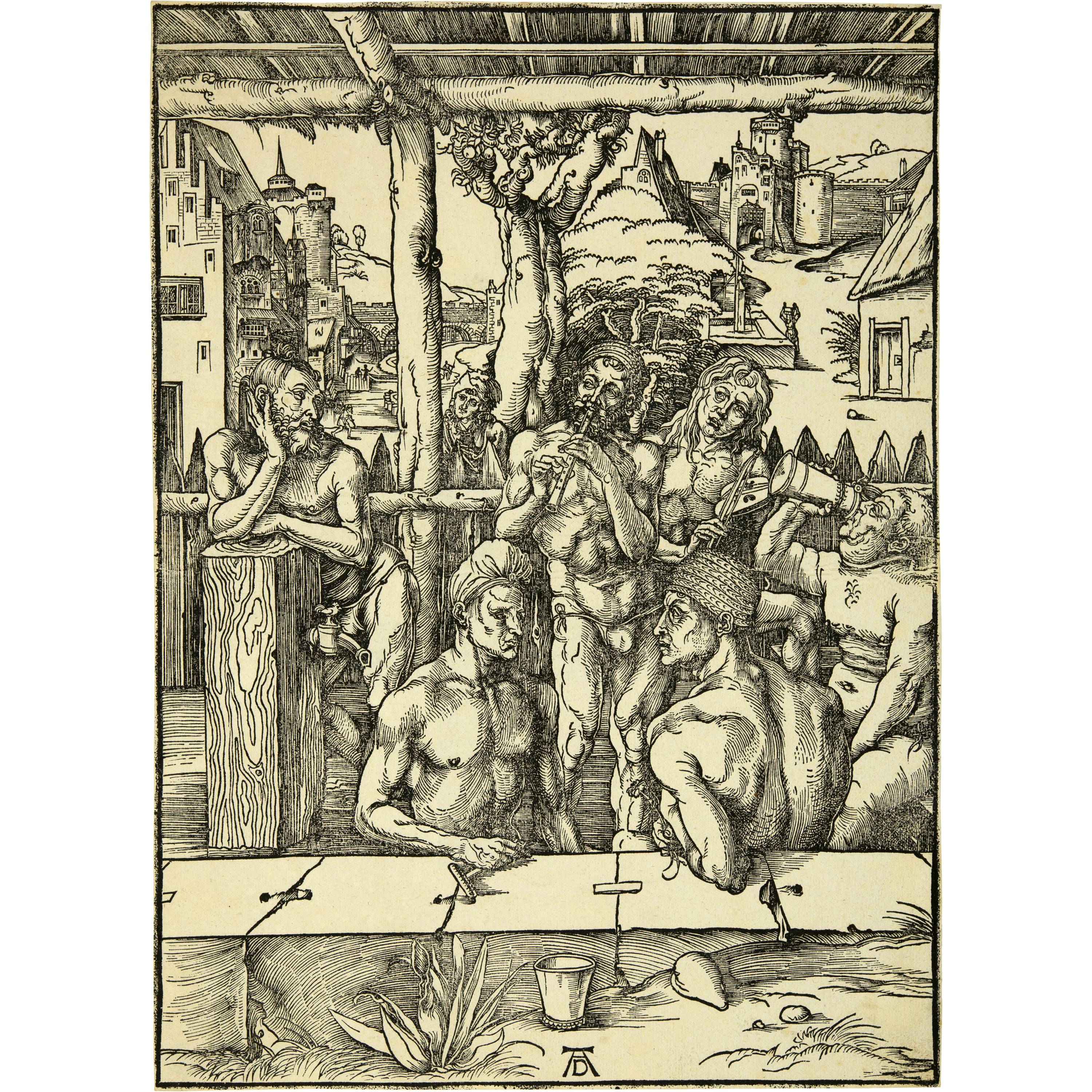
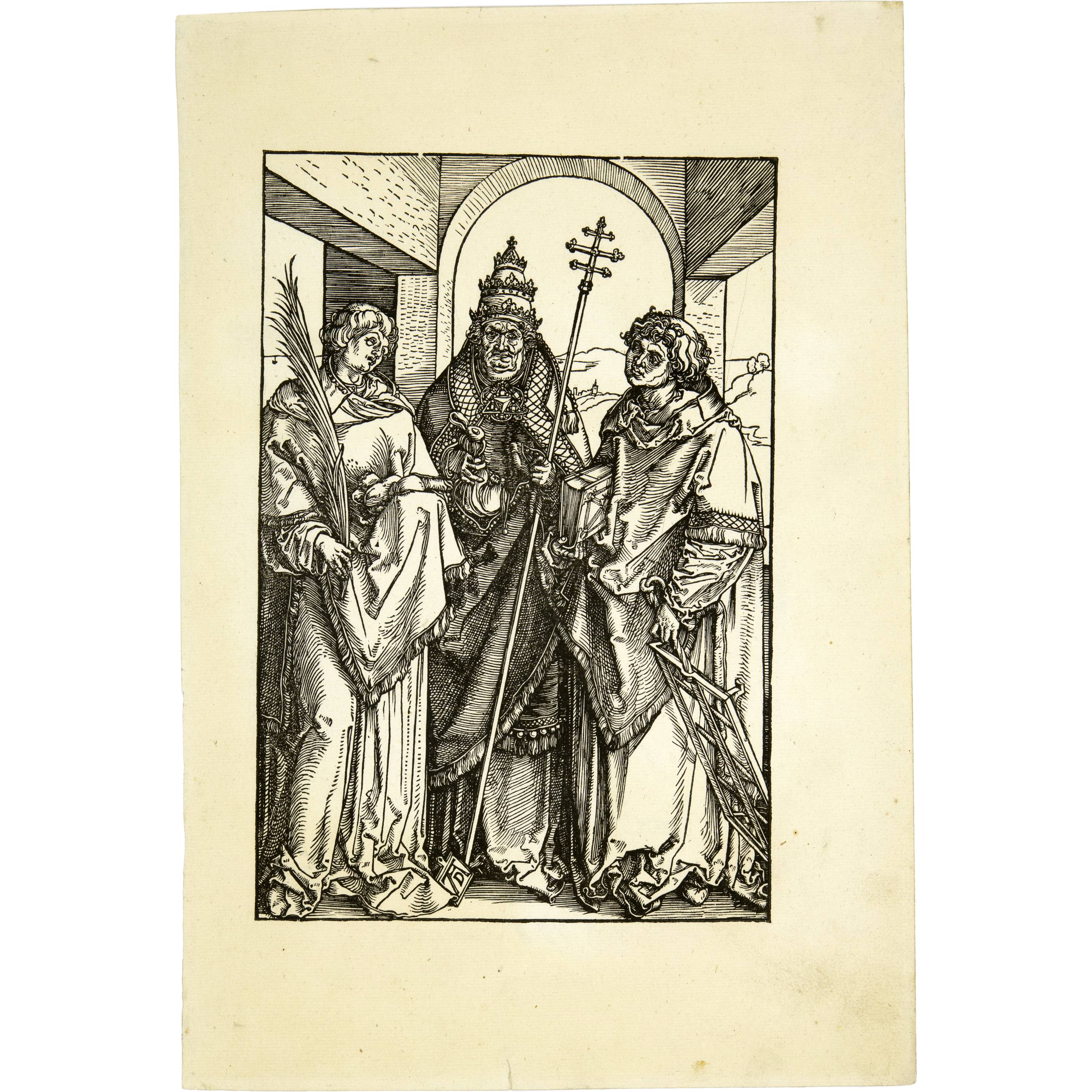
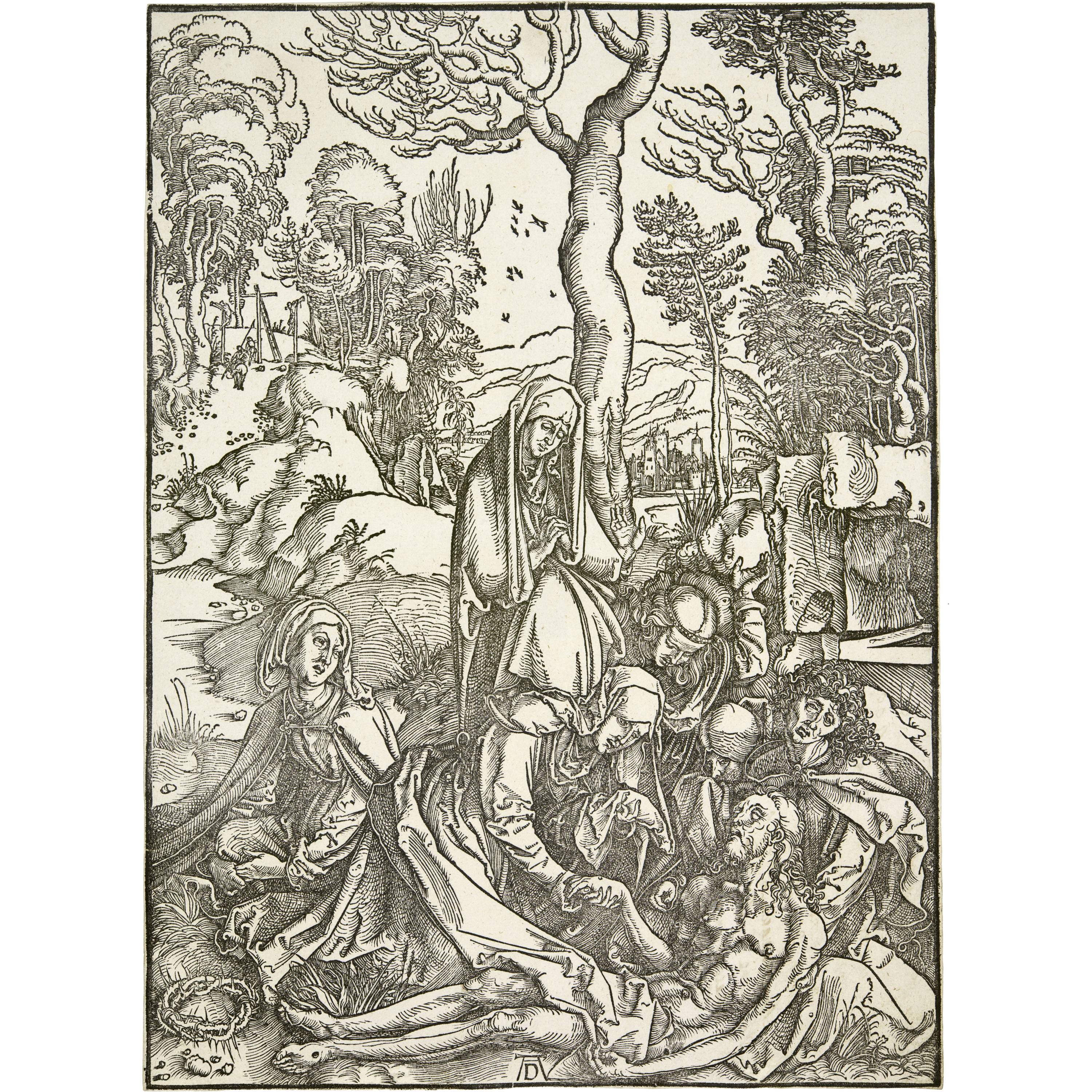
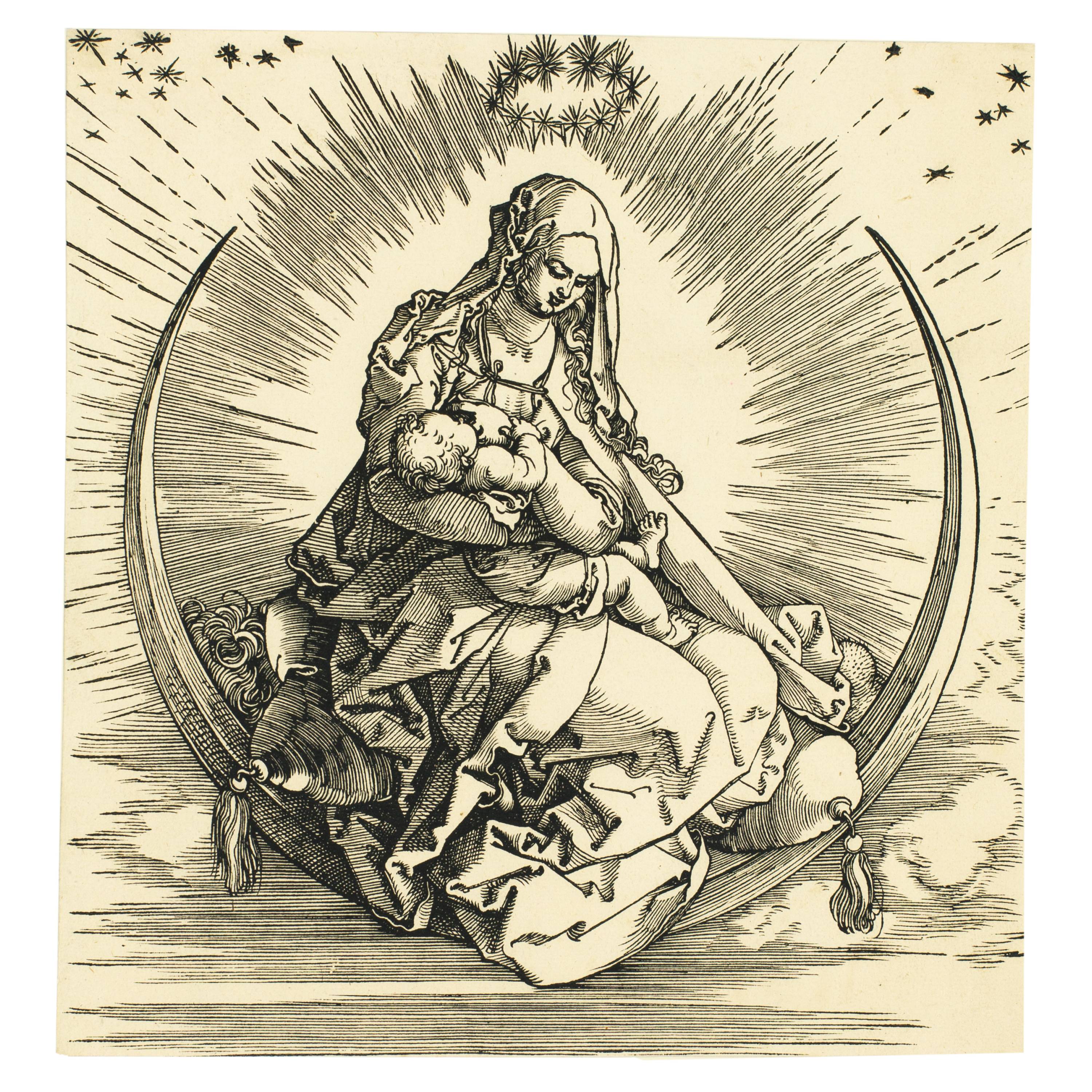
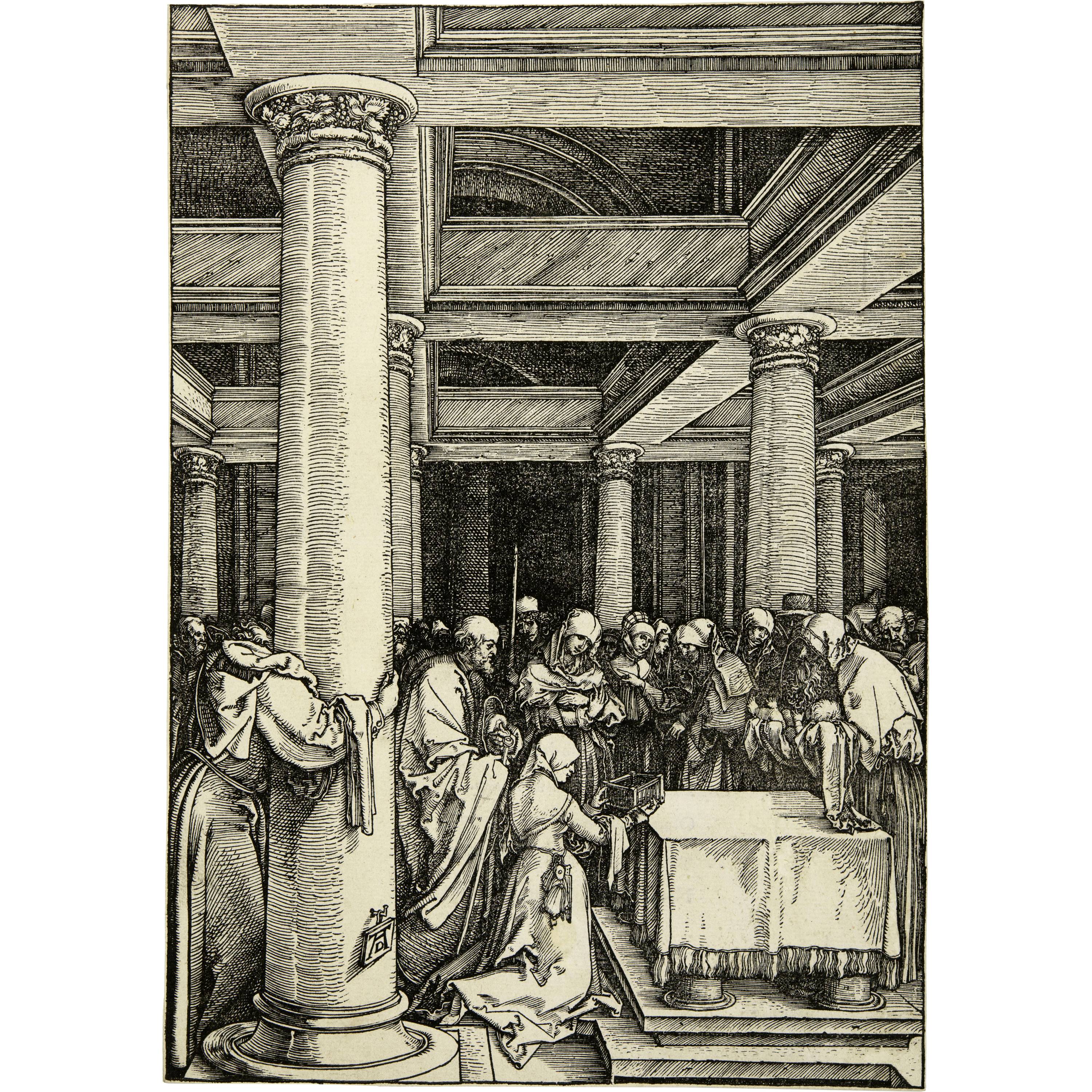
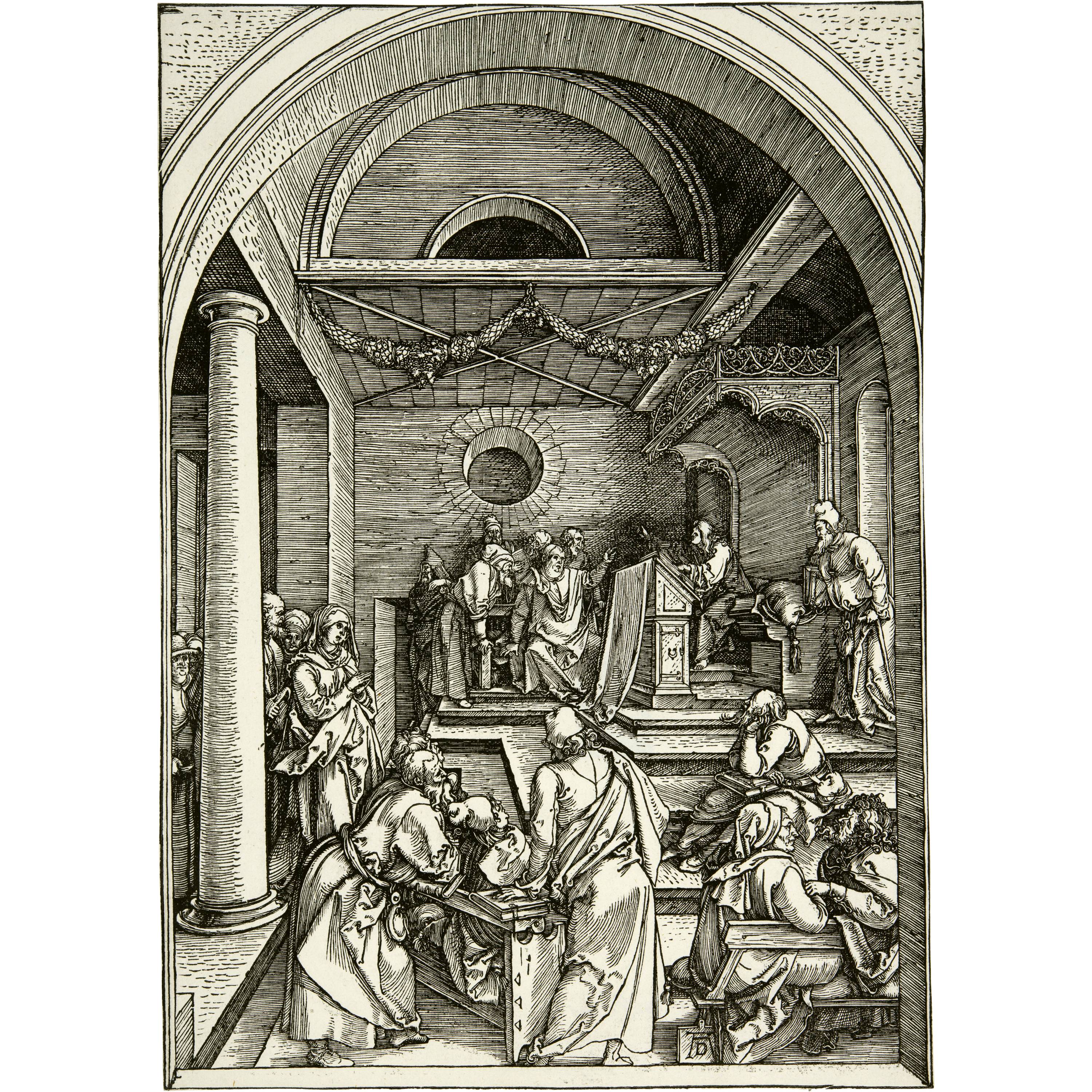
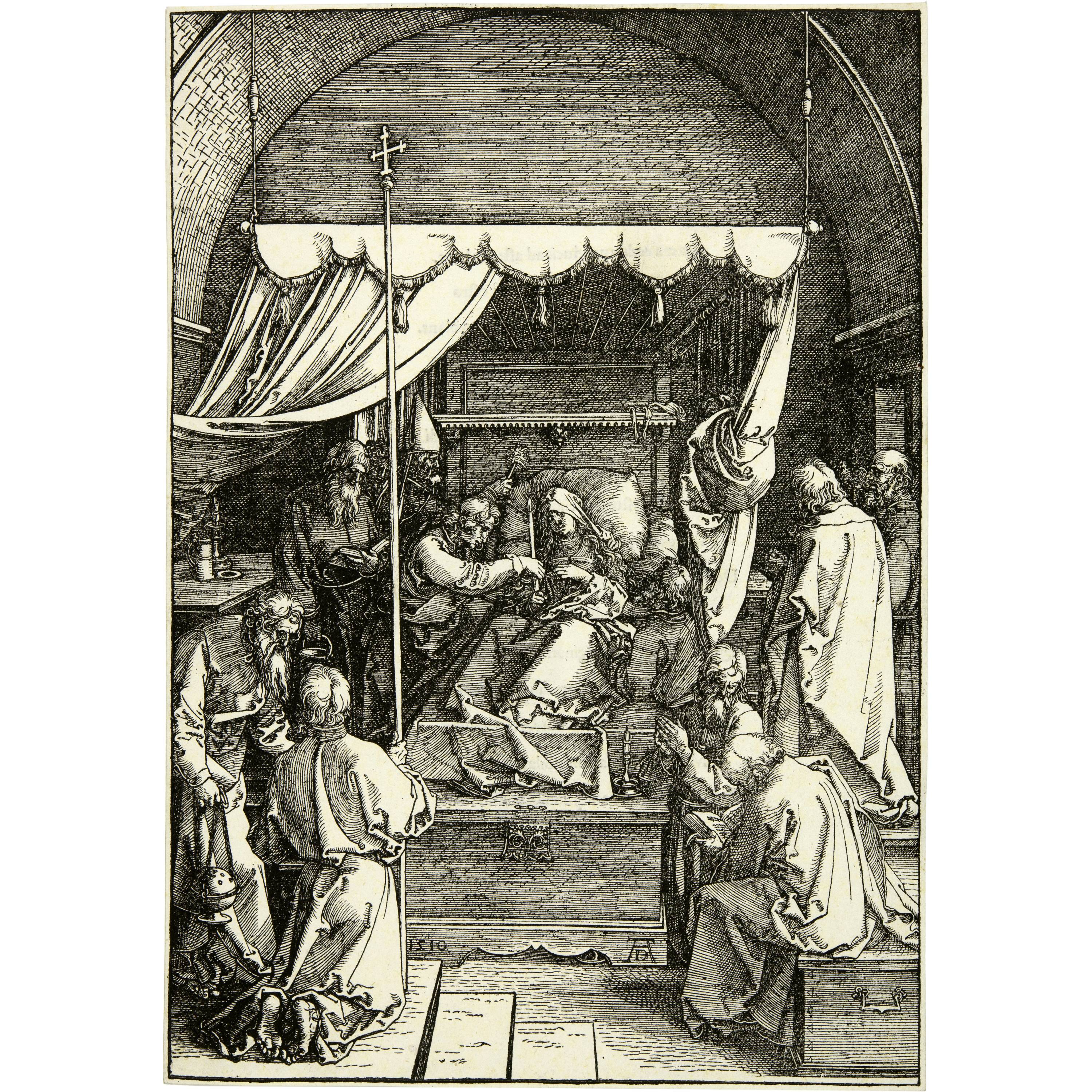
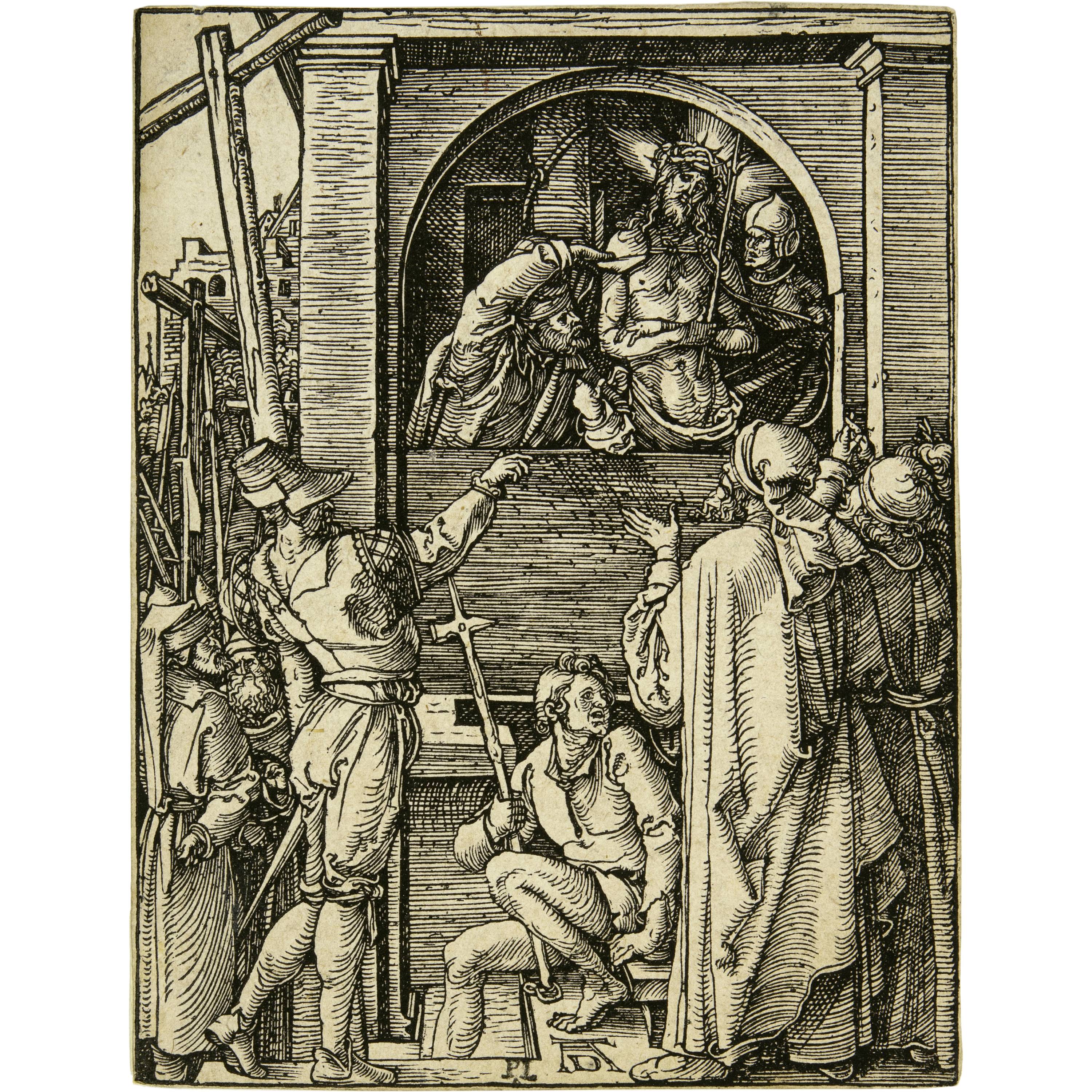
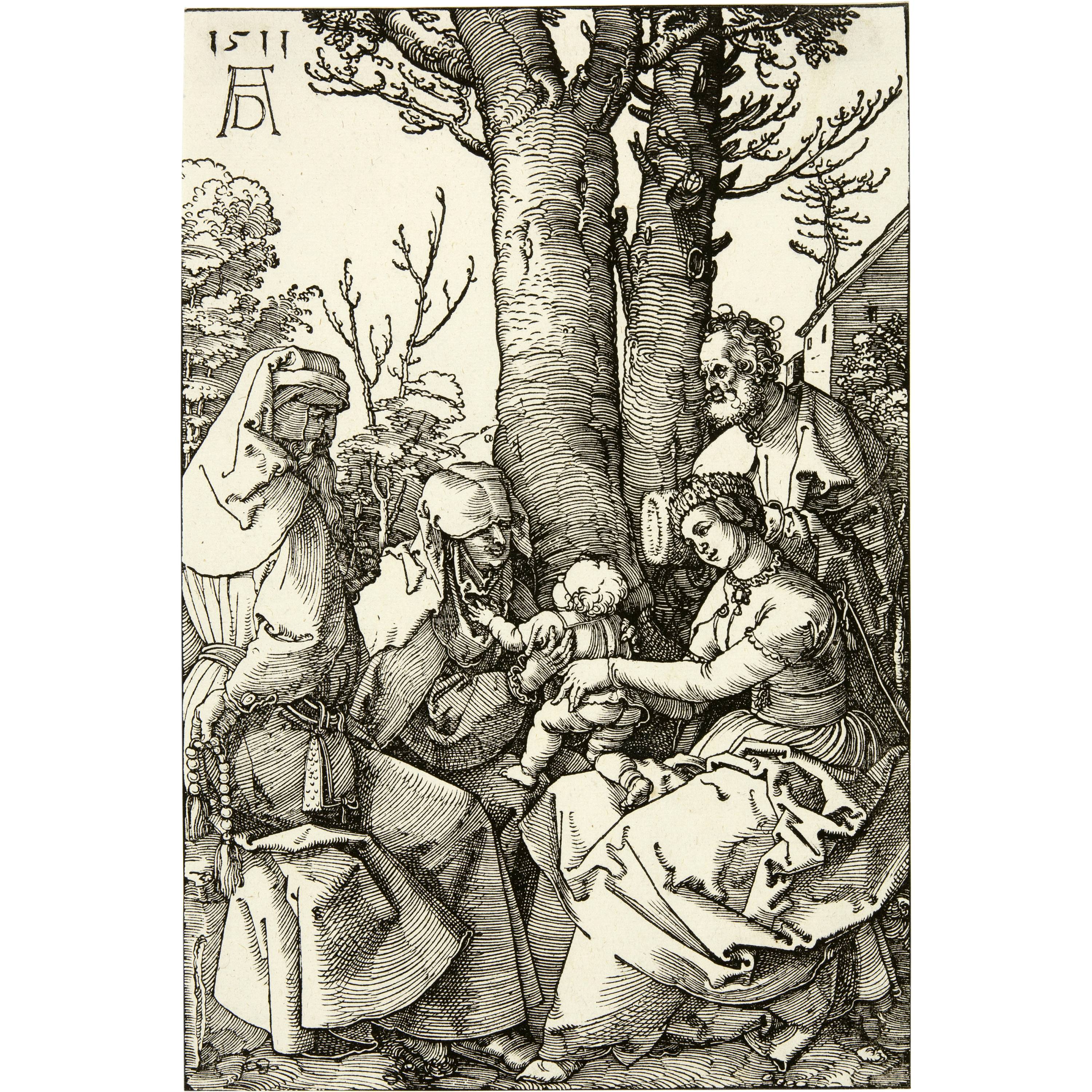
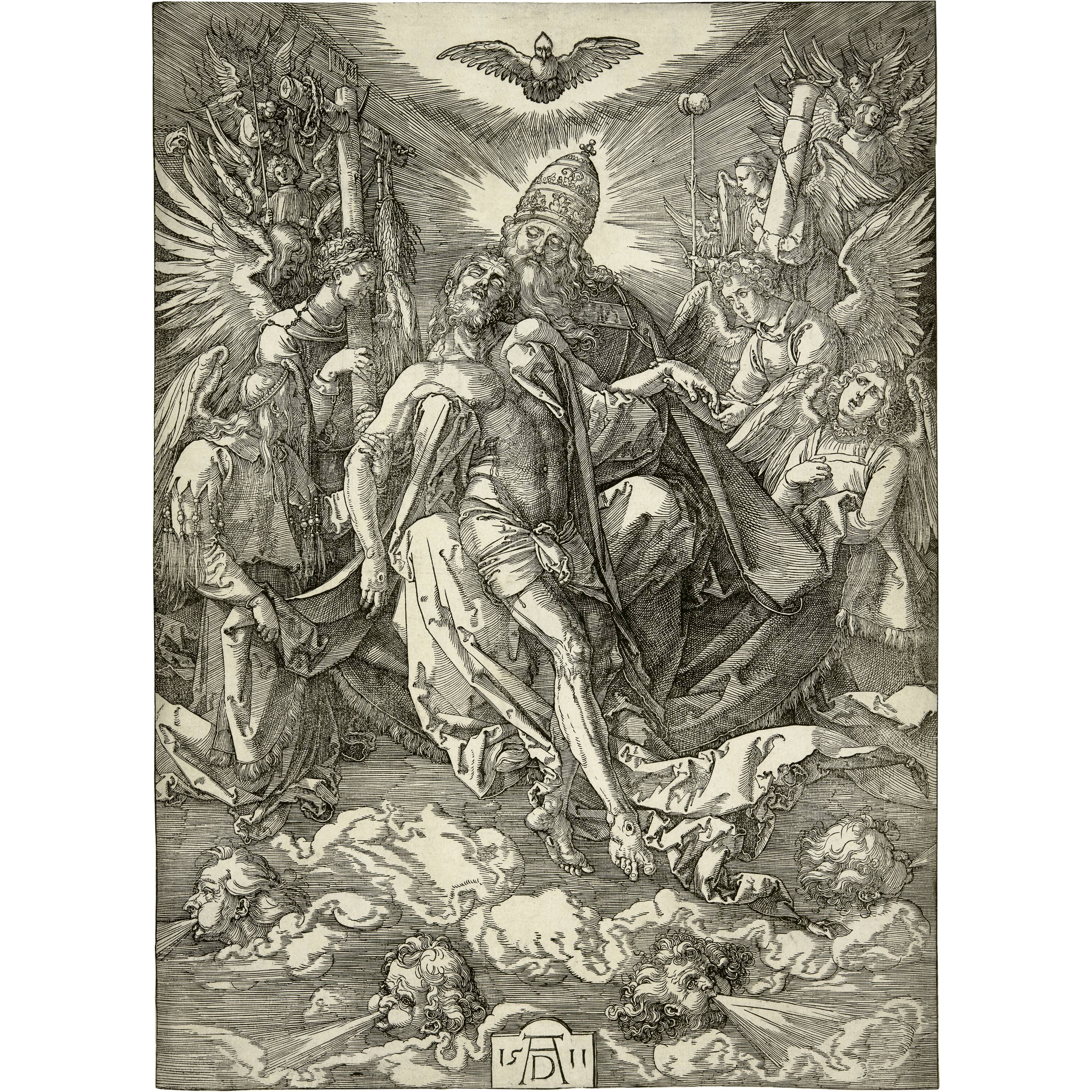
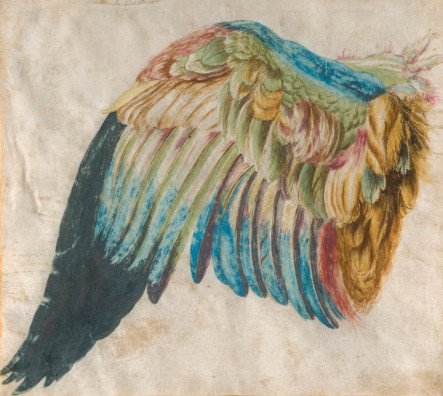
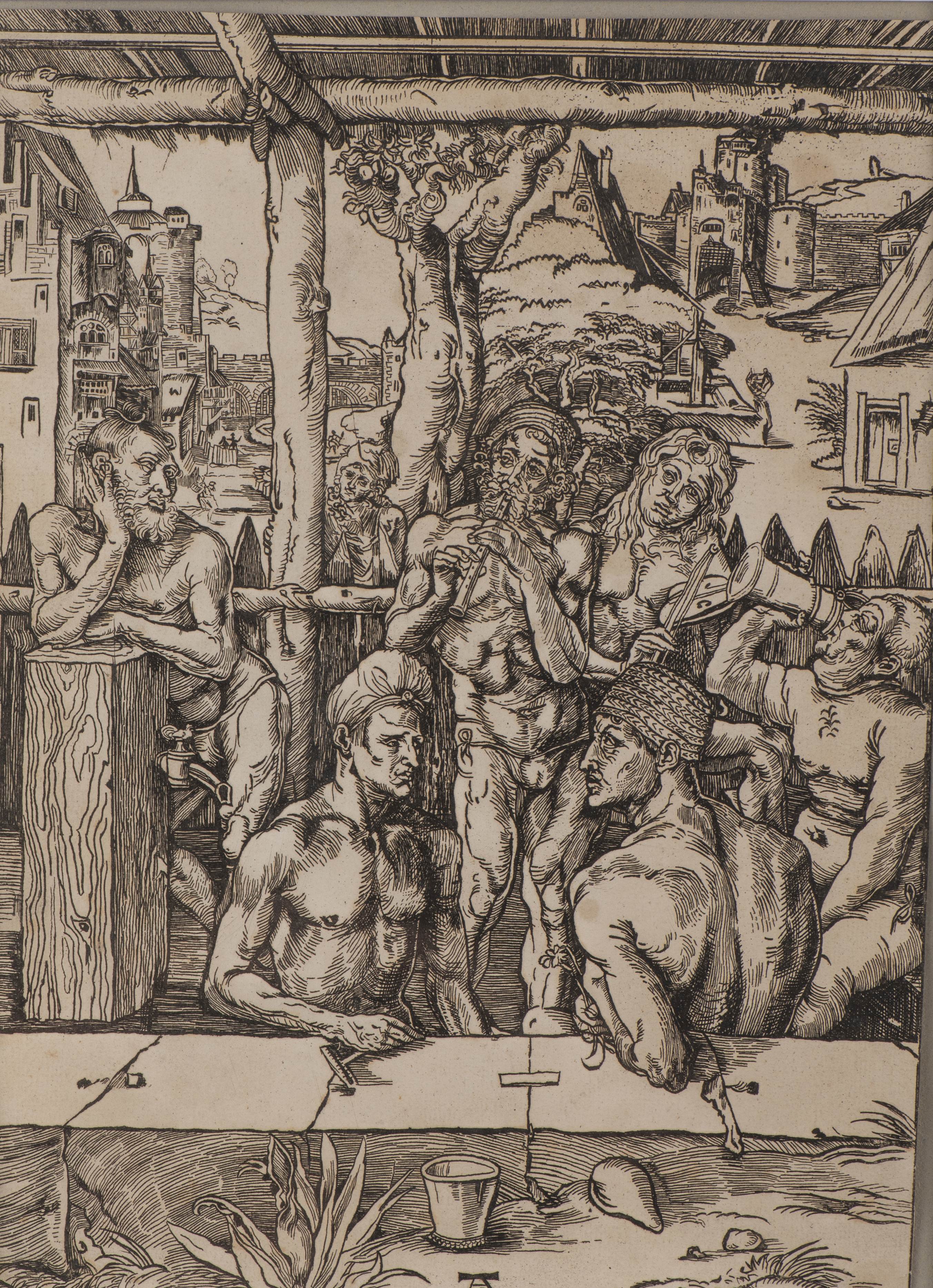
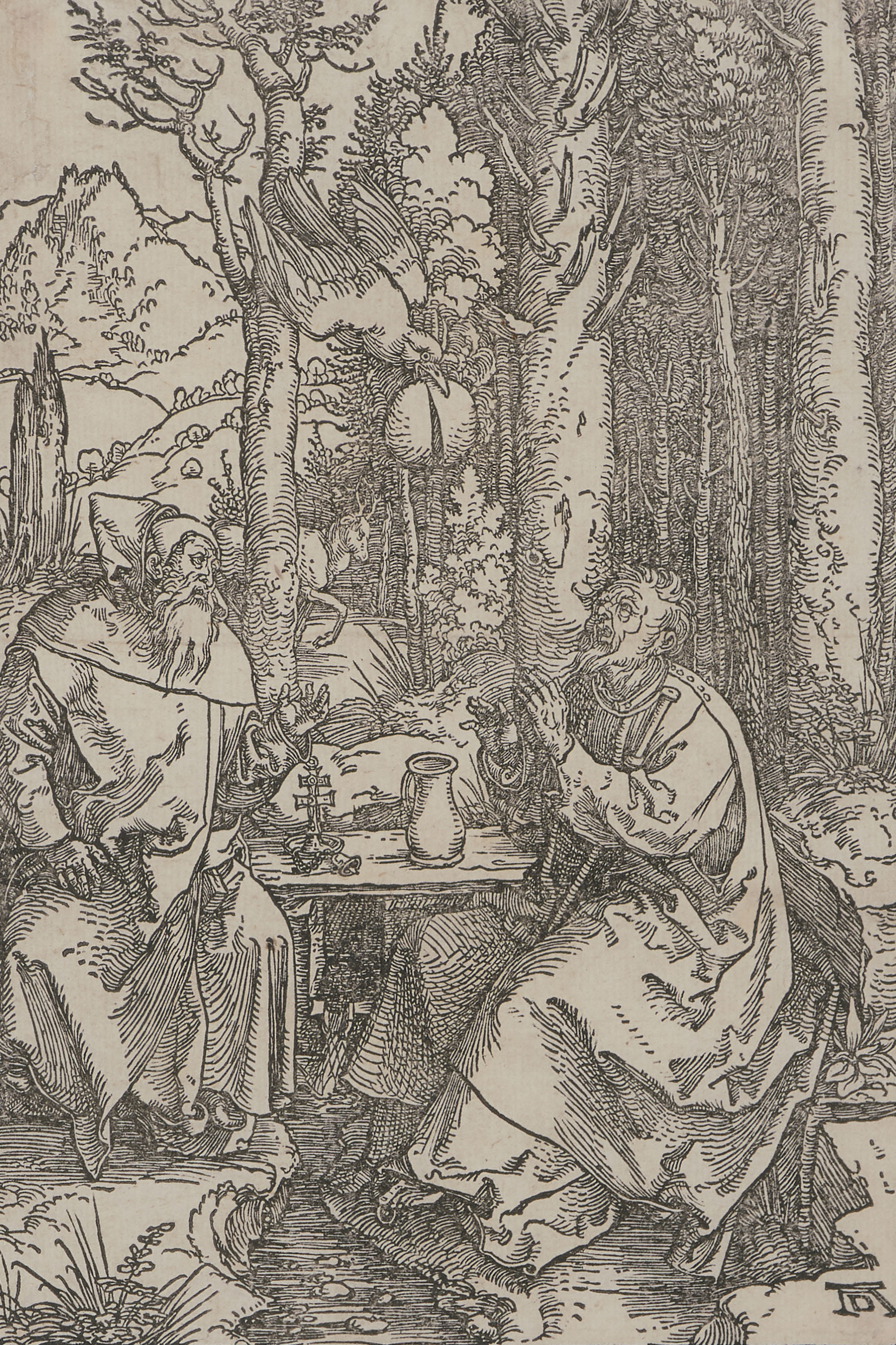
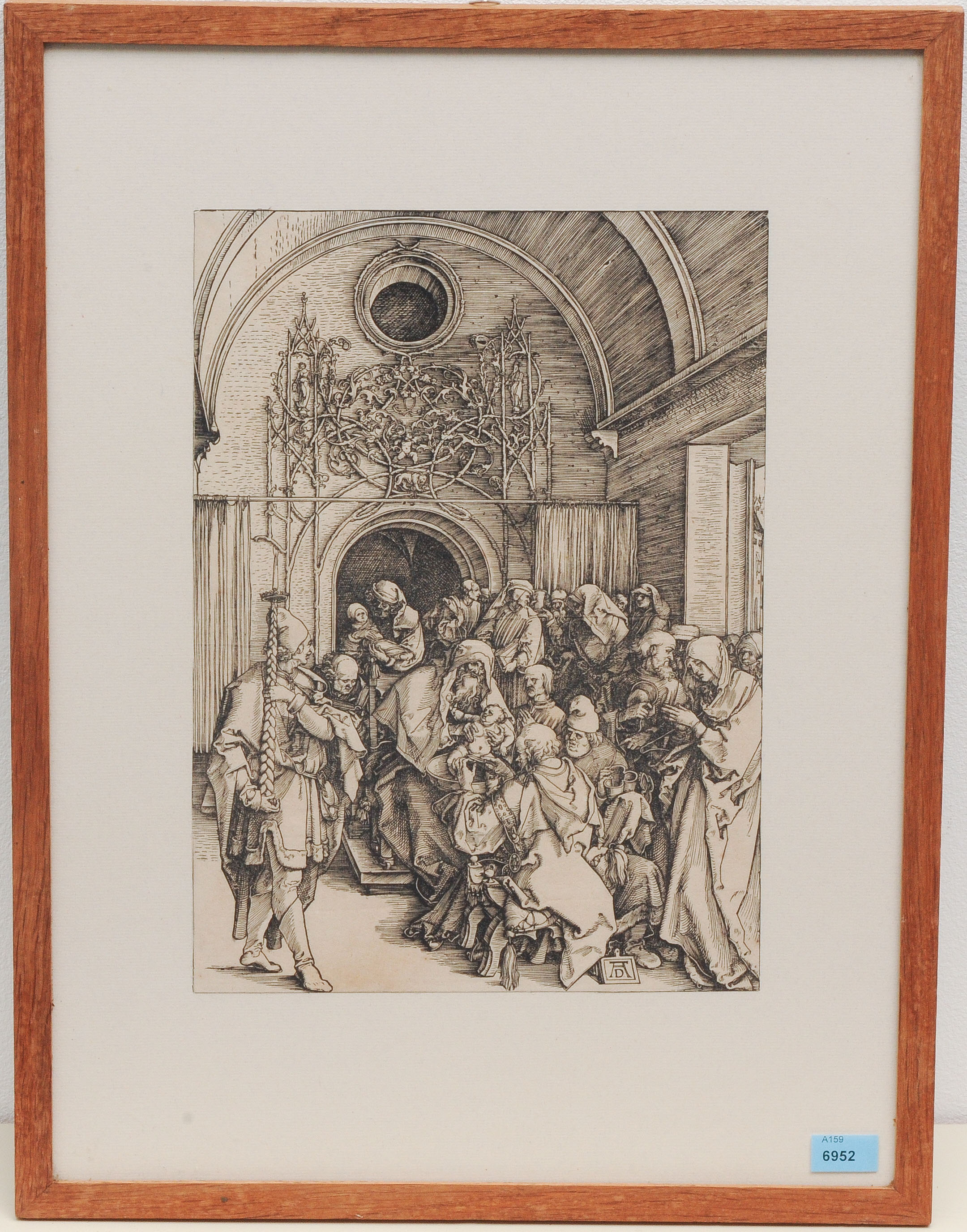
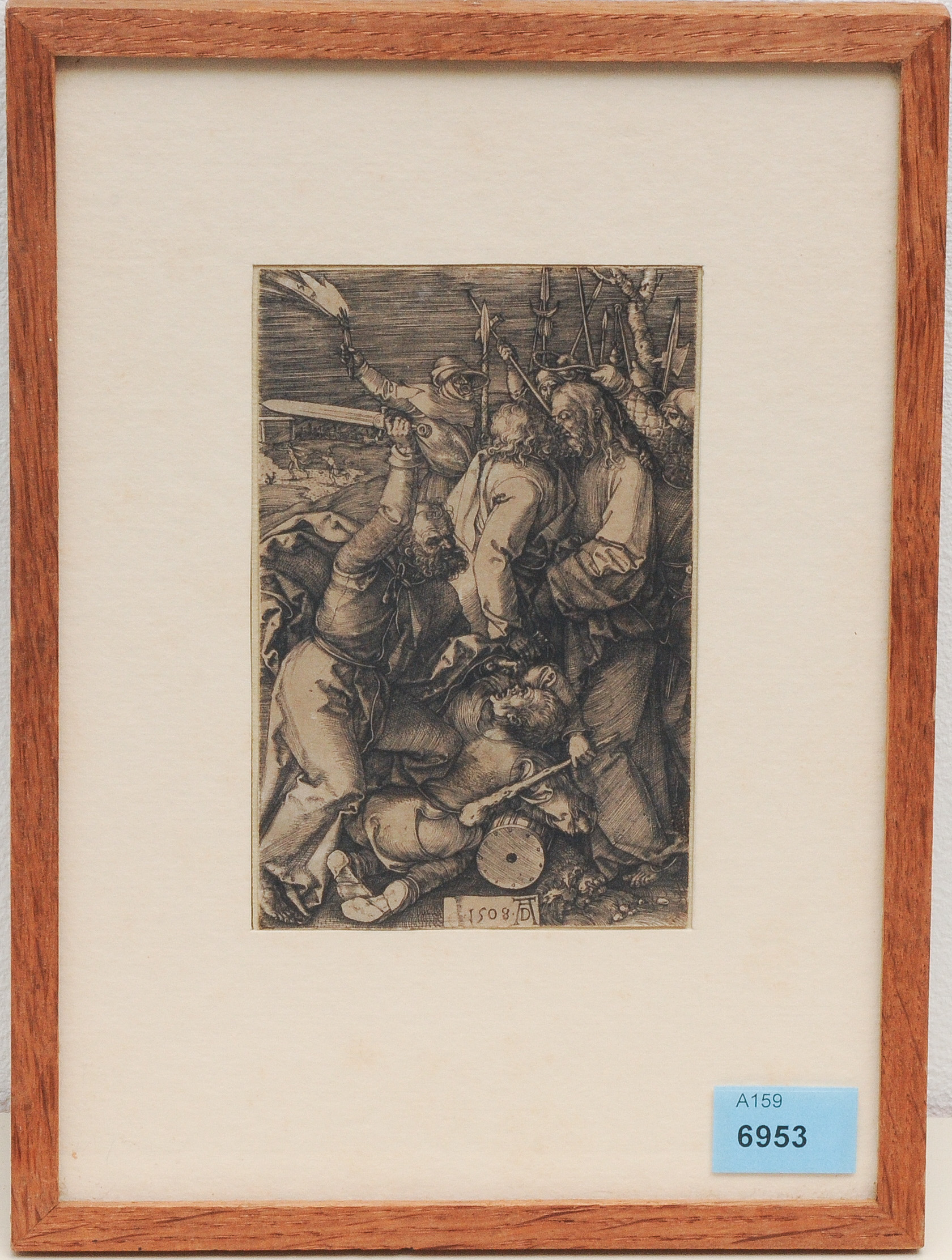
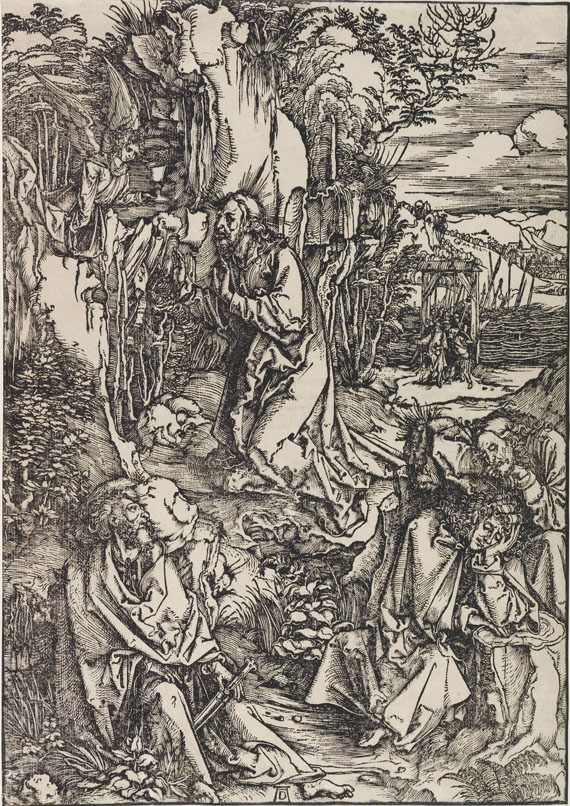
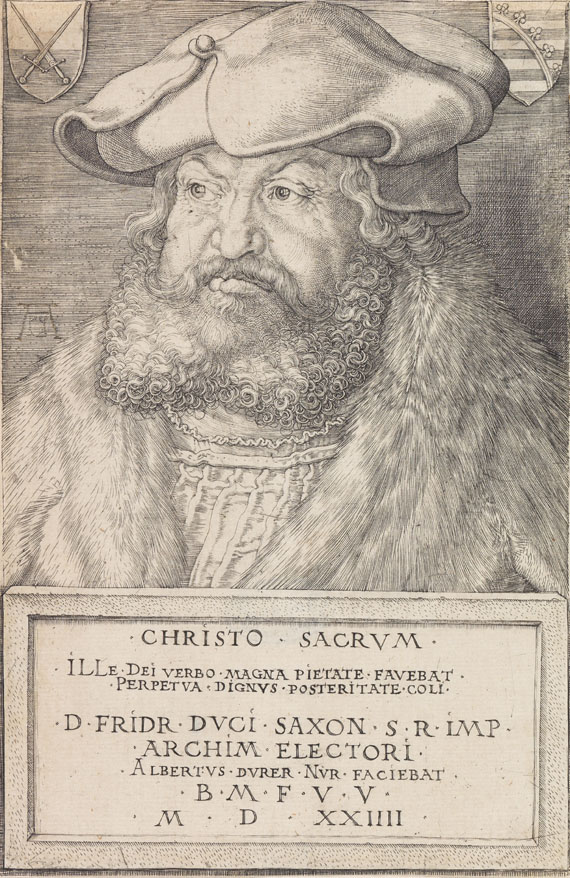
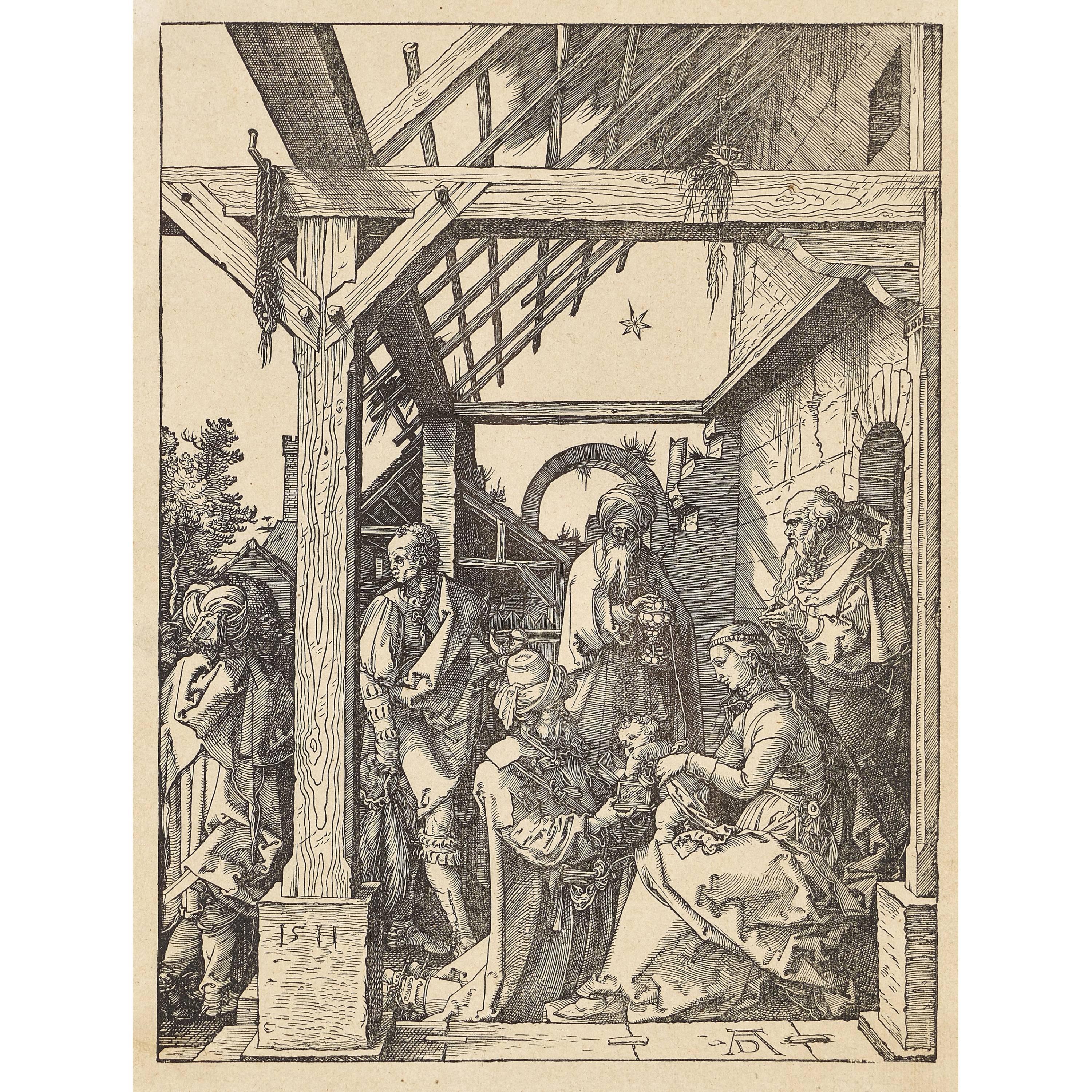
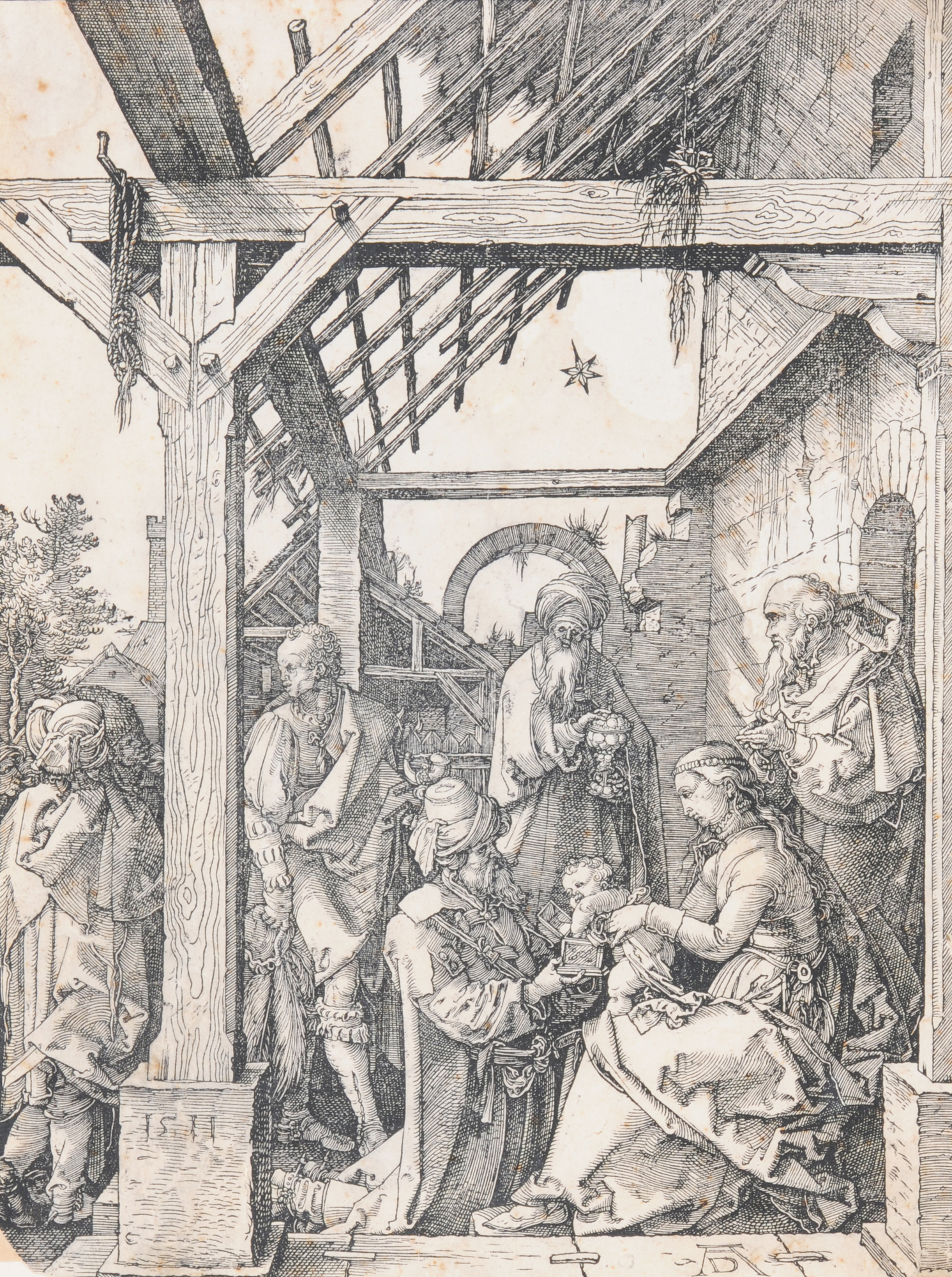
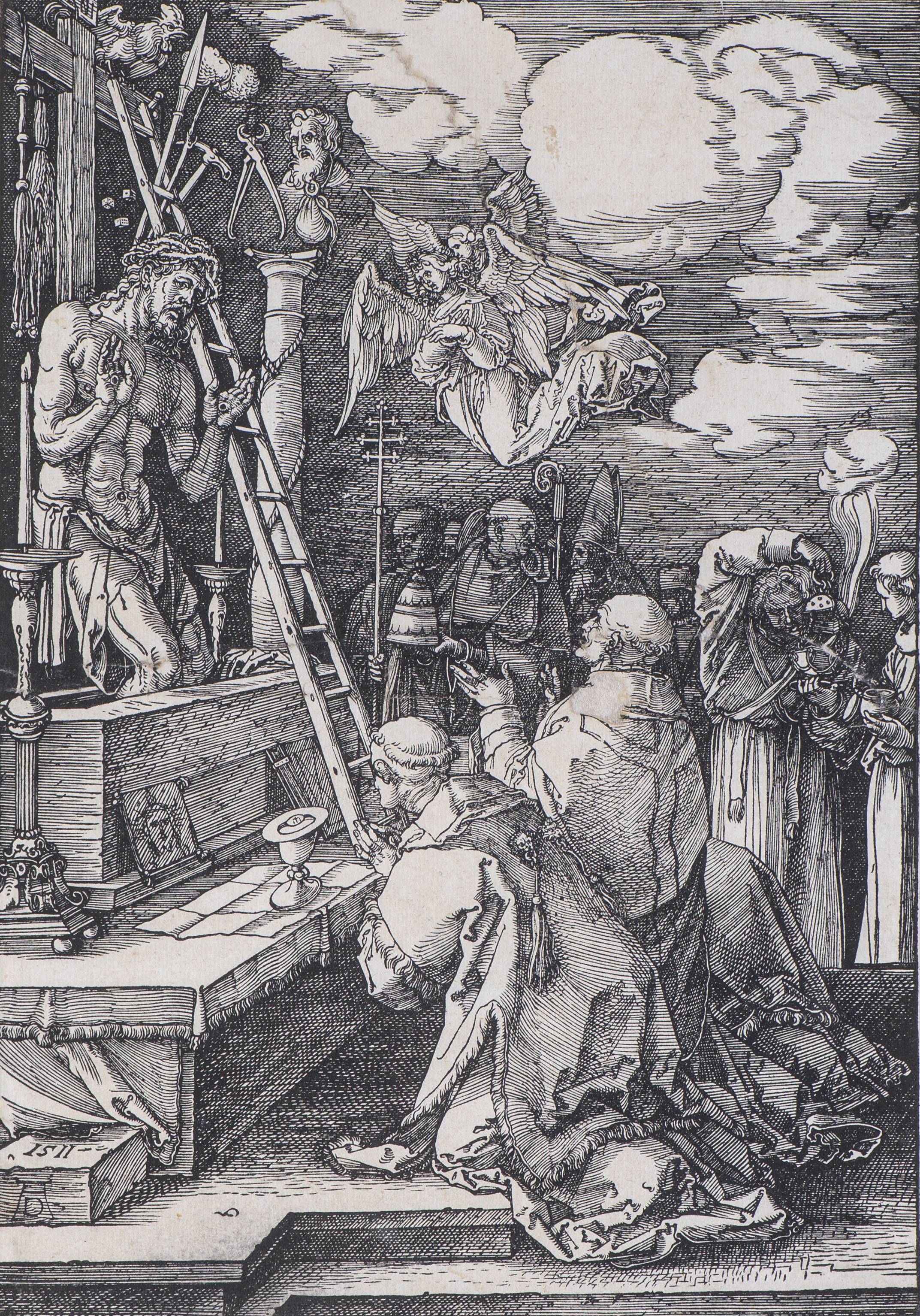
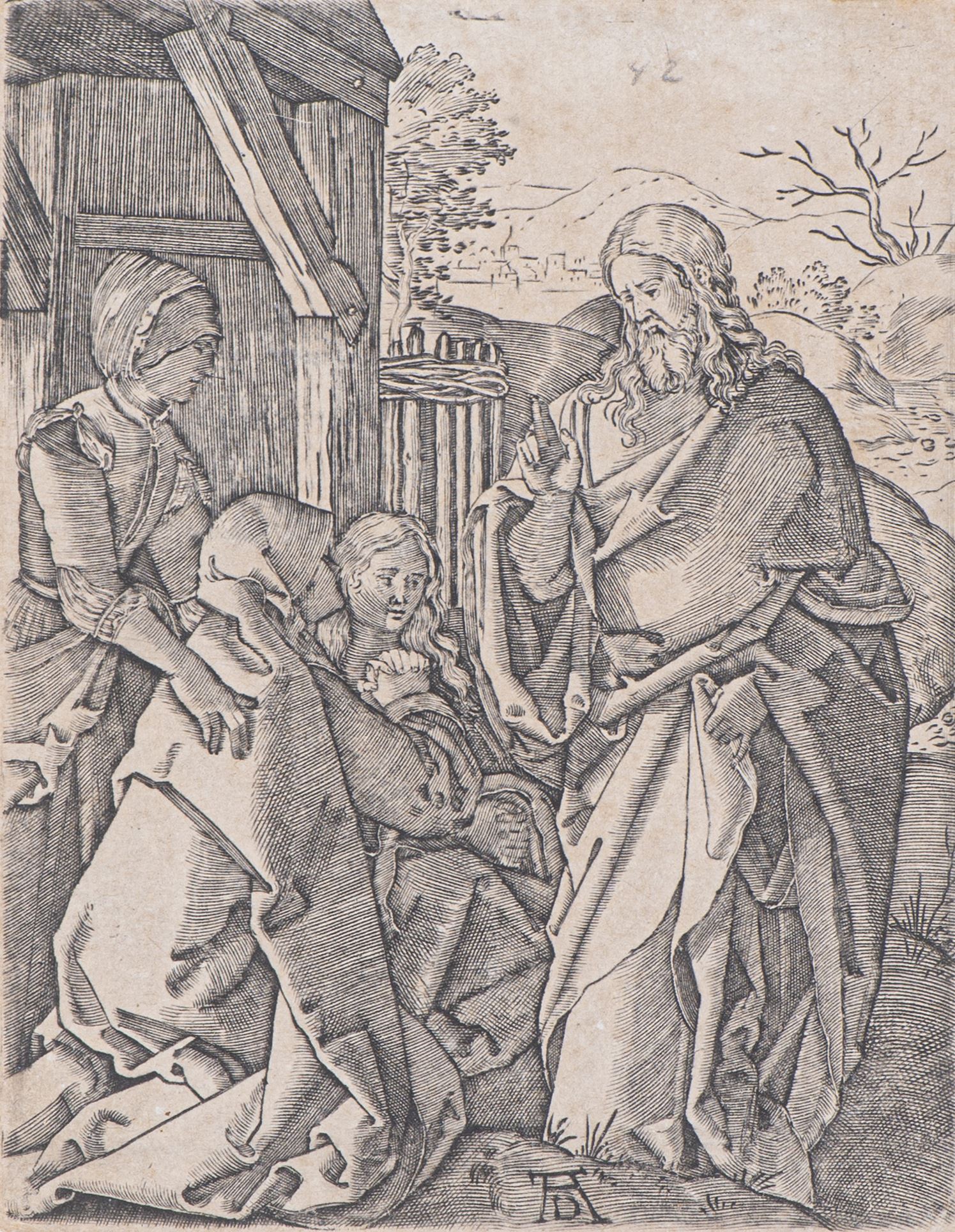
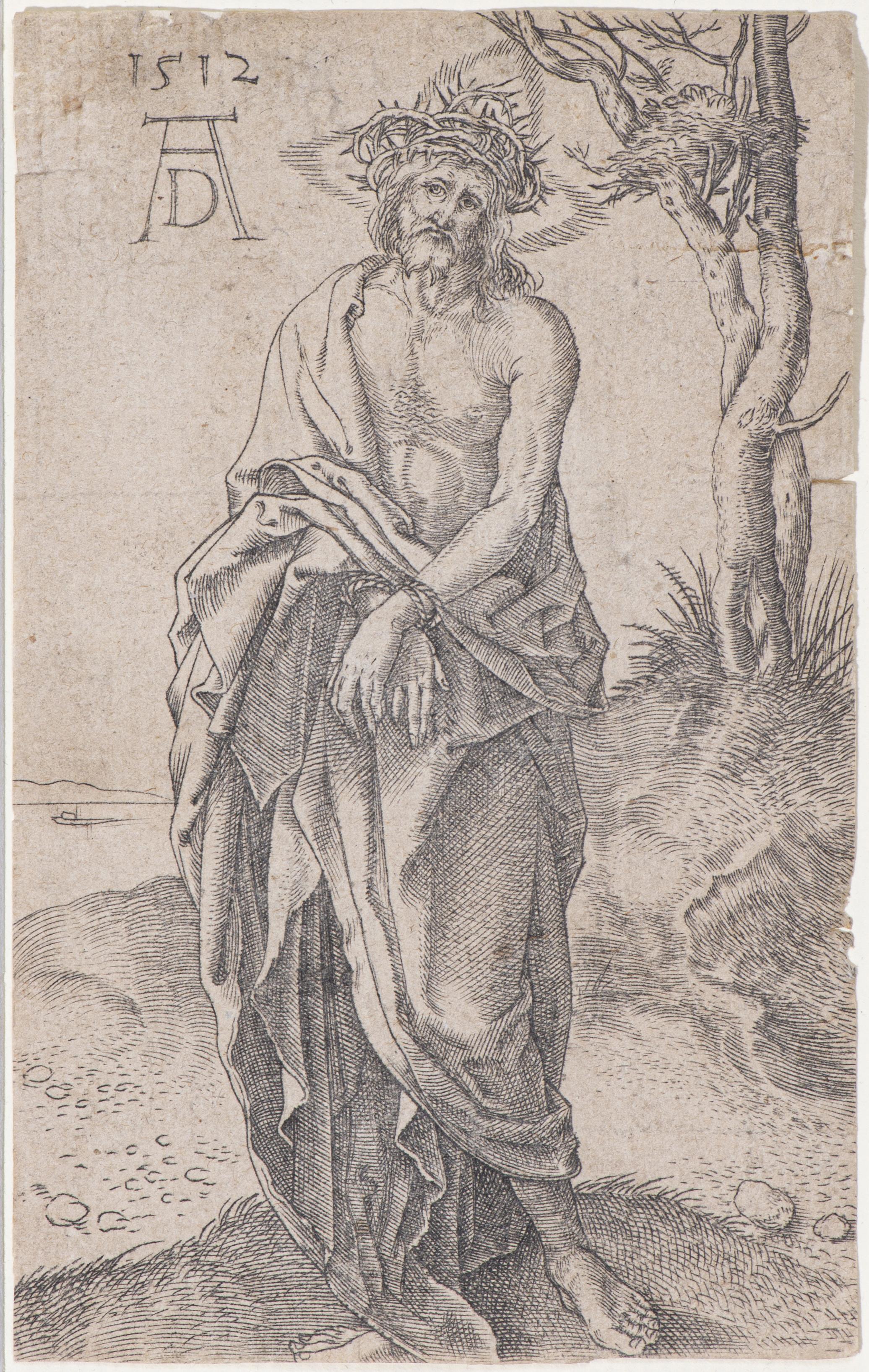
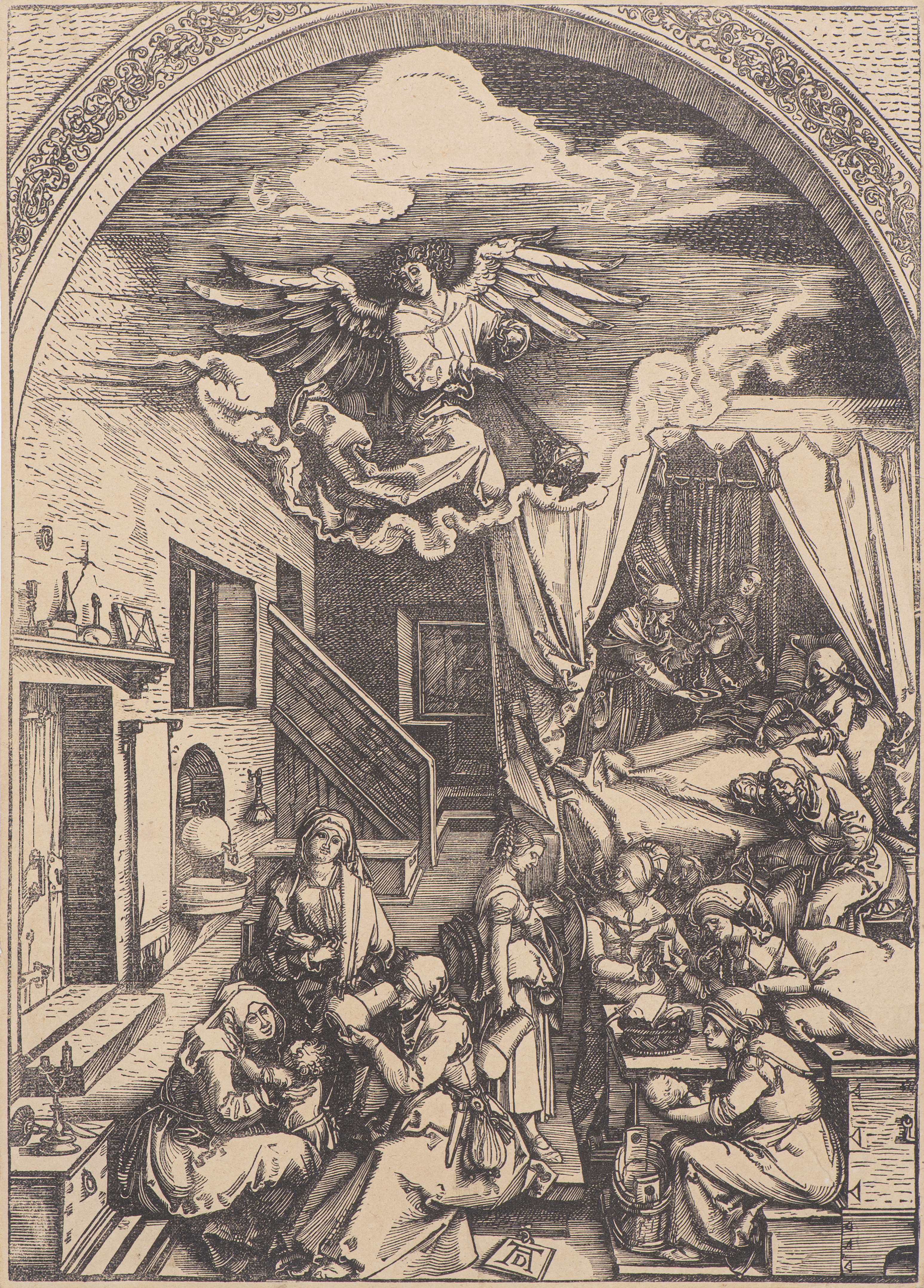
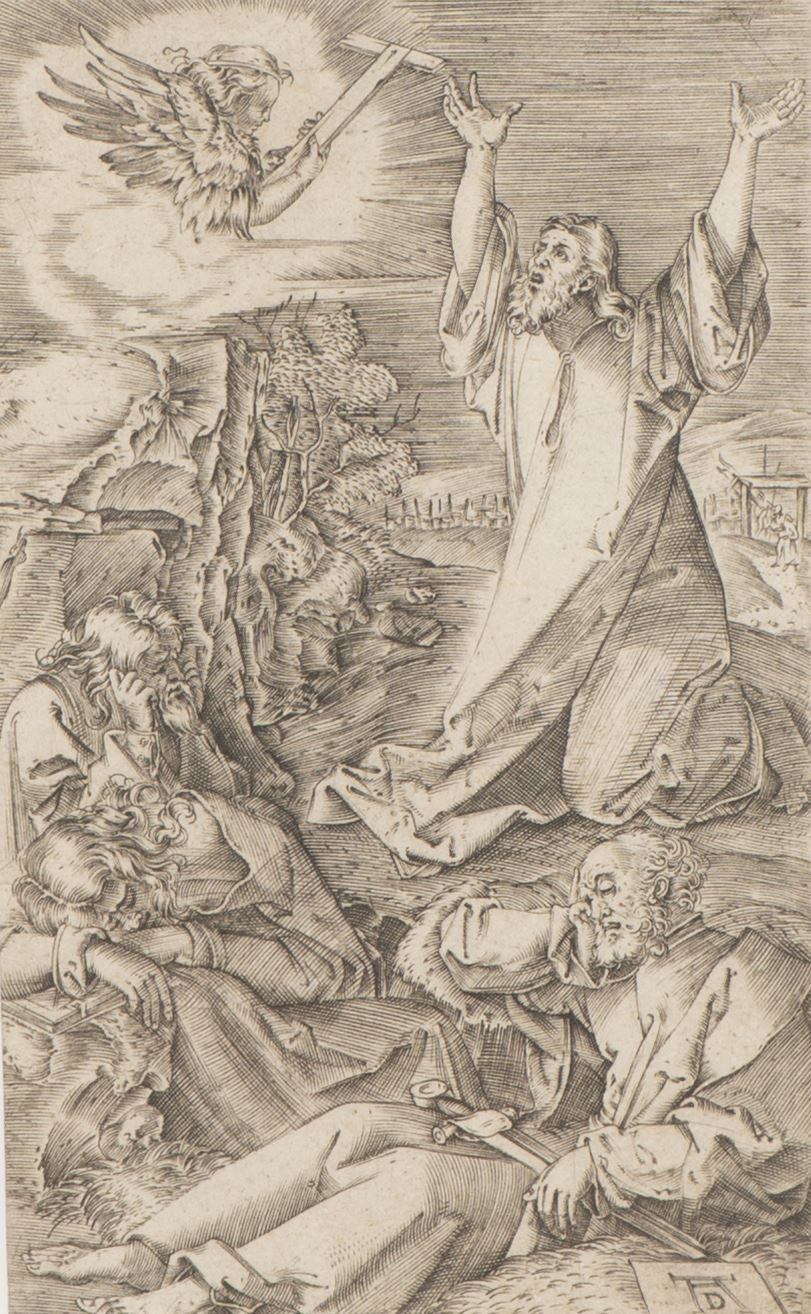
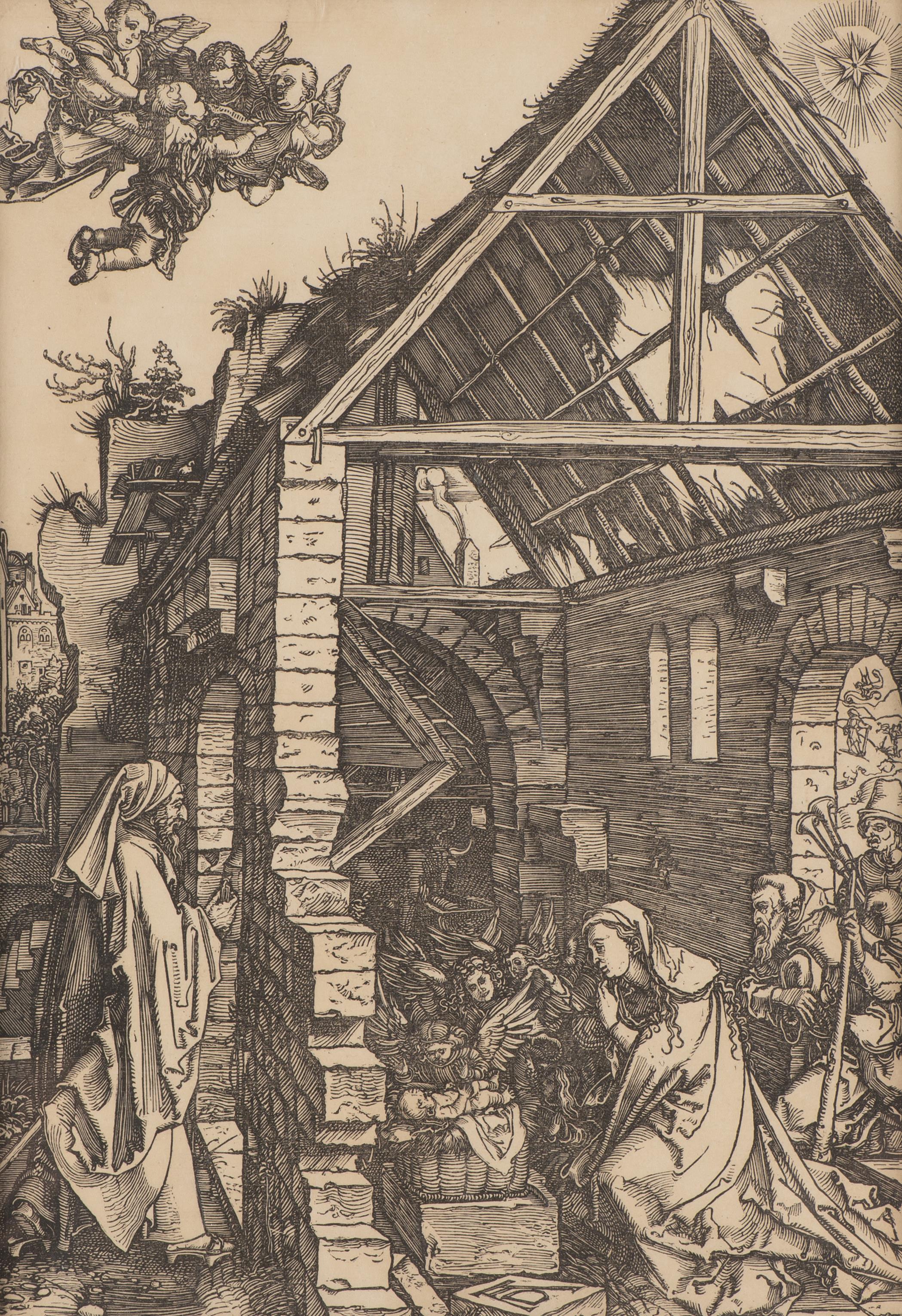
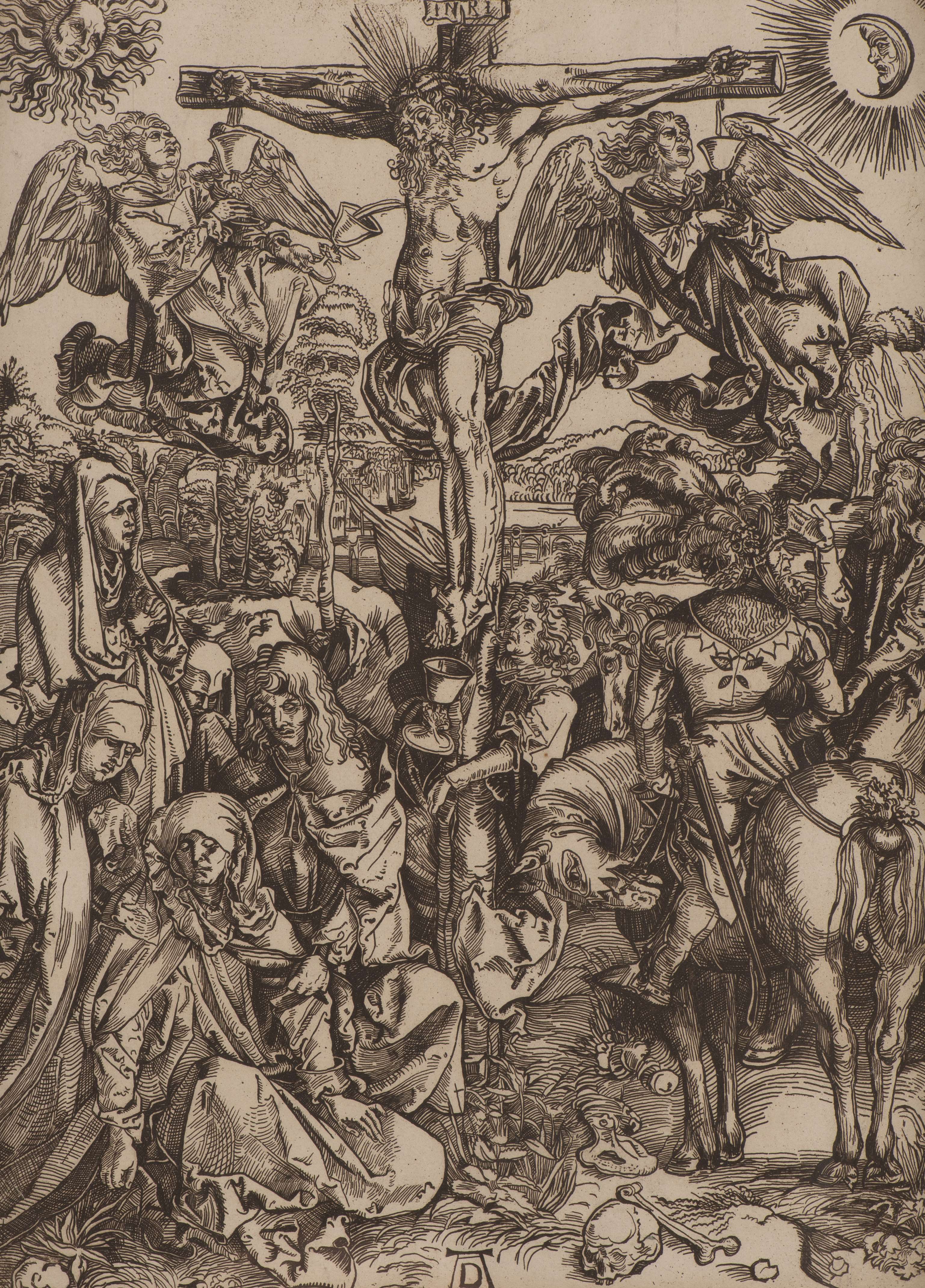
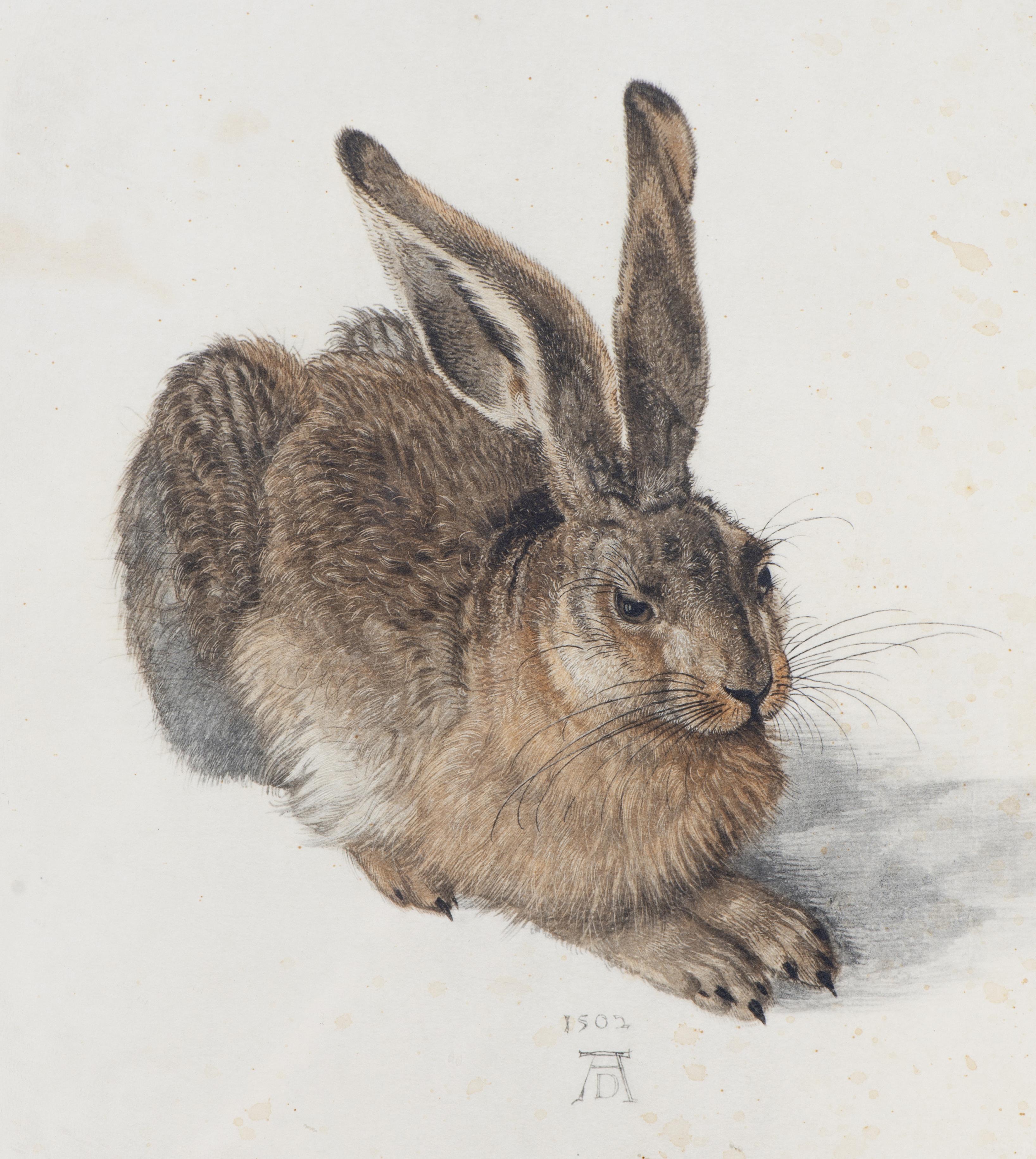
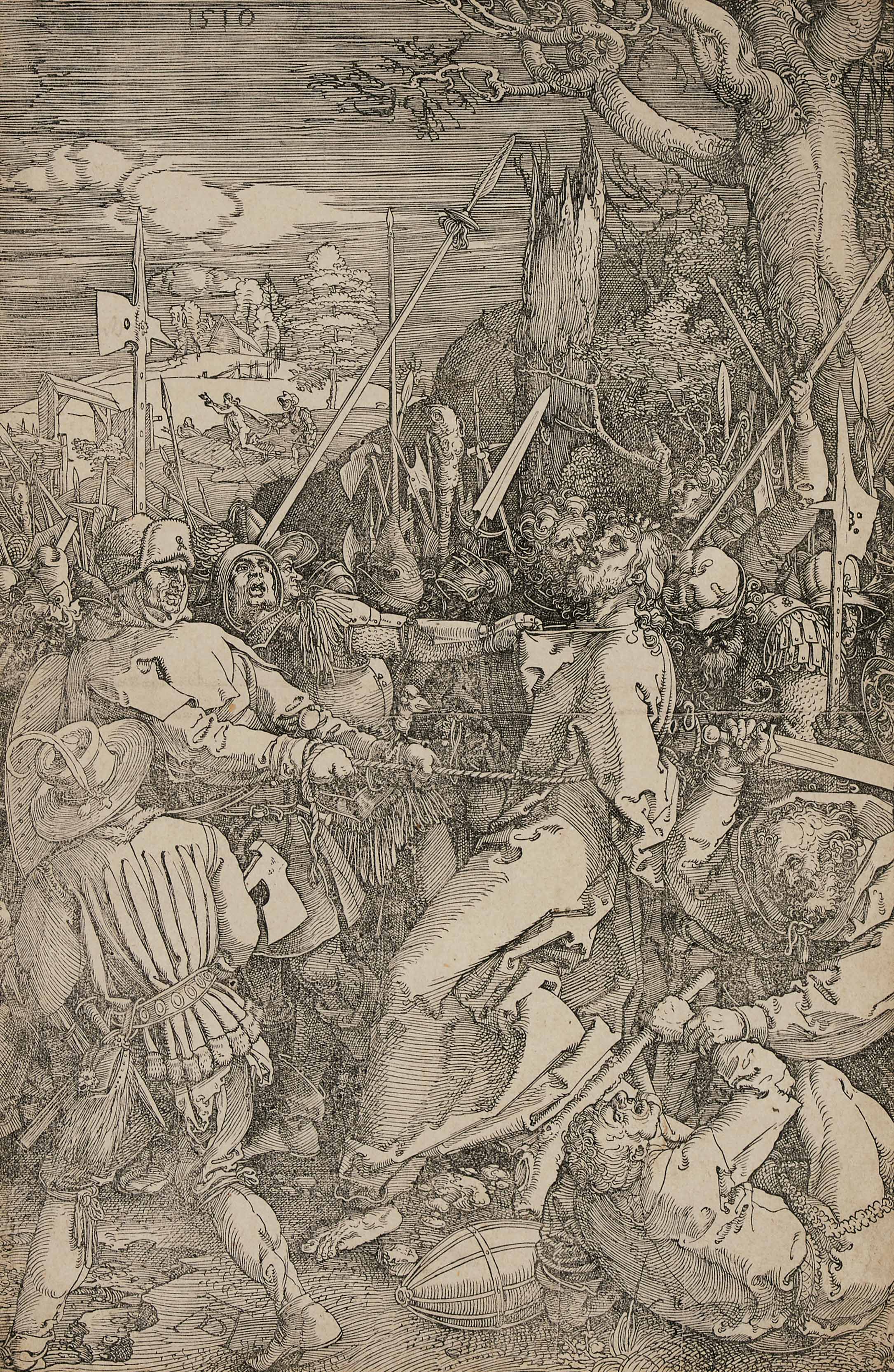
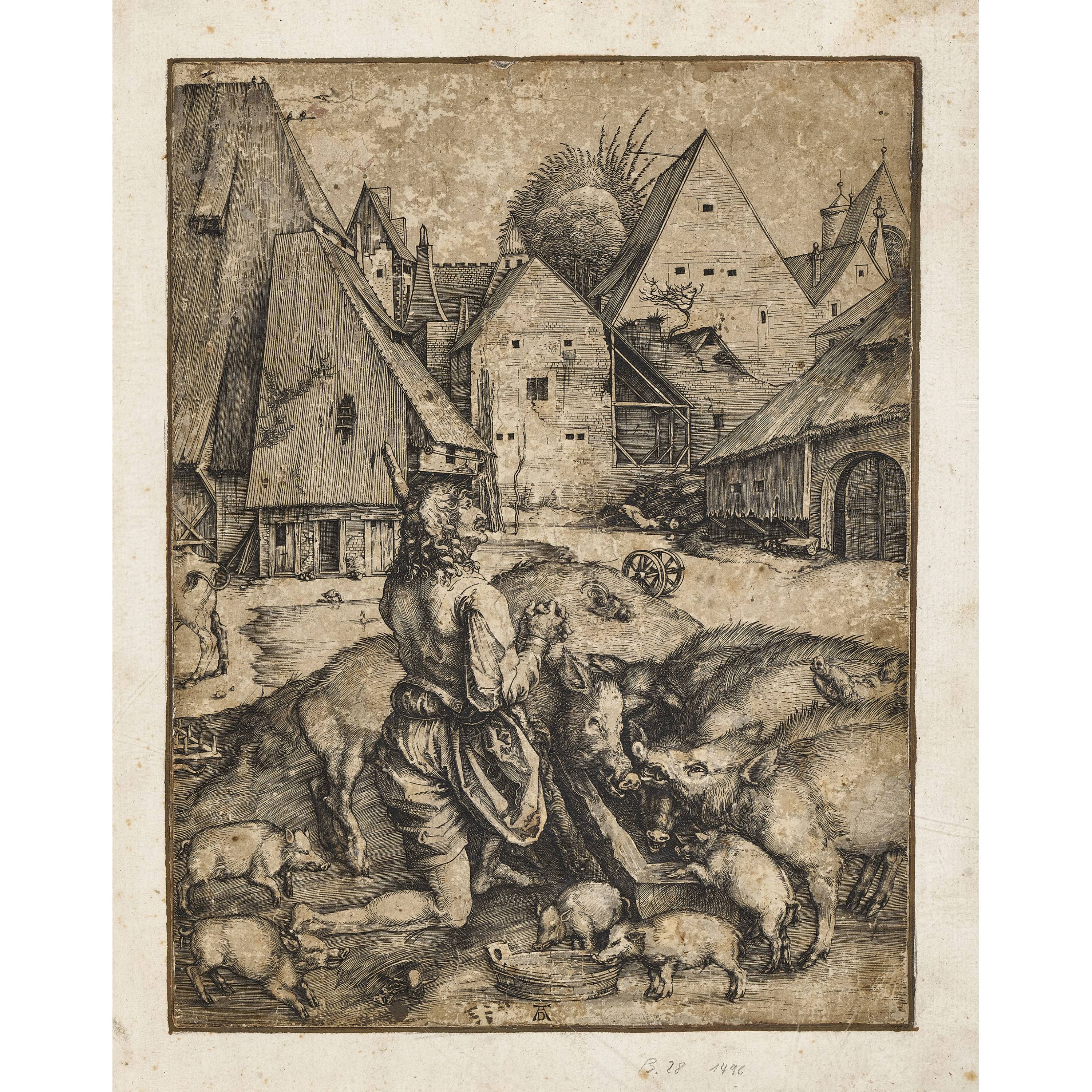
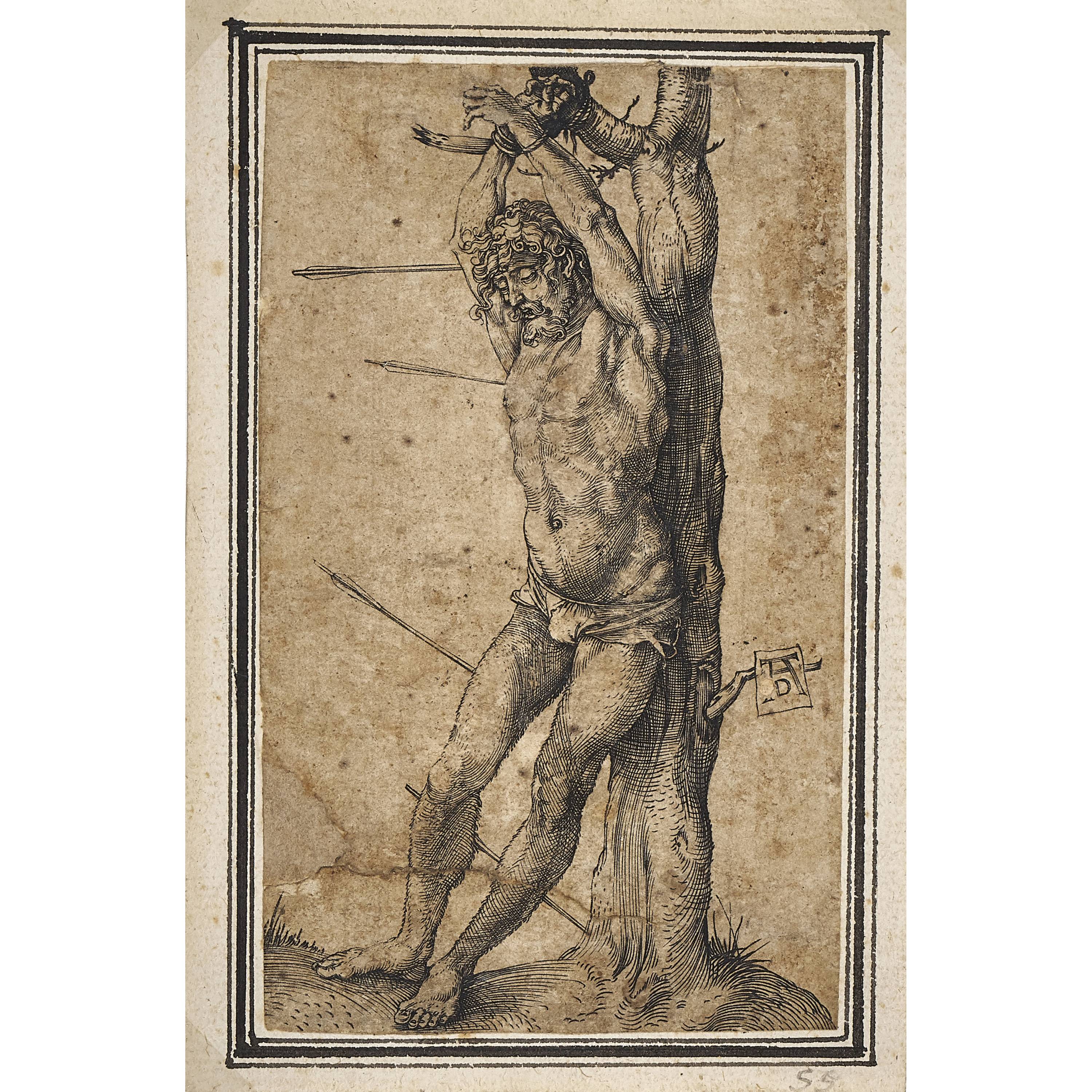
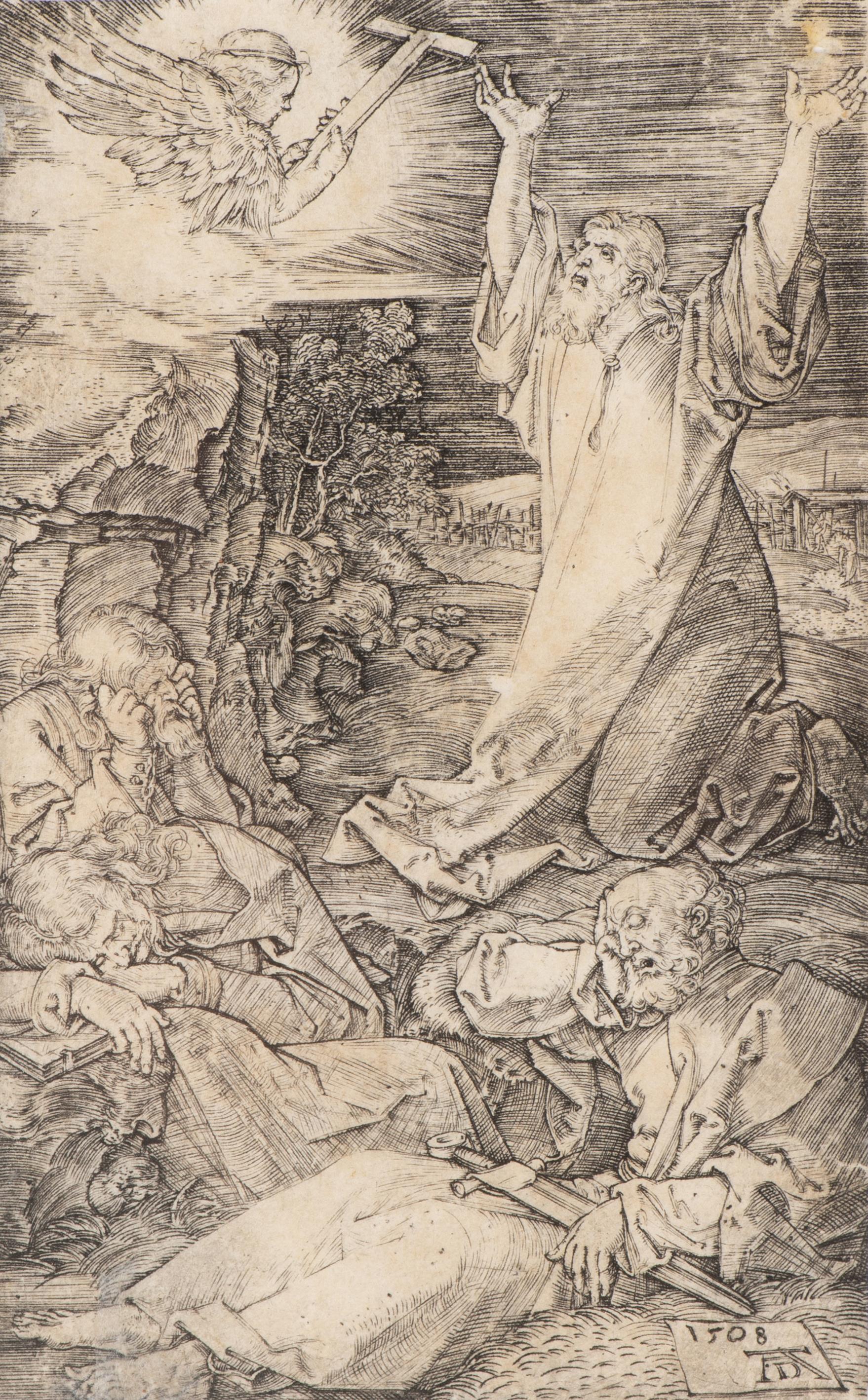
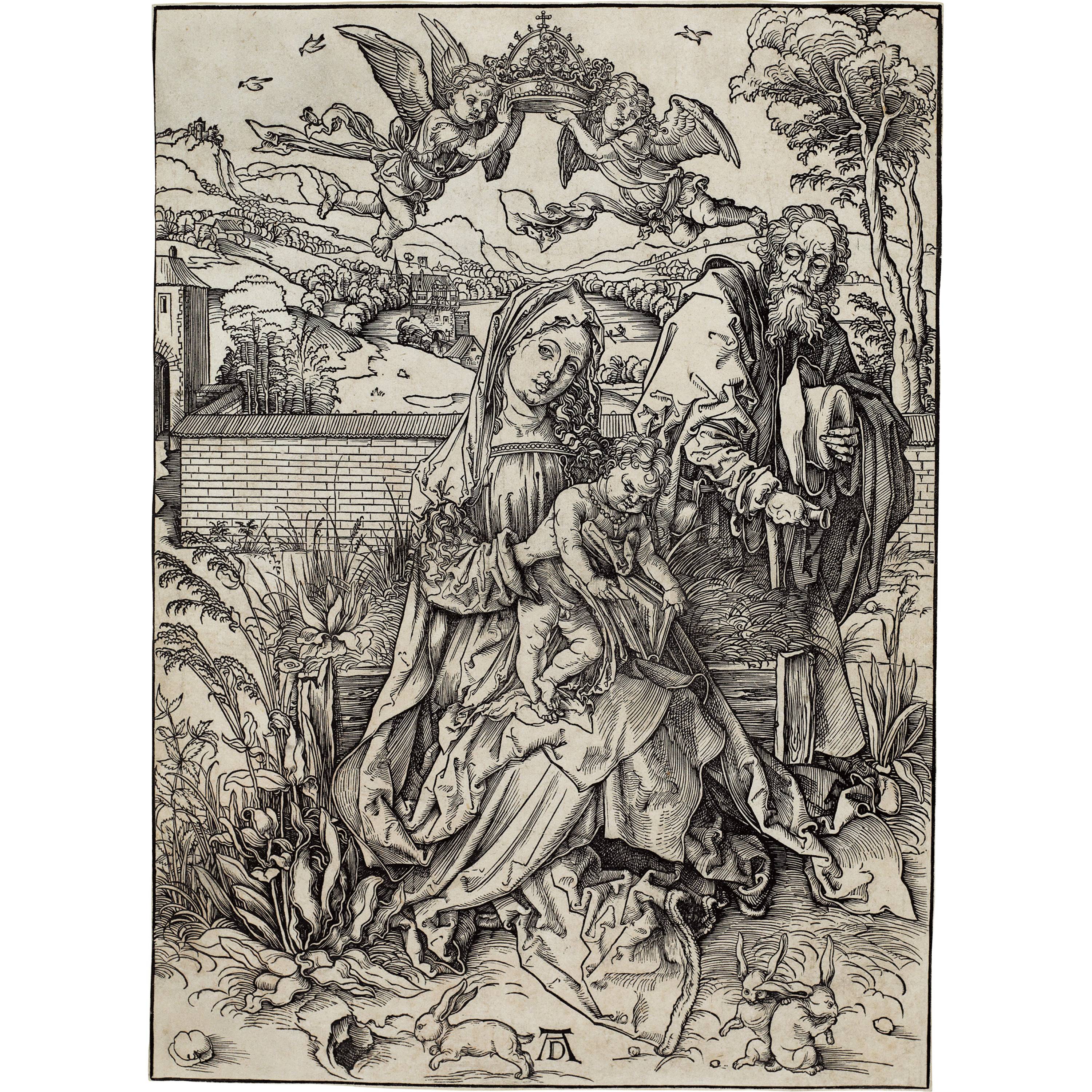
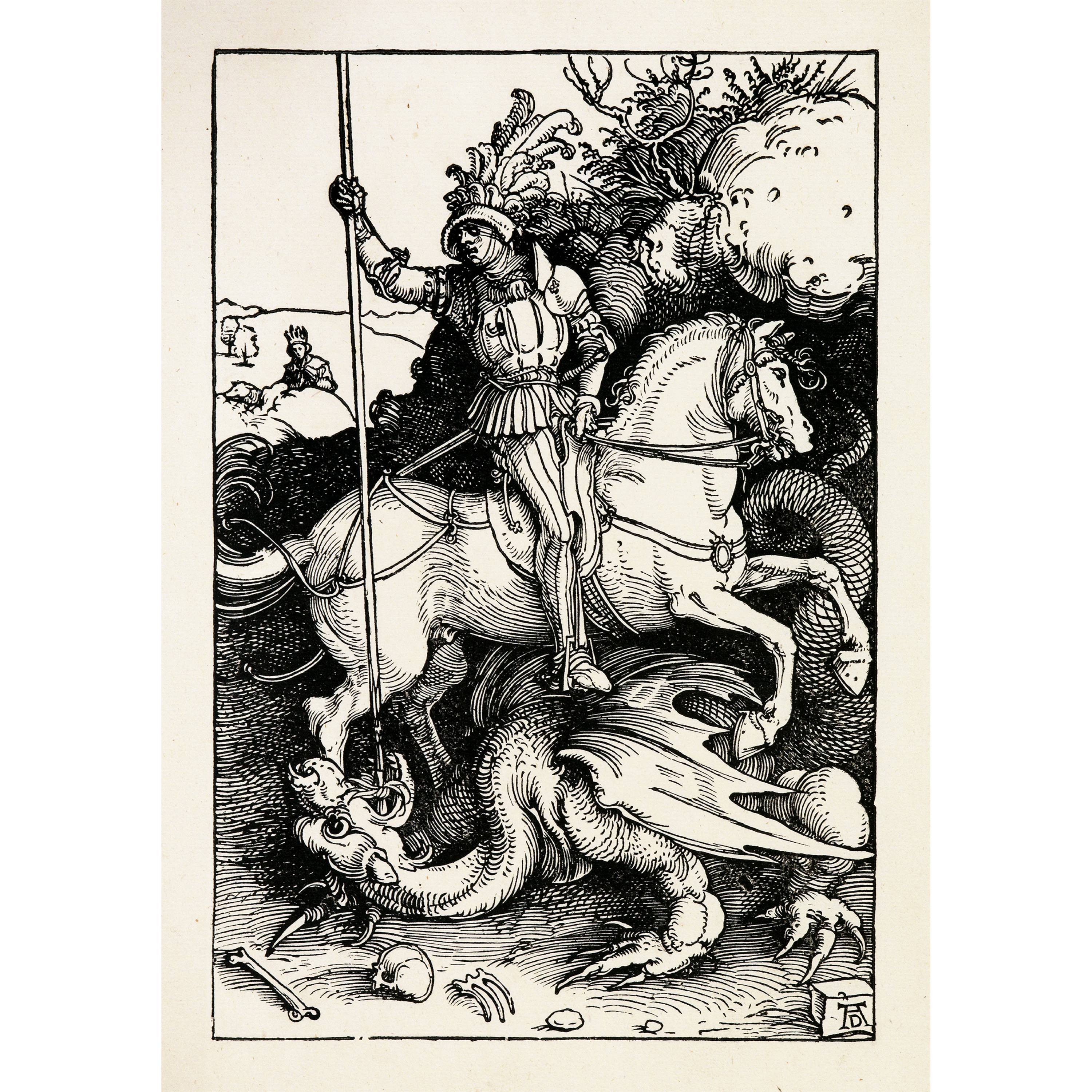
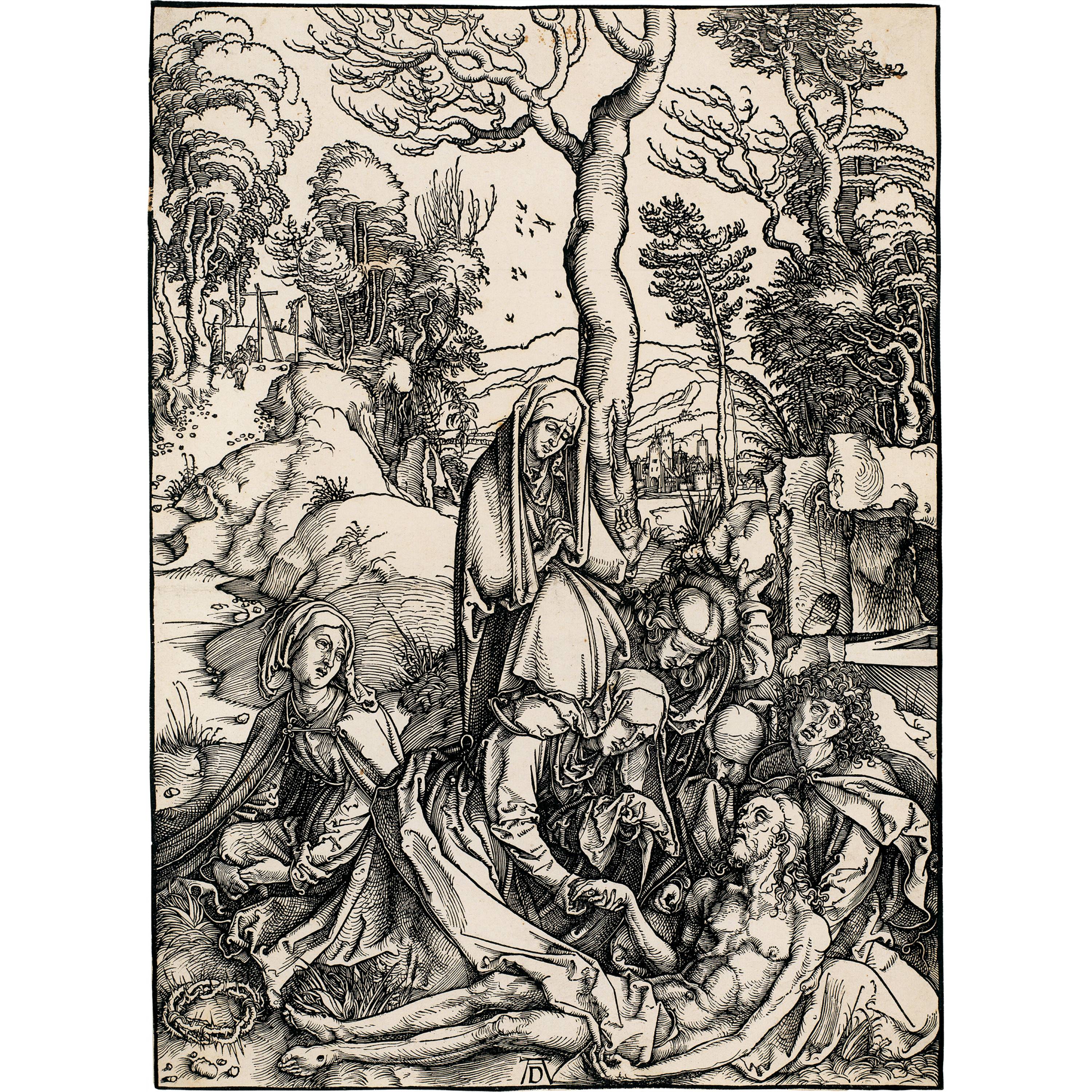
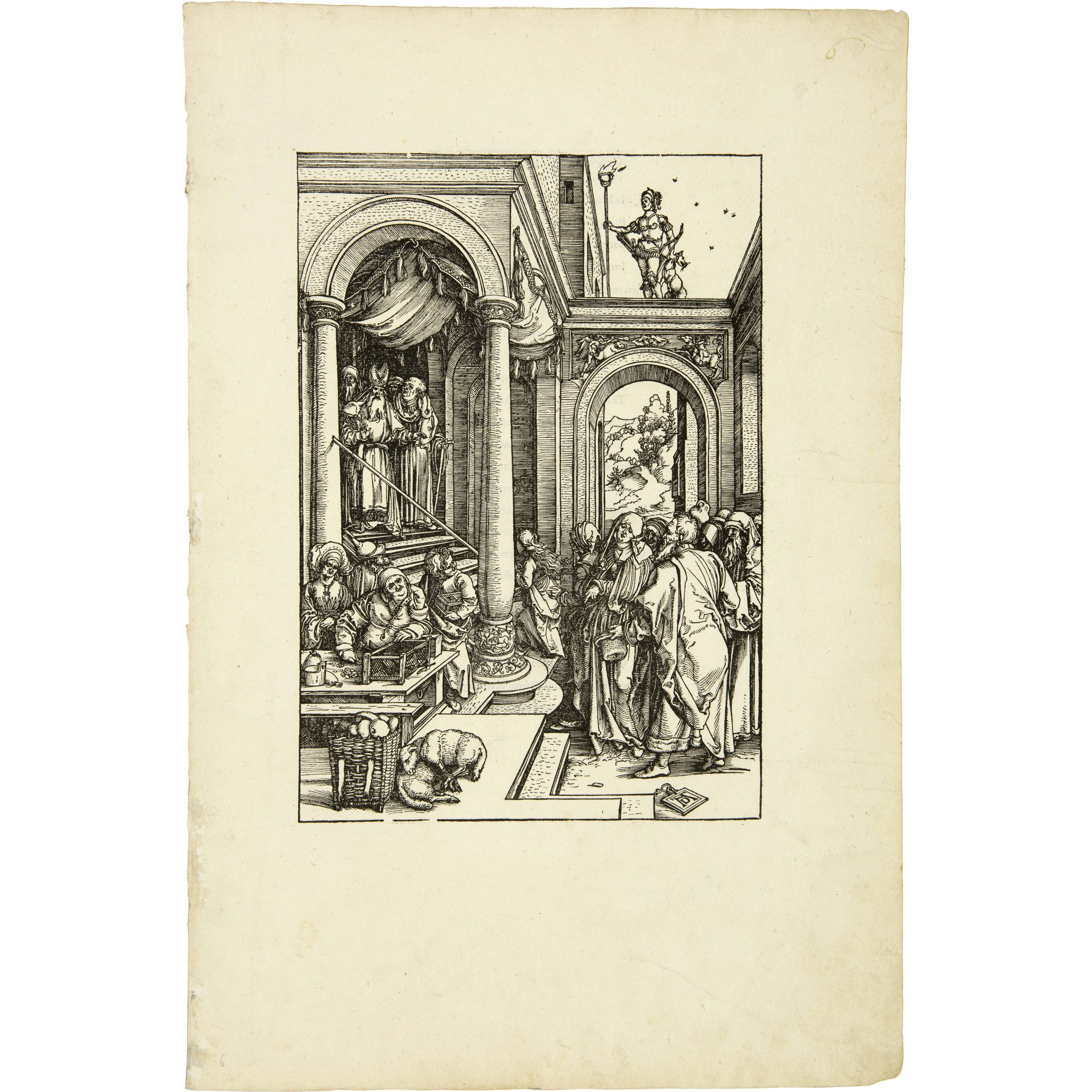
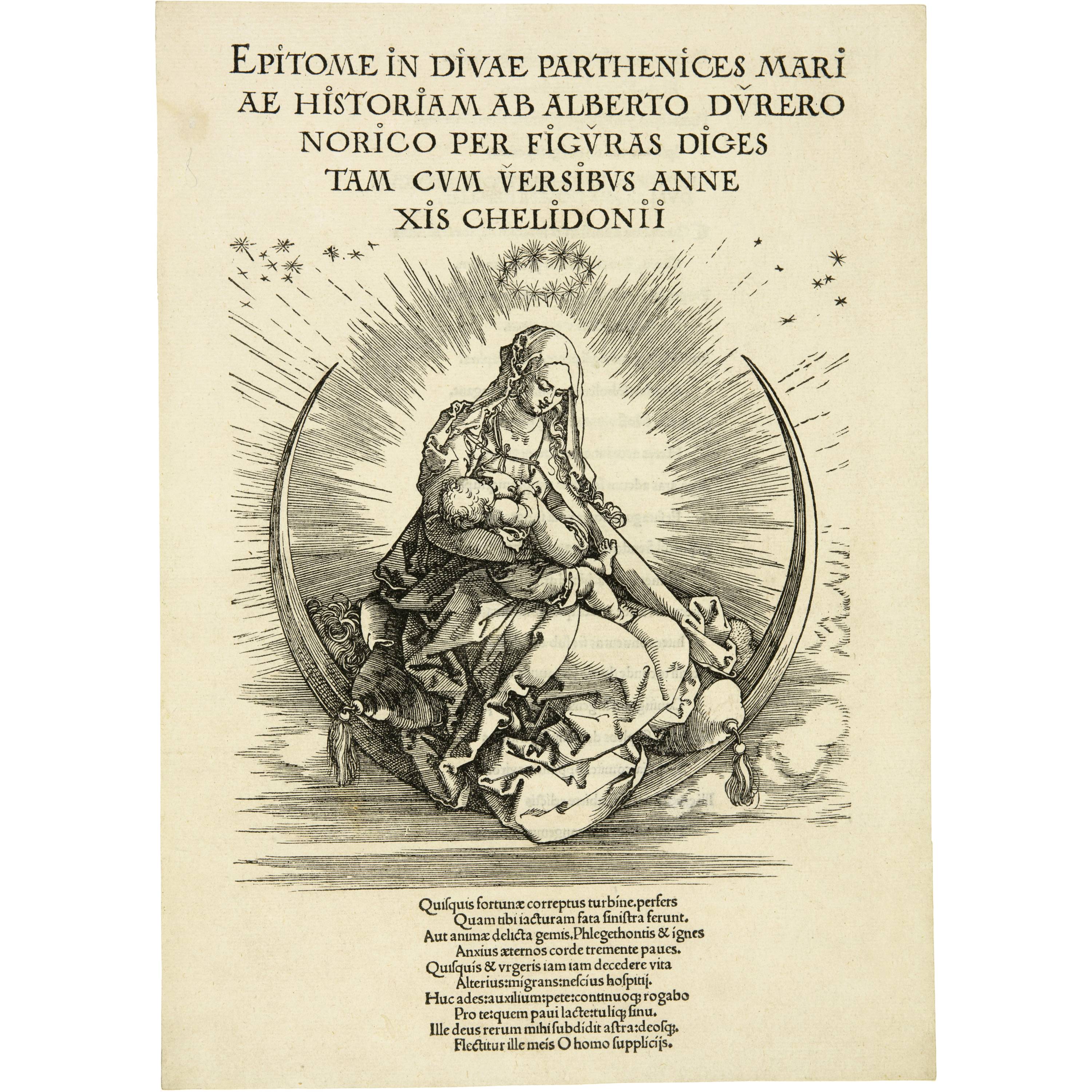
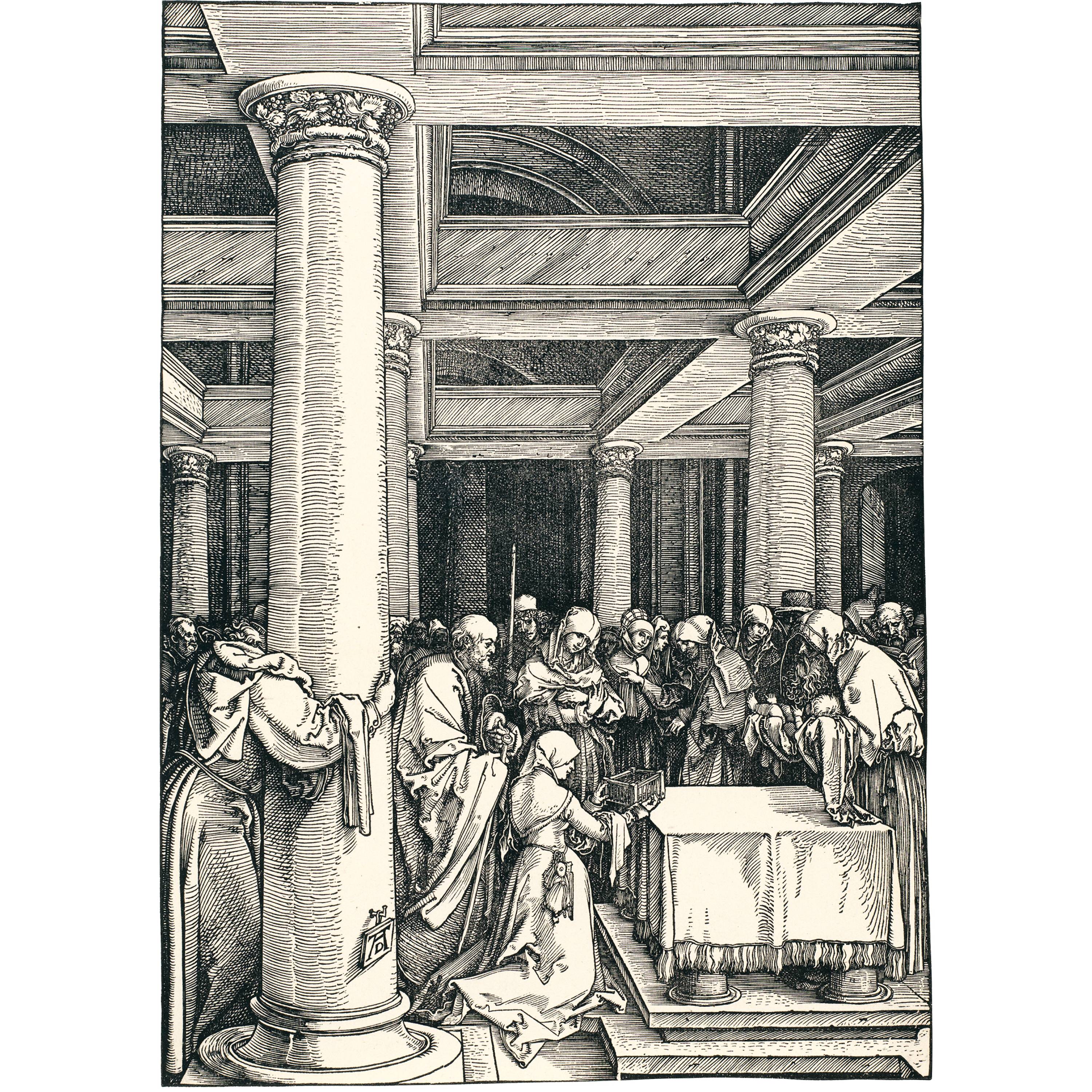
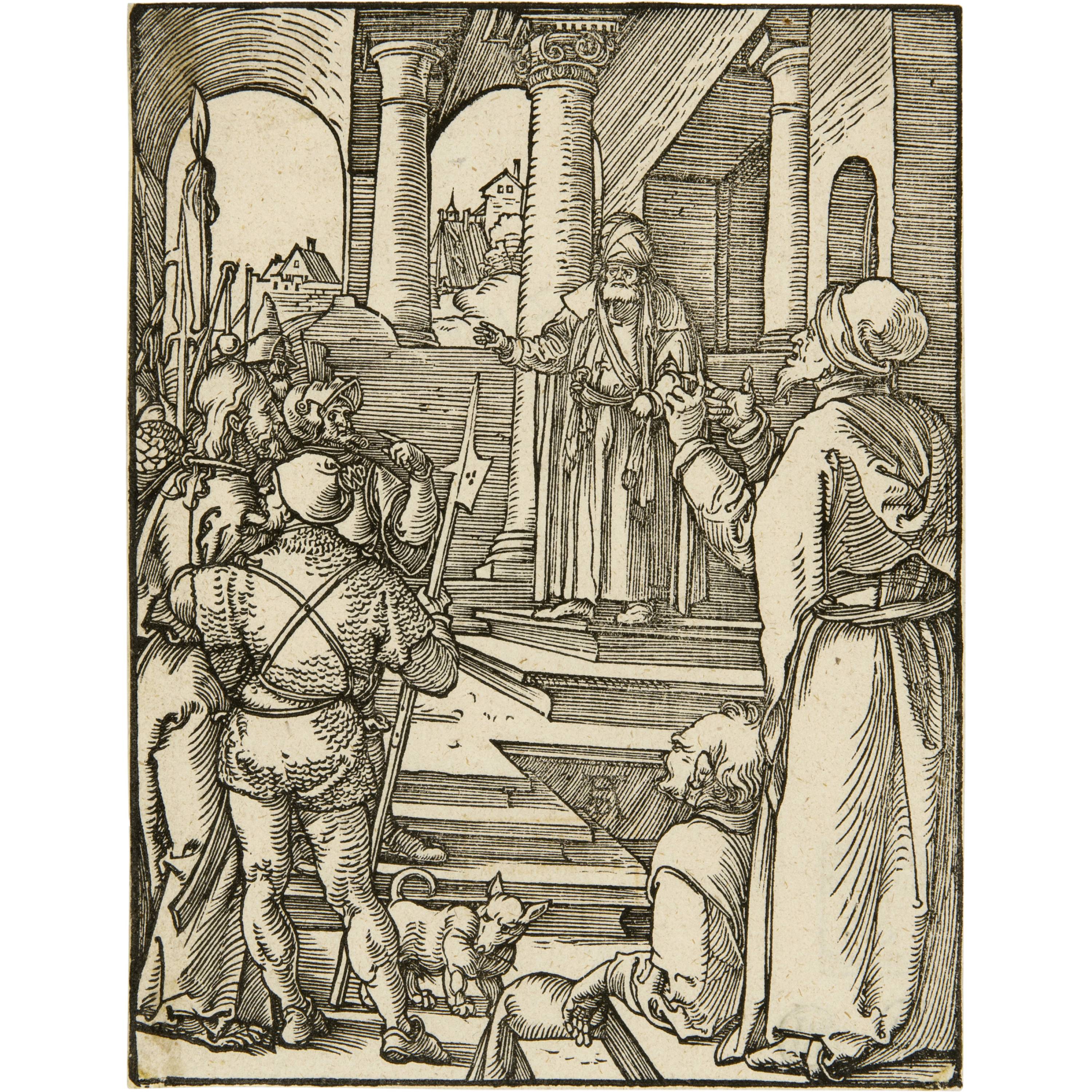
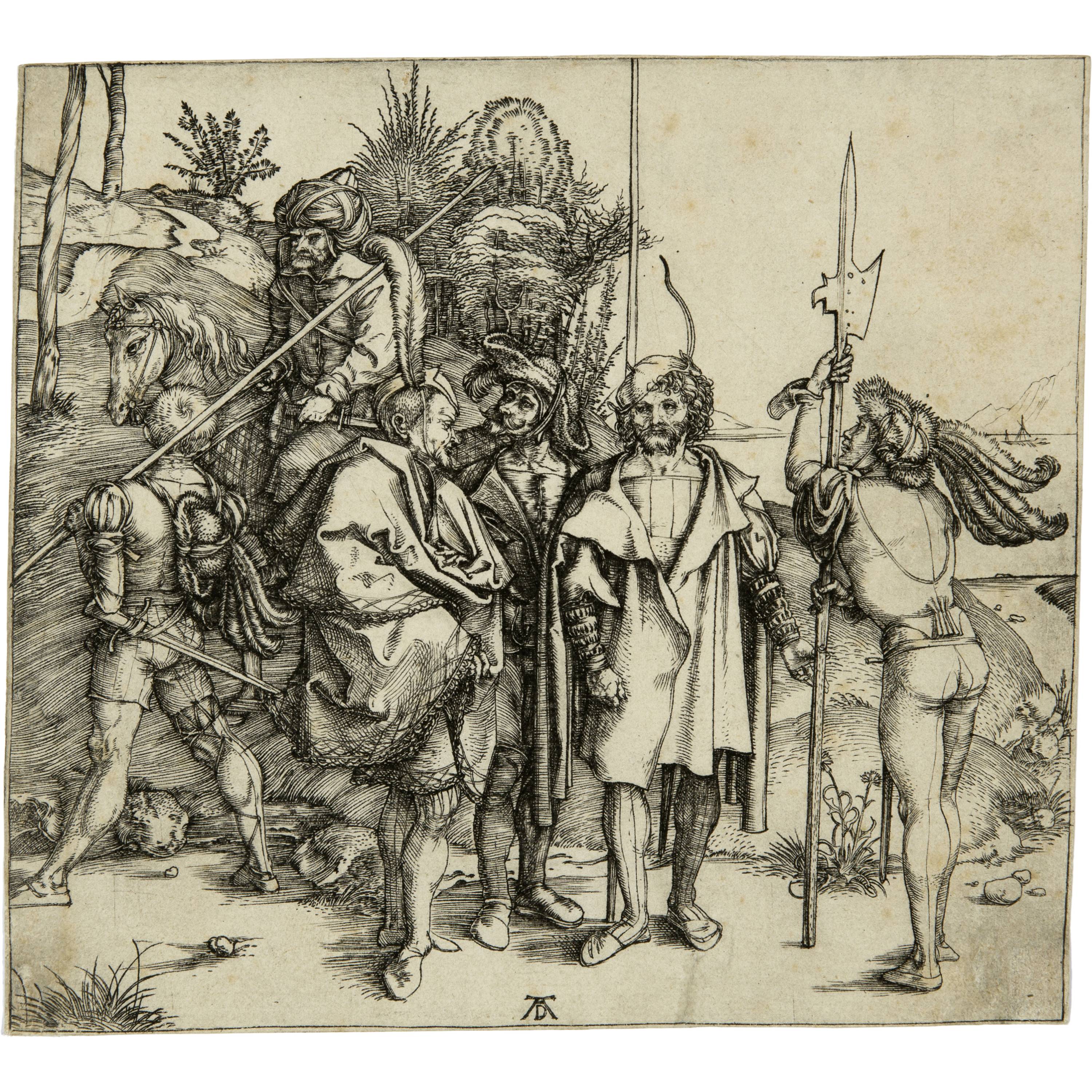
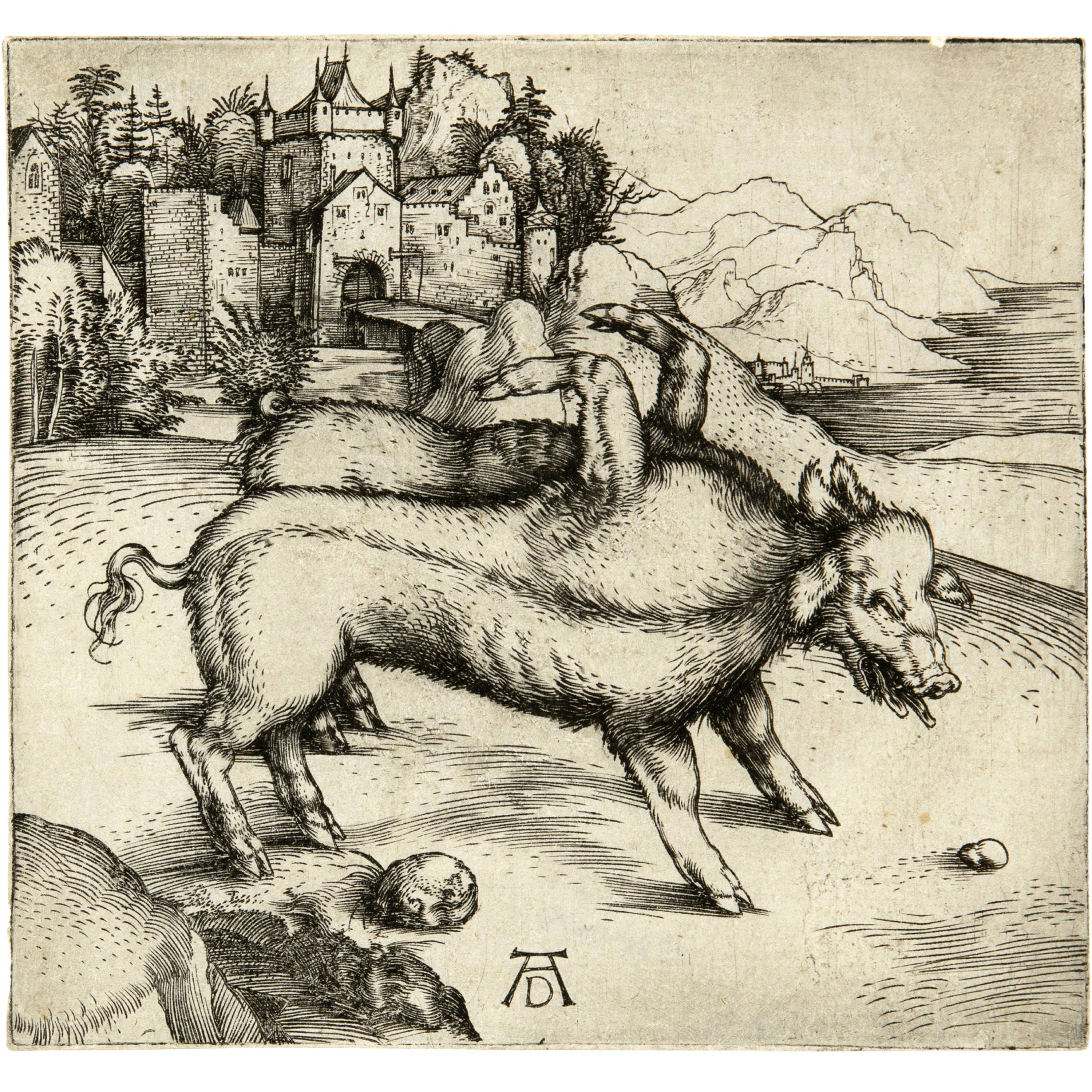
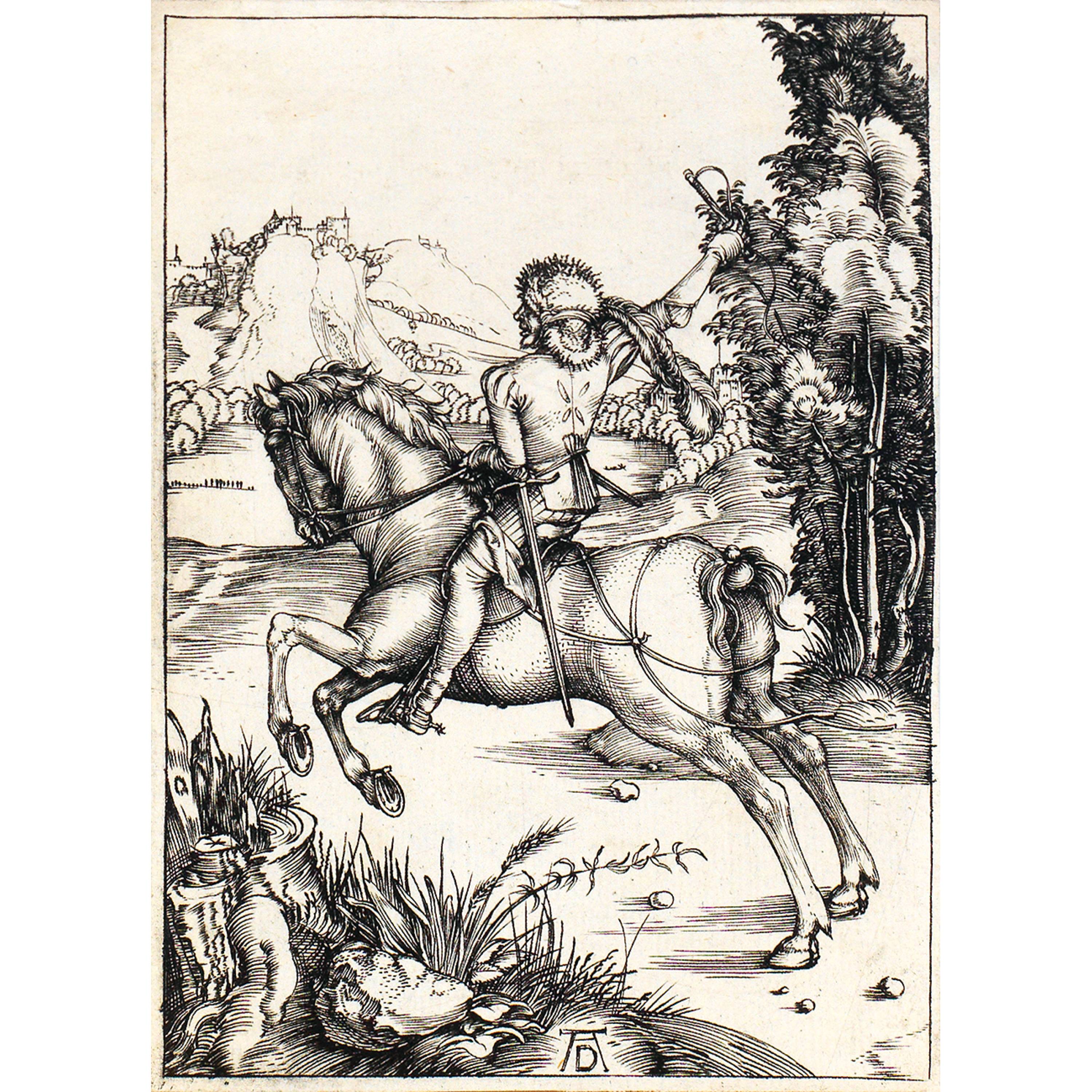
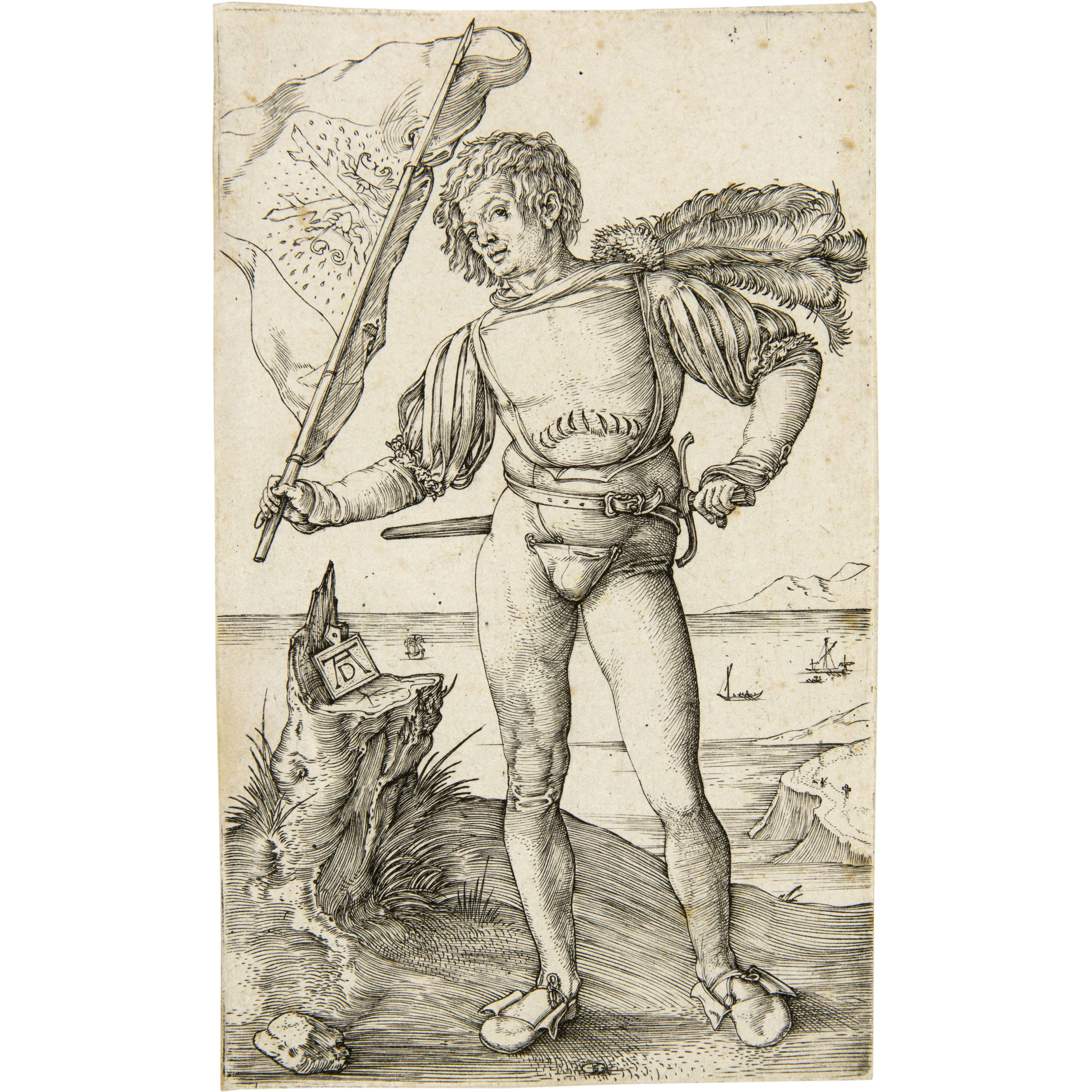
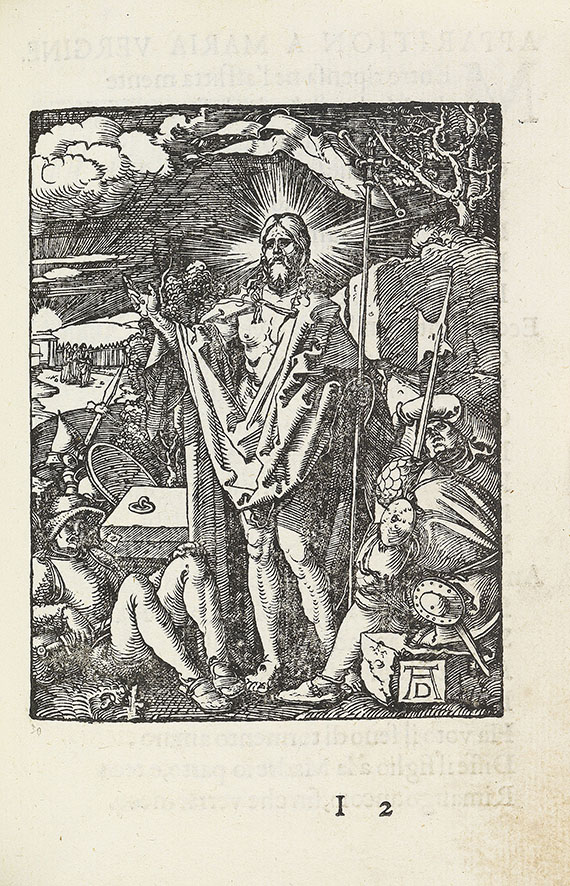
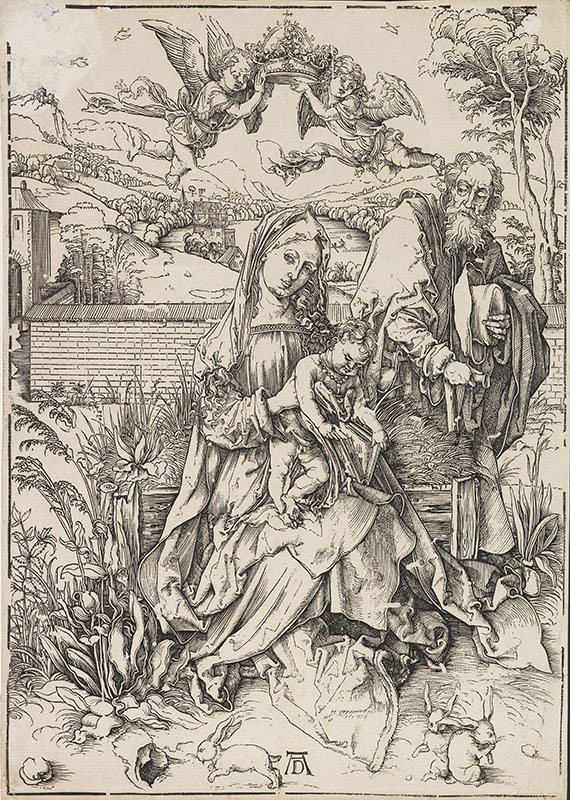
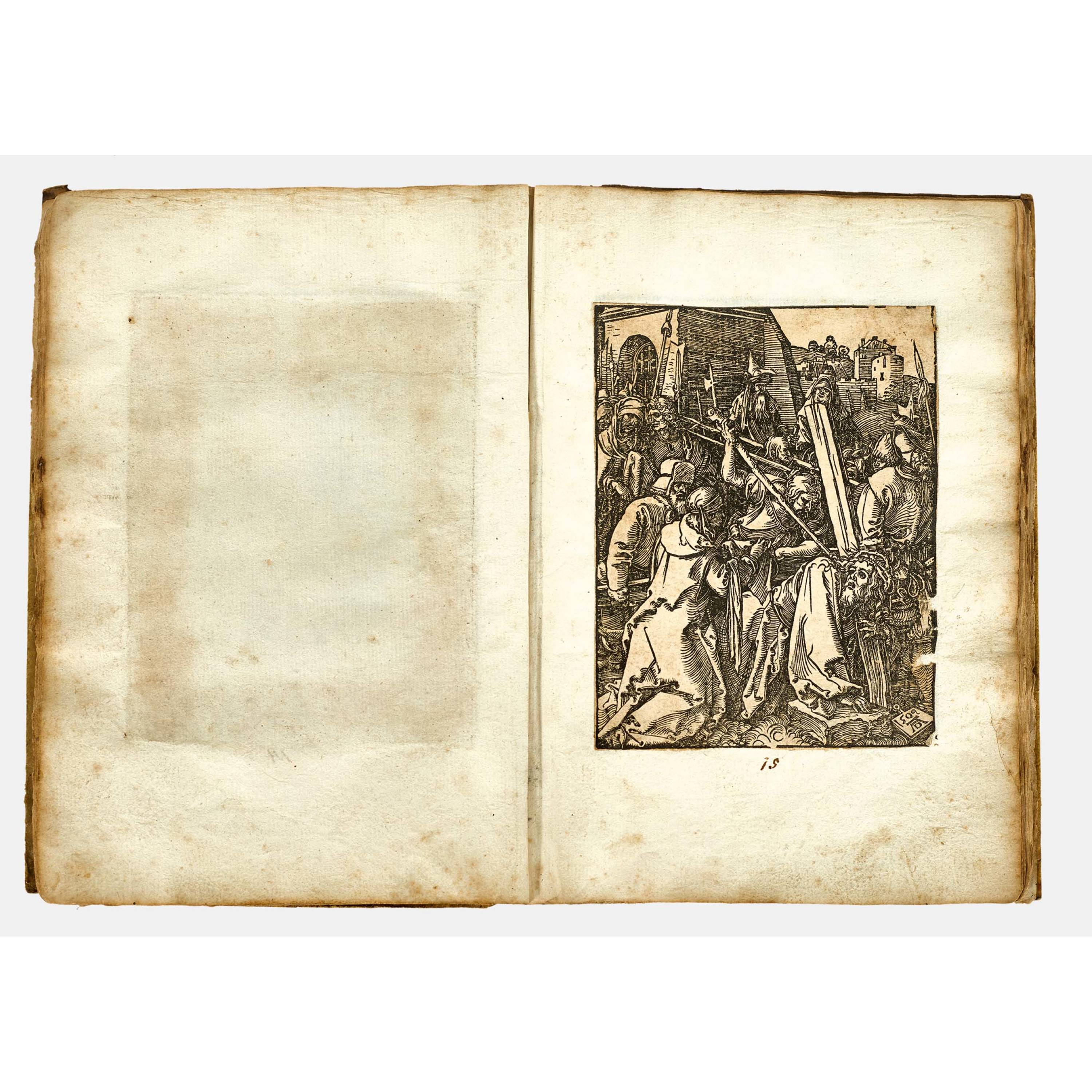
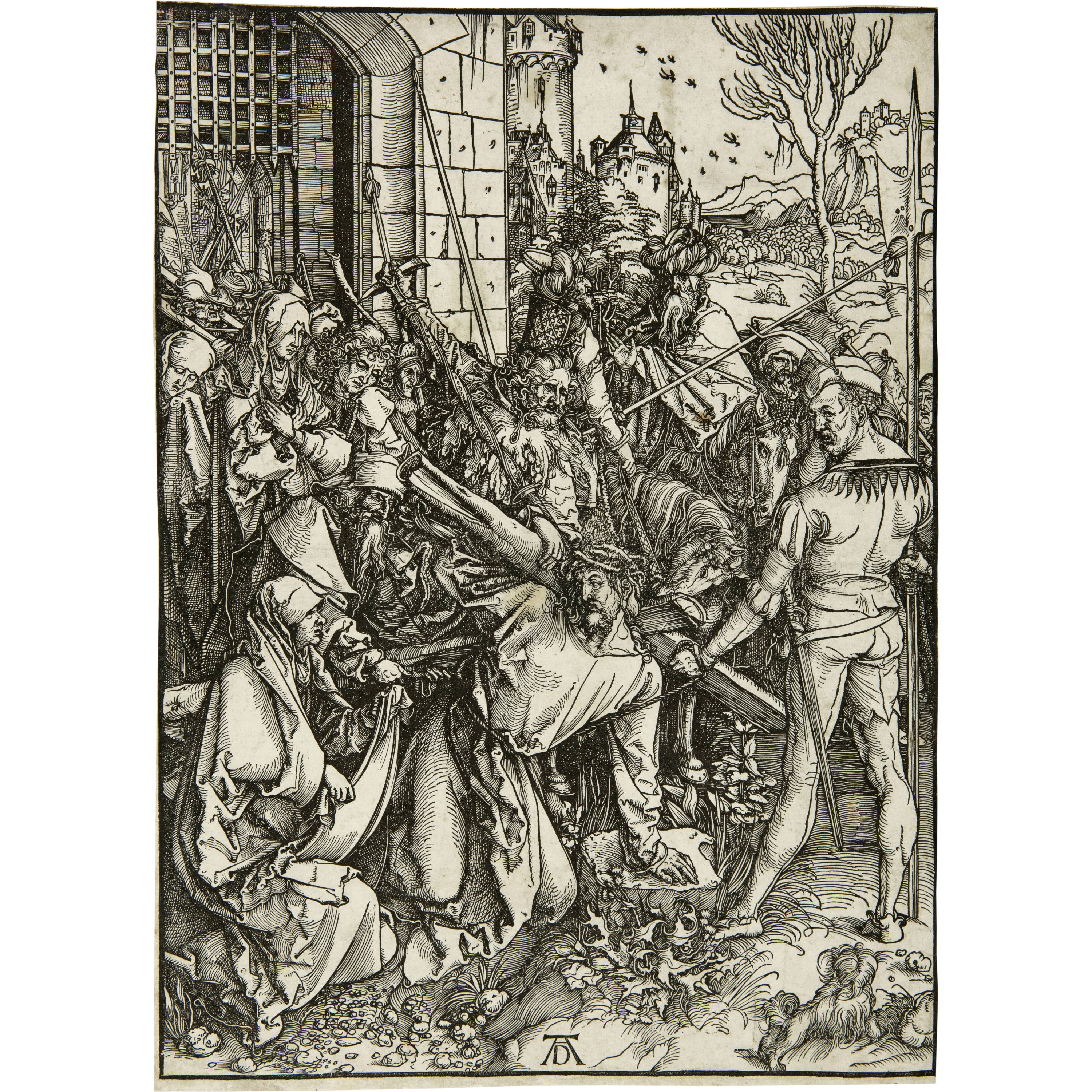
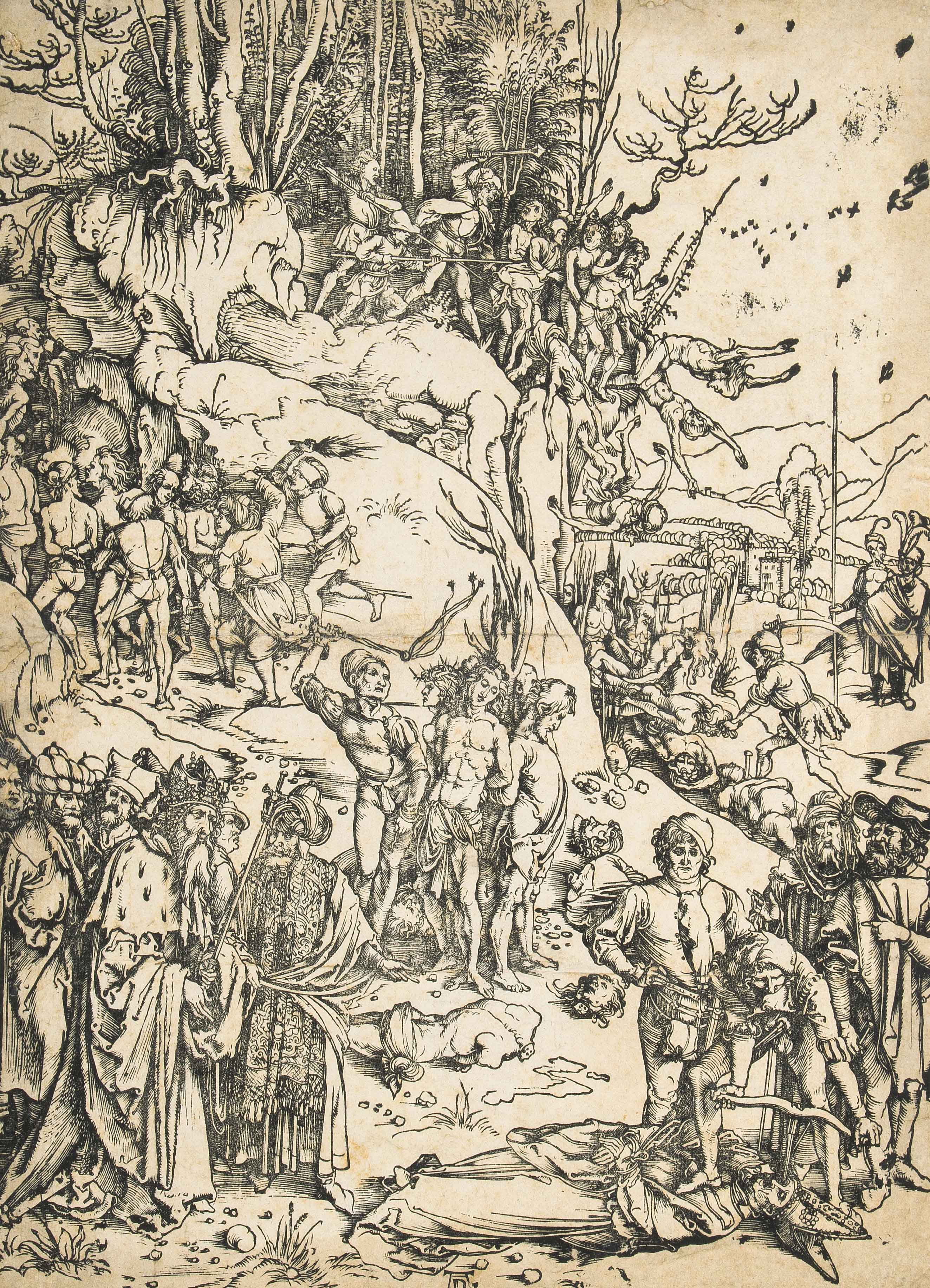
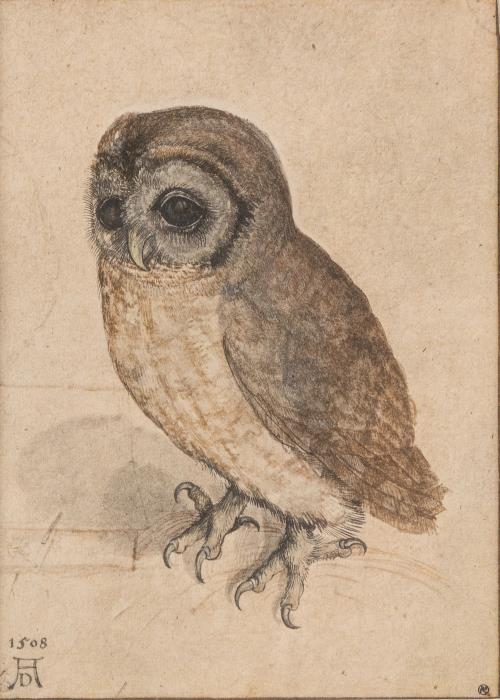
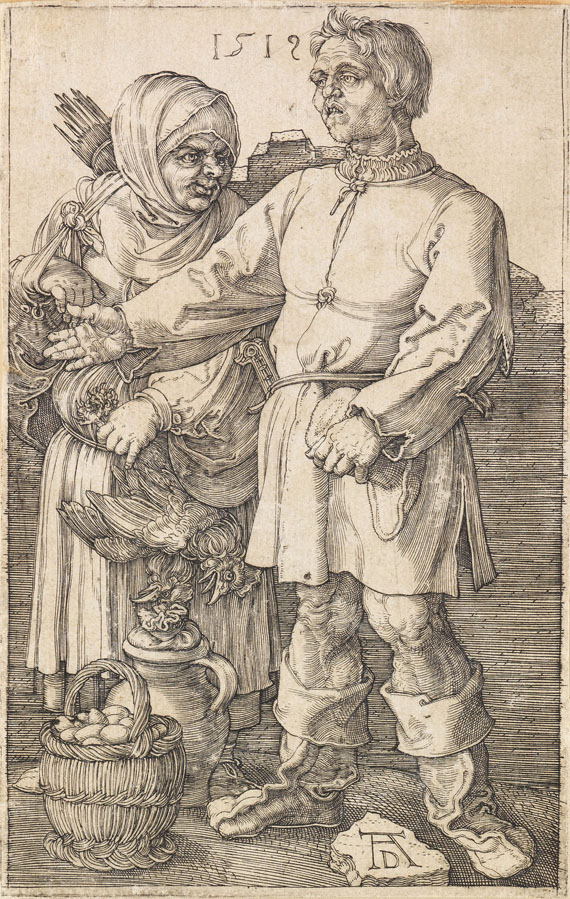
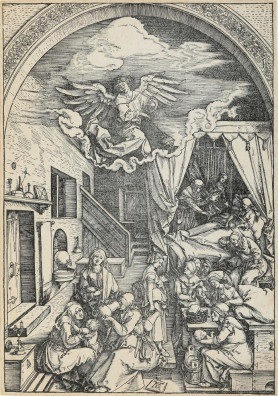
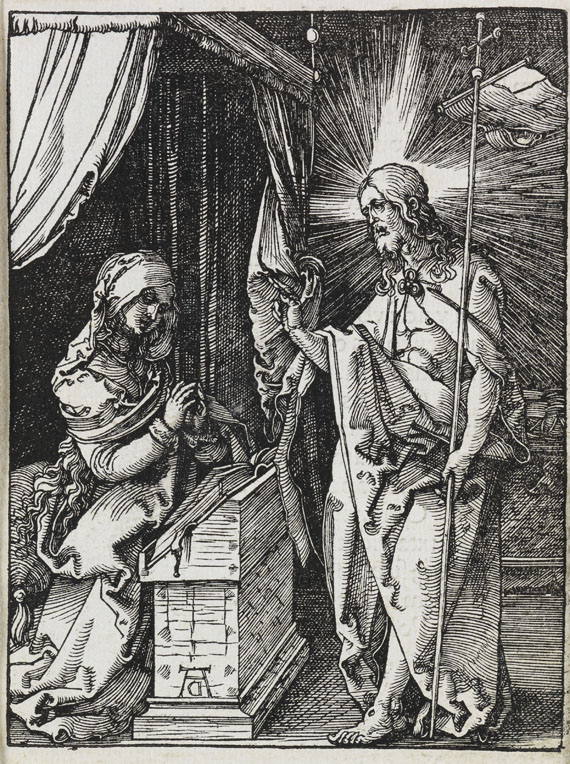
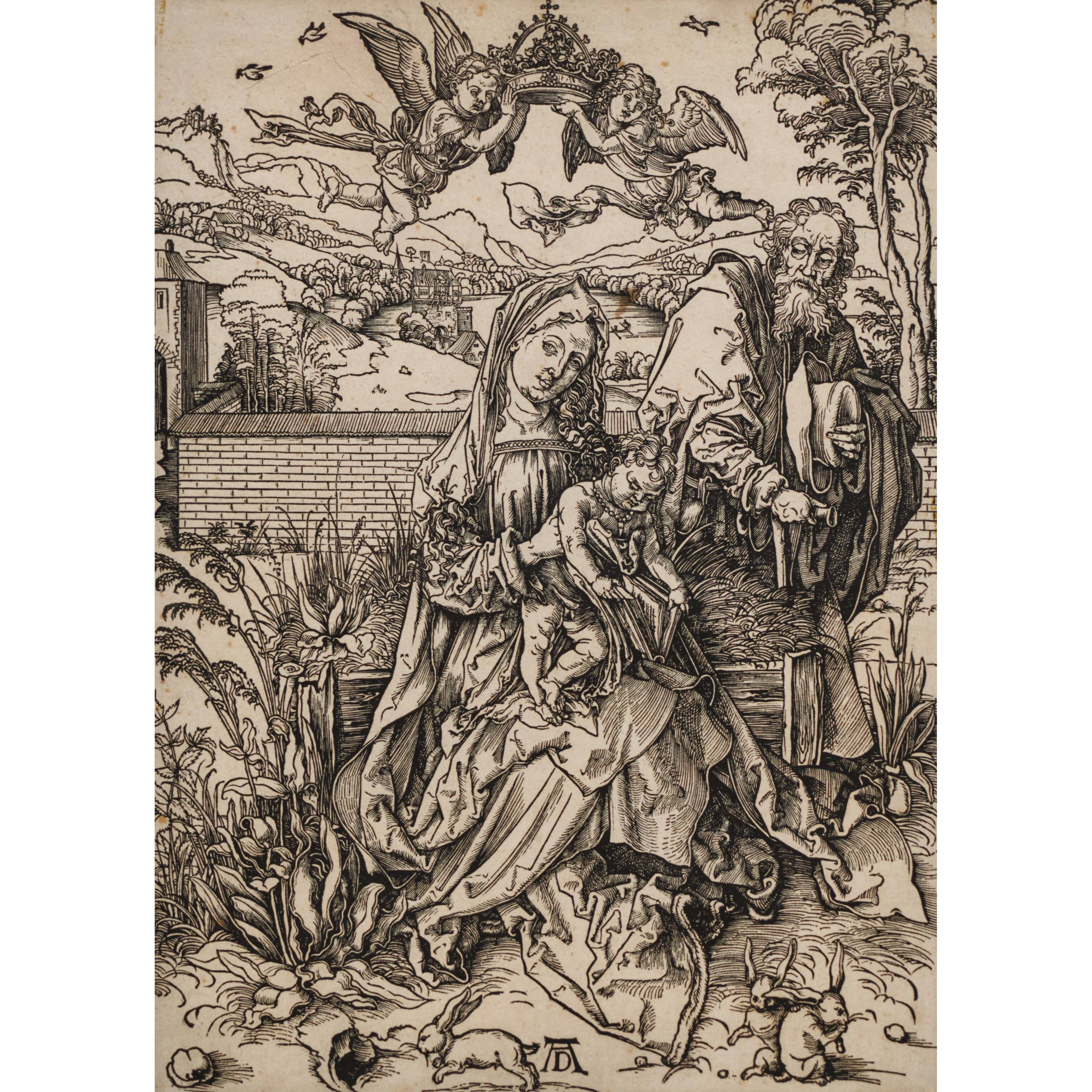
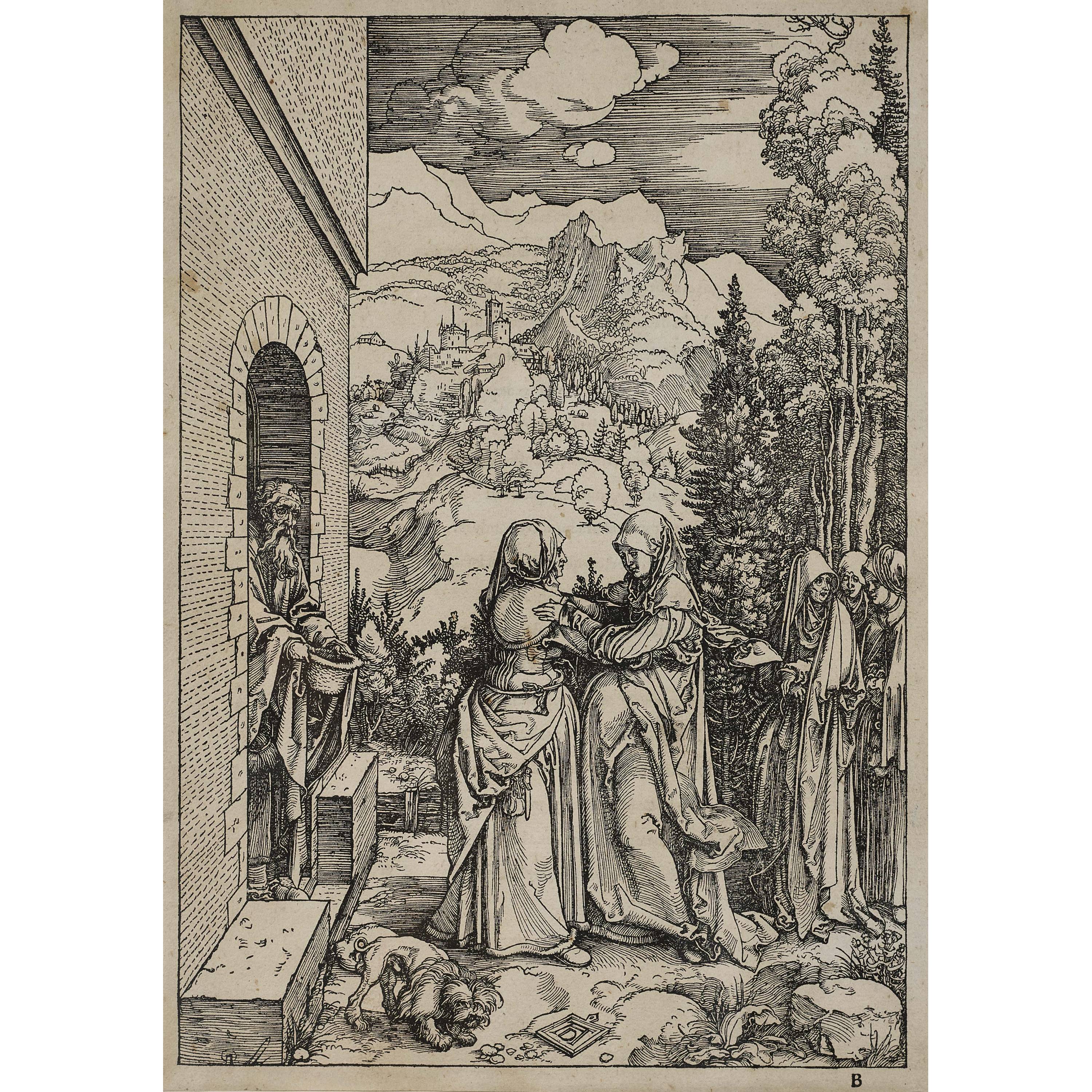
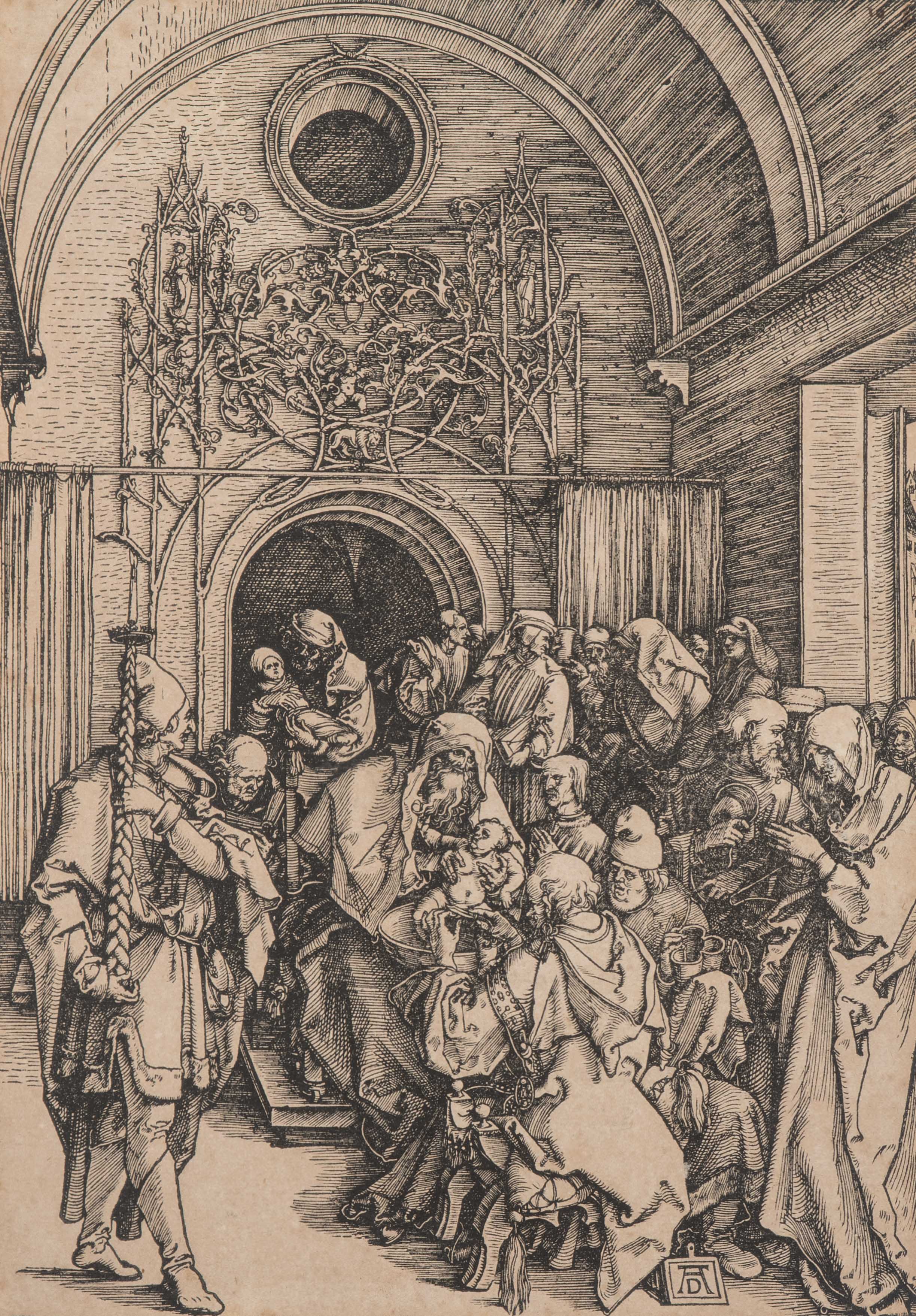
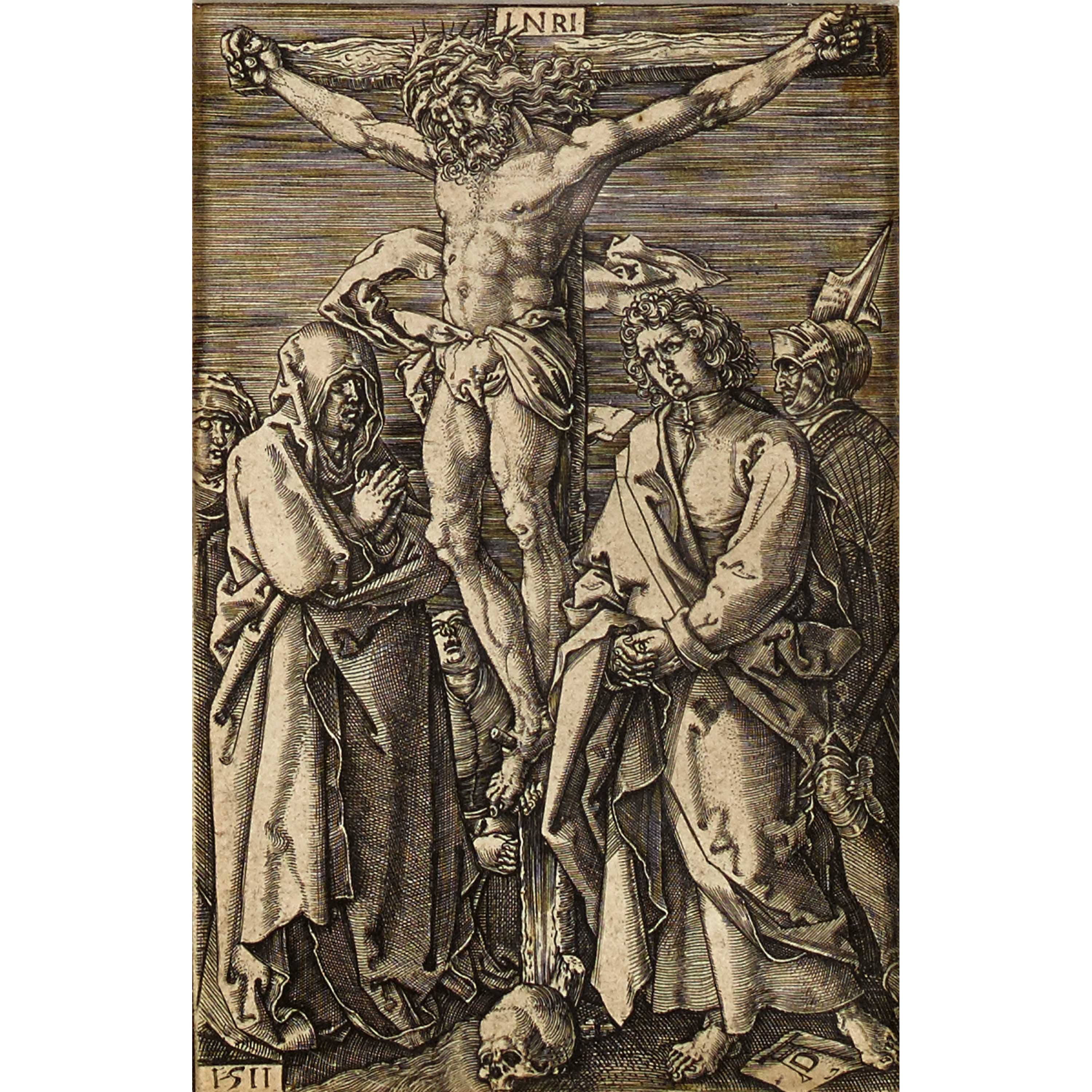
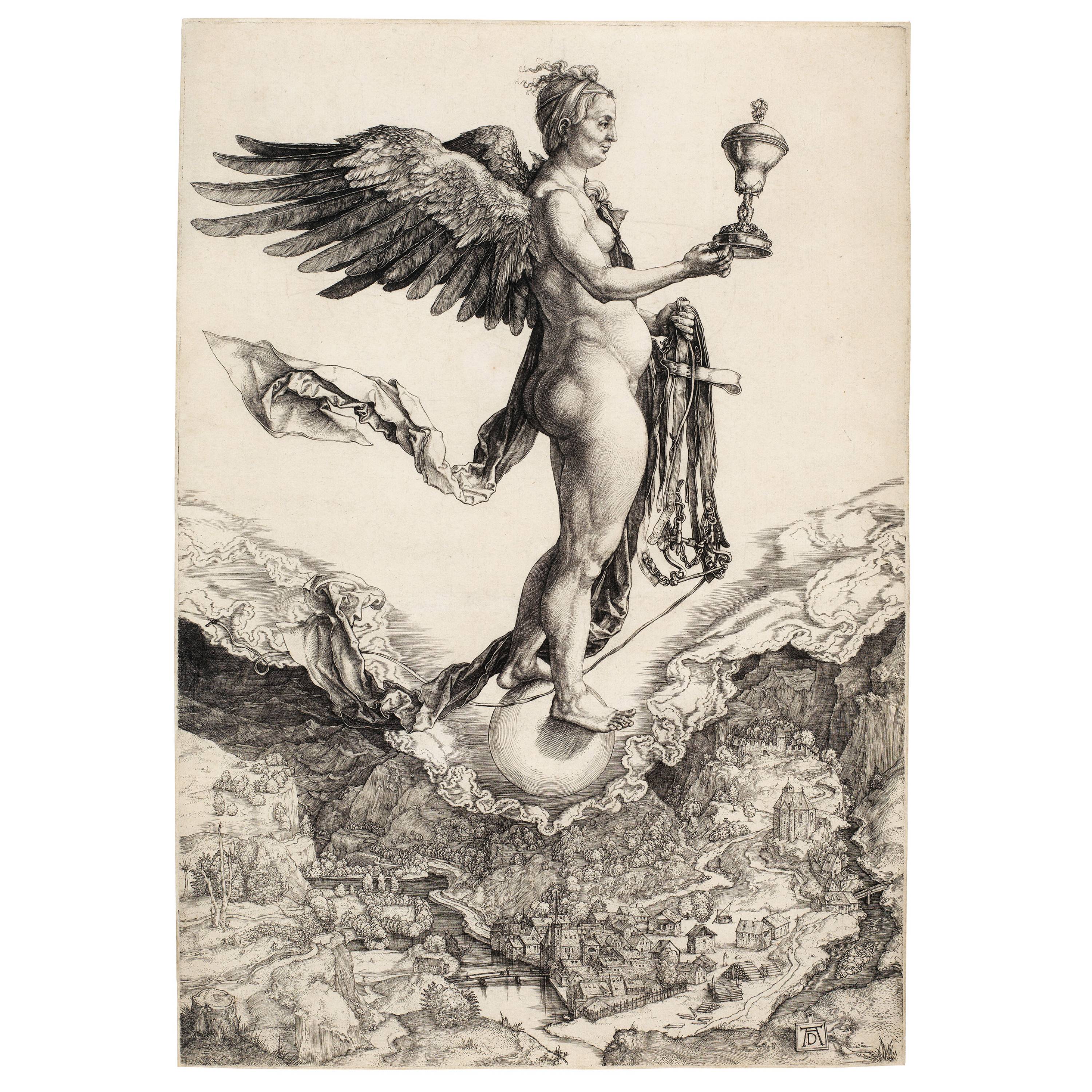
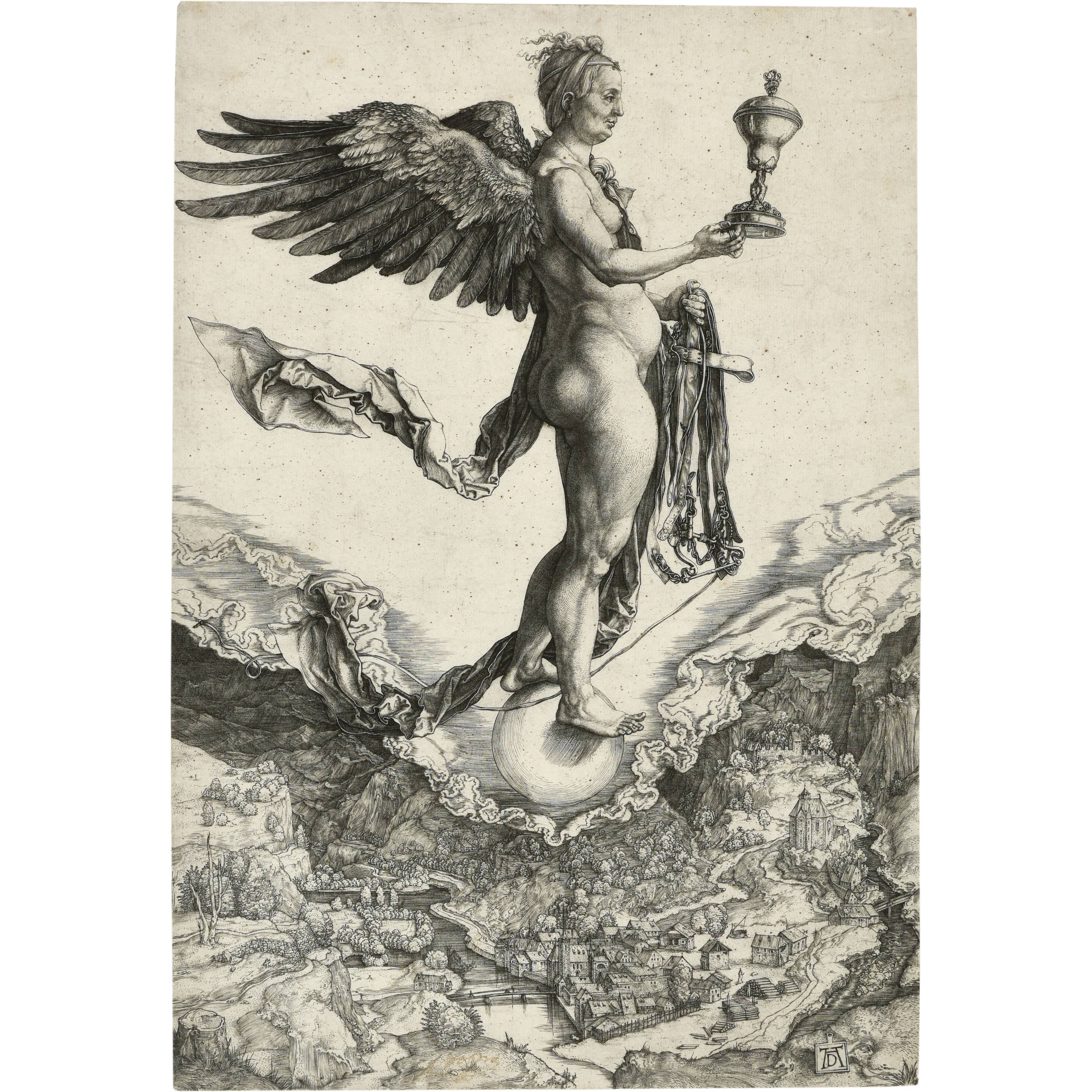
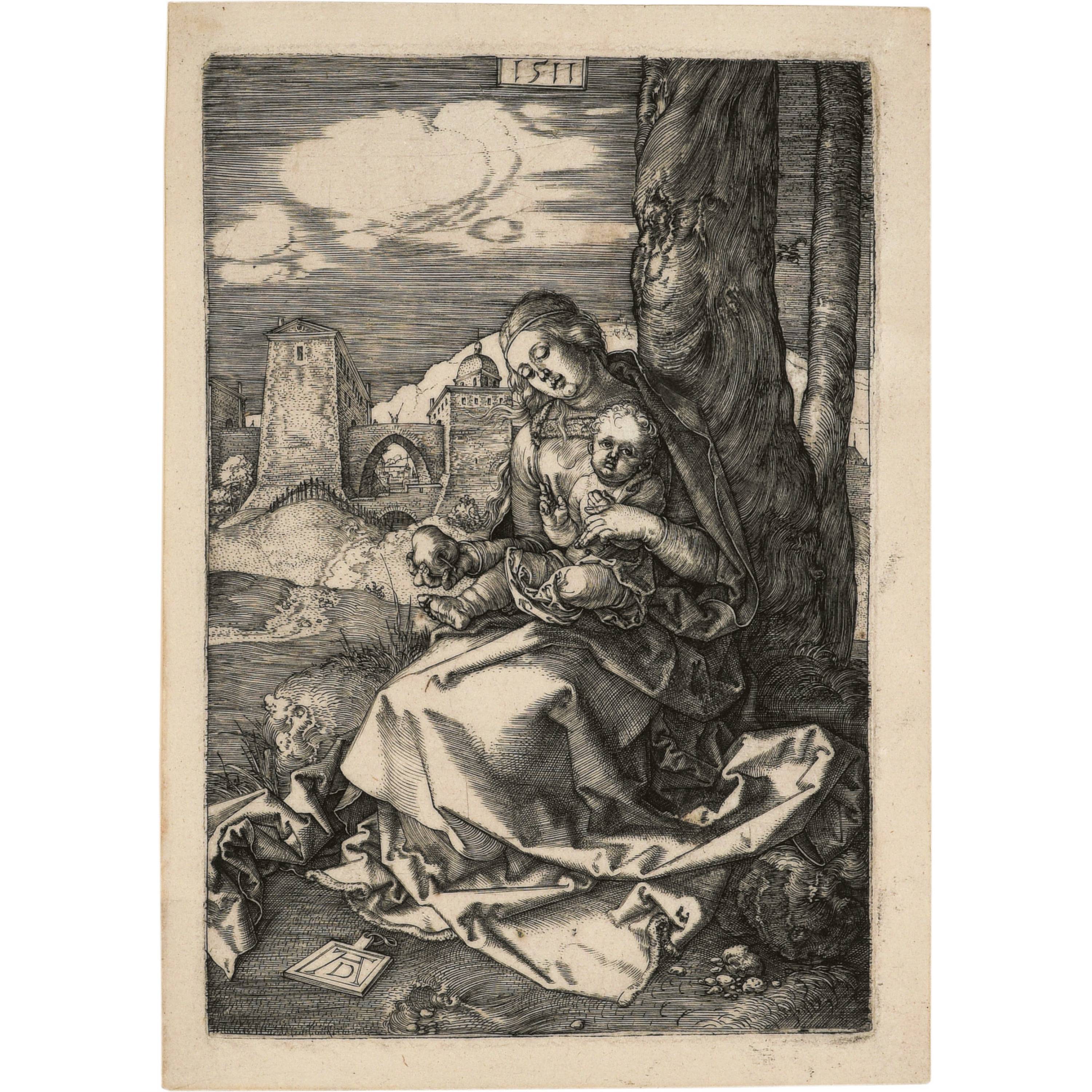
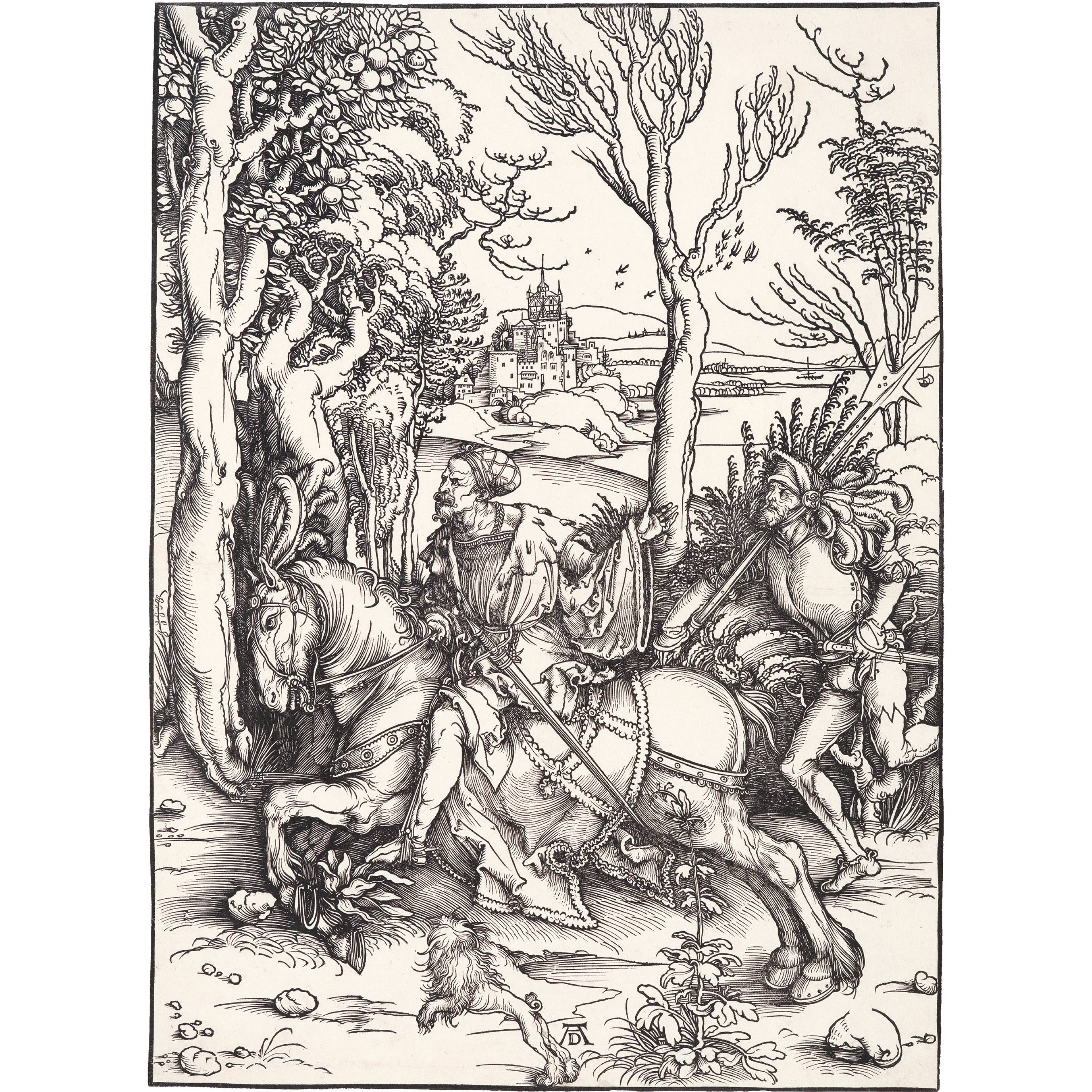
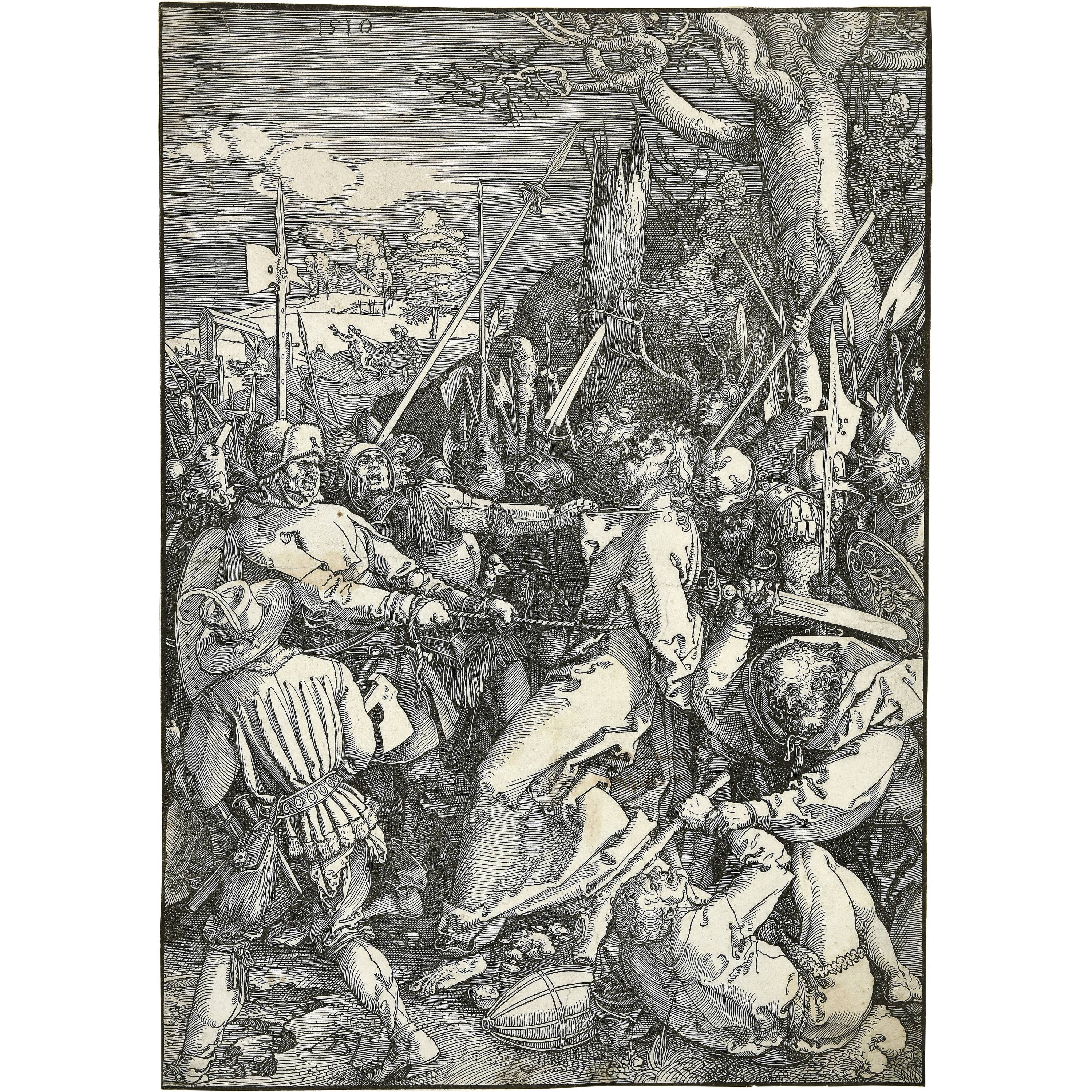
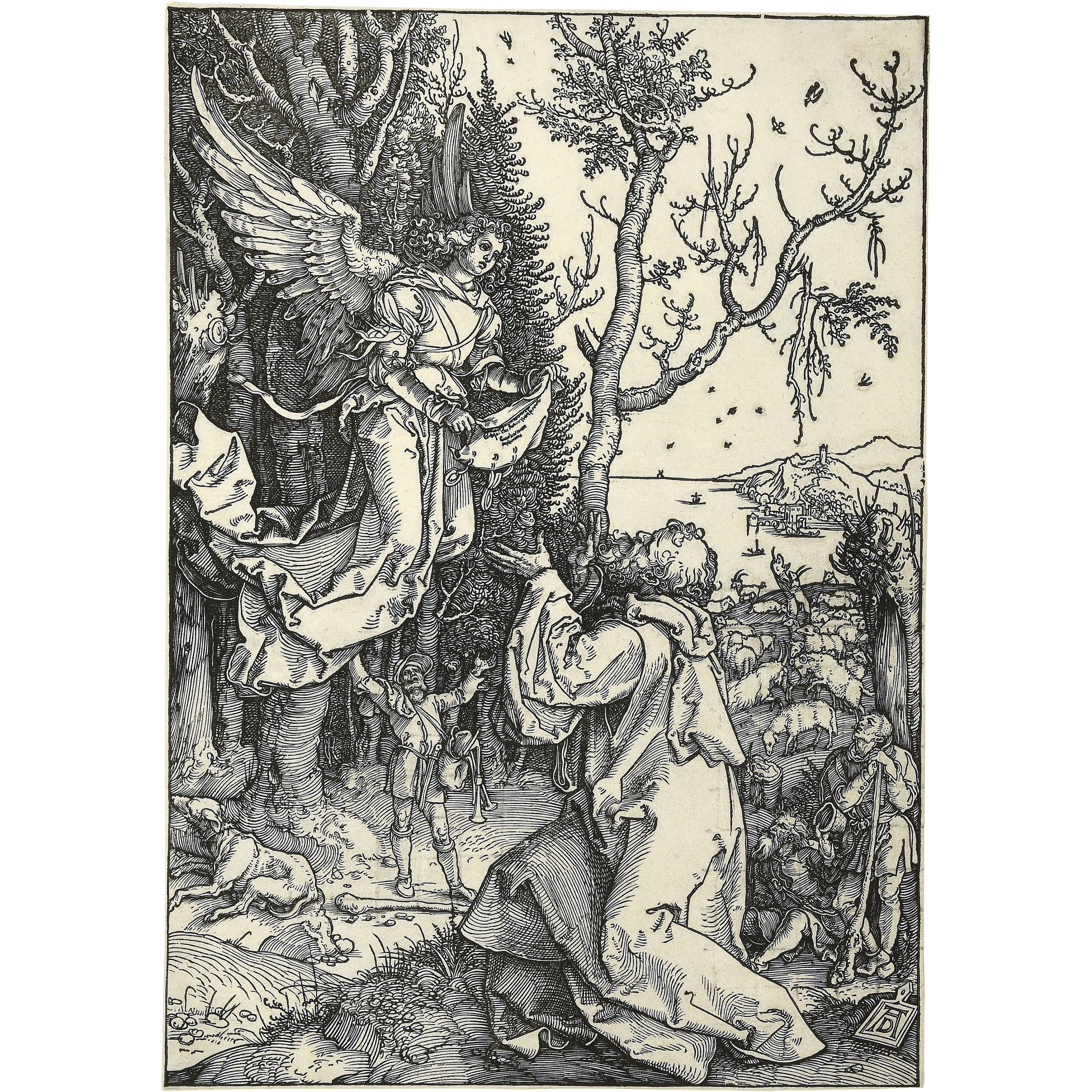
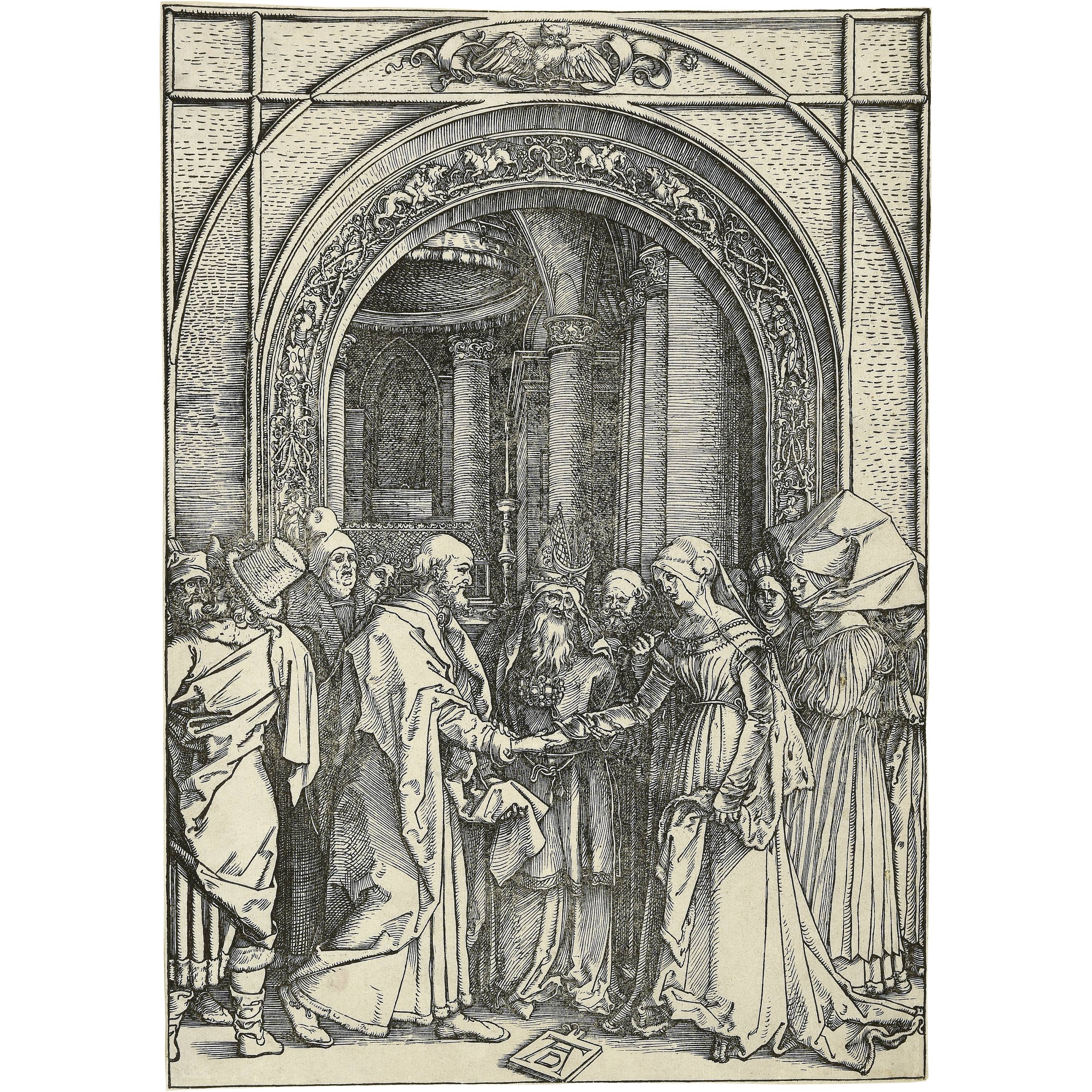
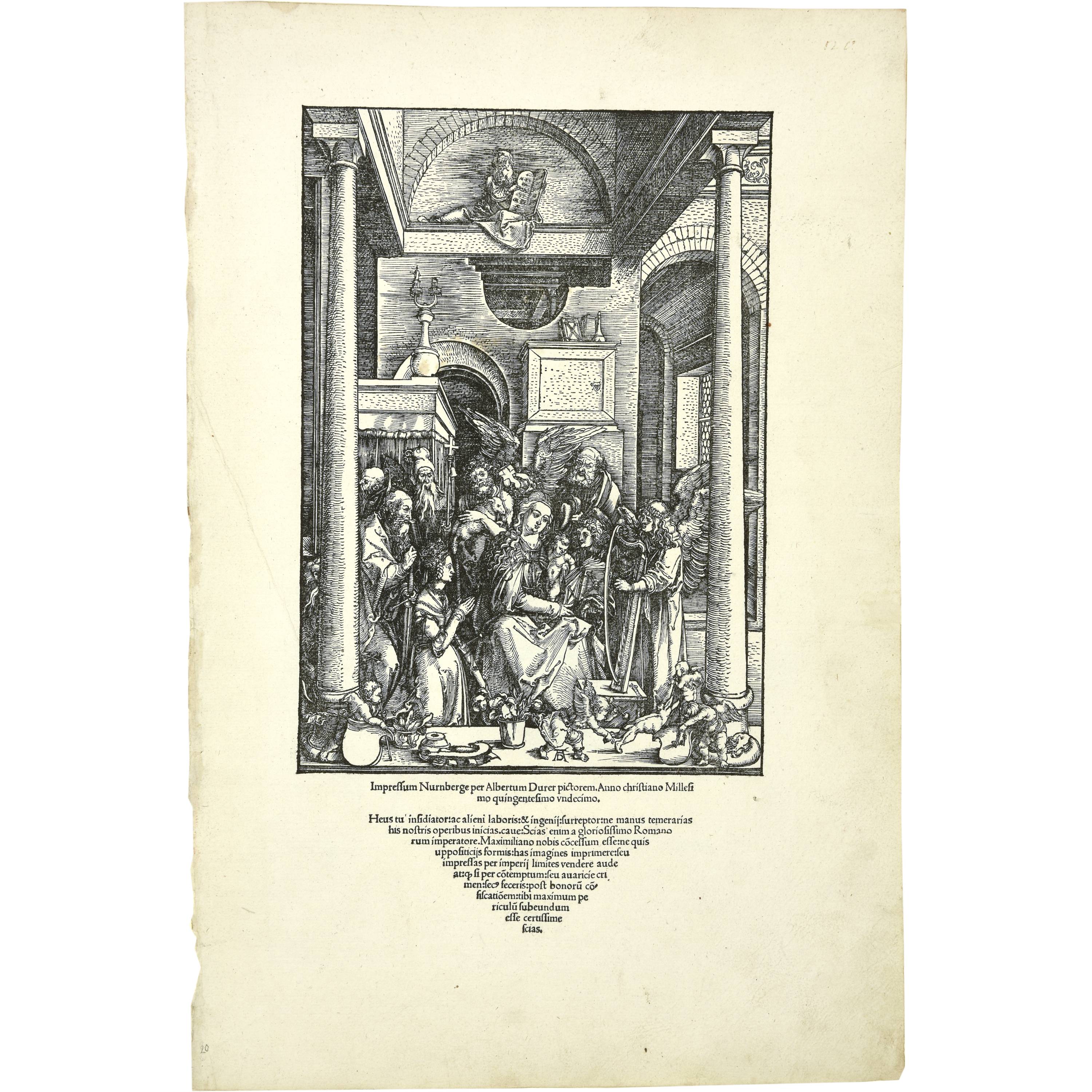
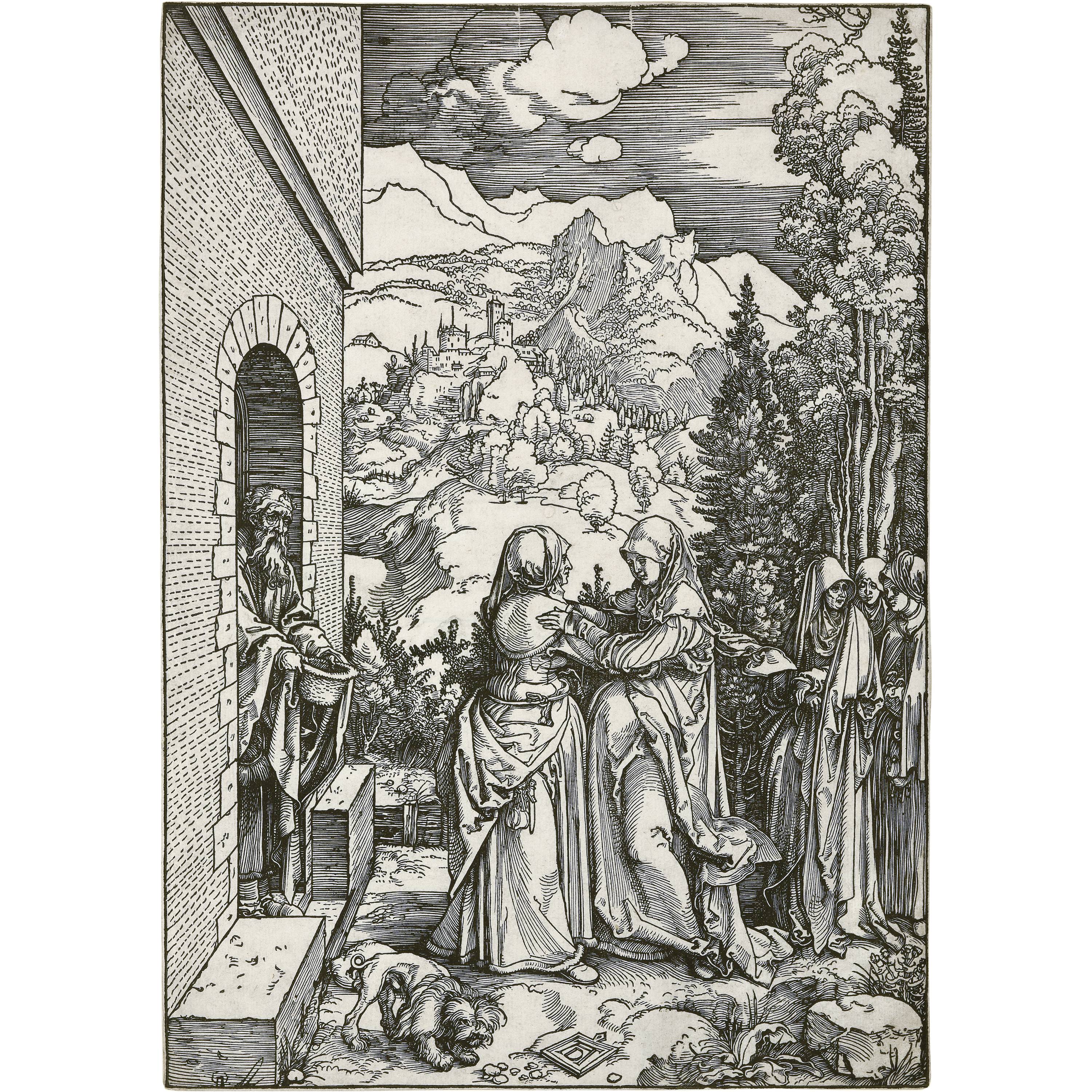
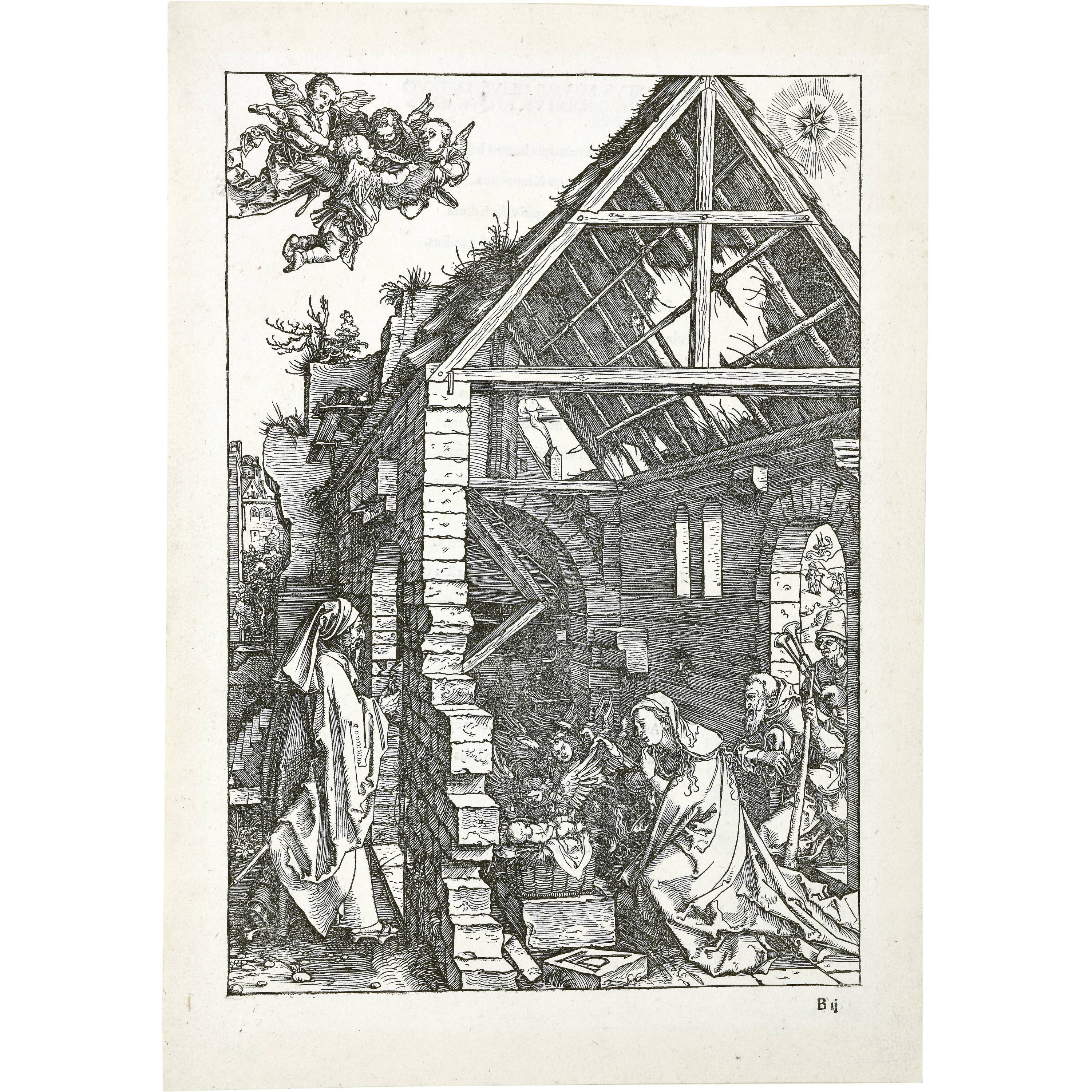
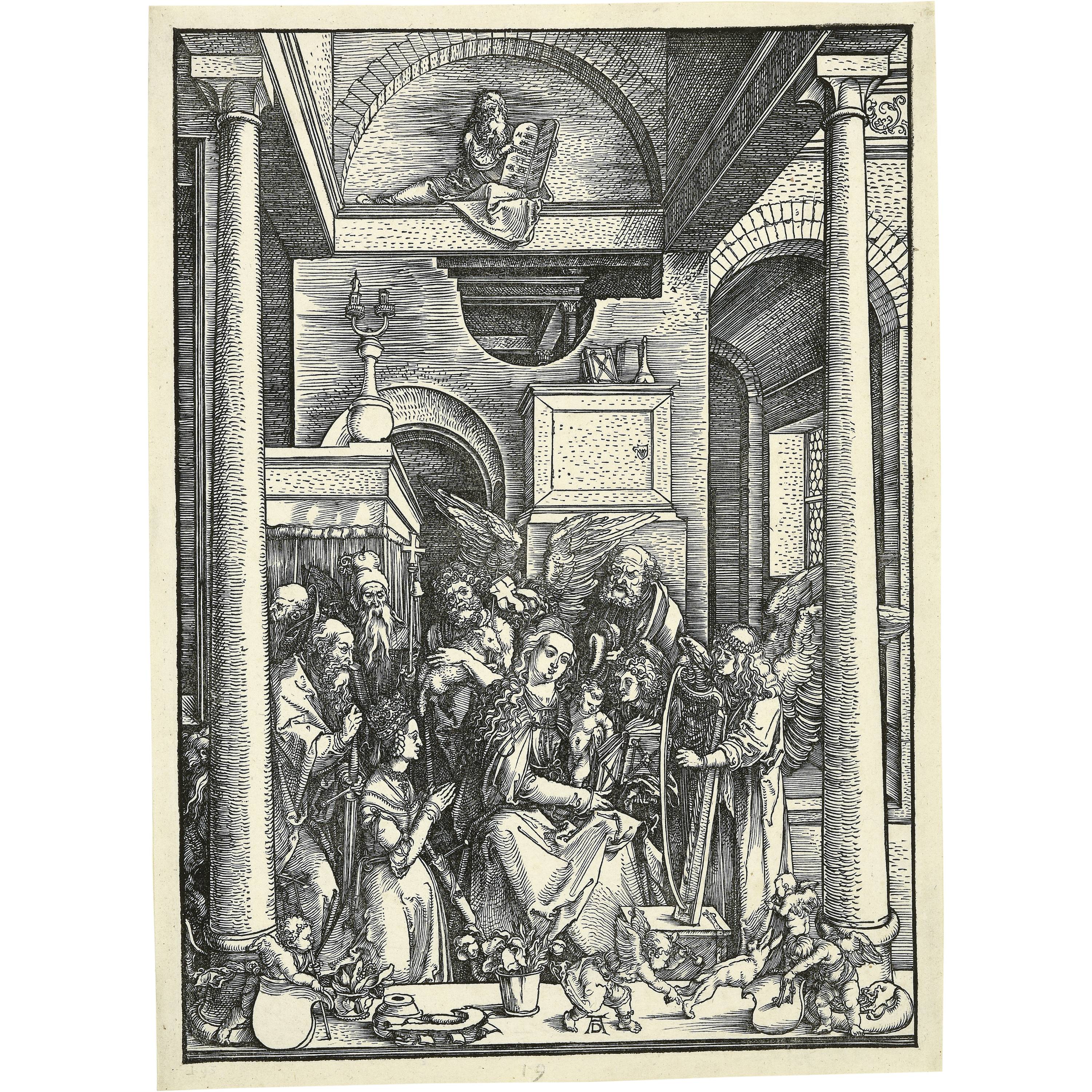
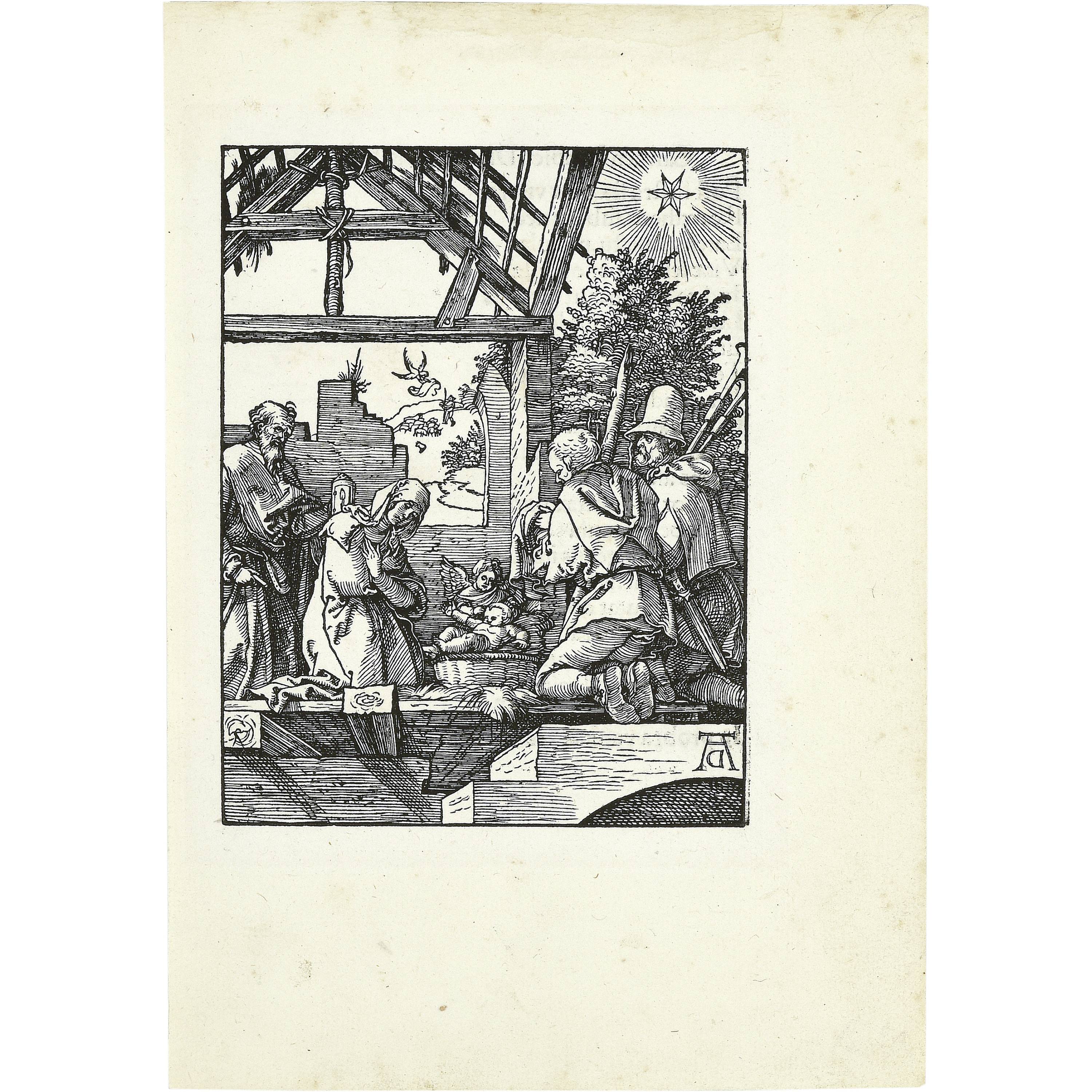
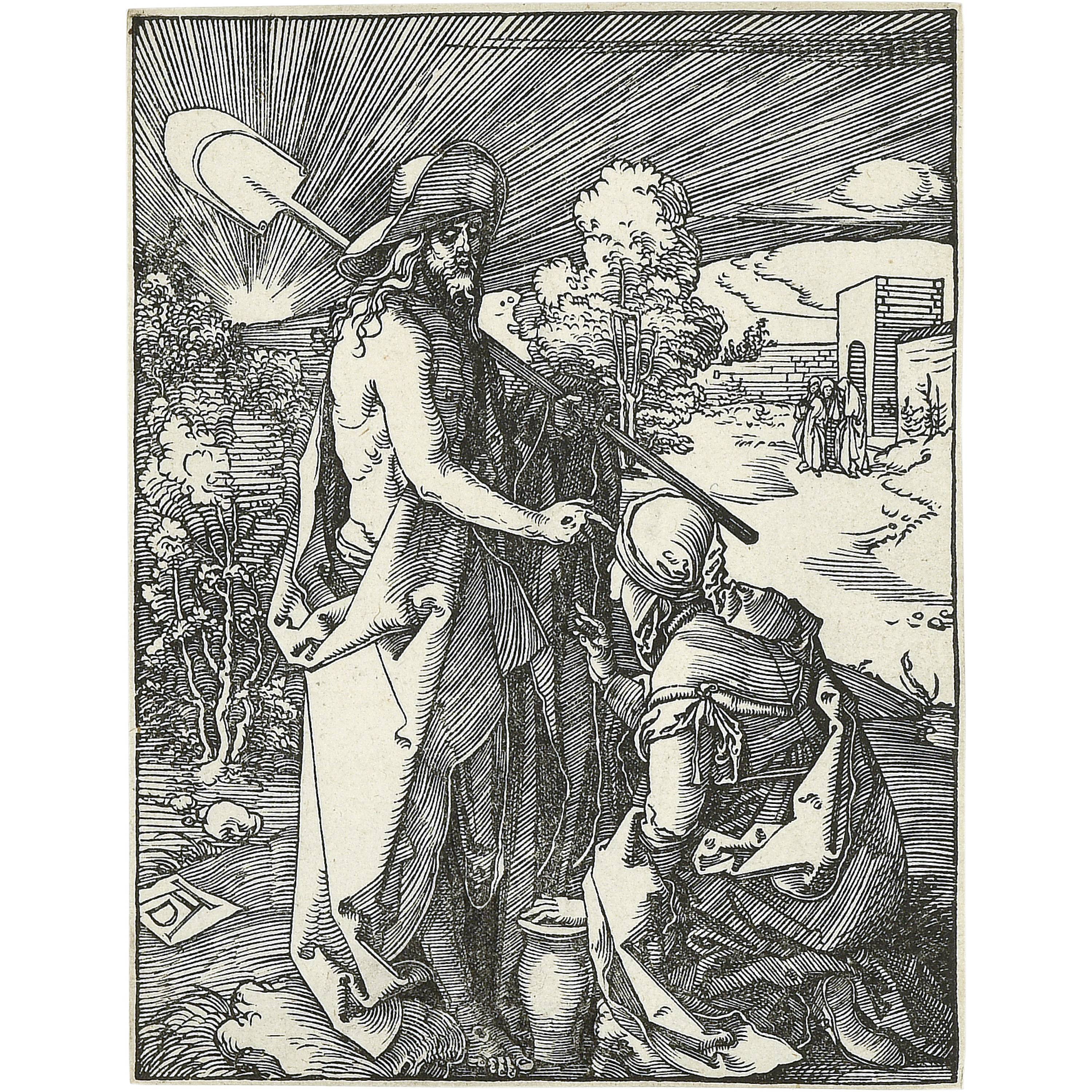
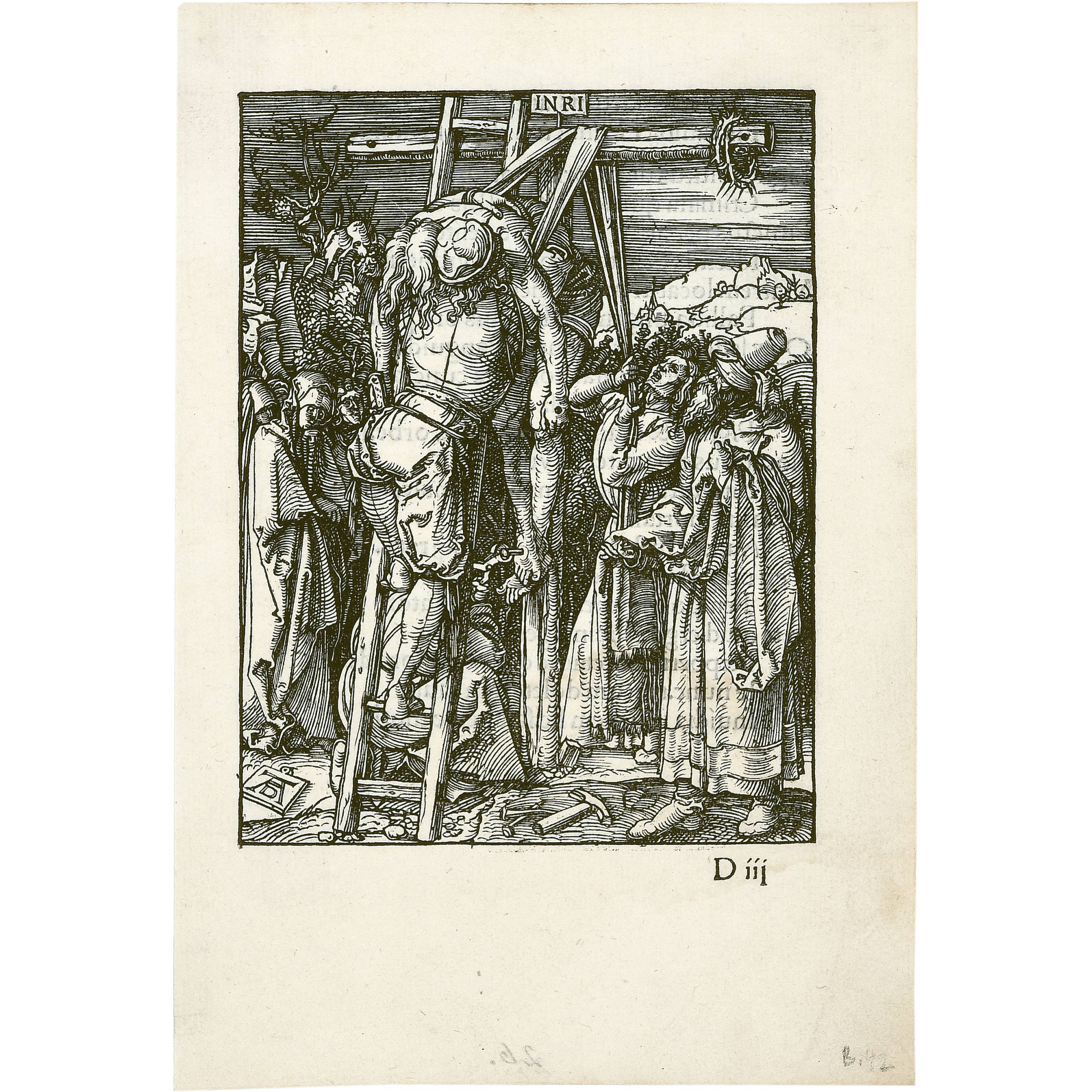
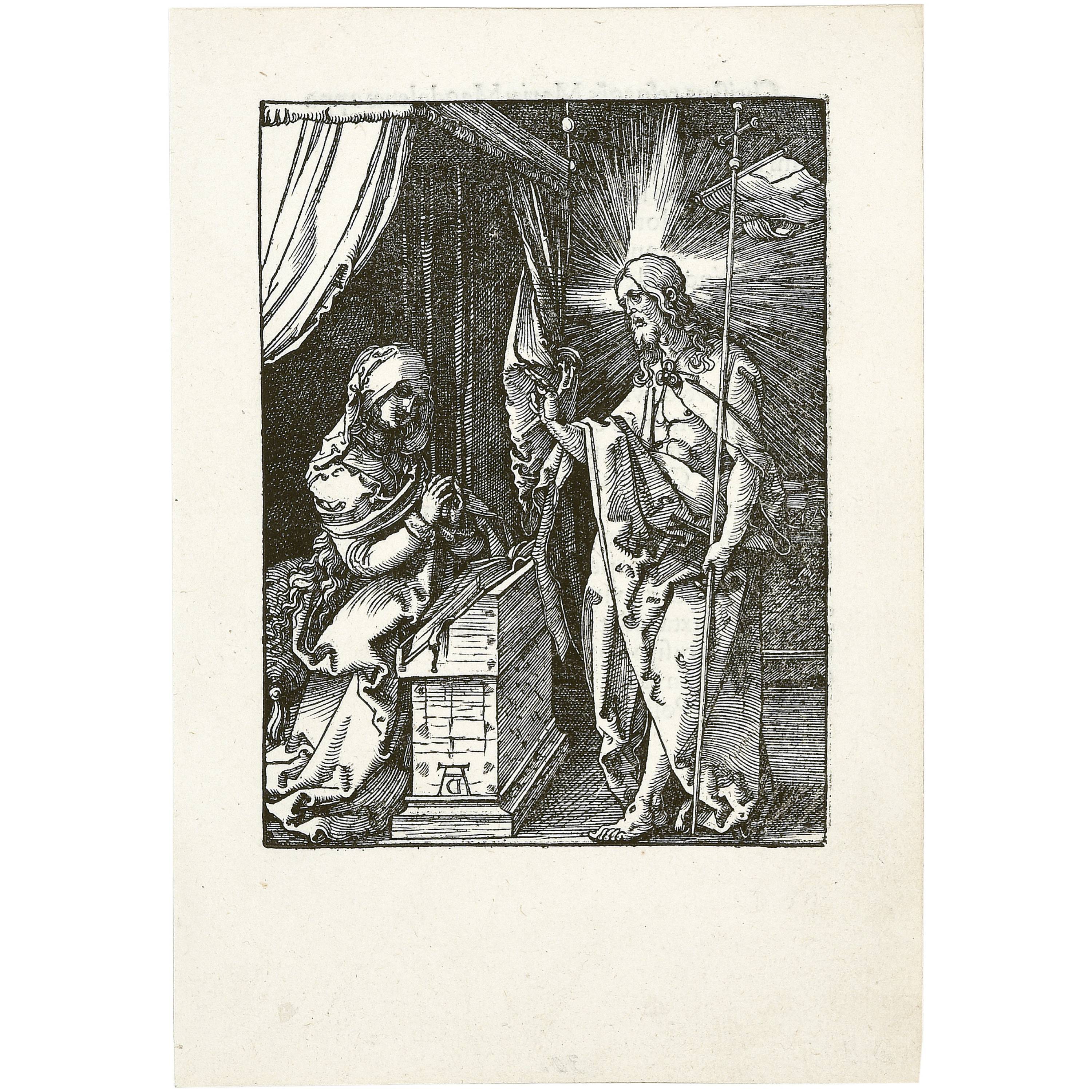
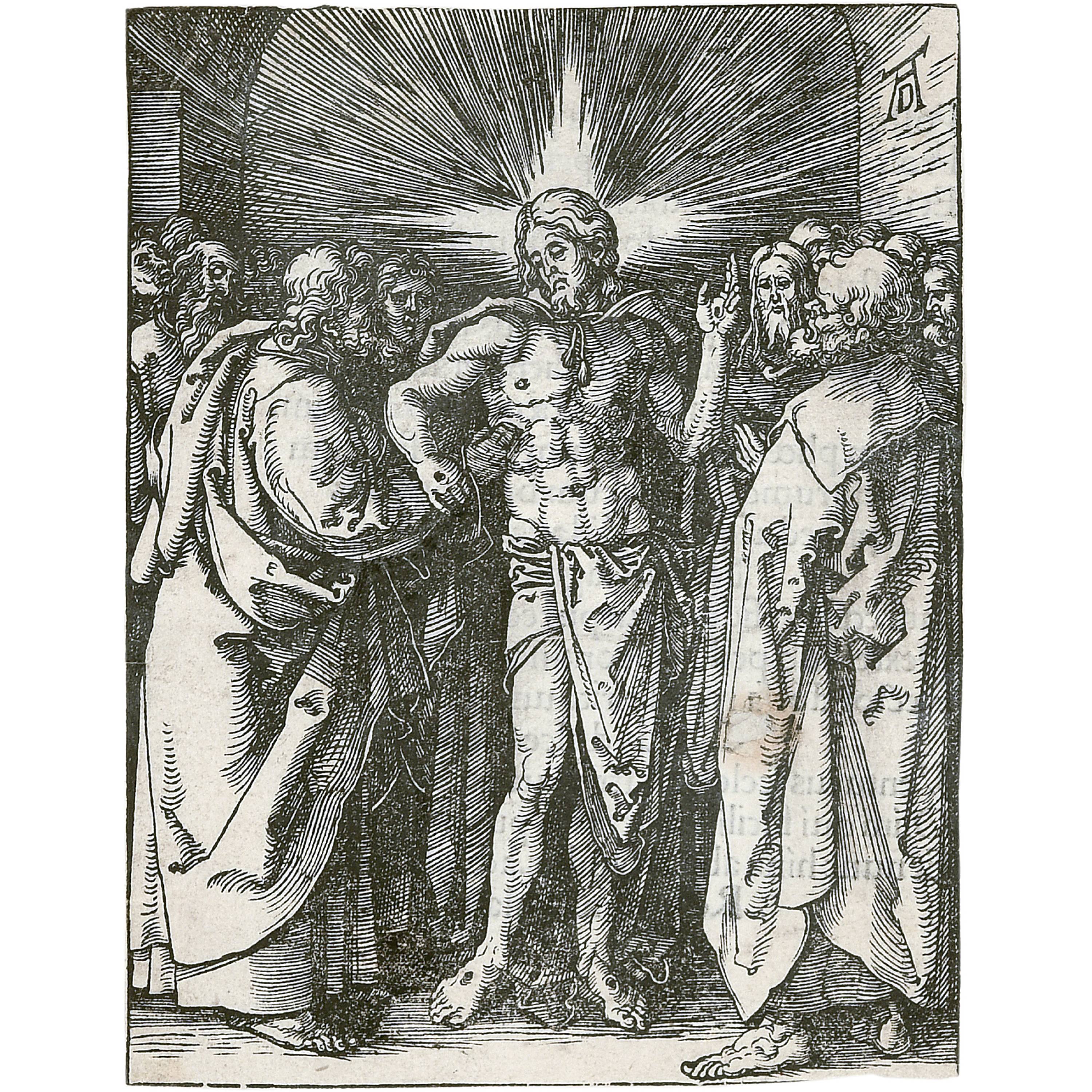
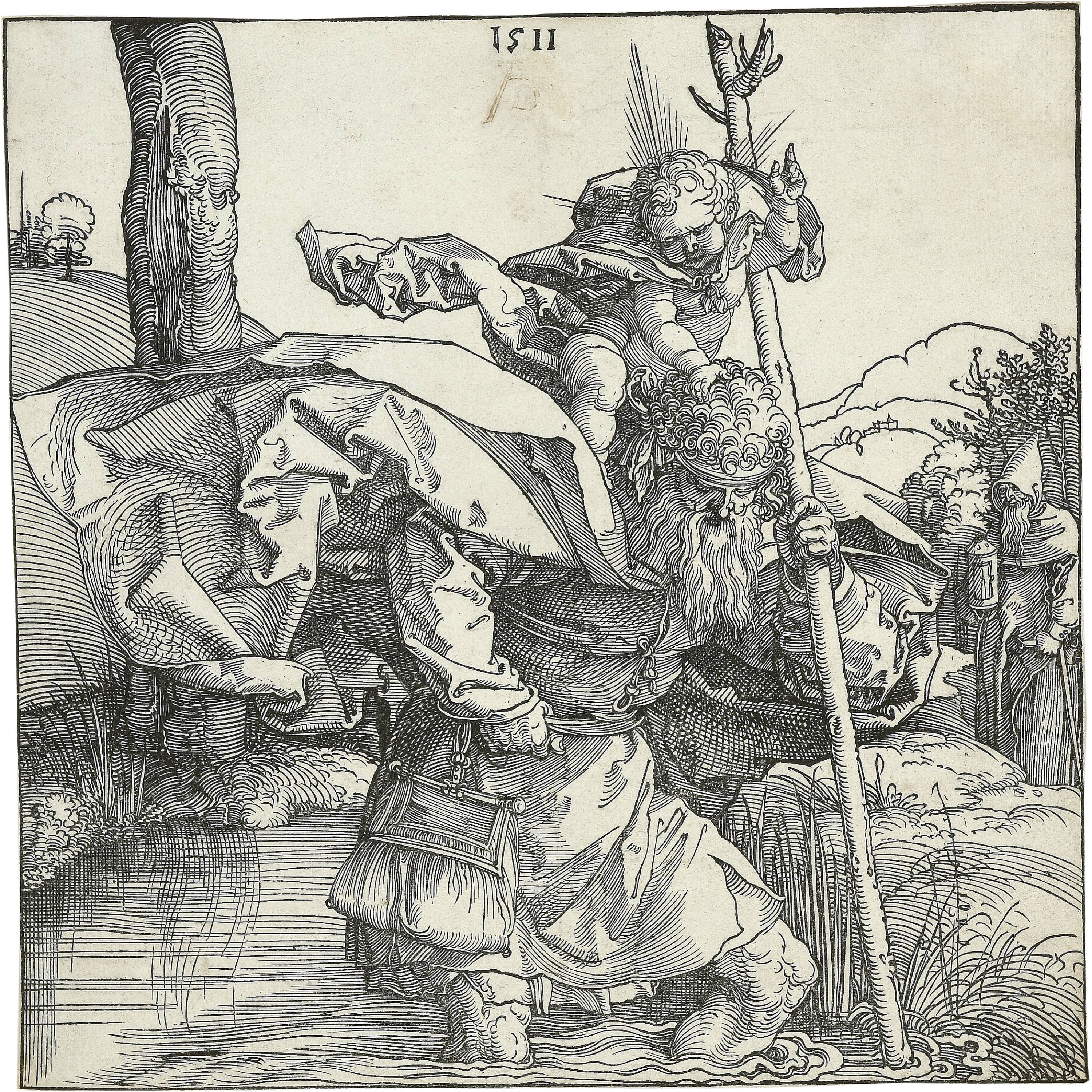
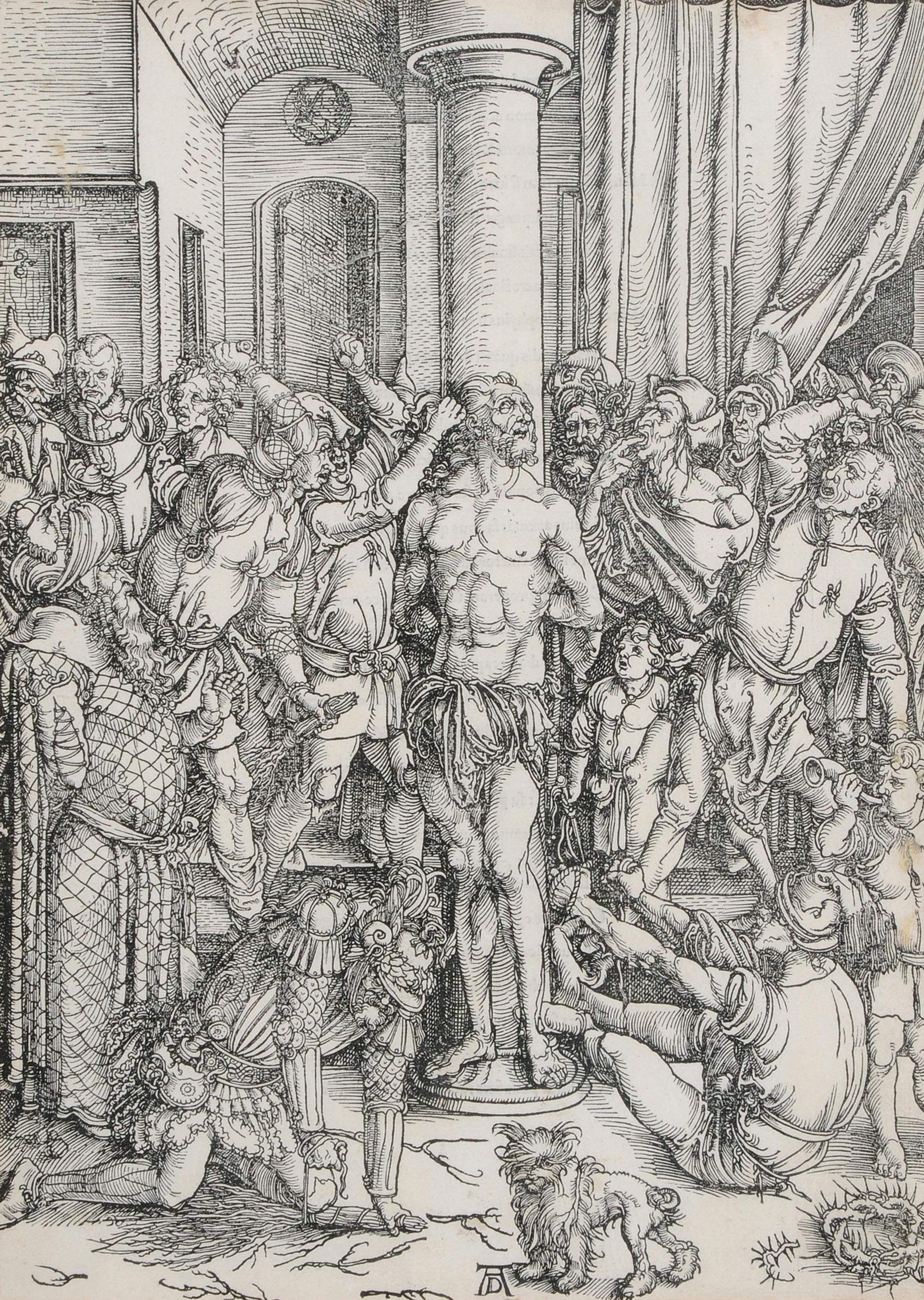
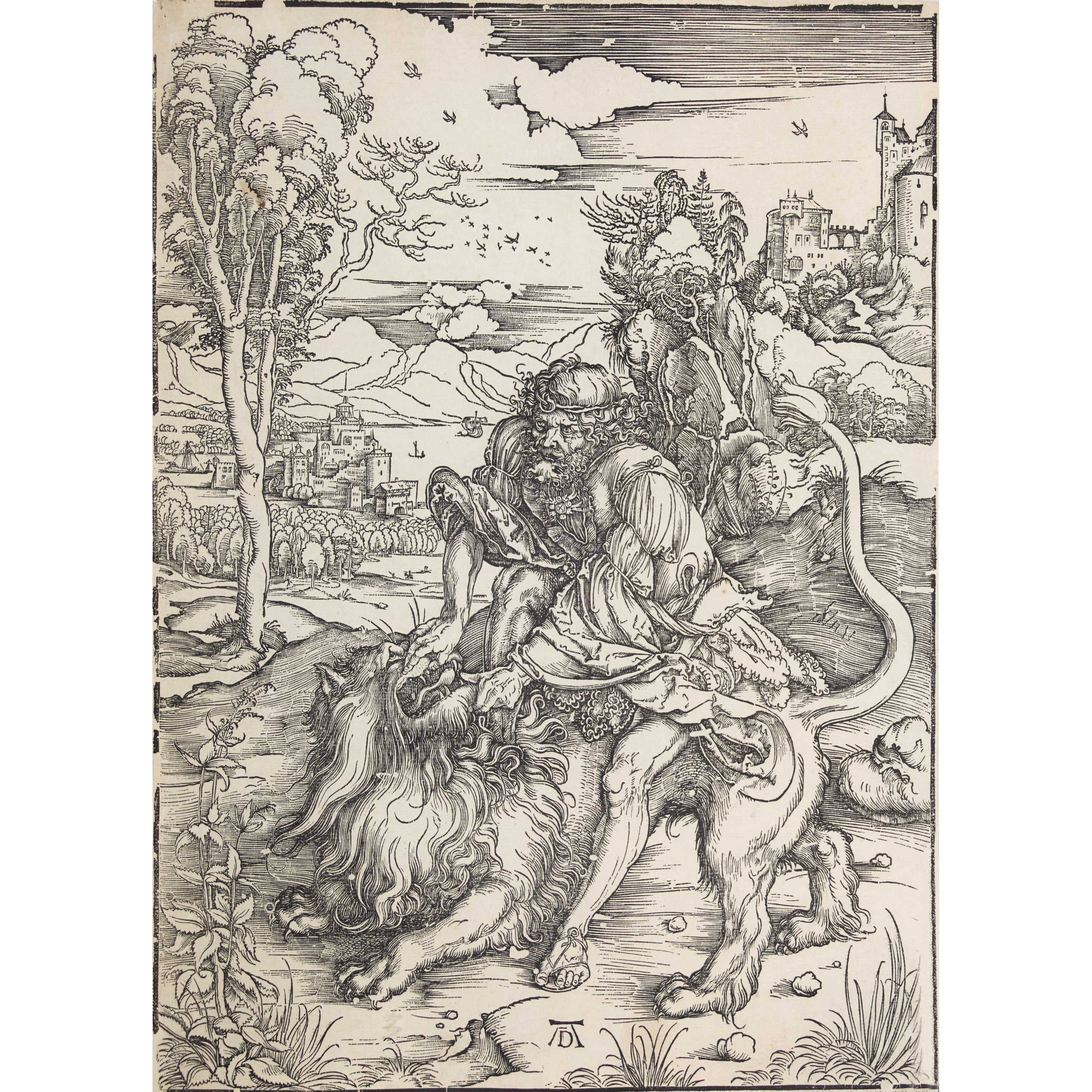
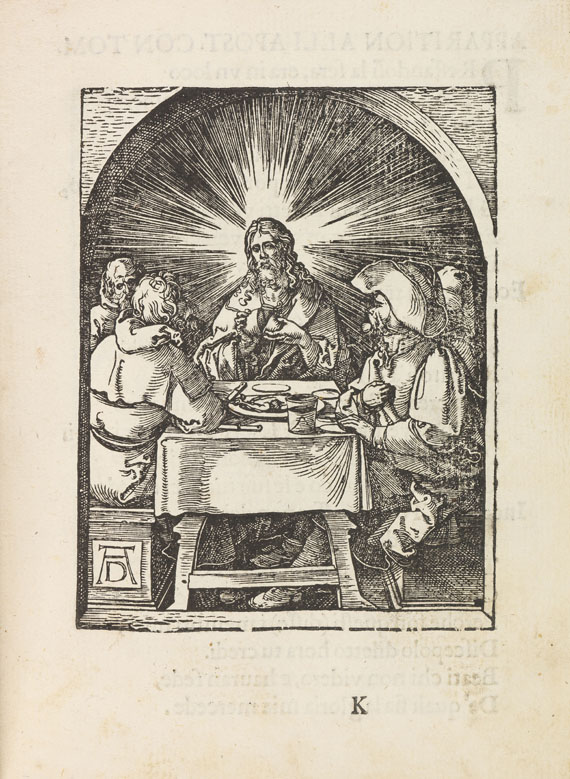
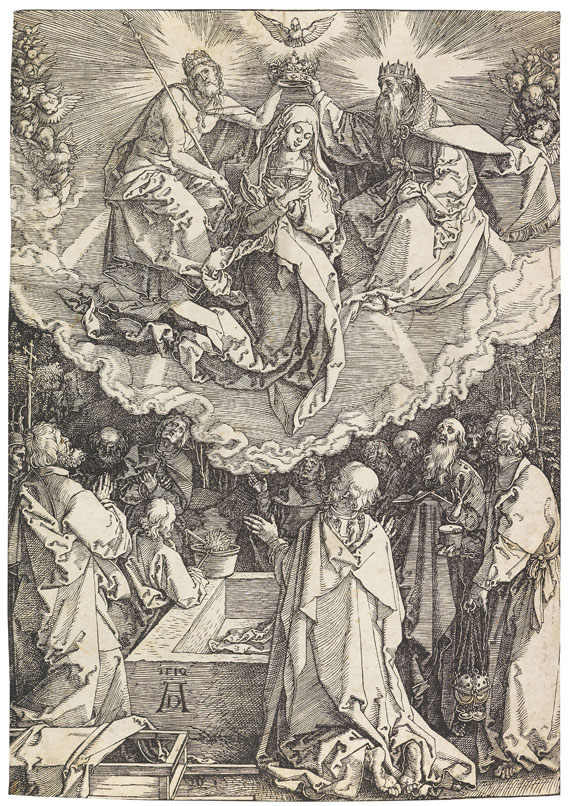
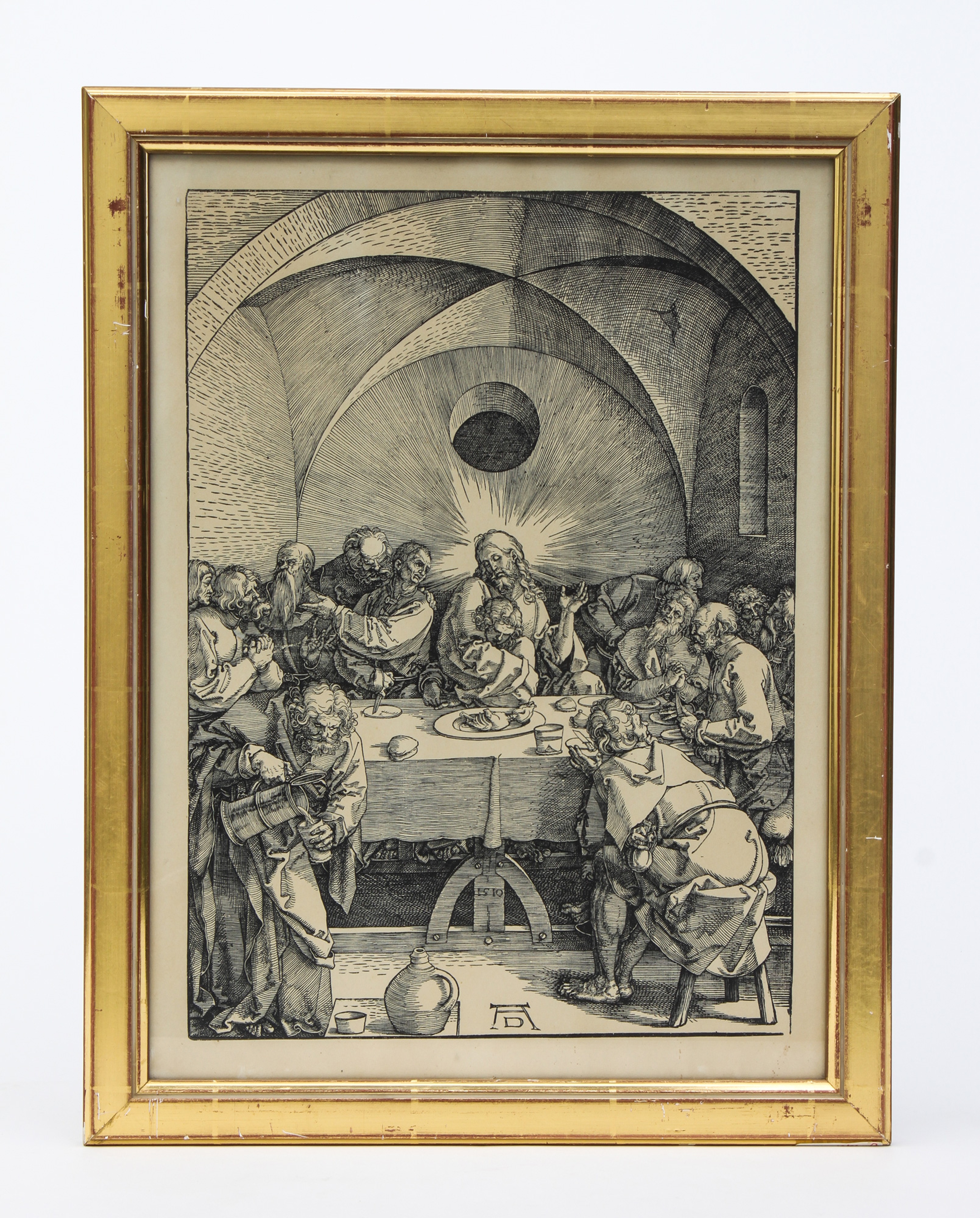
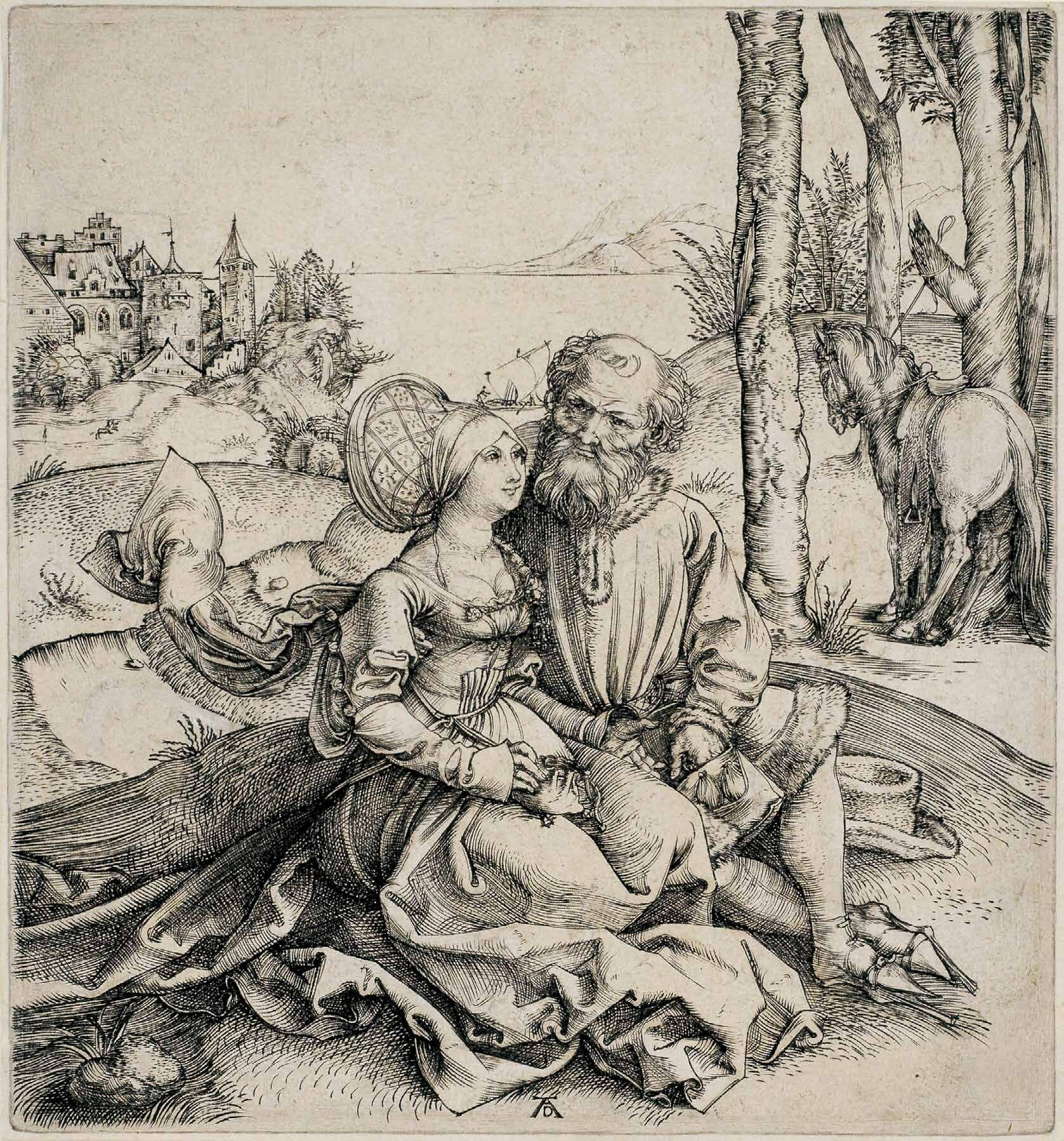
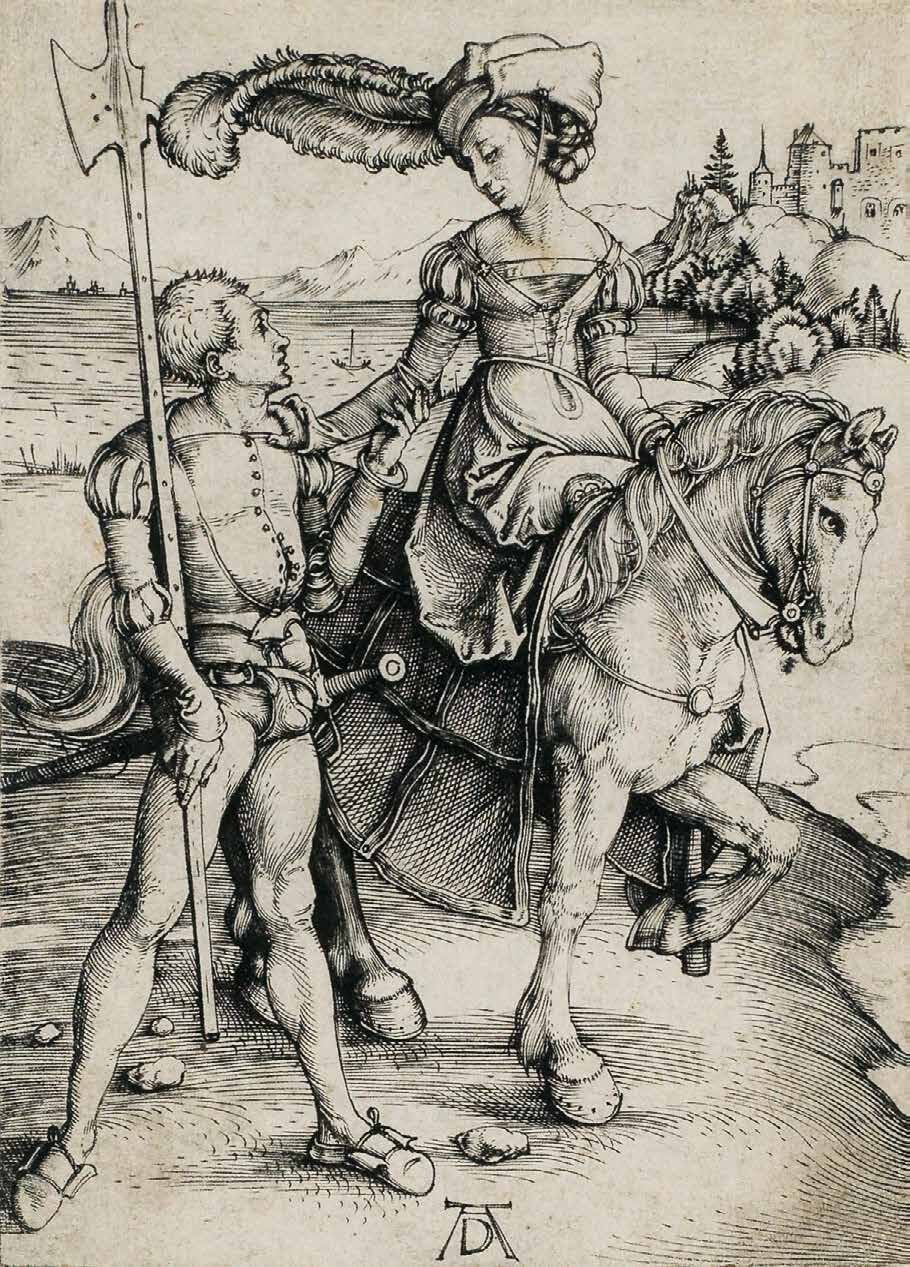
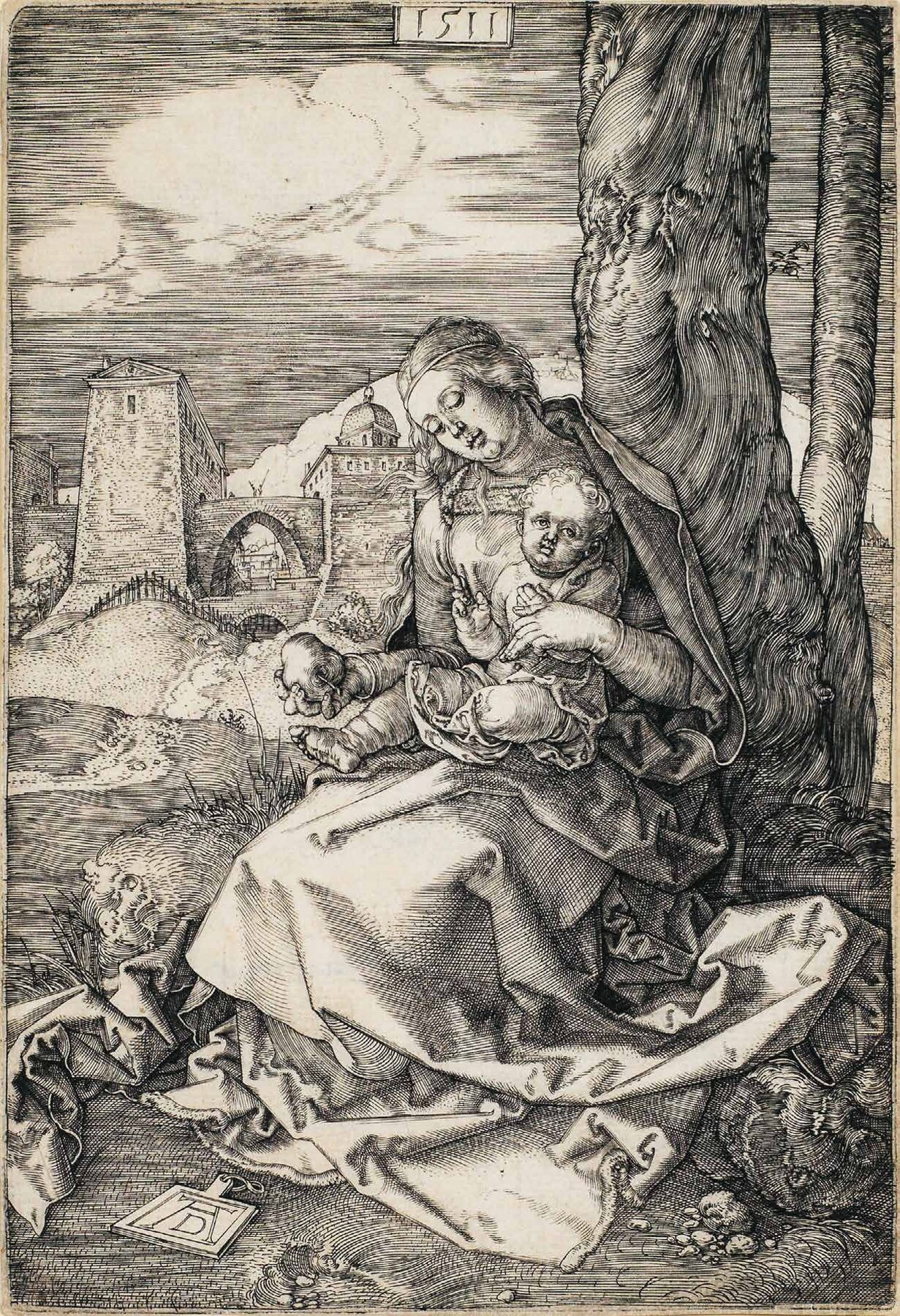
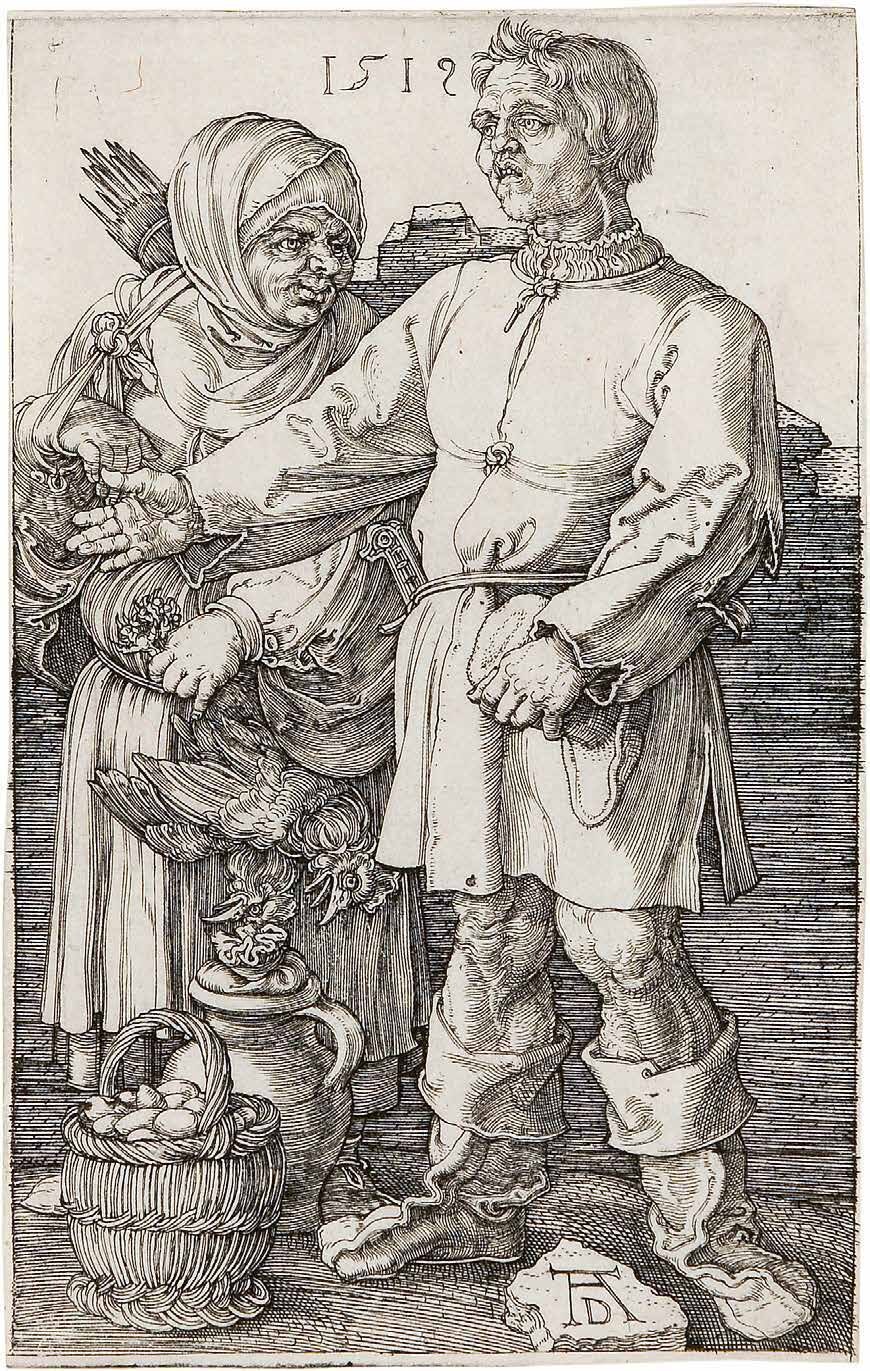
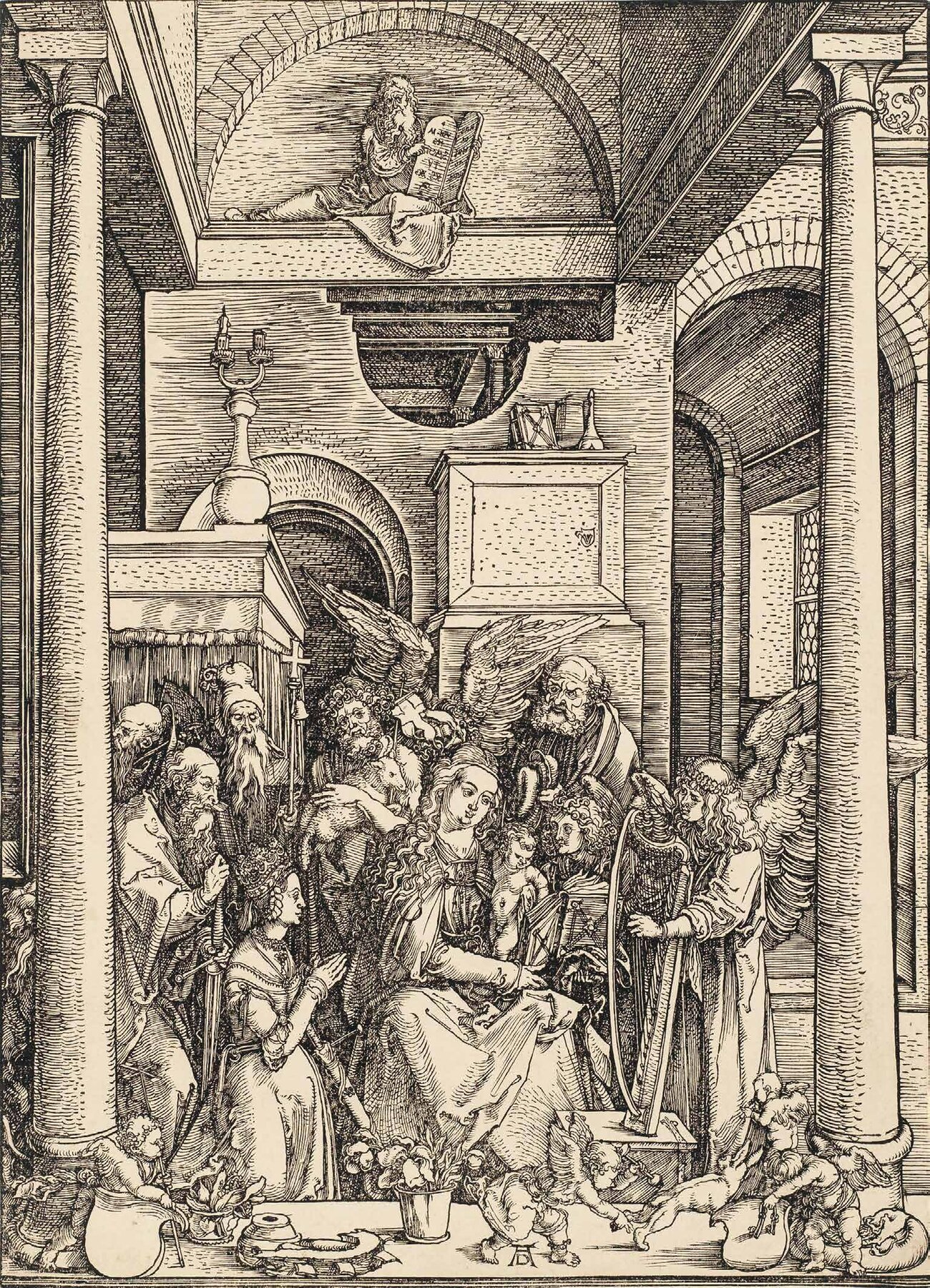
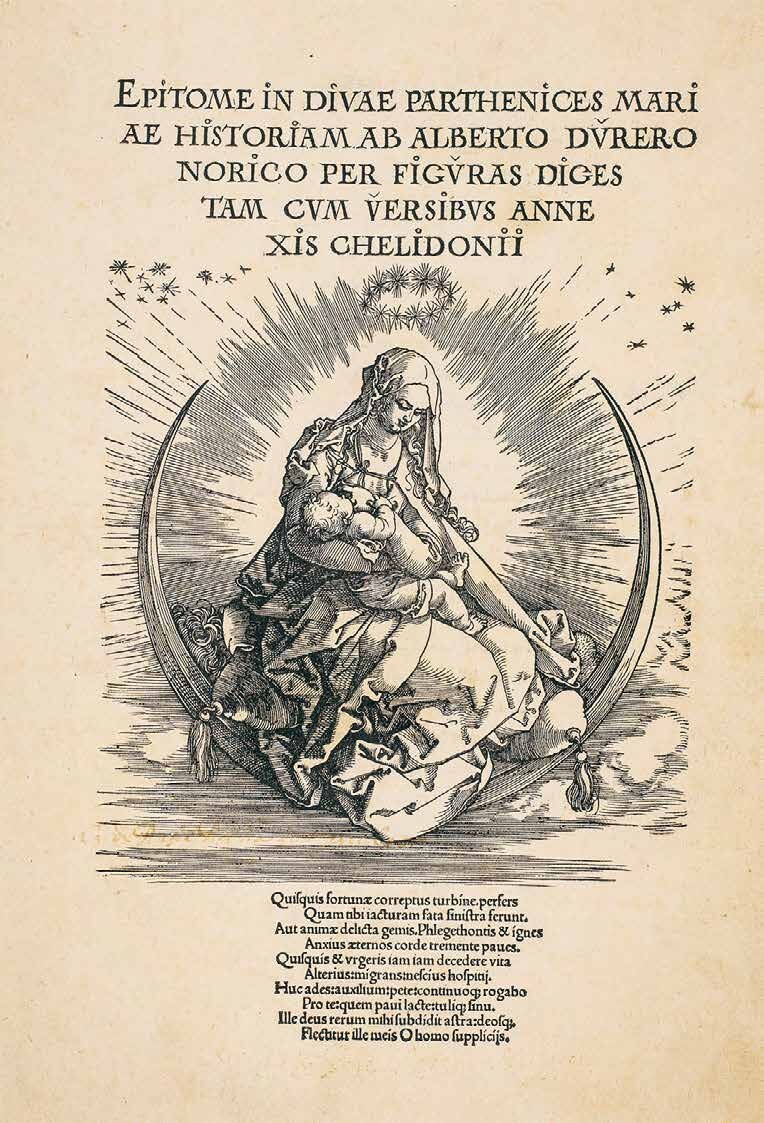
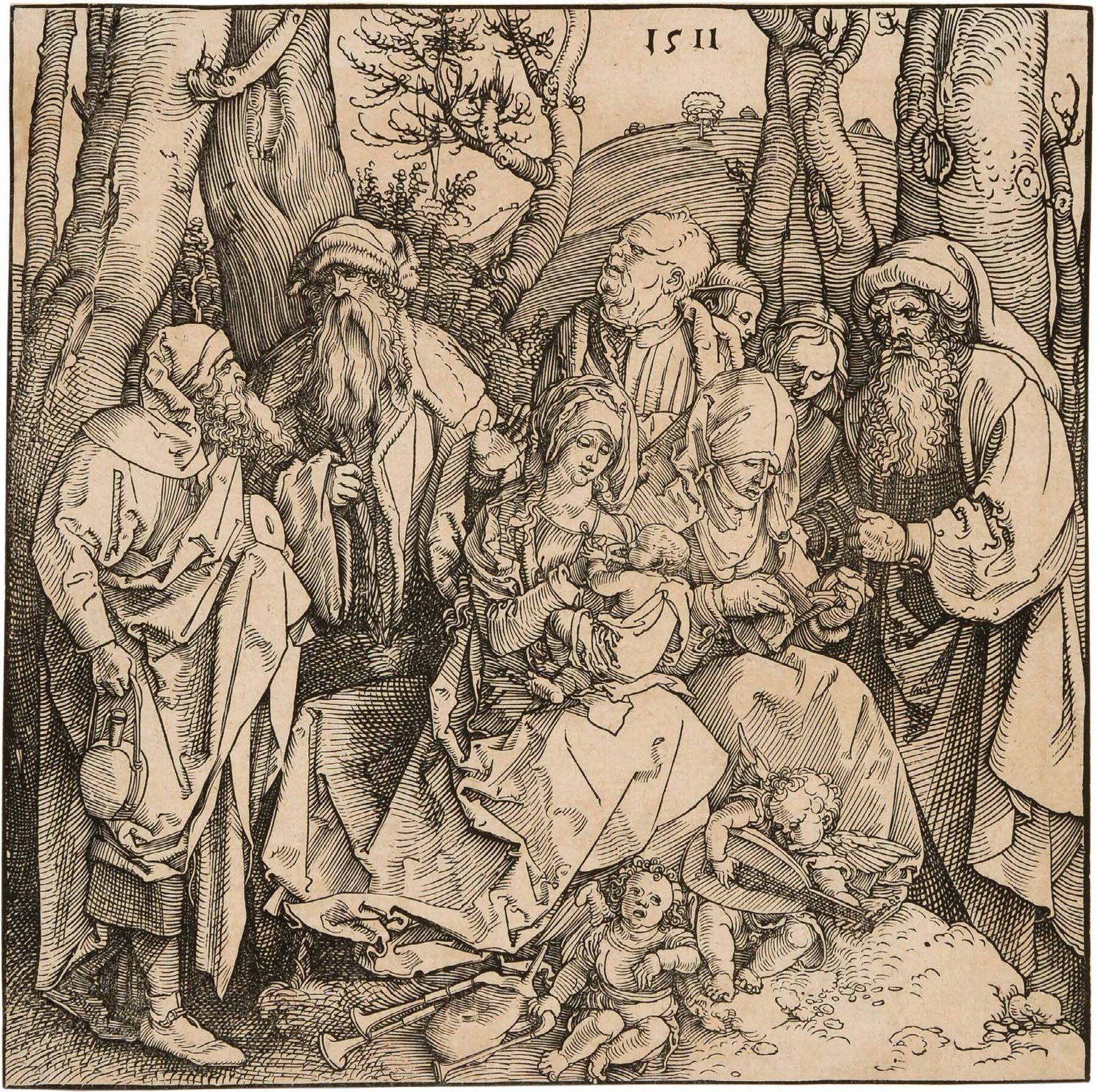
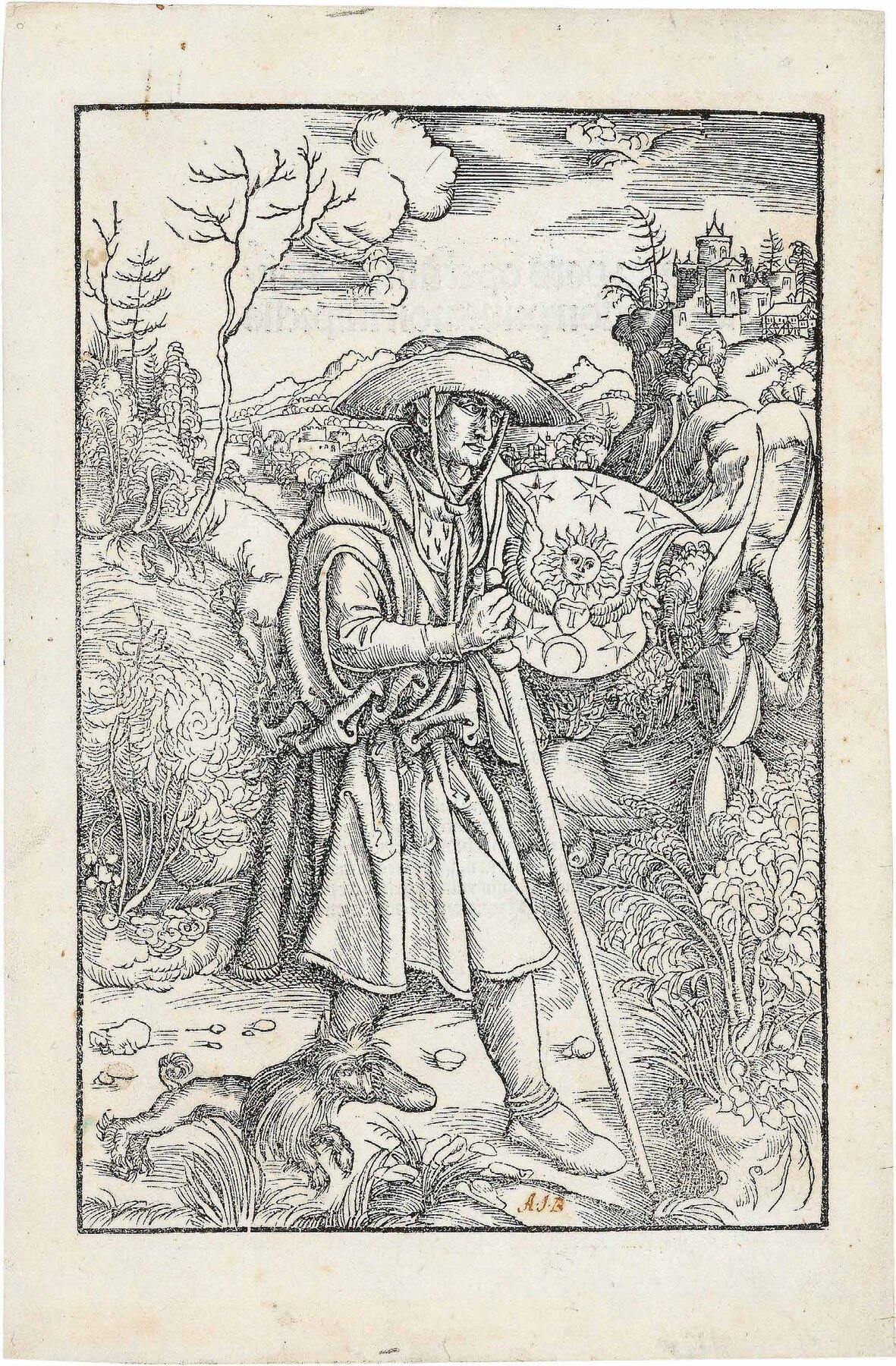
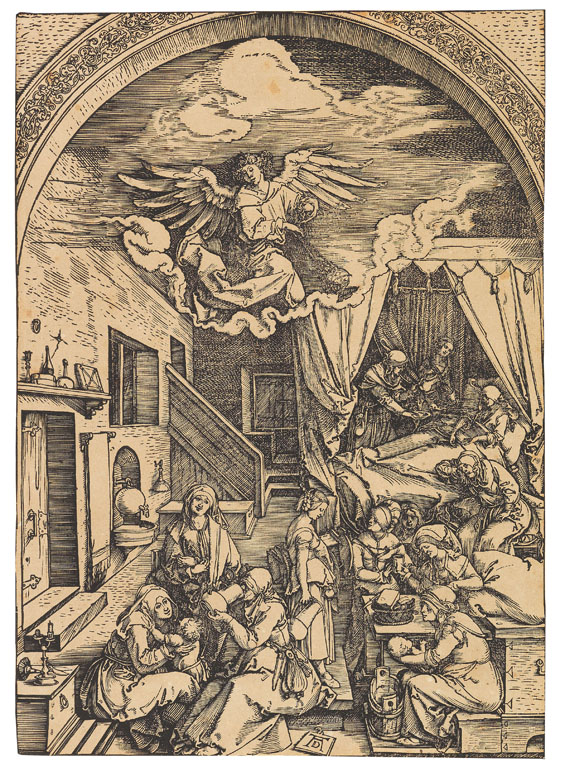
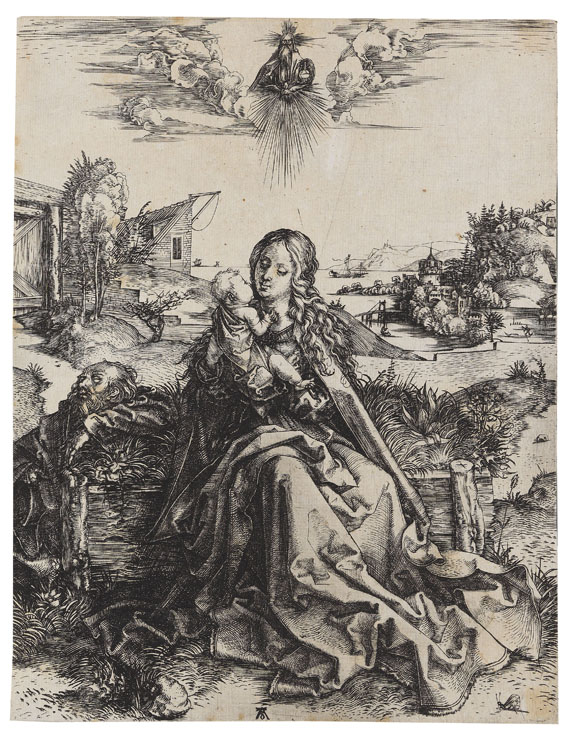
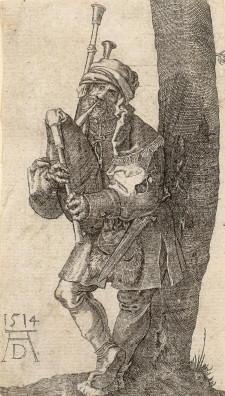
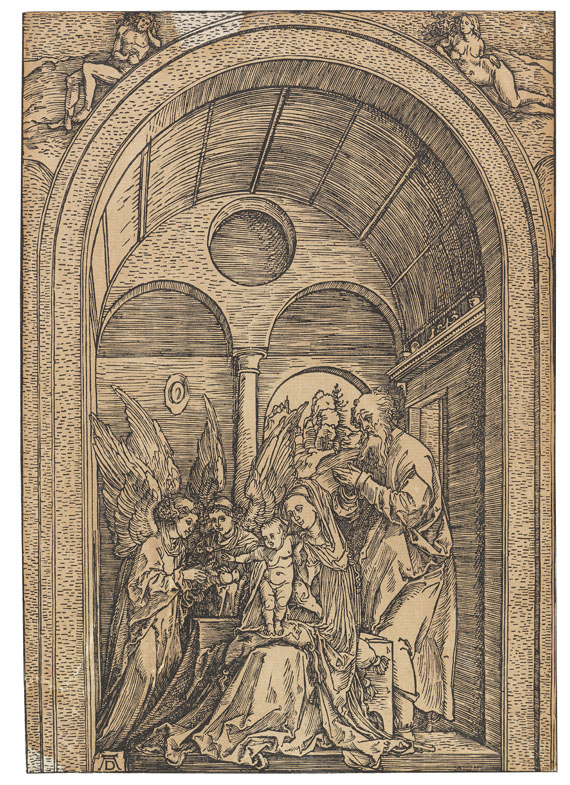
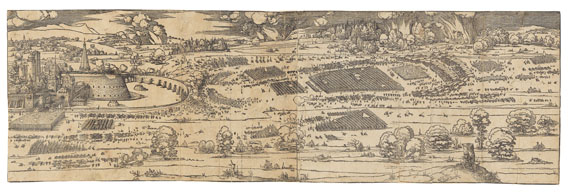
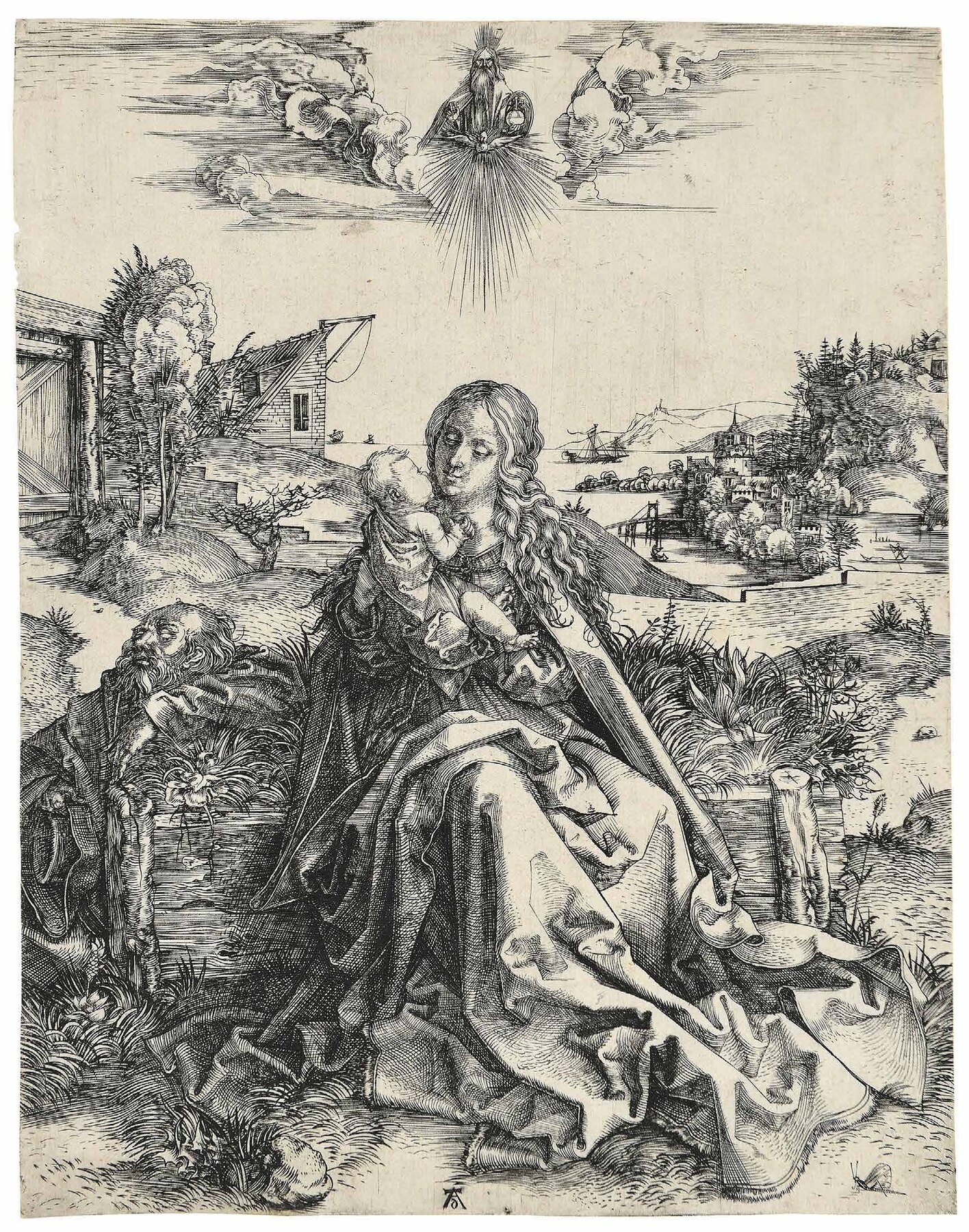
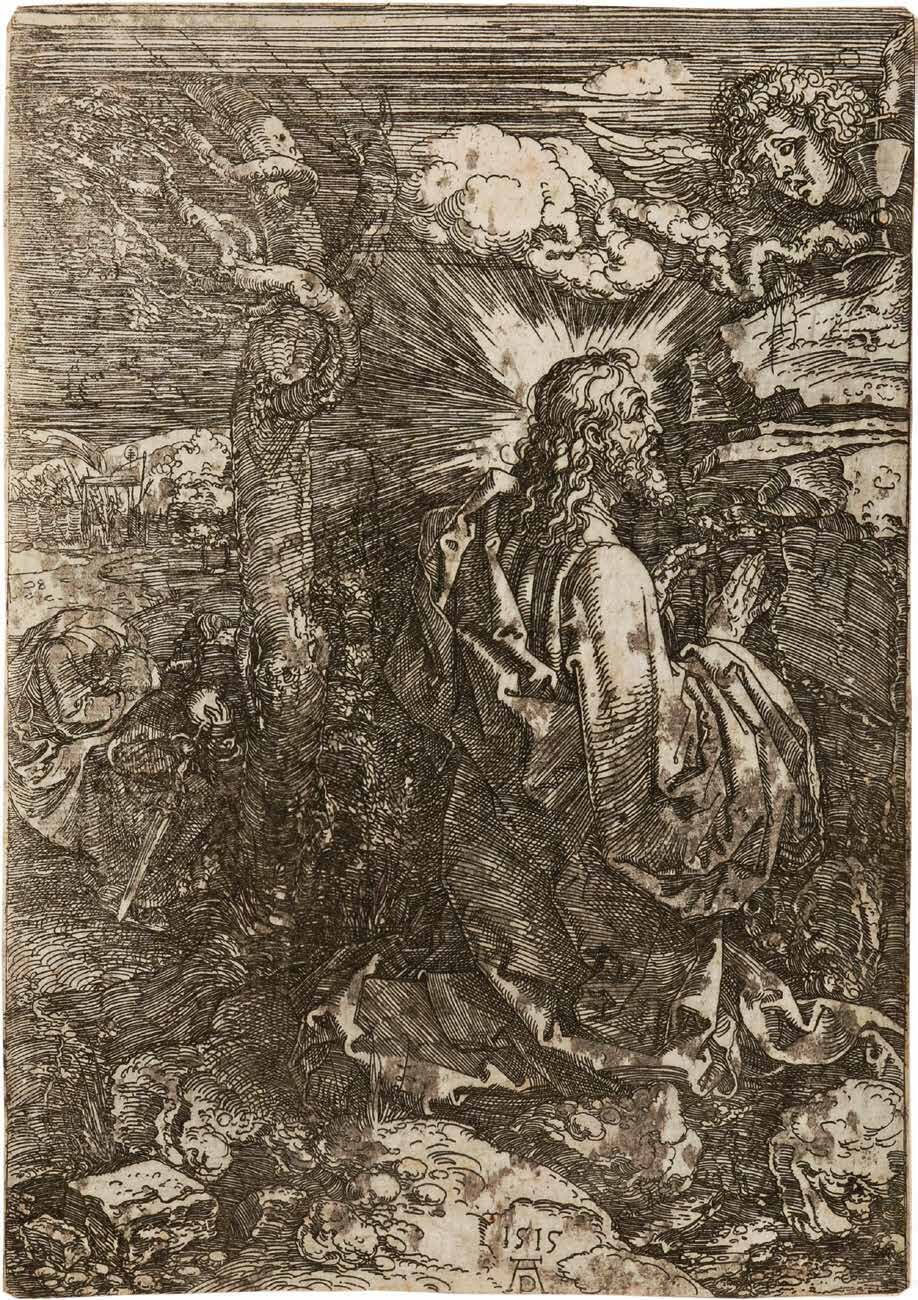
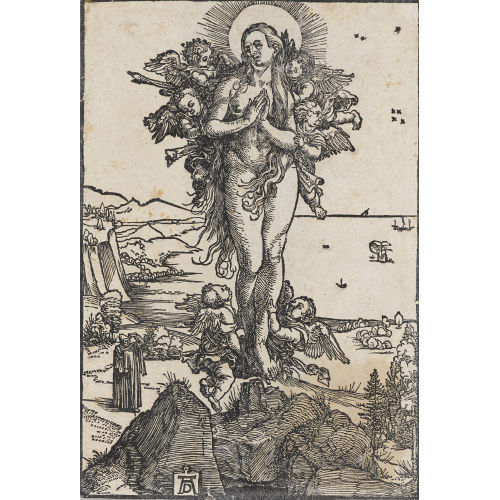
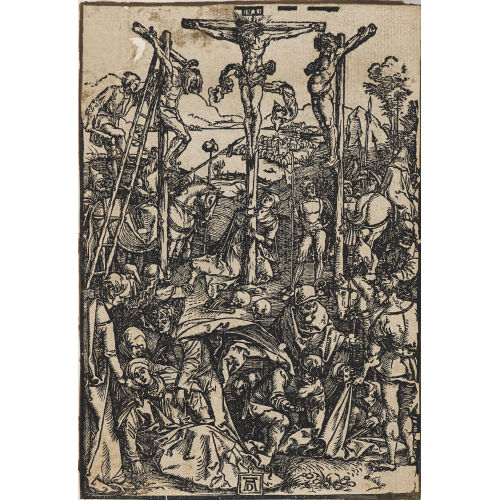
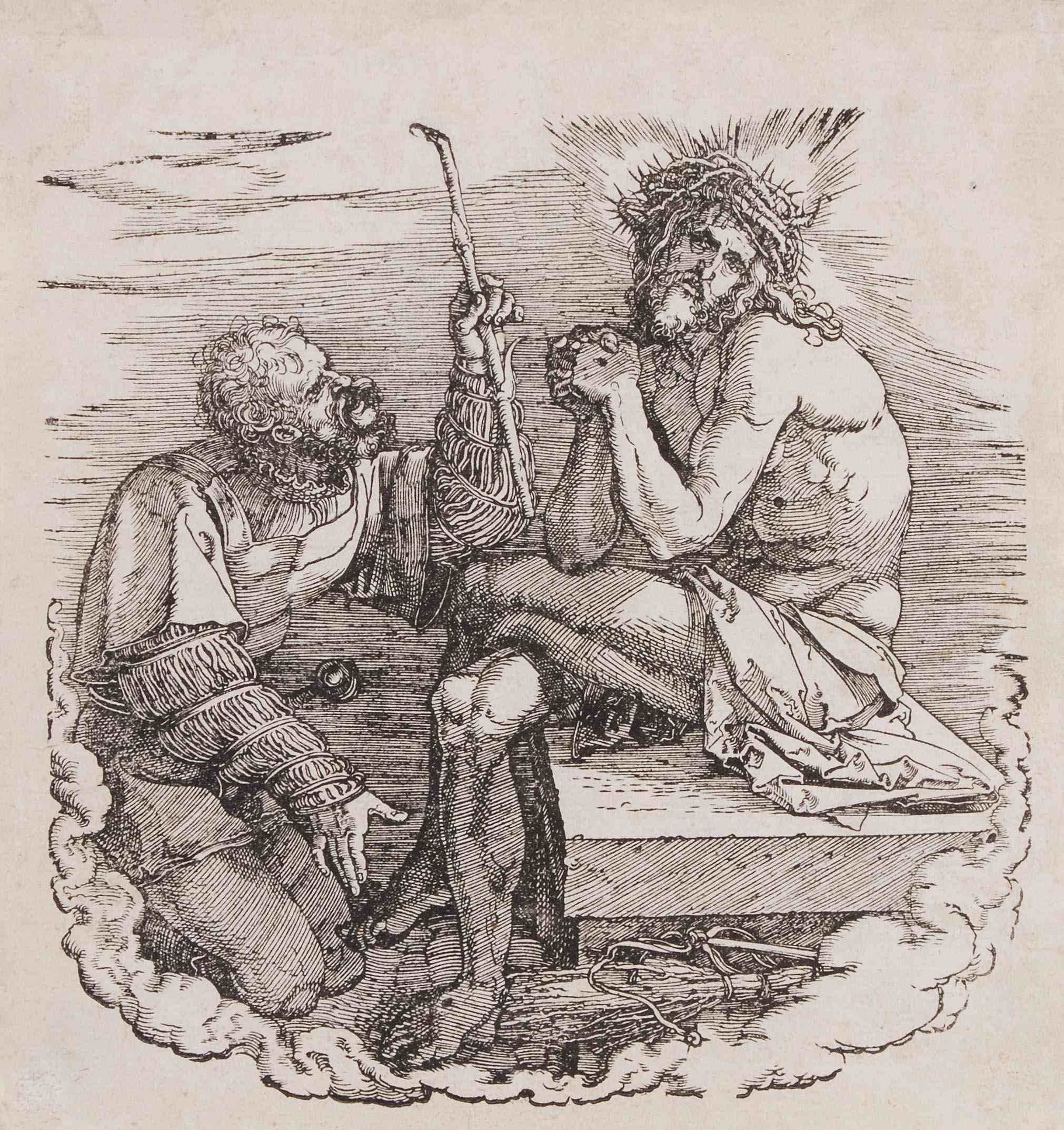
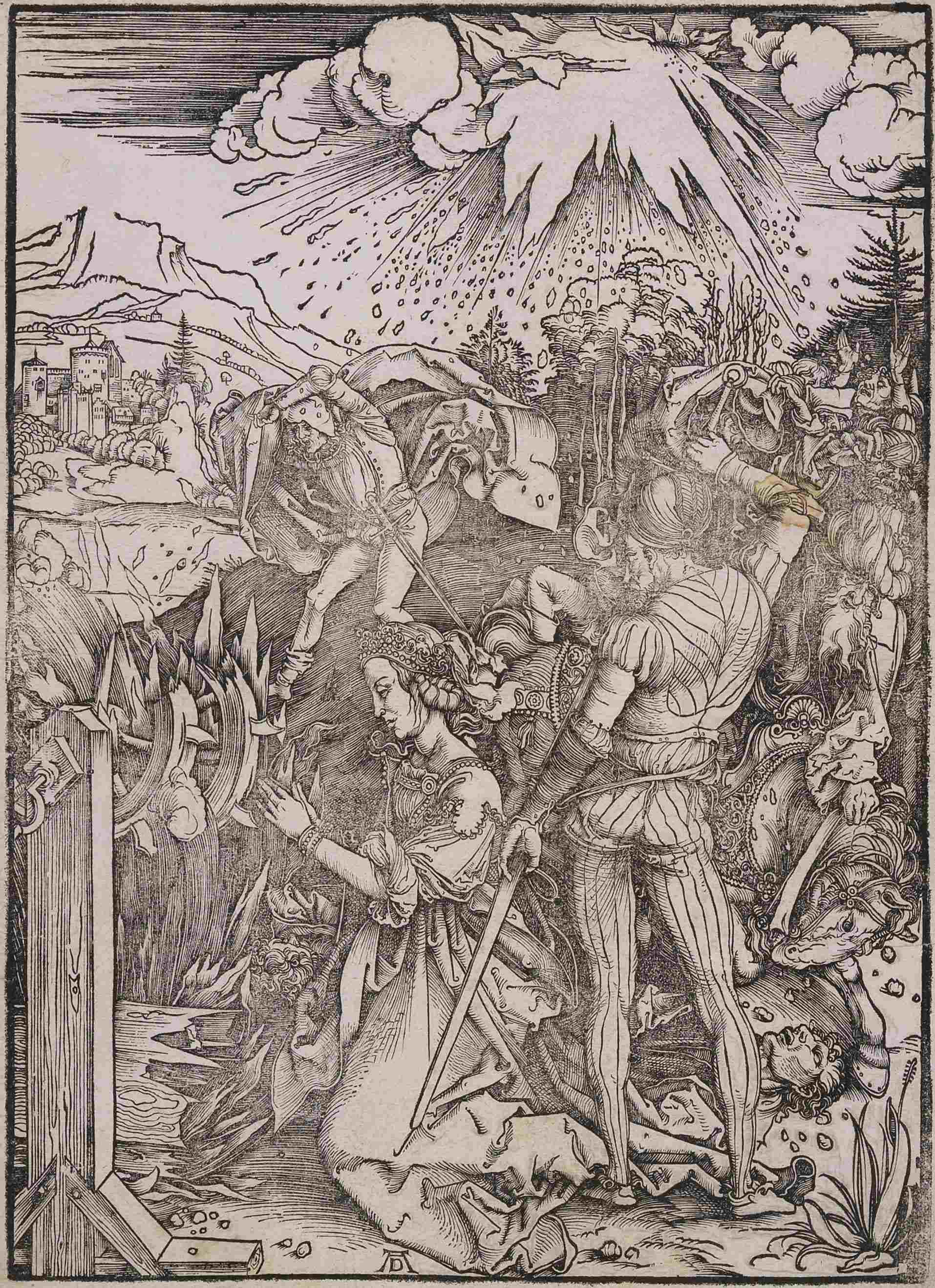
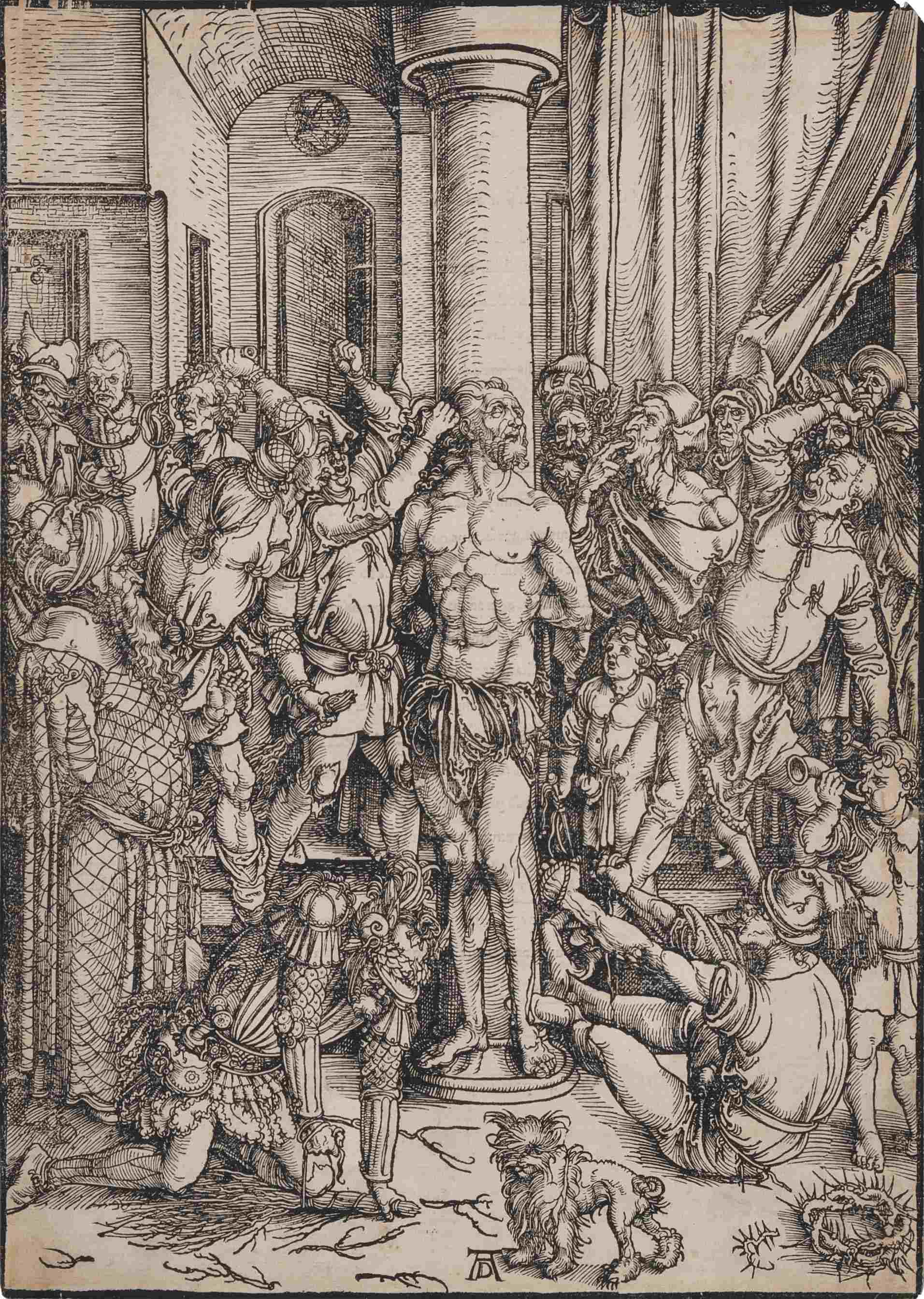
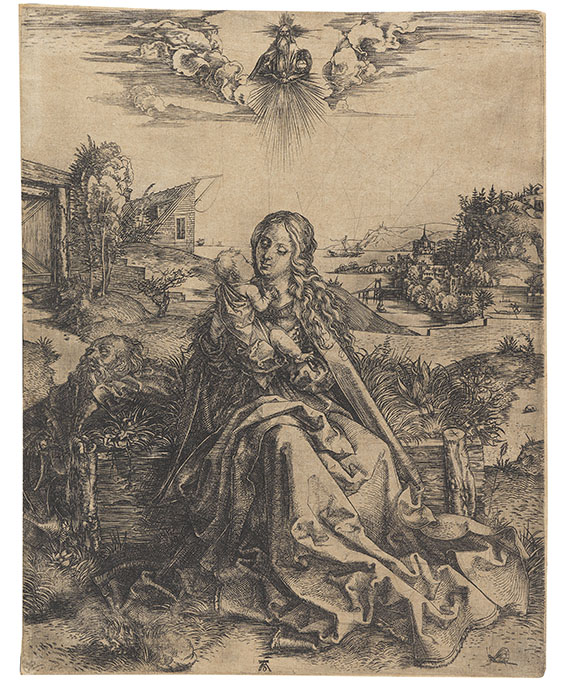
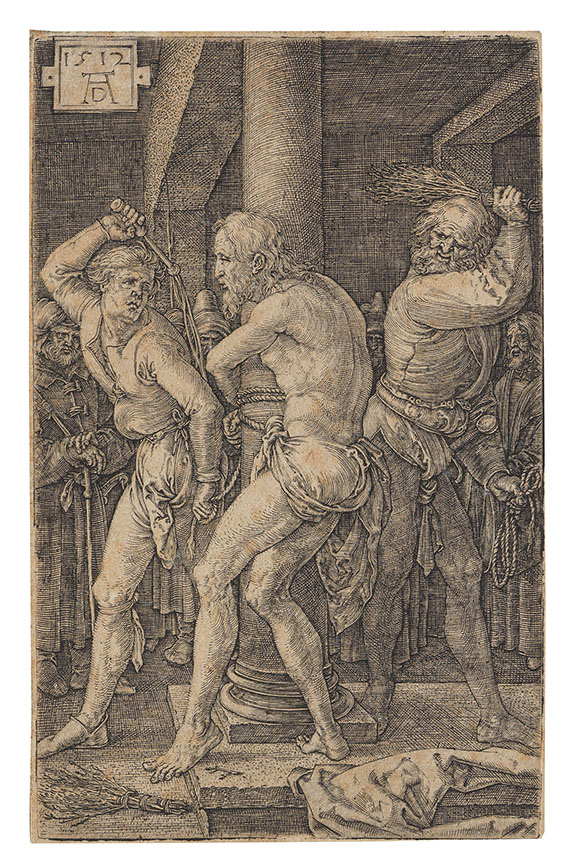
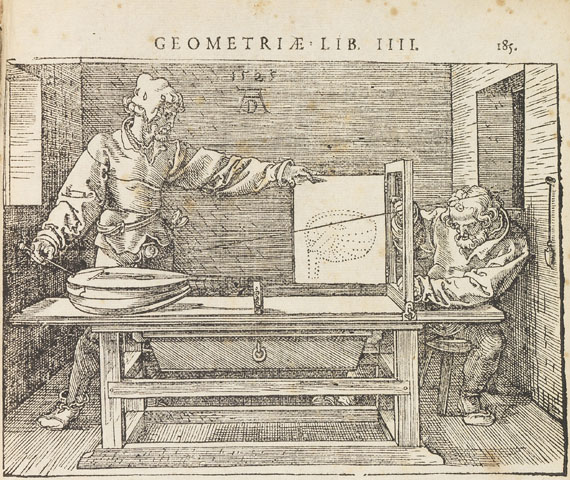
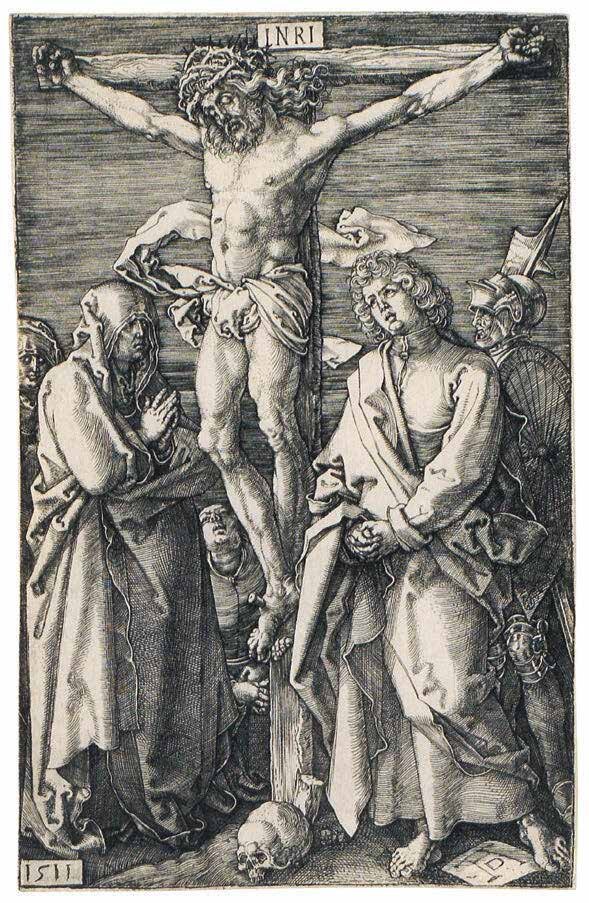
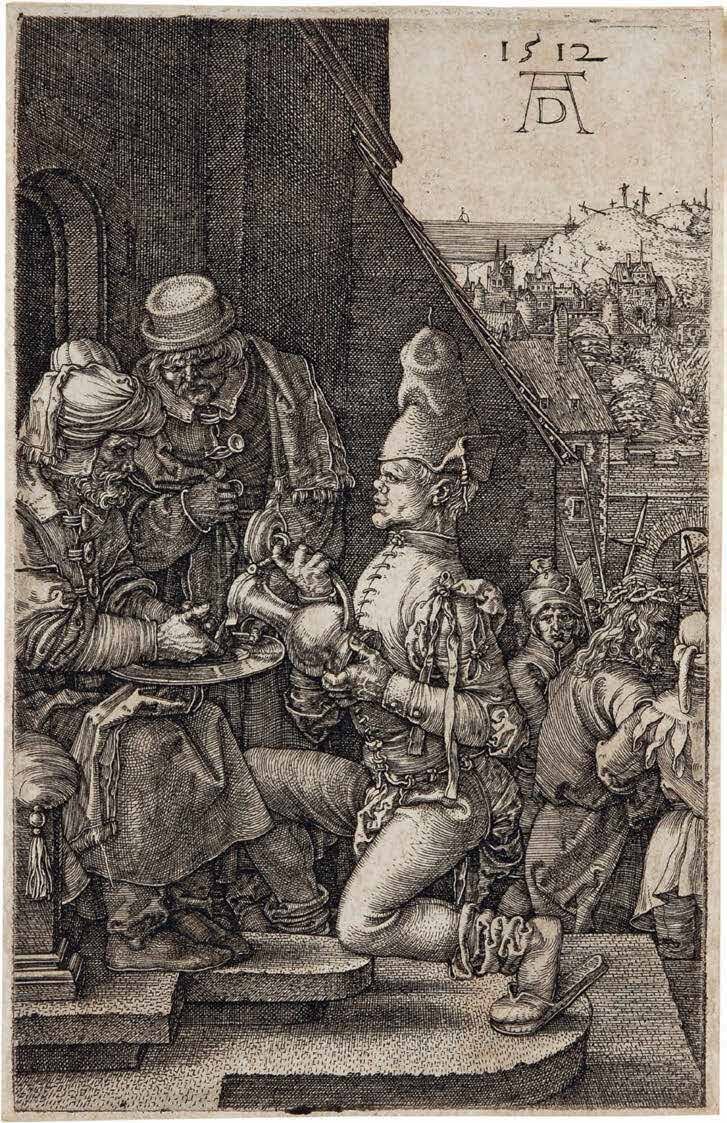
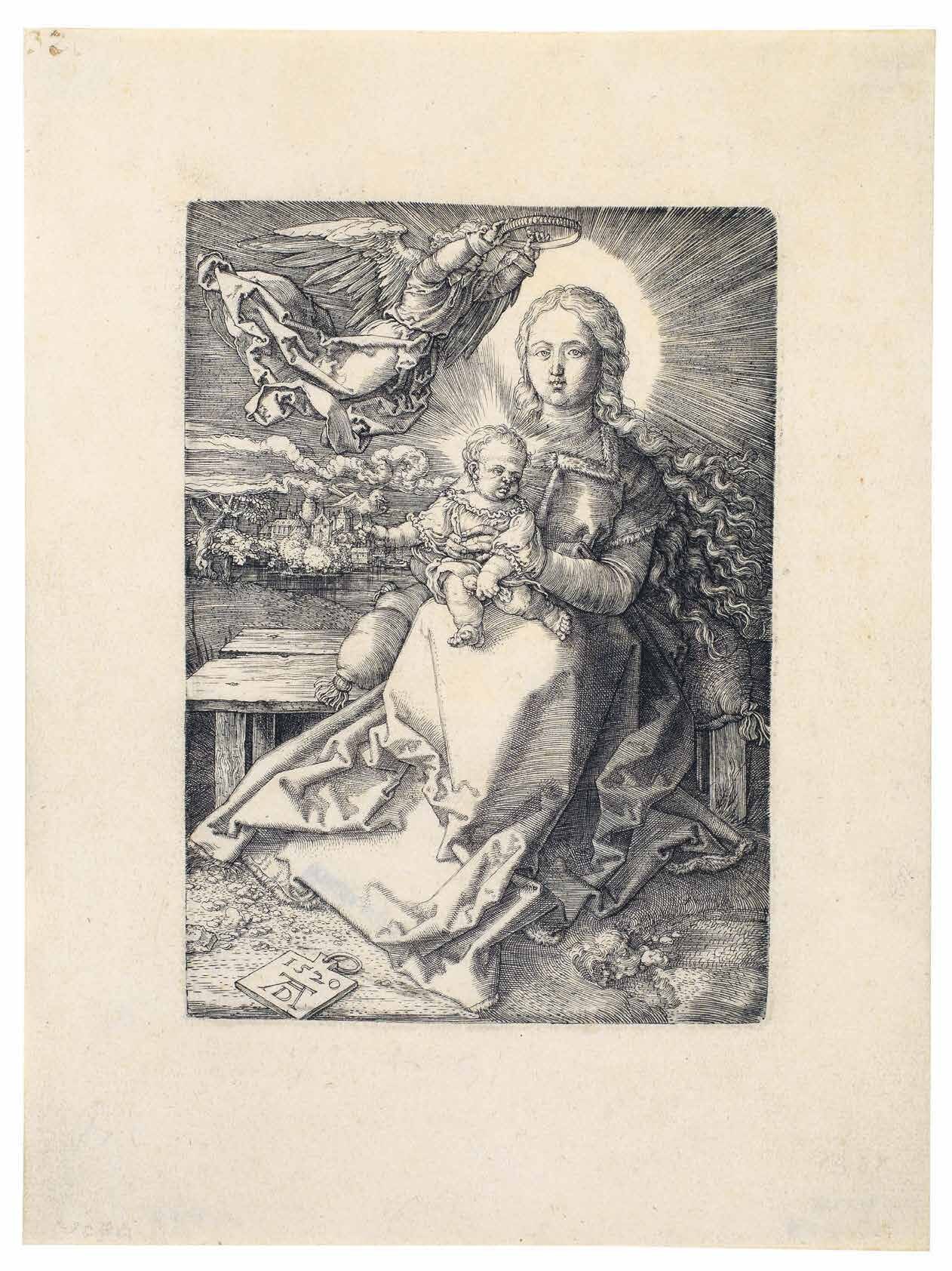
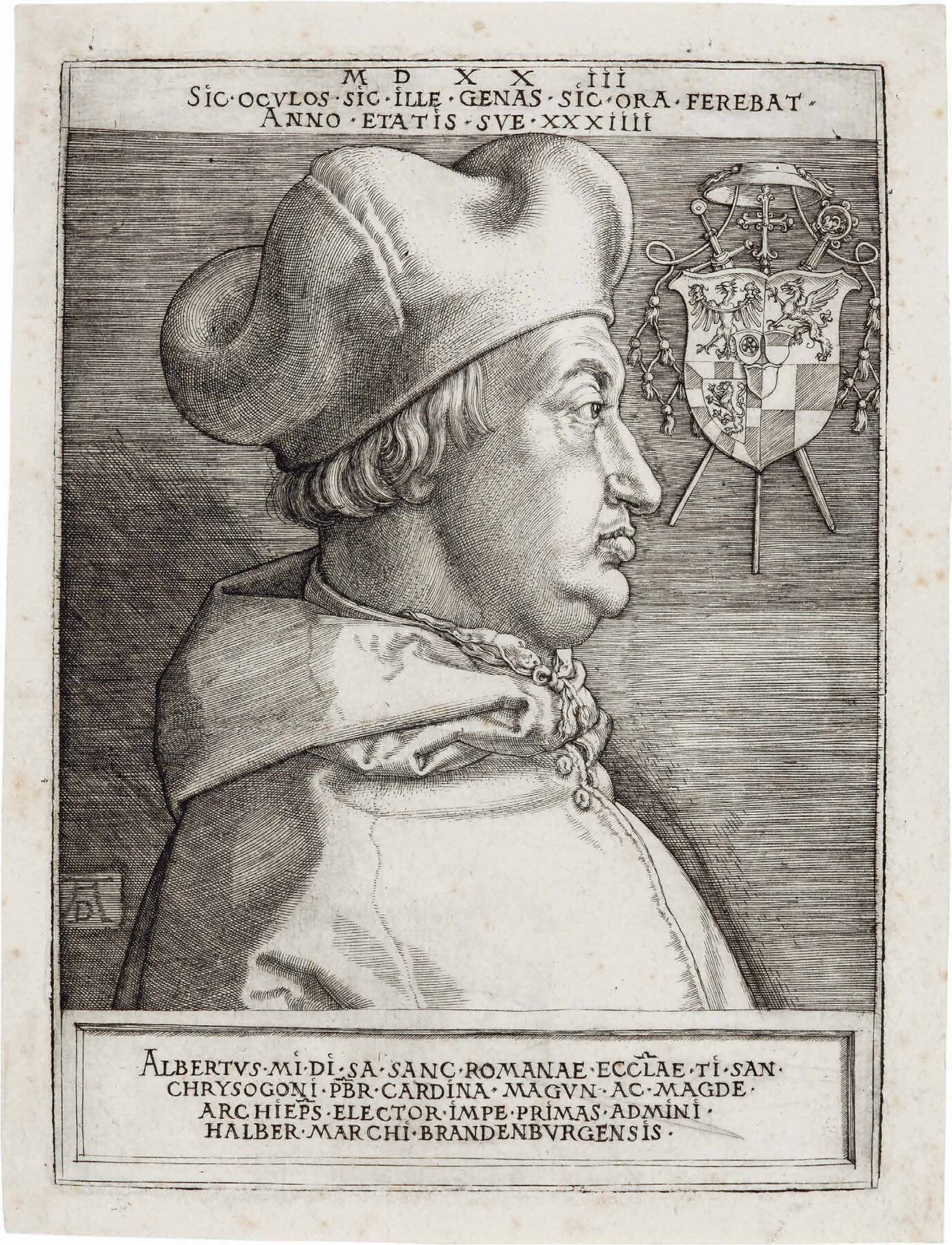
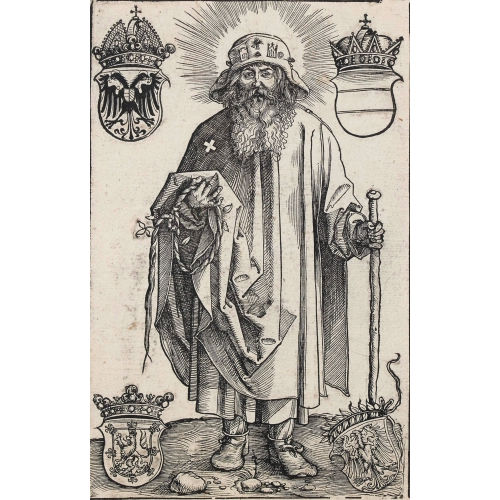
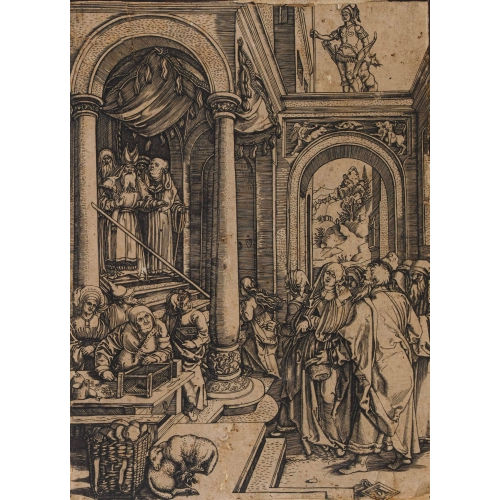
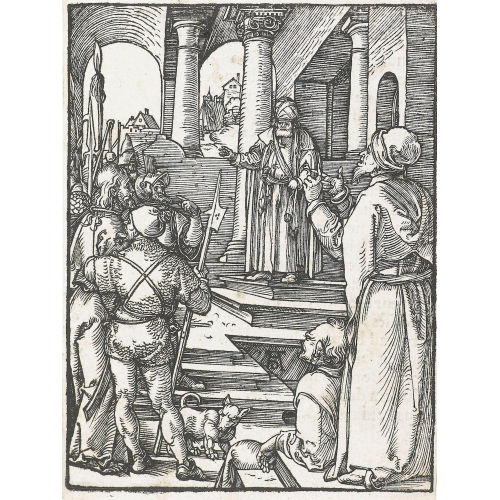
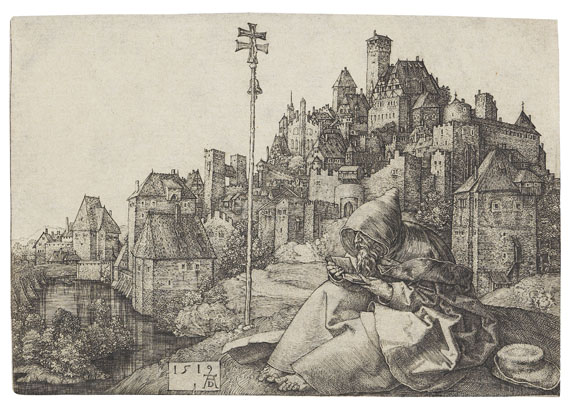
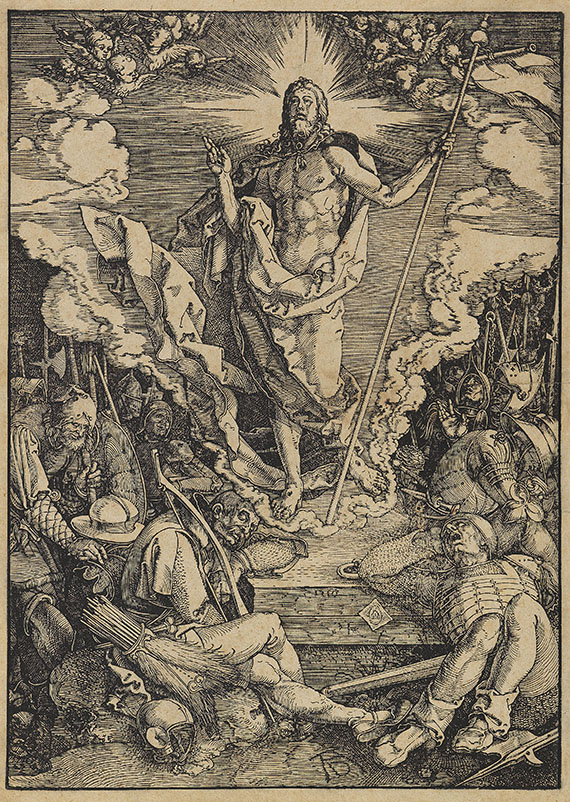
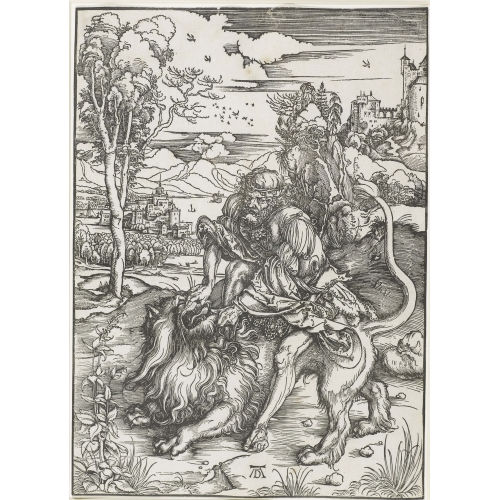
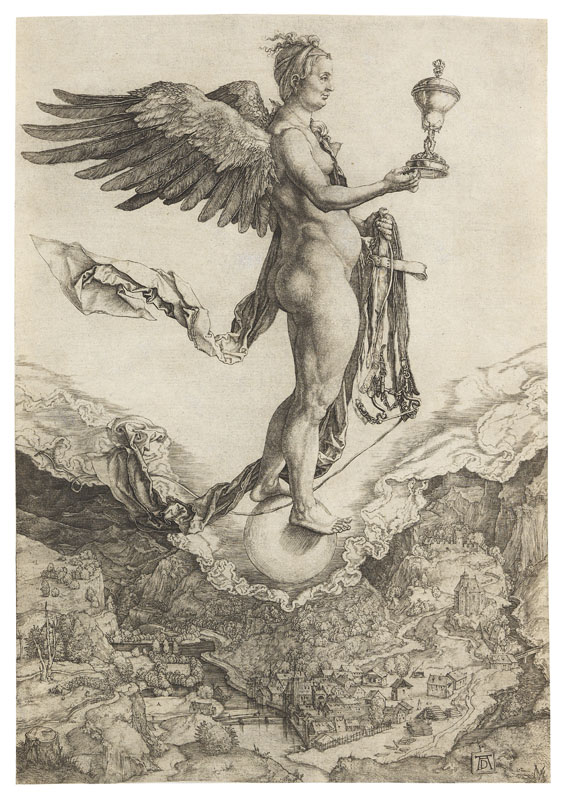
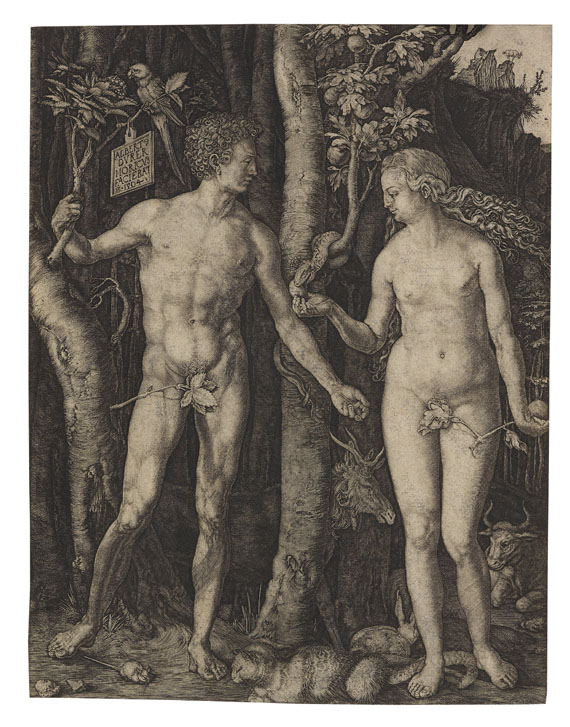
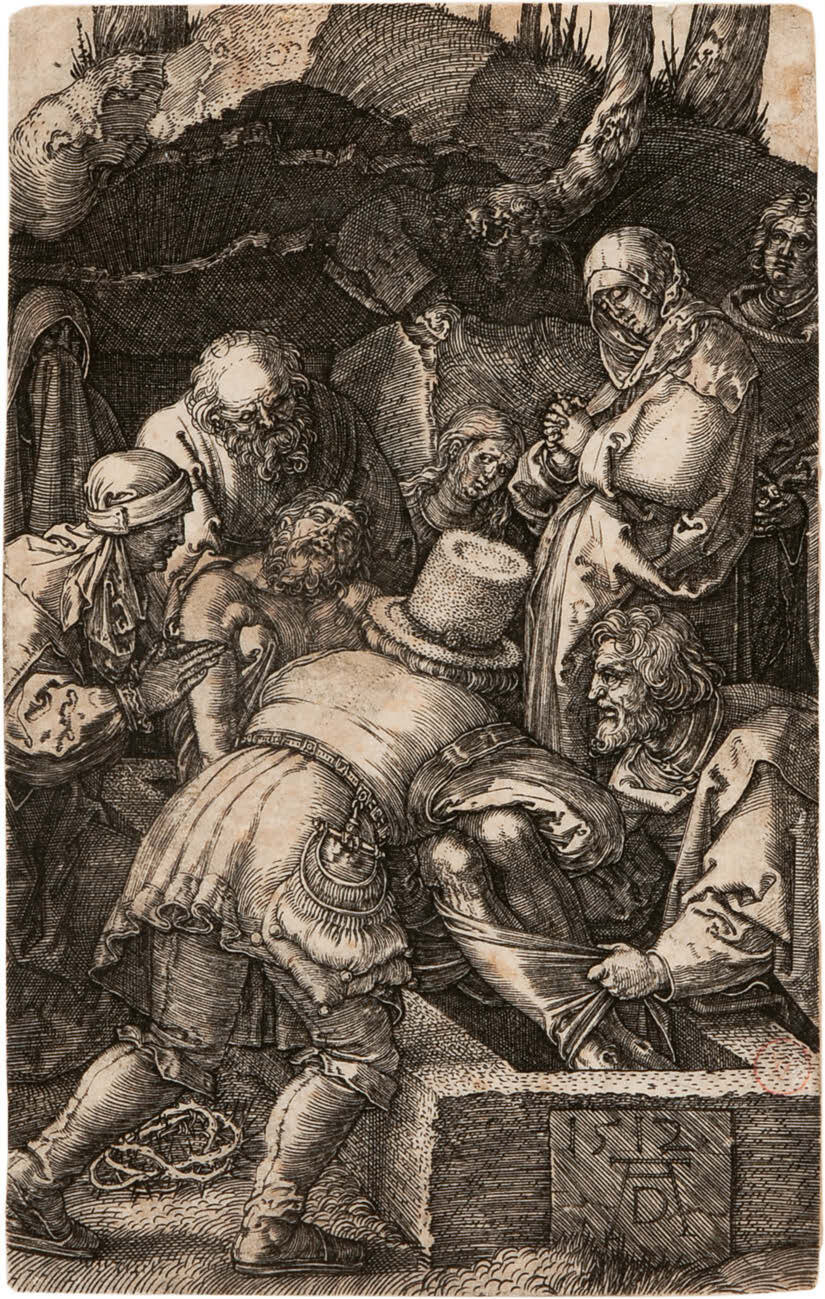
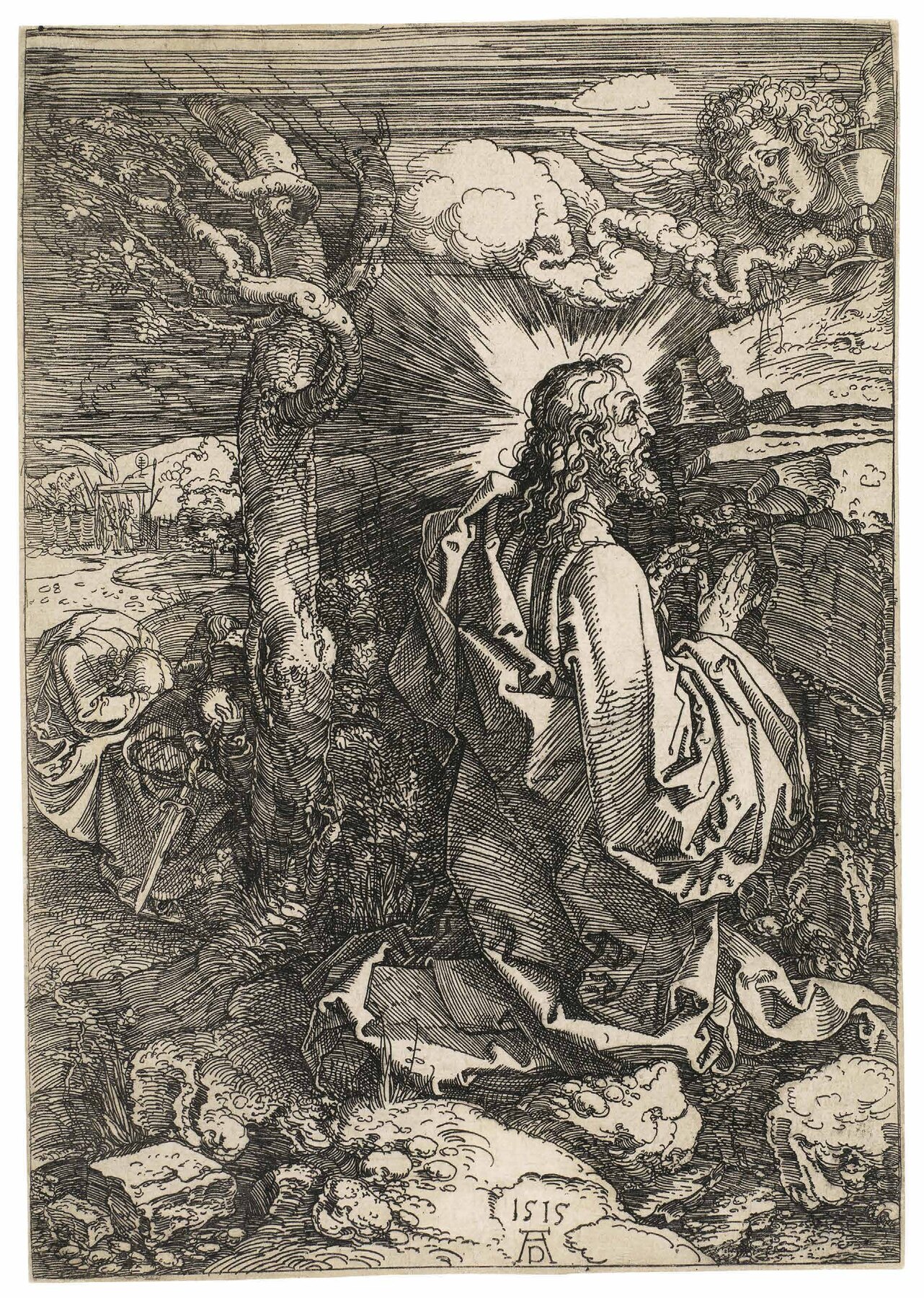
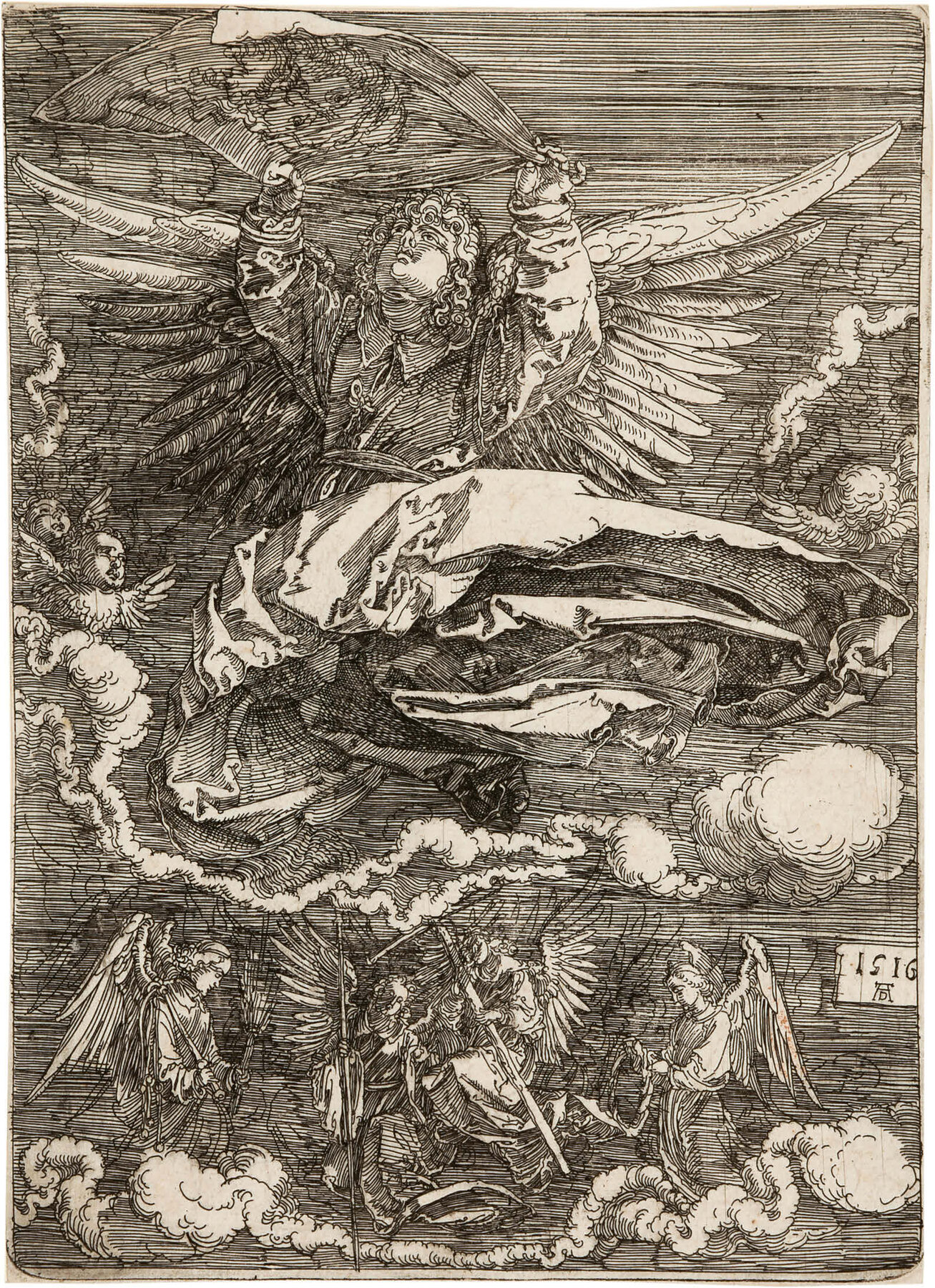
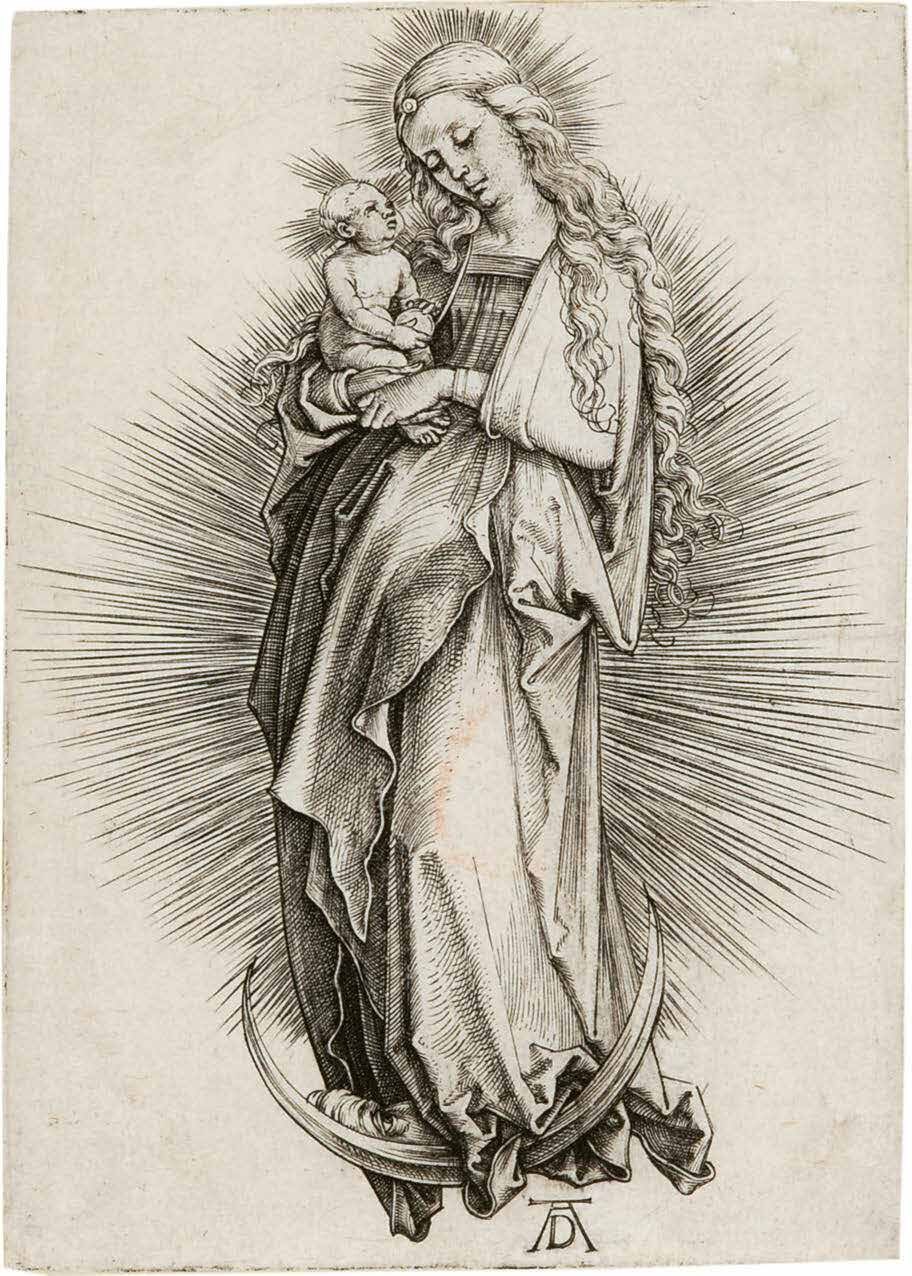
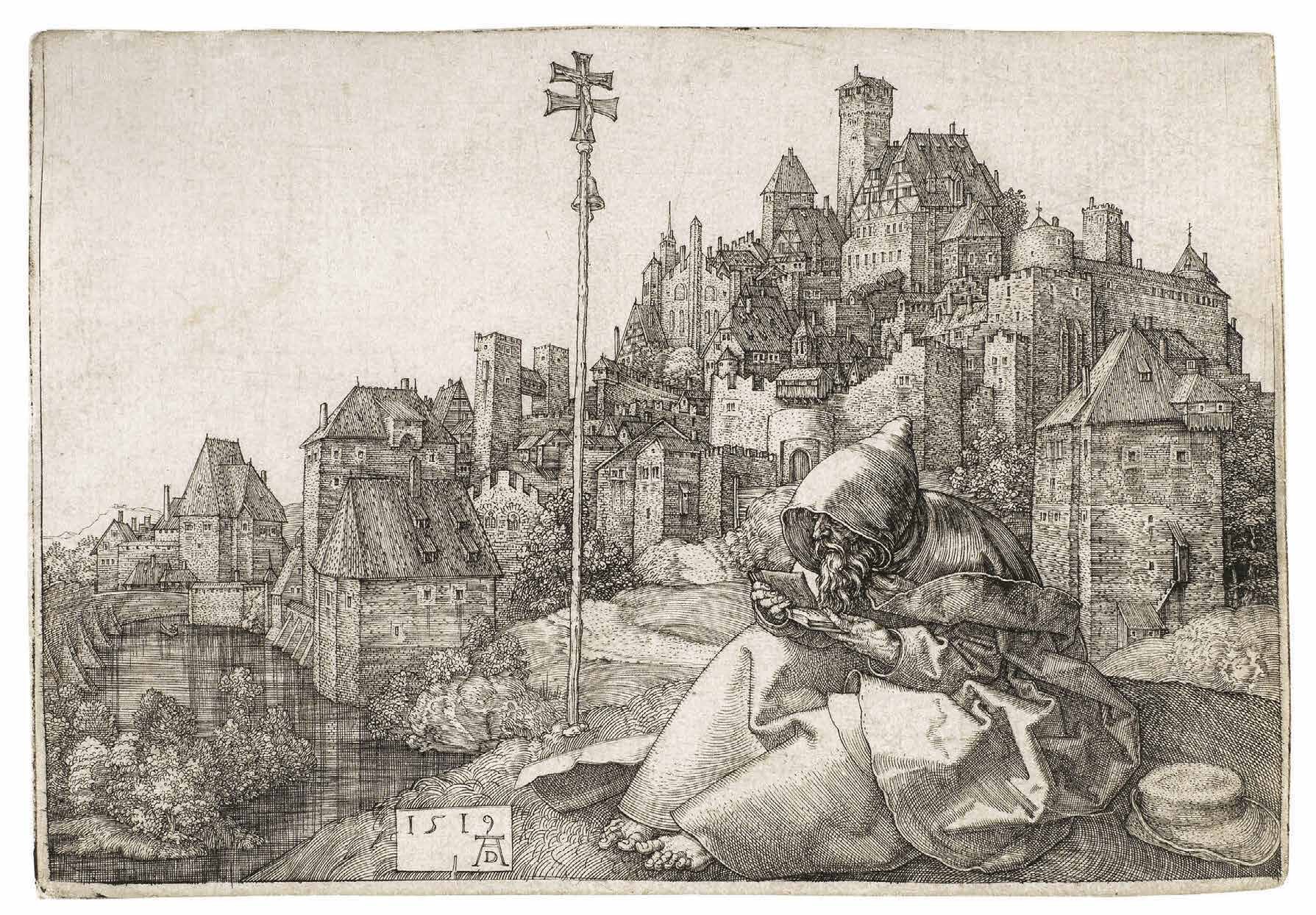
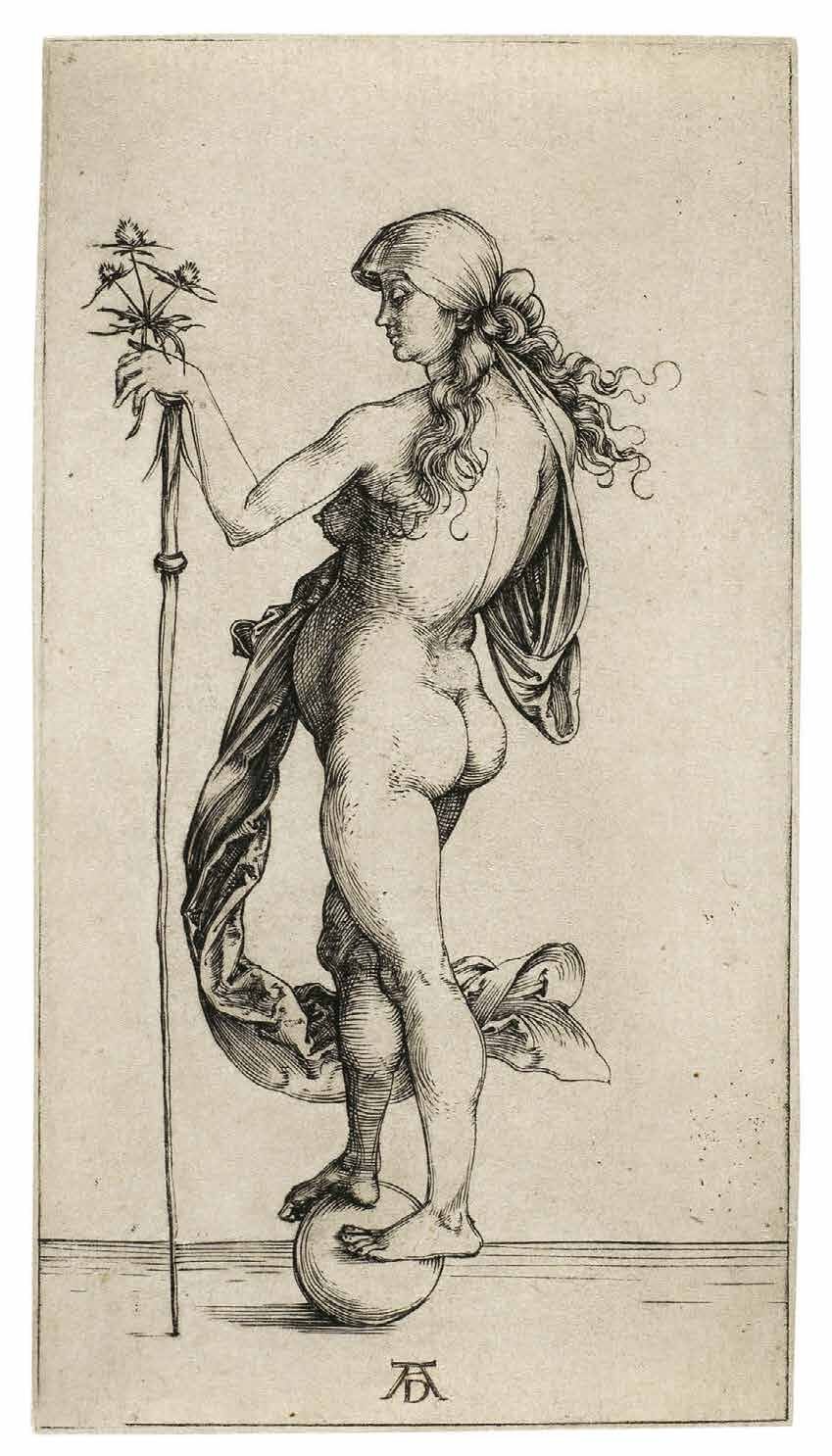
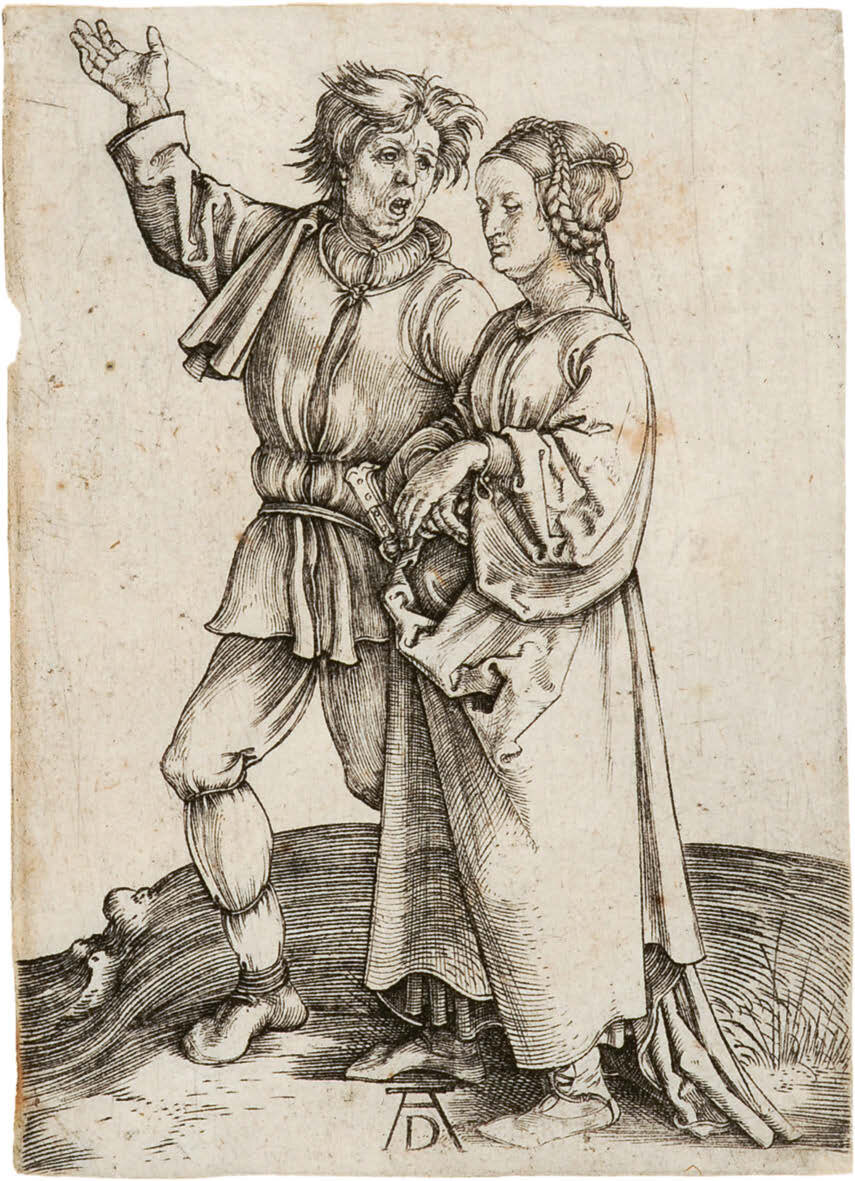
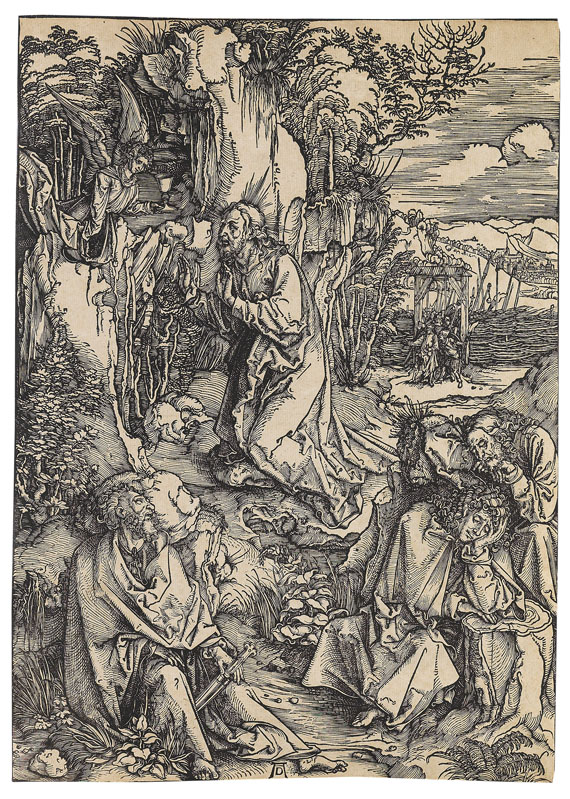
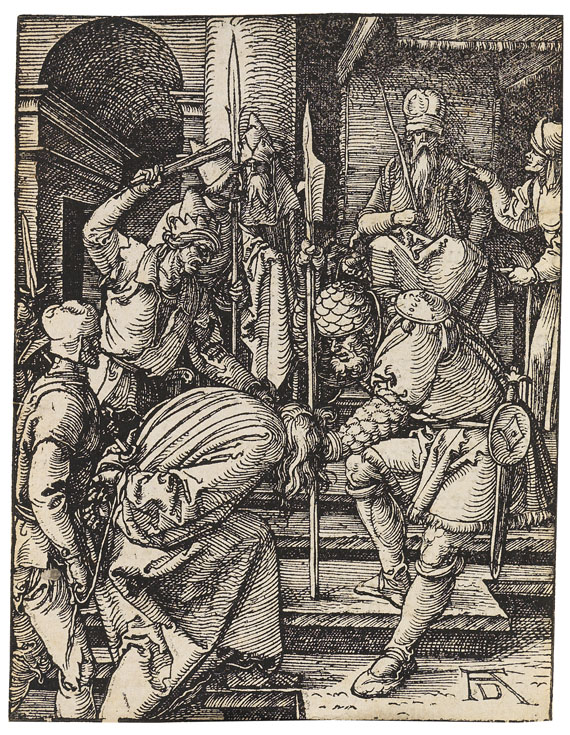
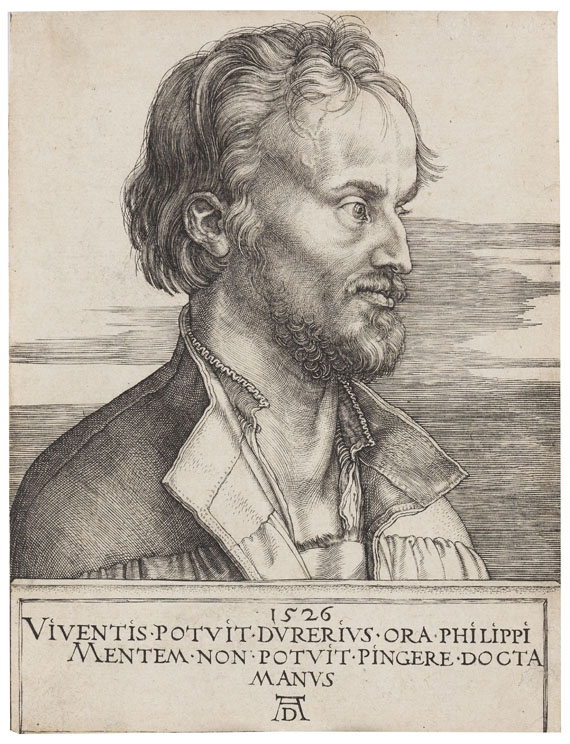
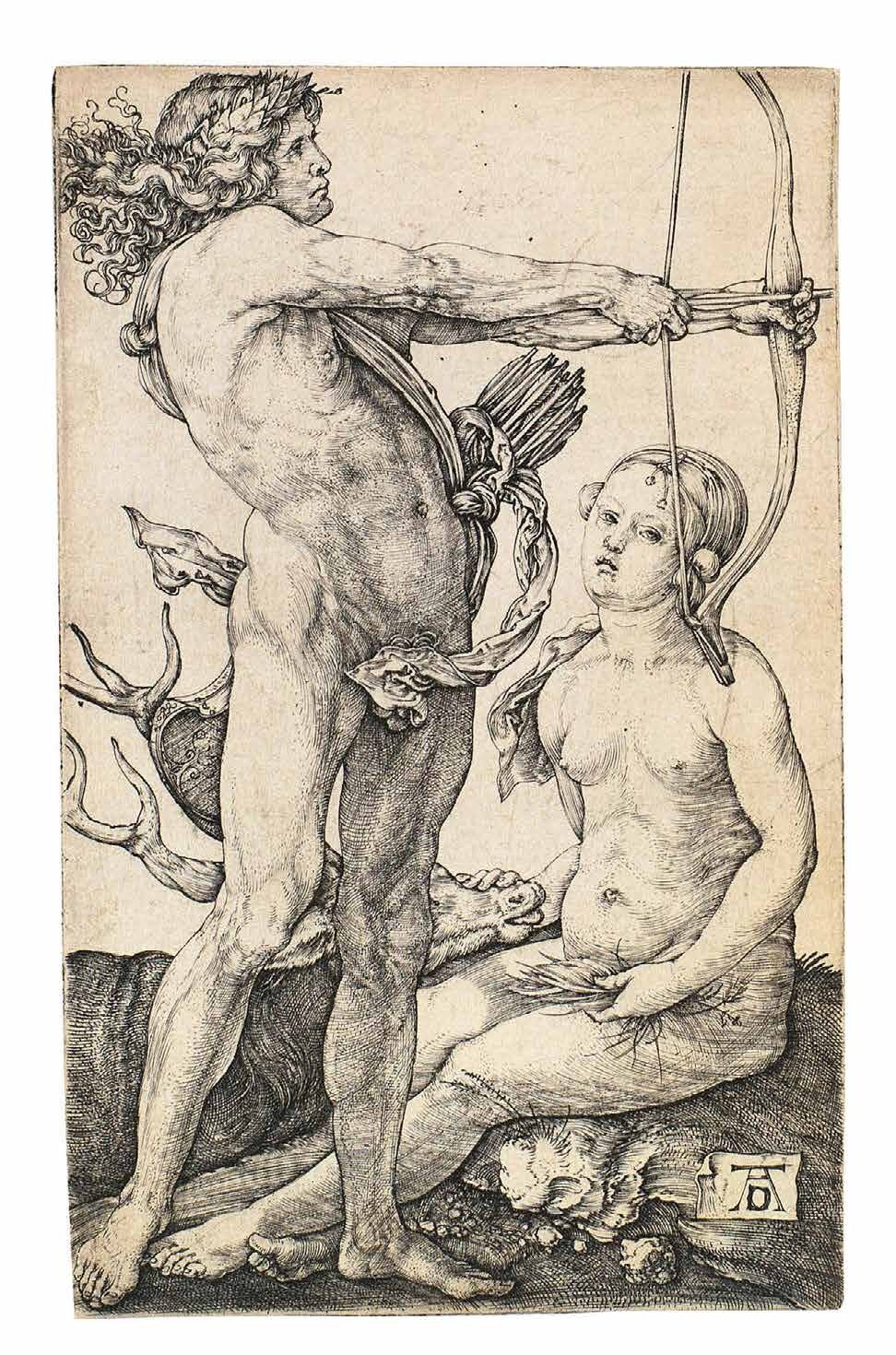
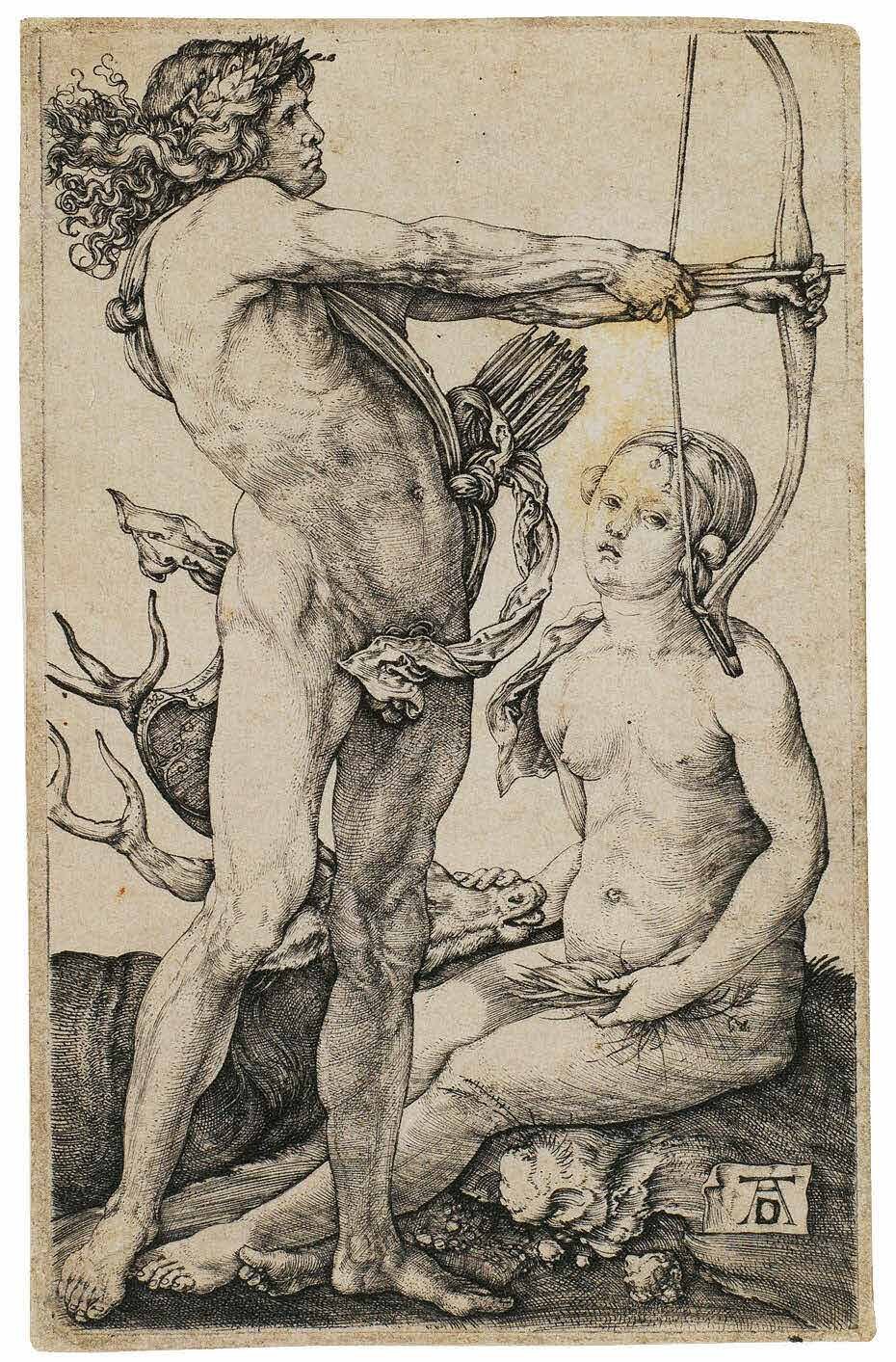
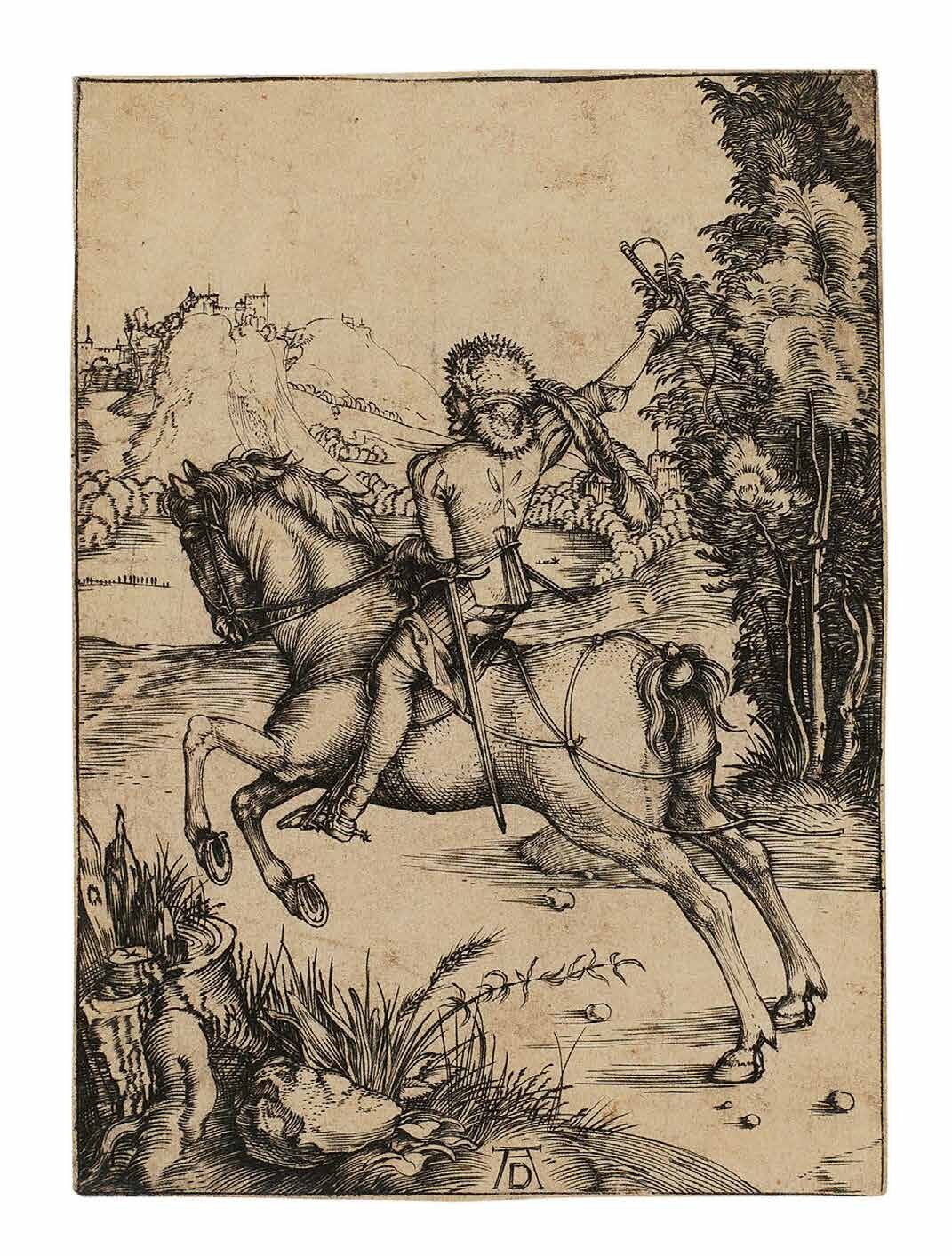
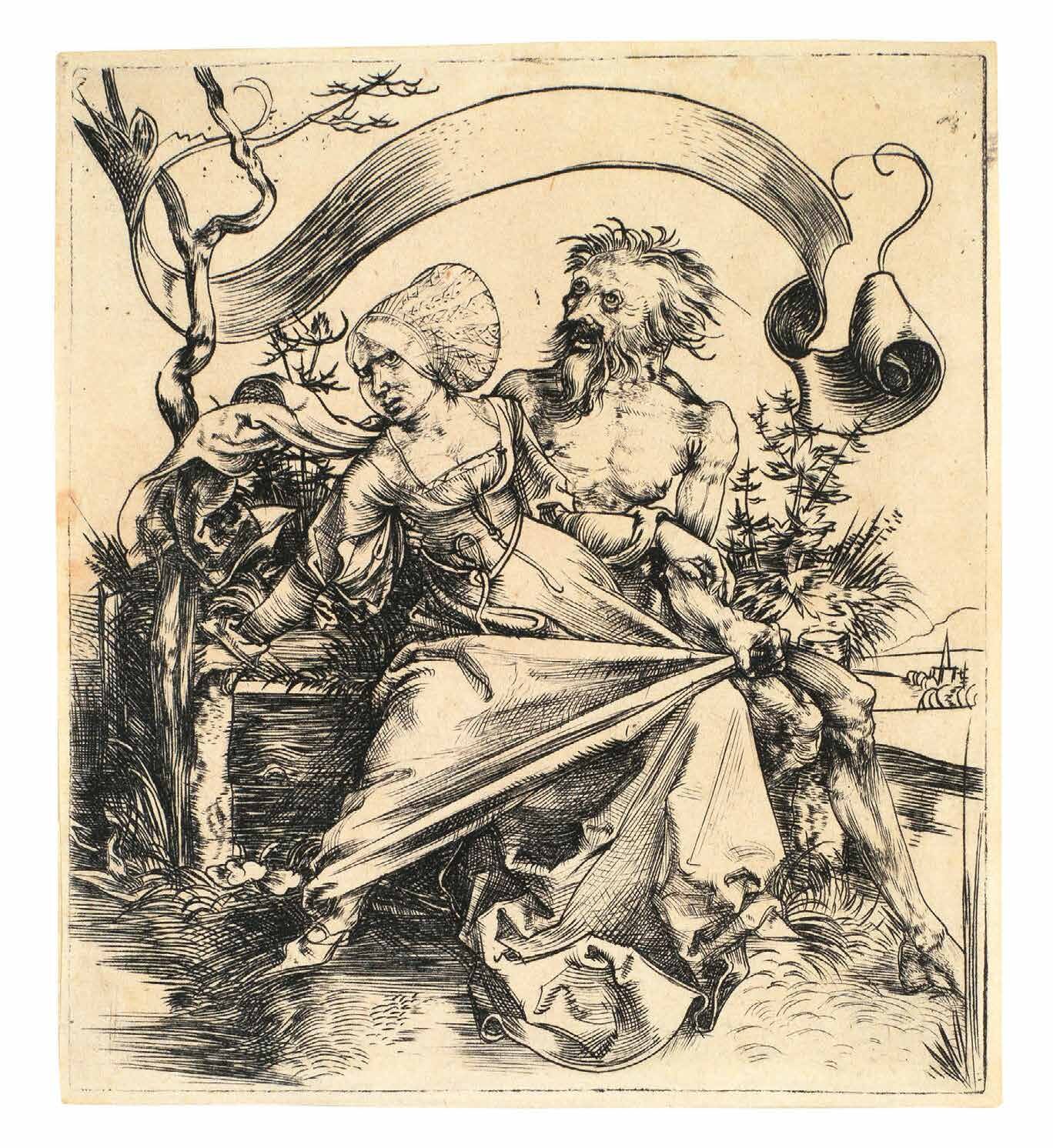
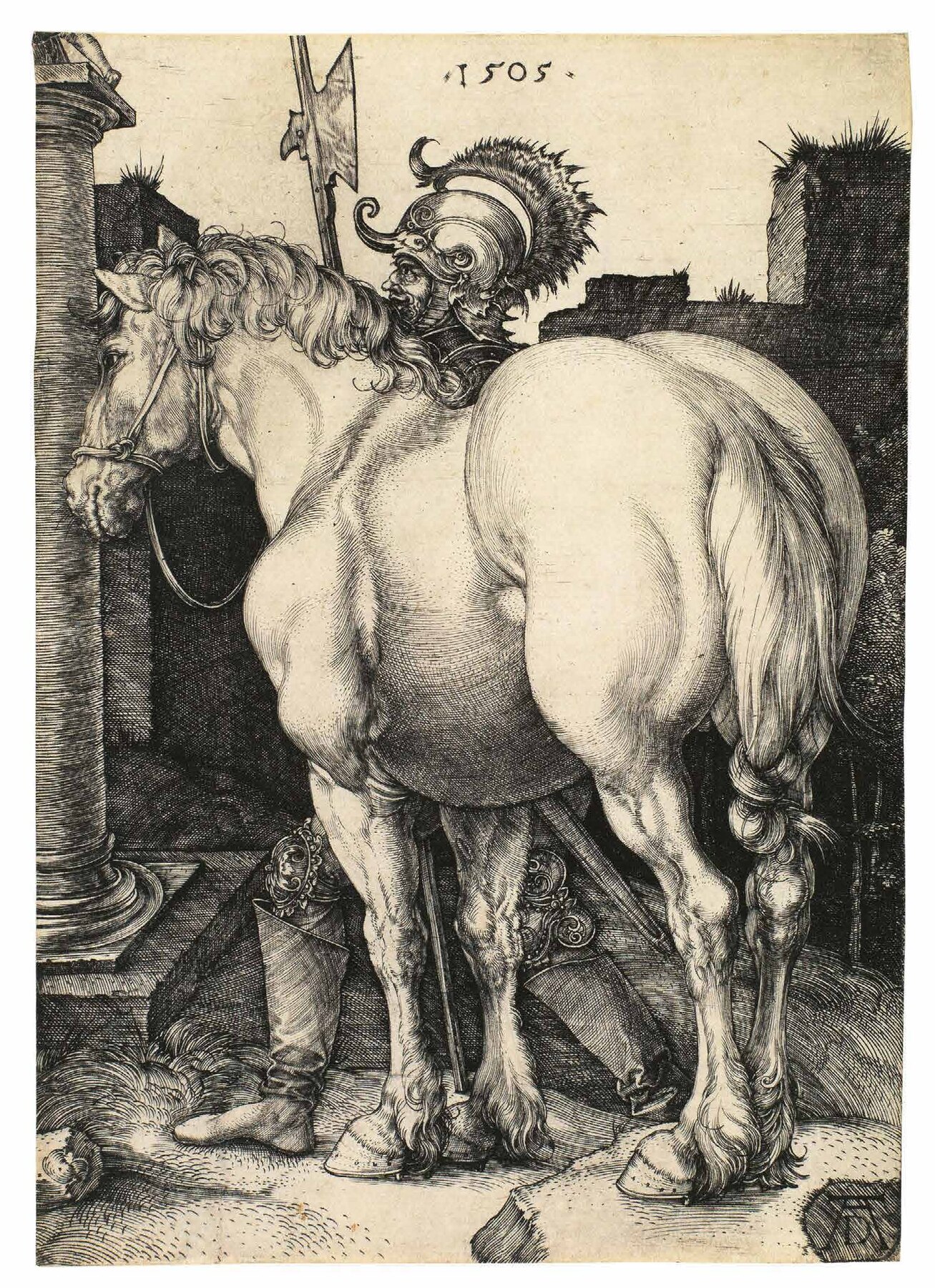
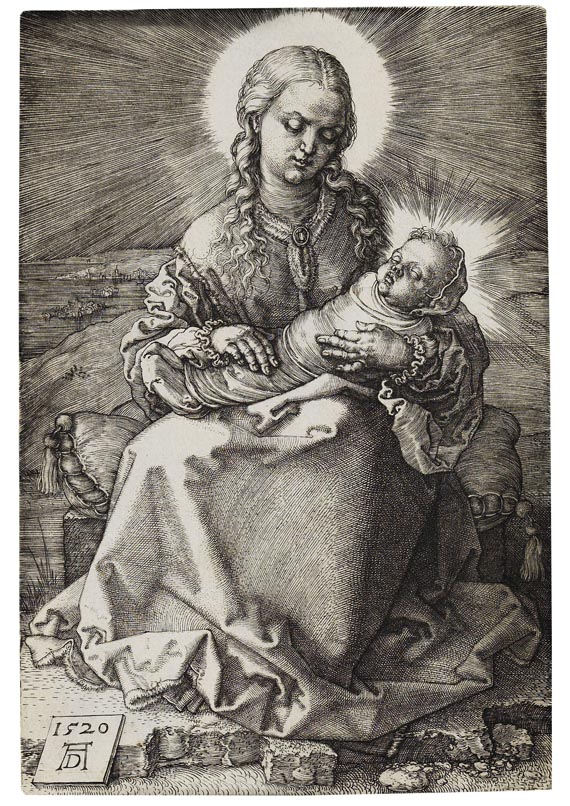
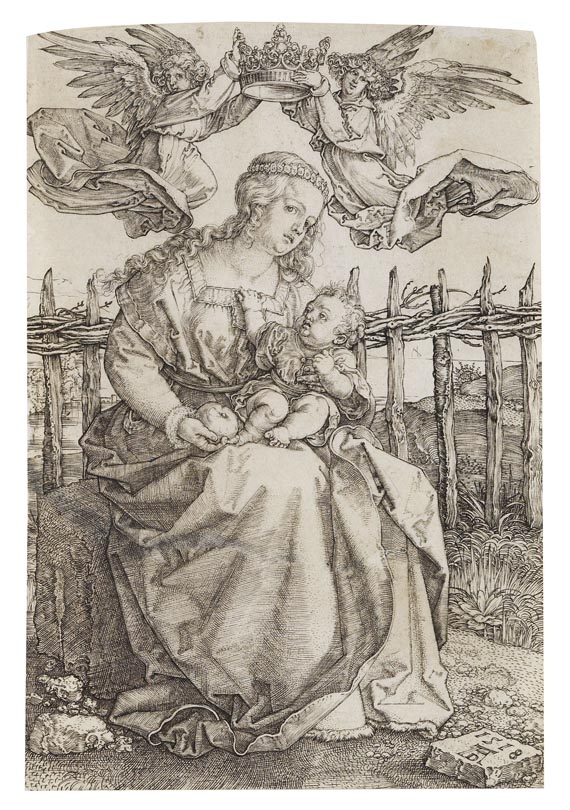
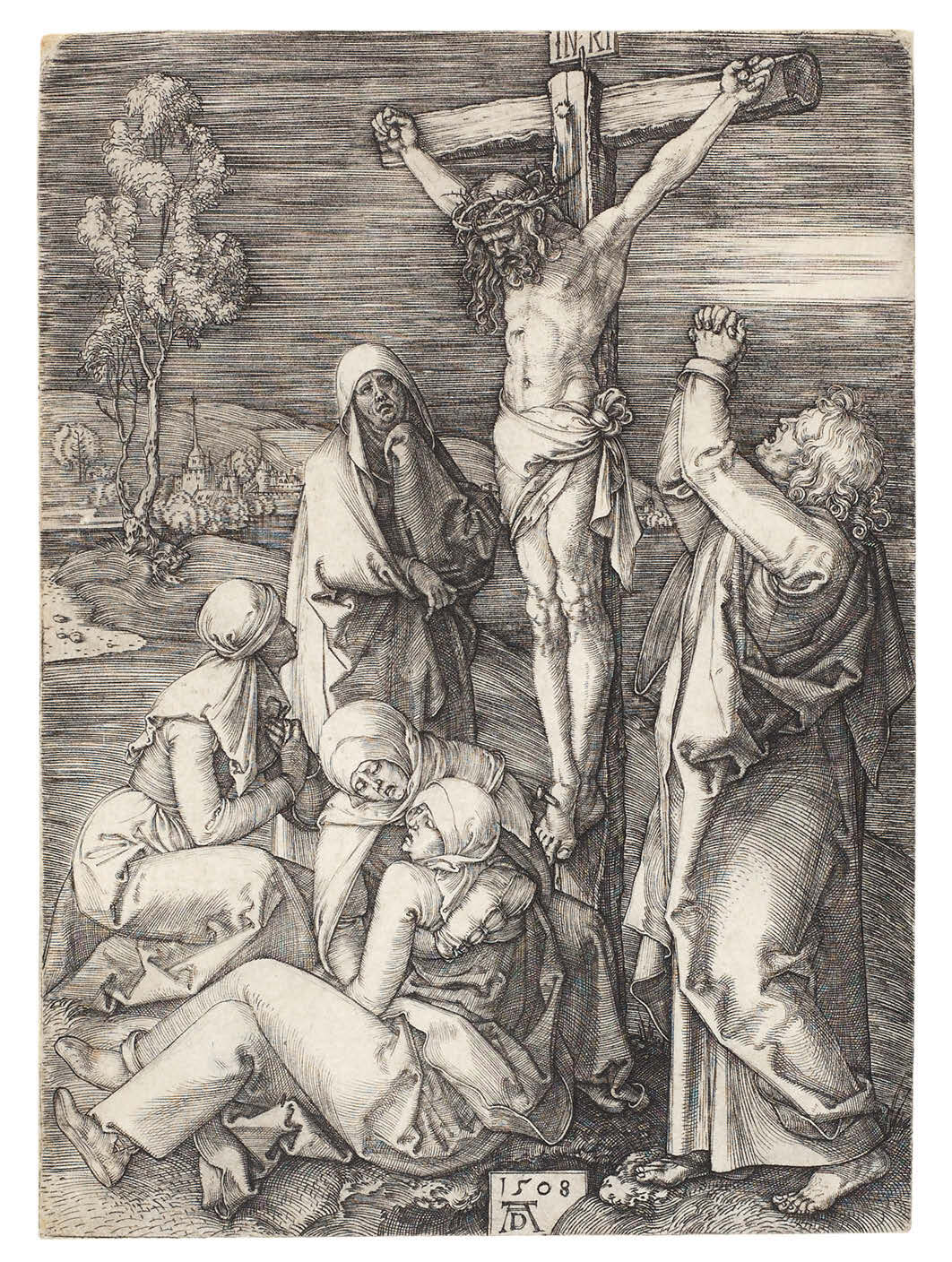
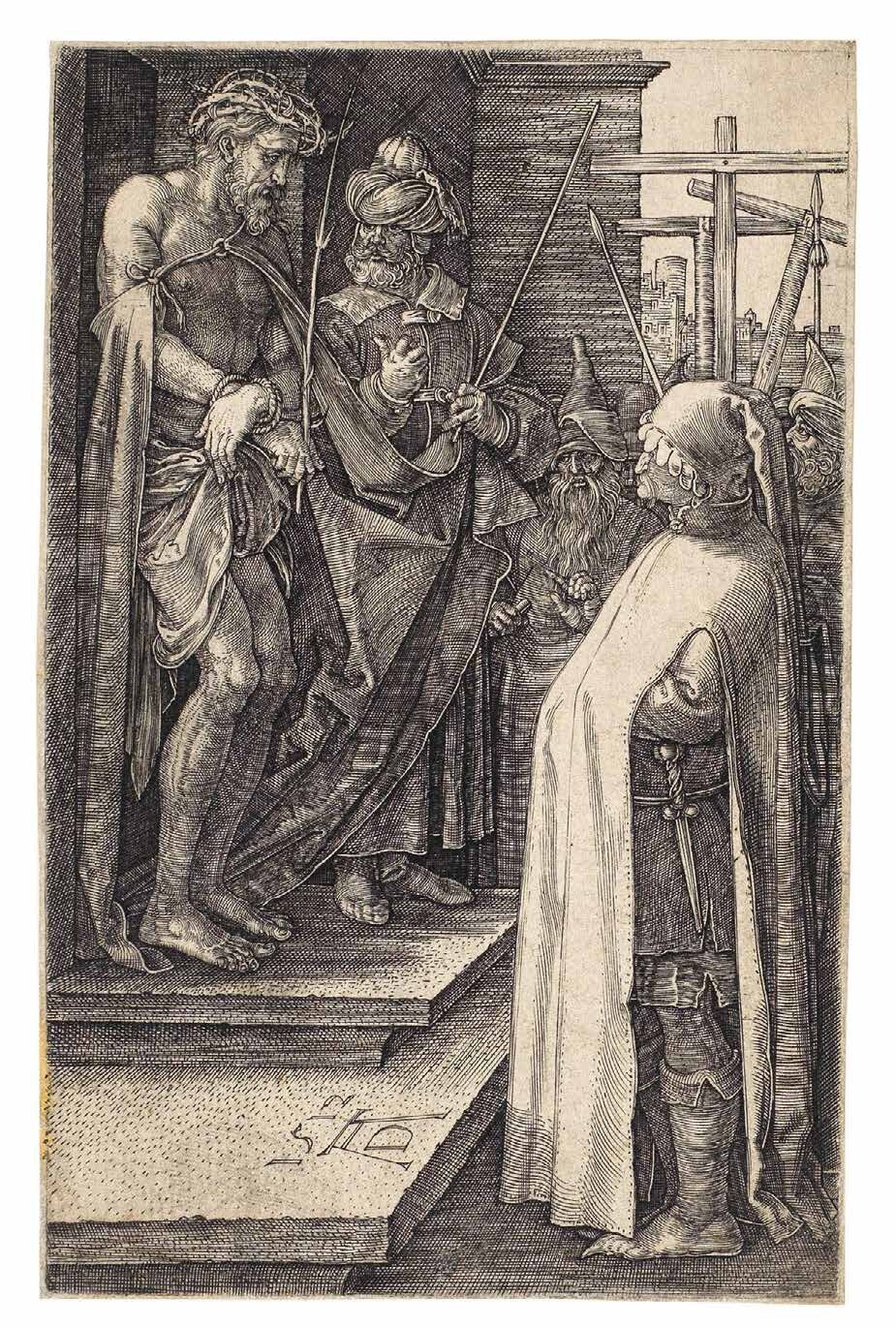
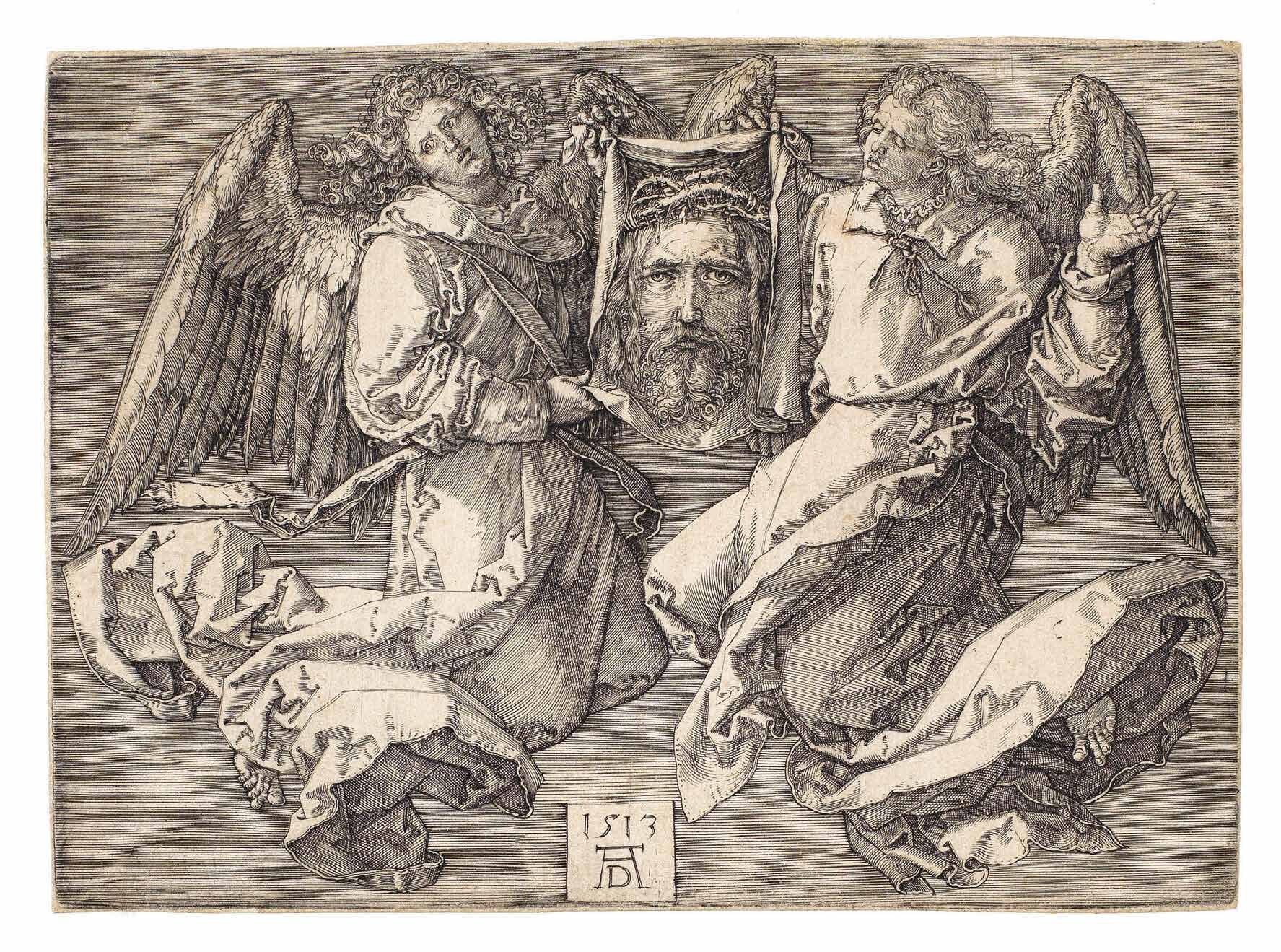
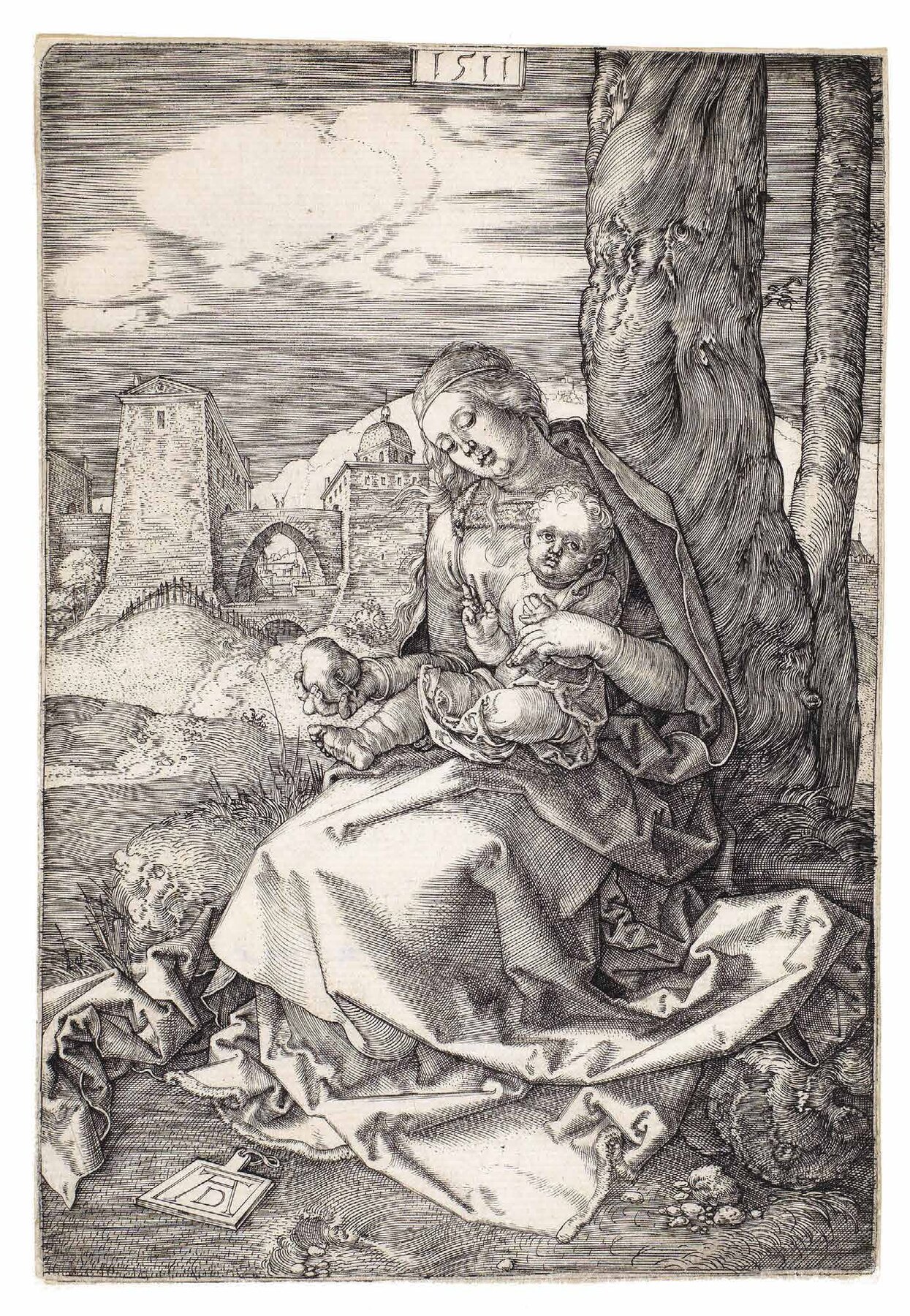
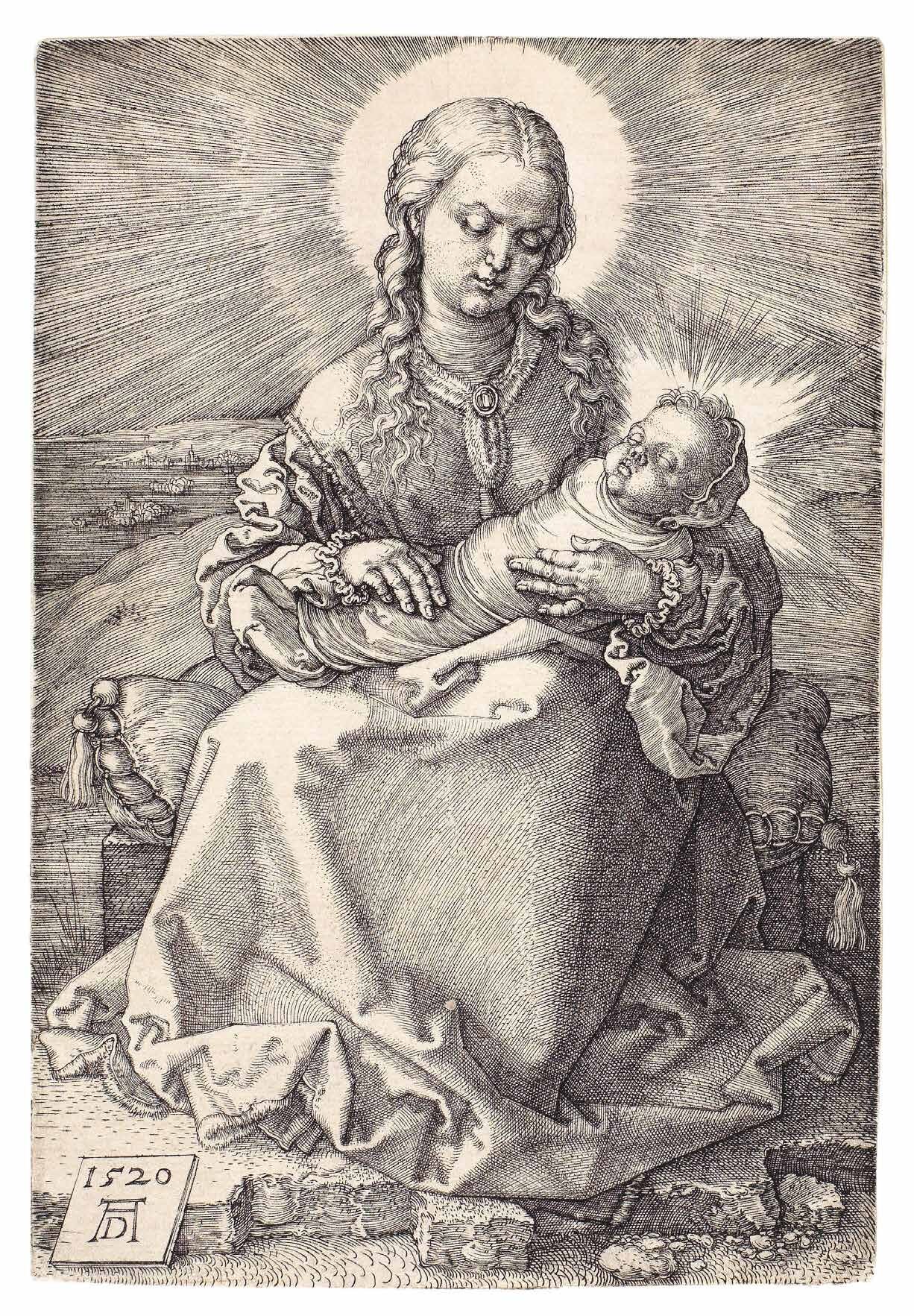
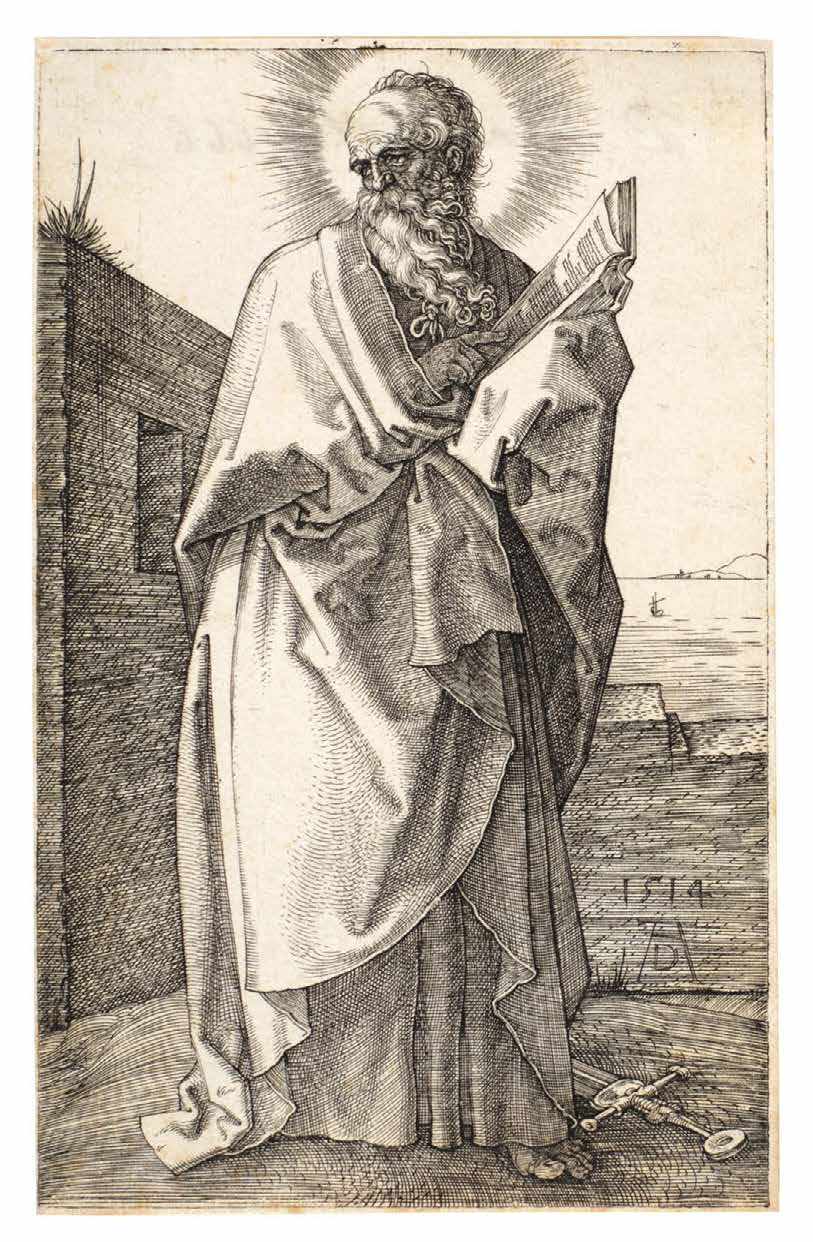
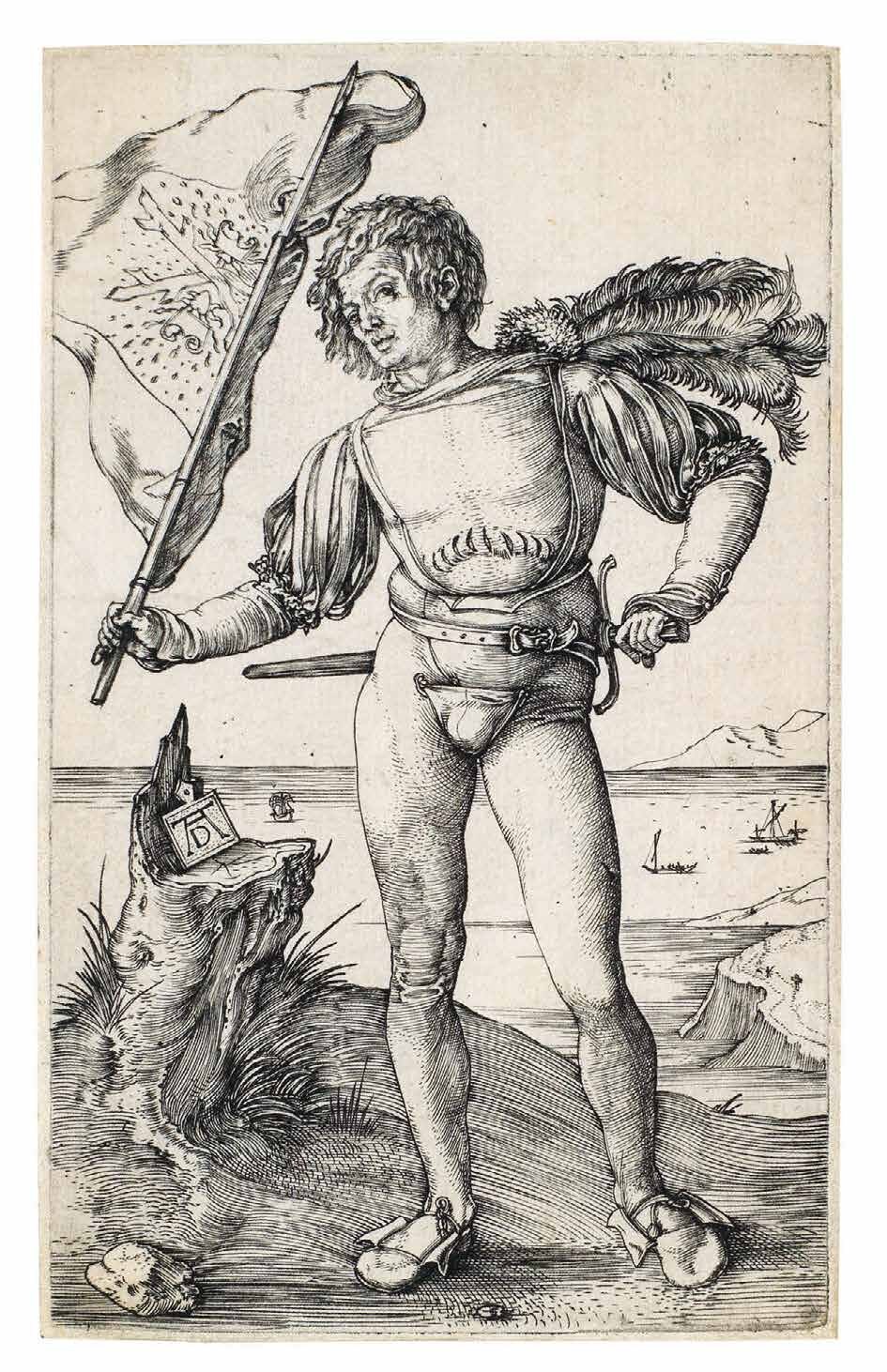
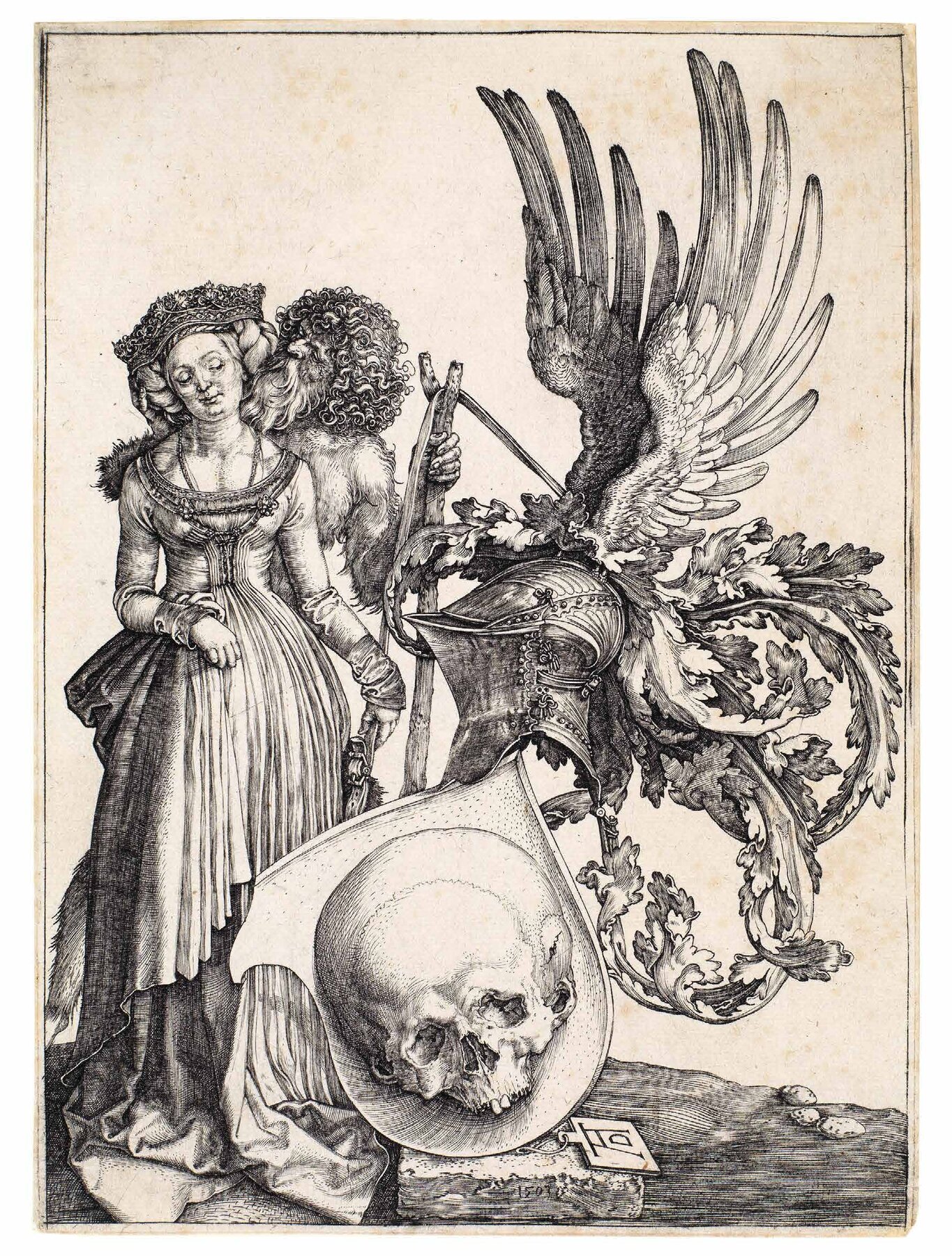
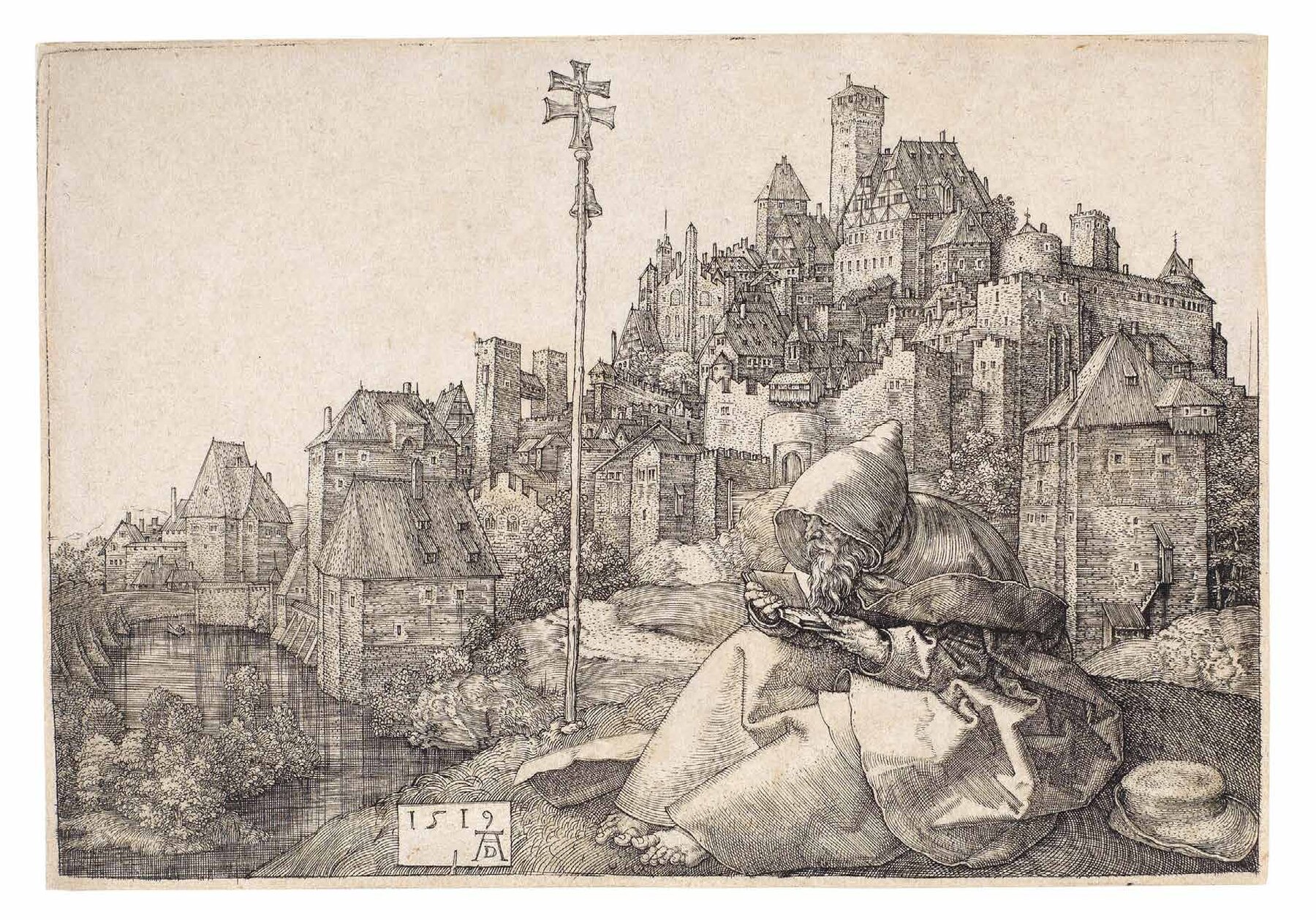
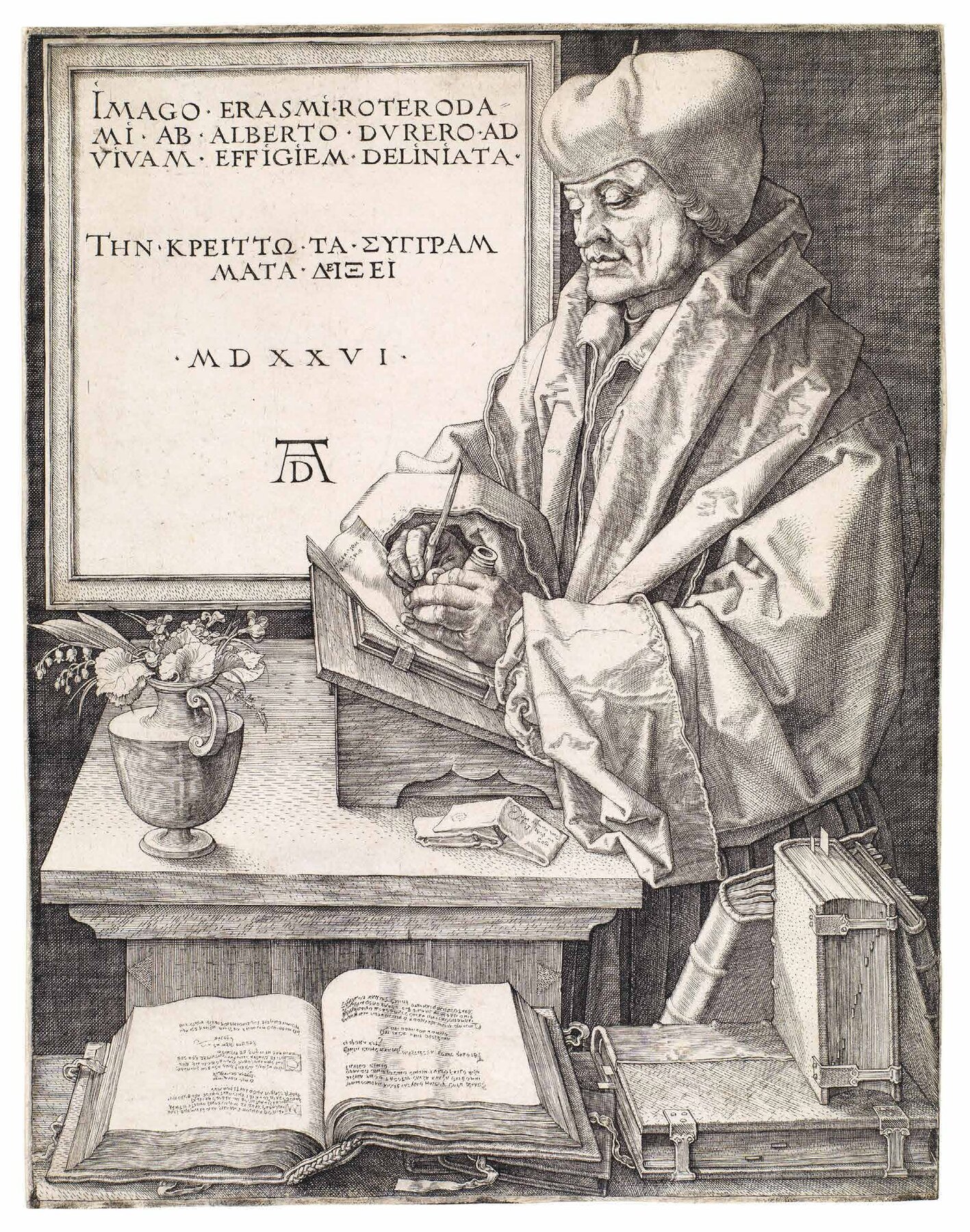
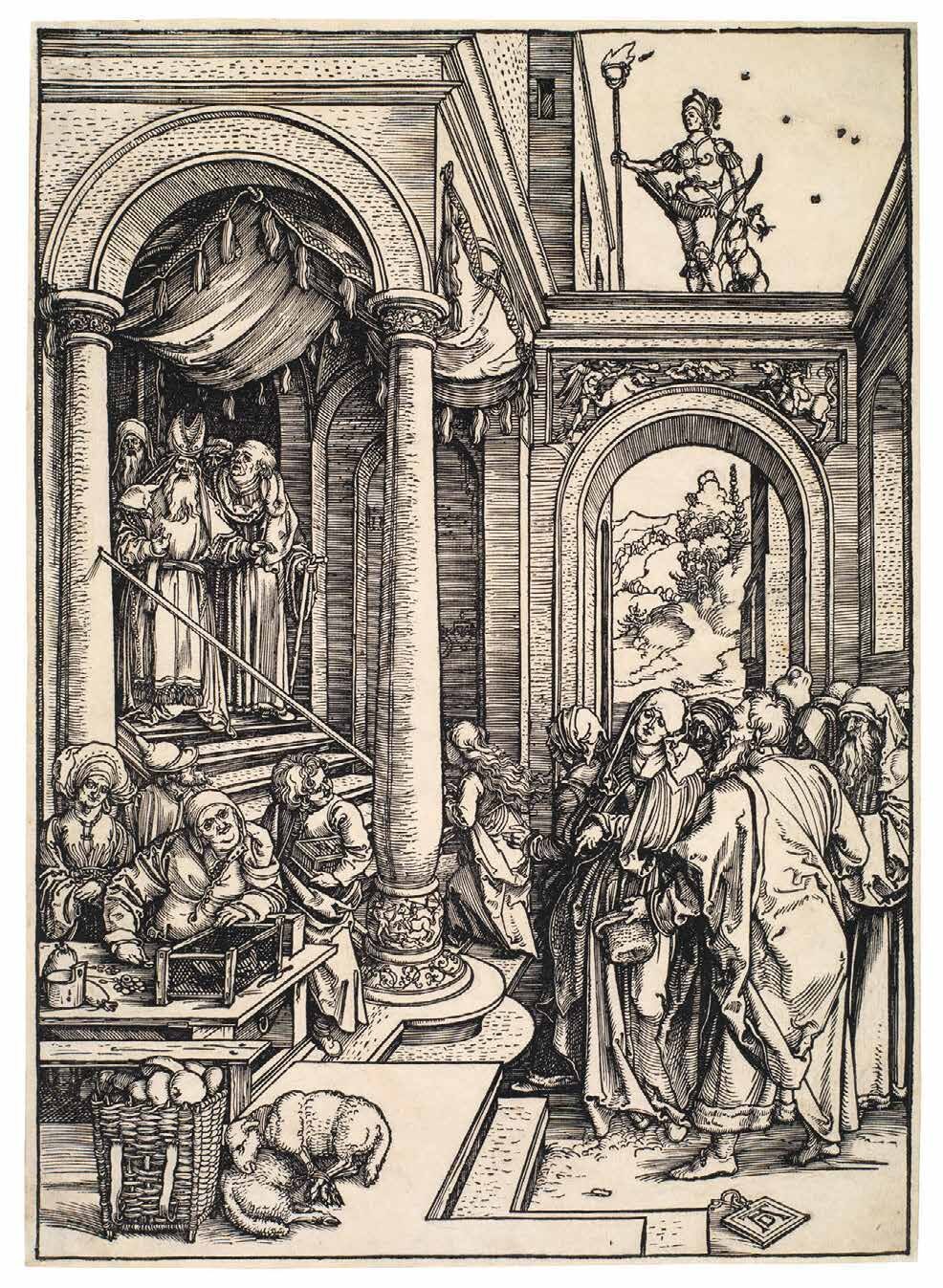
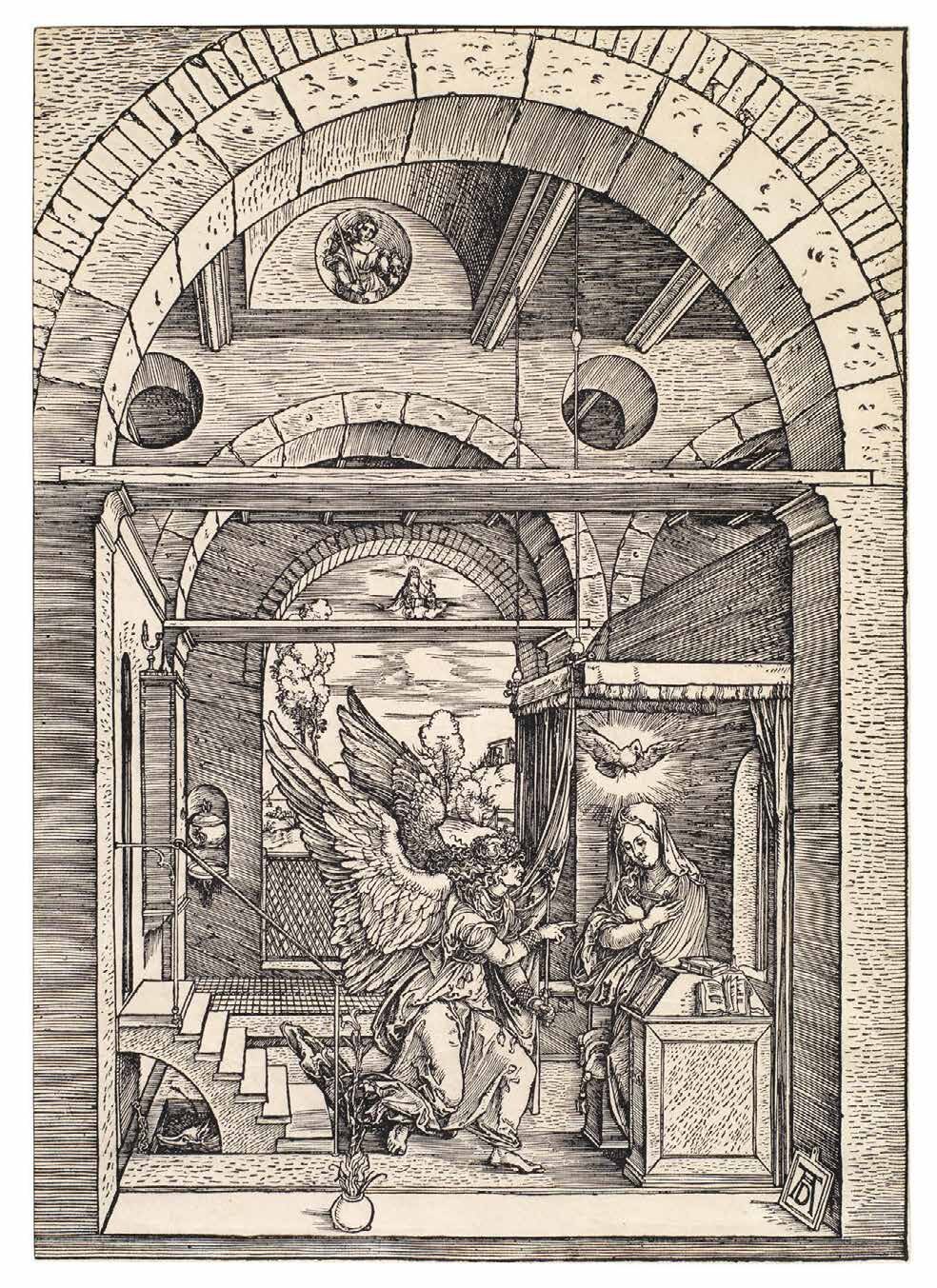
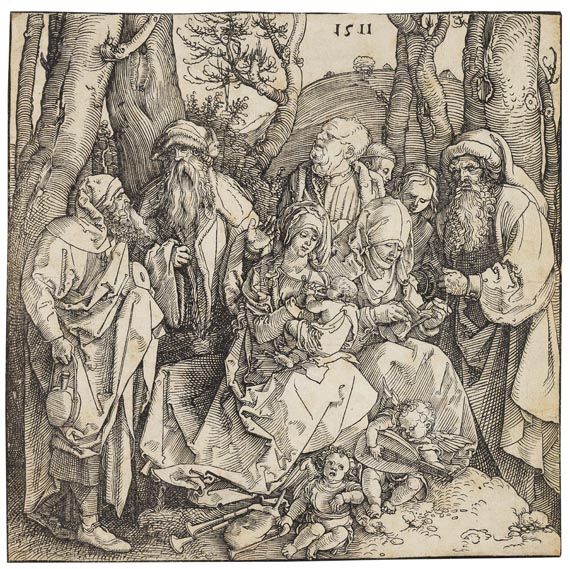
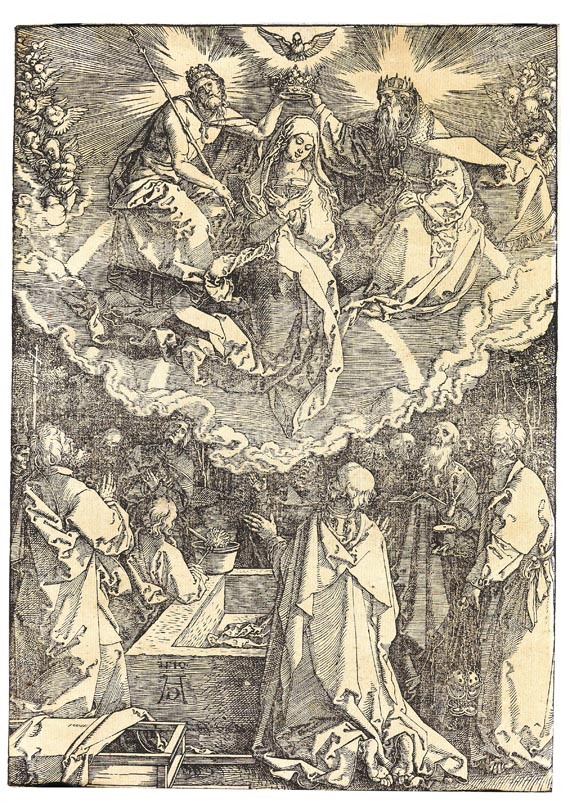
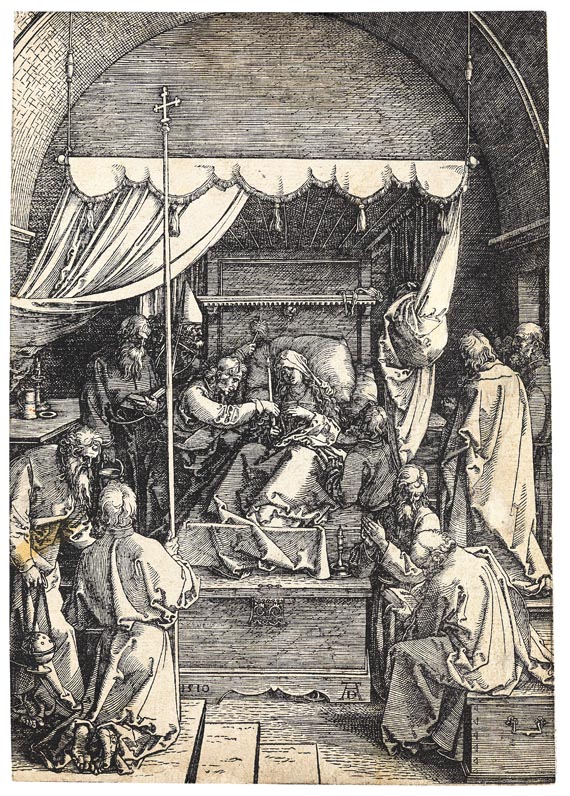
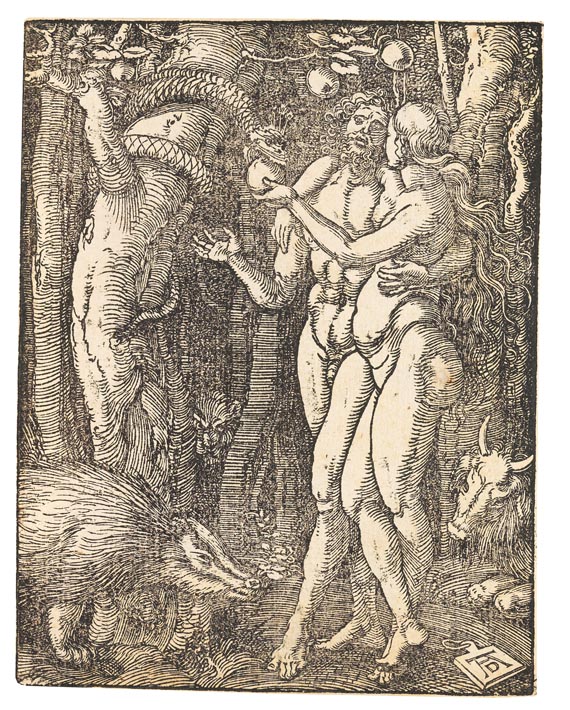
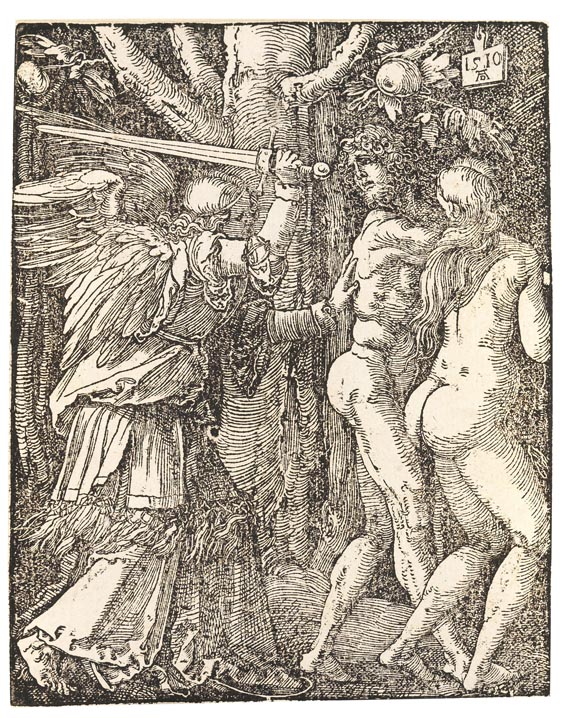
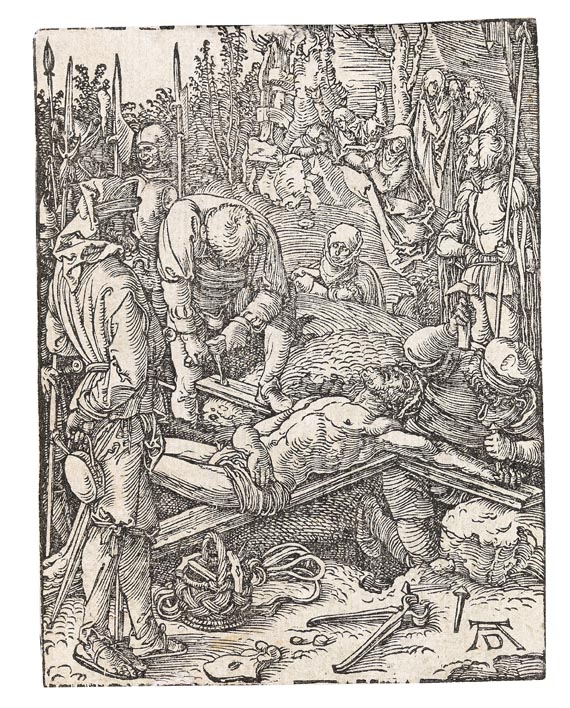
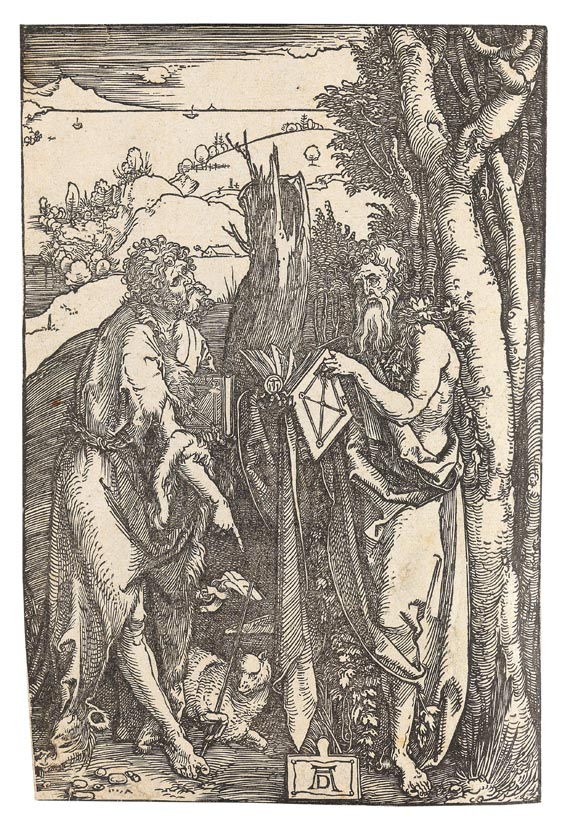
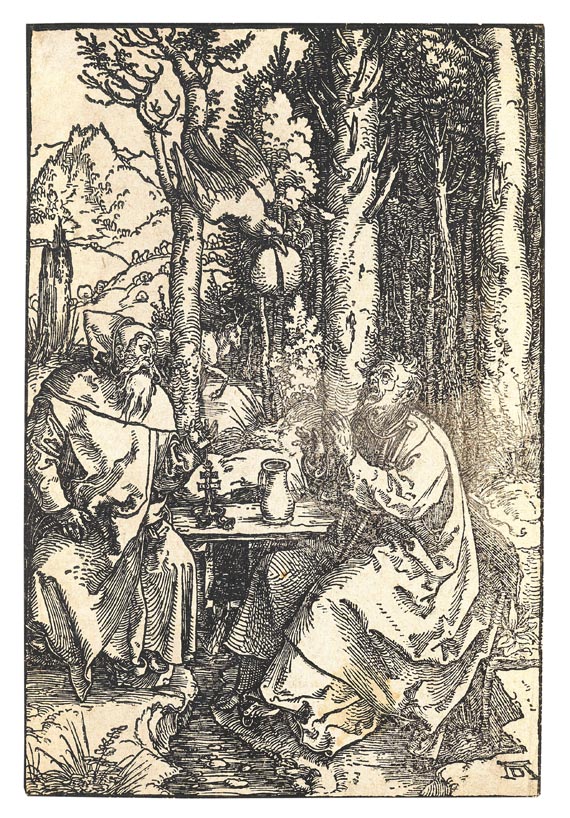
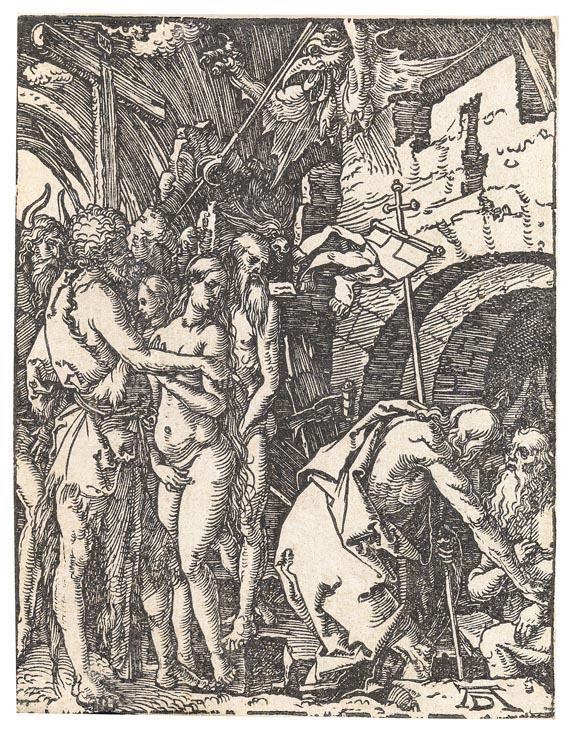
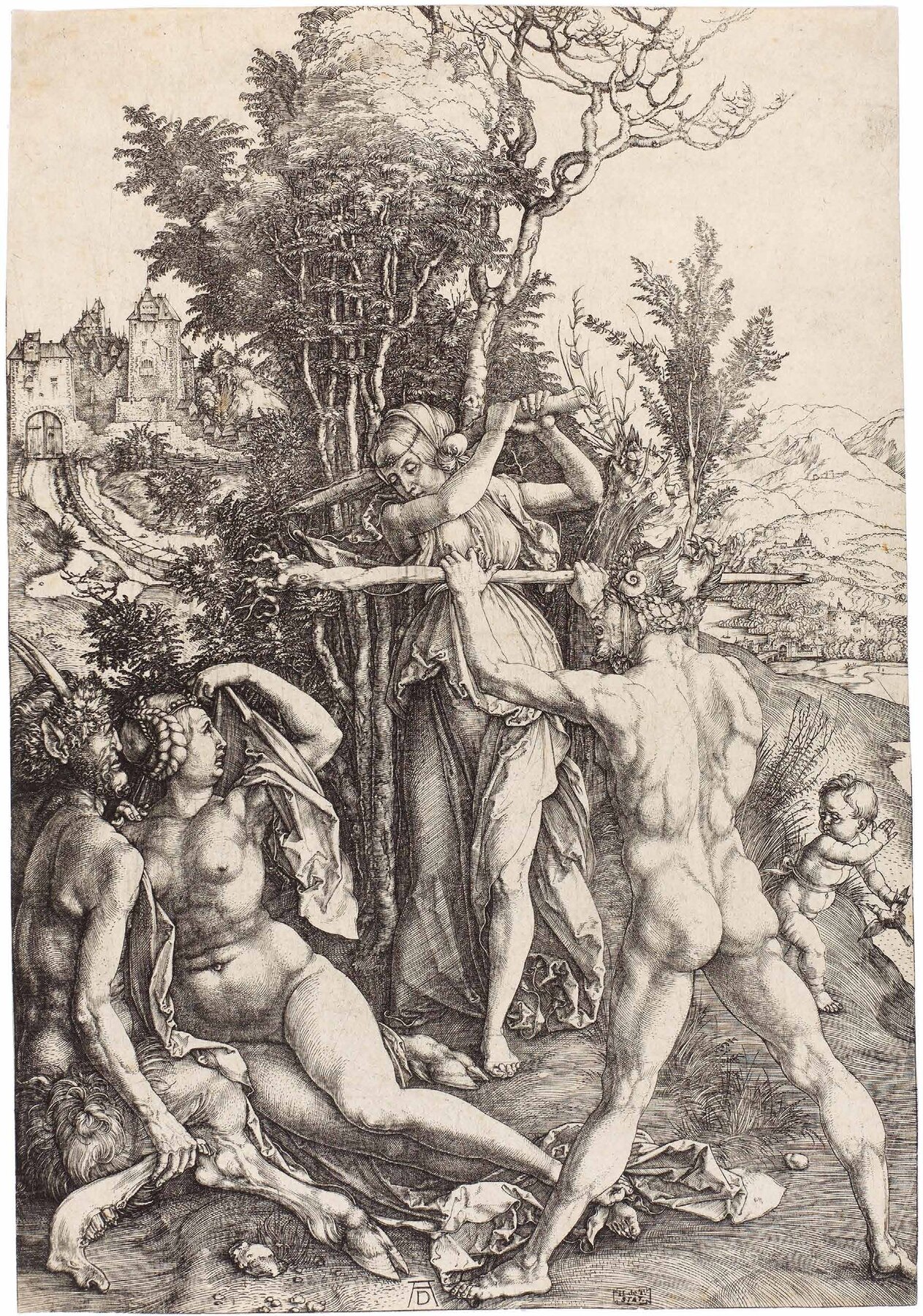
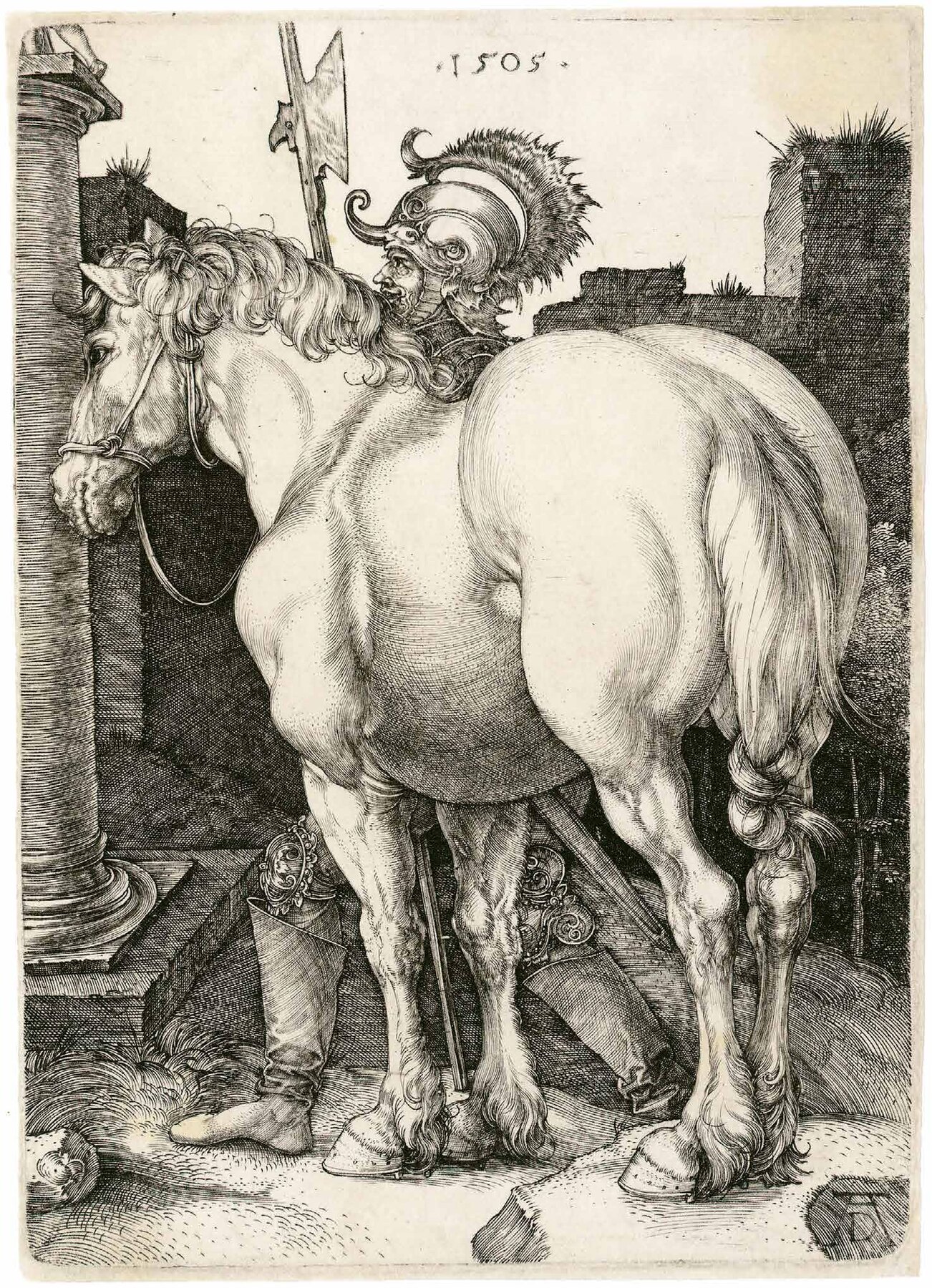
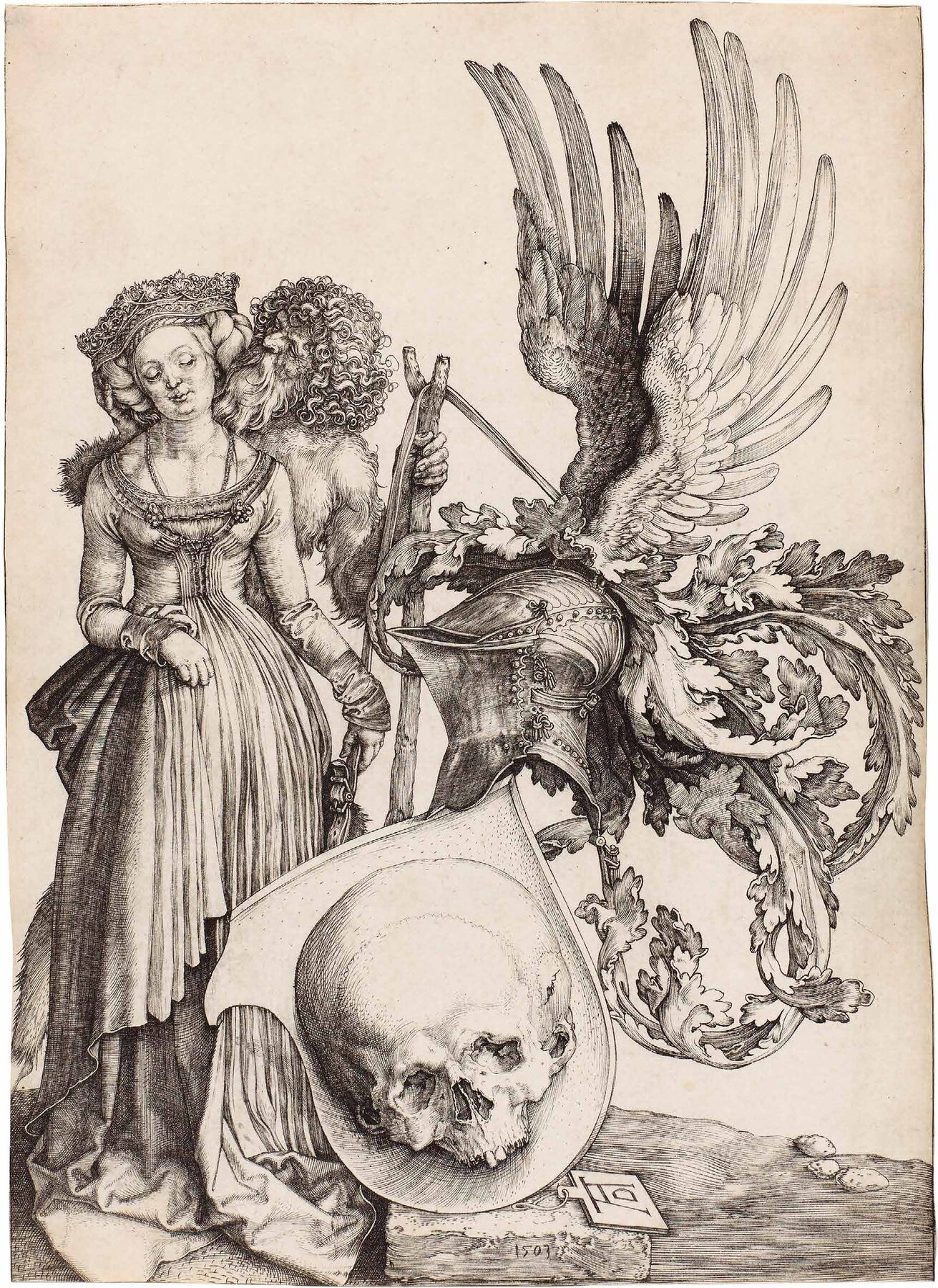
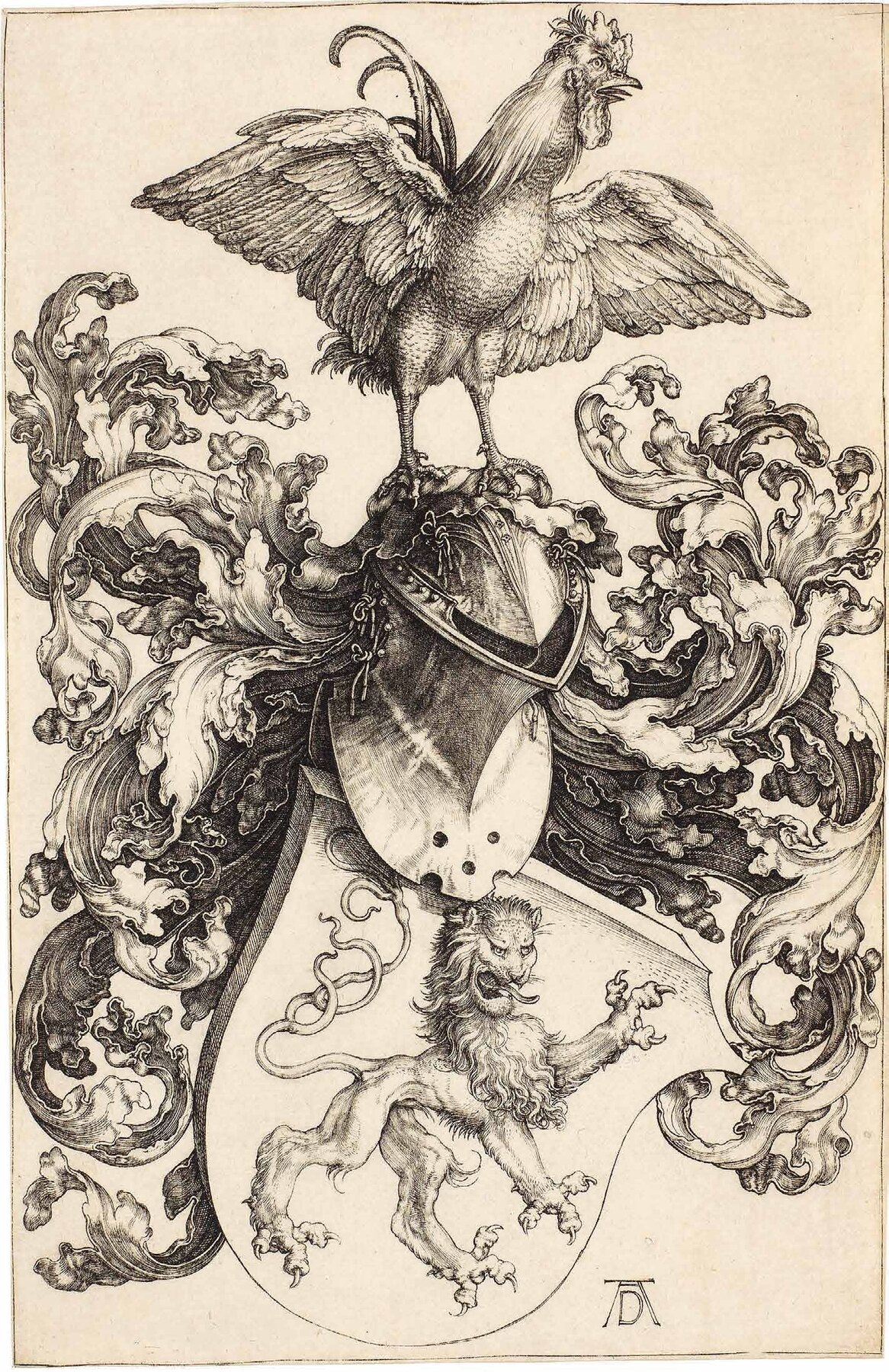
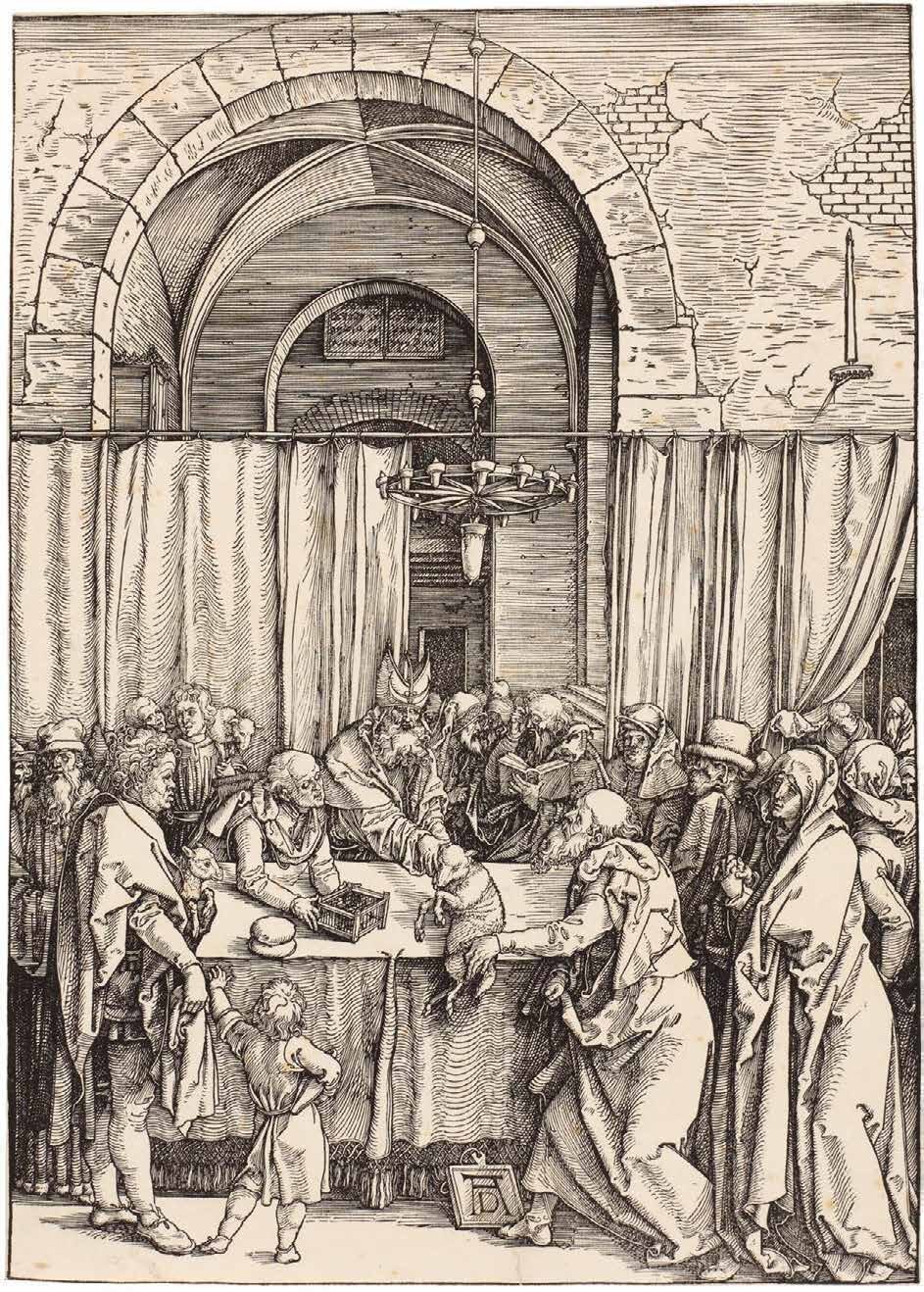
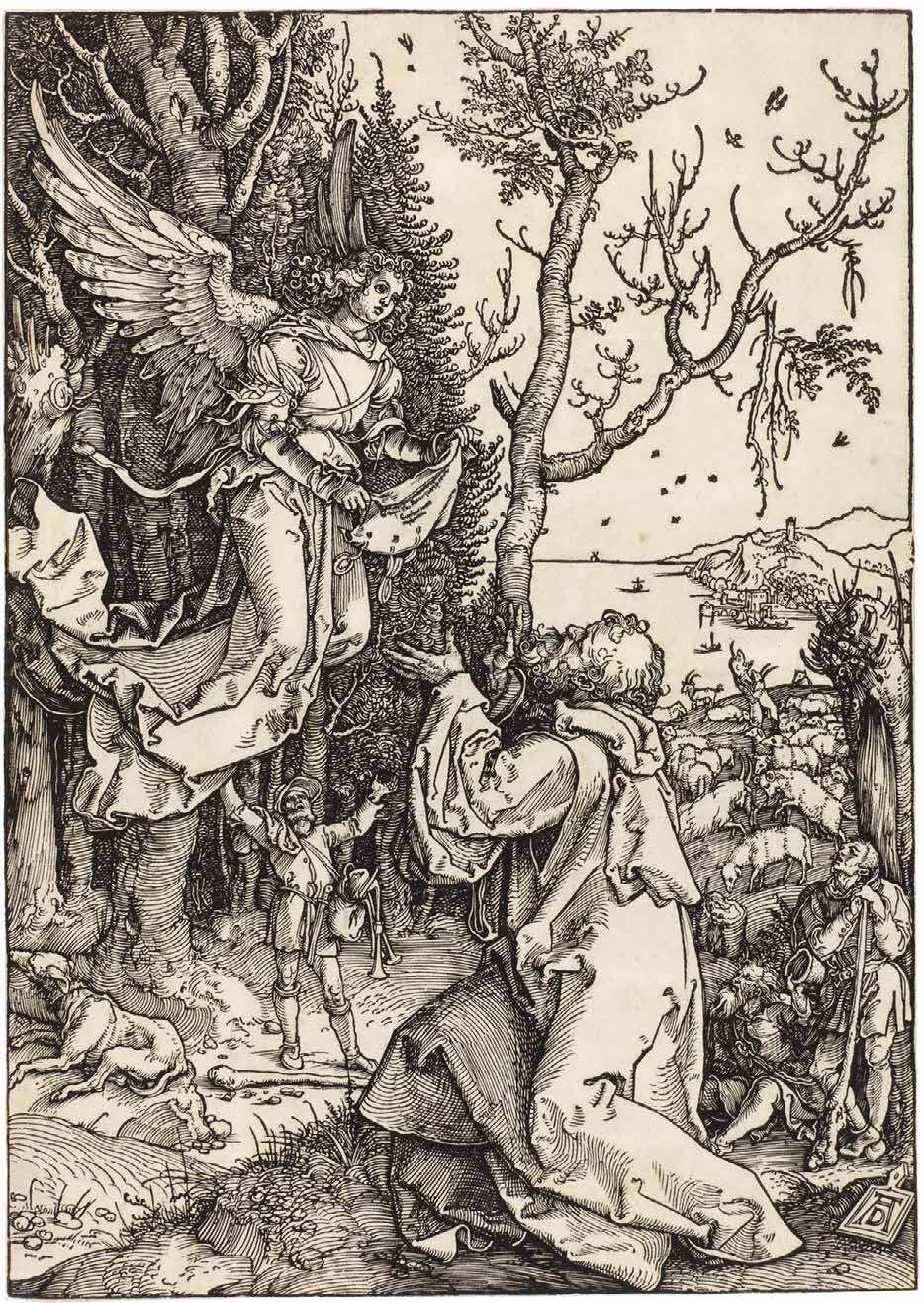
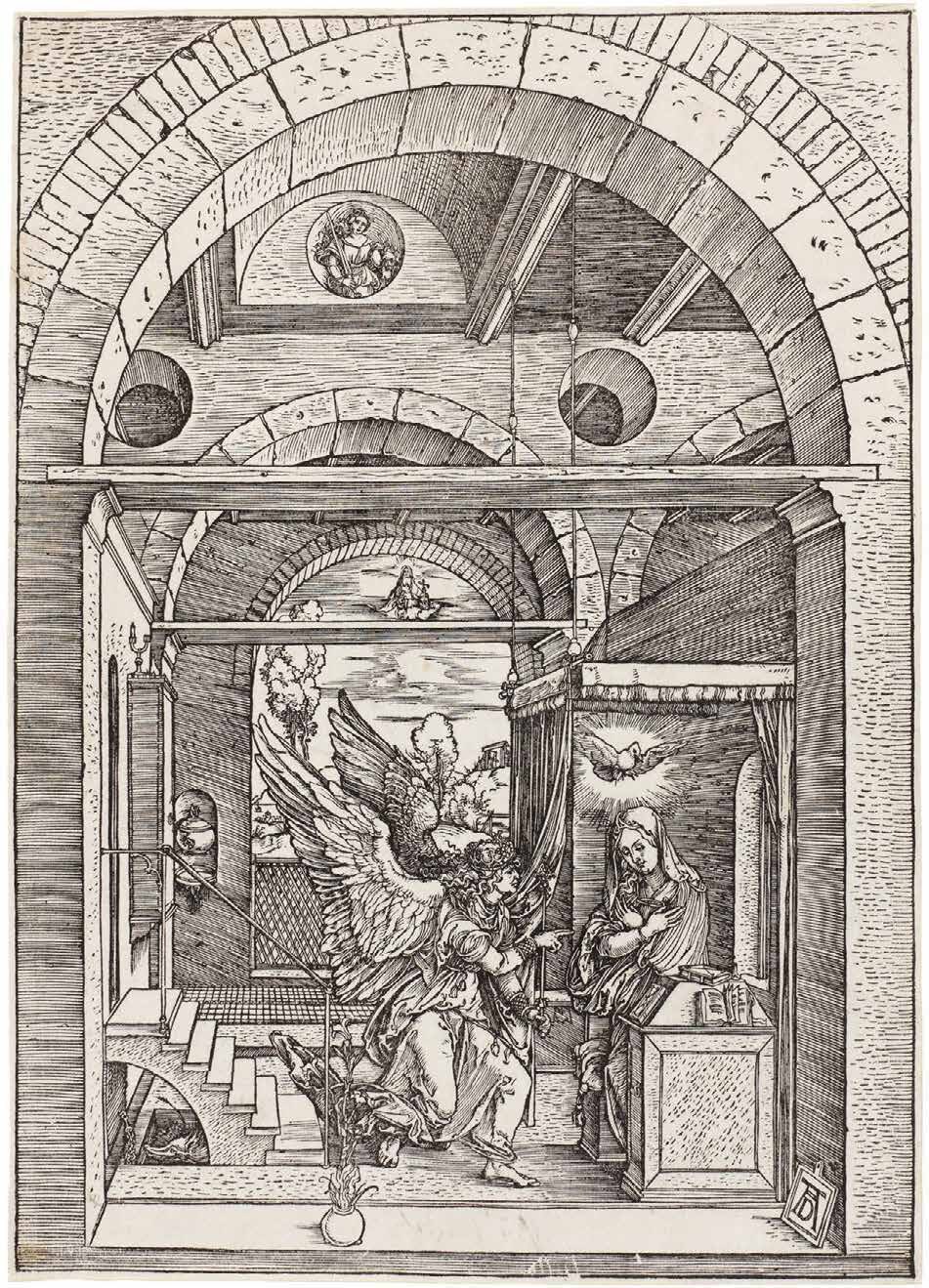
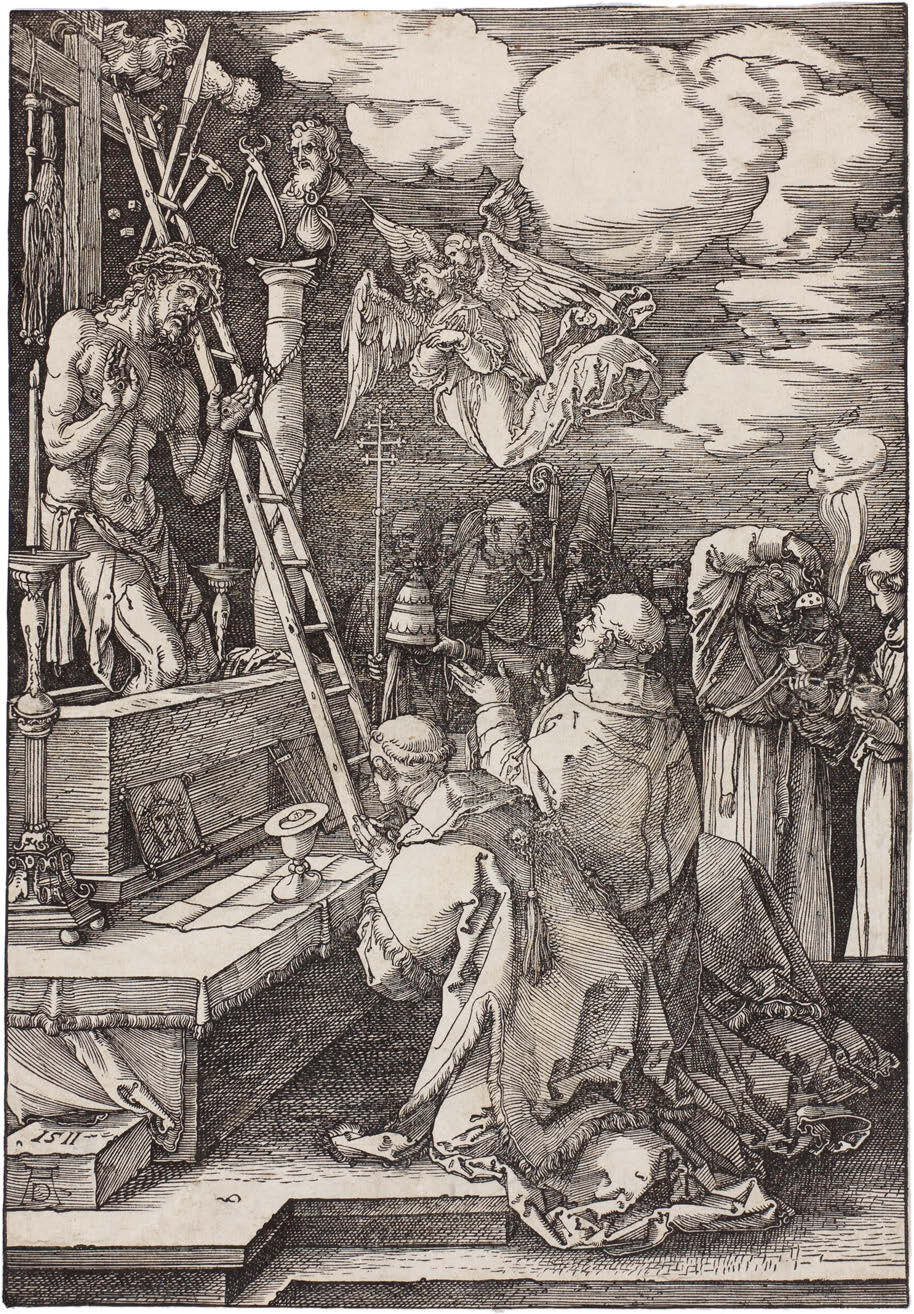
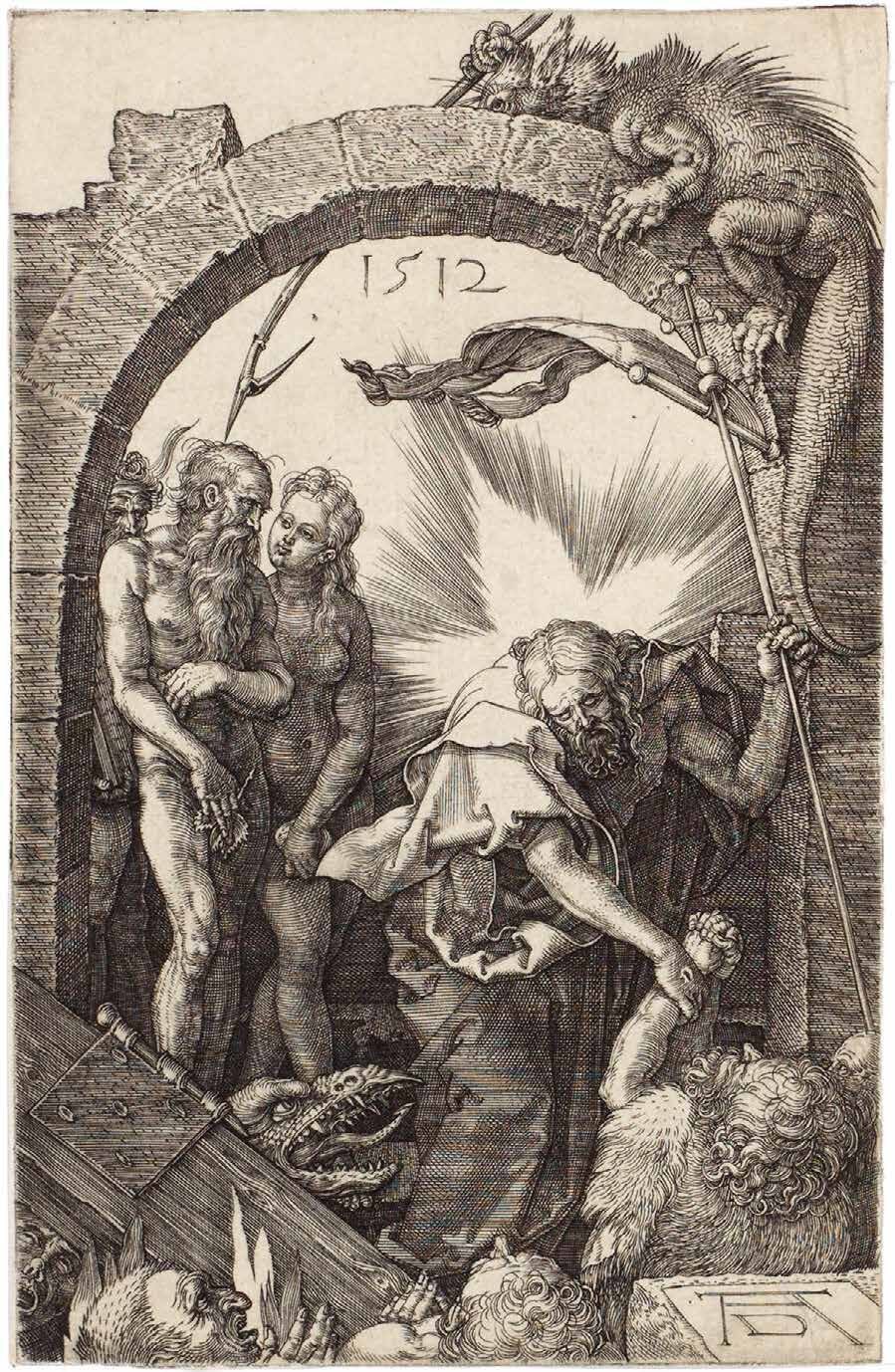
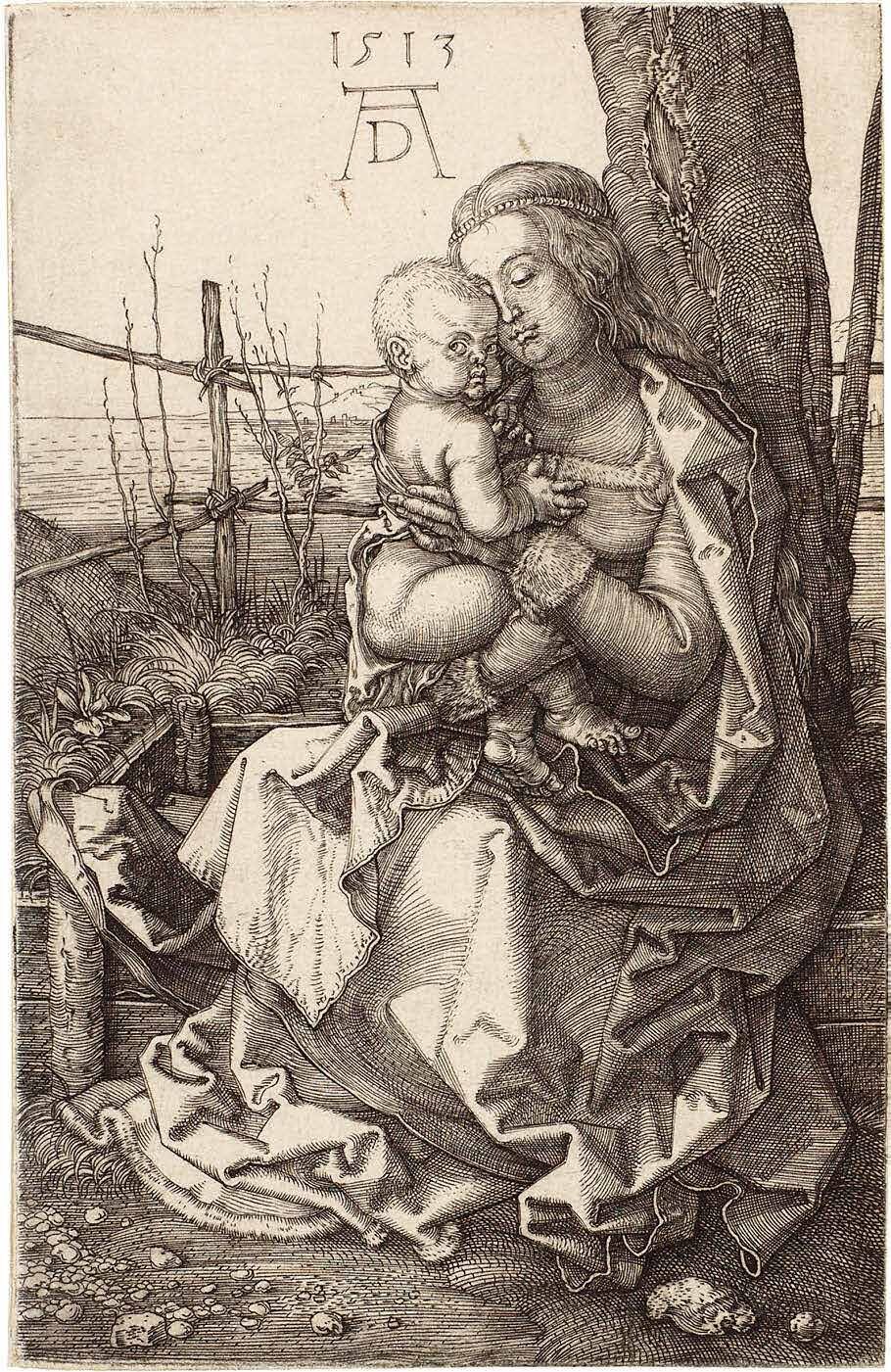
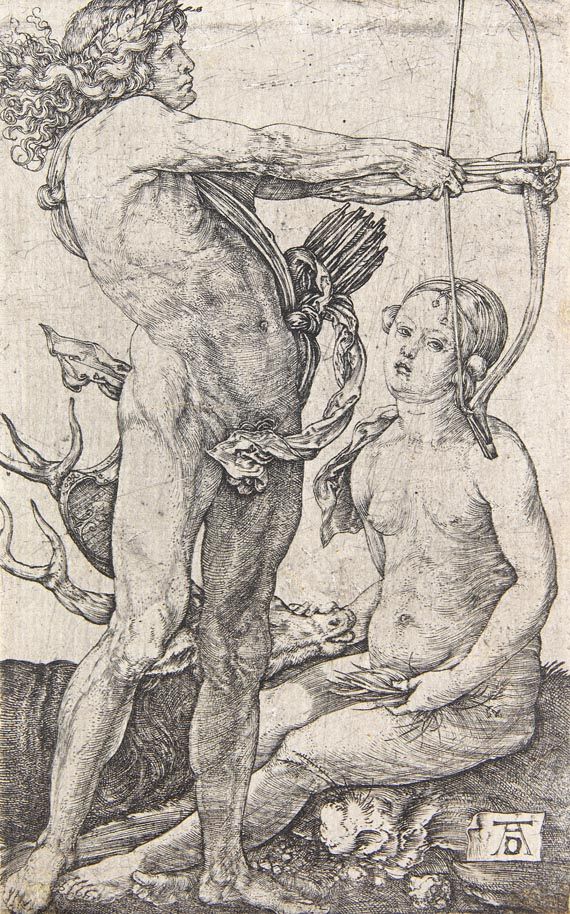
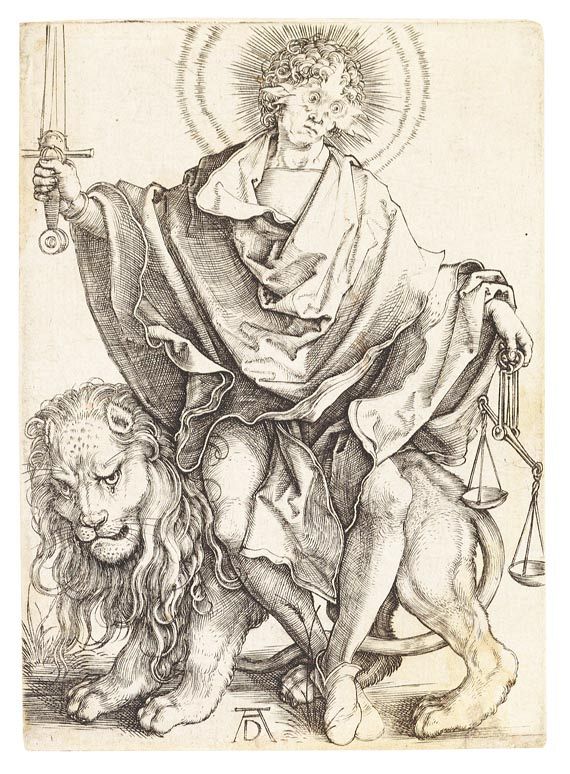
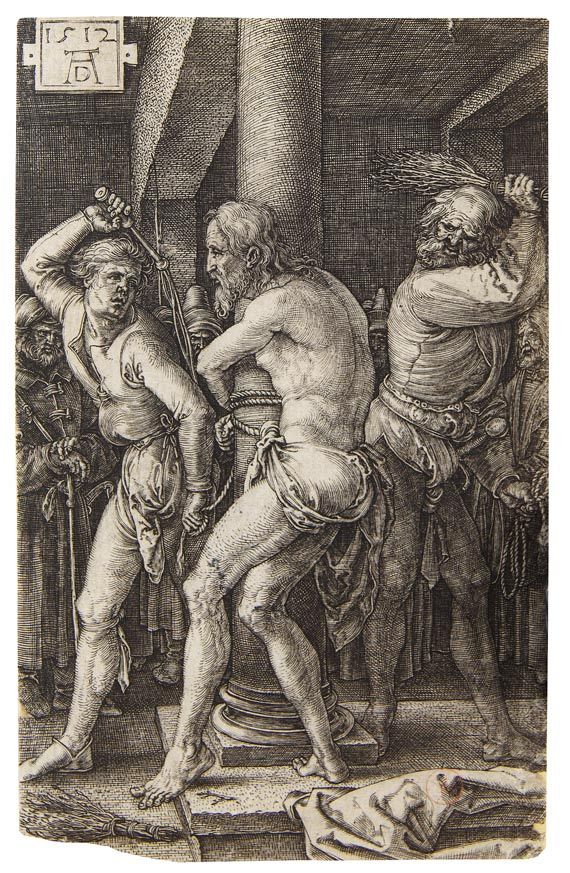
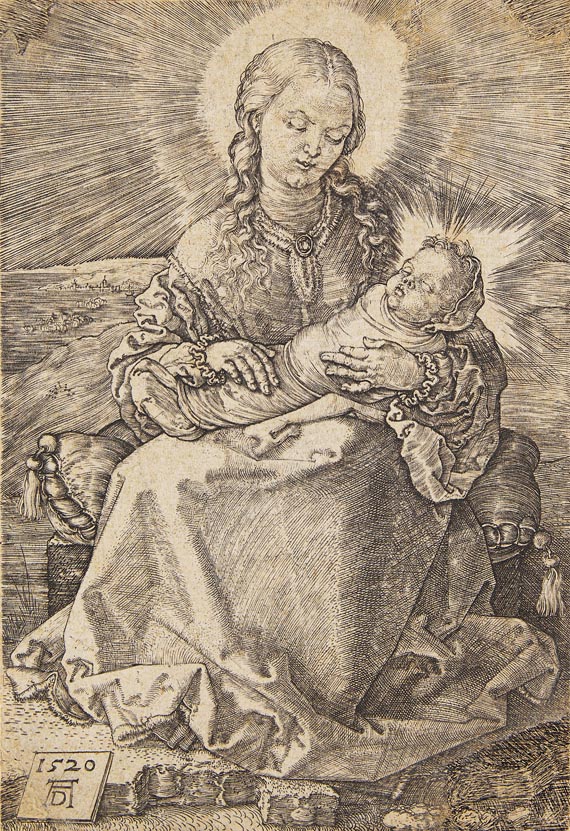
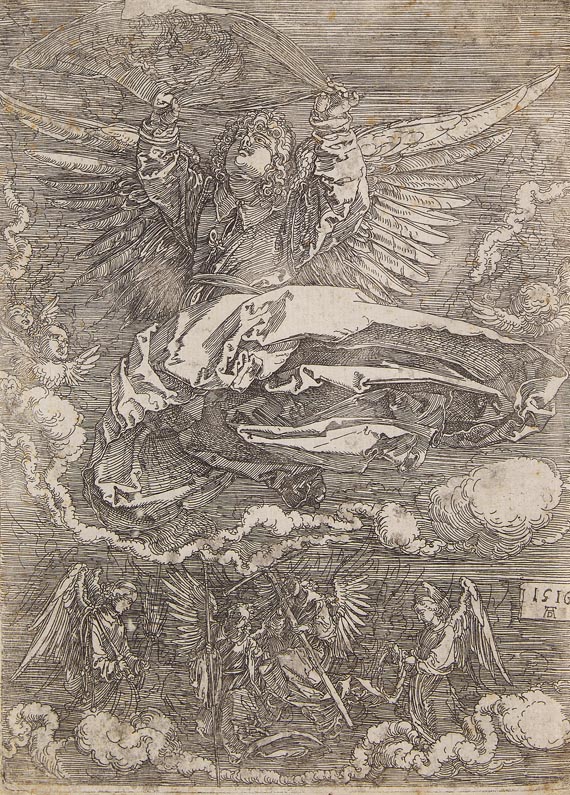
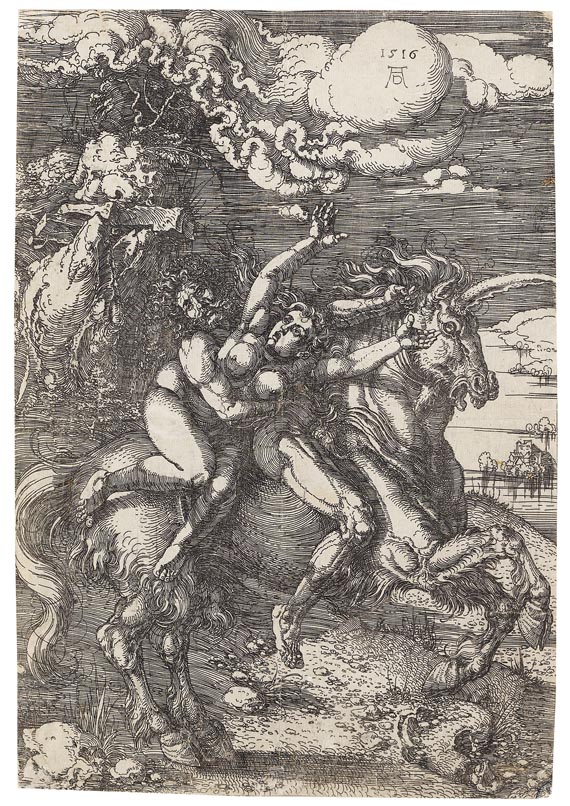
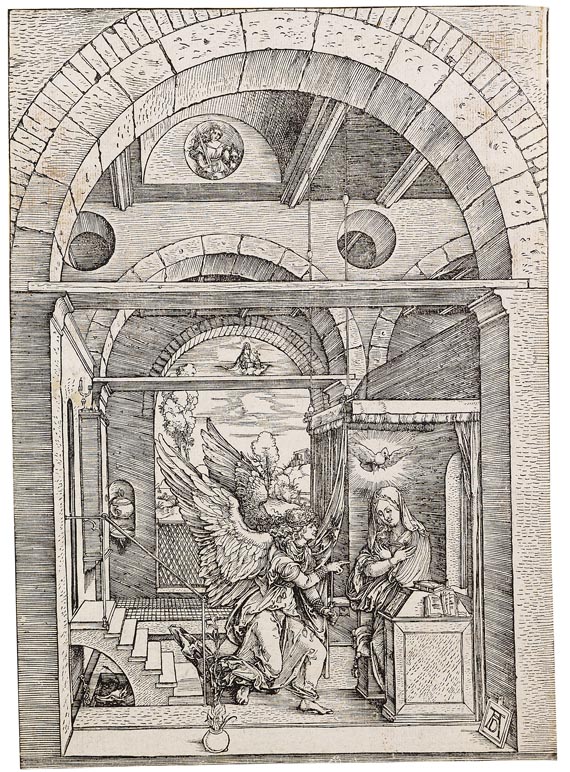
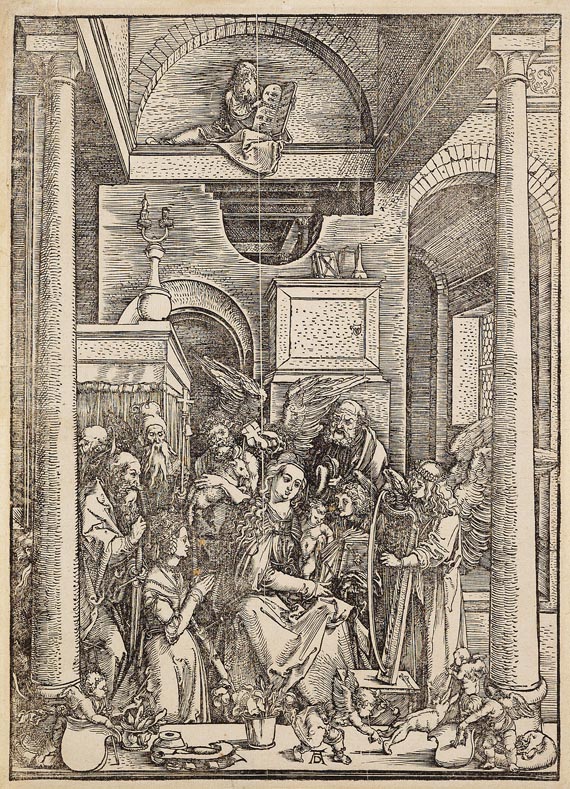
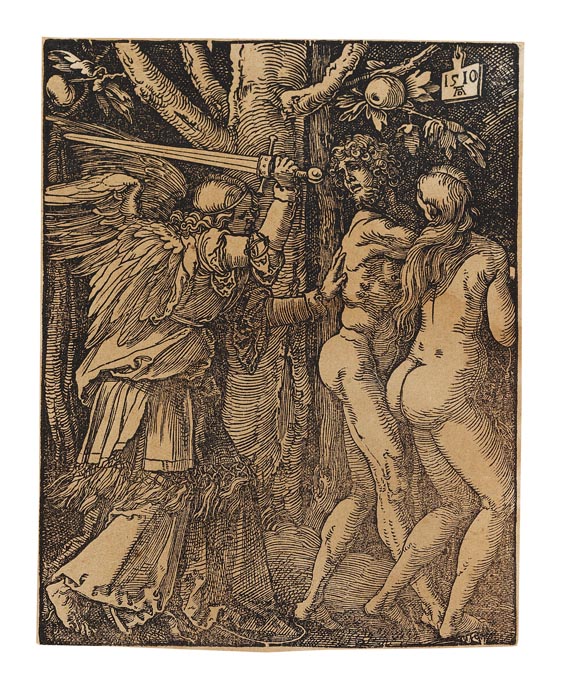
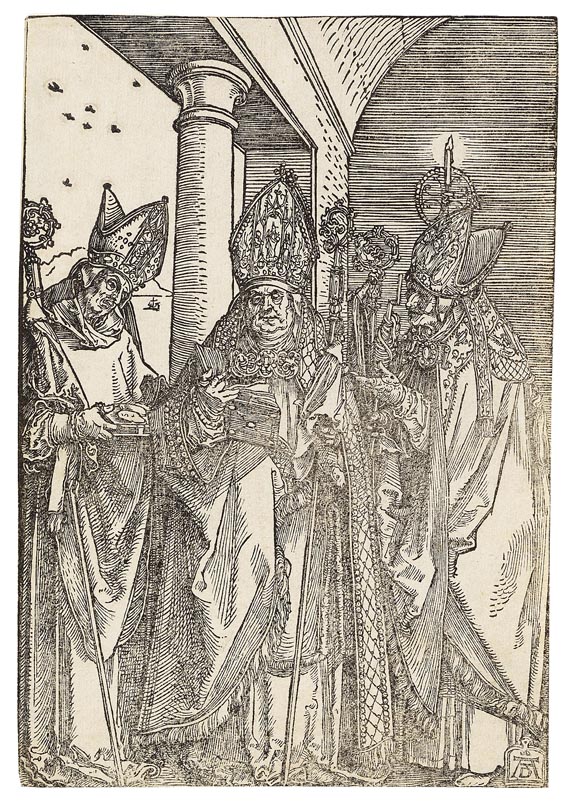
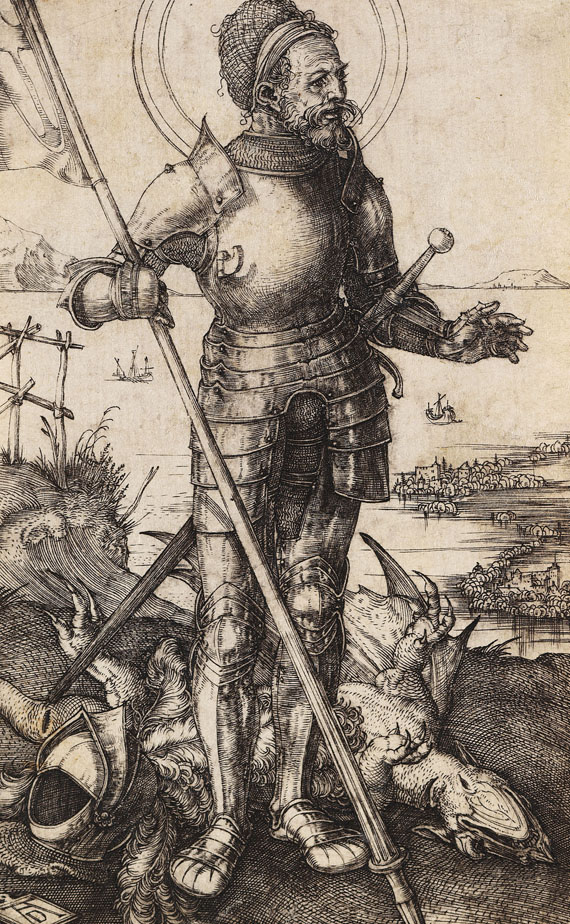
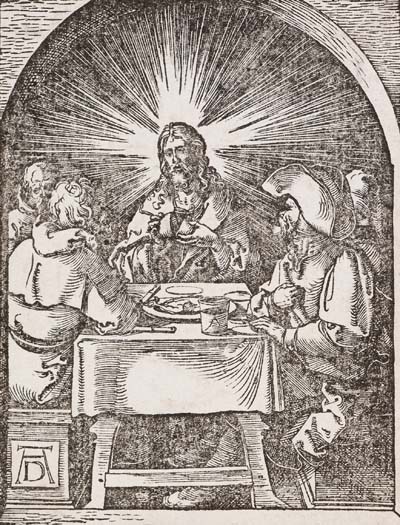
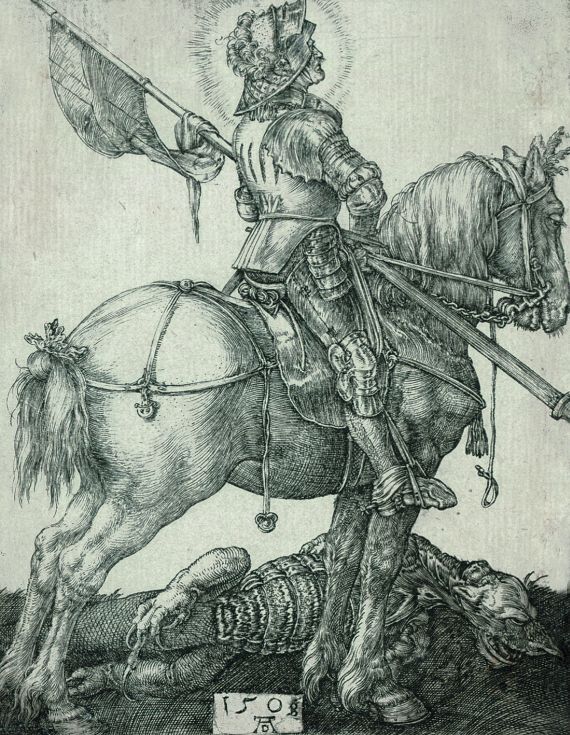
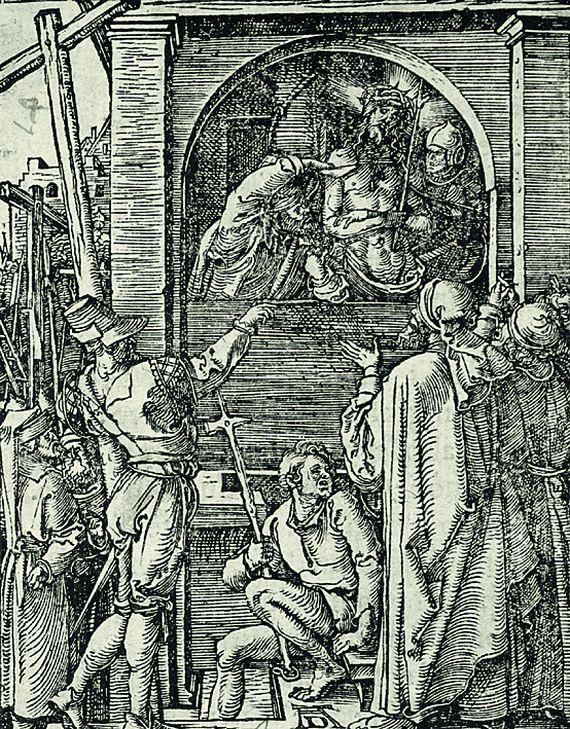
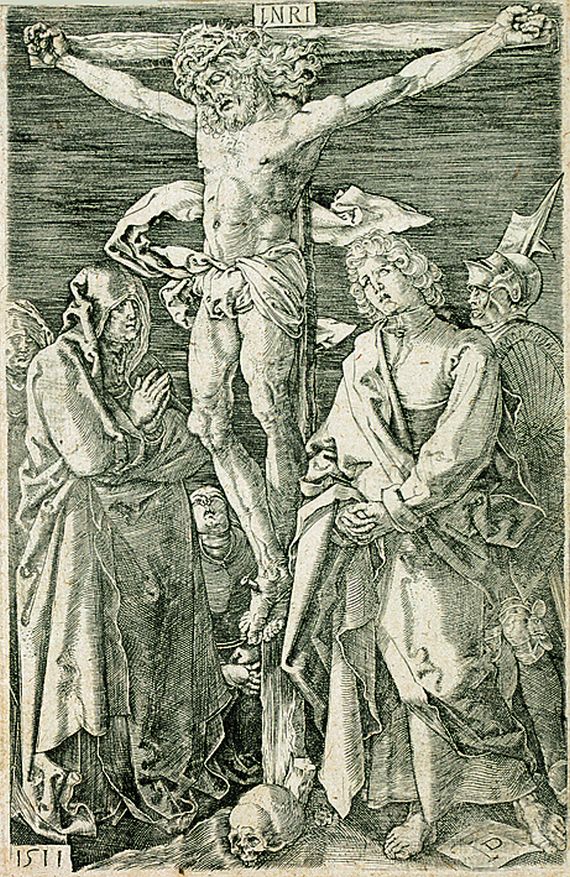
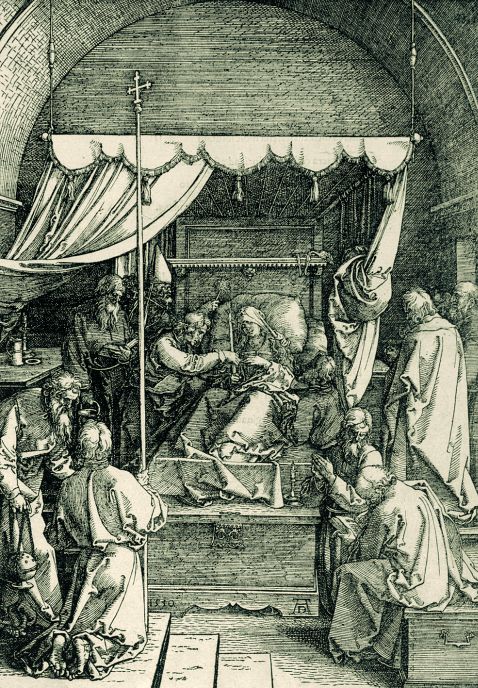
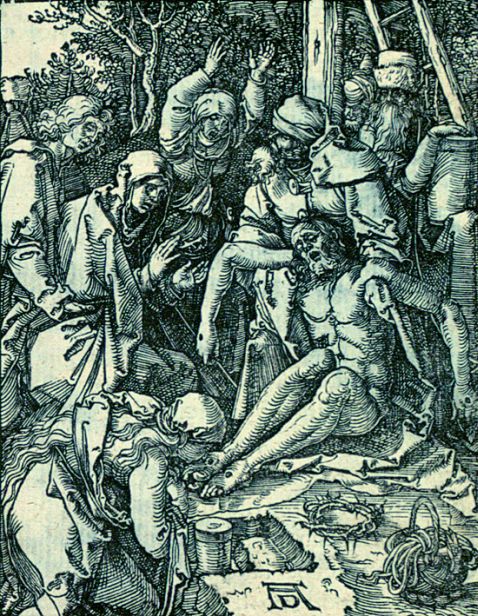
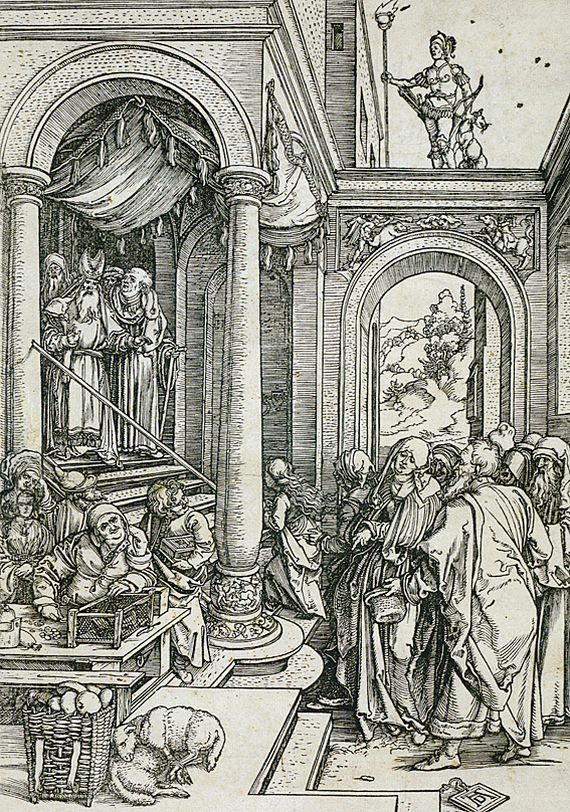
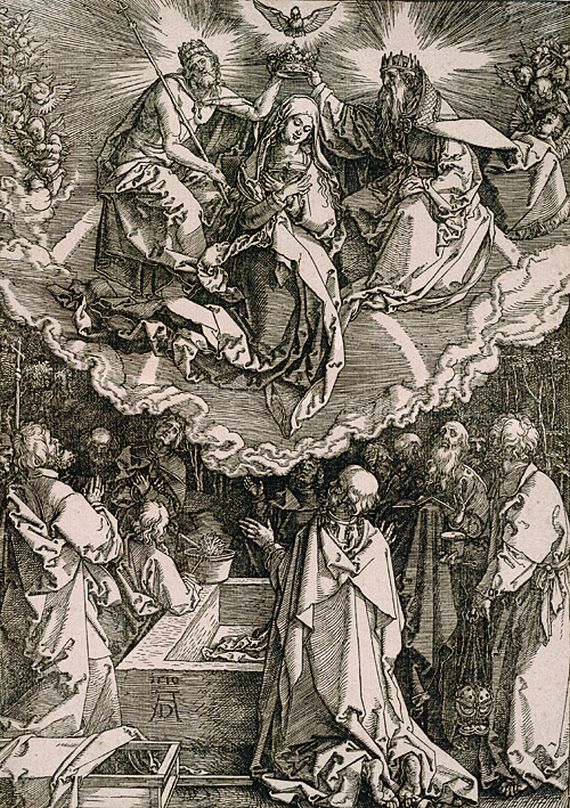
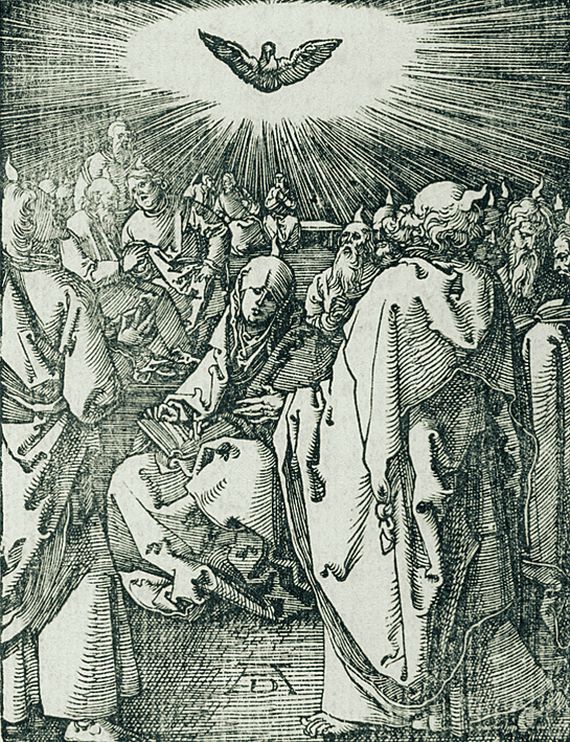
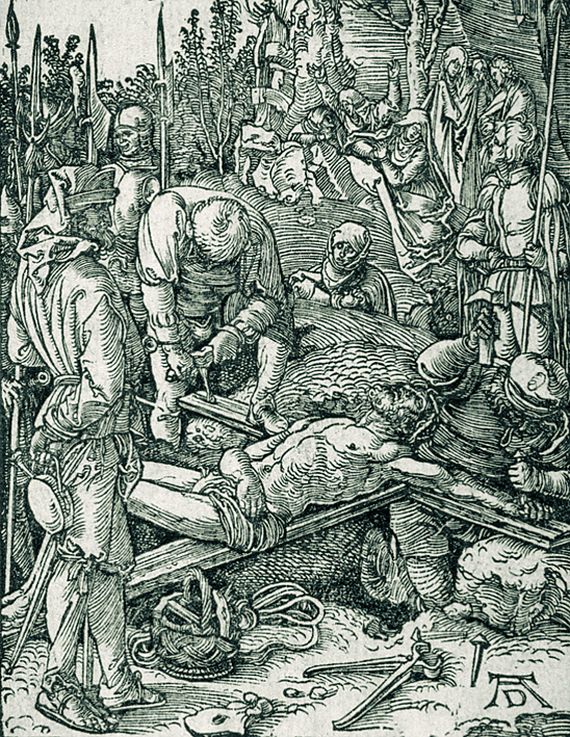
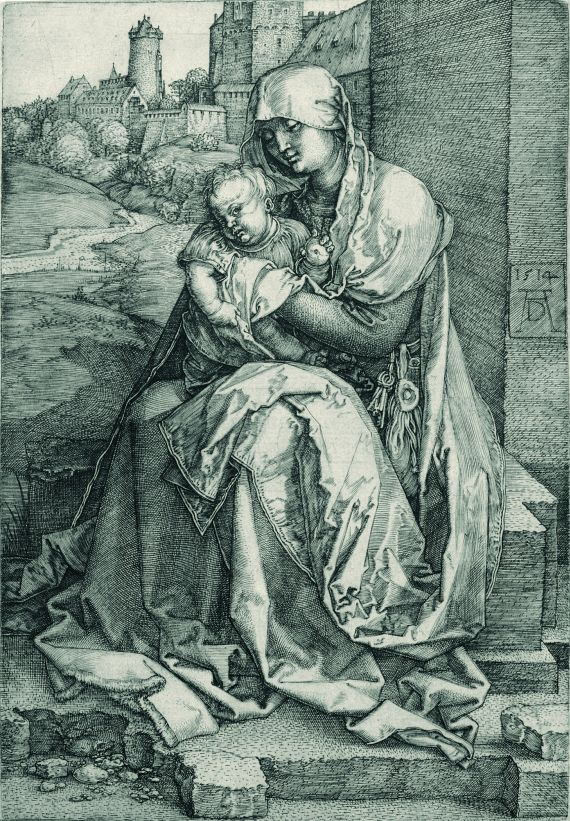
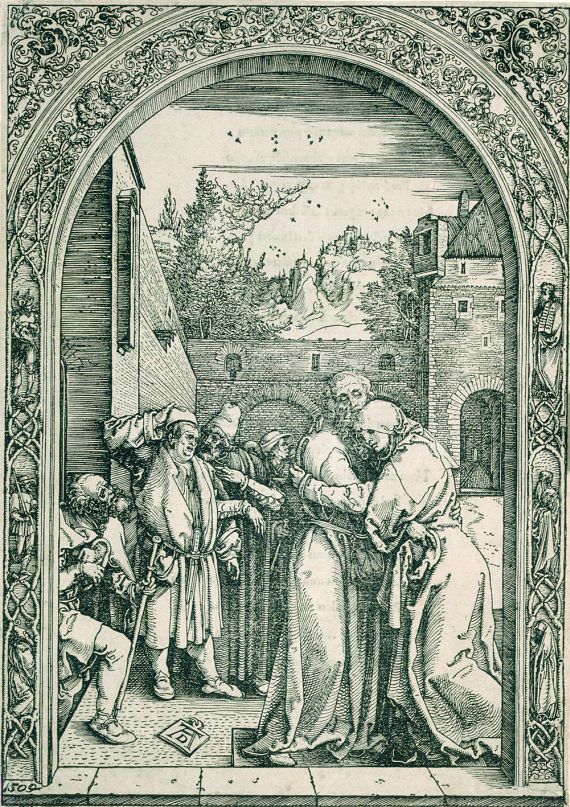
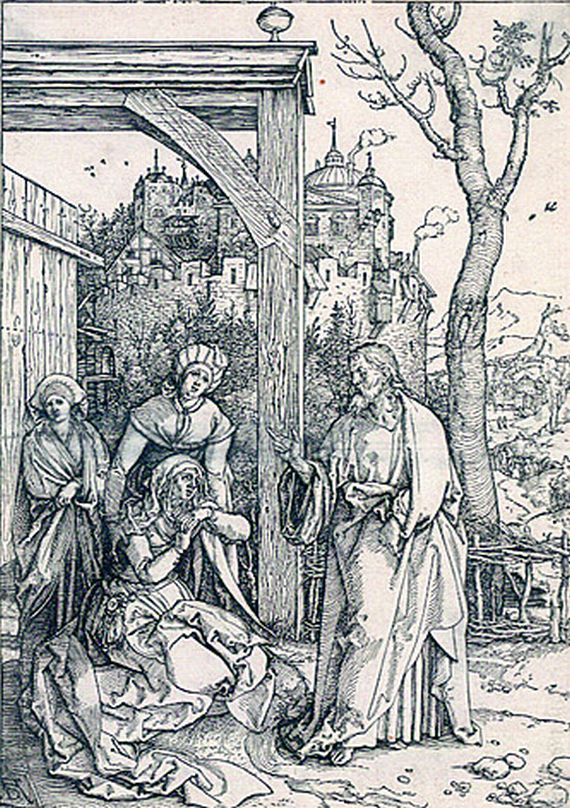
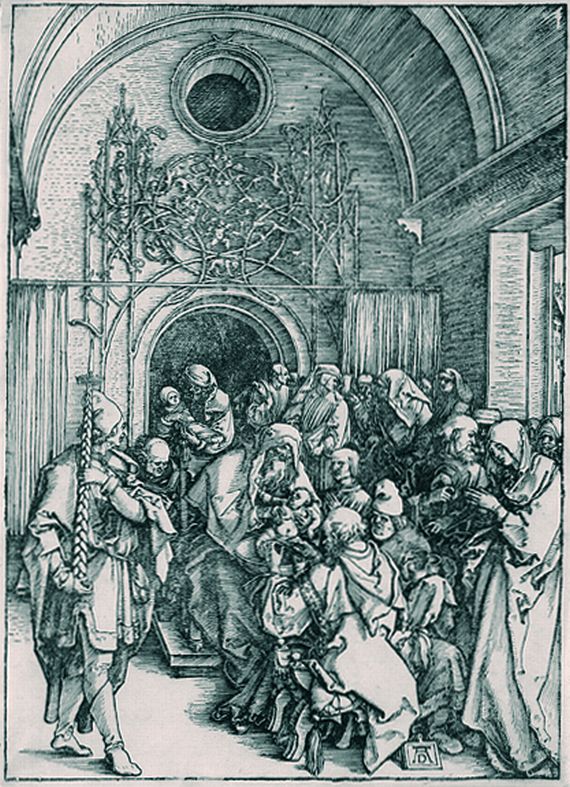
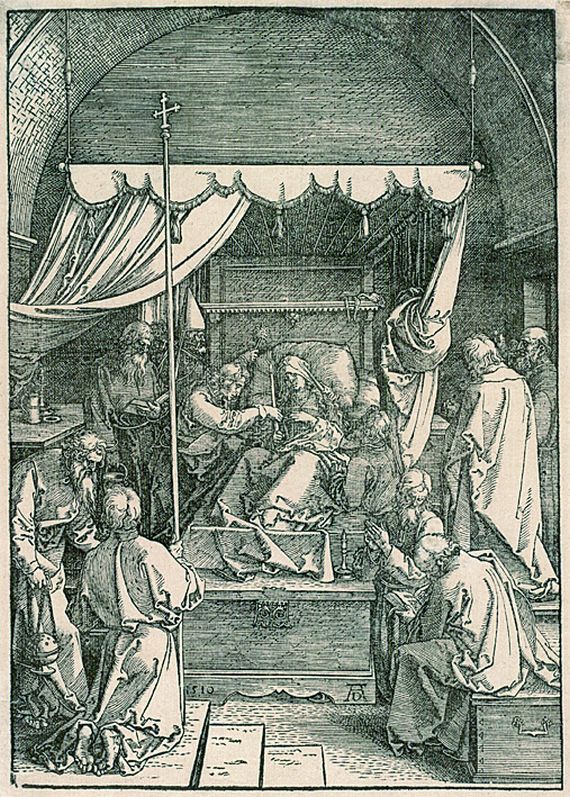
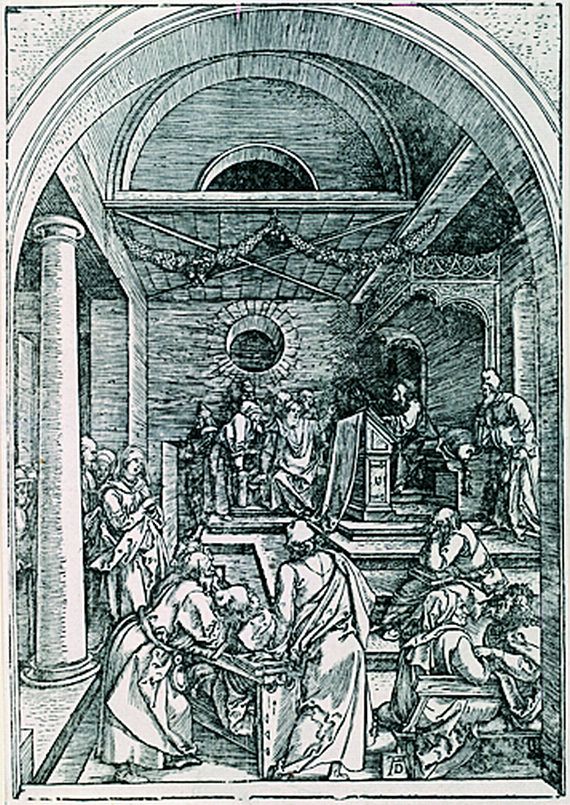
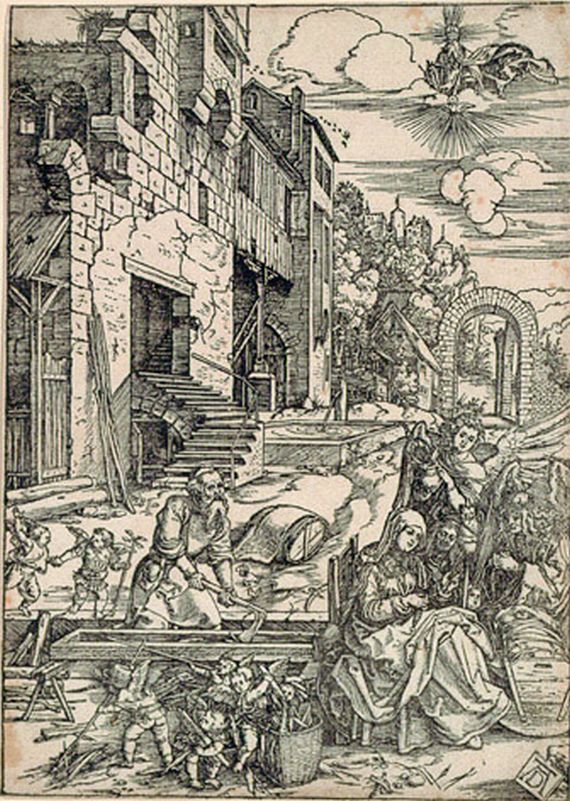
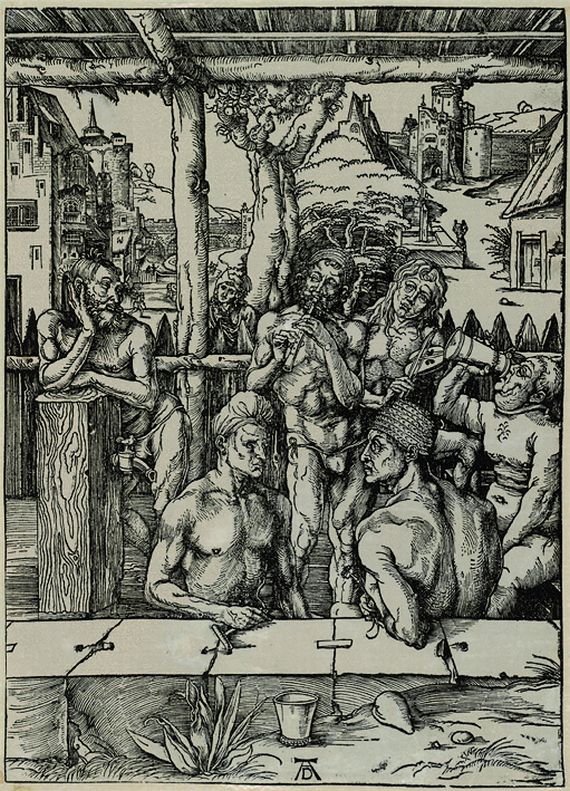
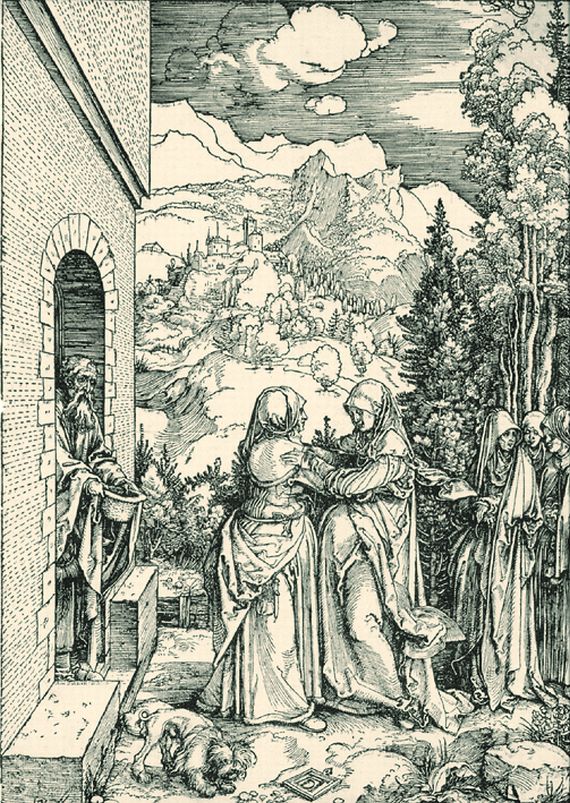
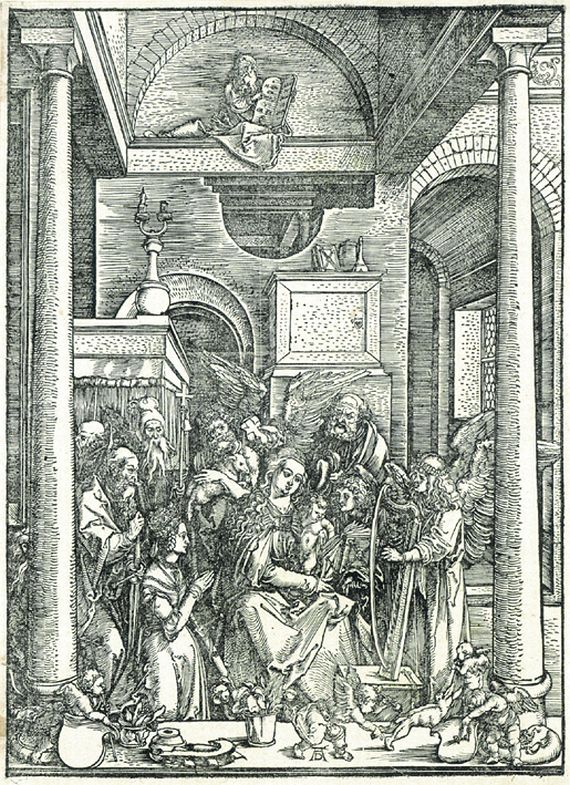
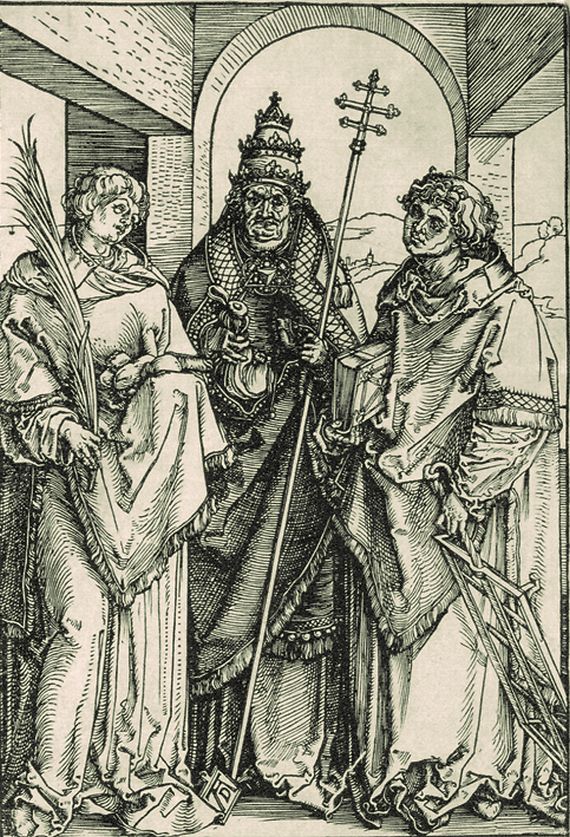
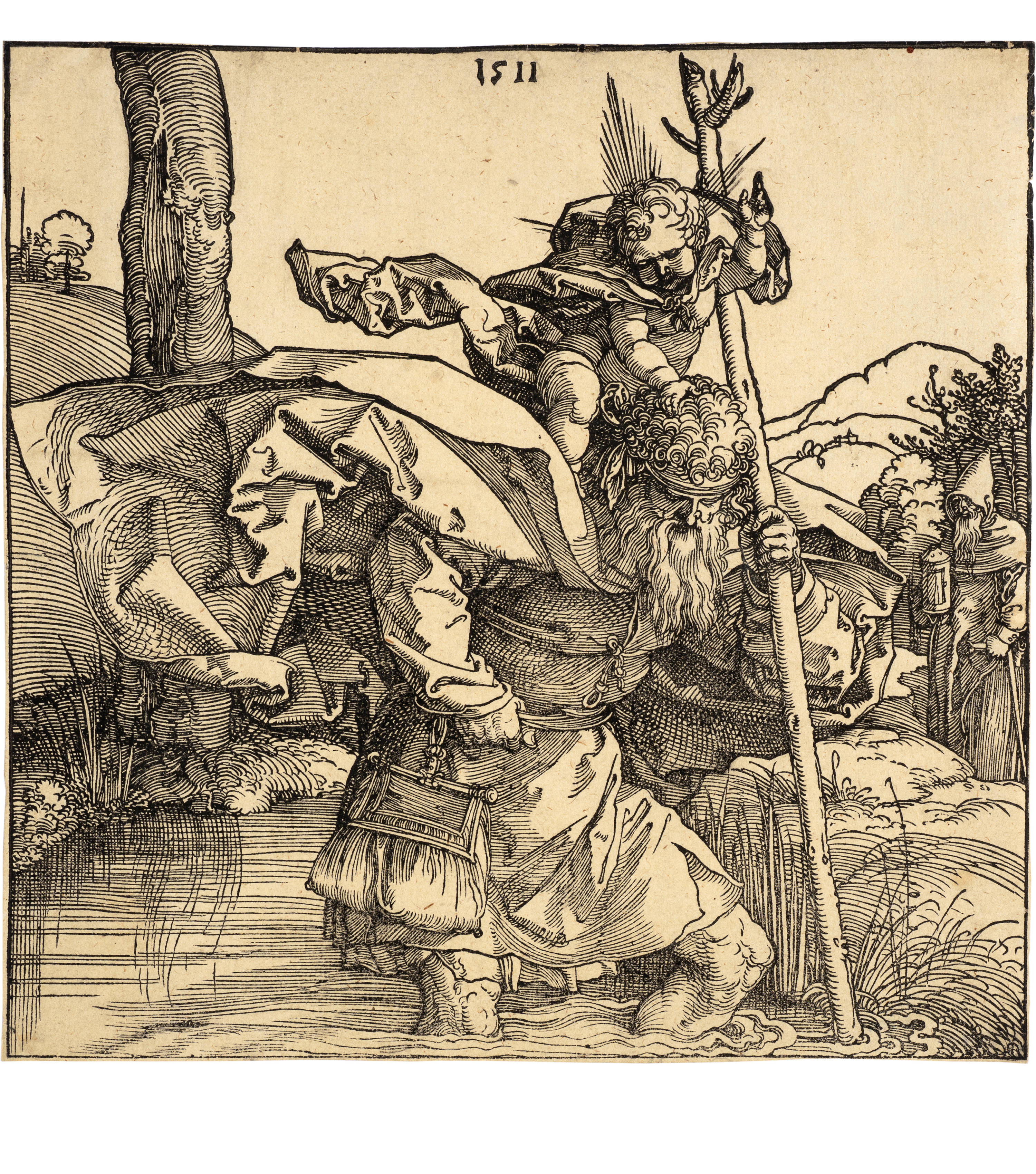
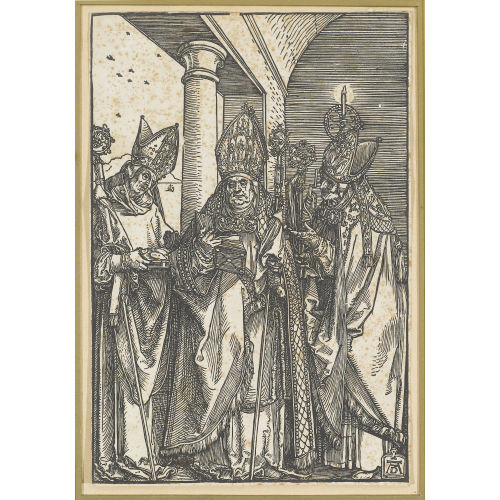
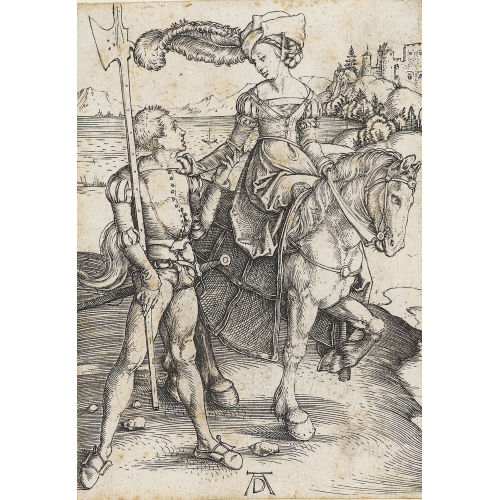
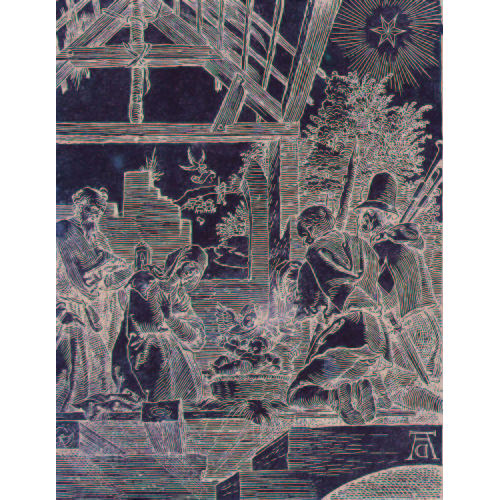
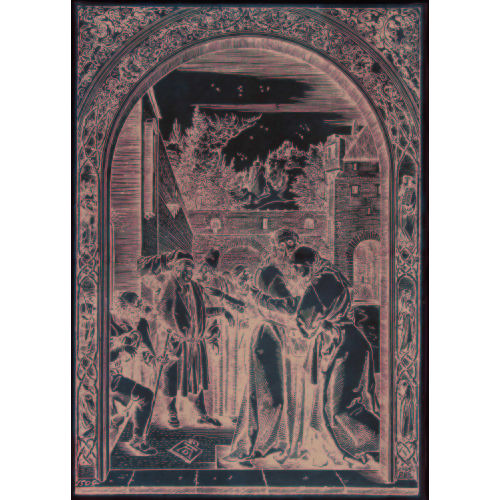
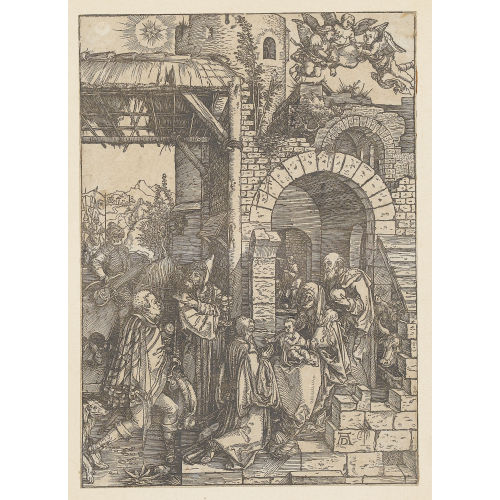
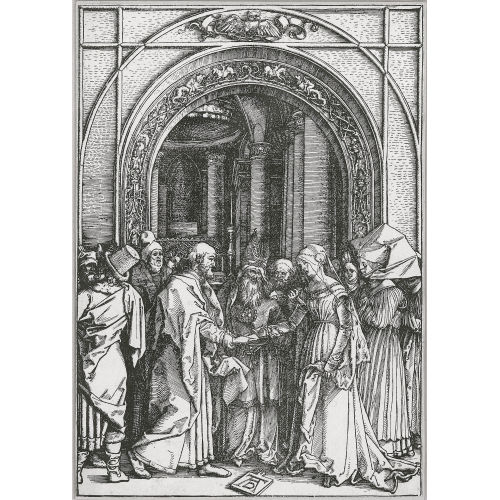
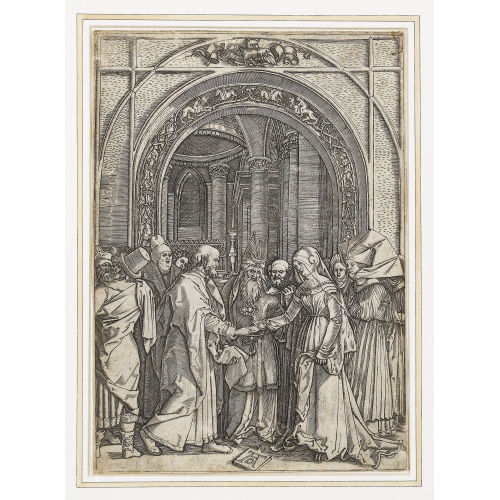
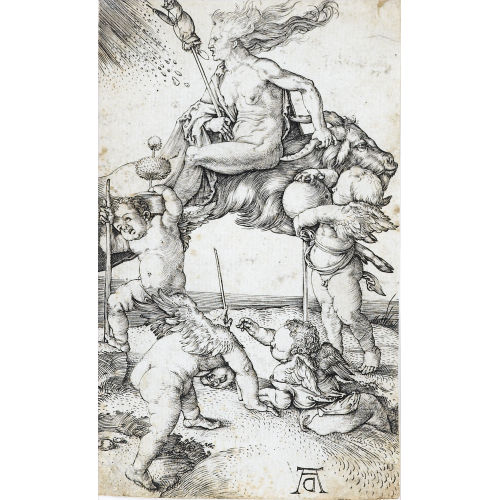
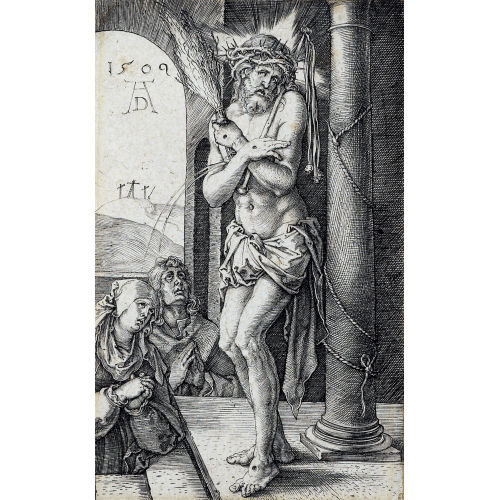
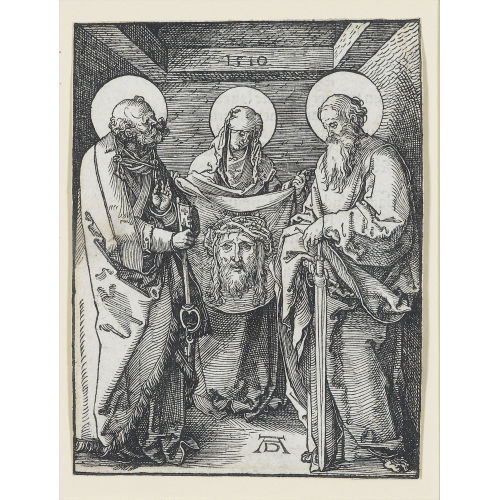
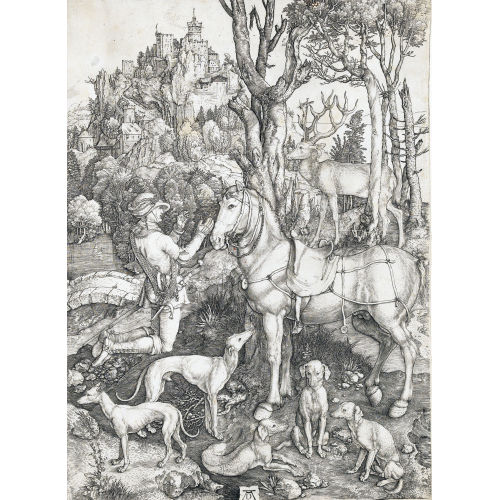
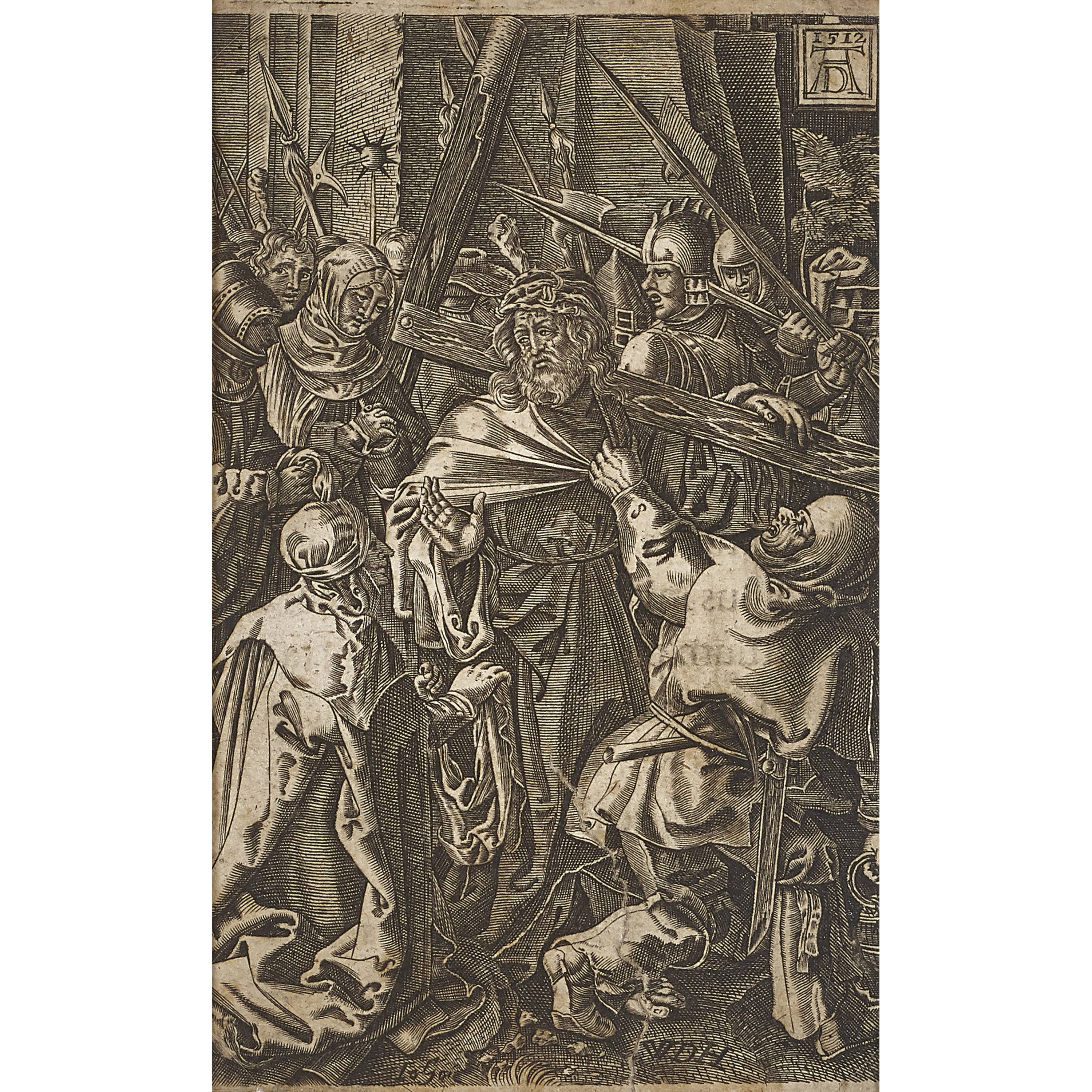
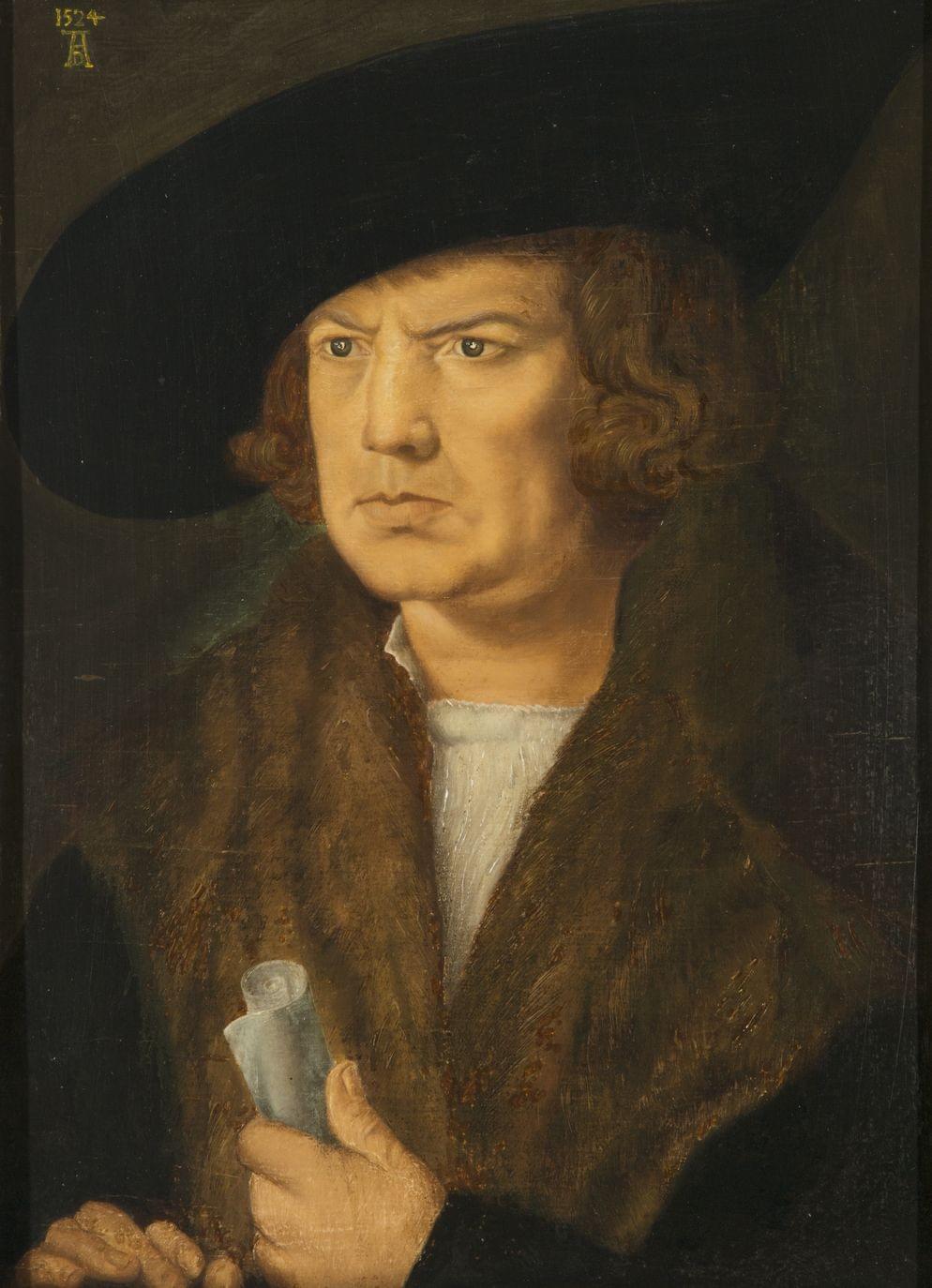
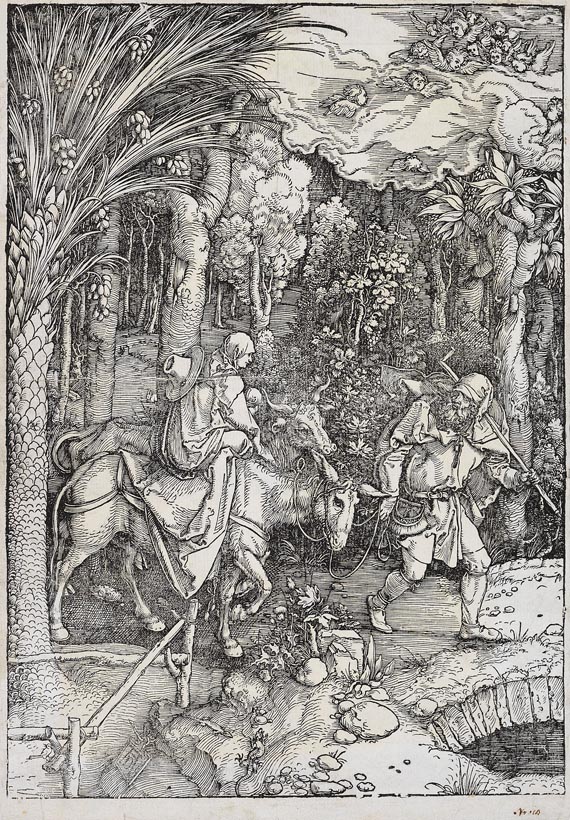
The German Renaissance artist Albrecht Dürer (1471–1528) gives the printed image a new power. A painter, draughtsman and printmaker, he combines meticulous observation of the visible world with reflection on proportion, perspective and the means of representing the world. Through printmaking, his work circulates far beyond his native city of Nuremberg.
The son of a goldsmith, Dürer first learns in his father’s workshop and then under the painter Michael Wolgemut. His years of travel take him, among other places, to the Upper Rhine region, Colmar, Strasbourg and Basel. His stays in Italy subsequently allow him to confront his Northern training with the investigations of the Renaissance.
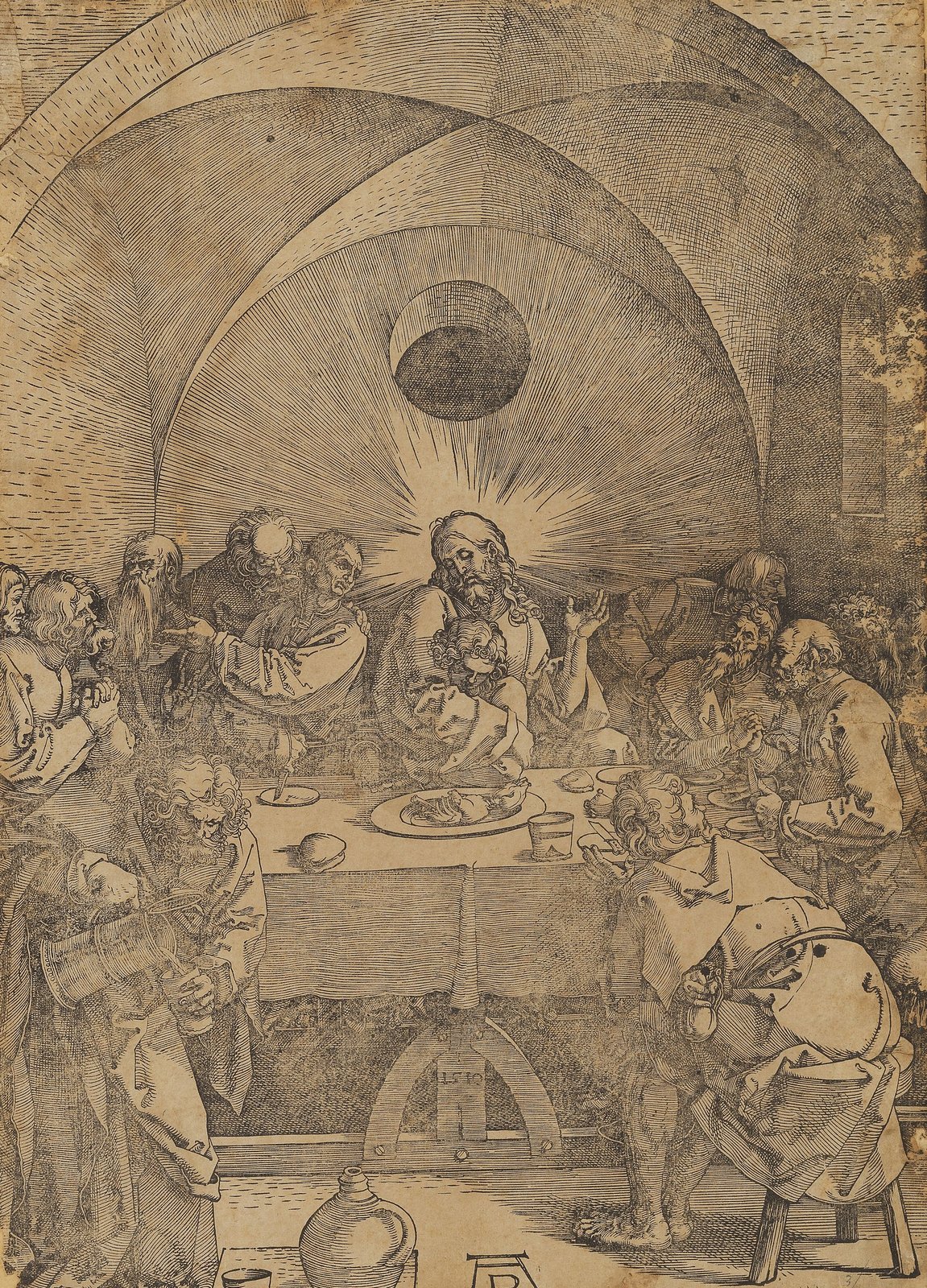
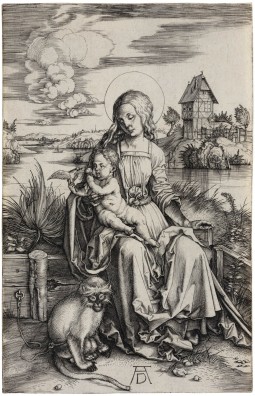
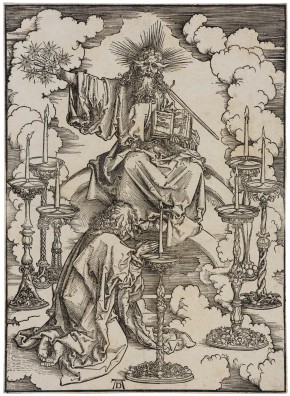
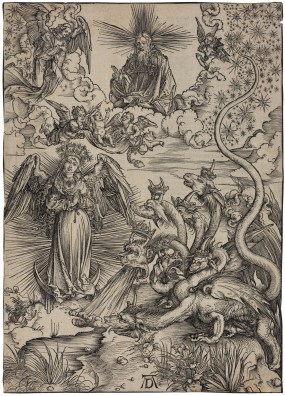
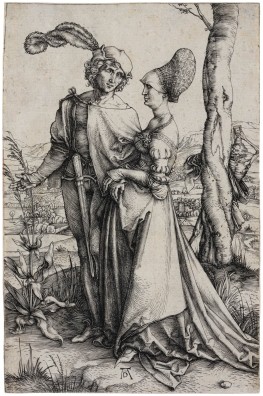
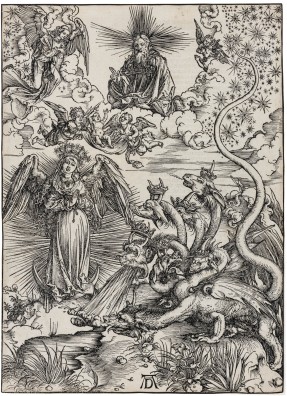
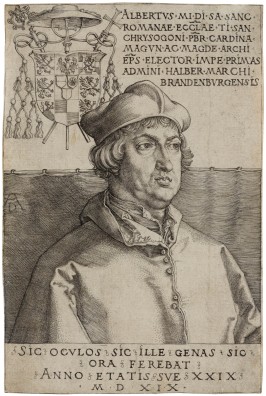
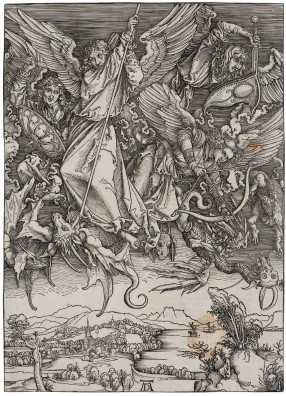
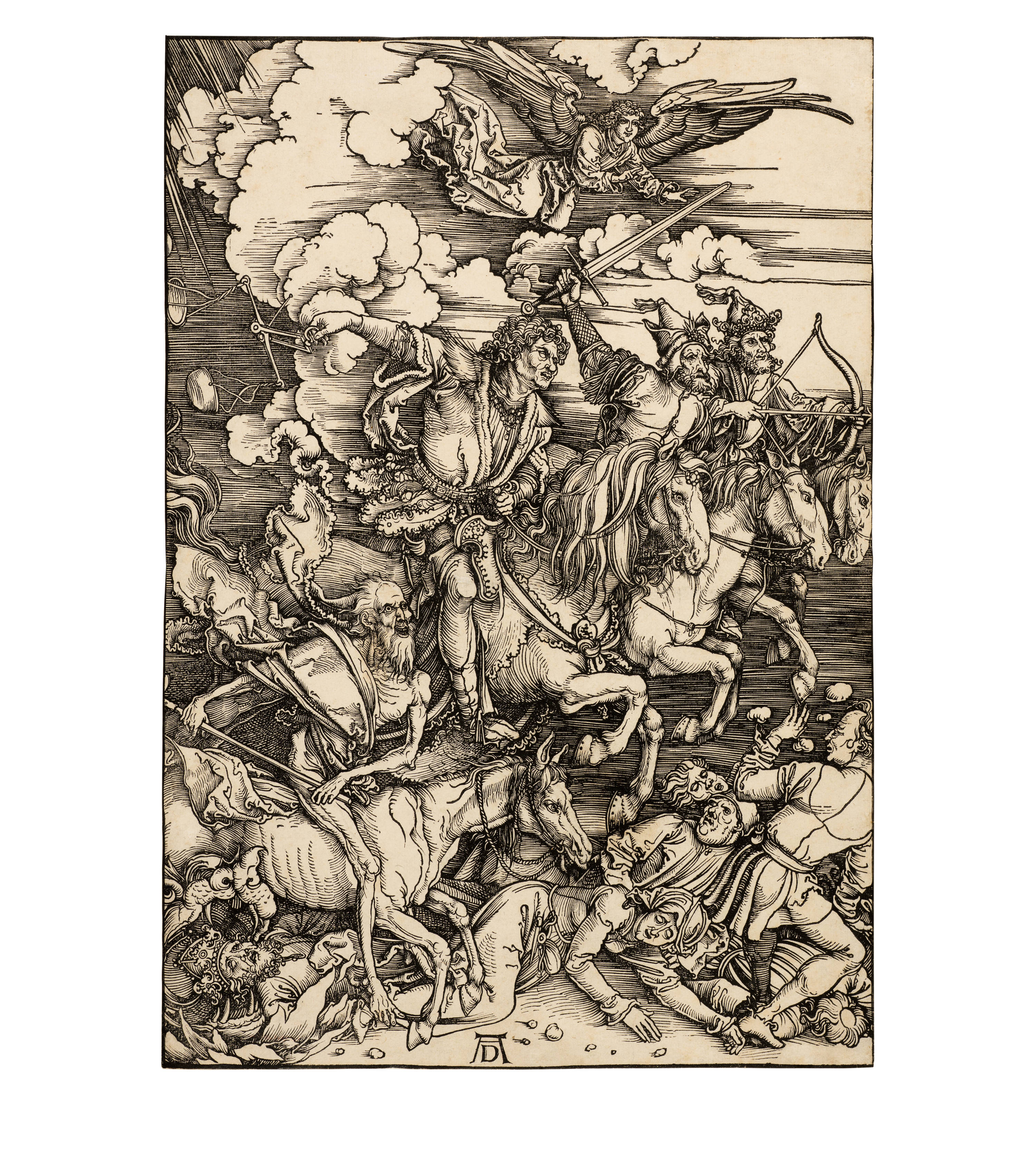
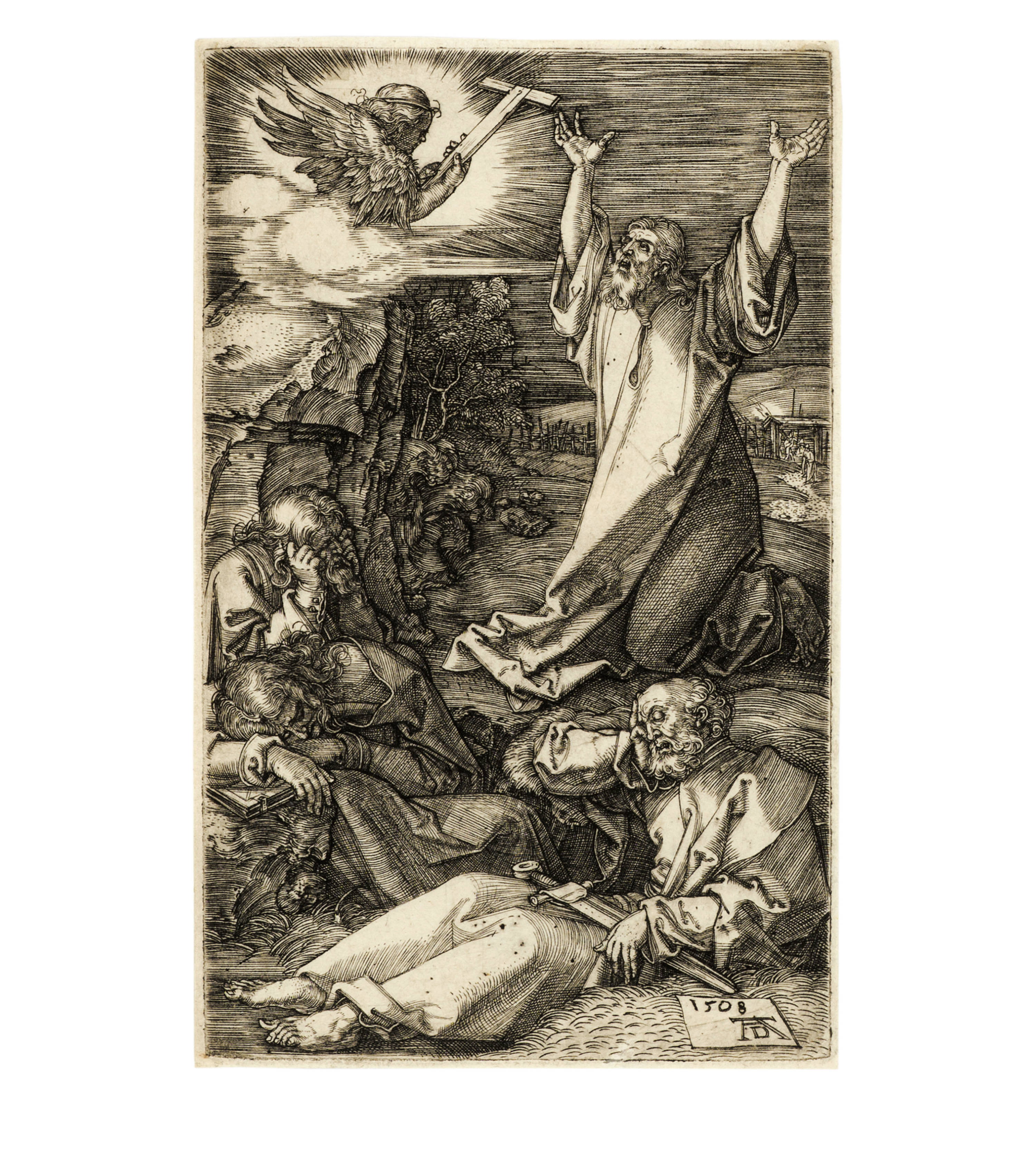
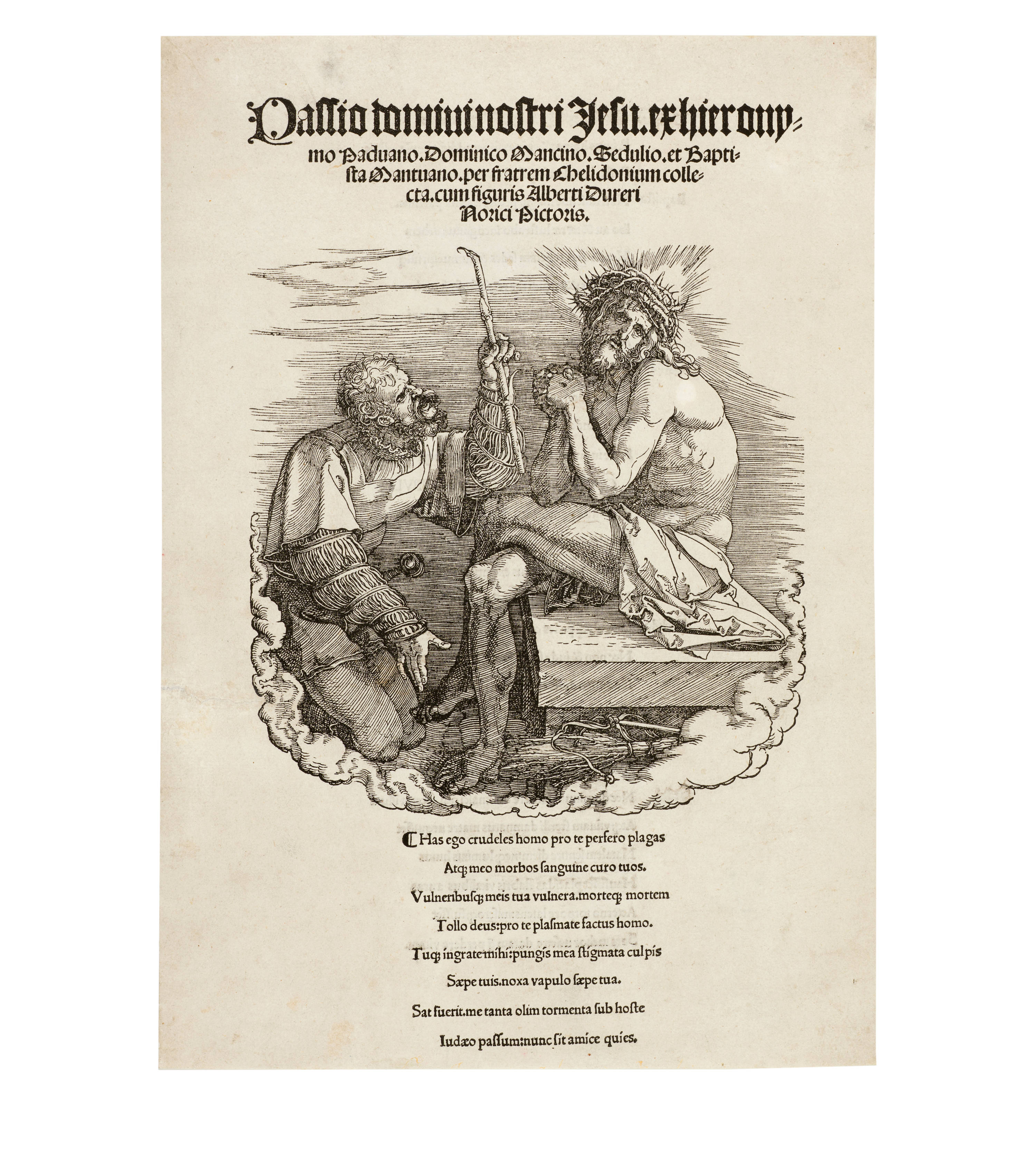
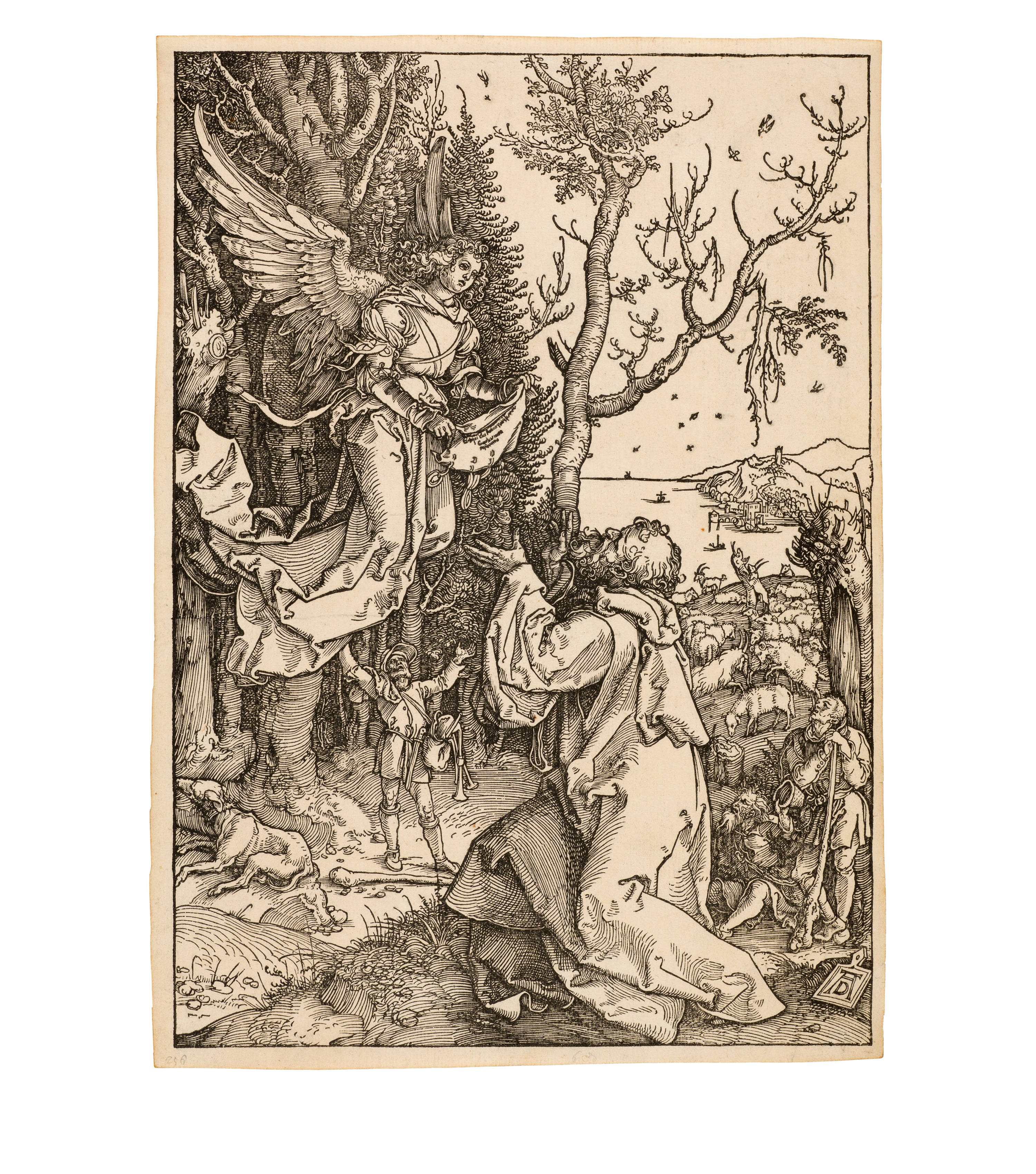
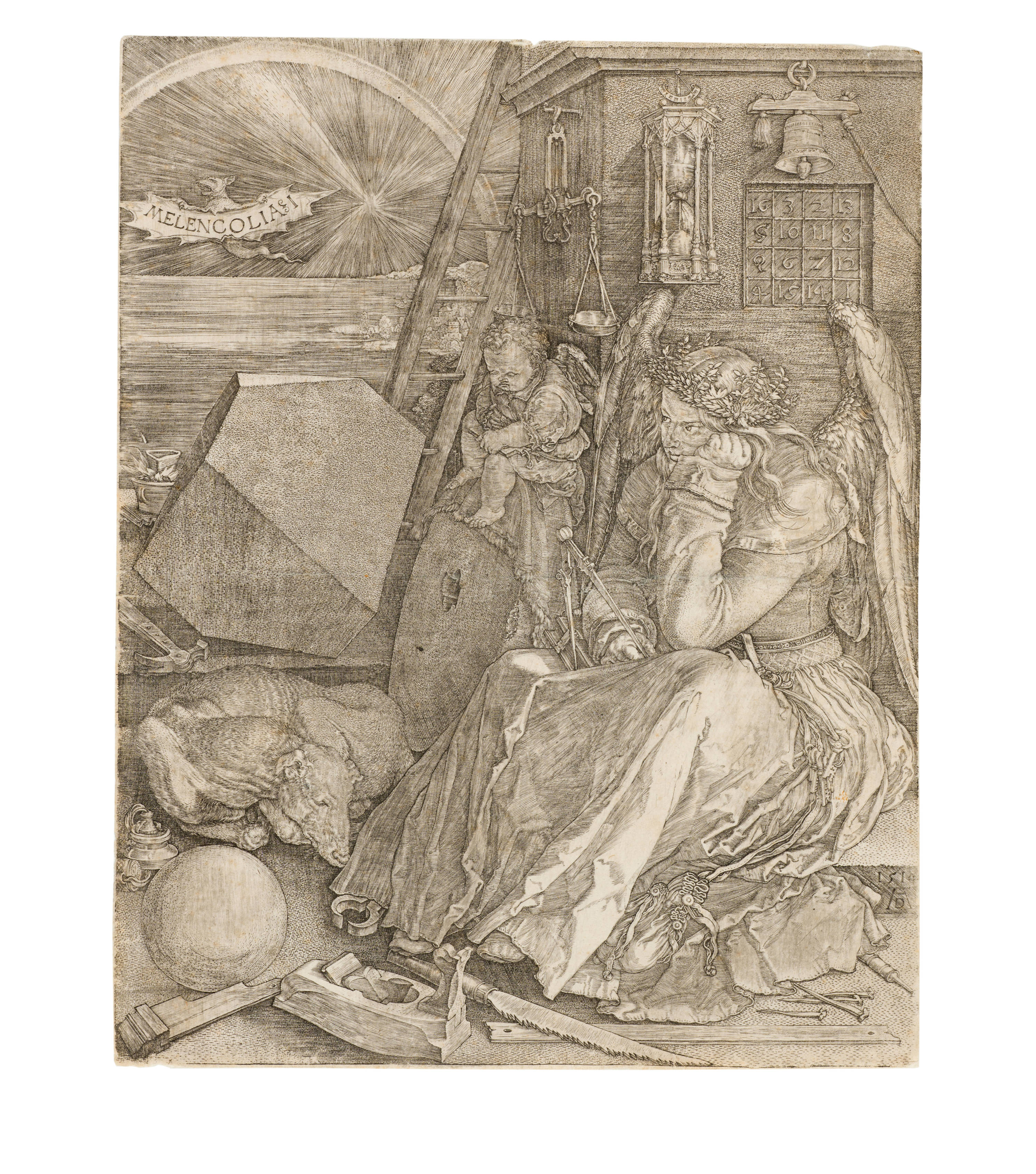
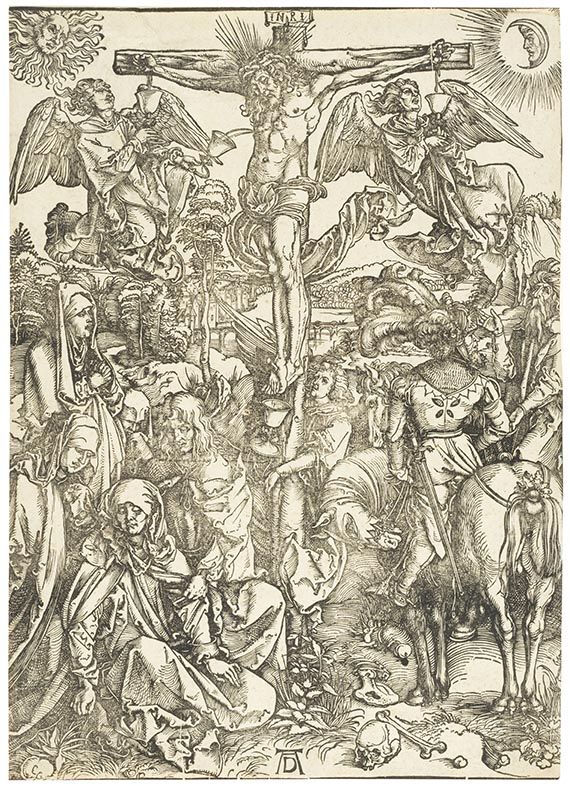
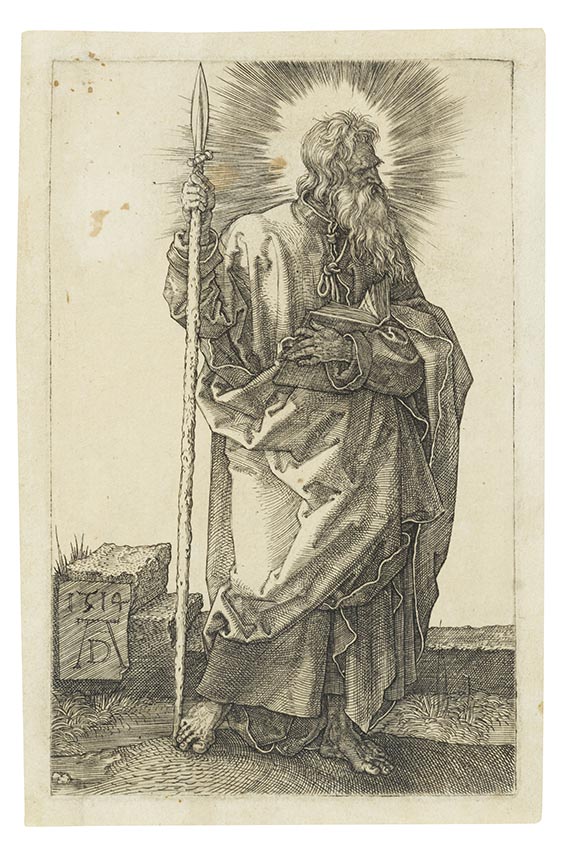
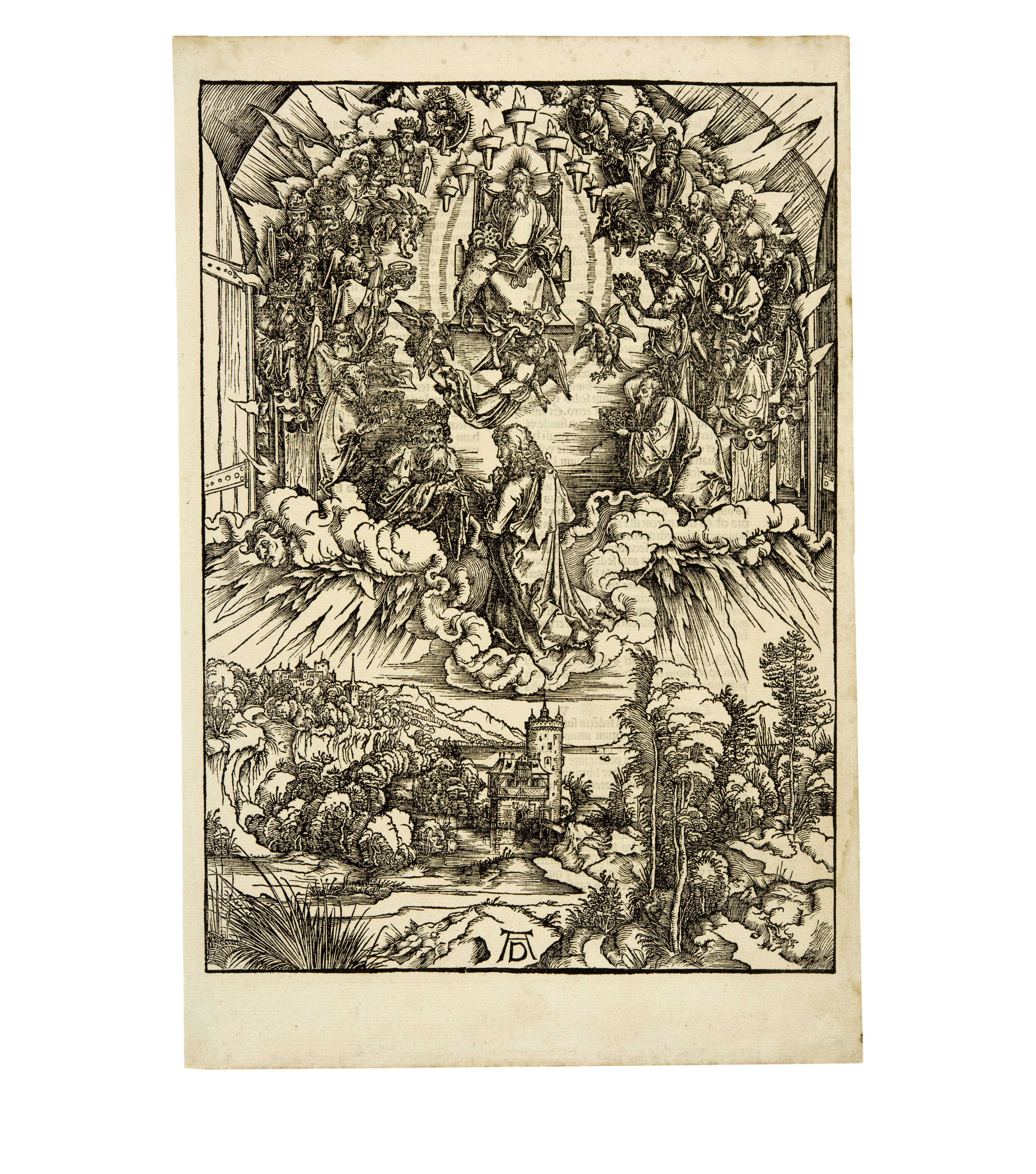
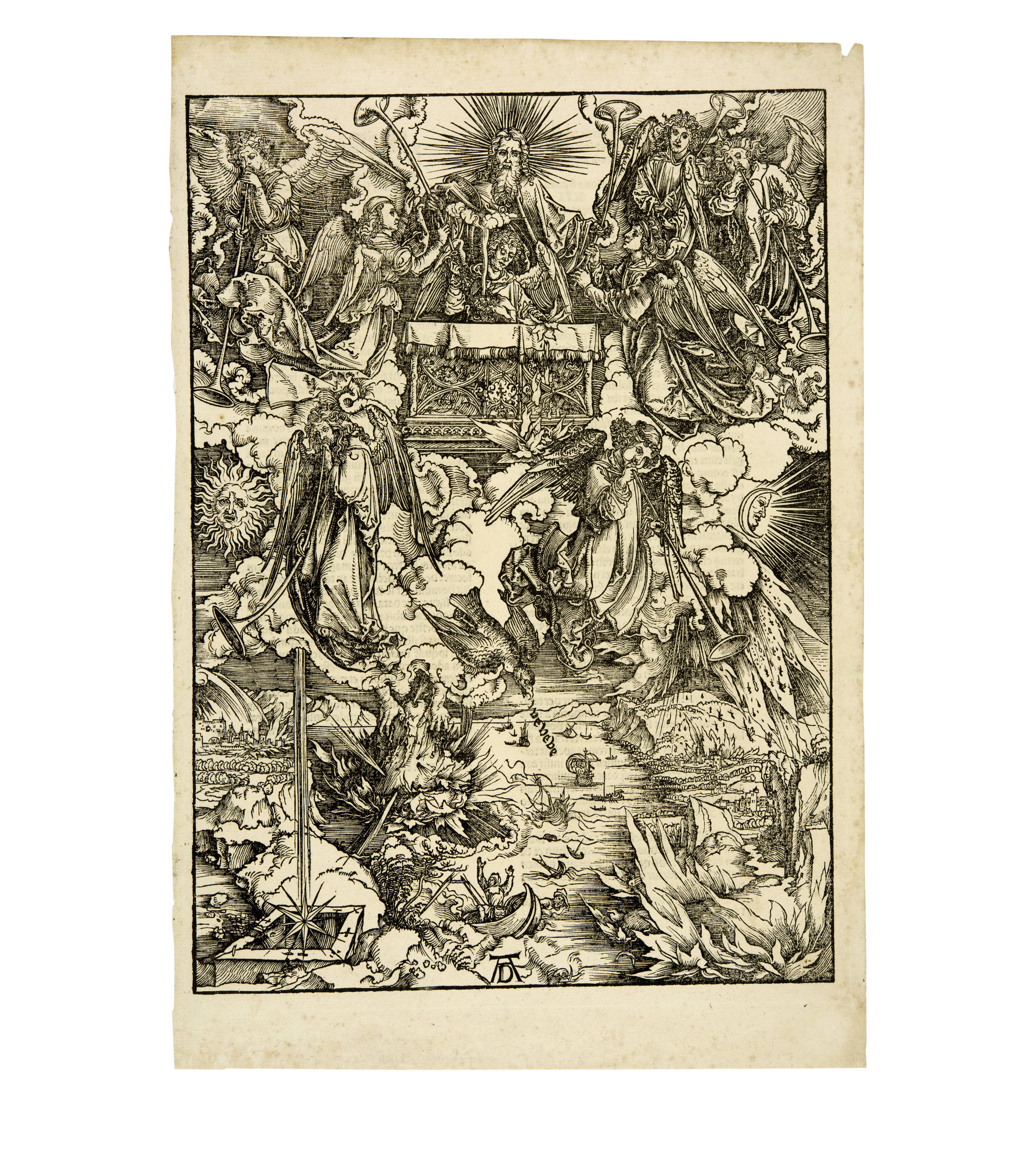
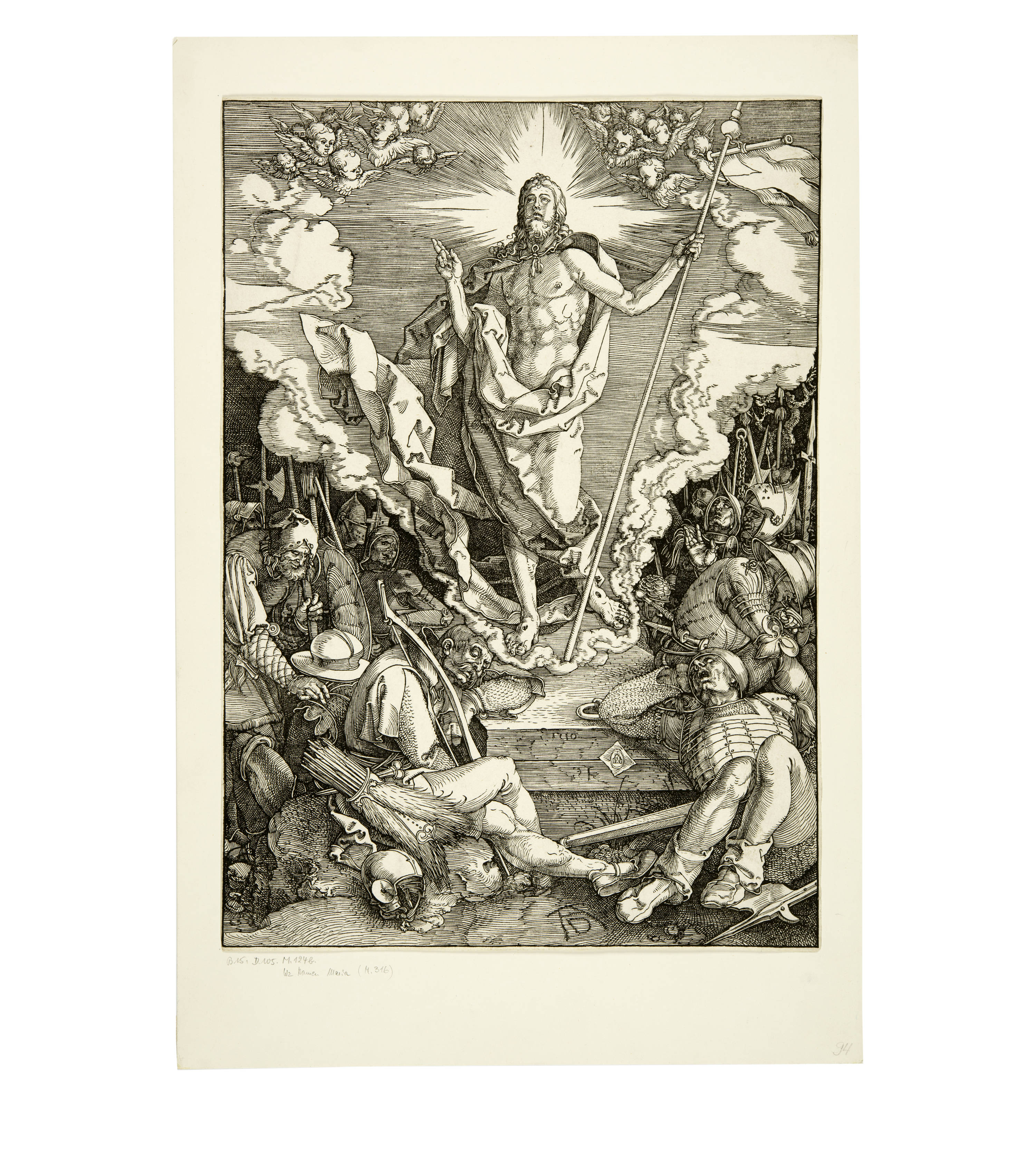
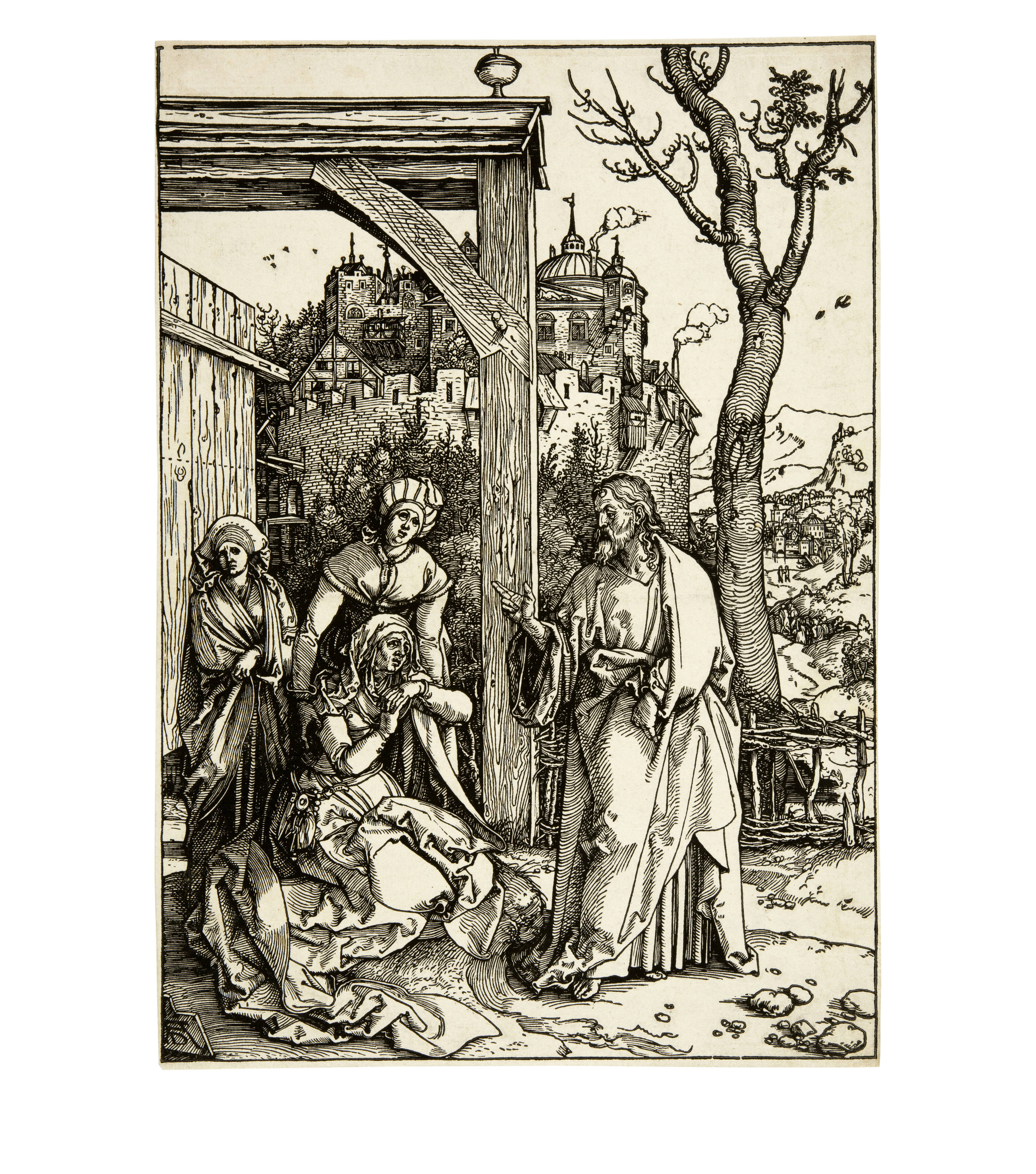
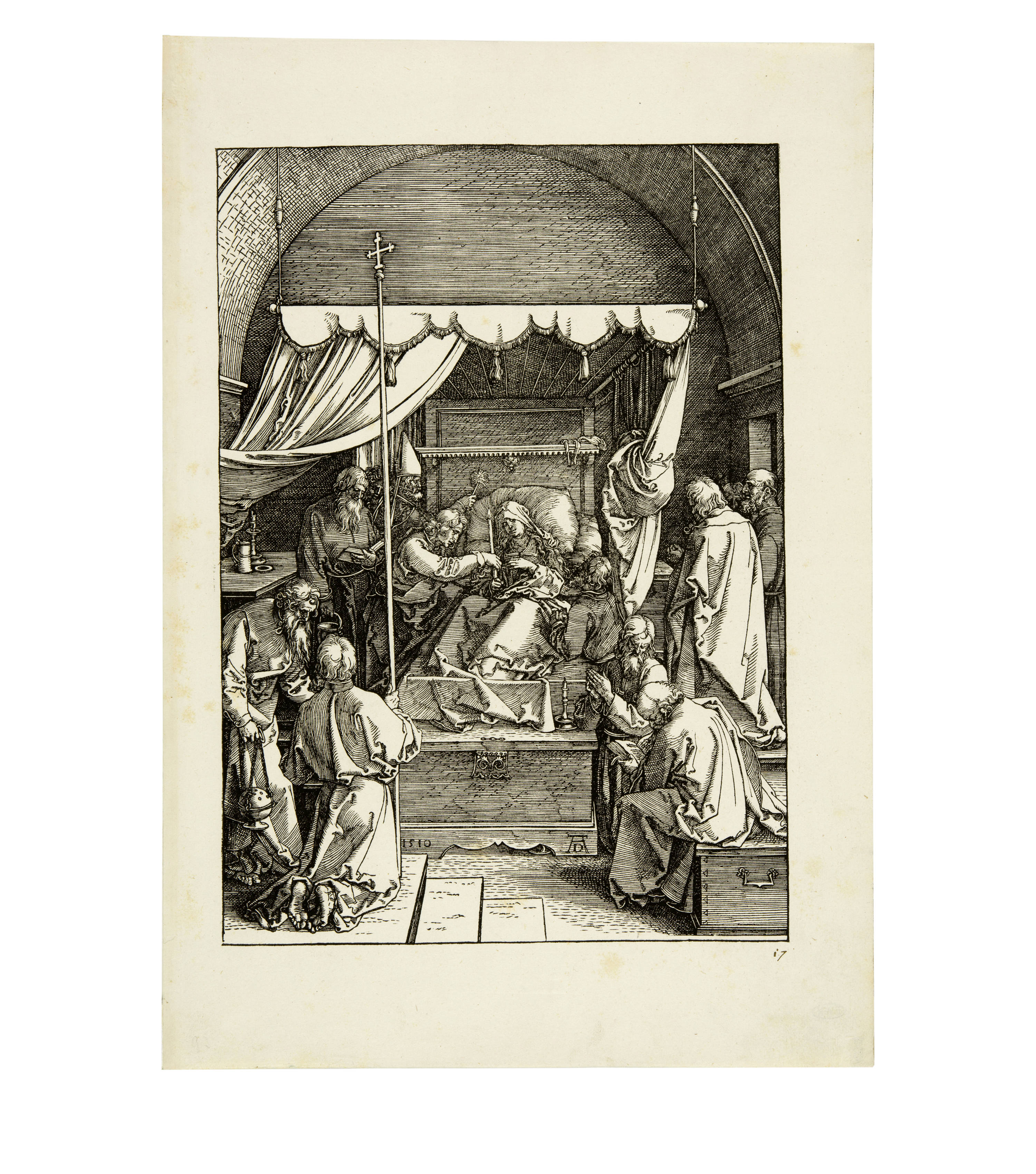
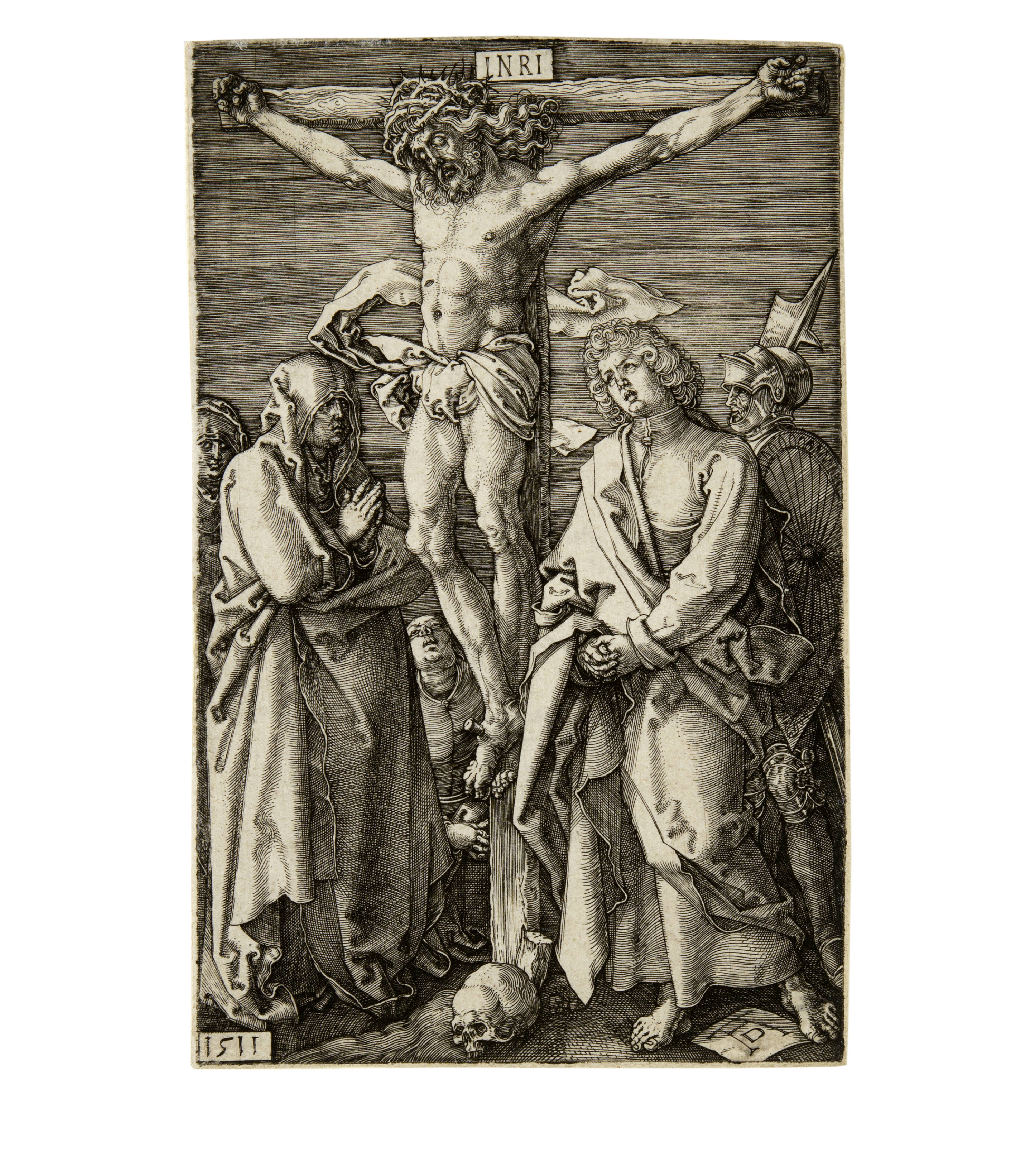
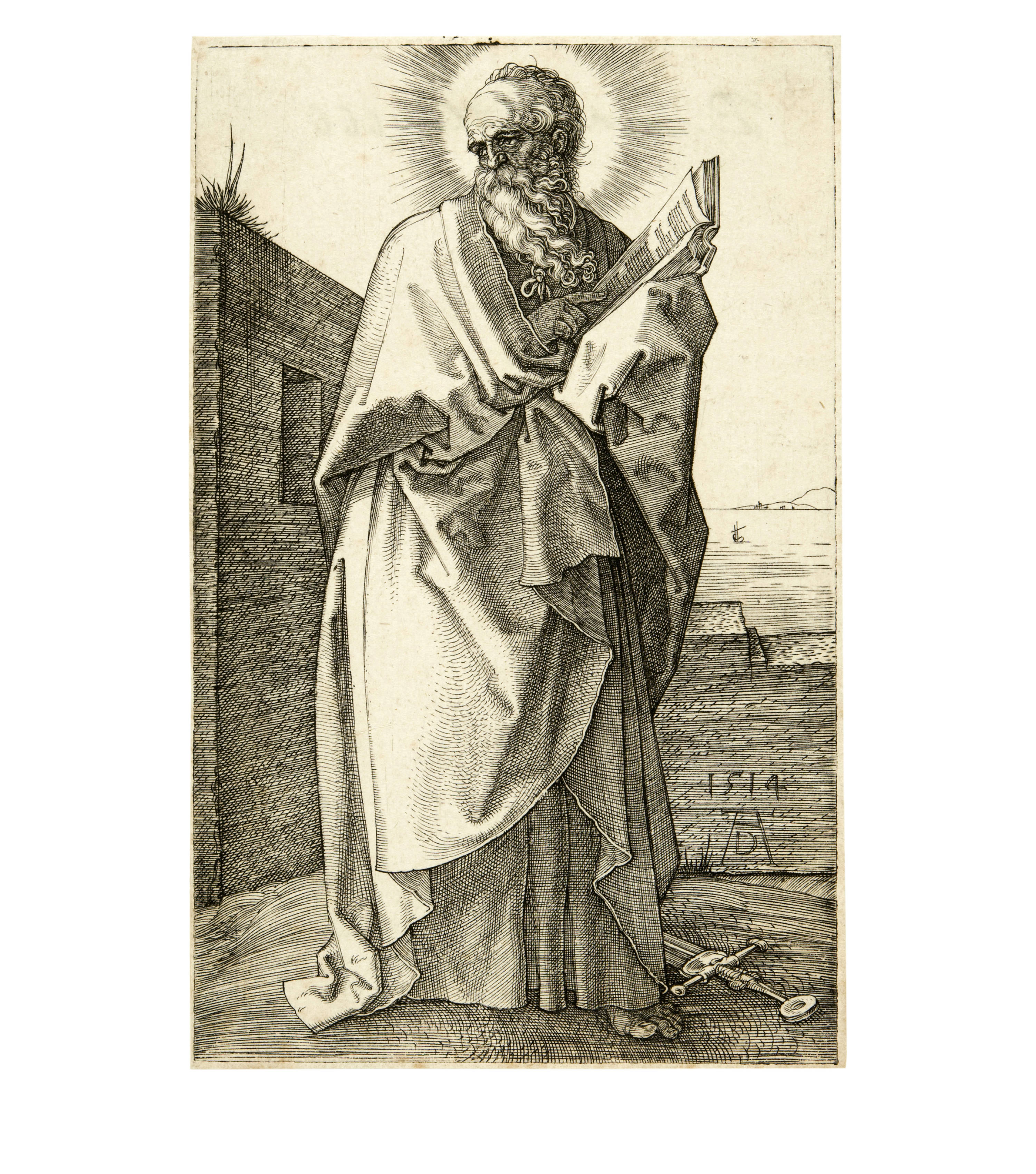
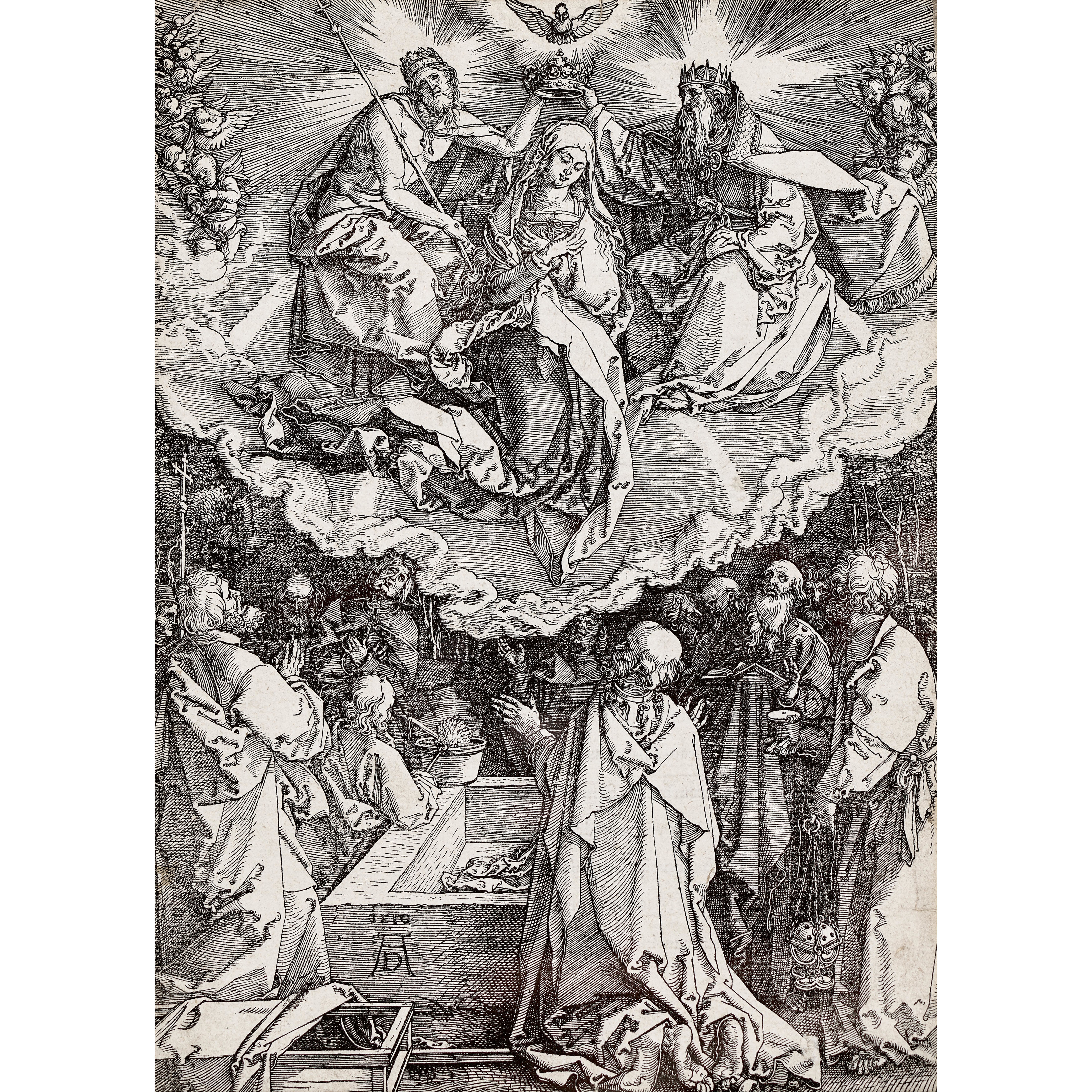
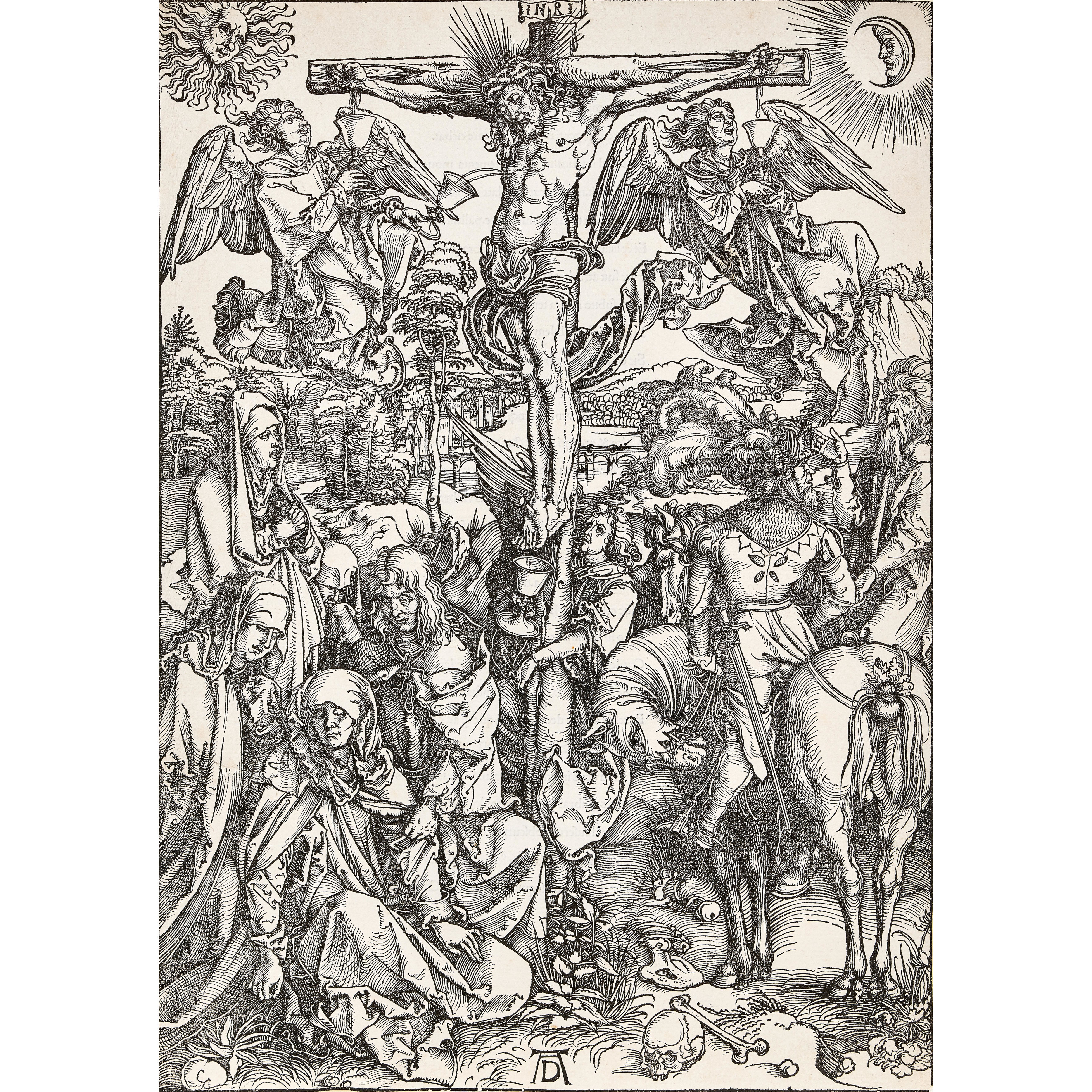
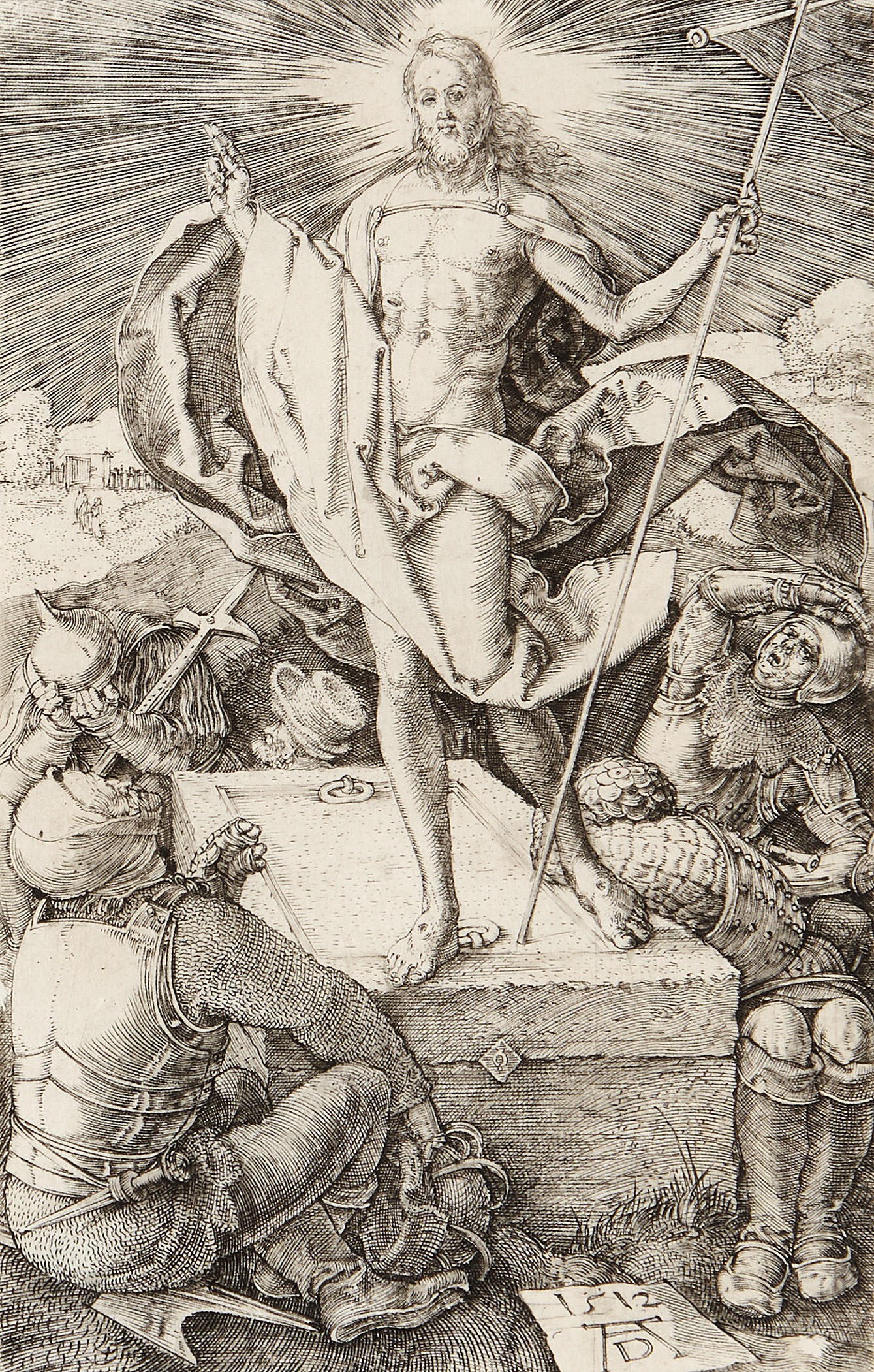
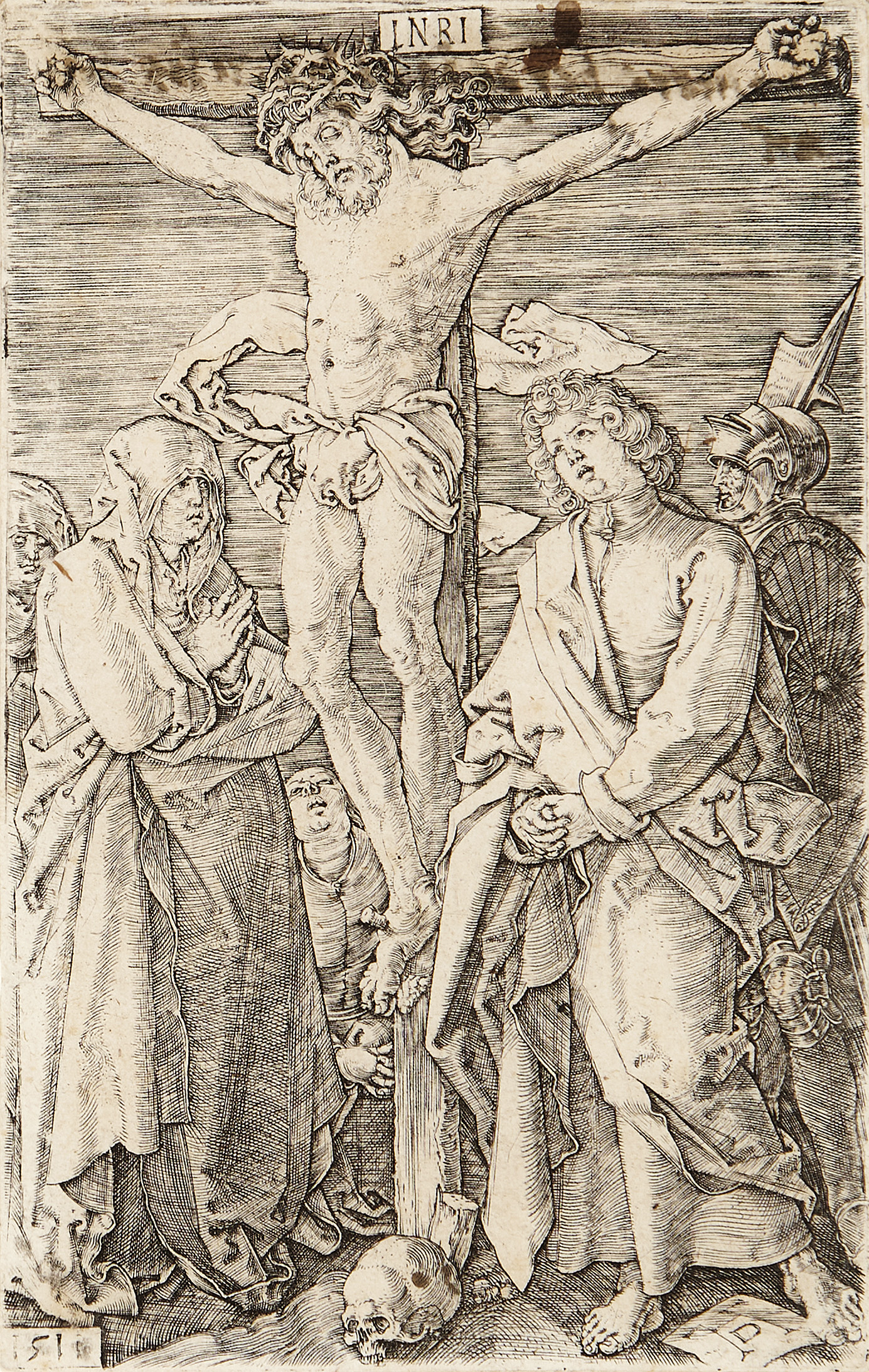
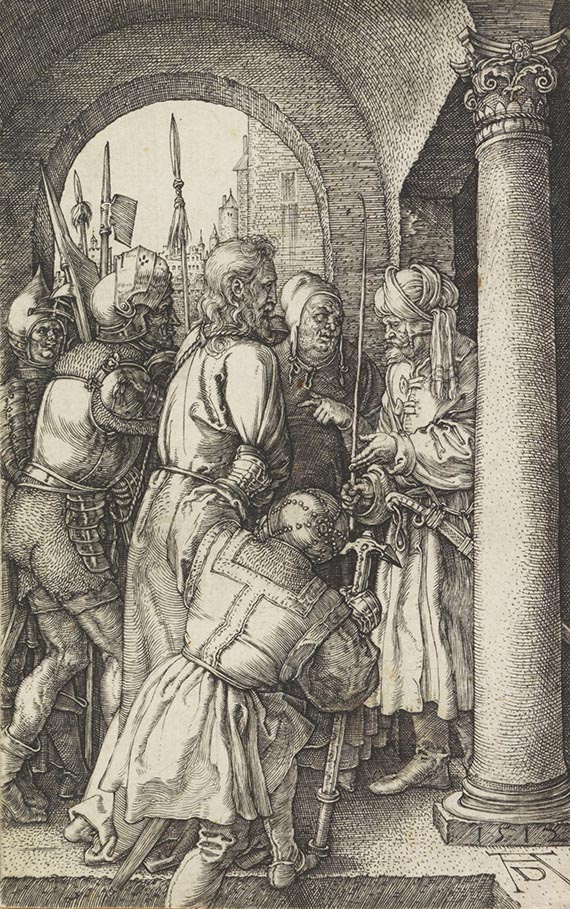
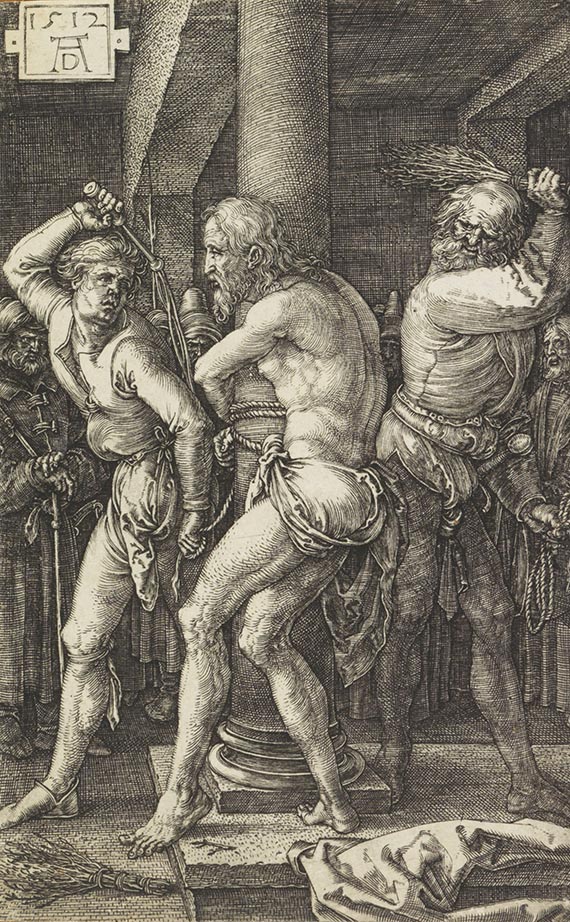
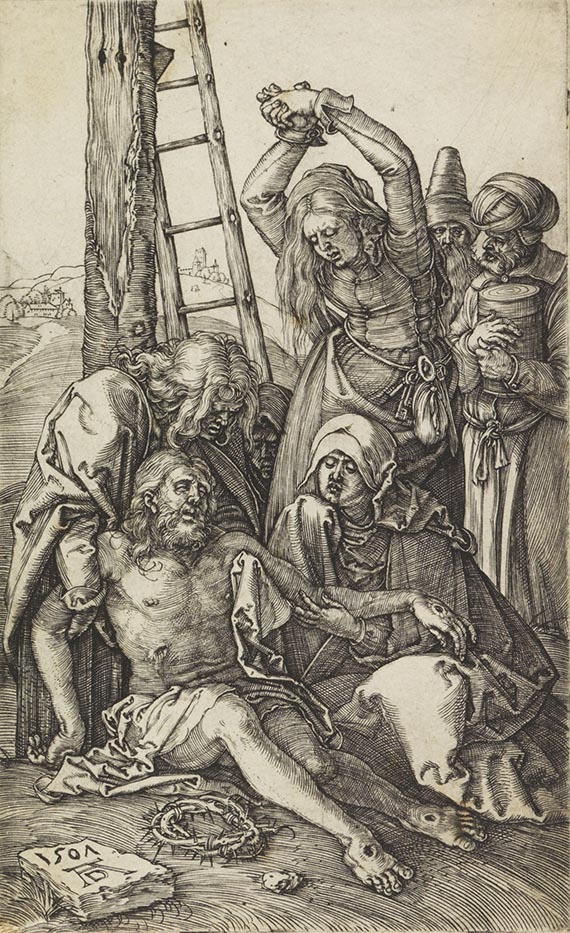
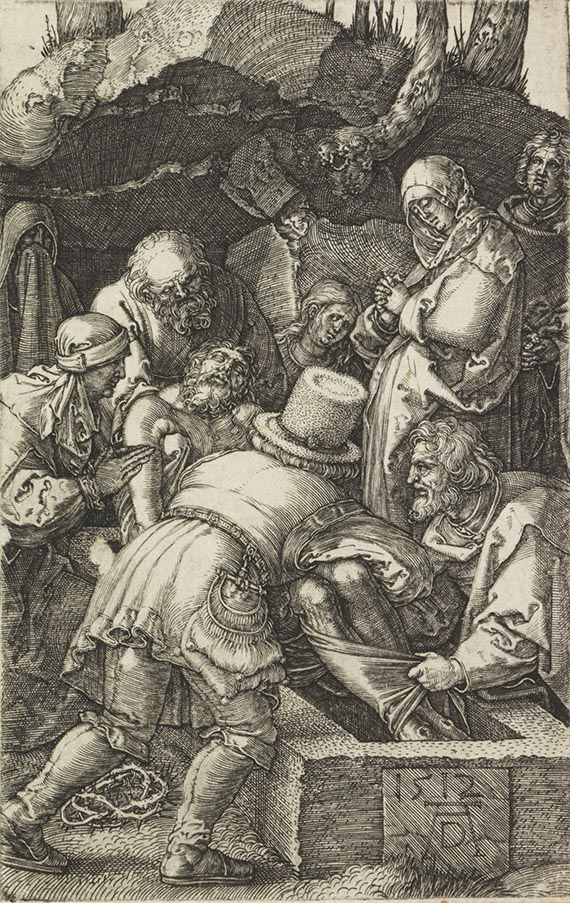
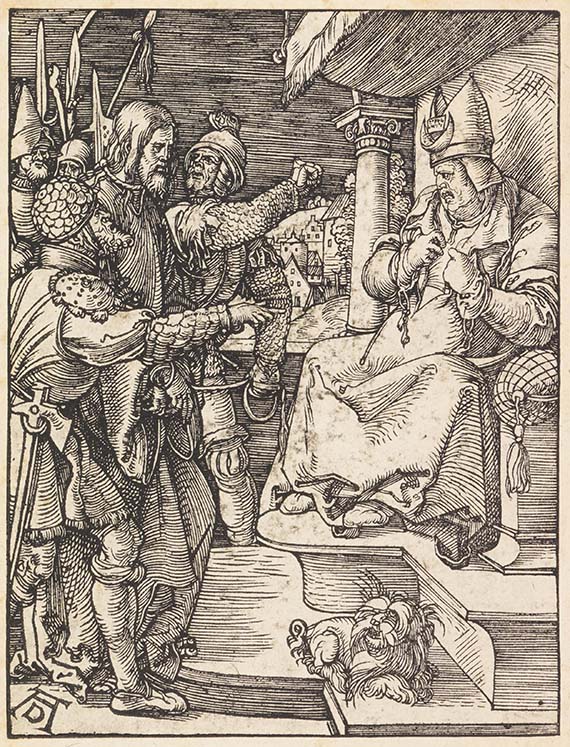
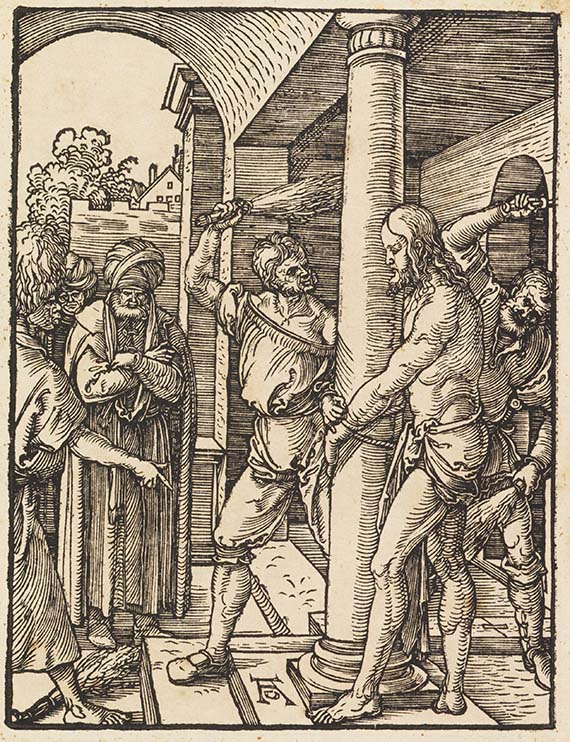
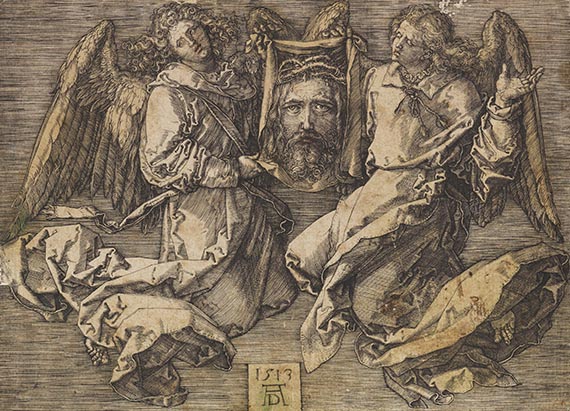
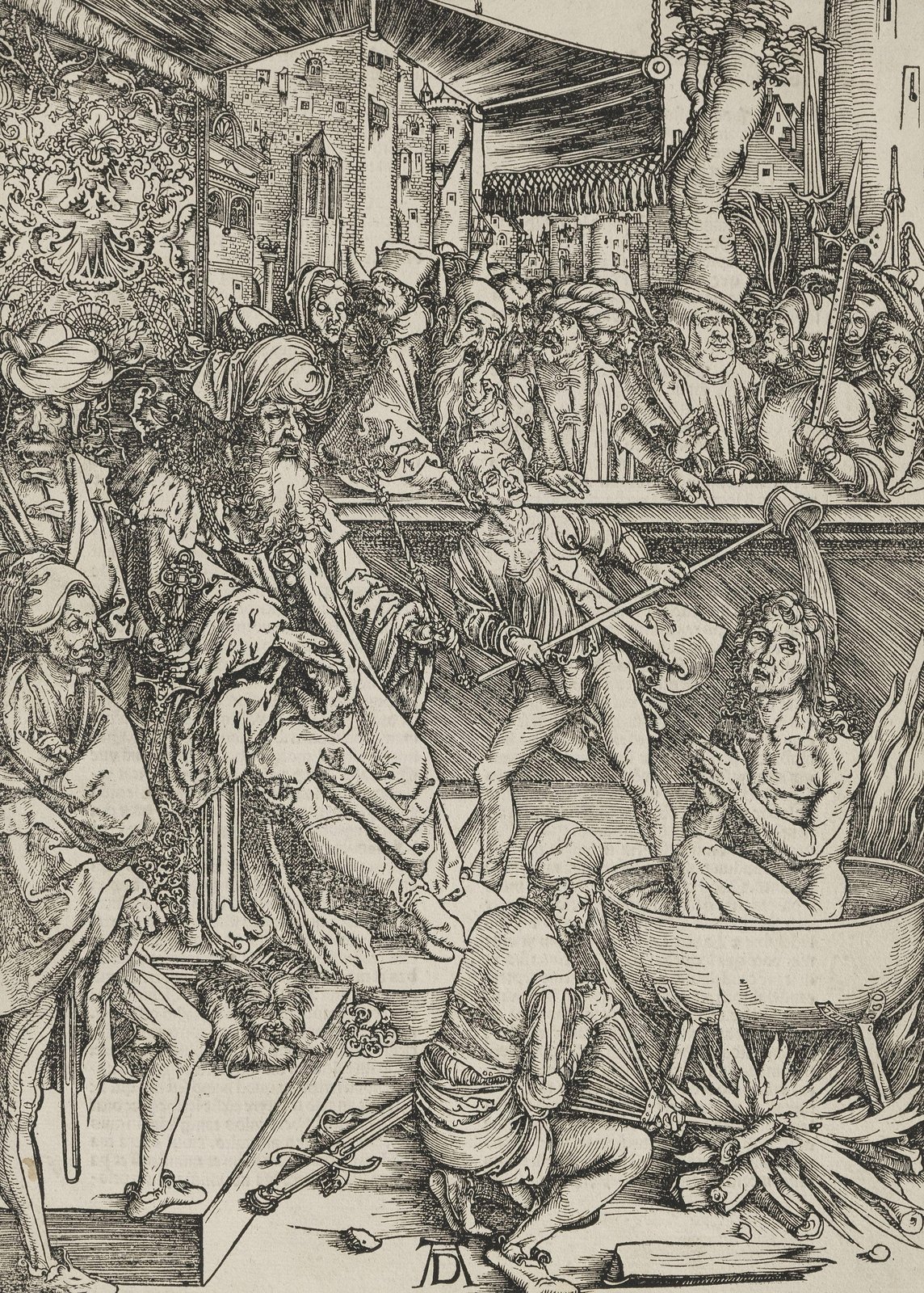
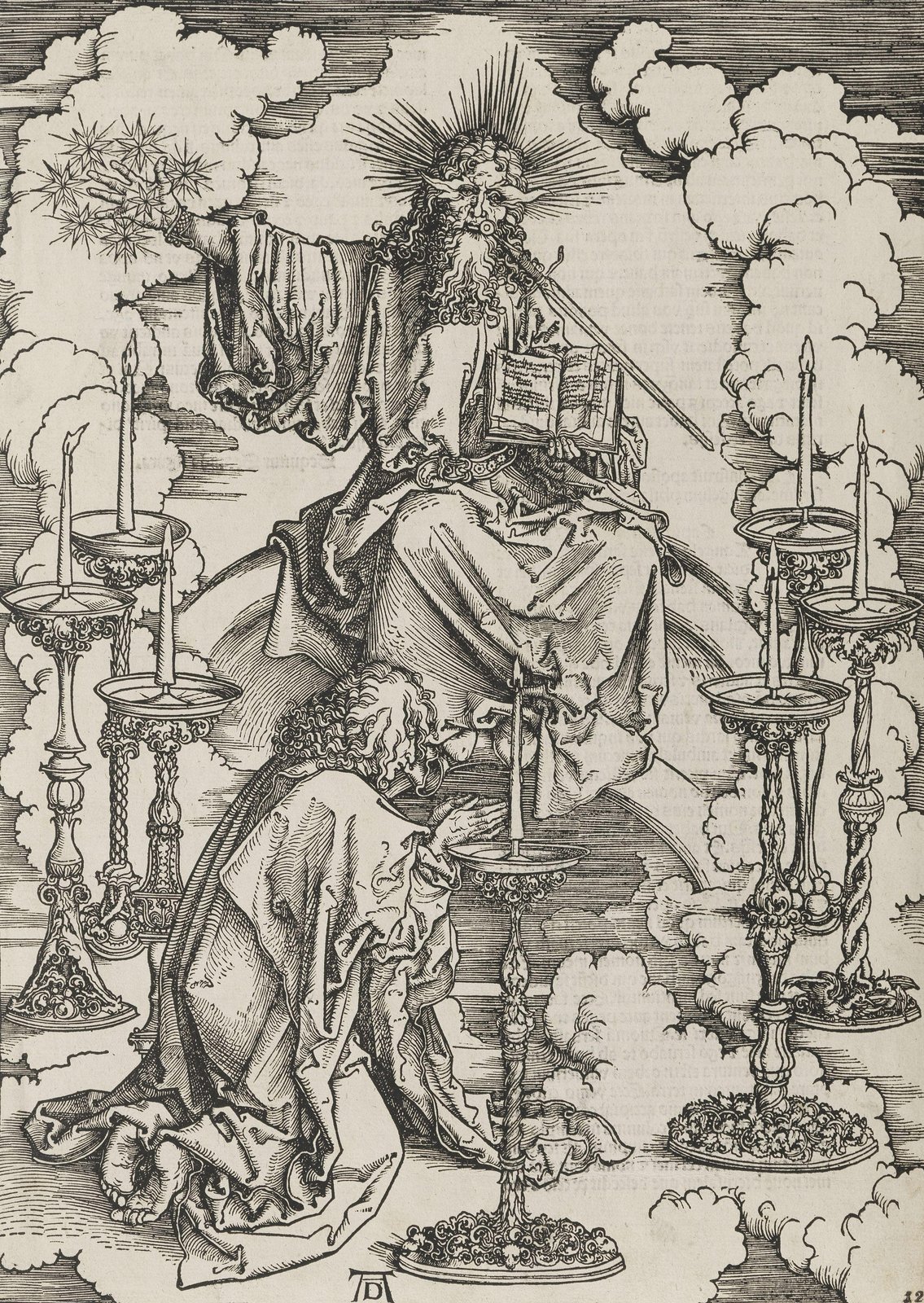
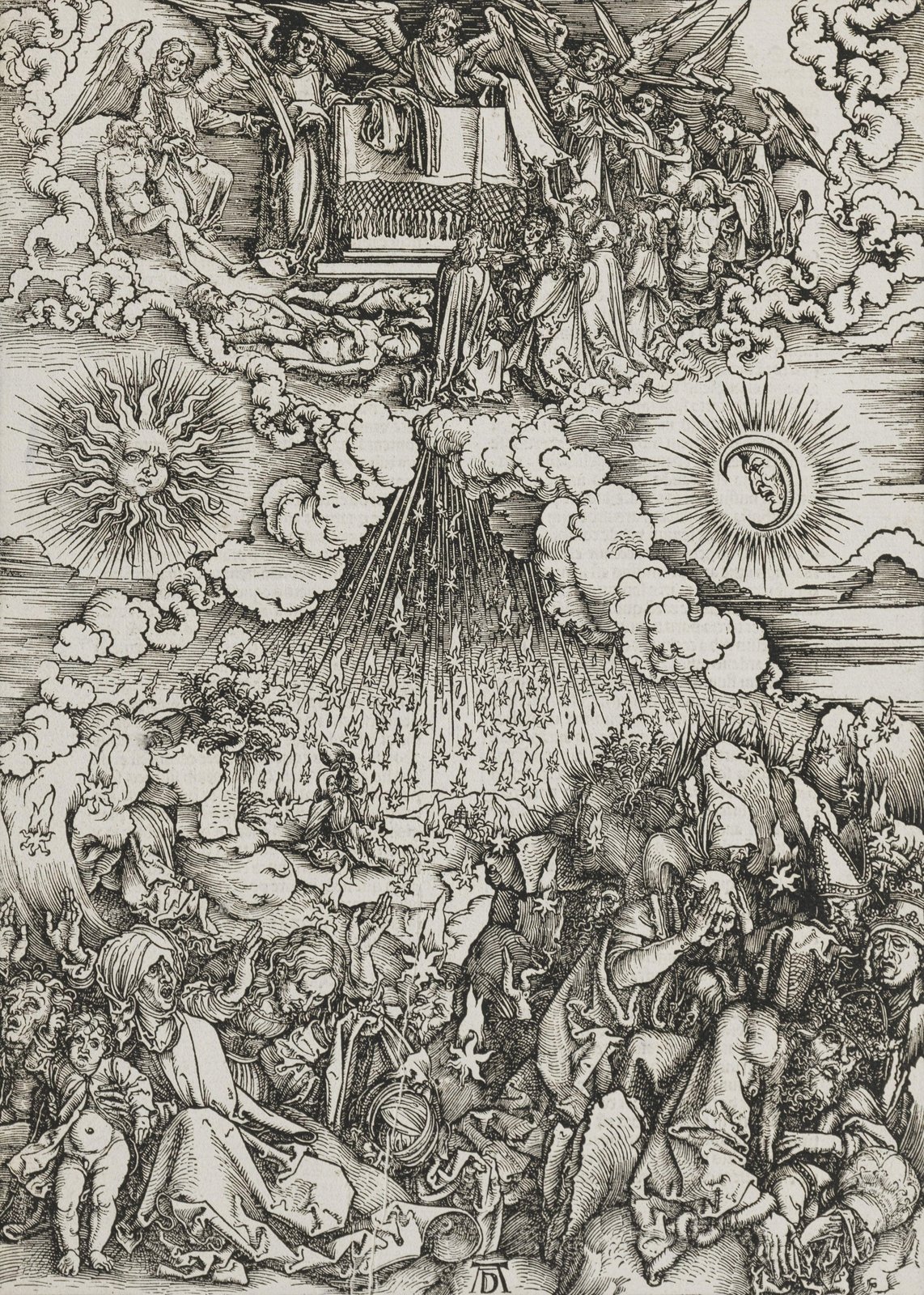
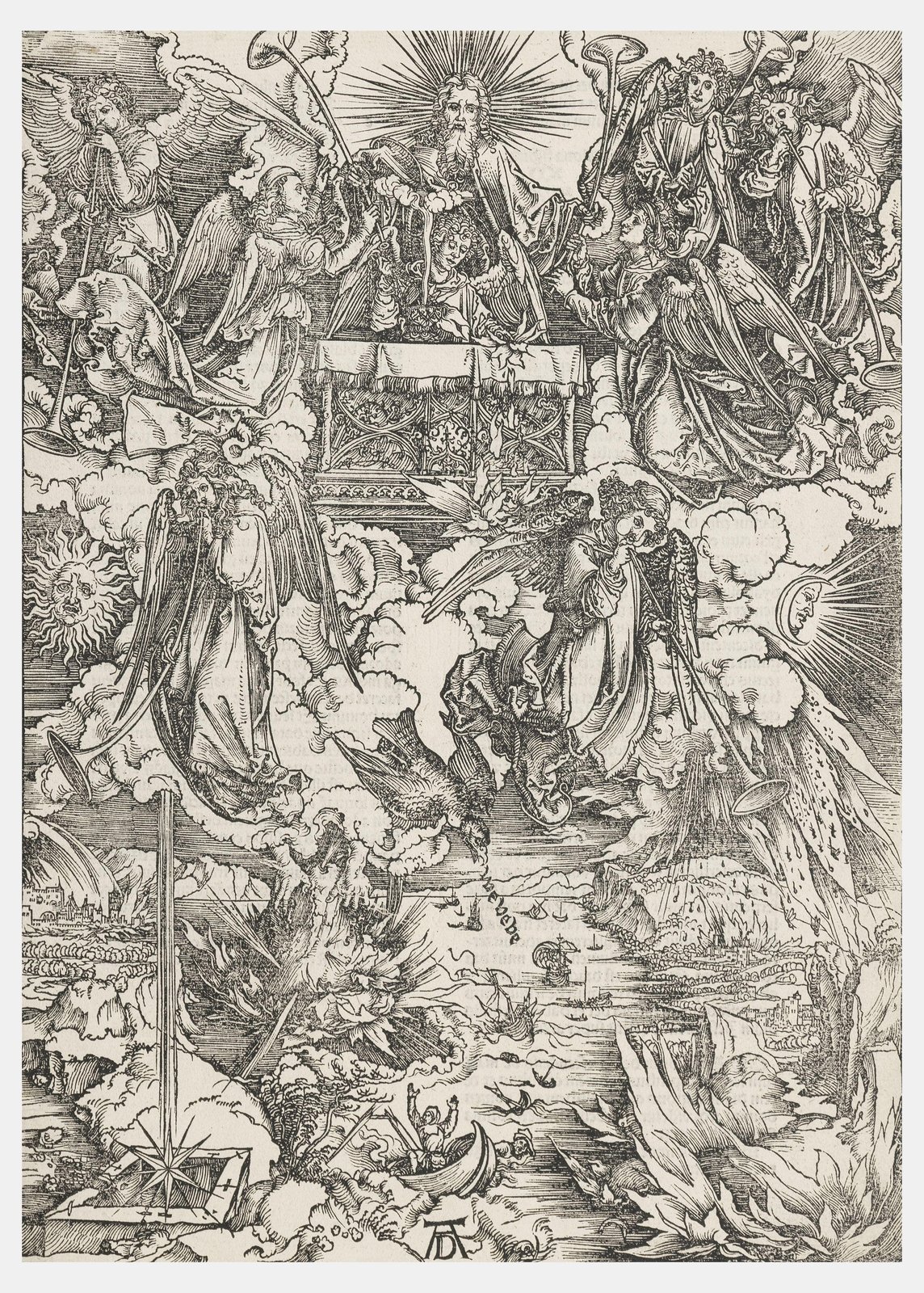
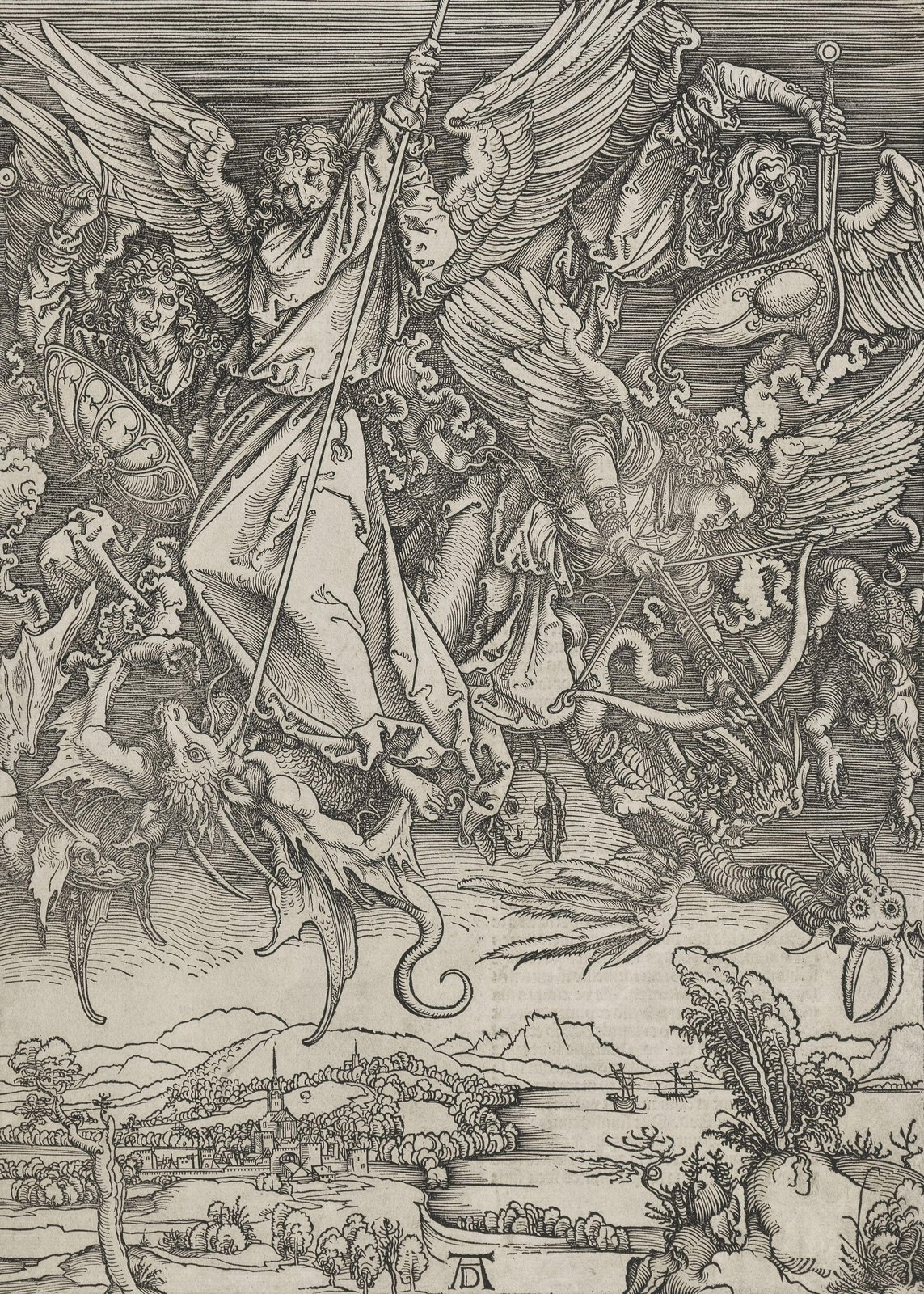
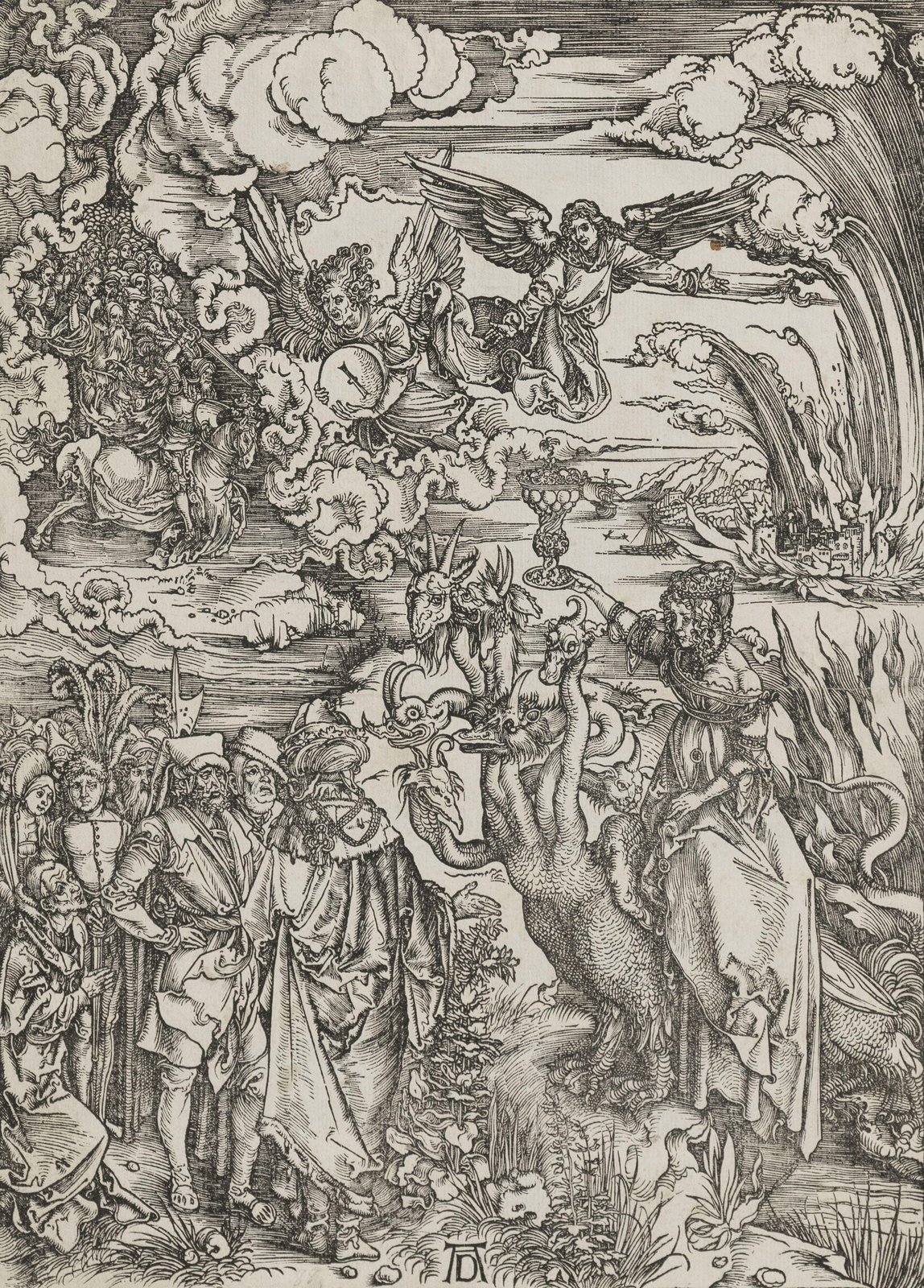
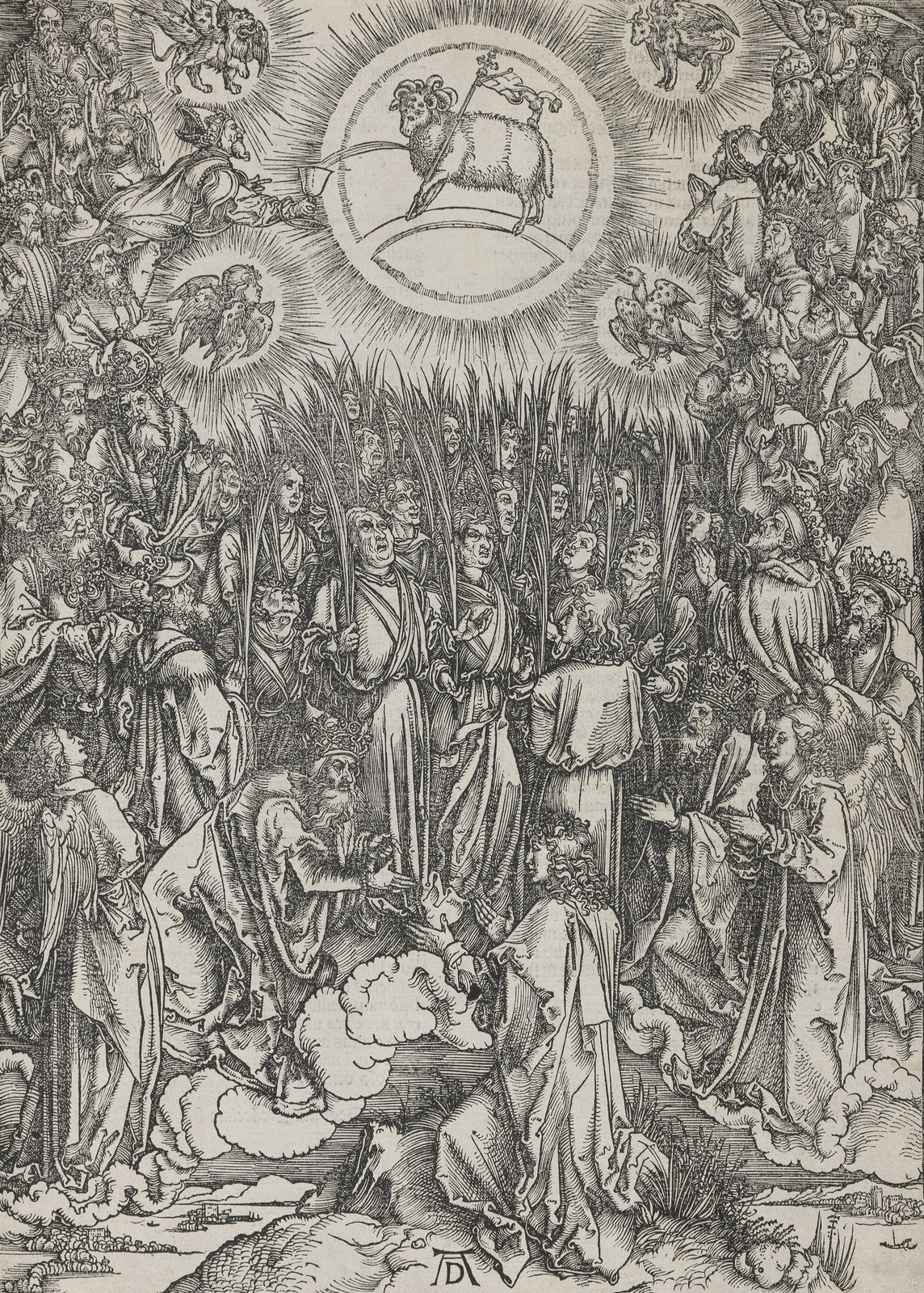
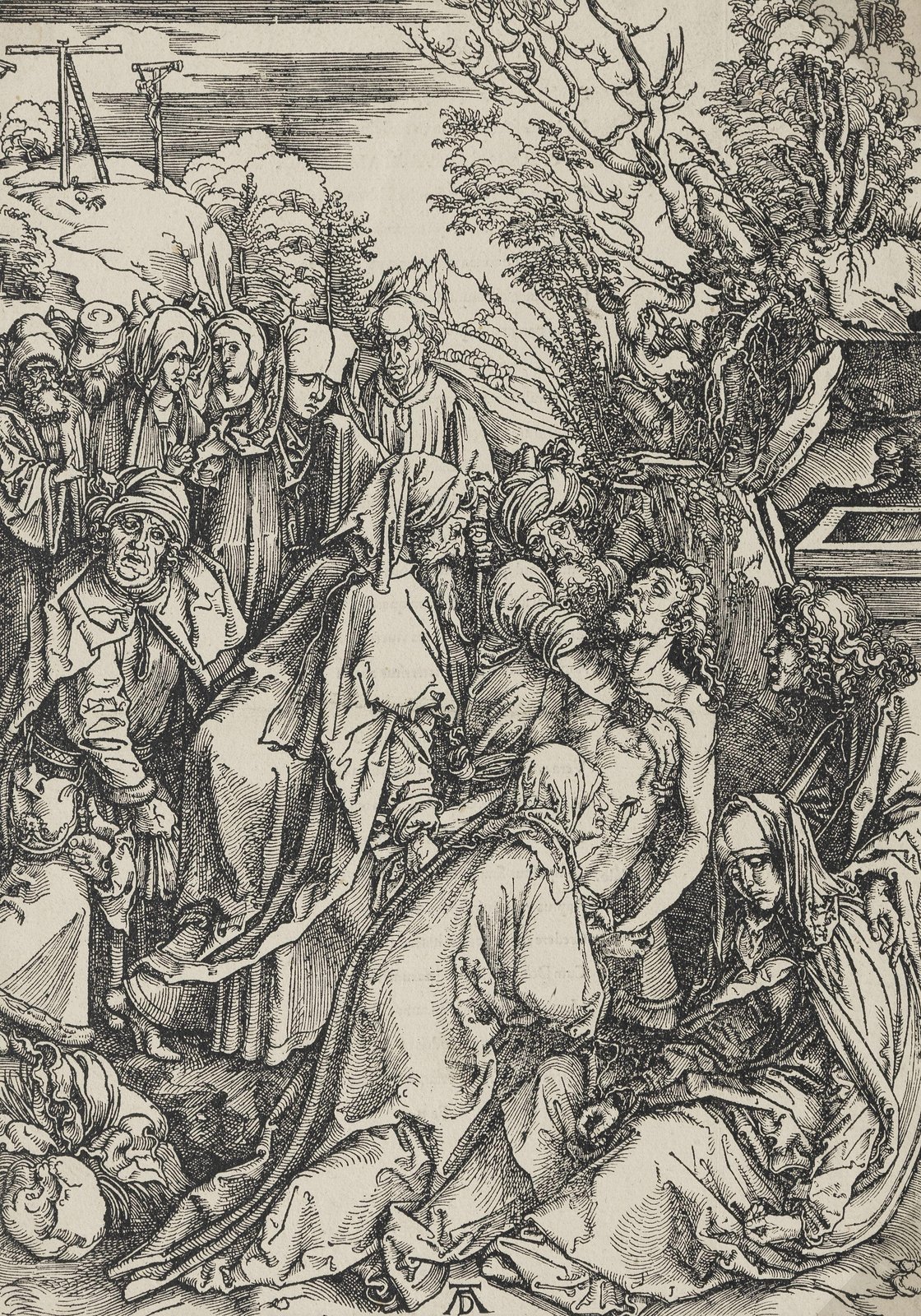
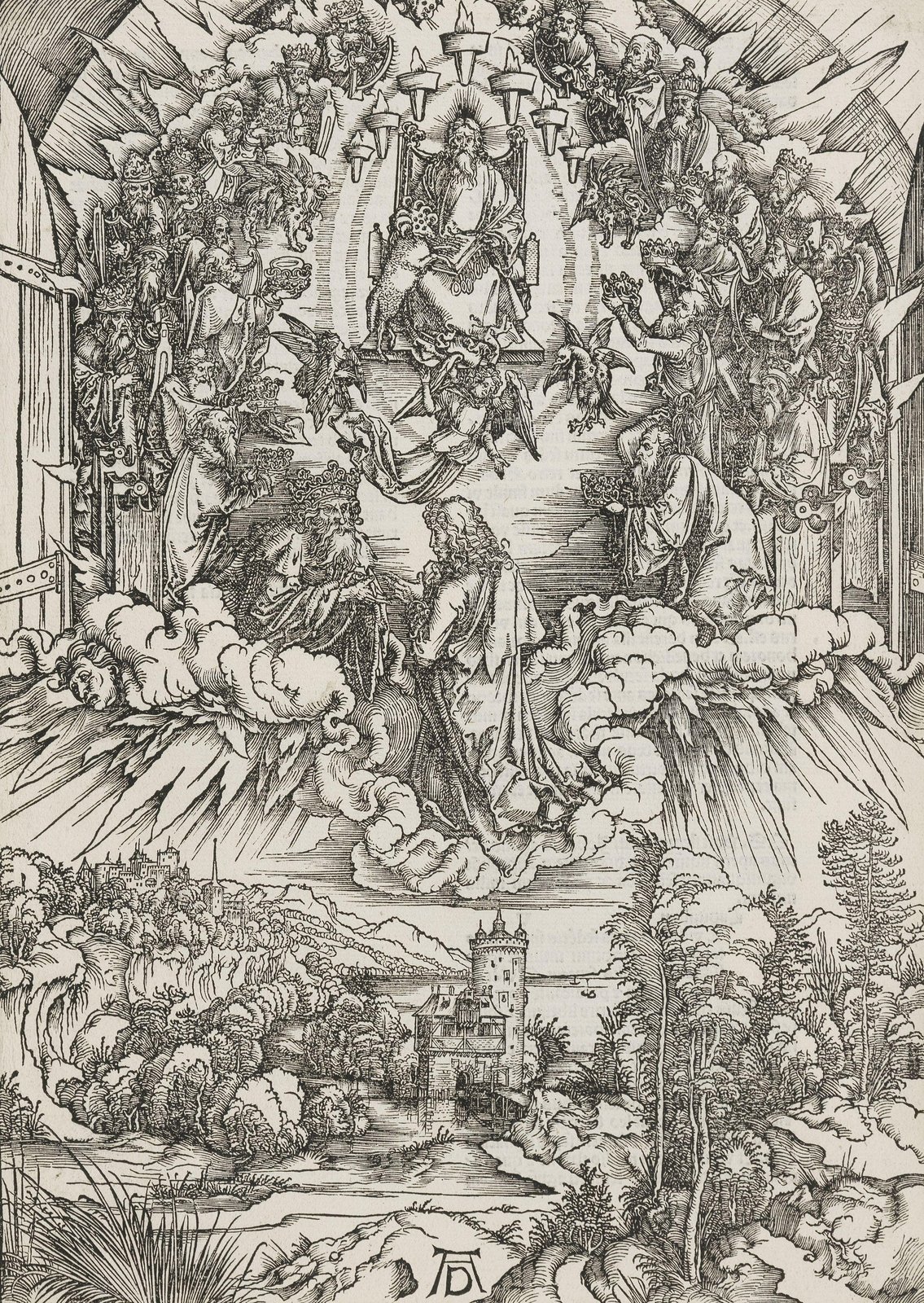
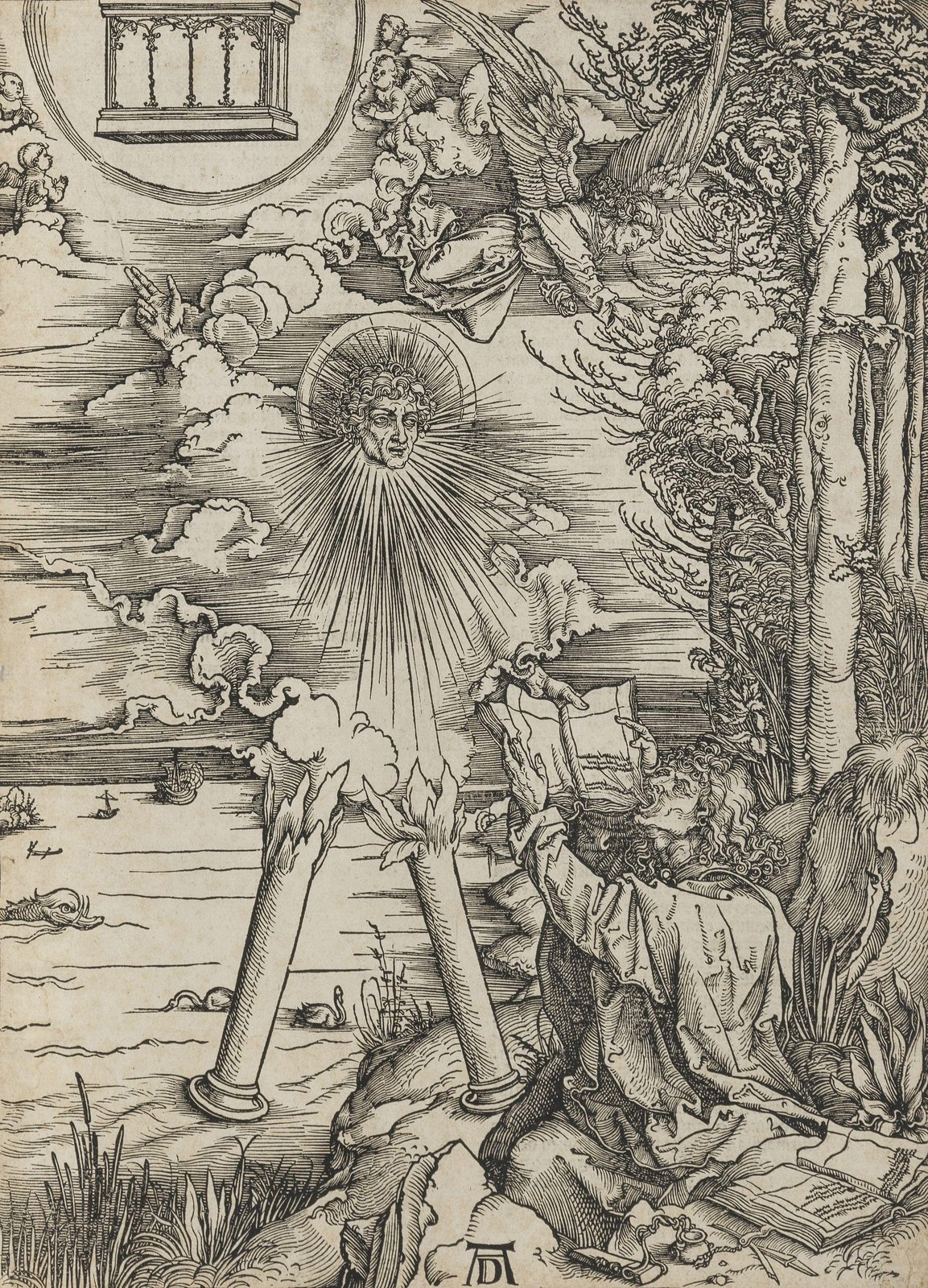
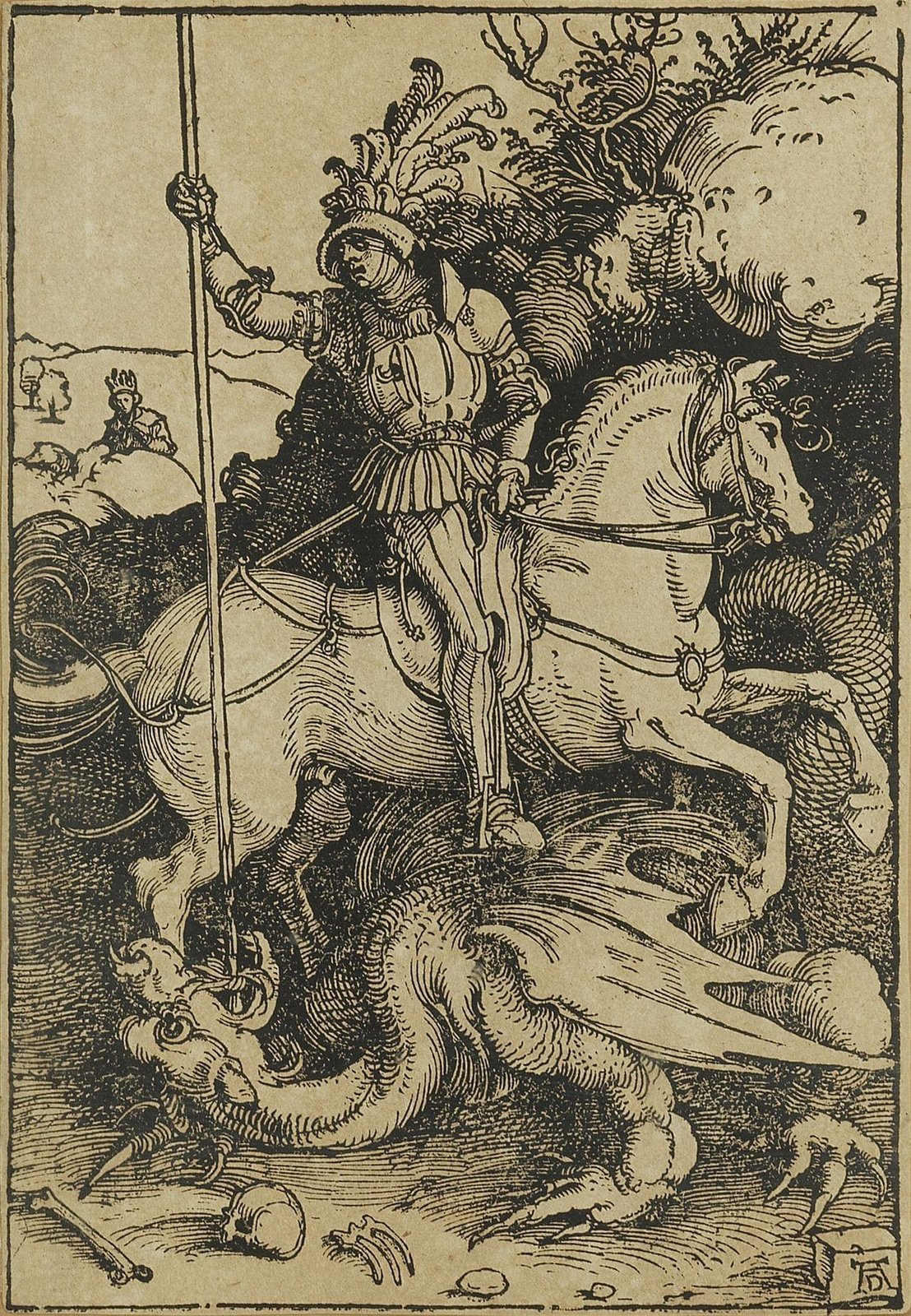
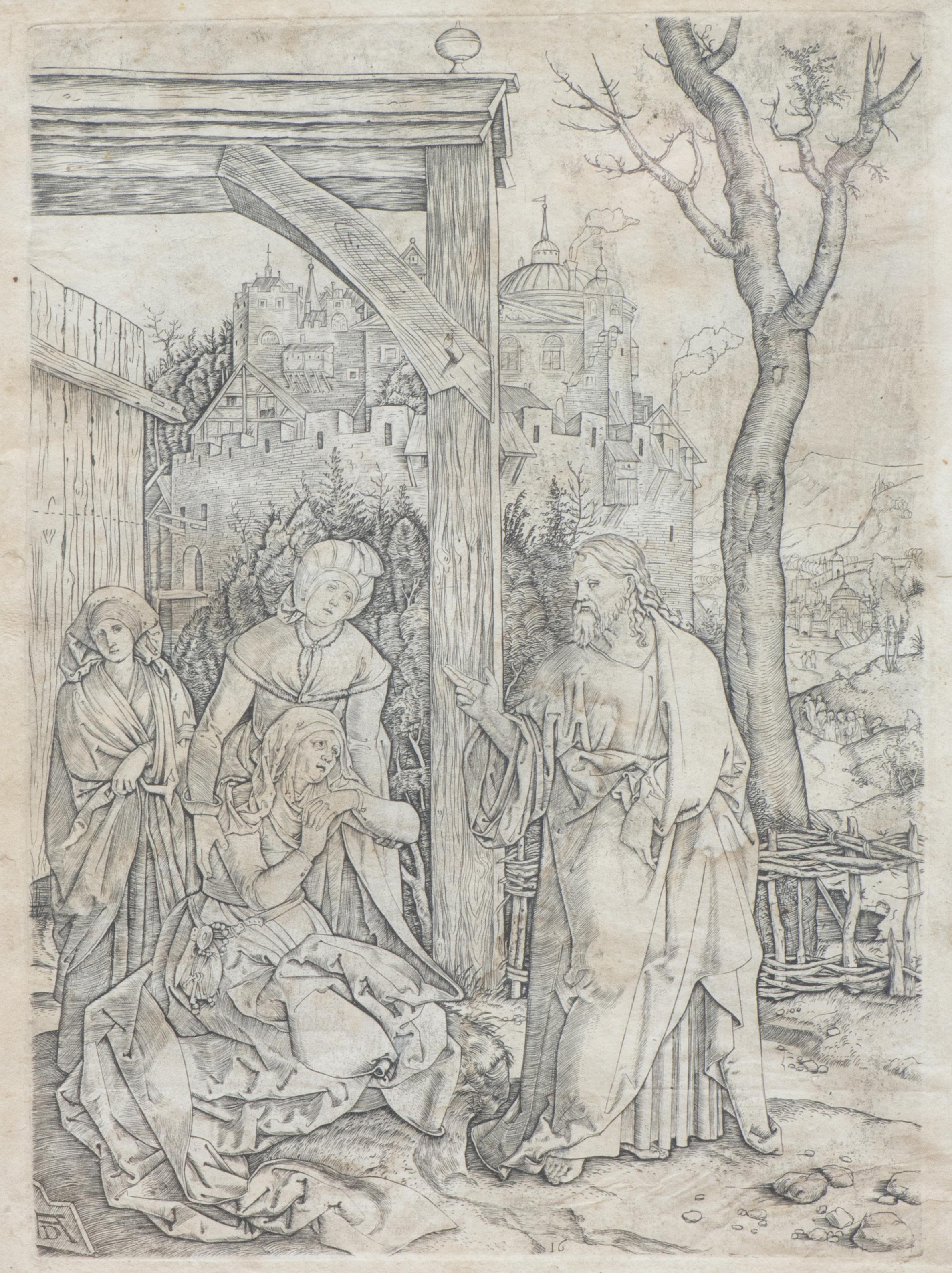
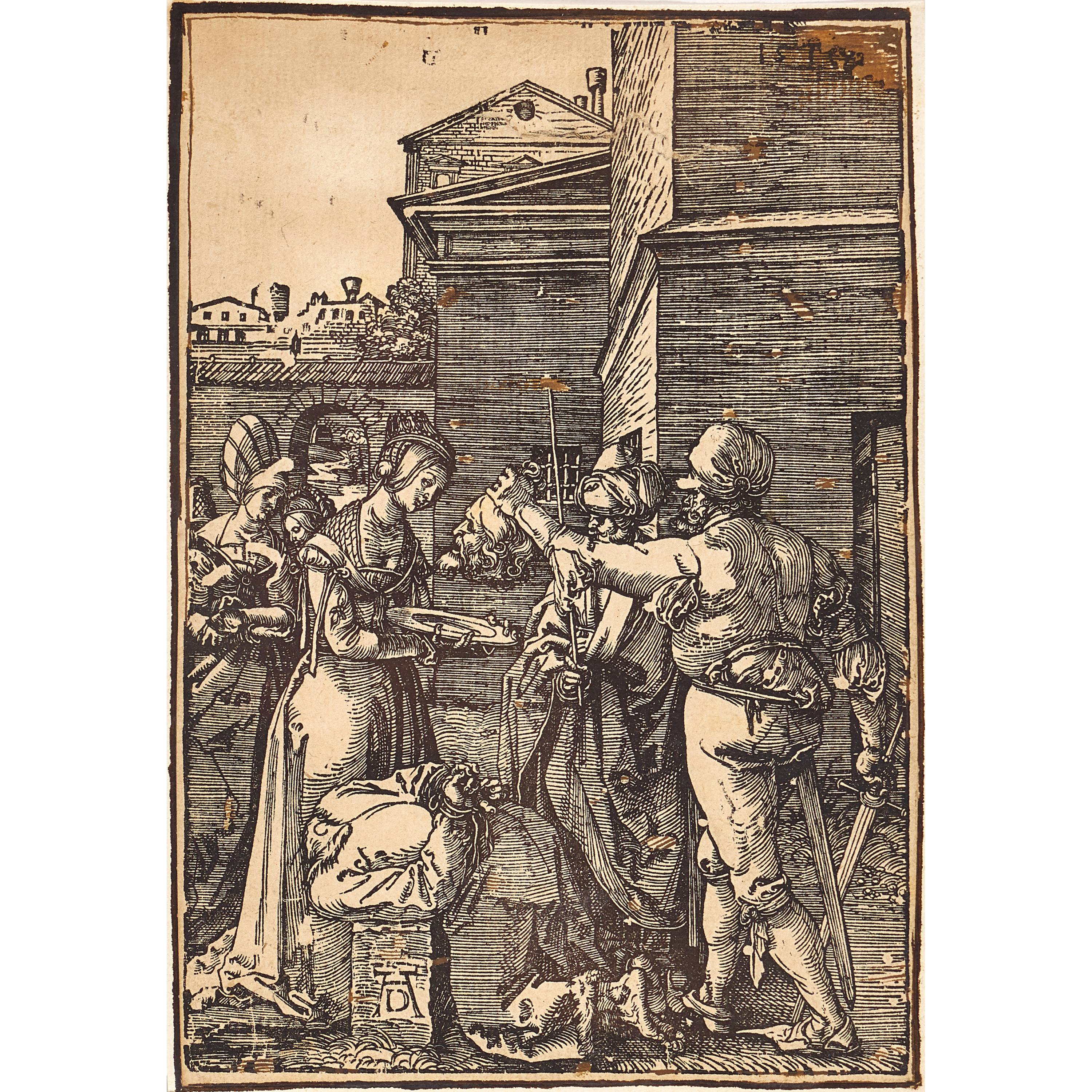
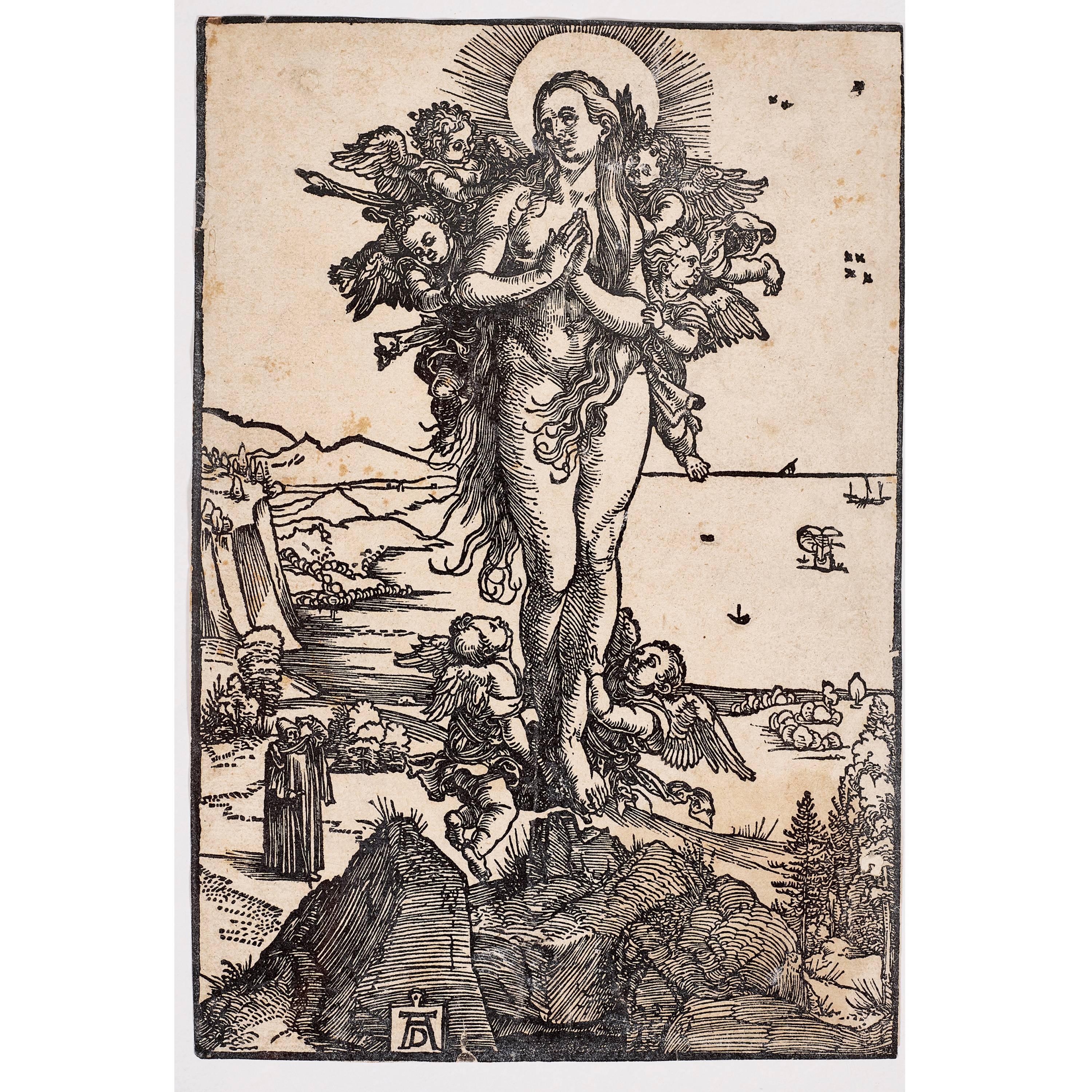
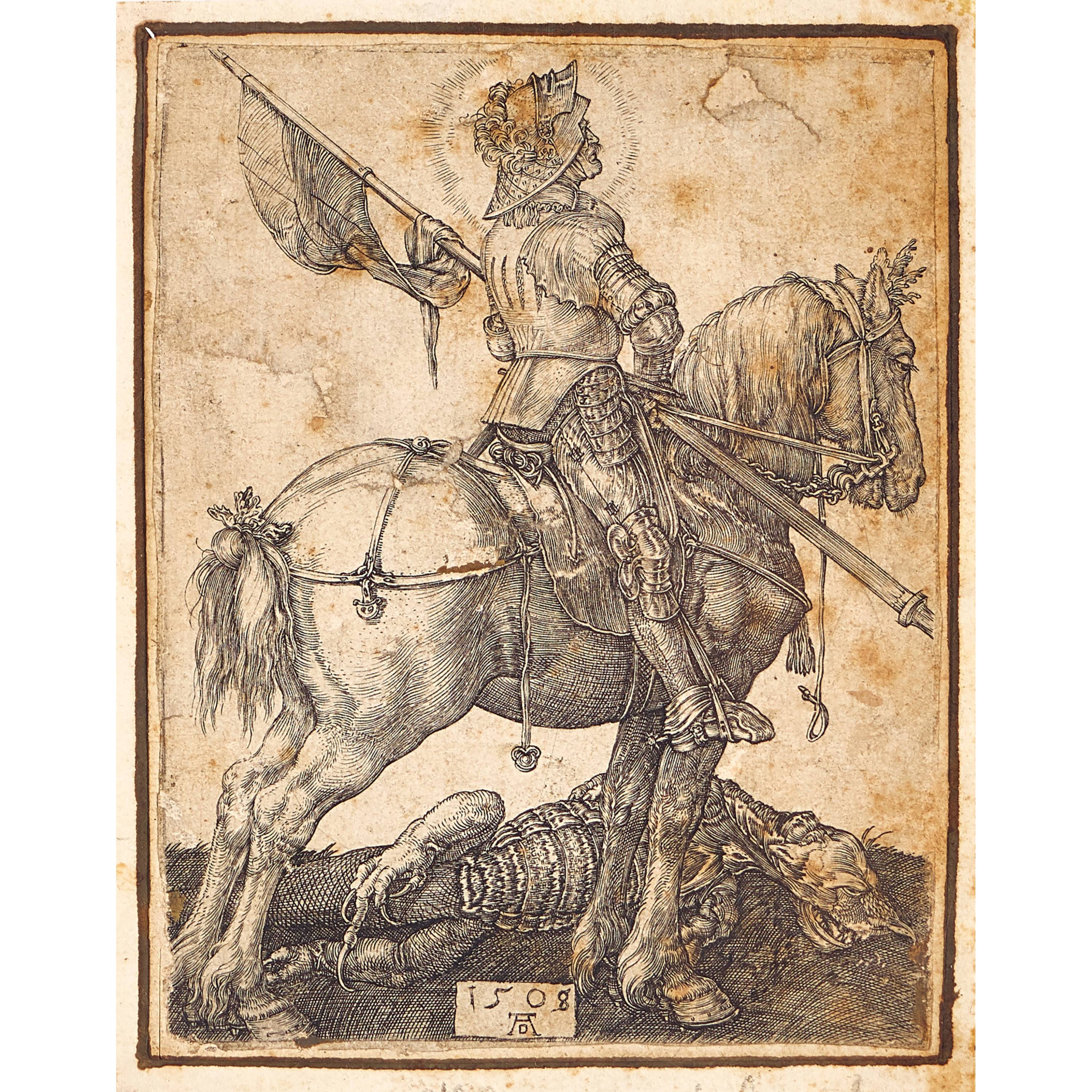
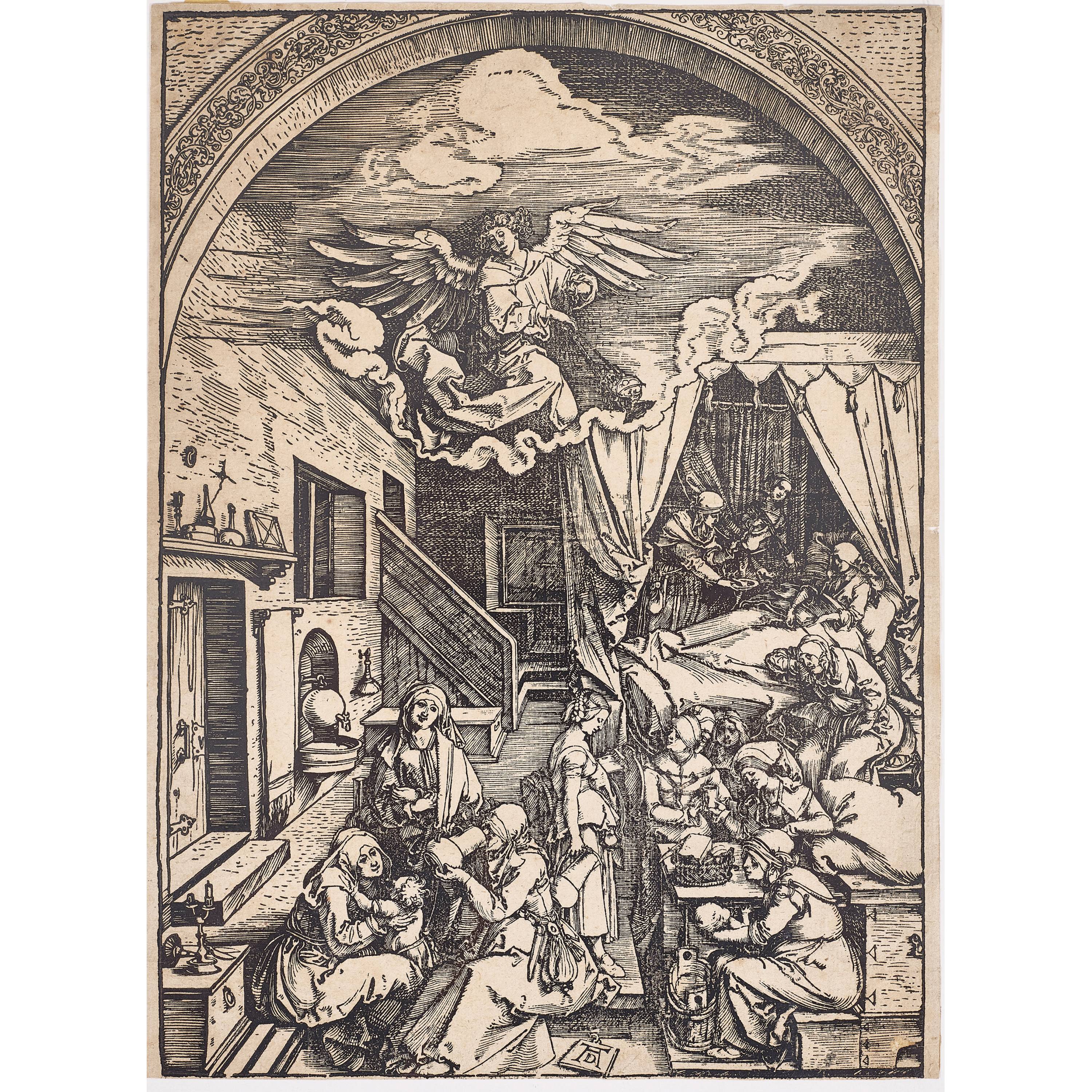
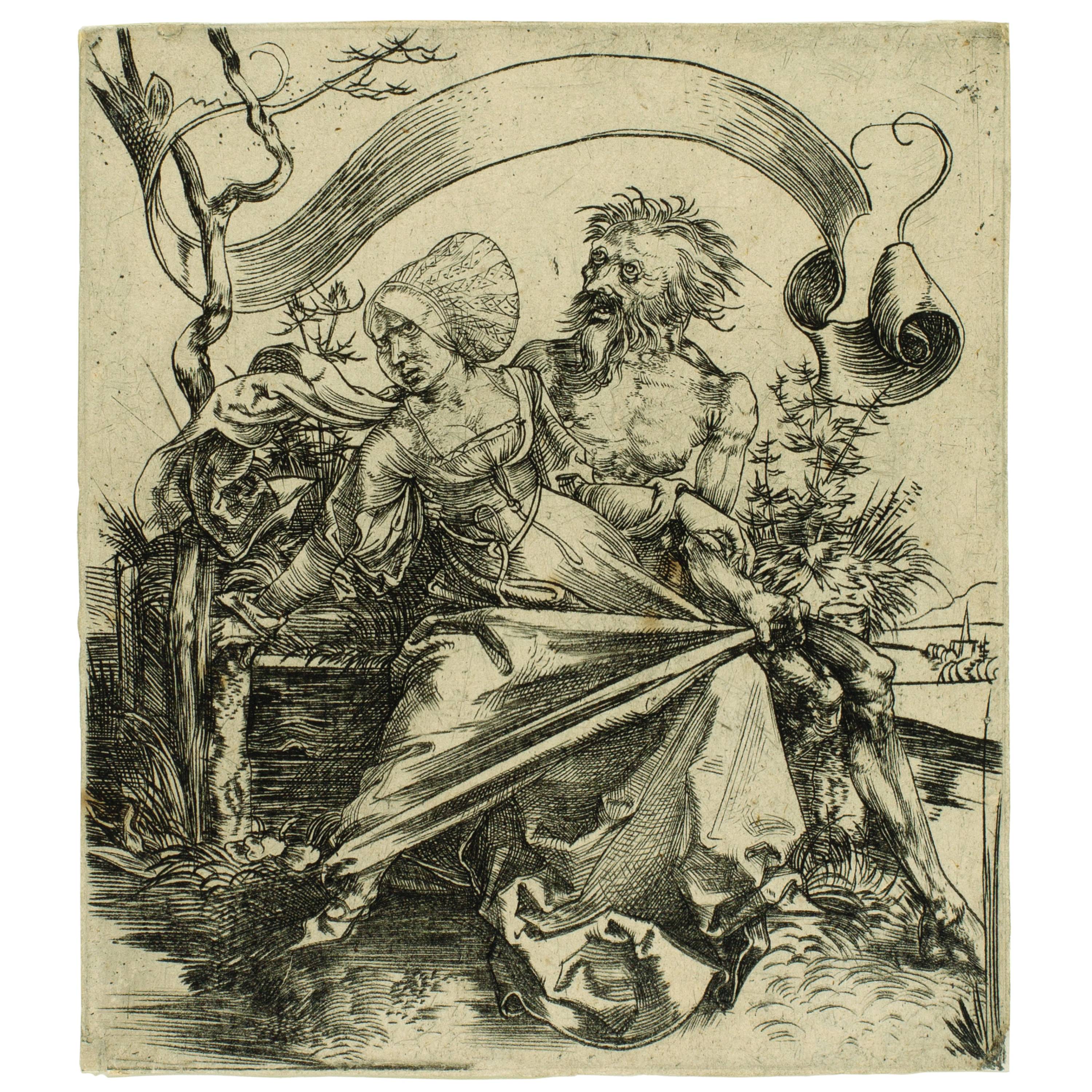
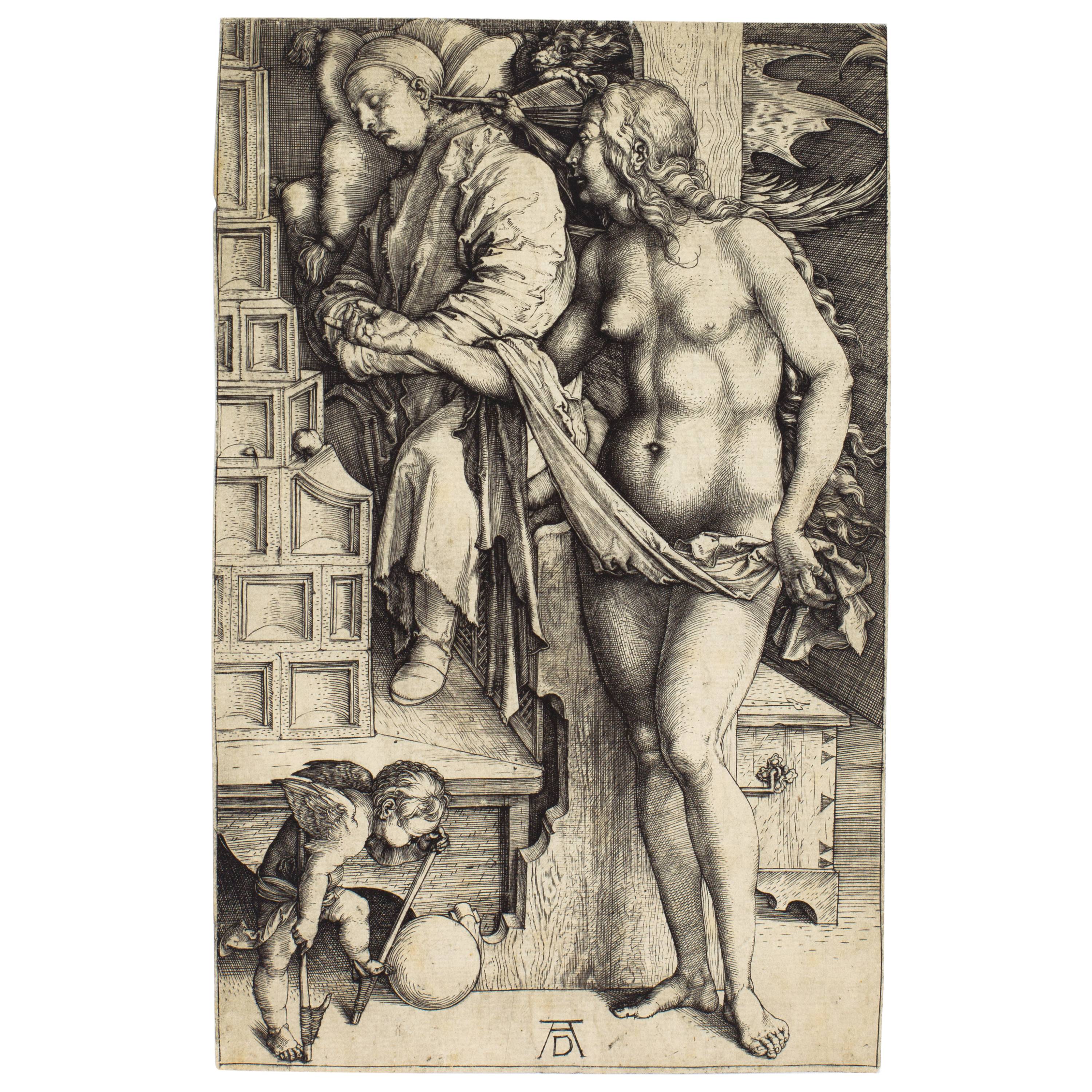
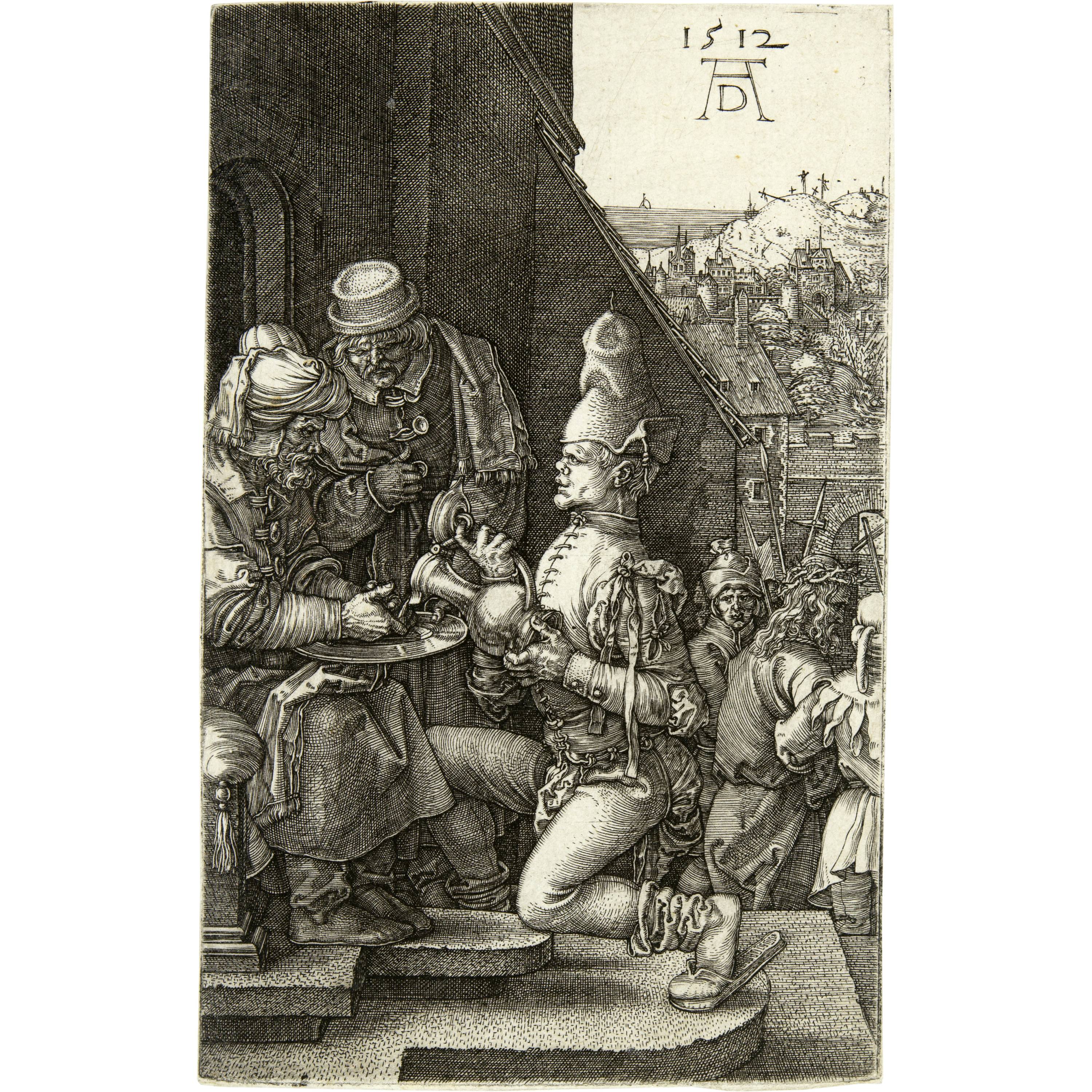
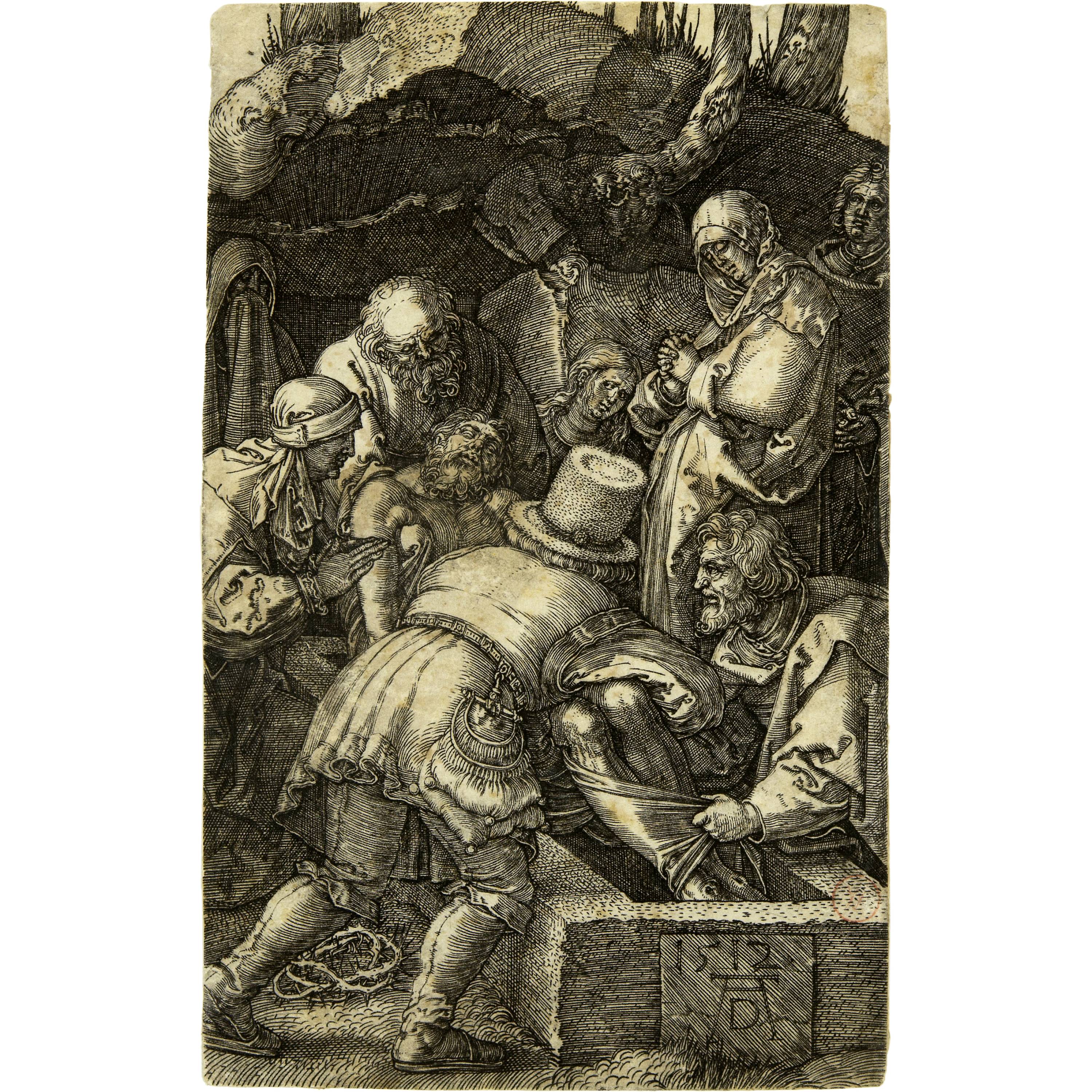
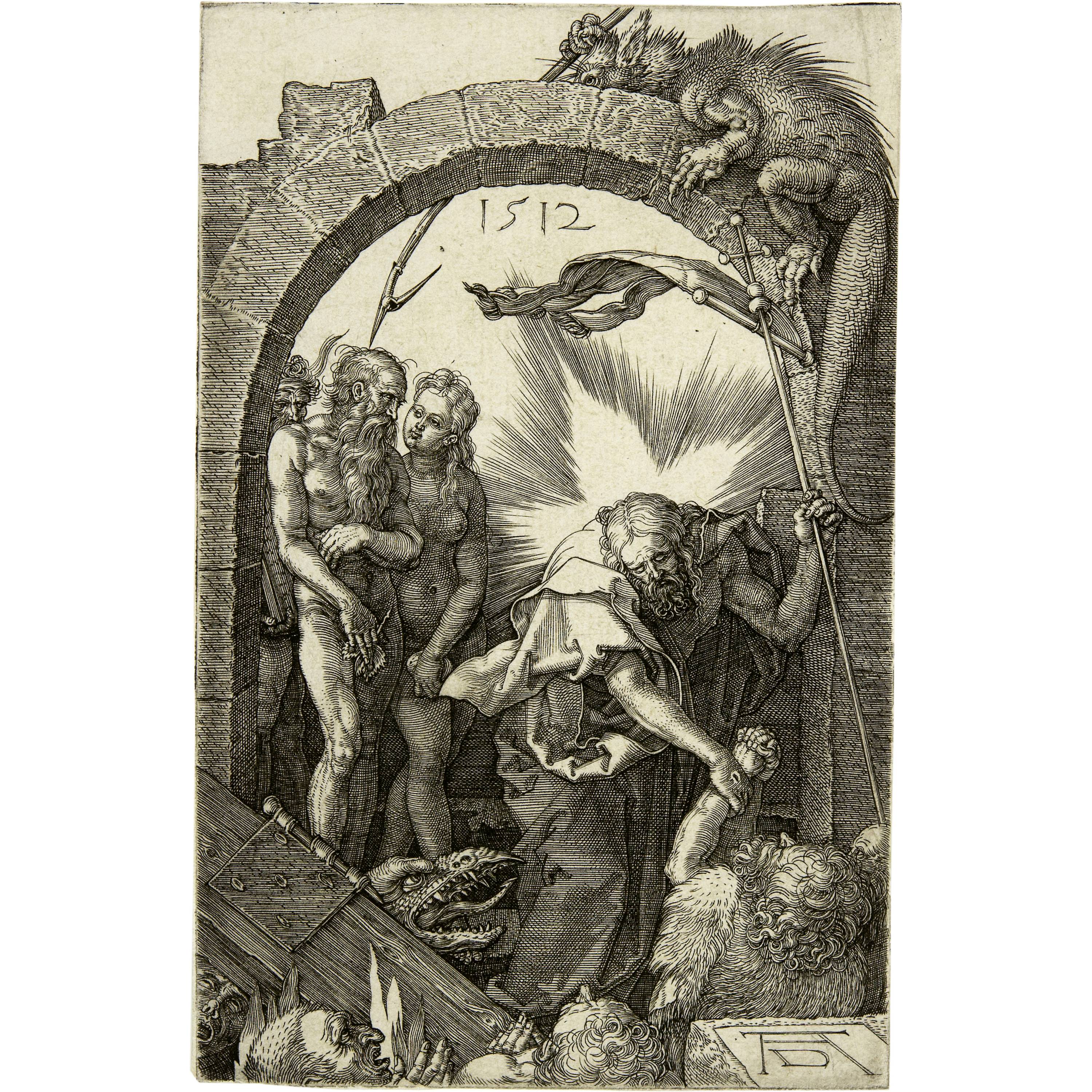
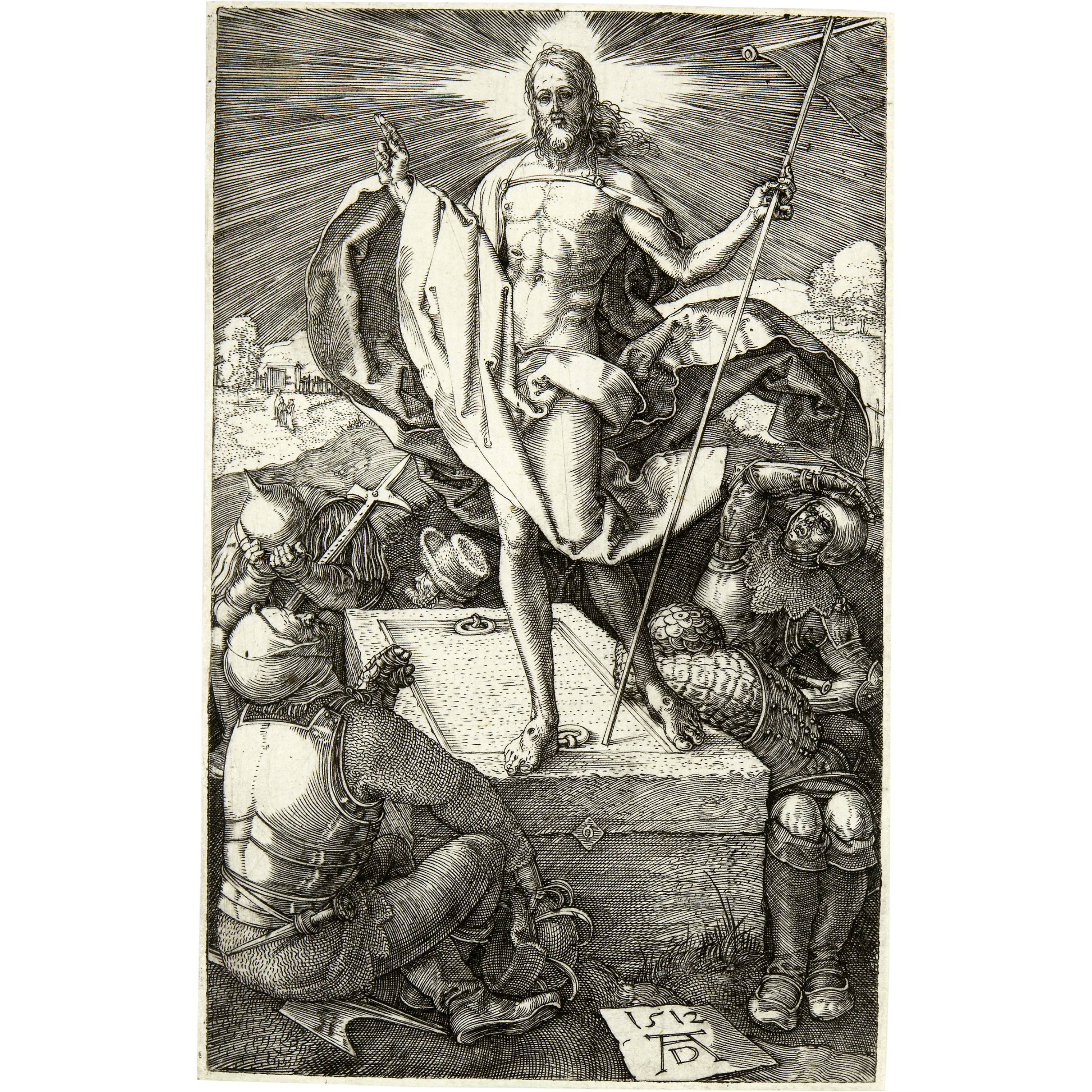
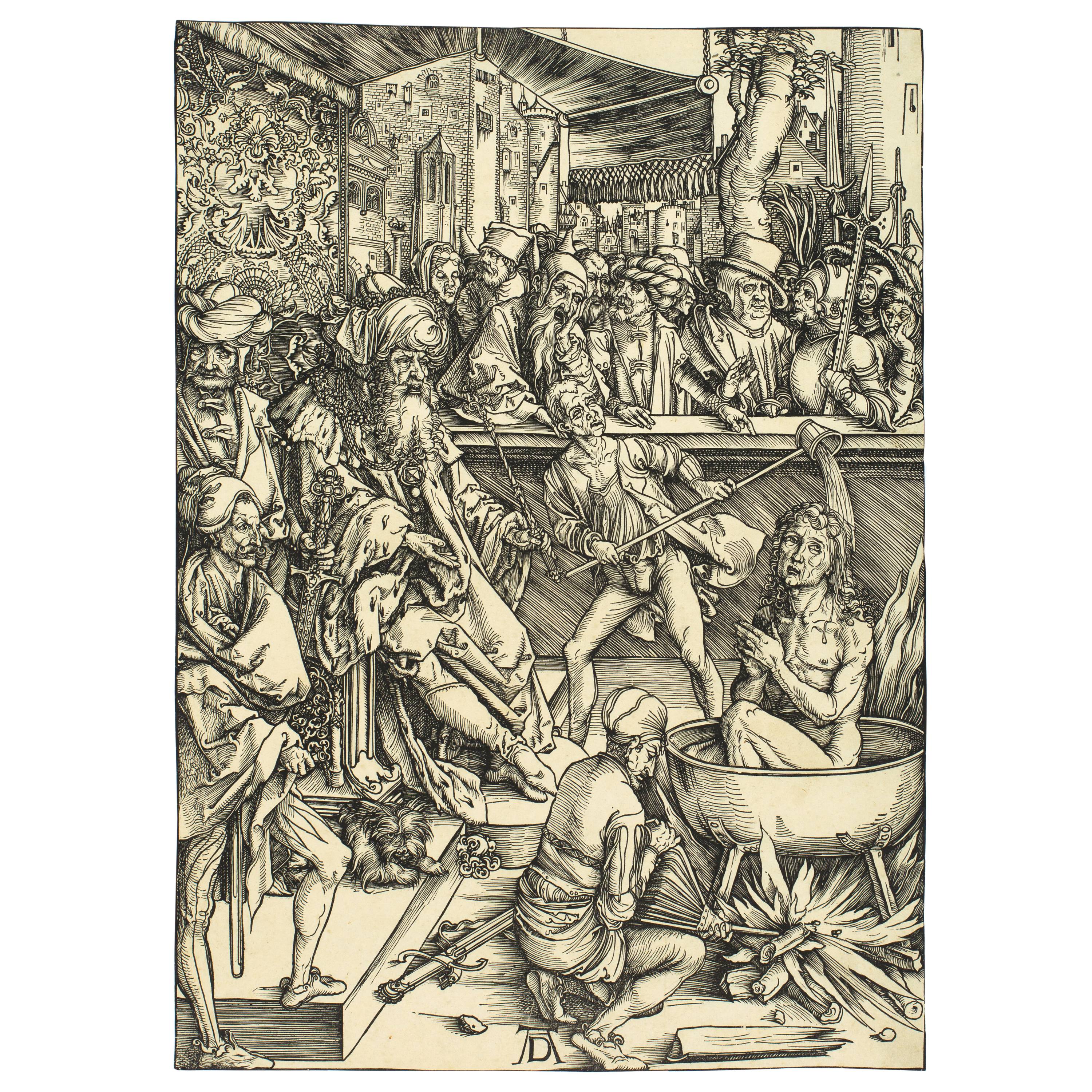
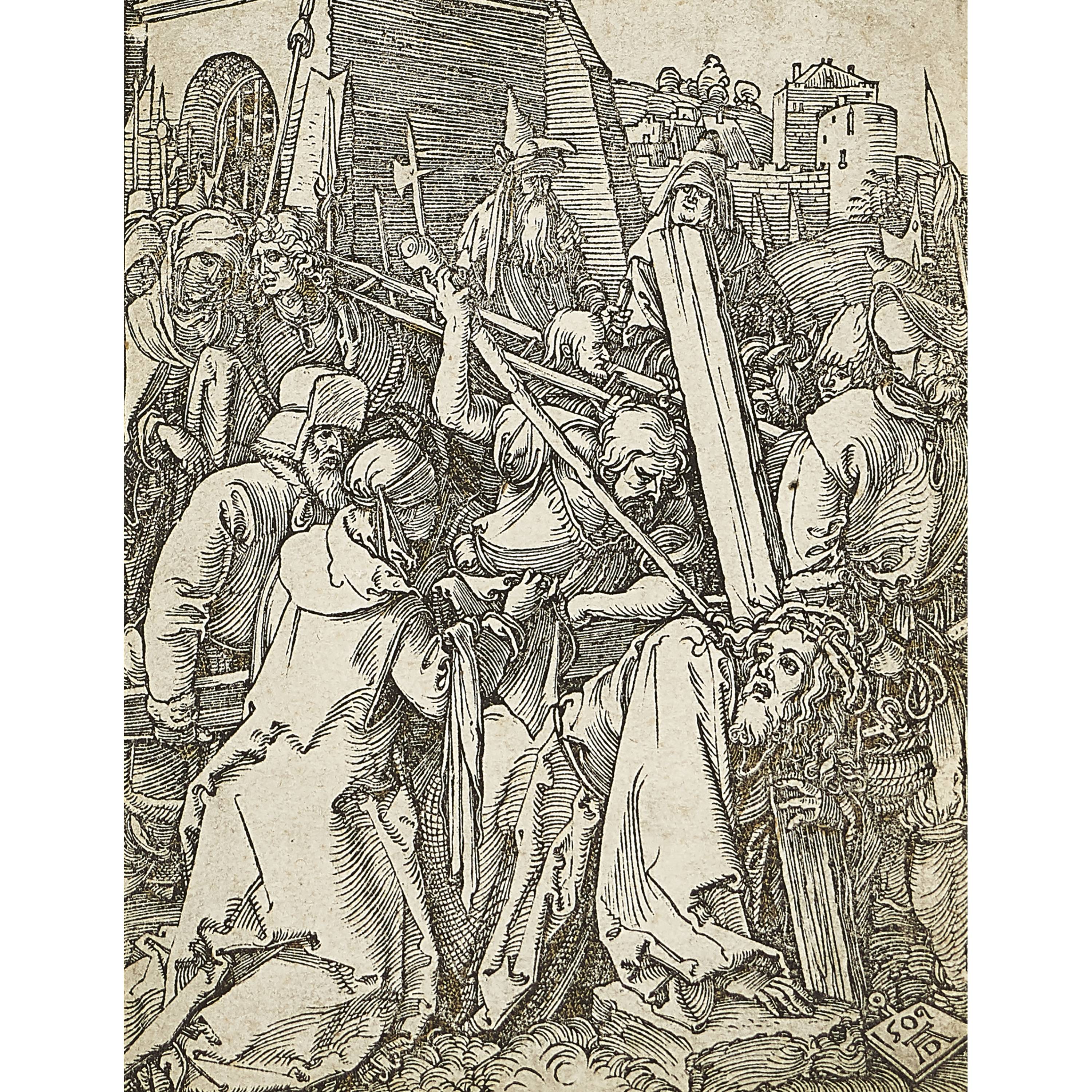
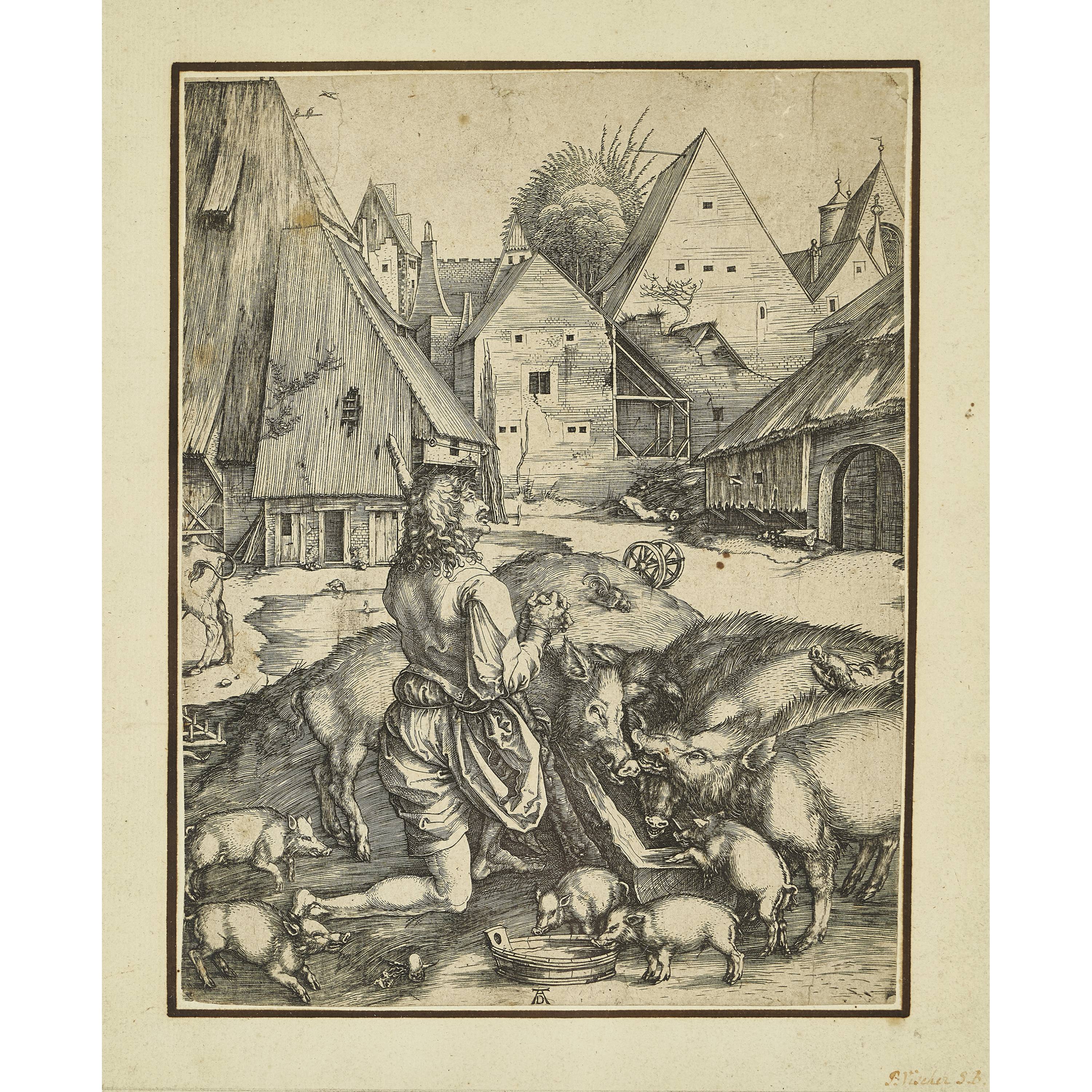
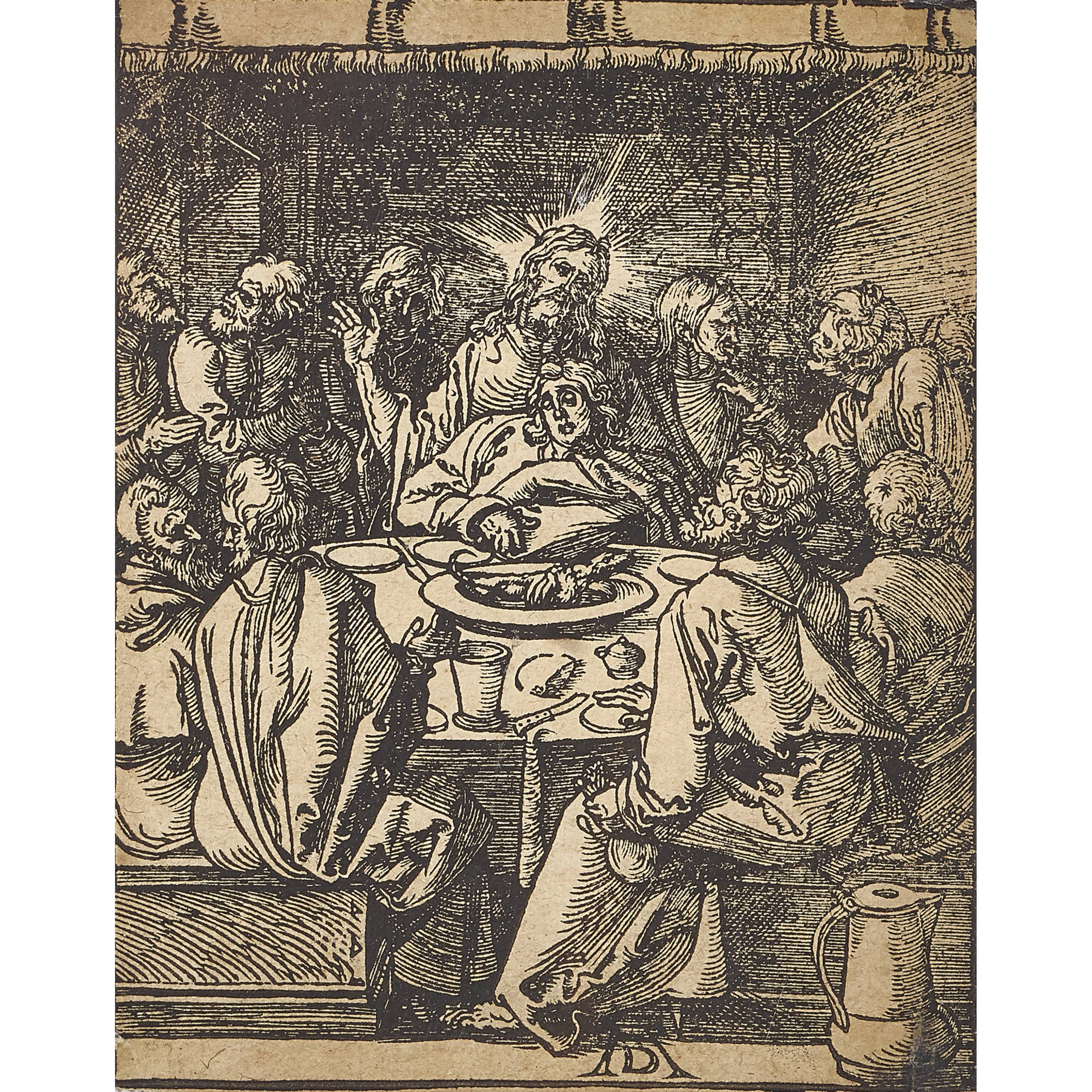
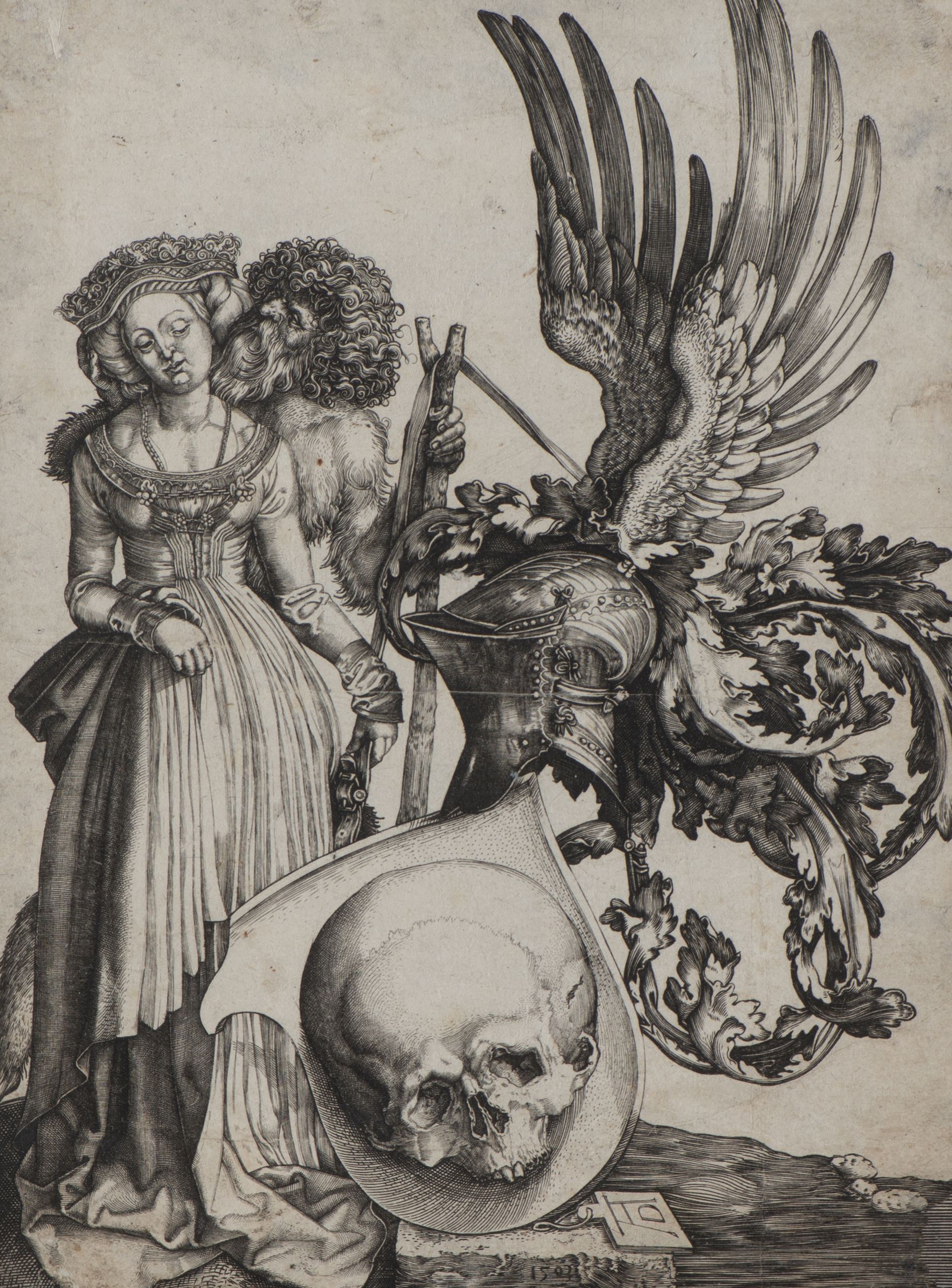
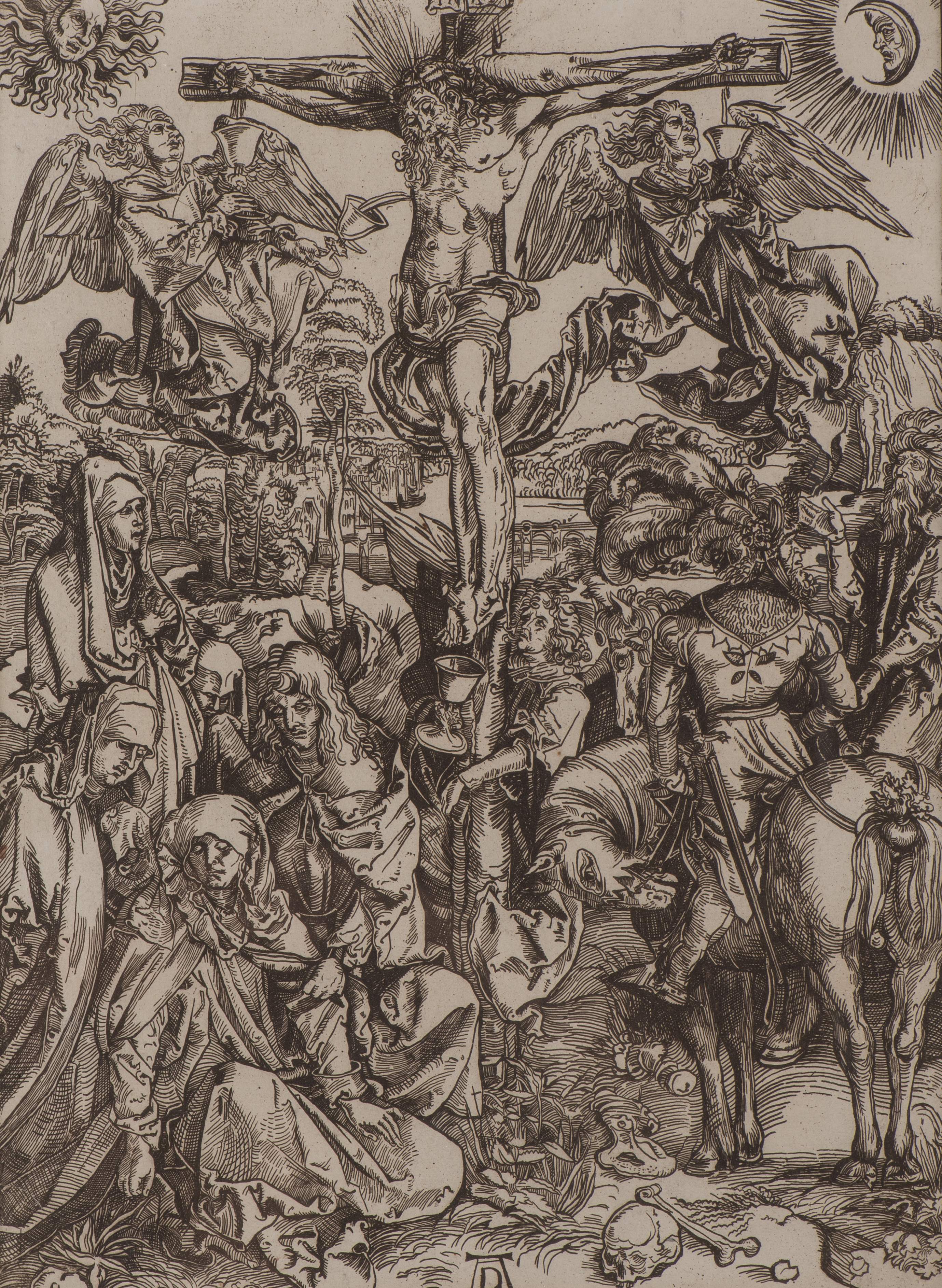
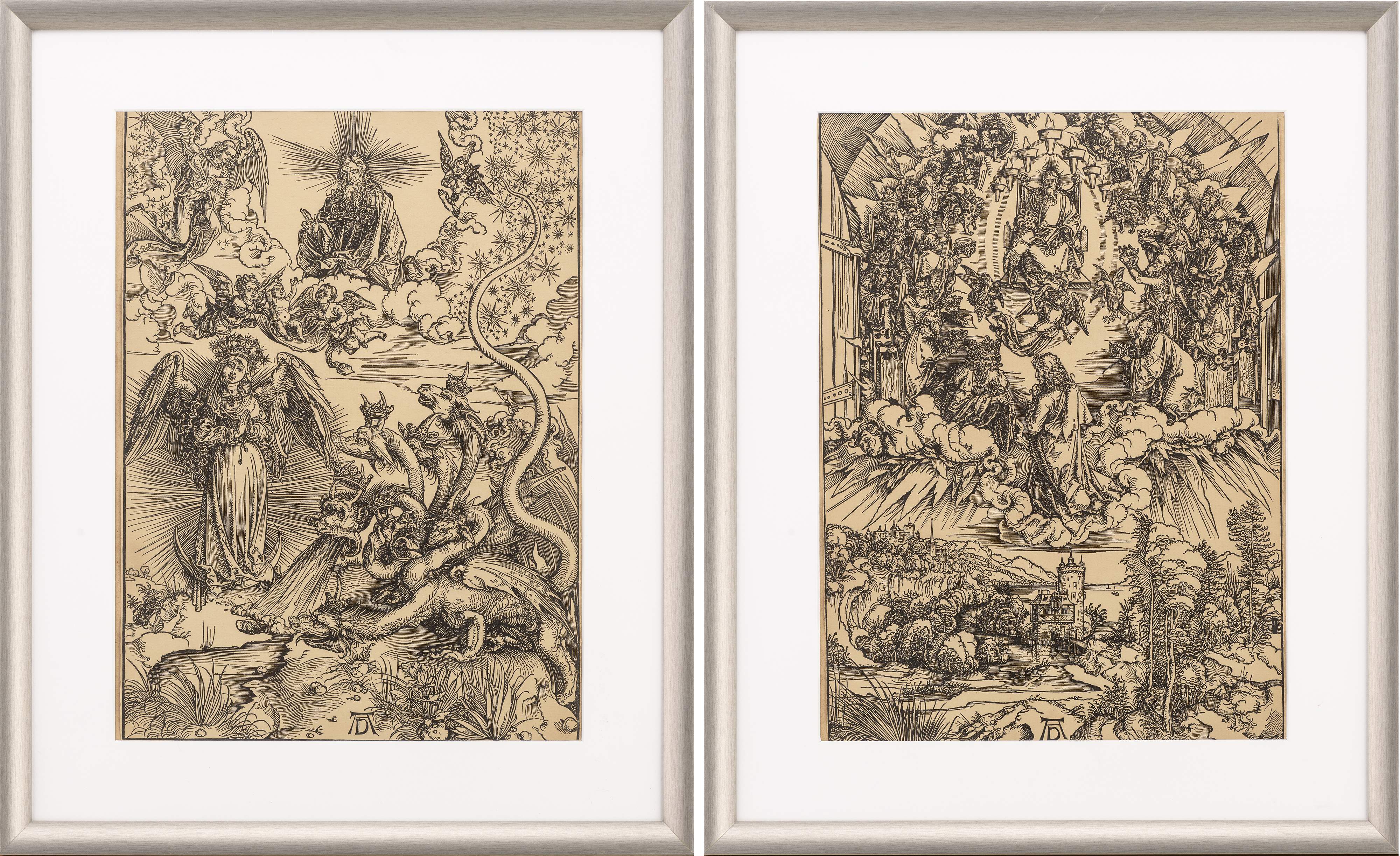
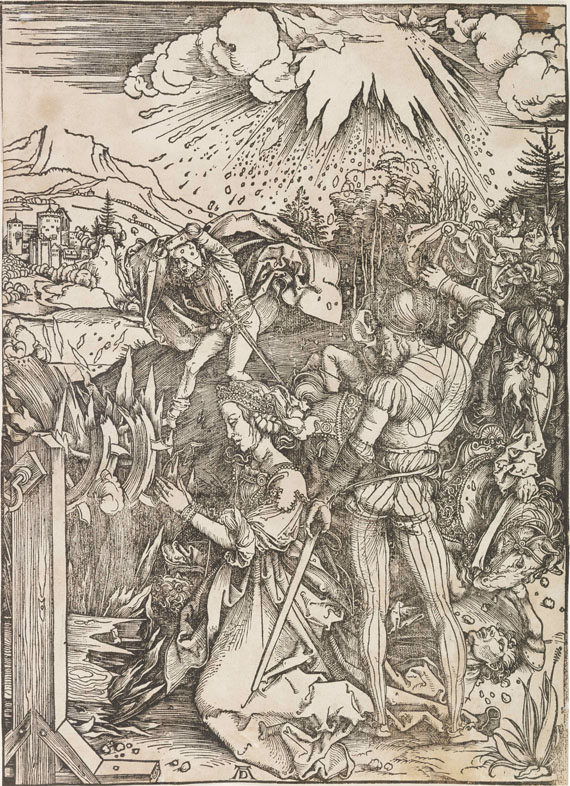
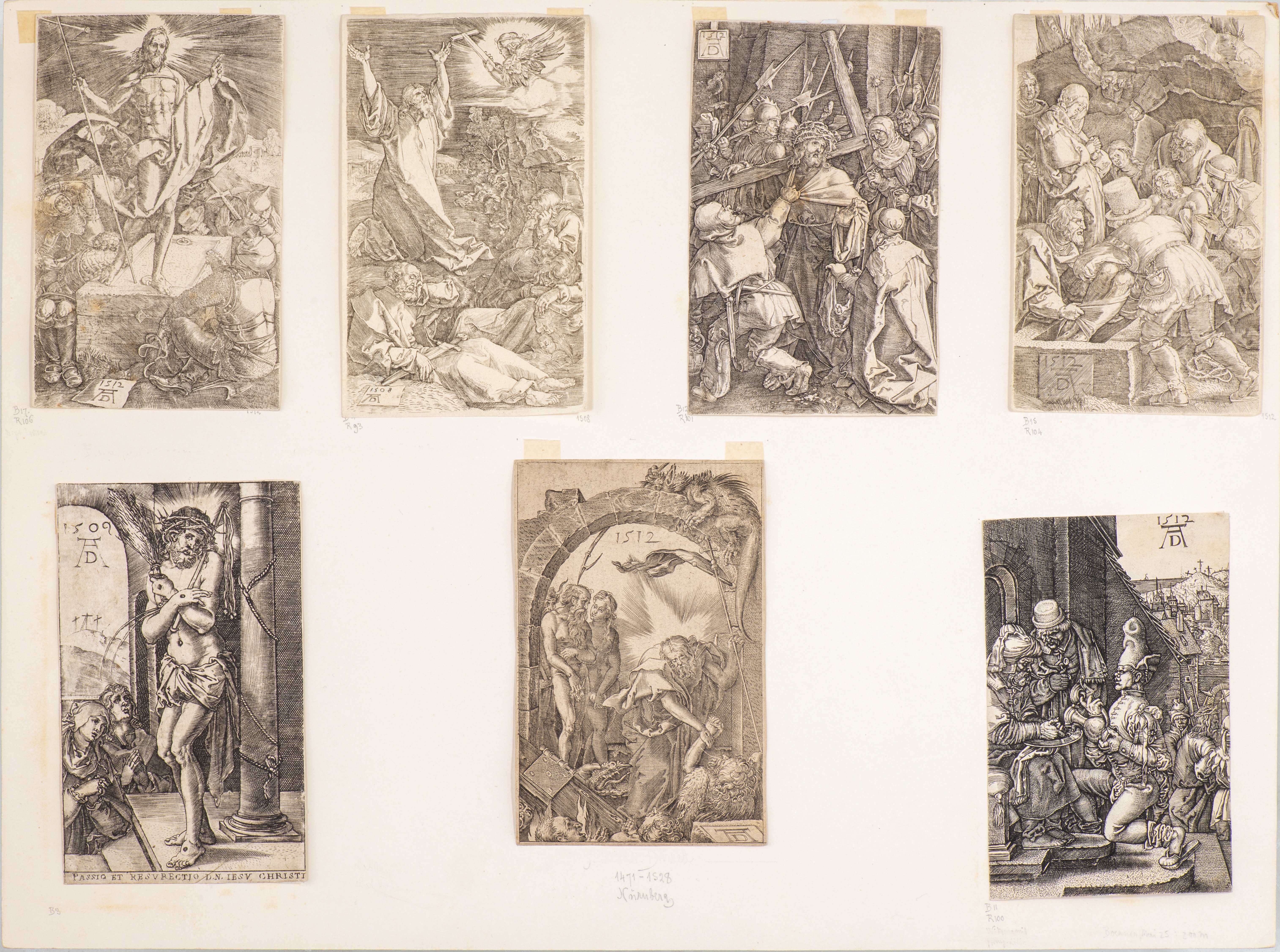
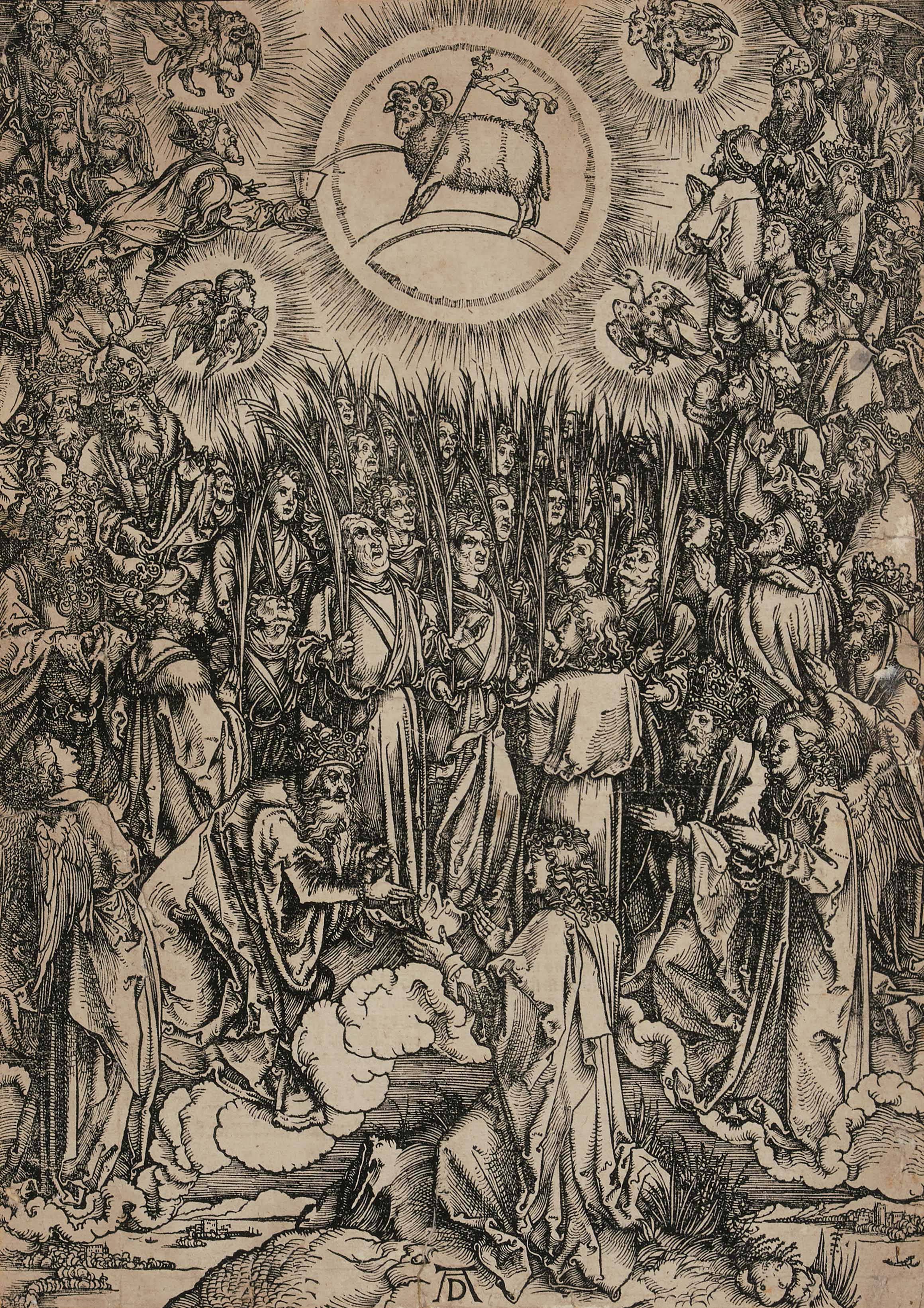
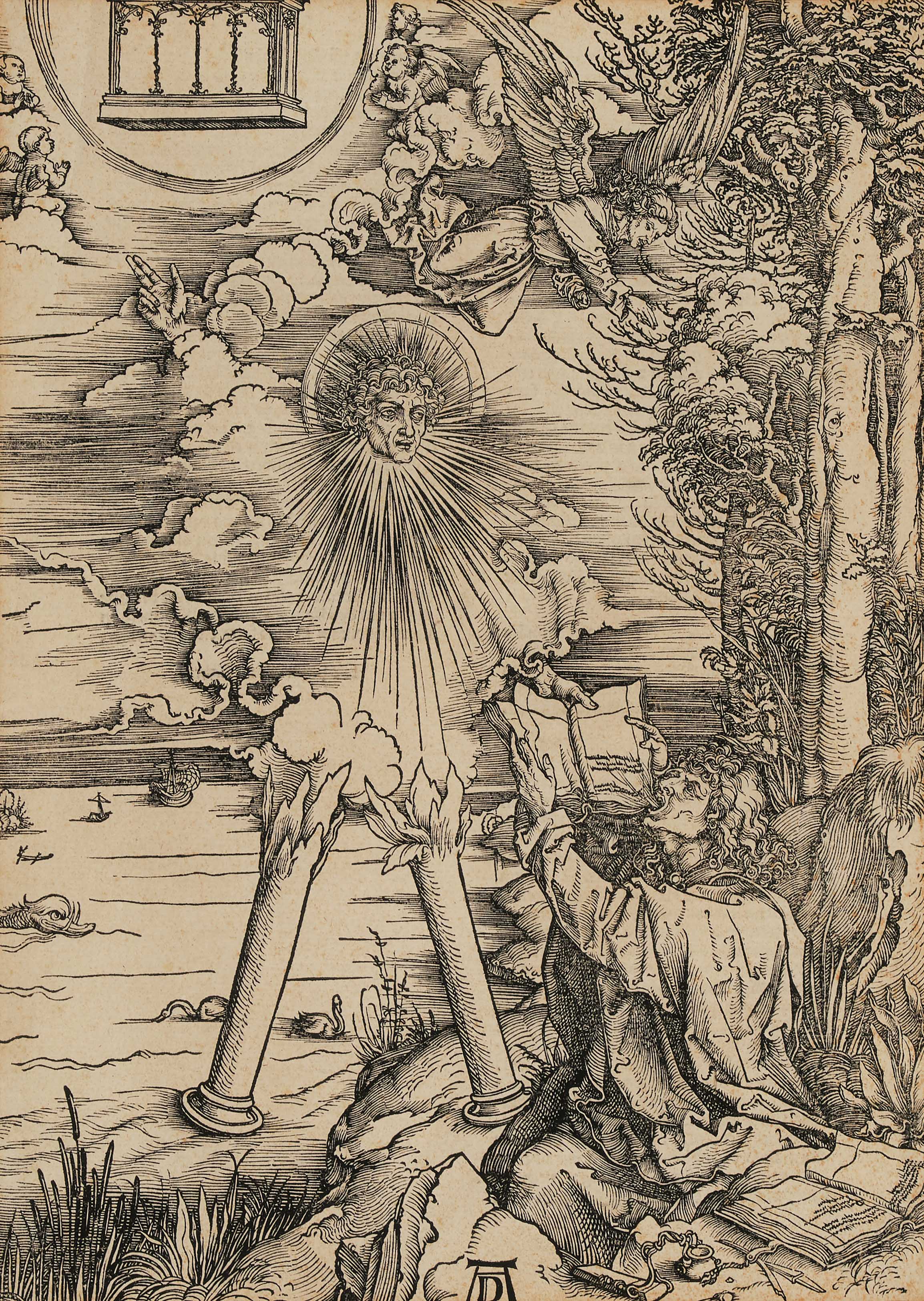
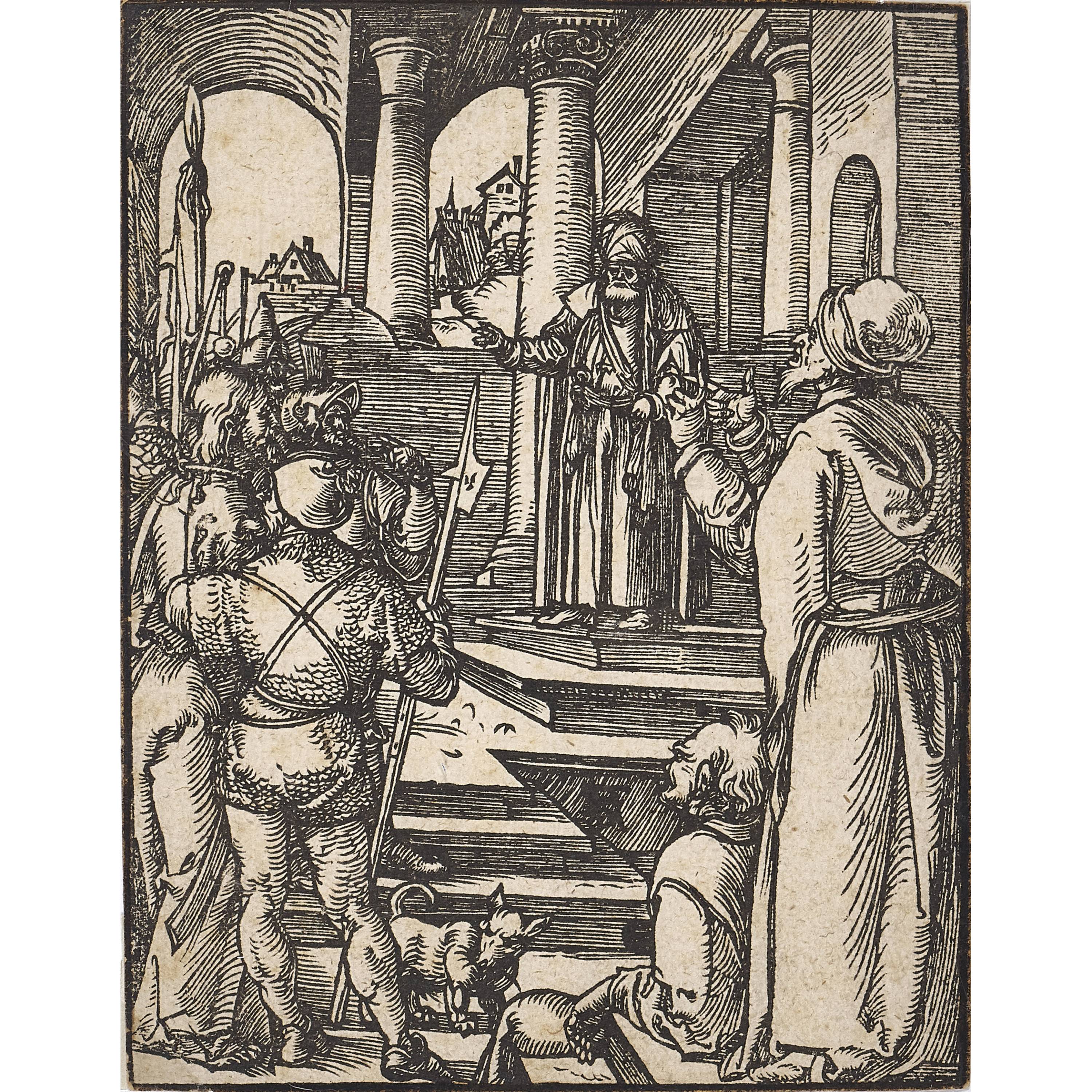
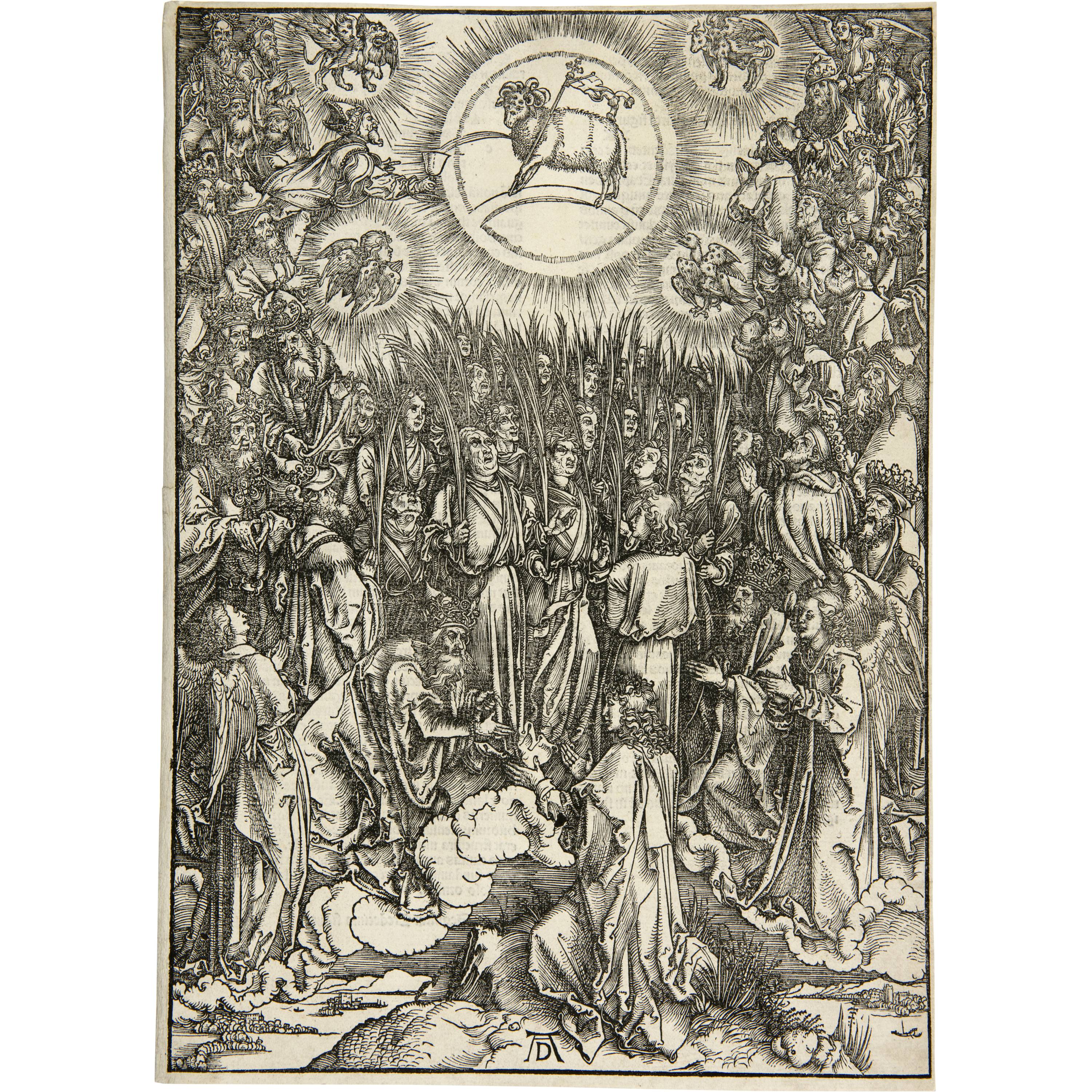
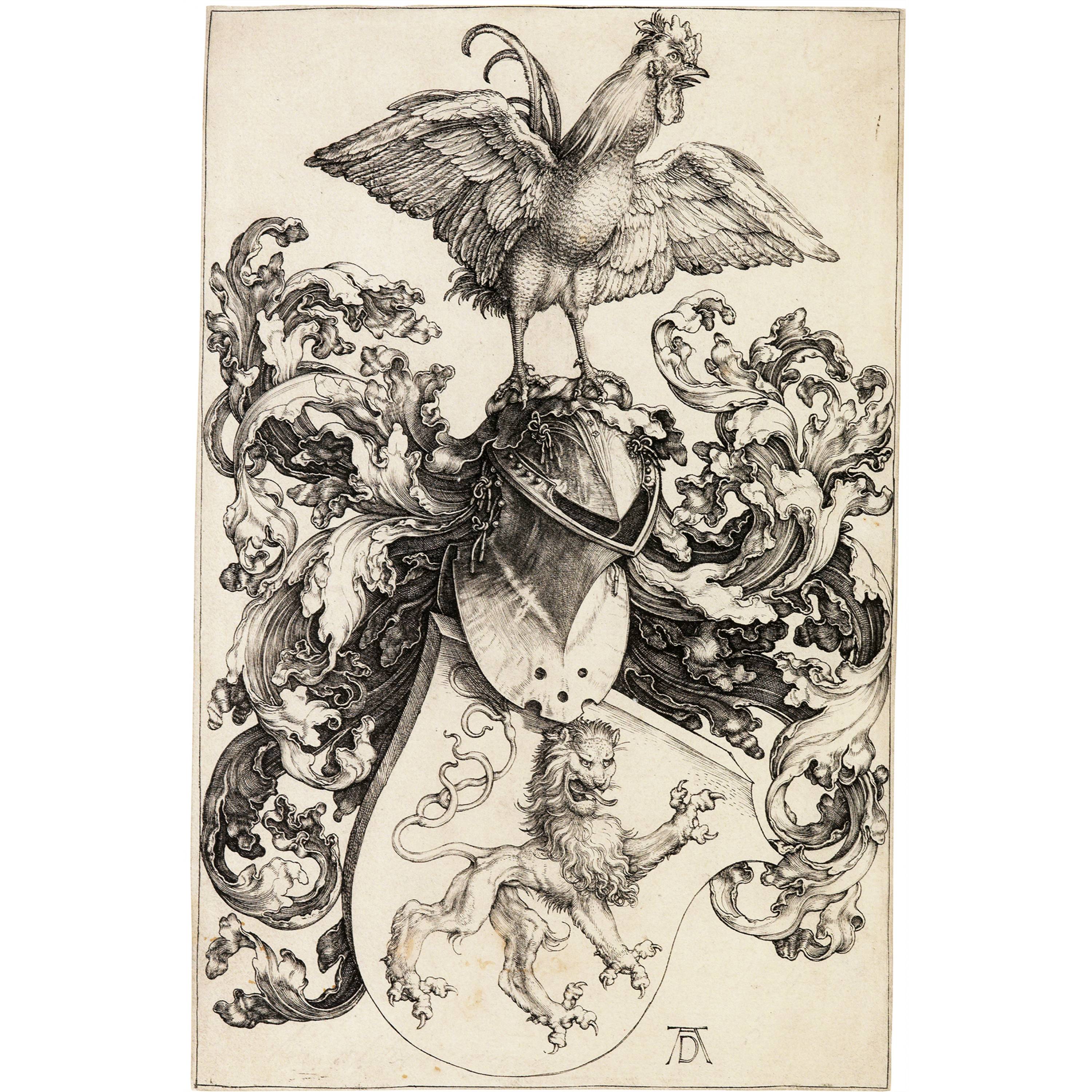
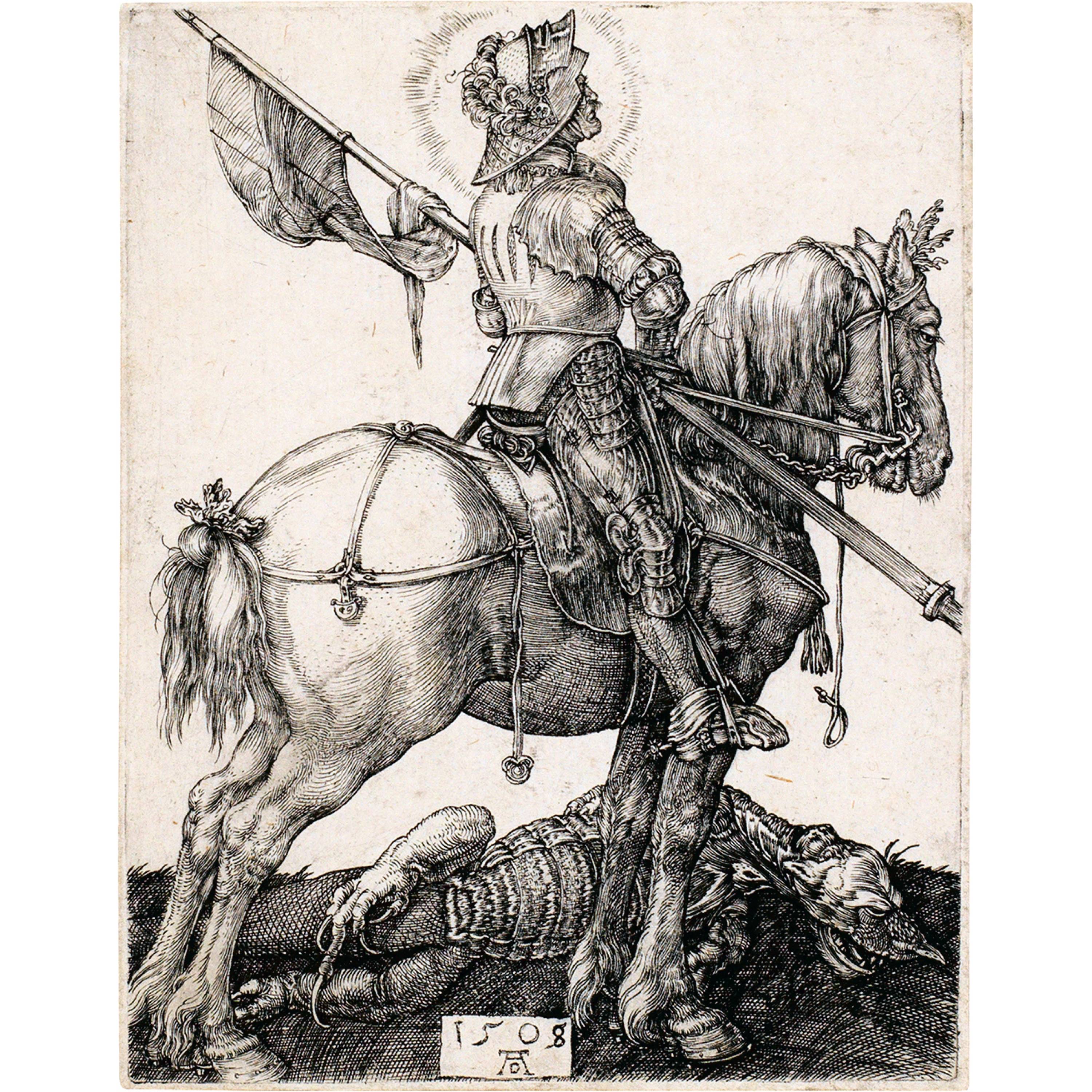
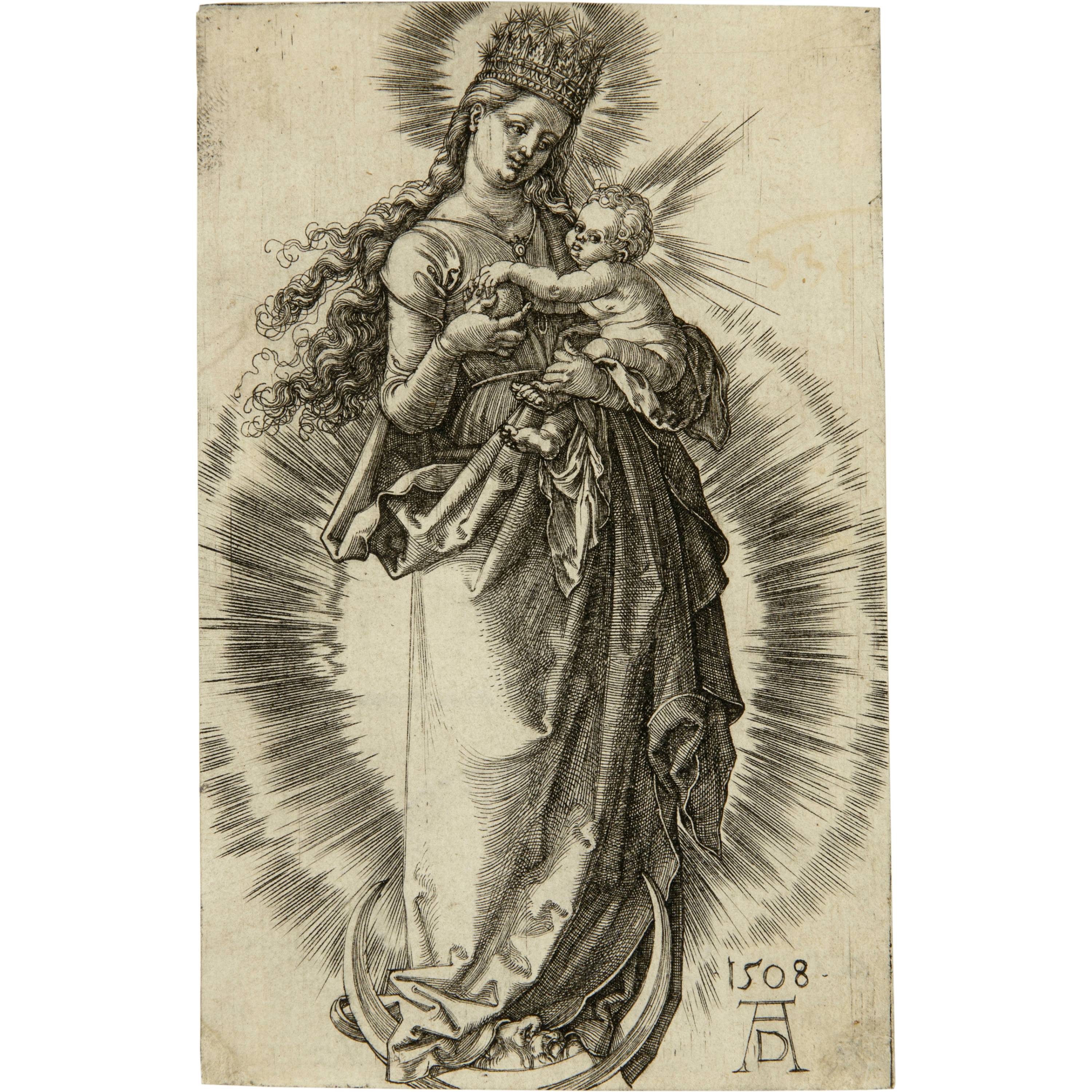
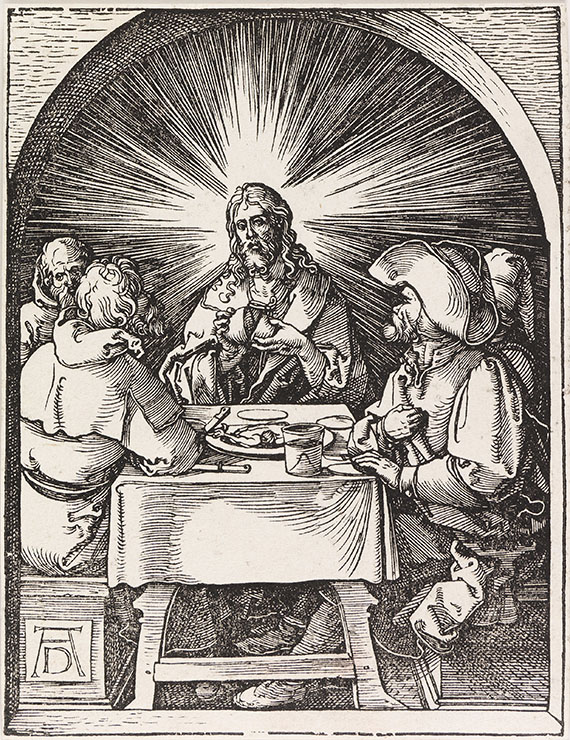
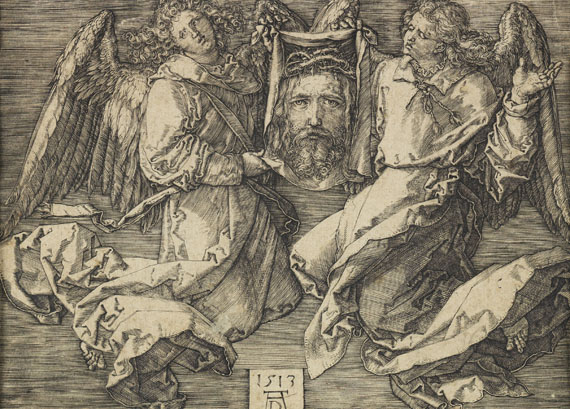
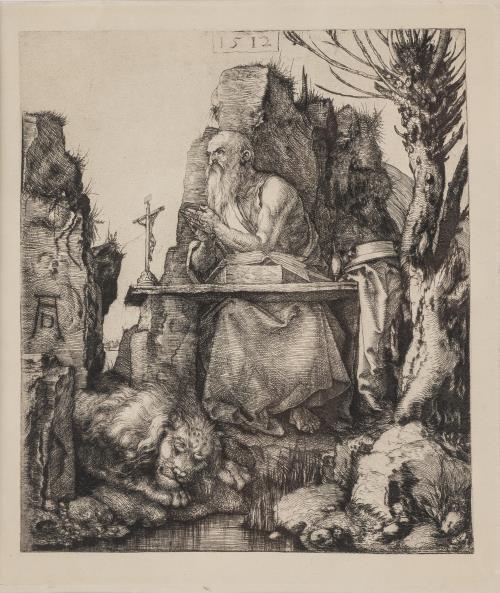
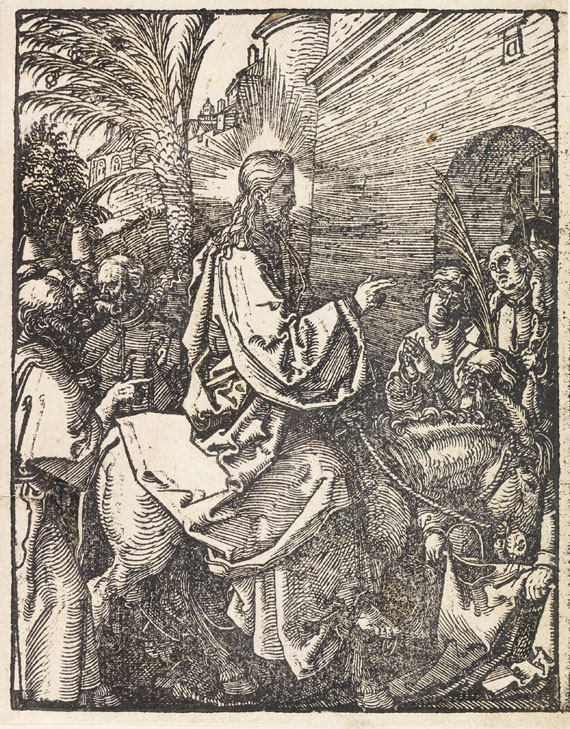
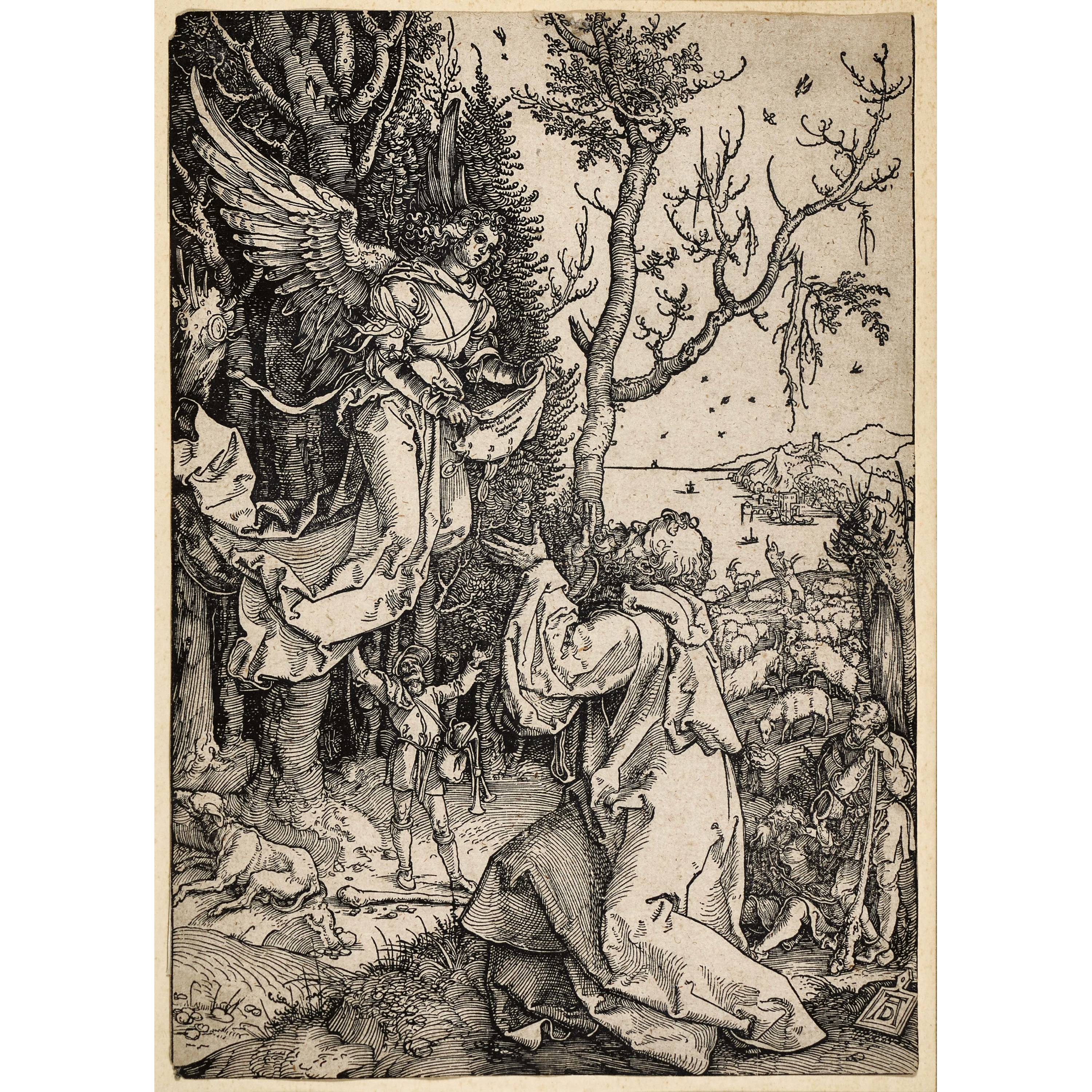
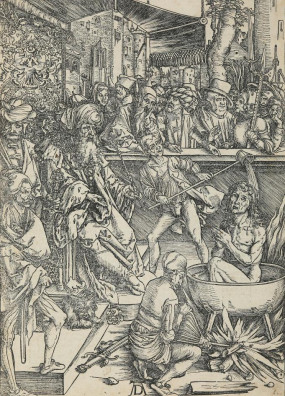
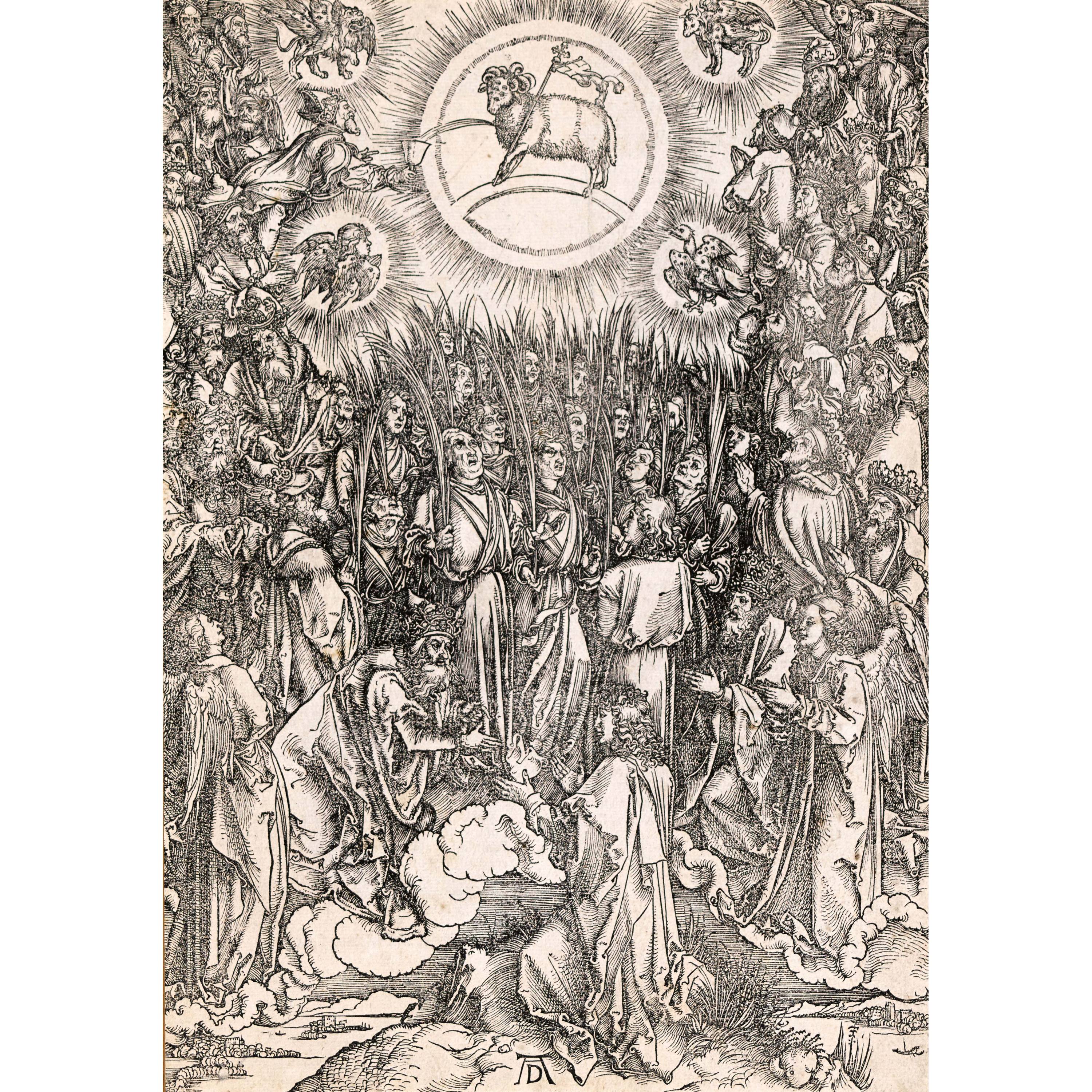
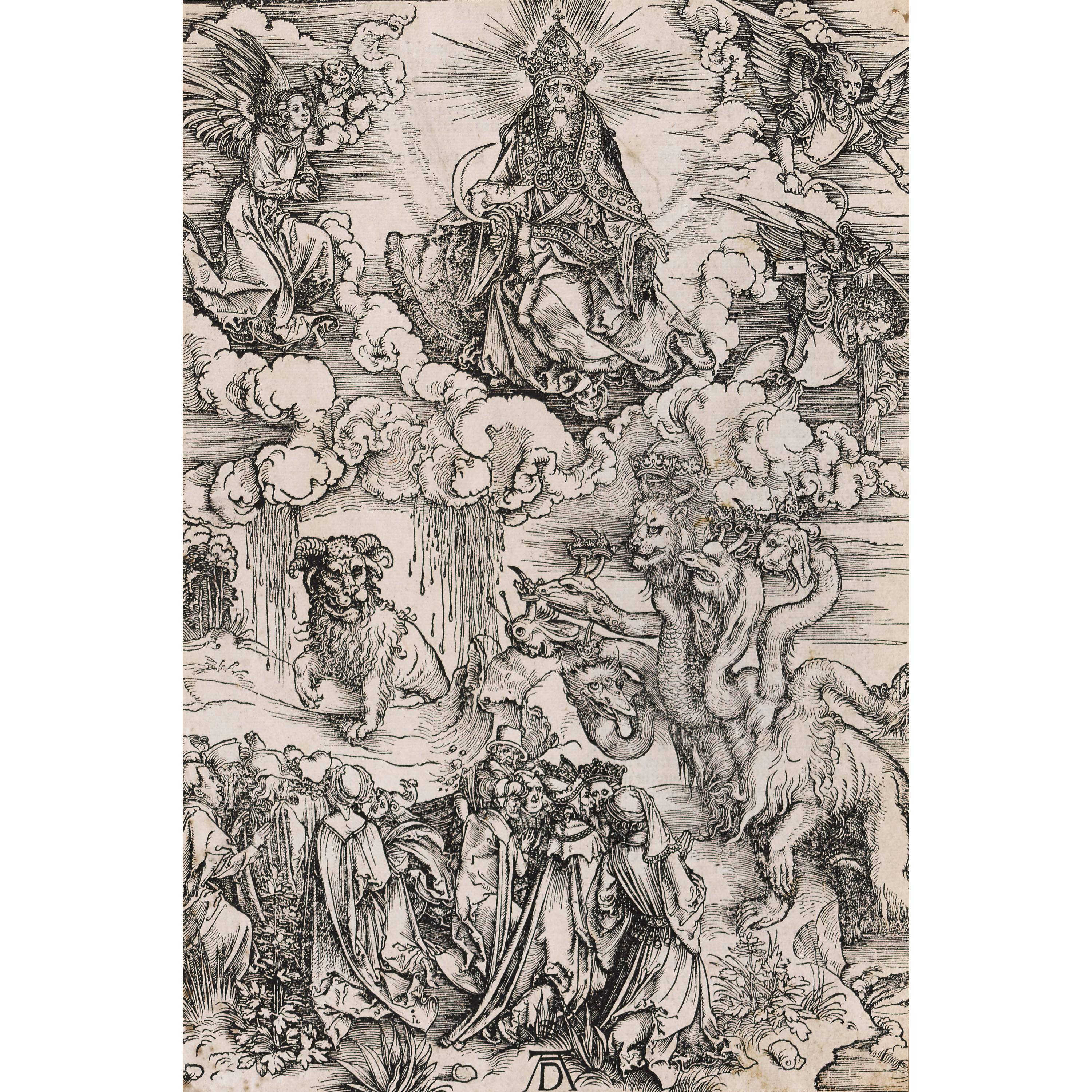
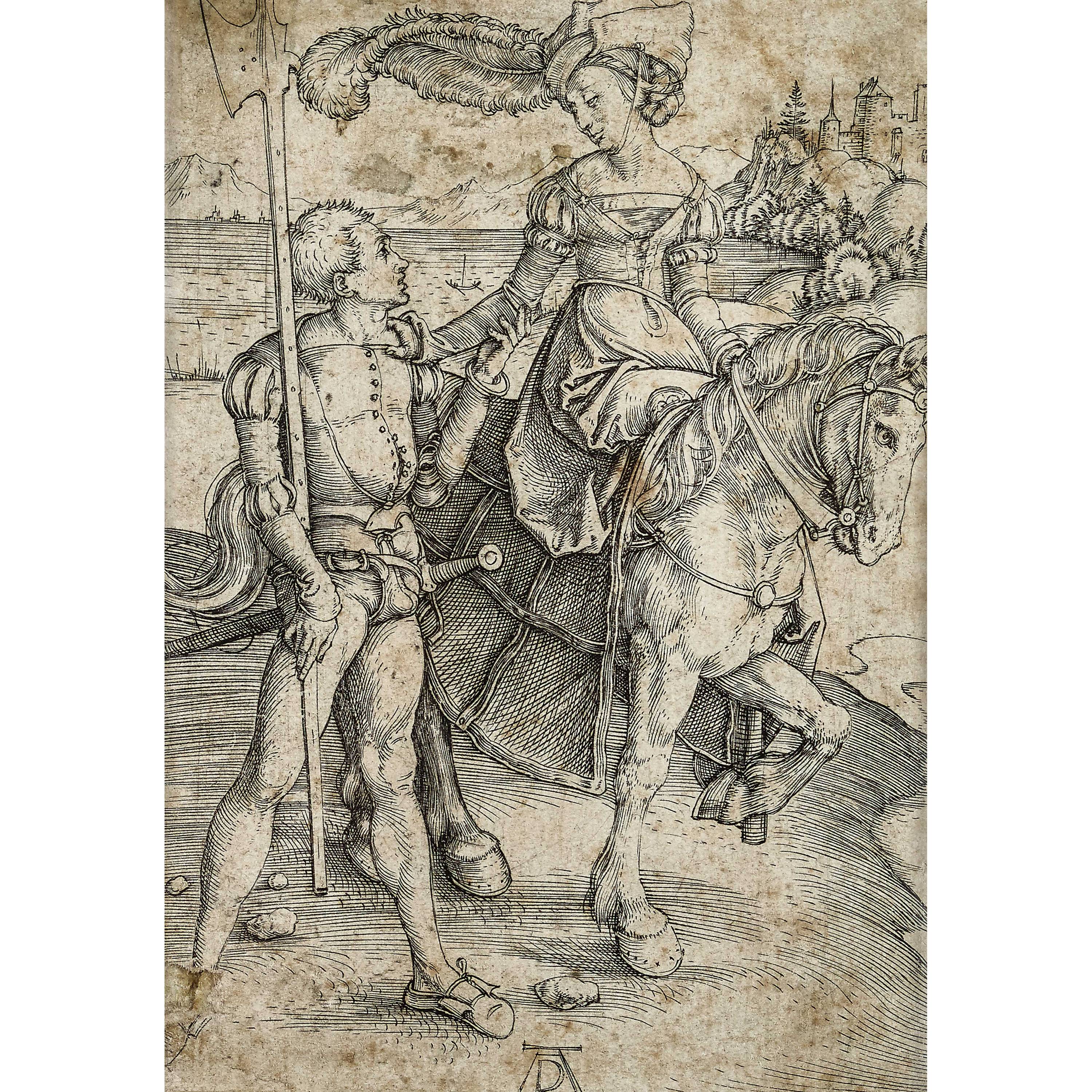
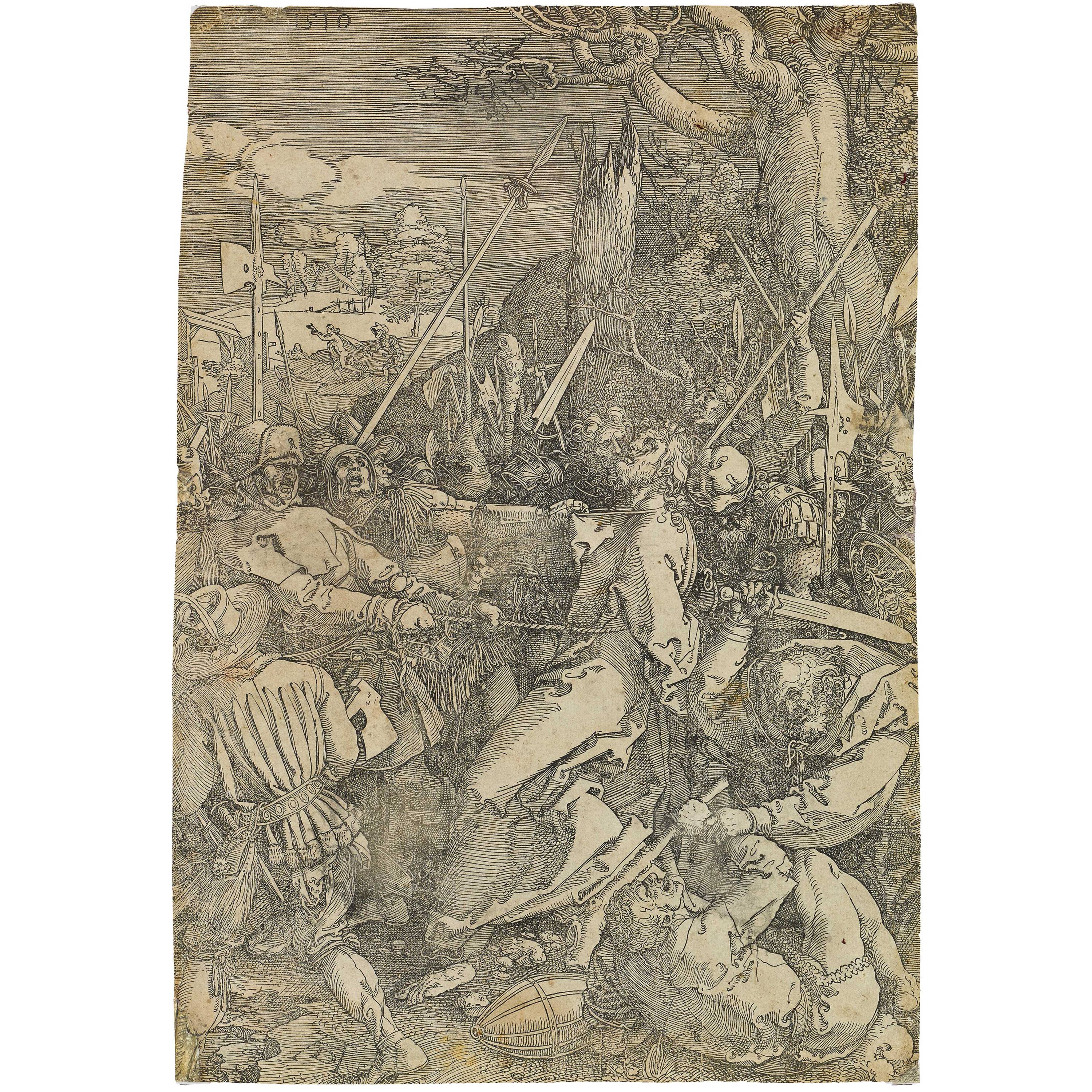
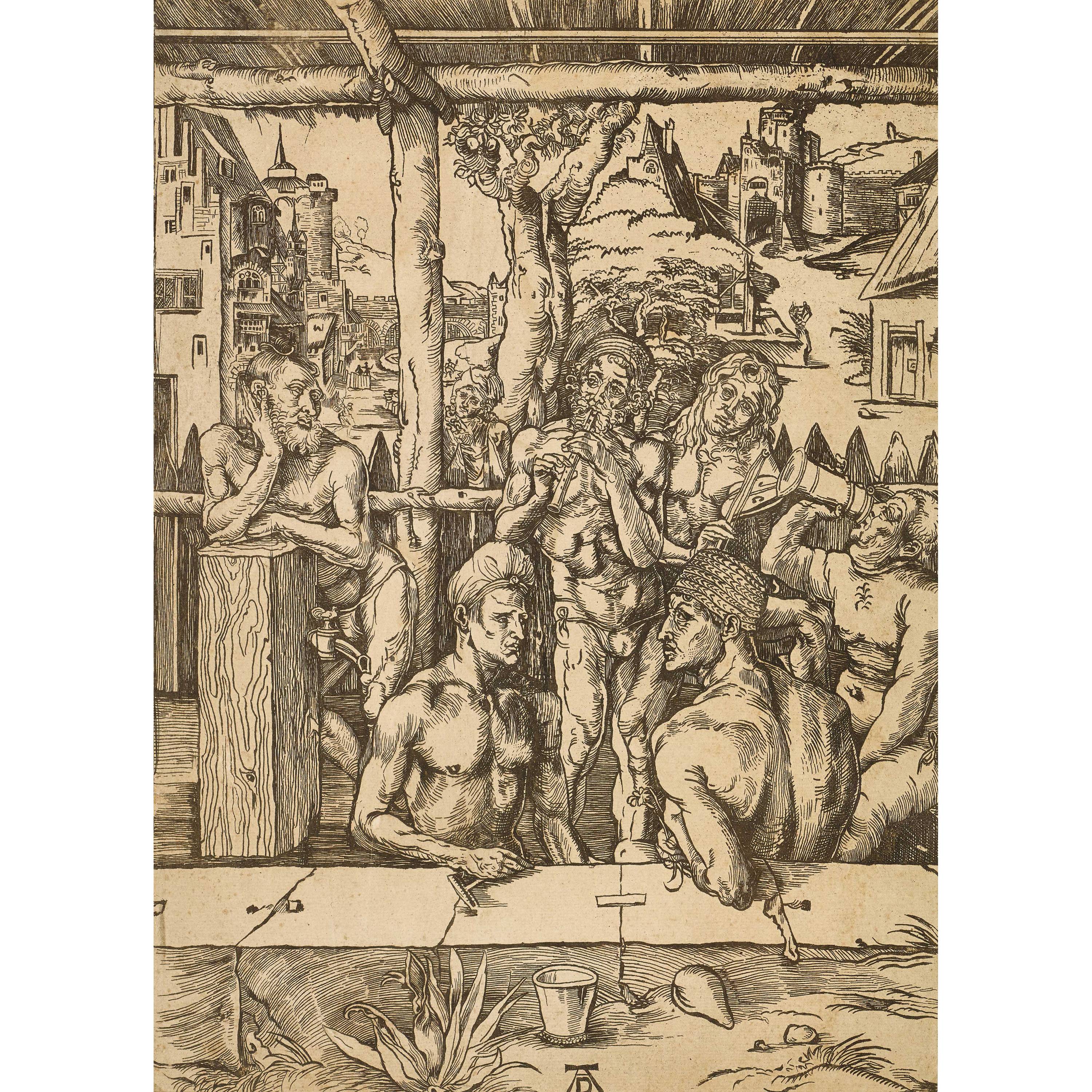
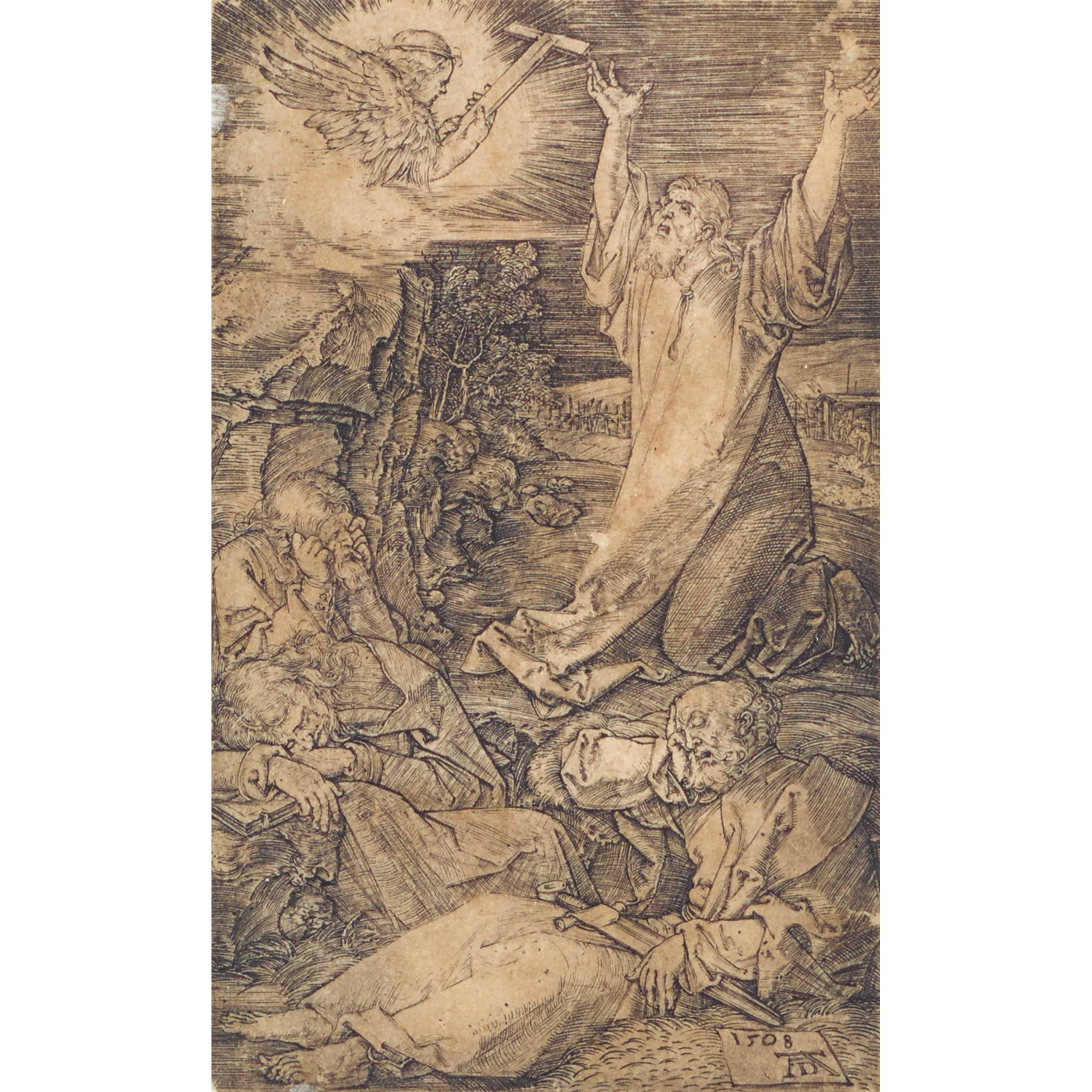
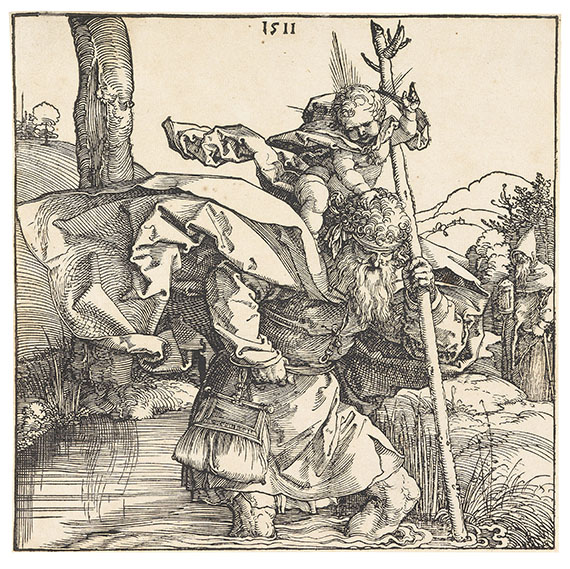
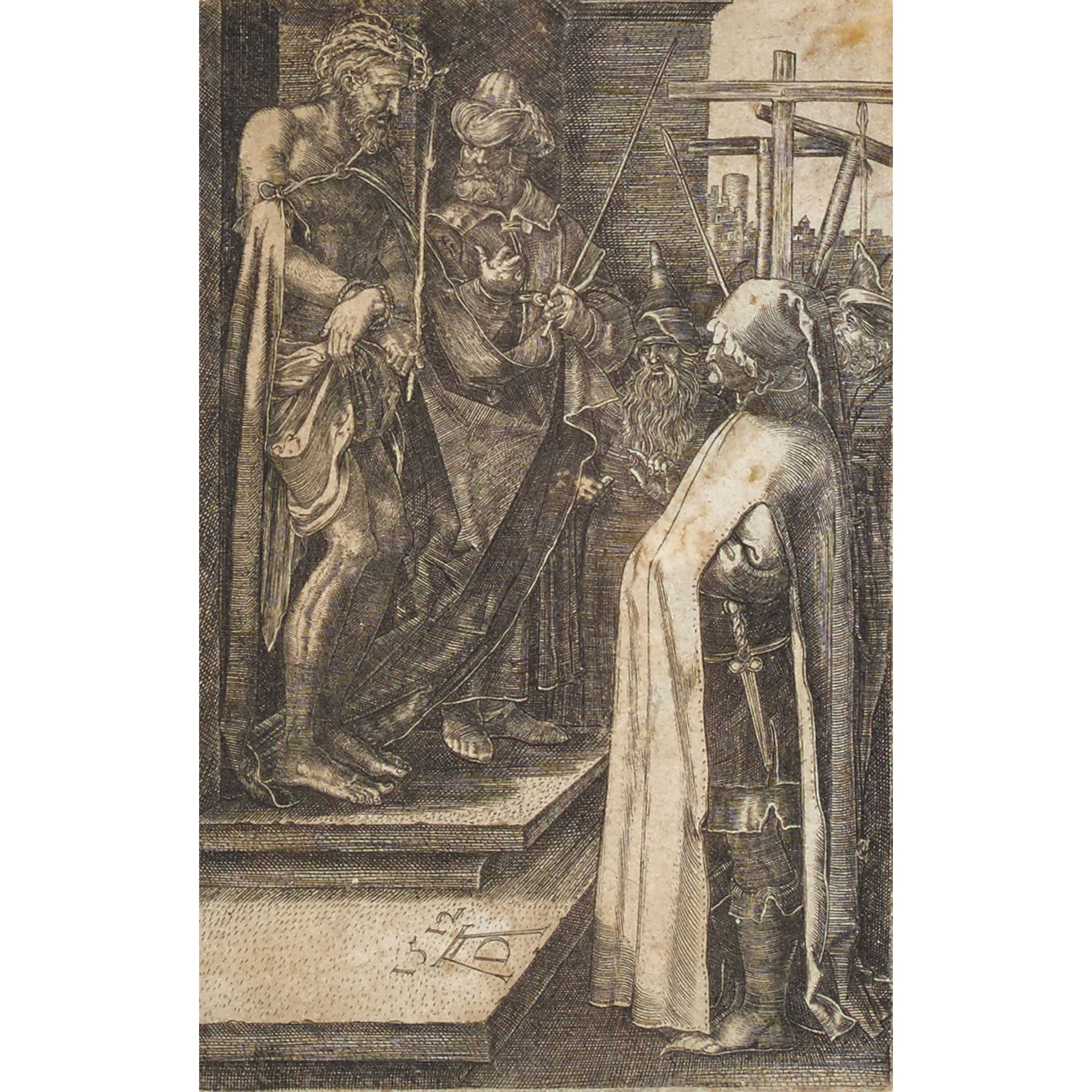
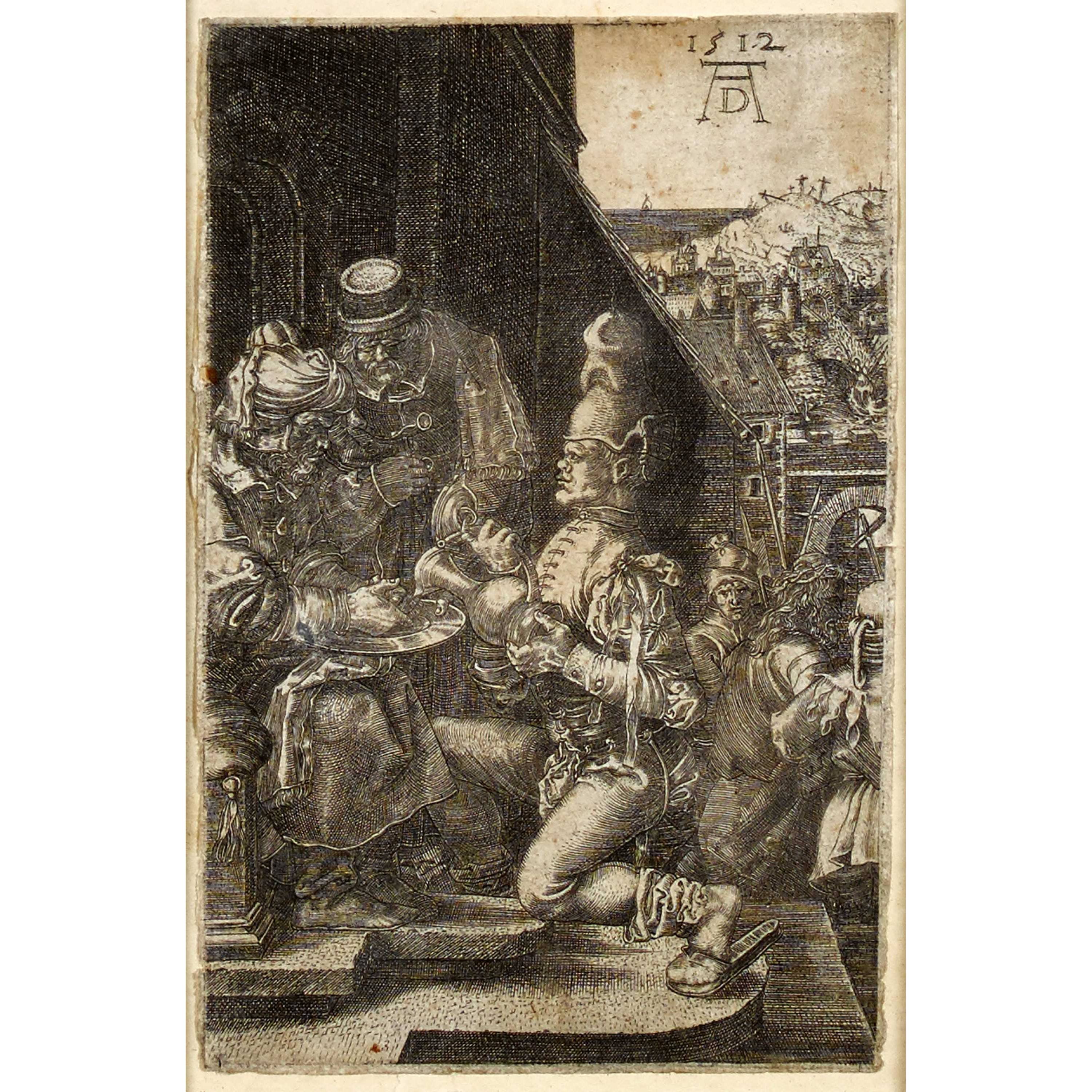
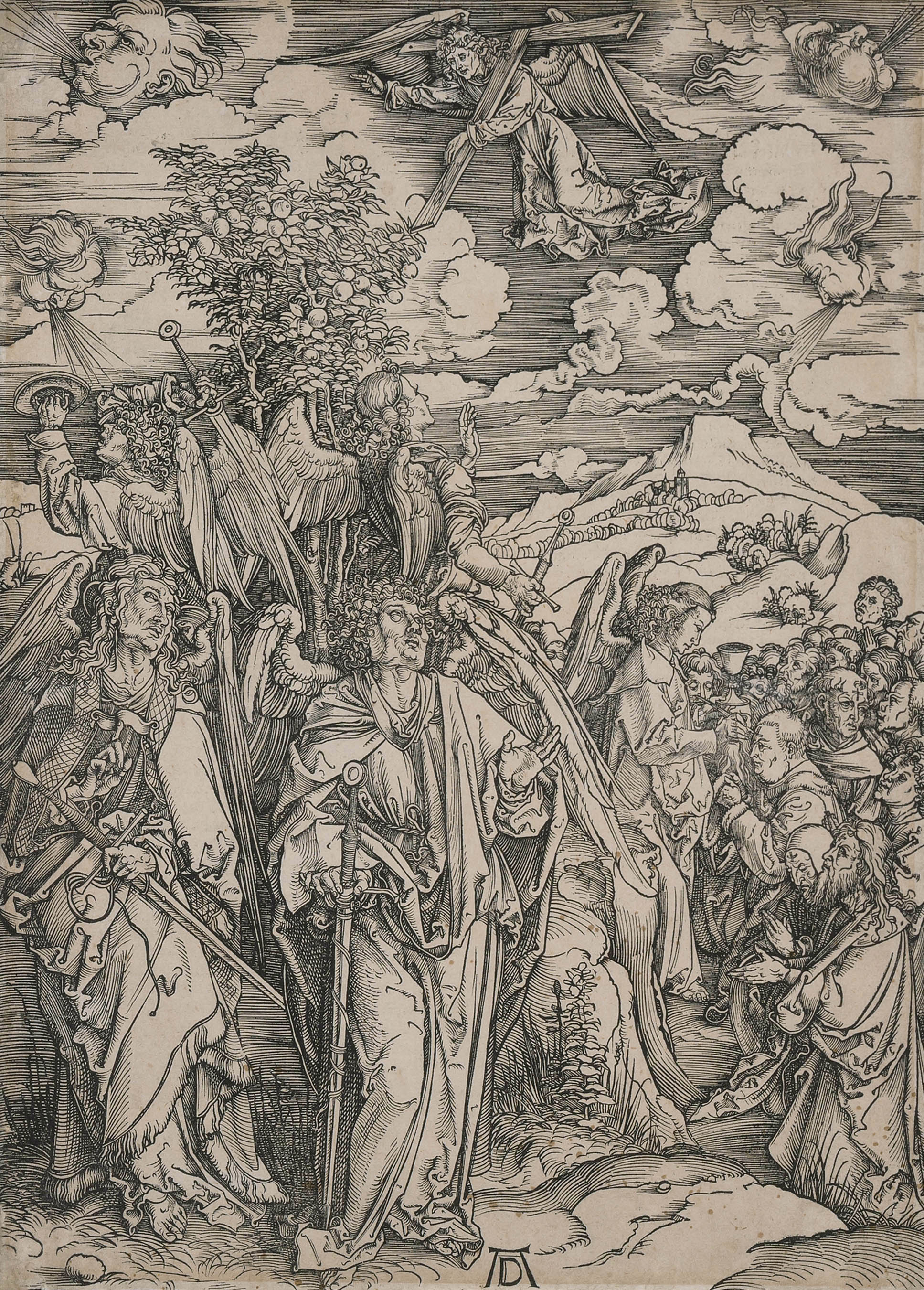
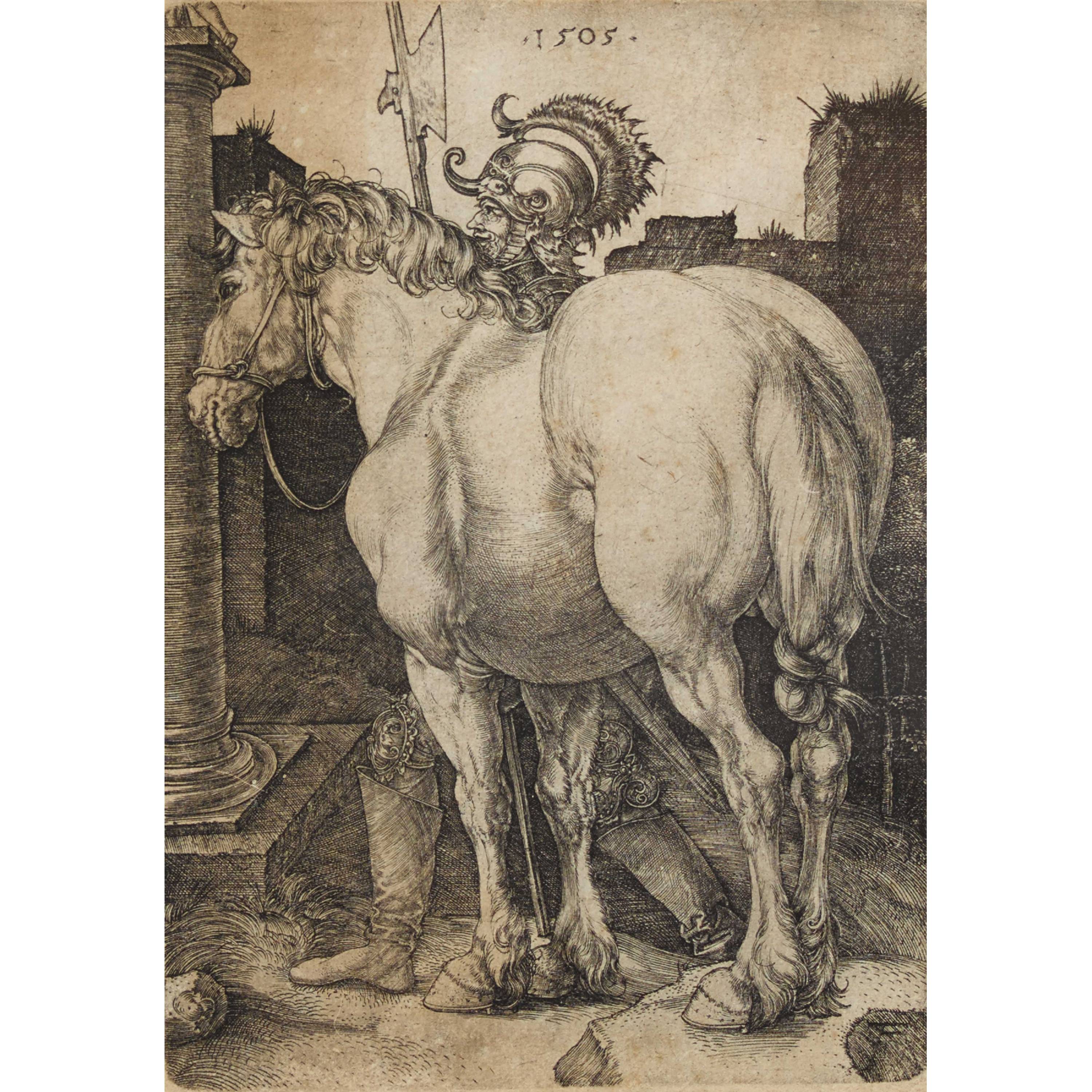
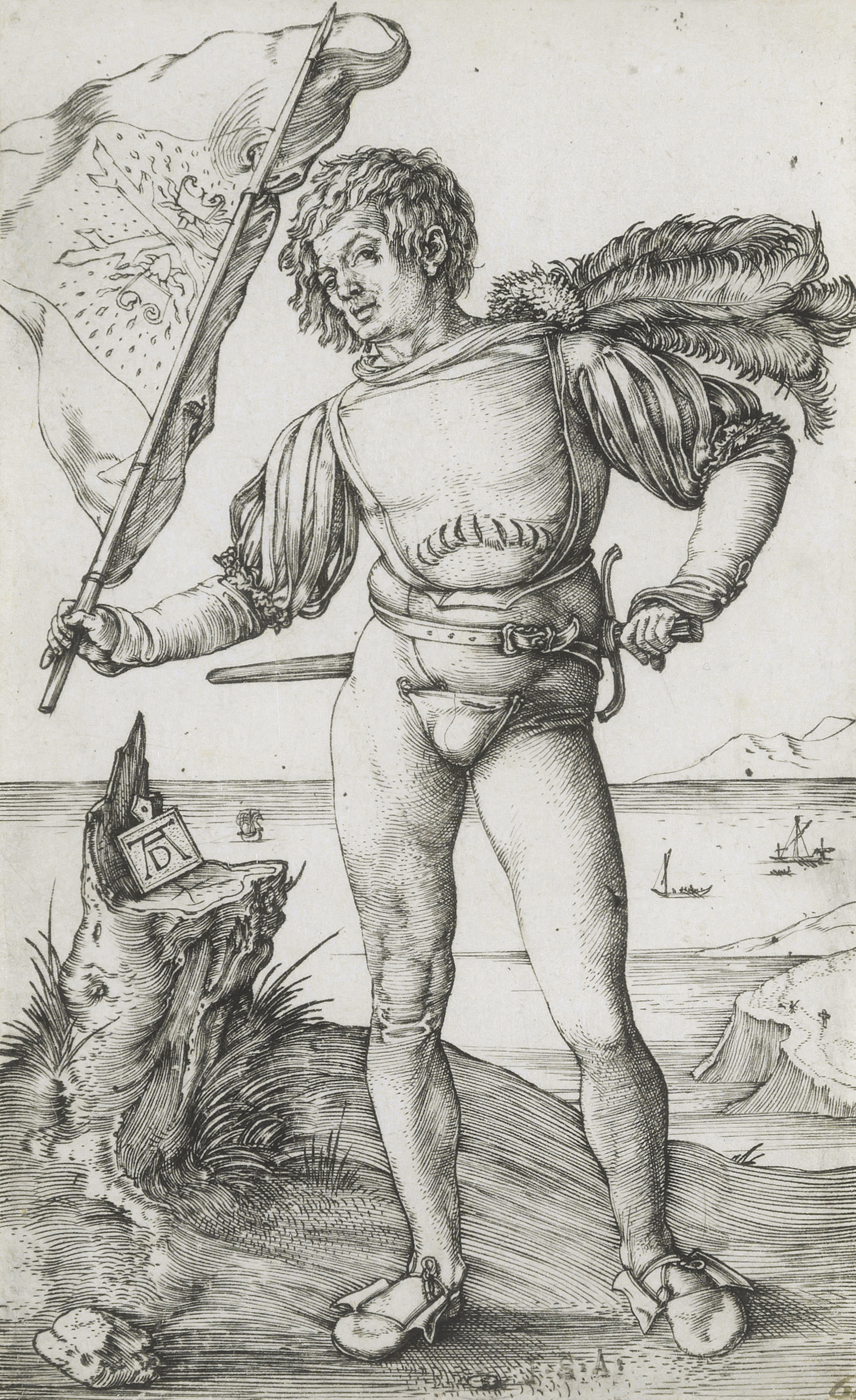
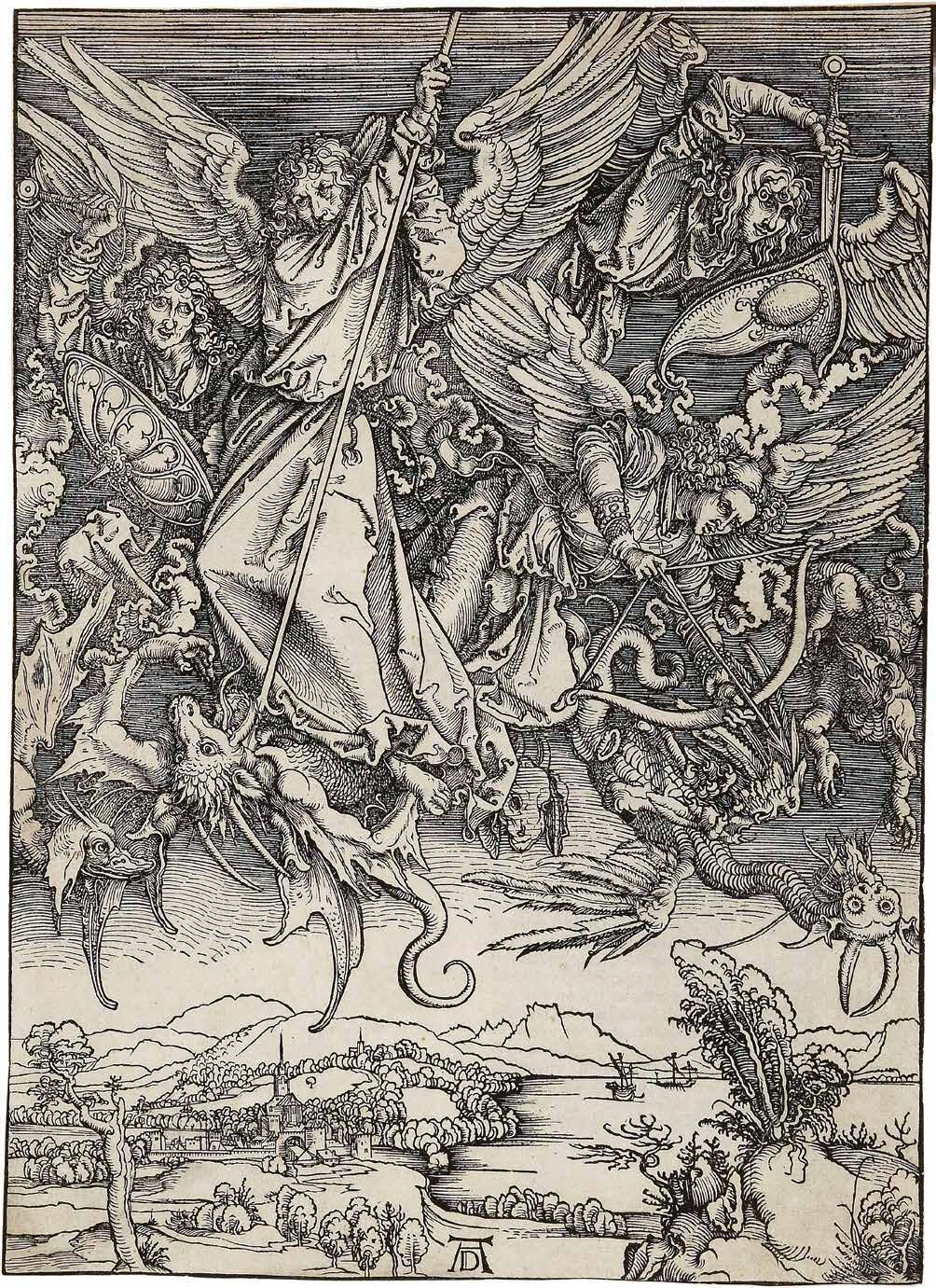
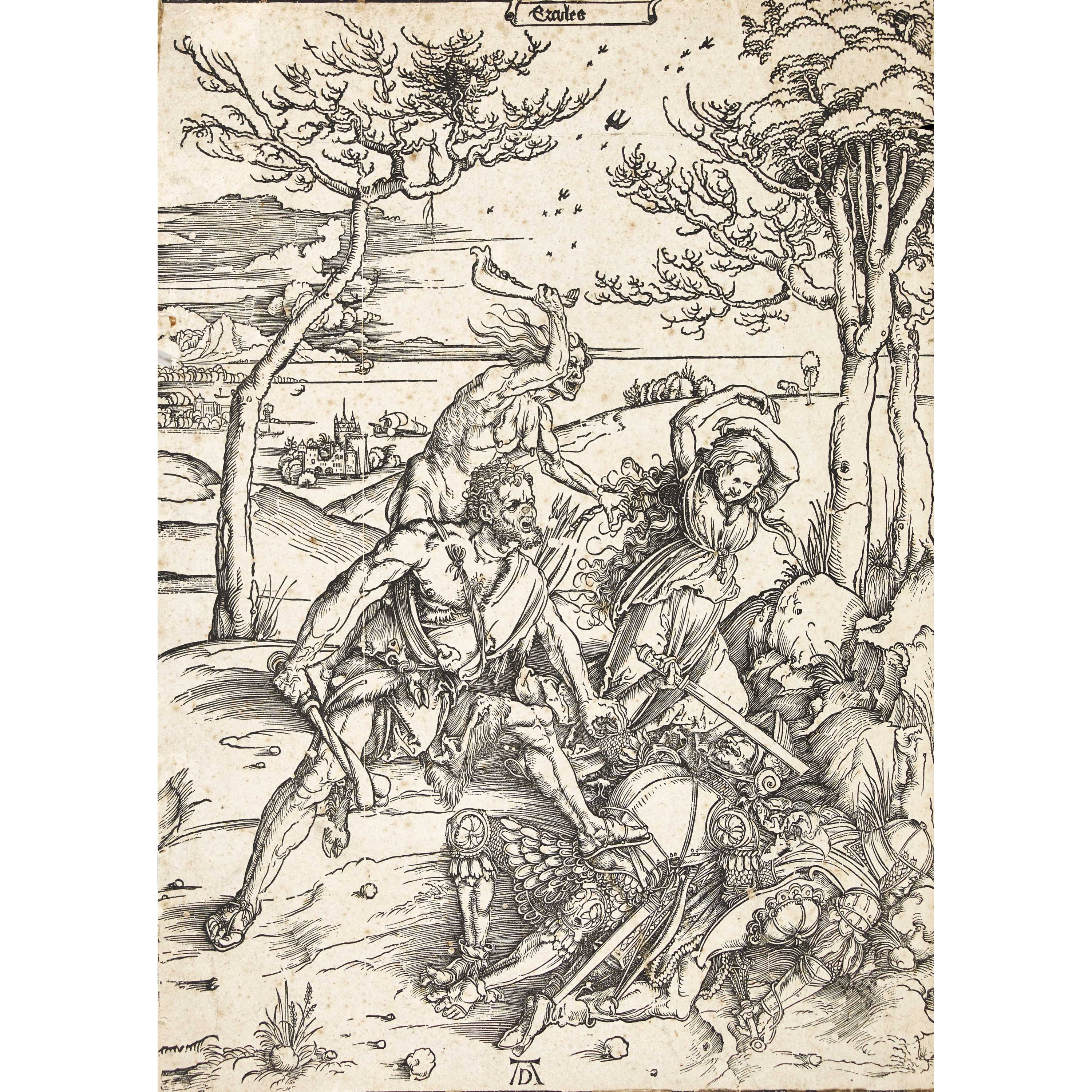
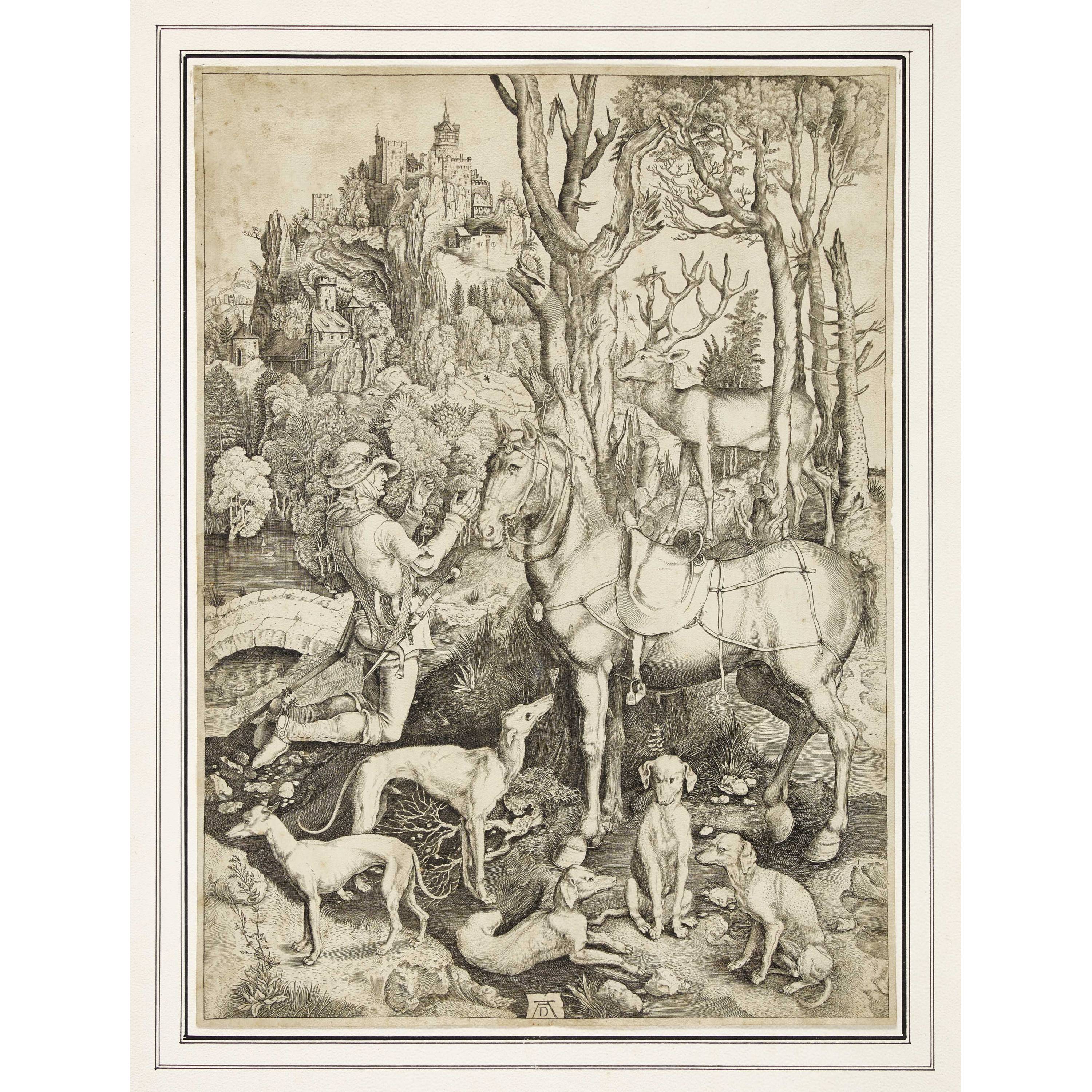
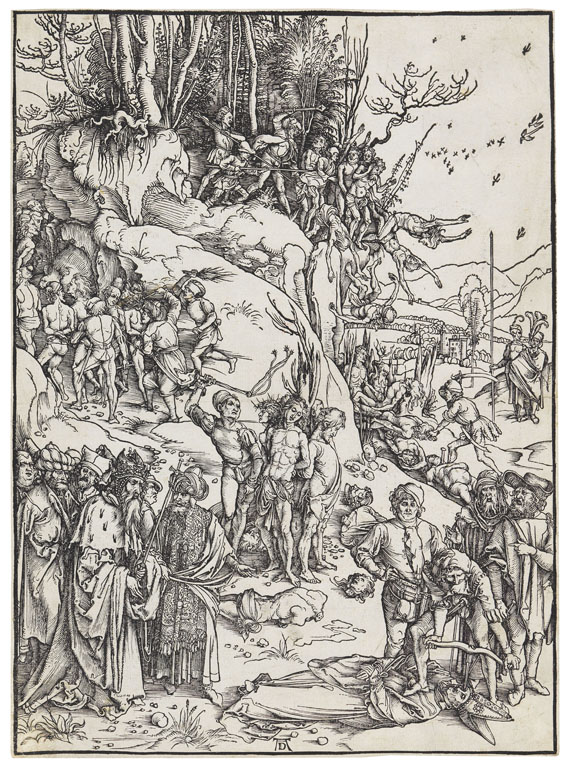
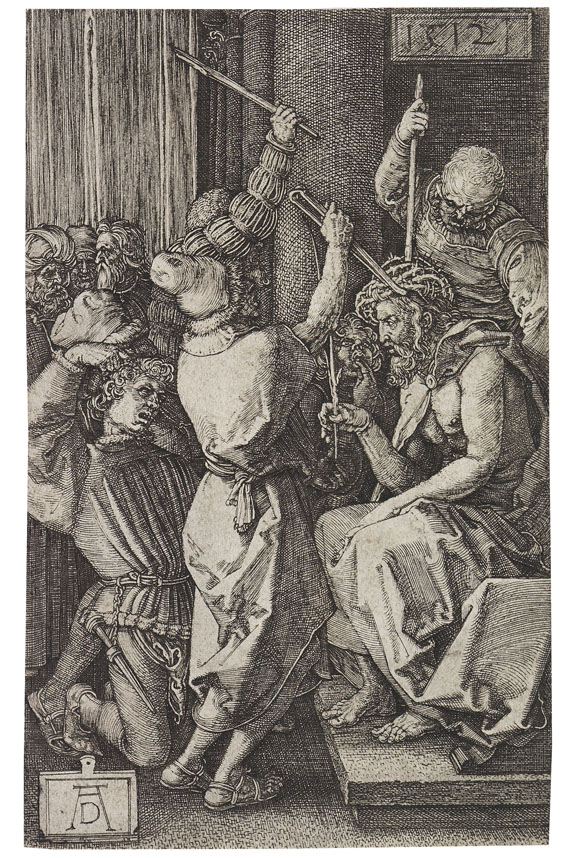
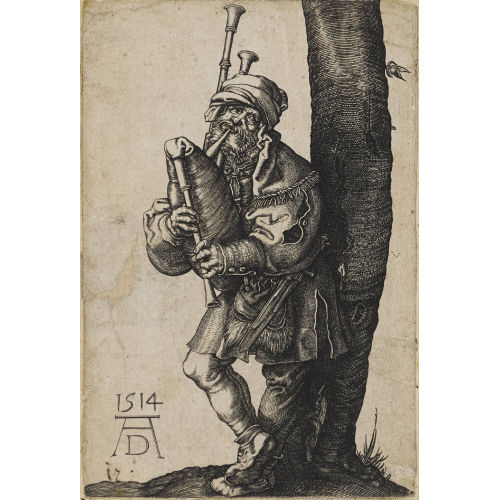
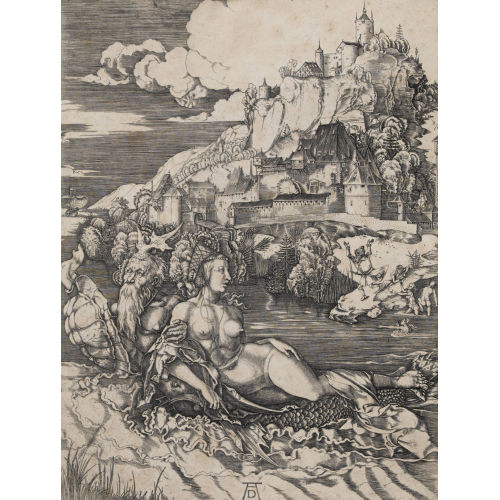
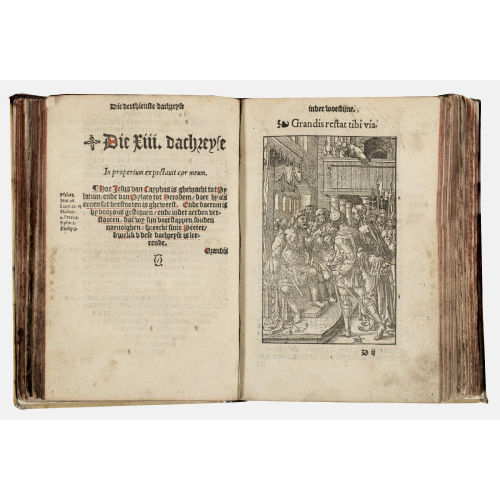
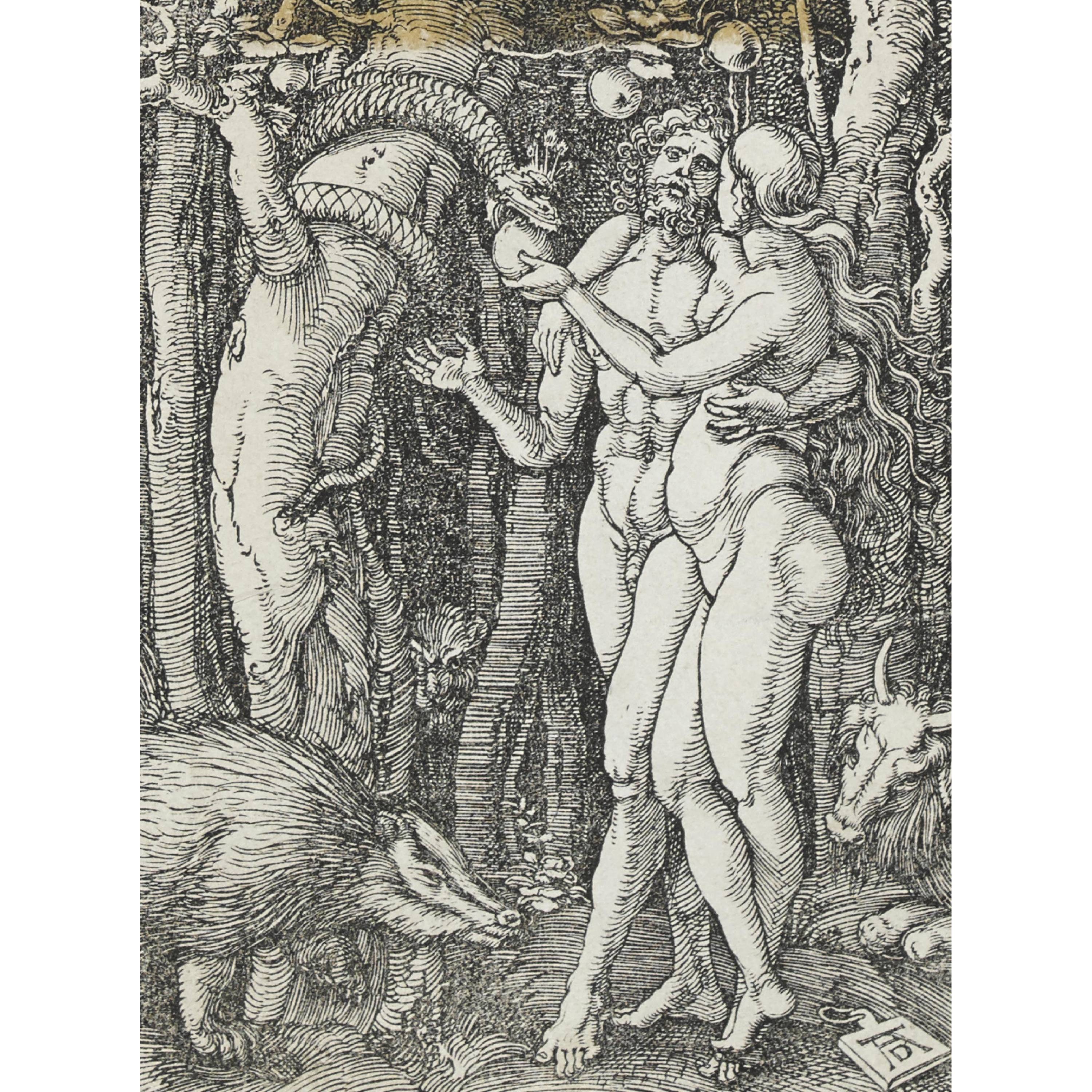
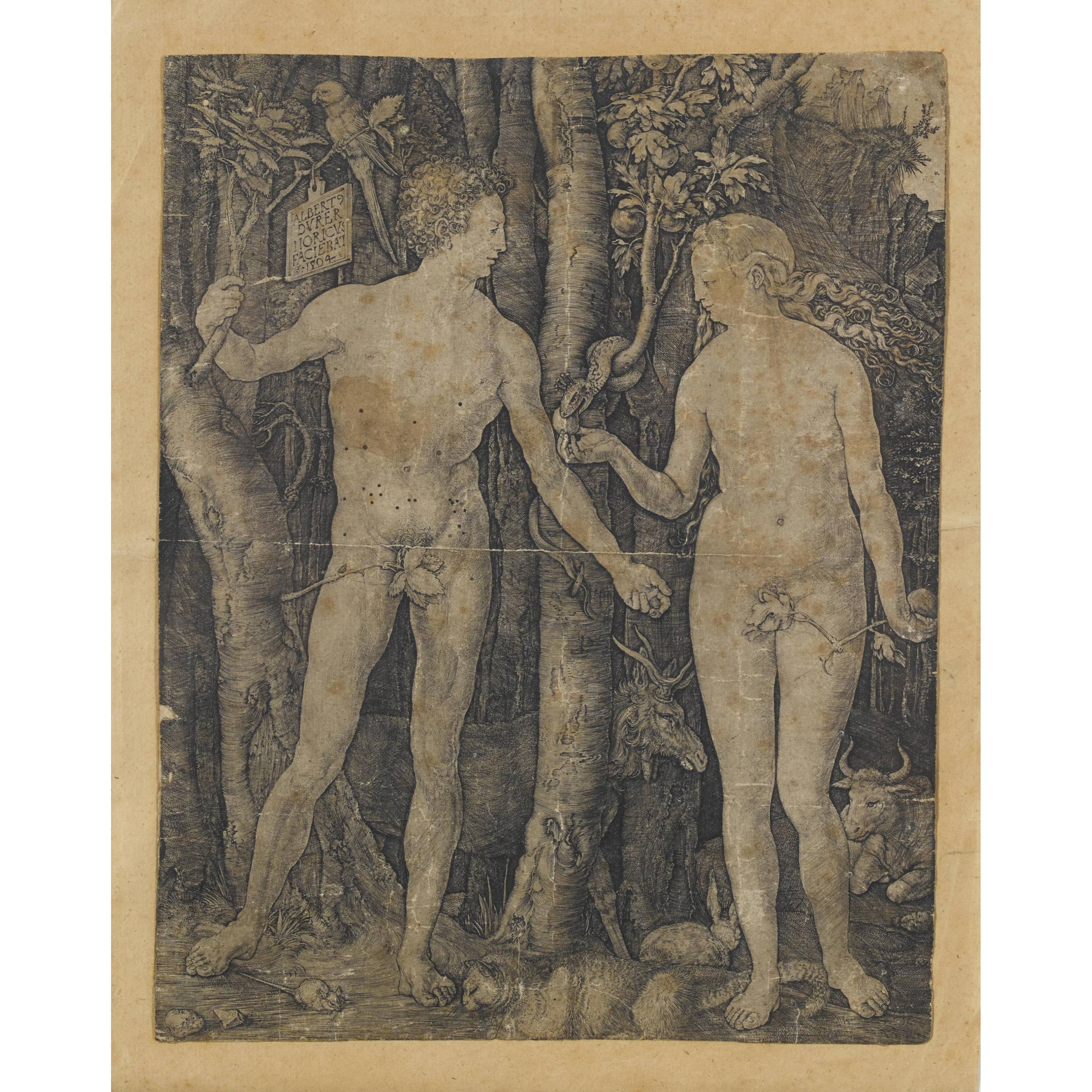
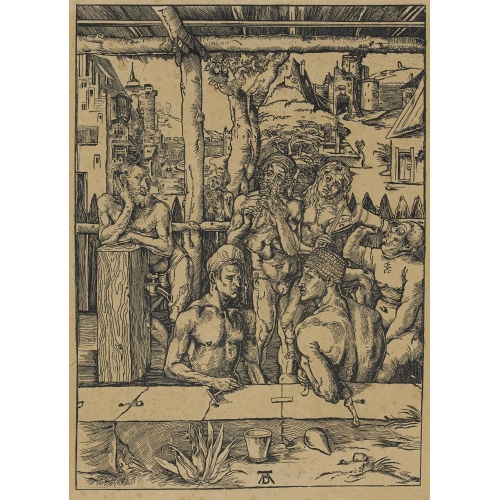
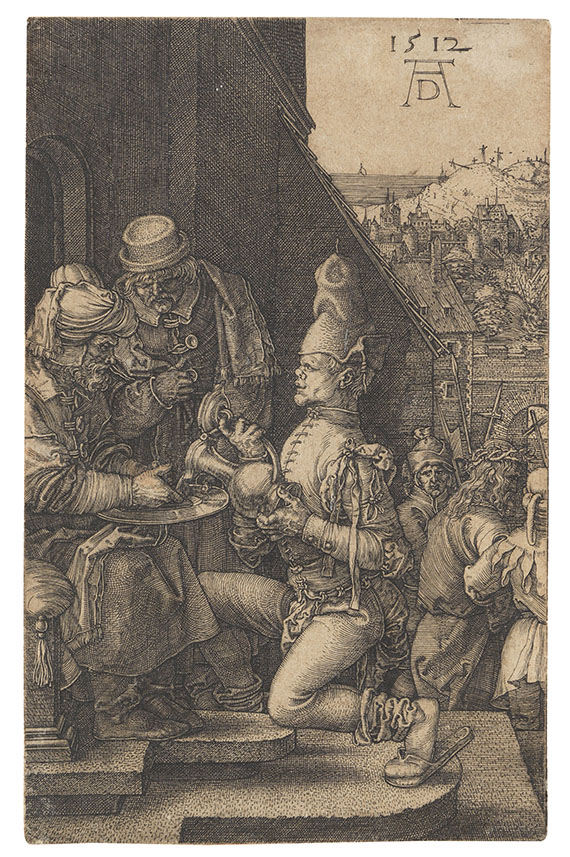
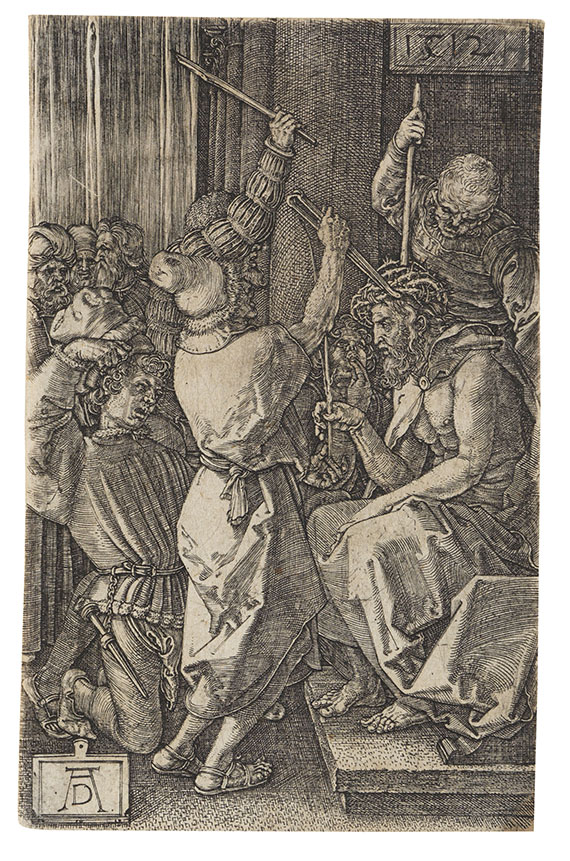
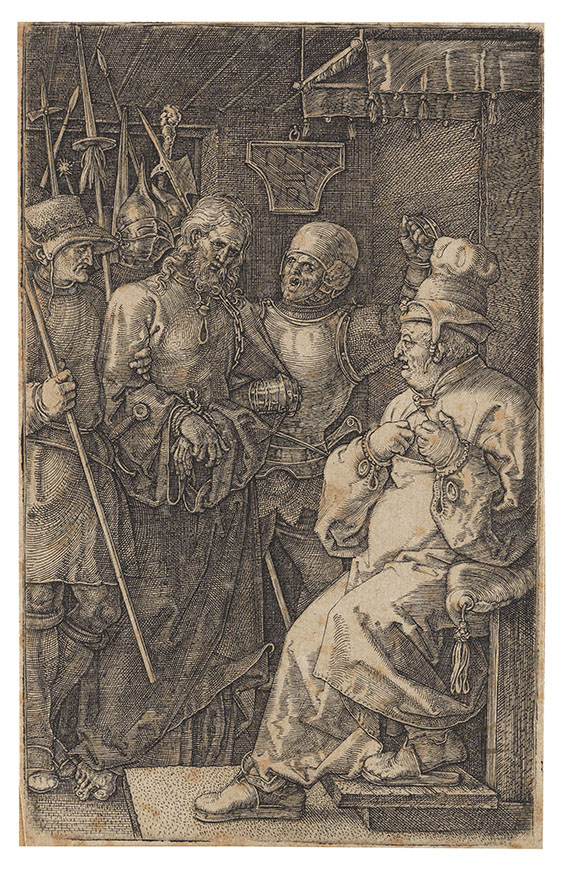
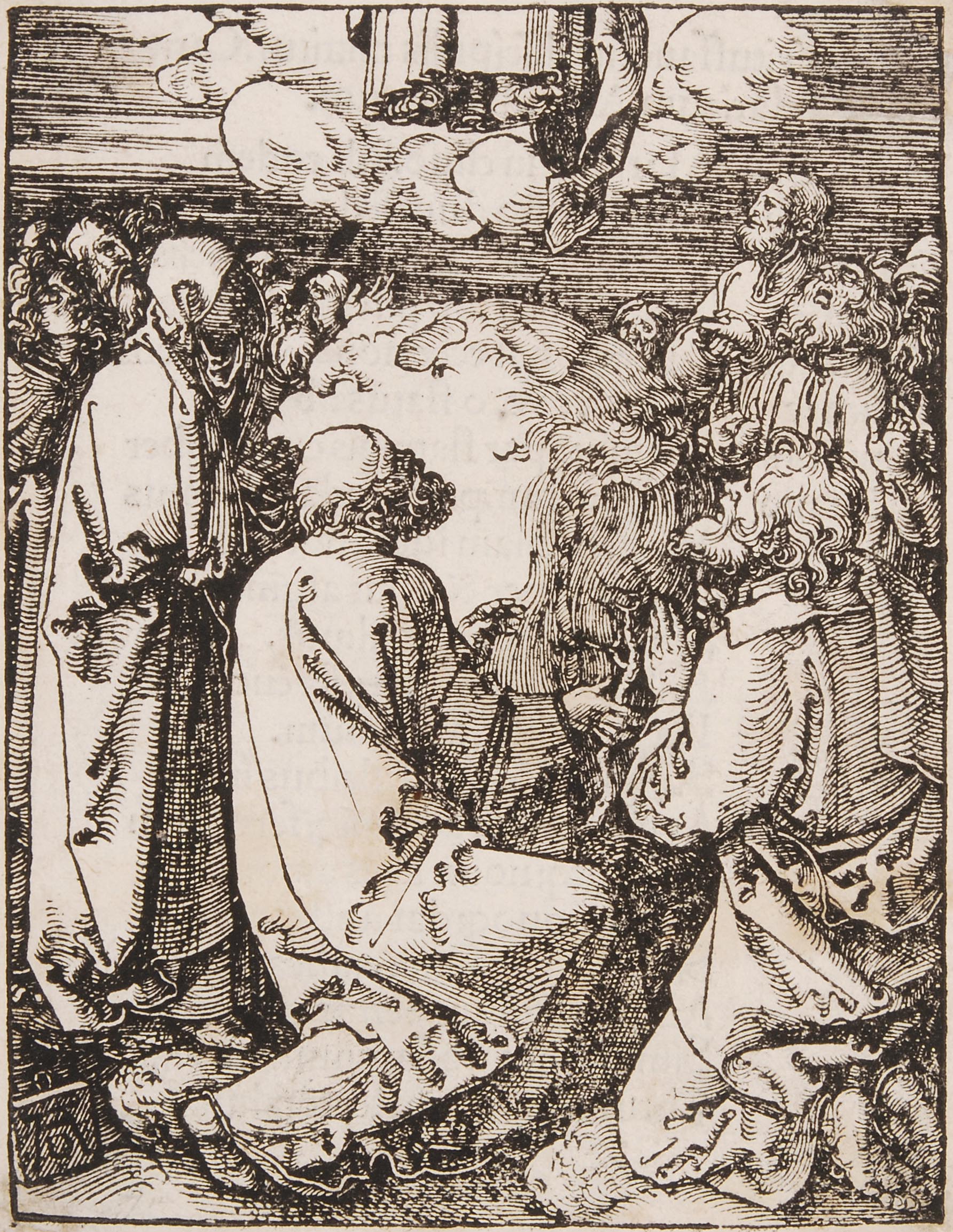
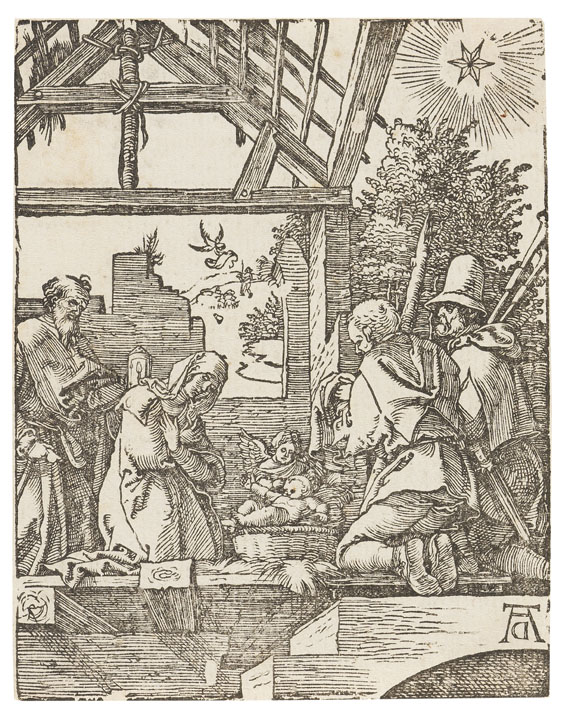
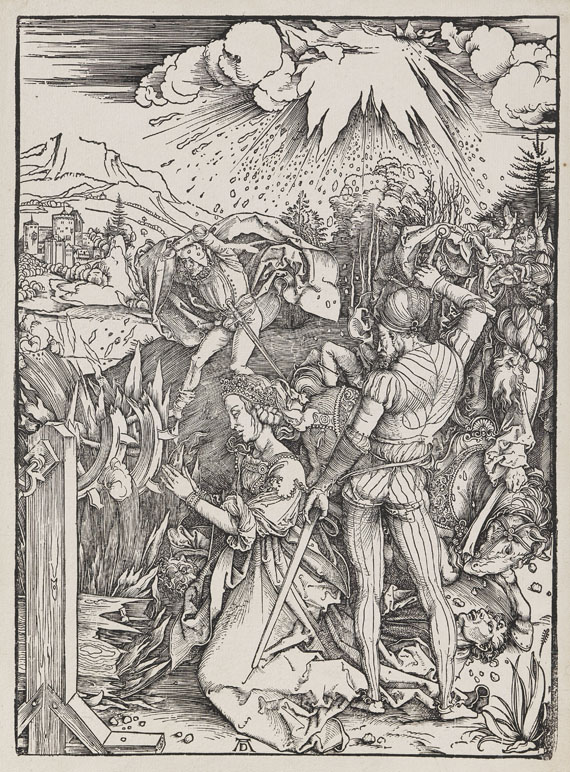
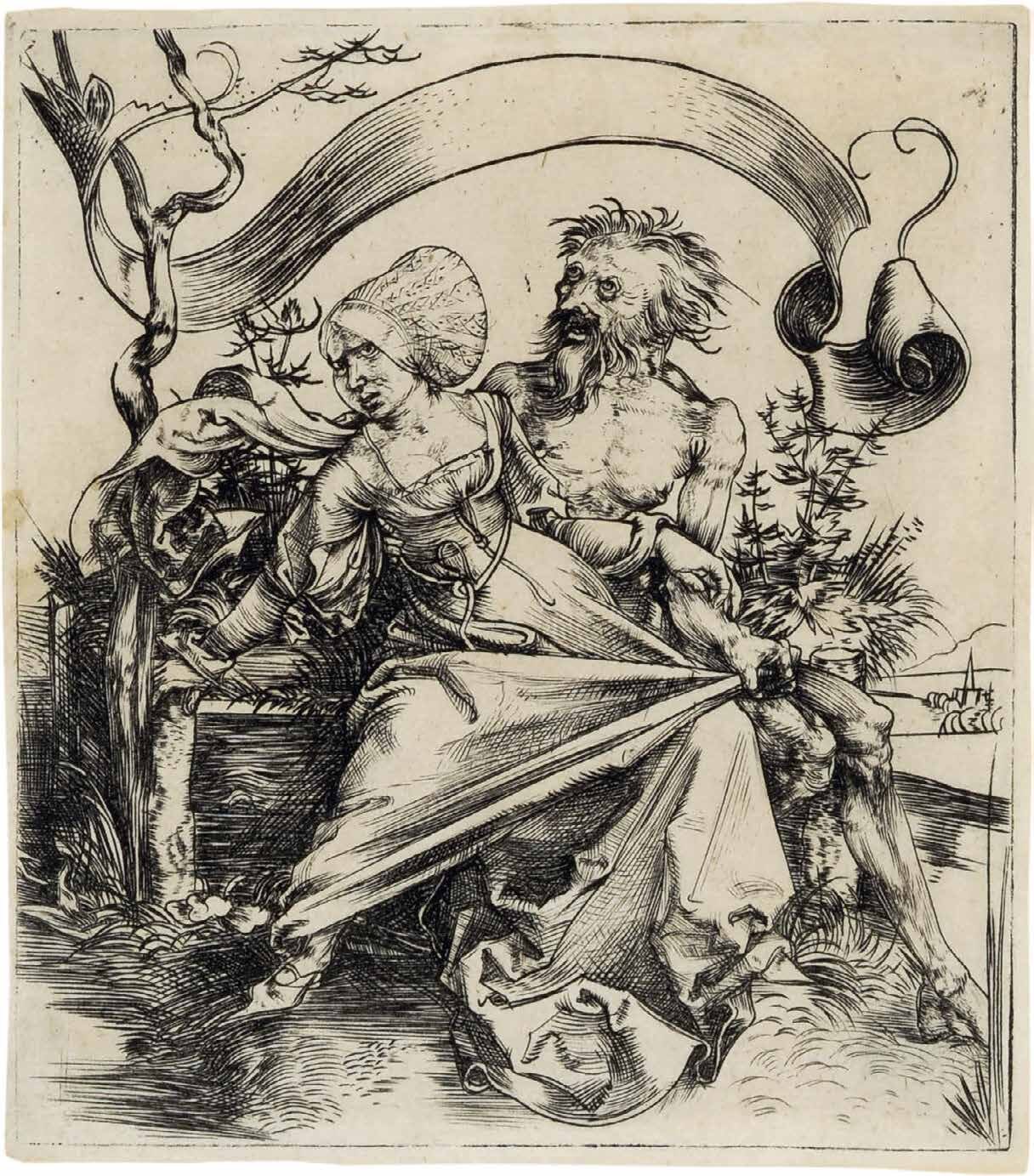
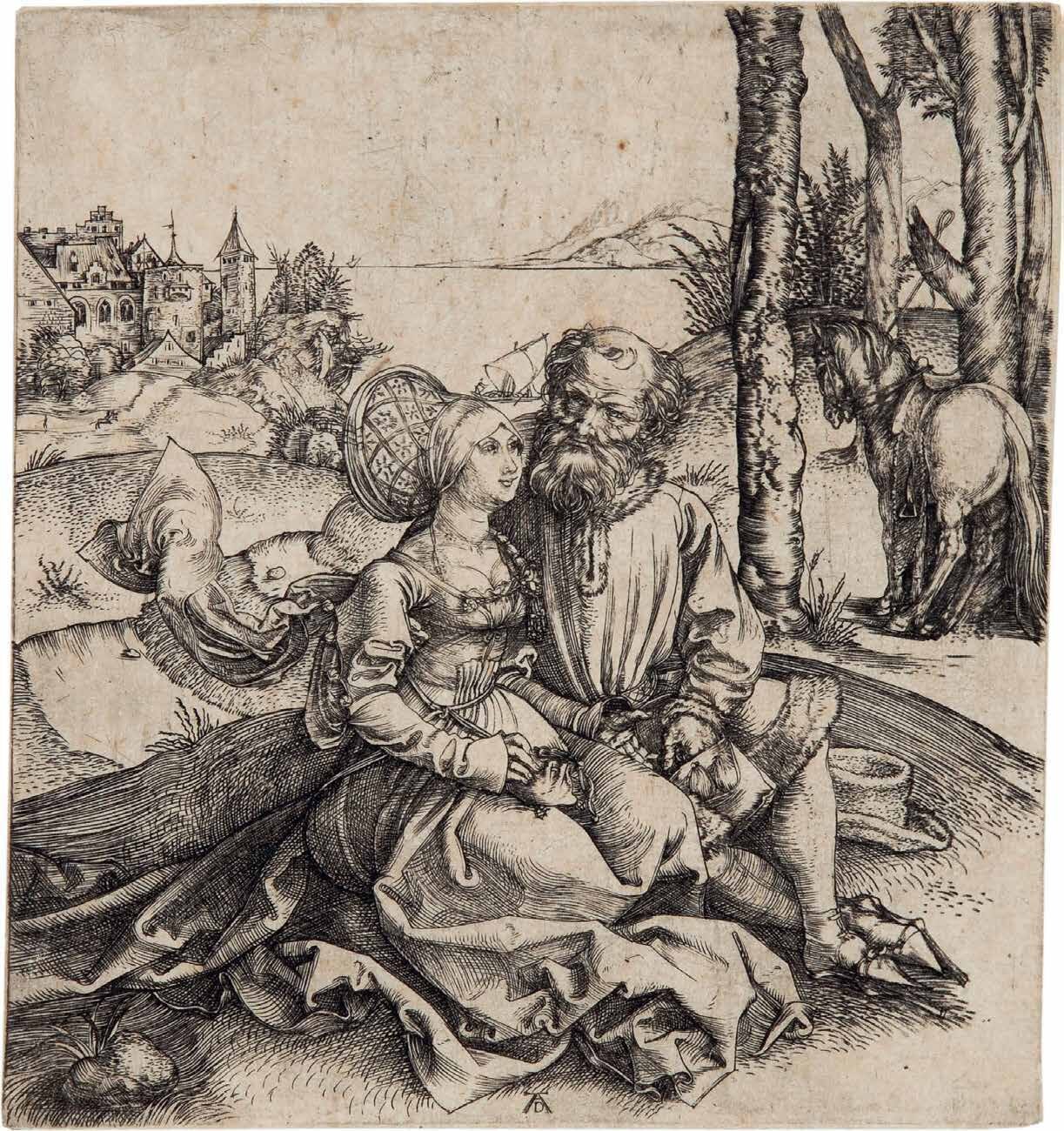
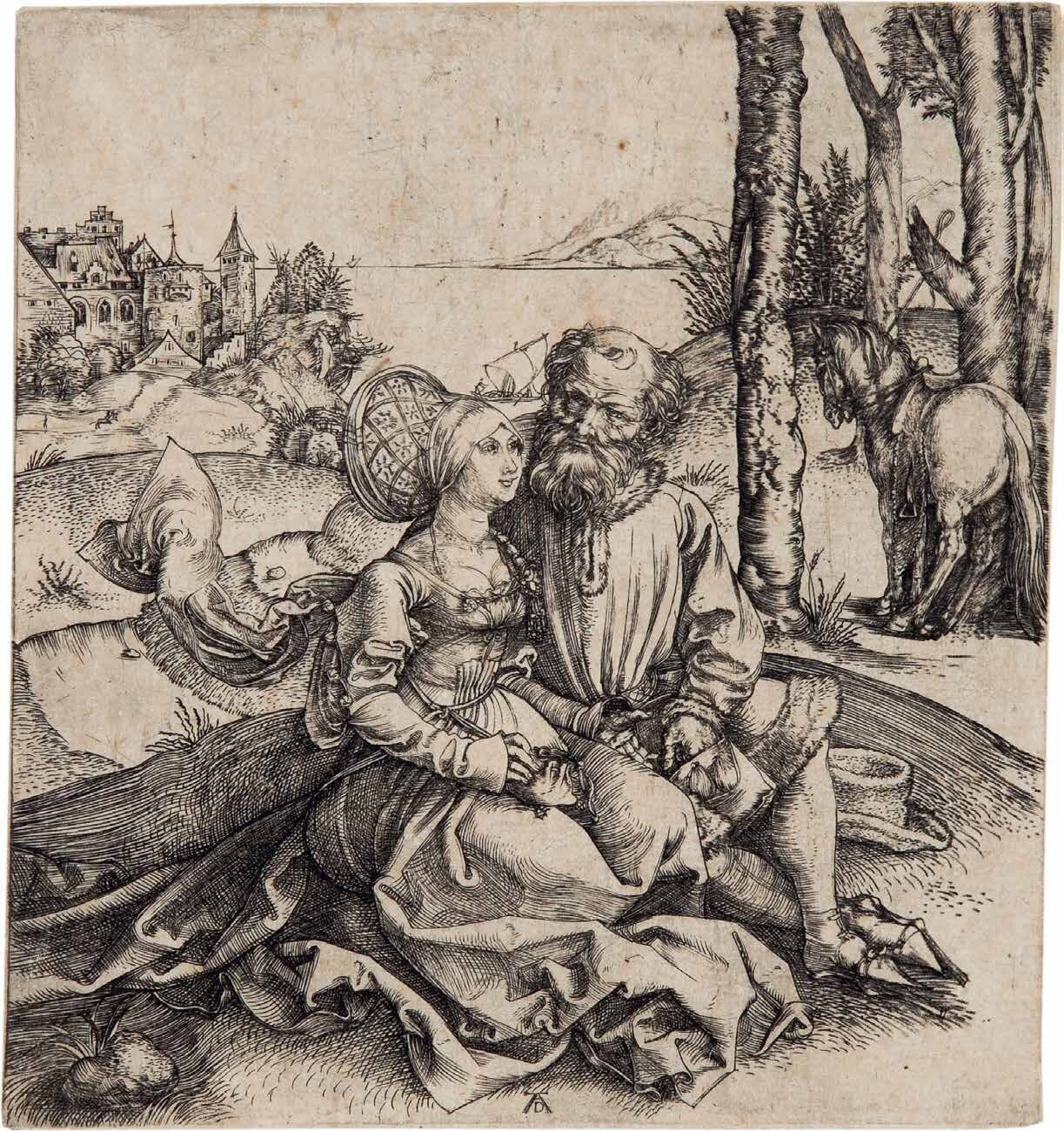
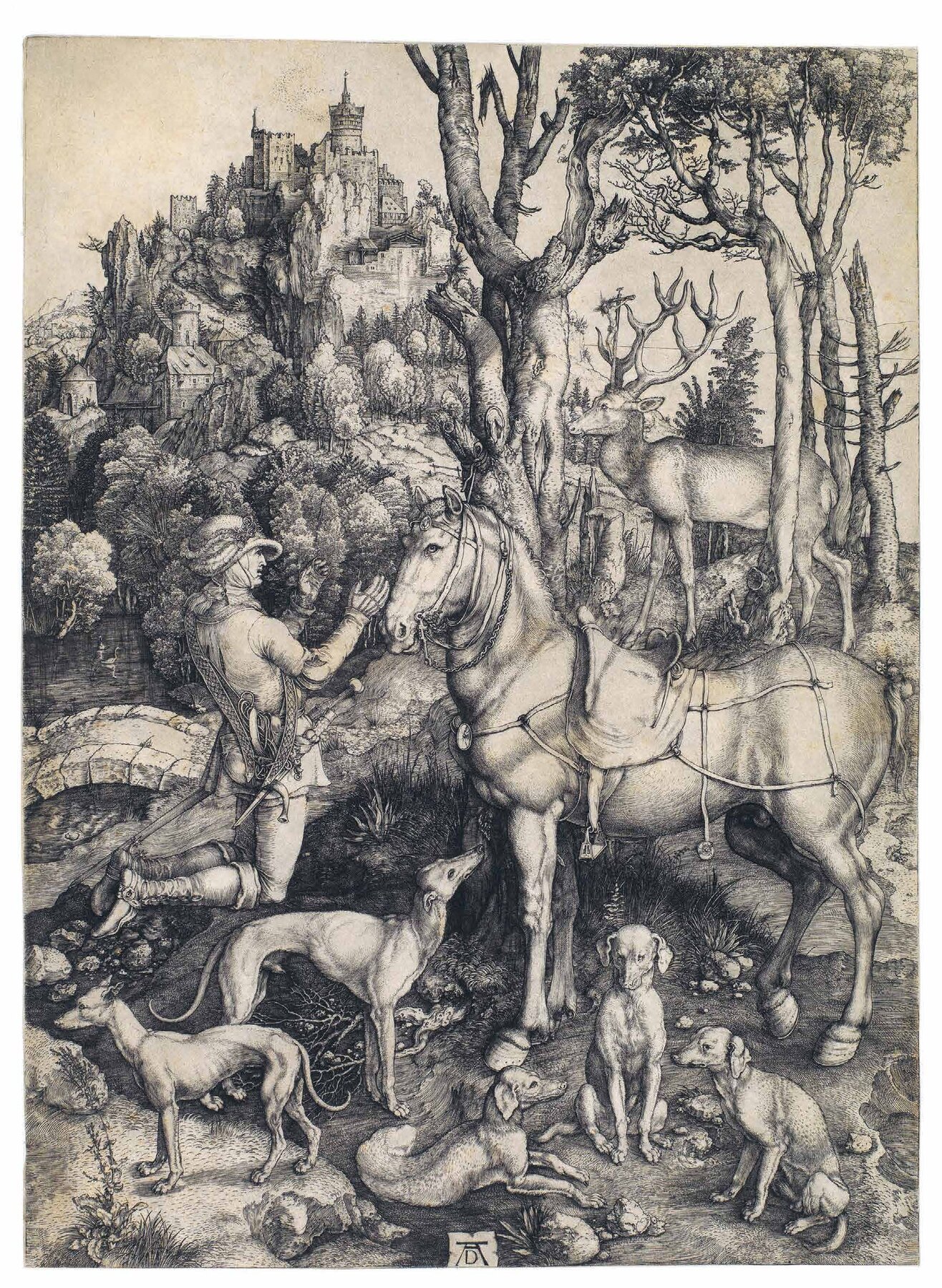
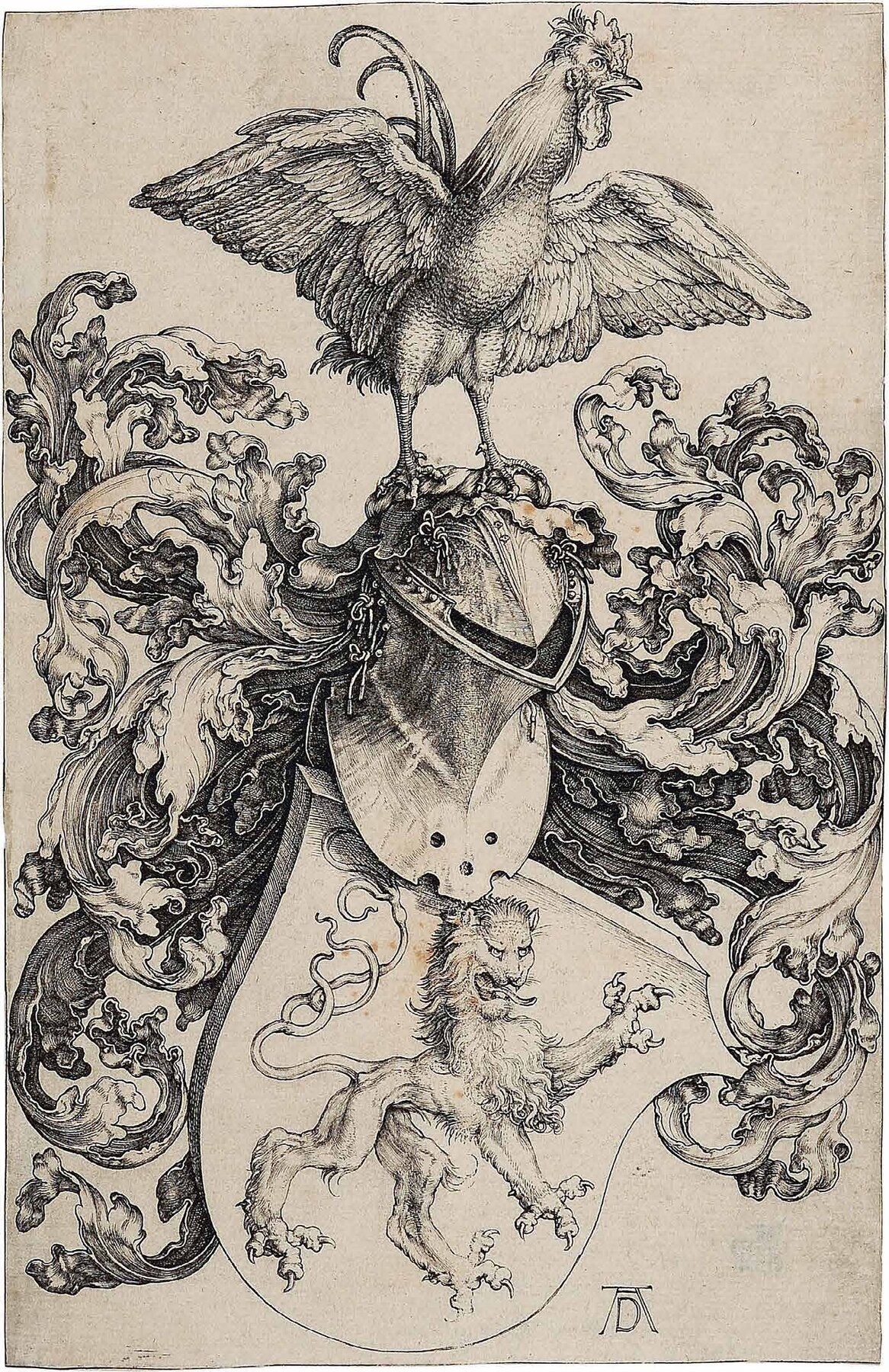
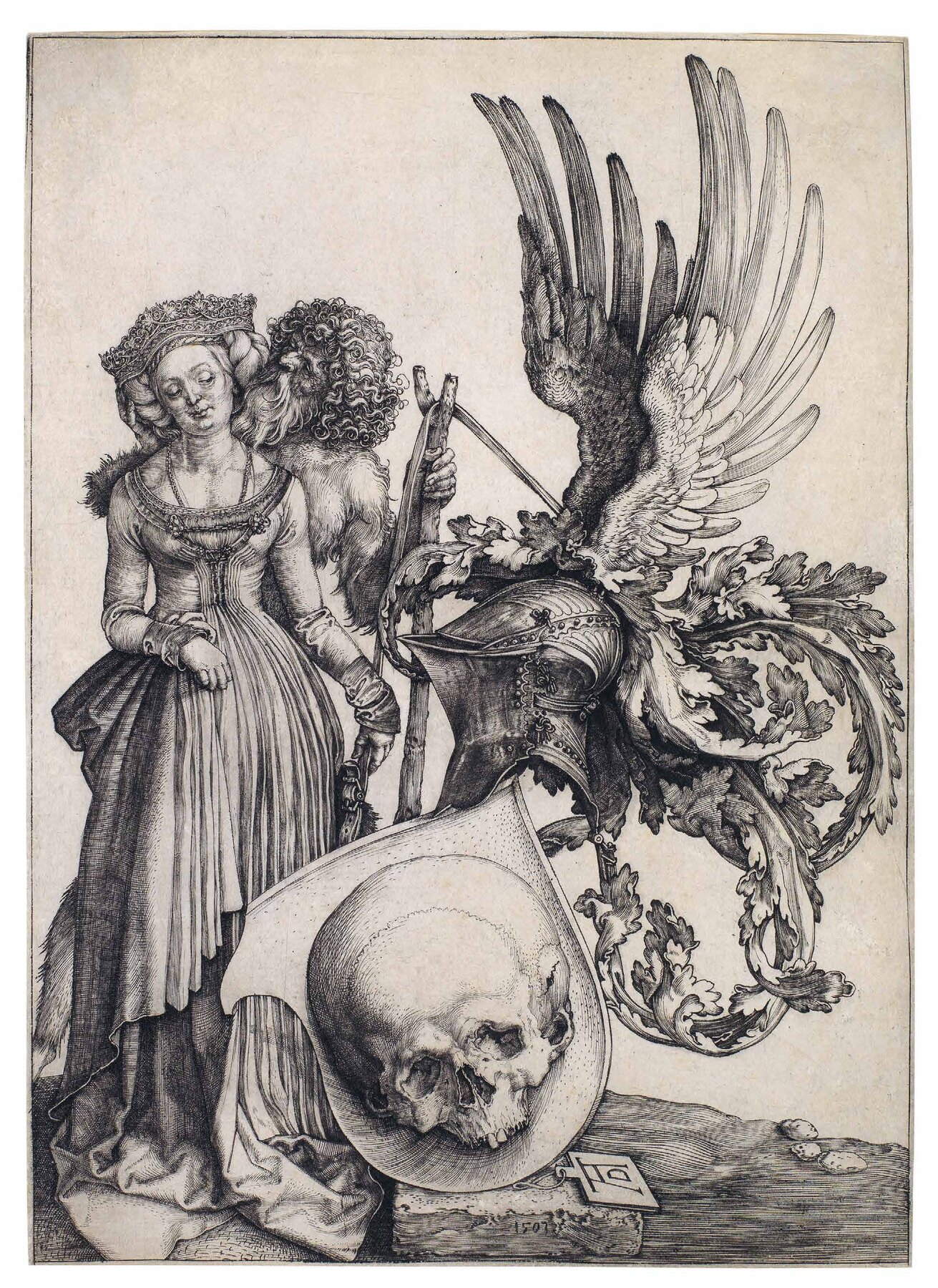
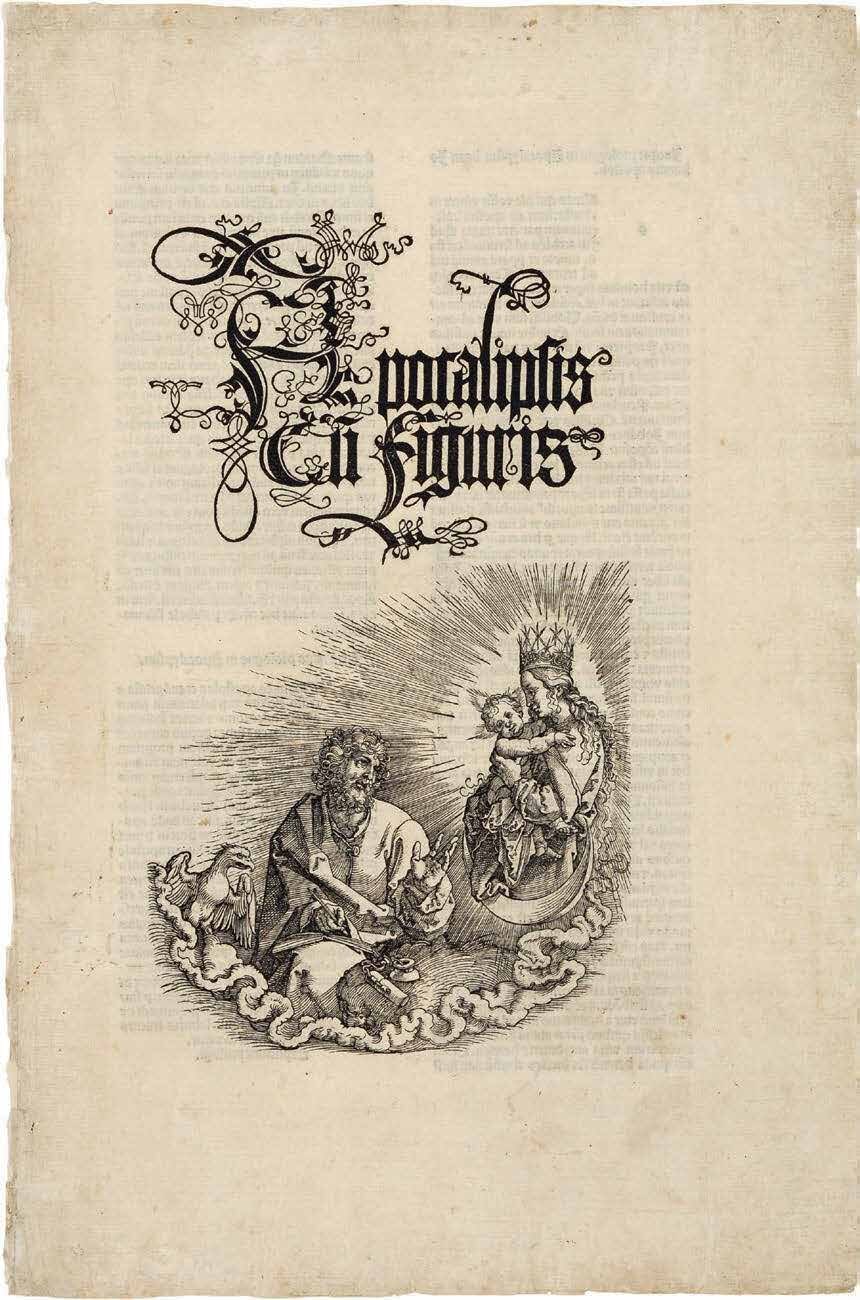
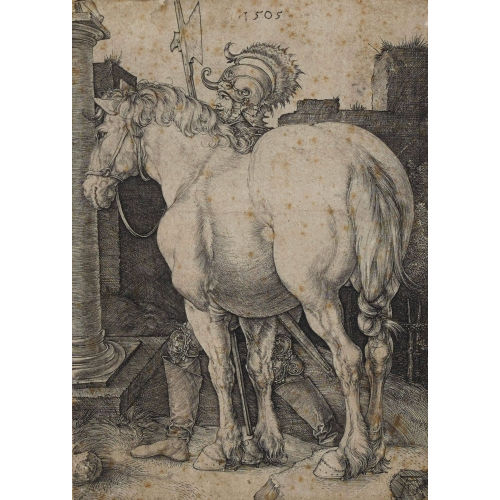
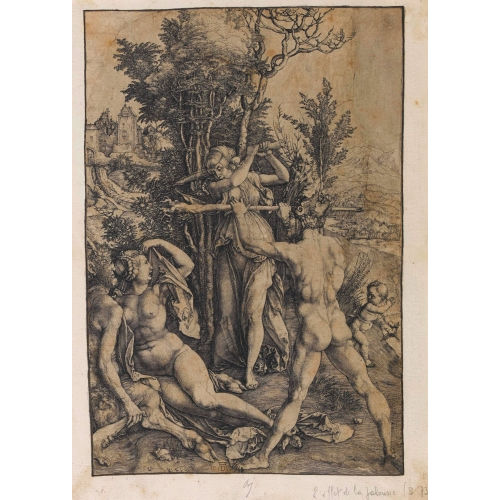
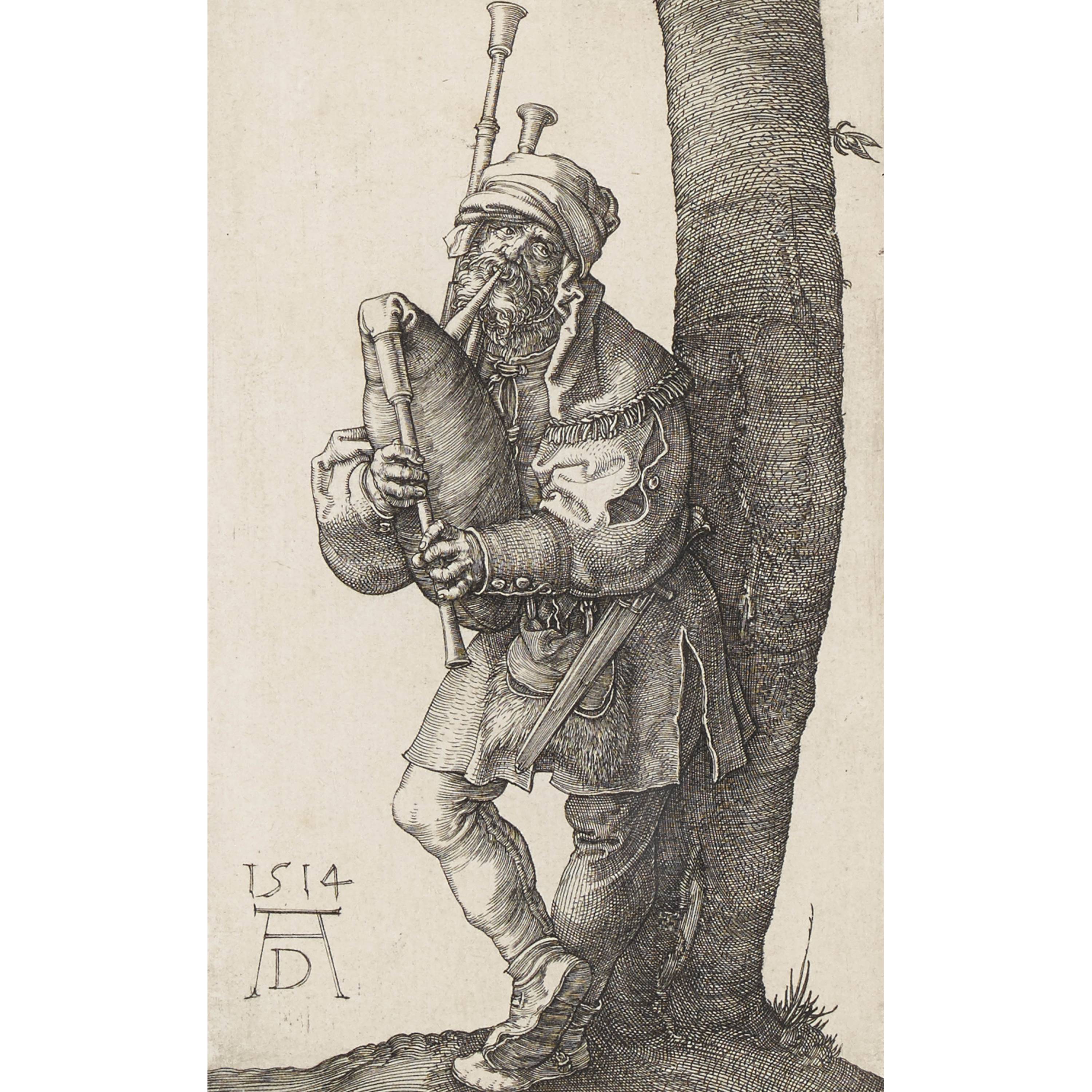
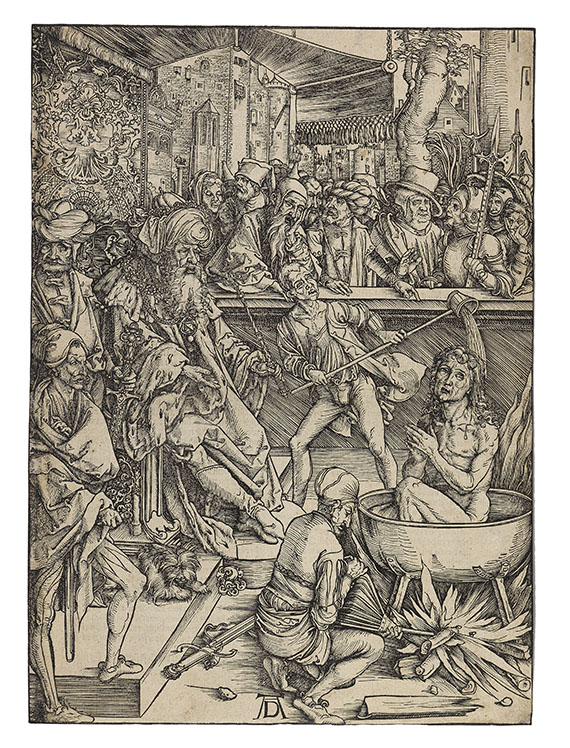
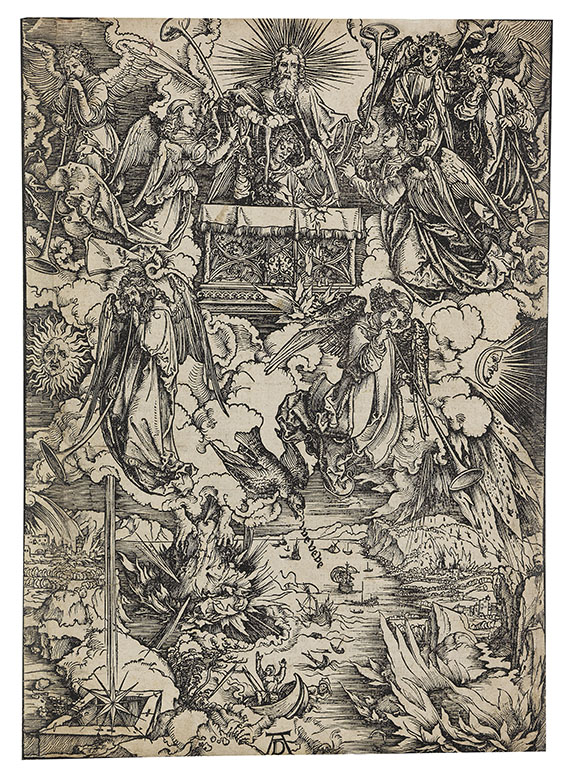
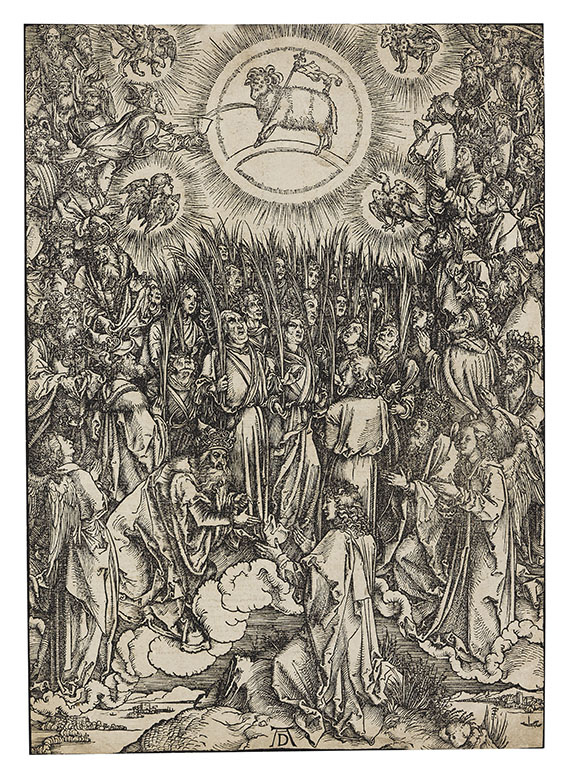
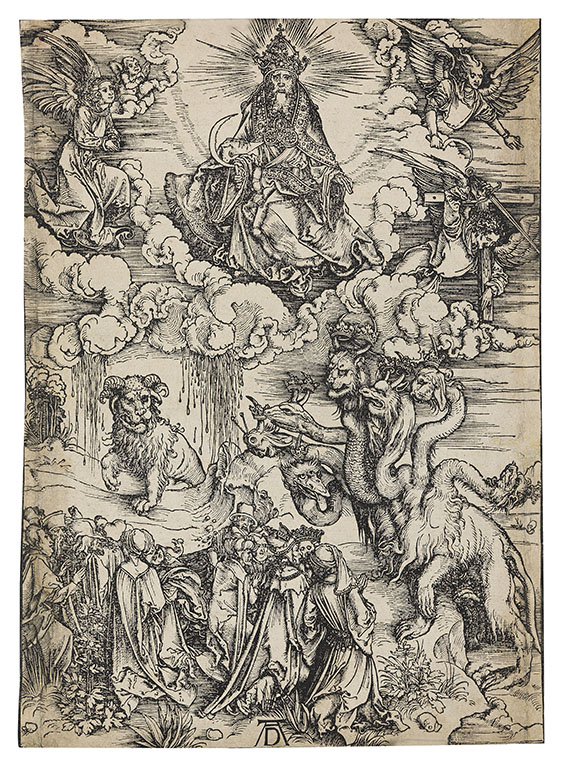
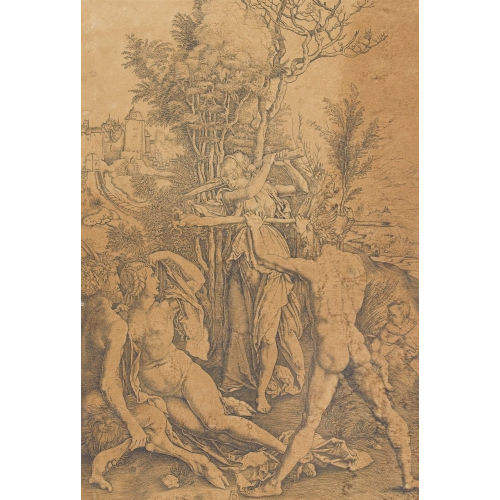
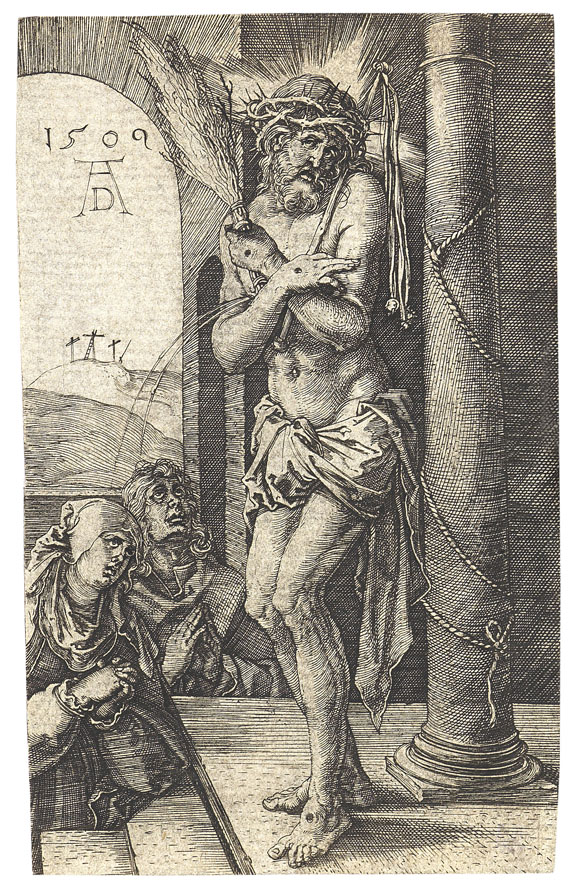
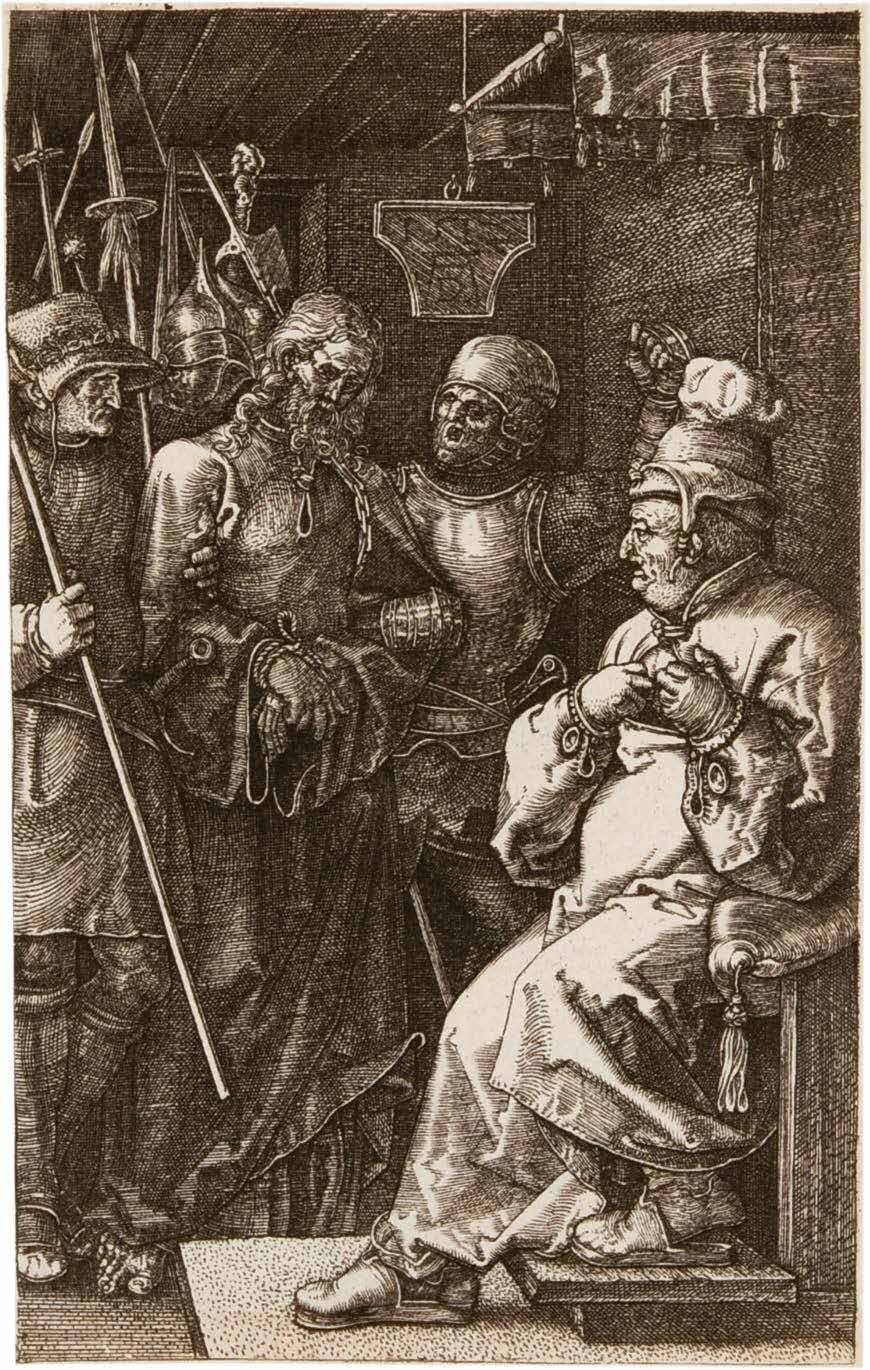
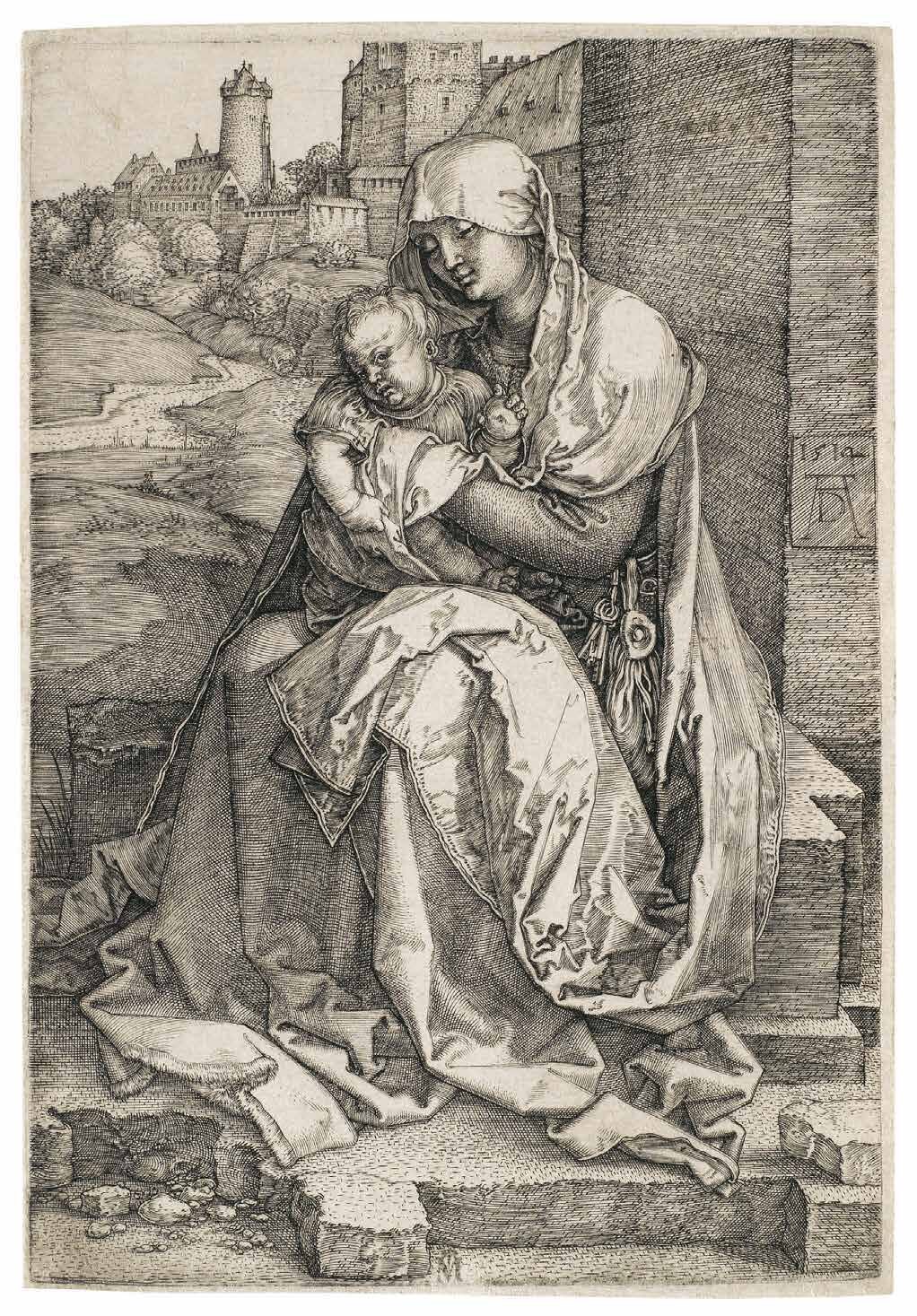
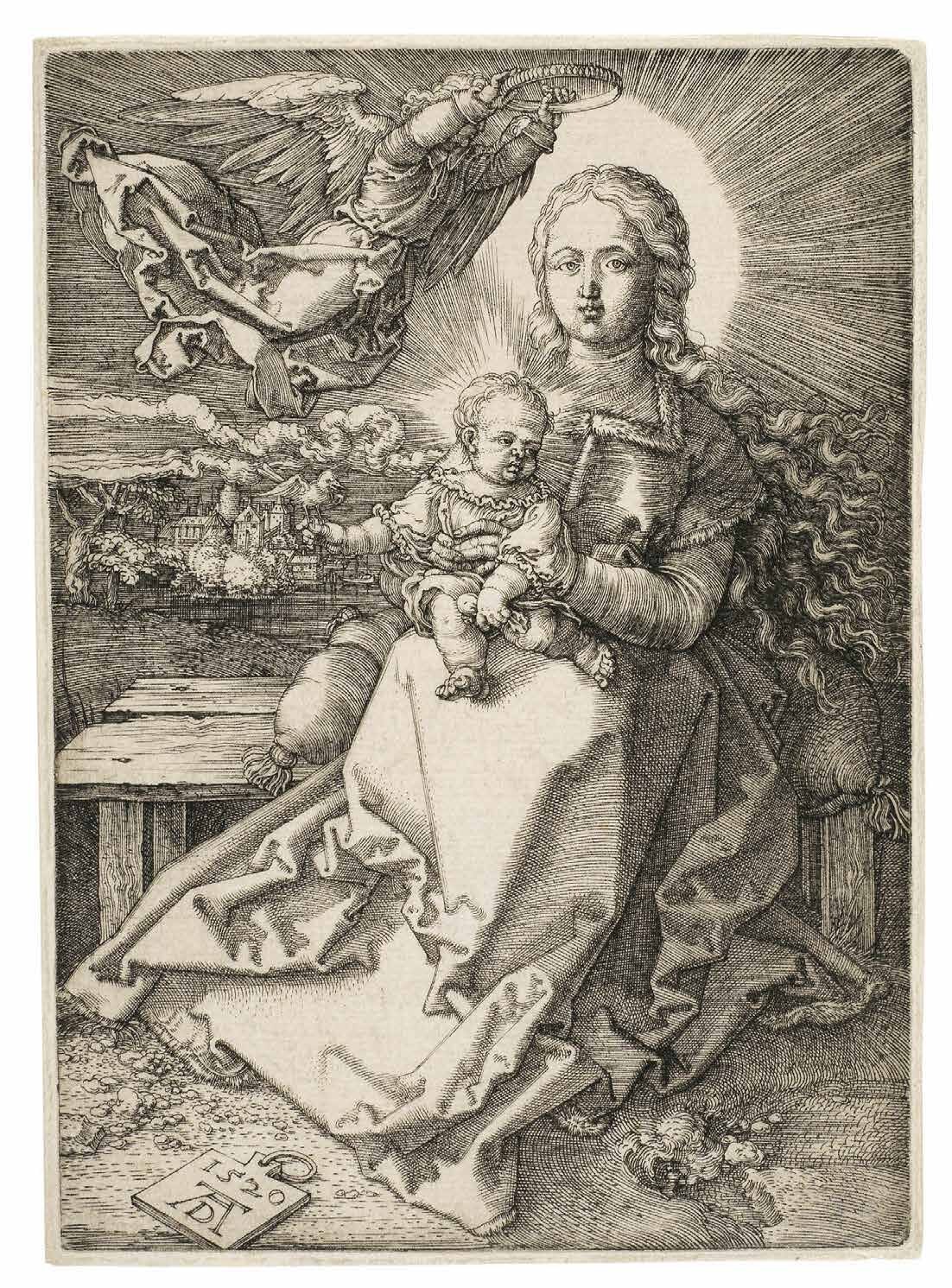
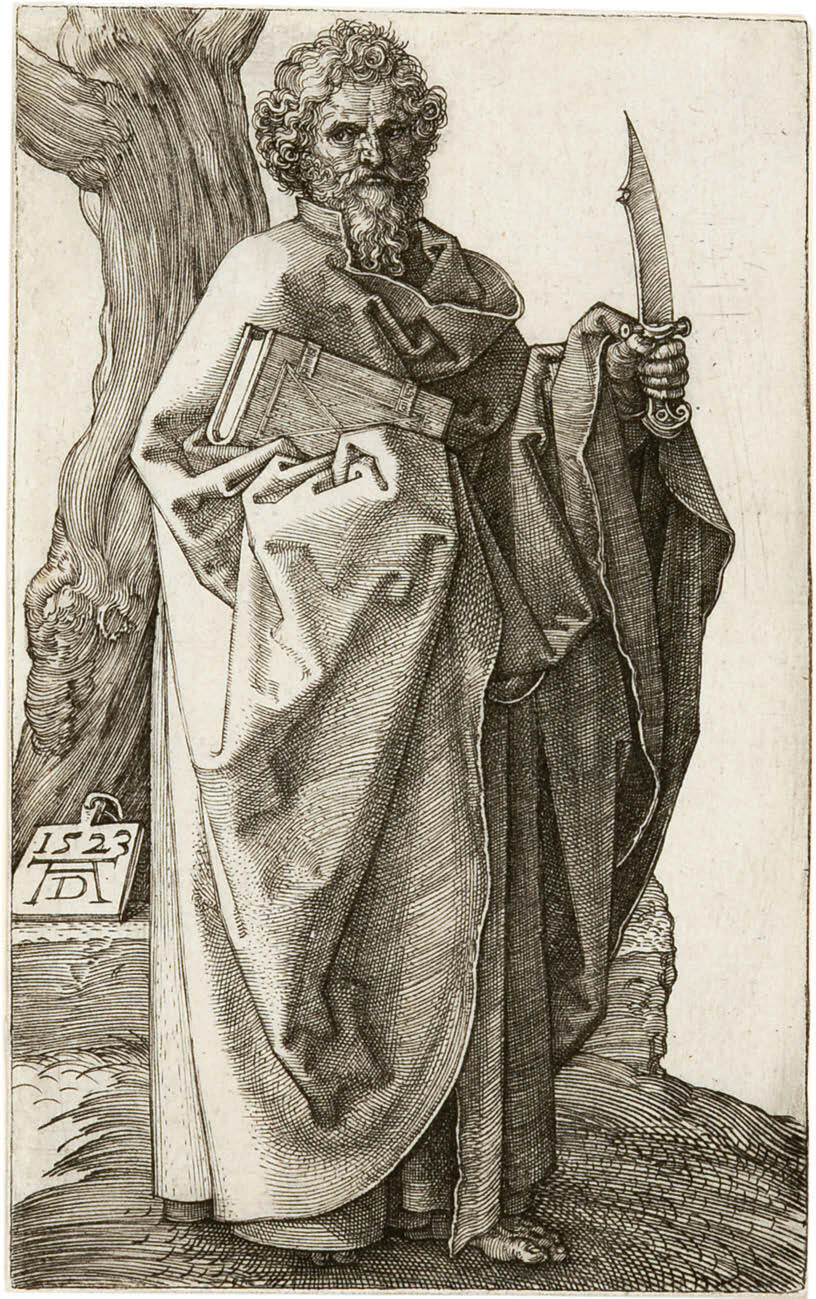
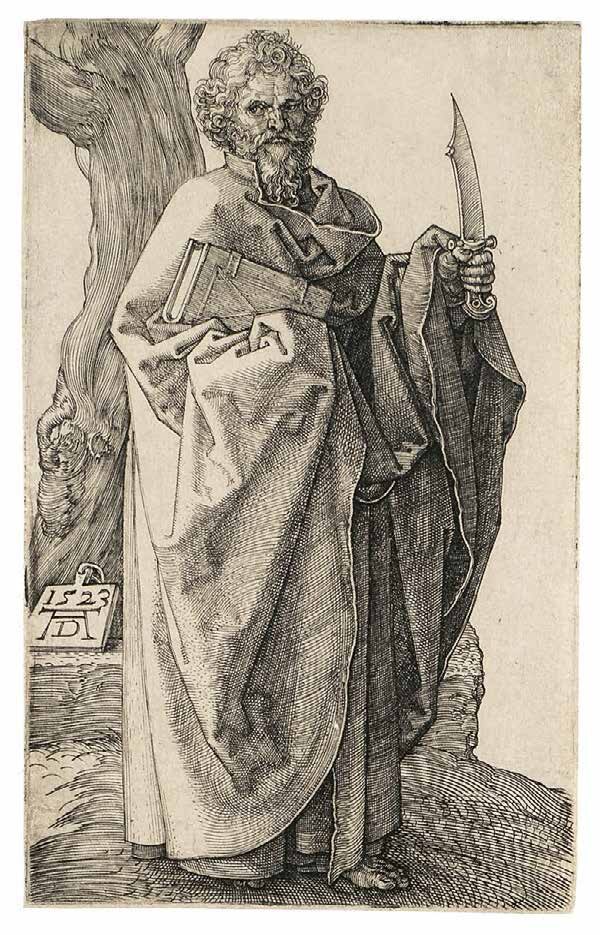
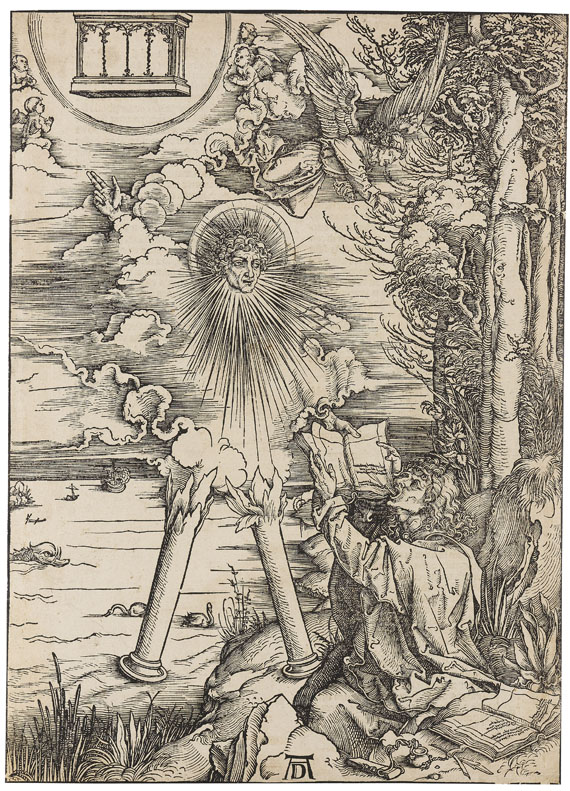
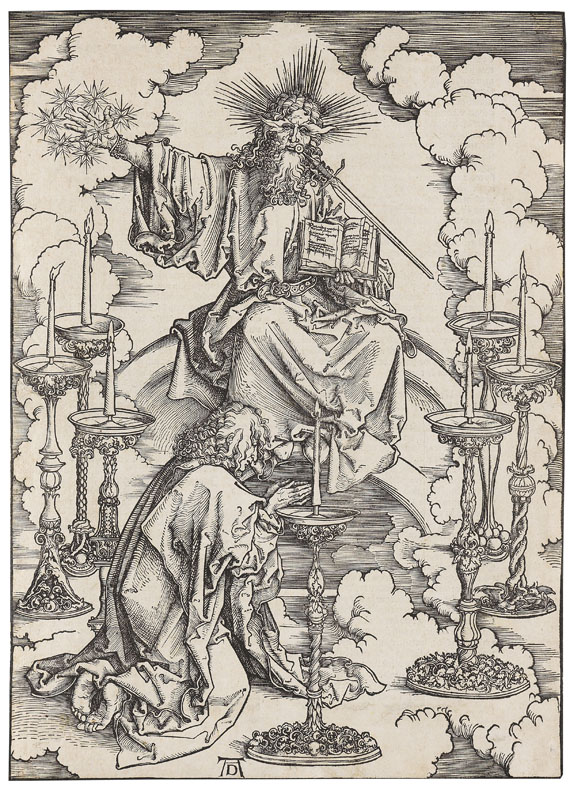
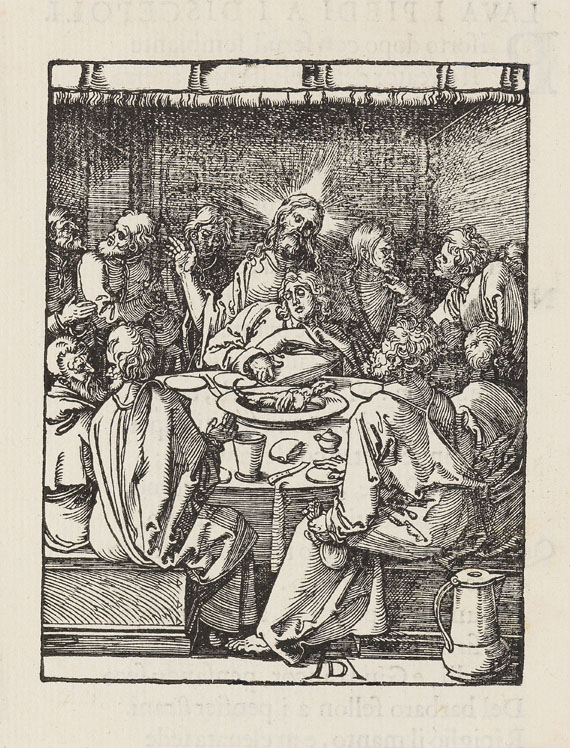
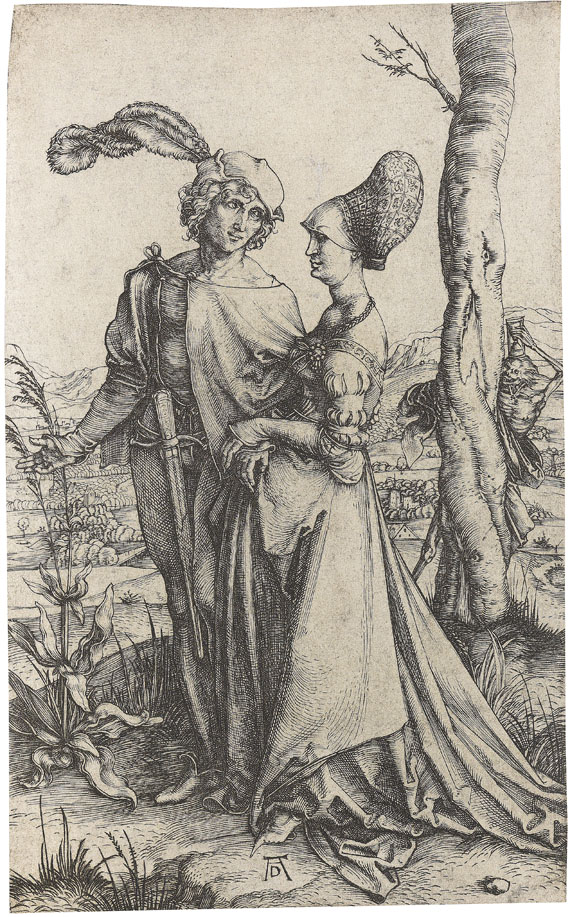
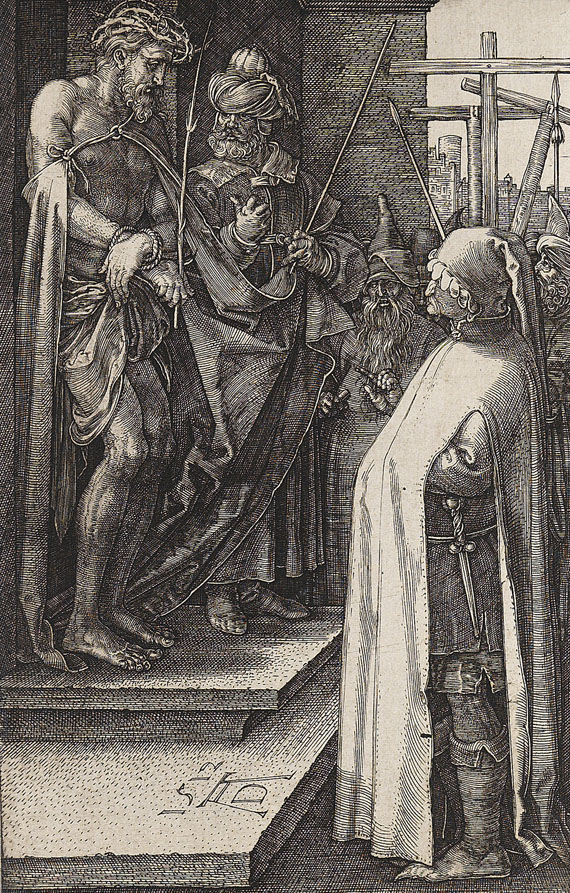
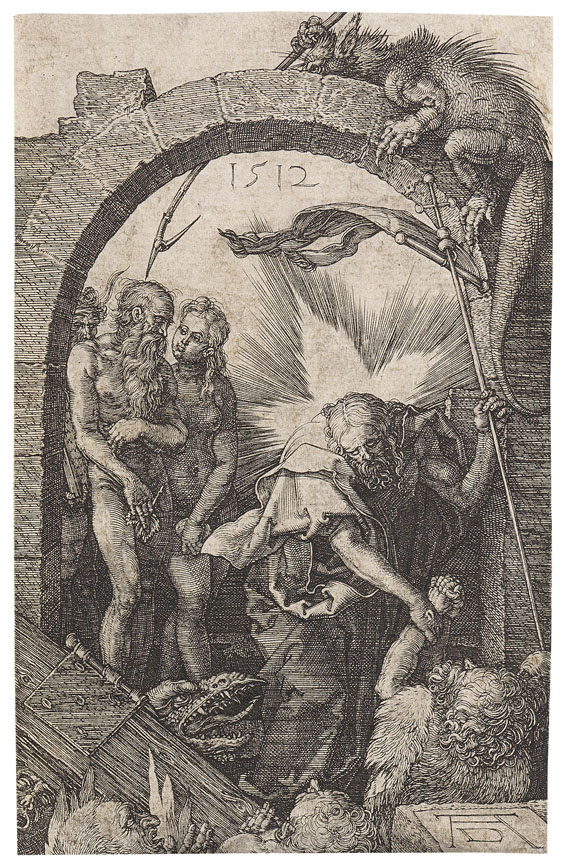
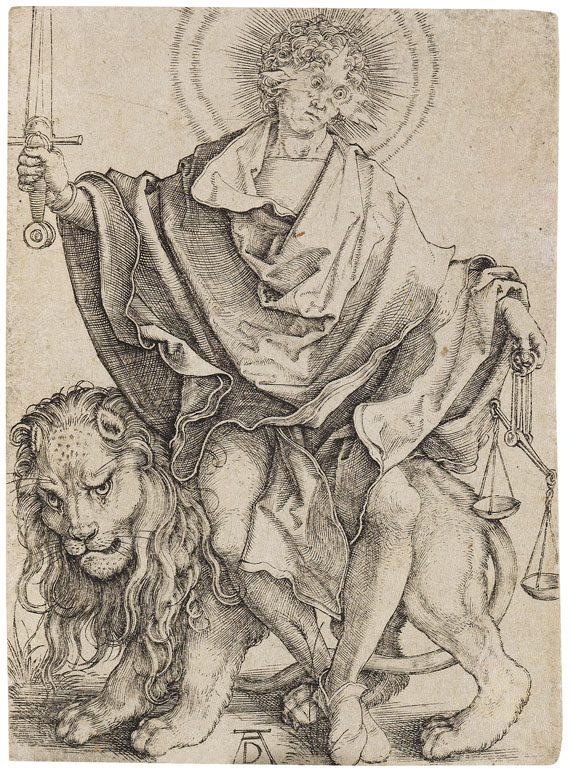
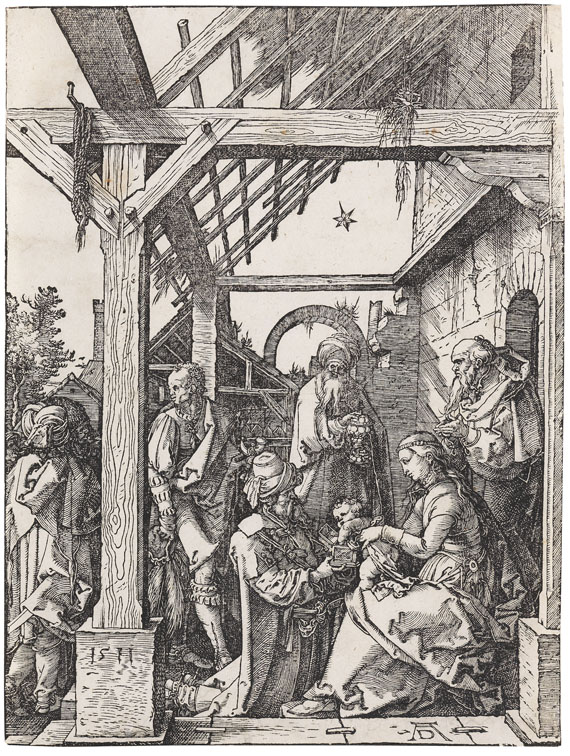
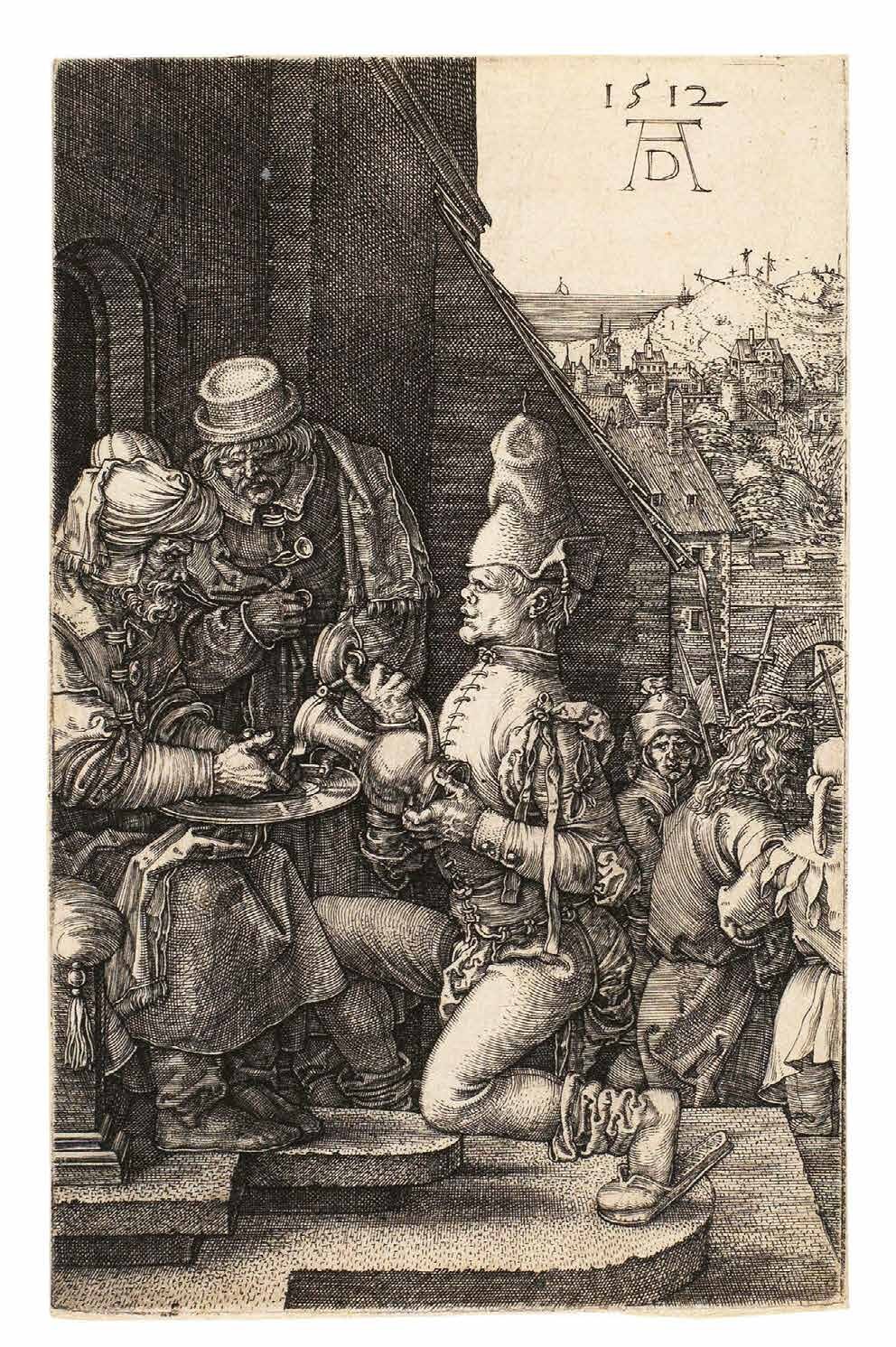
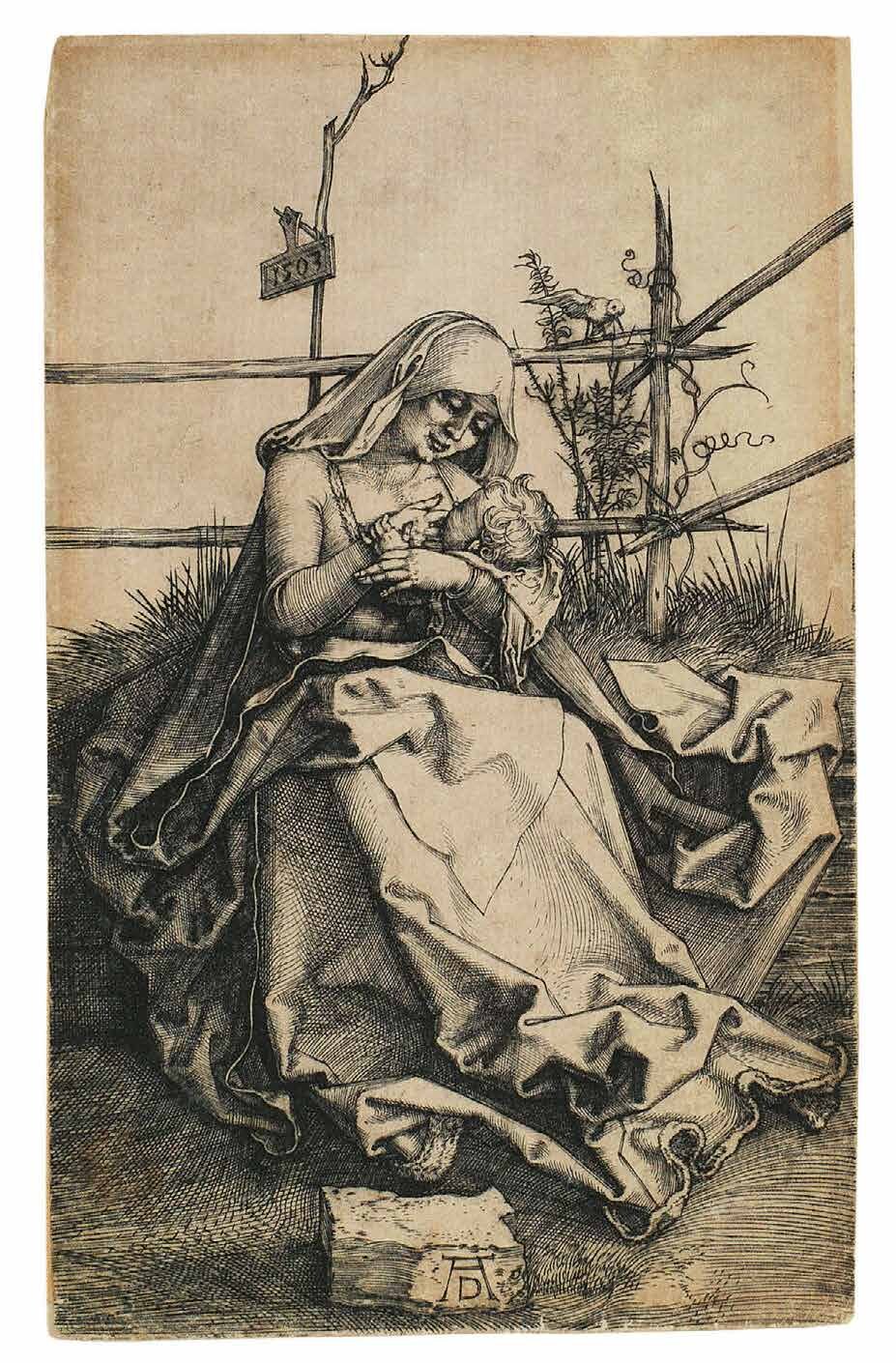
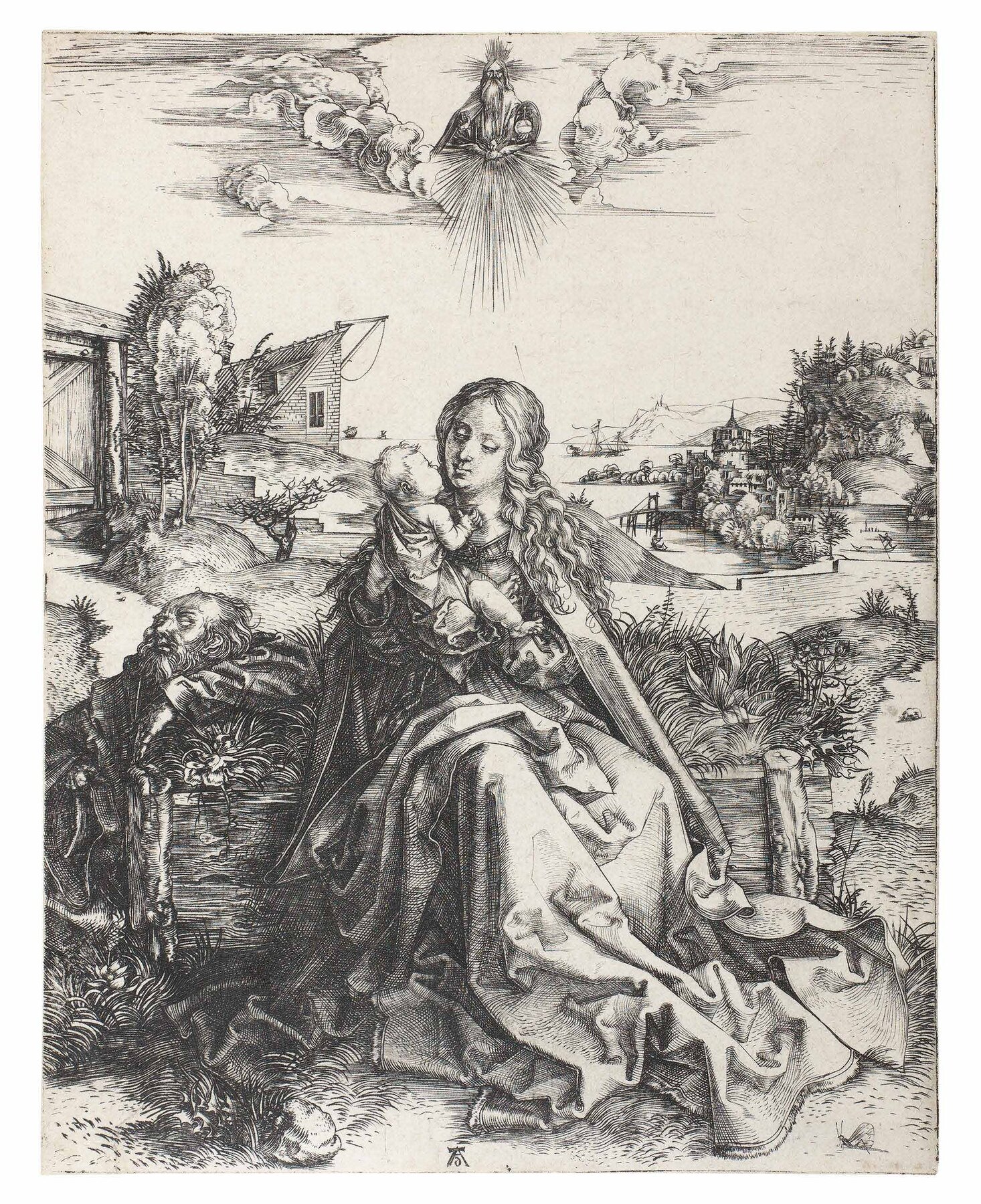
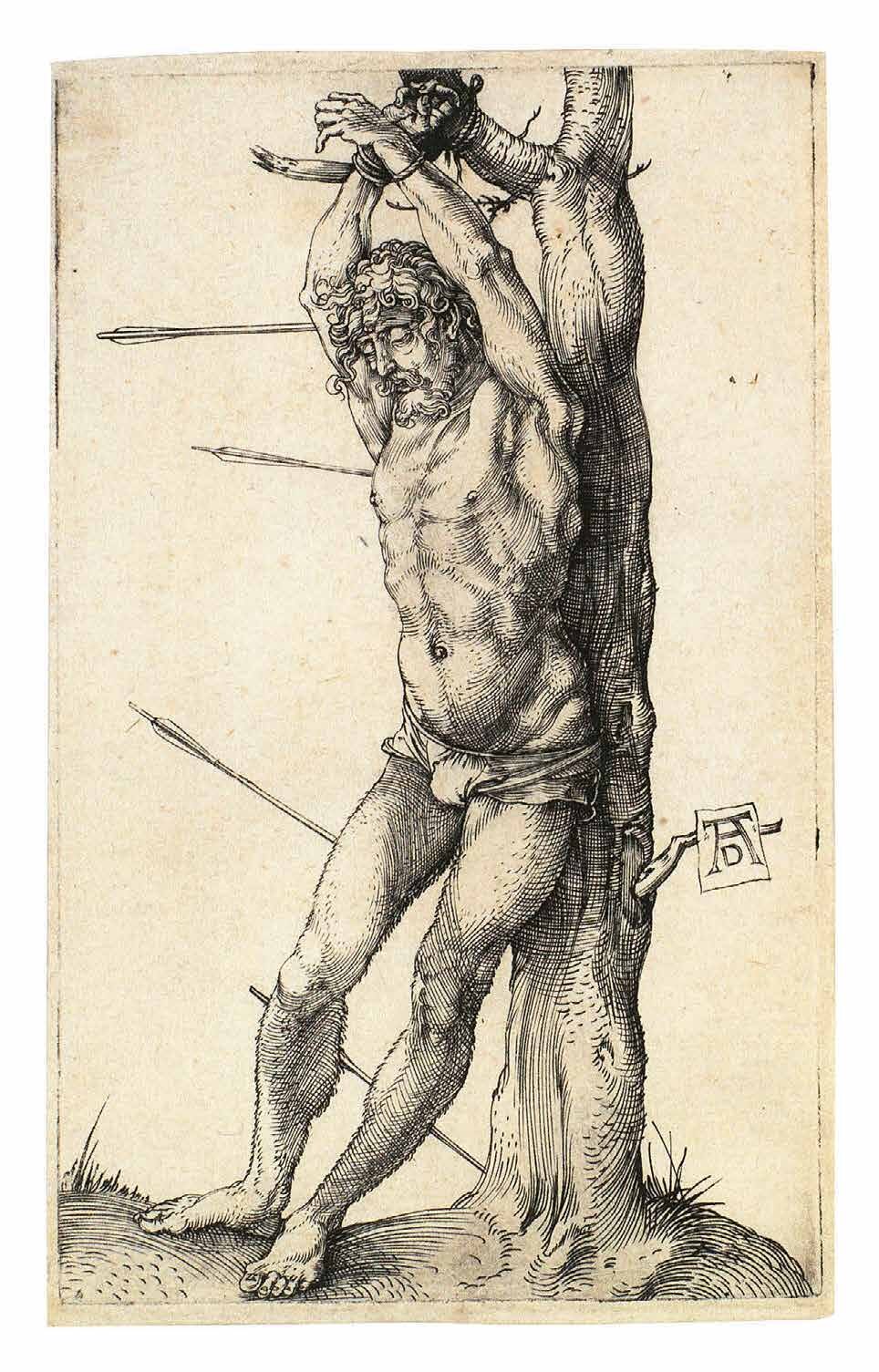
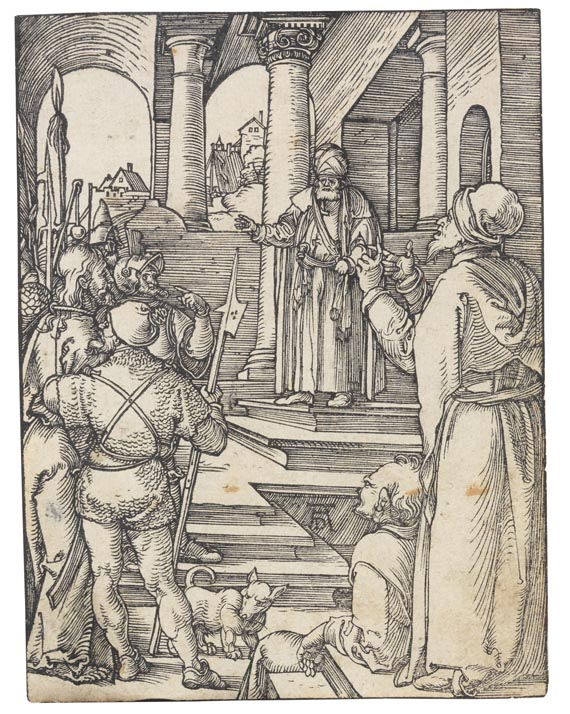
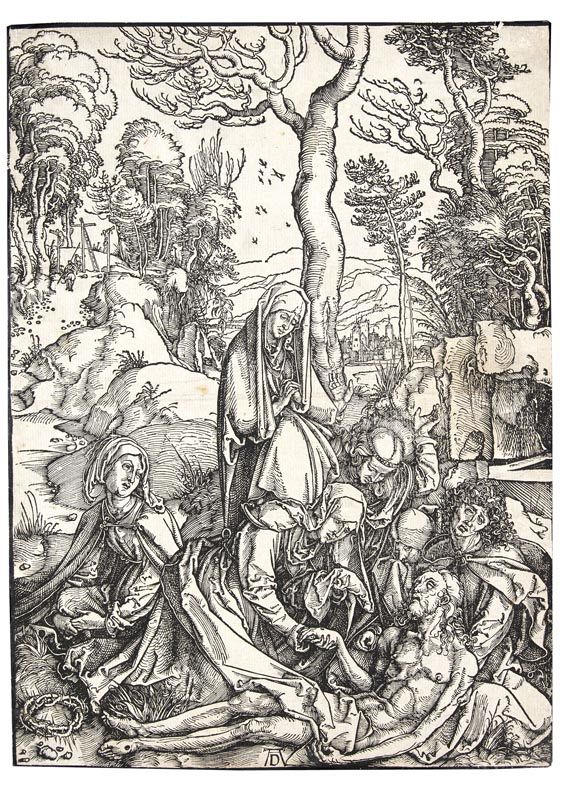
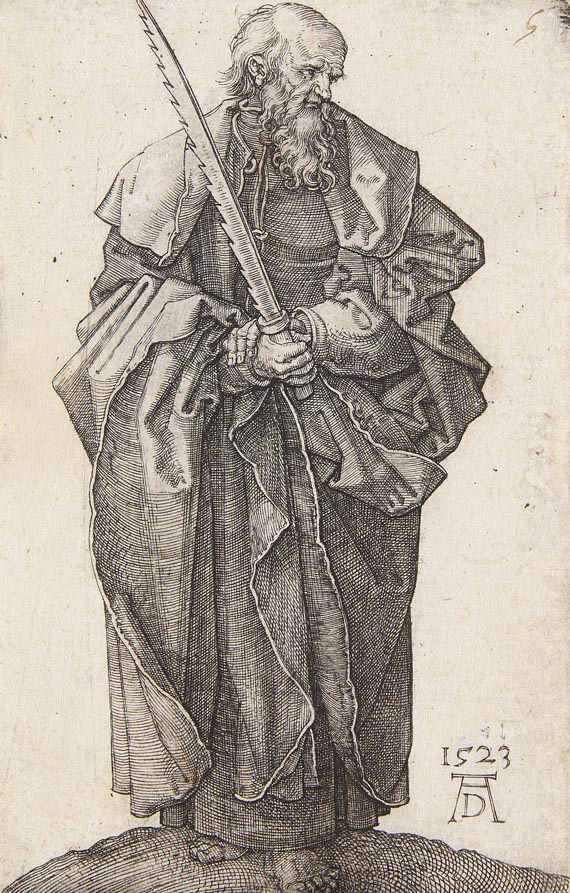
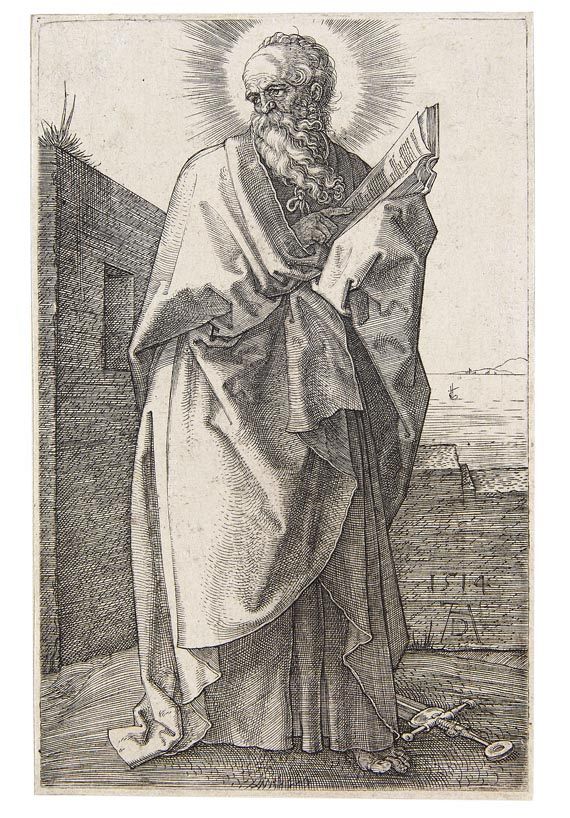
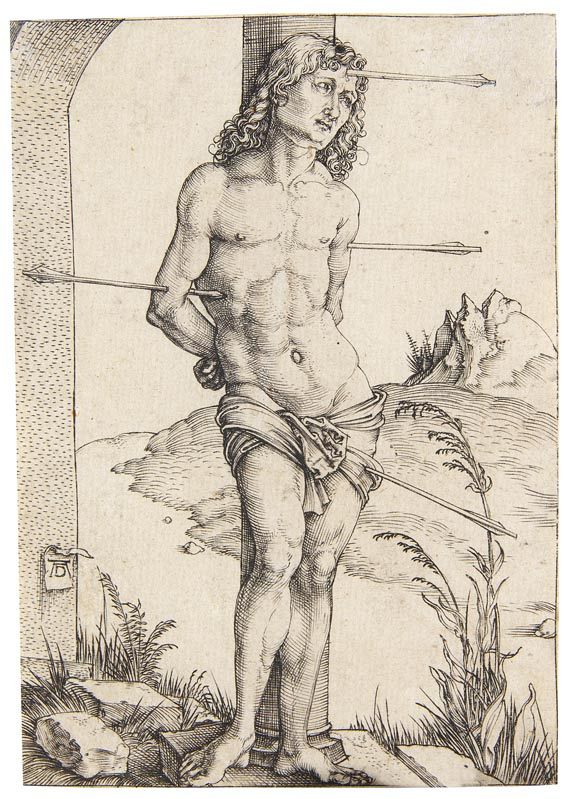
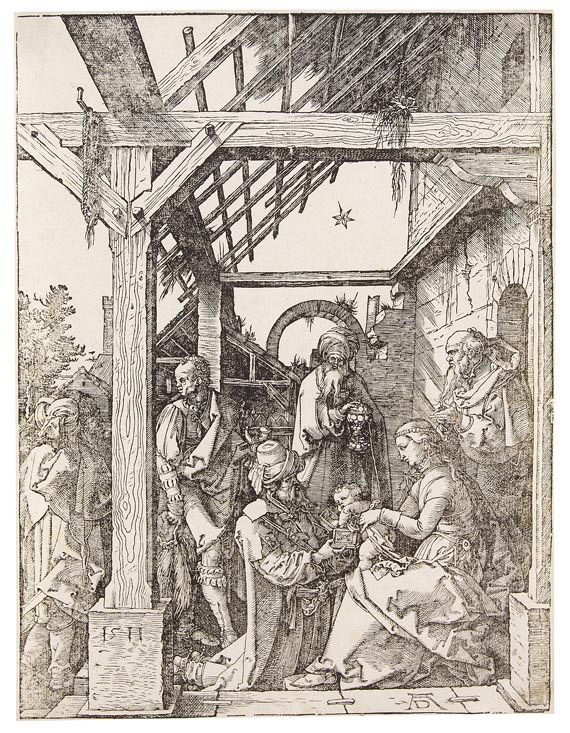
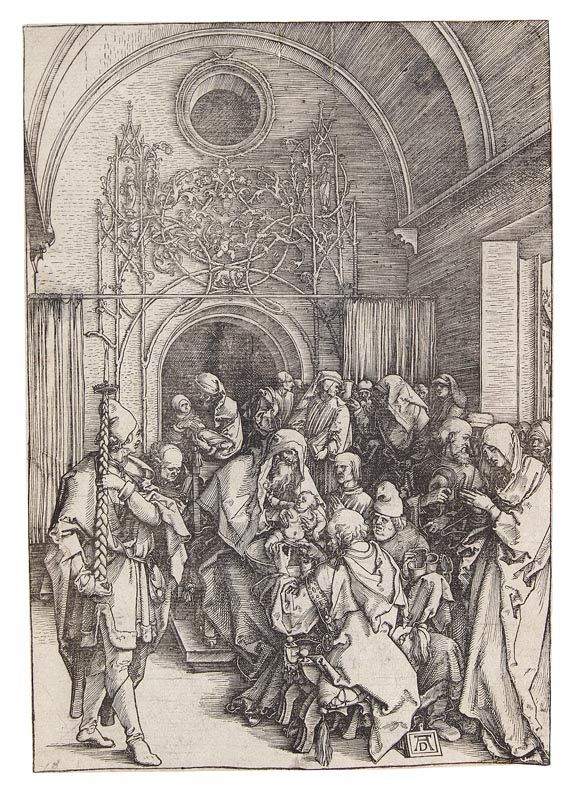
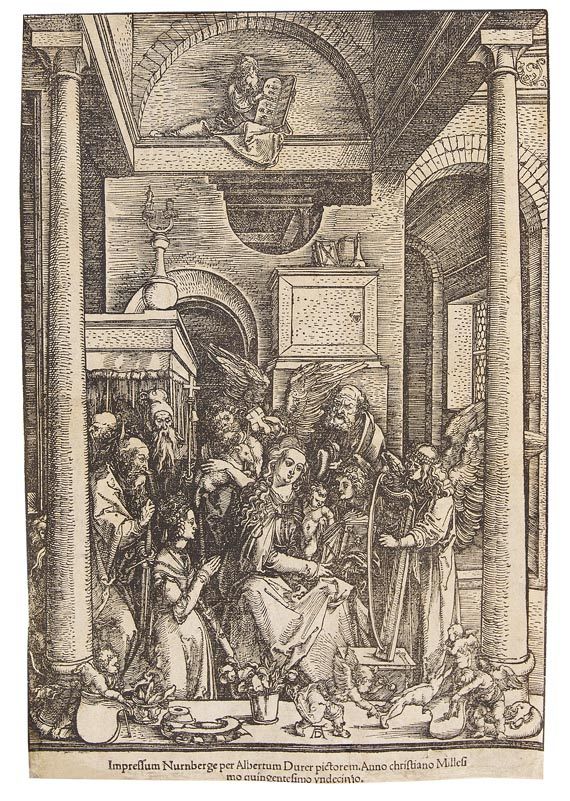
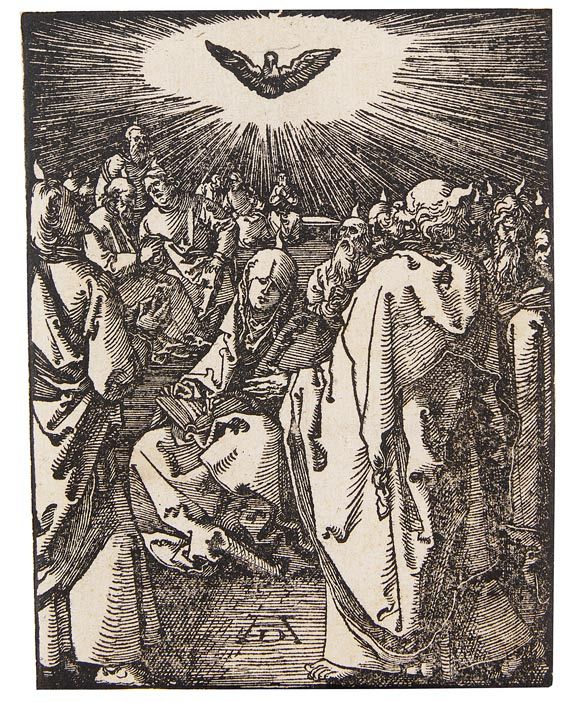
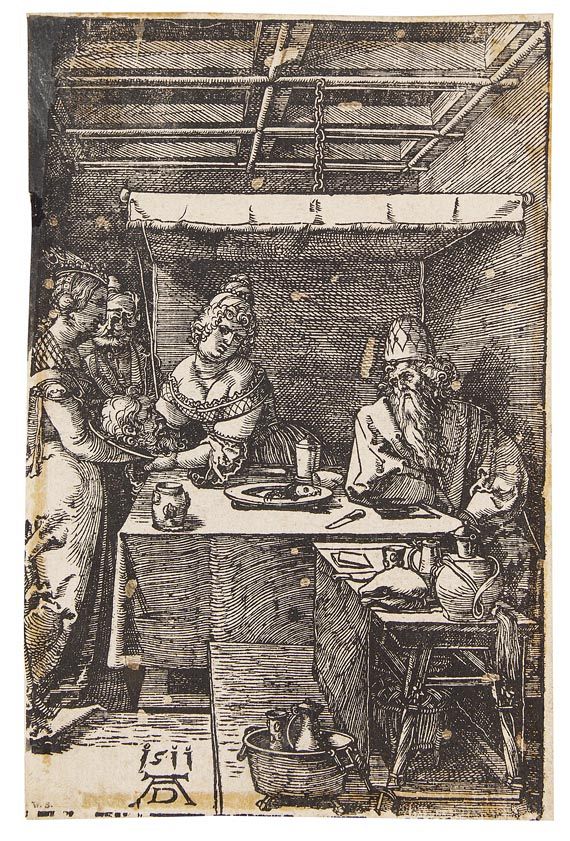
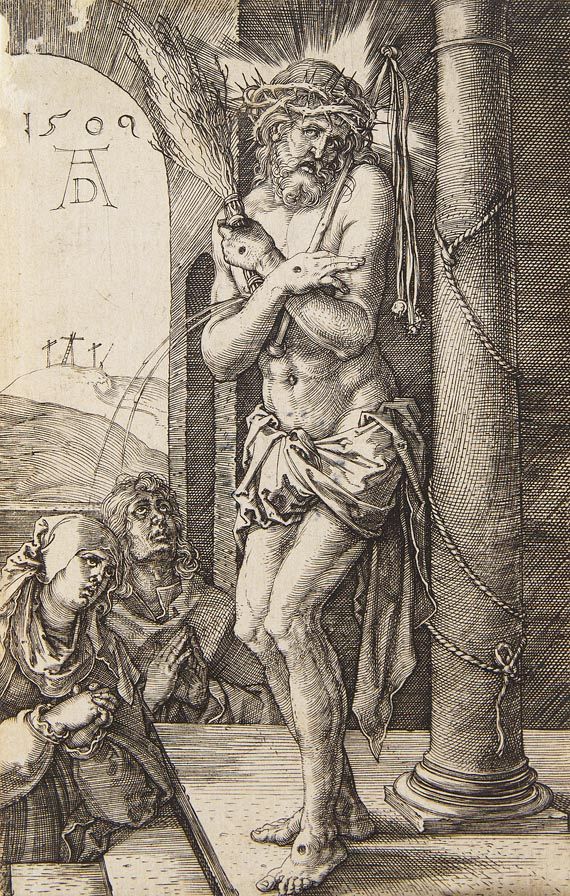
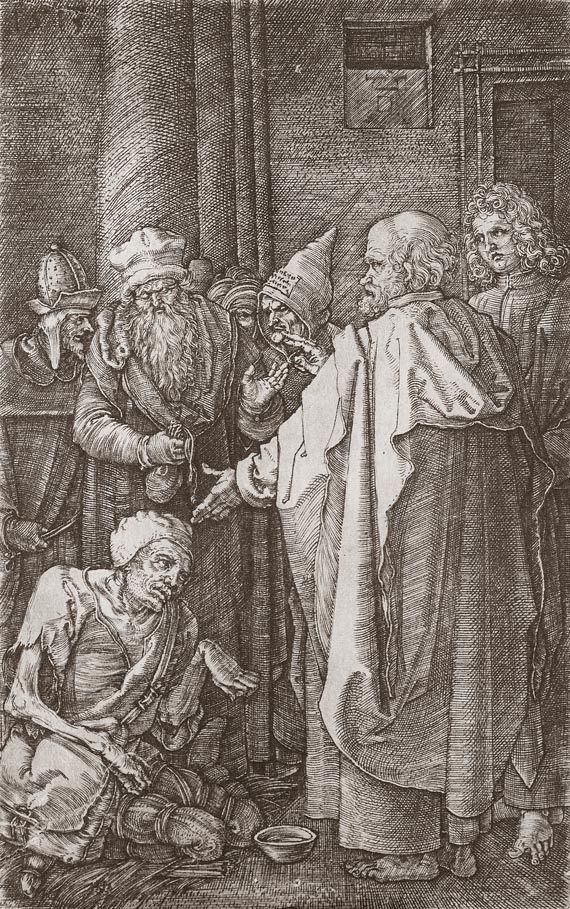
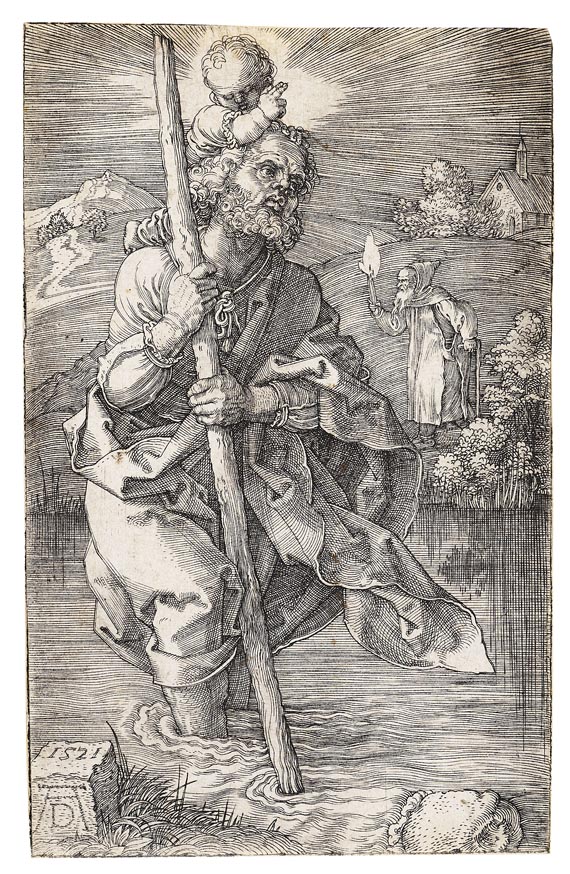
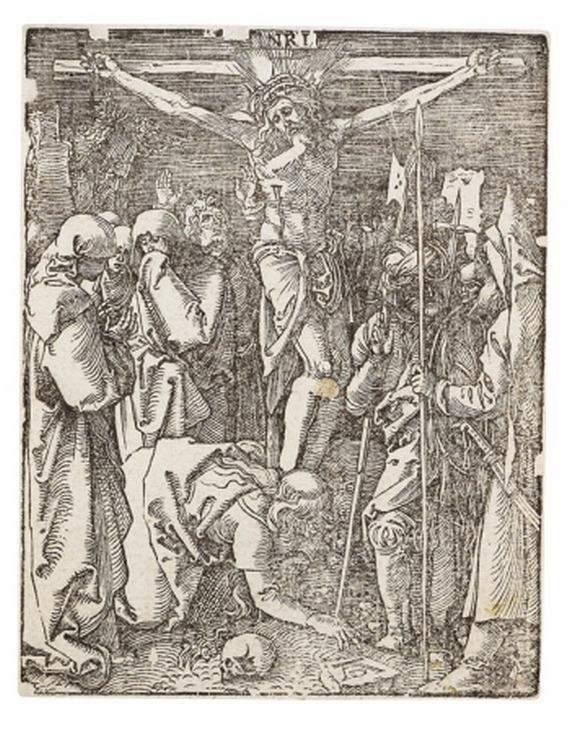
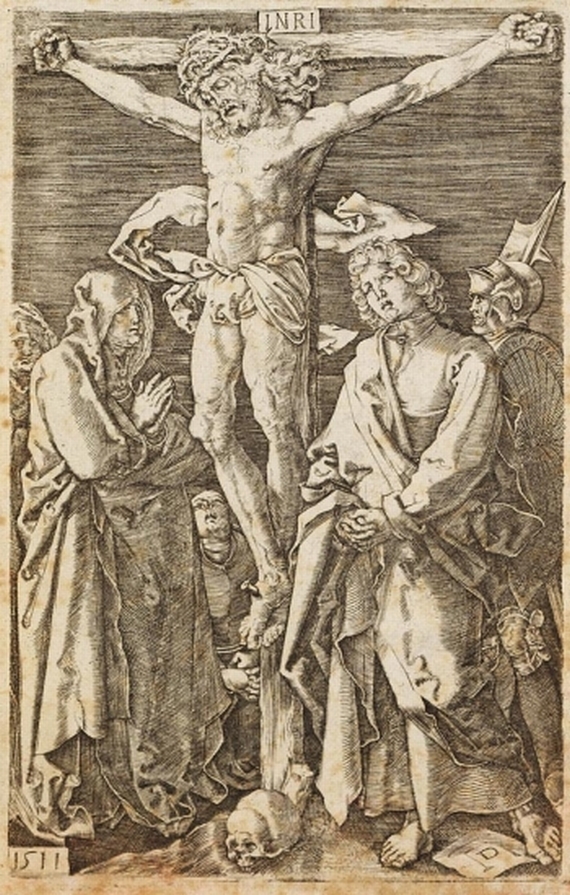
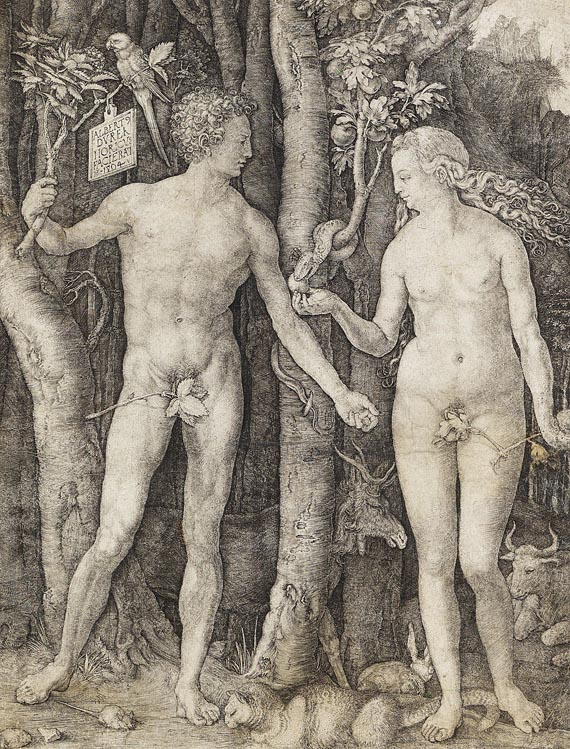
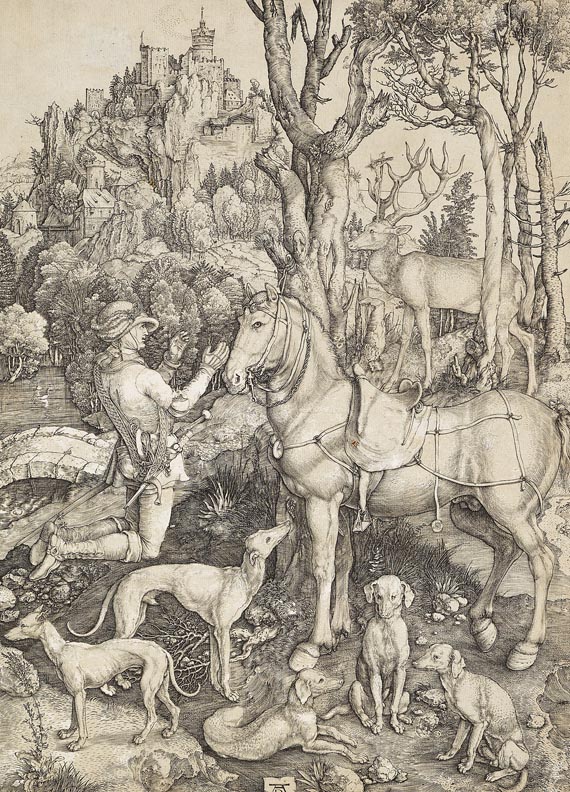
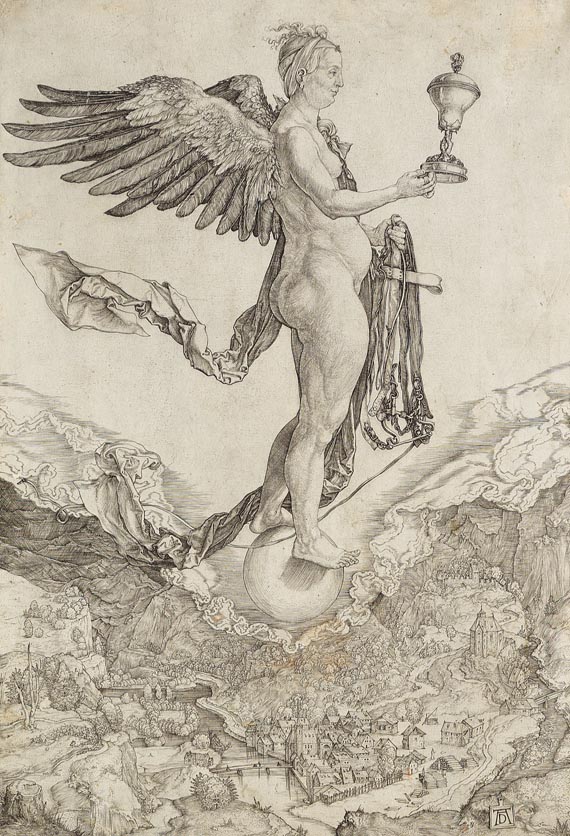
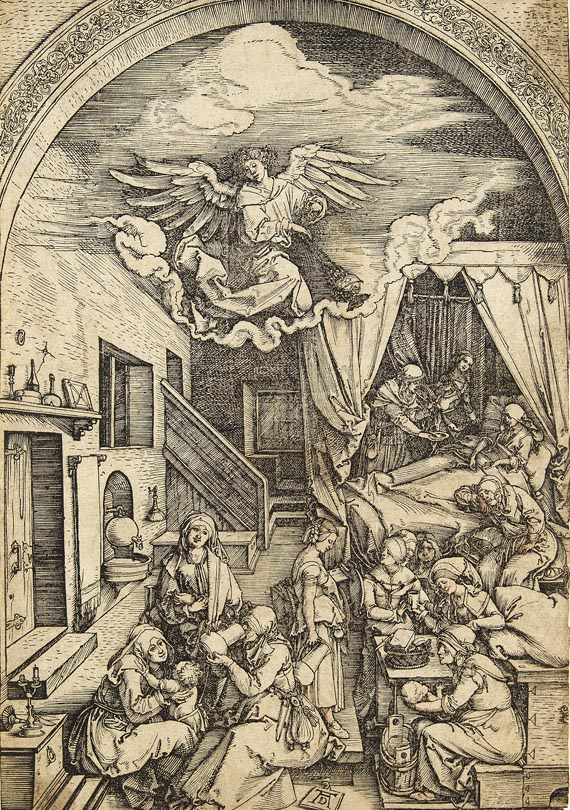
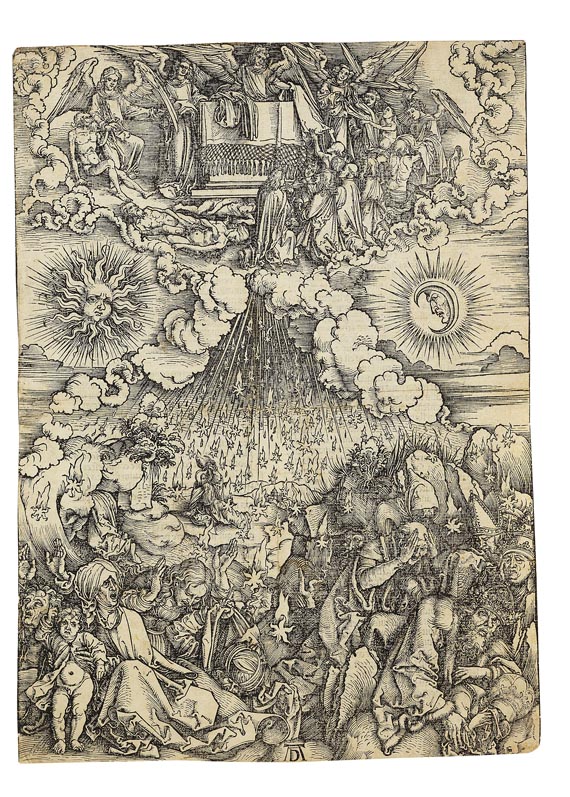
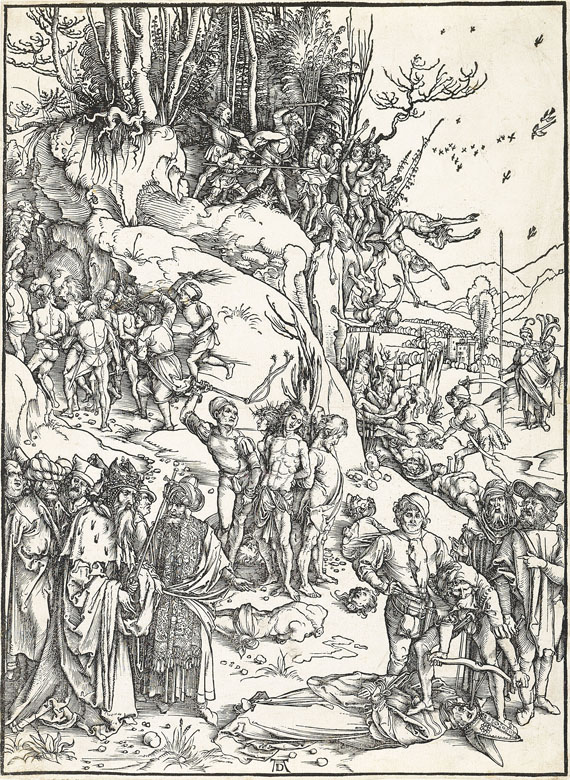
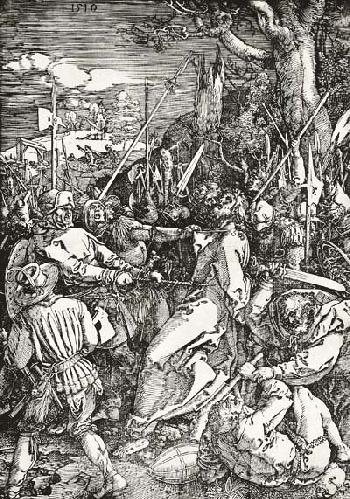
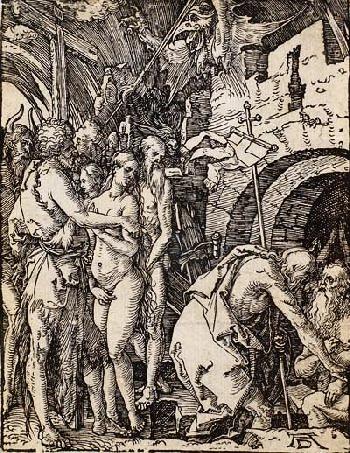
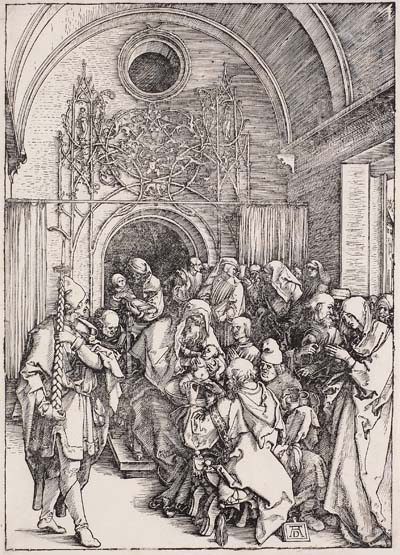
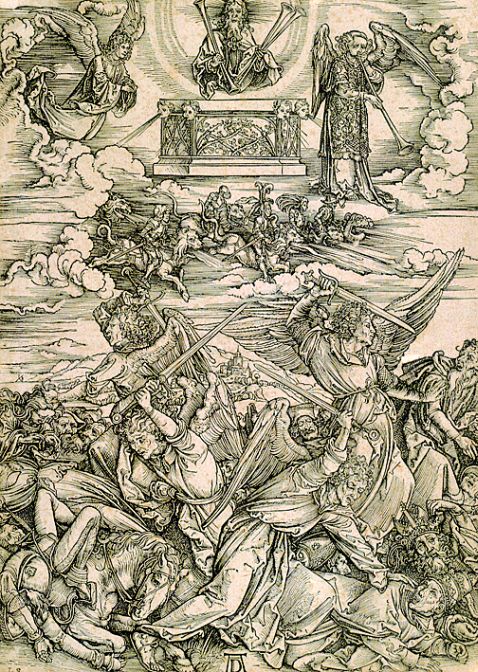
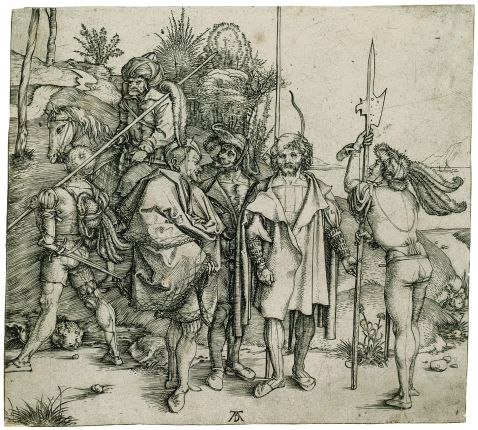
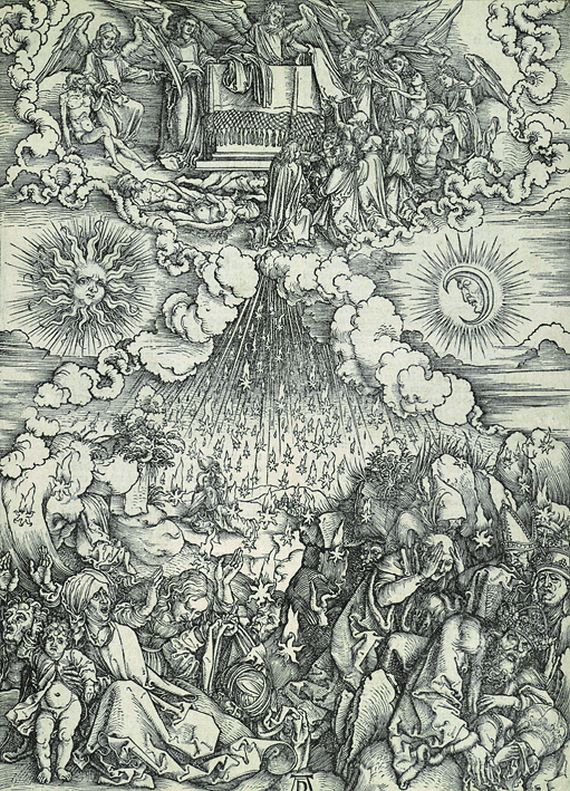
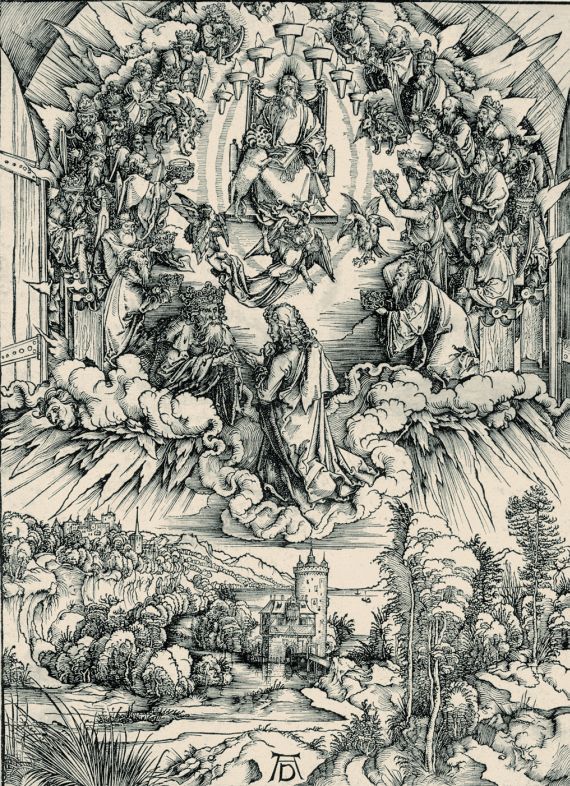
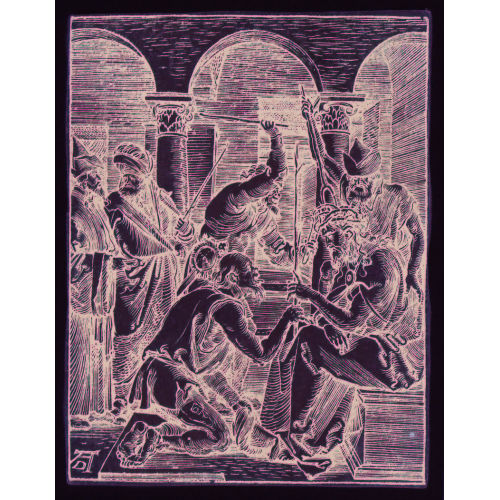
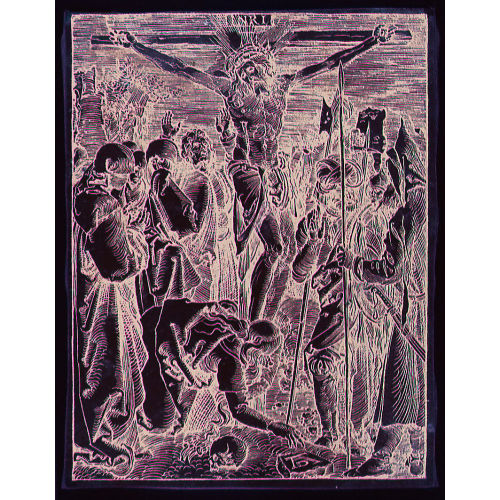
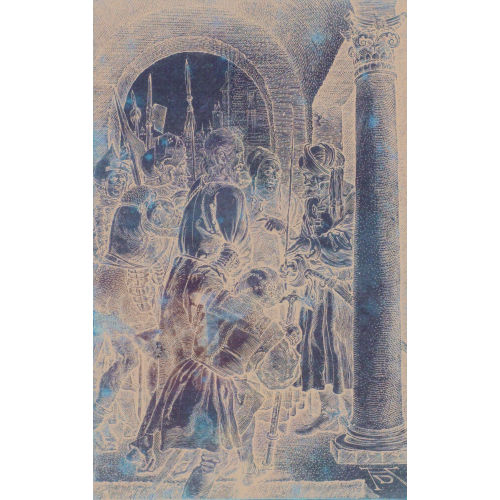
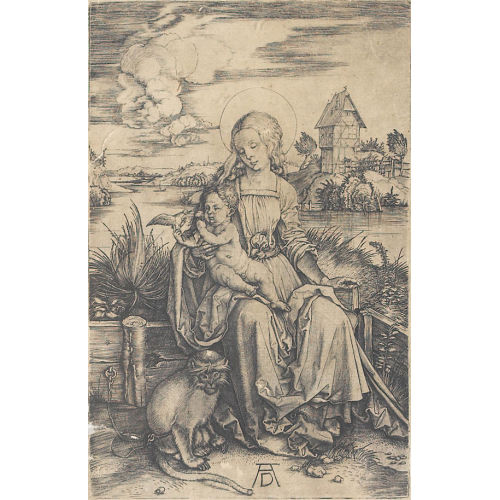
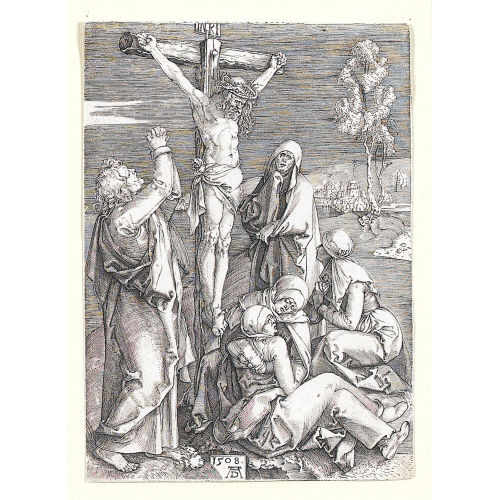
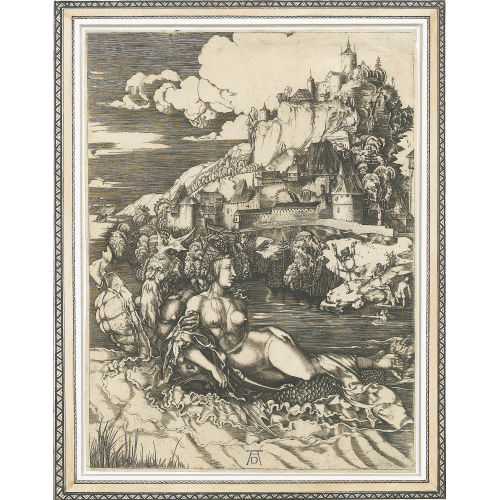
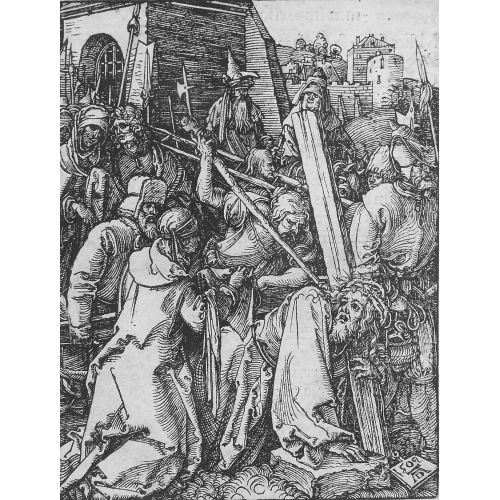
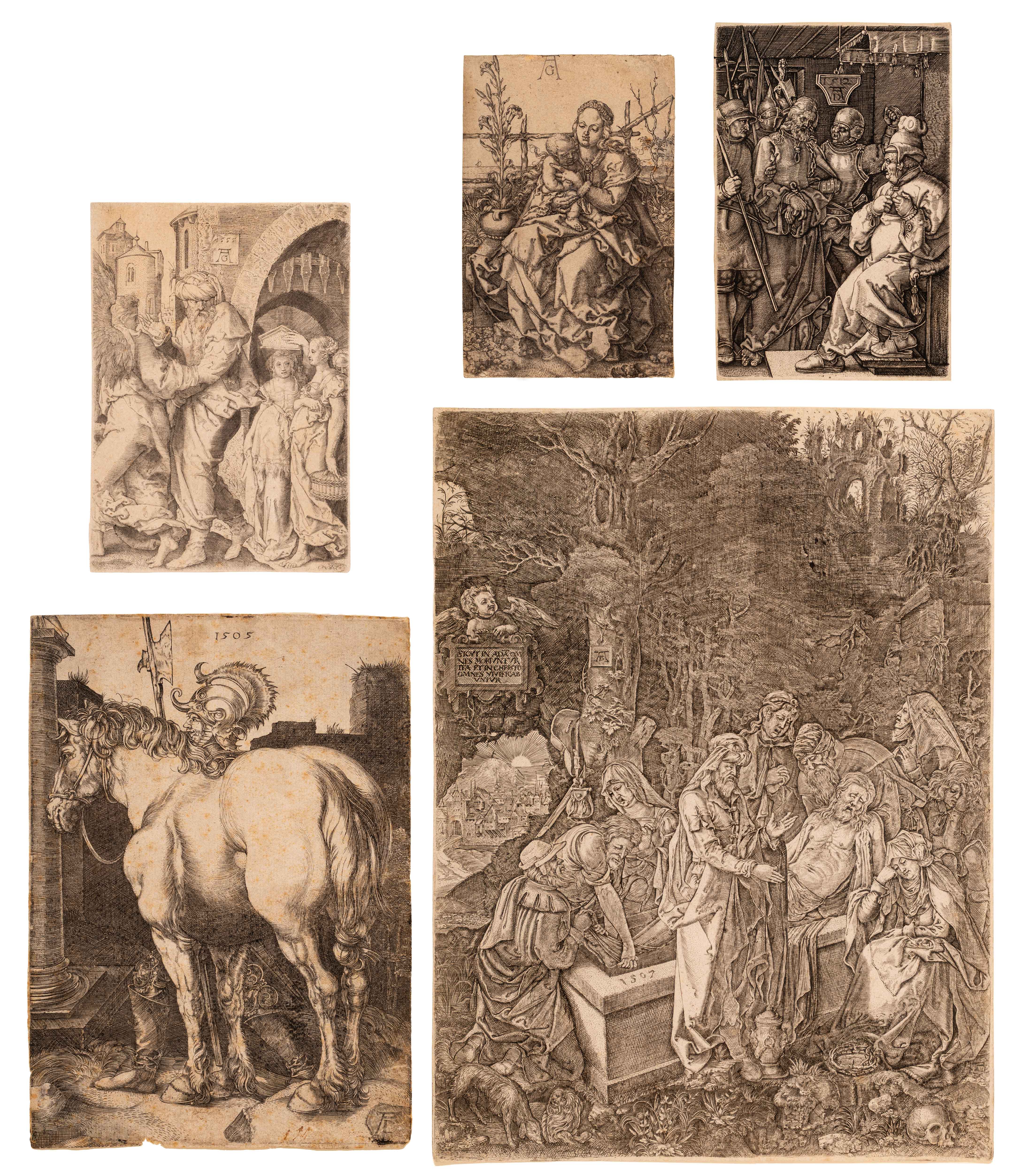
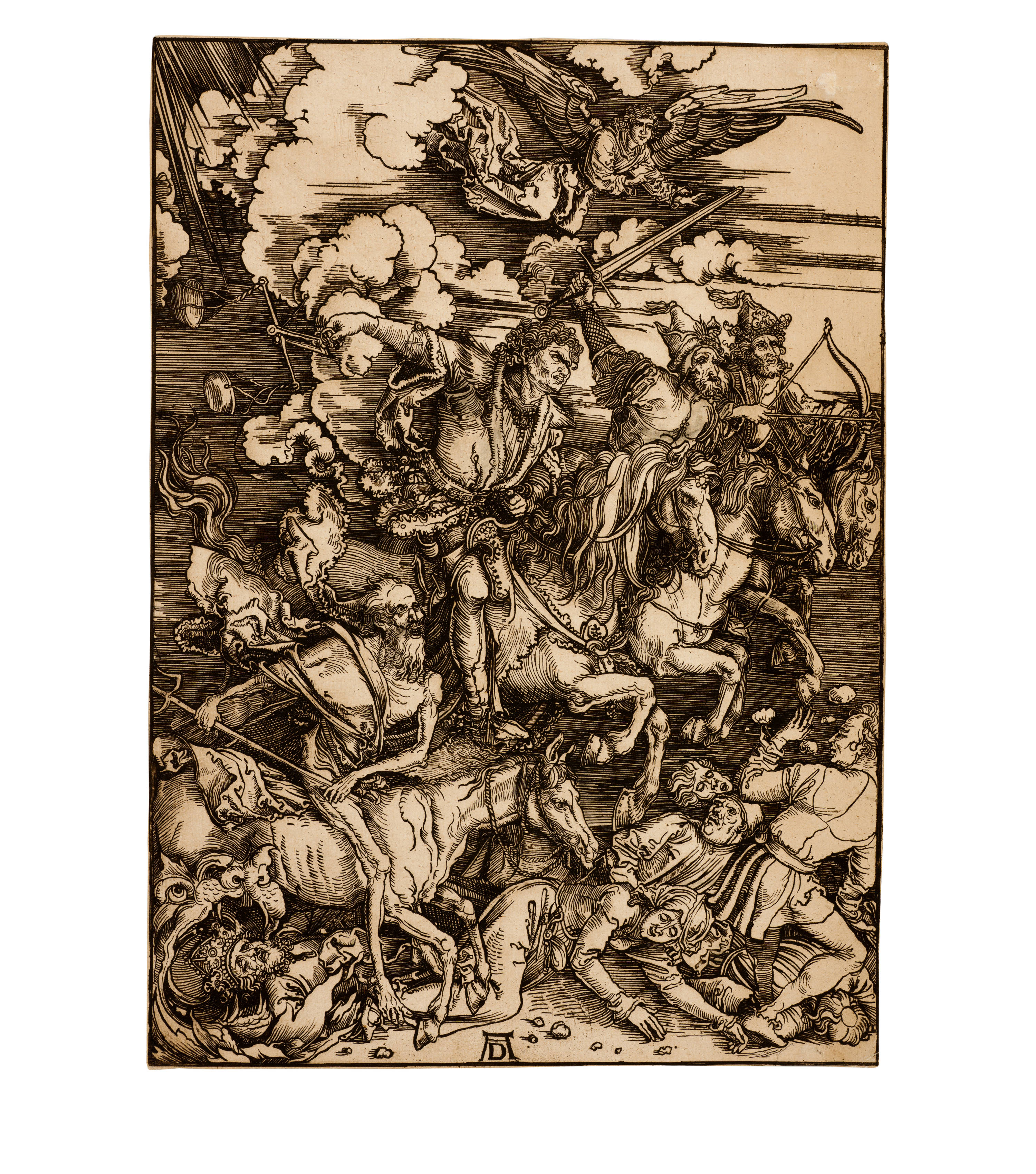
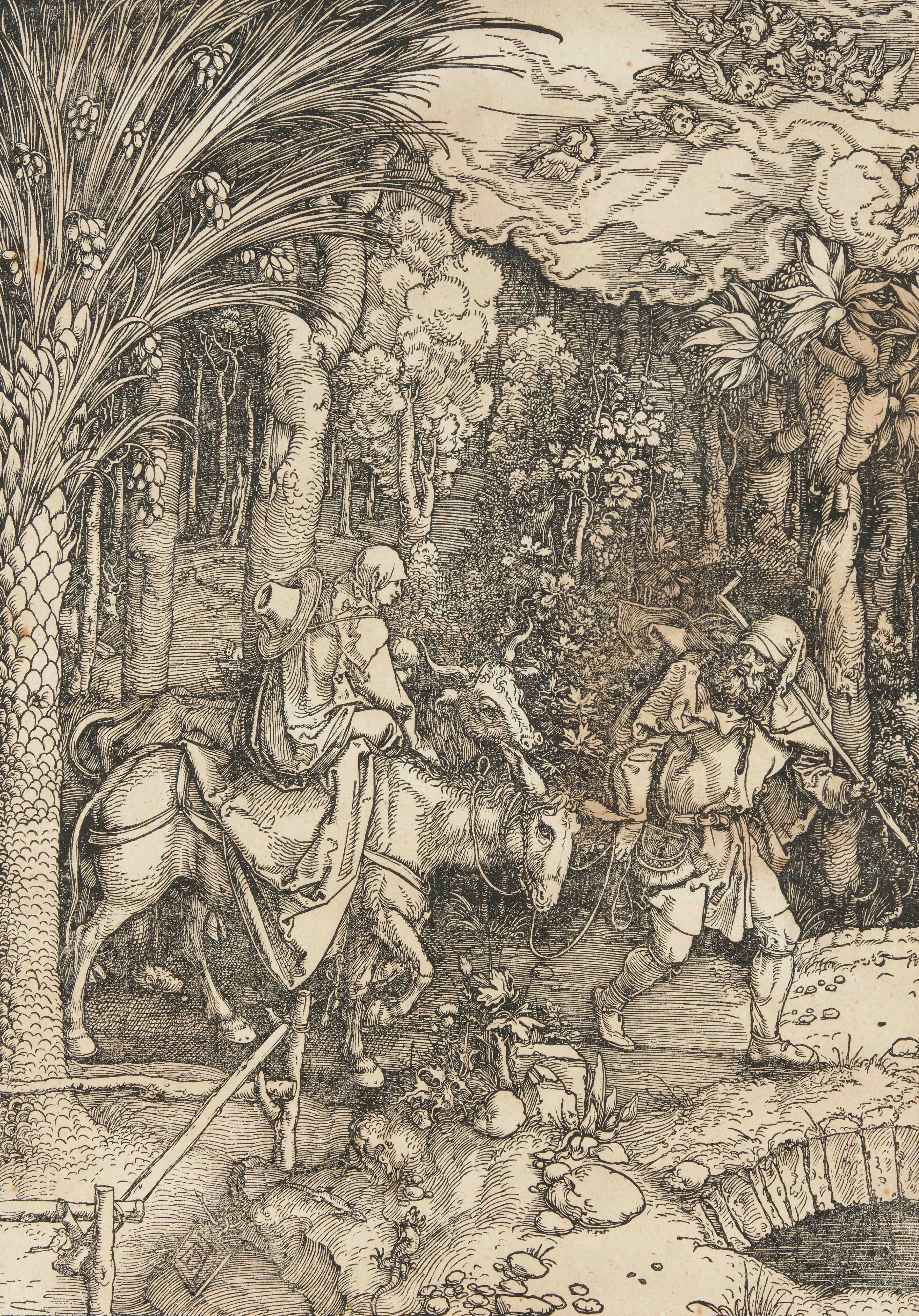
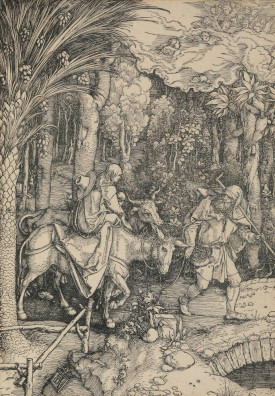
Published in 1498, the woodcut cycle of the Apocalypse marks an essential moment in his career. Through the force of its compositions, the image acquires an autonomy that goes beyond accompanying the text. At the same time, Dürer develops copper engraving, in which the variety of lines and hatching makes it possible to model volumes and differentiate materials.
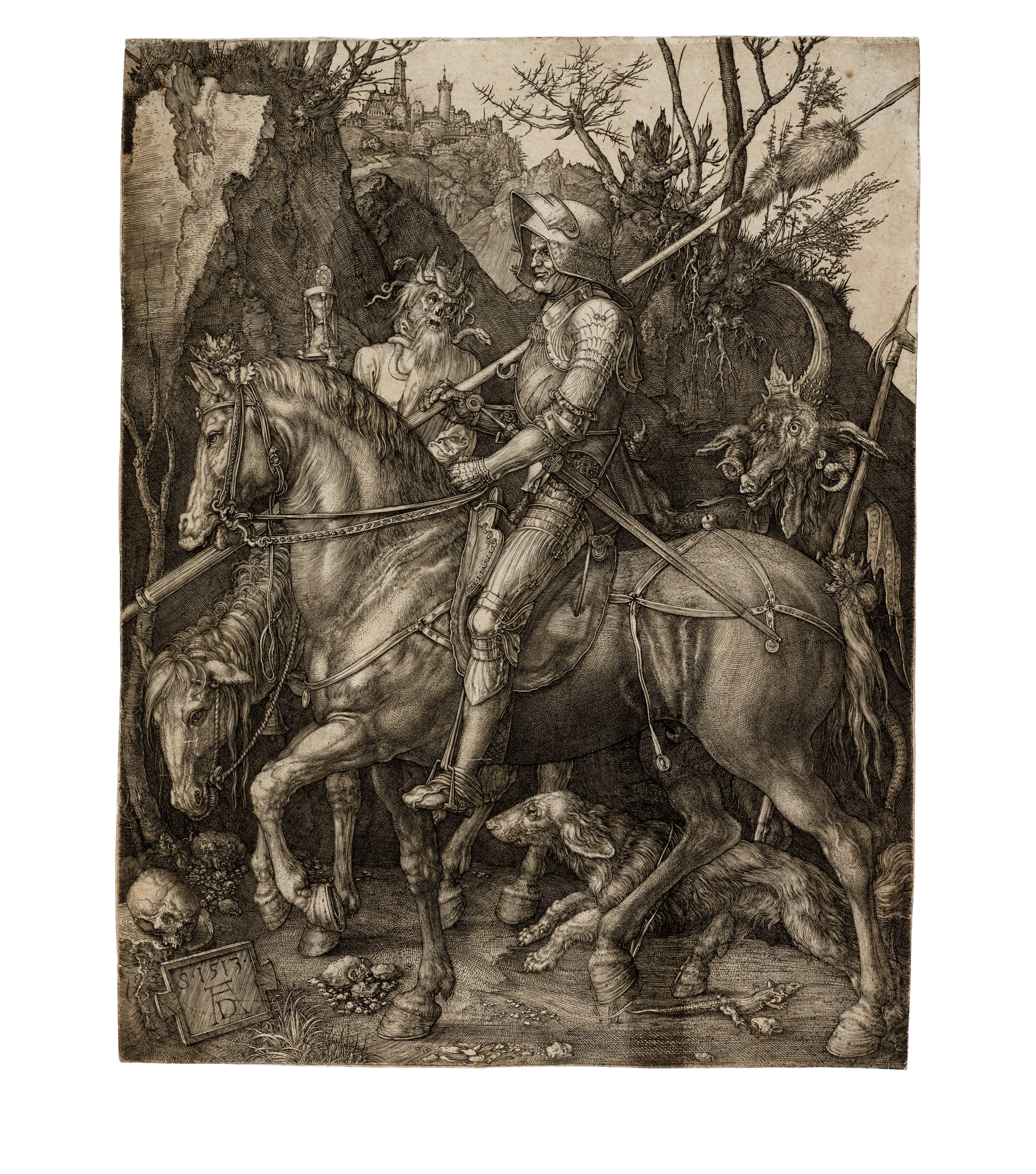
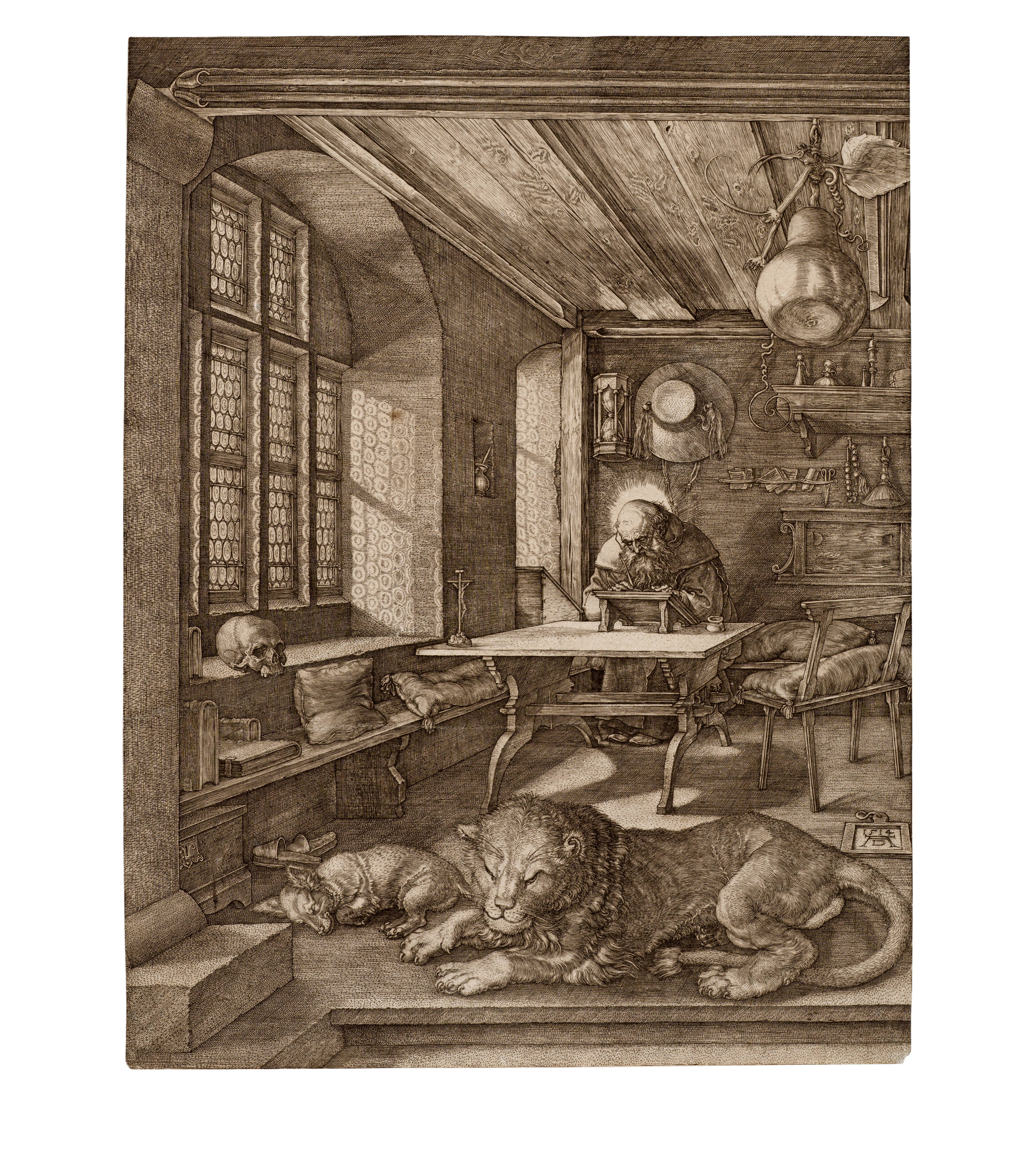
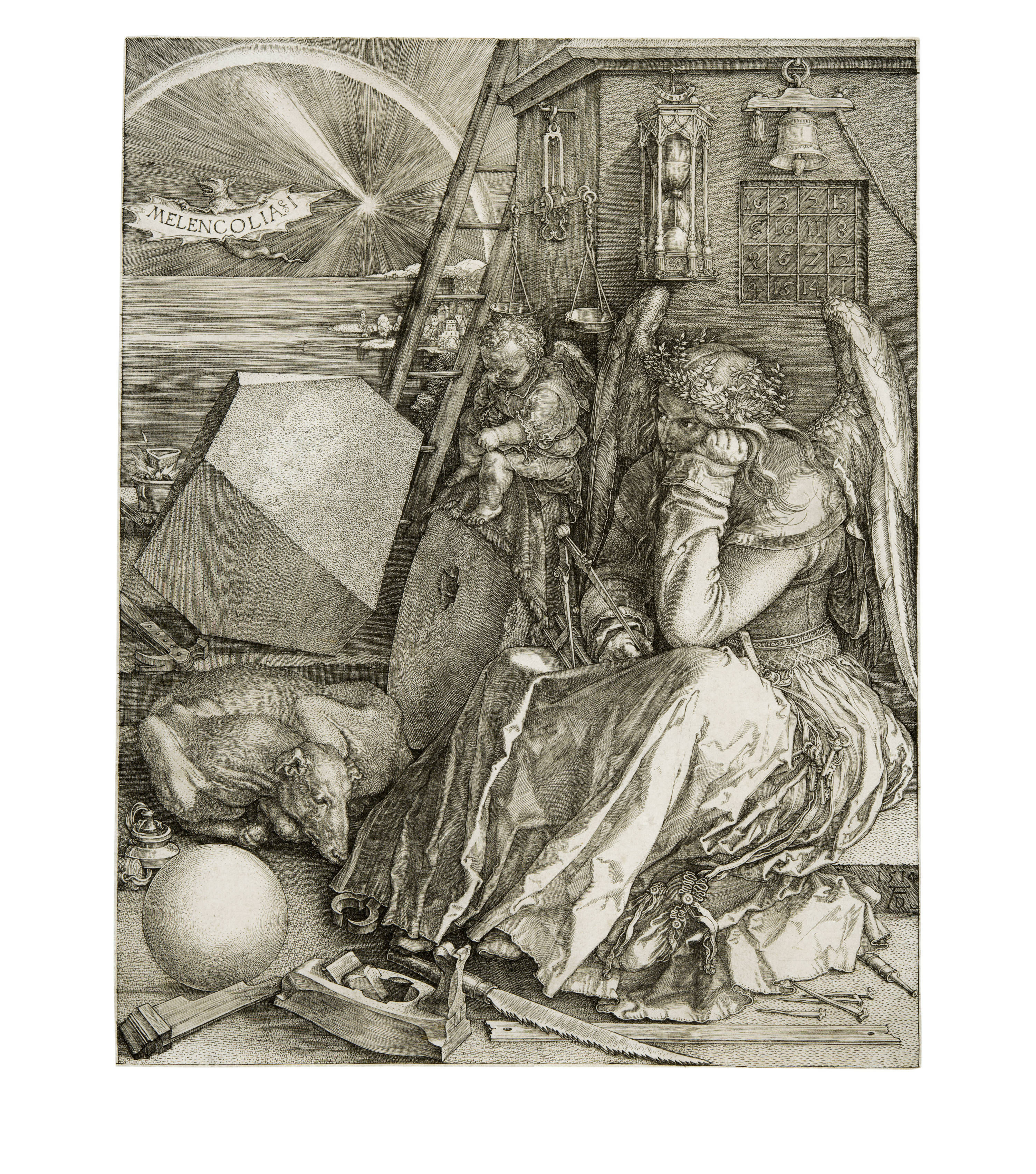
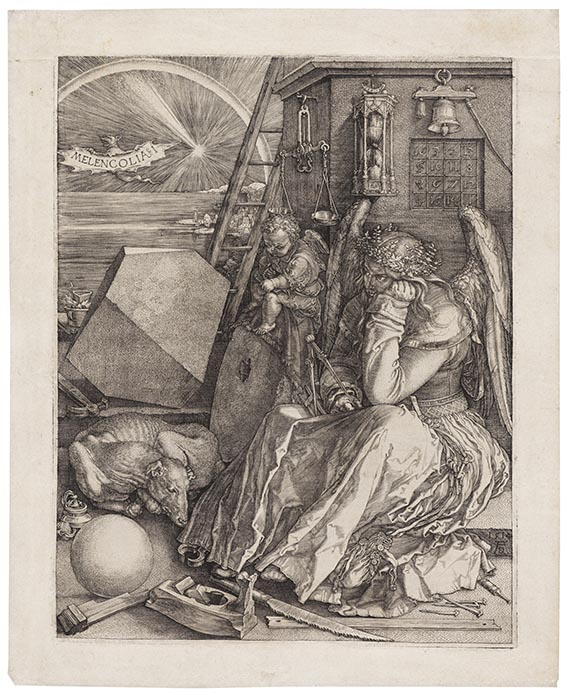
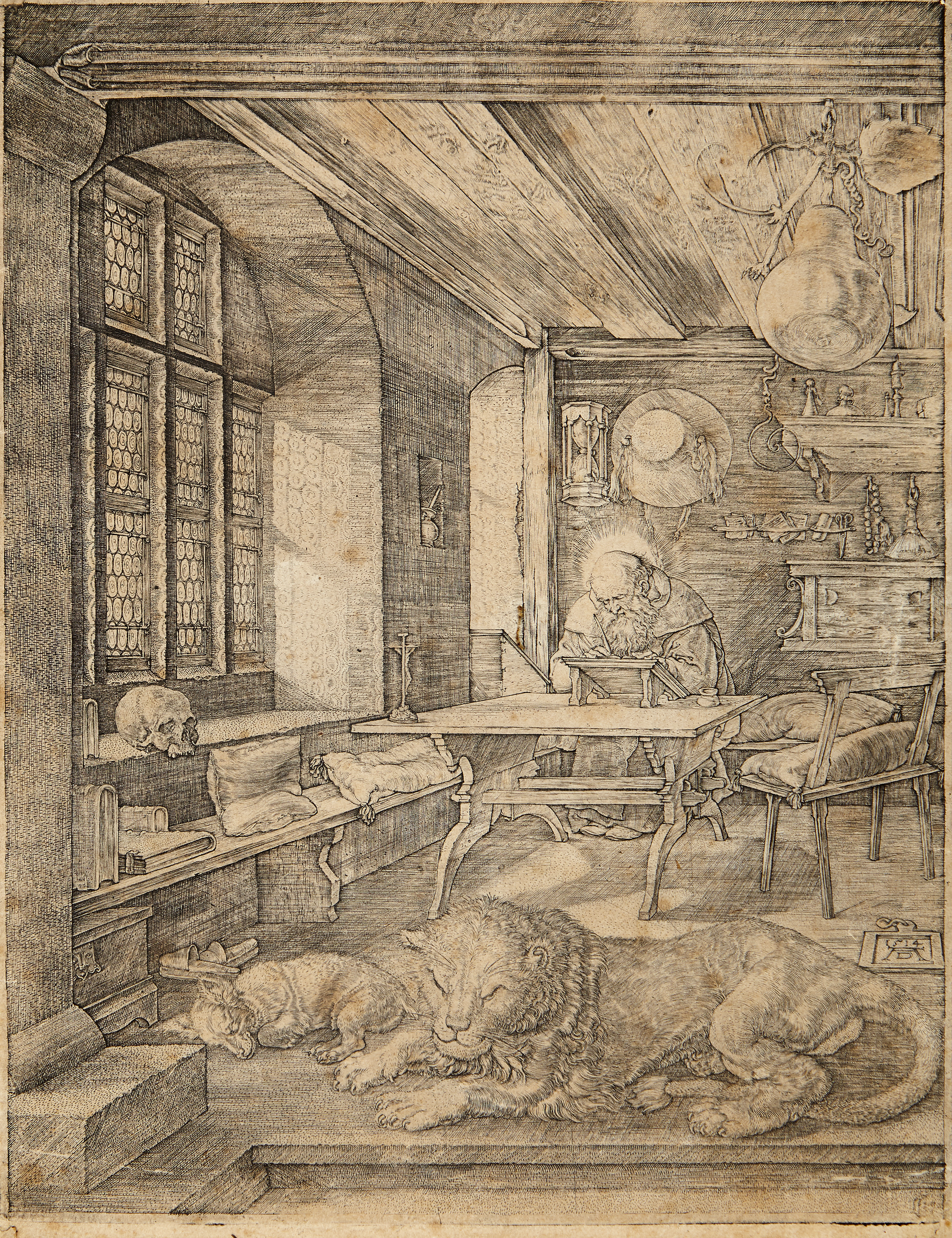
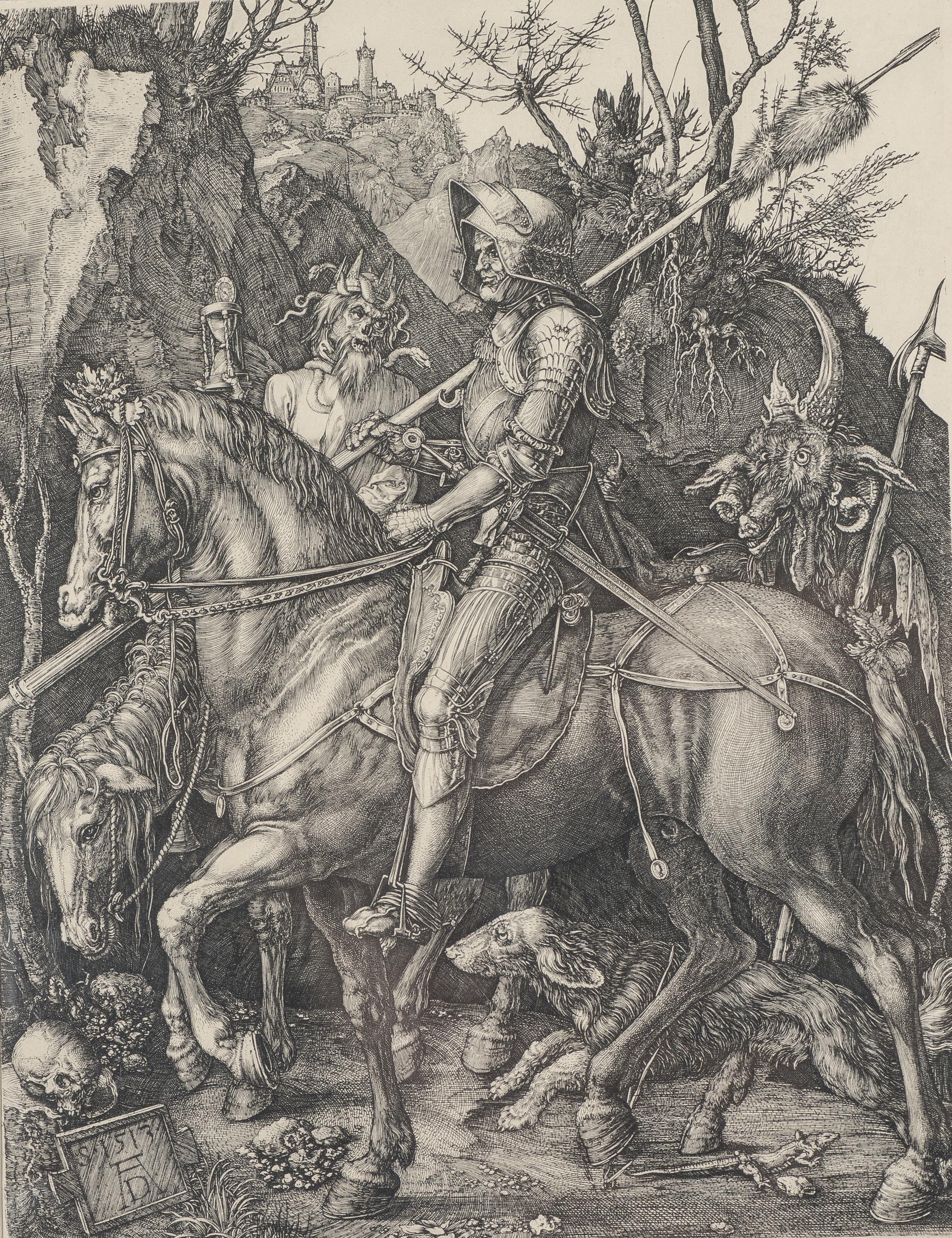
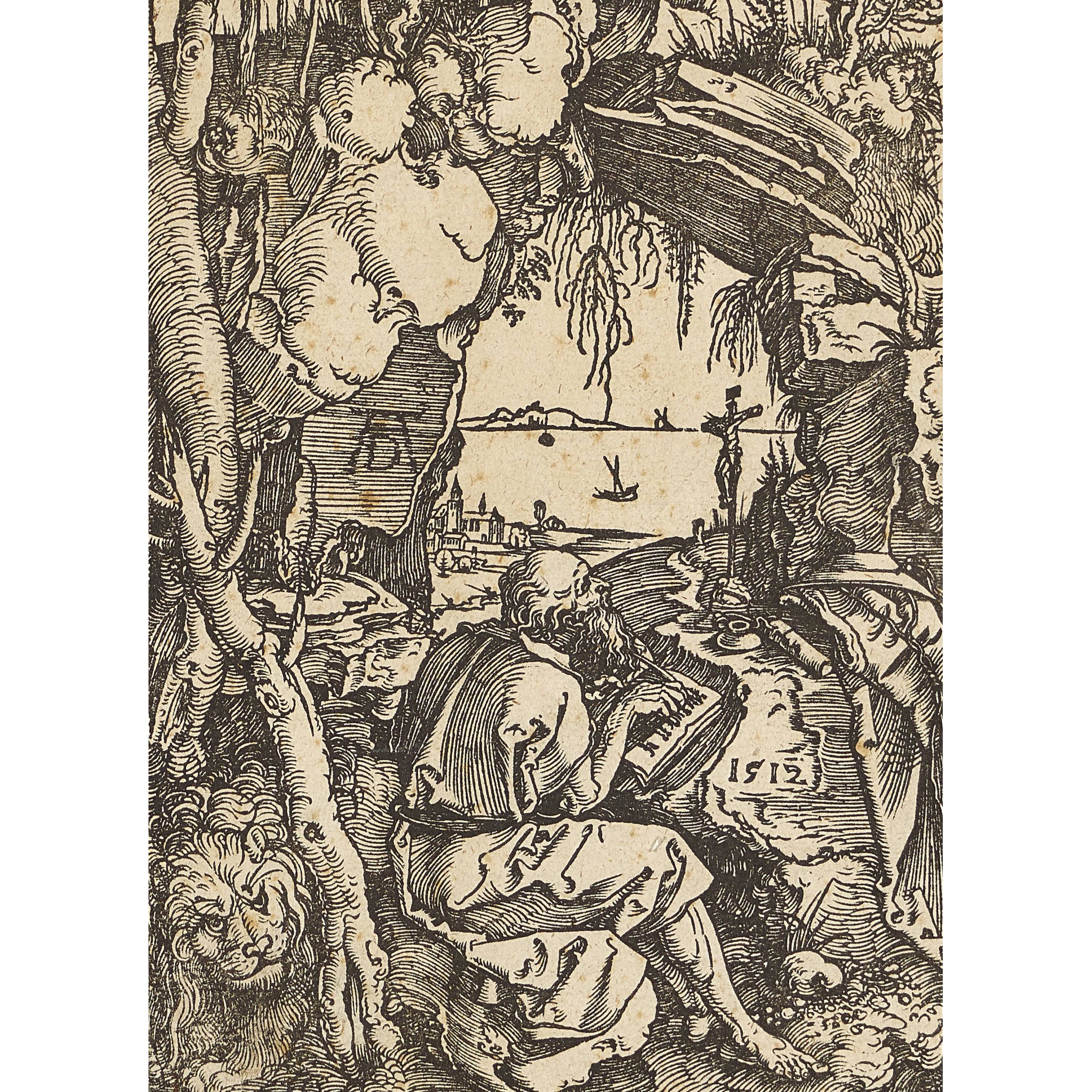
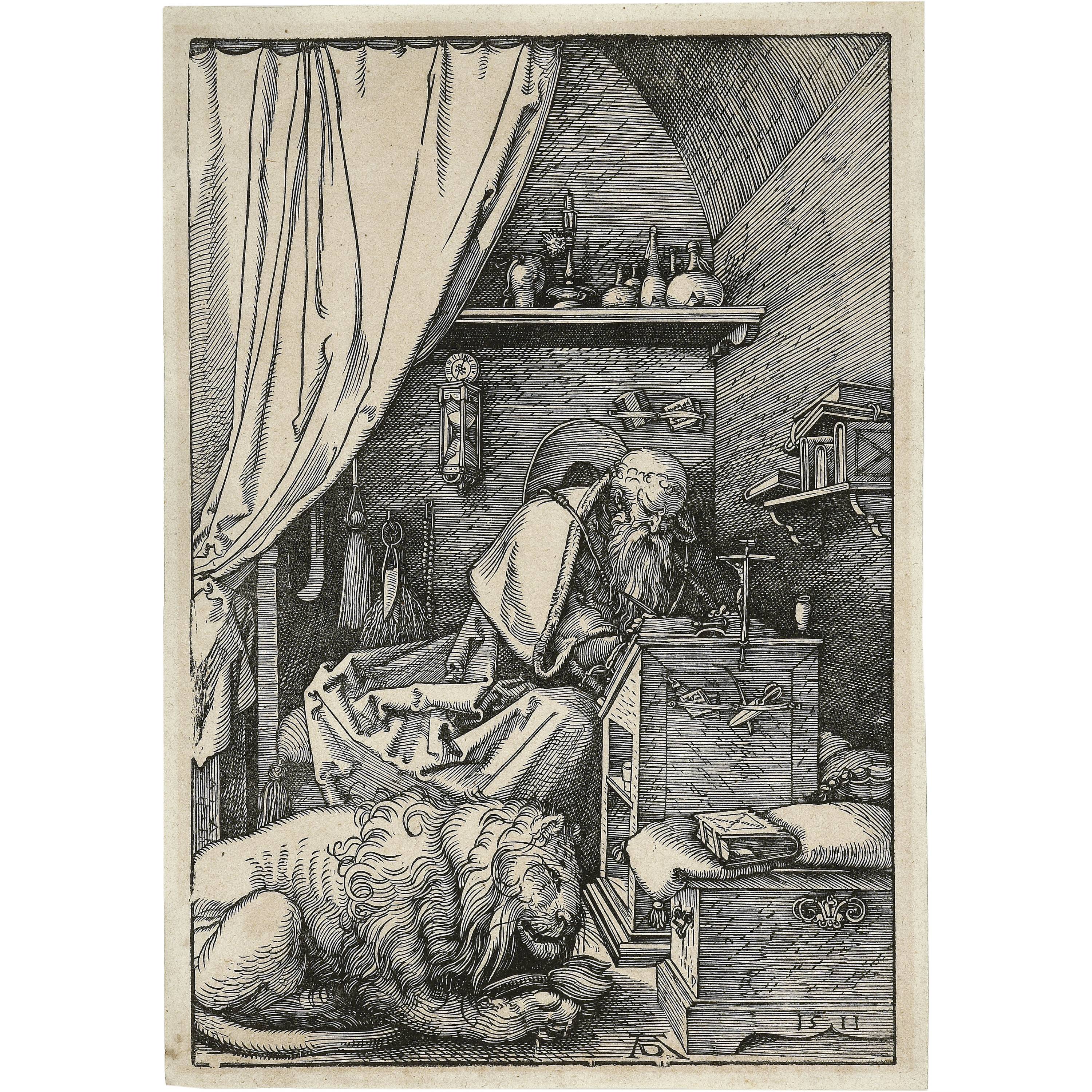
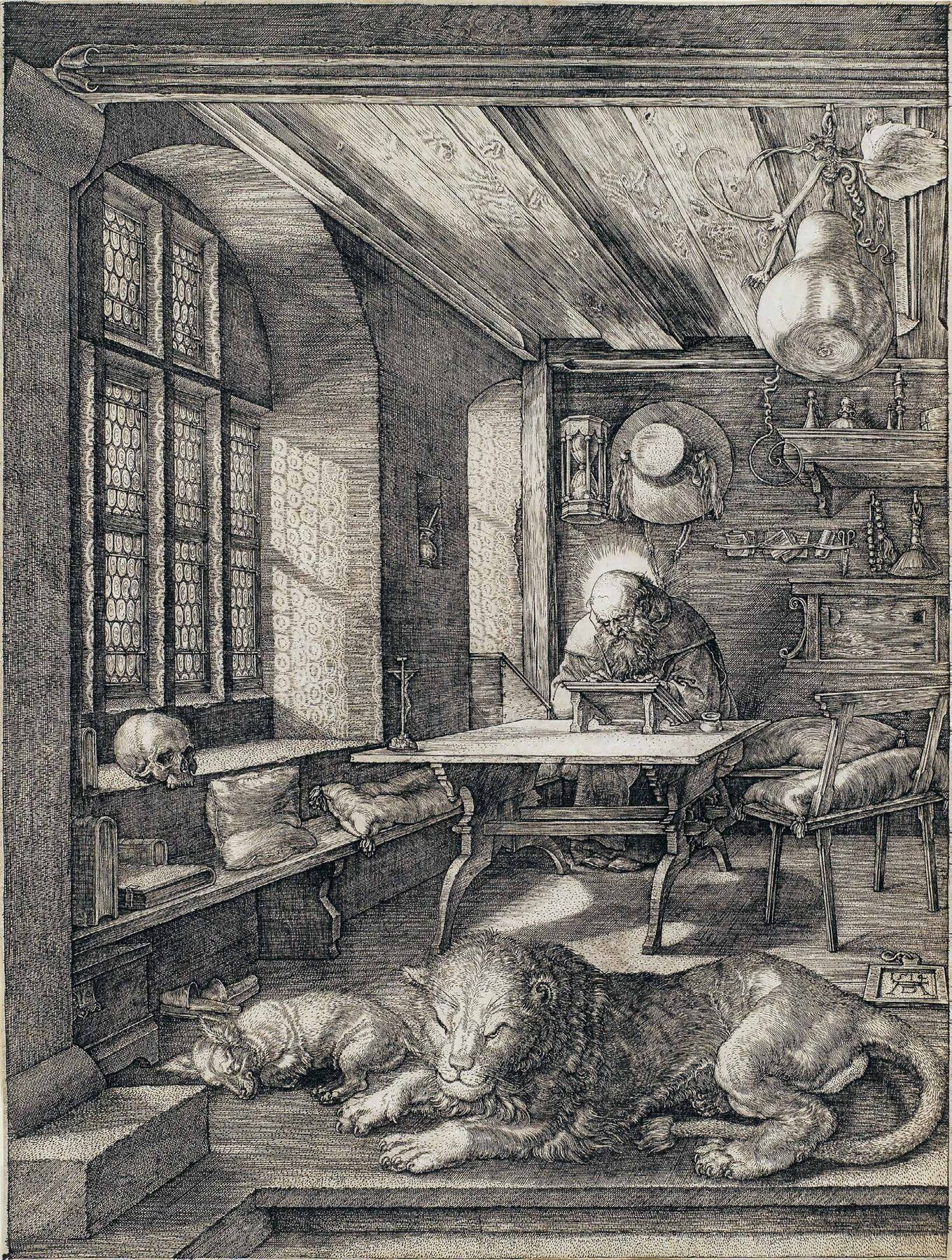
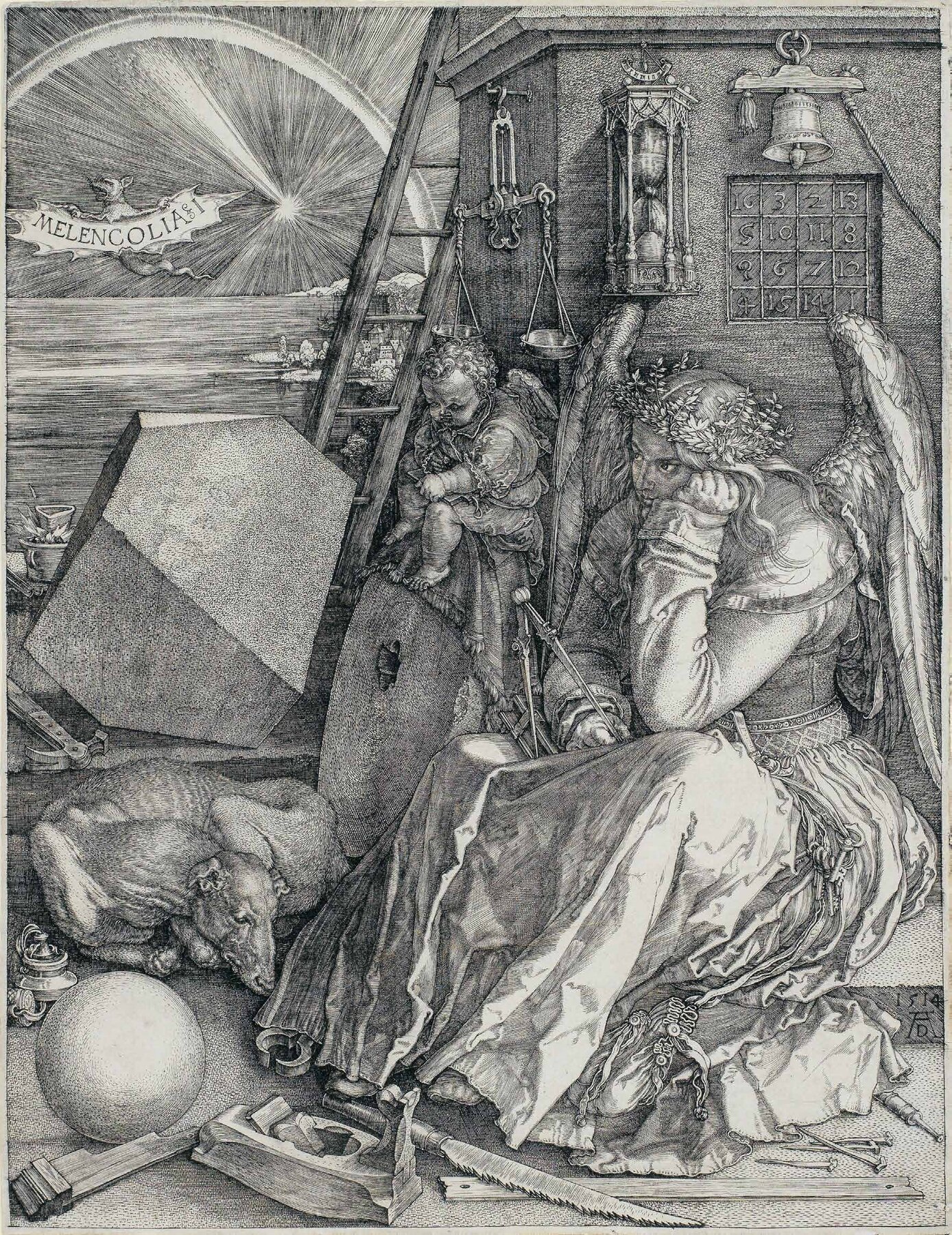
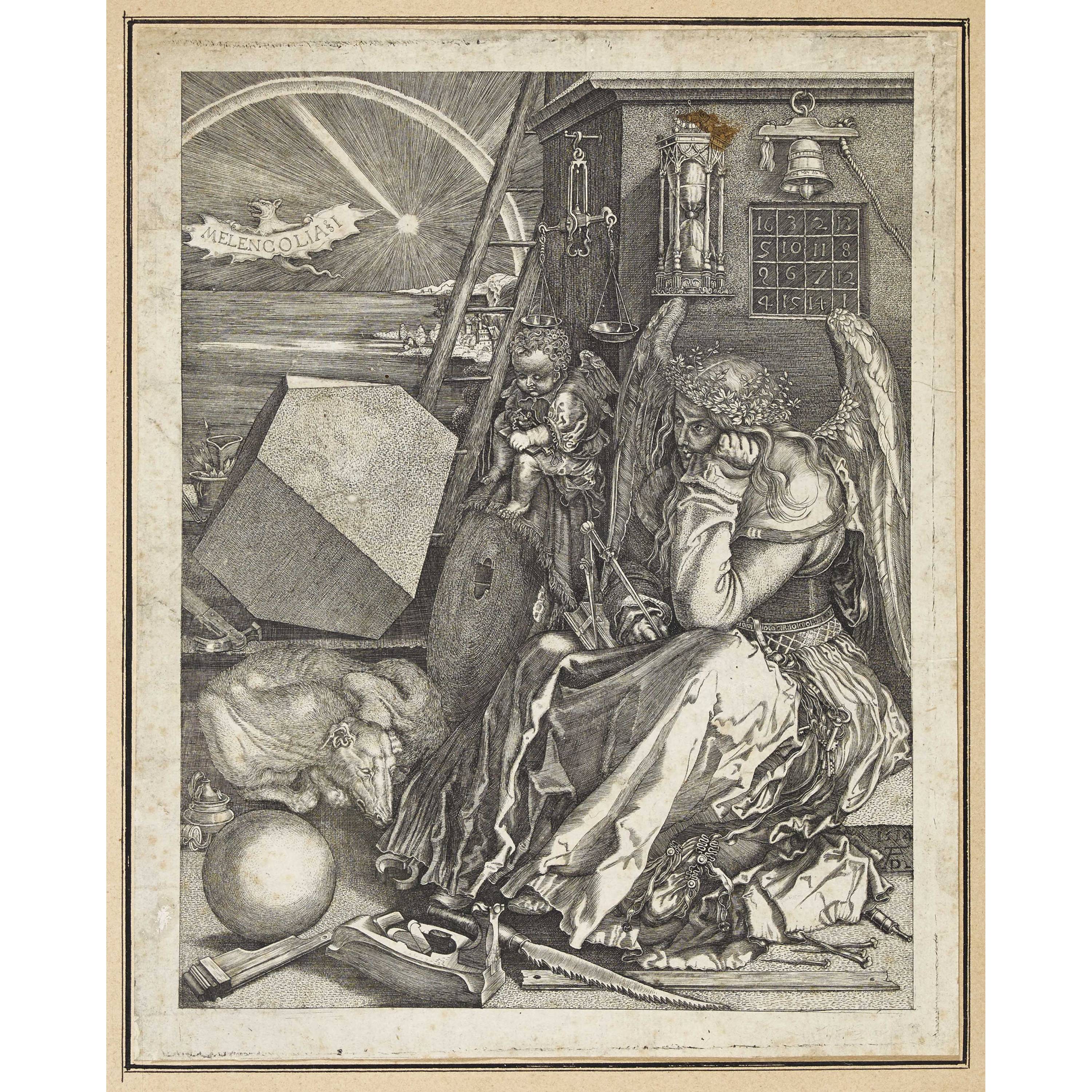
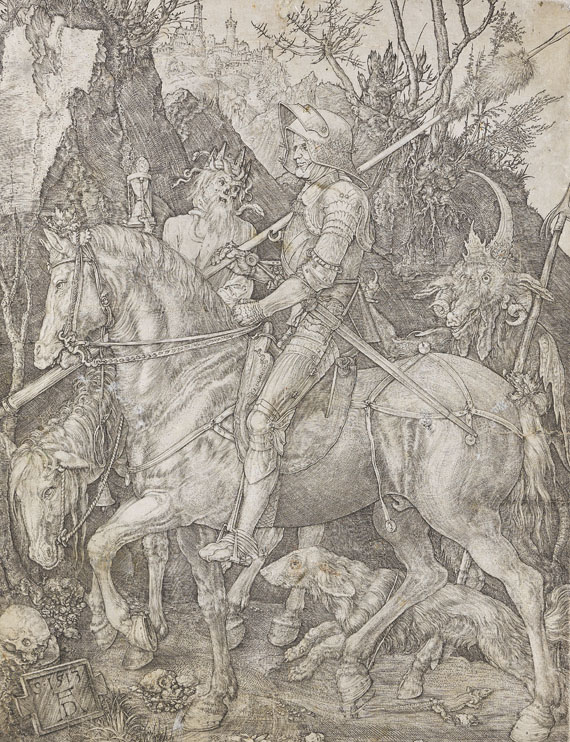
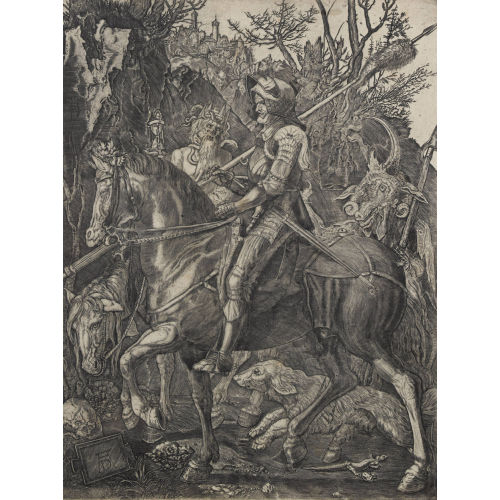
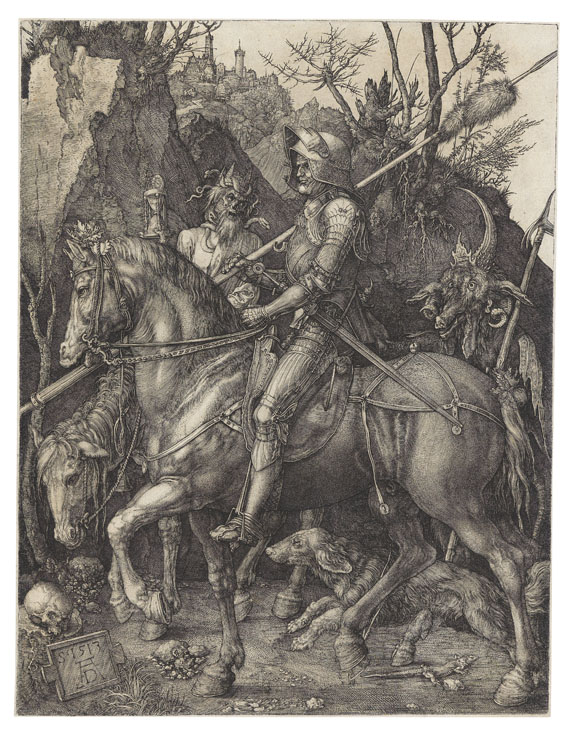
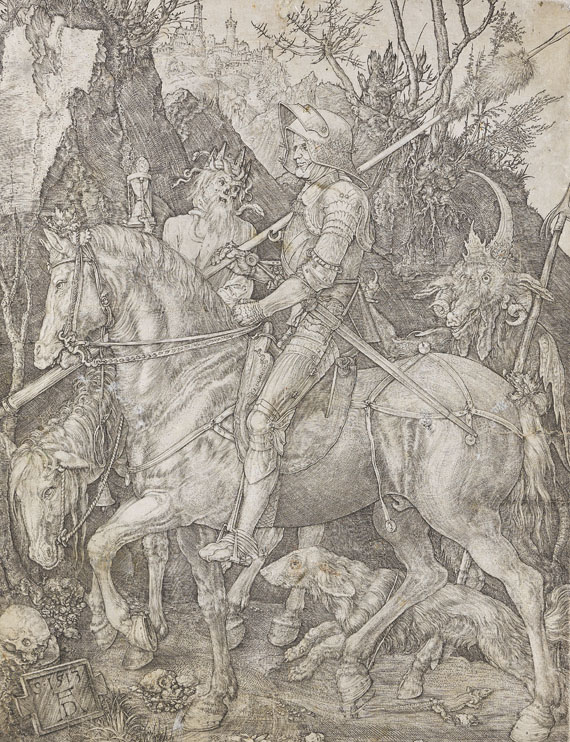
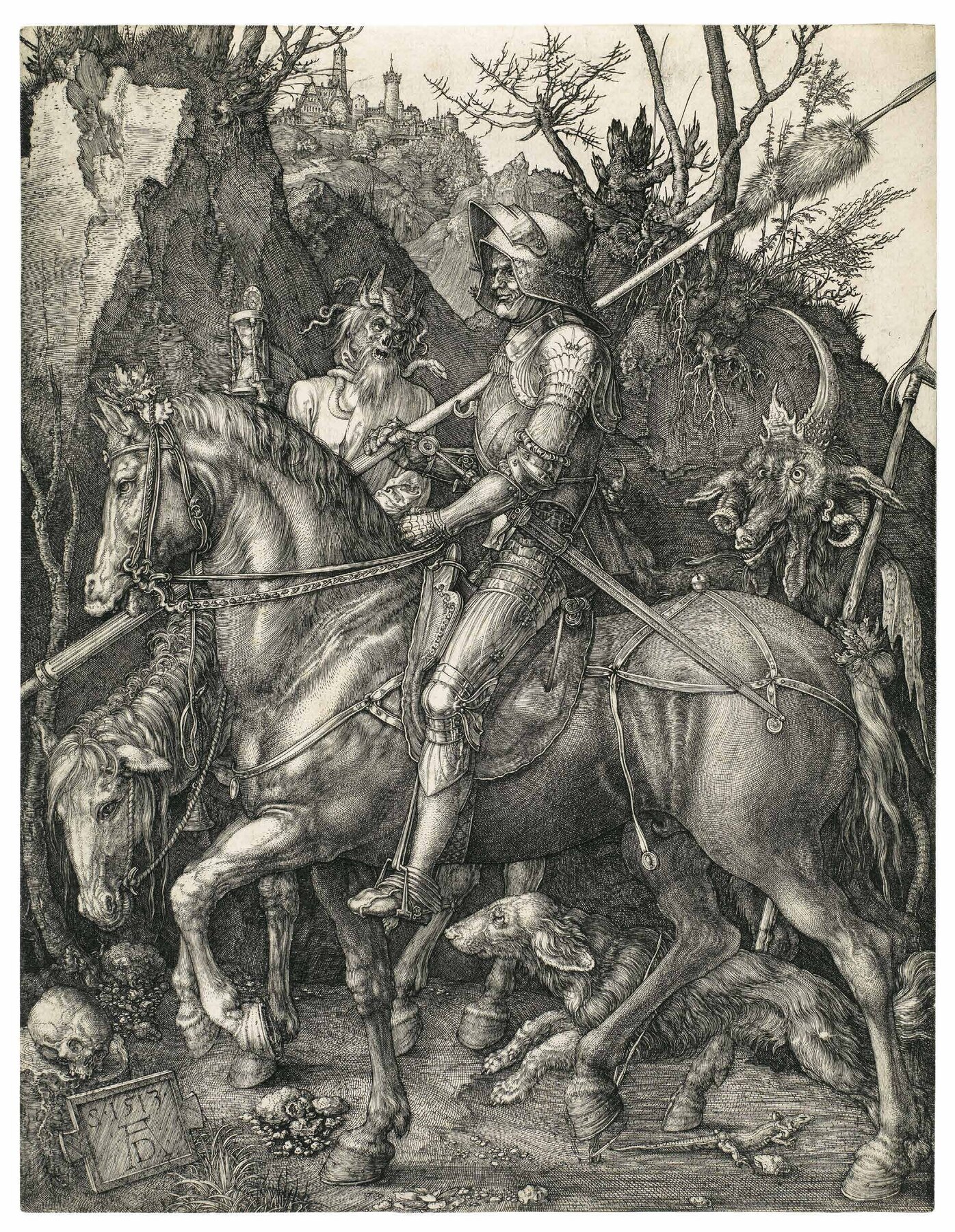
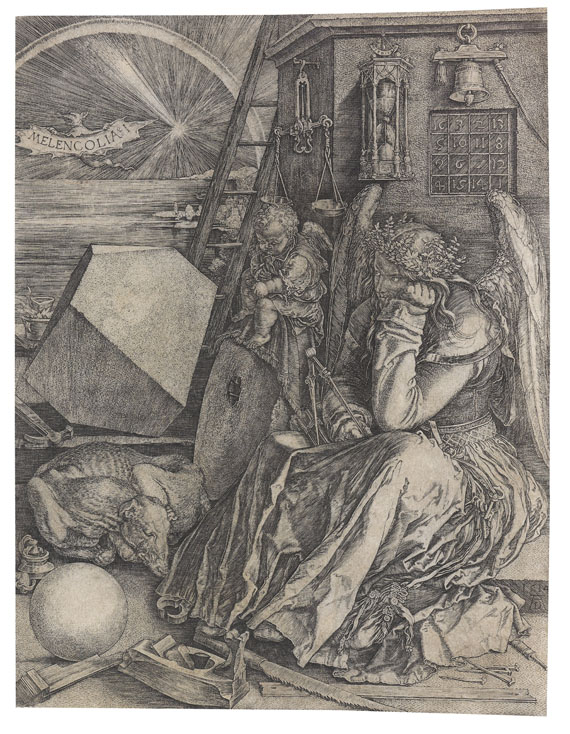
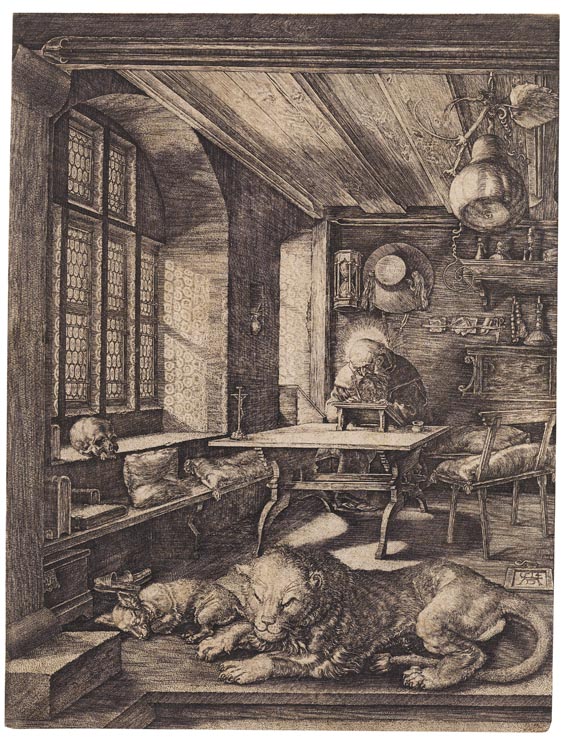
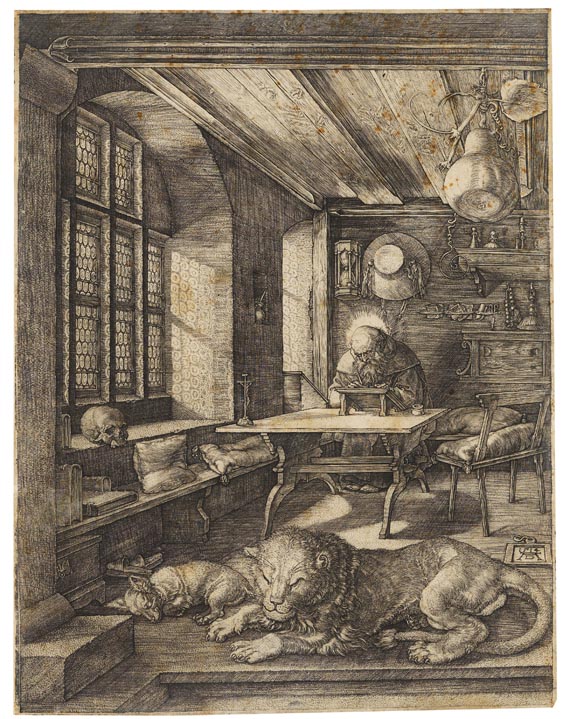
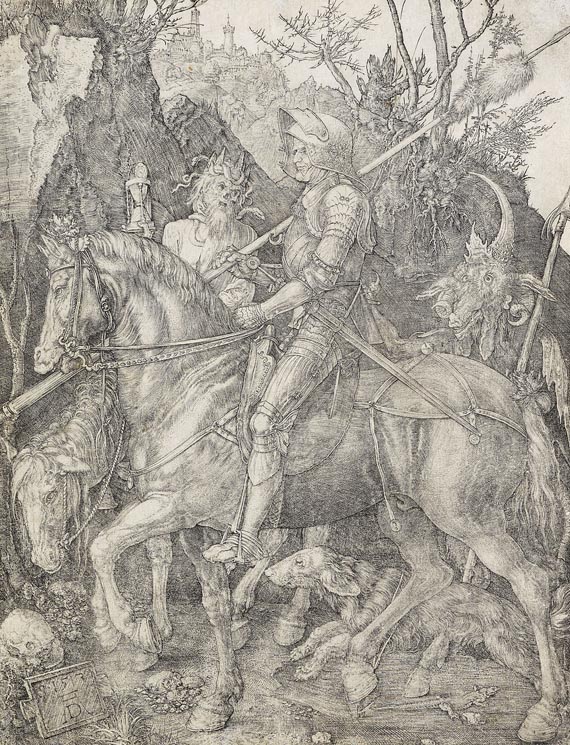
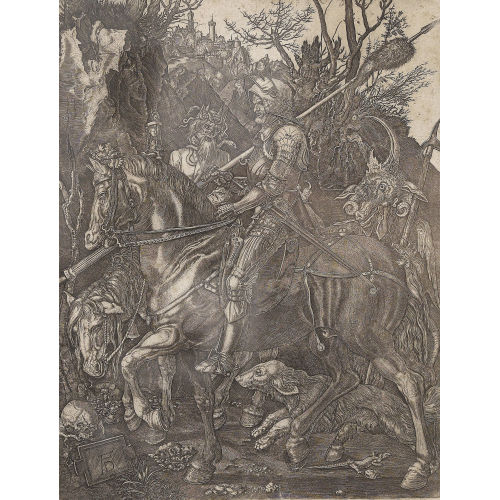
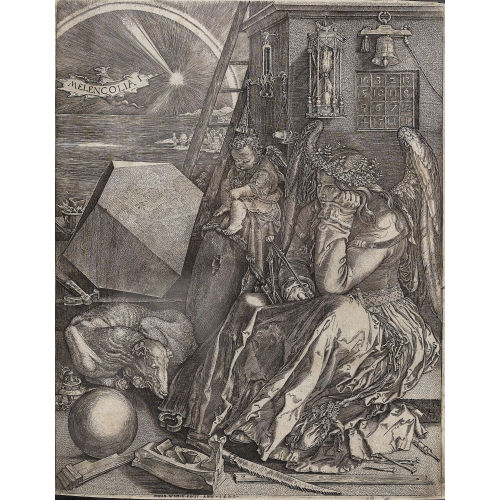
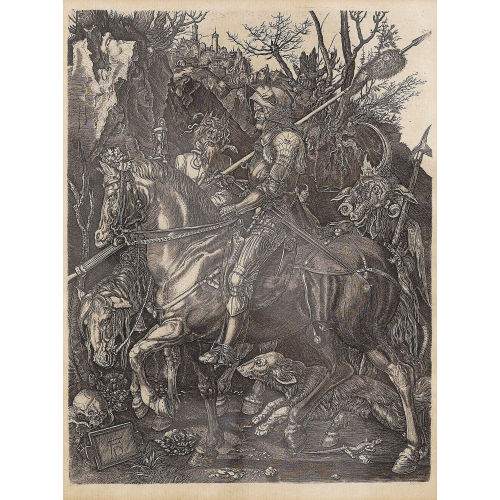
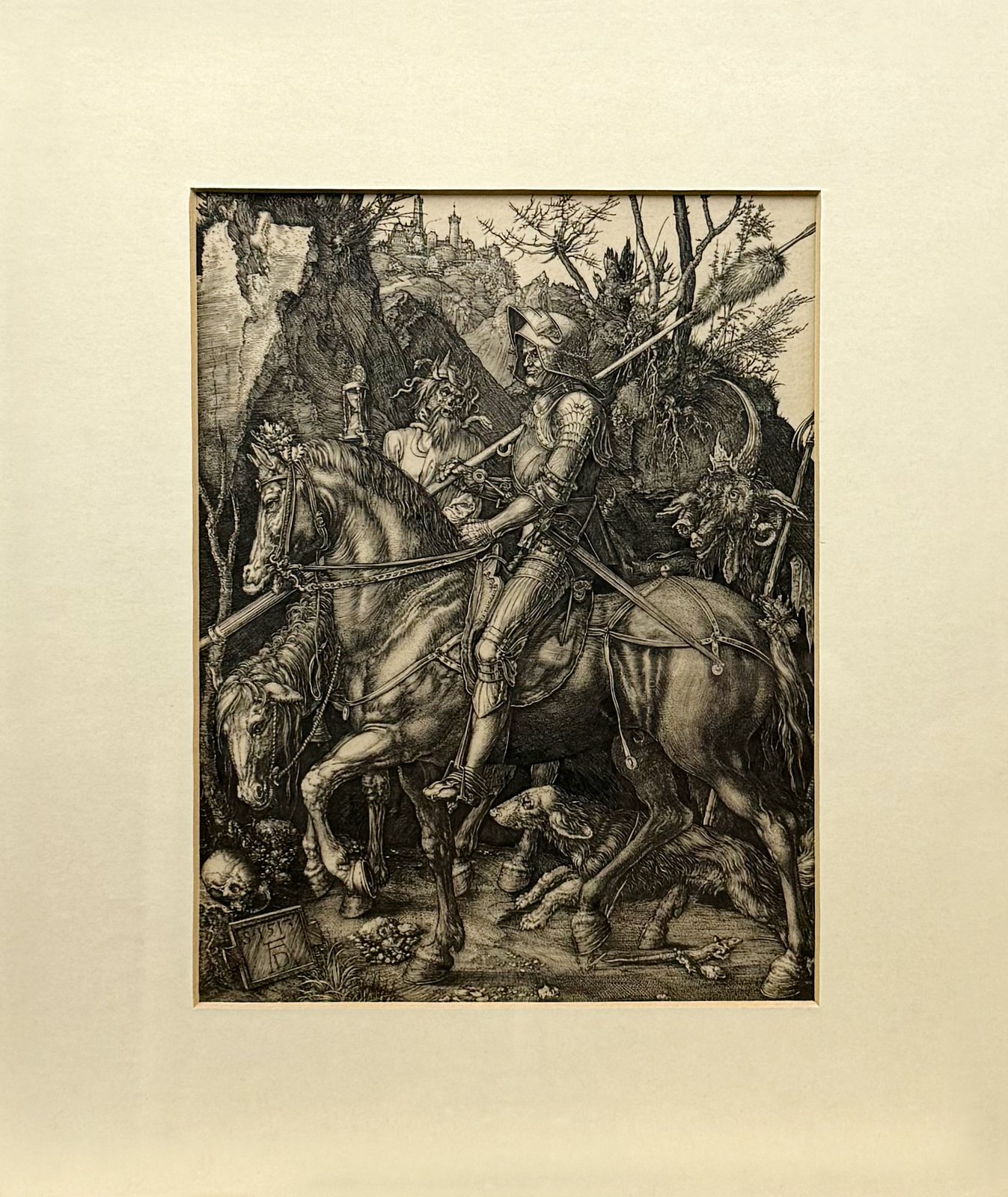
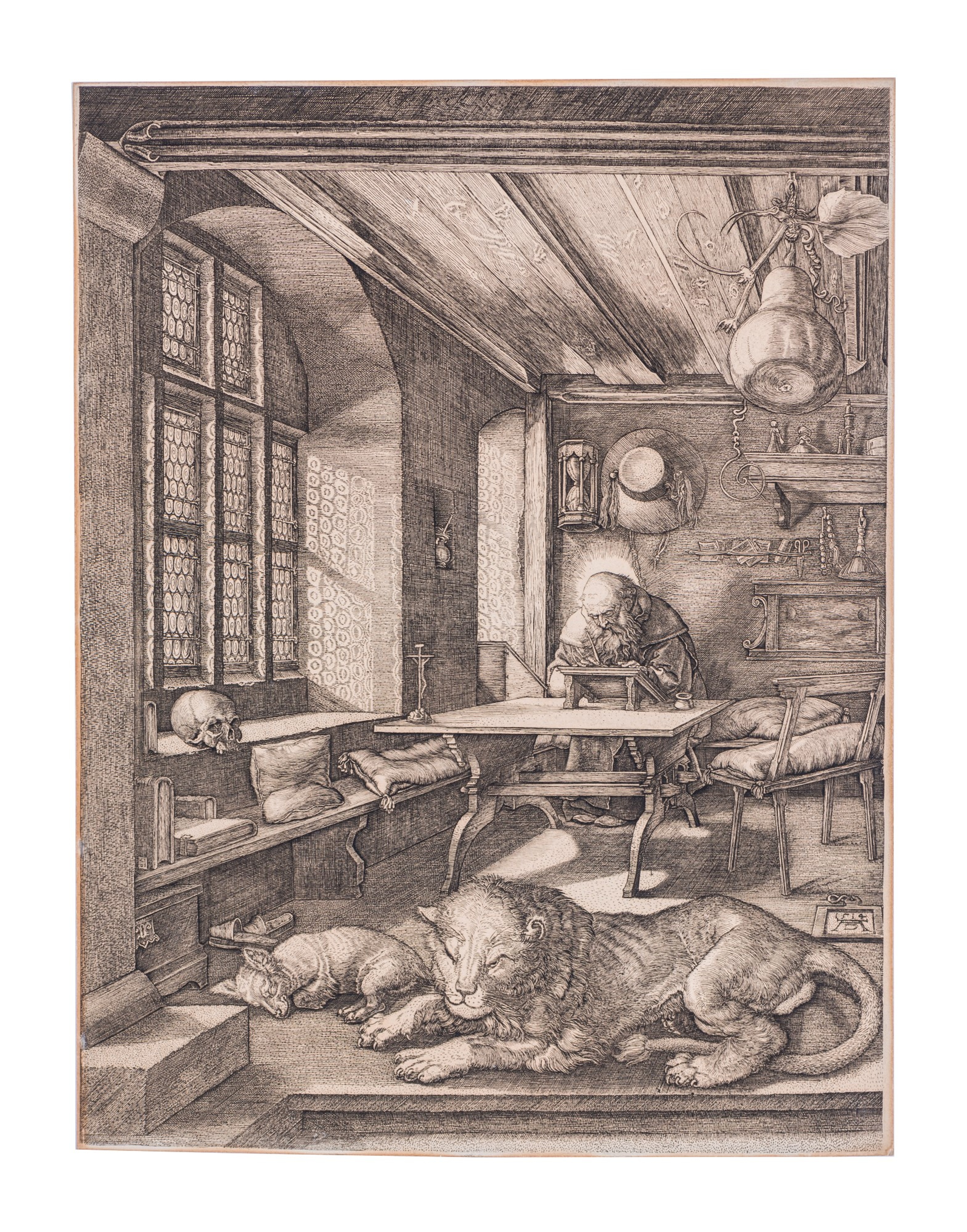
The years 1513–1514 see the creation of three particularly famous prints: Le Chevalier, la Mort et le Diable, Saint Jérôme dans sa cellule and Melencolia I. Their narrative and symbolic richness invites us to return to each detail, without reducing these works to a single interpretation.
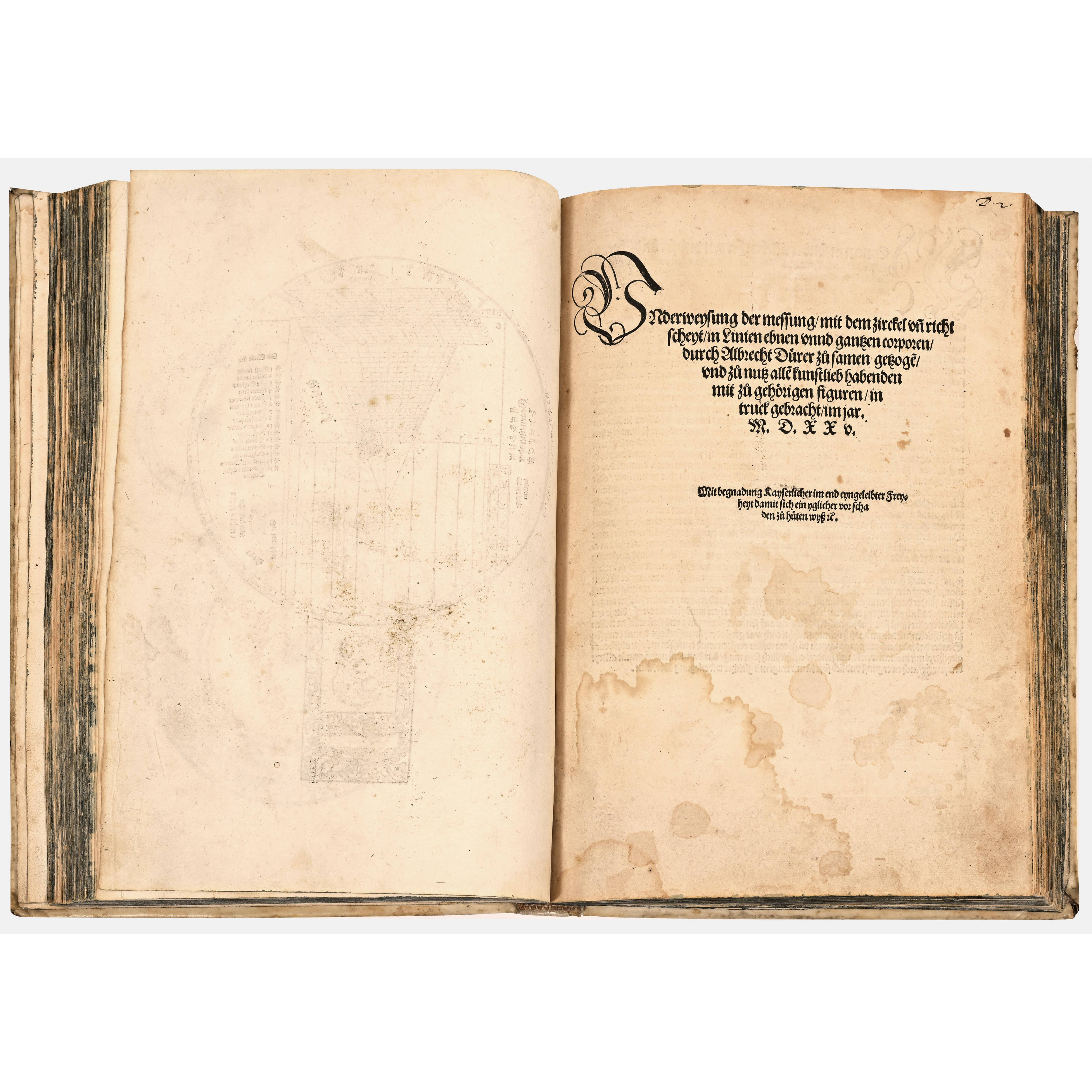
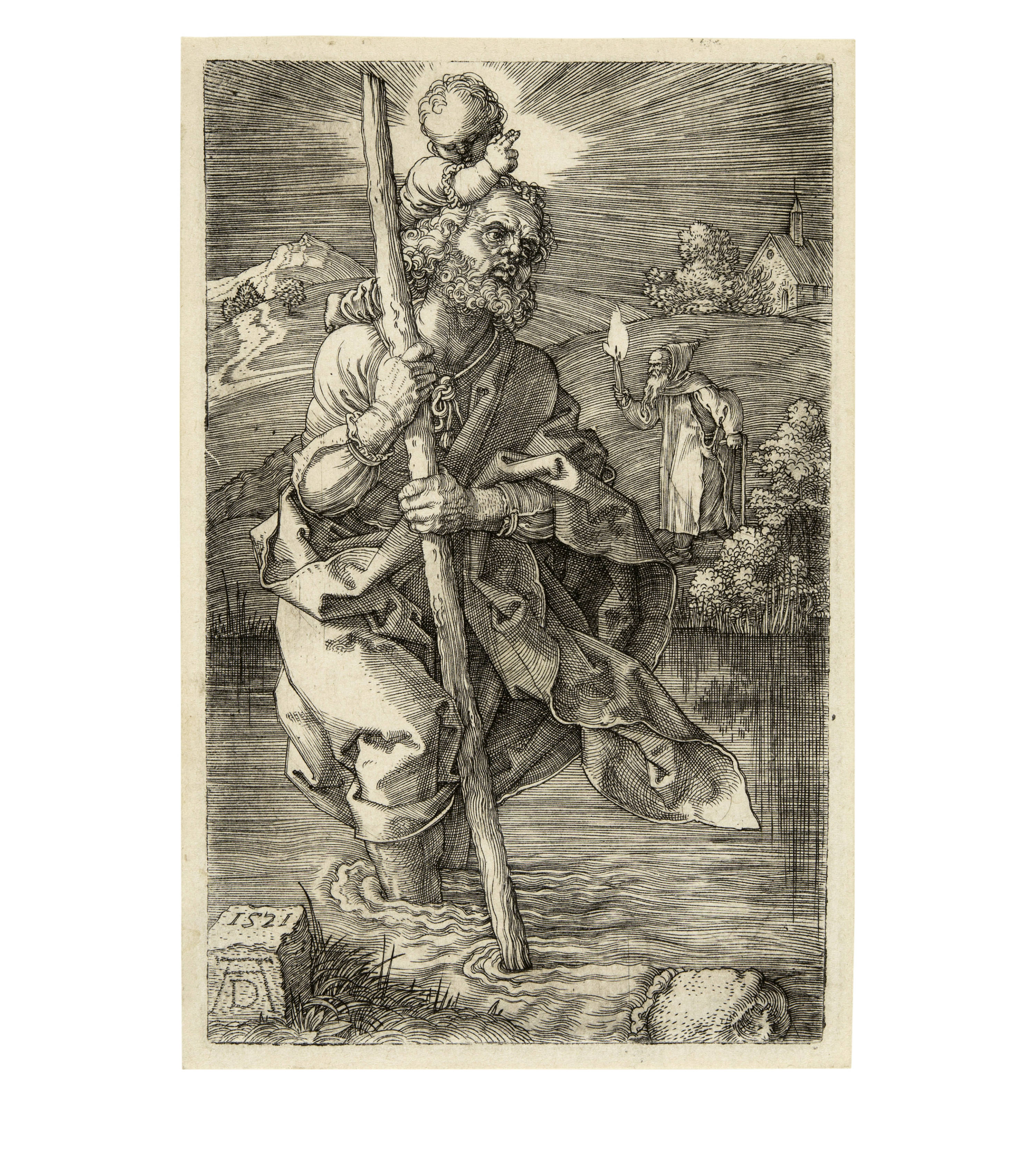
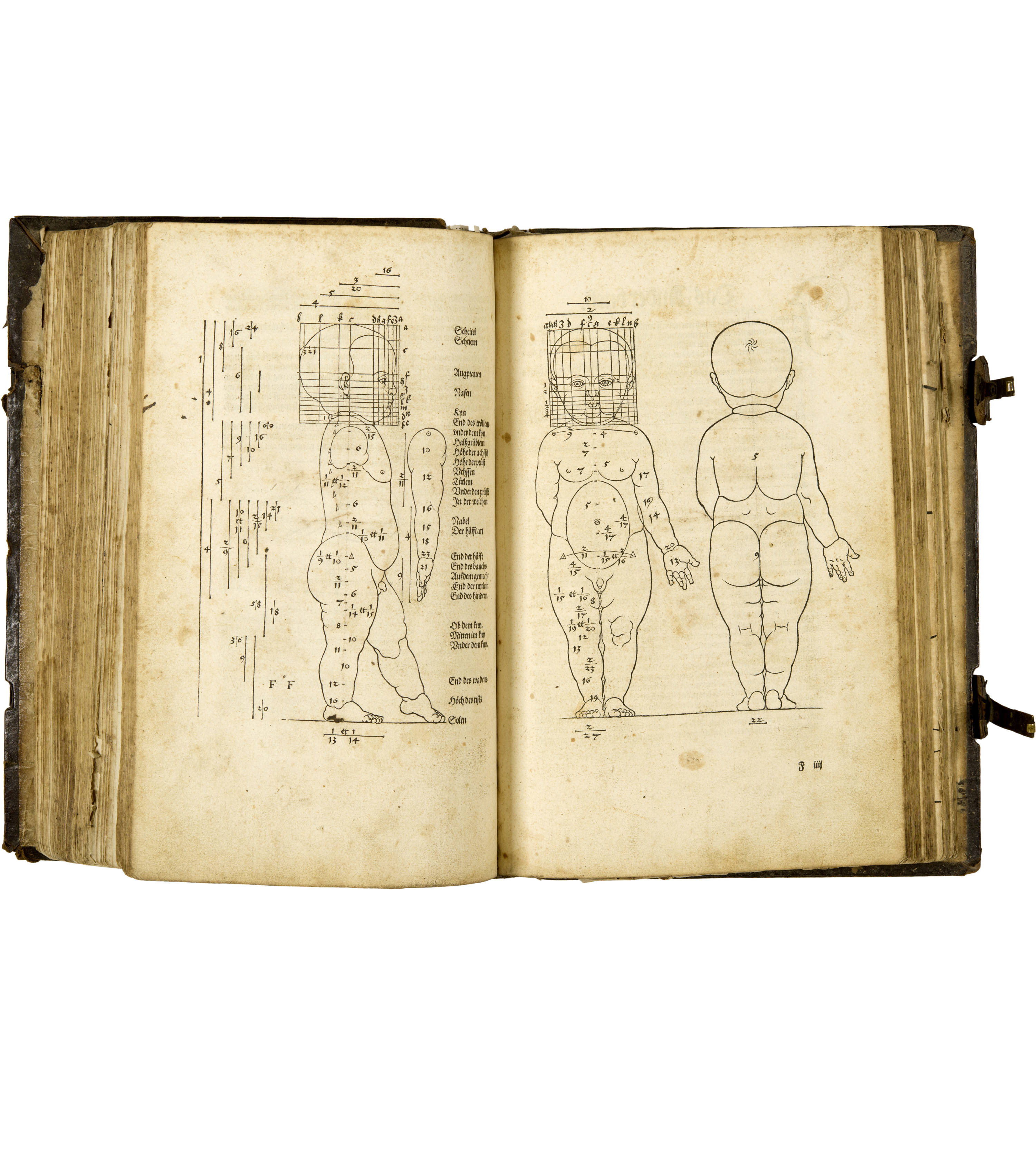
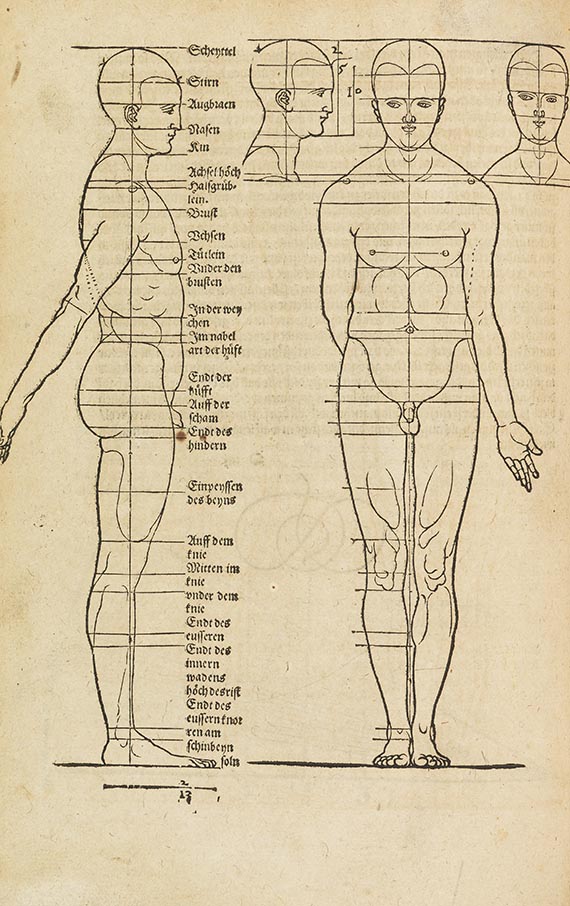
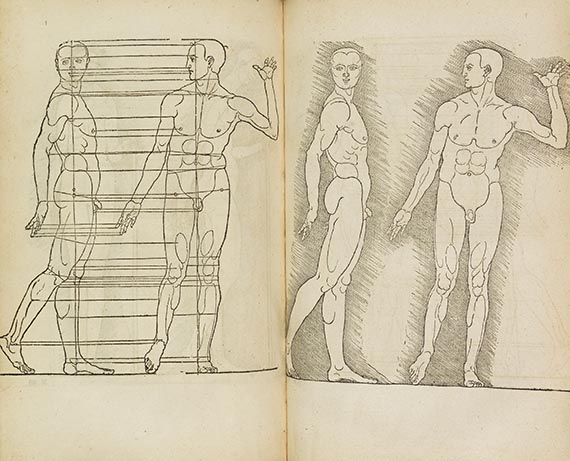
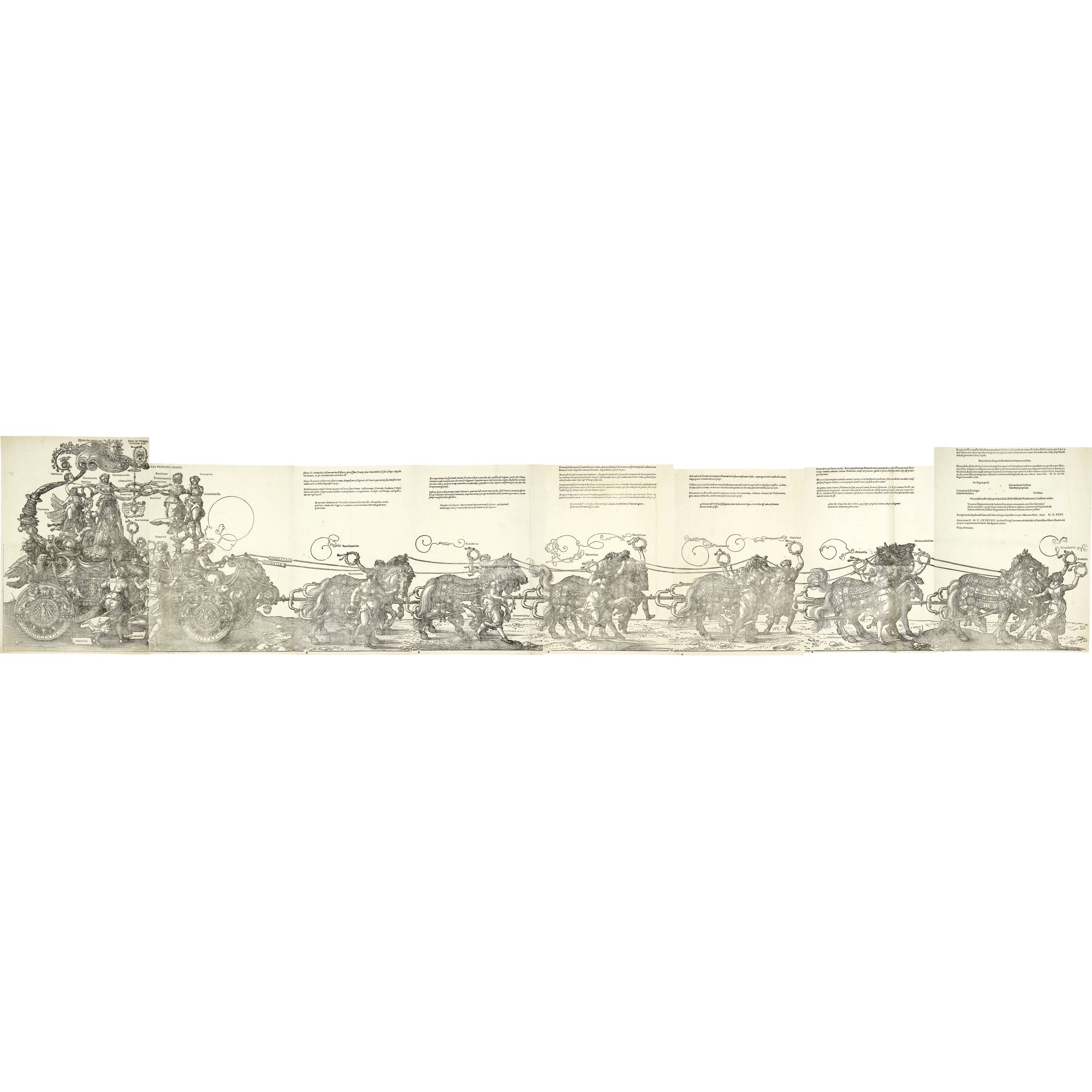
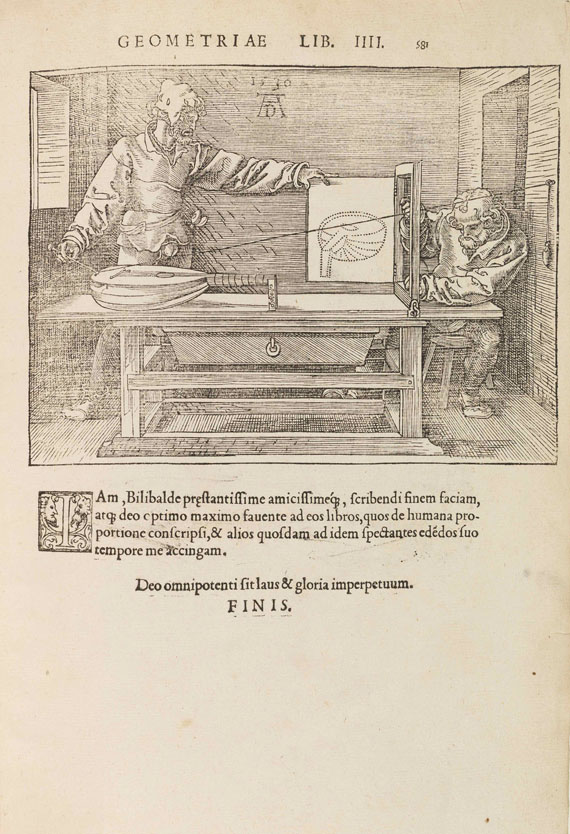
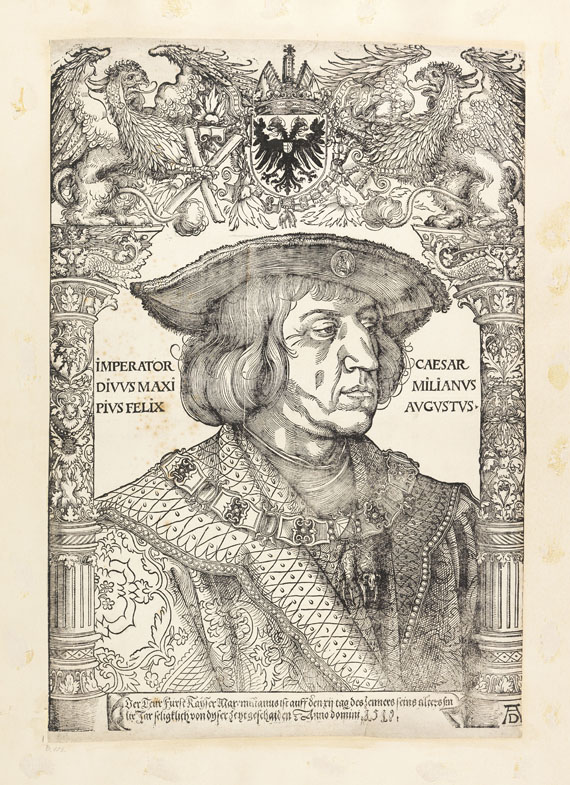
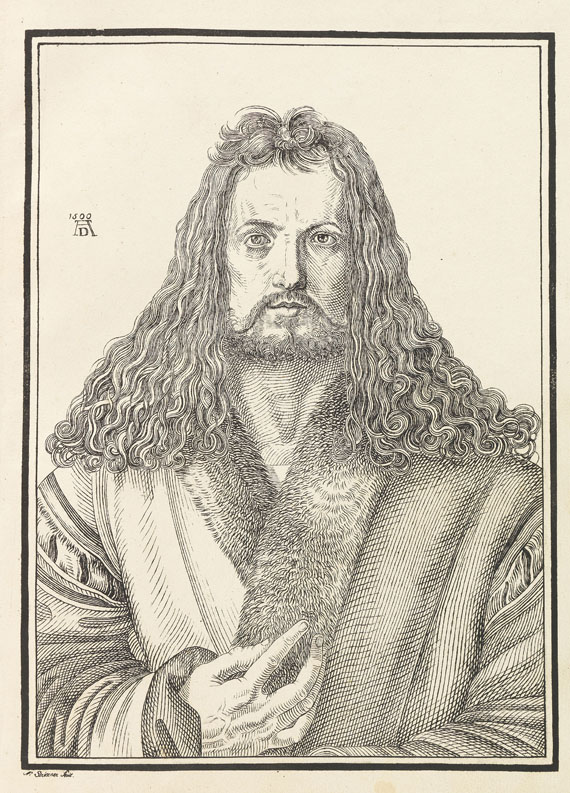
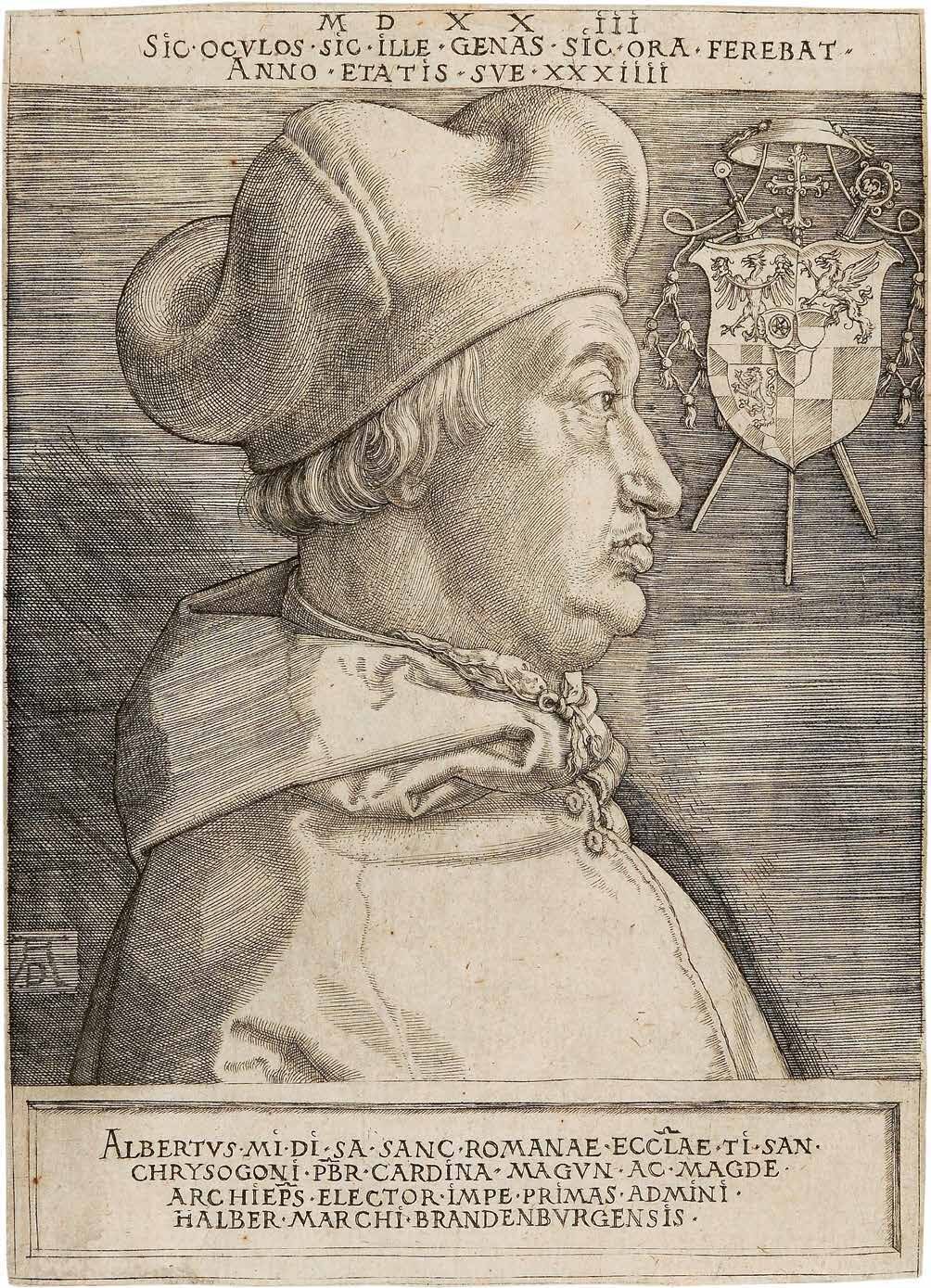
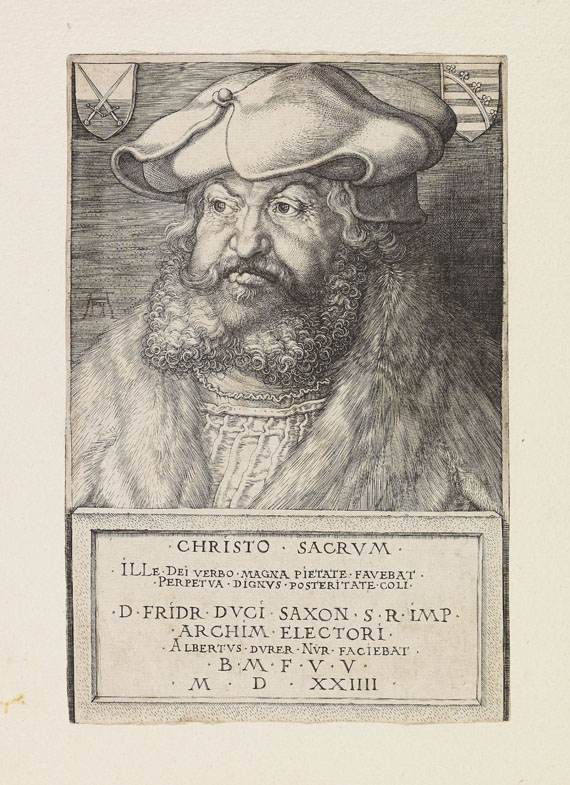
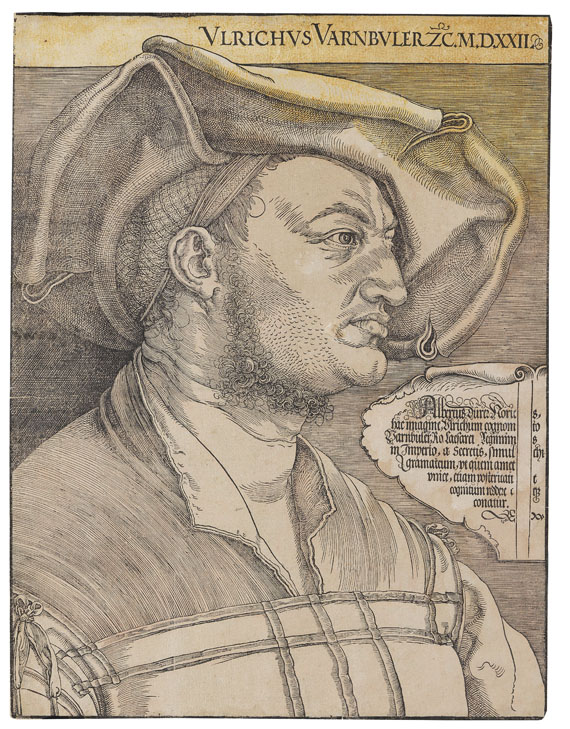
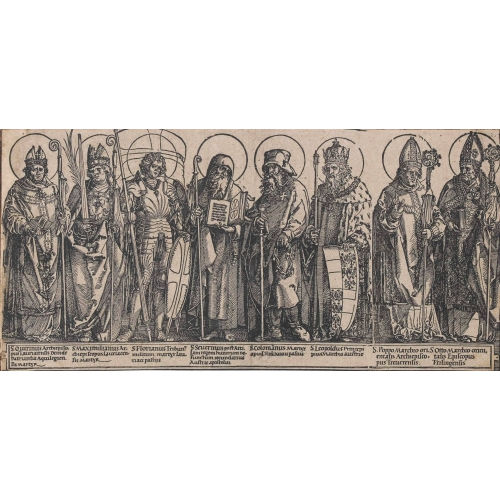
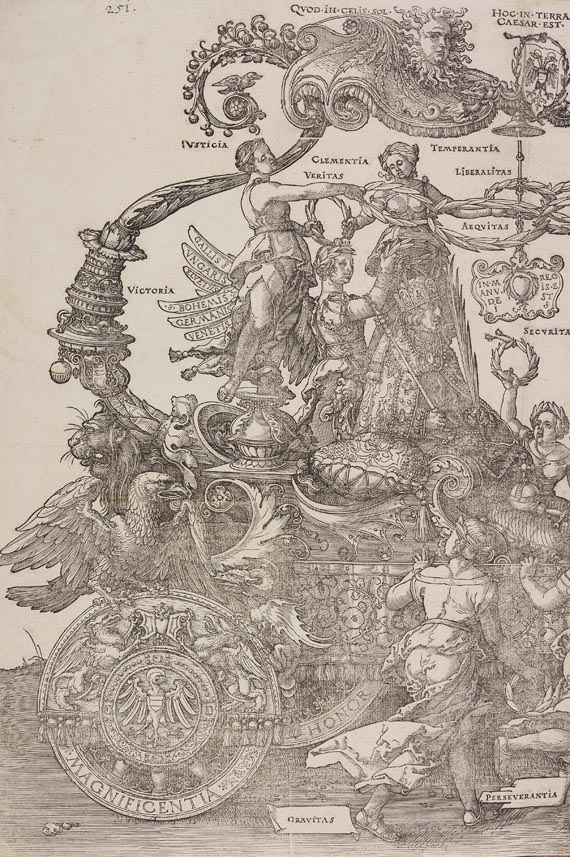
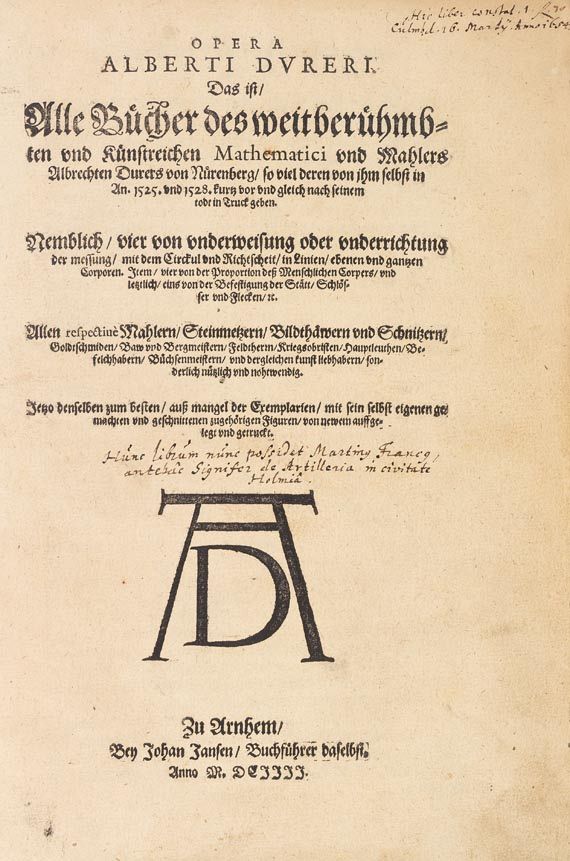
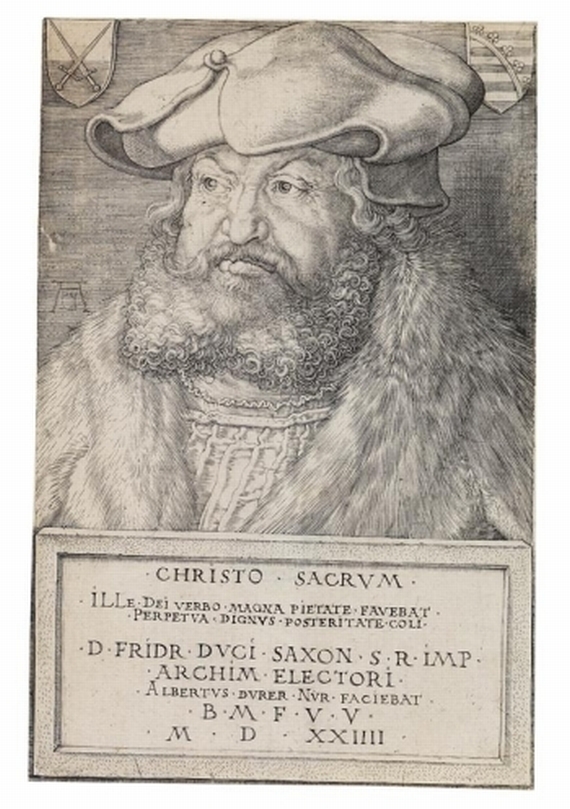
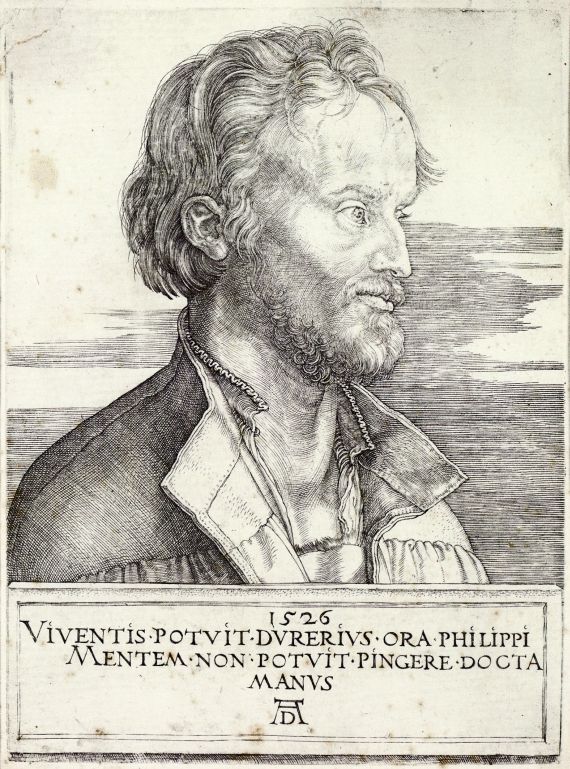
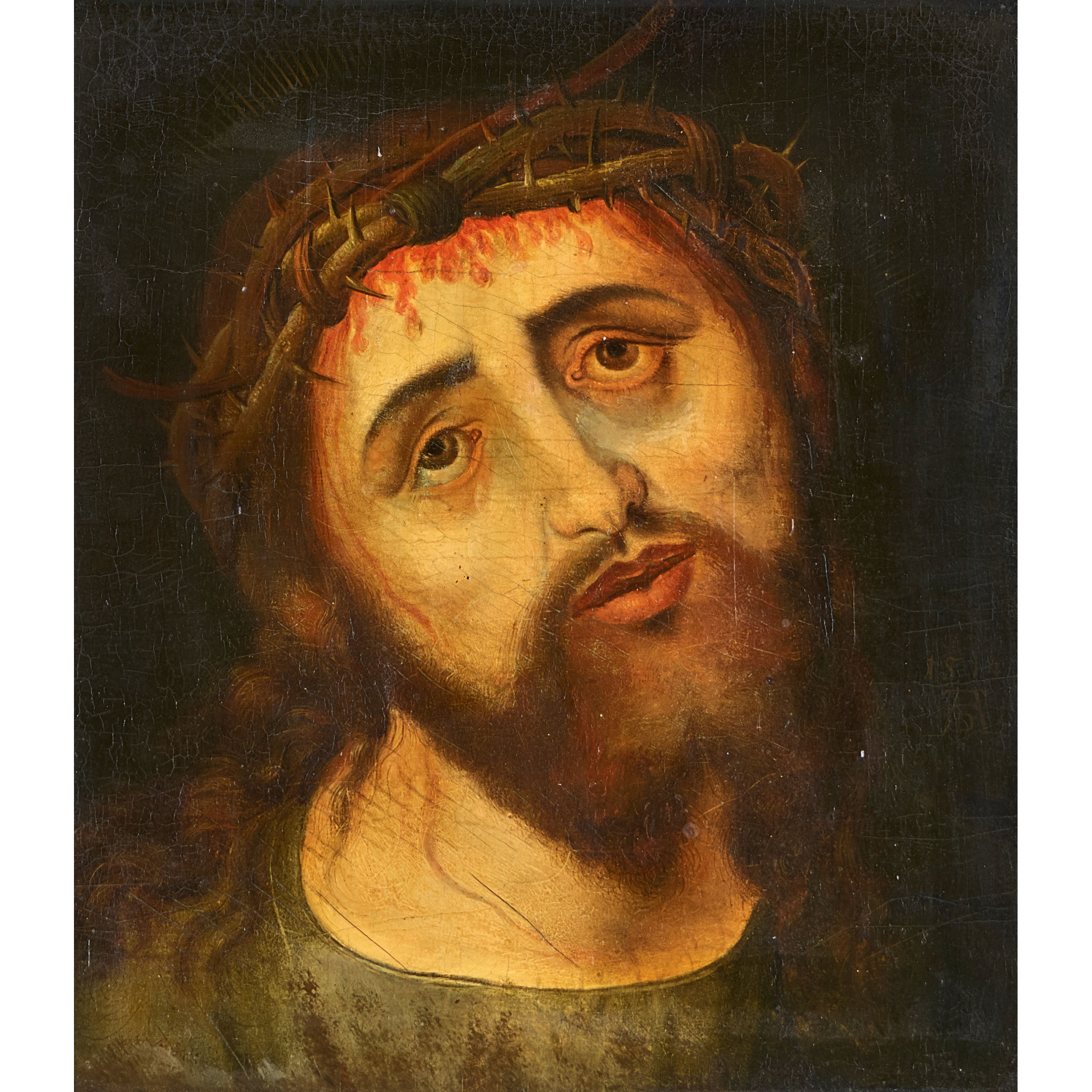
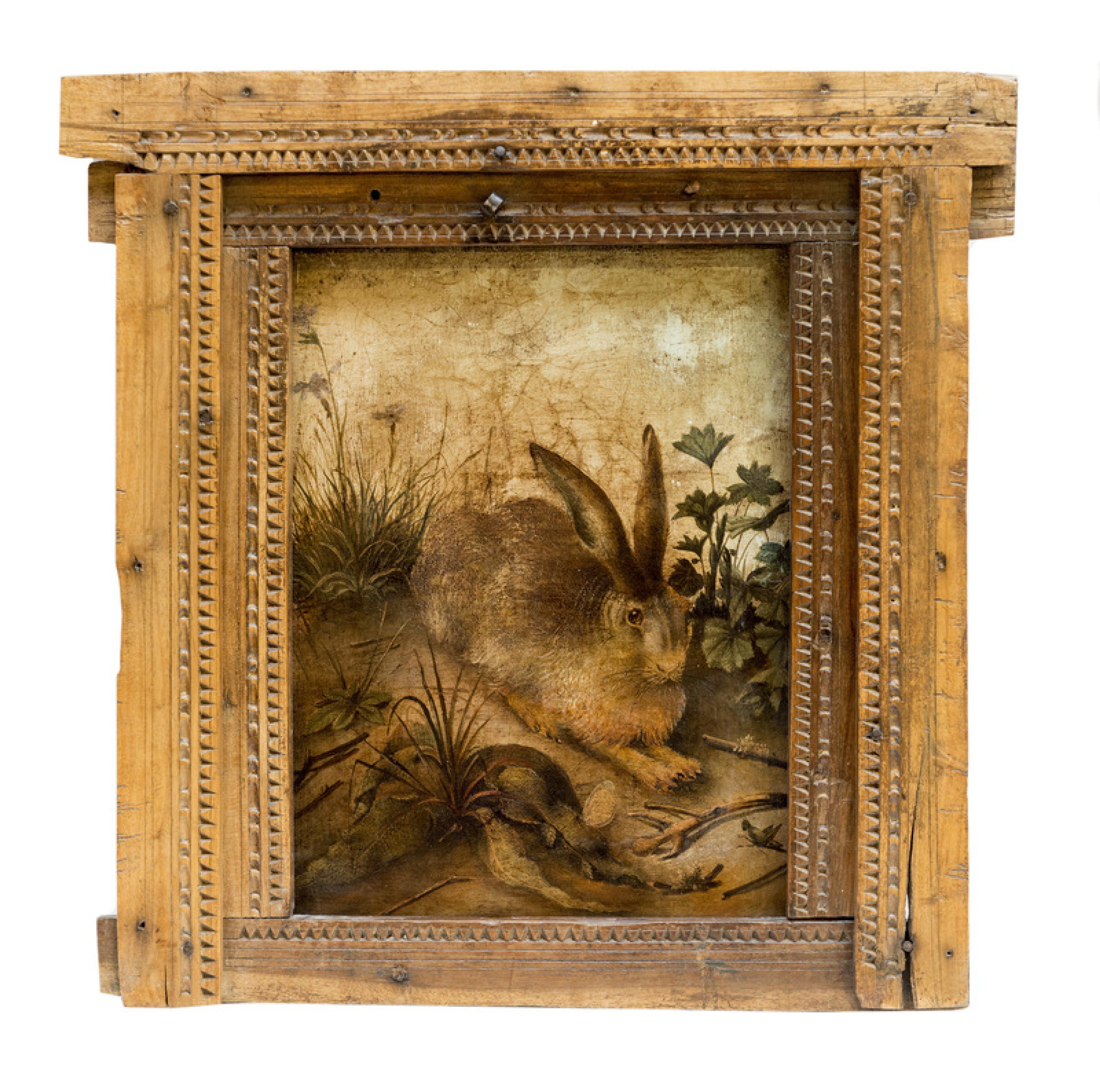
His activity also includes portraits, self-portraits and painted religious compositions. He works for the Emperor Maximilian I and travels to the Netherlands in 1520–1521. In his final years, his treatises transmit his investigations into measurement and human proportions.
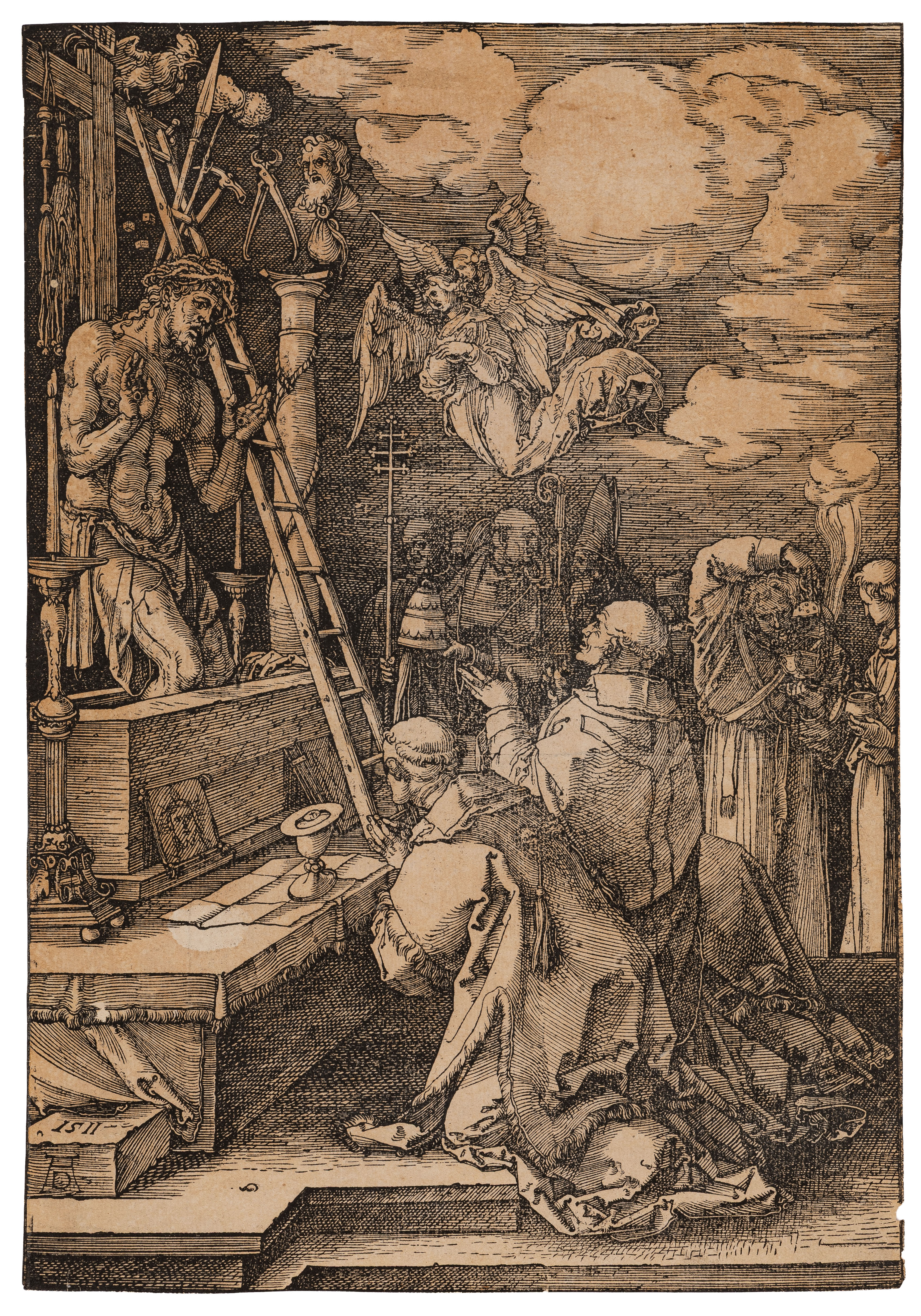
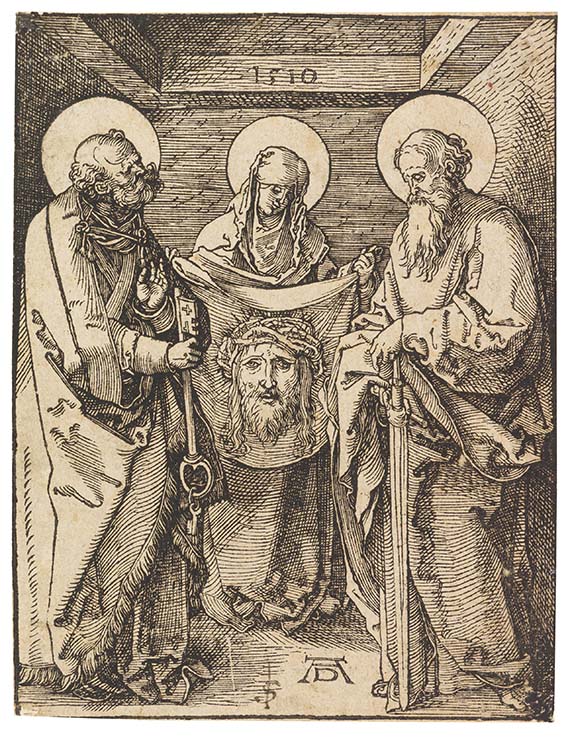
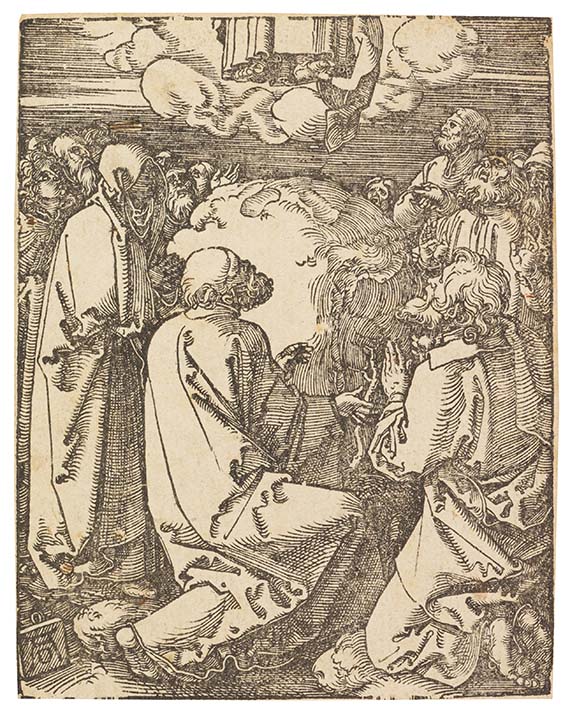
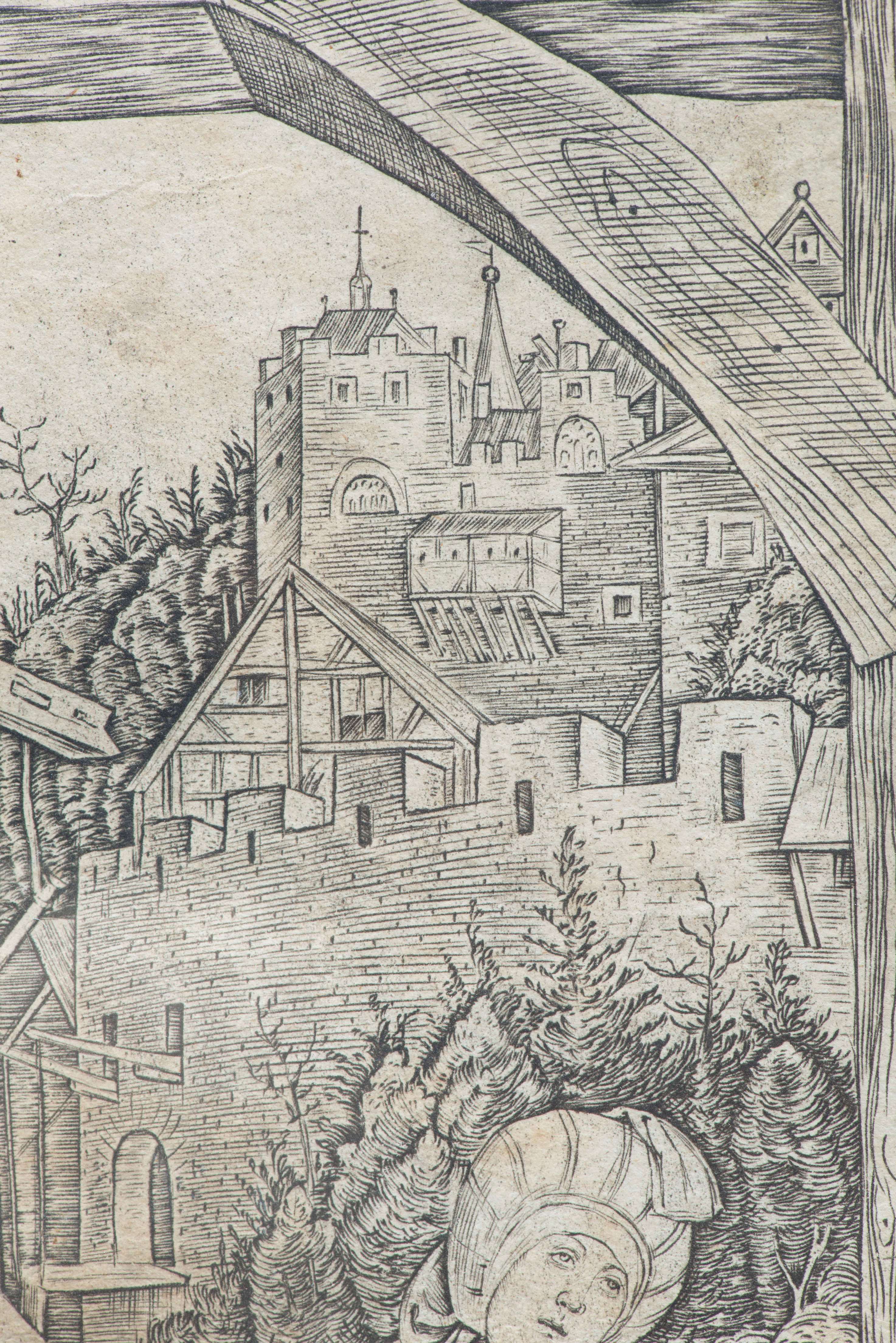
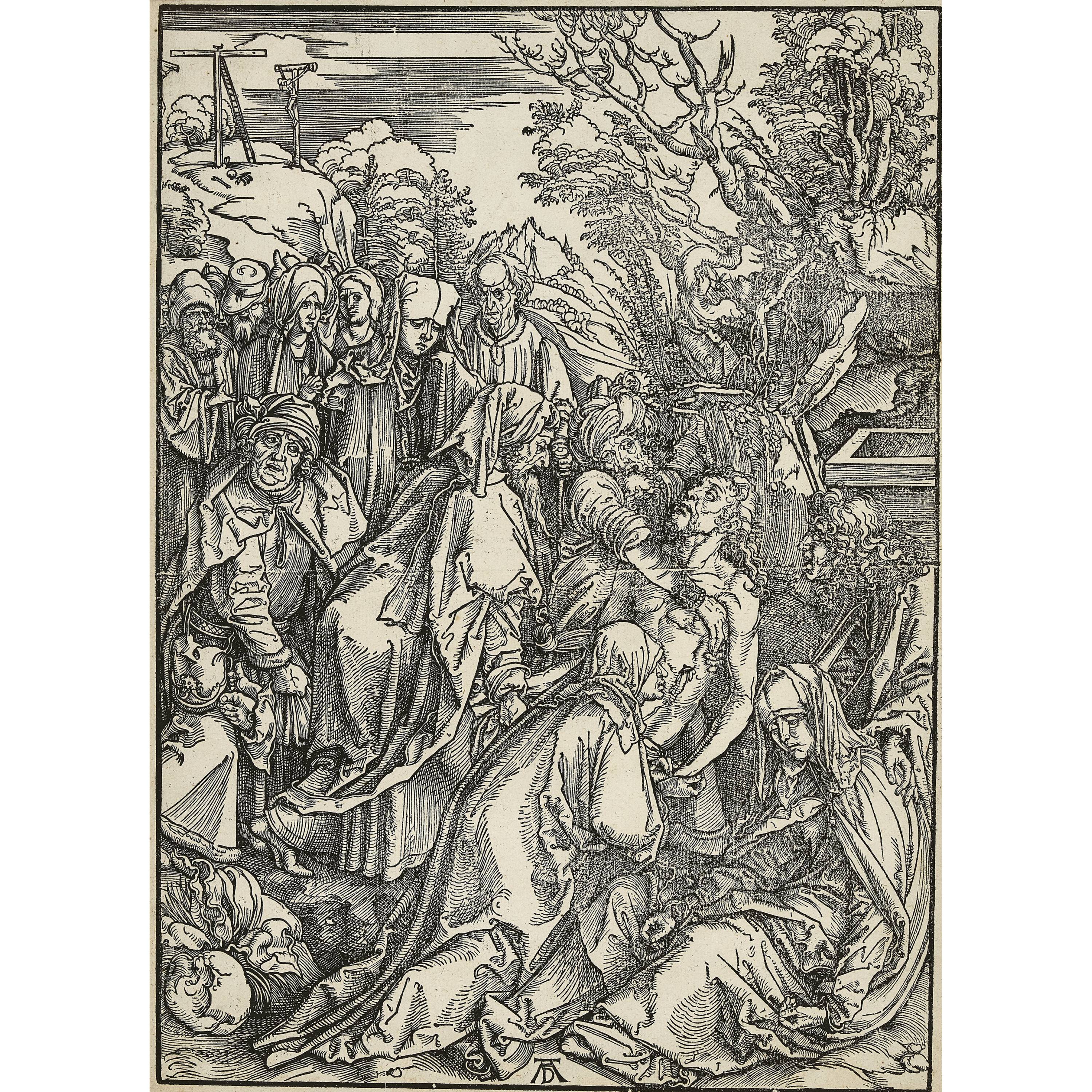
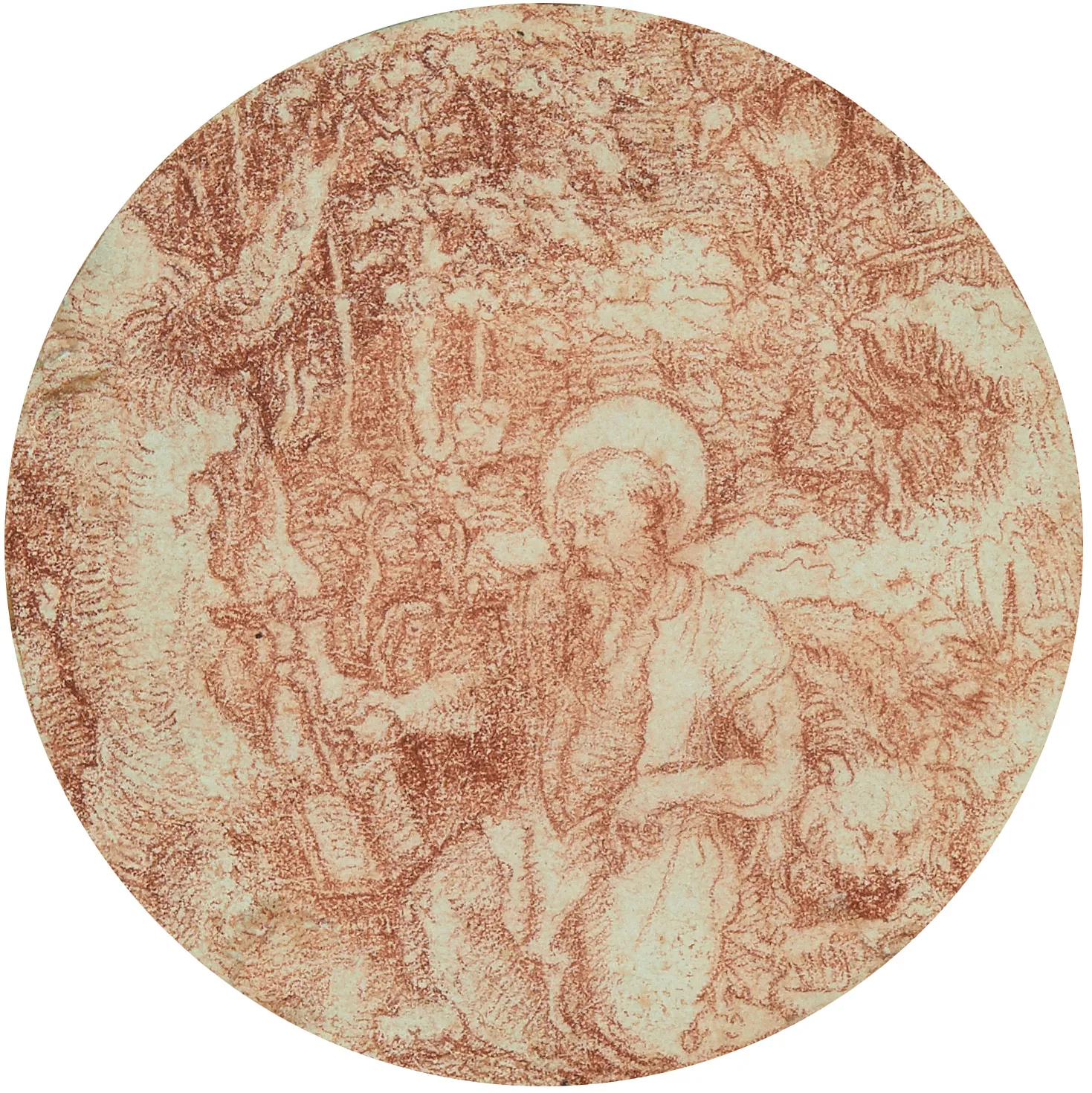
In front of a work by Dürer, following the course of a line is already a discovery: it may suggest a fabric, a shadow, foliage or a face. This economy of means, combined with extraordinary precision, transforms observation into an exercise in curiosity.