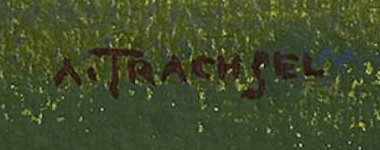
Albert Trachsel
Born in 1863.
Died in 1929.
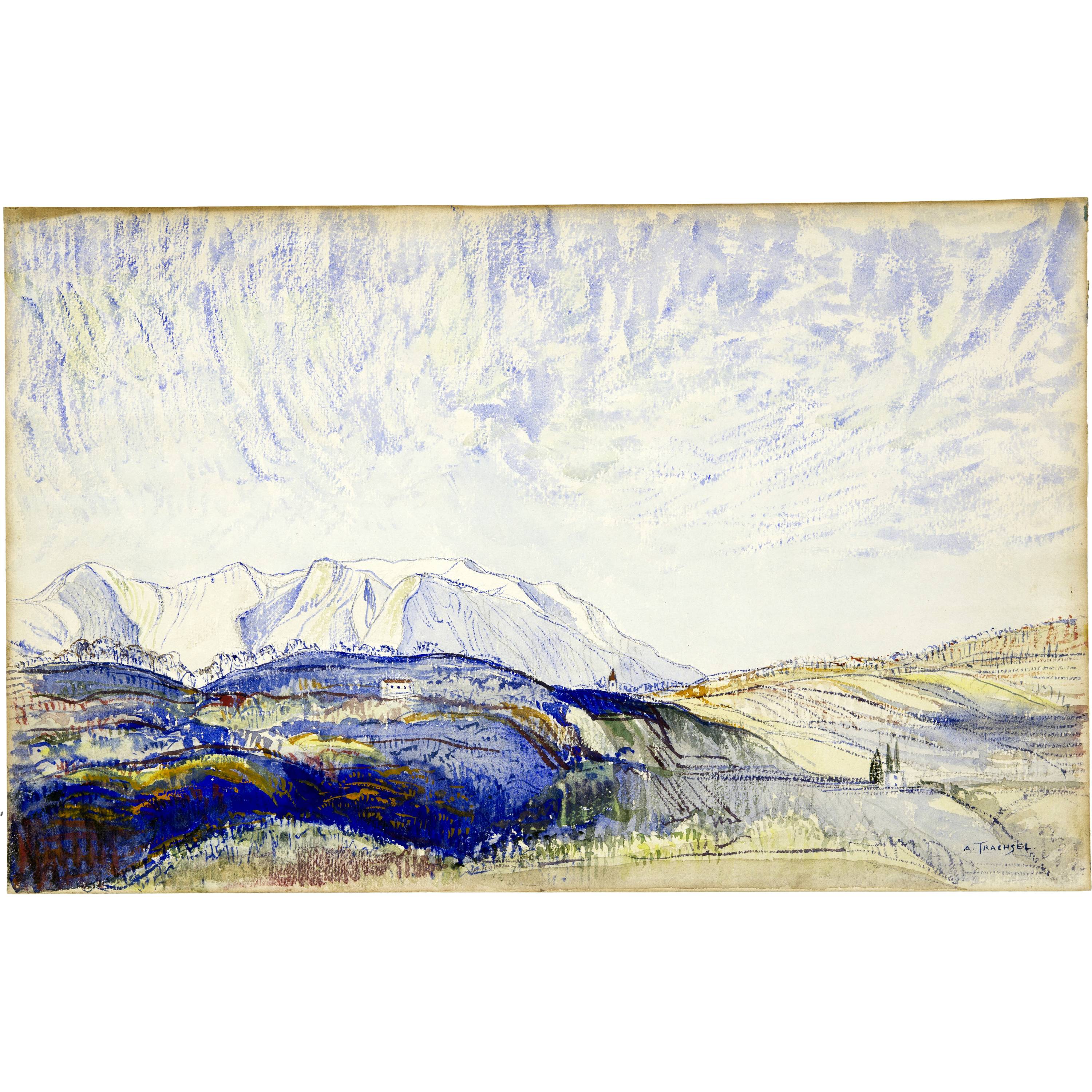
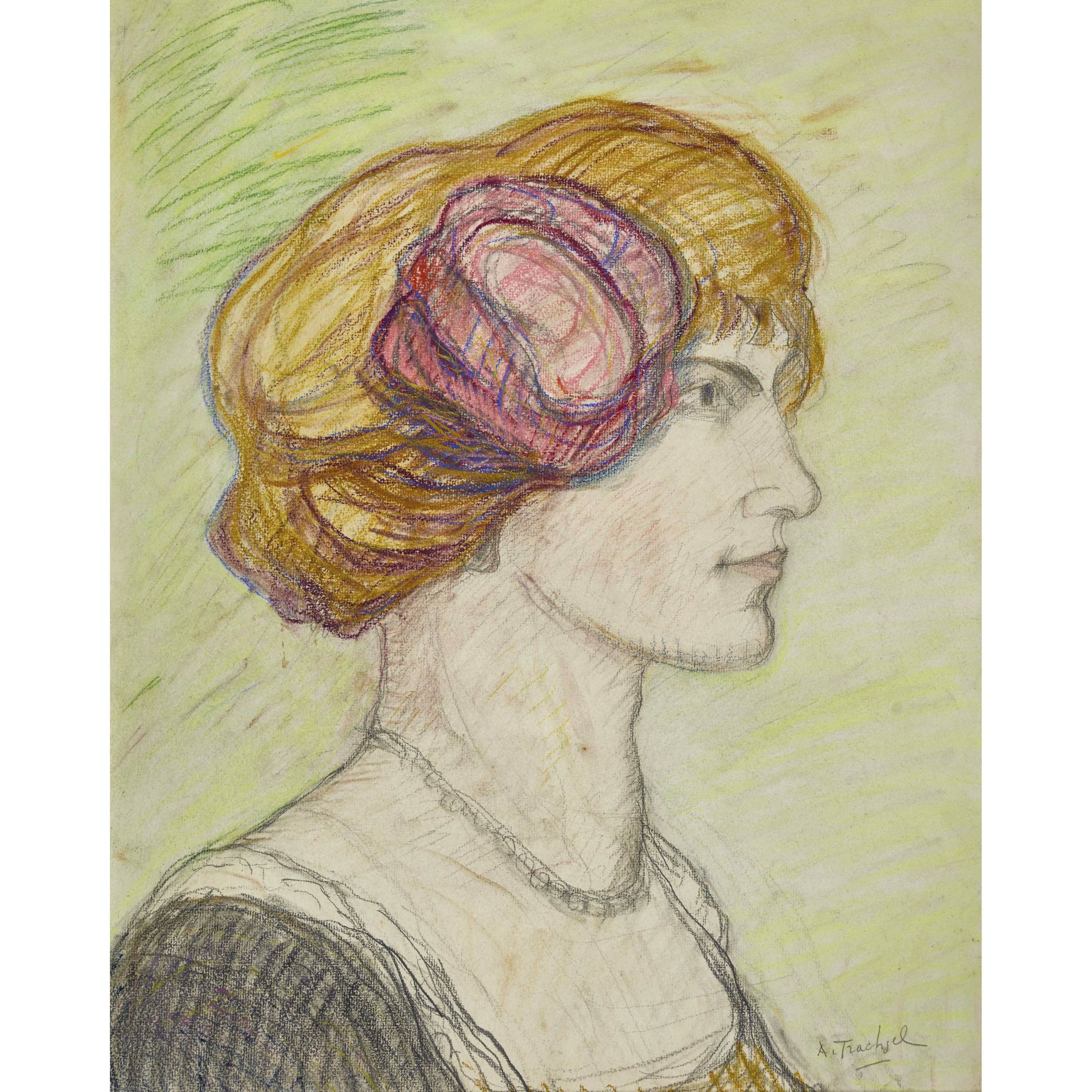
Albert Trachsel (1863–1929) developed a body of work in which painting, architecture and writing engage in dialogue. After a Geneva childhood, he studied architecture at the École des beaux-arts de Genève, at the Polytechnikum in Zurich in 1881, and then in Paris. His travels in Spain, Italy and northern France nourished his research.
In Geneva, he became acquainted in particular with Ferdinand Hodler and the sculptor Rodo; from 1889 onward, he frequented Parisian Symbolist circles. In 1891, he presented drawings of utopian architectures at the Salon des Indépendants, and subsequently took part in the Salon de la Rose-Croix. On returning to Geneva in 1893, he prepared Les fêtes réelles, an album of architectural projects that opens the unfinished trilogy Le poème, associated with the texts Le cycle and L’harmonie.
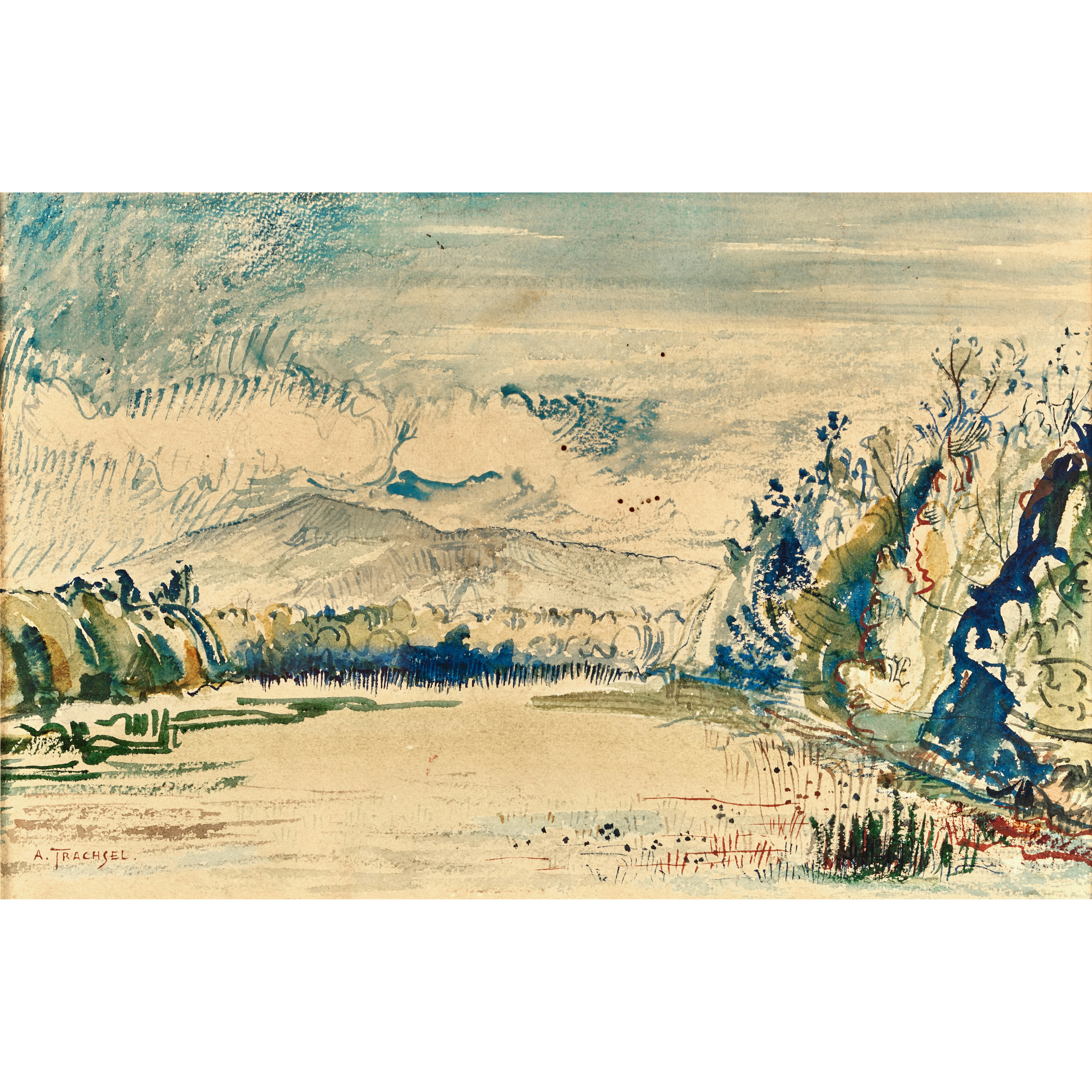
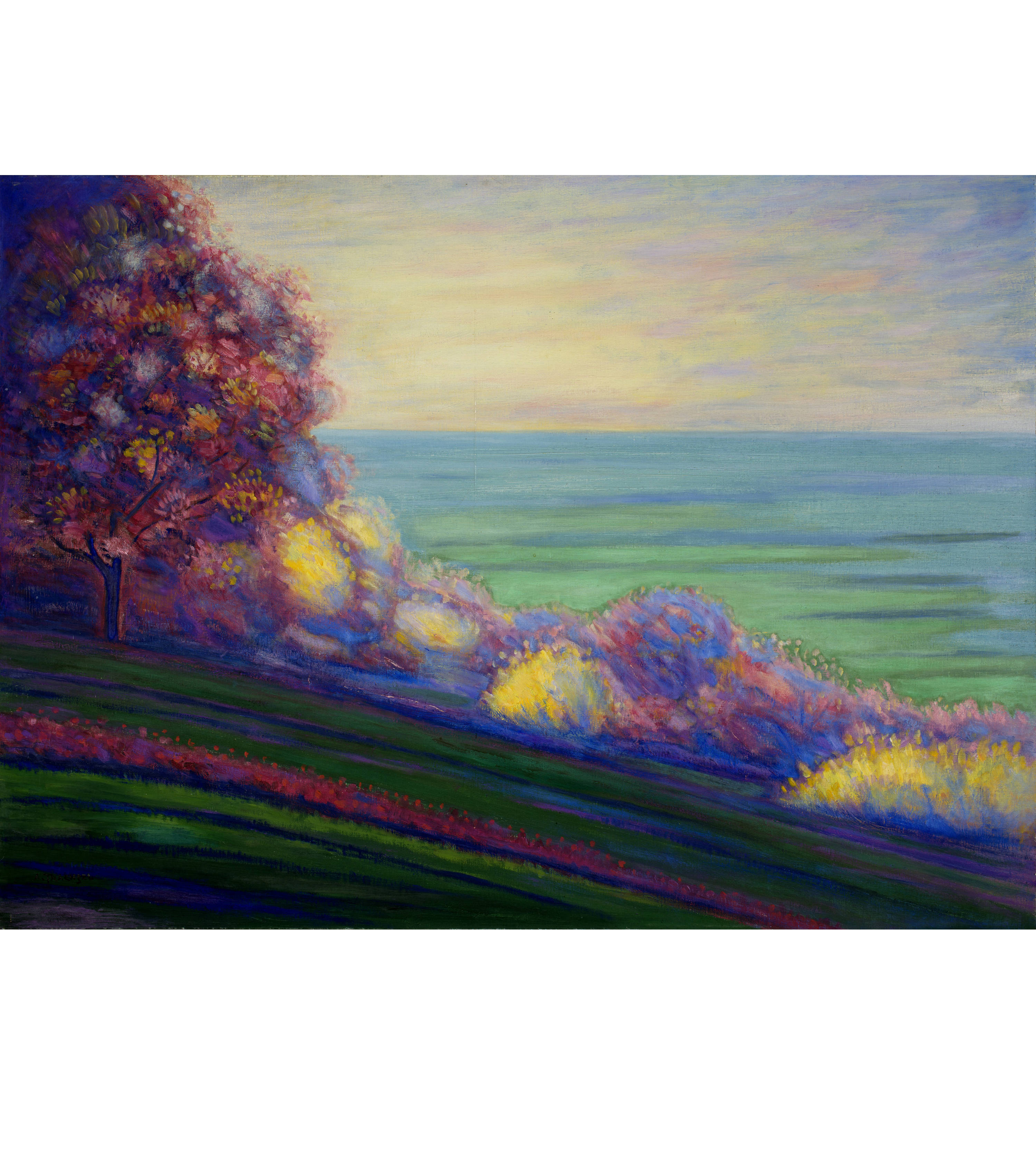
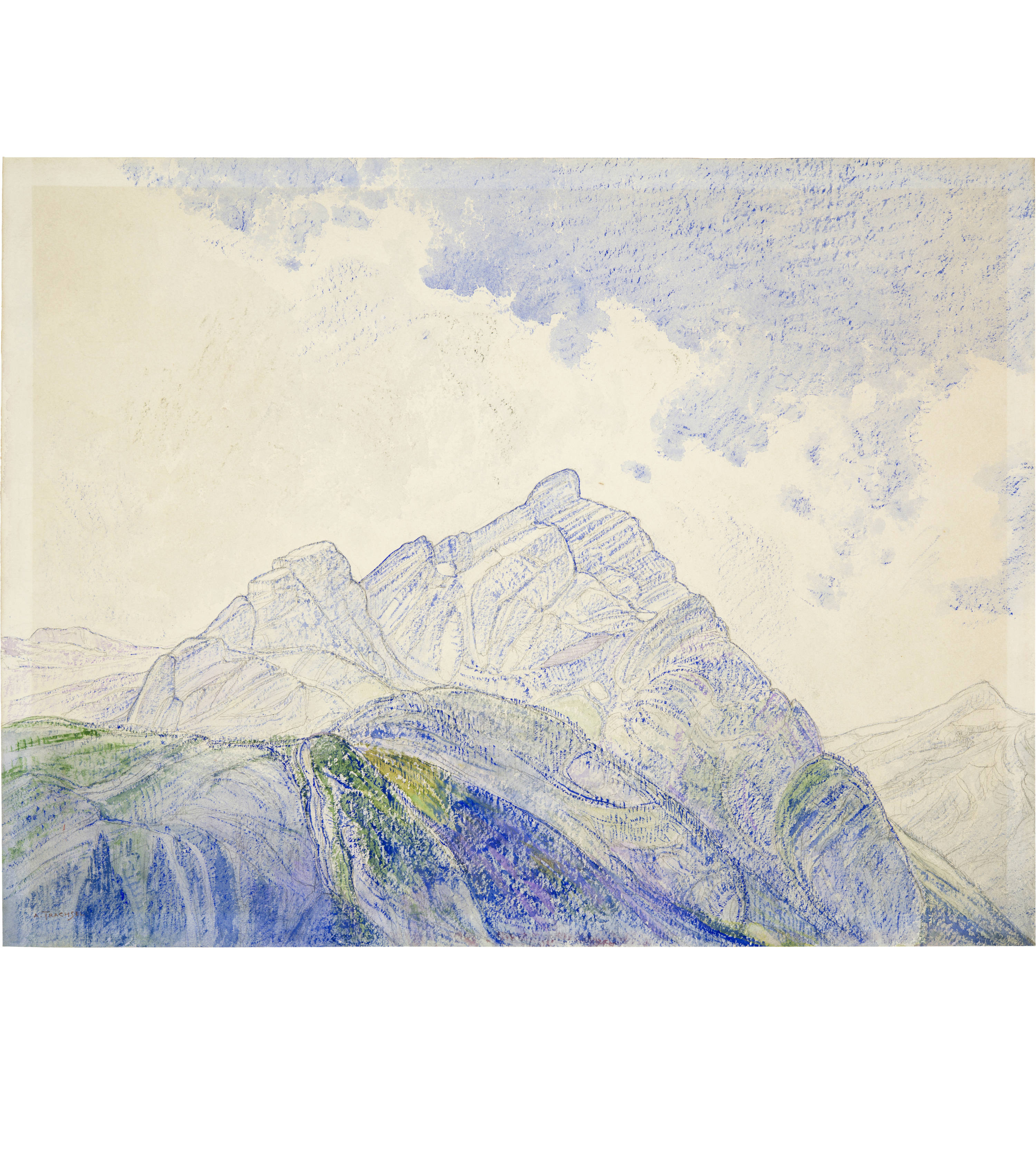
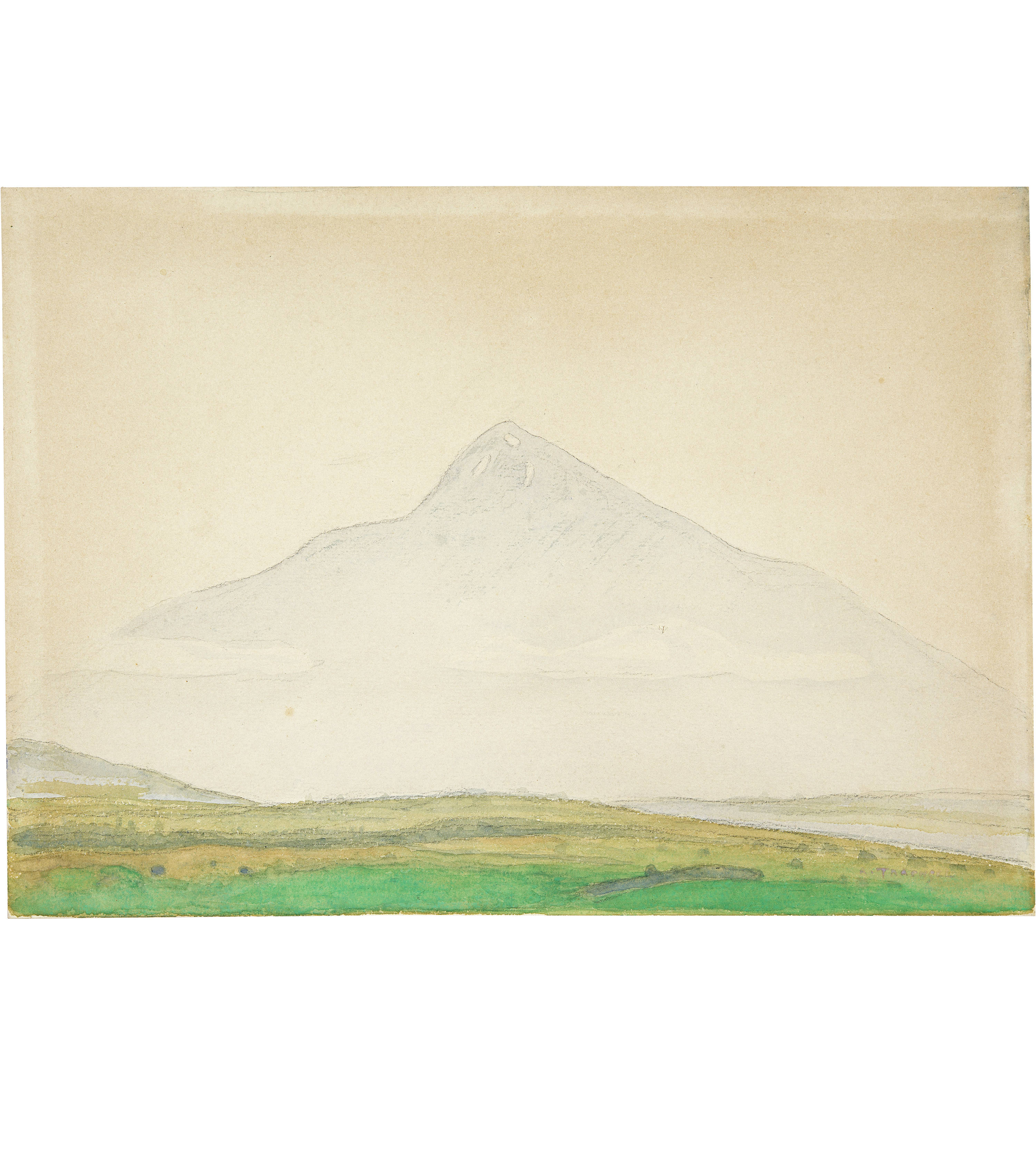
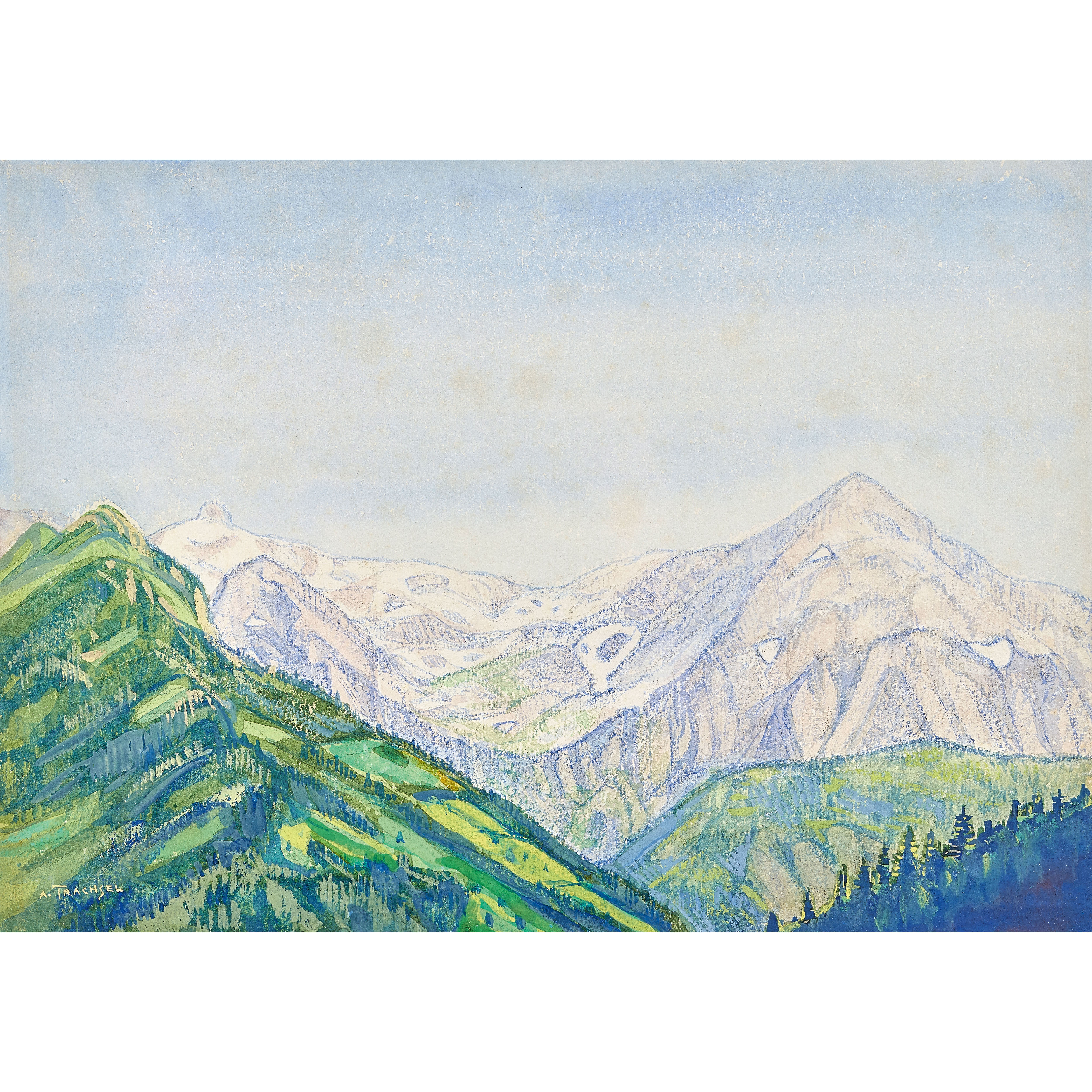
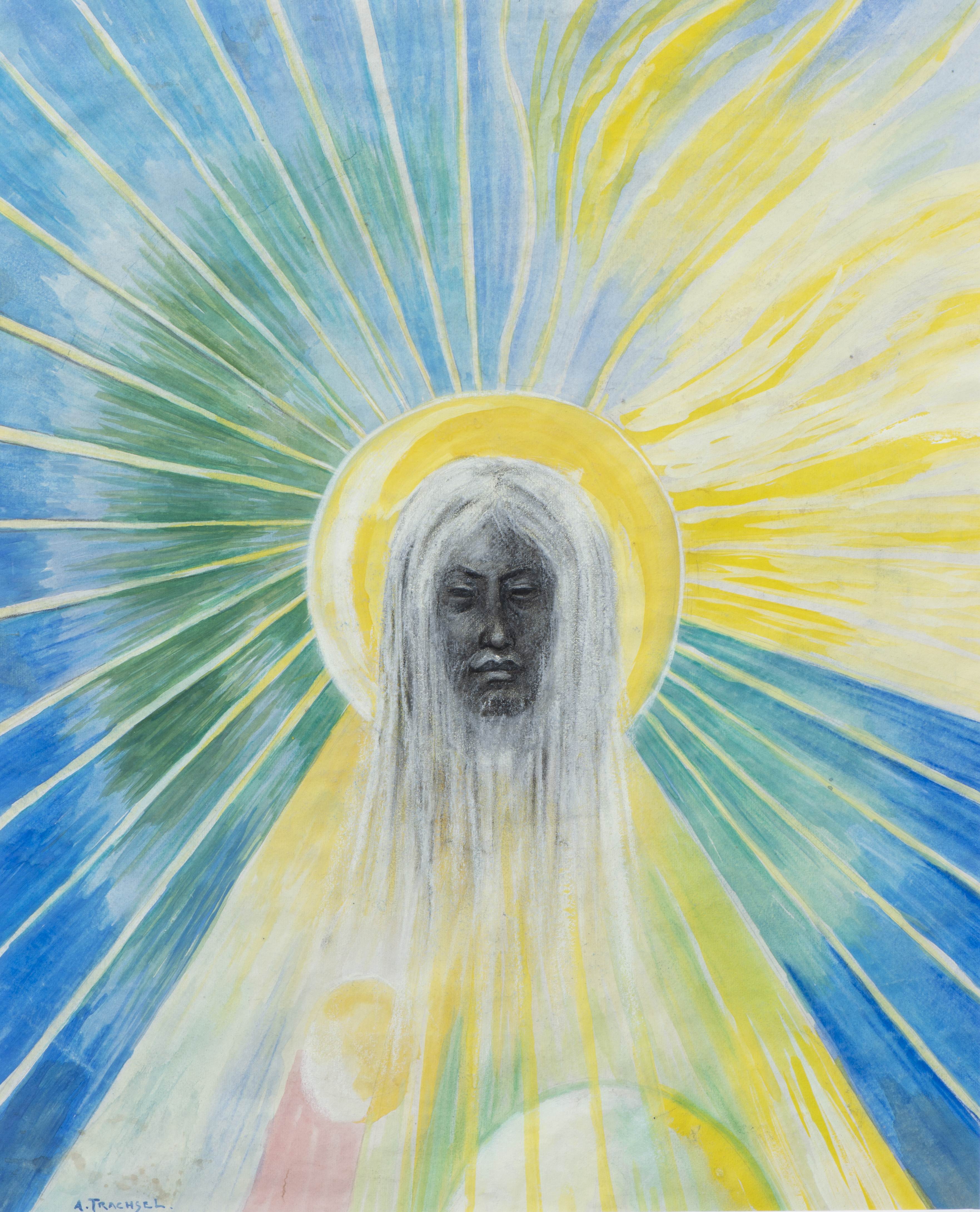
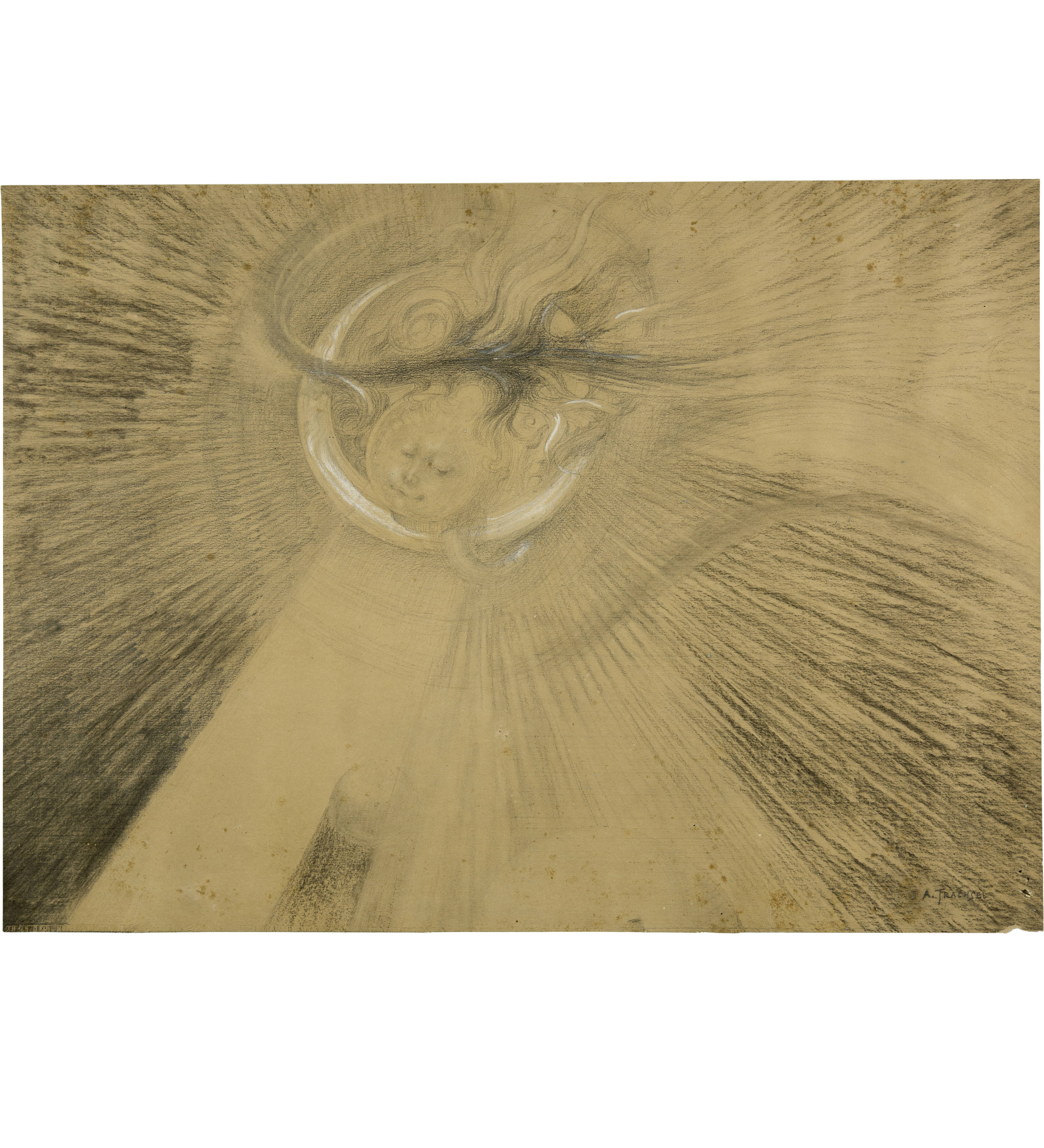
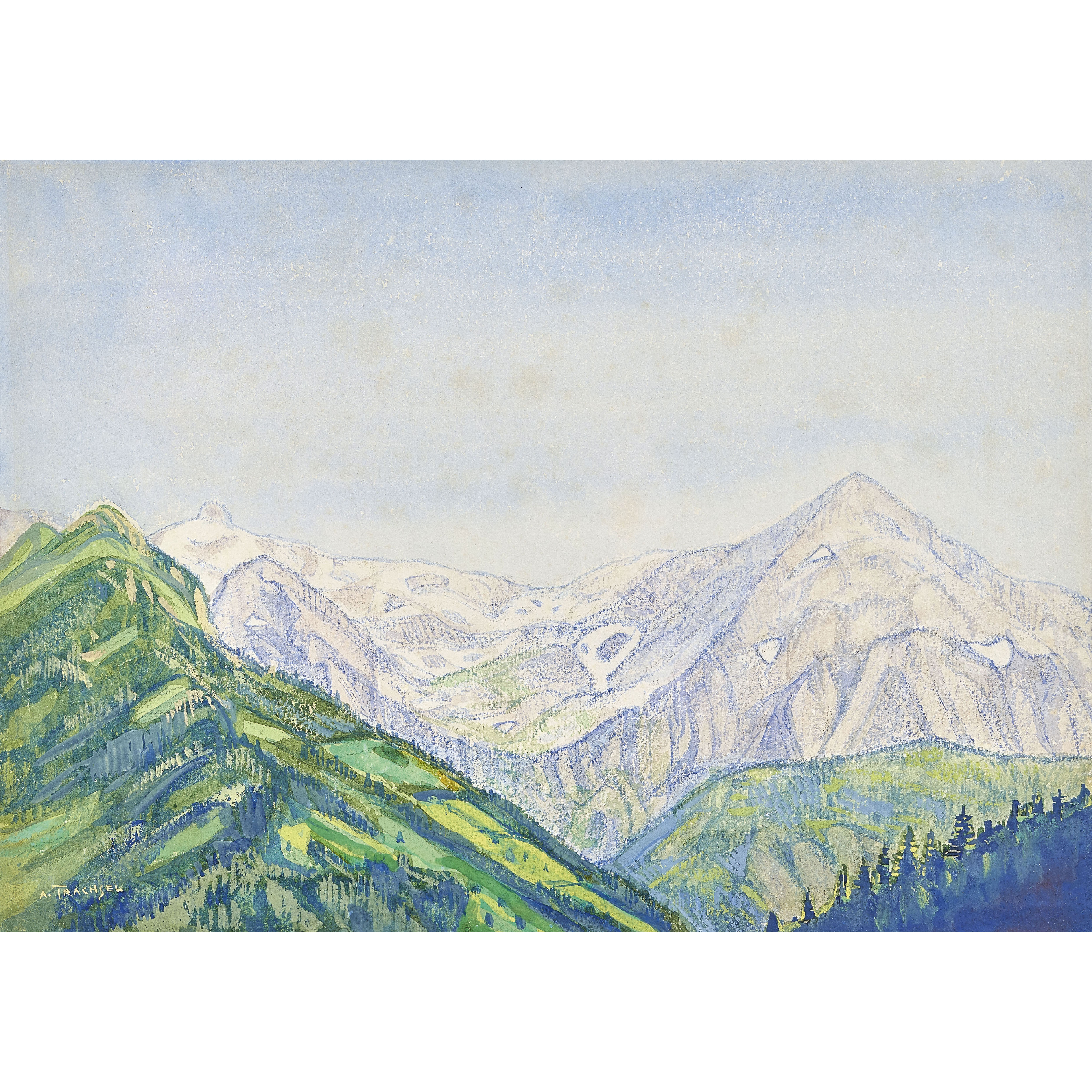
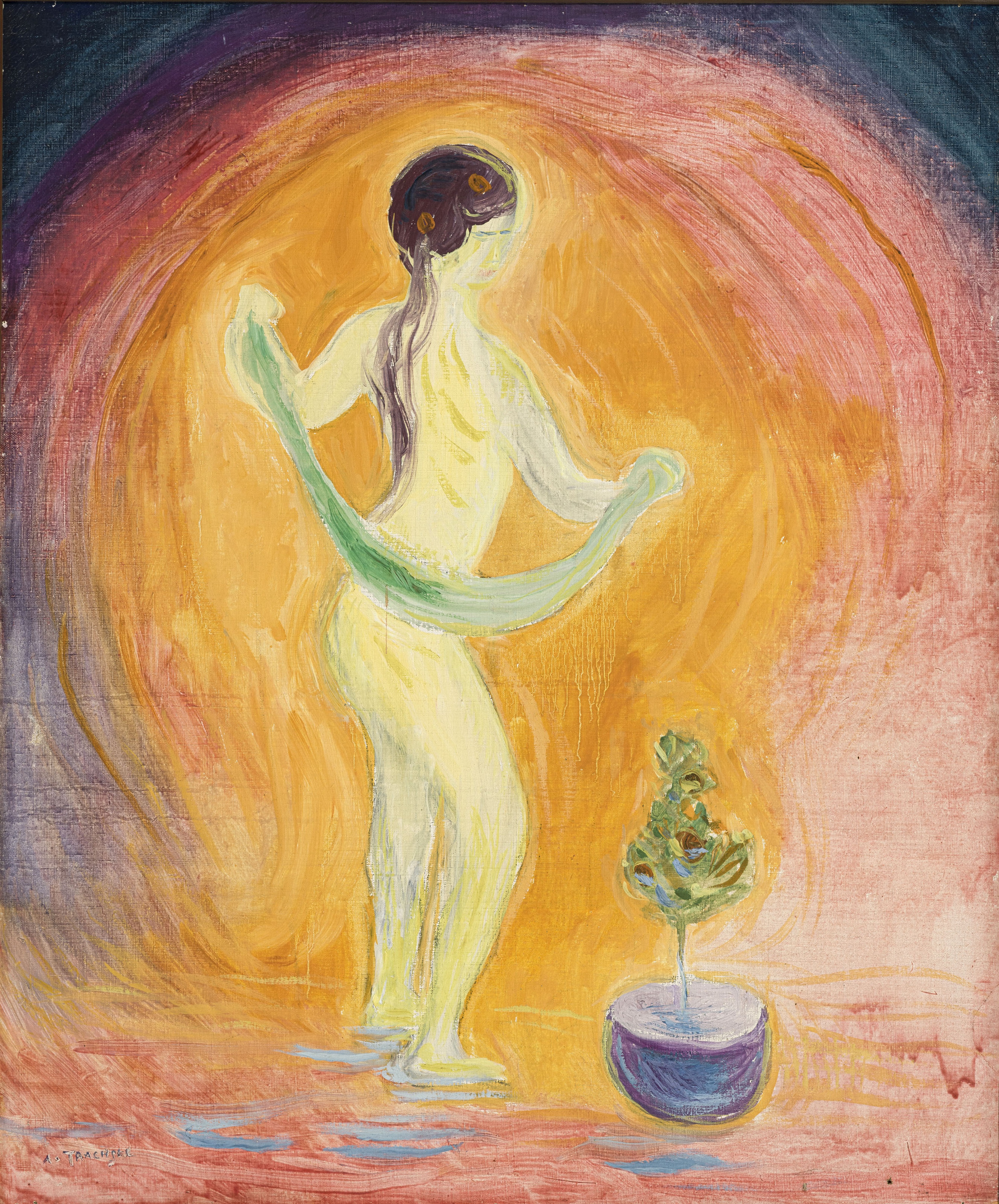
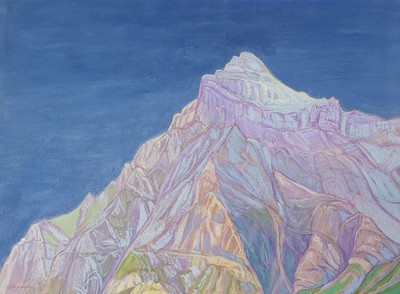
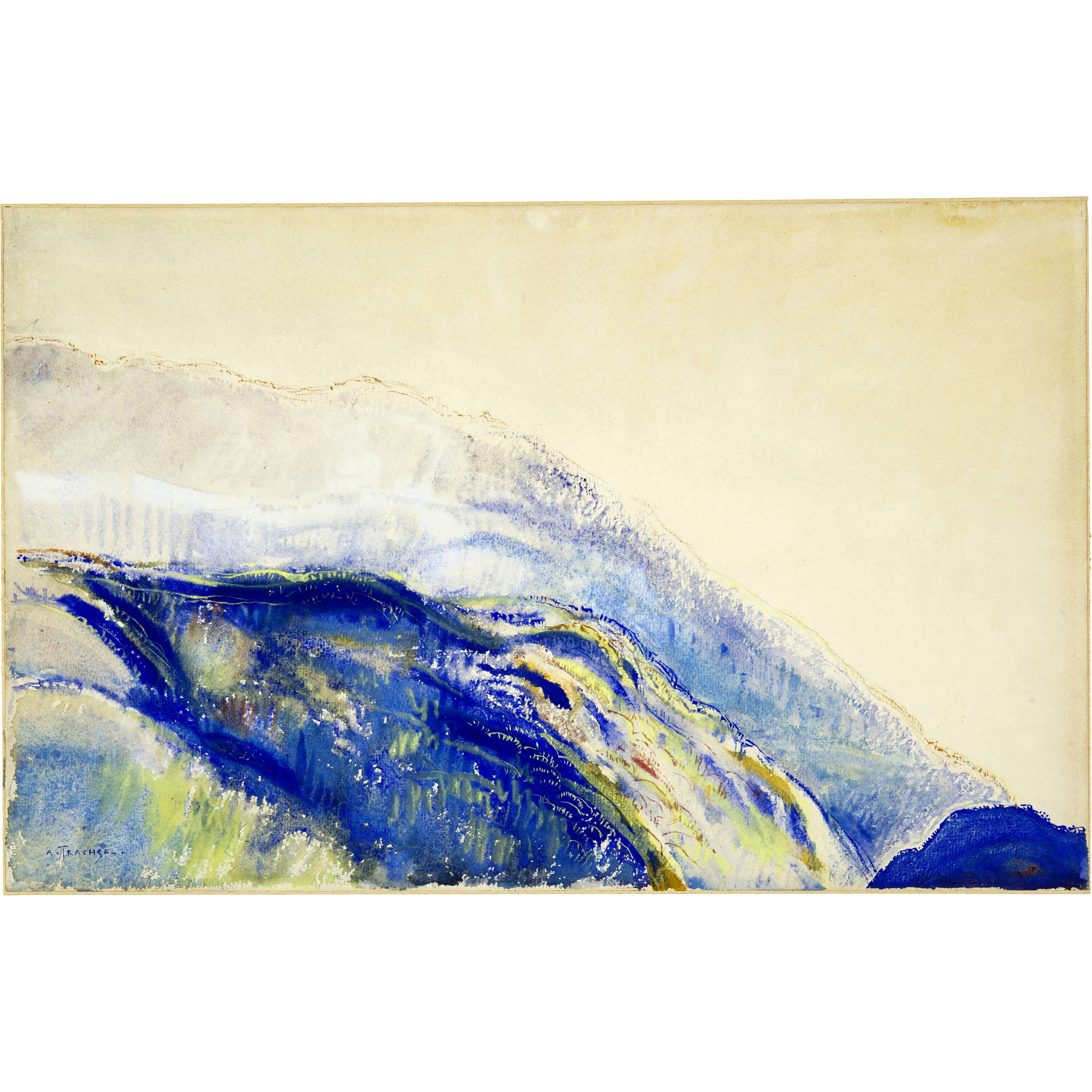
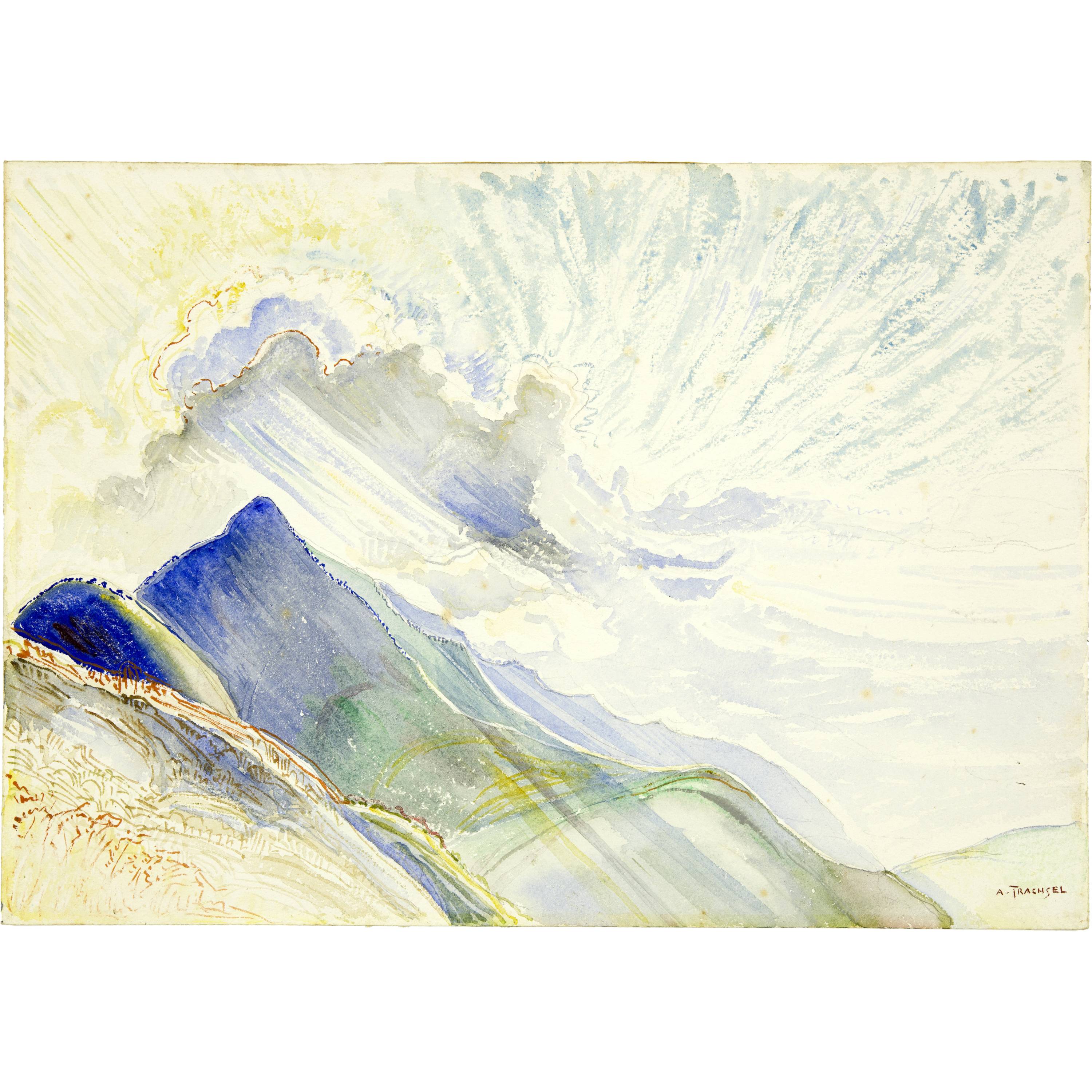
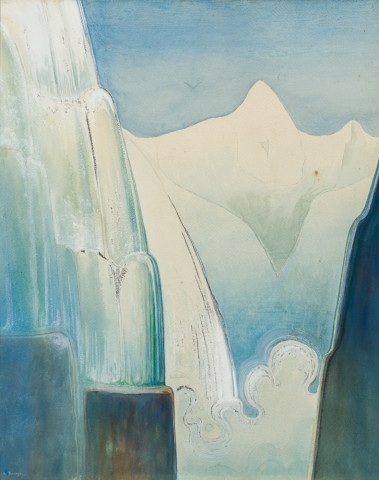
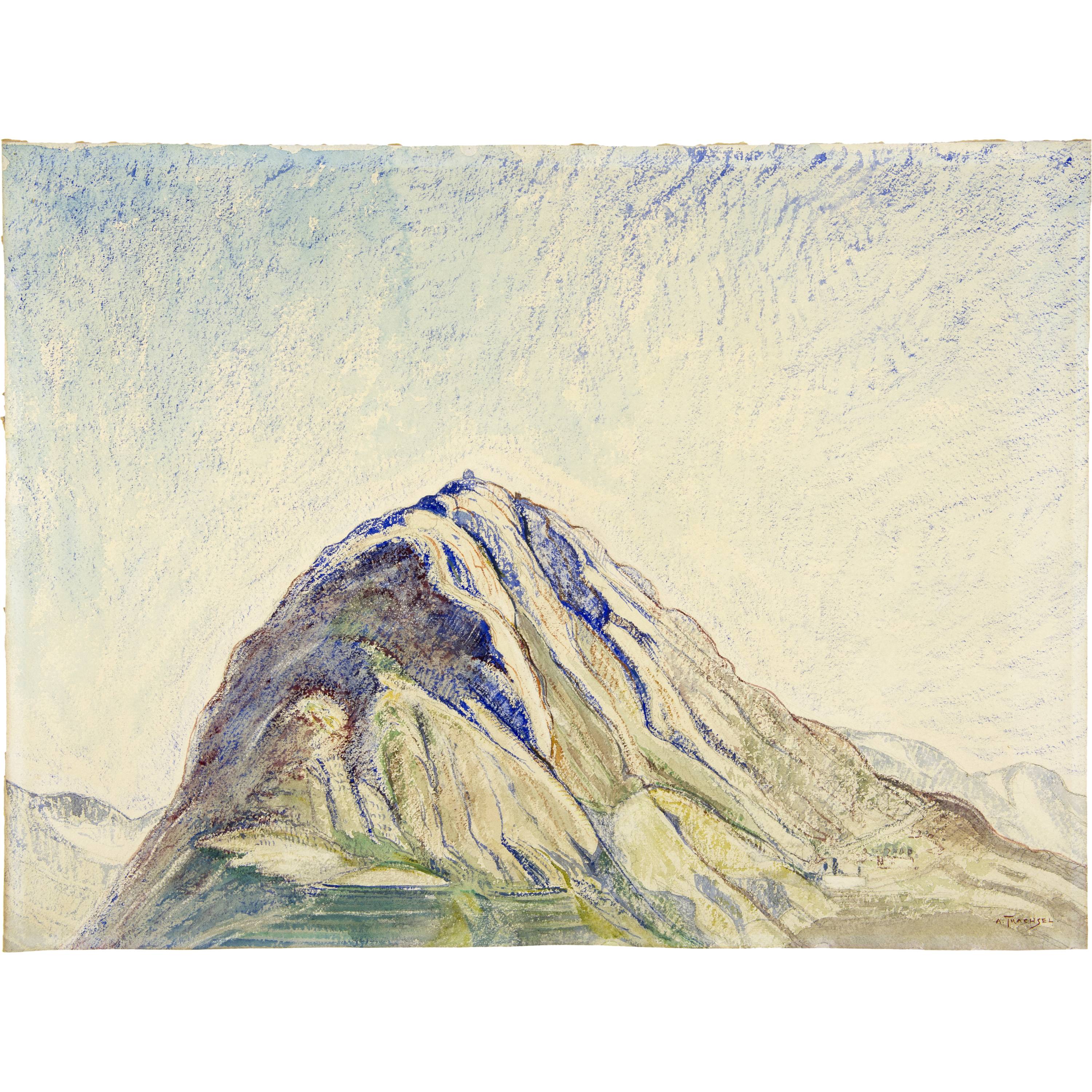
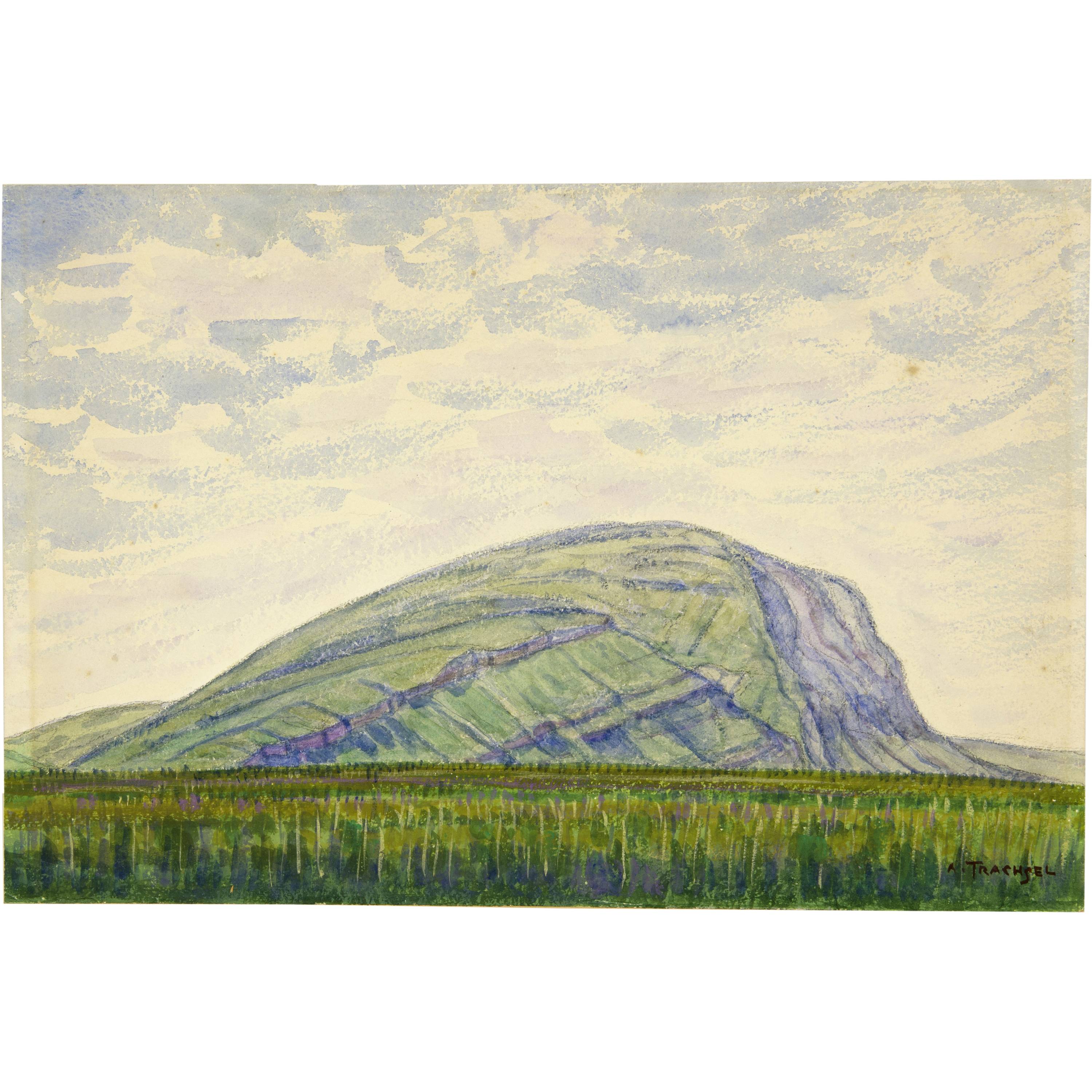
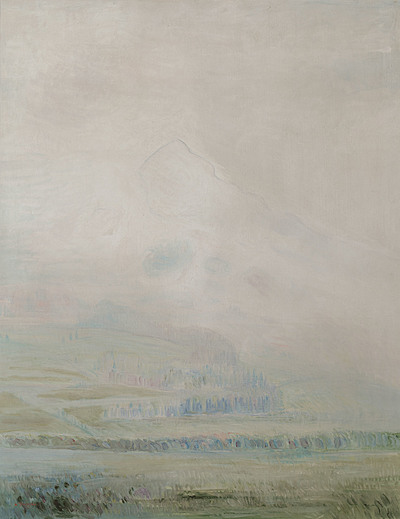
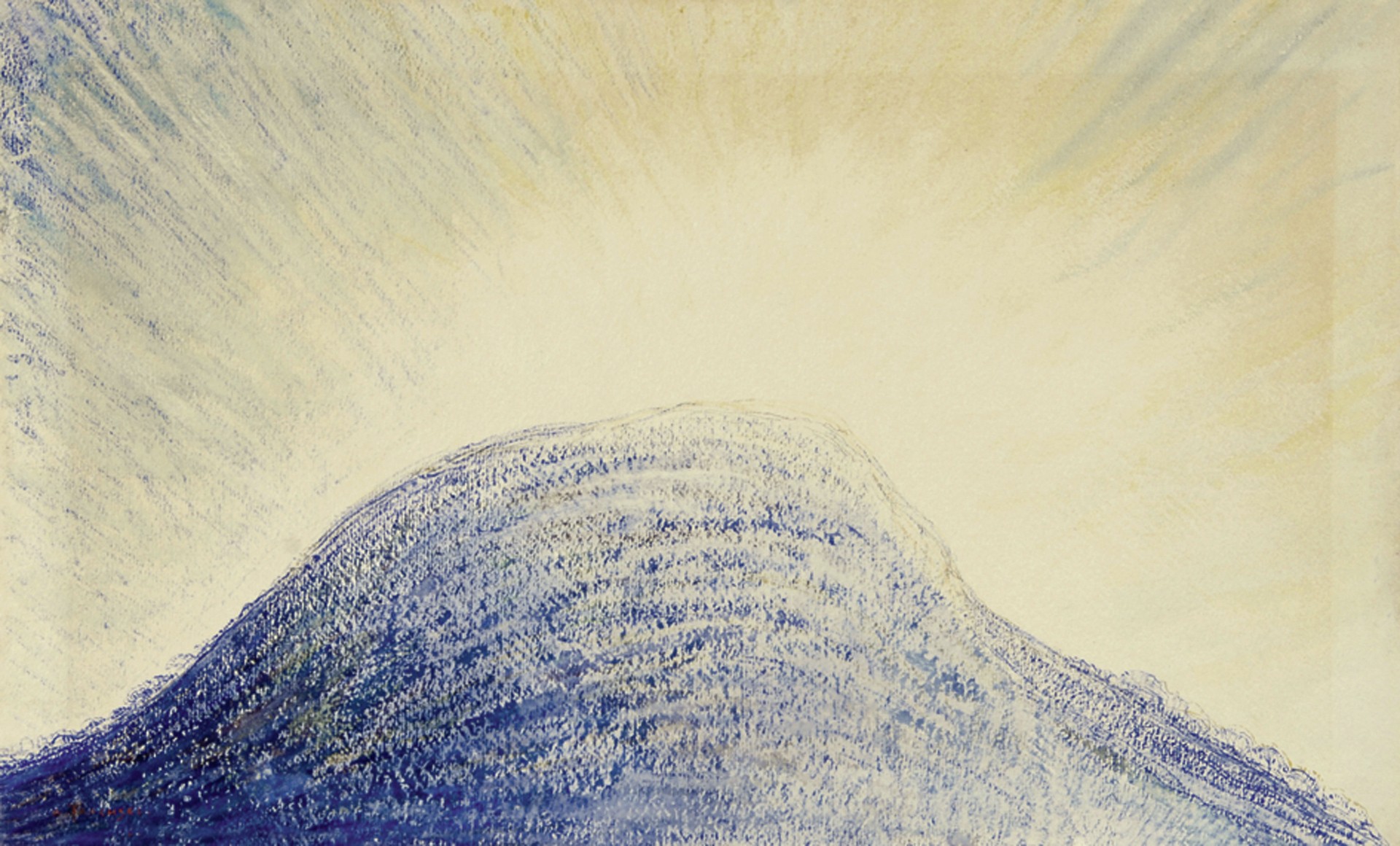
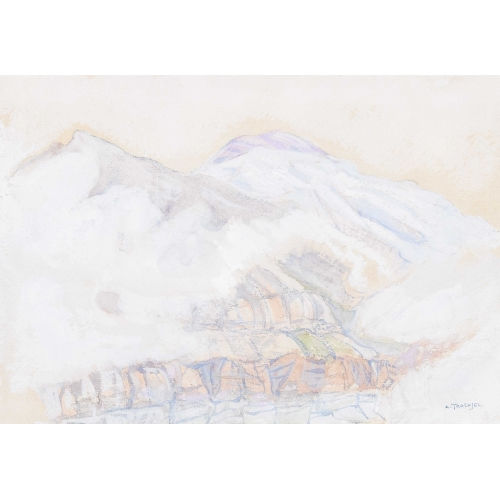
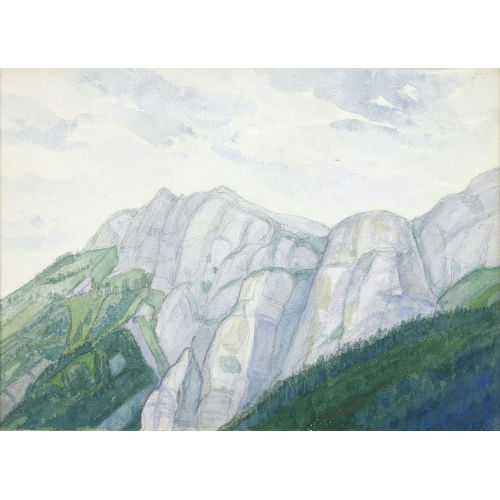
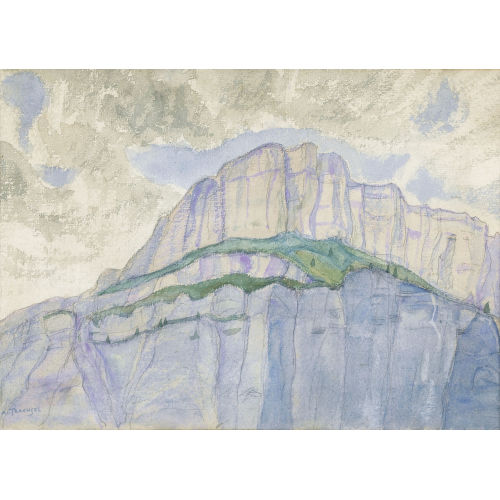
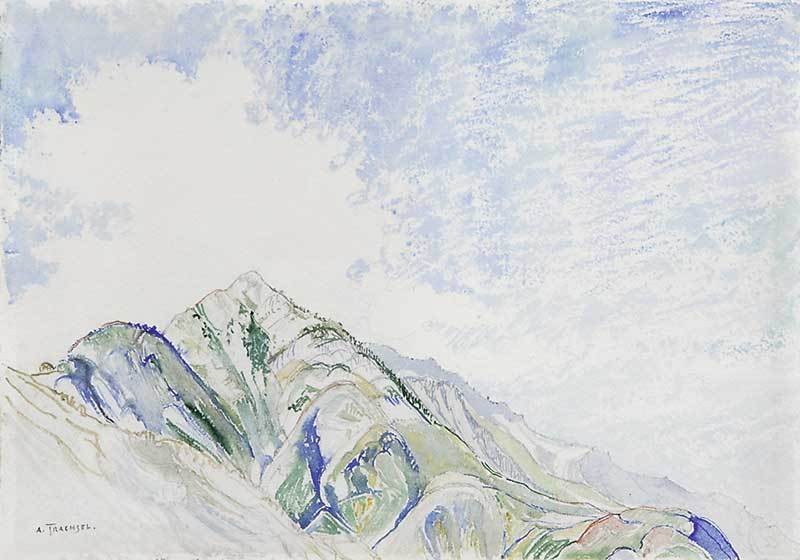
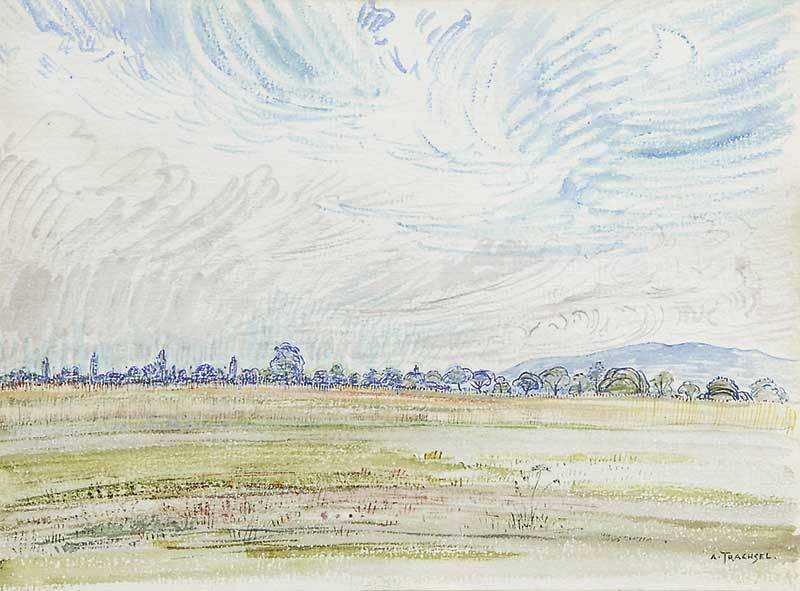
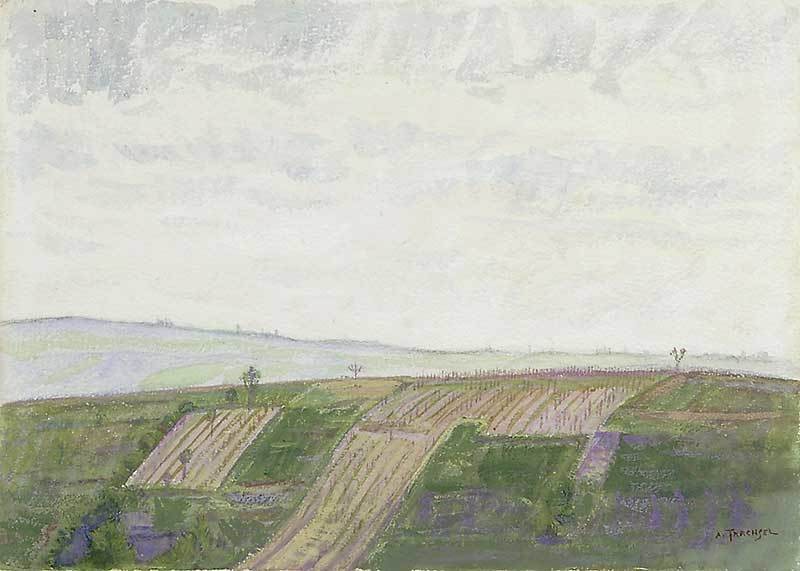
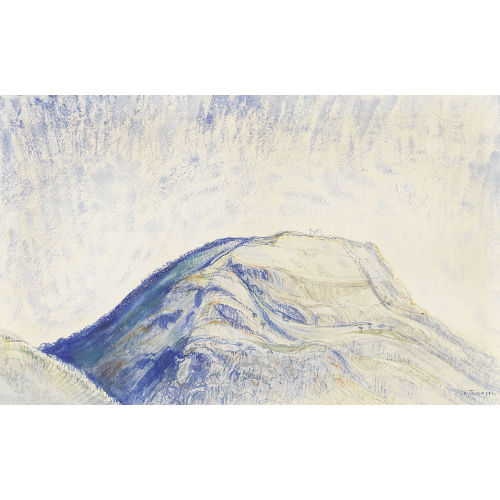
In 1896, he designed the setting for the Chinese shadow theatre Le Sapajou for the Swiss National Exhibition. Settled in Geneva from 1901, he devoted himself to painting and writing. Between 1905 and 1914, he produced Paysage de rêve, a series of imaginary landscapes conceived as transpositions of inner states and connected with his fantastic narratives.
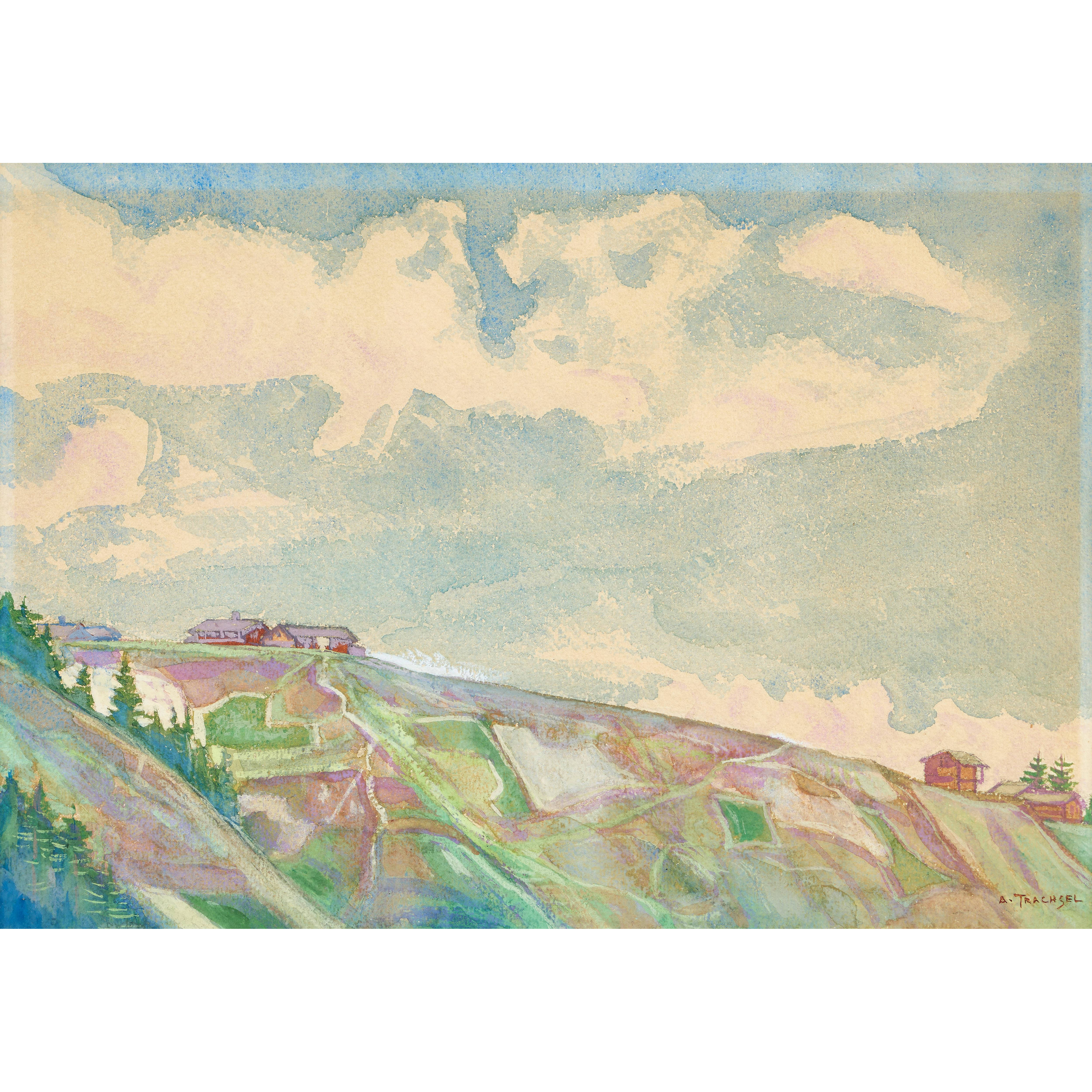
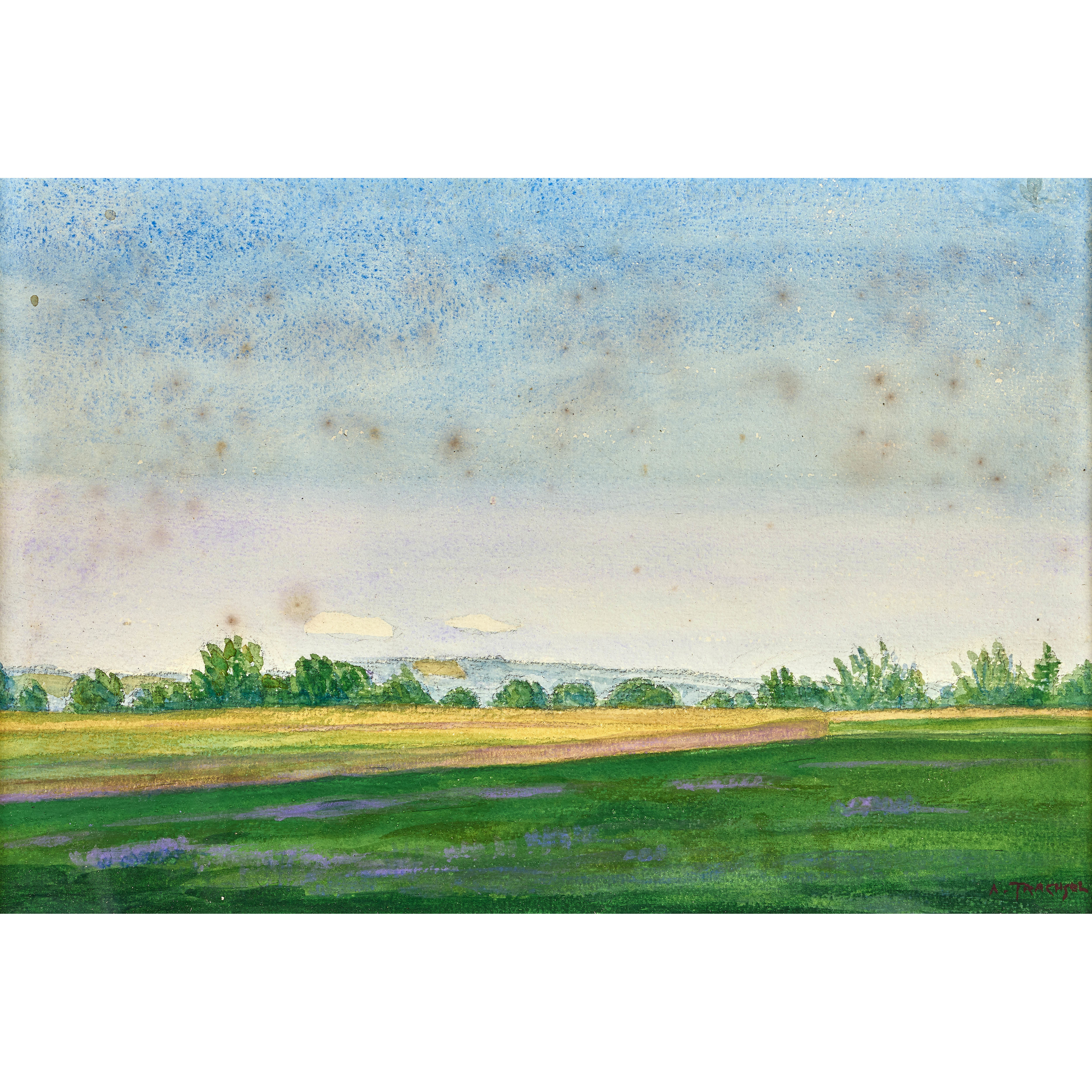
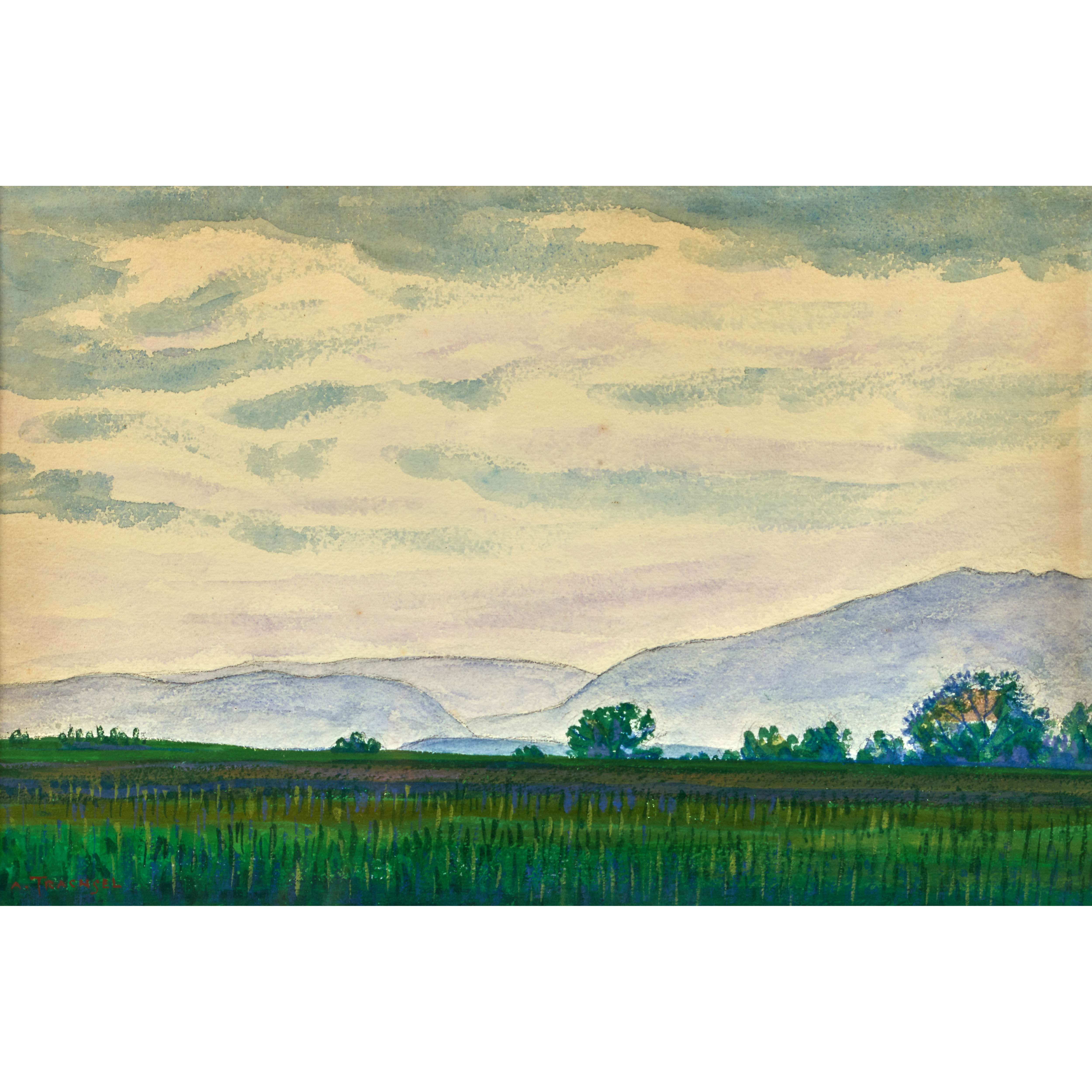
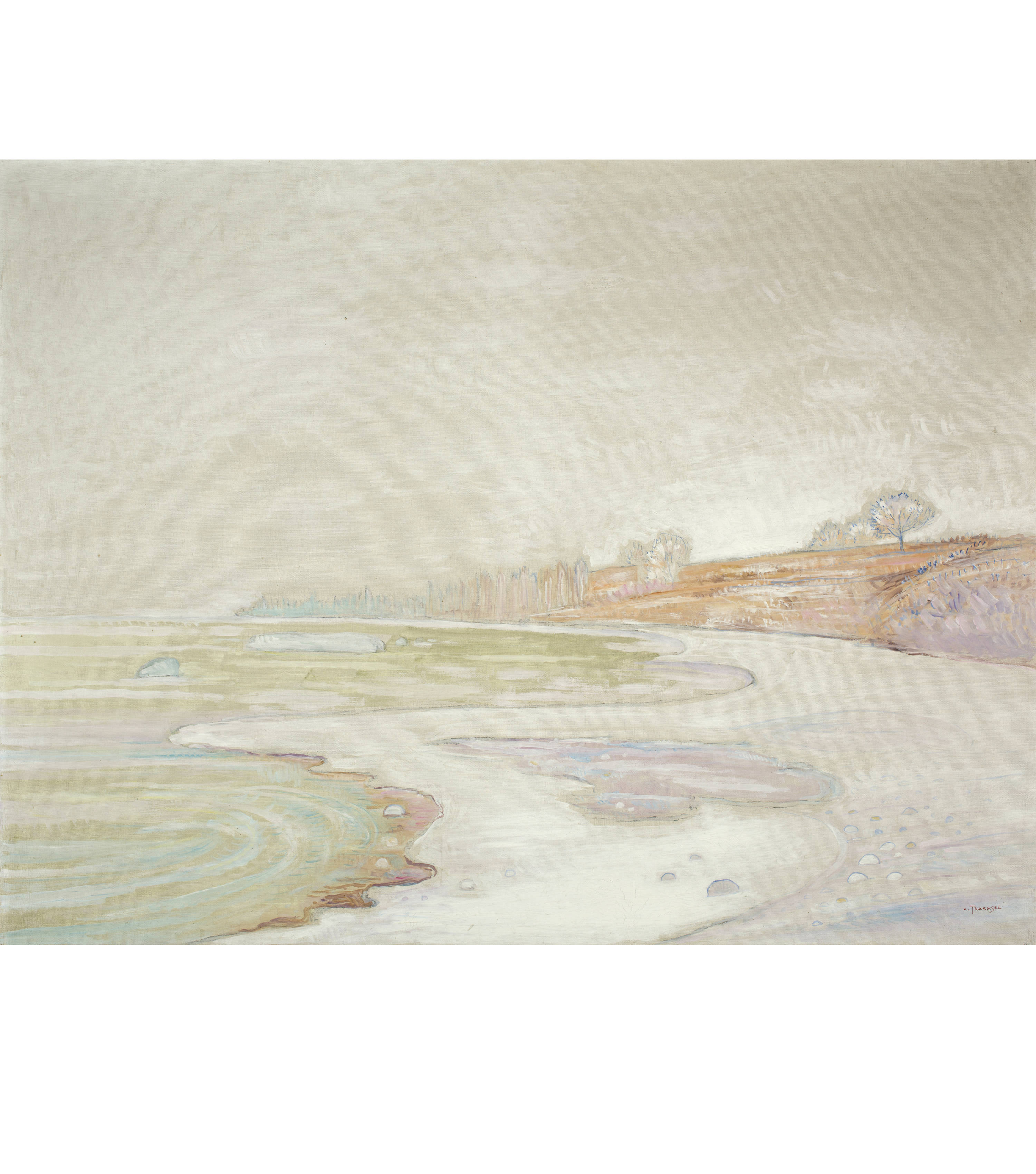
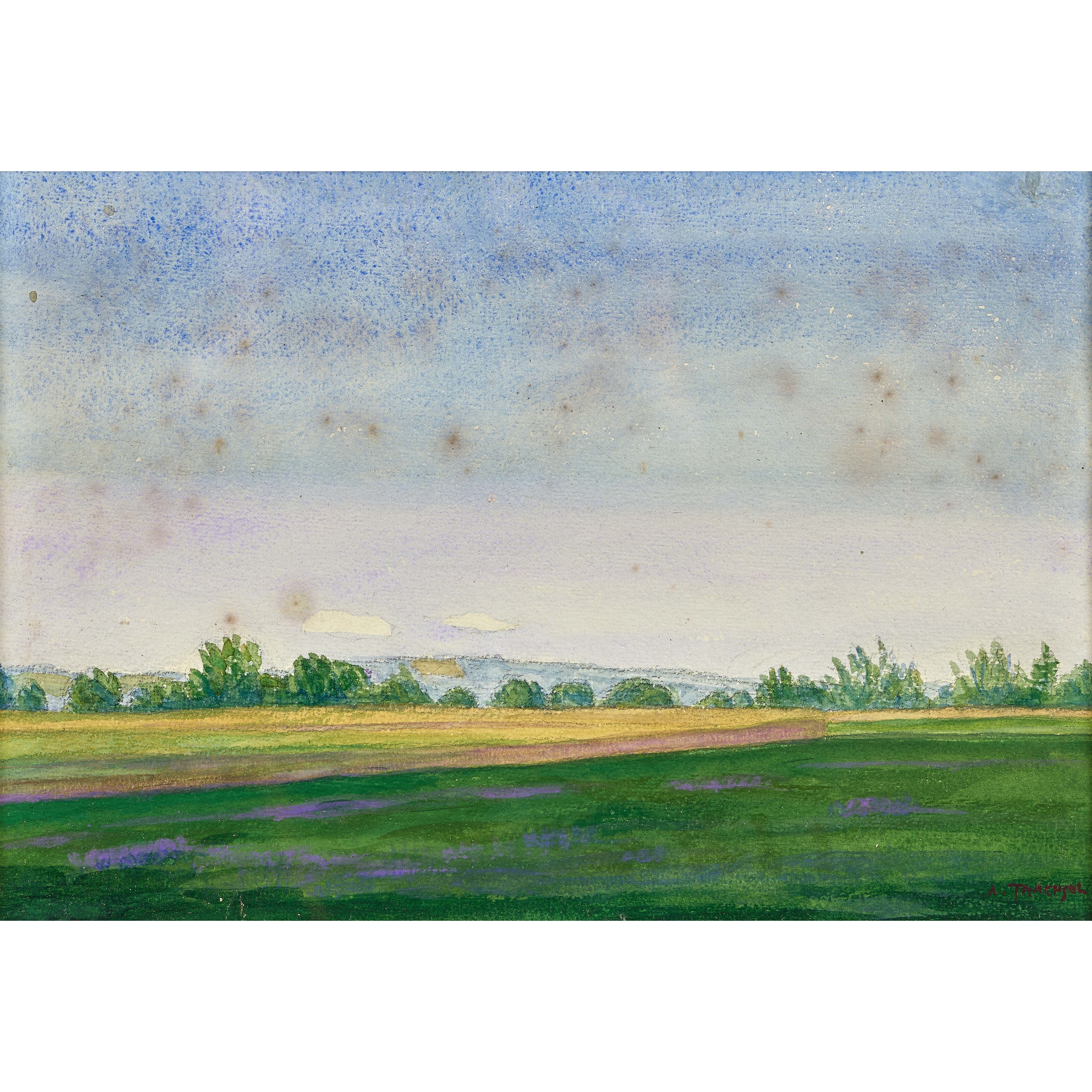
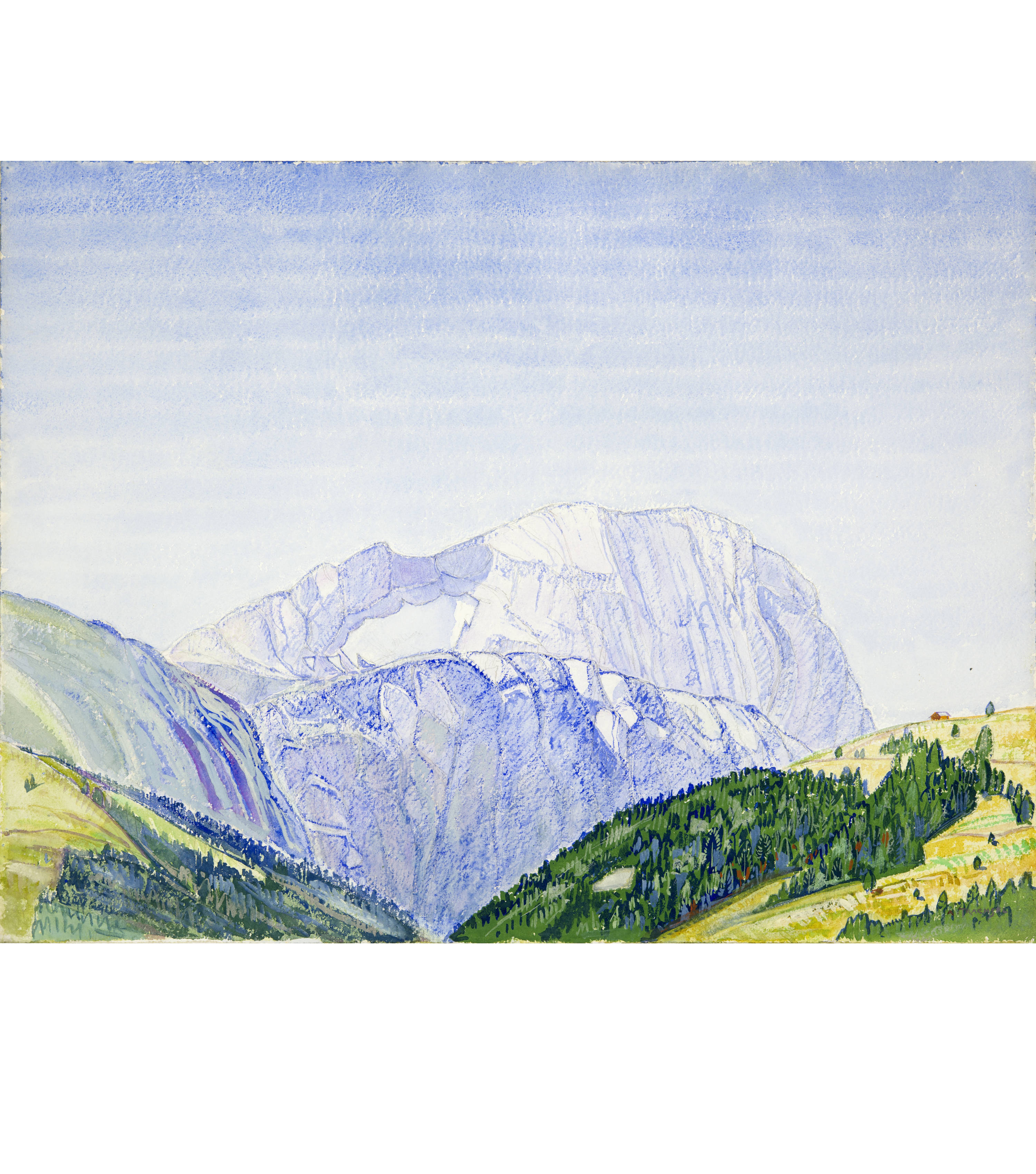
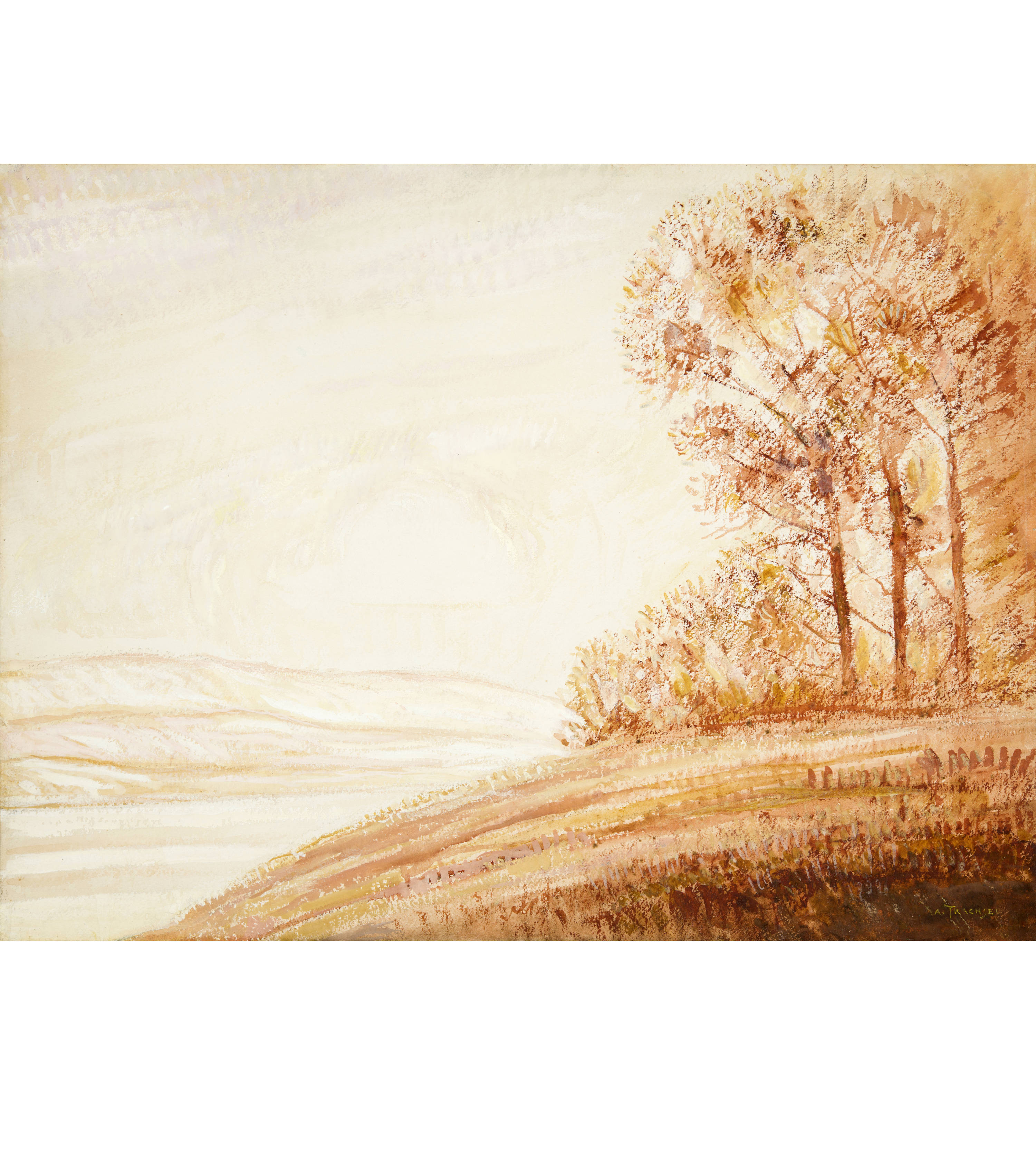
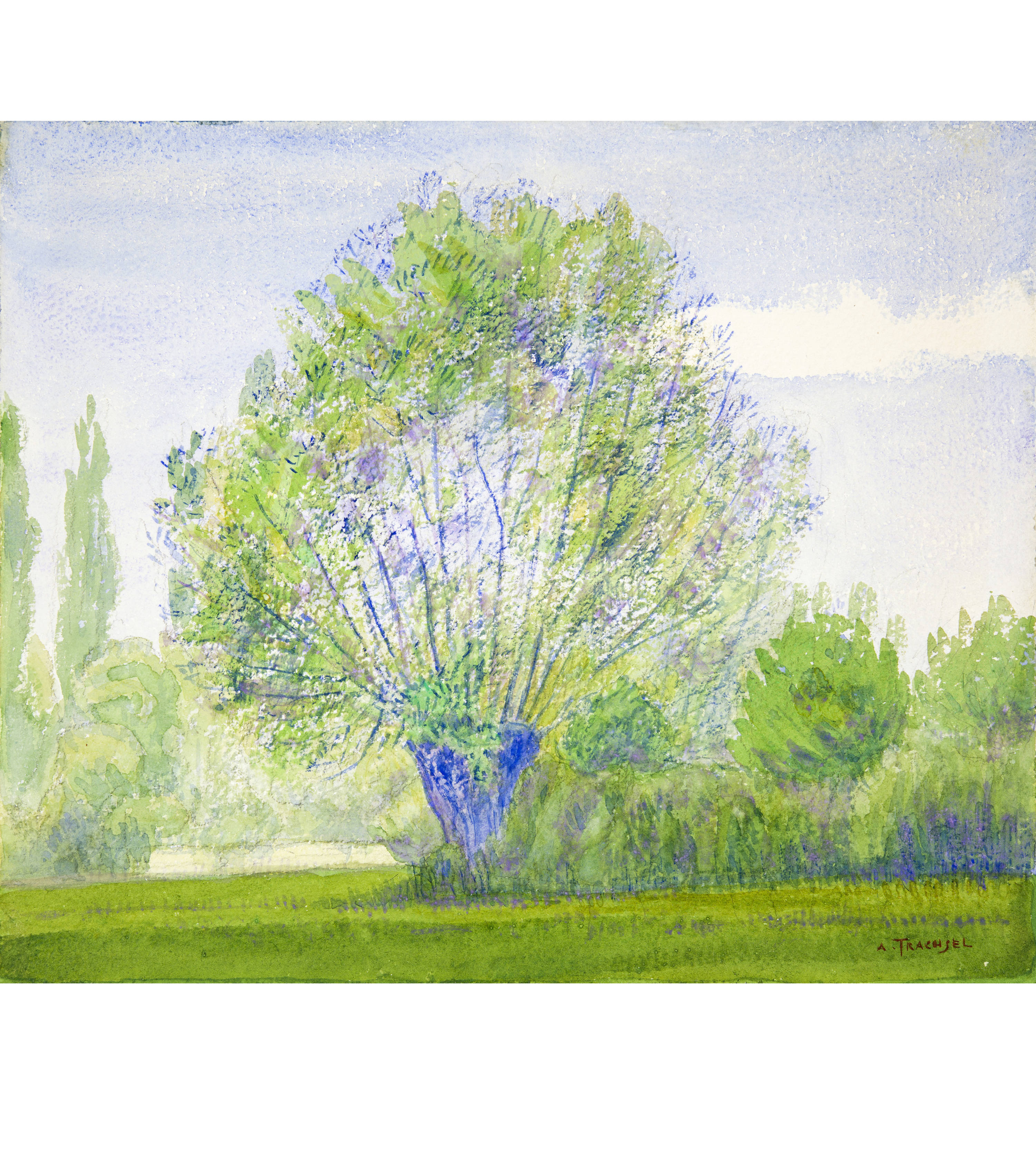
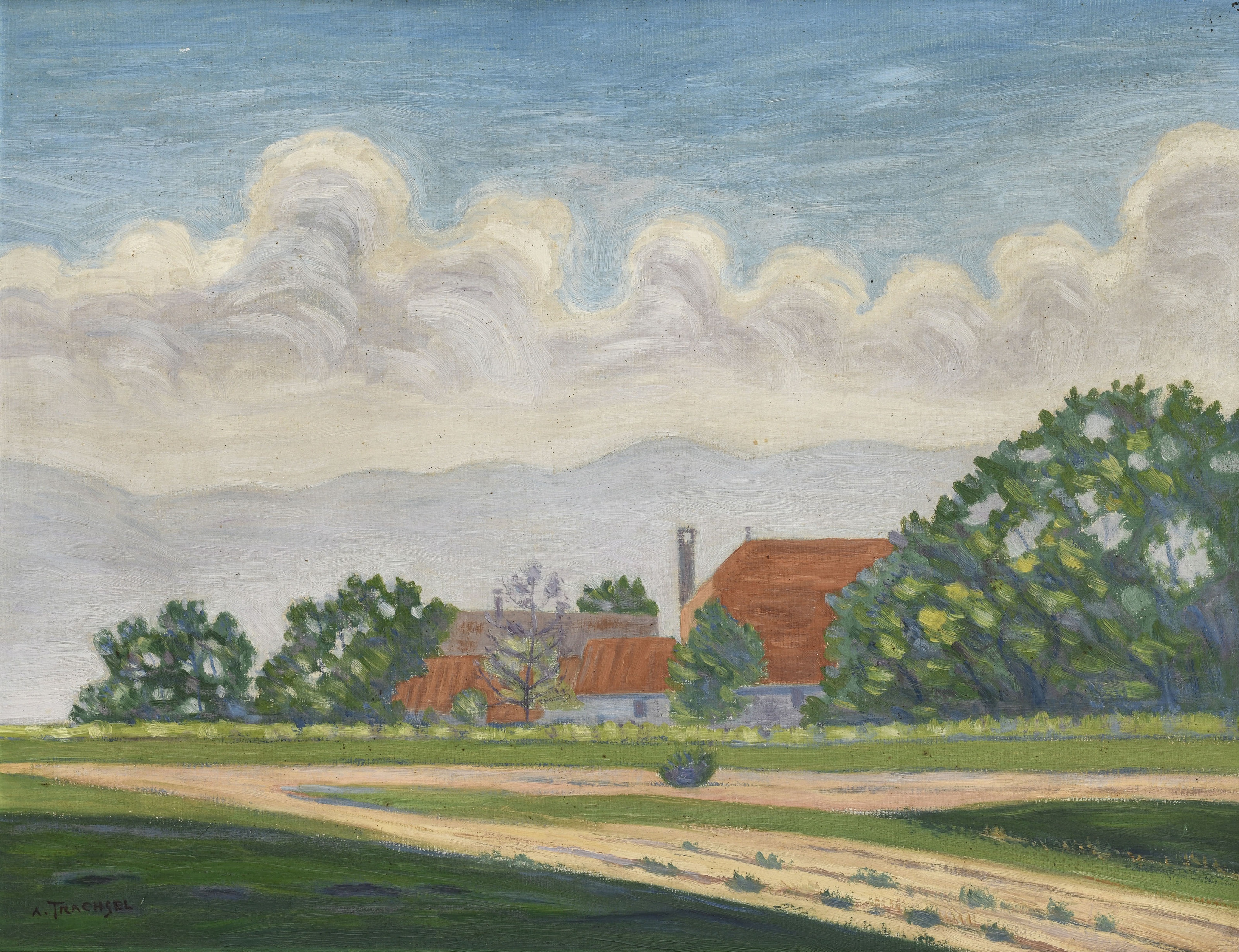
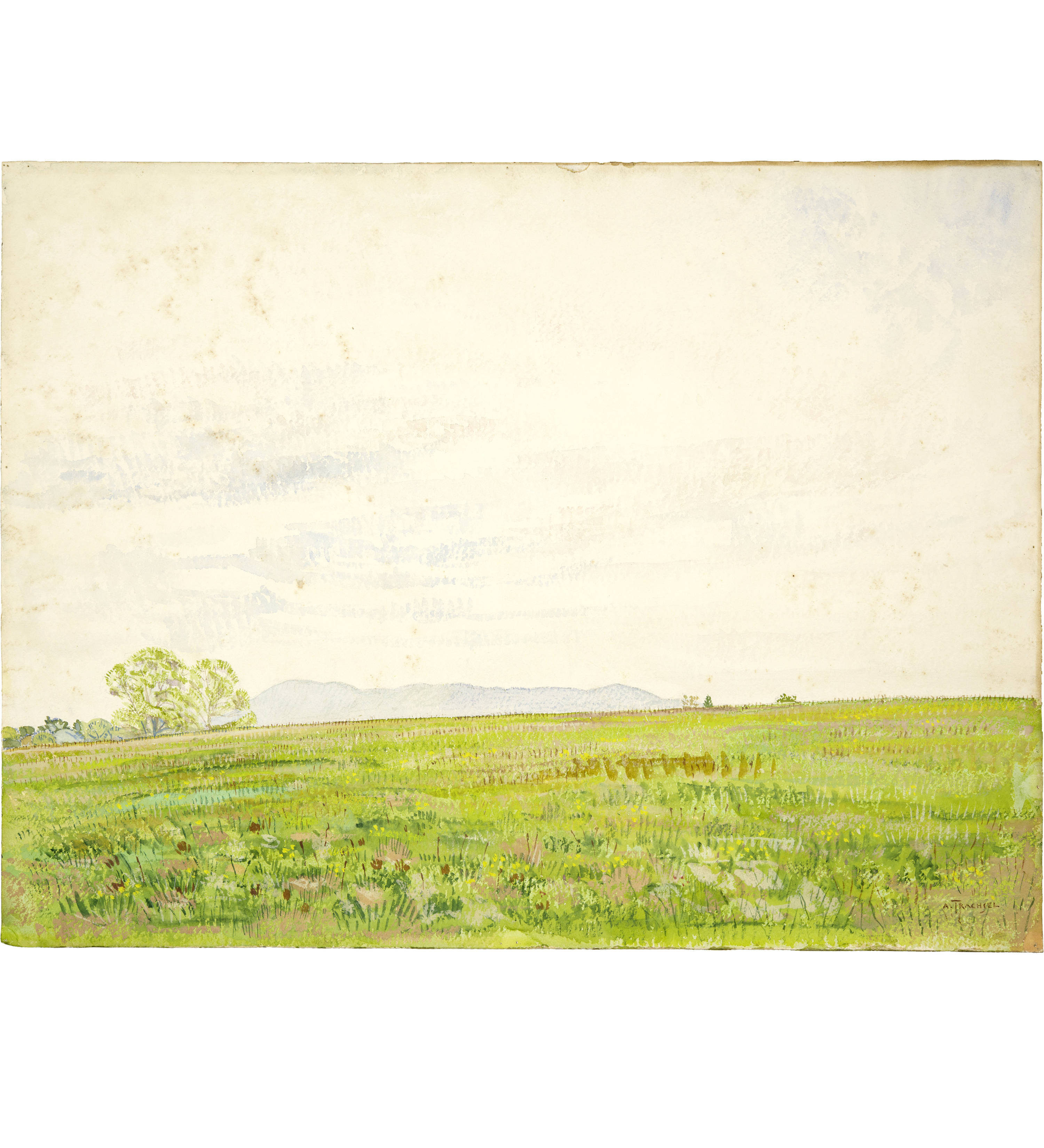
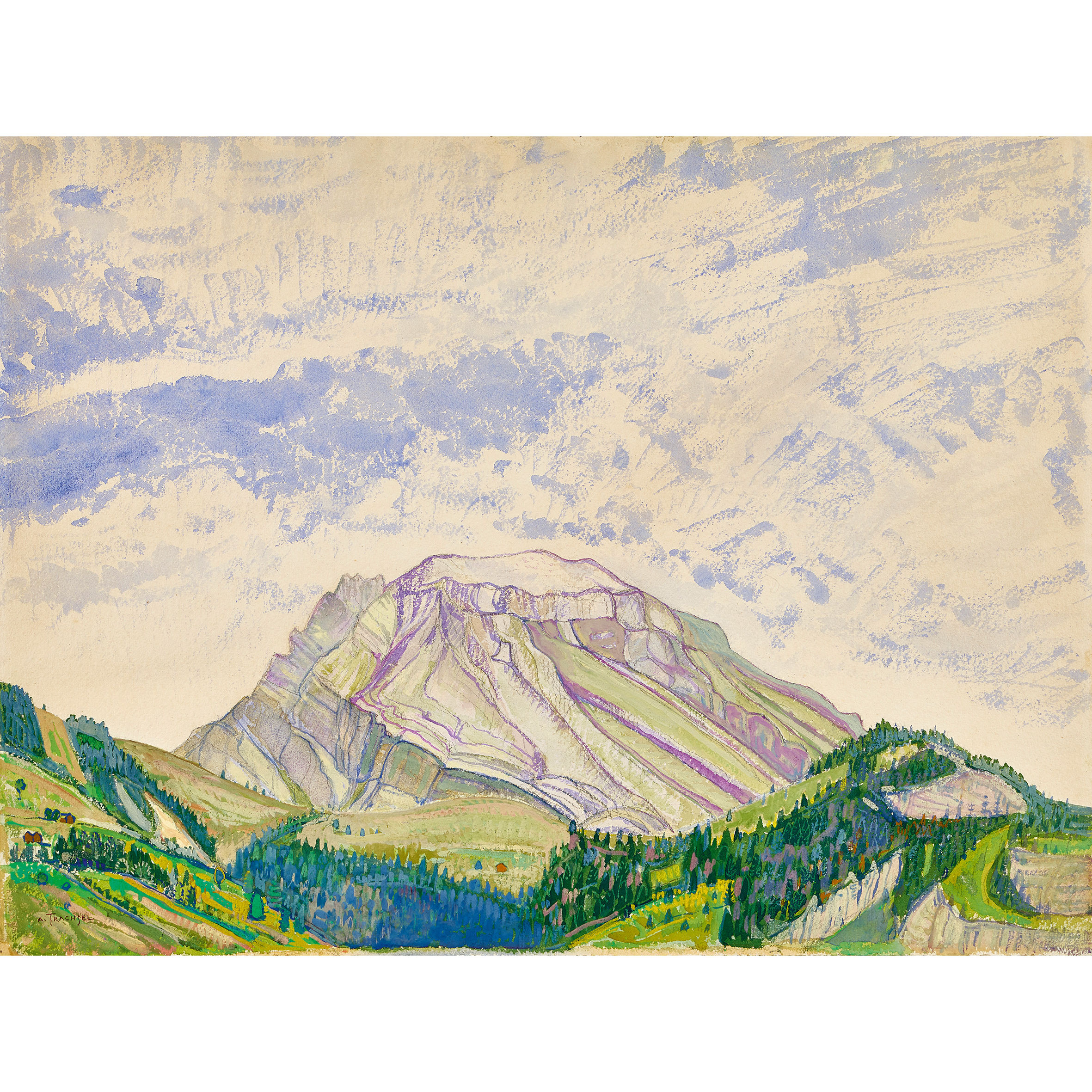
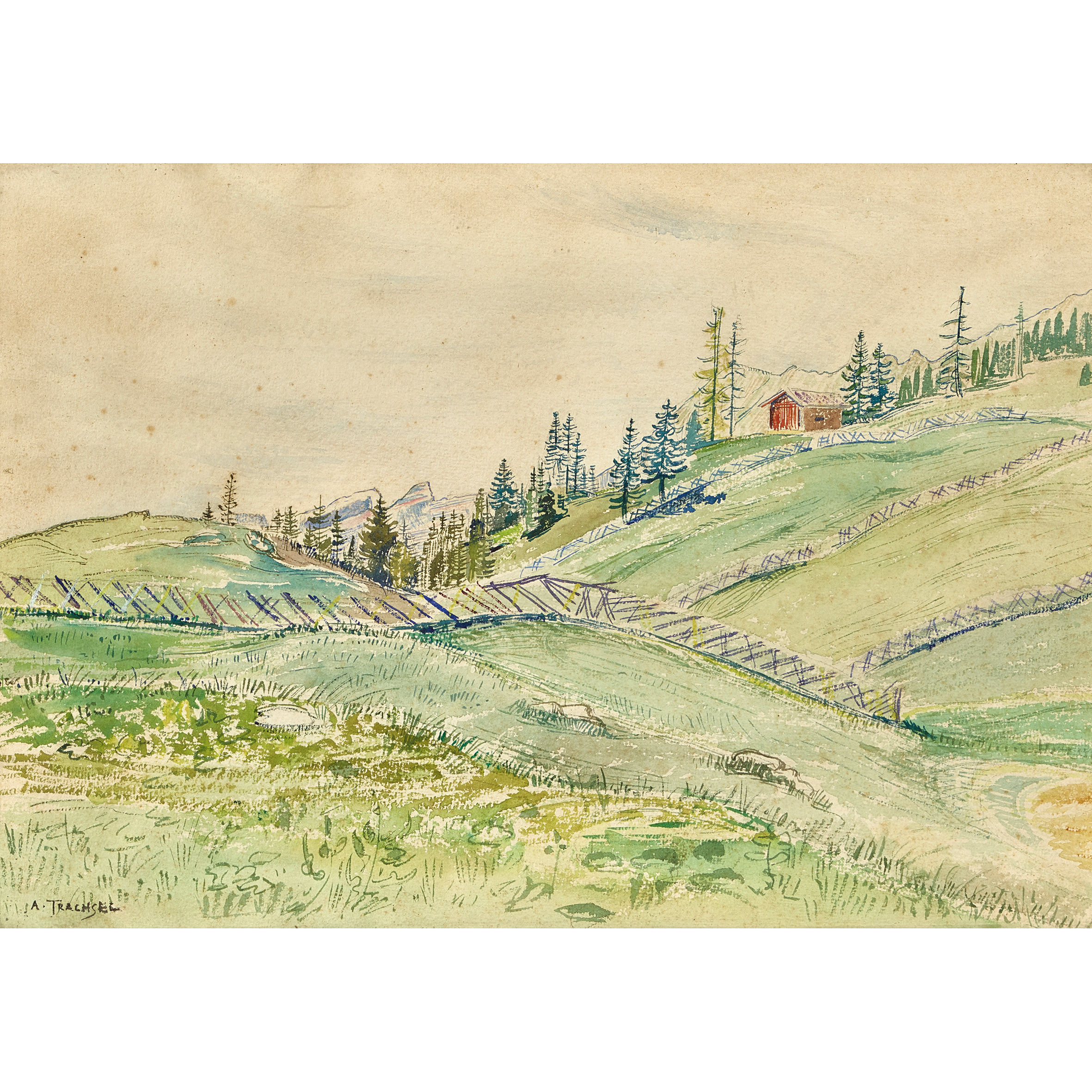
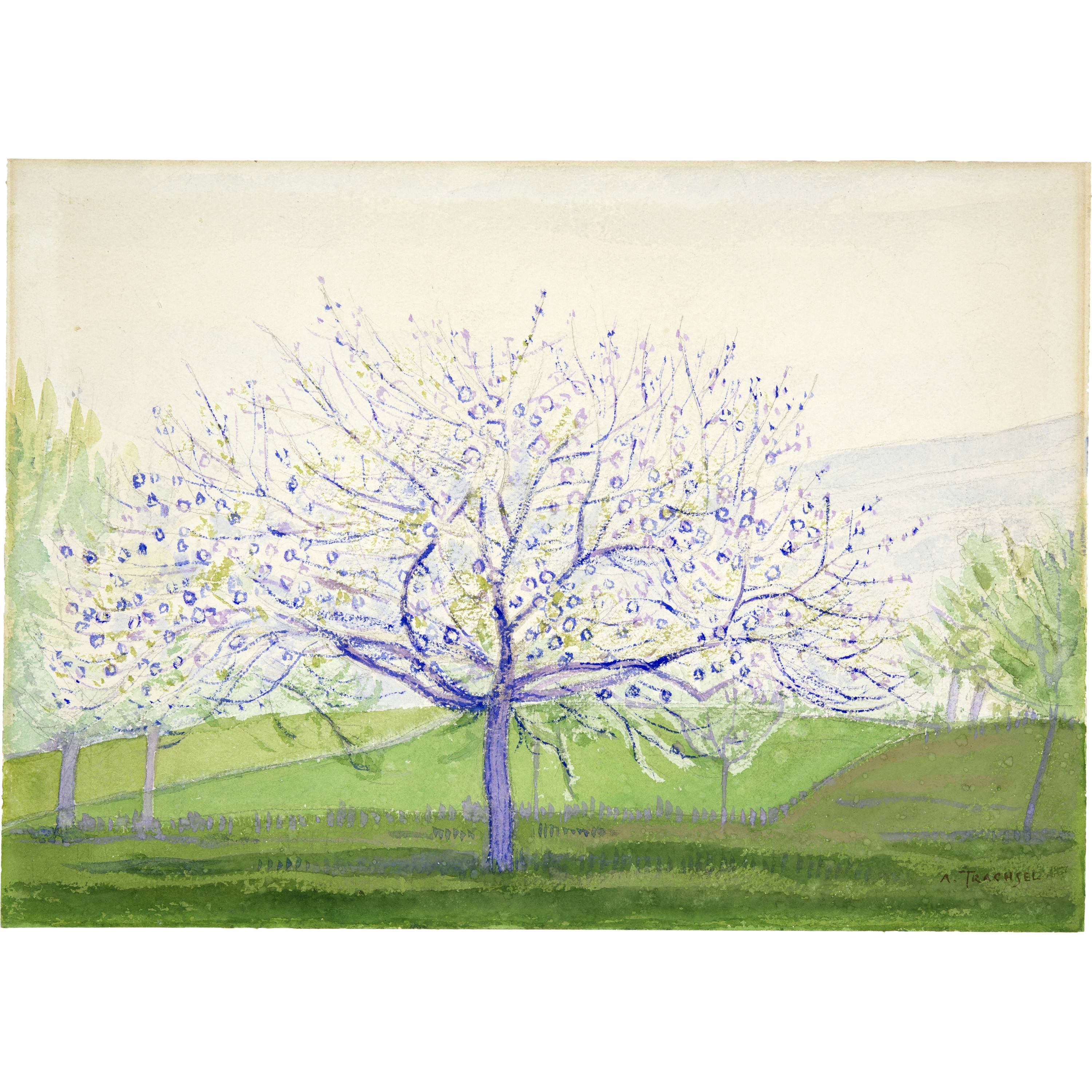
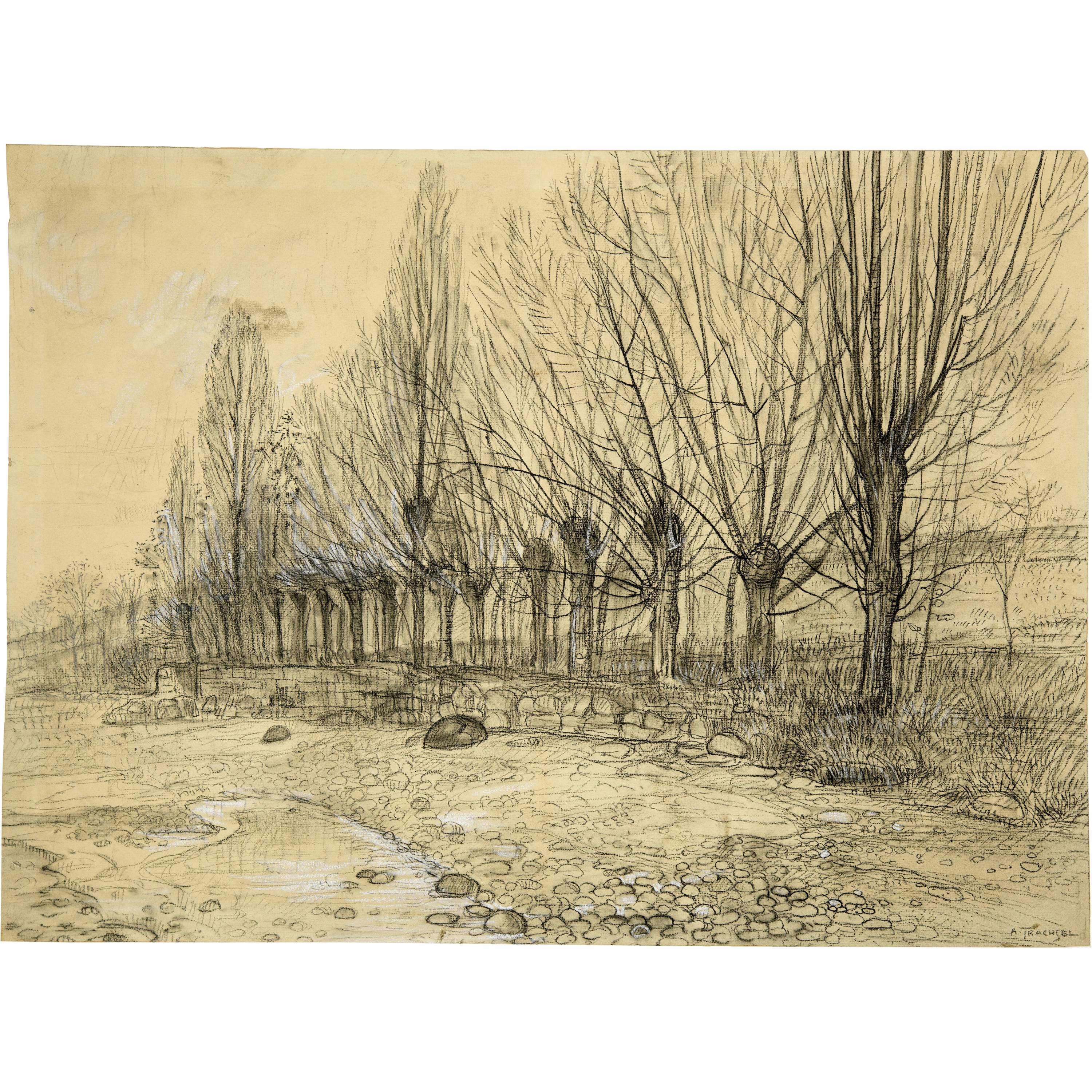
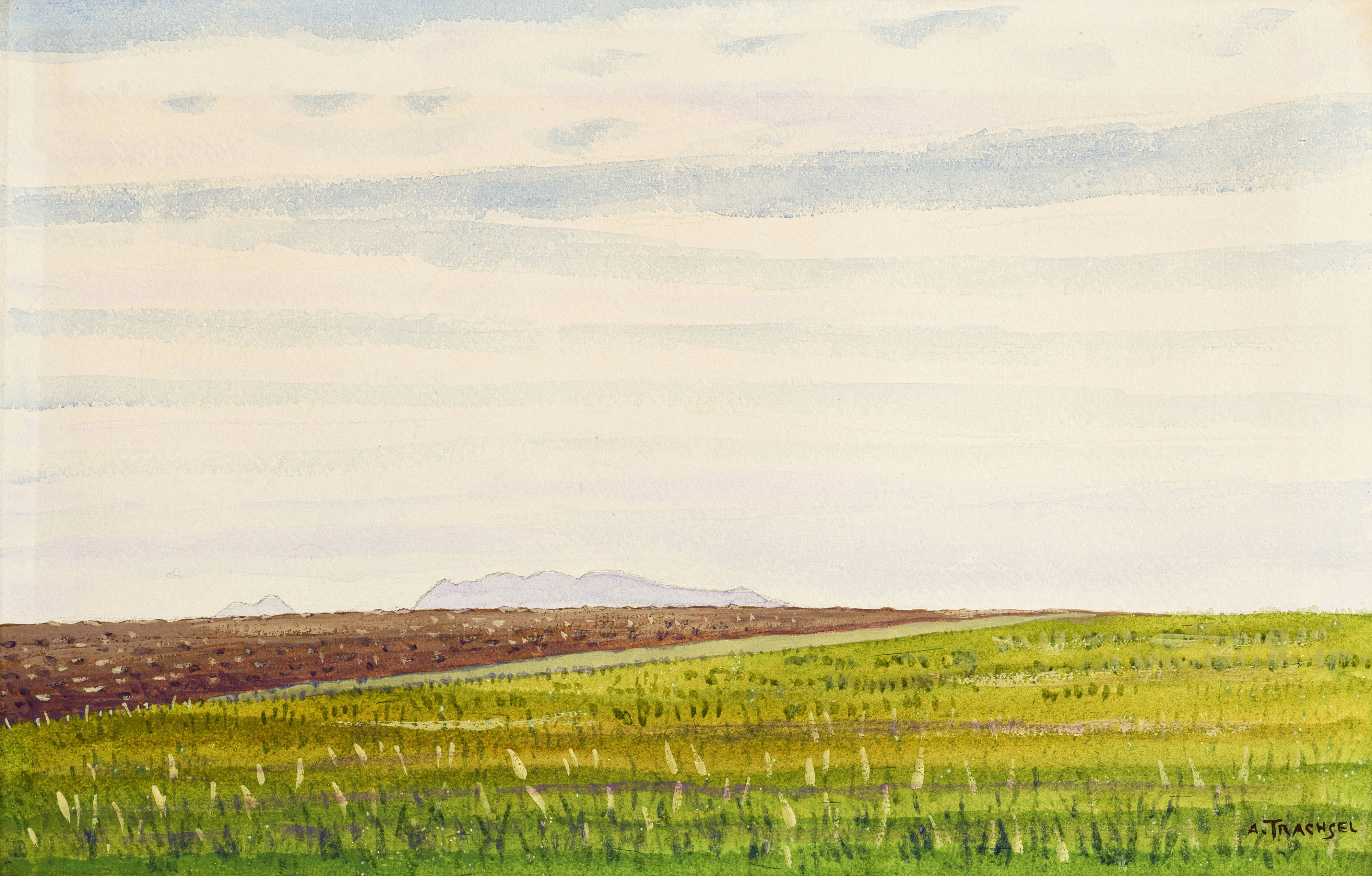
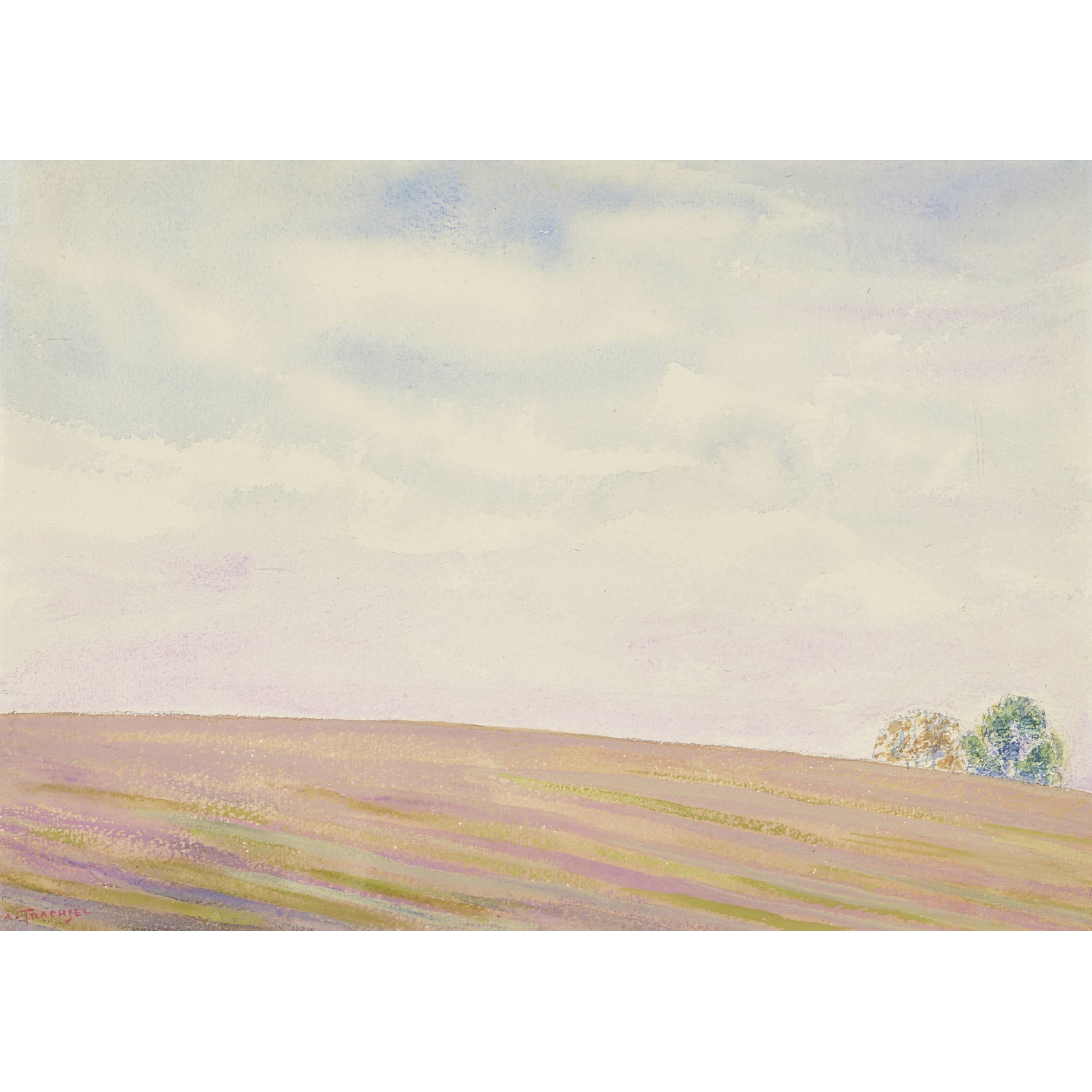
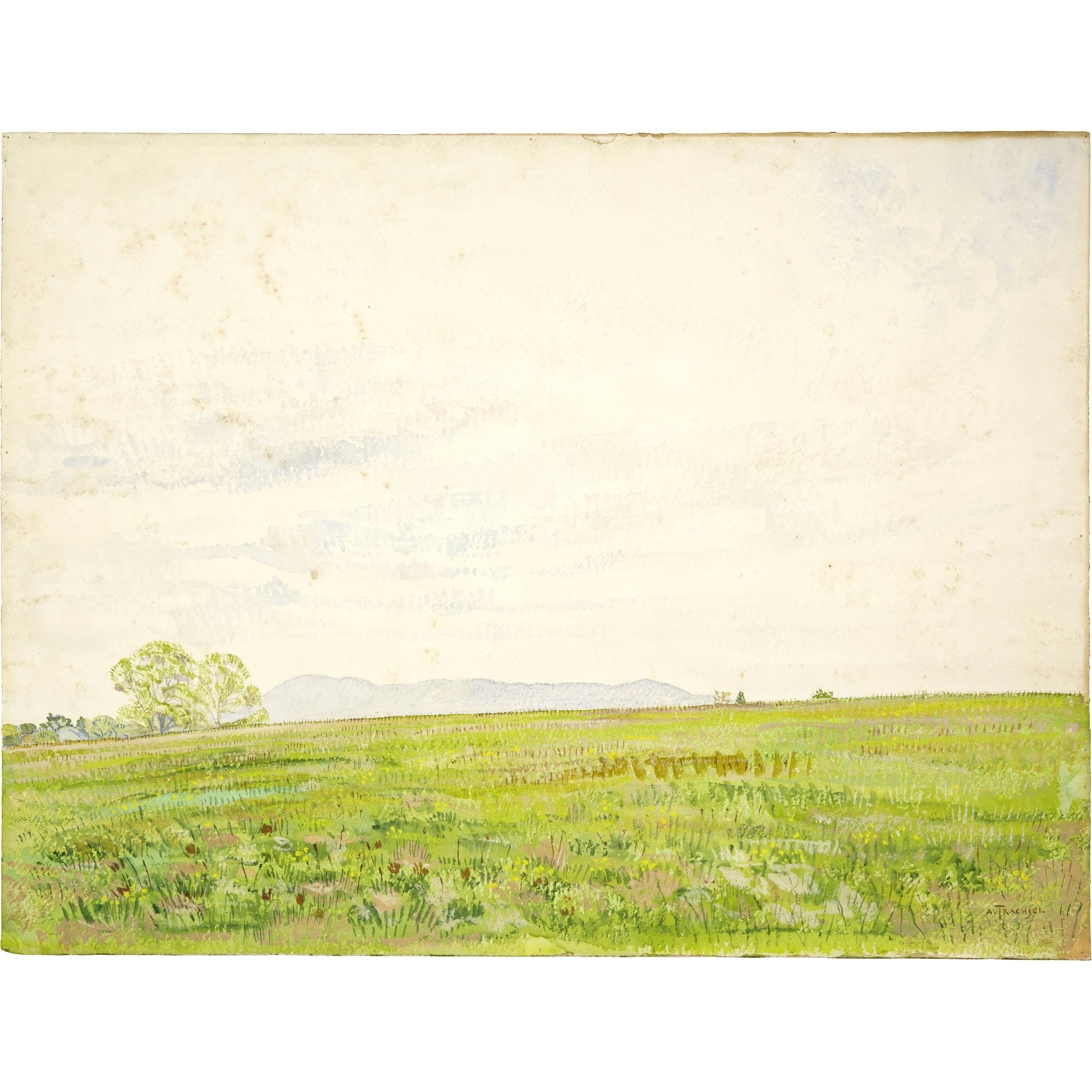
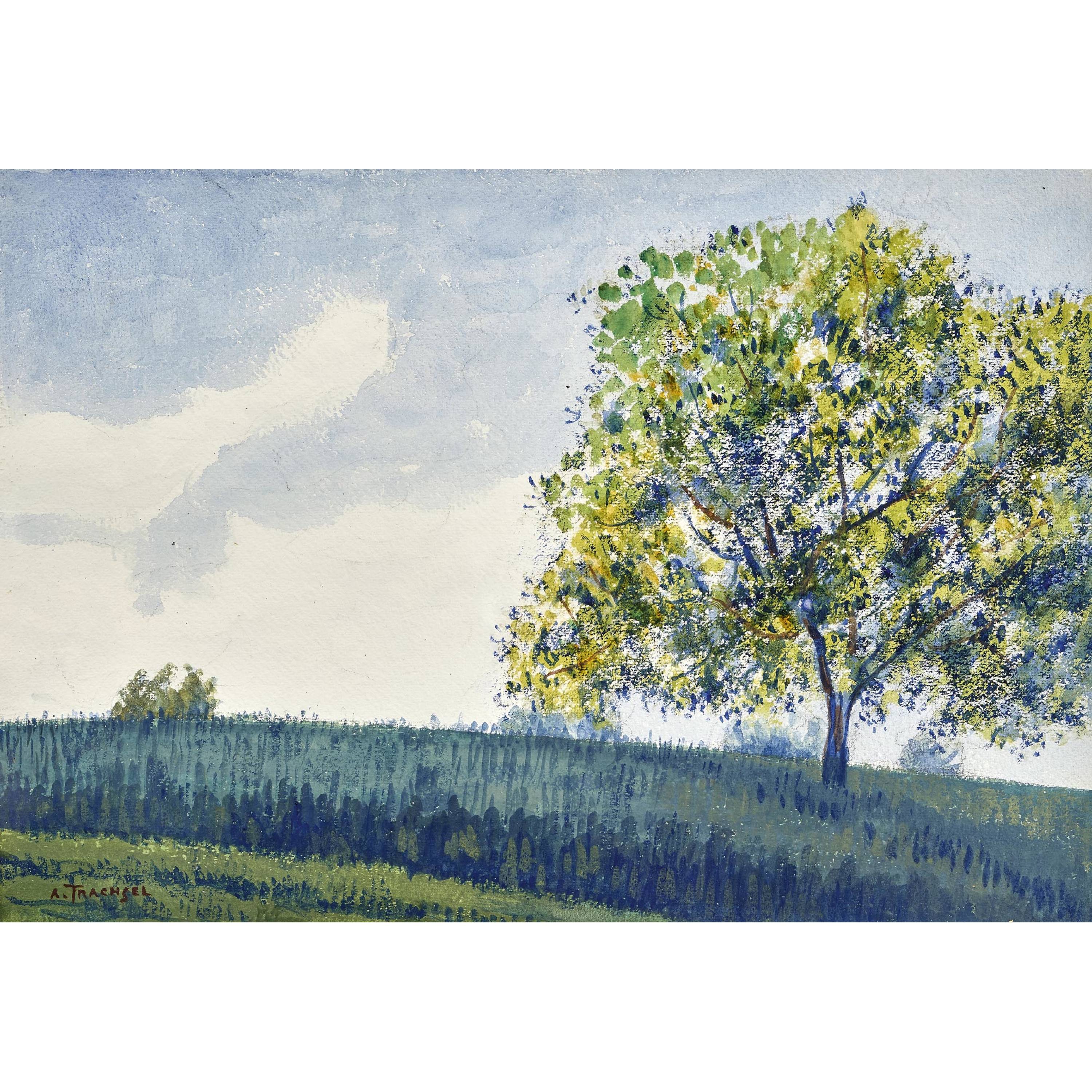
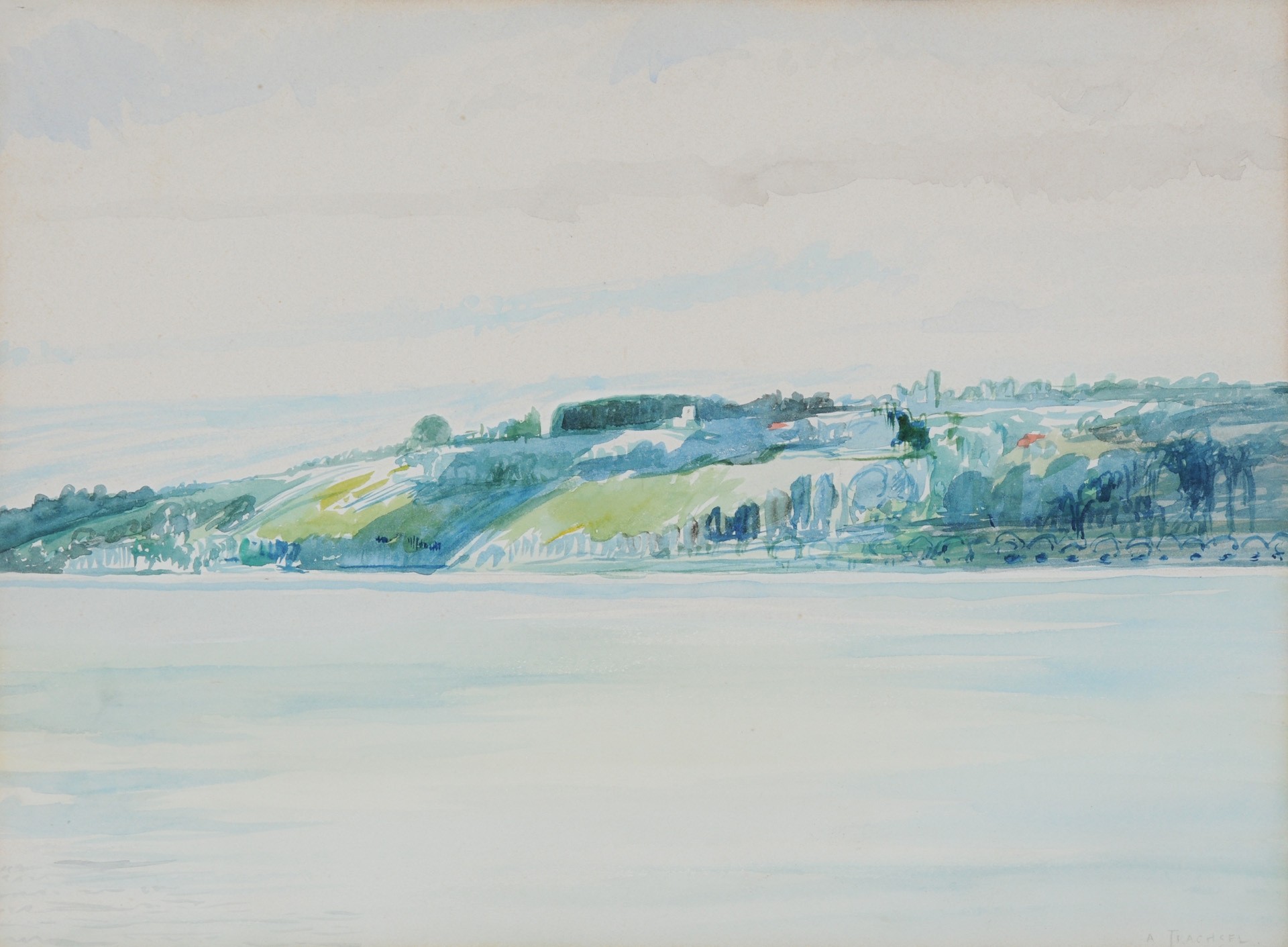
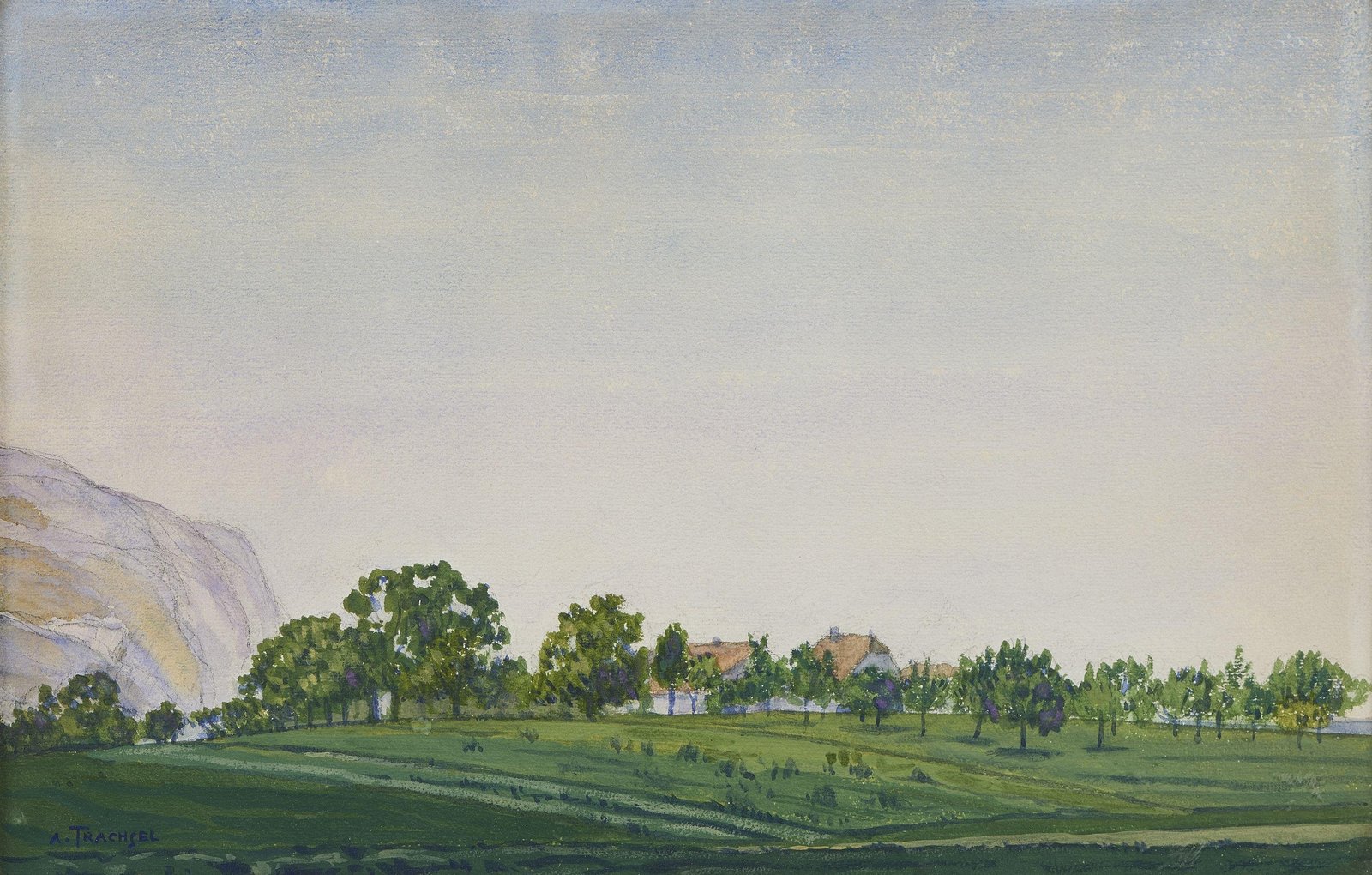
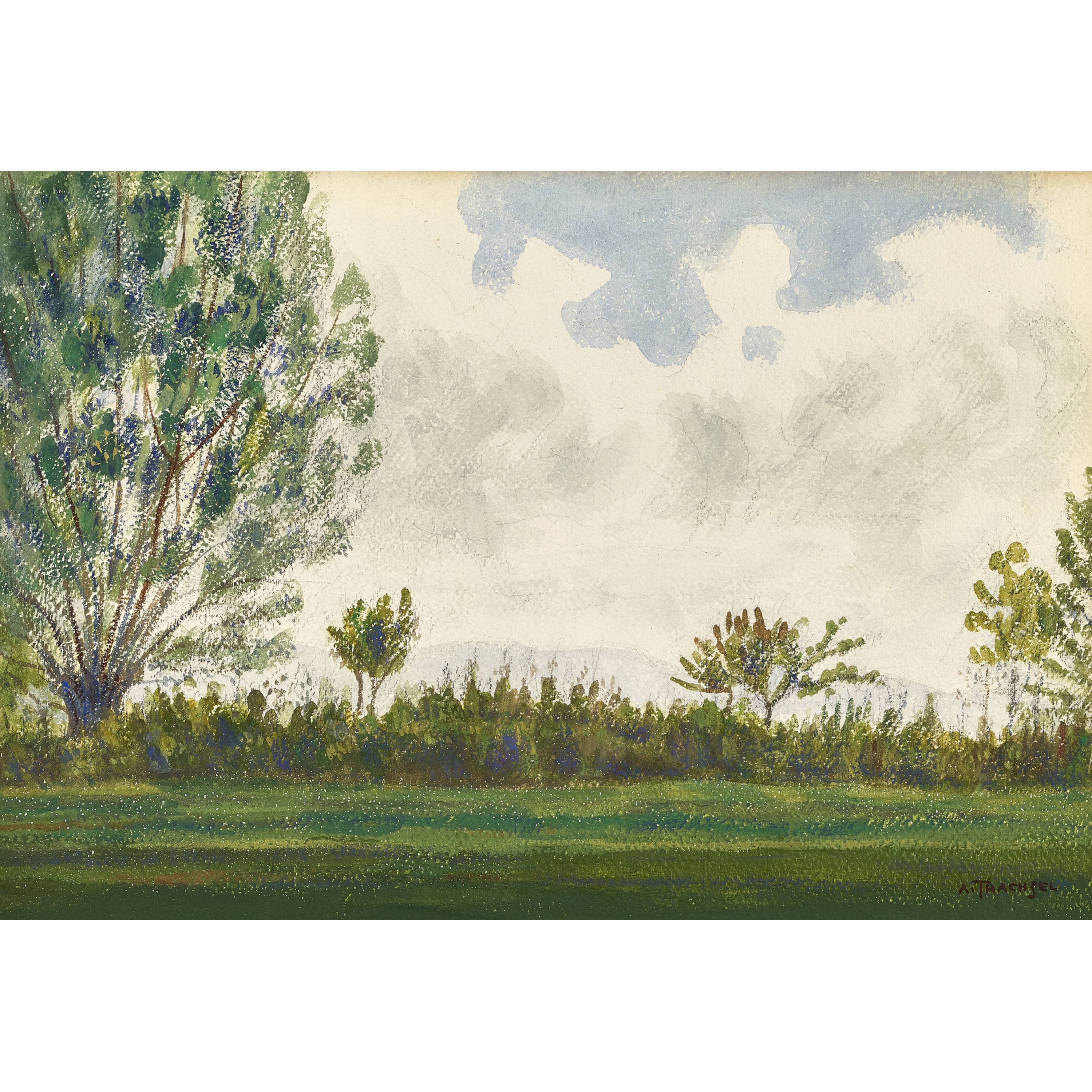
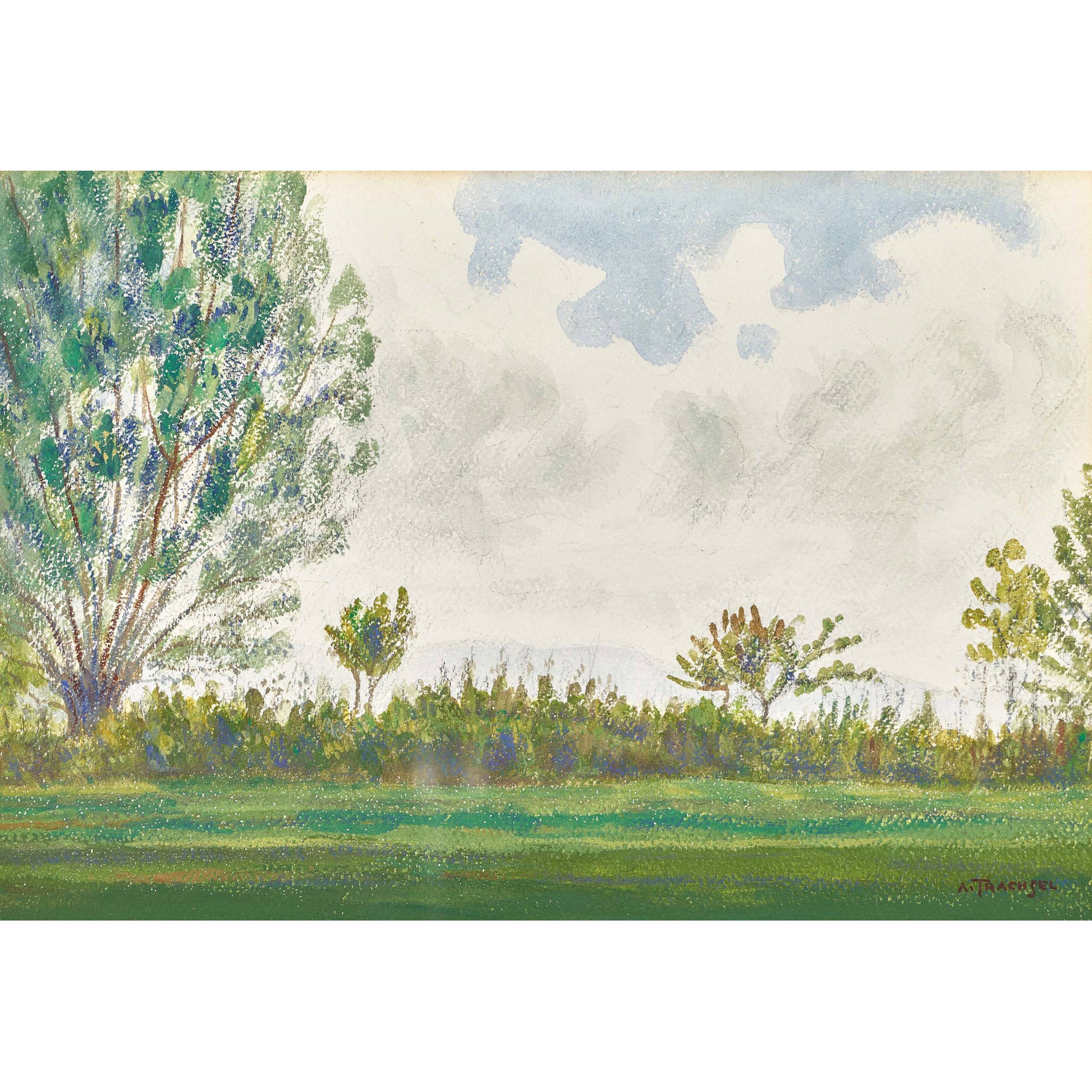
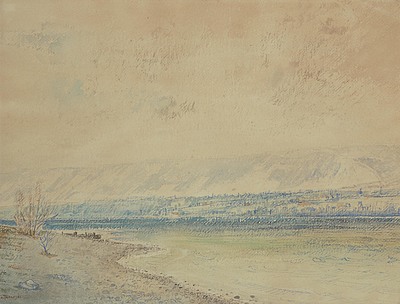
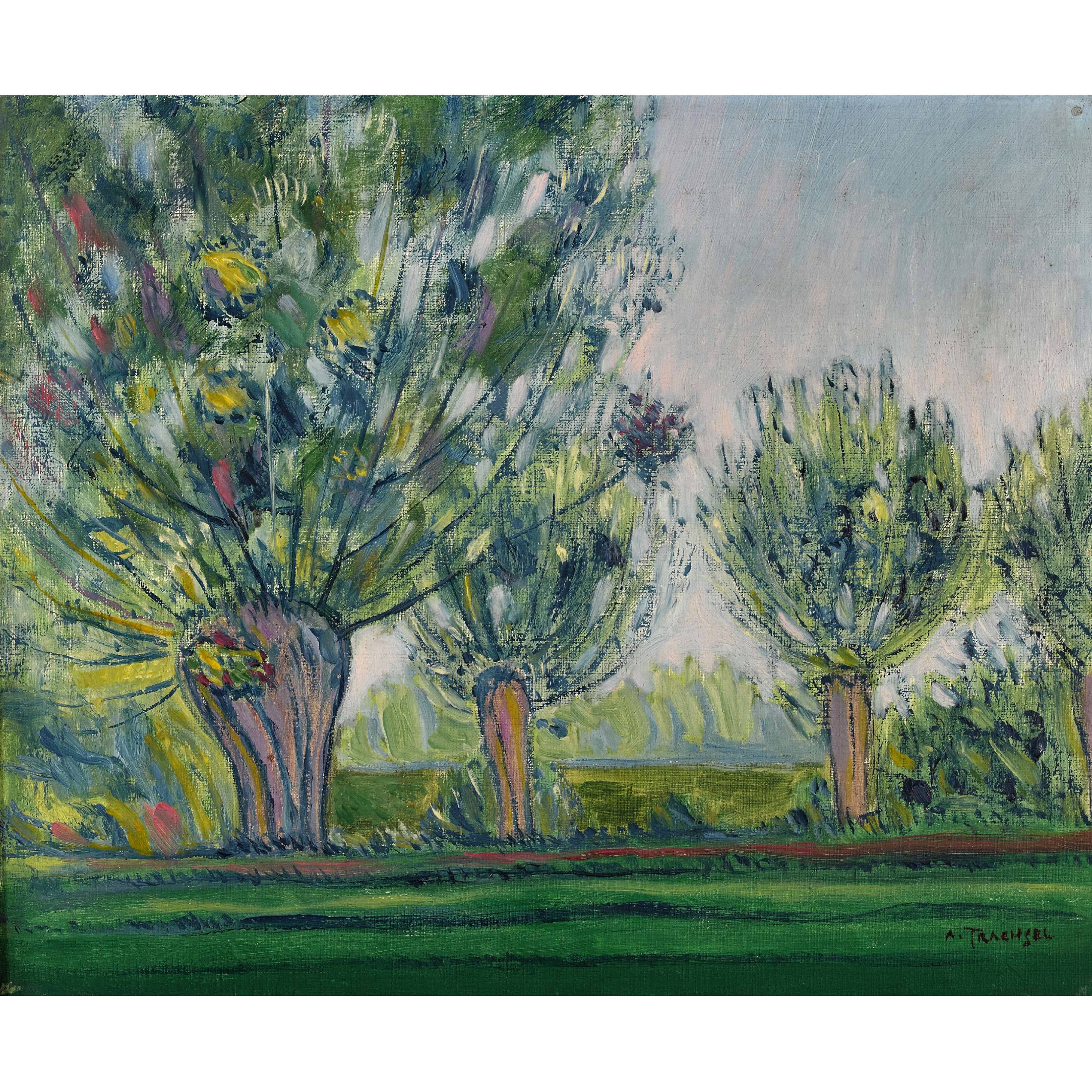
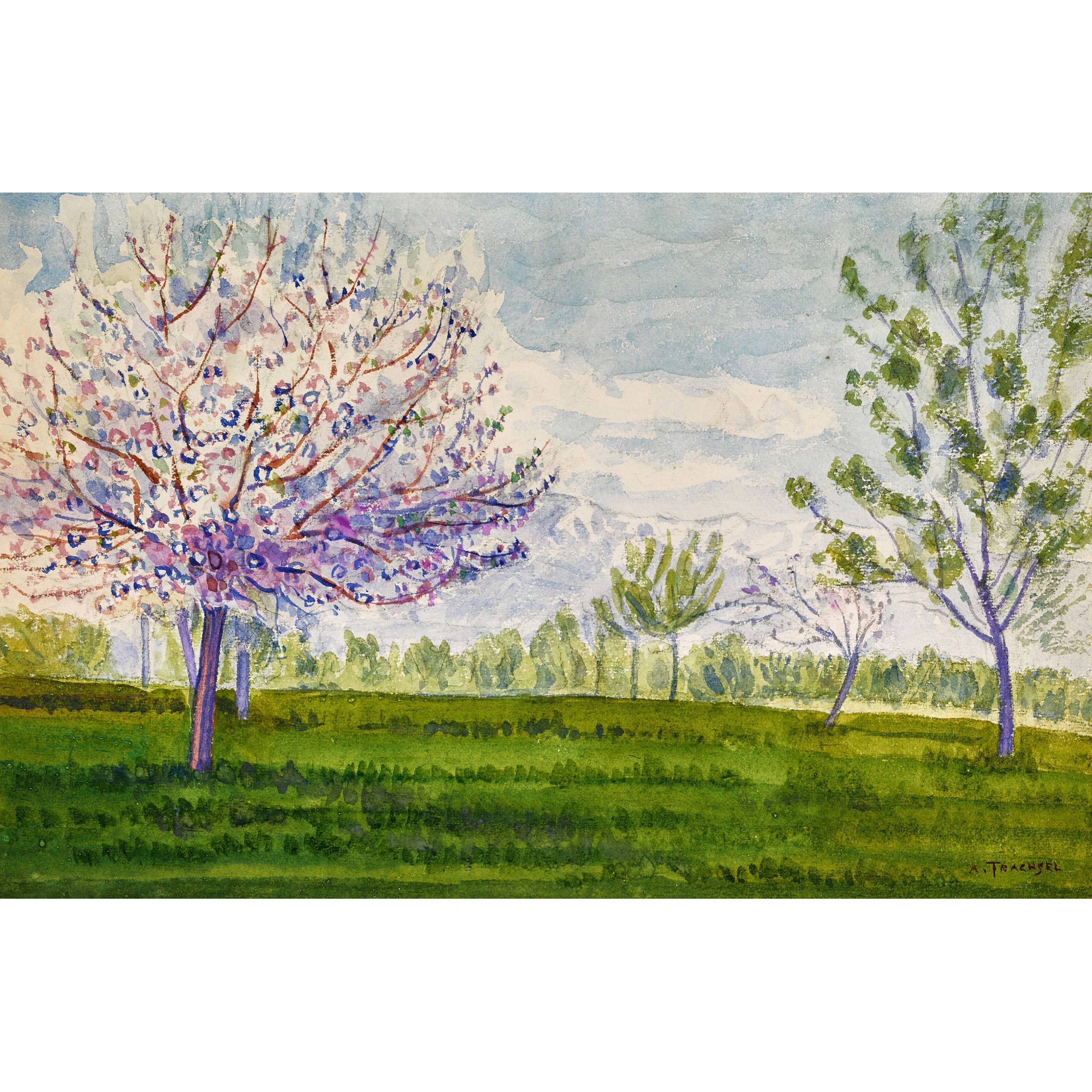
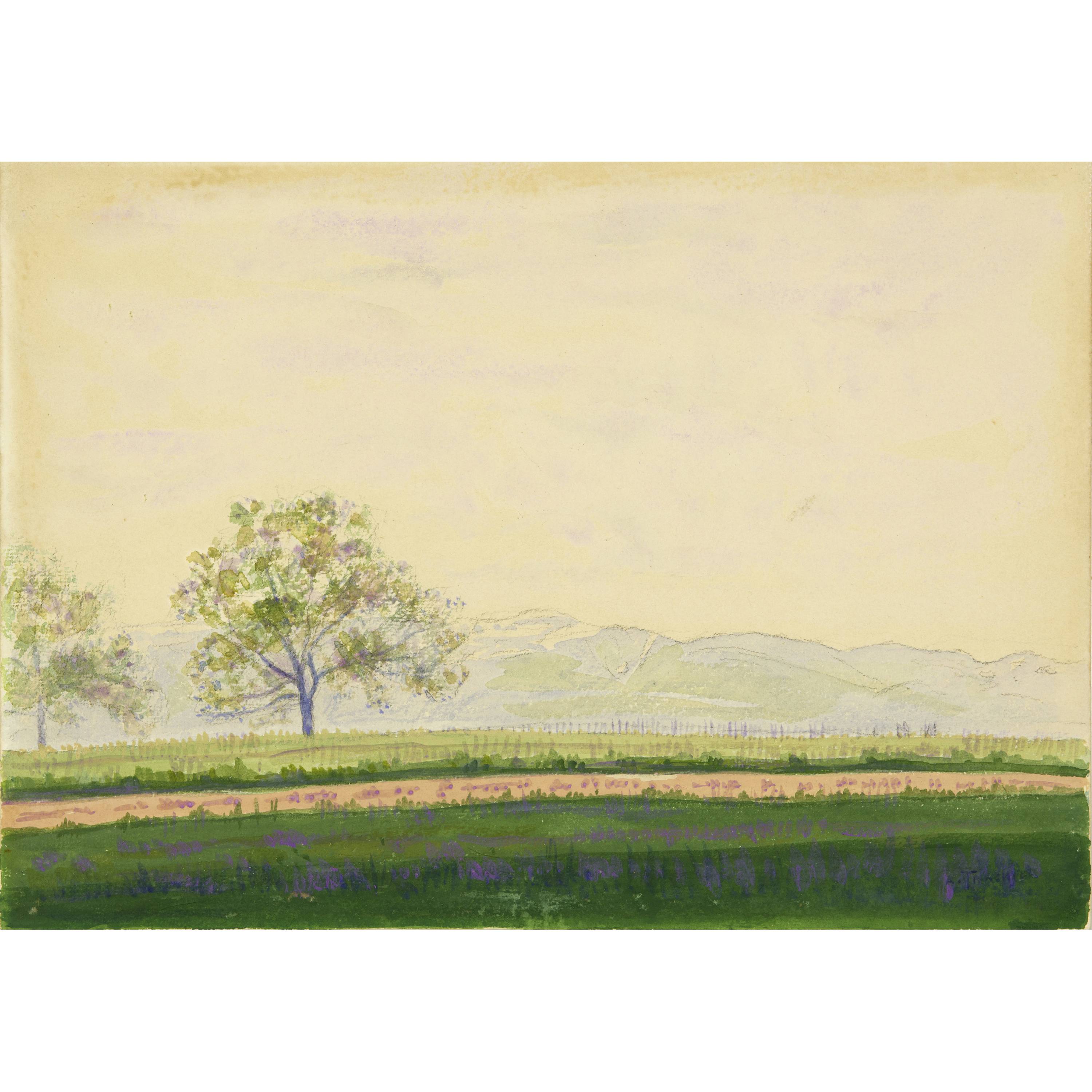
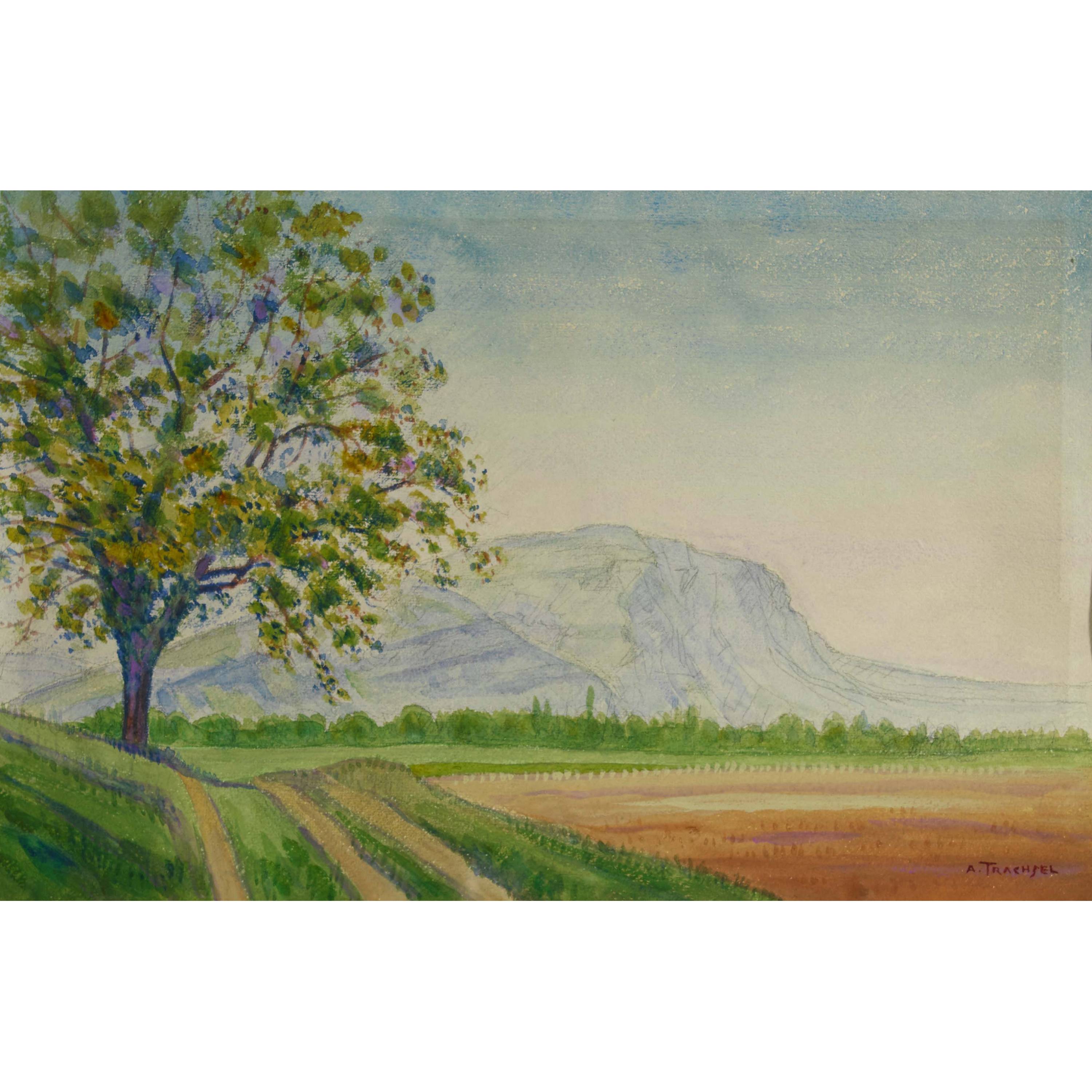
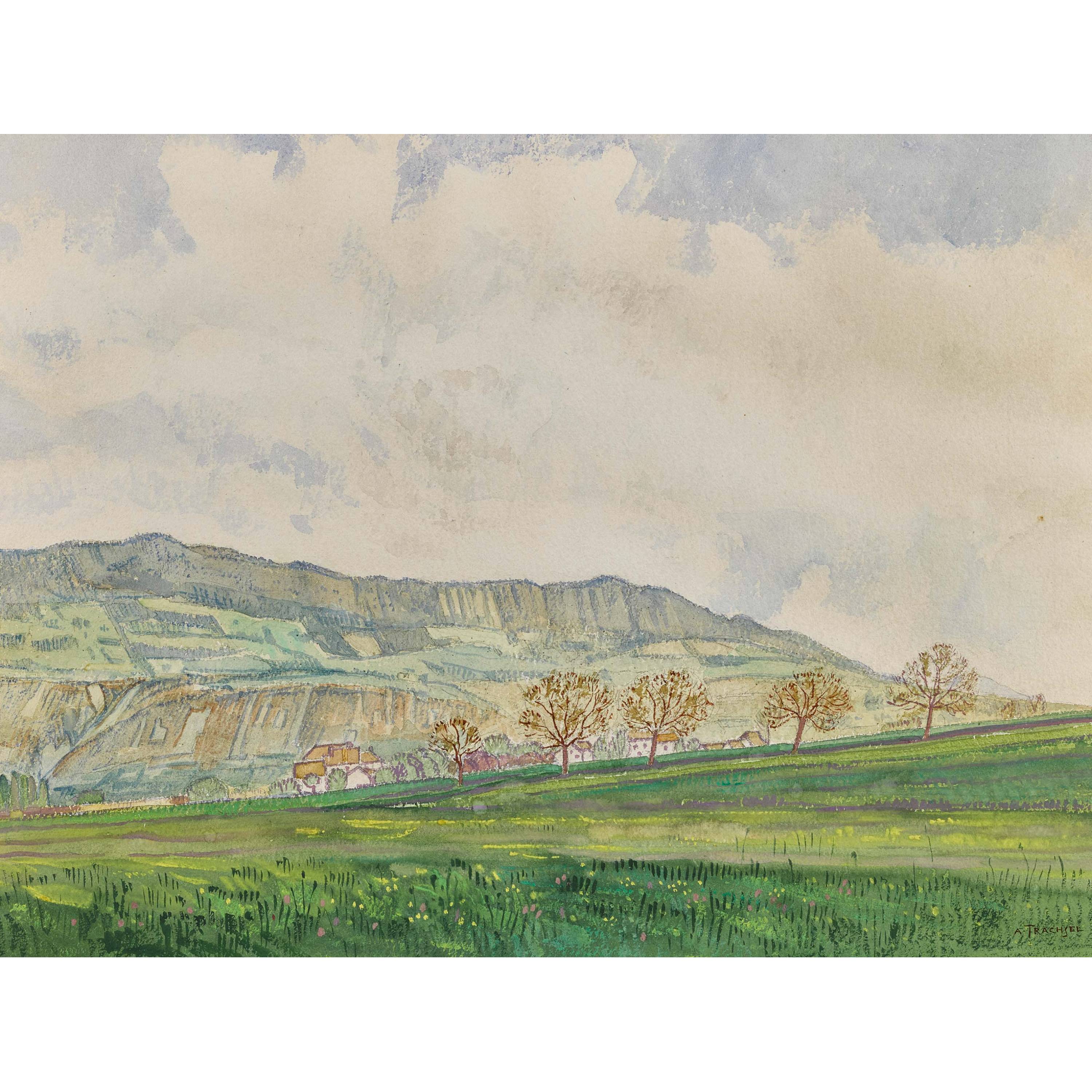
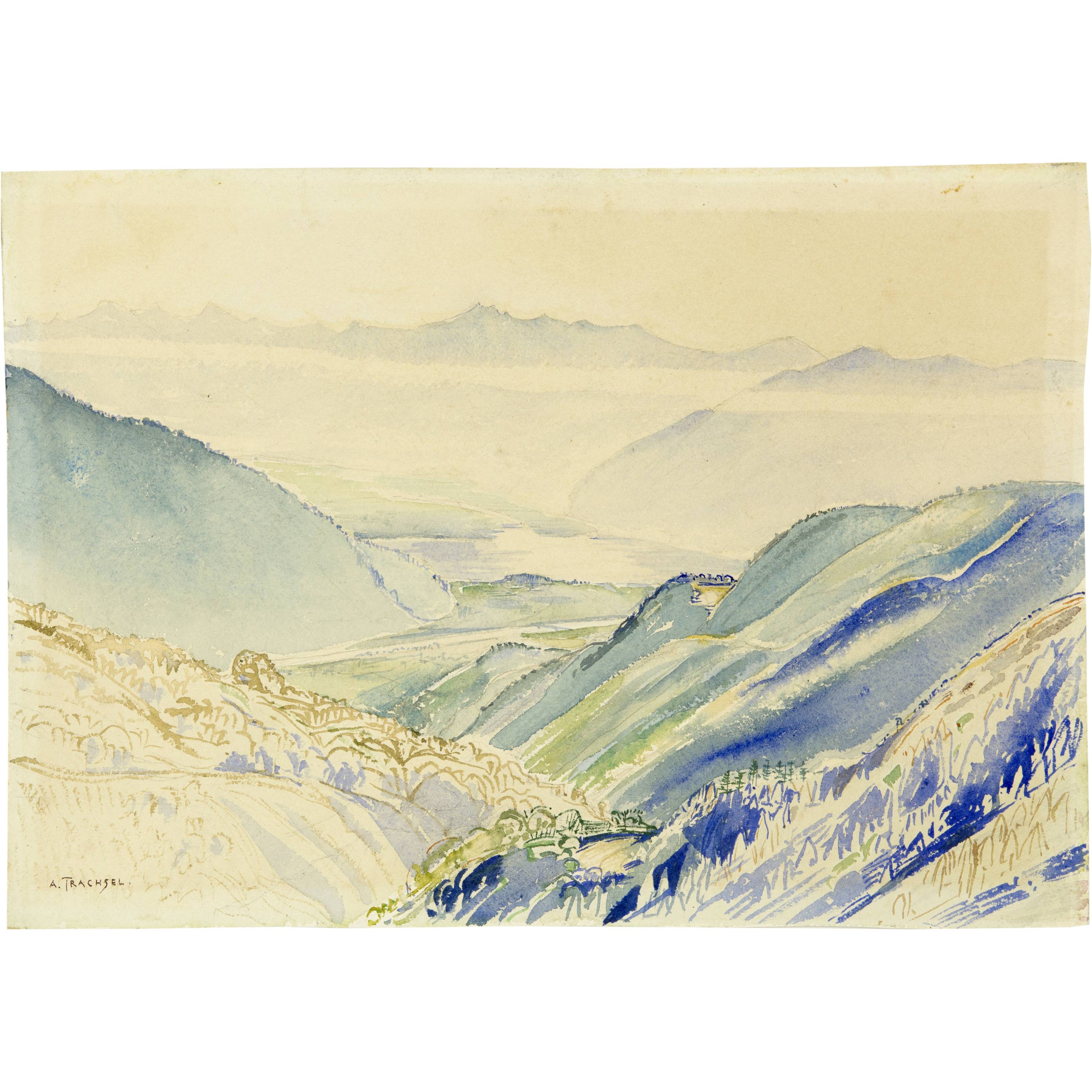
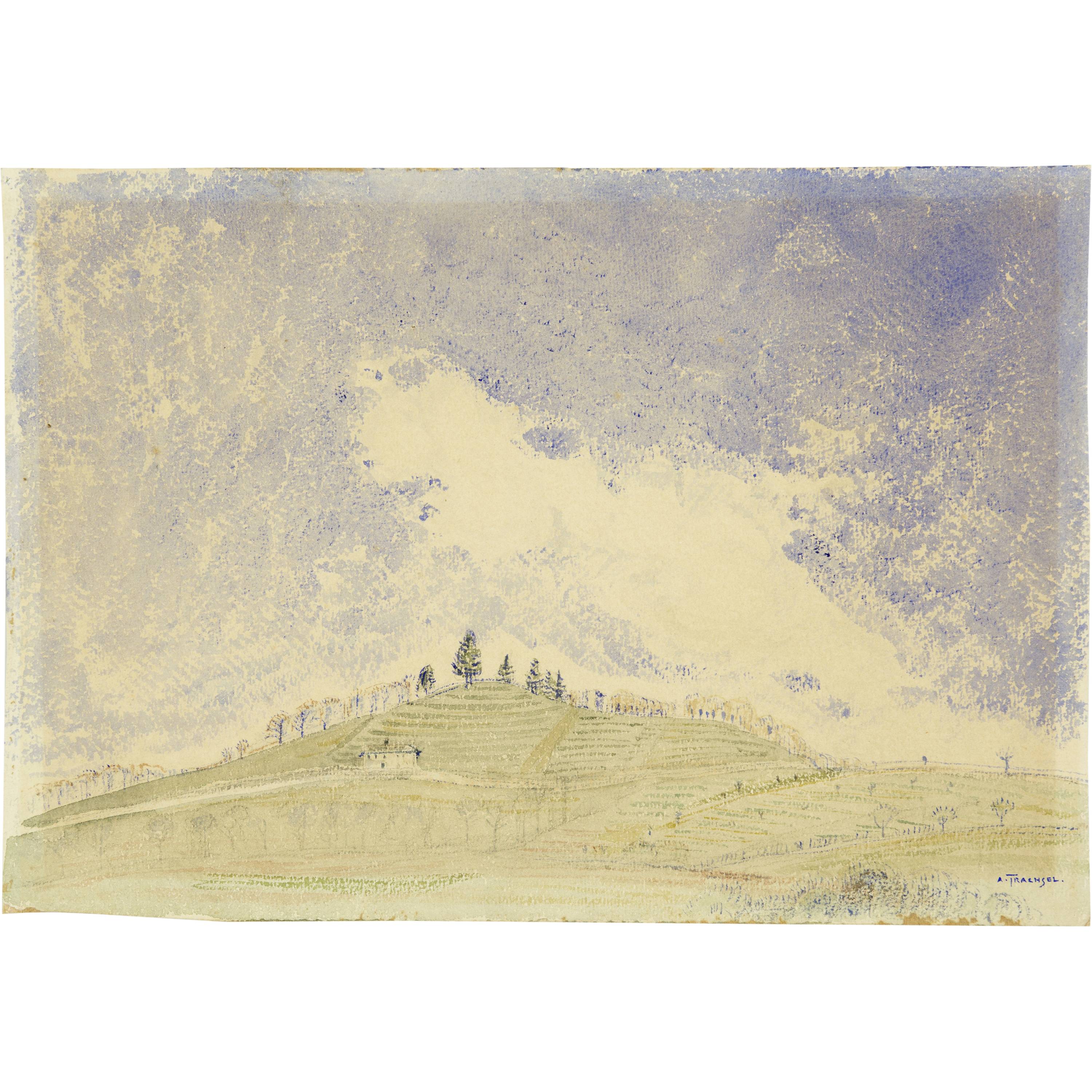
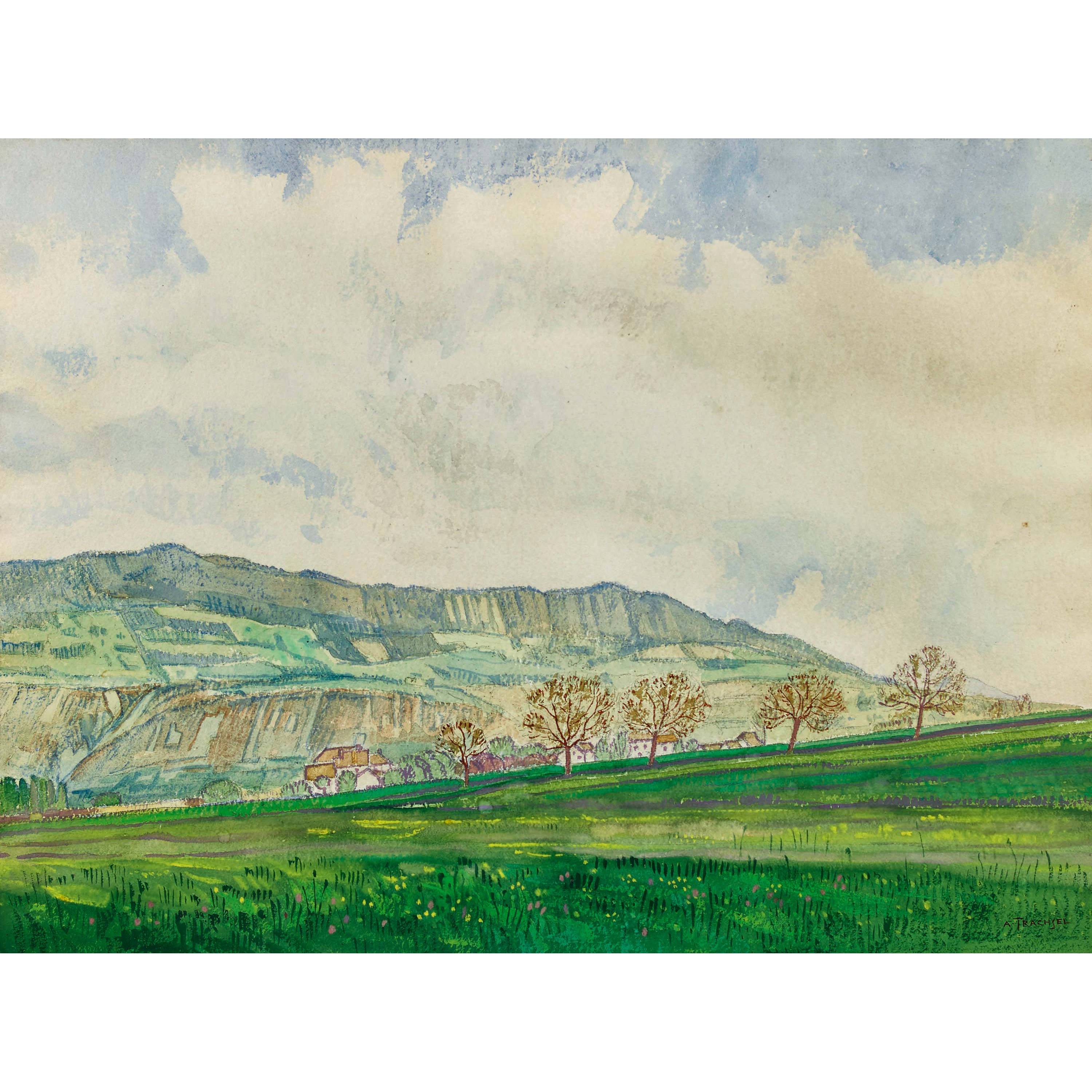
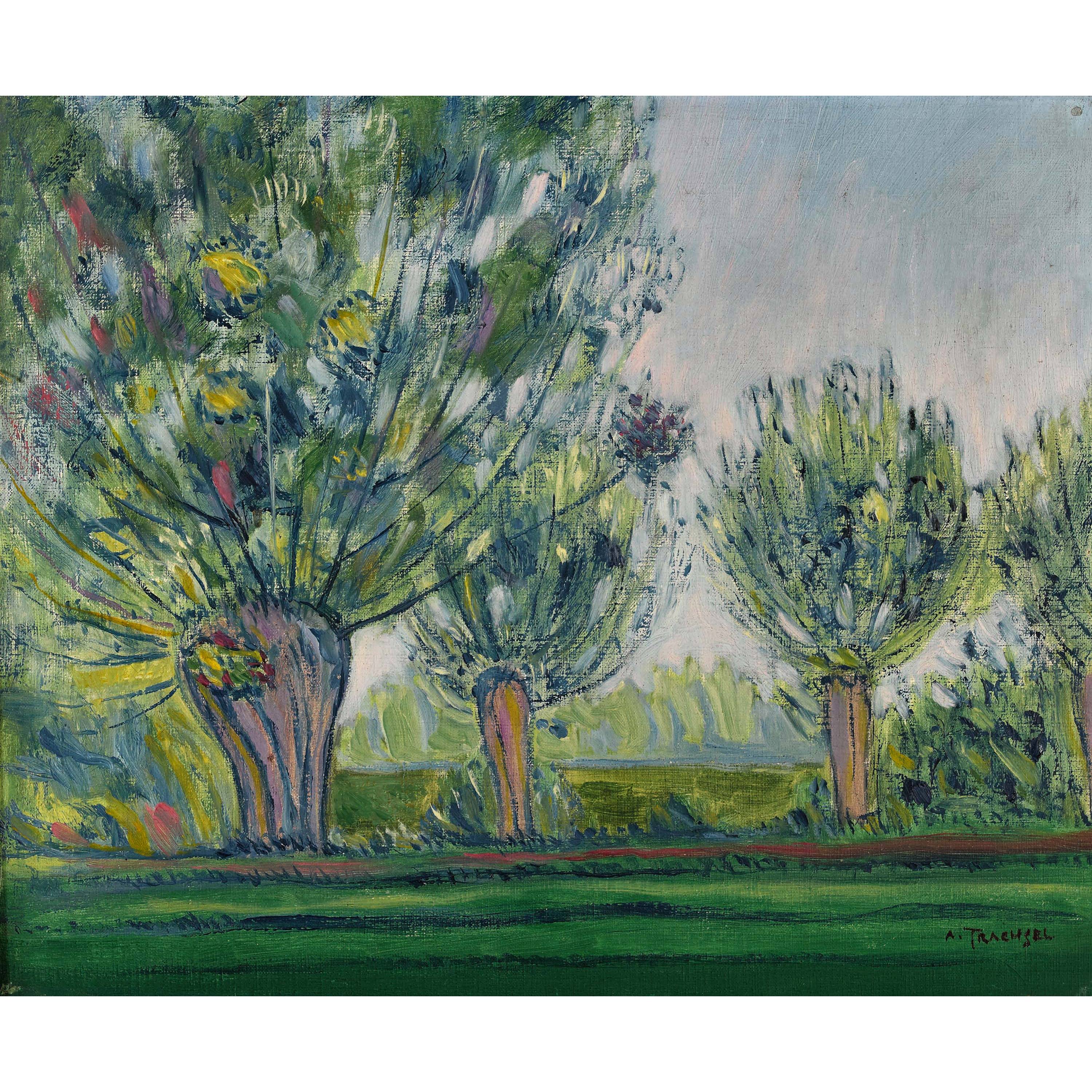
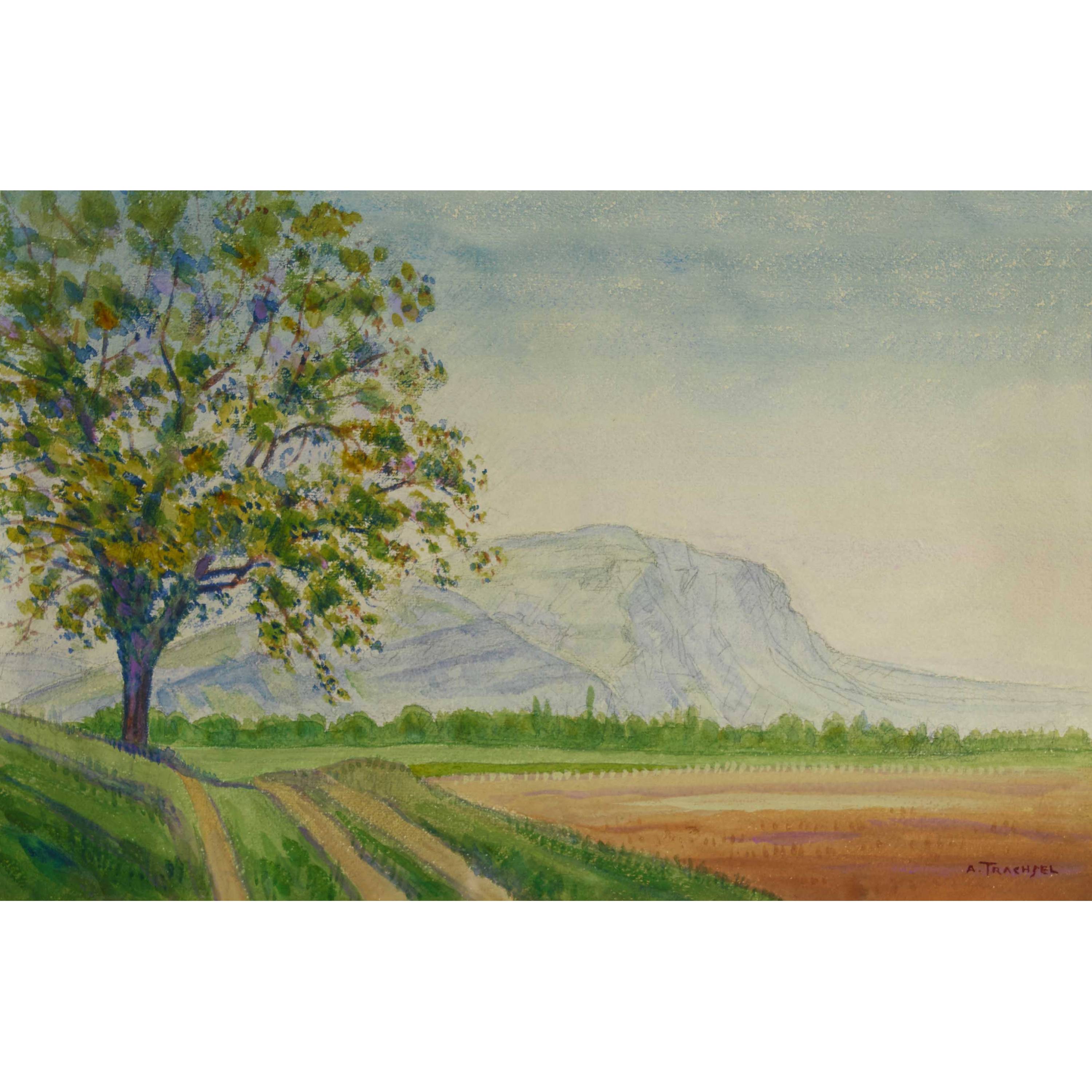
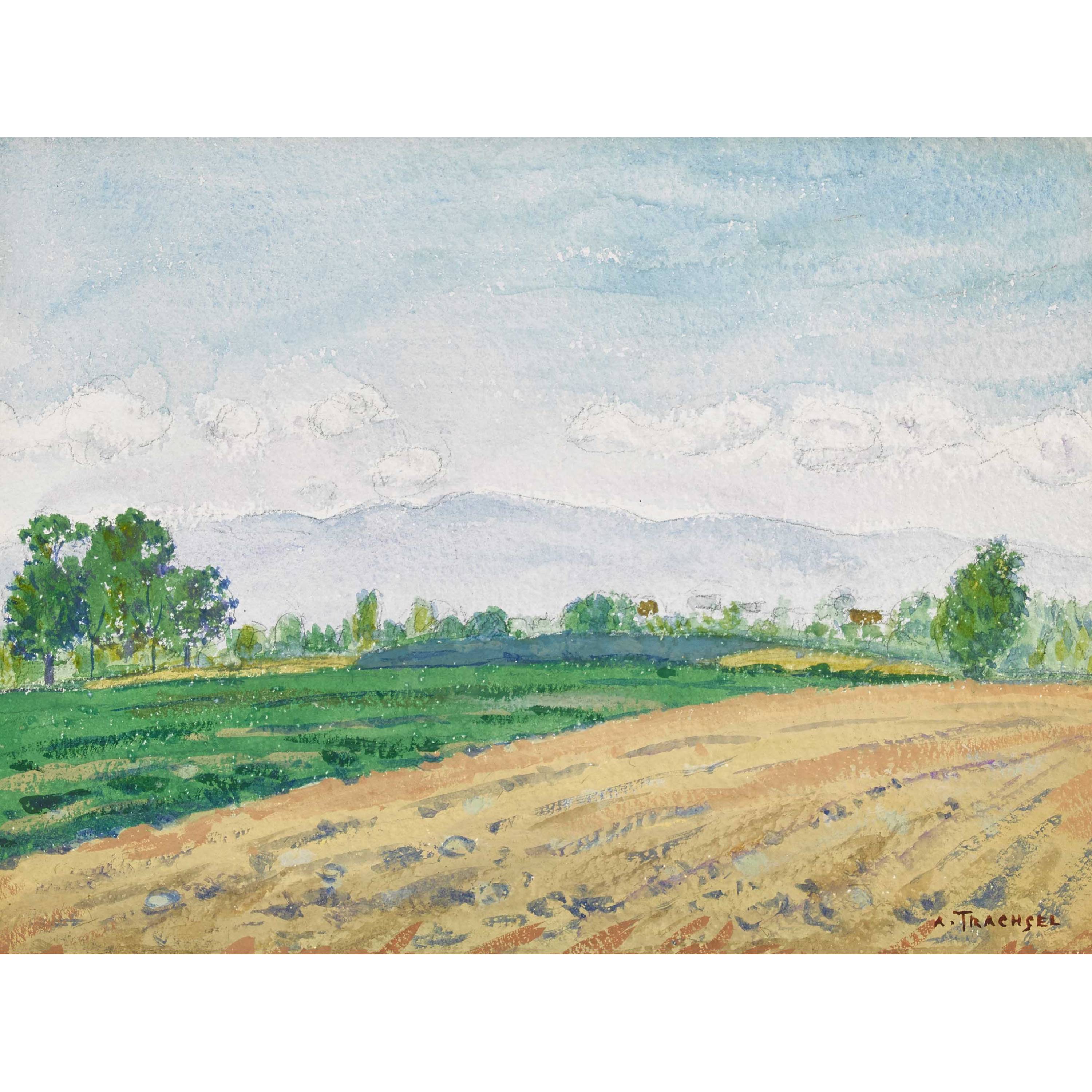
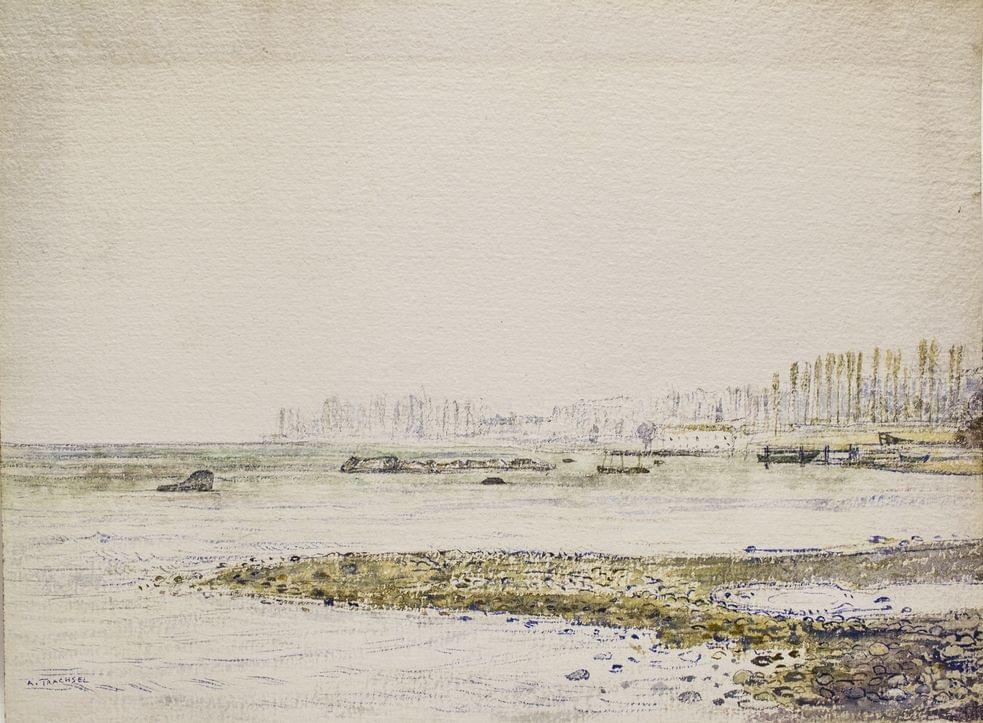
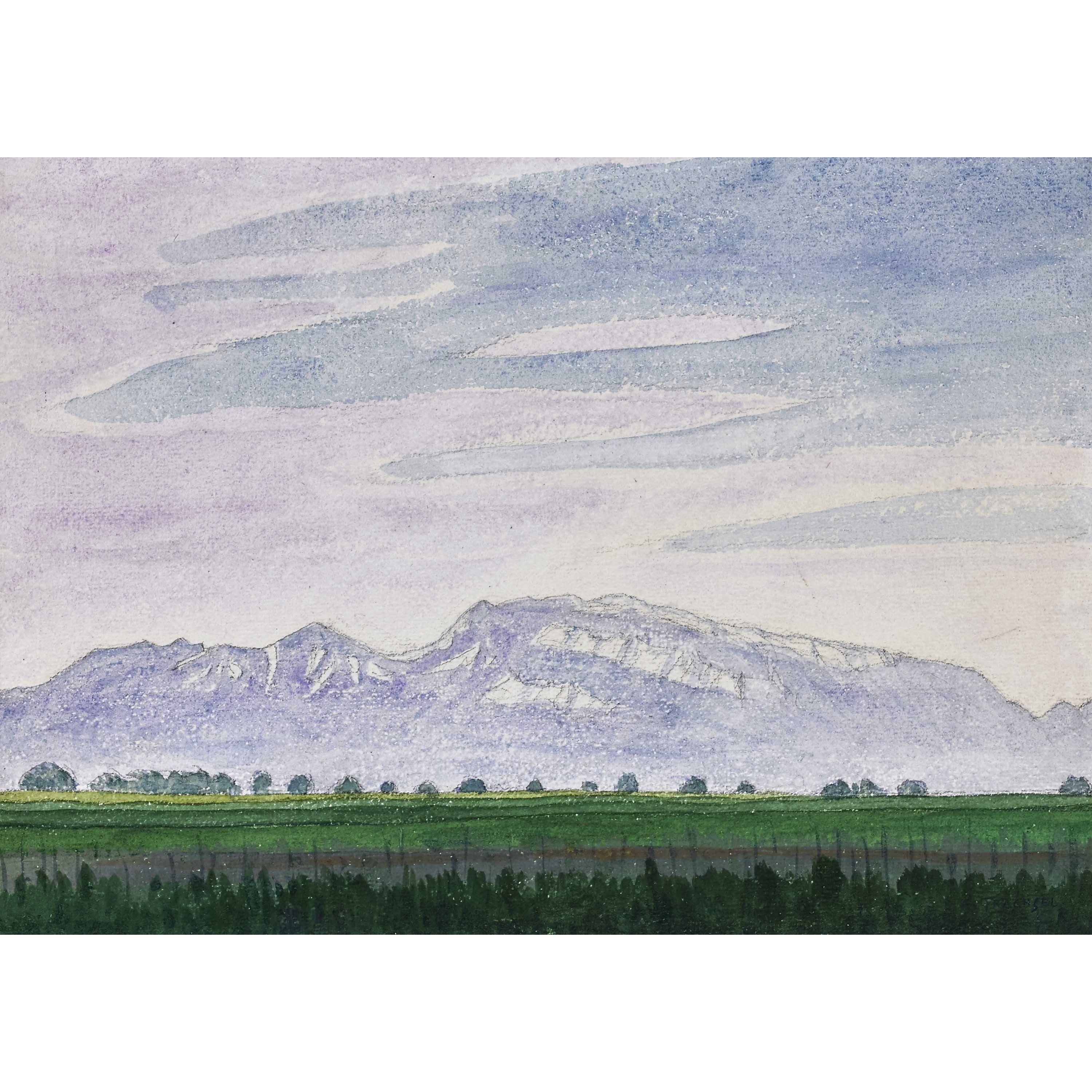
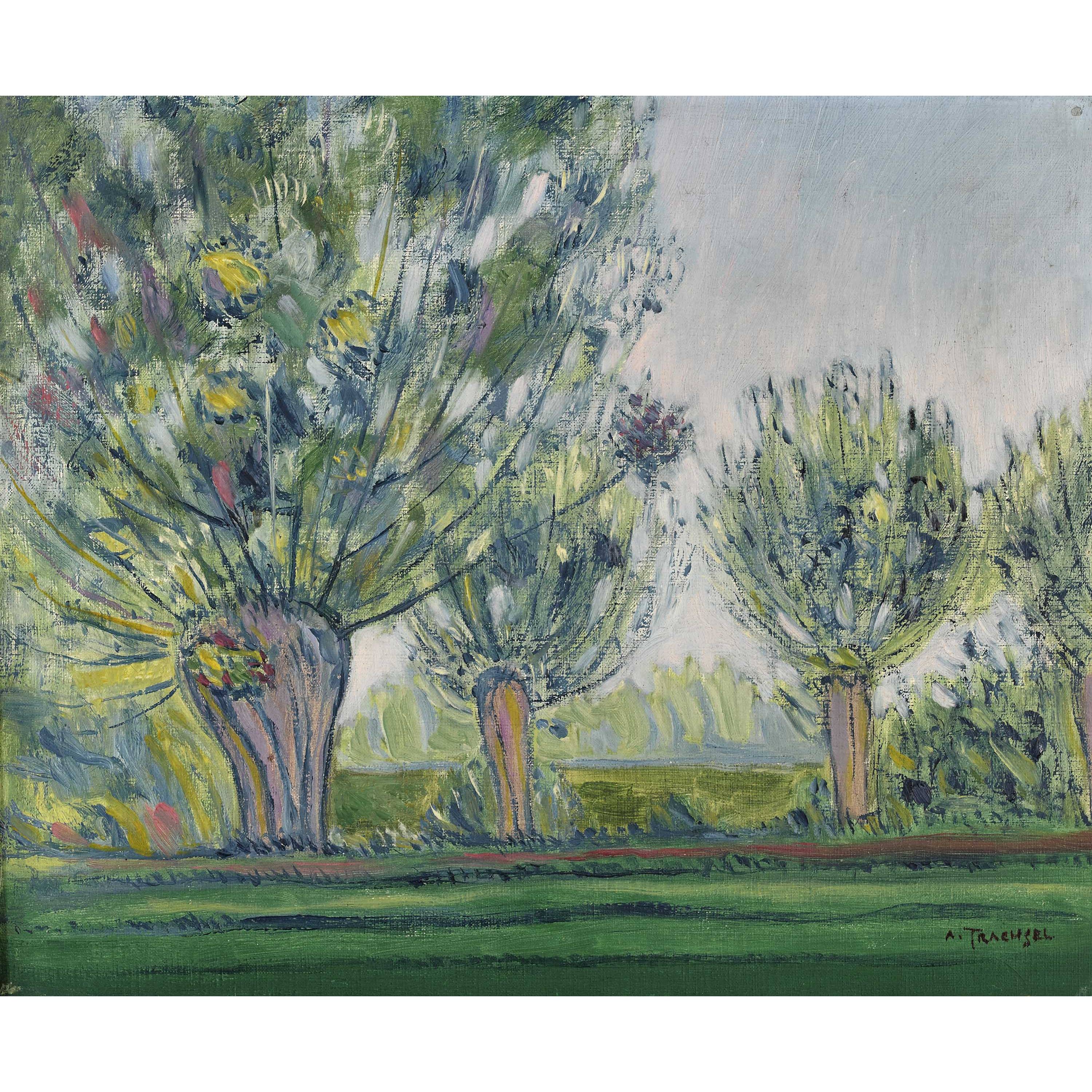
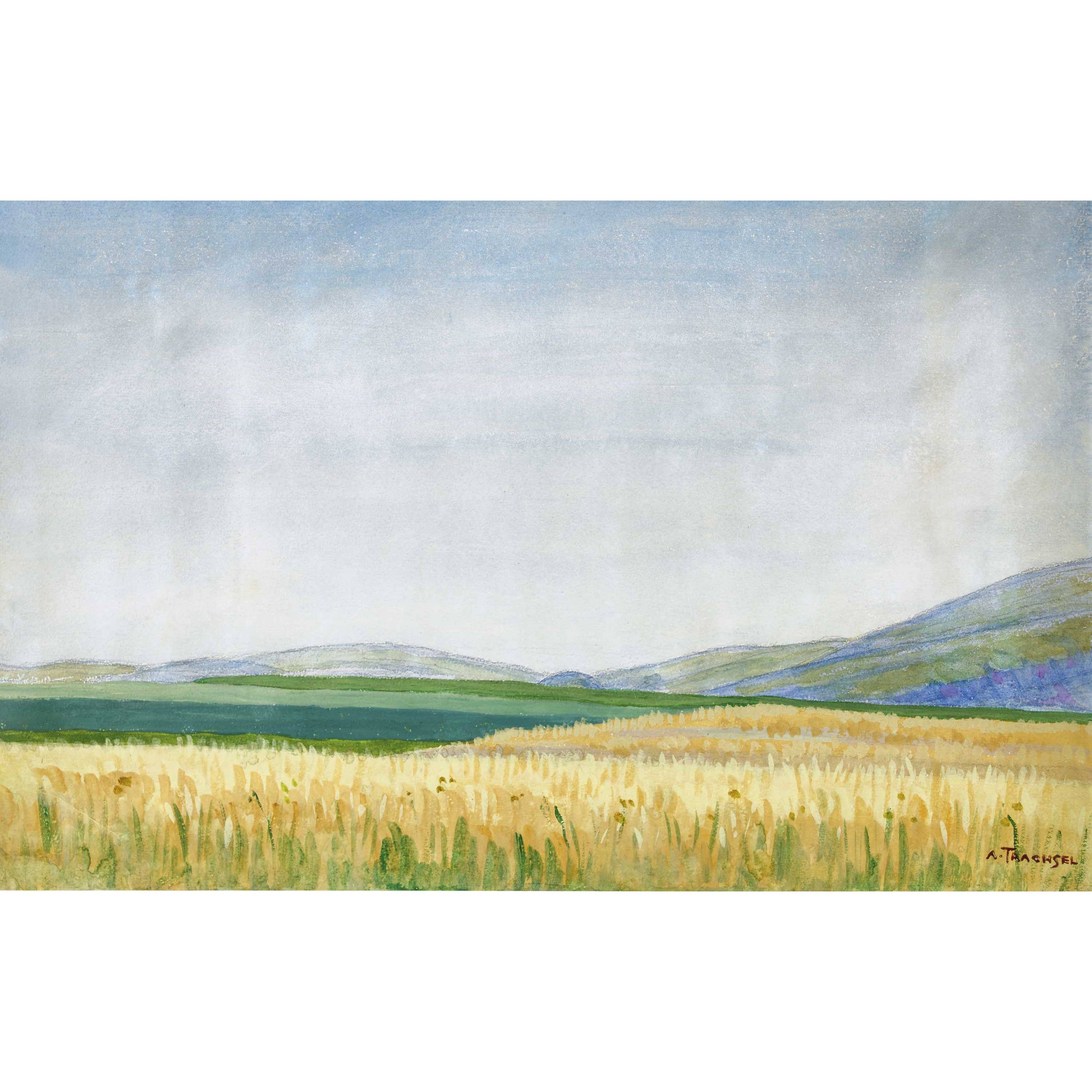
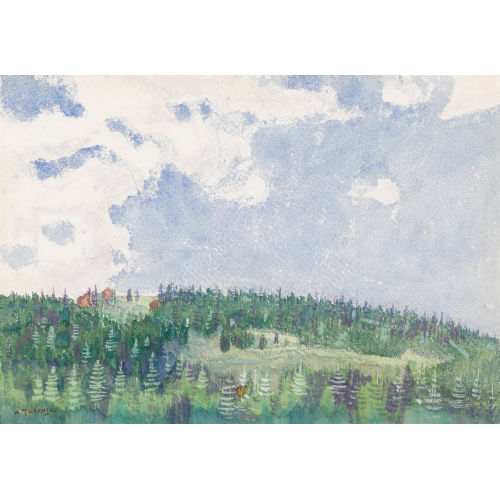
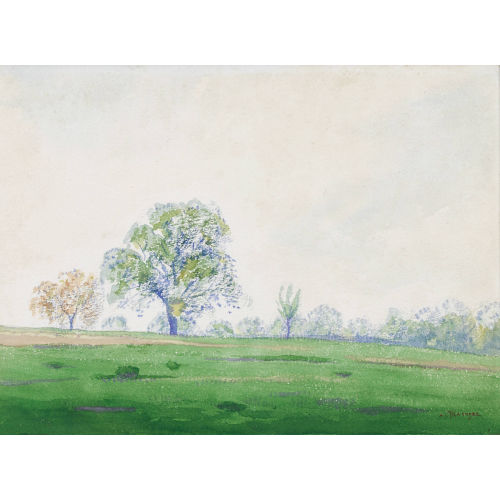
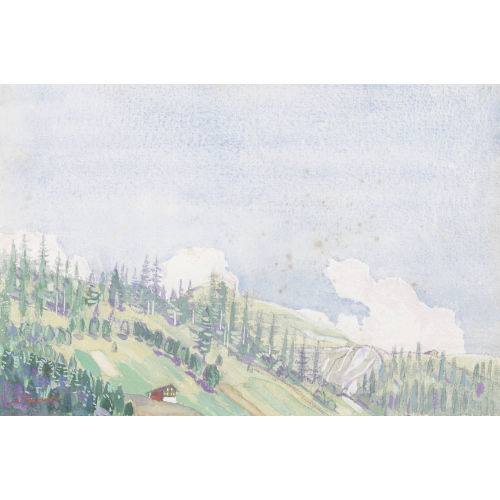
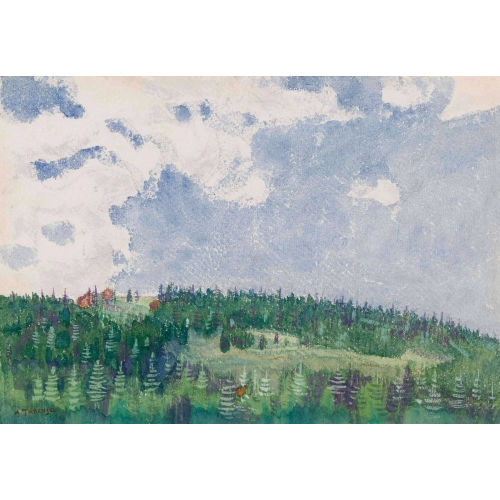
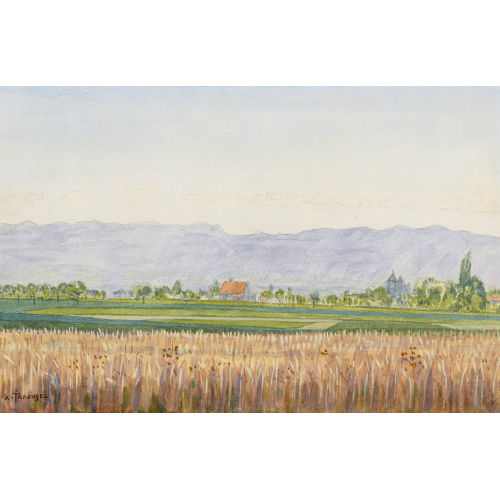
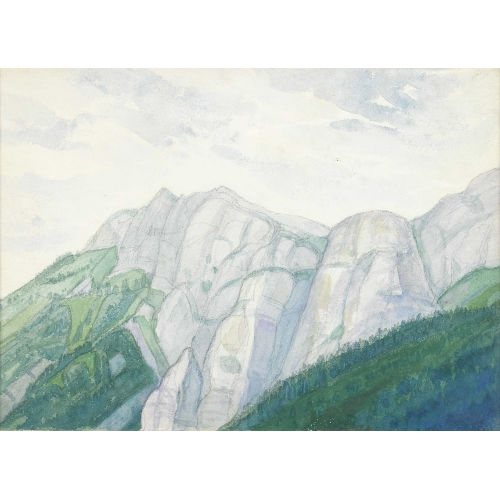
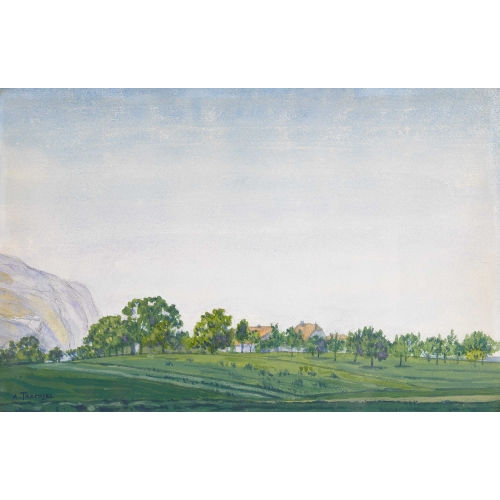
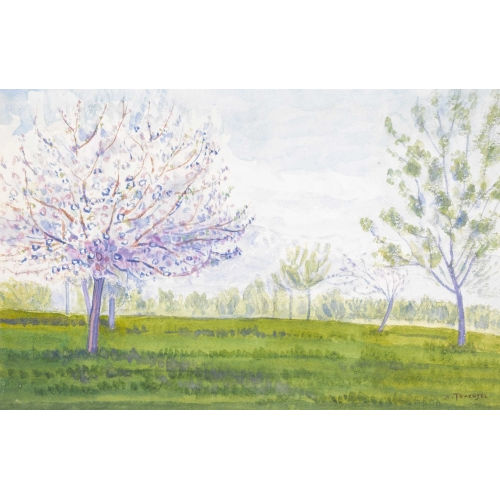
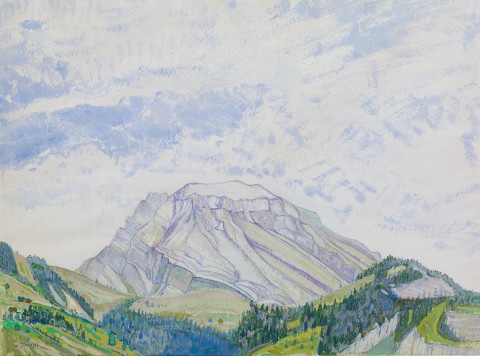
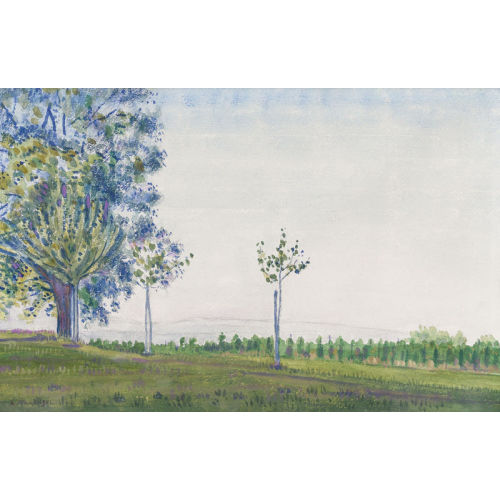
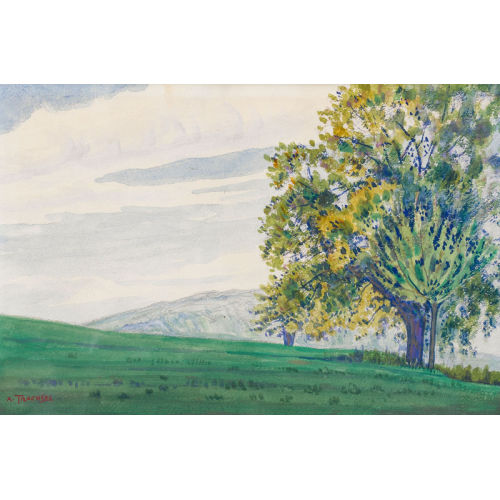
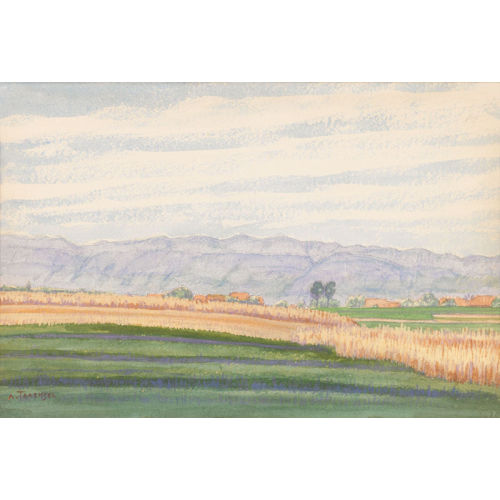
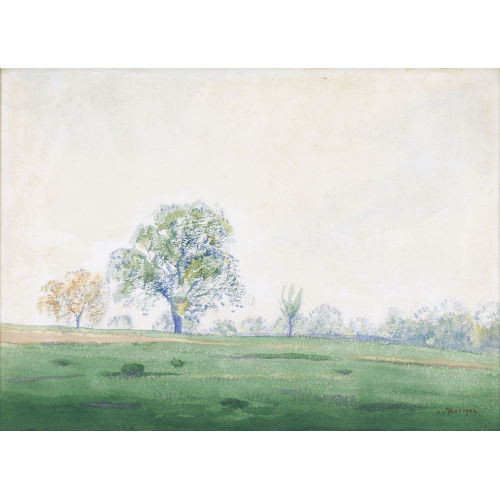
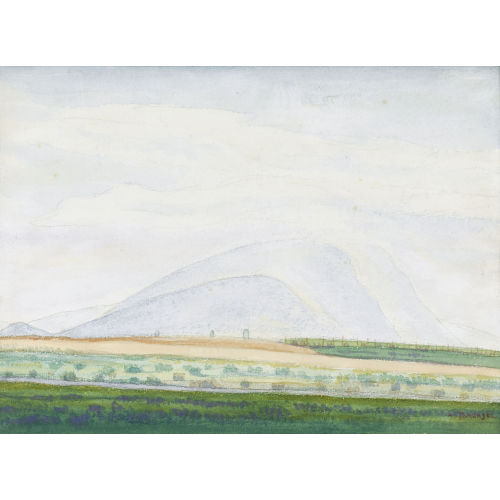
After 1914, he painted Geneva landscapes with no reference to these visionary worlds. This evolution makes Trachsel a singular figure of Swiss Symbolism around 1900.