Albert Schmidt
Born in 1883.
Died in 1970.
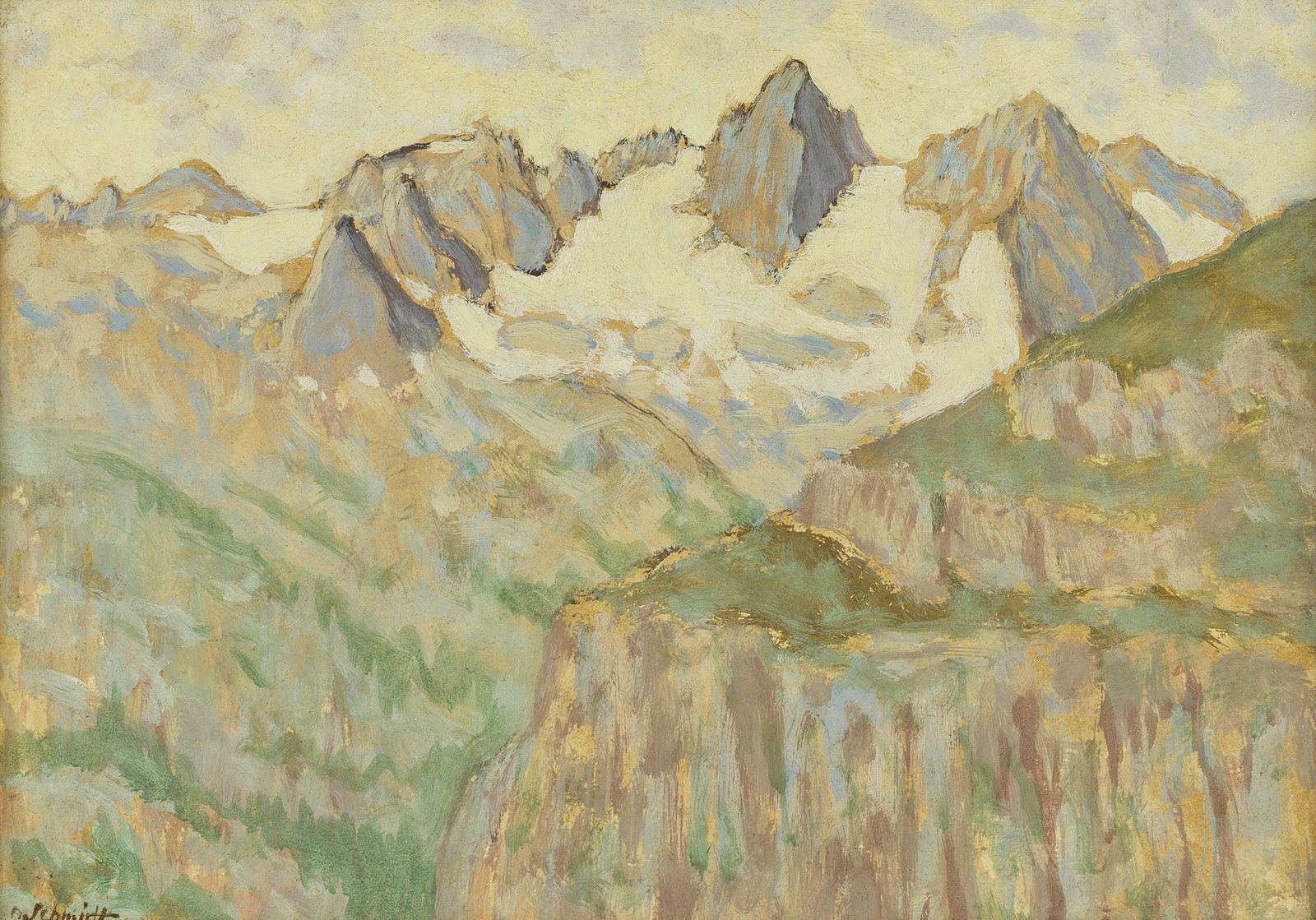
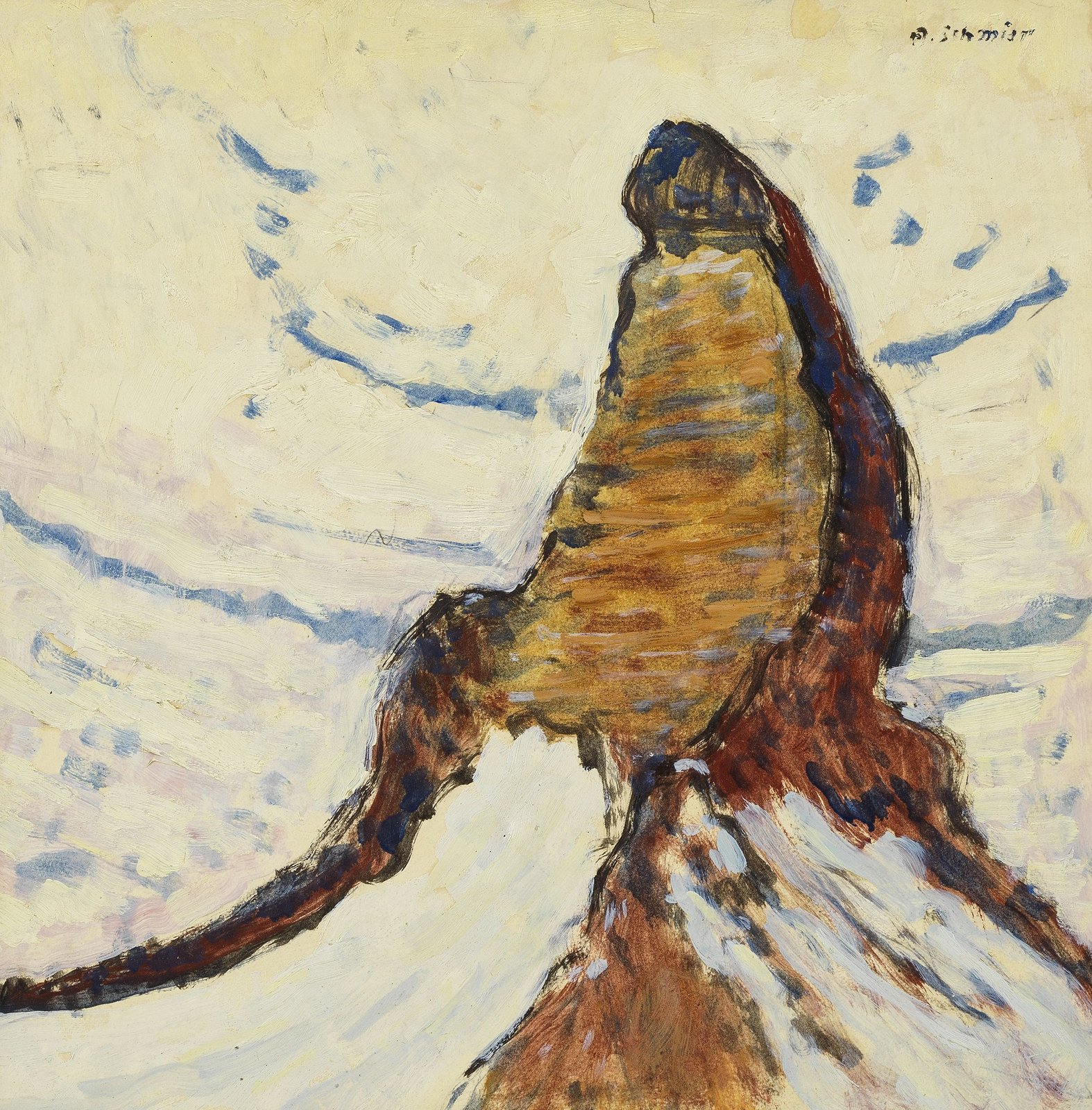
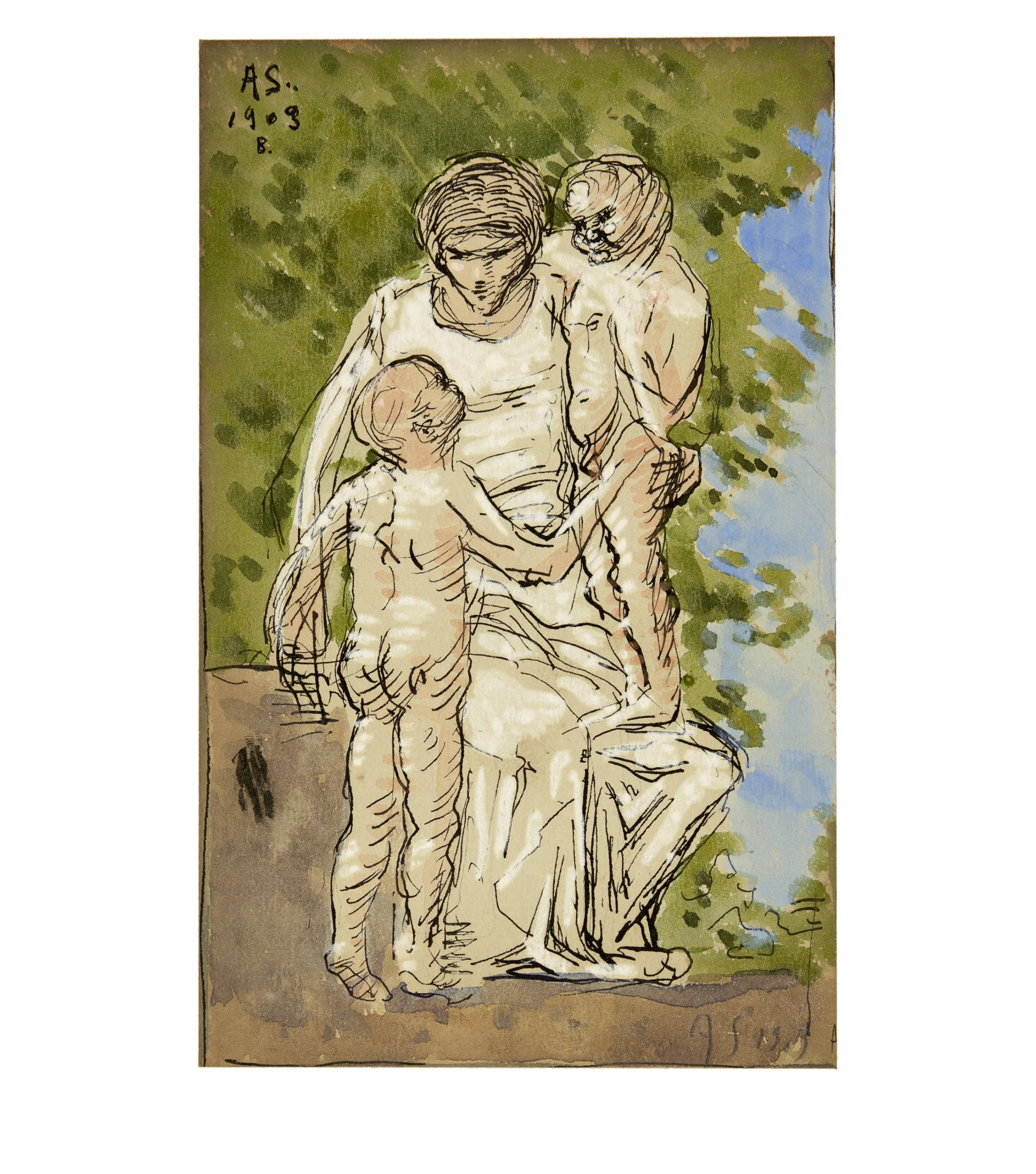
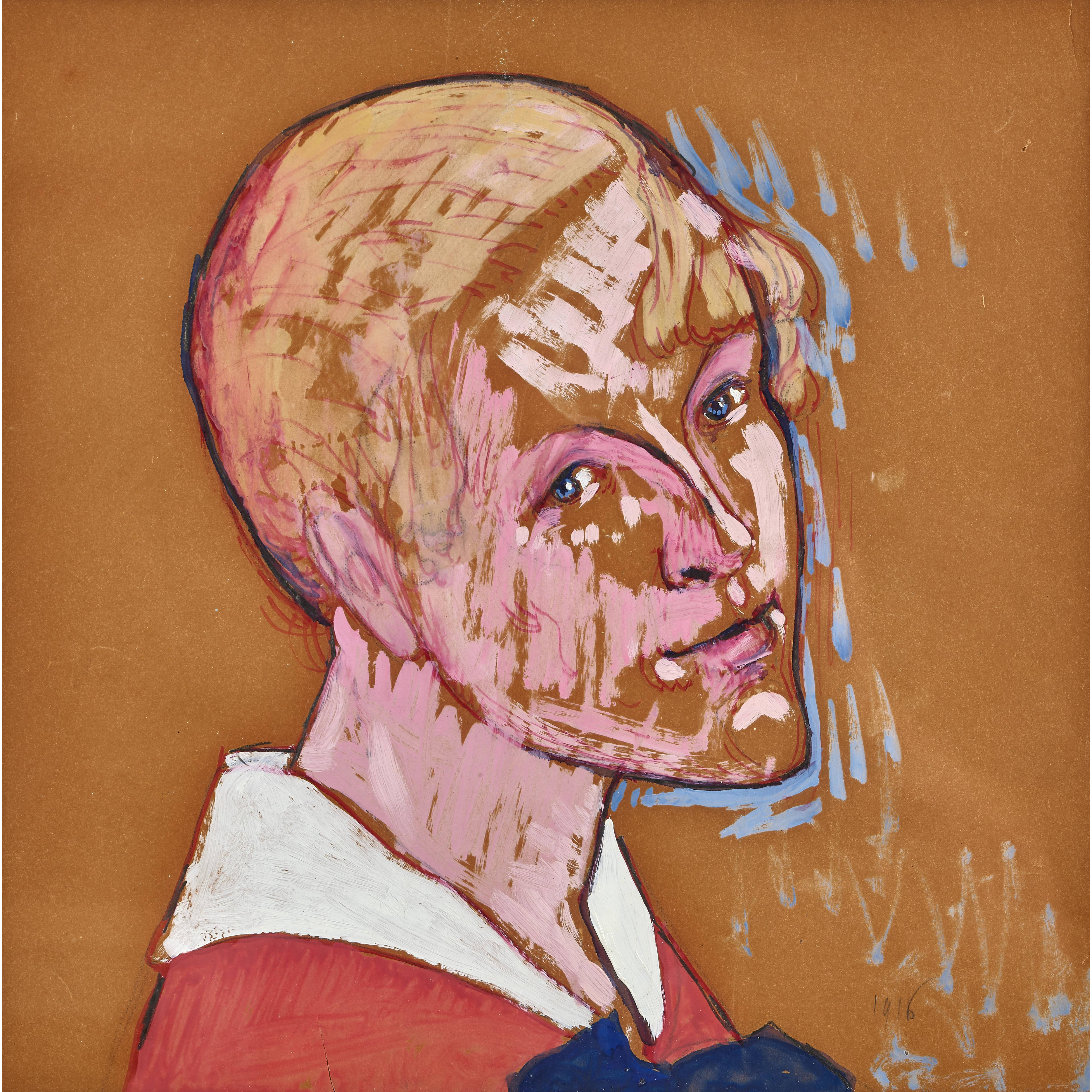
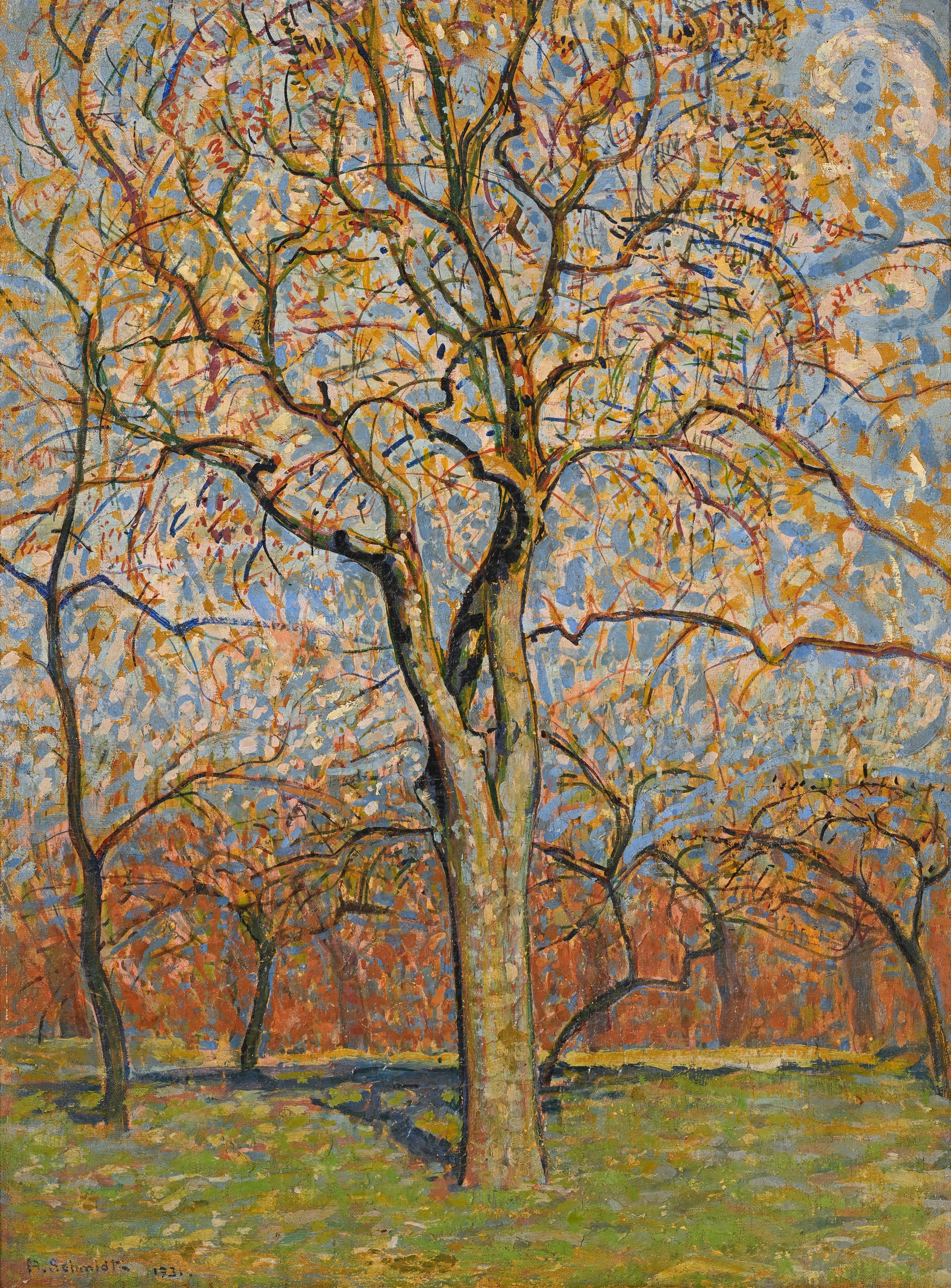
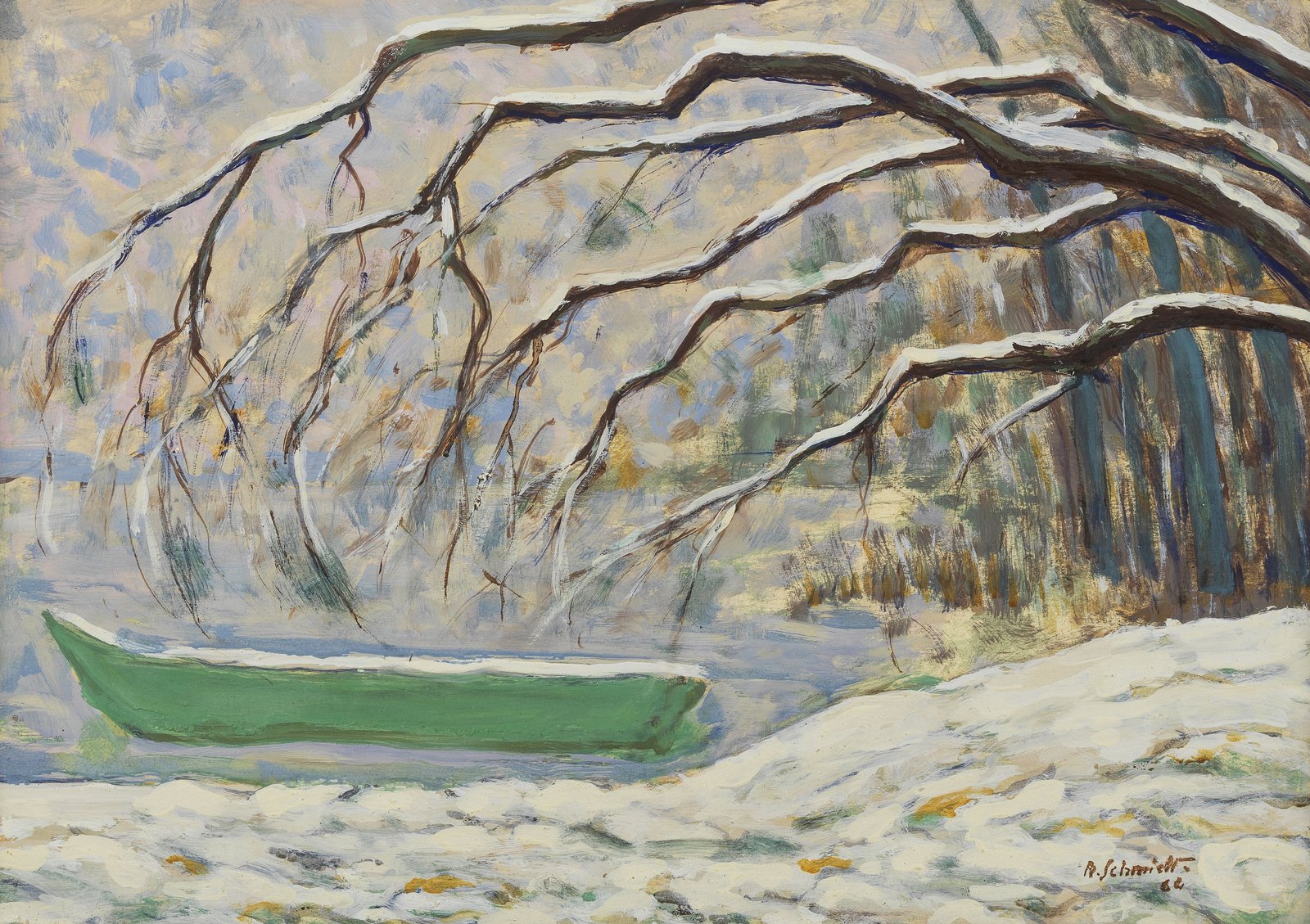
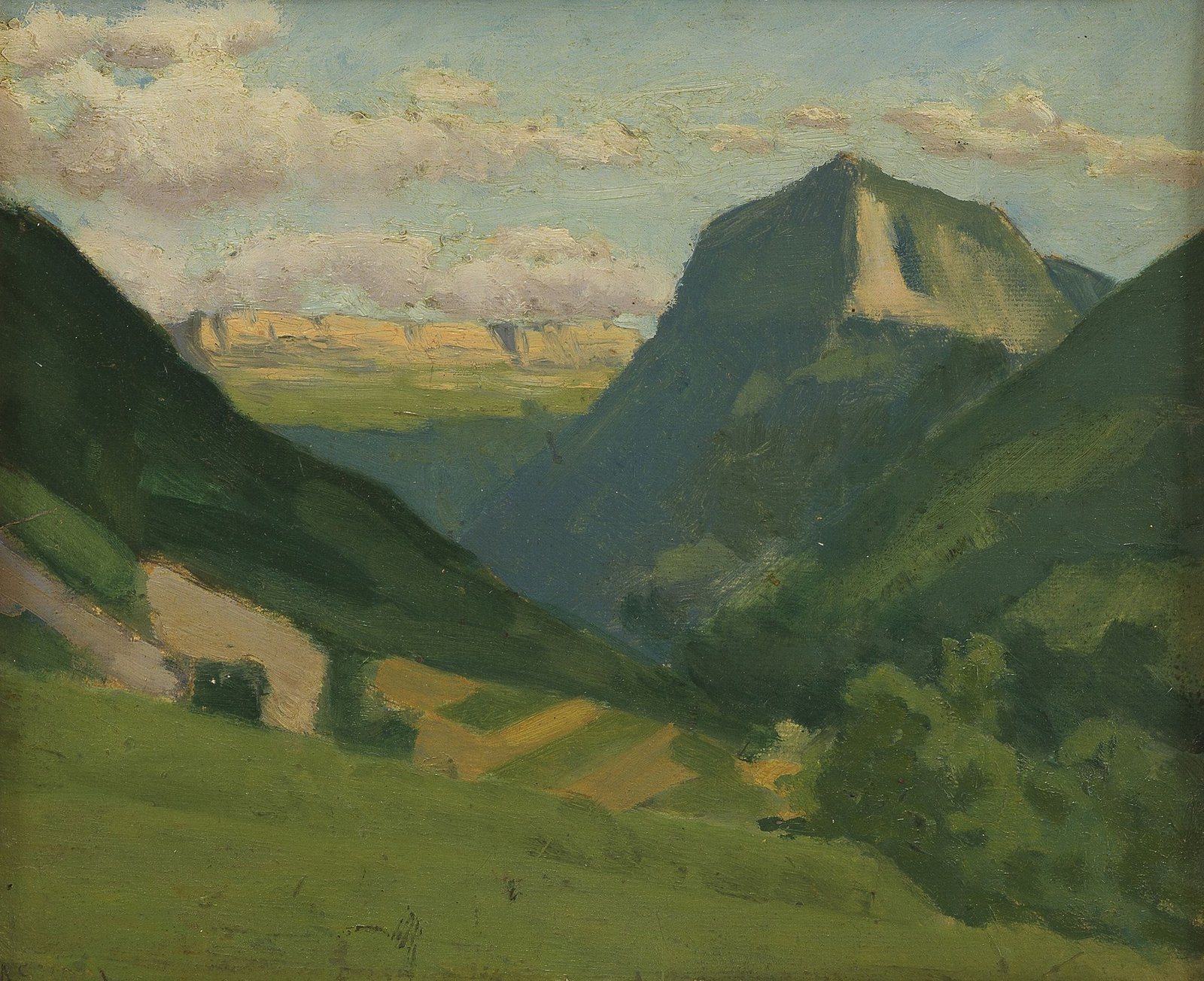
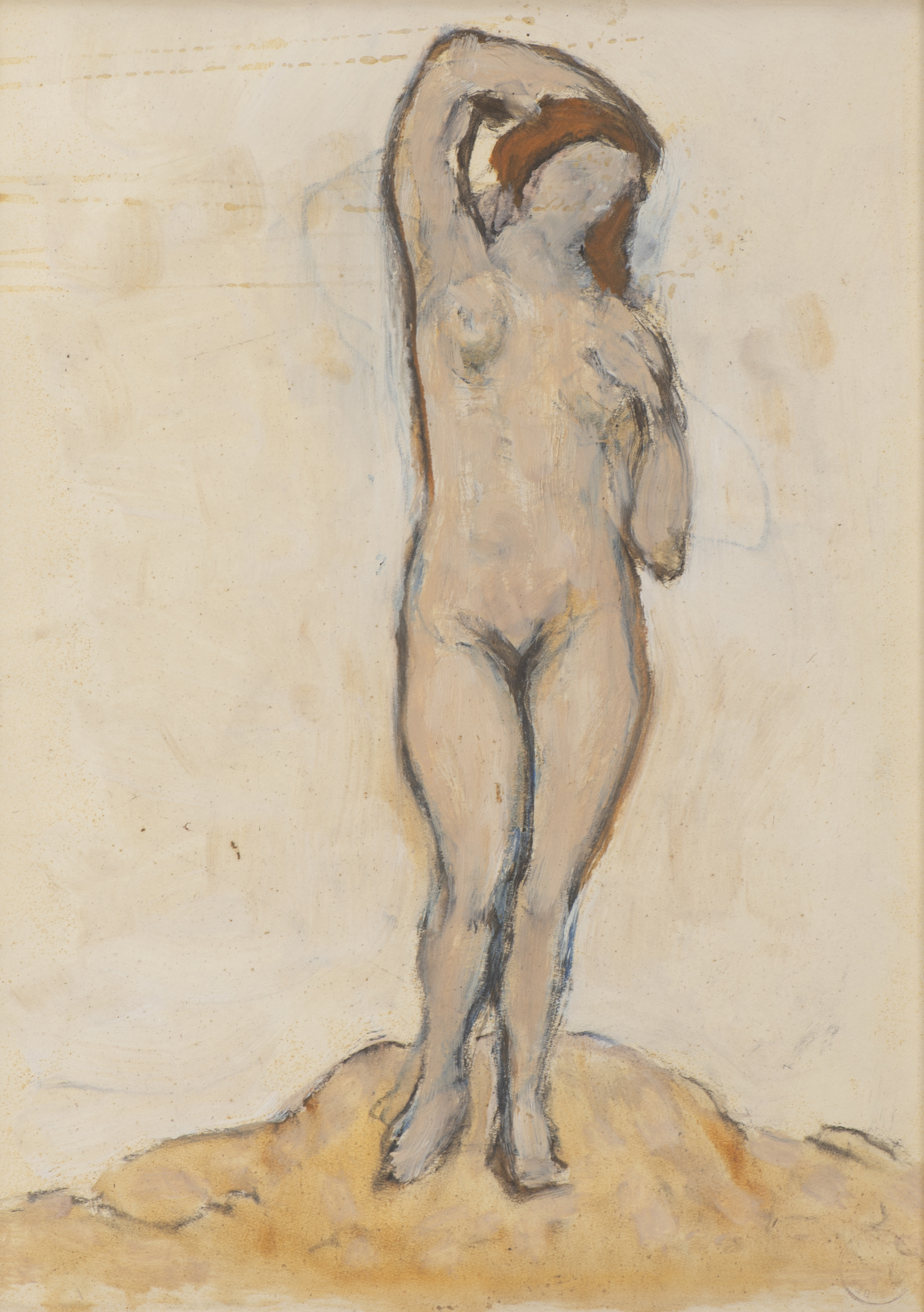
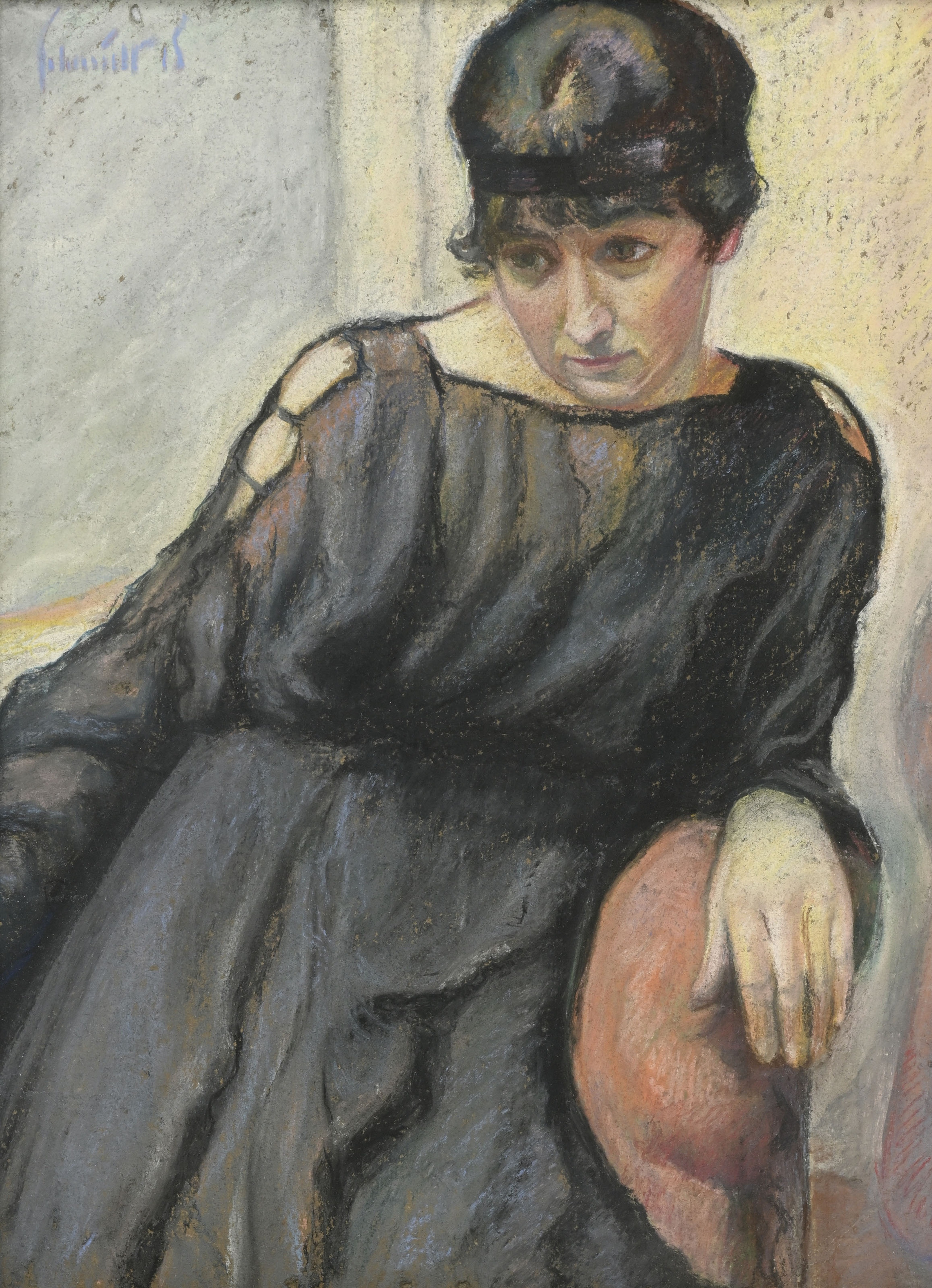
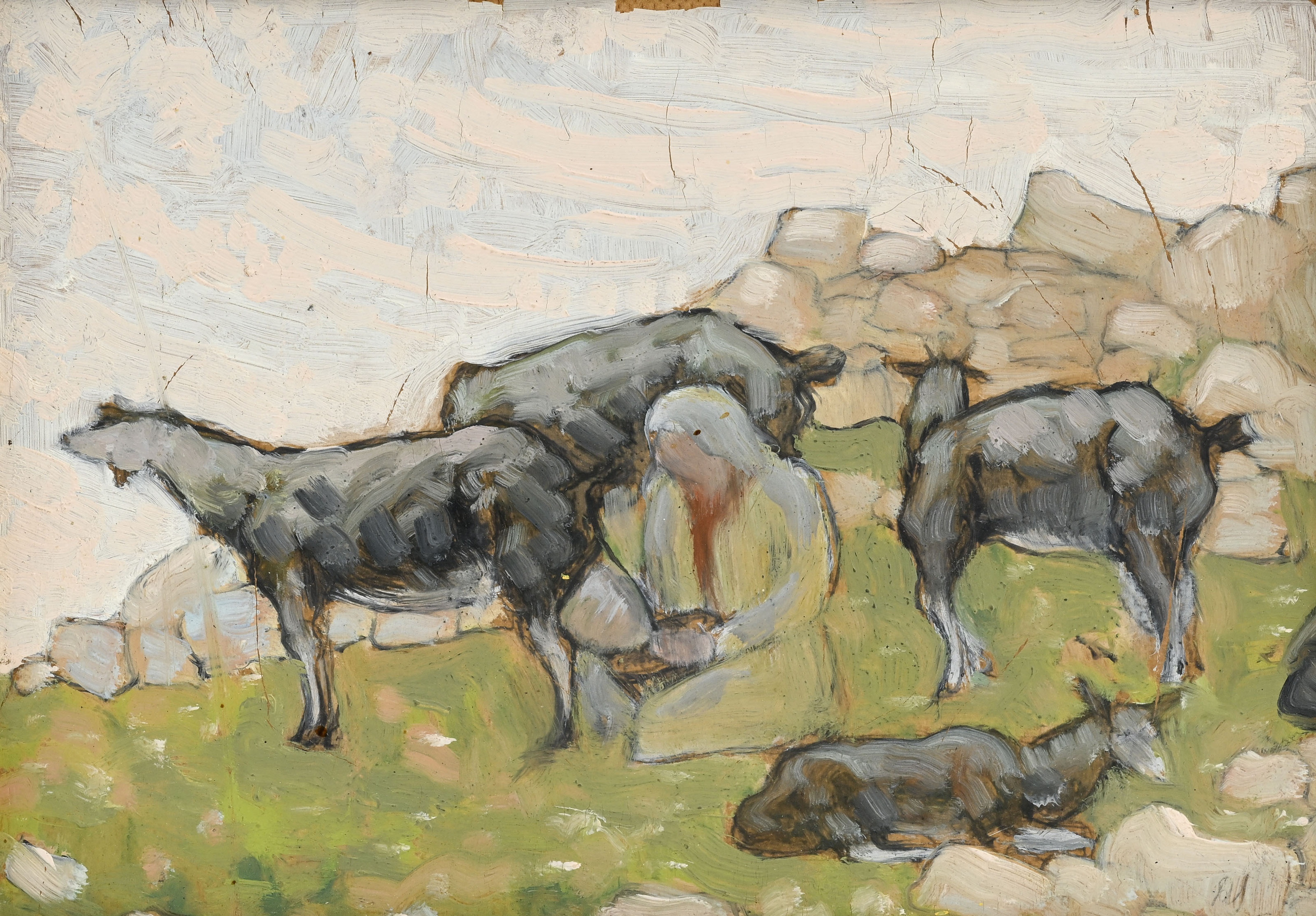
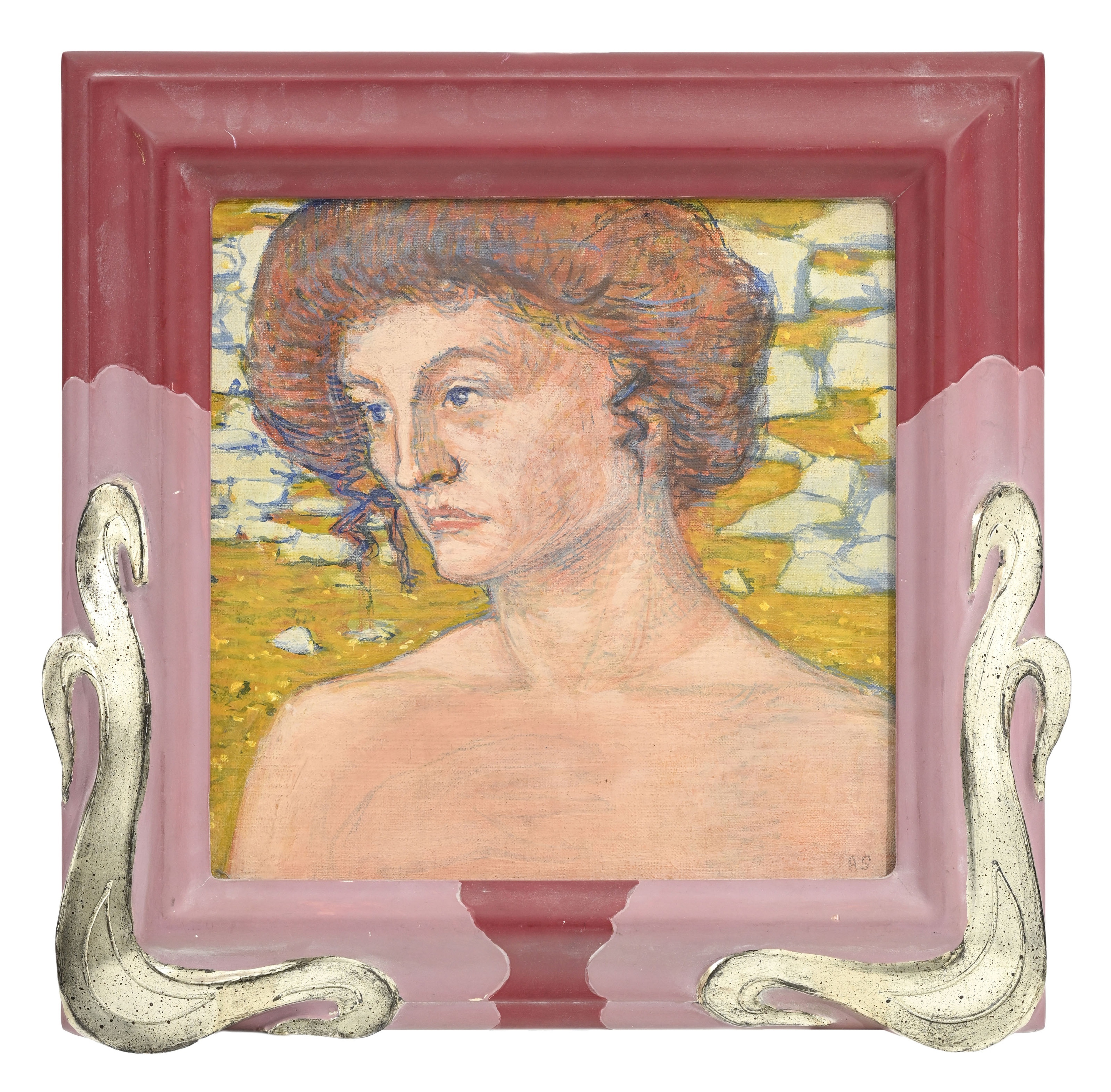
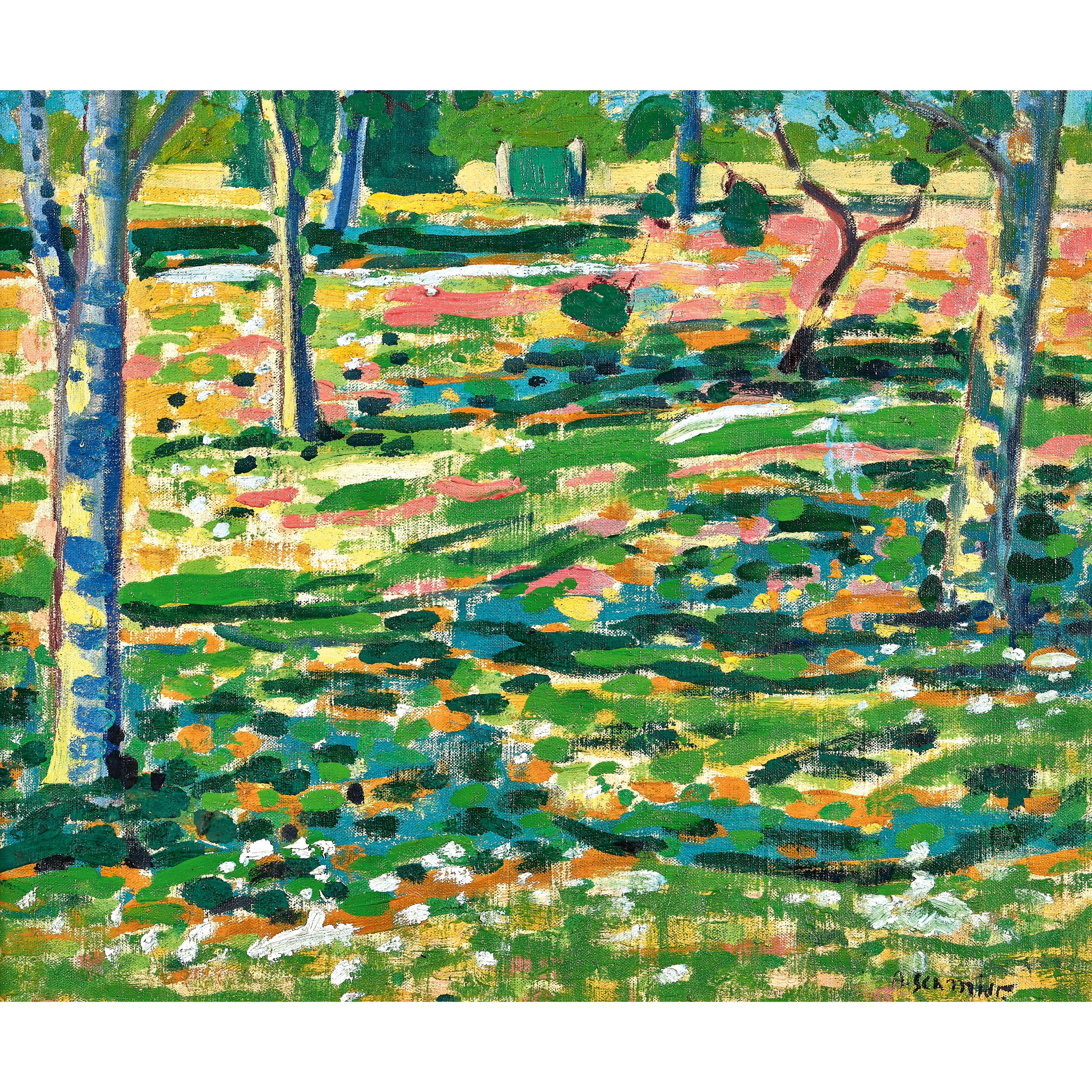
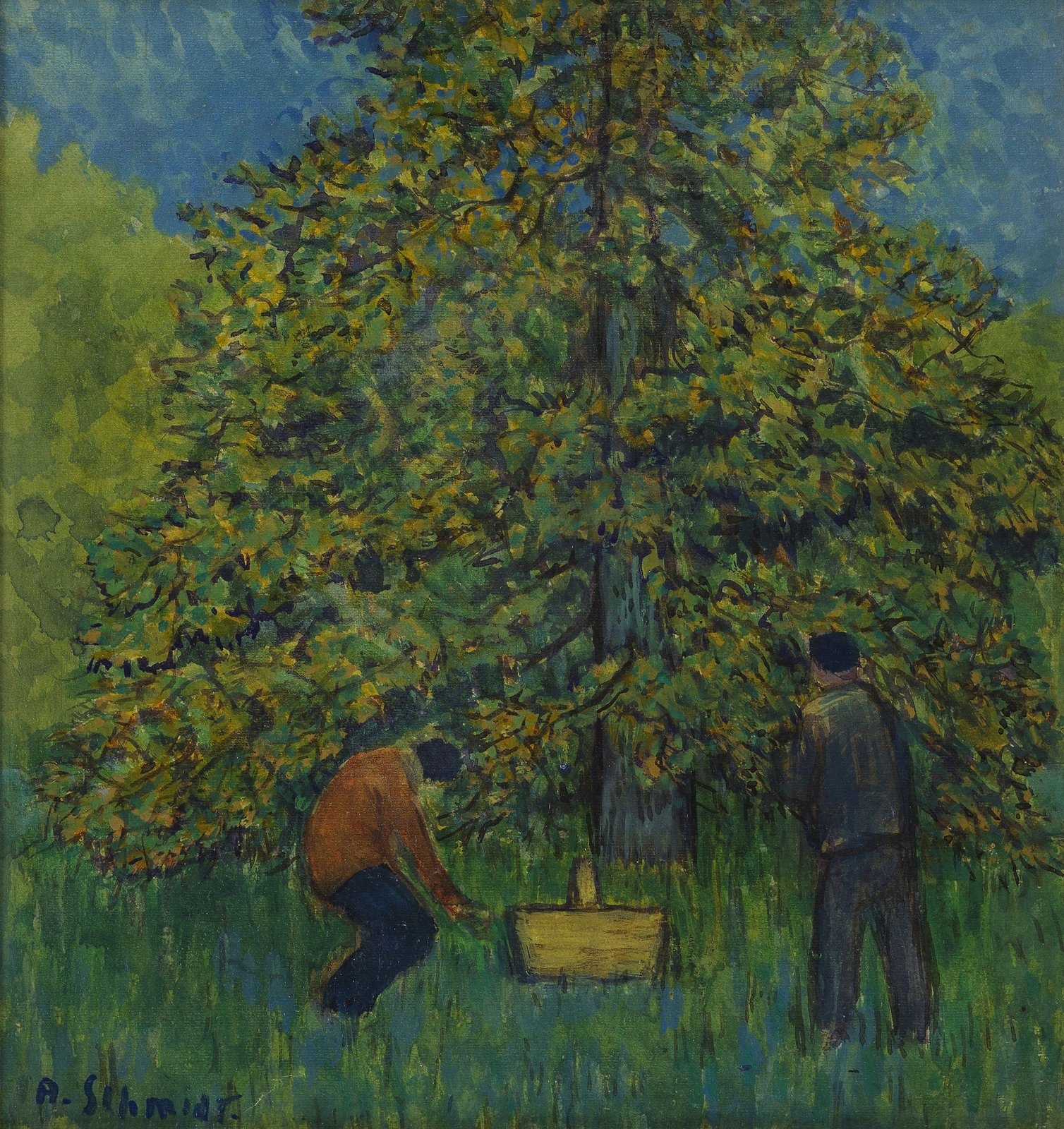
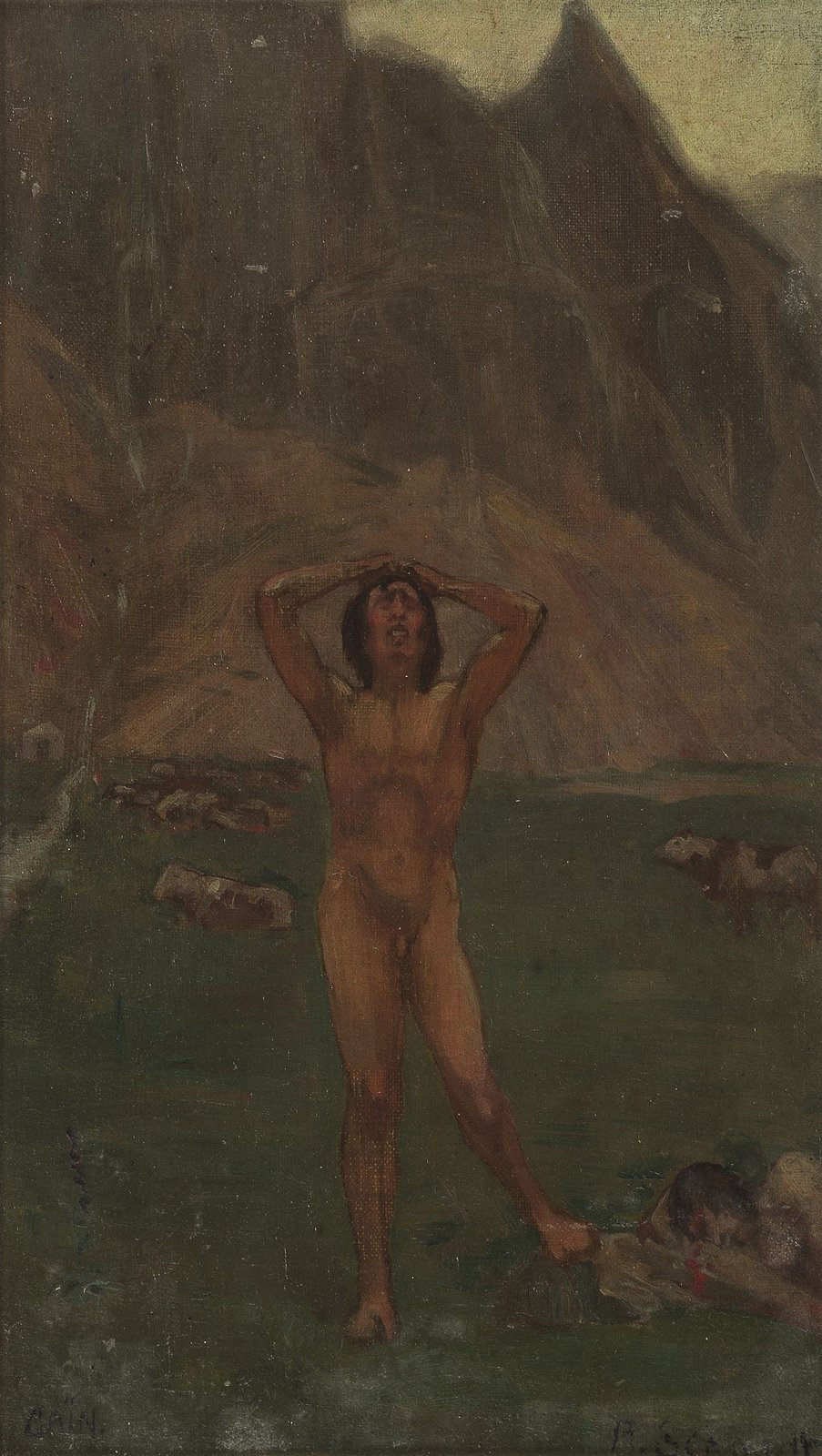
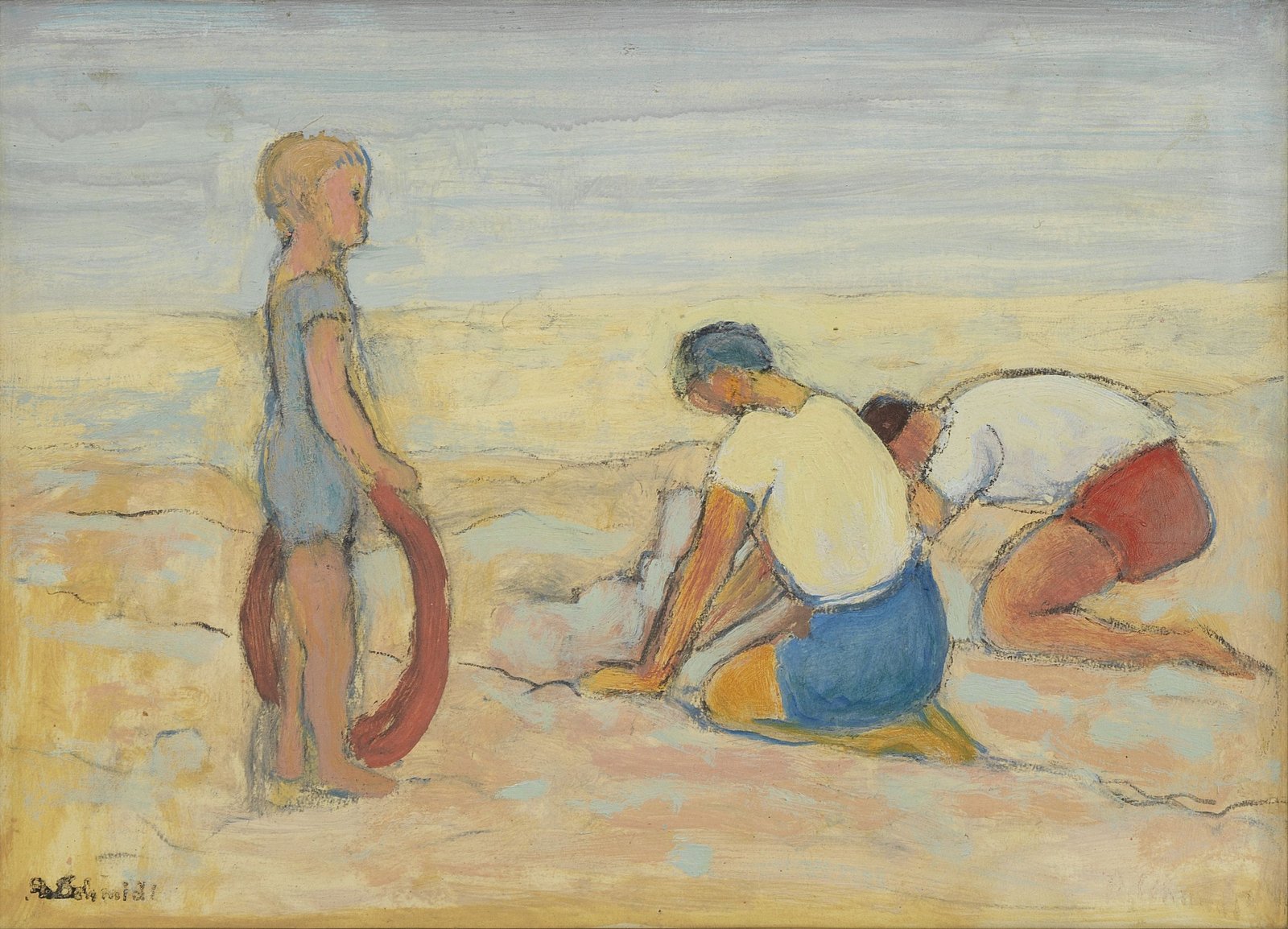
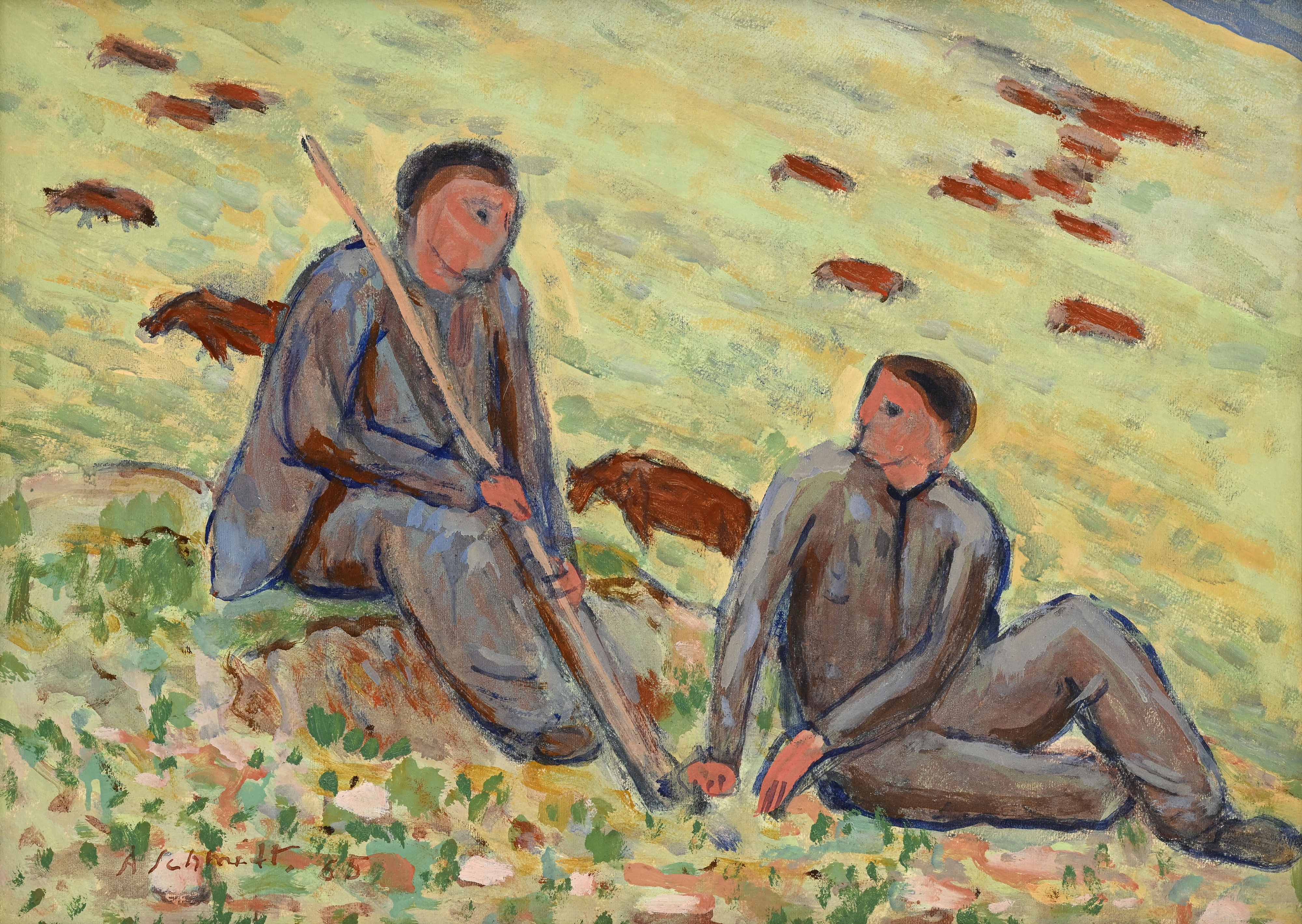
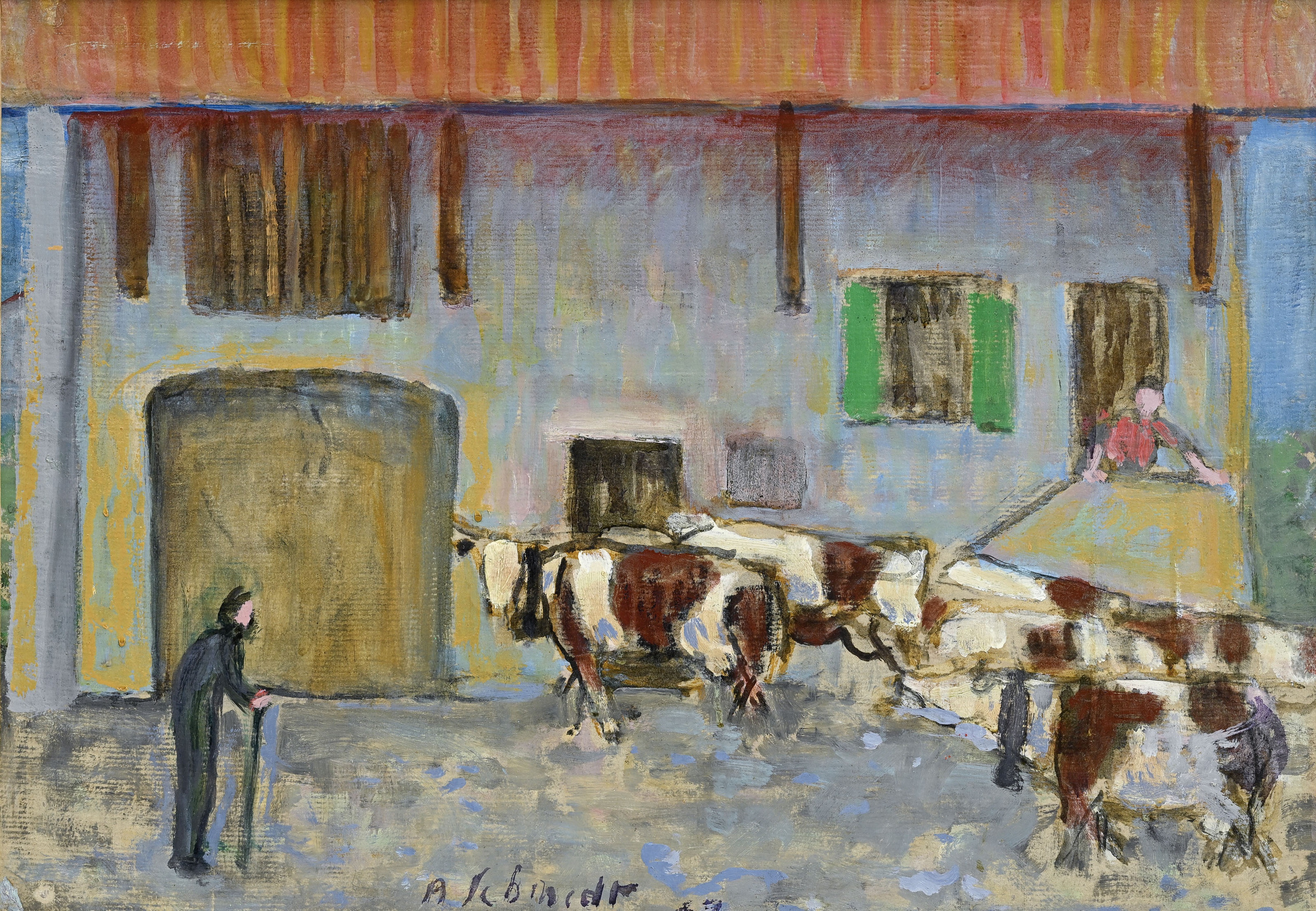
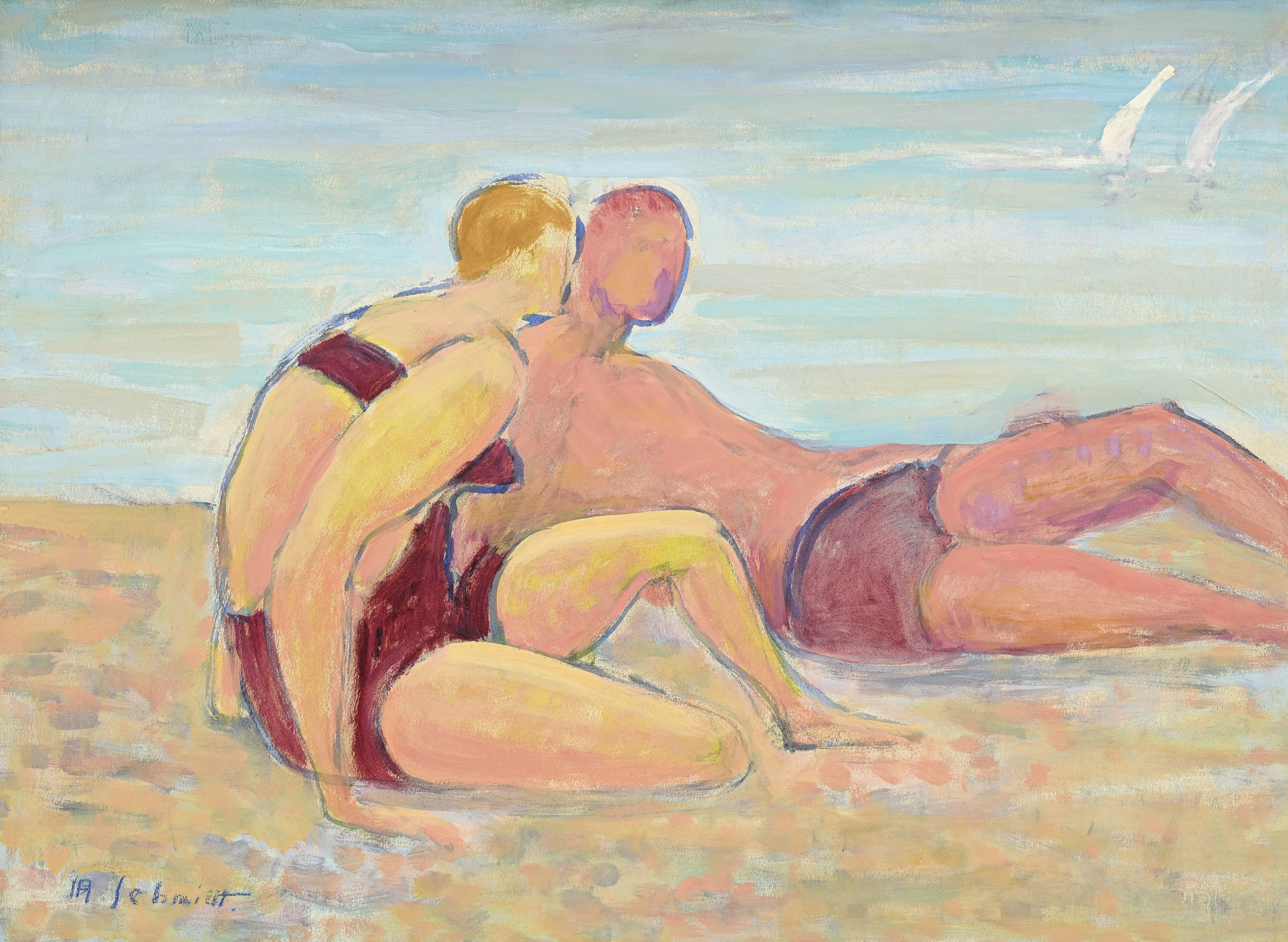
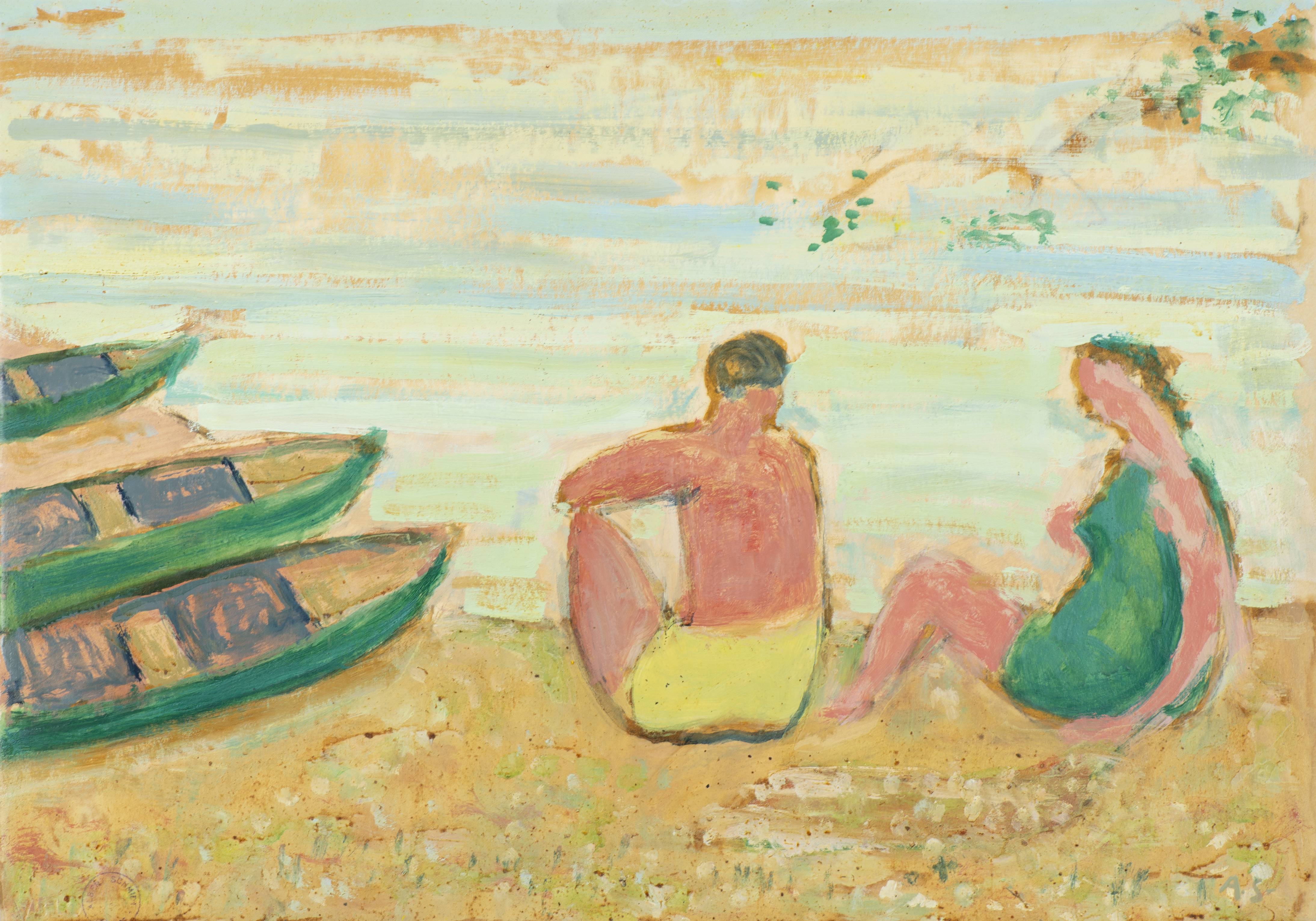
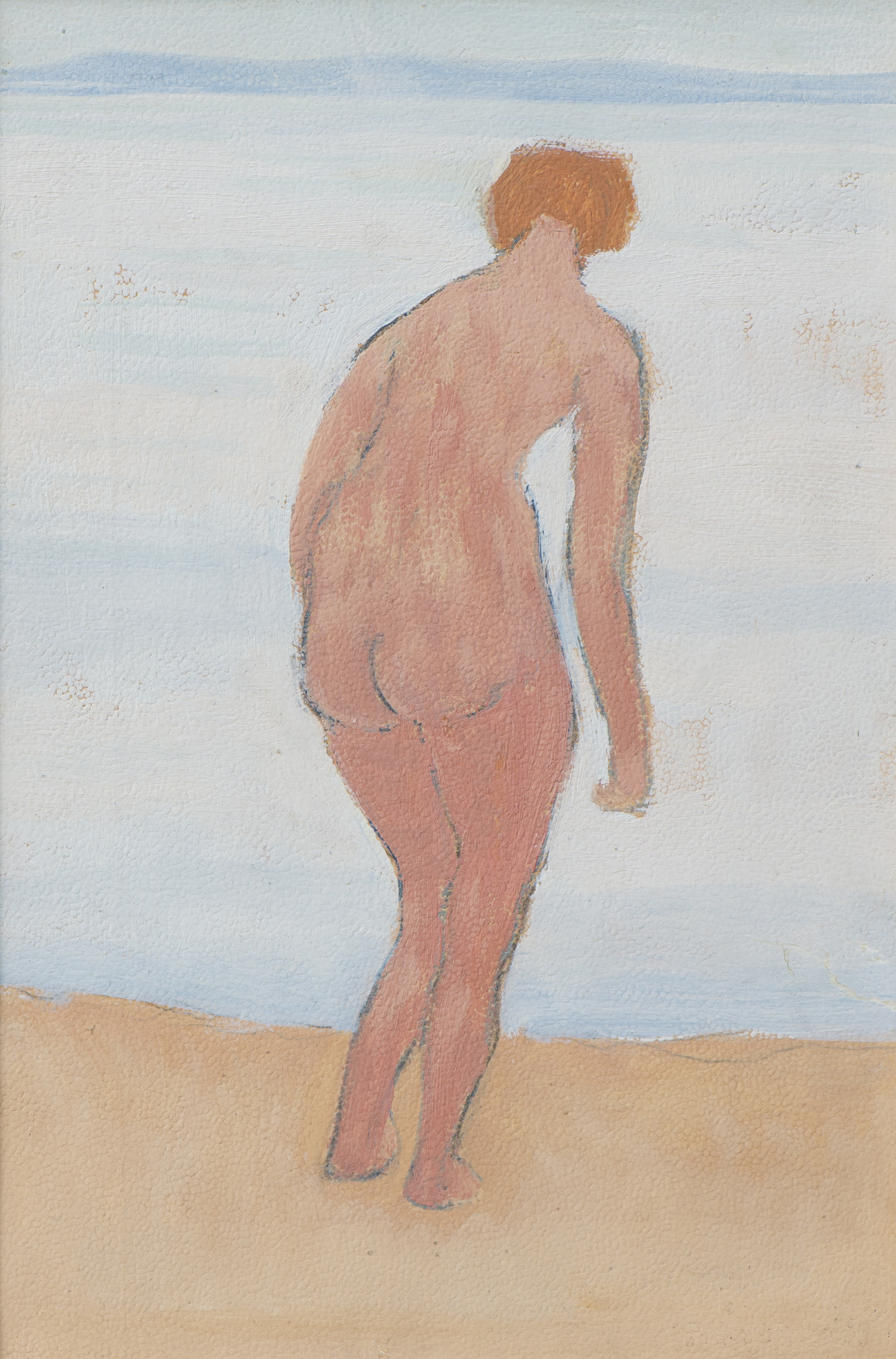
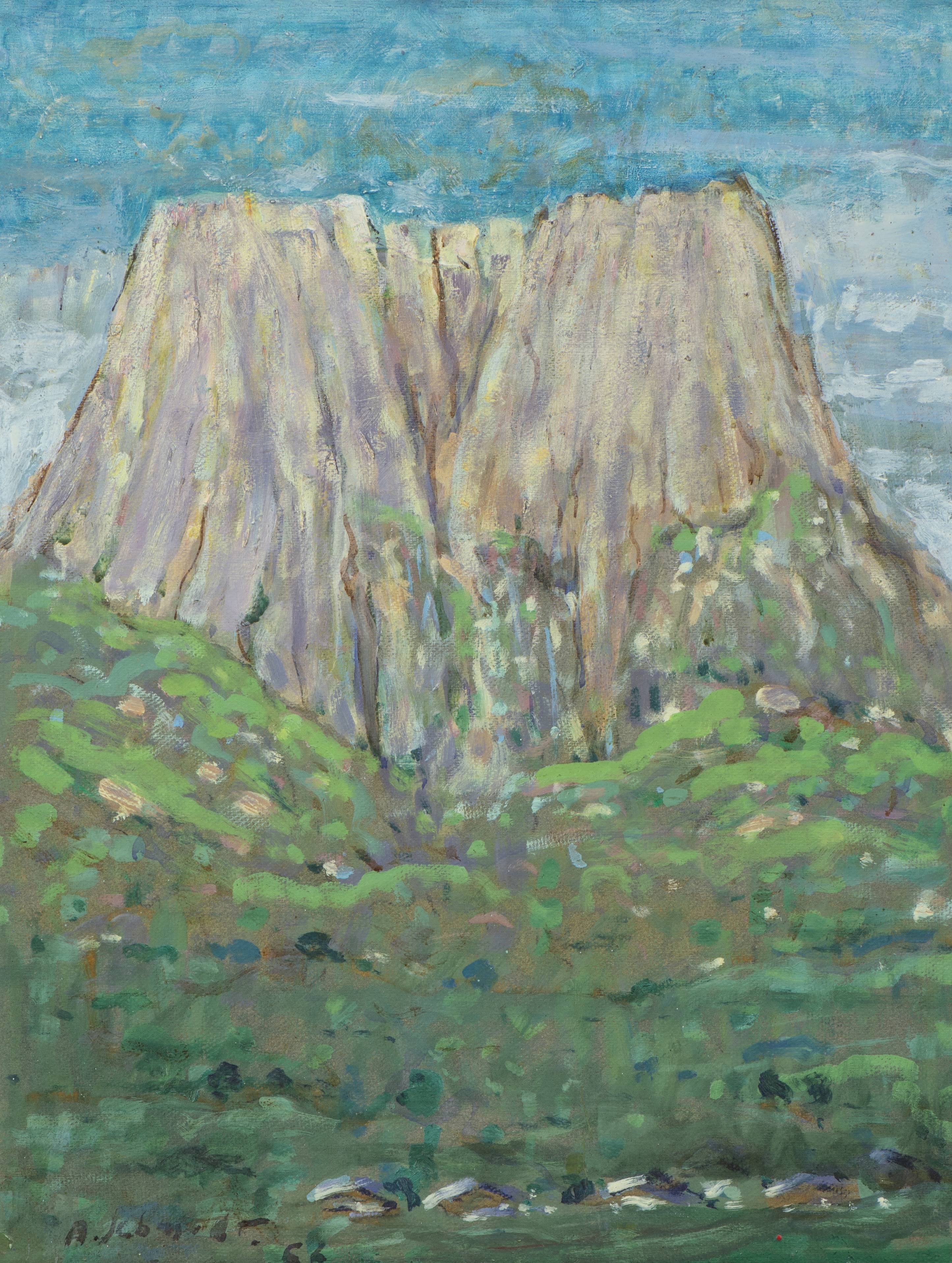
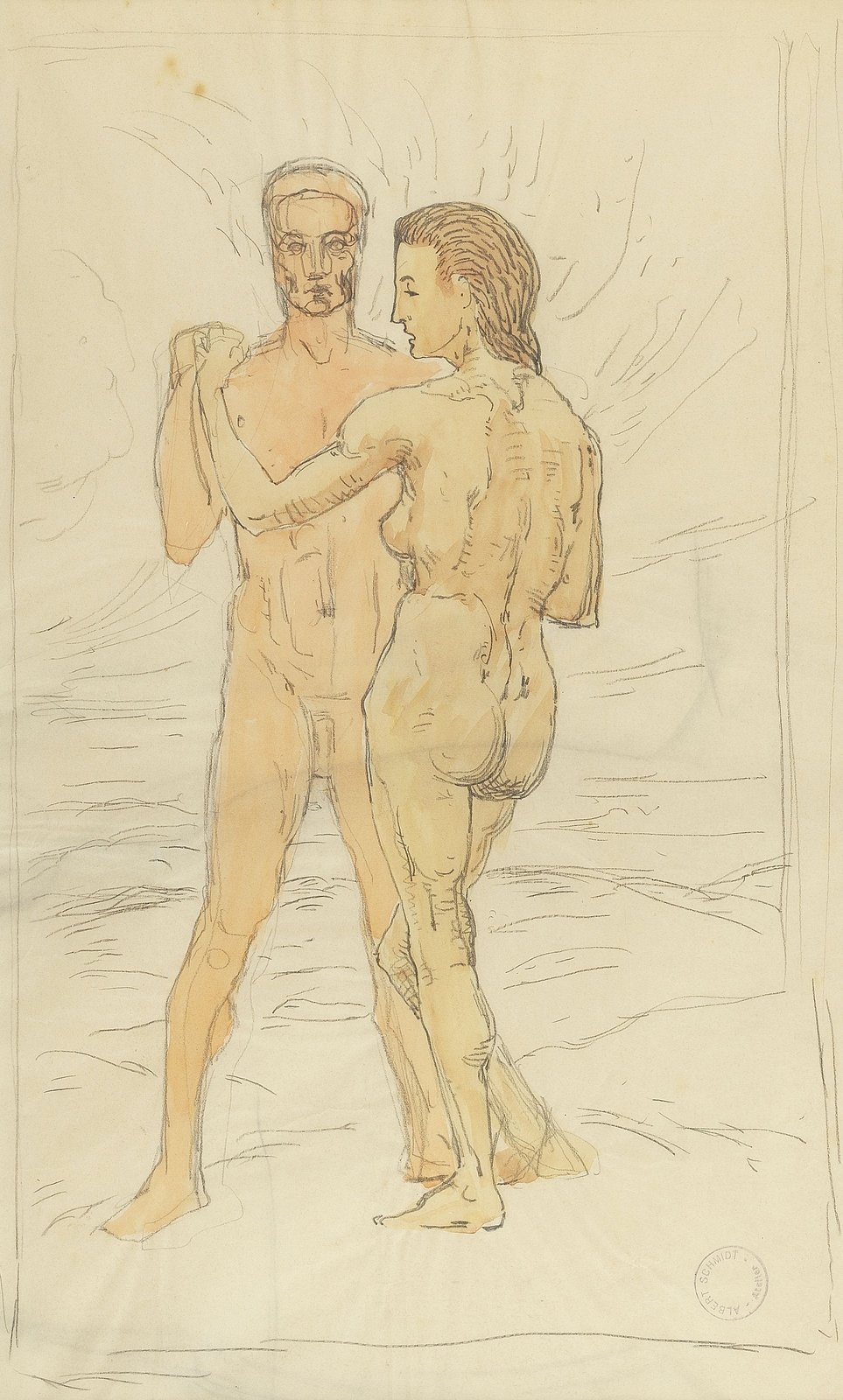
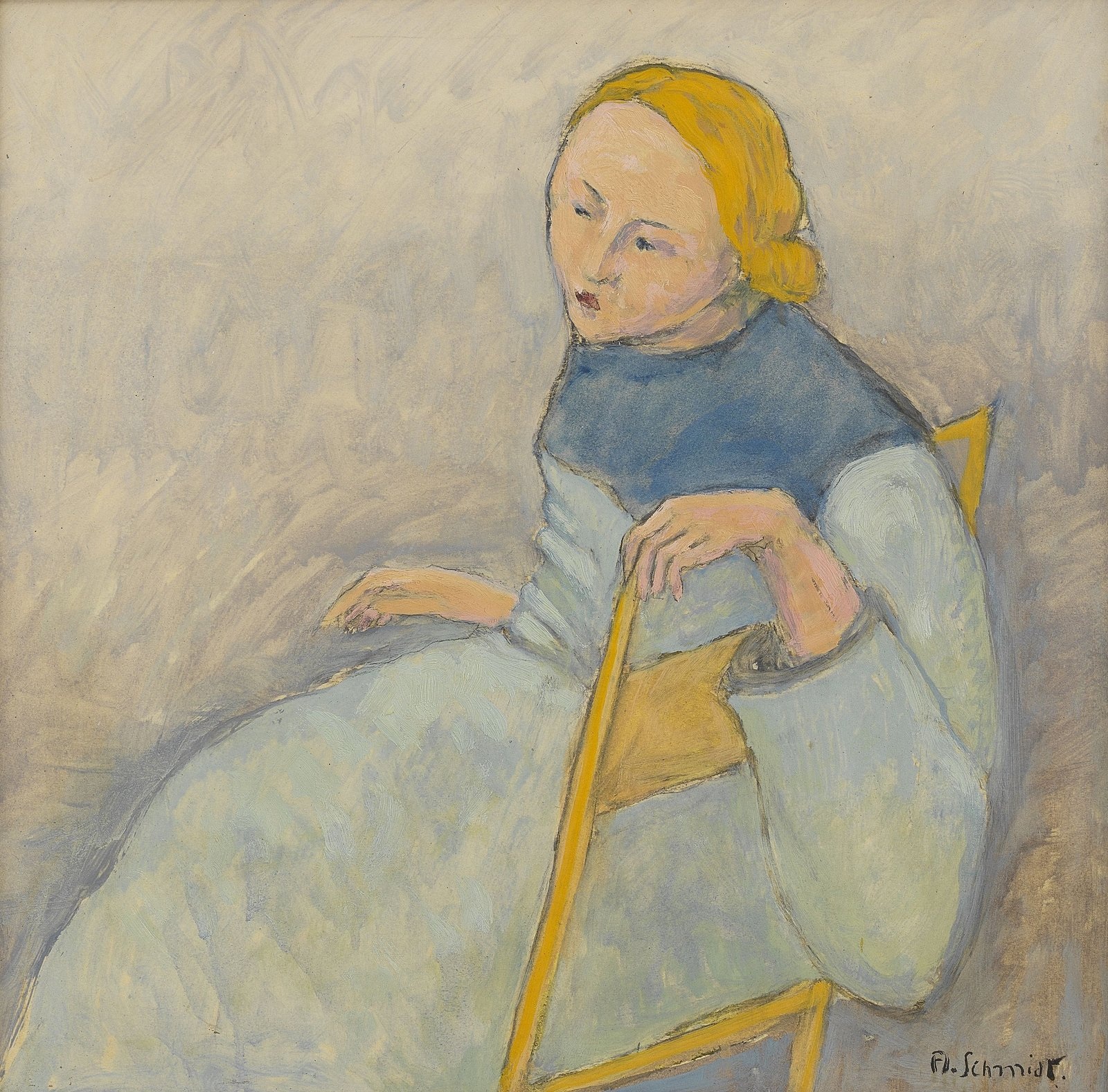
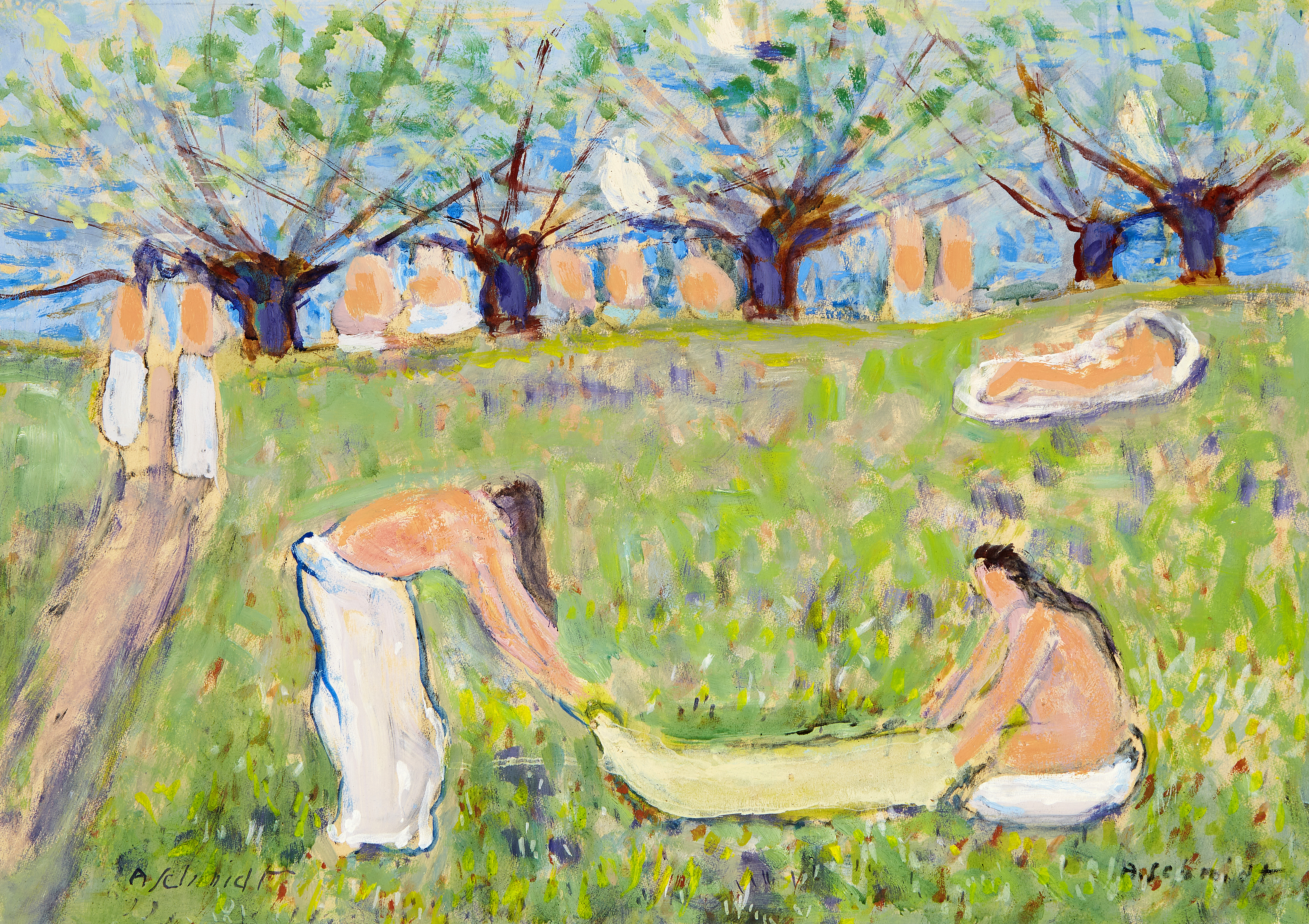
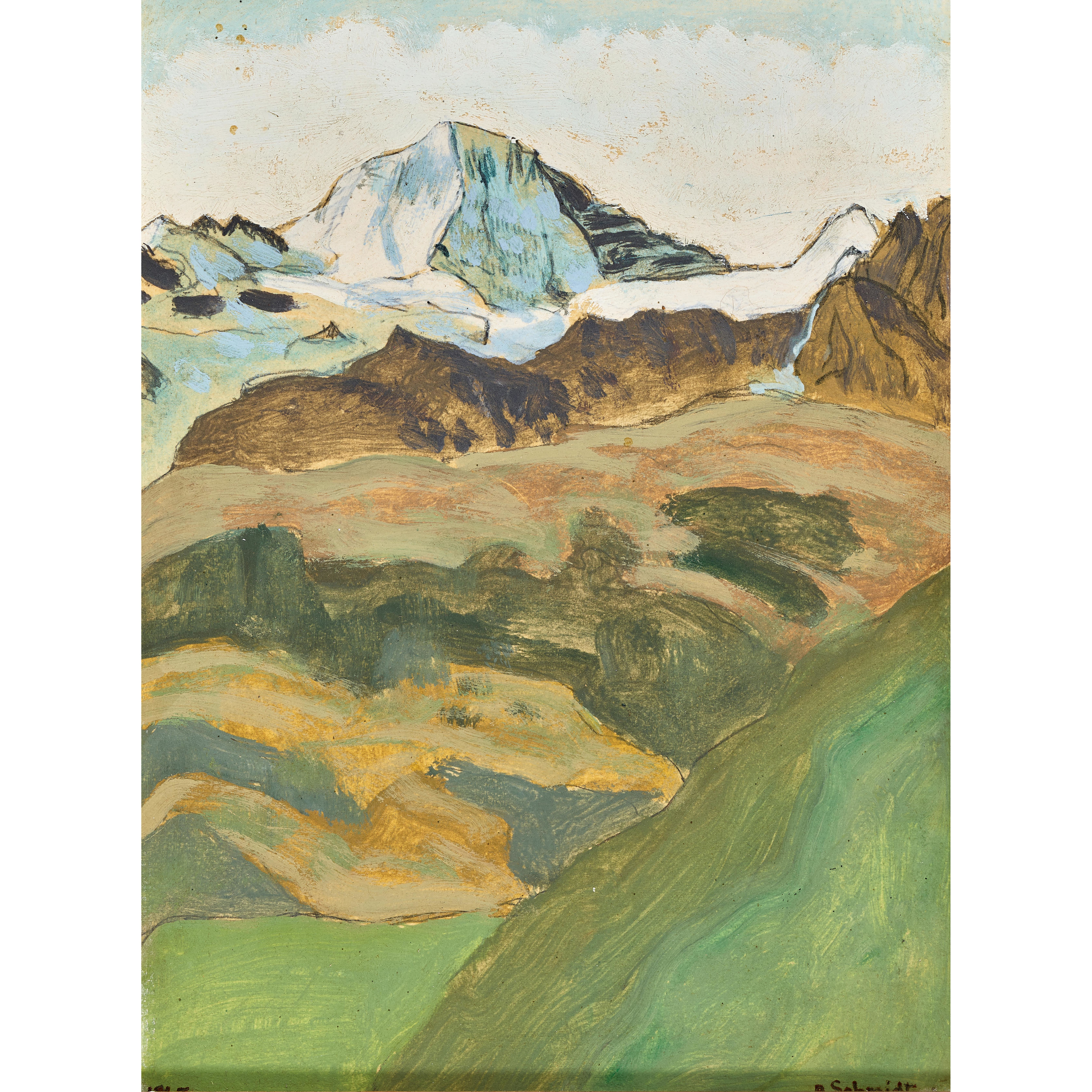
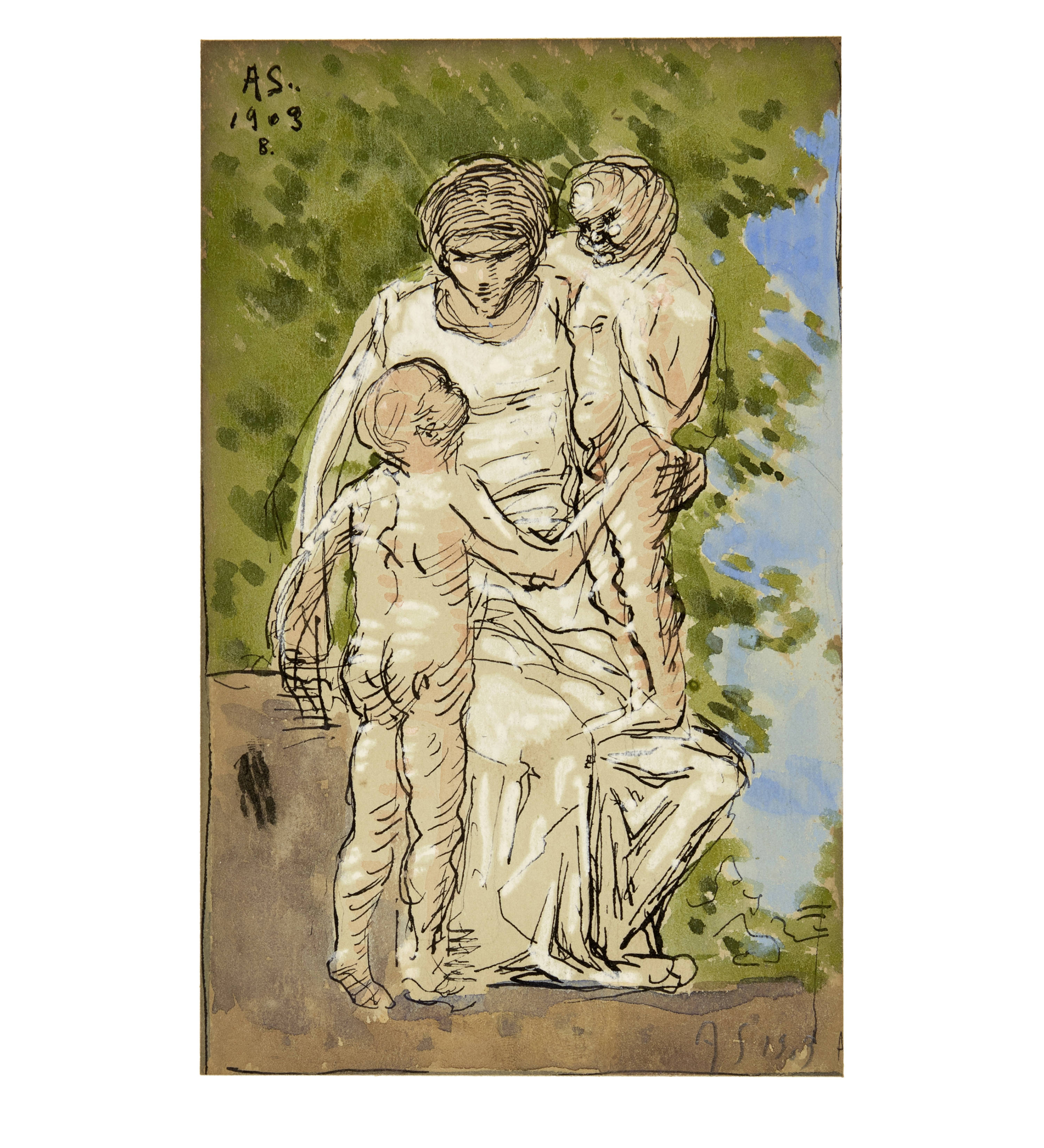
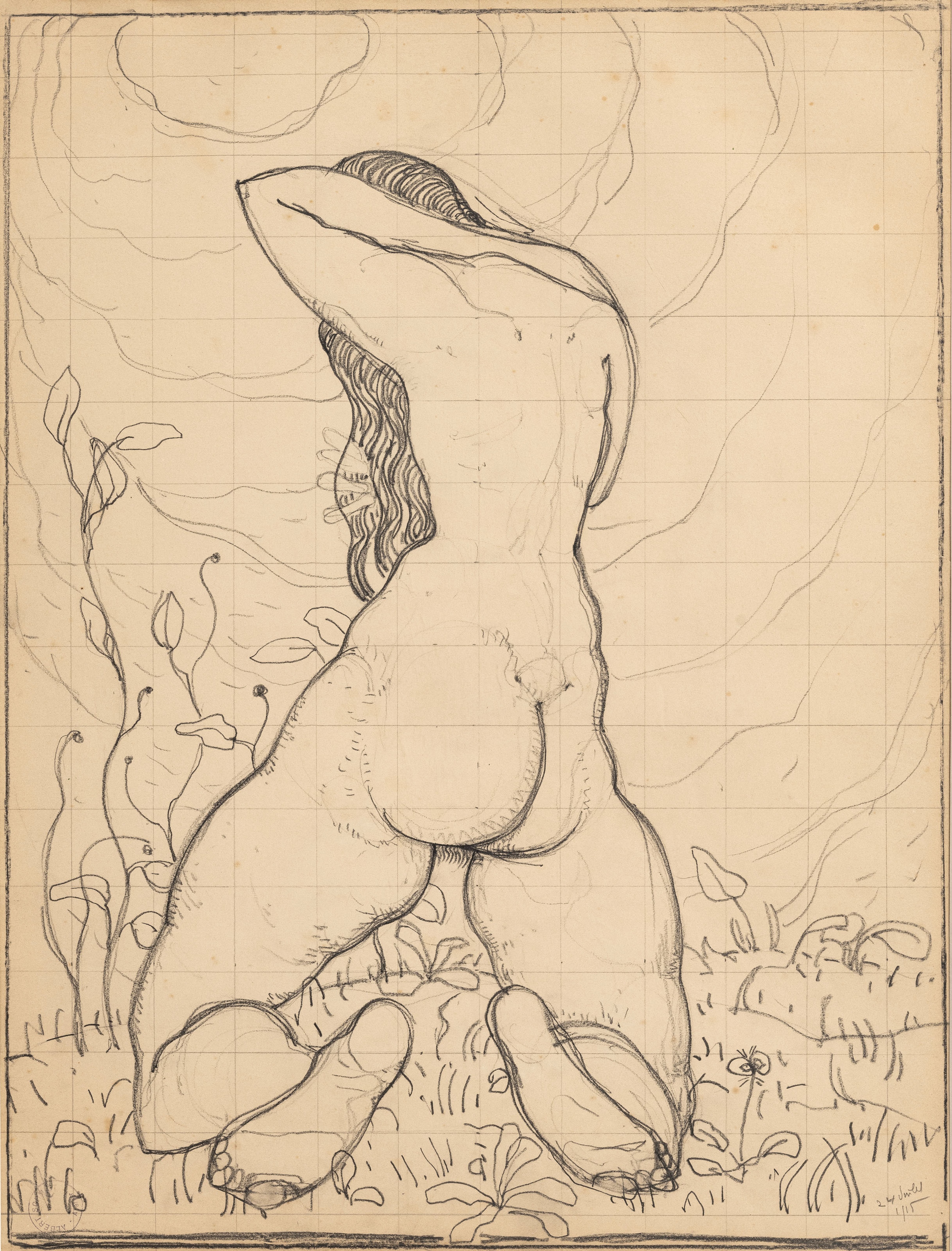
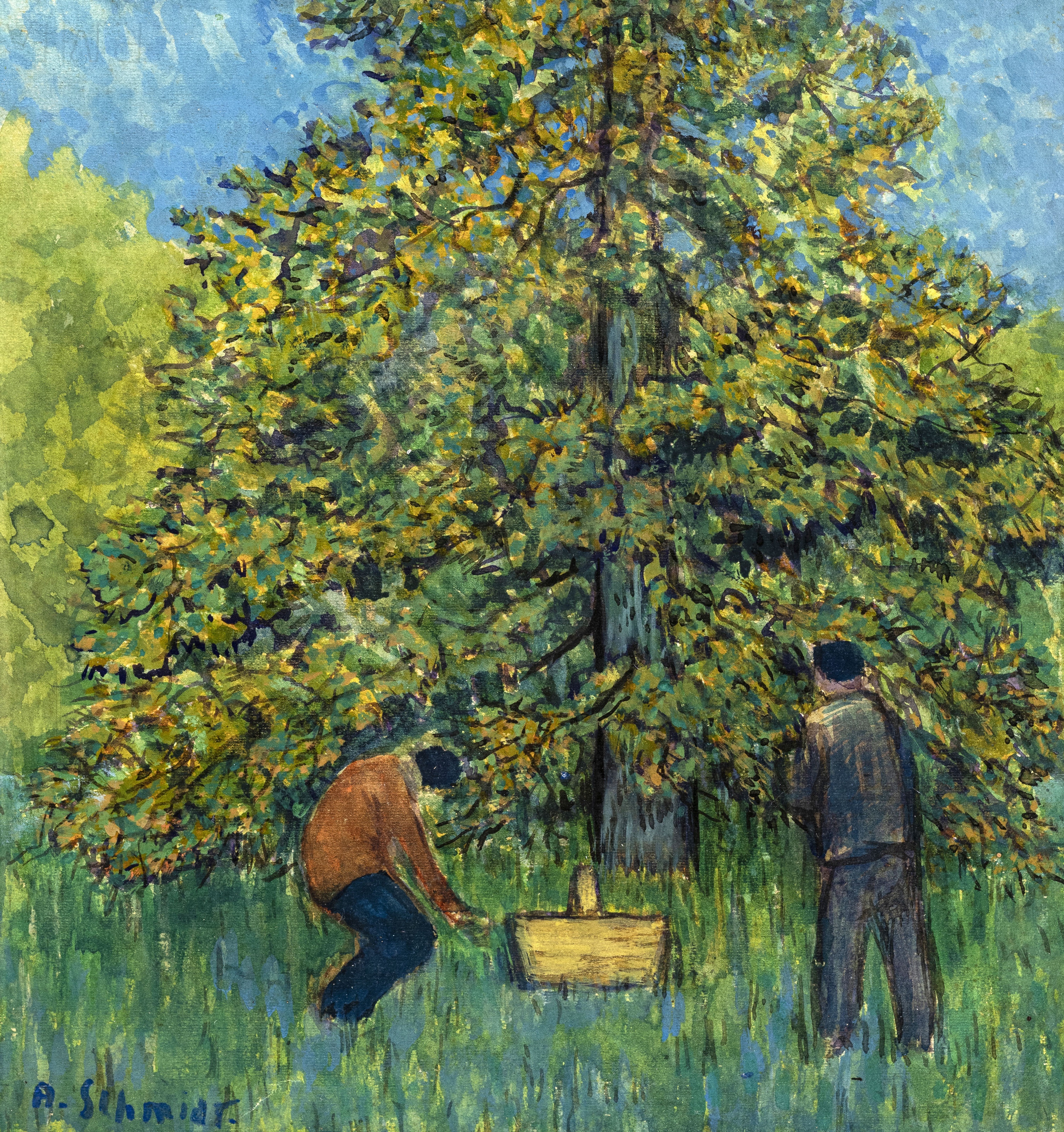
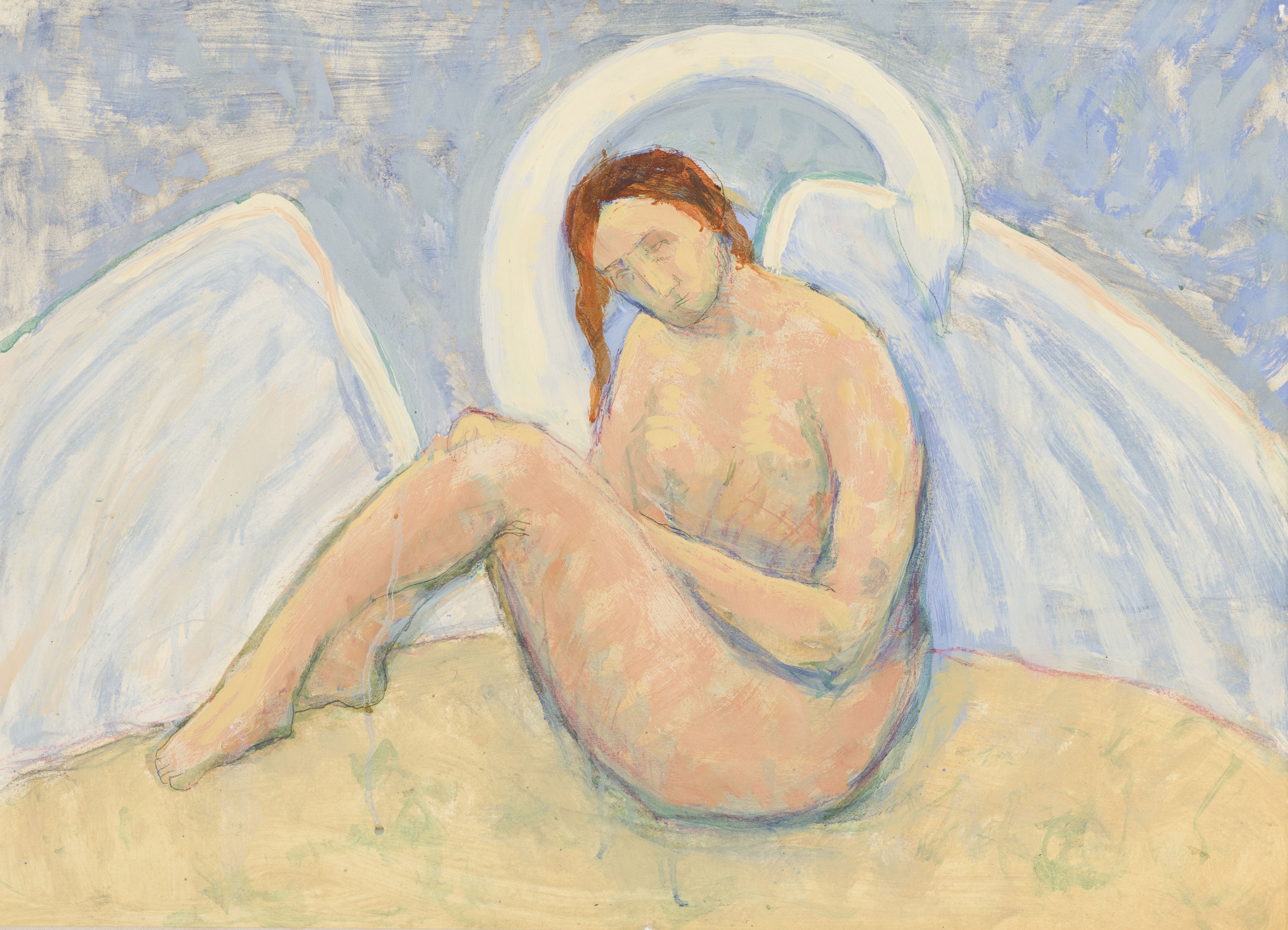
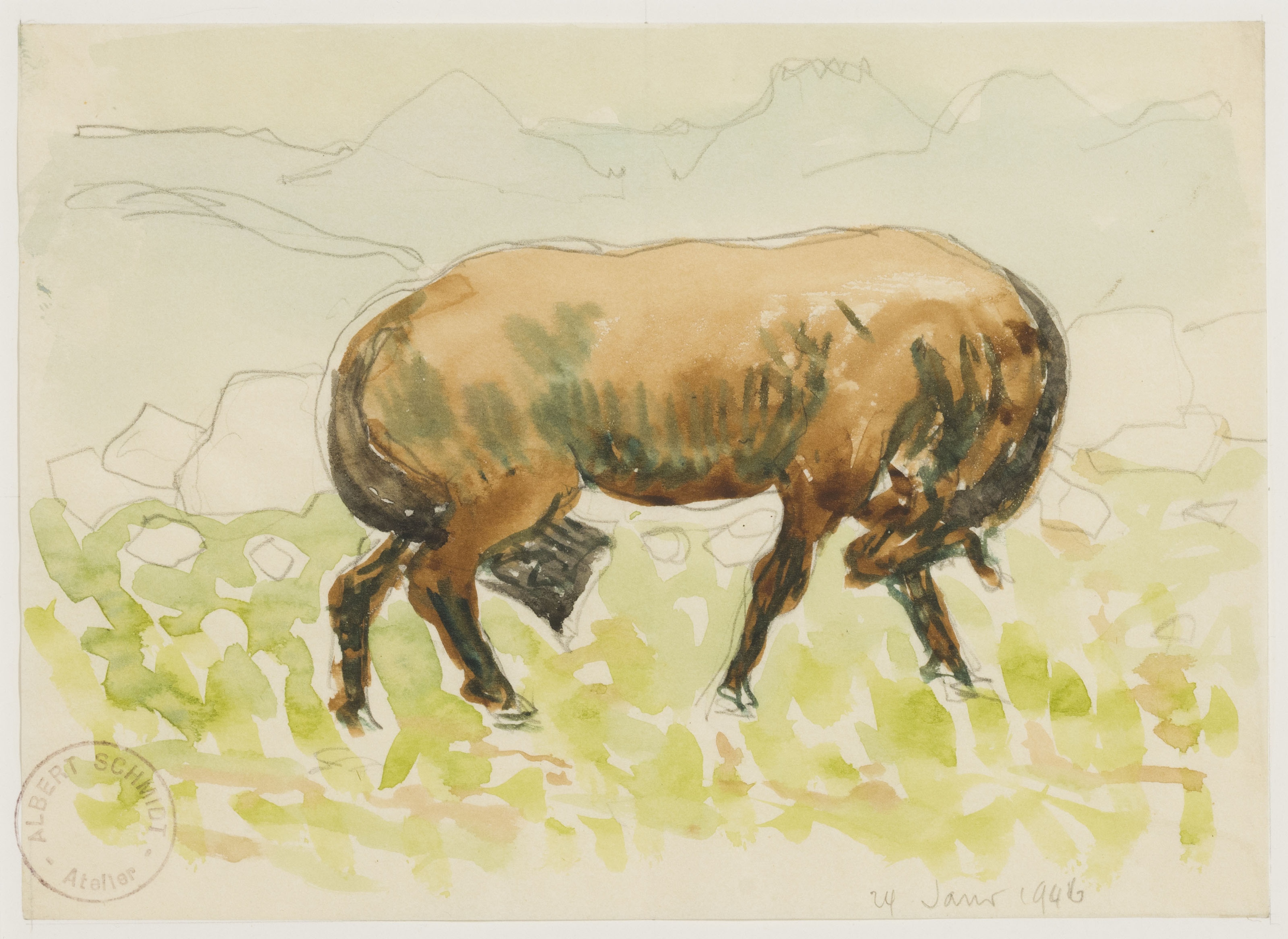
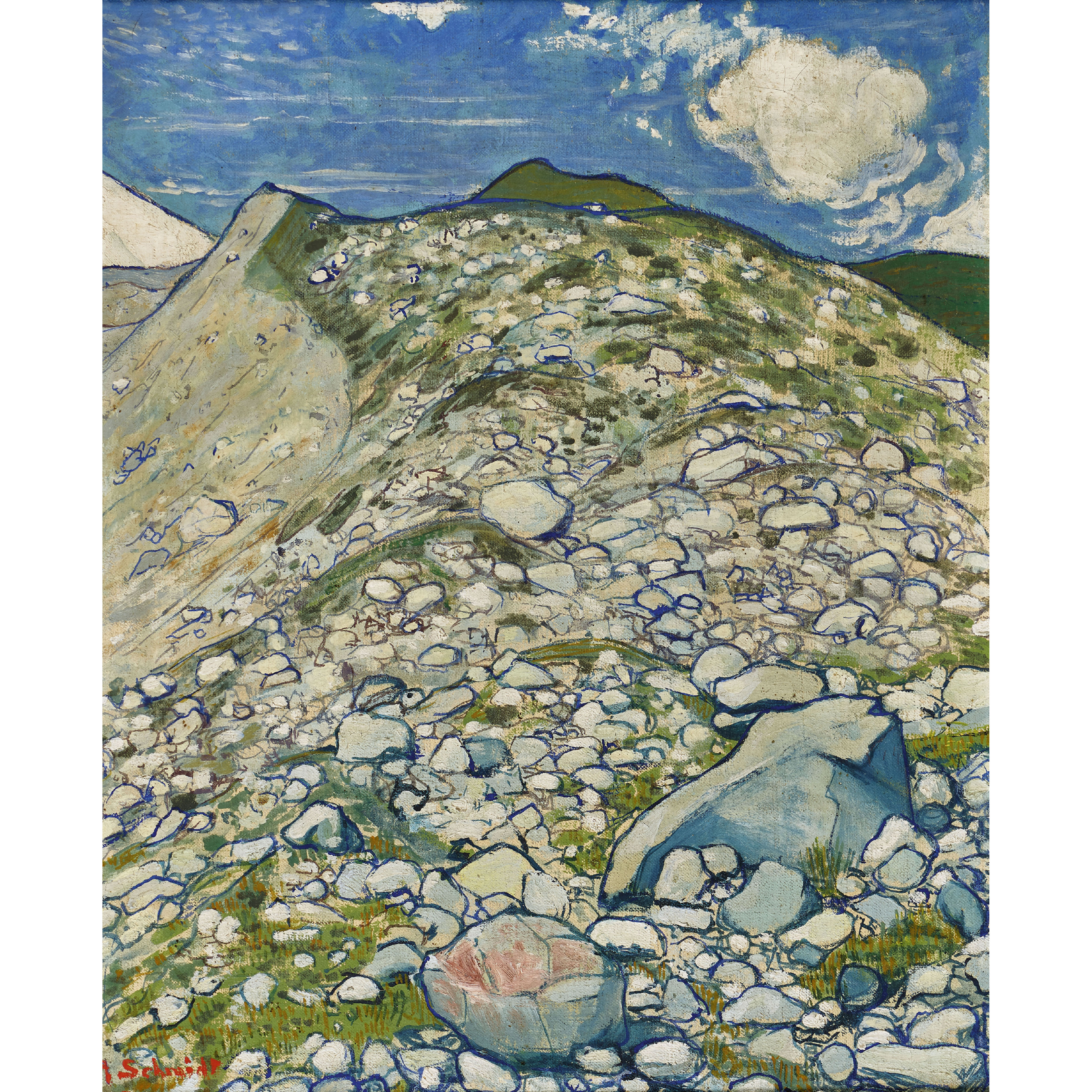
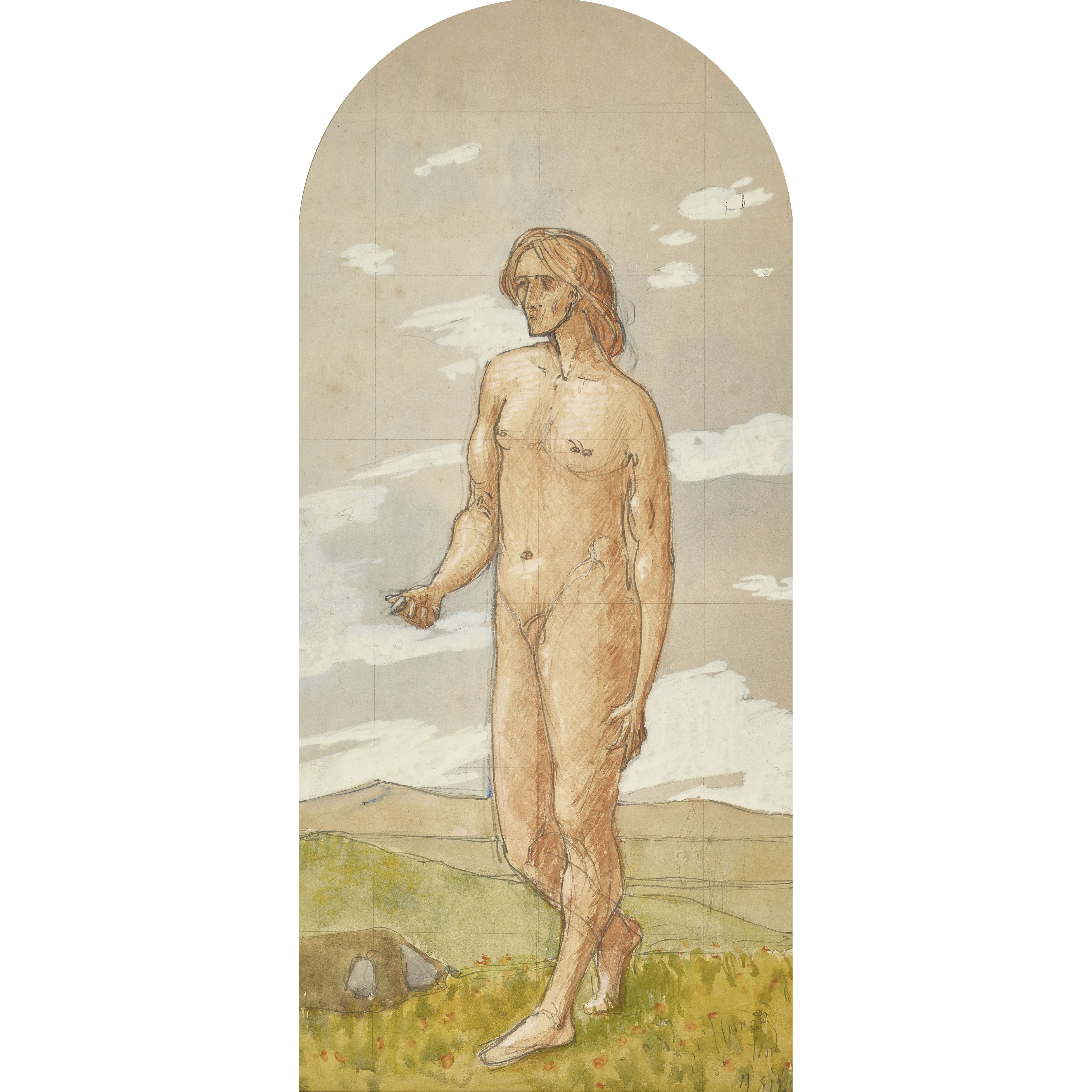
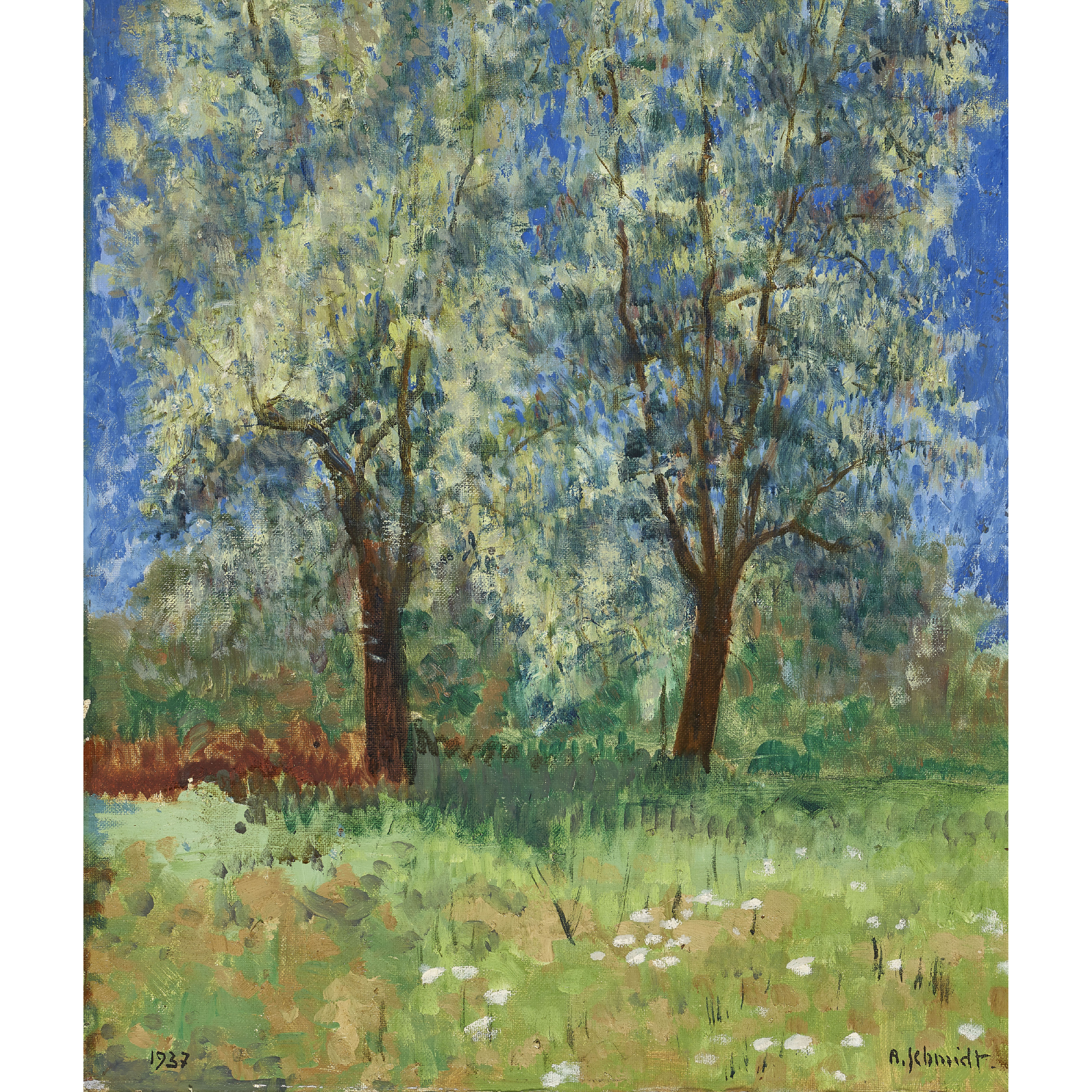
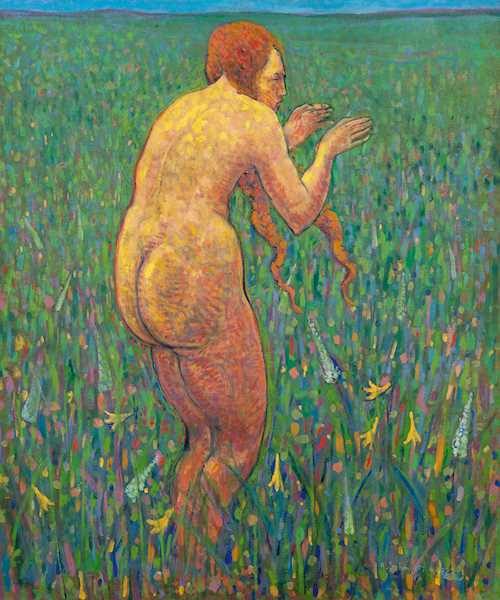
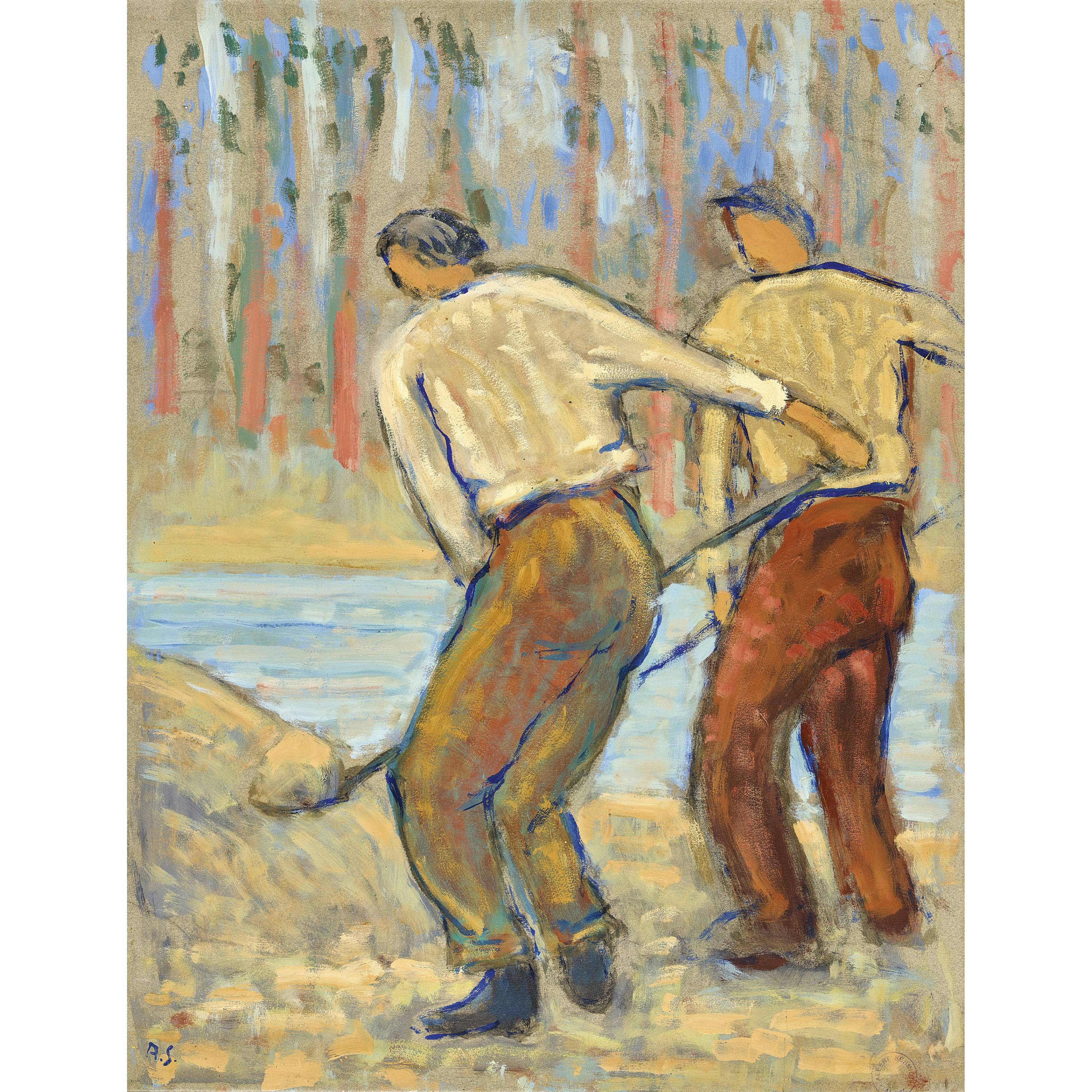
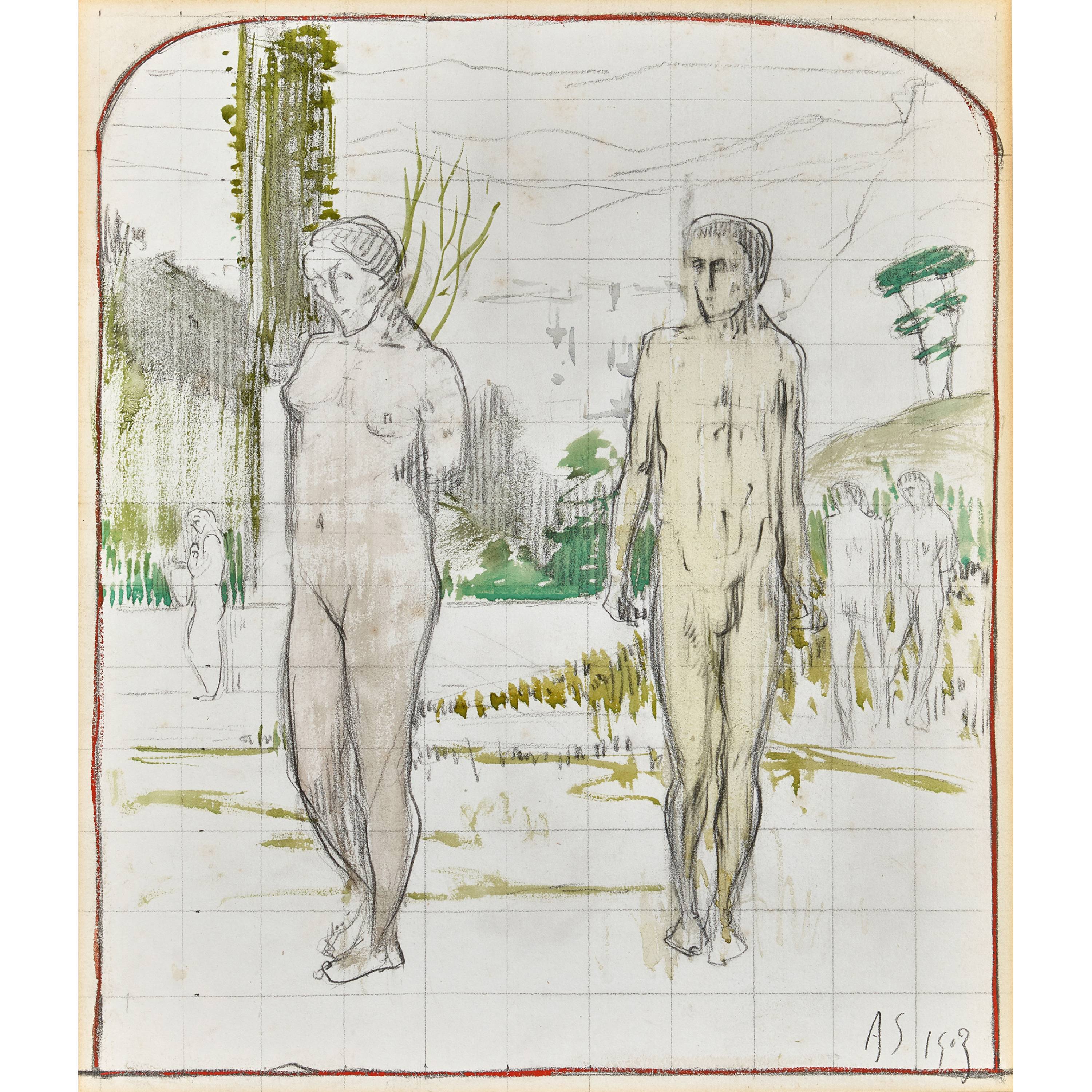
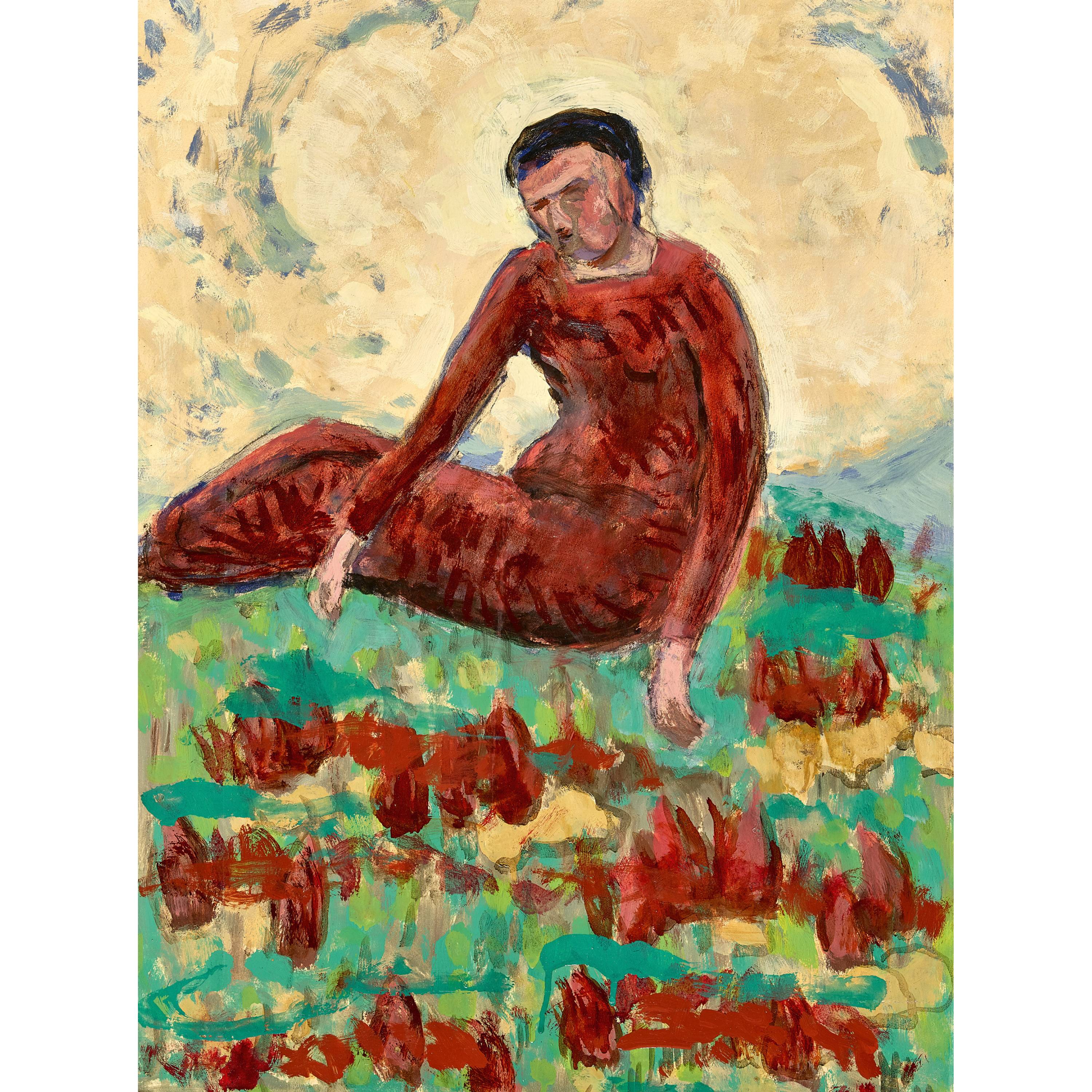
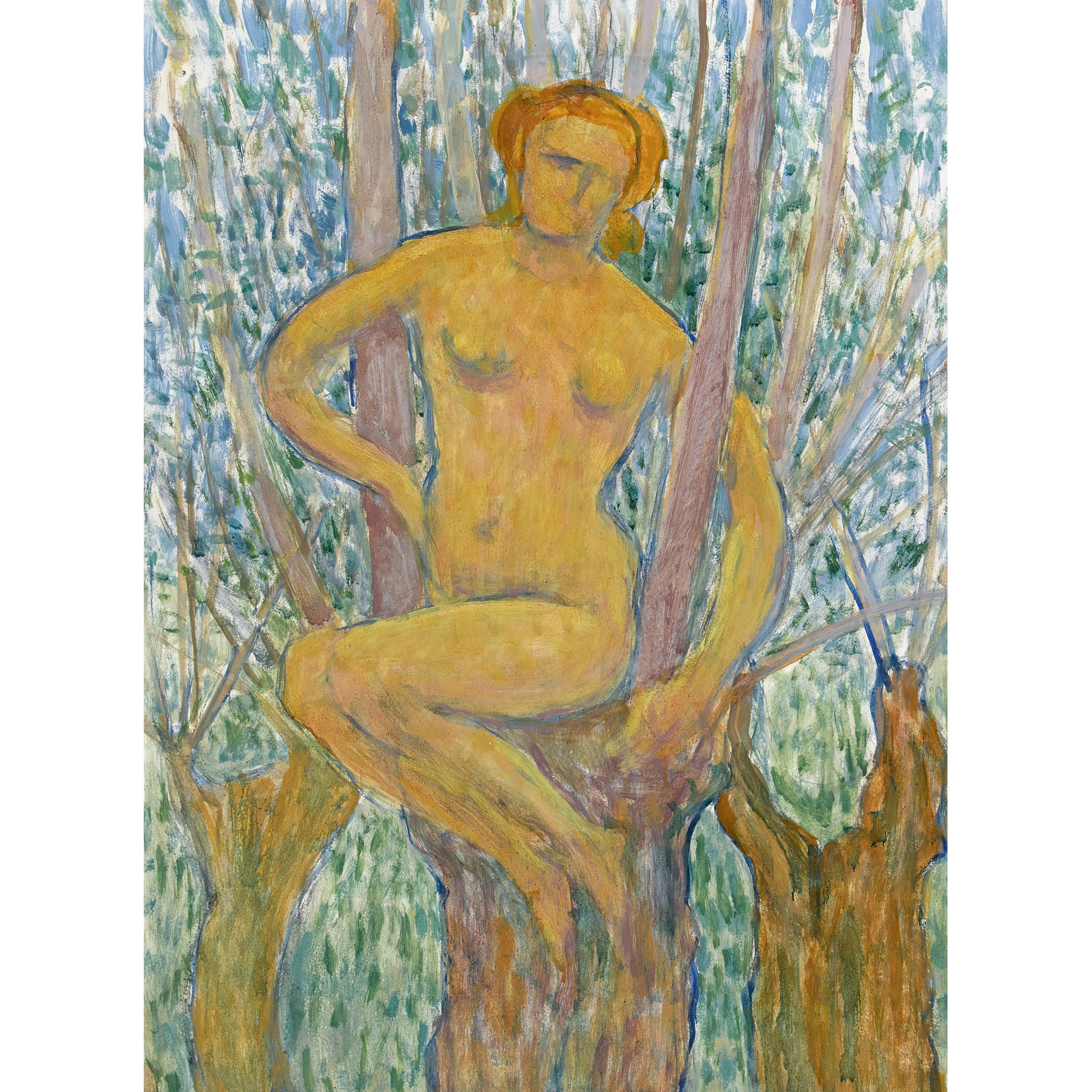
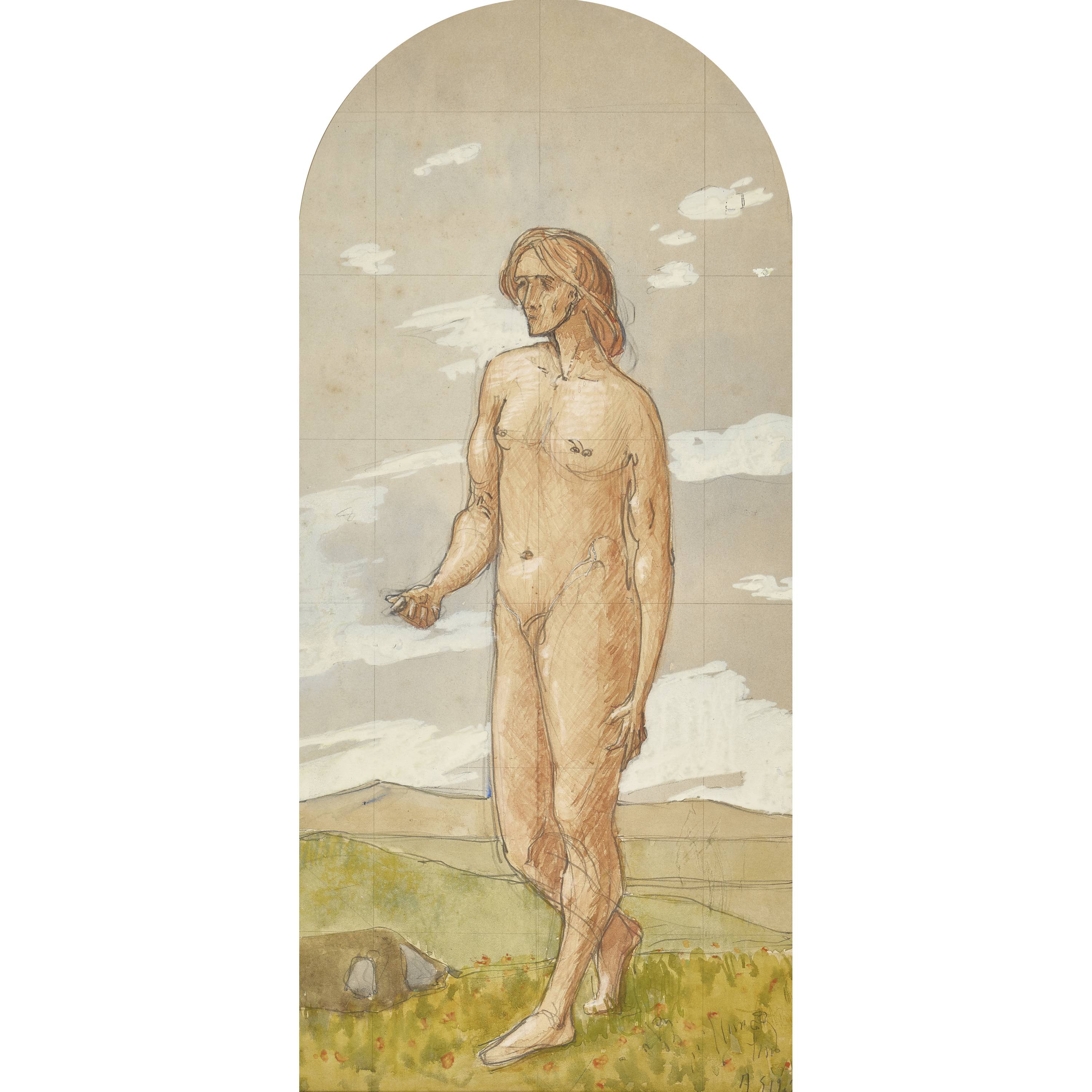
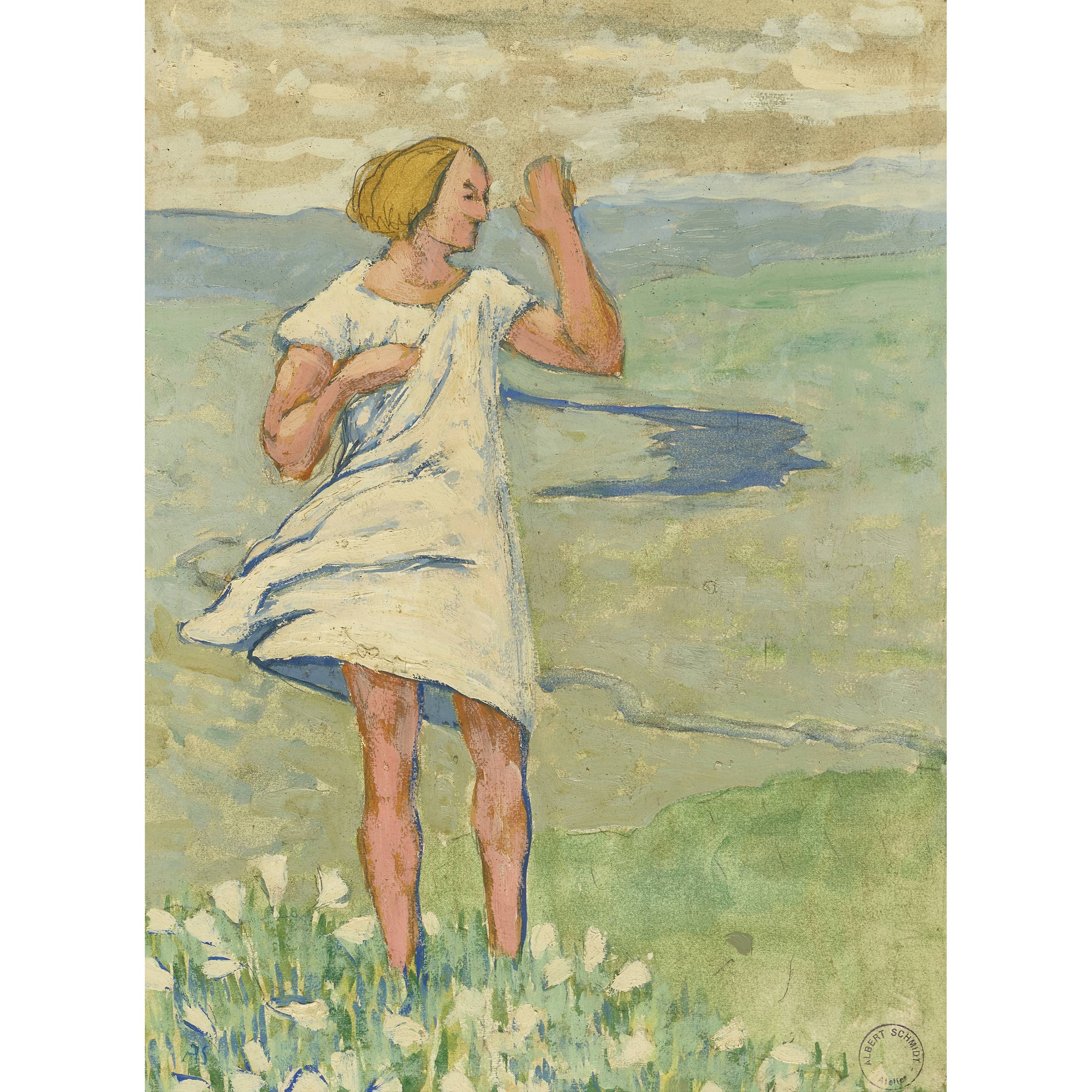
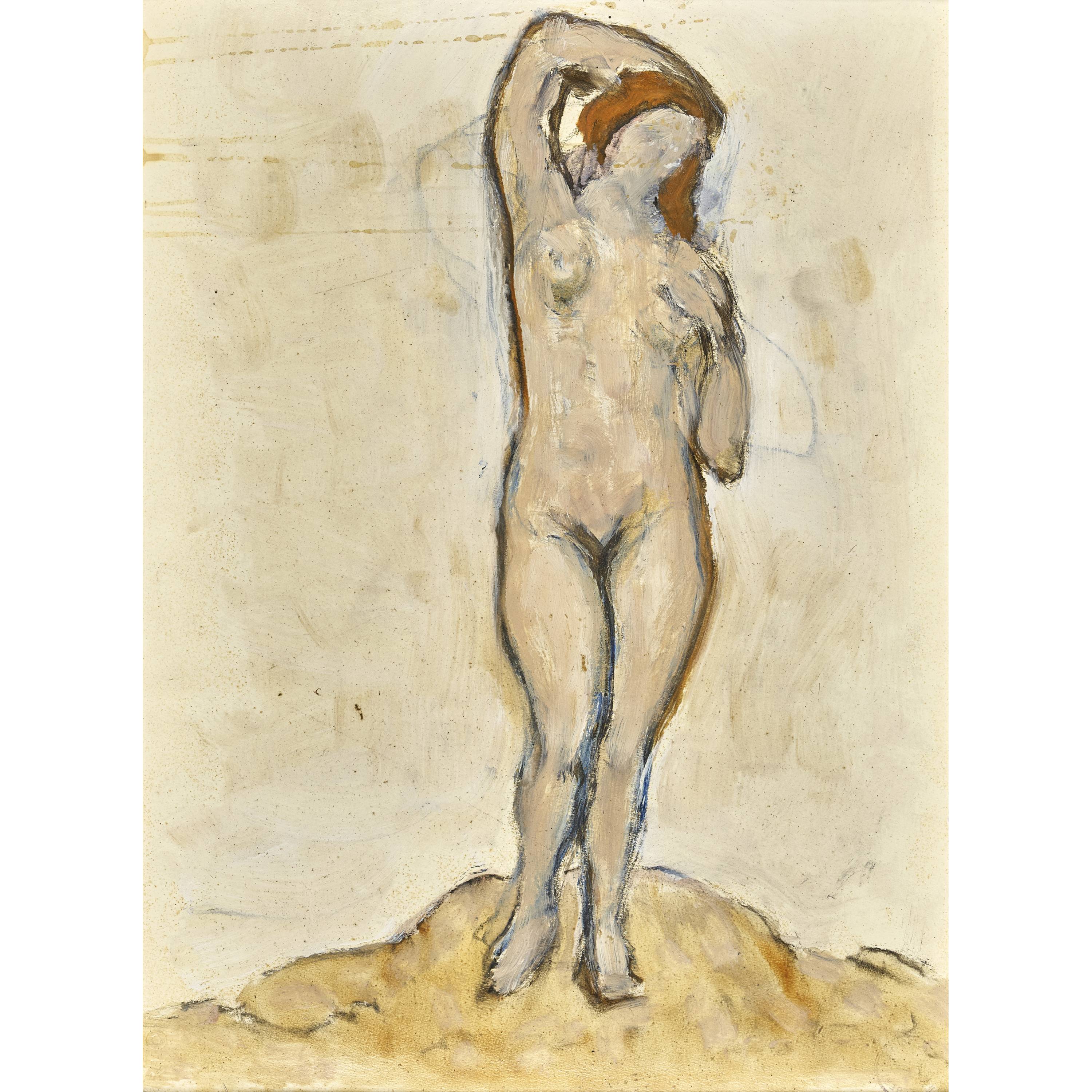
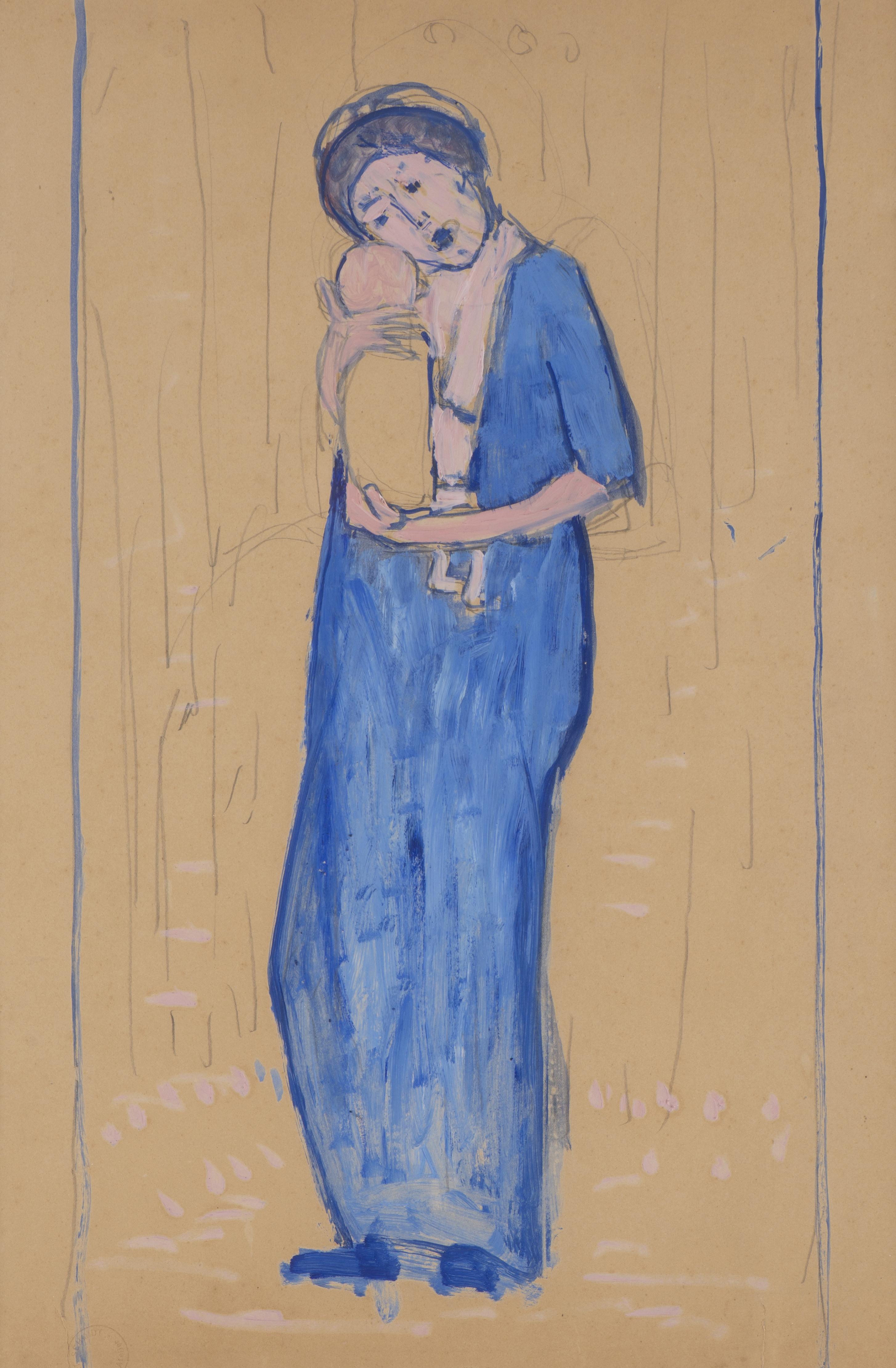
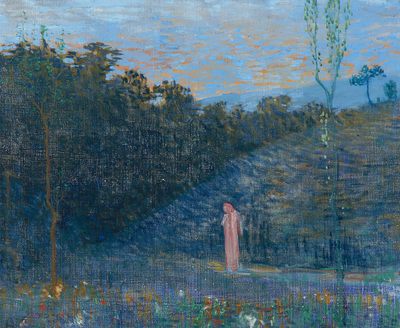
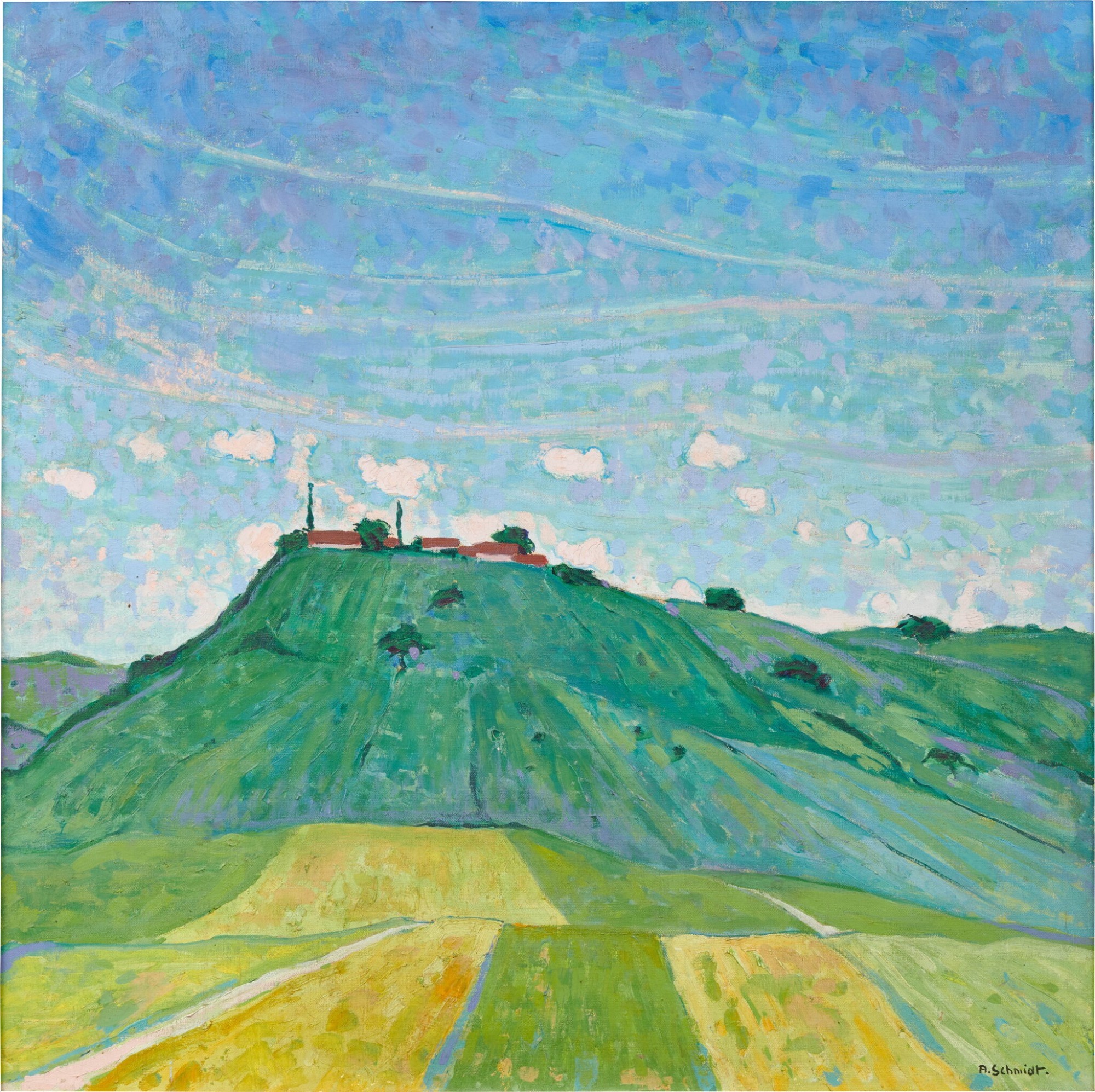
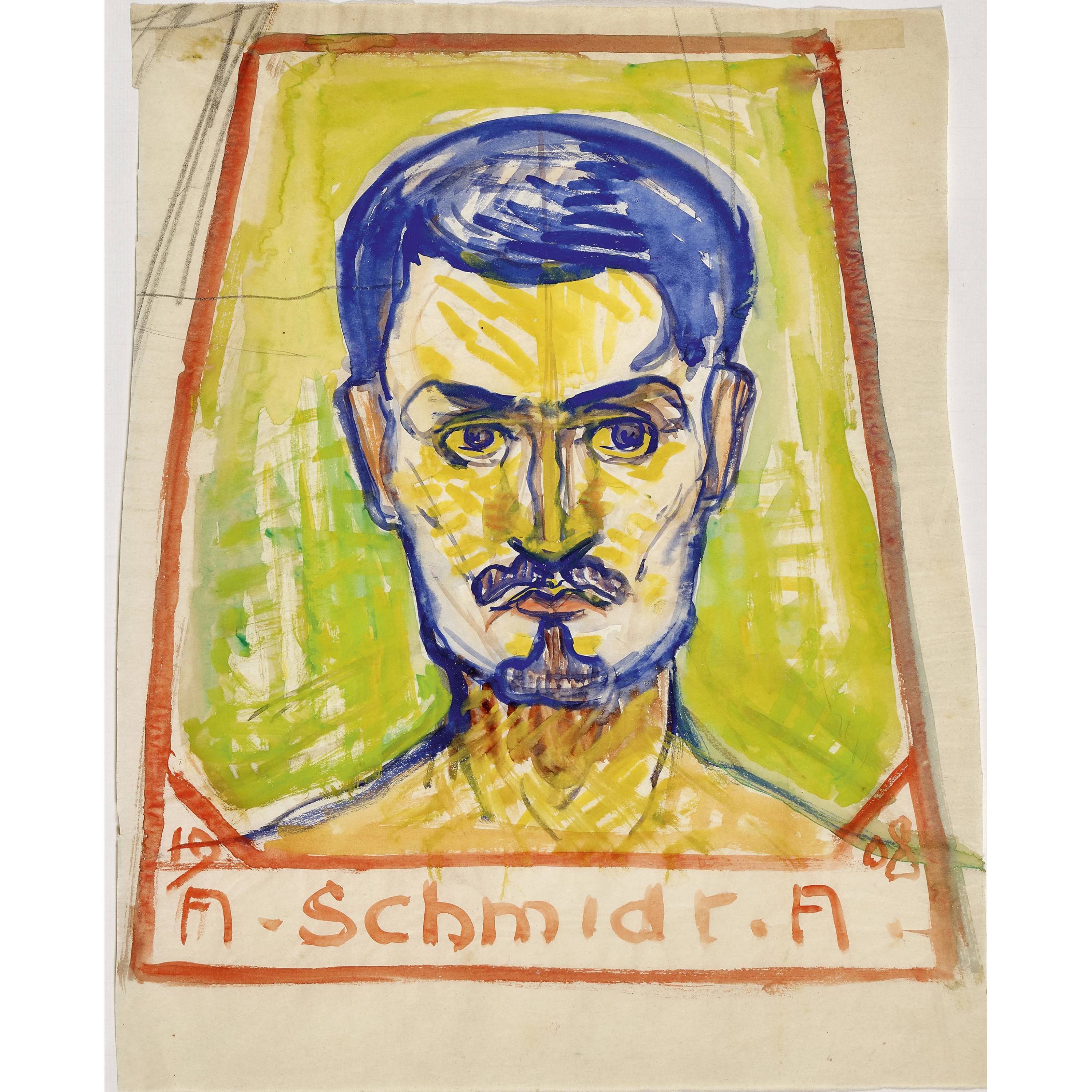
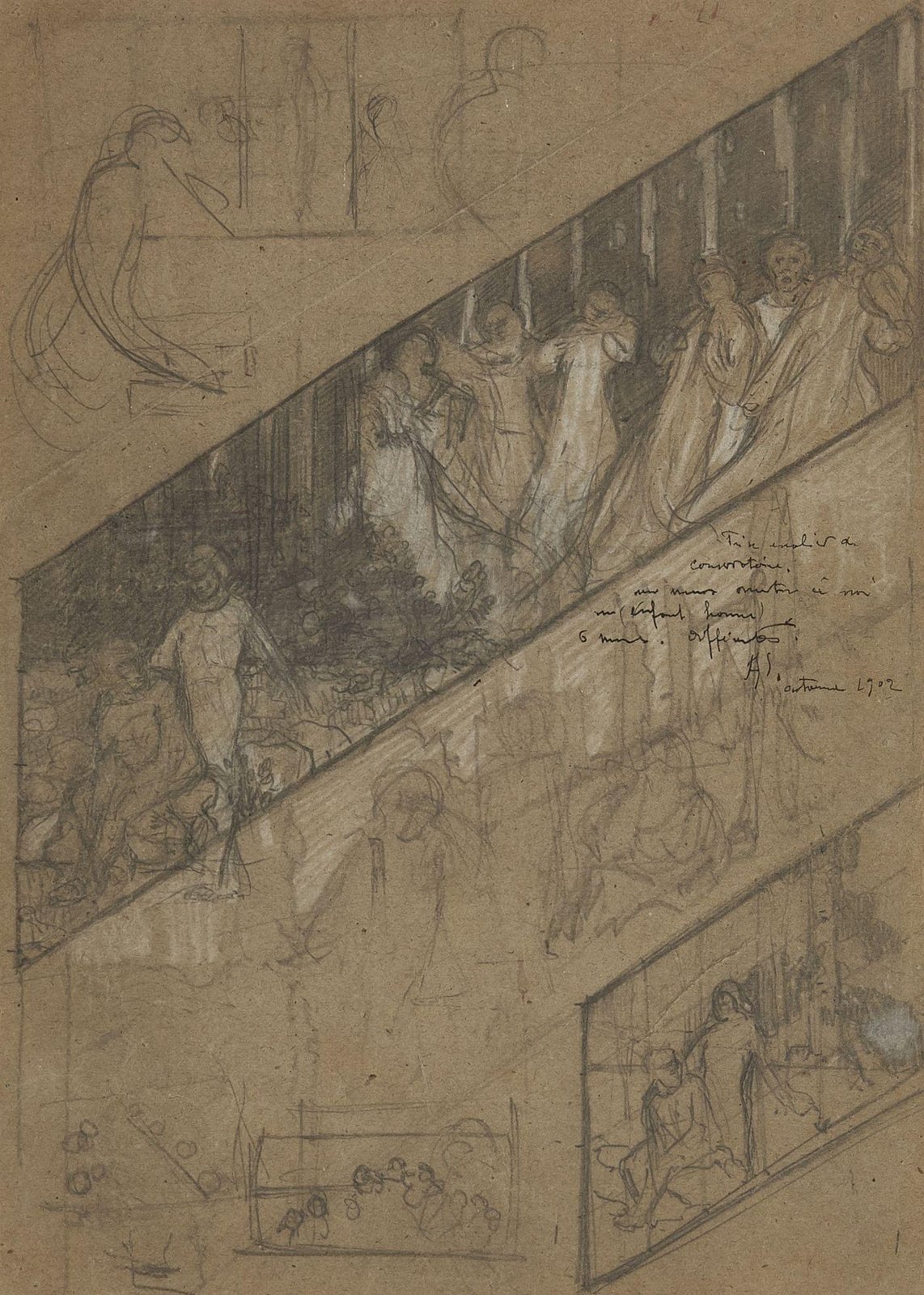
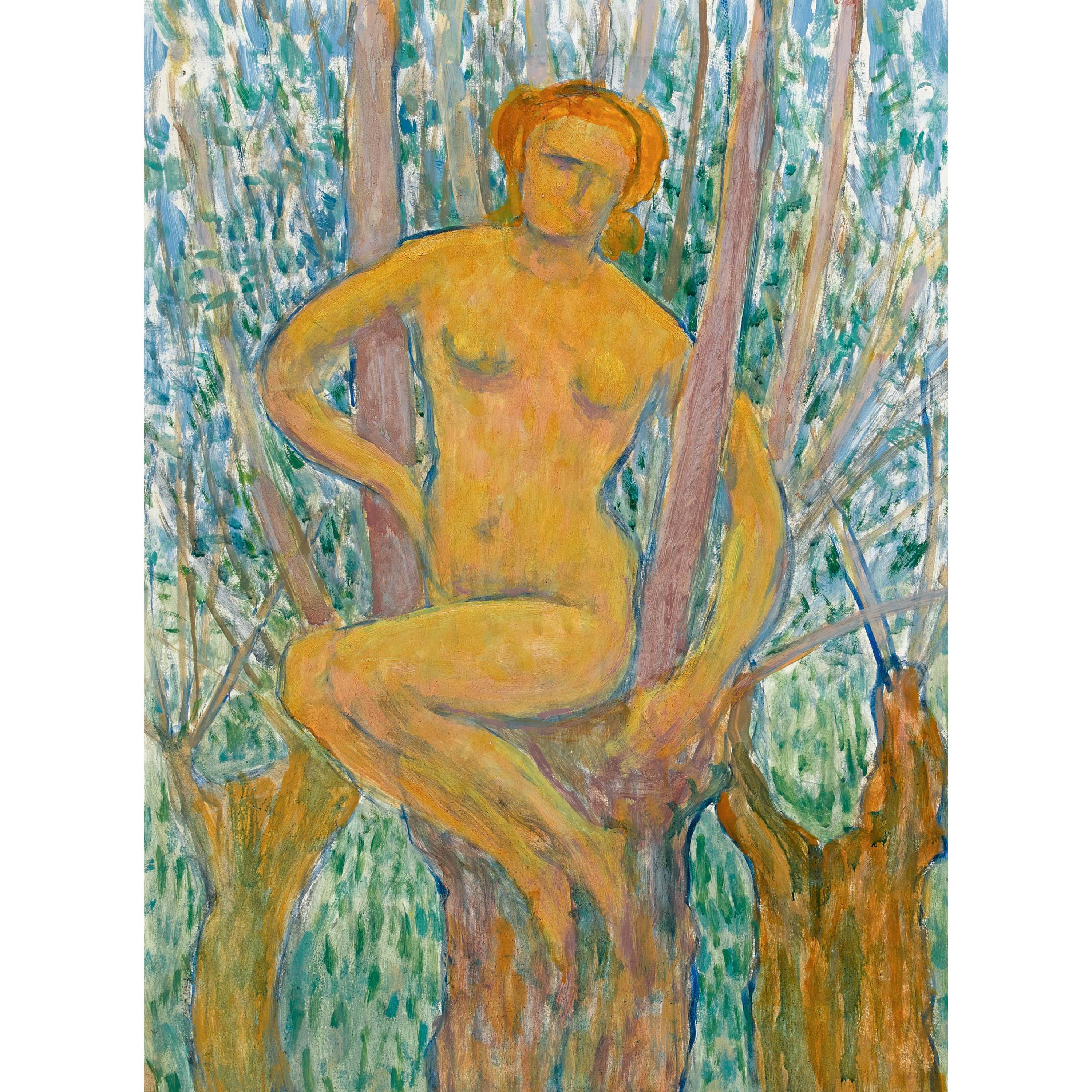
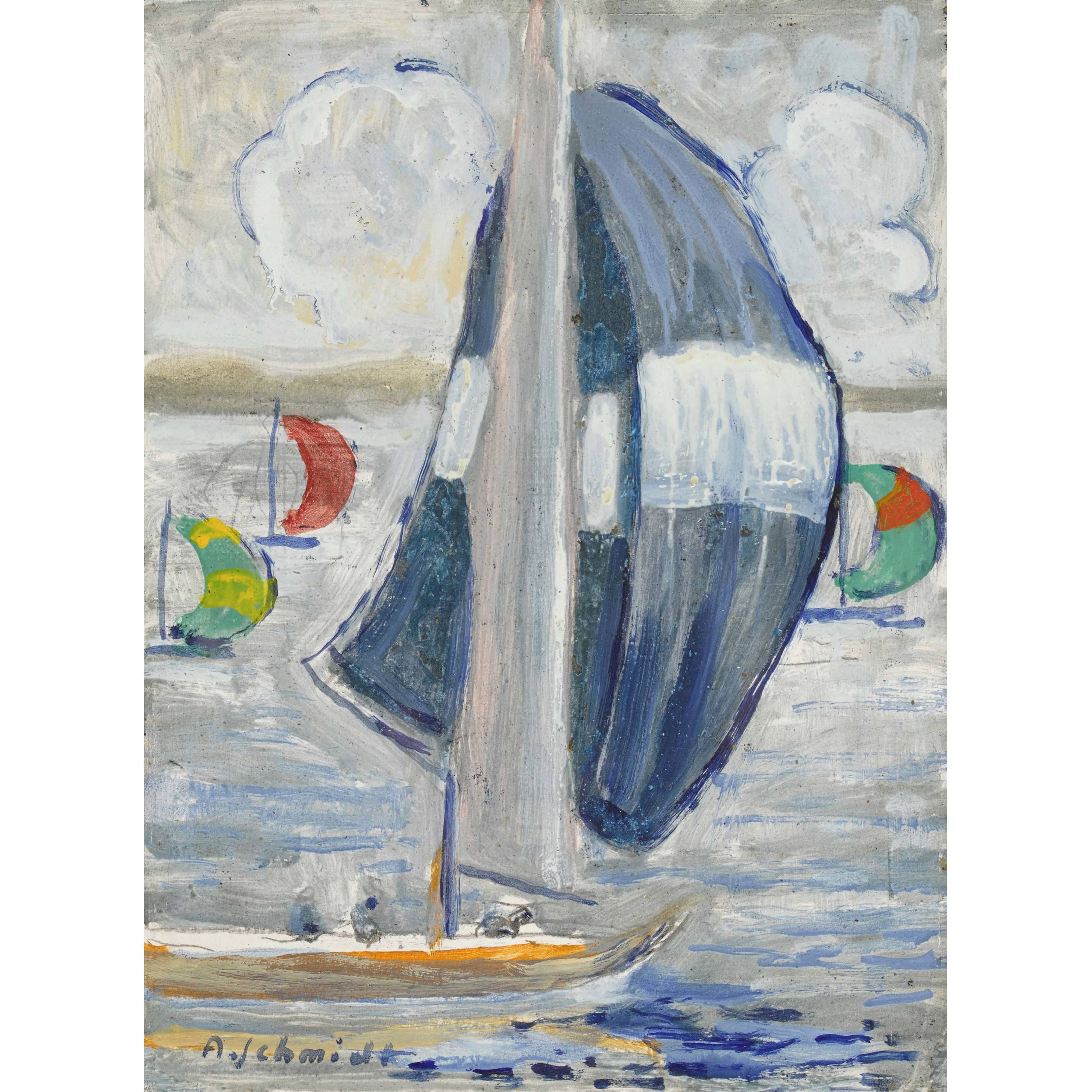
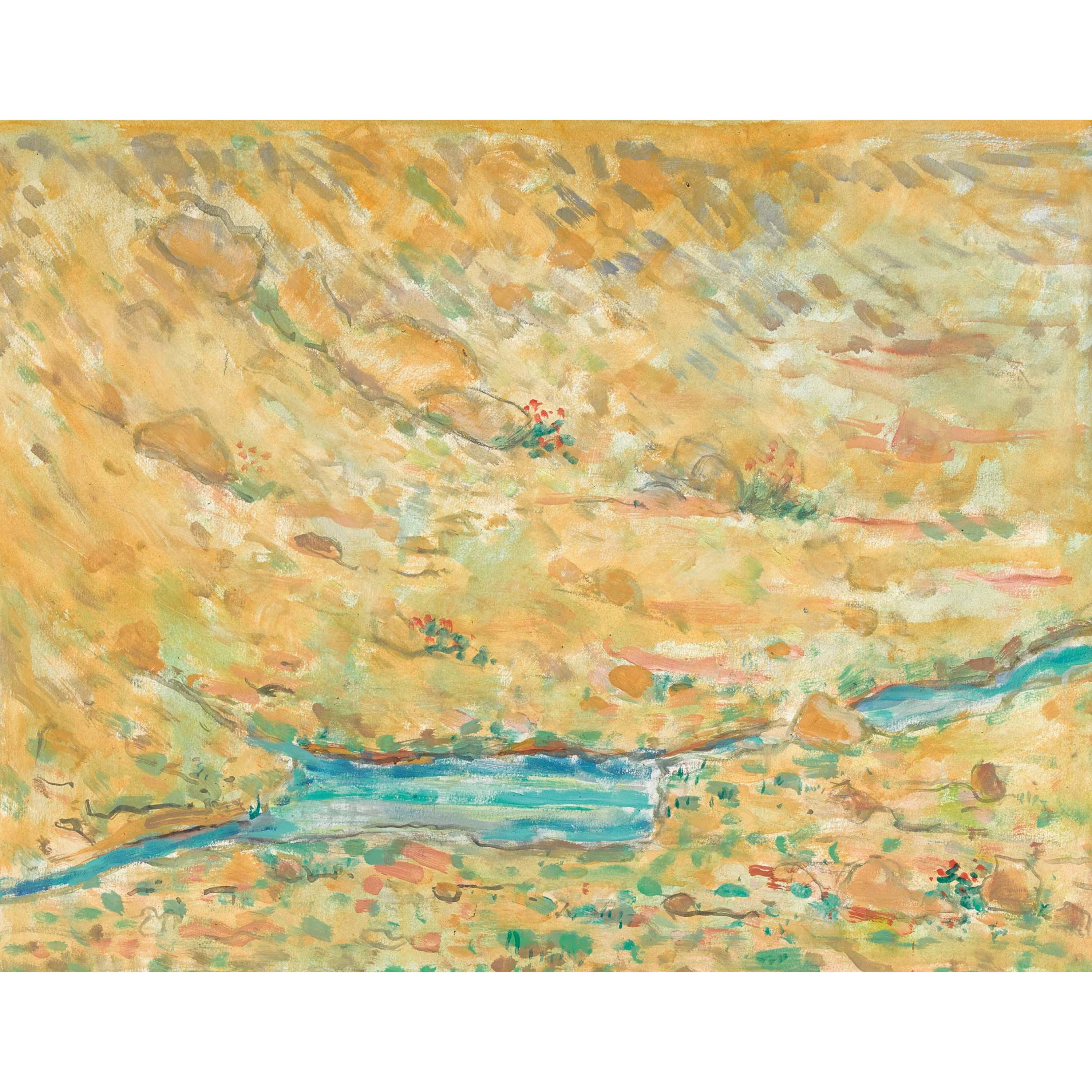
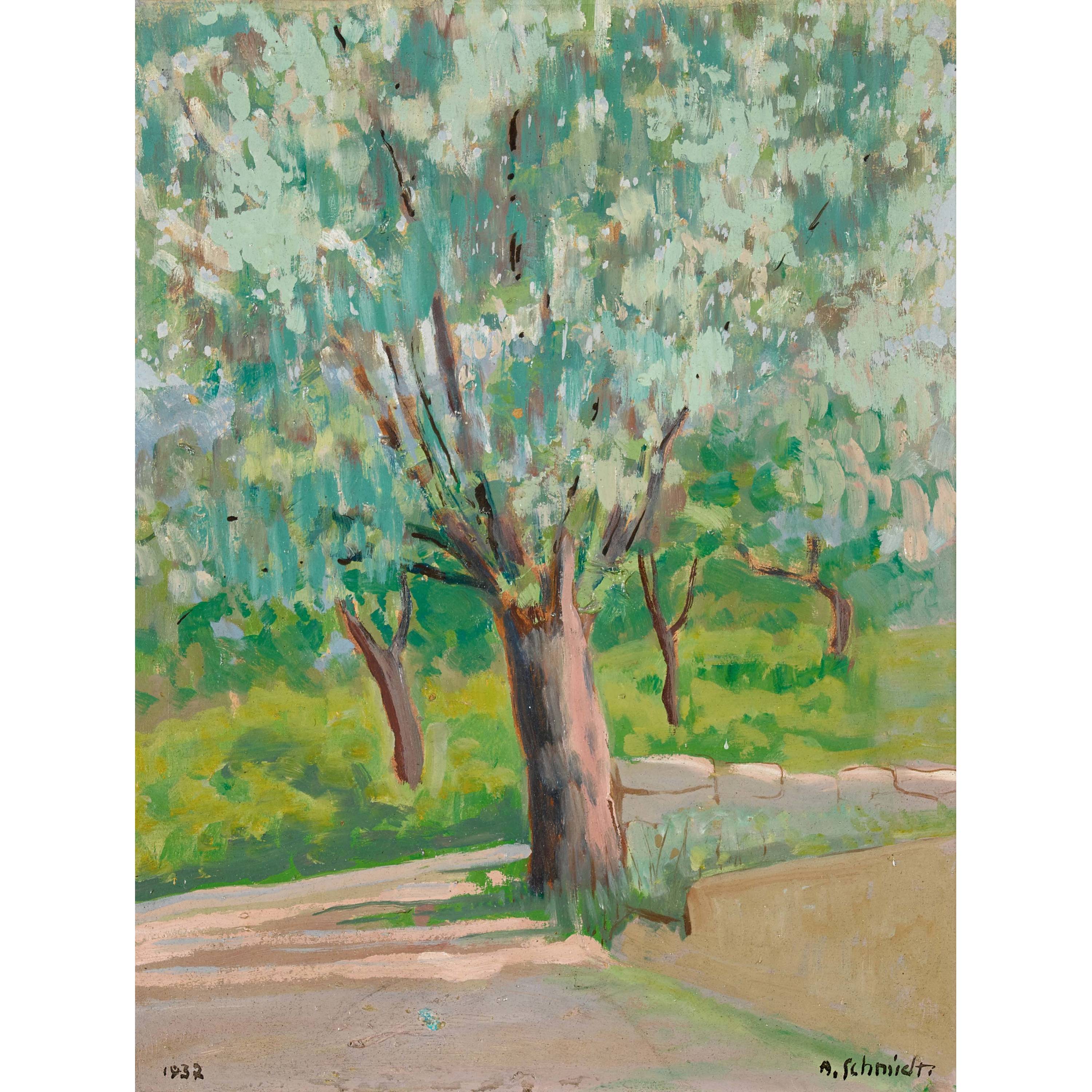
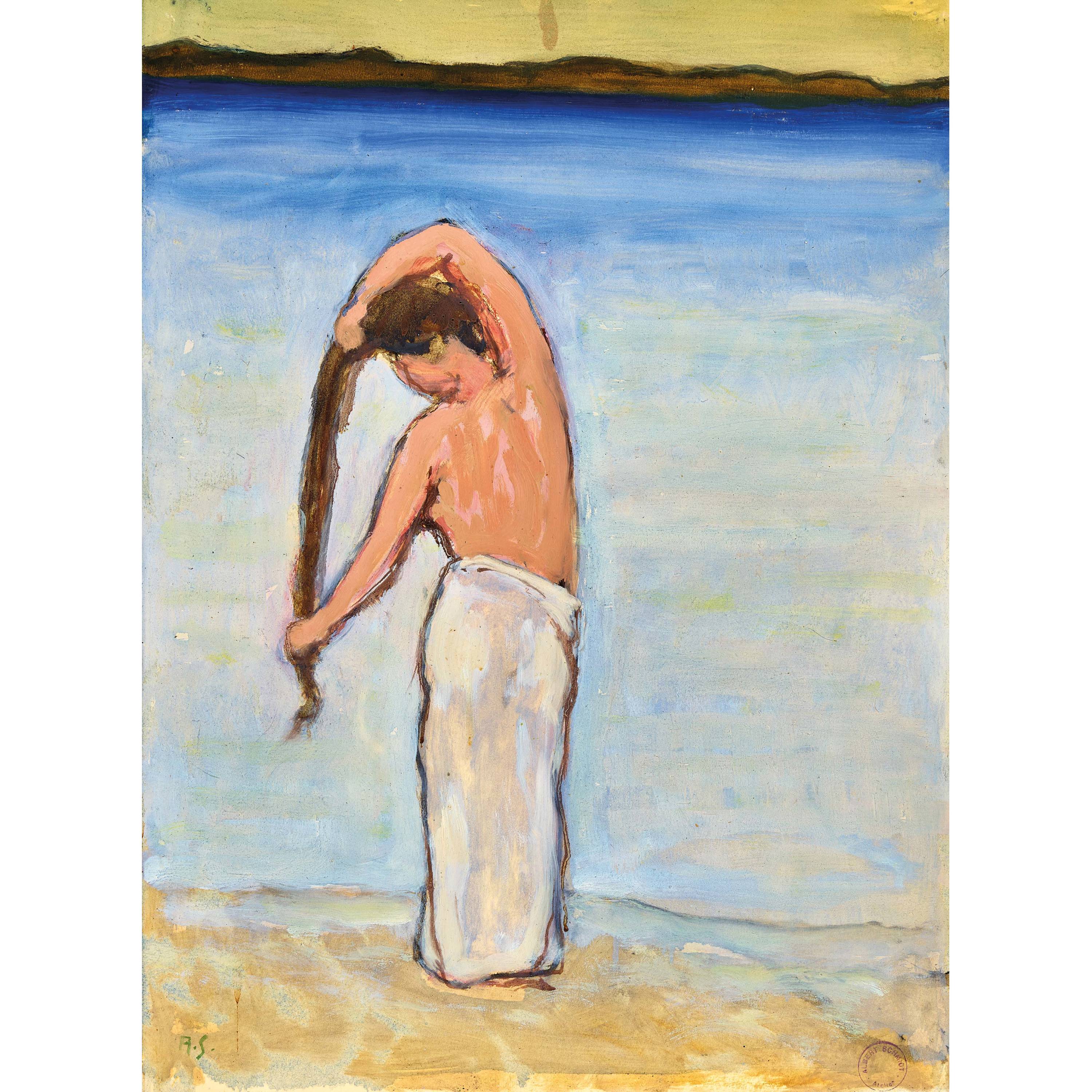
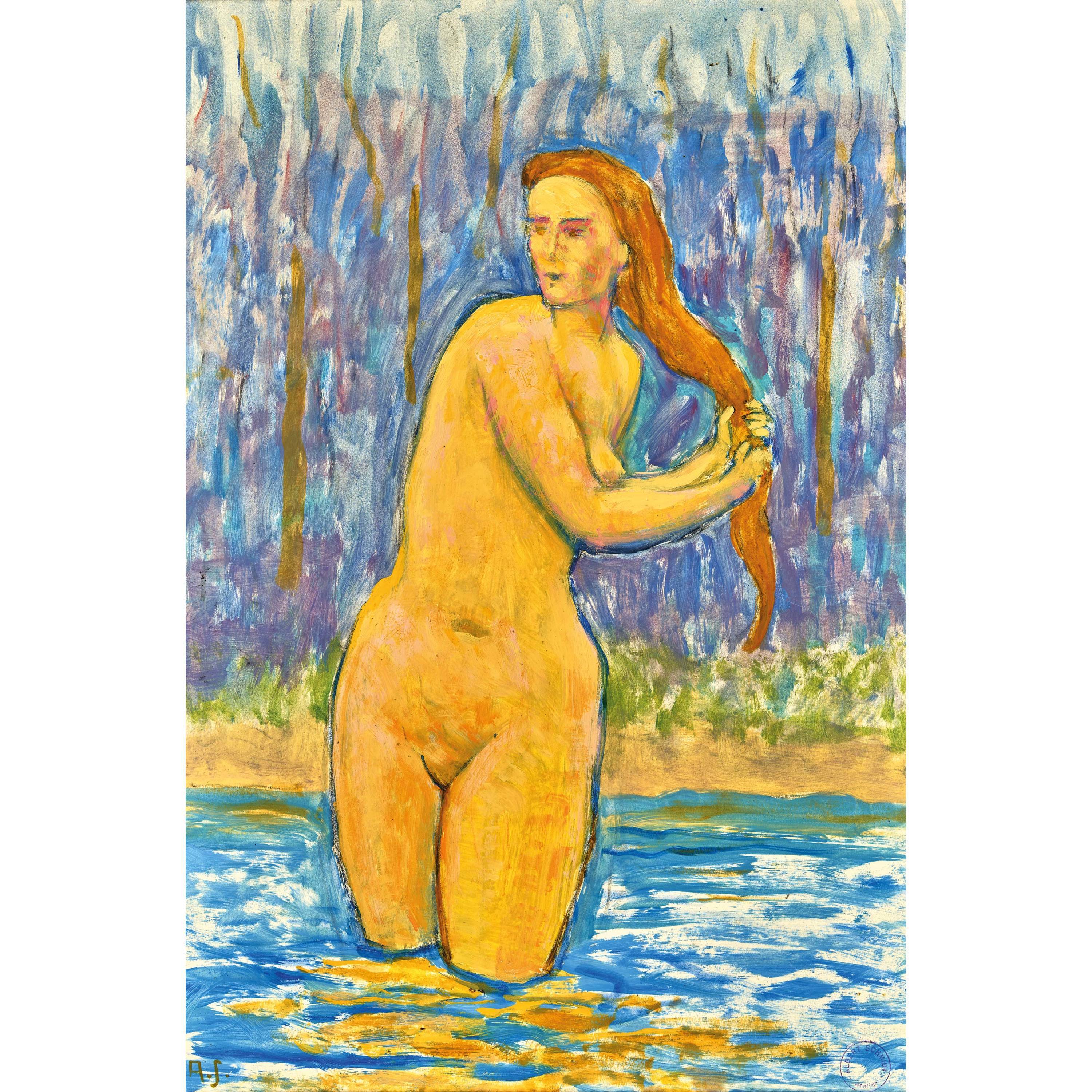
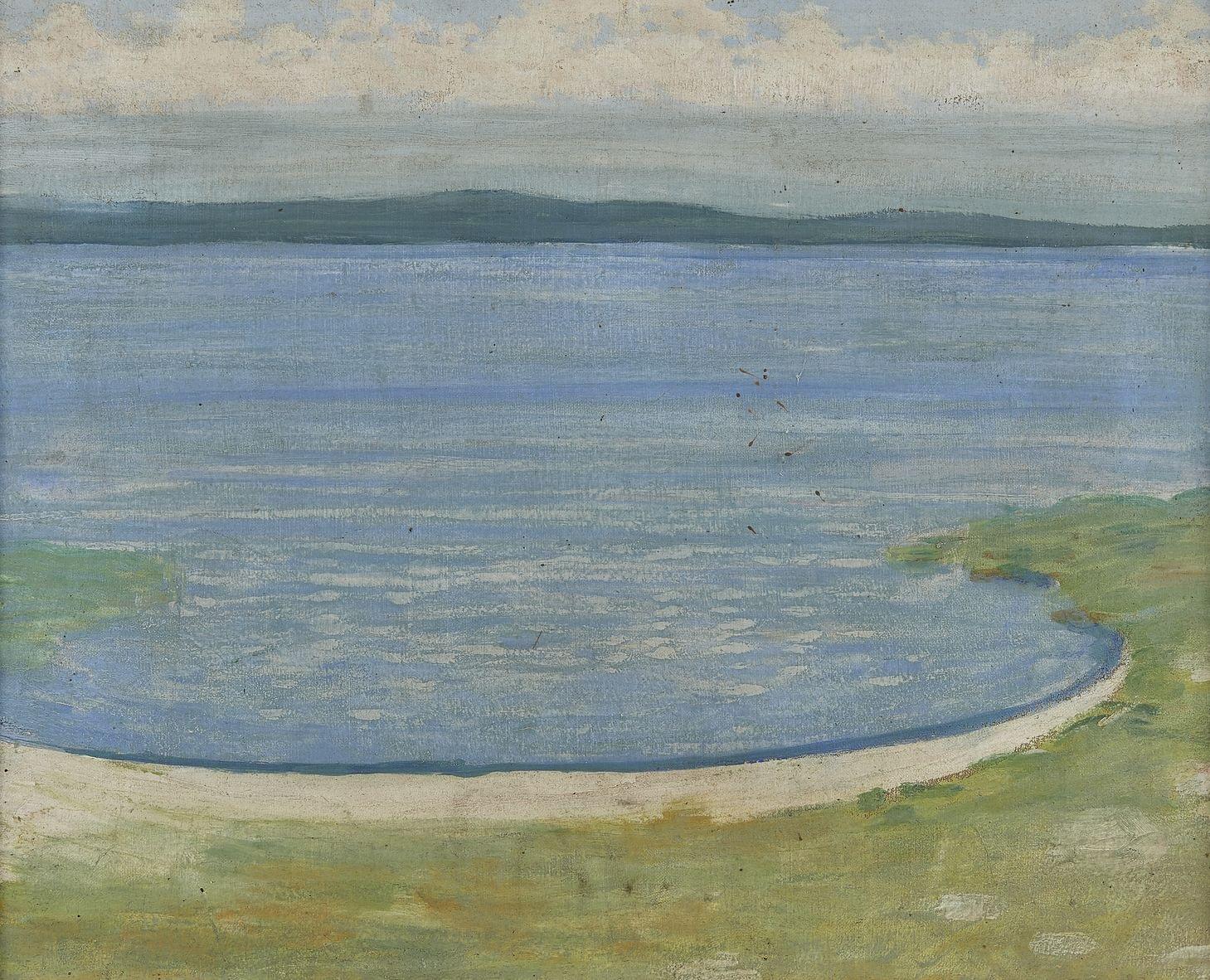
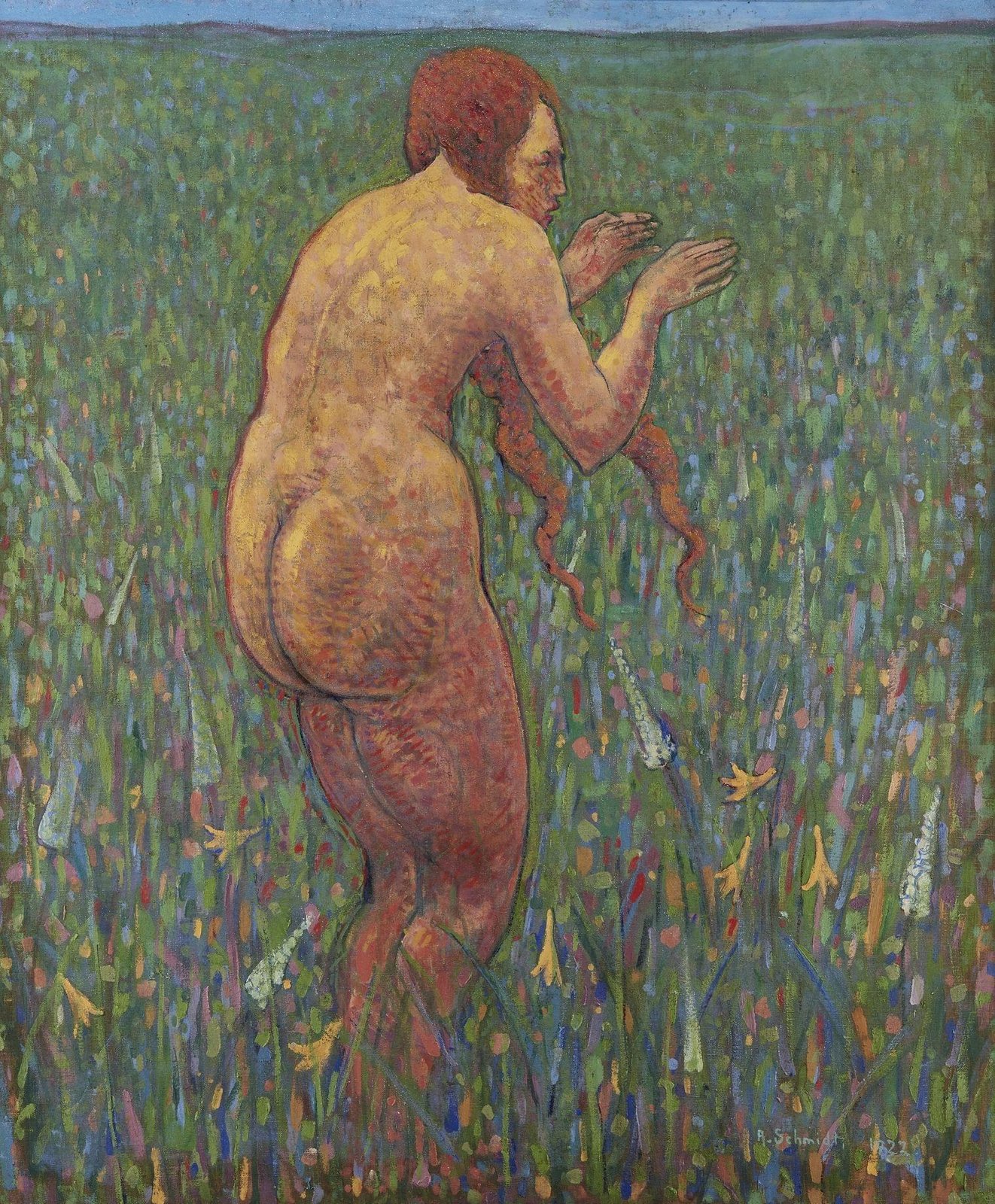
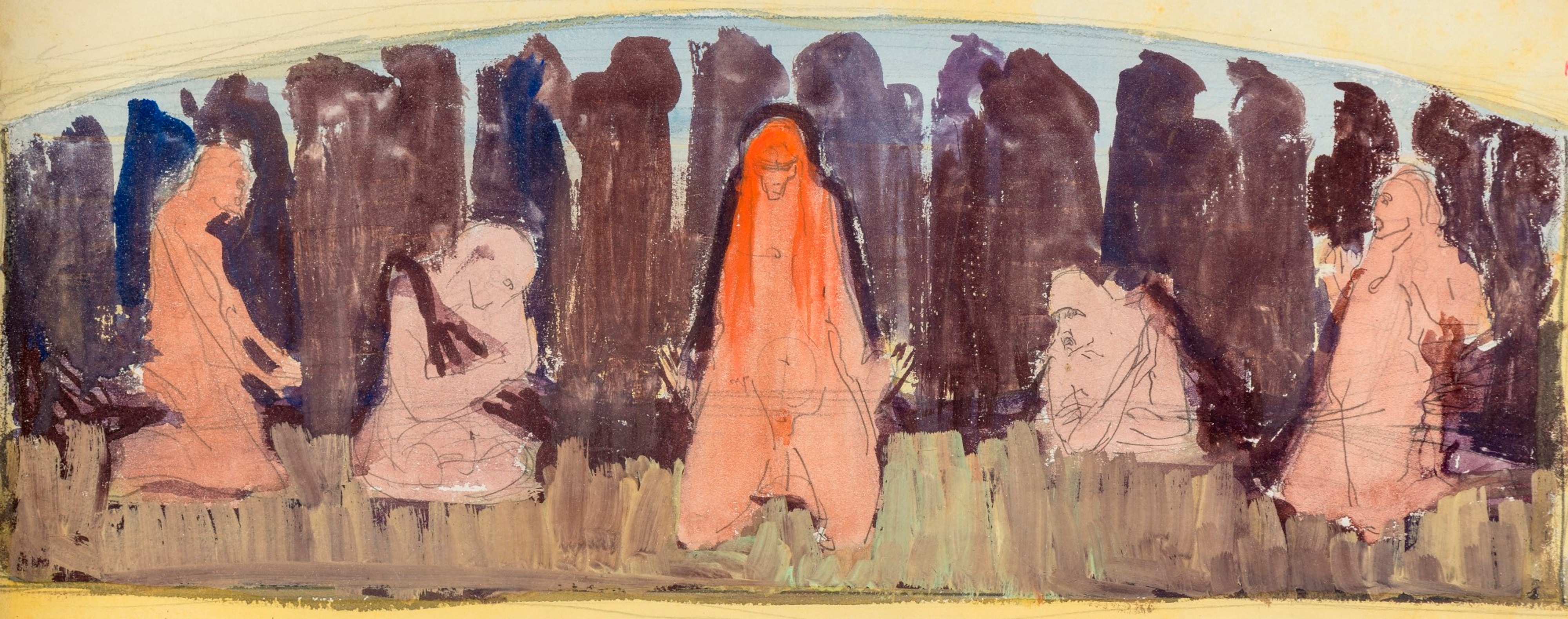
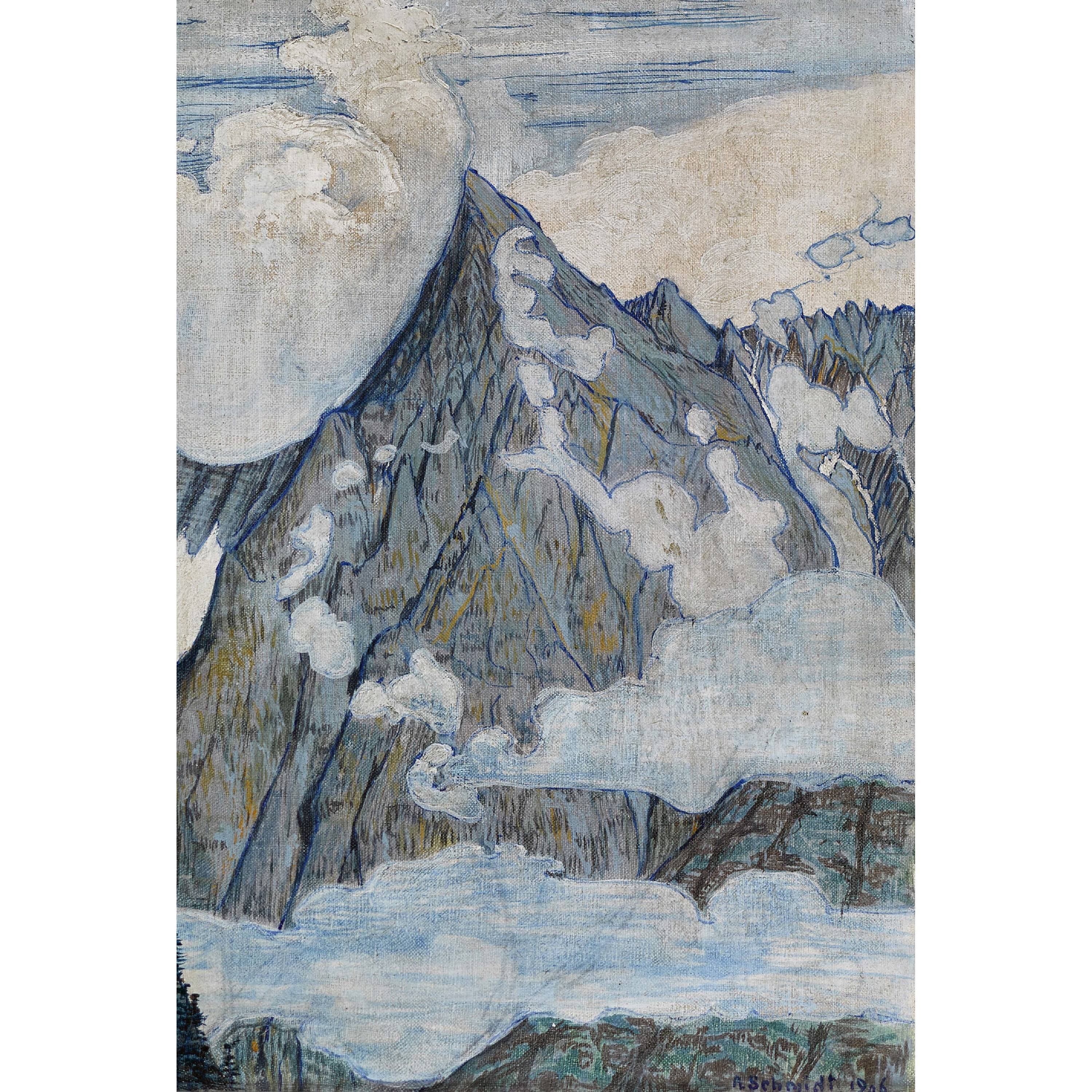
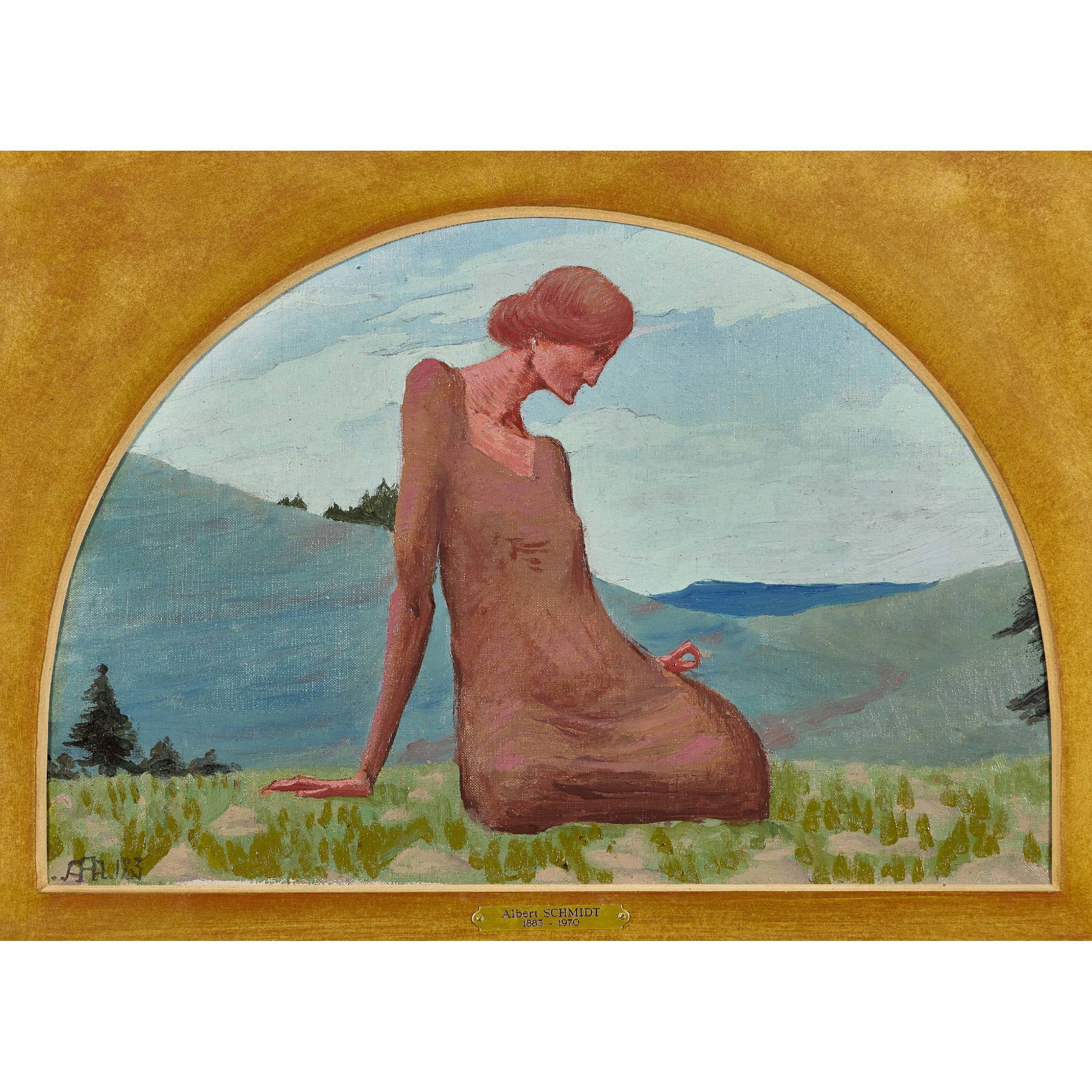
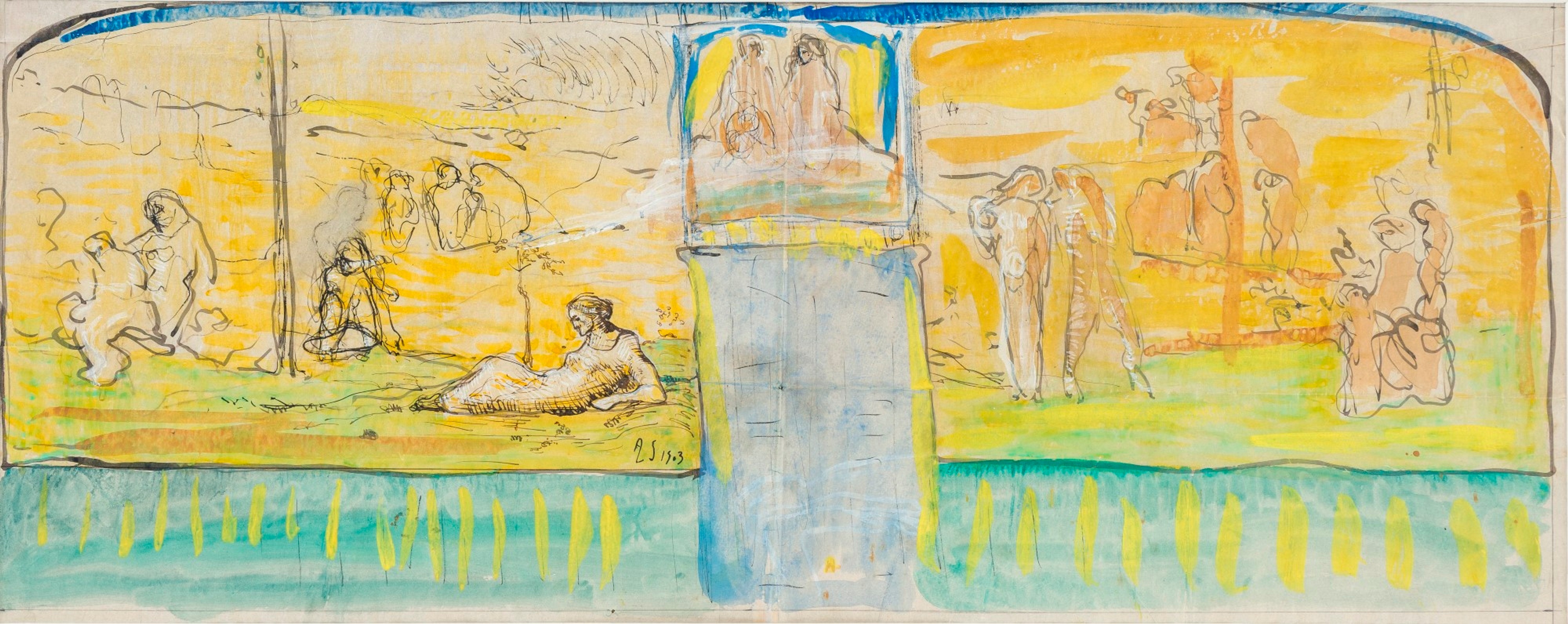
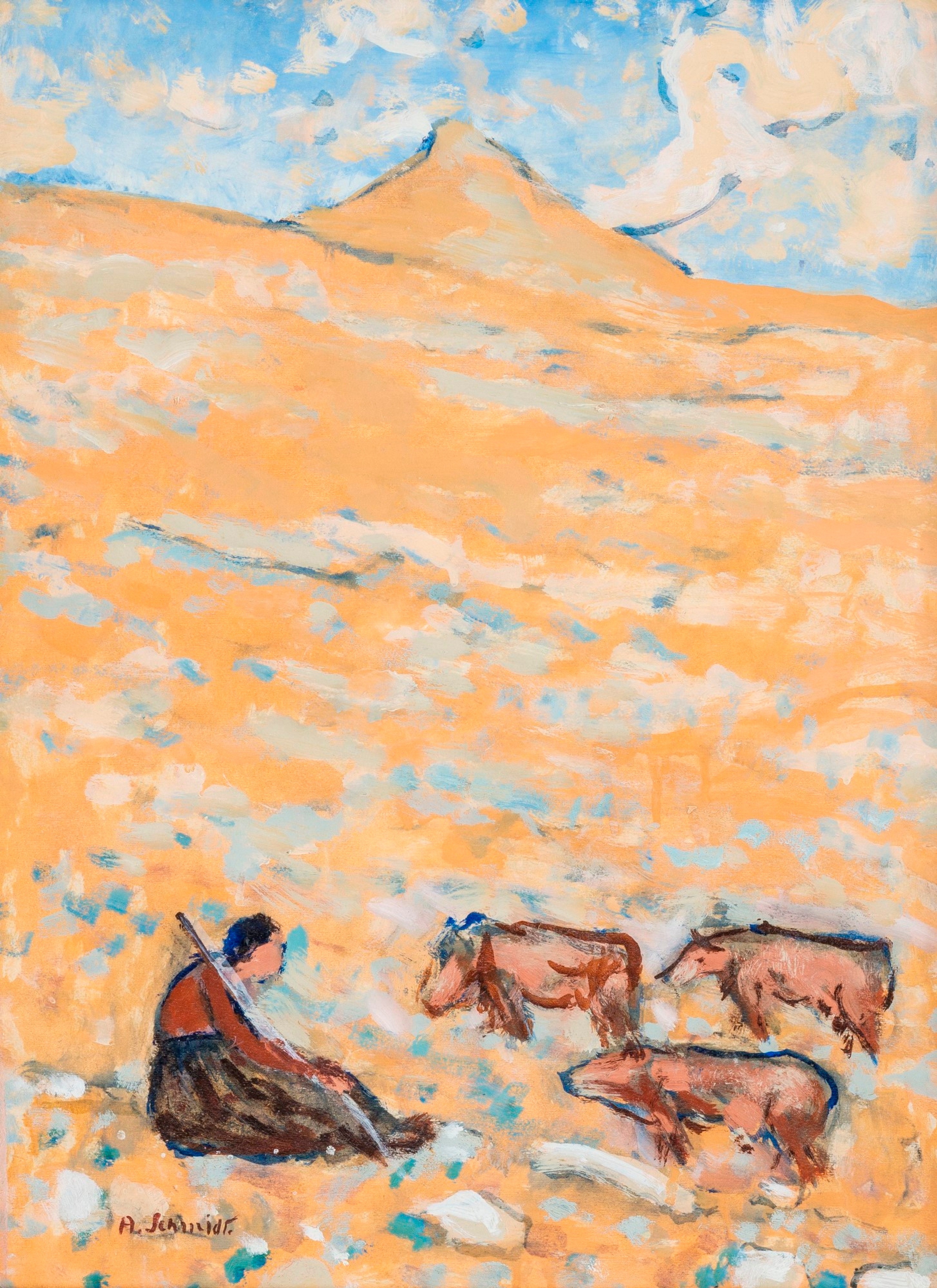
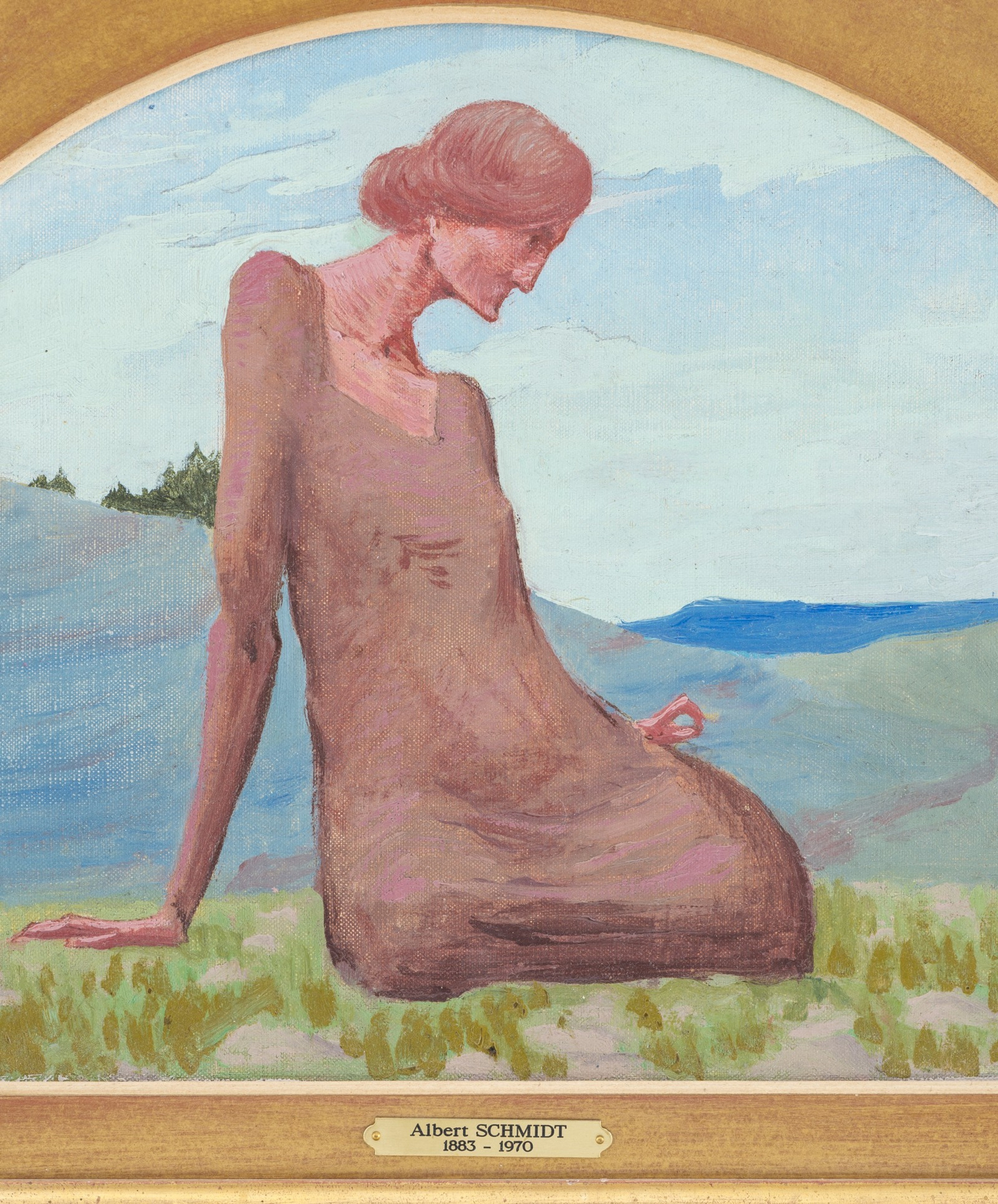
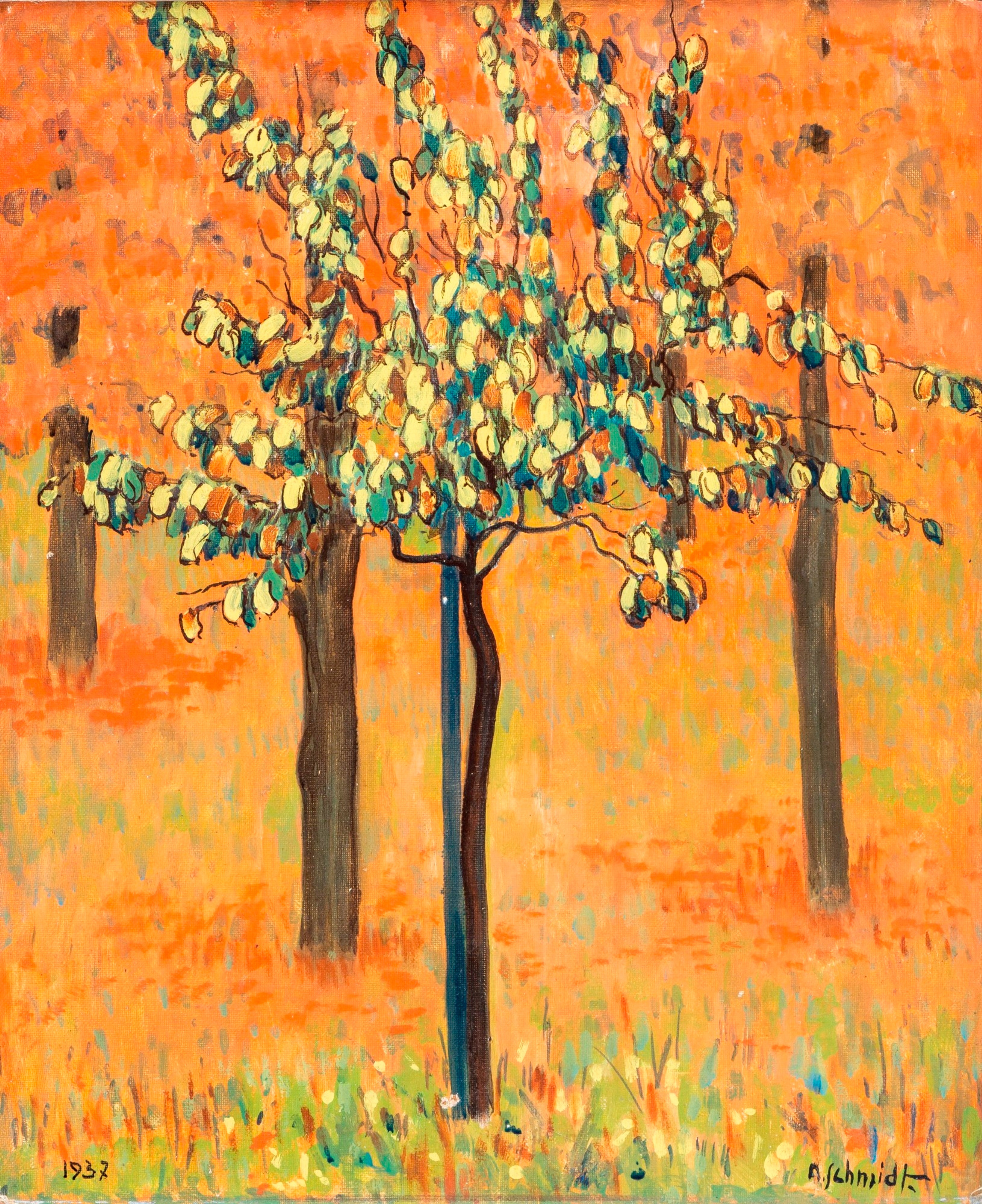
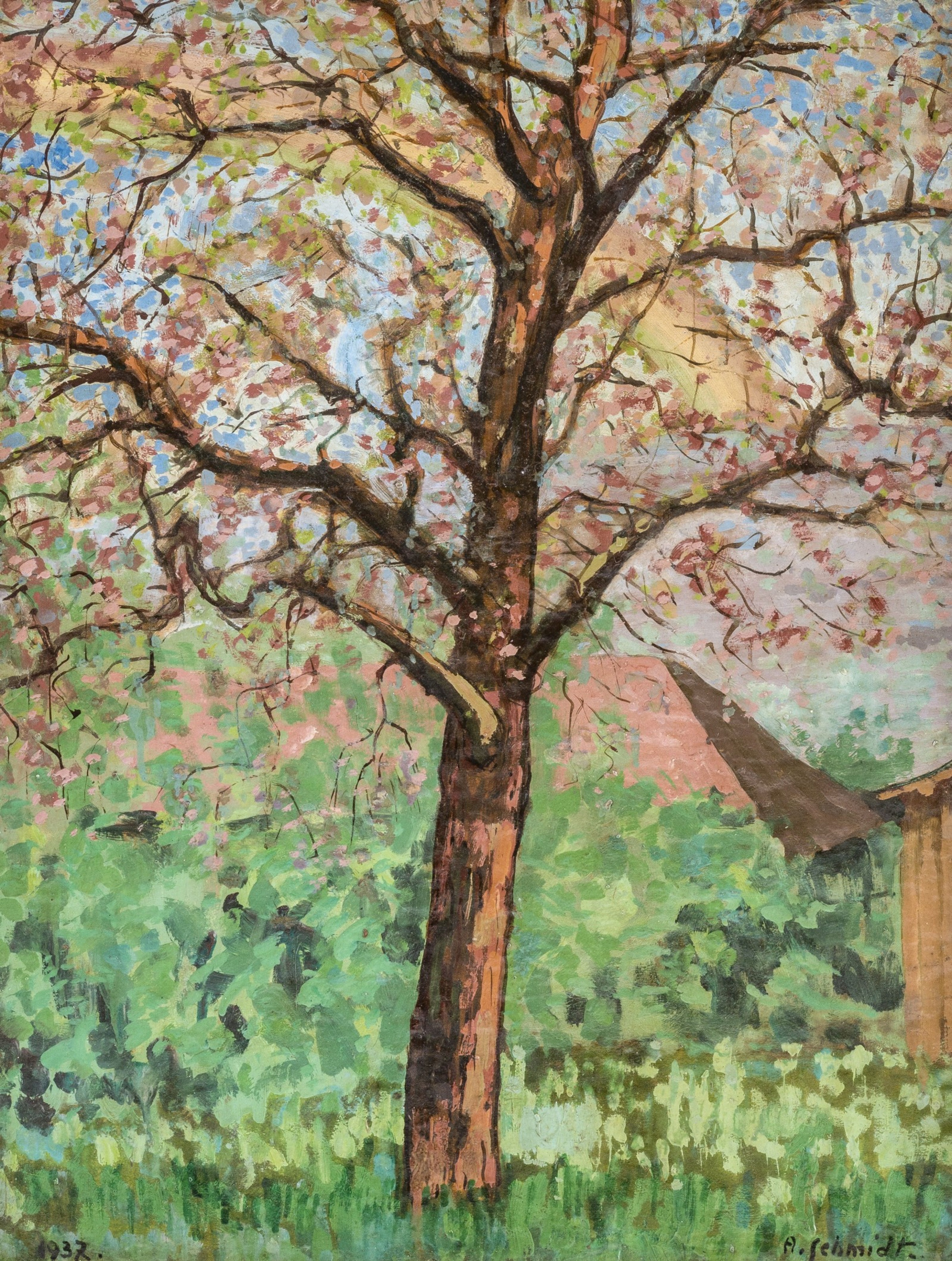
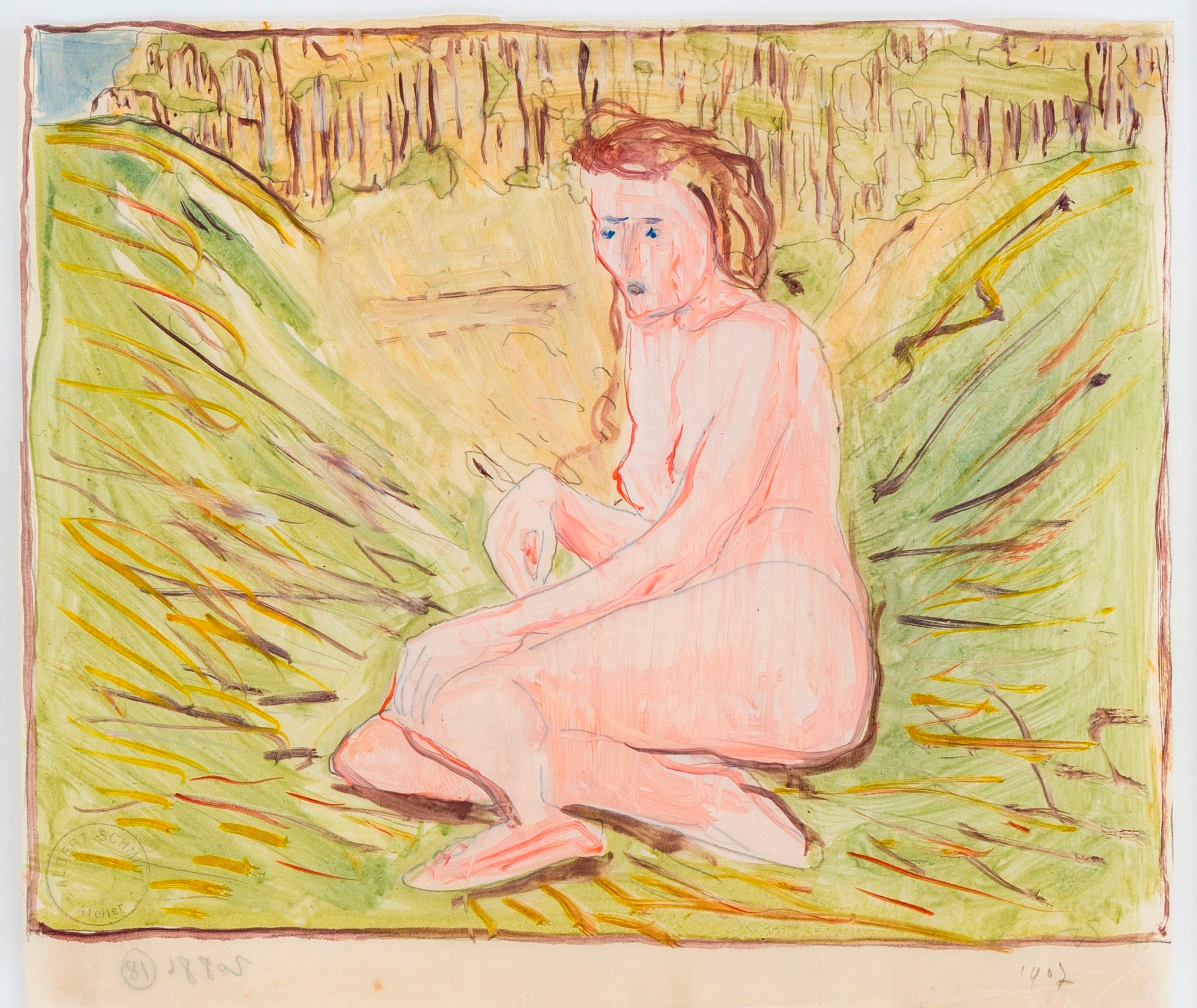
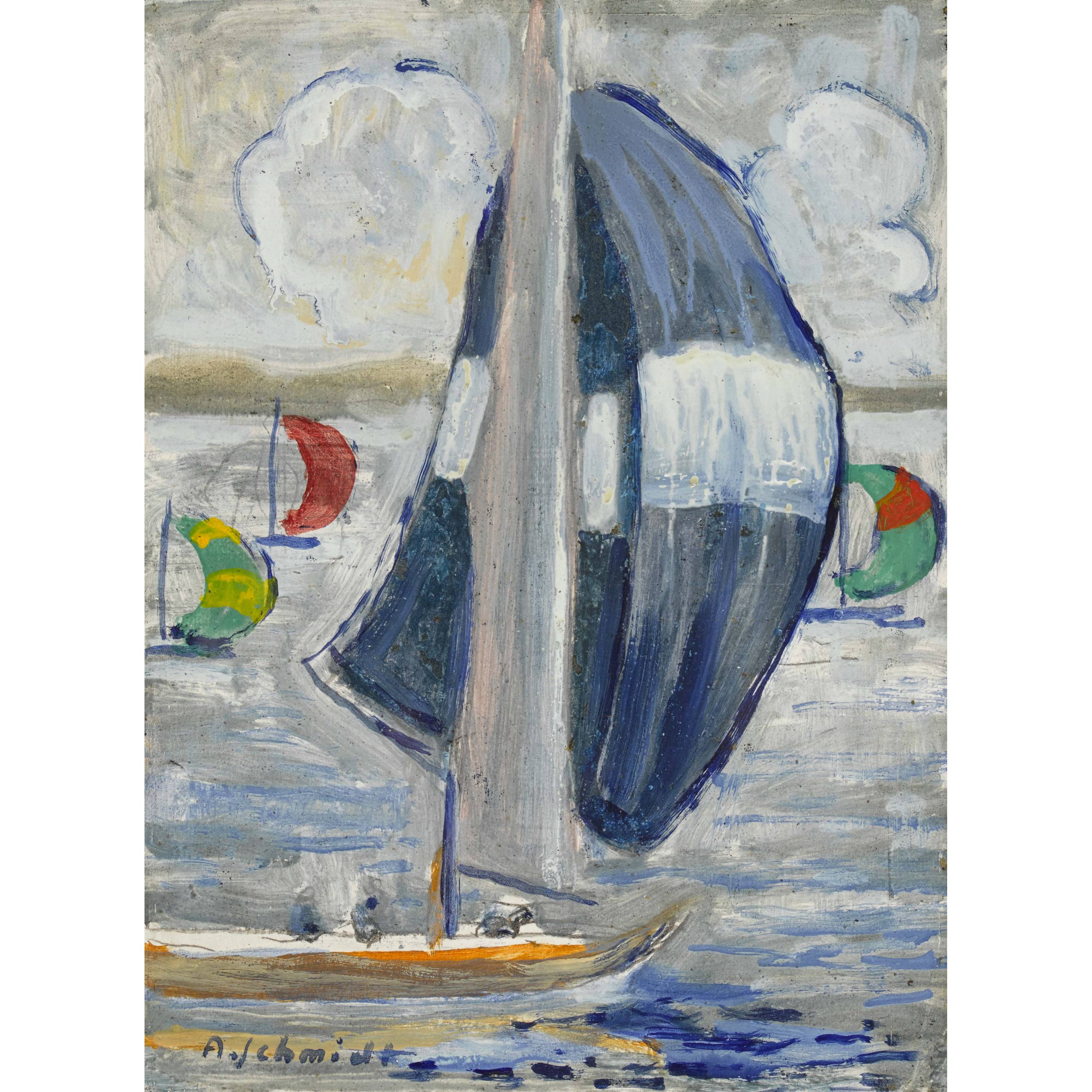
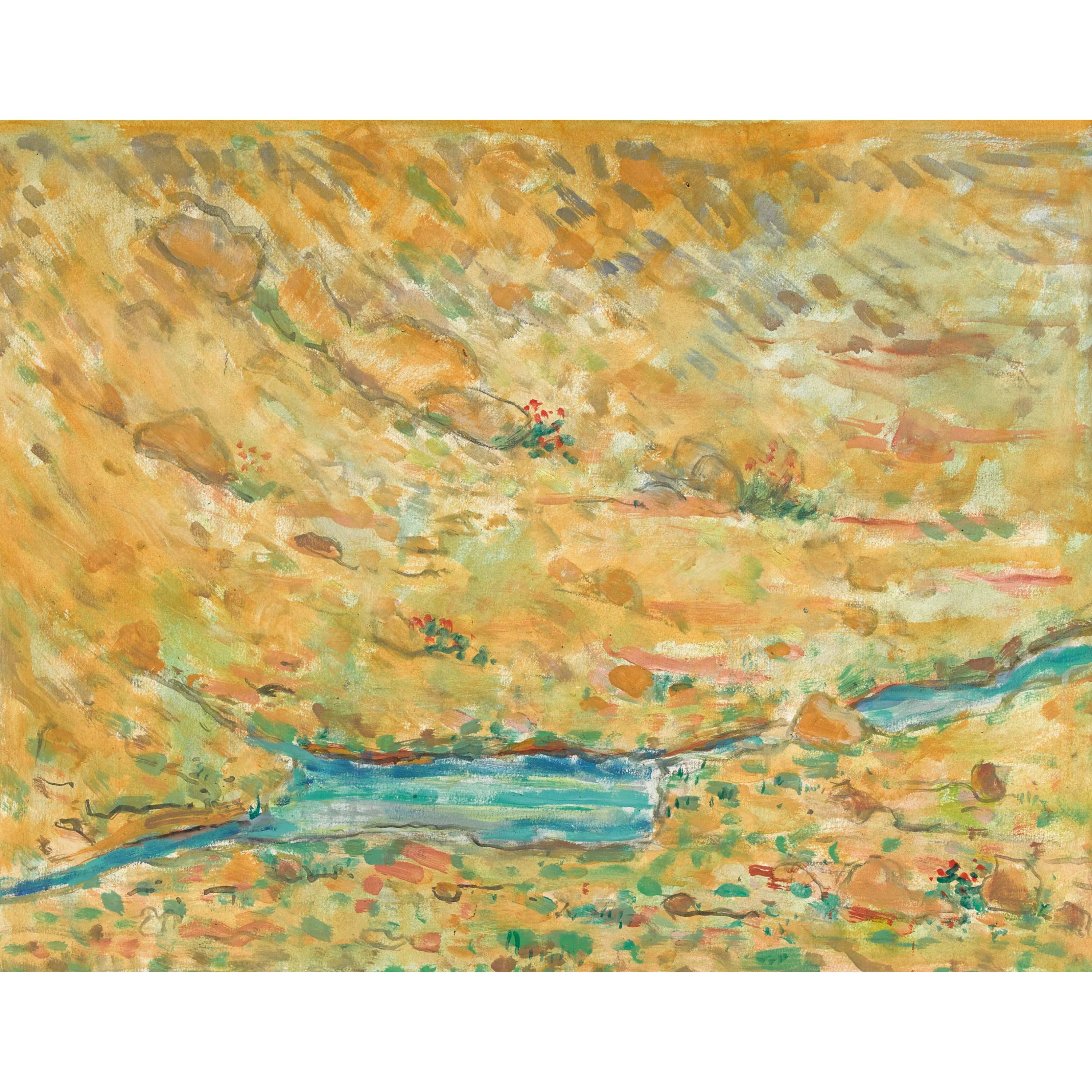
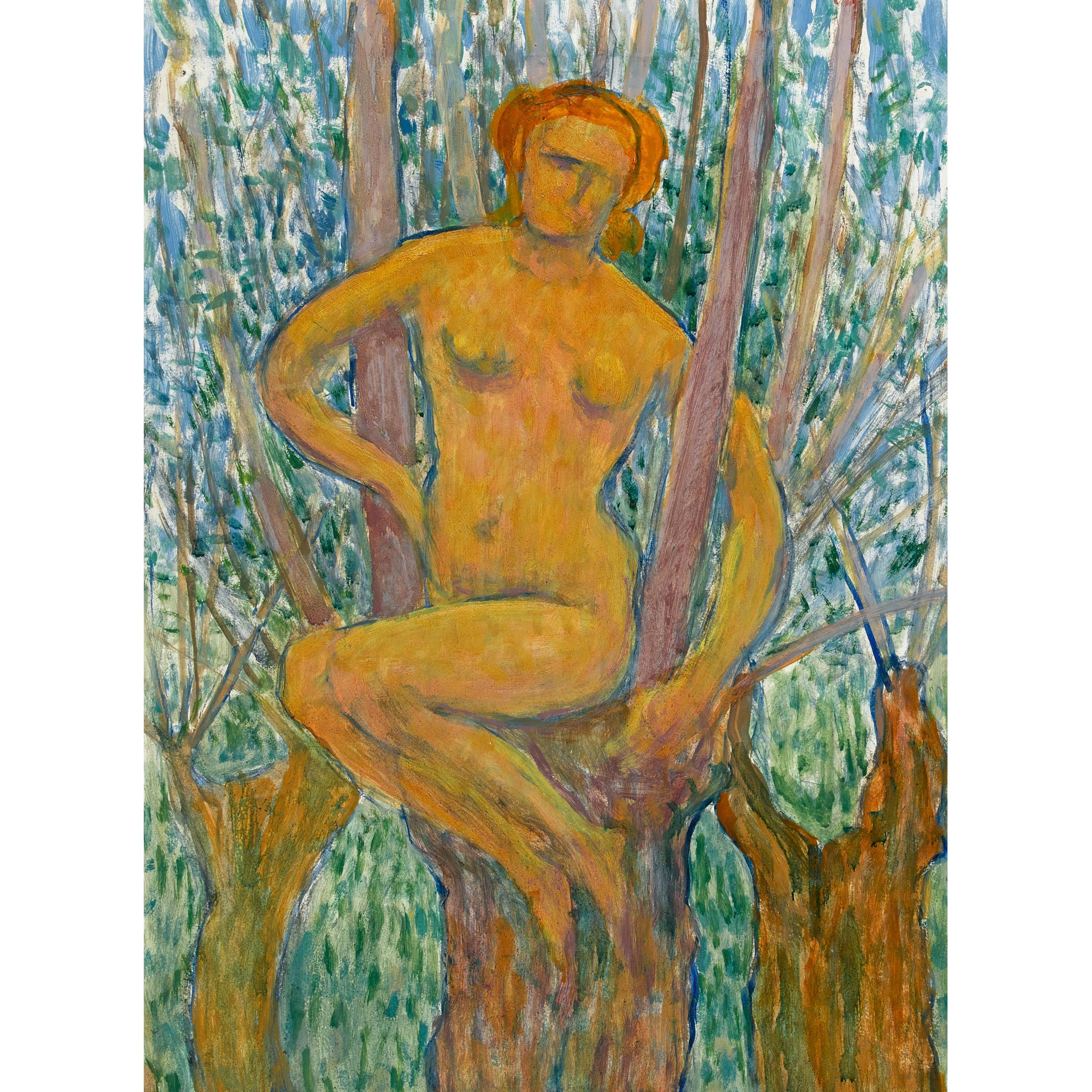
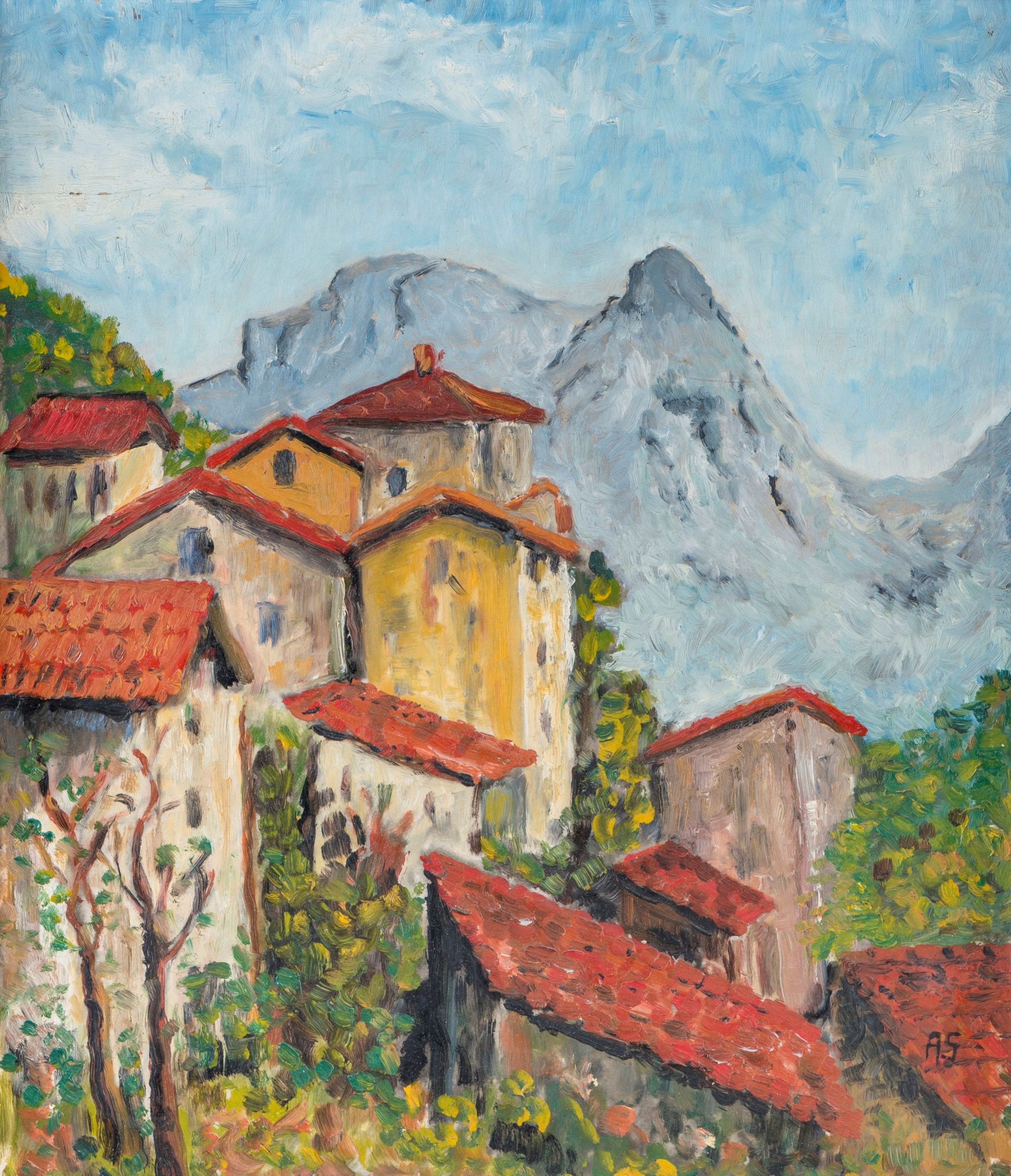
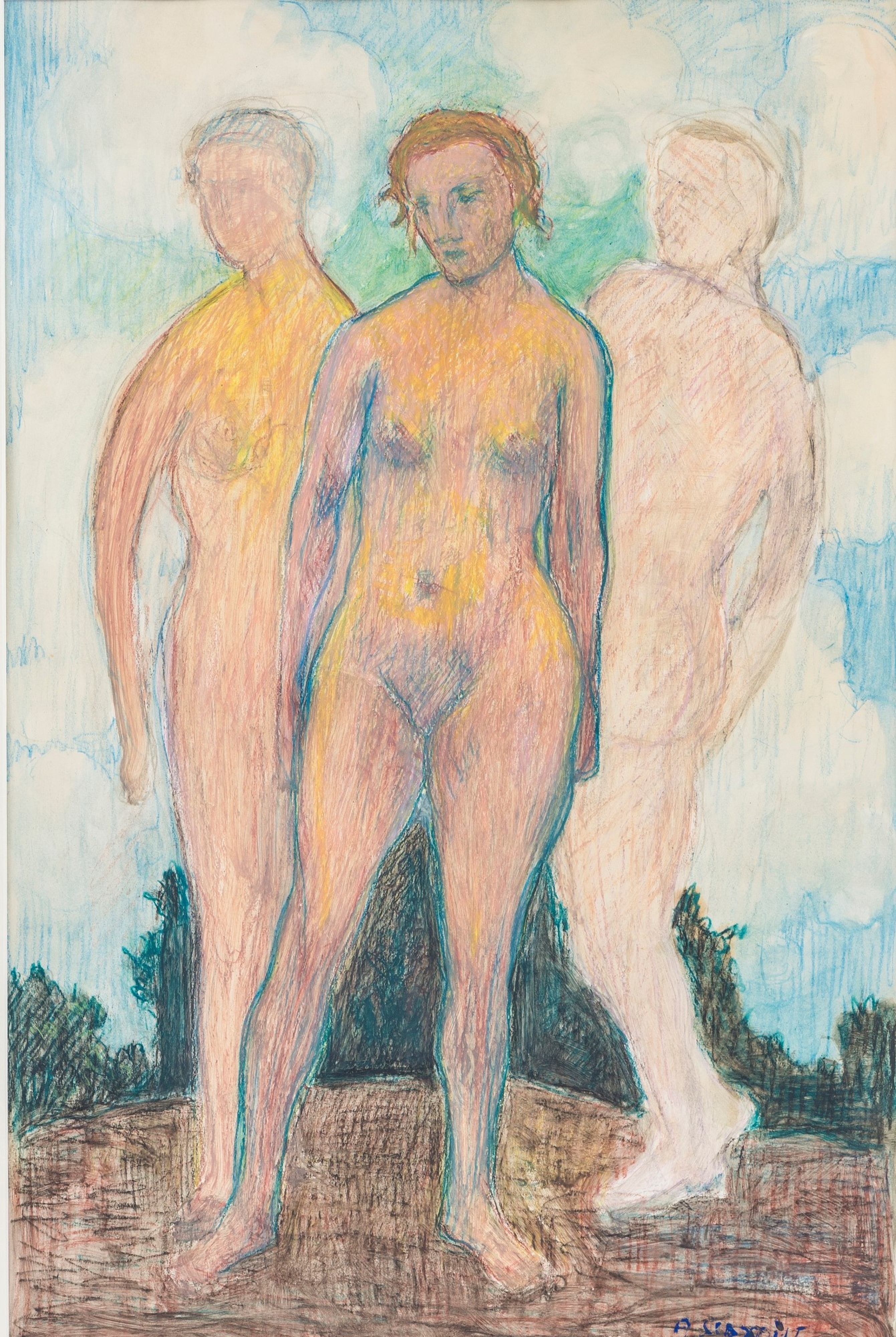
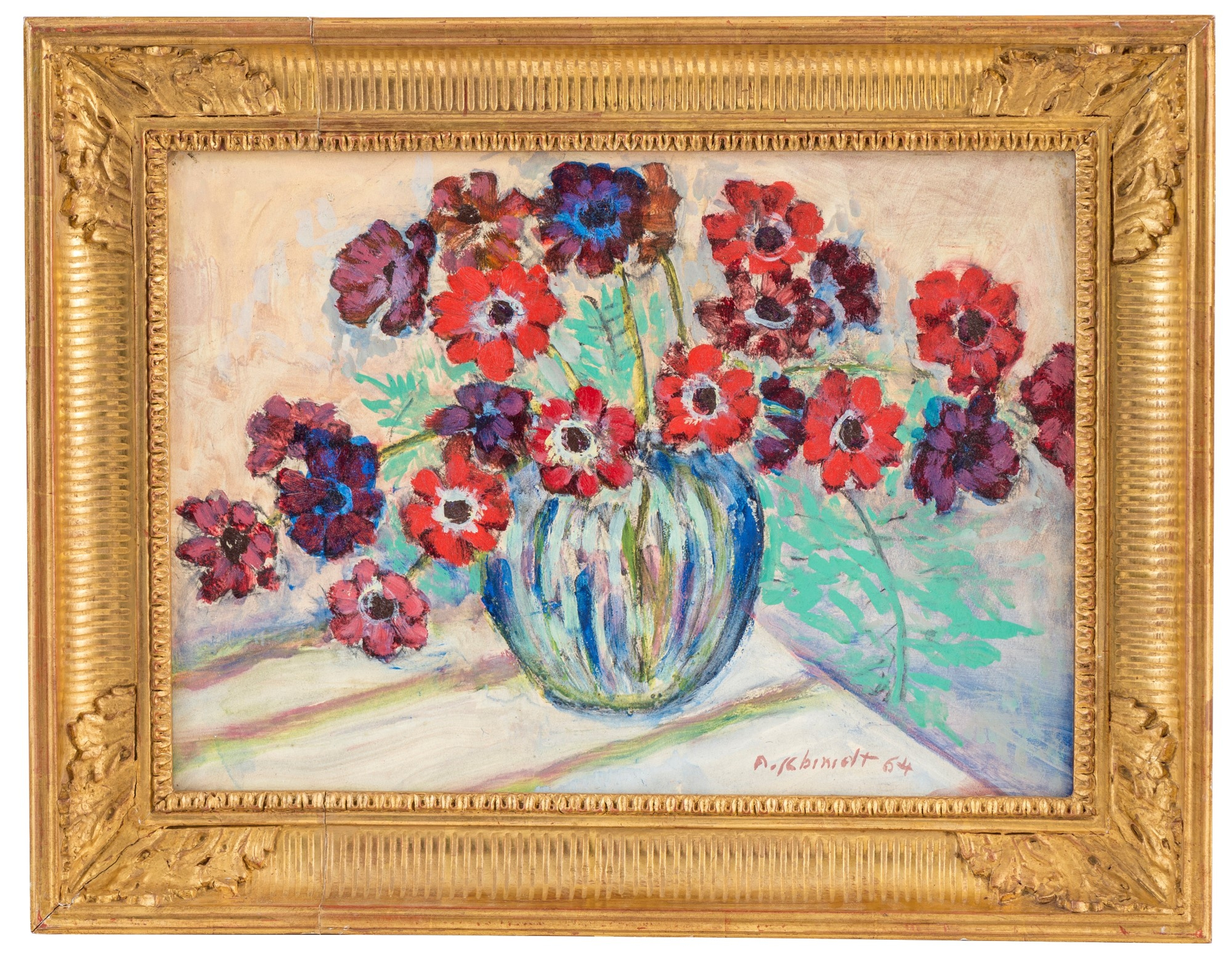
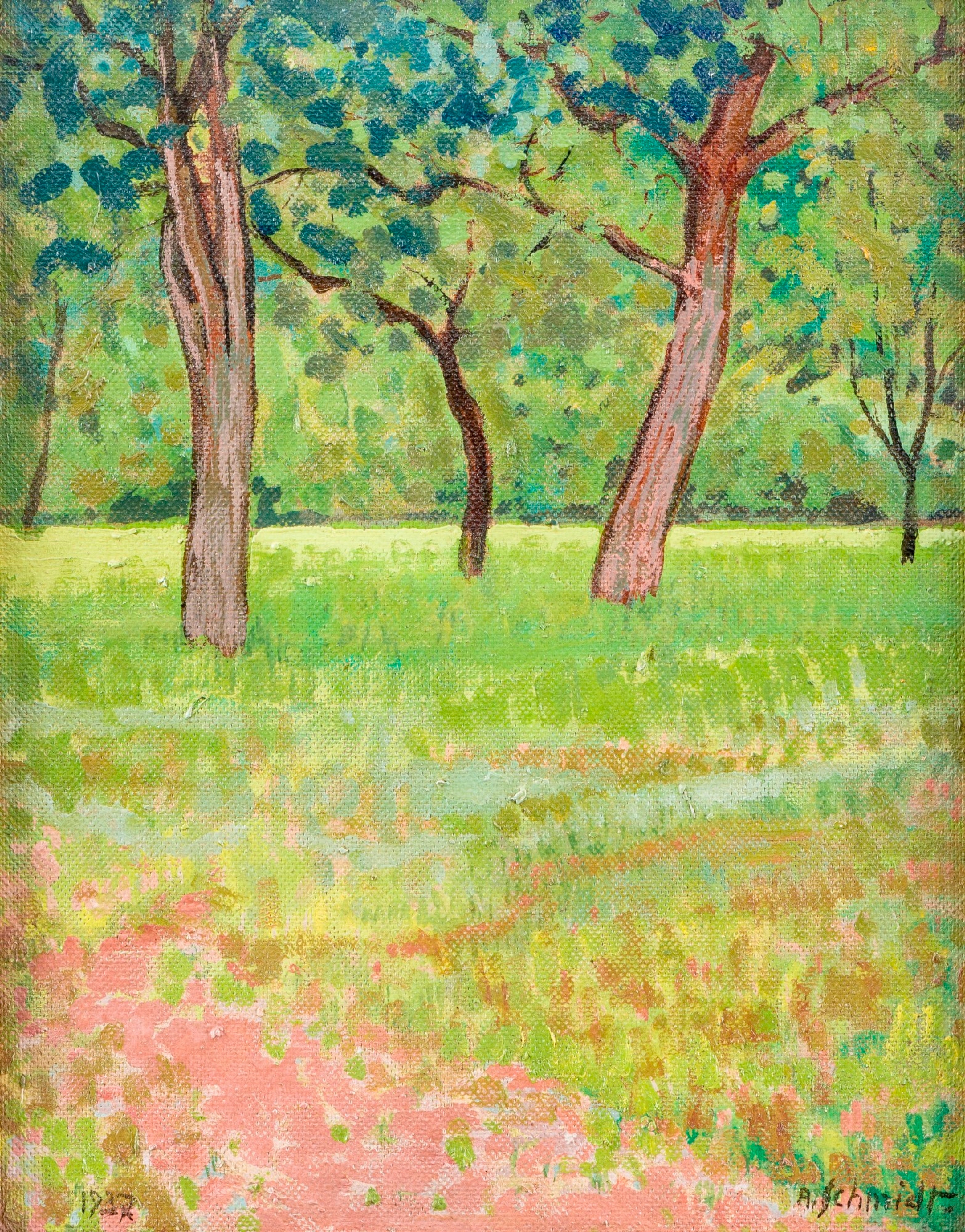
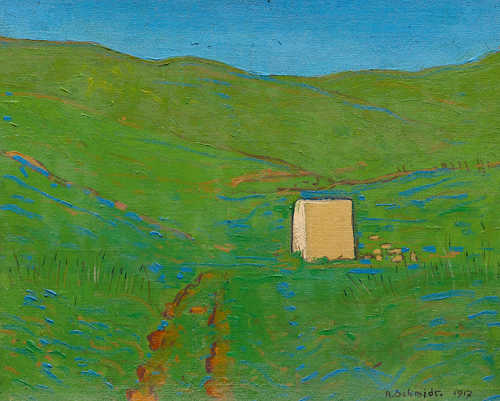
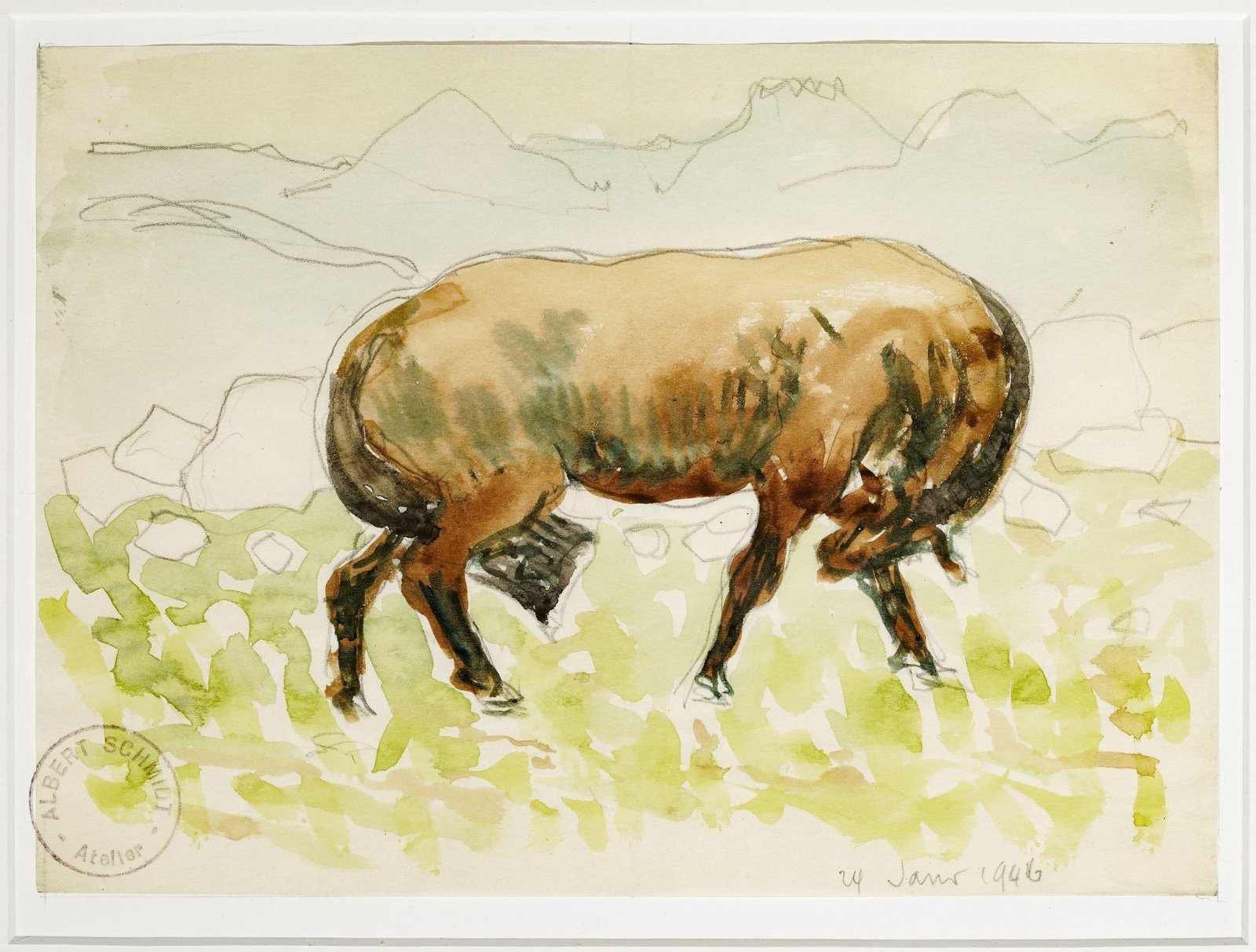
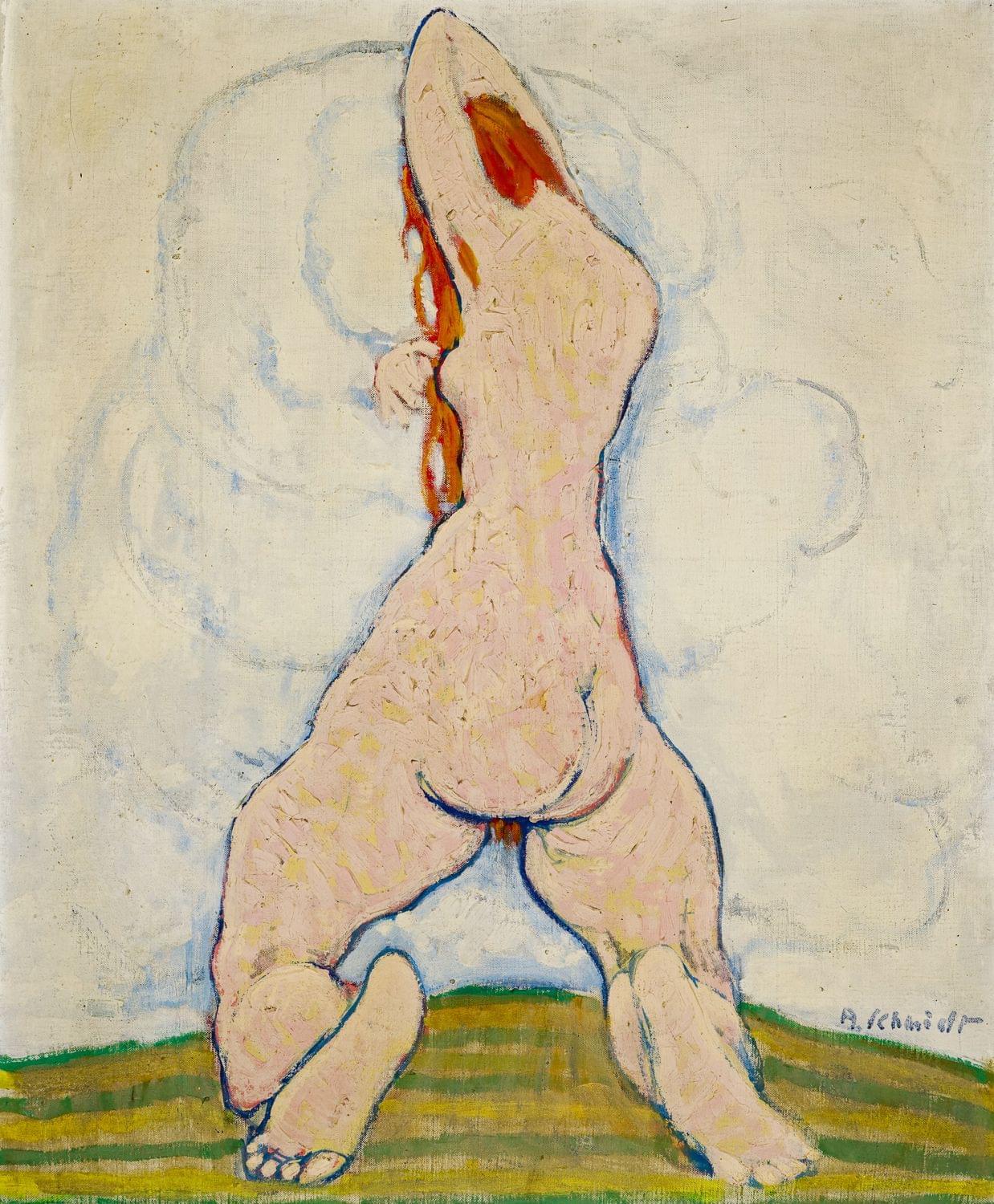
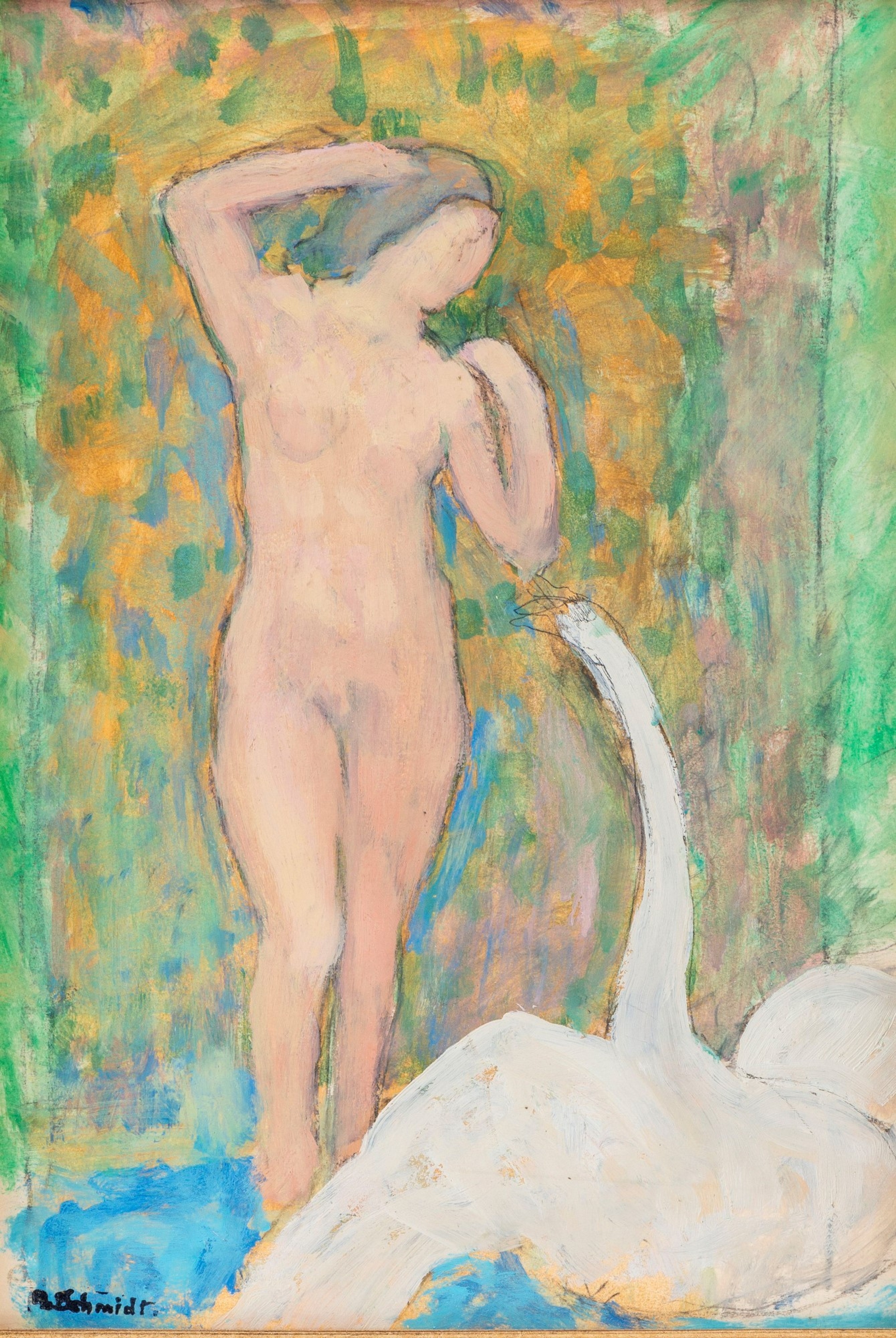
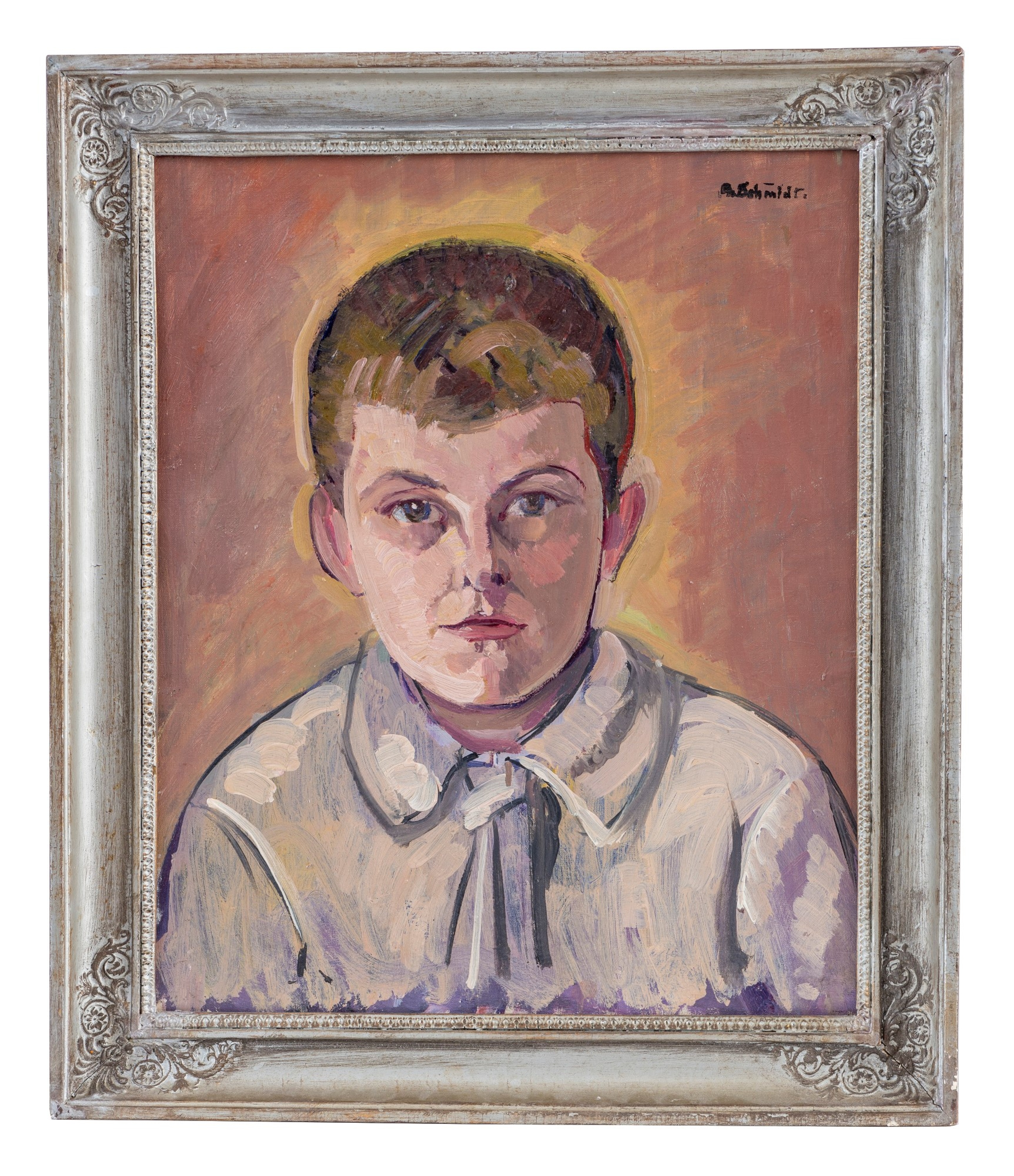
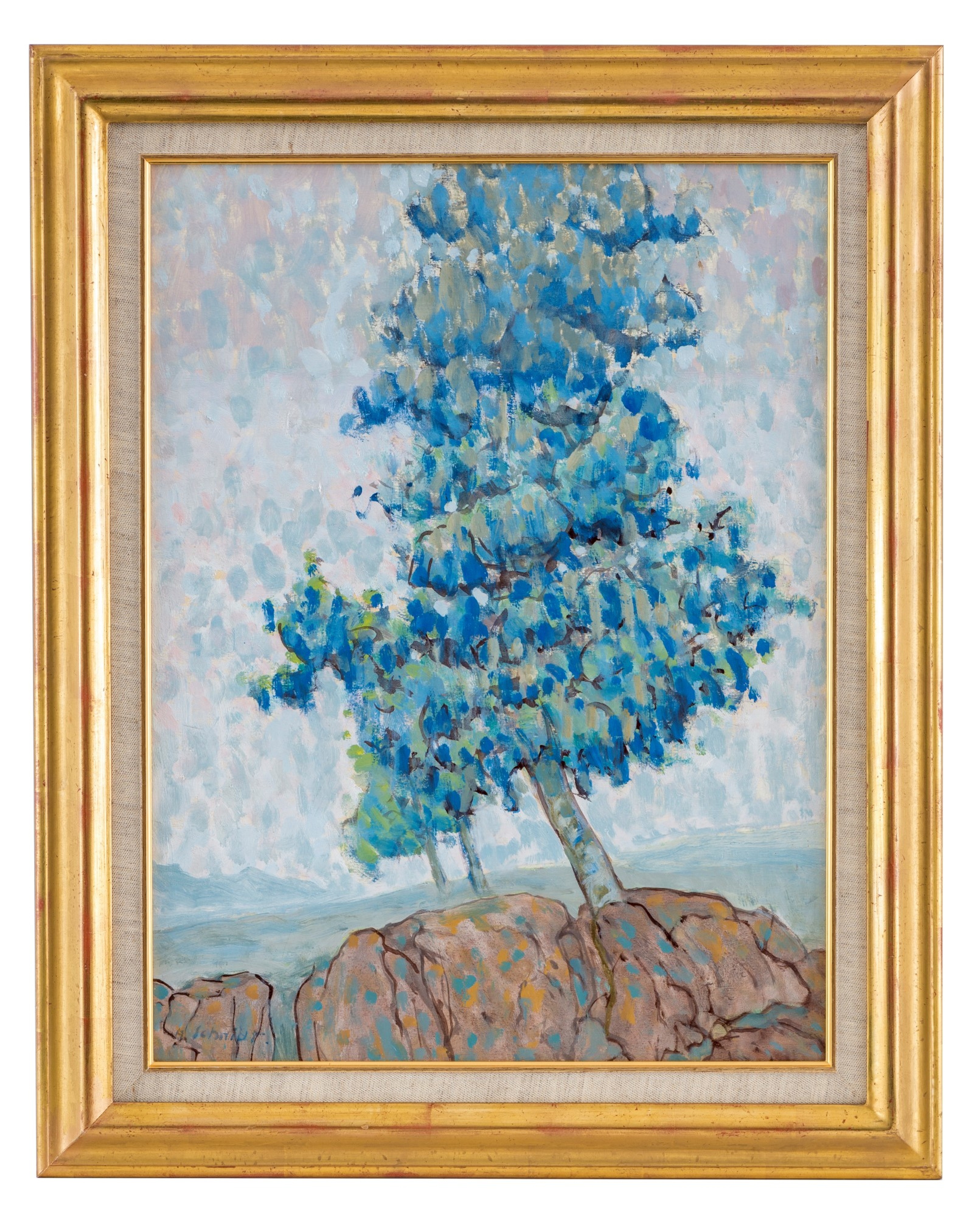
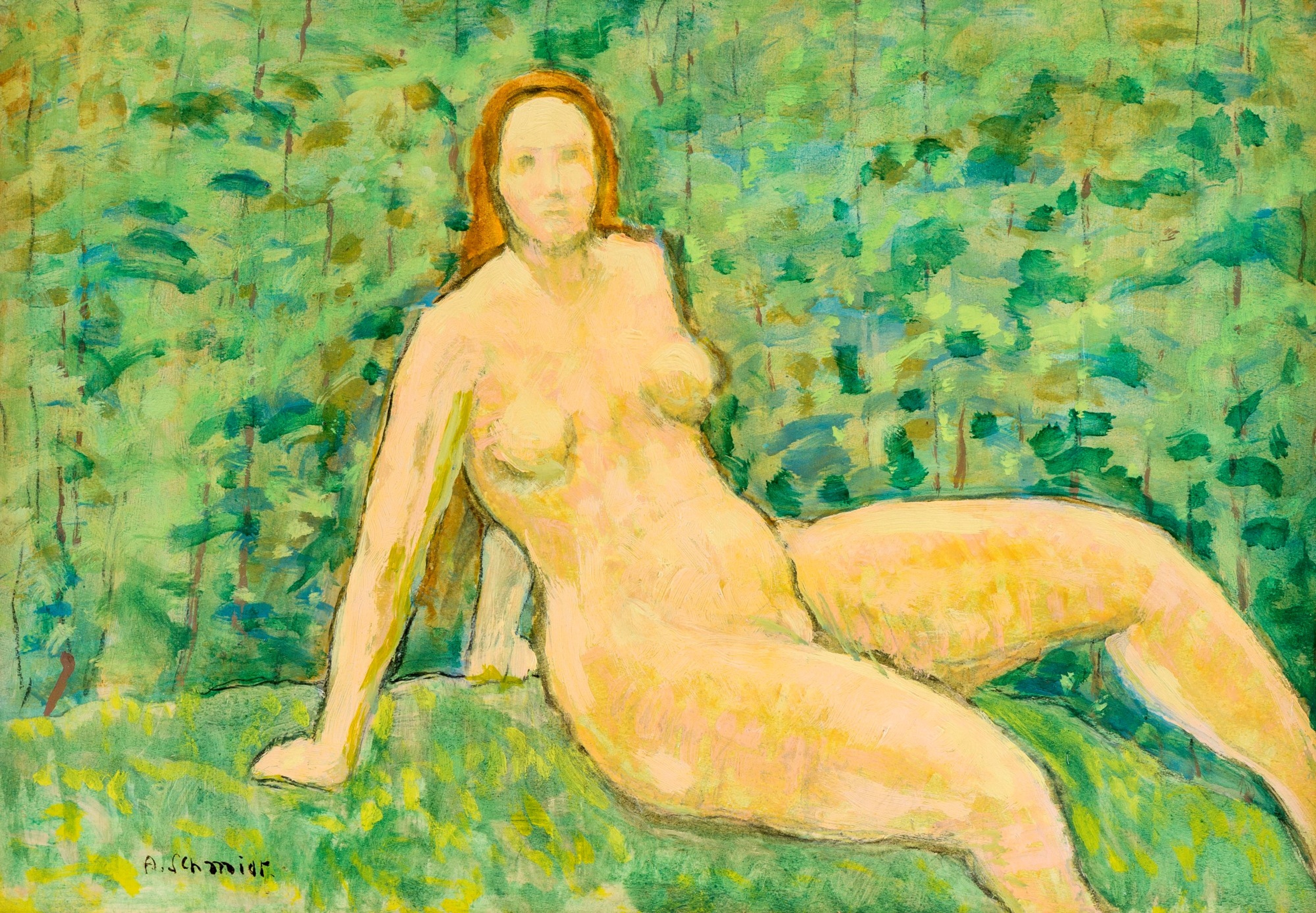
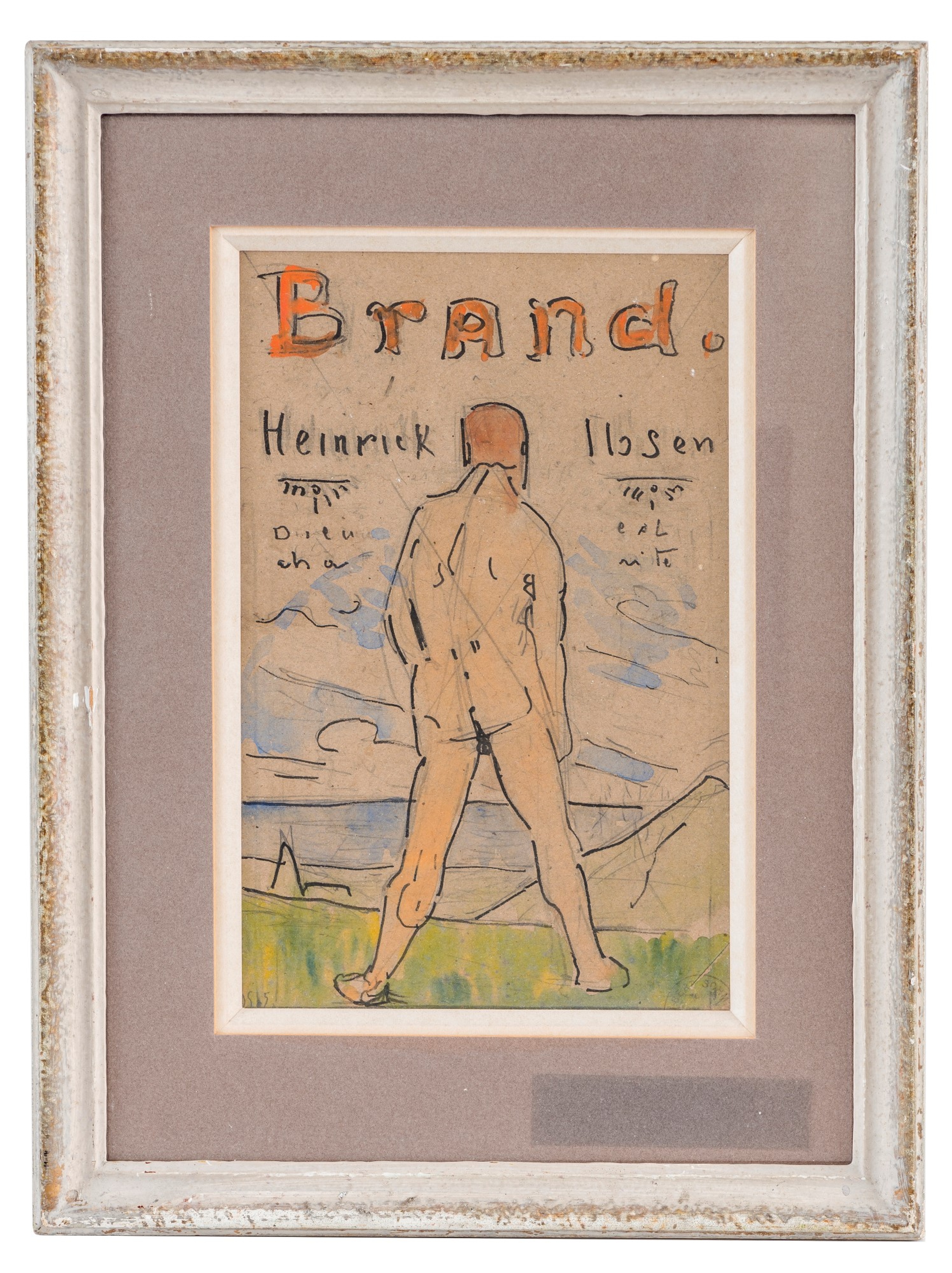
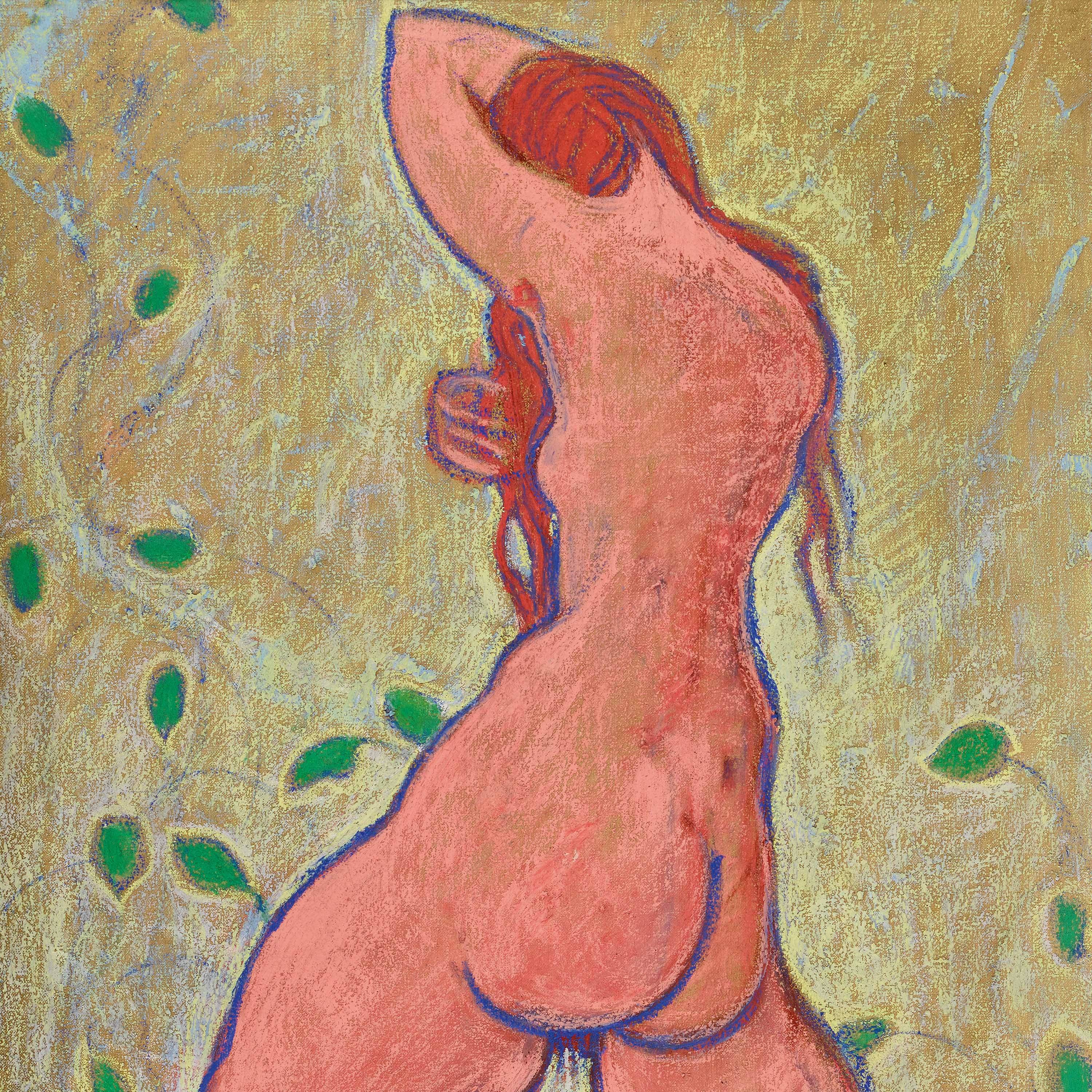
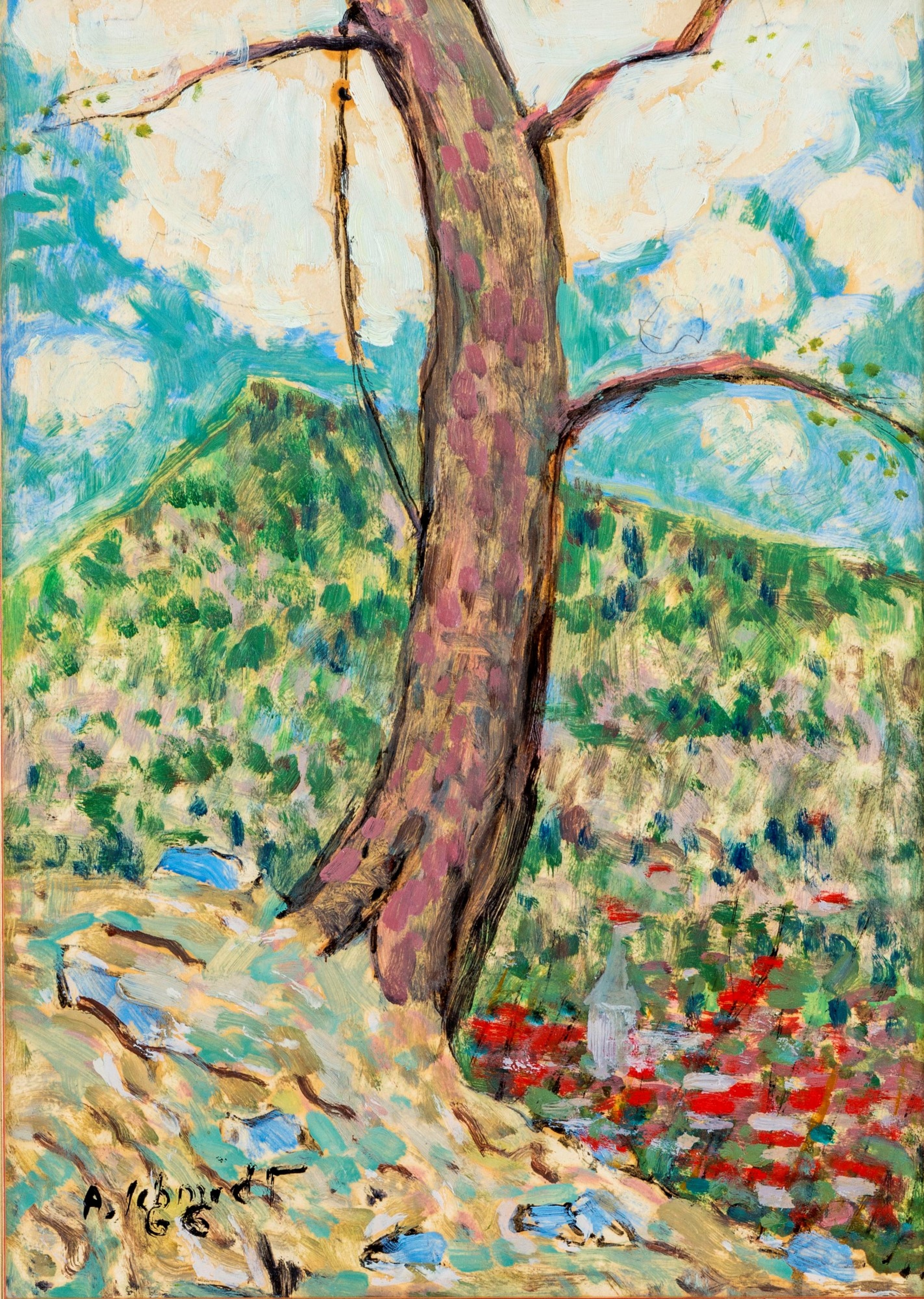
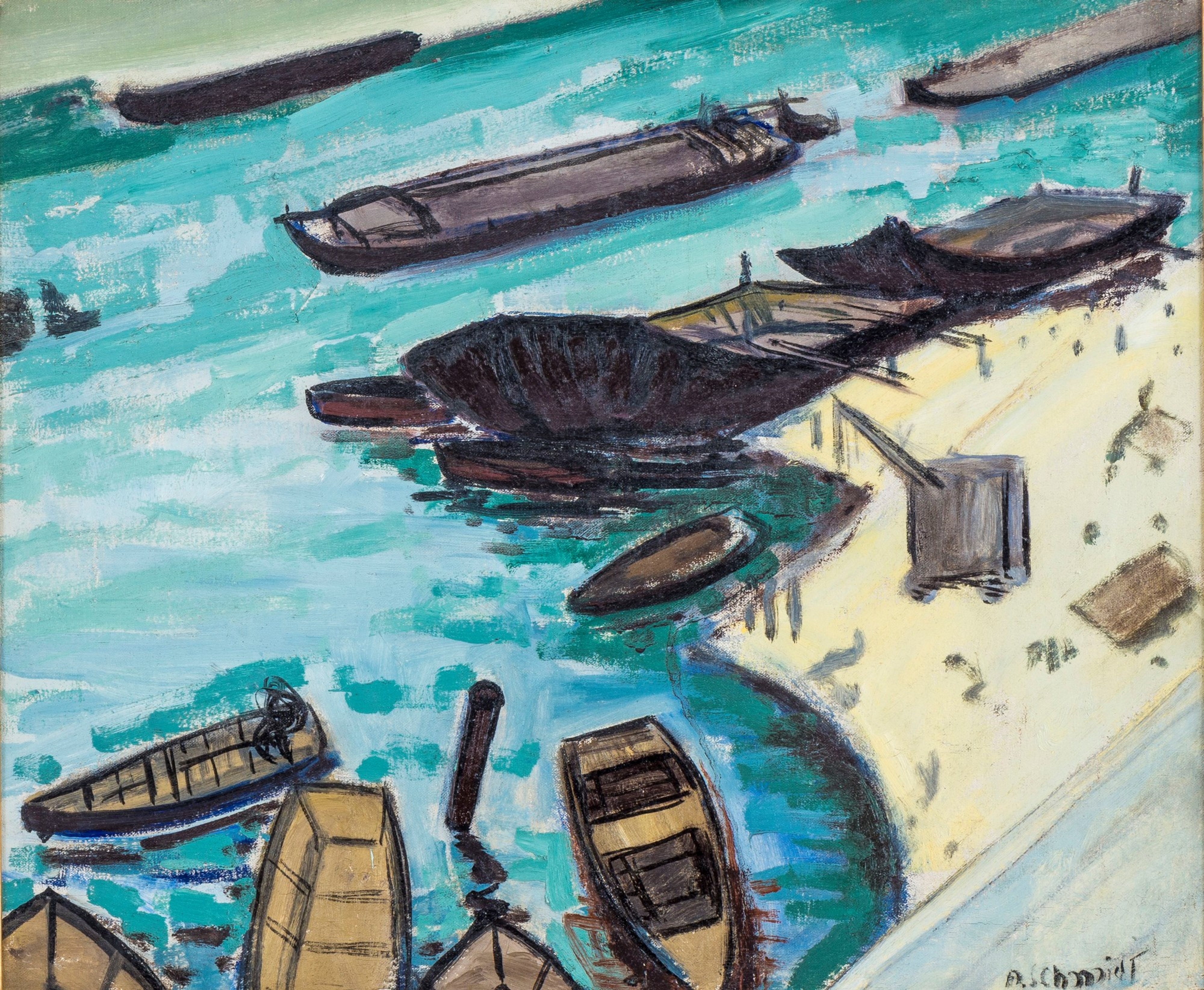
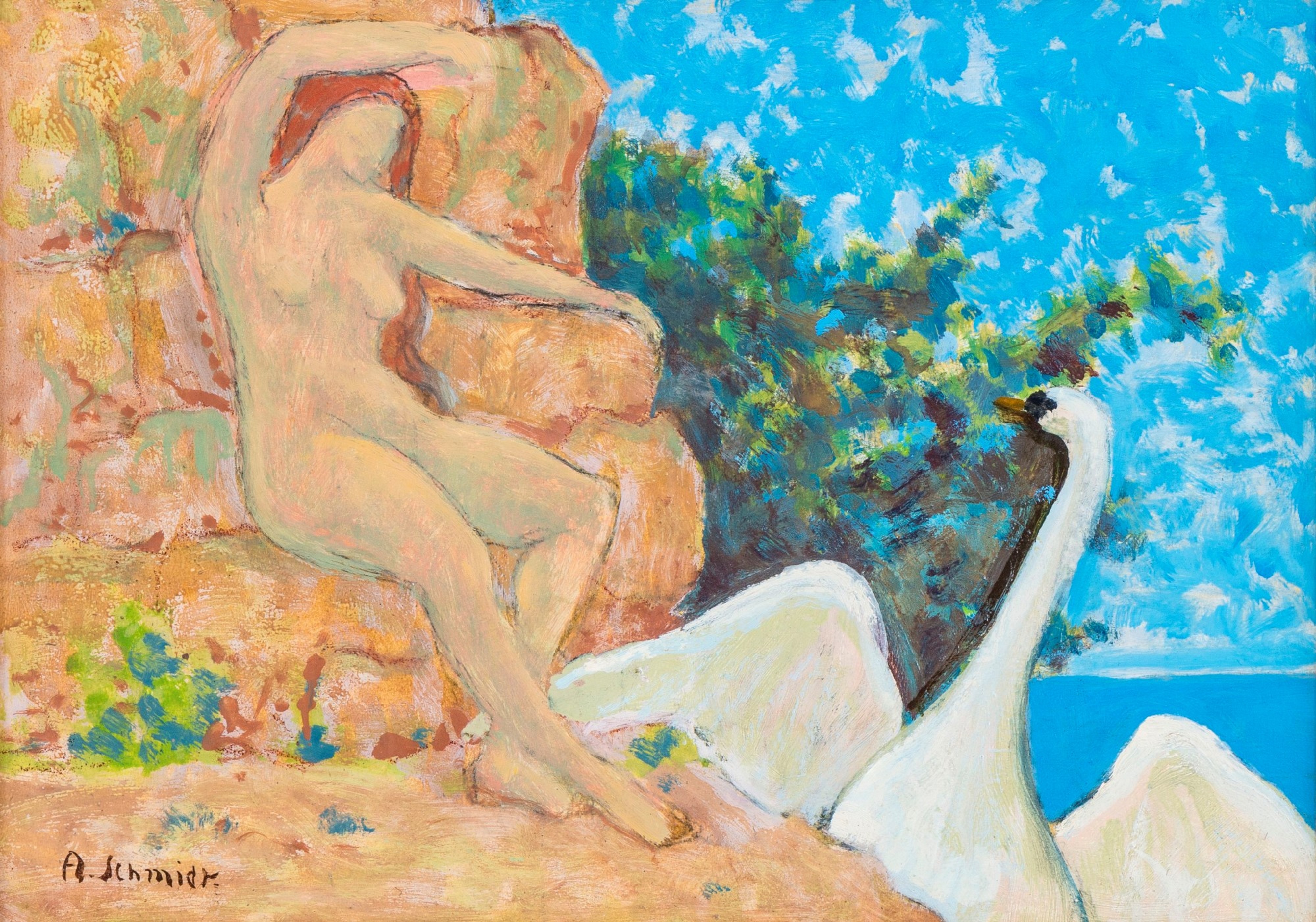
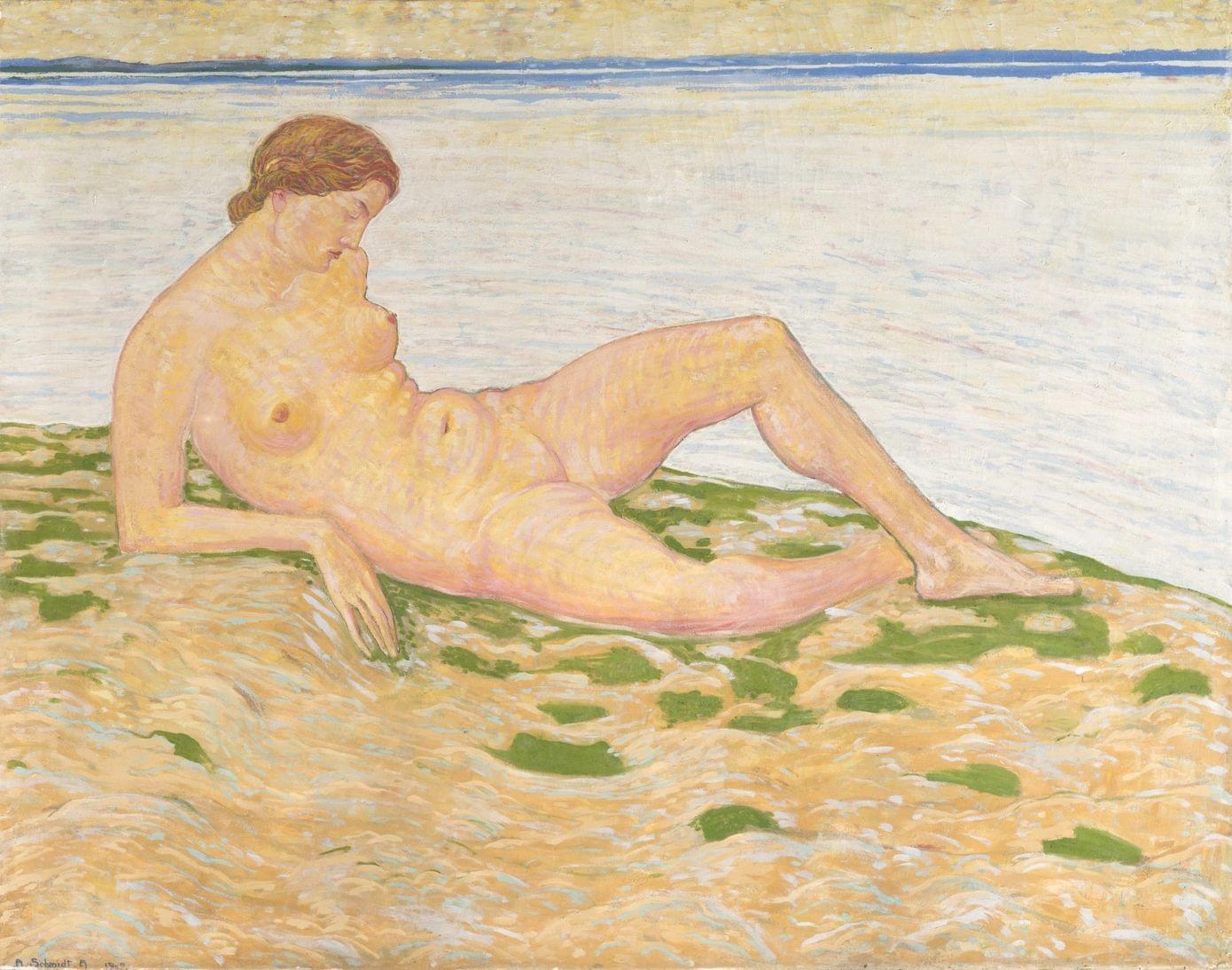
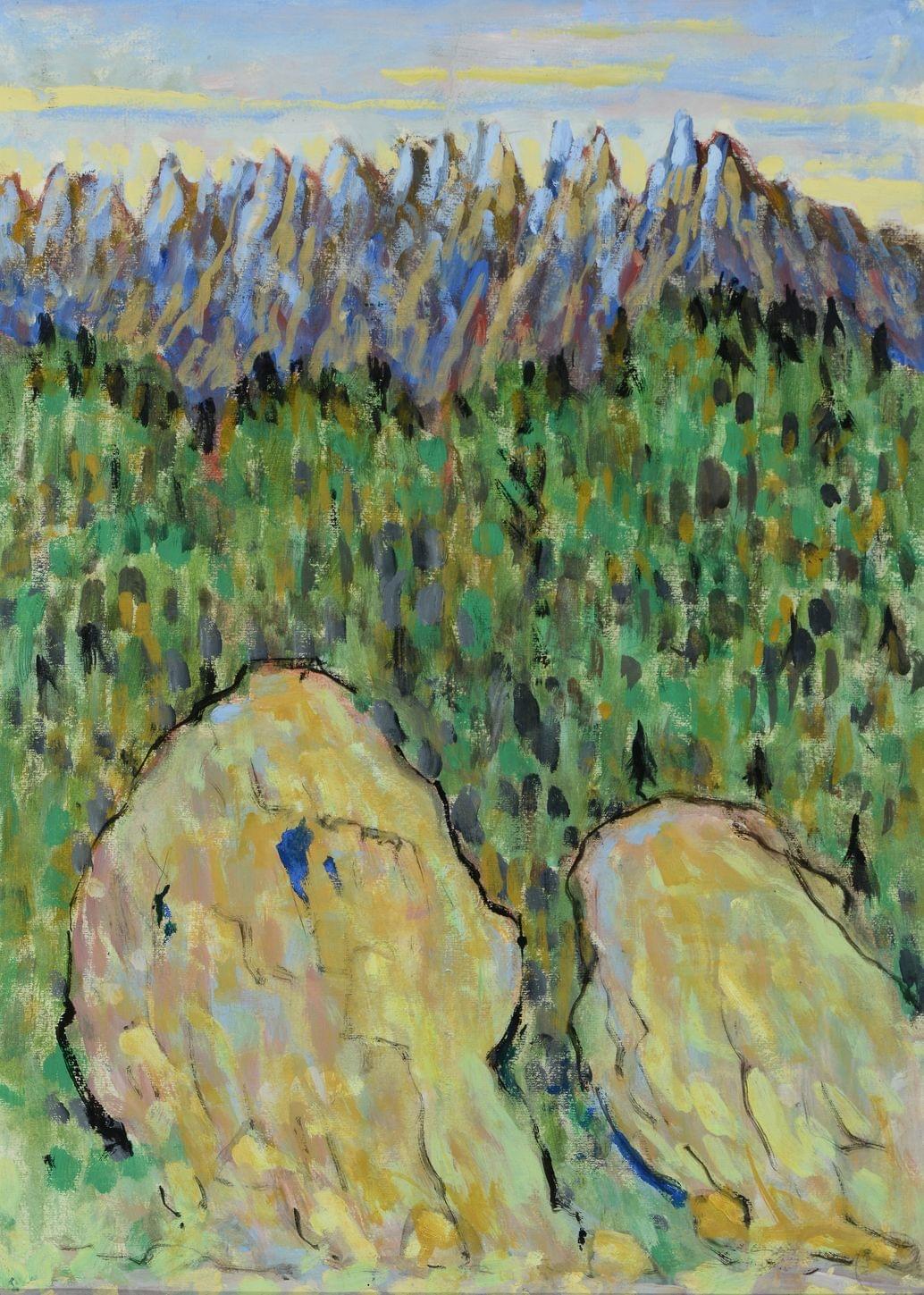
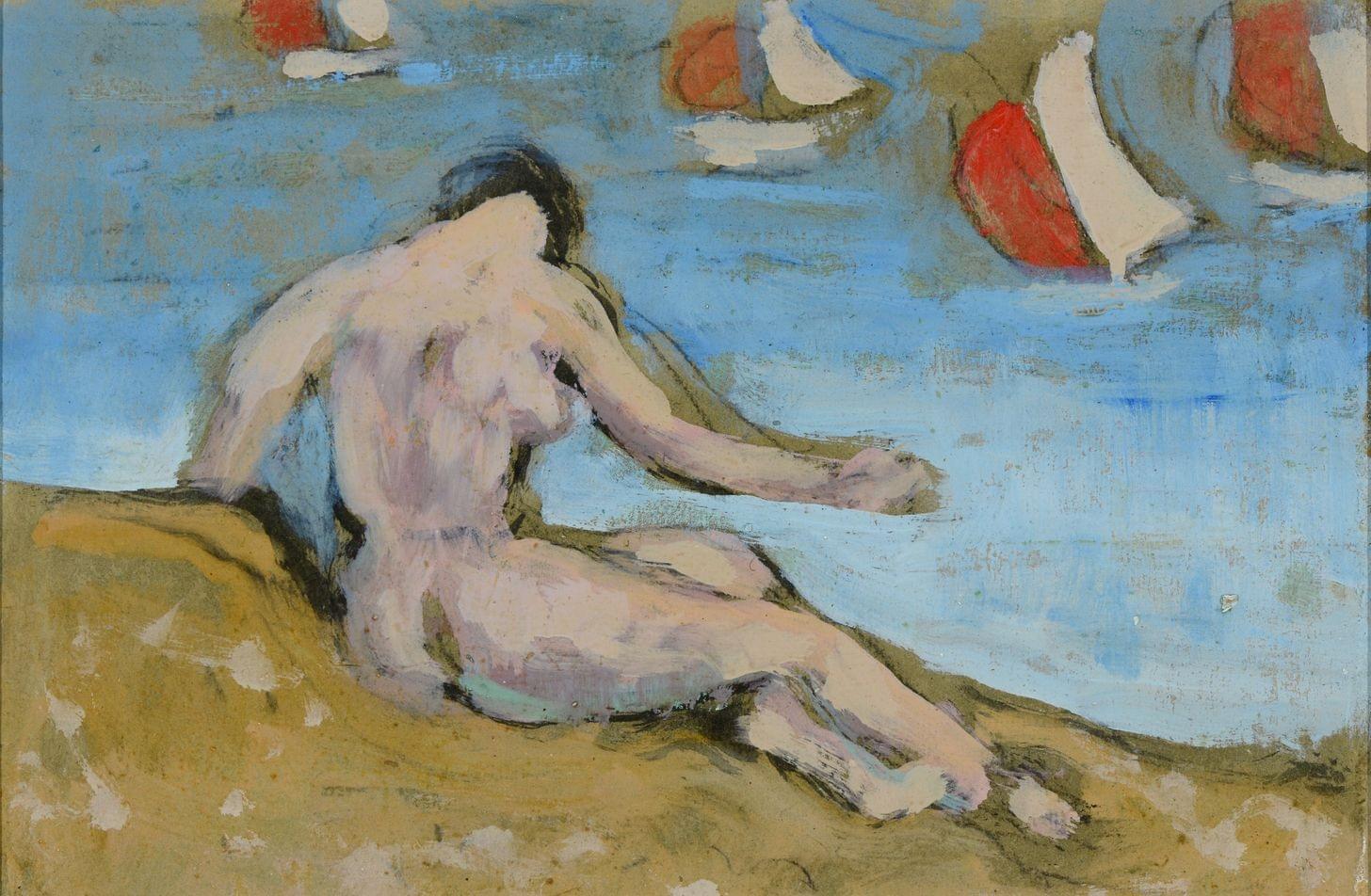
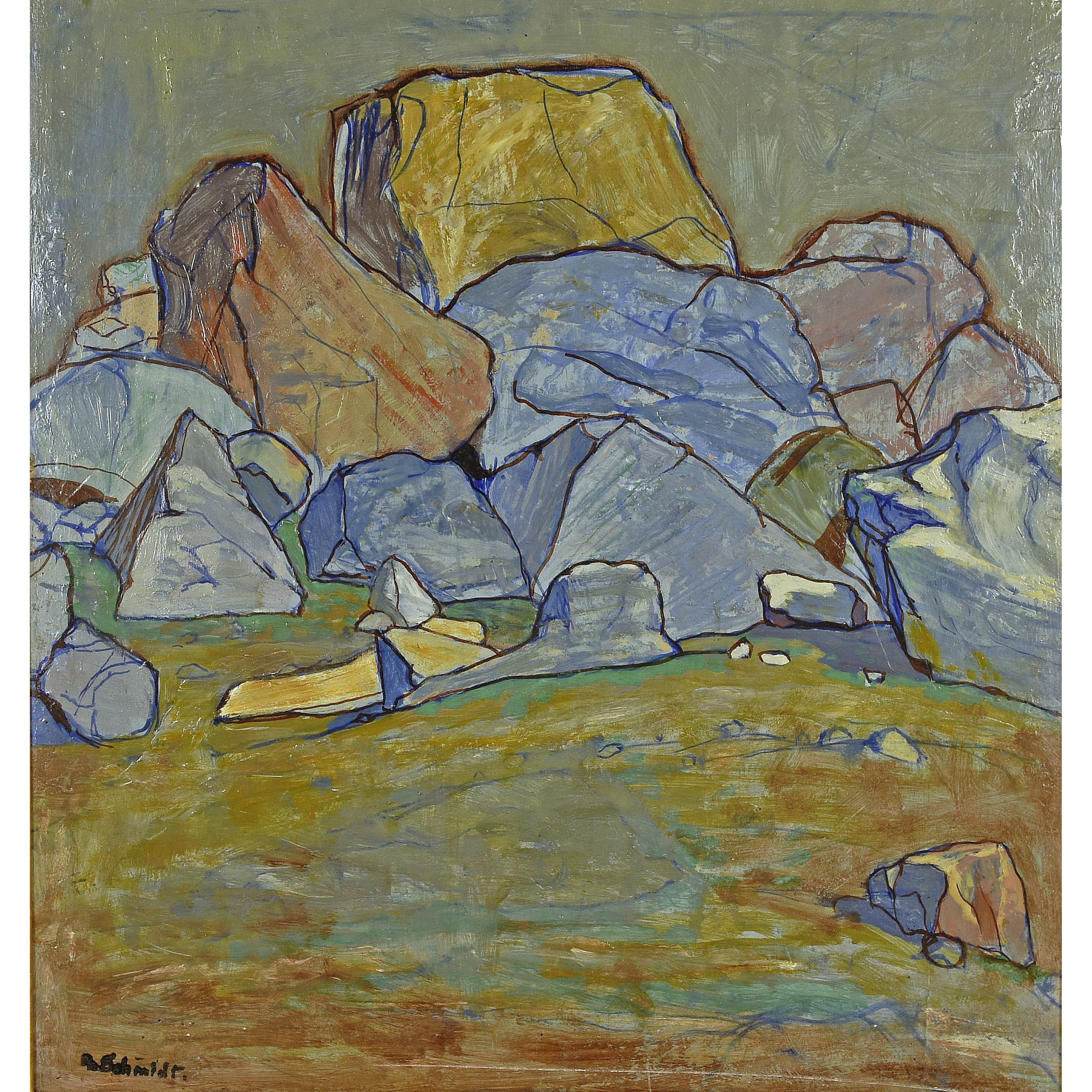
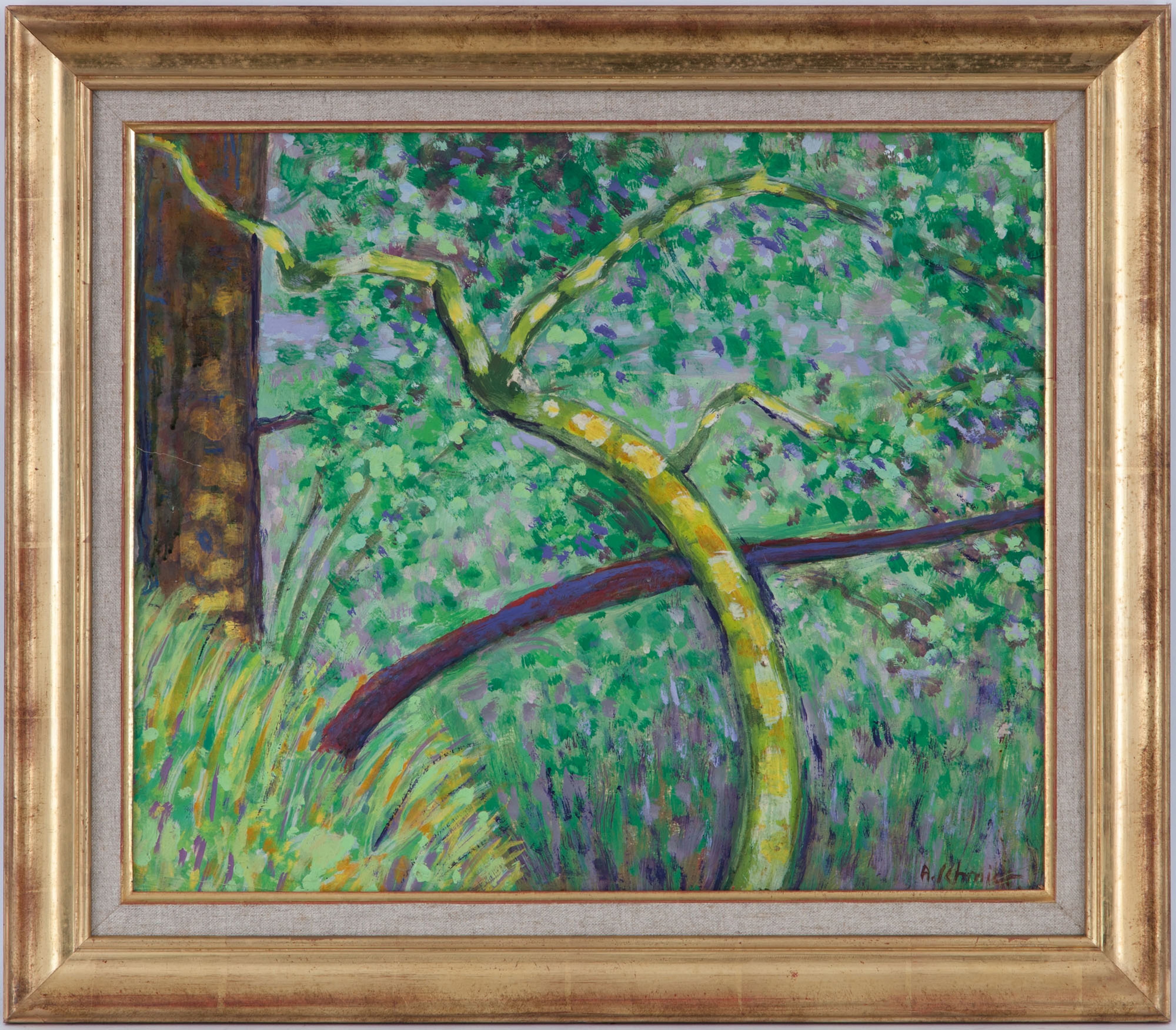
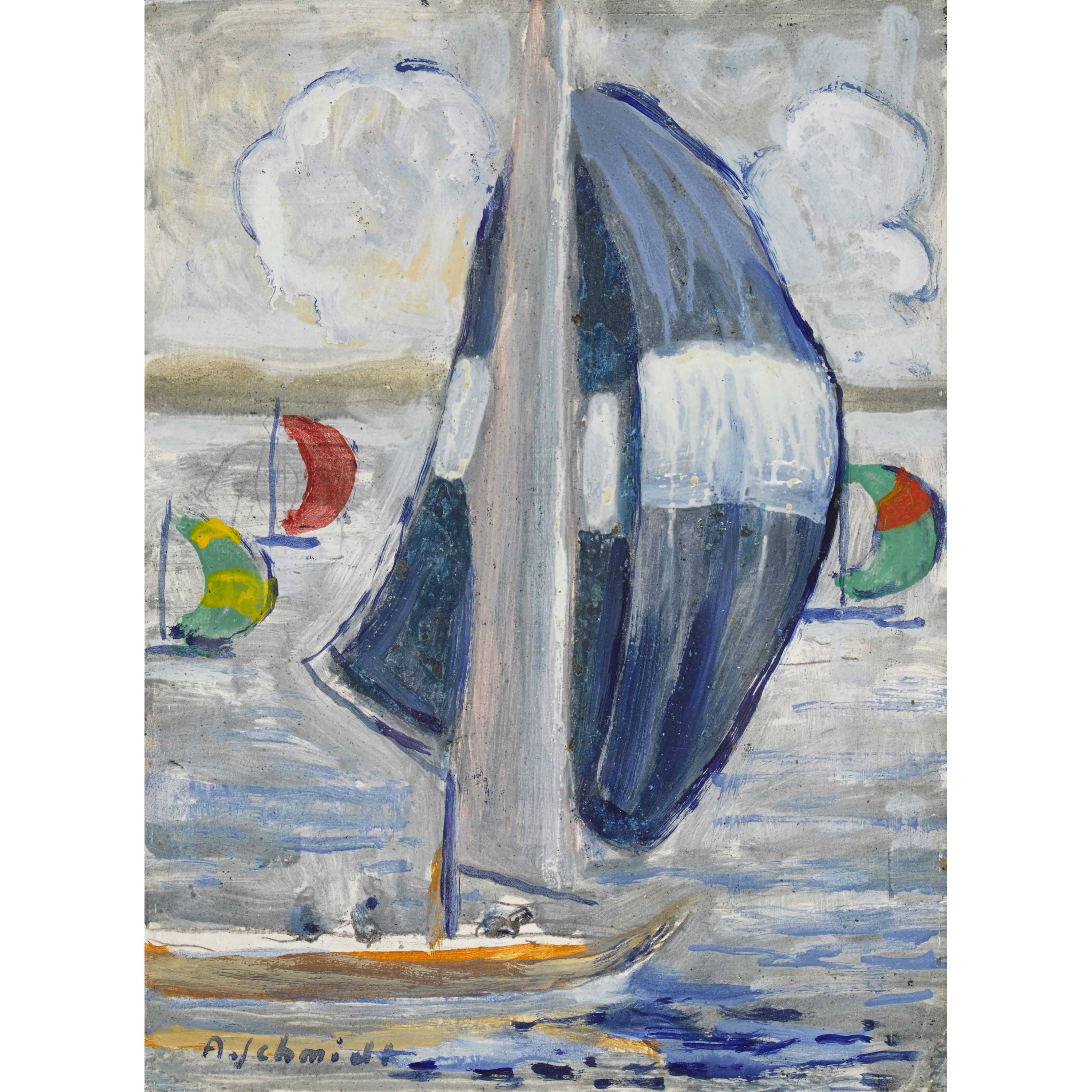
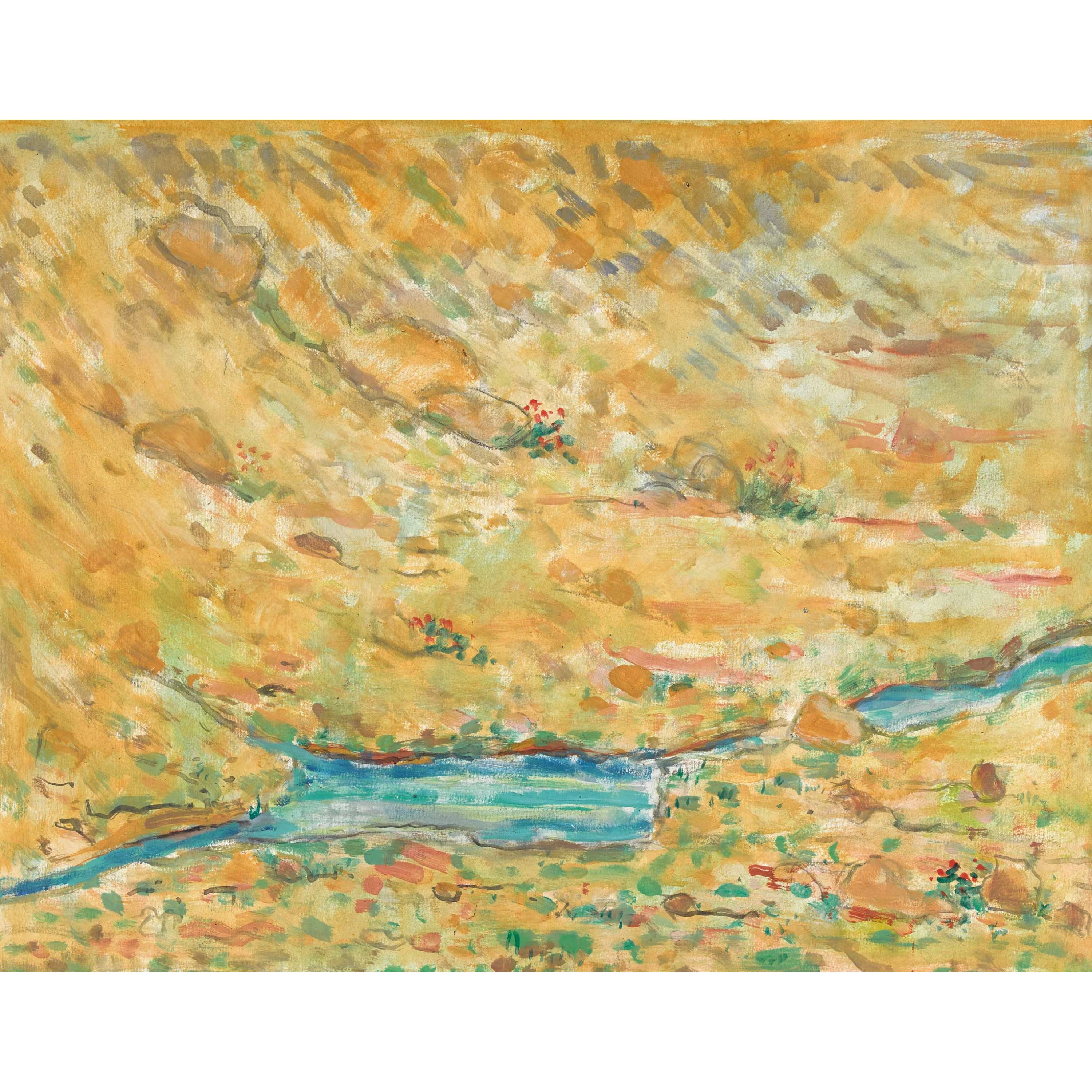
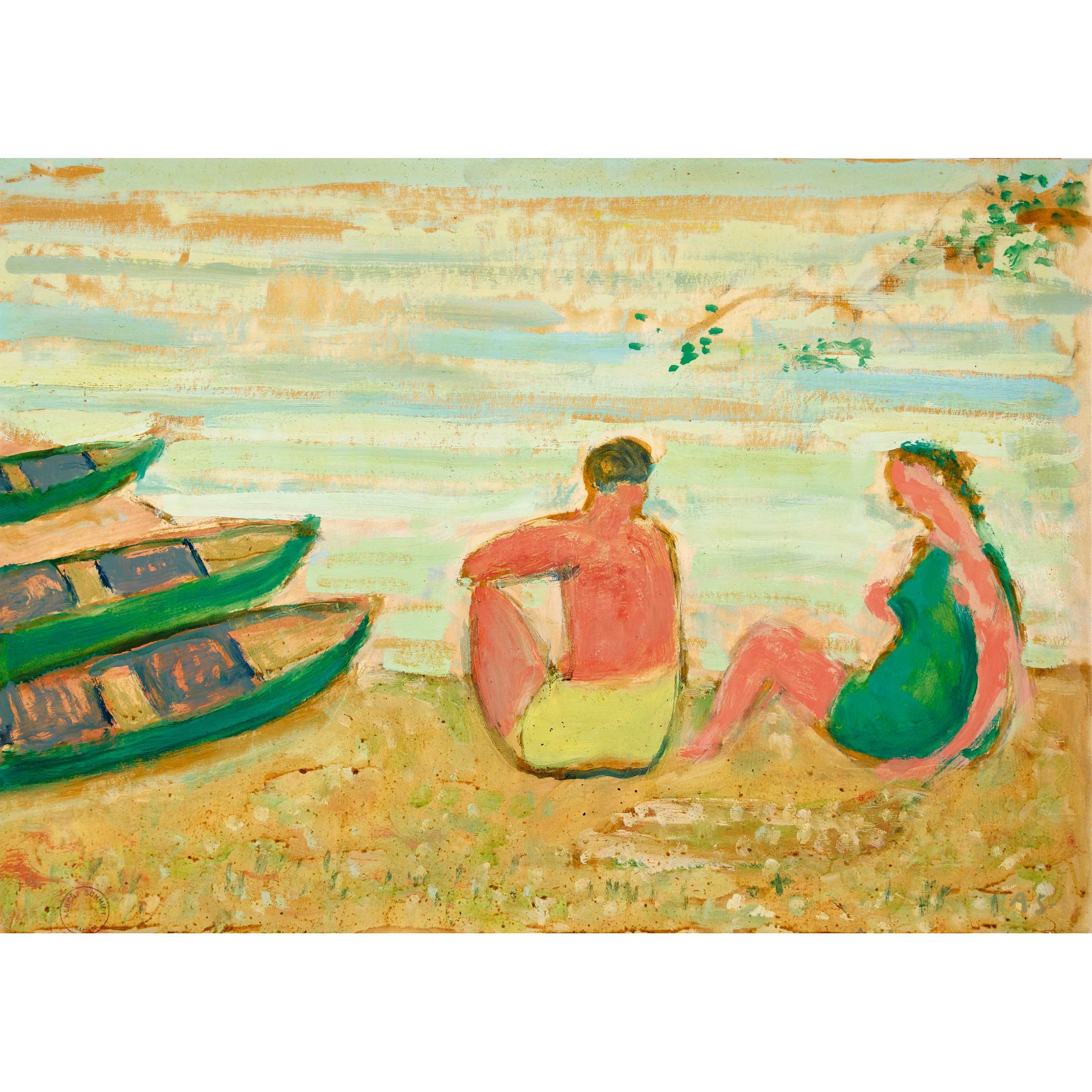
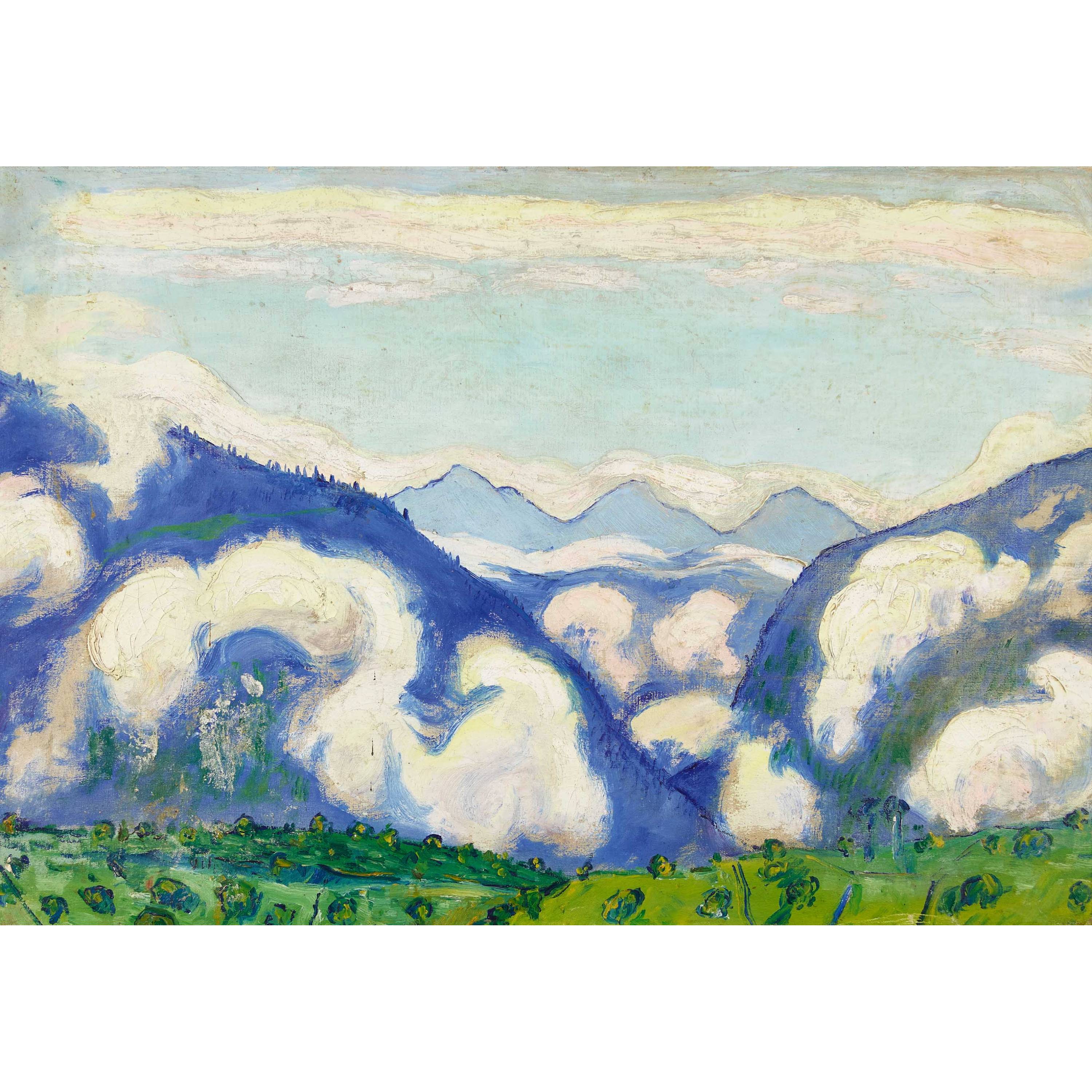
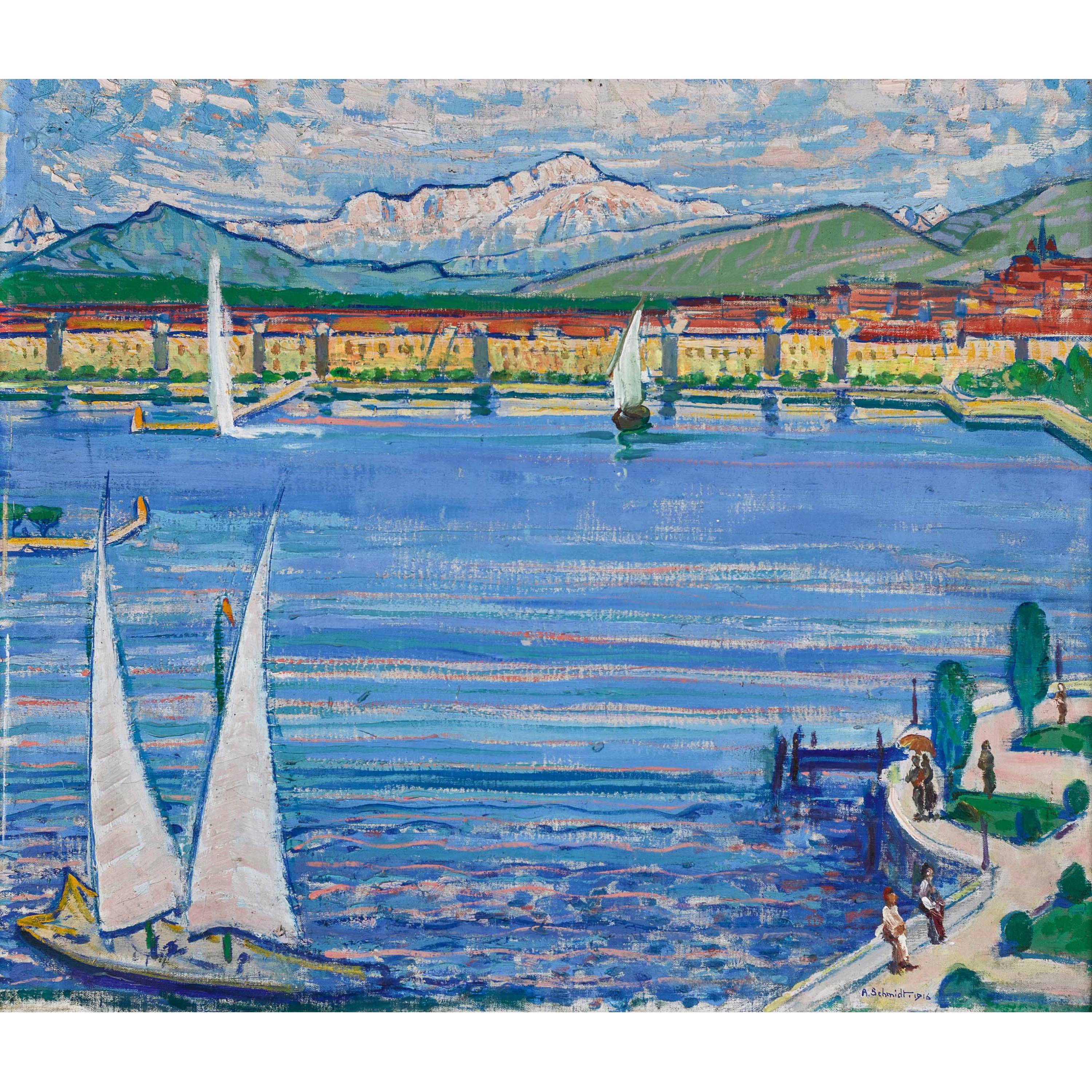
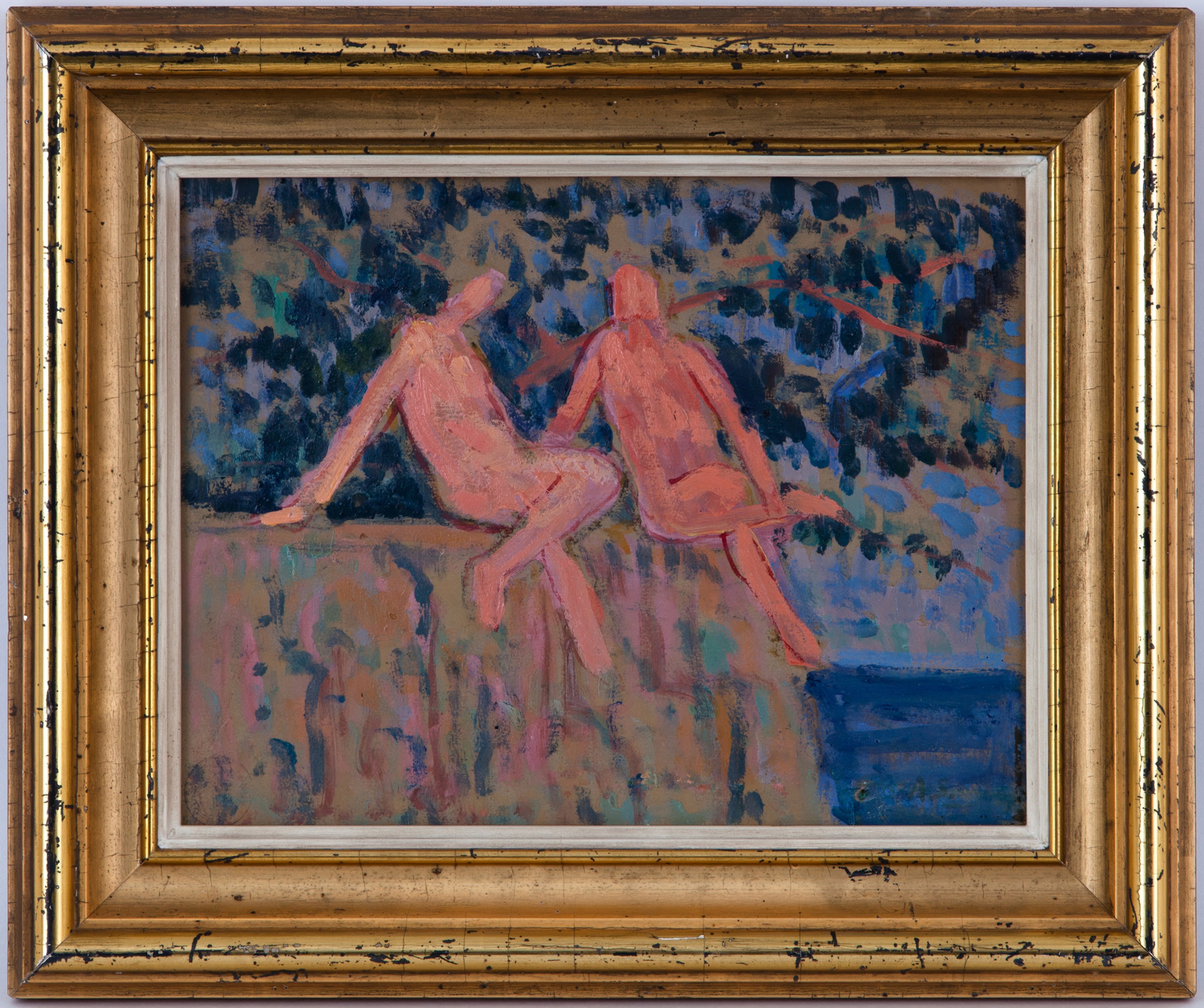
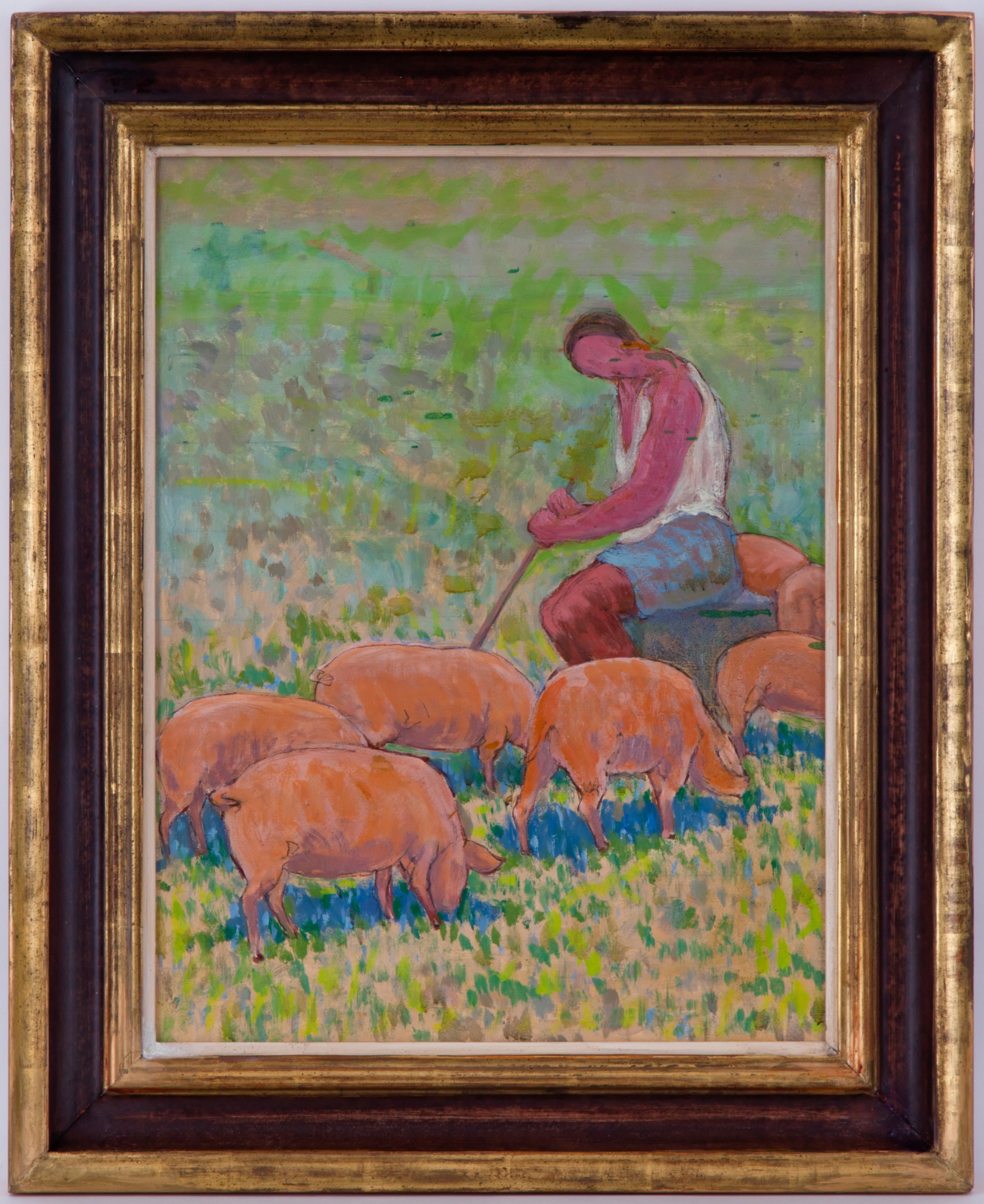
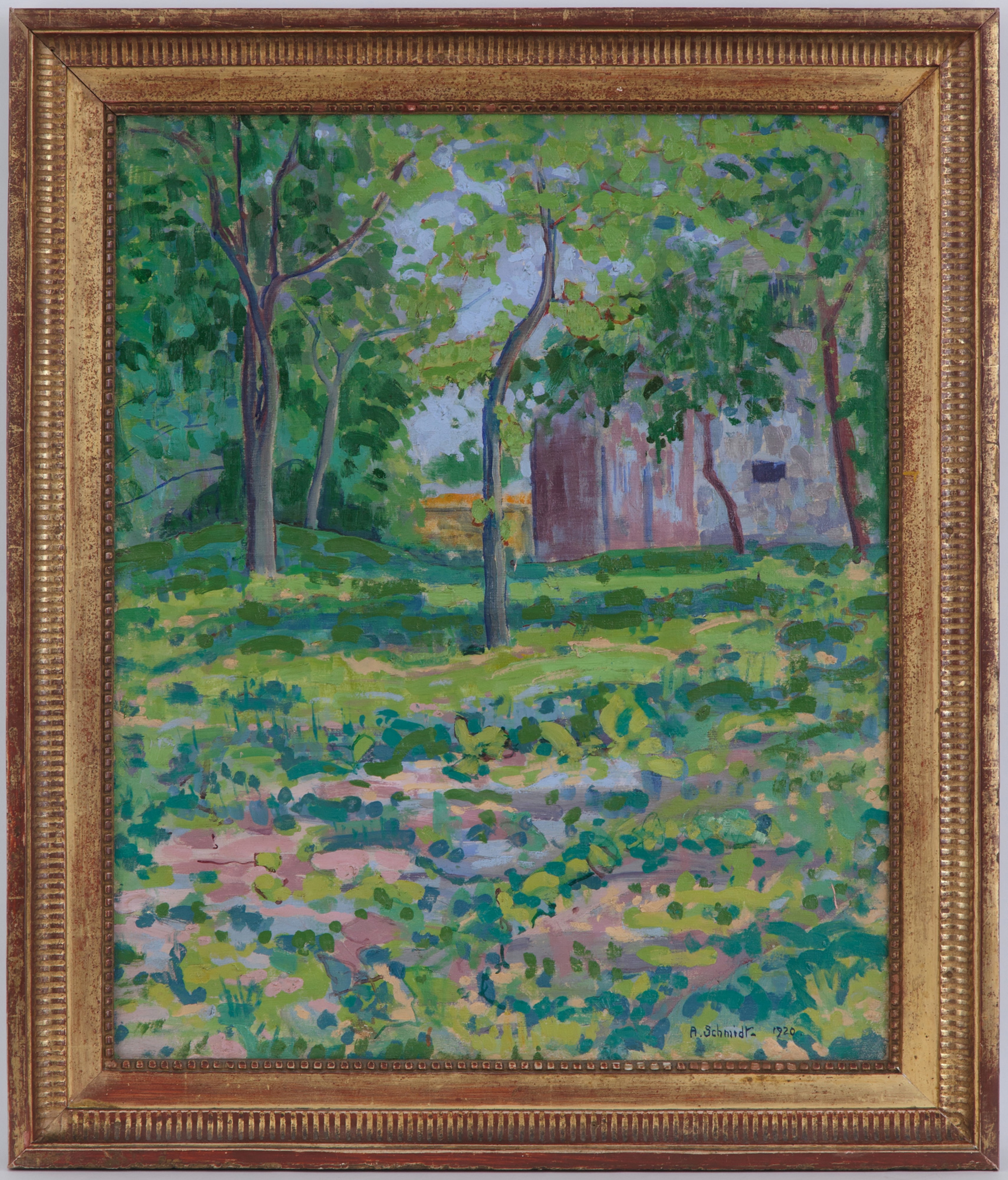
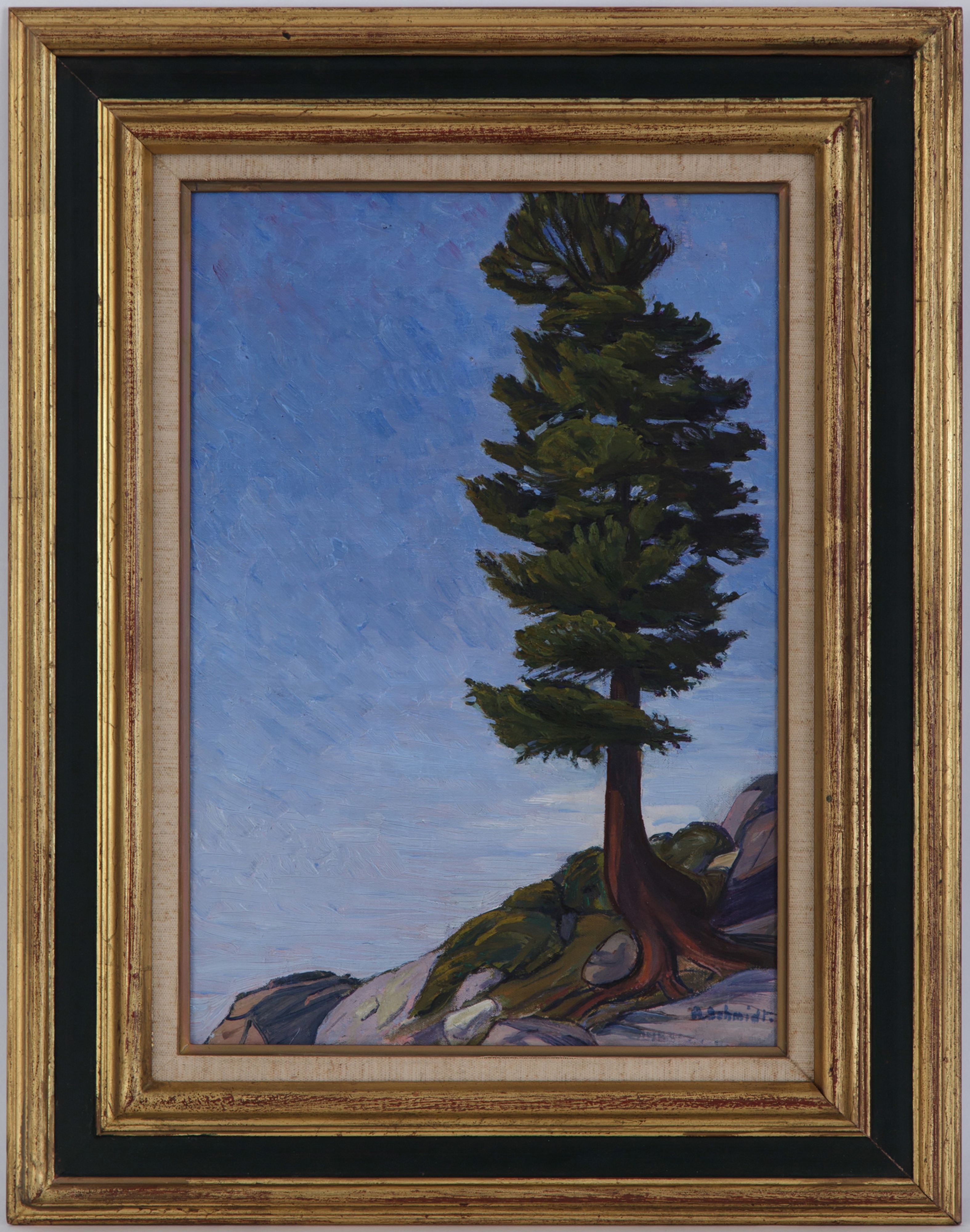
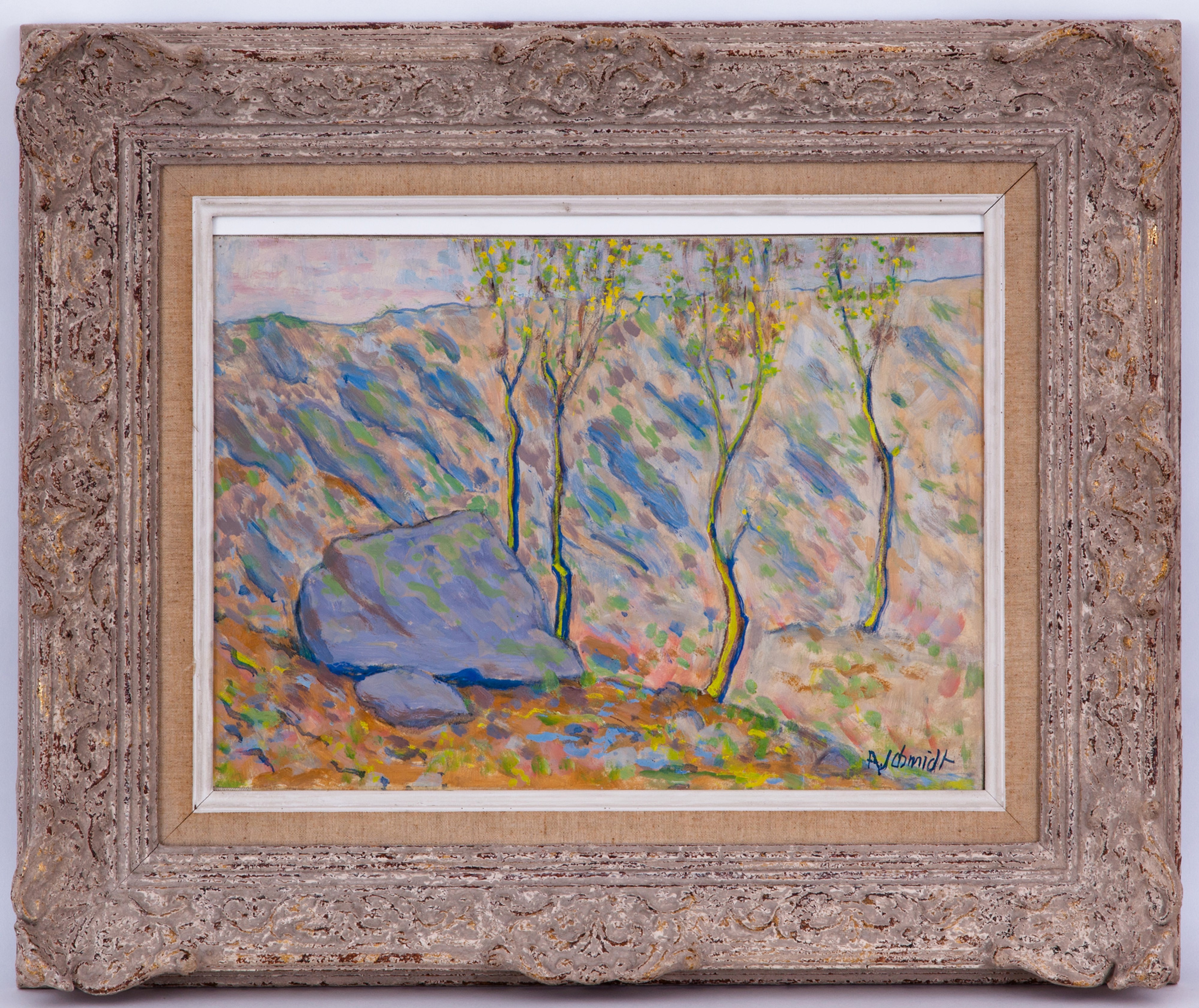
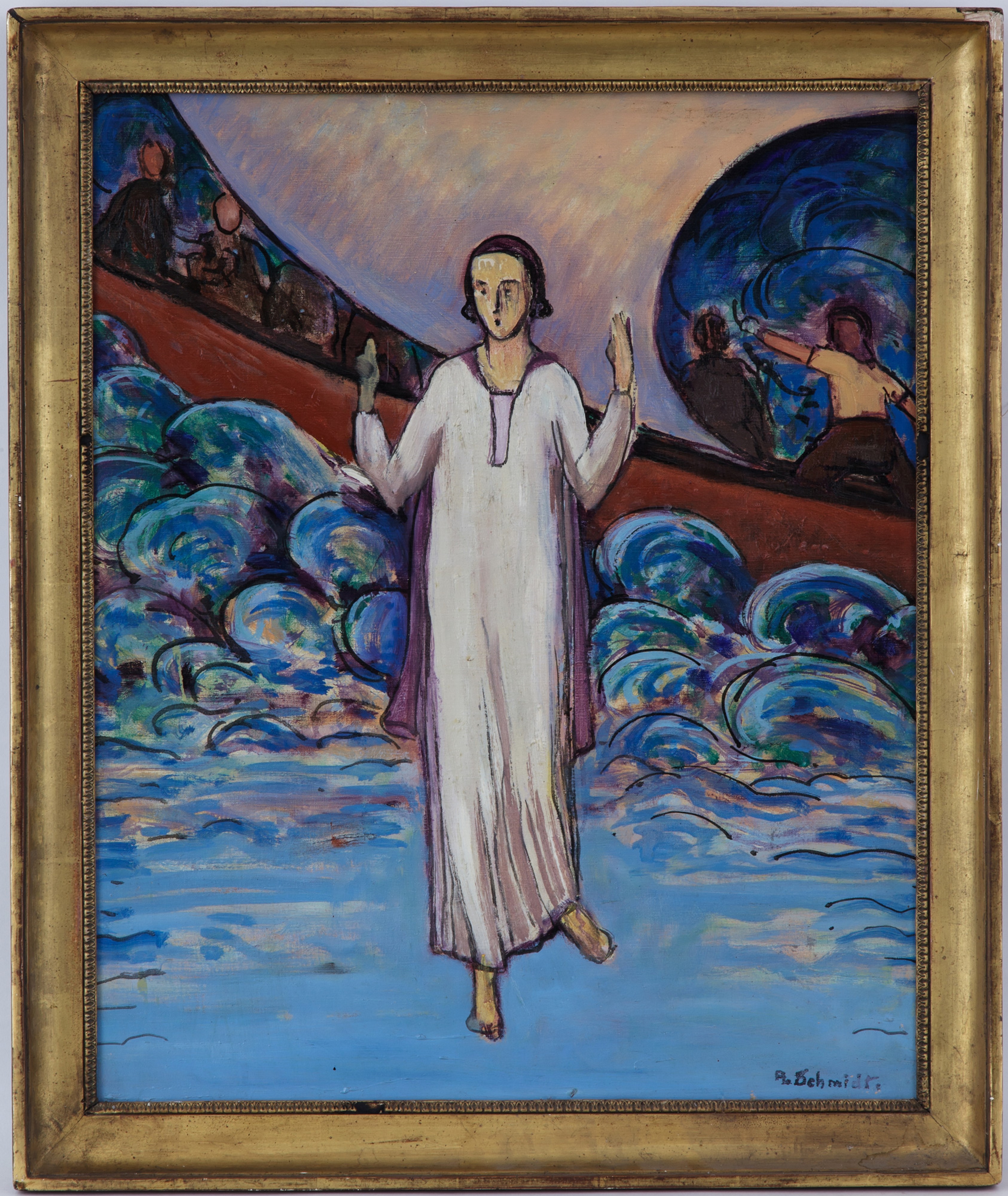
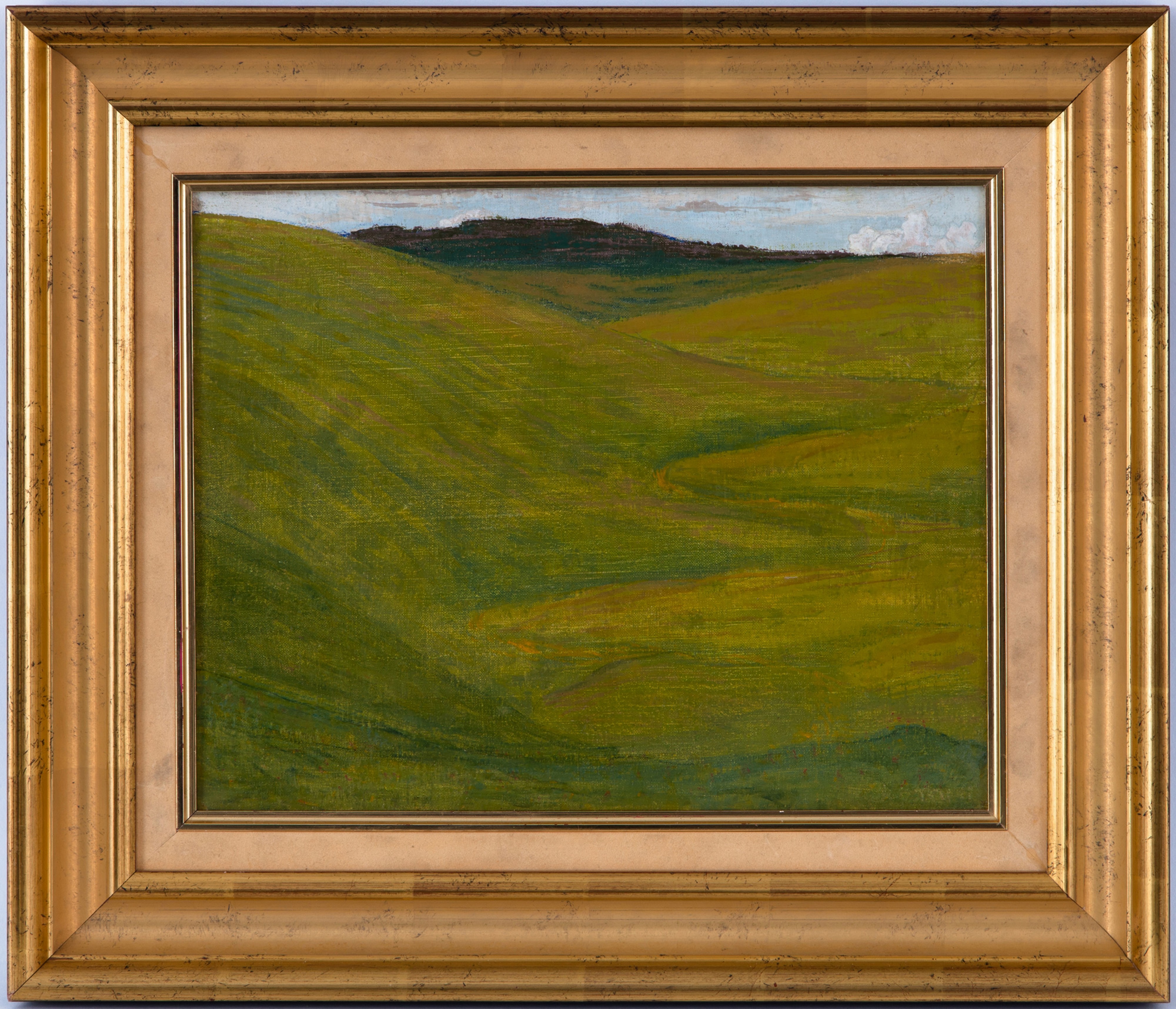
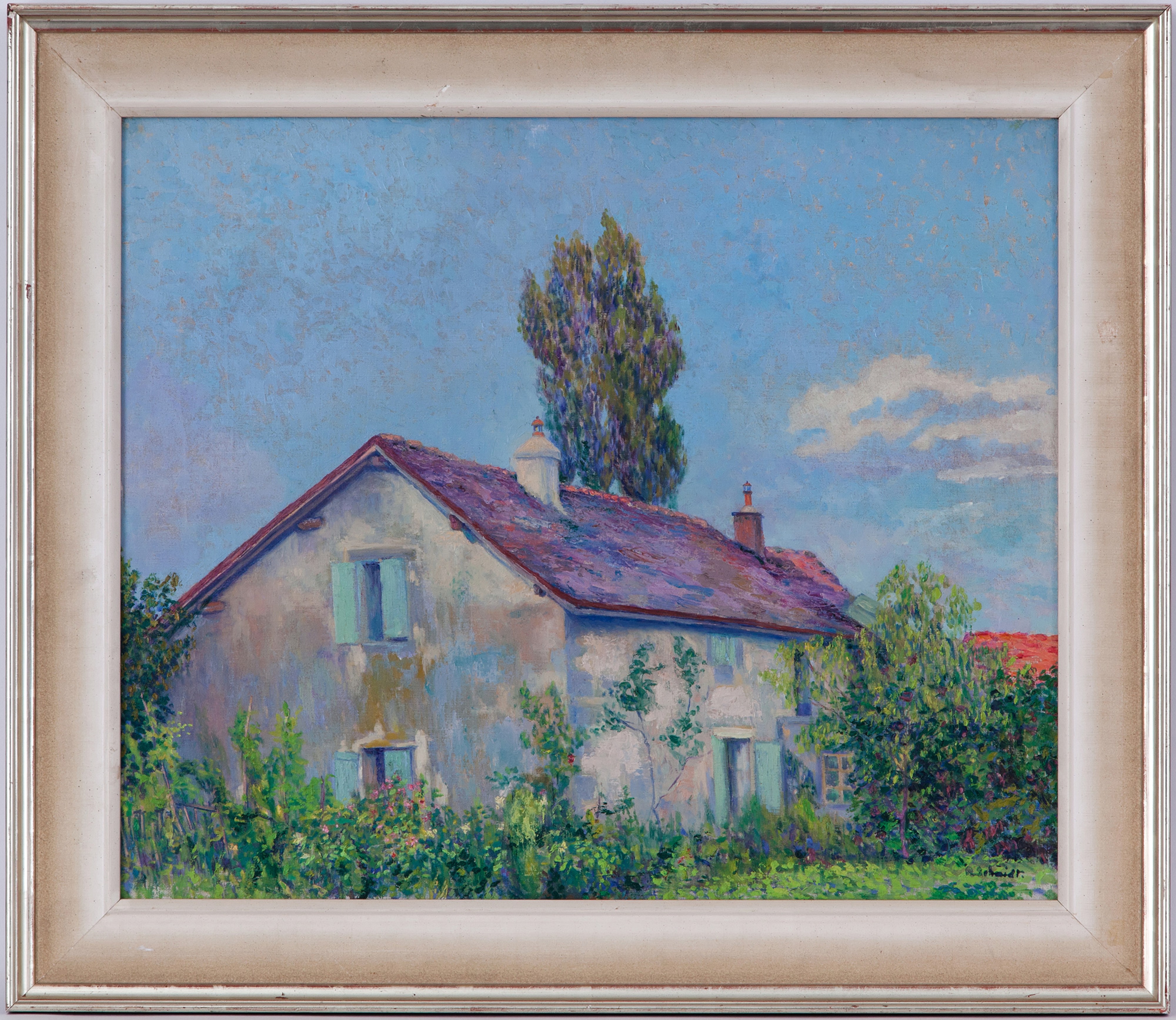
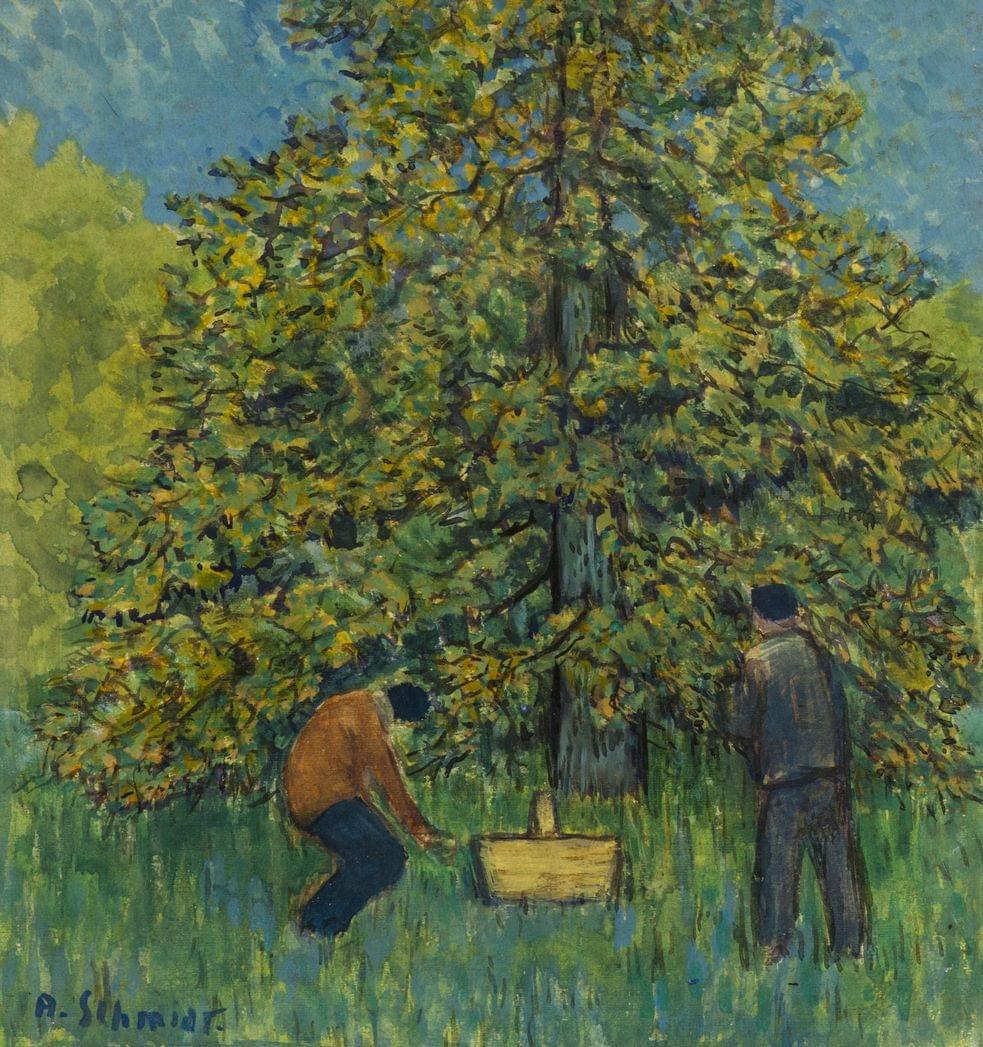
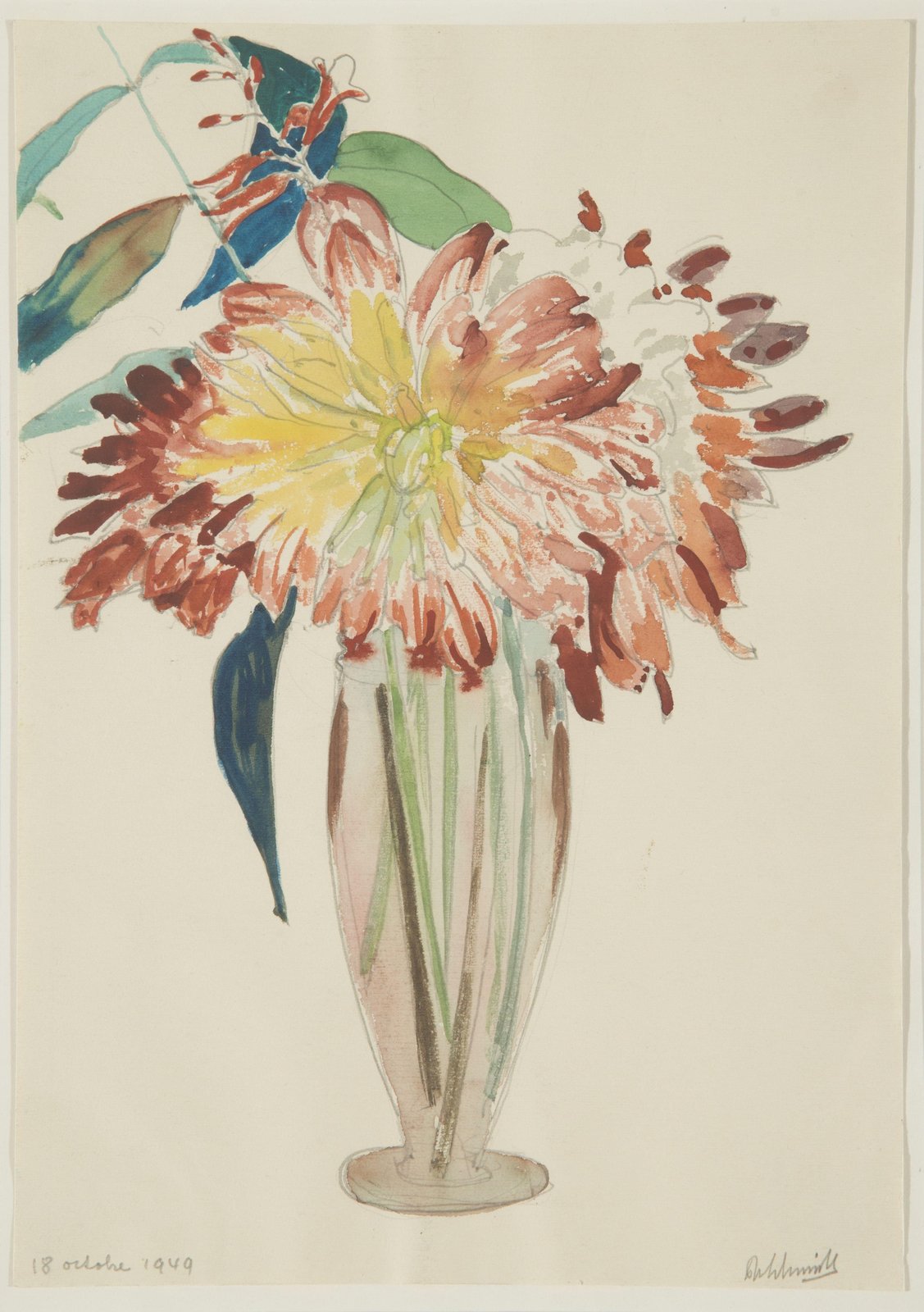
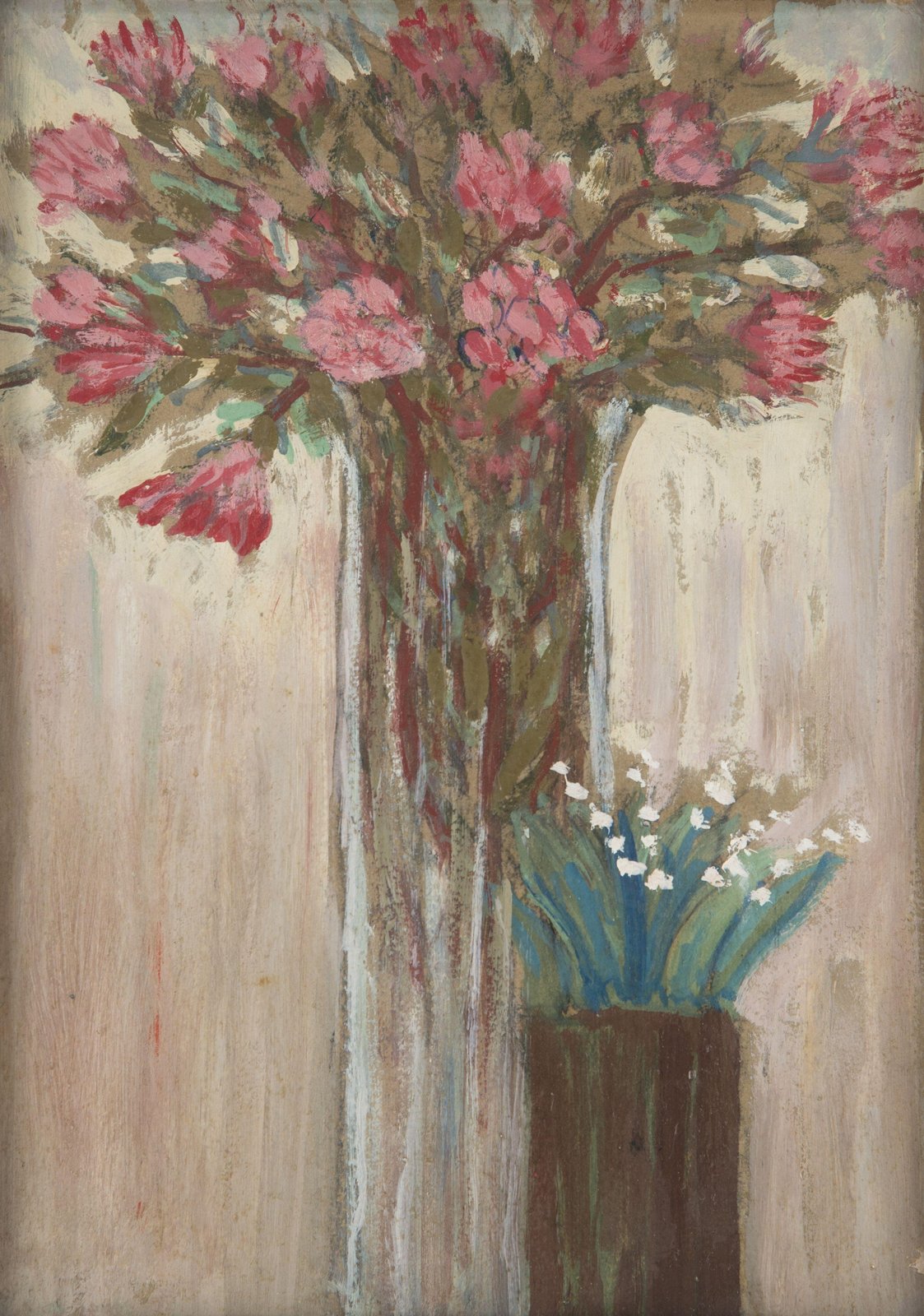
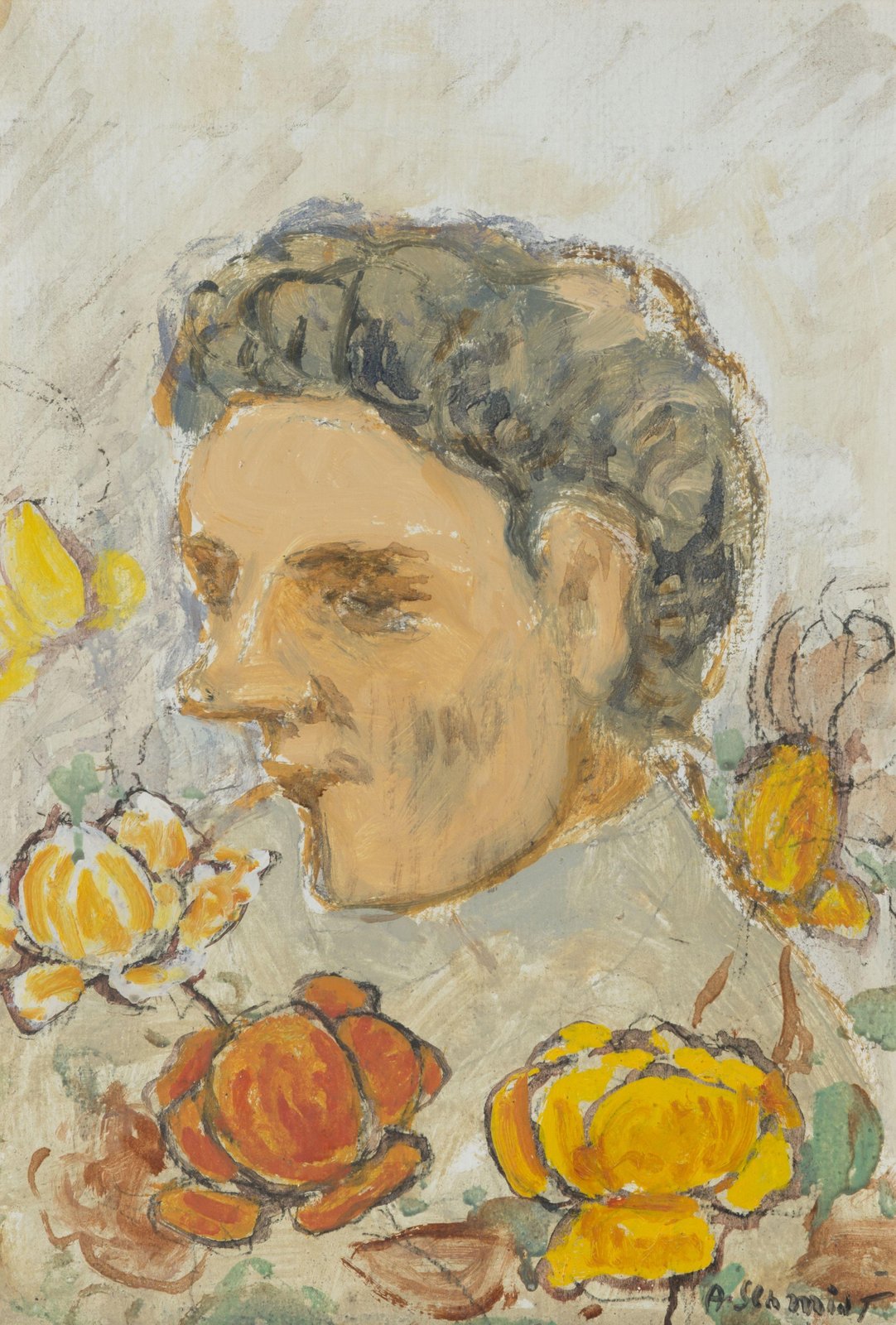
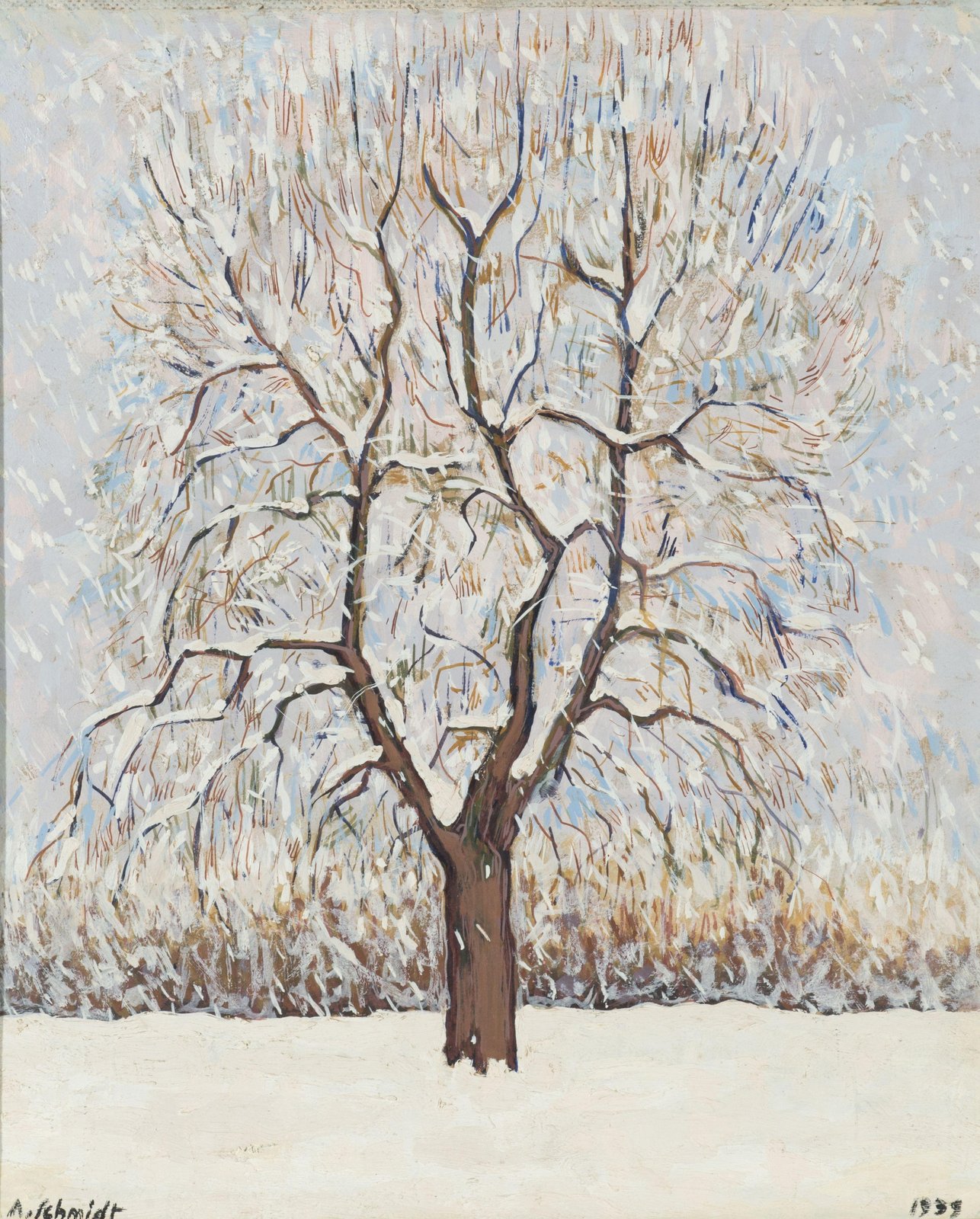
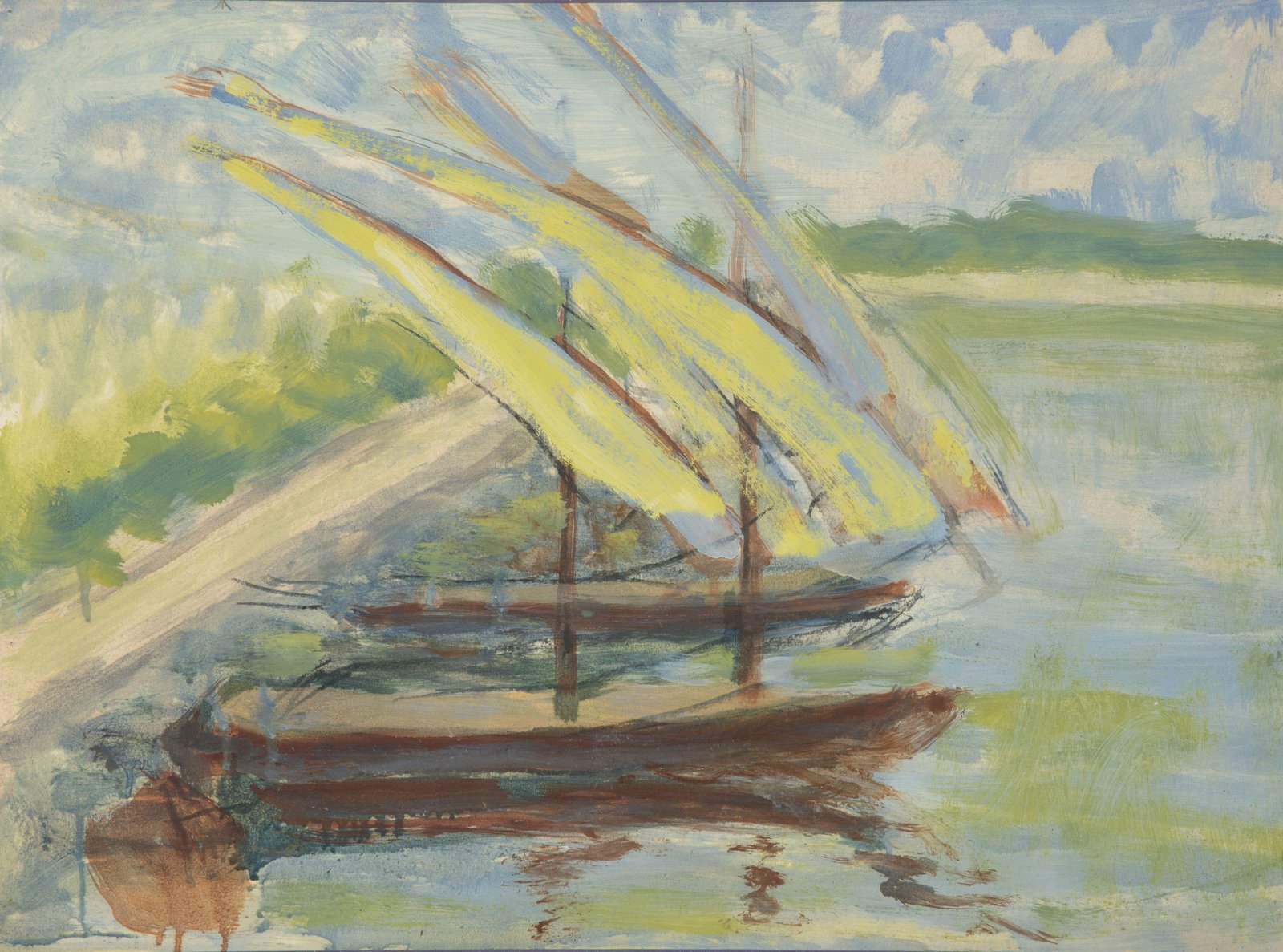
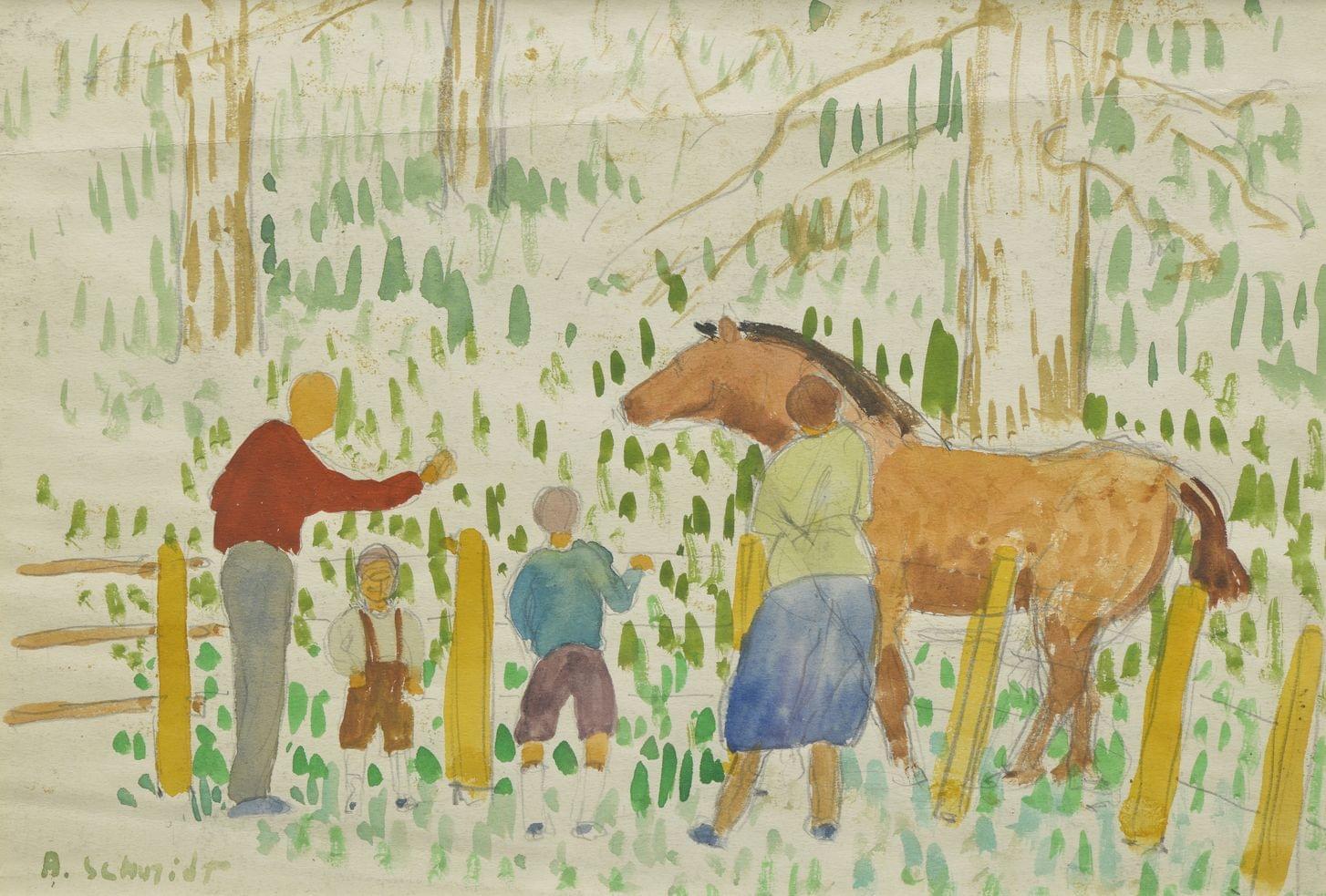
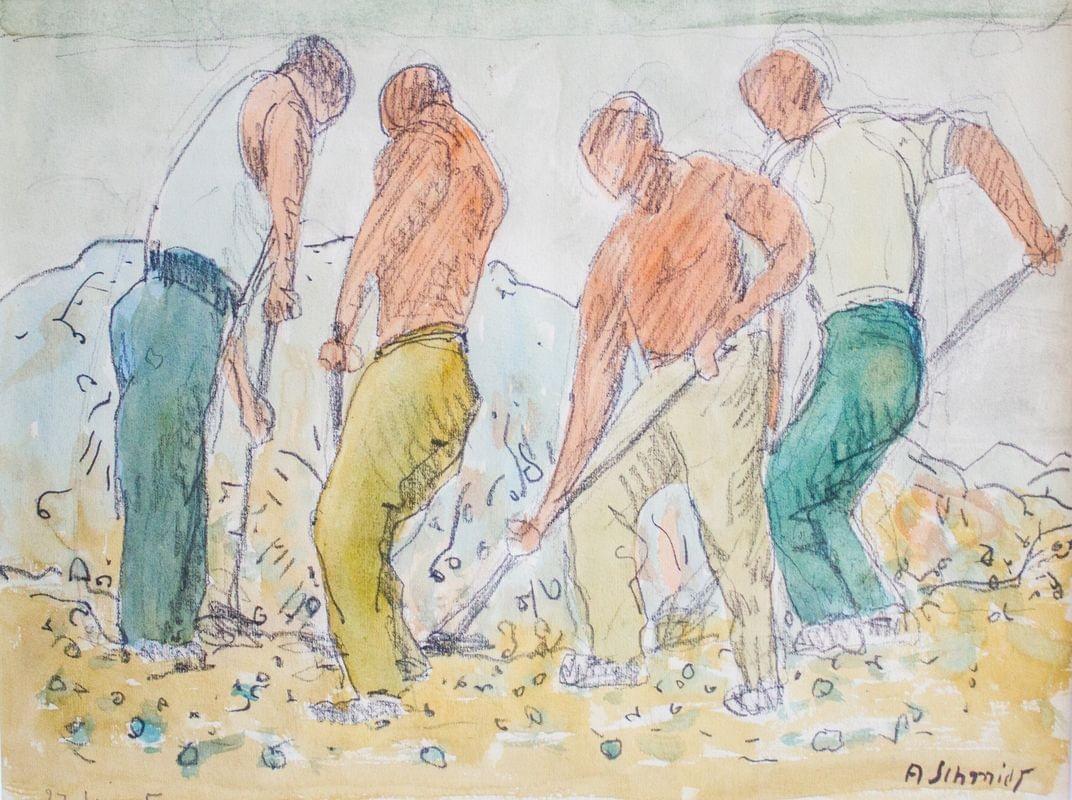
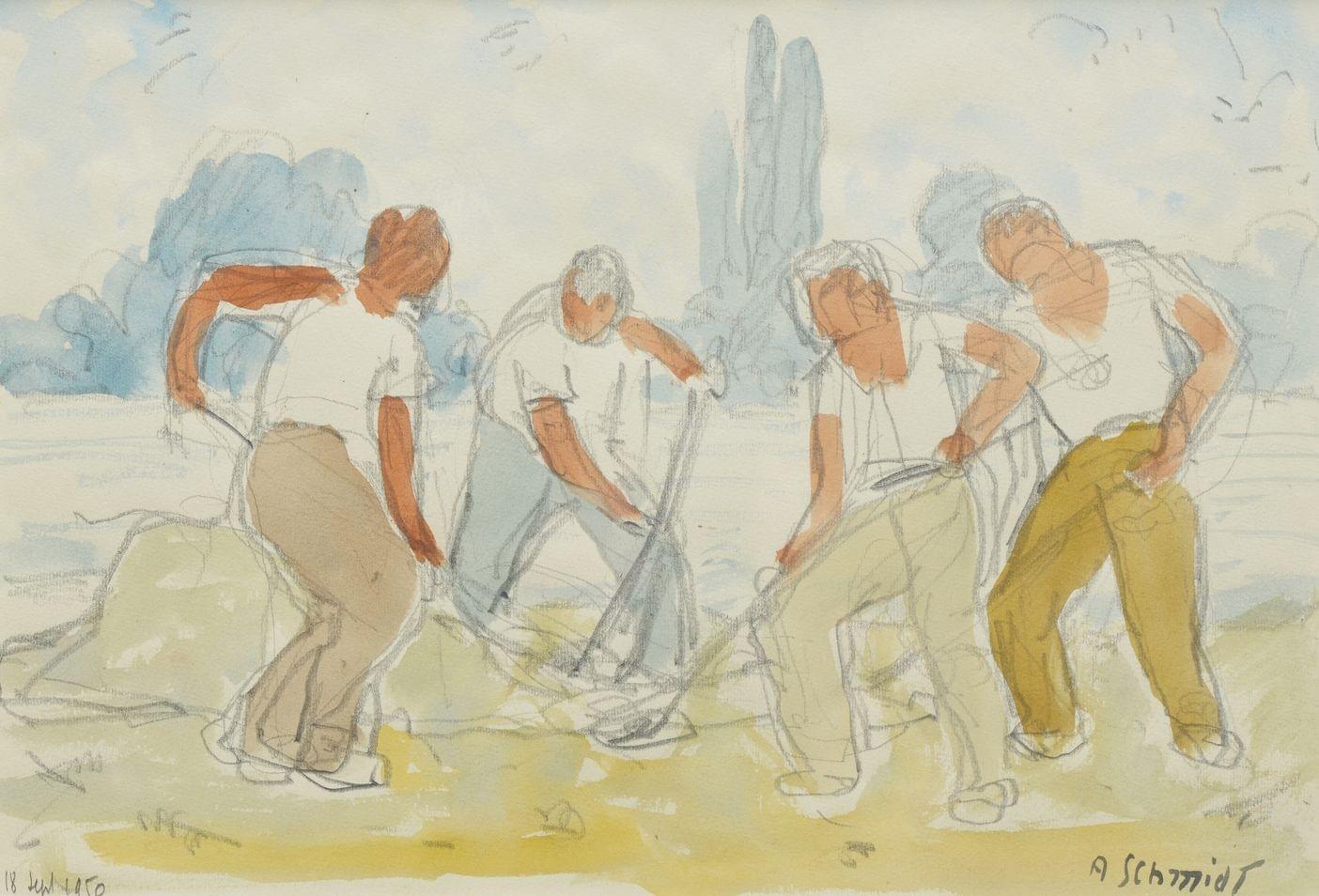
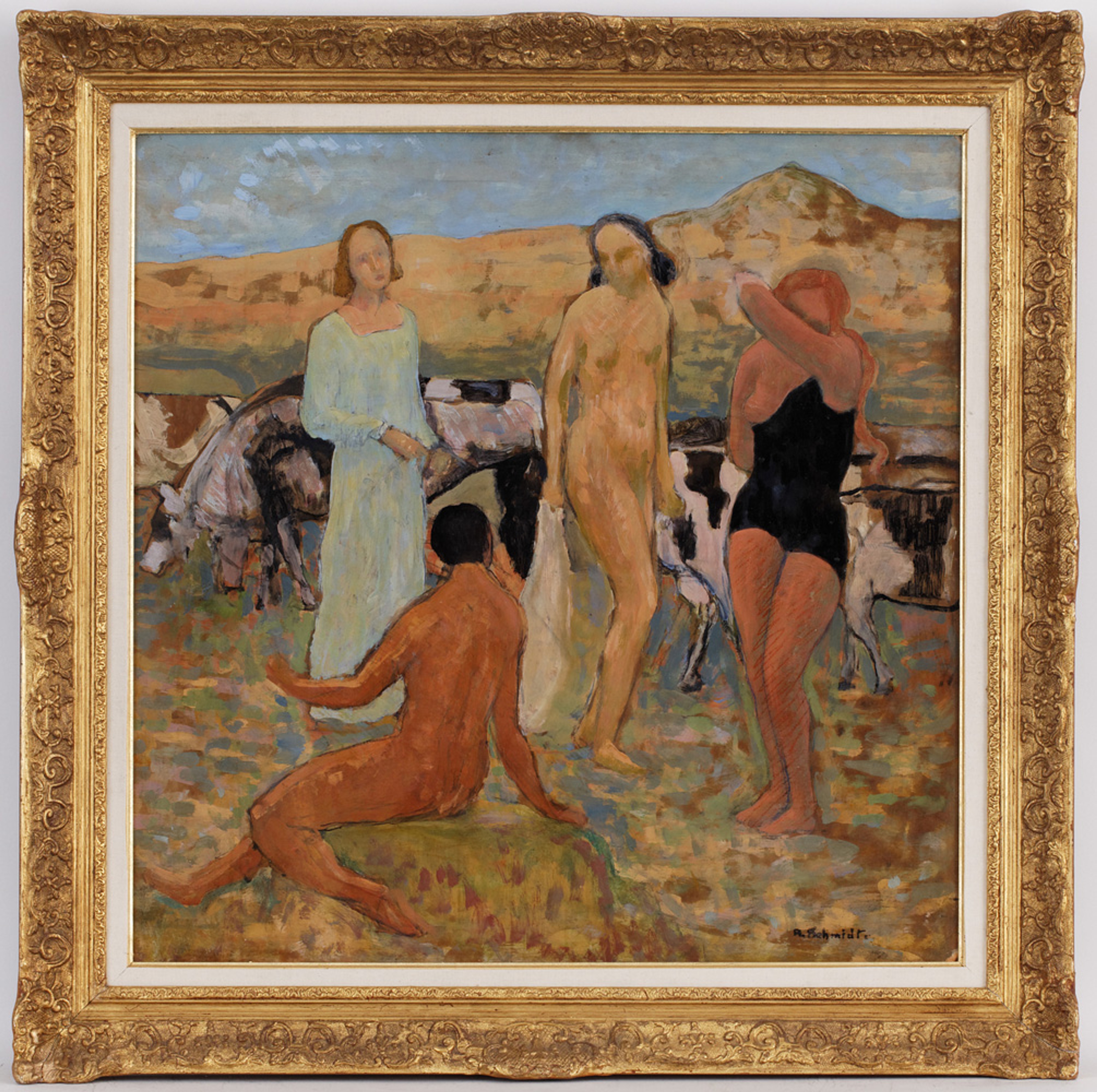
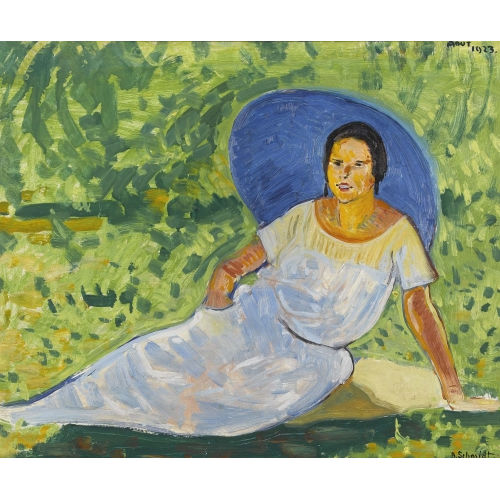
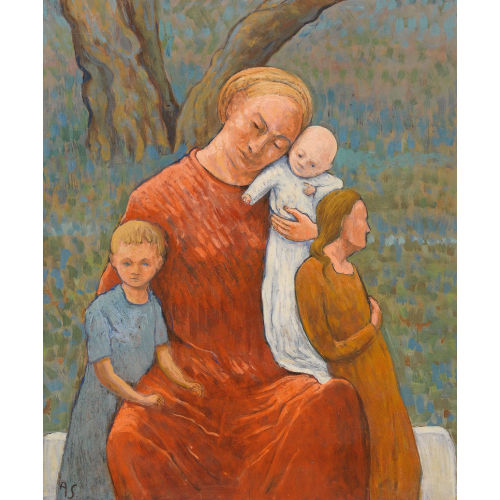
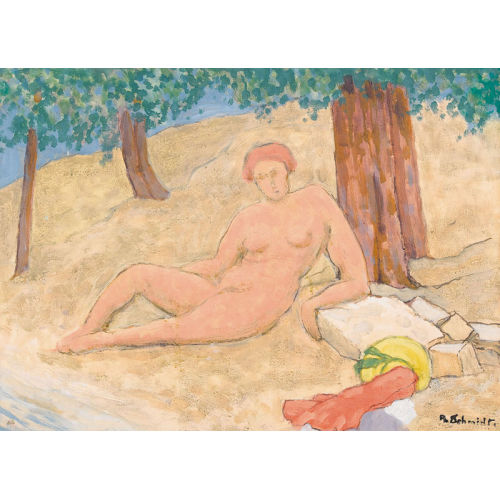
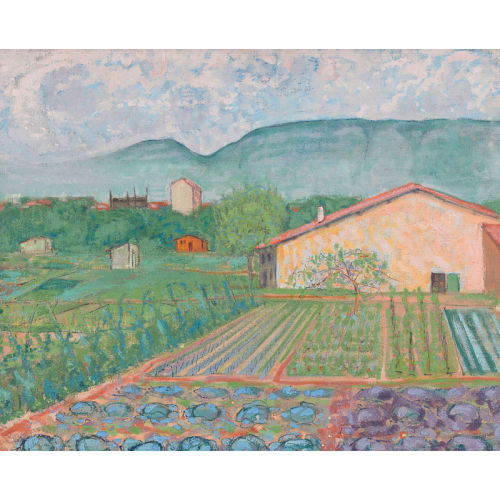
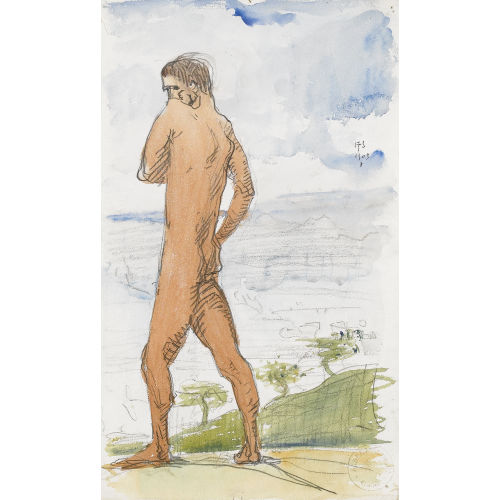
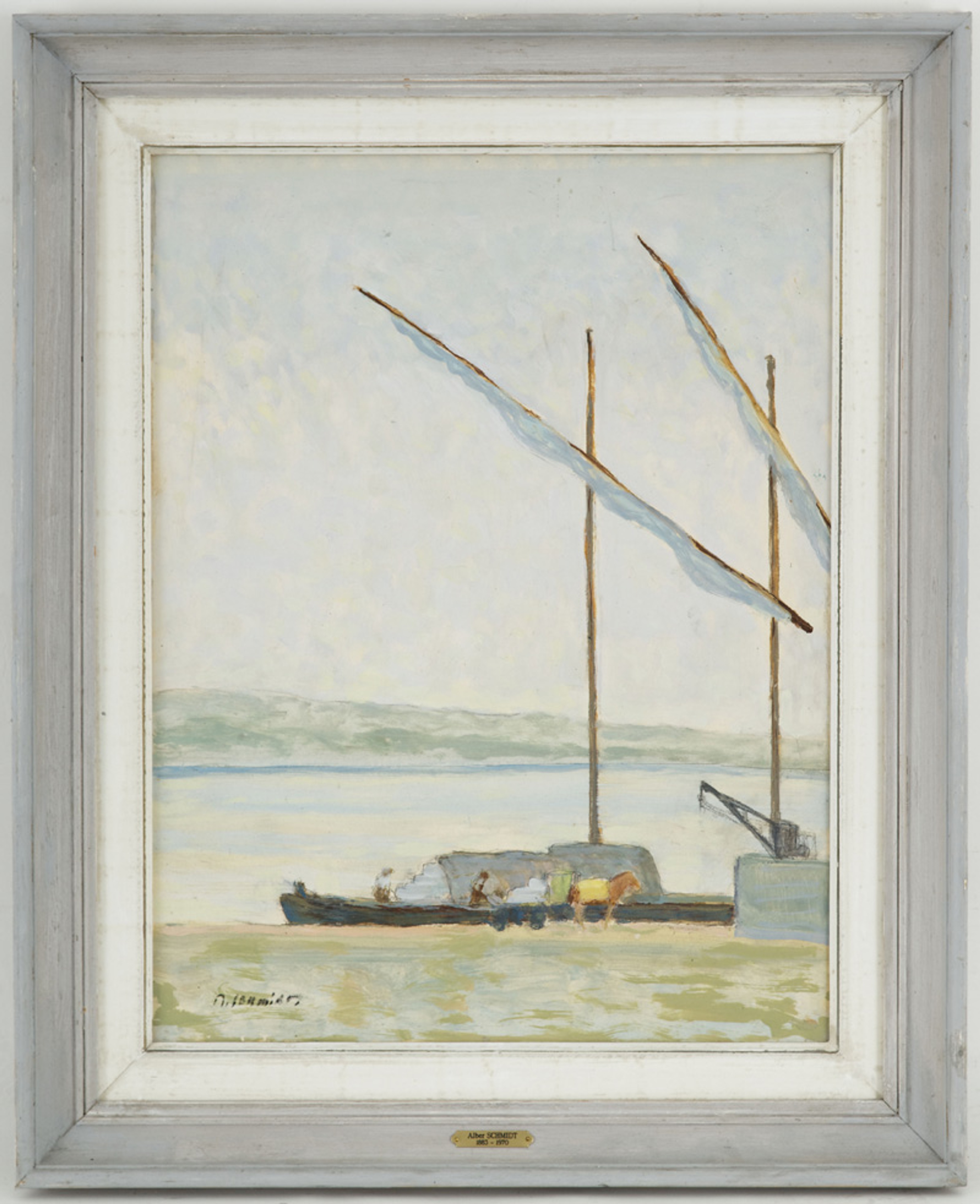
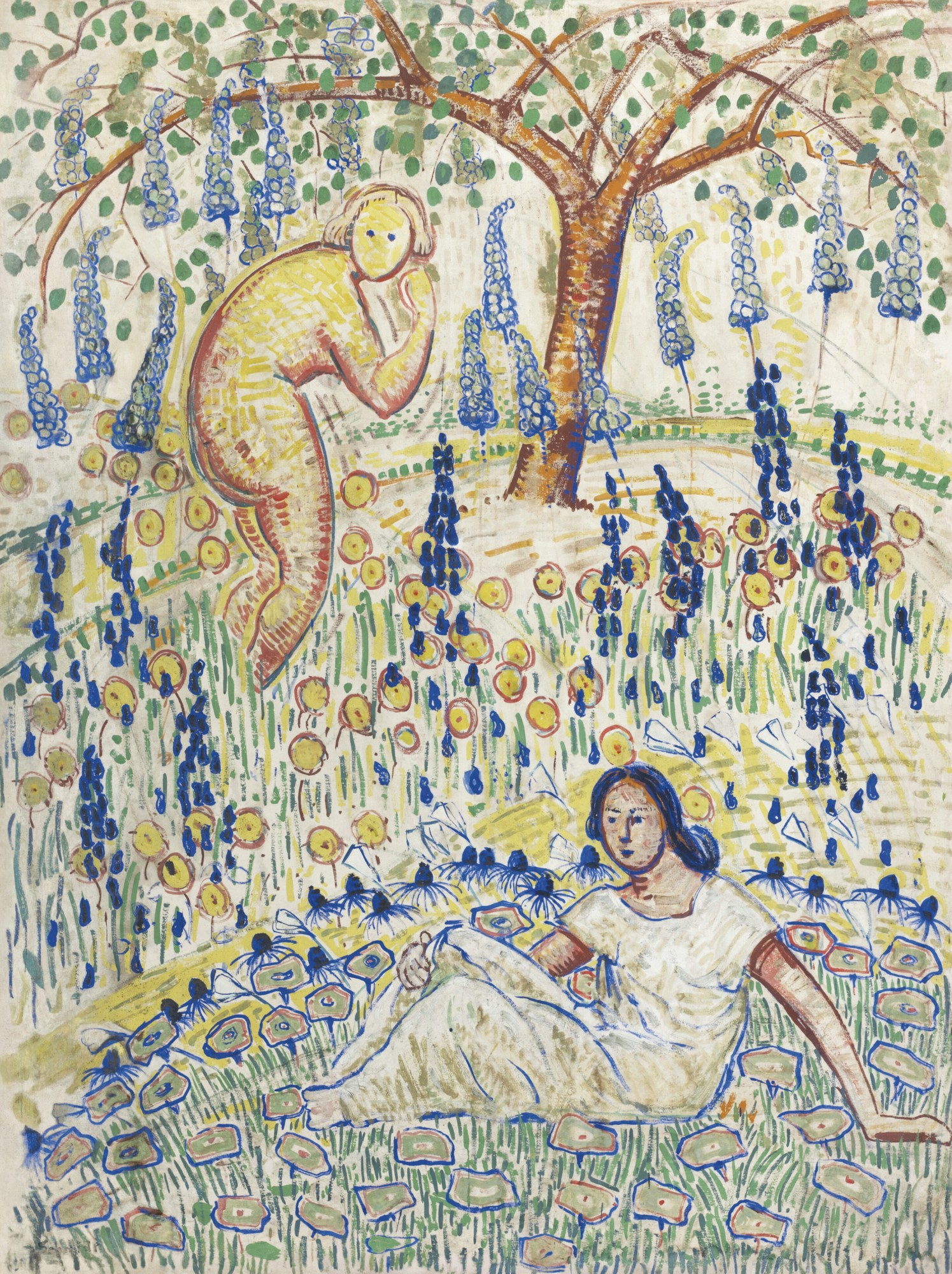
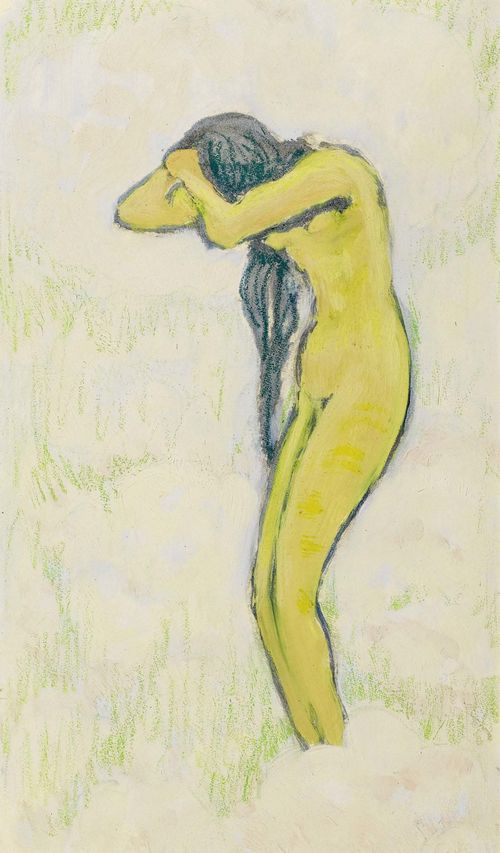
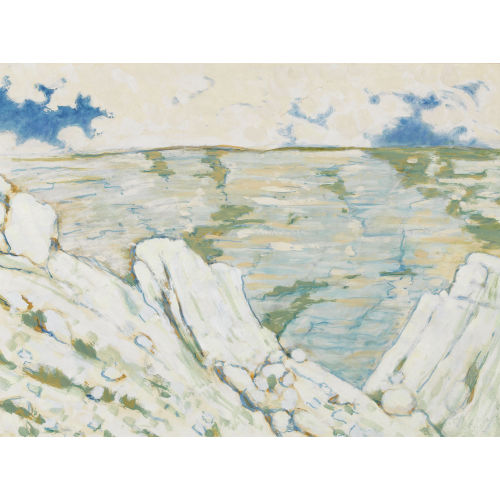
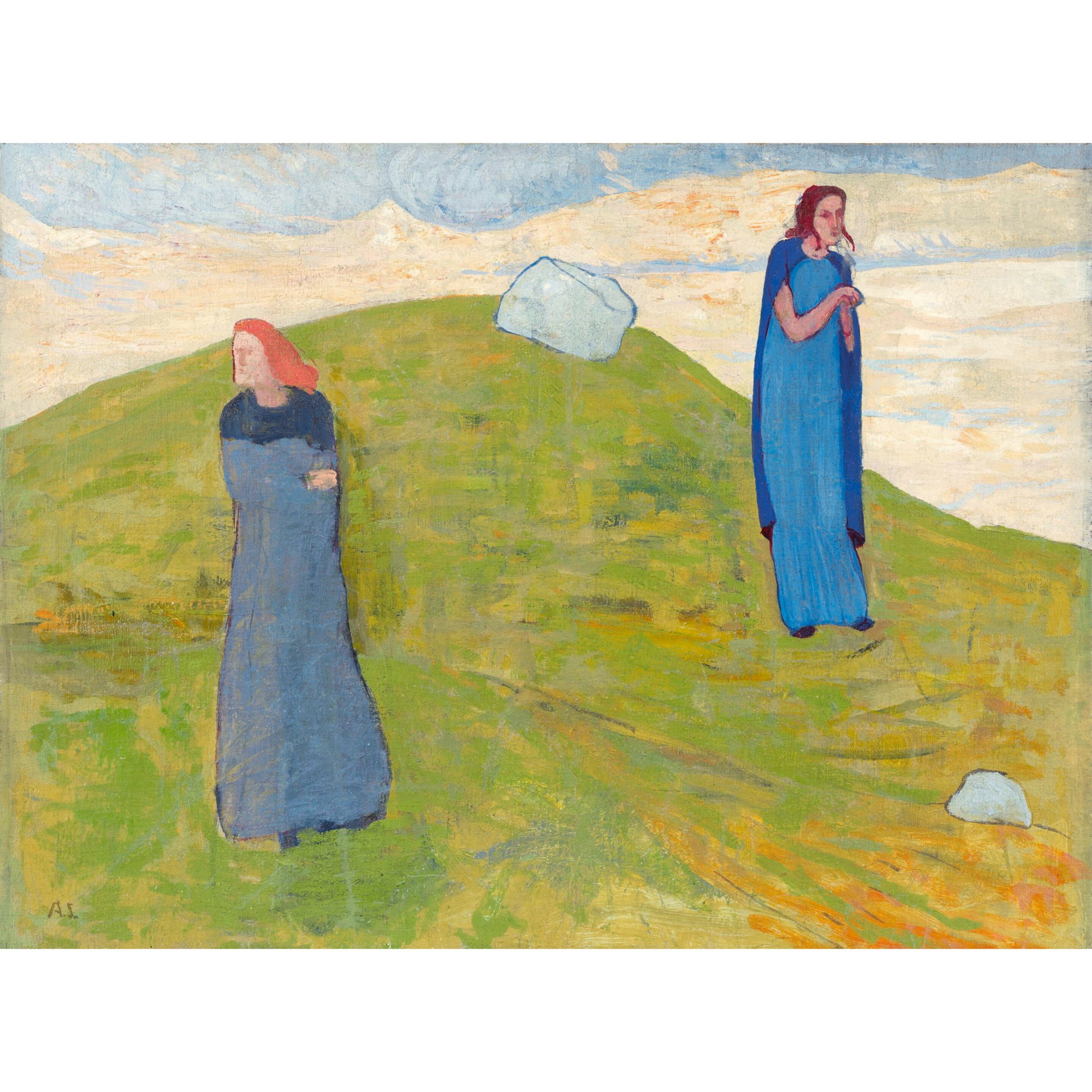
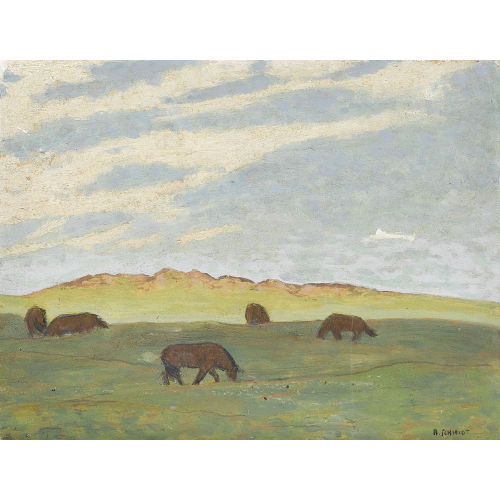
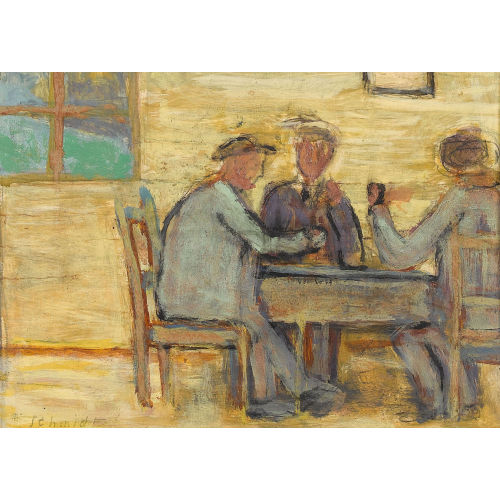
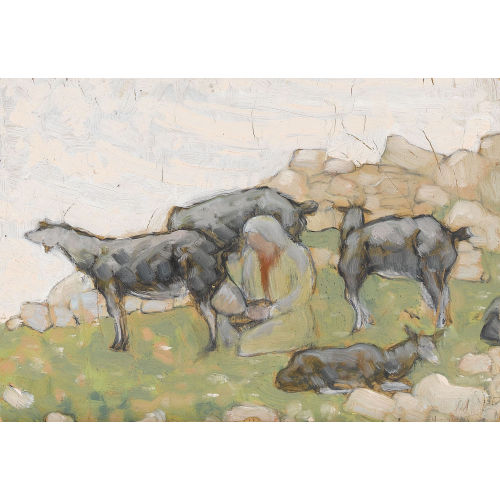
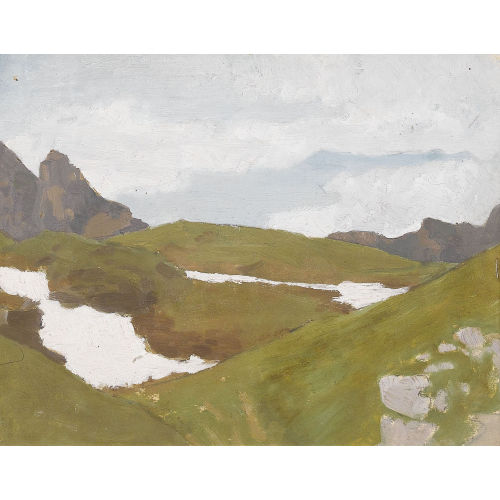
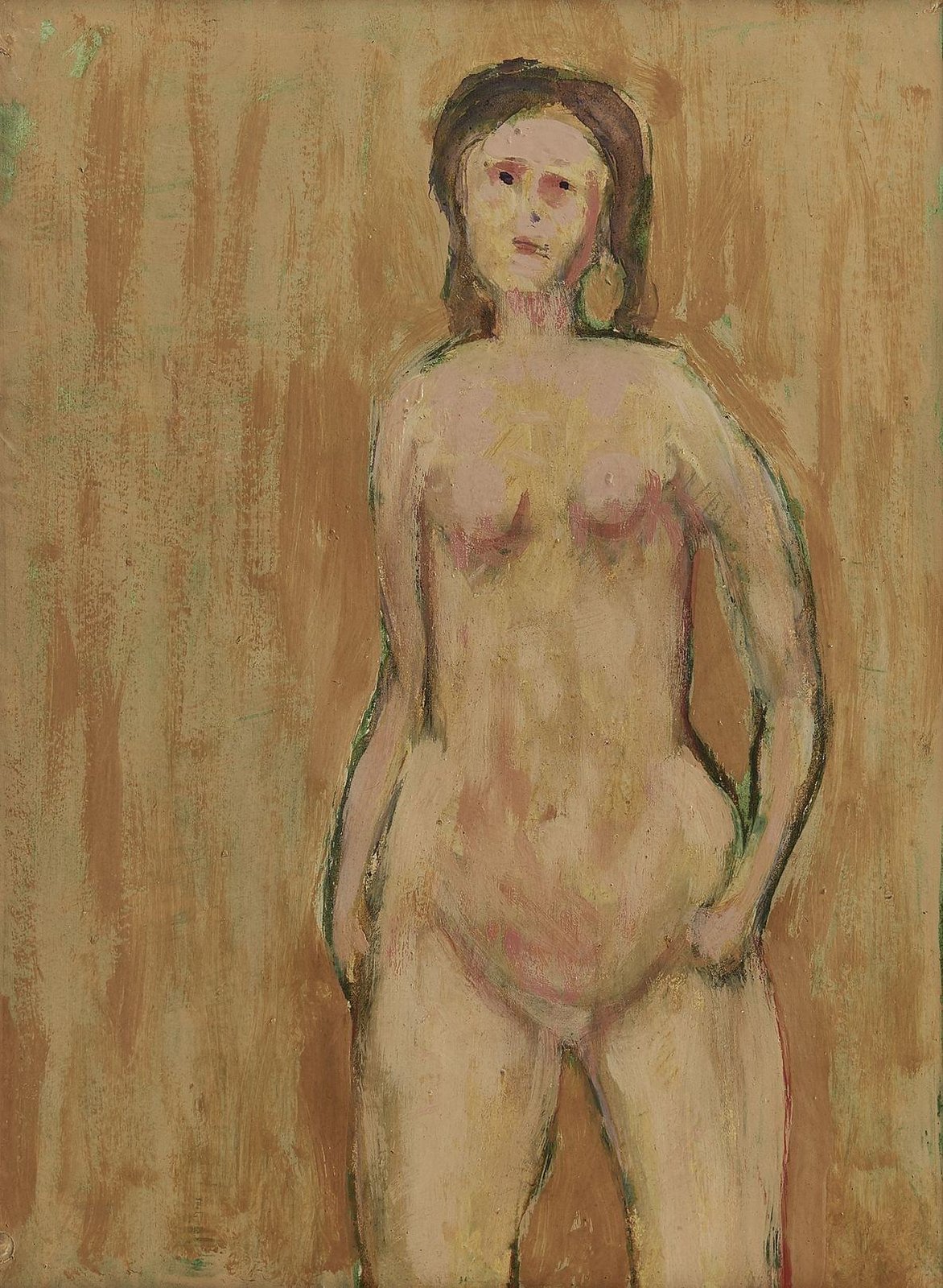
Albert Schmidt (1 September 1883, Geneva – 15 December 1970, Chêne-Bougeries) was a Geneva painter whose biographical landmarks make it possible to situate clearly both his period of activity and the places in which he lived. Born into a family involved in industry—he was the son of David Schmidt, an Alsatian industrialist established in Geneva—he grew up in an environment in which art collecting held a significant place, his father being described as an important collector of works by Ferdinand Hodler. Deeply influenced by Ferdinand Hodler and driven by a passion for his work, he undertook artistic training that marked the starting point of his painting practice.
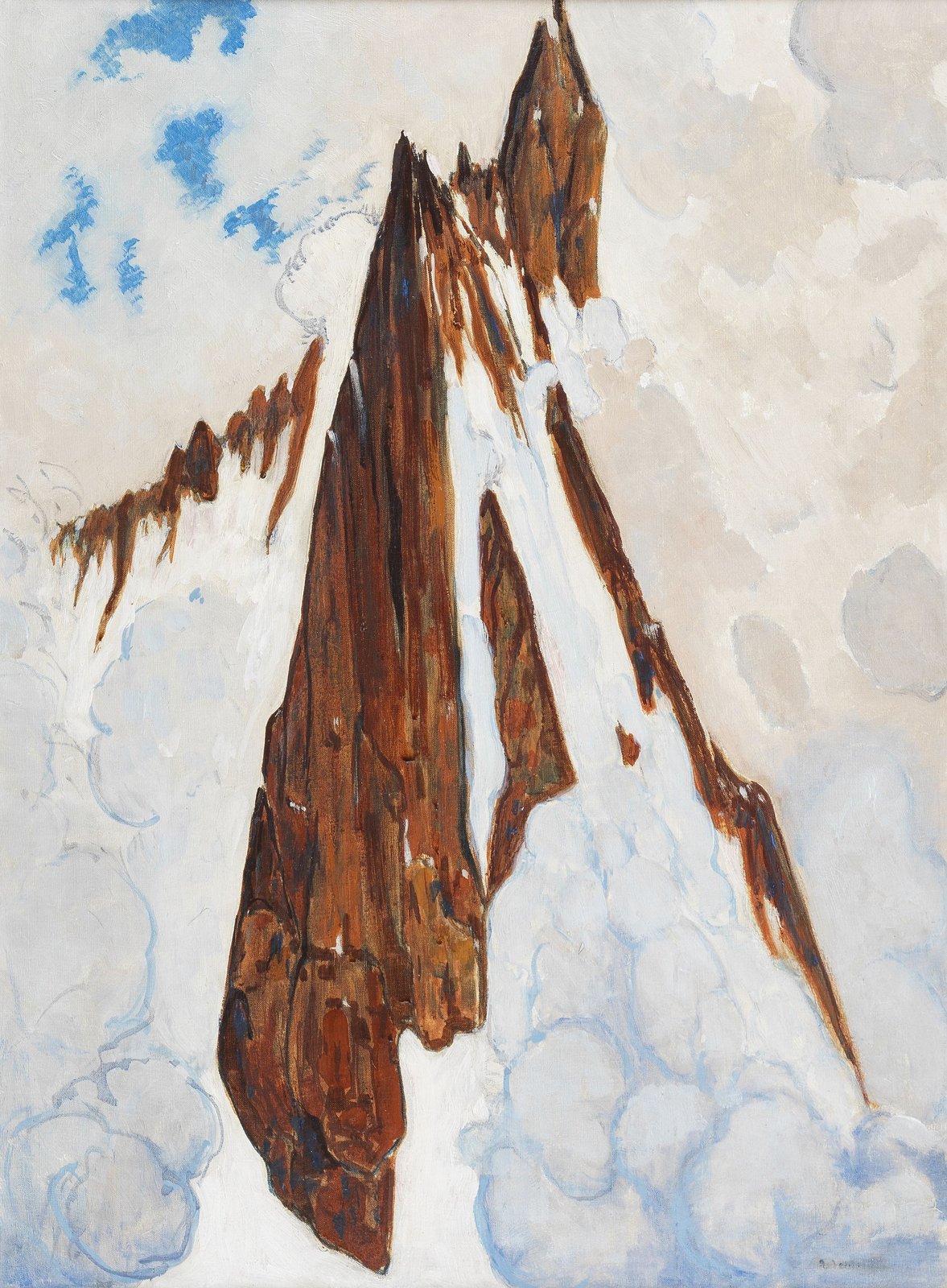
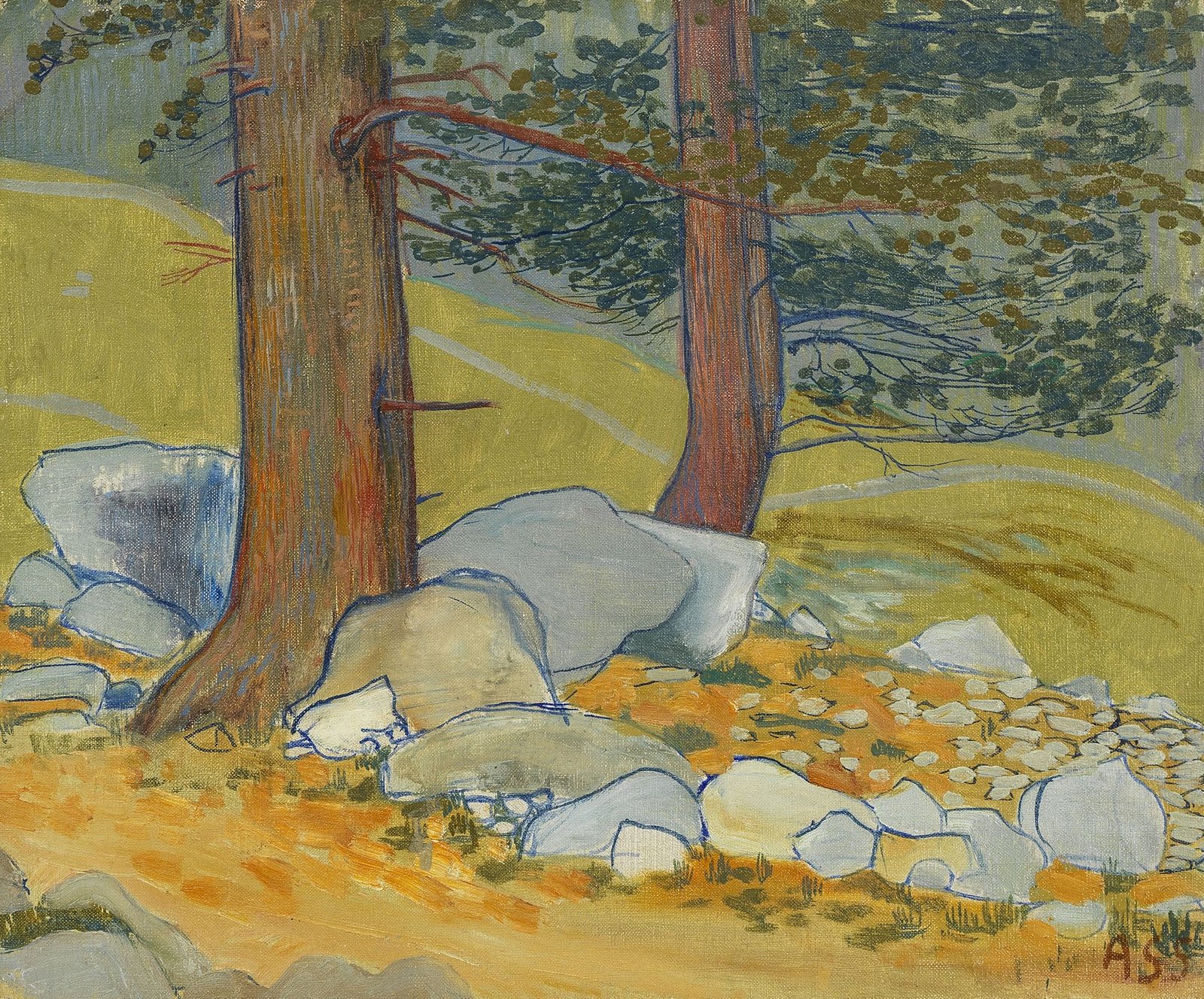
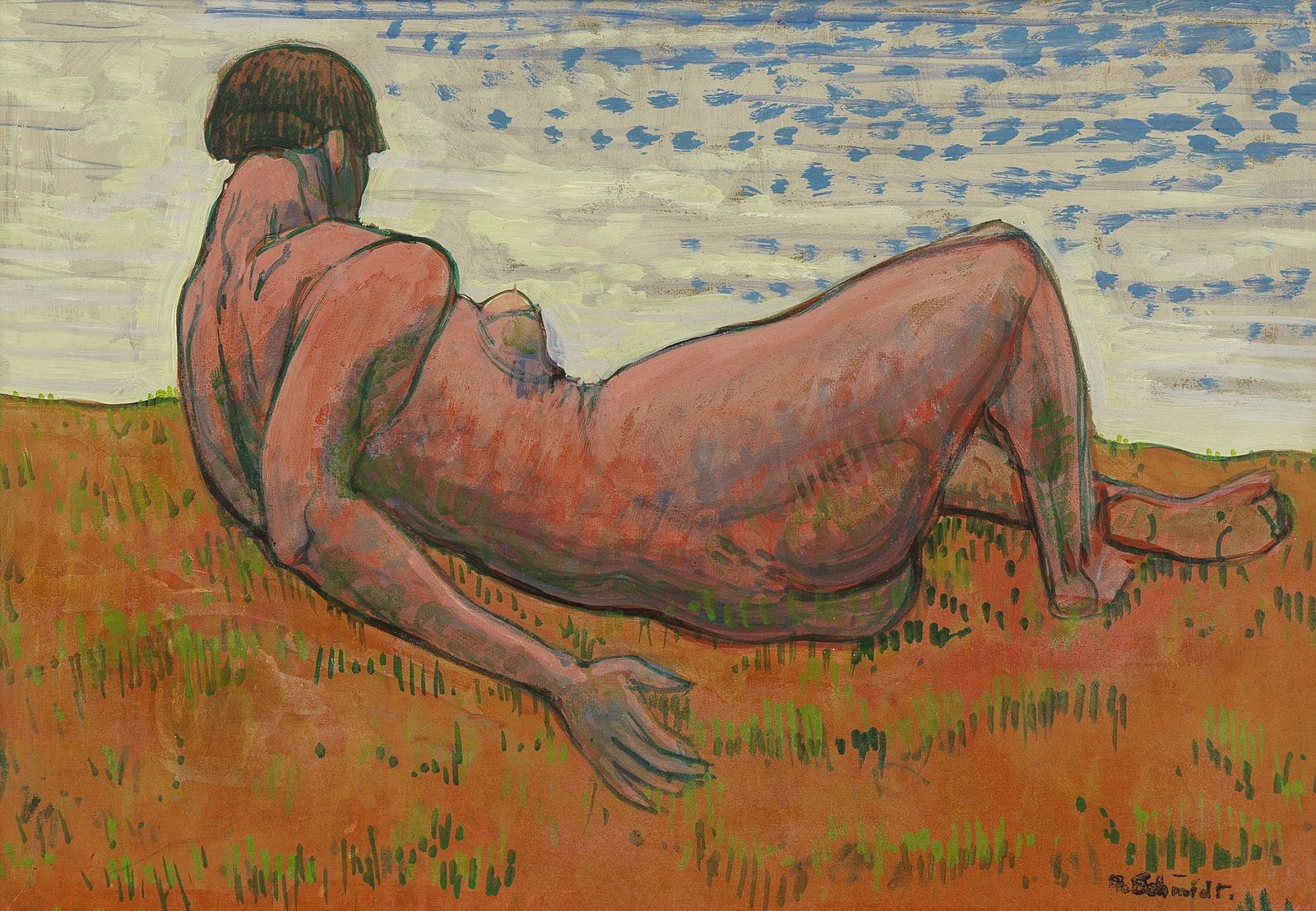
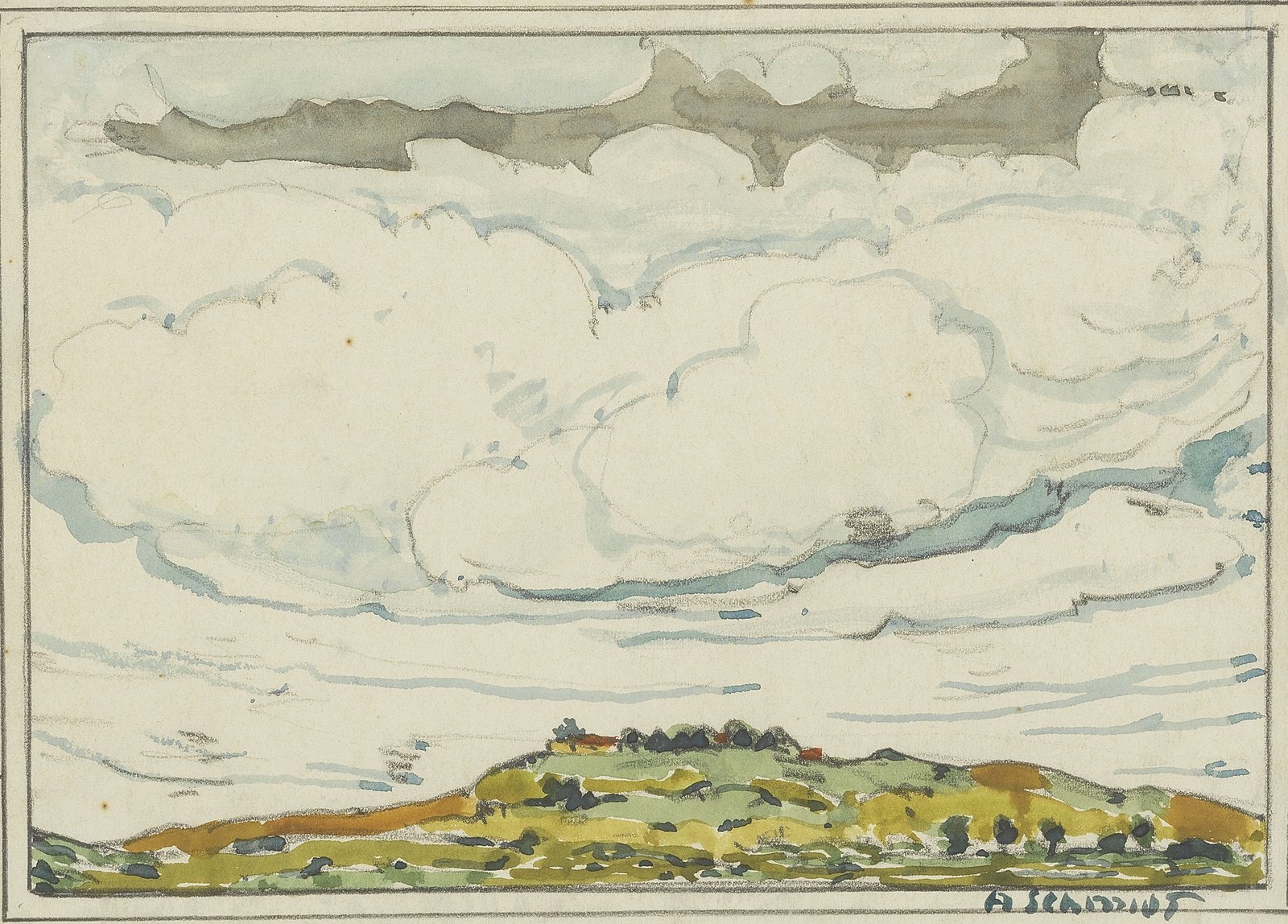
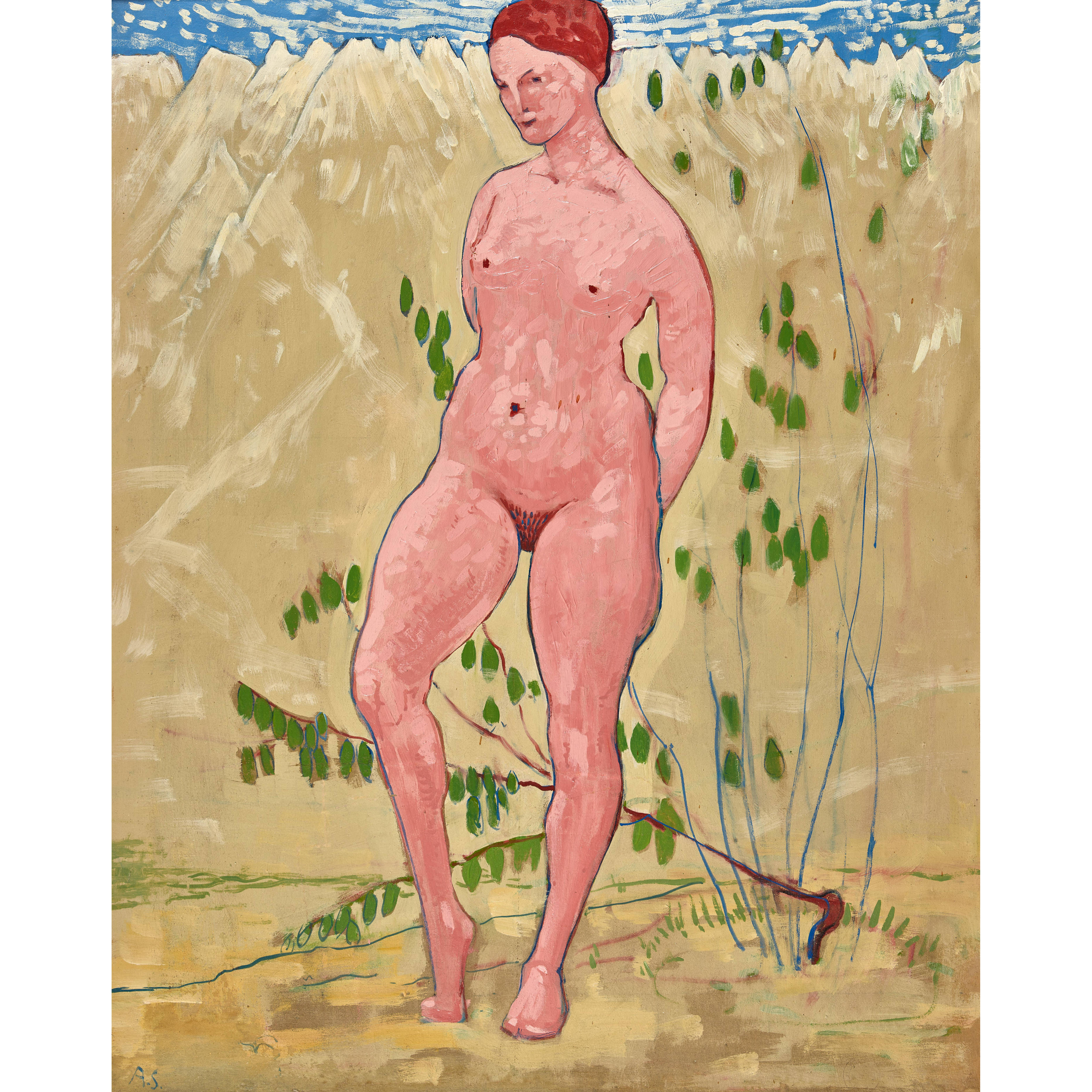
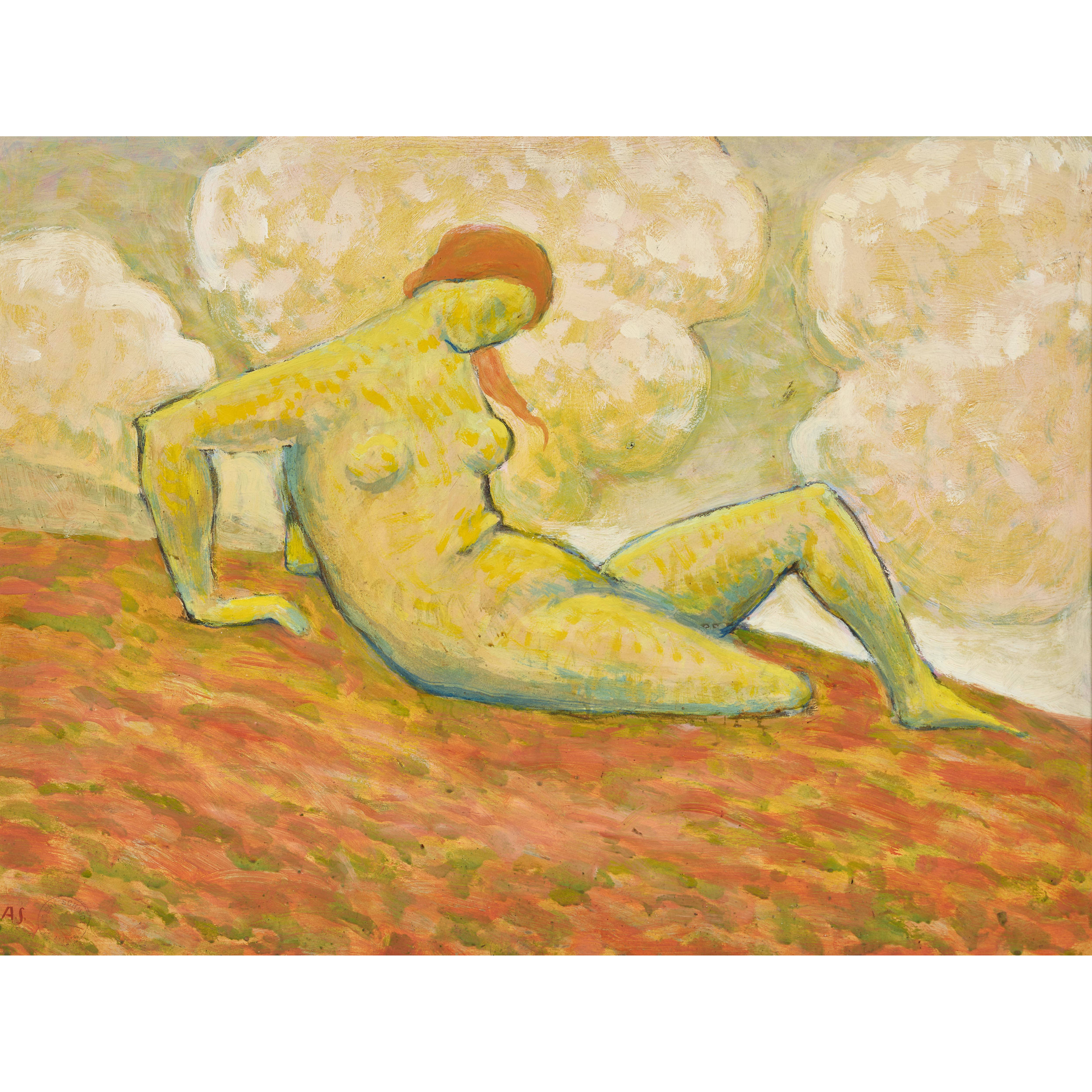
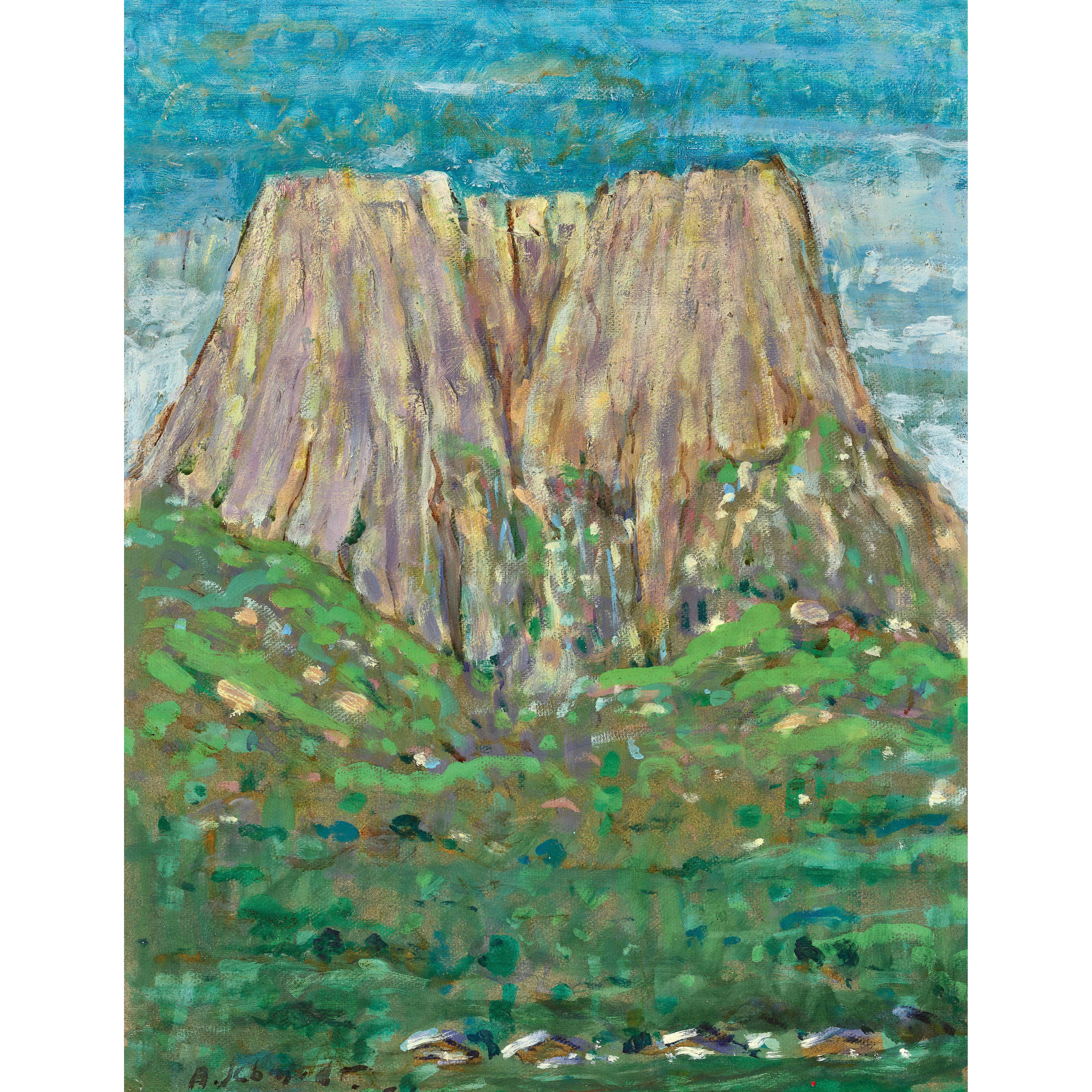
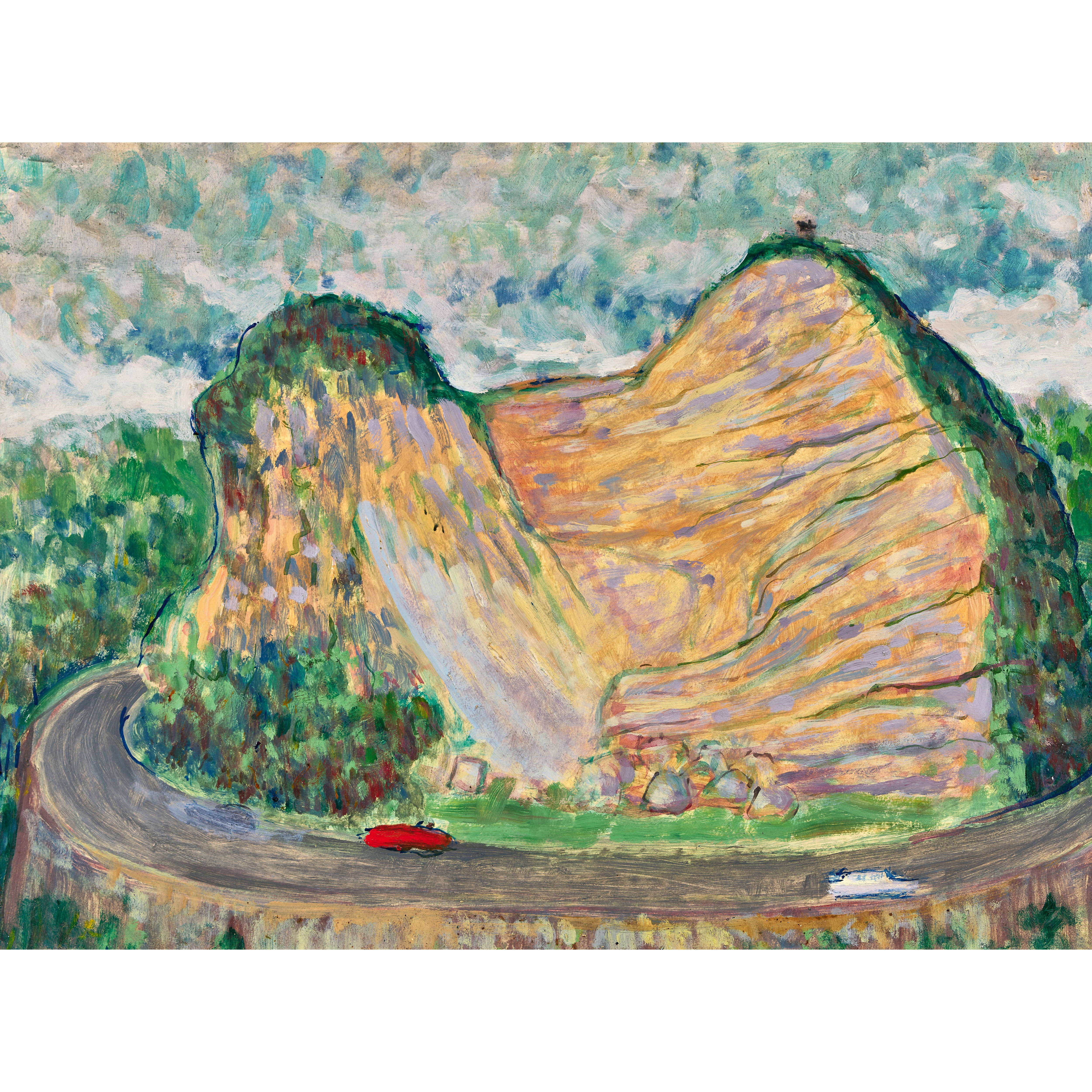
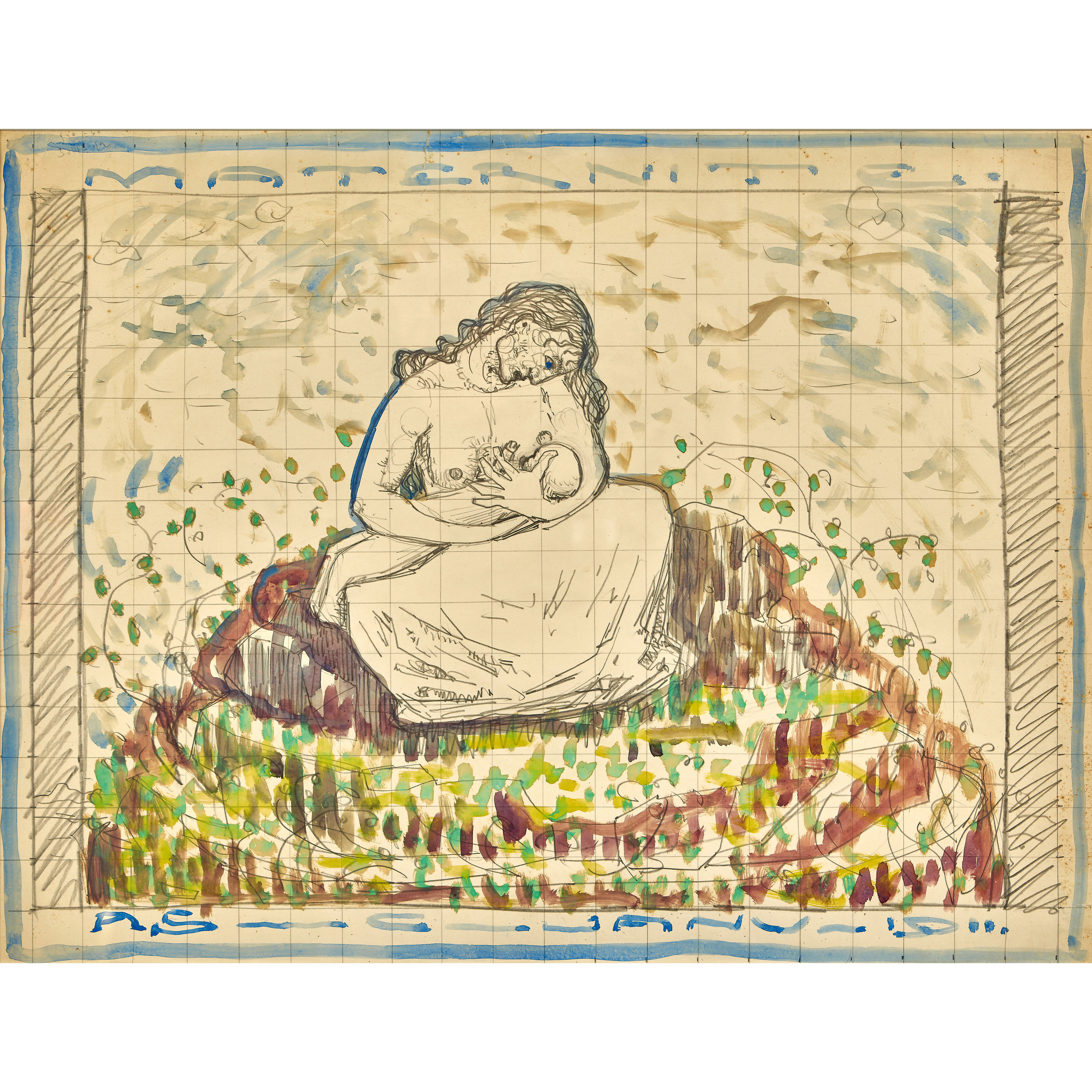
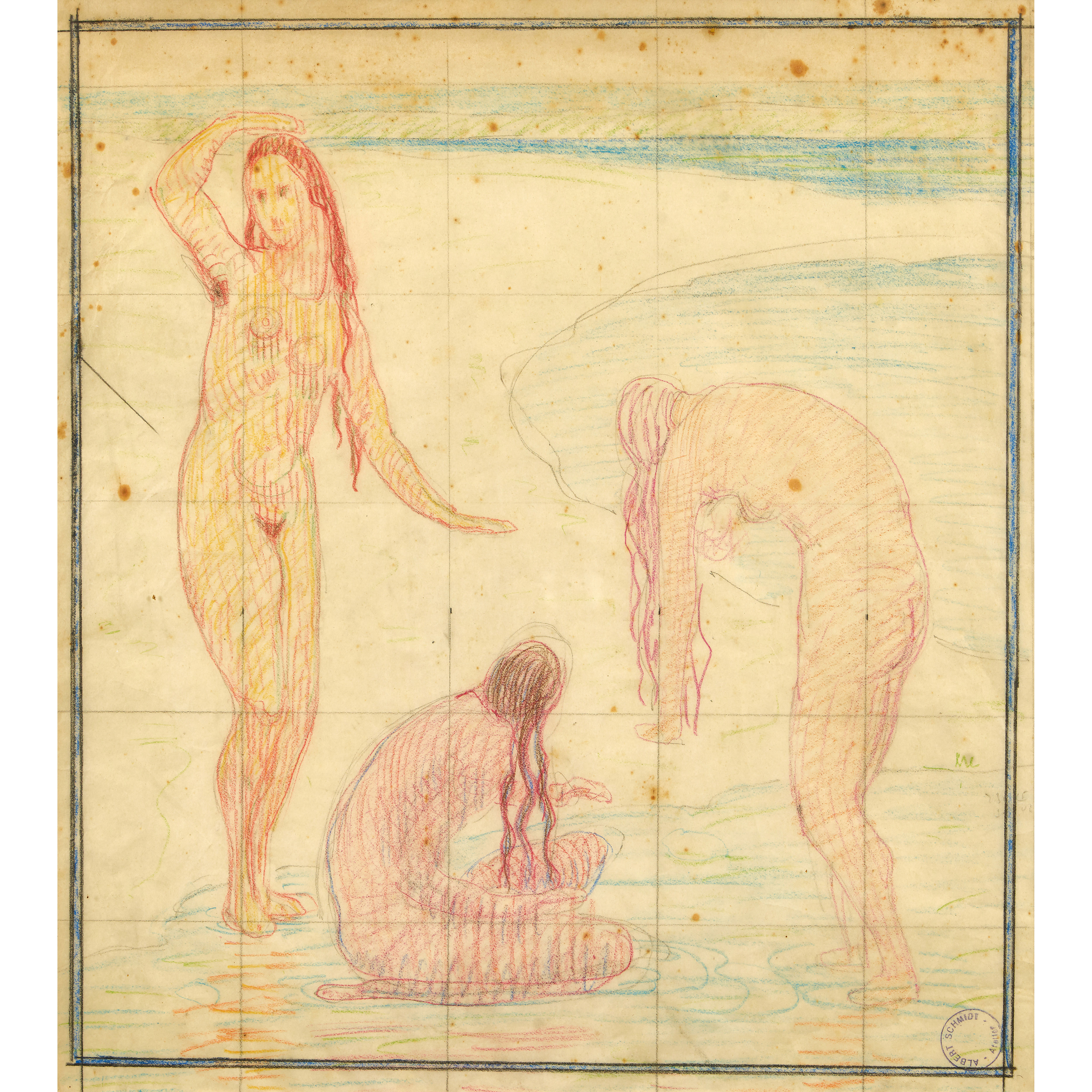
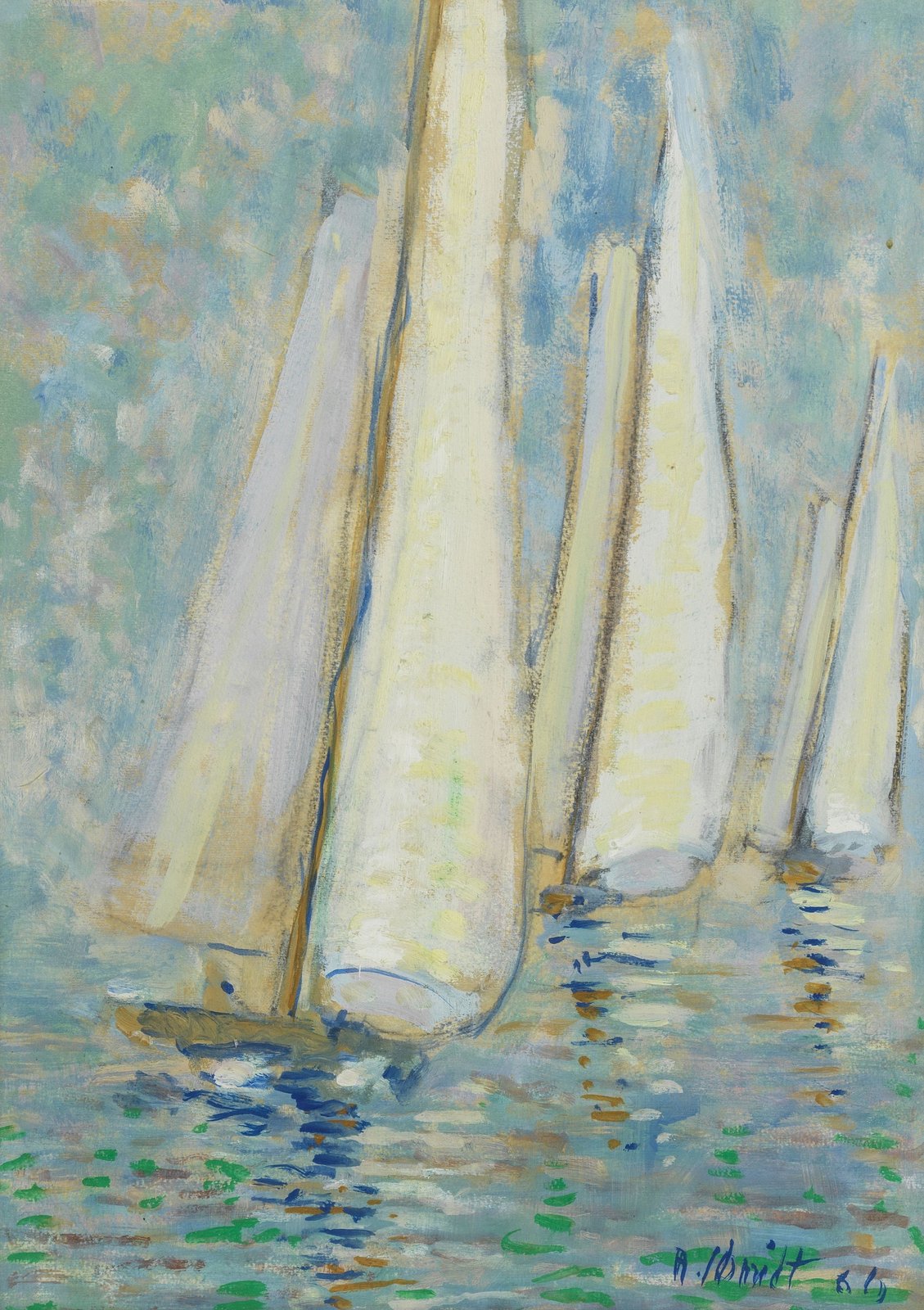
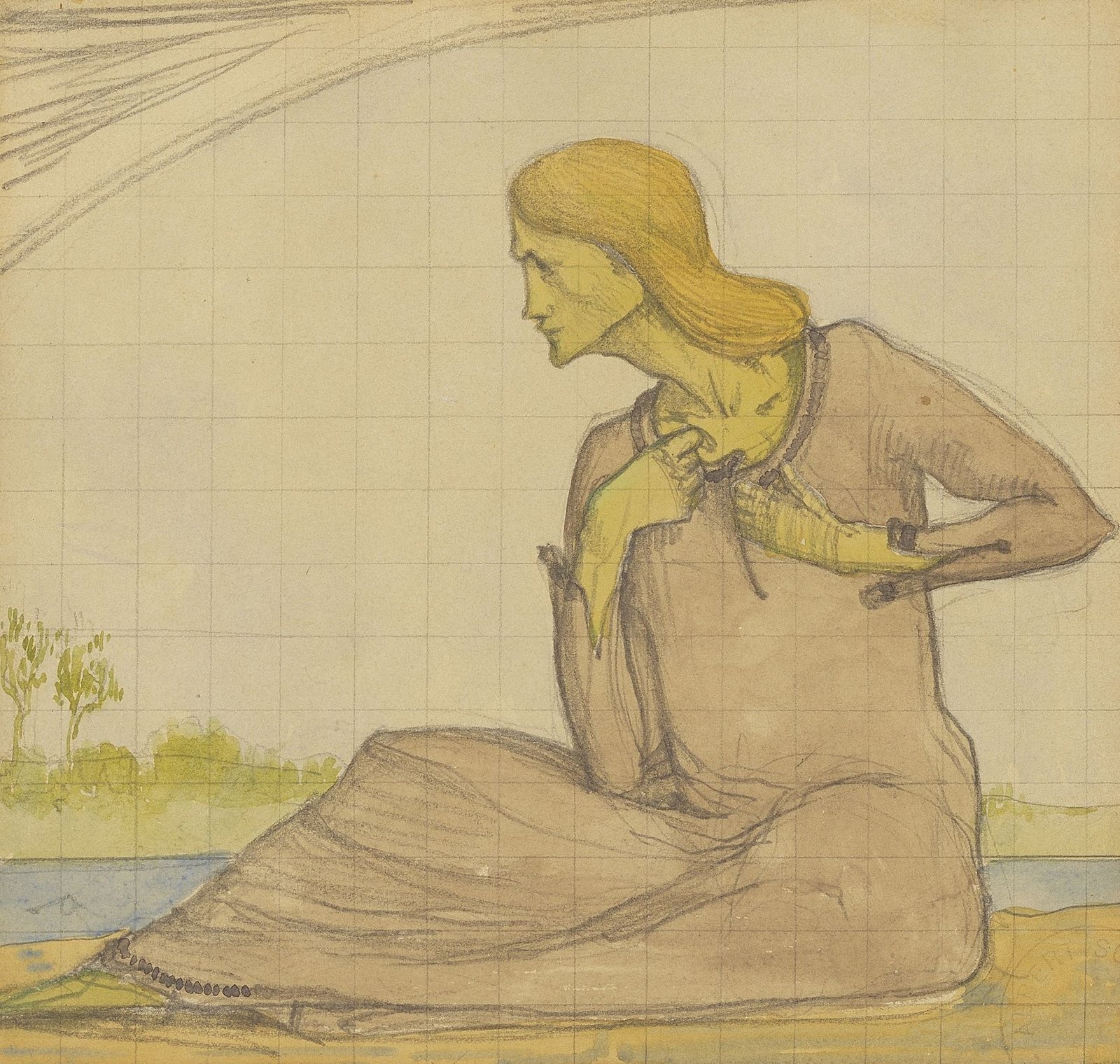
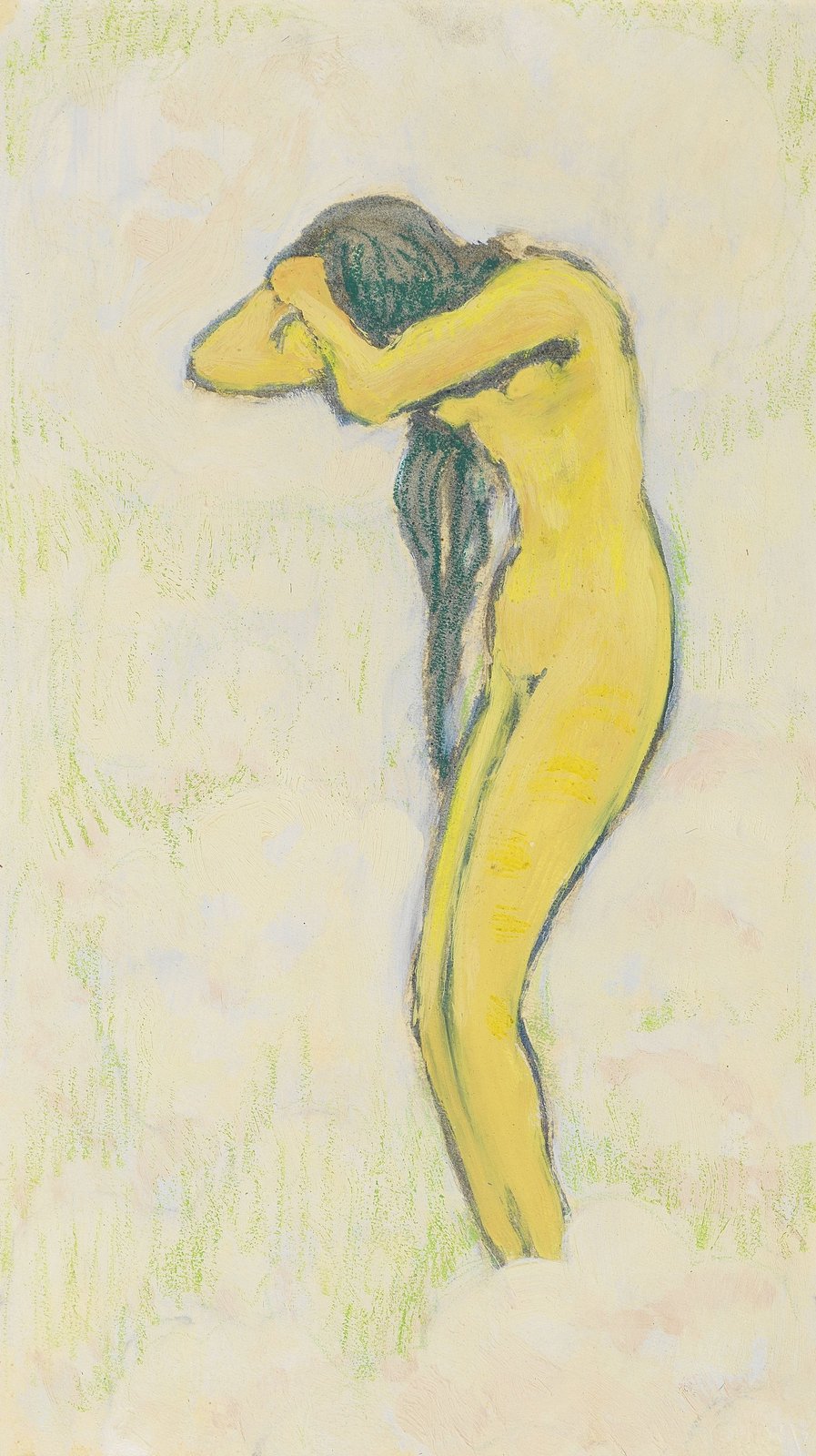
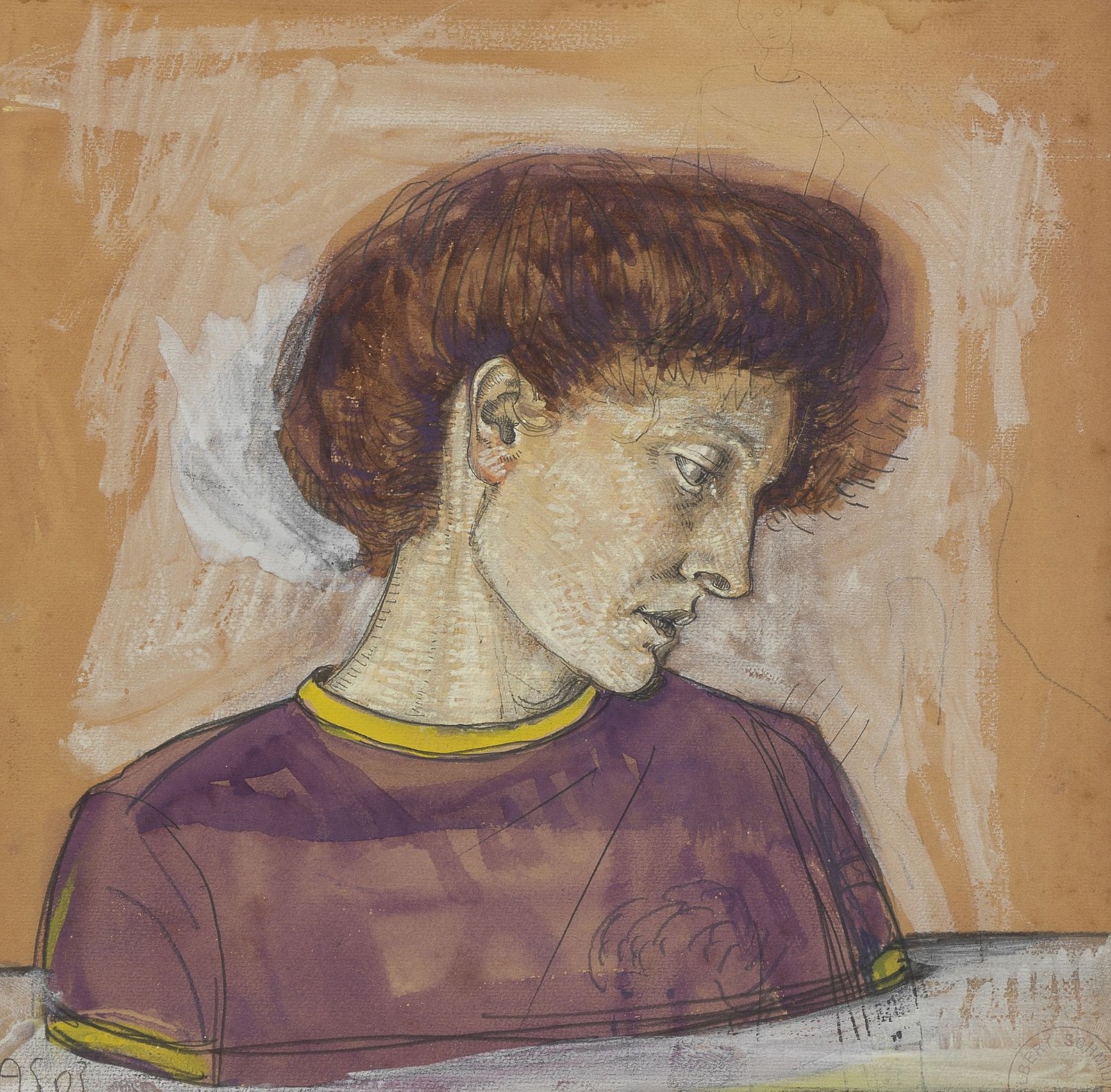
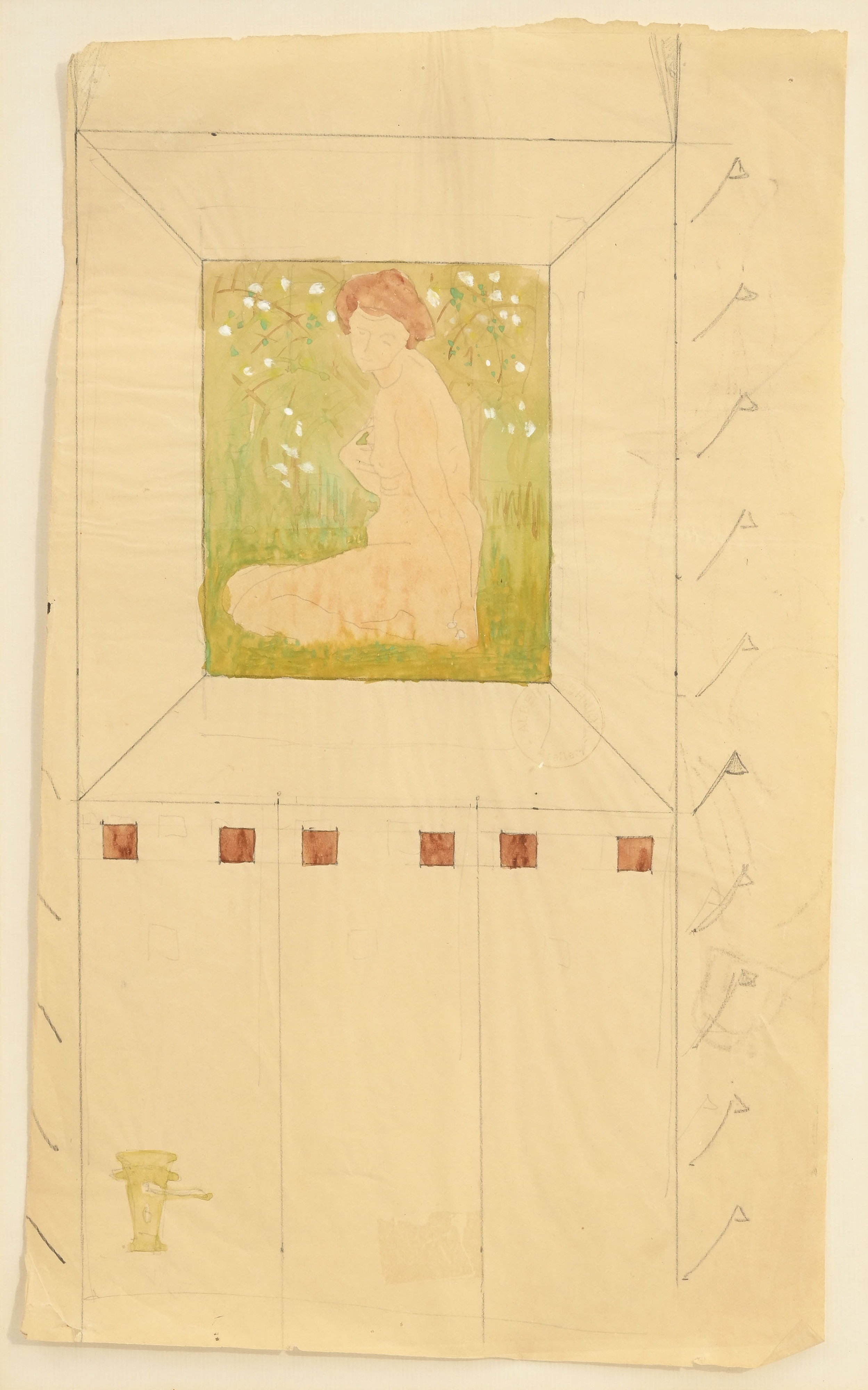
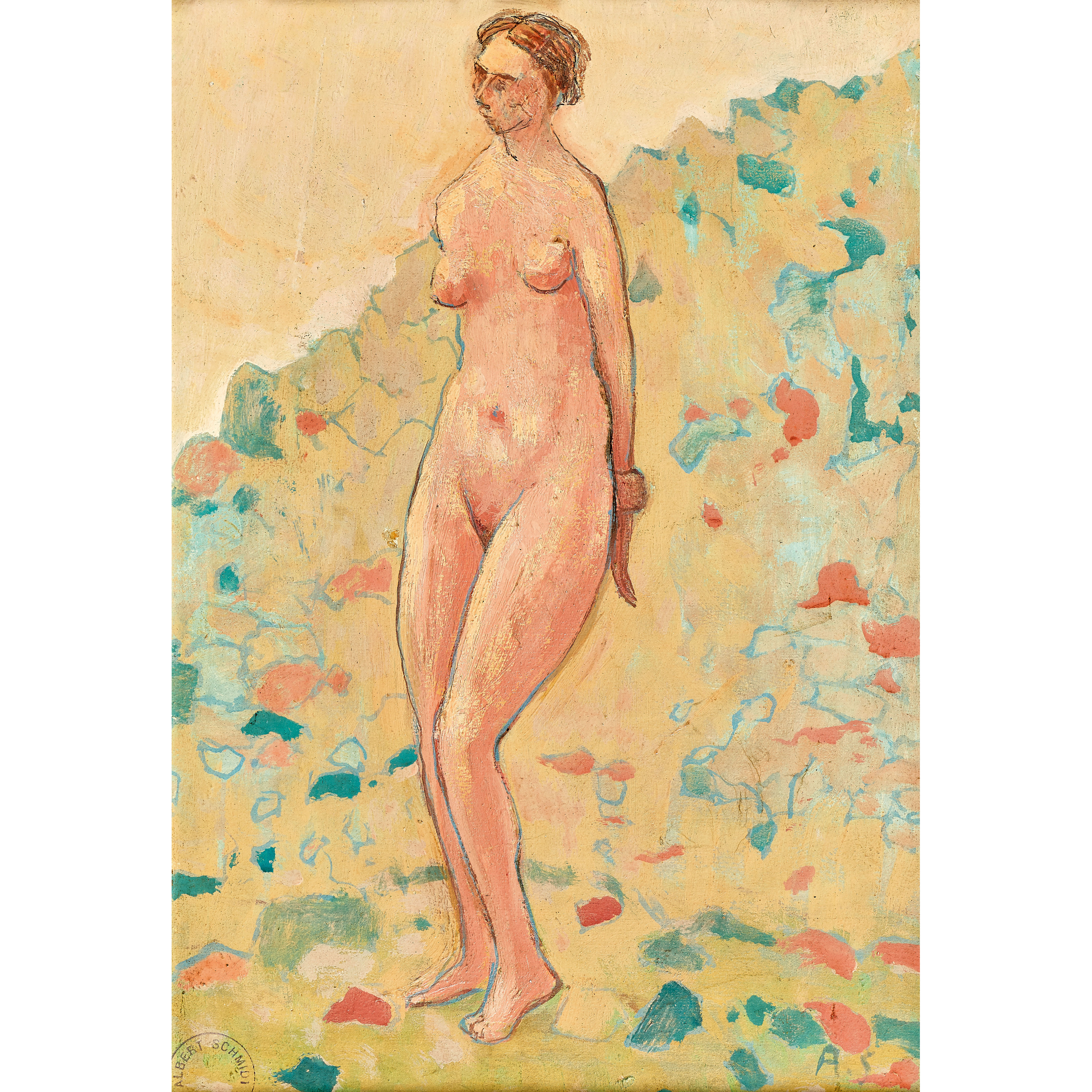
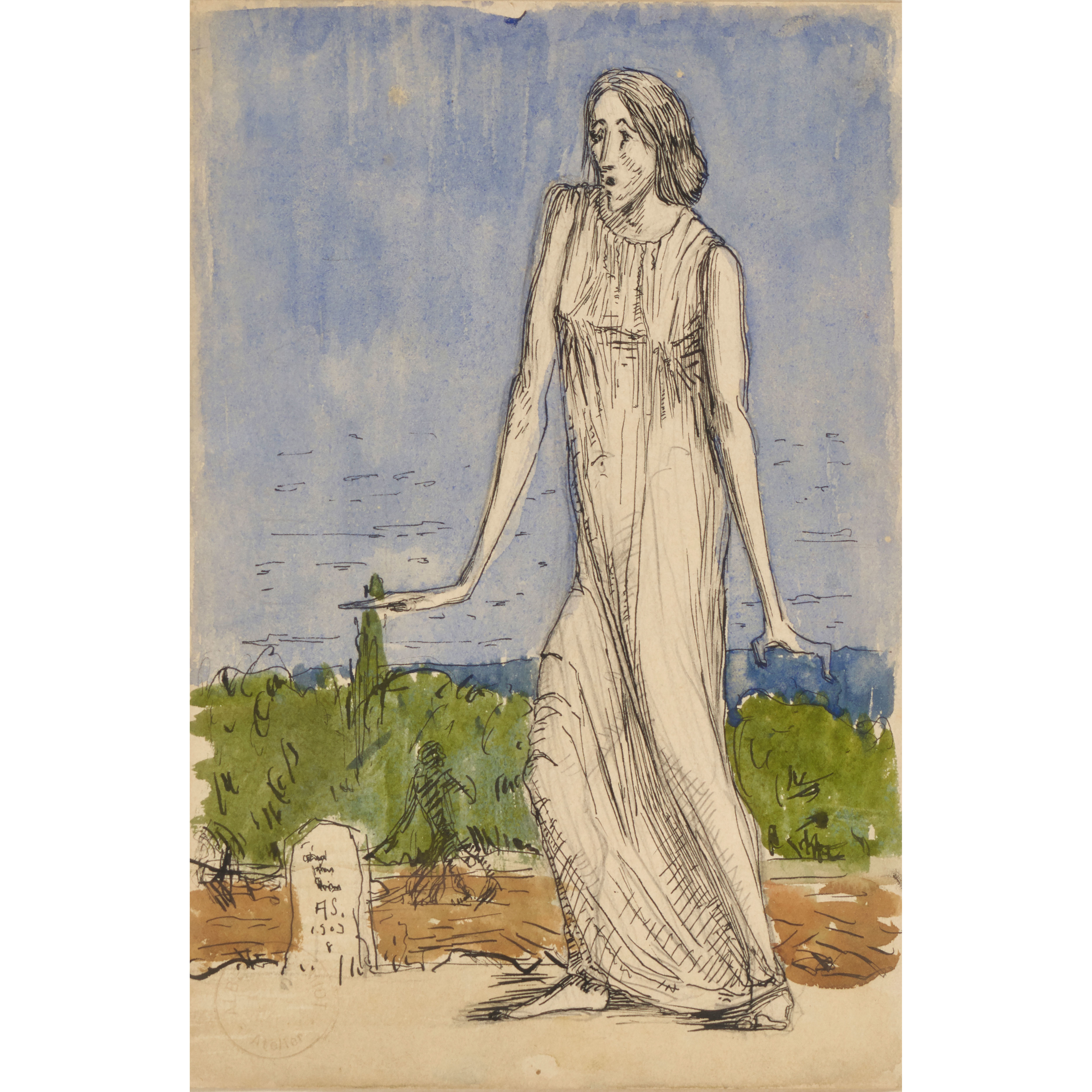
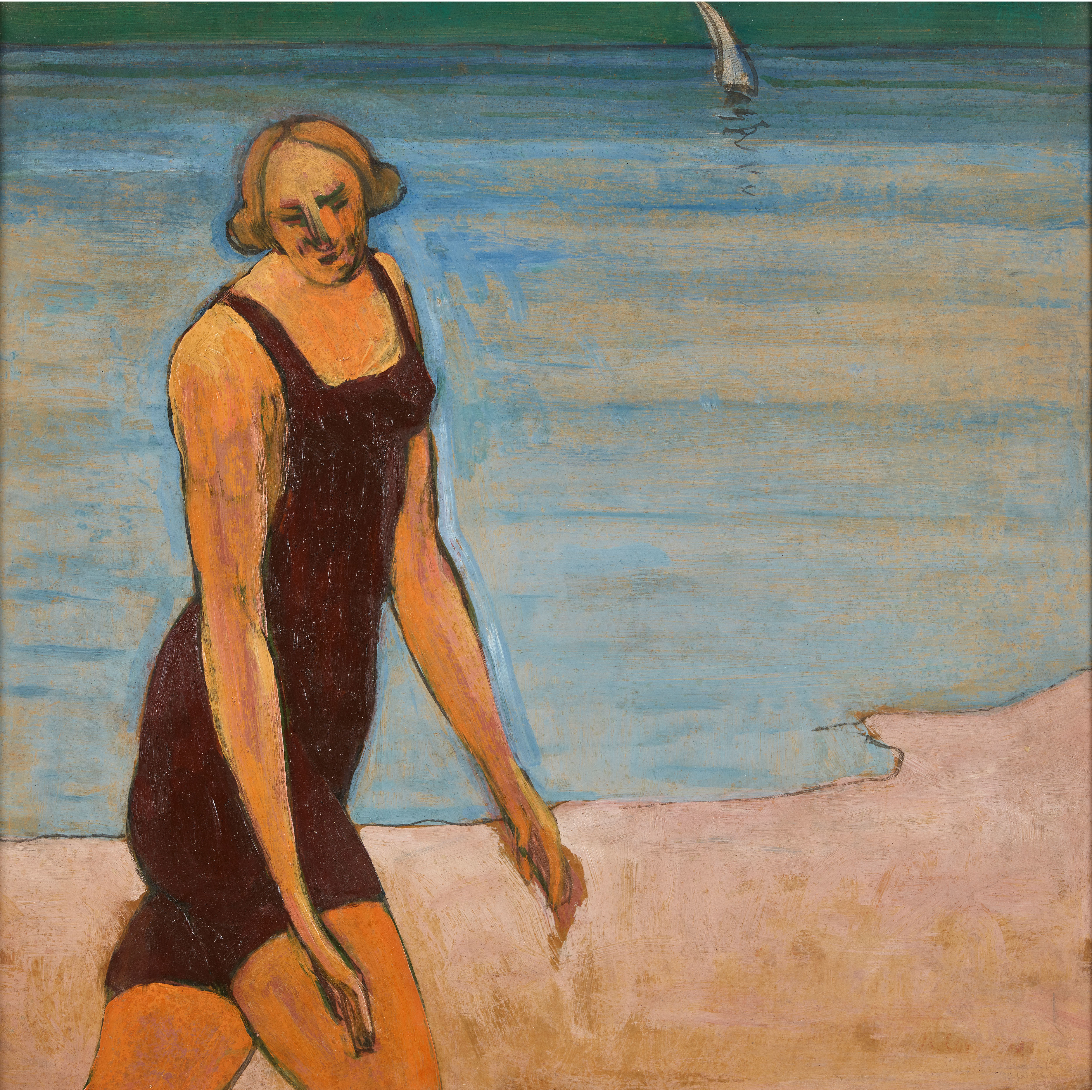
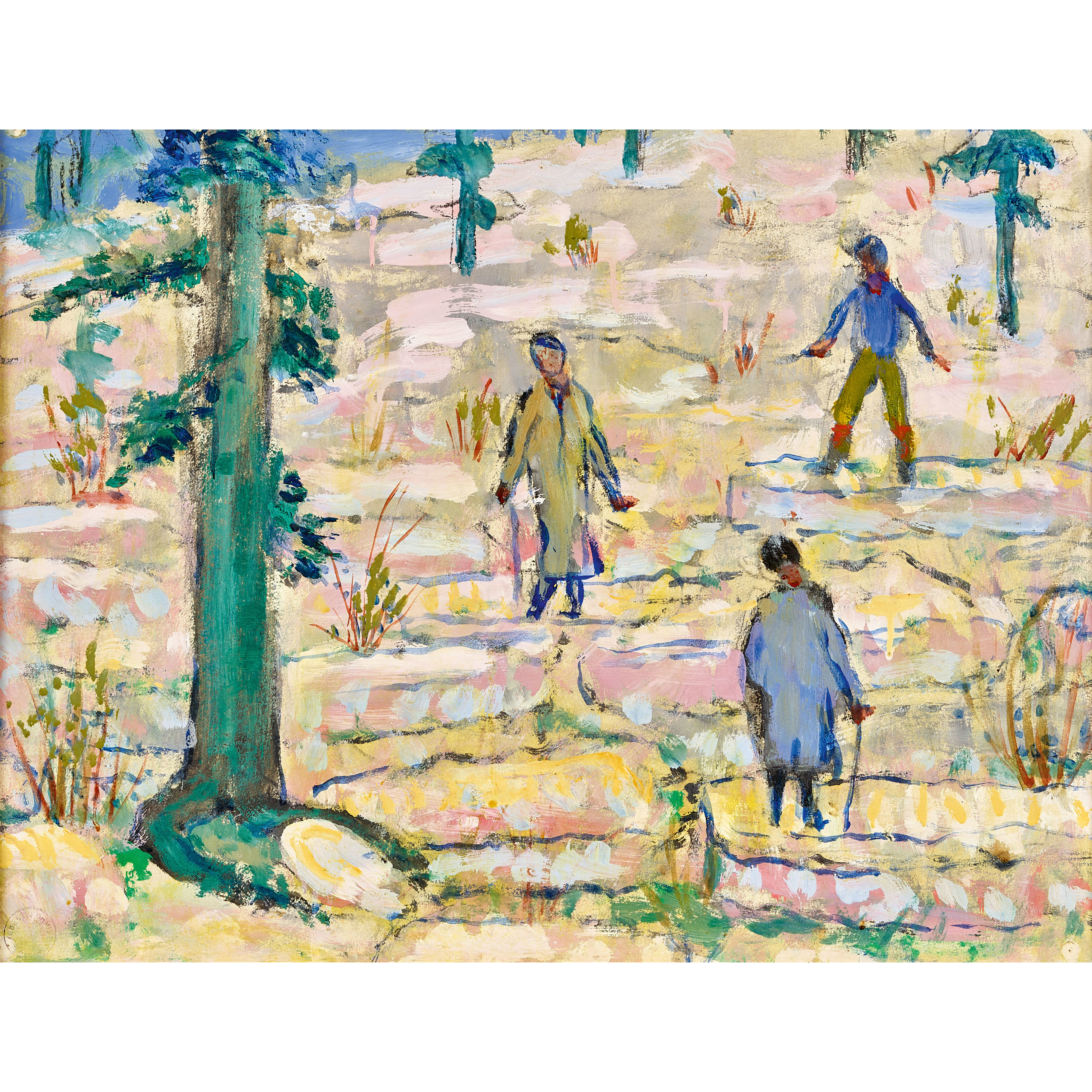
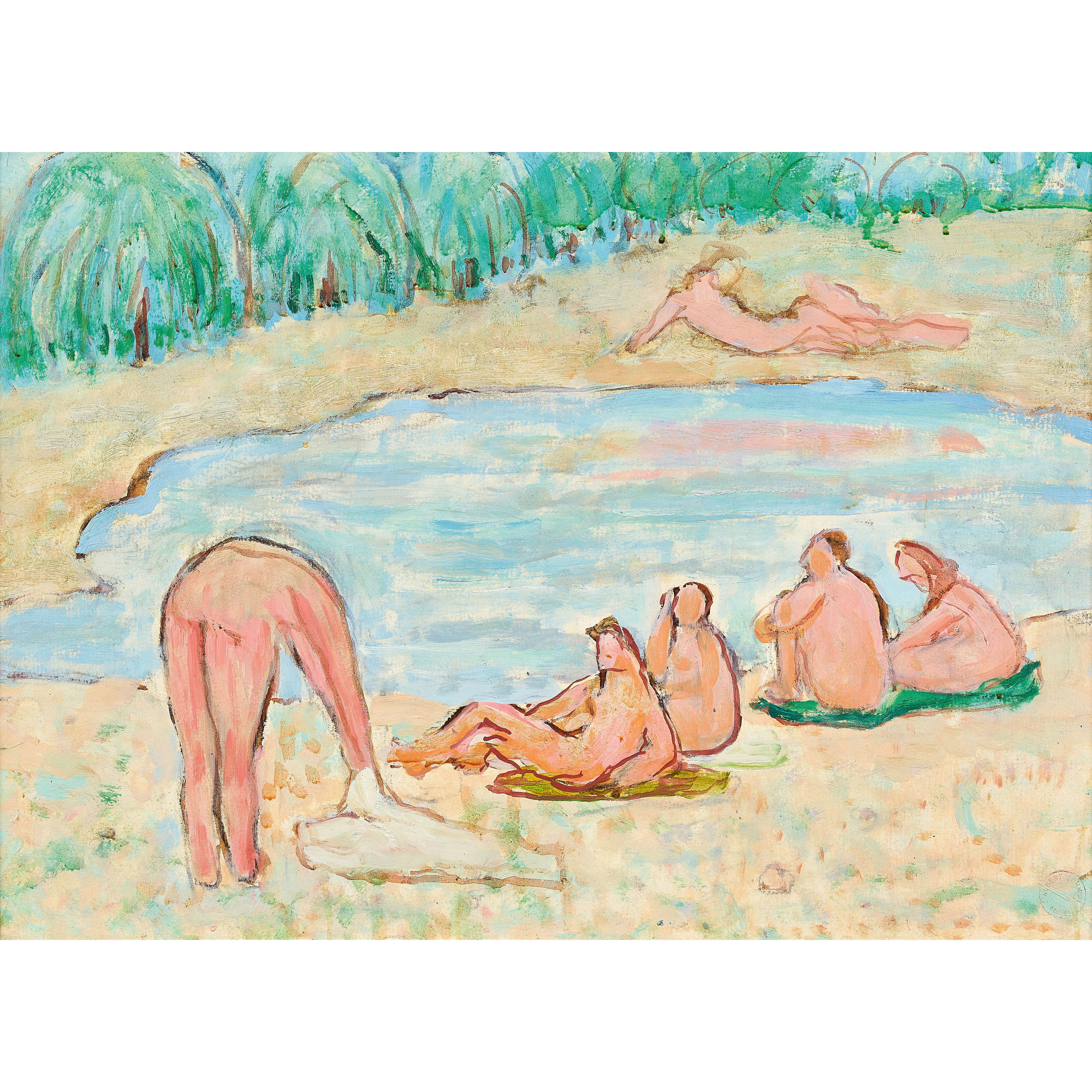
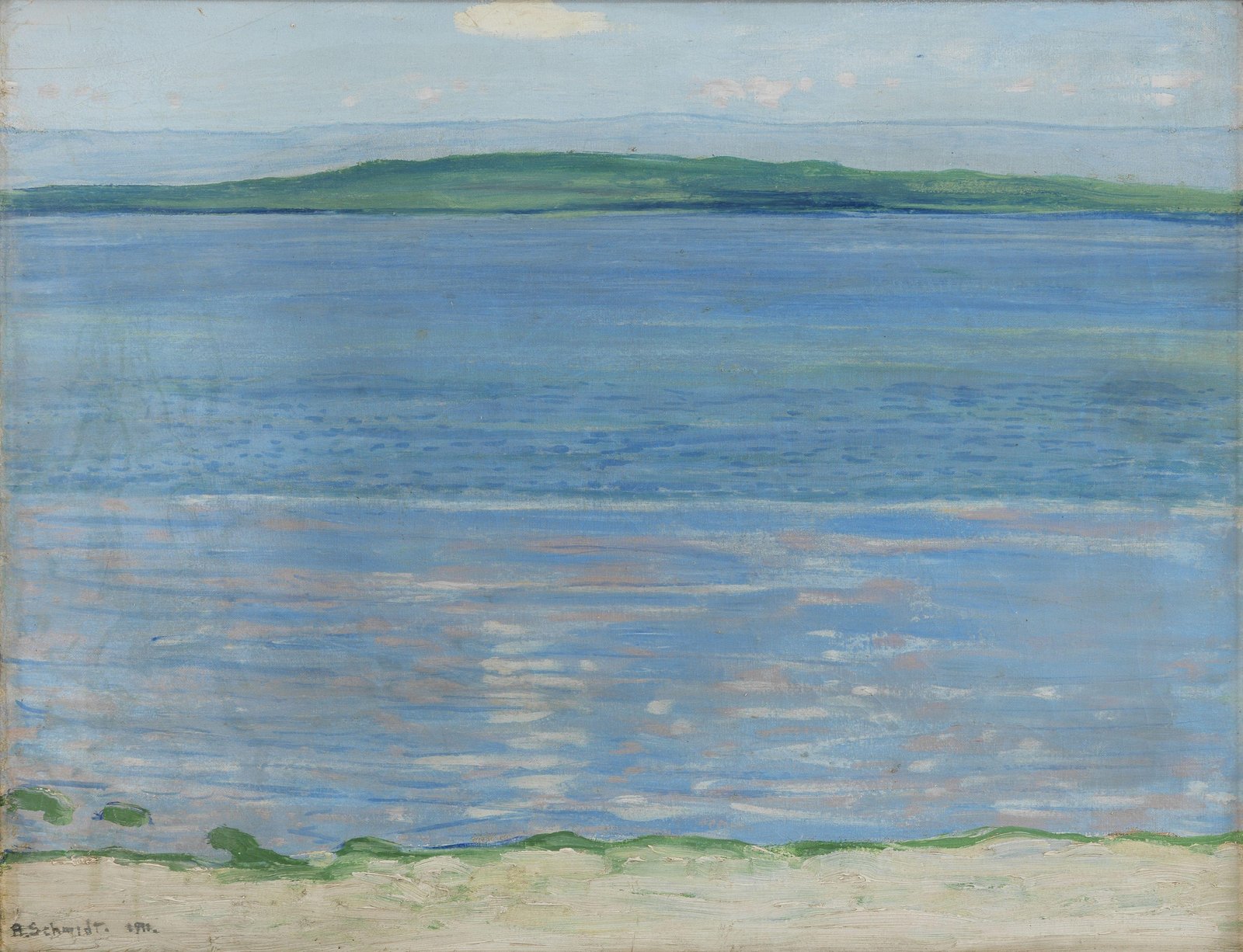
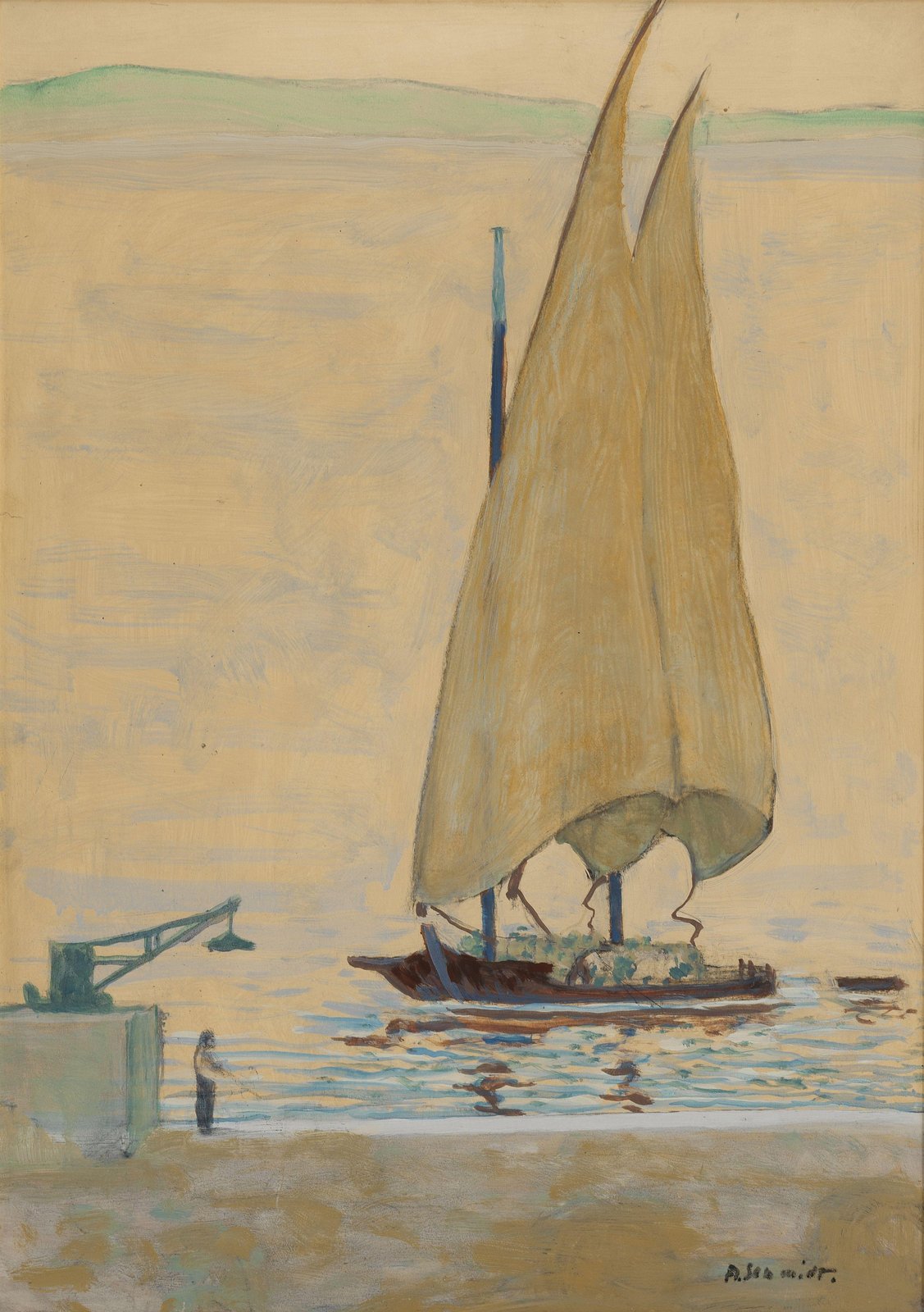
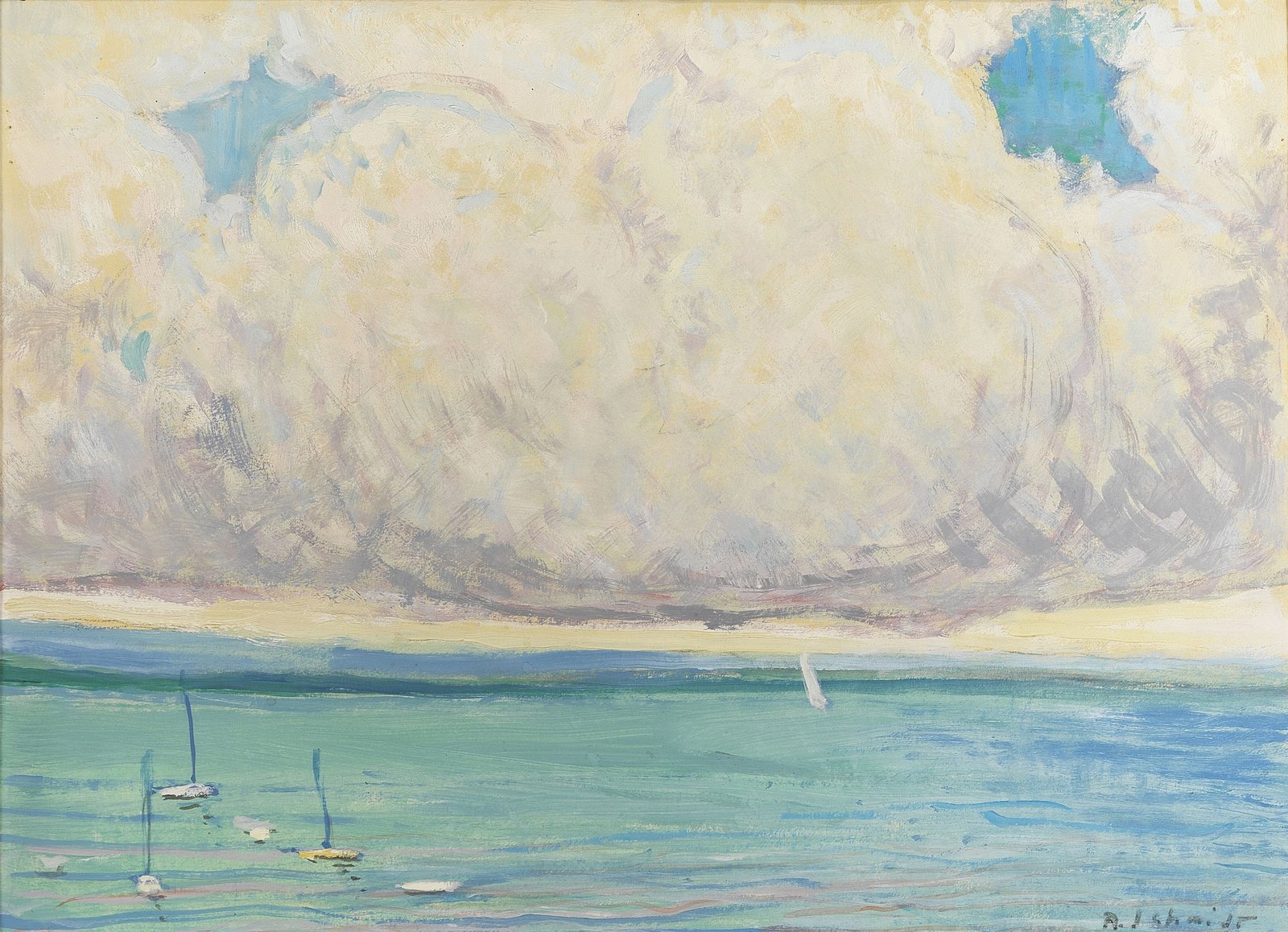
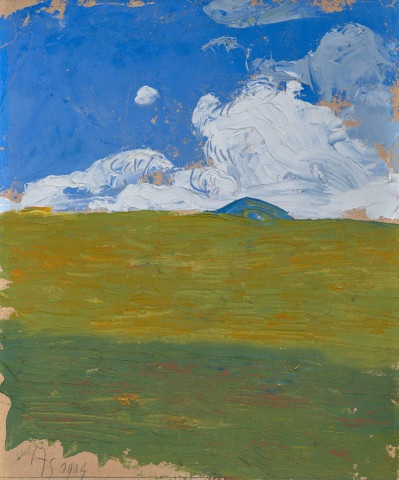
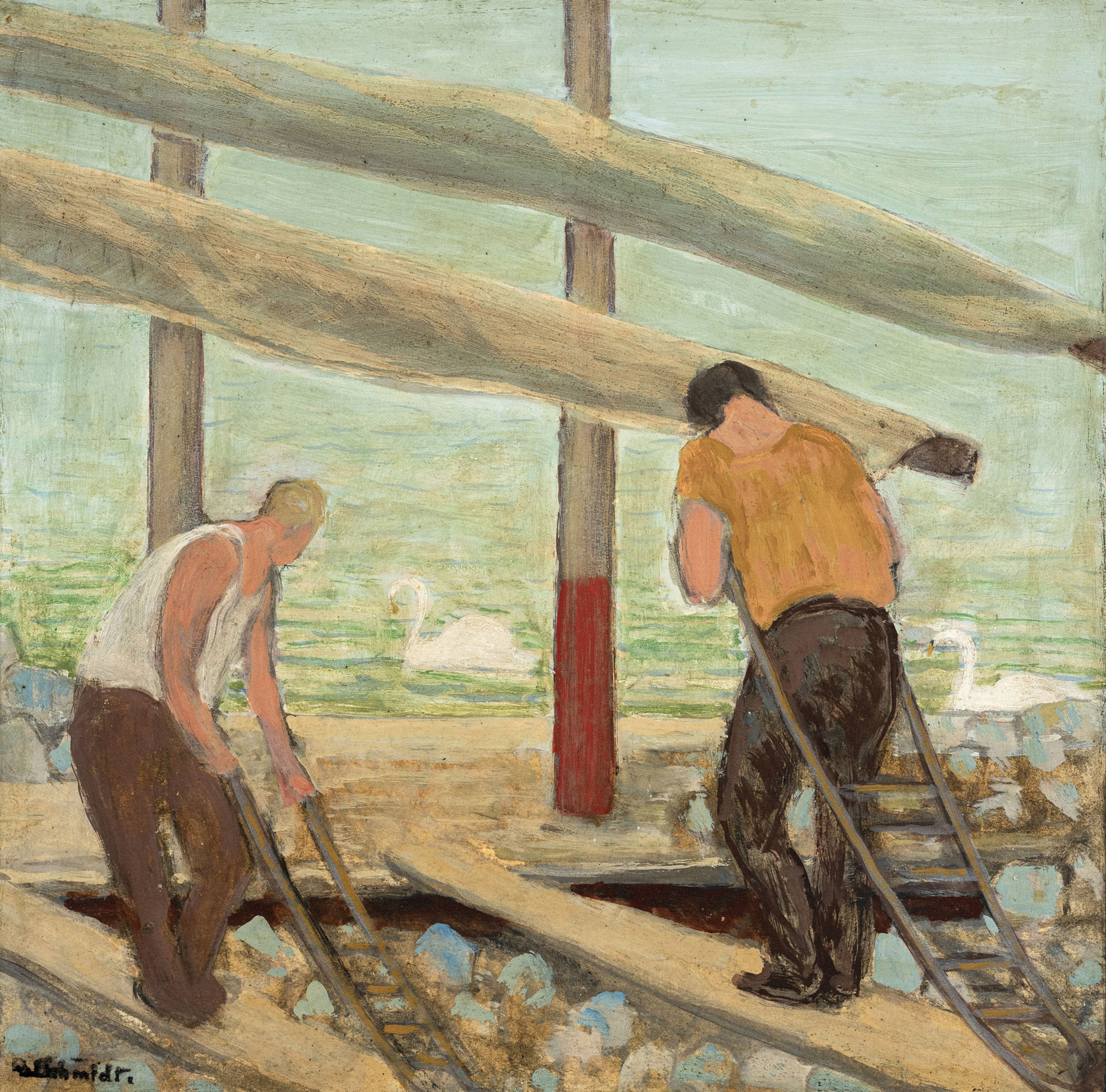
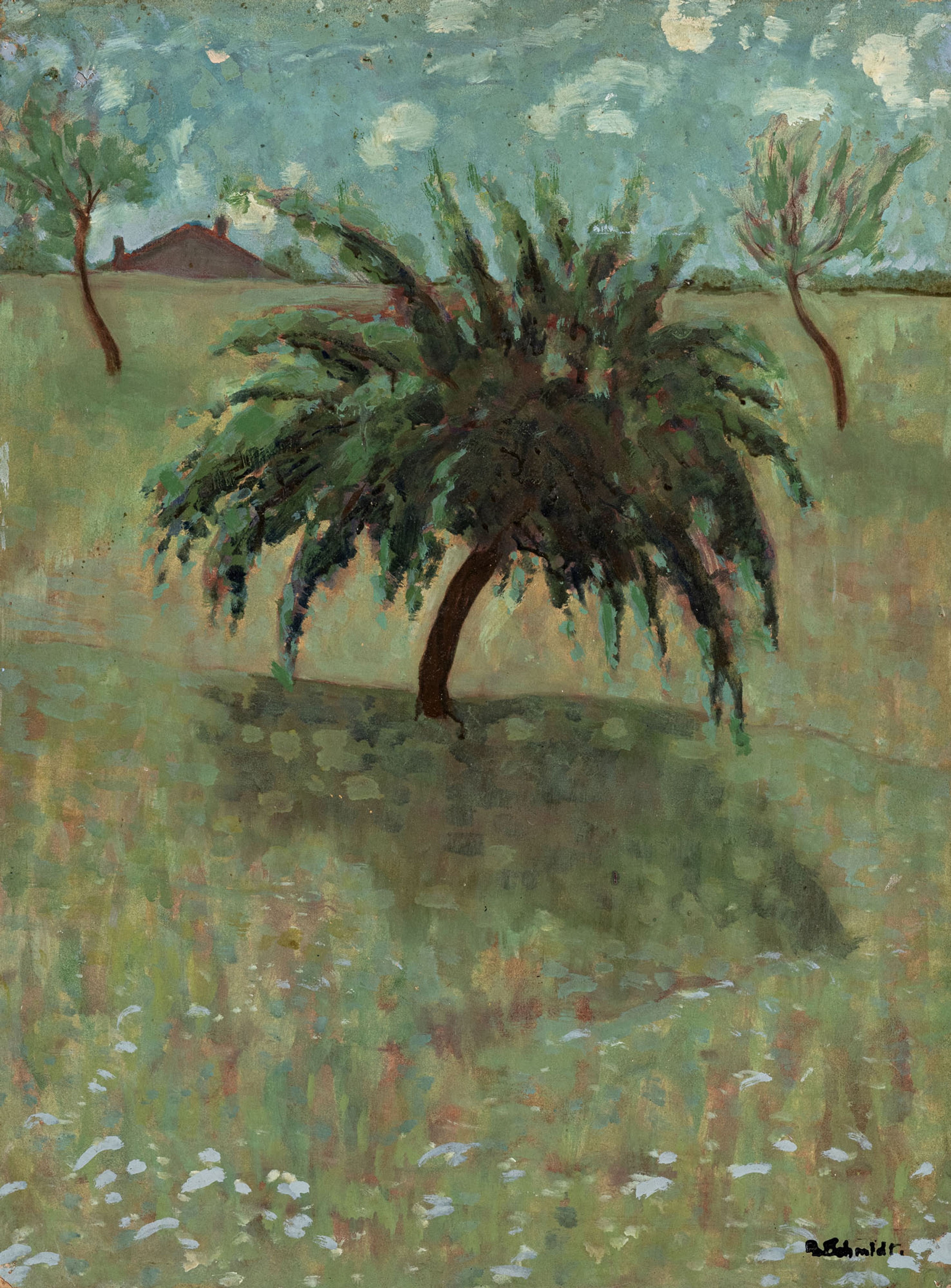
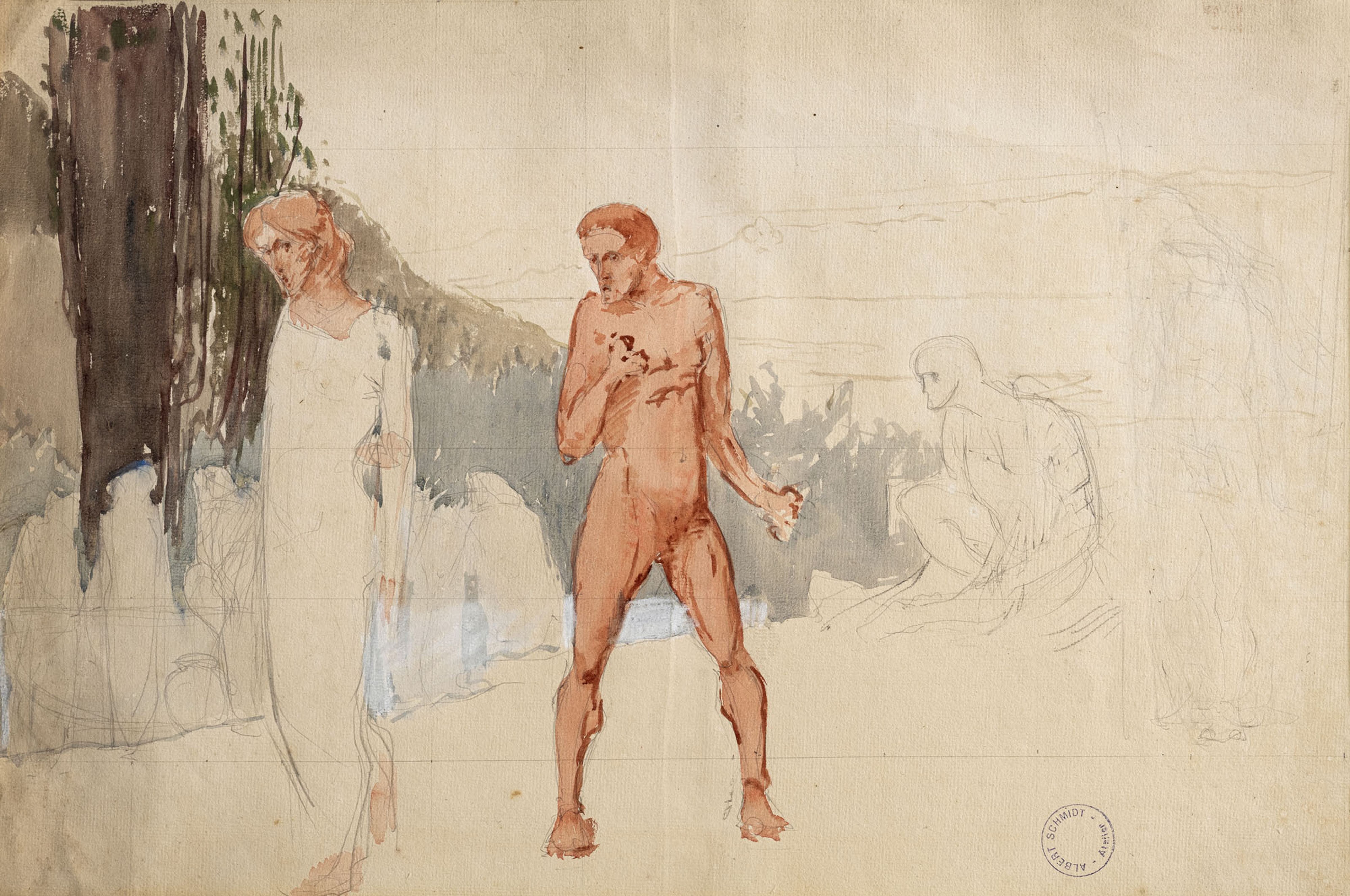
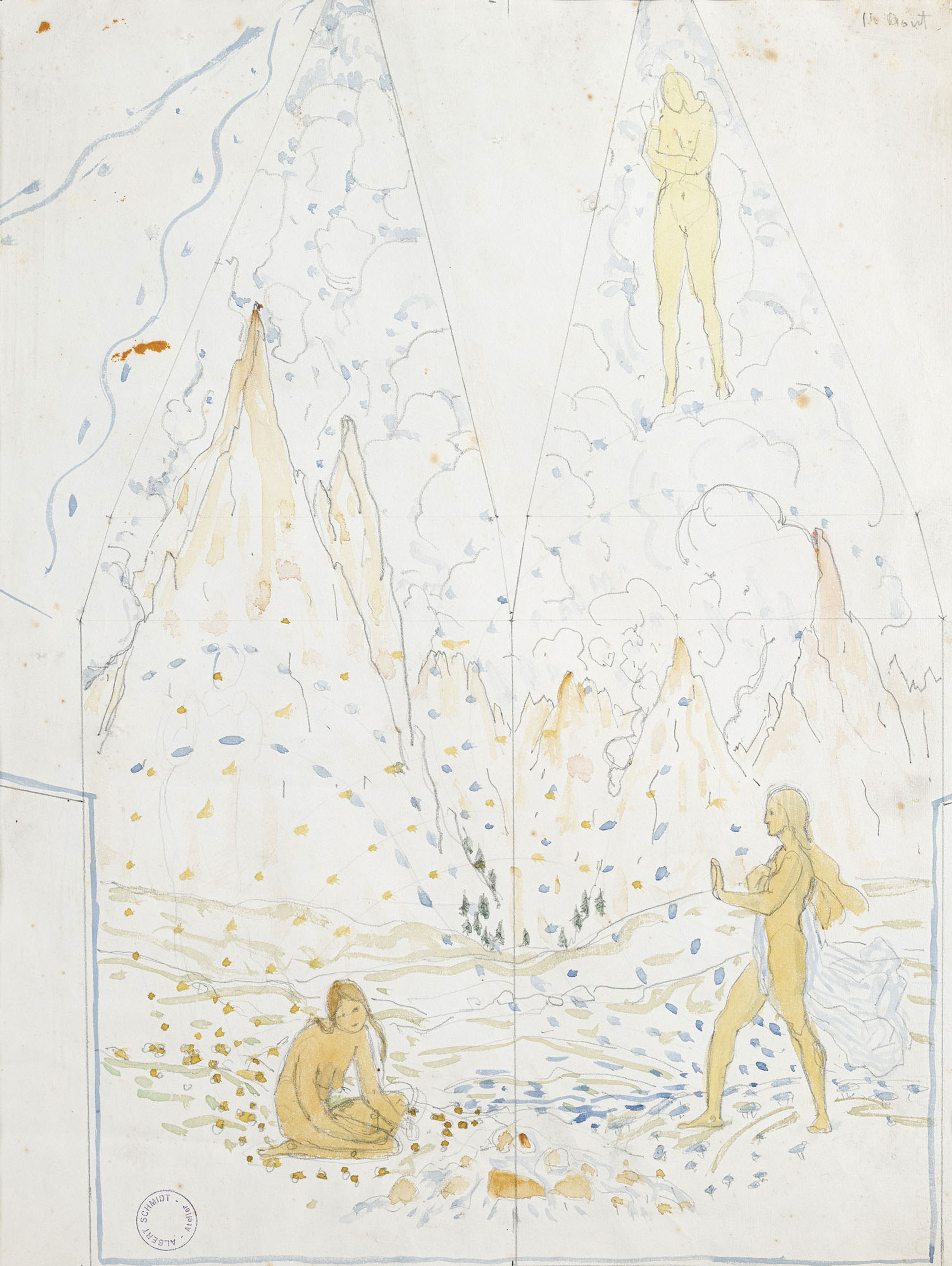
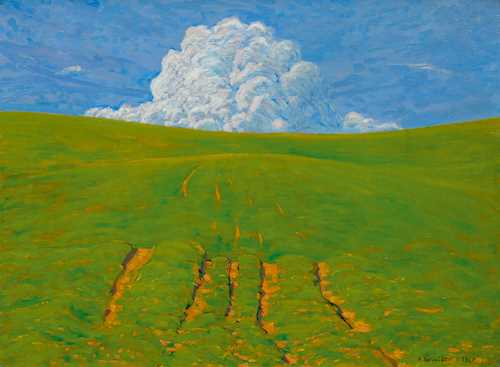
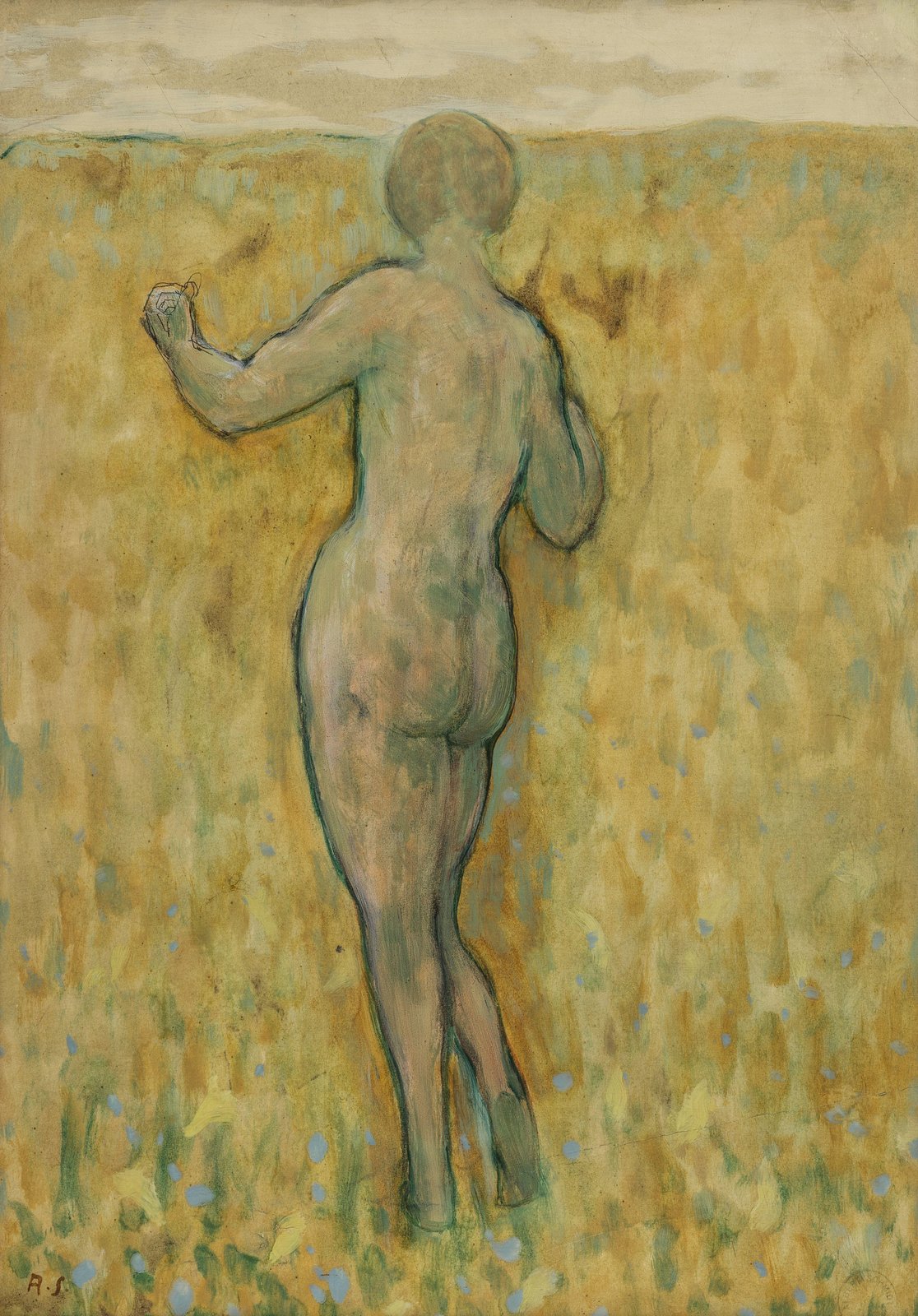
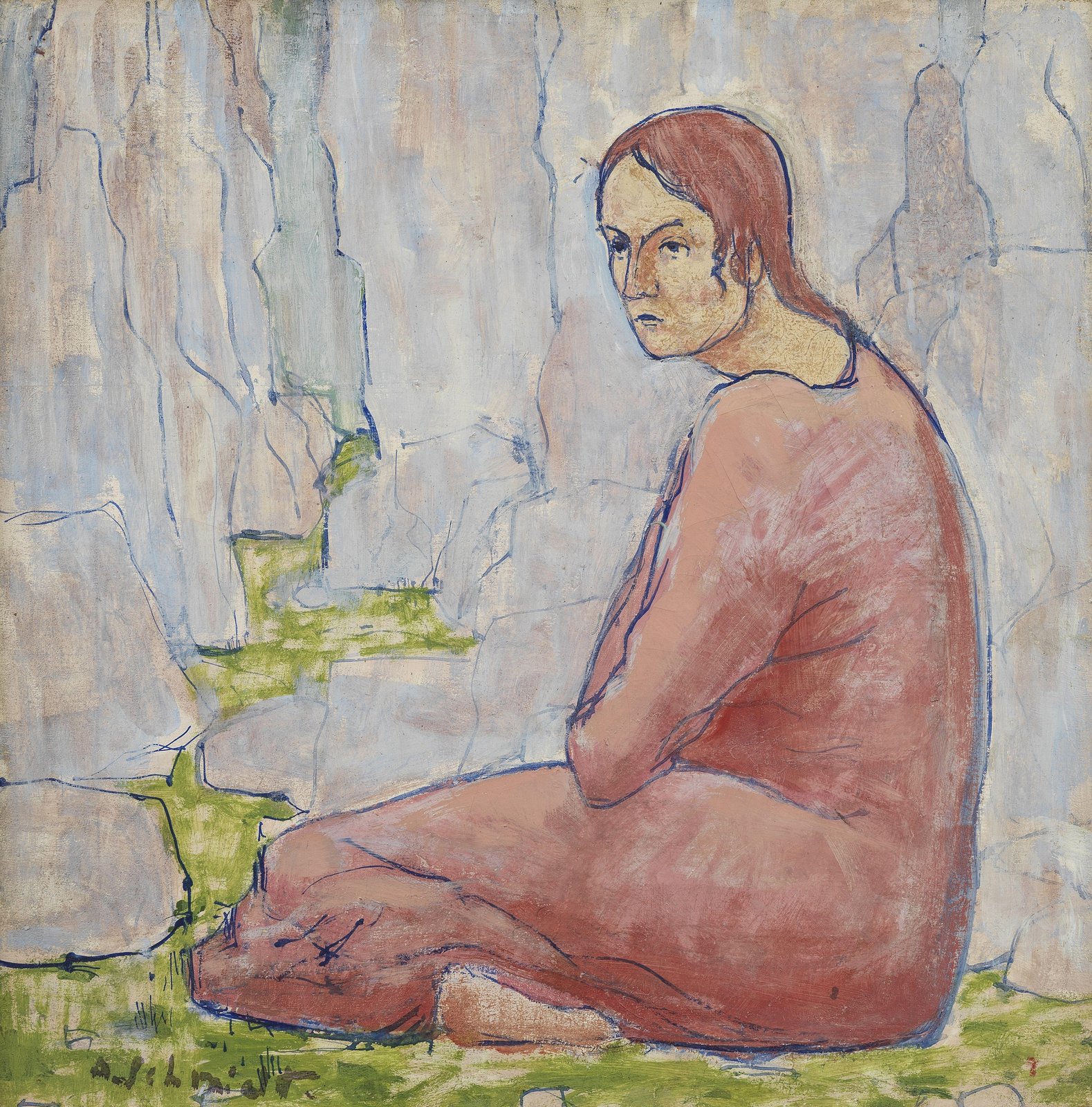
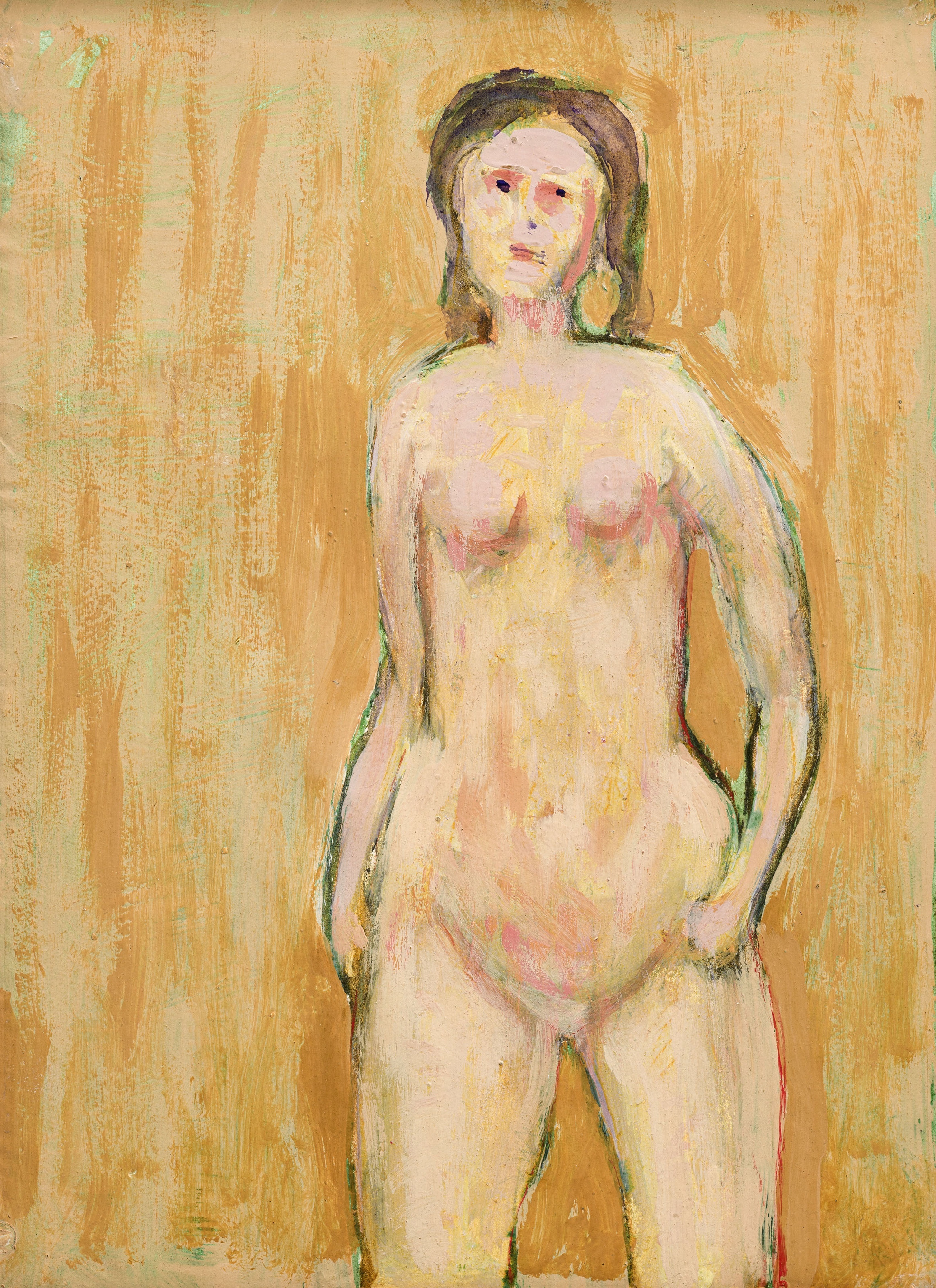
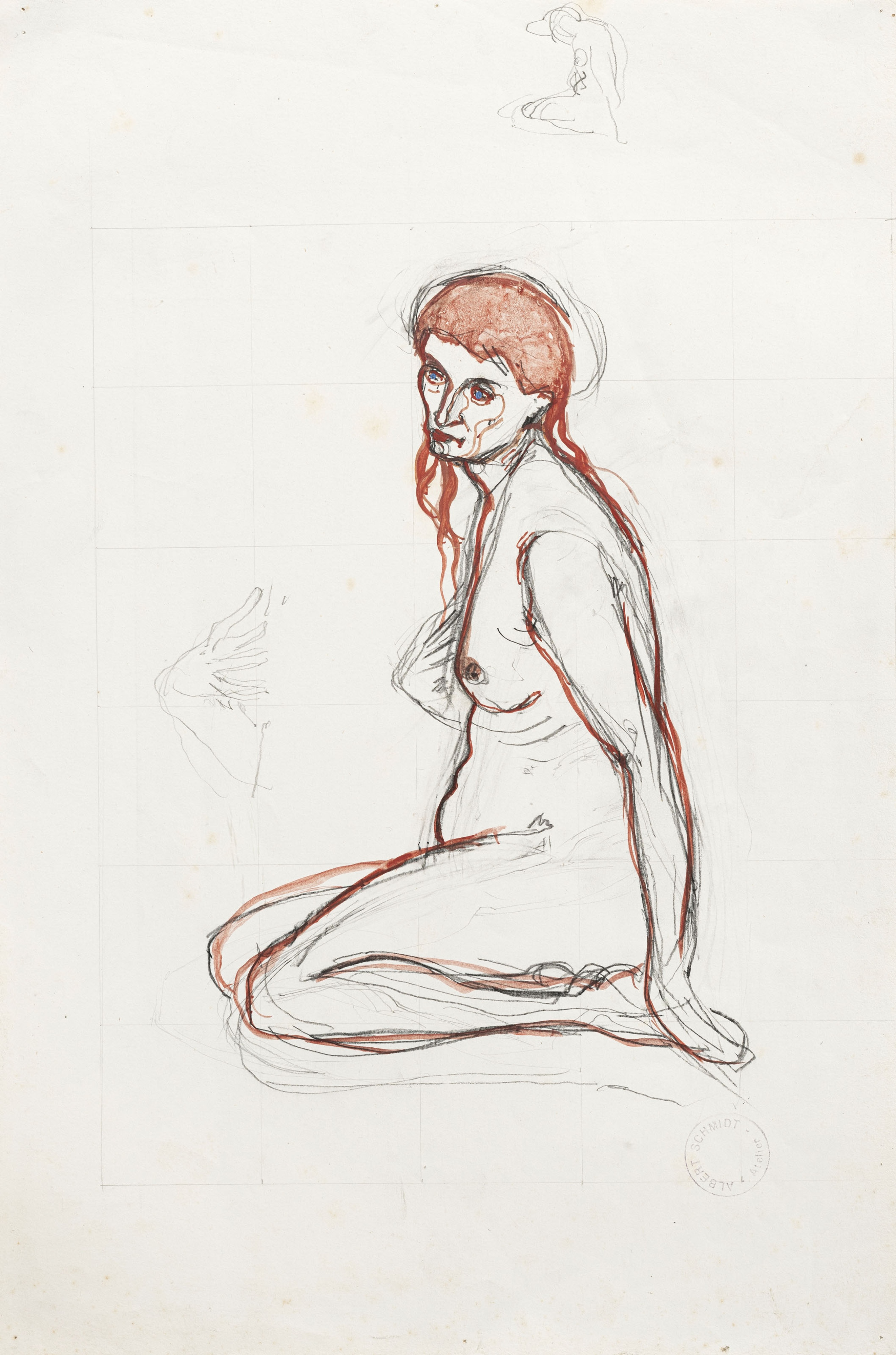
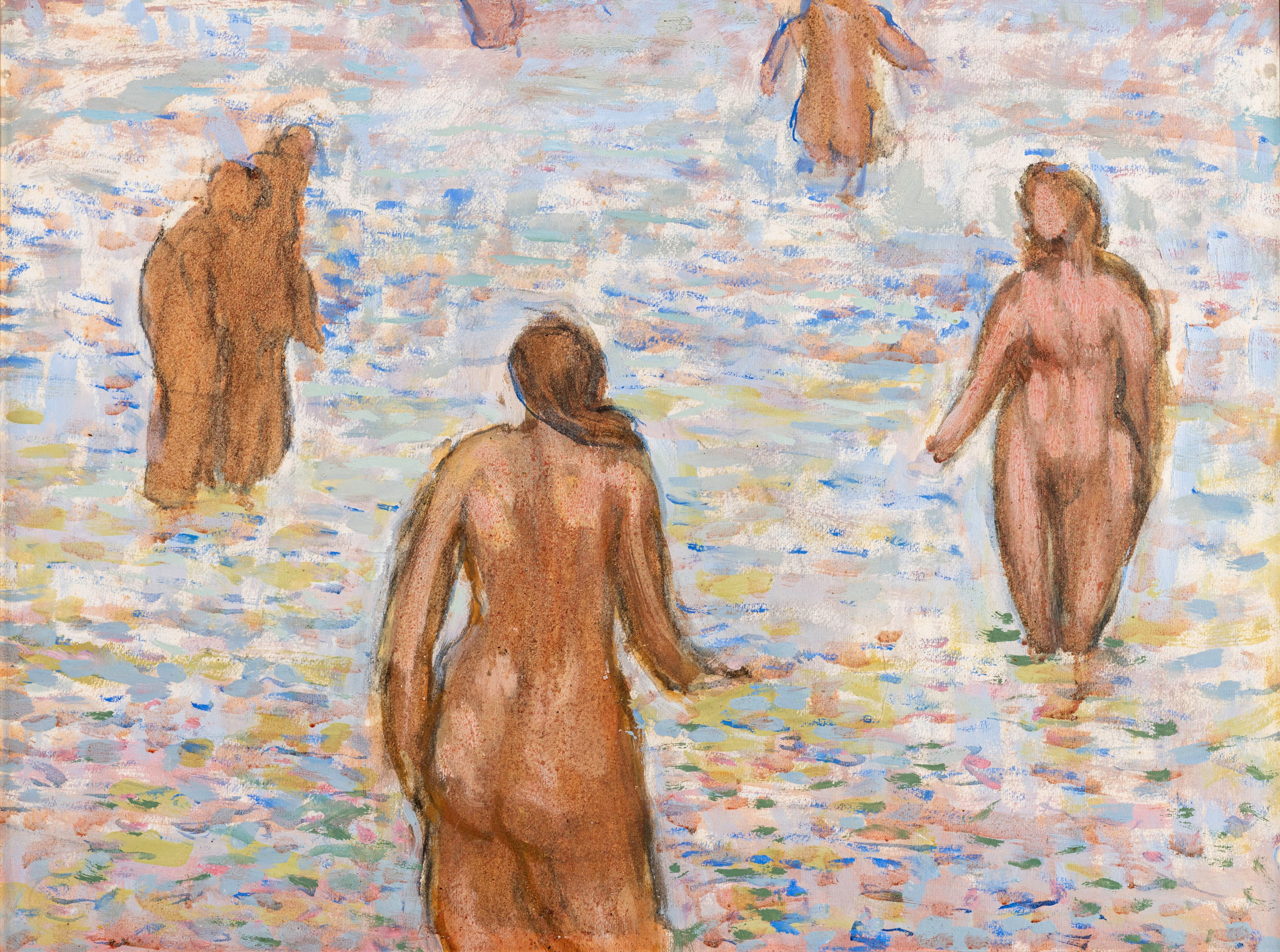
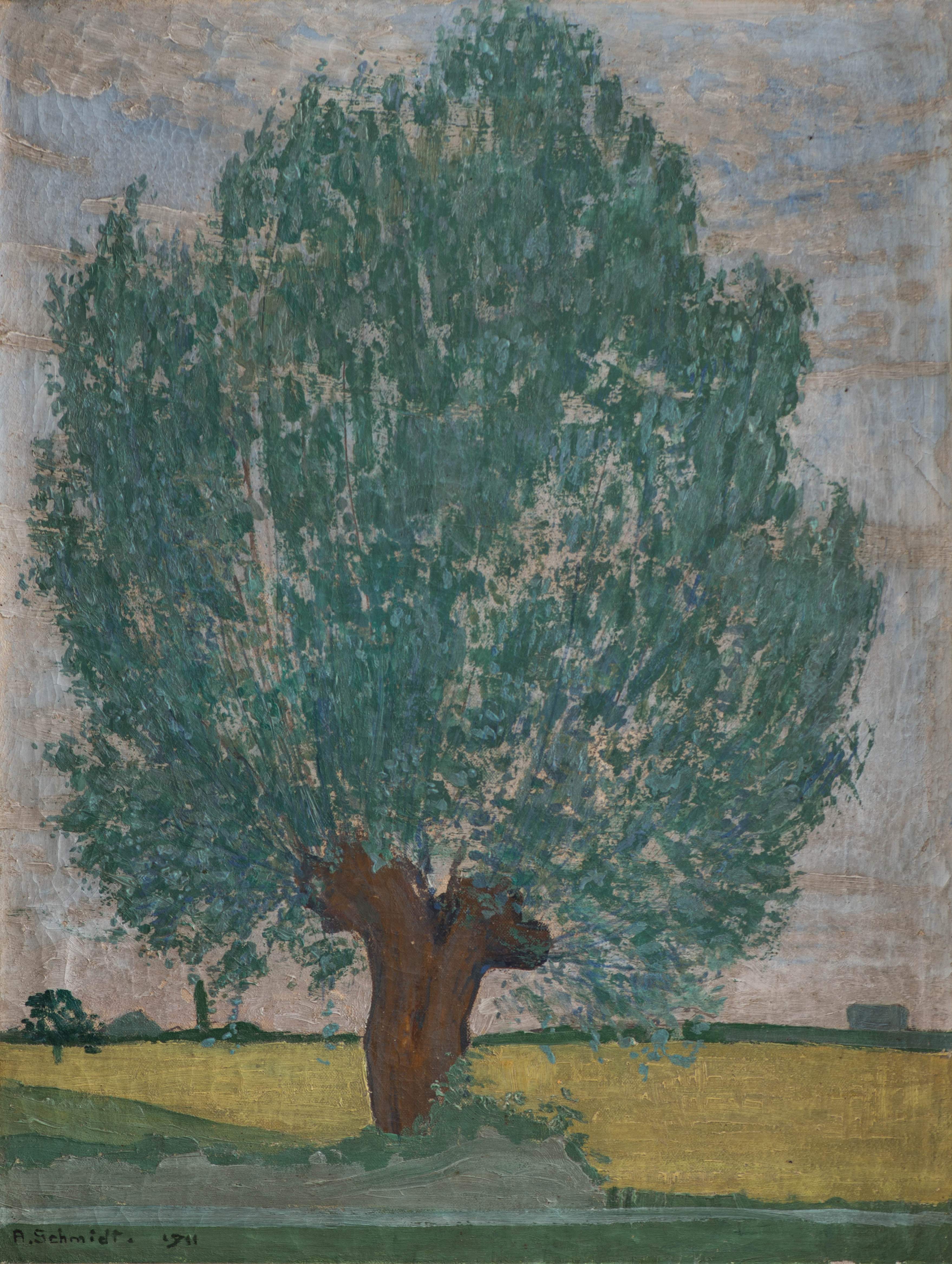
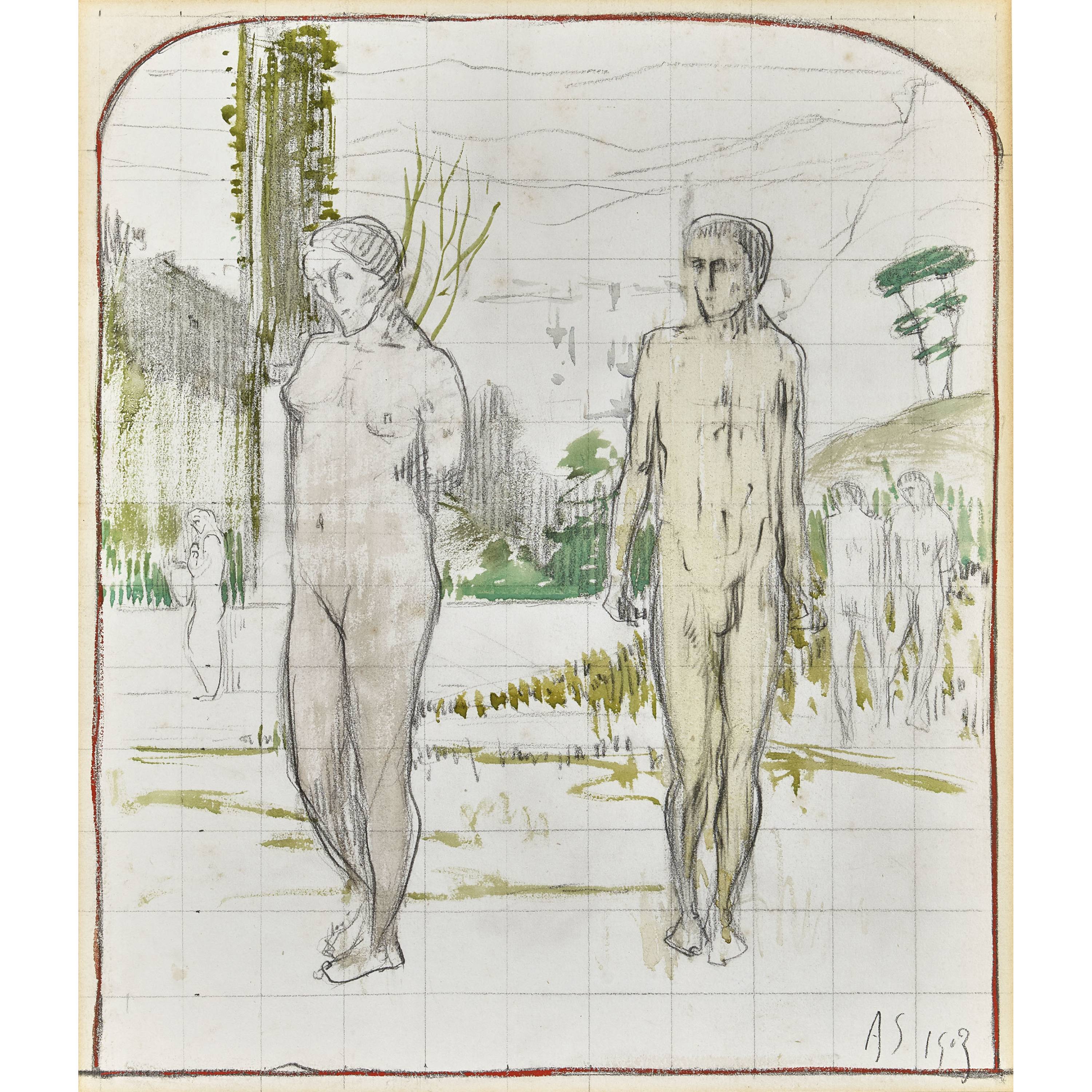
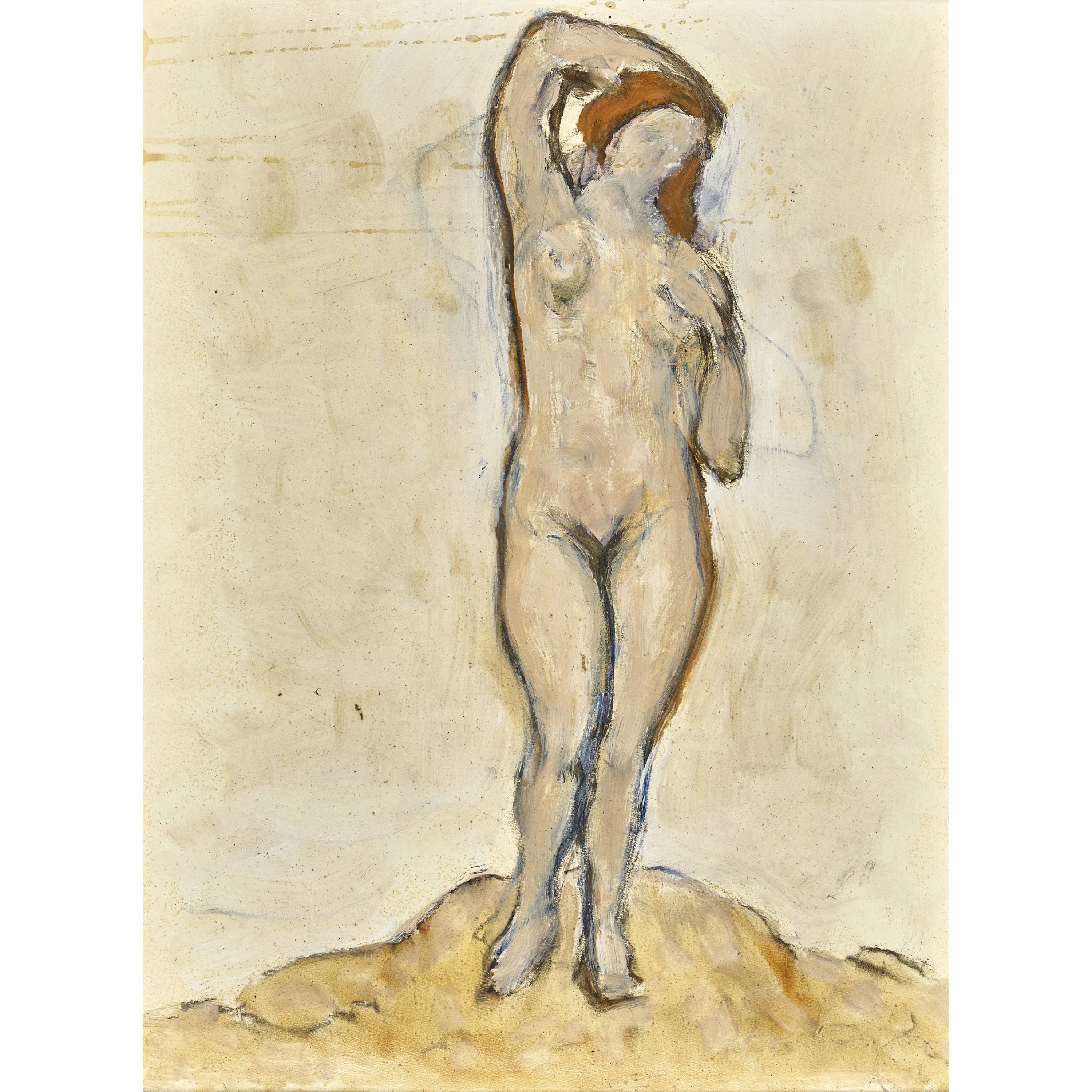
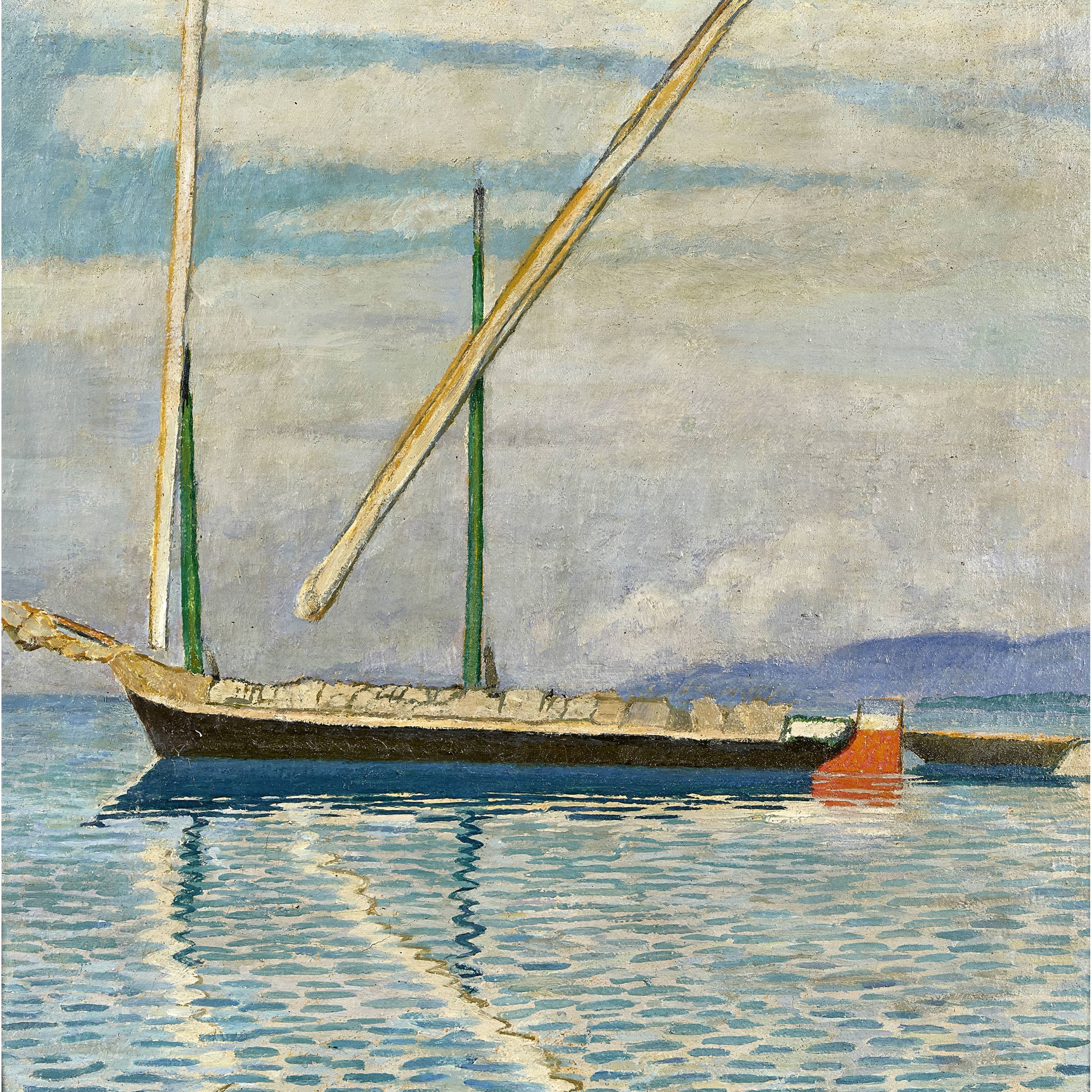
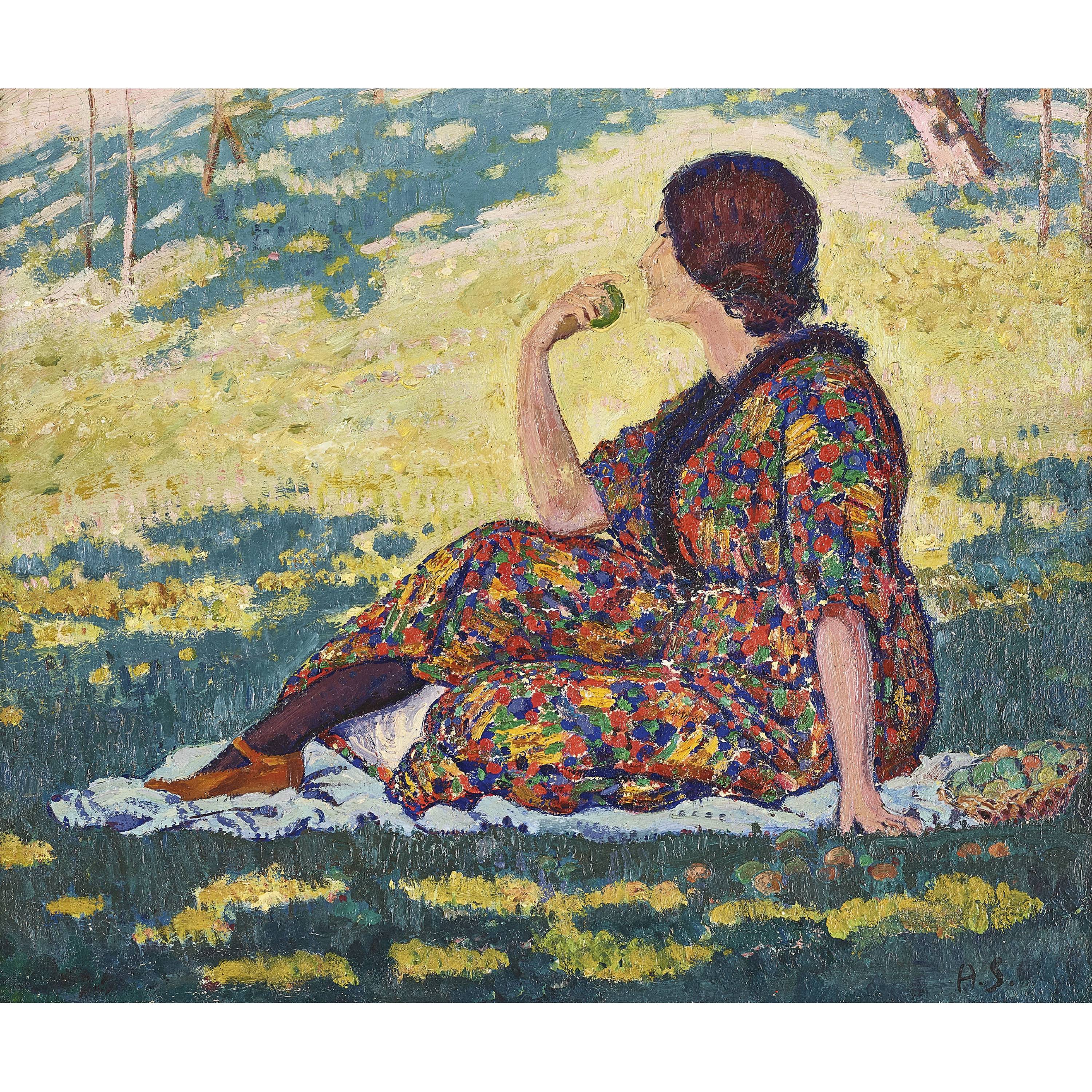
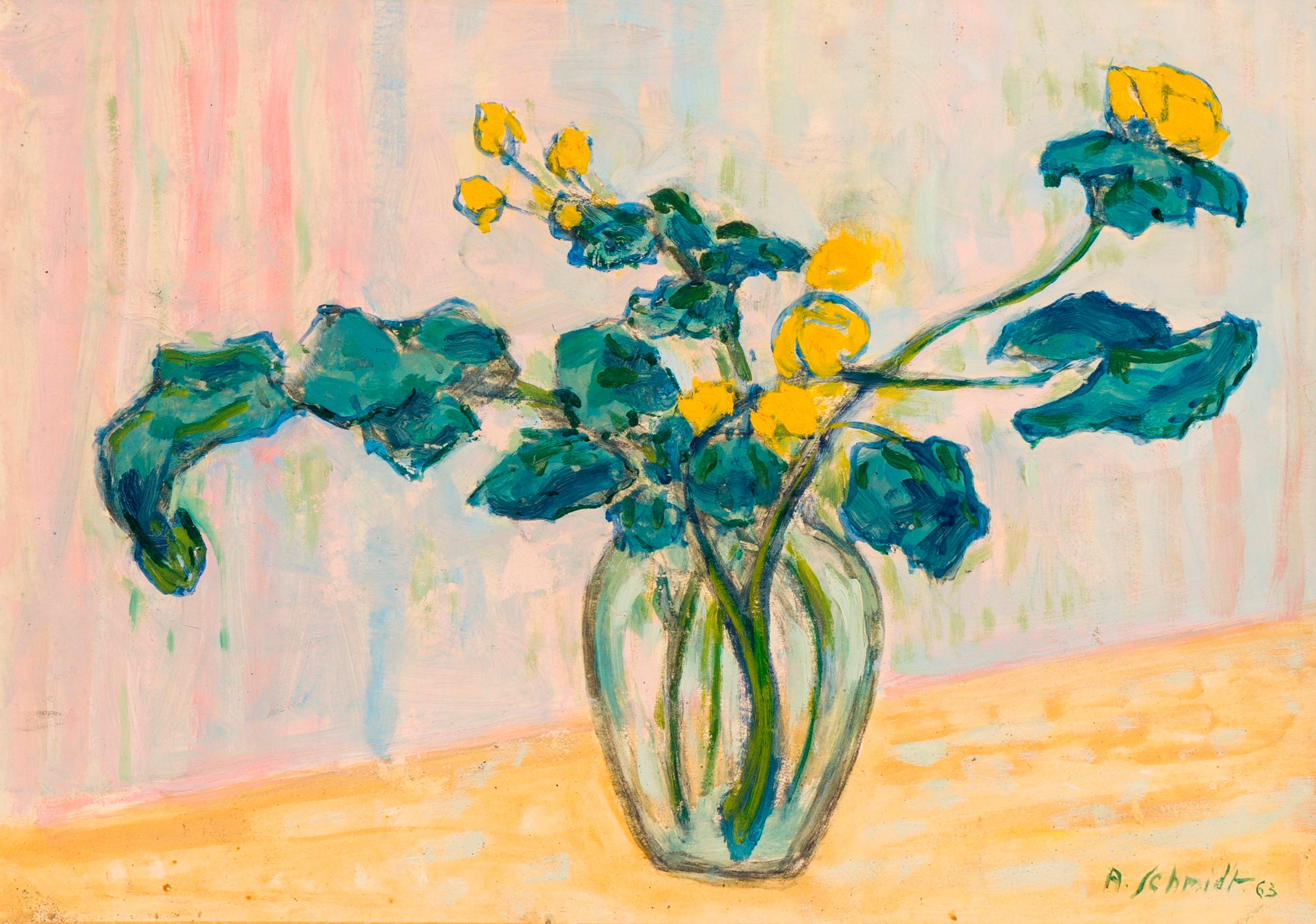
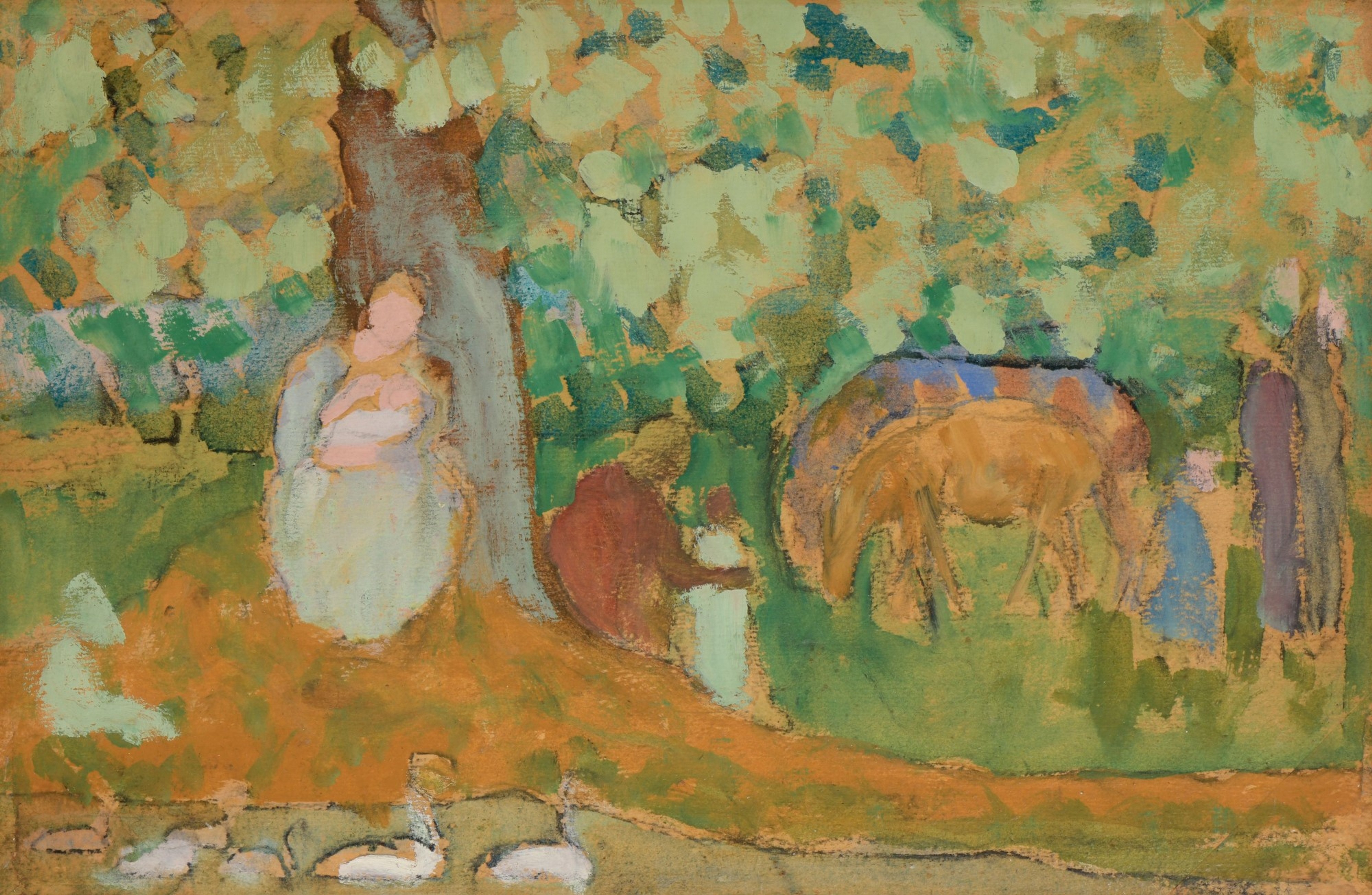
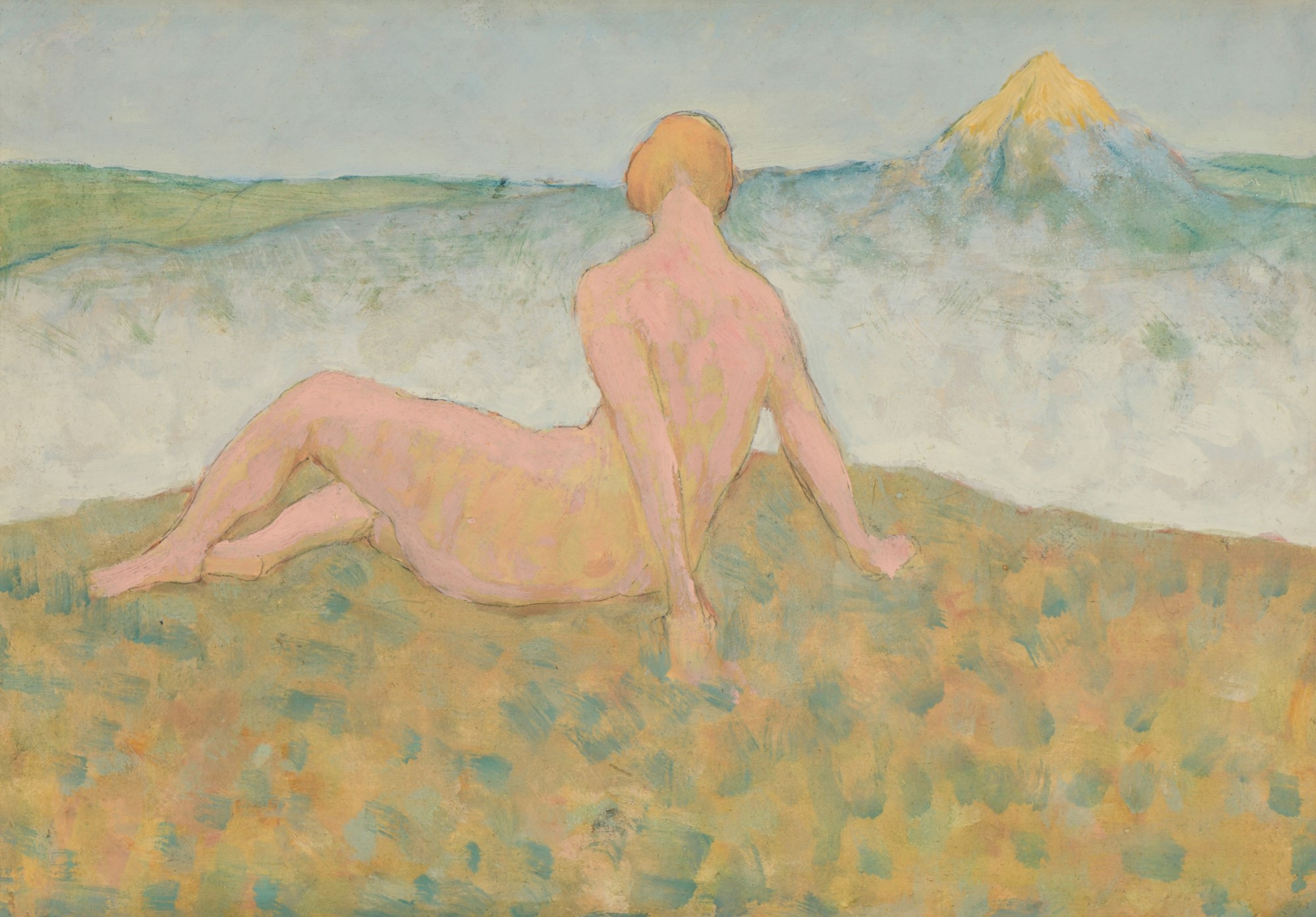
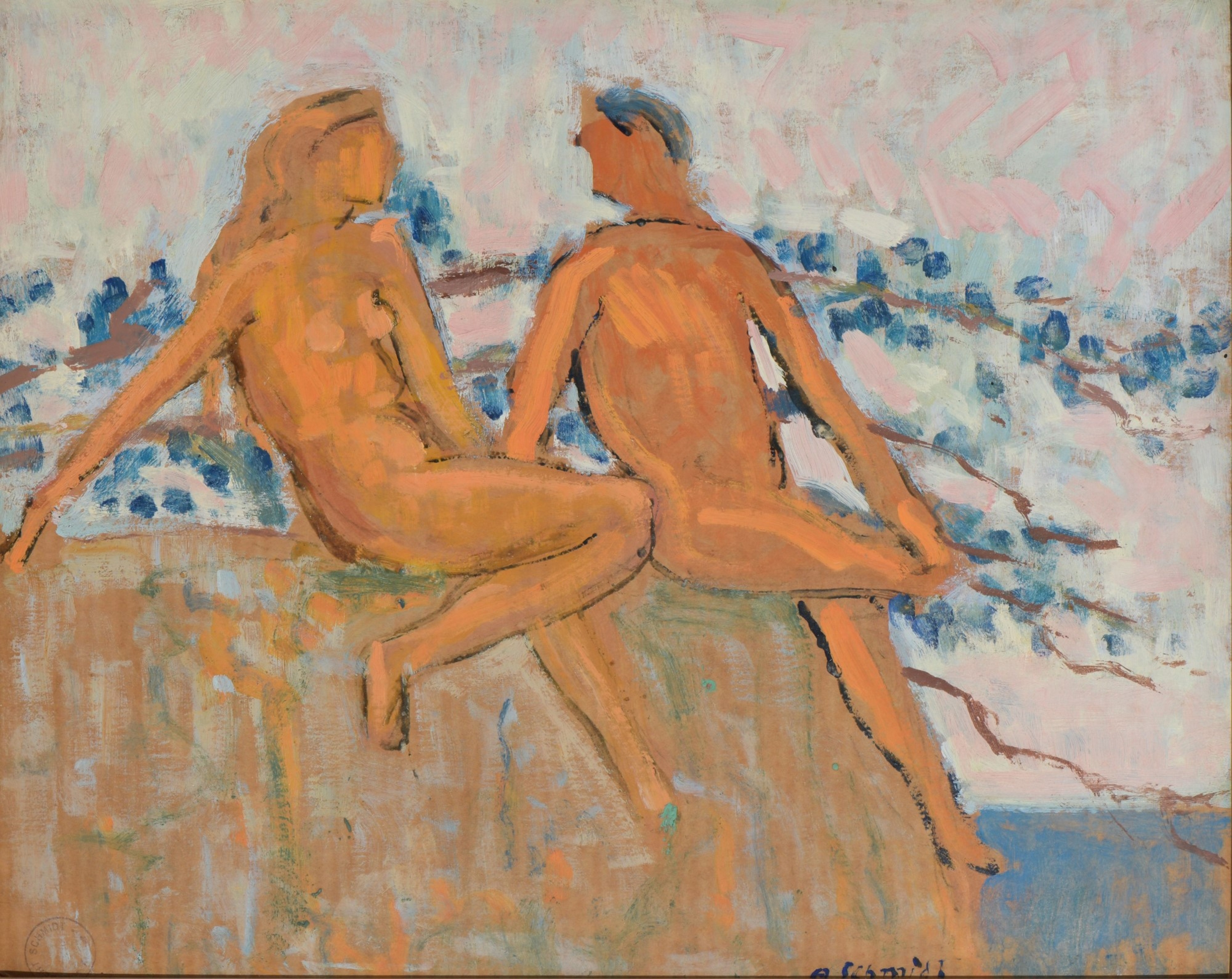
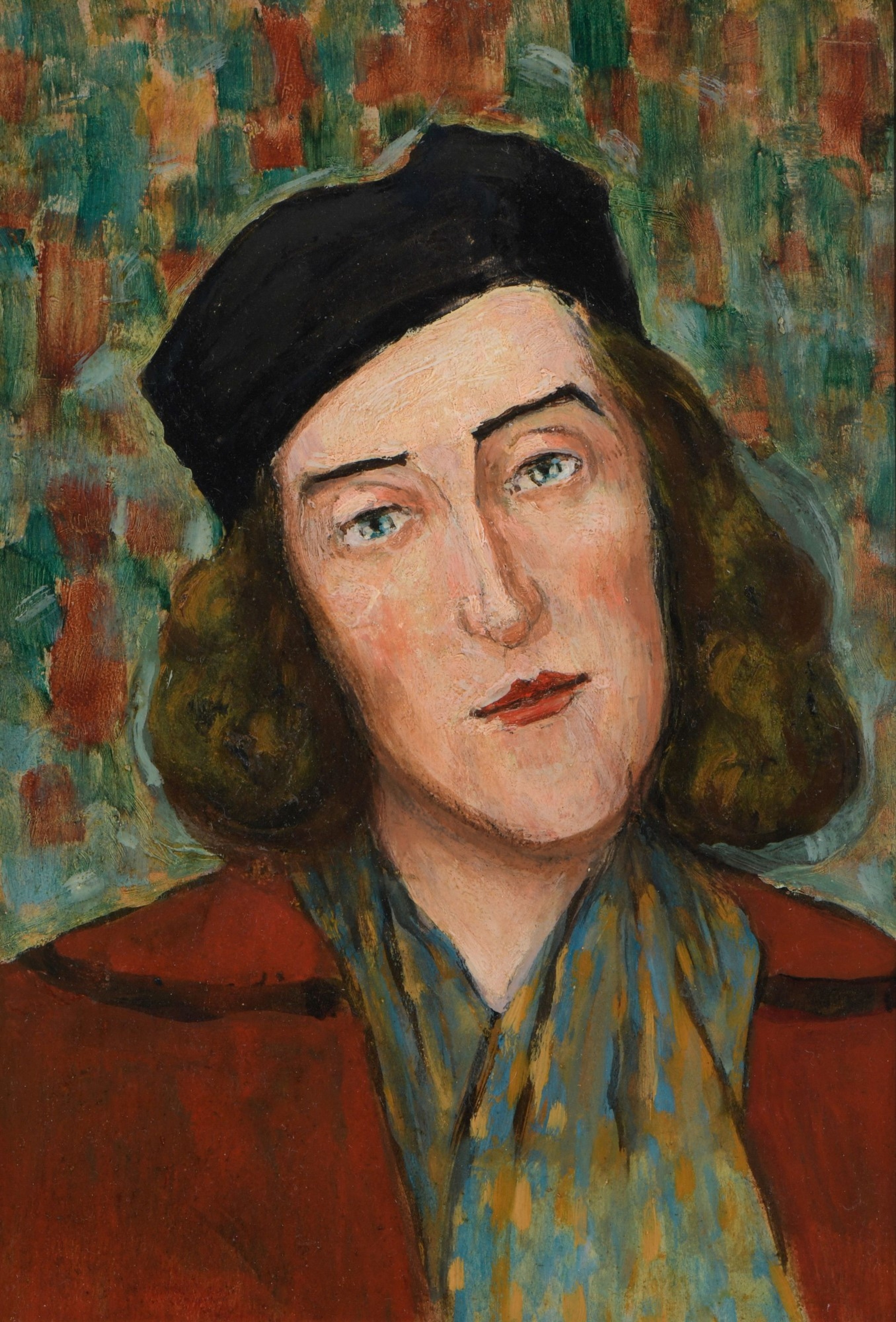
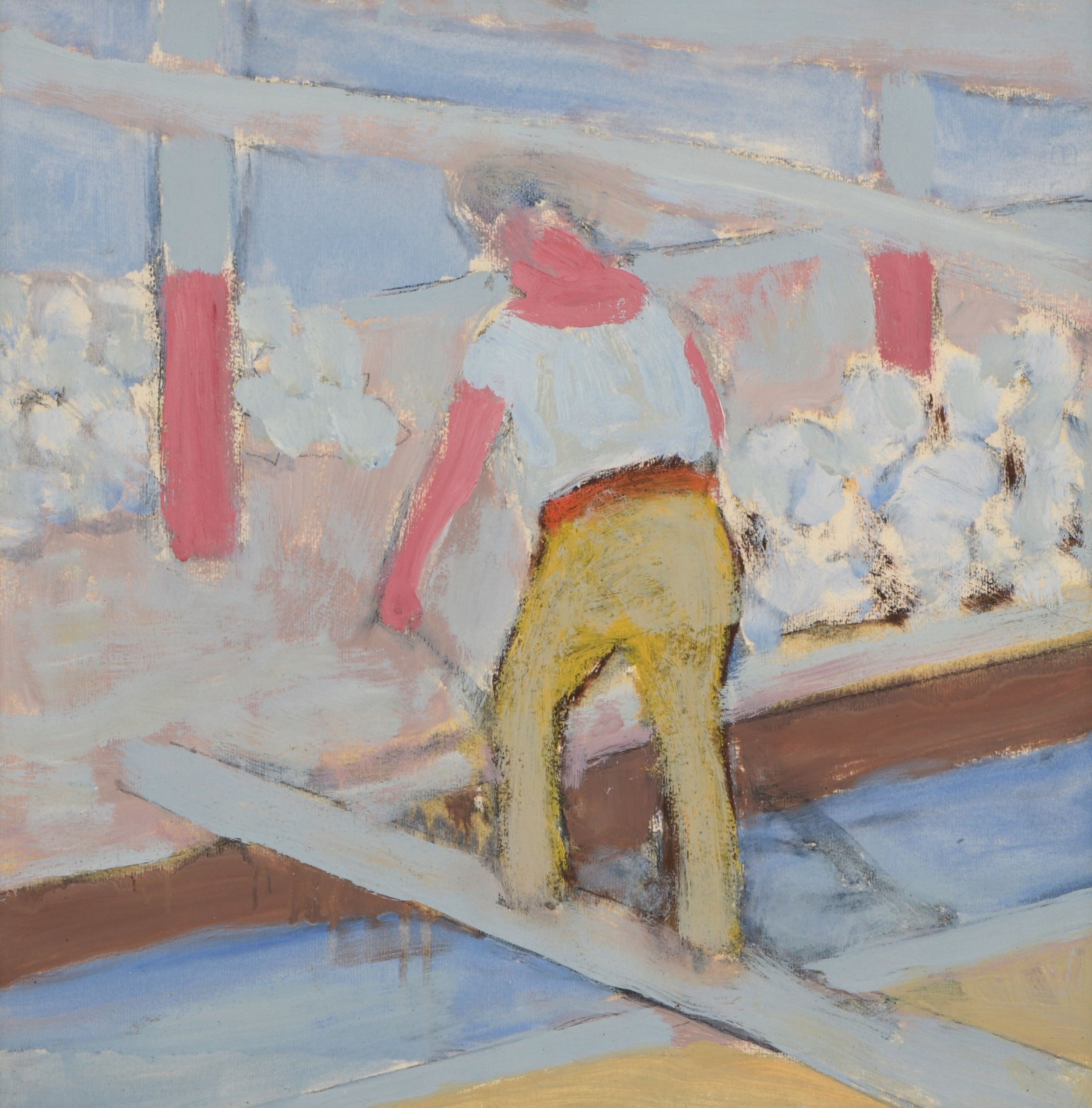
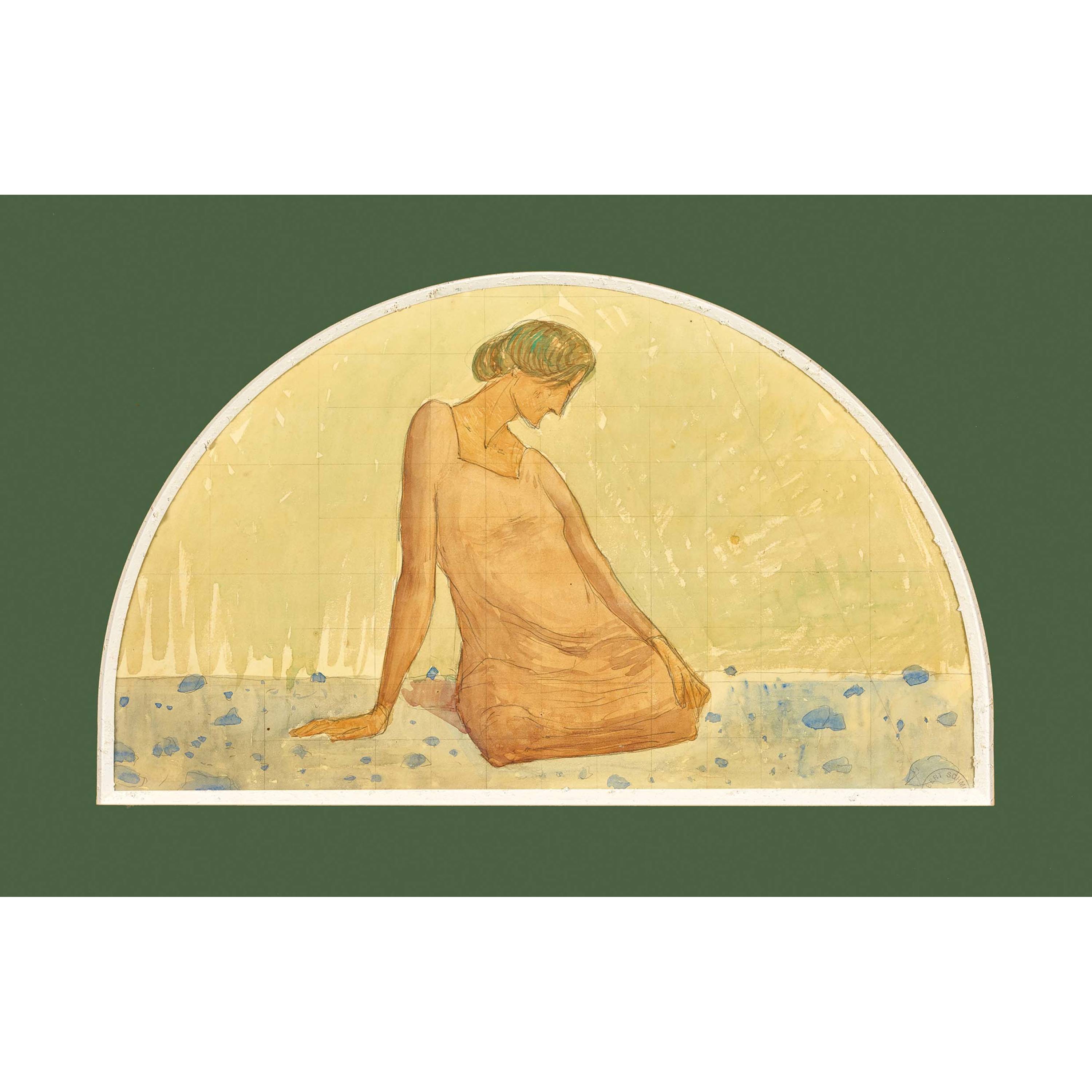
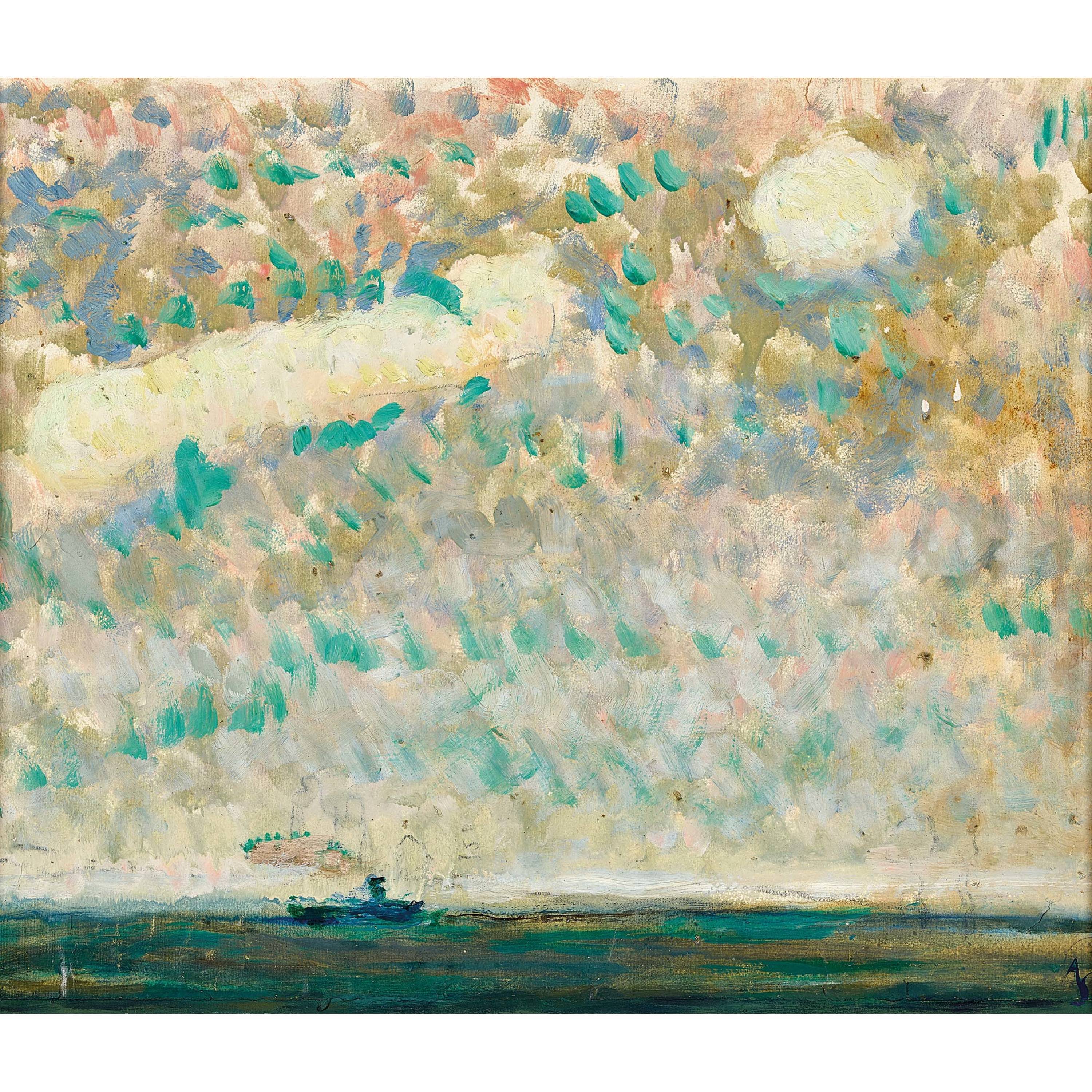
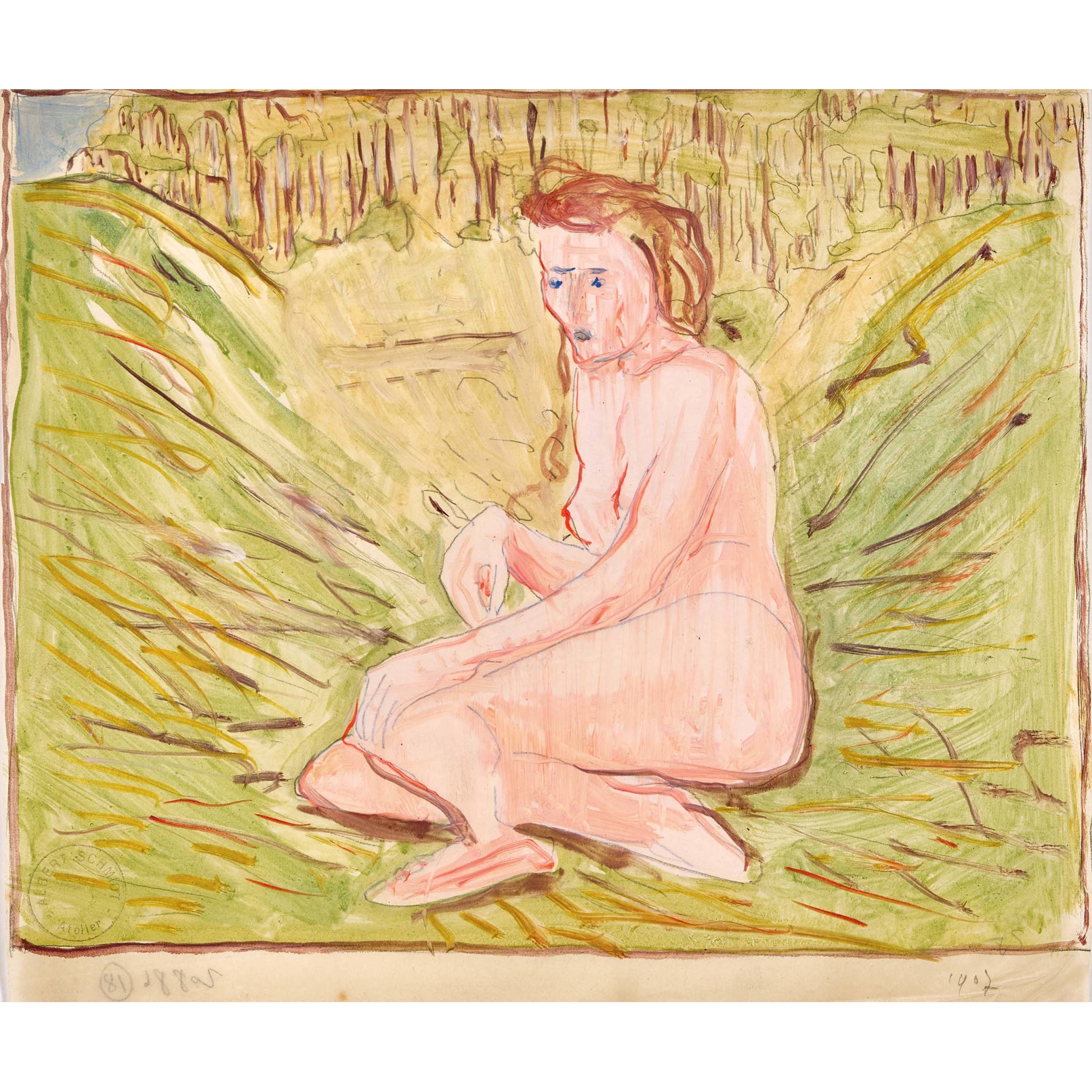
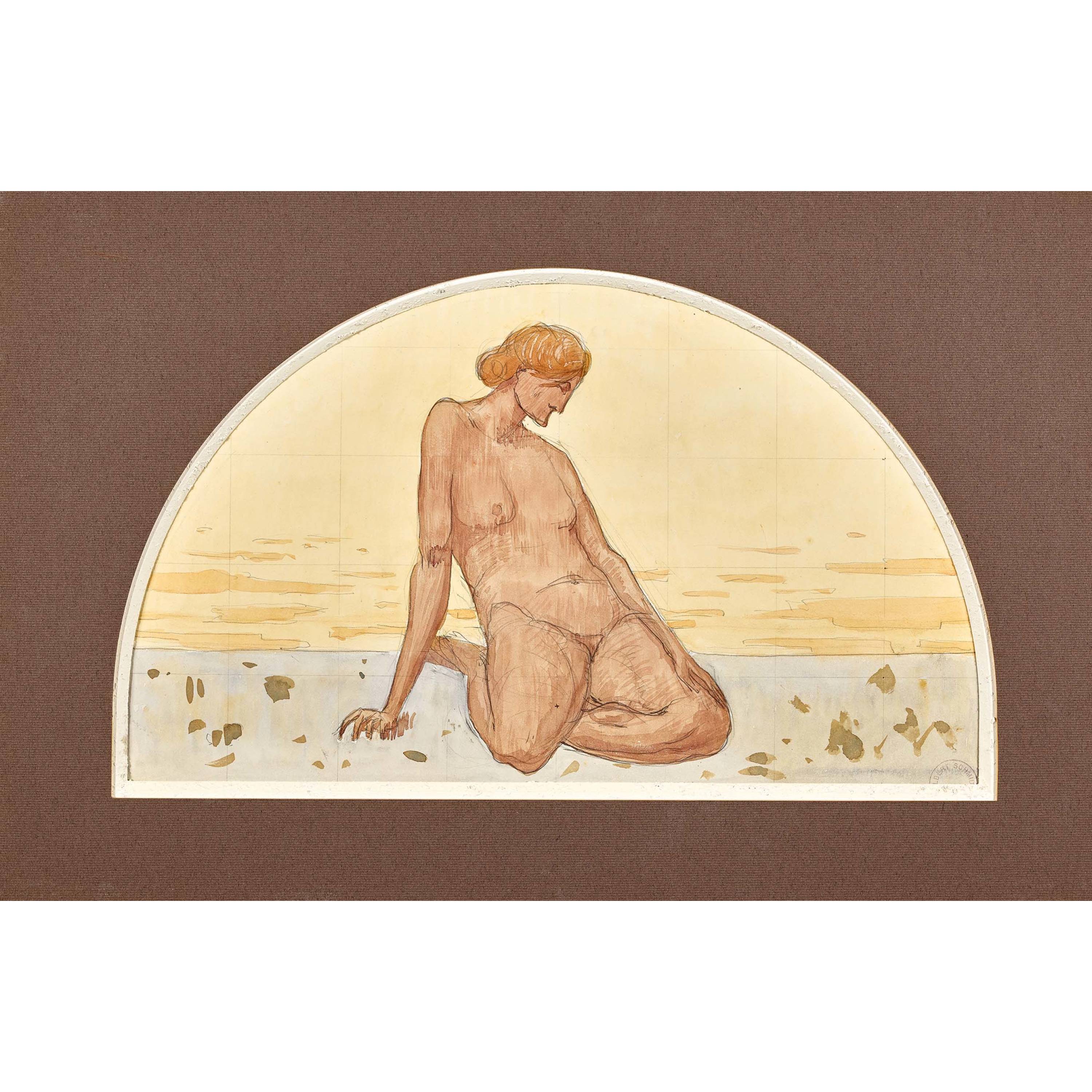
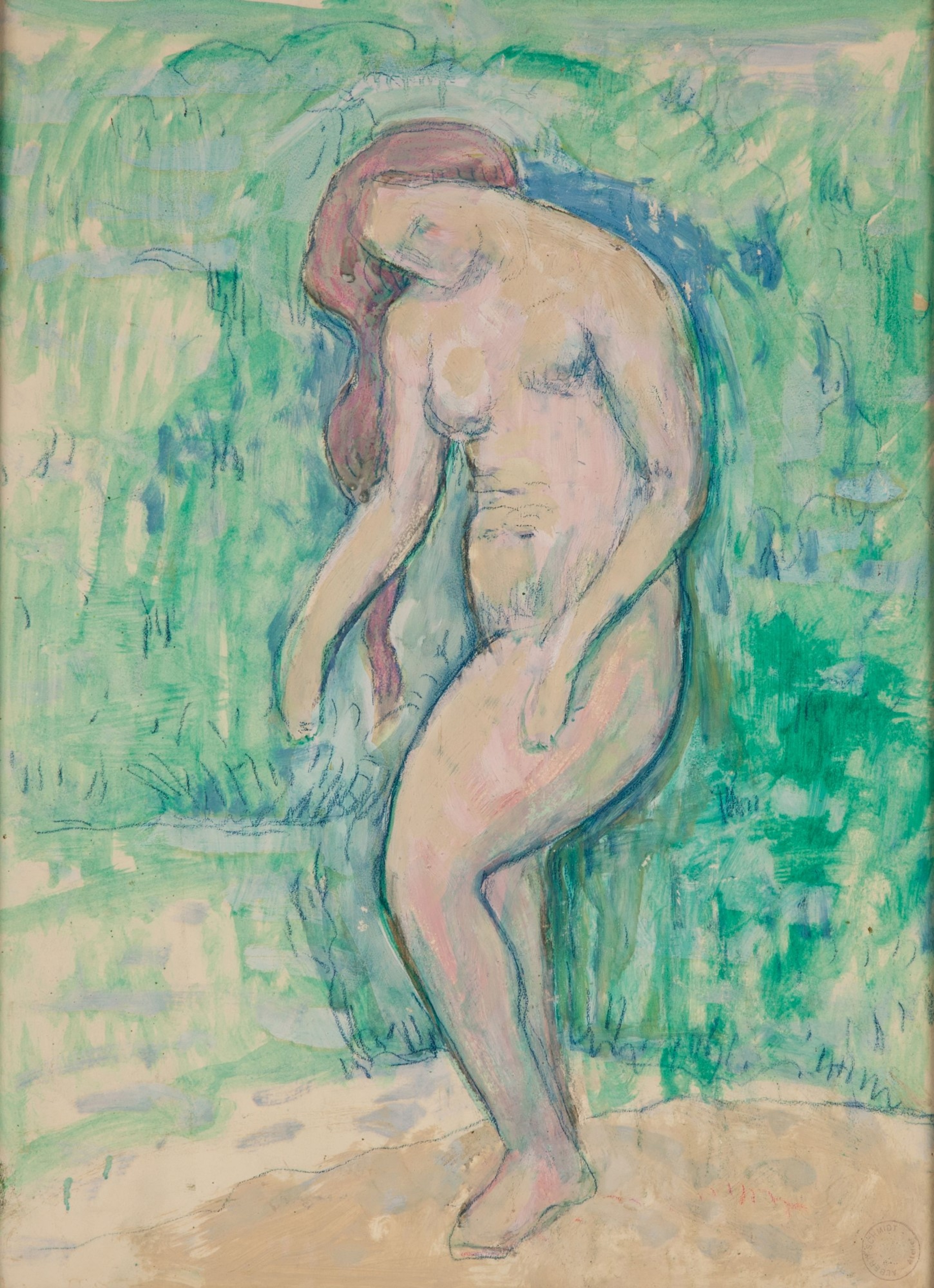
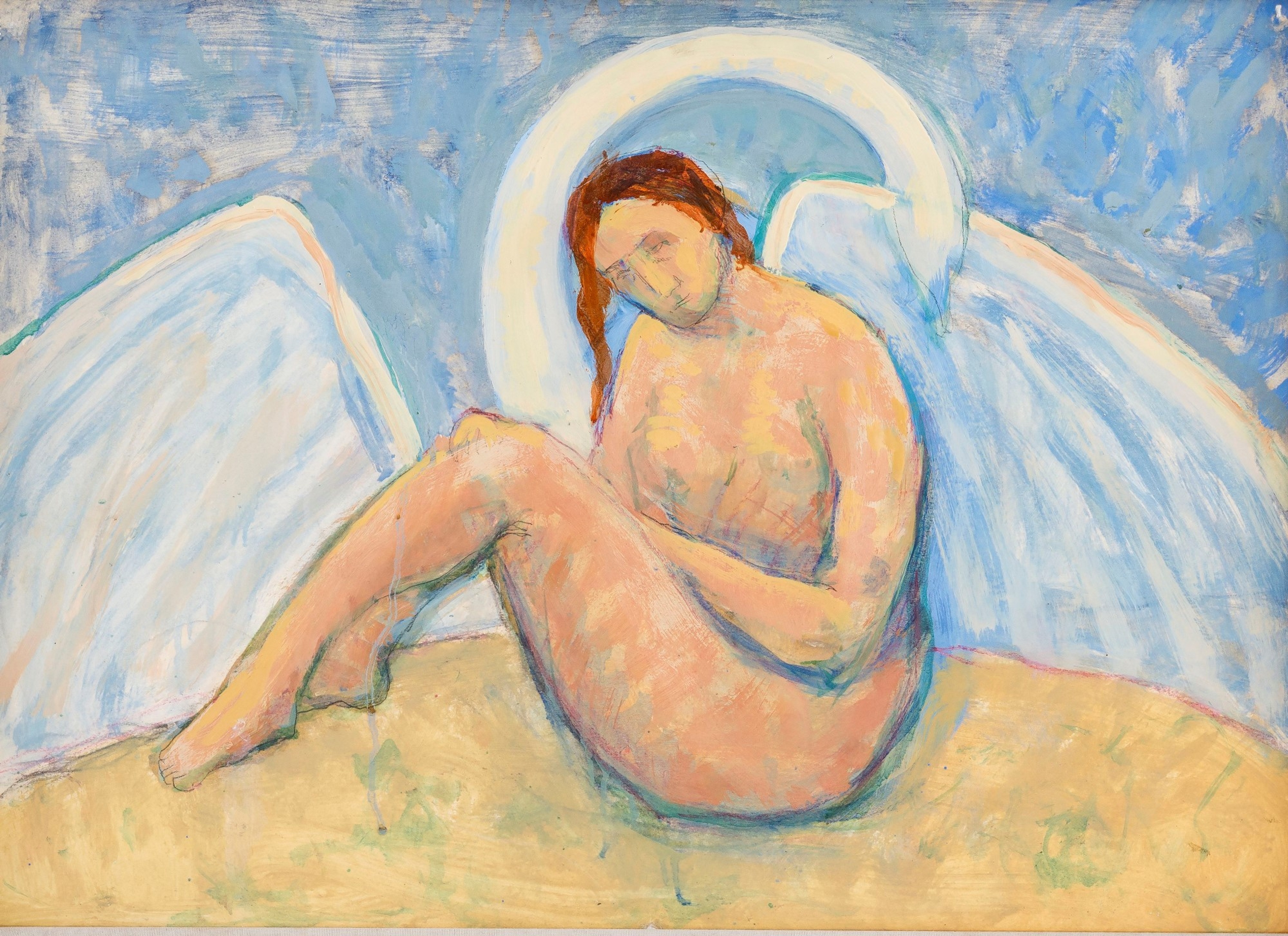
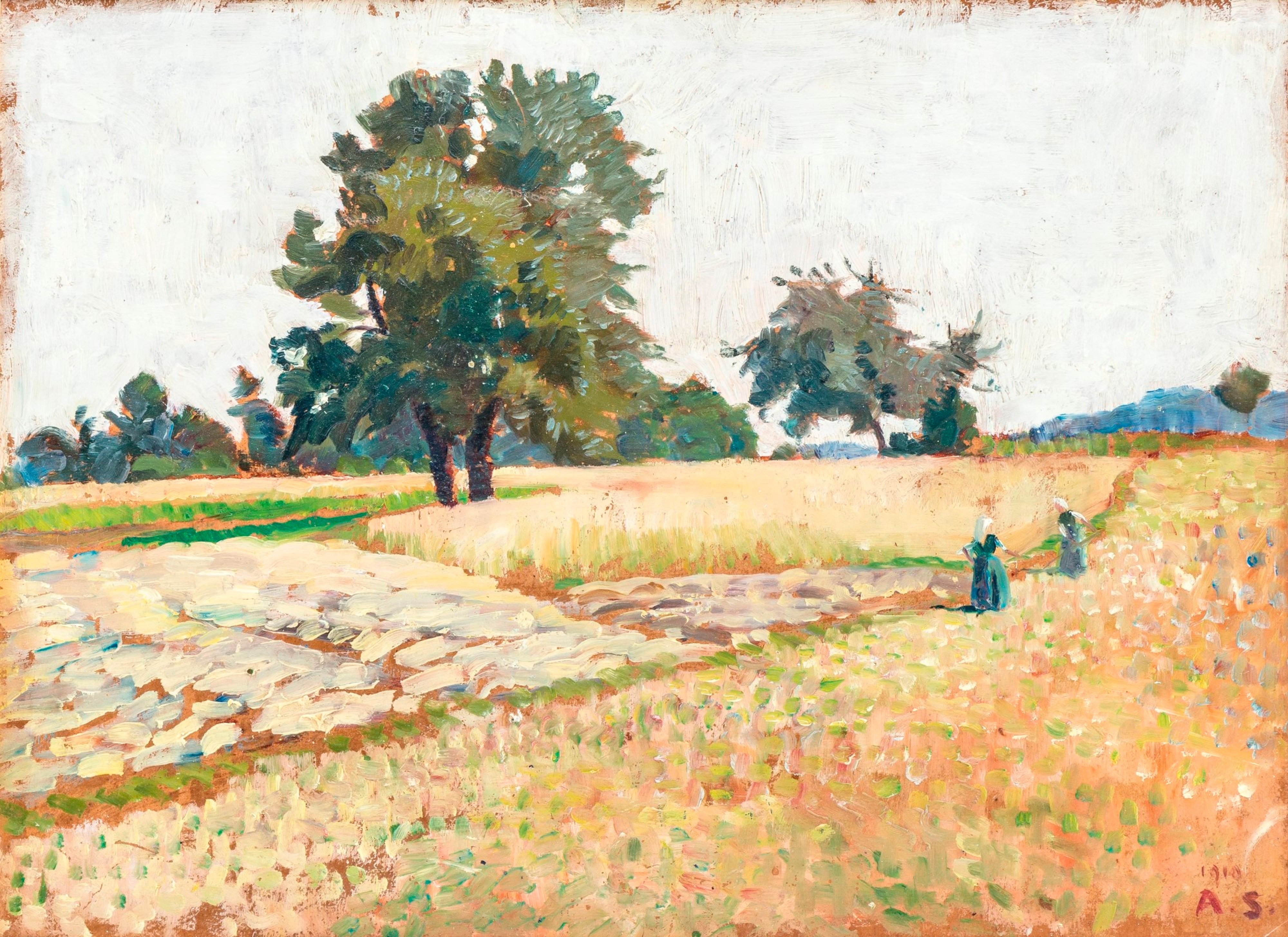
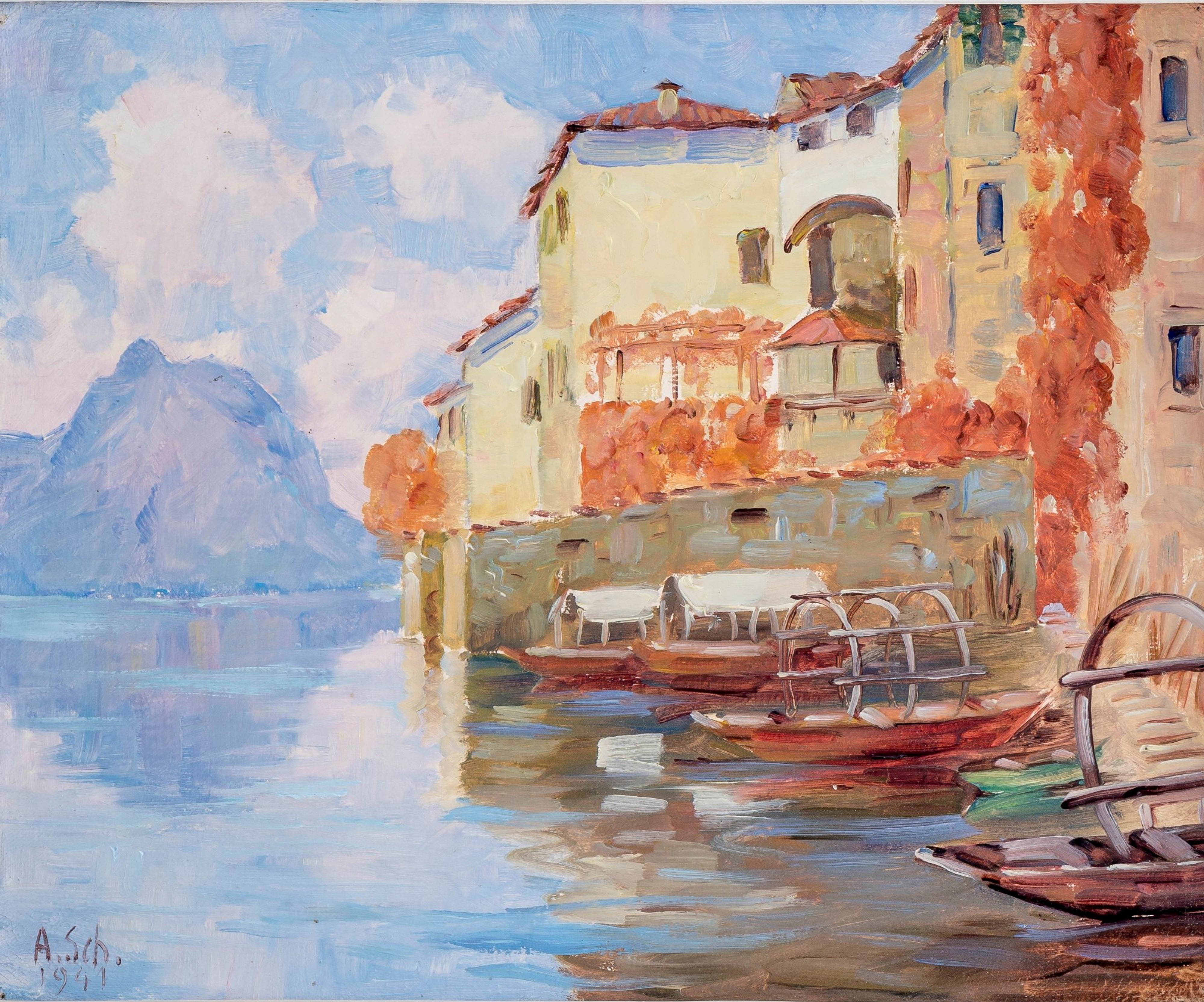
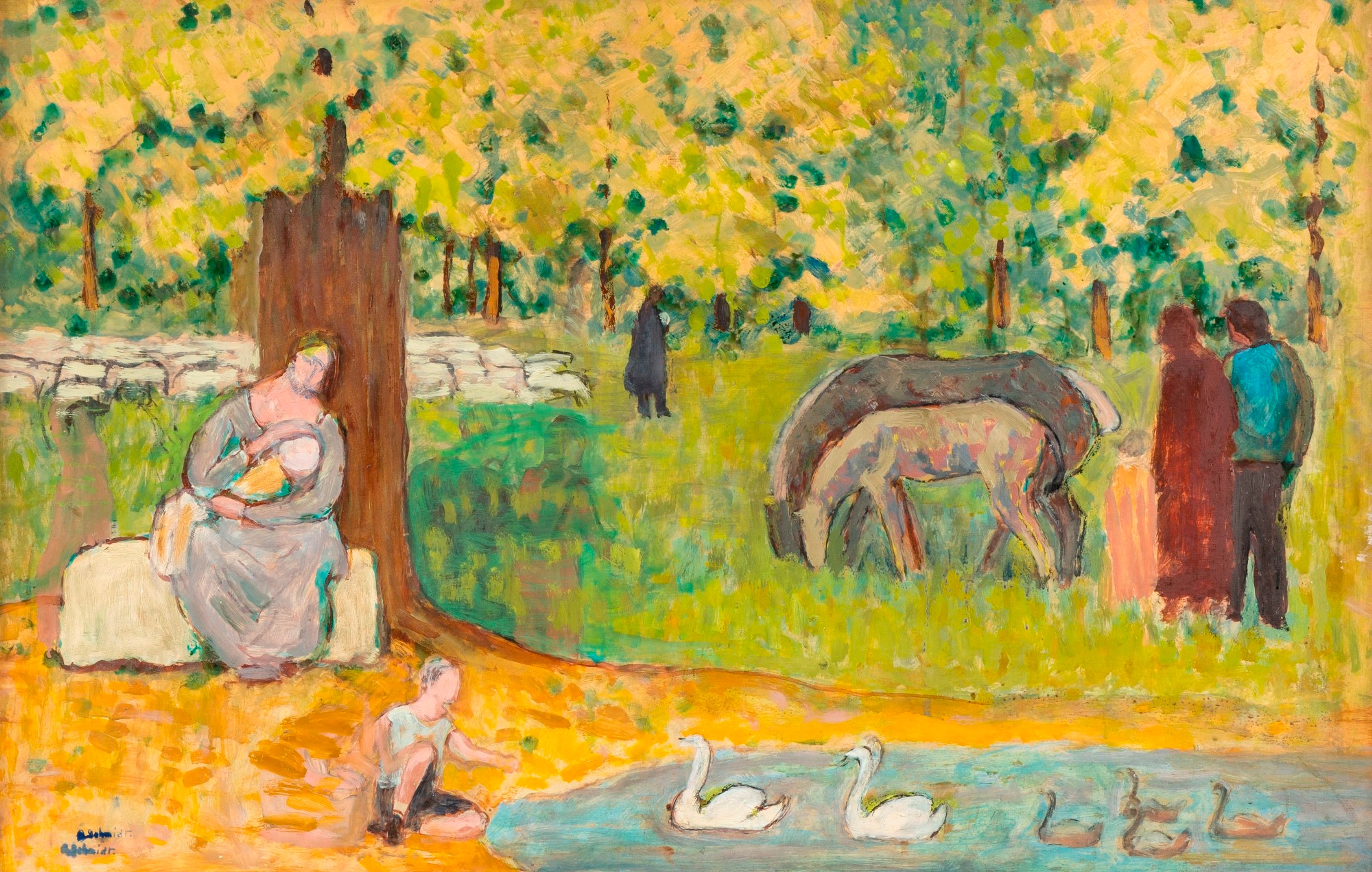
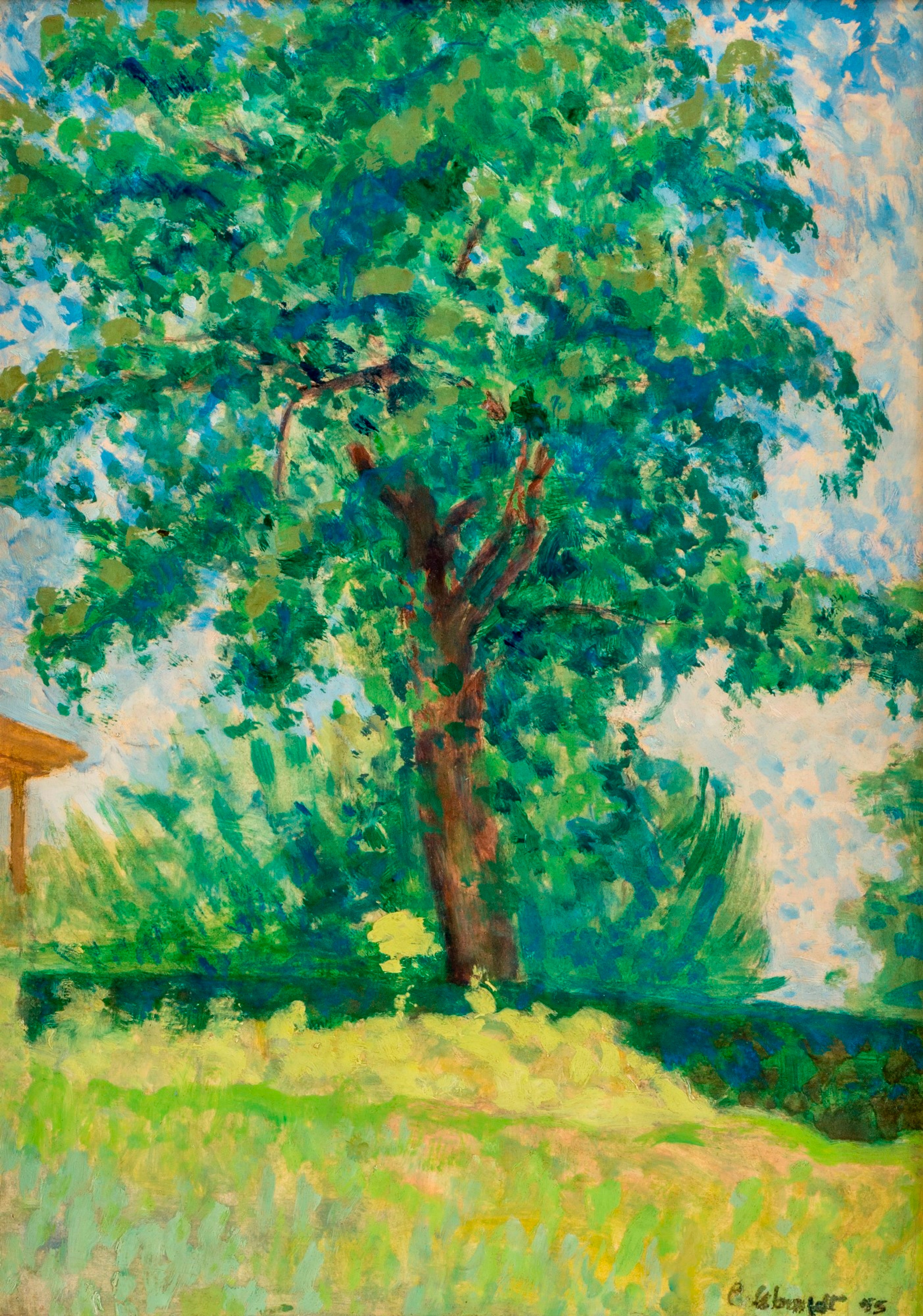
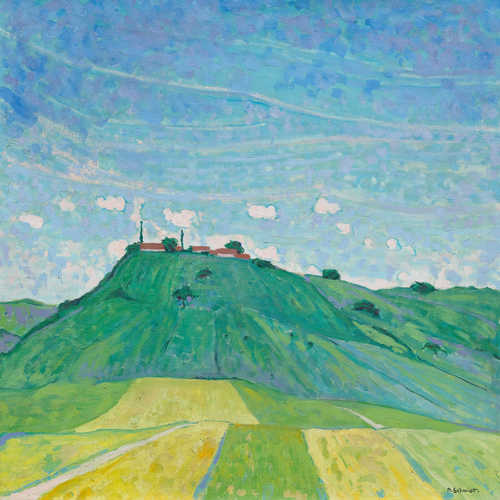
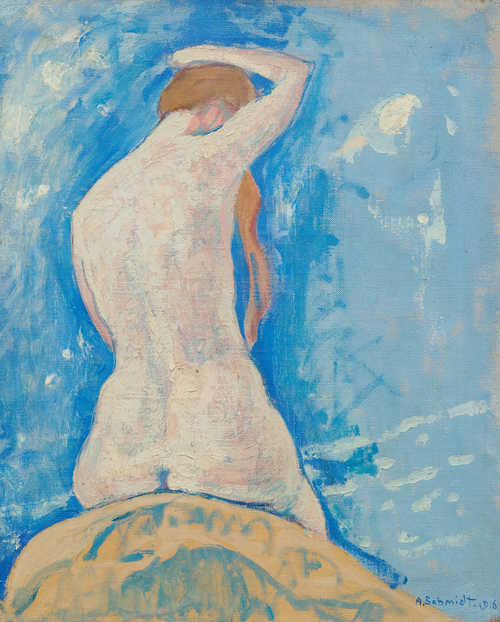
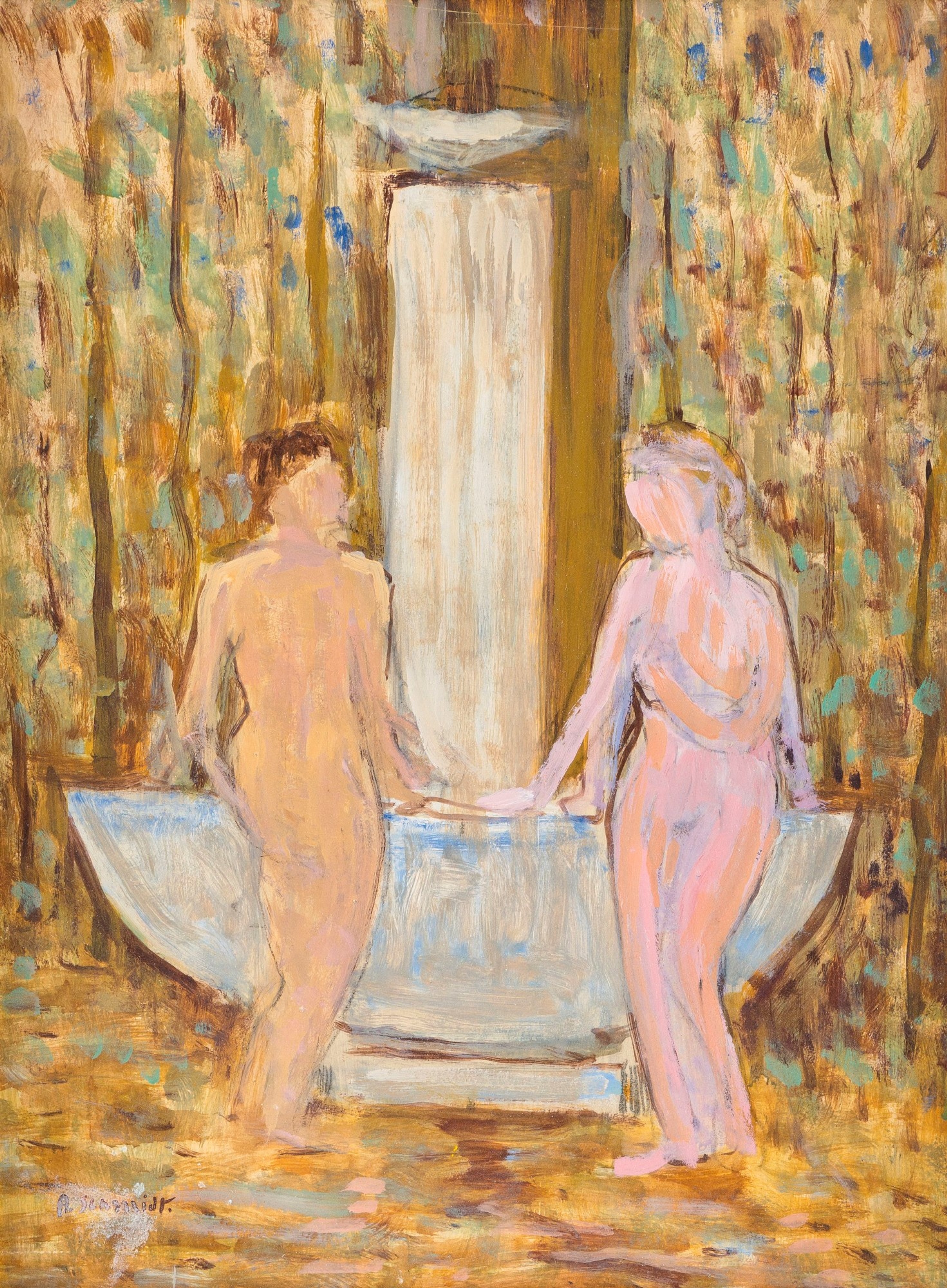
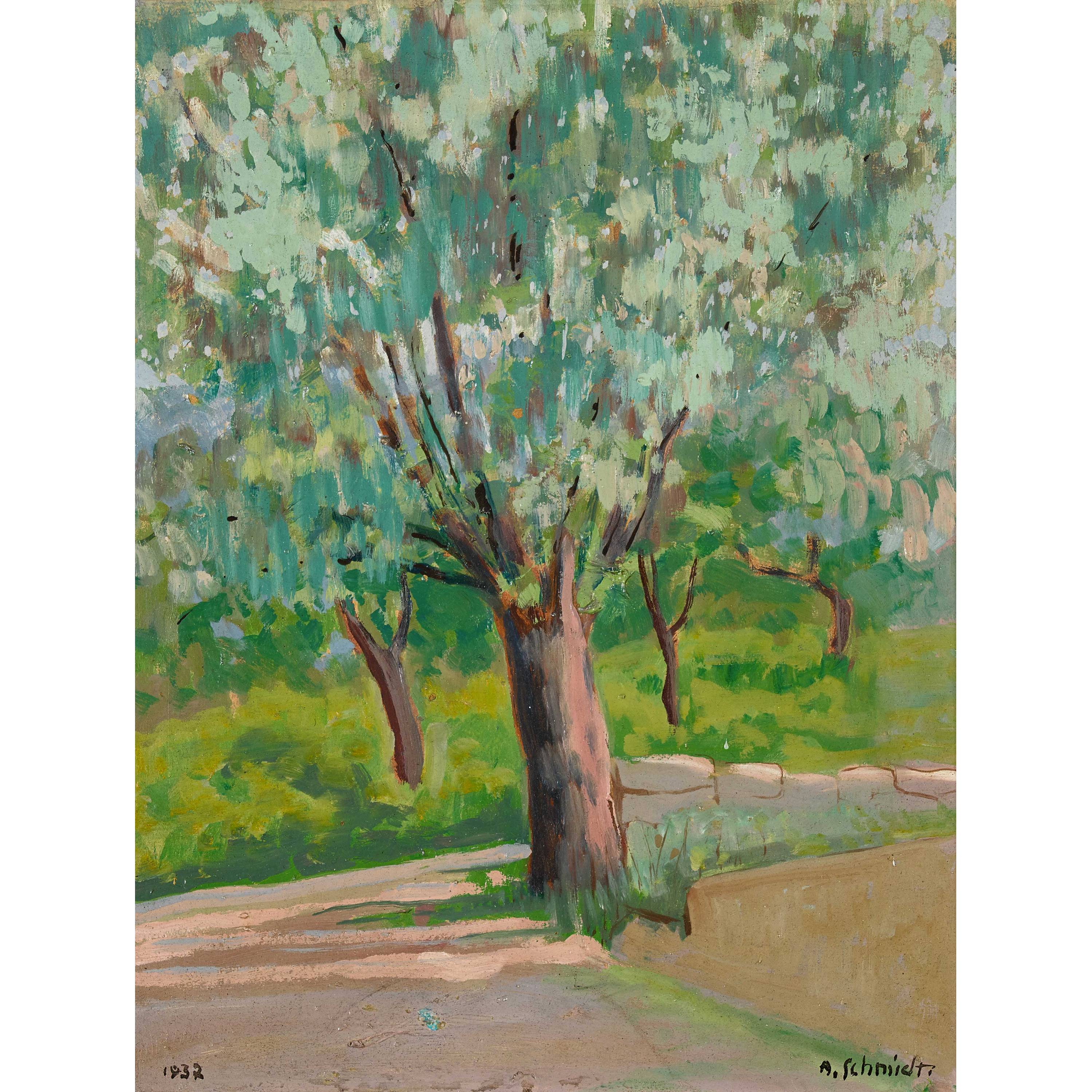
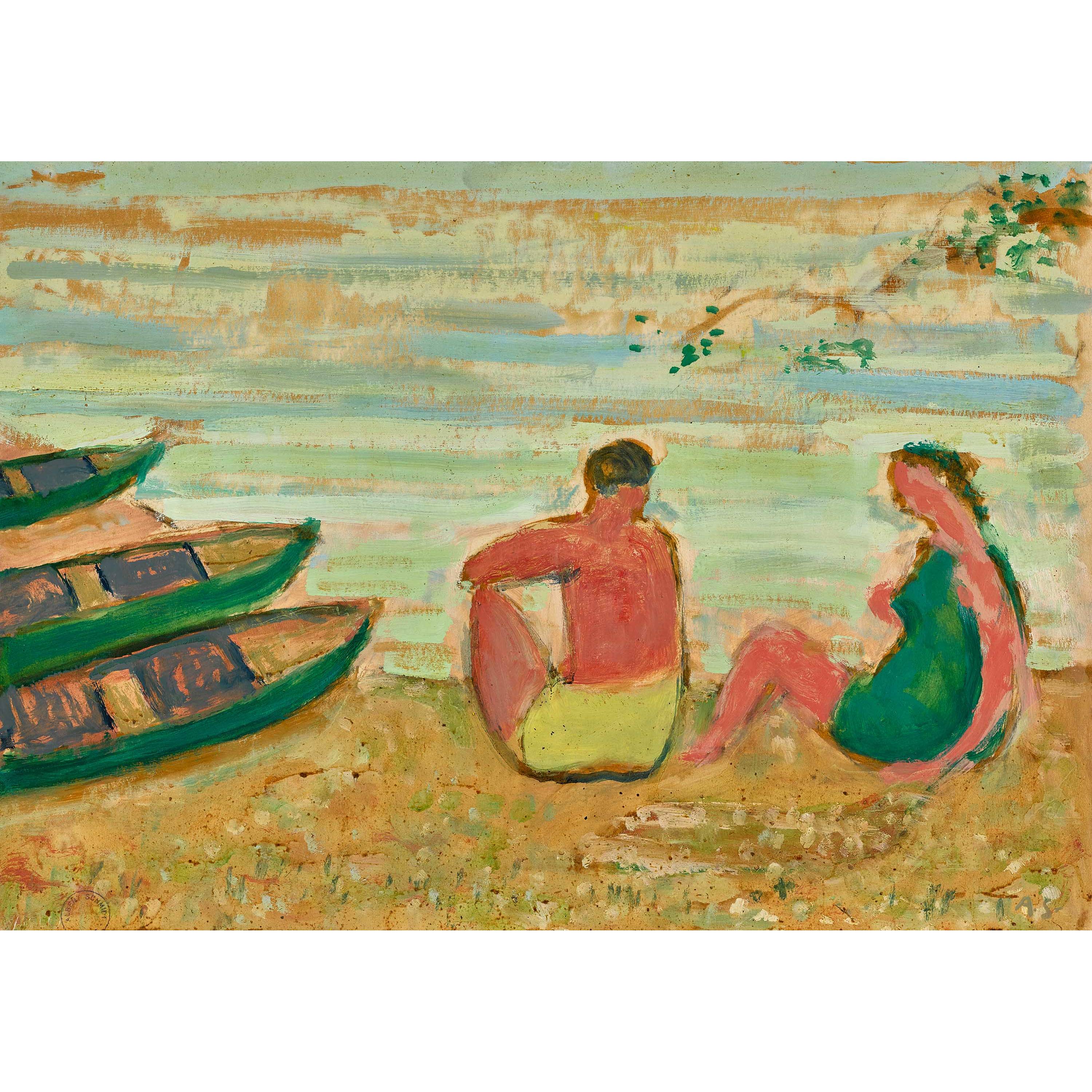
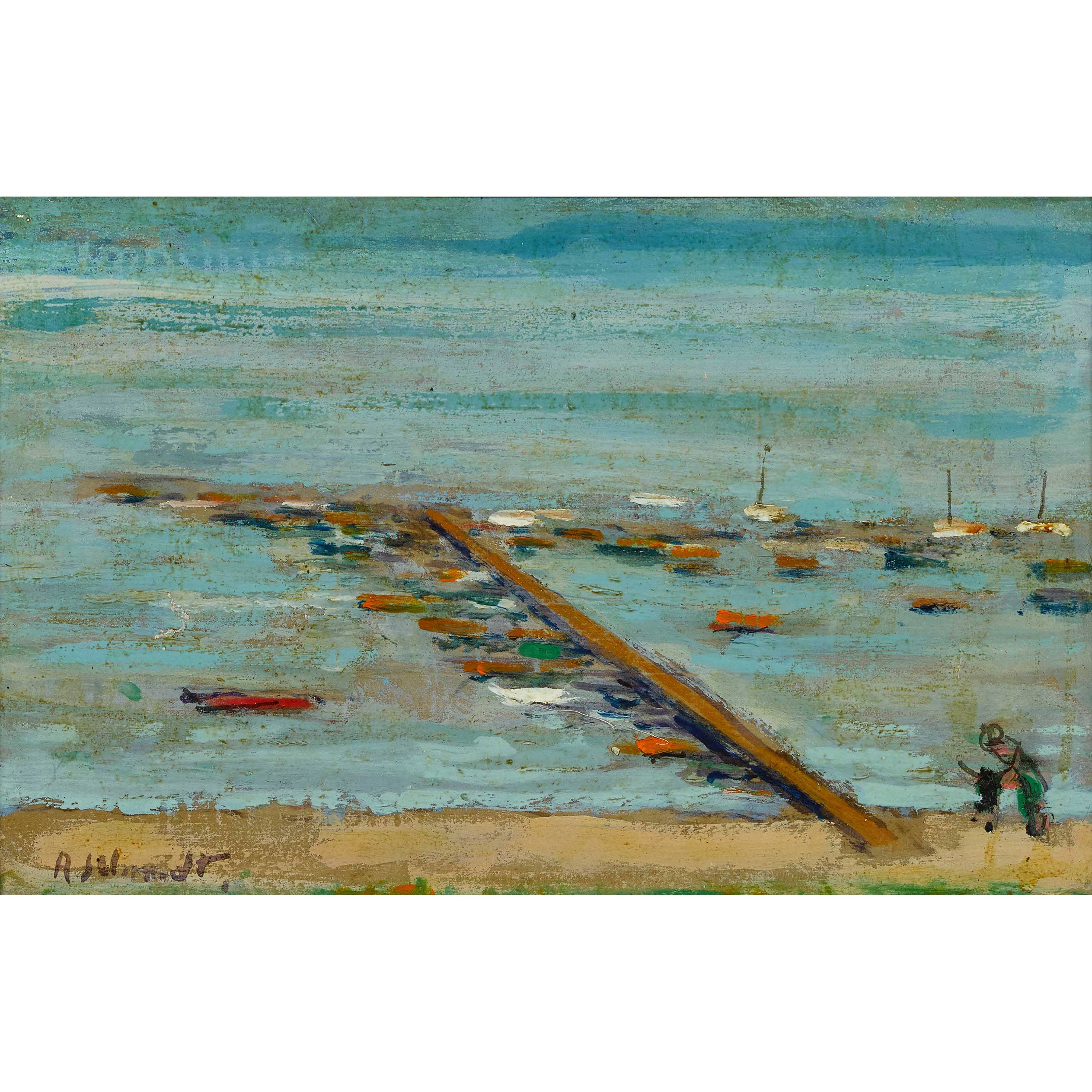
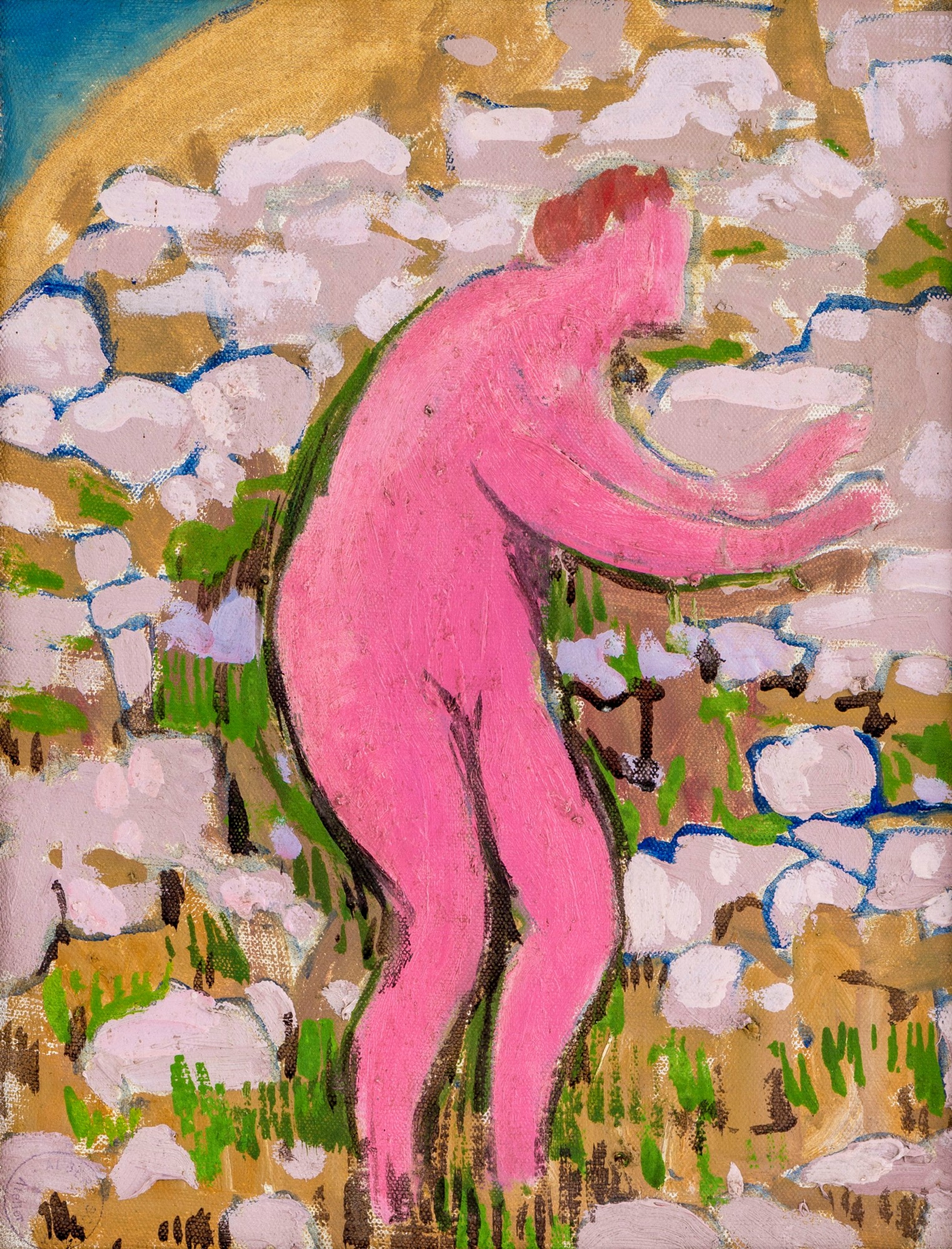
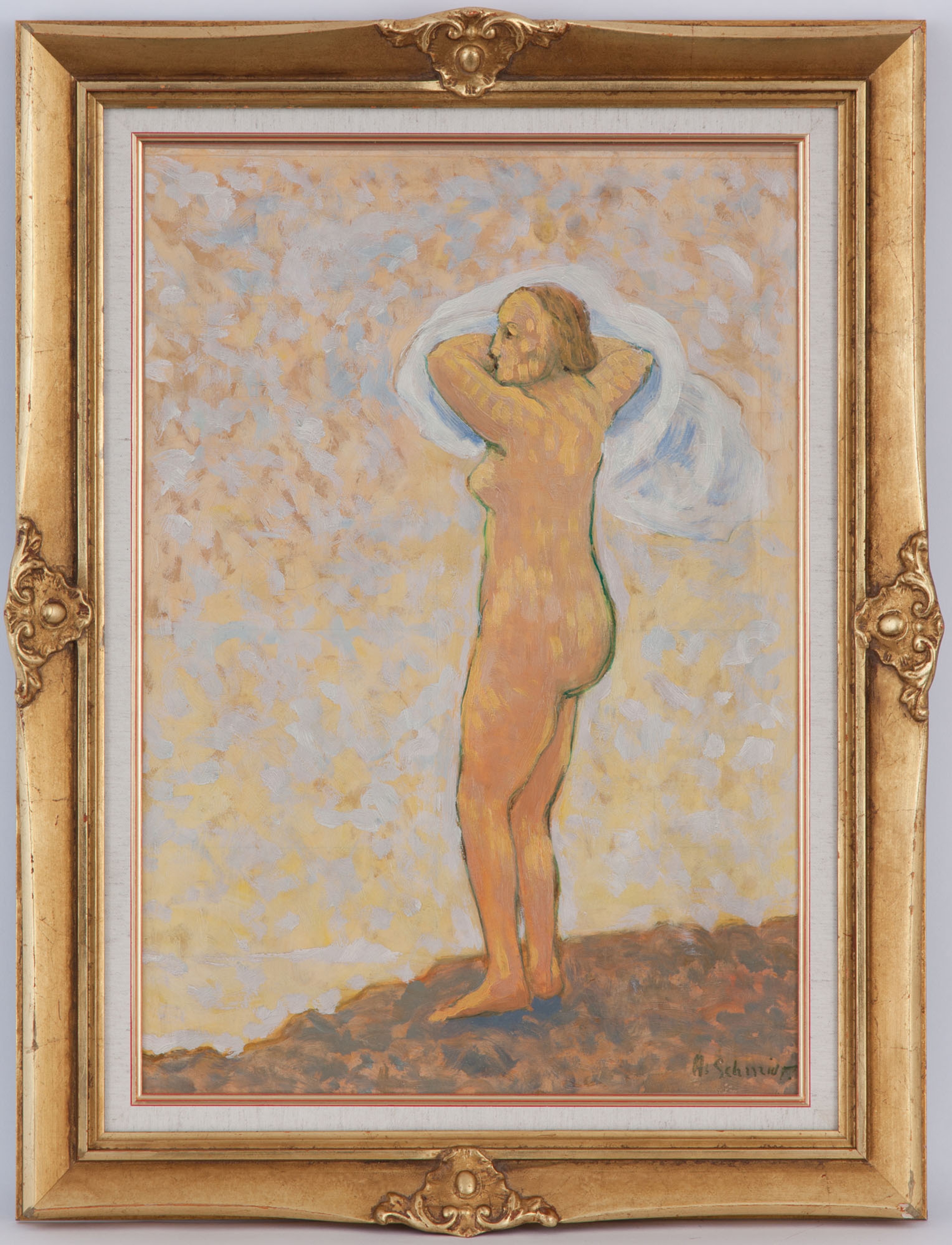
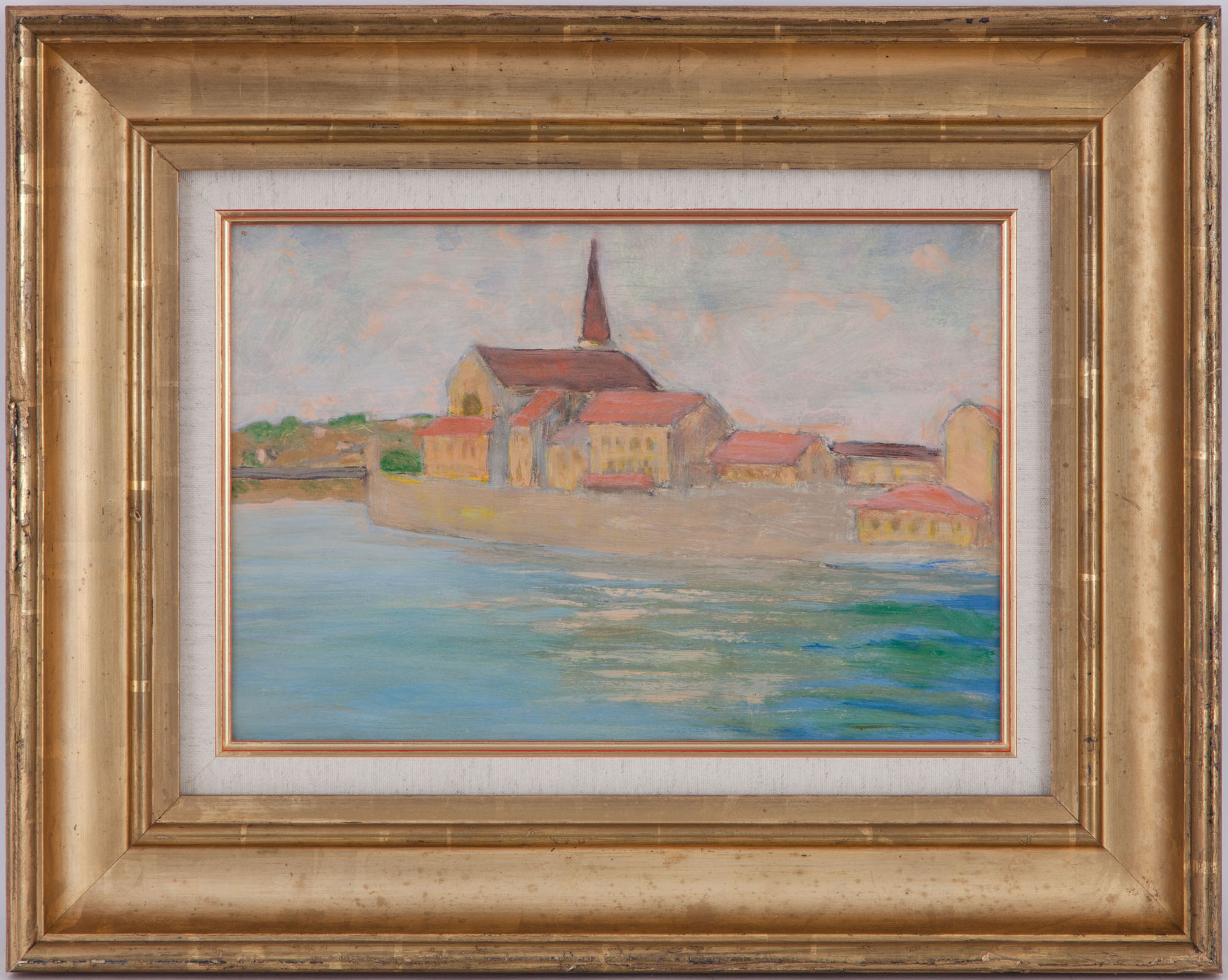
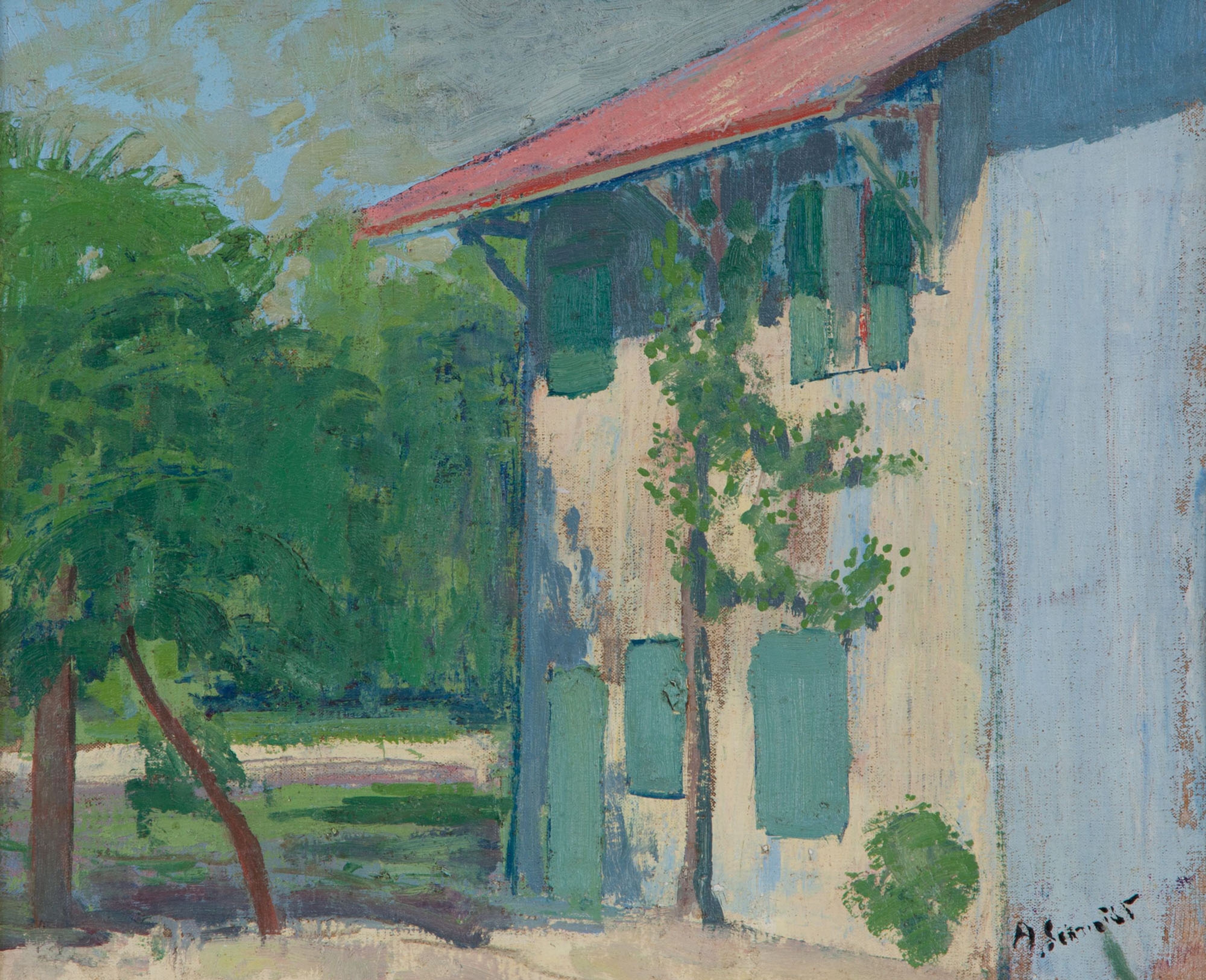
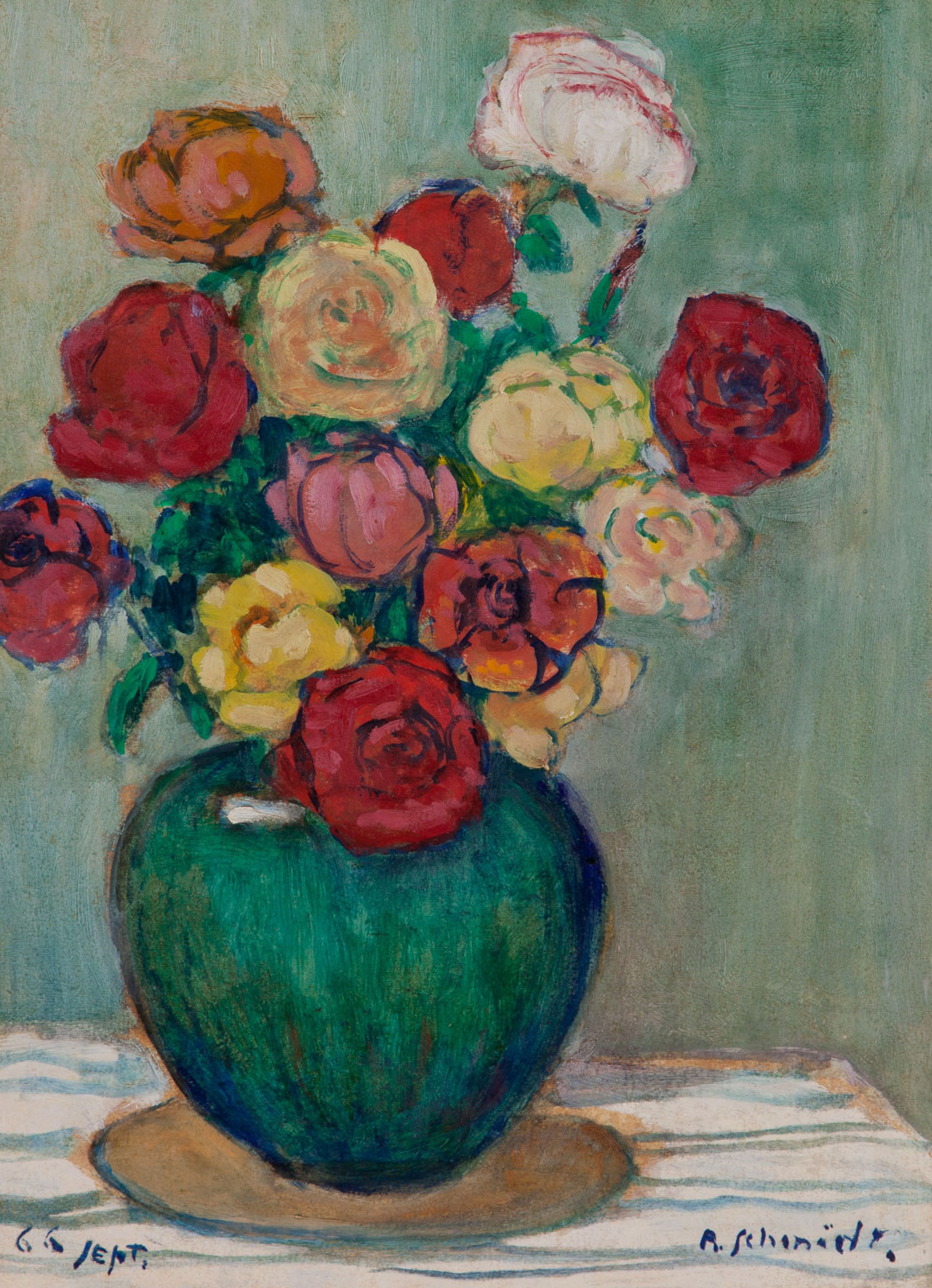
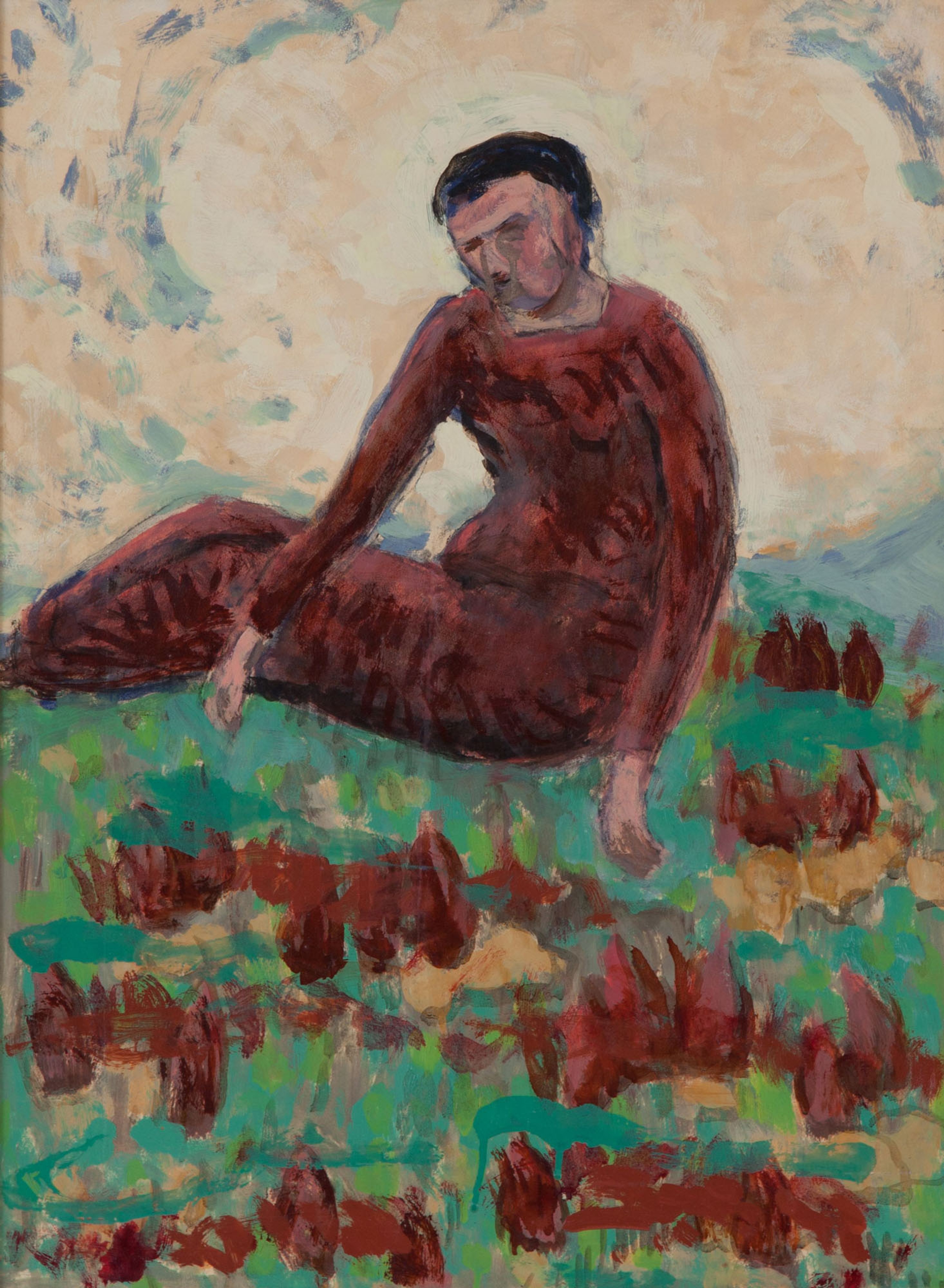
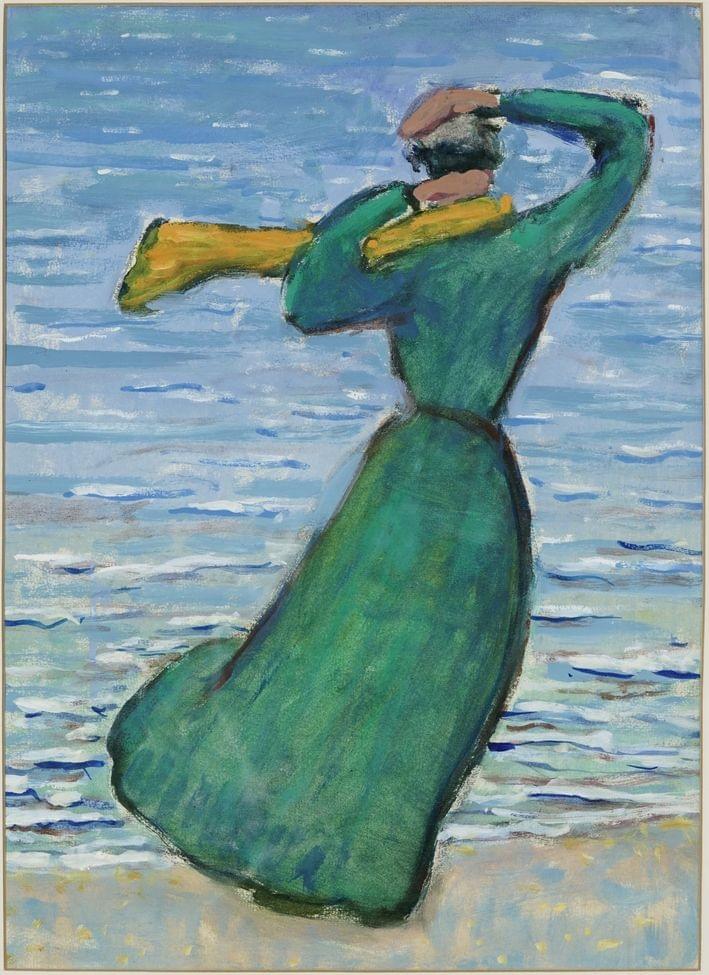
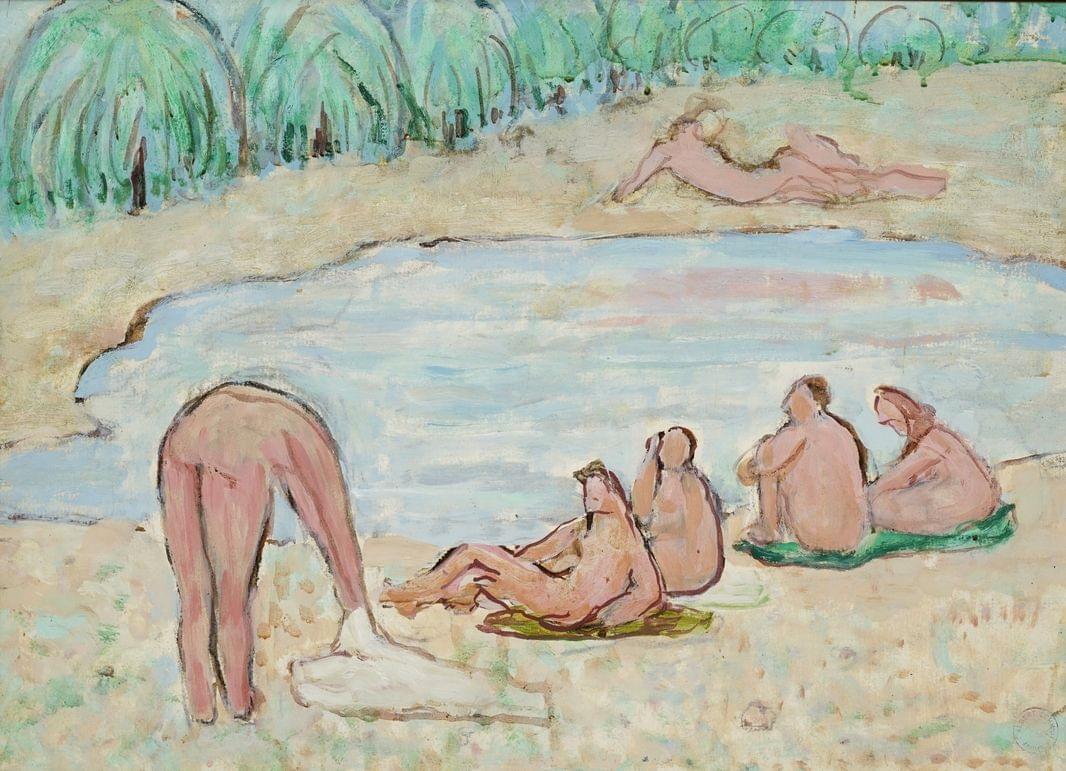
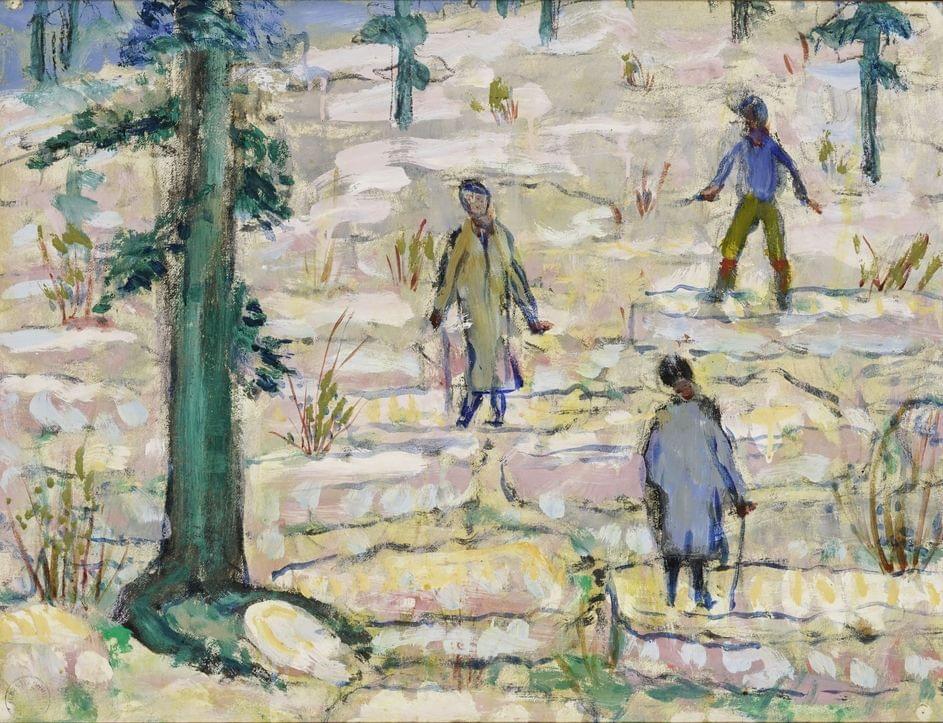
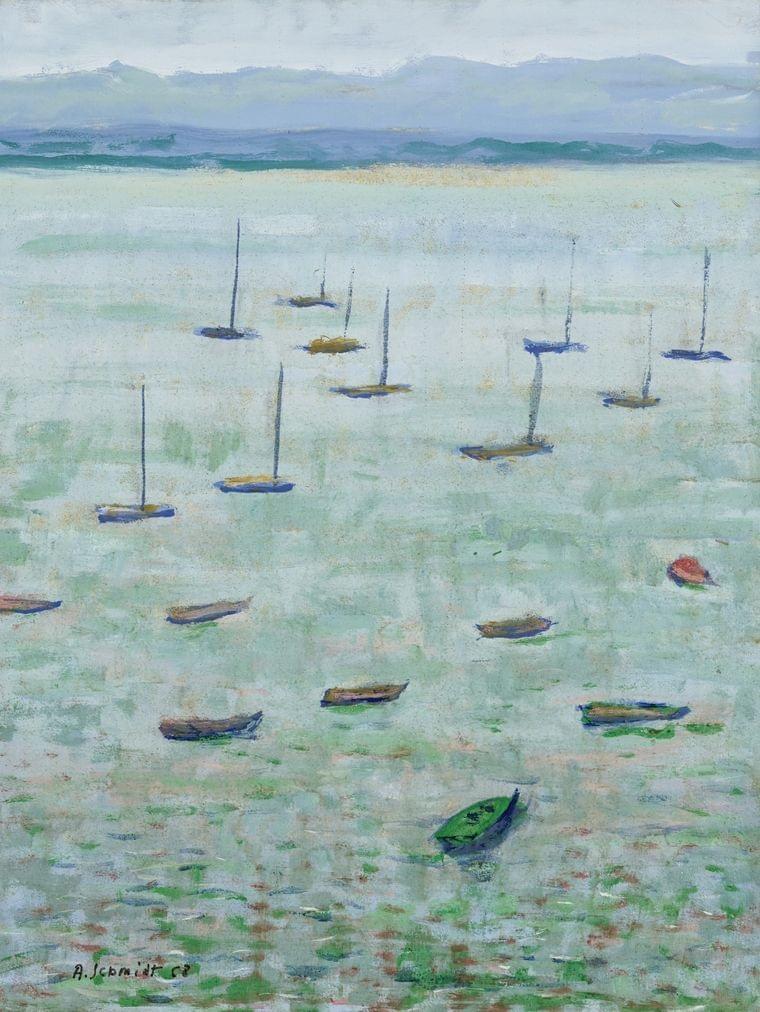
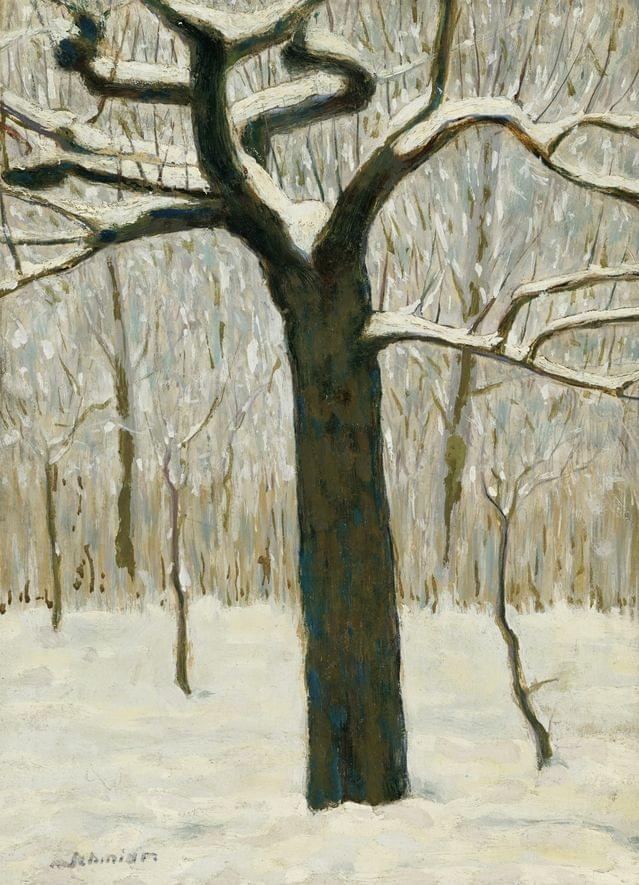
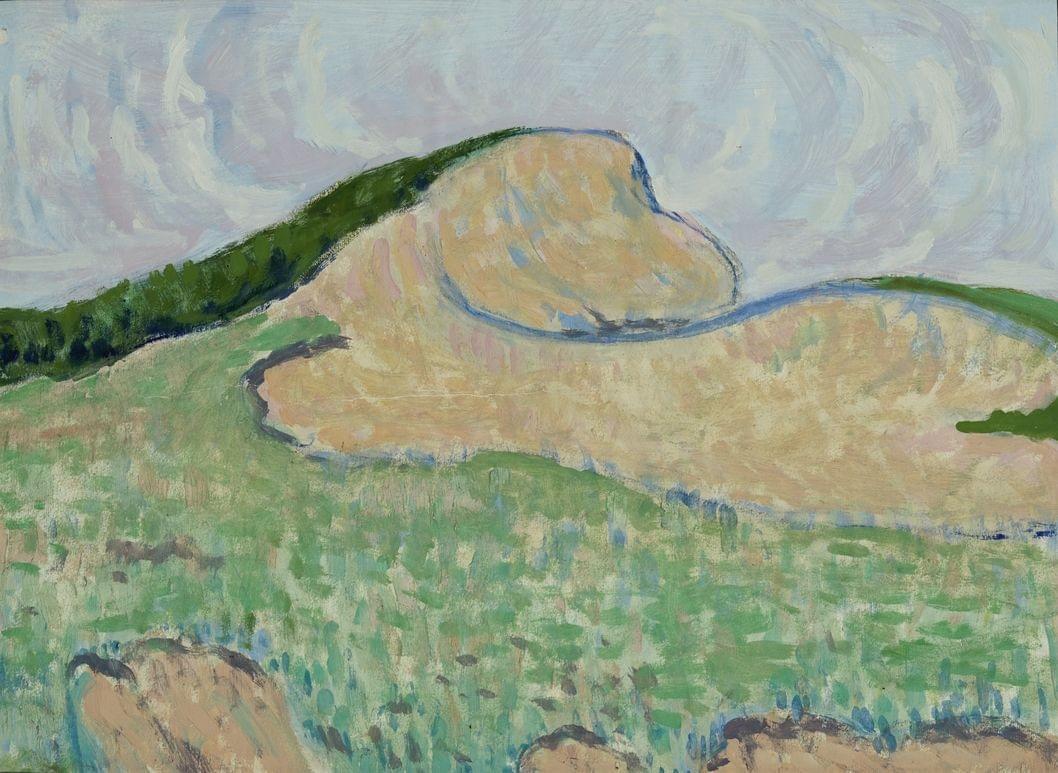
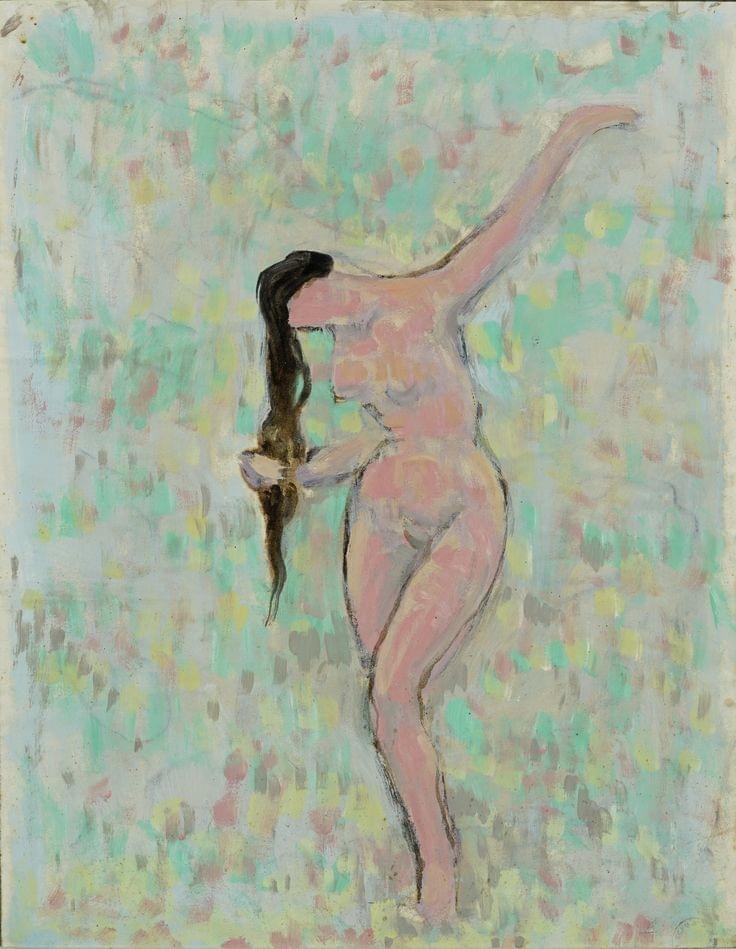
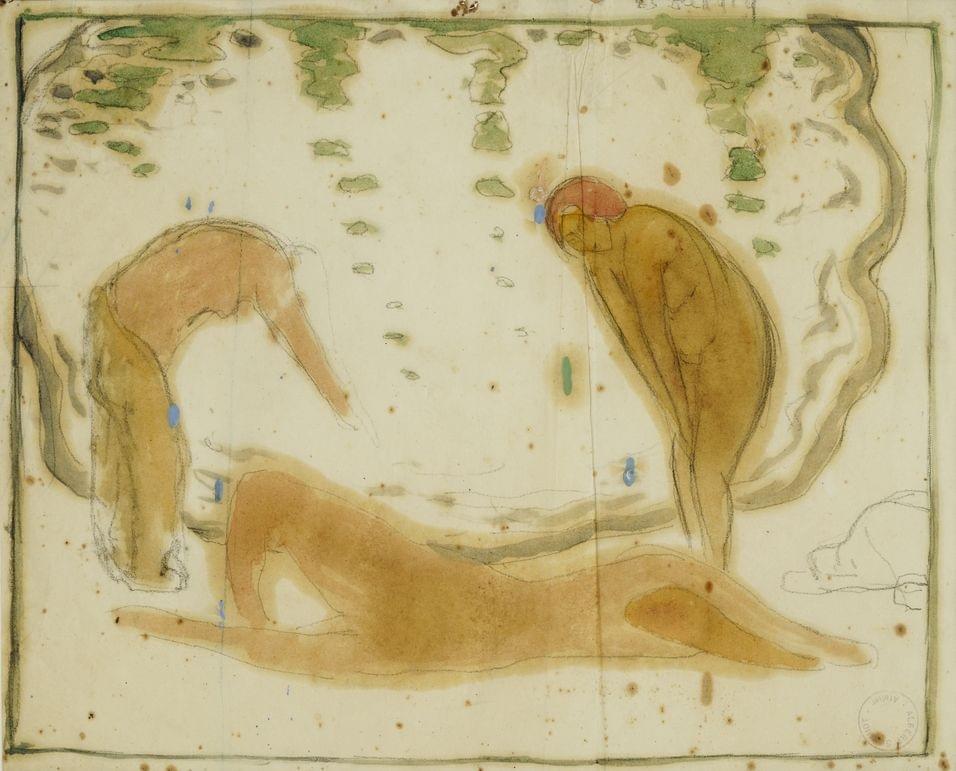
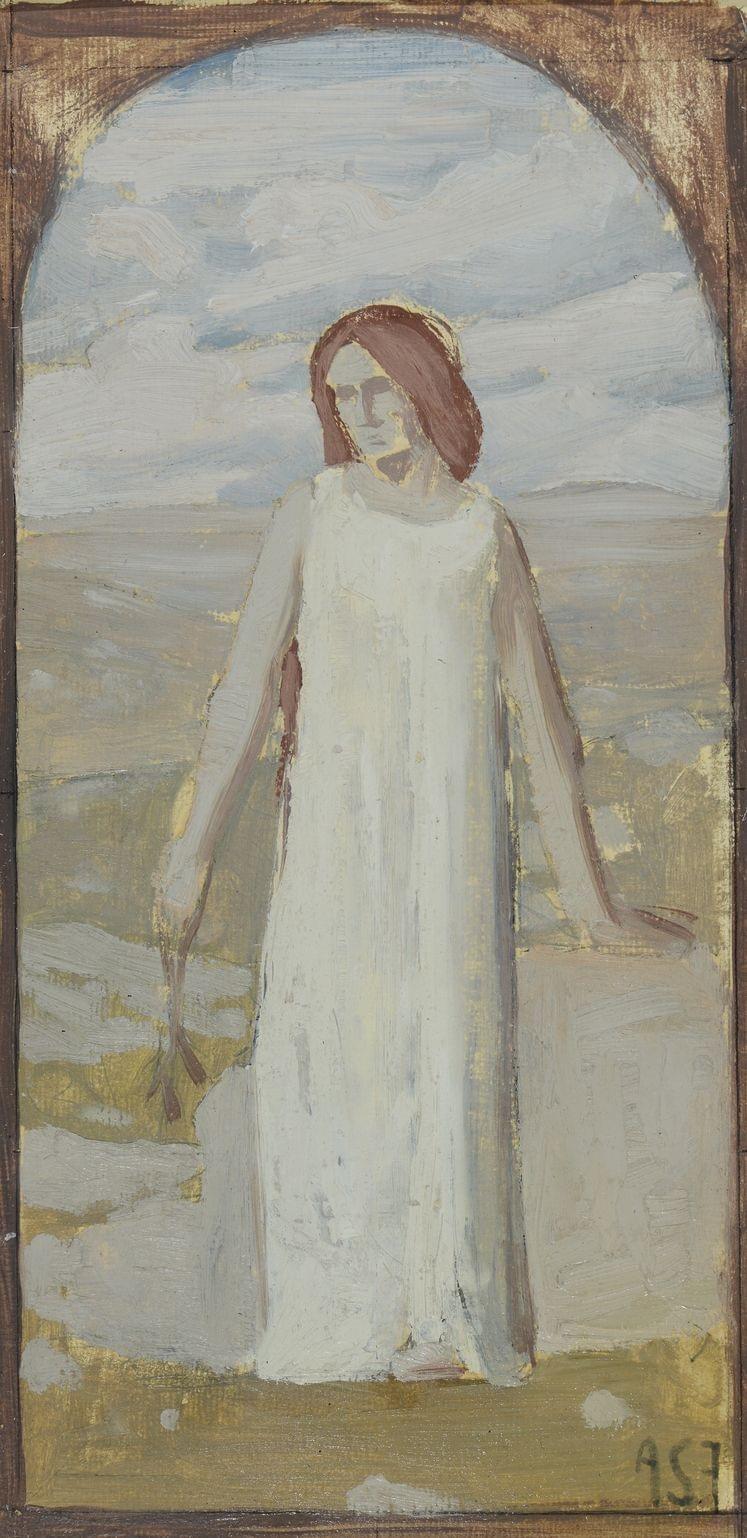
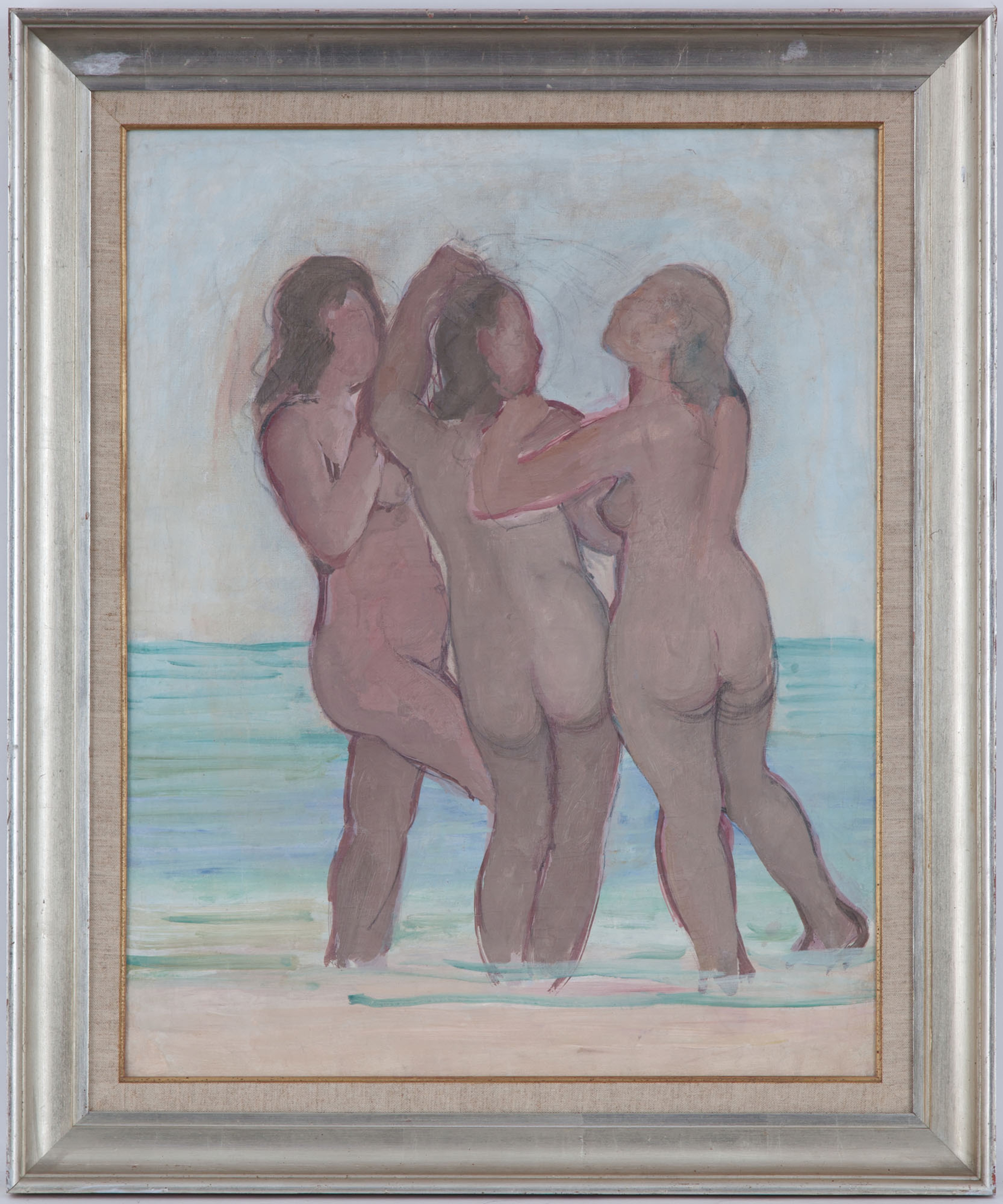
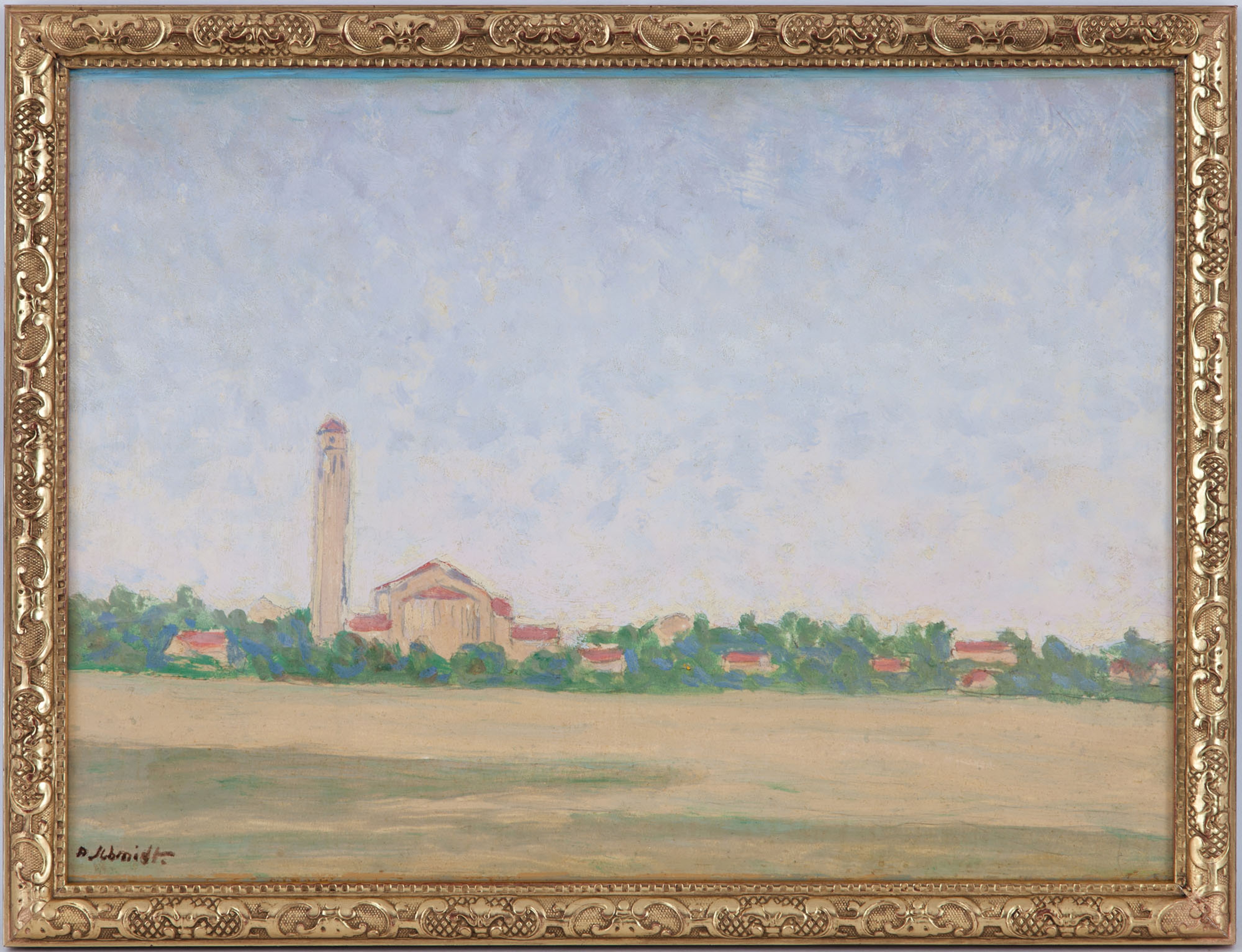
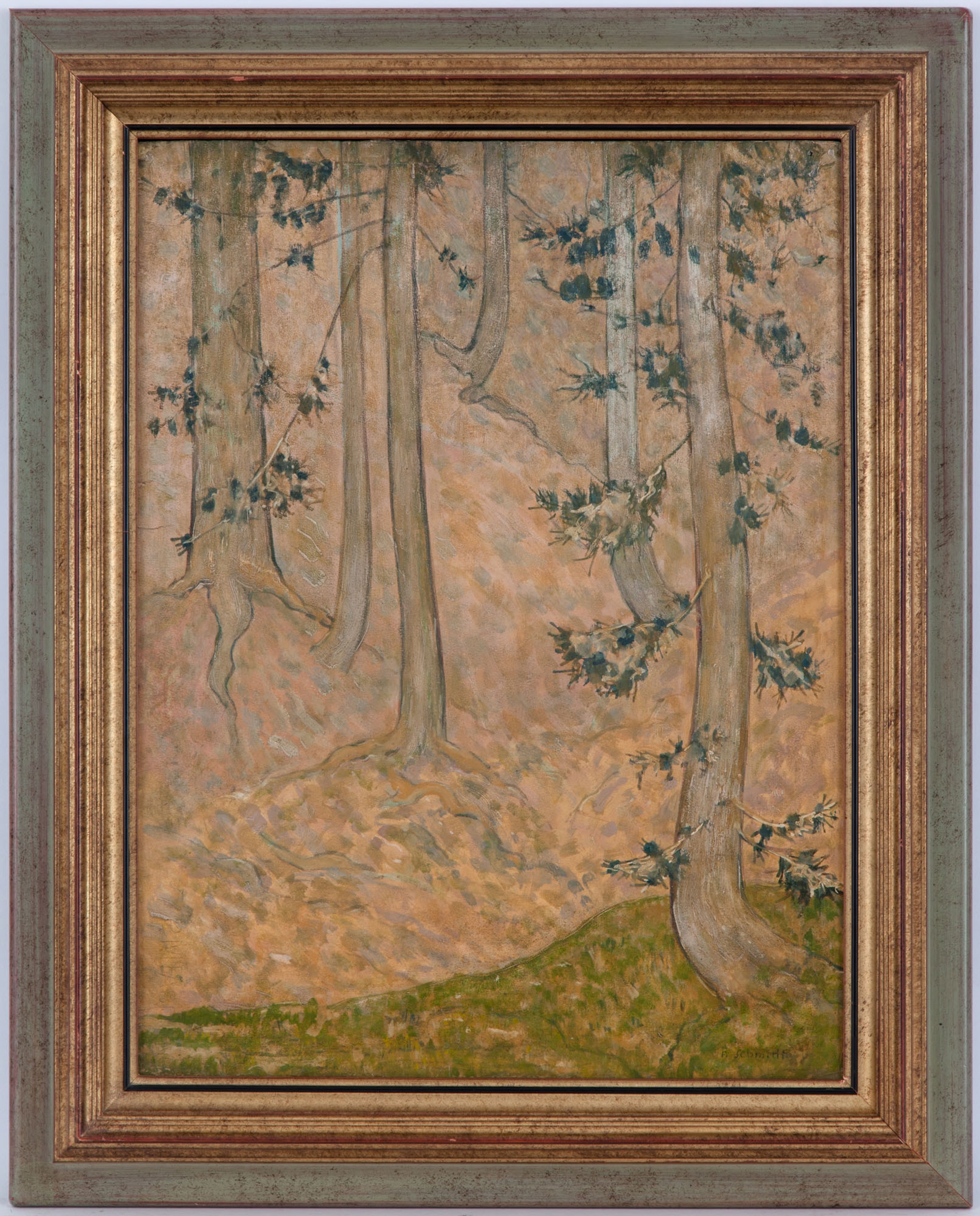
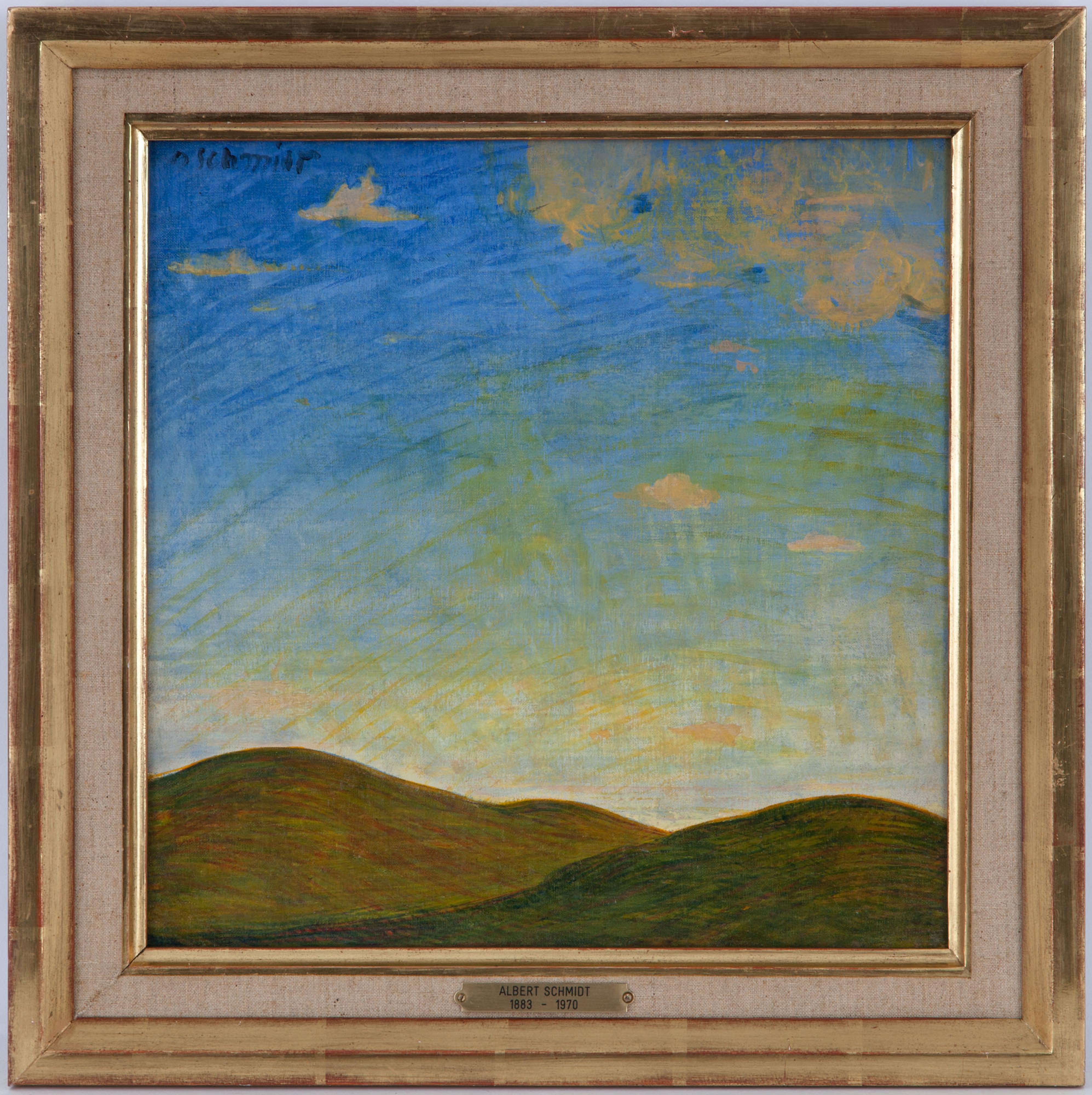
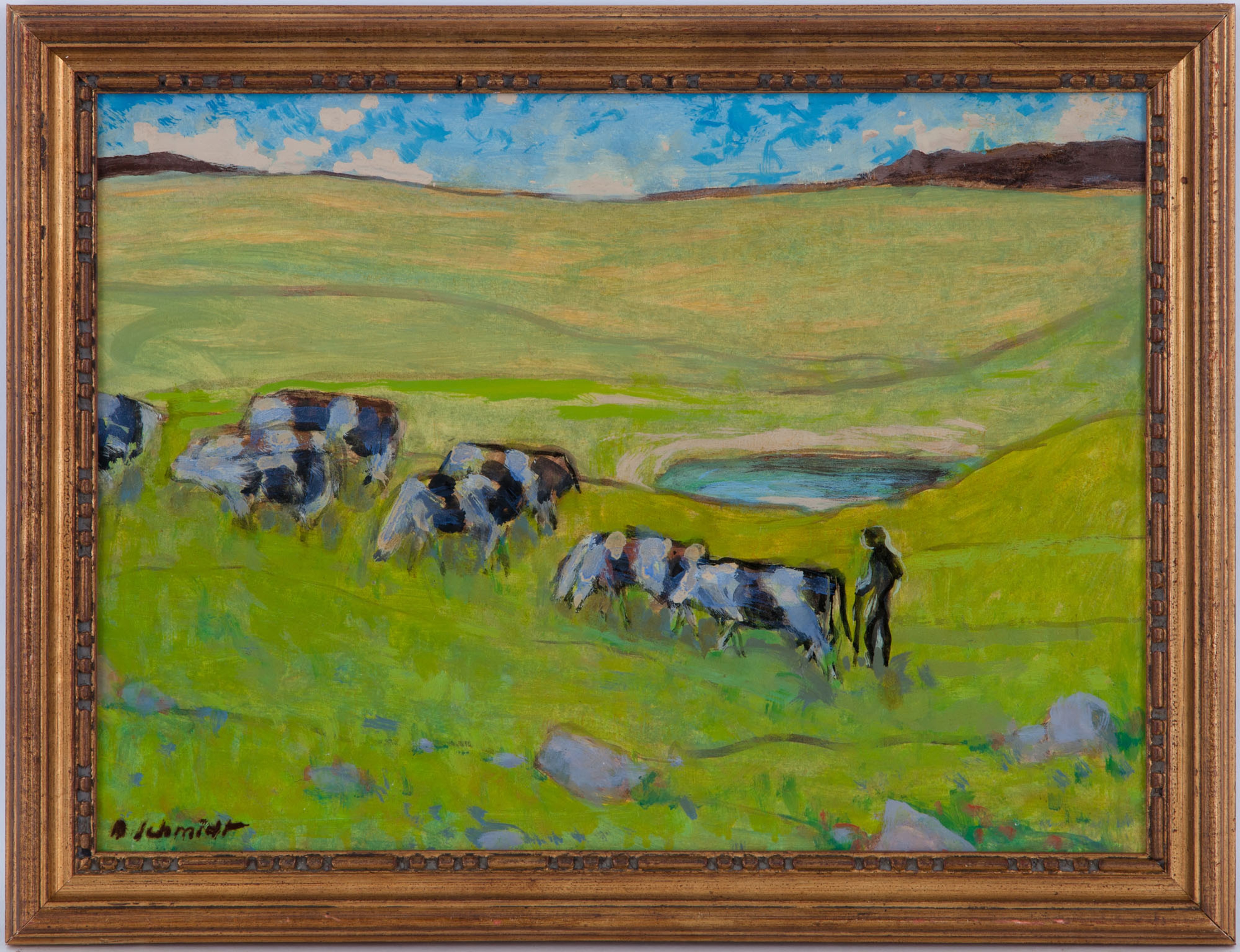
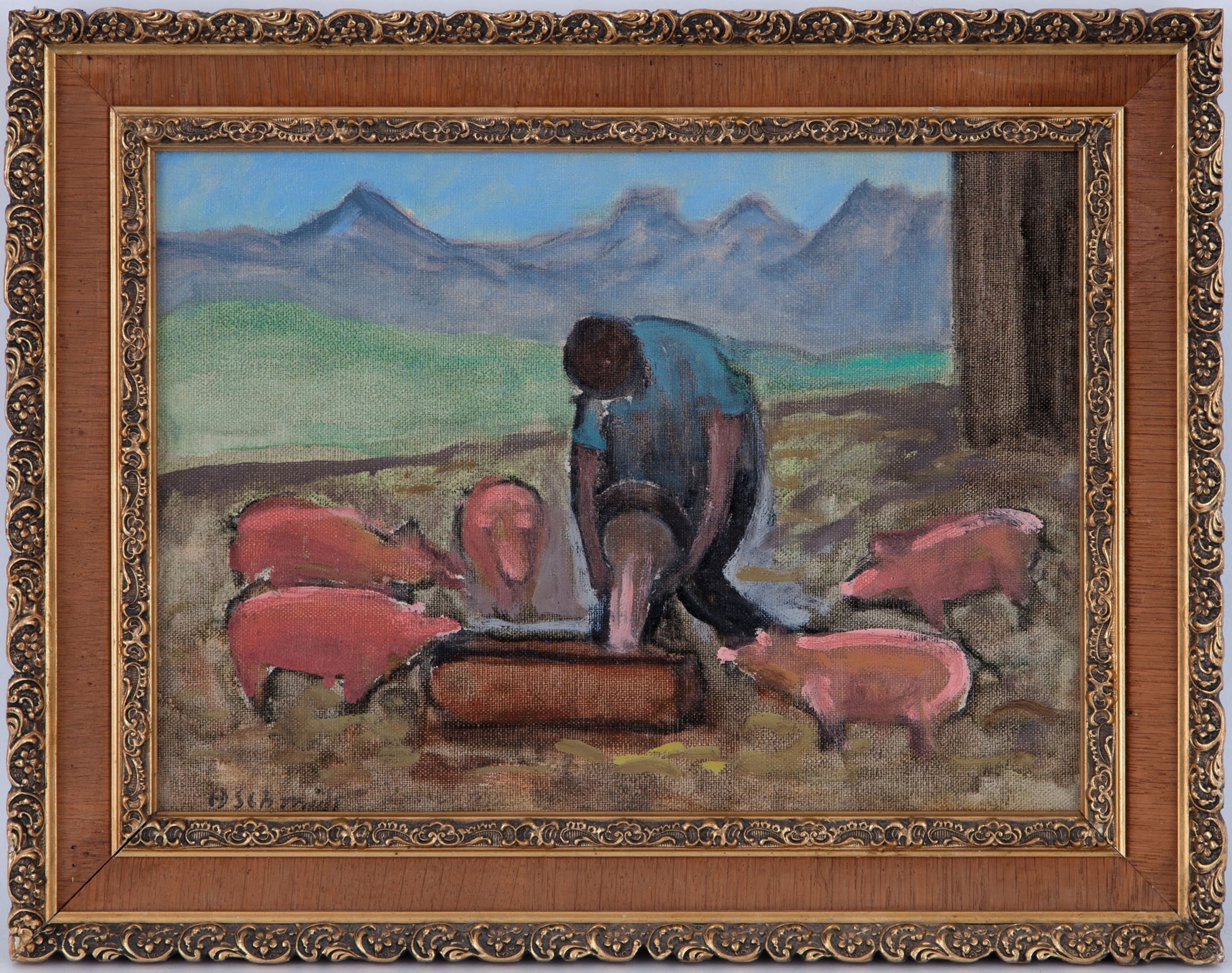
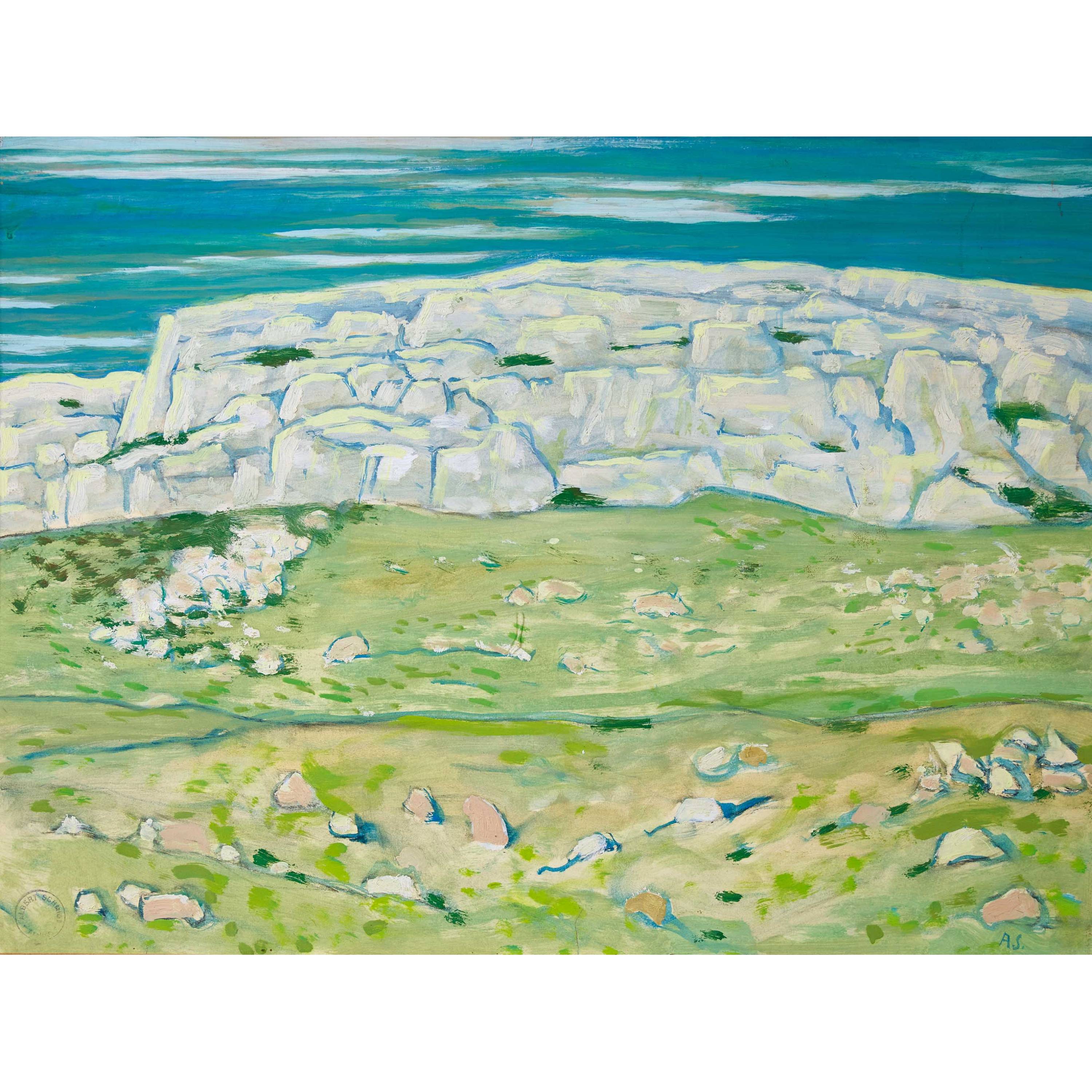
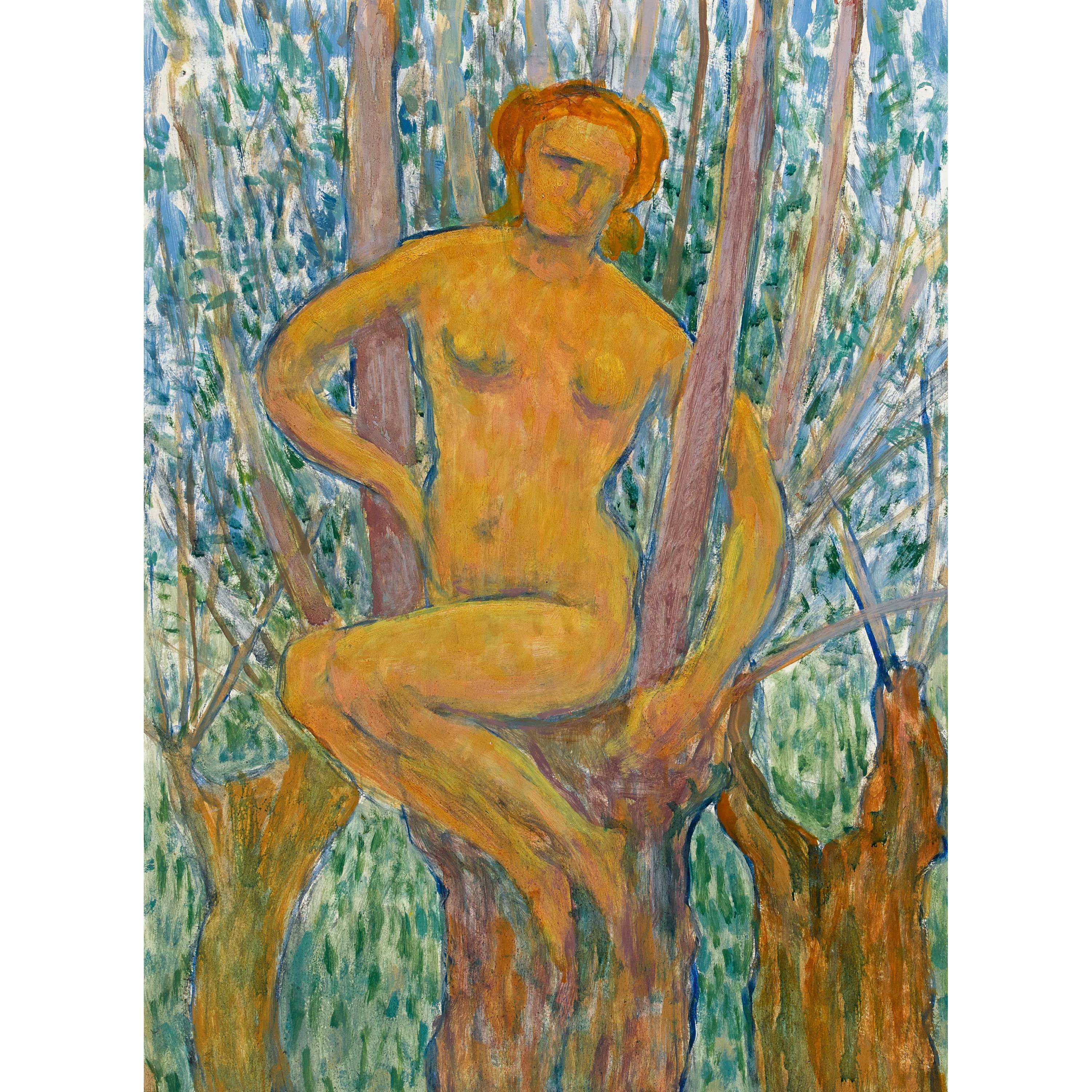
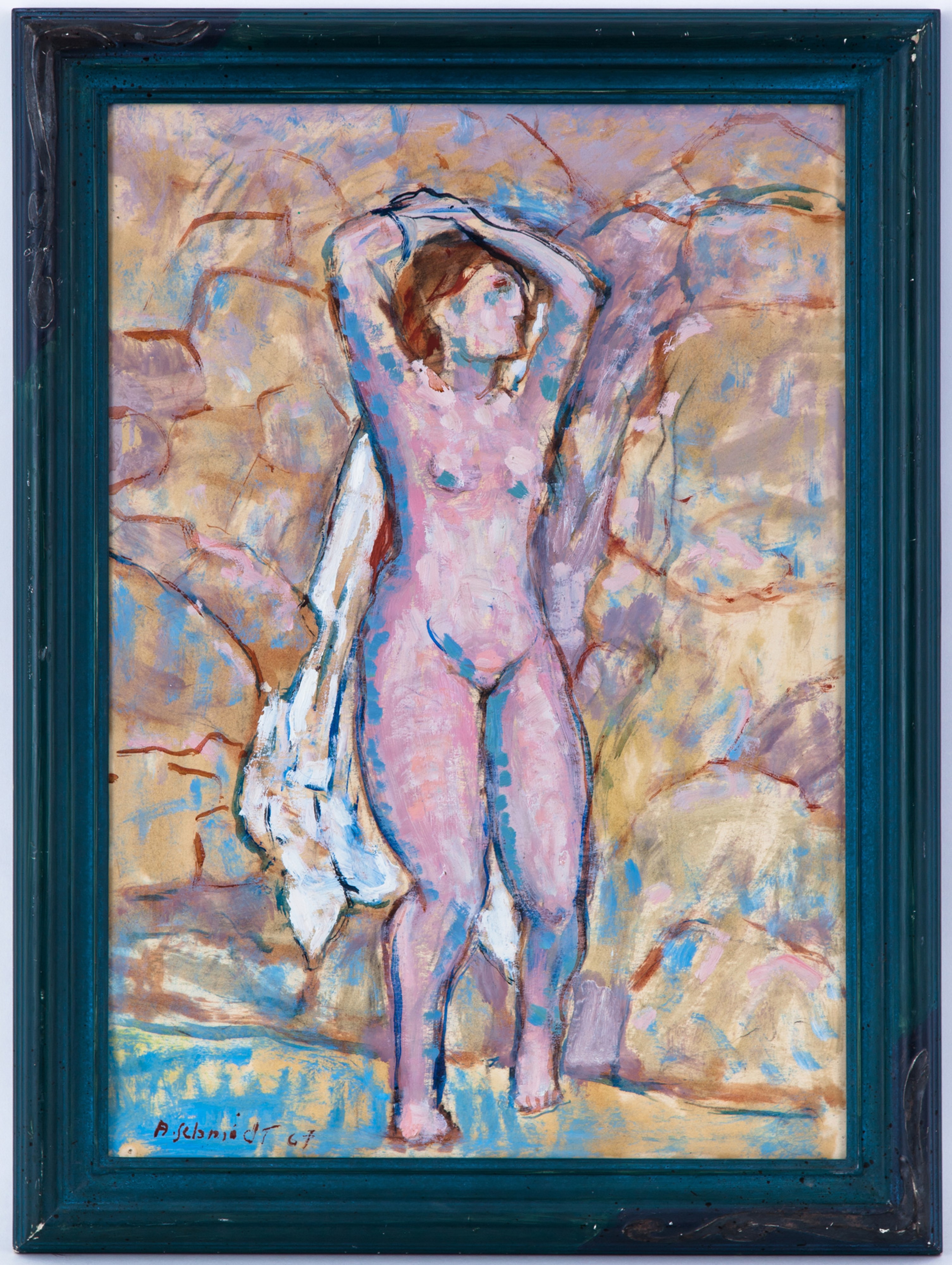
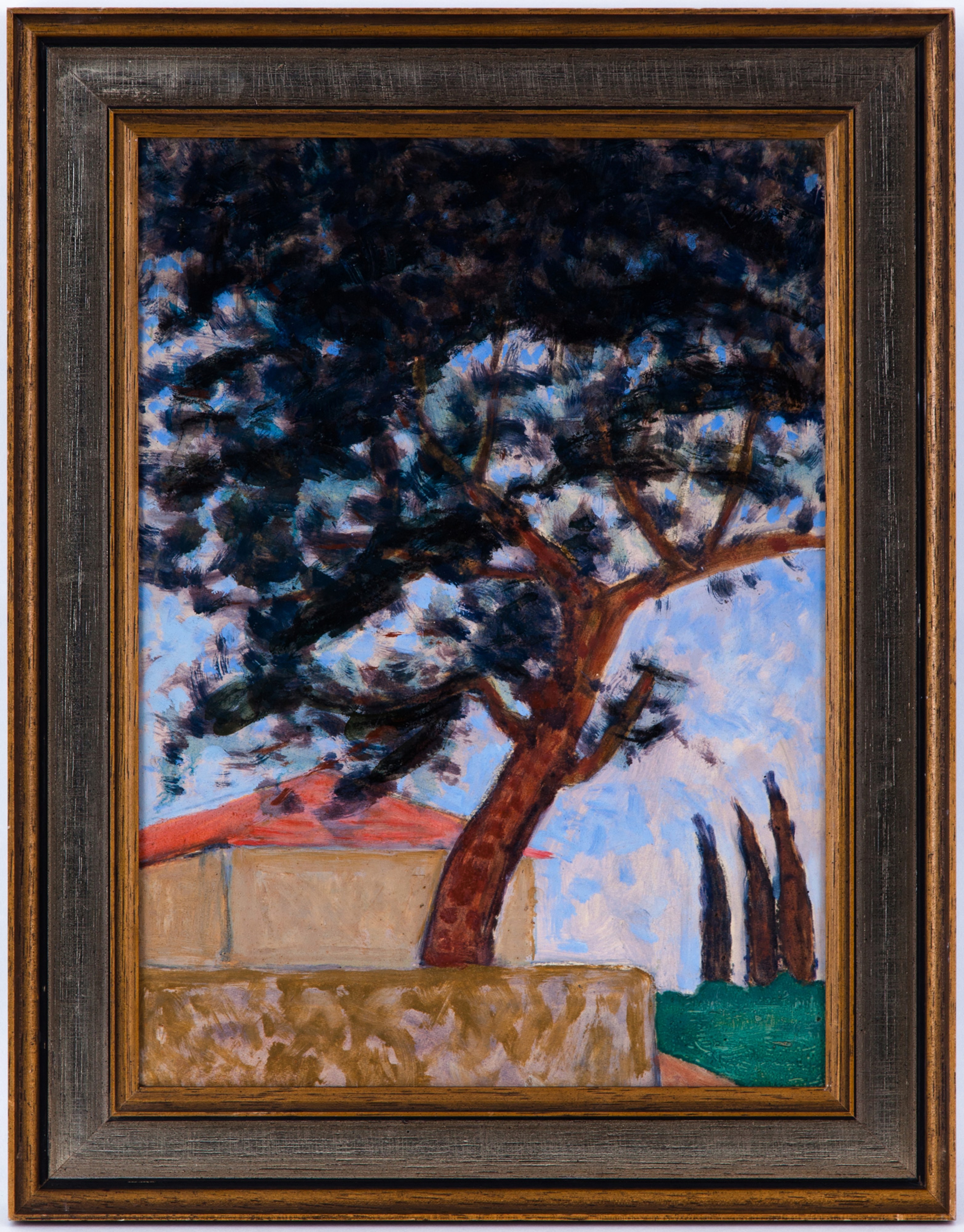
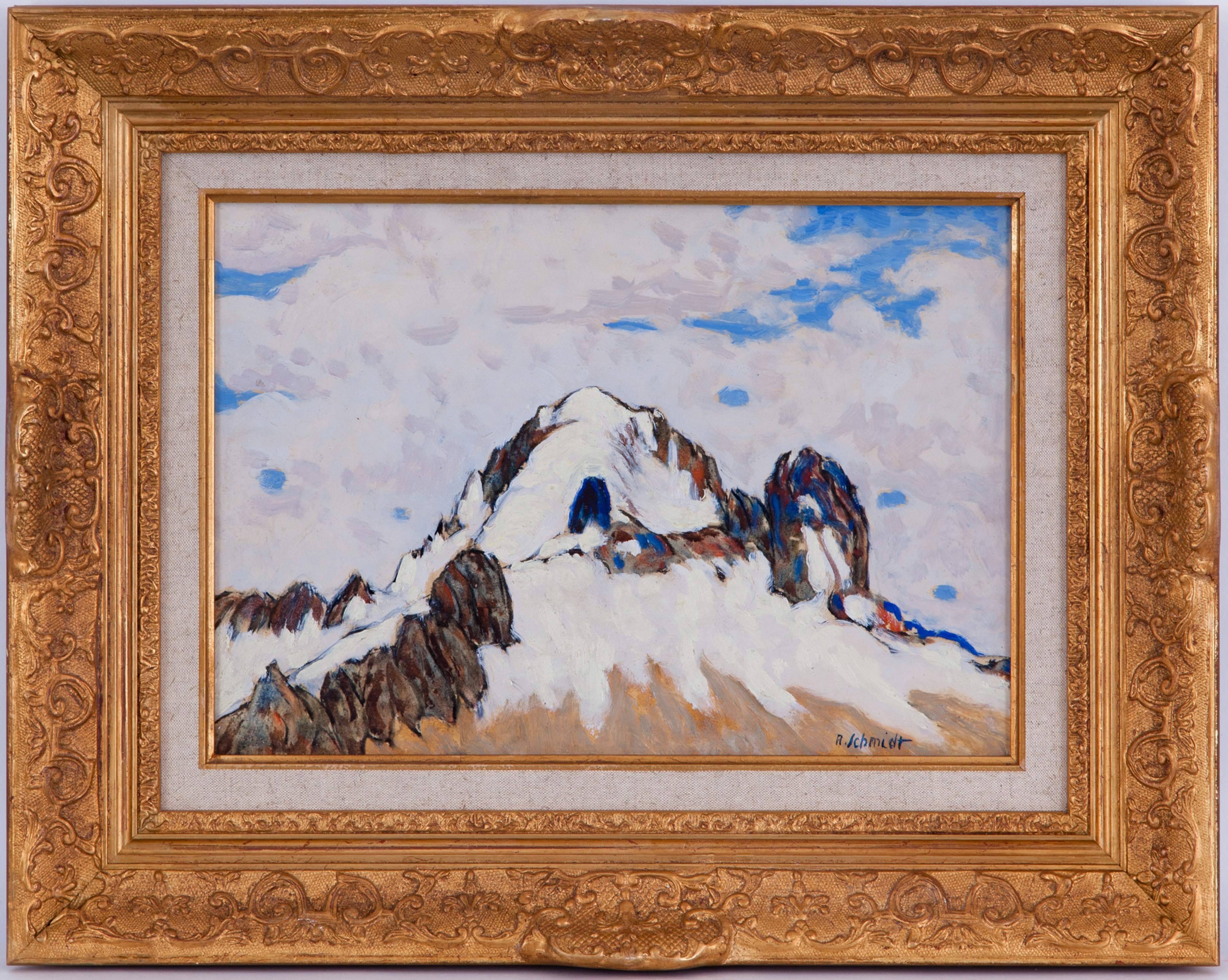
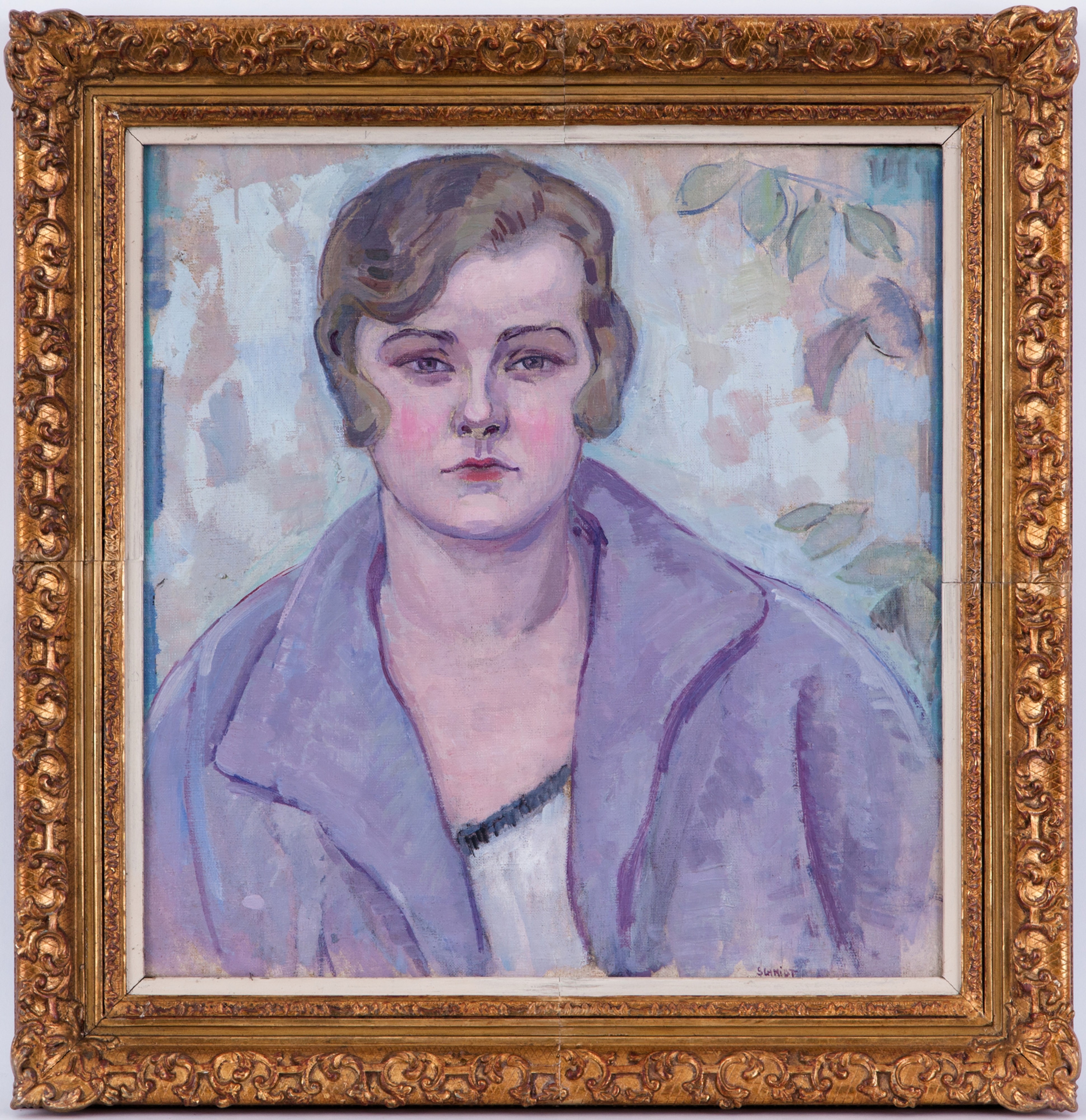
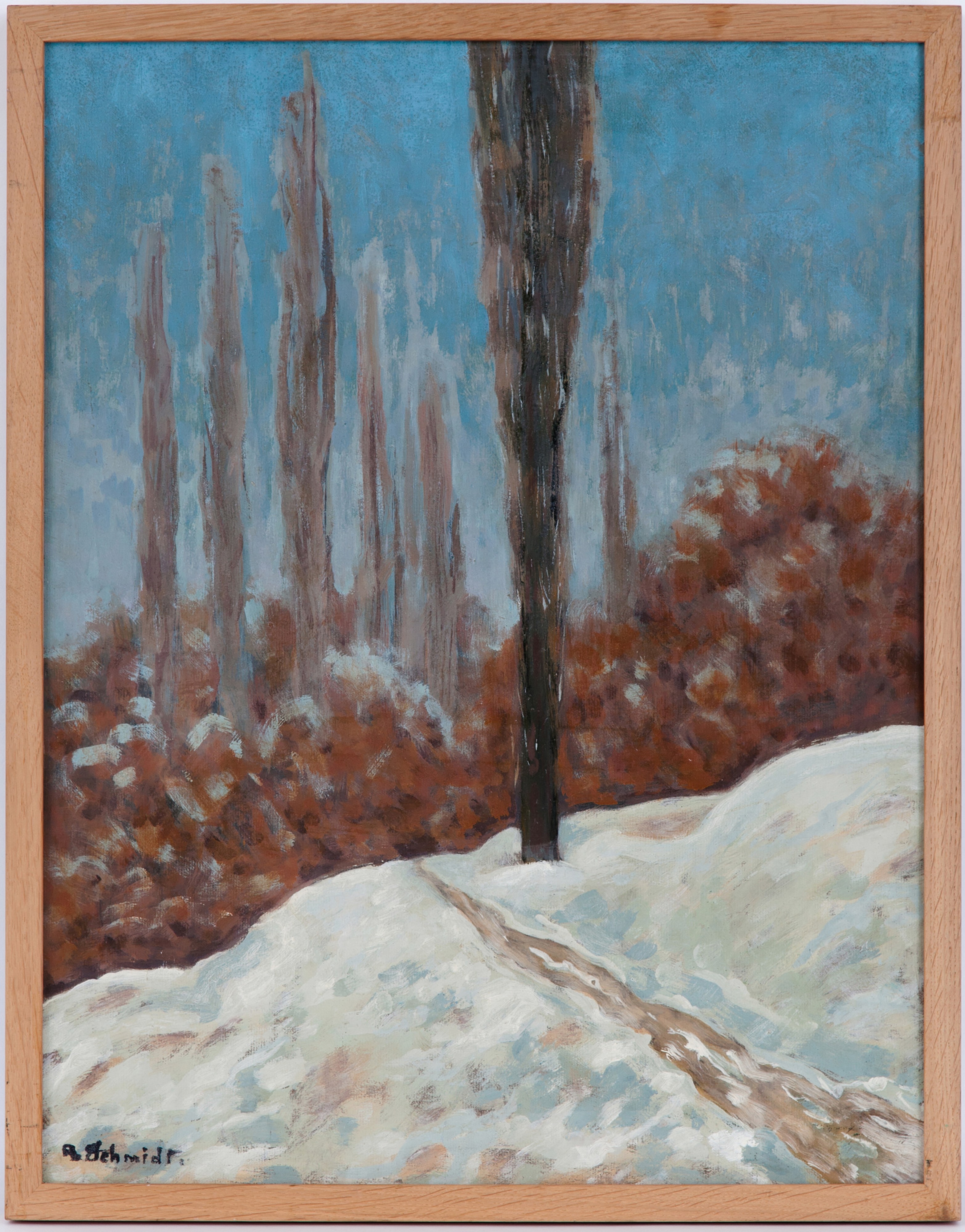
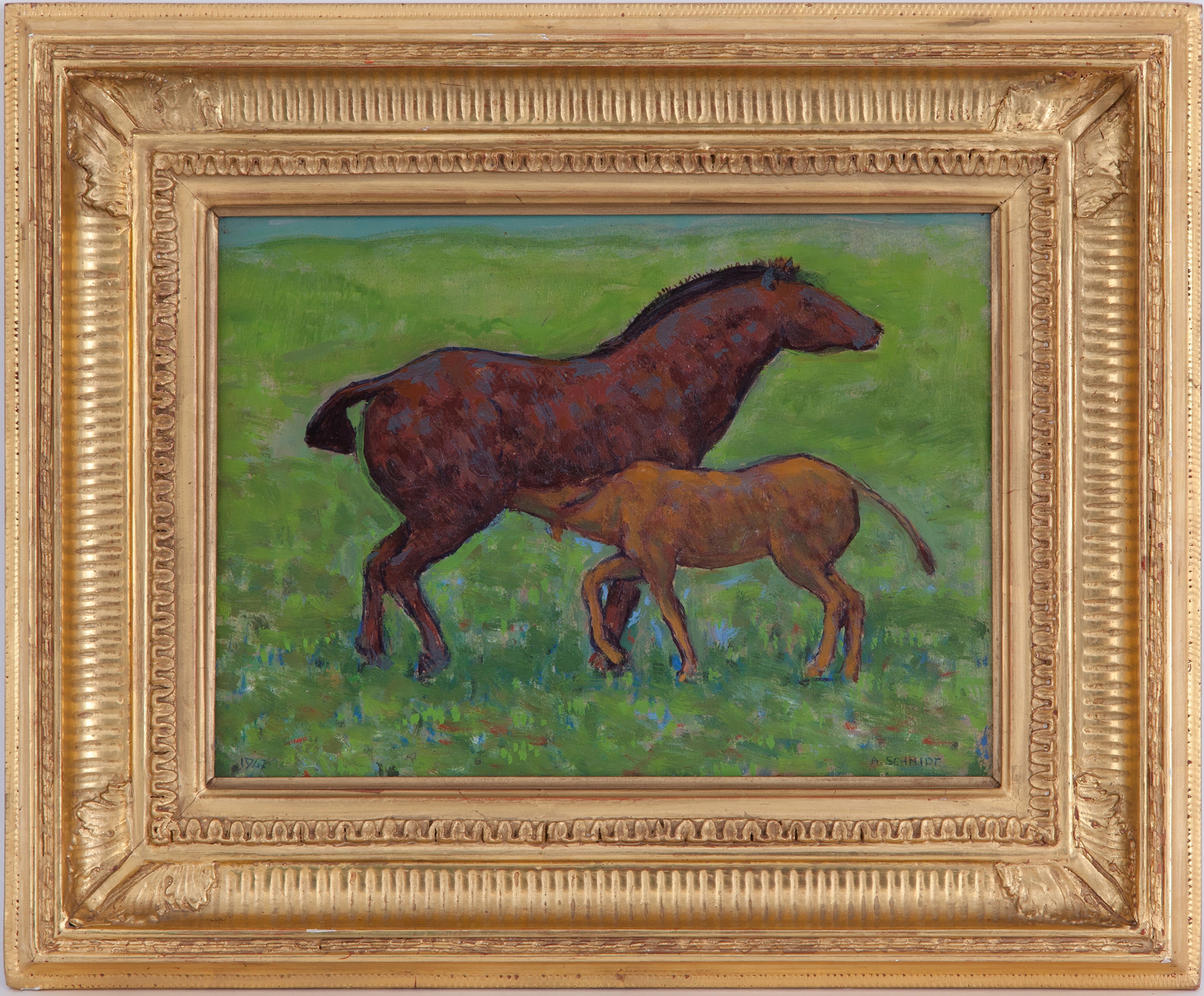
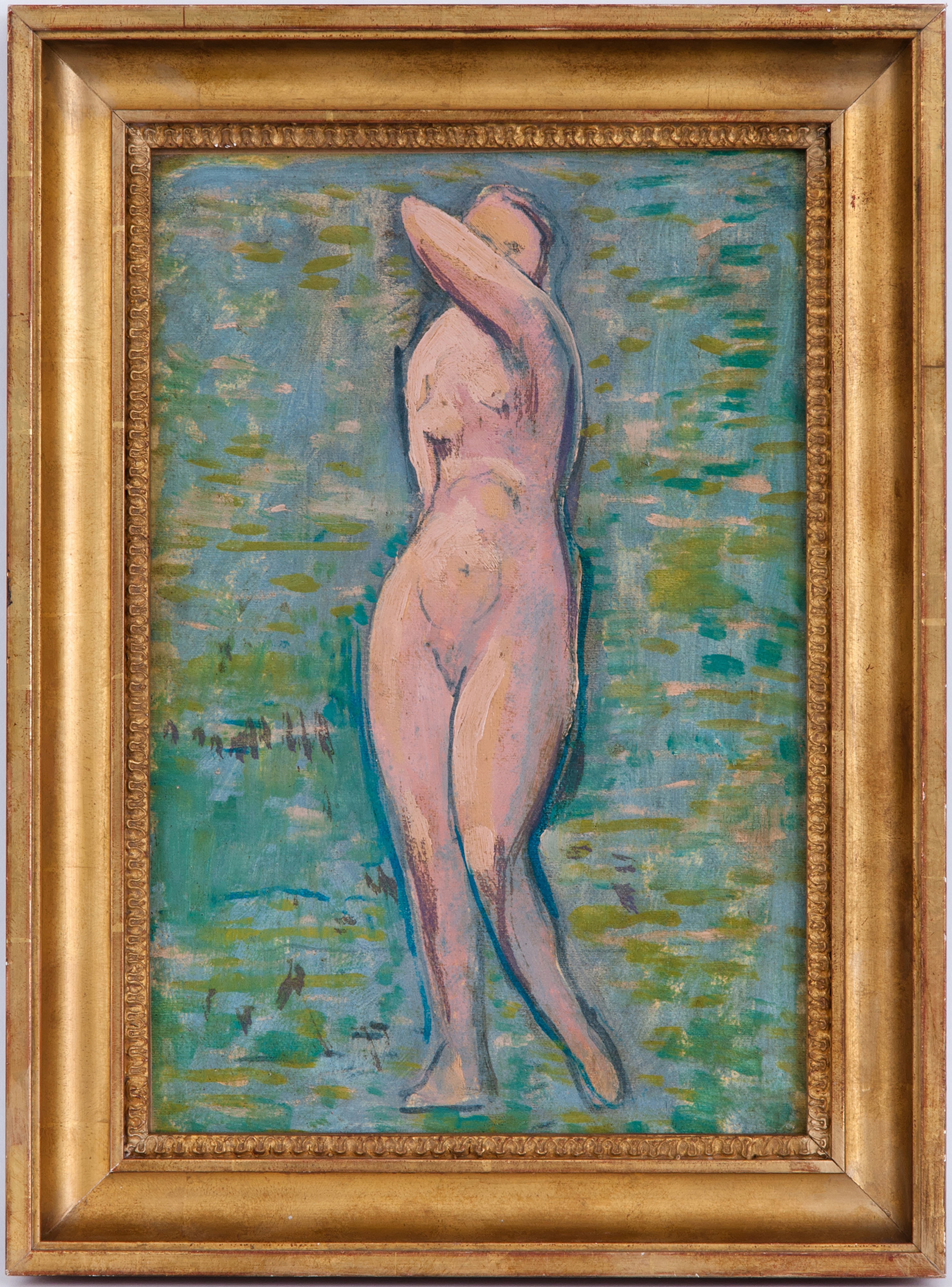
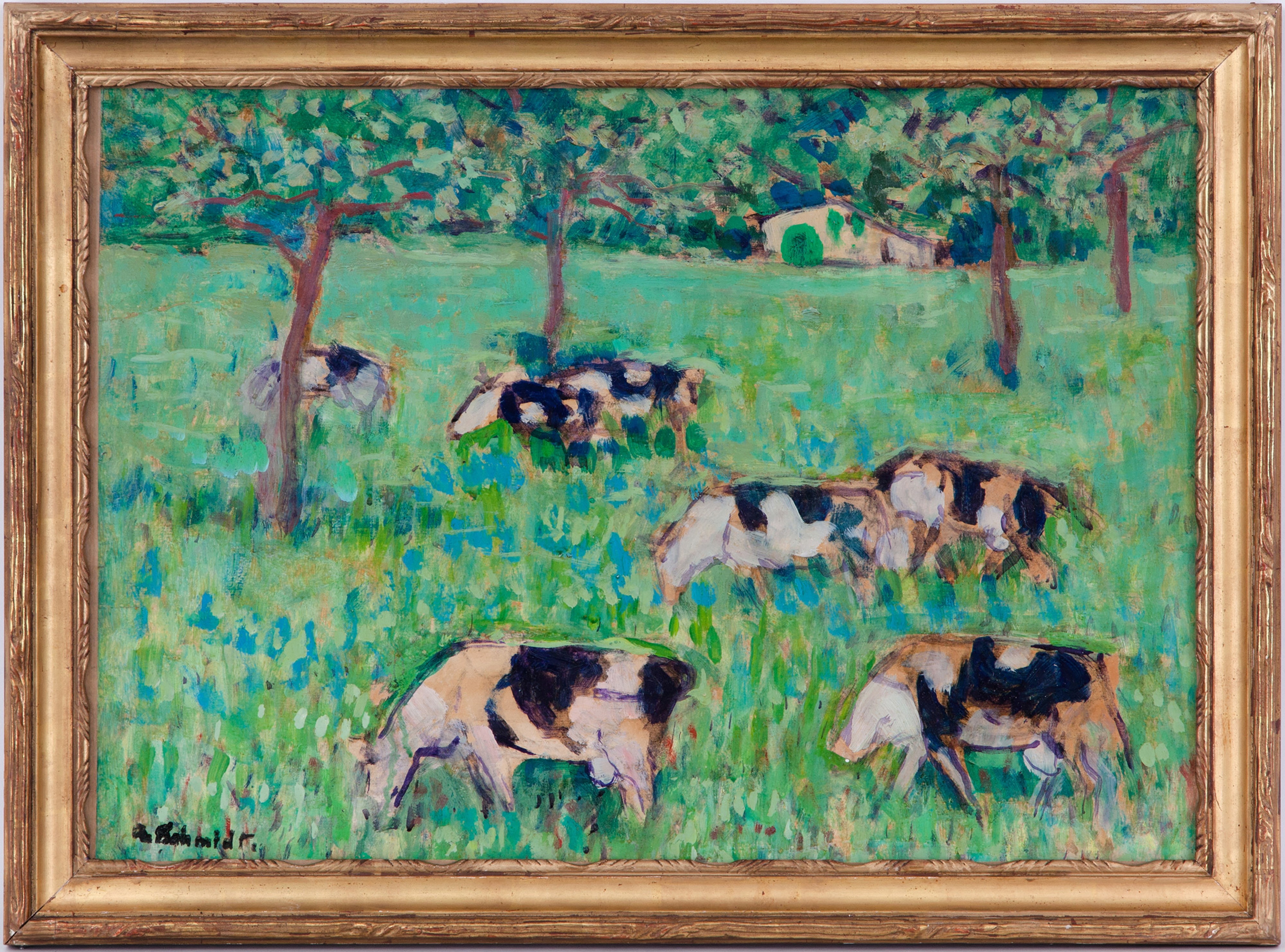
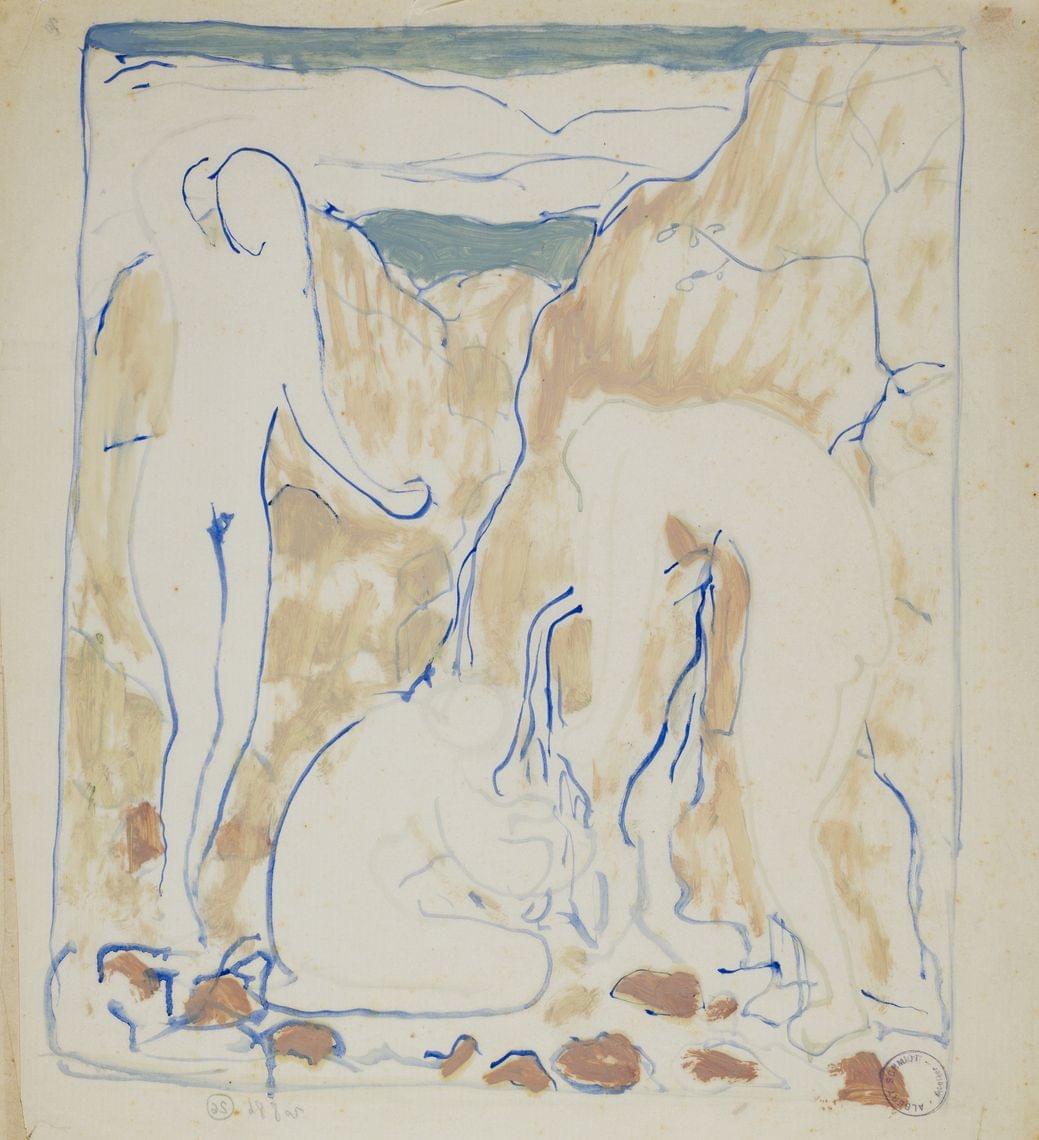
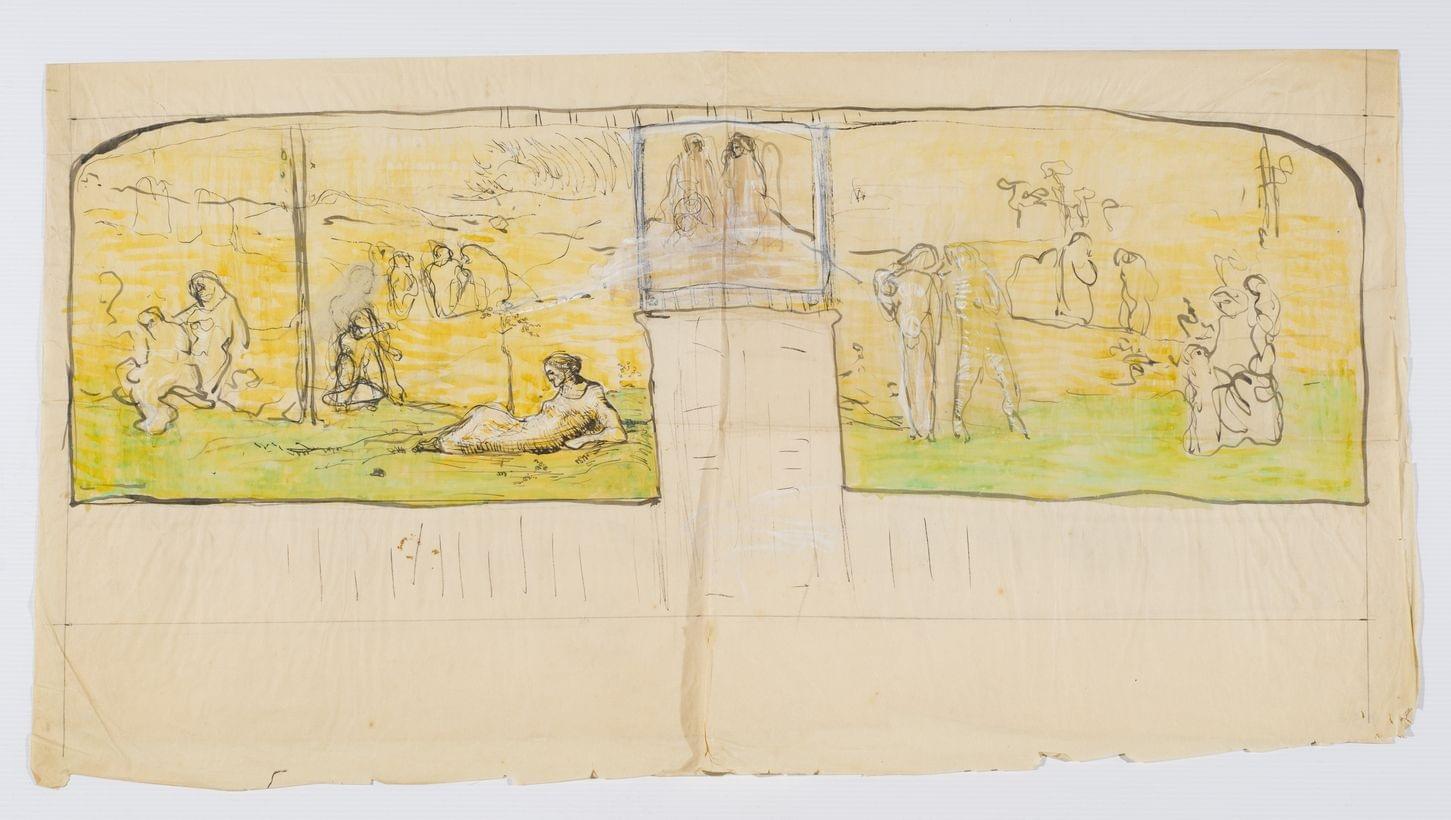
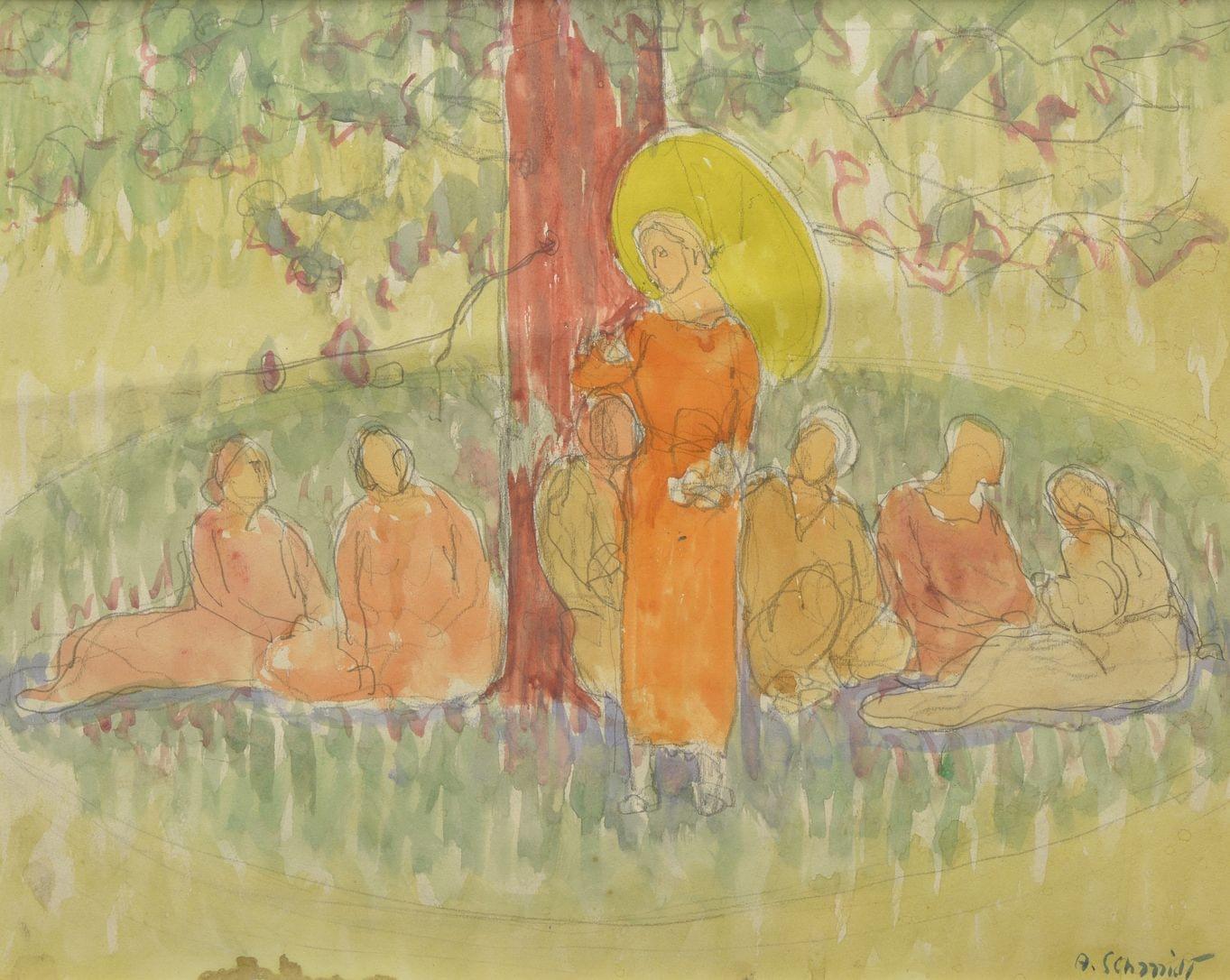
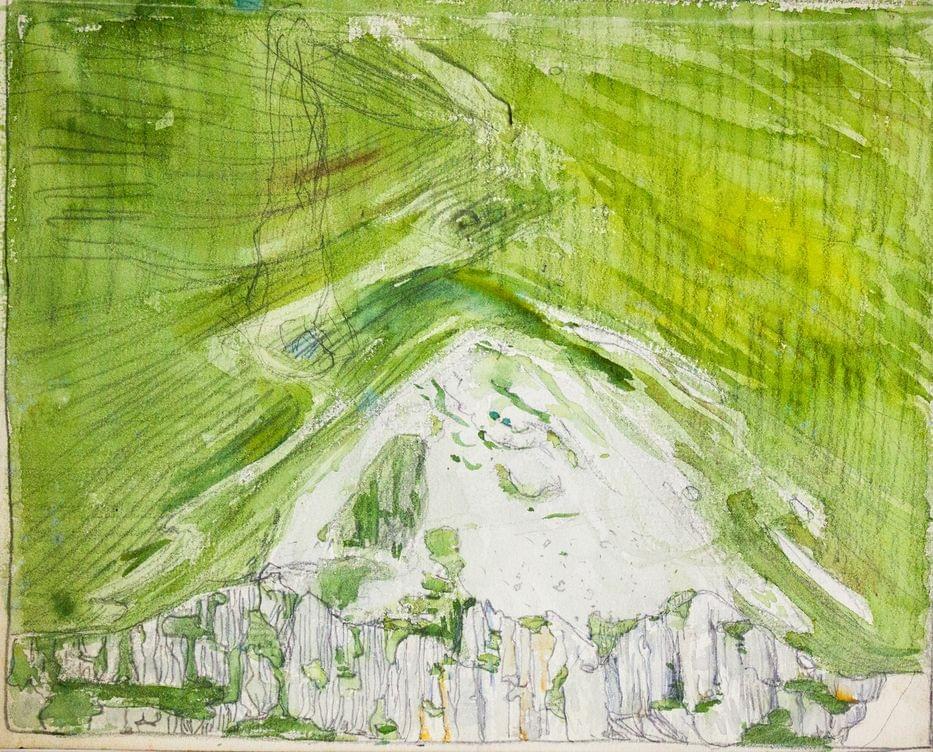
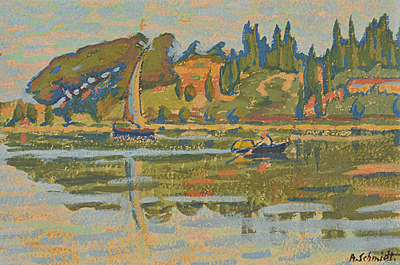
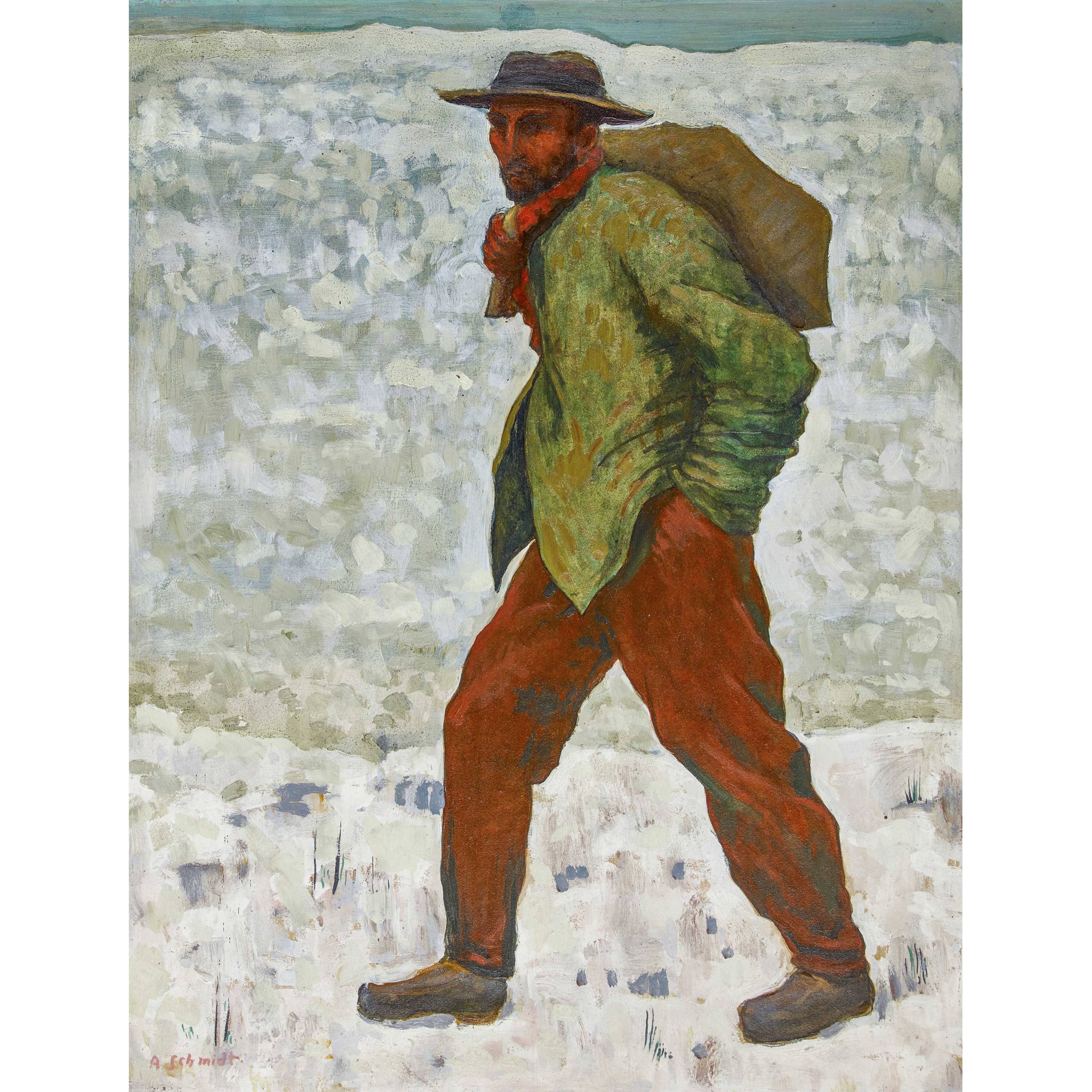
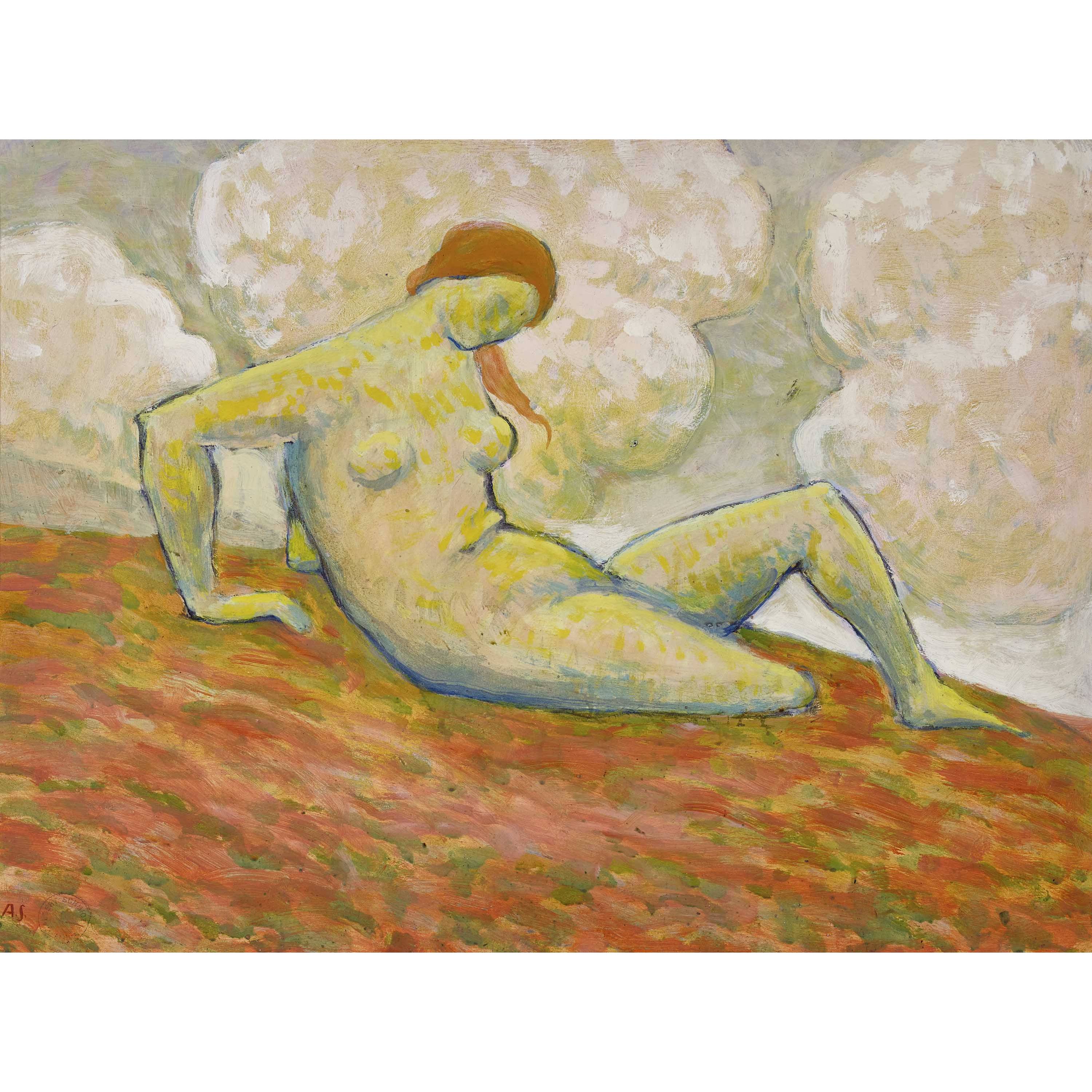
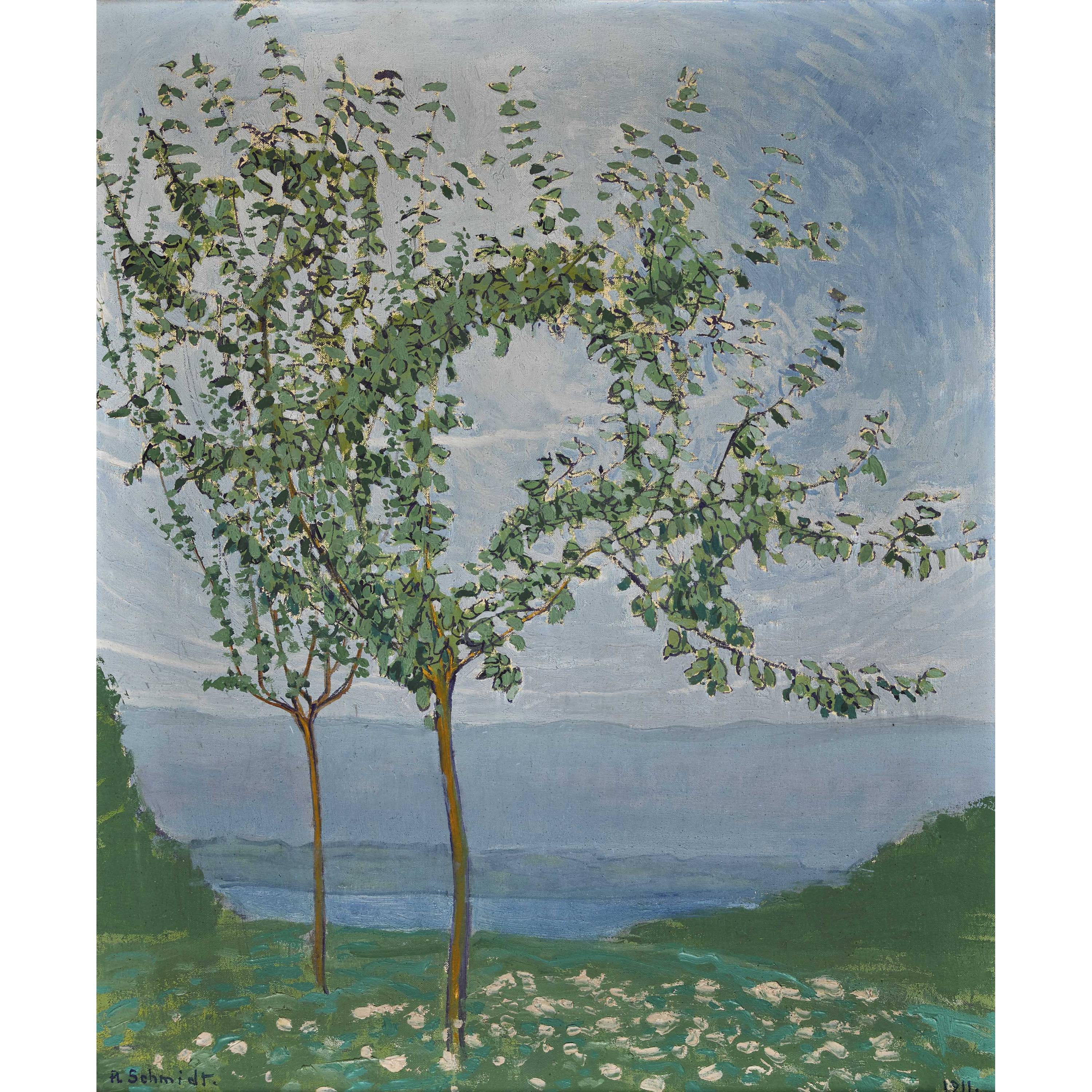
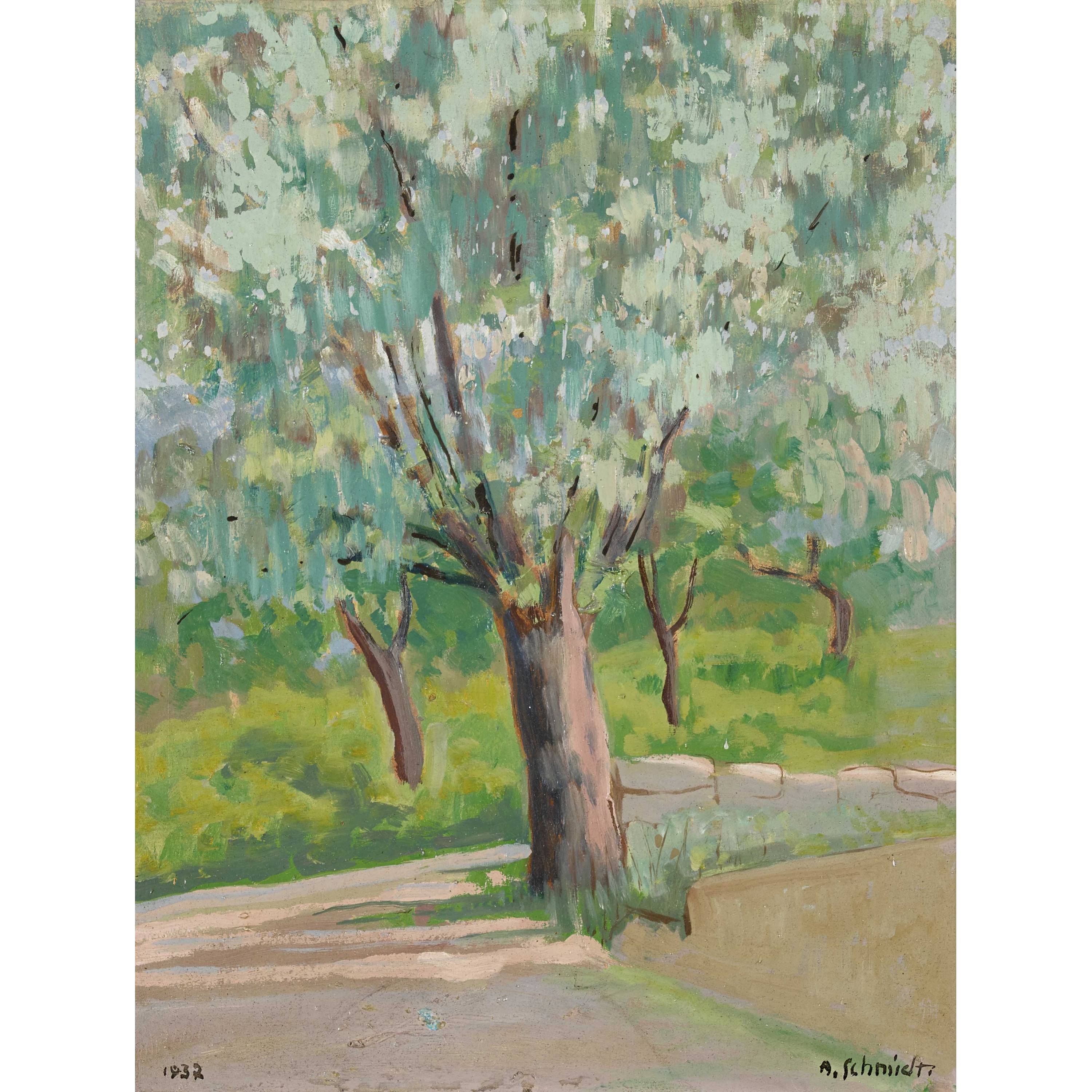
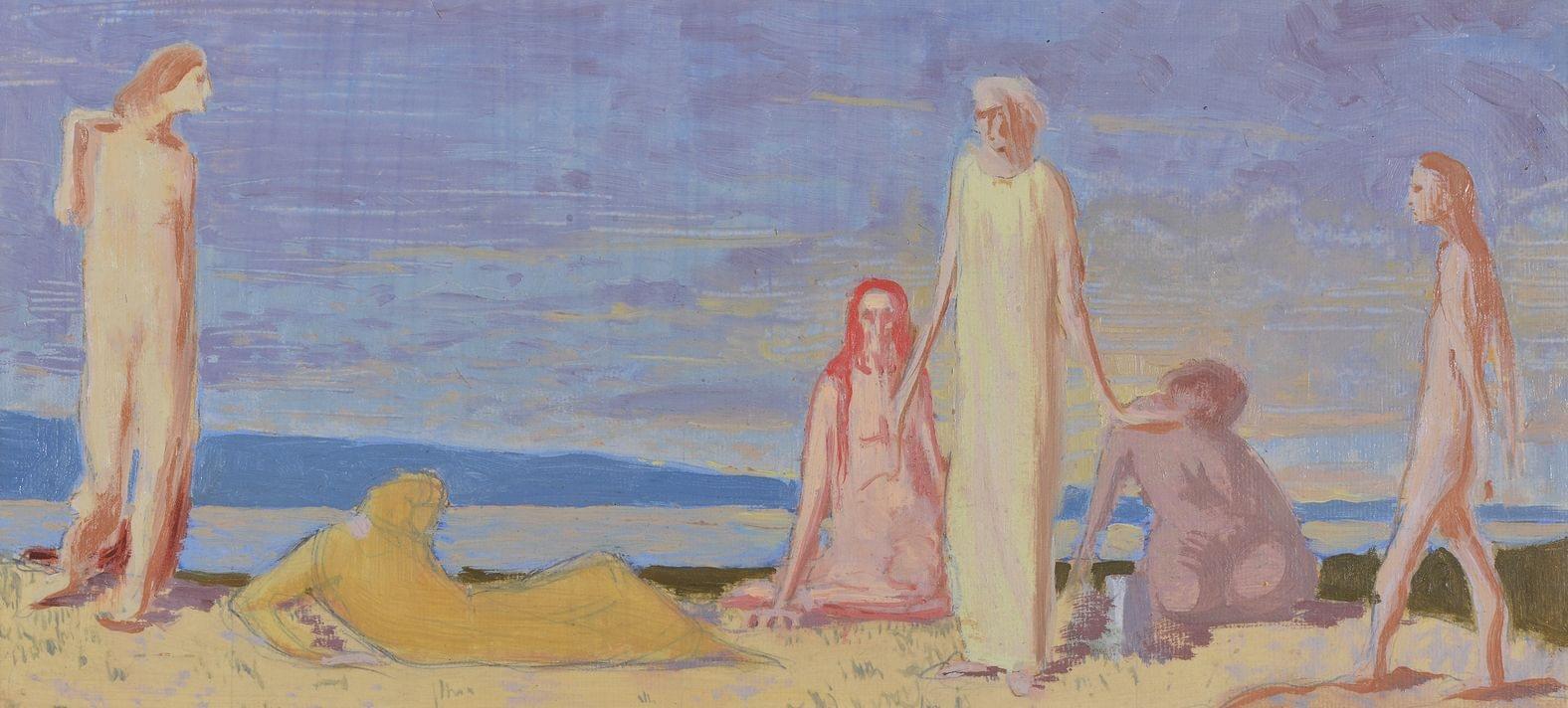
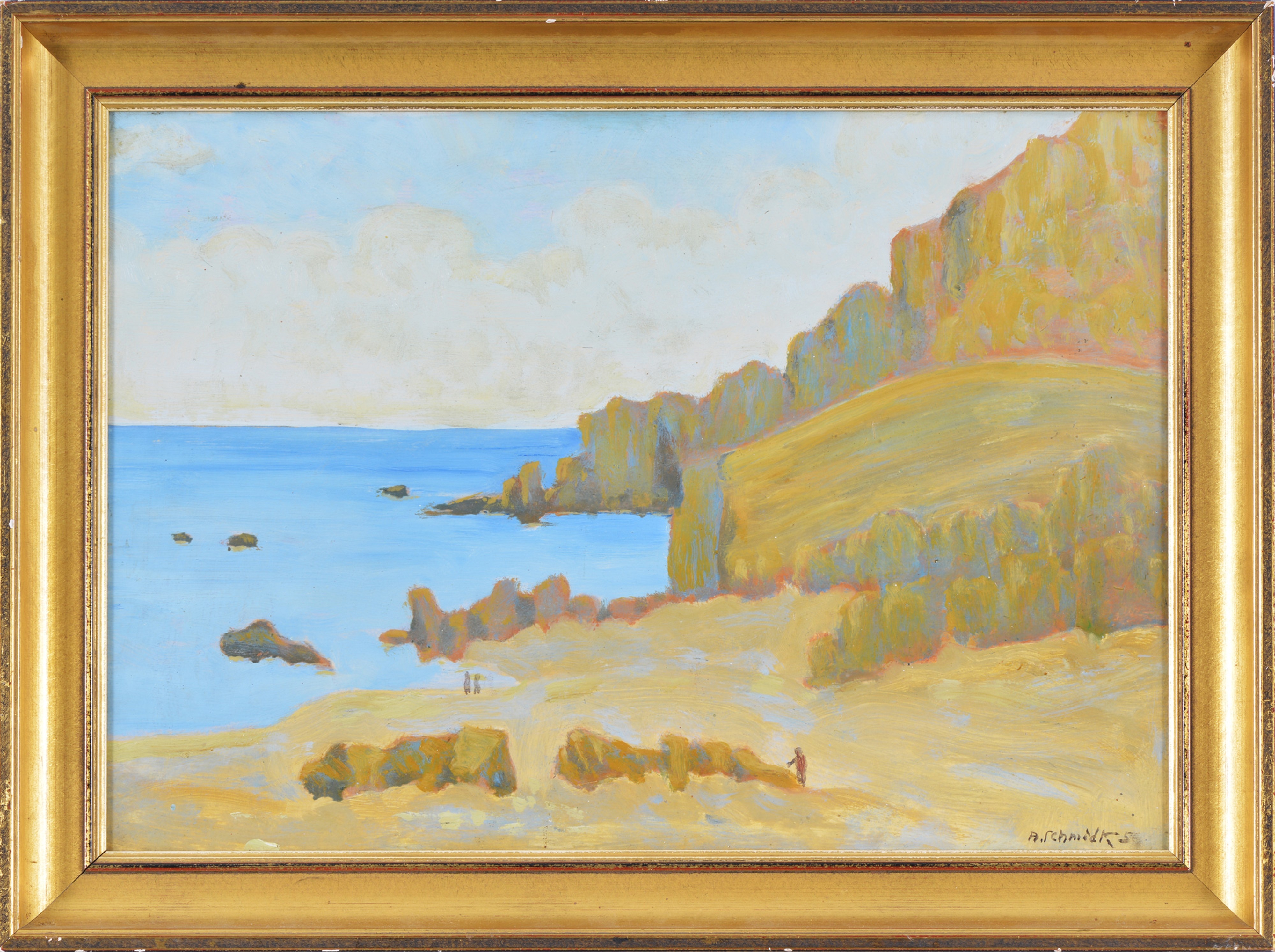
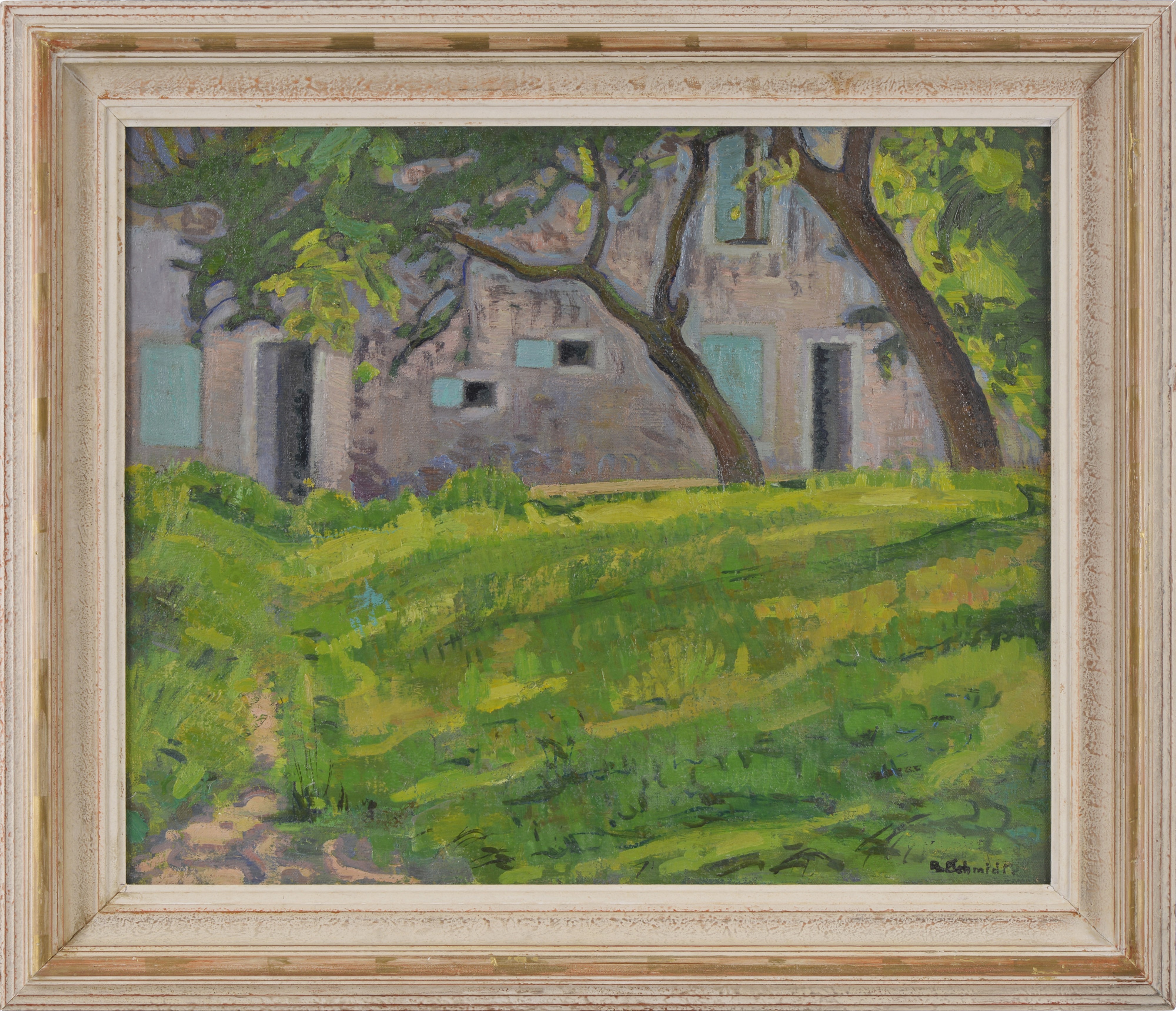
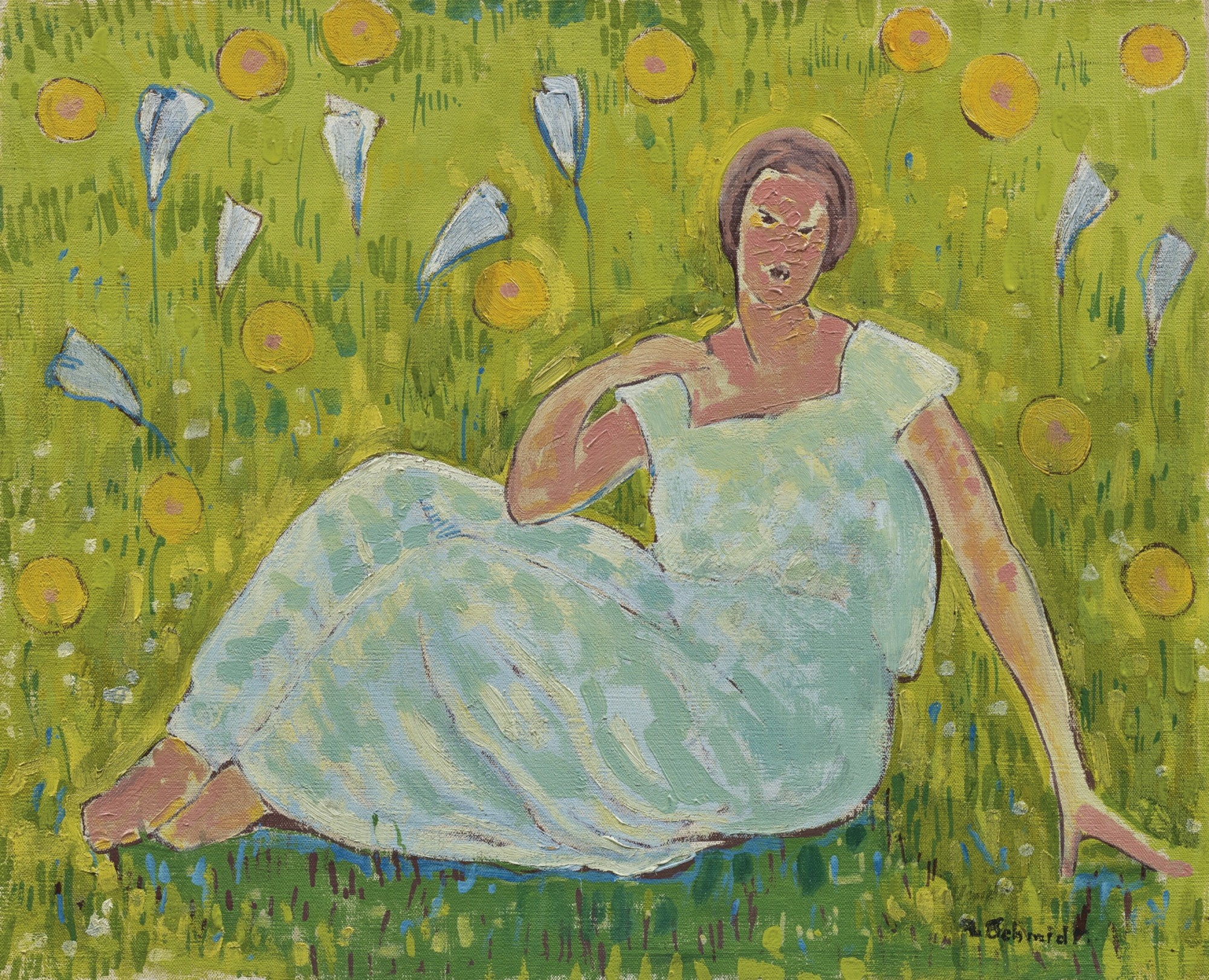
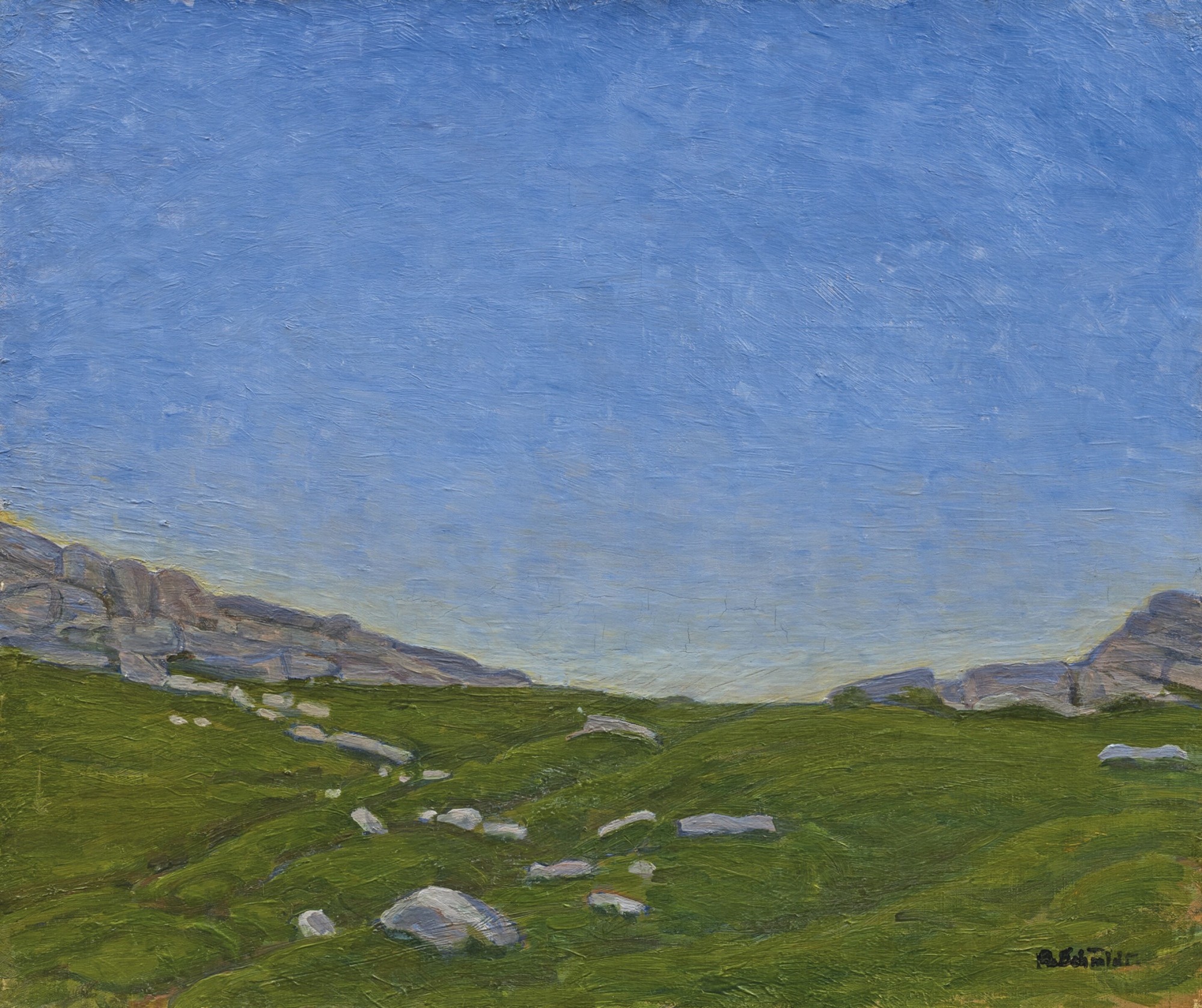
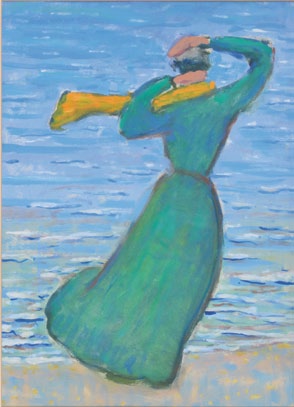
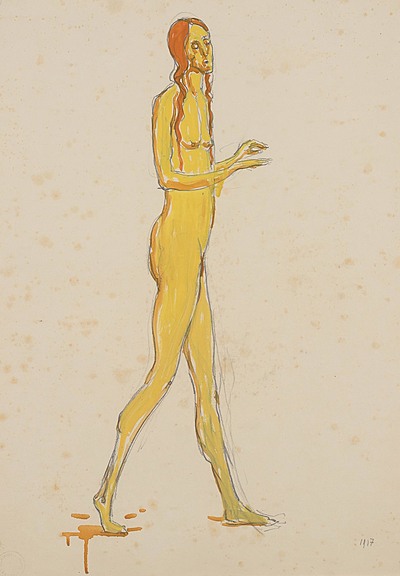
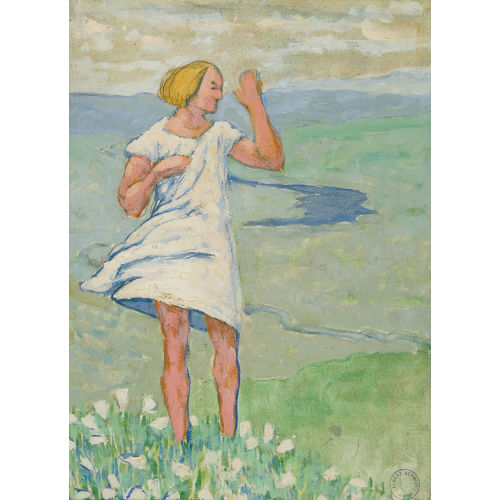
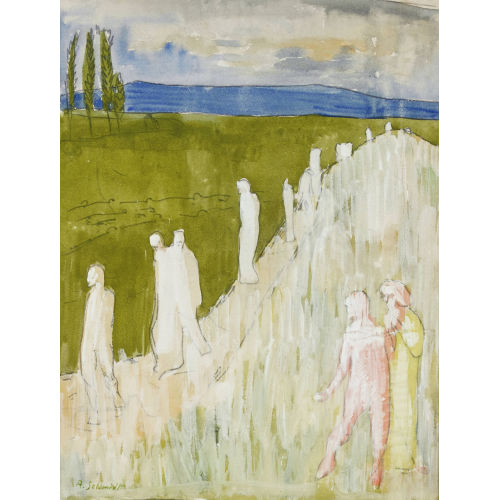
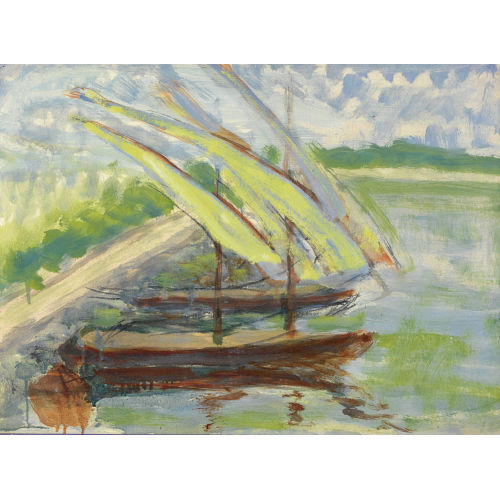
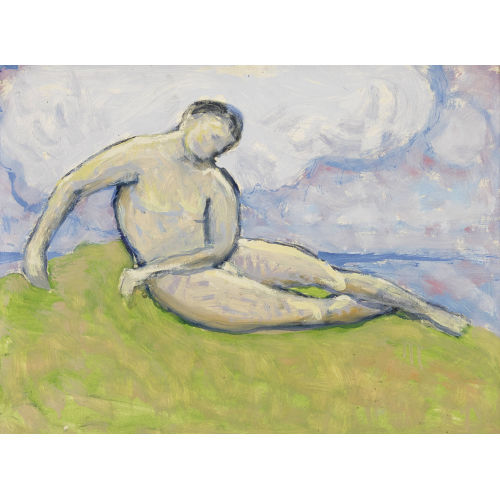
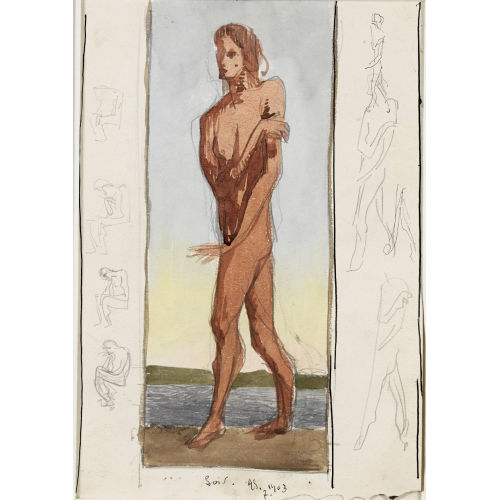
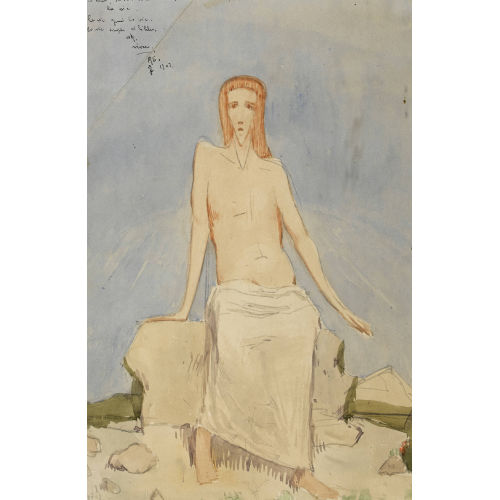
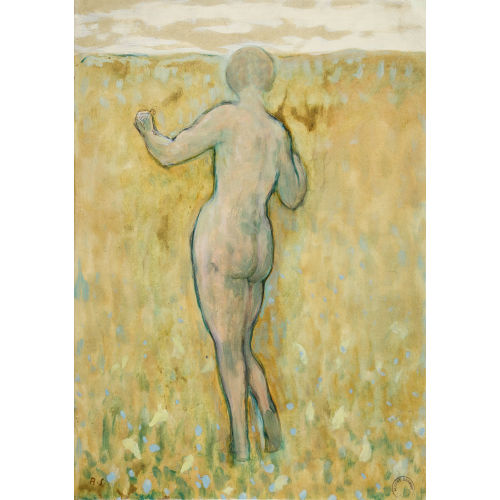
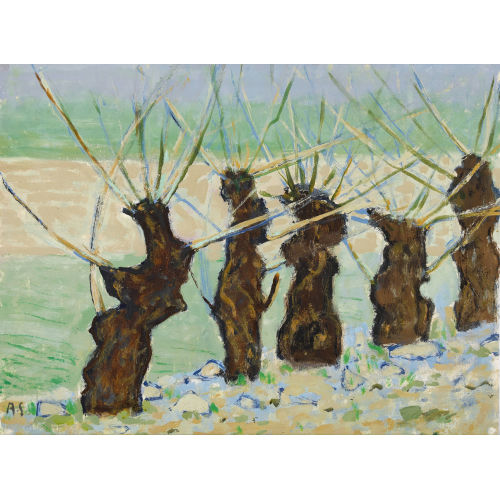
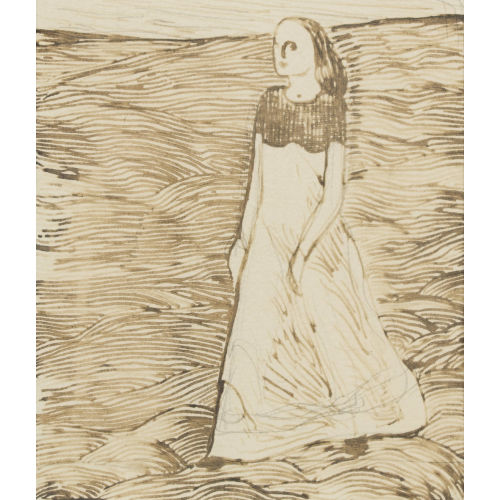
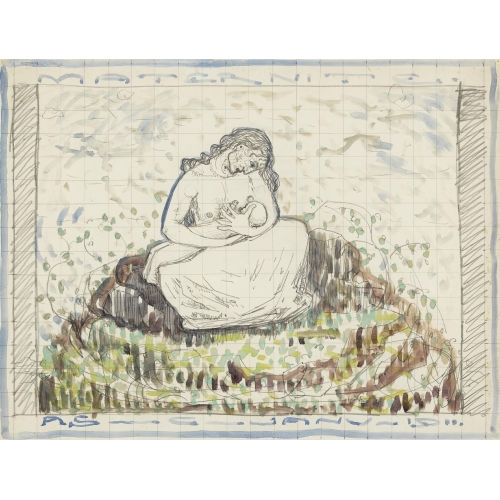
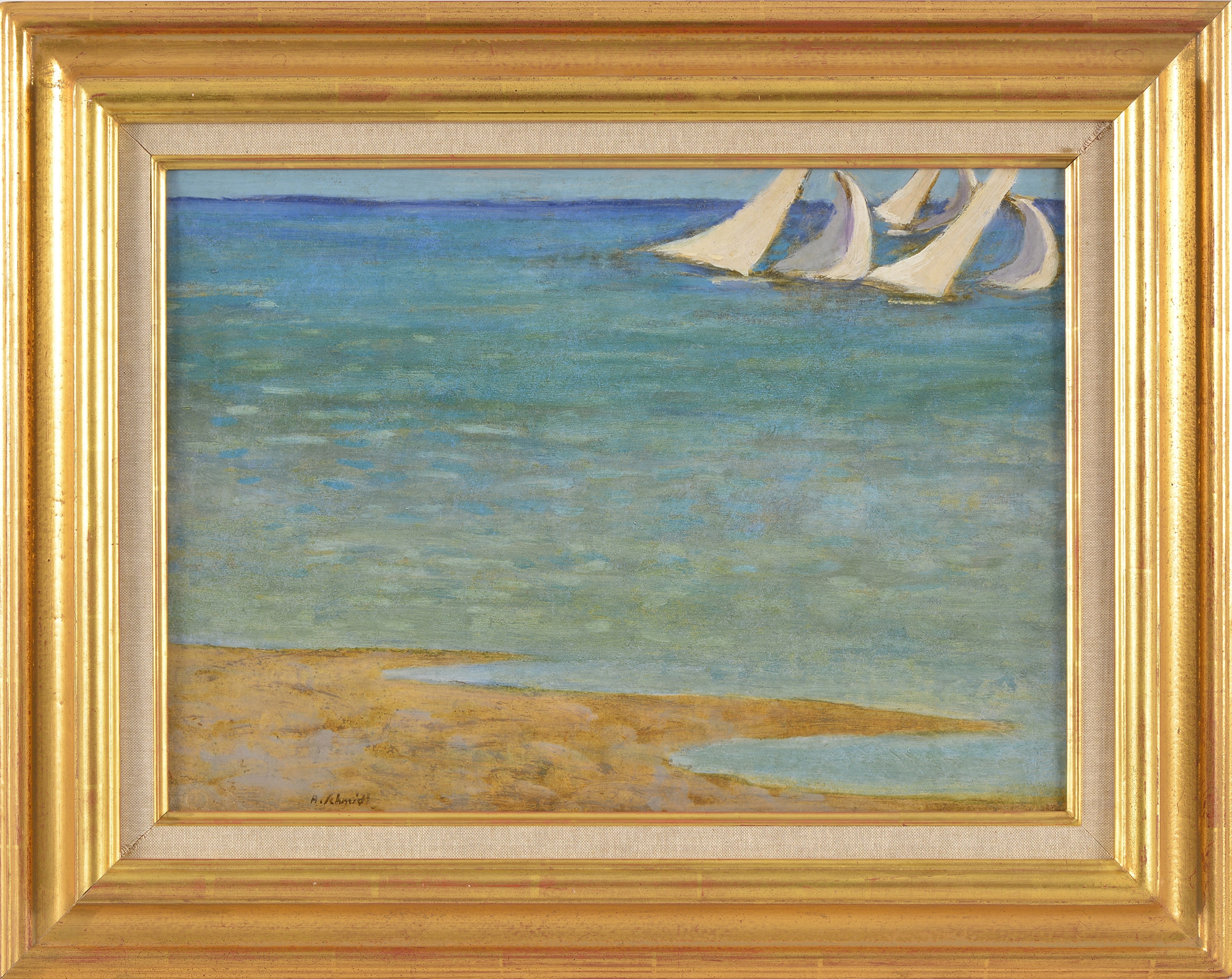
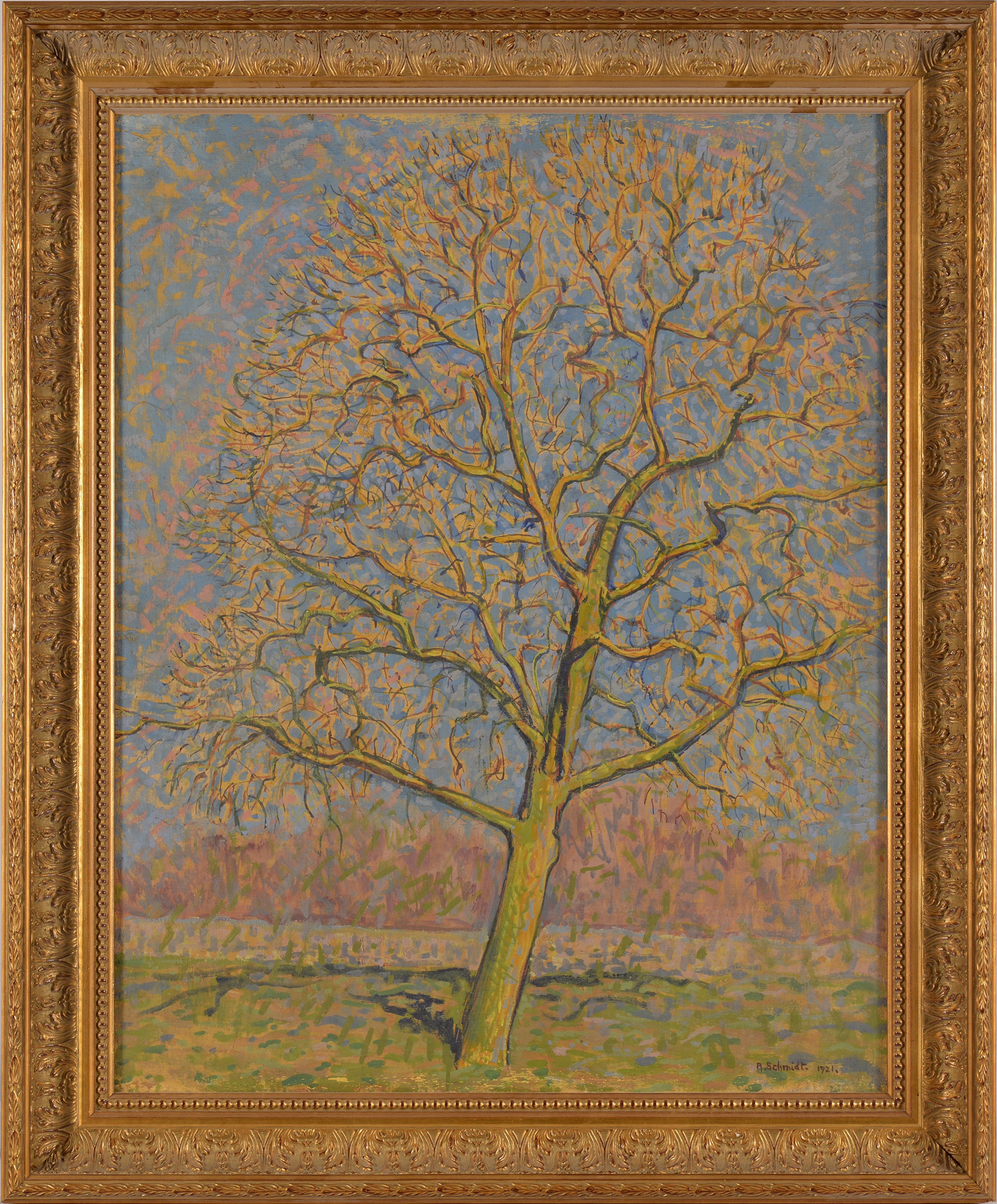
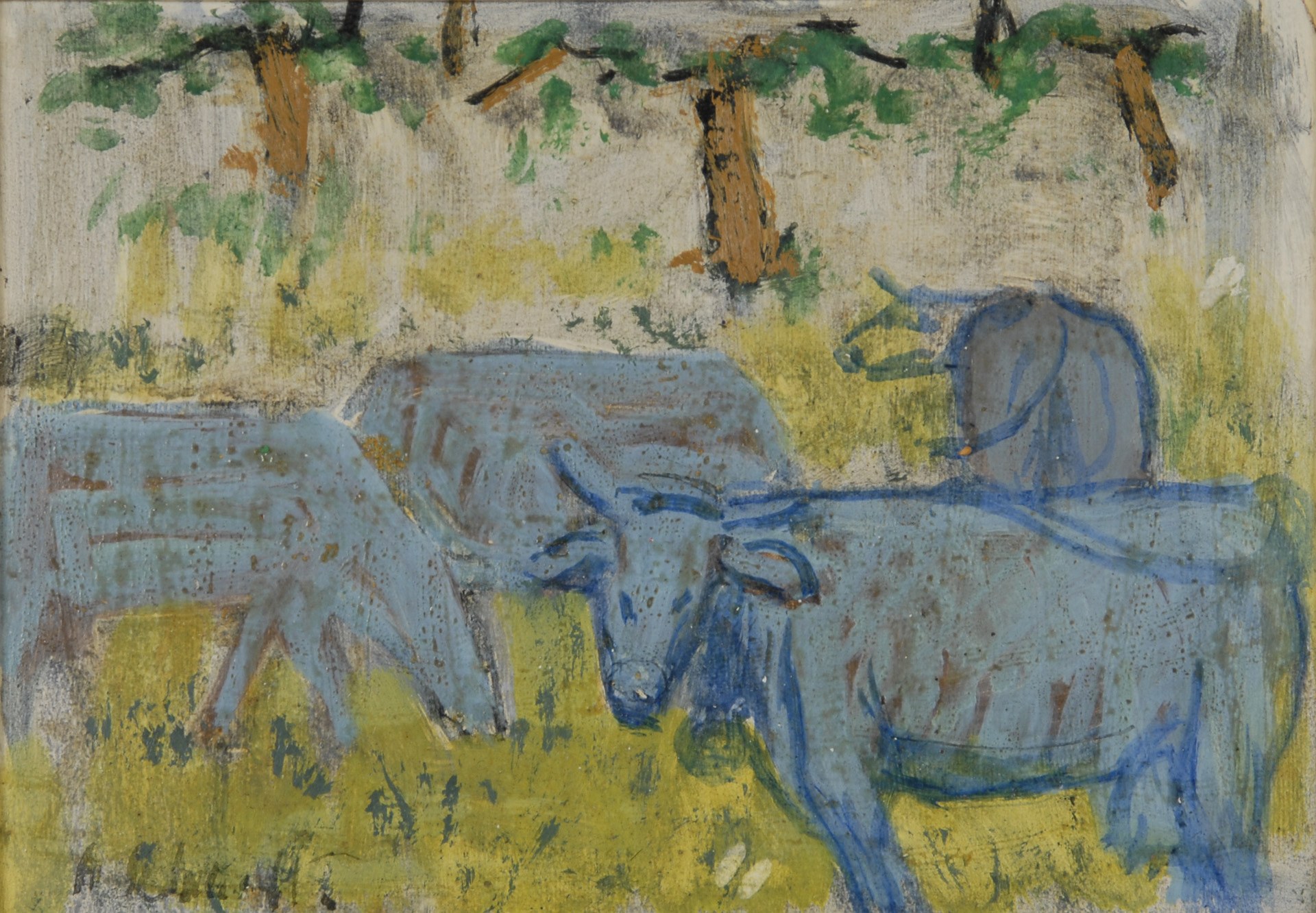
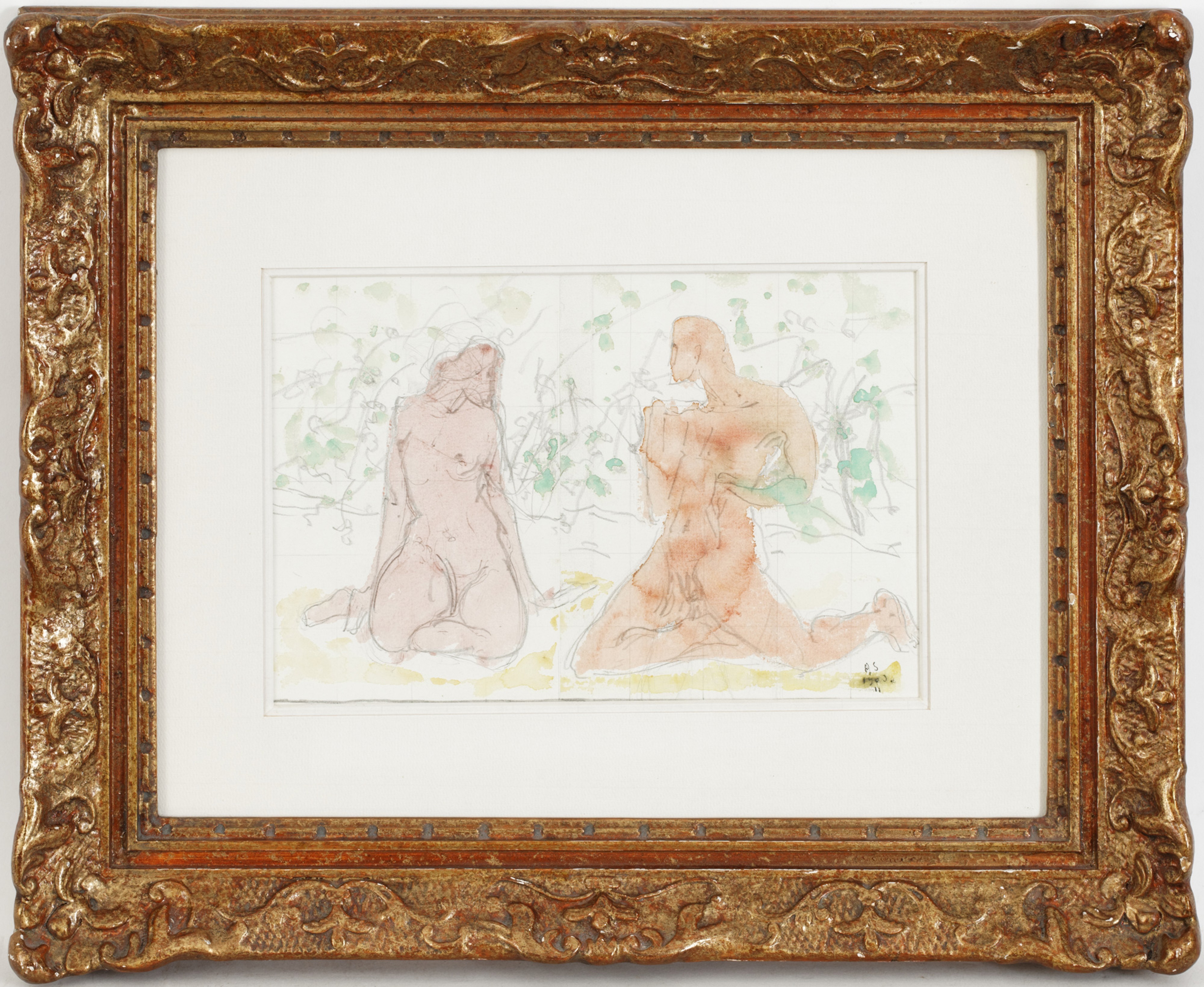
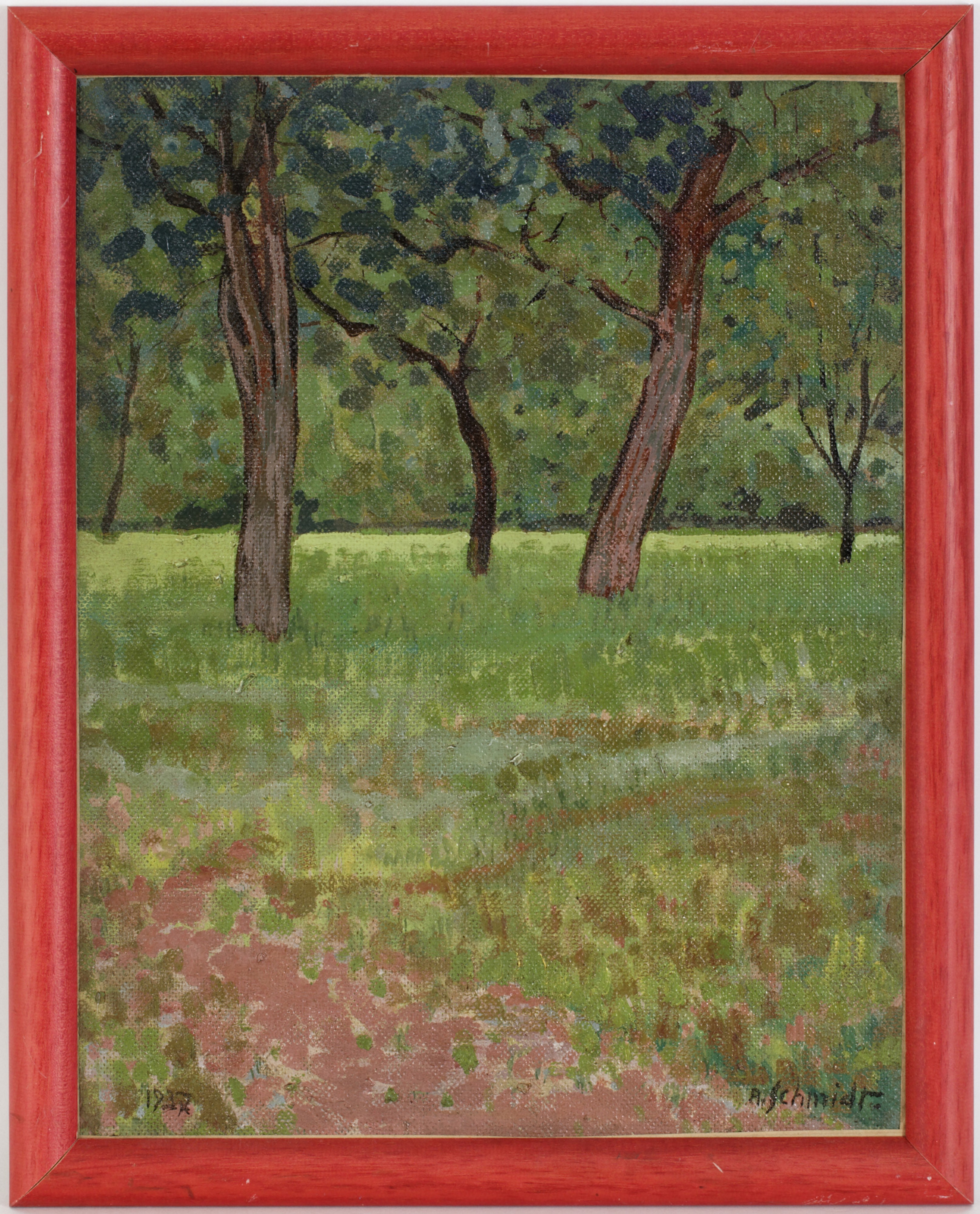
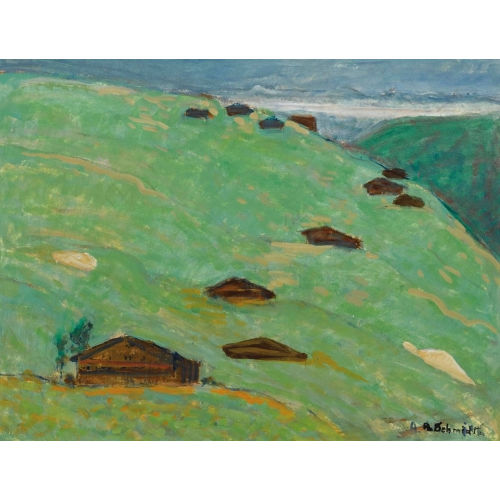
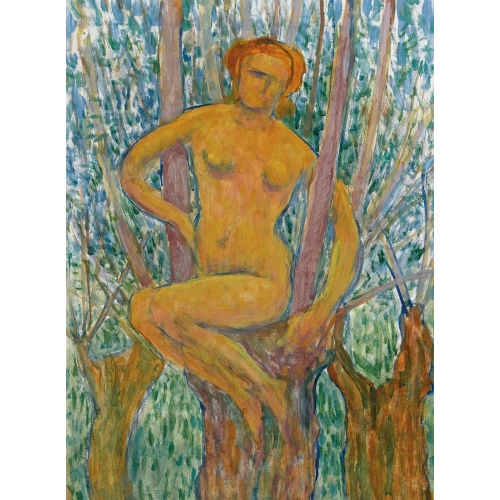
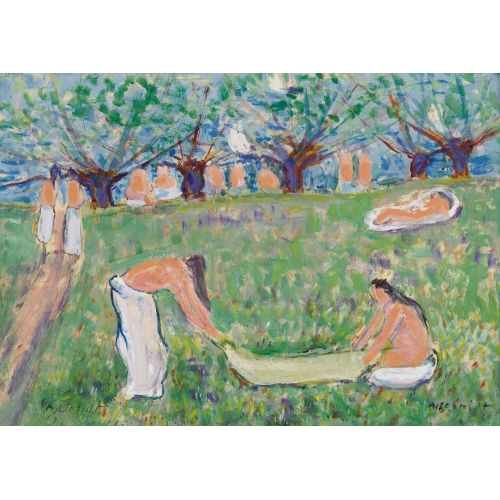
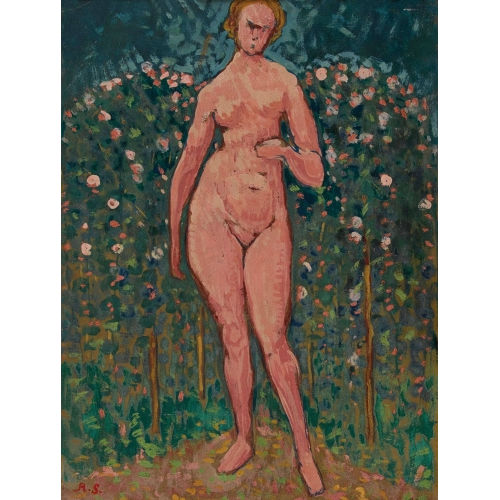
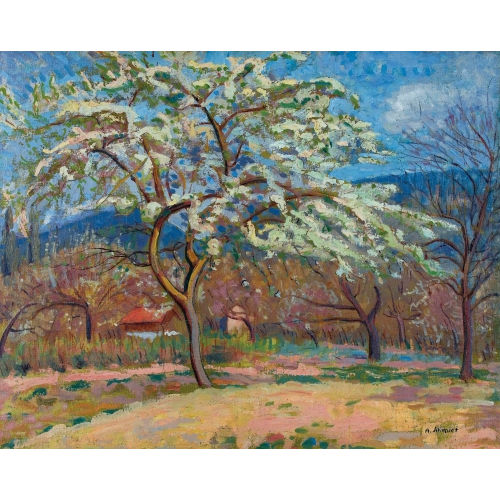
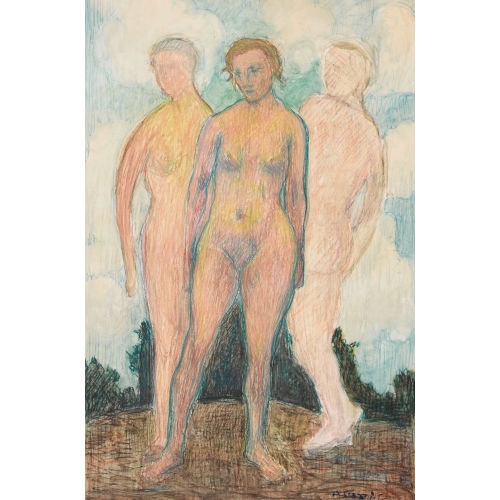
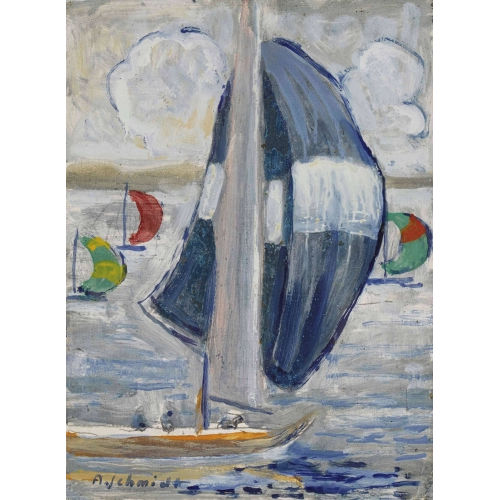
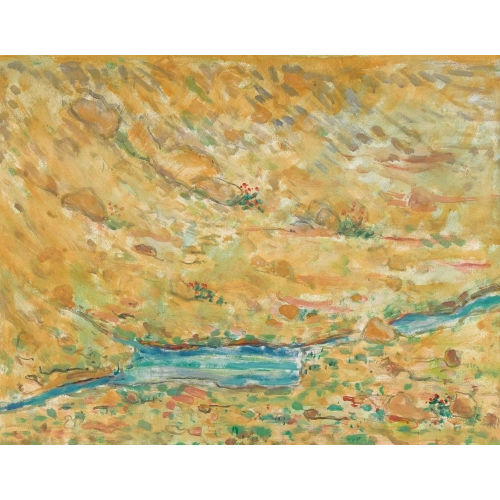
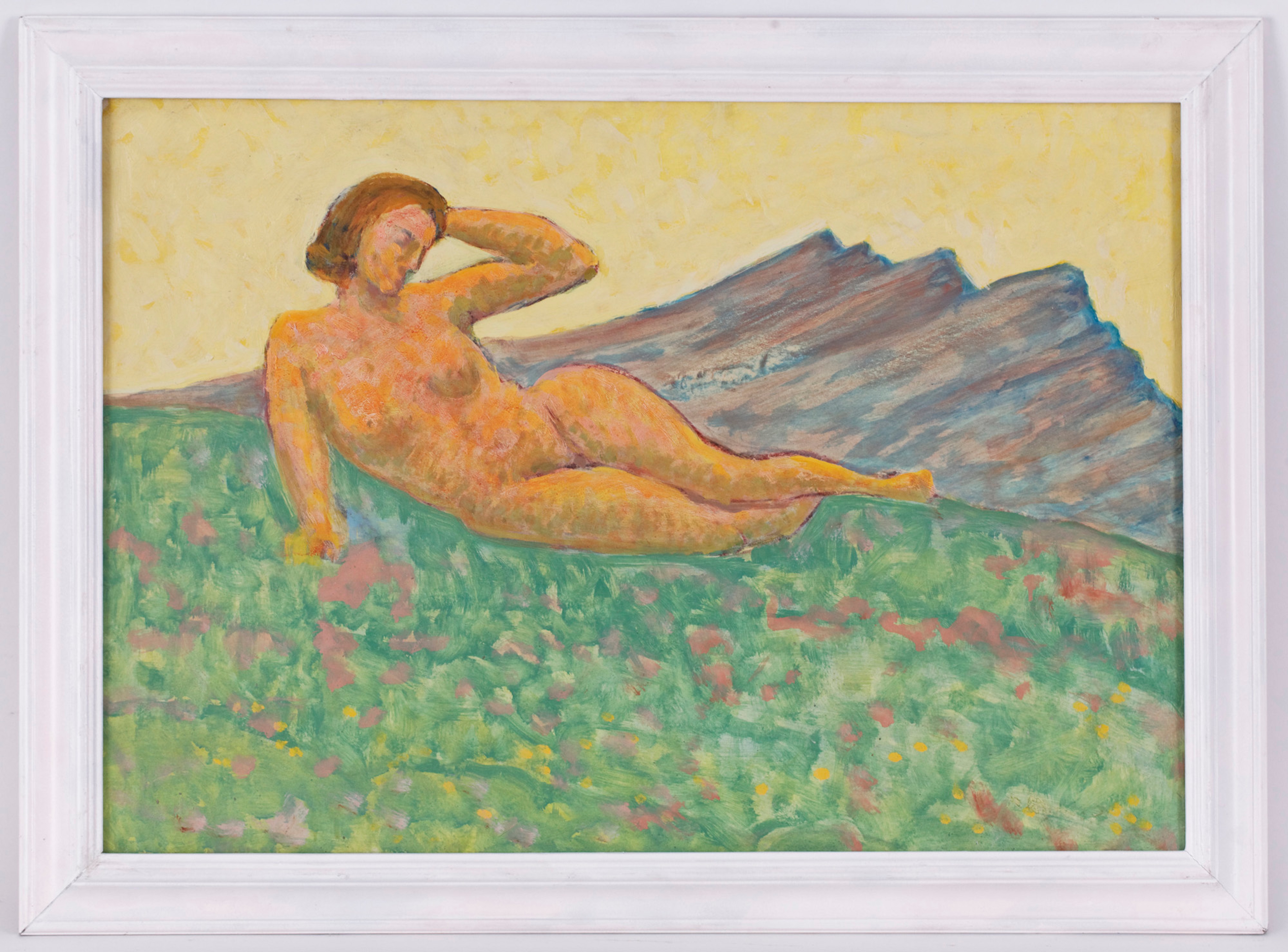
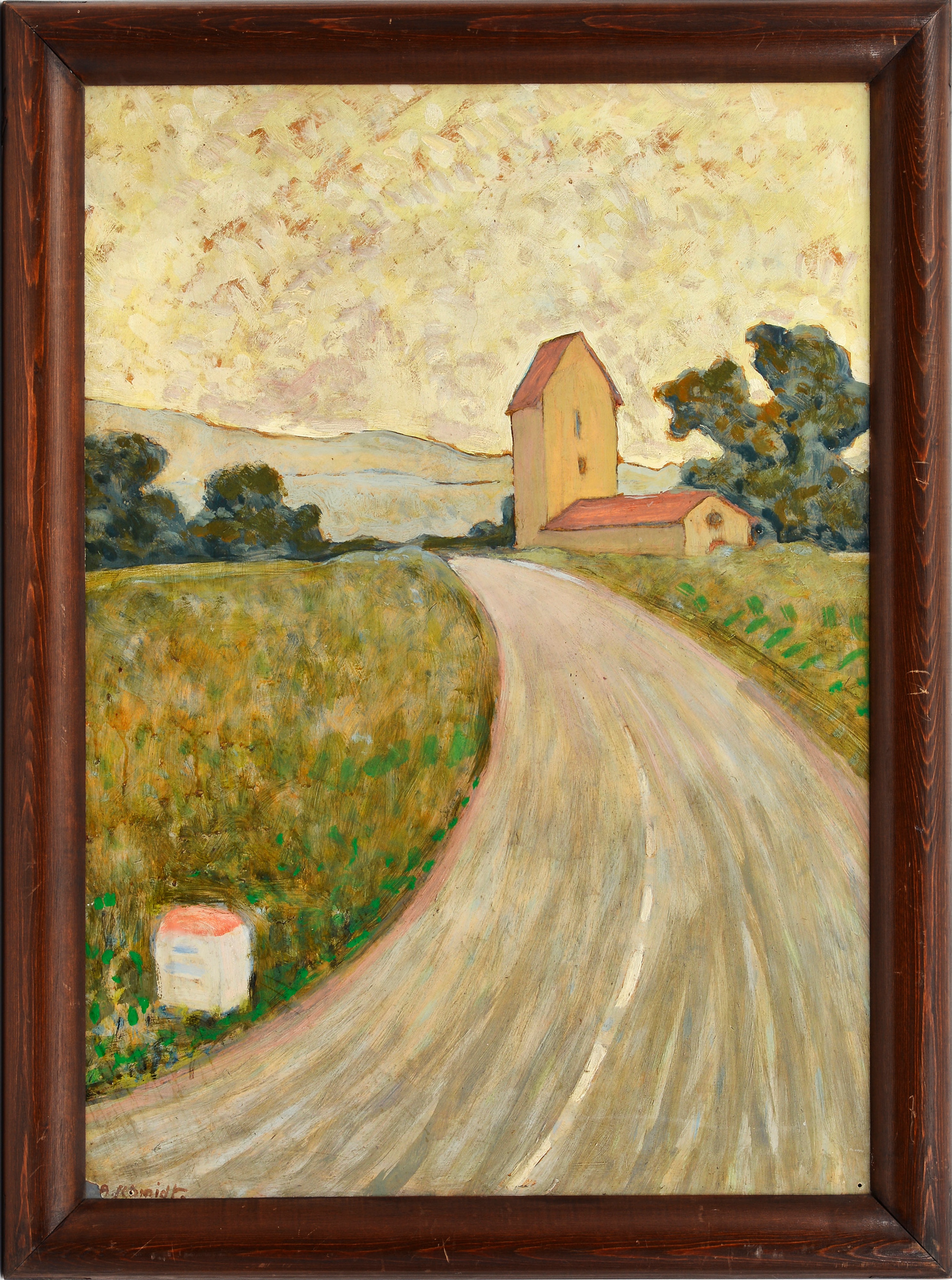
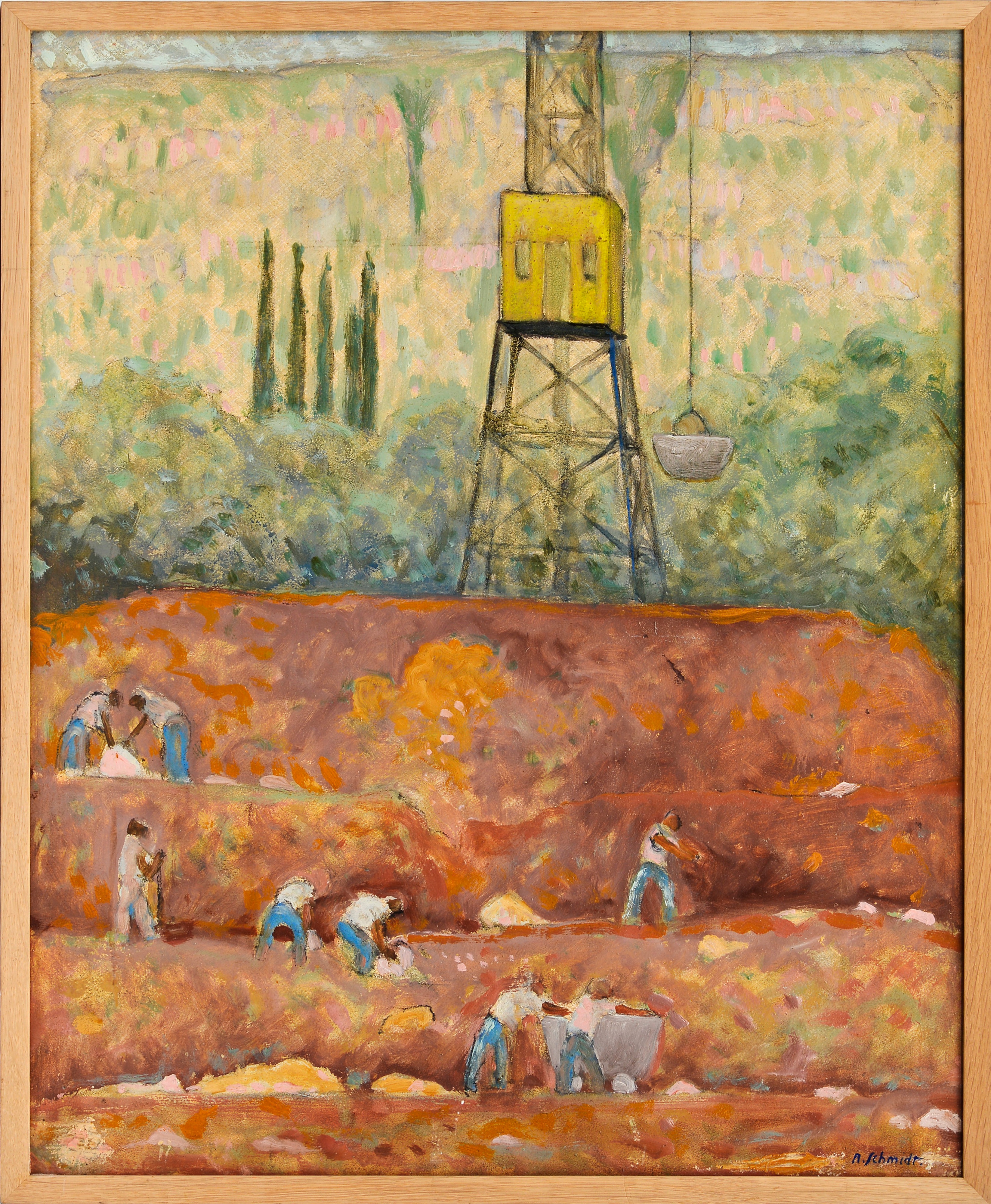
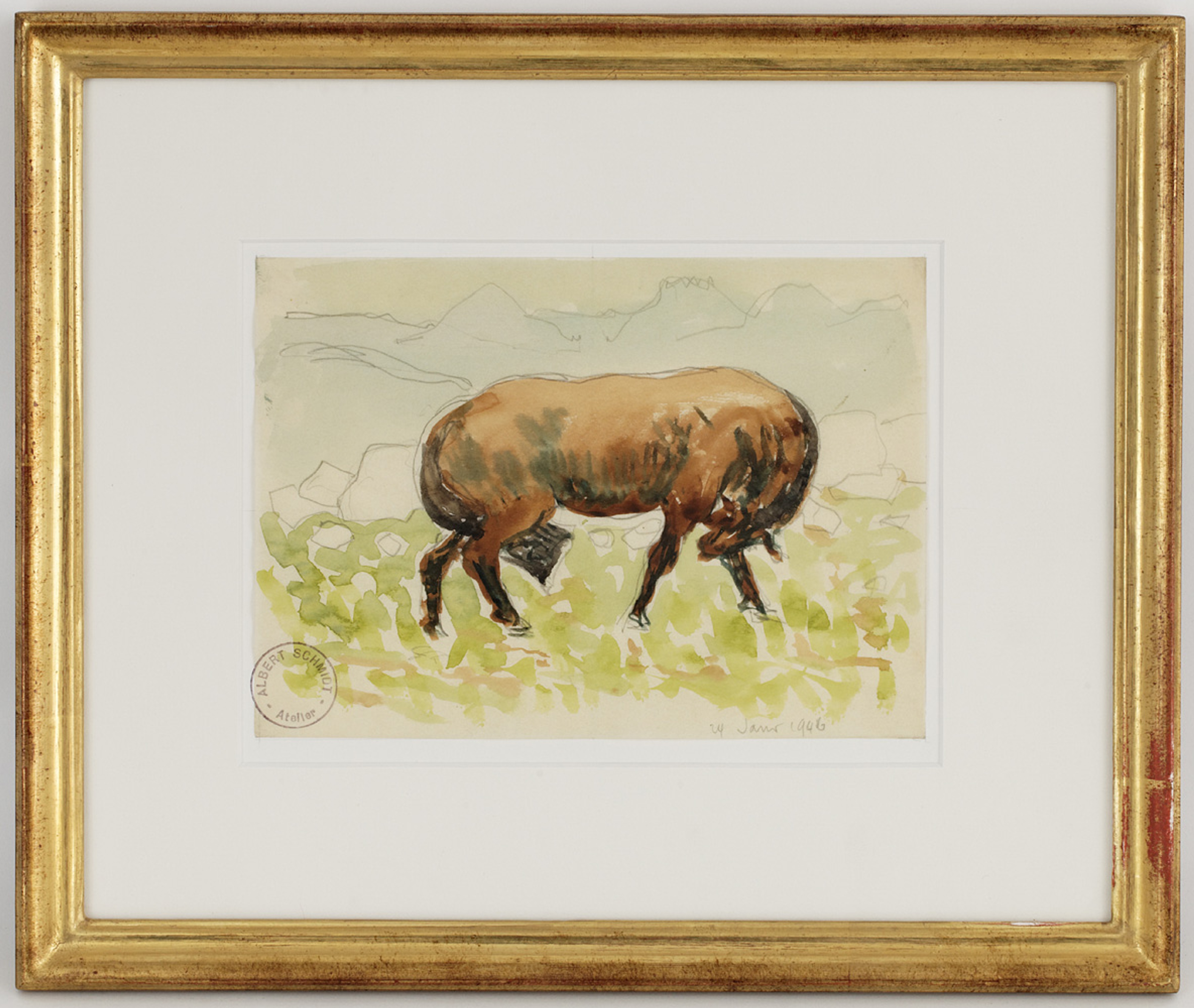
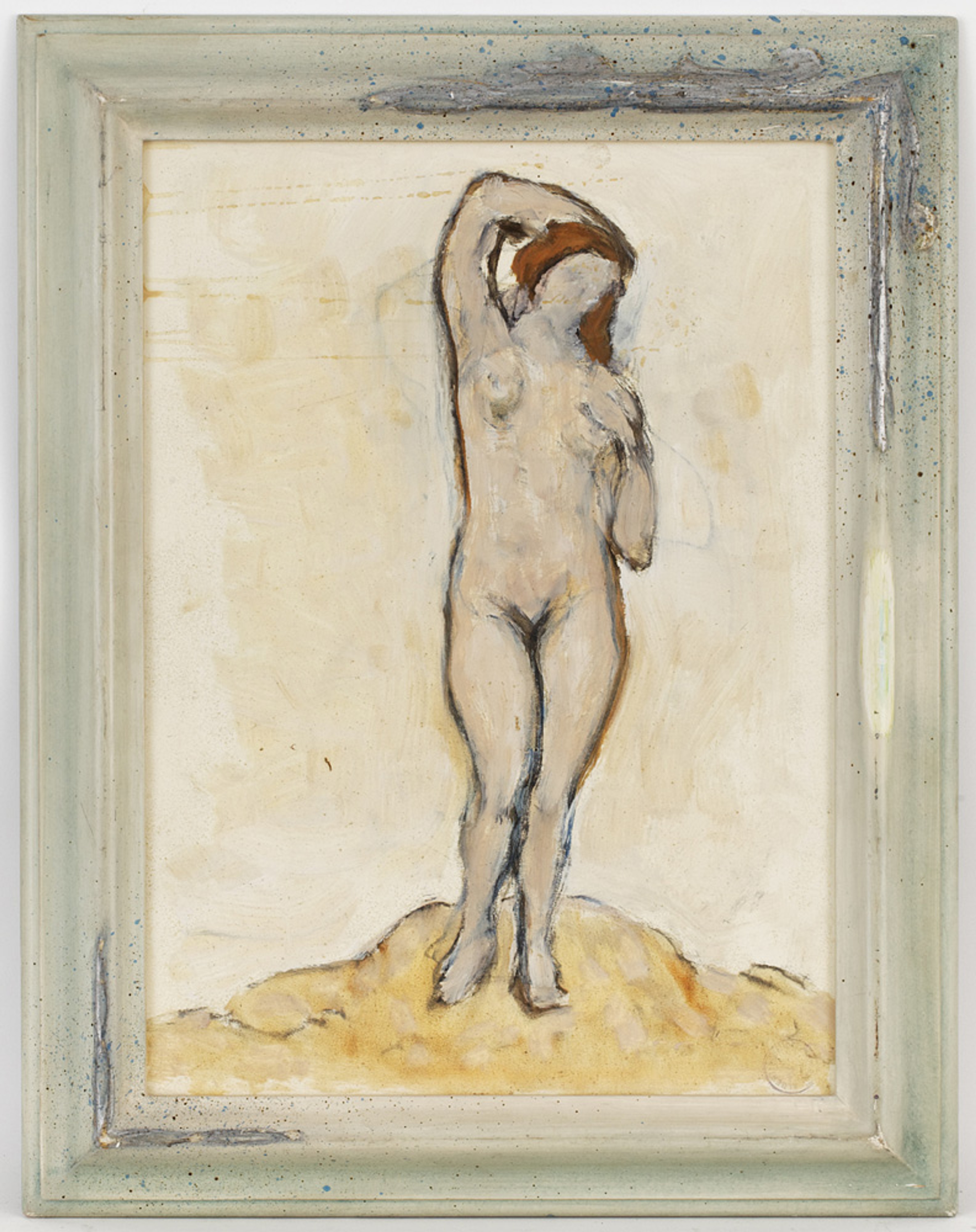
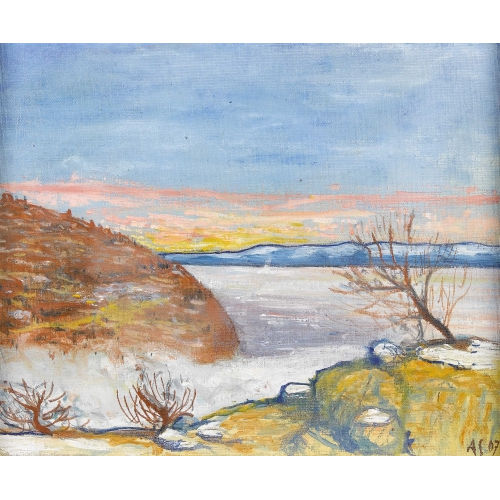
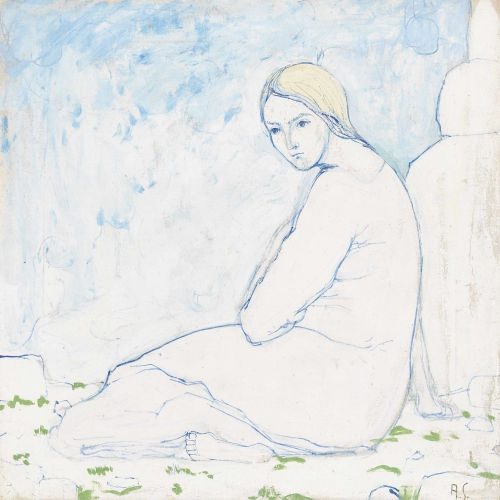
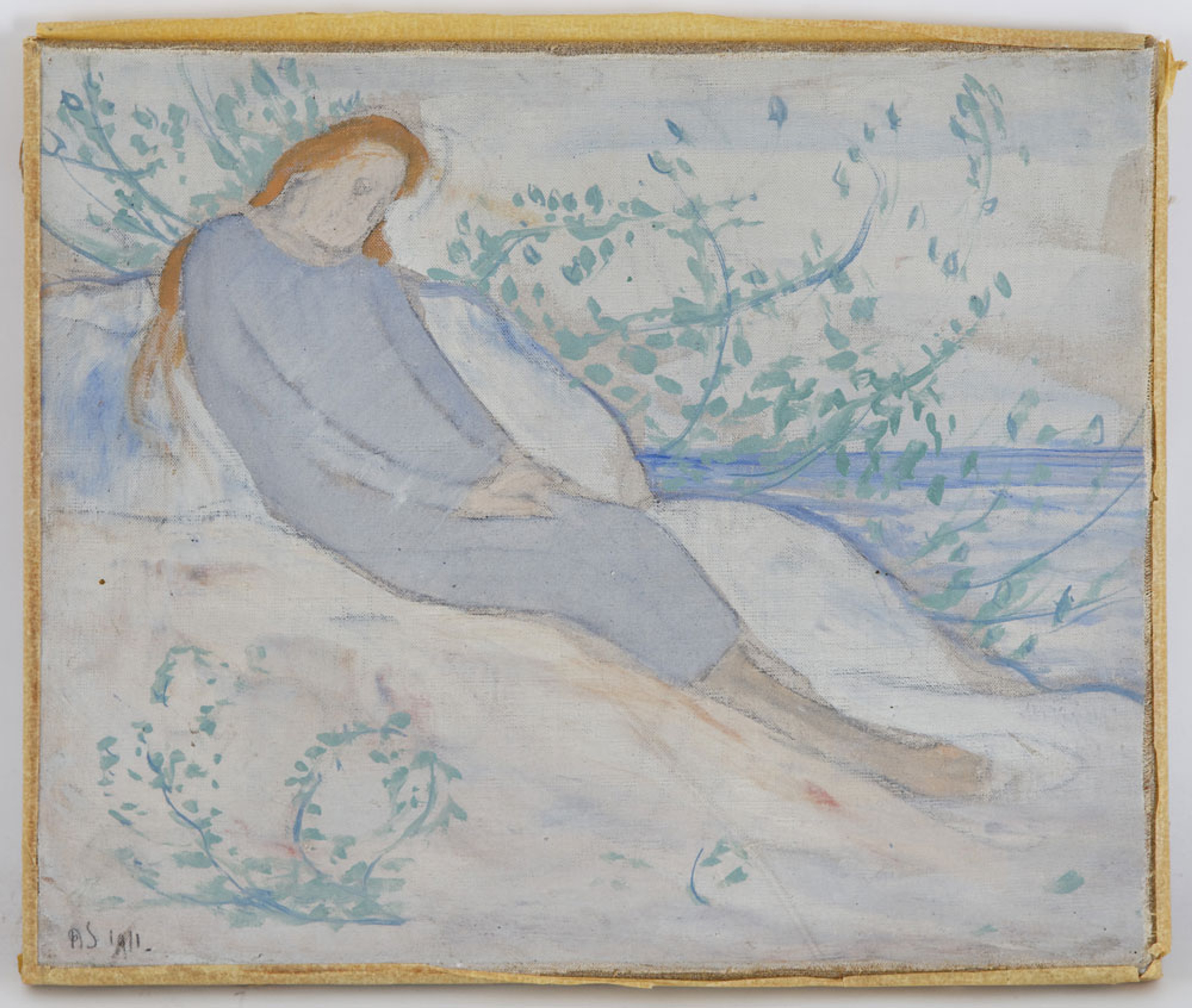
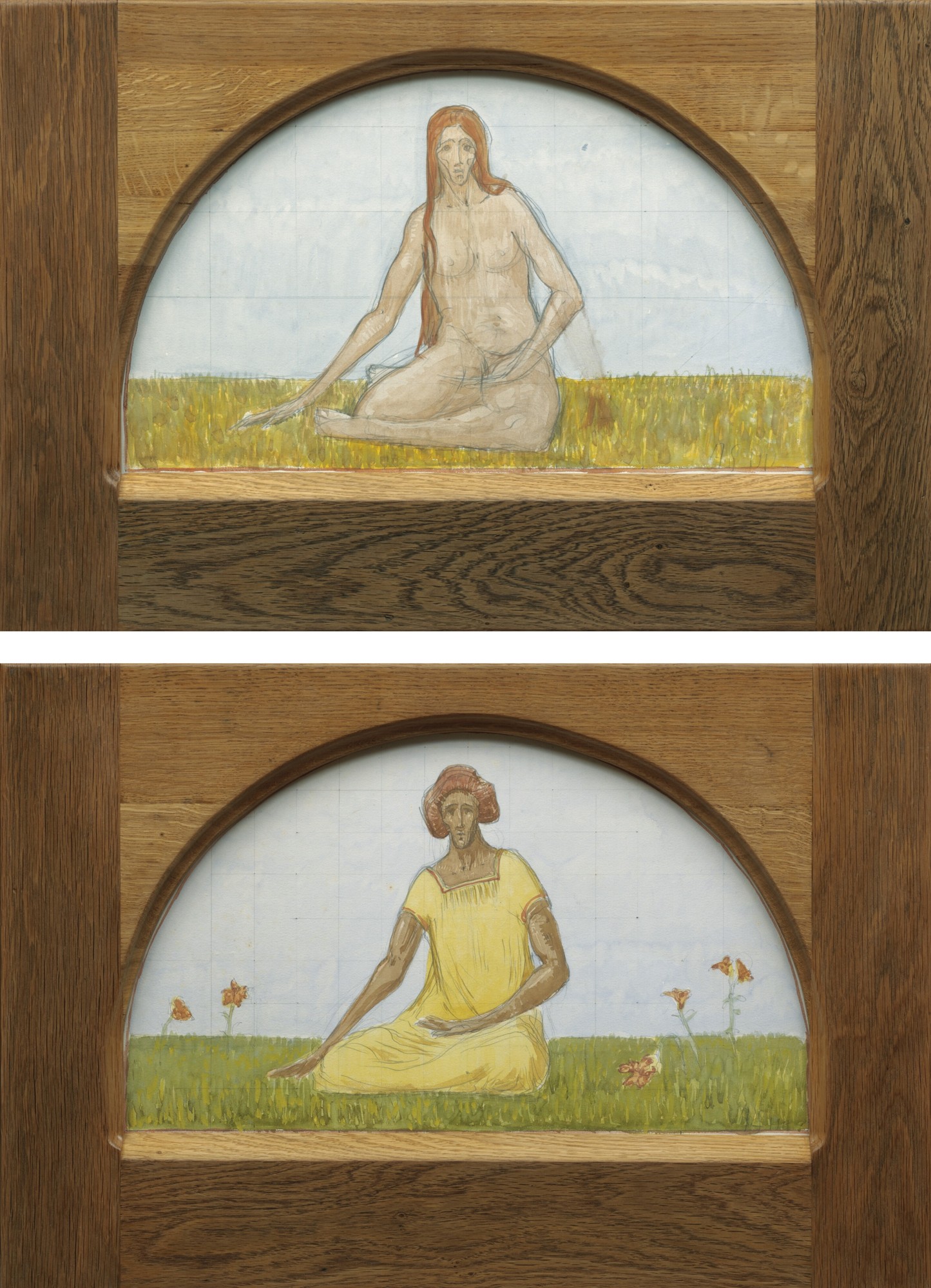
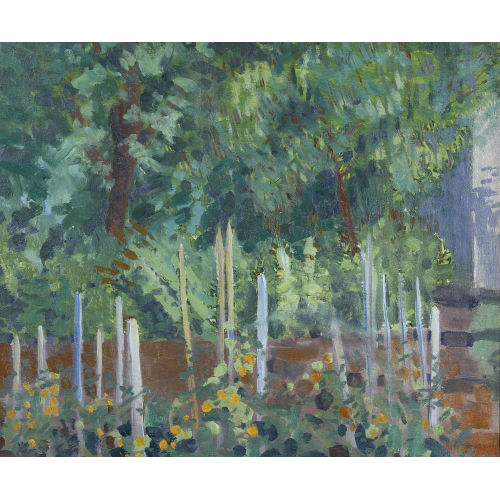
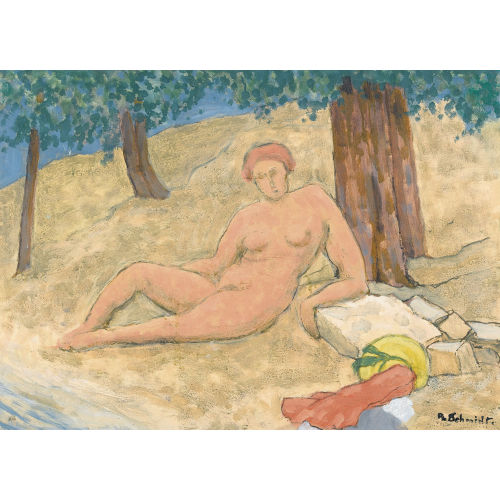
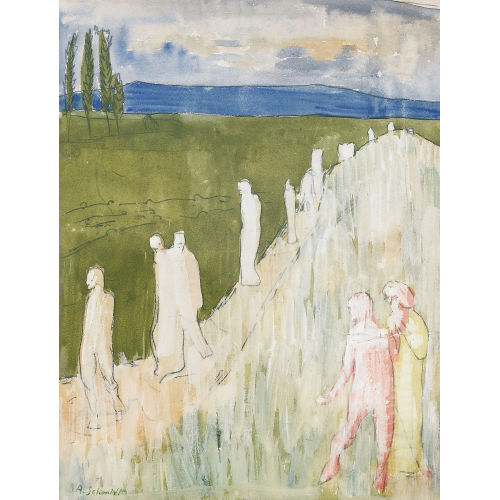
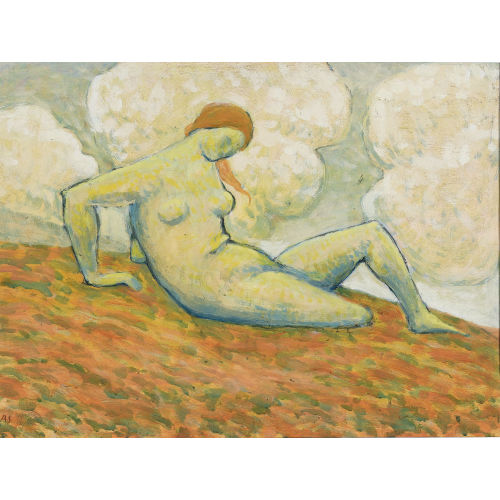
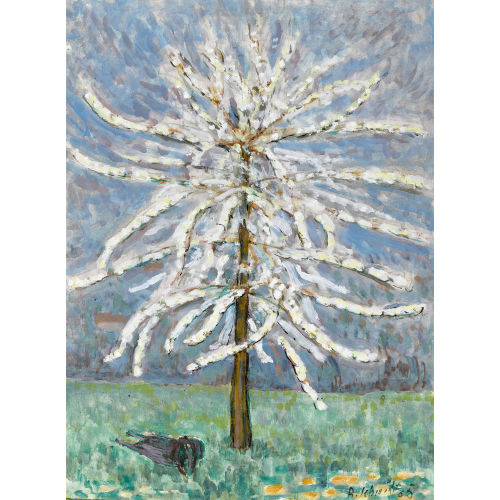
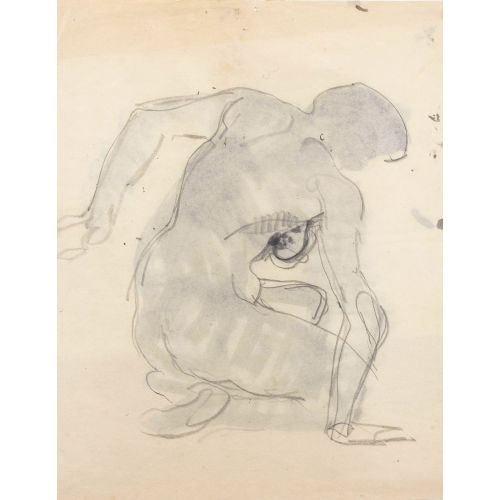
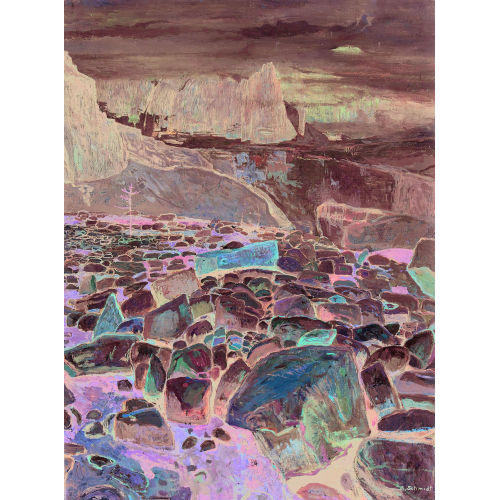
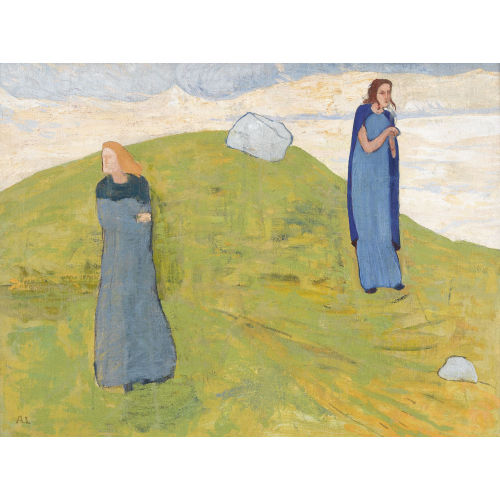
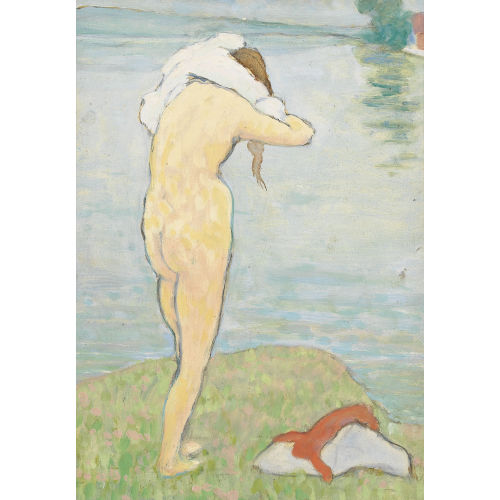
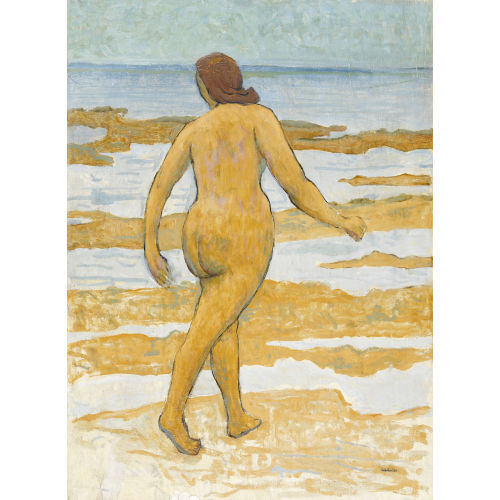
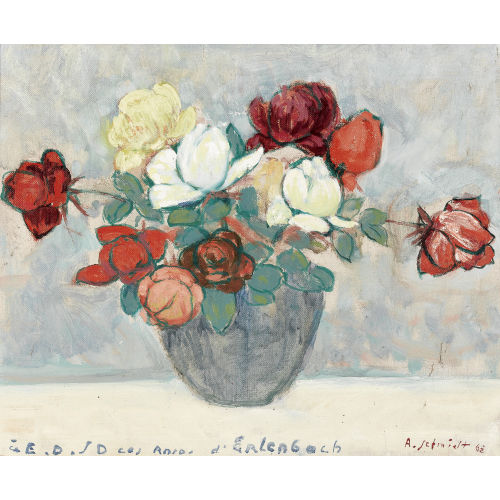
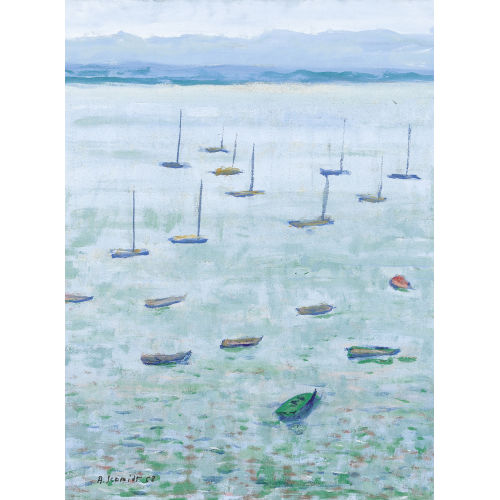
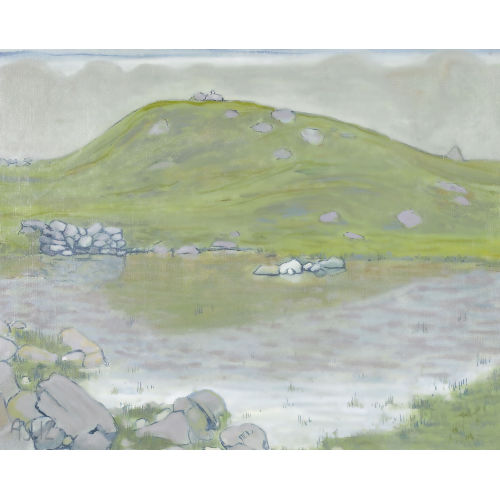
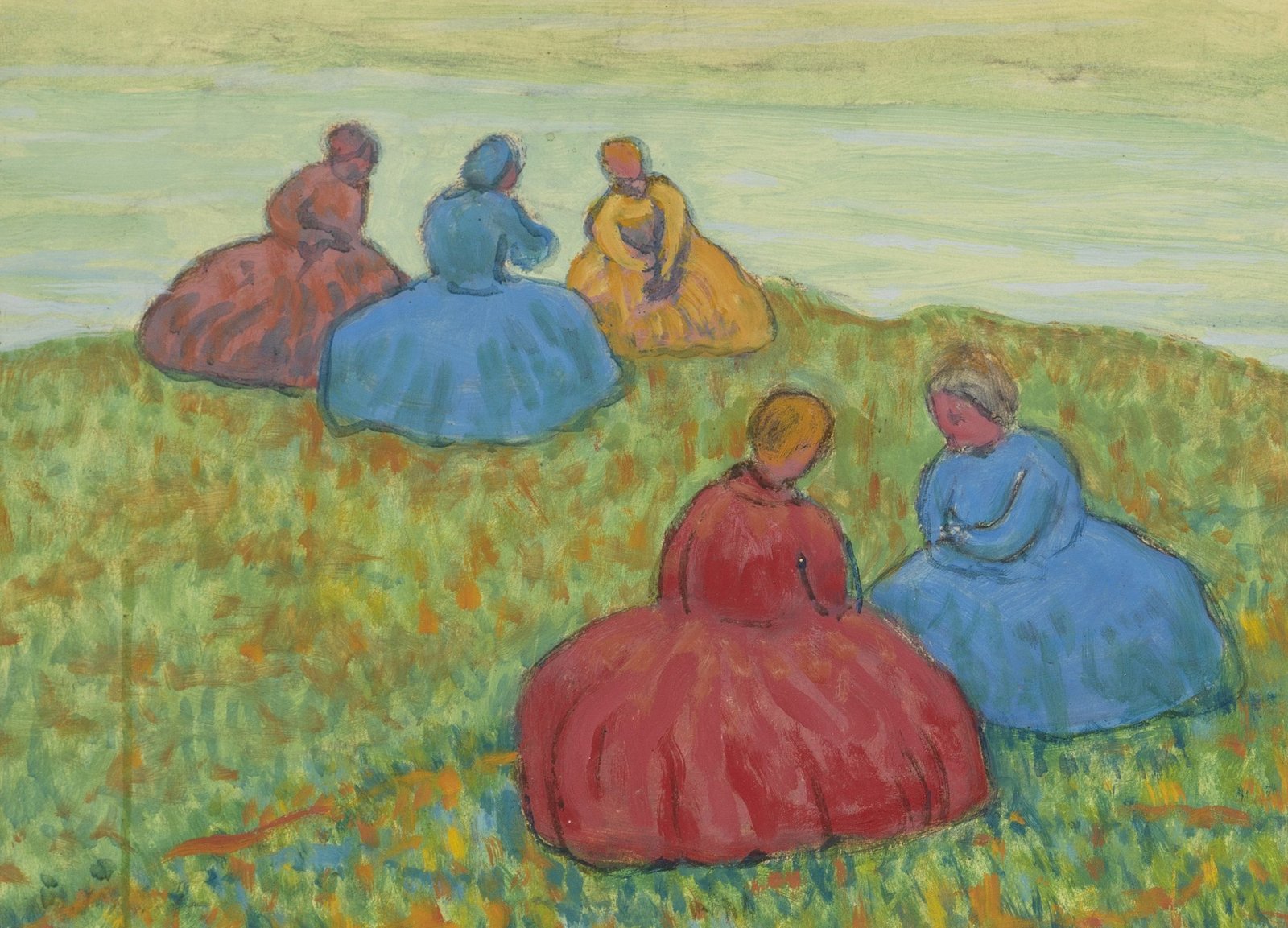
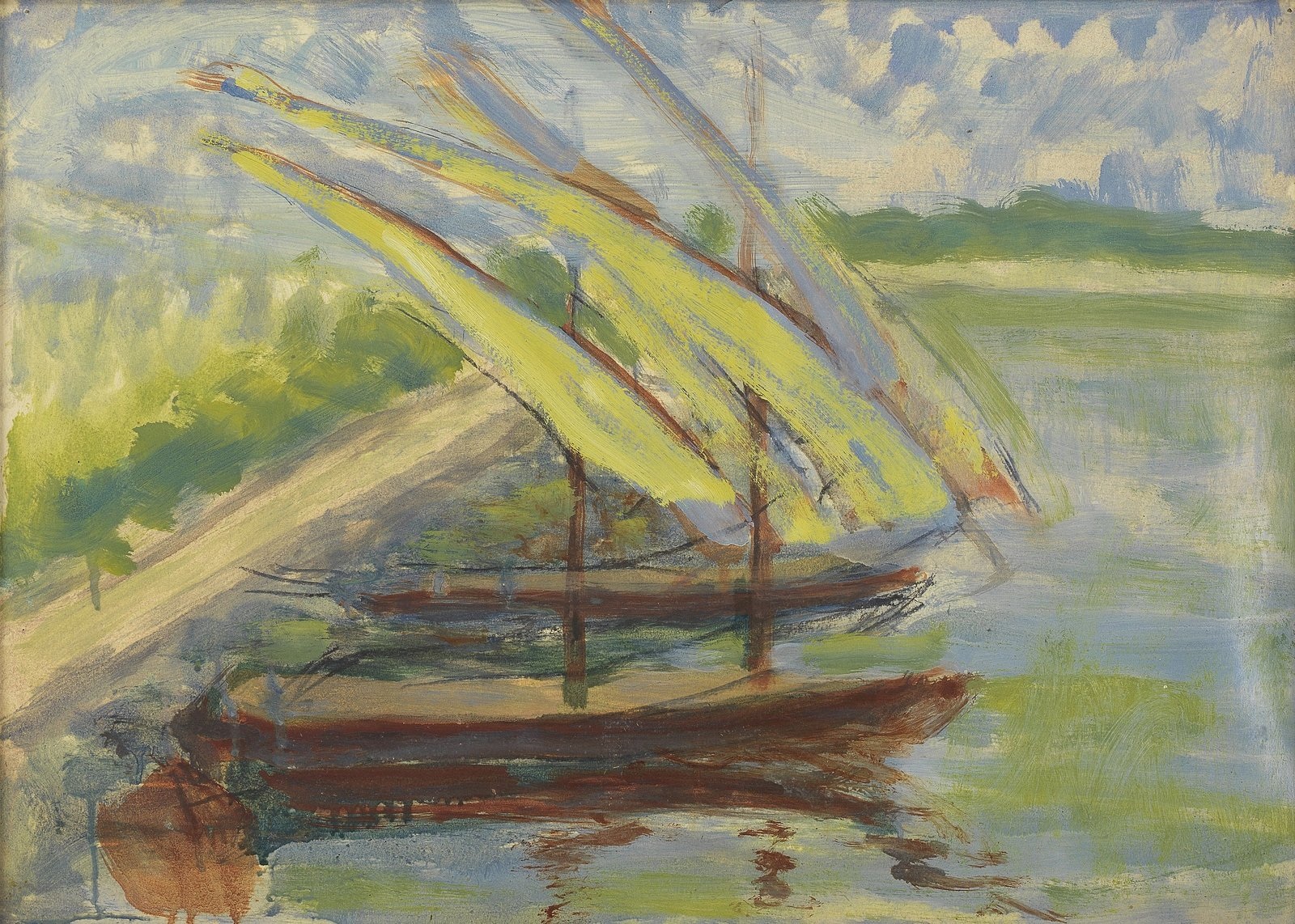
His professional path, however, was shaped by his commitment to the family business and by his reserved temperament: these constraints led him to devote most of his time to painting during his leisure hours rather than to pursue a full-time artistic career. His oeuvre, comprising figures, nudes, landscapes and portraits, bears witness to an orientation towards Swiss modernism: it combines a sensitivity to the figure and landscape with a range of stylistic borrowings that place his practice within the artistic developments of the early twentieth century. Among the stylistic lineages identified in the documentation are references to the Italian Primitives, Jugendstil, Symbolism and Expressionism—currents reflected in the formal breadth and chromatic choices of his painting.
Critical reception places him among Hodler’s principal “epigones”: several texts present him not as a mere imitator but as a continuator, a formulation reiterated in thematic catalogues devoted to Hodler’s heirs. Peintures» at Espace Nouveau Vallon in Chêne-Bougeries (2–25 November 2007) and an exhibition at the Musée de Payerne (12 March–10 June 2013), accompanied by catalogues. The bibliography includes a monograph (Claude Schmidt, Albert Schmidt, 1883-1970, Peintre, 1974) and a 1999 publication (Éditions Benedetto Selano, Geneva), while summary commercial notices reiterate the chronology; the documentation also indicates his burial in the cemetery of Chêne-Bougeries.