Albert Pfister
Born in 1884.
Died in 1978.
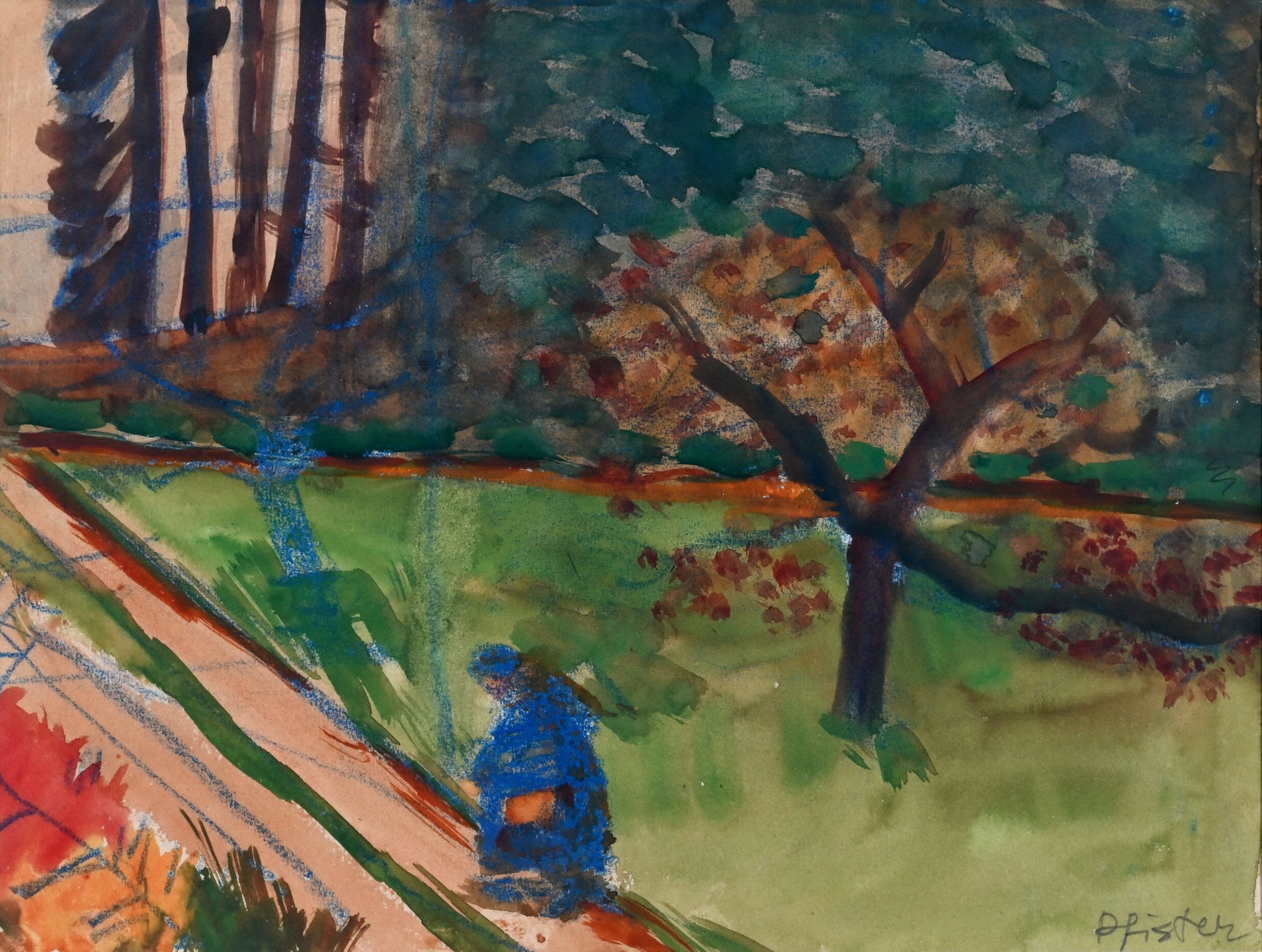
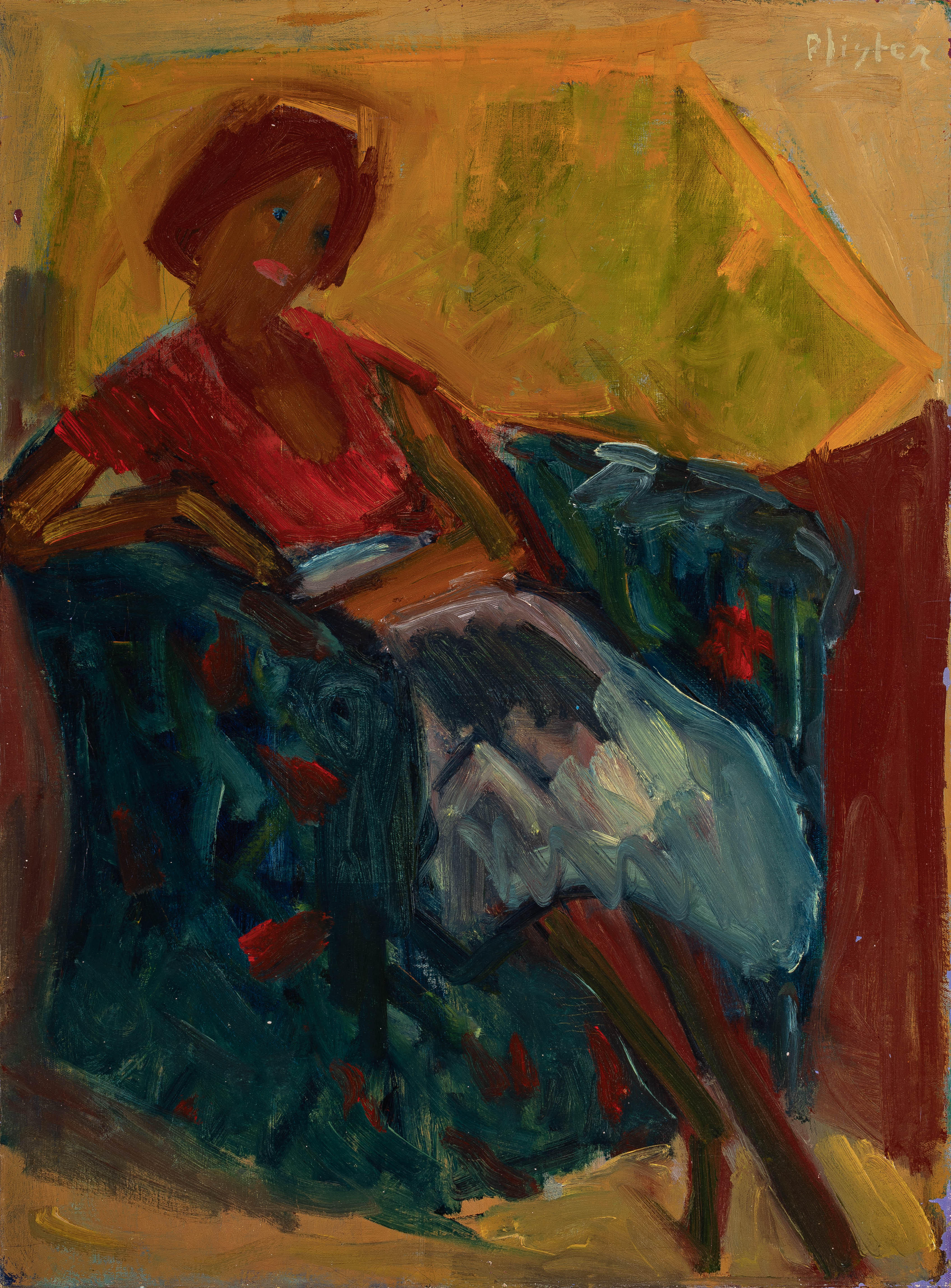
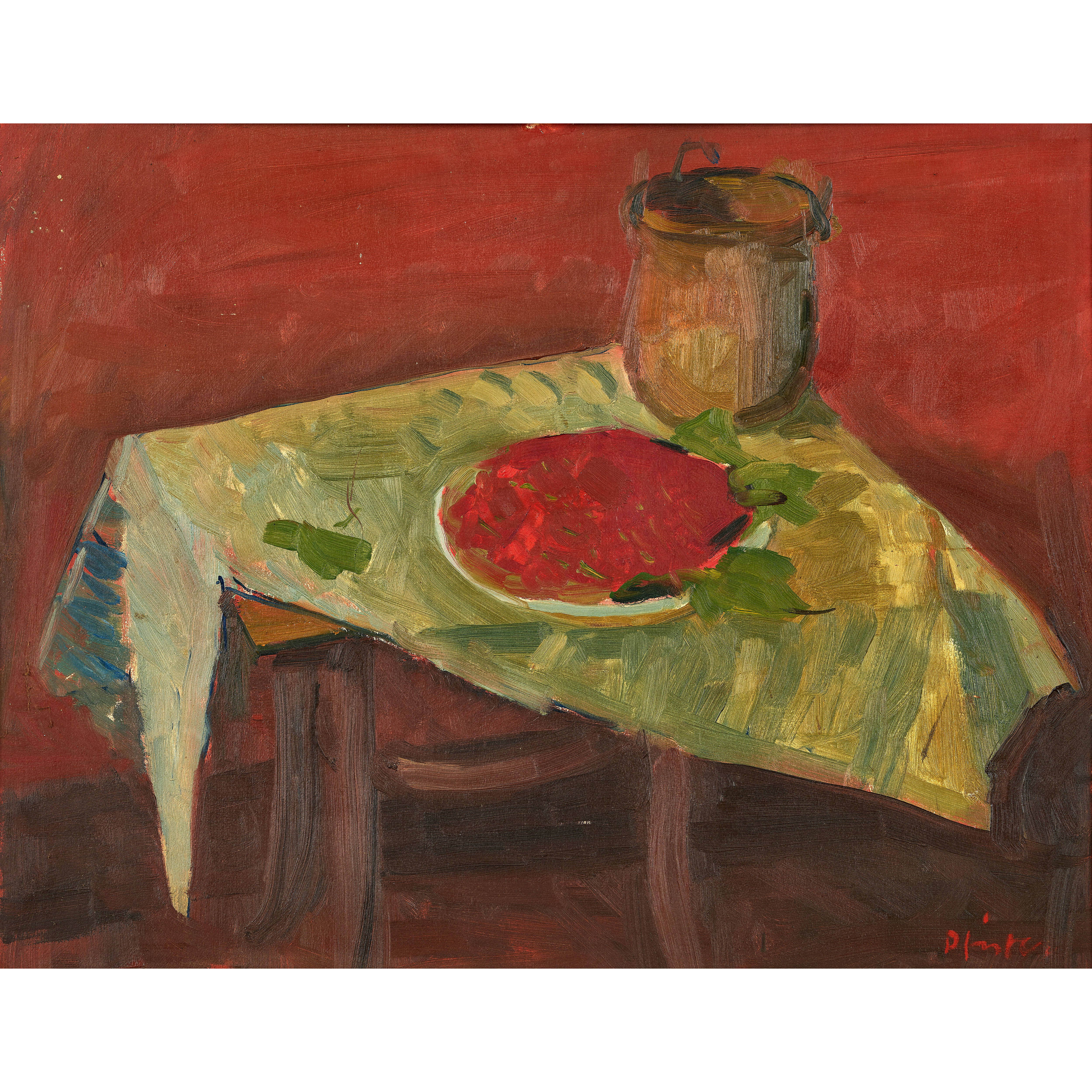
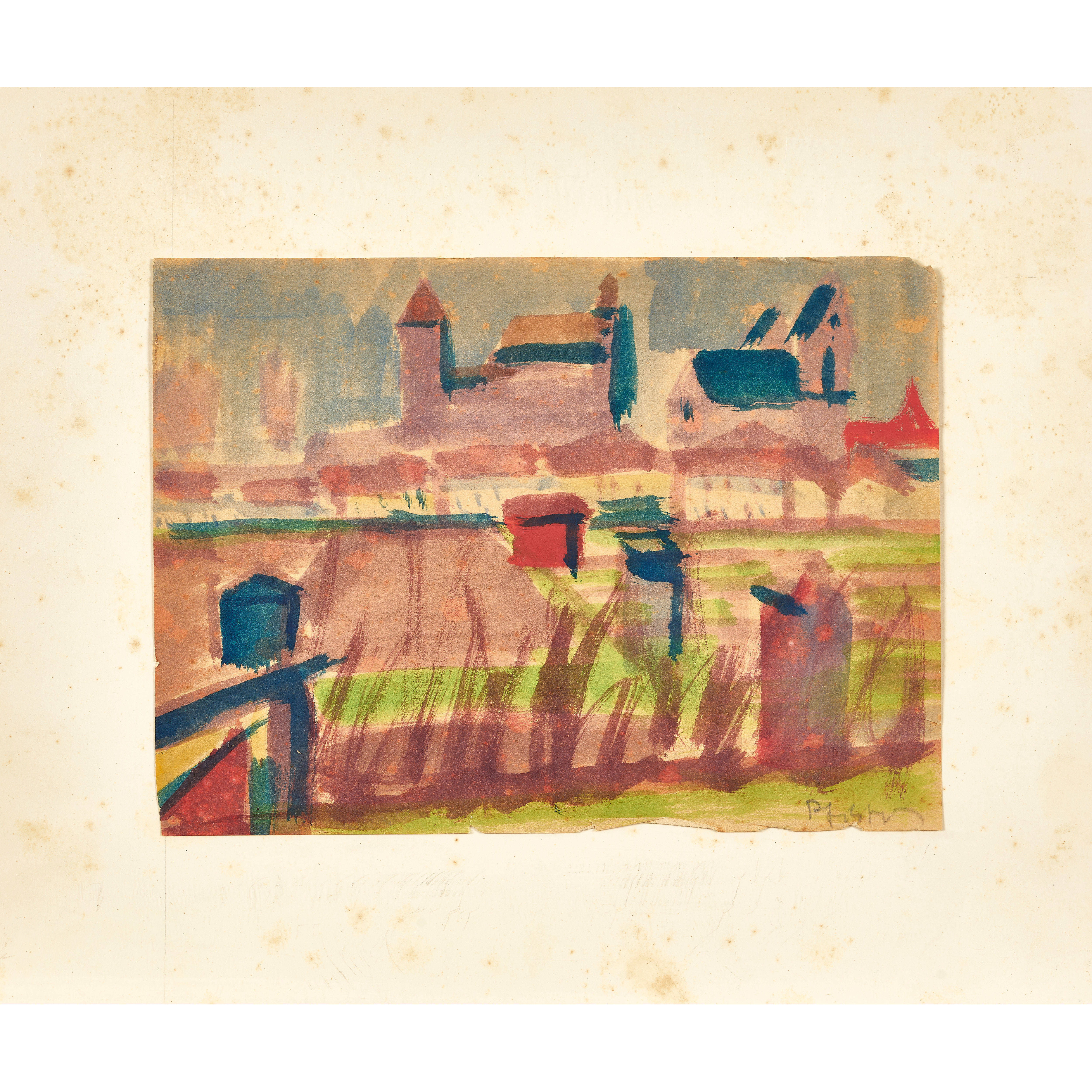
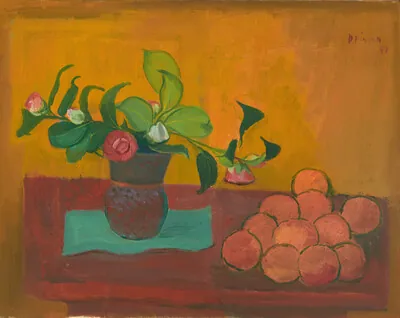
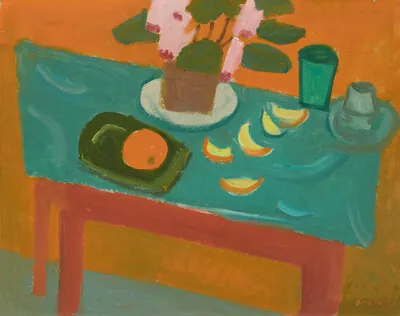
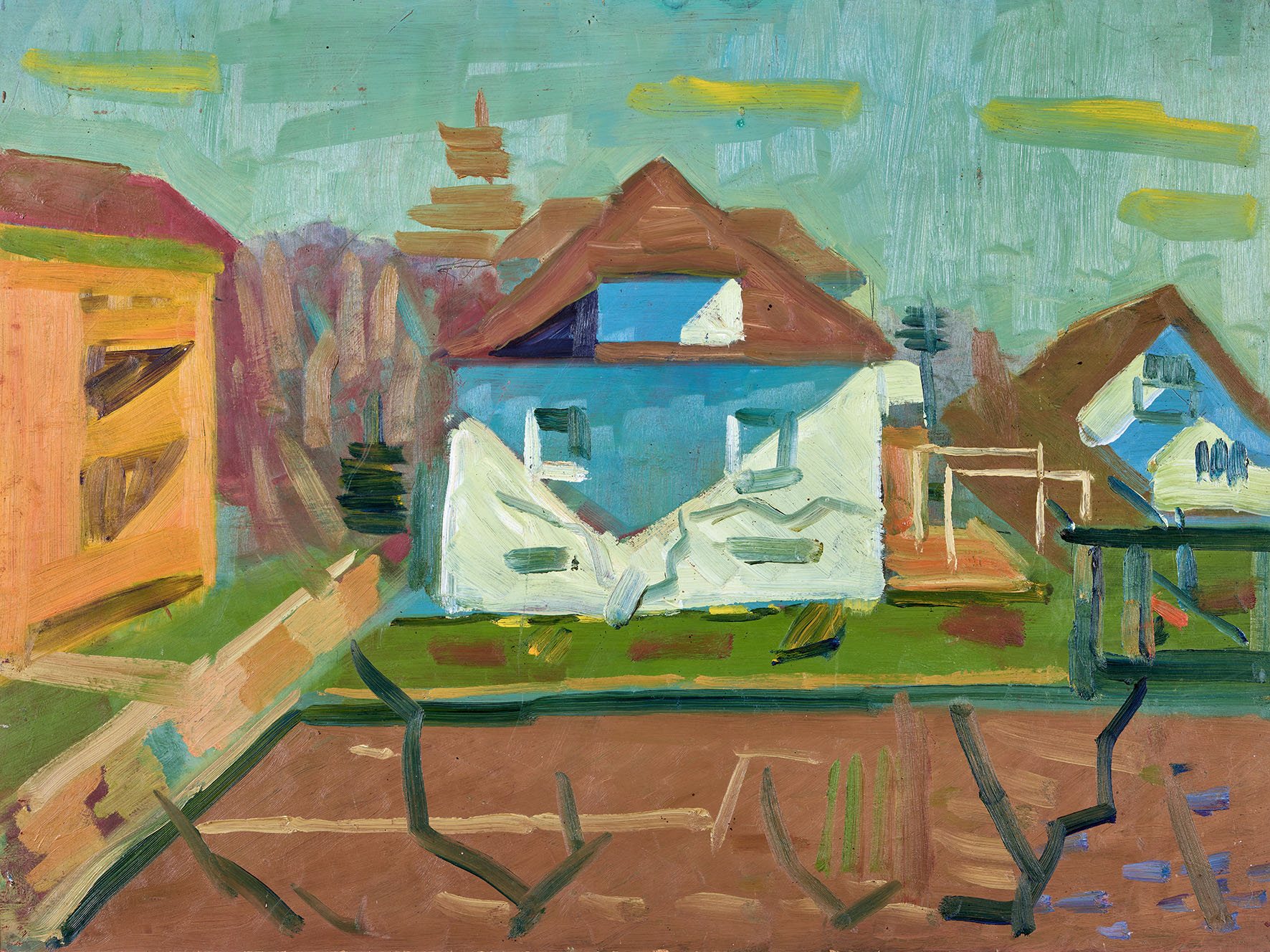
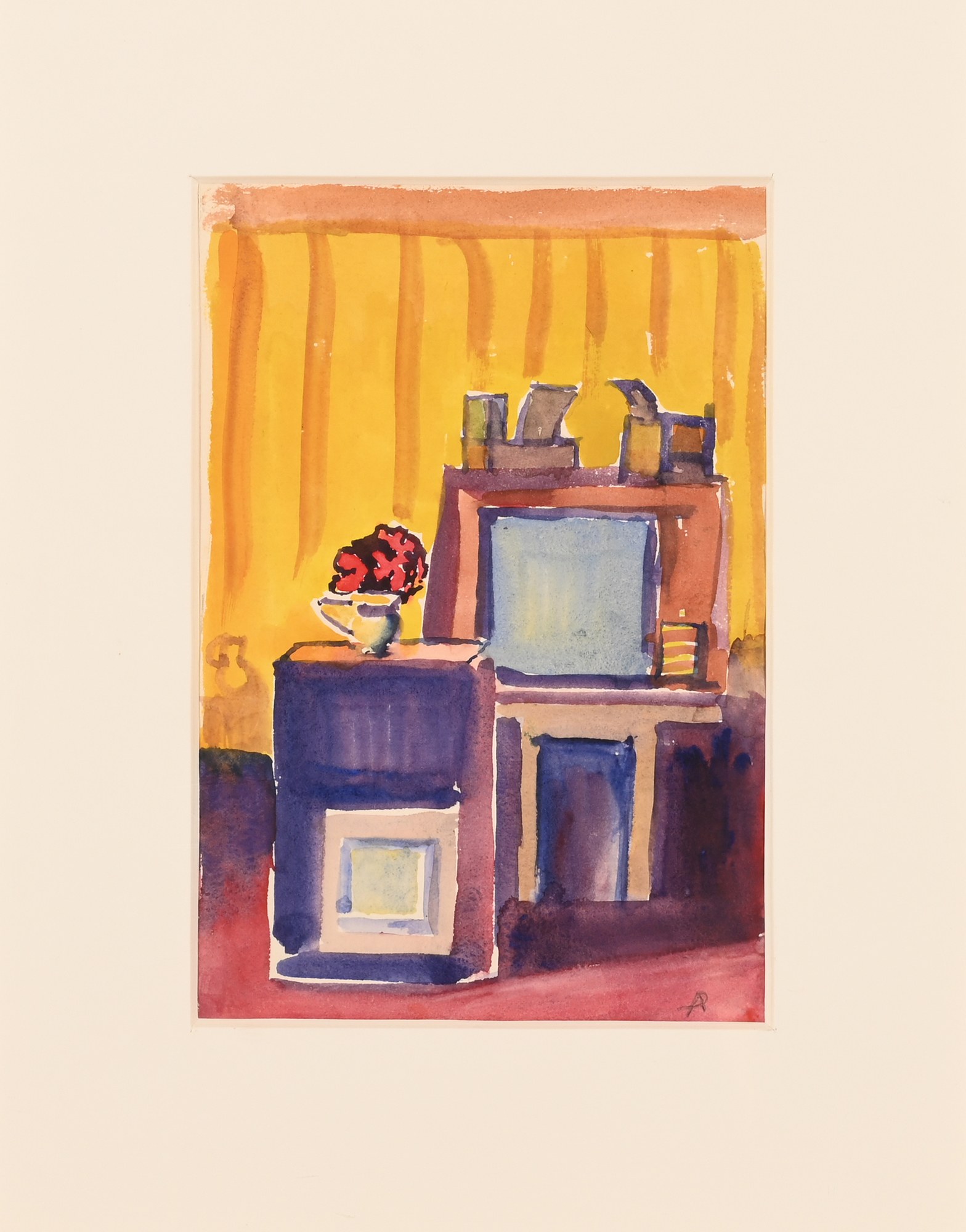
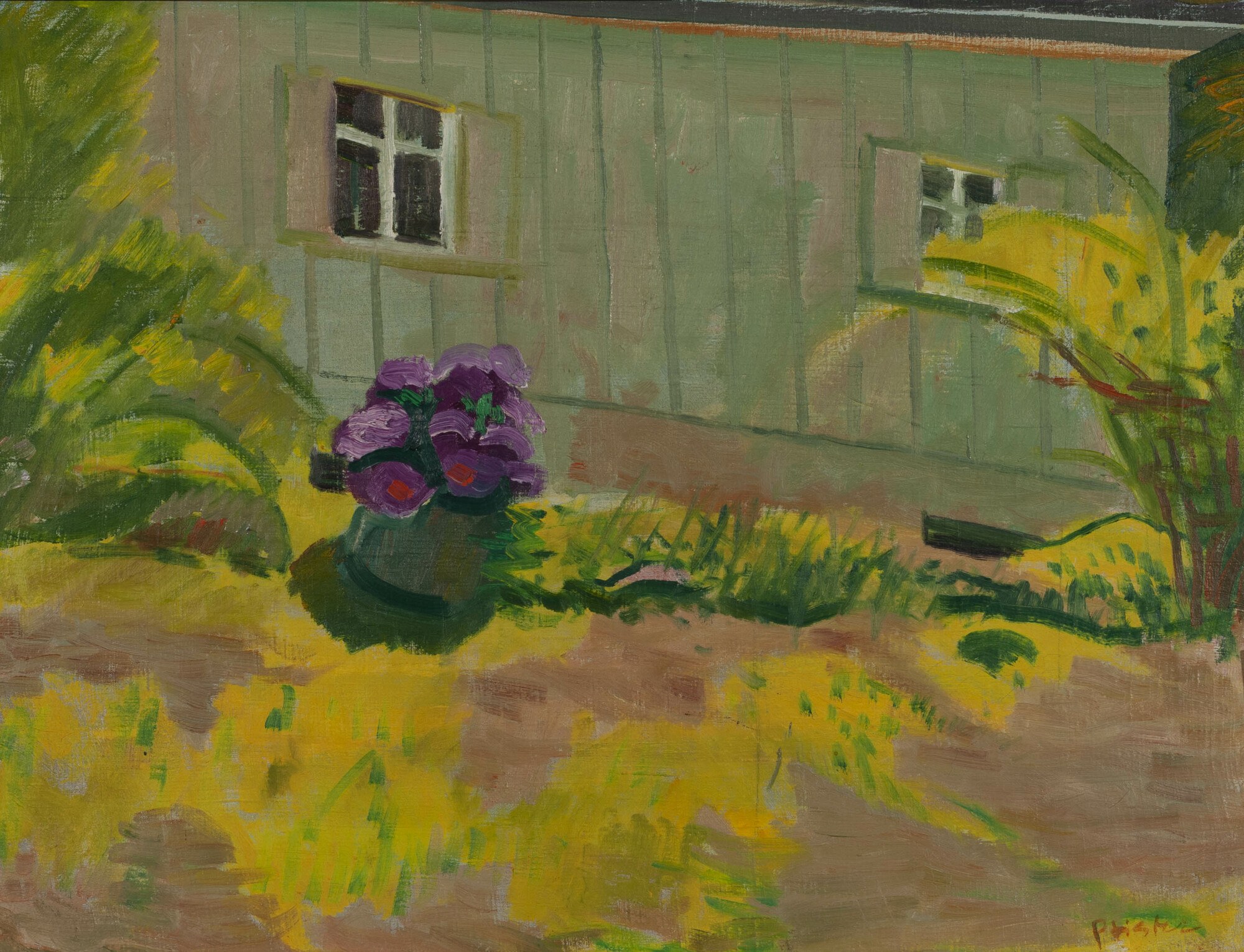
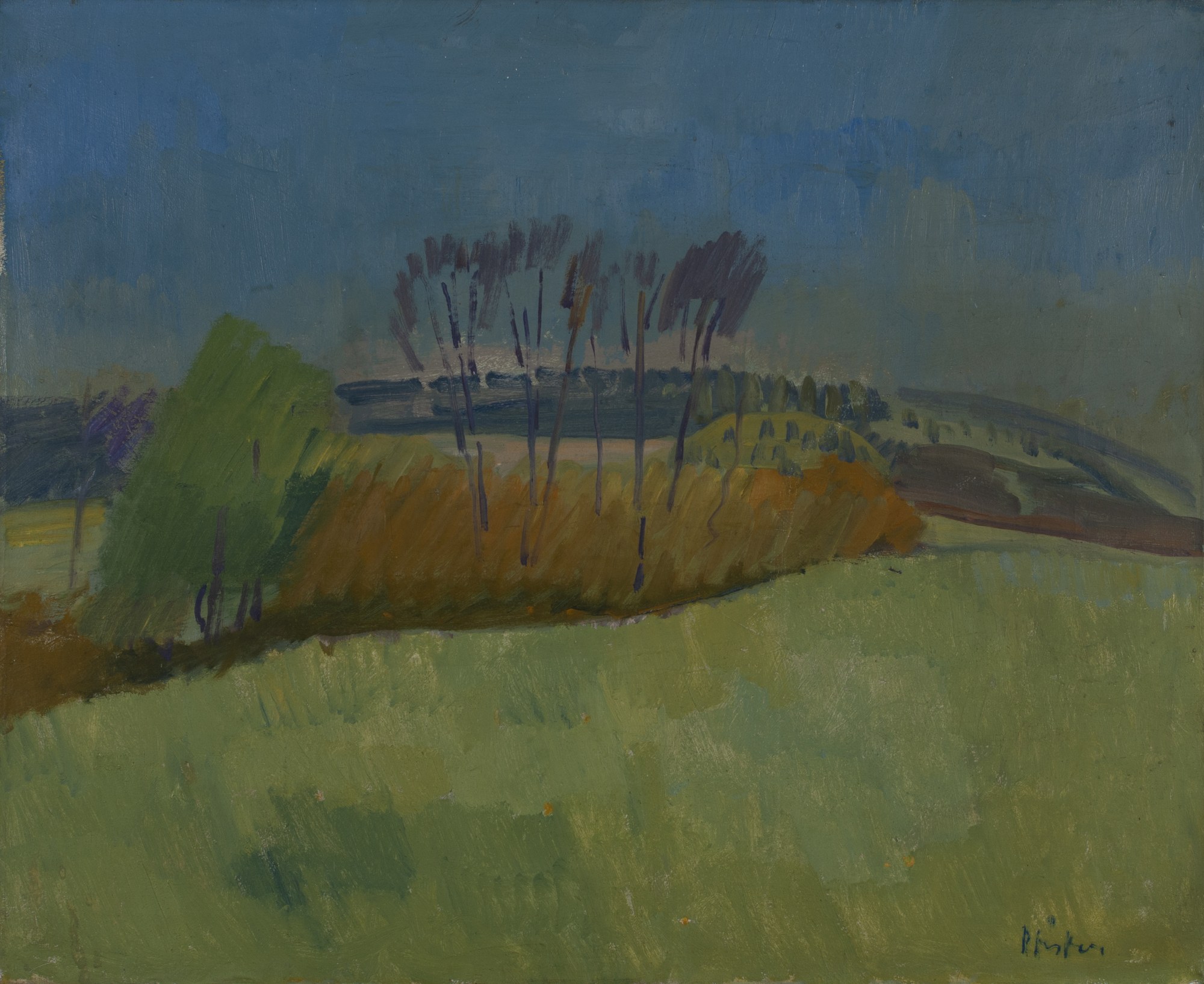
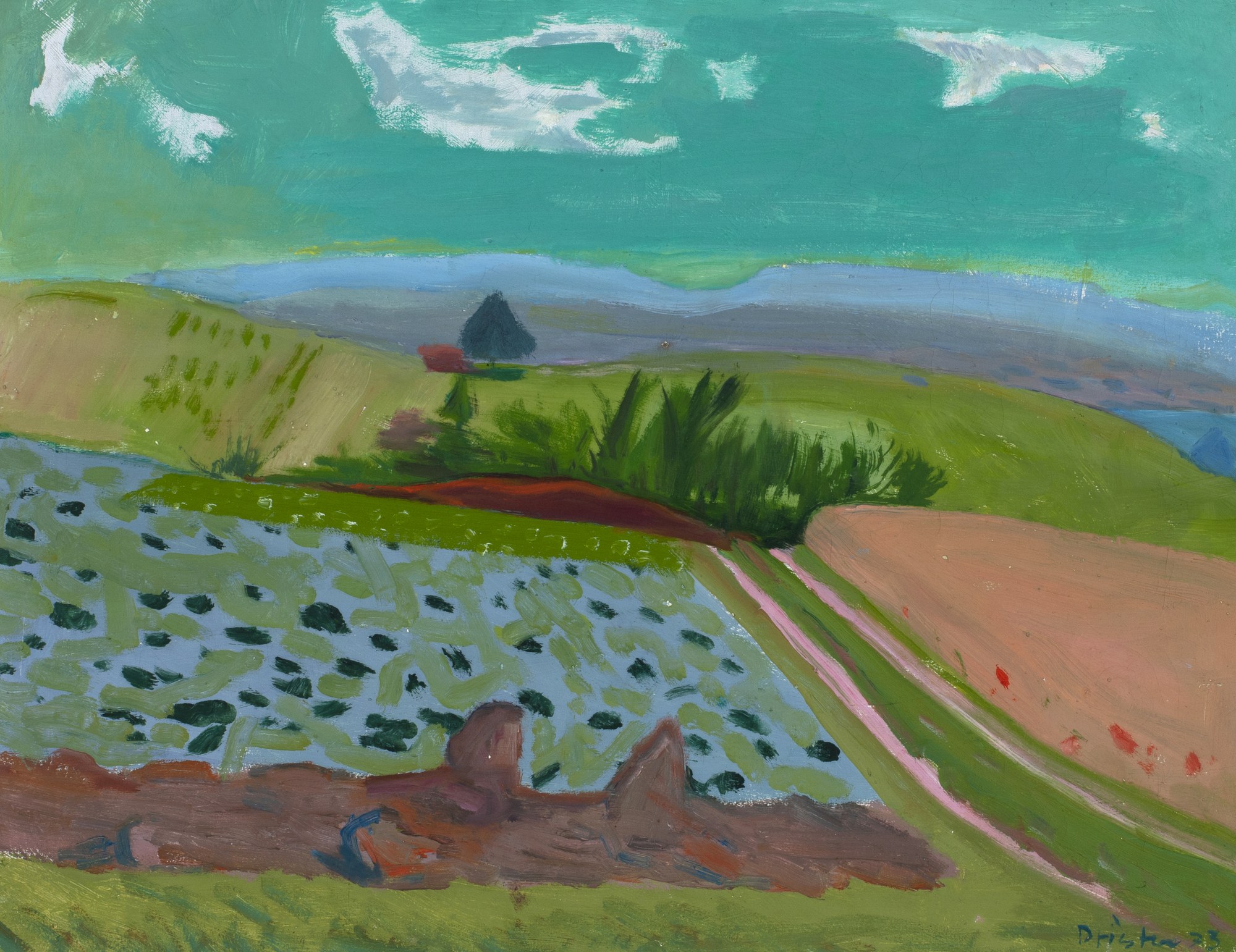
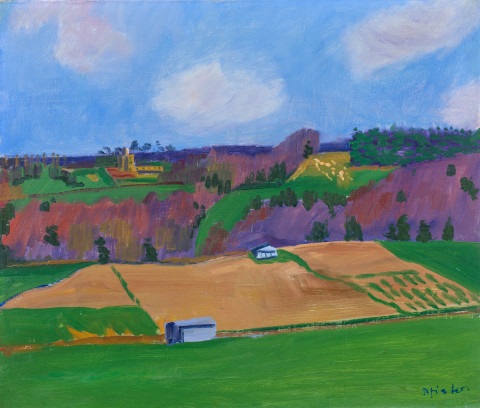
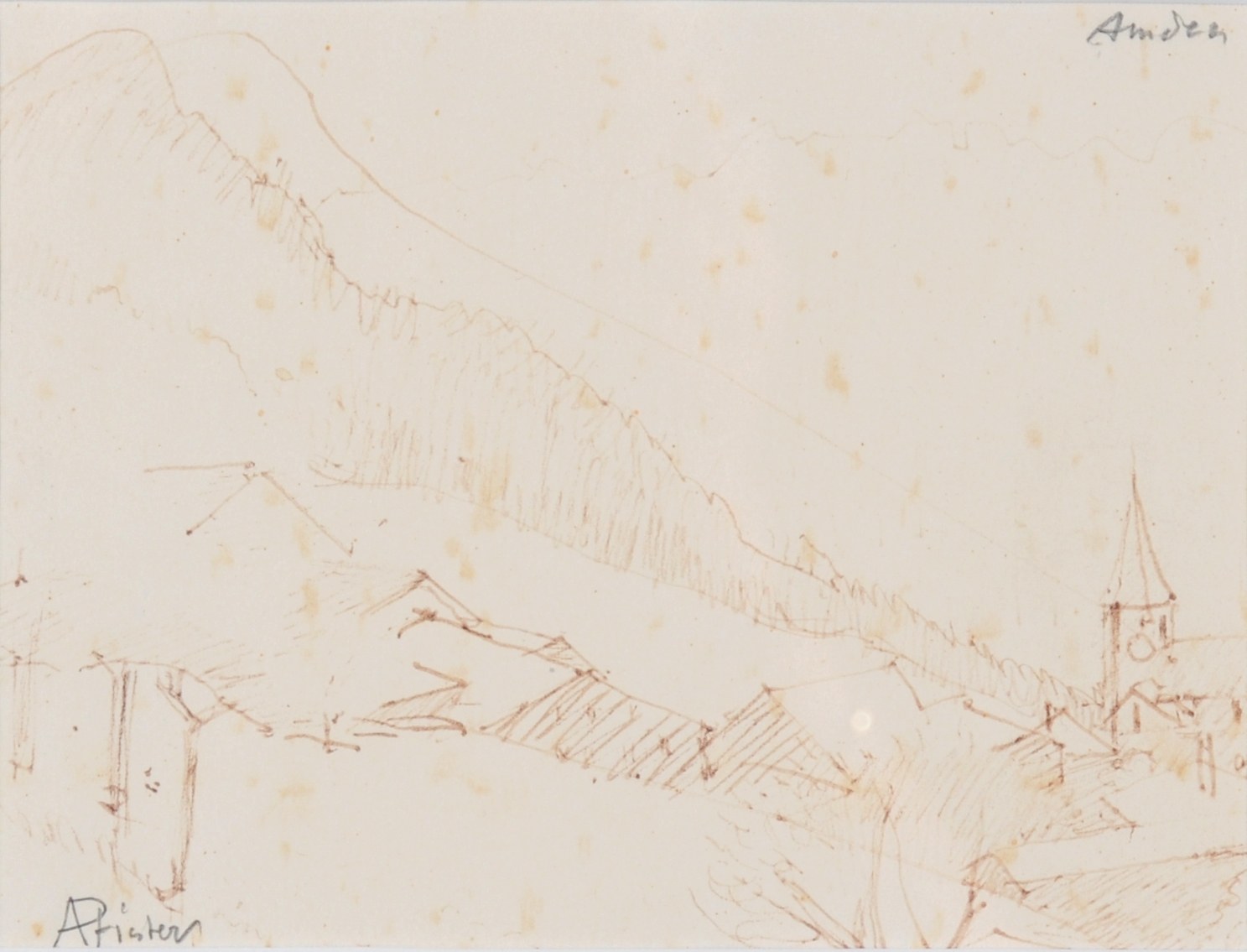
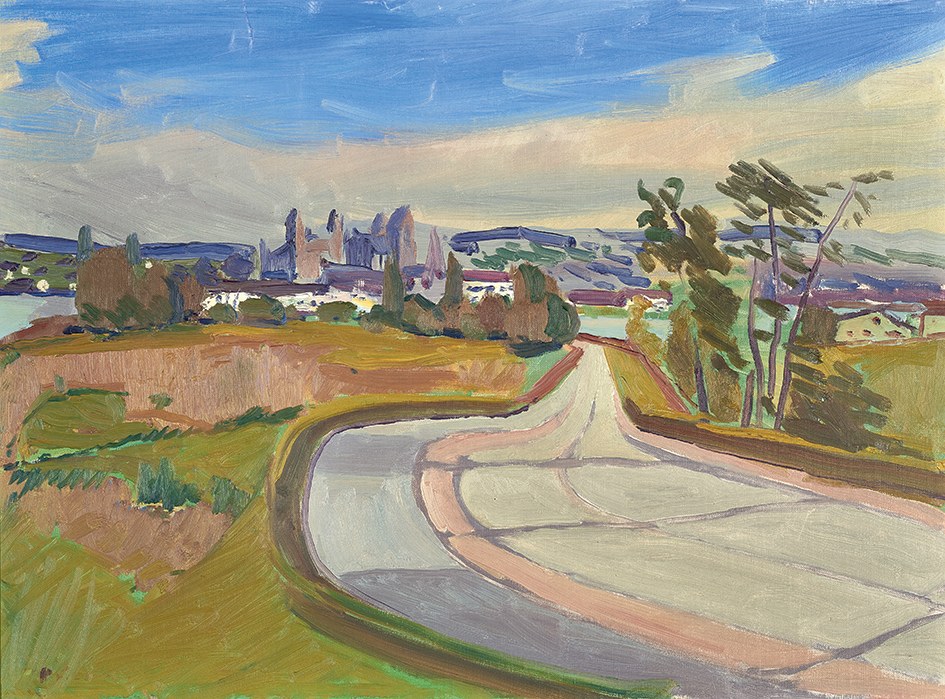
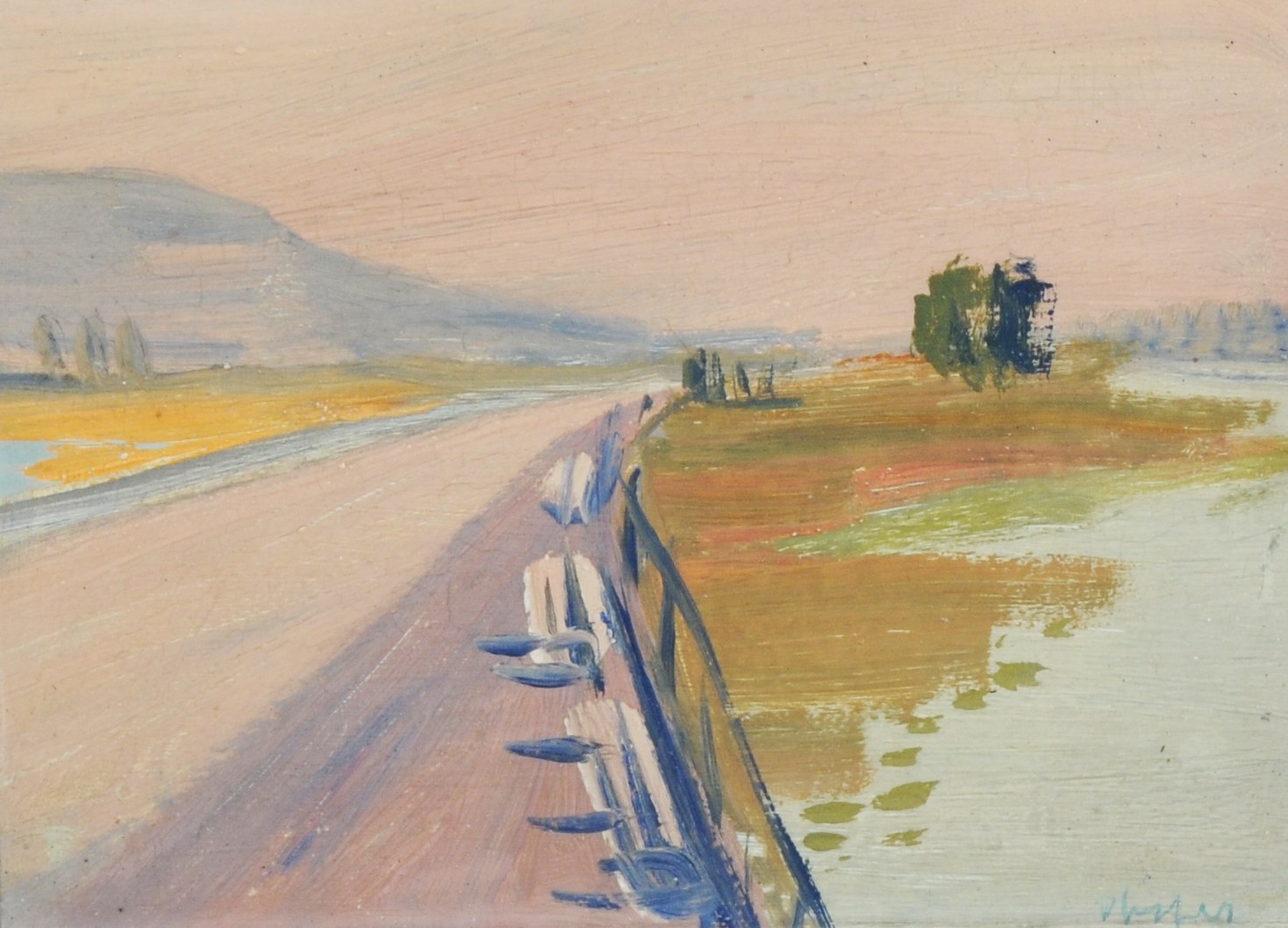
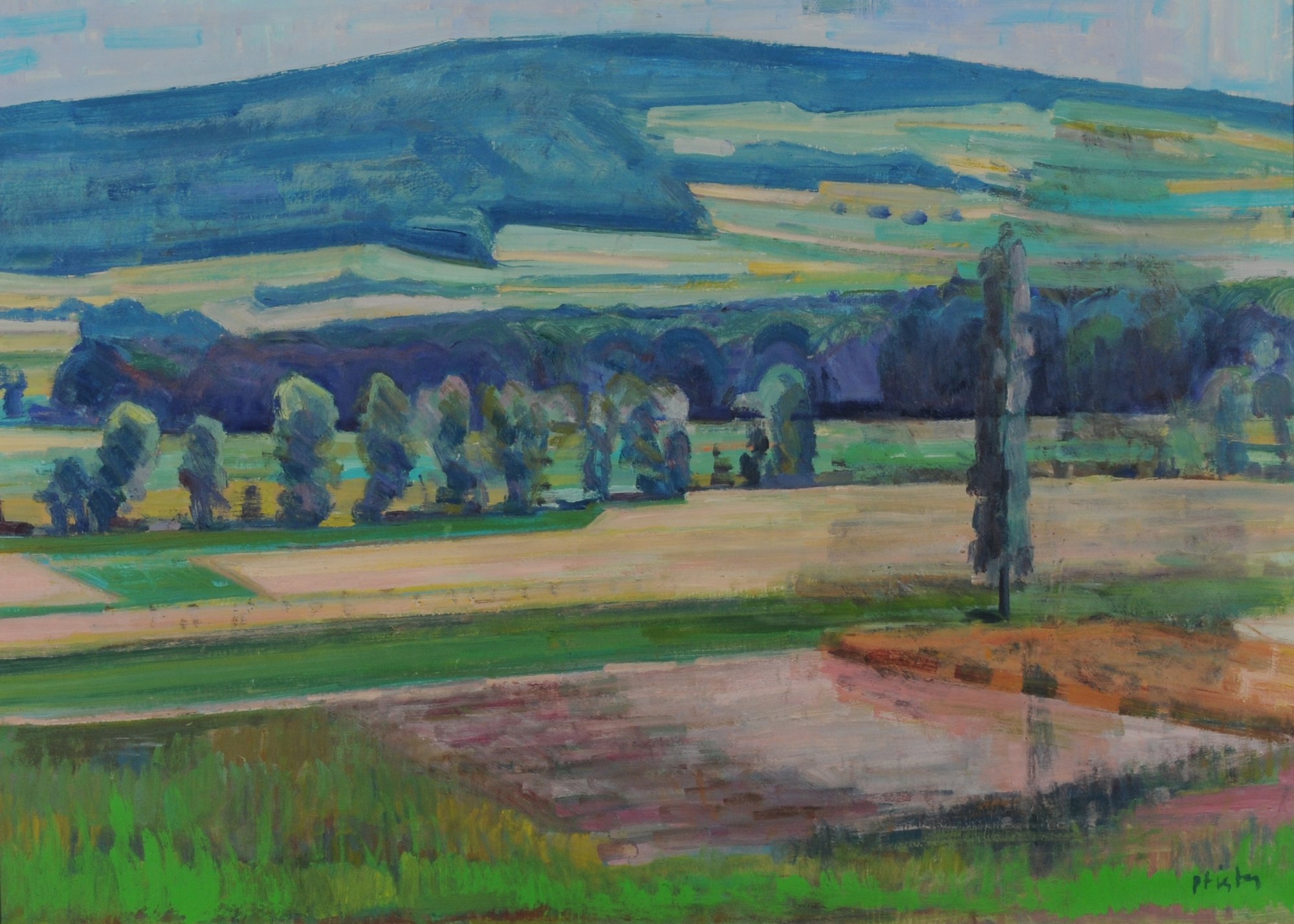
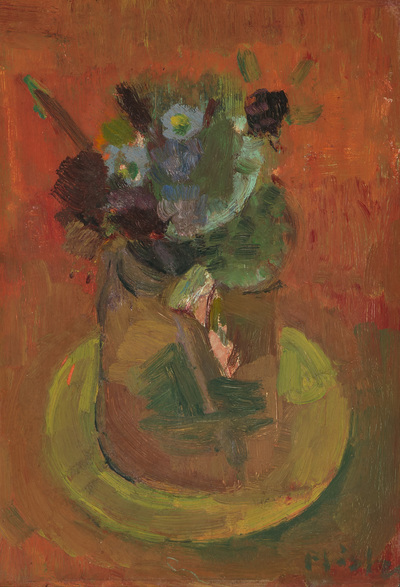
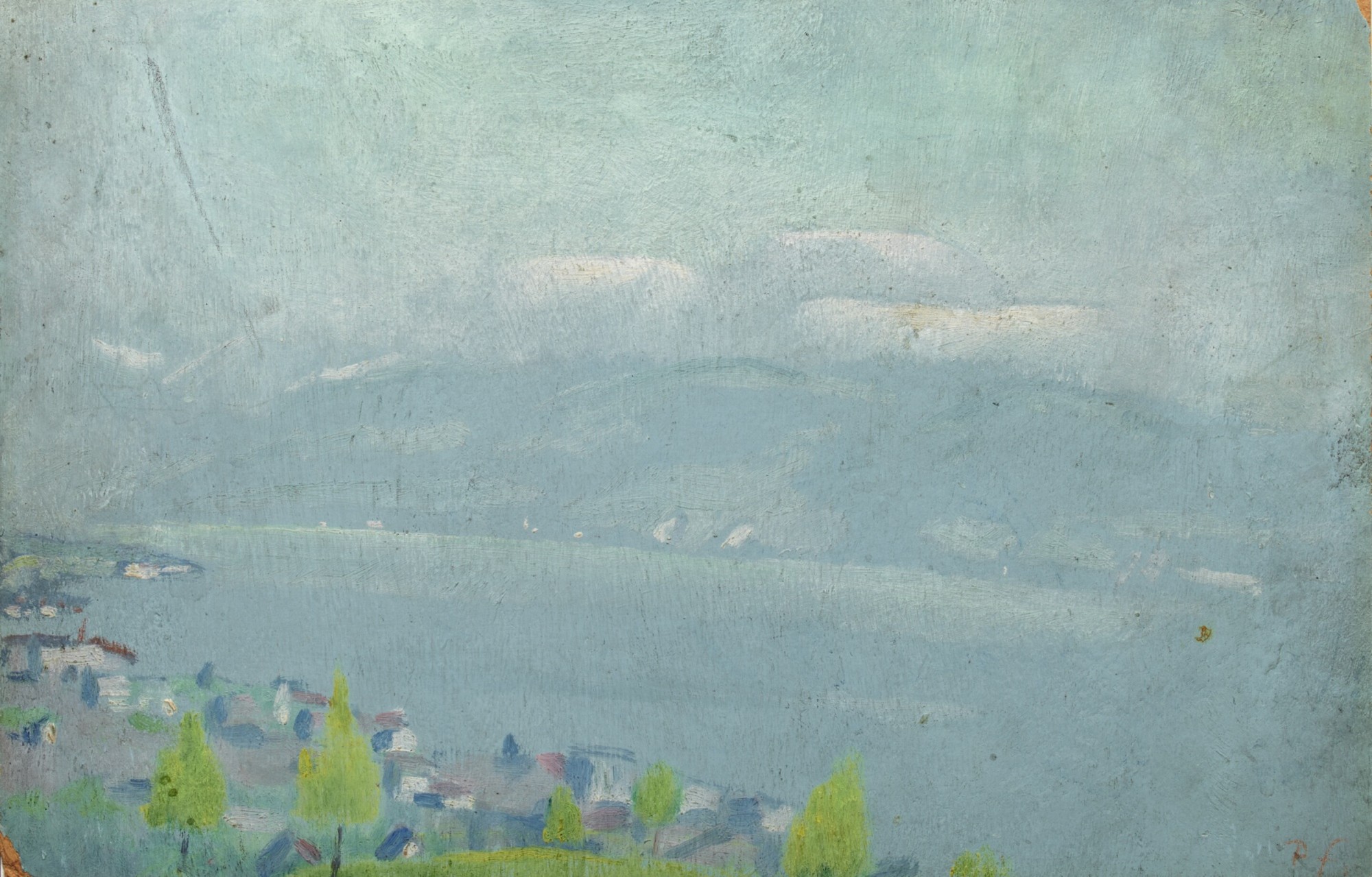
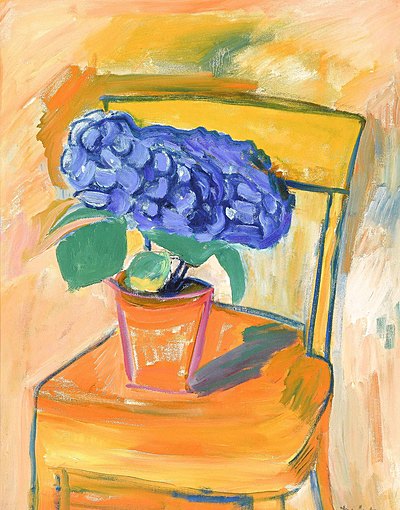
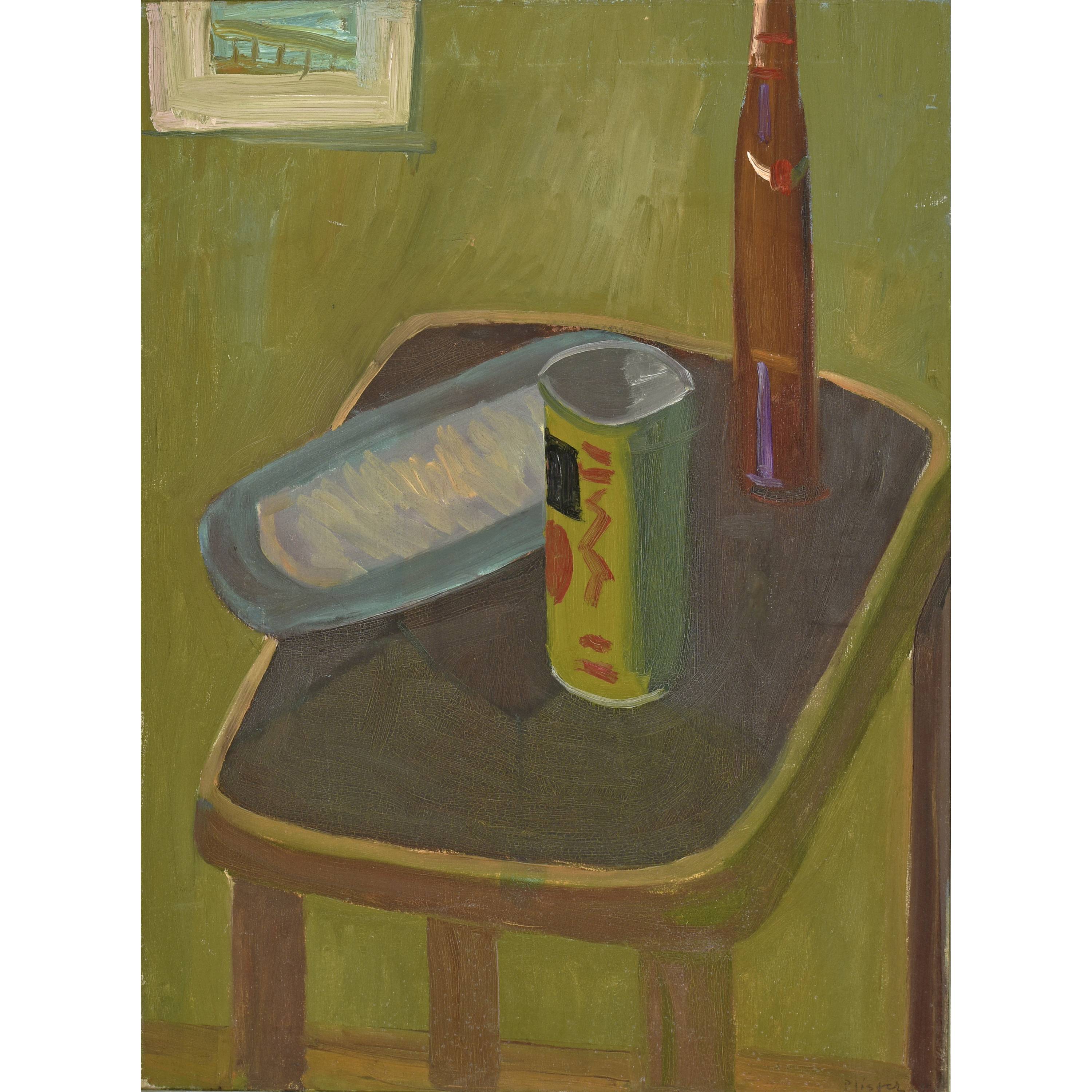
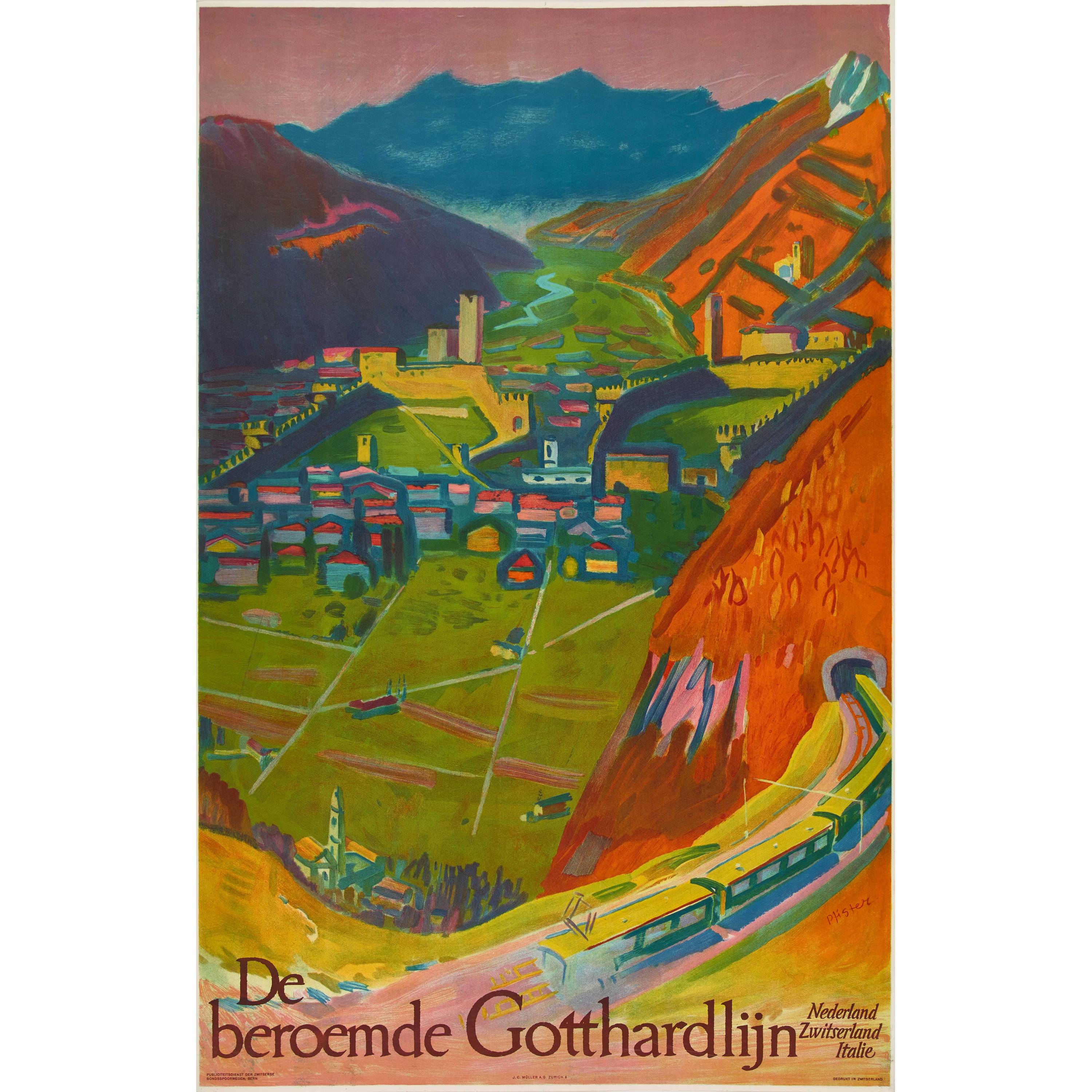
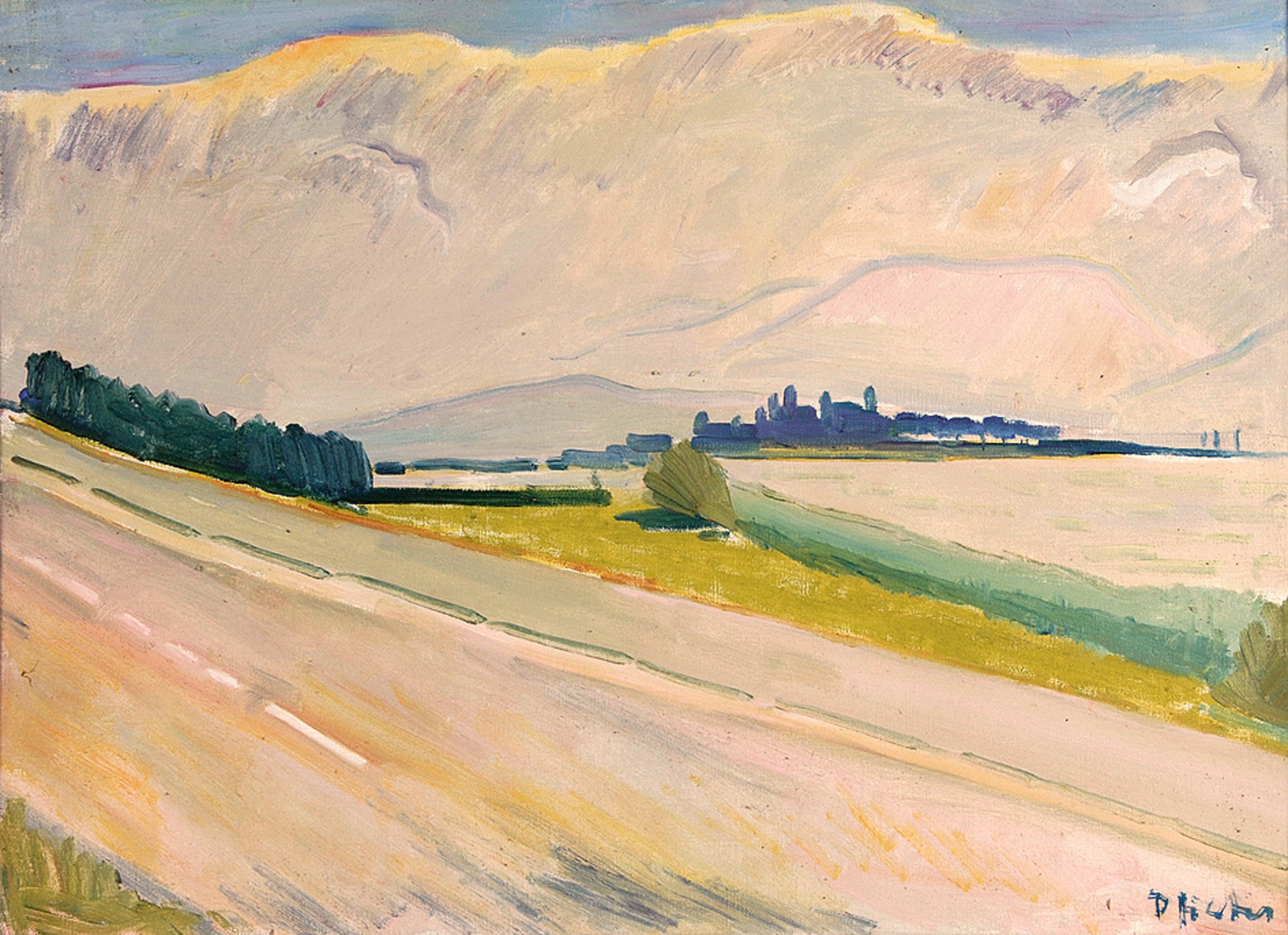
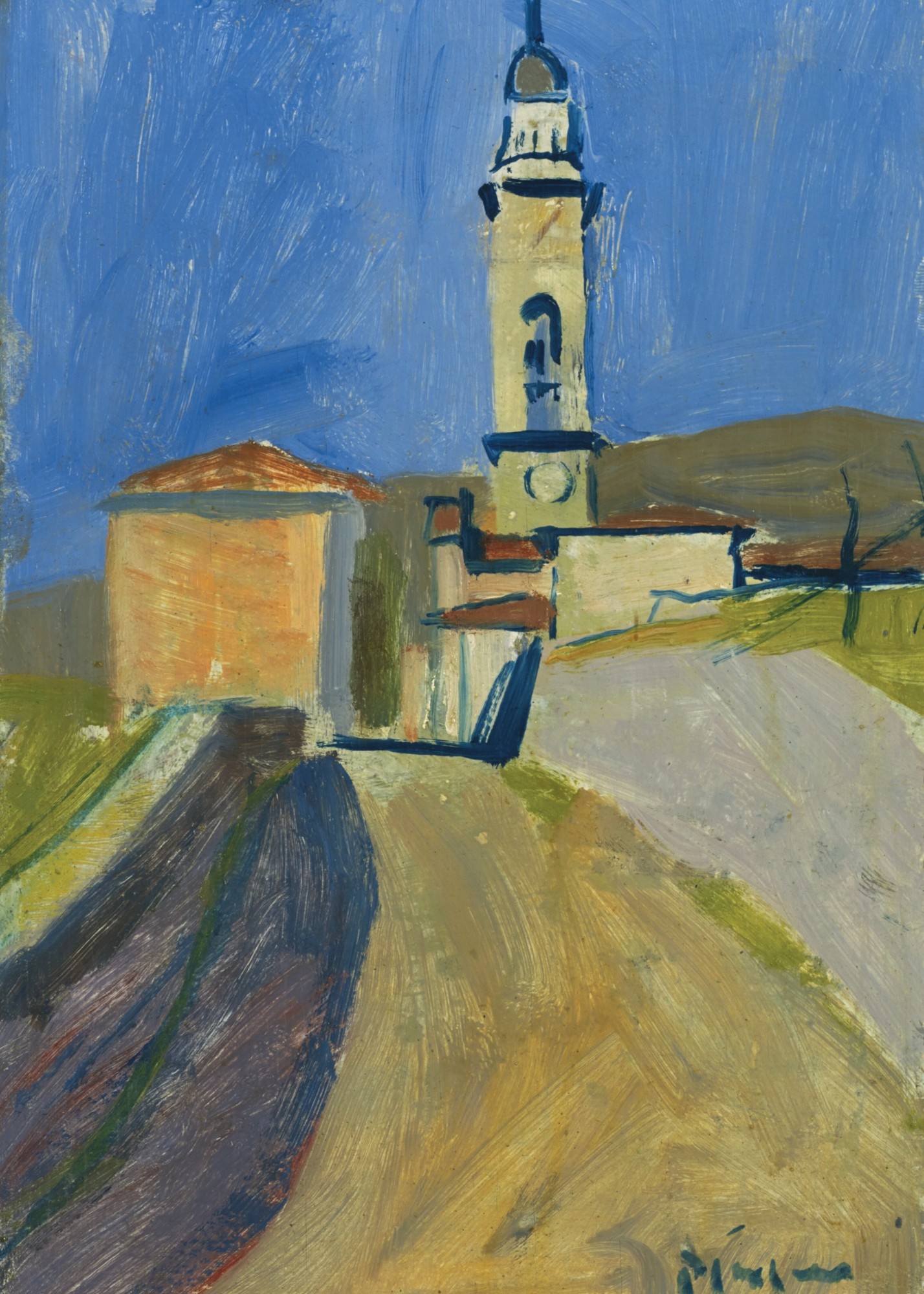
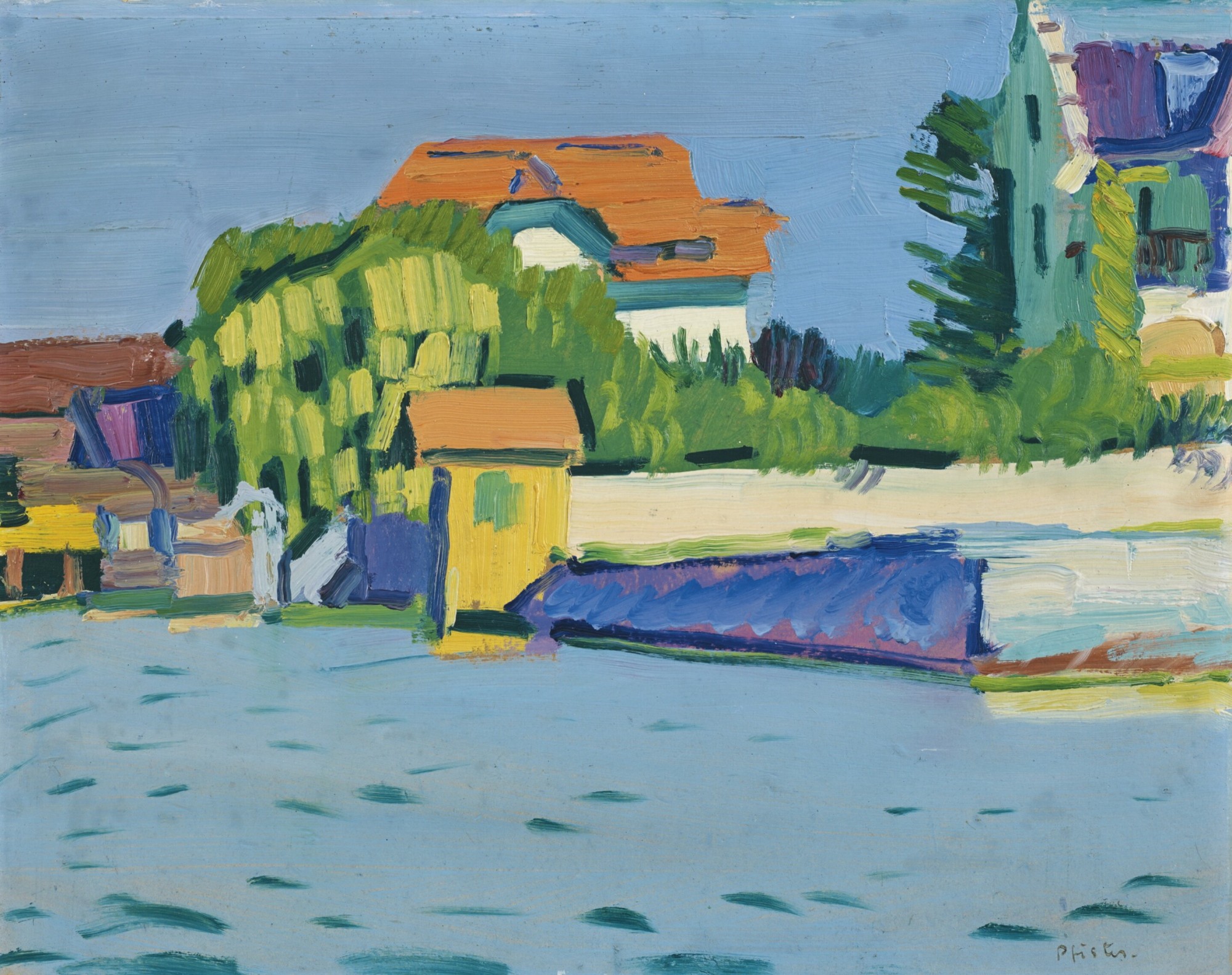
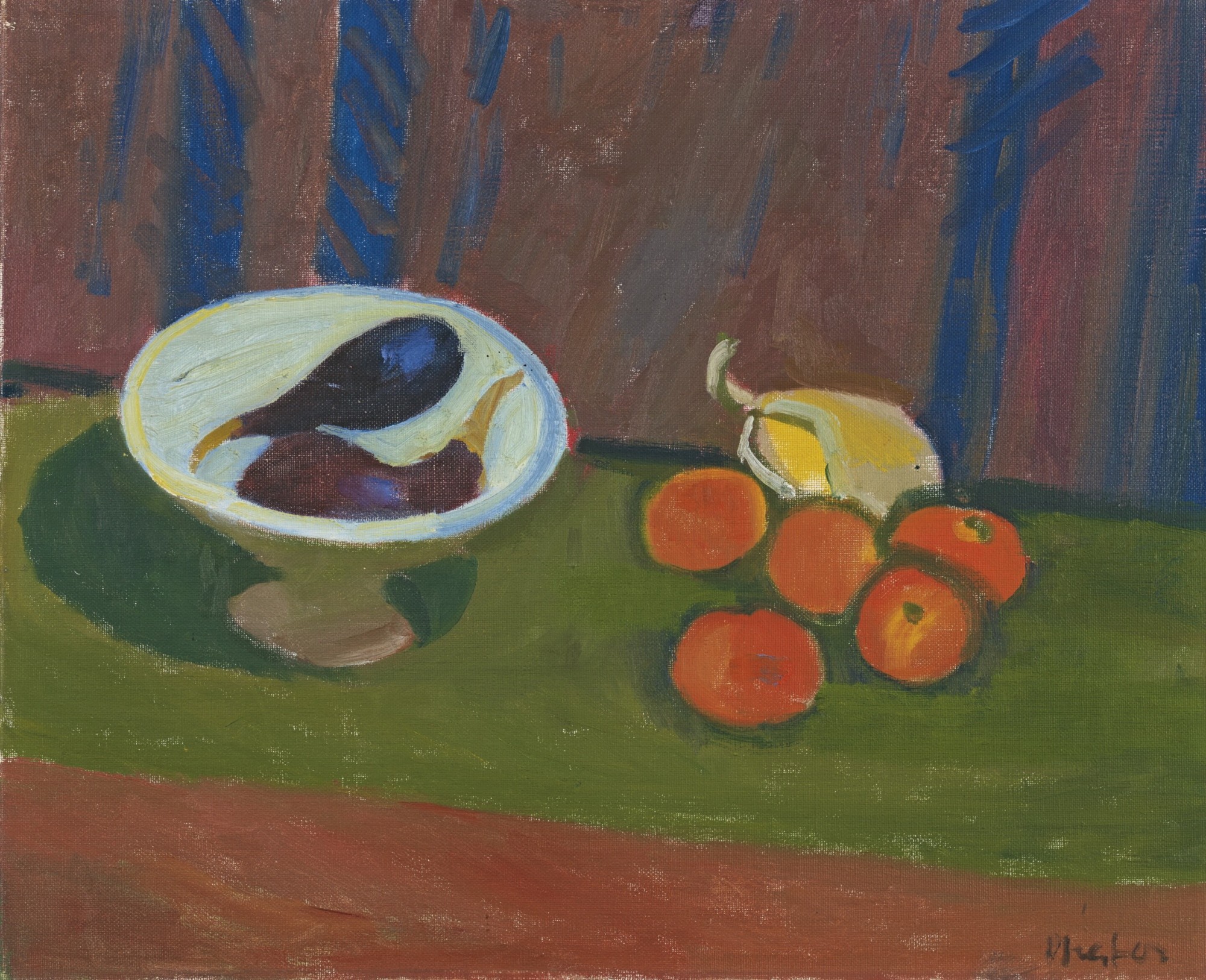
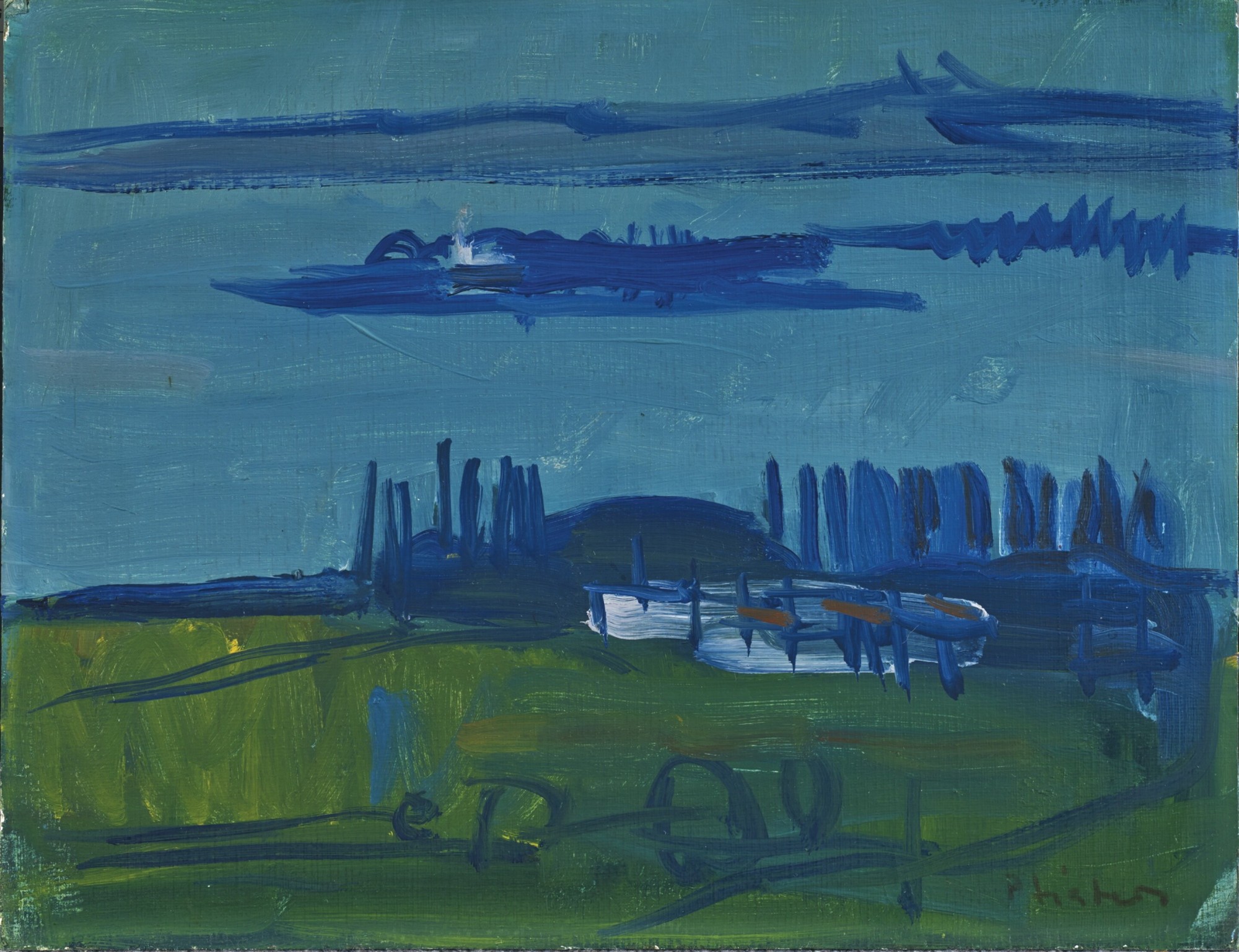
Albert Pfister (1884–1978) placed colour and light at the heart of his painting. Born in Stäfa, on Lake Zurich, he first completed an apprenticeship as a house painter in Männedorf before attending the School of Applied Arts in Zurich. His path took him to Lille with the painter Oscar Weiss and, from 1905 to 1910, to Paris, where he studied at the École des beaux-arts and the Académie Julian.
This training accompanied his interest in the freest painterly investigations of his time.
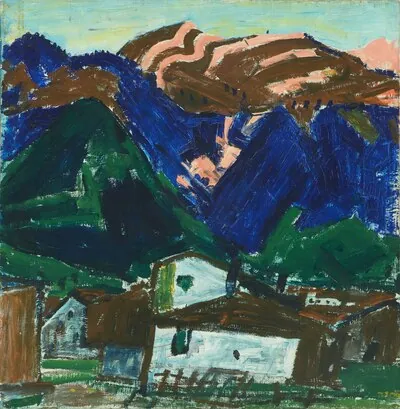
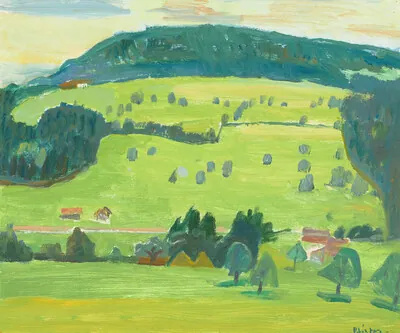
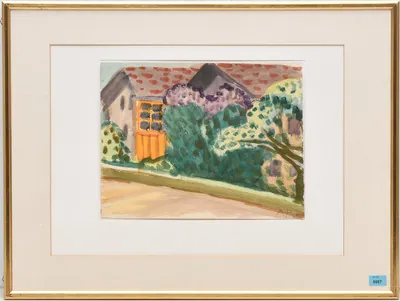
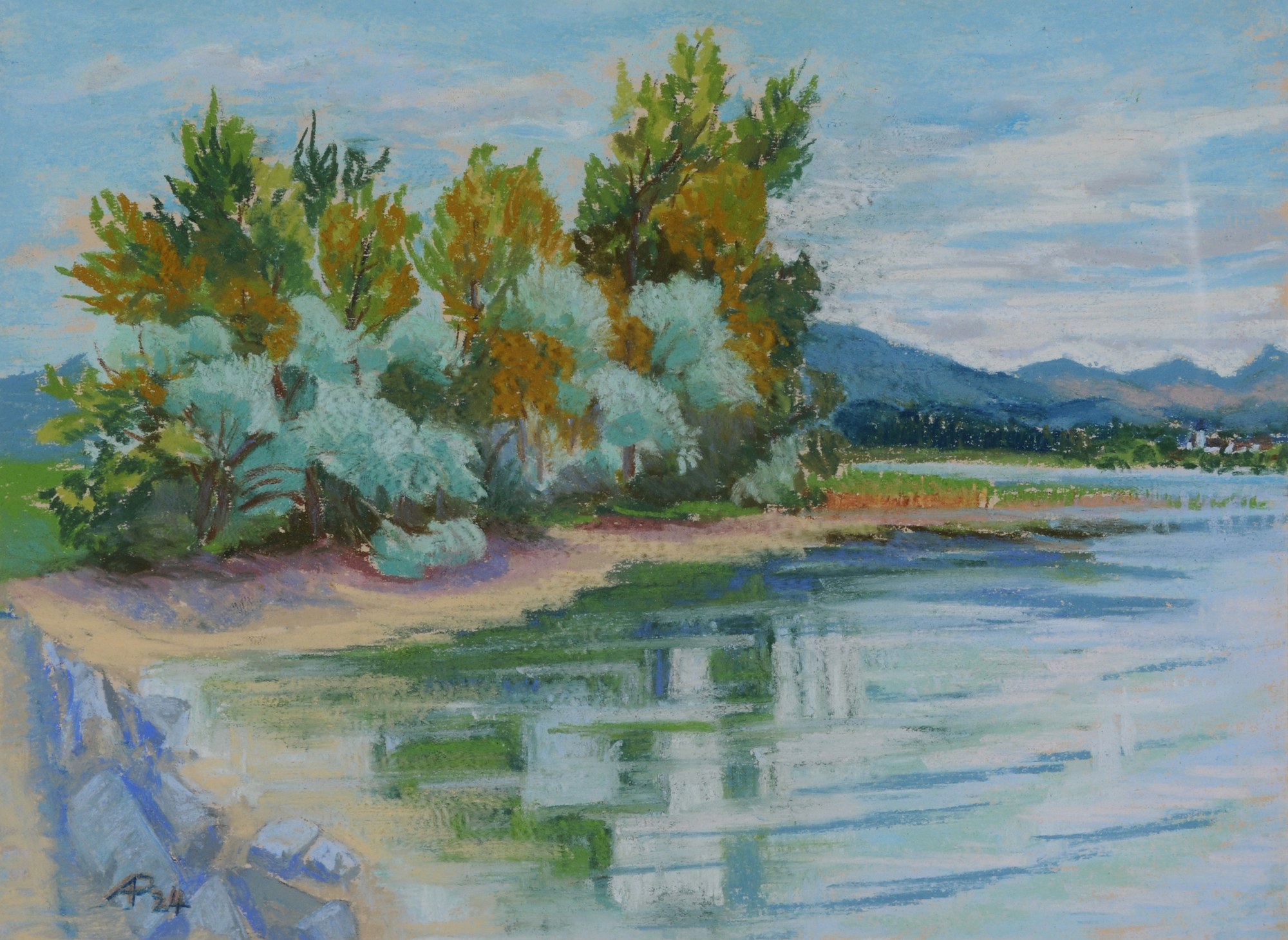
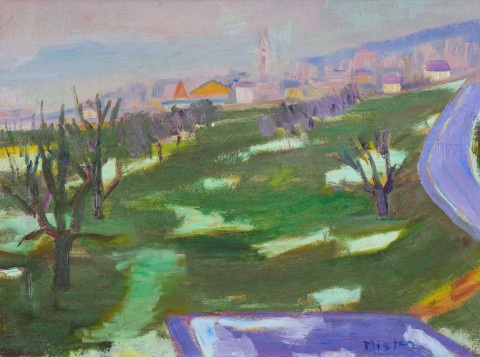
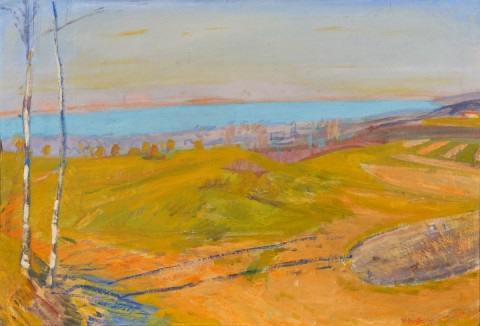
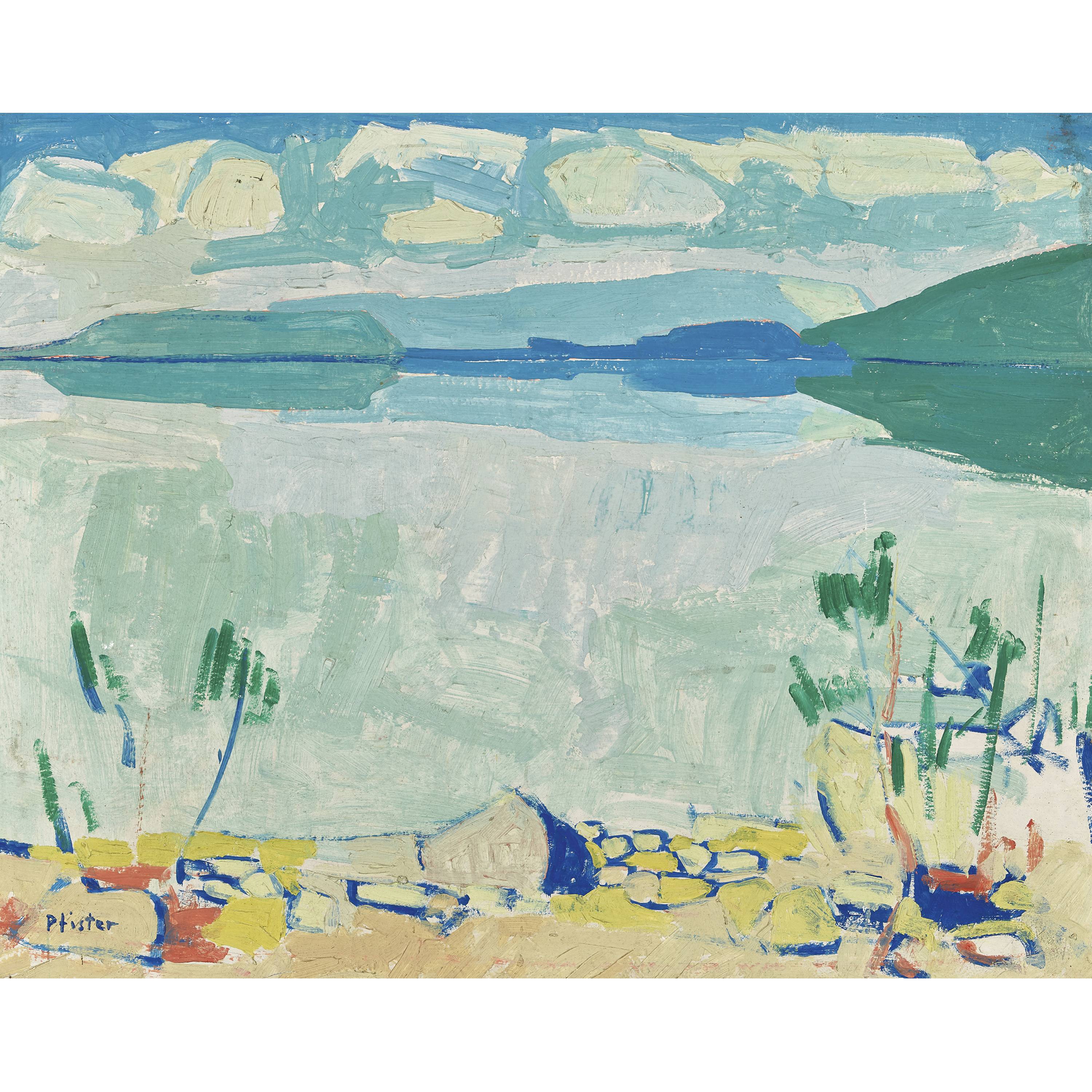
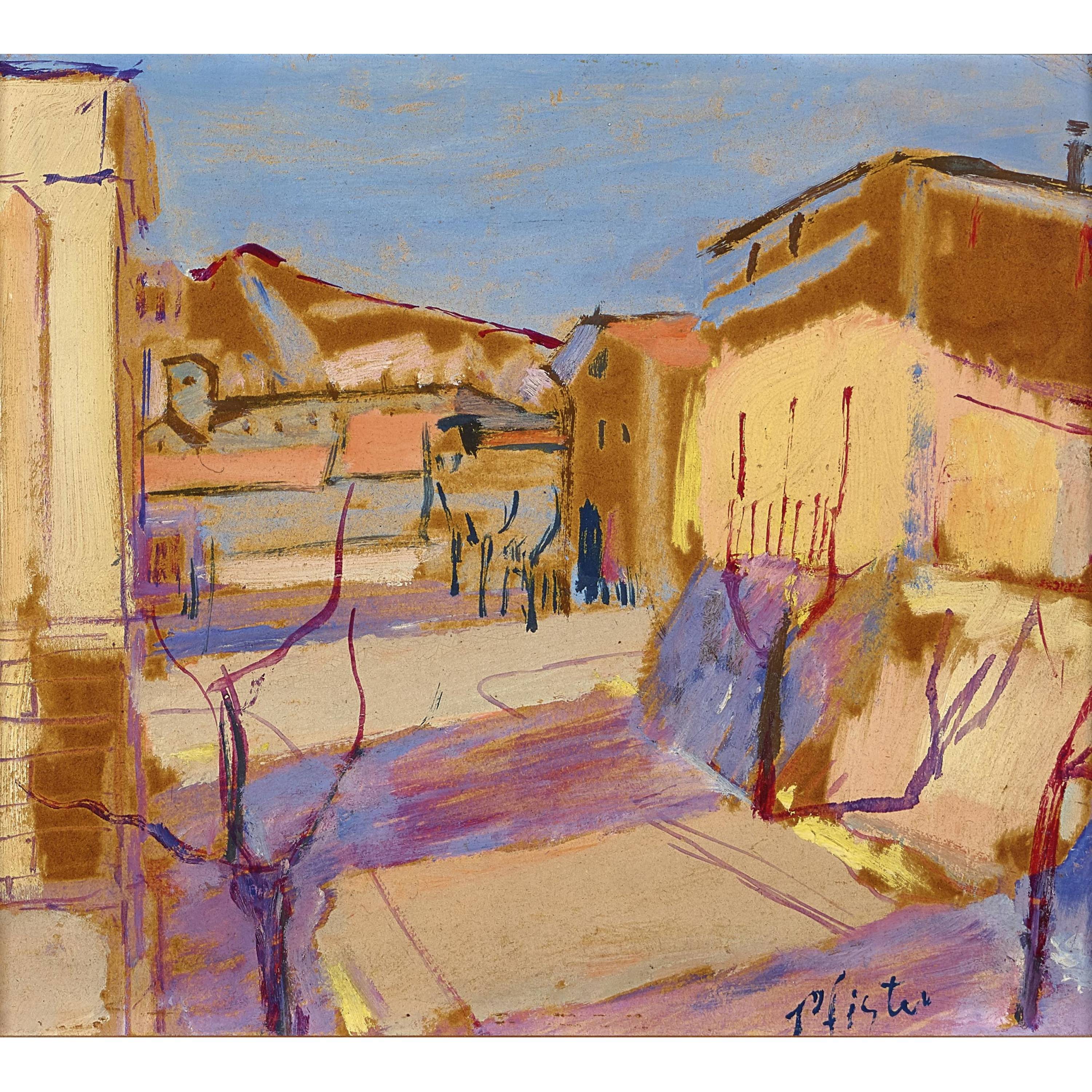
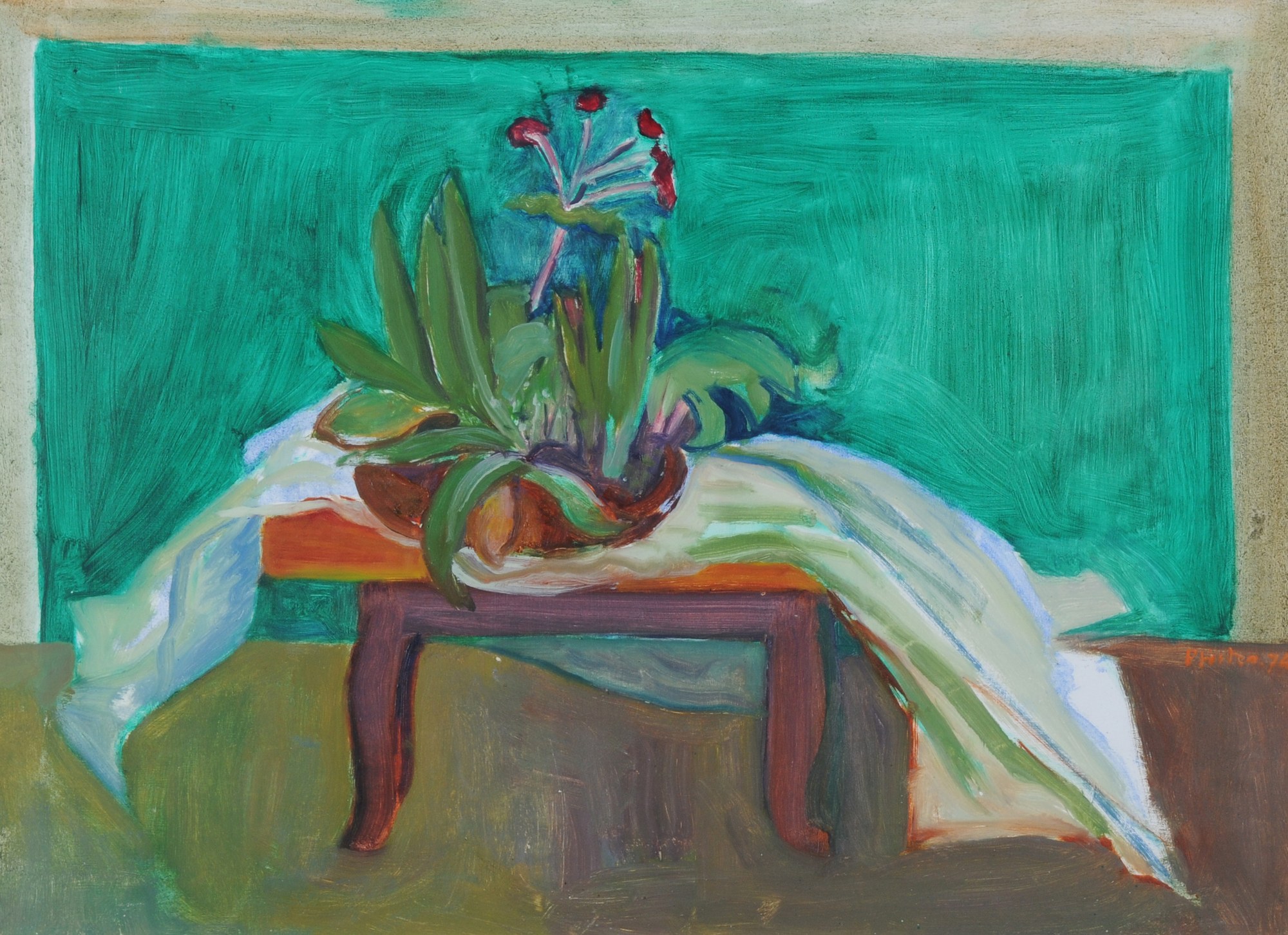
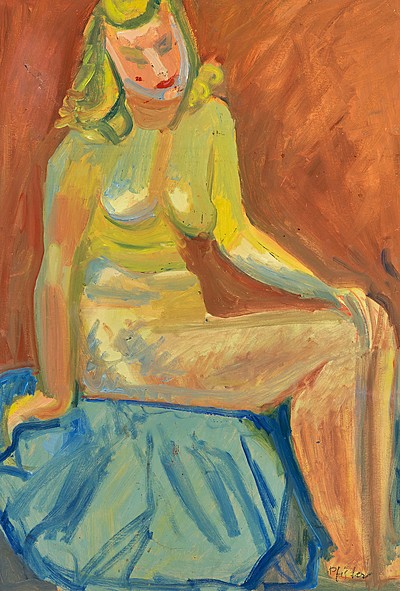
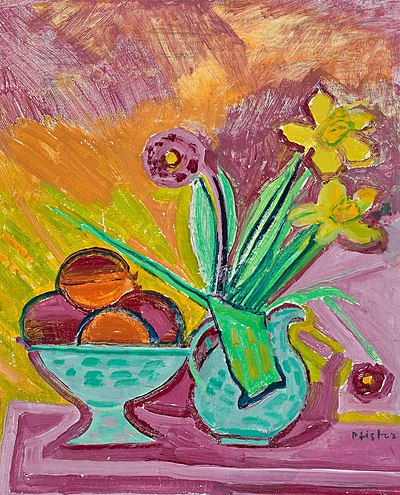
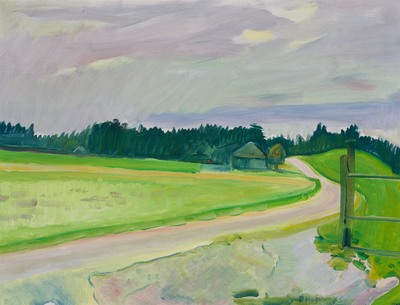
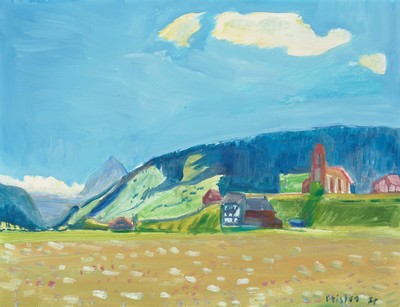
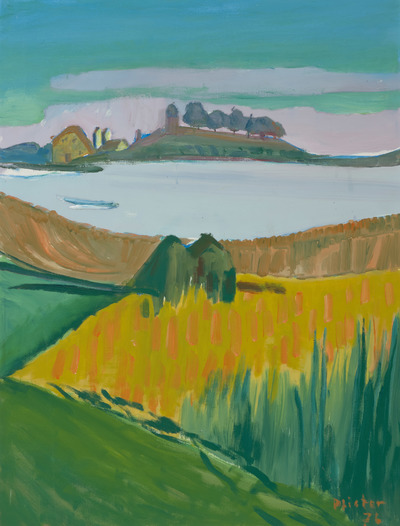
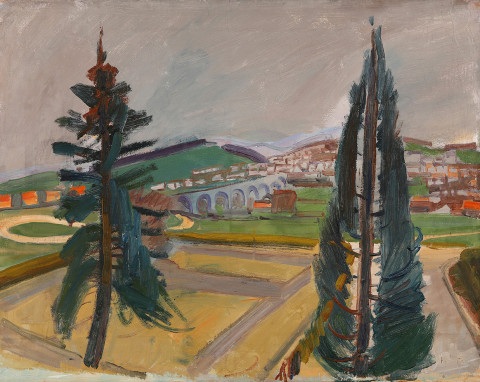
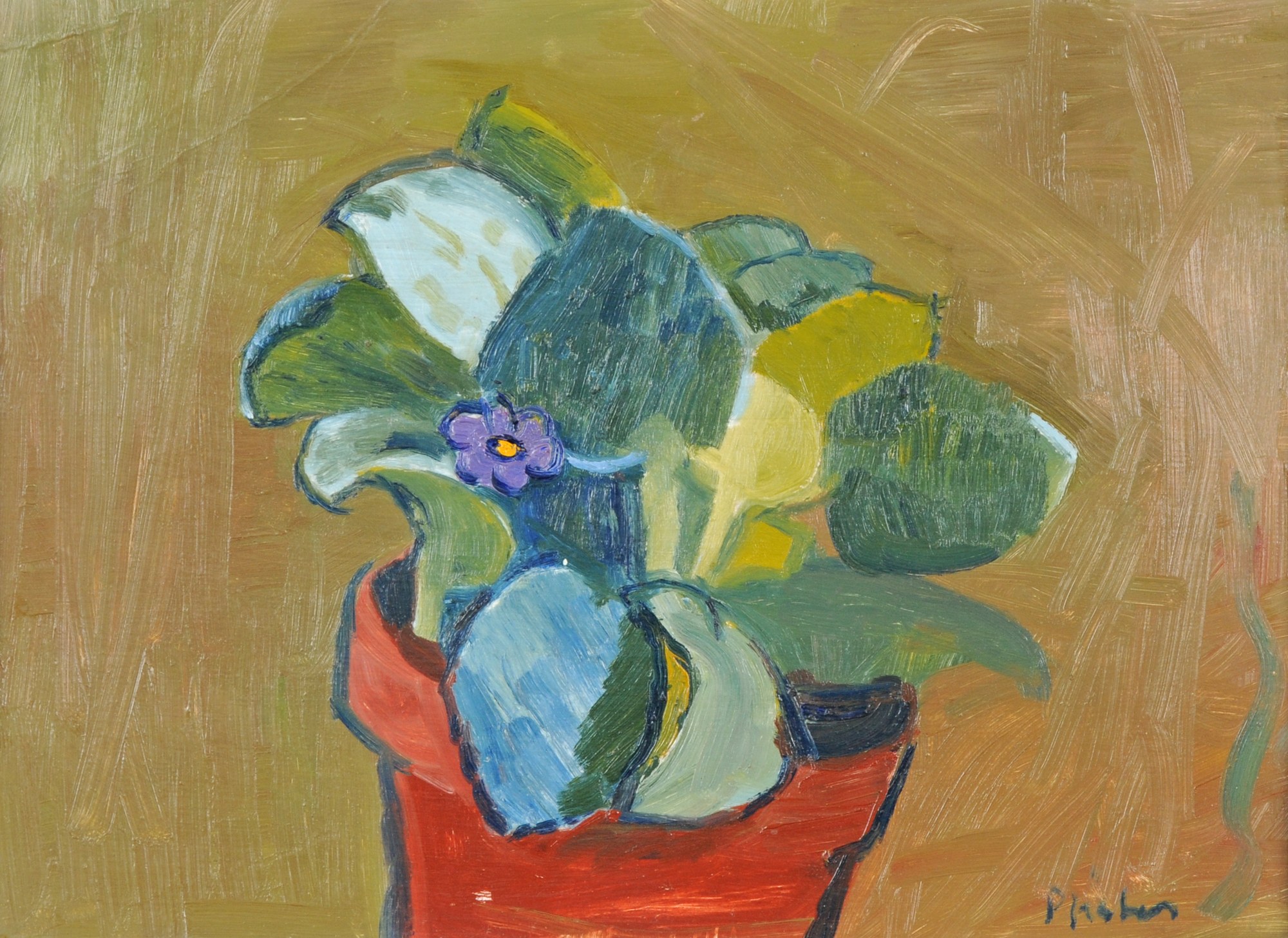
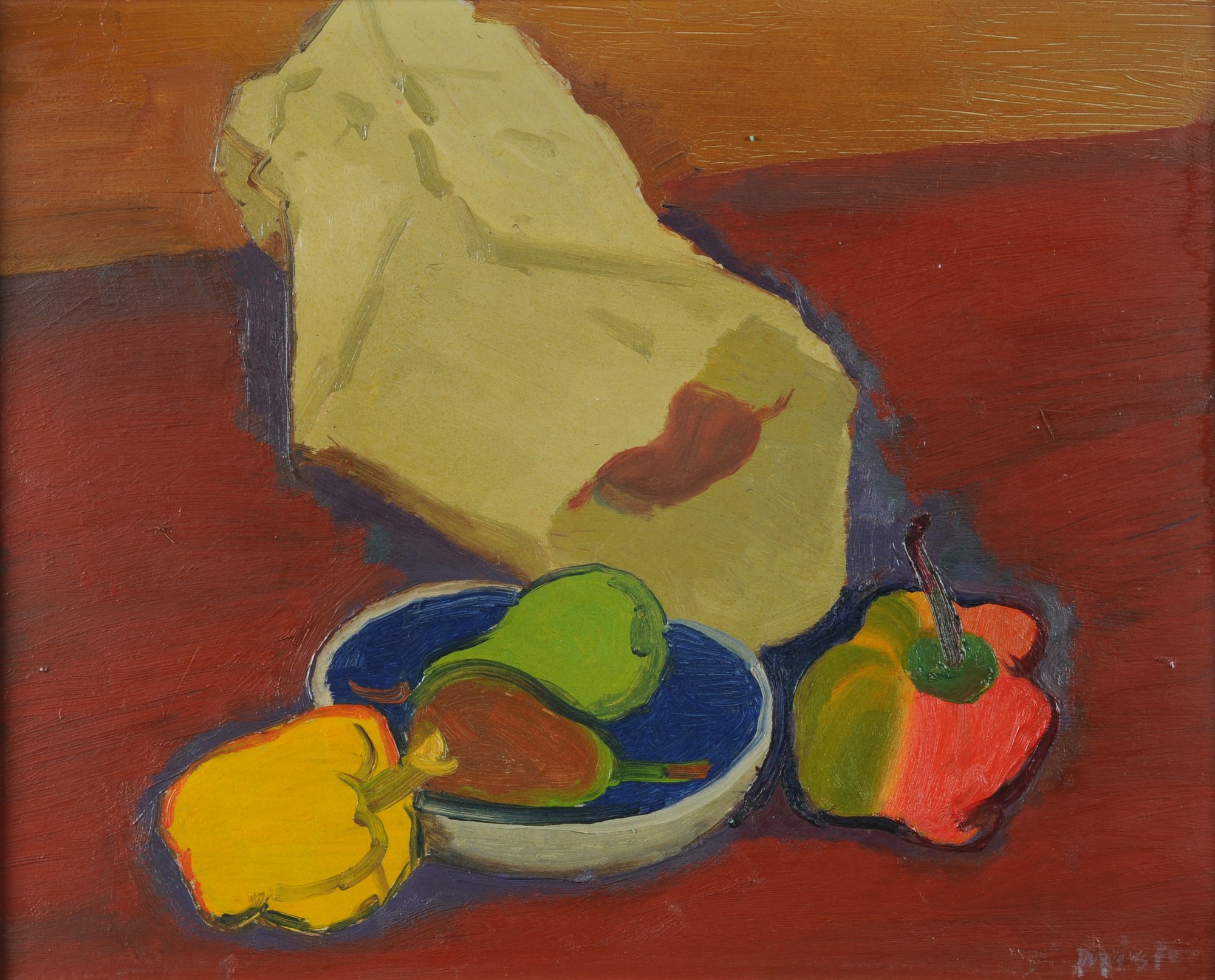
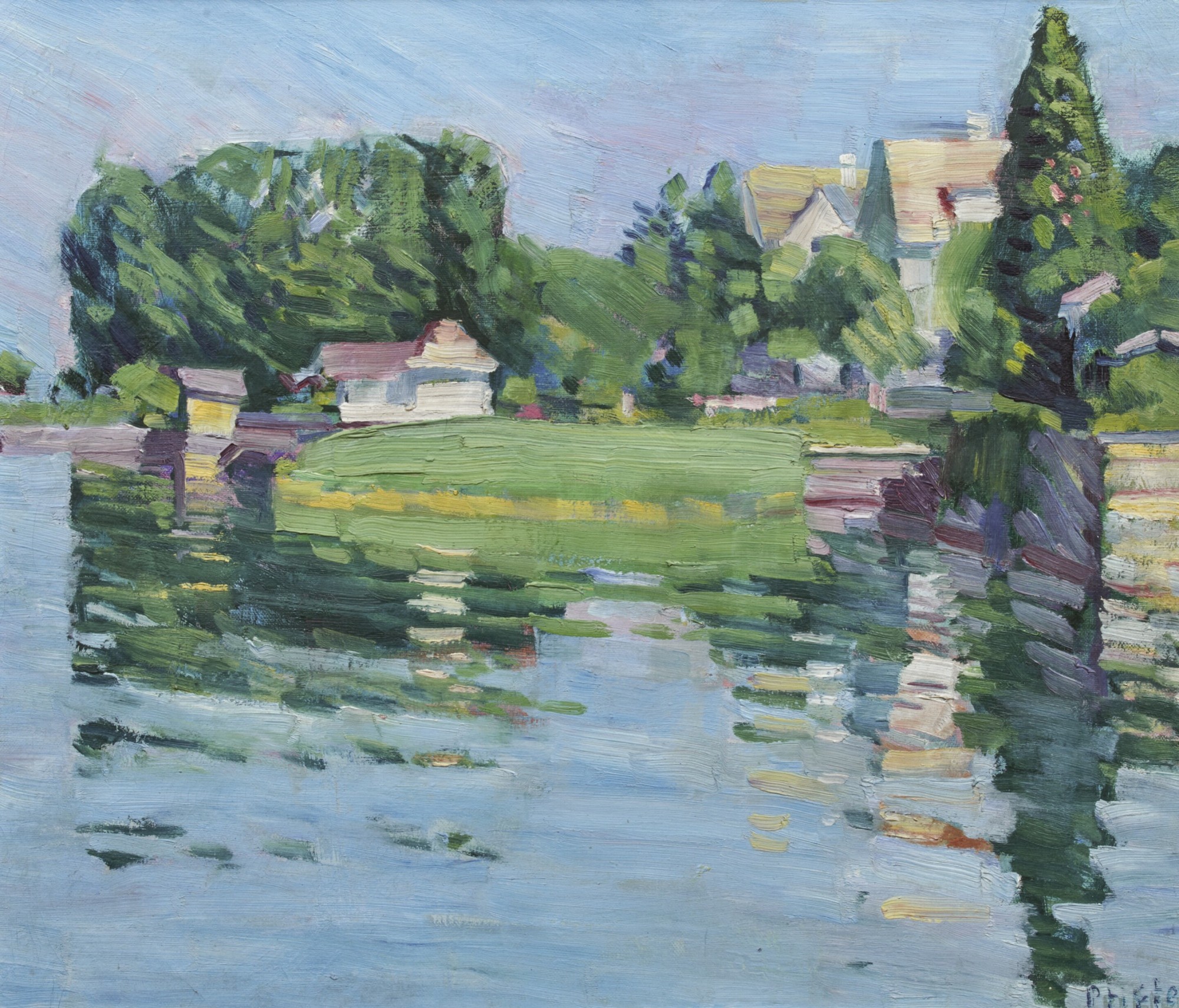
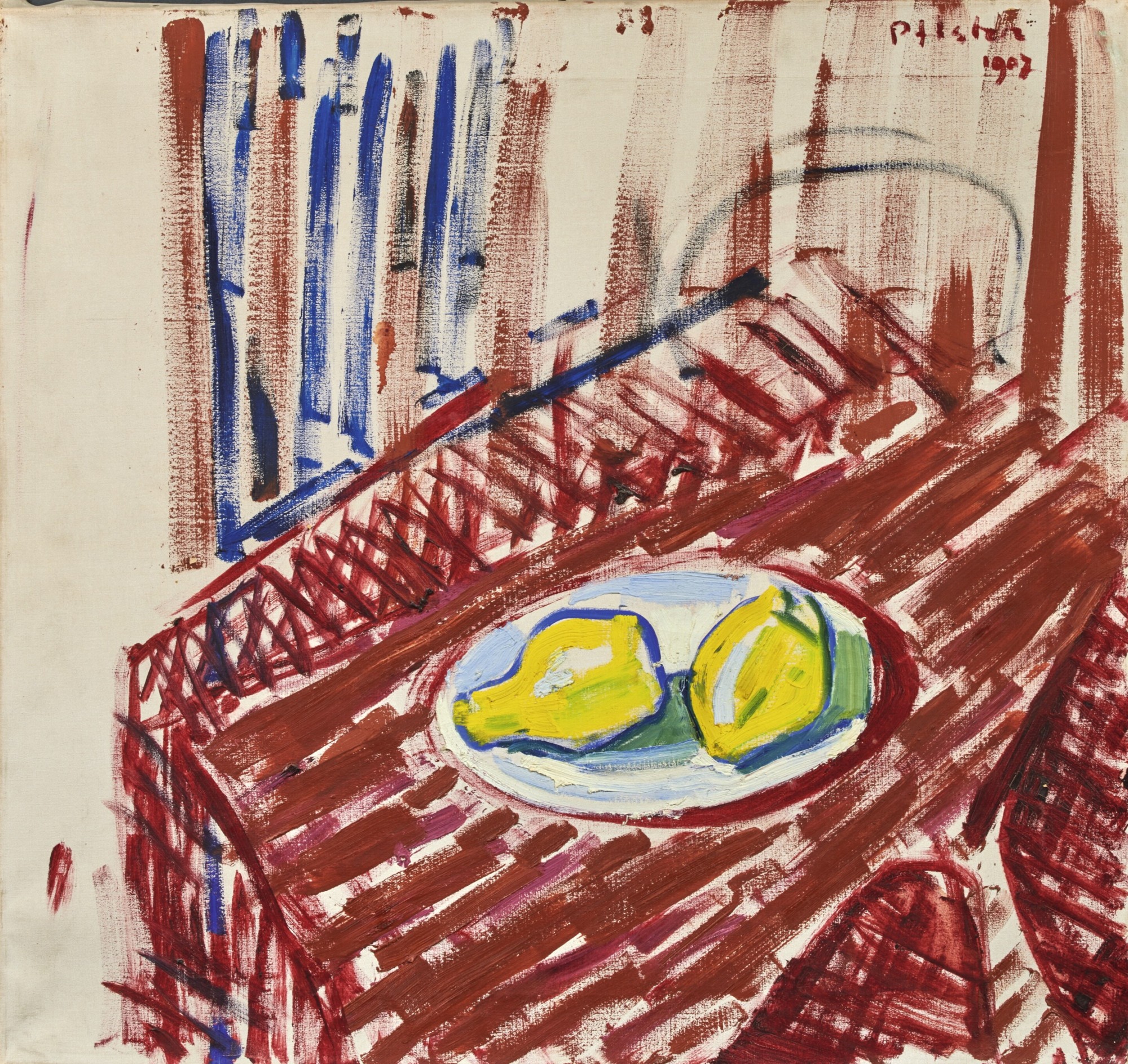
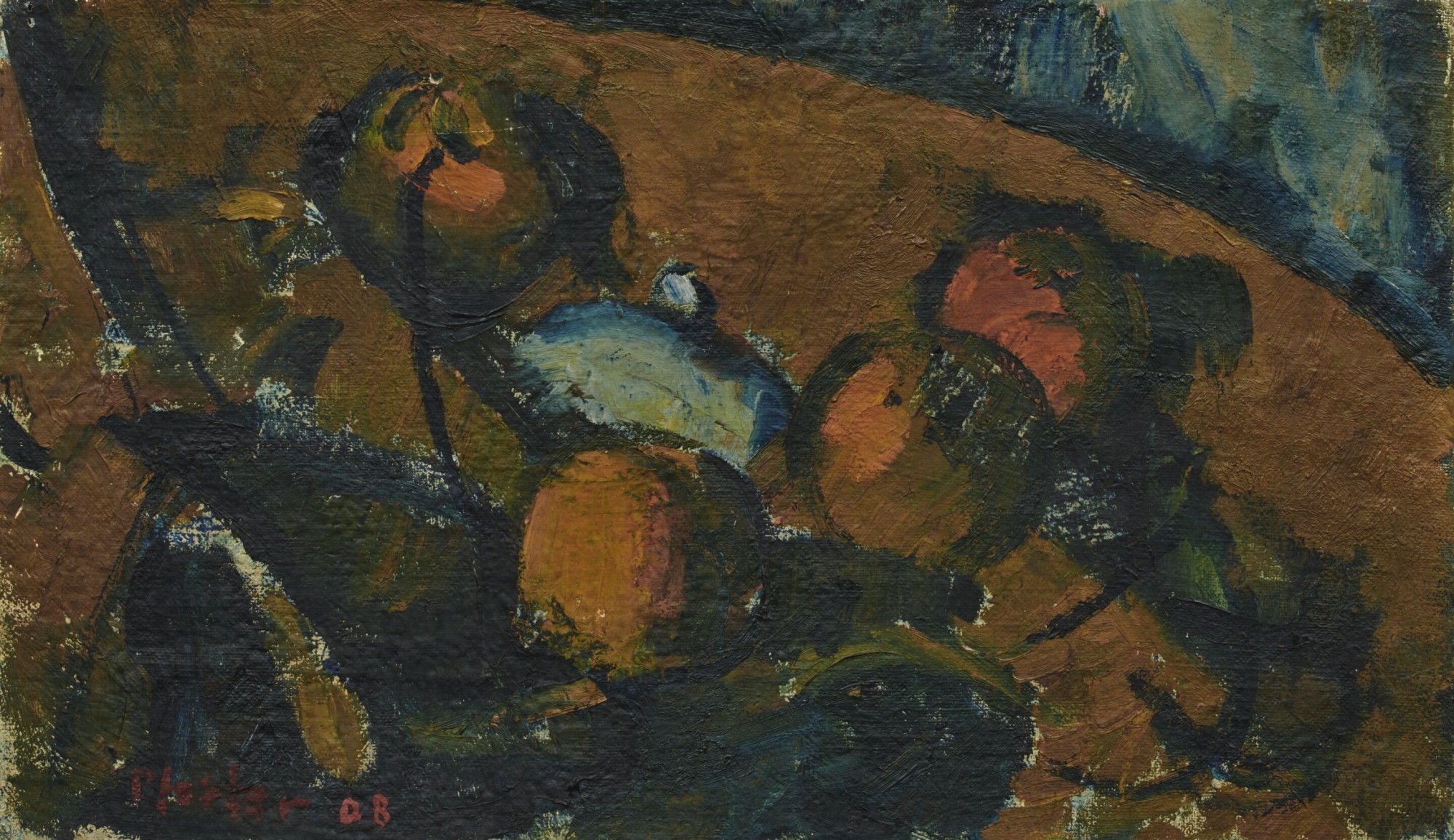
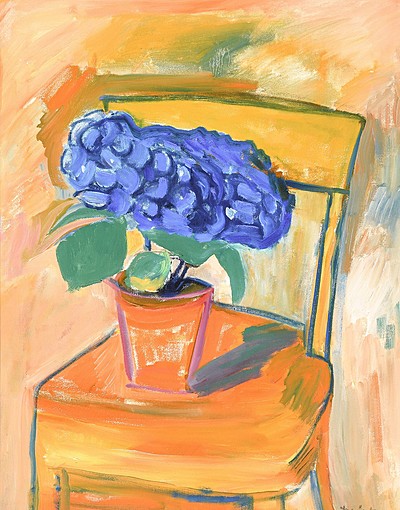
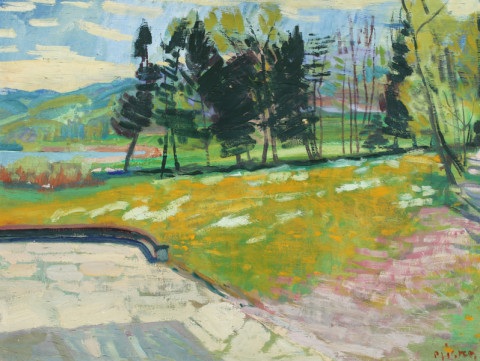
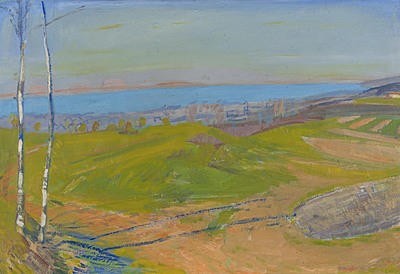
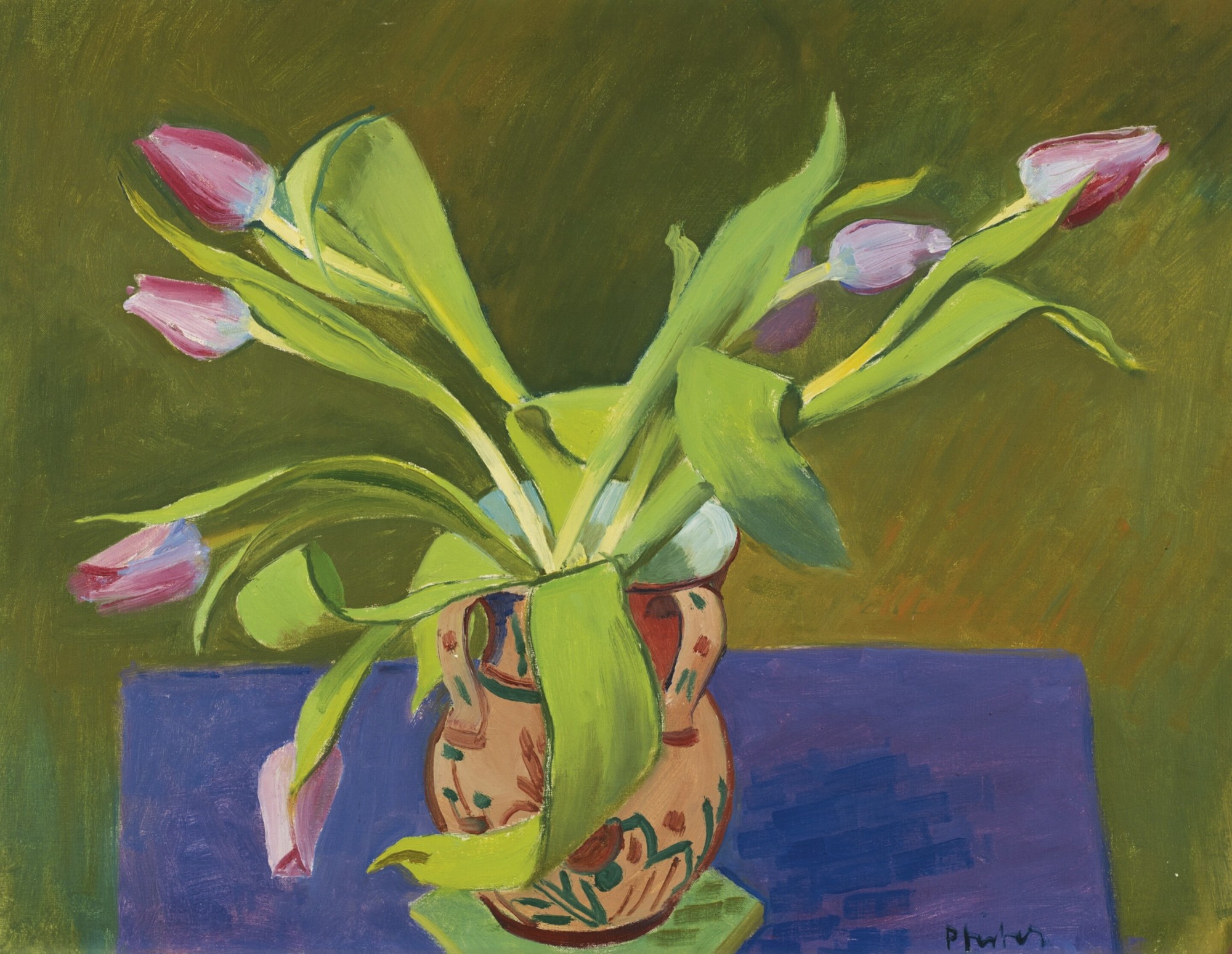
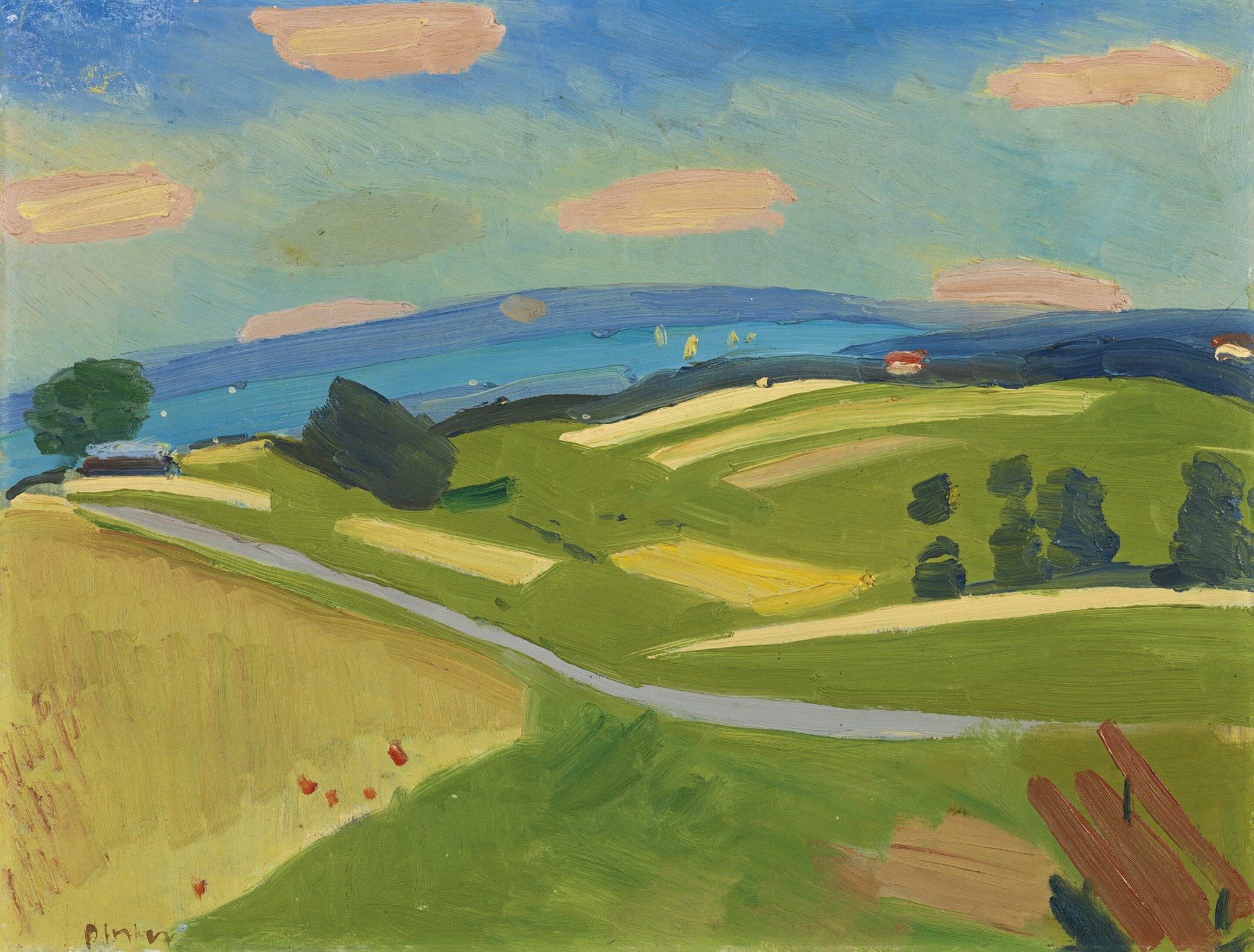
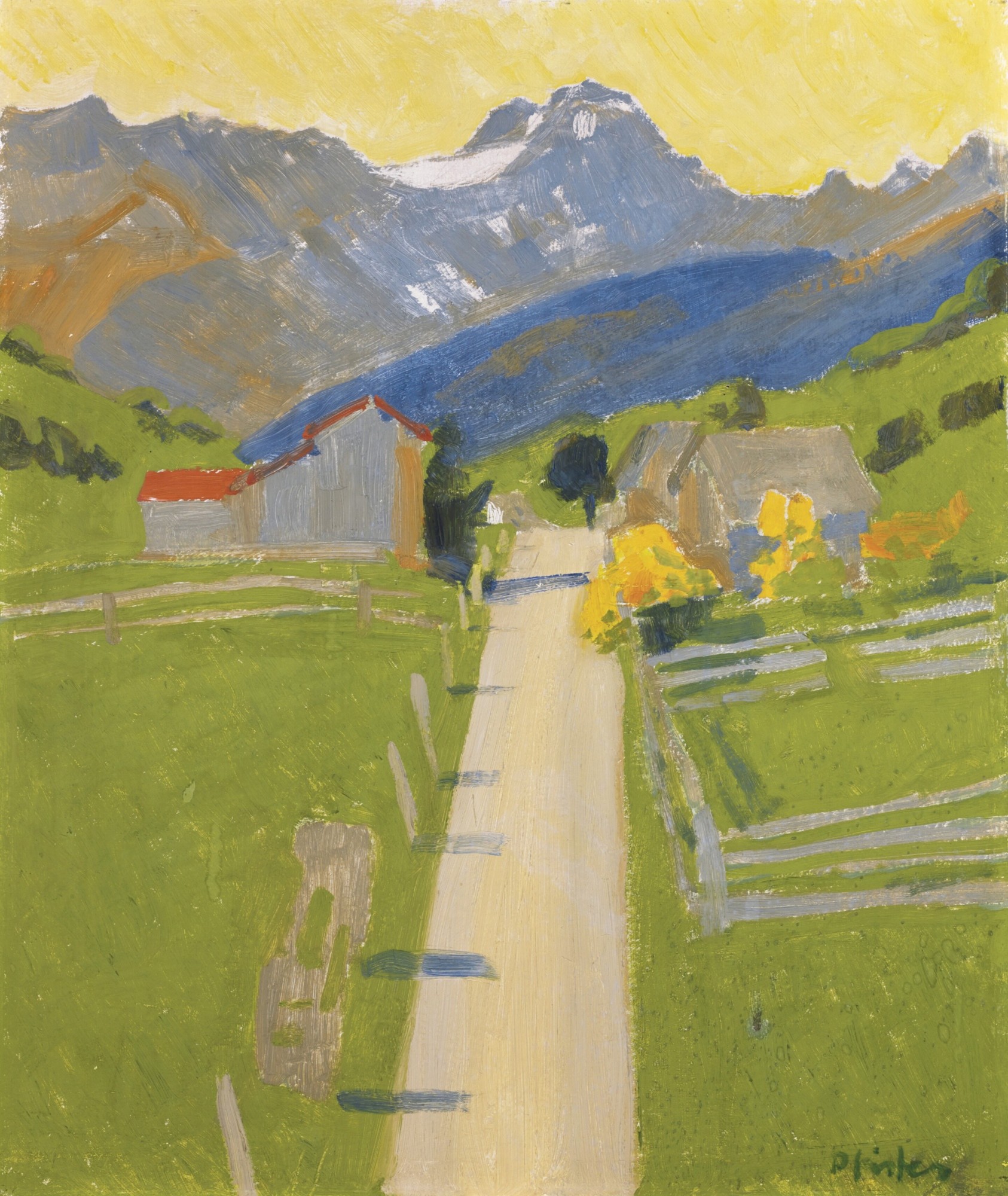
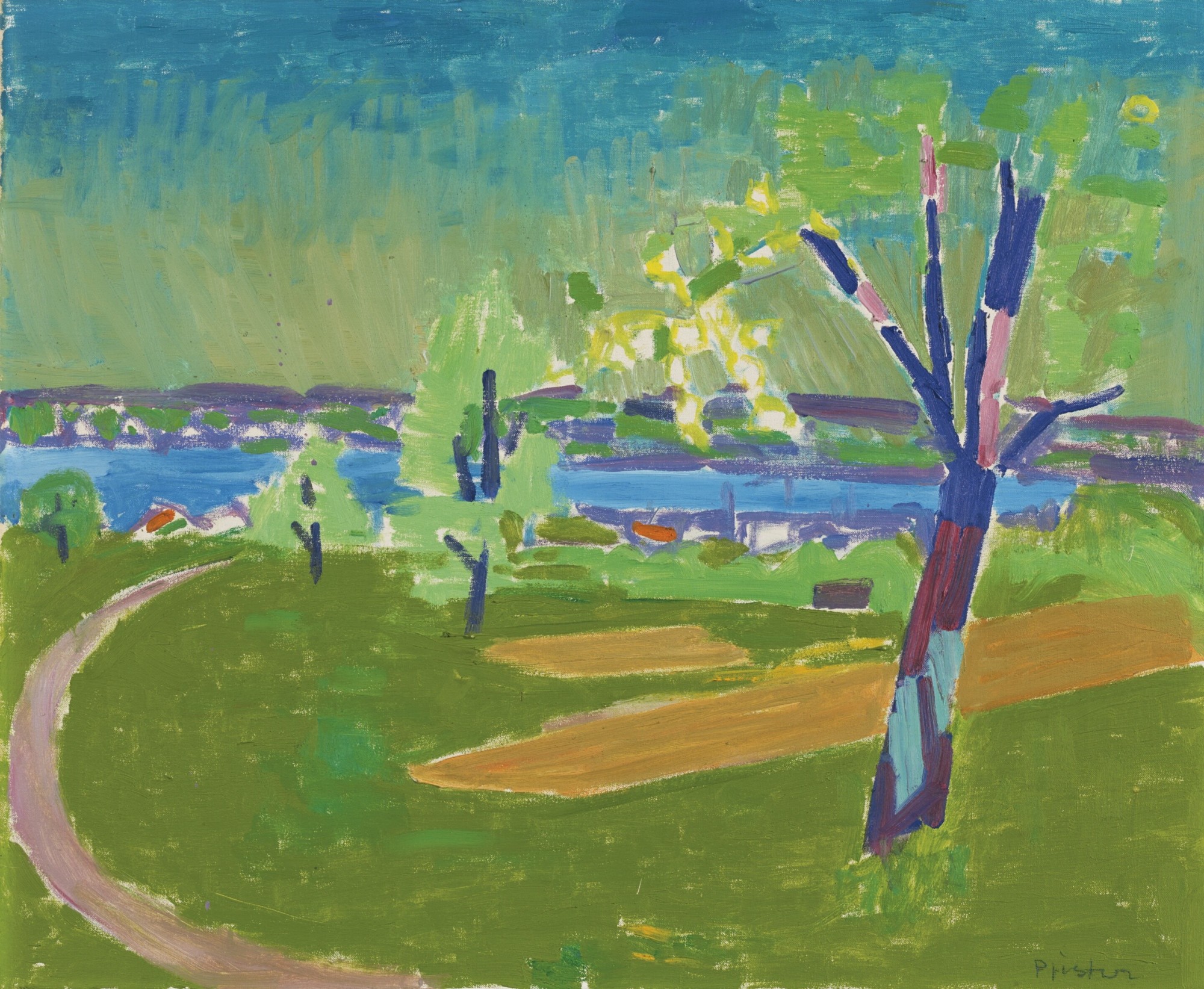
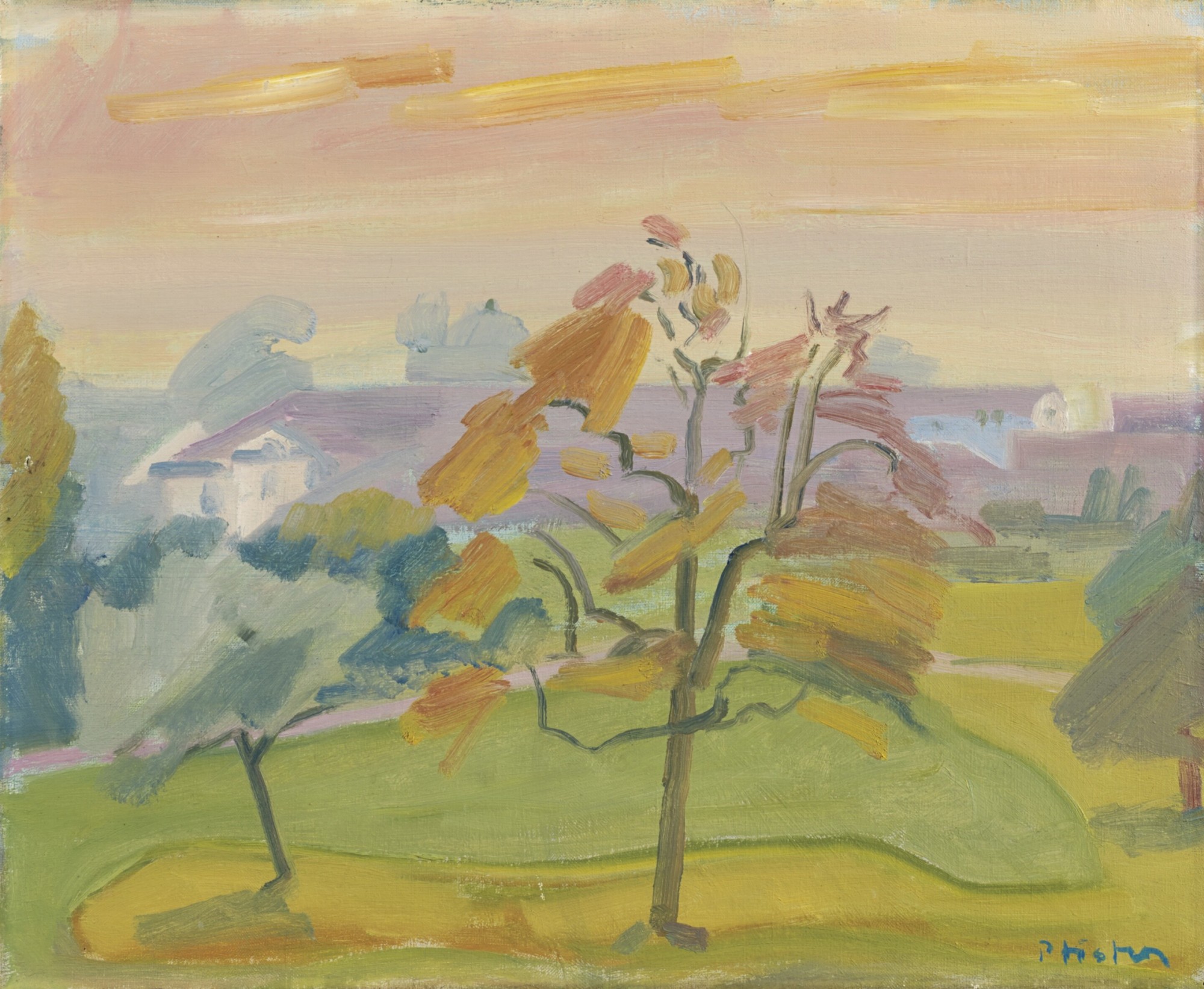
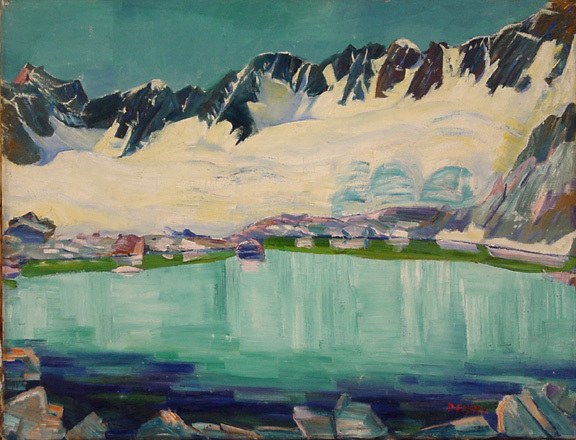
Close to Fauvism, Pfister did not regard colour as mere embellishment of the motif: it became a means of constructing space and conveying an impression of light. His repeated journeys to North Africa between 1910 and 1913 shaped his sensitivity to Mediterranean clarity. He joined the Swiss avant-garde group Der Moderne Bund, whose pioneering role in the reception of modern art in Switzerland has been highlighted by the Kunstmuseum Luzern.
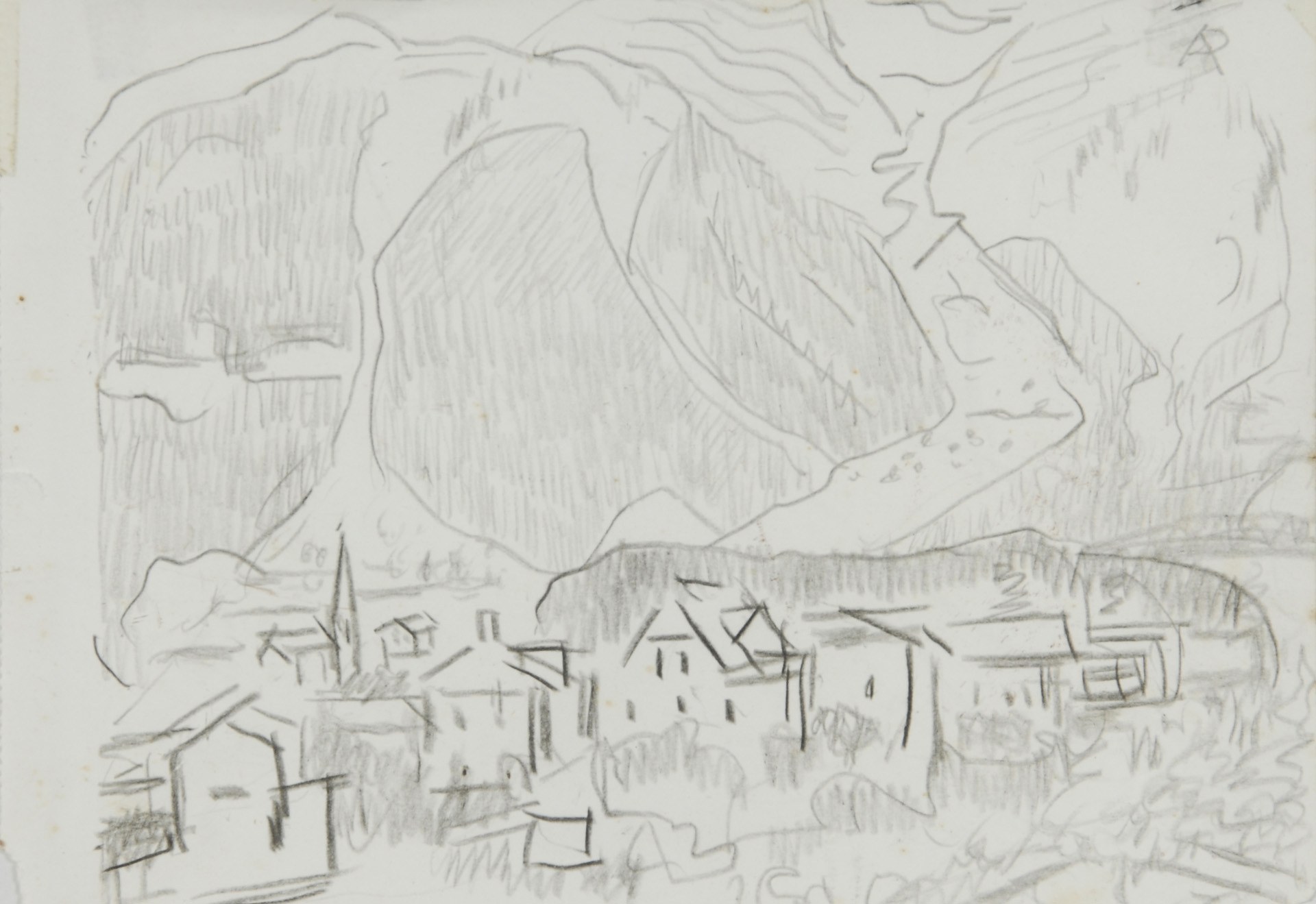
His work thus forms part of a European dialogue, while landscape remained its preferred field.
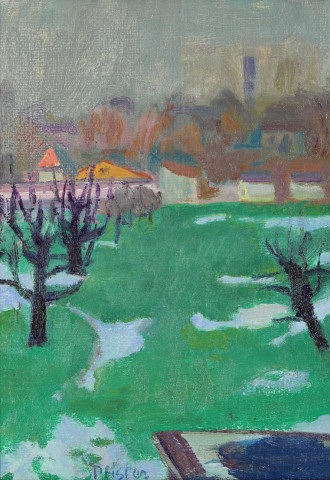
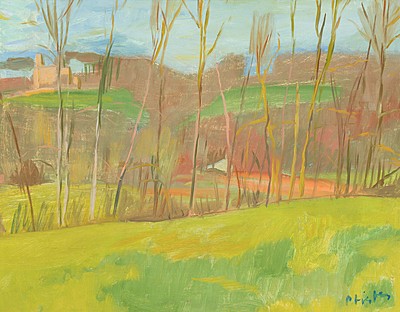
The painting Vorfrühling im Tessin, executed in 1961 and donated by the artist to the Kunstmuseum Solothurn that same year, demonstrates the enduring nature of this attachment to places and seasons. Its title, “Early Spring in Ticino”, conveys the importance of a changing light, a subject Pfister pursued well beyond his early Fauvist experiments. Based in Erlenbach, he also passed on his practice to younger artists through private classes from the beginning of the 1930s.
A Federal Fine Arts scholarship in 1928 and the Wilhelm Gimmi Prize in 1969 mark a career faithful to this conviction: through colour, a landscape can become a new experience of looking.