Albert Gos
Born in 1852.
Died in 1942.
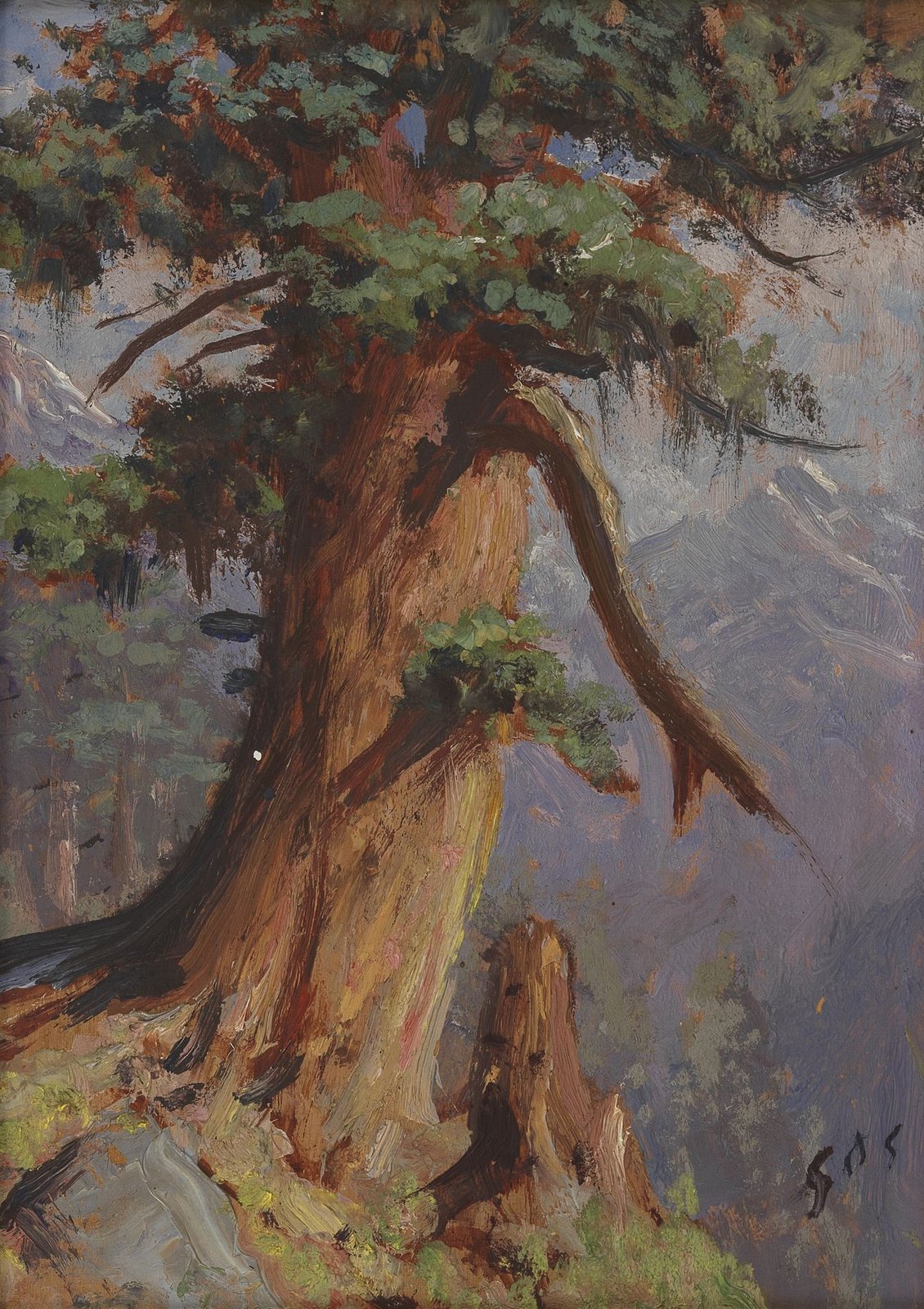
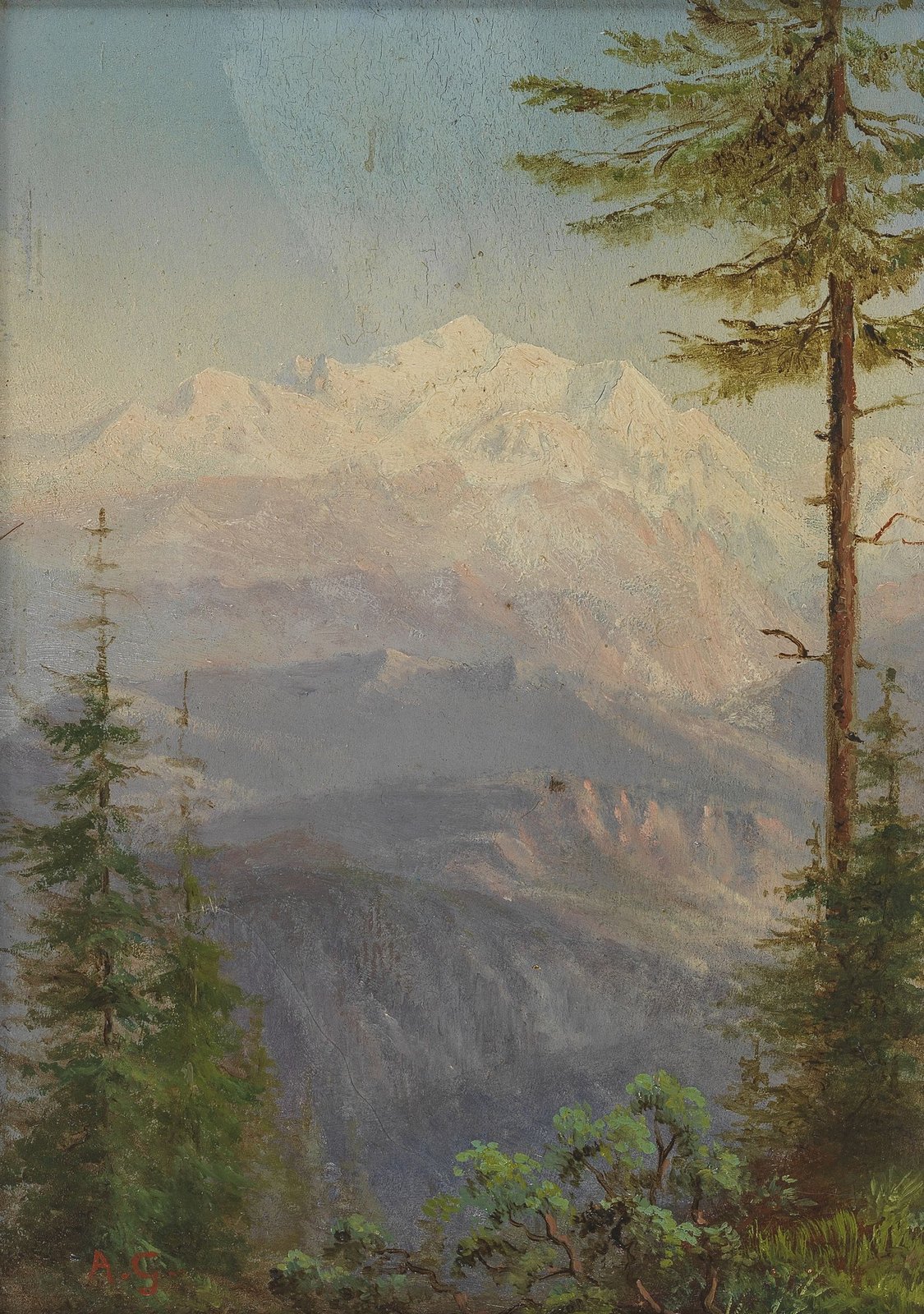
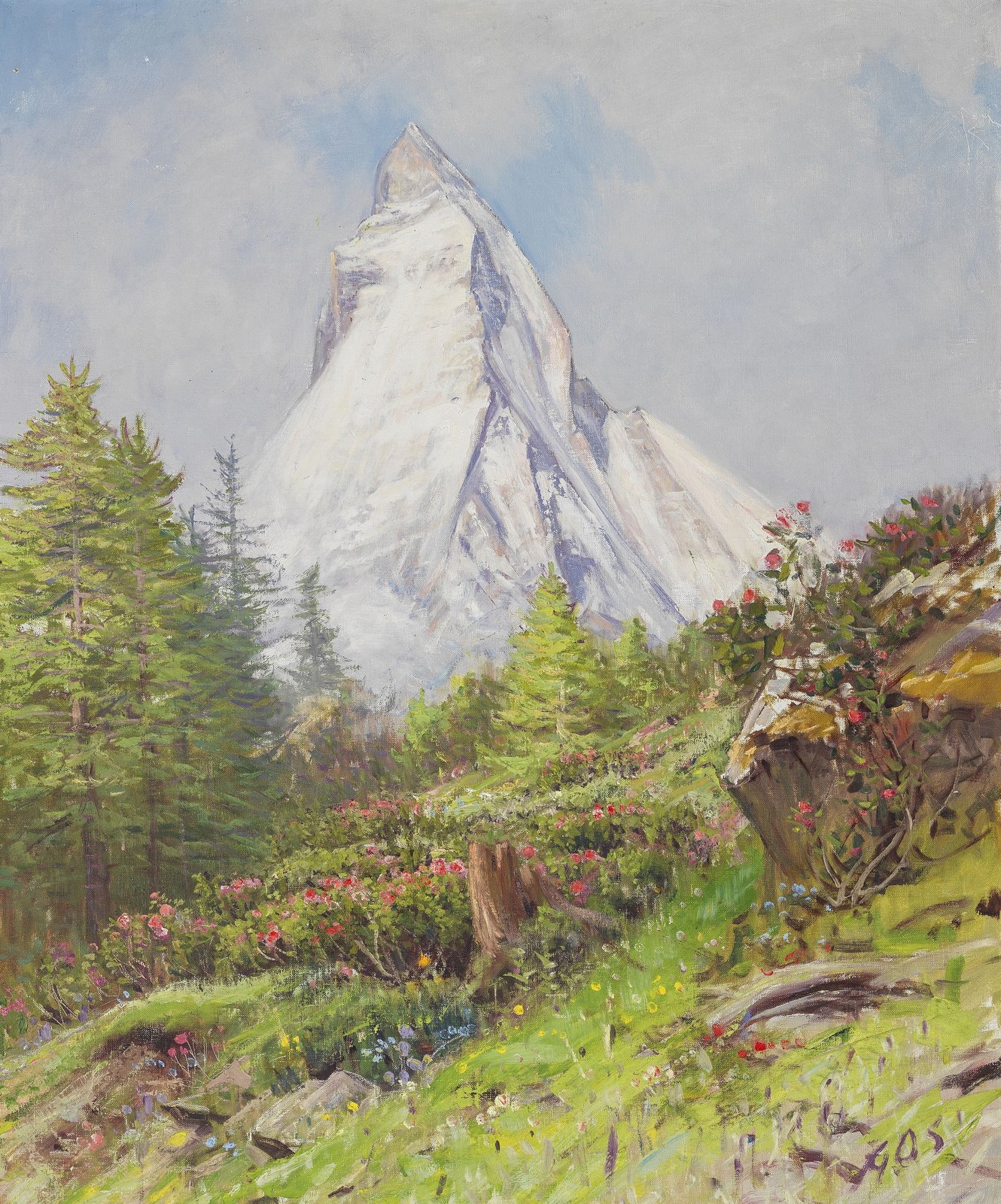
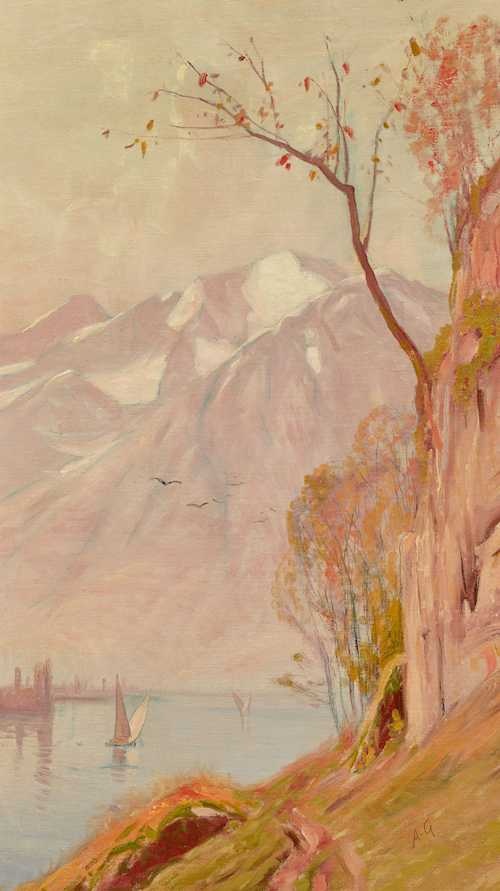
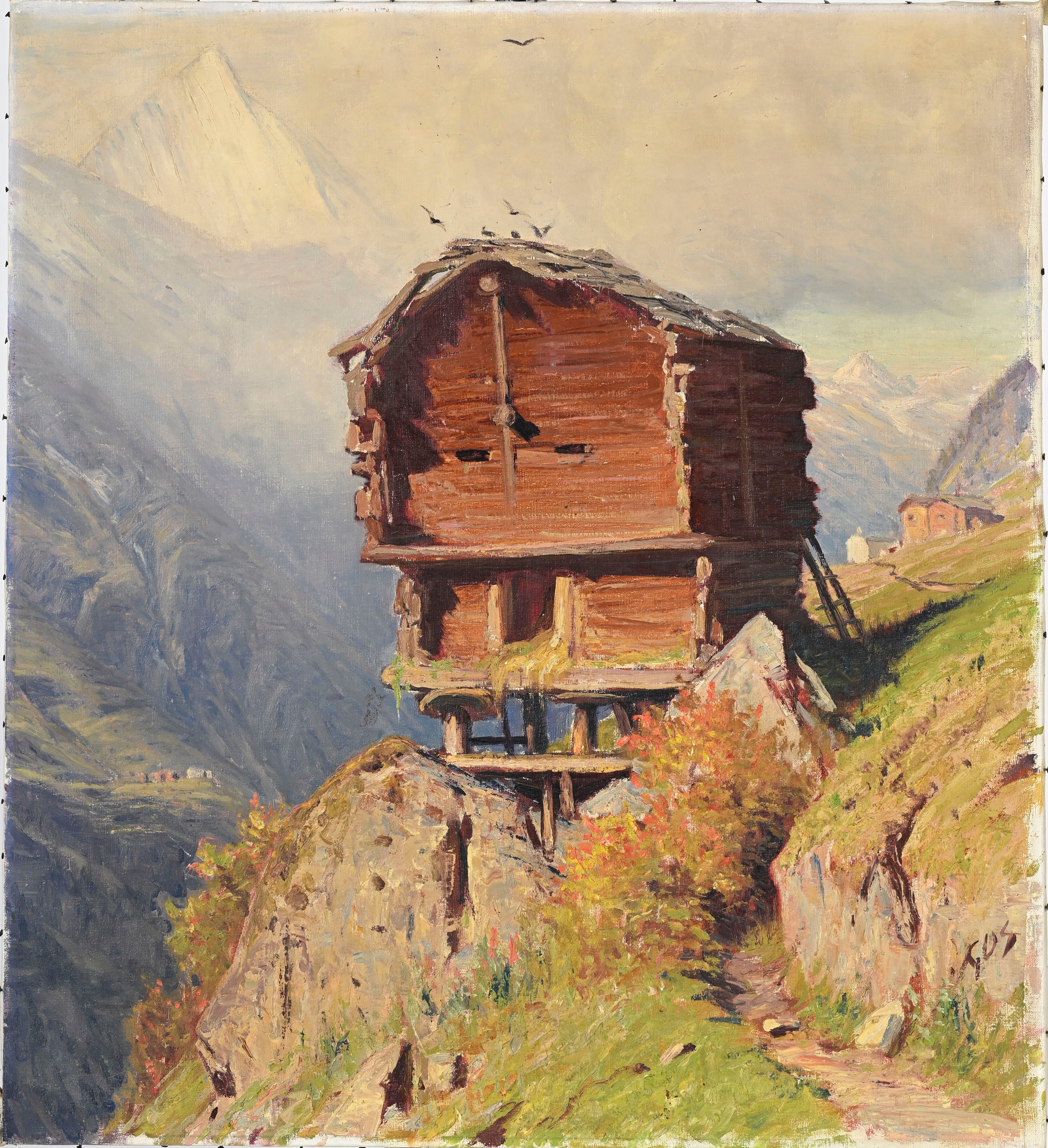
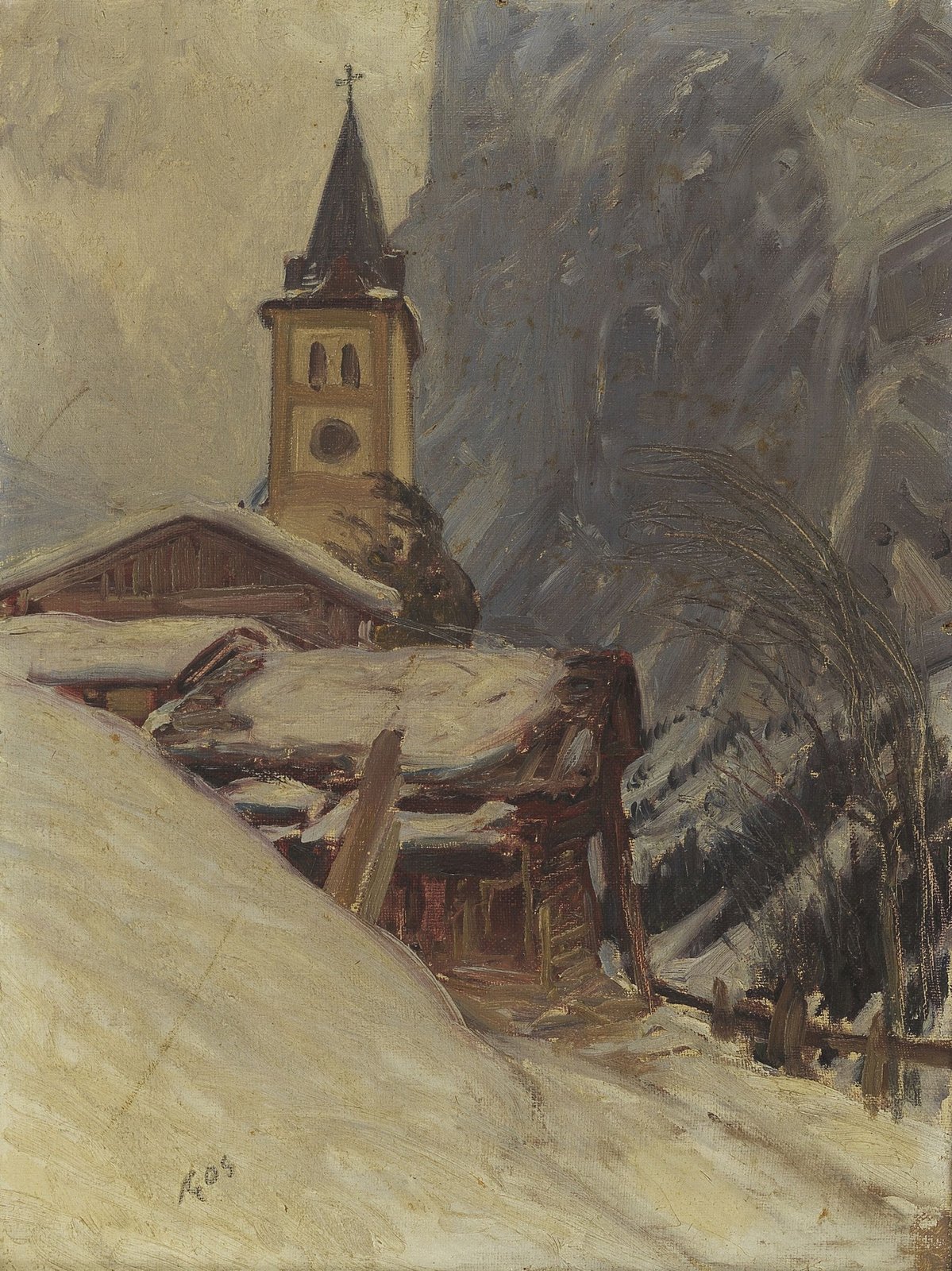
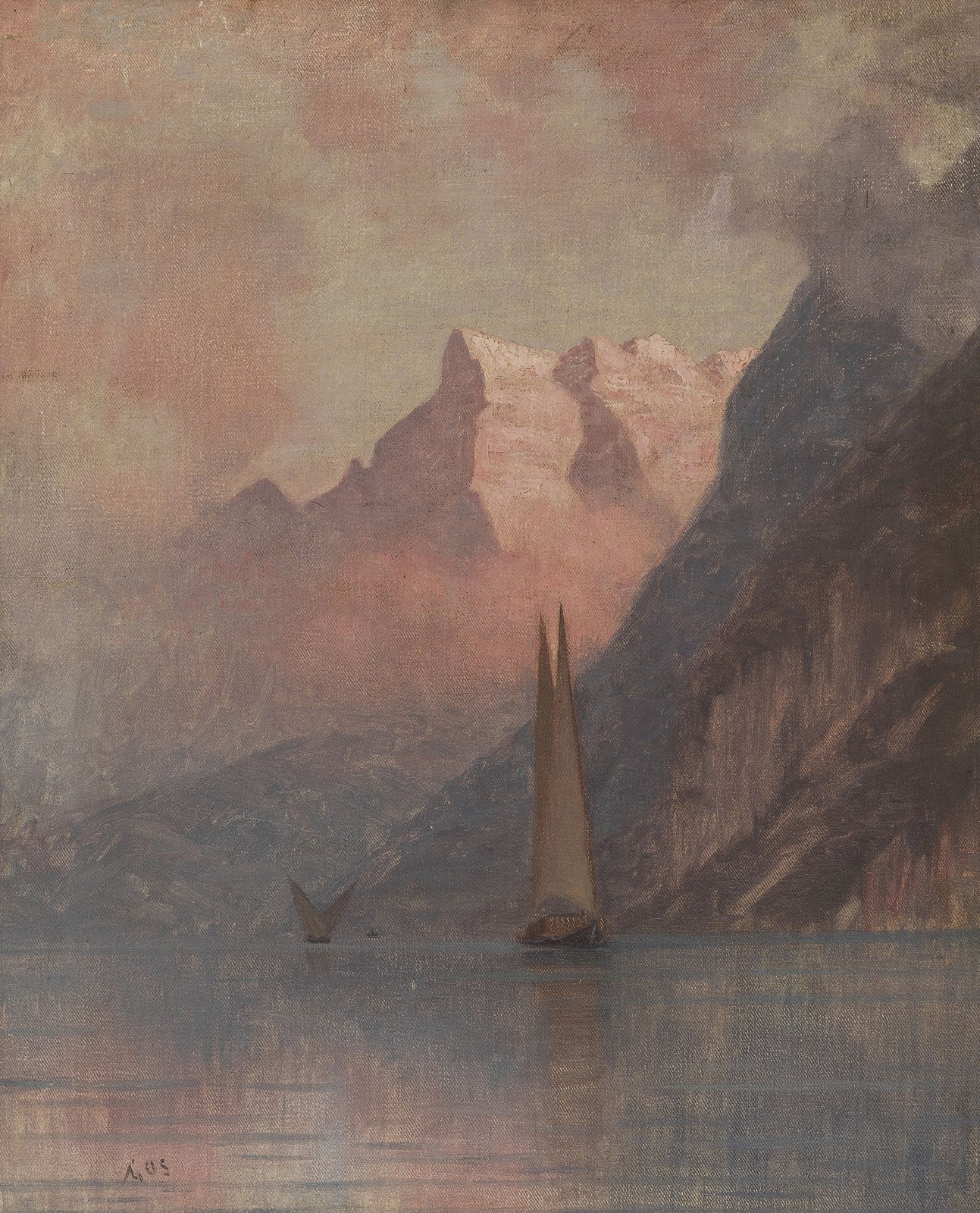
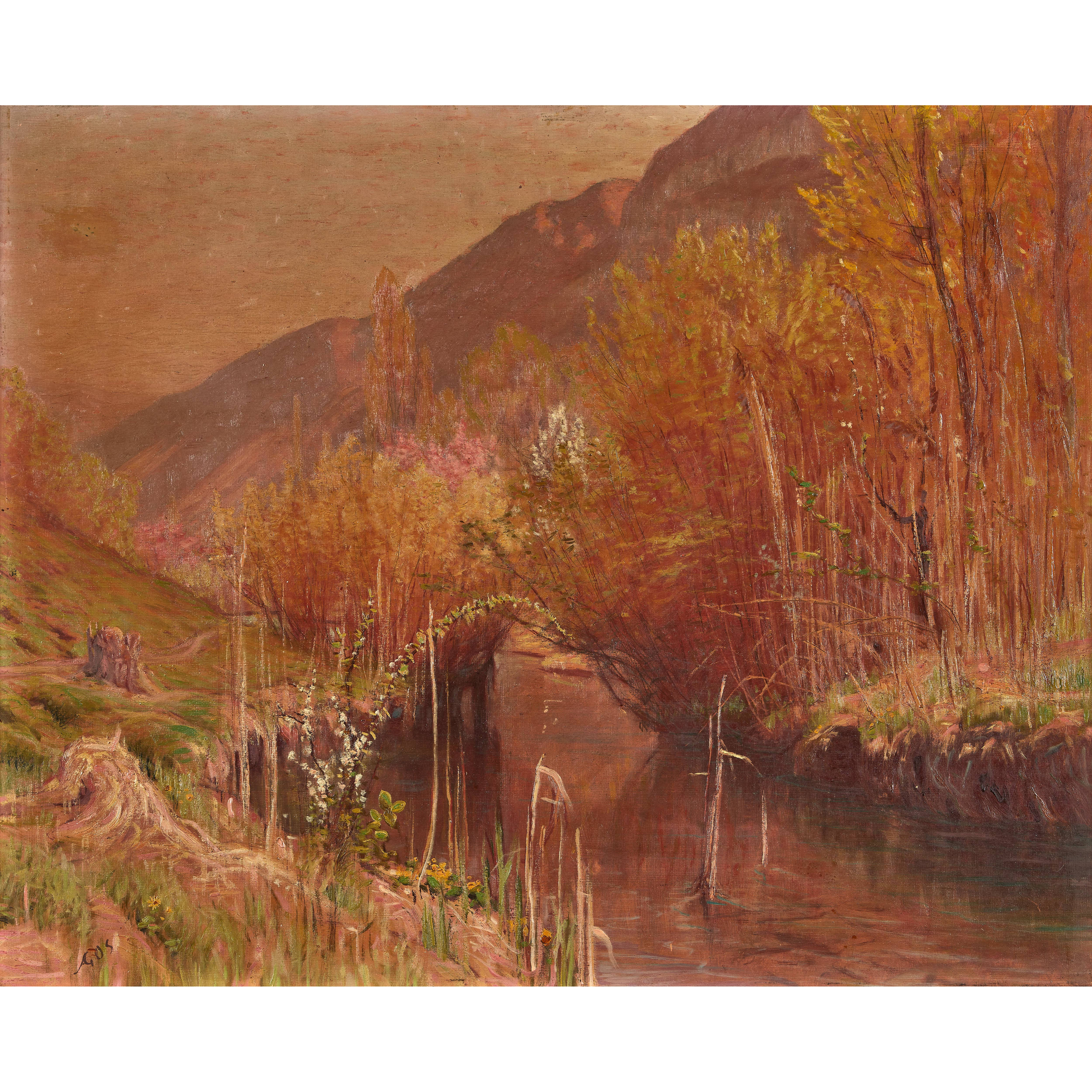
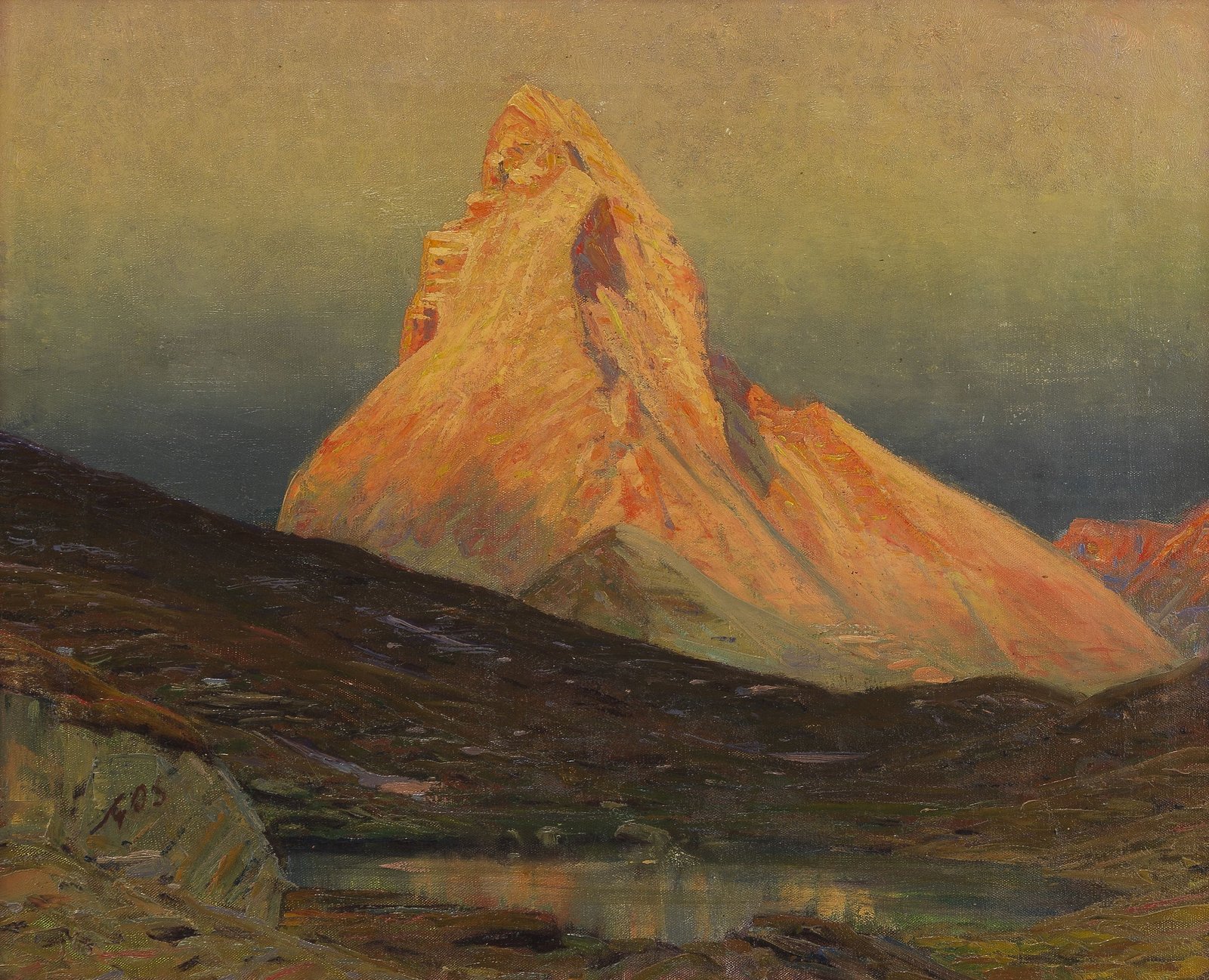
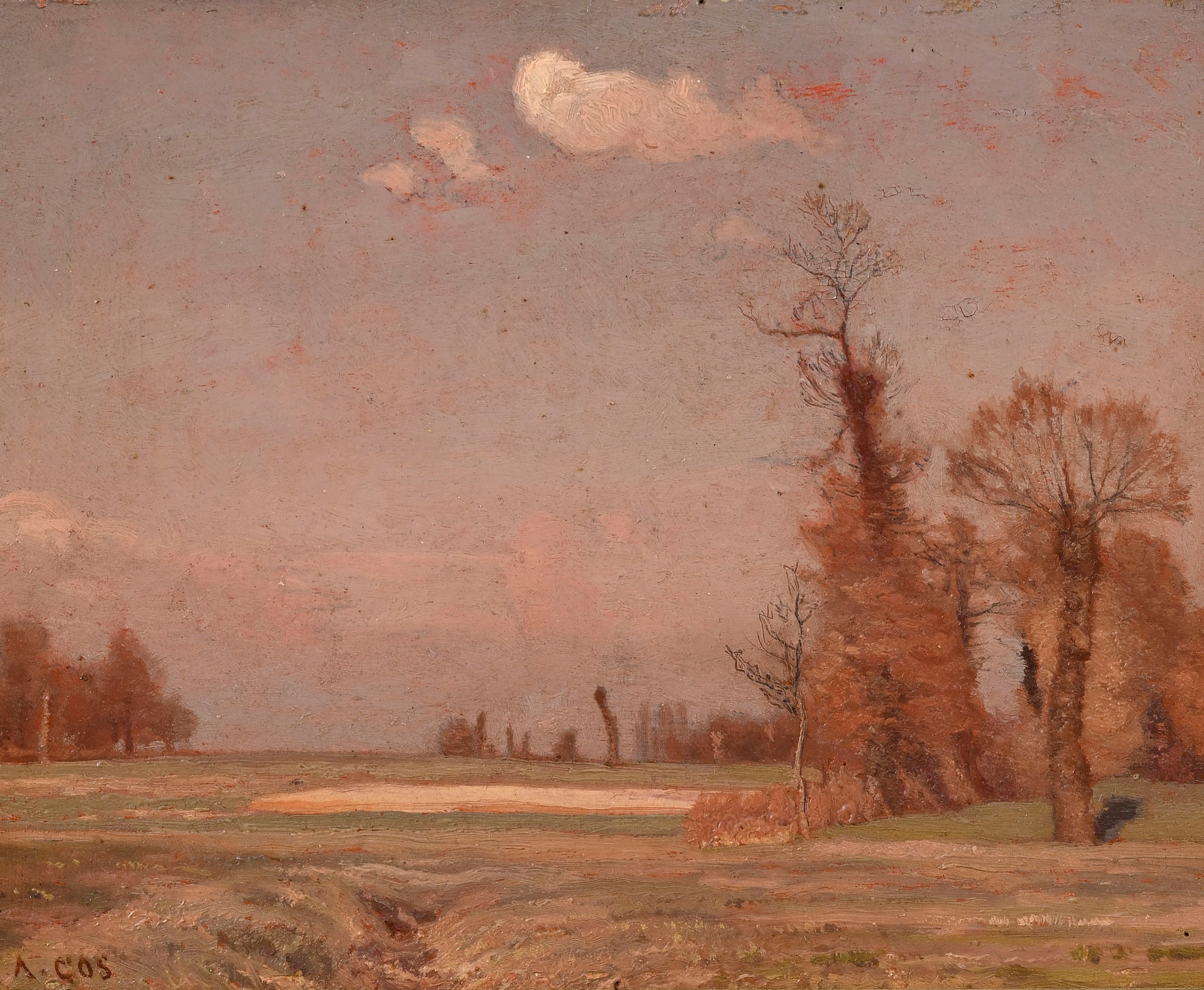
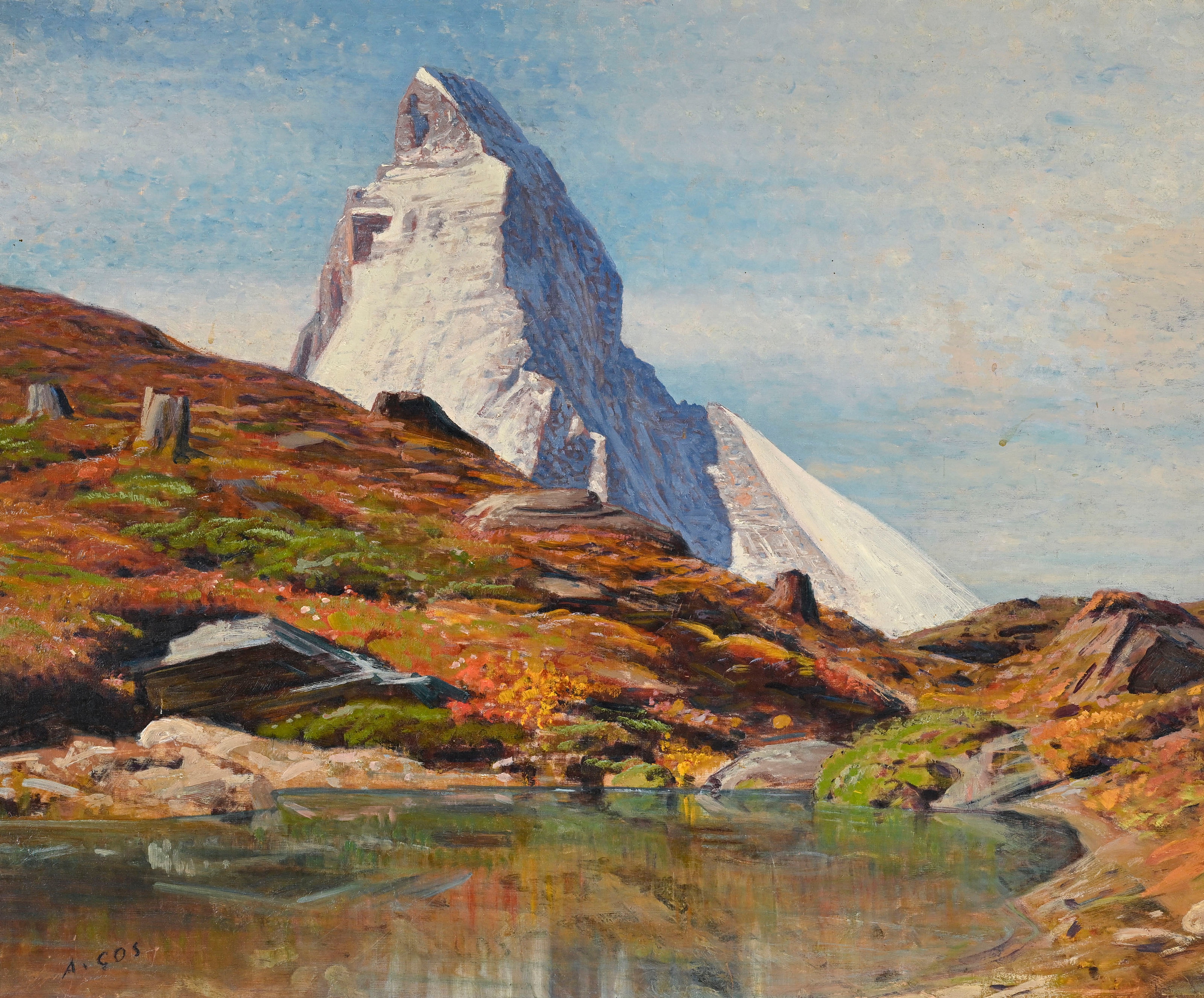
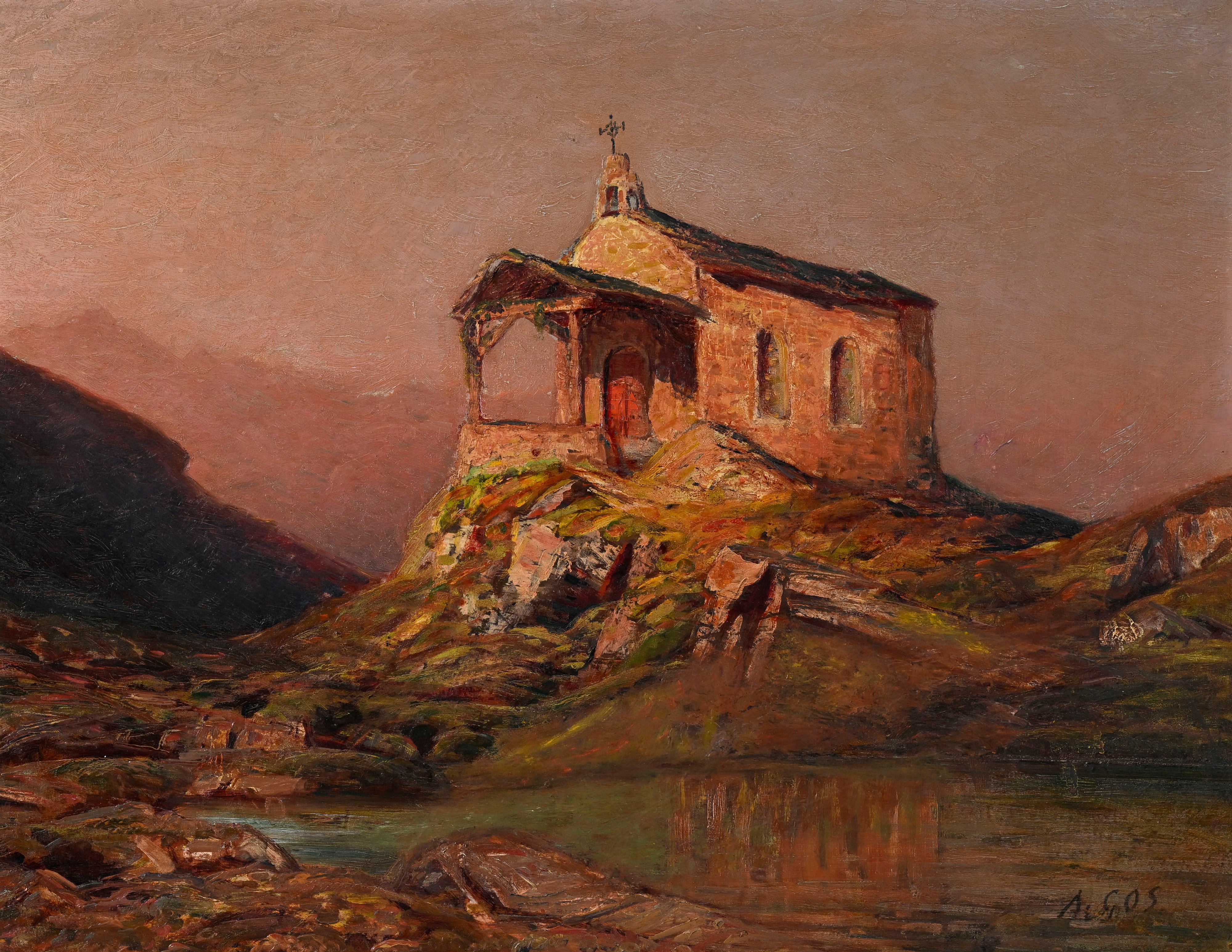
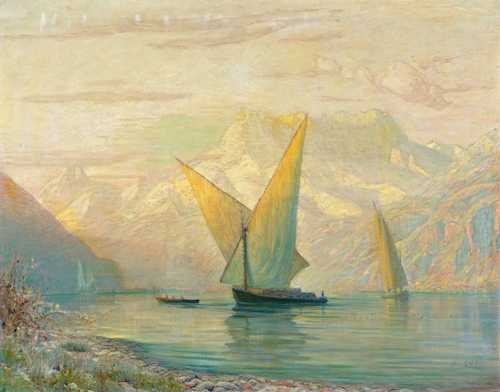
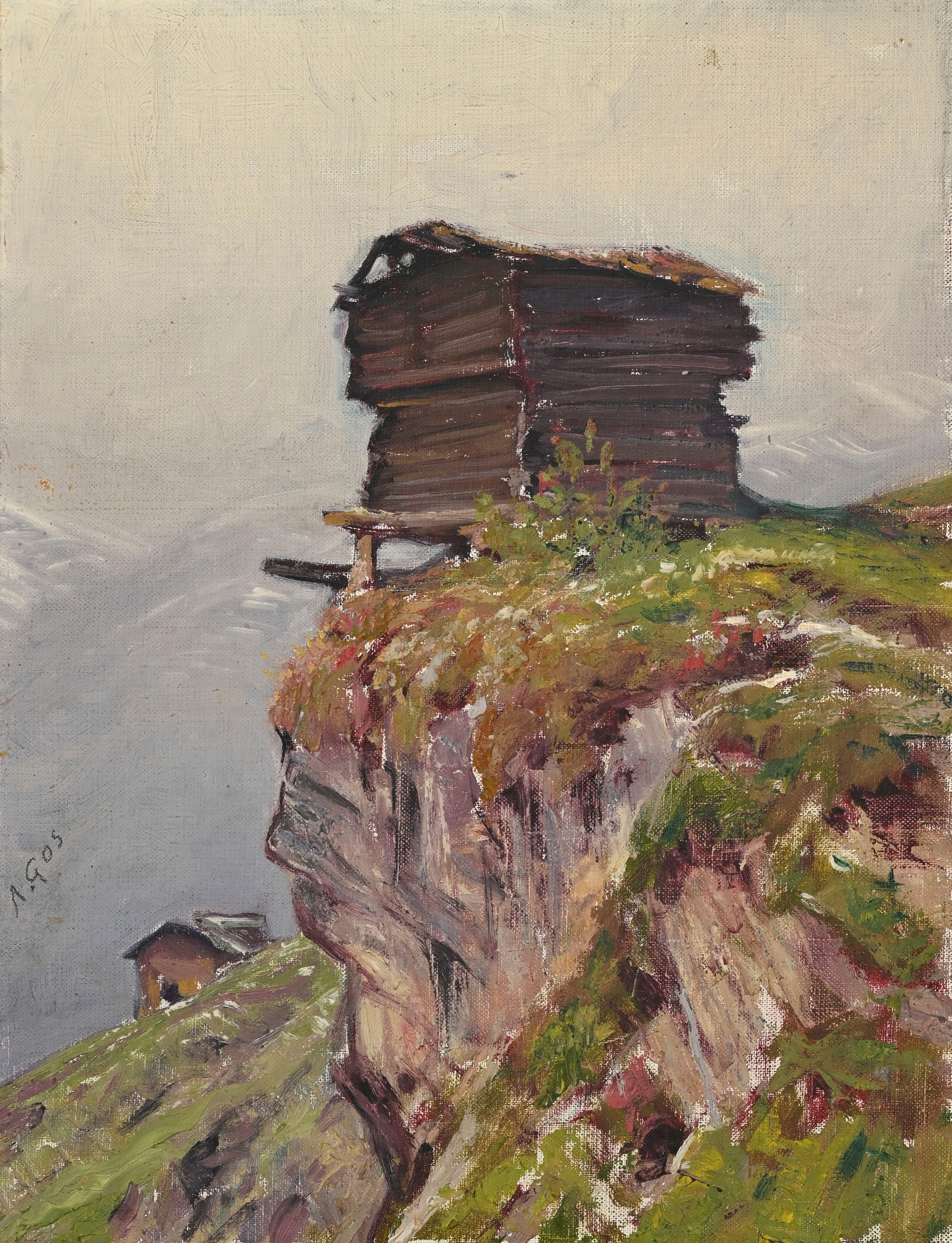
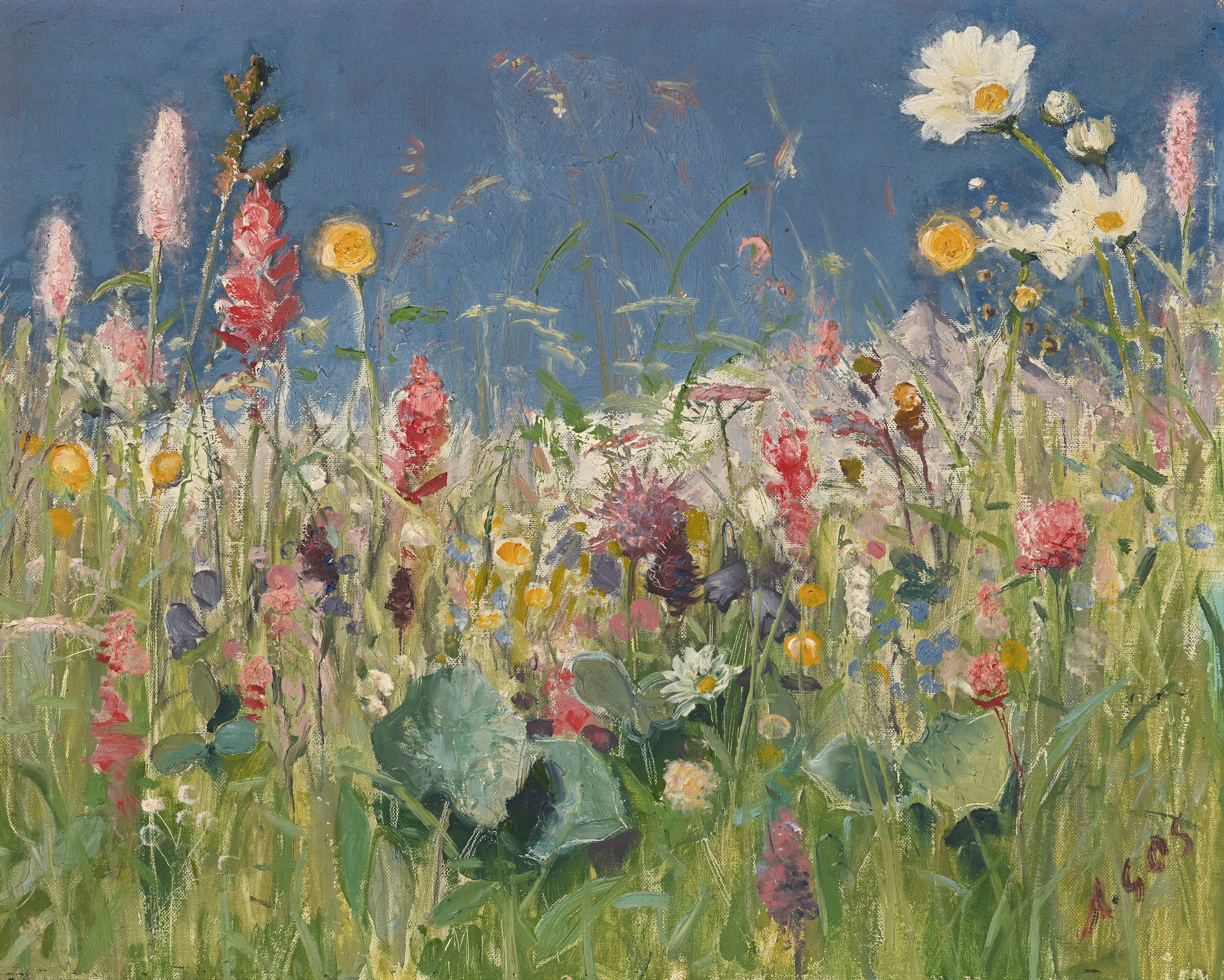
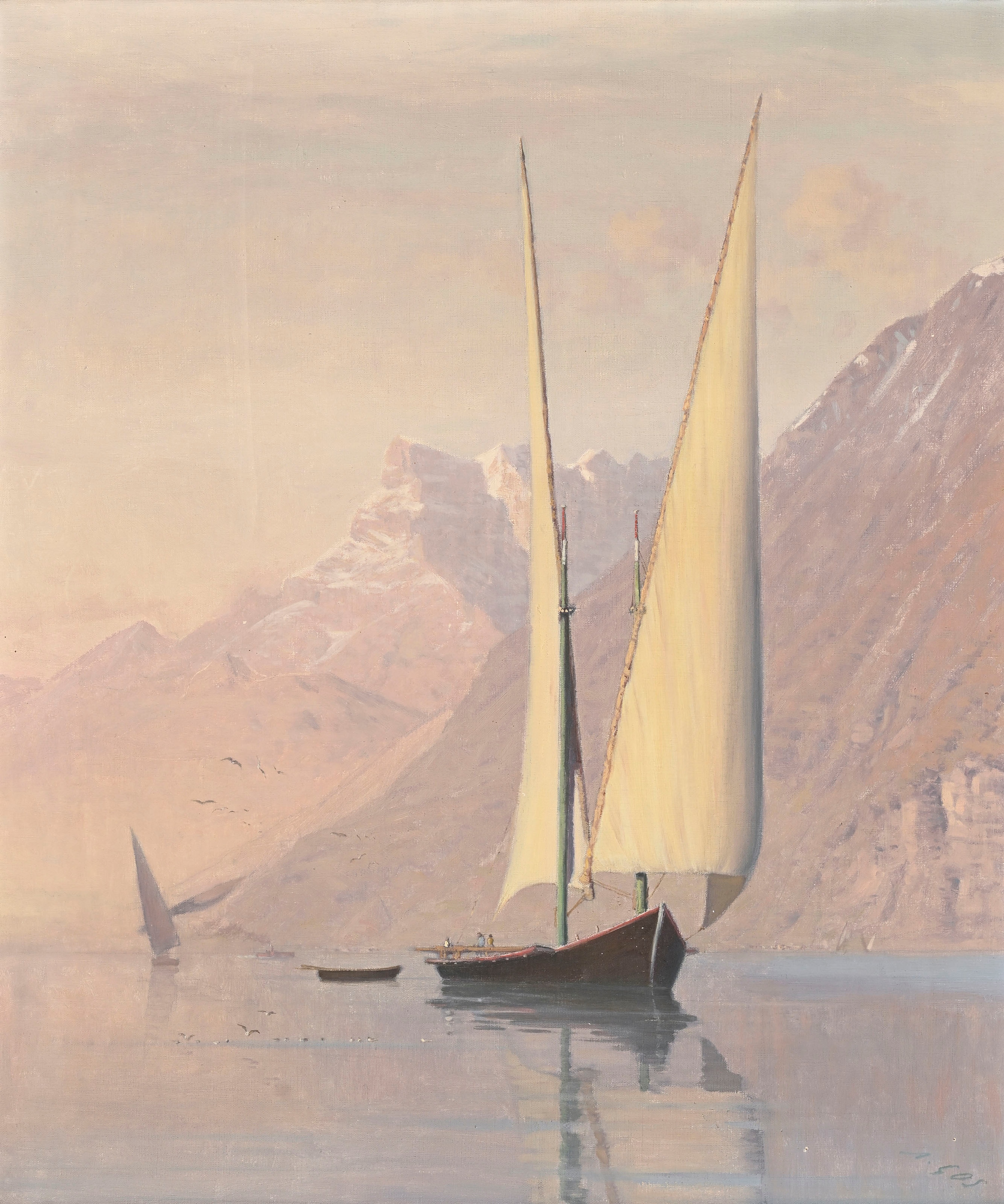
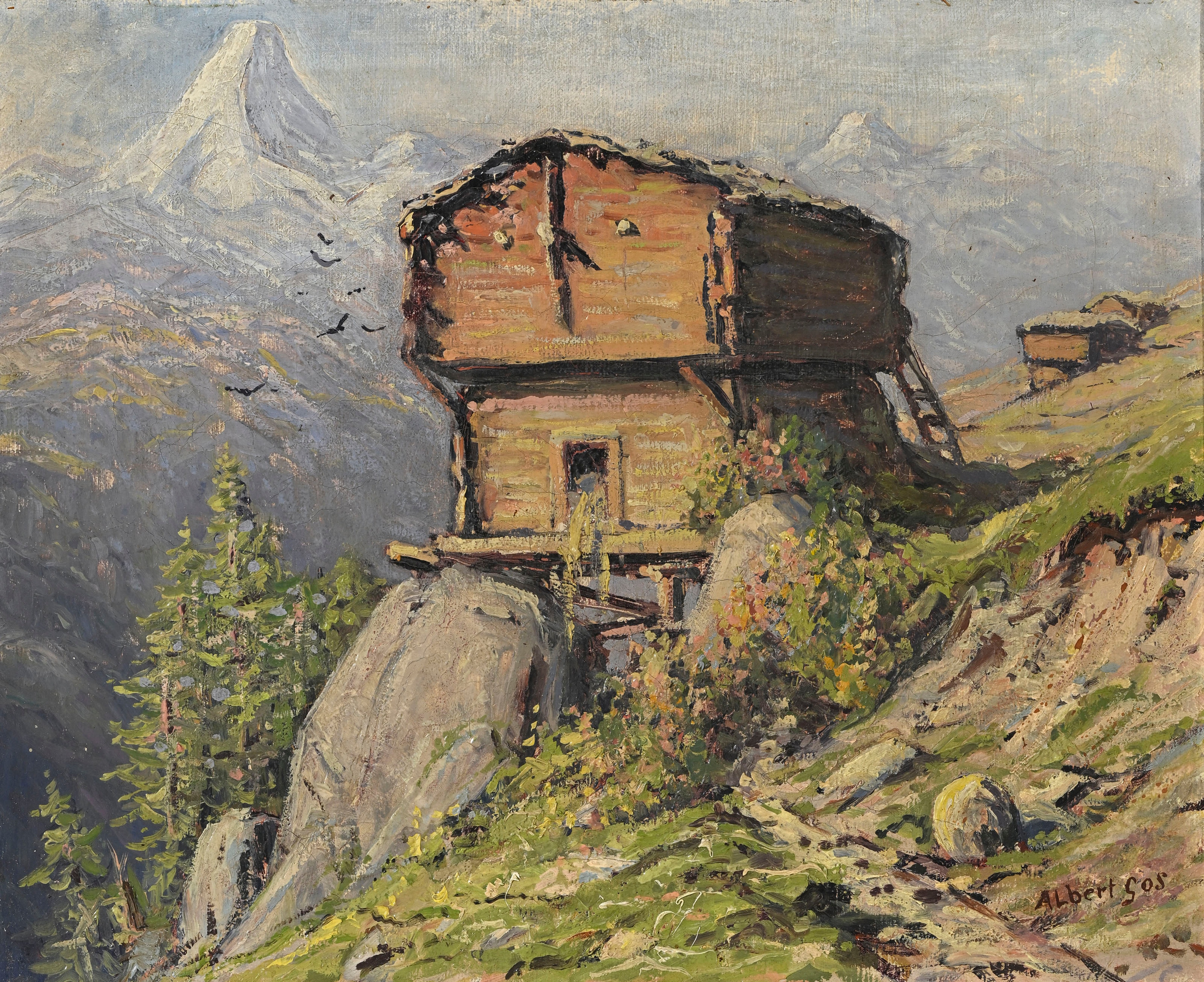
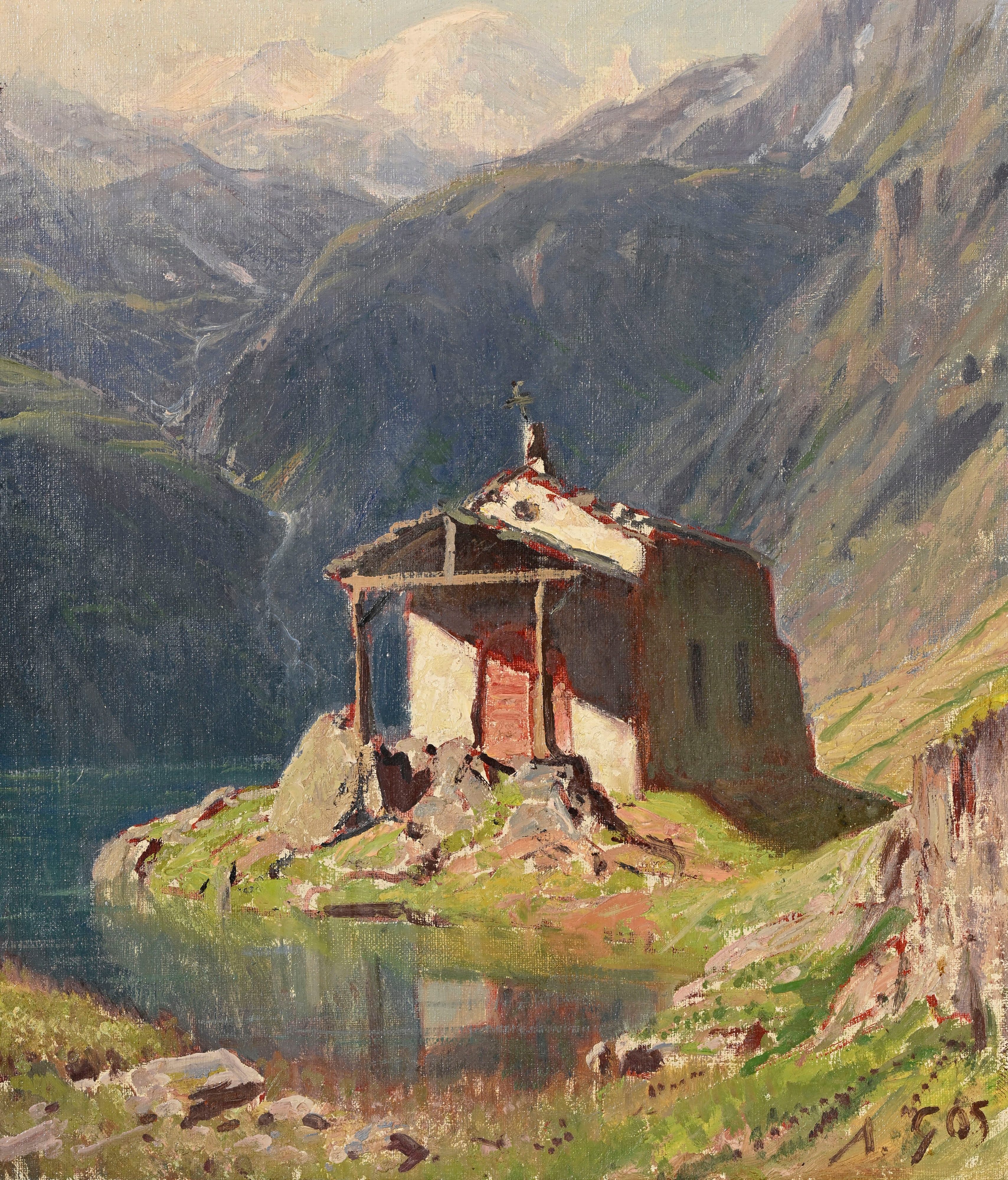
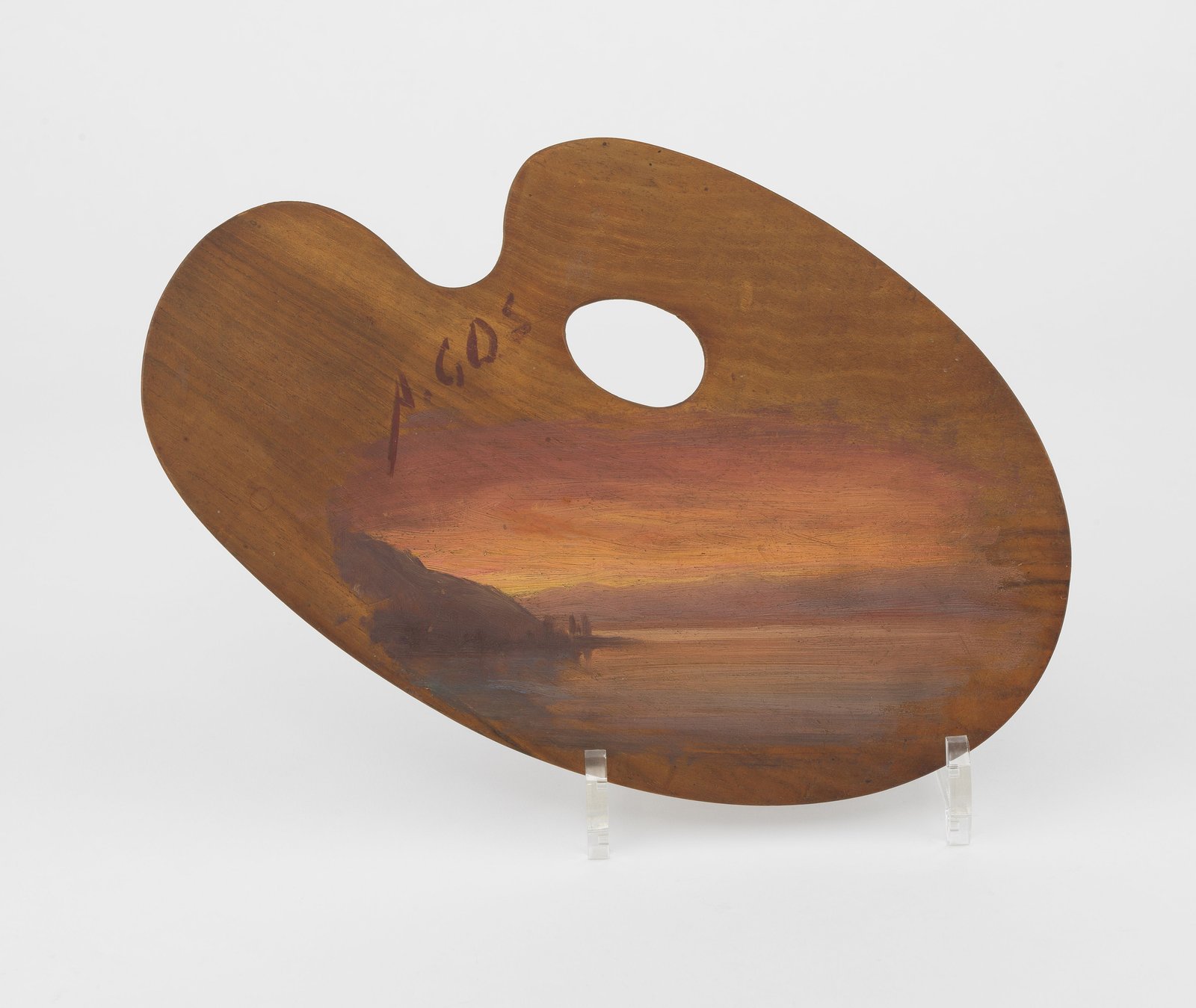
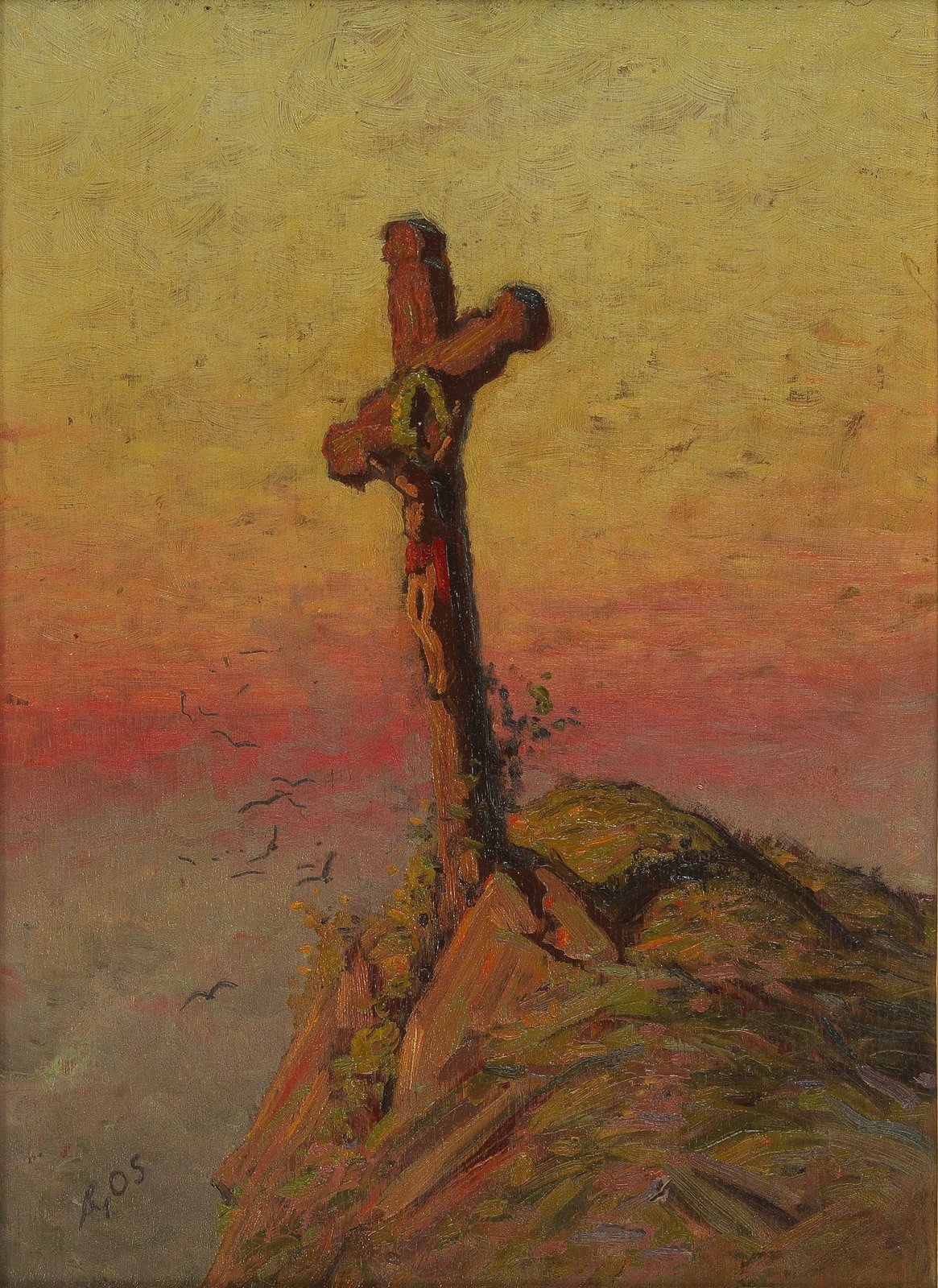
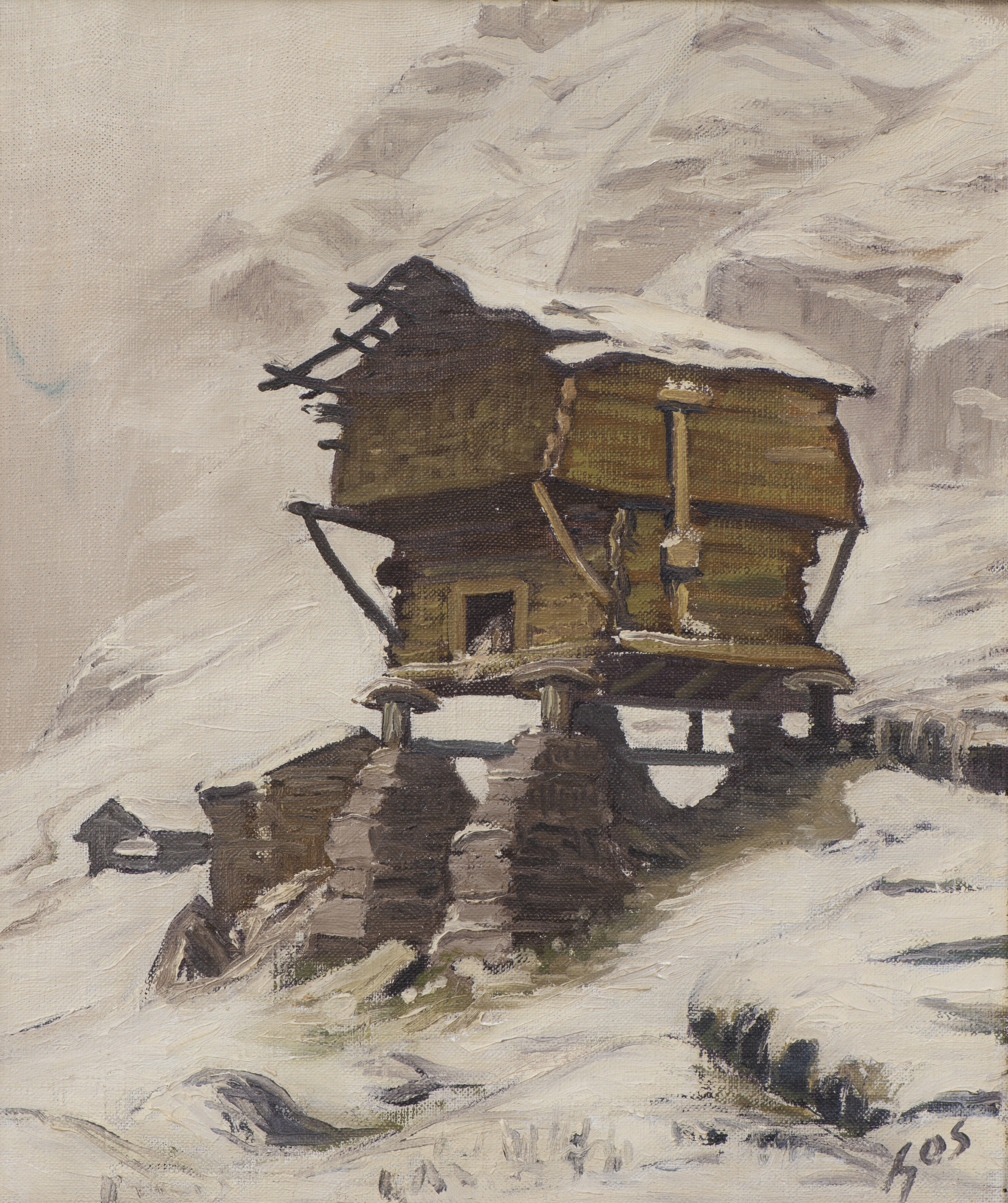
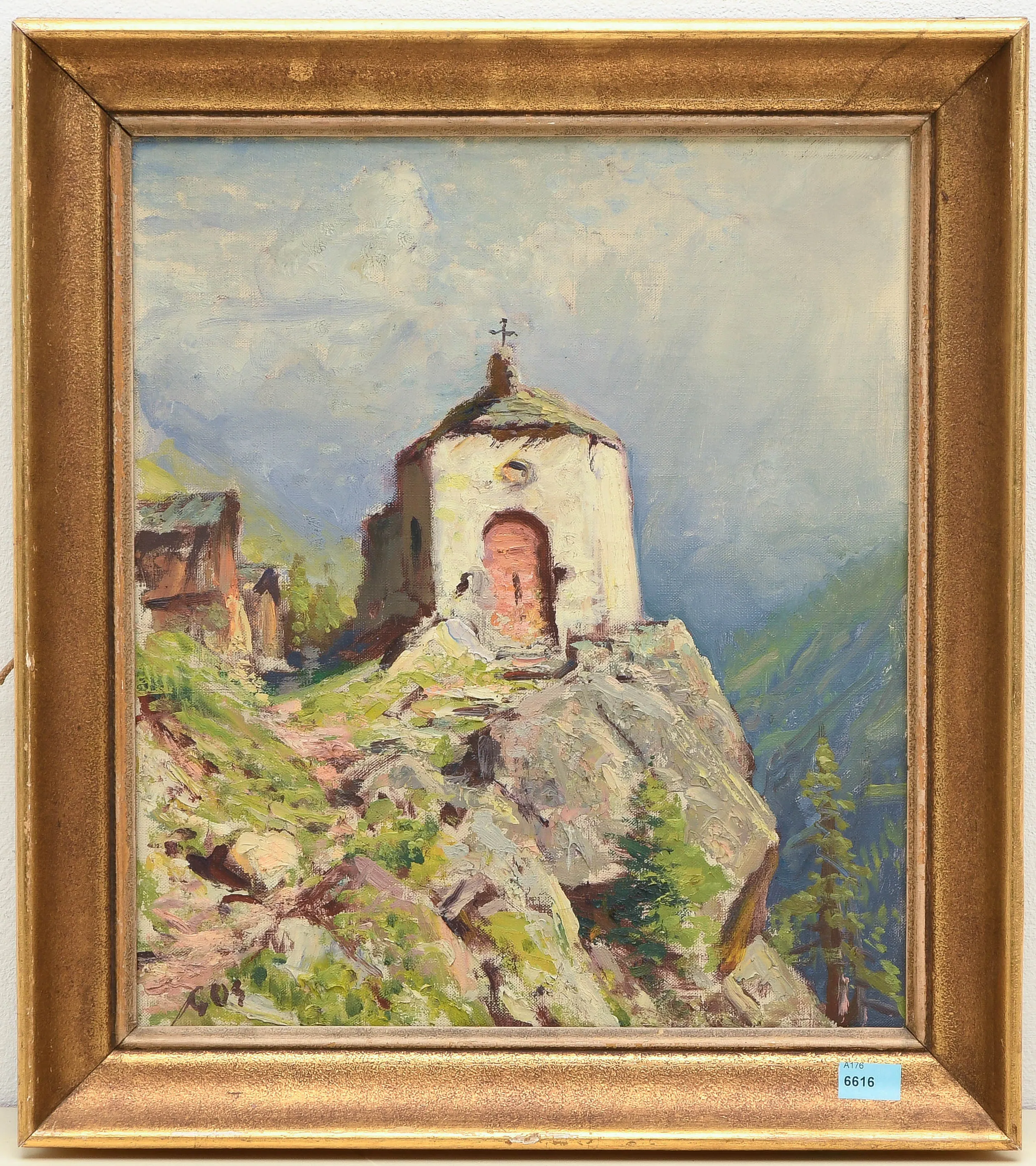
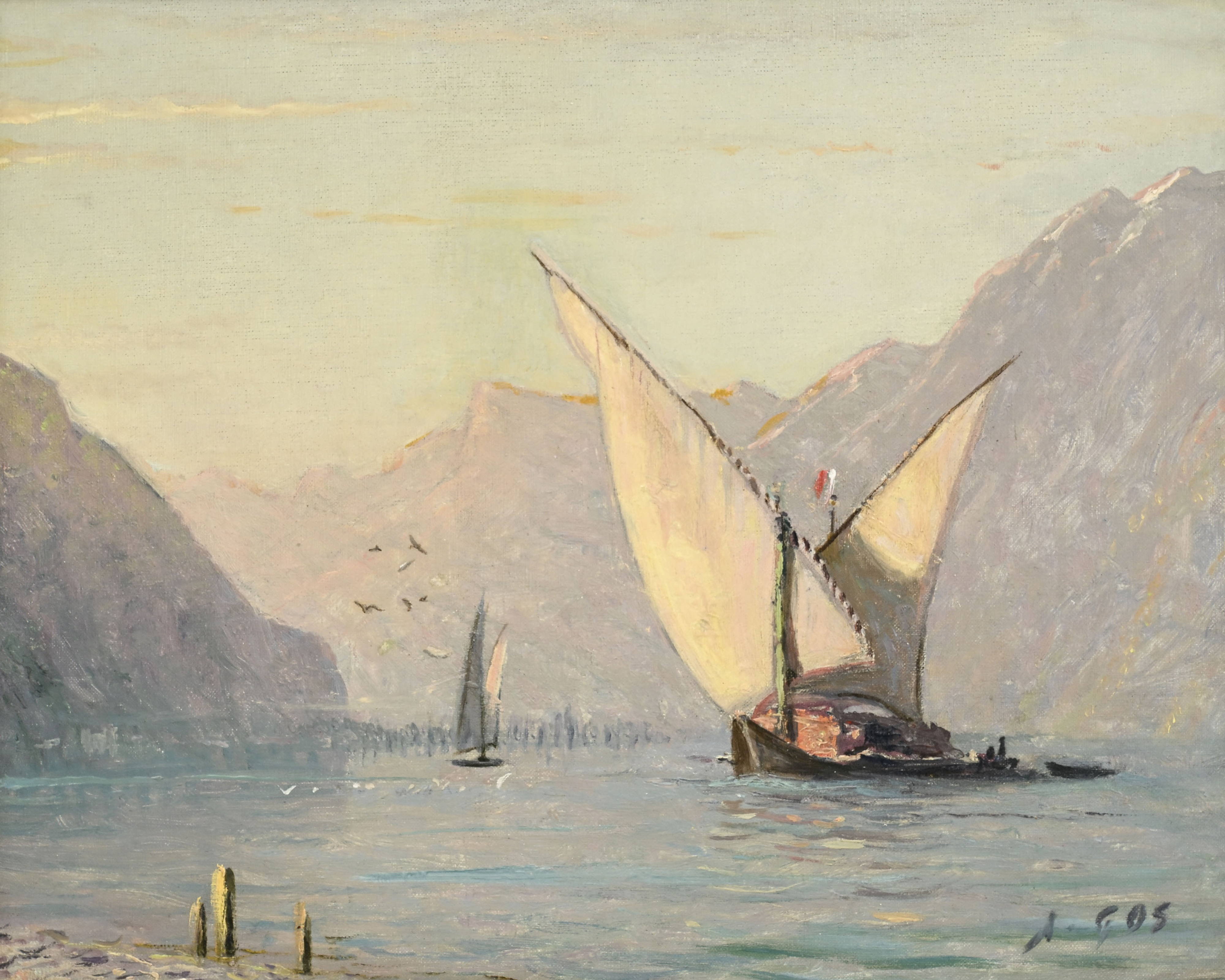
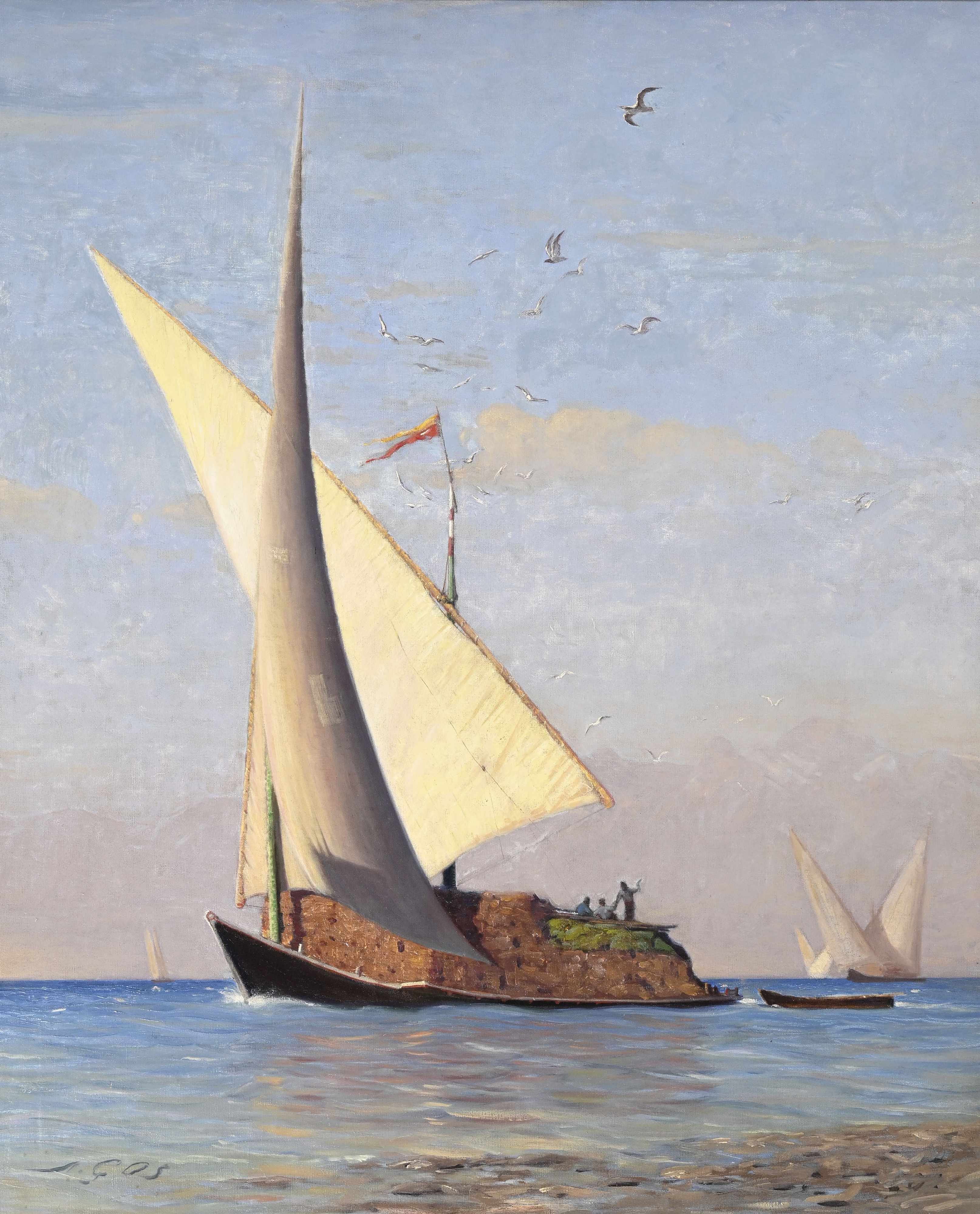
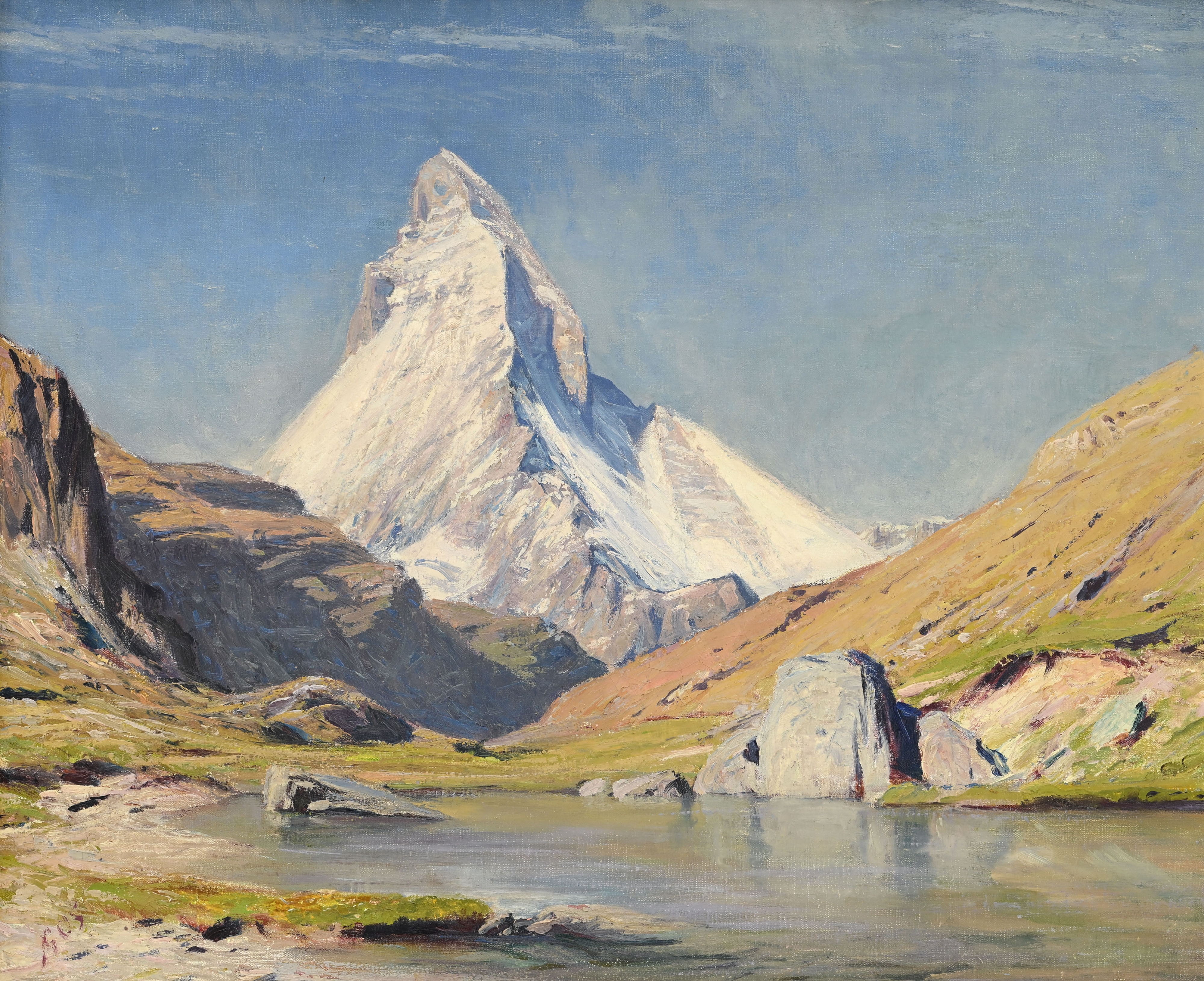
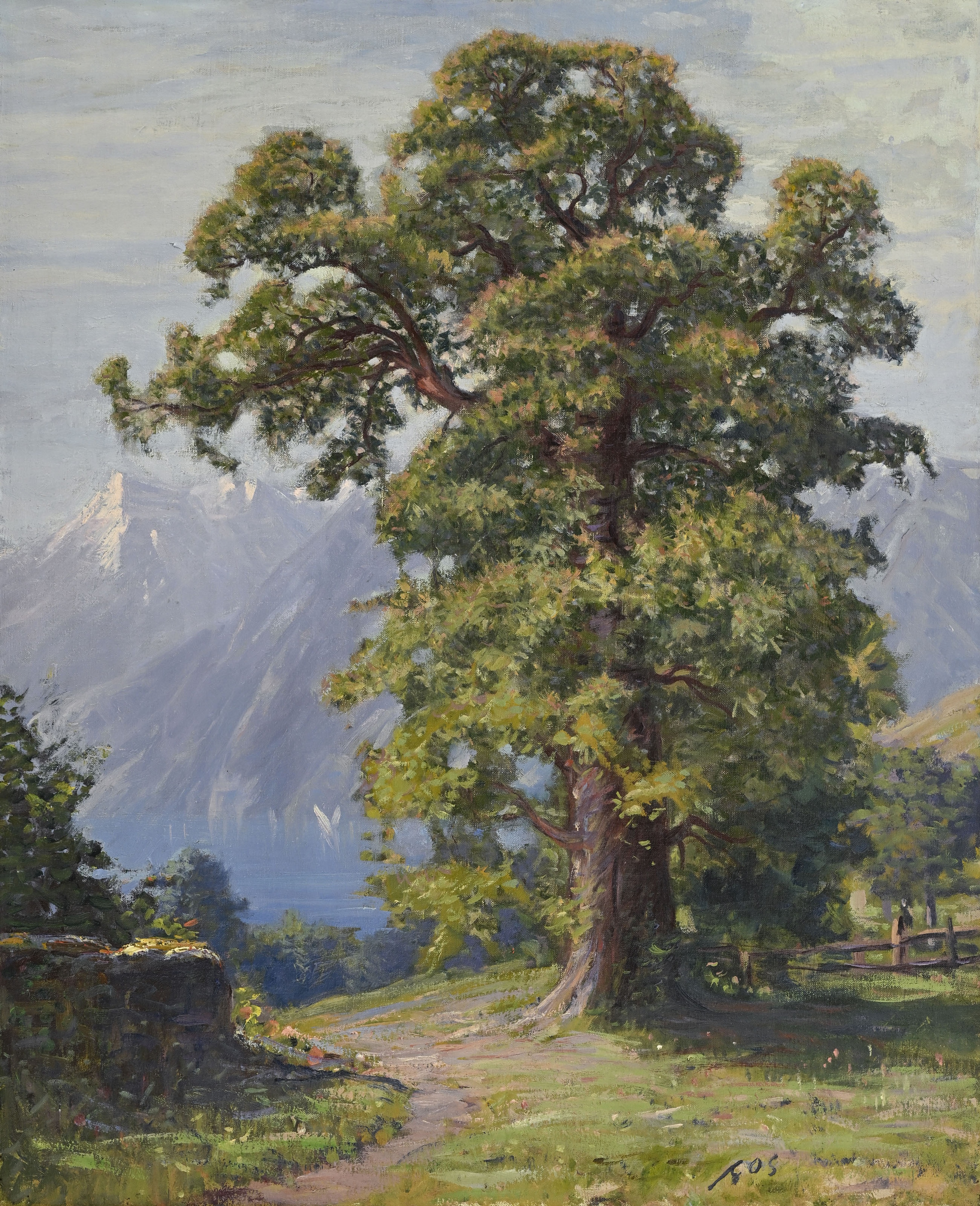
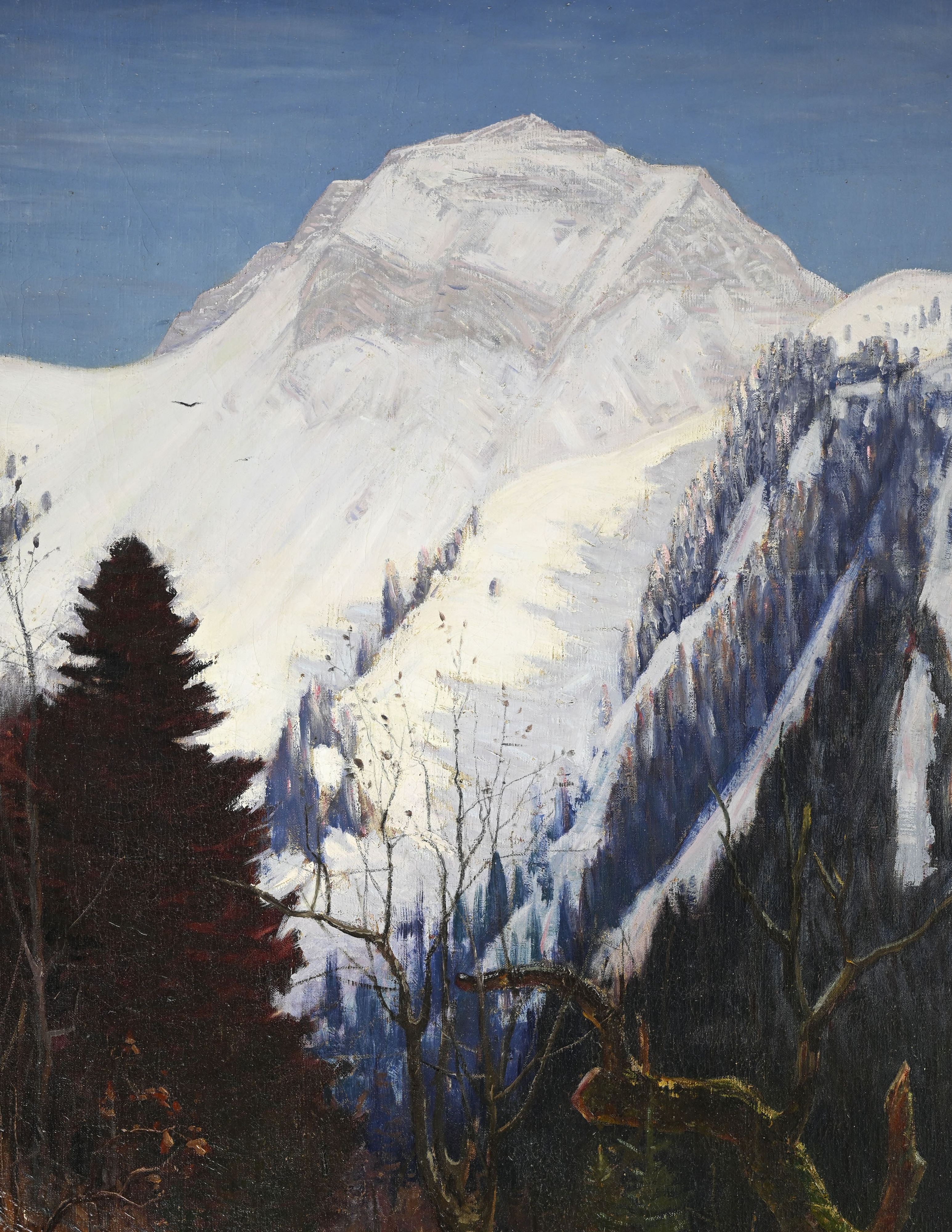
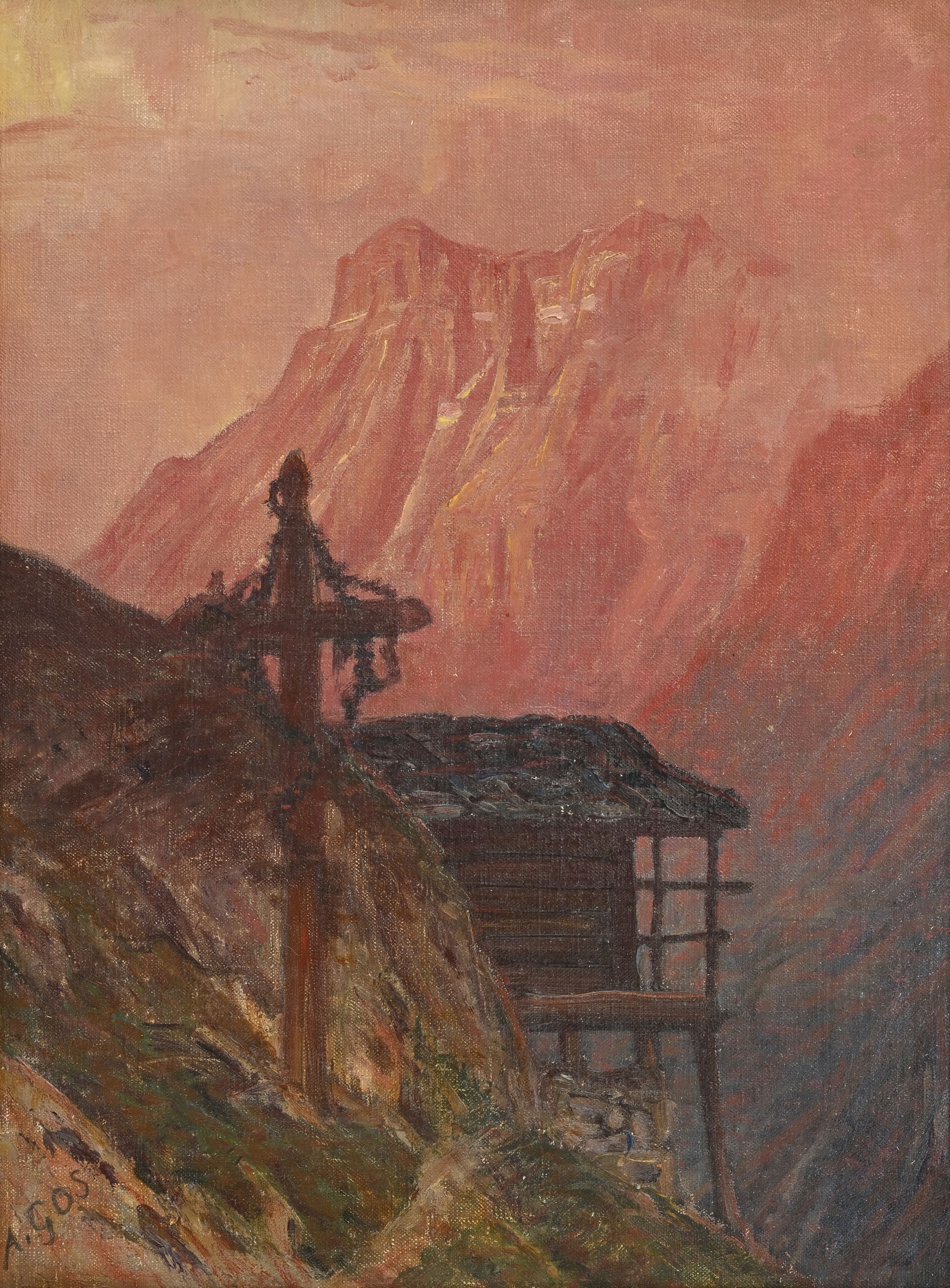
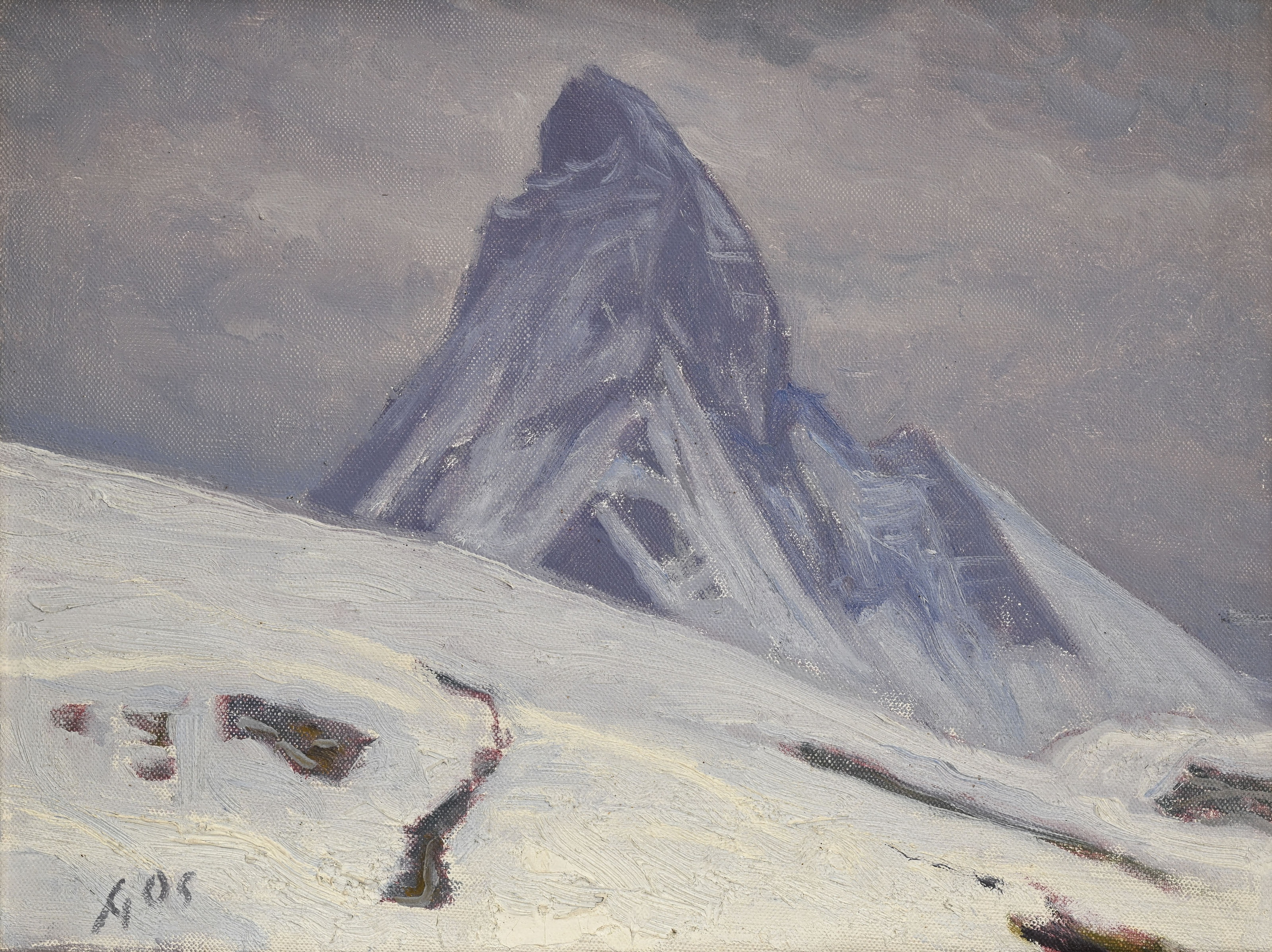
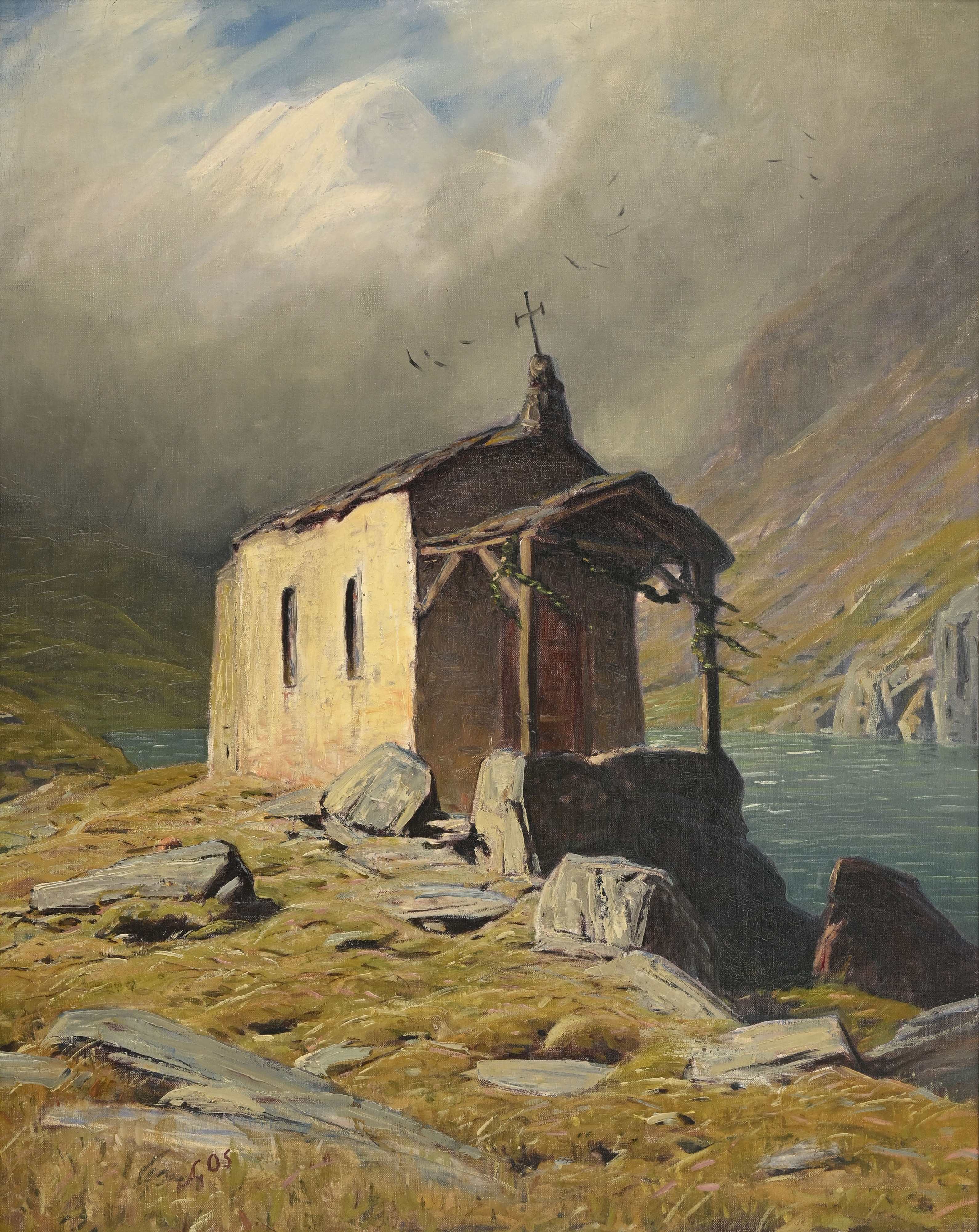
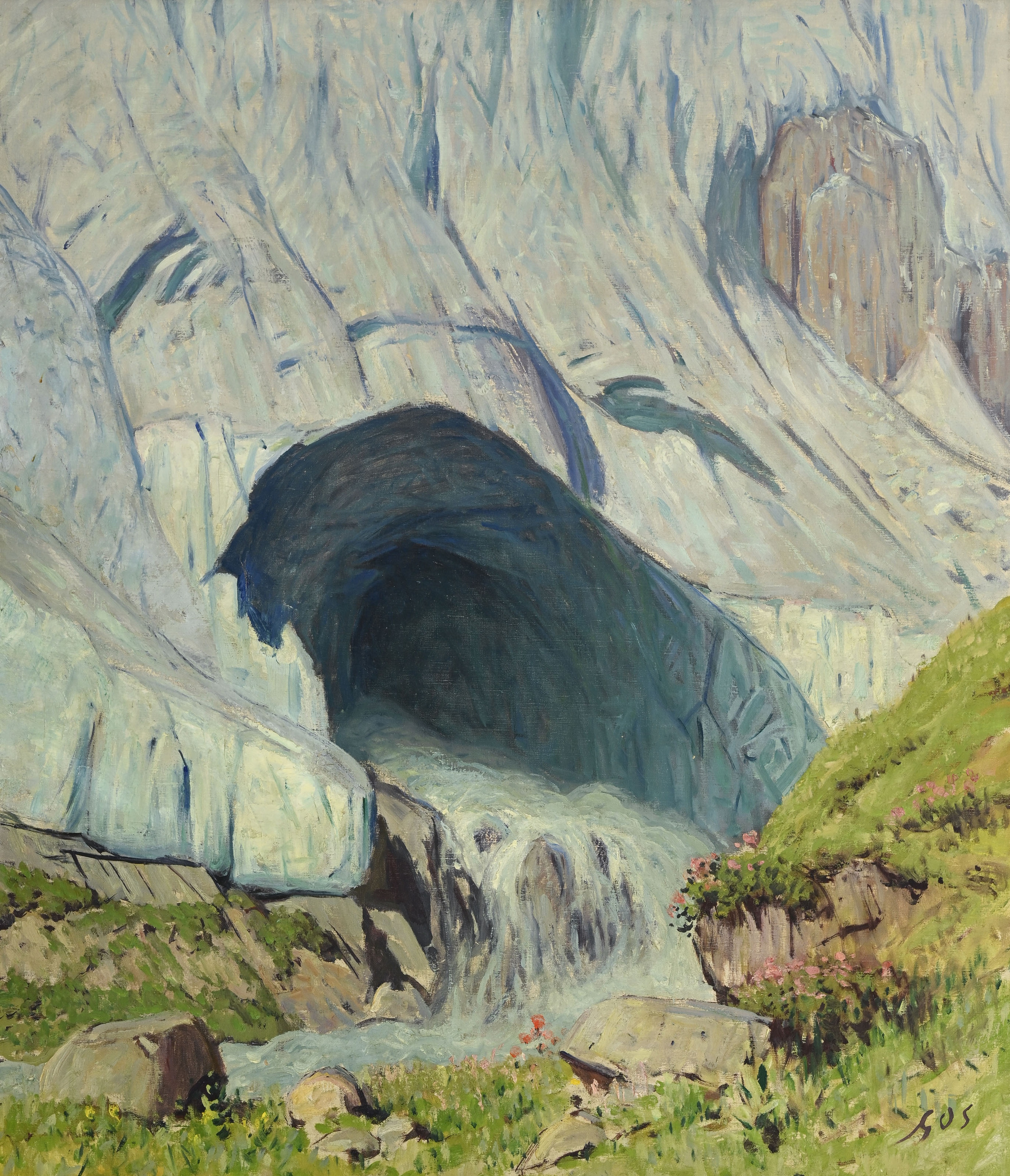
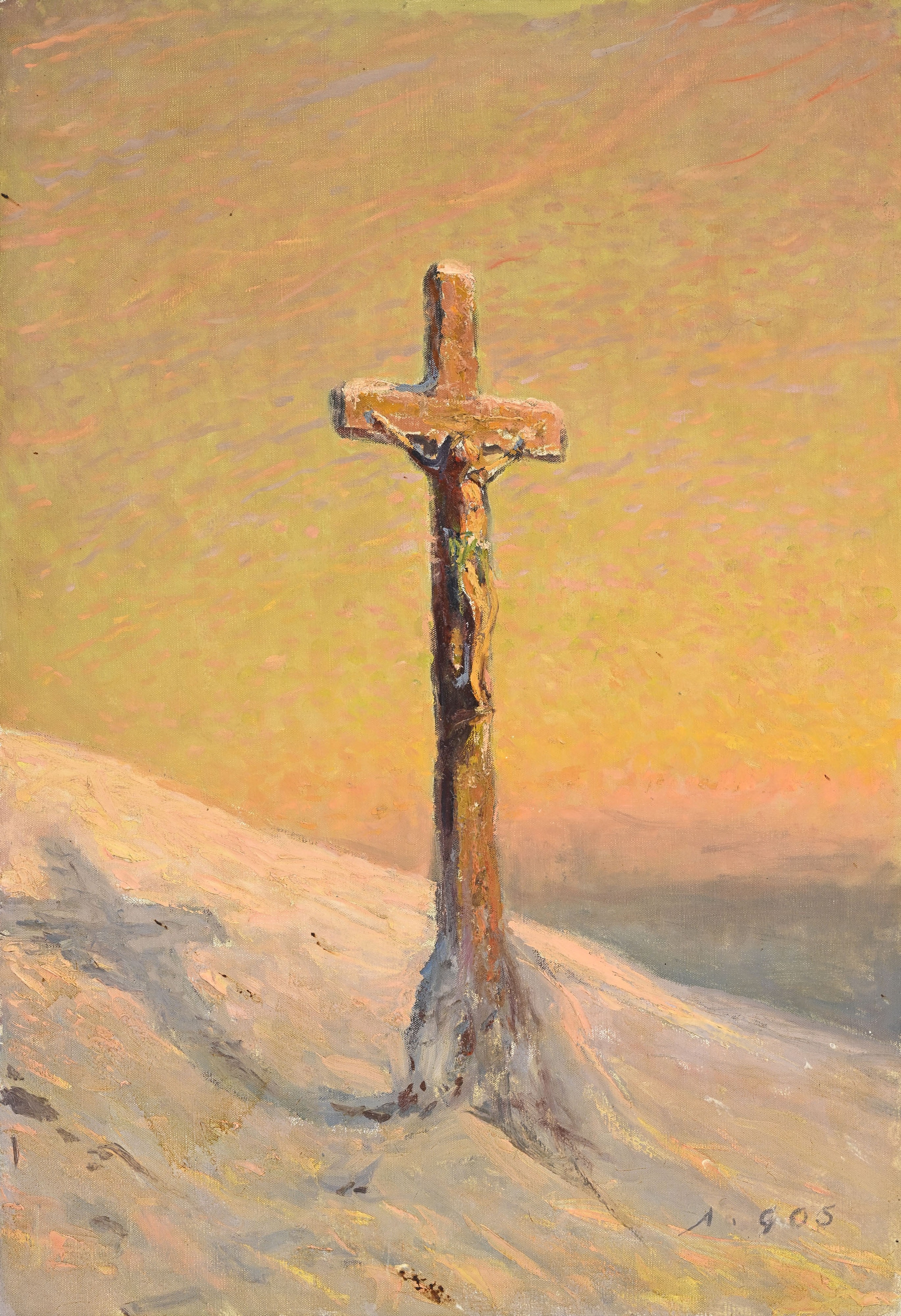
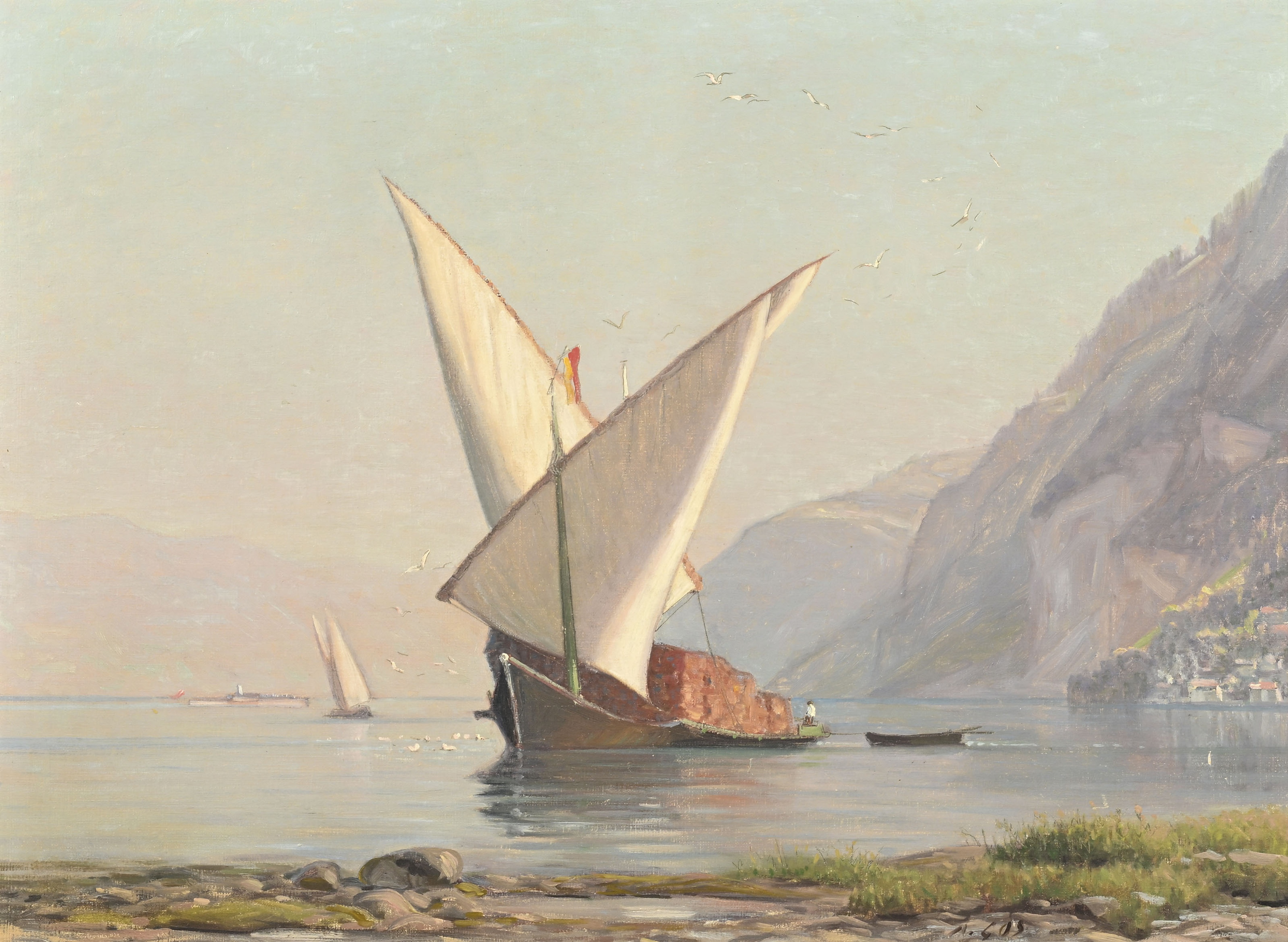
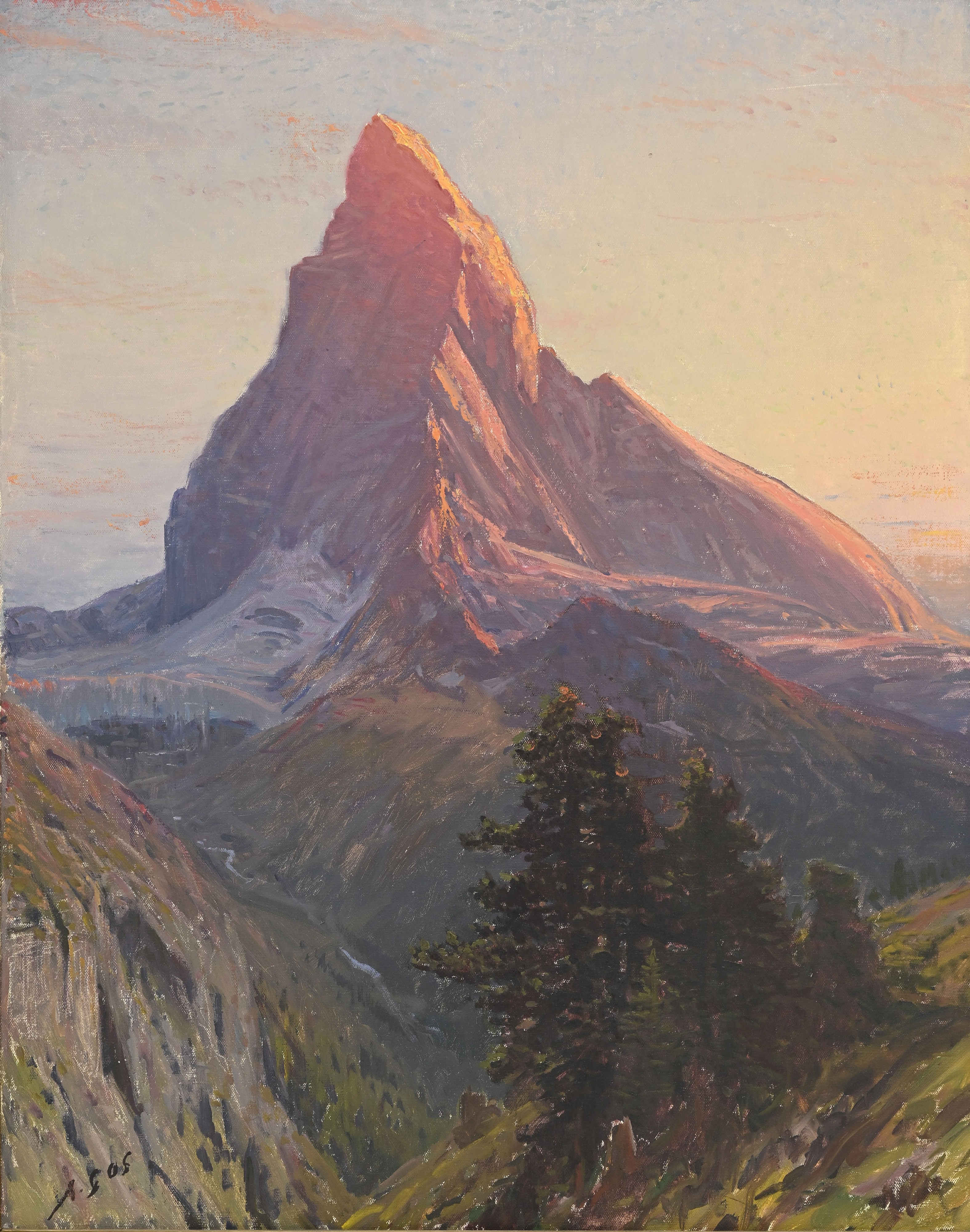
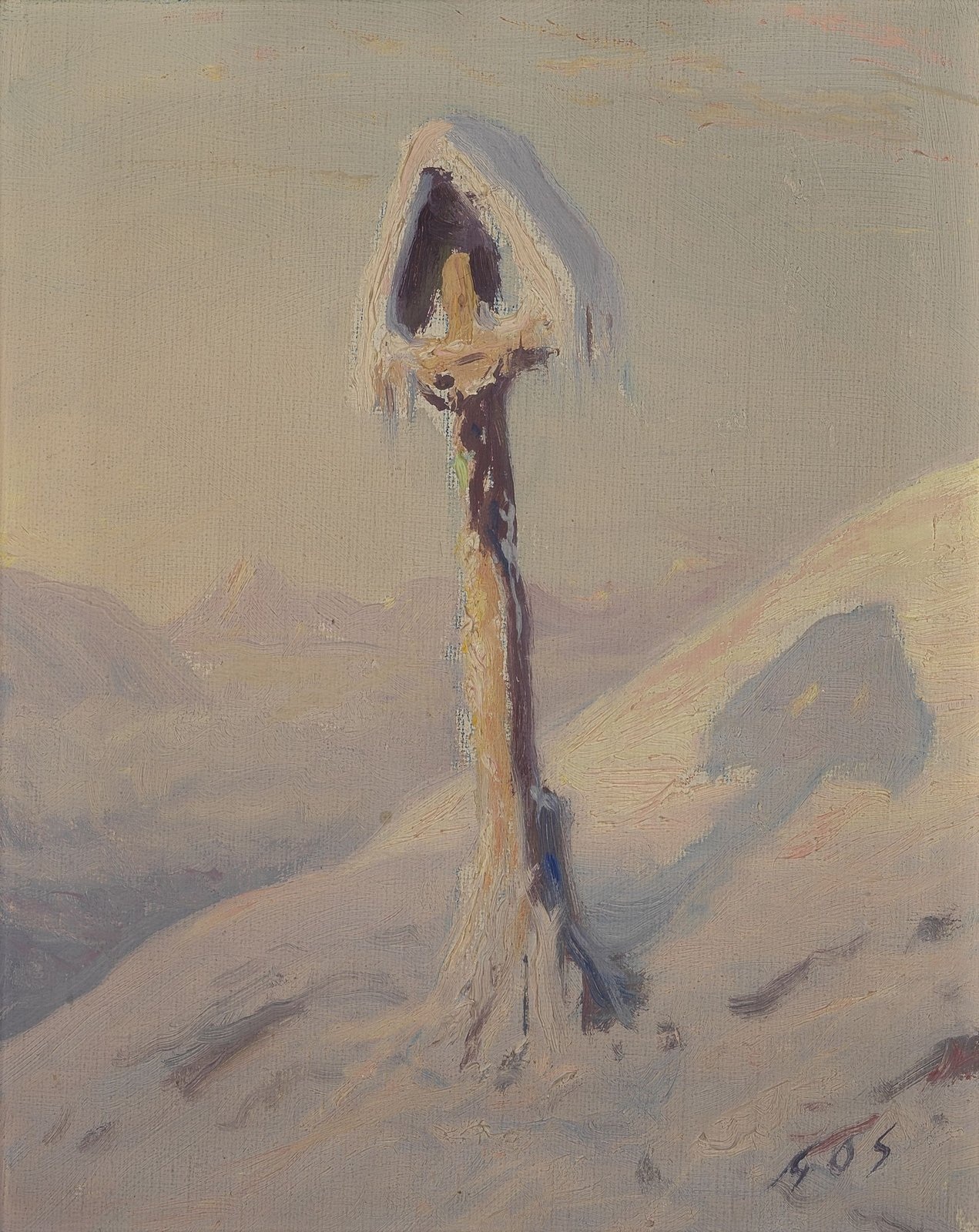
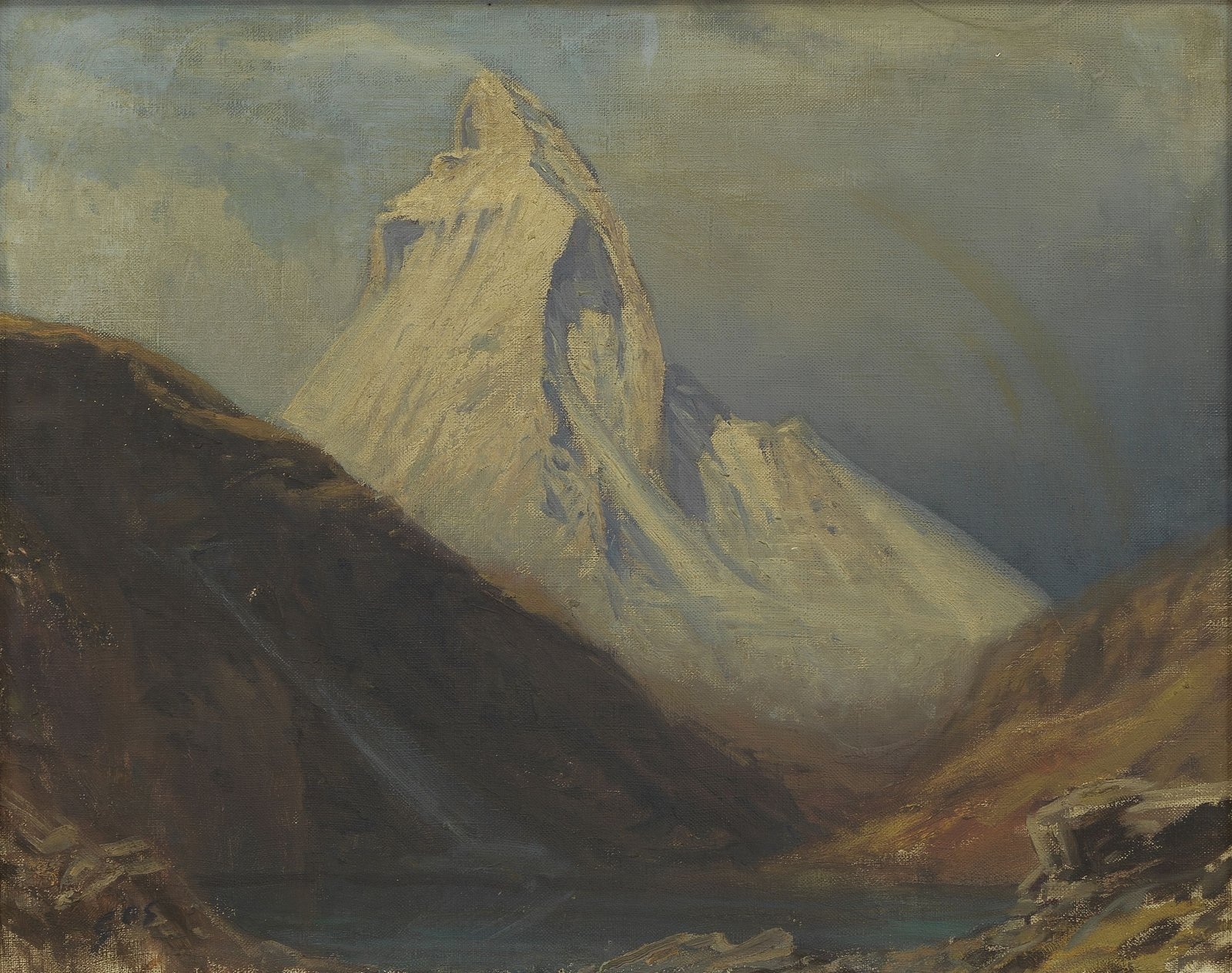
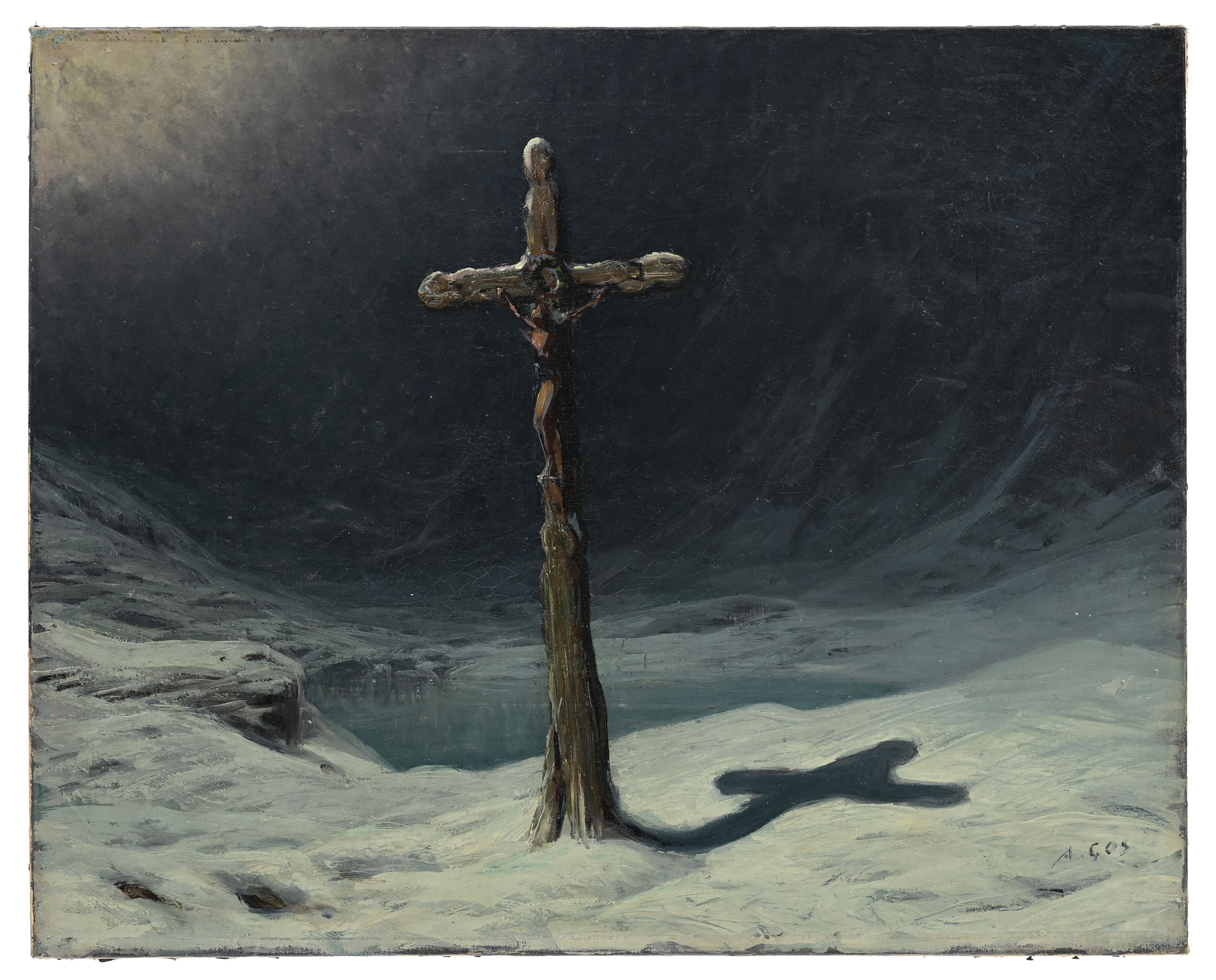
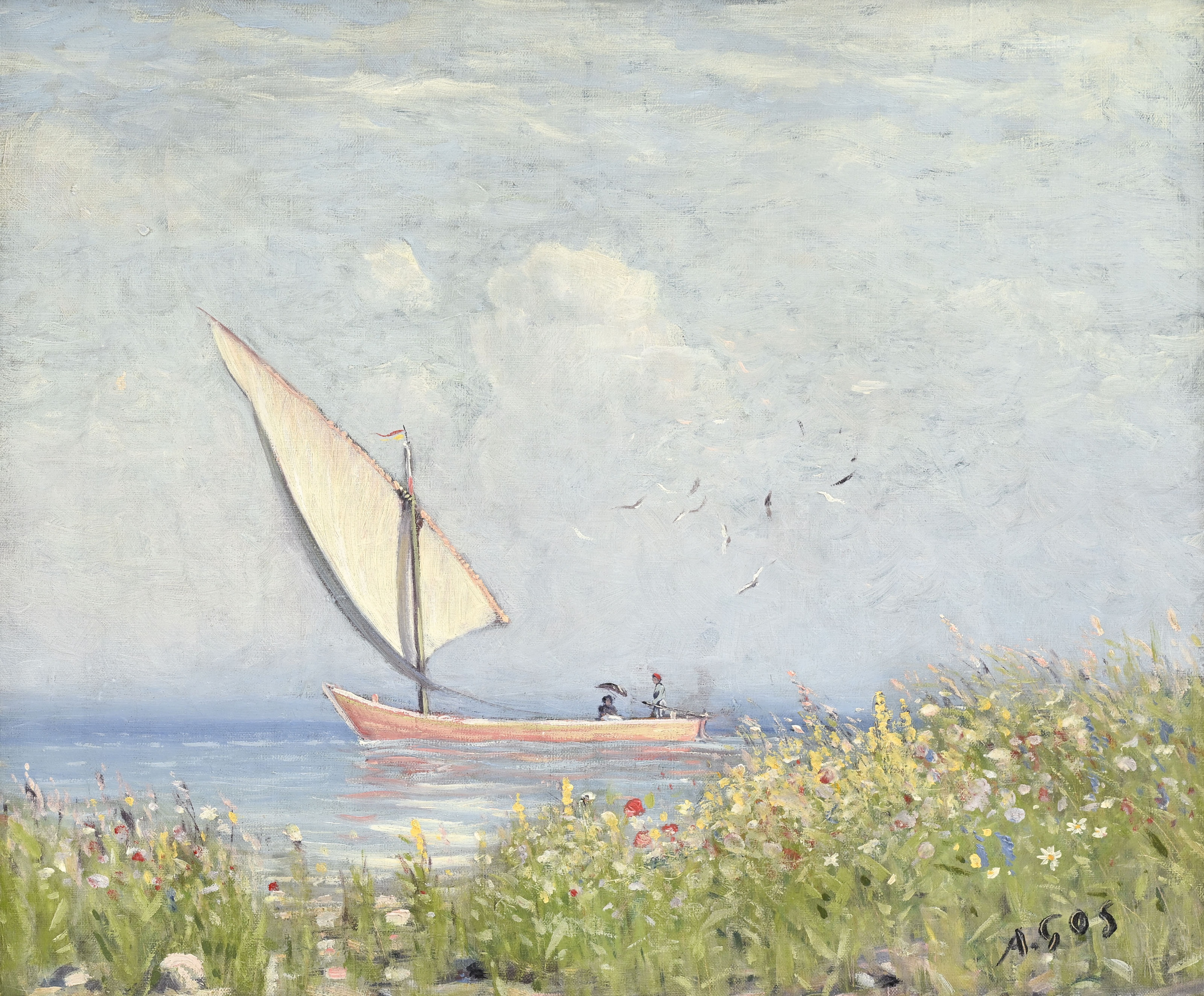
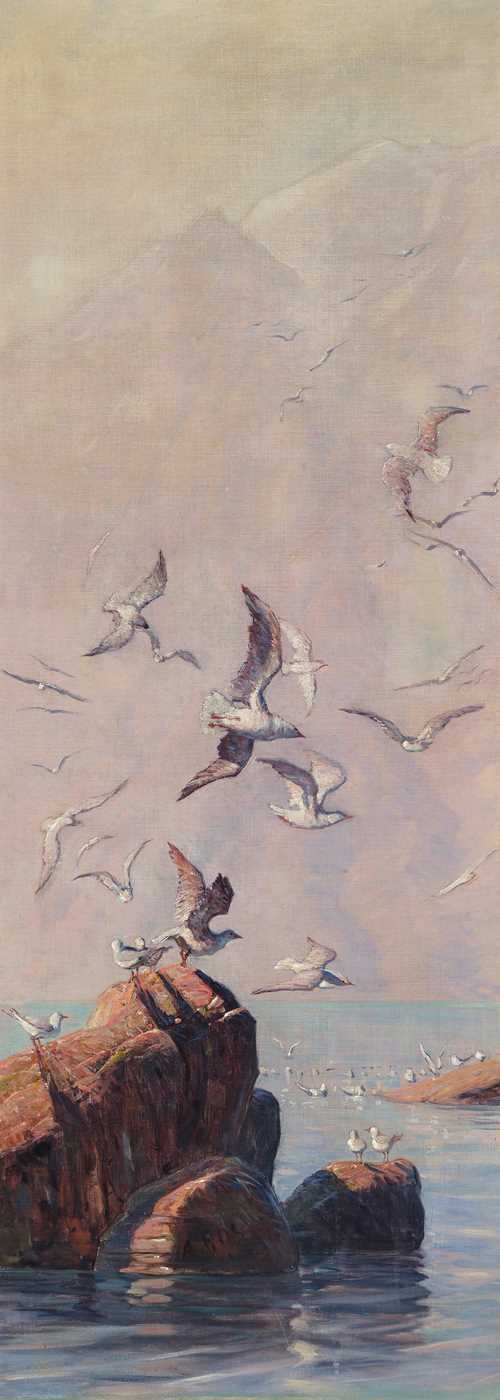
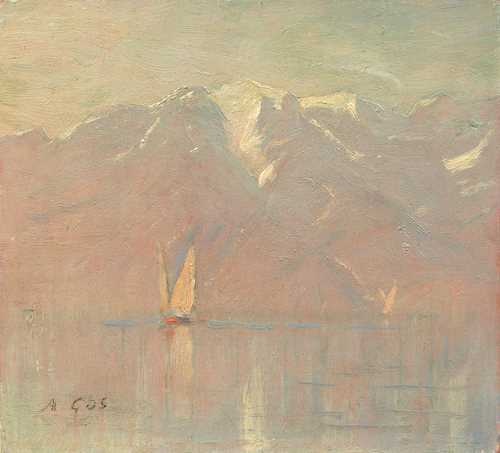
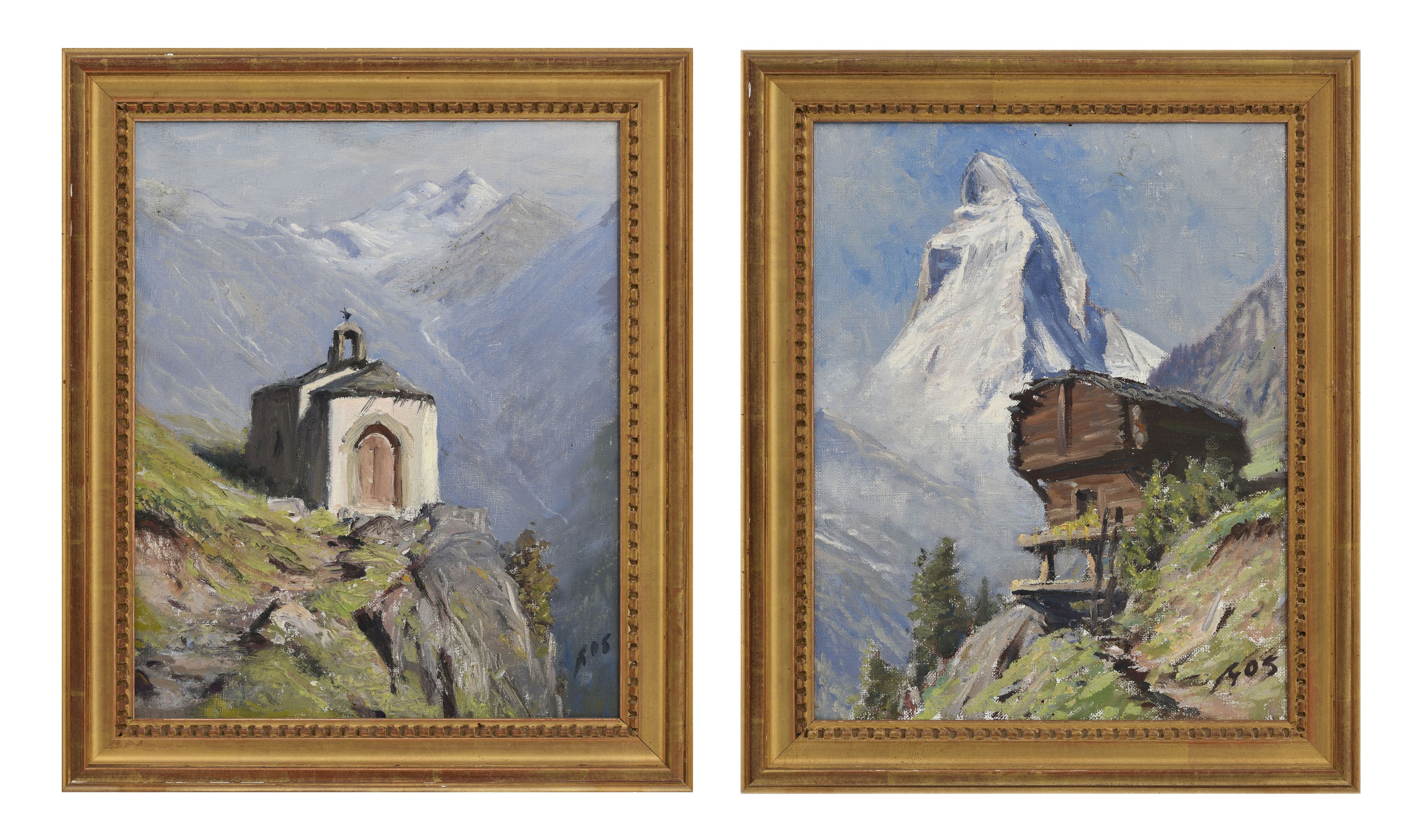
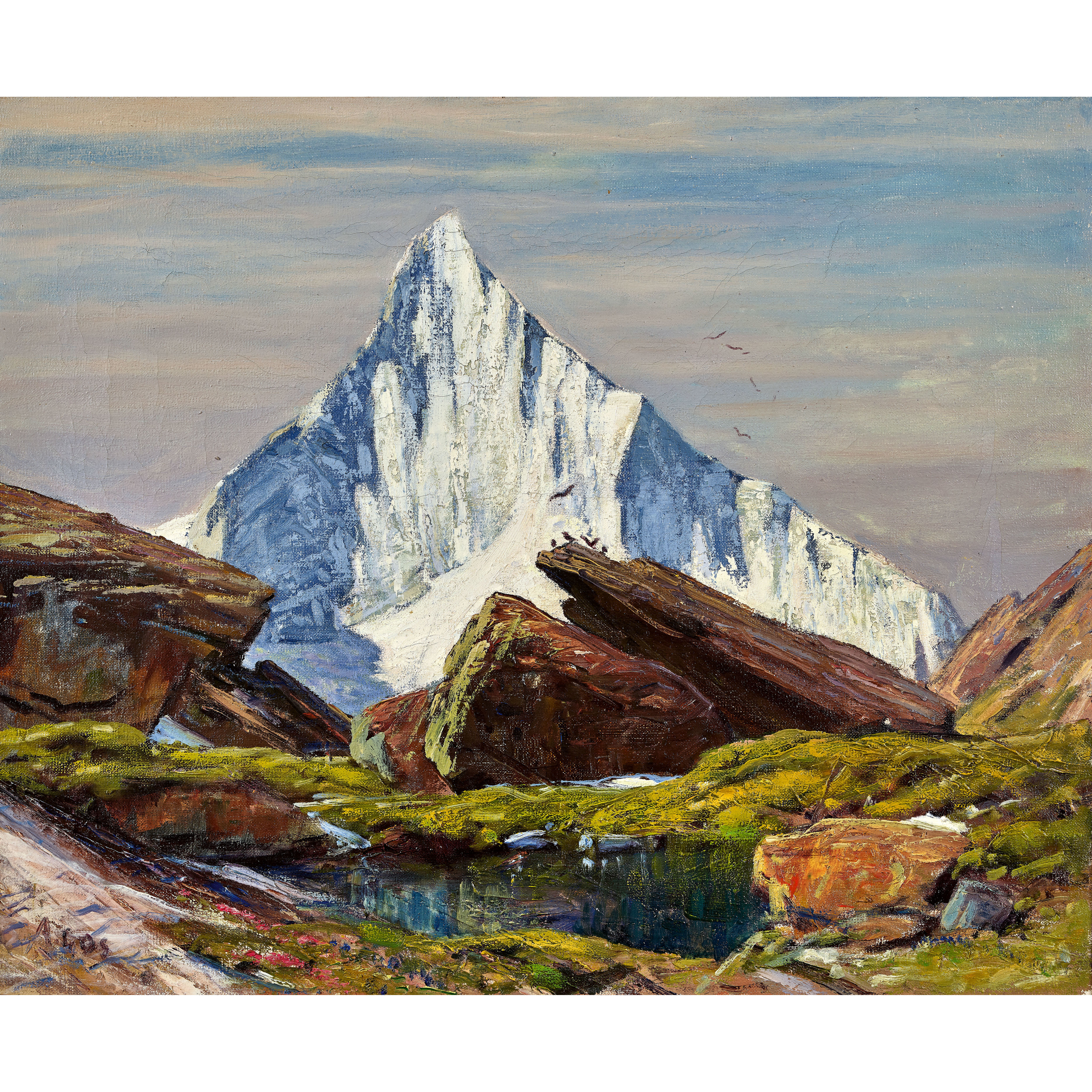
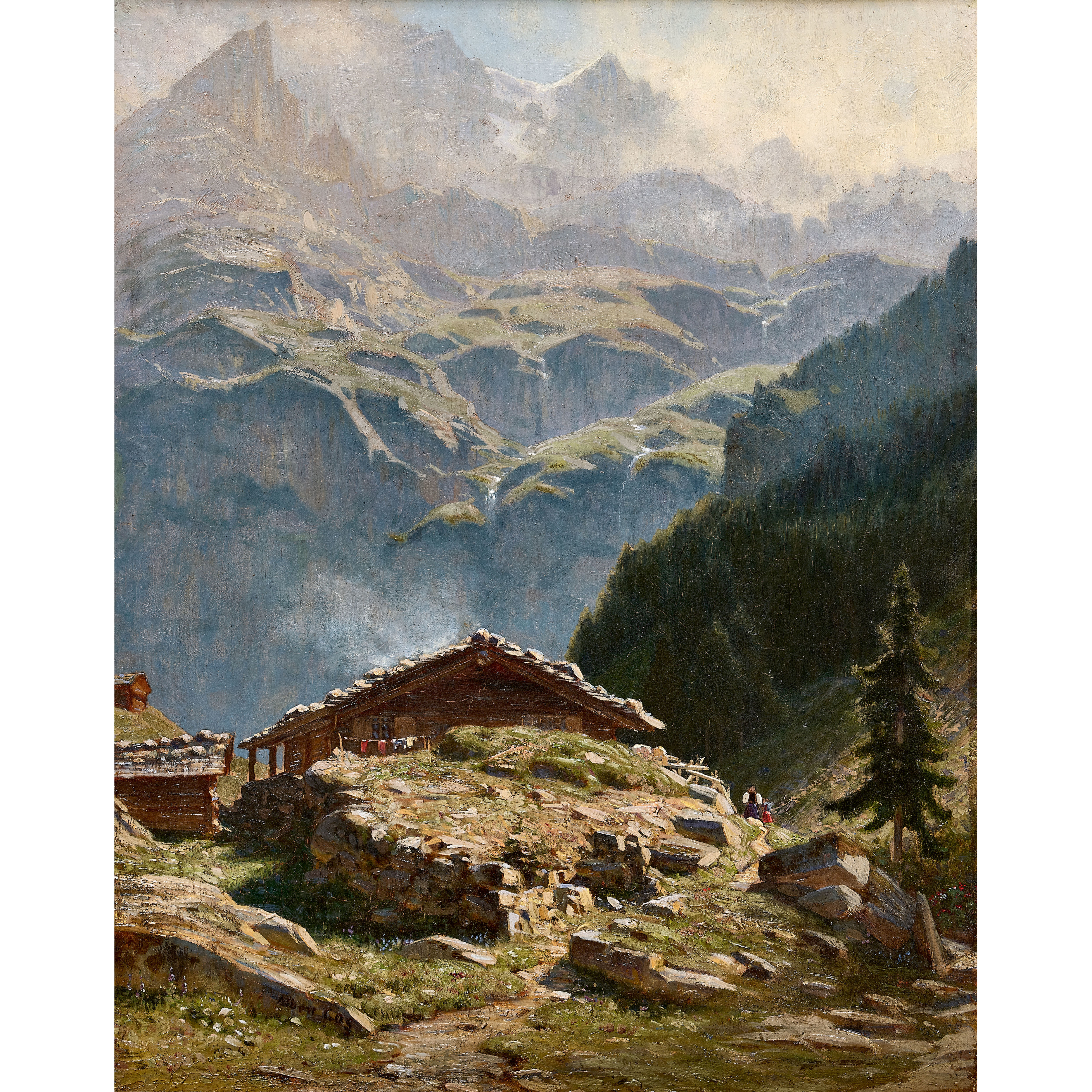
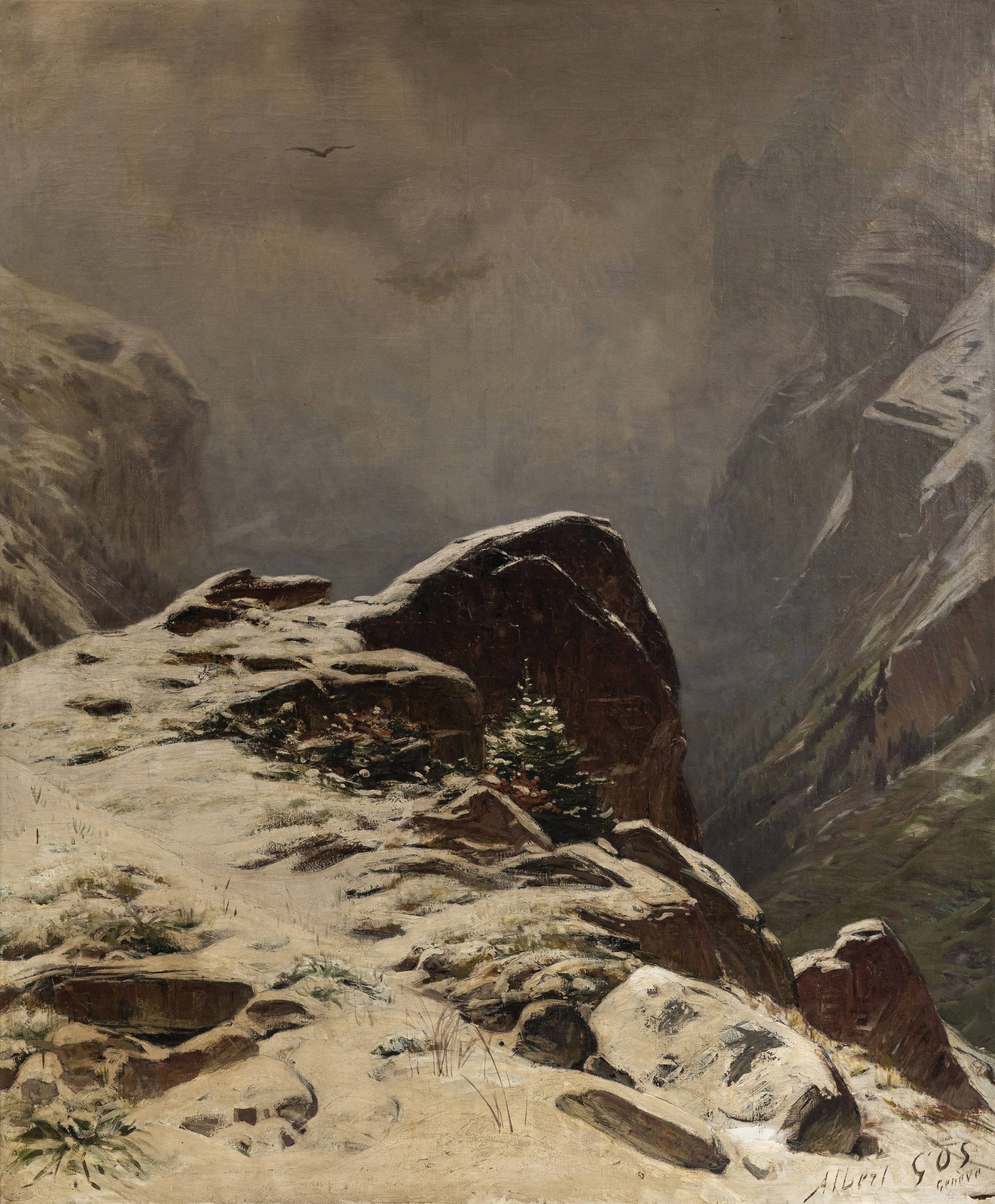
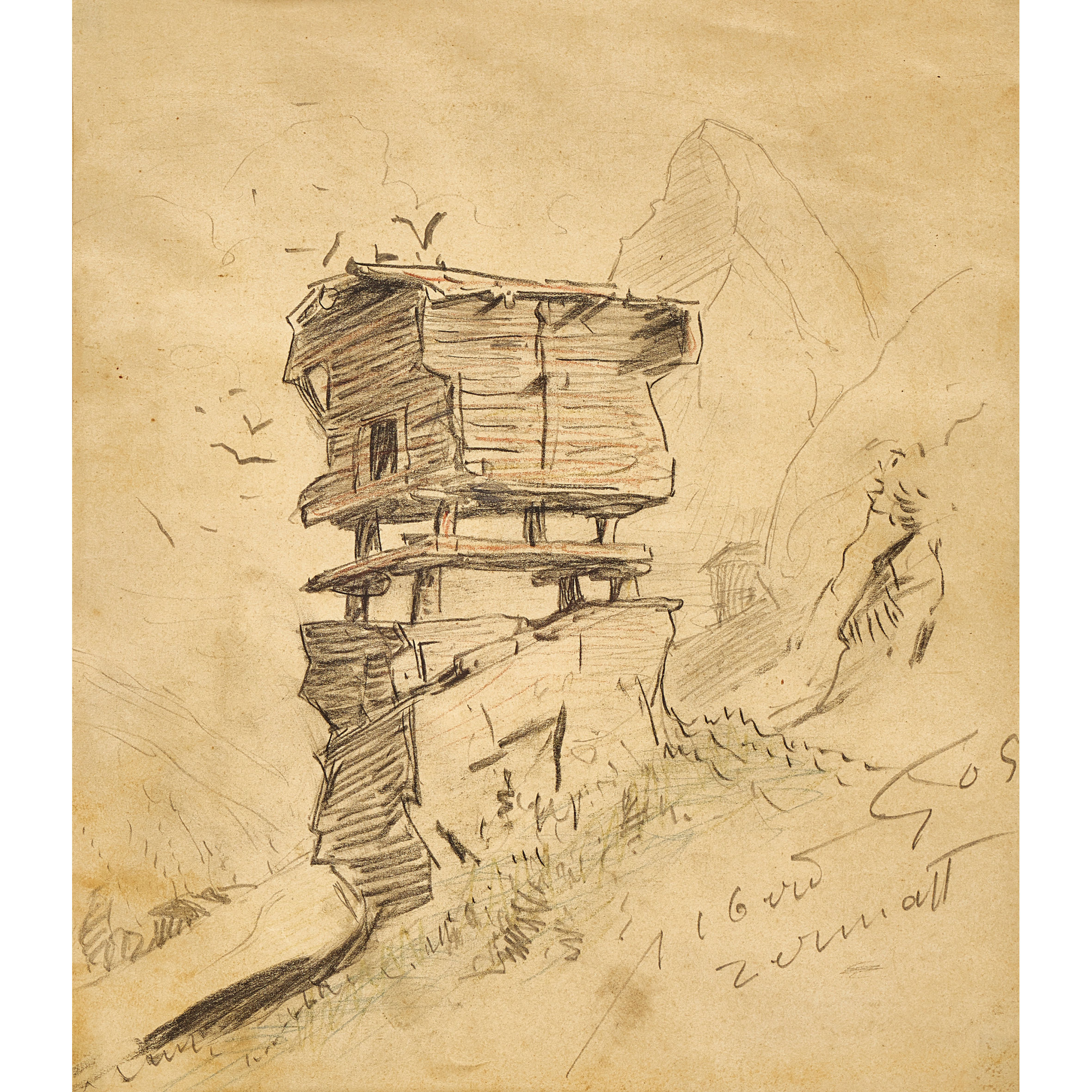
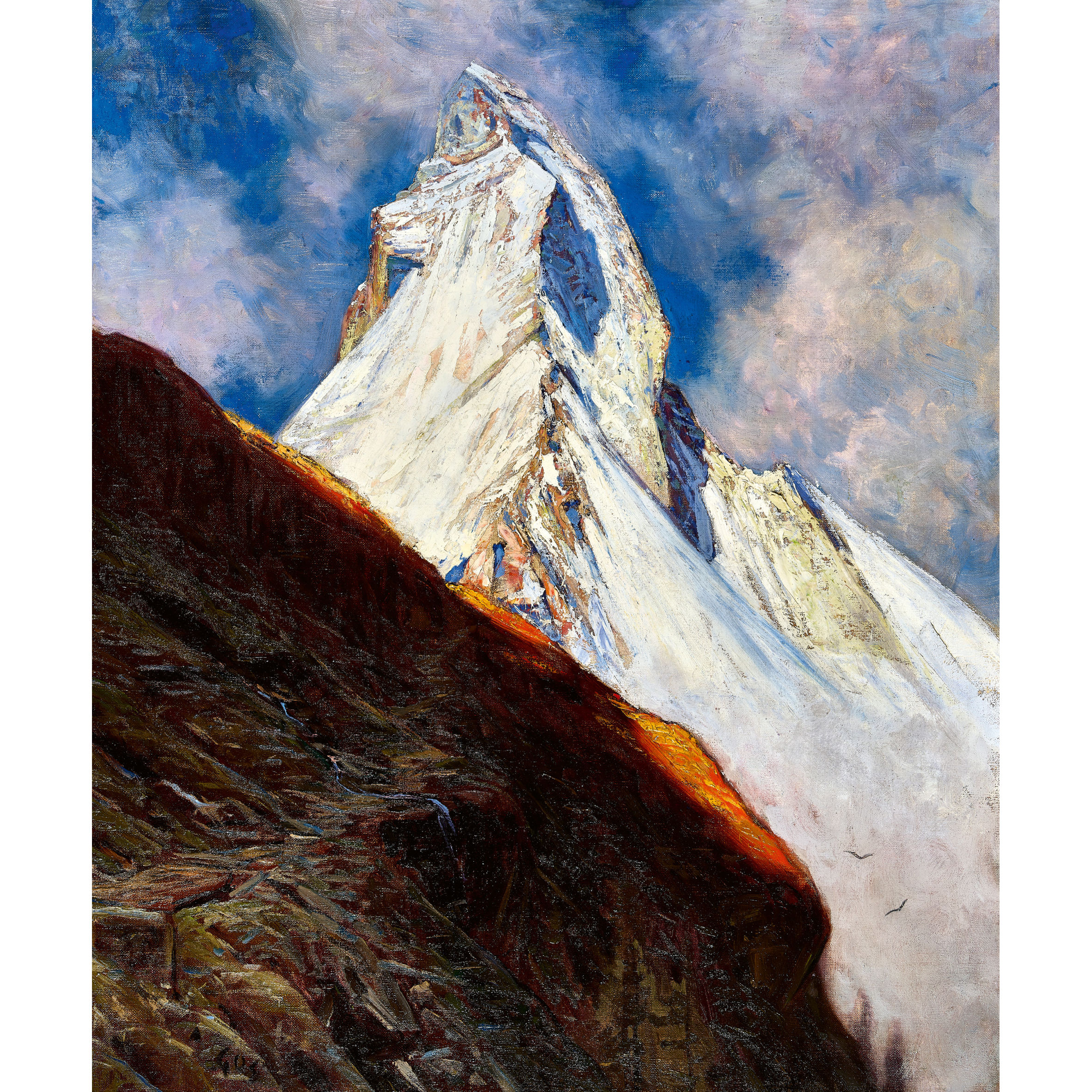
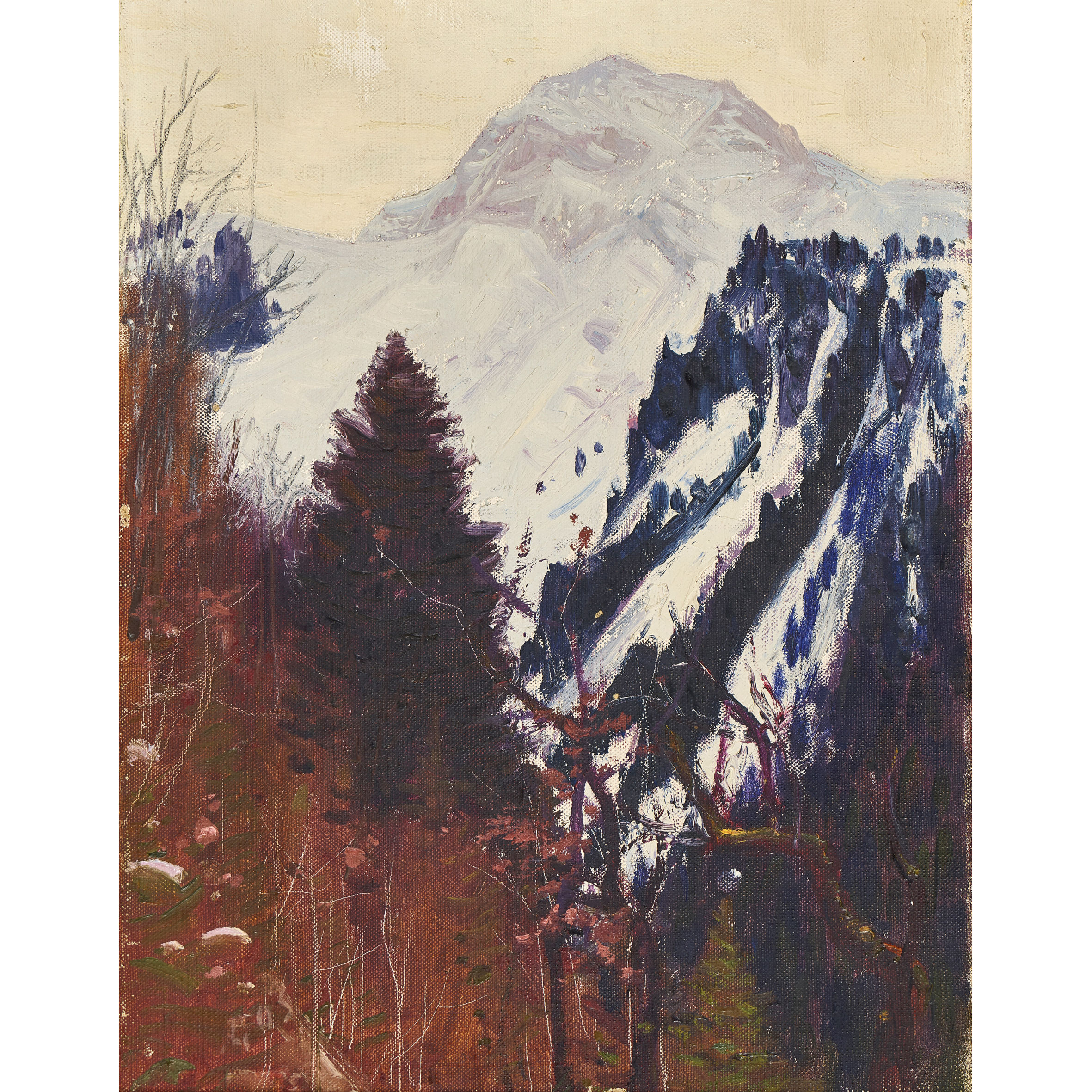
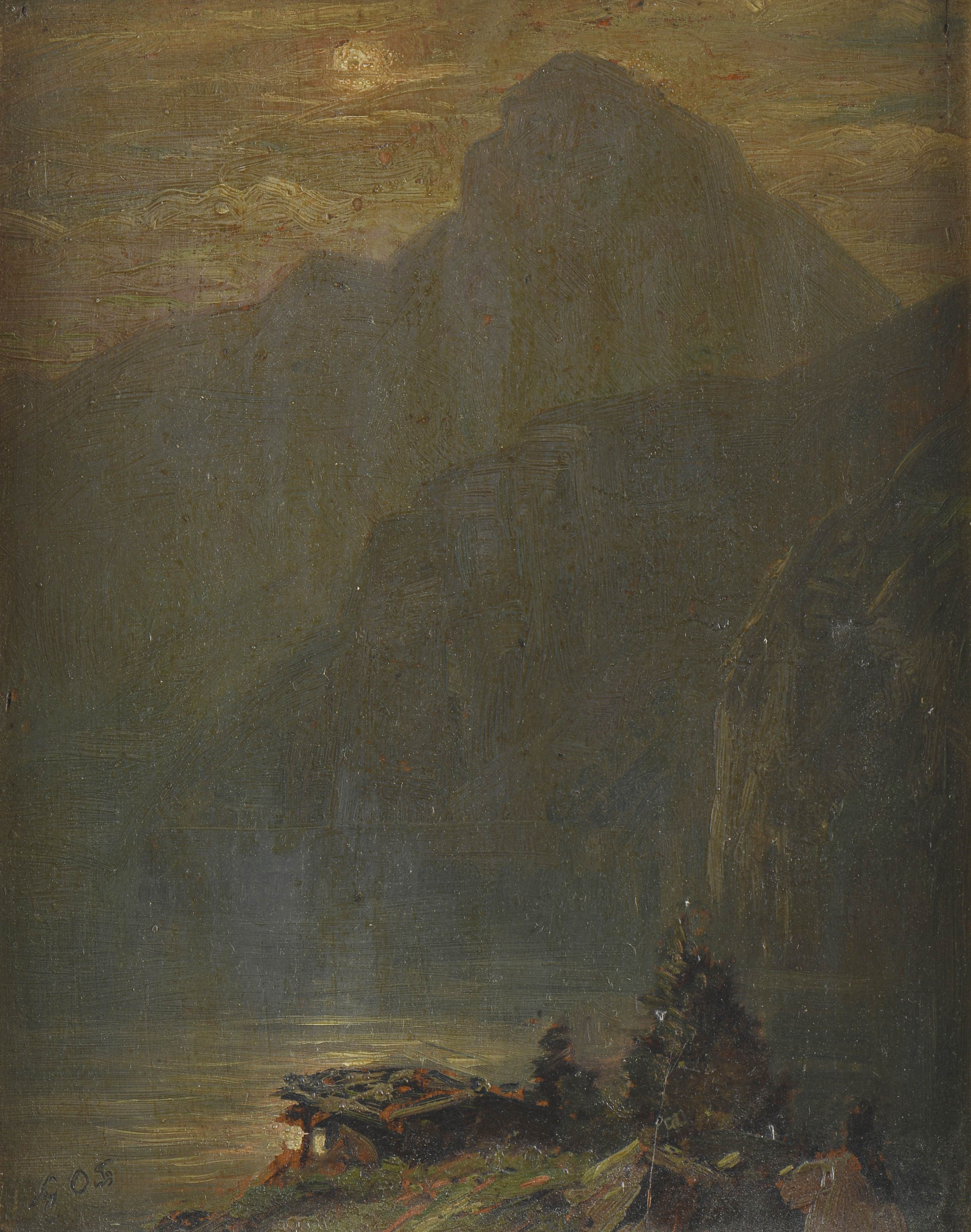
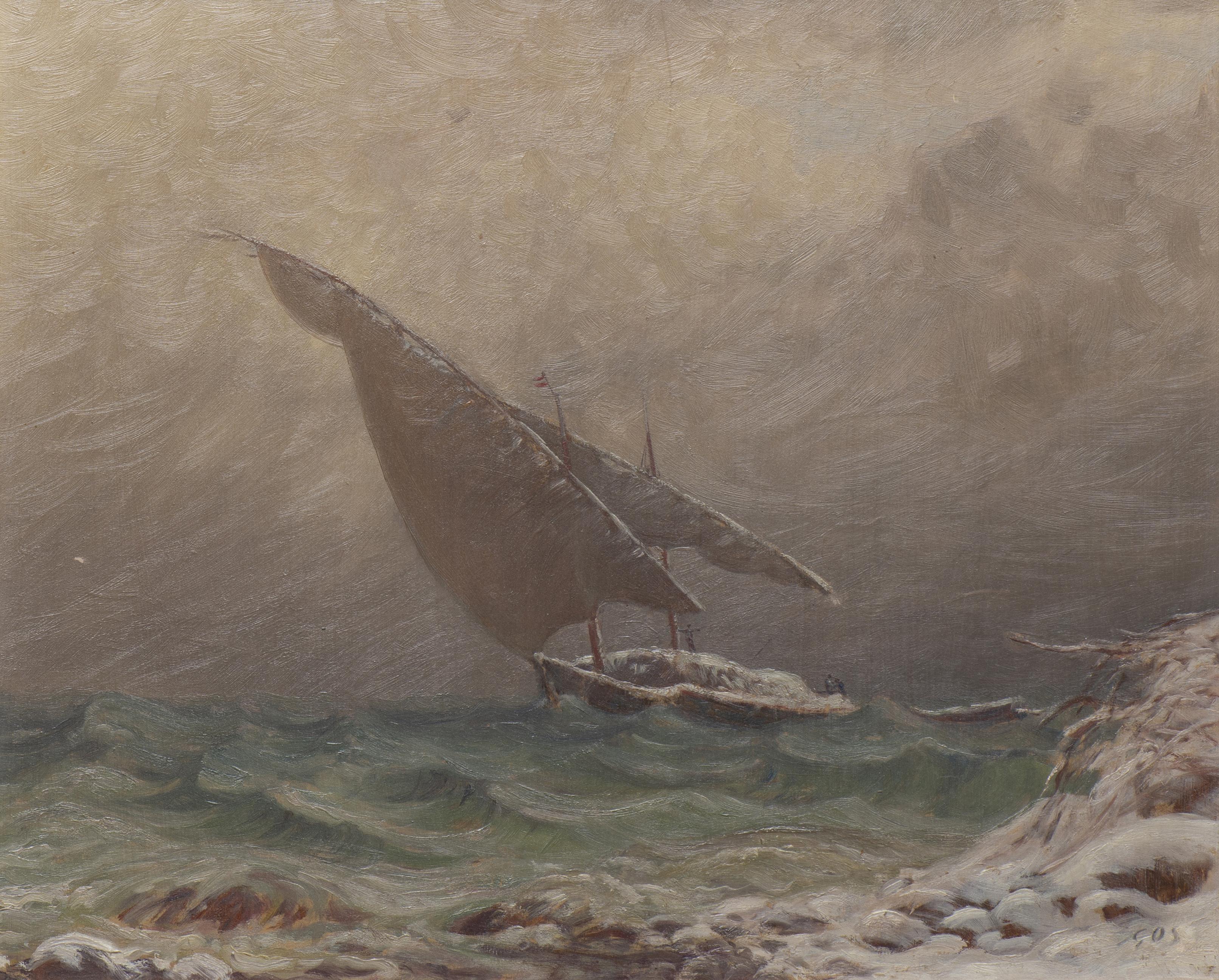
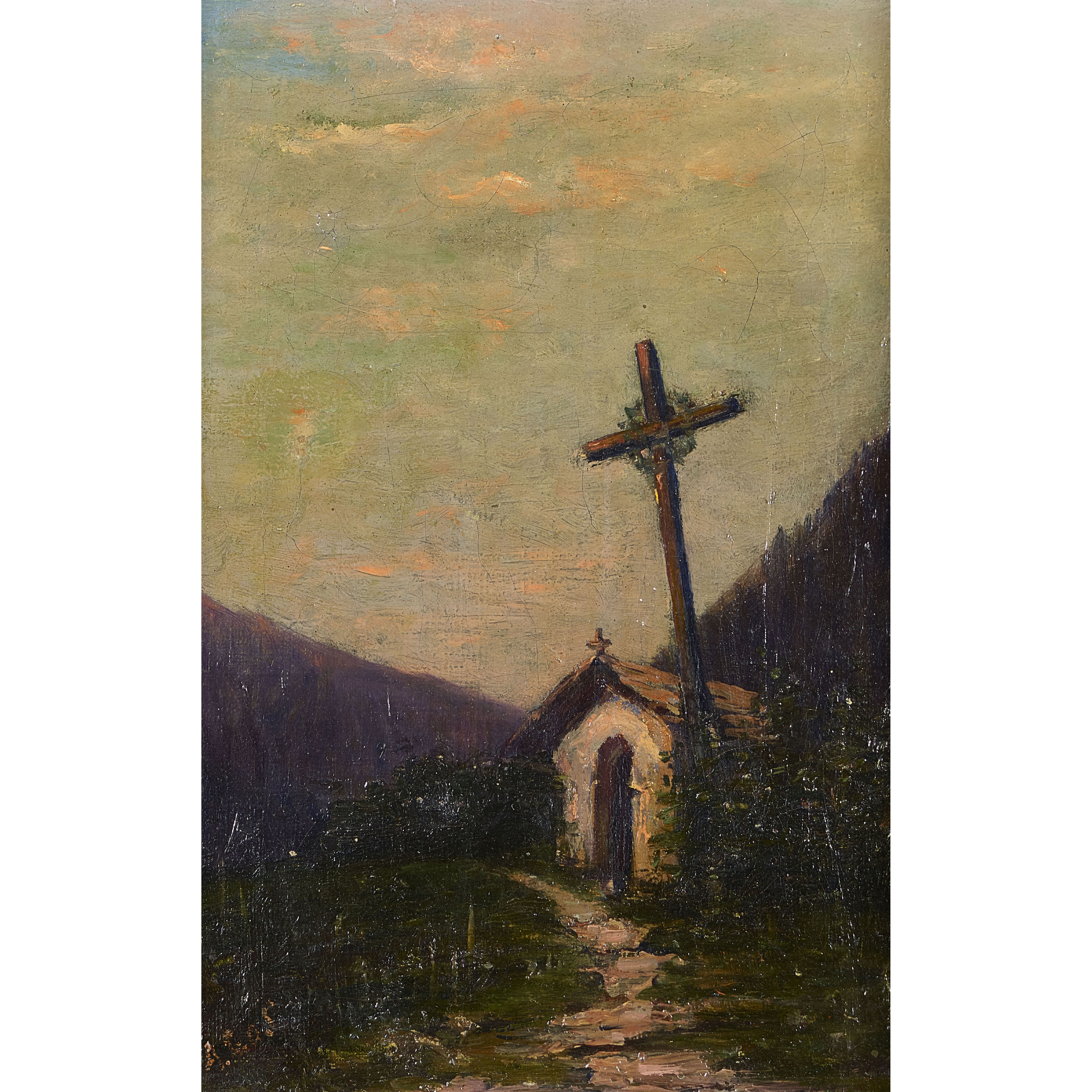
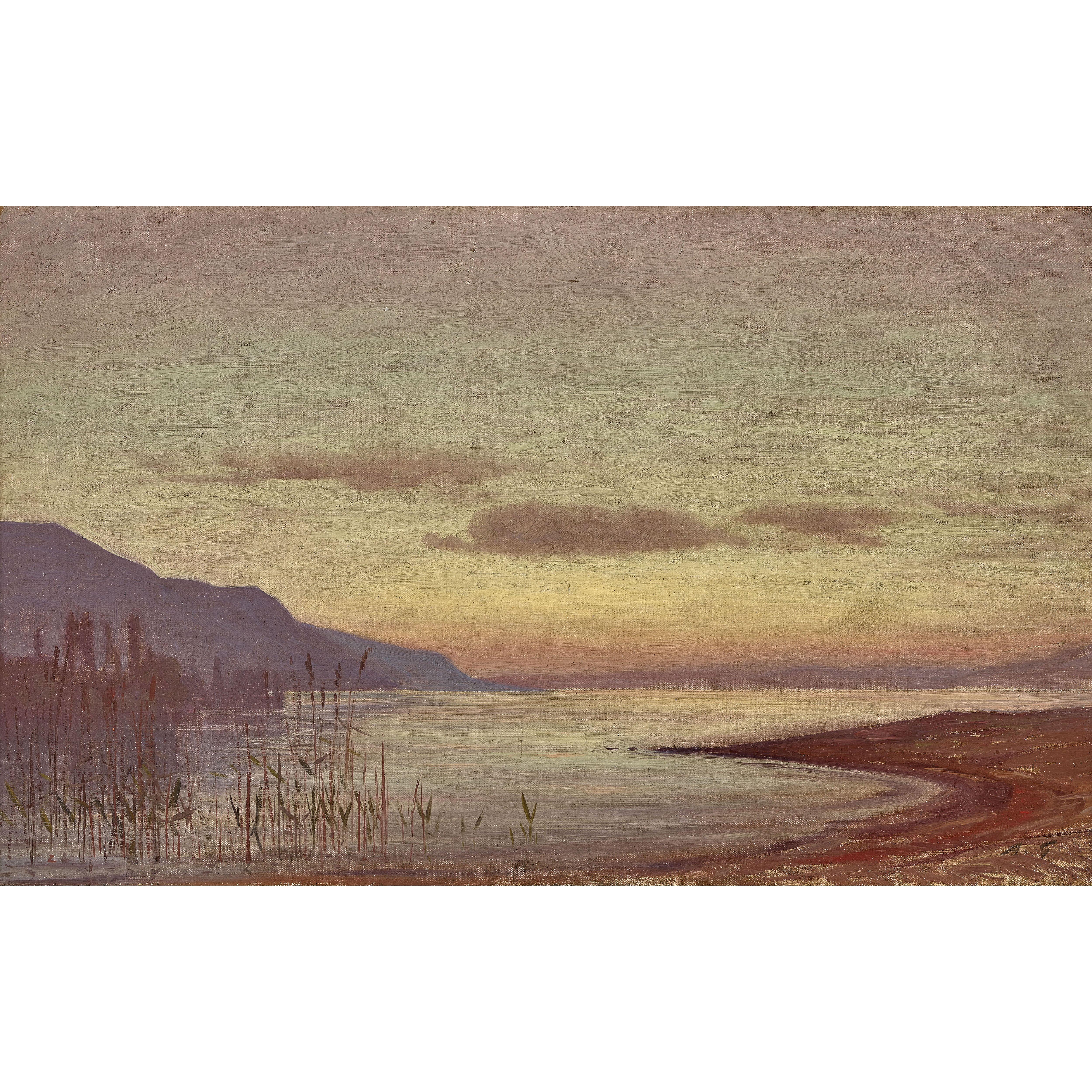
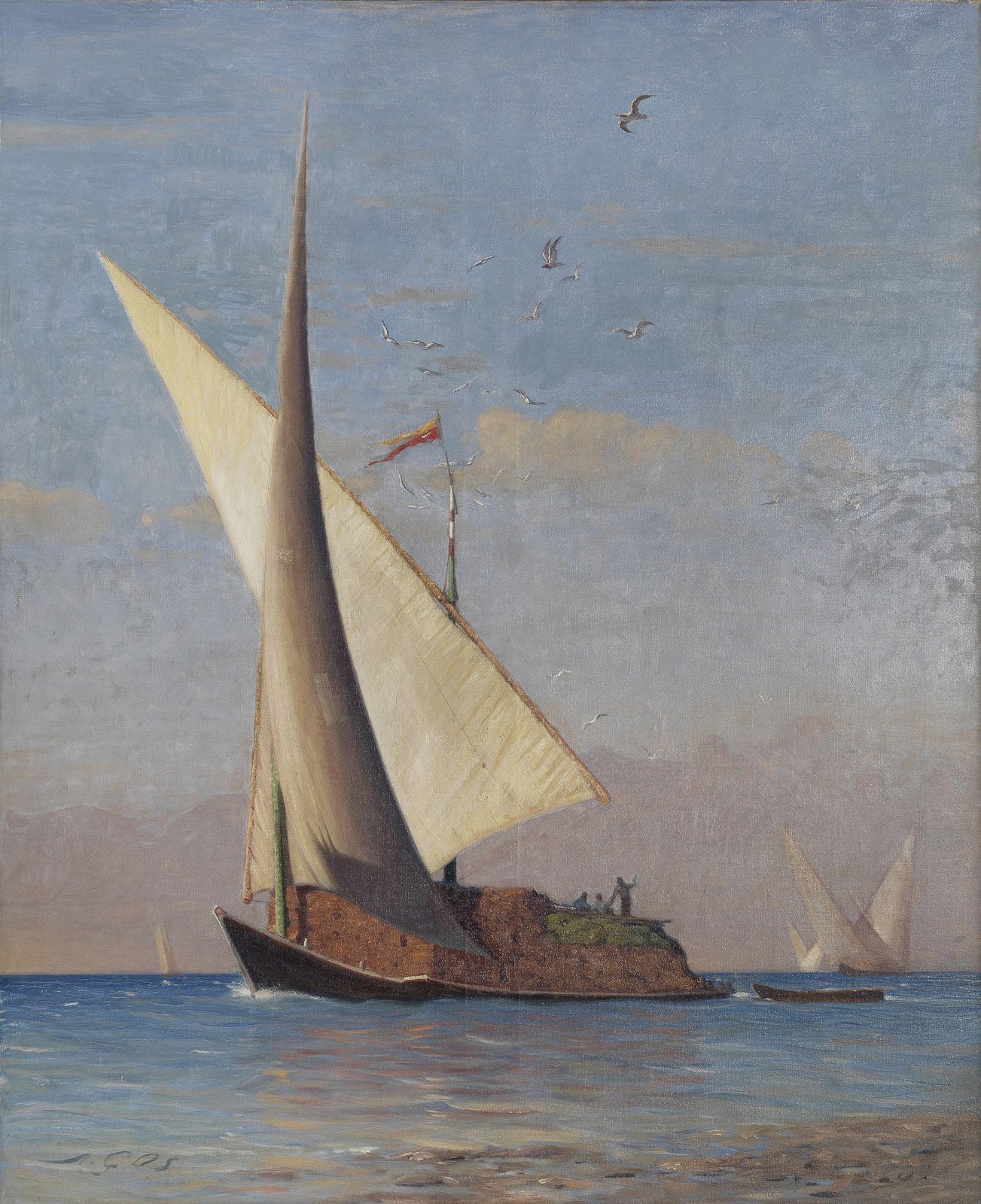
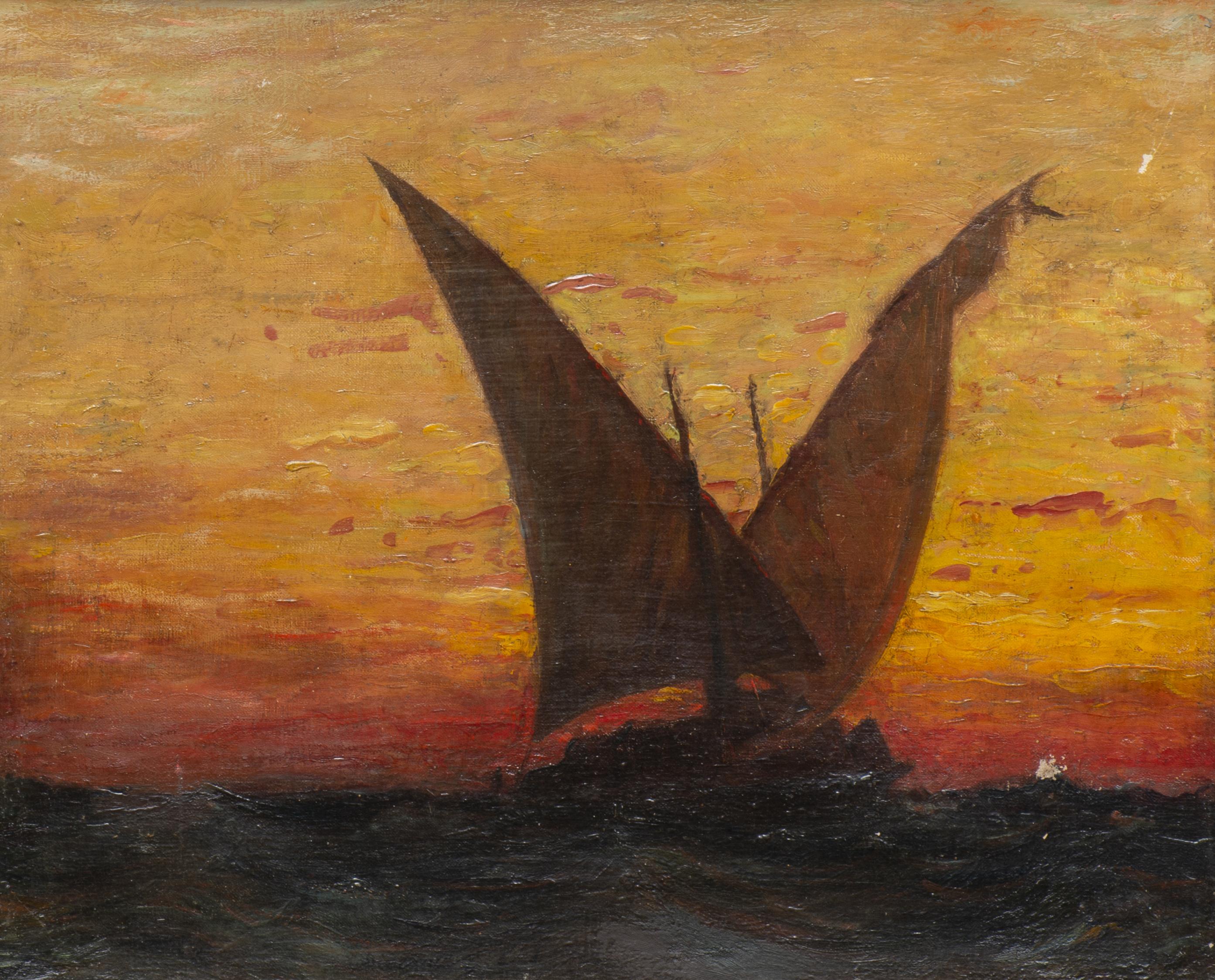
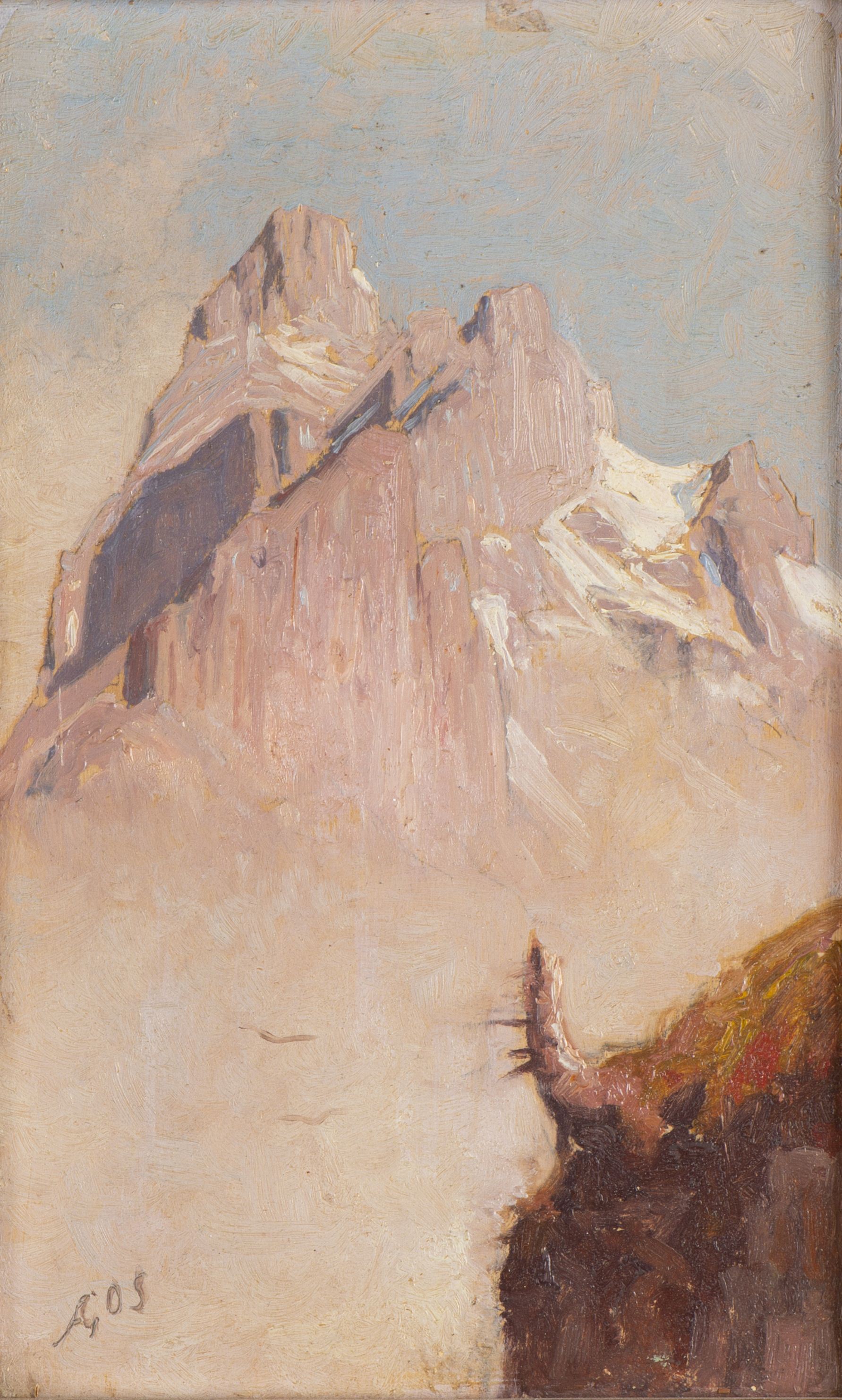
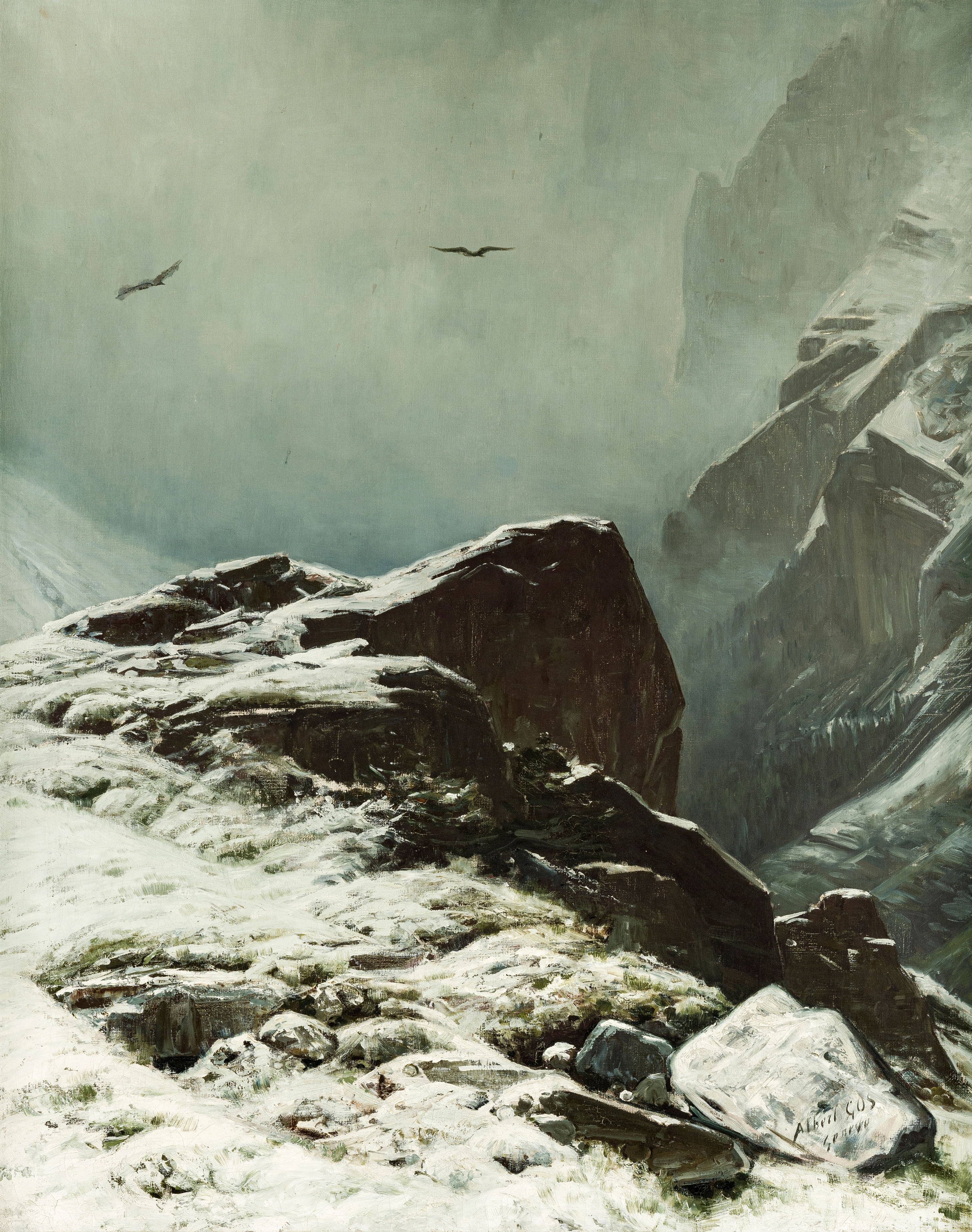
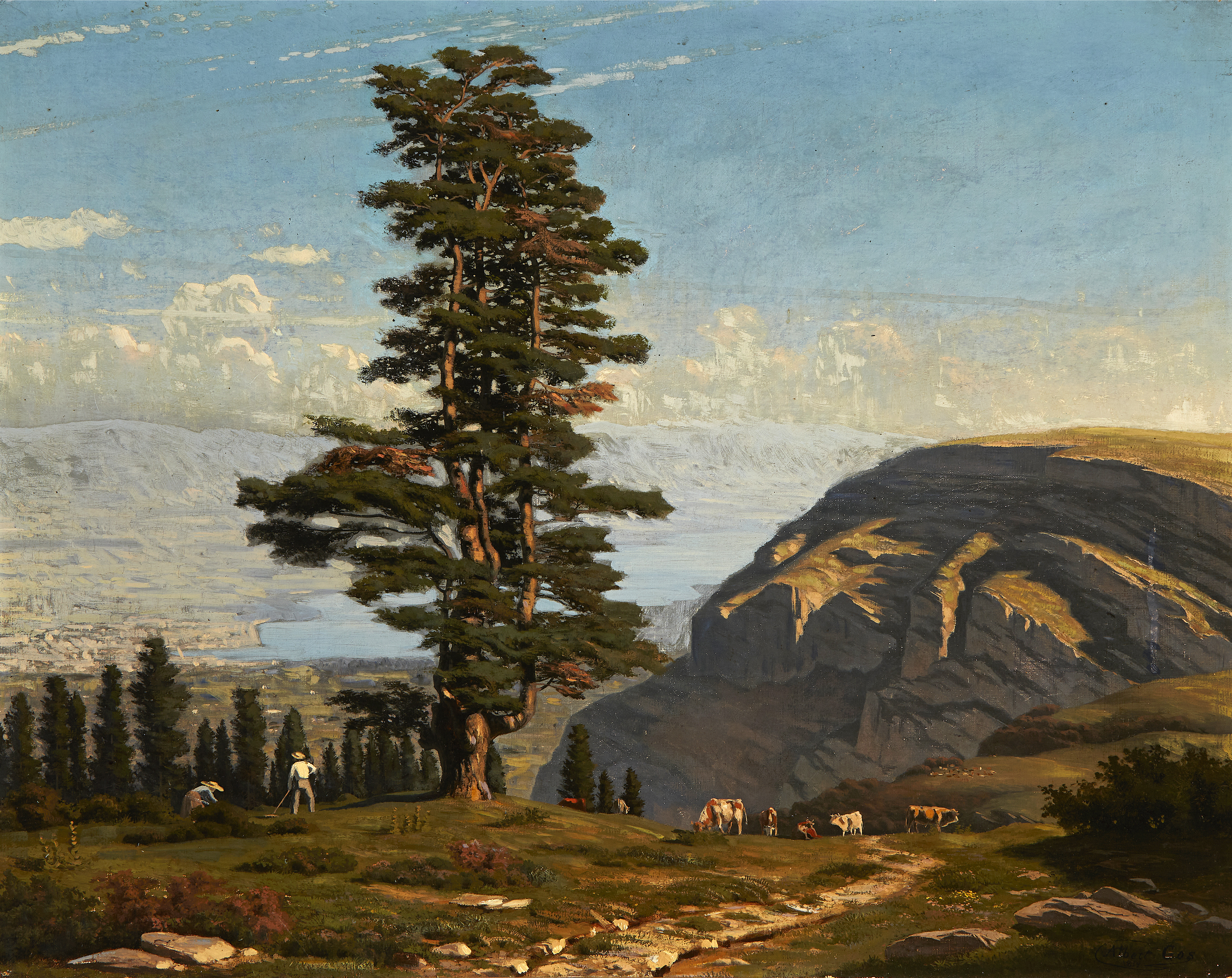
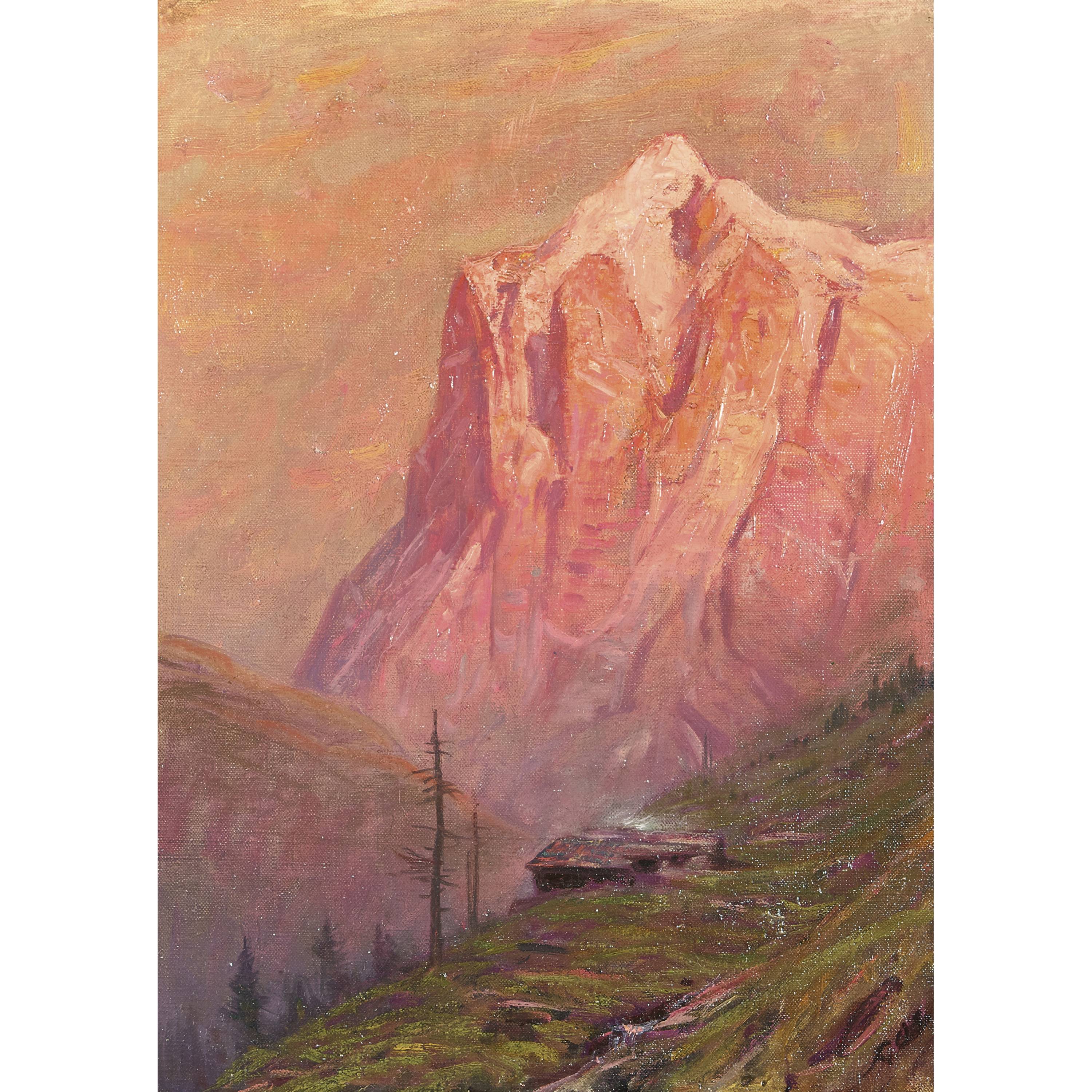
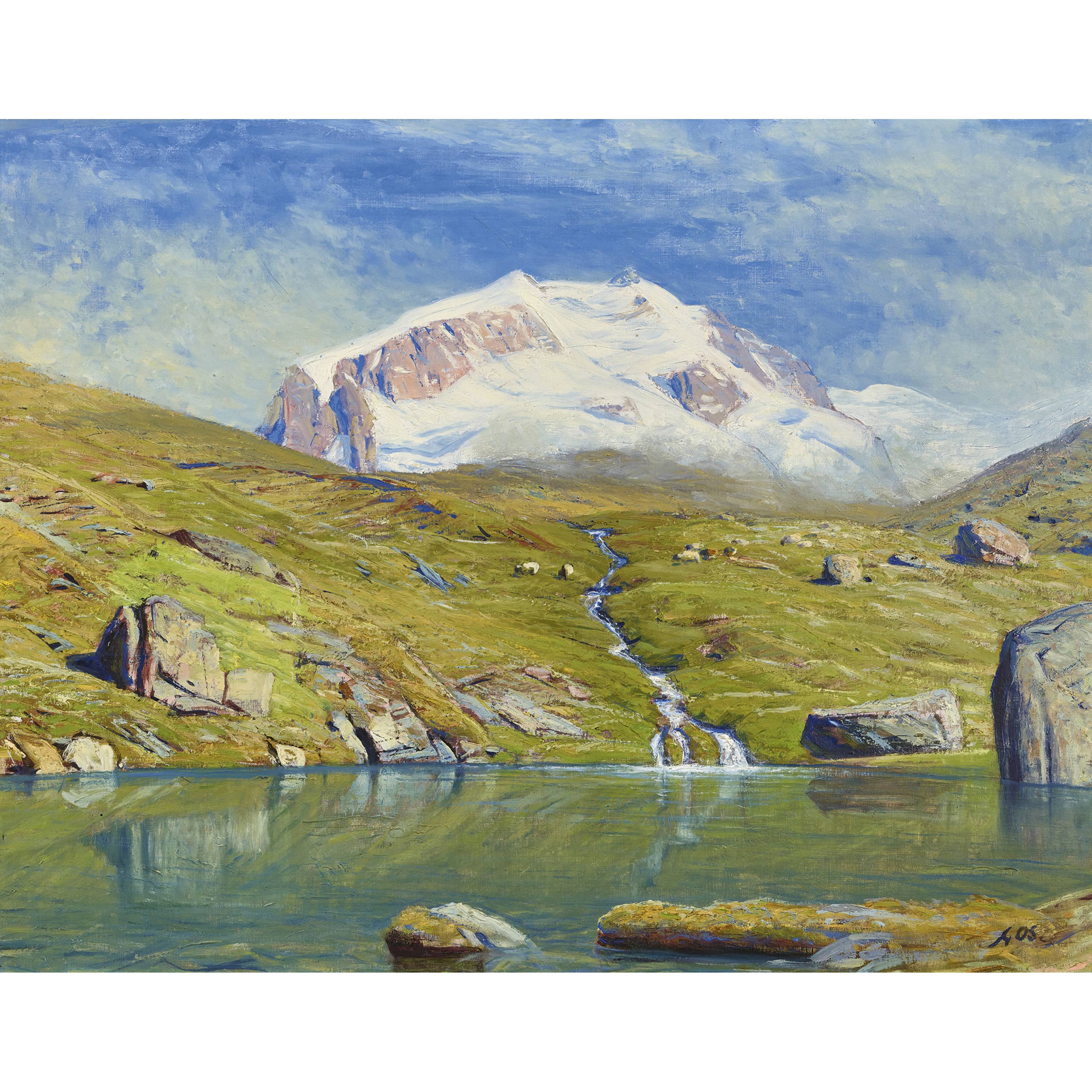
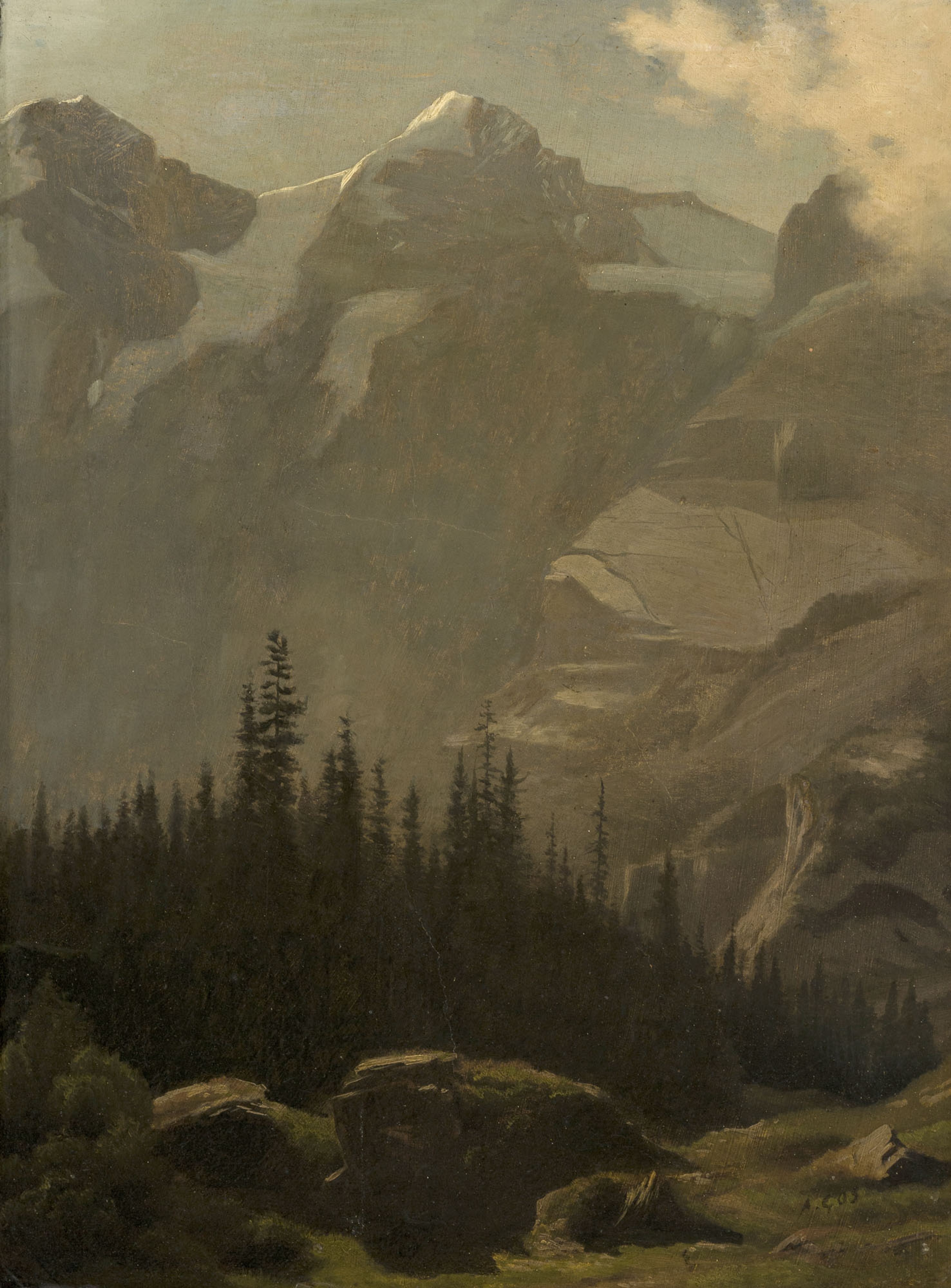
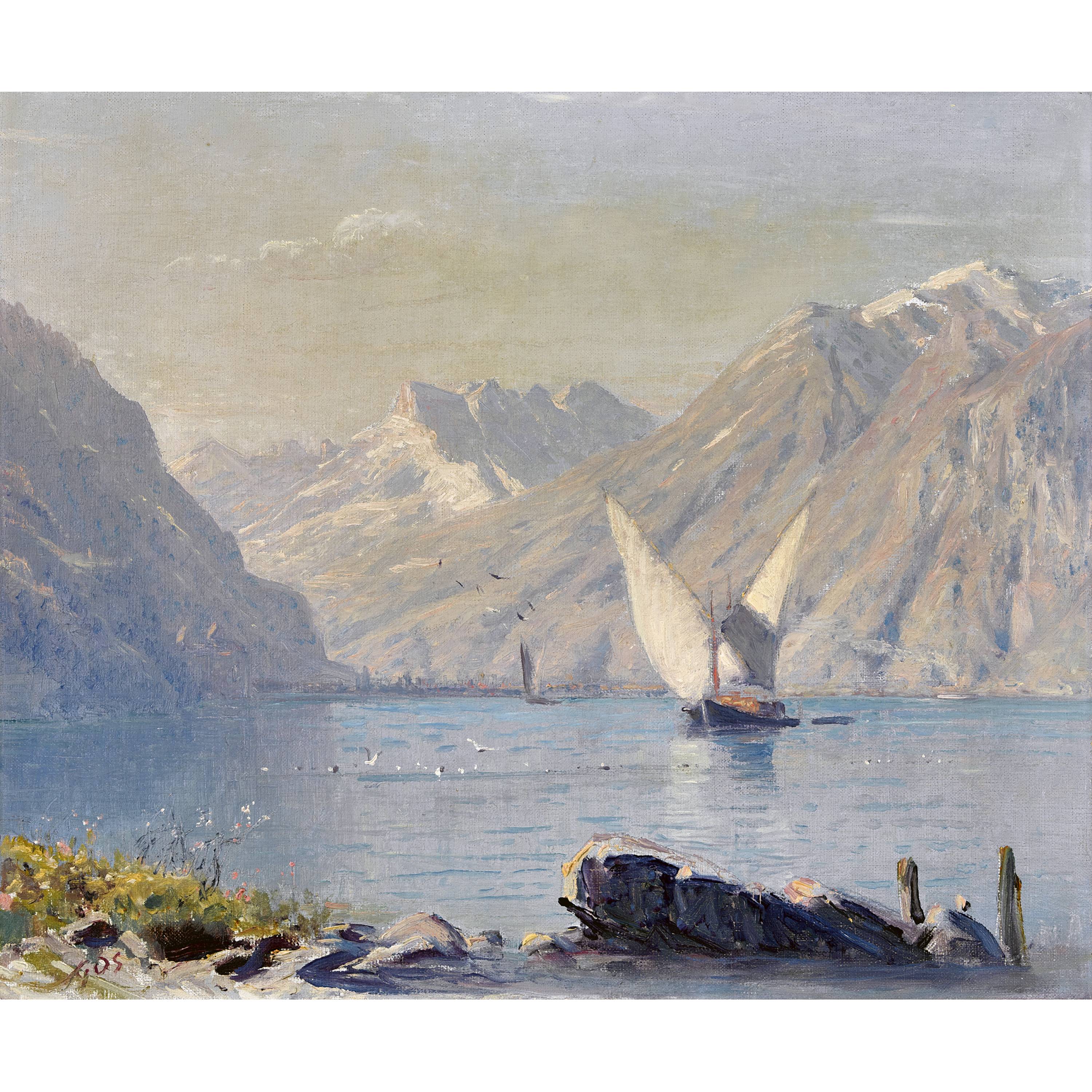
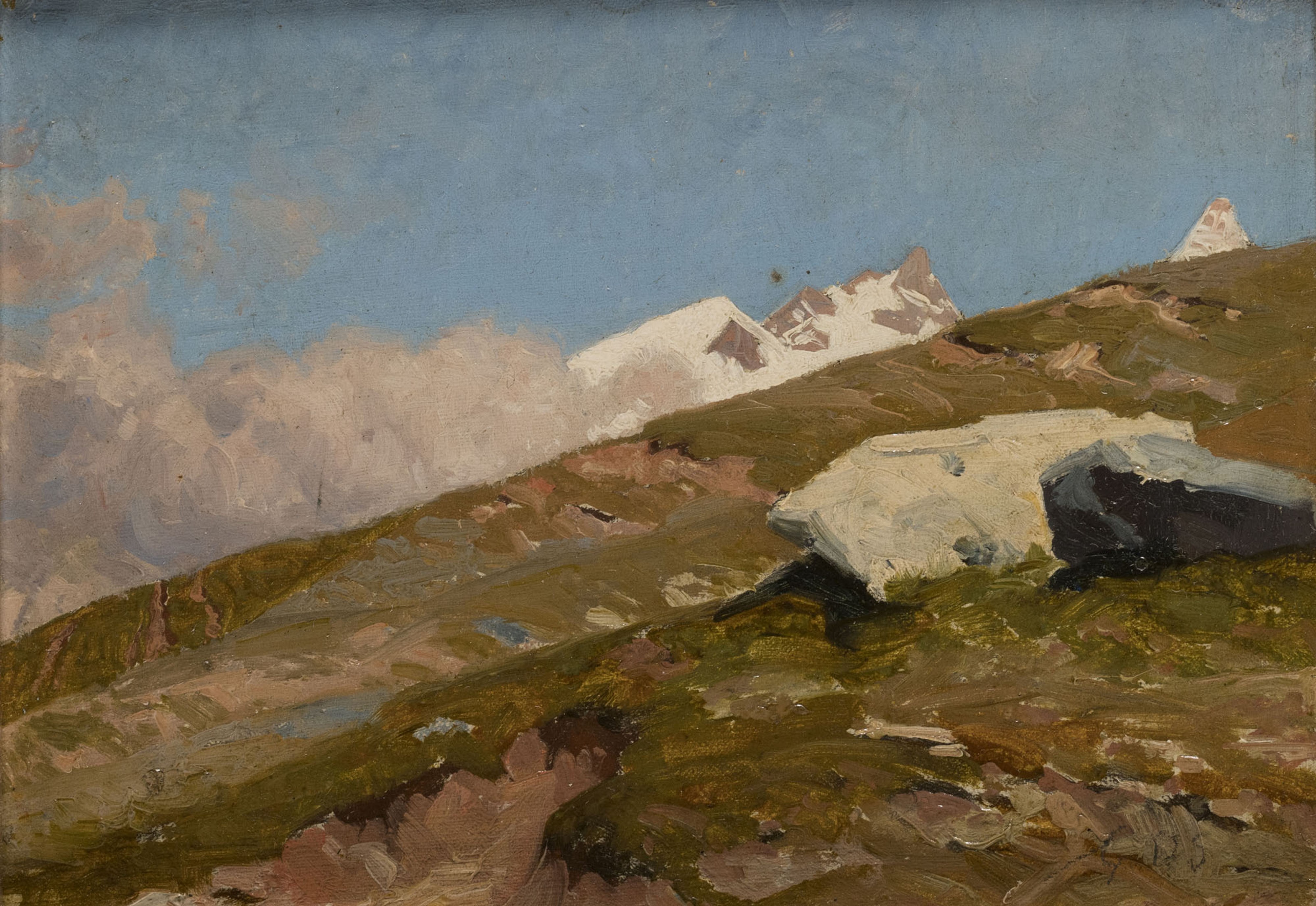
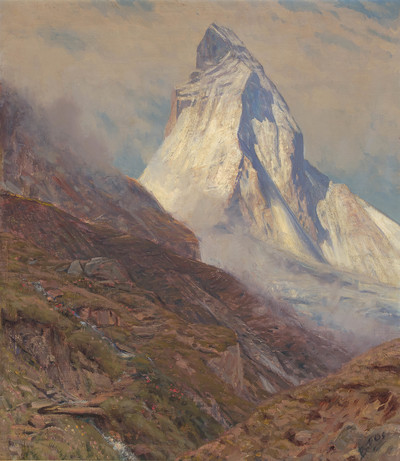
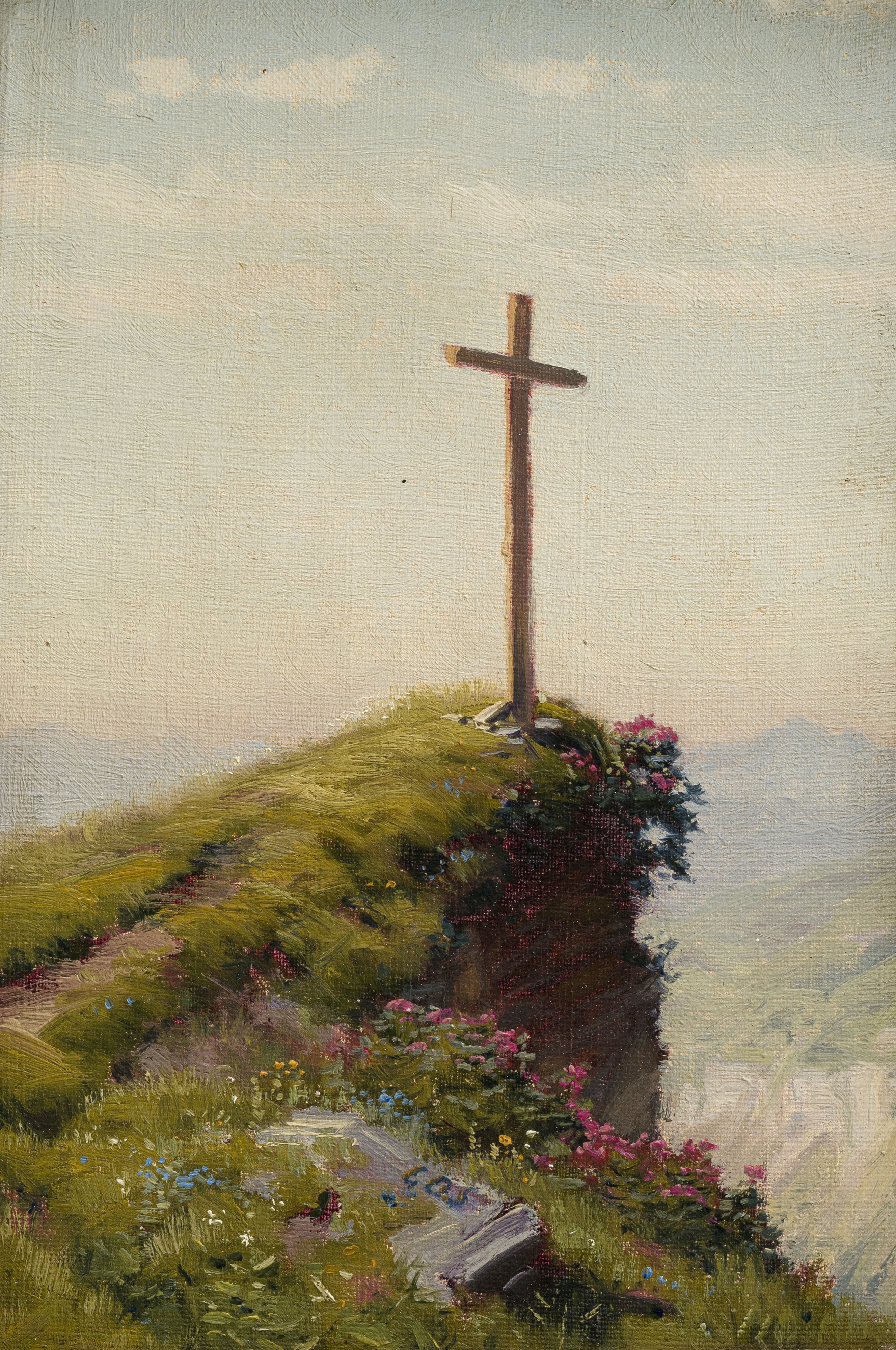
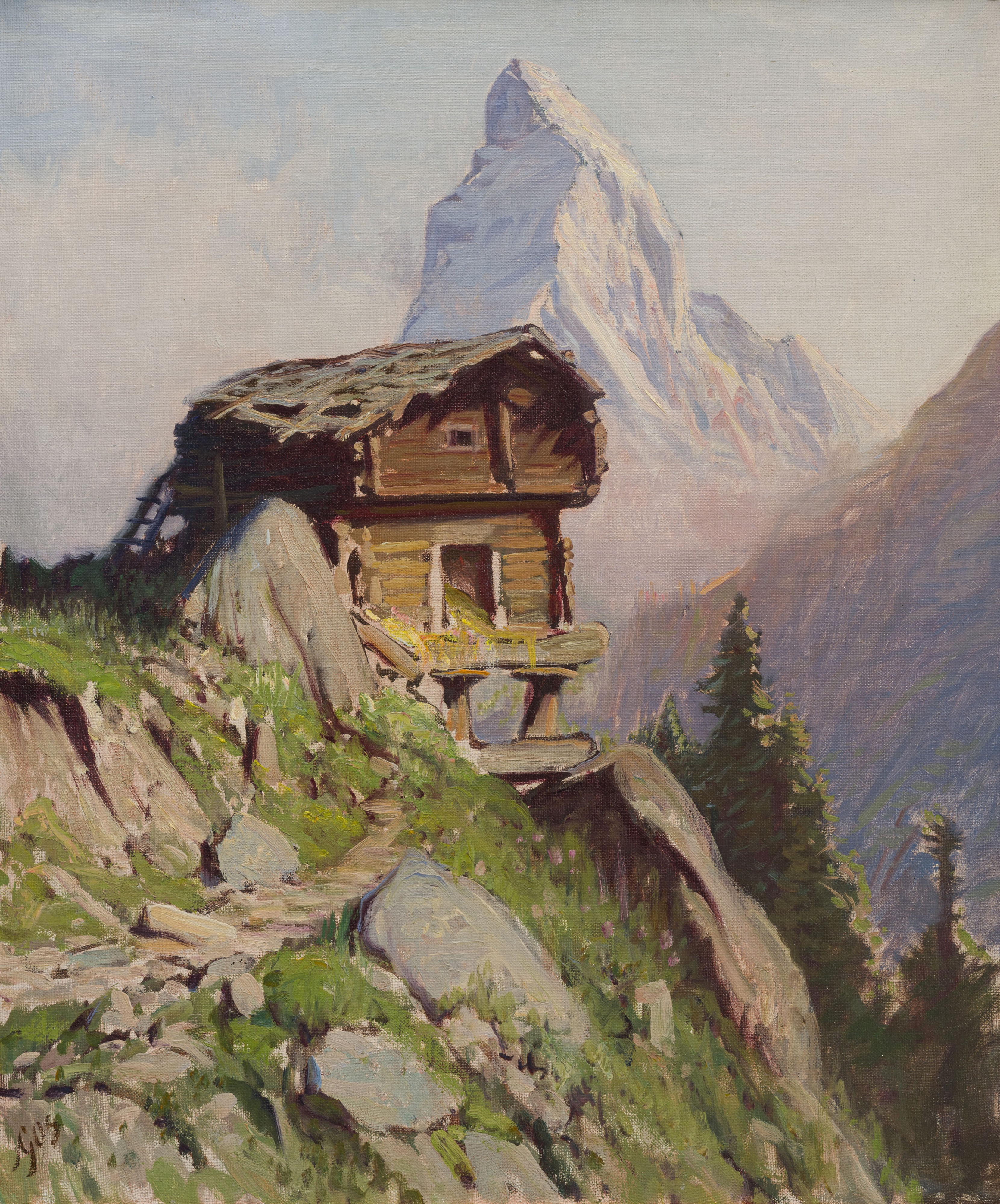
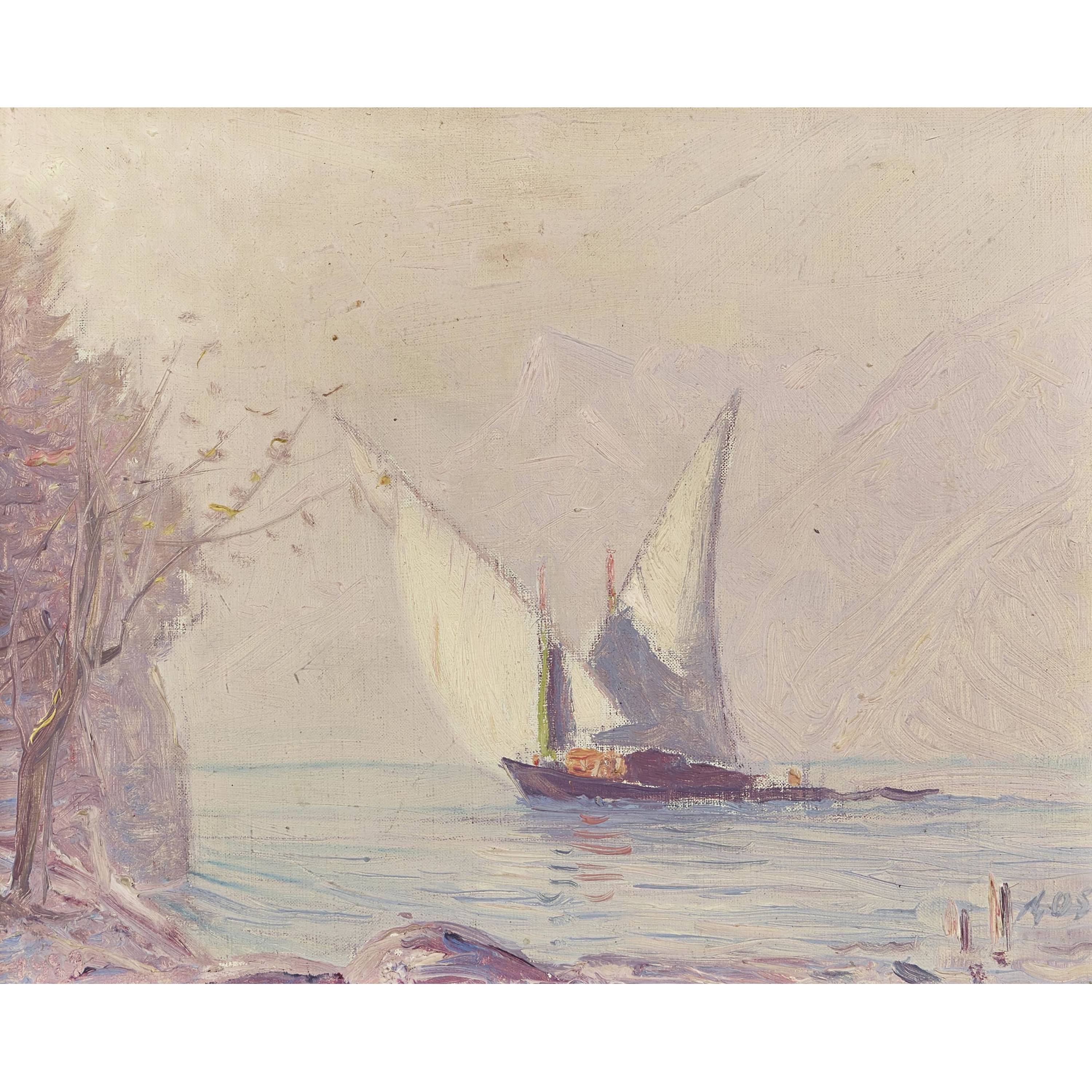
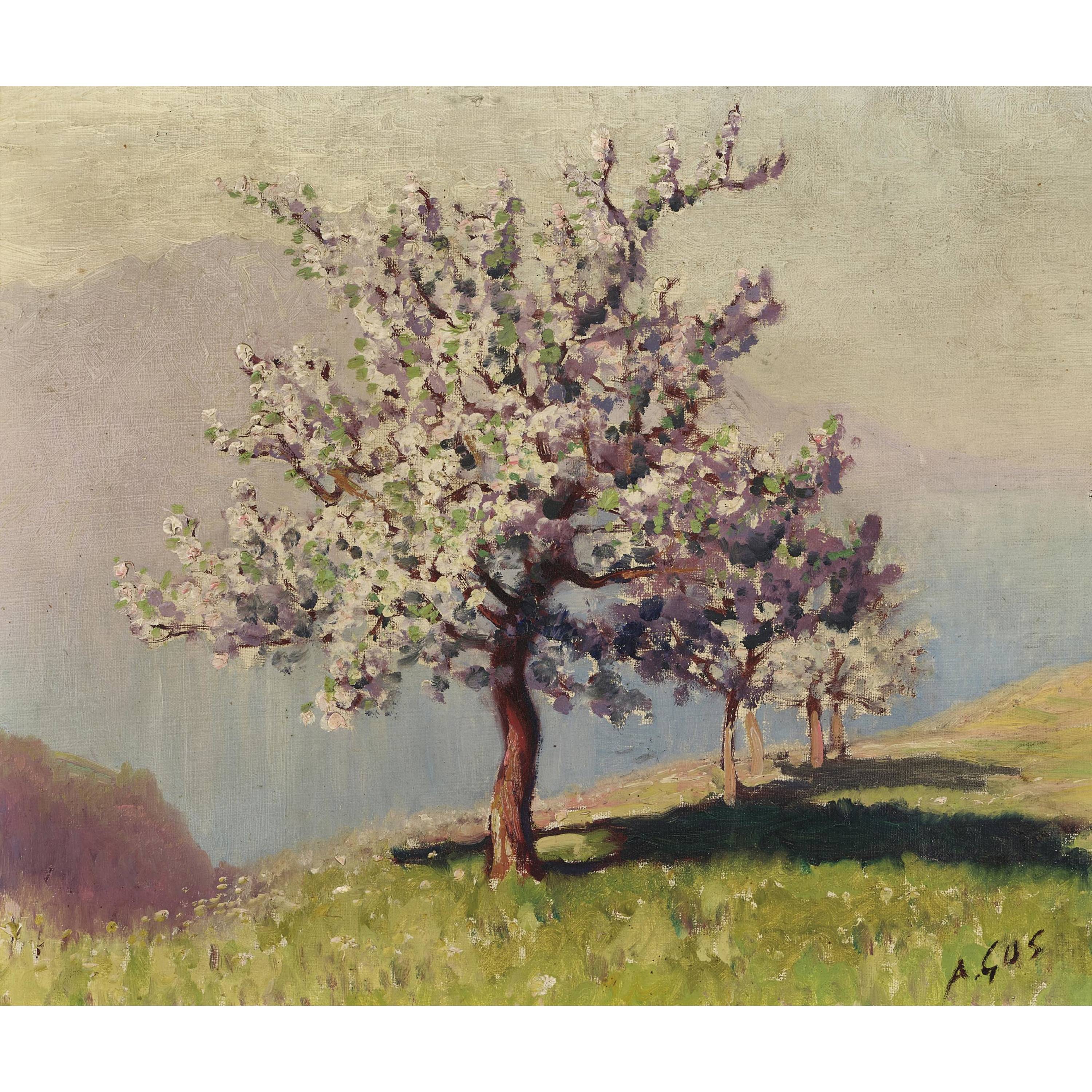
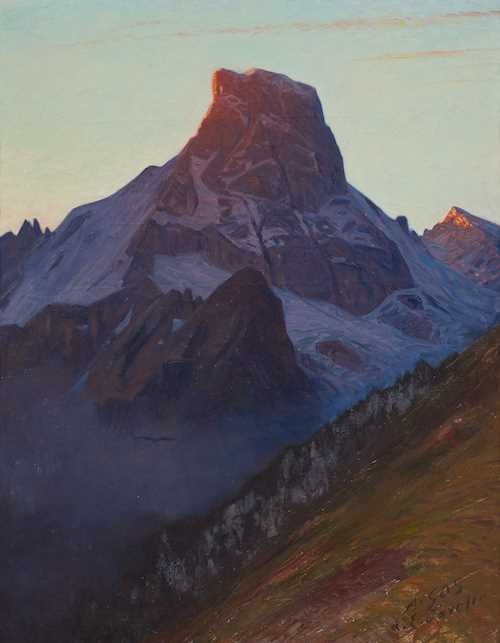
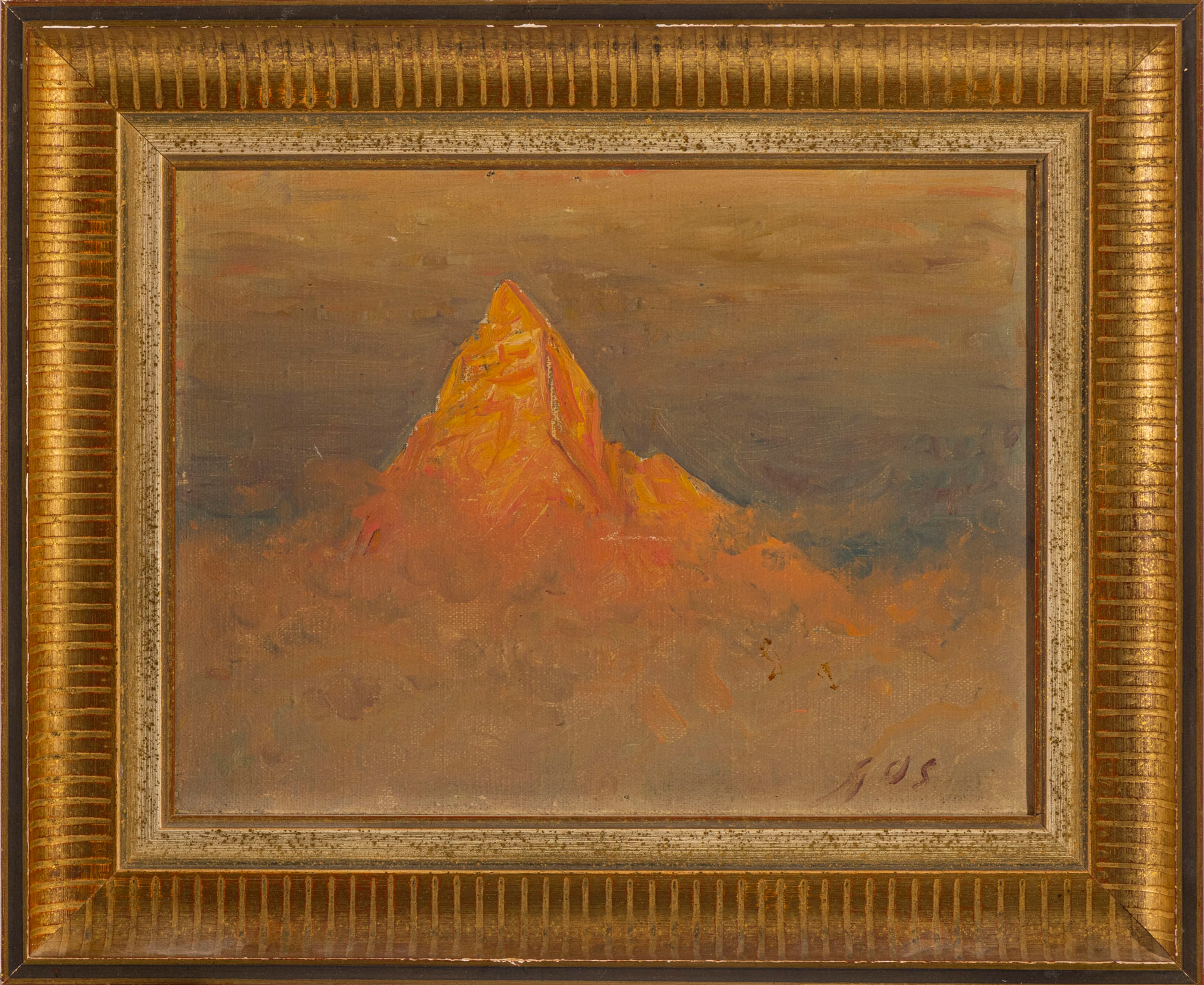
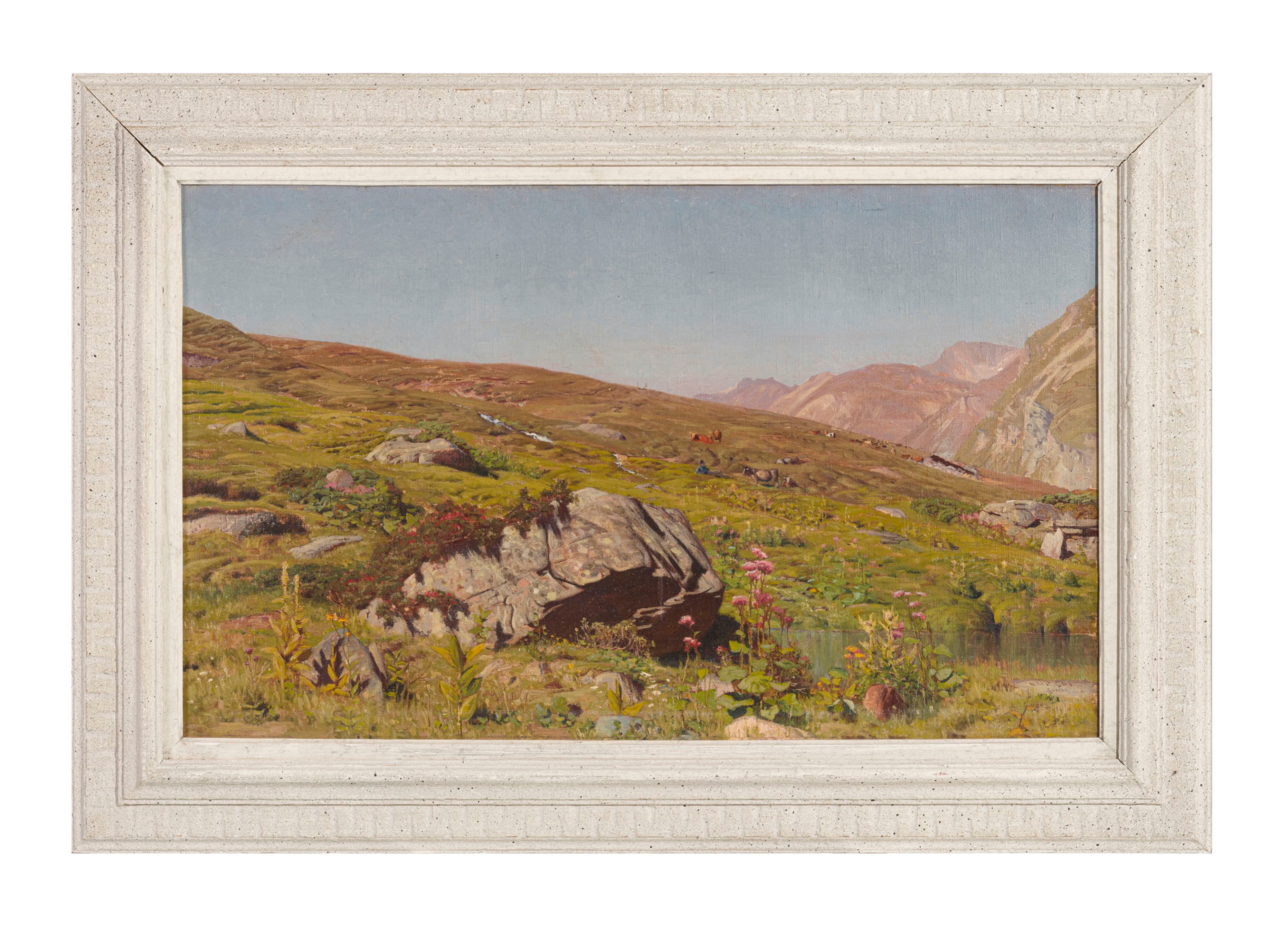
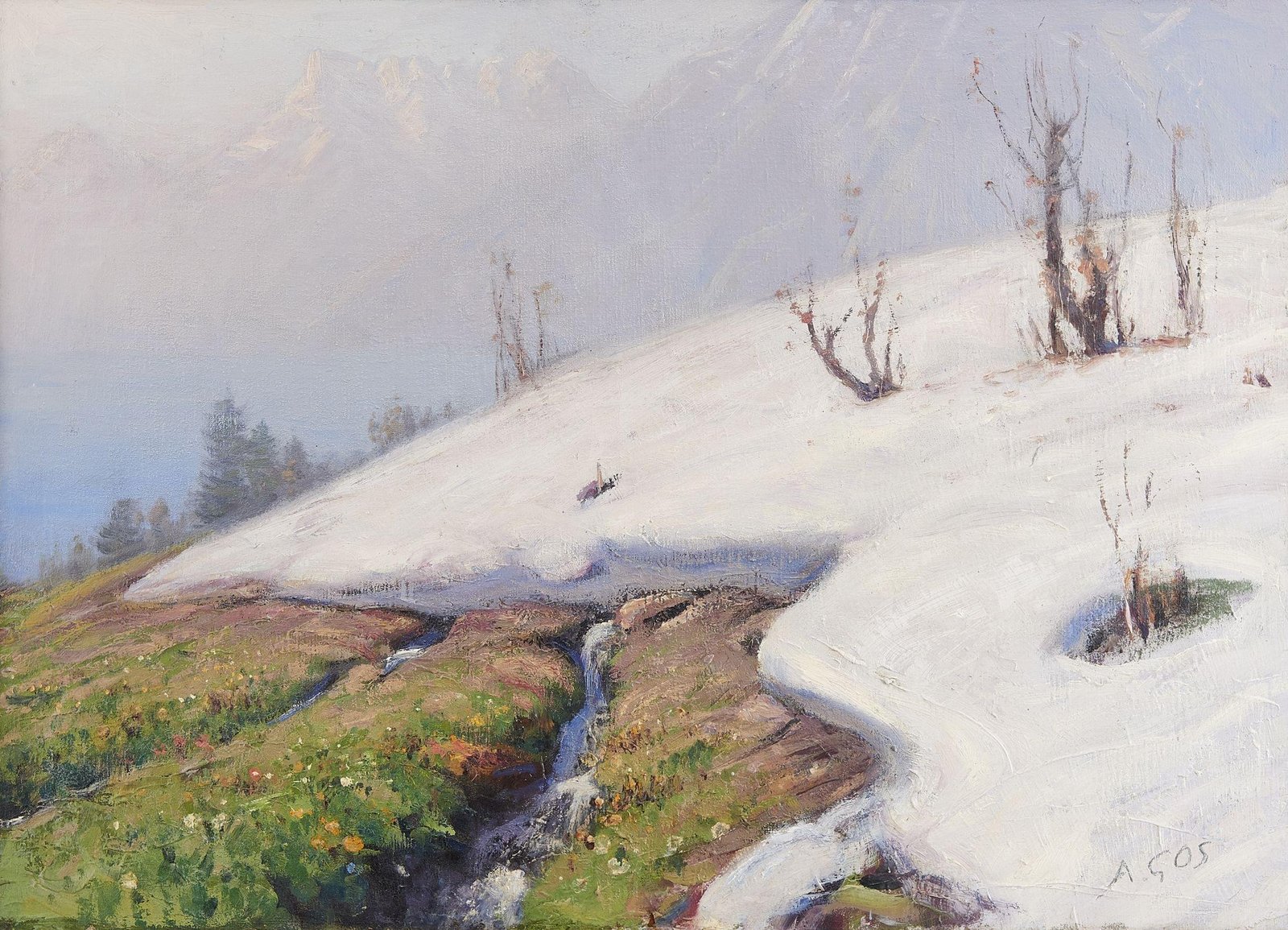
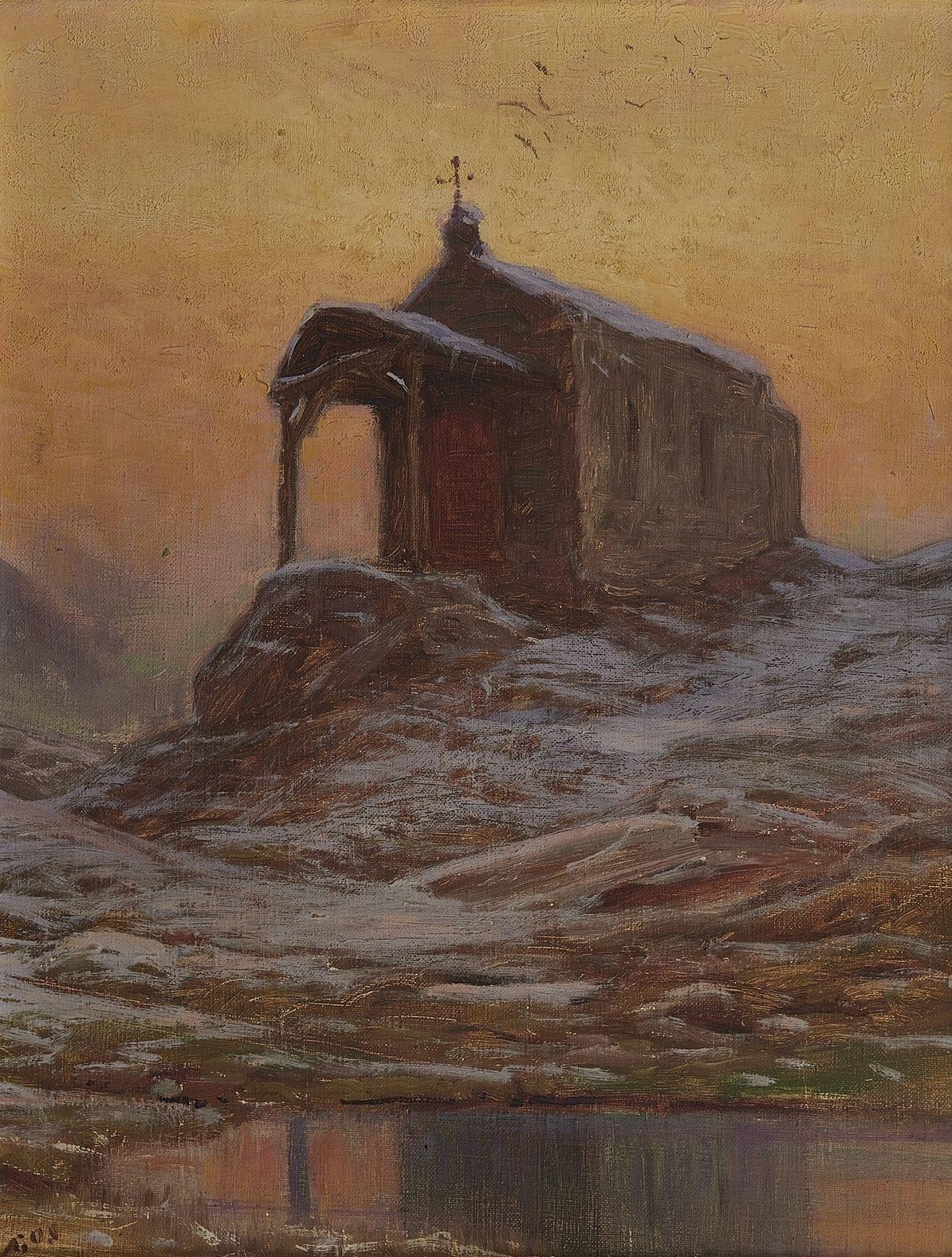
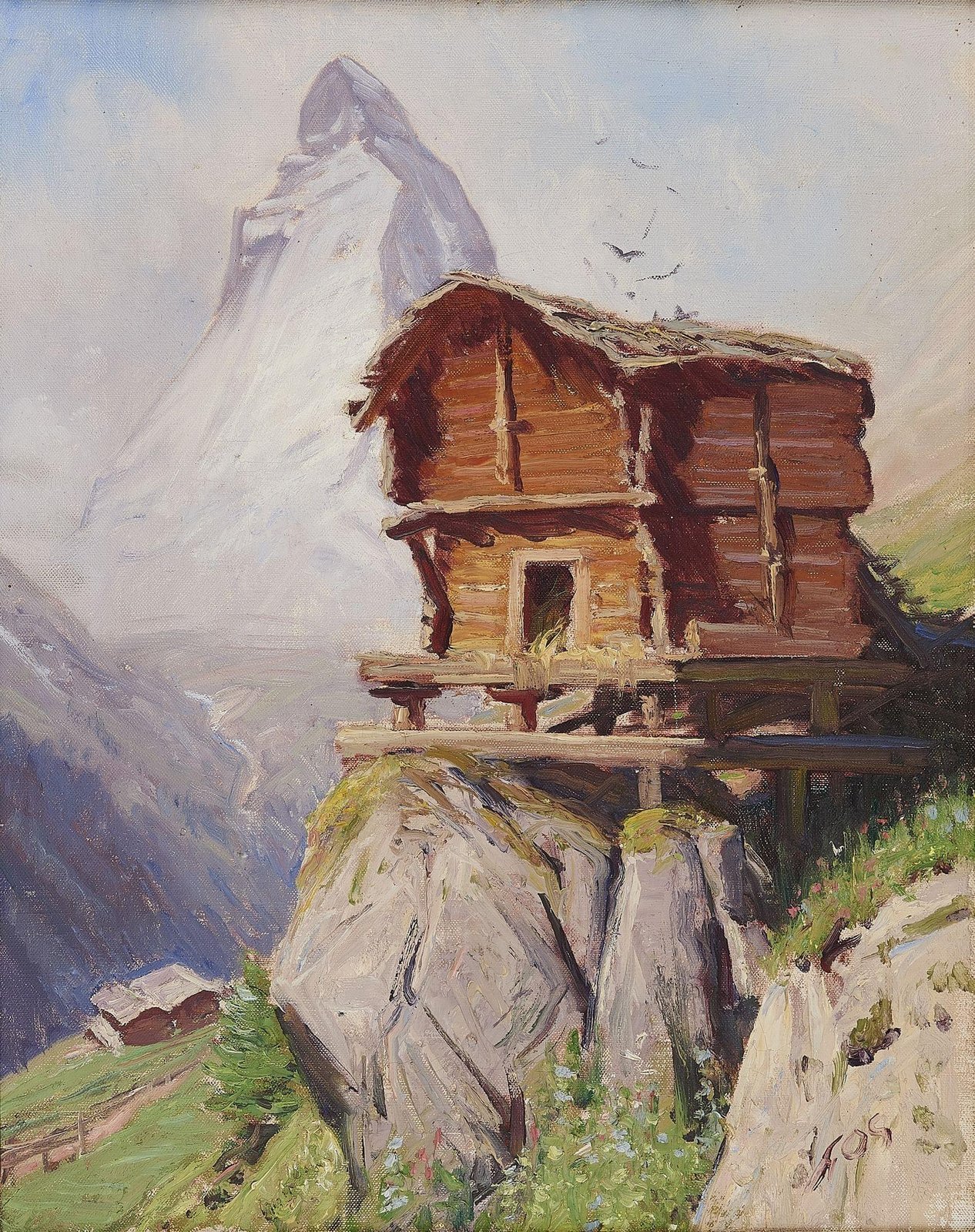
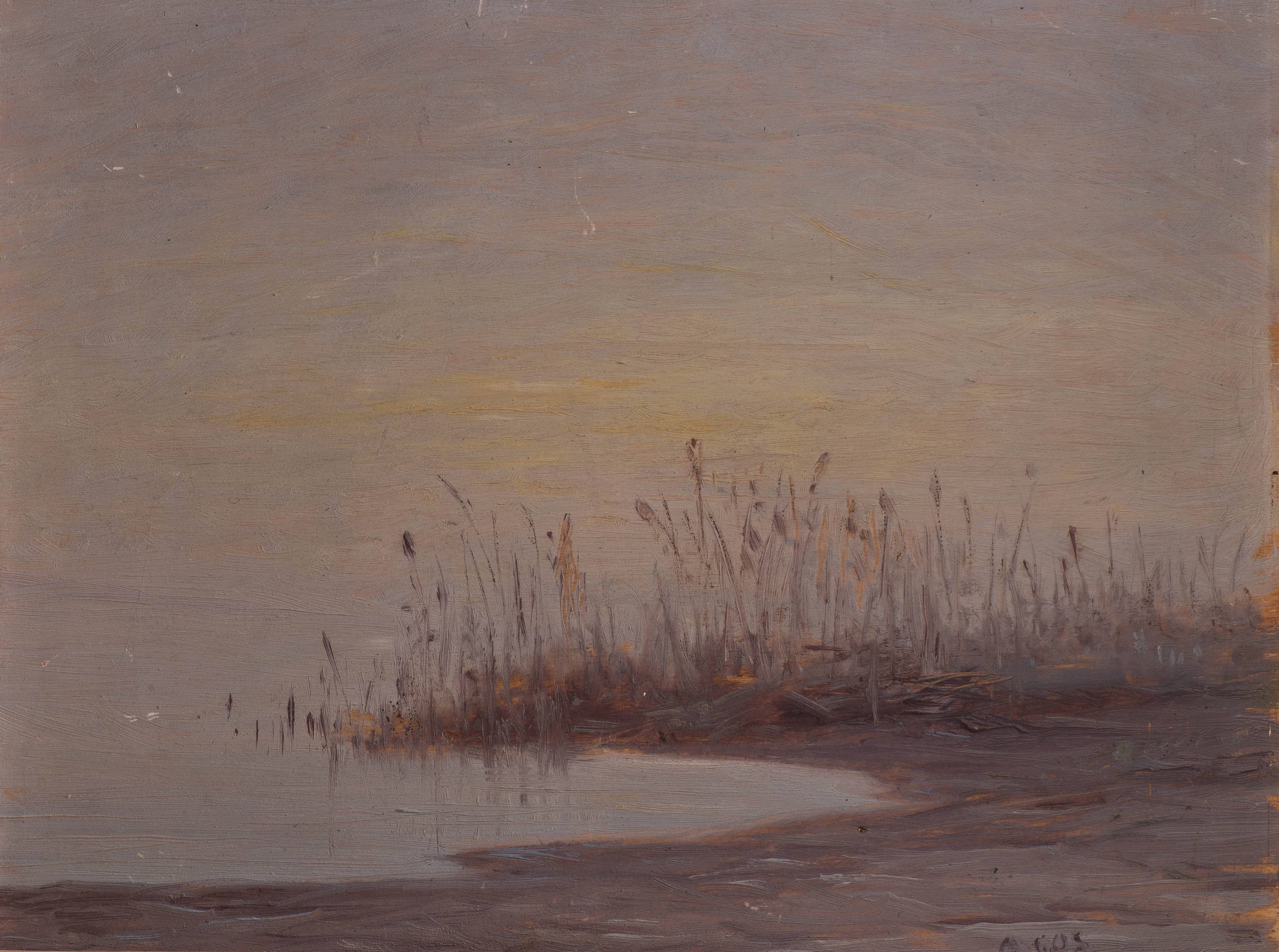
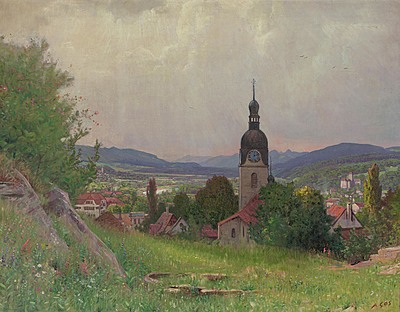
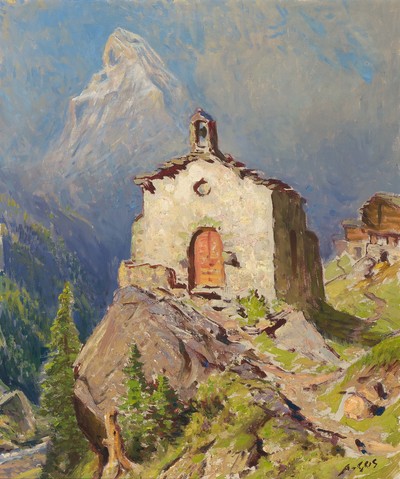
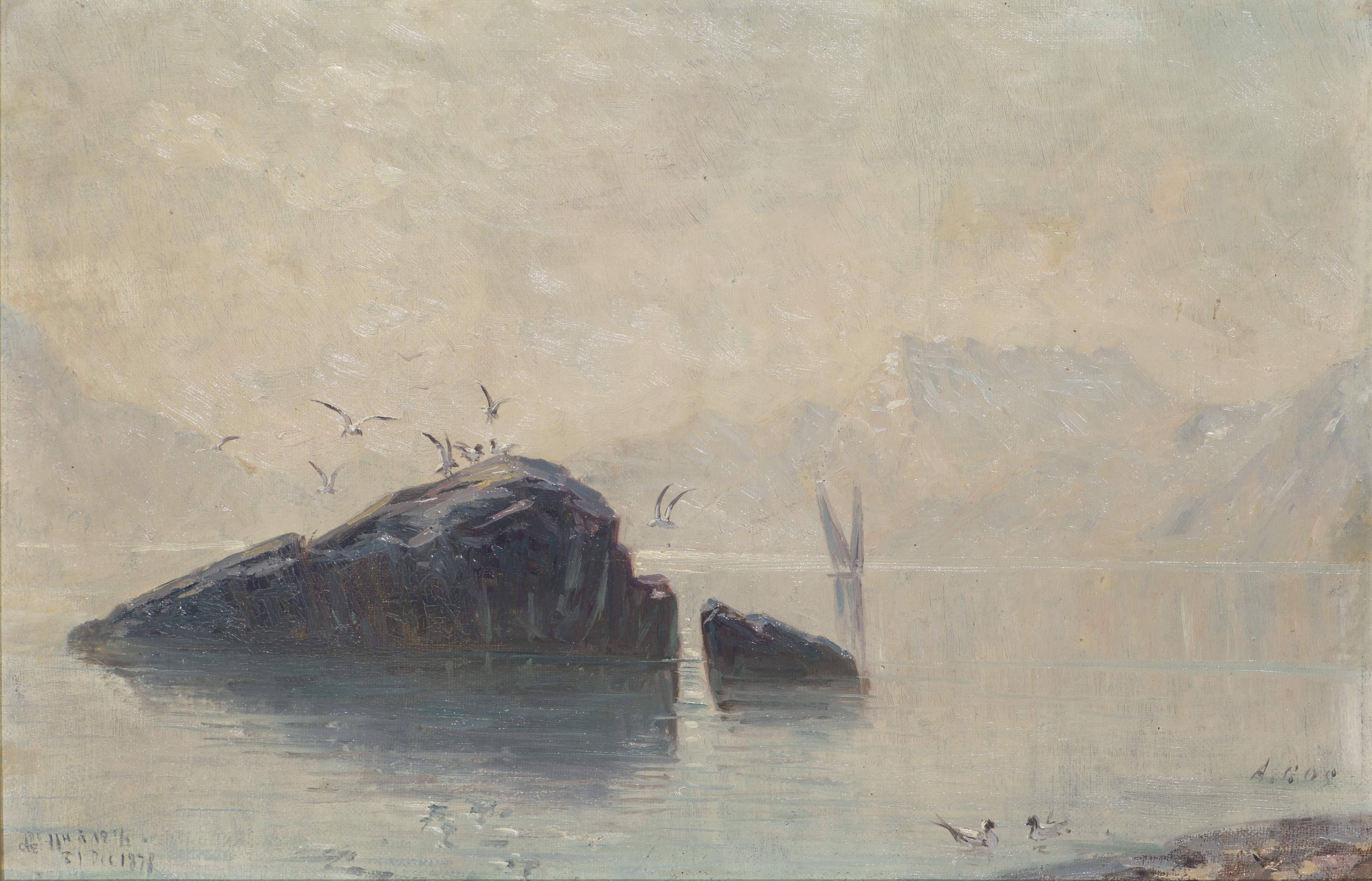
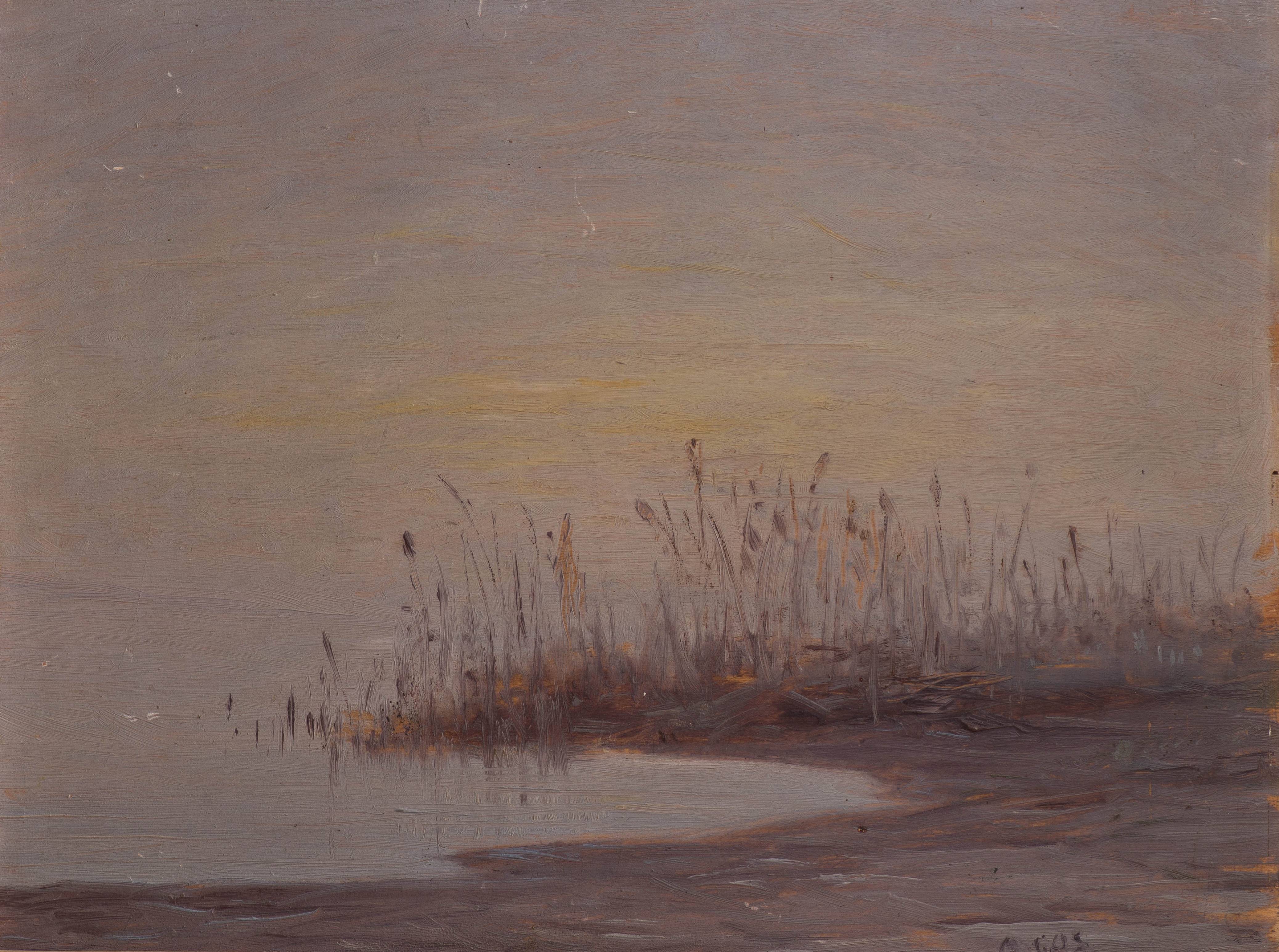
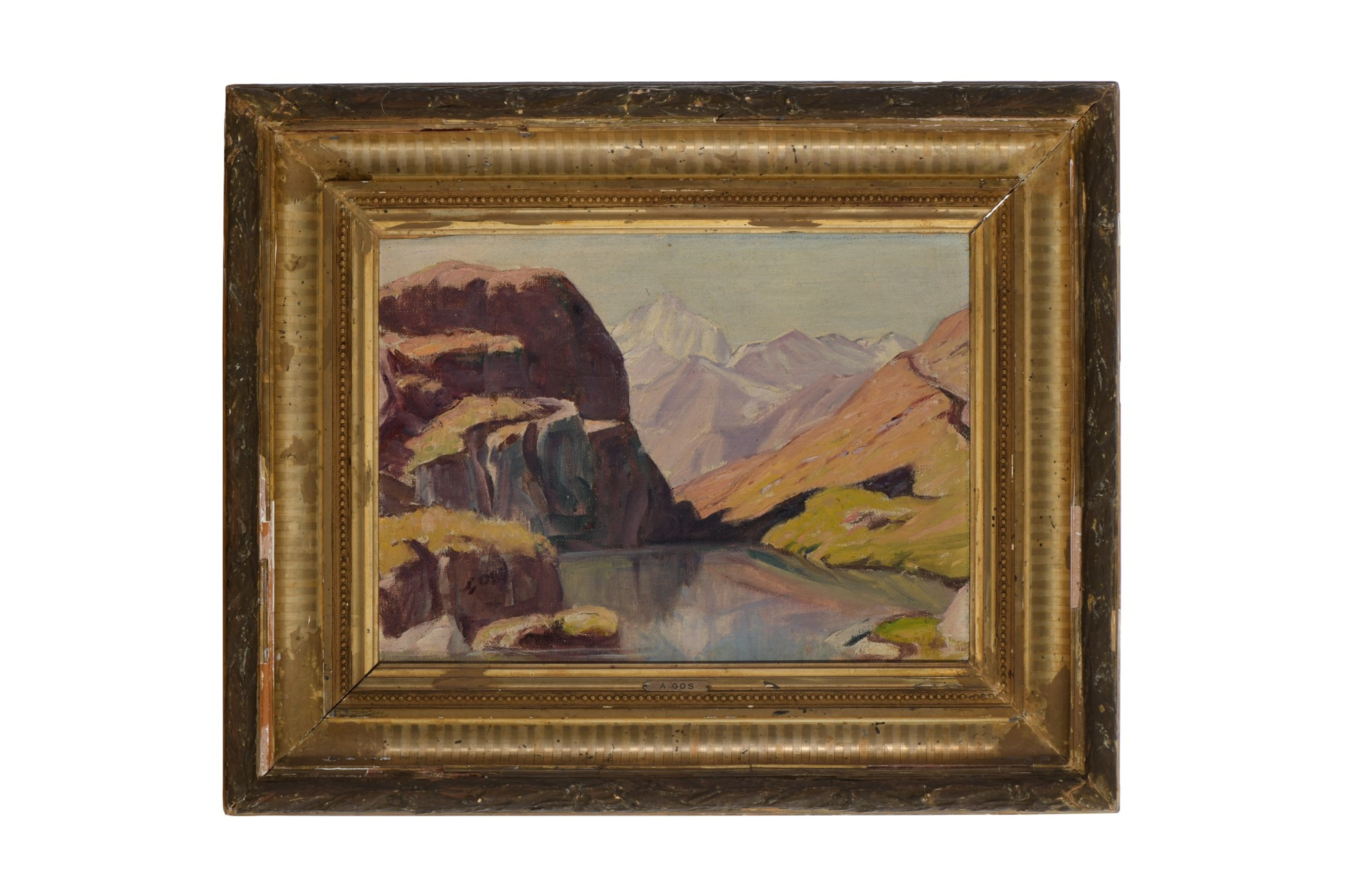
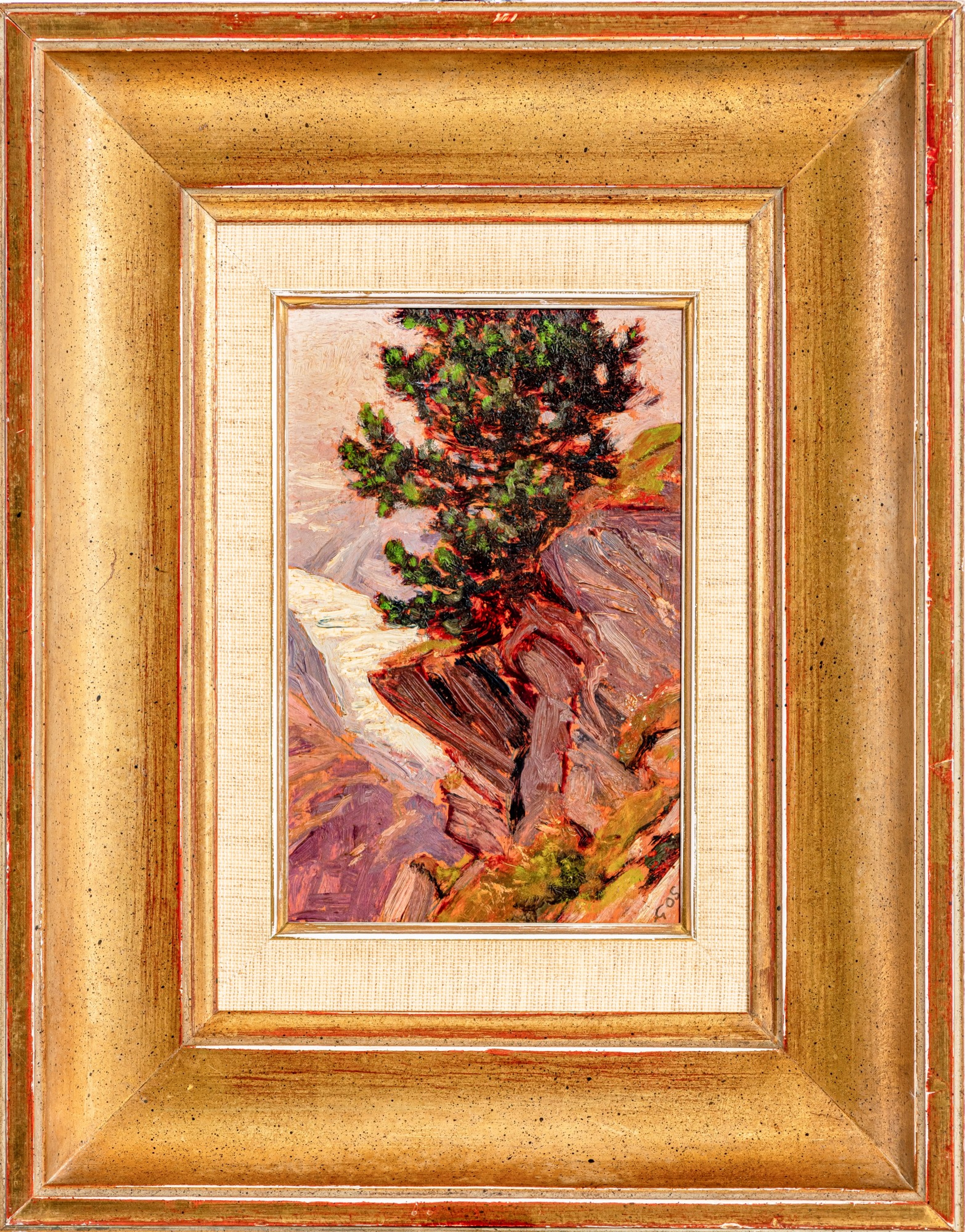
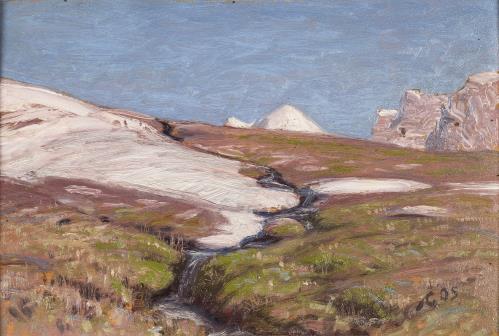
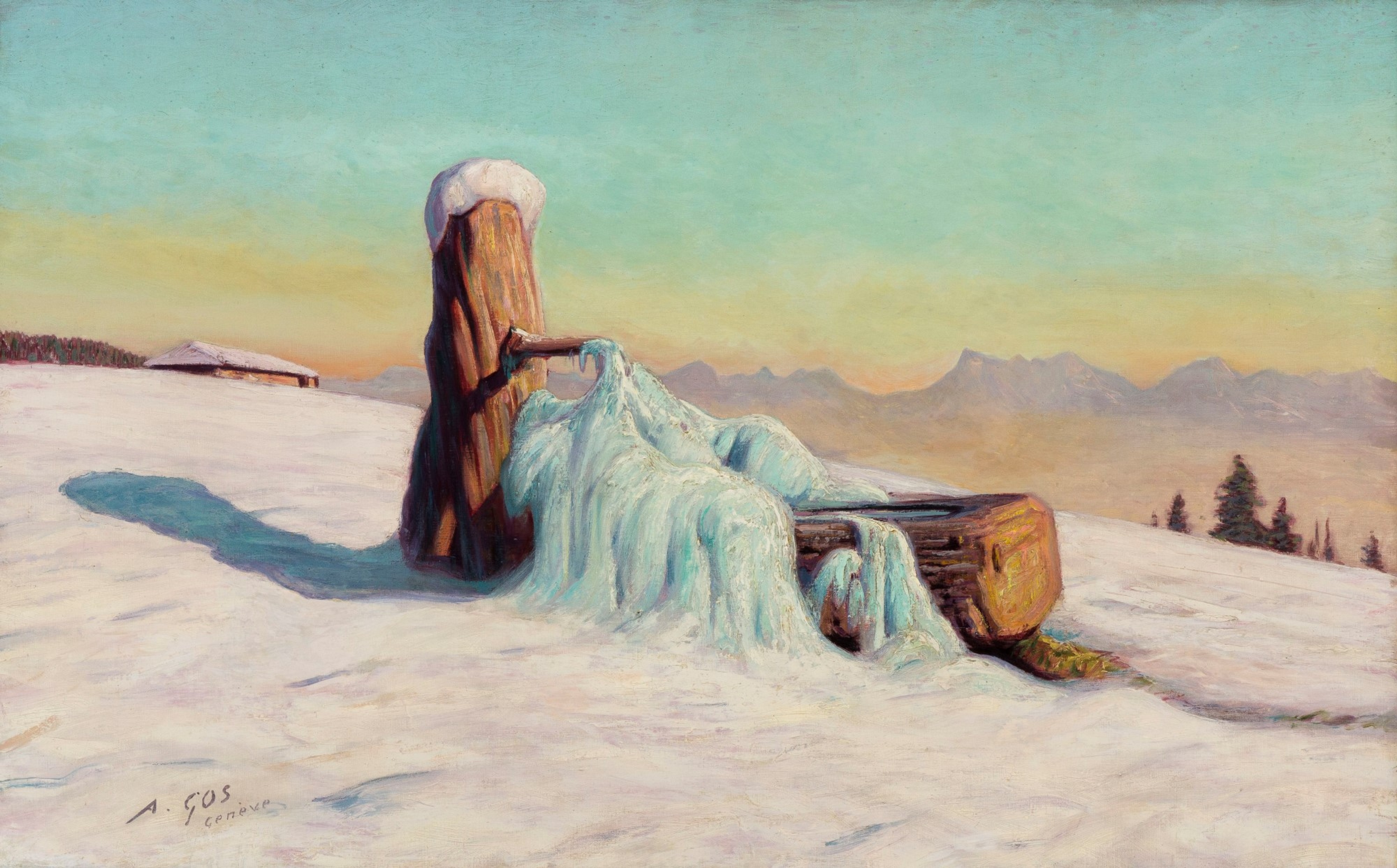
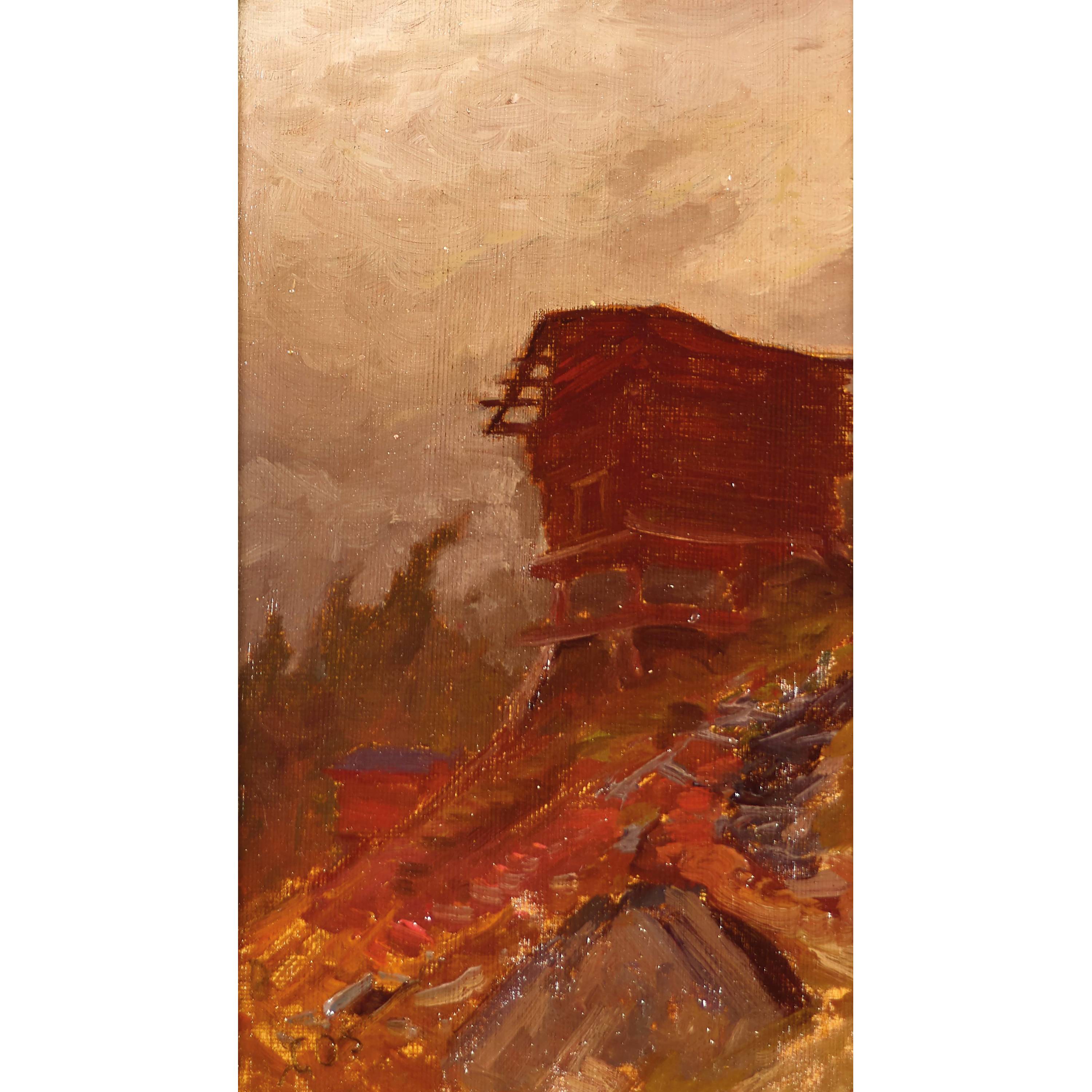
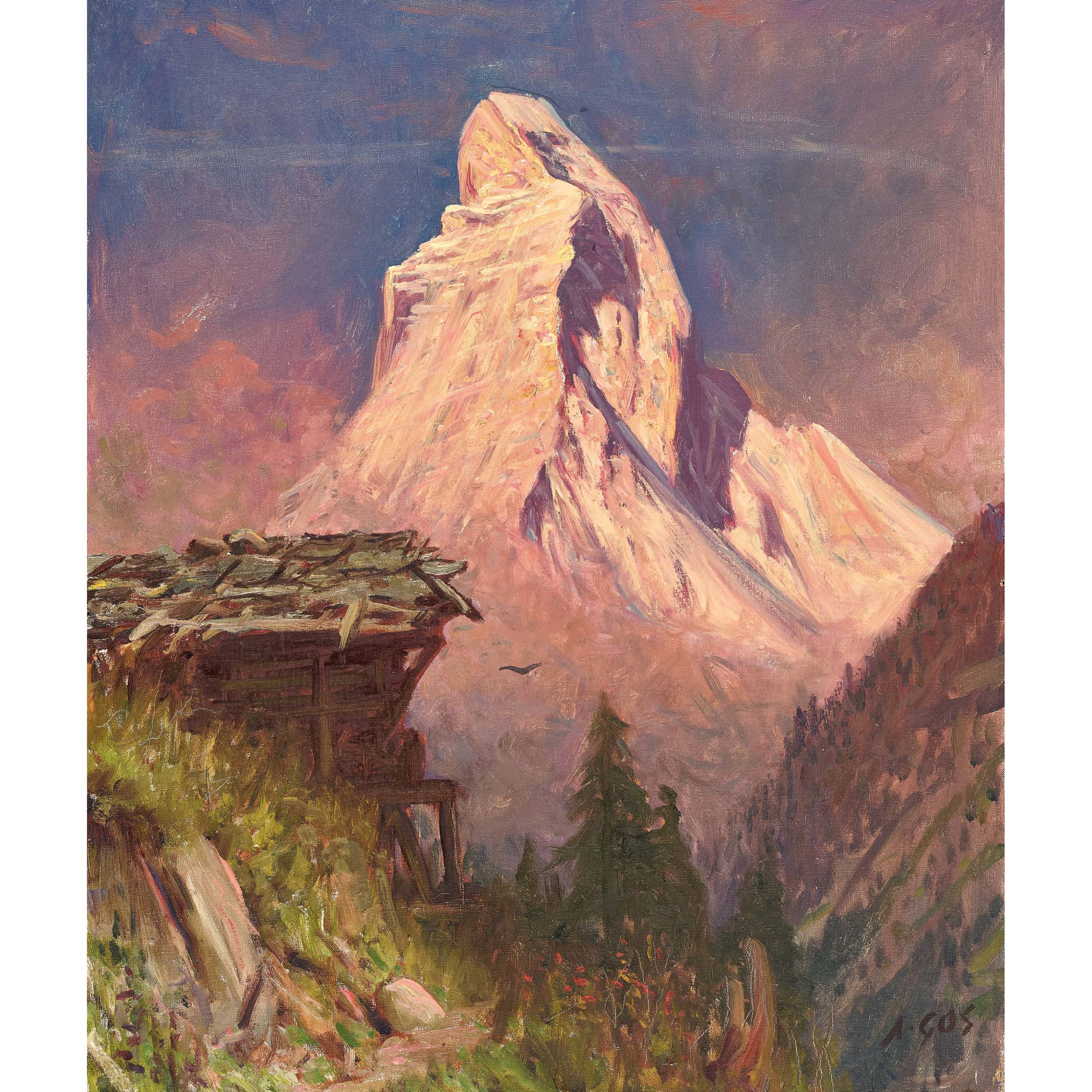
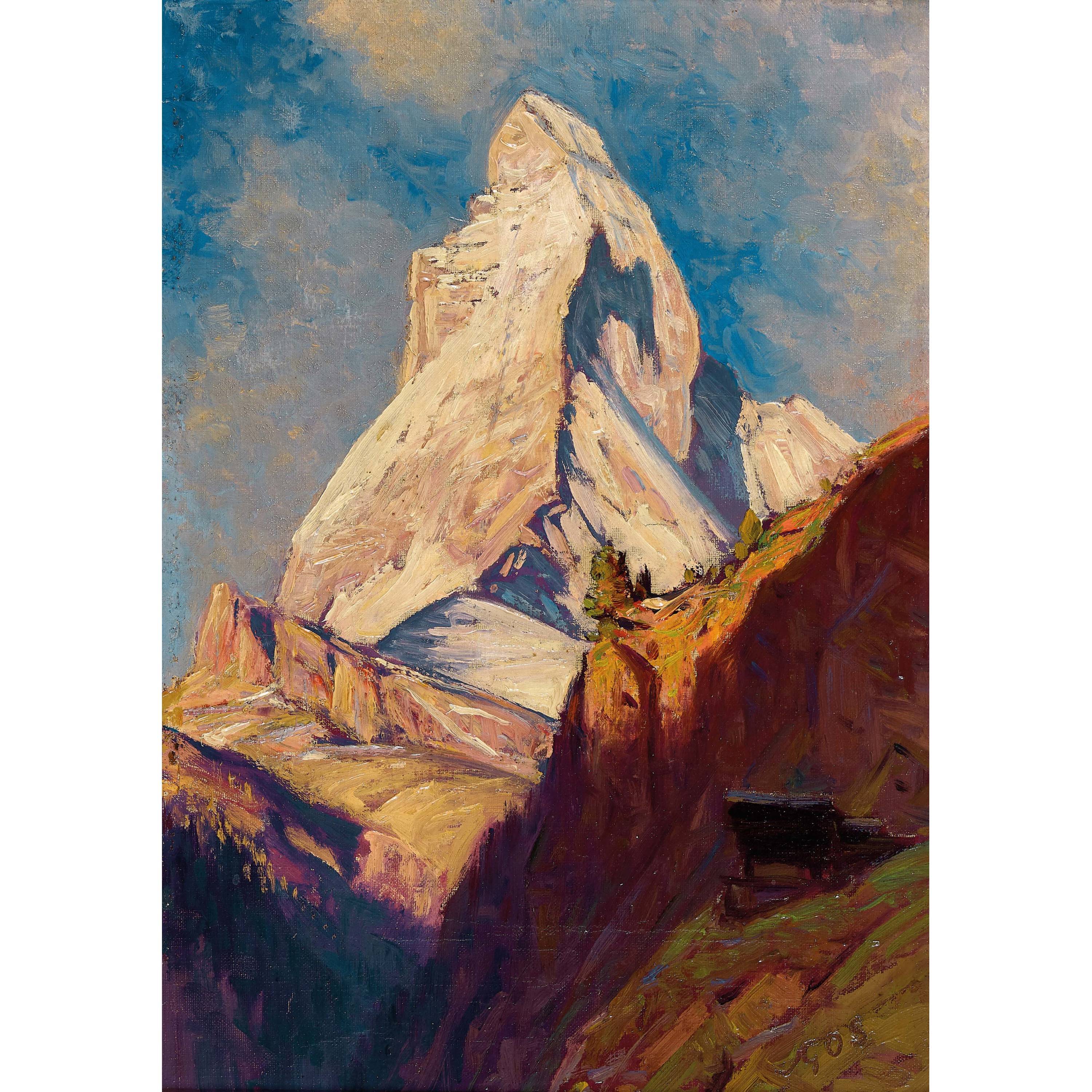
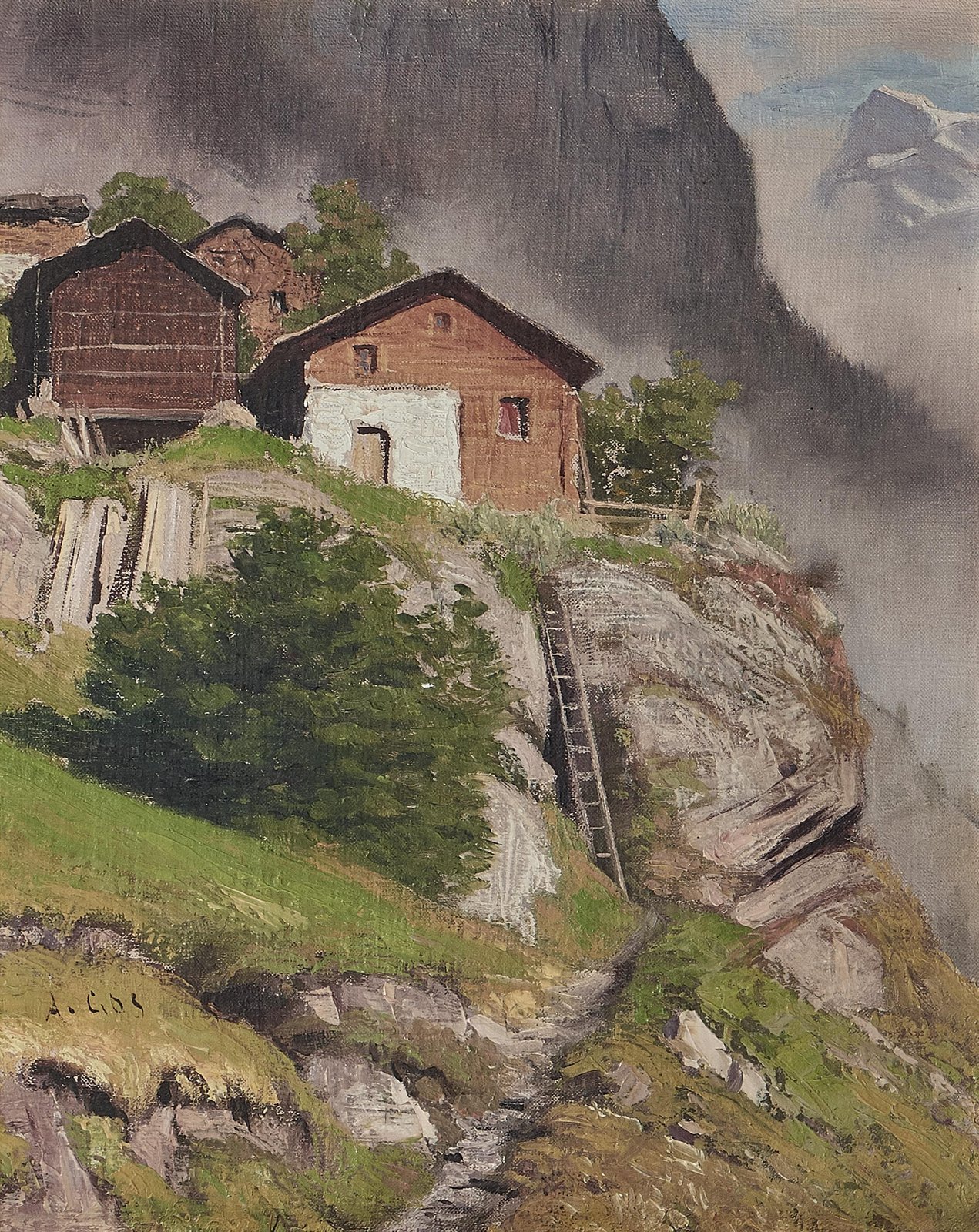
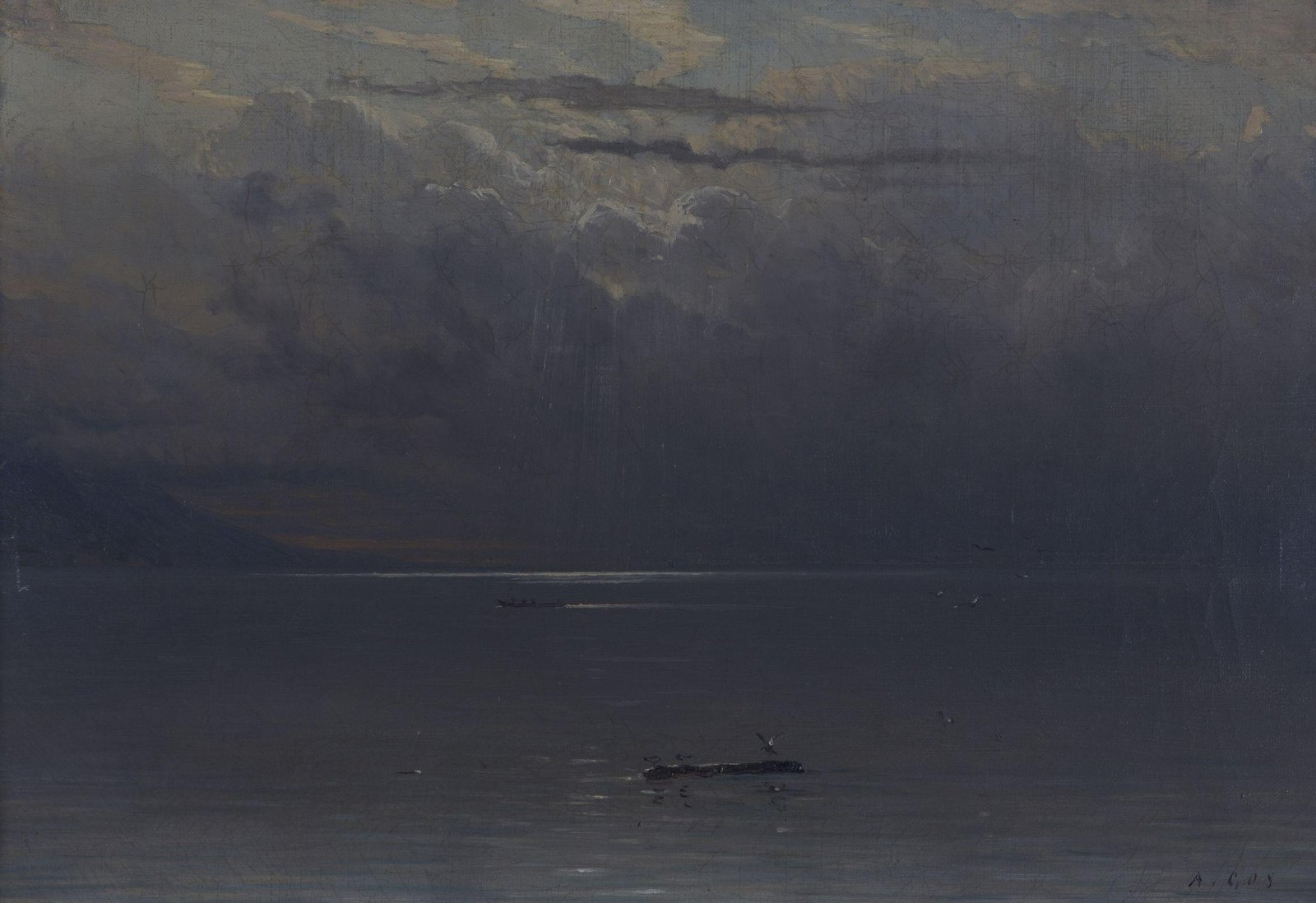
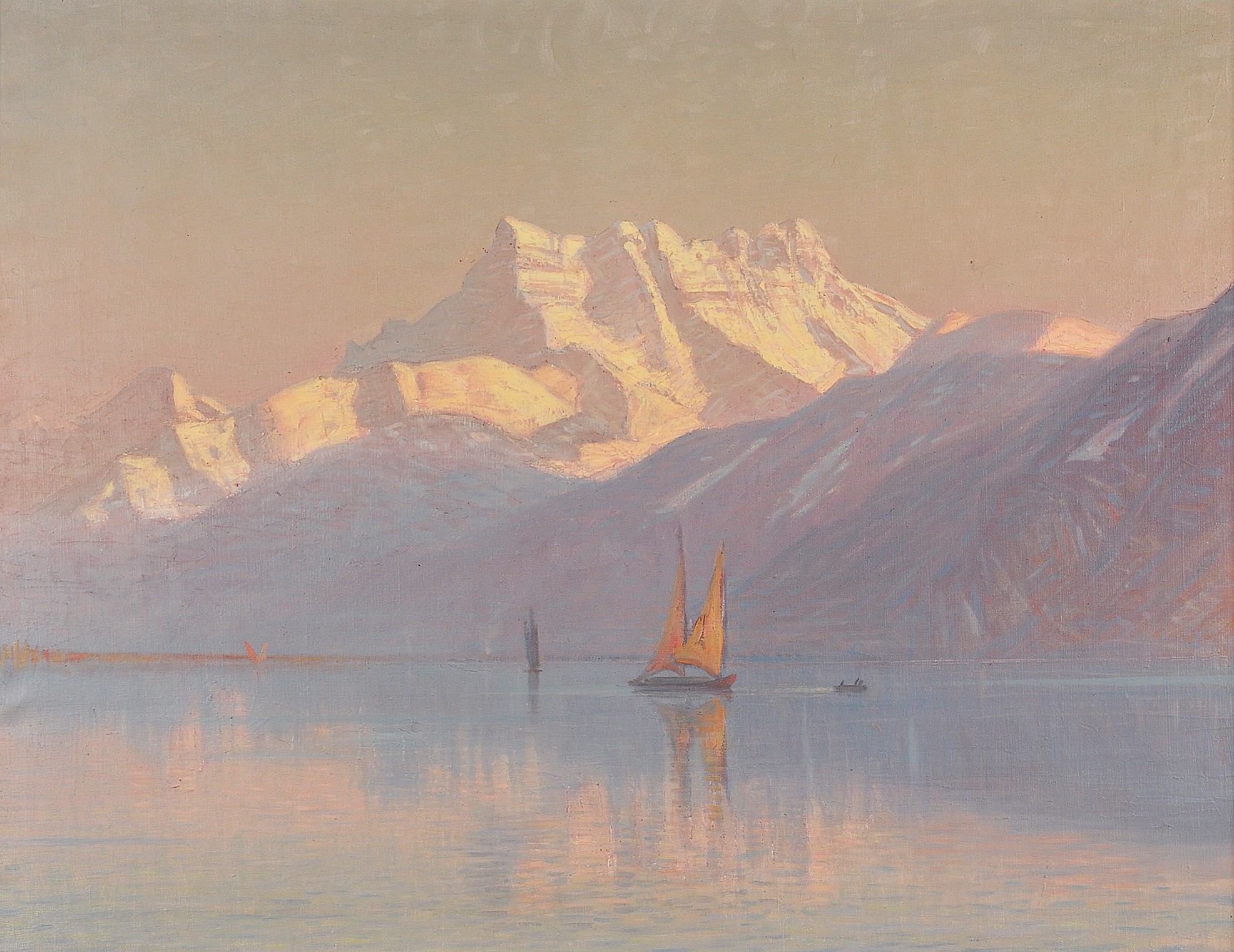
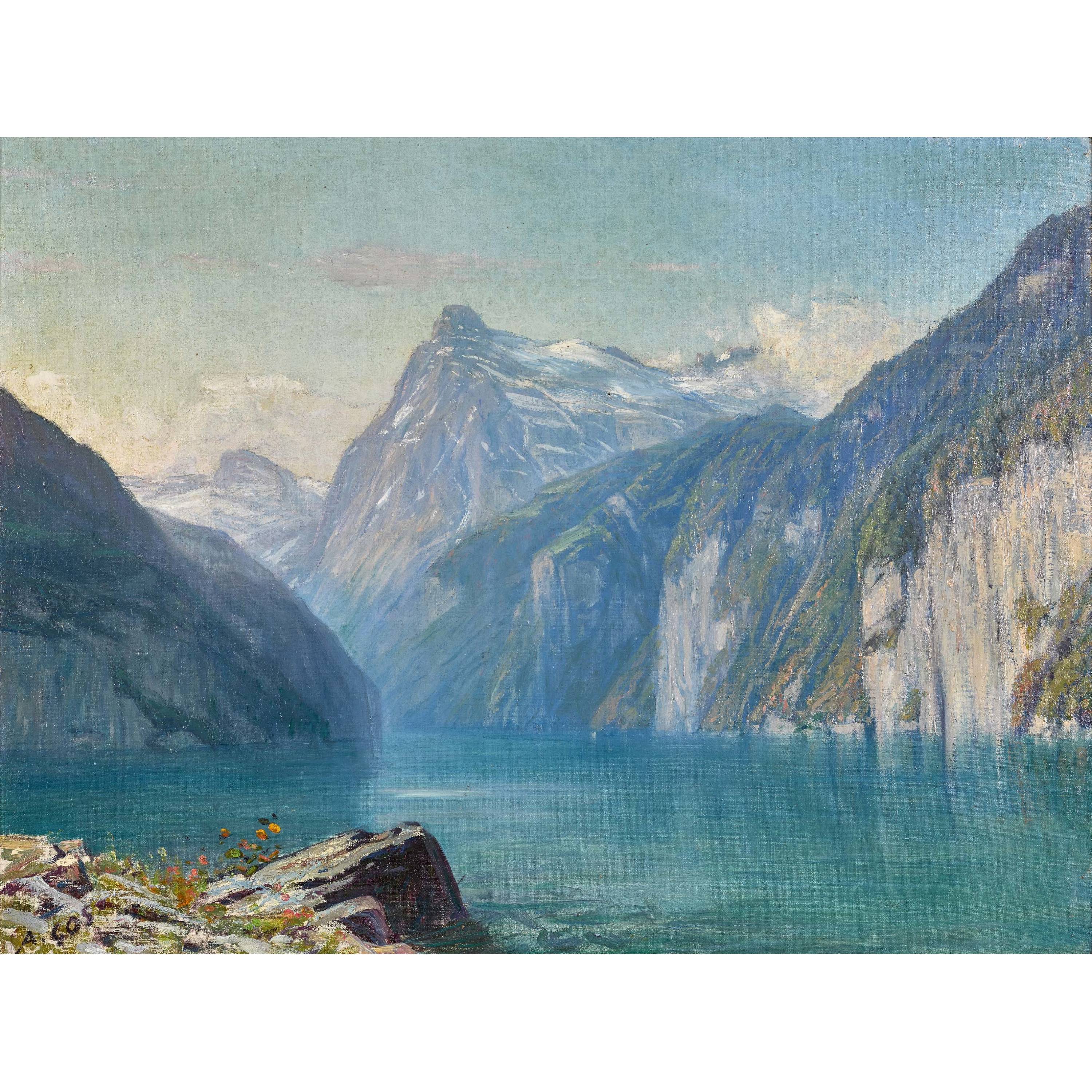
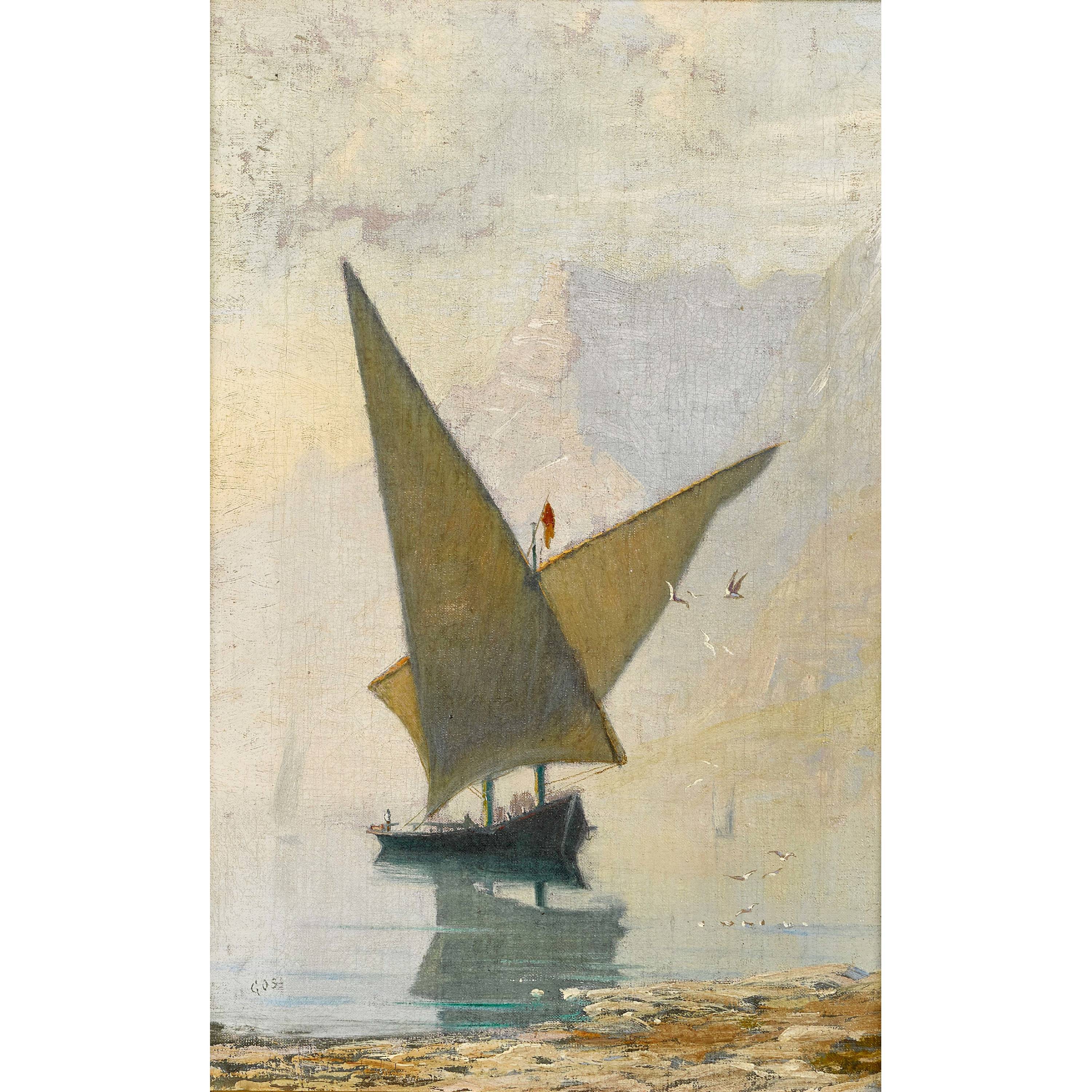
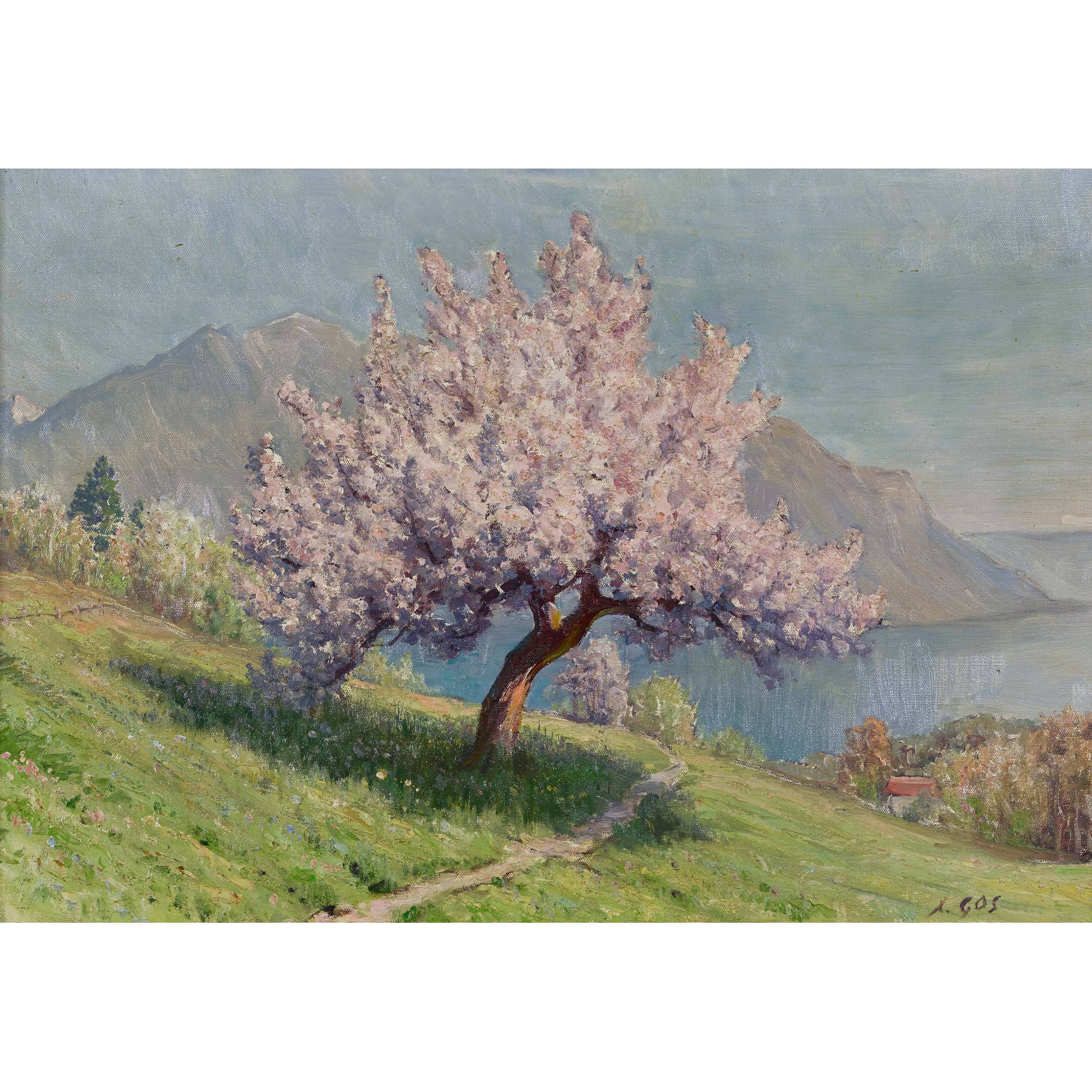
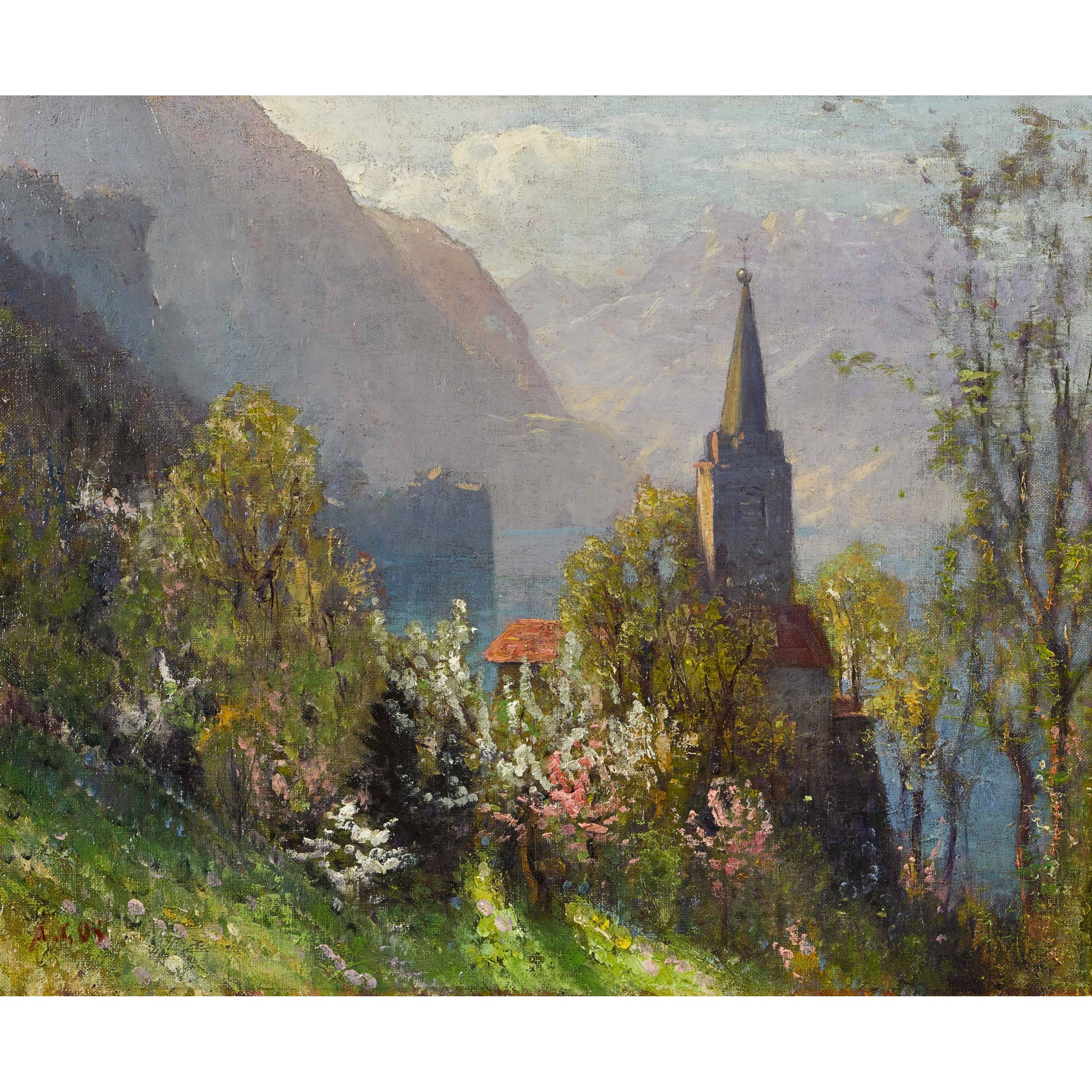
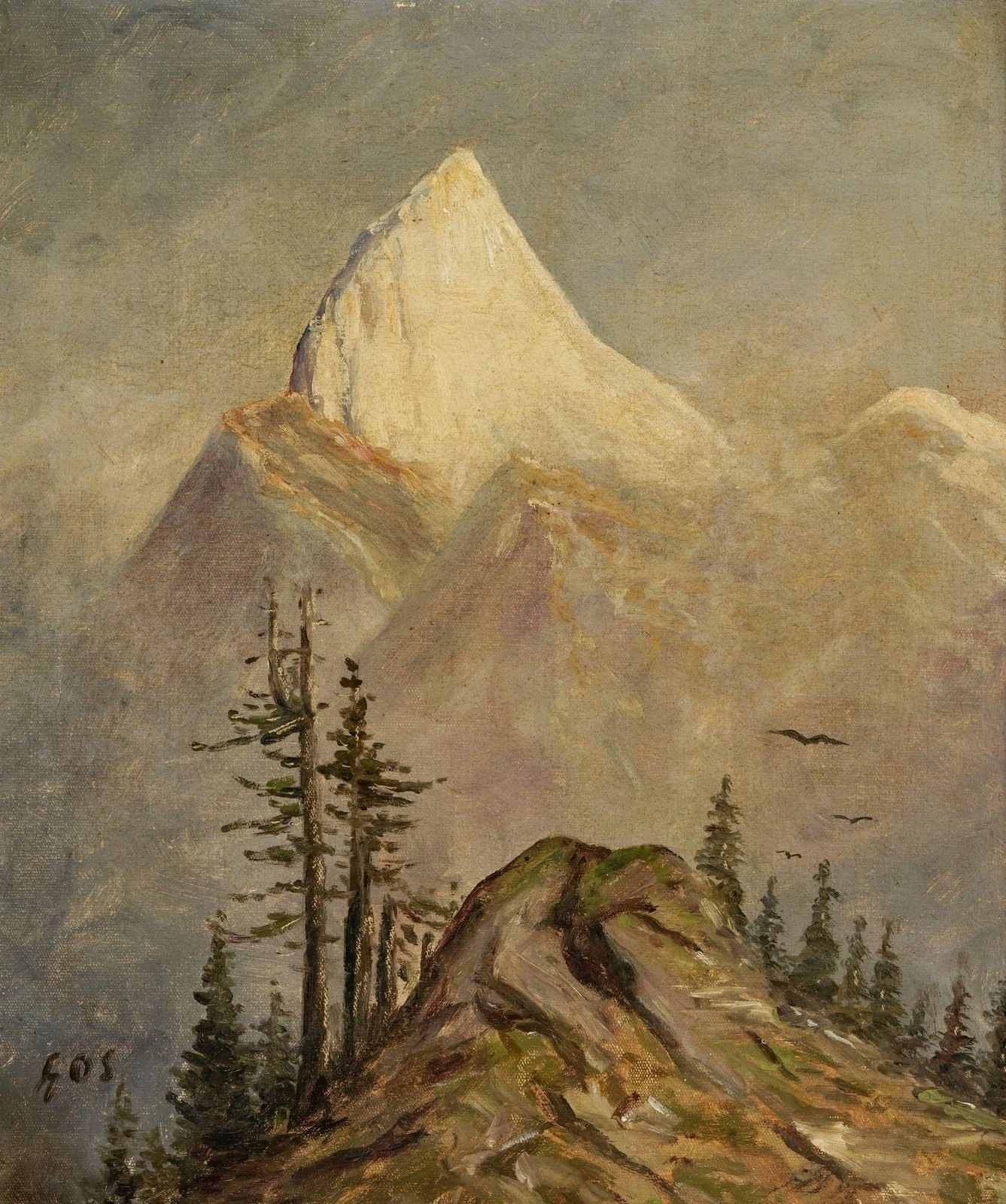
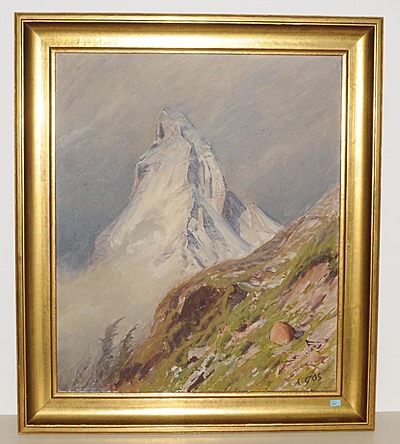
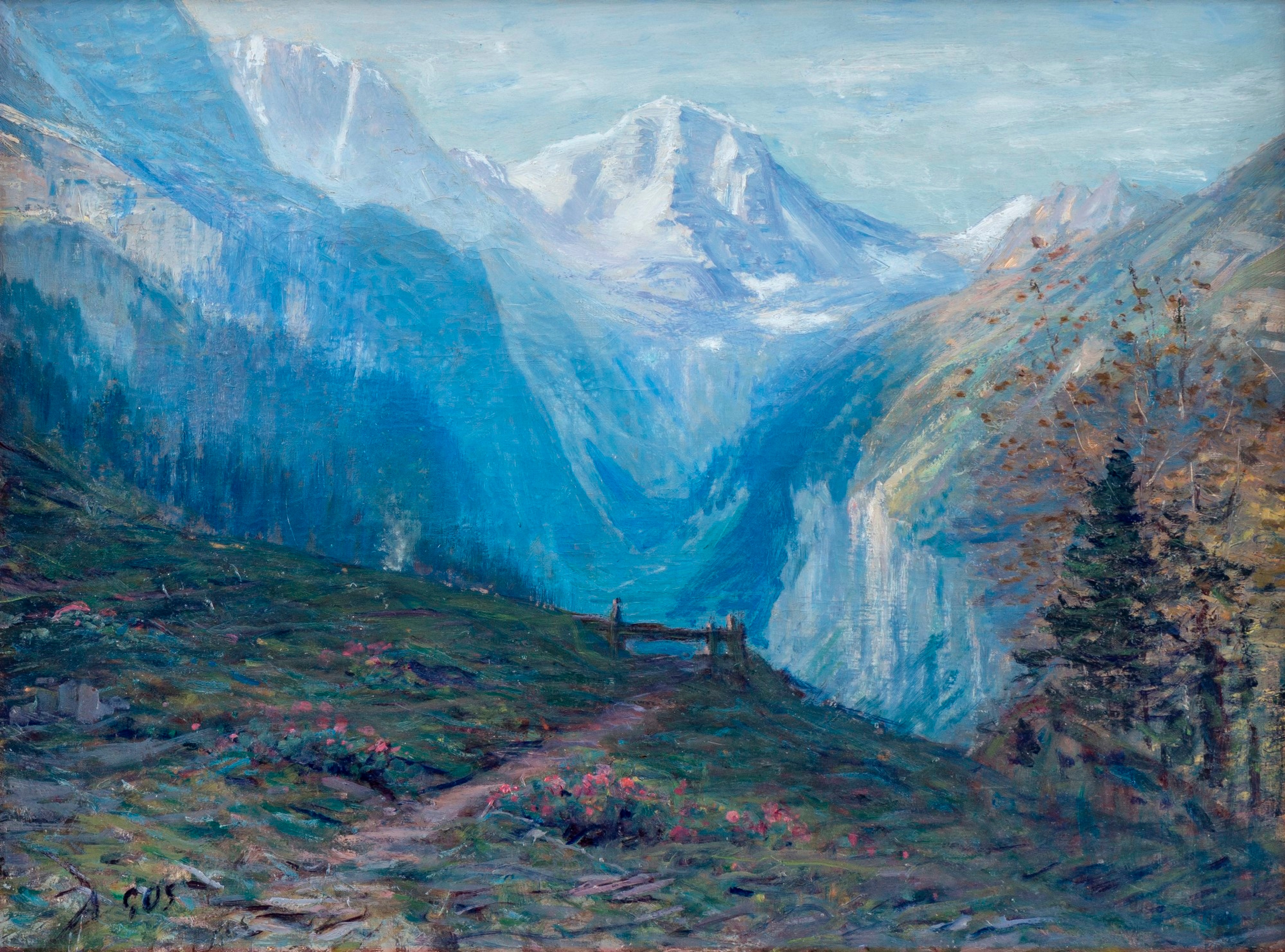
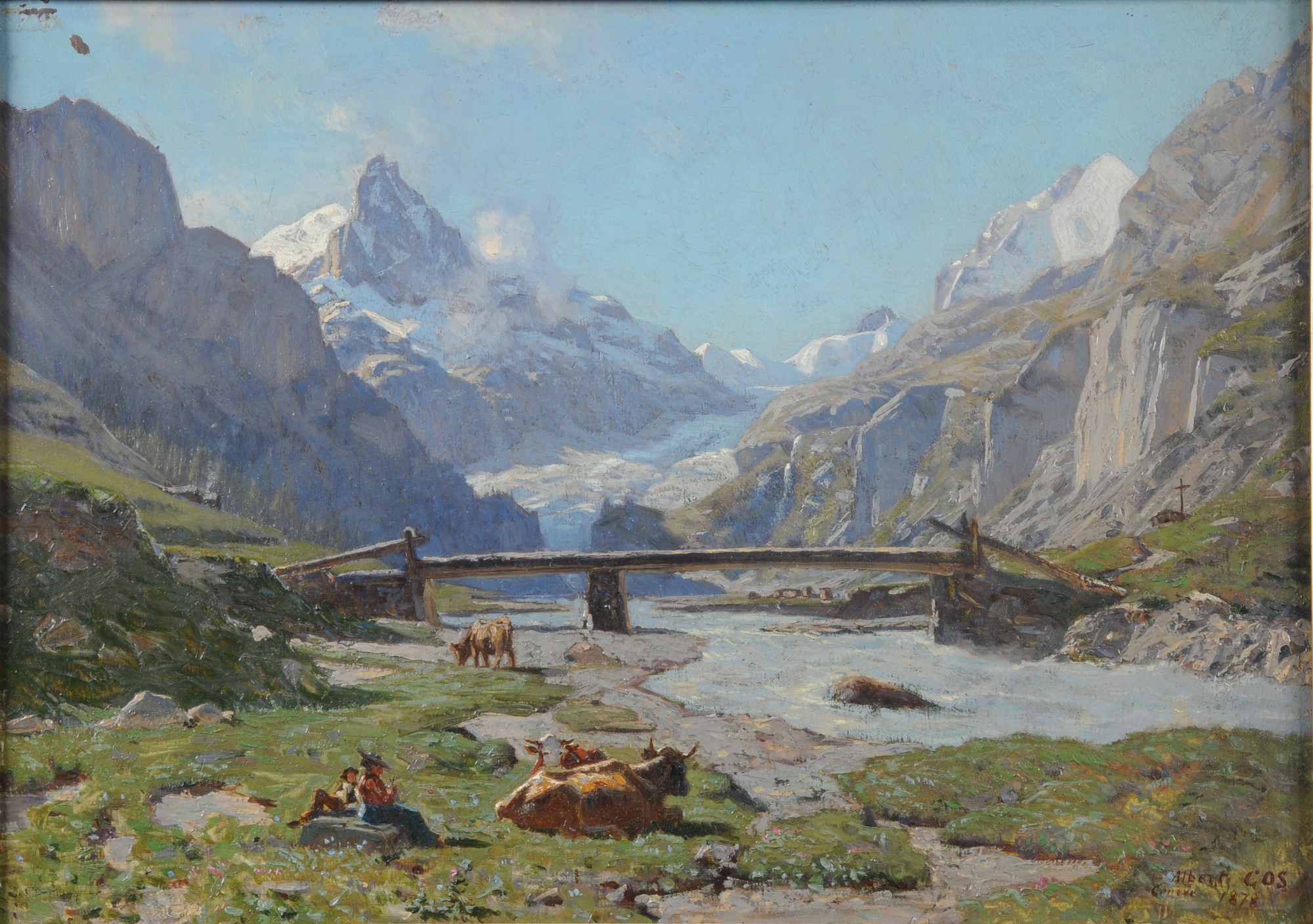
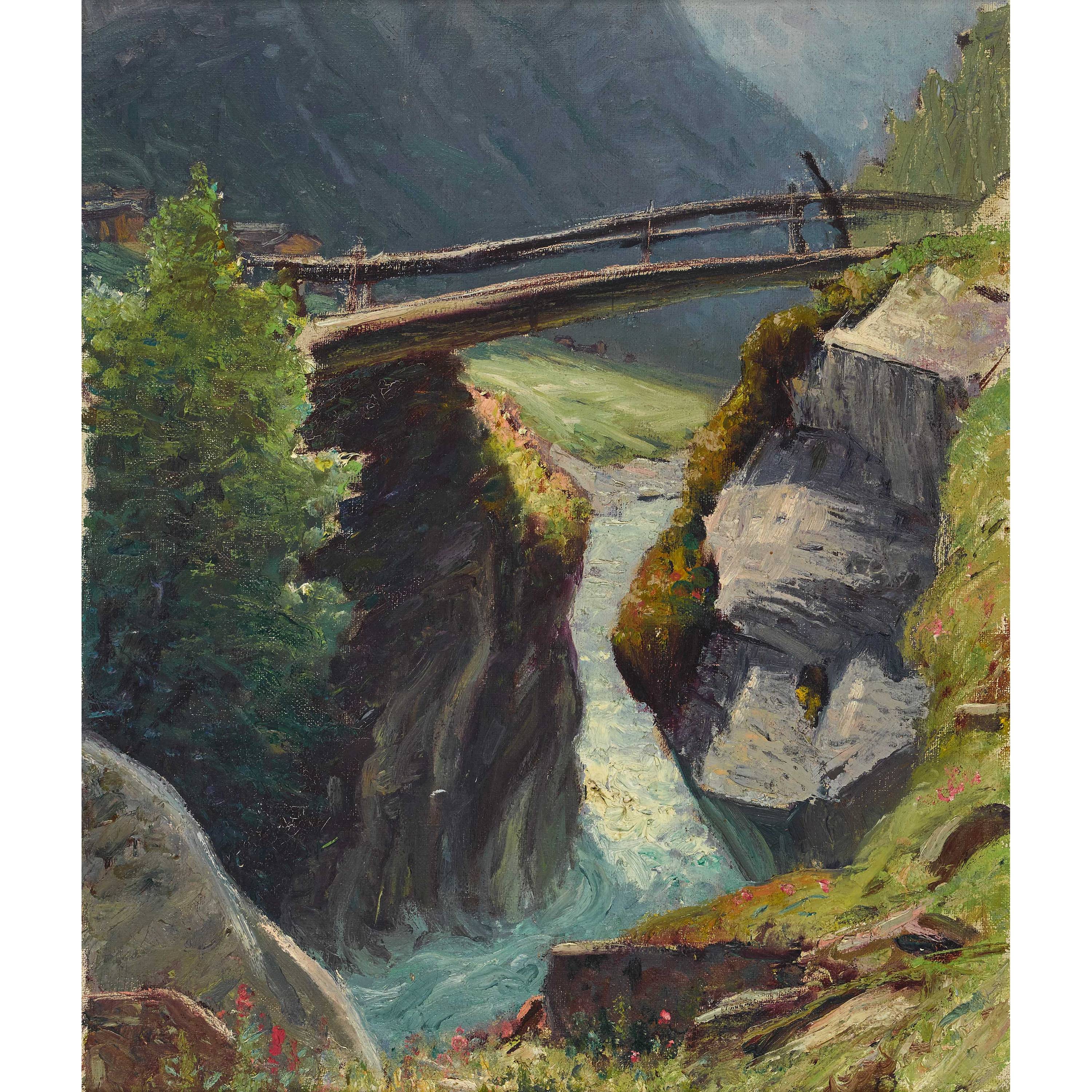
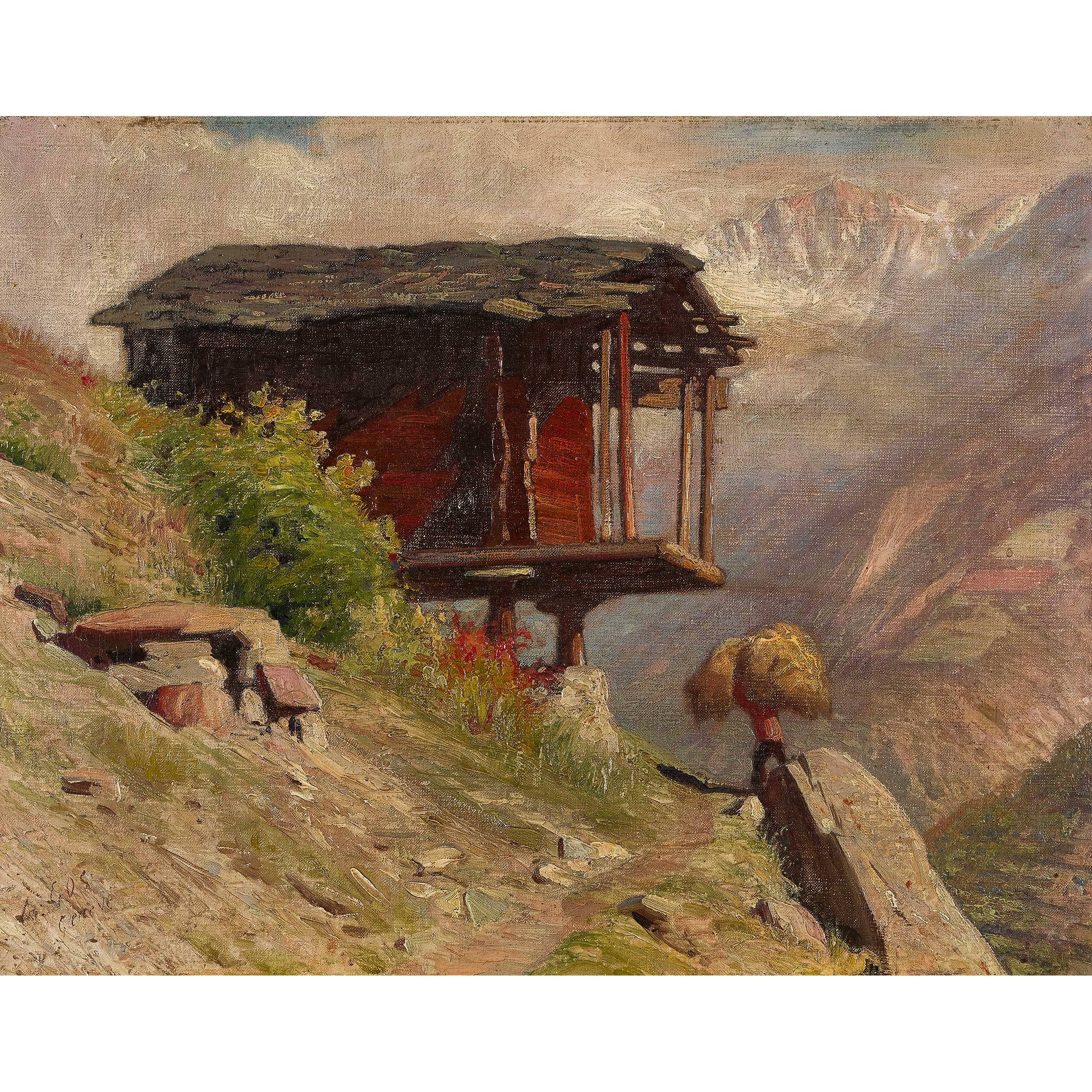
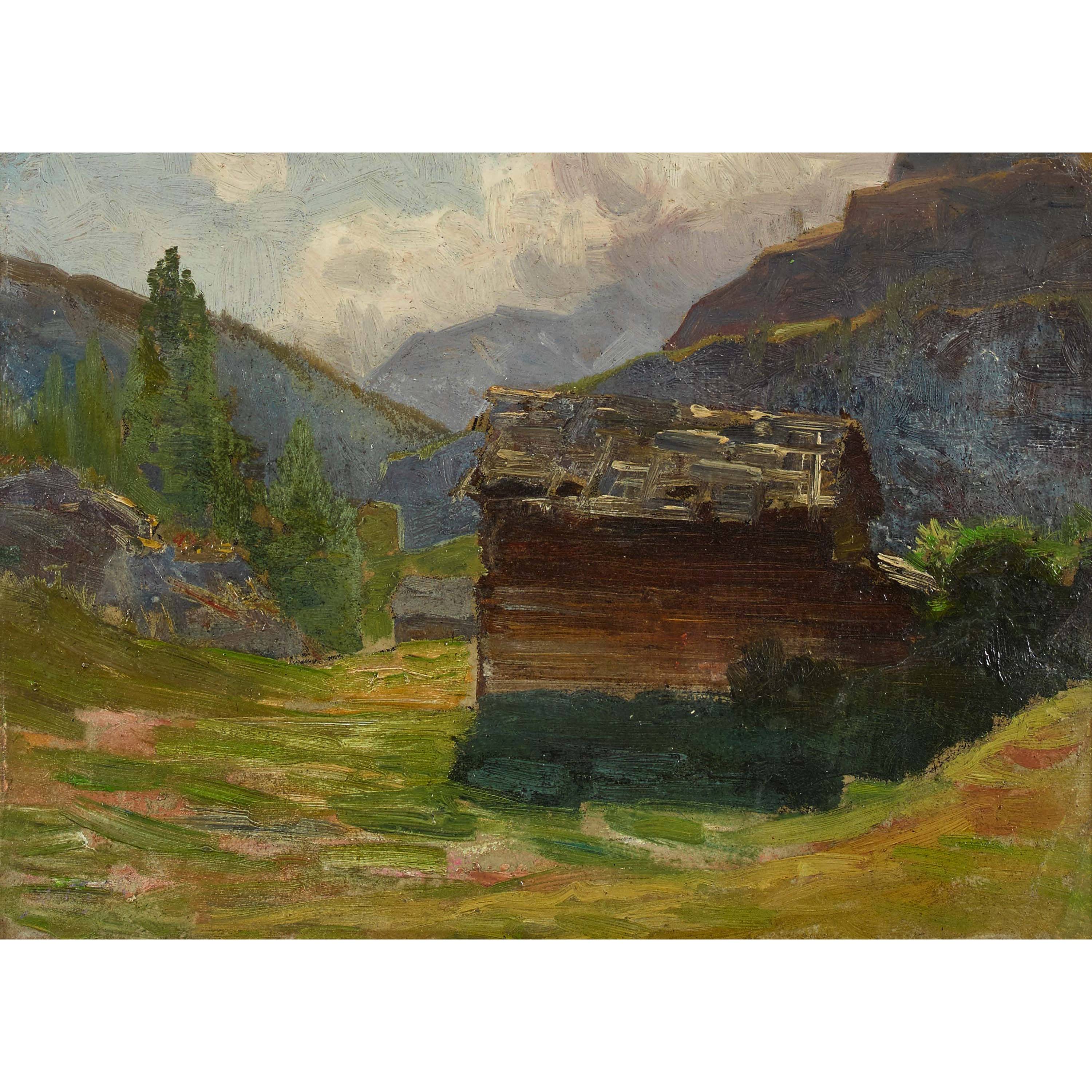
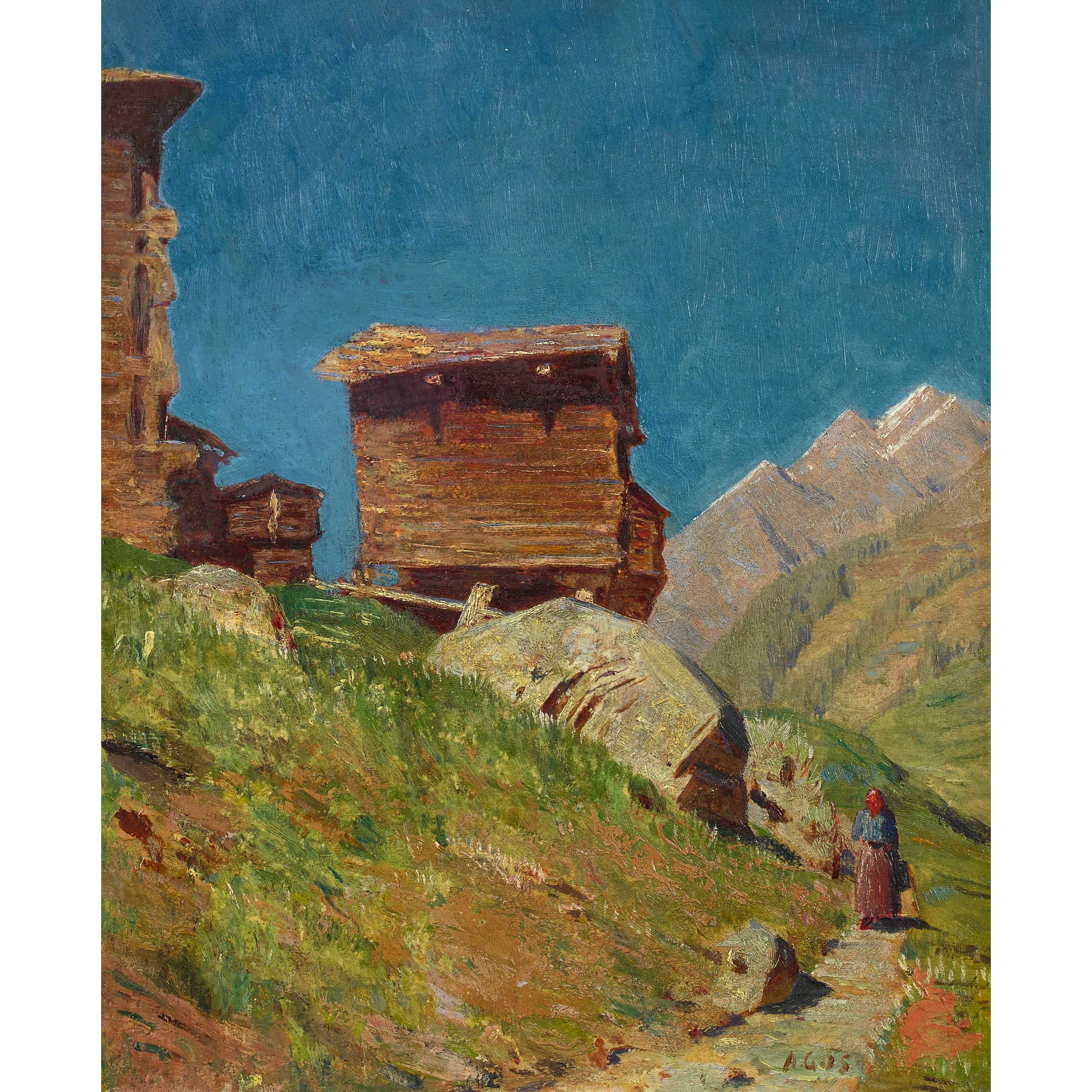
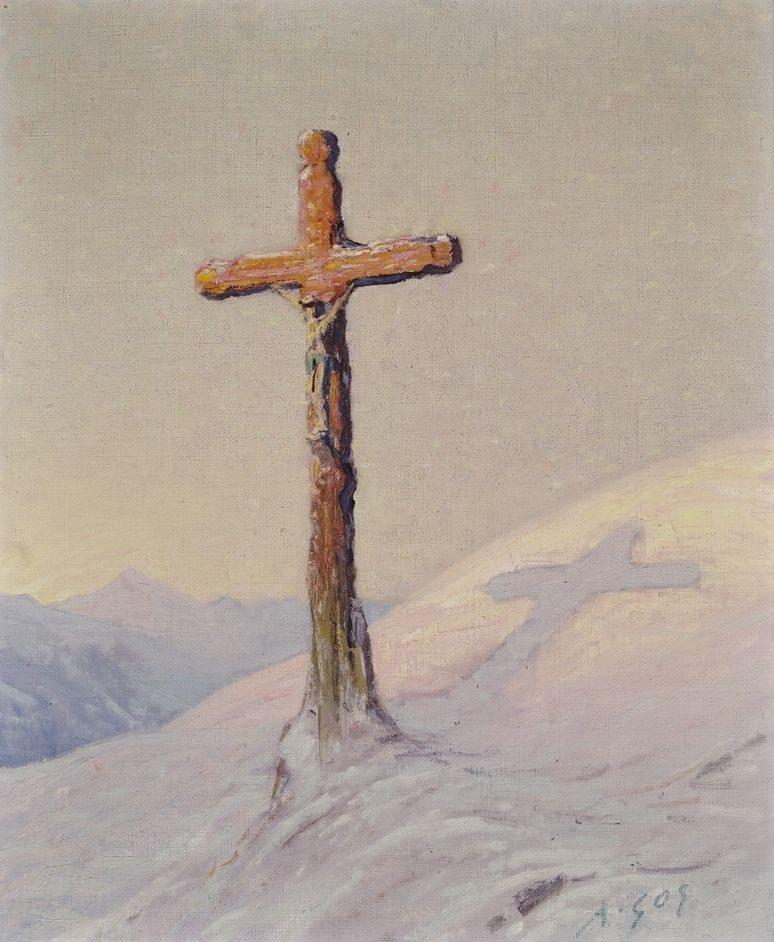
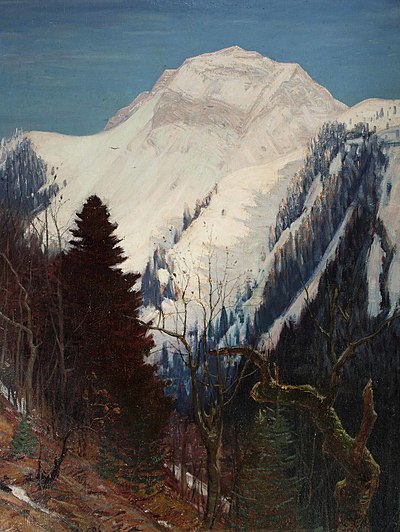
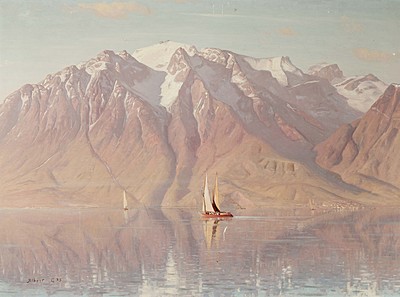
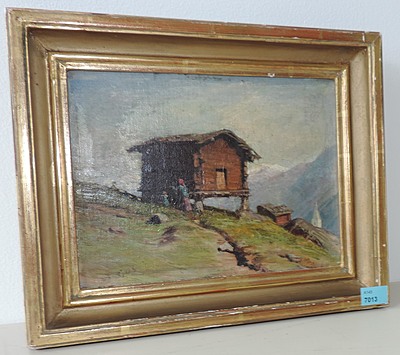
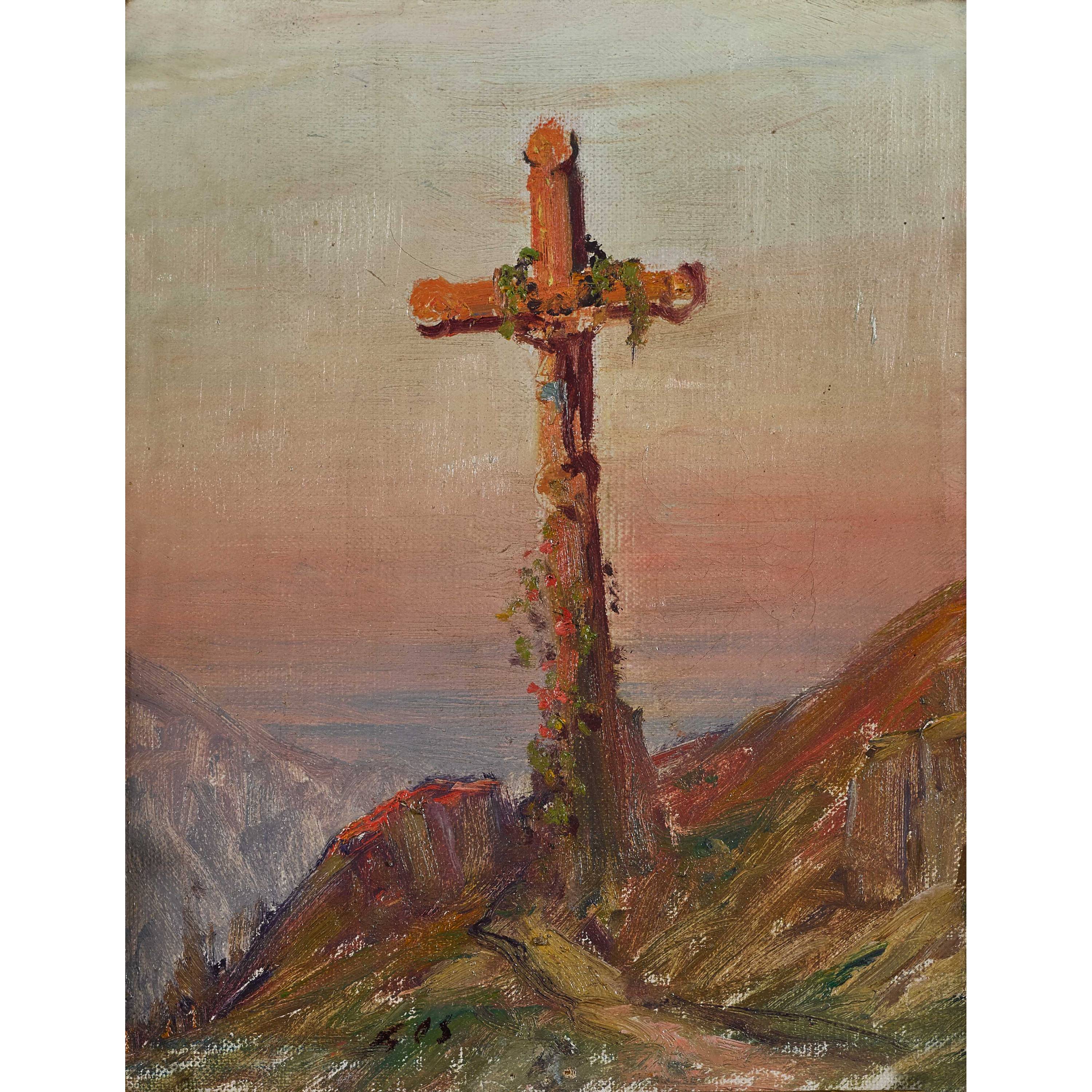
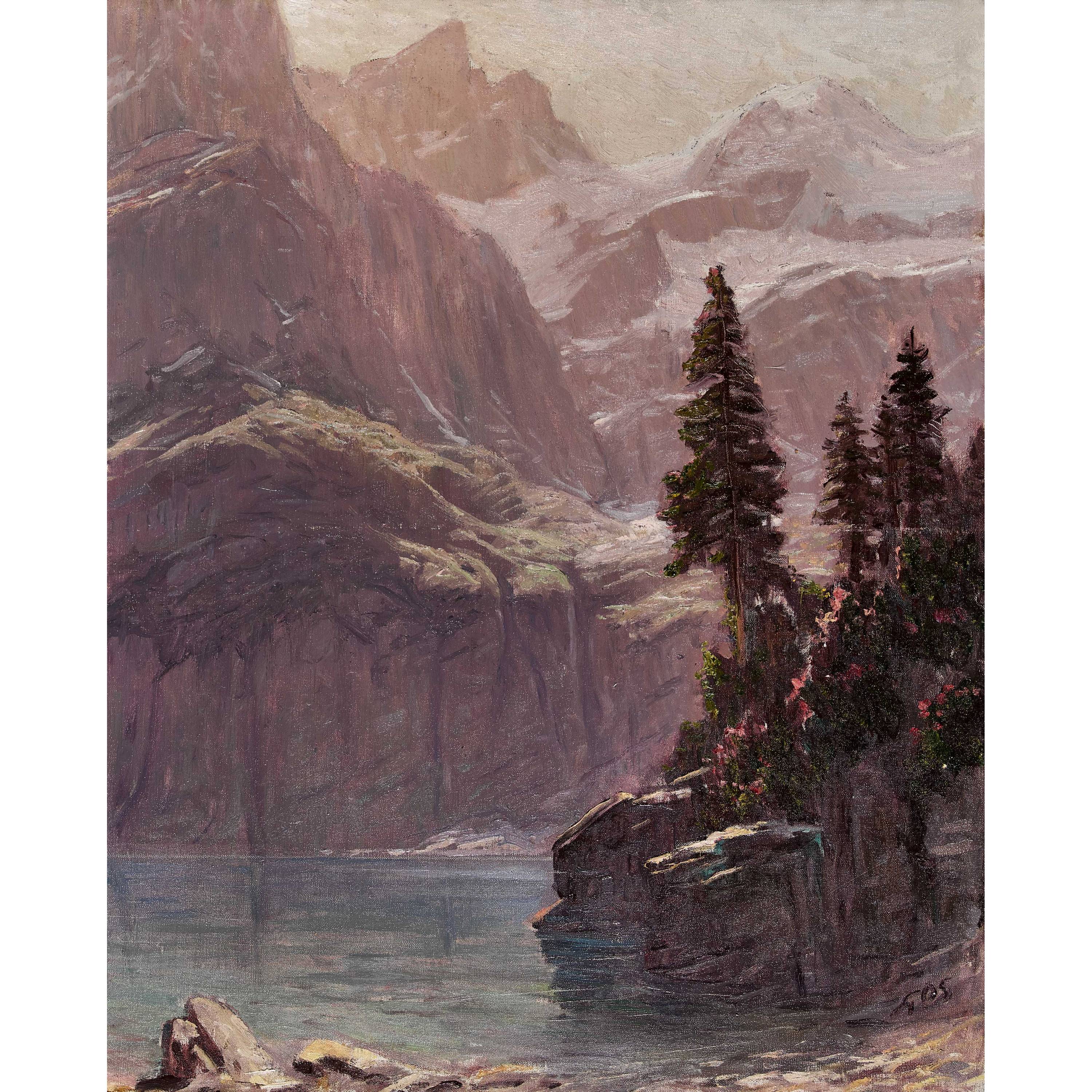
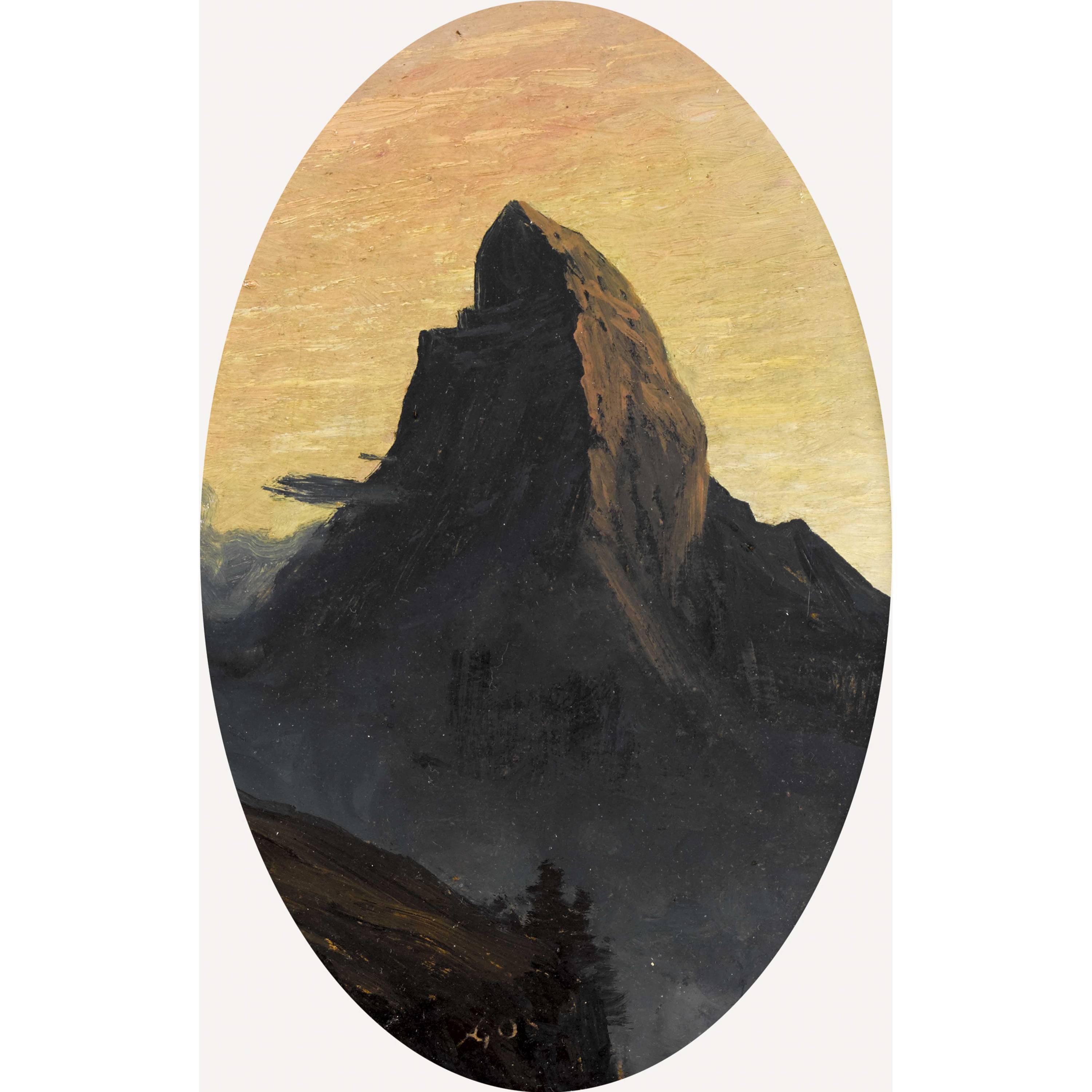
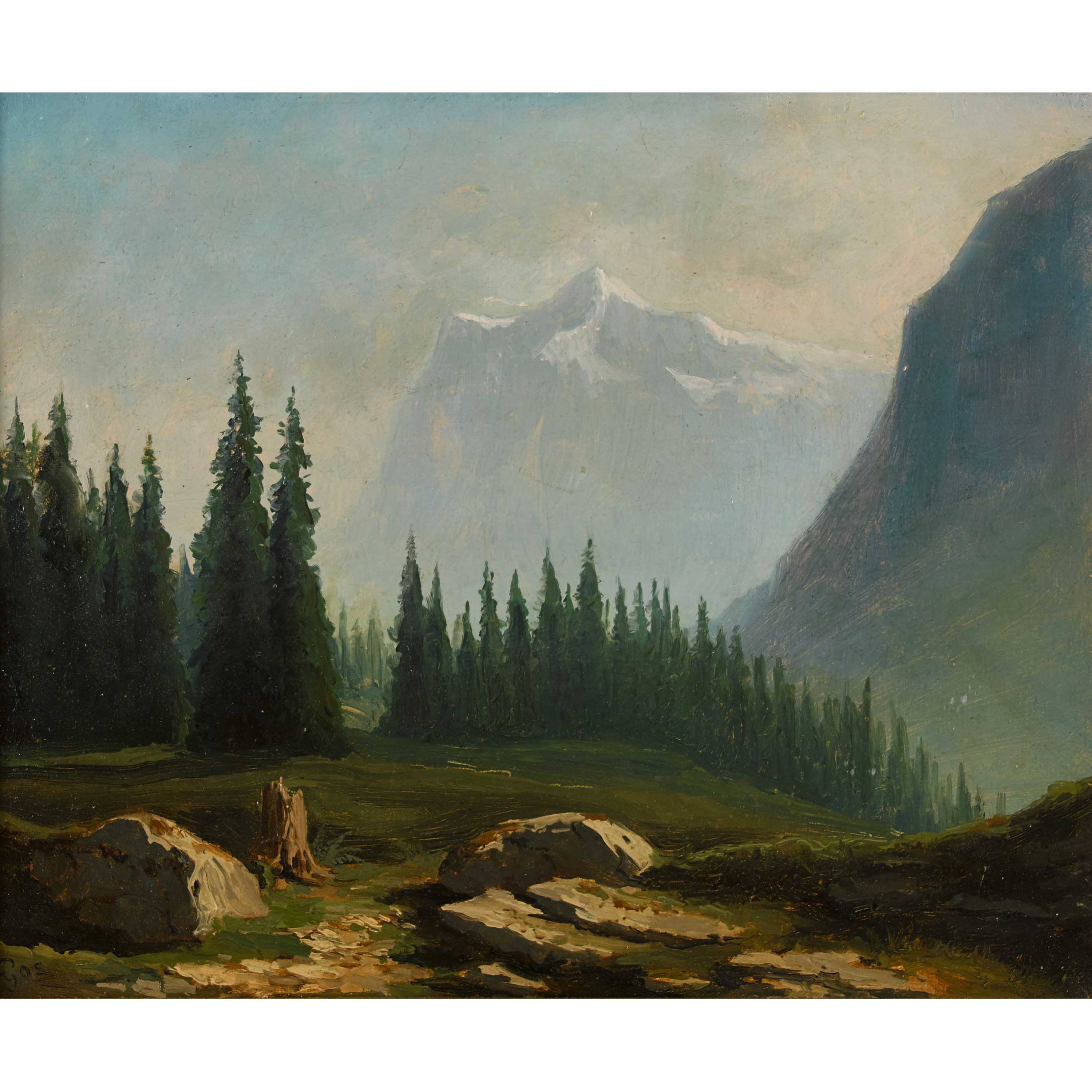
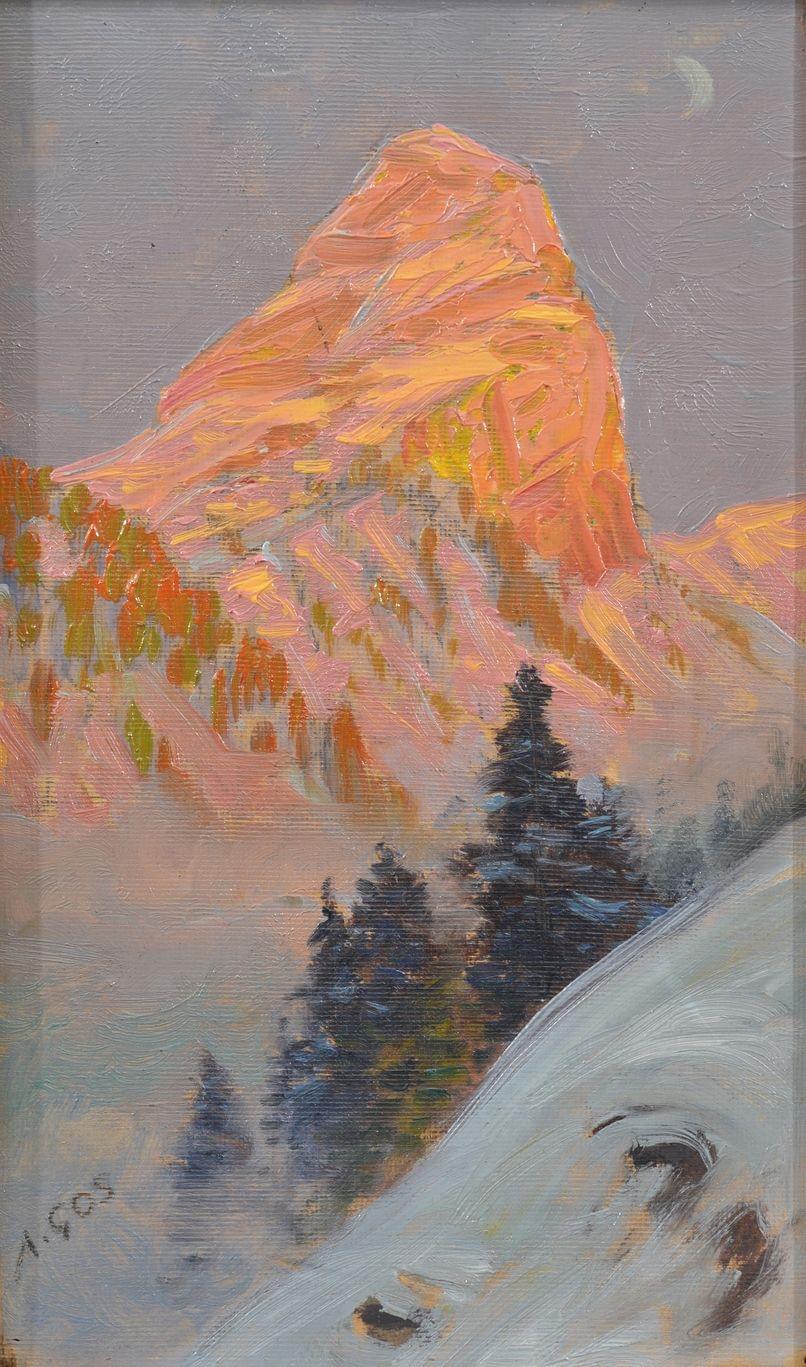
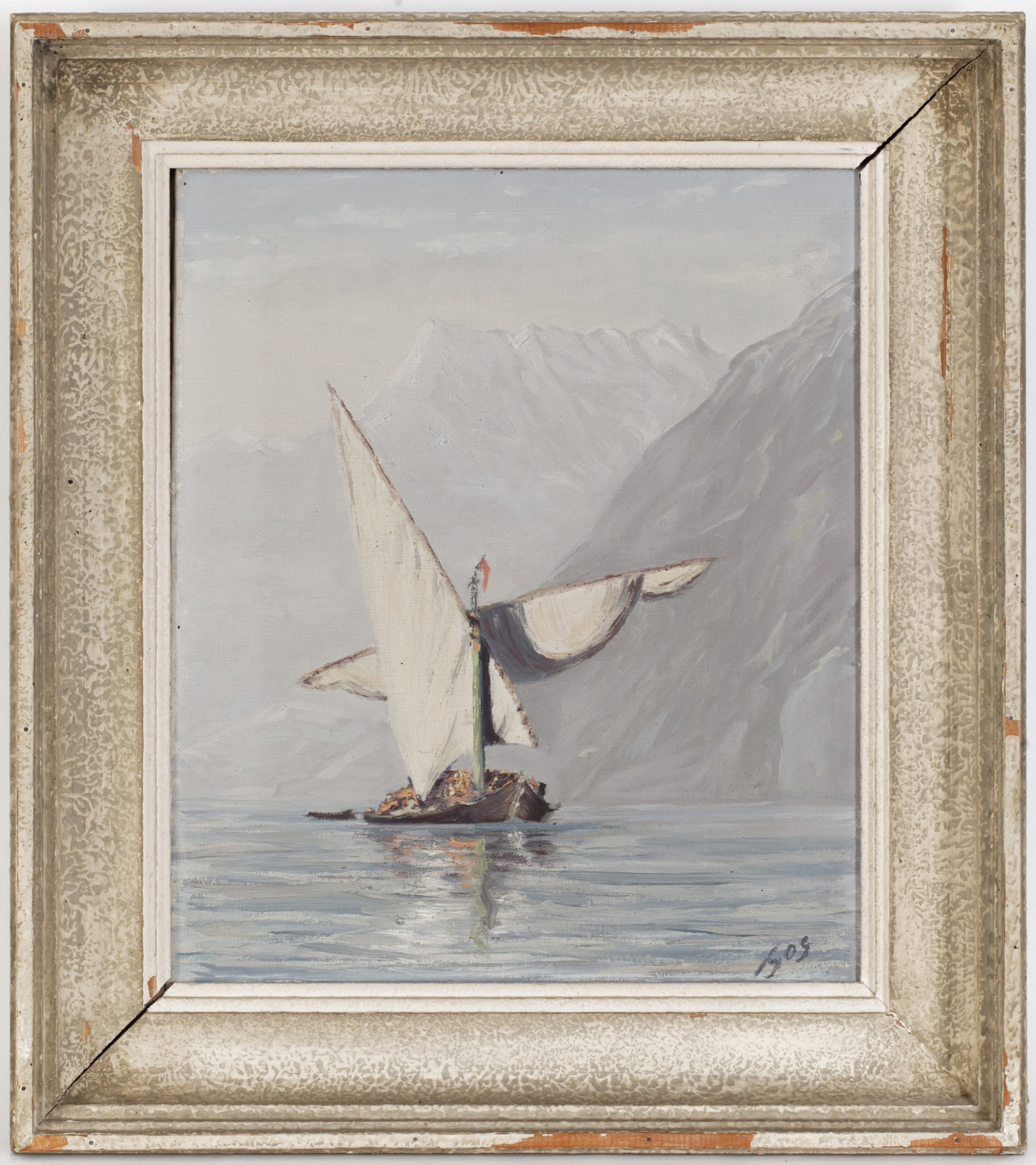
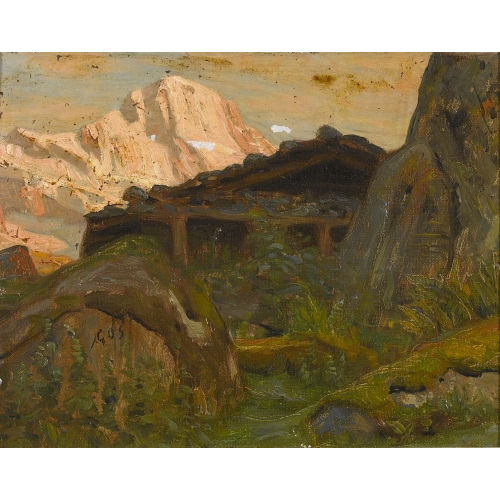
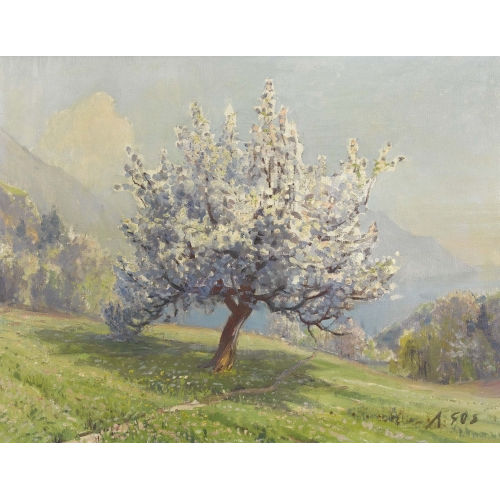
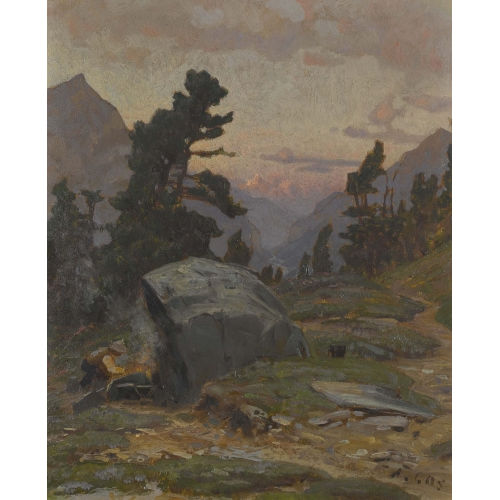
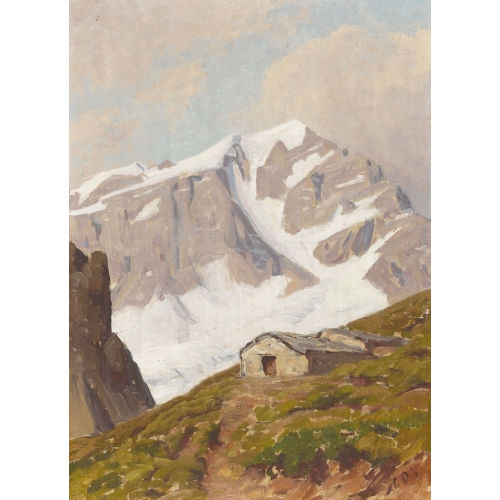
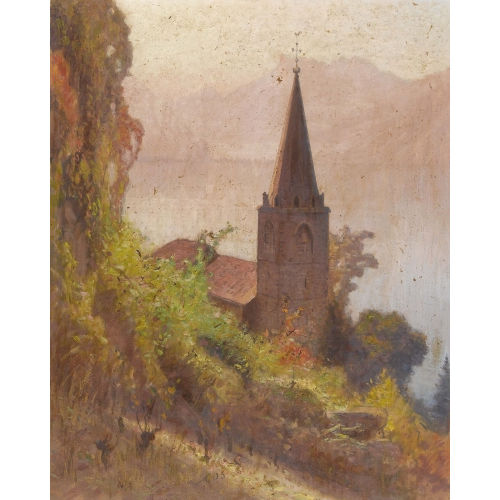
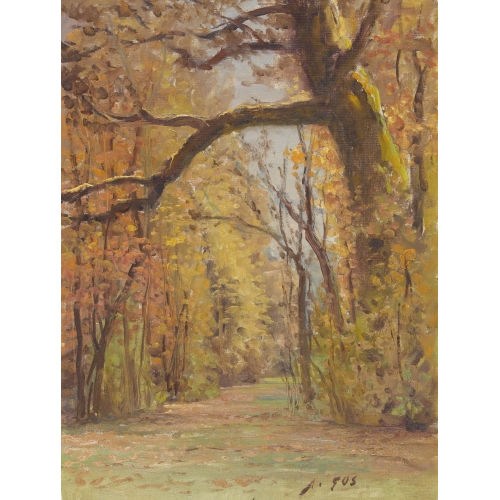
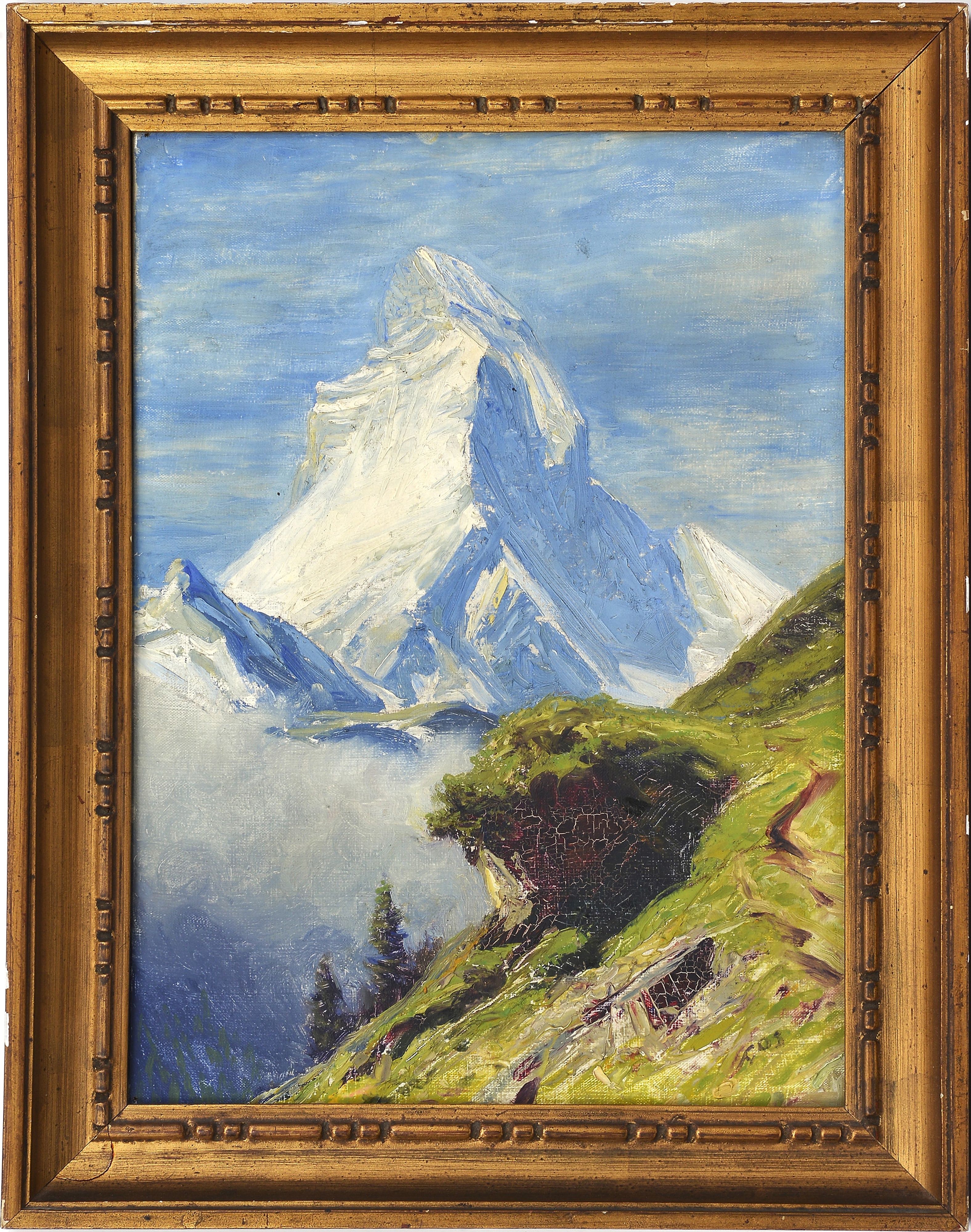
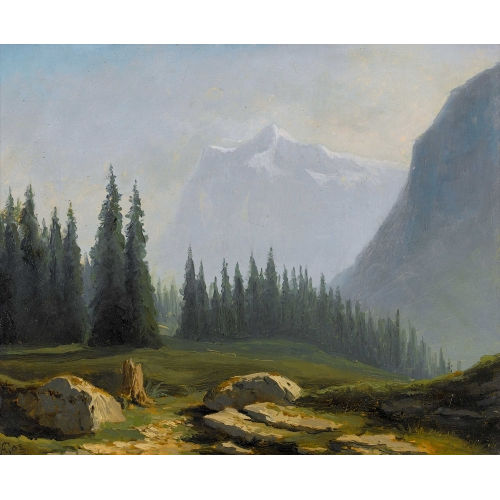
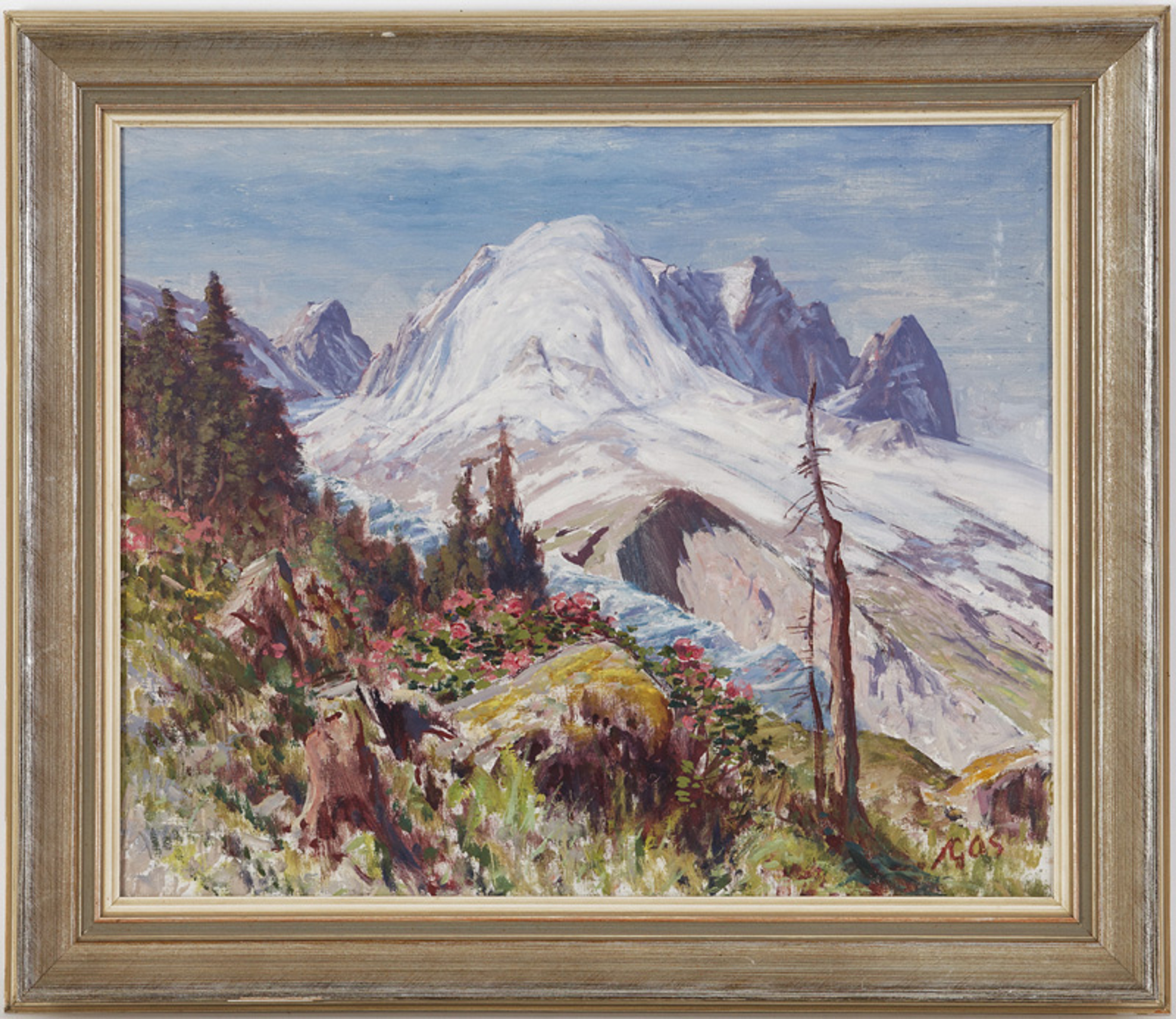
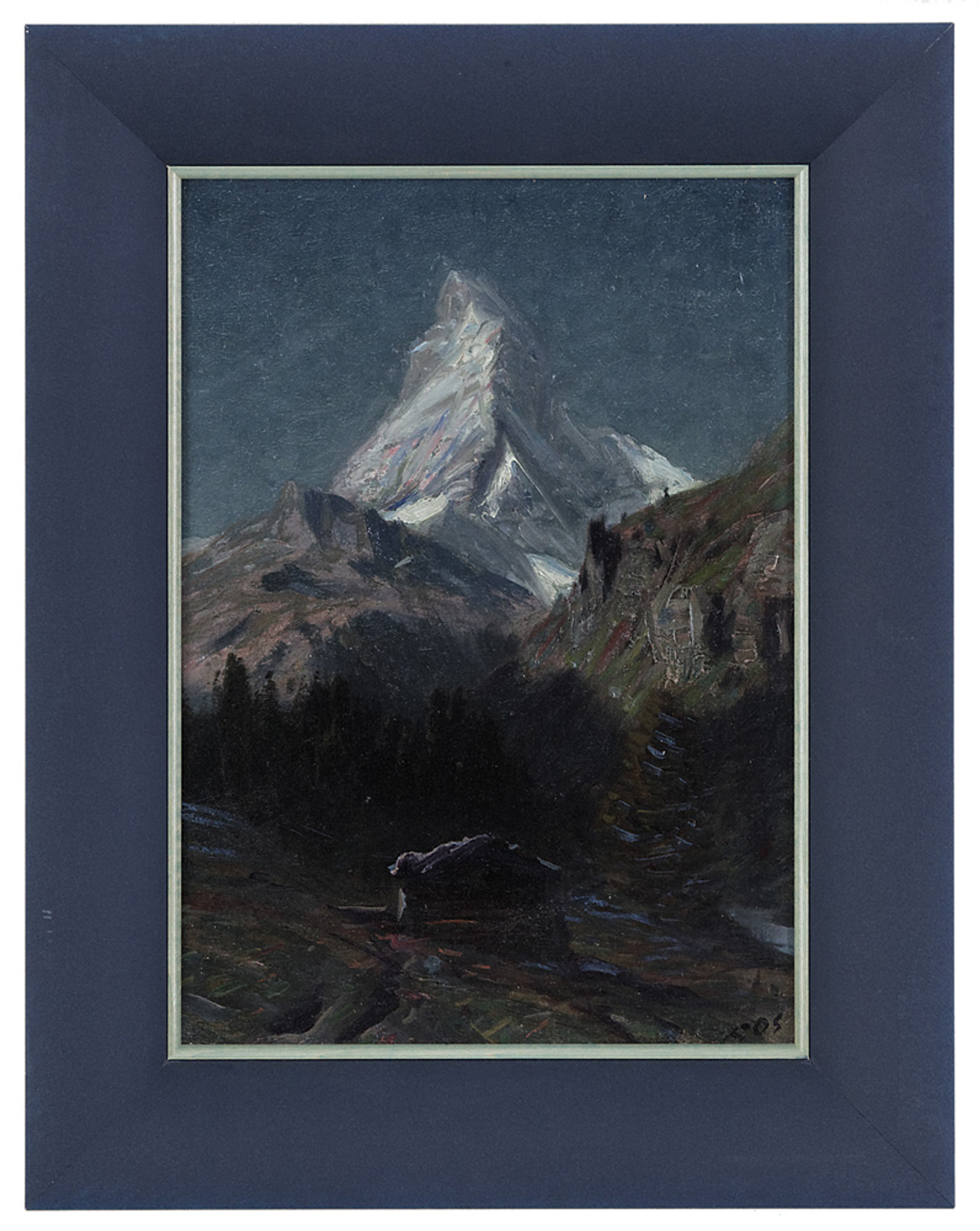
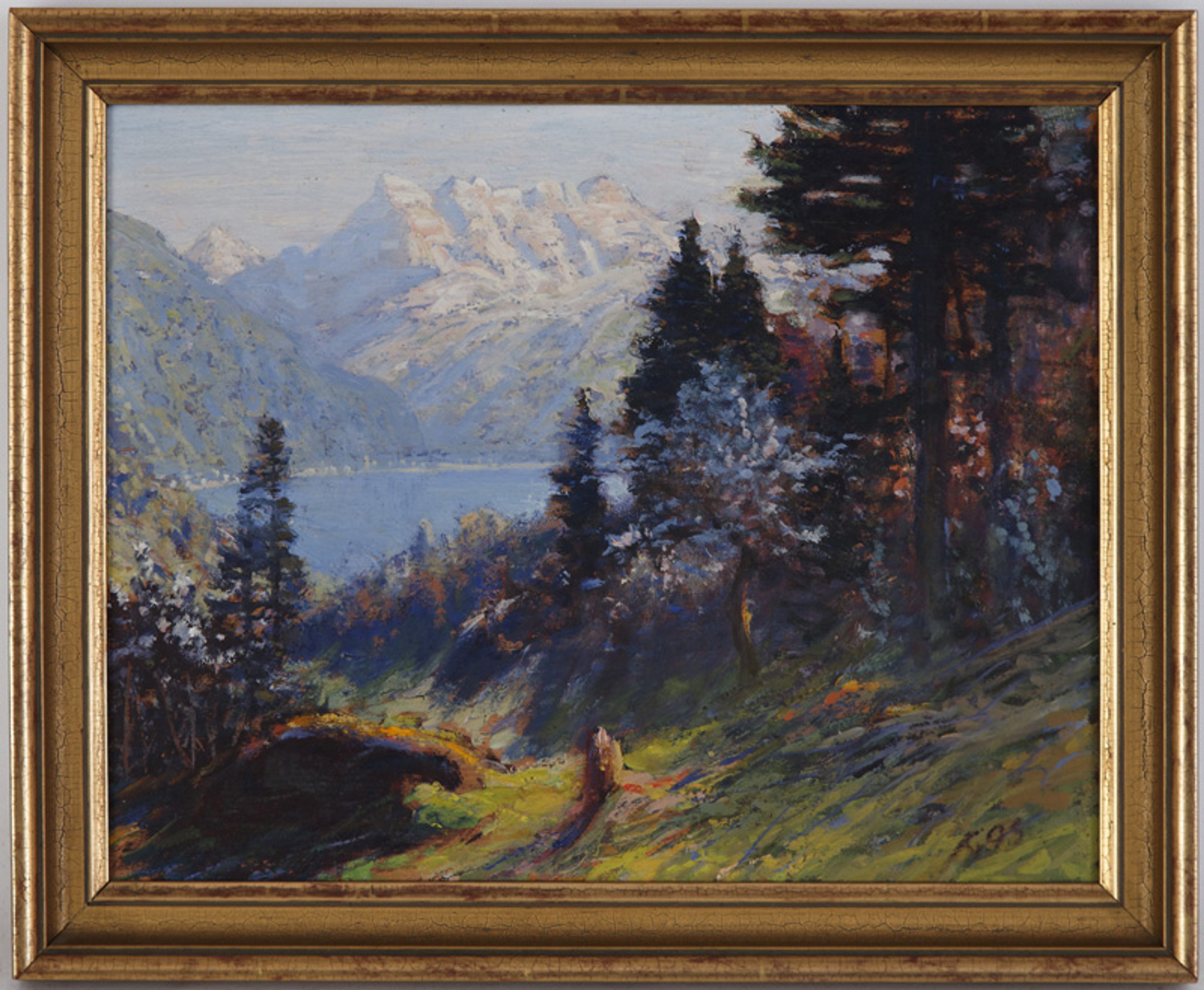
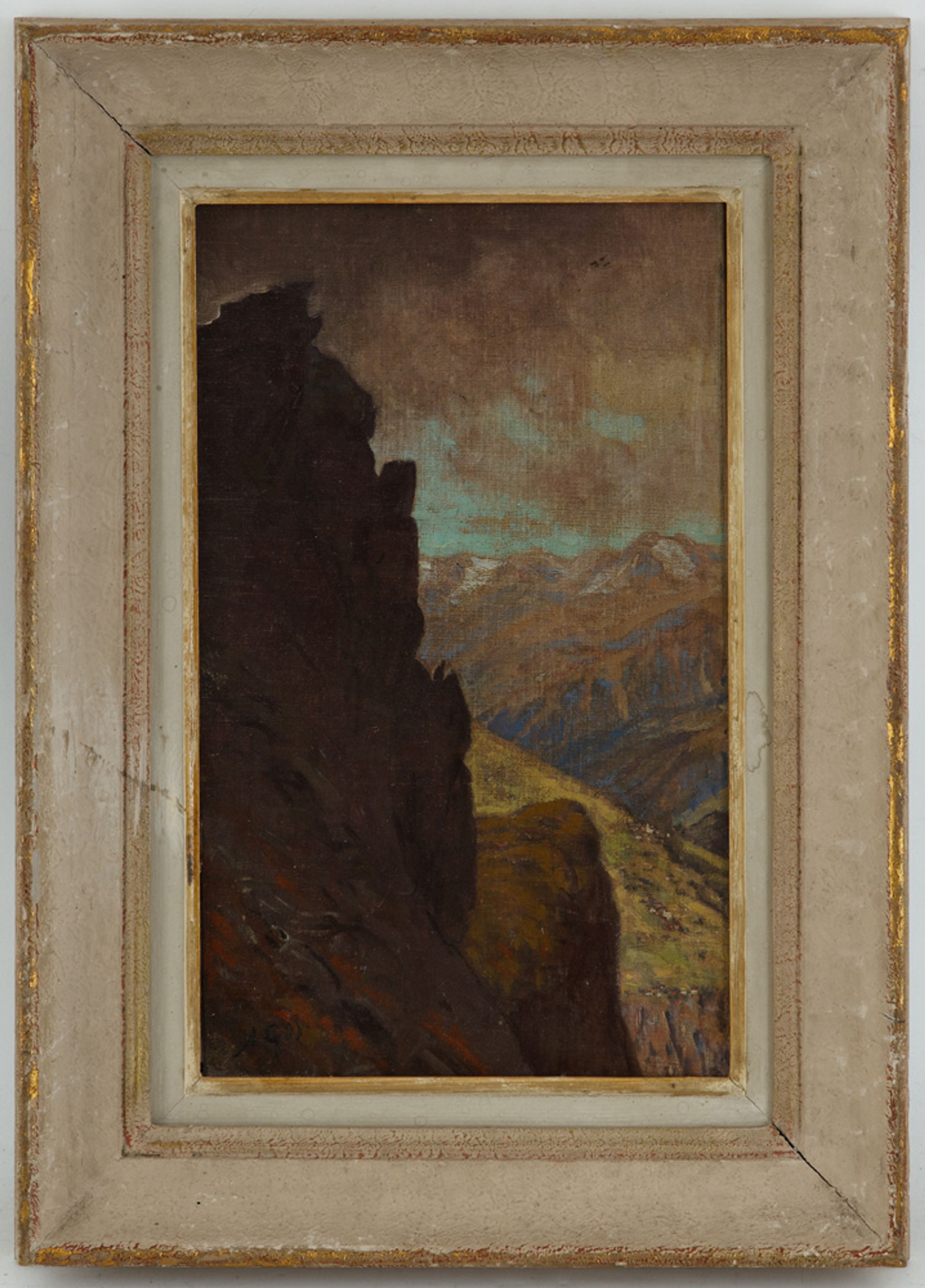
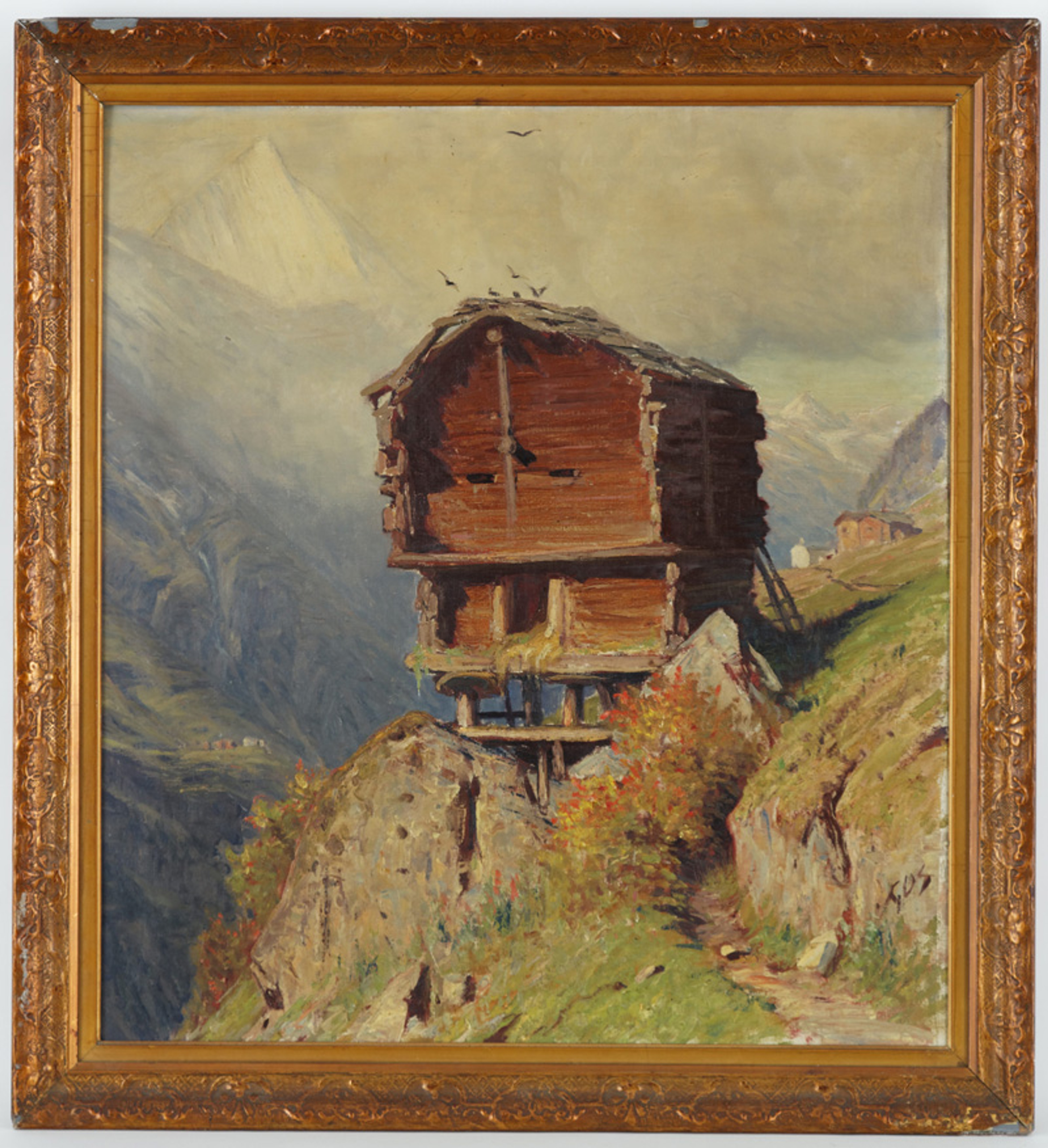
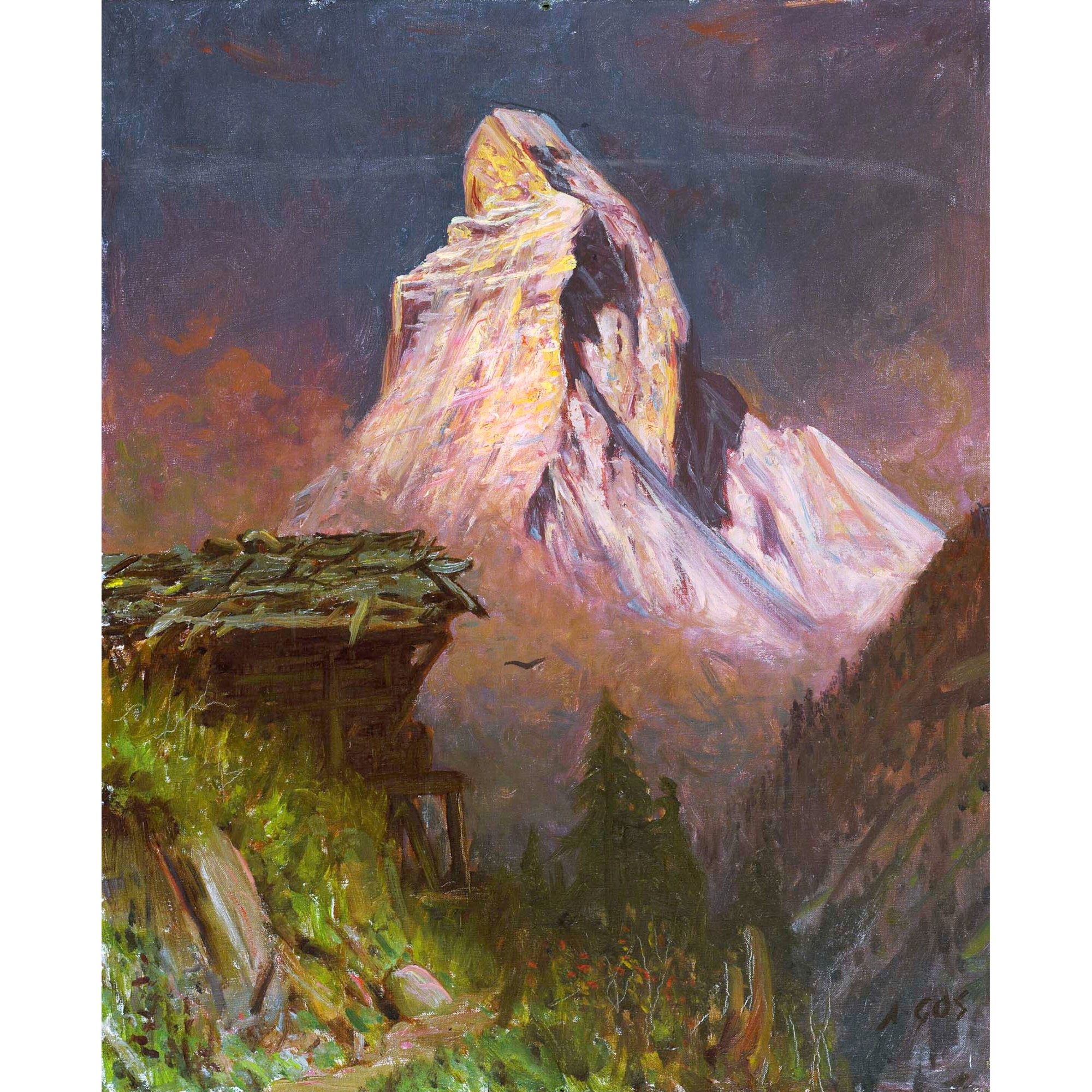
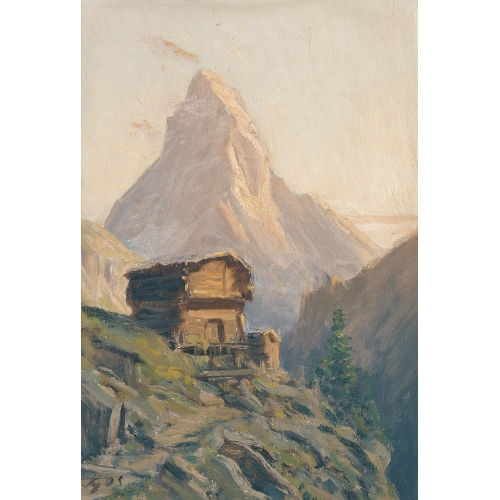
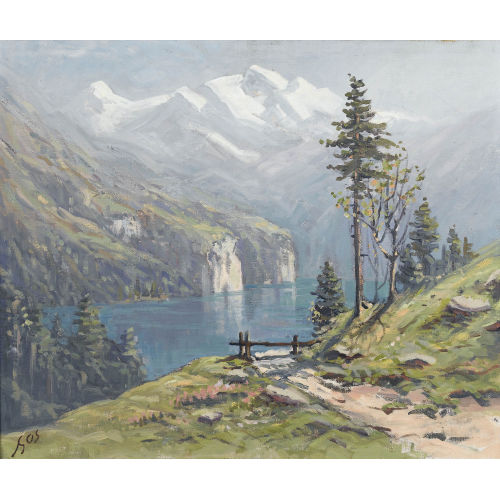
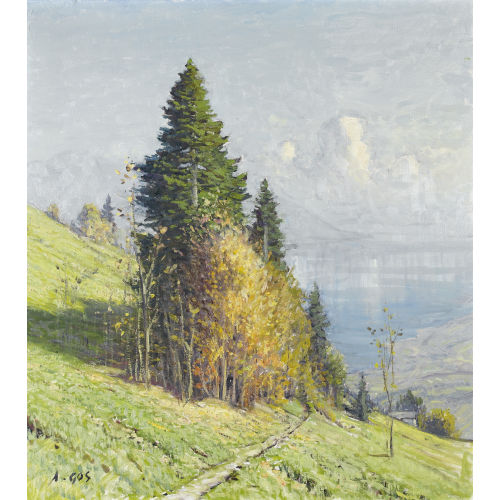
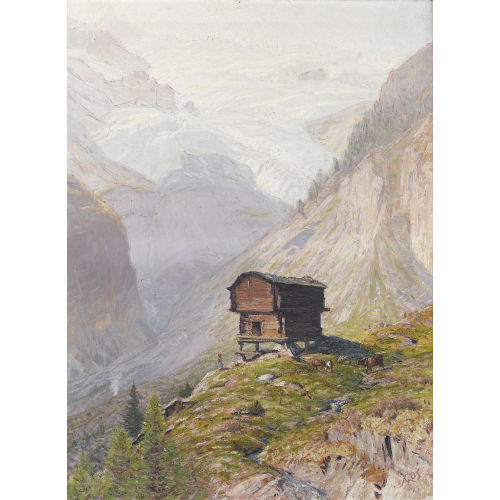
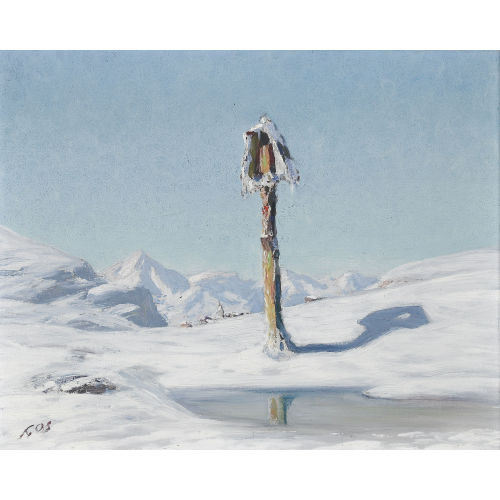
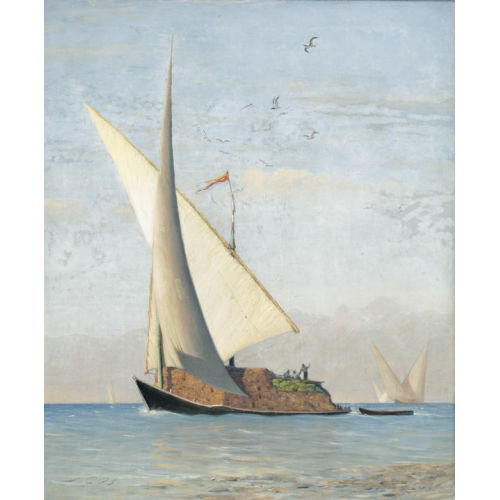
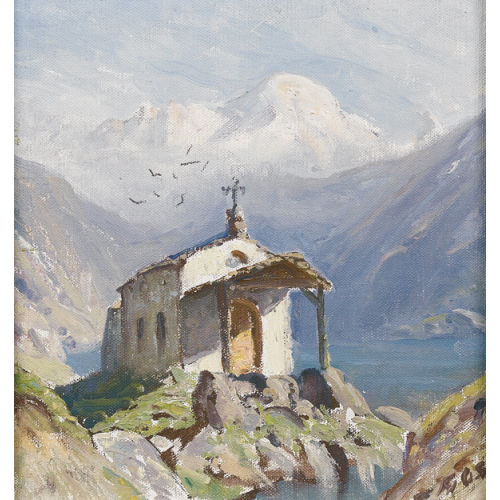
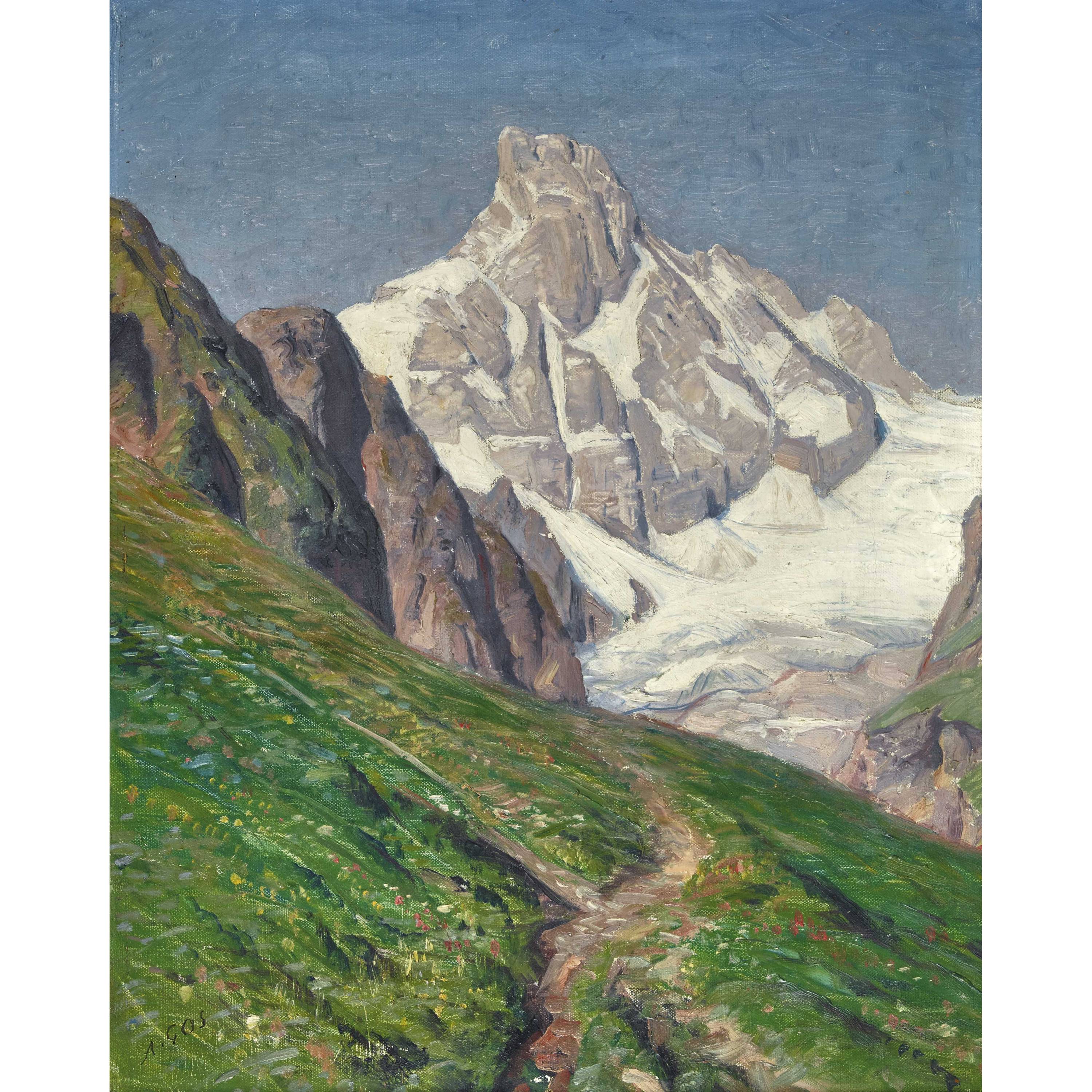
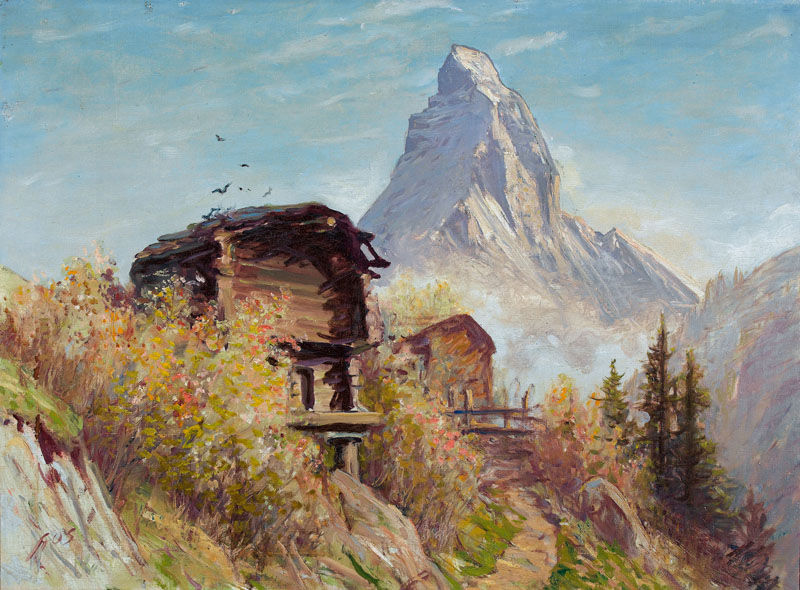
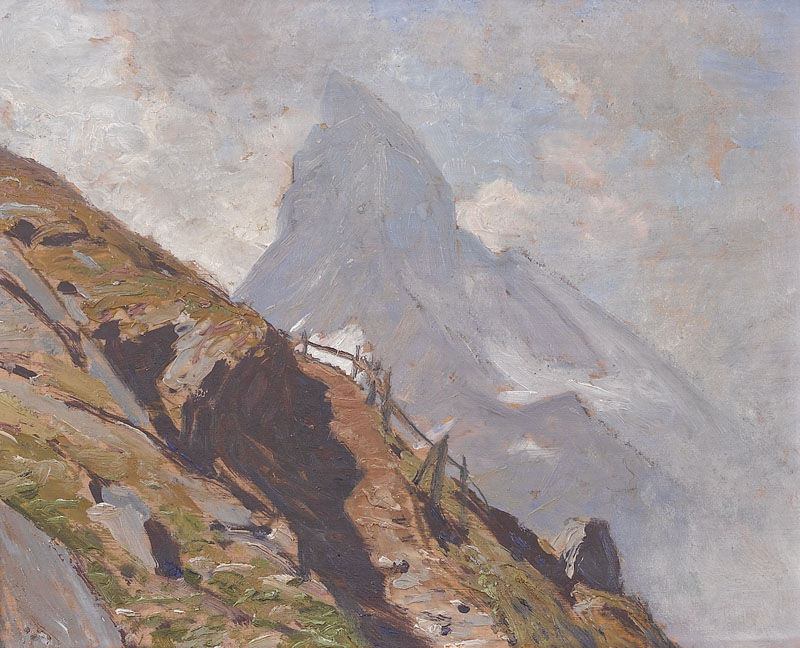
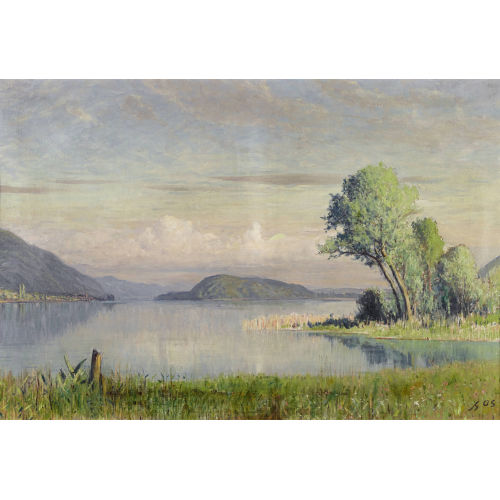
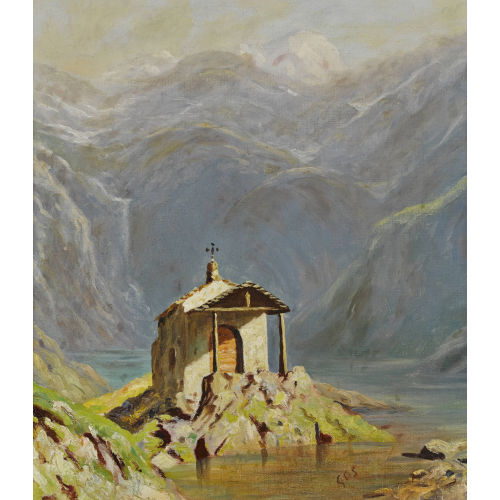
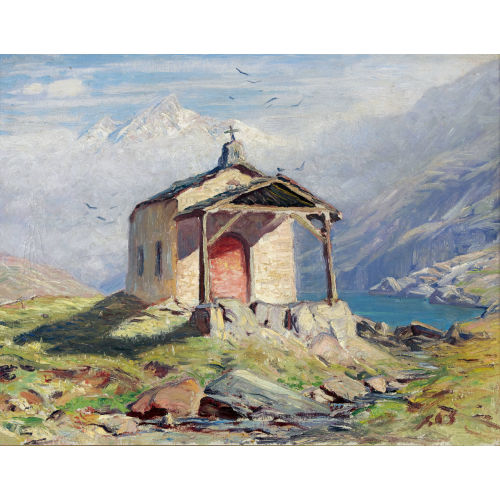
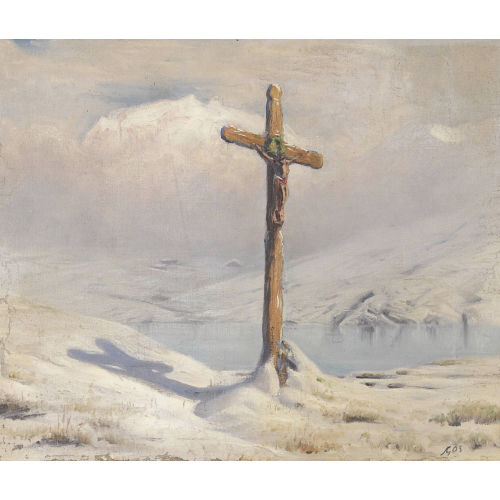
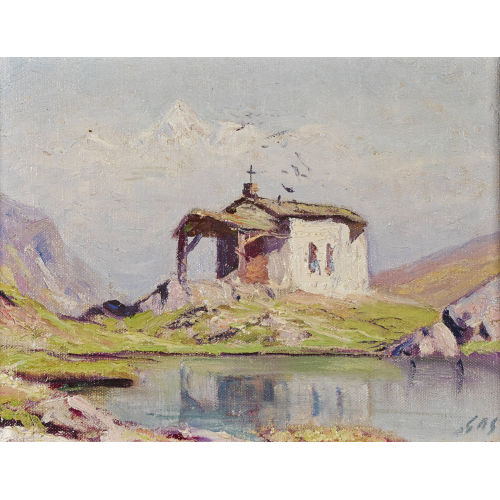
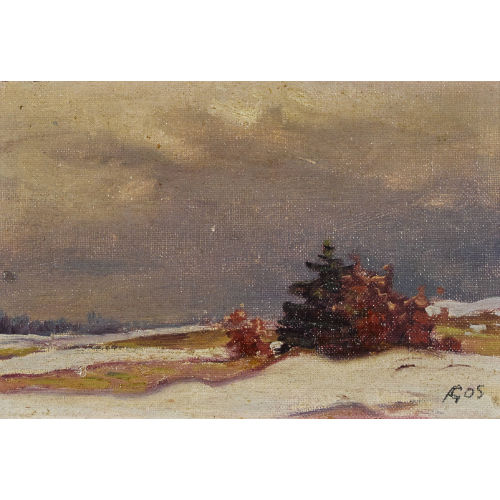
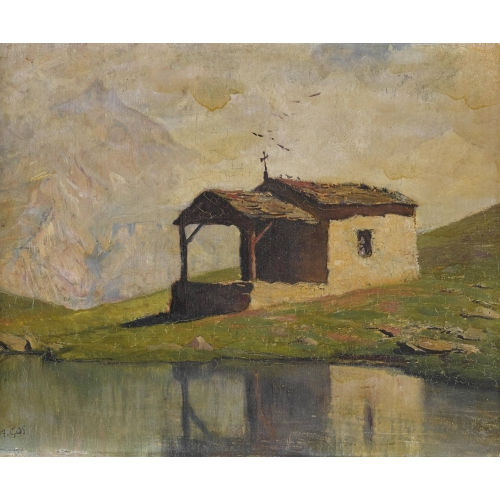
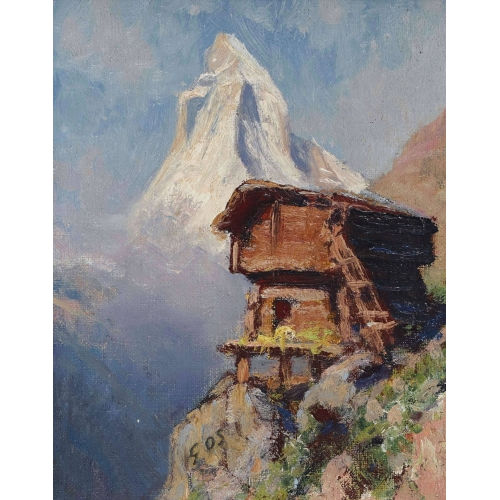
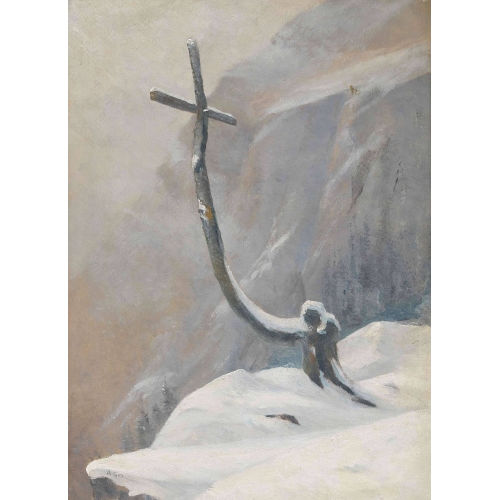
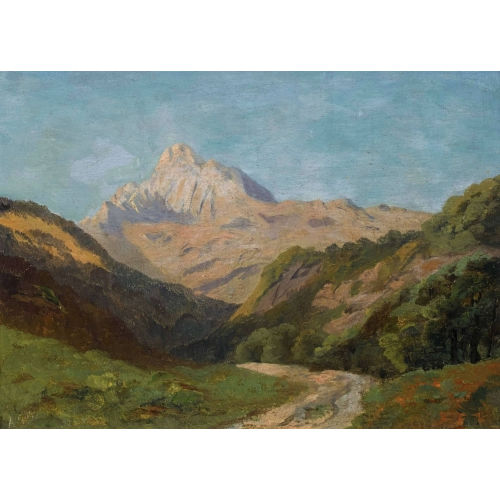
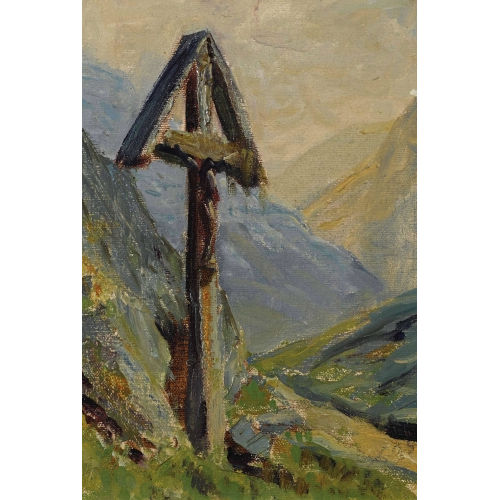
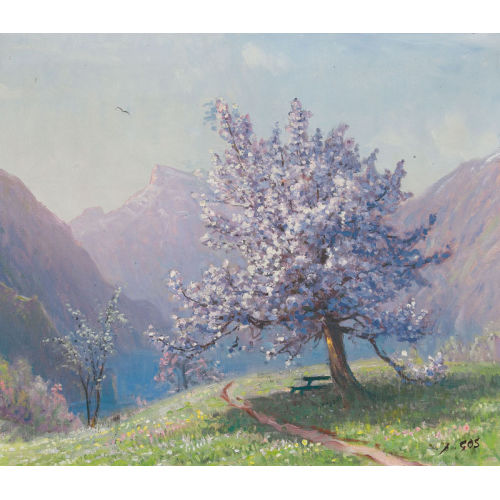
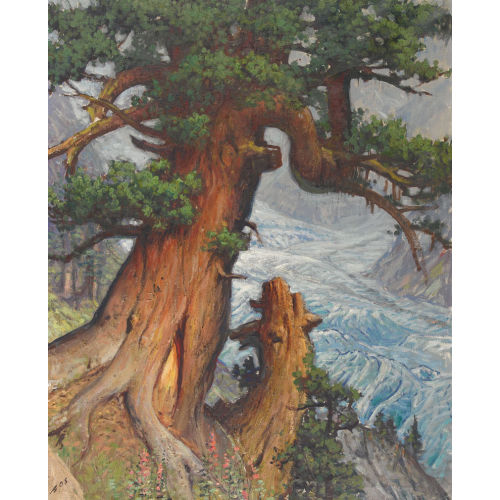
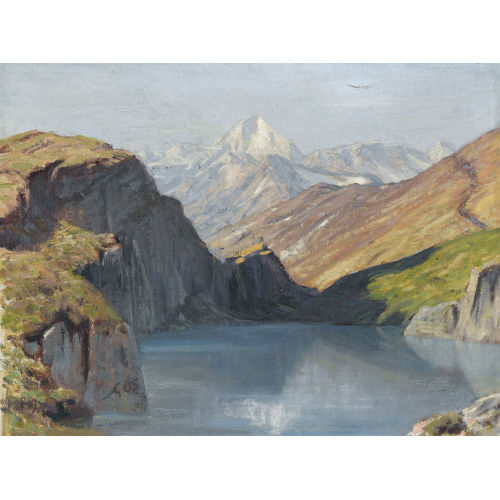
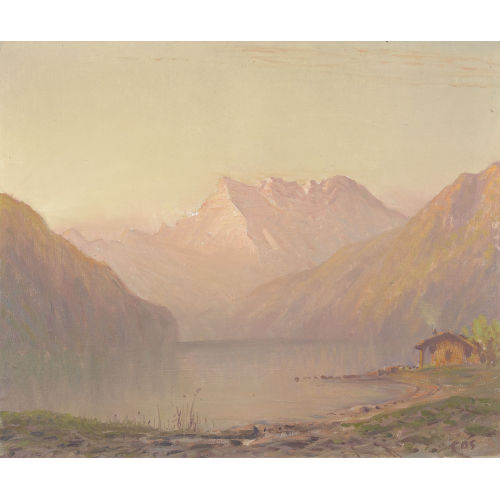
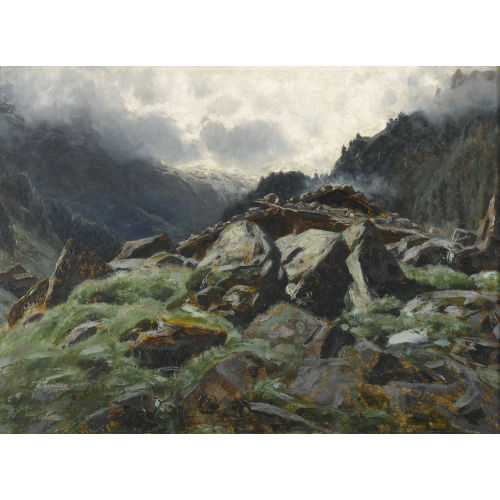
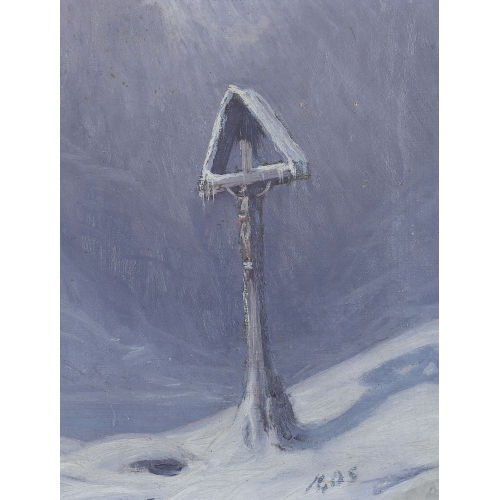
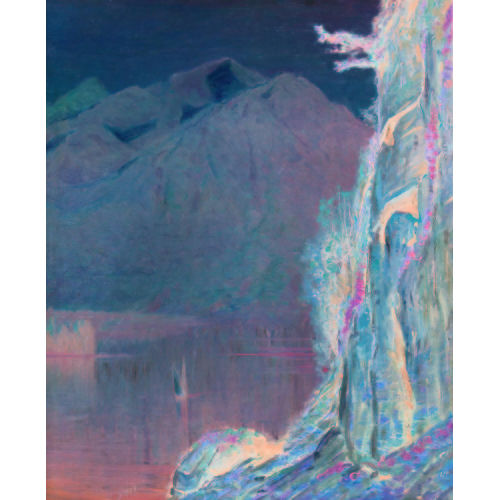
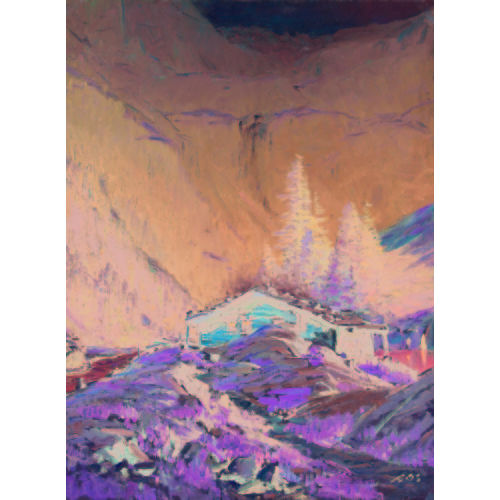
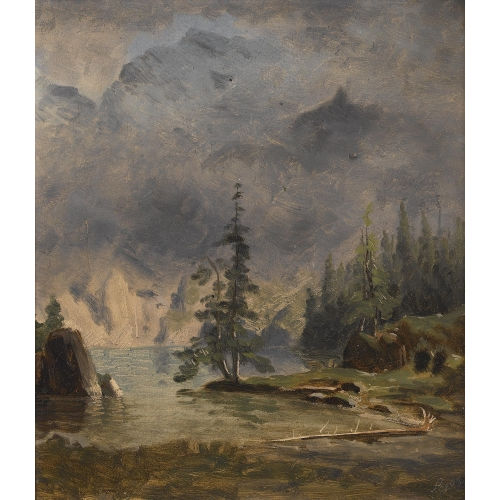
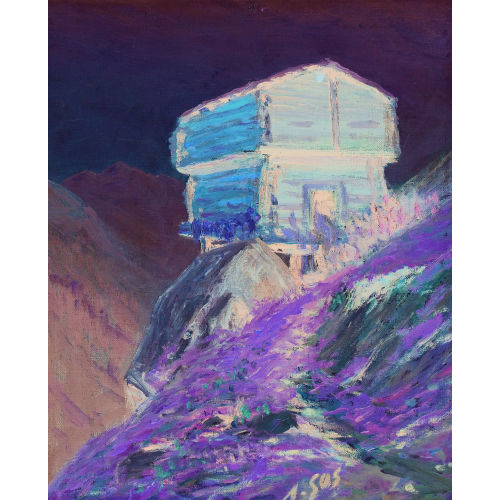
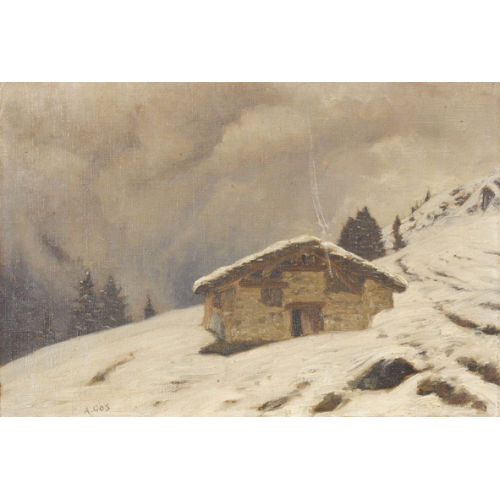
Albert Gos (1852–1942) initially pursued music: he studied the violin at the conservatory before turning to painting. A pupil of Barthélemy Menn at the École des beaux-arts de Genève, he found in the Alps a subject that he would explore throughout his life. The landscapes of Valais, and particularly the region of Zermatt, earned him the nickname “painter of the Matterhorn”.
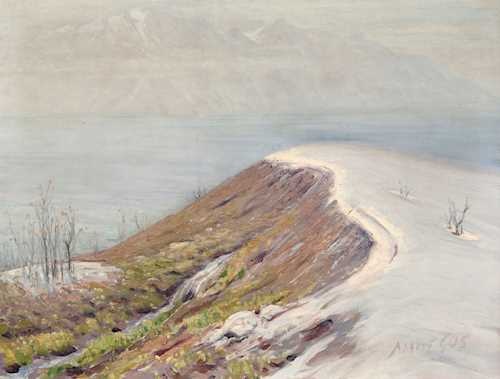
Exhibited in Switzerland and abroad from the 1870s onwards, his mountain views contributed to the dissemination of an image of the Alps that was at once geographical and charged with emotion.
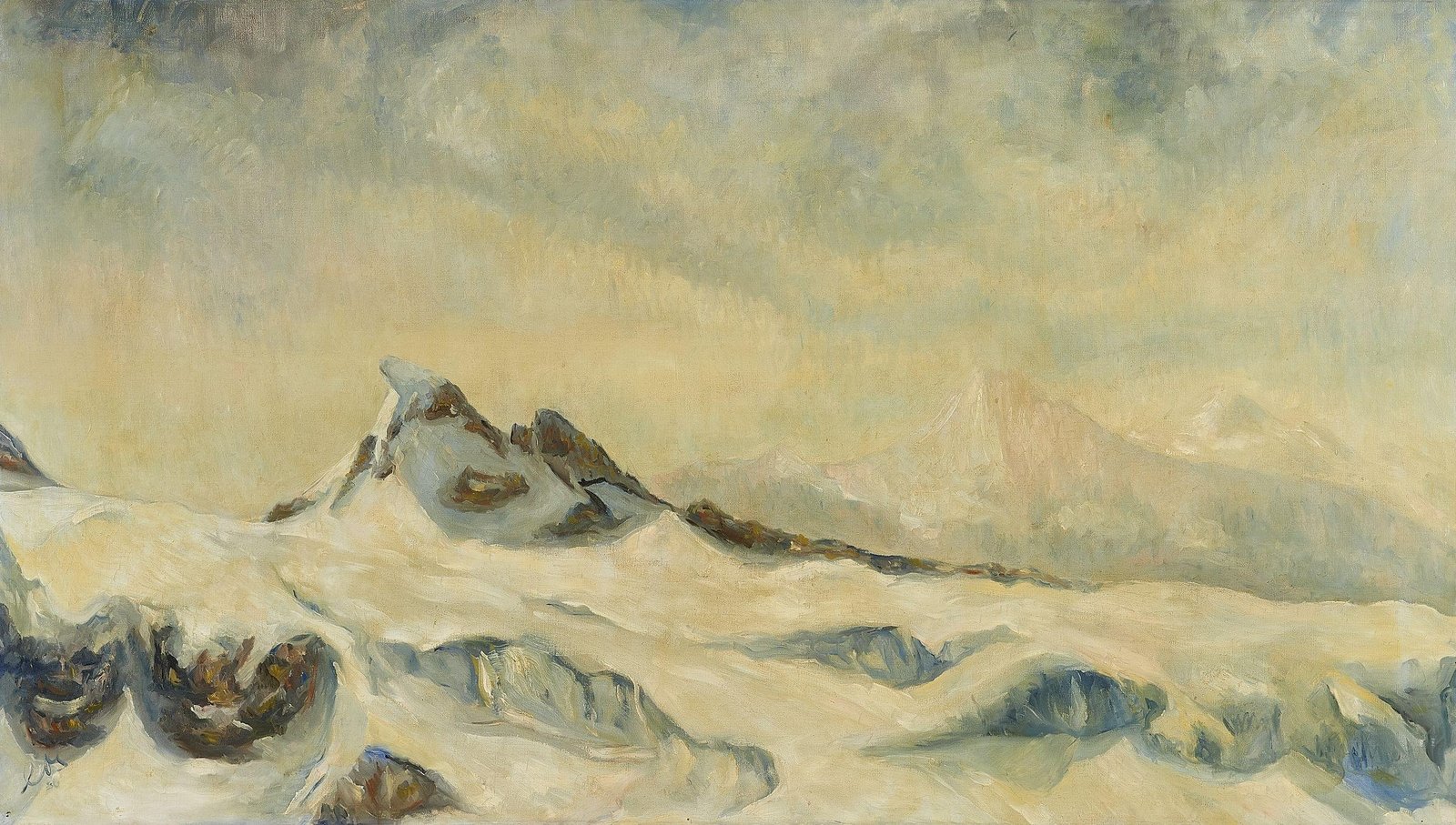
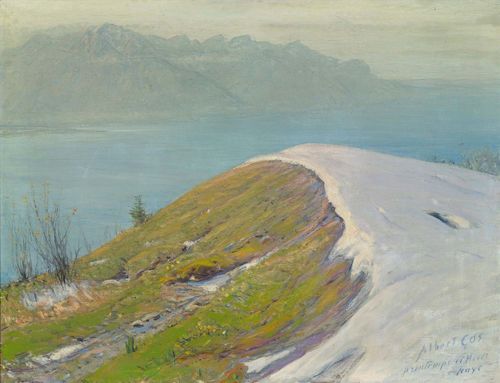
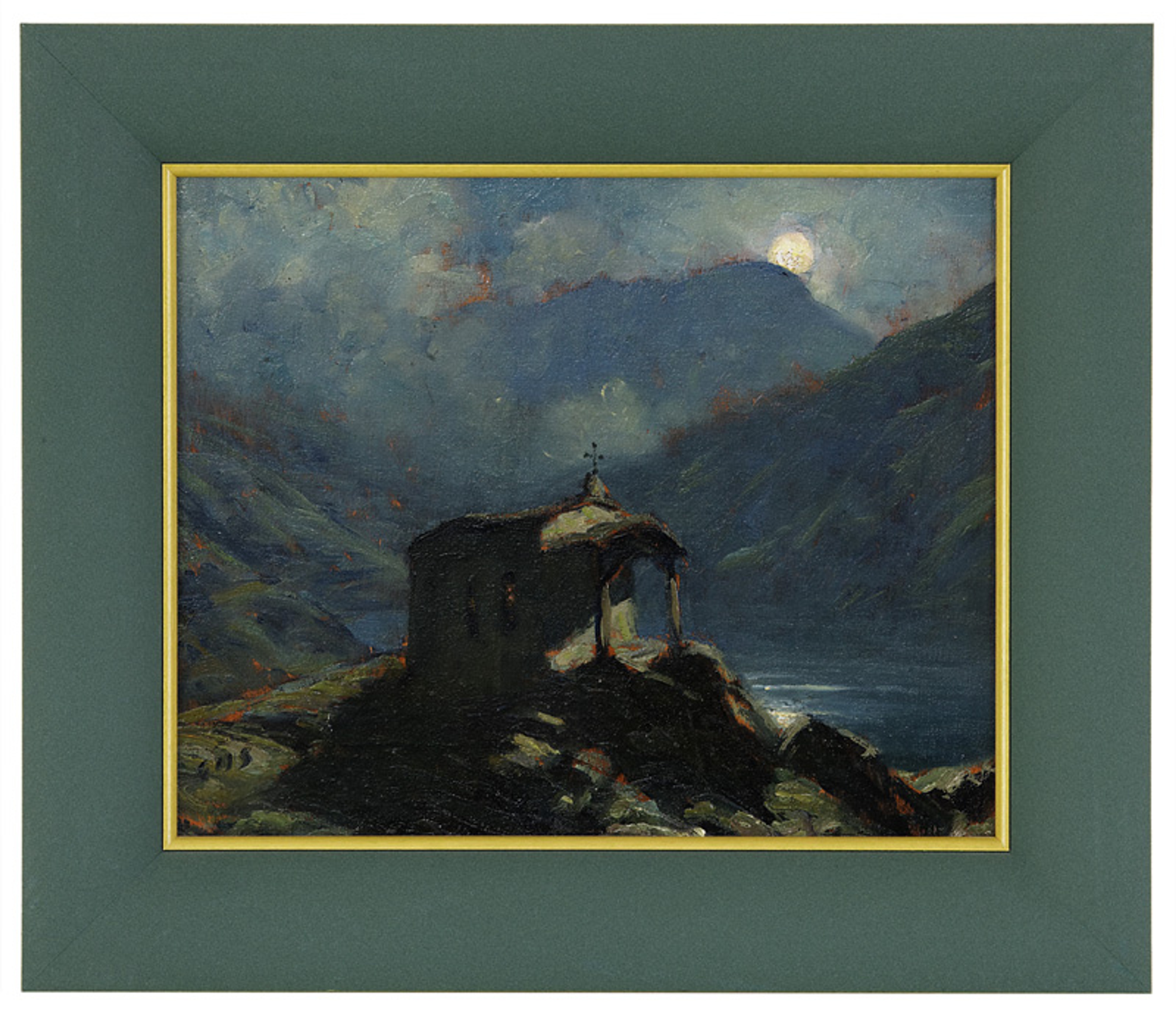
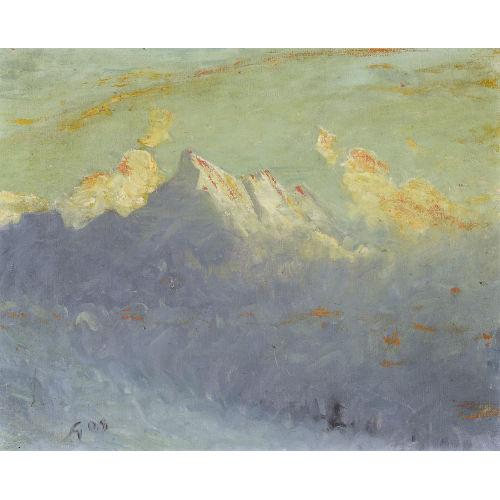
Gos was as interested in changes of light as he was in the profiles of the peaks. Le Breithorn, vue de Zermatt. Retour des colorations après le coucher de soleil, an oil on canvas acquired directly from the artist by the French state in 1909 and now held by the Musée d’Orsay, announces in its very title this attention to fleeting moments.
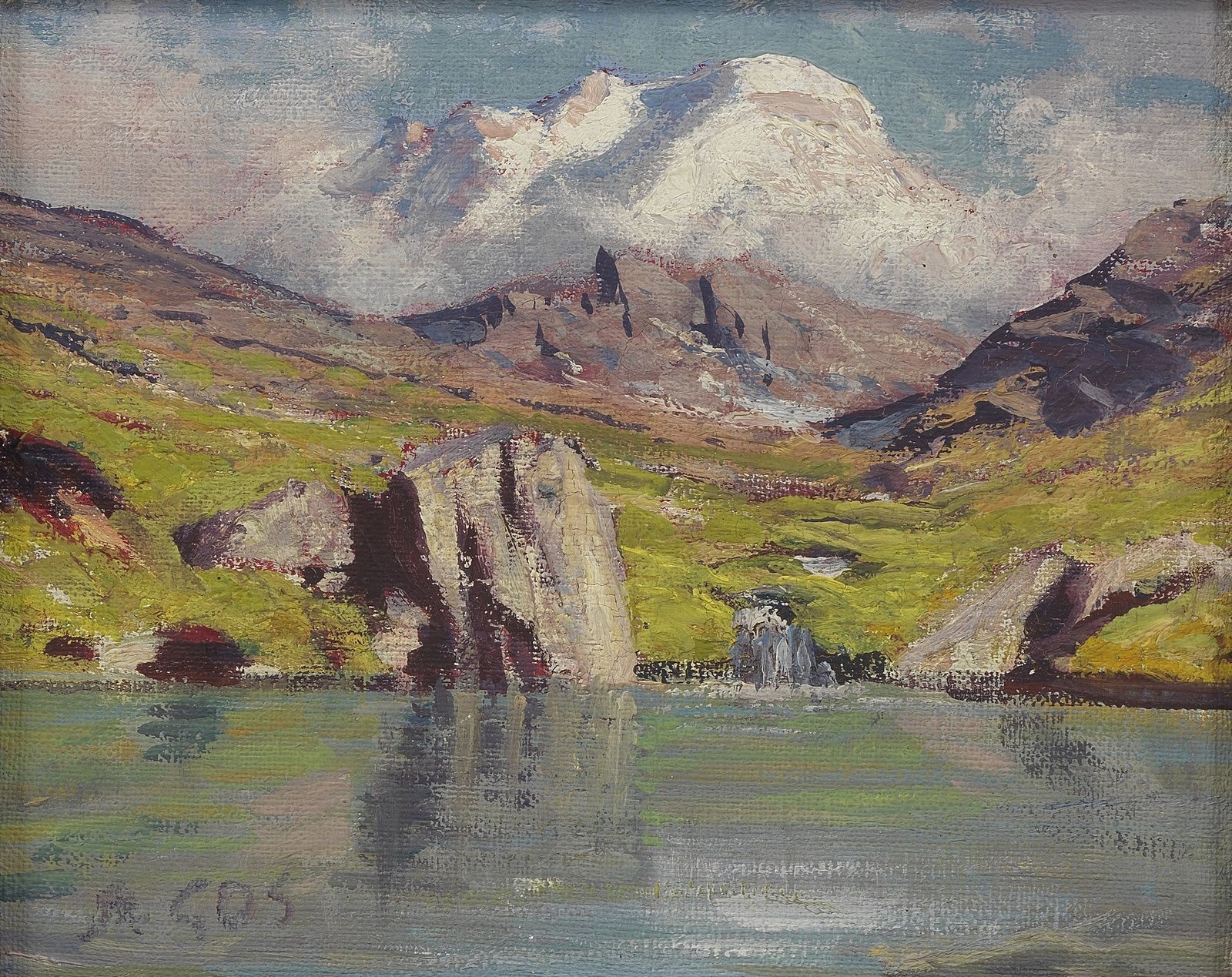
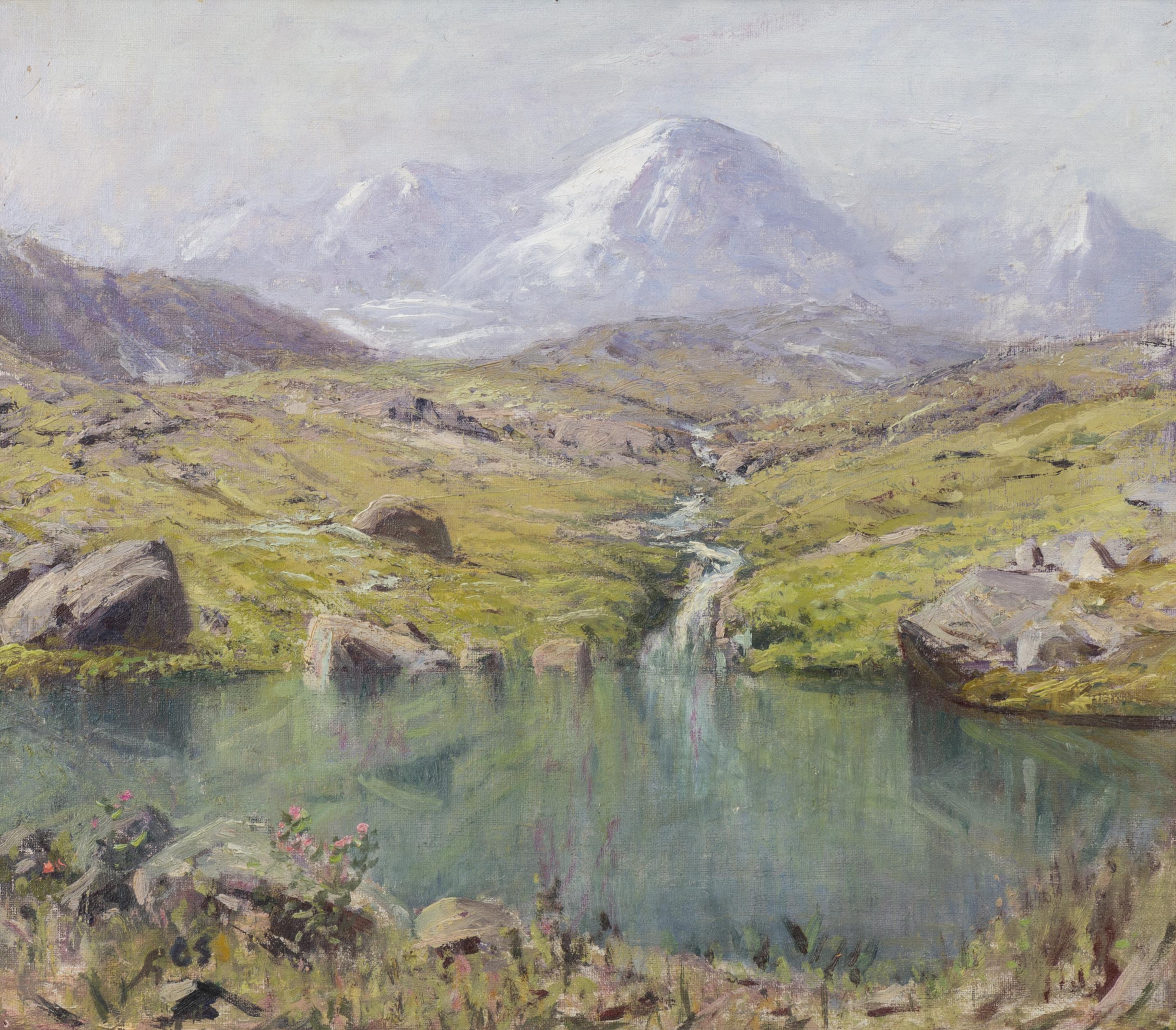
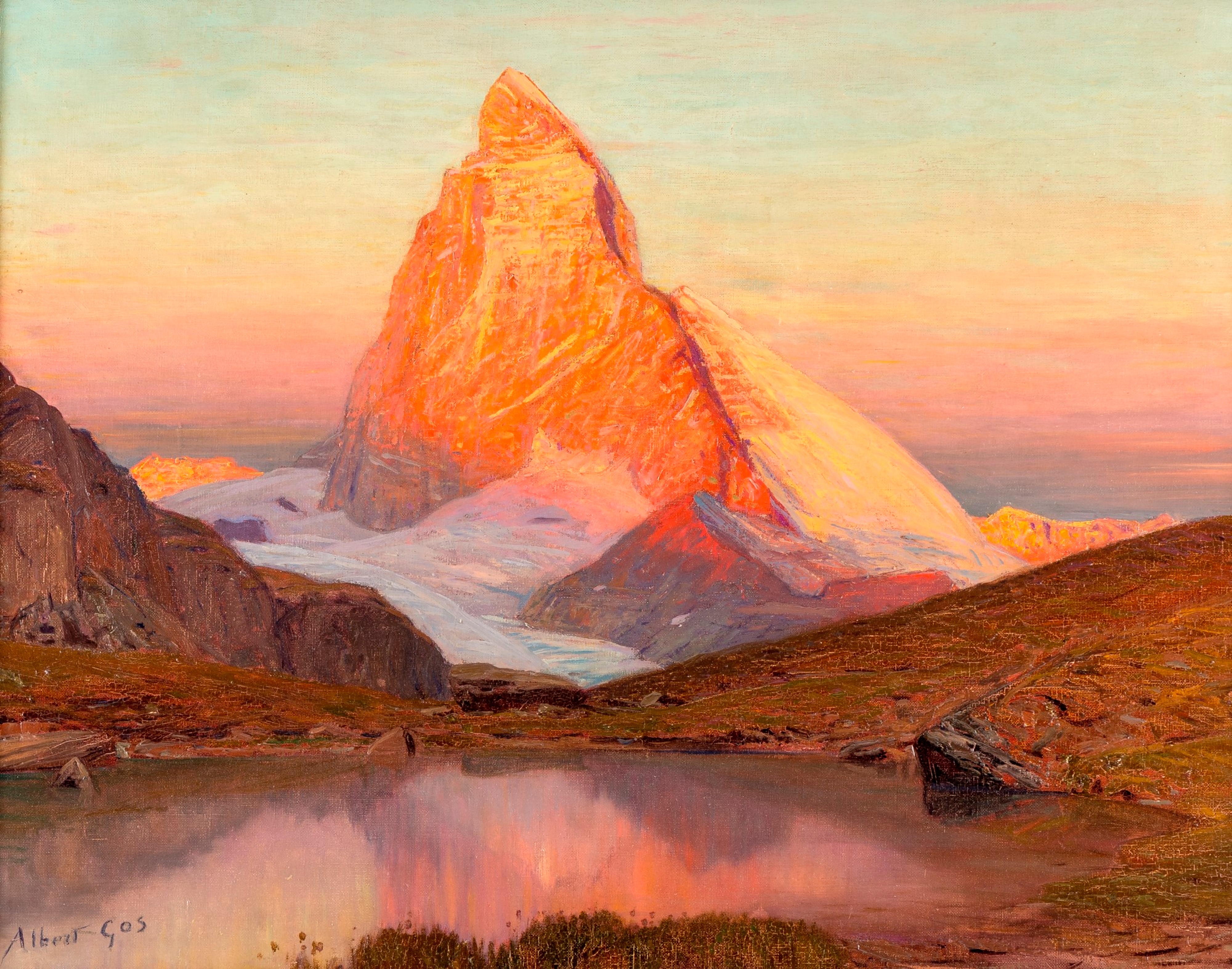
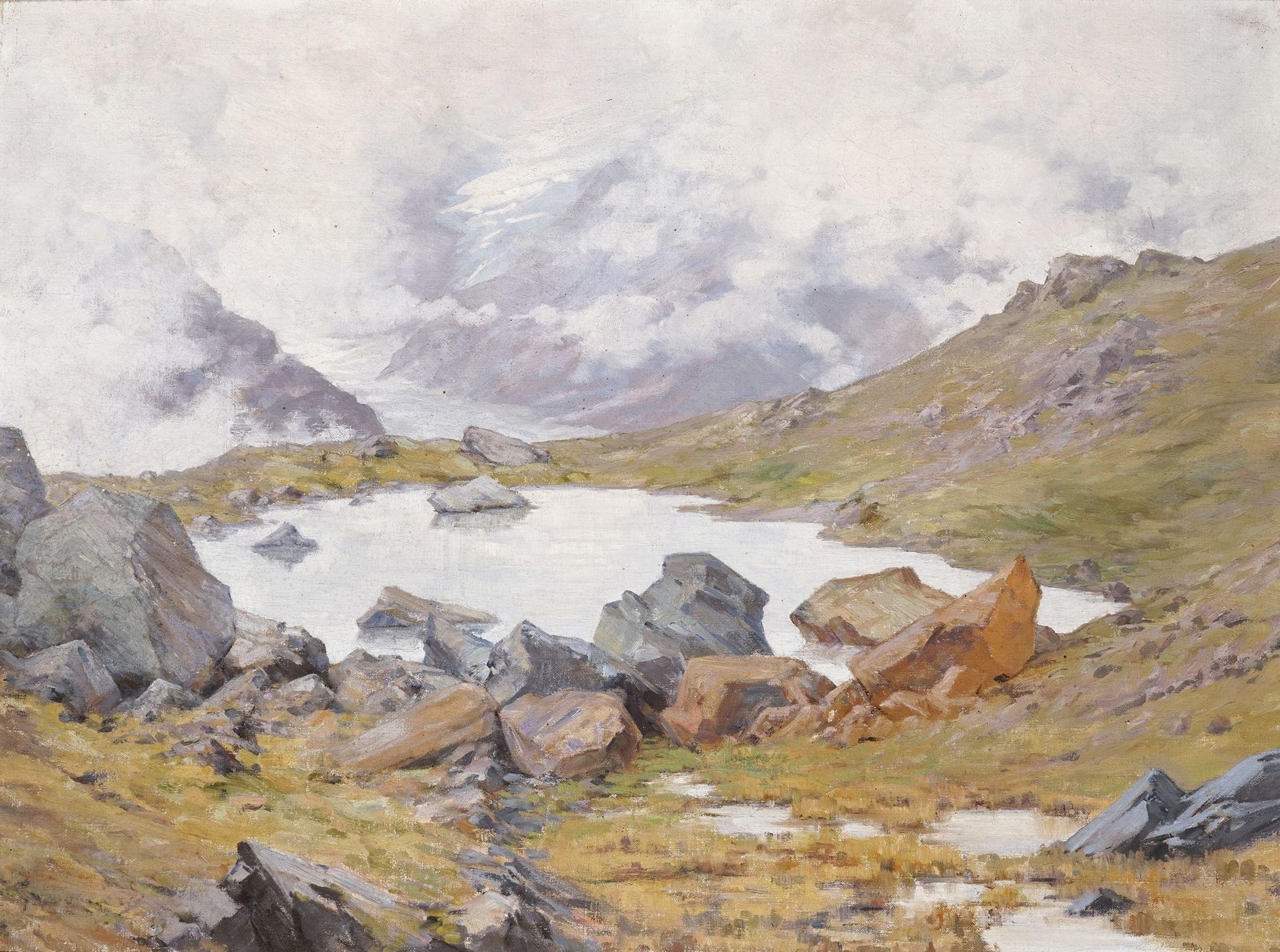
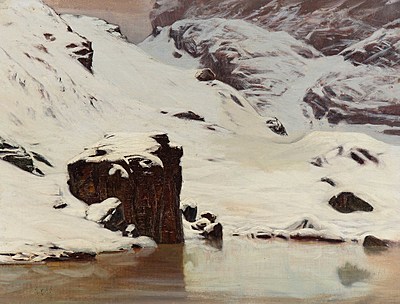
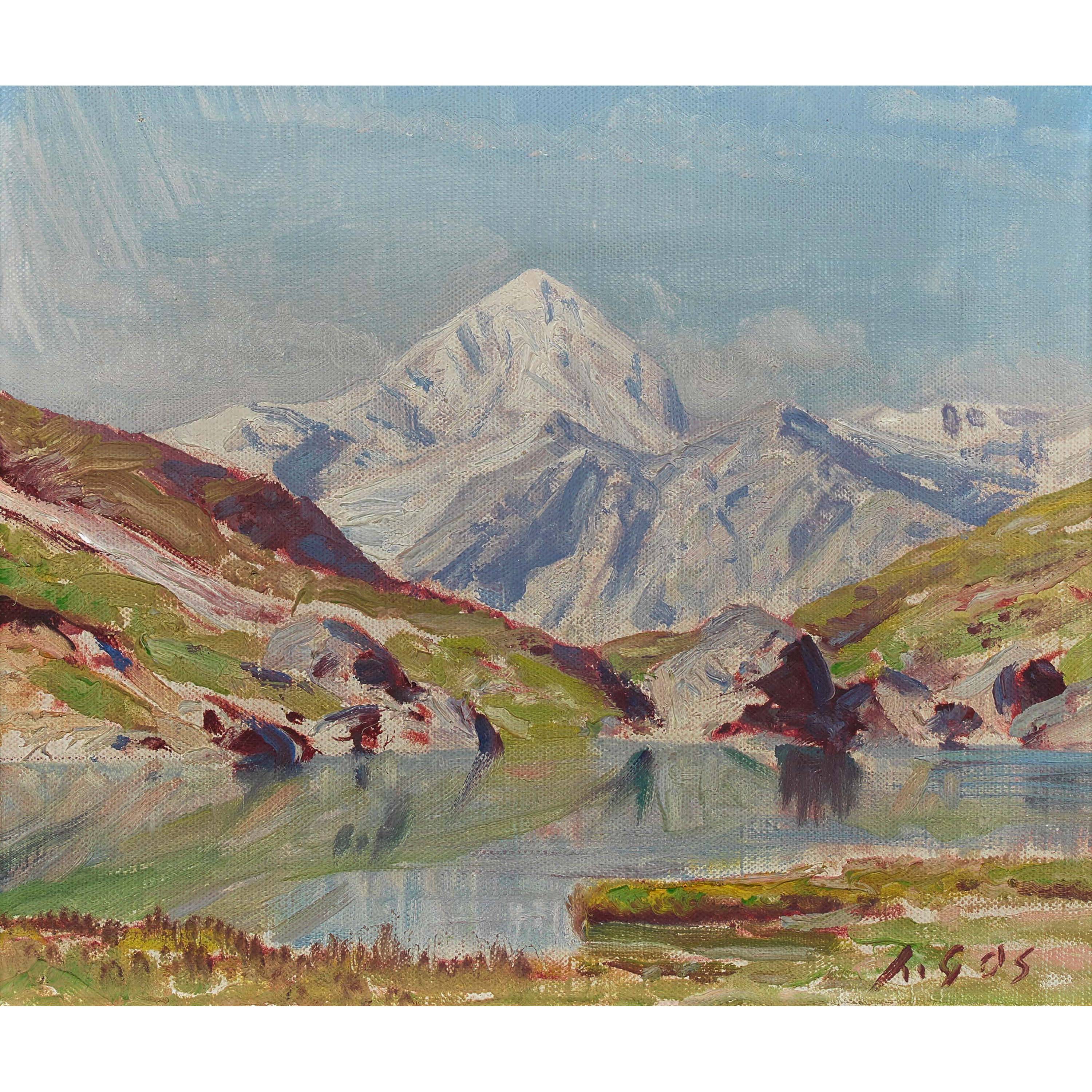
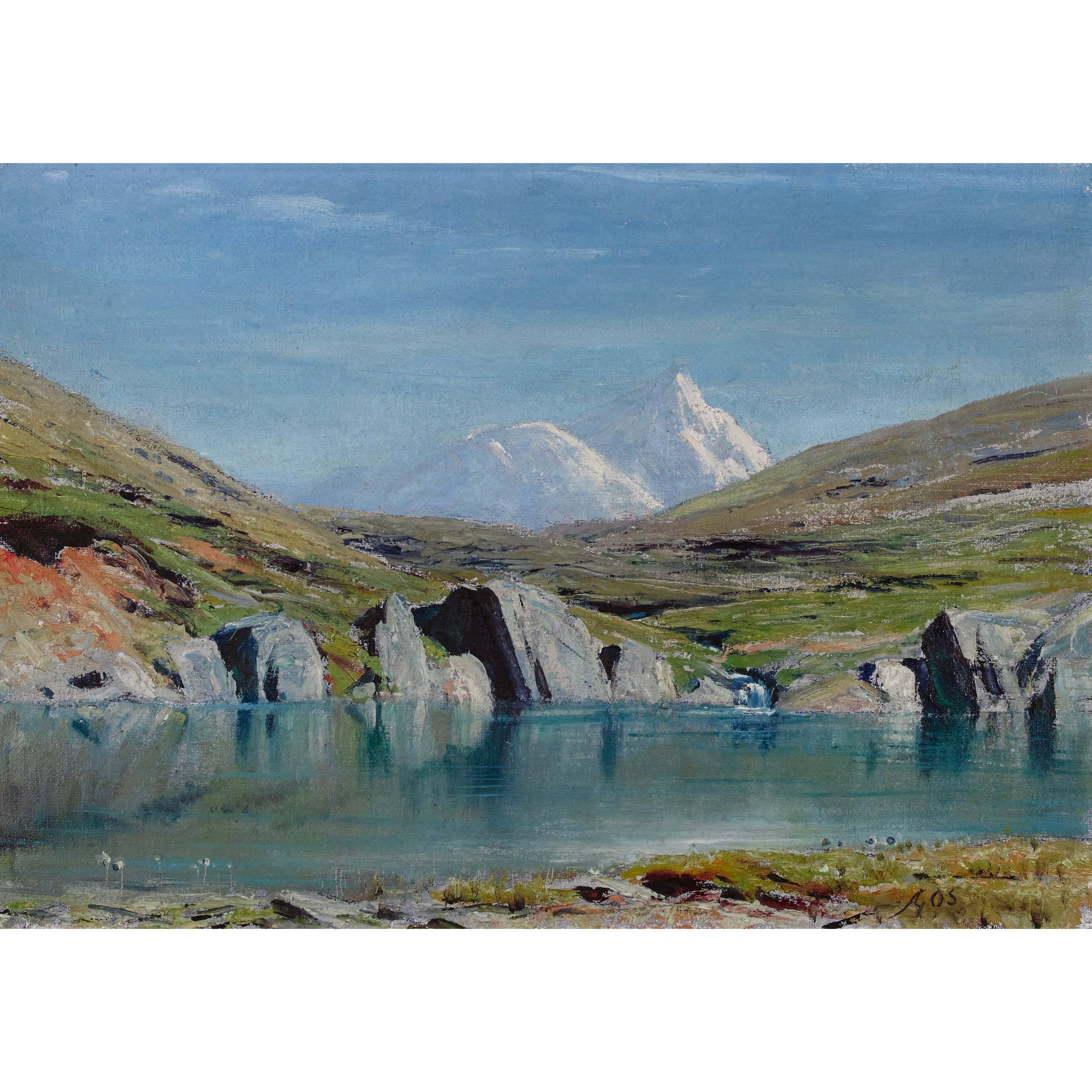
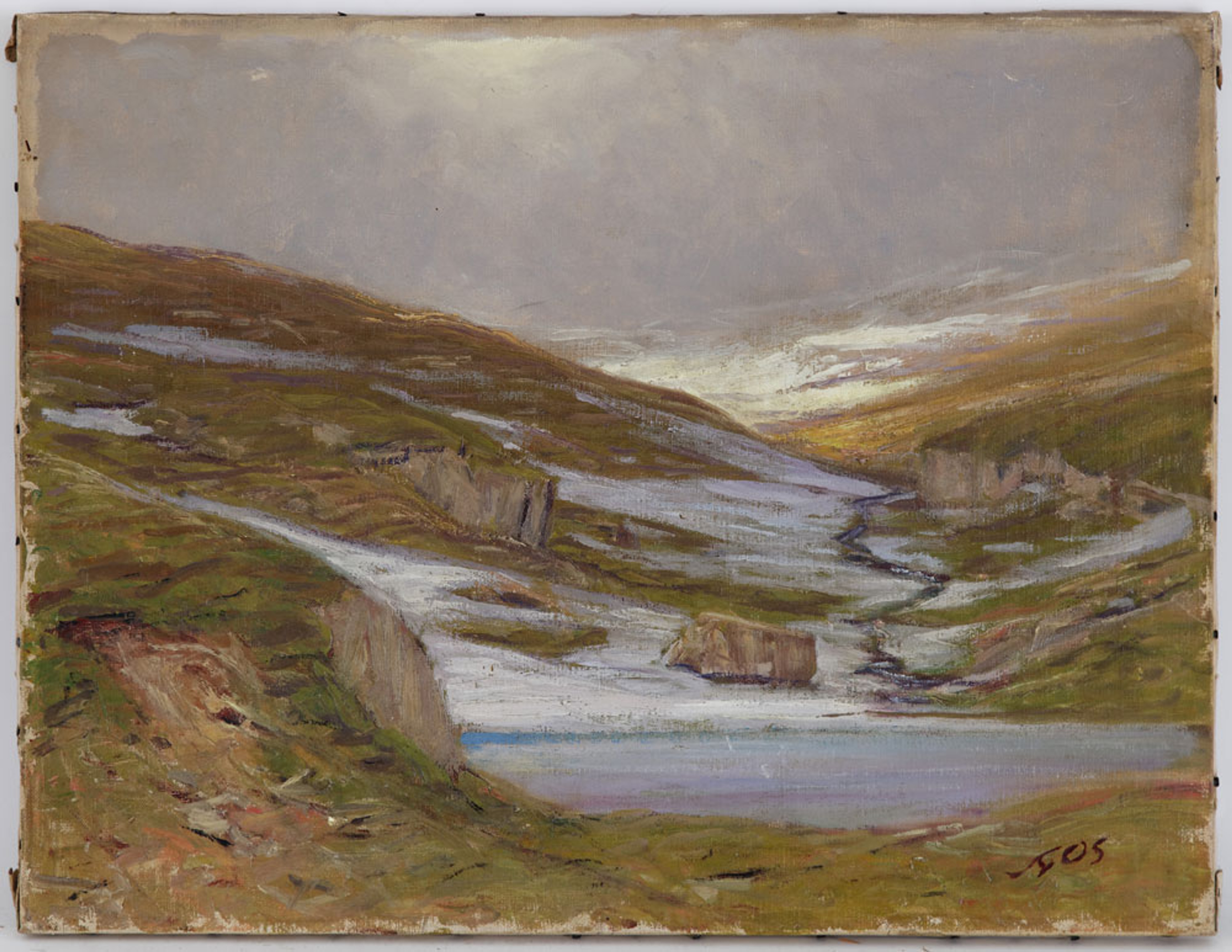
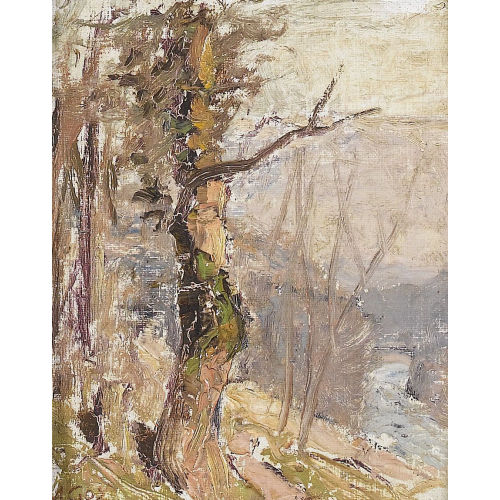
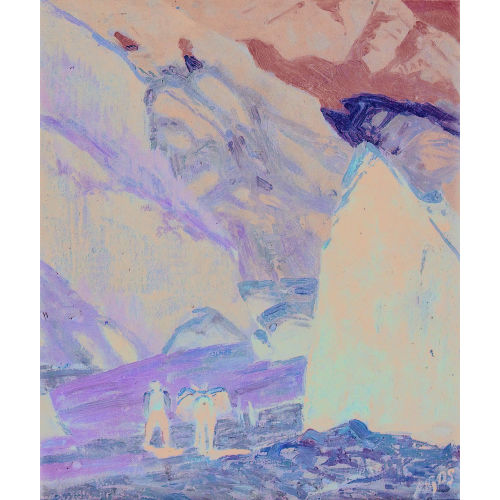
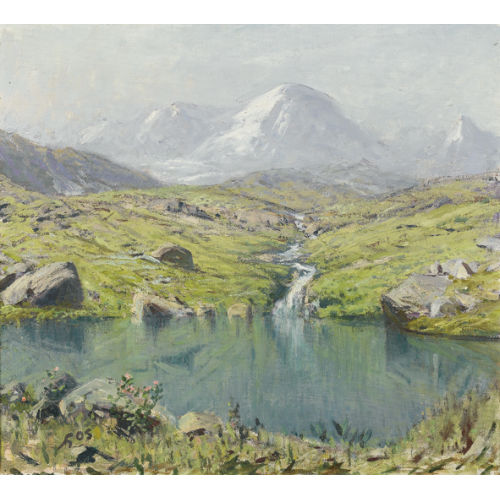
The massif is not merely a landmark: time of day and colour transform the perception of the place. In Riffelsee, held by the Banque cantonale du Valais, the touches of colour suggest rock, water and ice with a freedom that goes beyond topographical description.
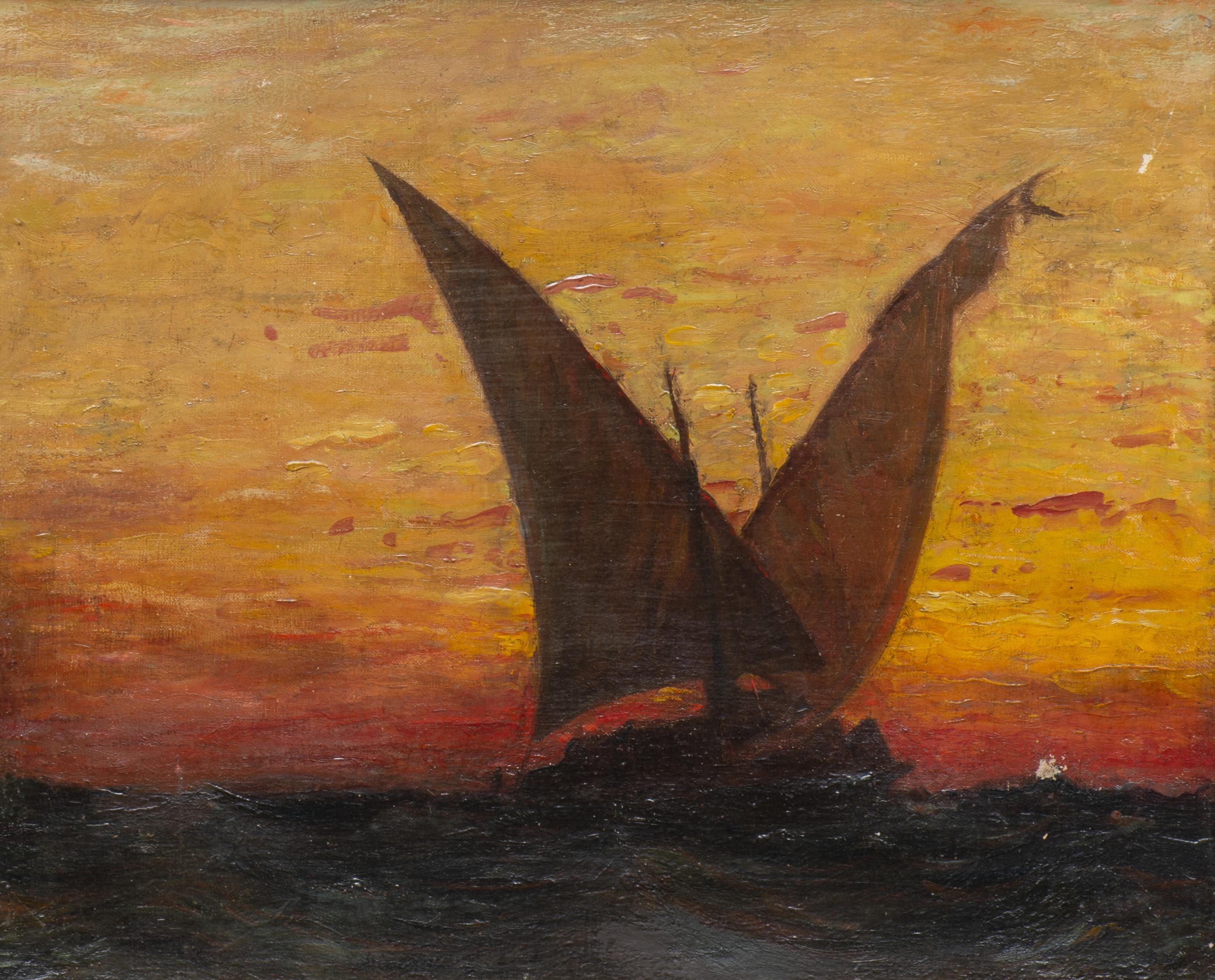
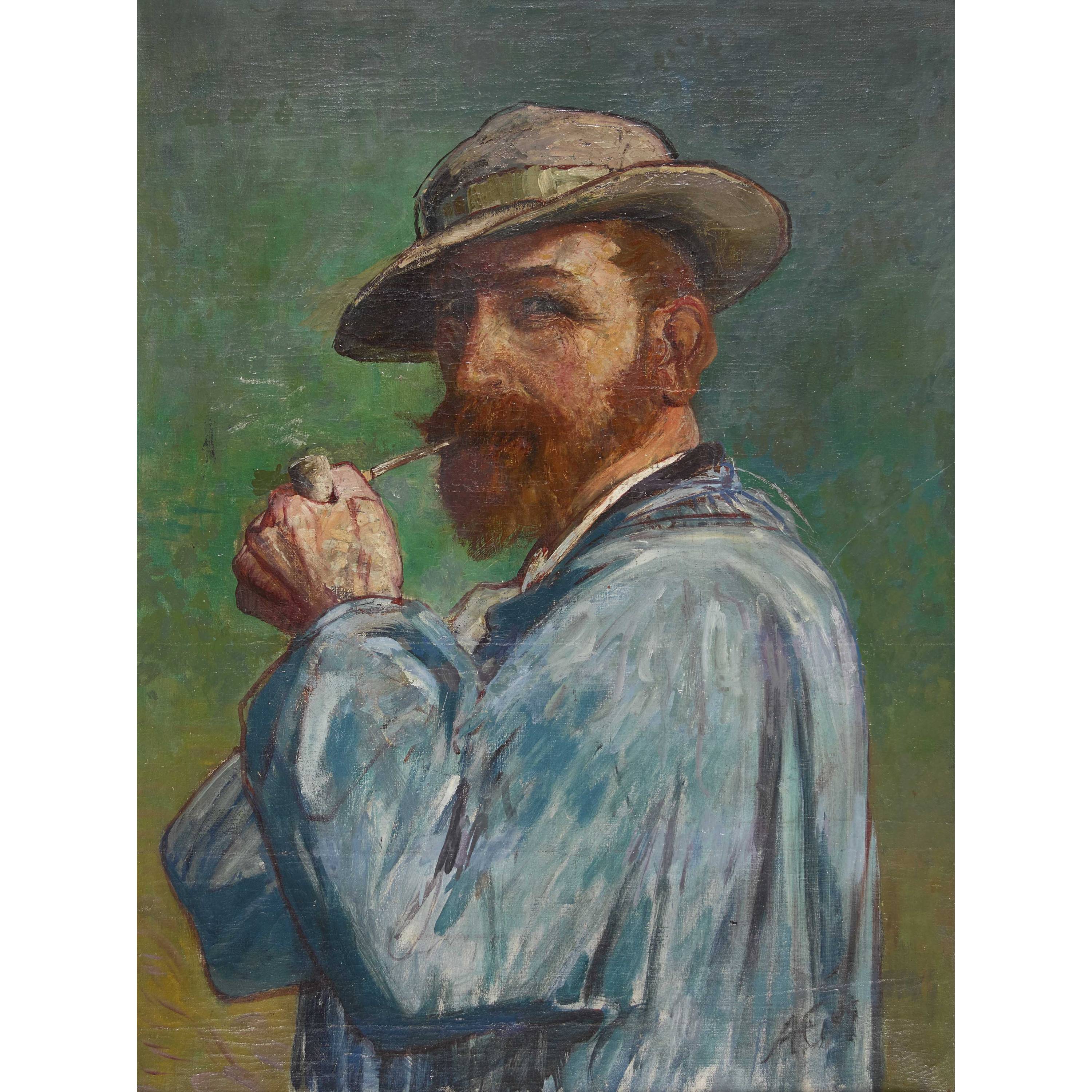
A painter, draughtsman, writer and violinist, Gos brought several ways of apprehending the landscape into dialogue. He also passed on this fascination with the mountains to his sons François, Charles and Émile, who in turn expressed it through images and words. An exhibition at the Médiathèque Valais-Martigny in 2020 situated their works within this family history.
In Albert Gos’s work, the Matterhorn returns as a motif to be taken up and tested: a recognisable mountain, but one never reduced to a single appearance.