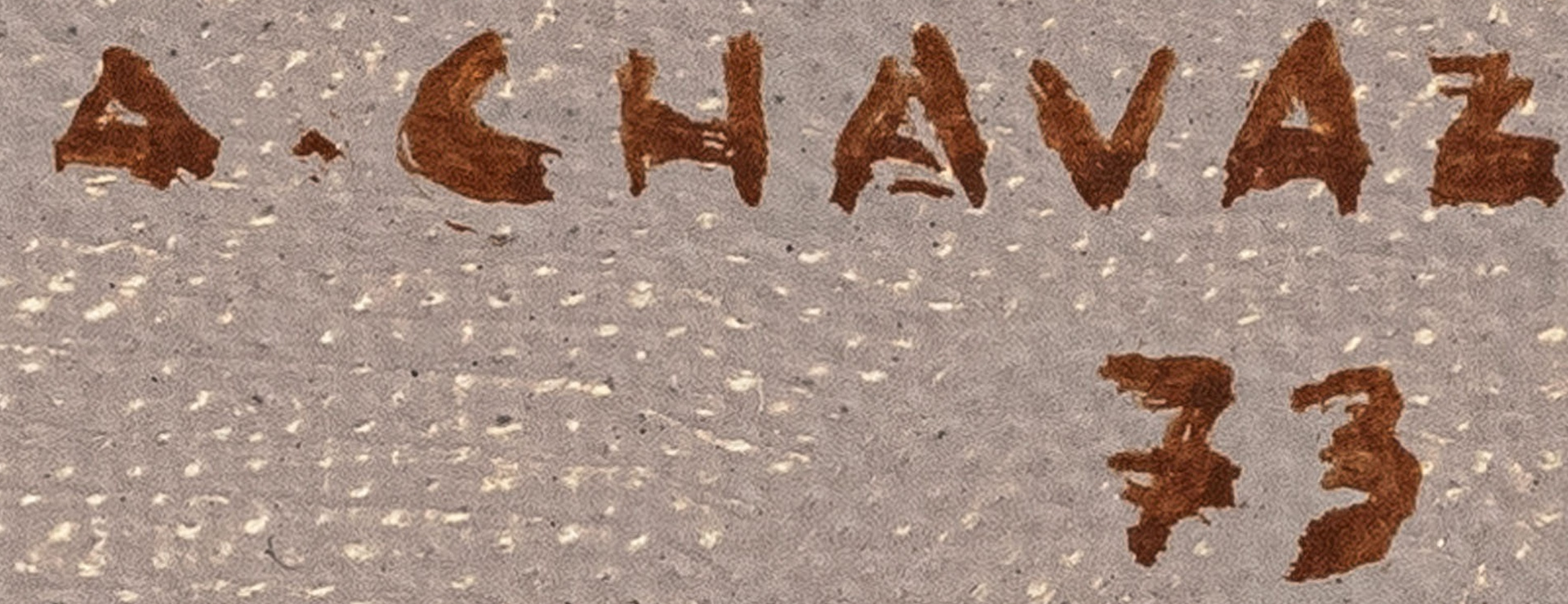
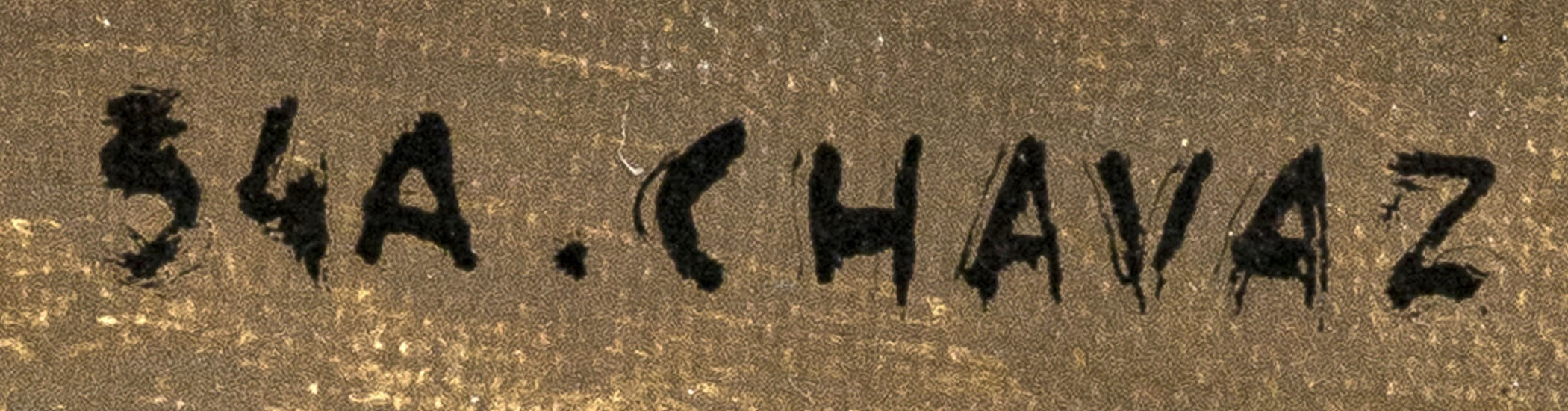
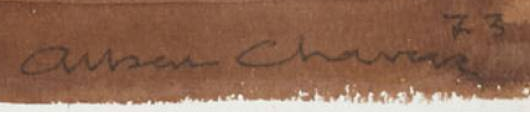
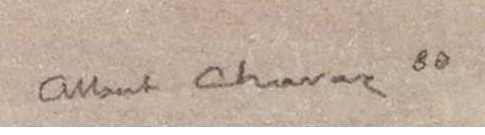
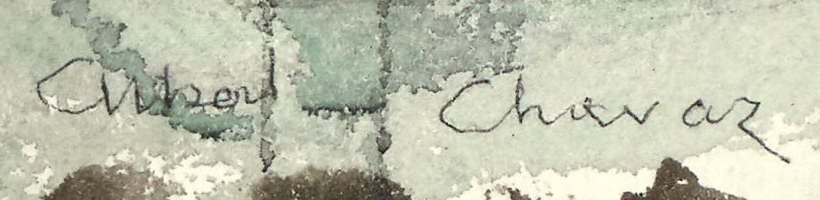
Albert Chavaz
Born in 1907.
Died in 1990.
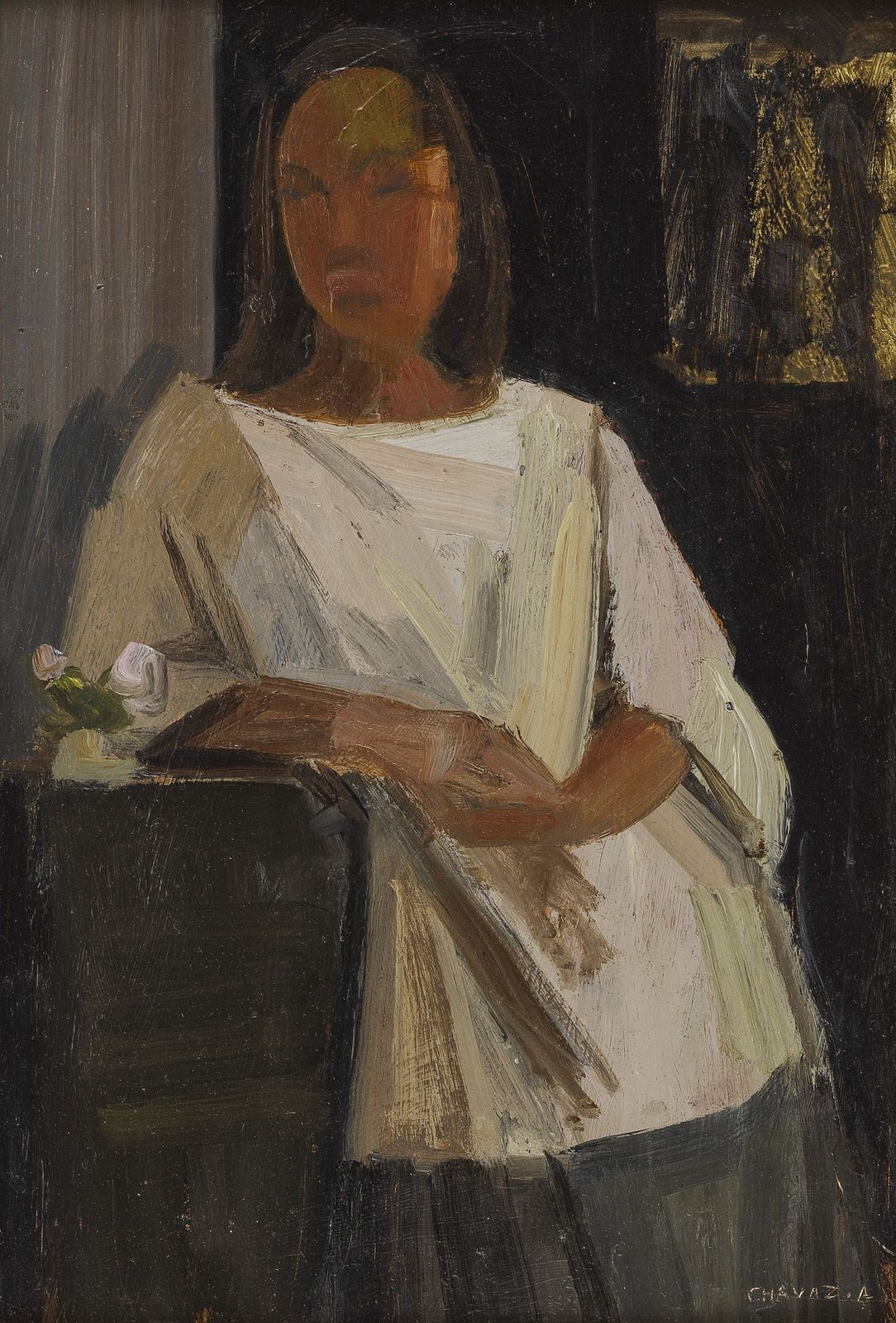
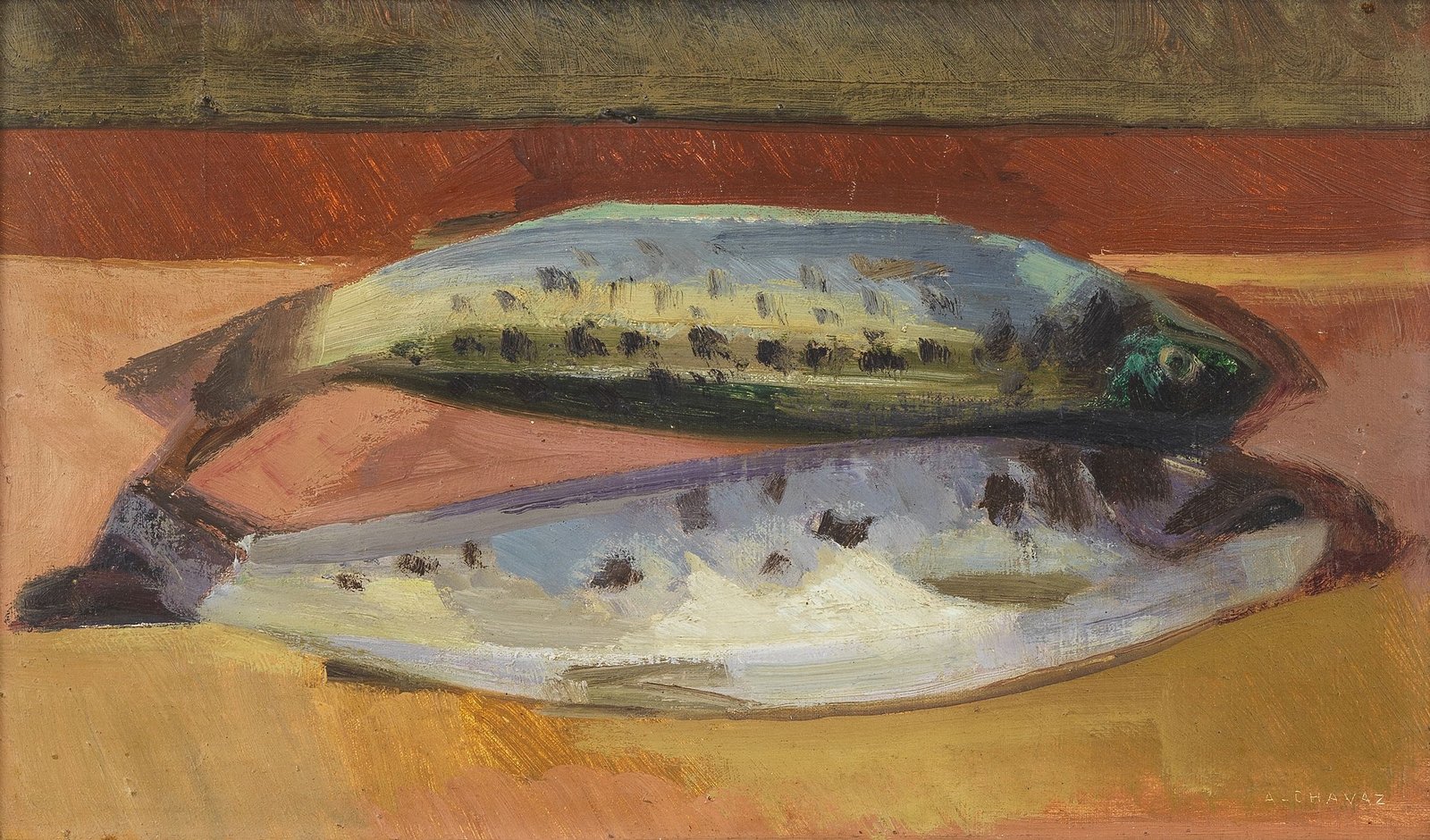
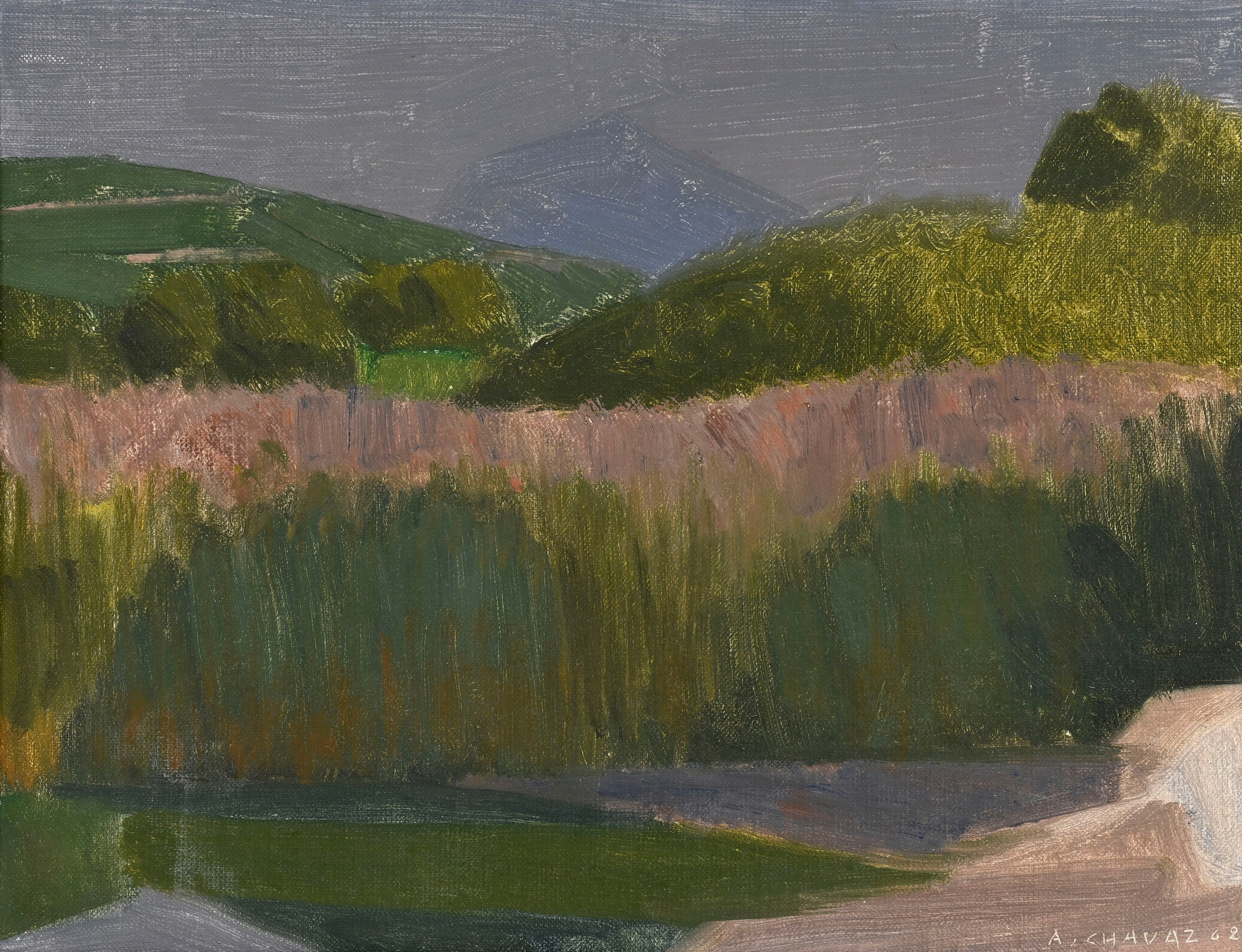
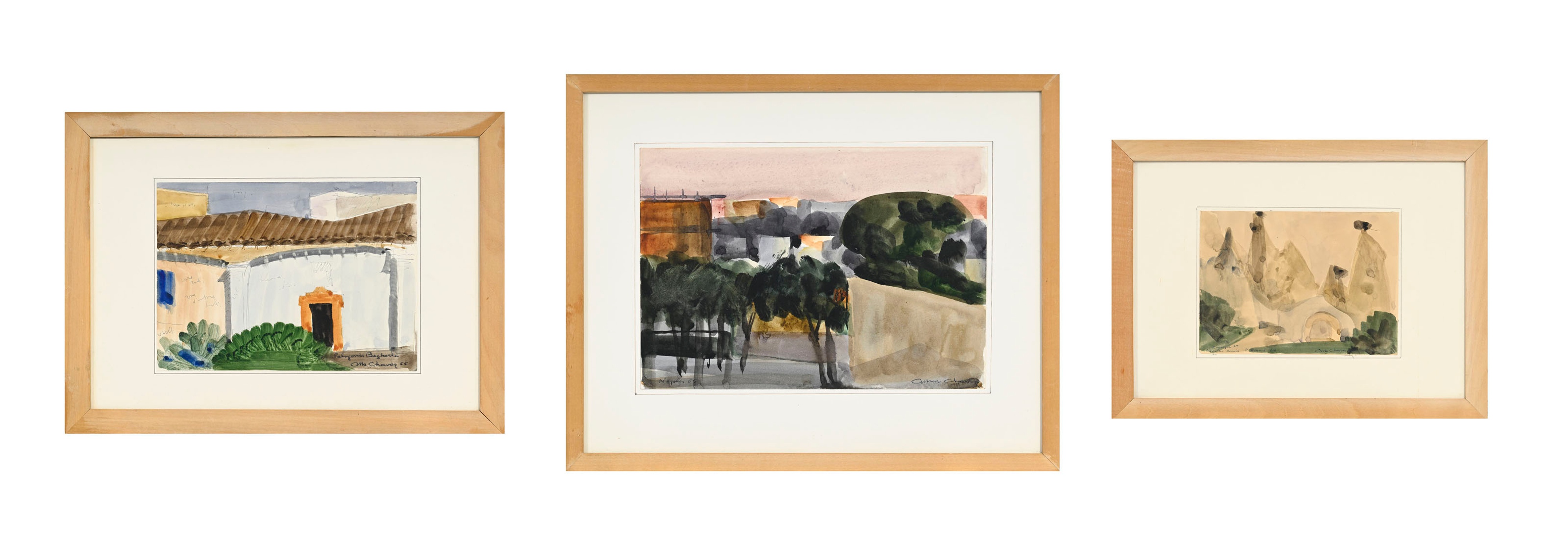
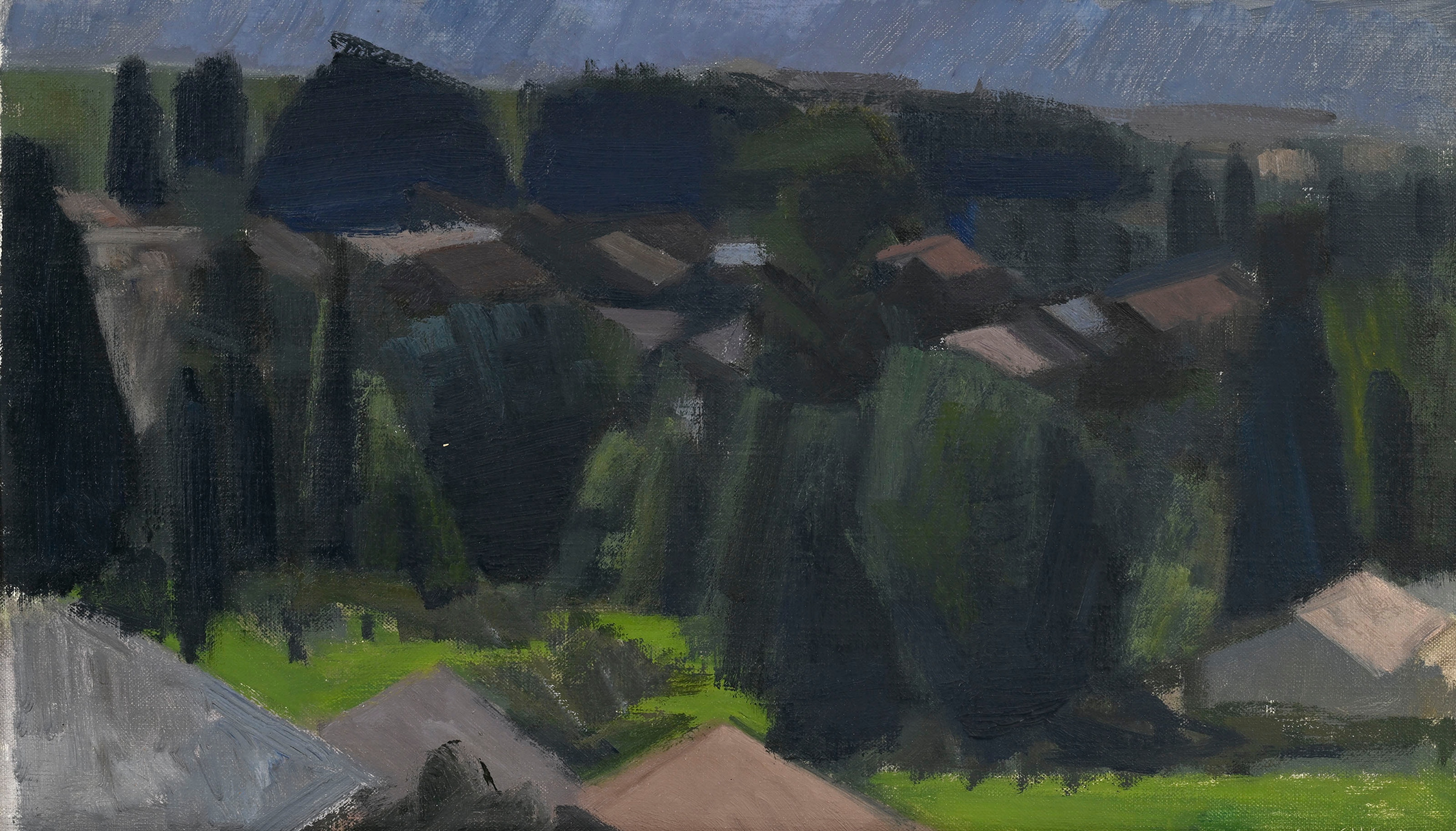
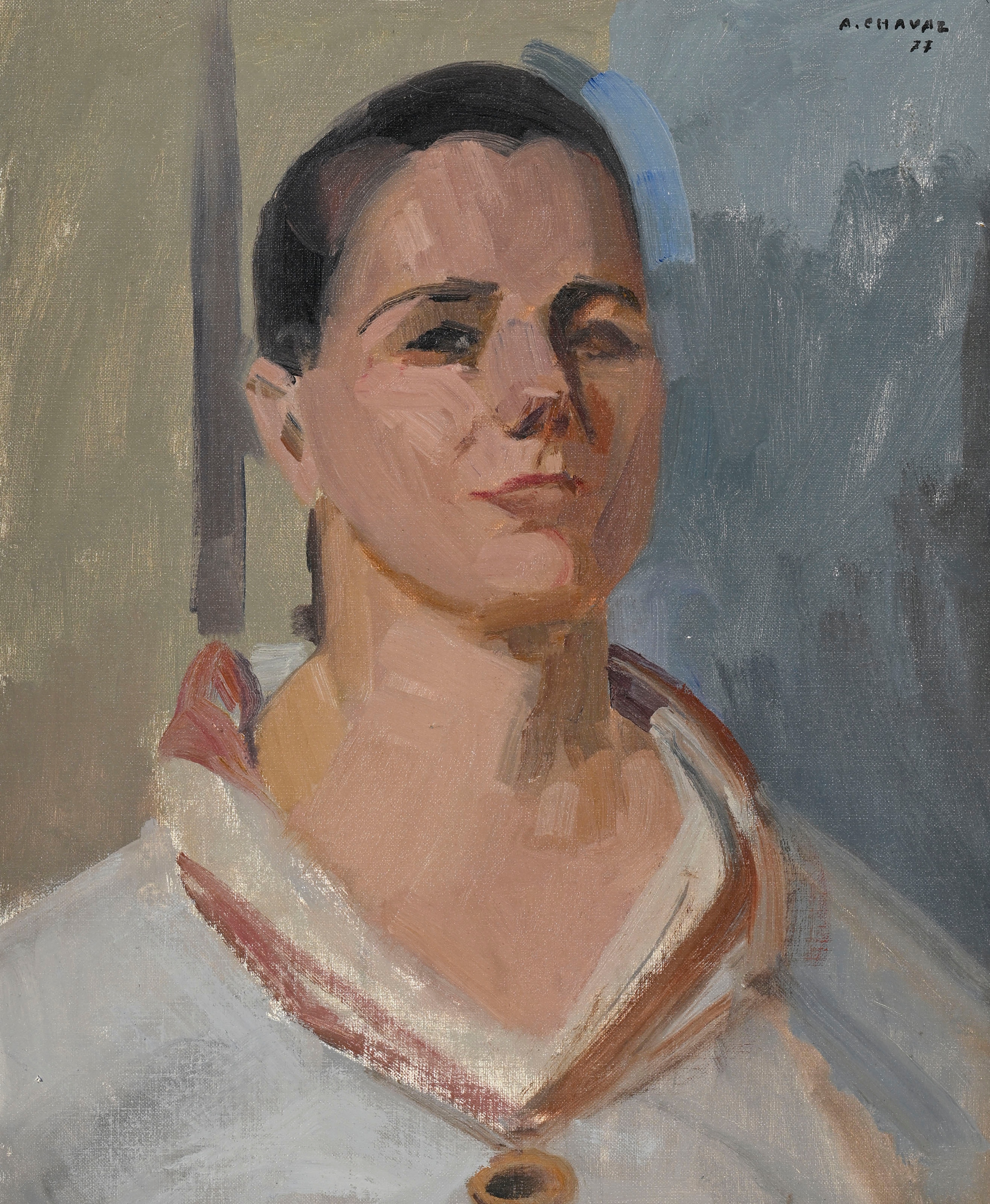
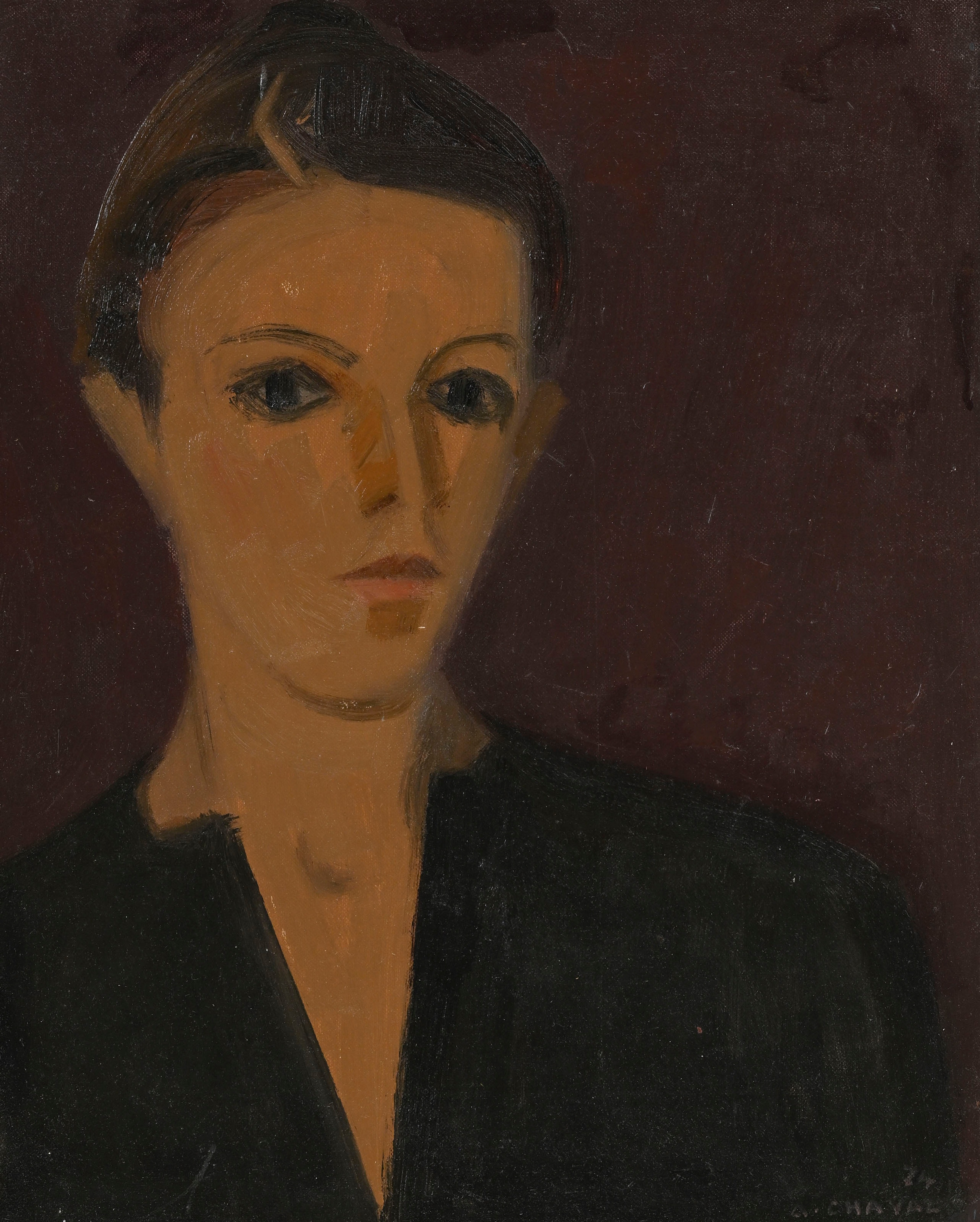
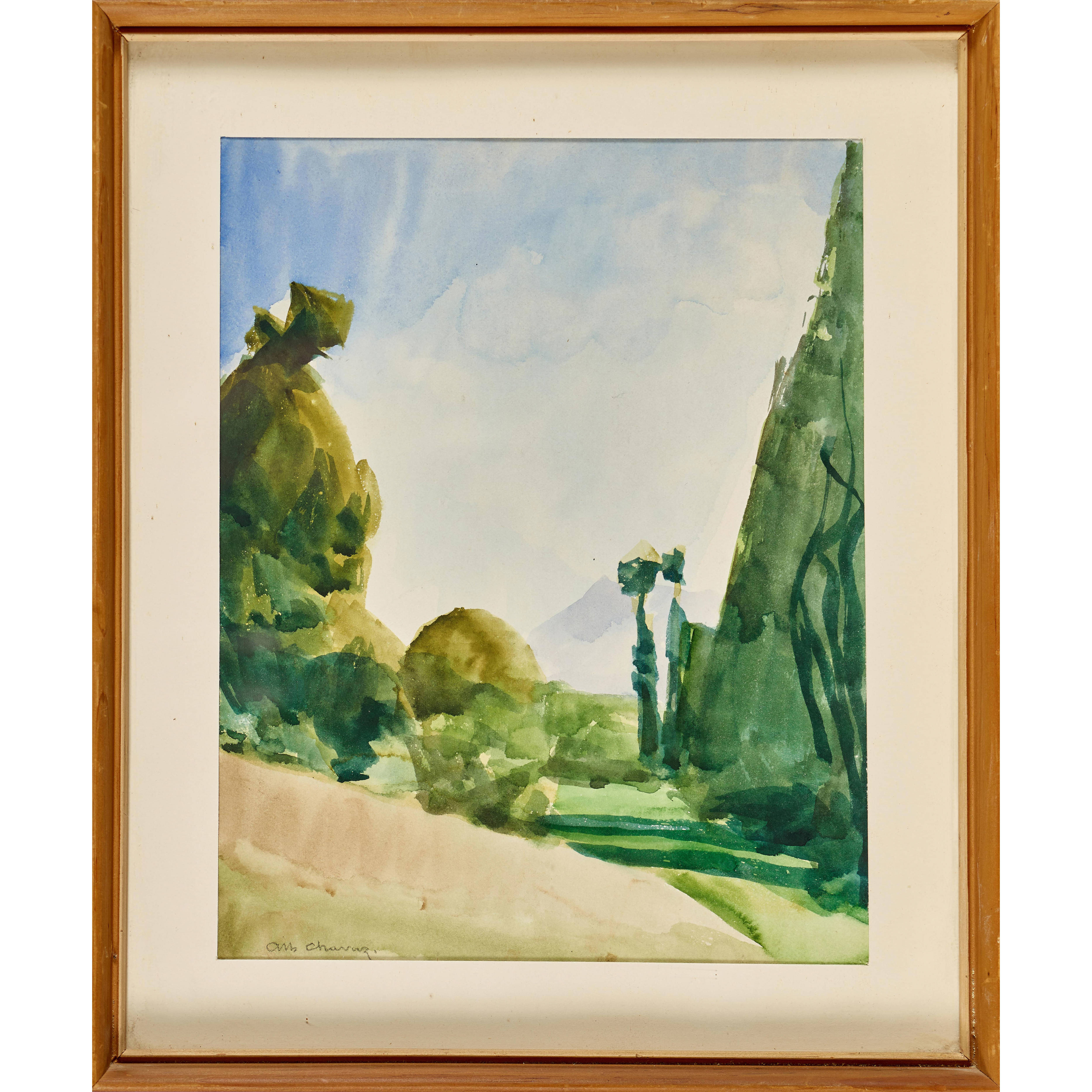
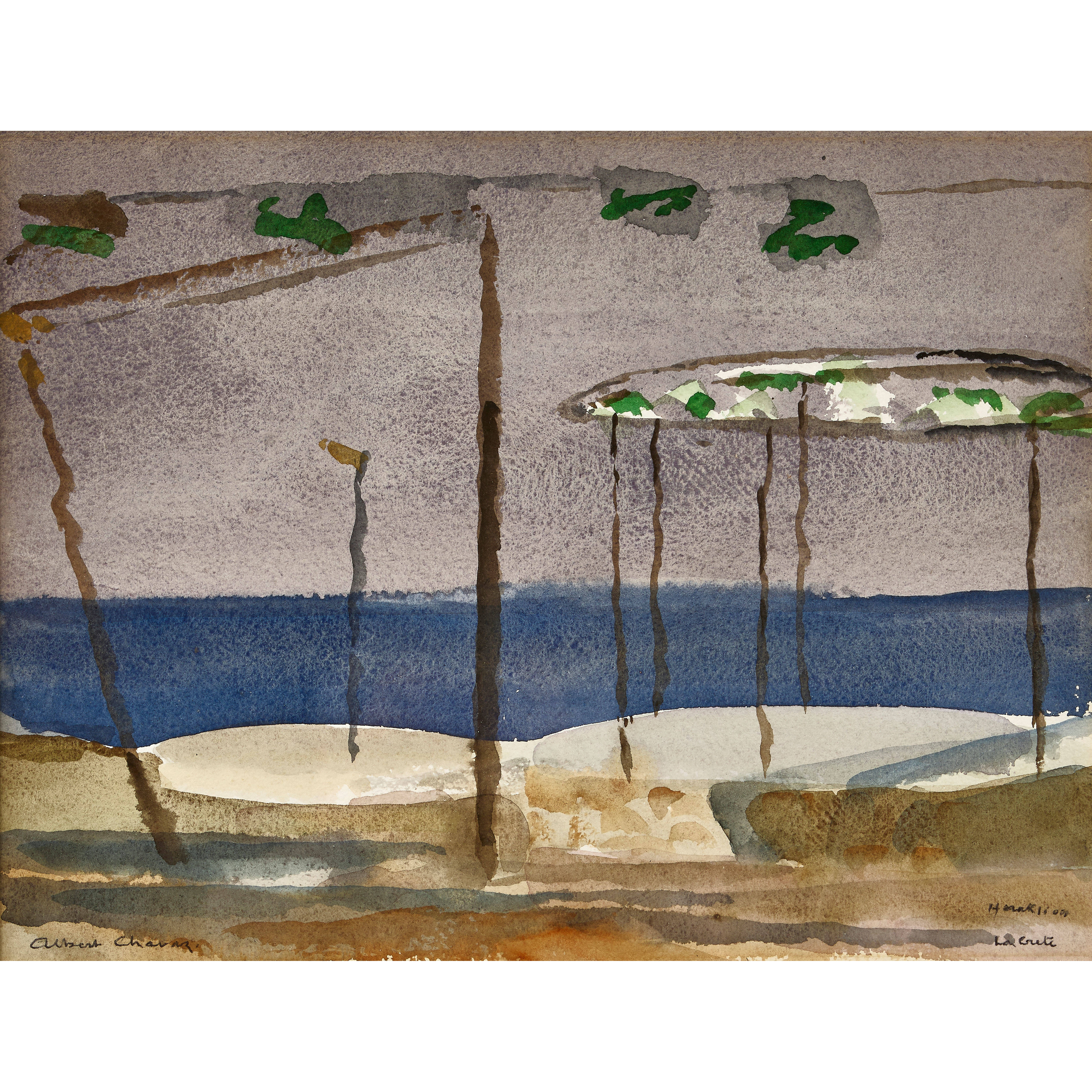
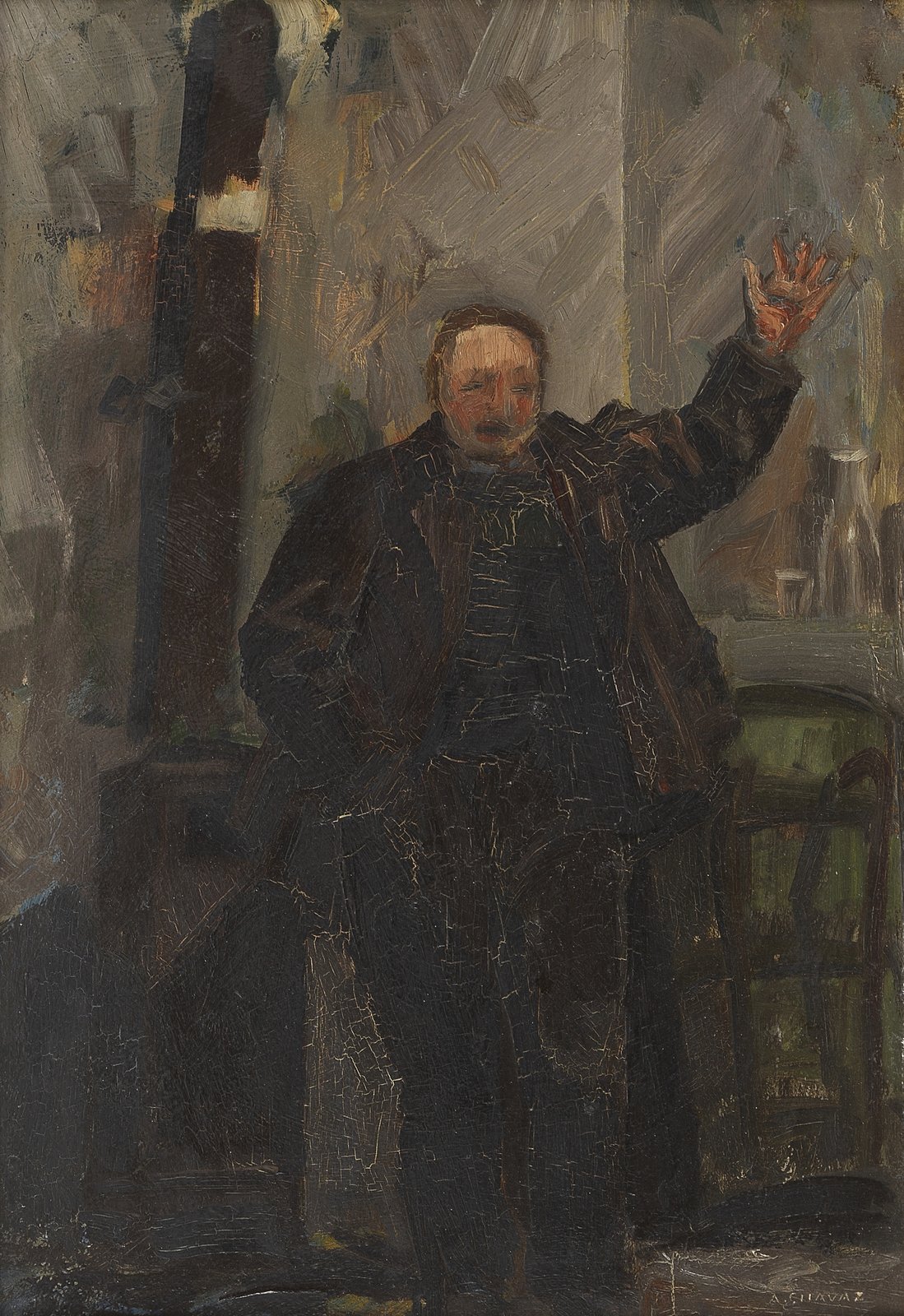
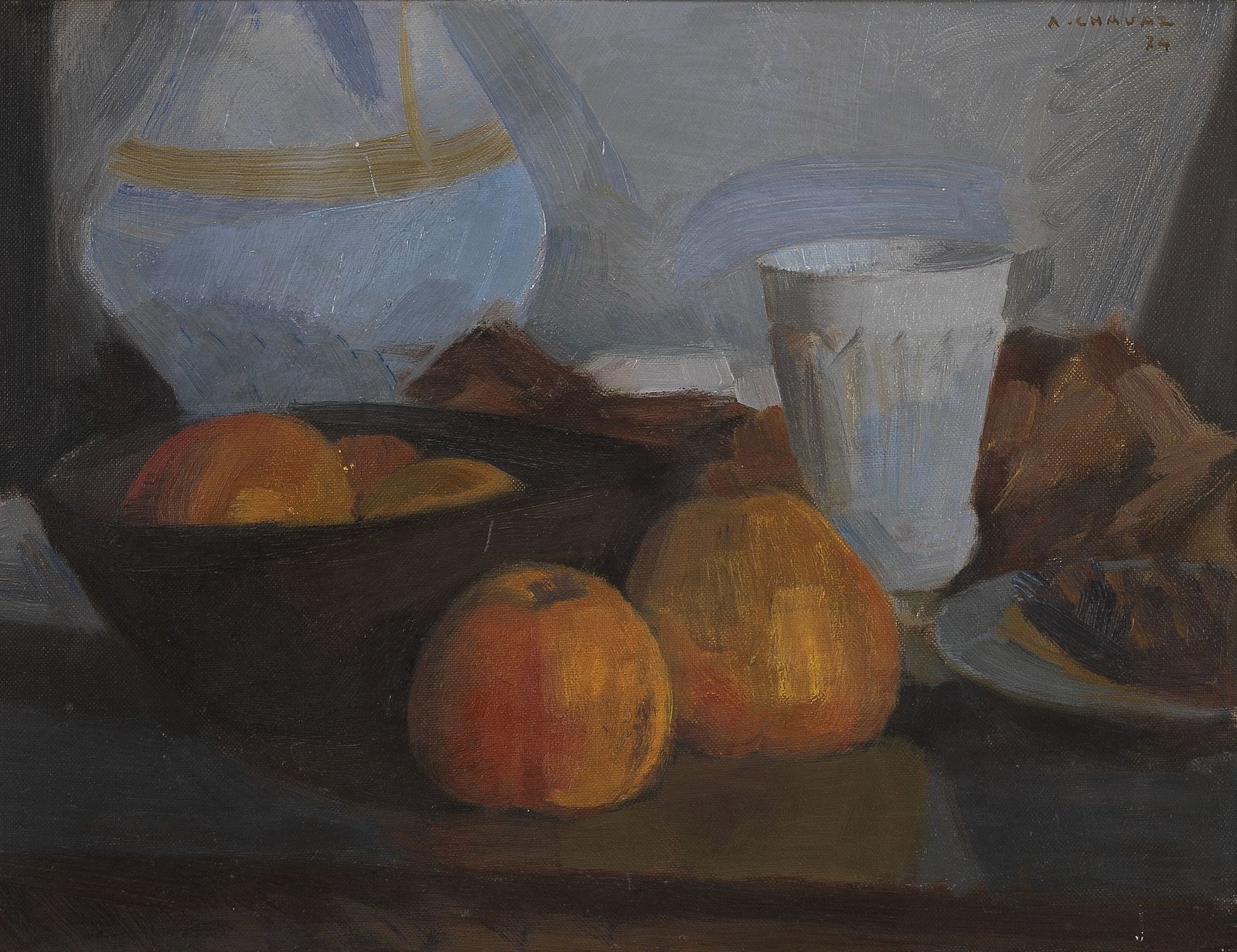
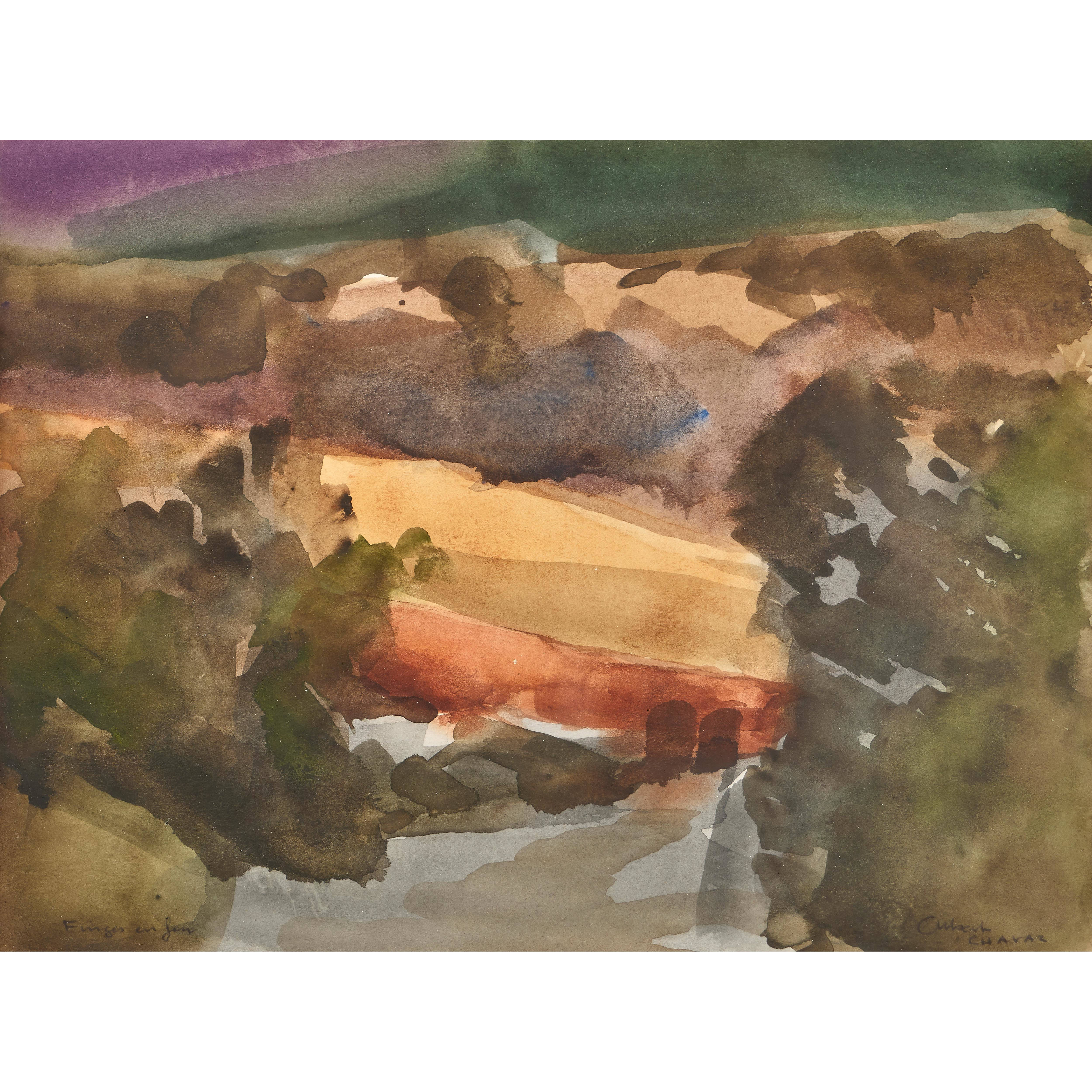
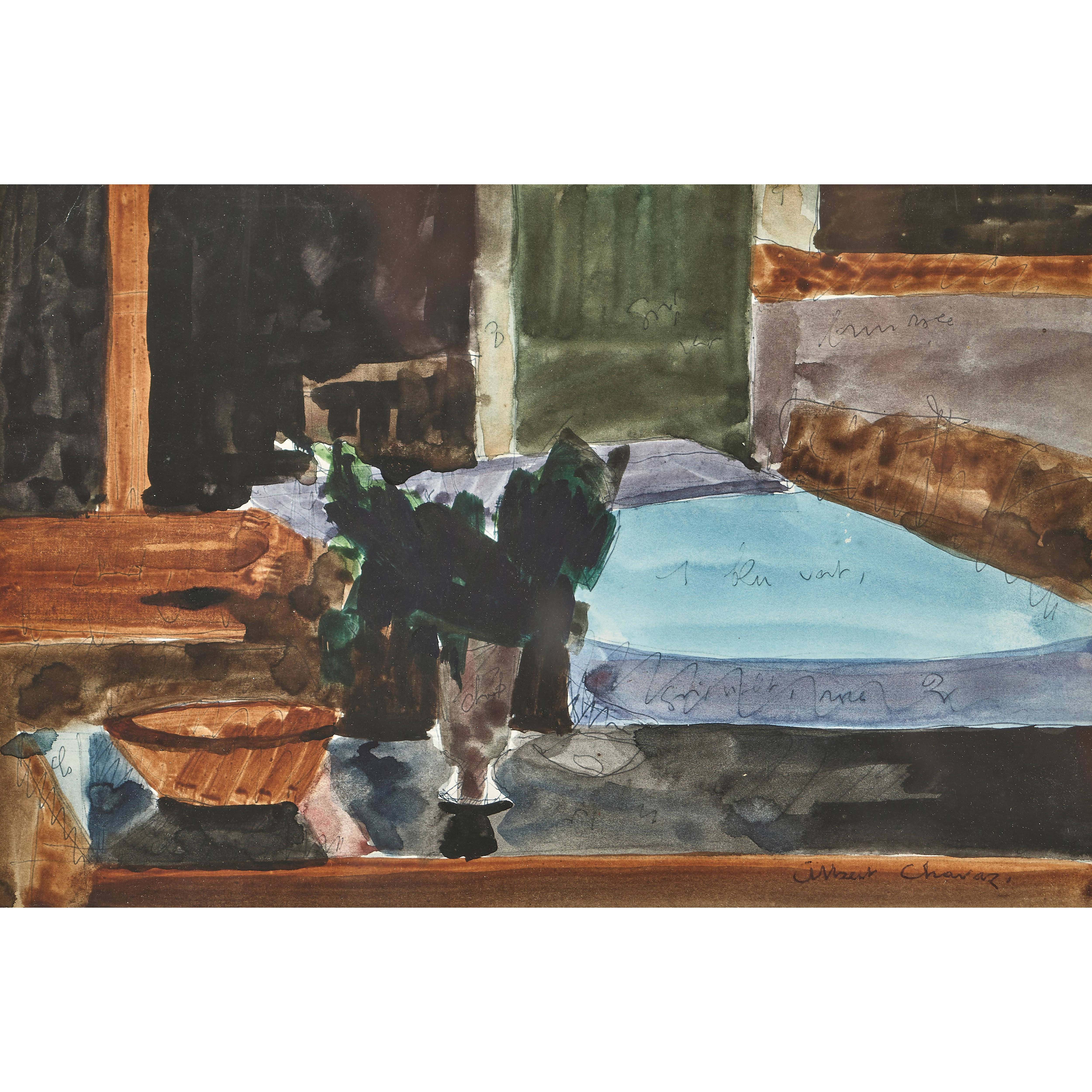
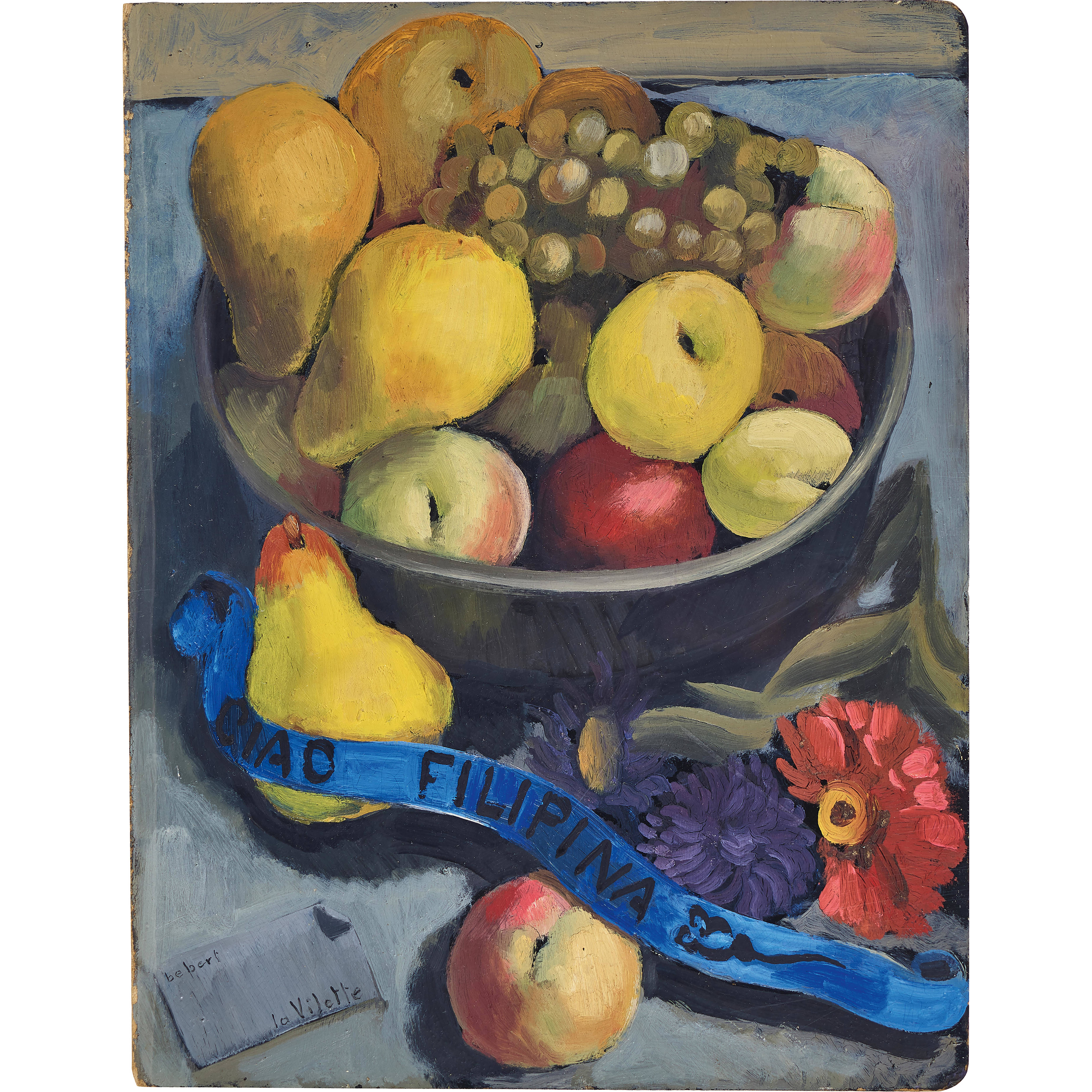
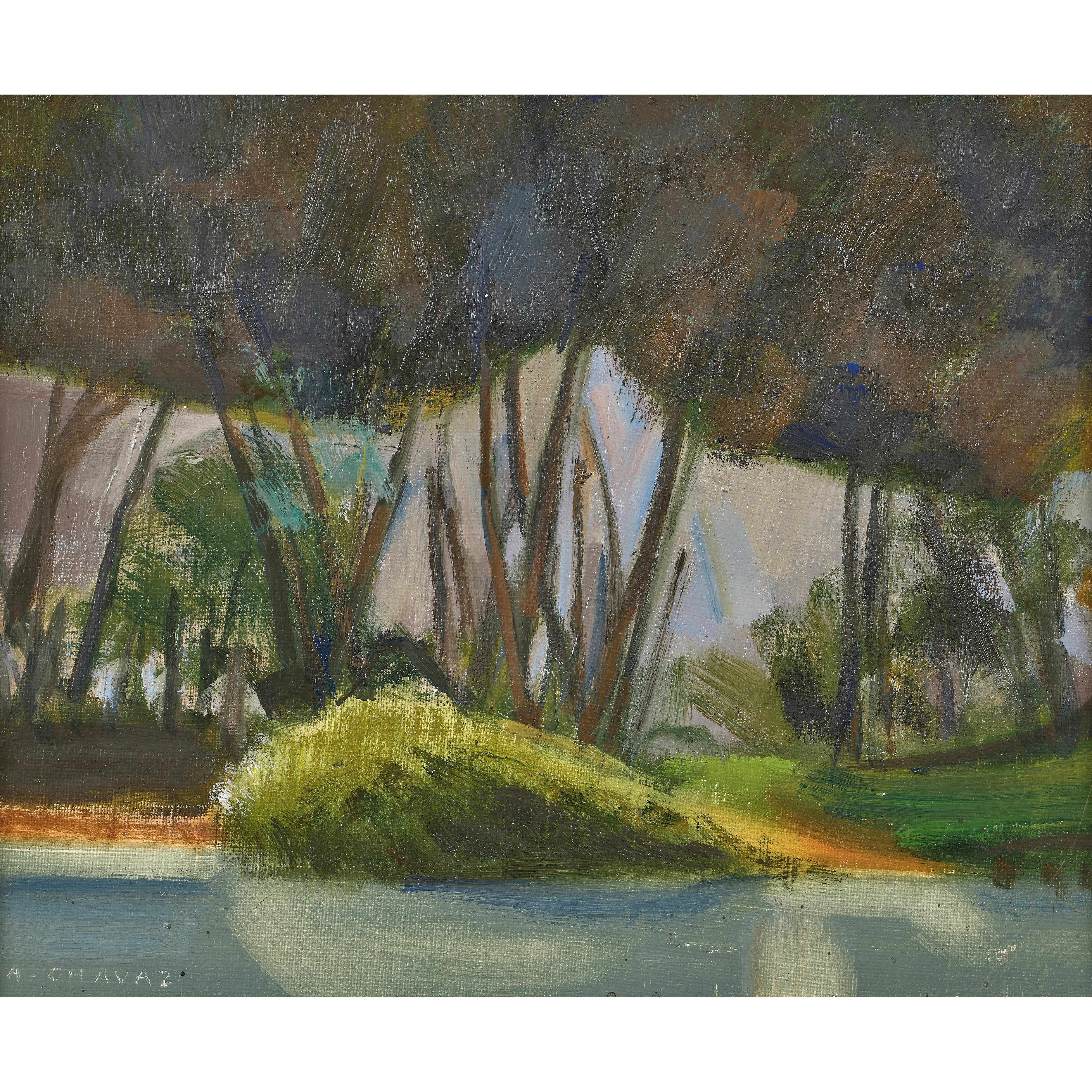
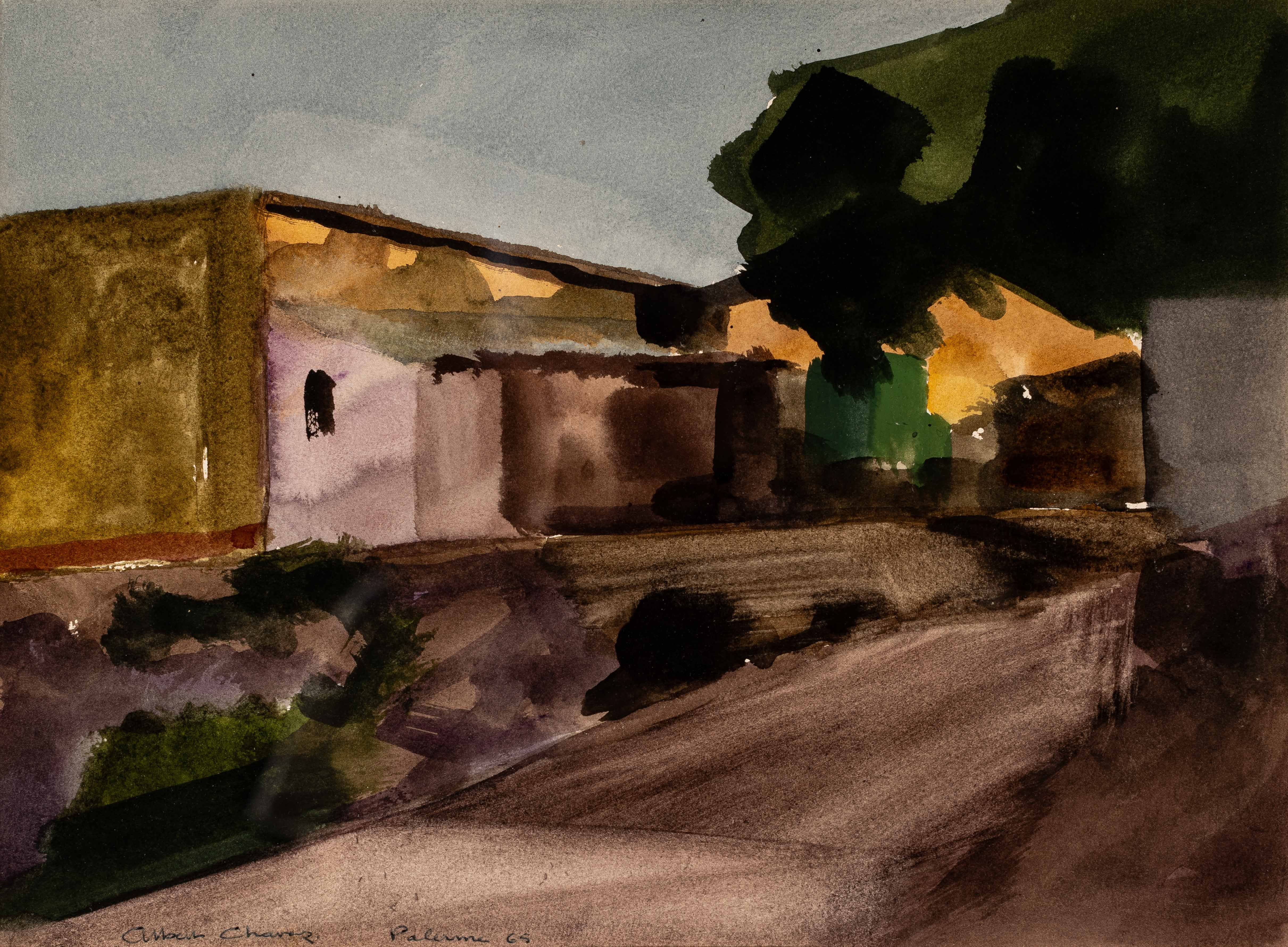
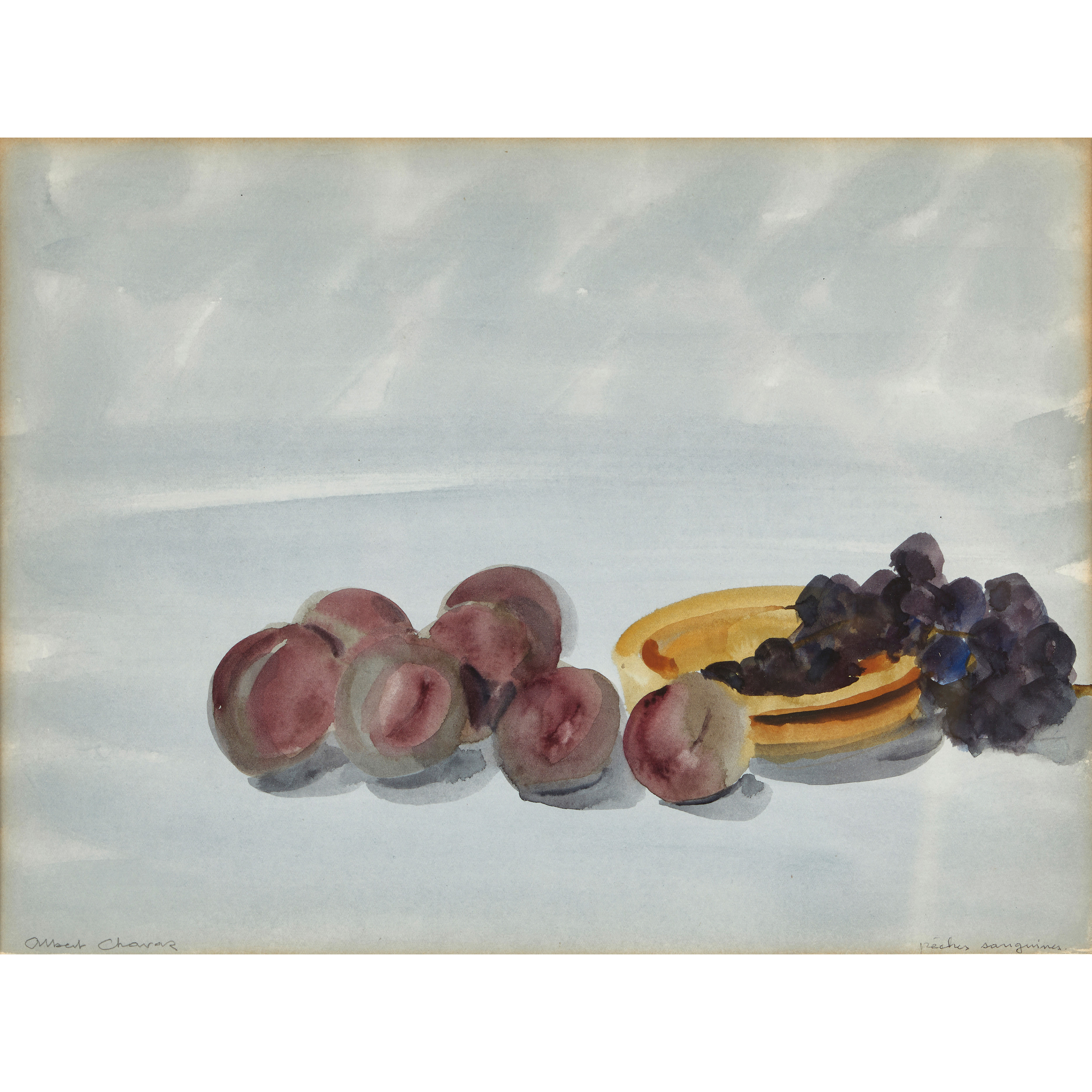
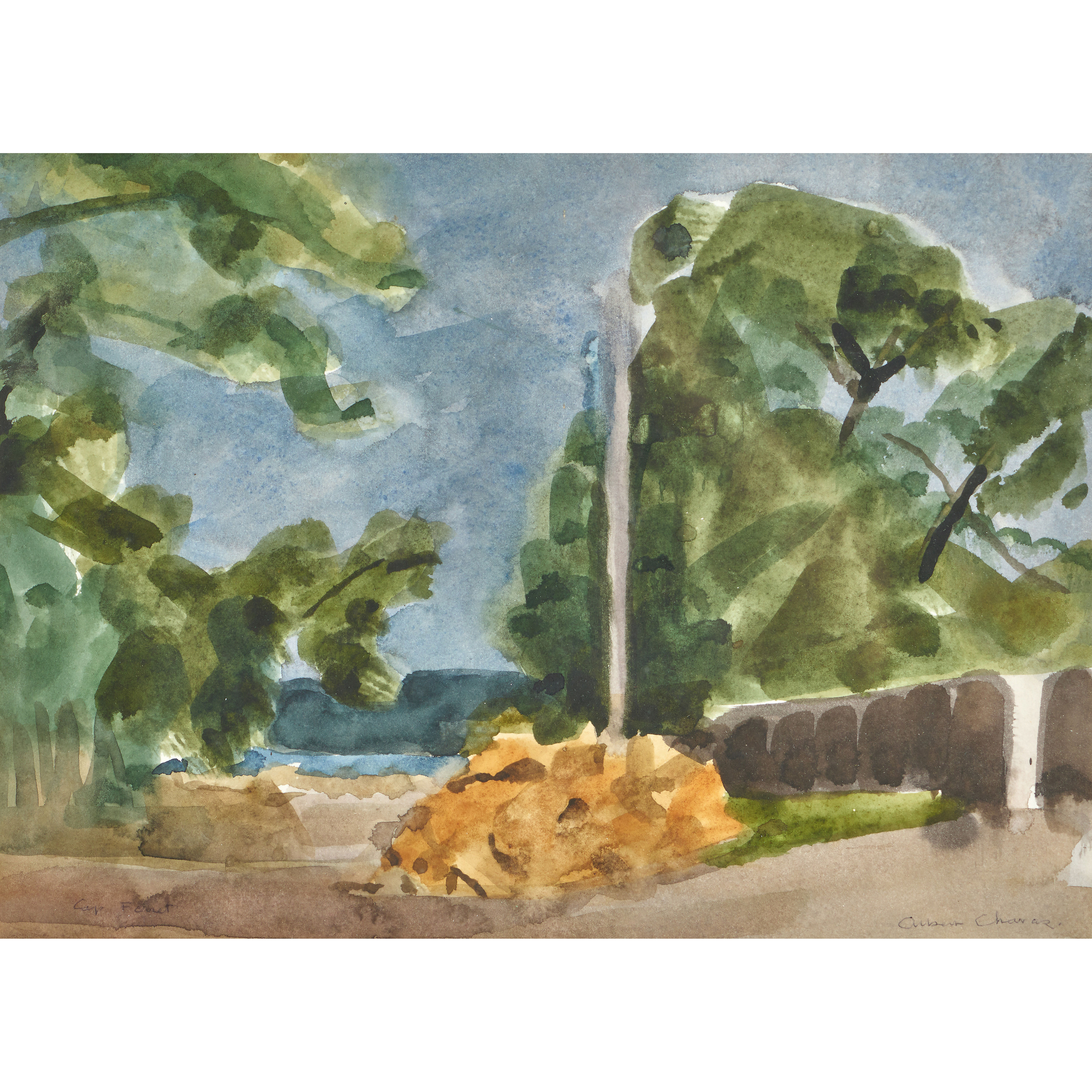
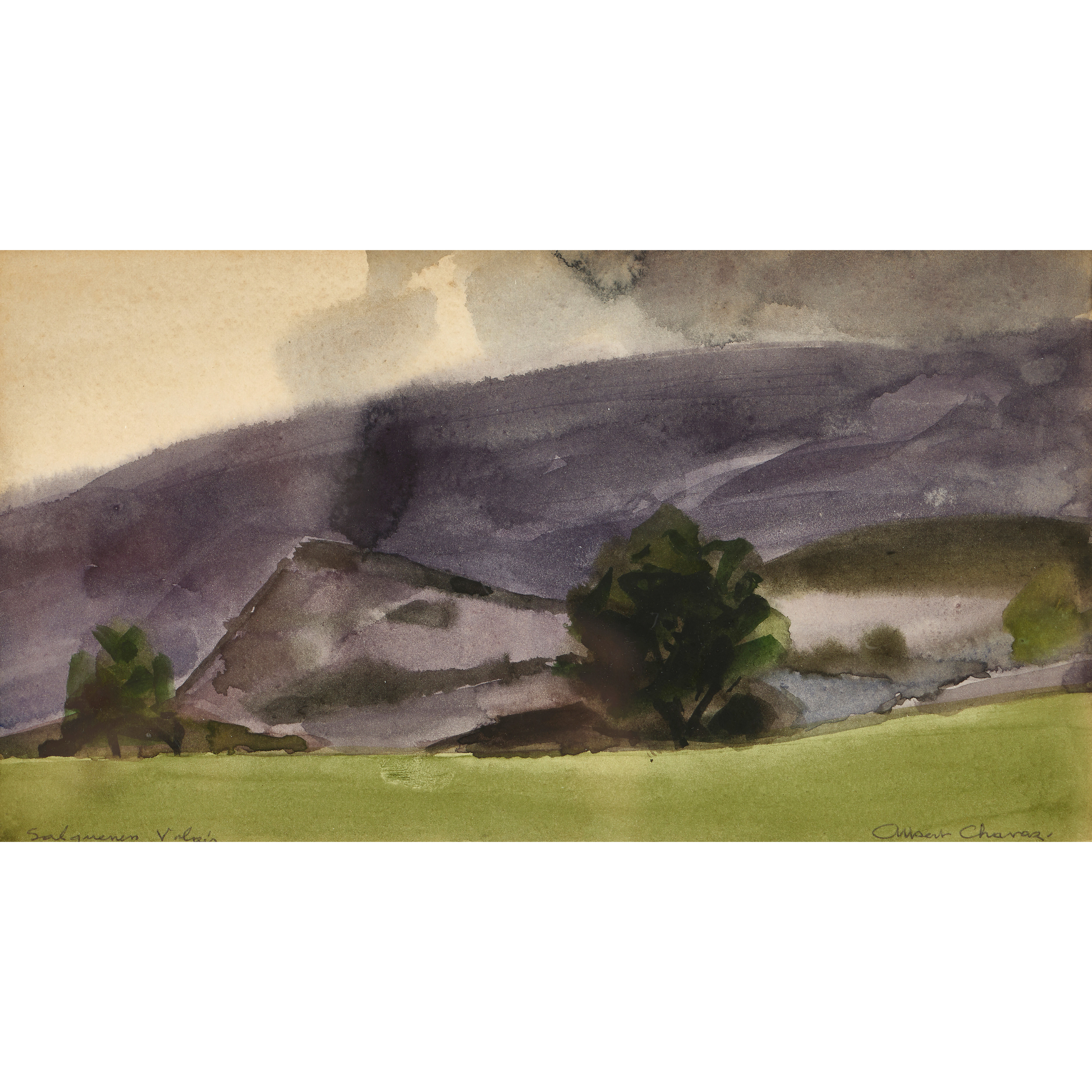
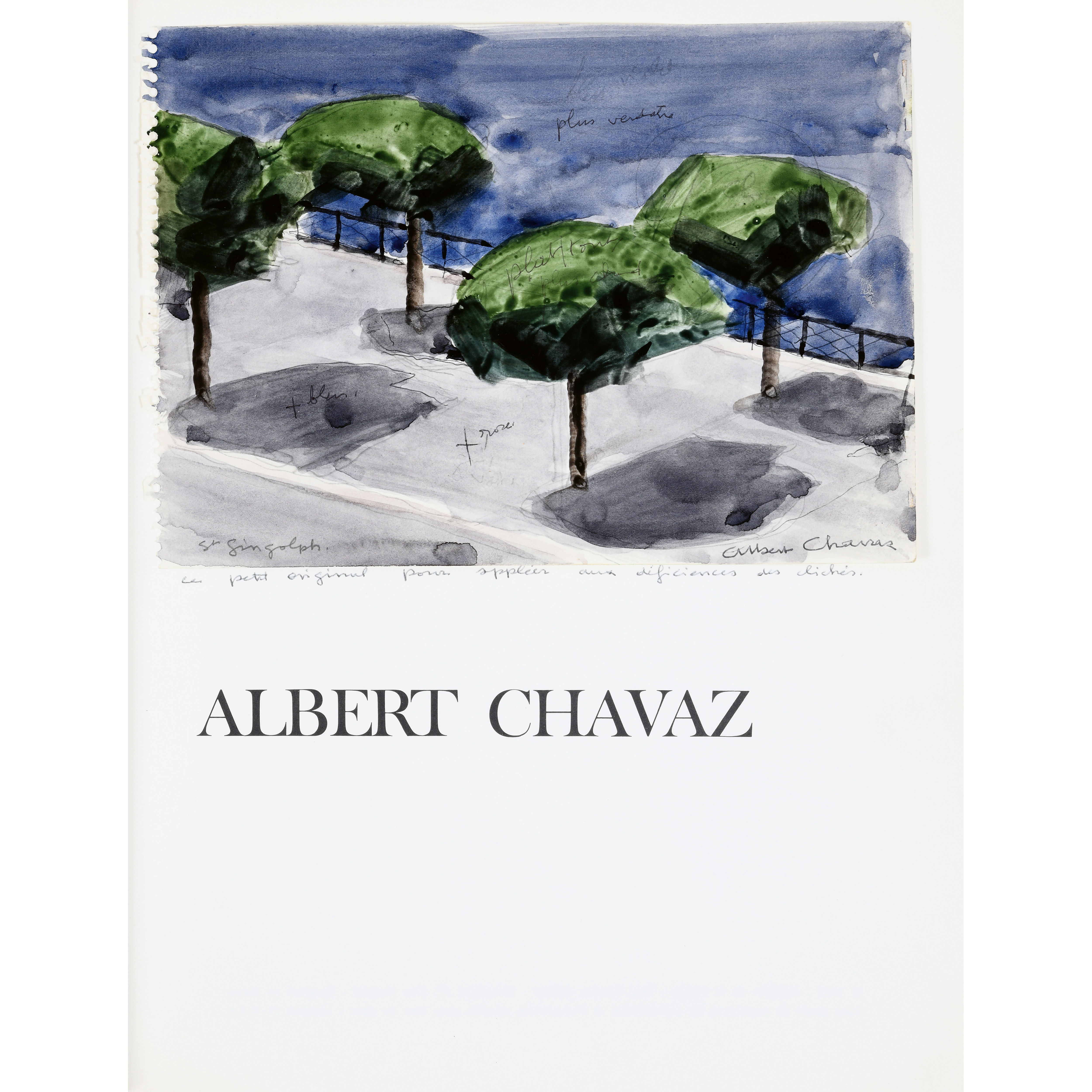
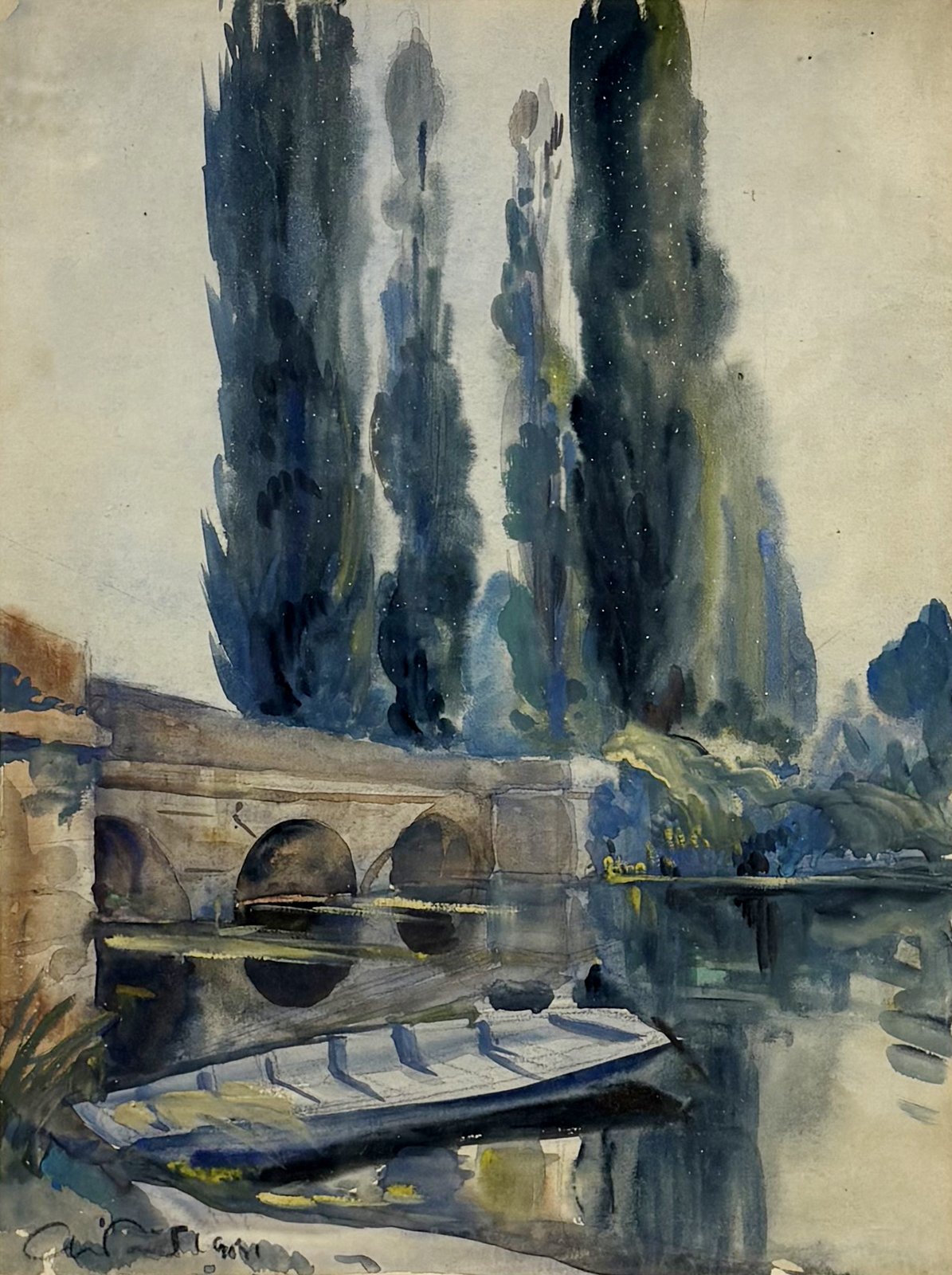
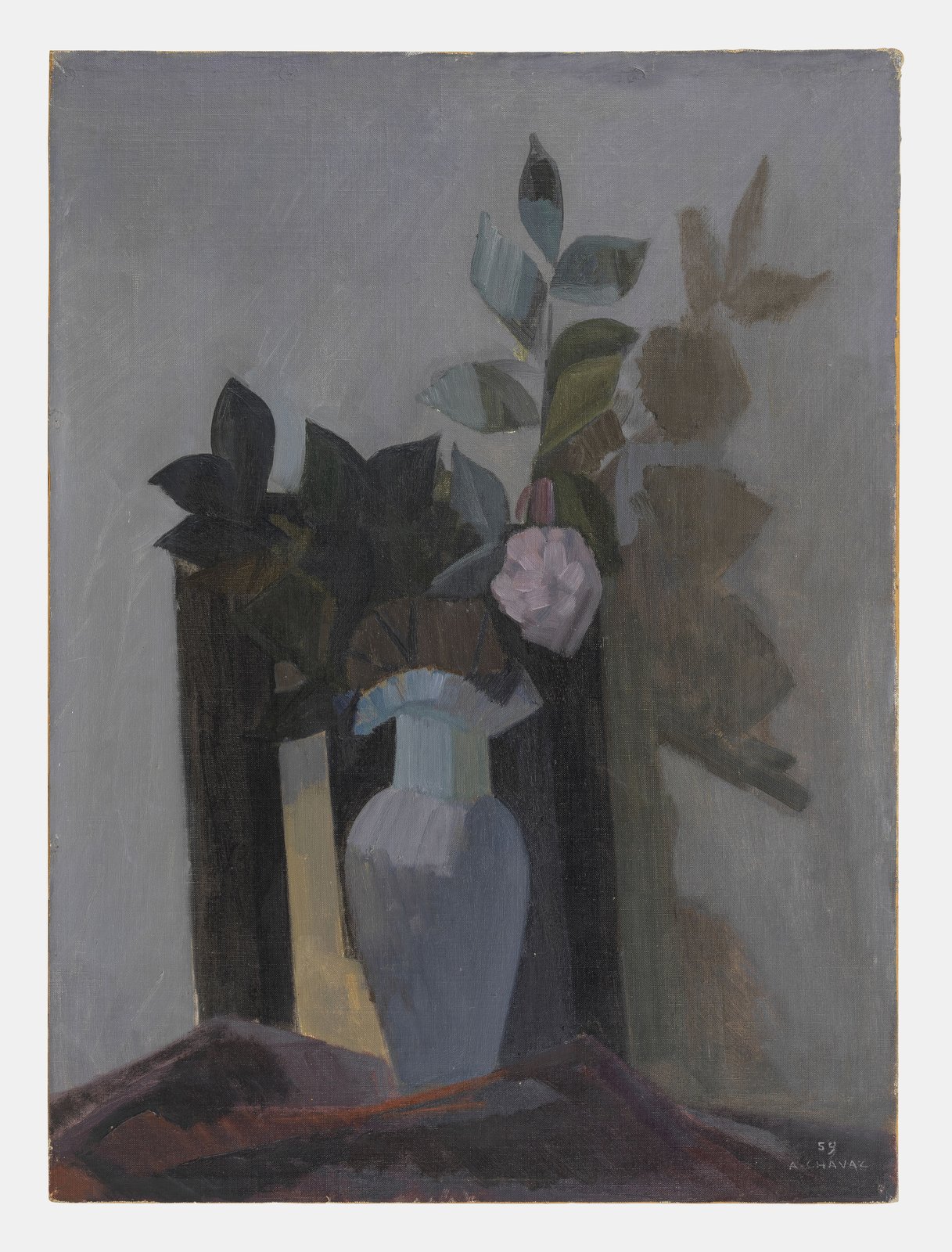
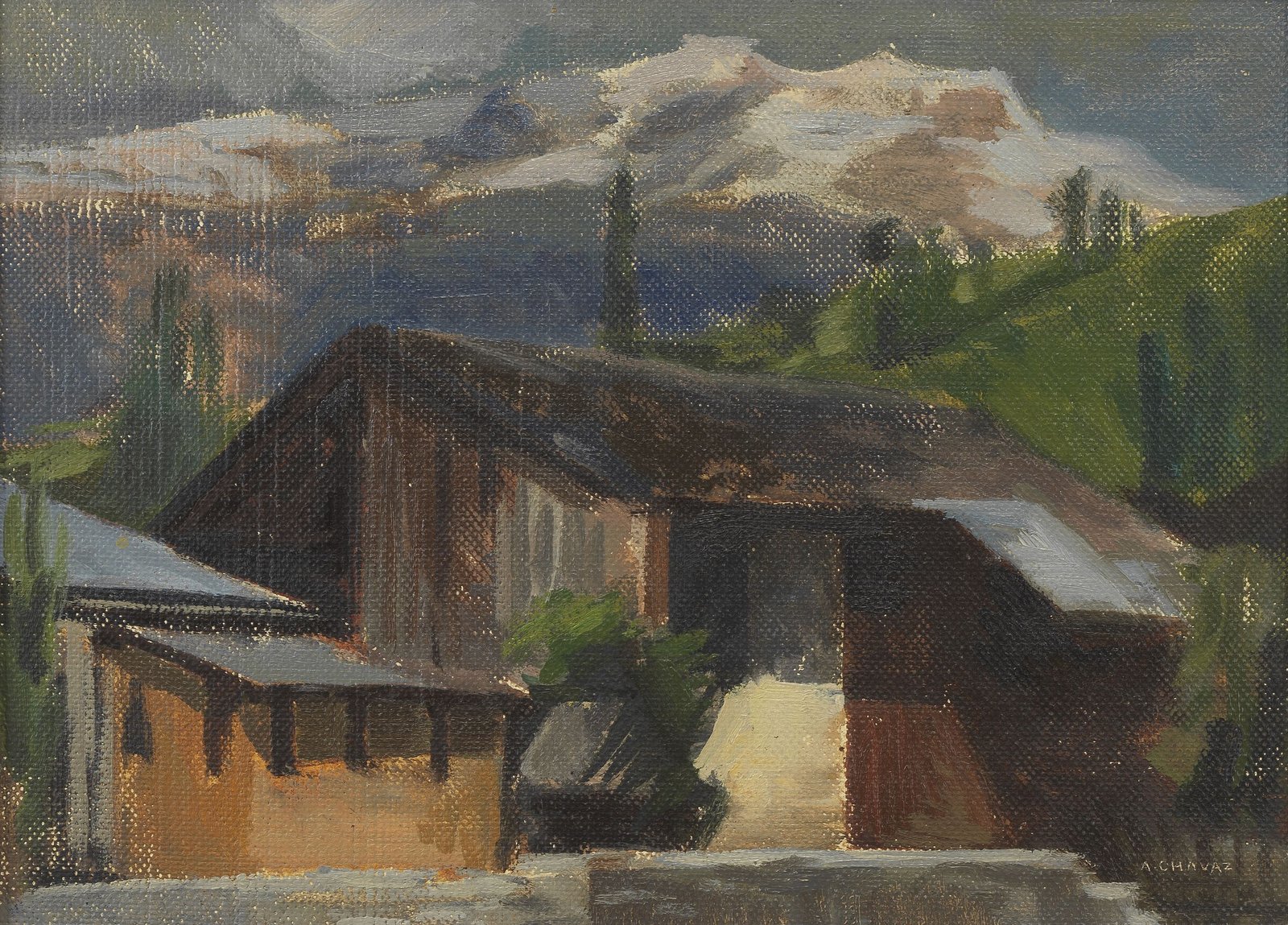
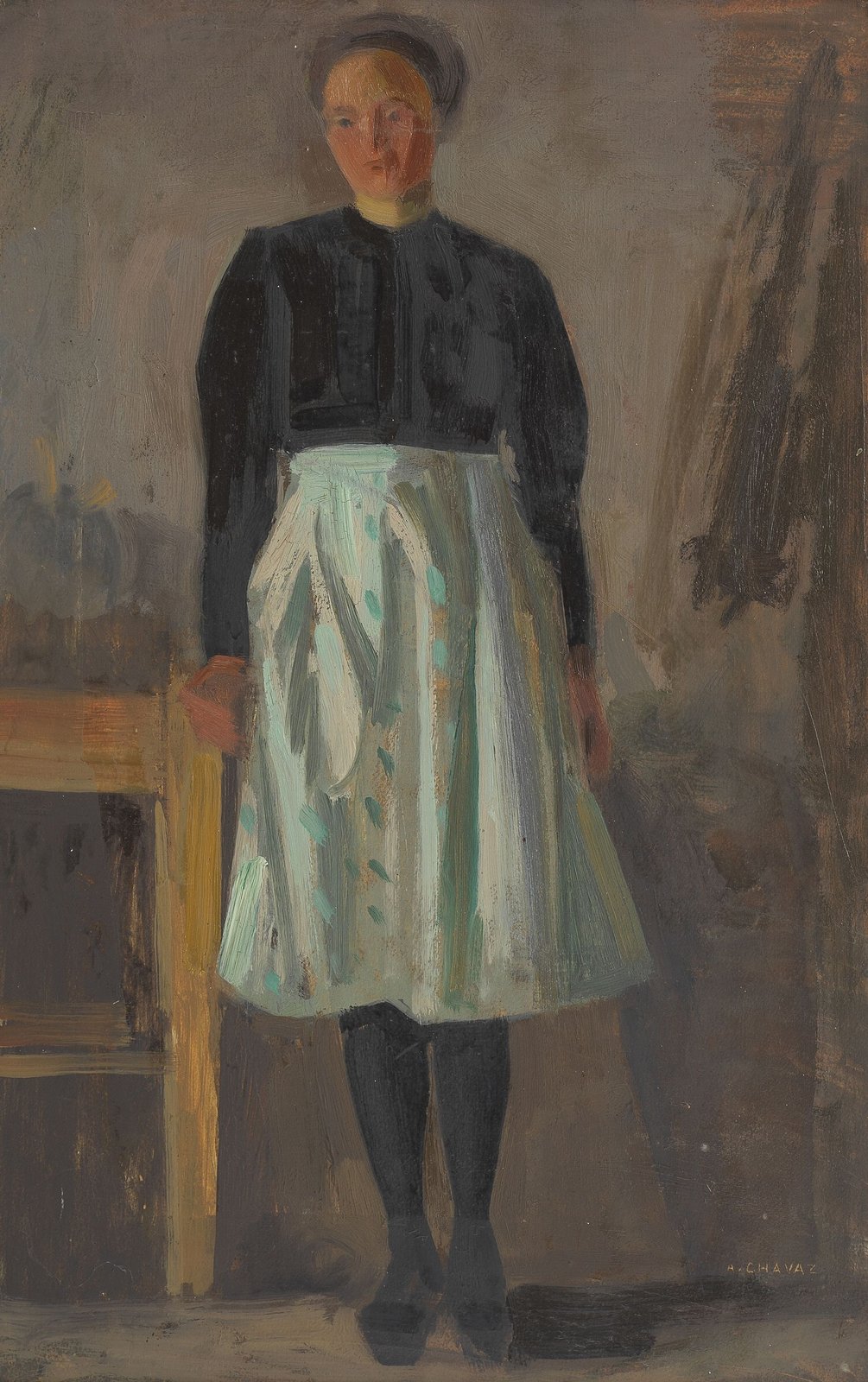
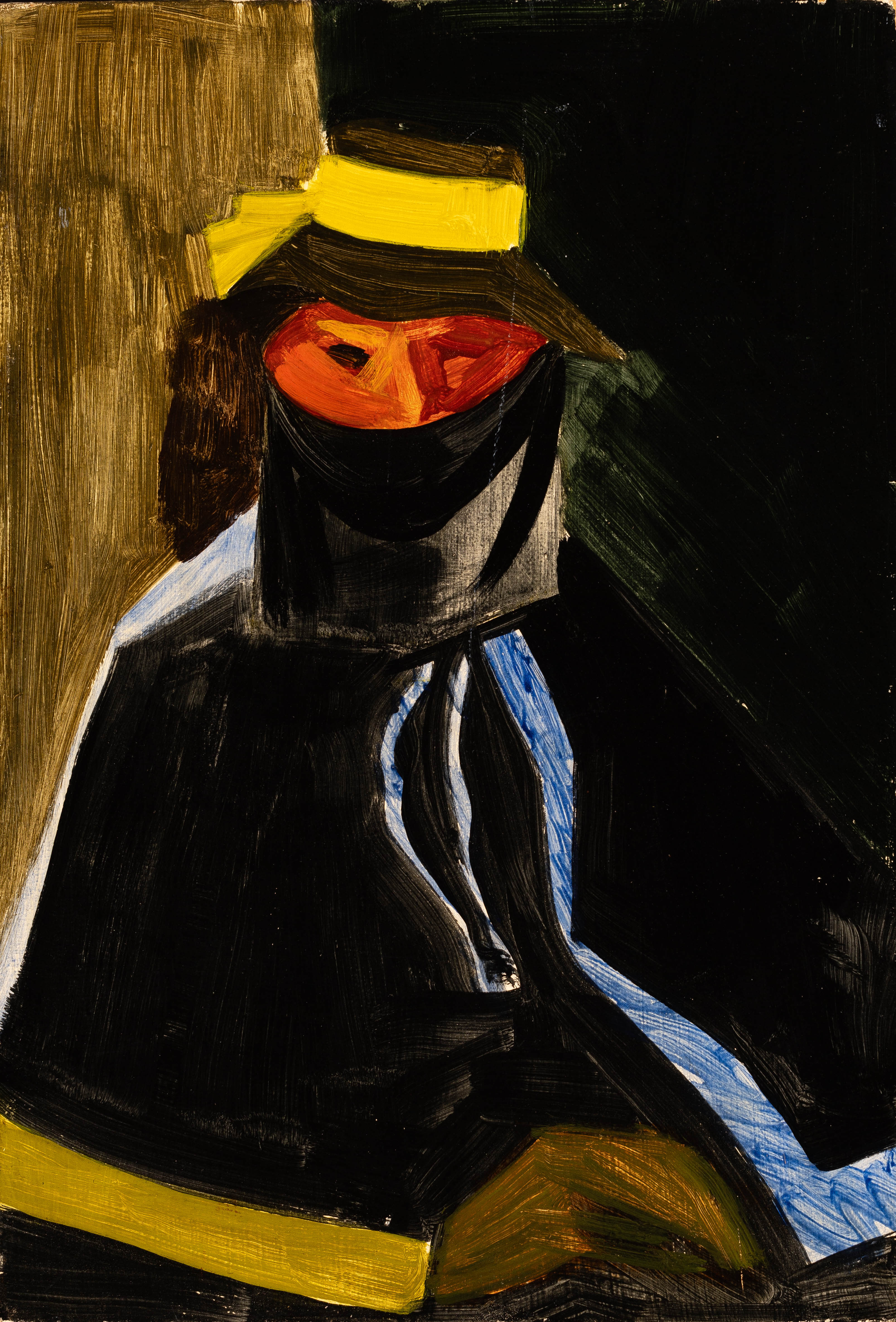
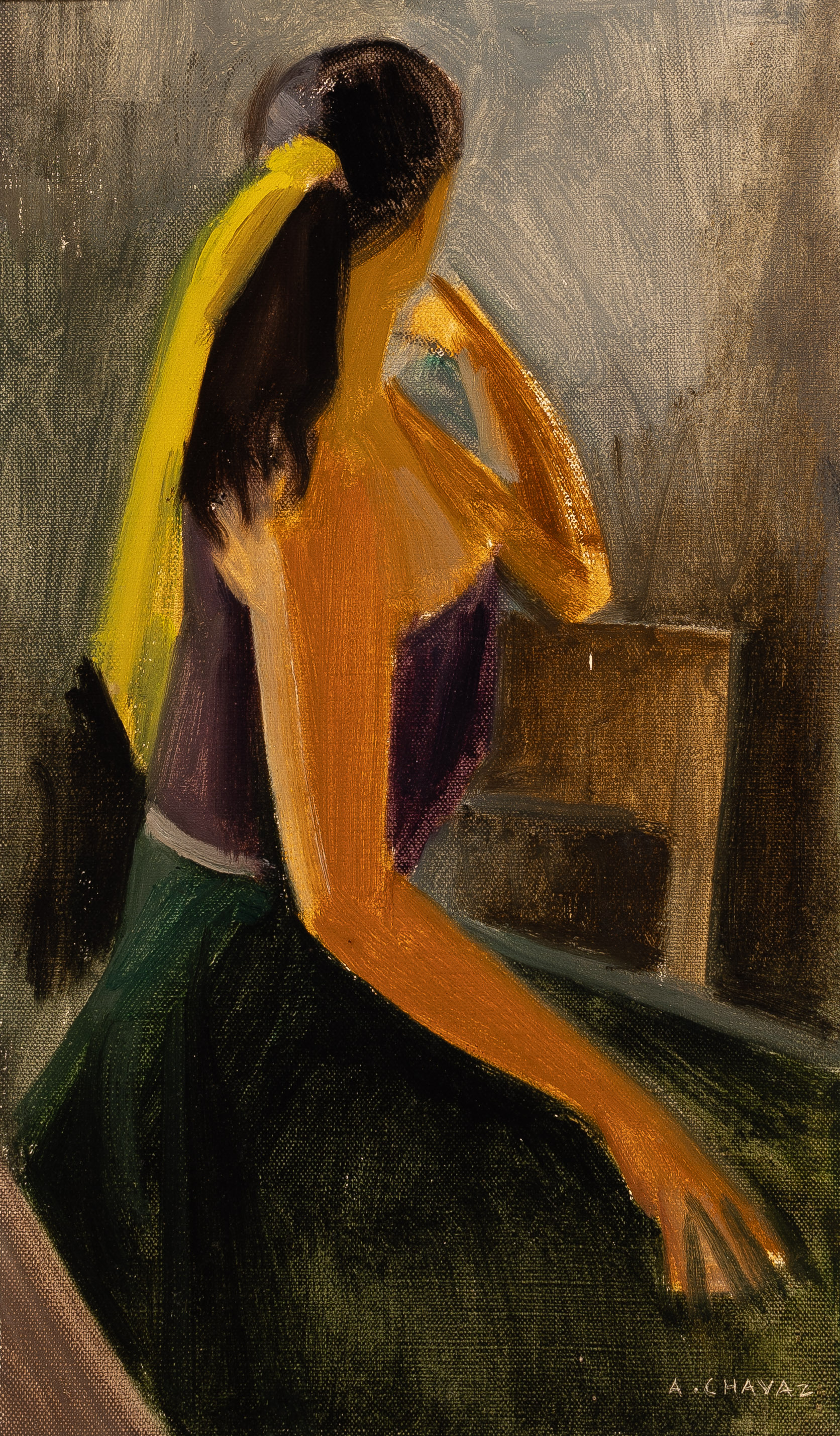
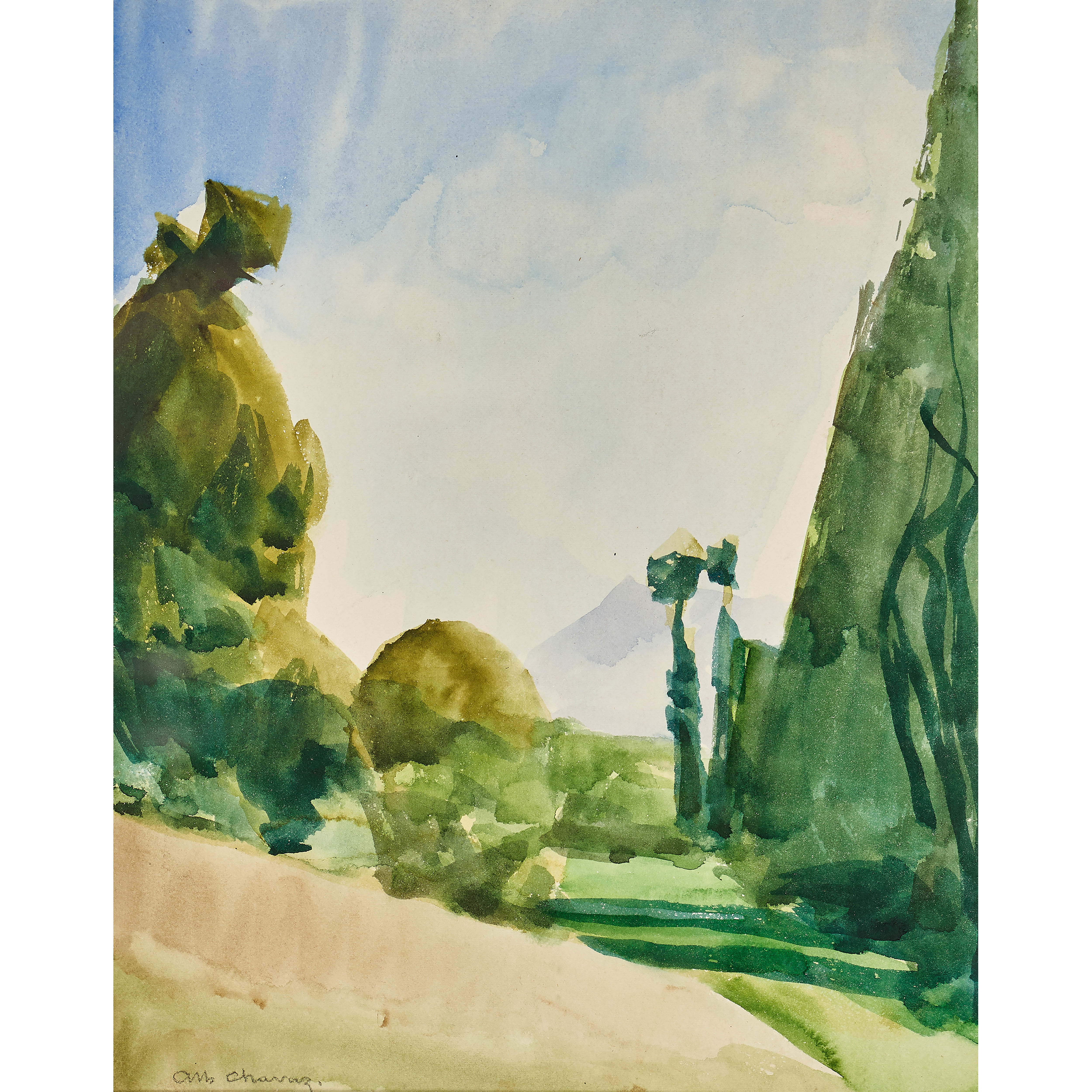
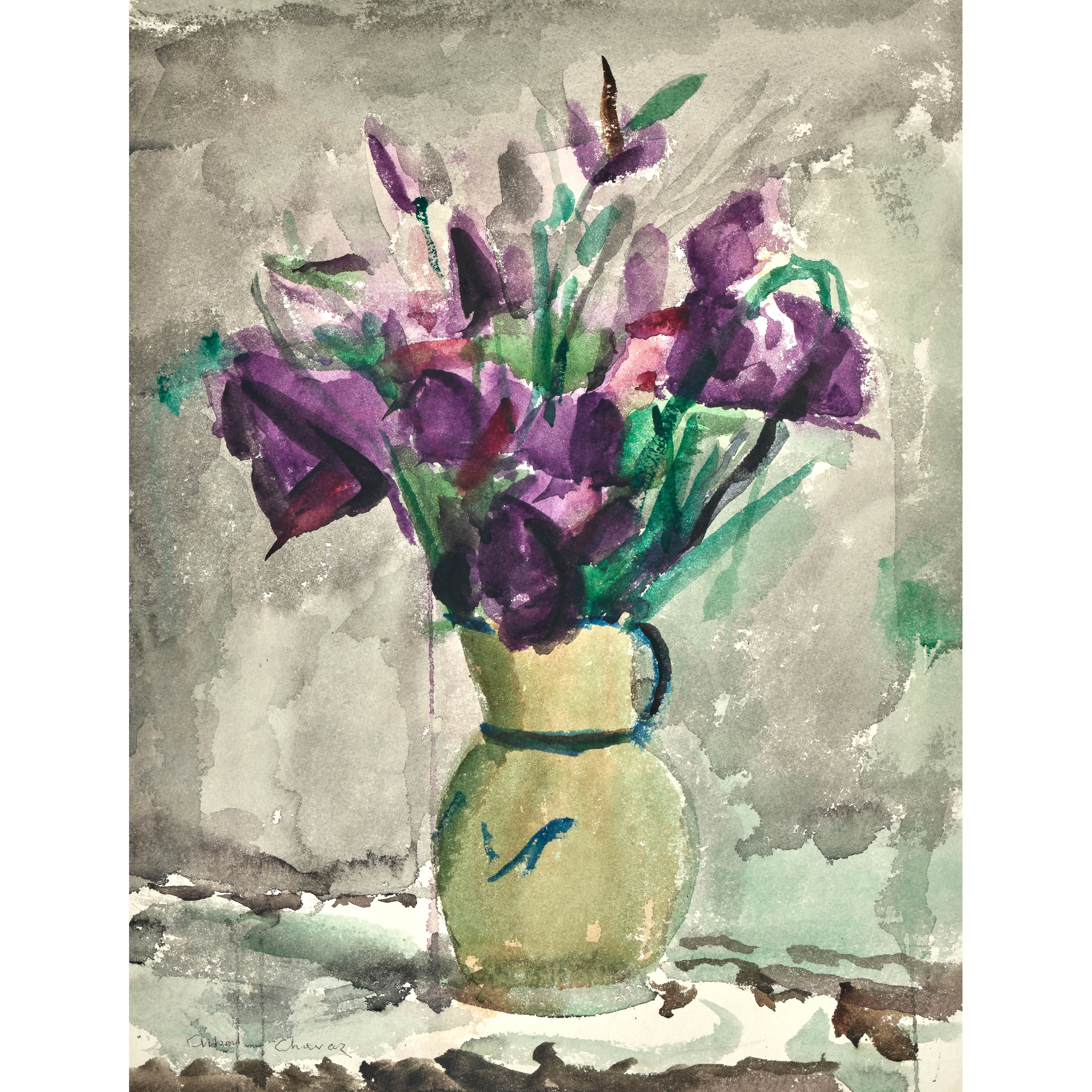
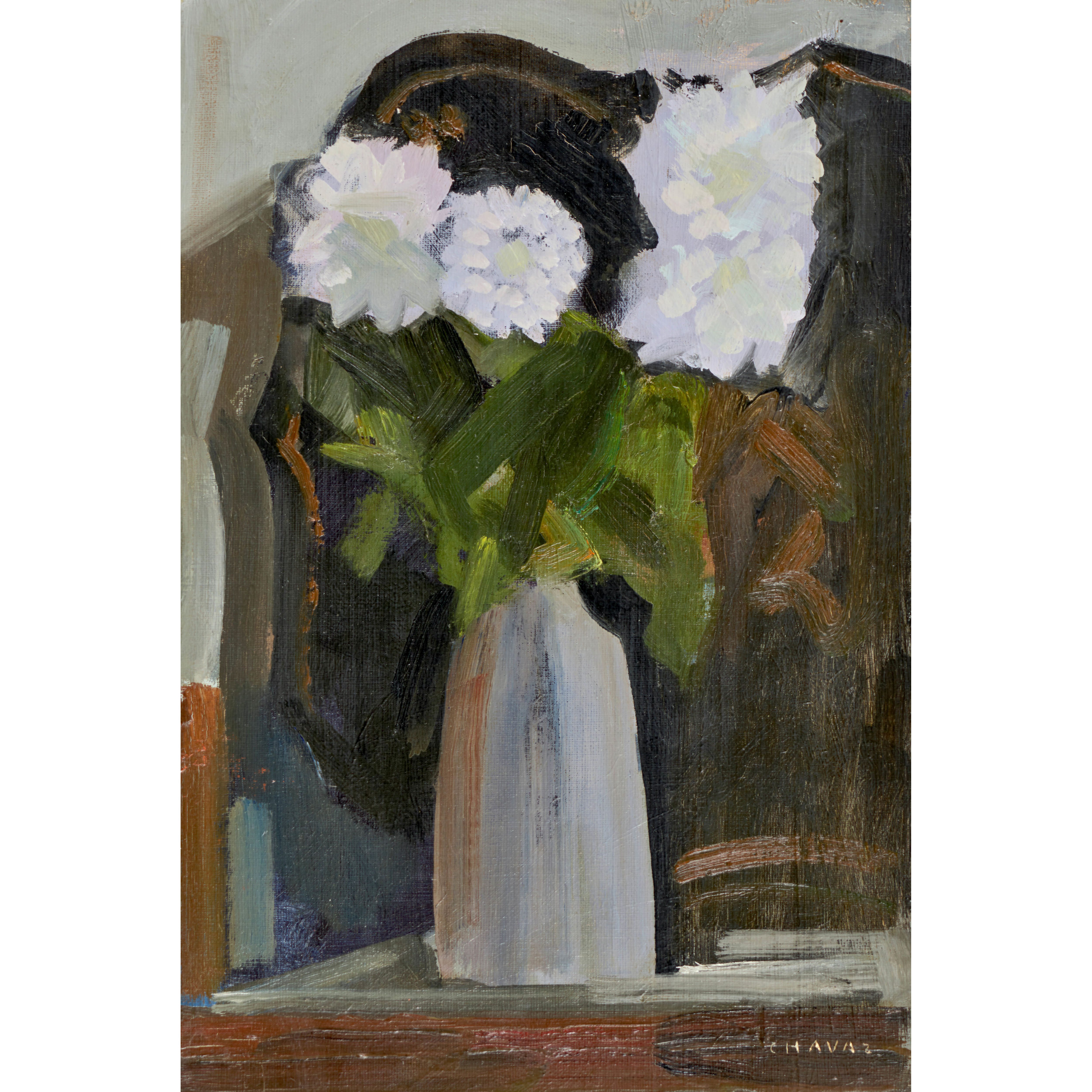
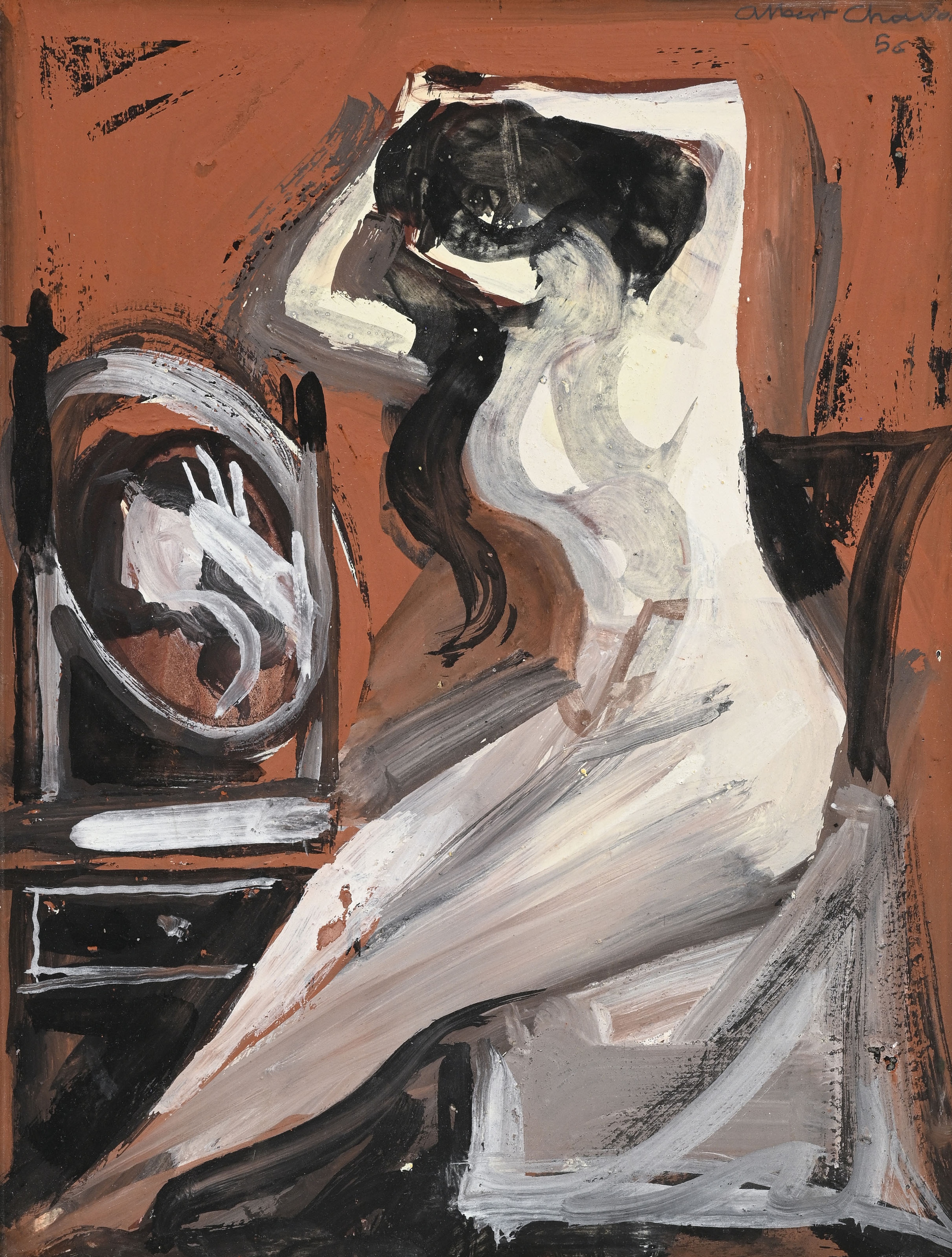
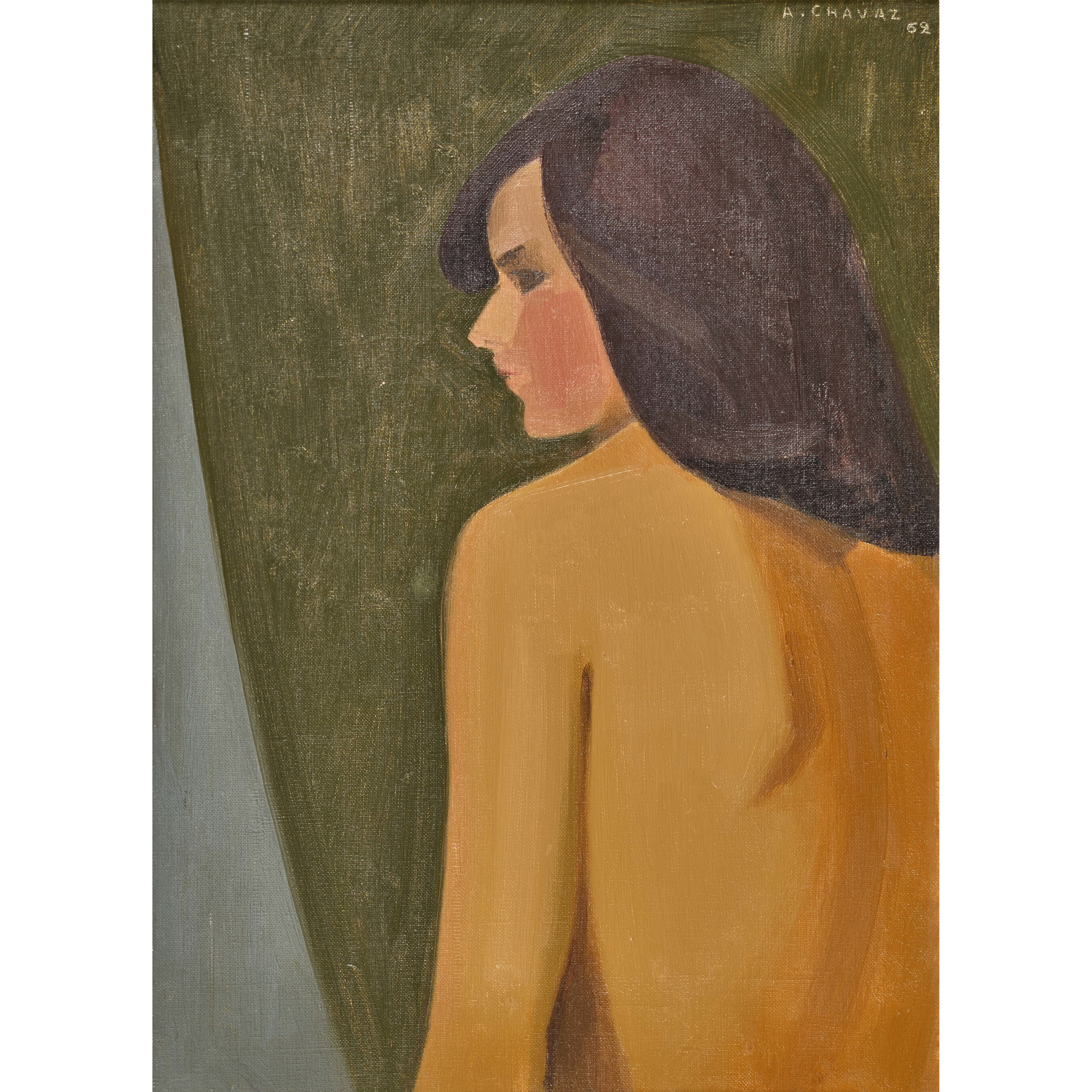
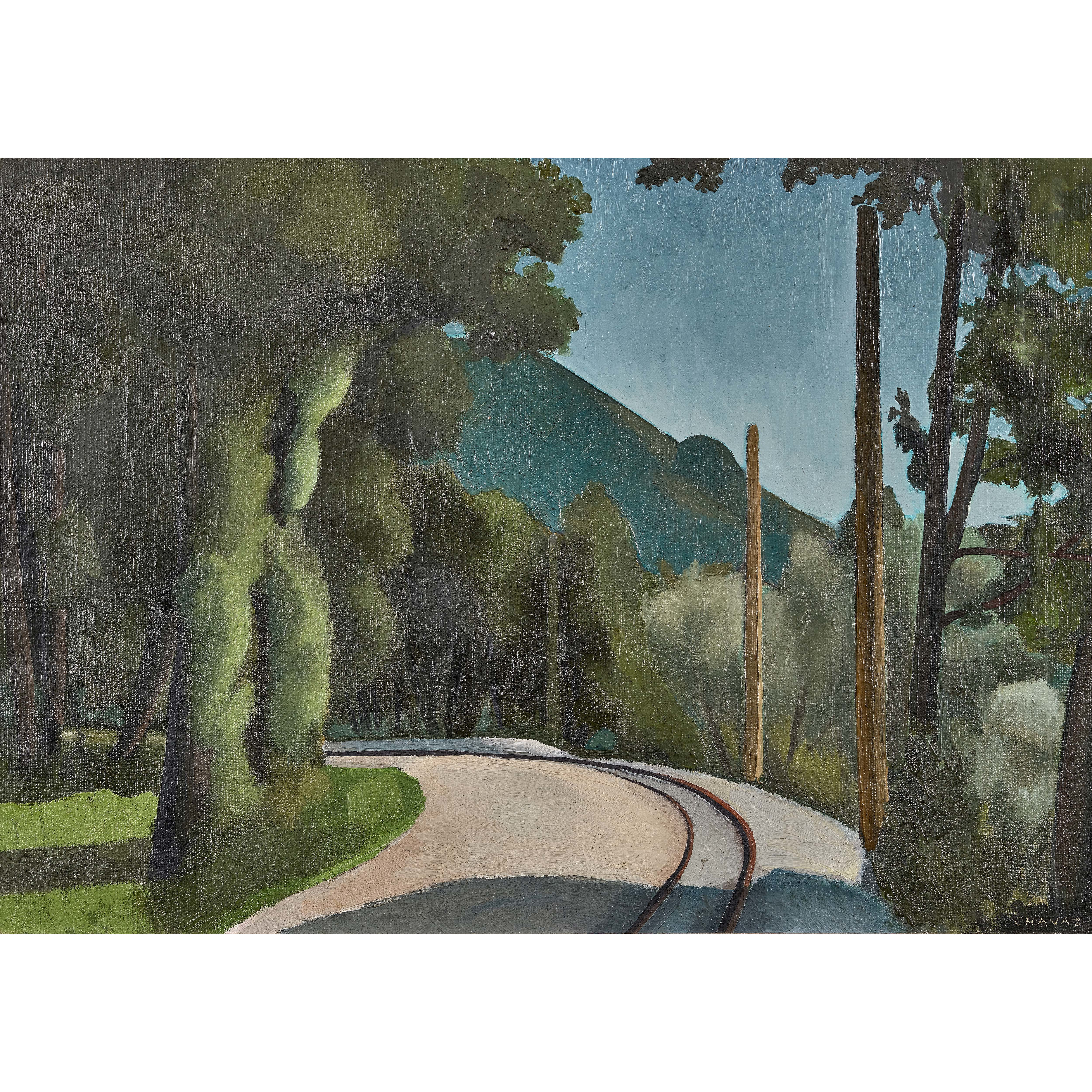
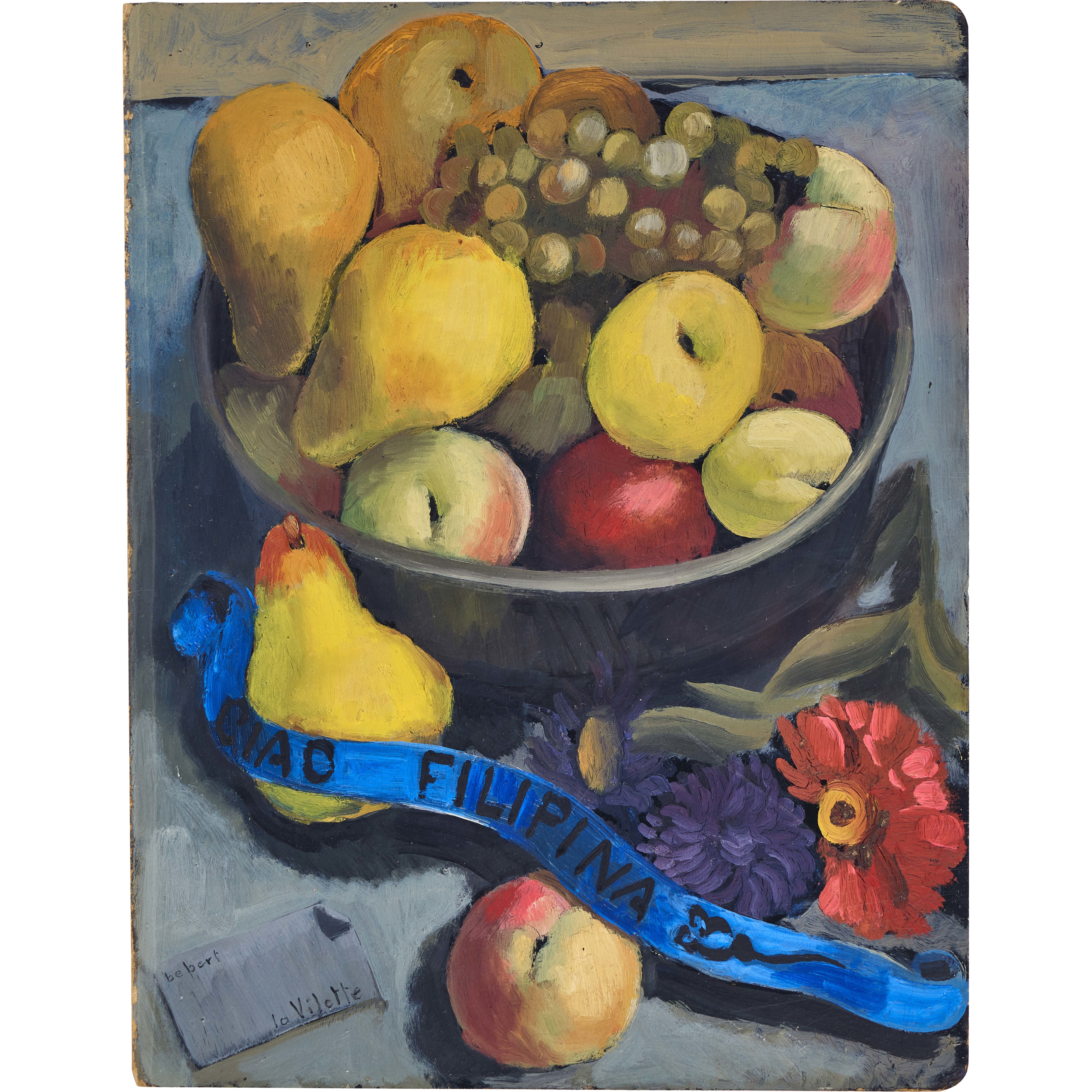
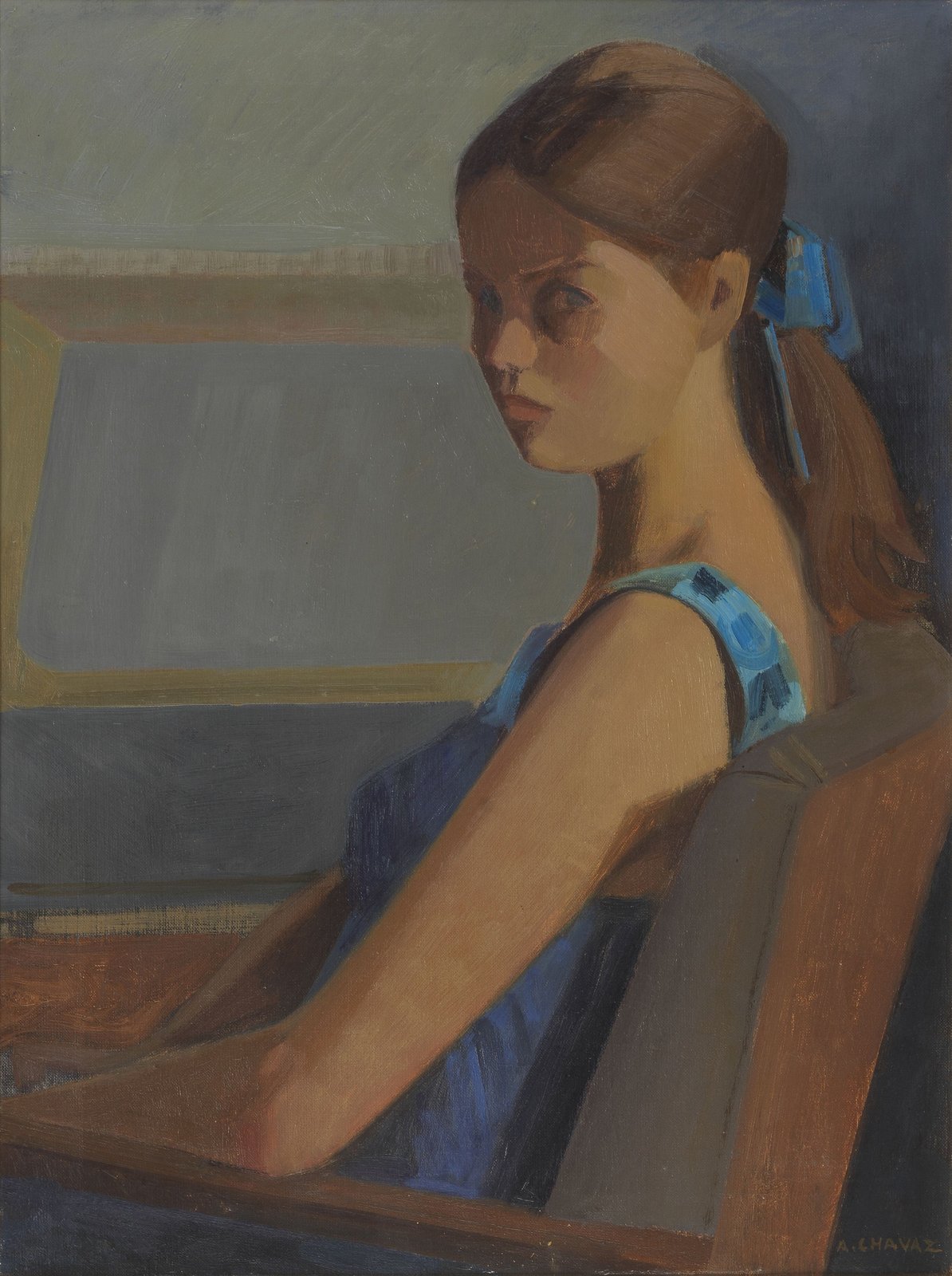
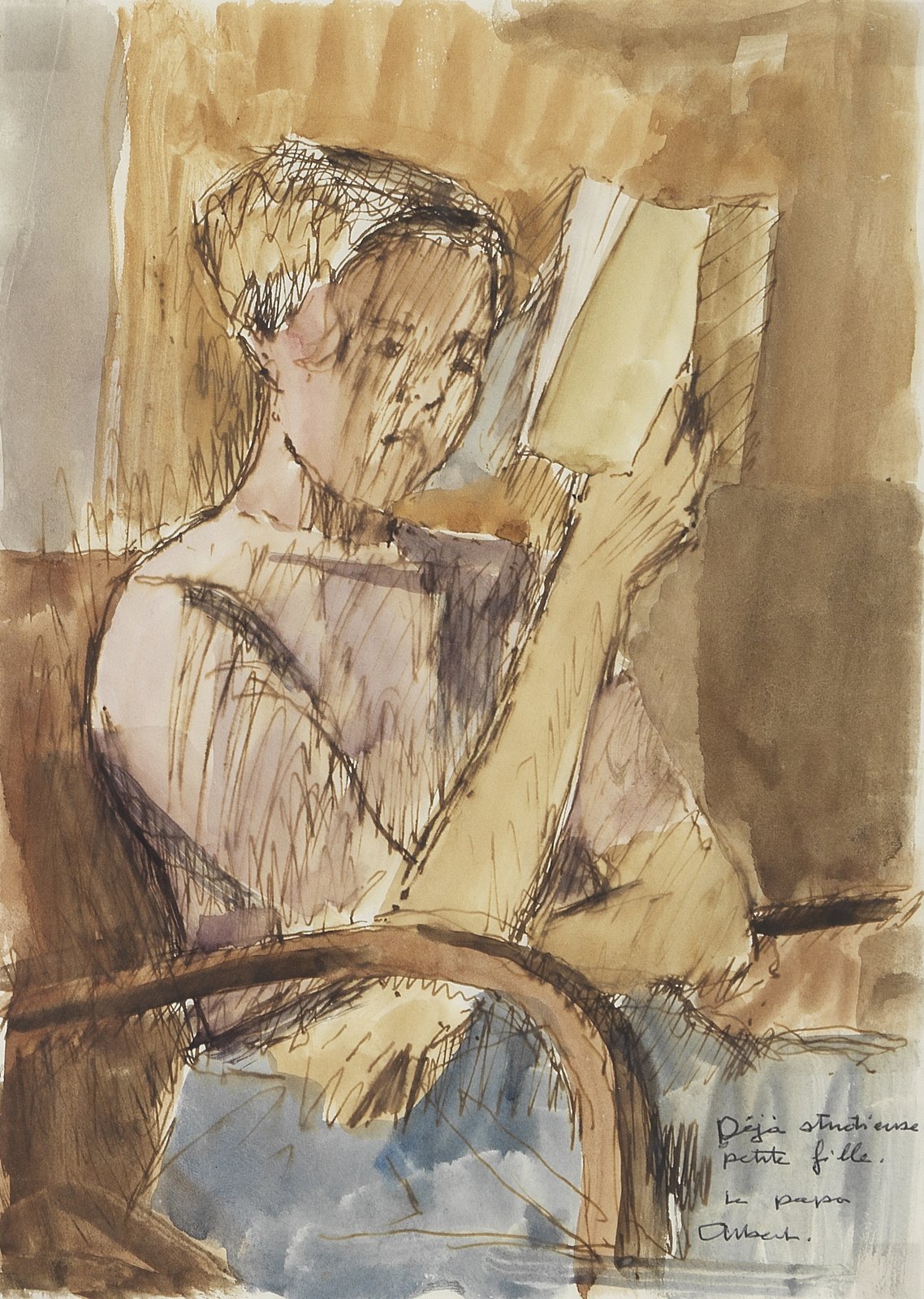
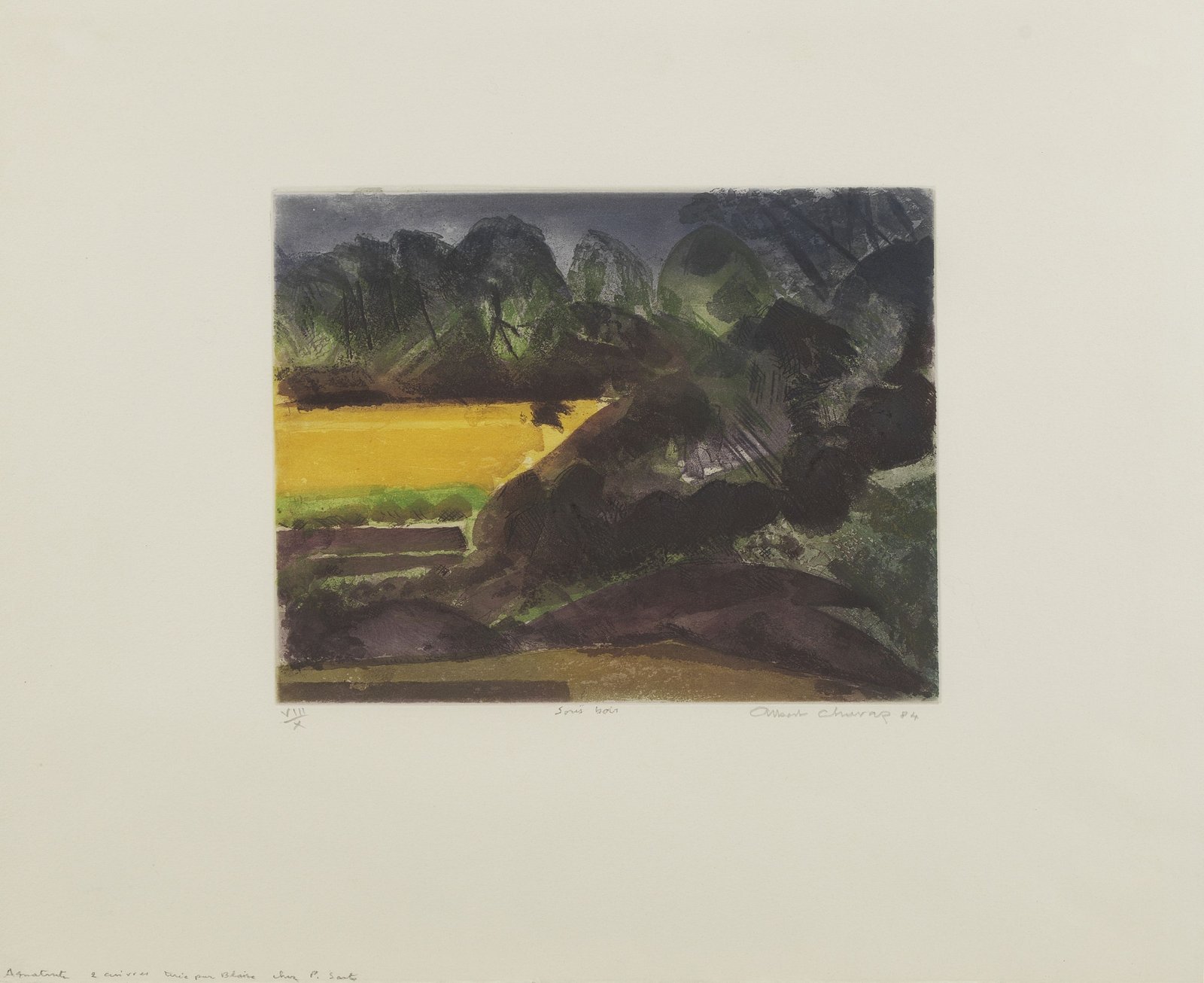
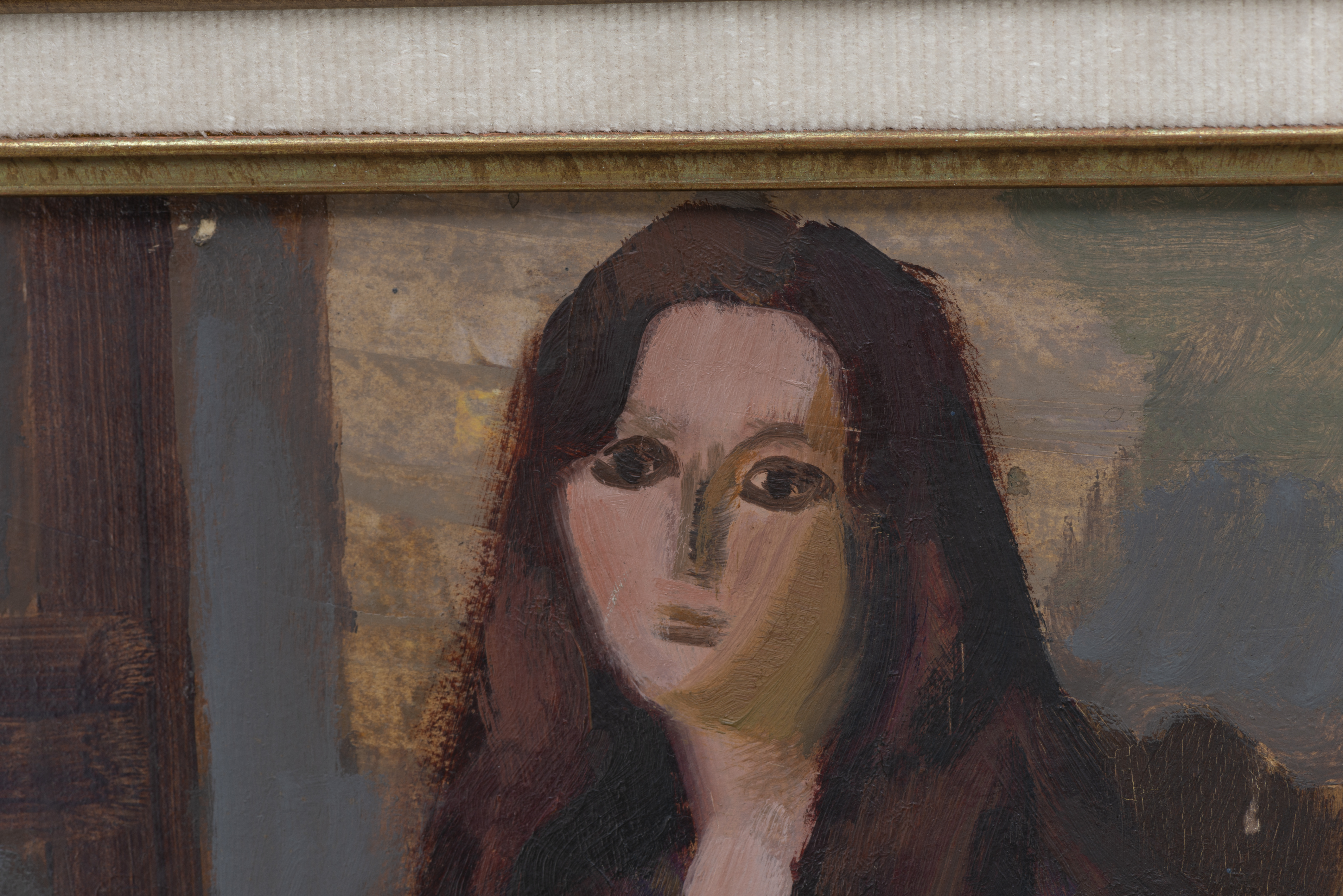
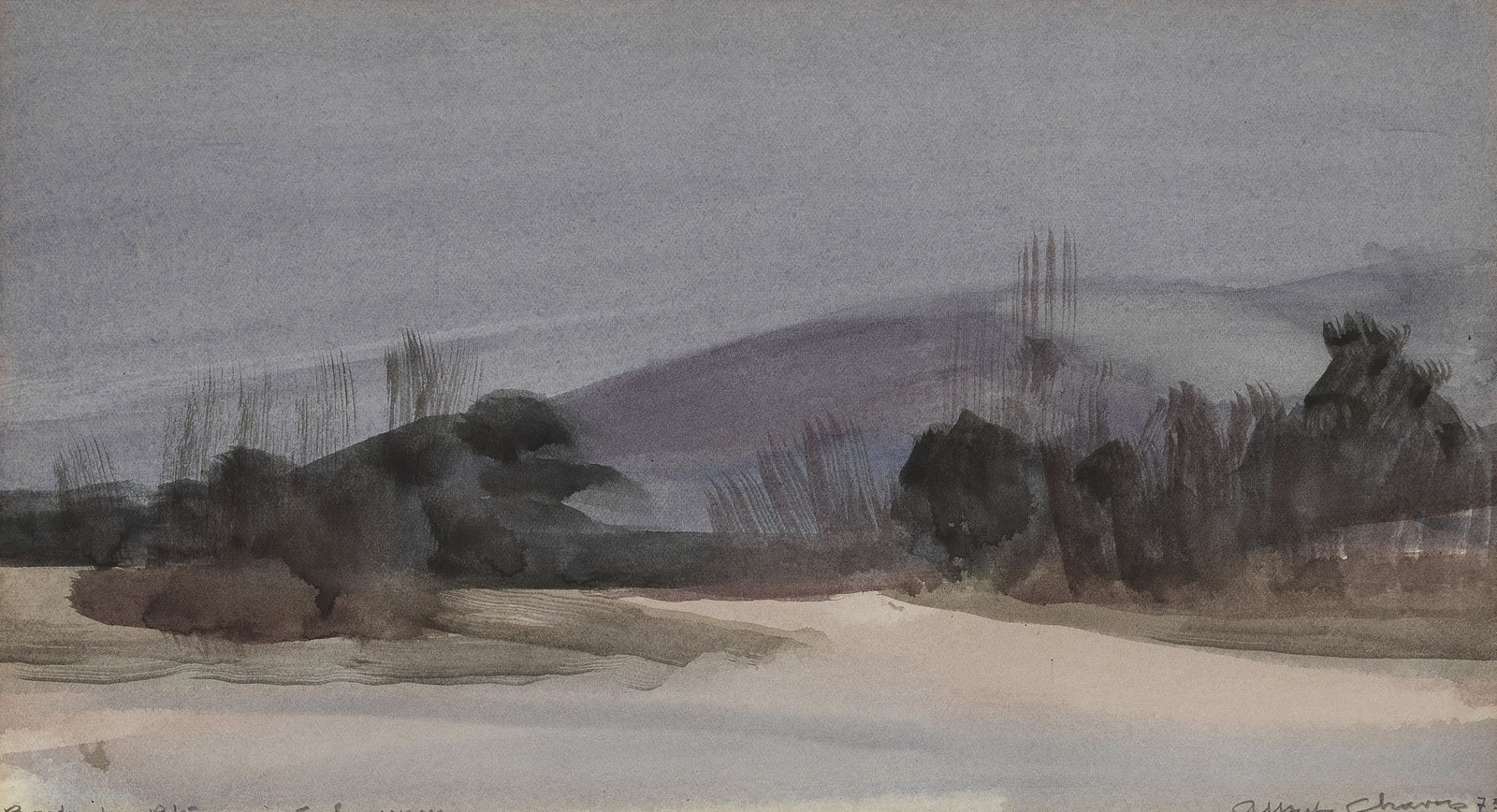
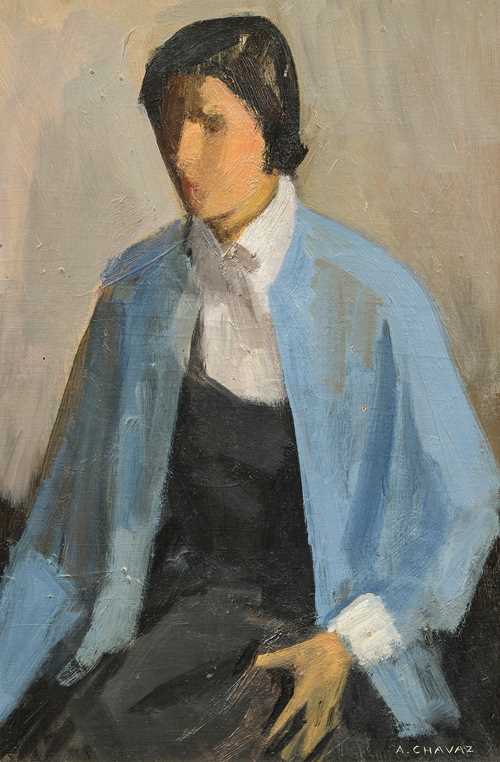
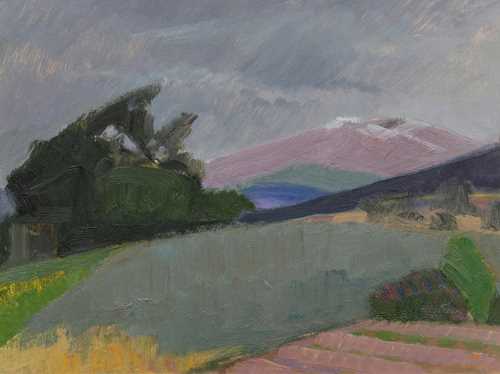
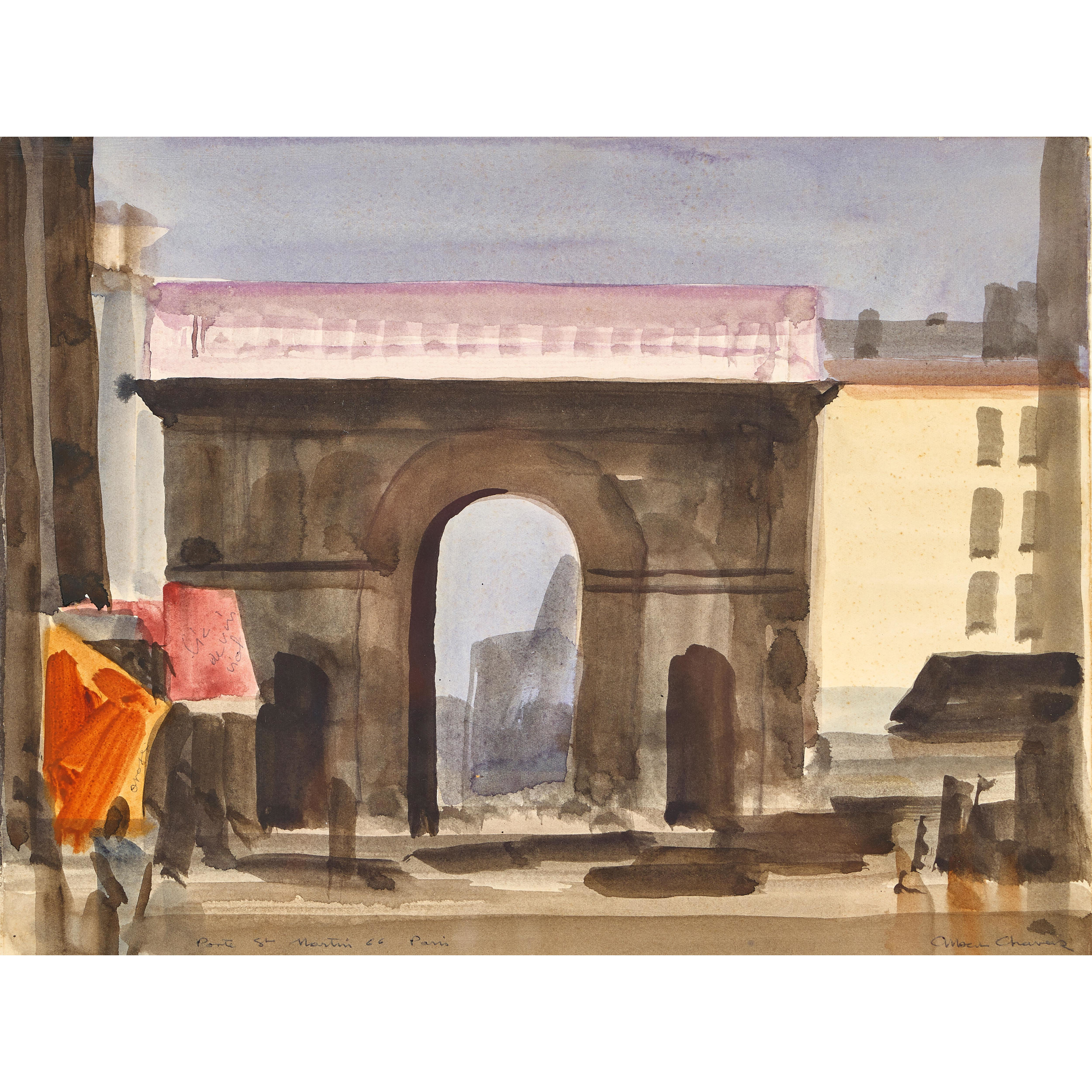
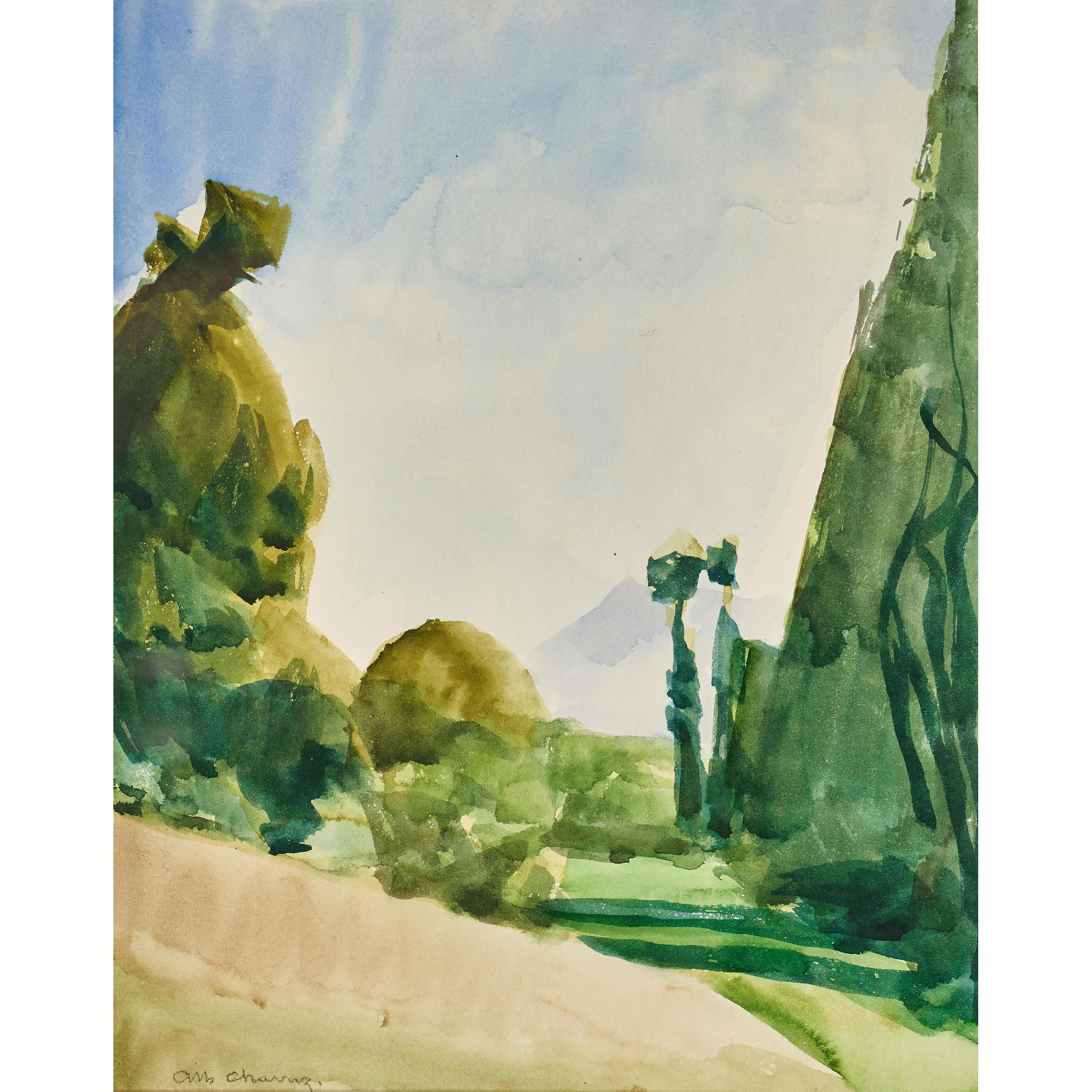
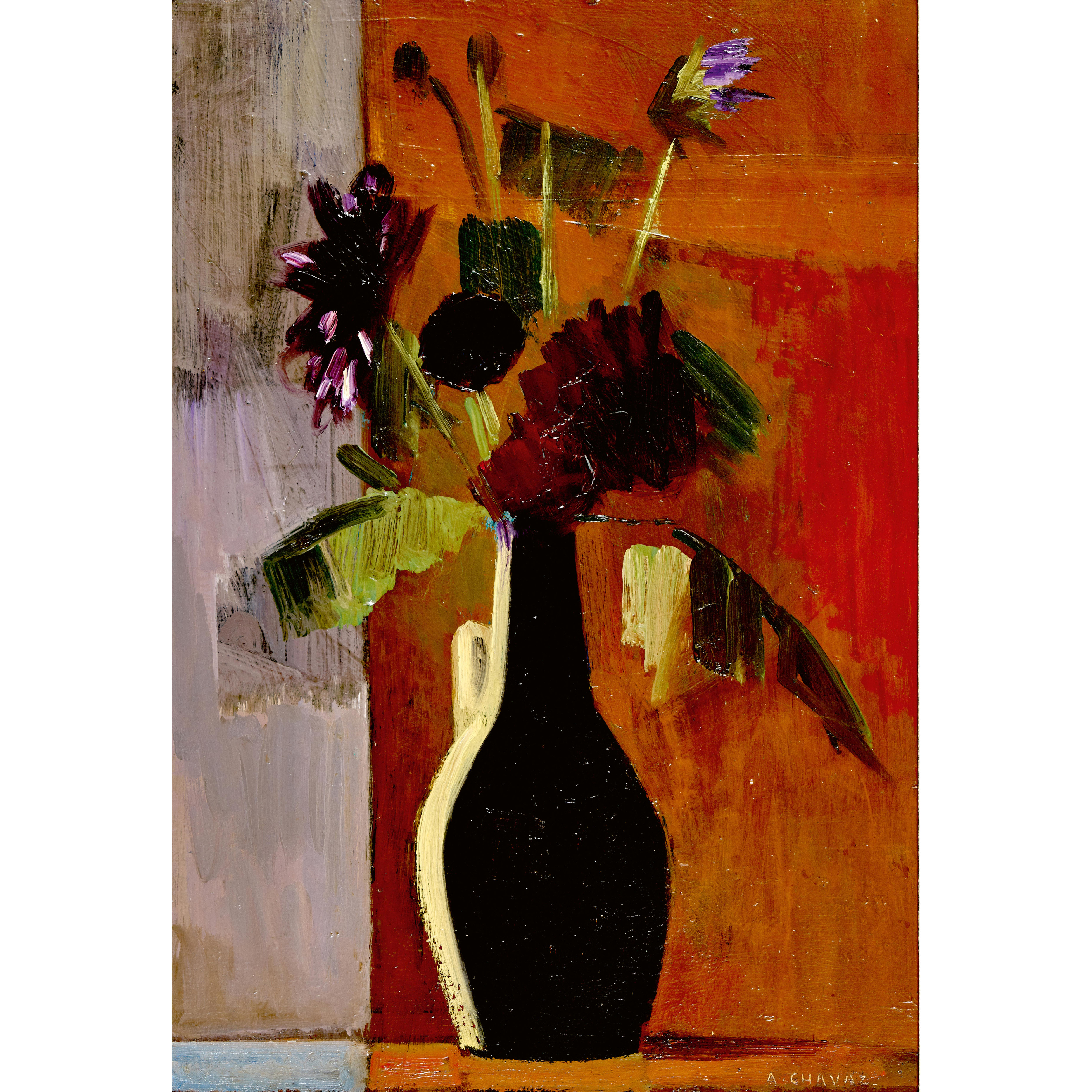
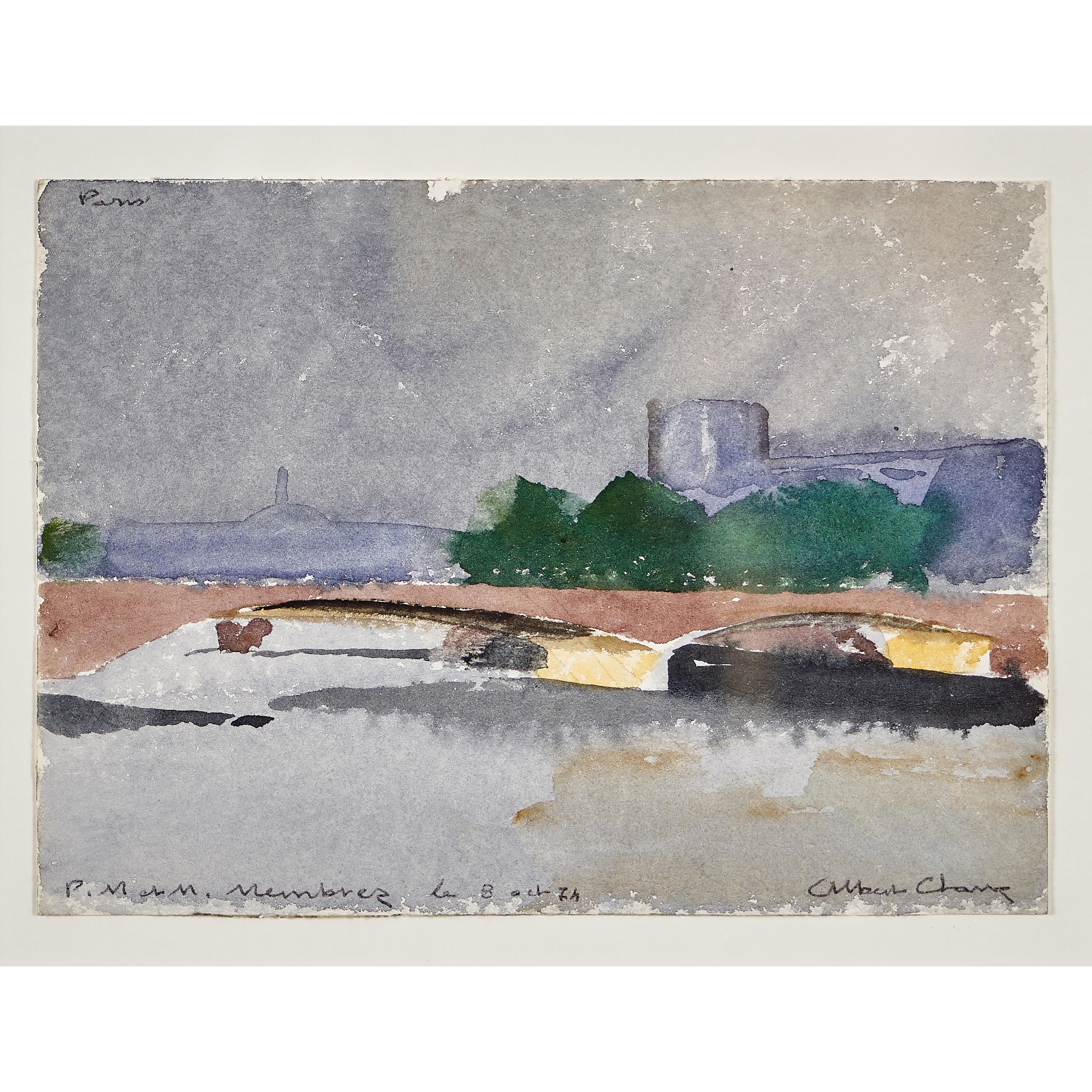
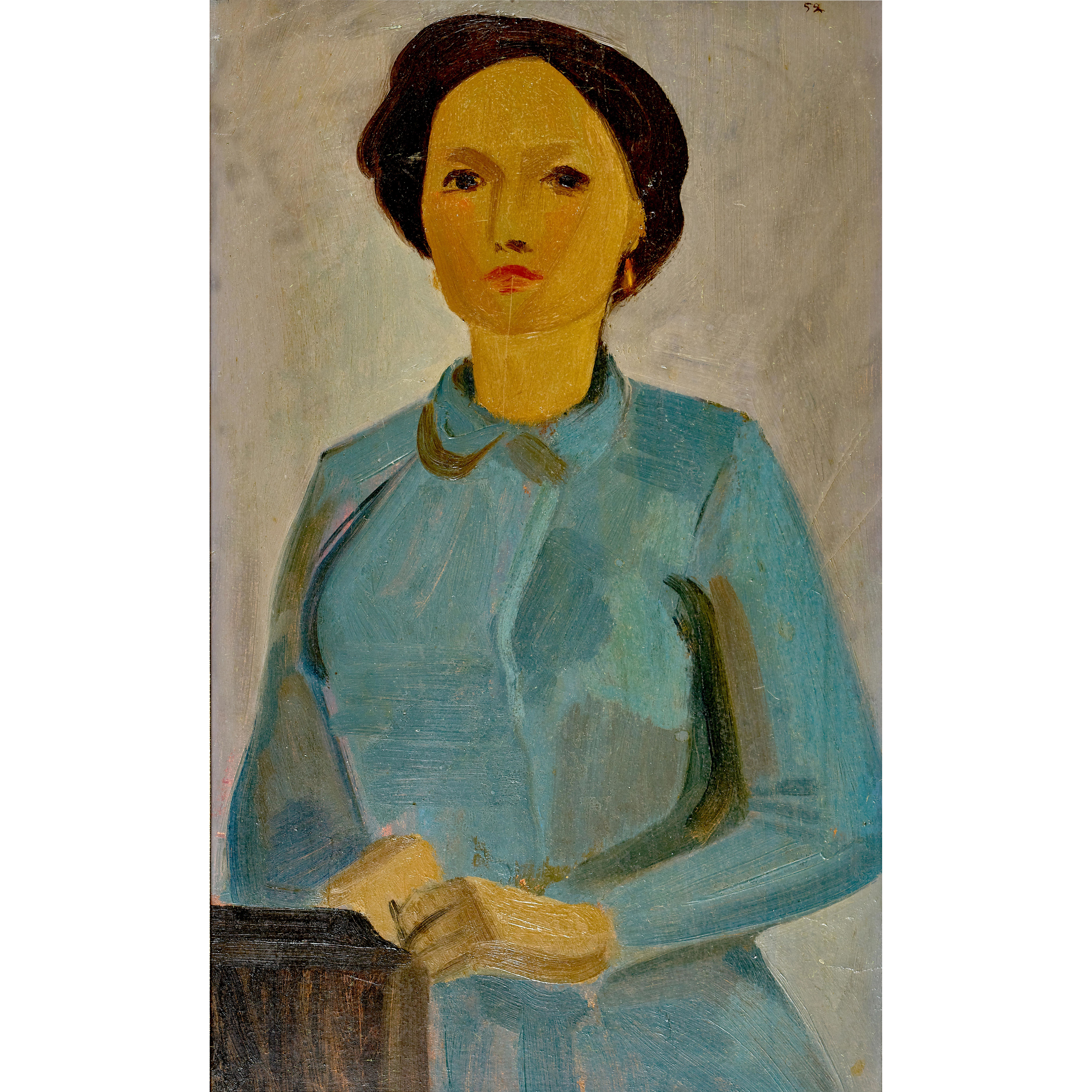
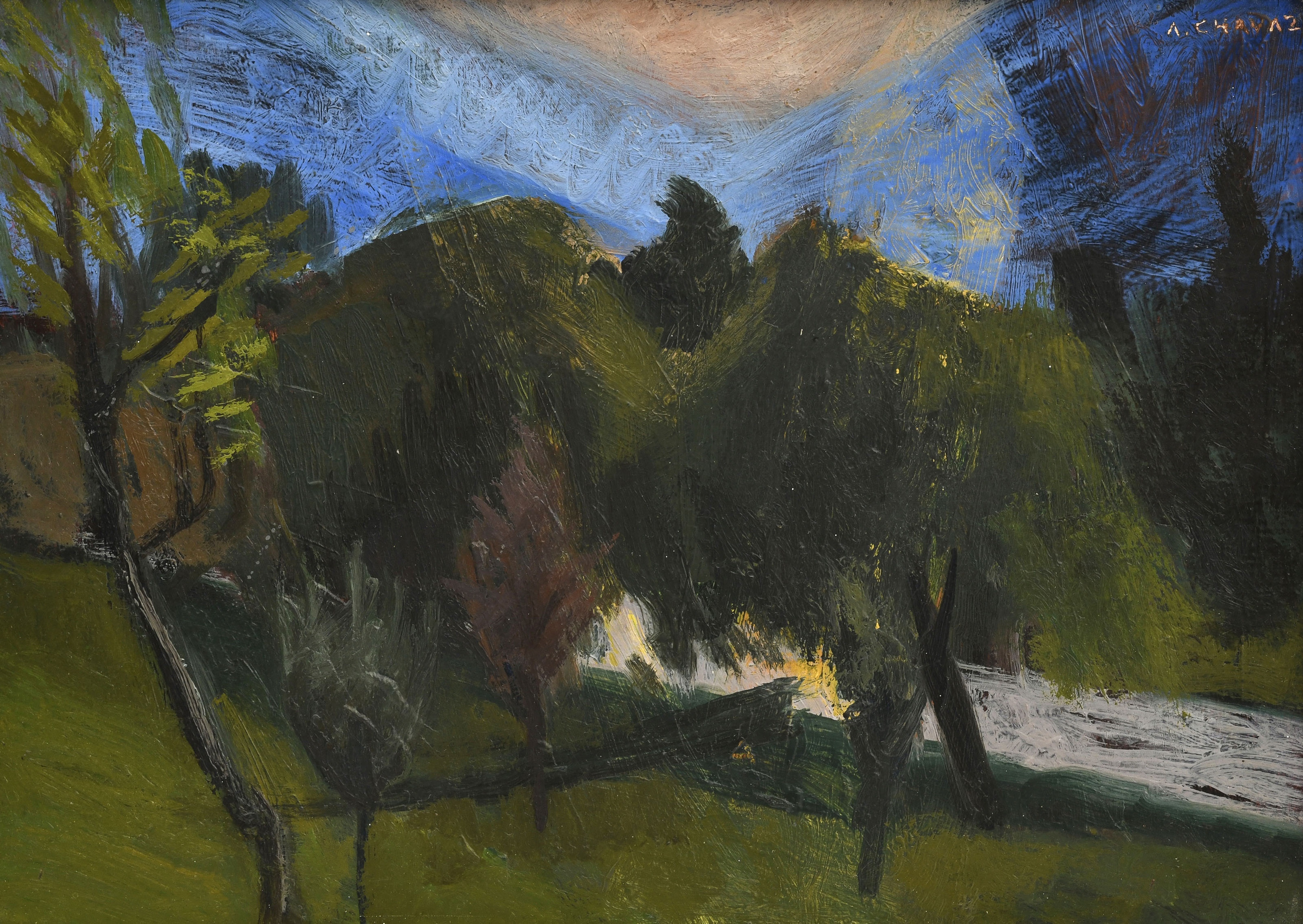
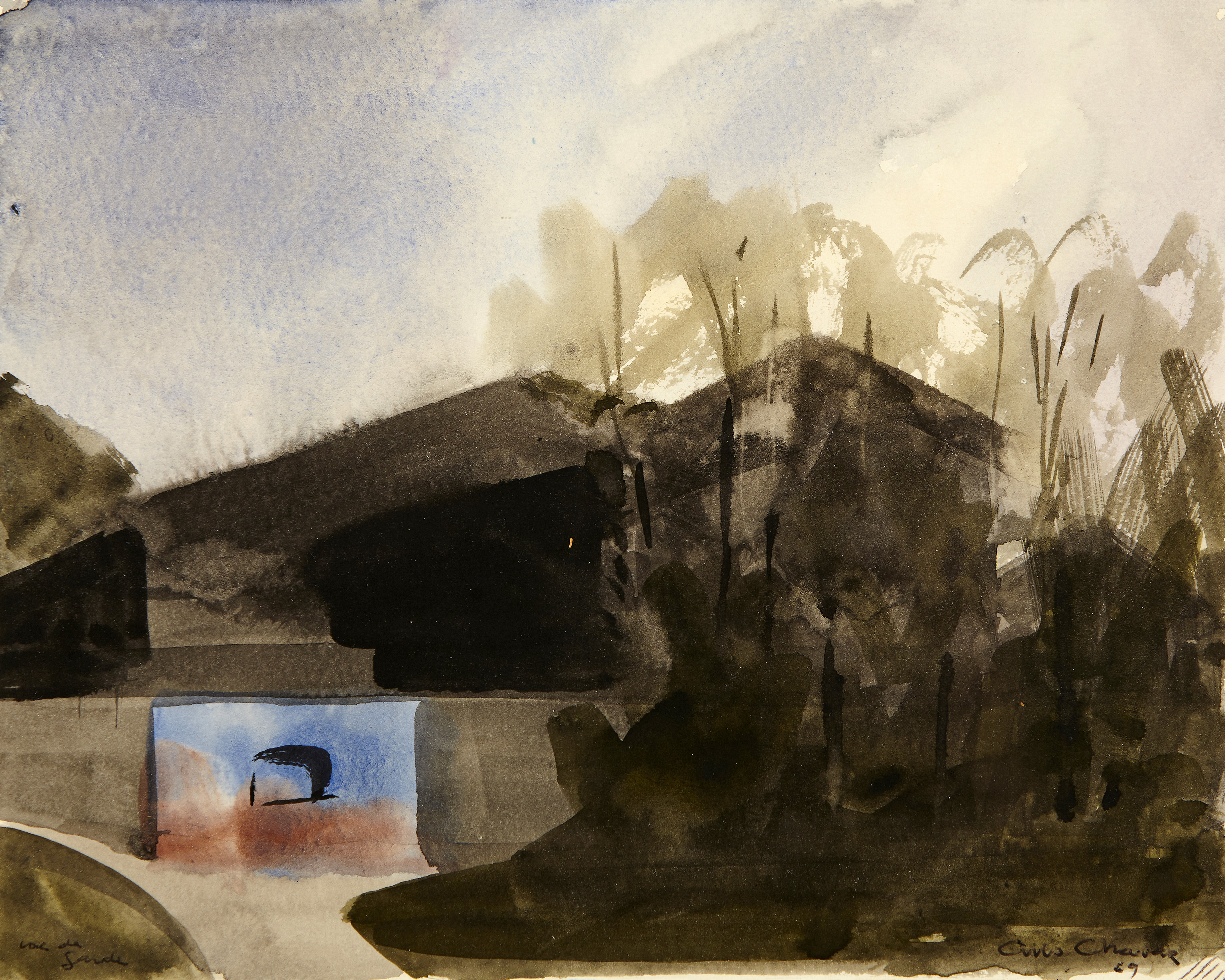
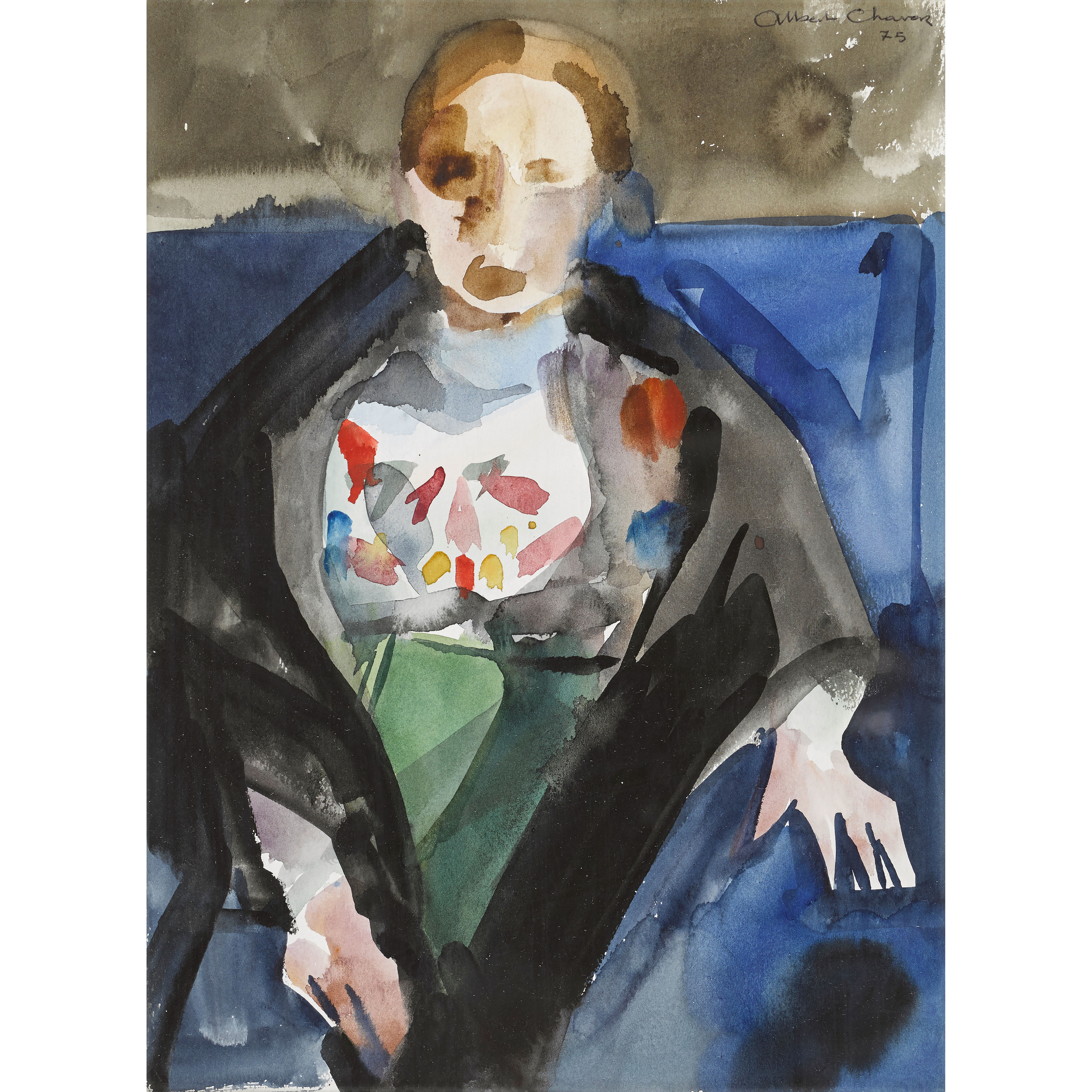
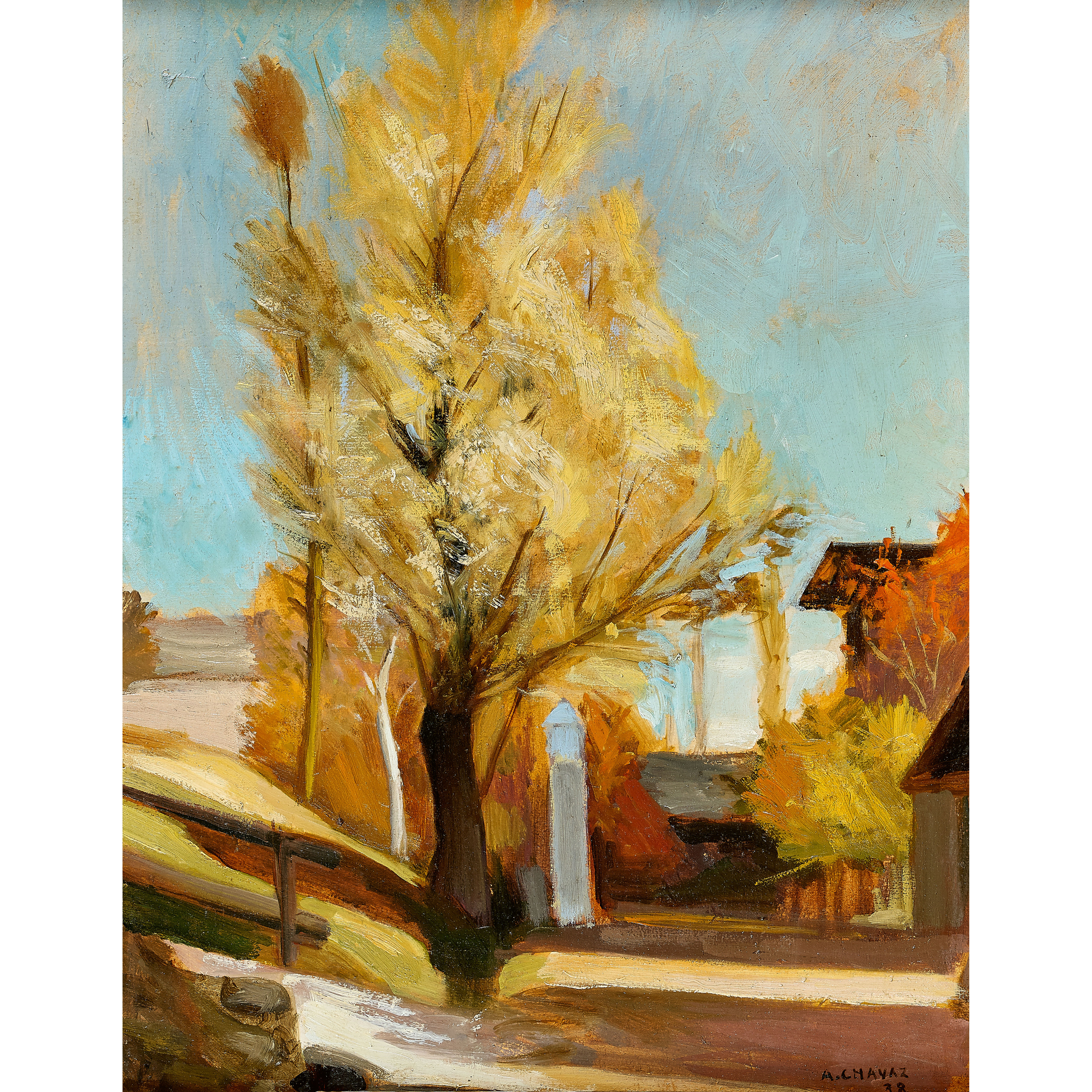
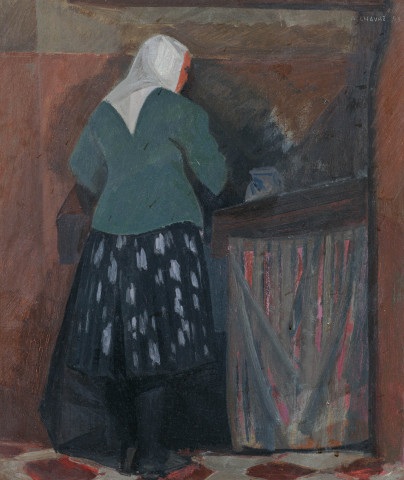
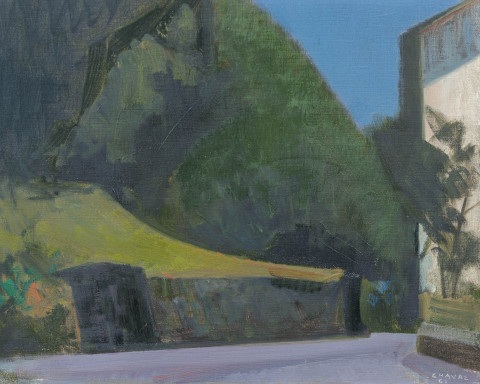
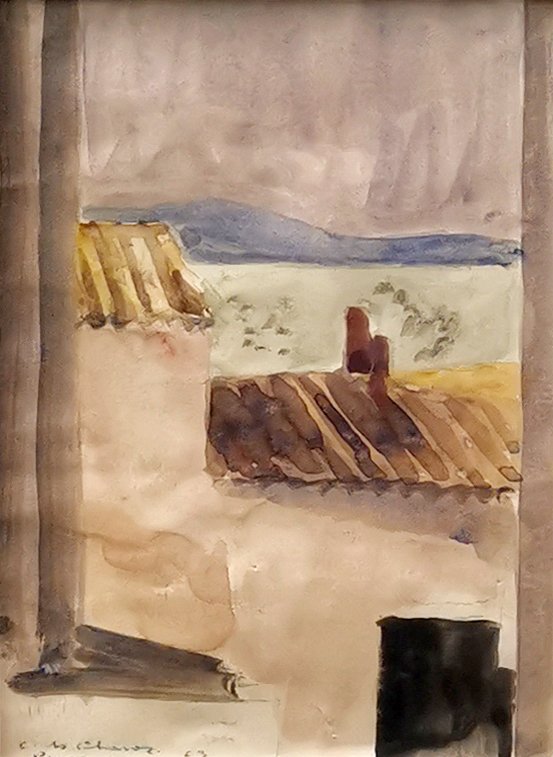
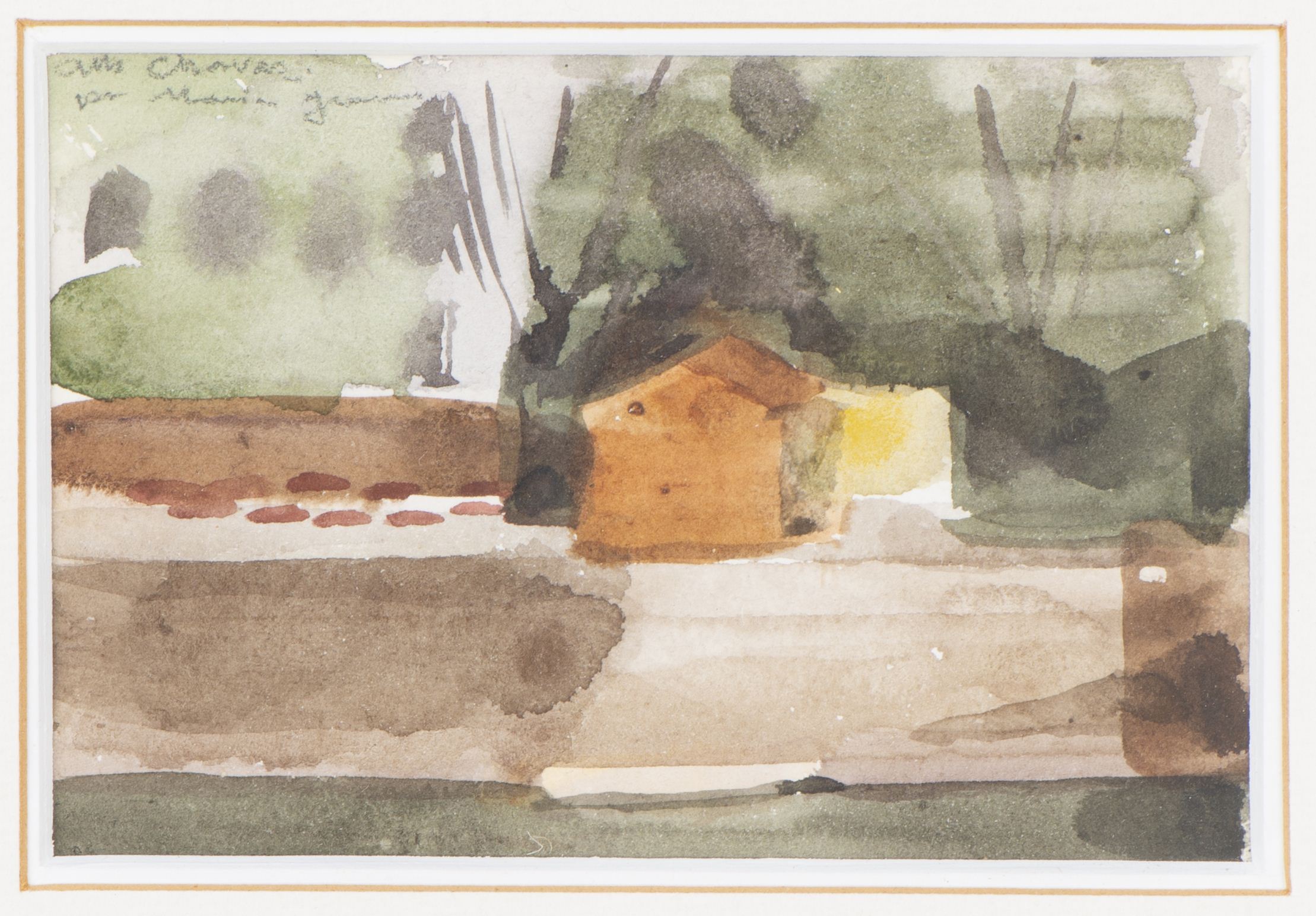
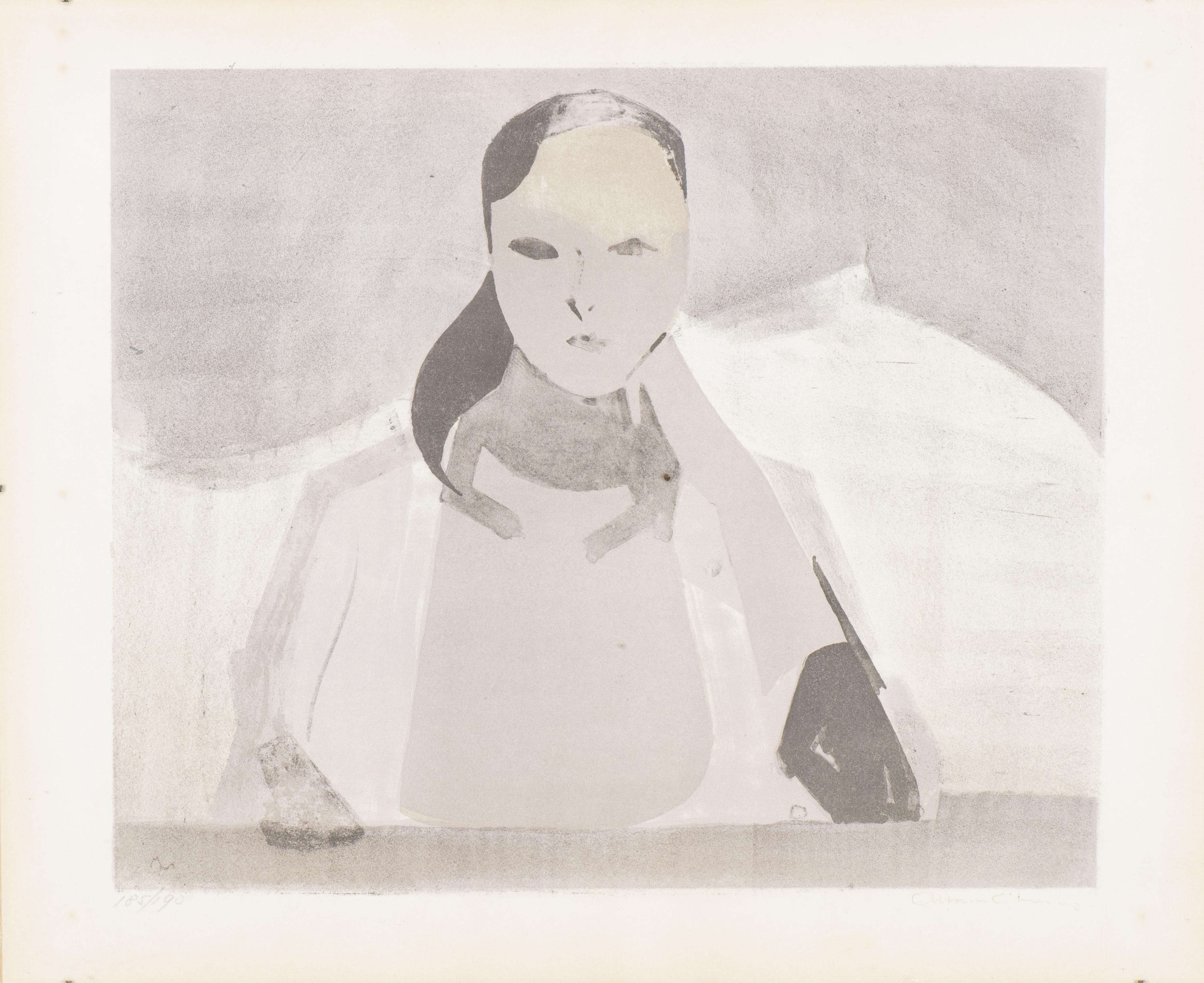
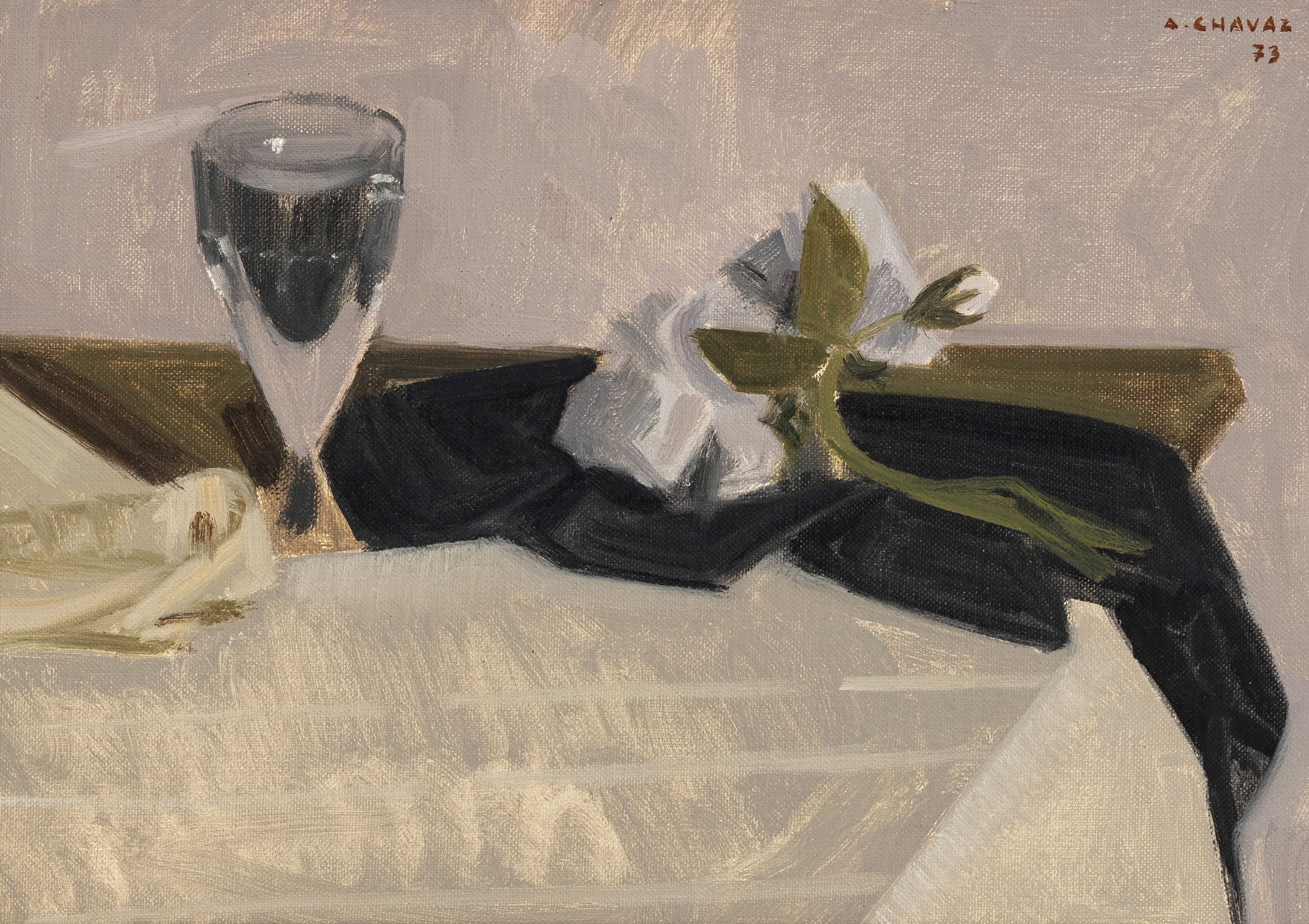
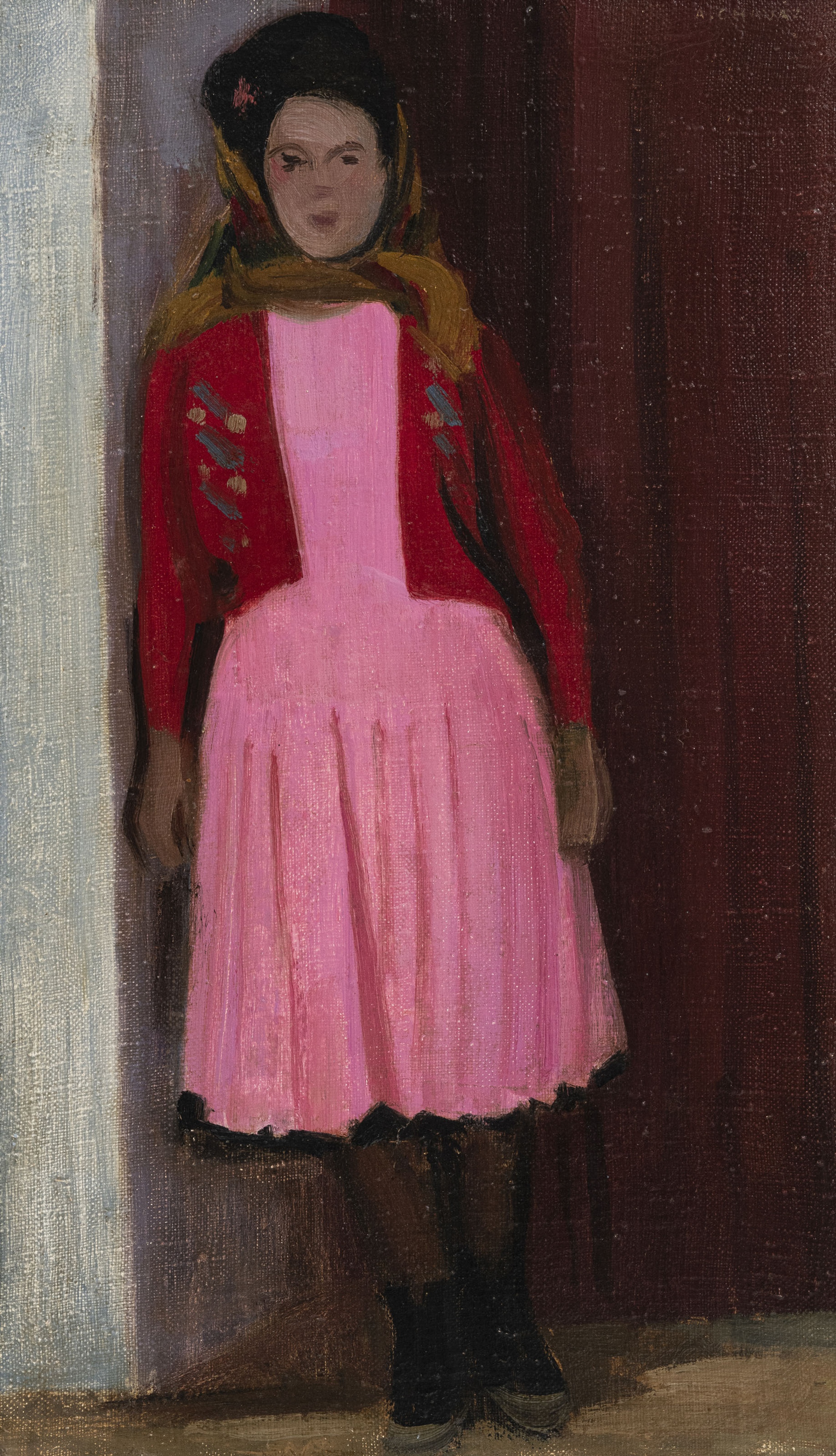
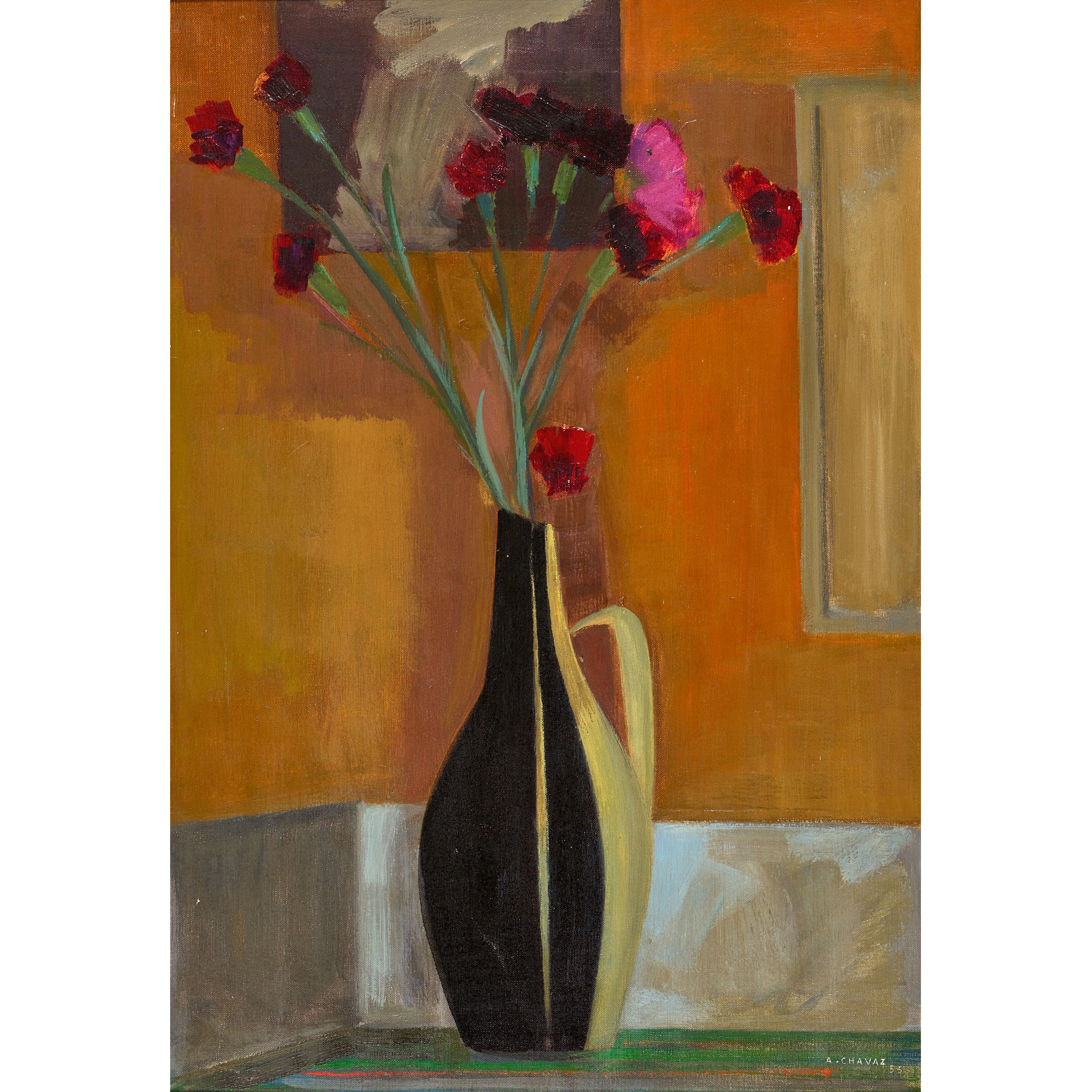
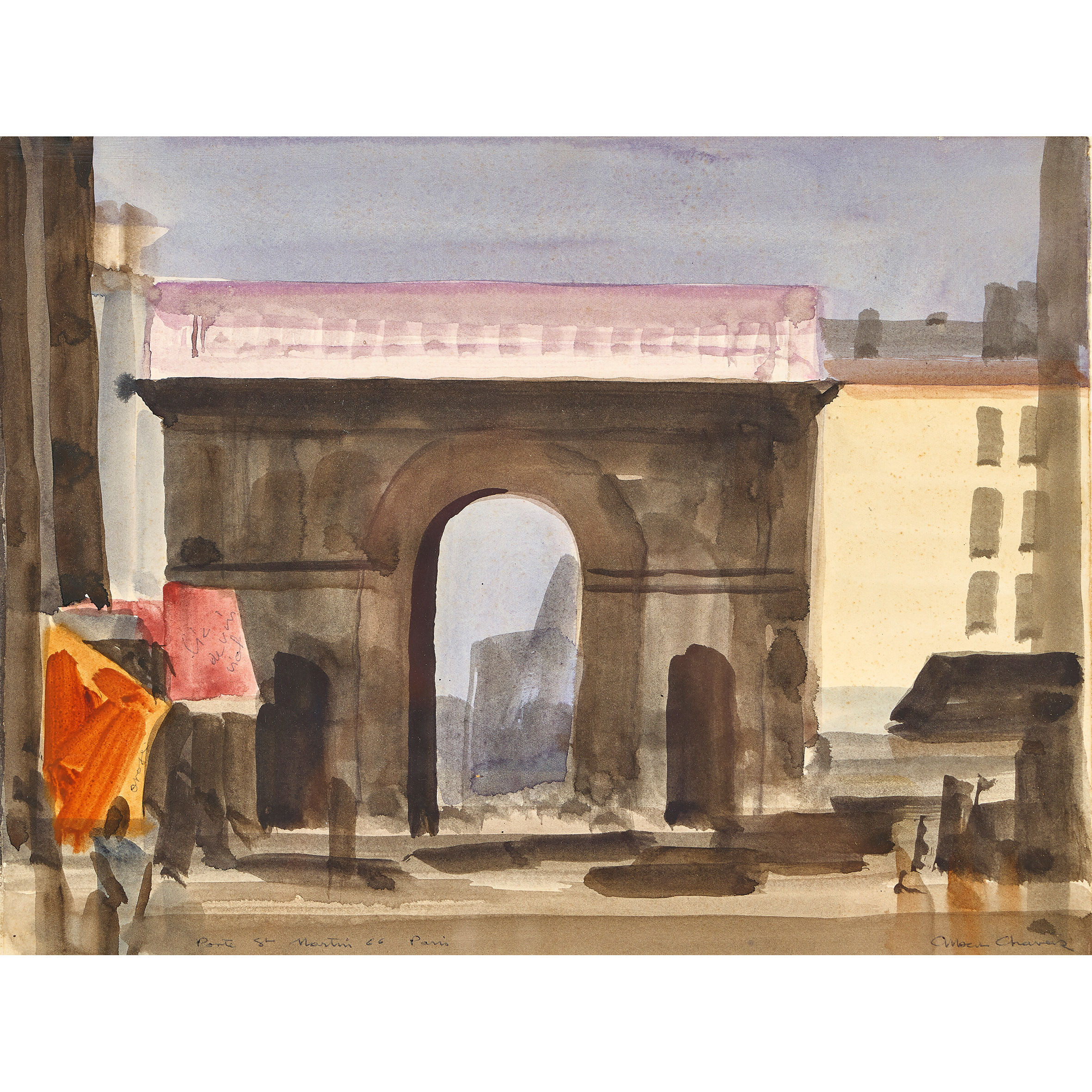
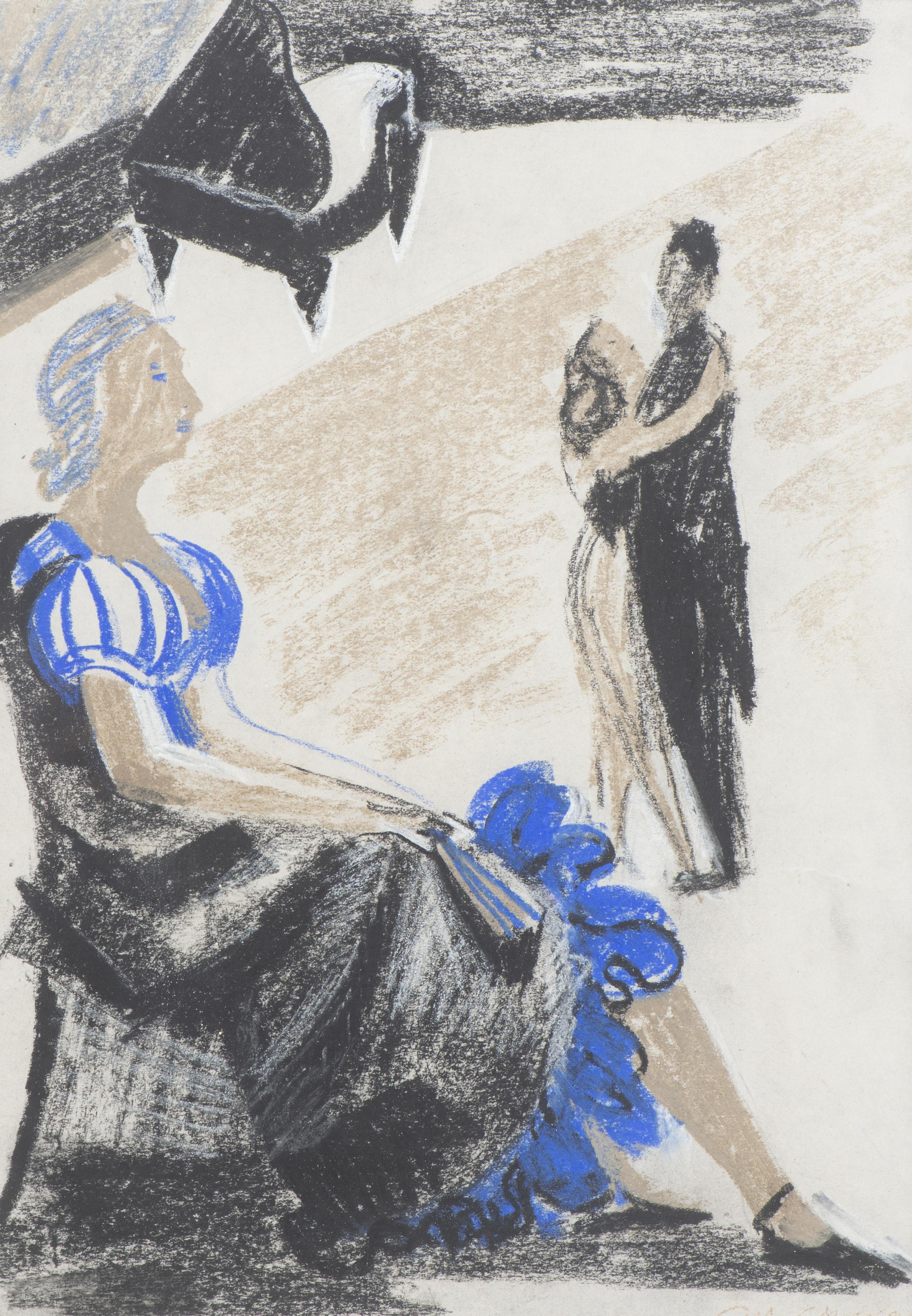
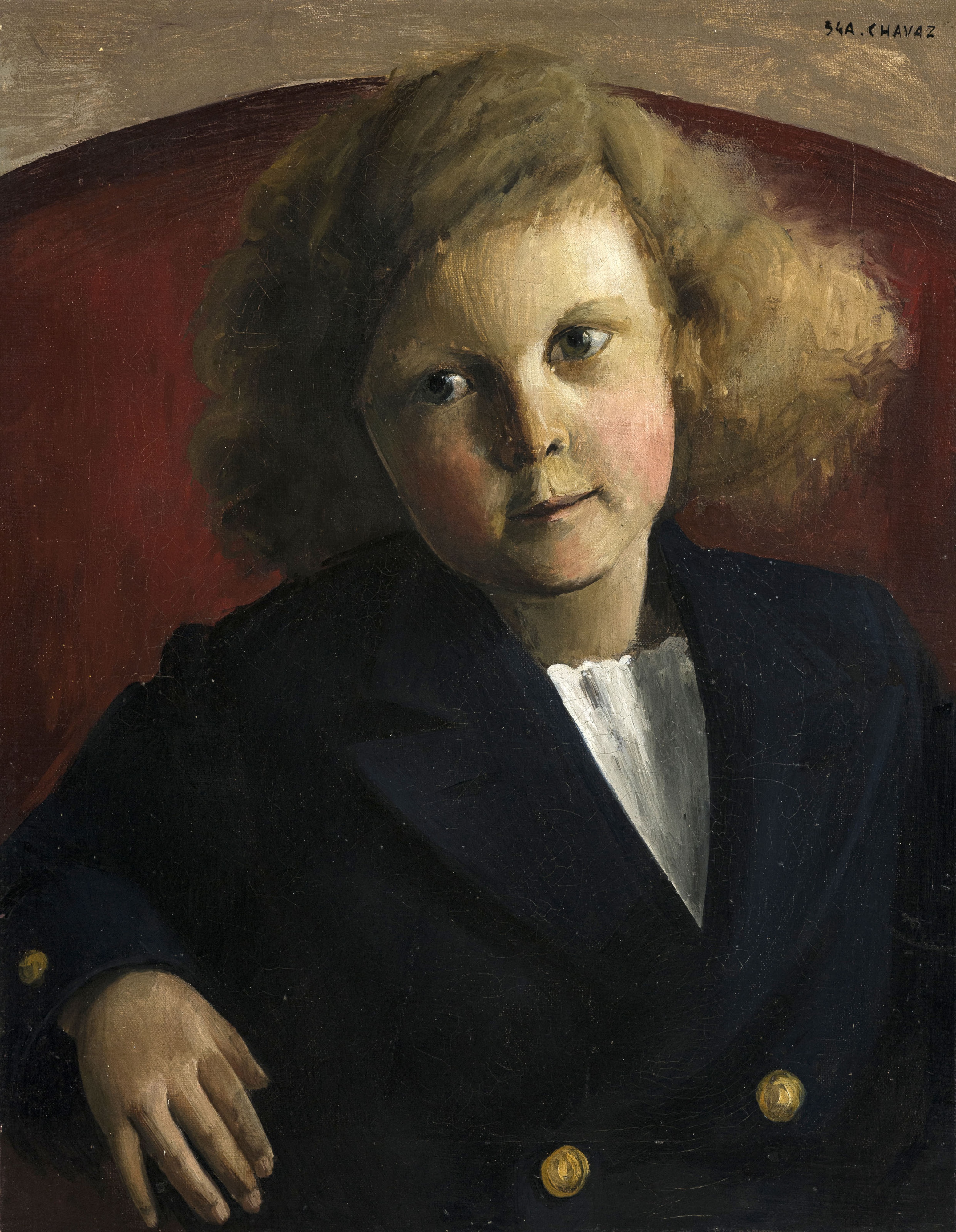
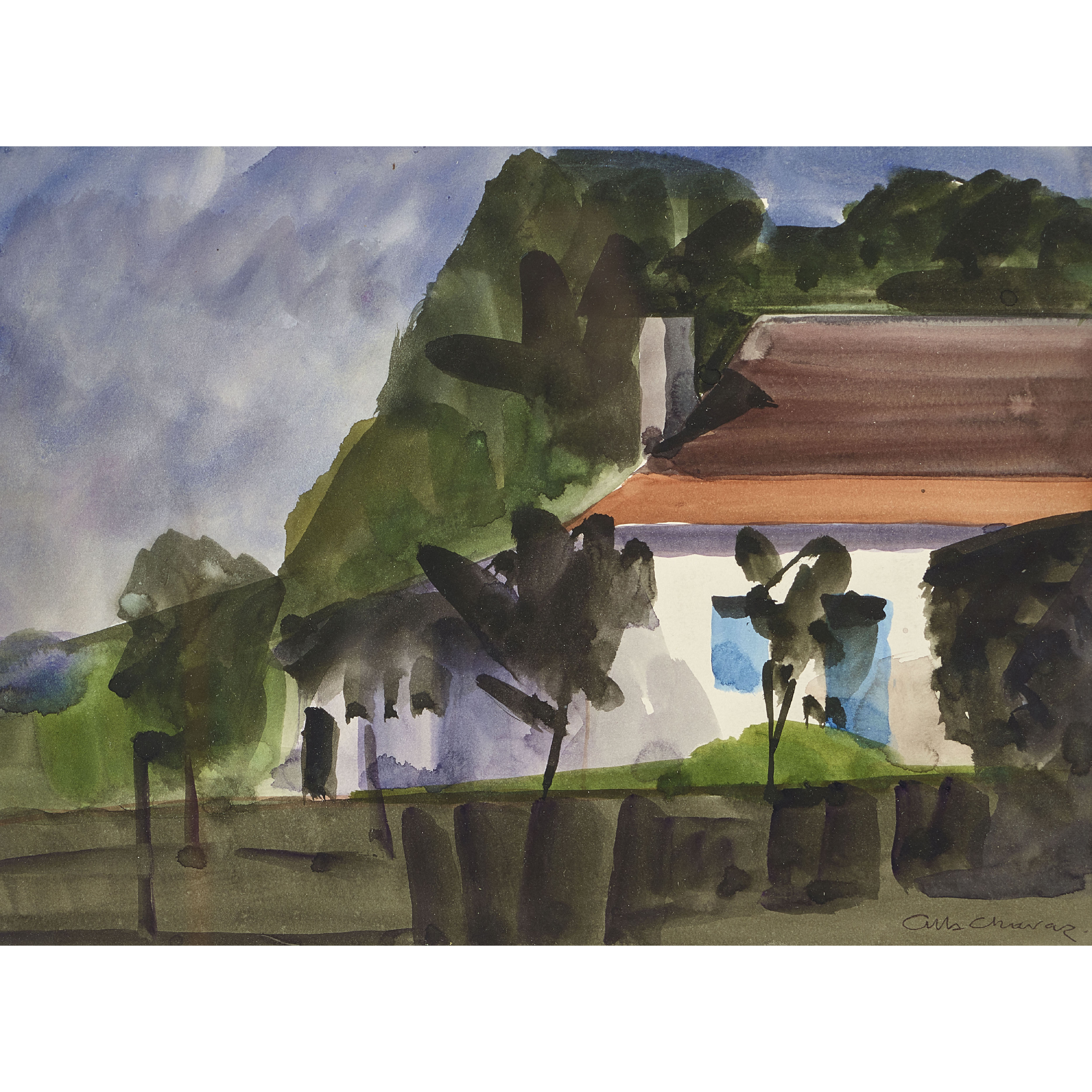
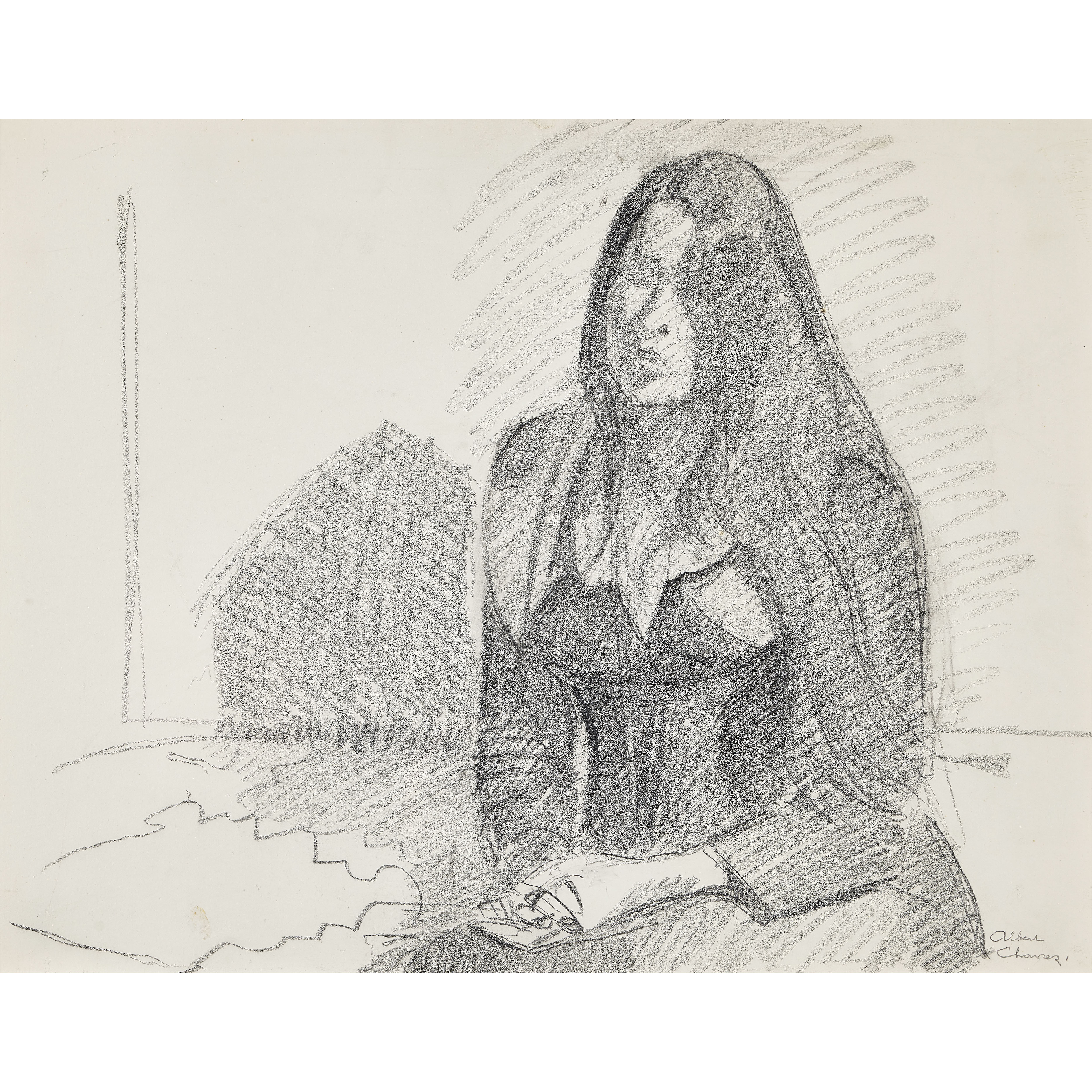
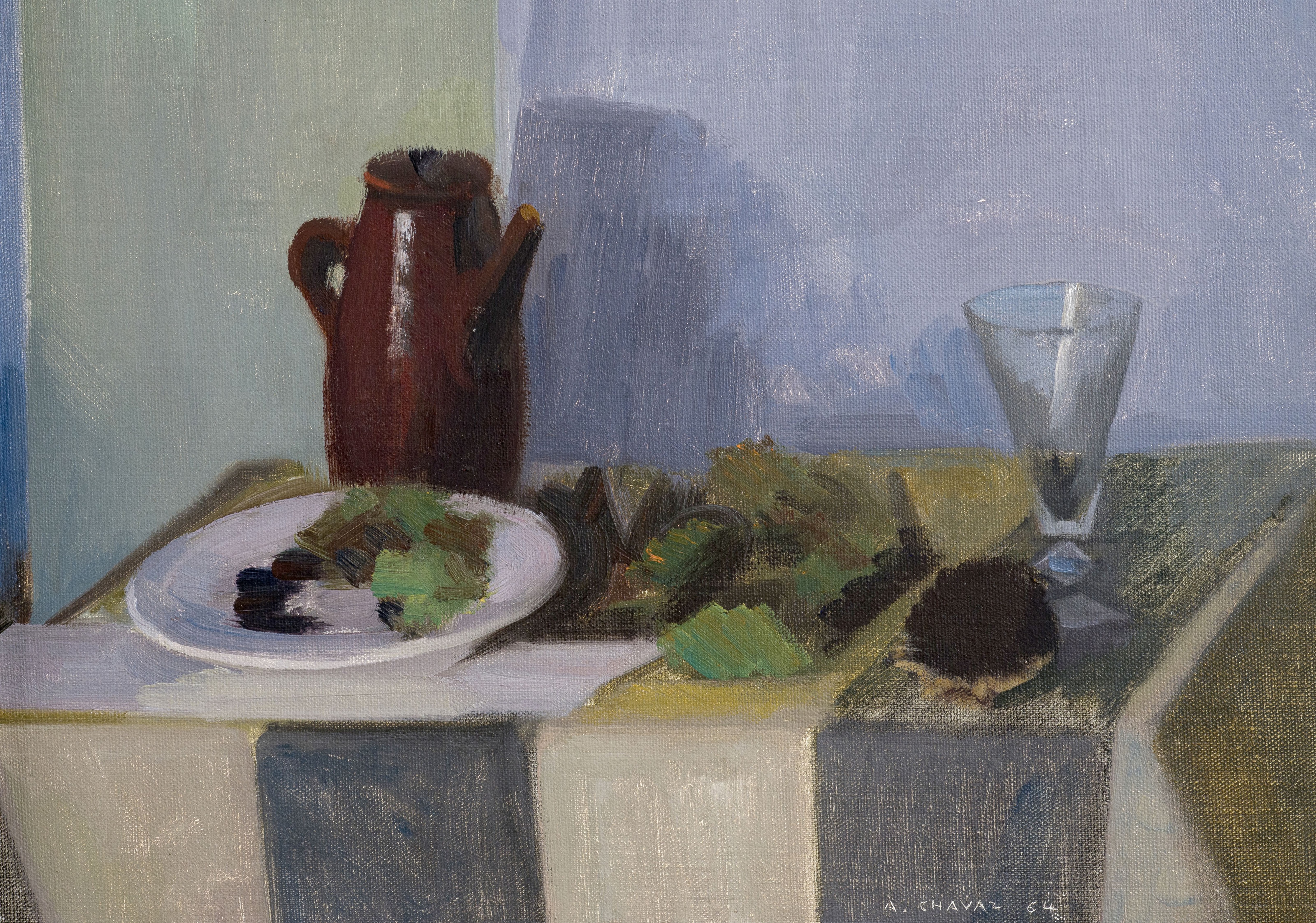
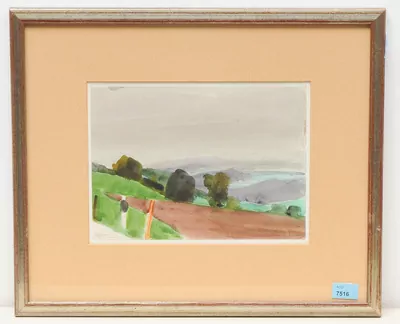
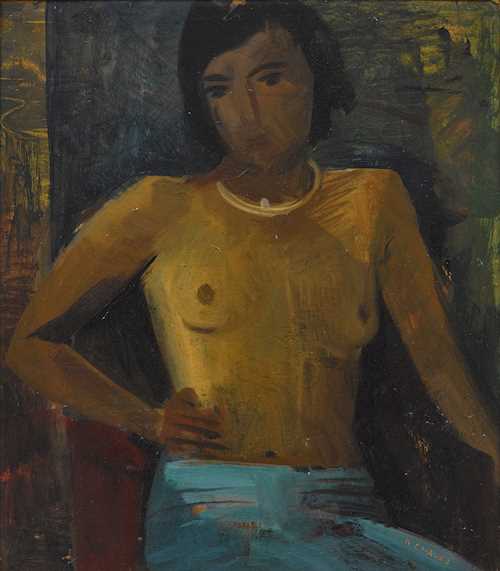
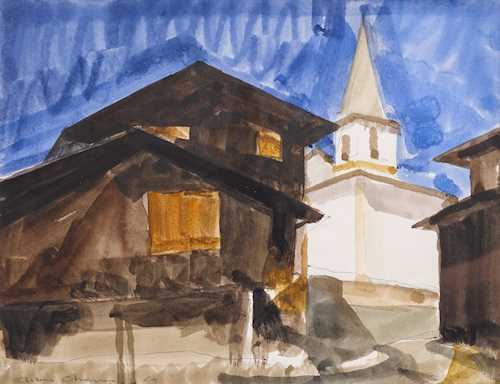
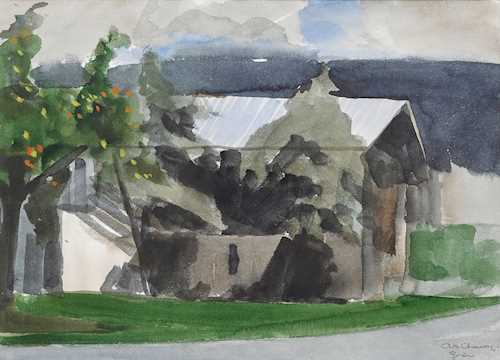
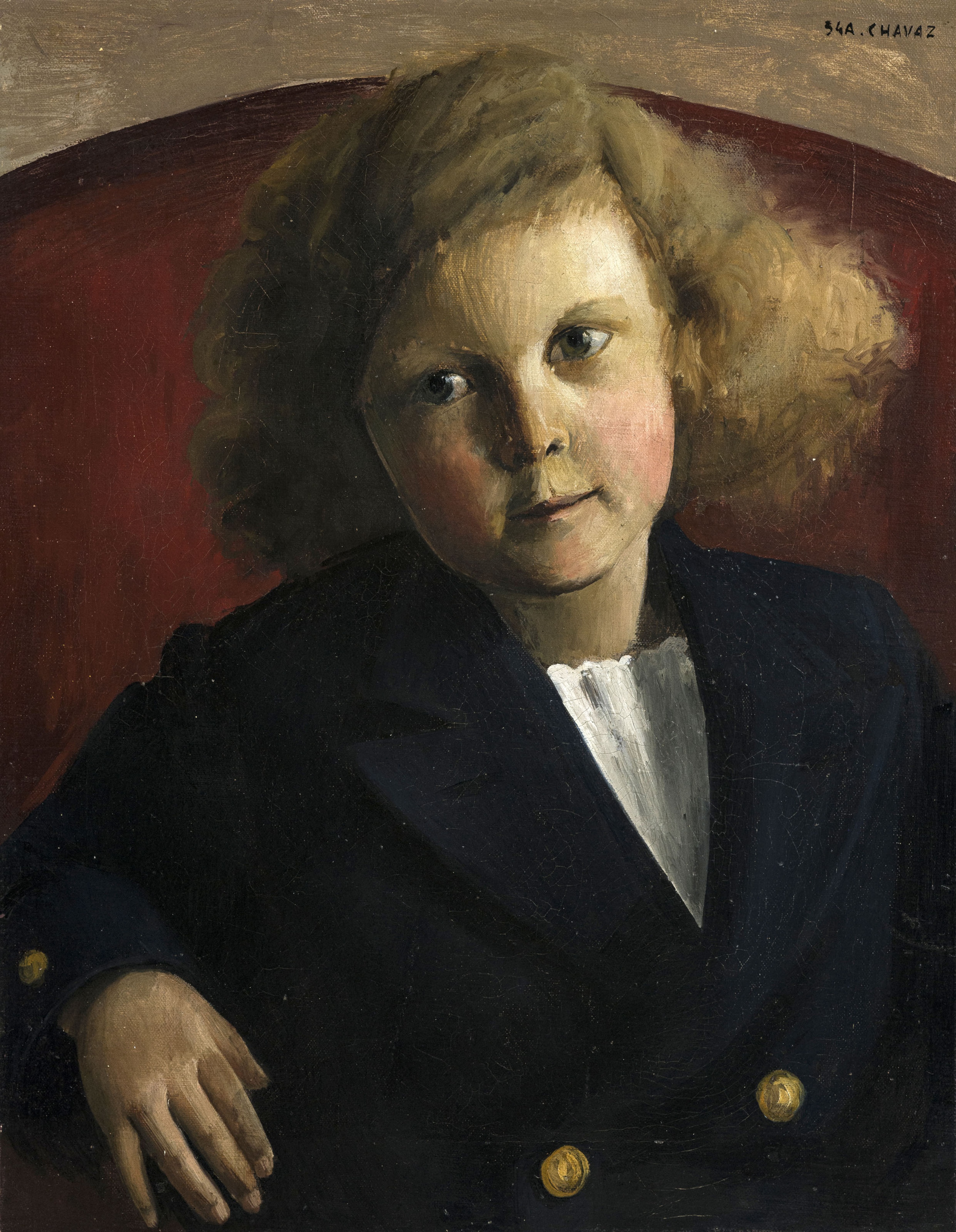
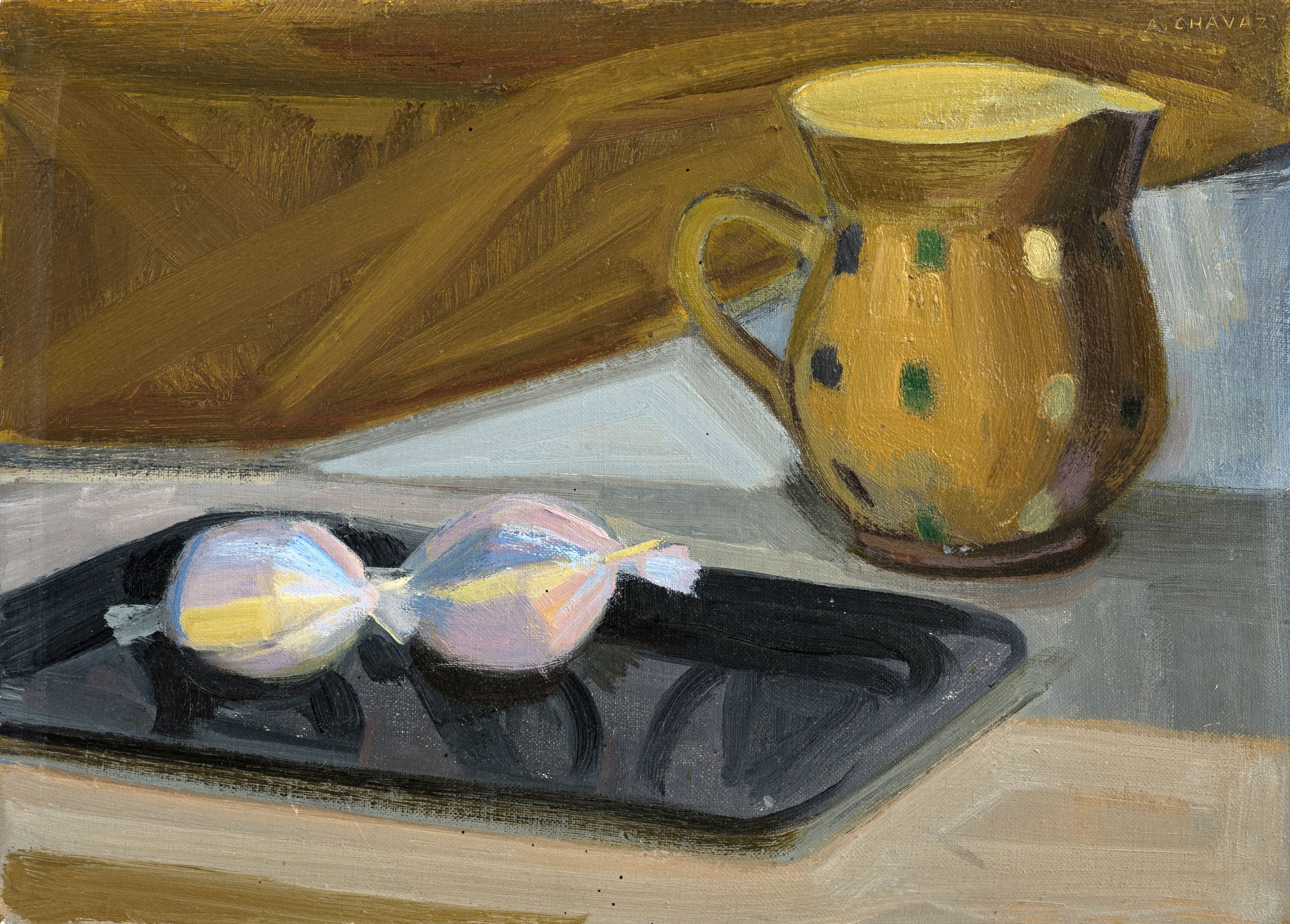
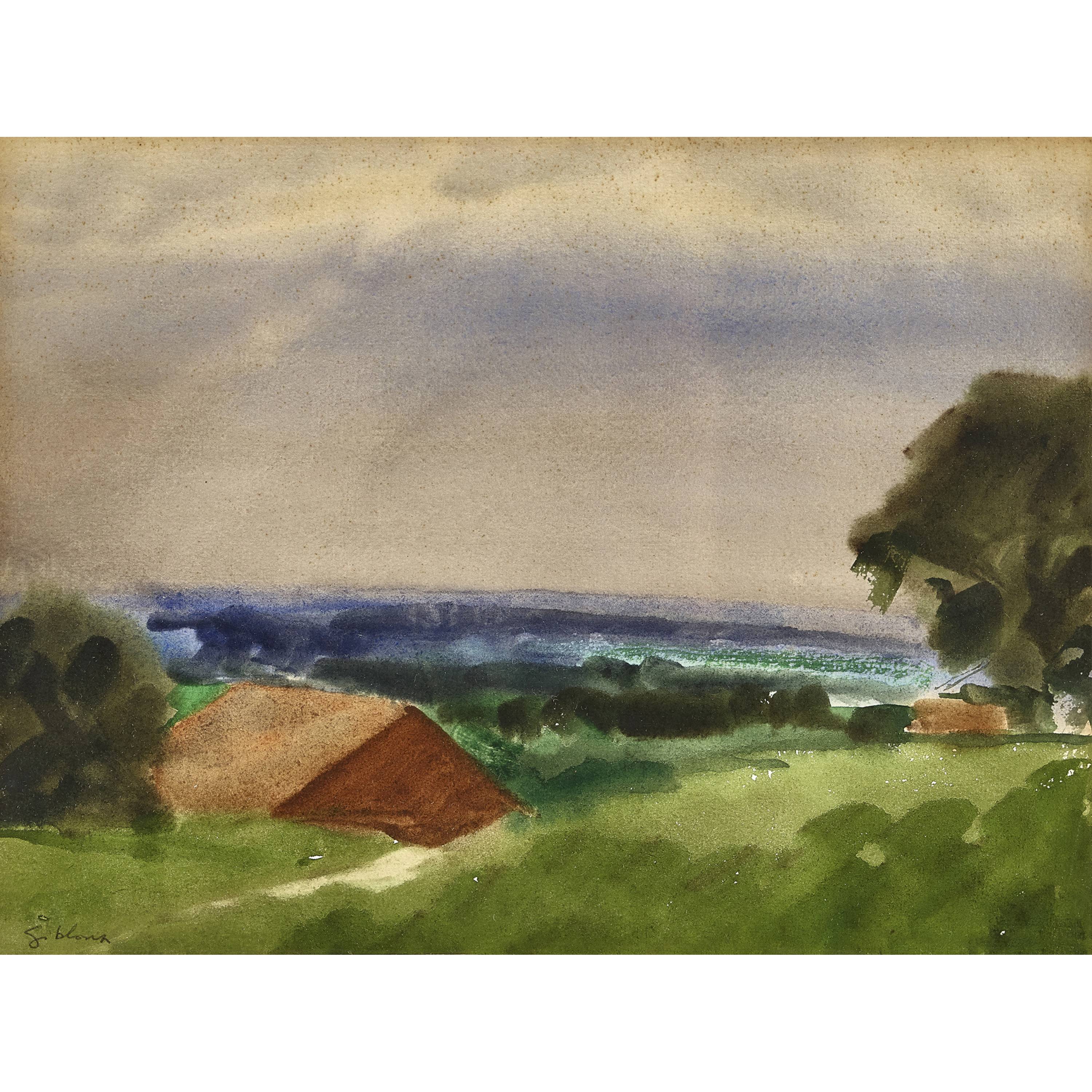
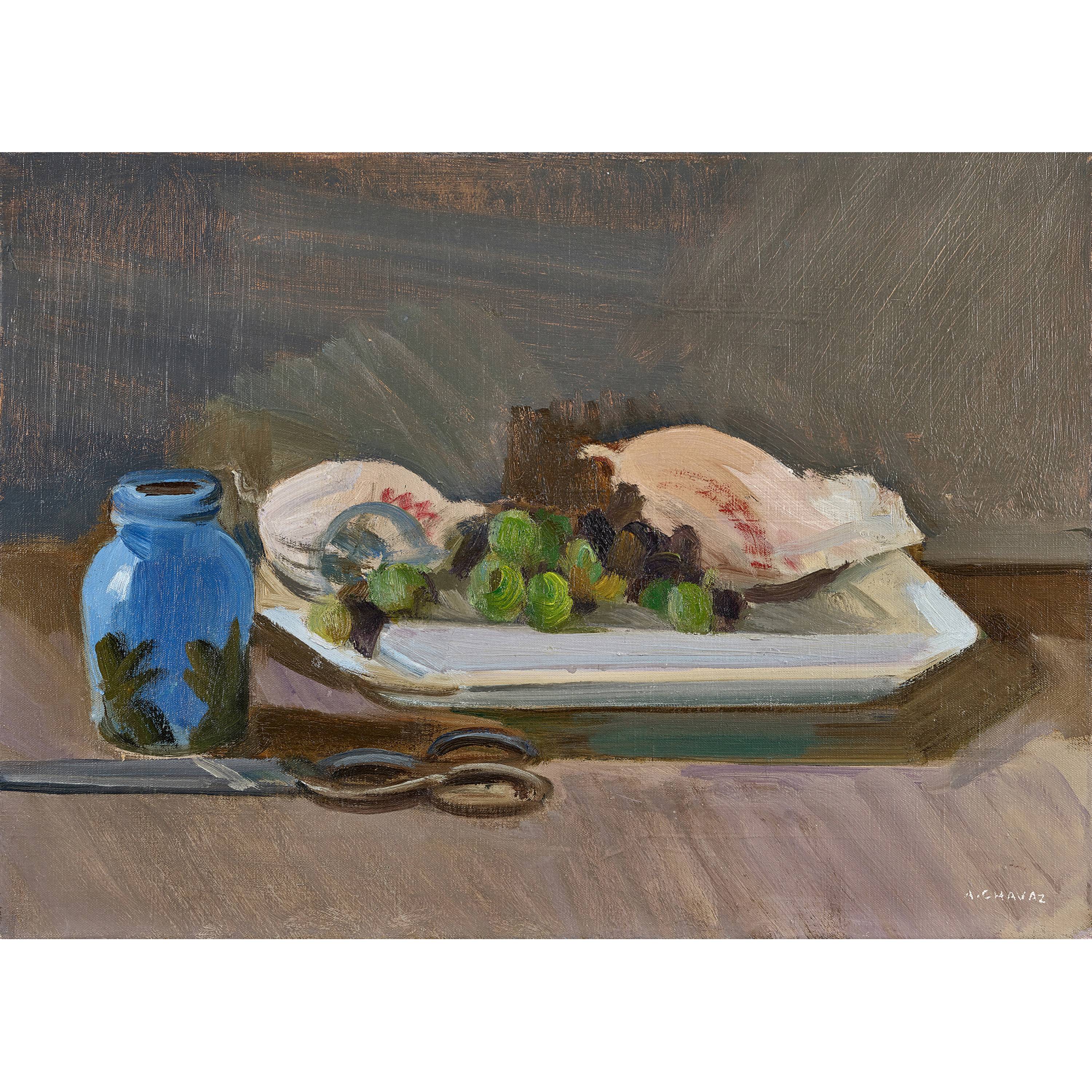
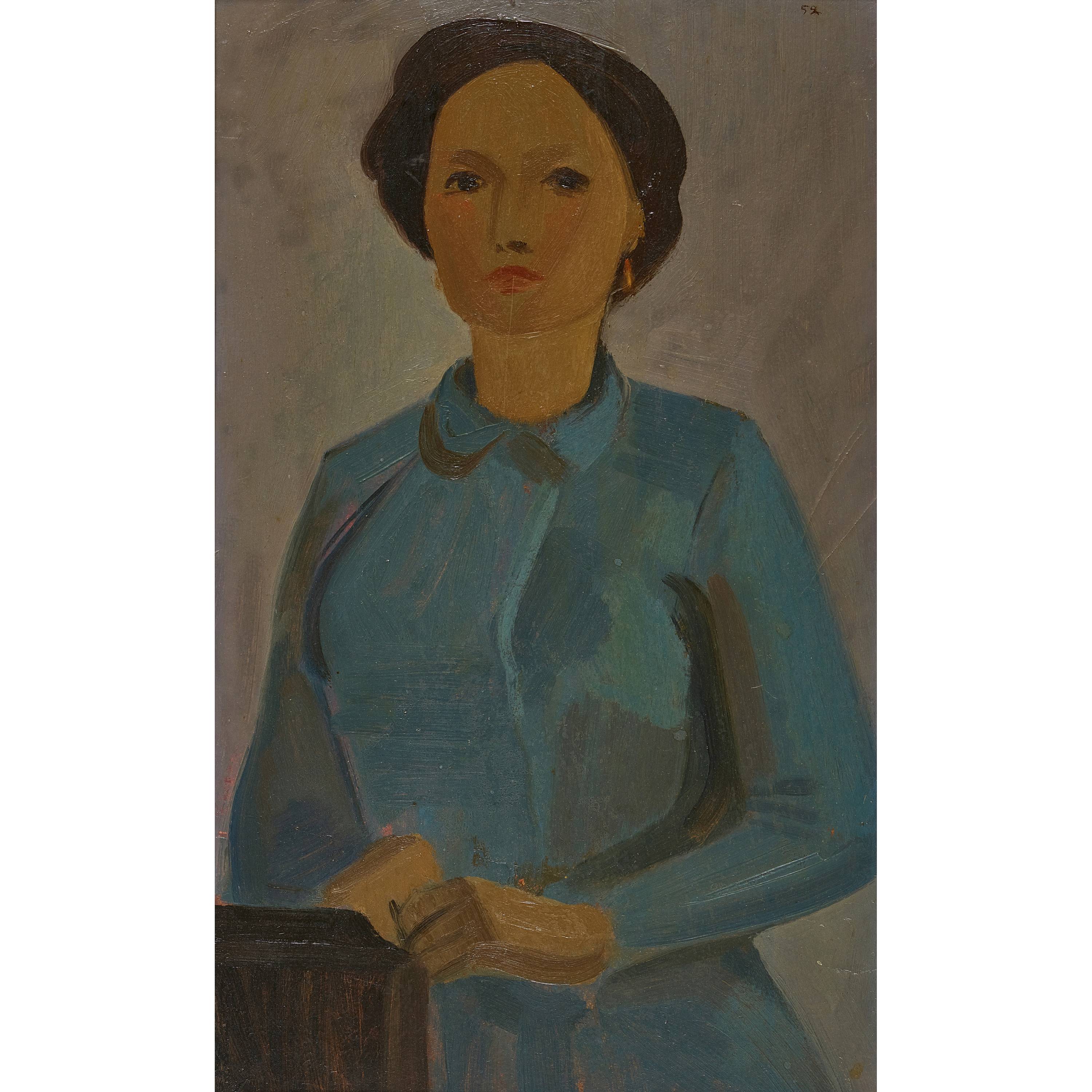
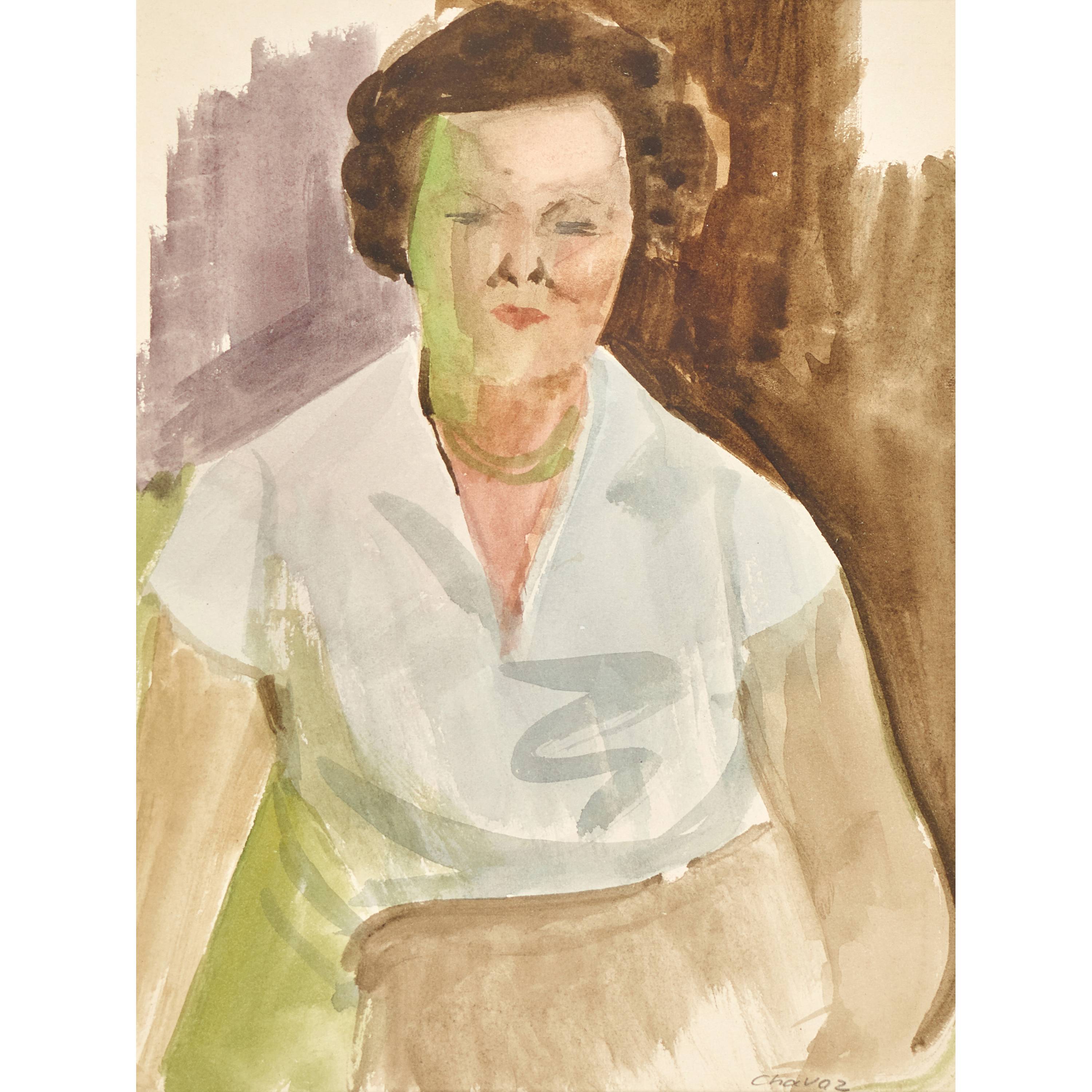
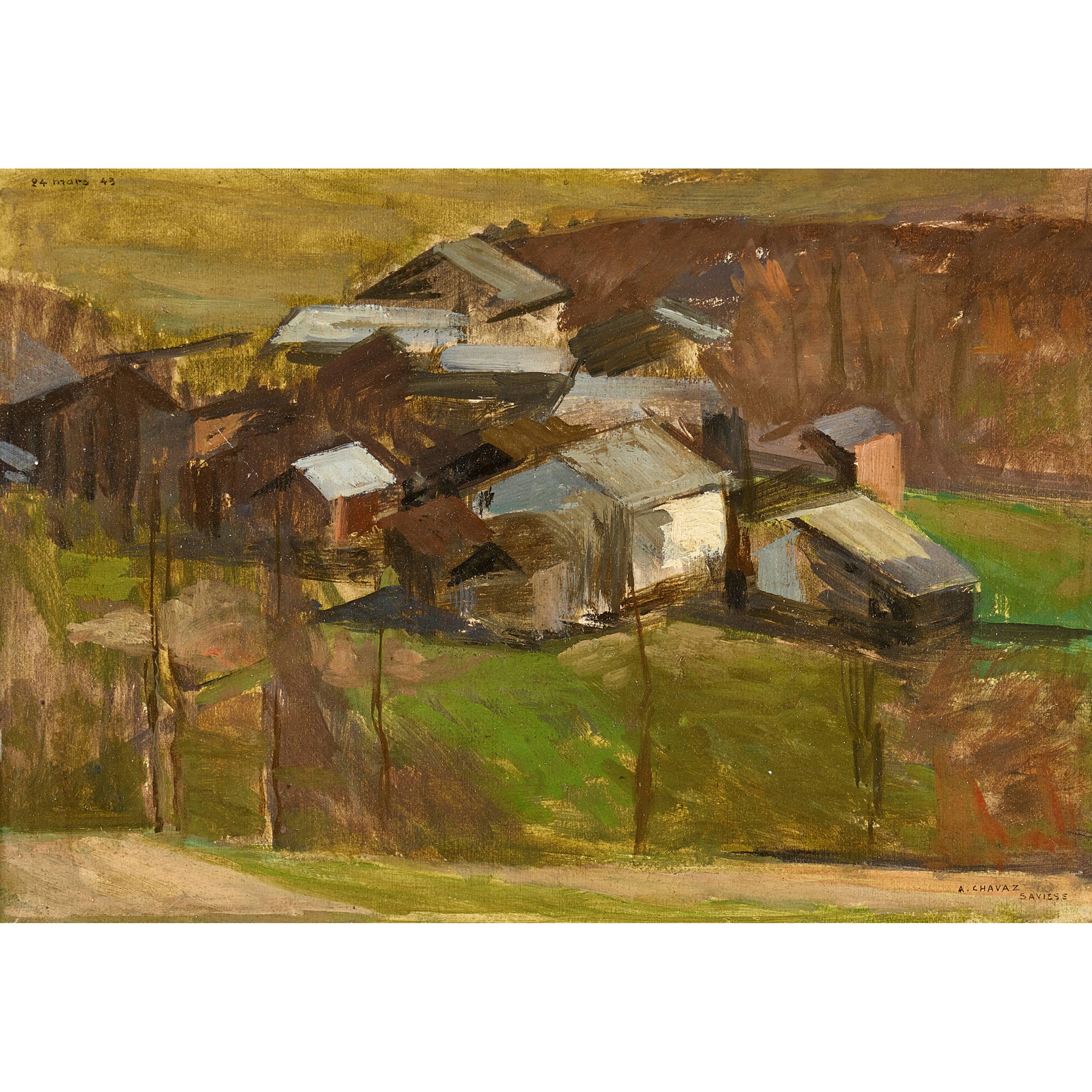
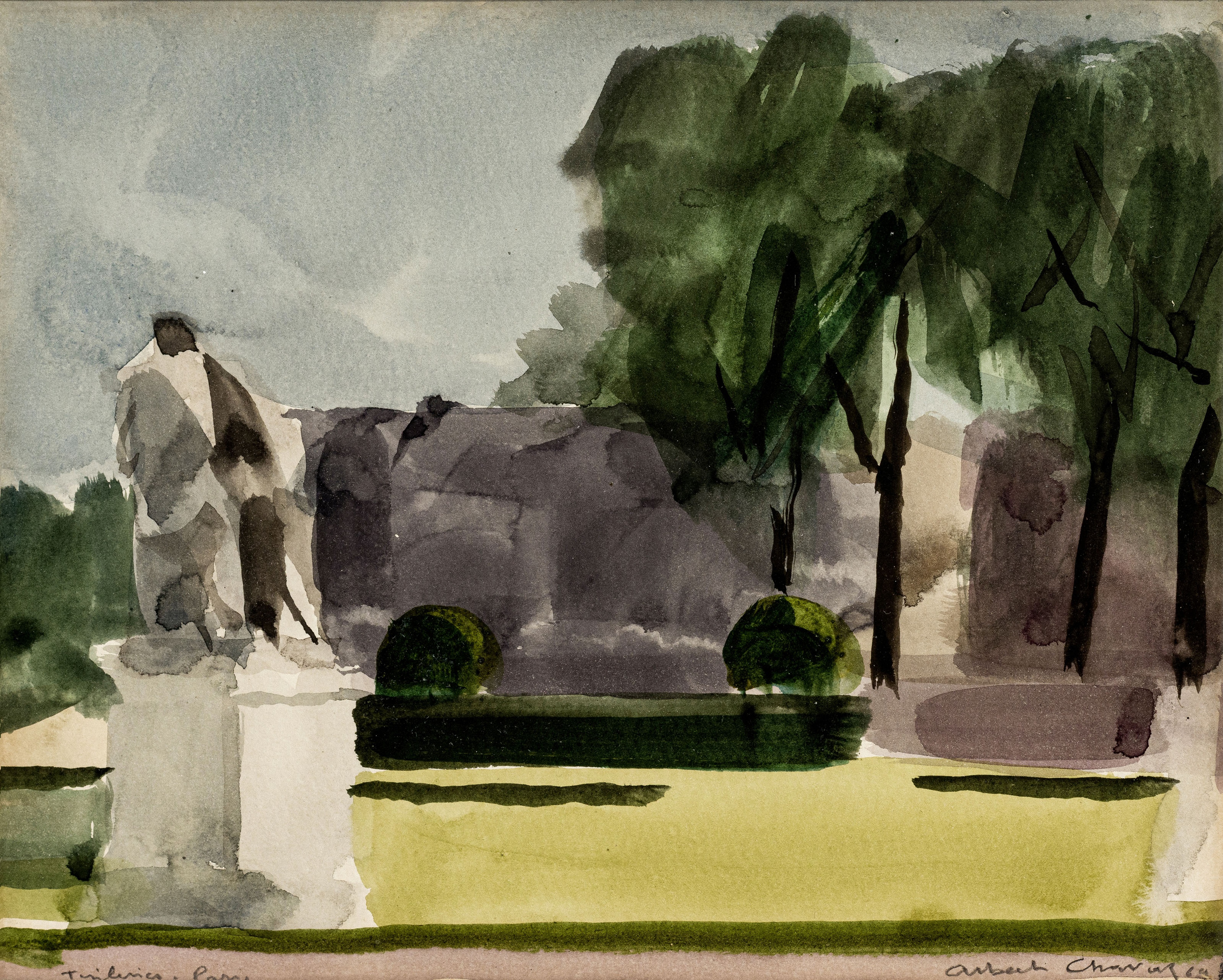
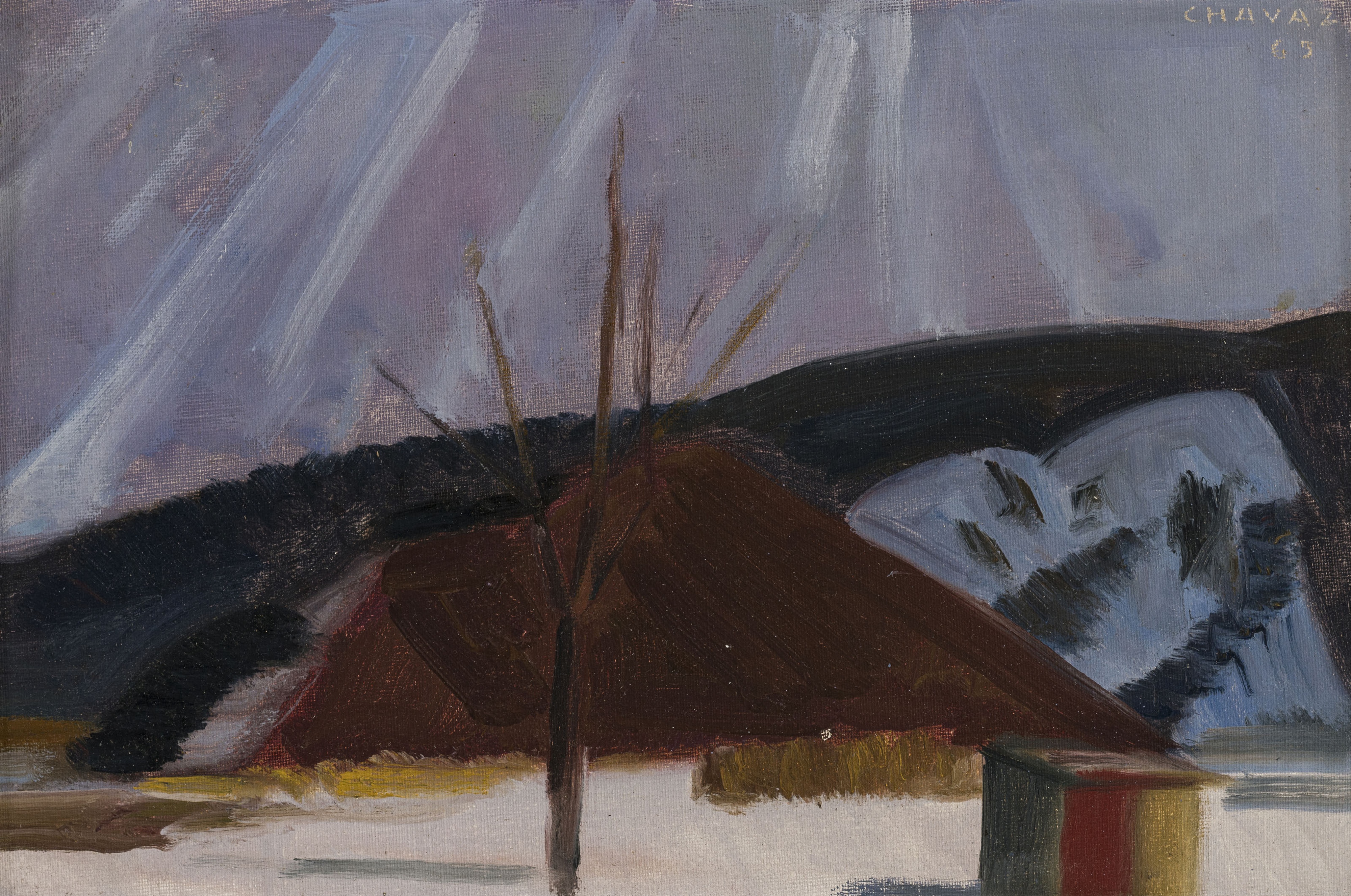
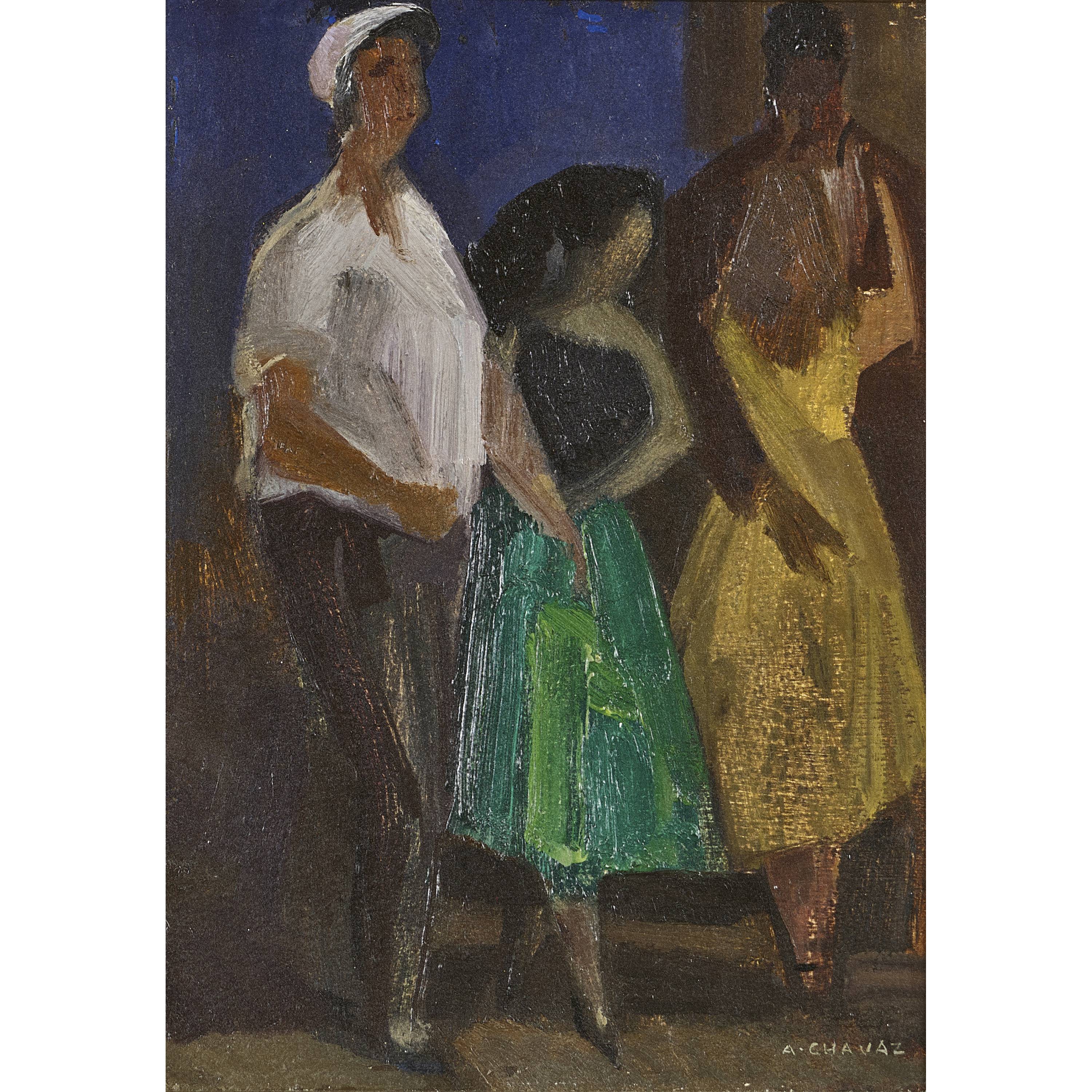
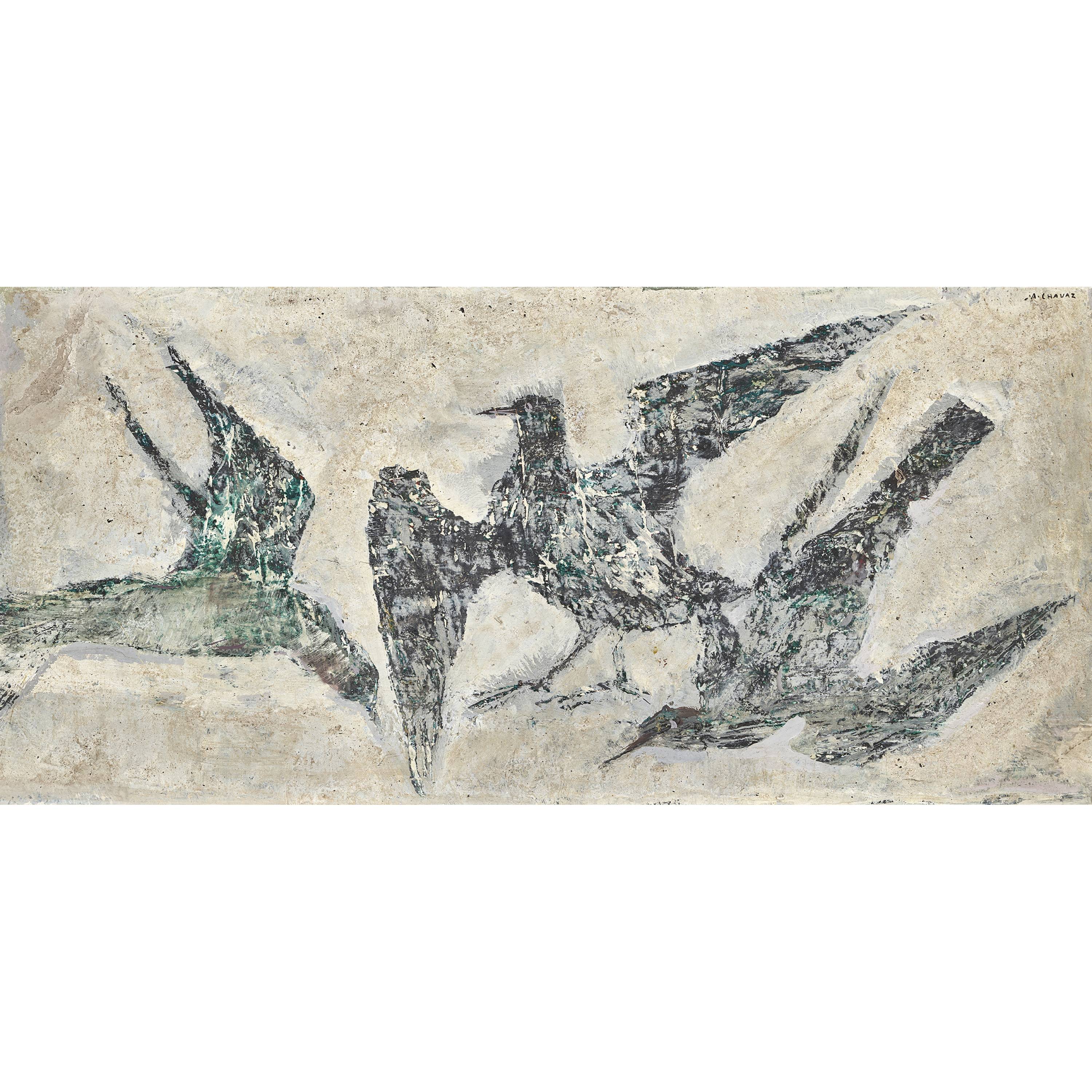
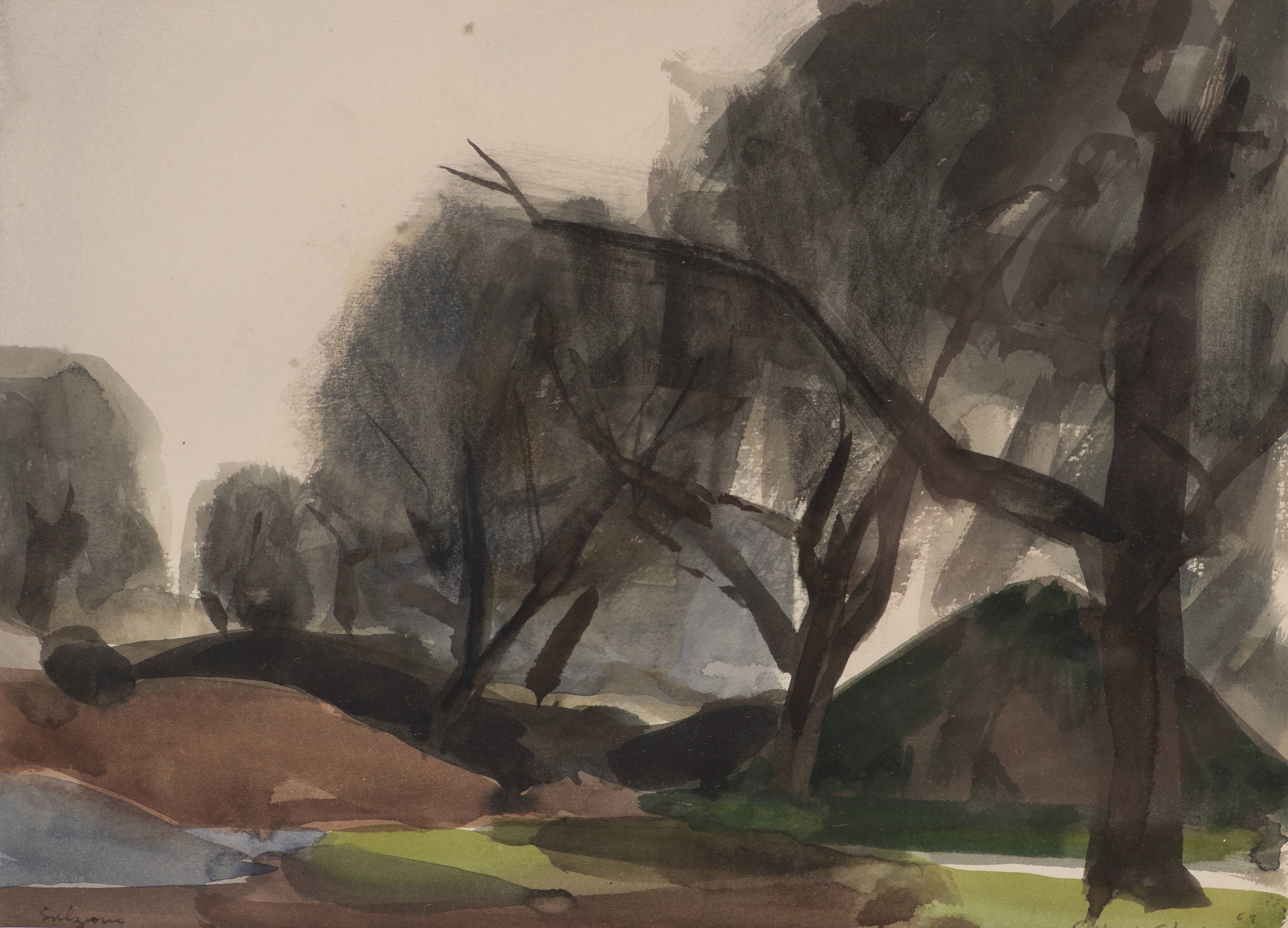
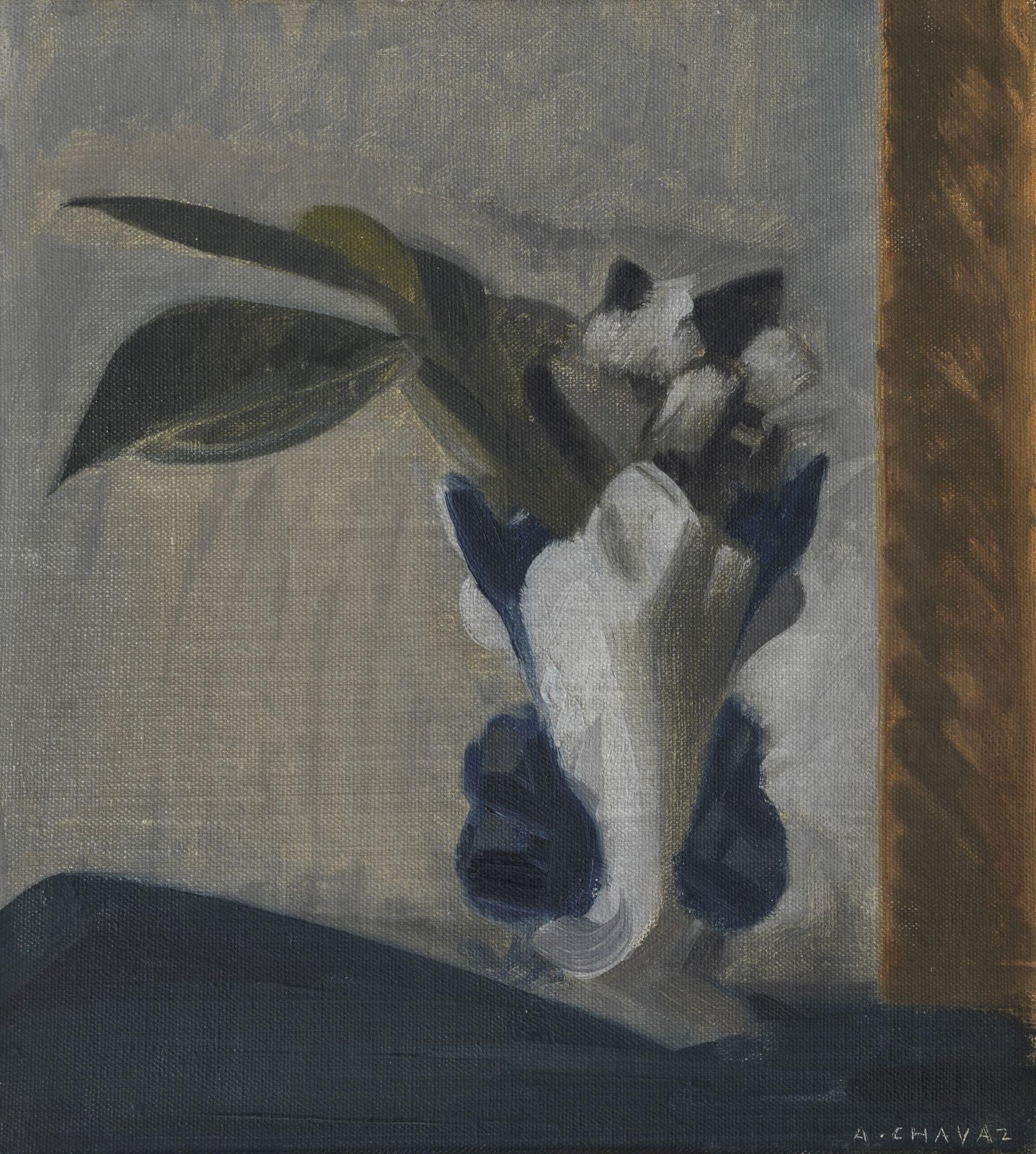
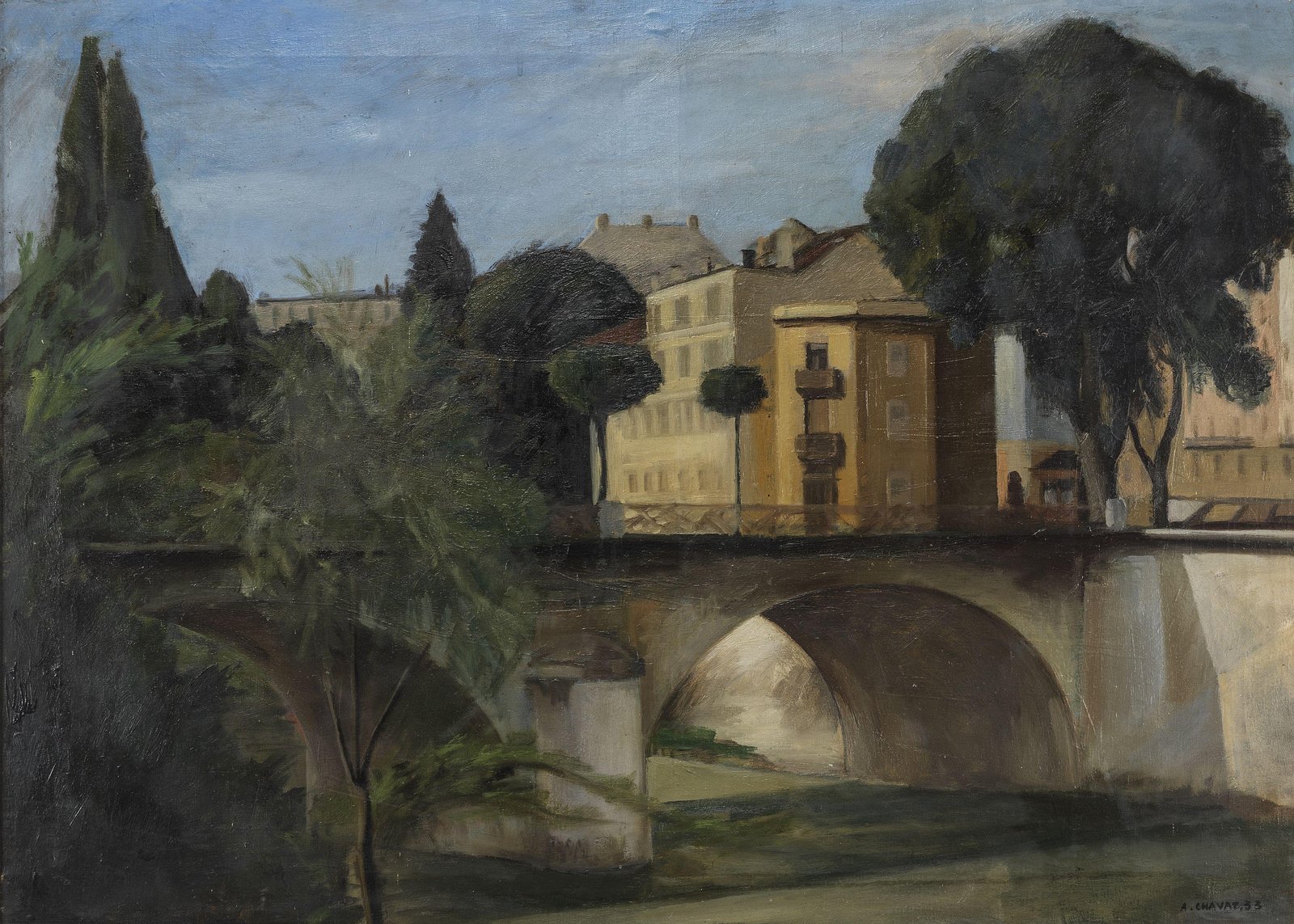
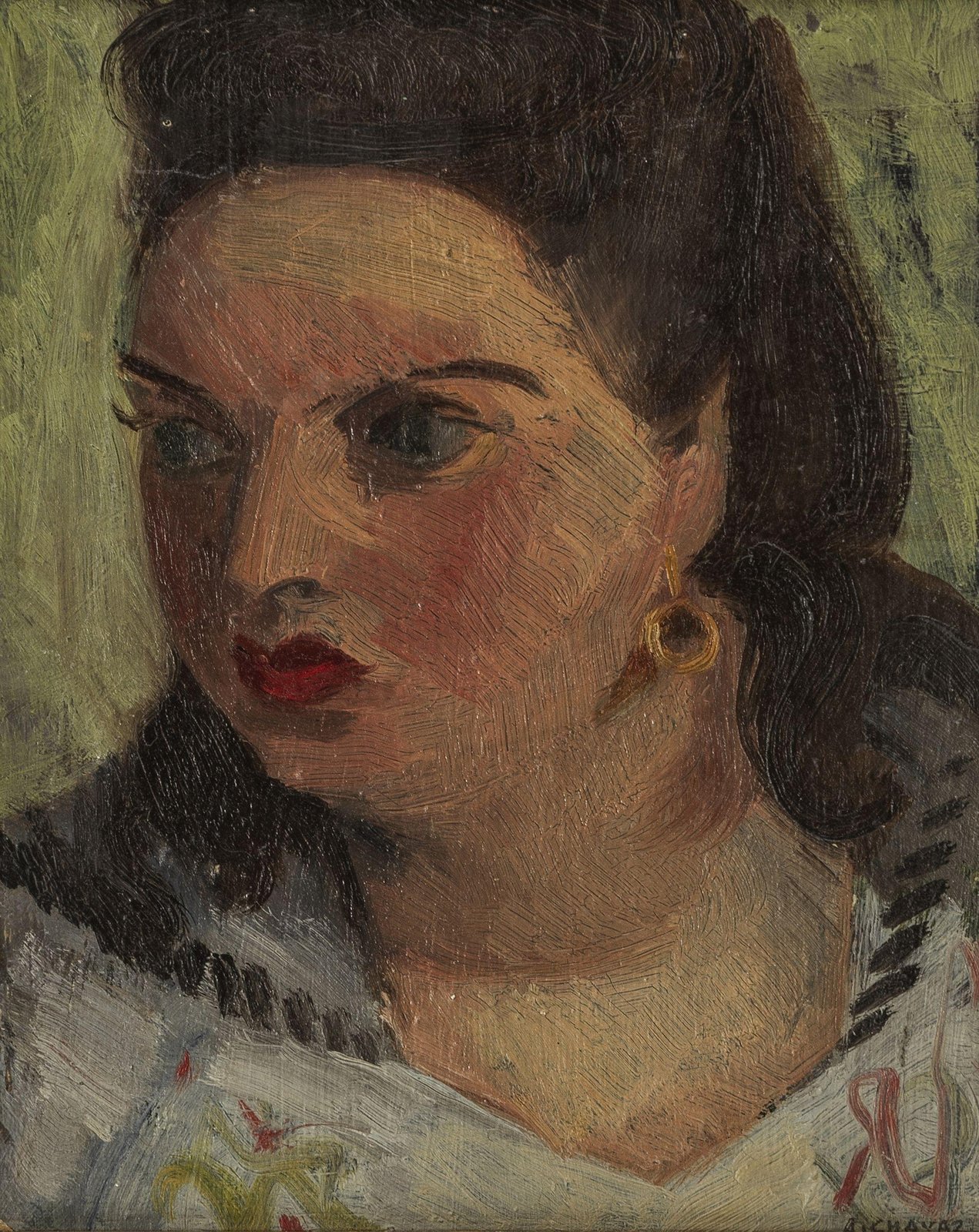
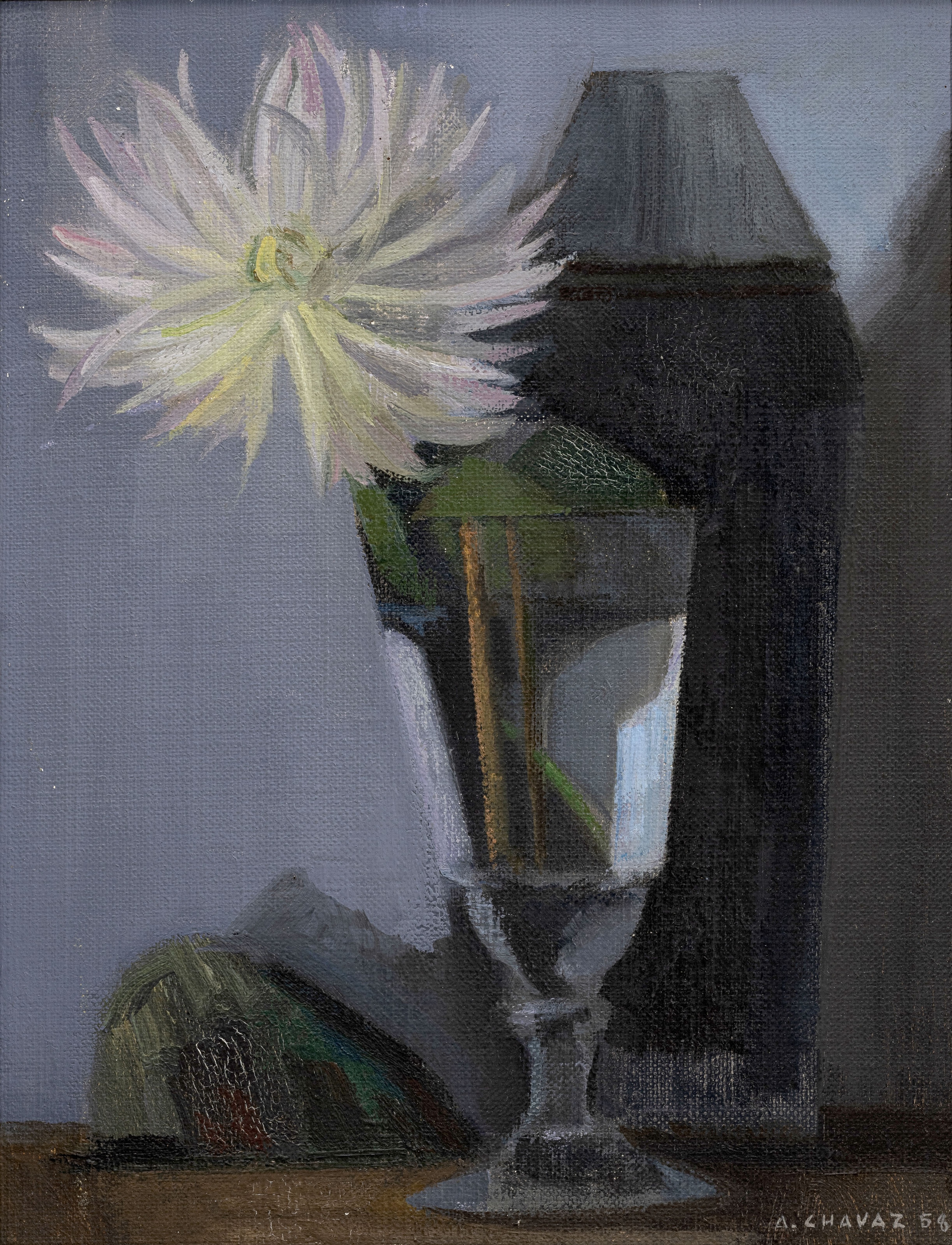
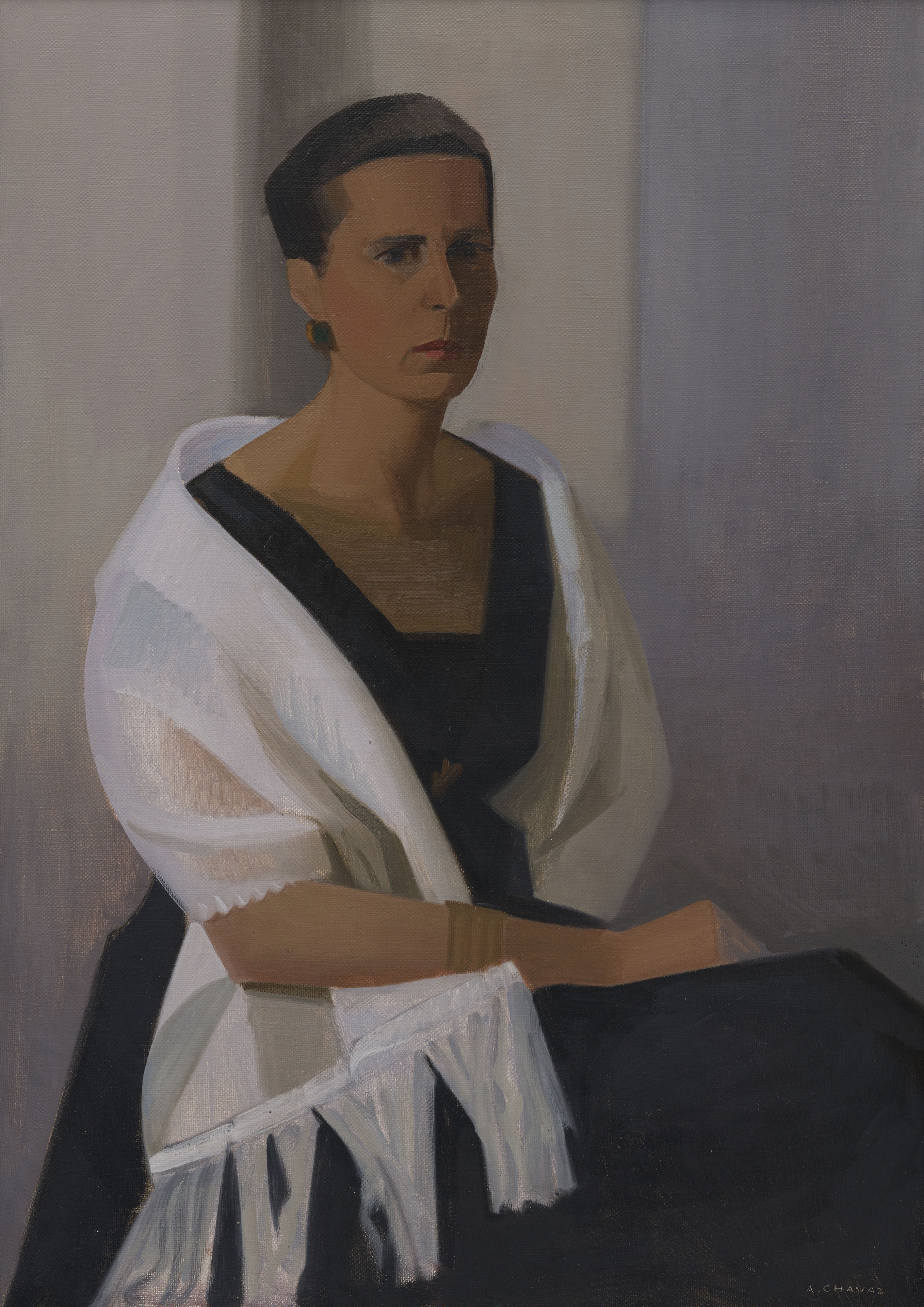
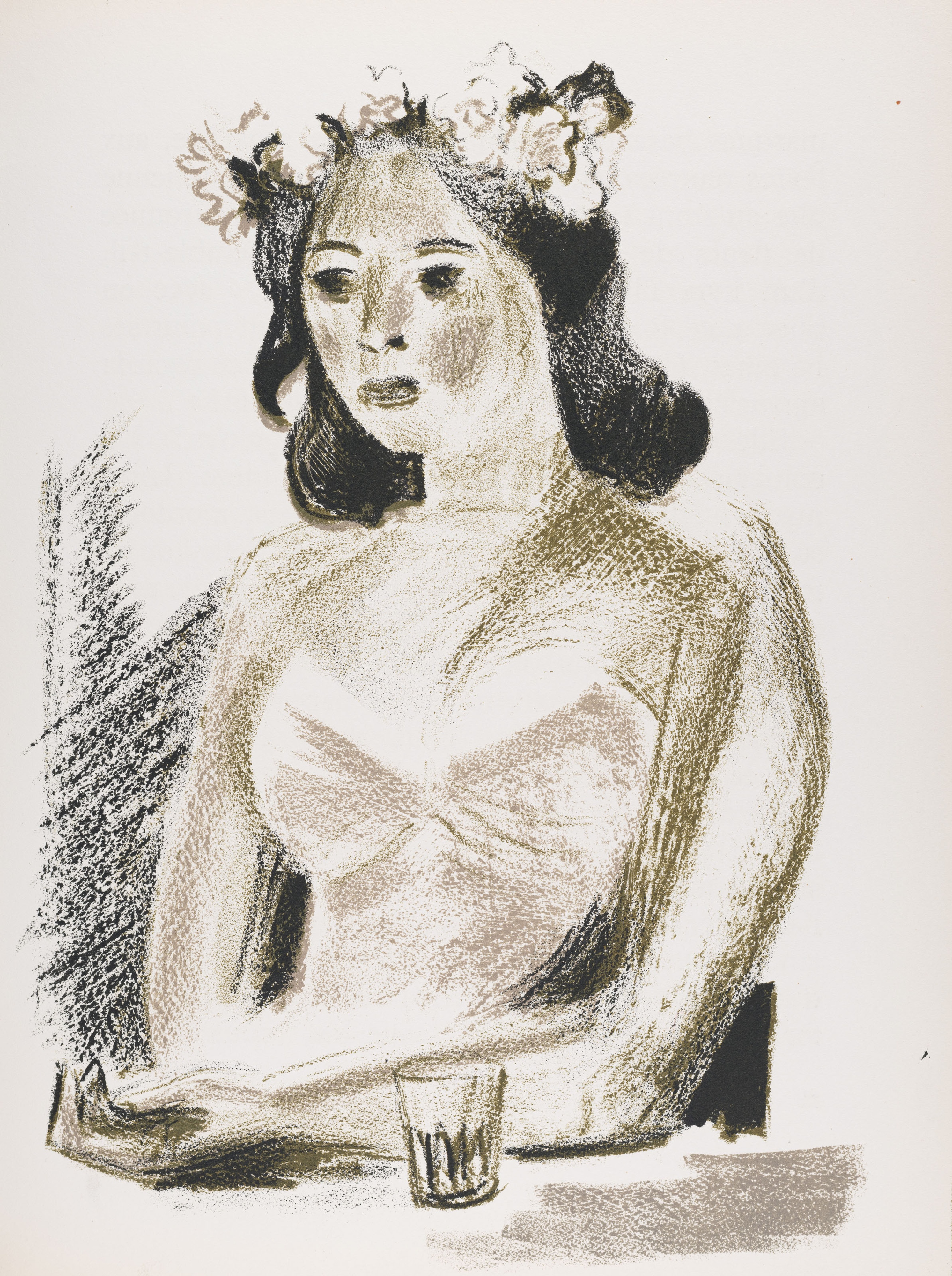
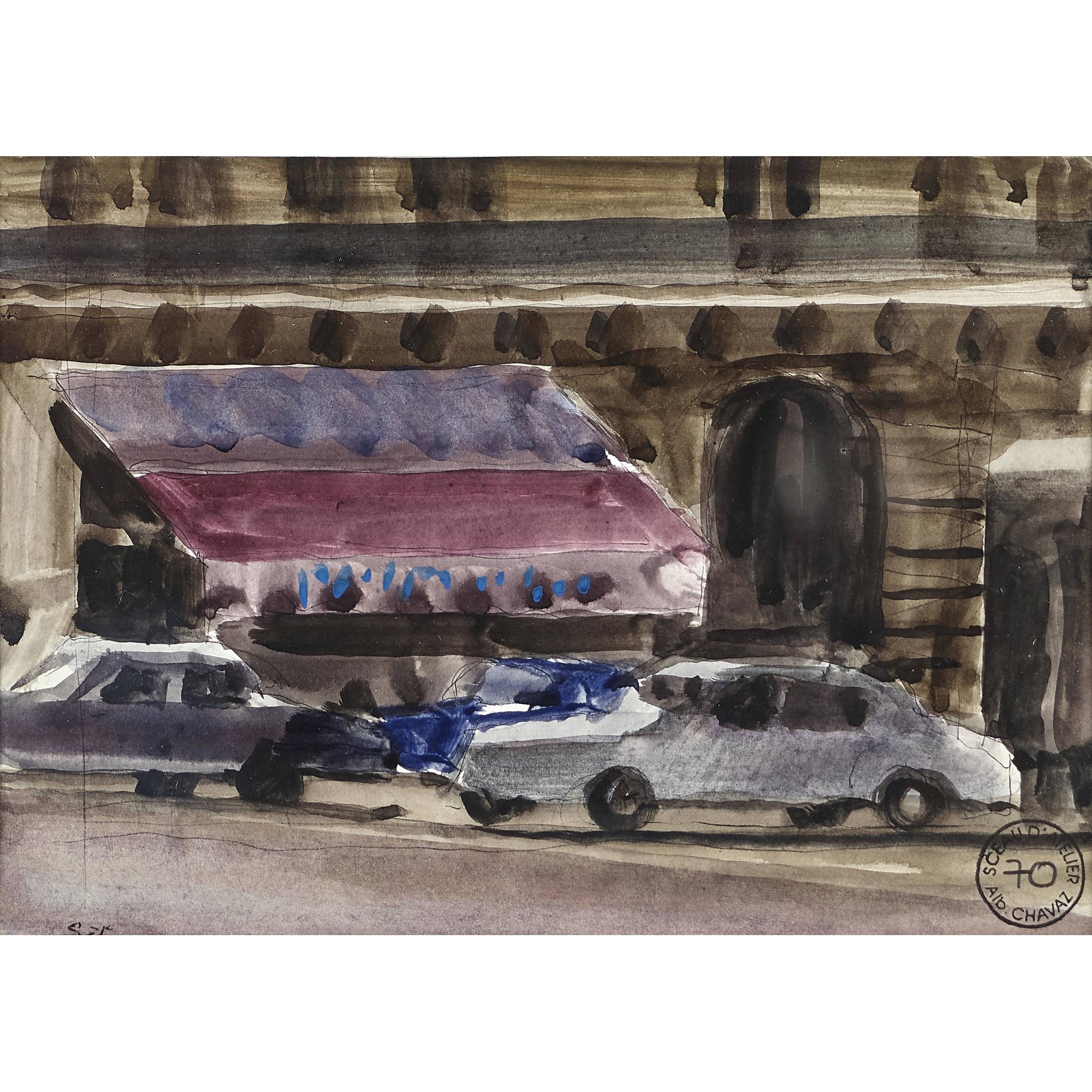
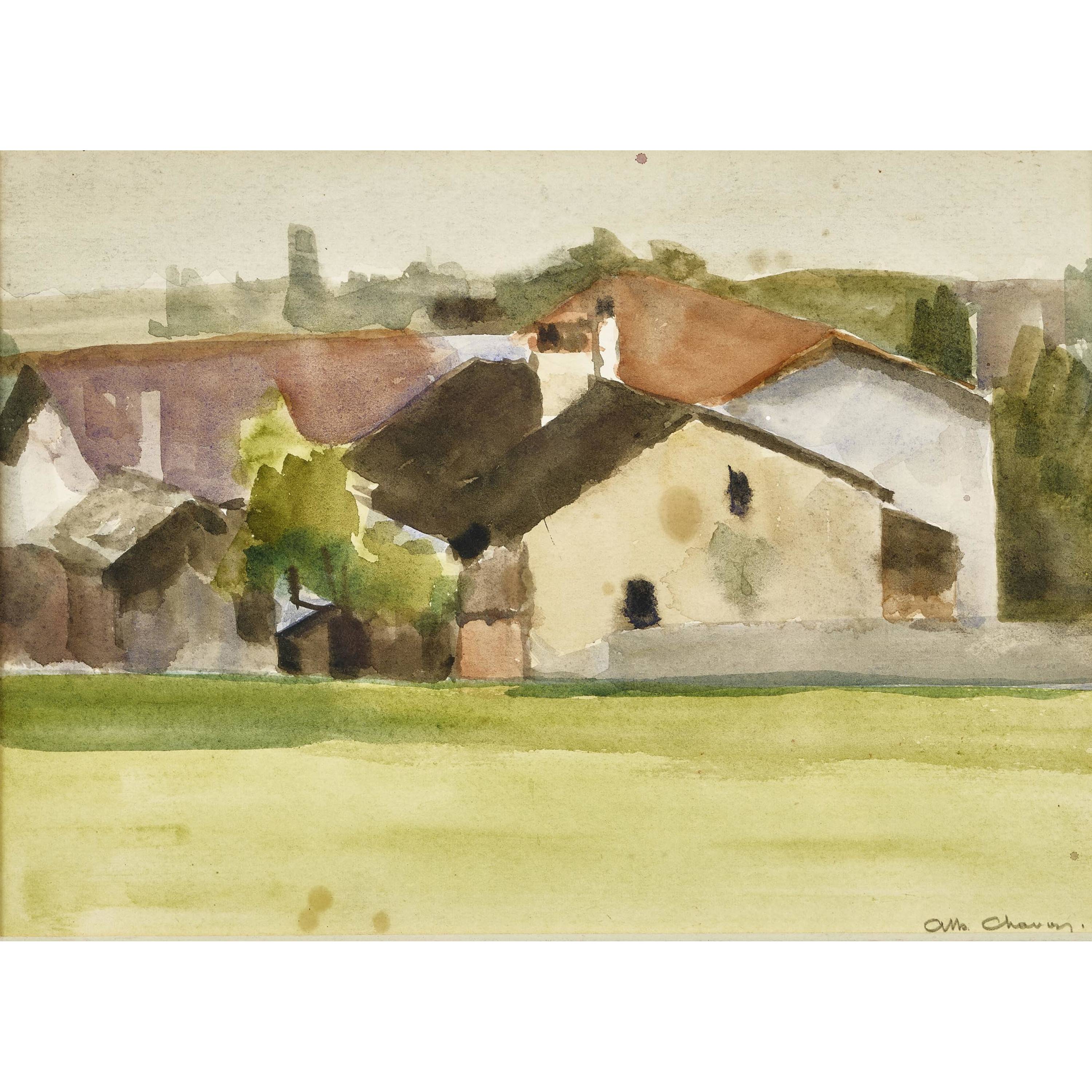
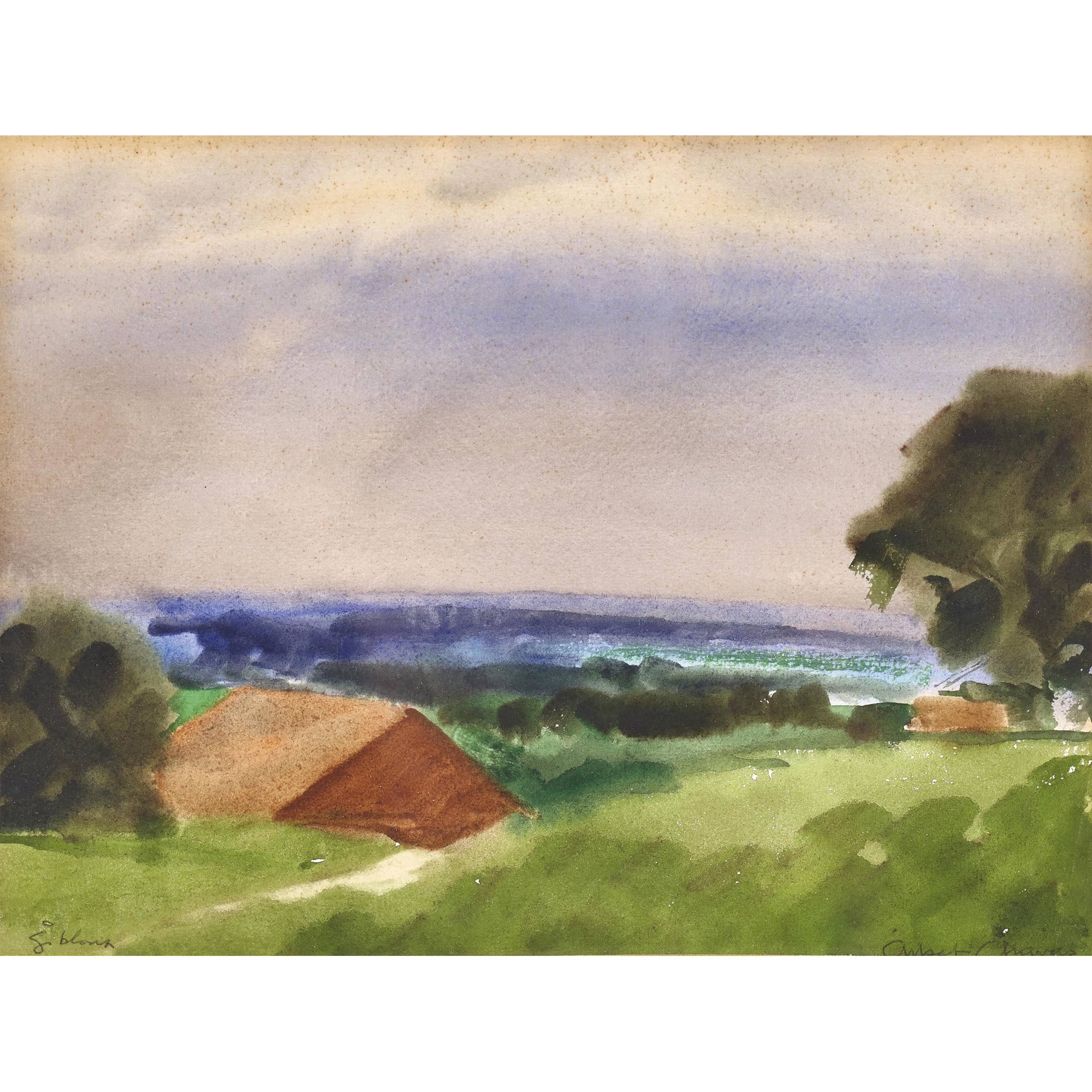
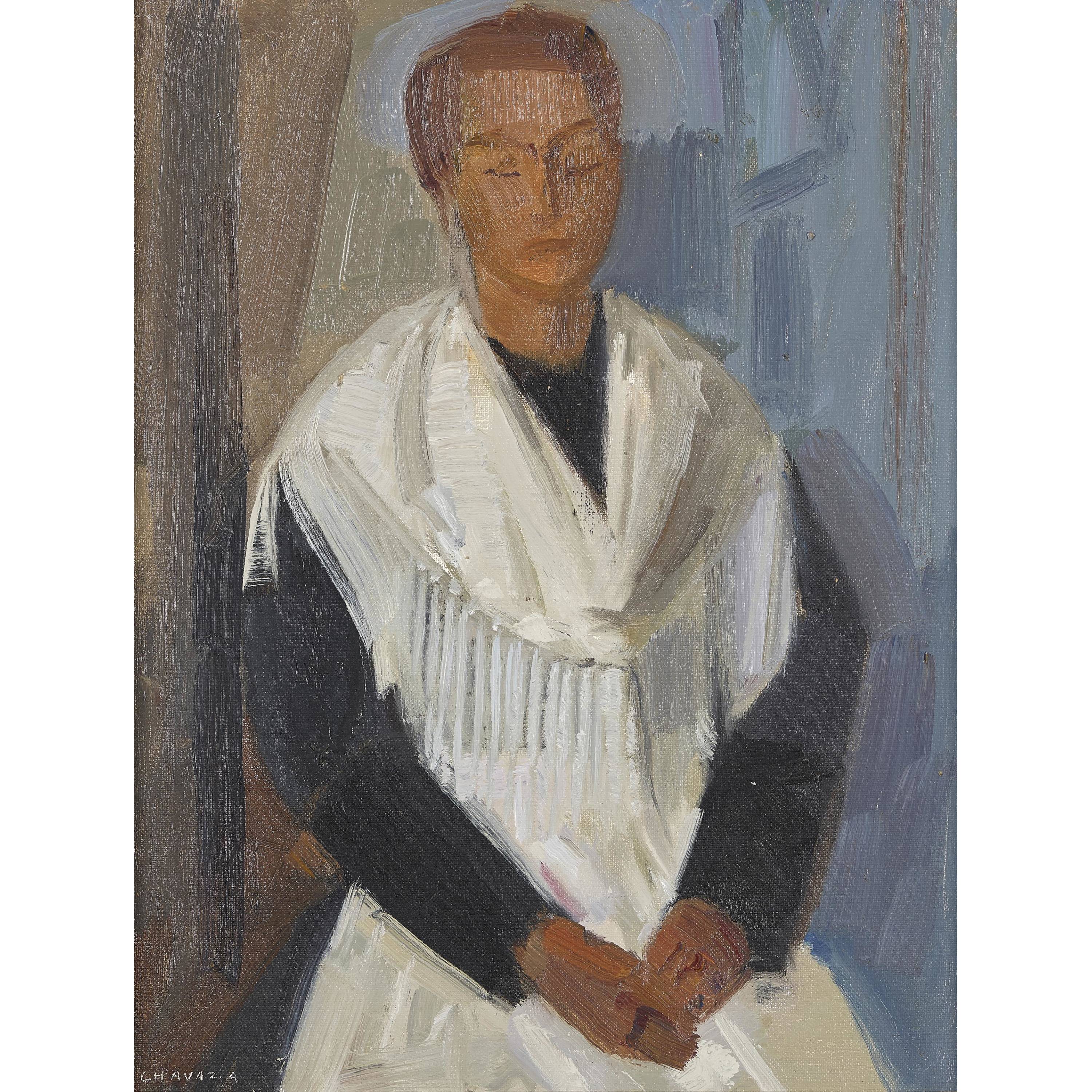
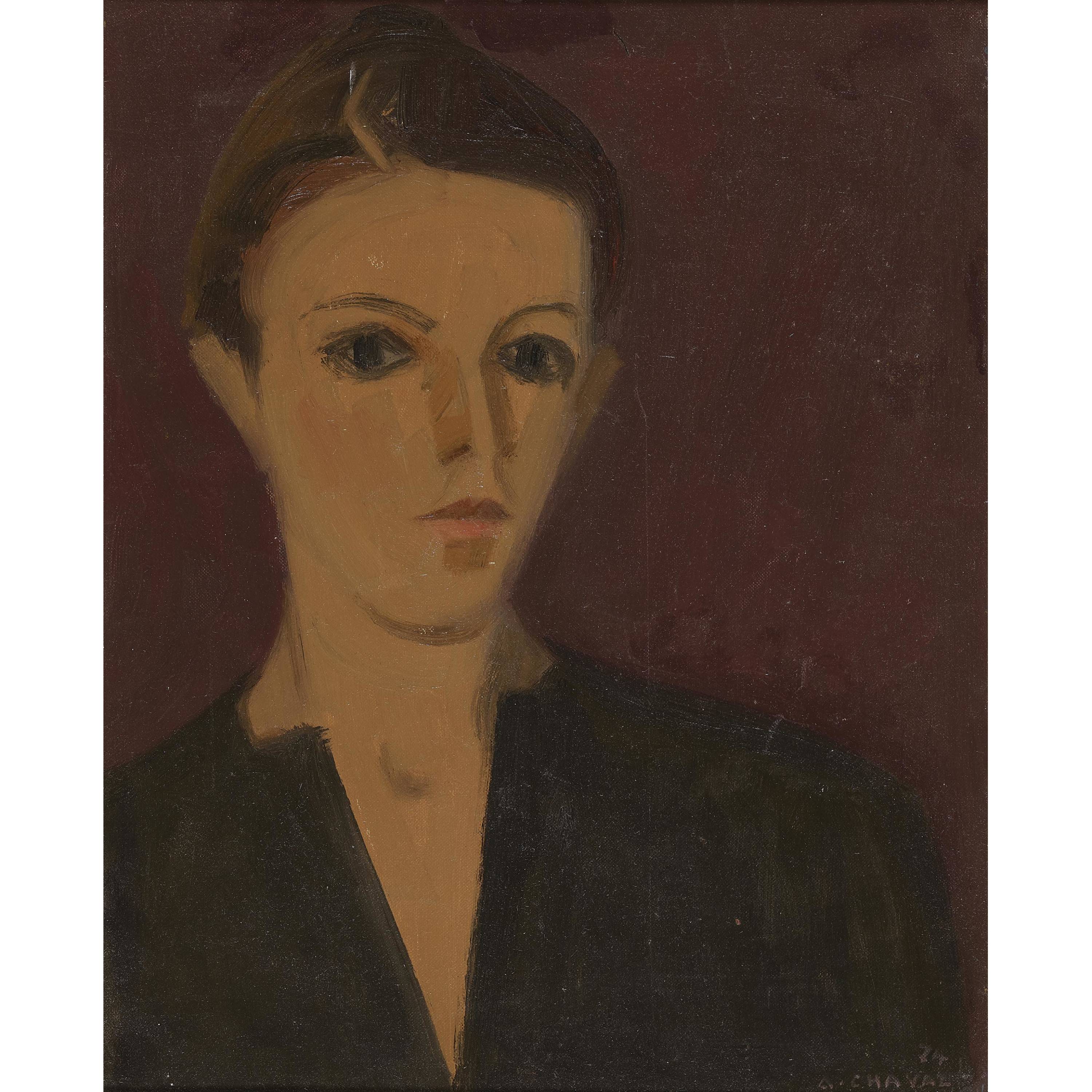
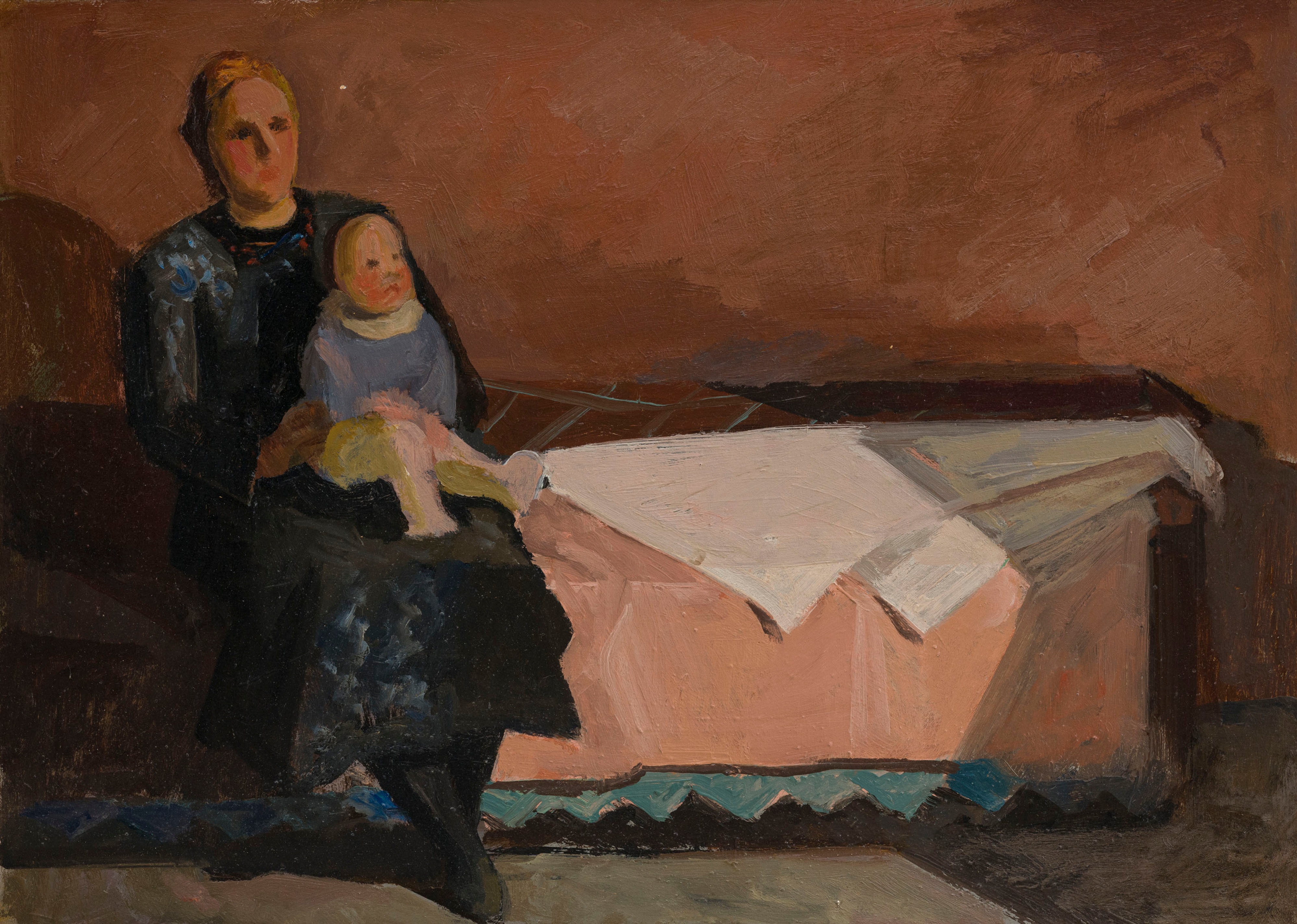
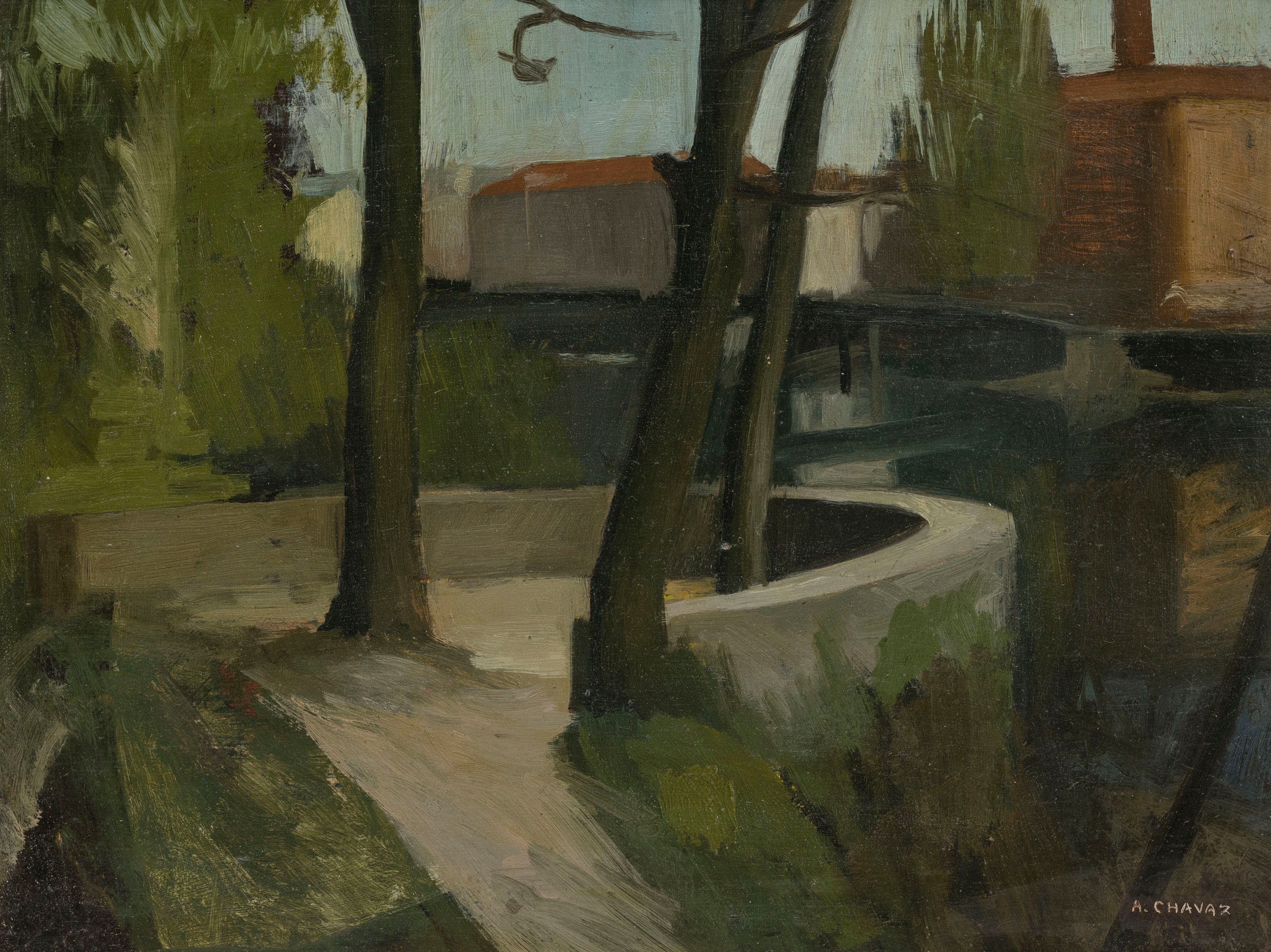
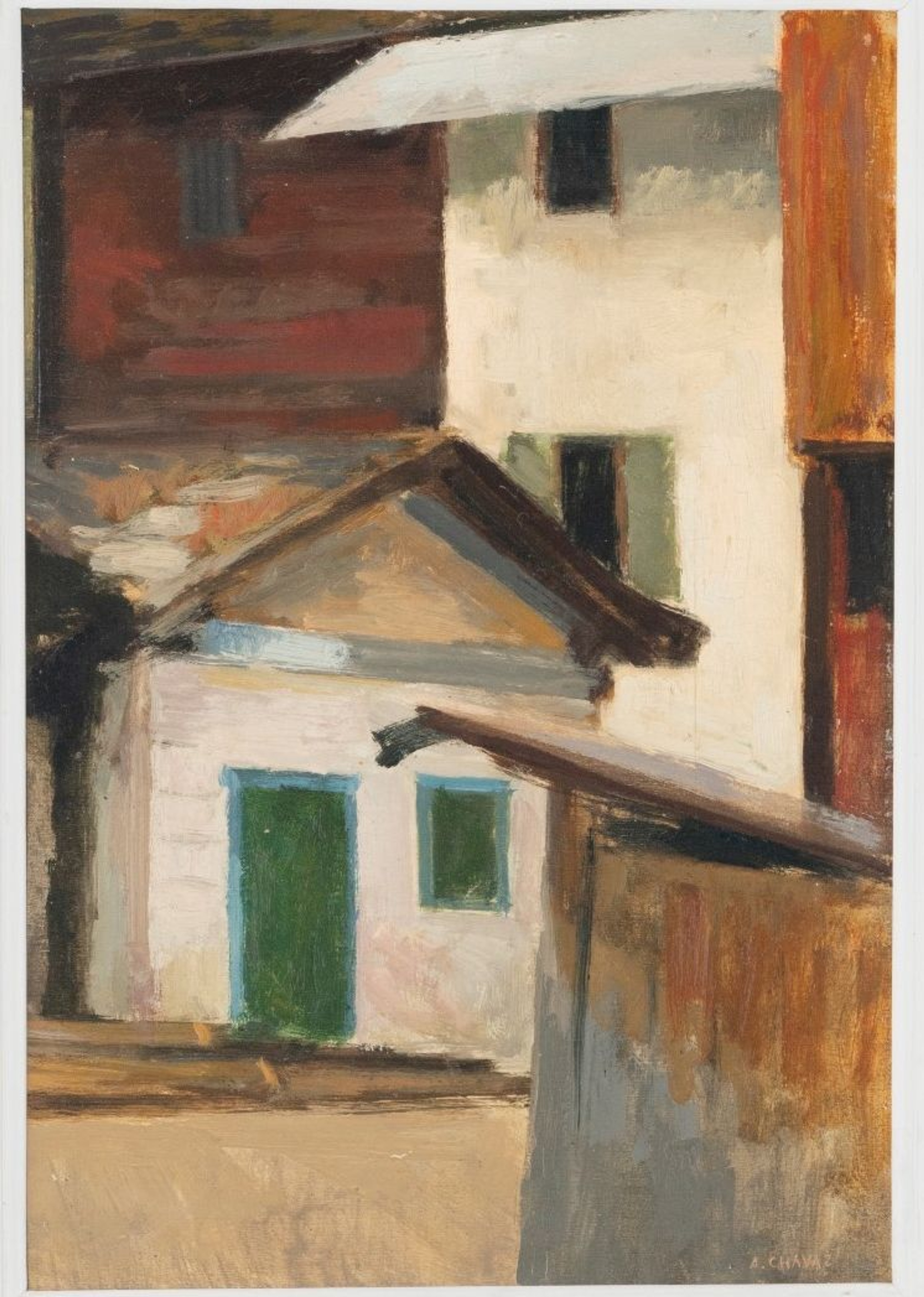
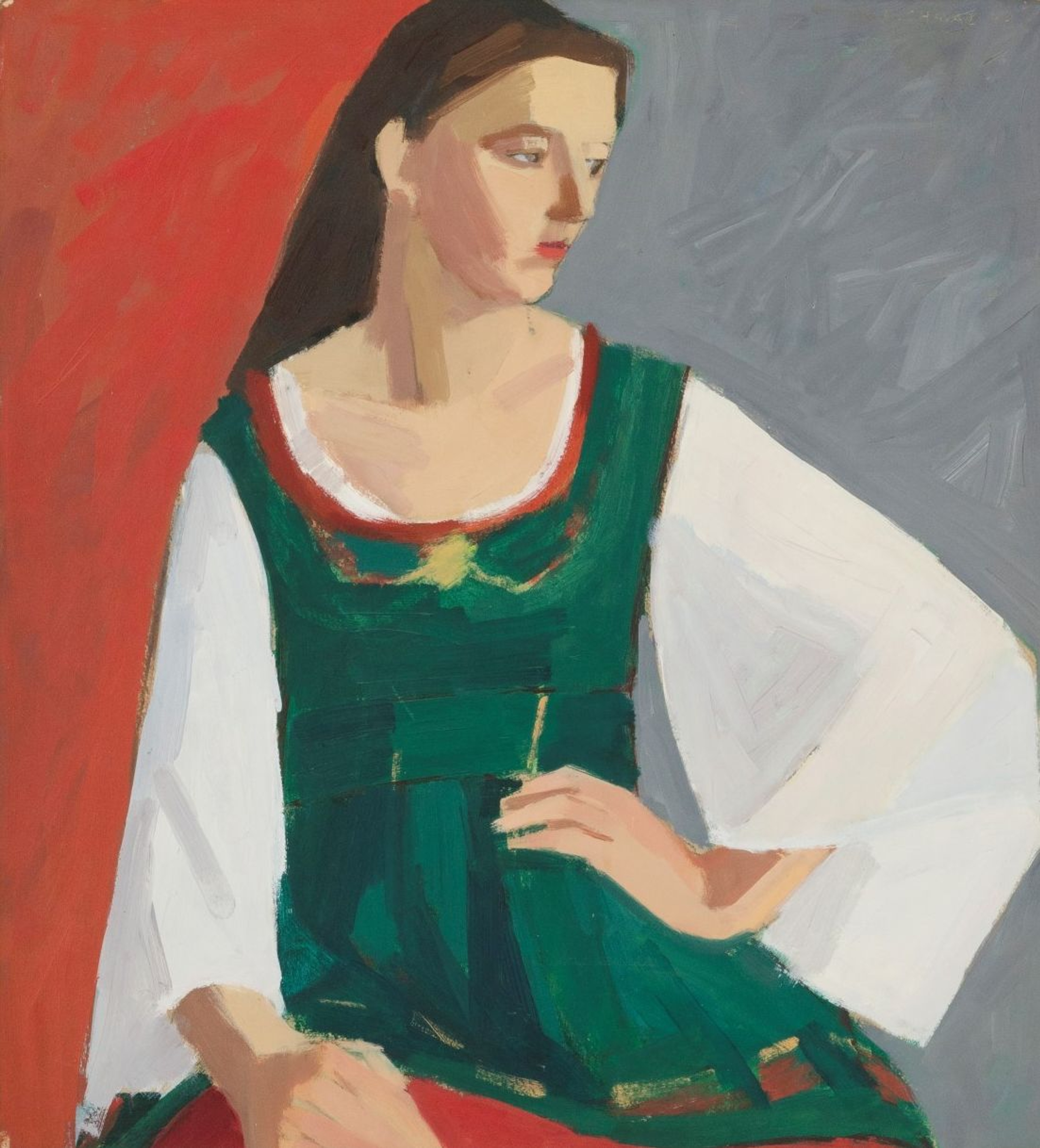
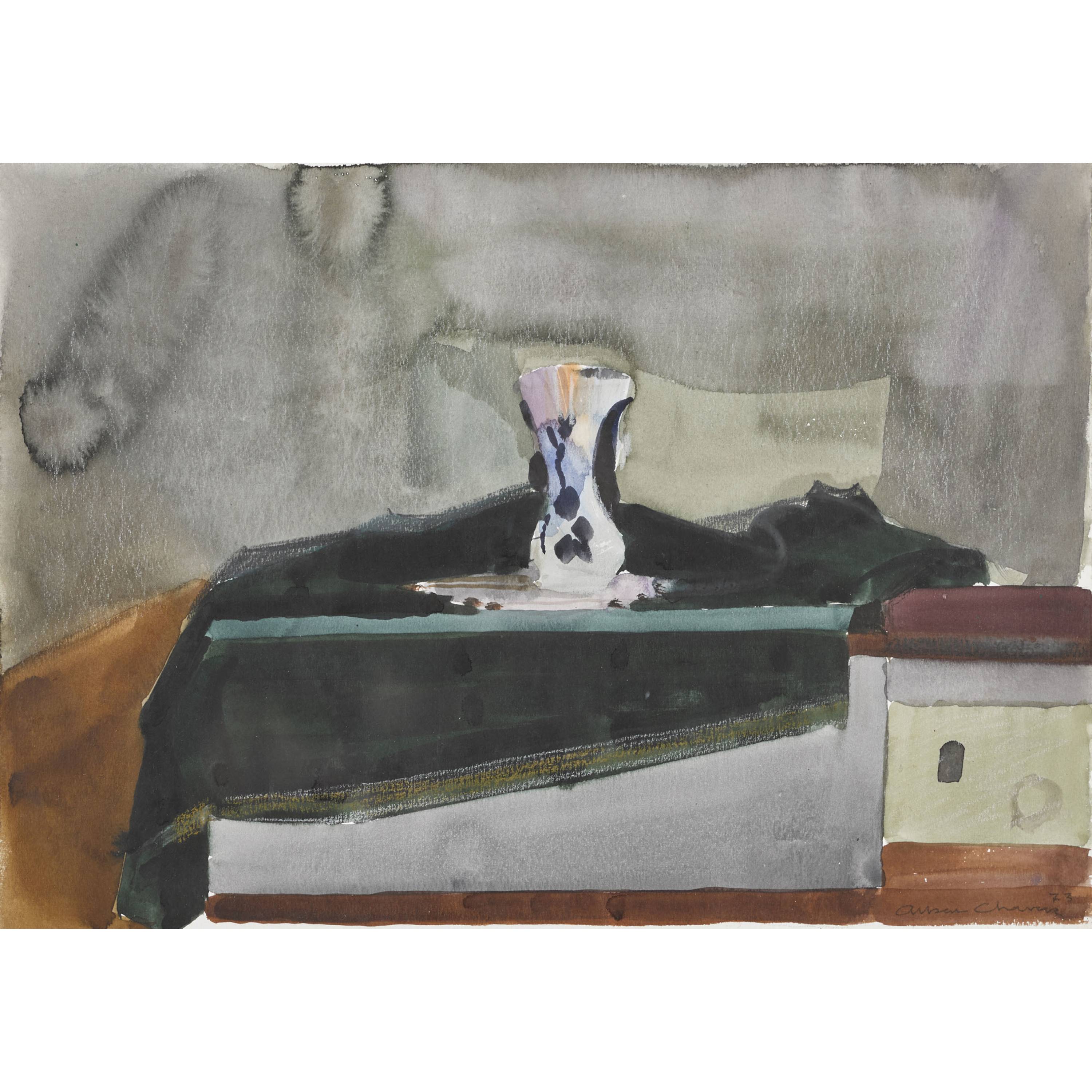
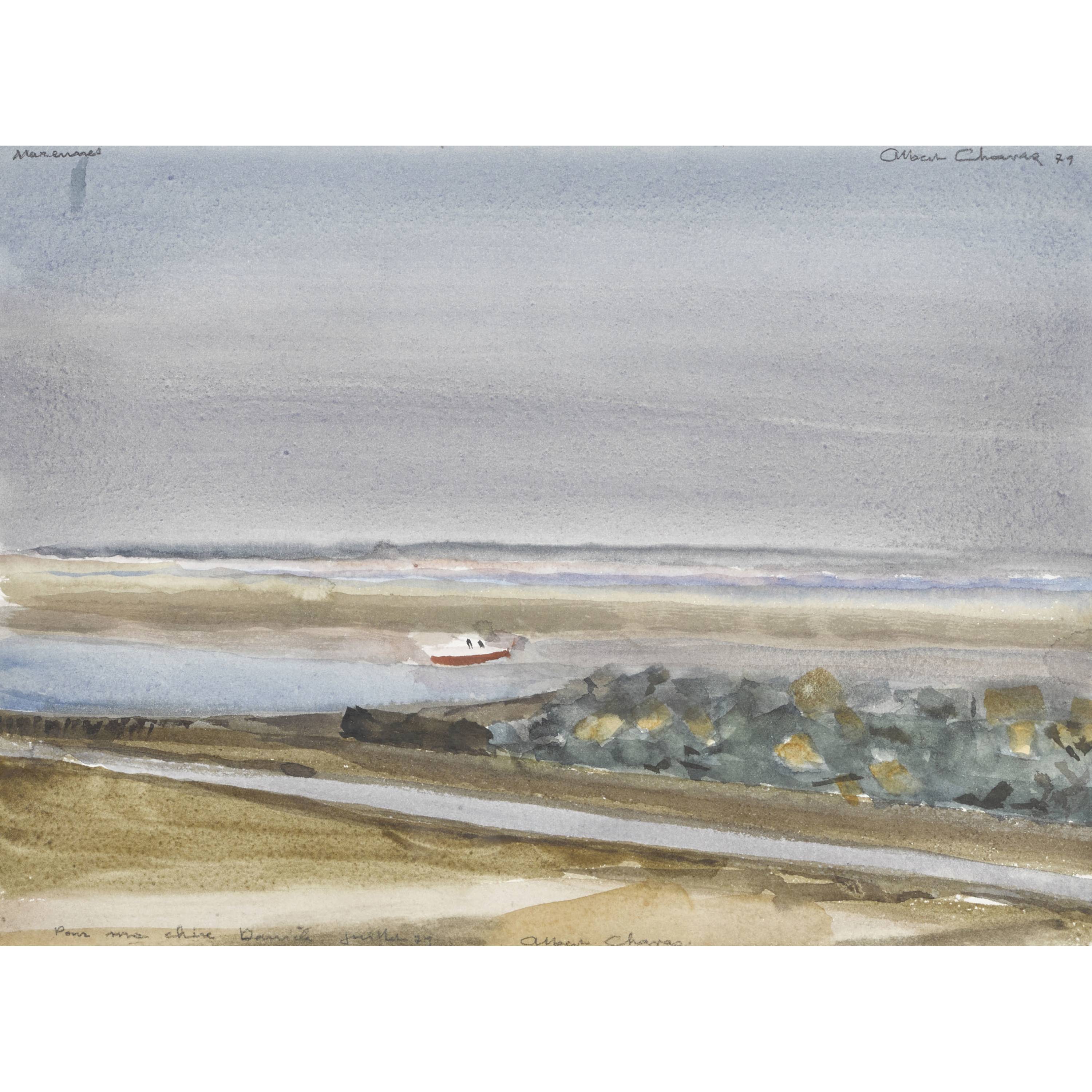
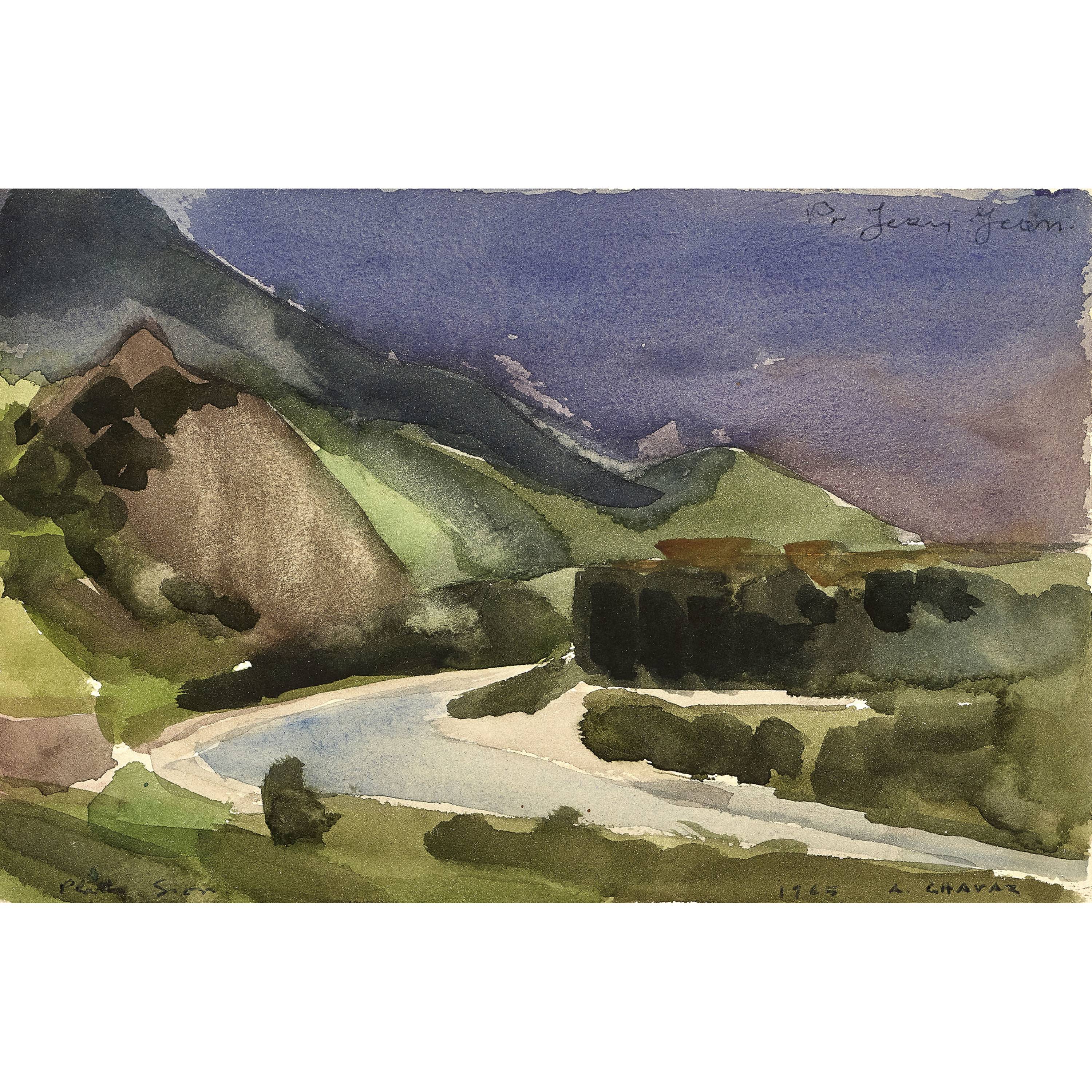
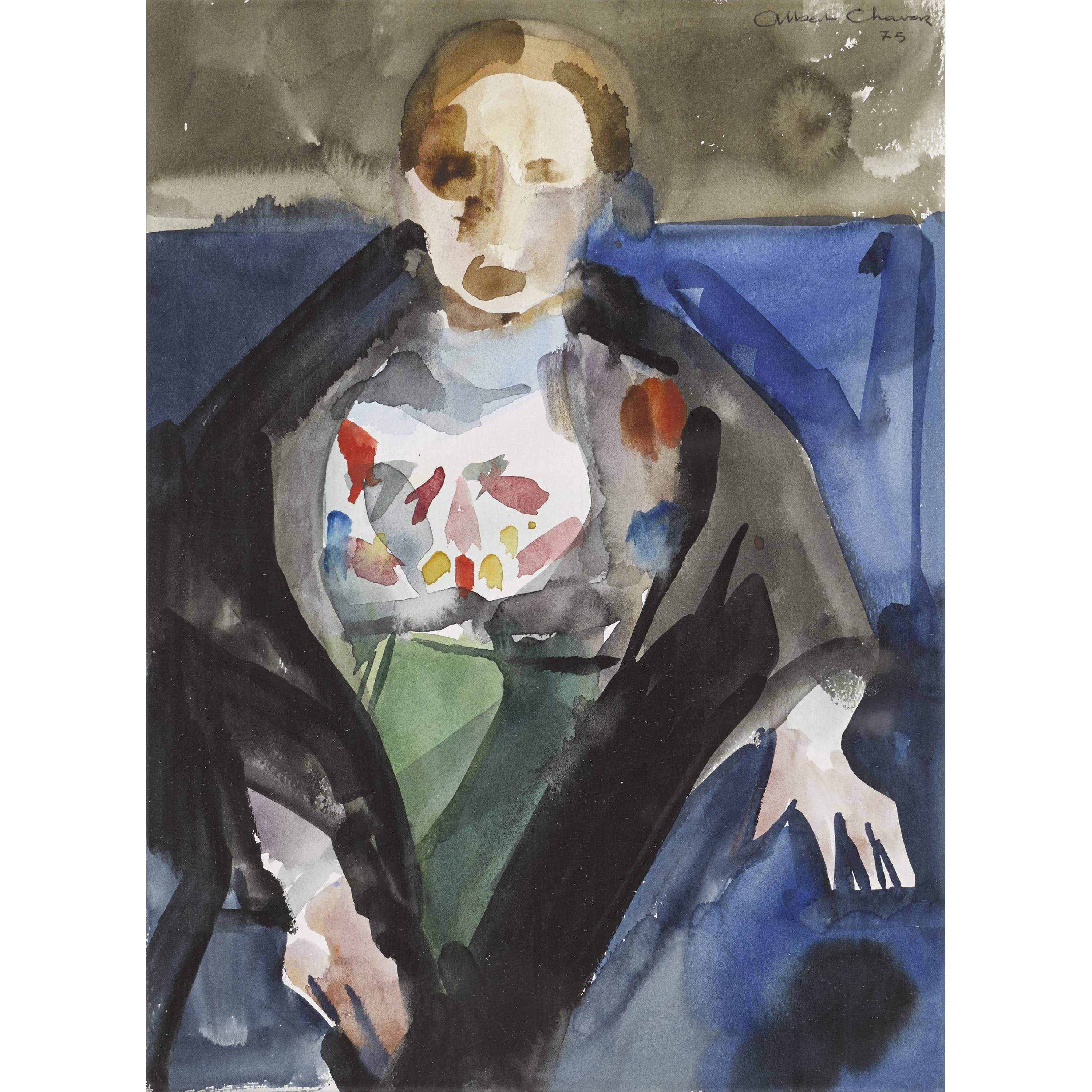
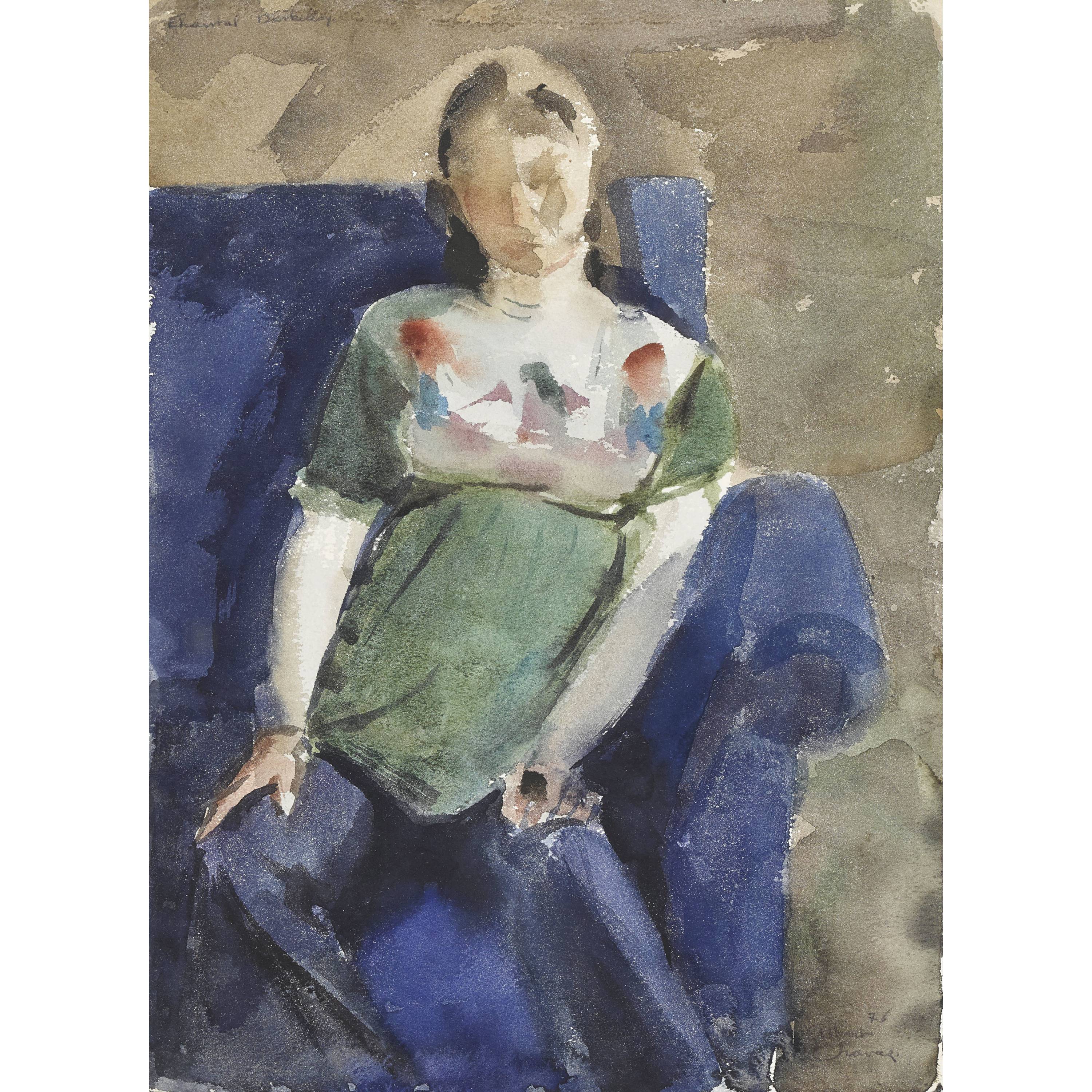
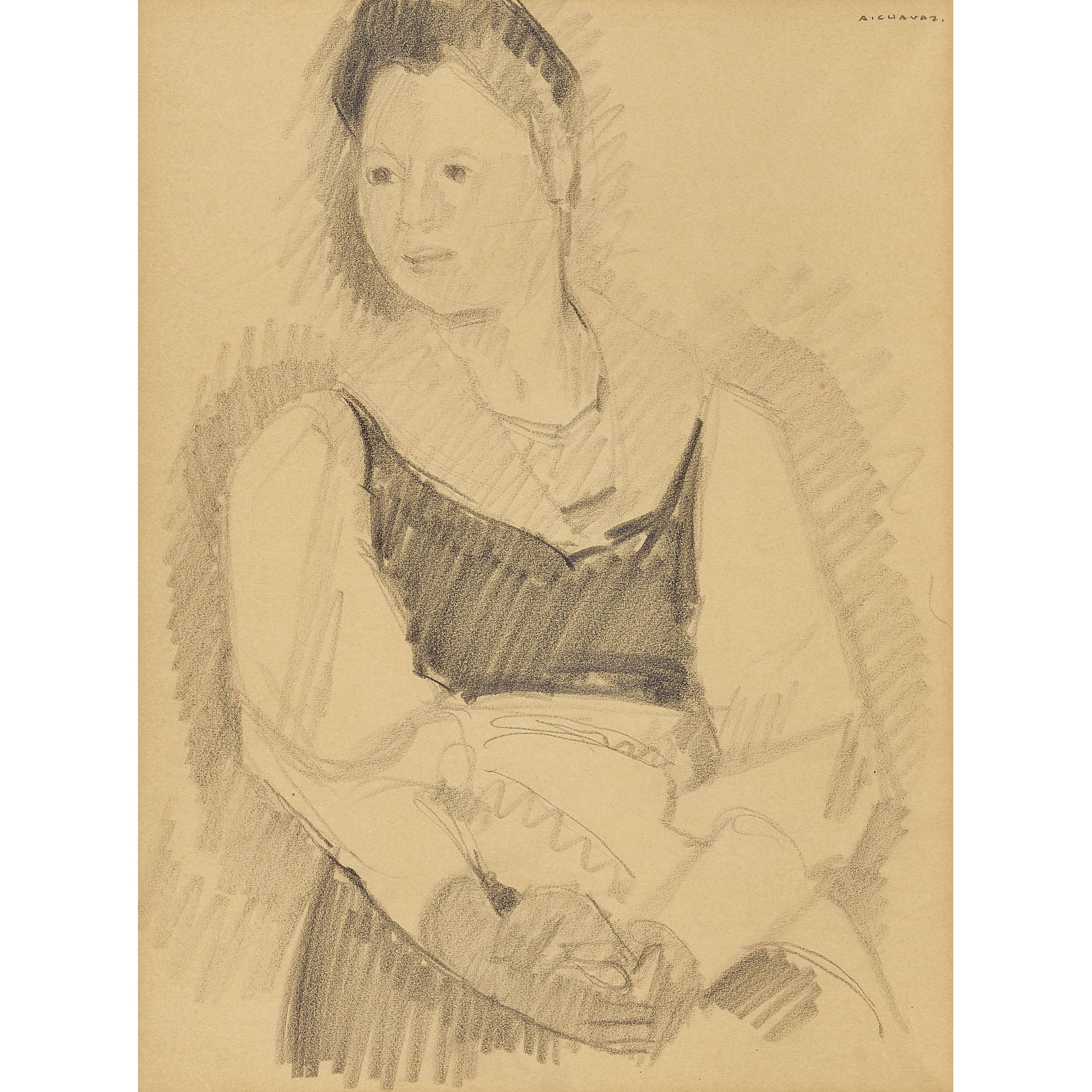
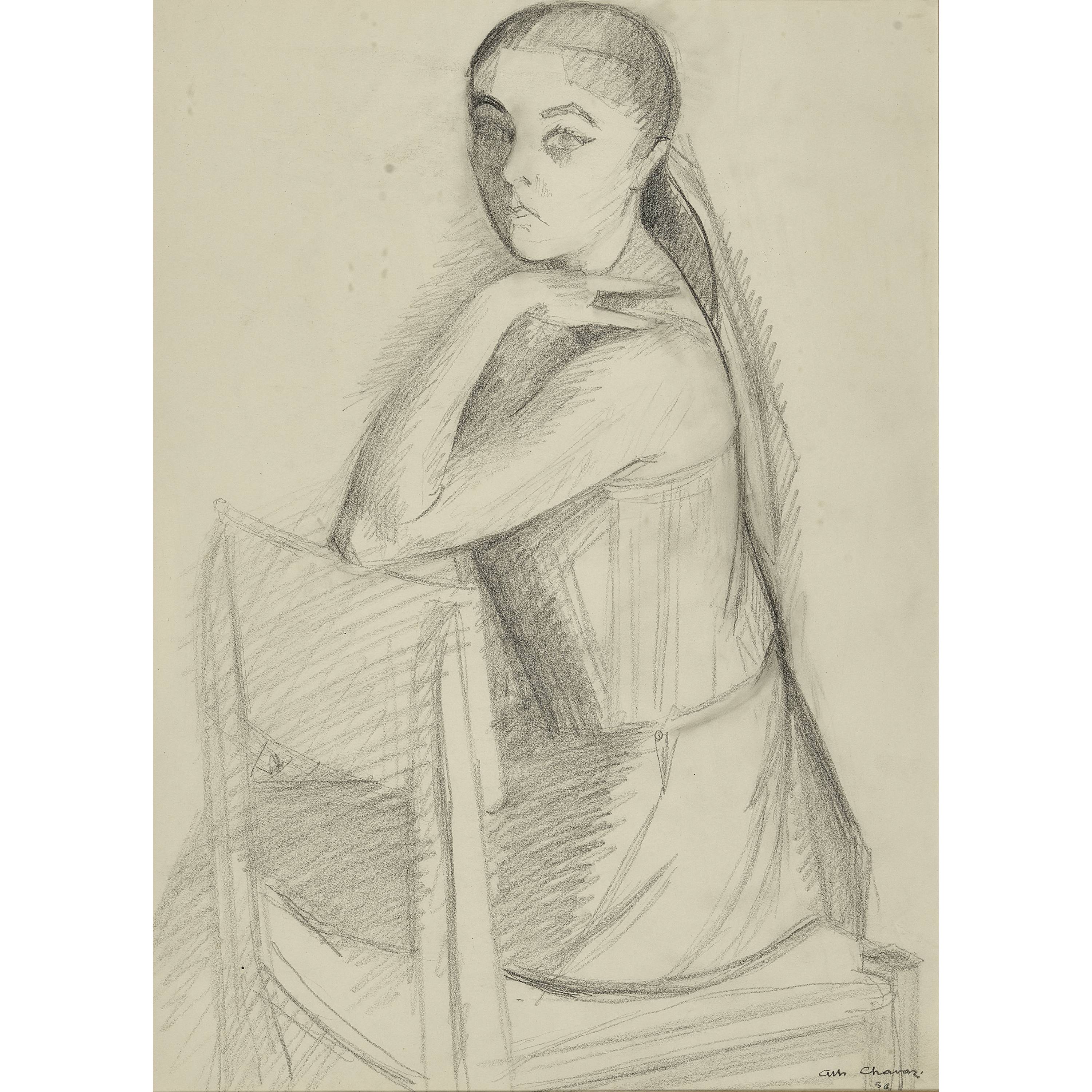
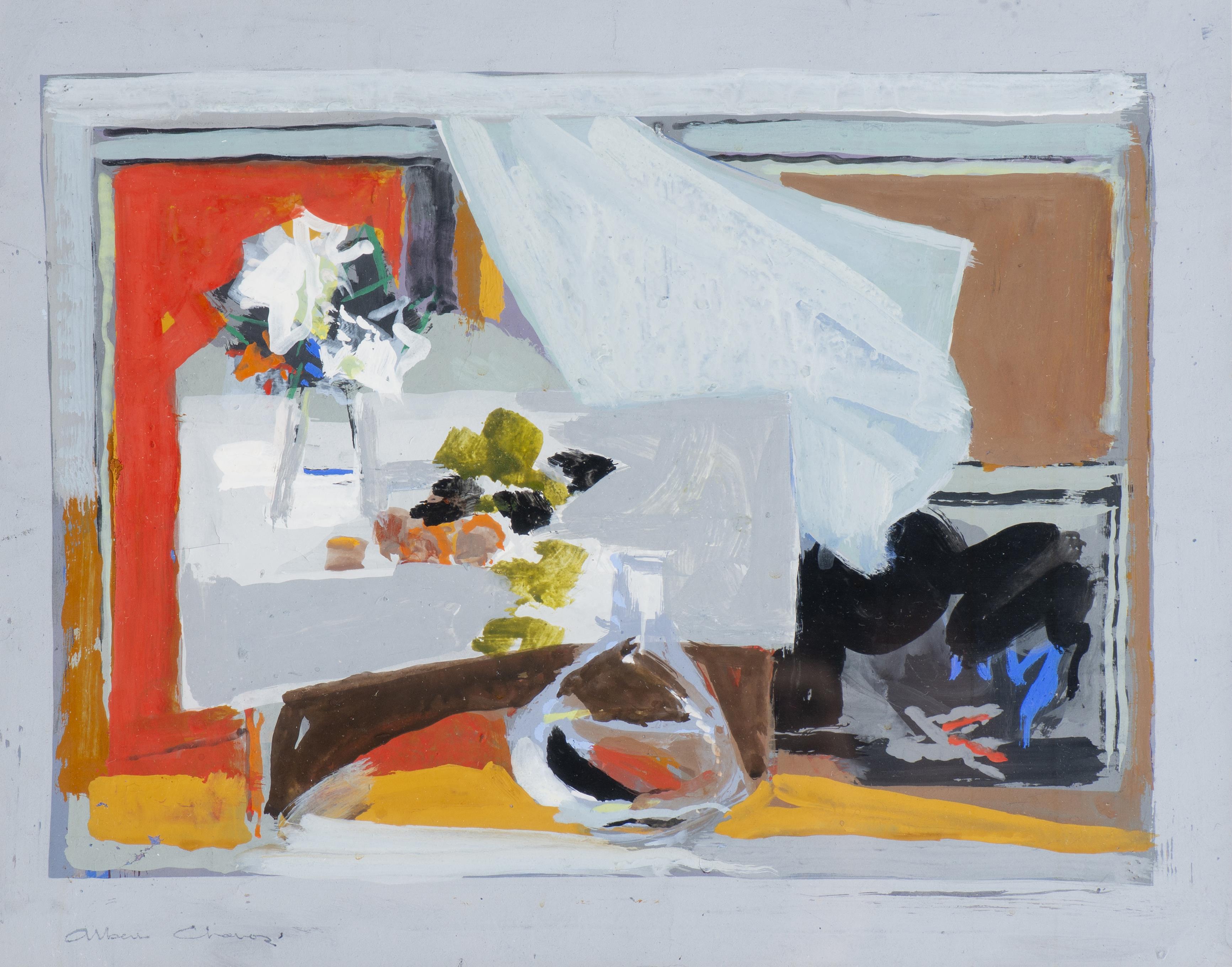
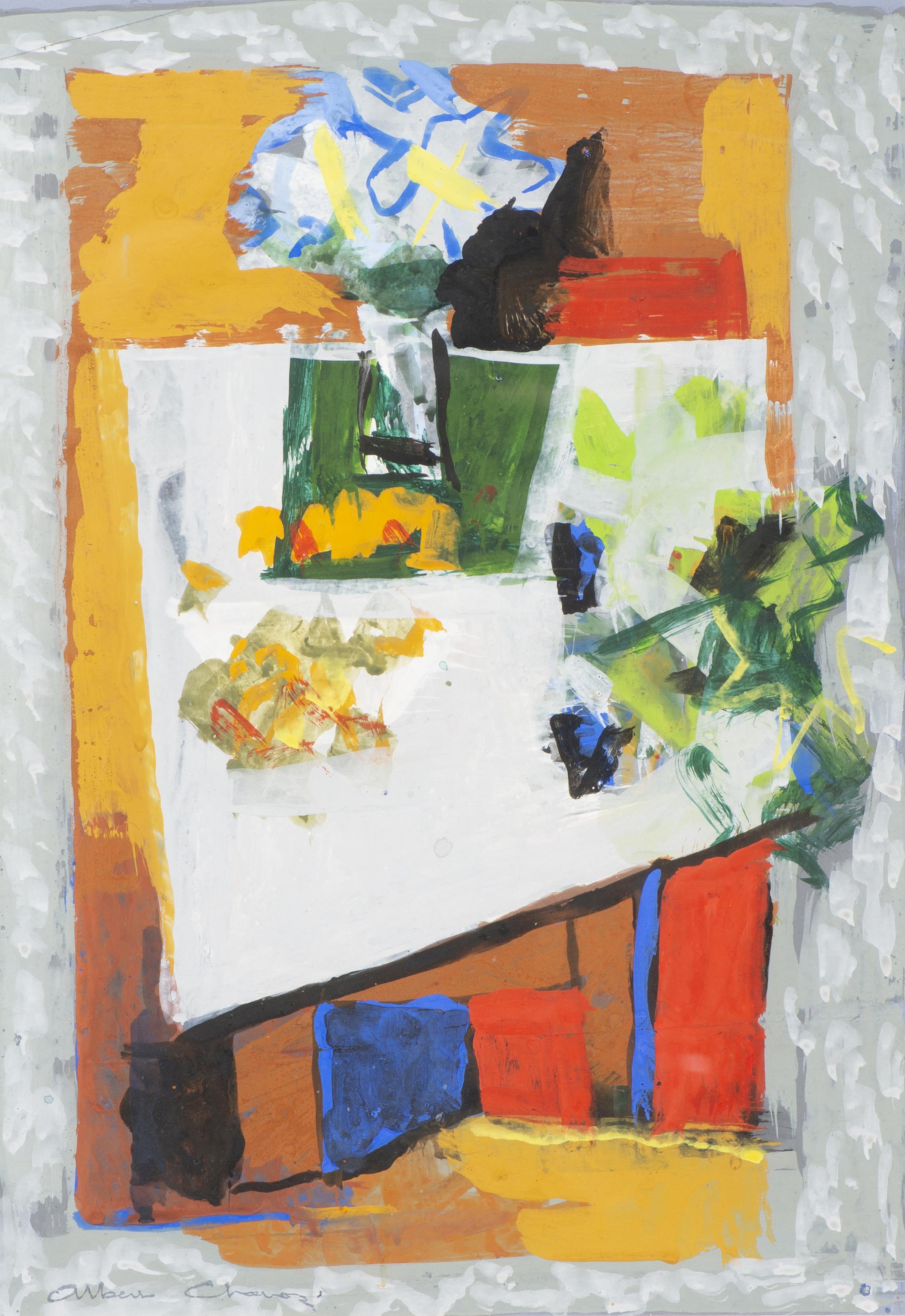
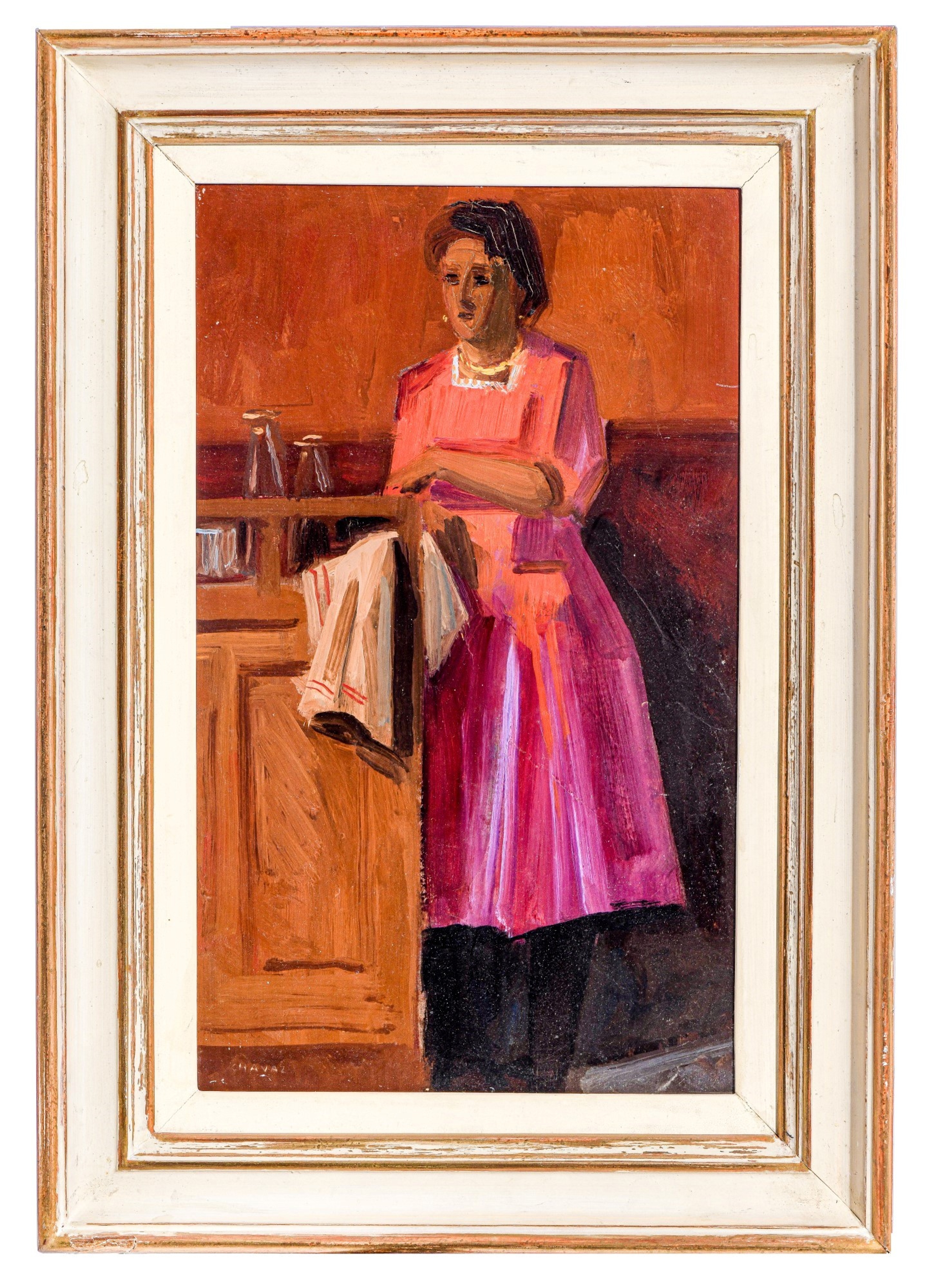
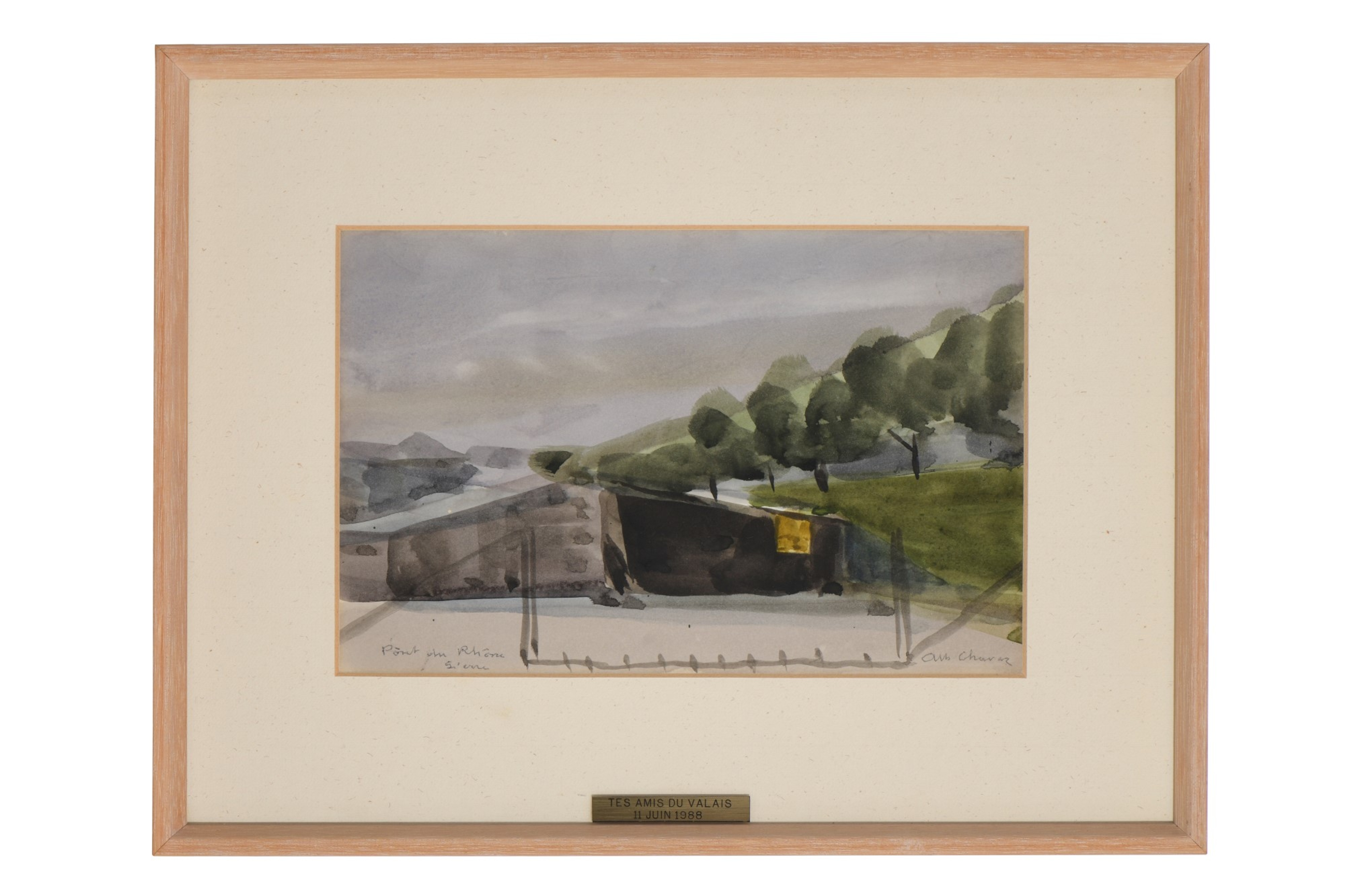
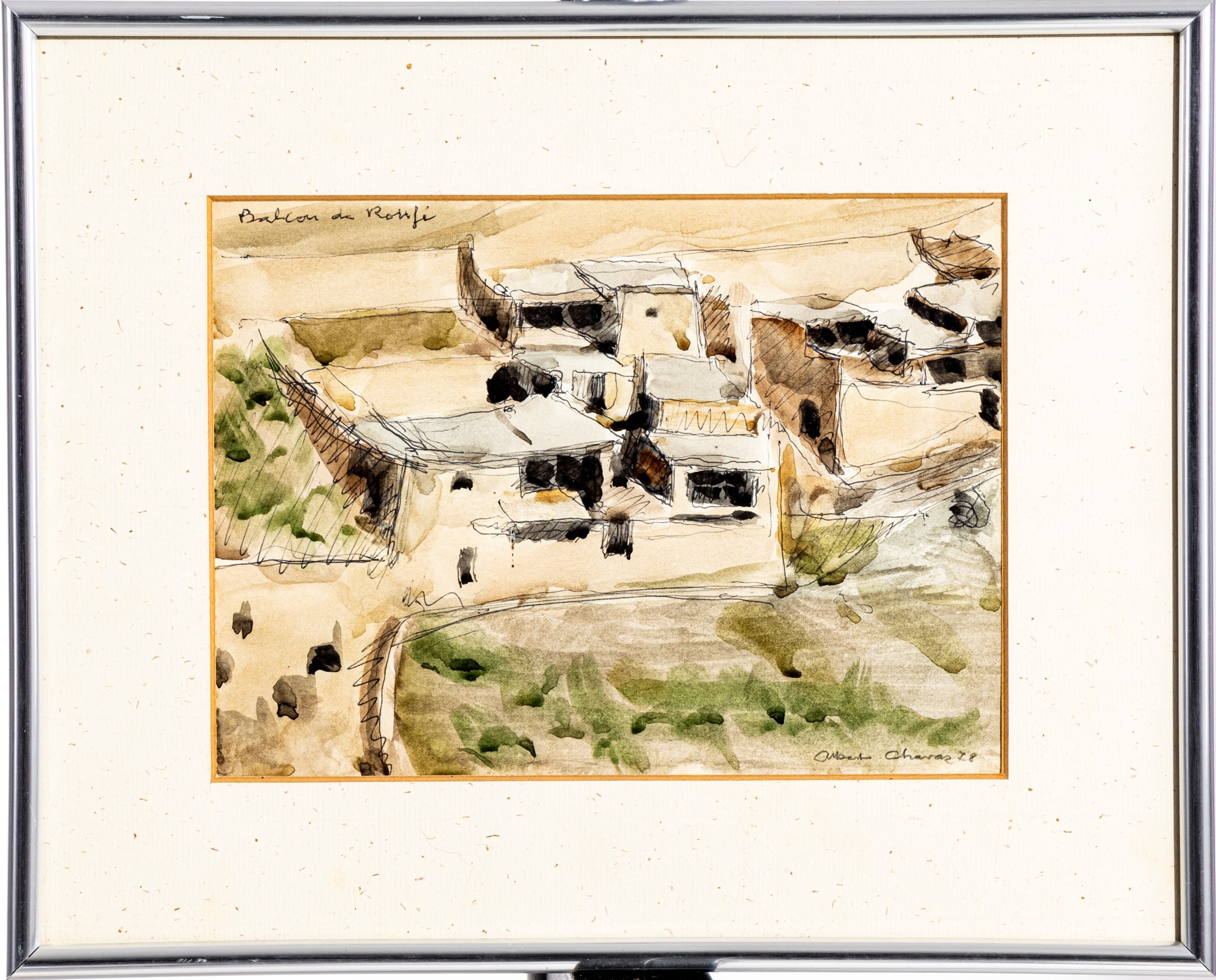
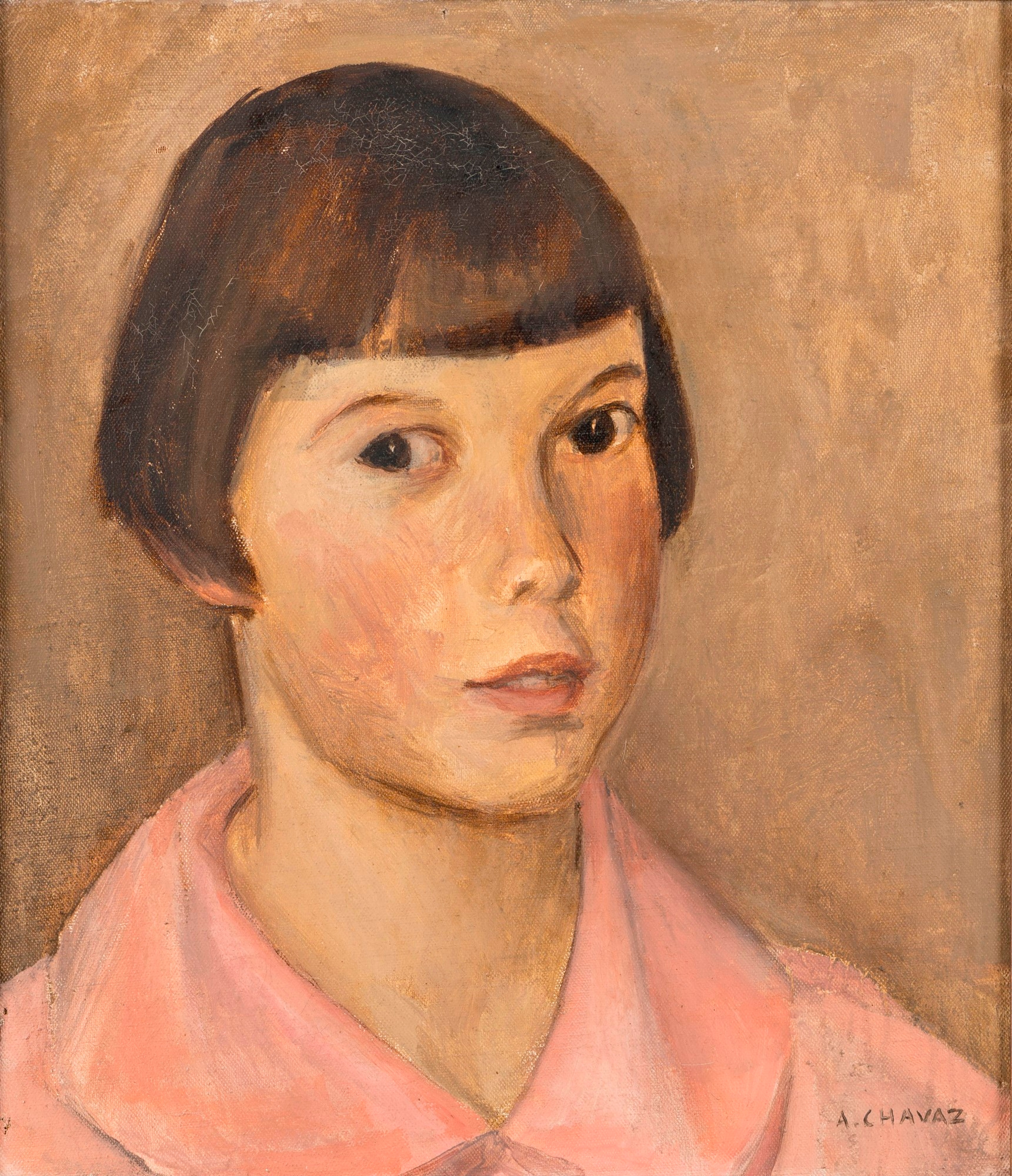
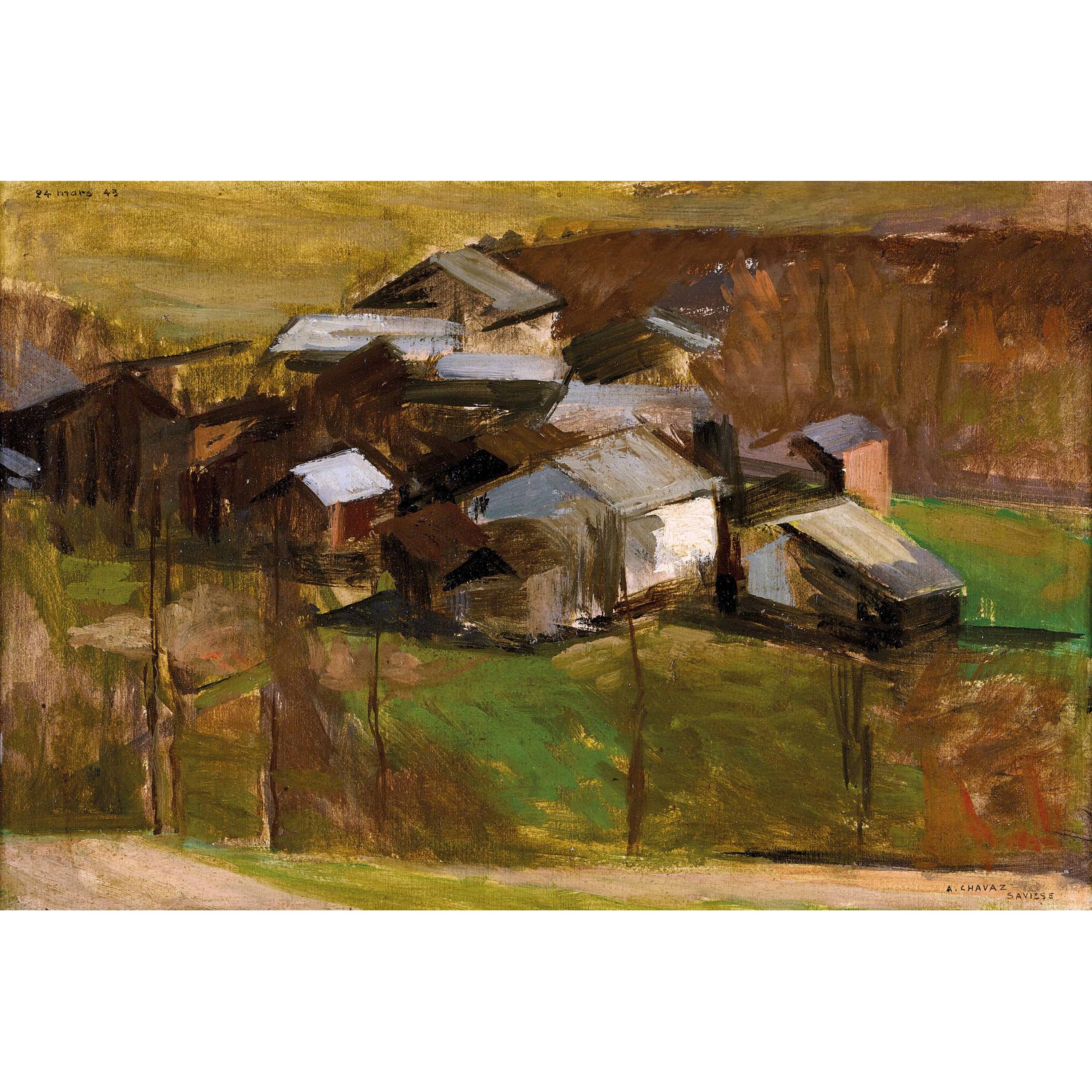
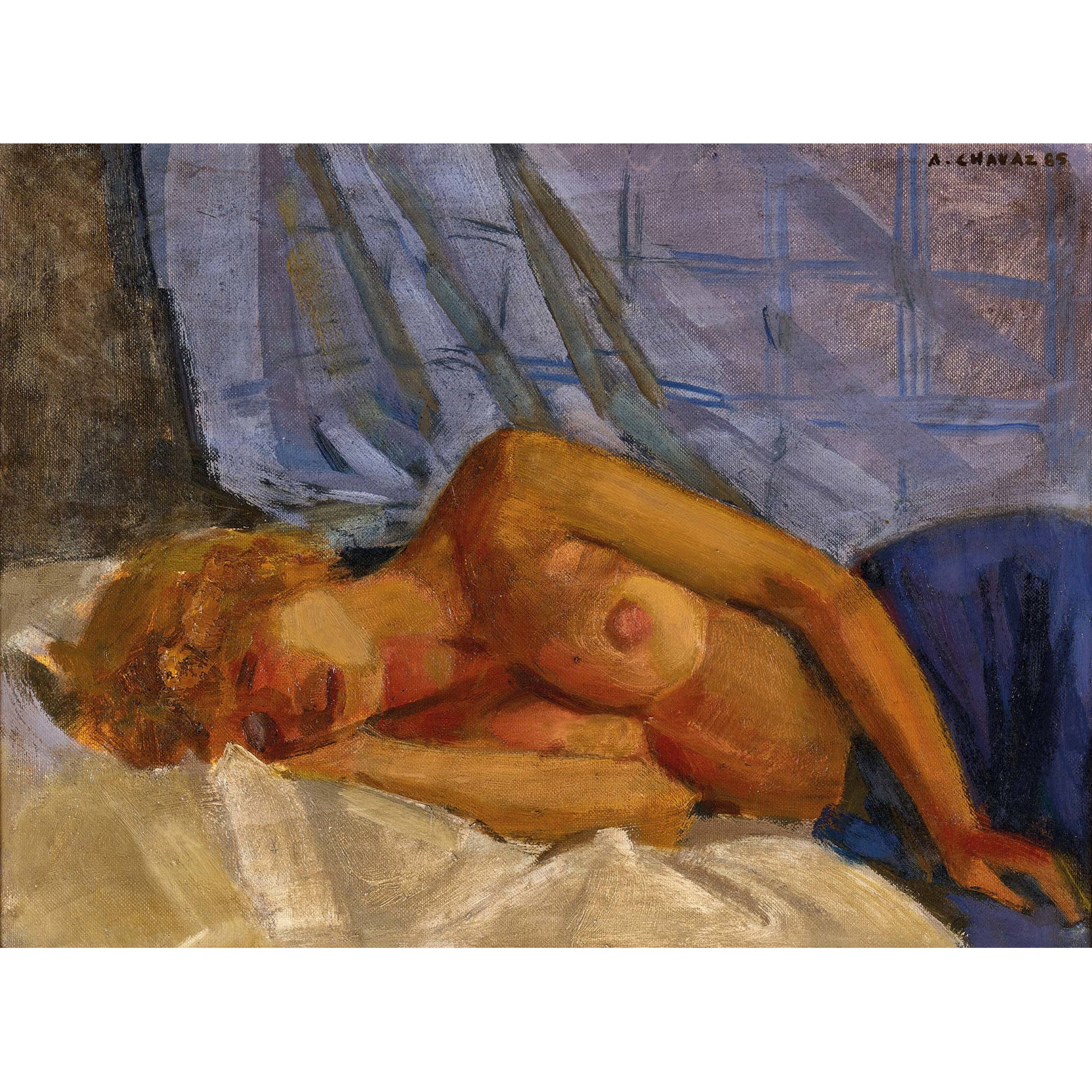
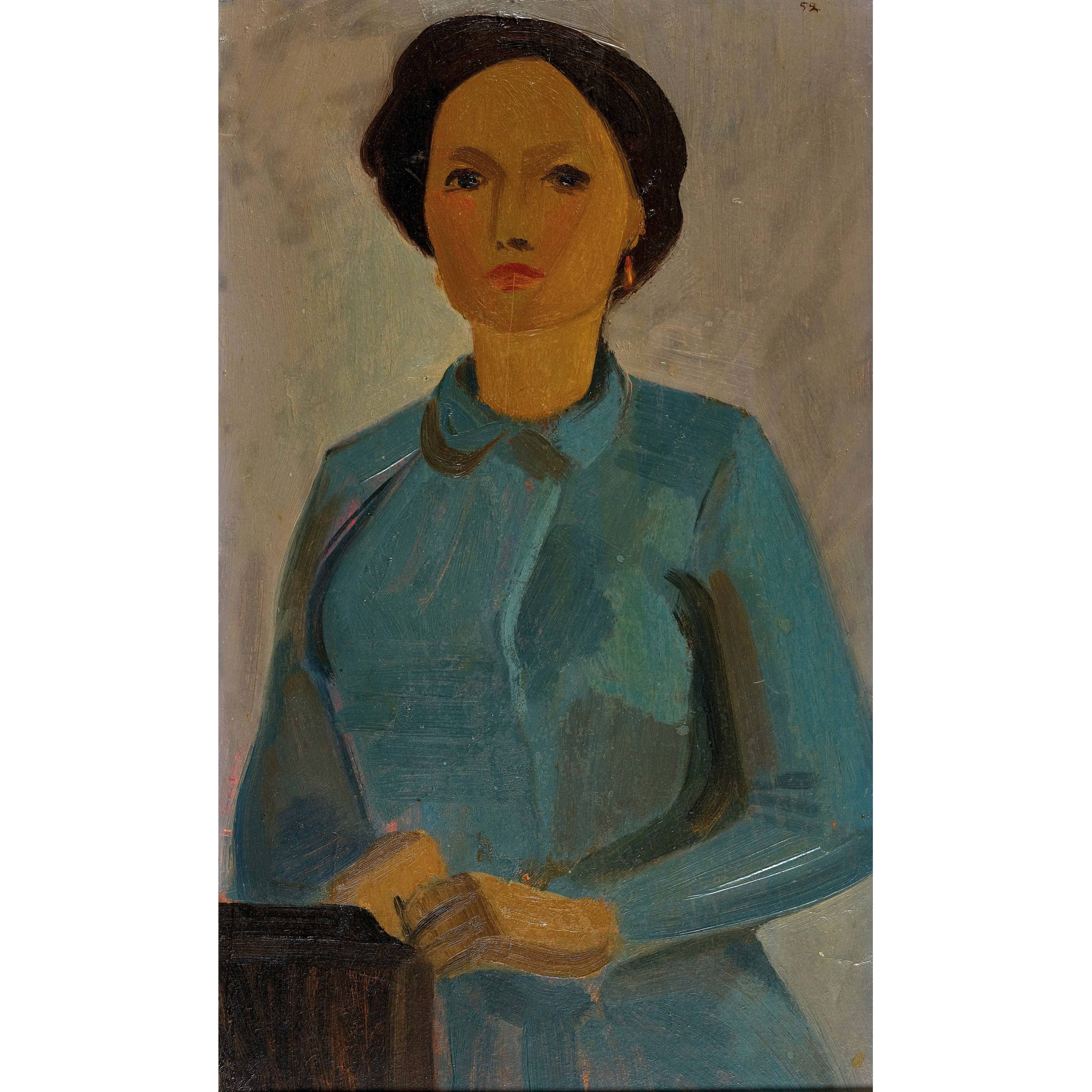
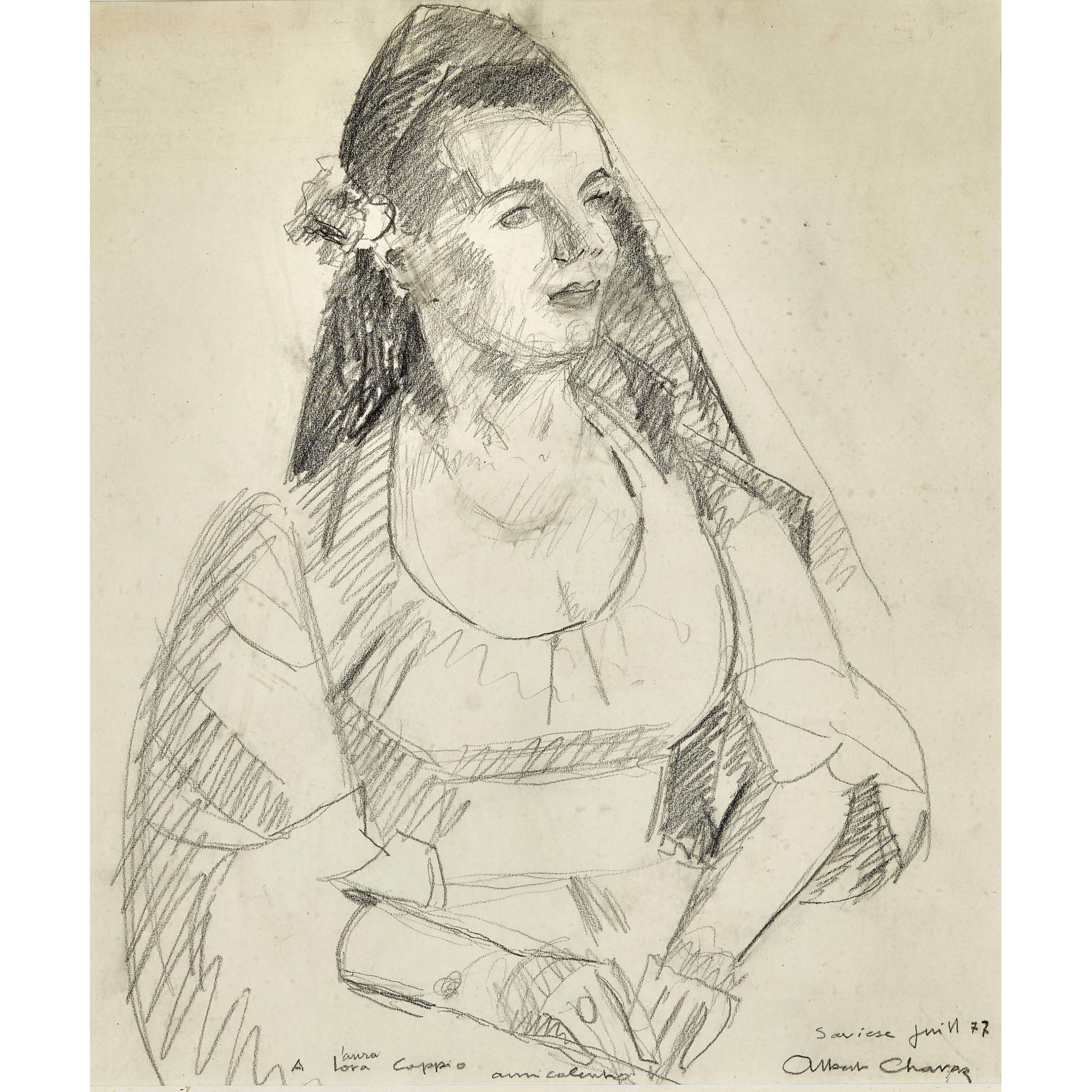
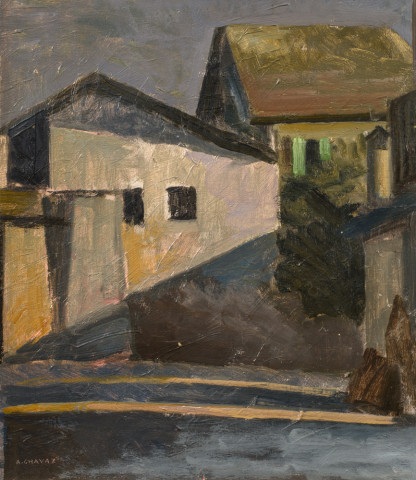
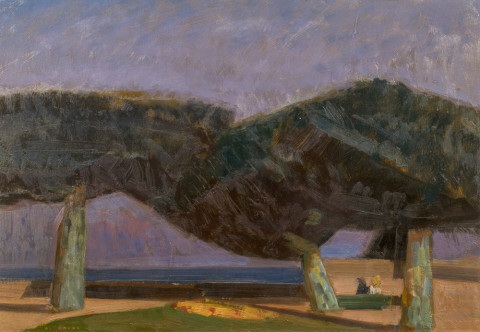
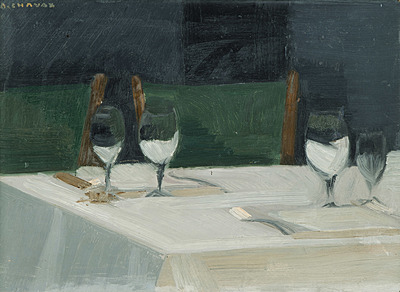
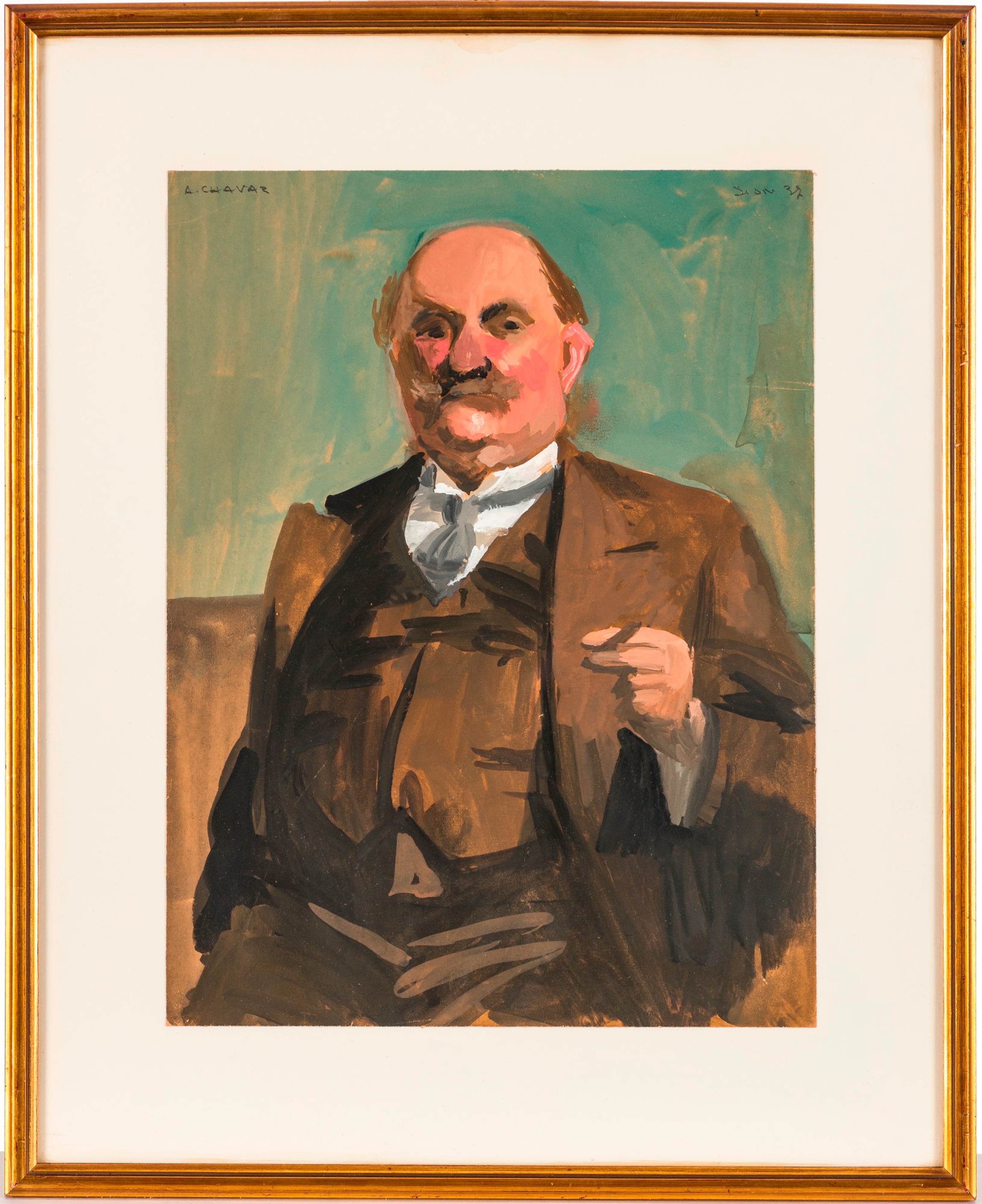
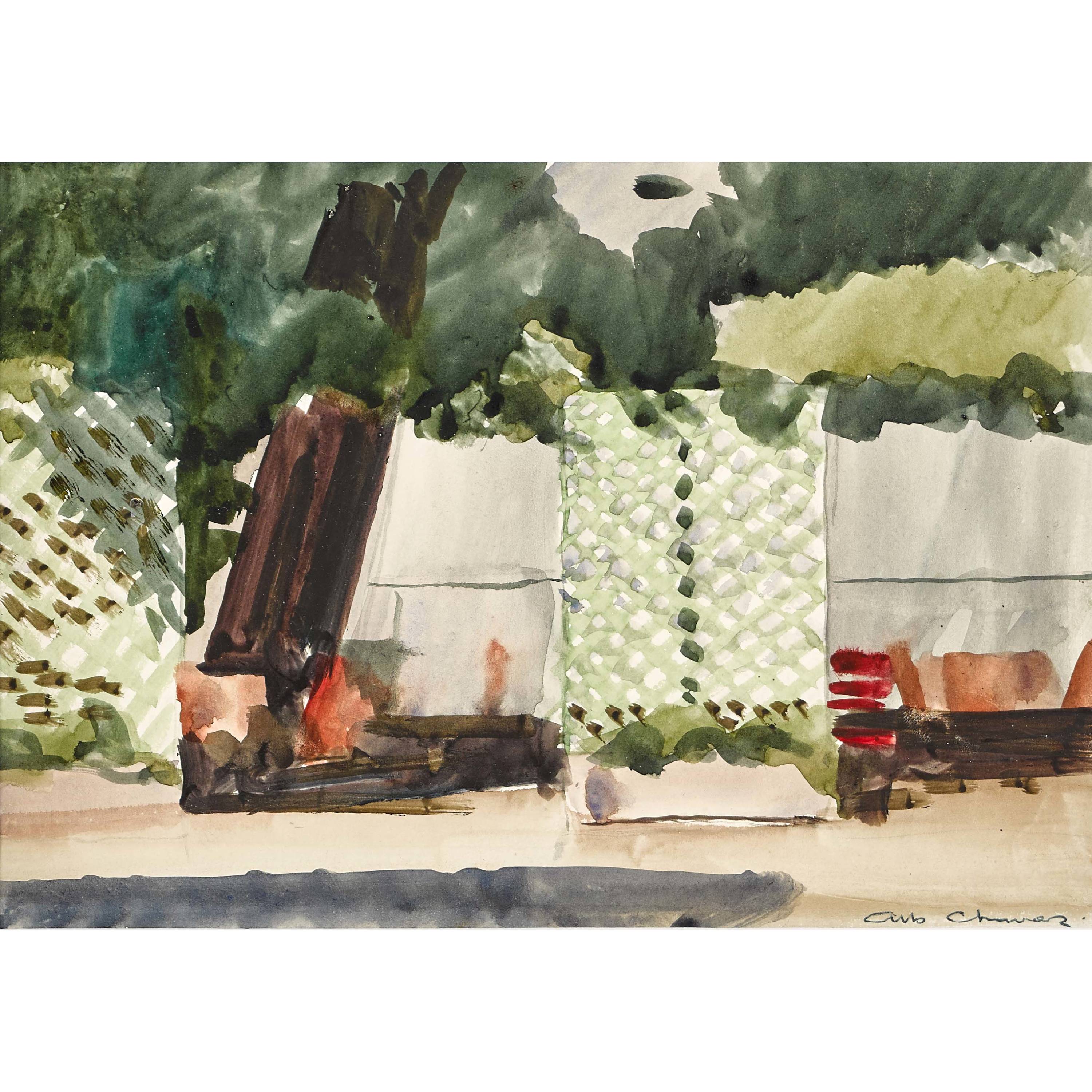
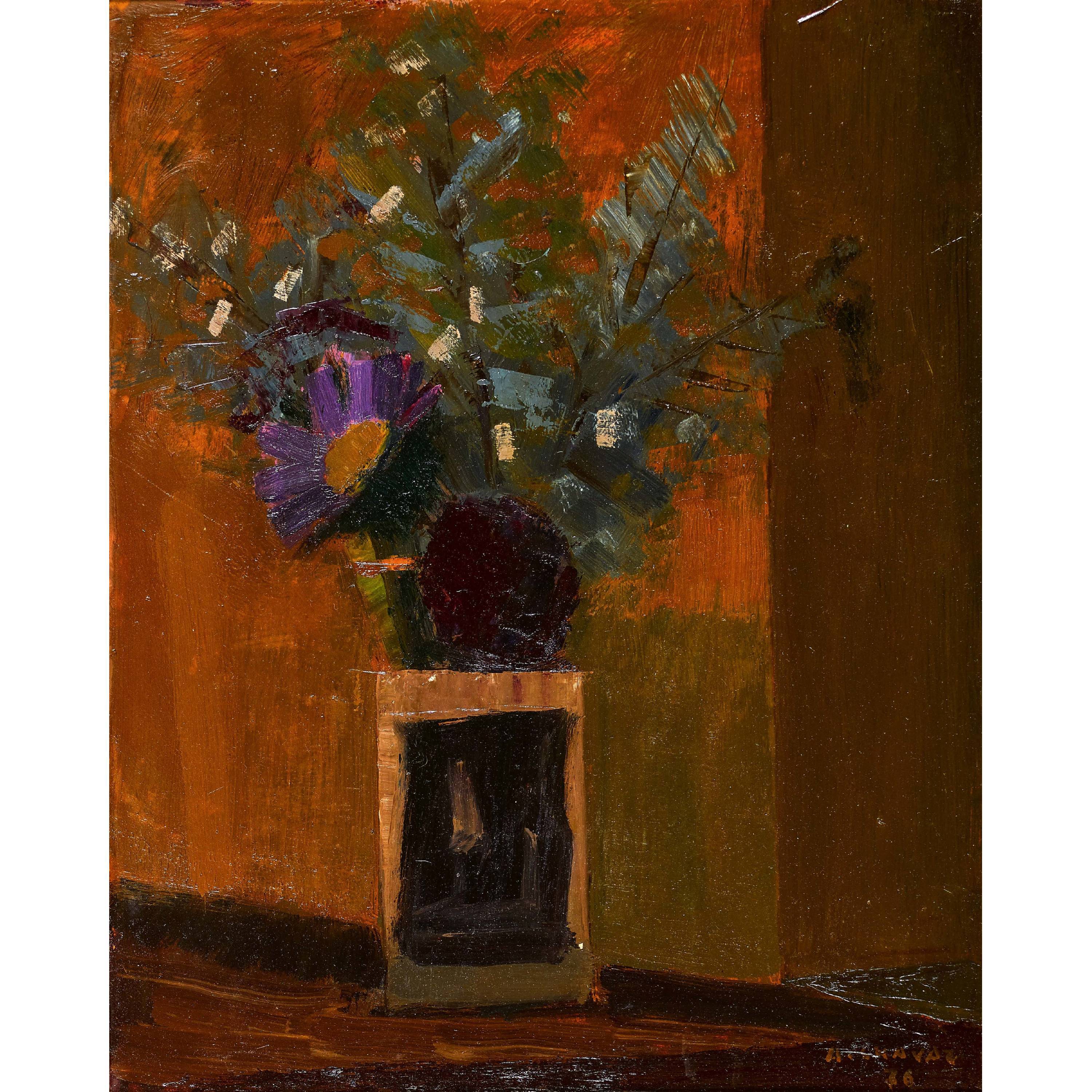
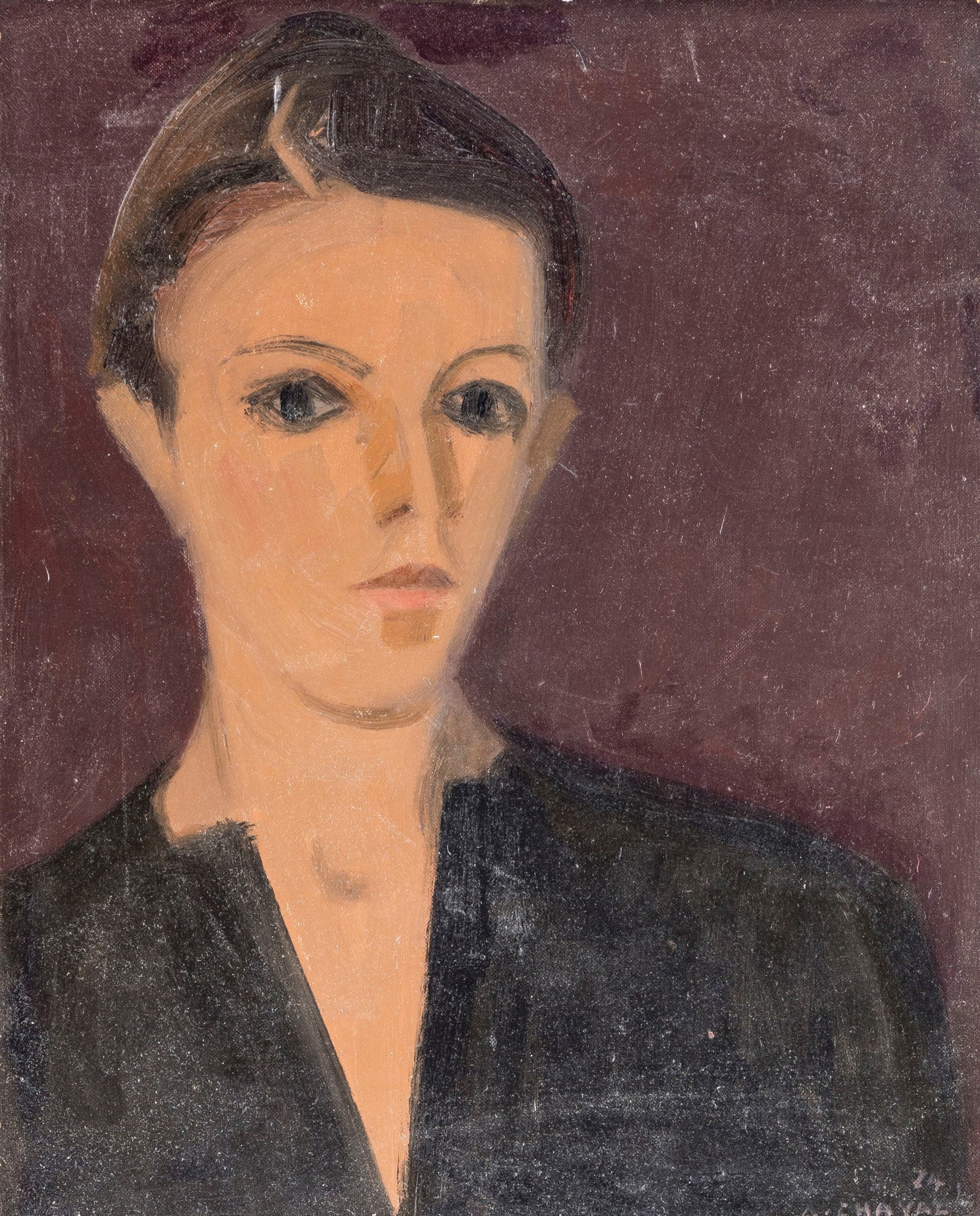
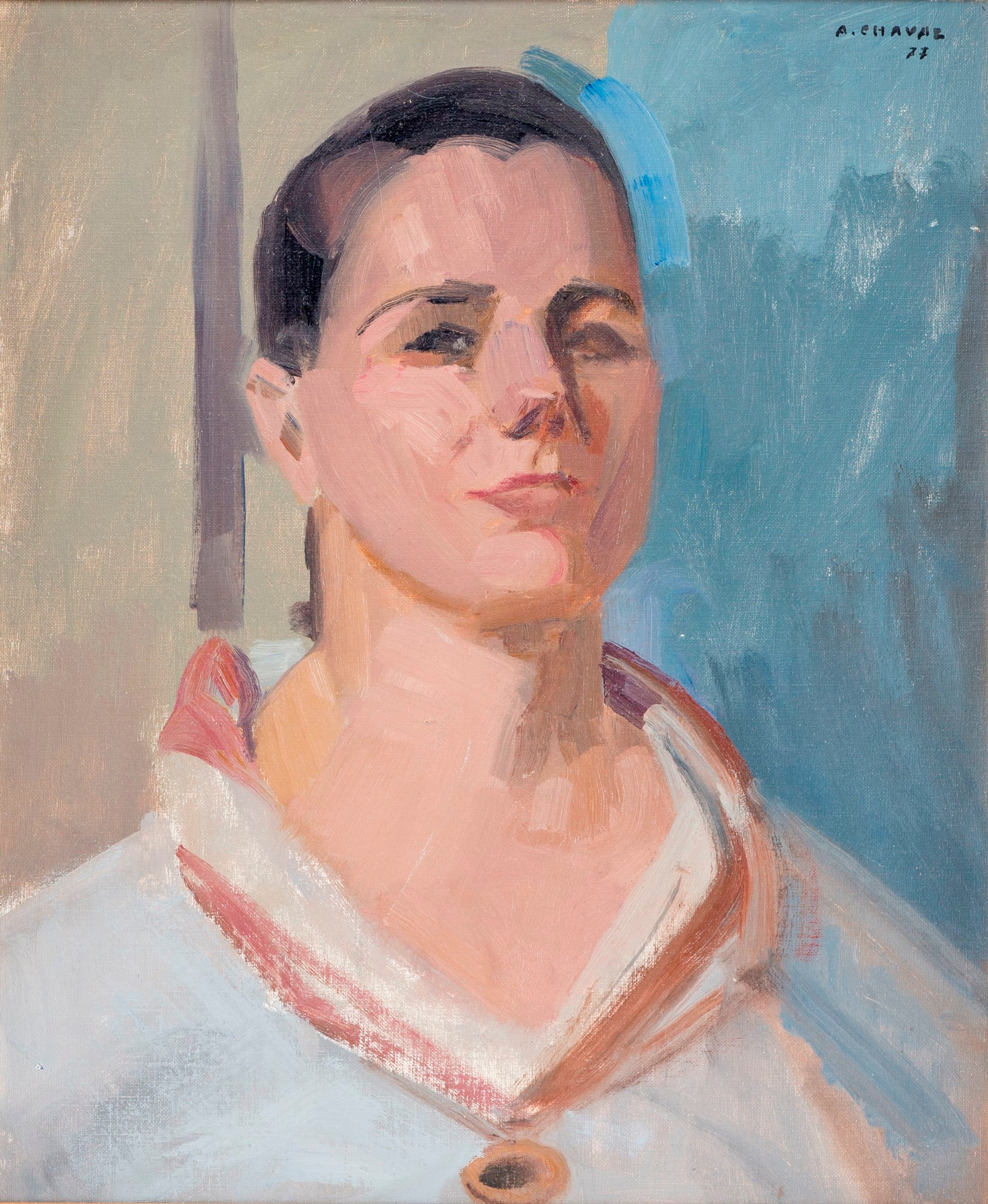
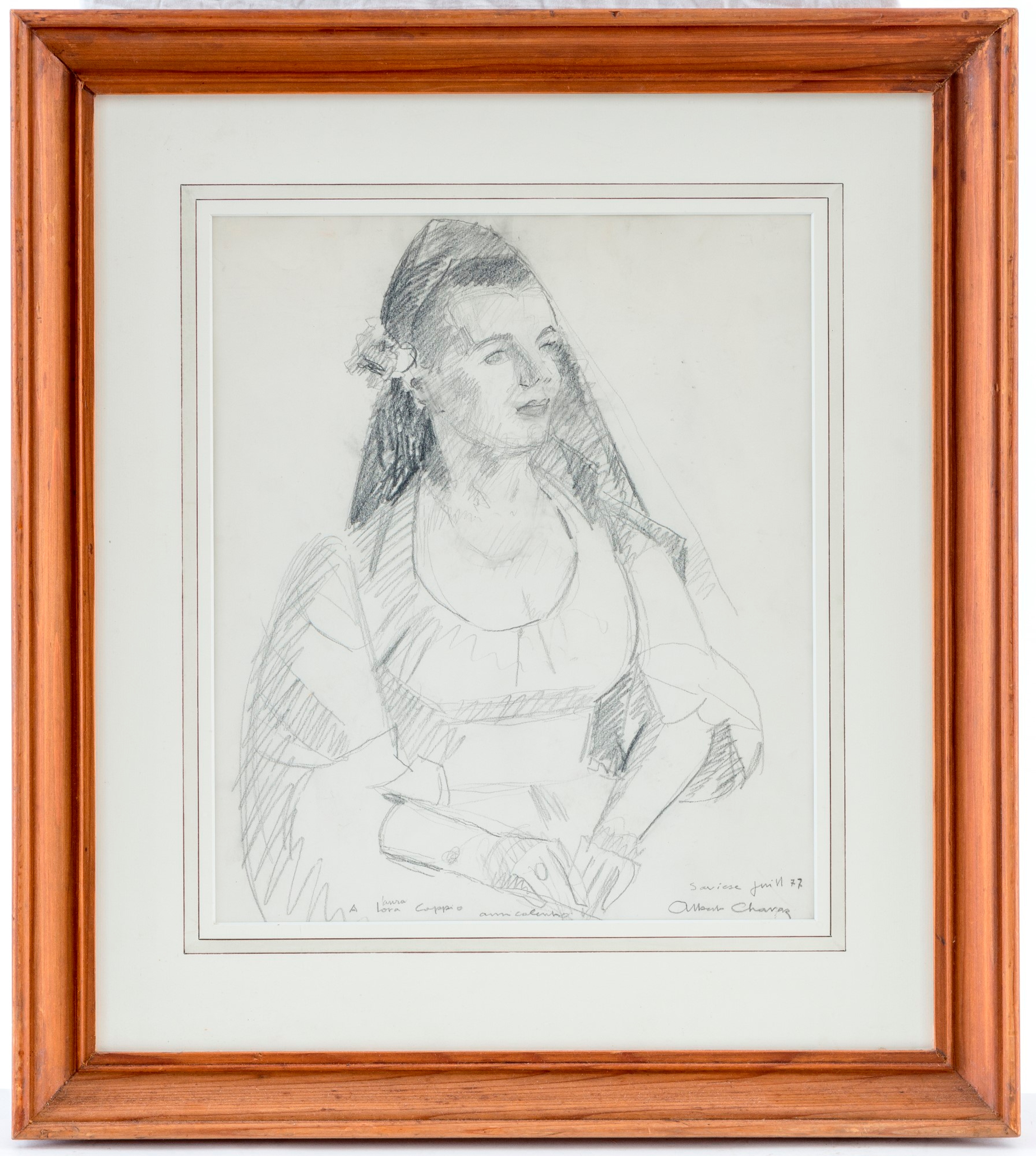
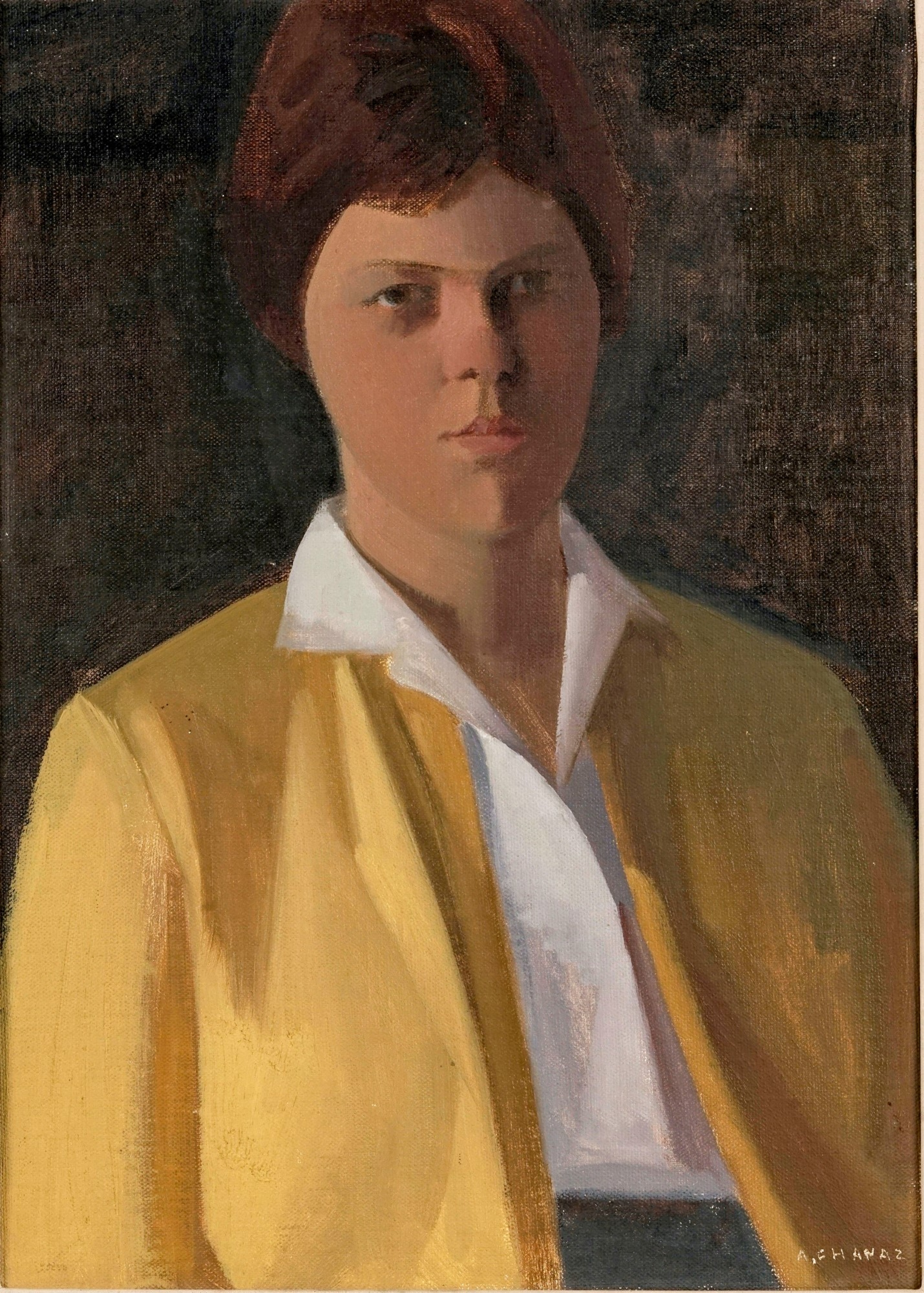
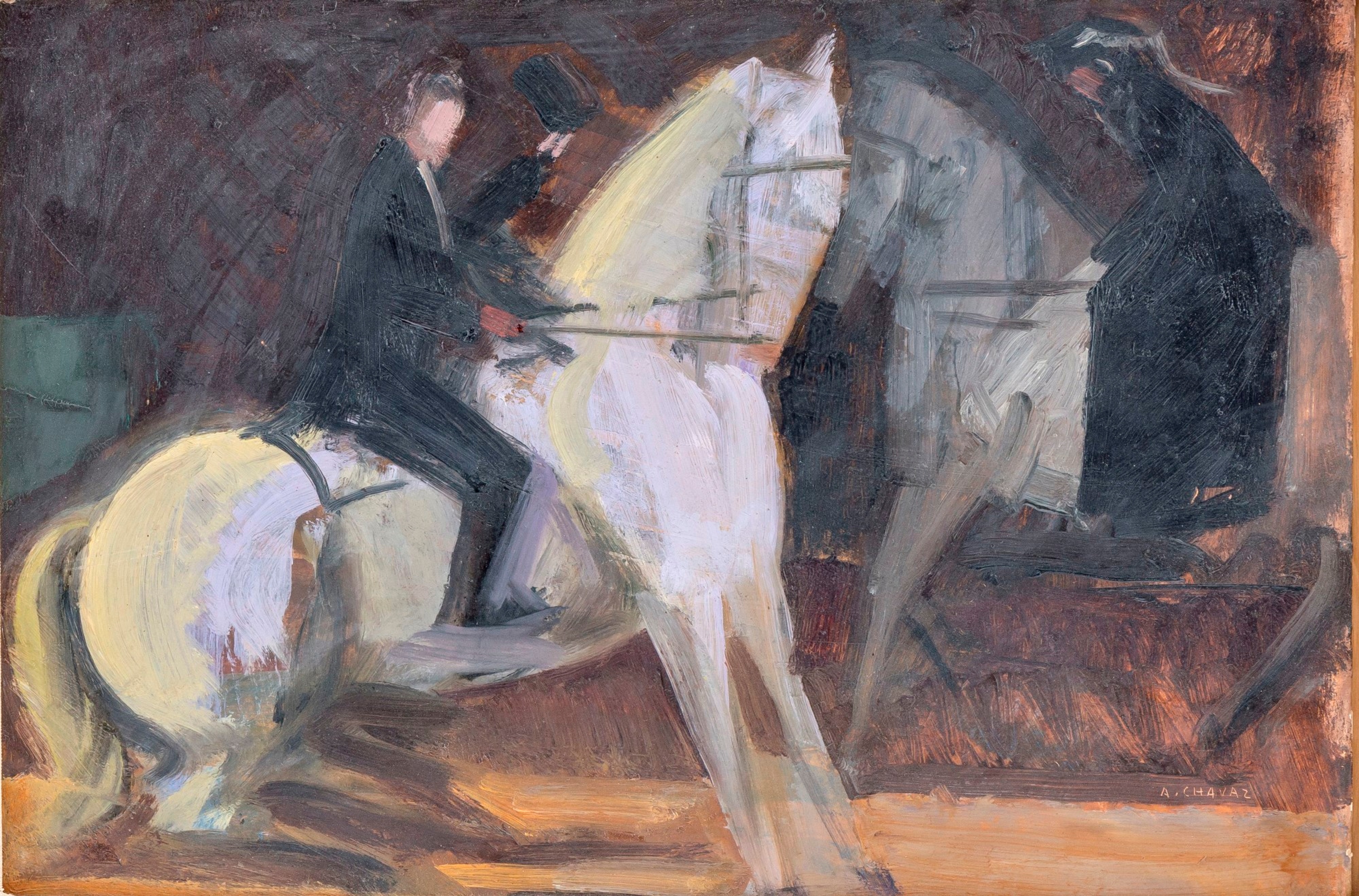
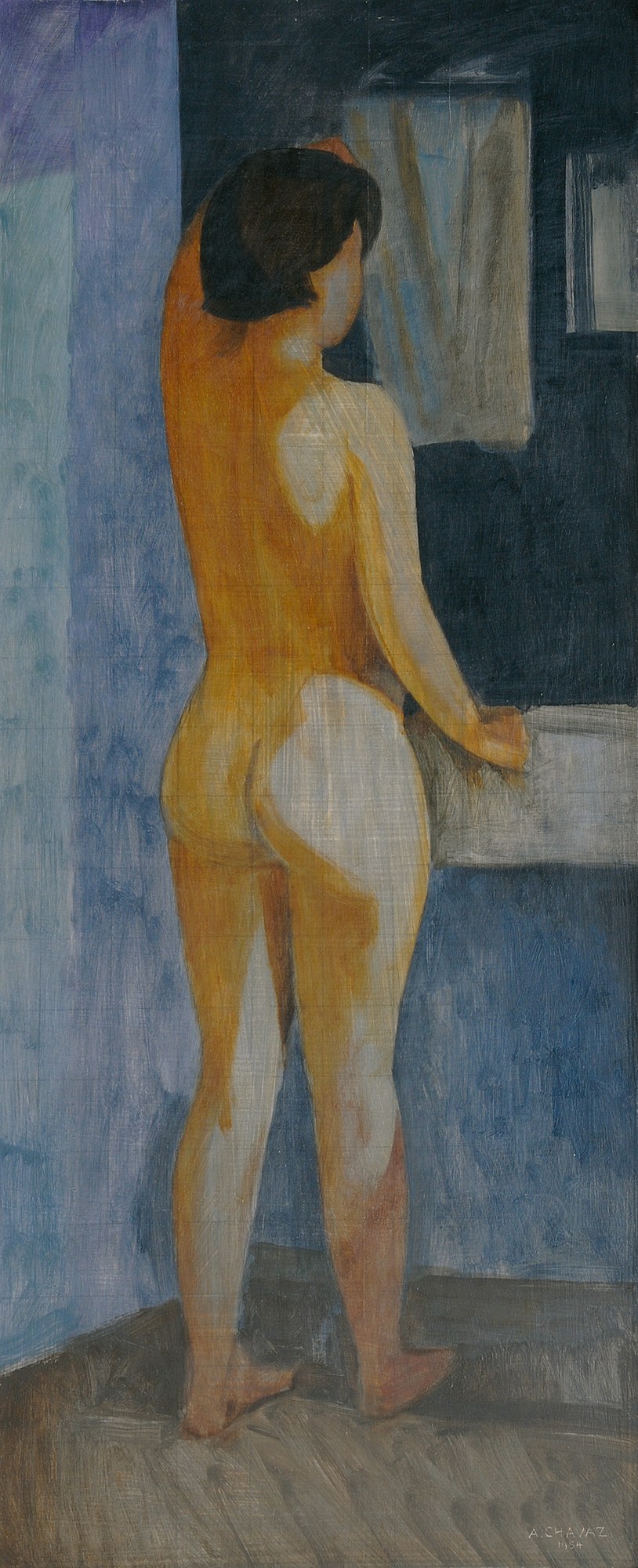
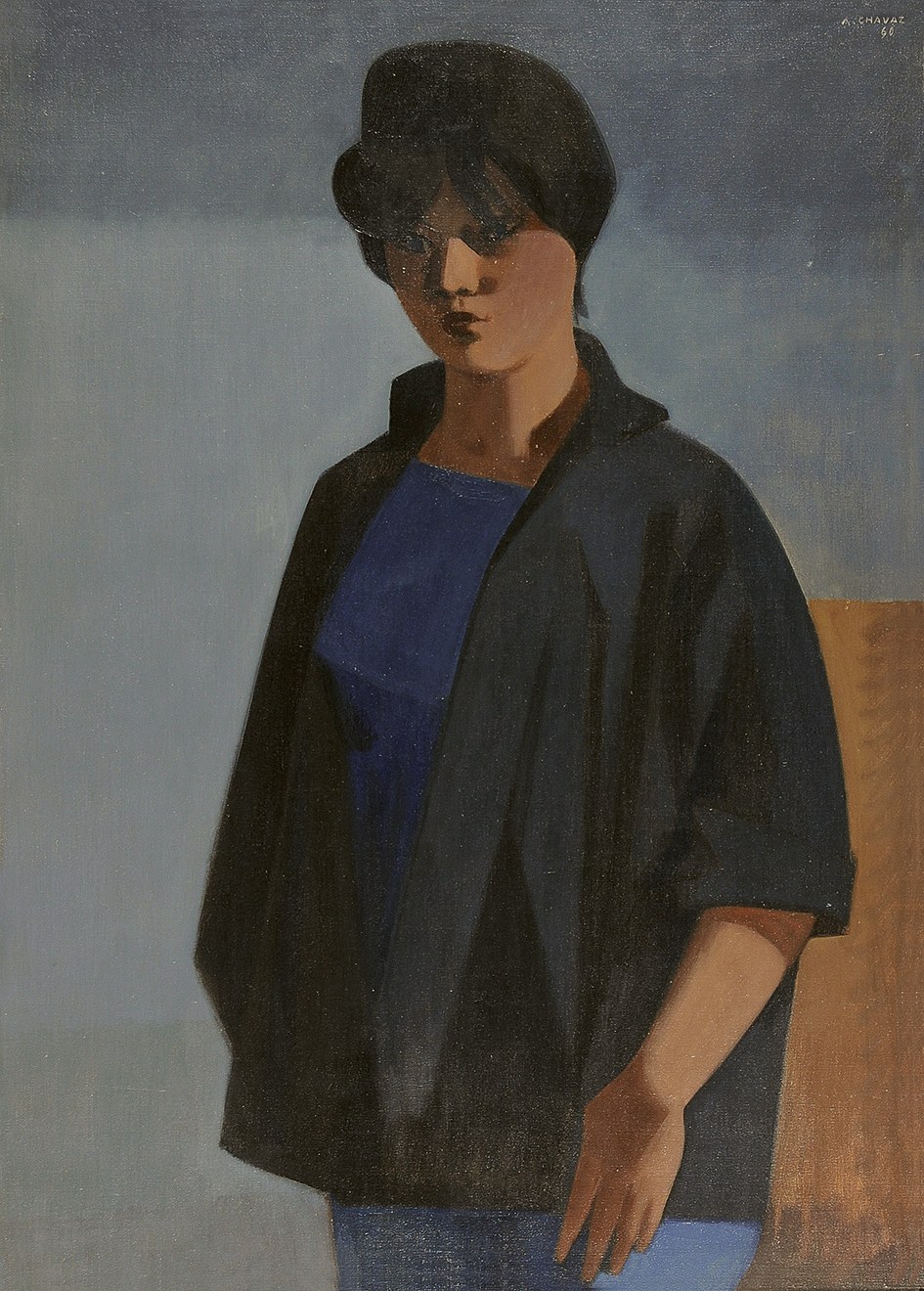
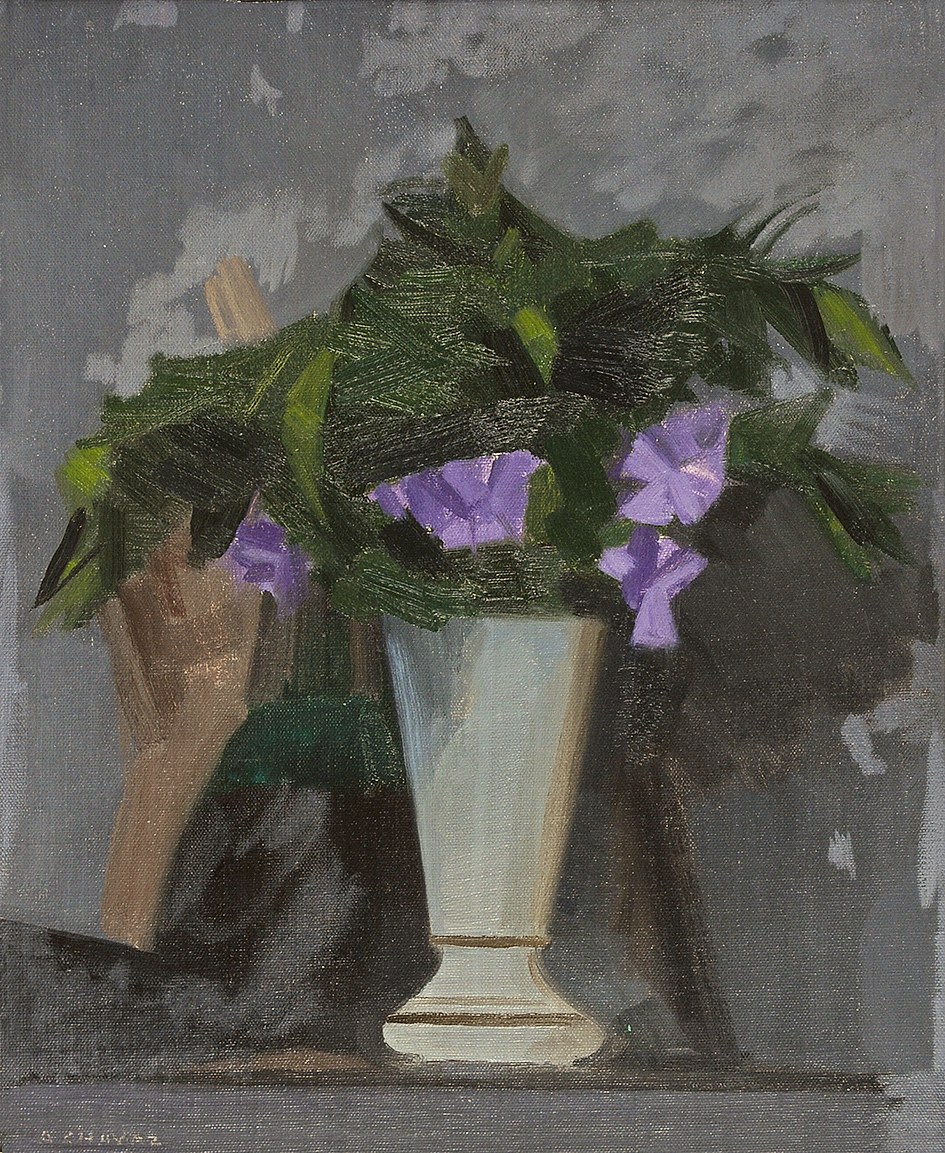
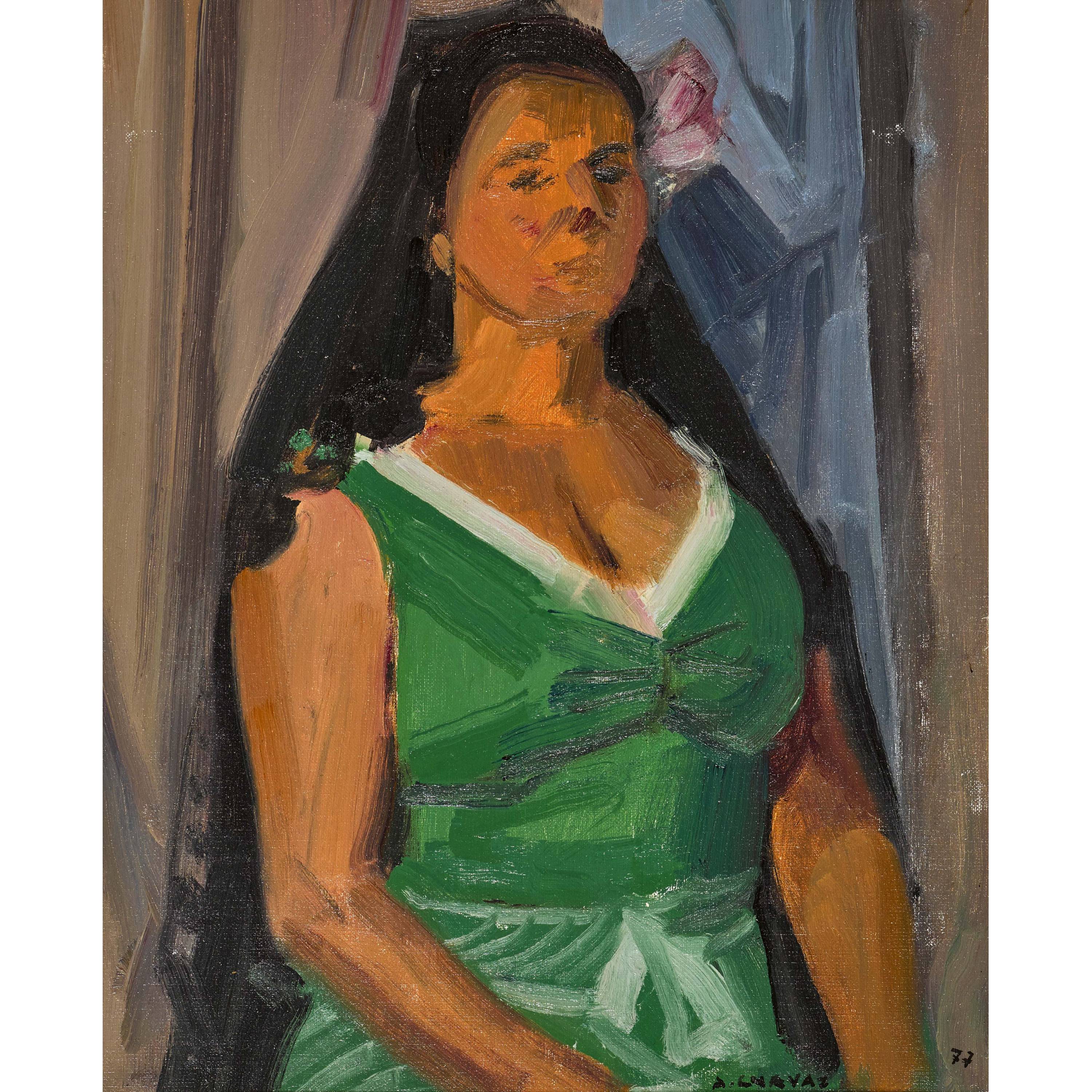
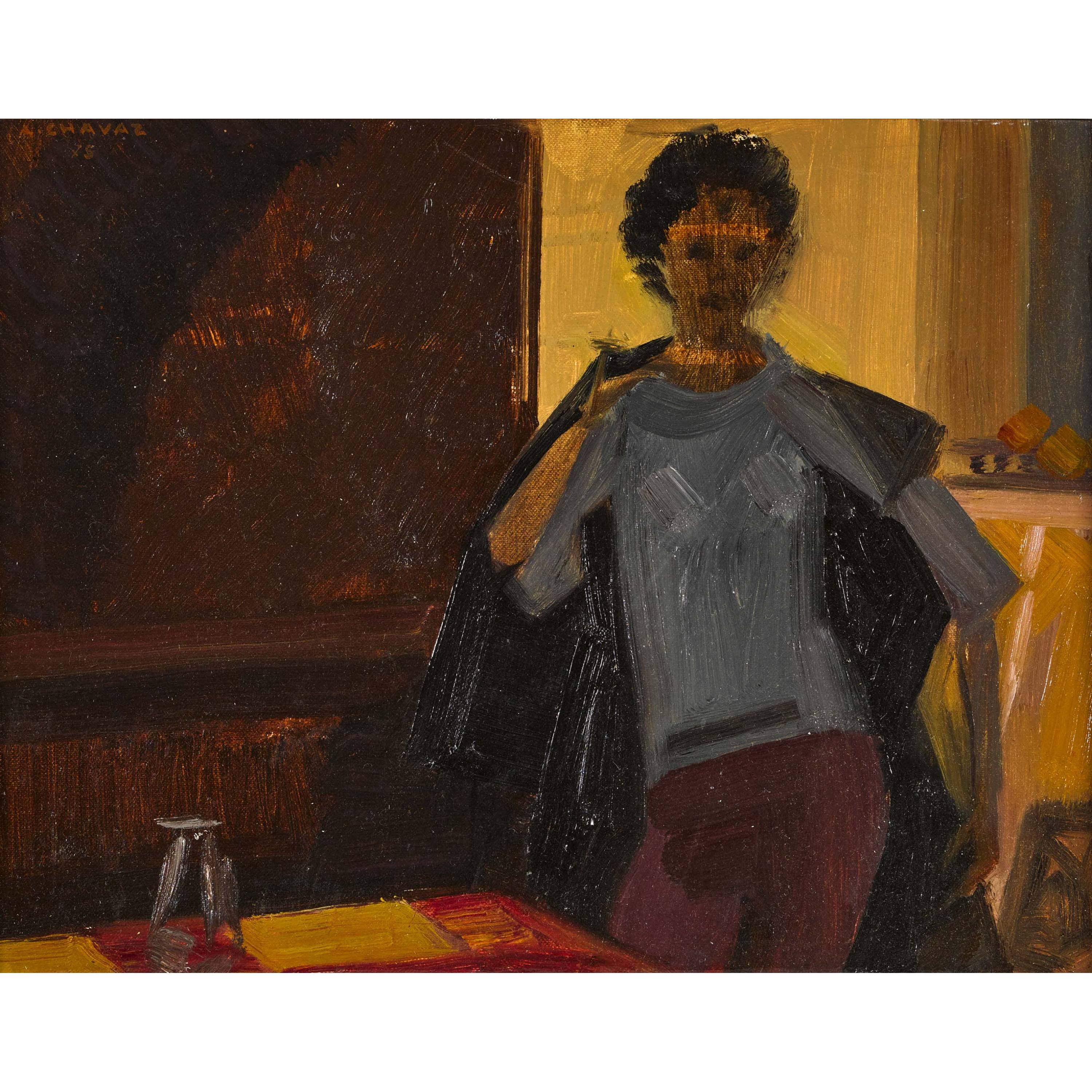
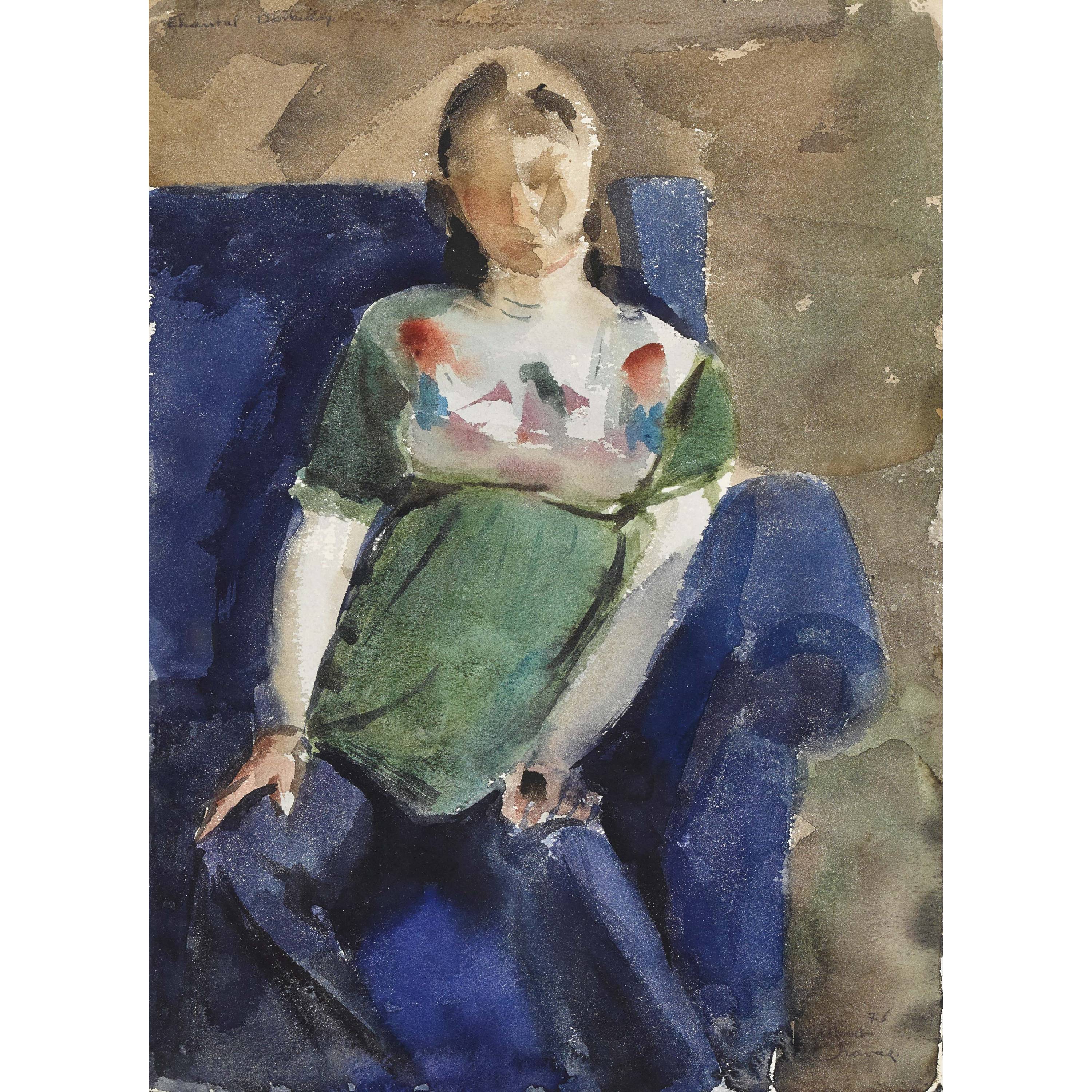
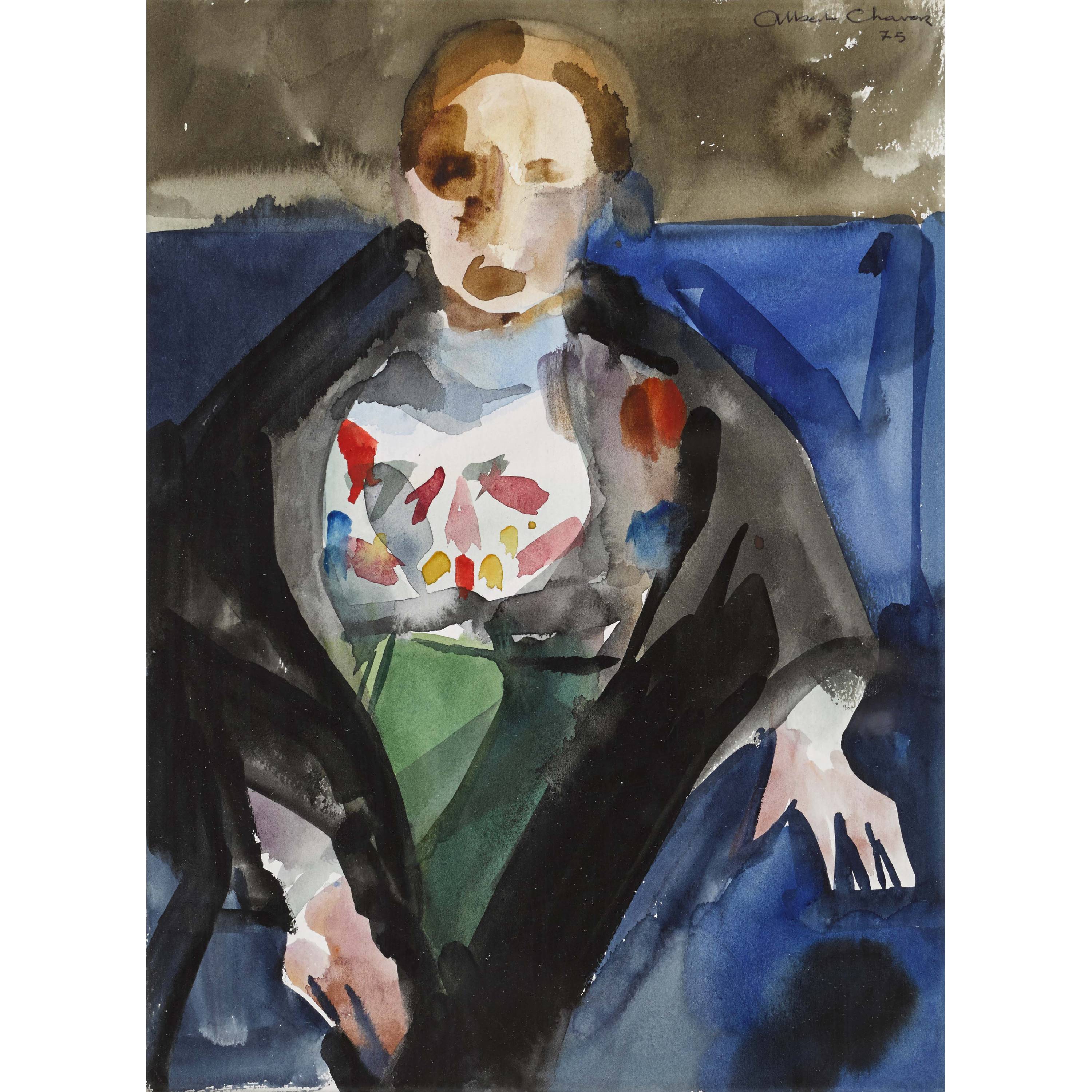
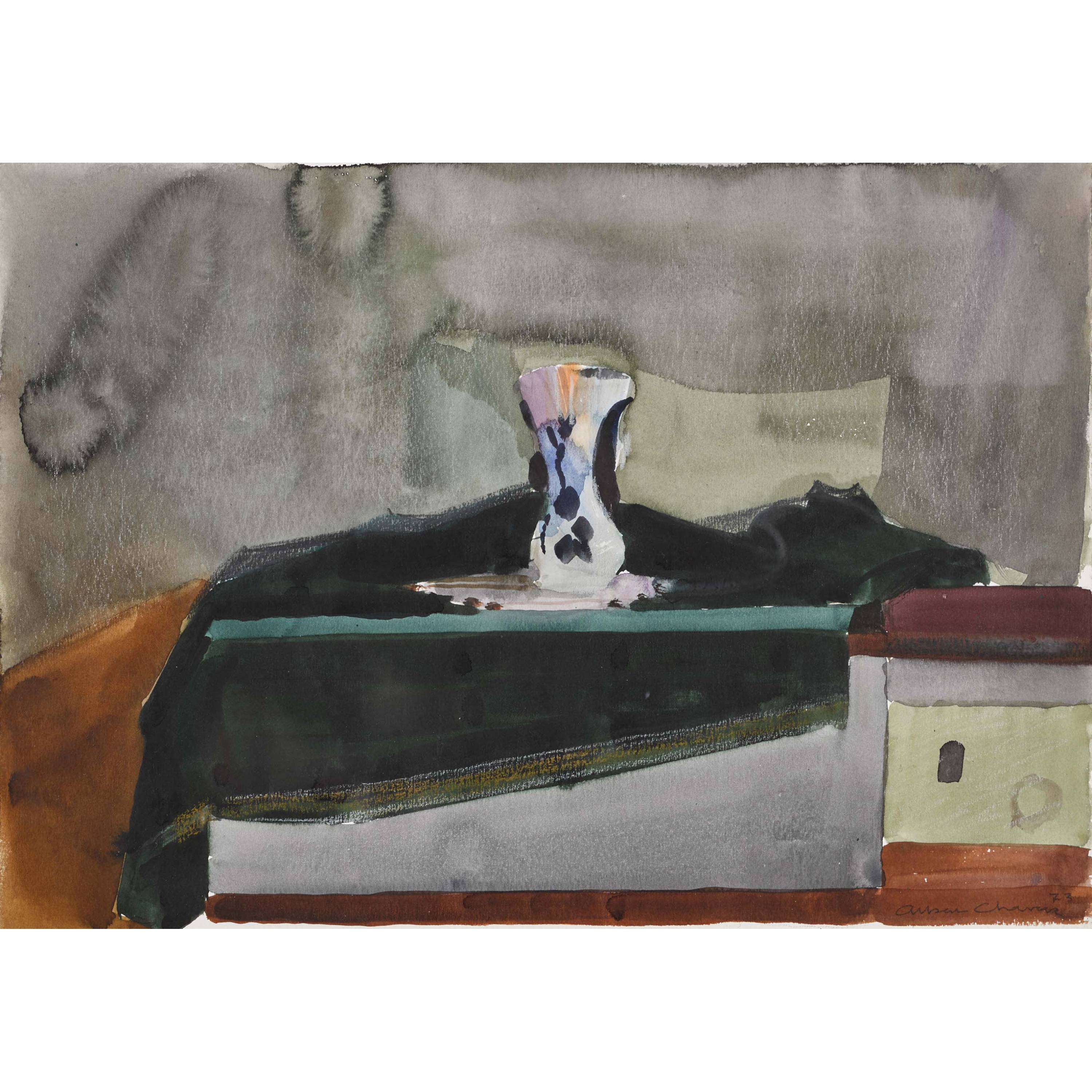
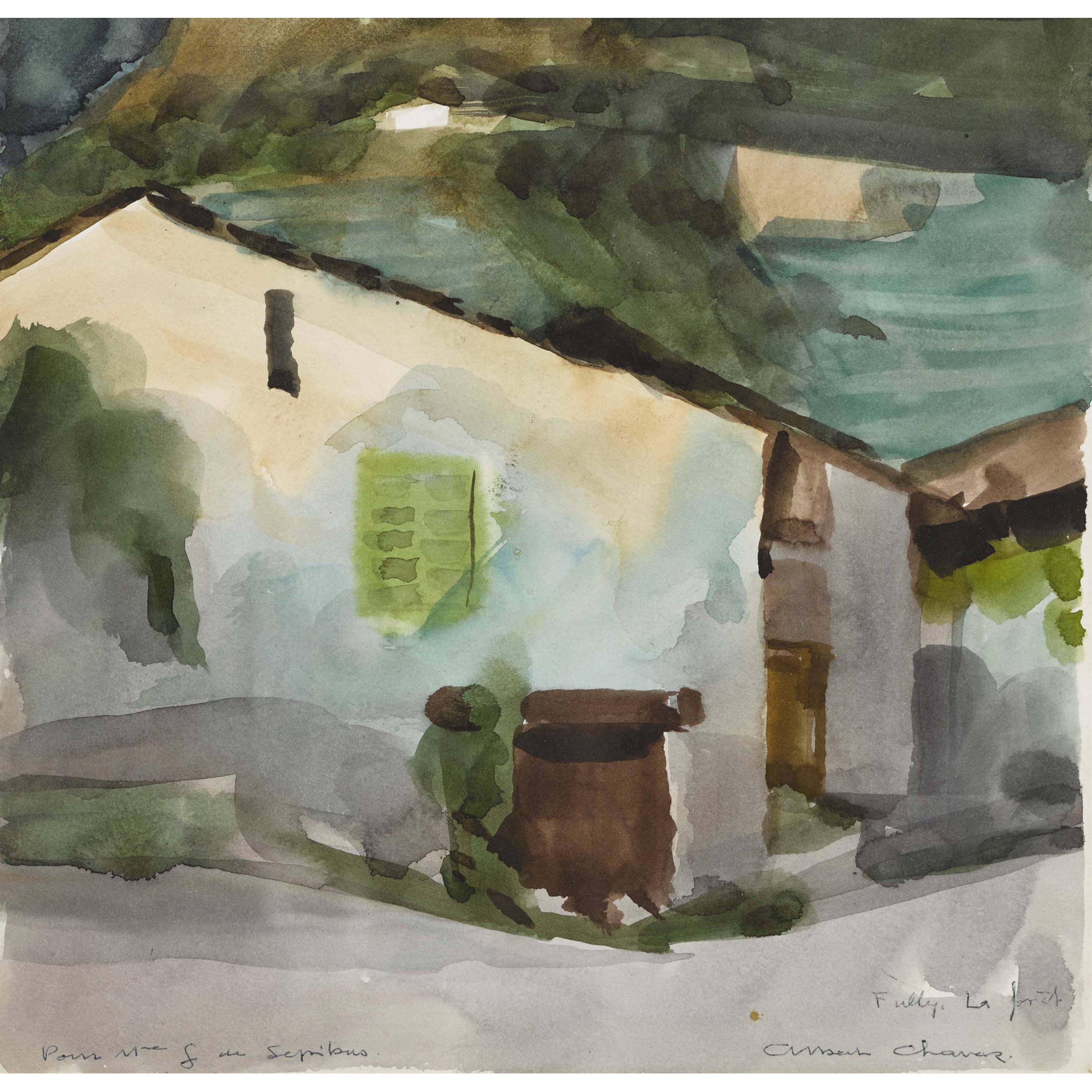
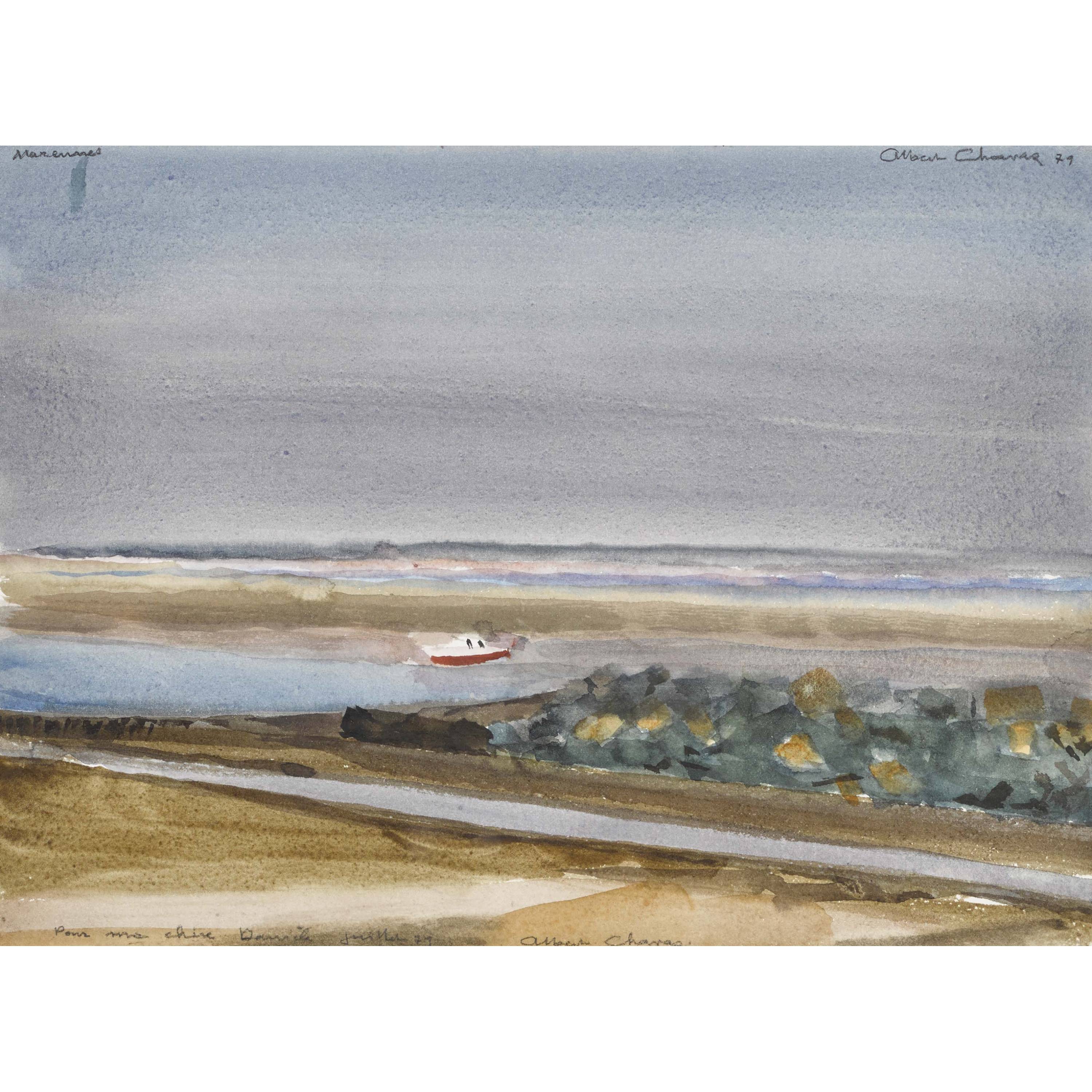
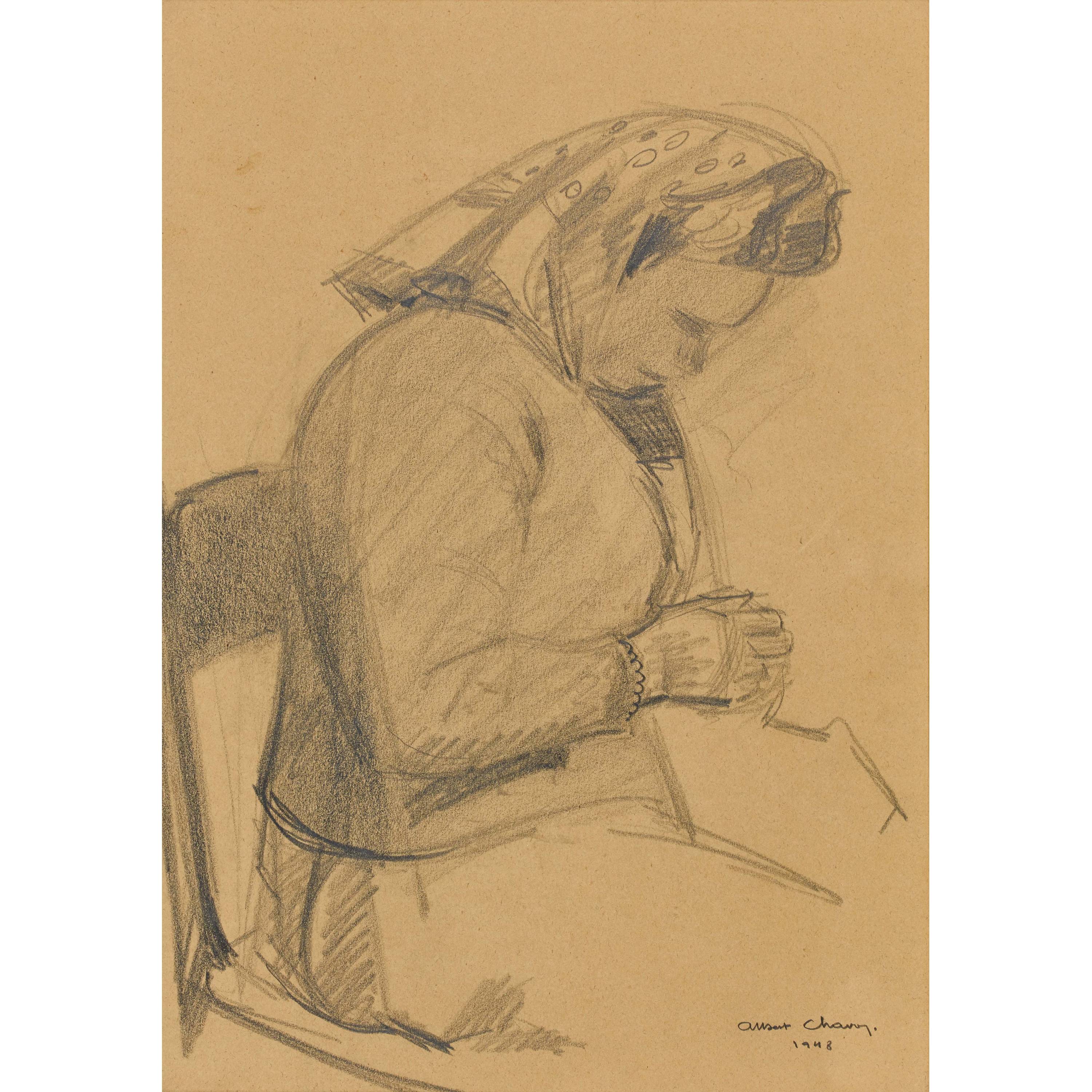
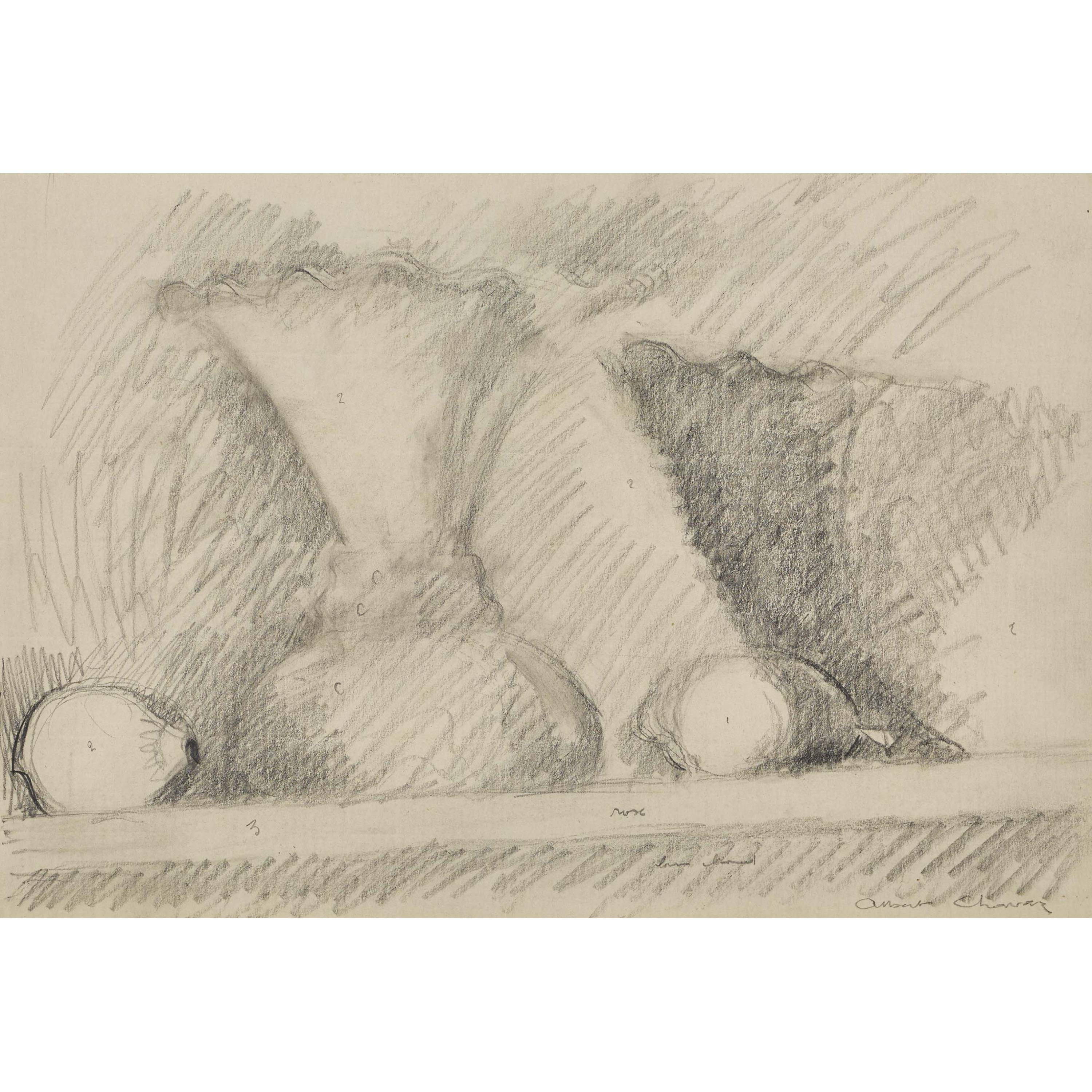
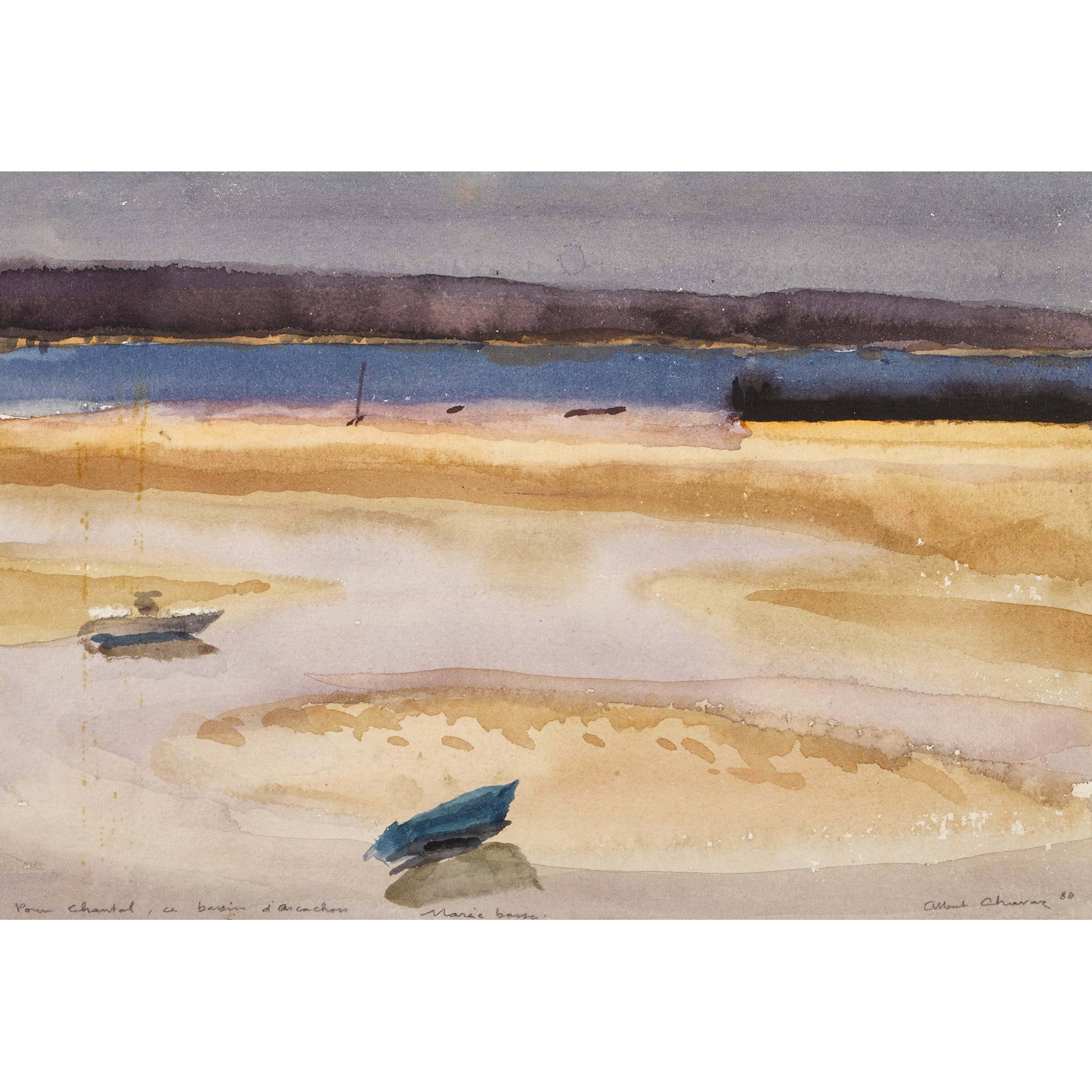
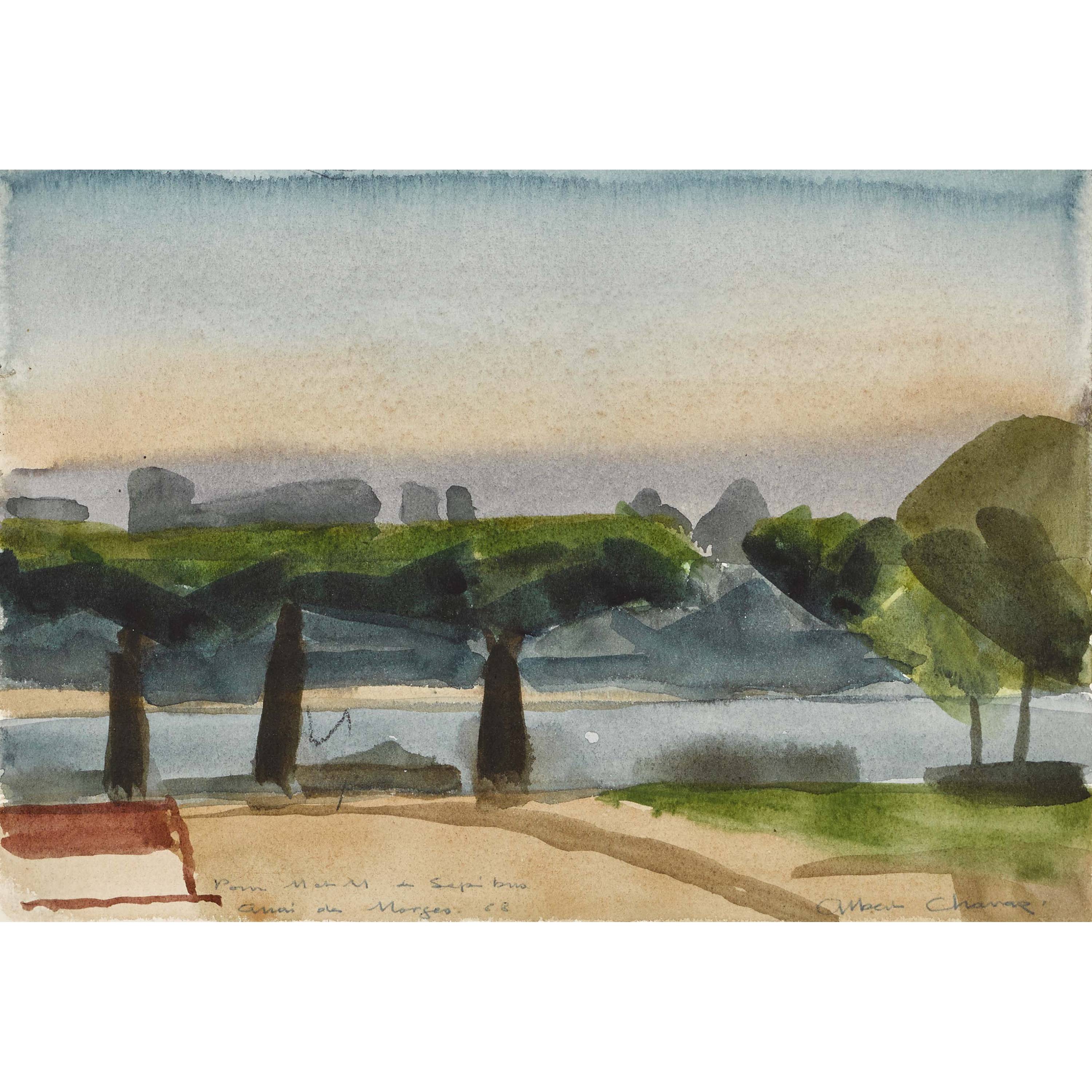
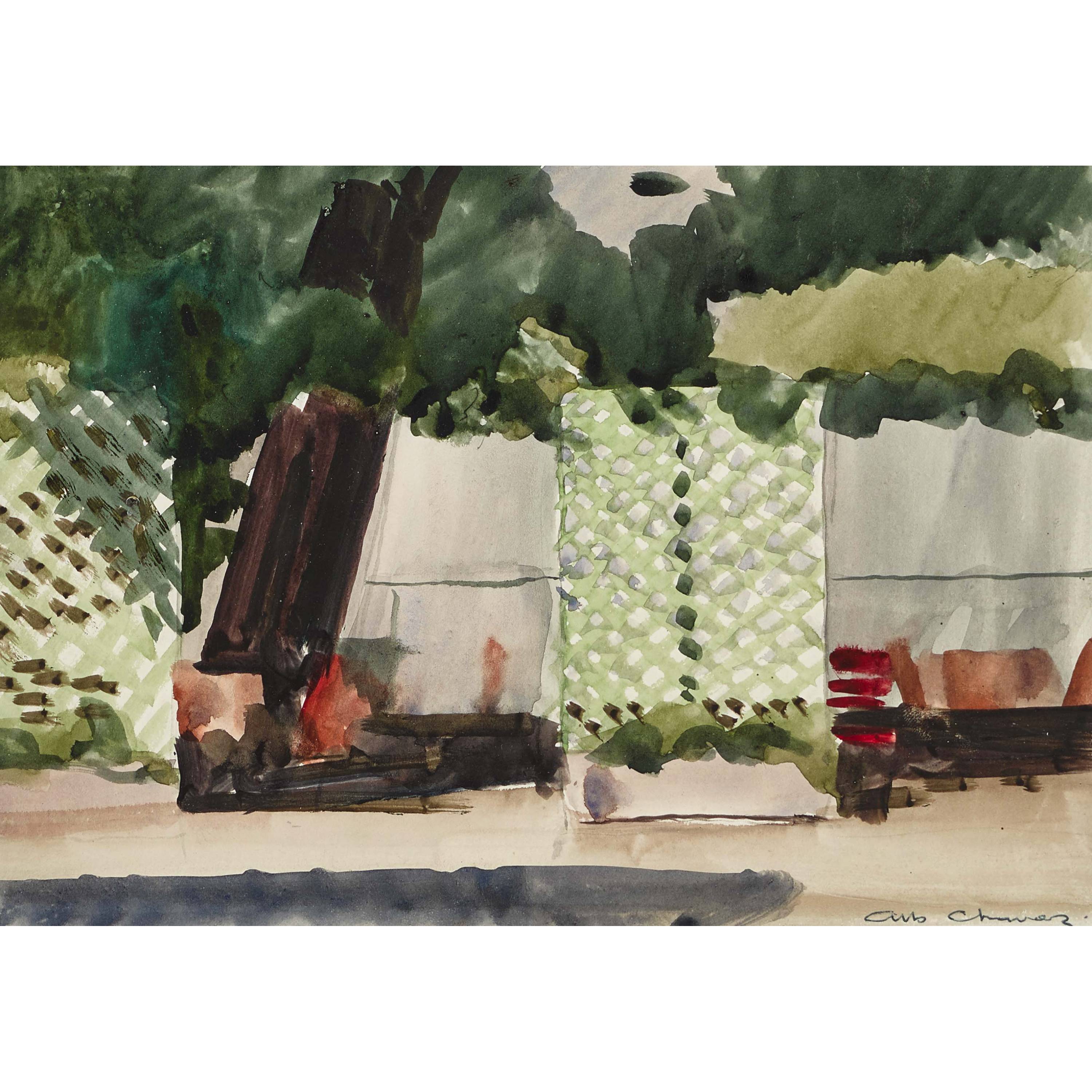
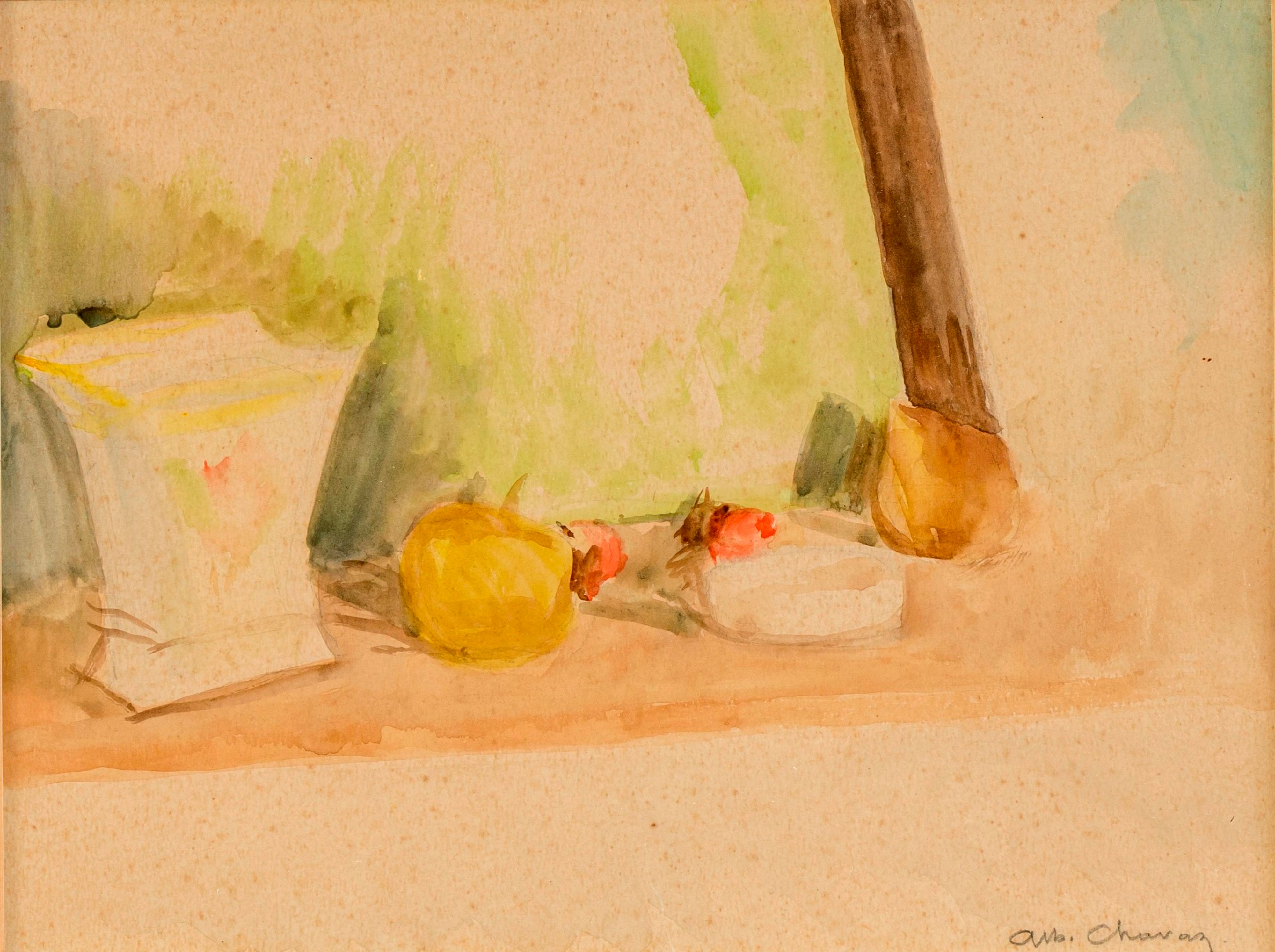
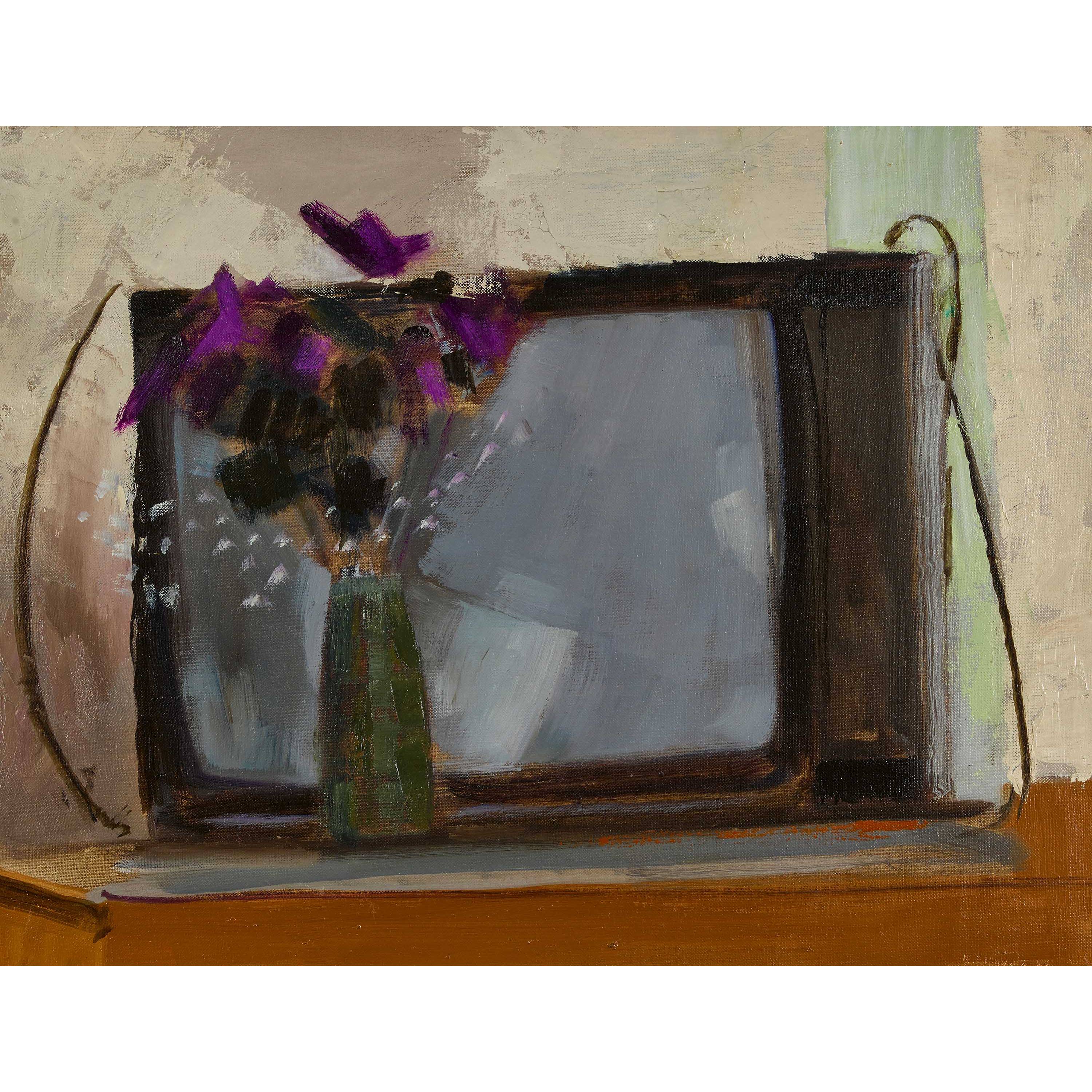
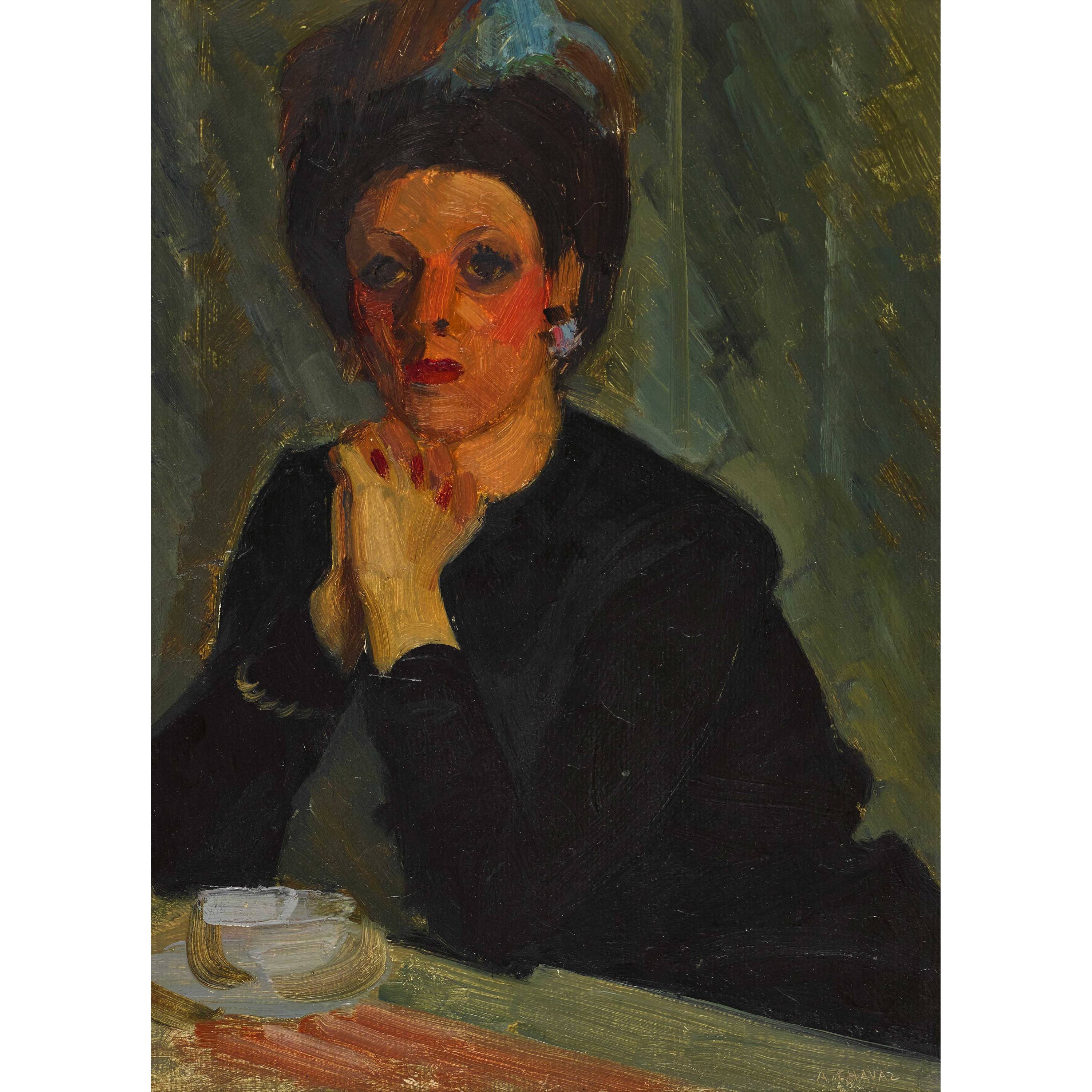
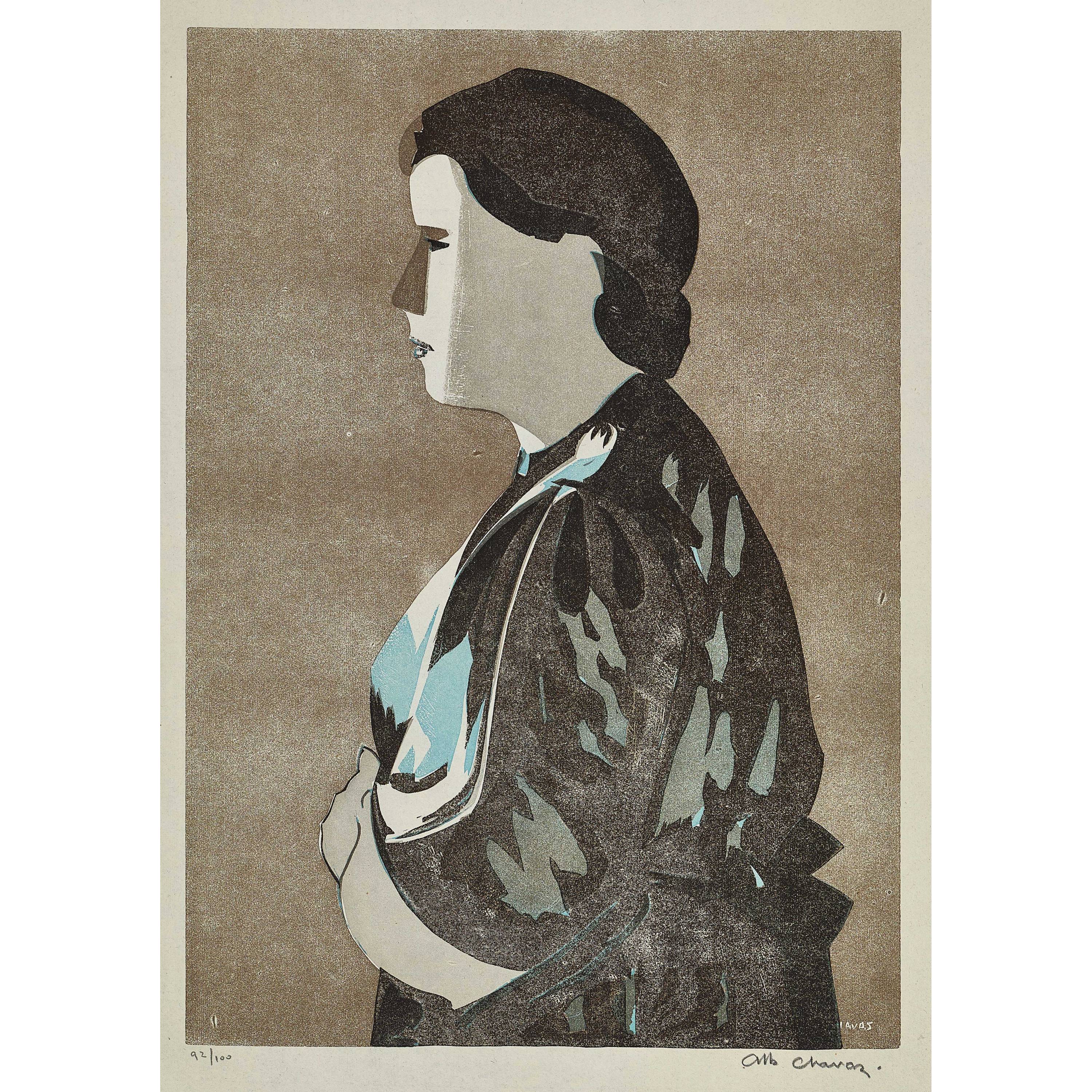
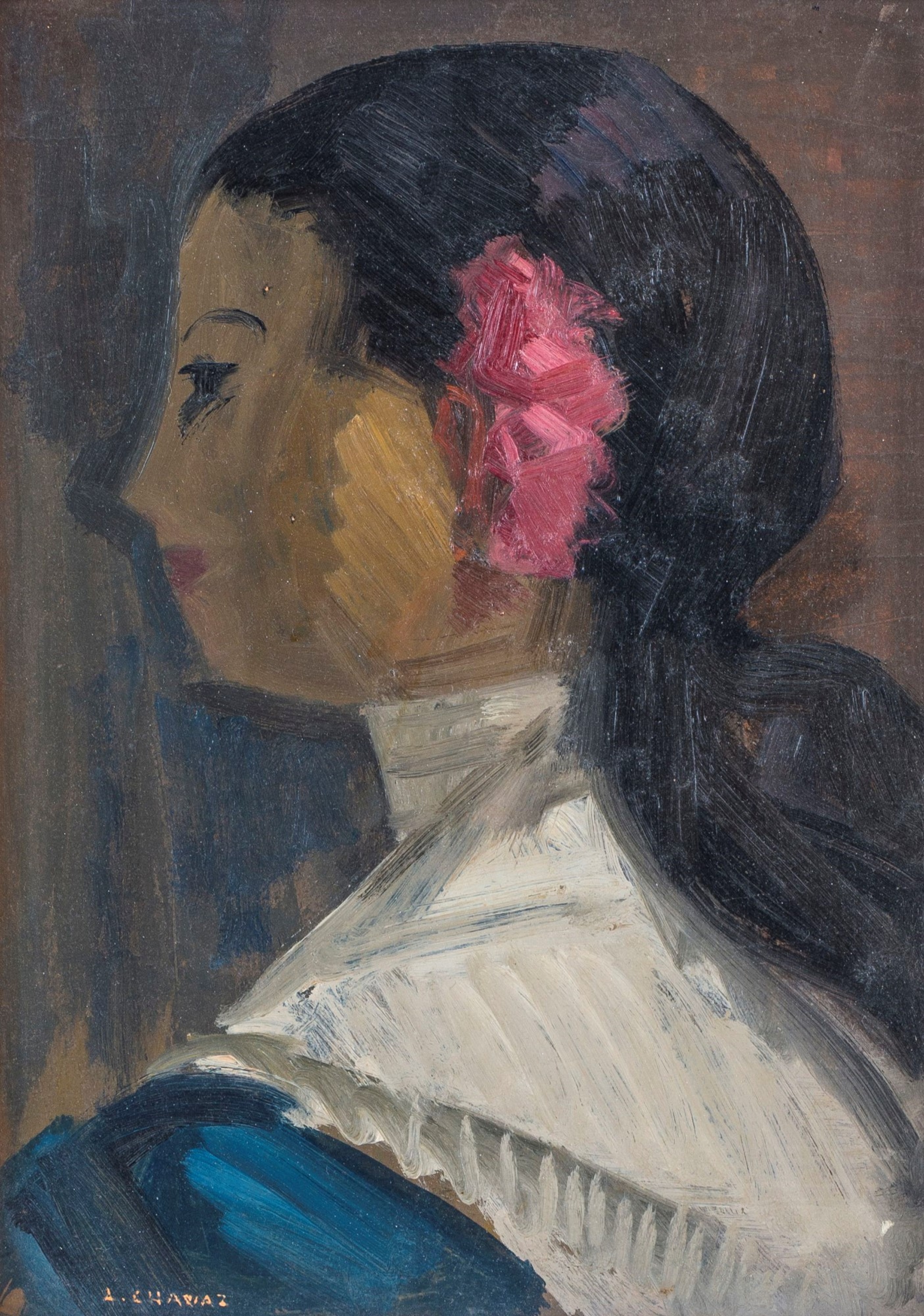
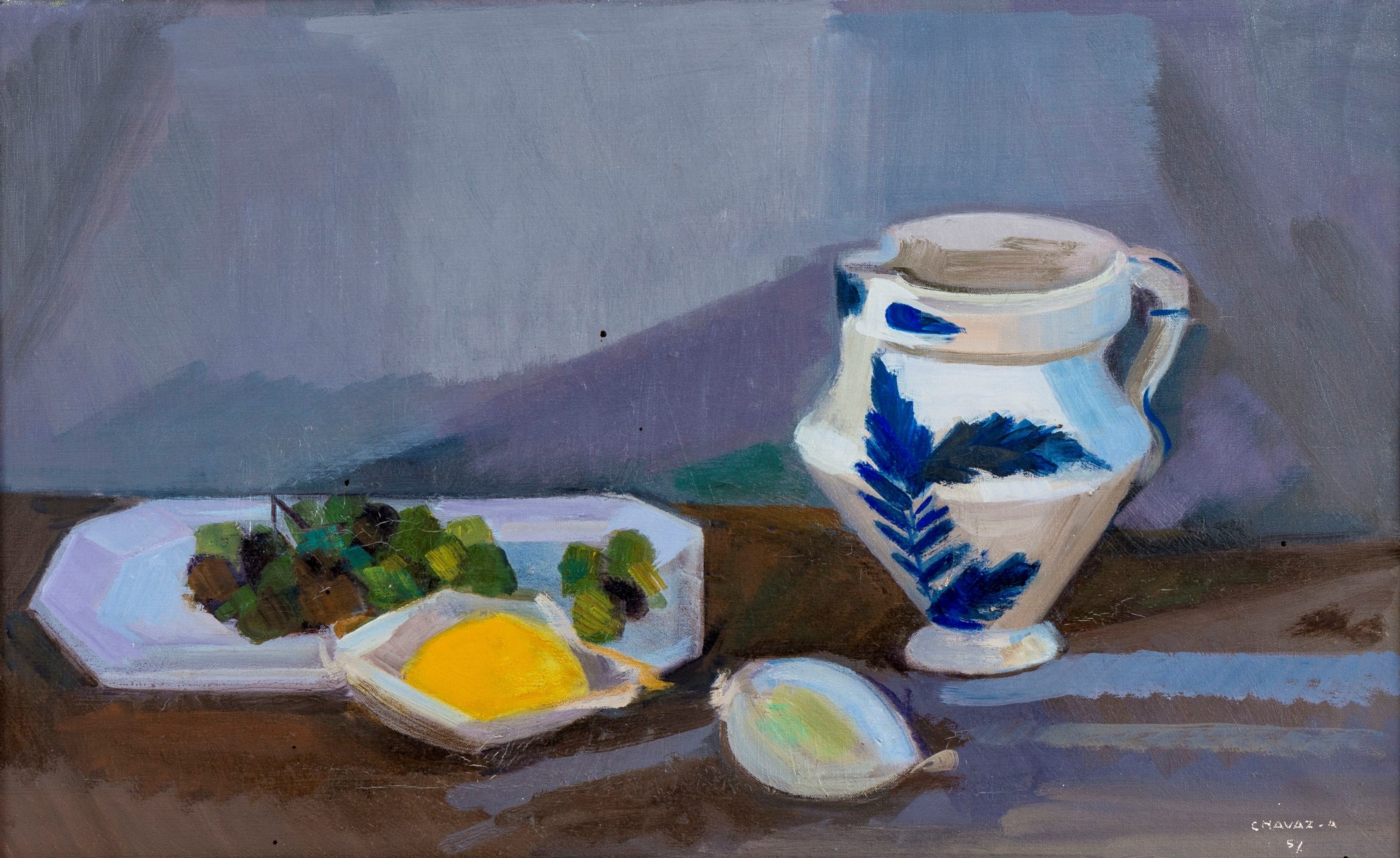
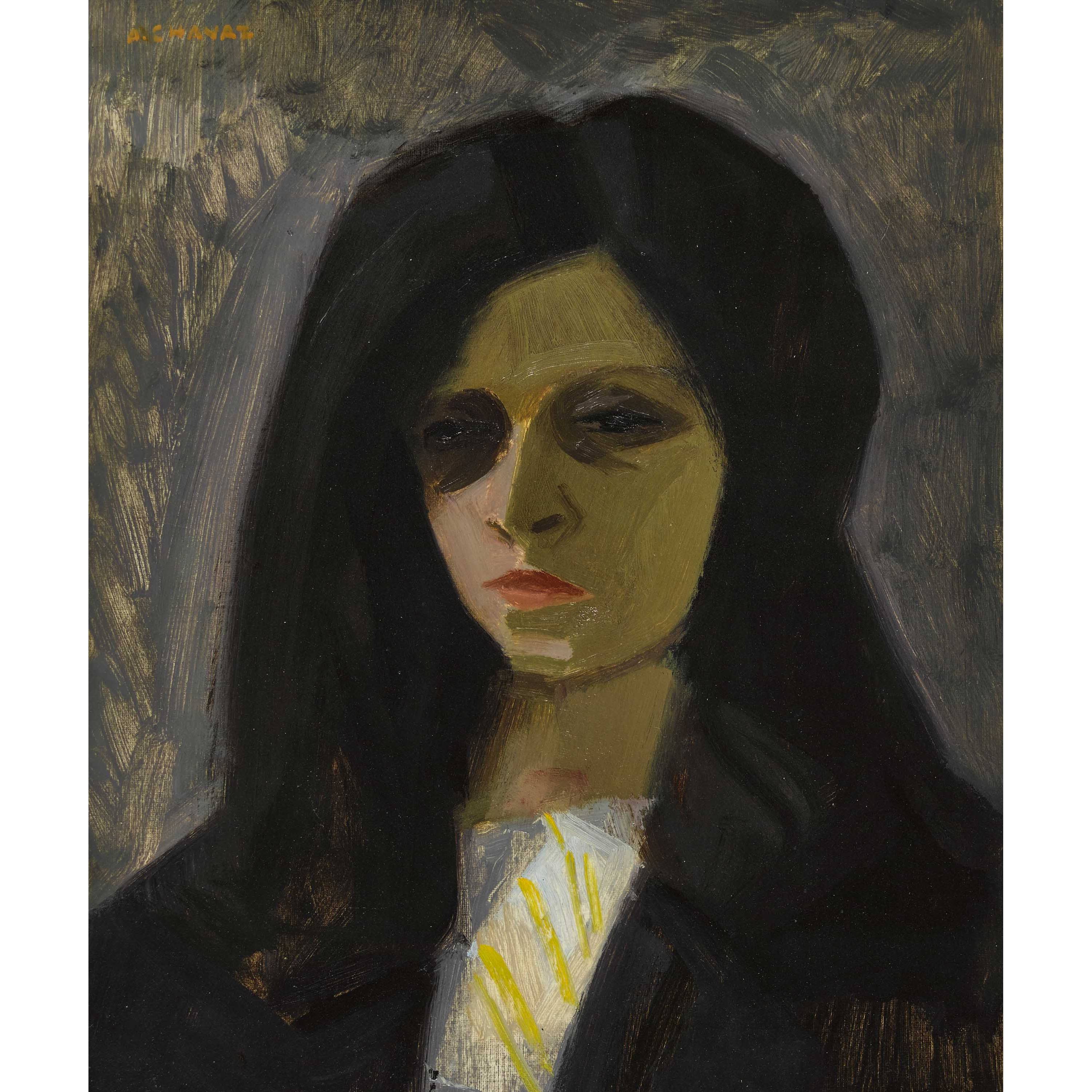
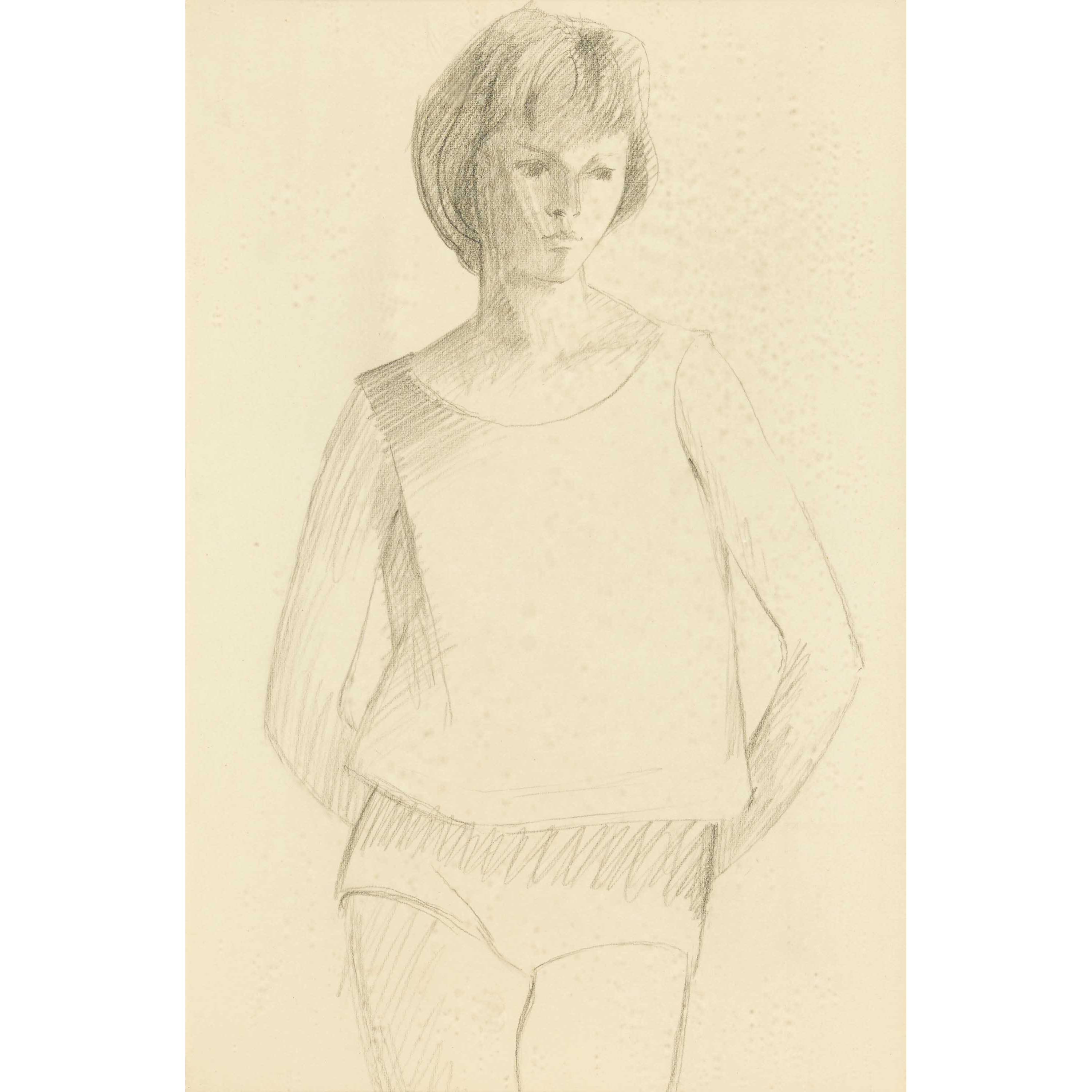
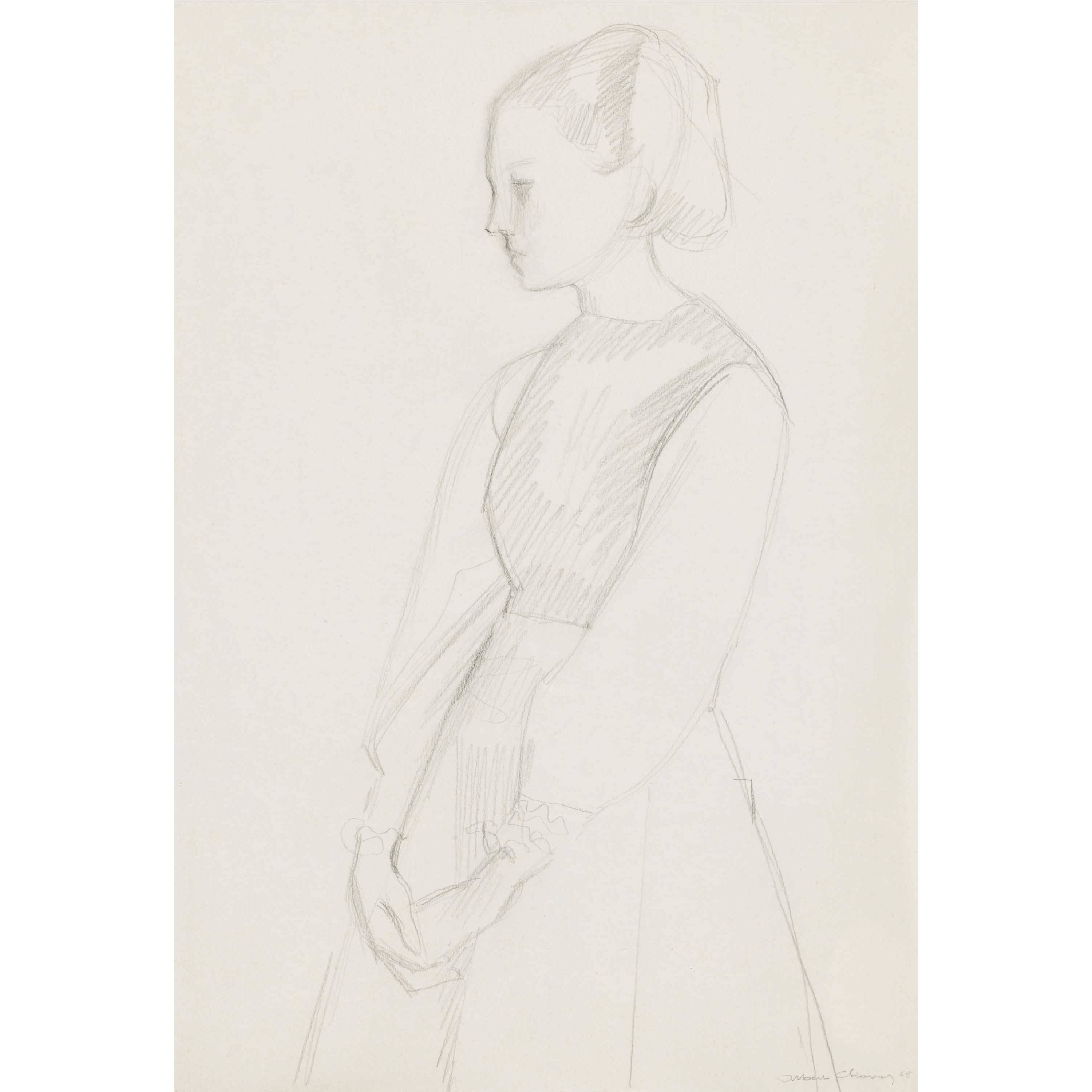
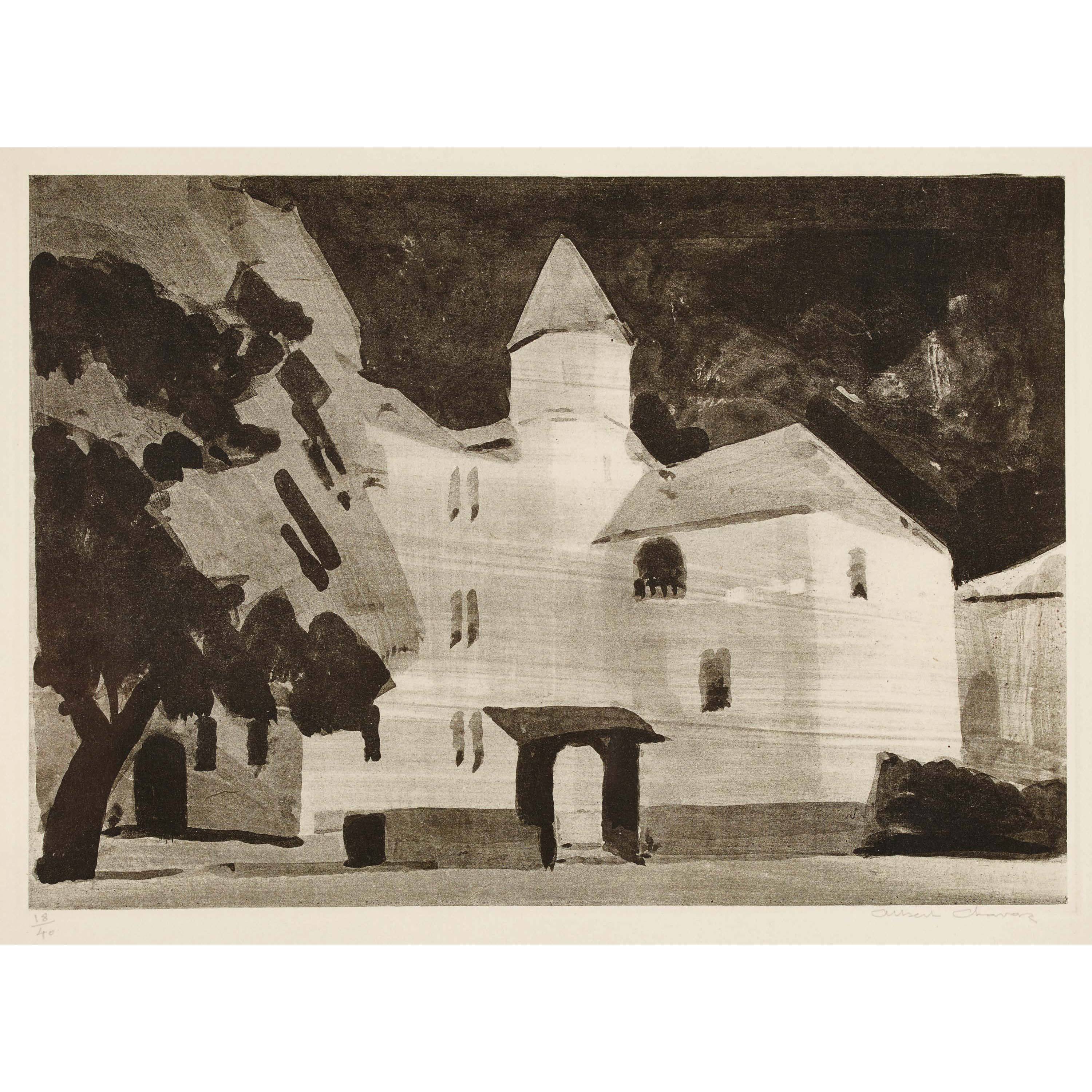
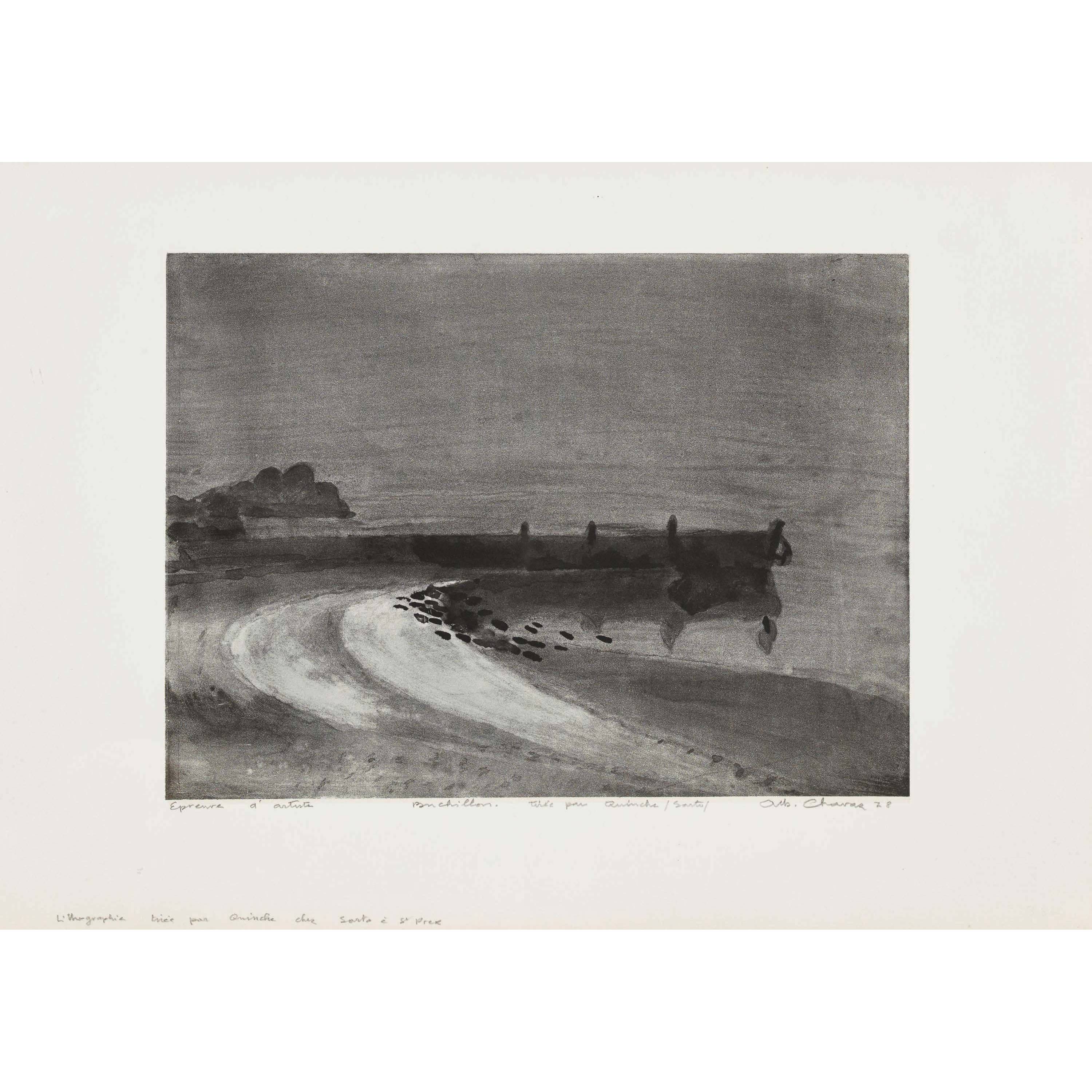
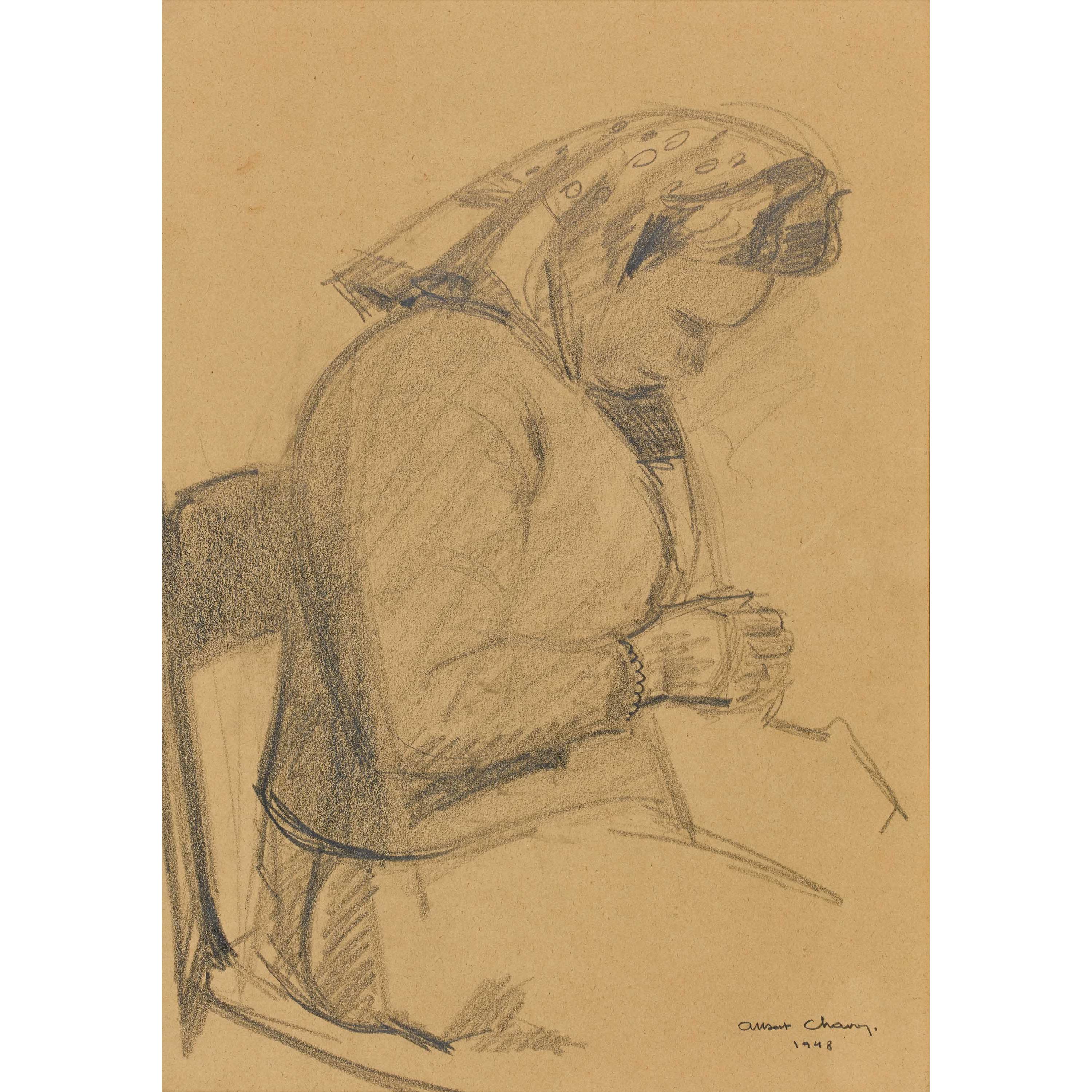
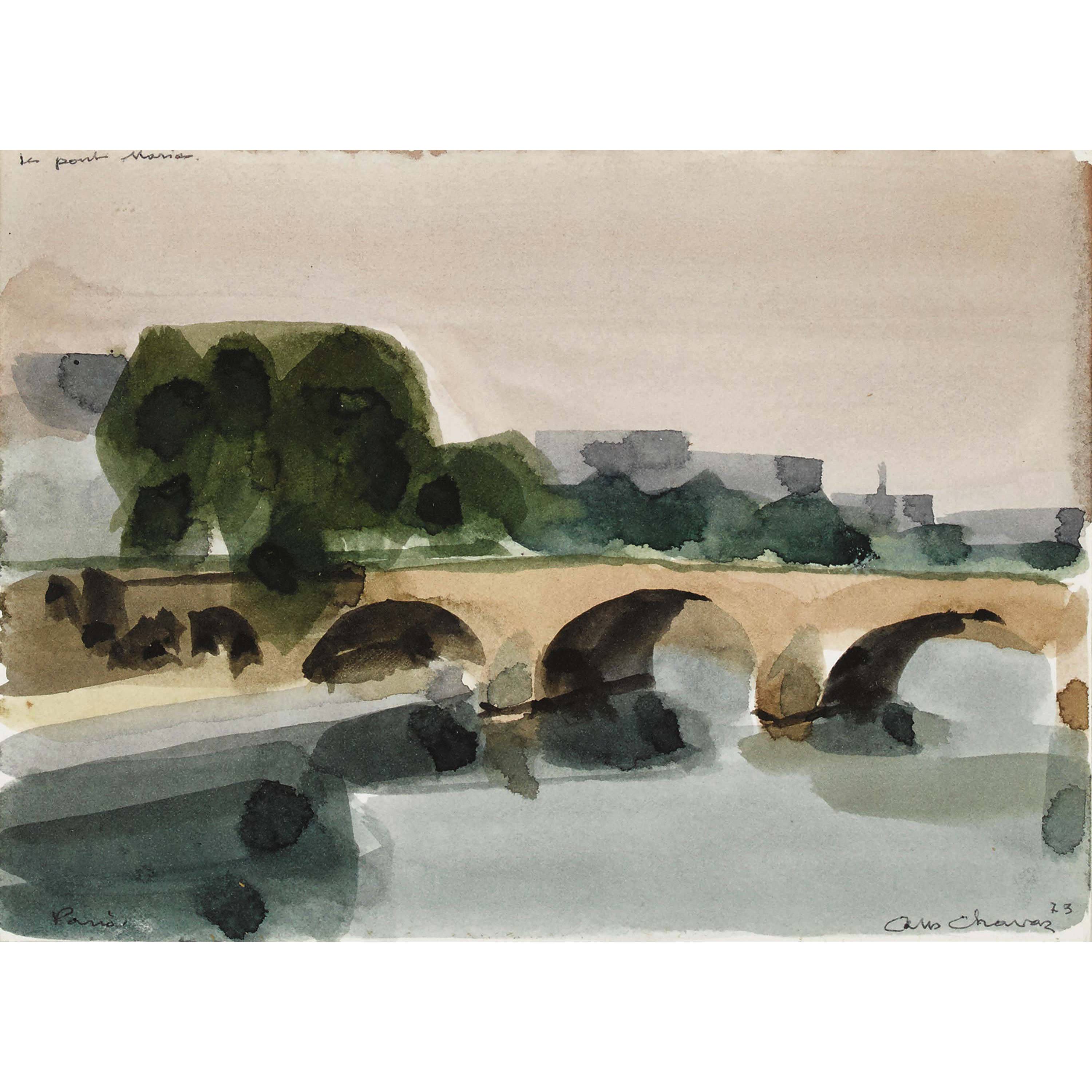
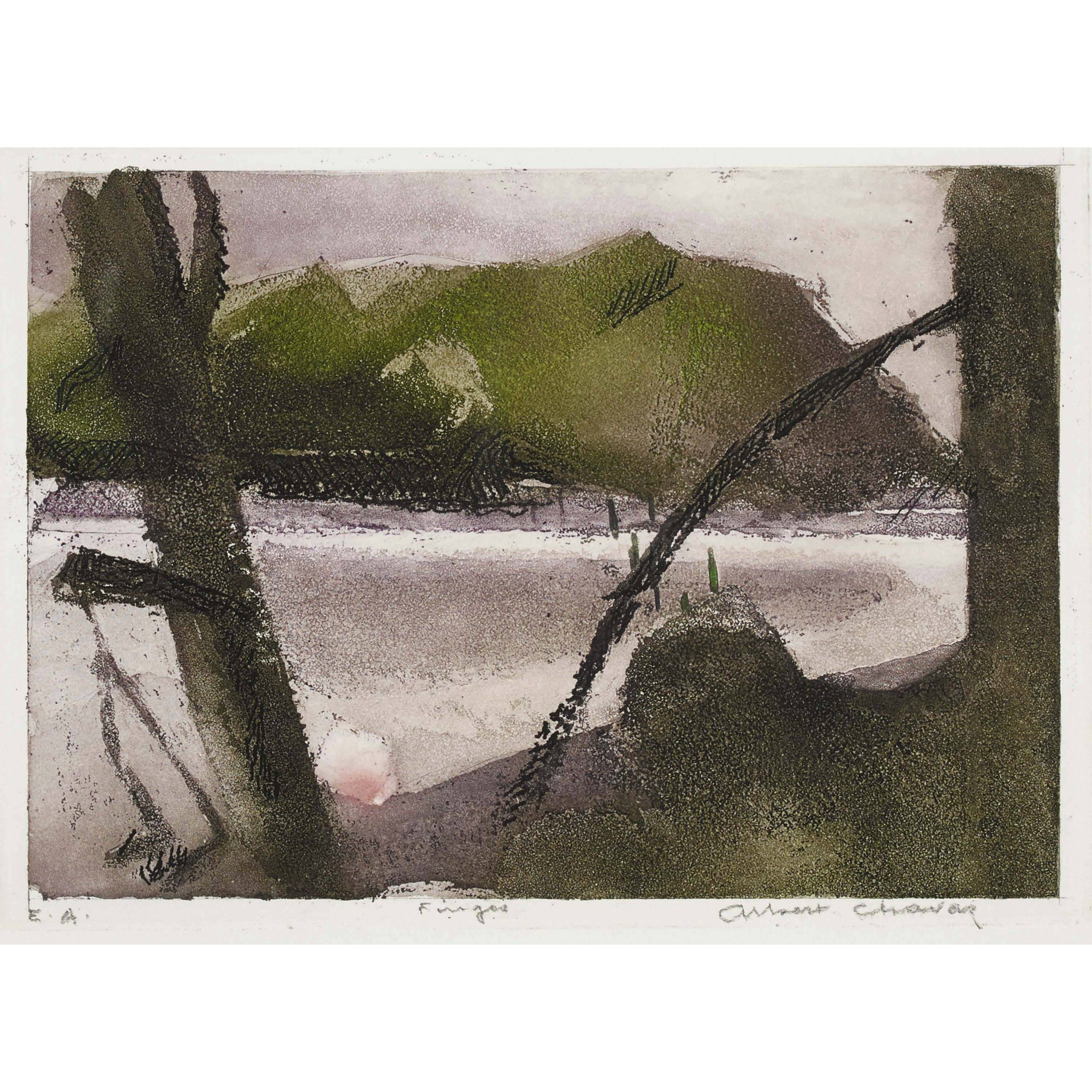
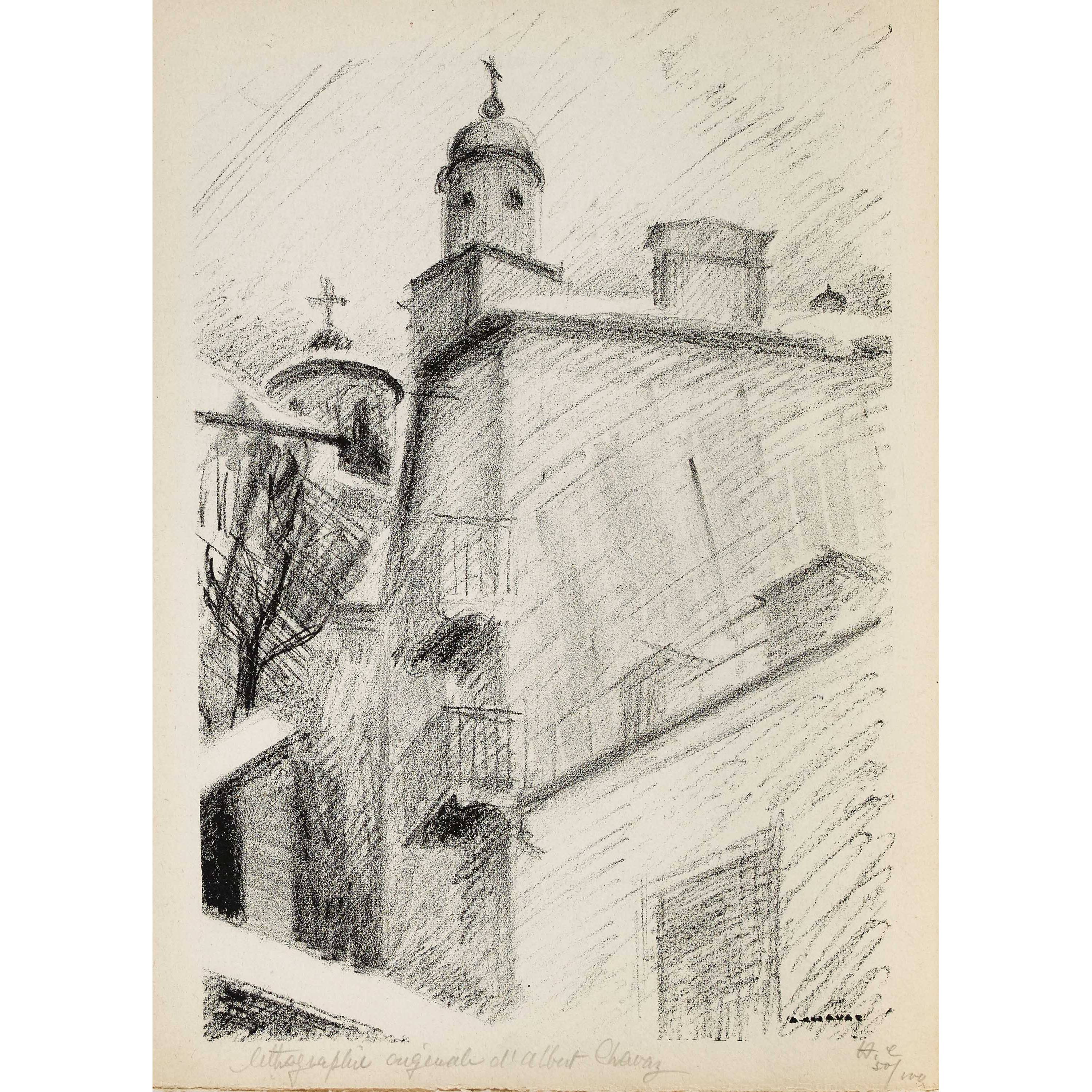
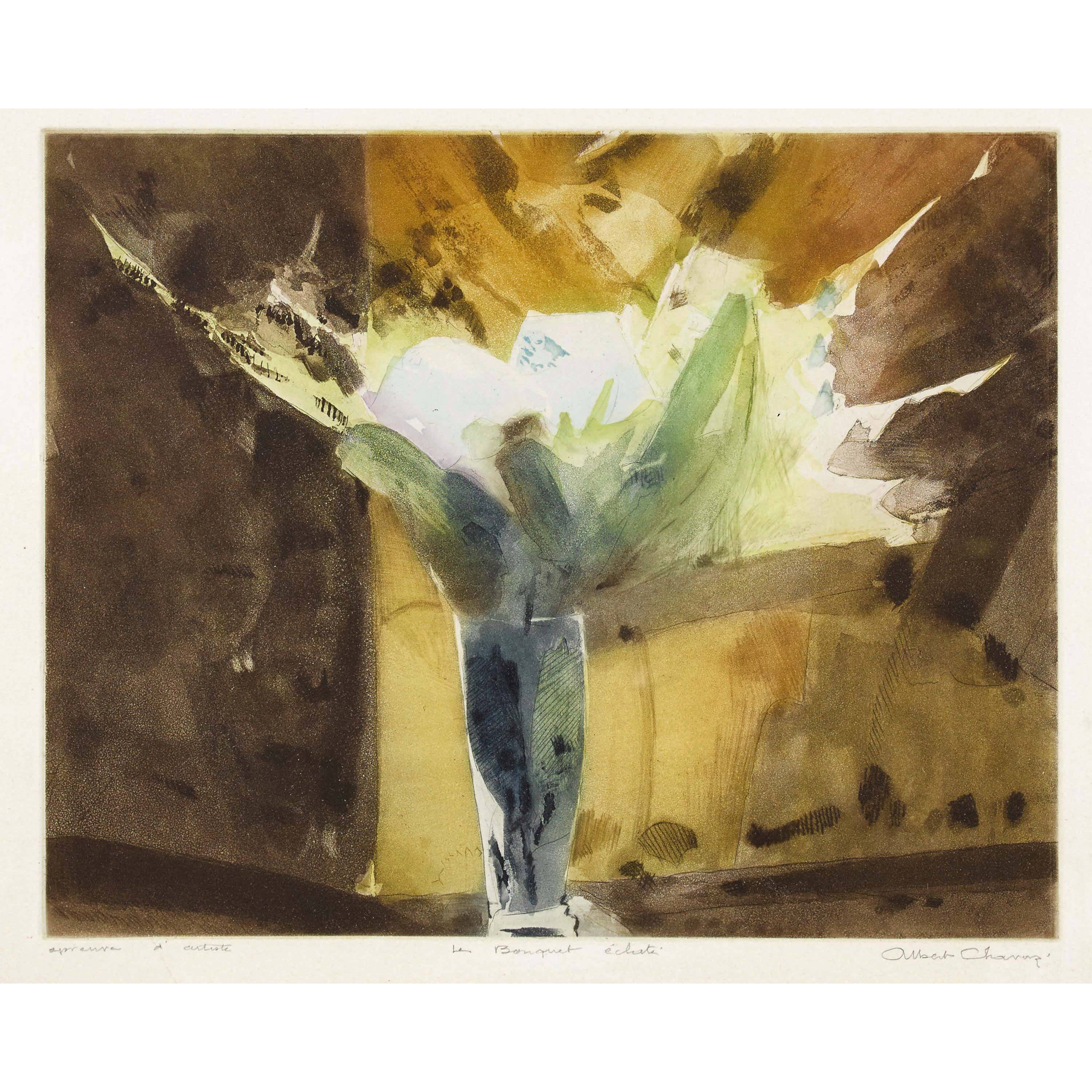
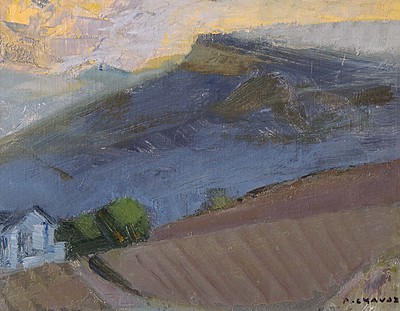
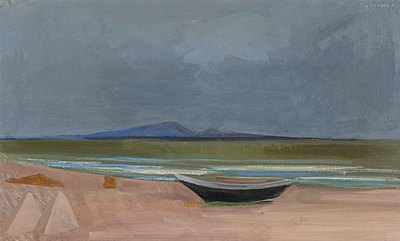
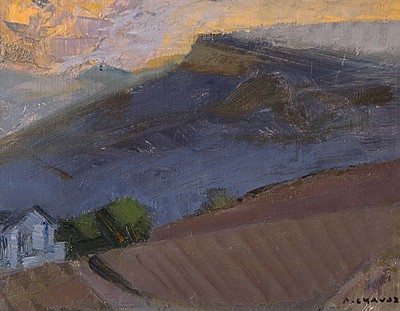
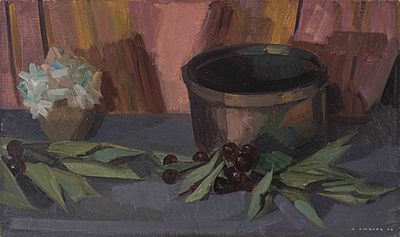
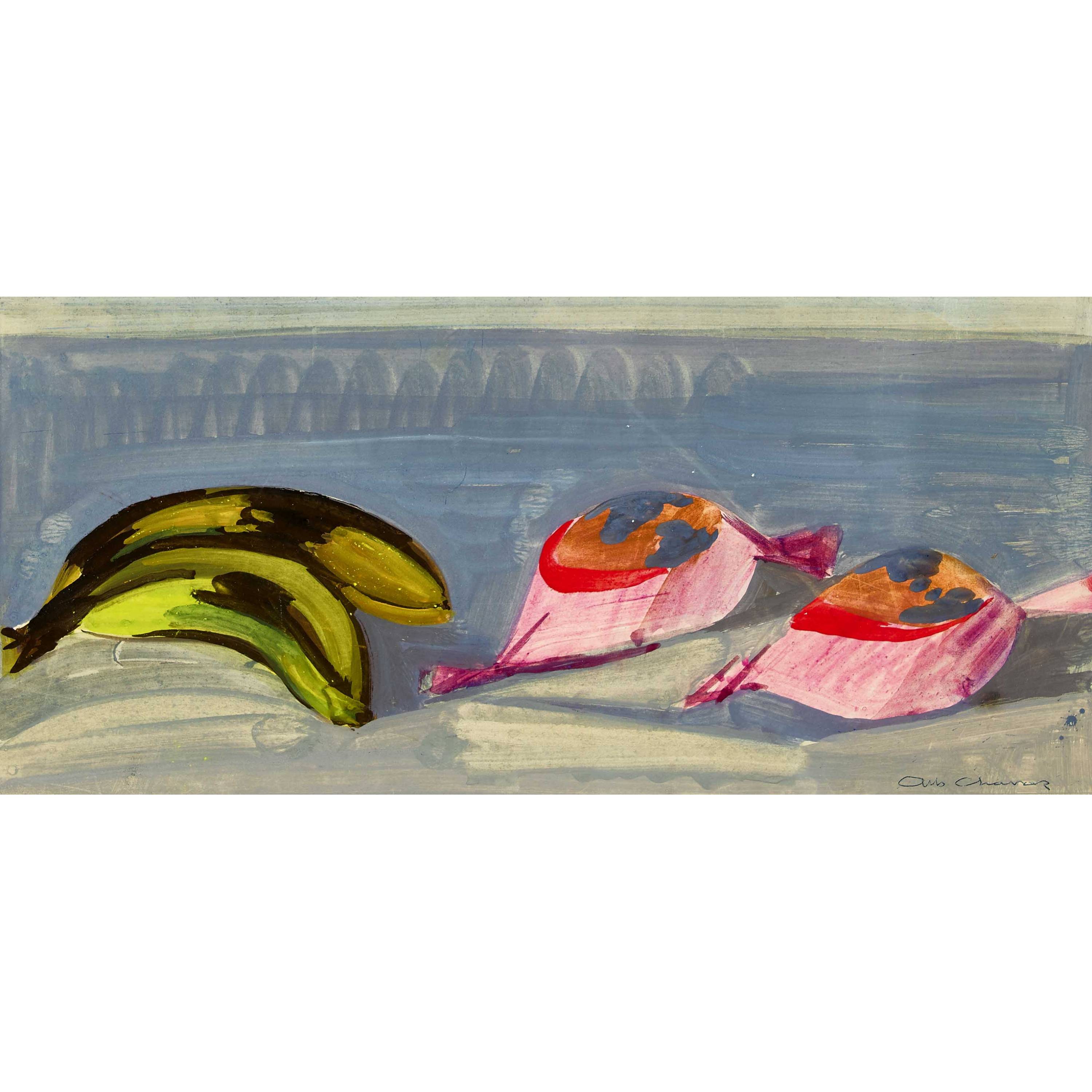
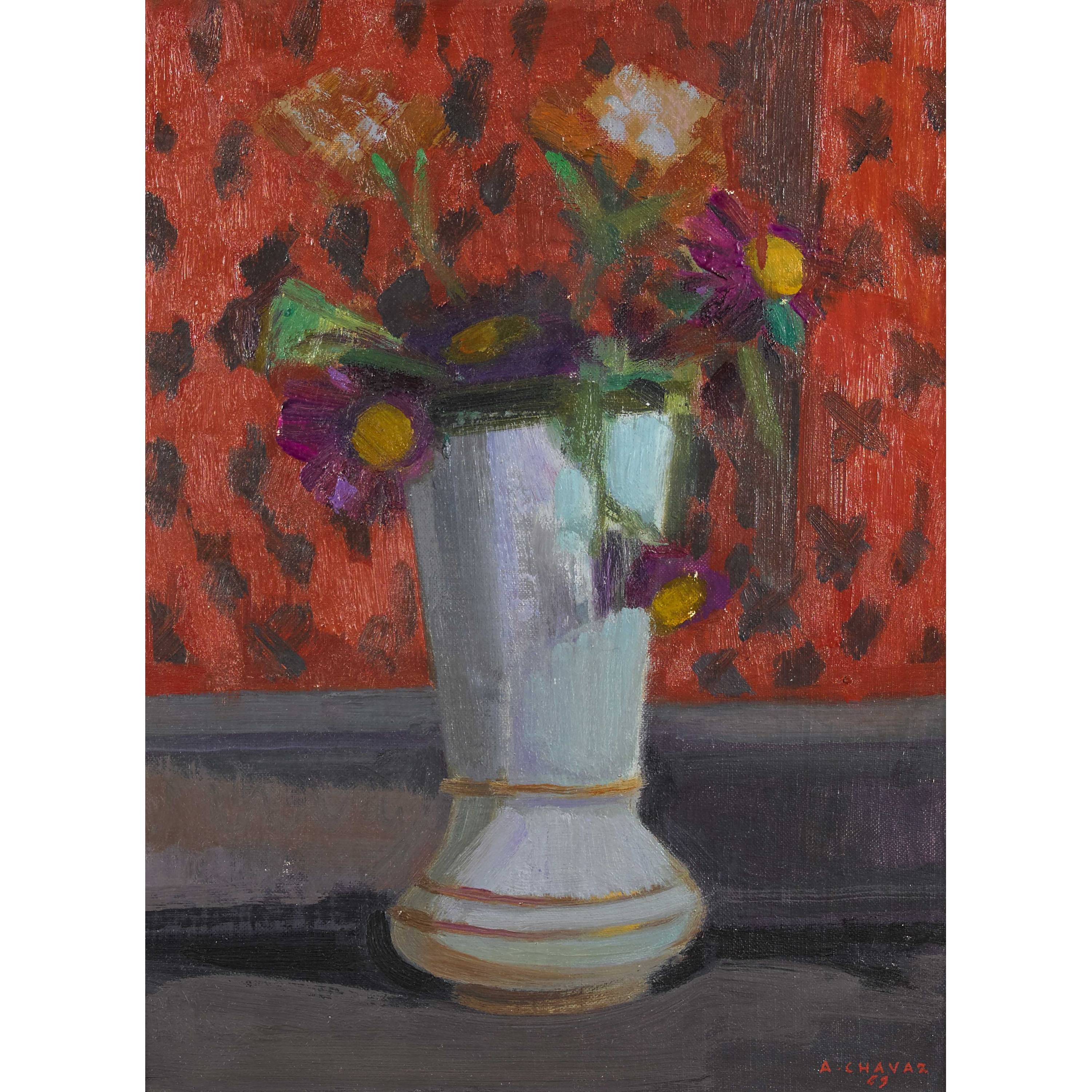
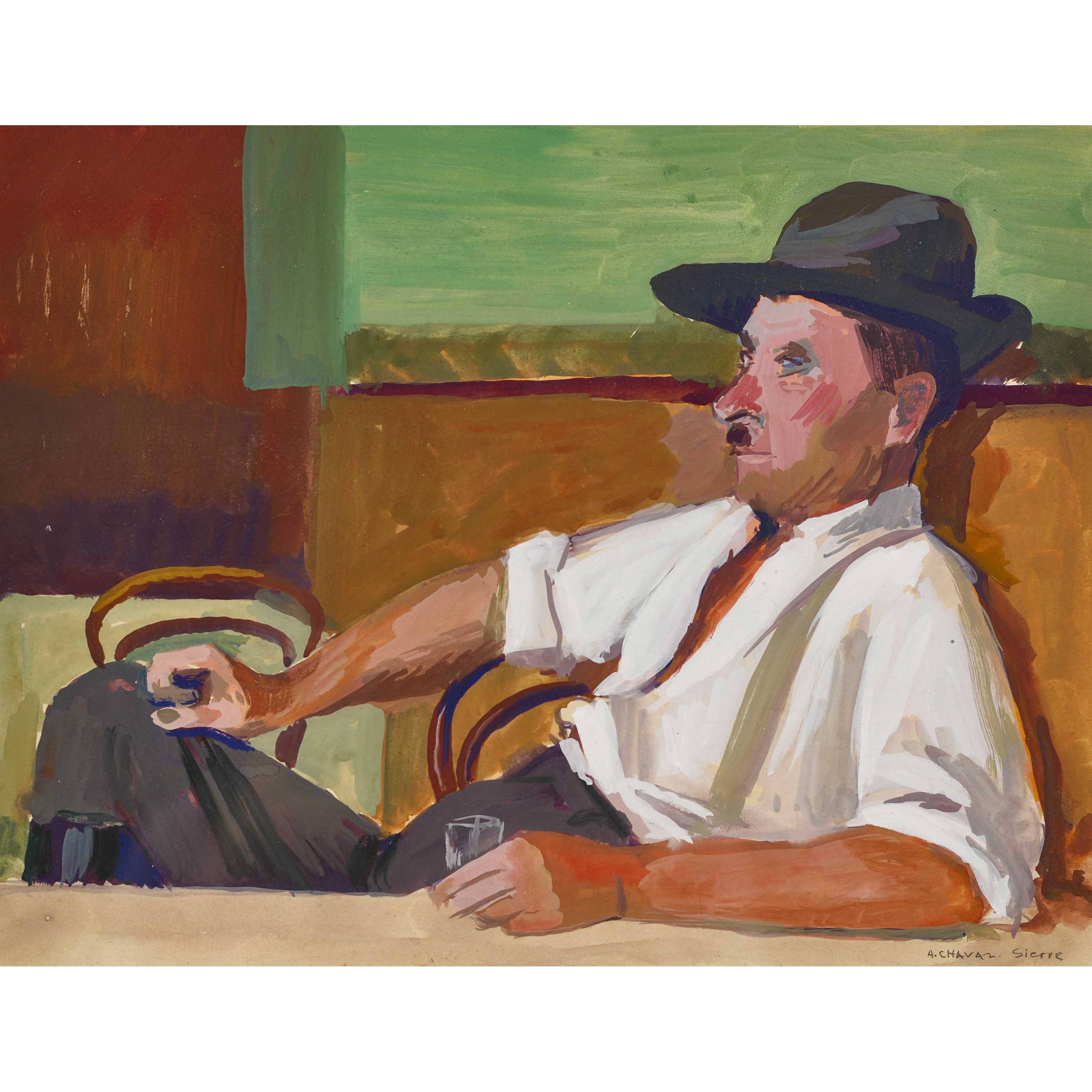
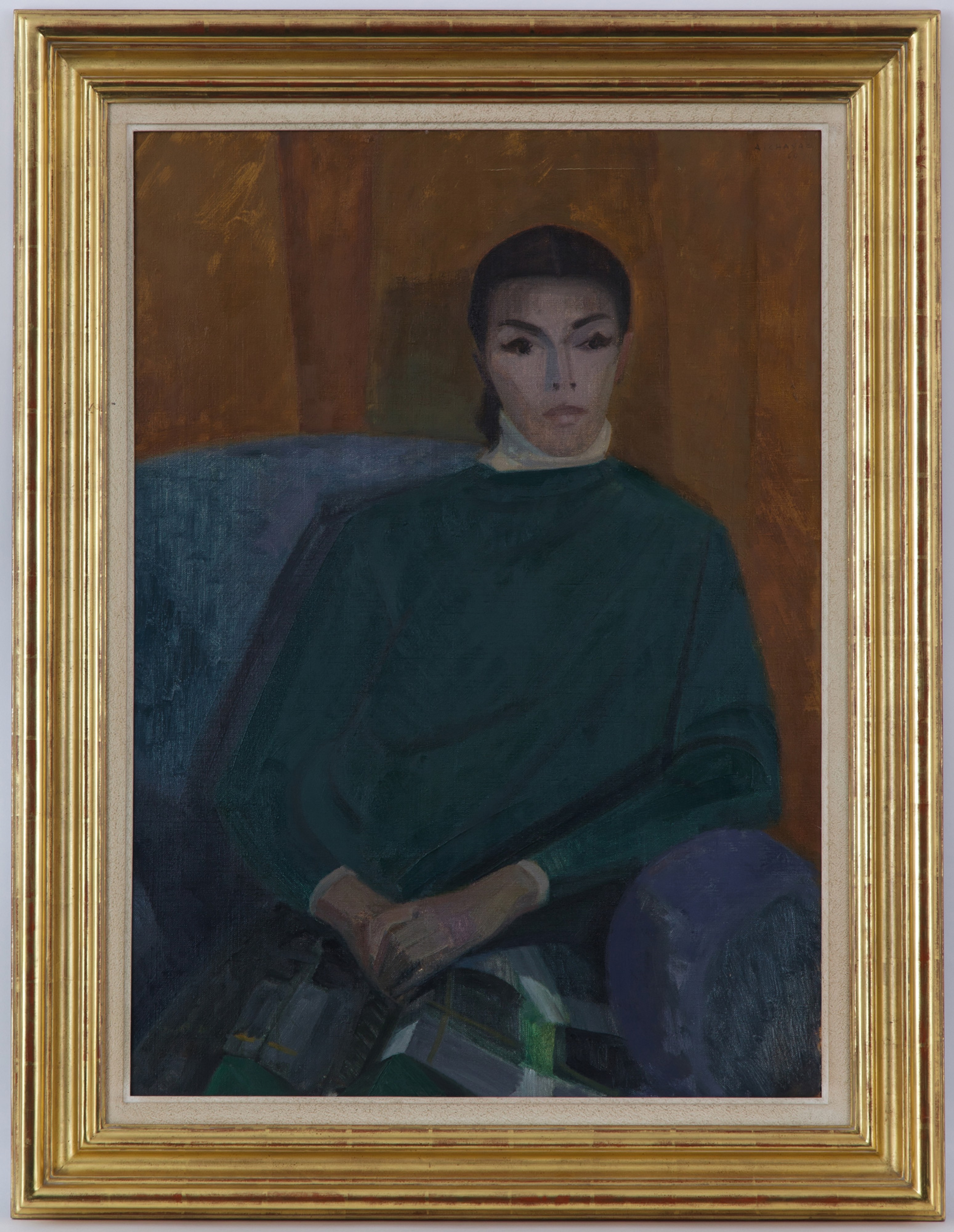
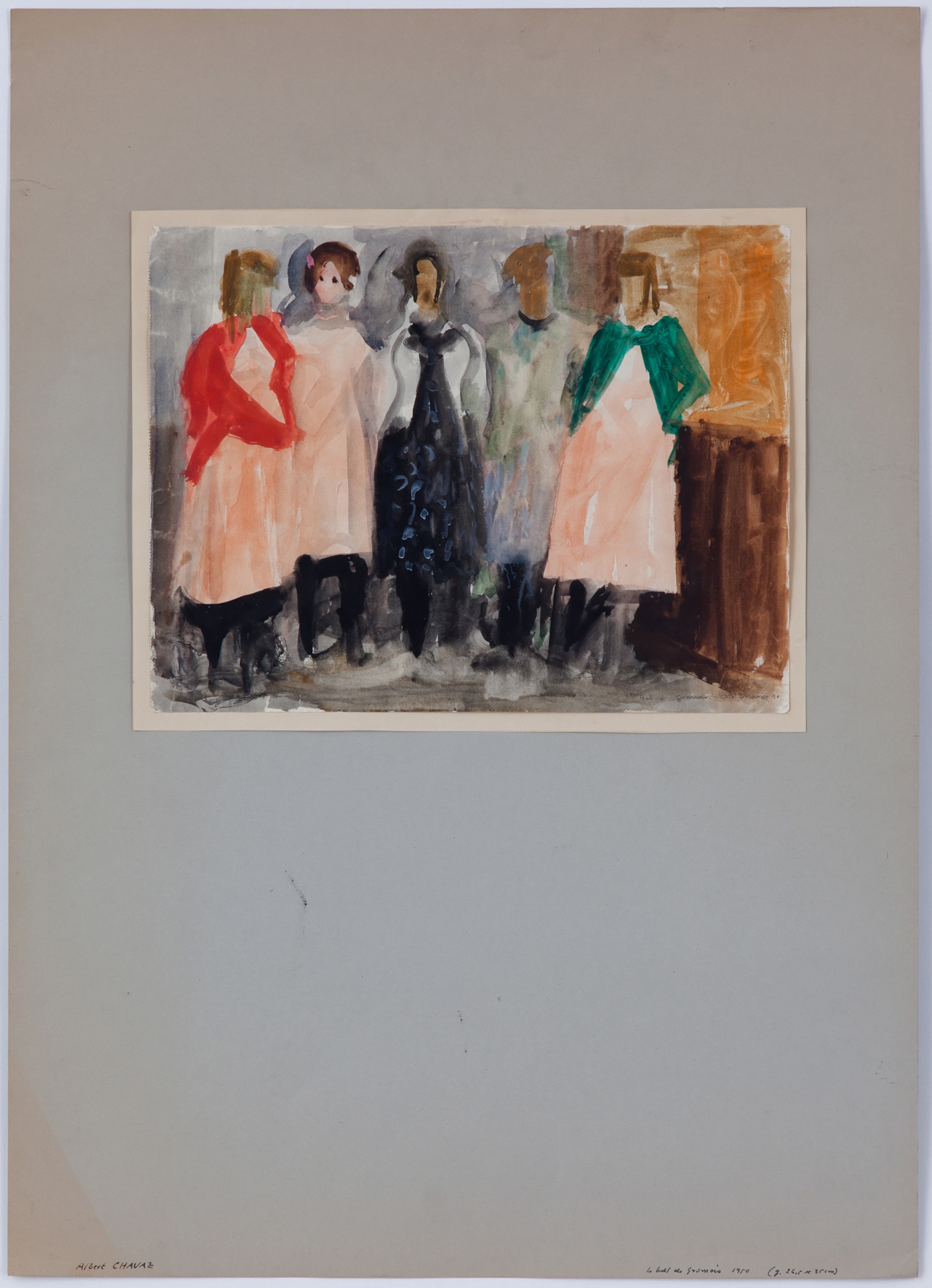
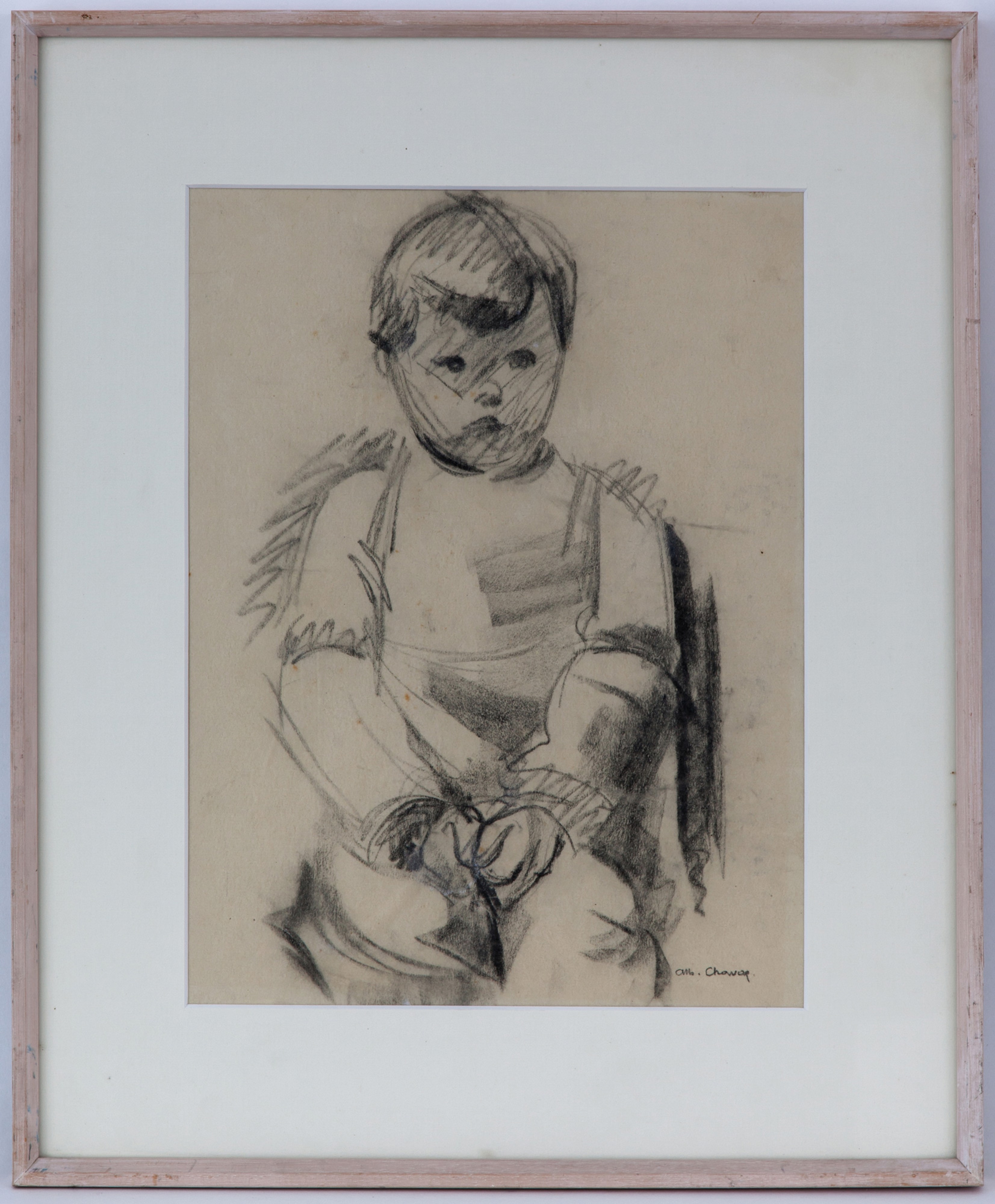
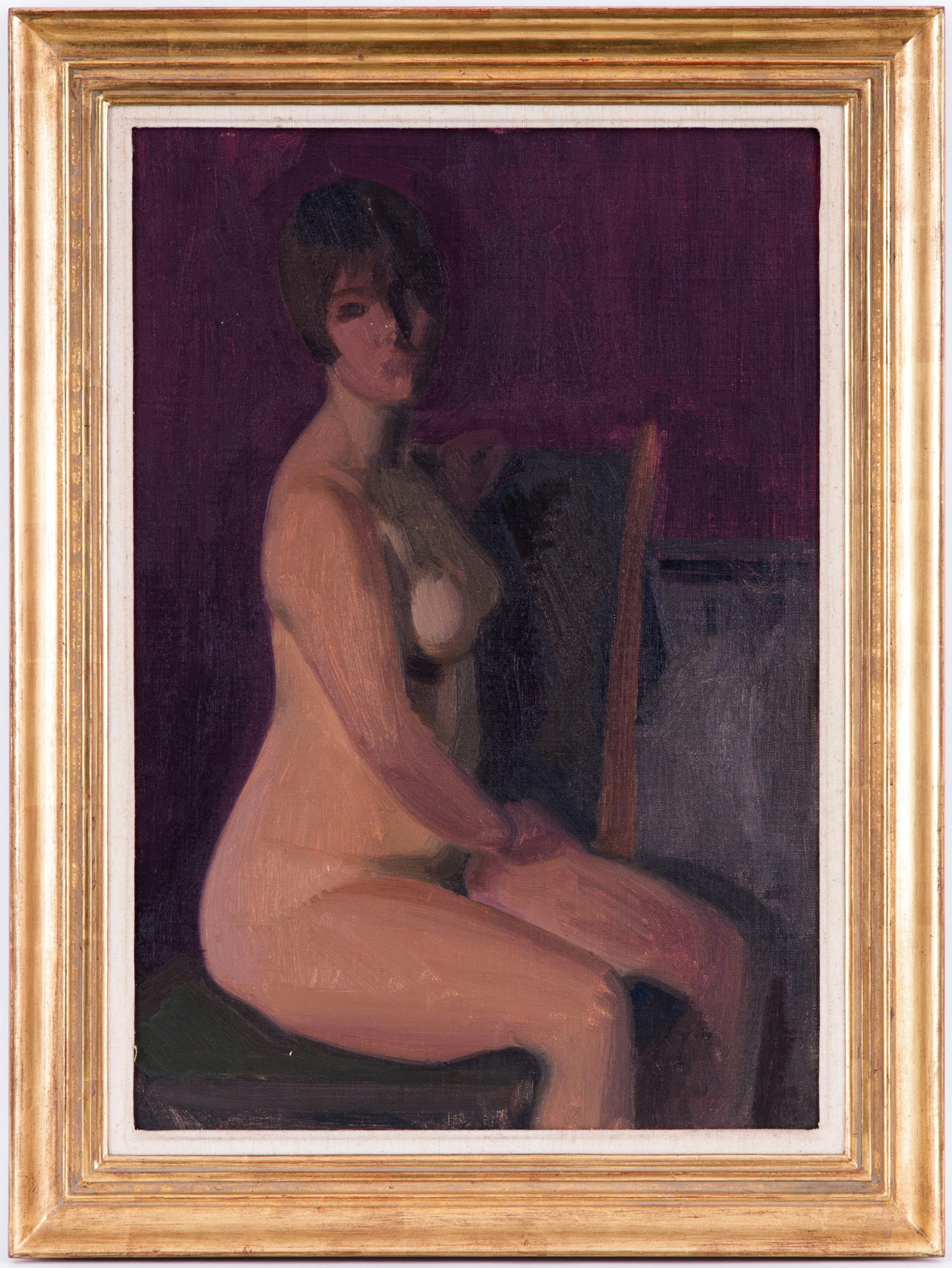
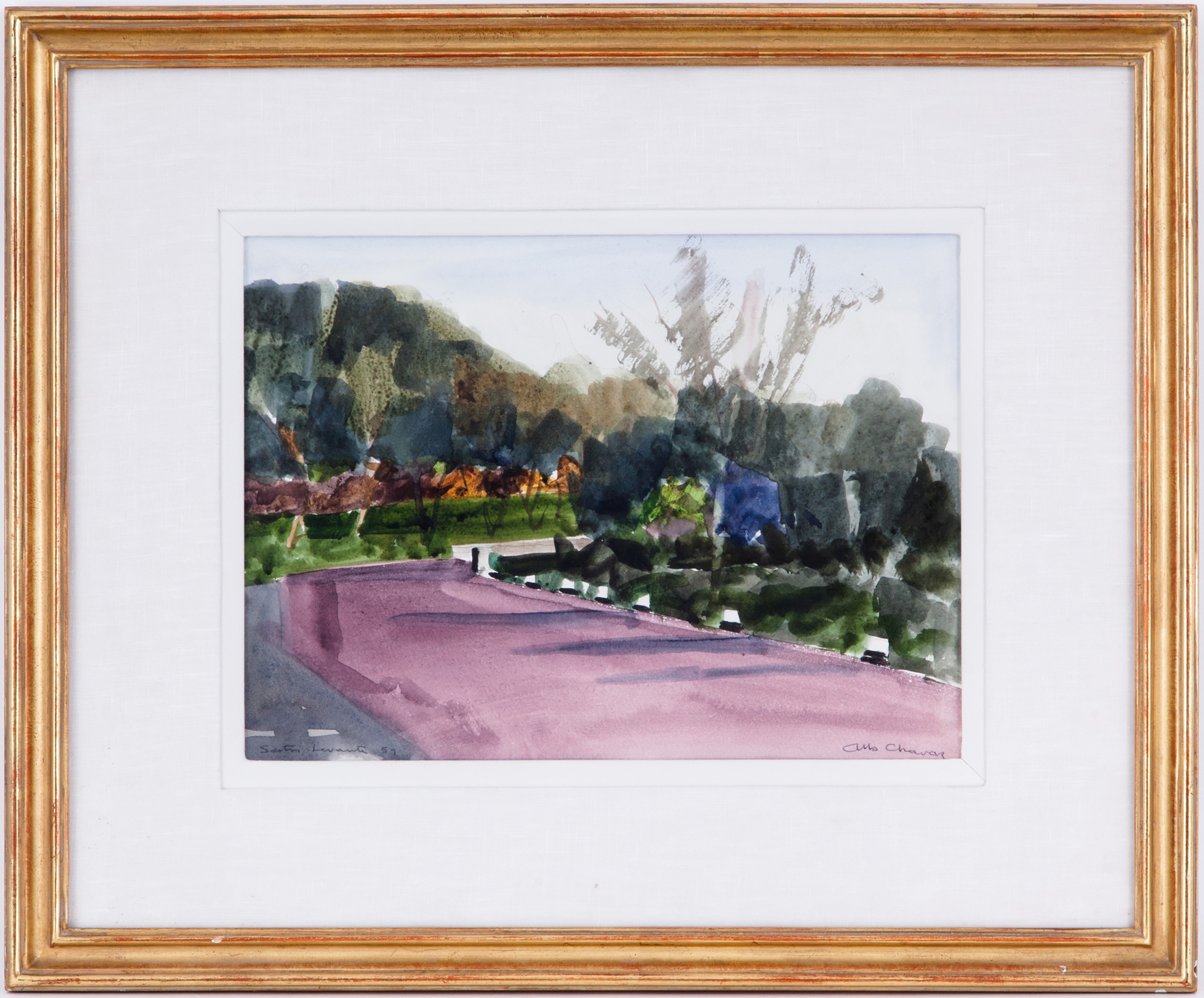
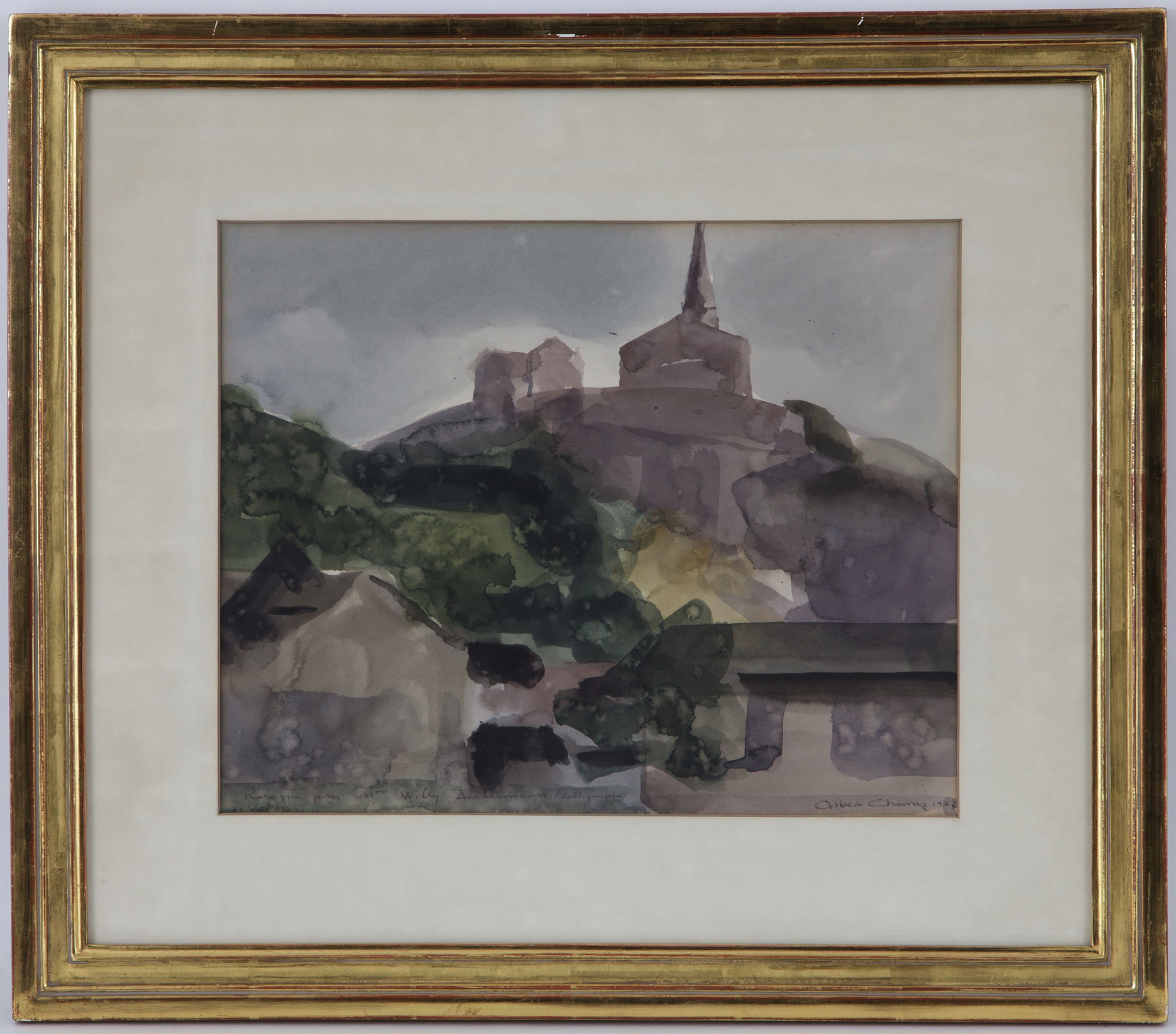
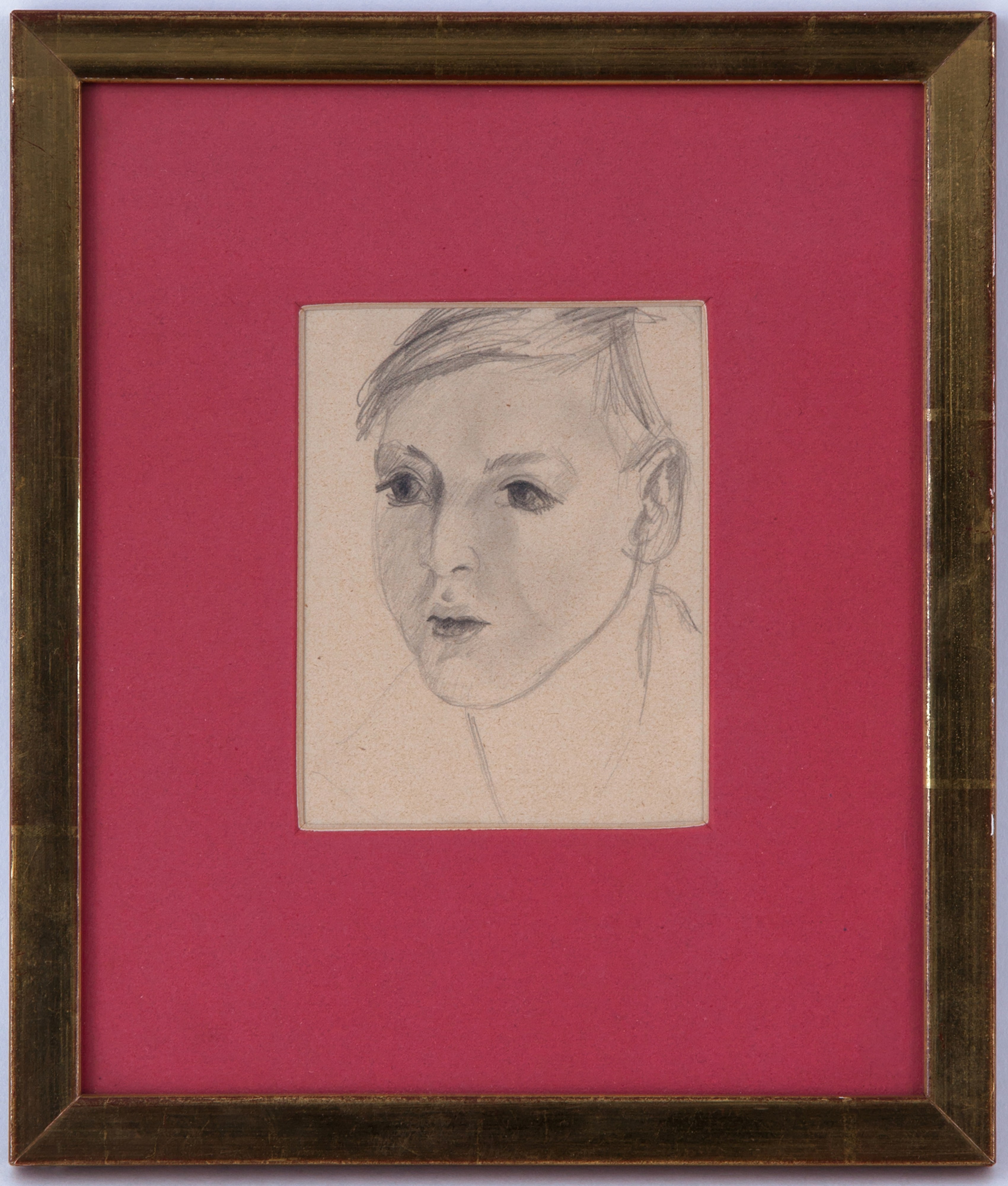
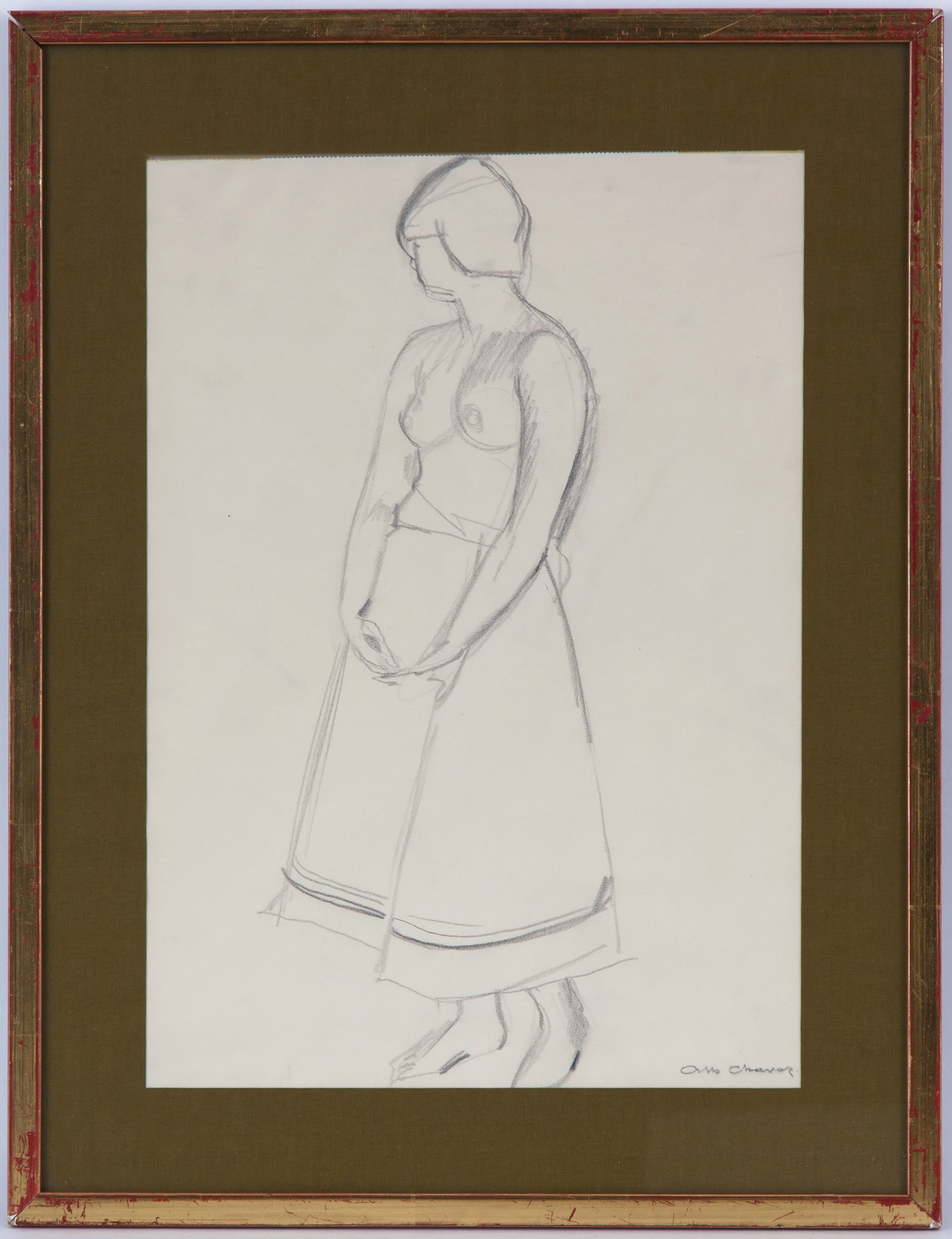
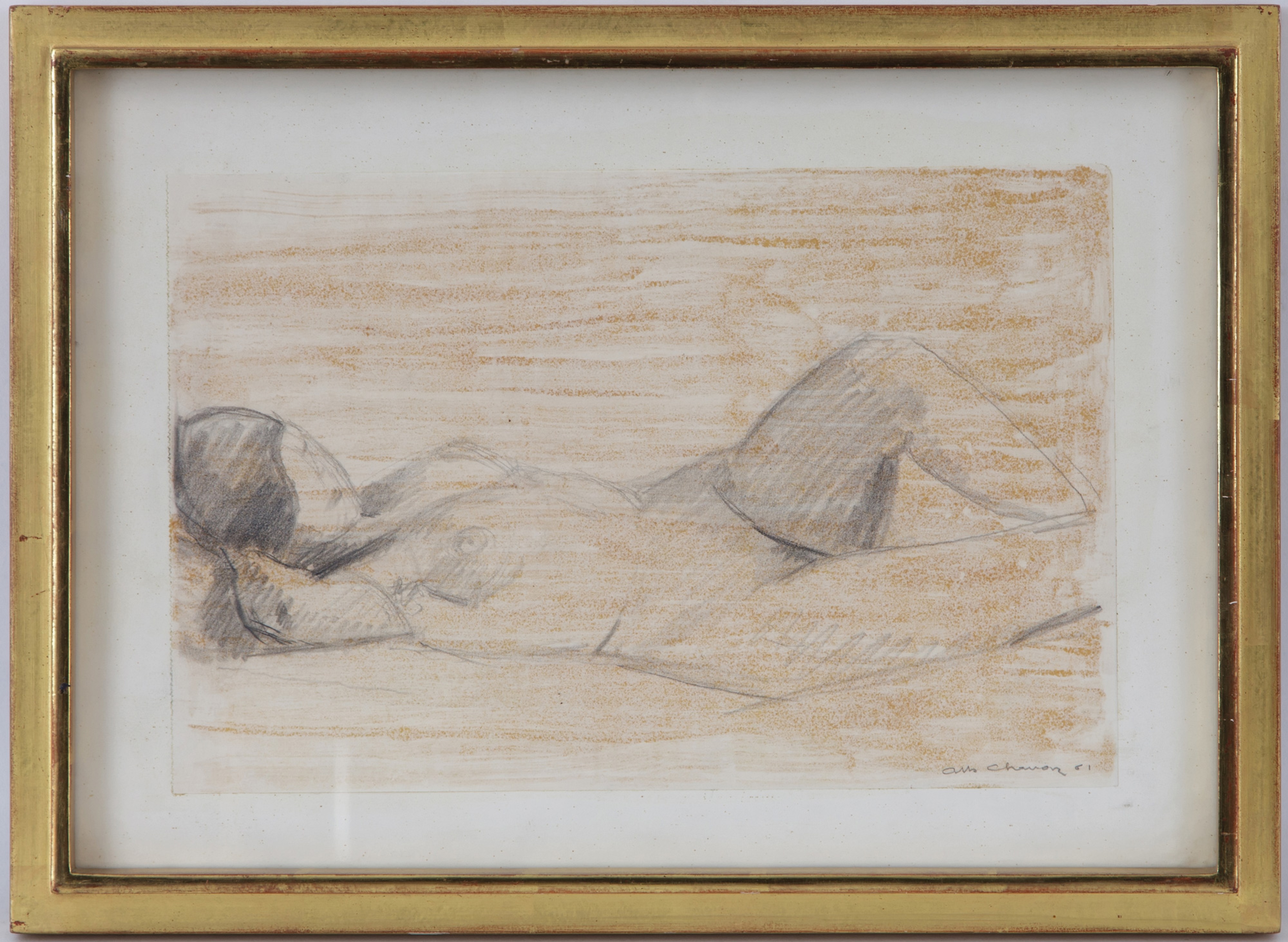
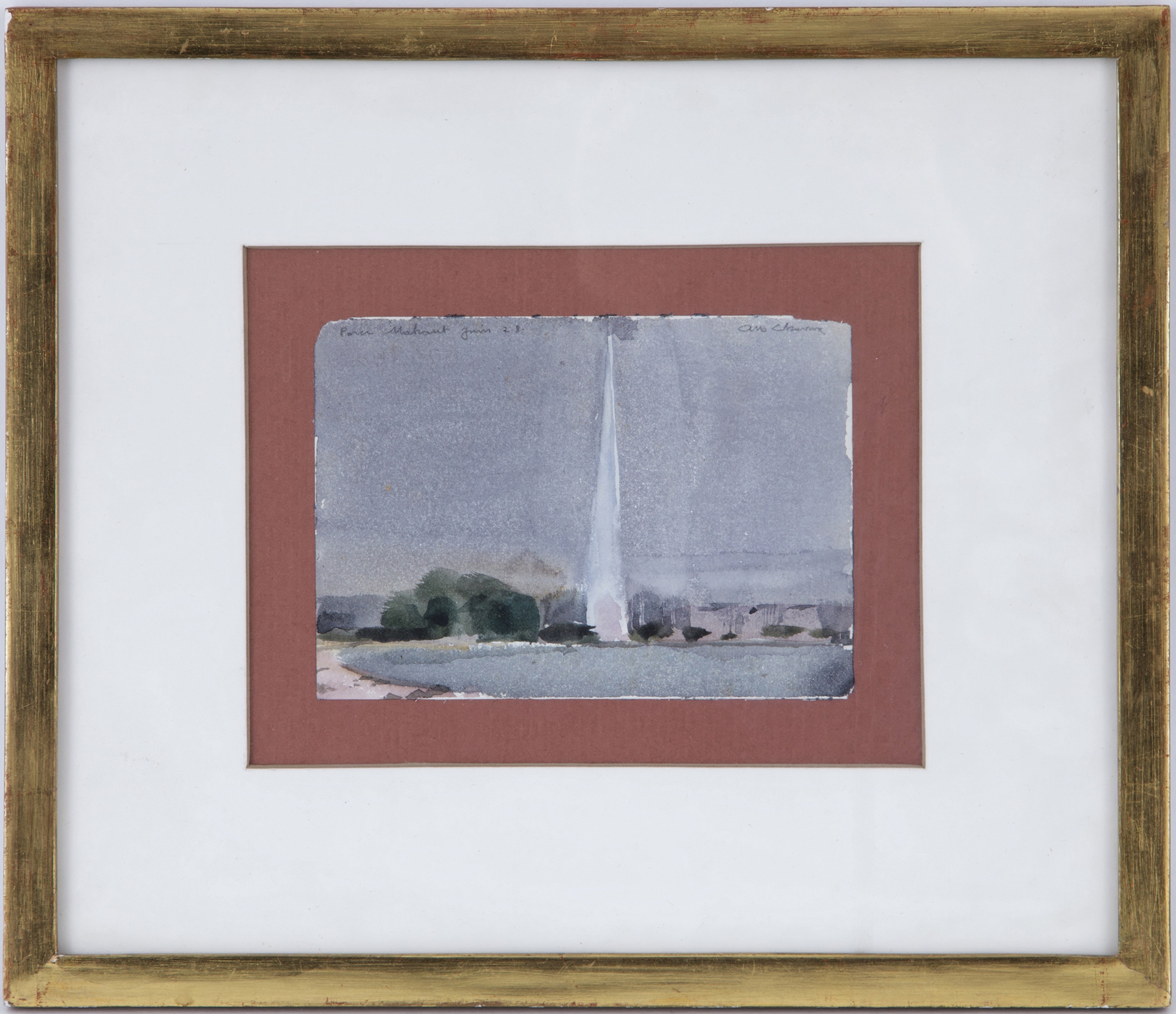
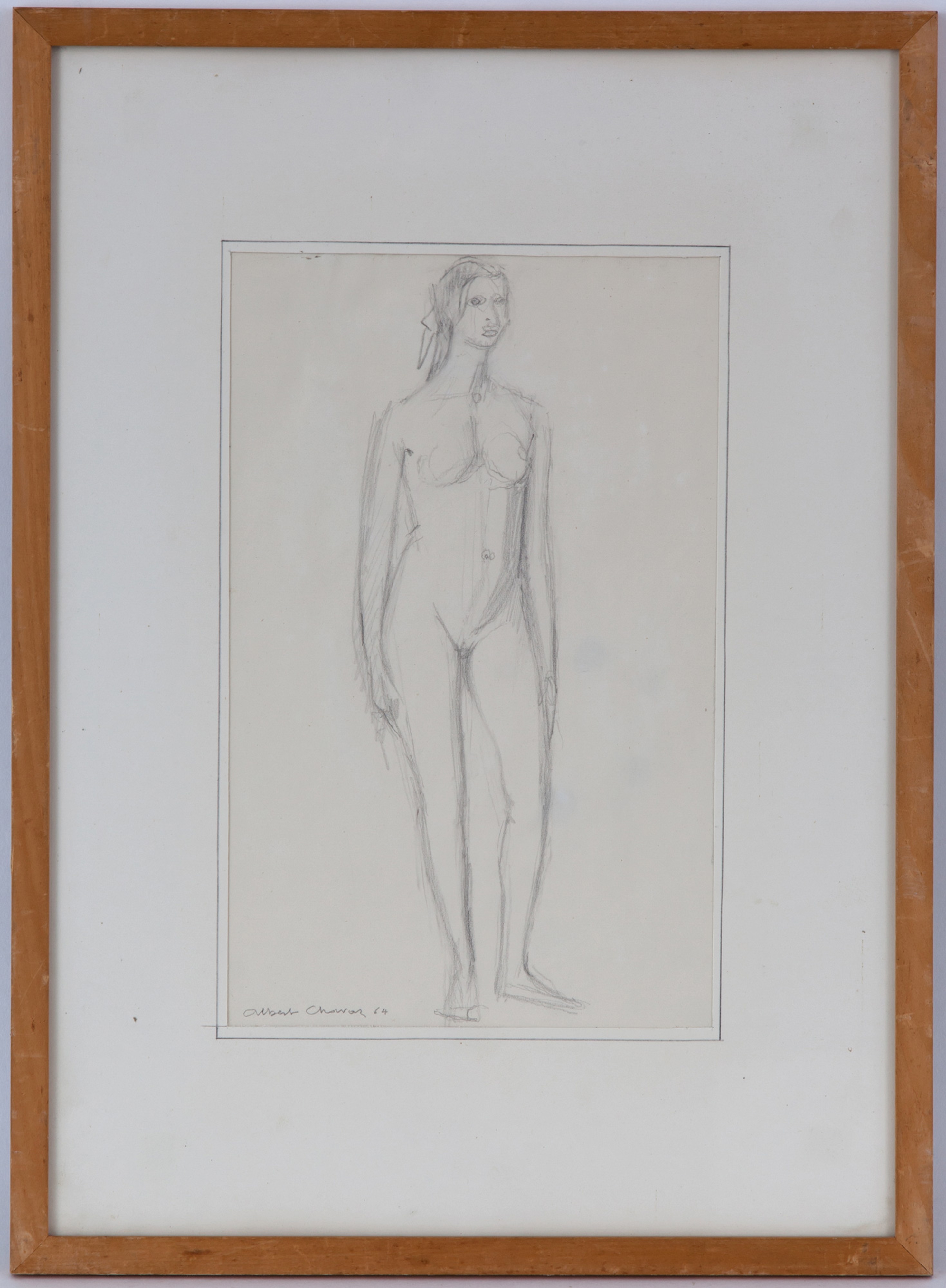
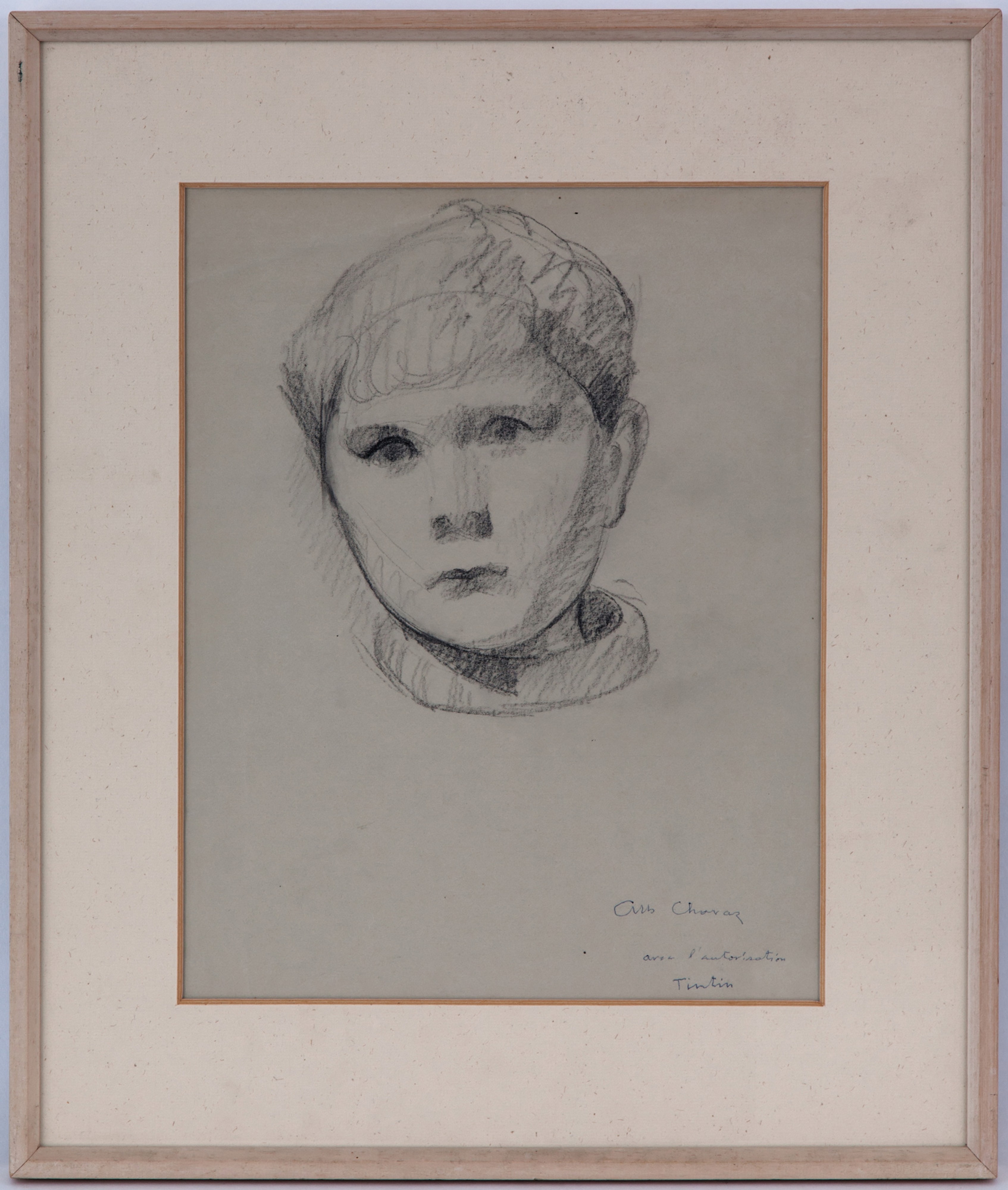
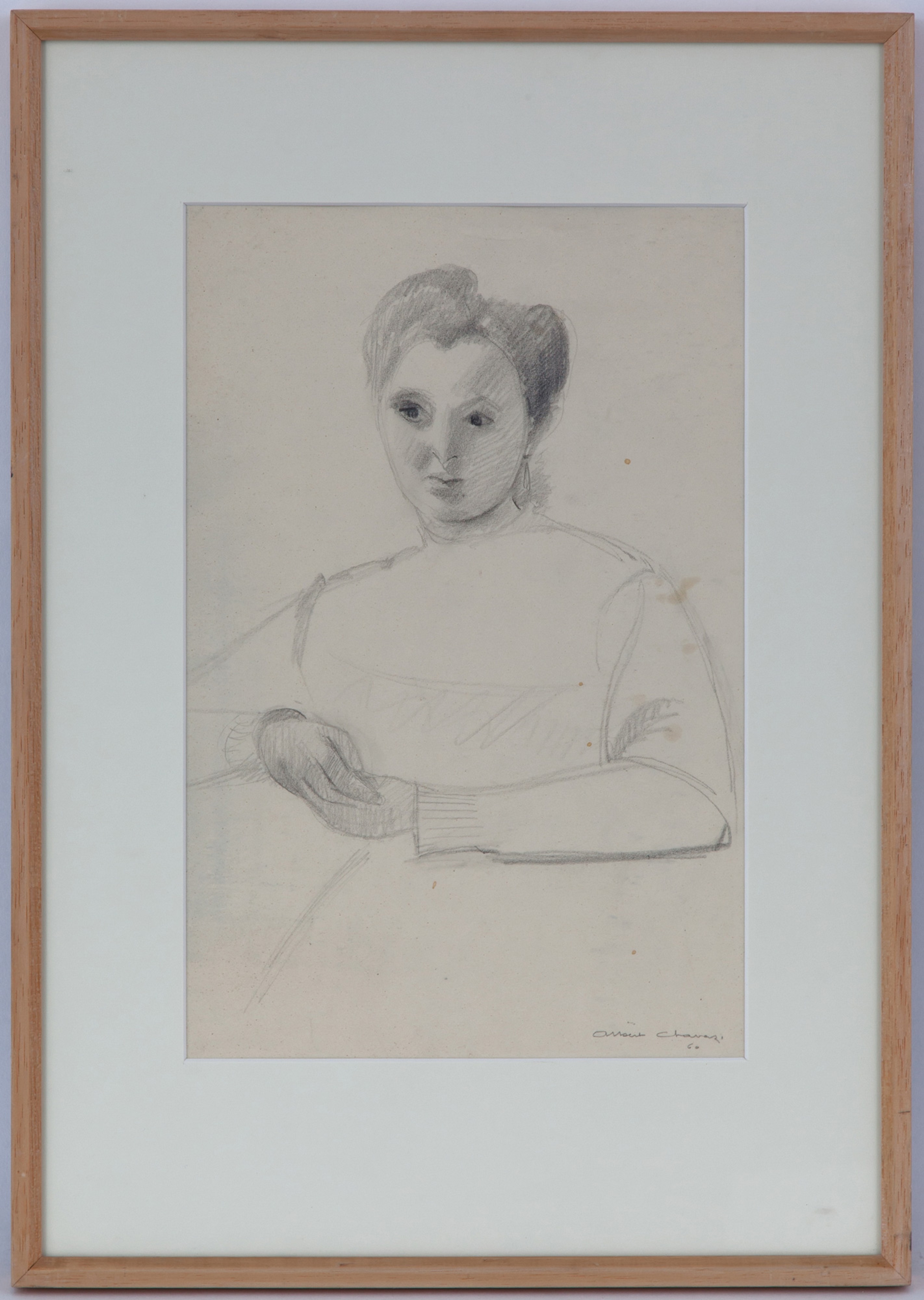
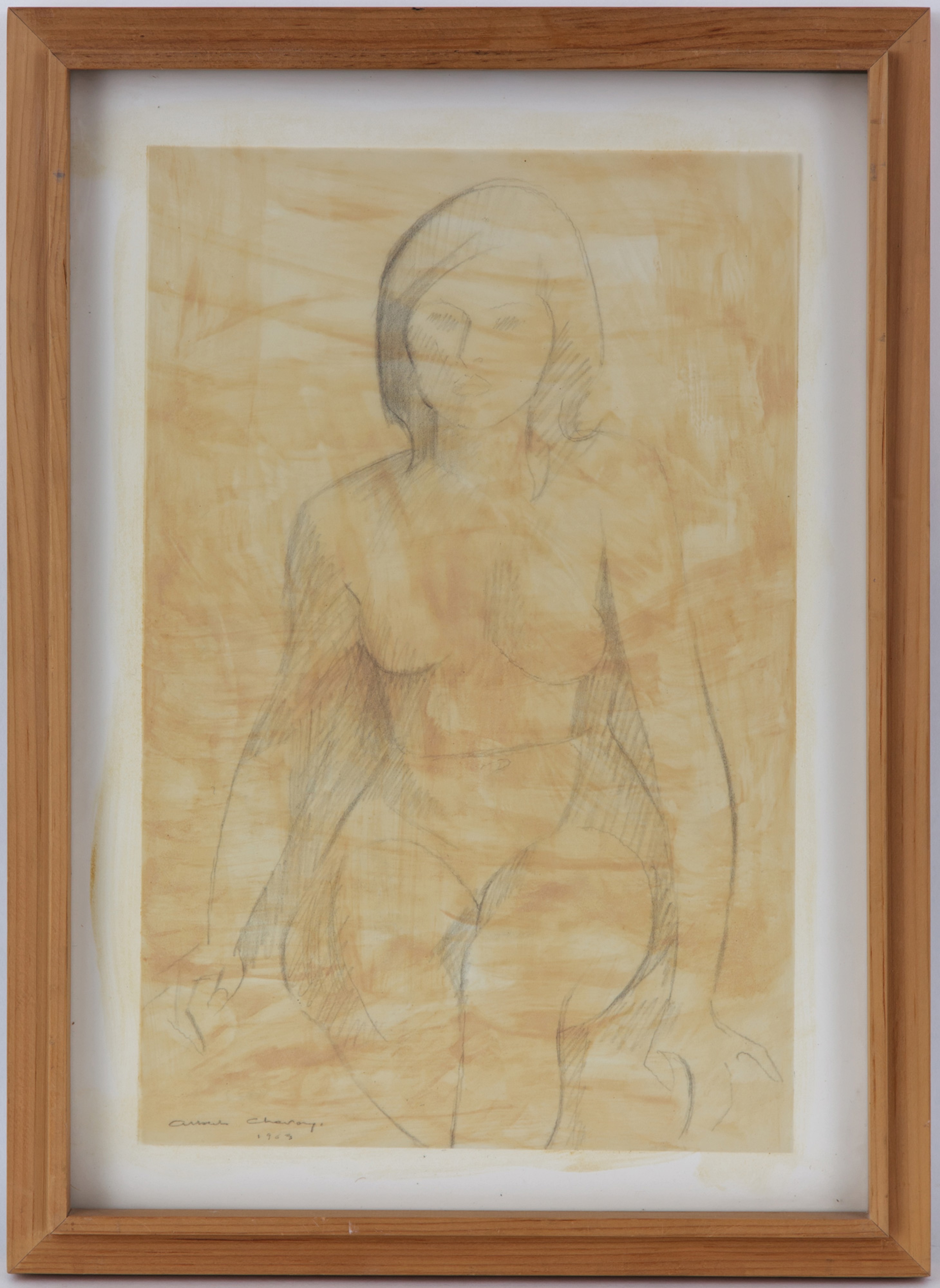
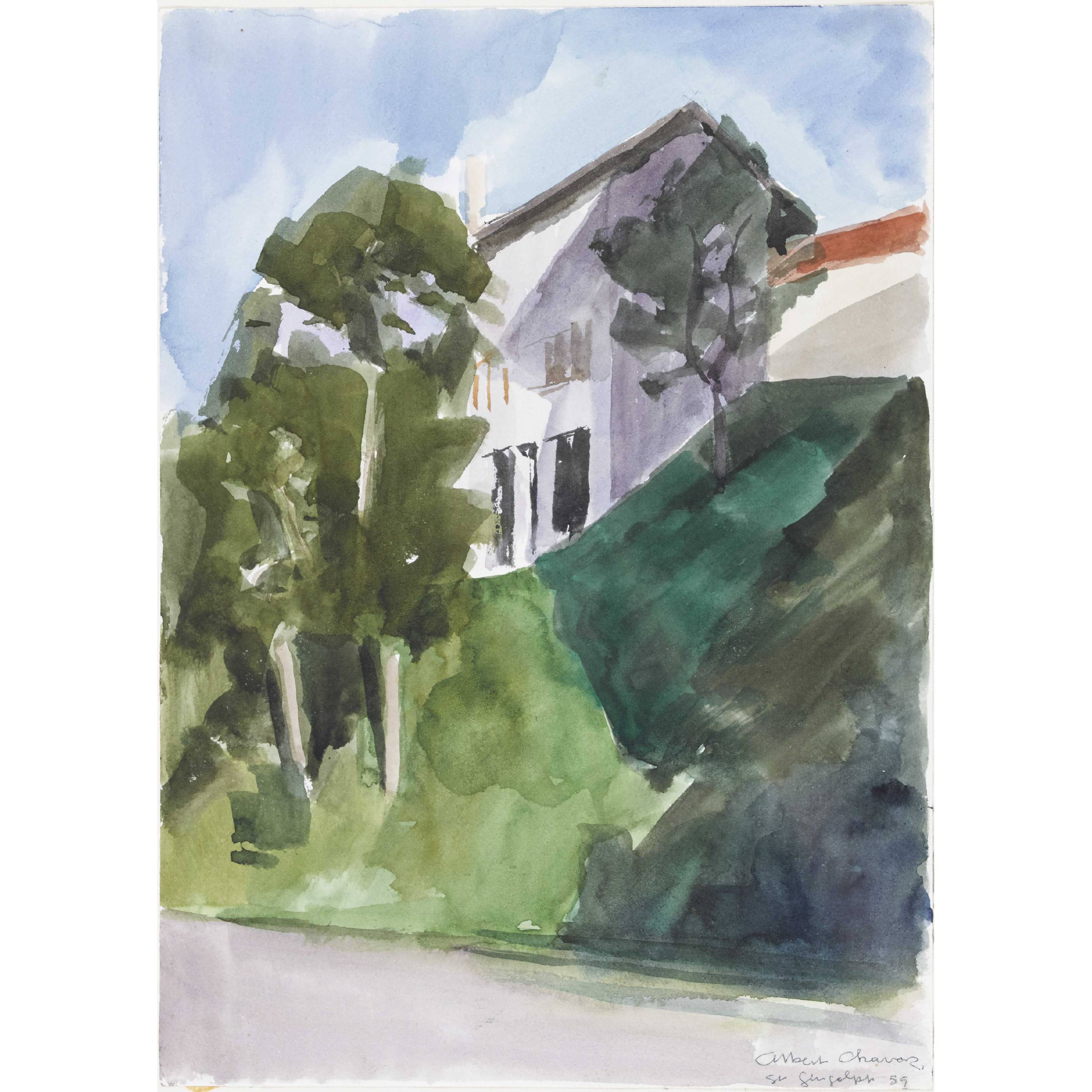
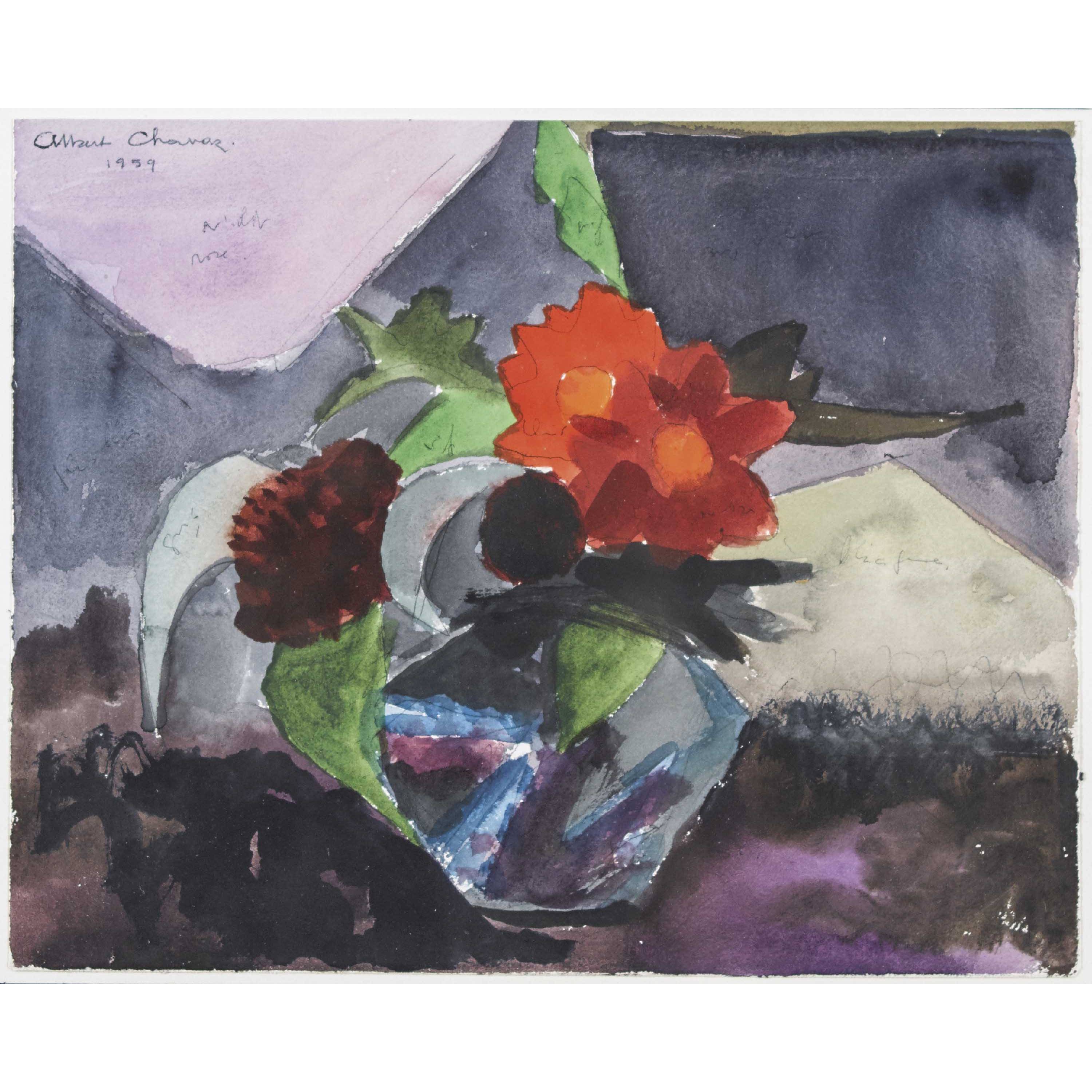
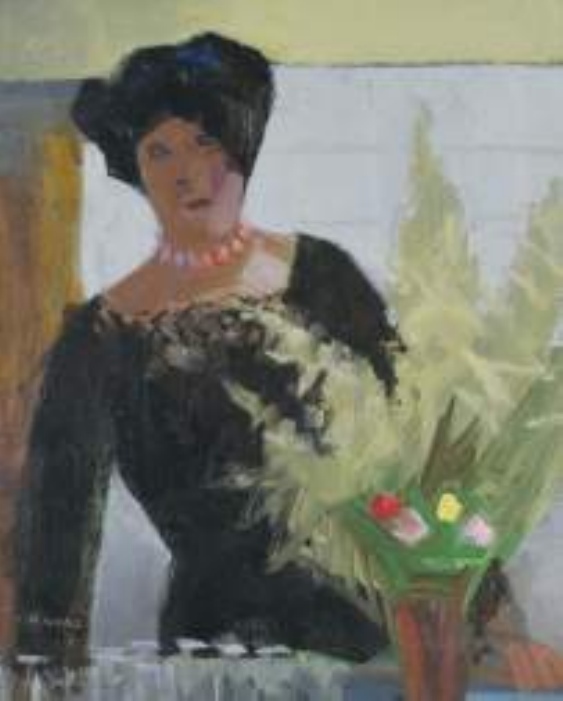
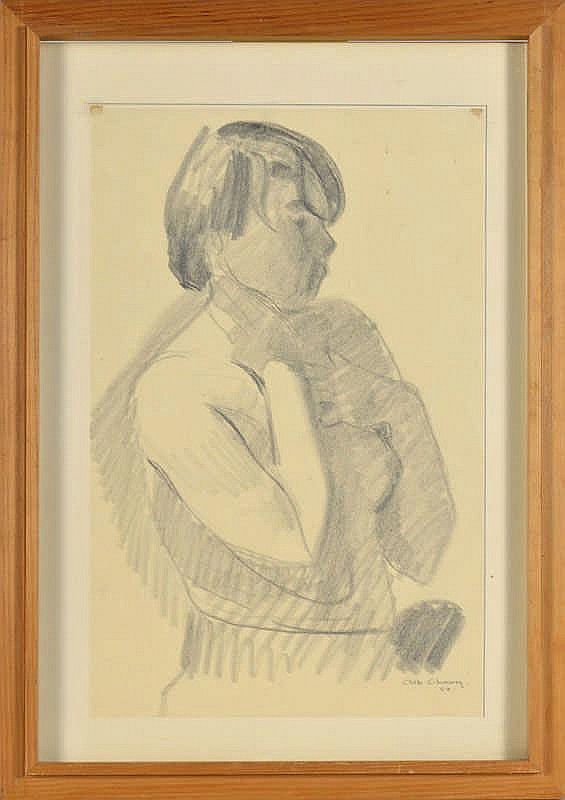
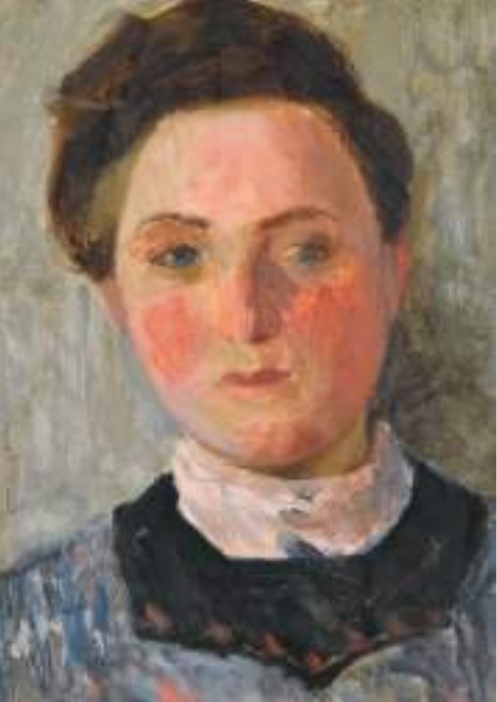
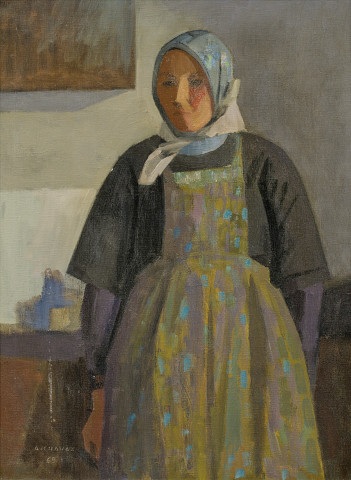
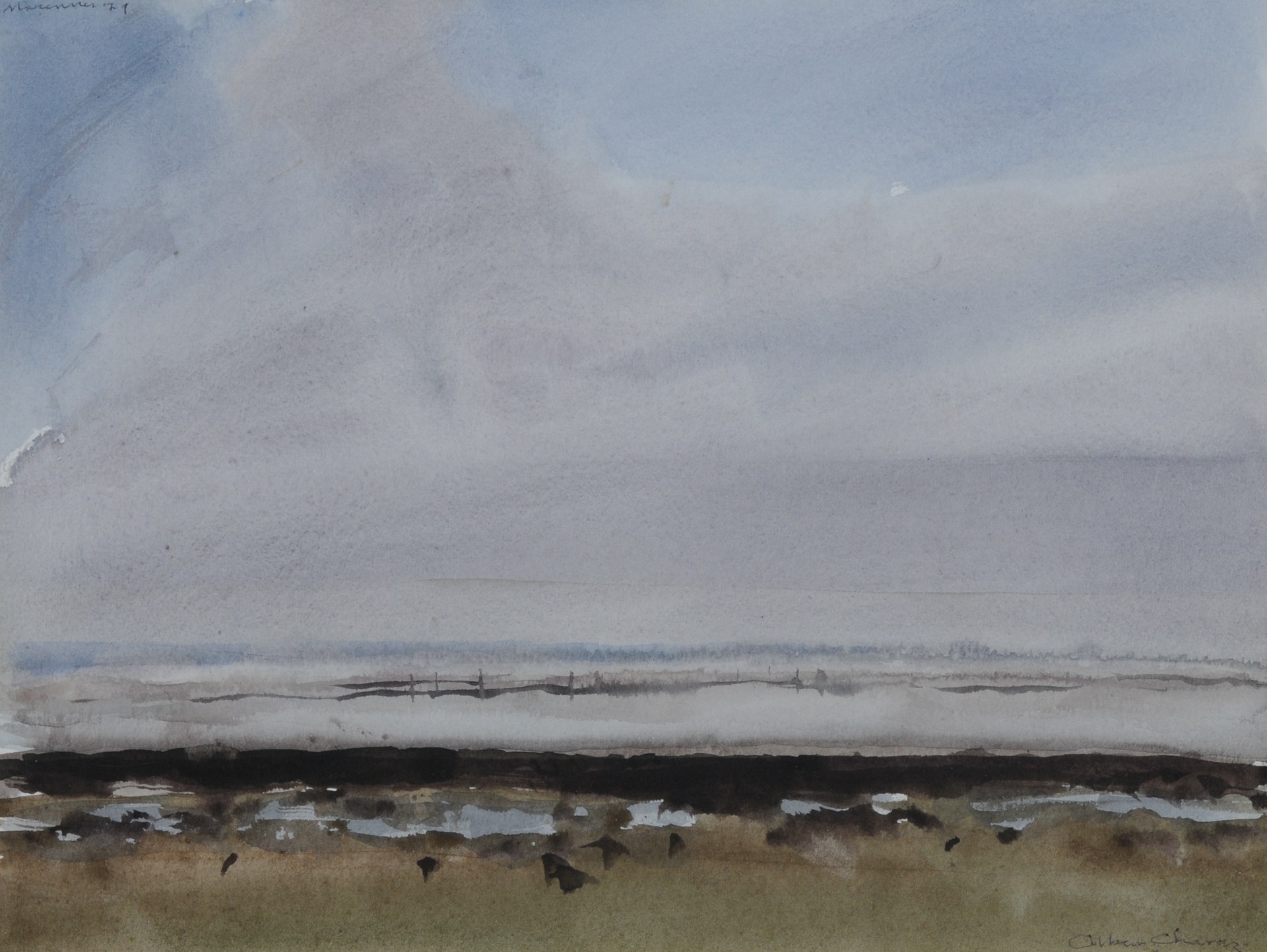
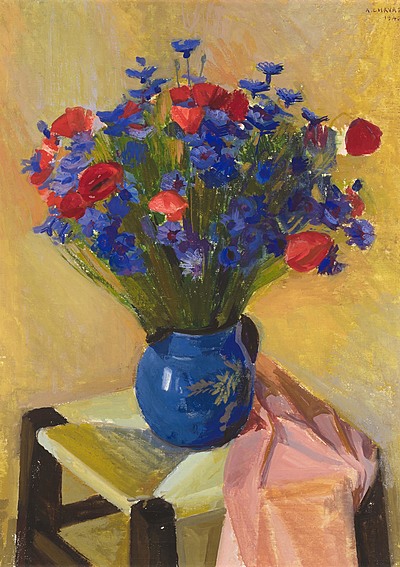
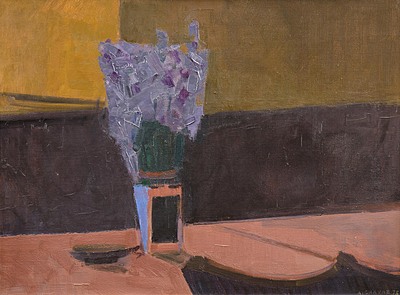
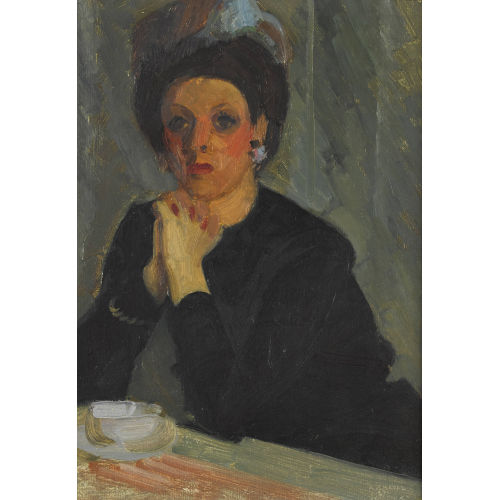
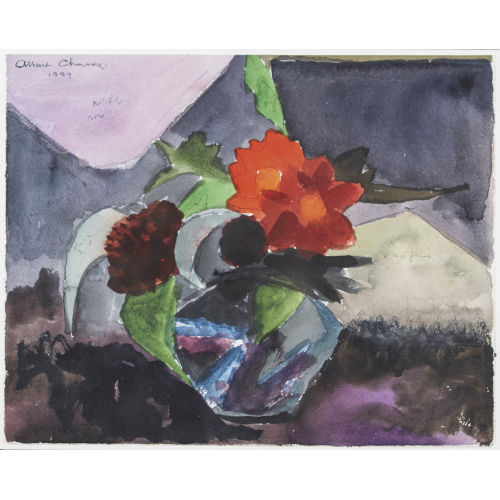
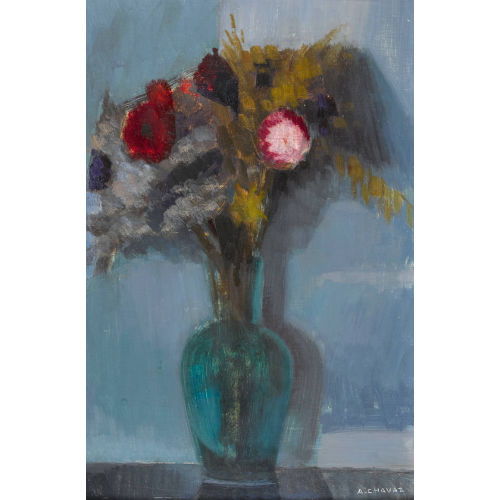
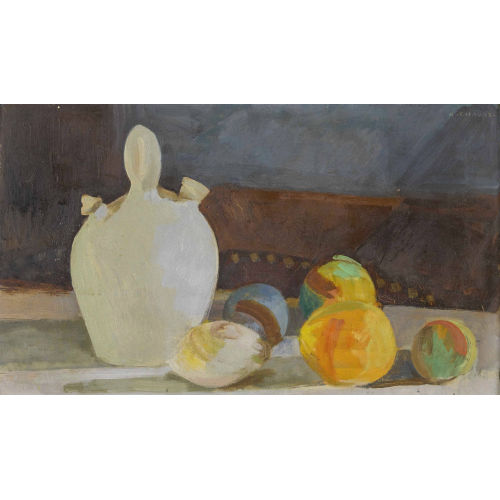
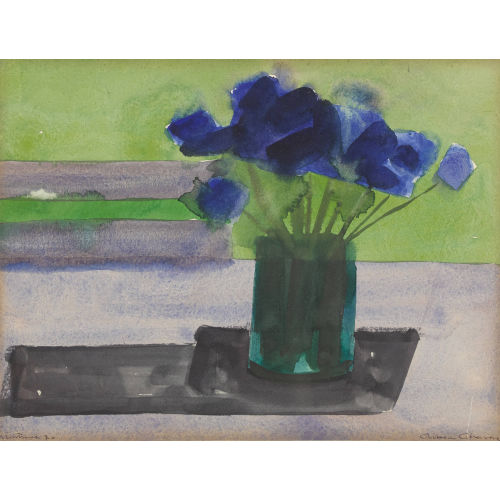
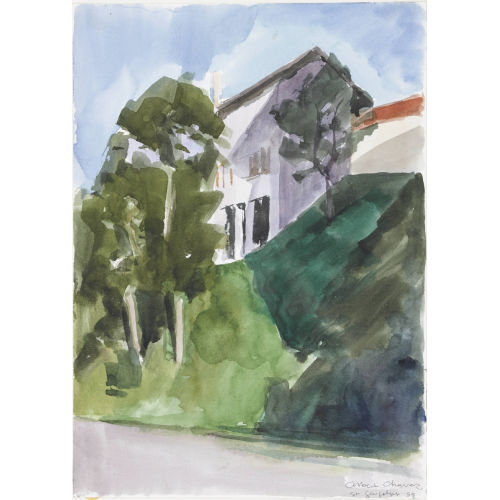
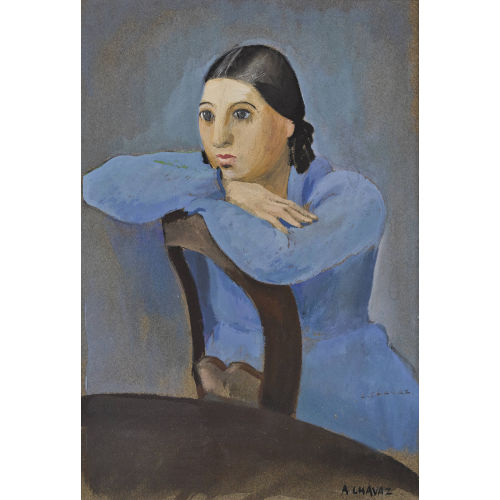
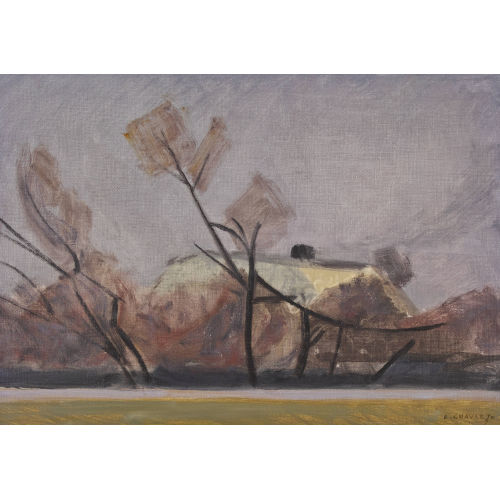
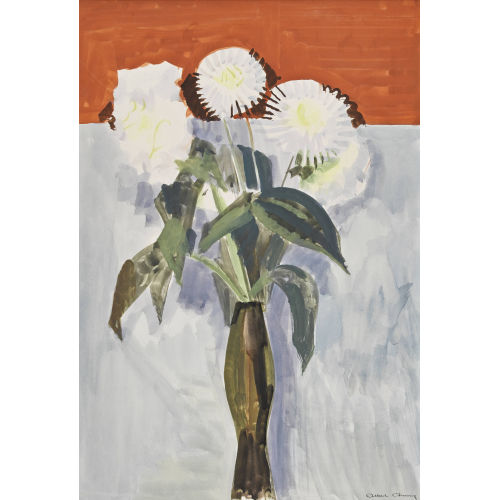
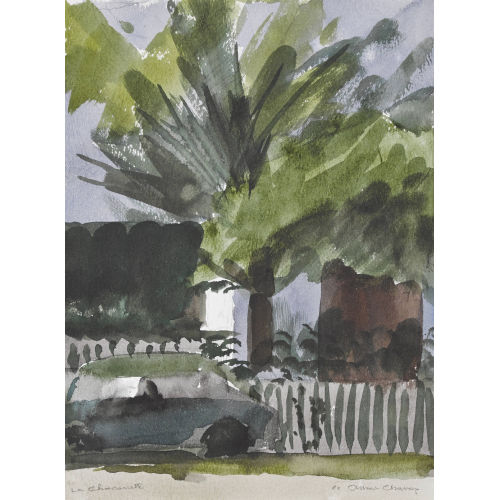
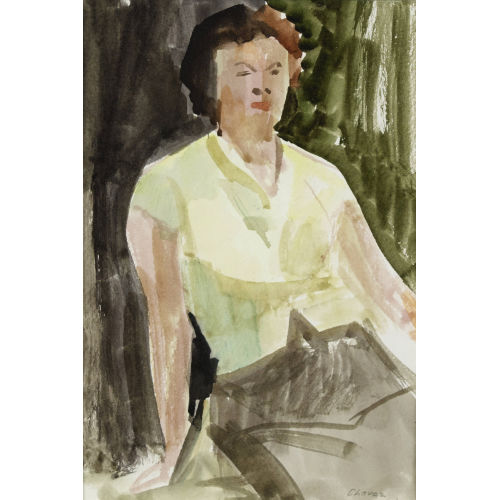
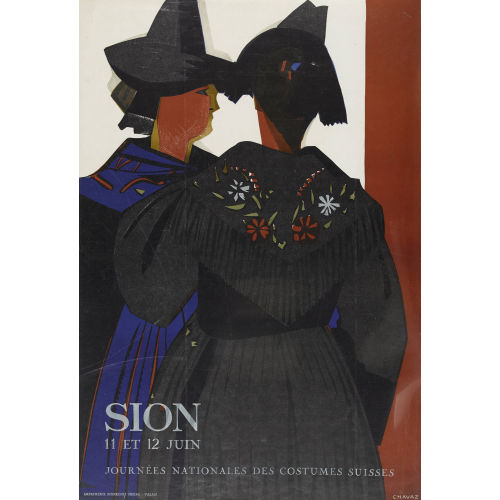
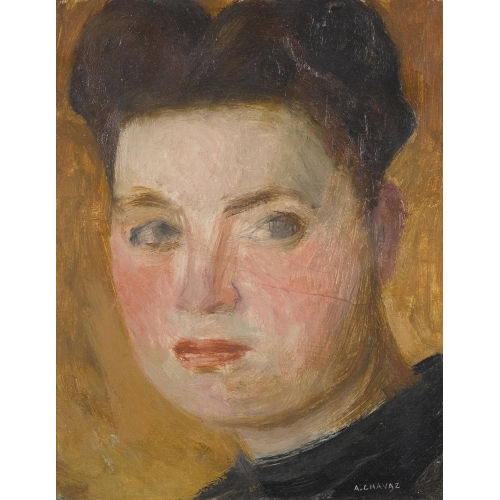
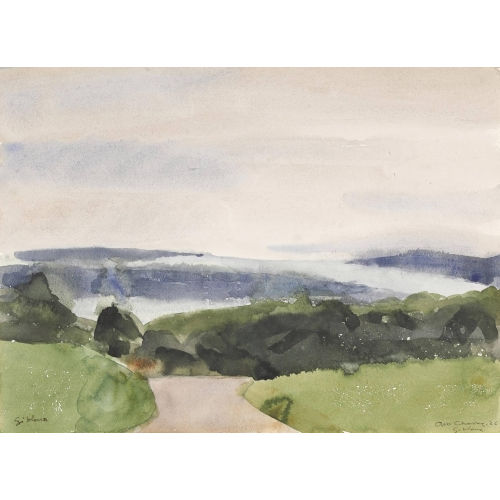
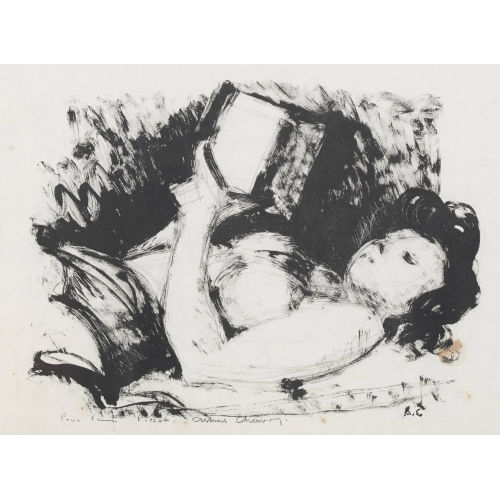
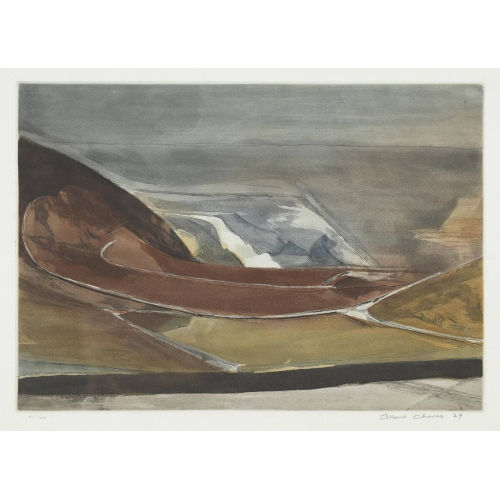
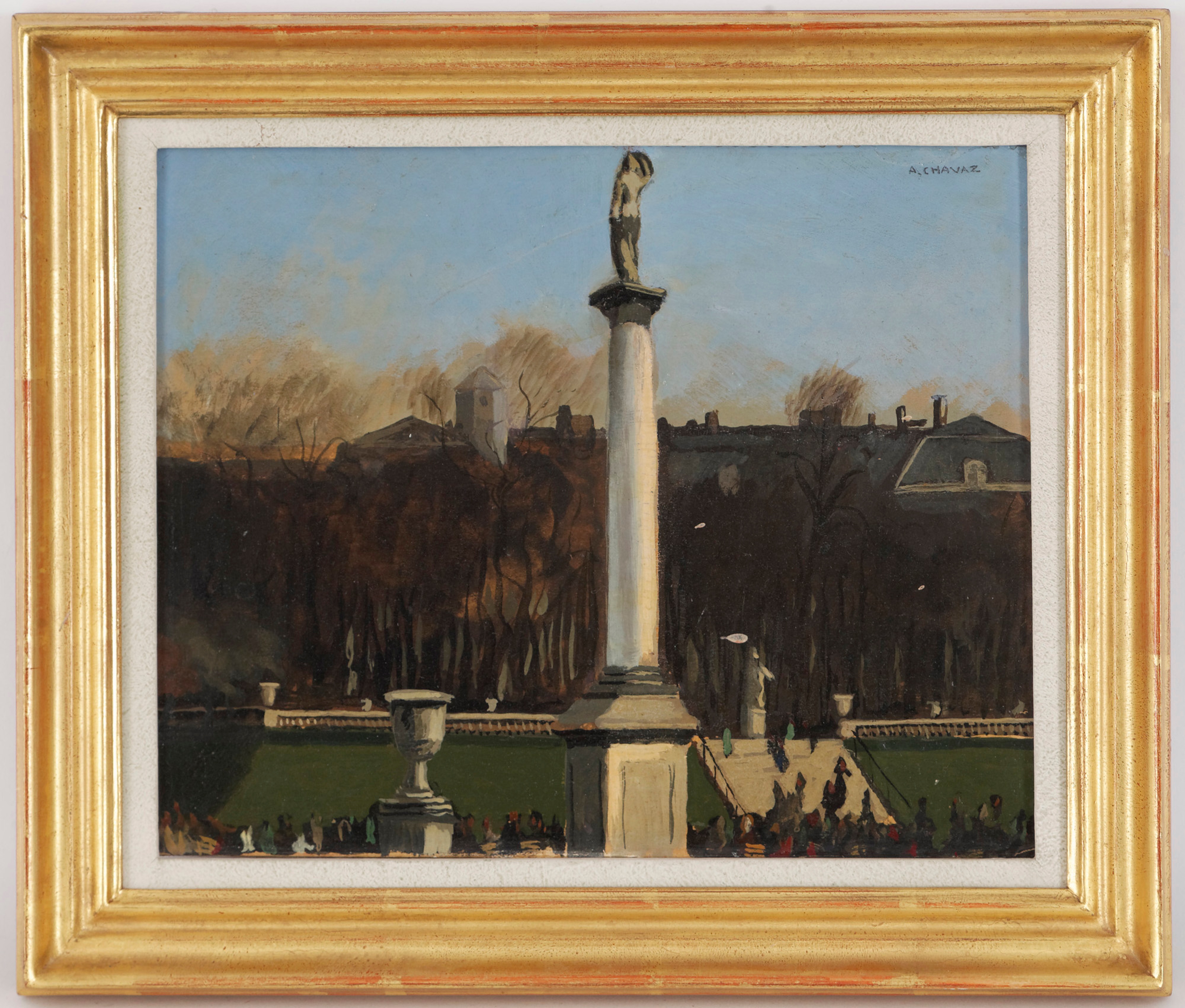
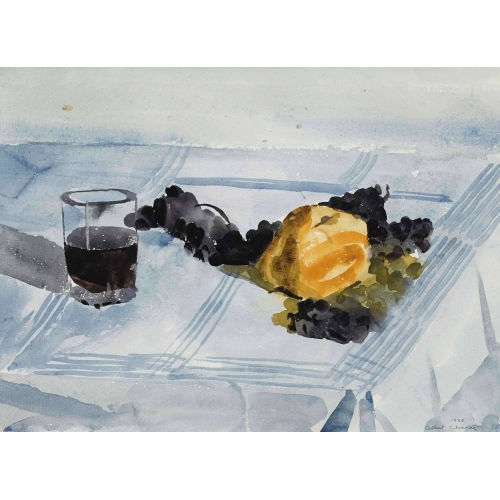
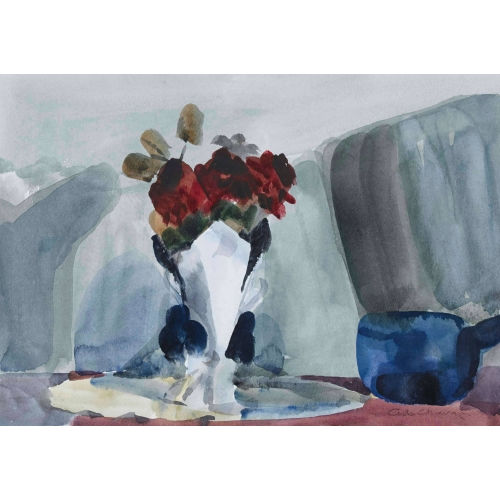
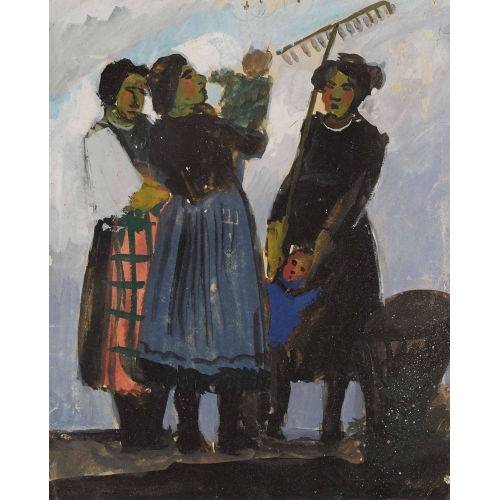
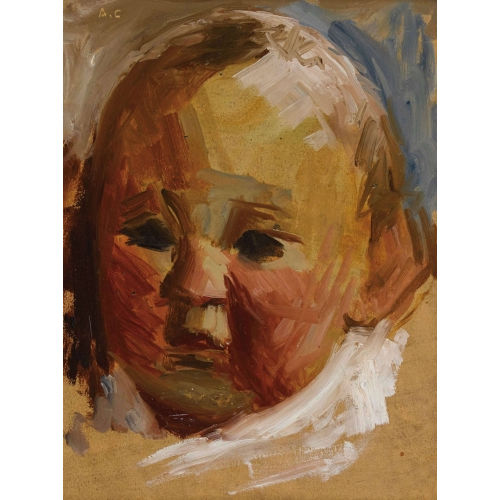
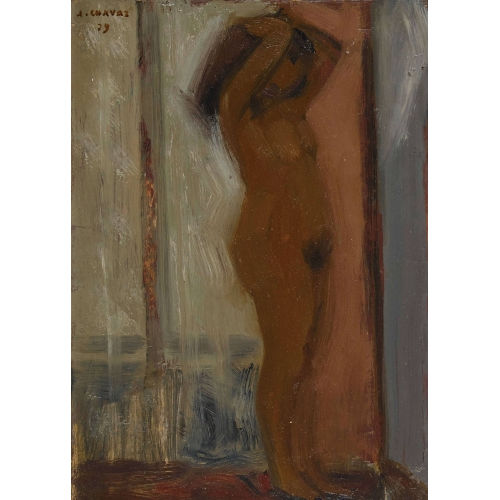
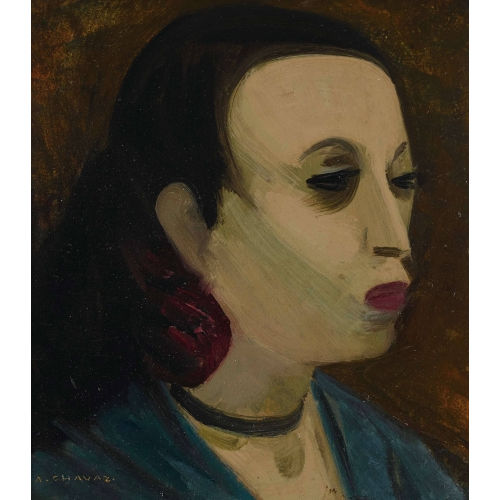
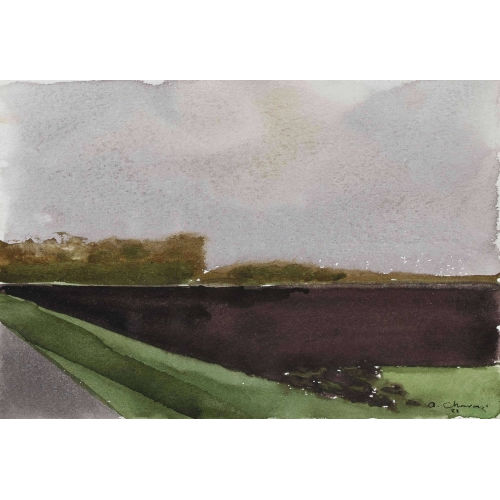
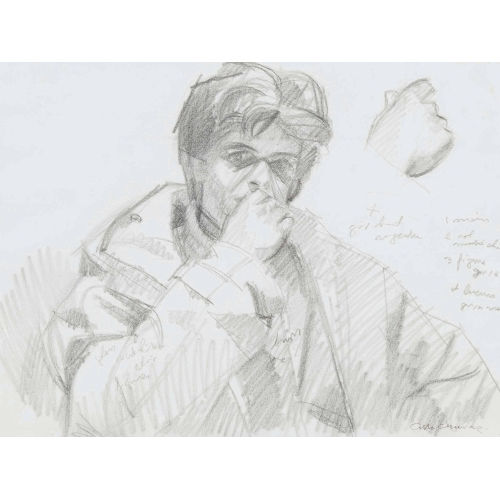
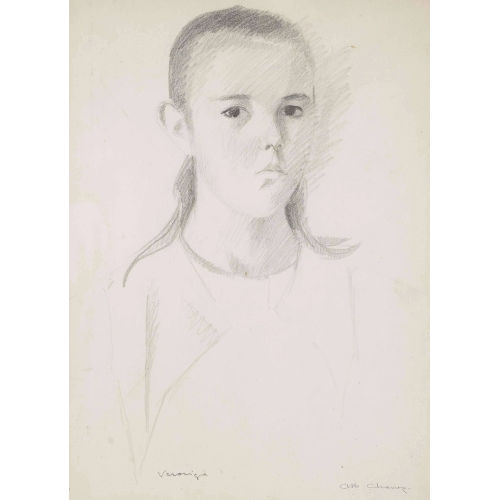
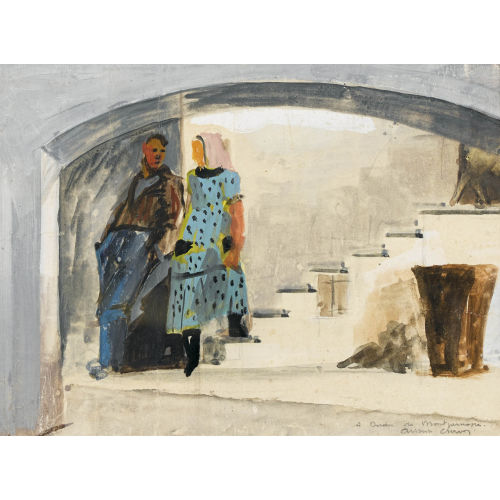
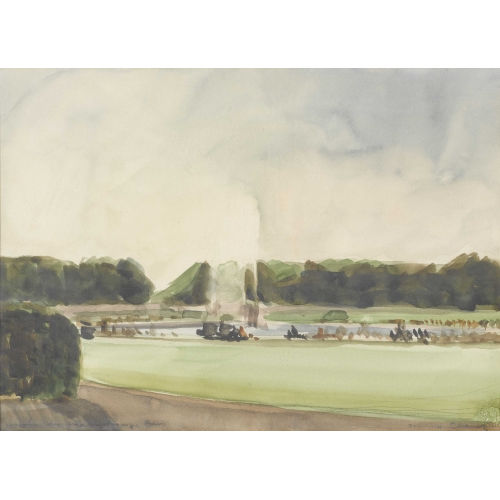
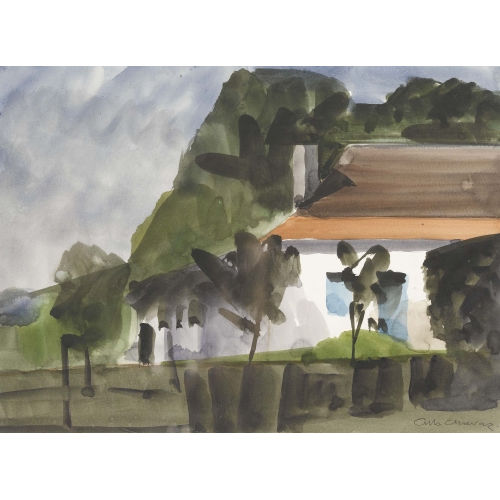
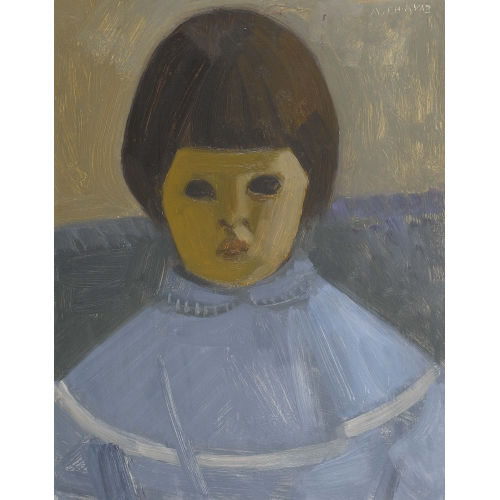
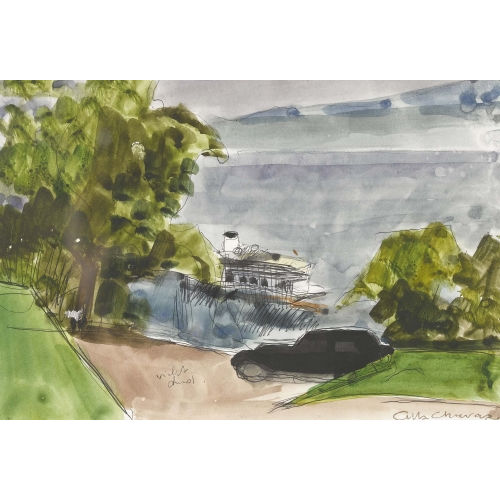
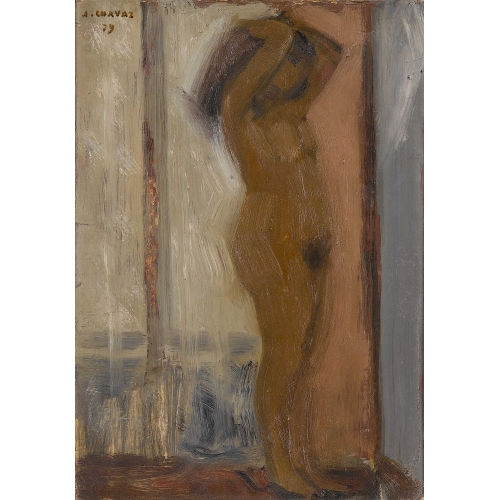
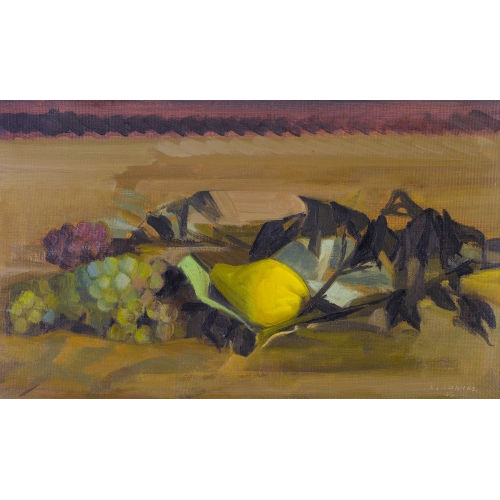
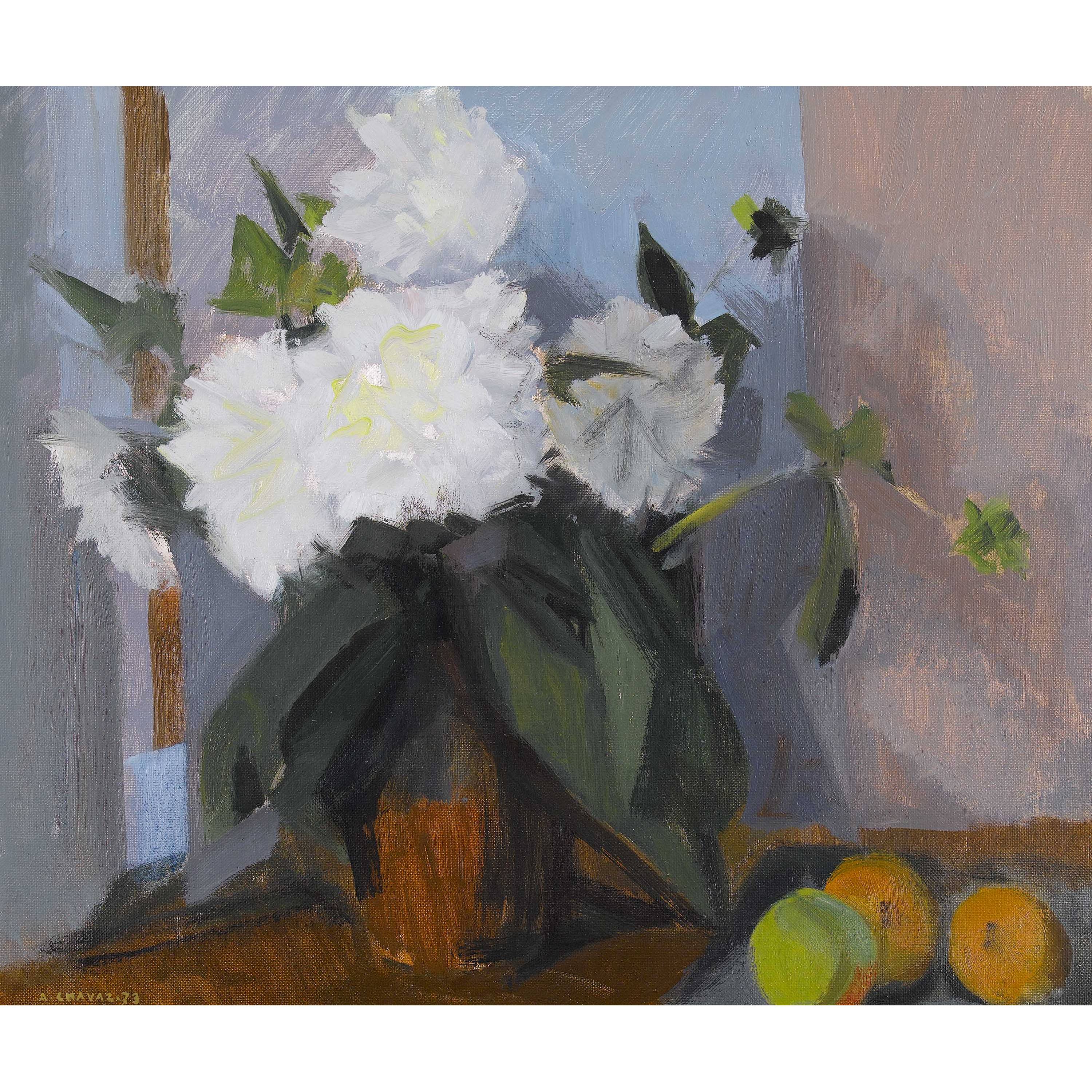
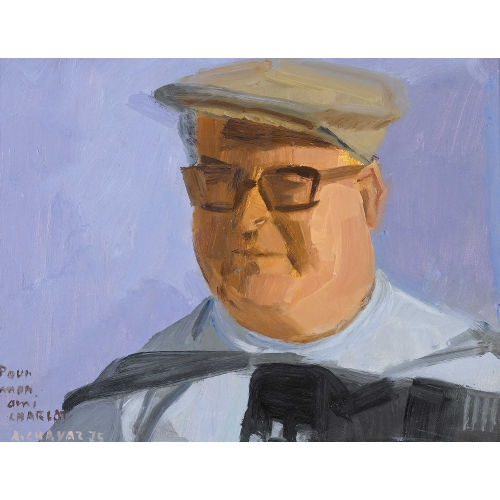
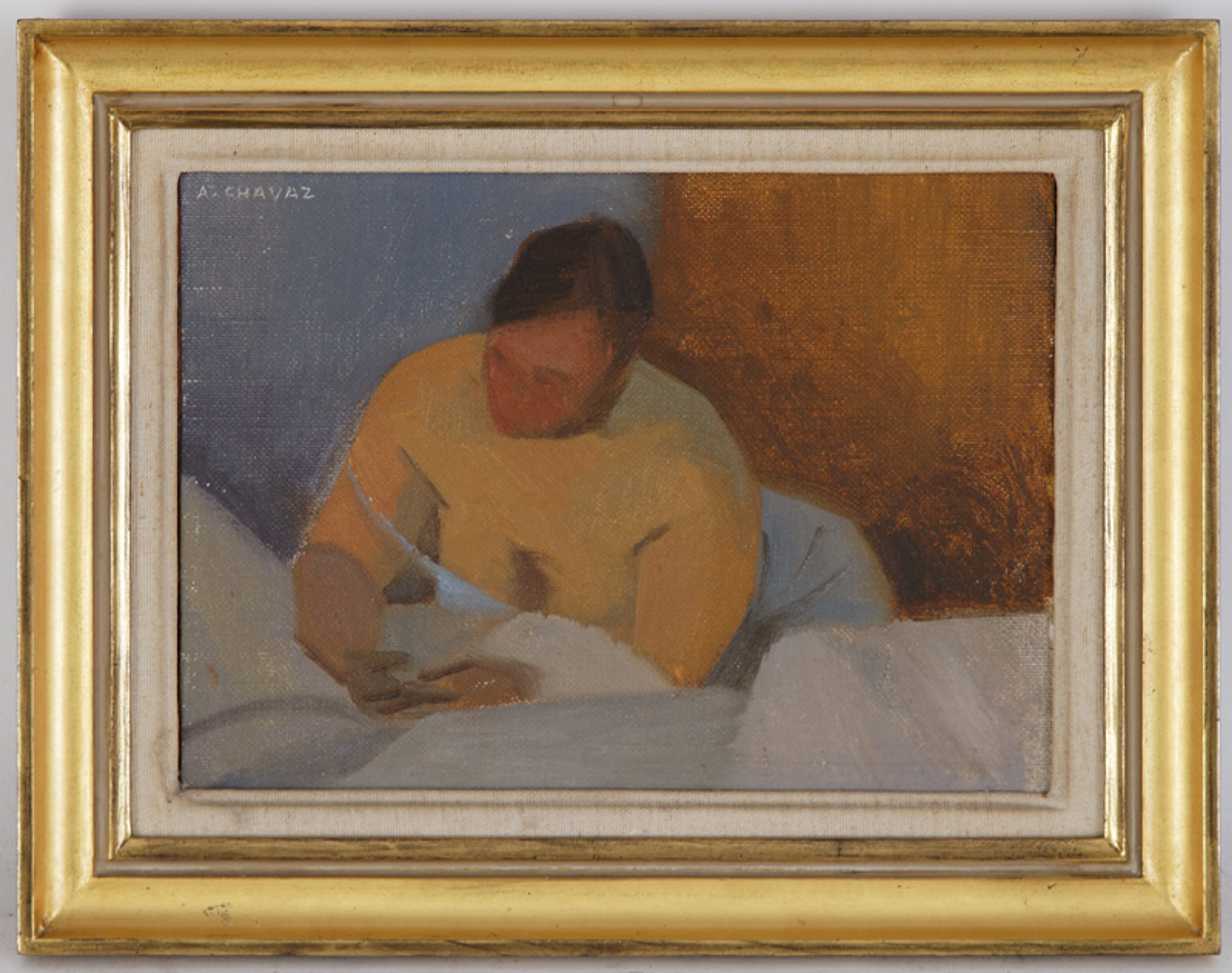
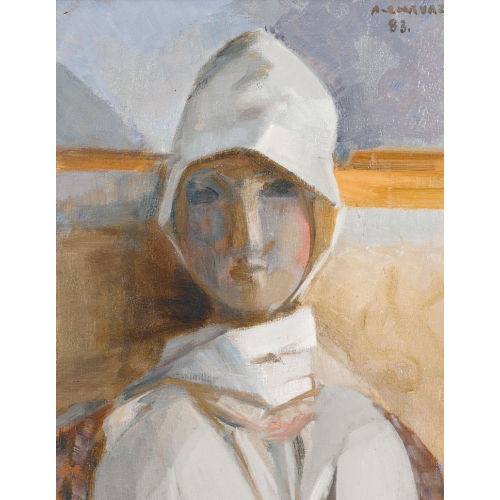
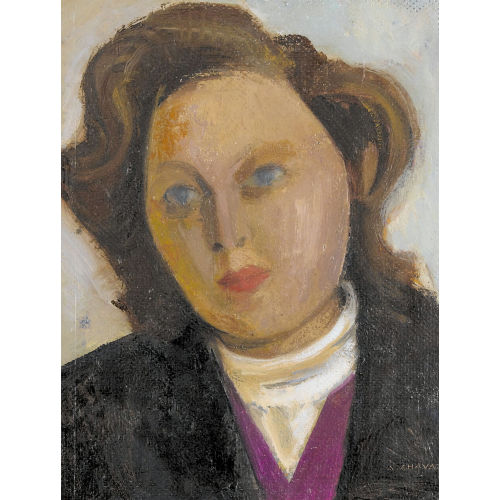
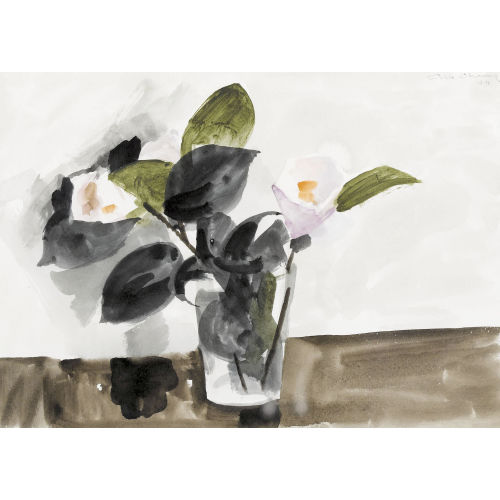
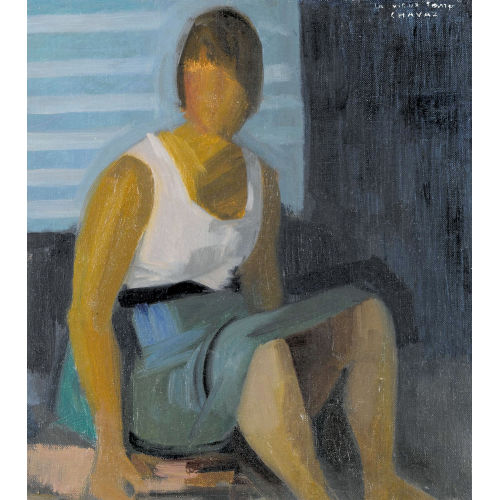
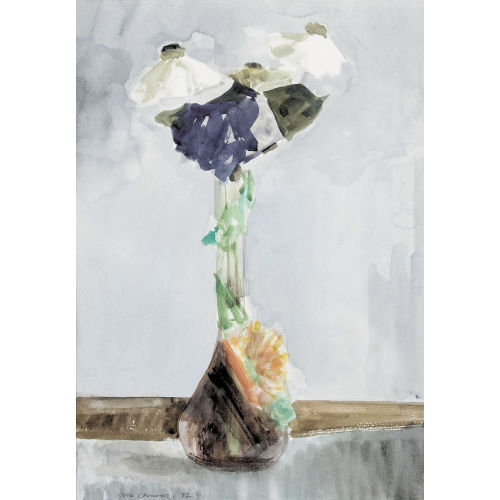
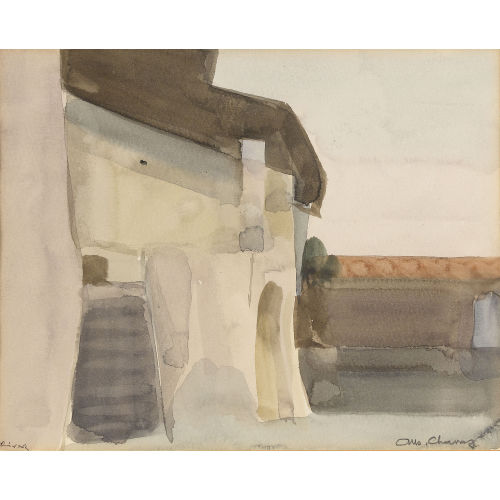
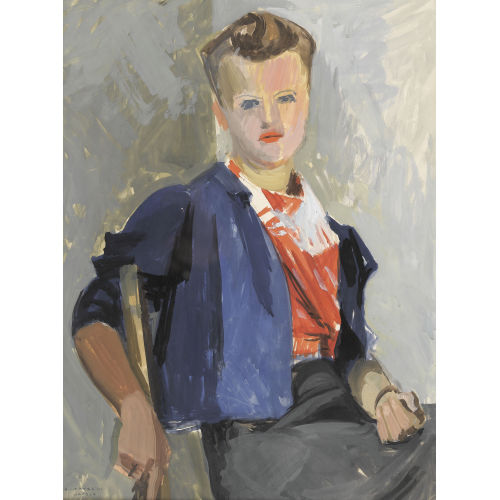
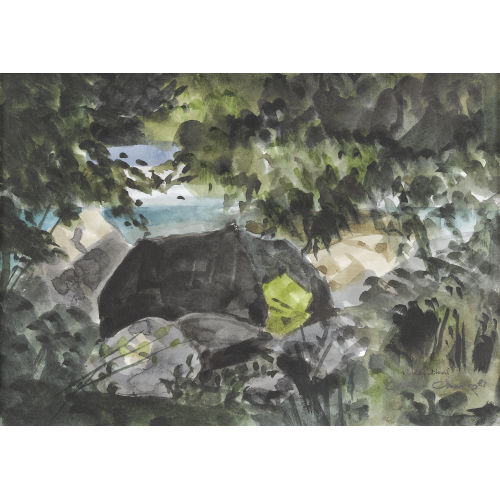
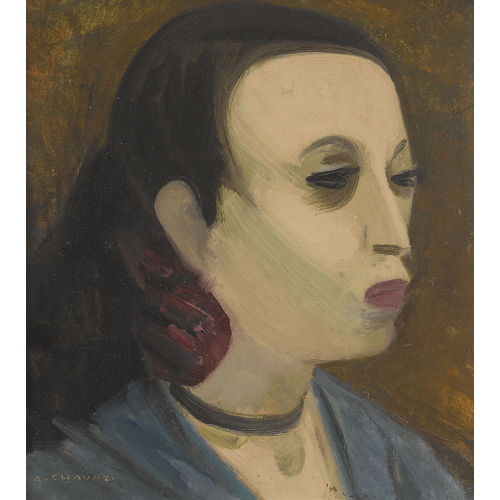
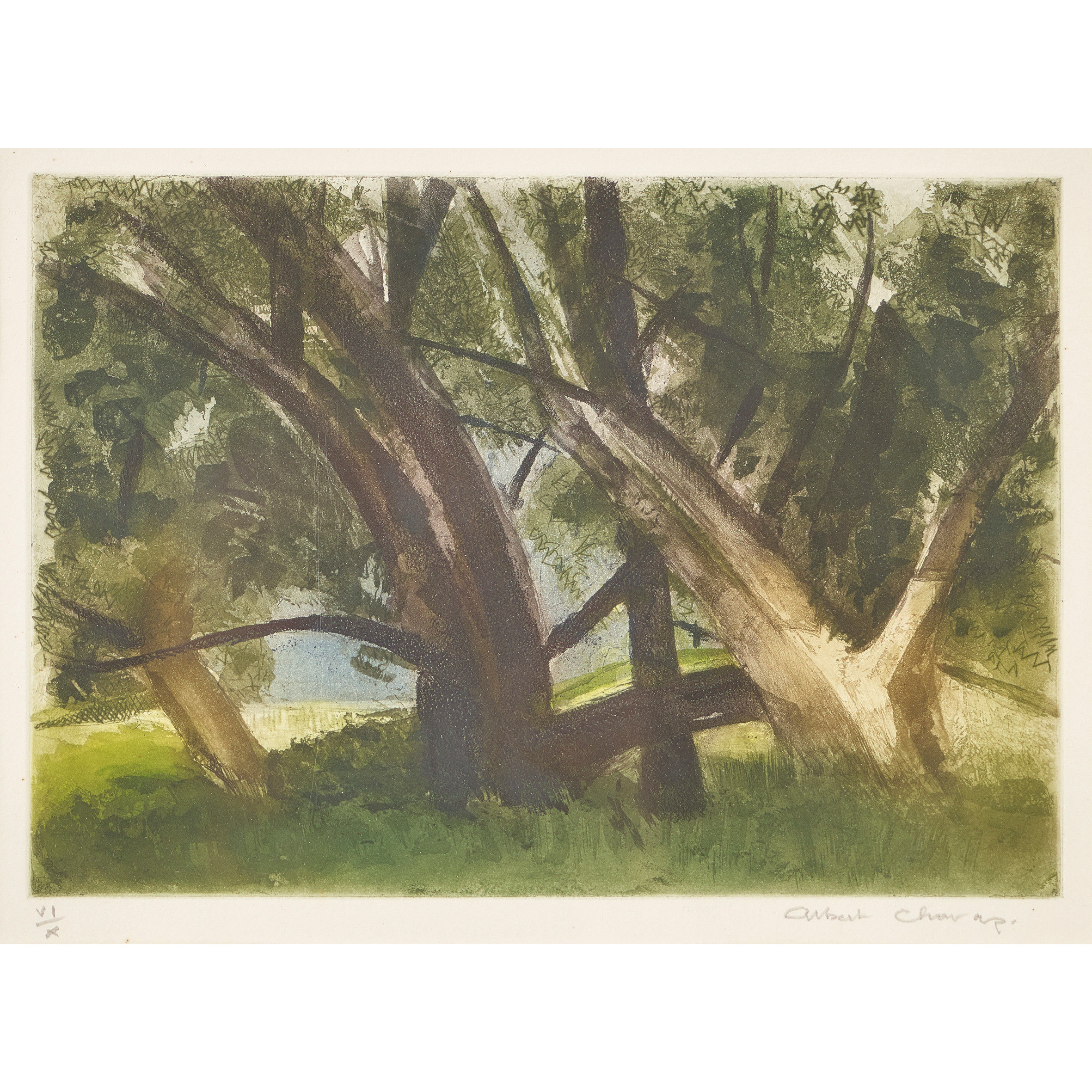
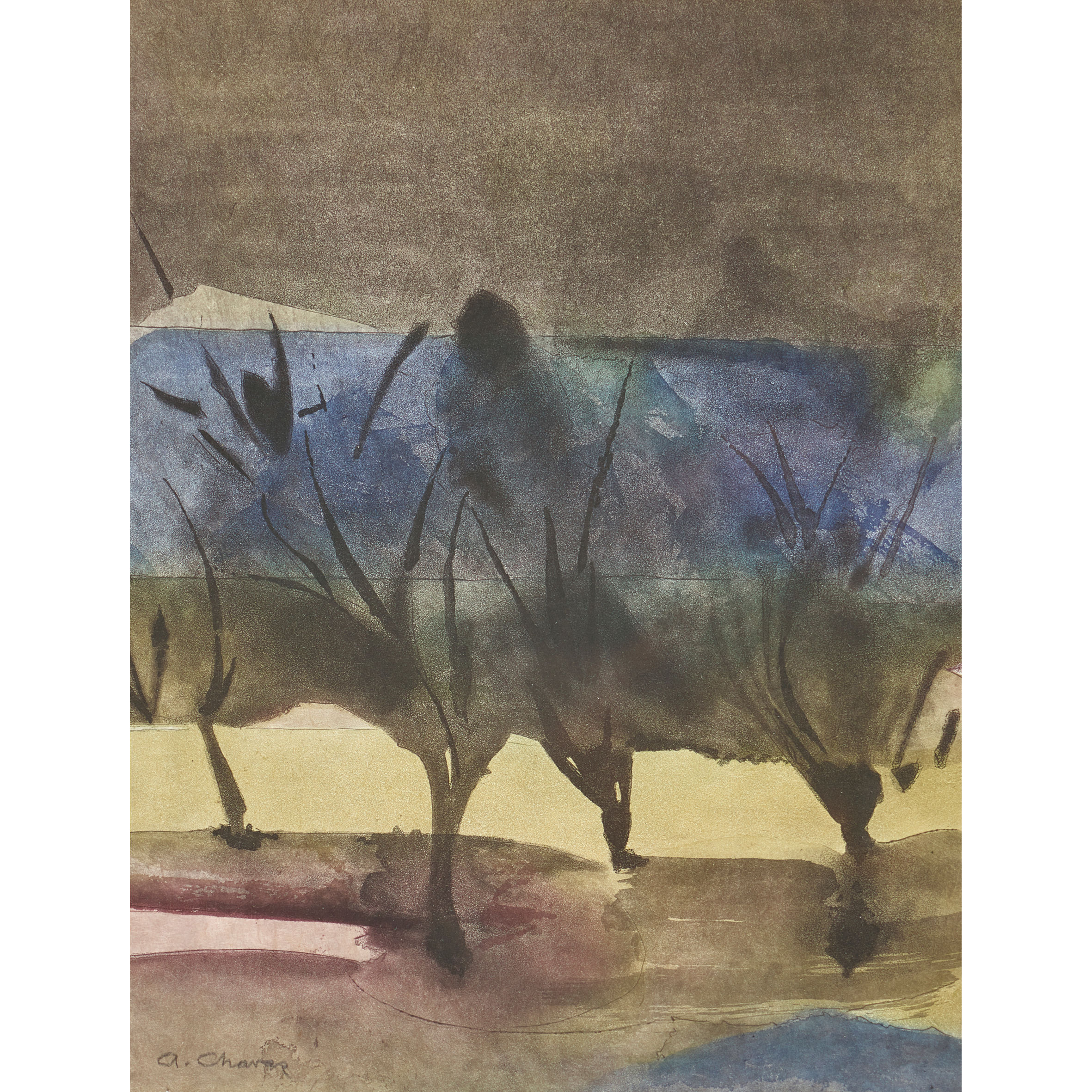
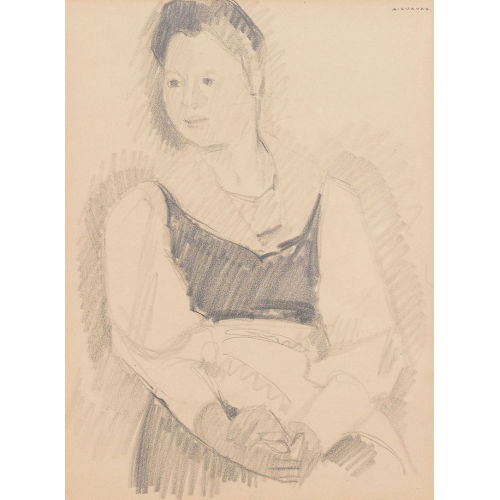
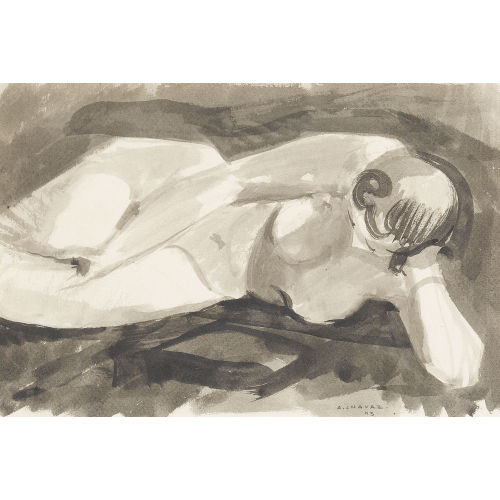
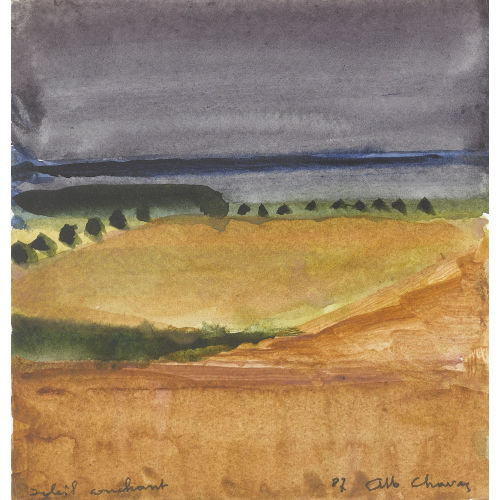
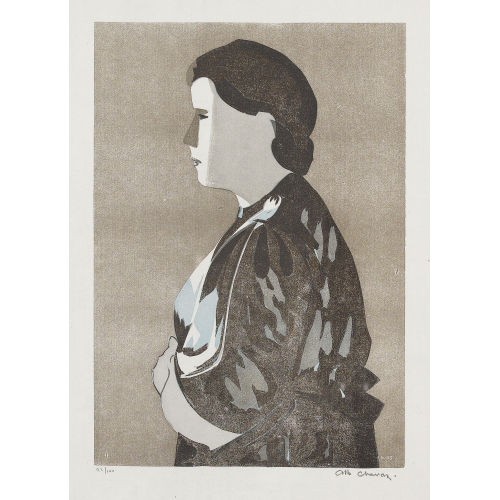
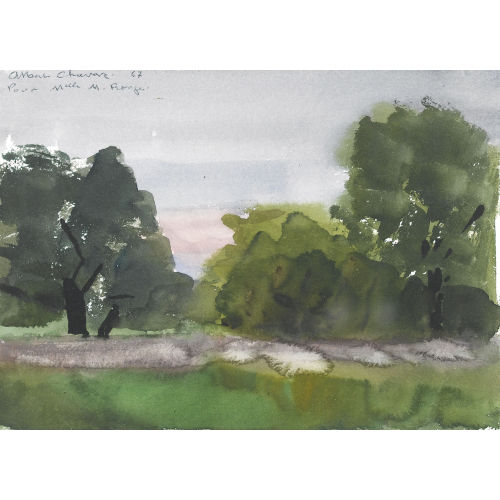
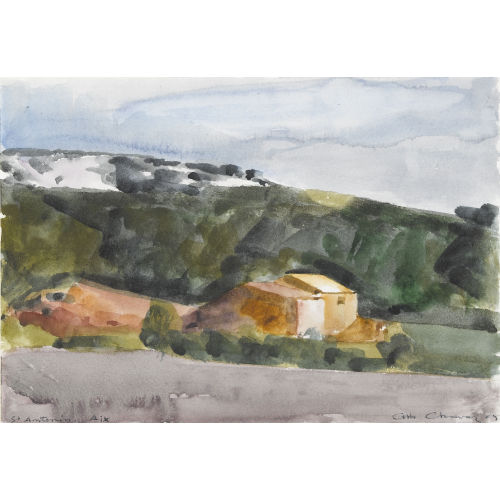
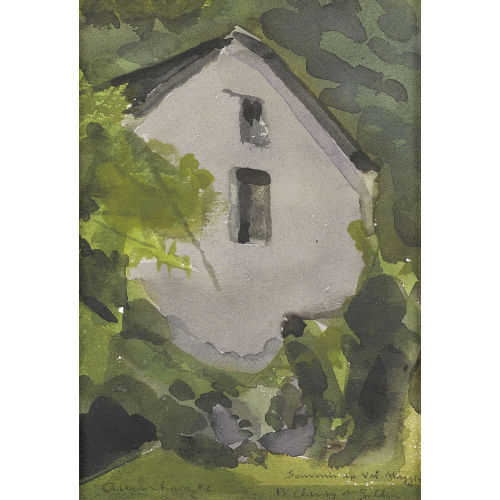
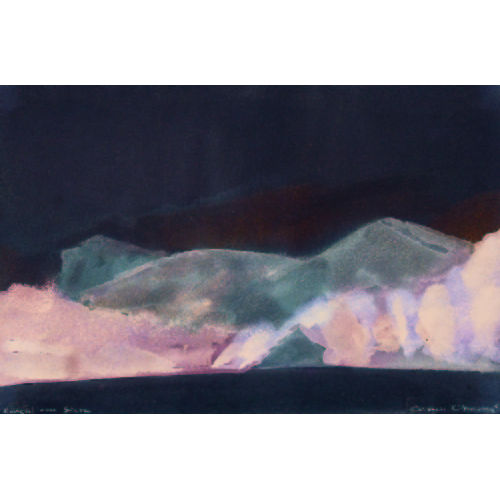
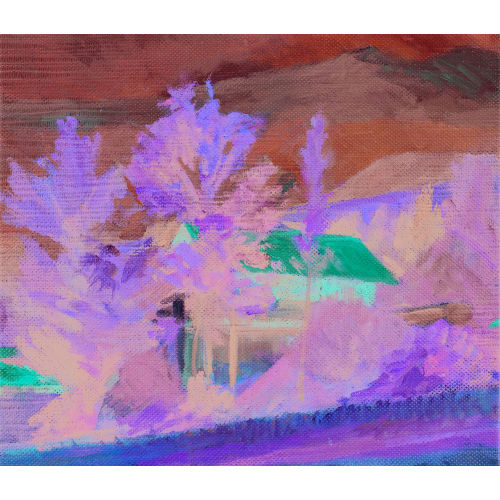
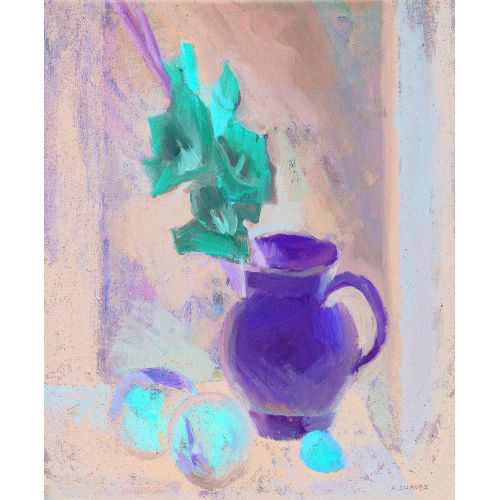
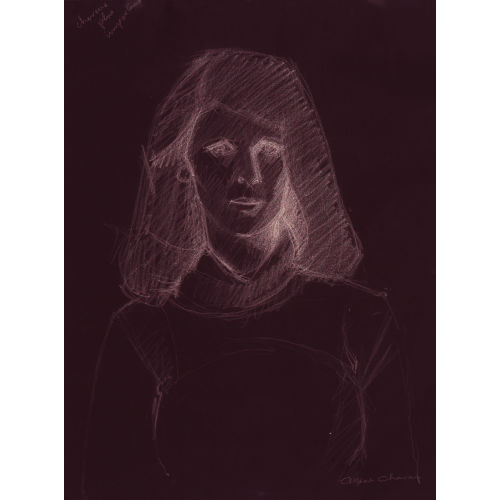
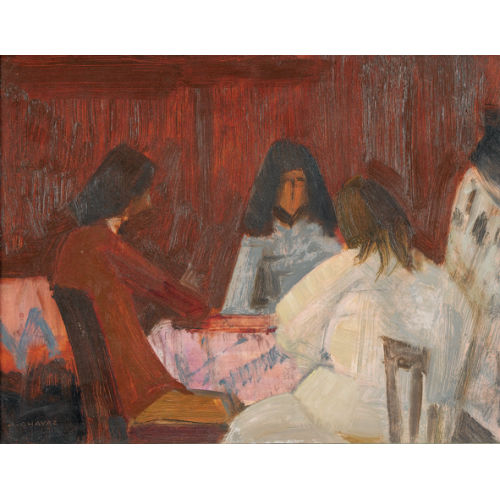
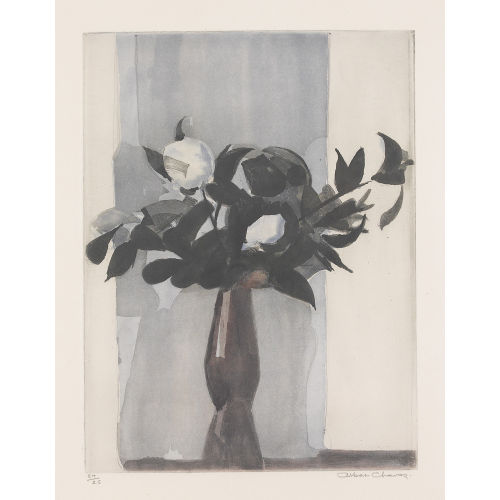
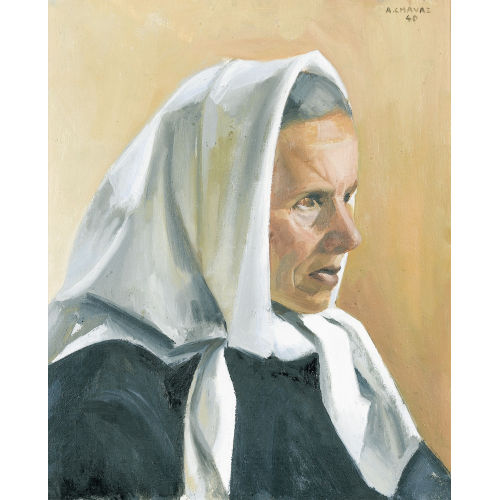
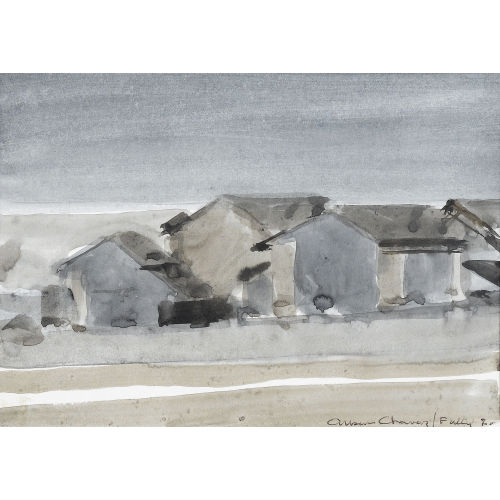
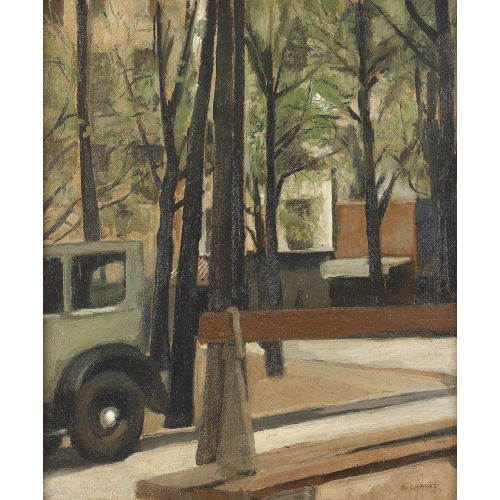
A Valais landscape, a female presence or a bouquet: Albert Chavaz (1907–1990) returns to familiar subjects in order to renew their expression. His work can be encountered as much on canvas as on paper, in the light of a stained-glass window or through the patient practice of printmaking. This variety of techniques sheds light on an artistic enquiry that remains attached to figuration while moving towards a greater economy of means.
A federal grant enabled him to continue his training in Paris in 1933. The following year, a commission took him to Fully, where he worked with Paul Monnier on the mural decoration carried out under the direction of Edmond Bille. Valais gradually became his place of residence and work; he established his studio in Savièse in 1940.
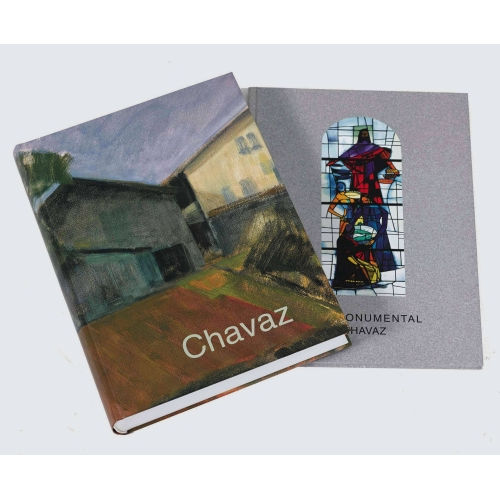
His activity extended far beyond easel painting. Mosaic, fresco, ceramics and stained glass gave him the opportunity to conceive of the image in relation to architecture. In his stained-glass works, the choice of techniques responds in particular to the building and to the openings available.
The simplification of the figures sometimes allows the.
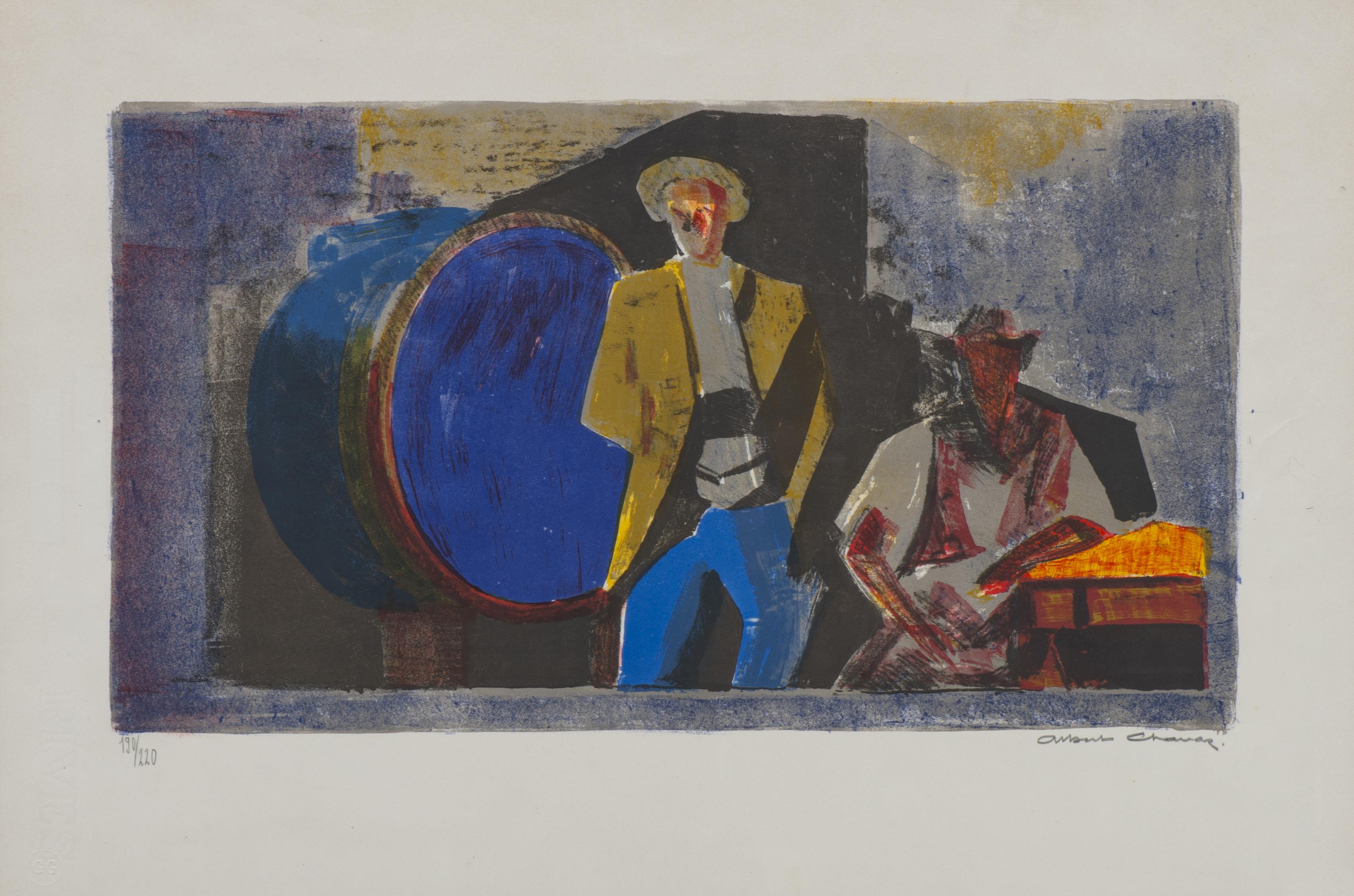
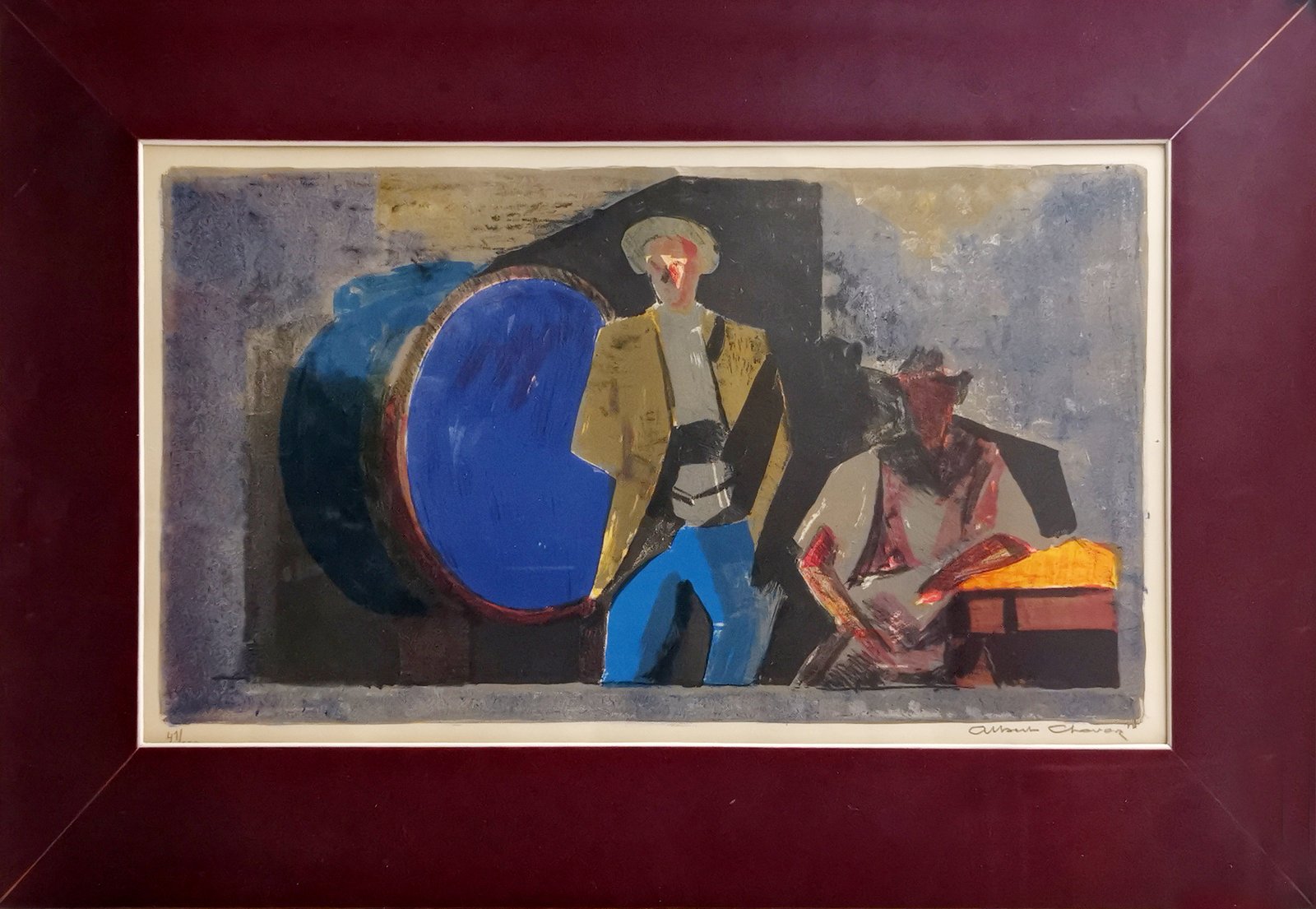
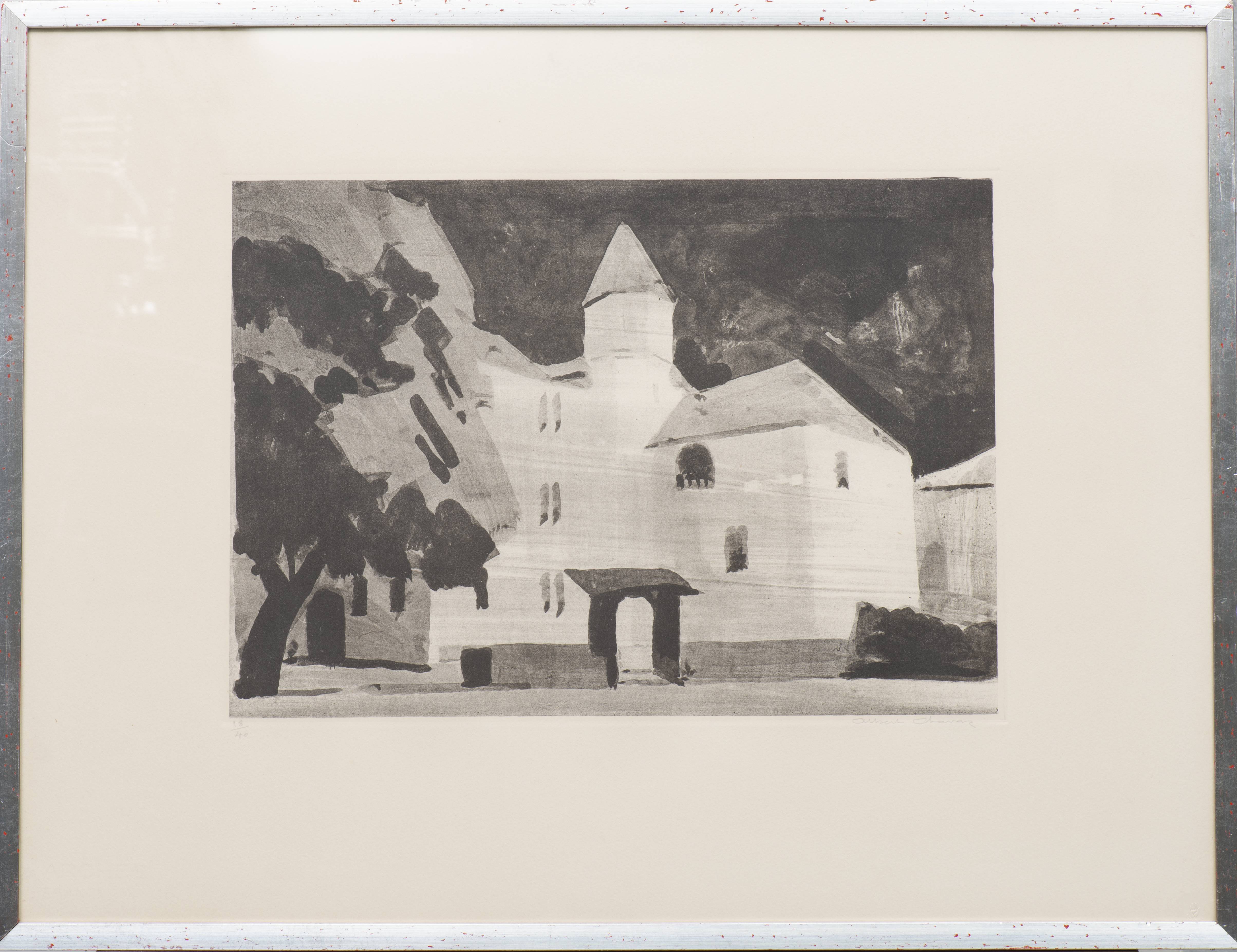
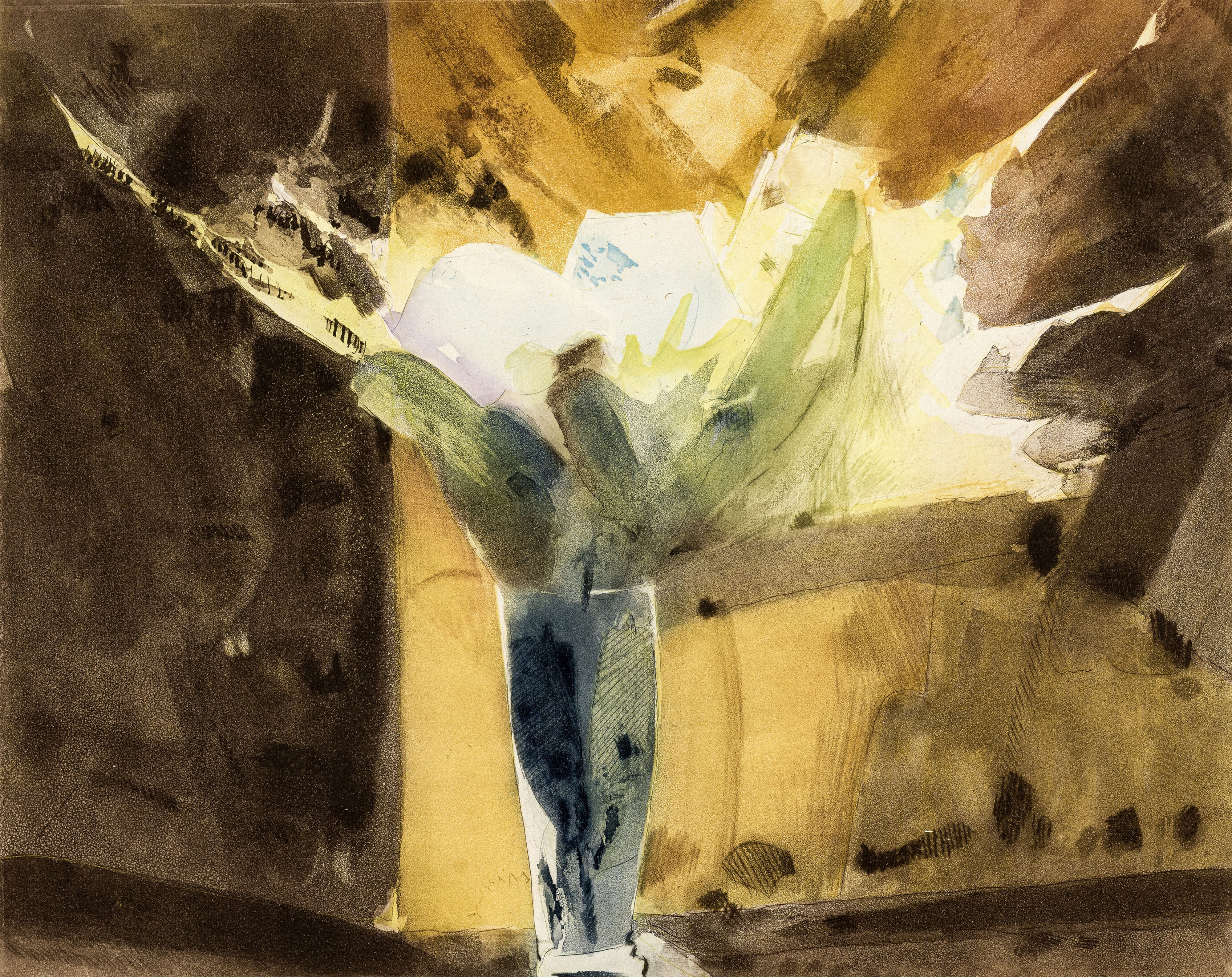
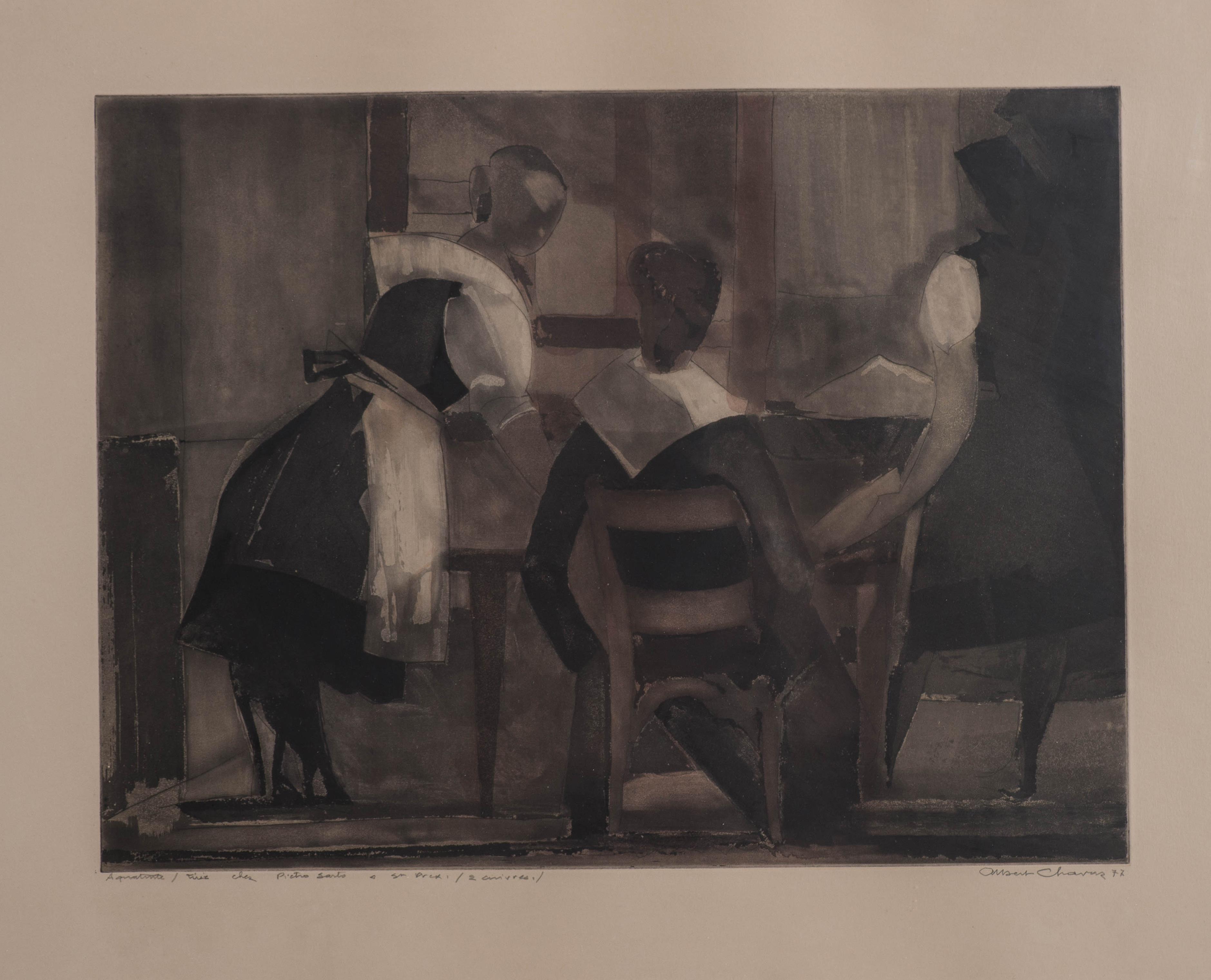
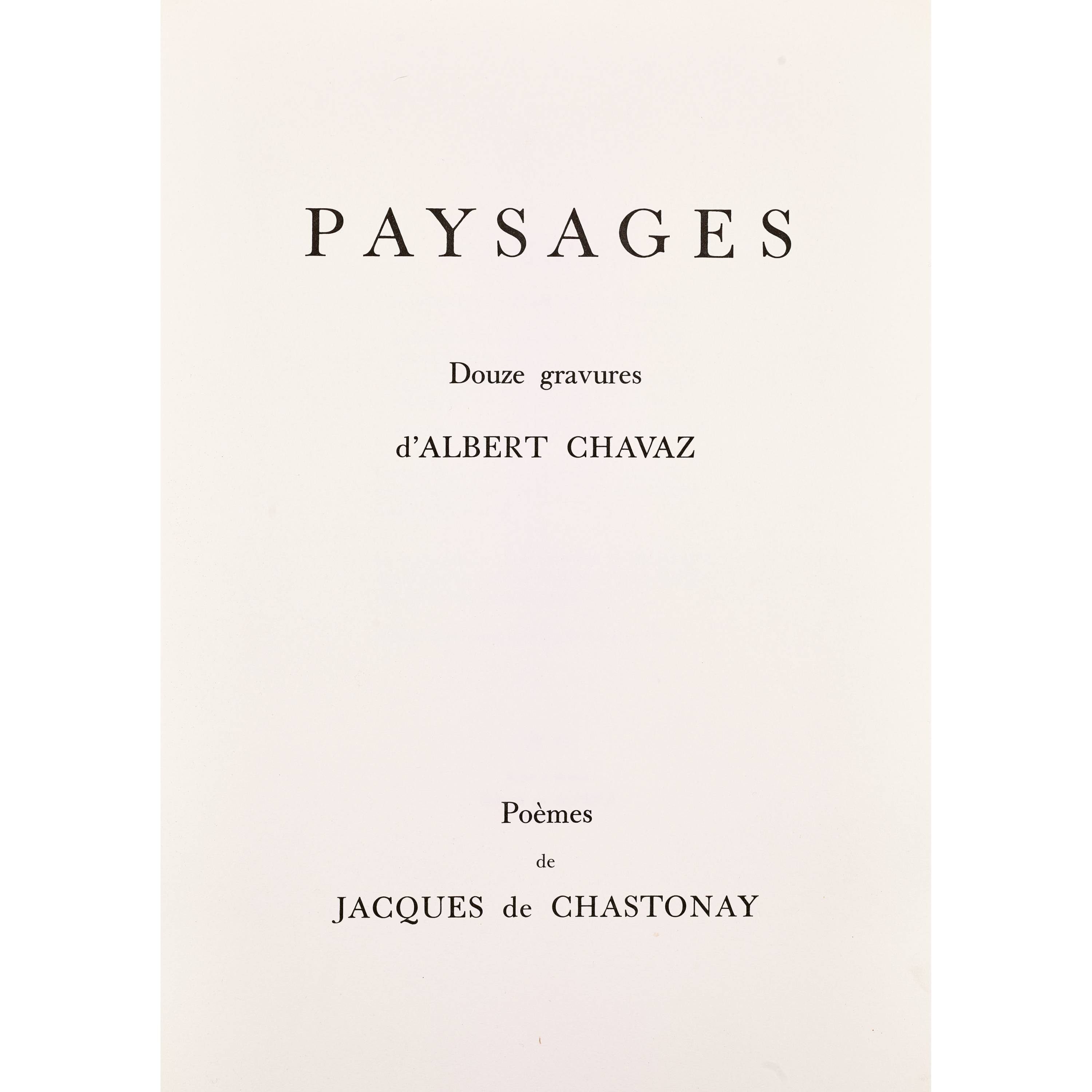
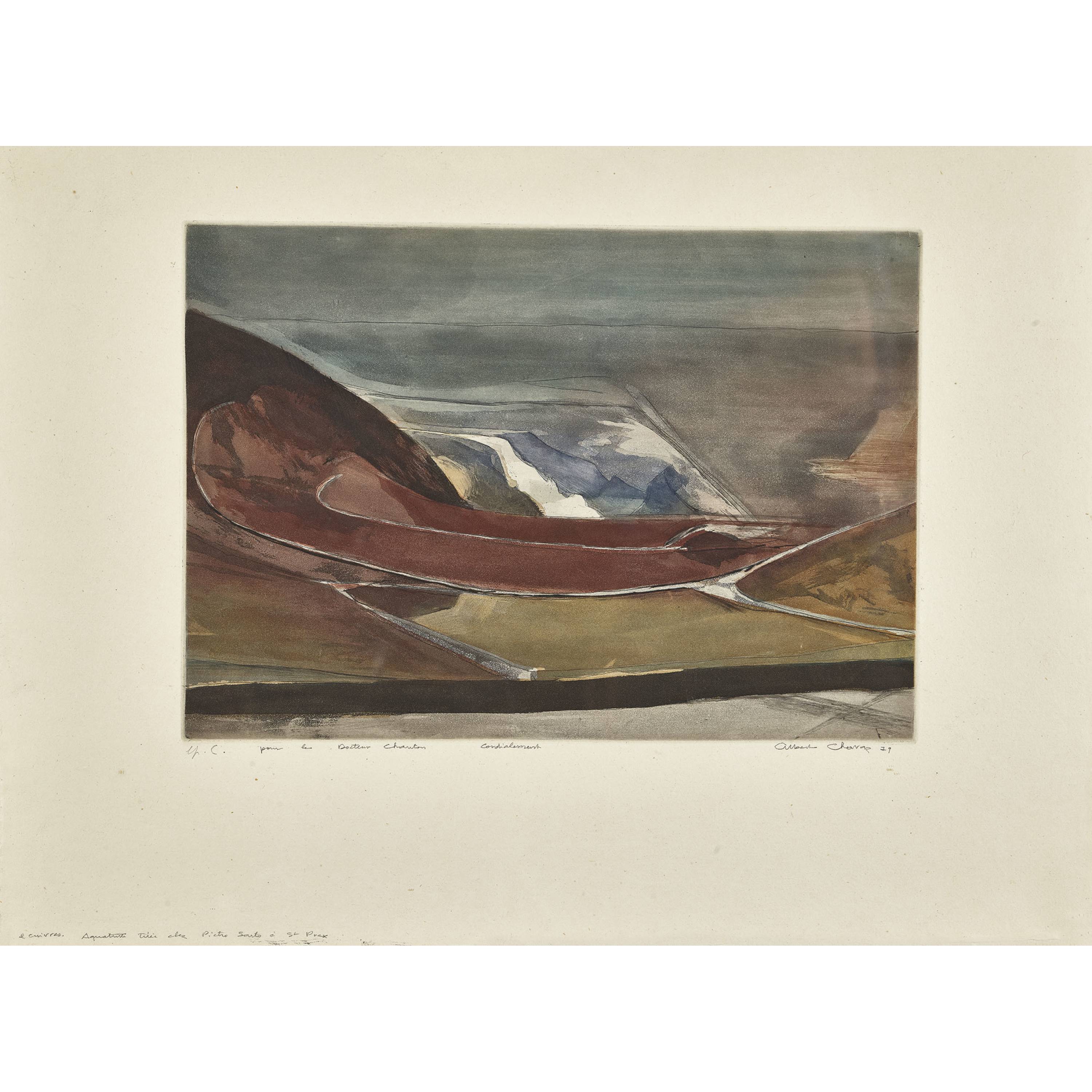
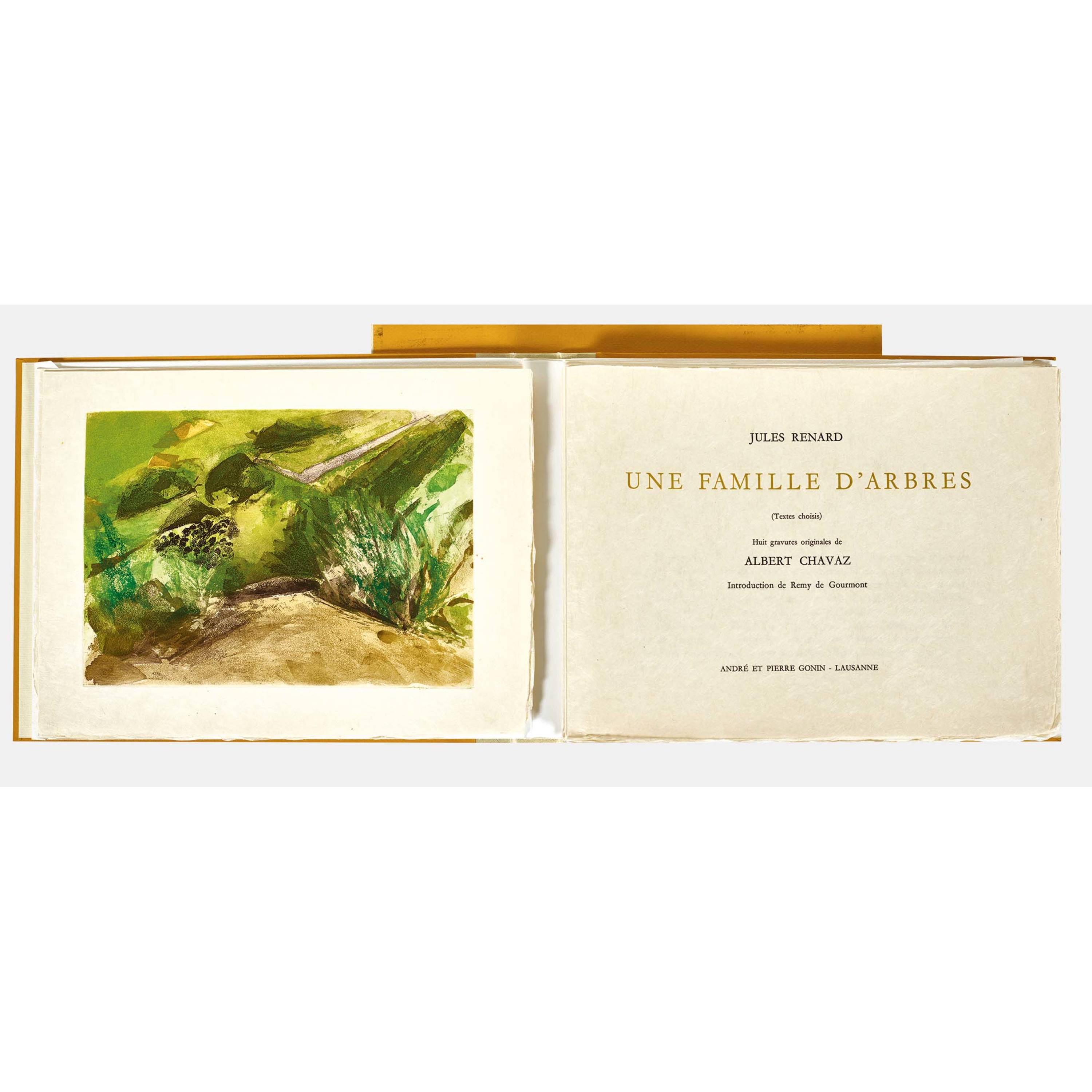
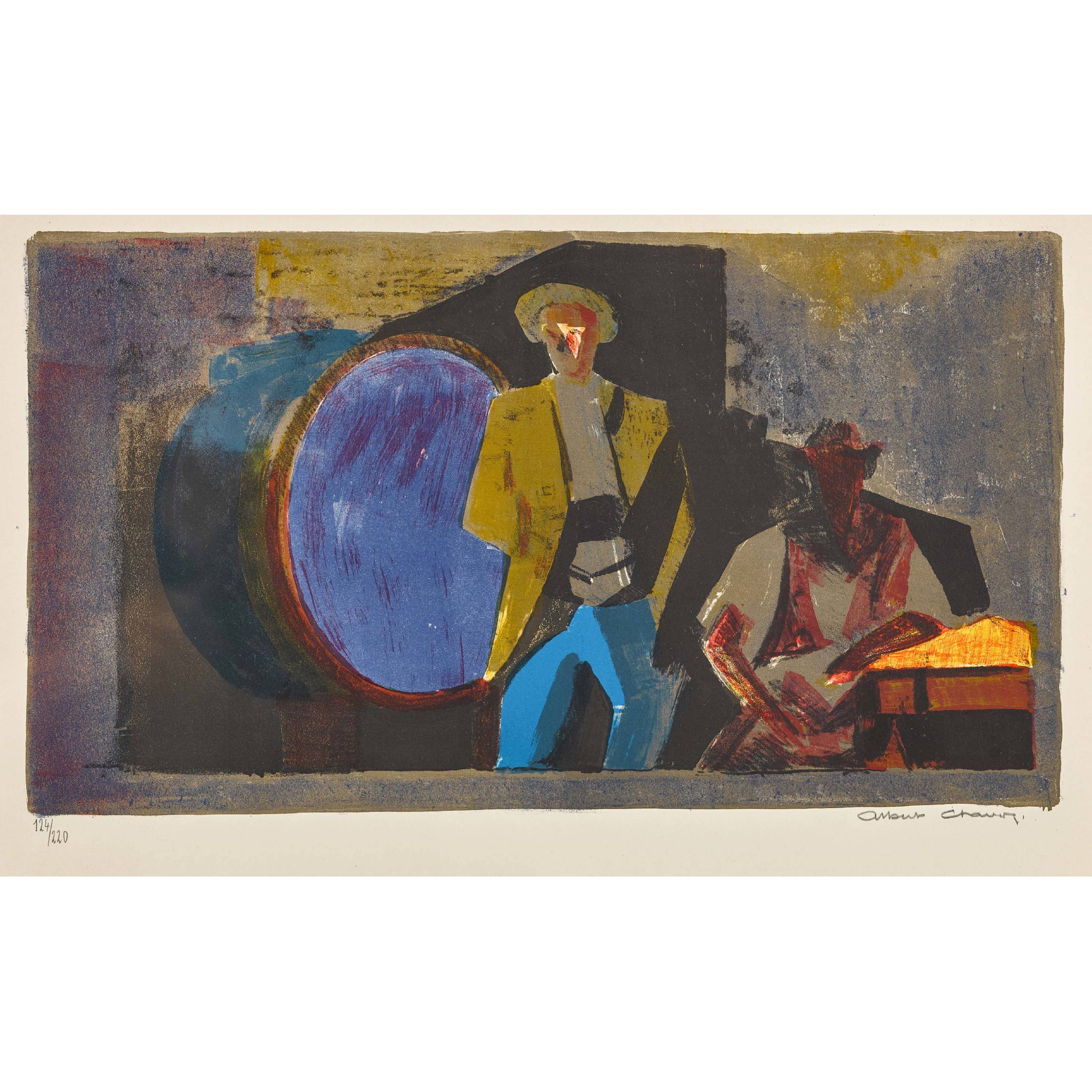
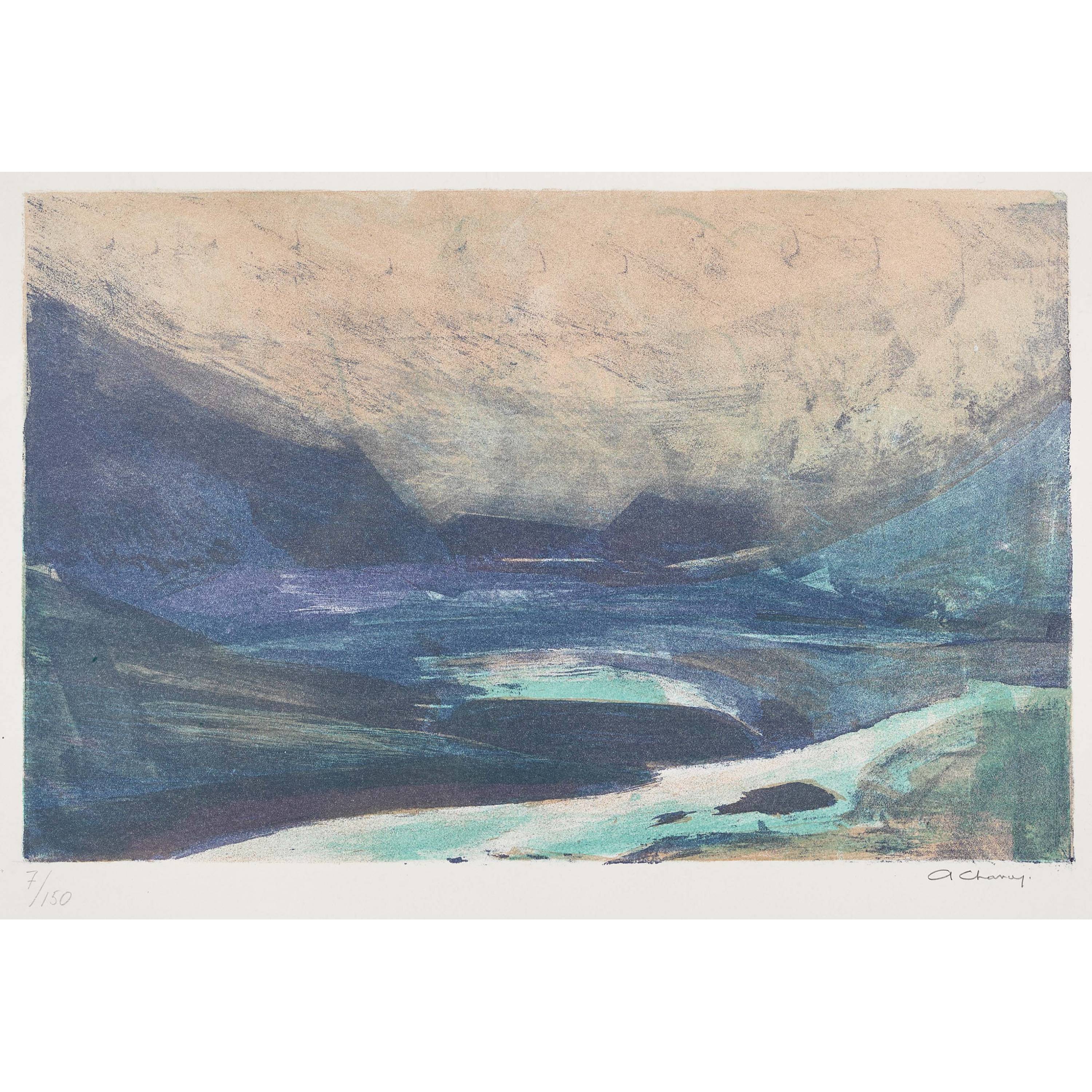
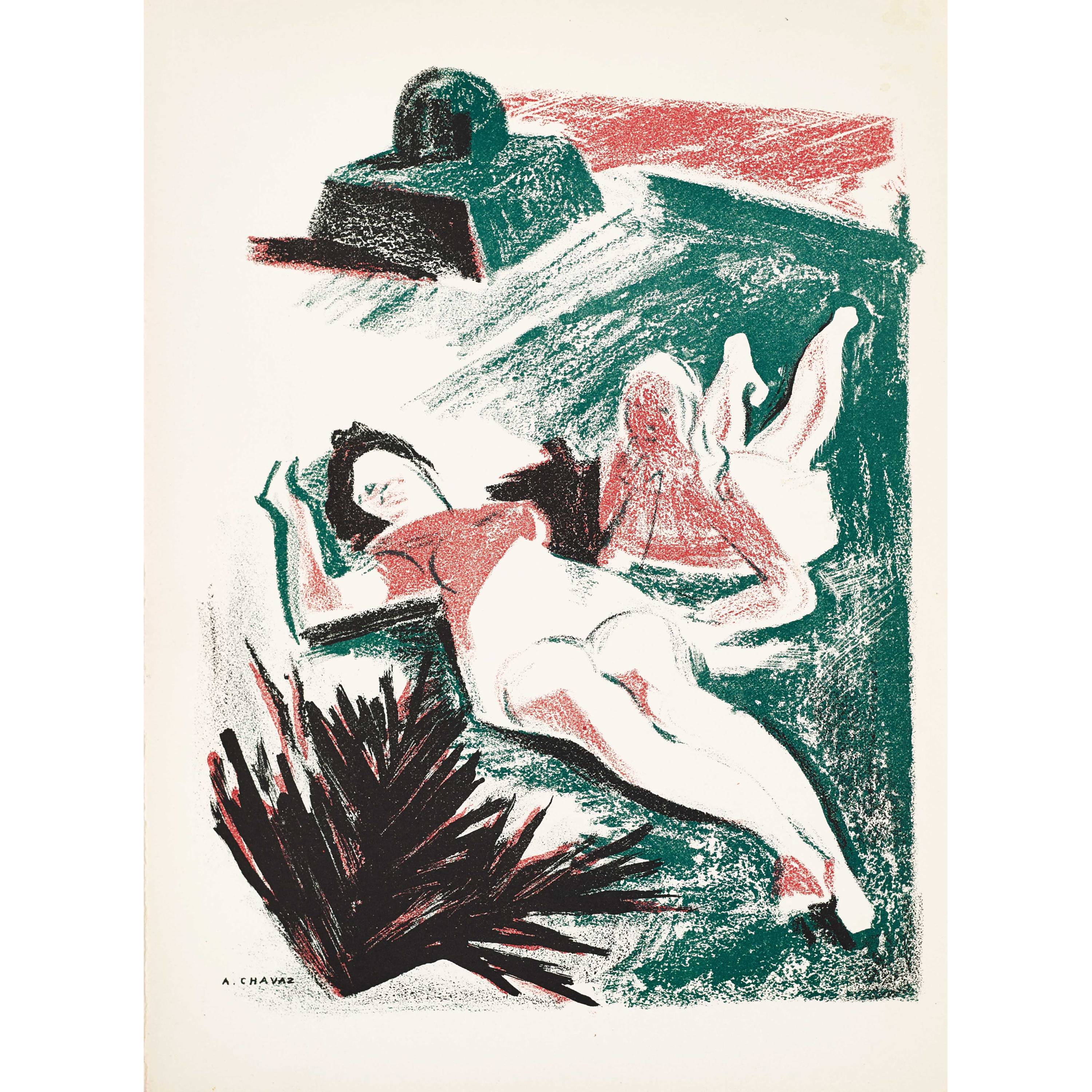
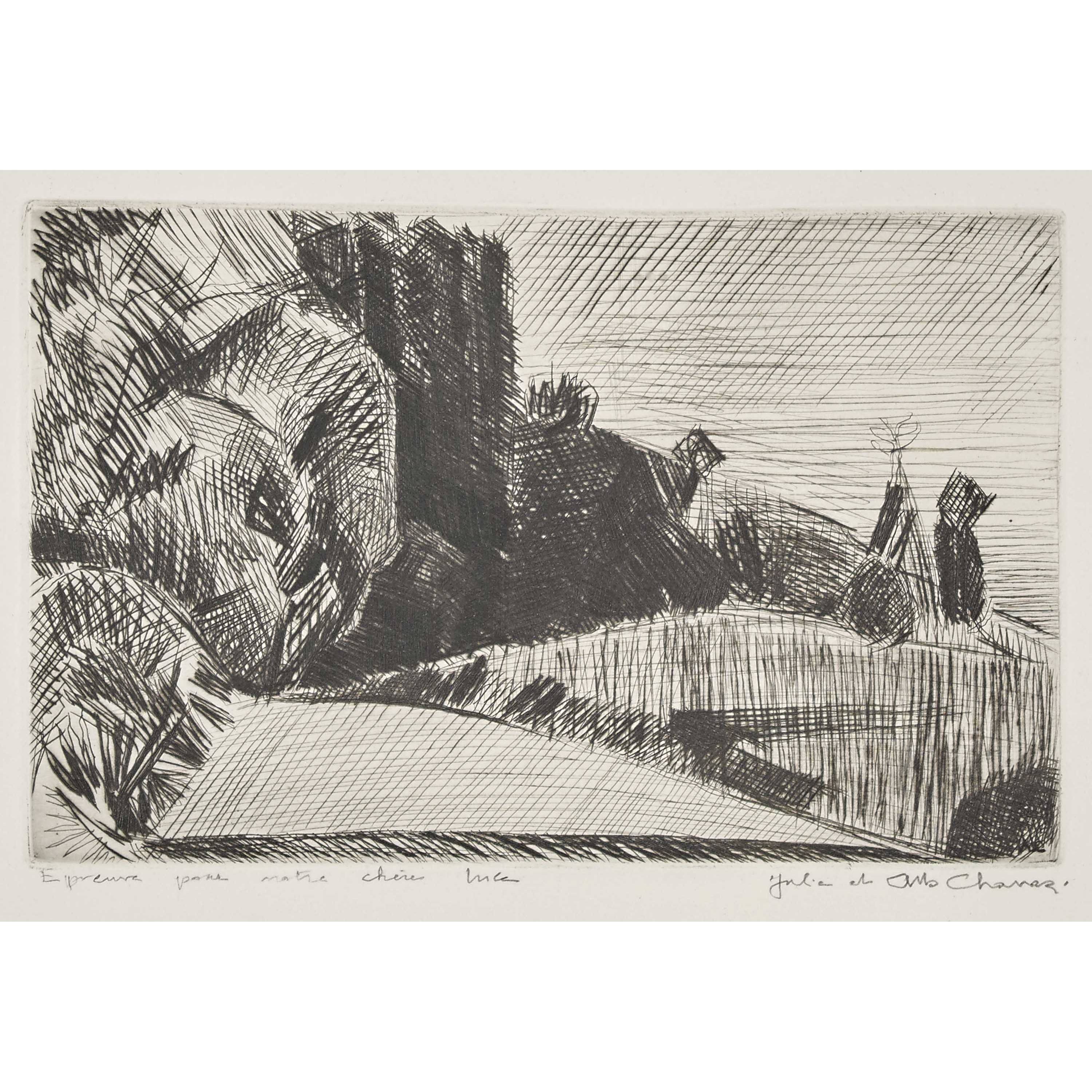
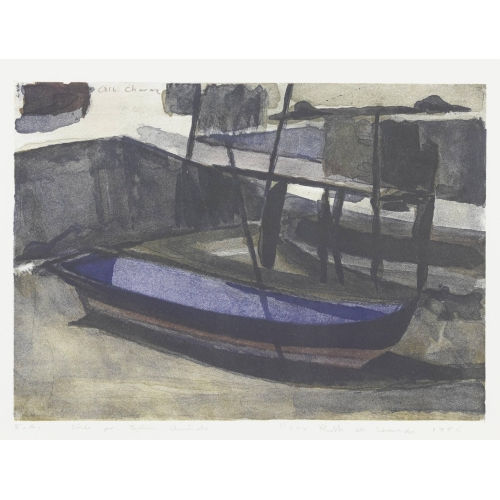
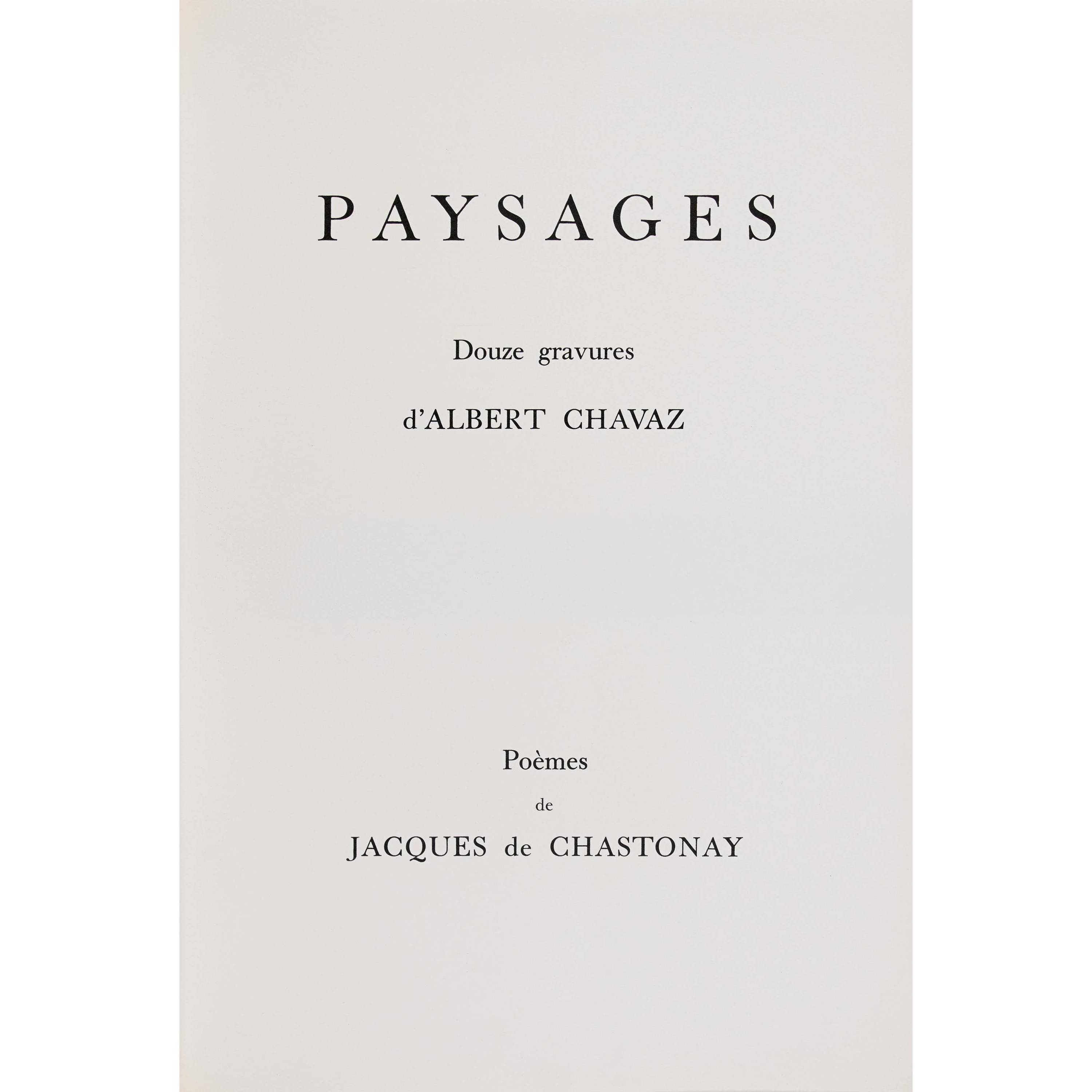
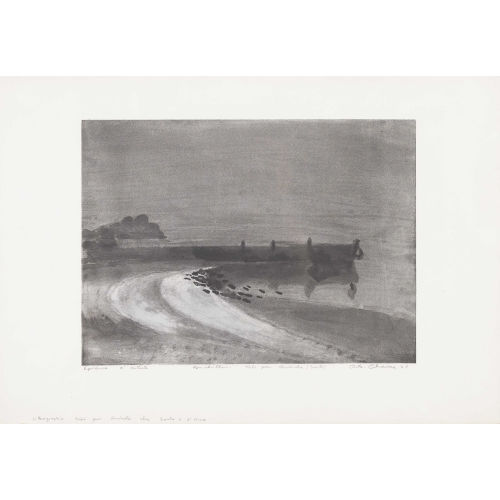
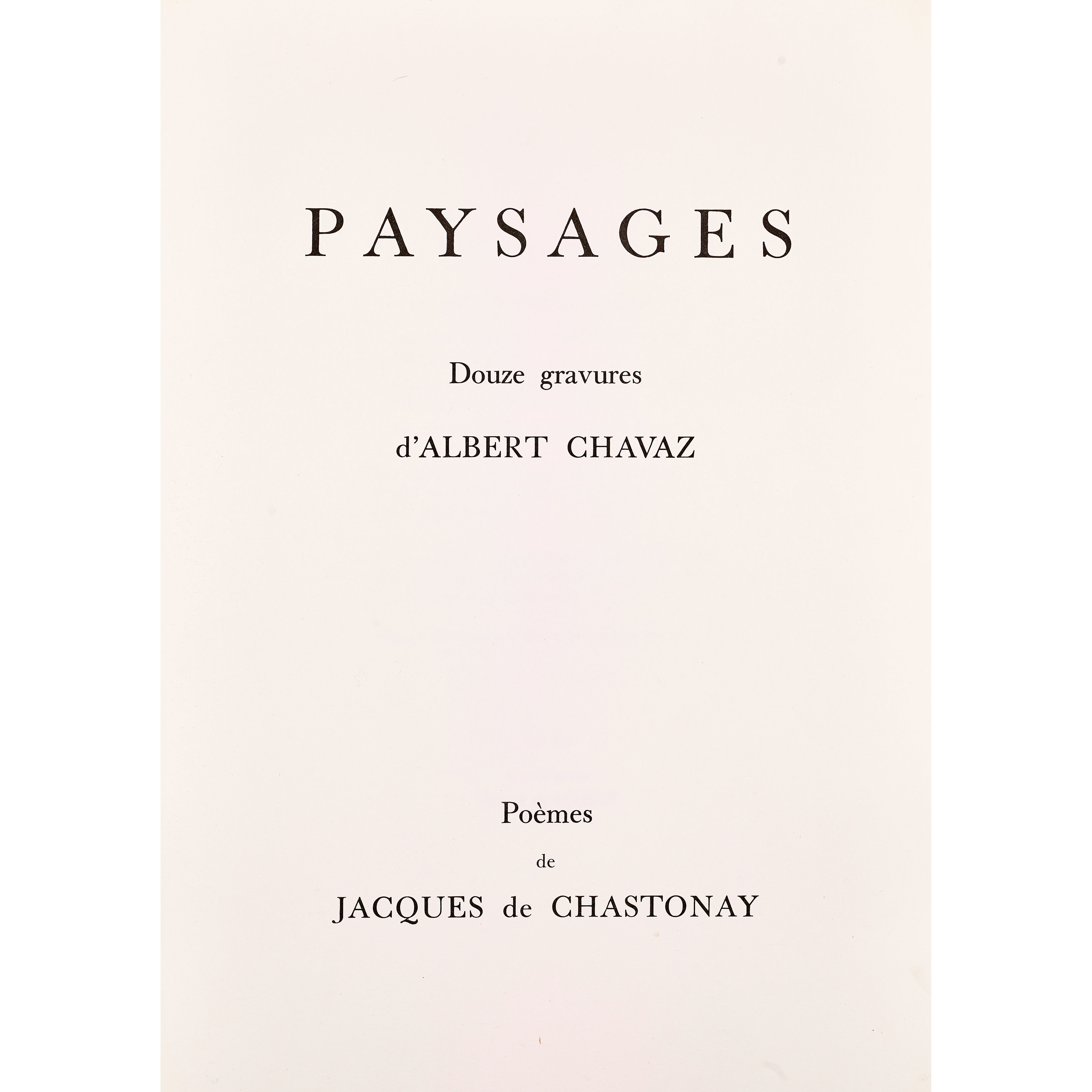
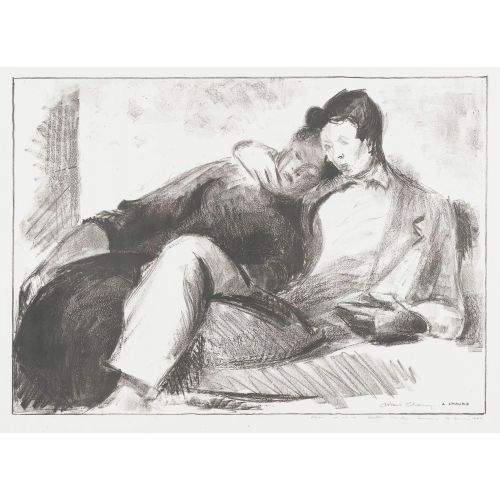
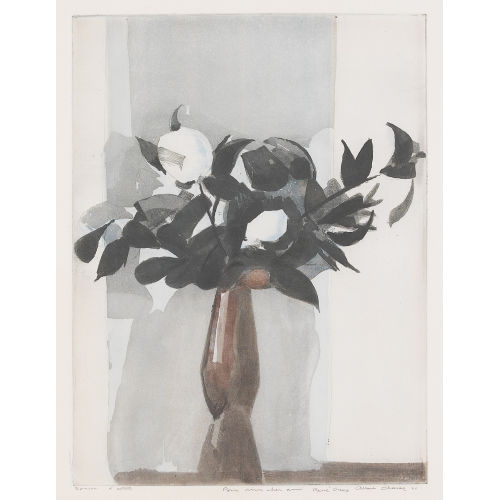
Printmaking opened up another path. After solitary experiments with drypoint and linocut, Chavaz found technical partners at the Atelier de Saint-Prex in the early 1970s. Colour aquatints and lithographs then extended his artistic research.
Le Bouquet de camélias II, from 1973, held by the Musée Jenisch Vevey, belongs to this group.
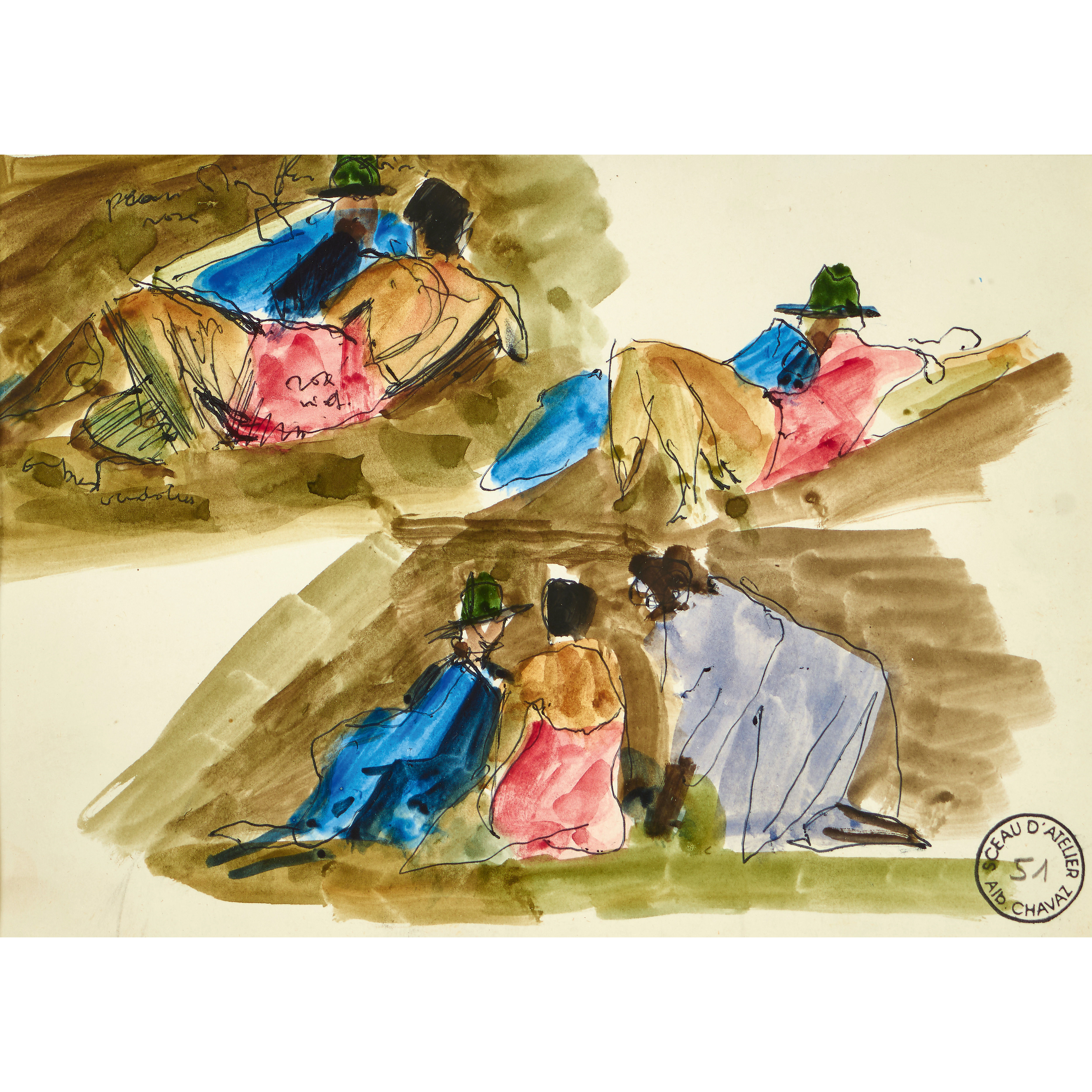
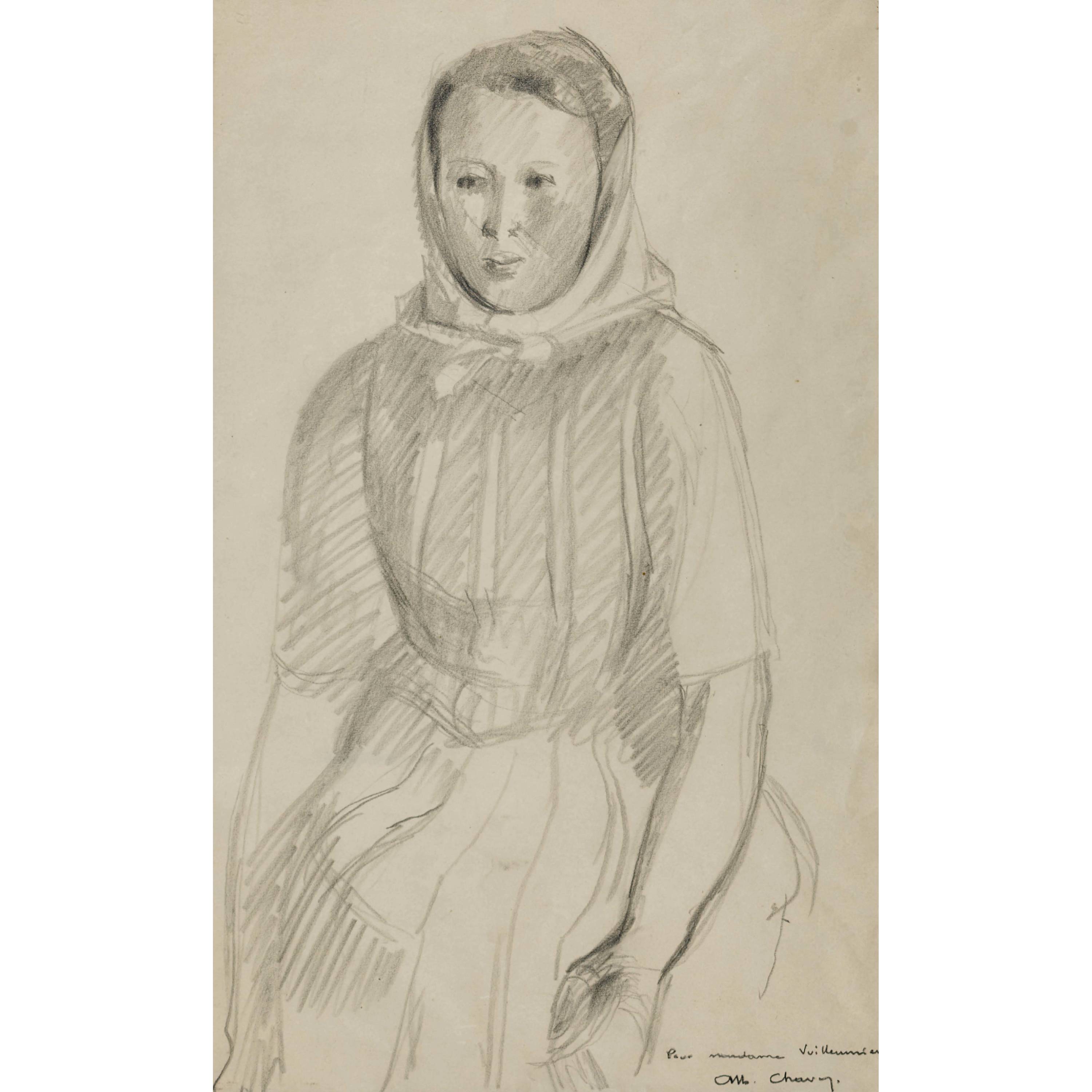
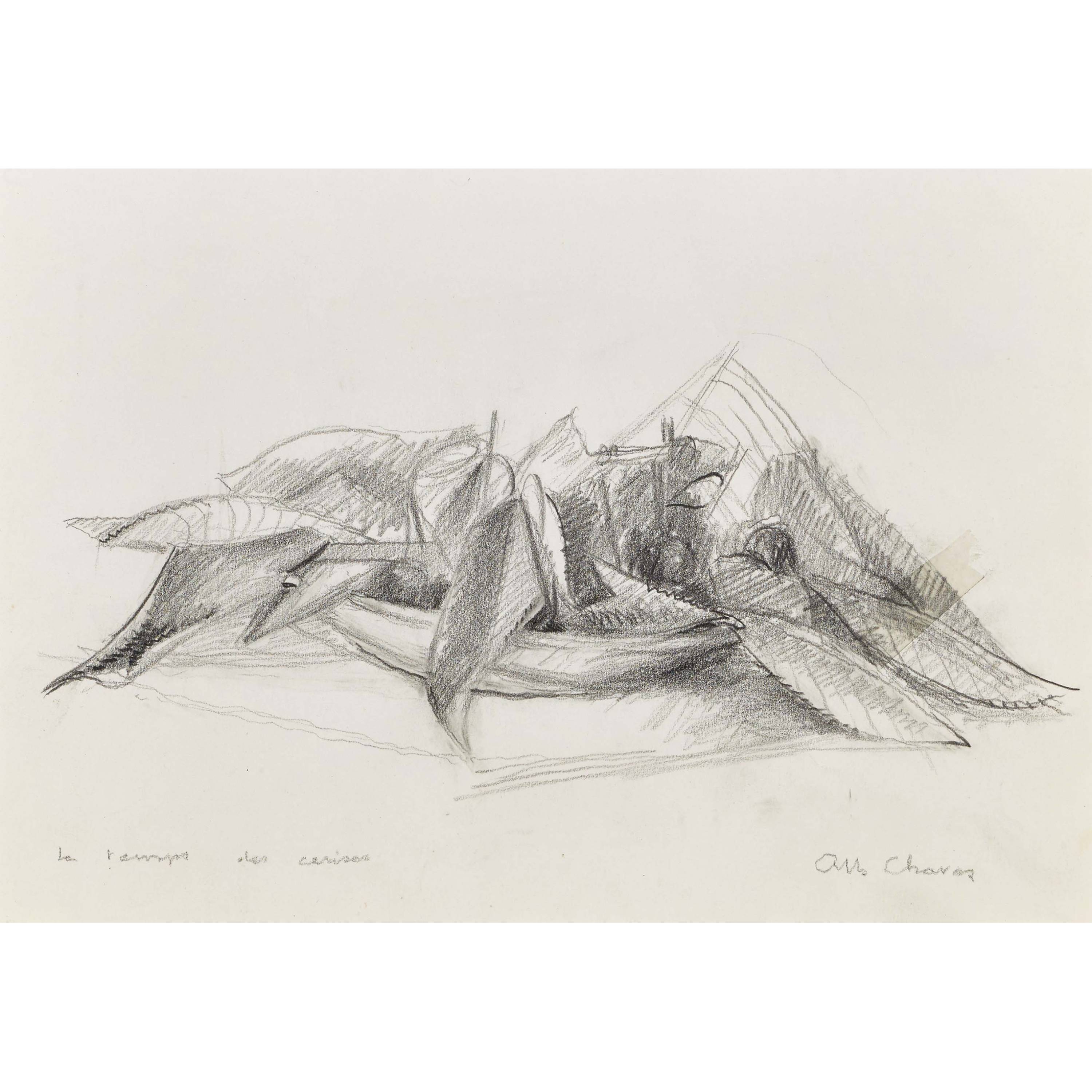
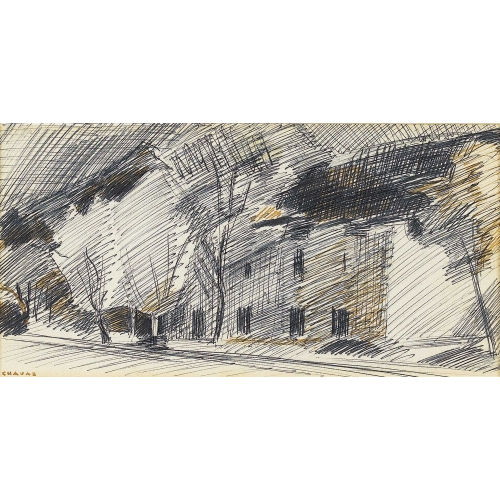
His numerous sketchbooks and his correspondence also testify to constant observation and sustained exchanges with other artists. To discover Chavaz is thus to look at how the same world of subjects is transformed according to the support, the light and the gesture.