Adolf Dietrich
Self-taught, he worked first as a labourer in a hosiery factory and later as a day labourer; he could paint only in his spare time. He spent his entire life in the family home, where his studio is now preserved by the Thurgauische Kunstgesellschaft. This proximity to the places he painted nourished a singular body of work, created without academic training or any prolonged move to the major artistic centres.
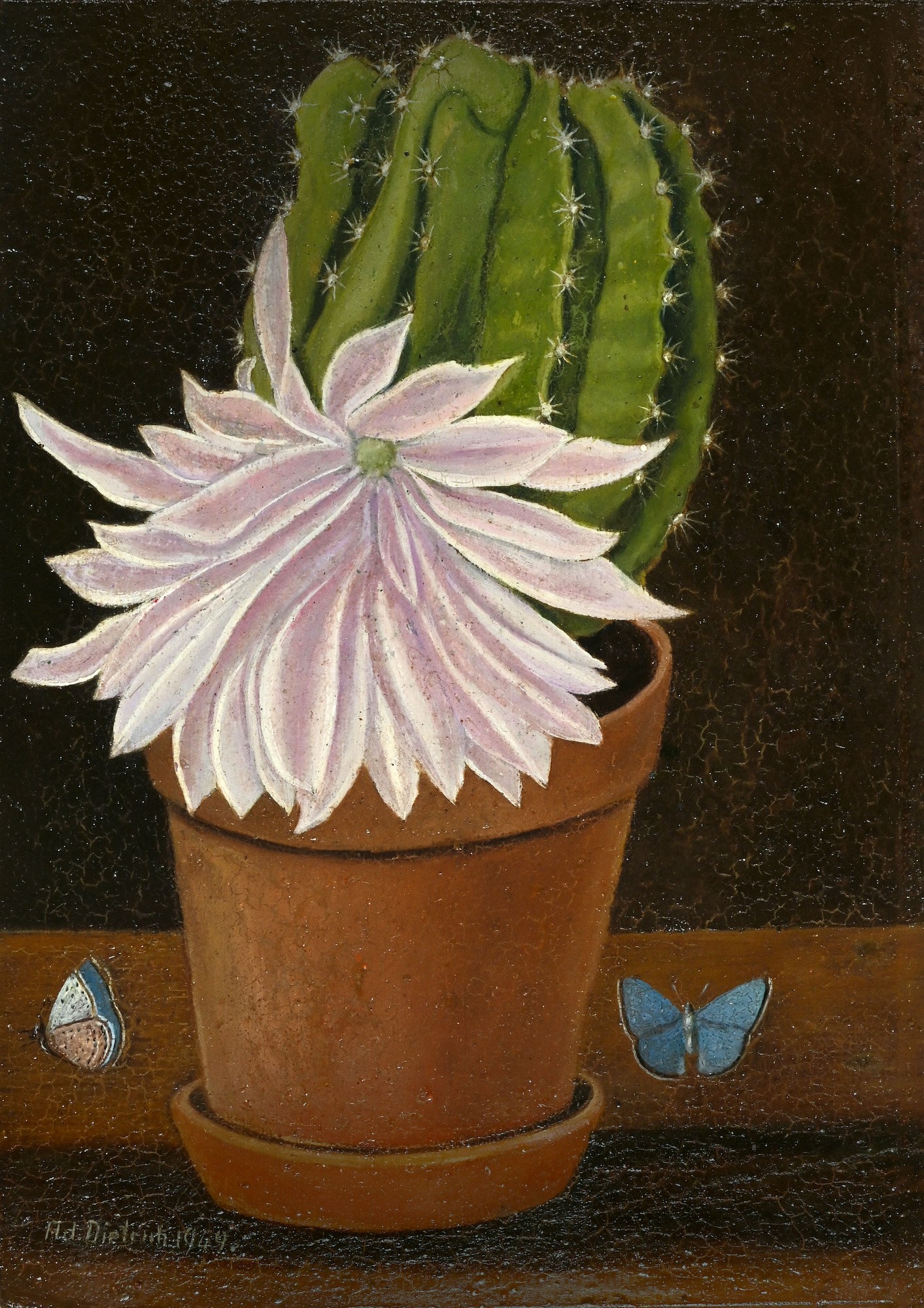
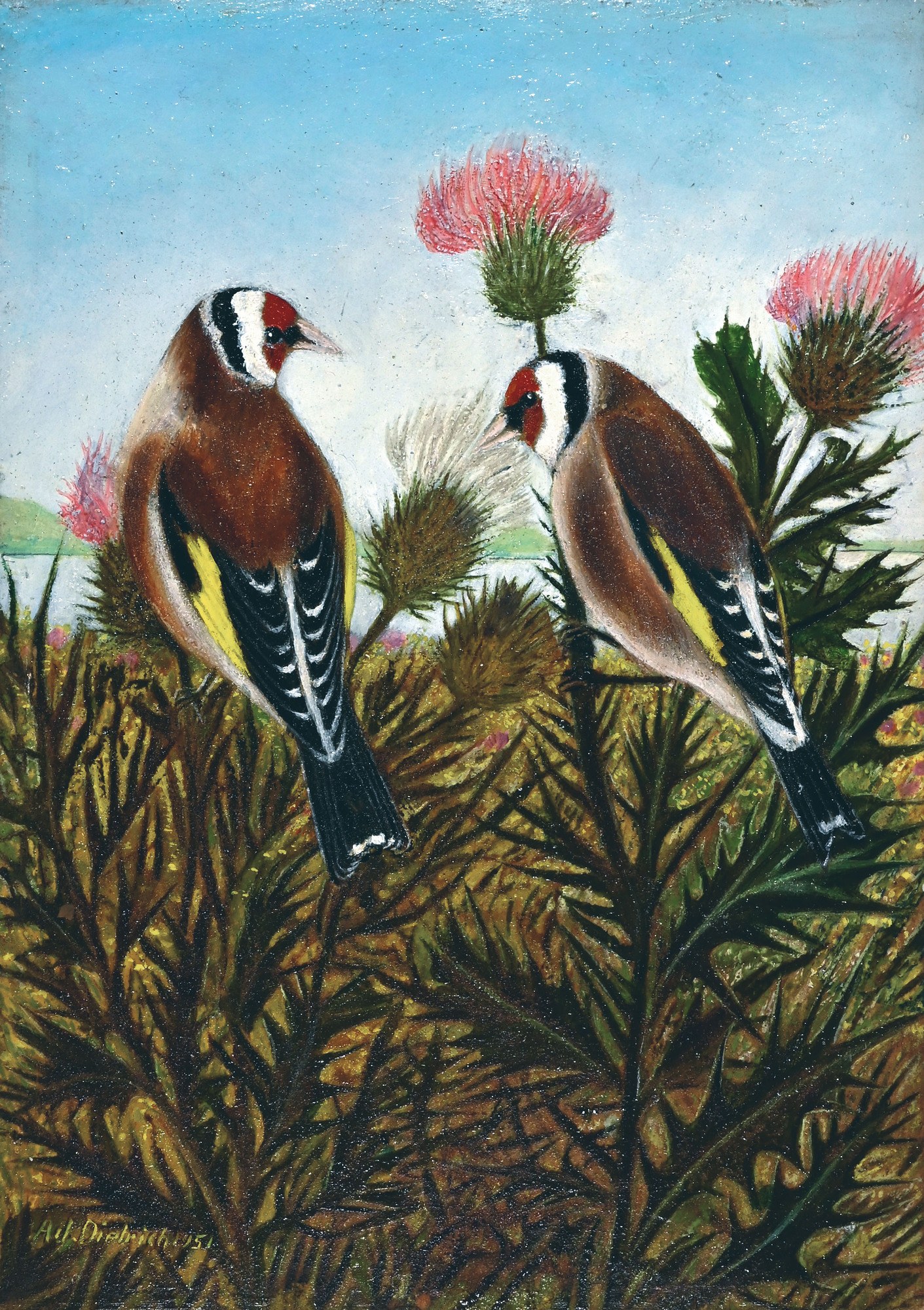
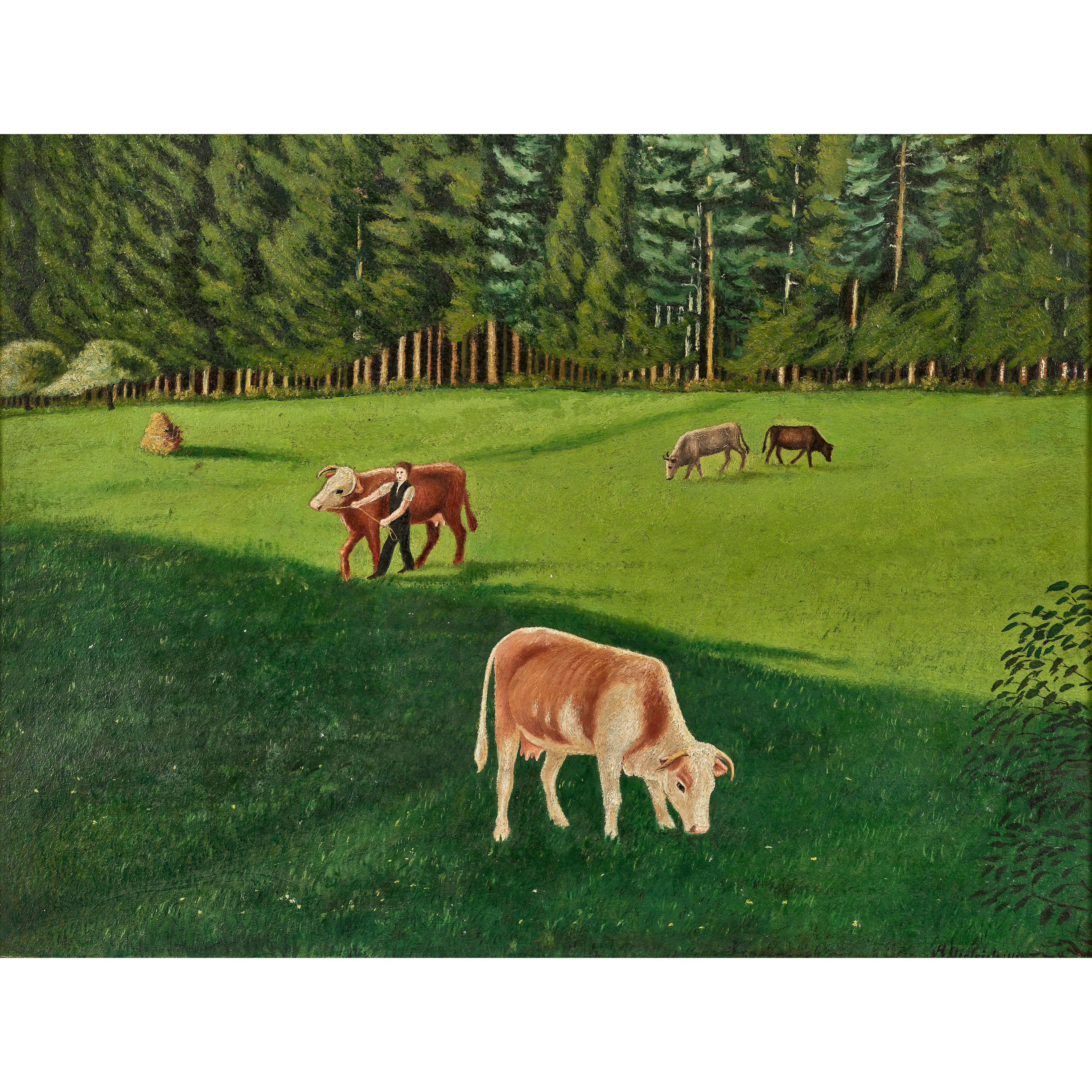
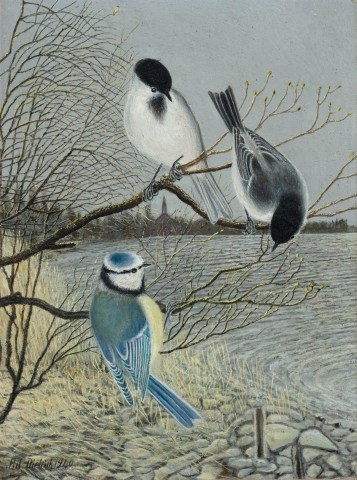
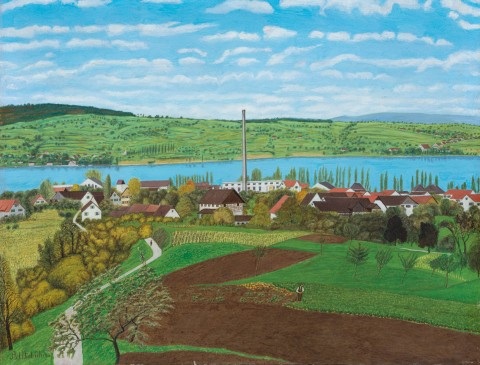
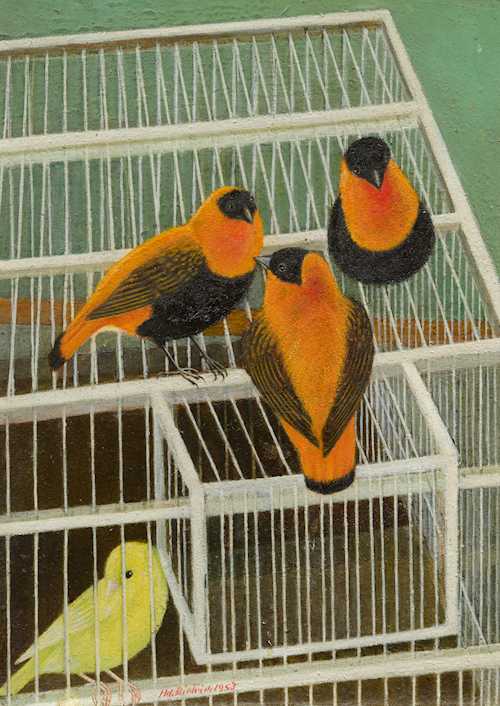
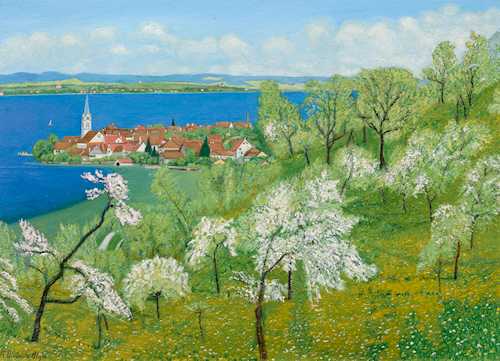
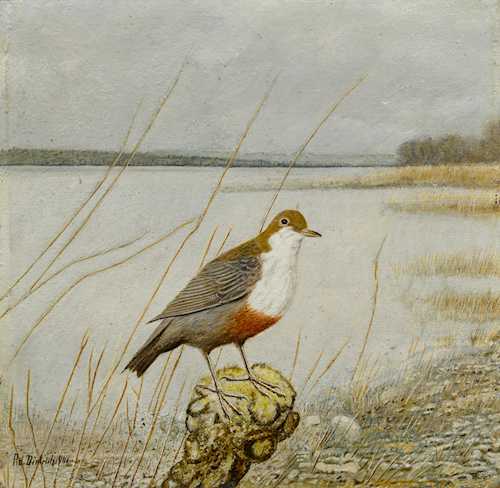
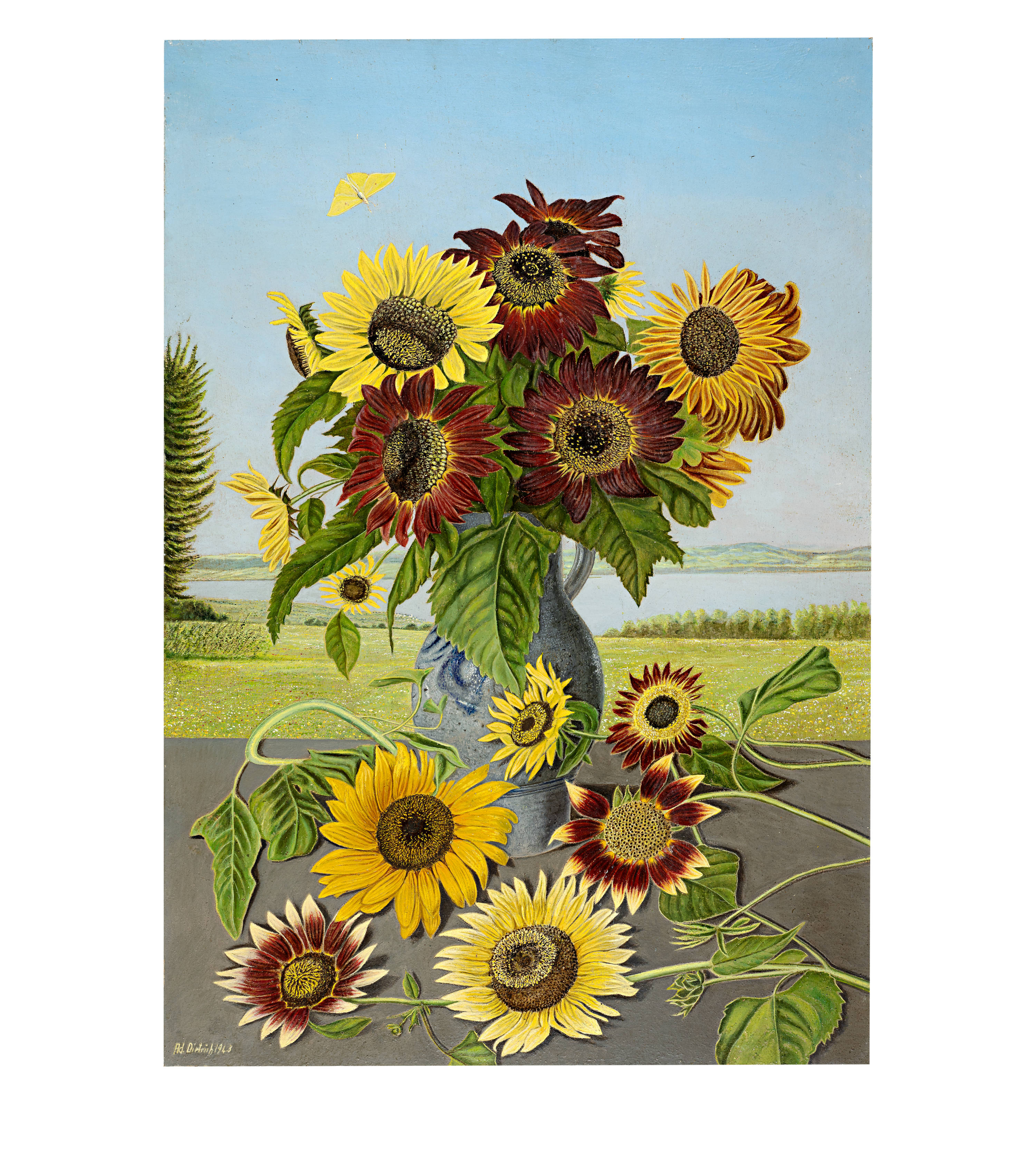
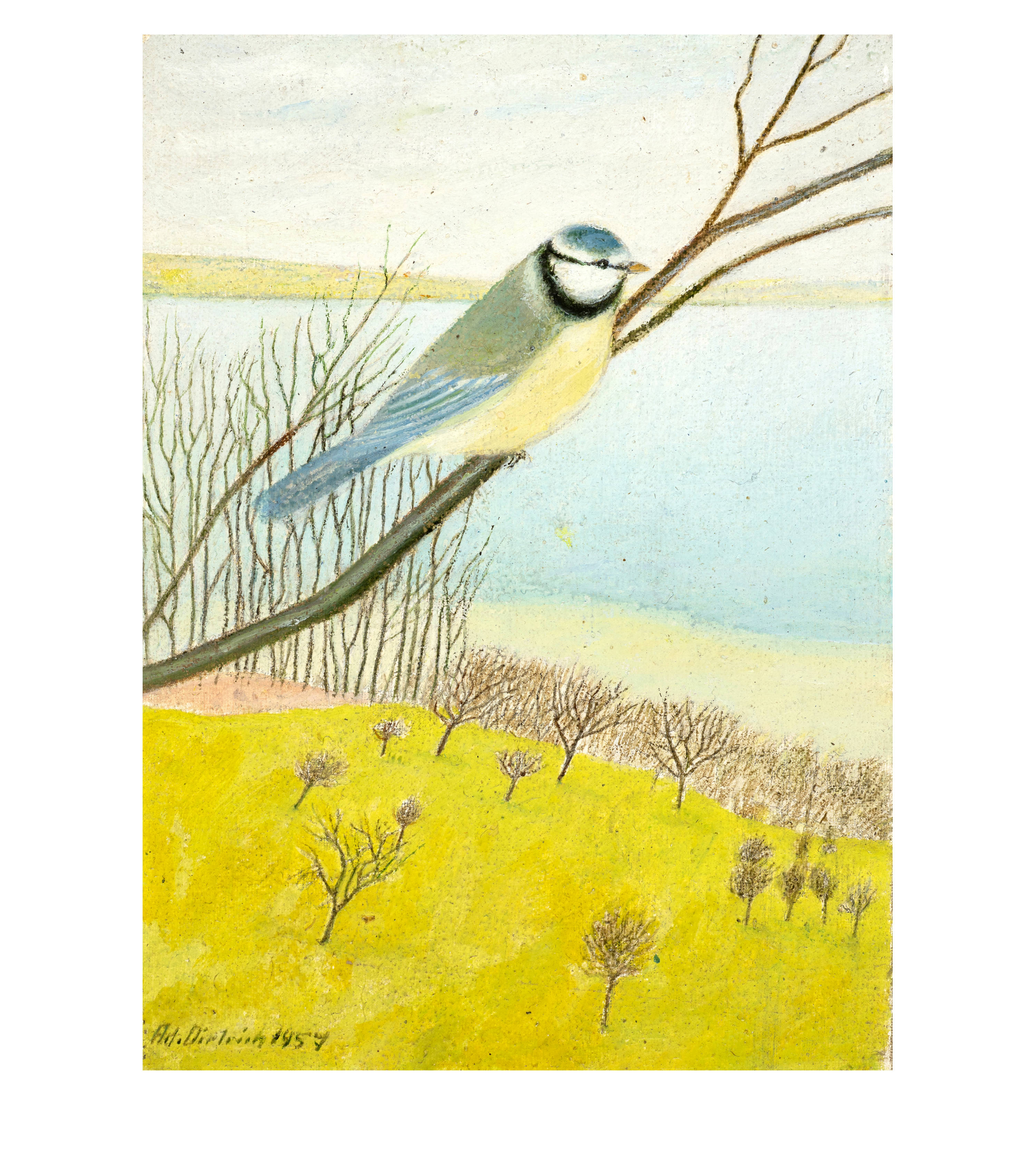
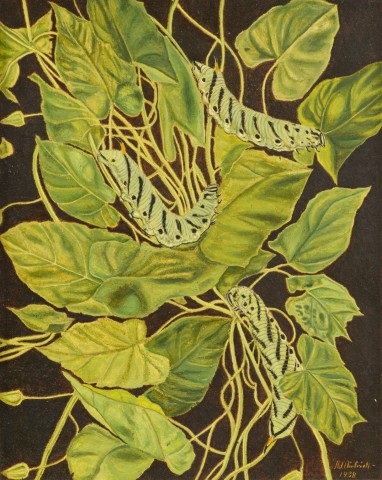
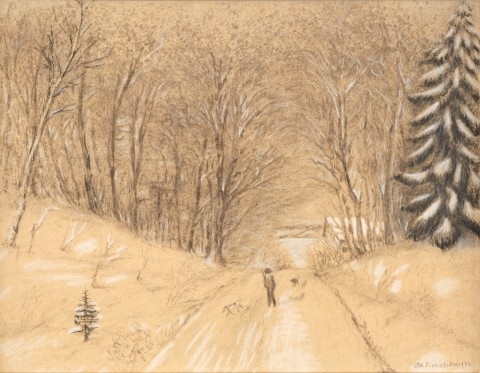
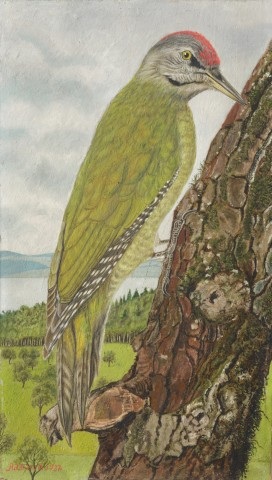
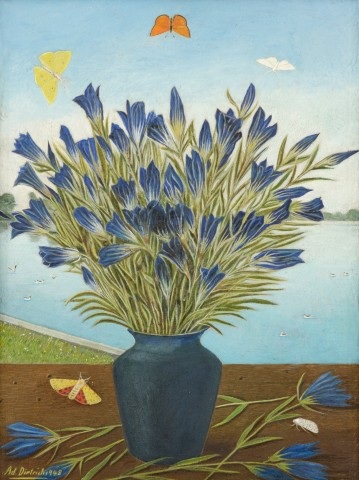
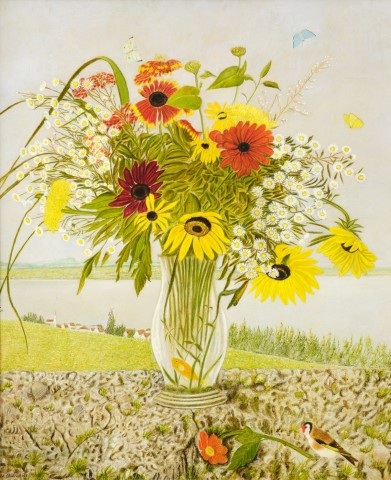
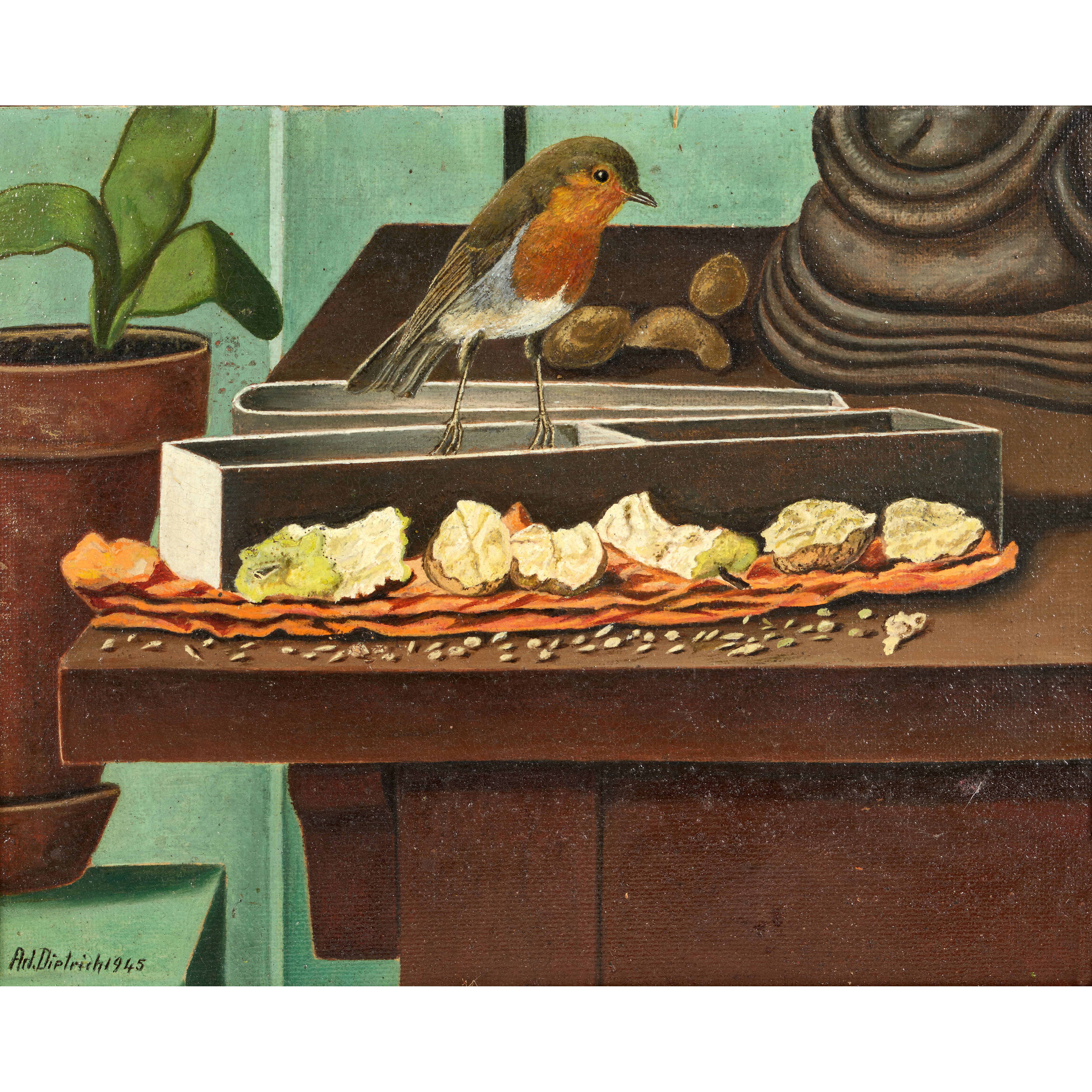
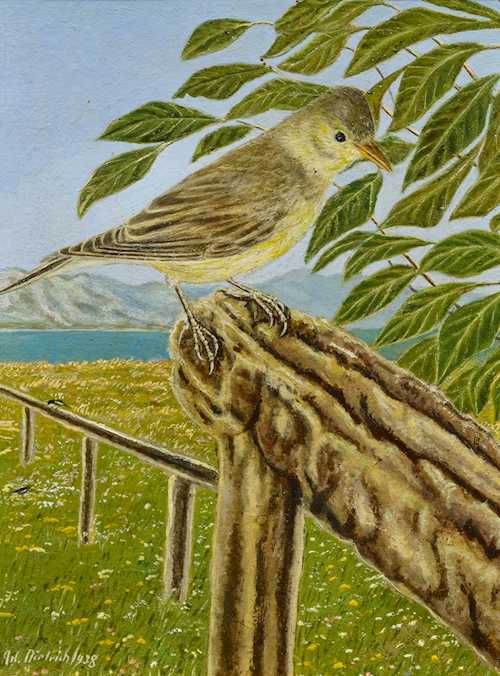
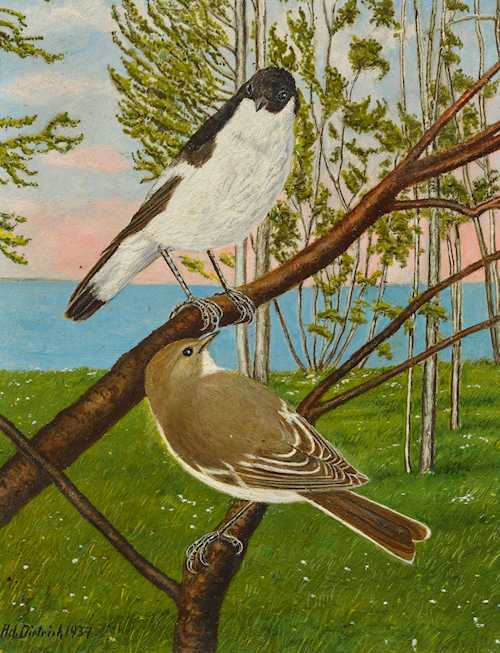
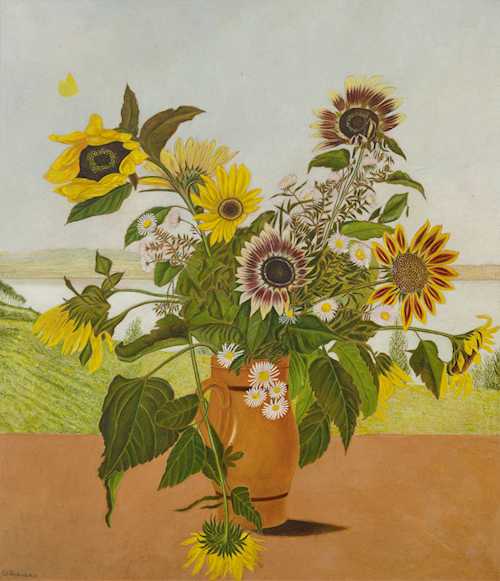
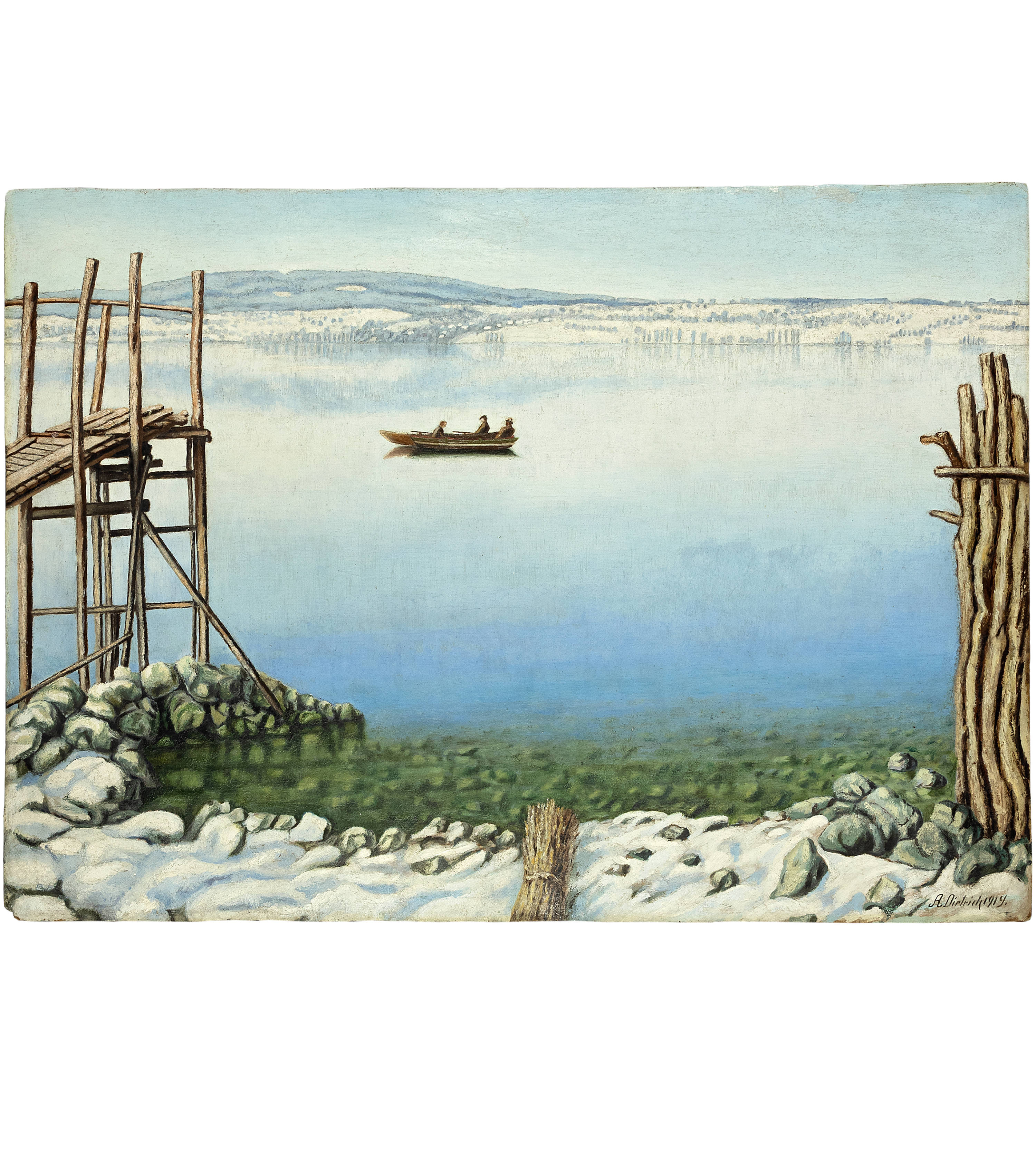
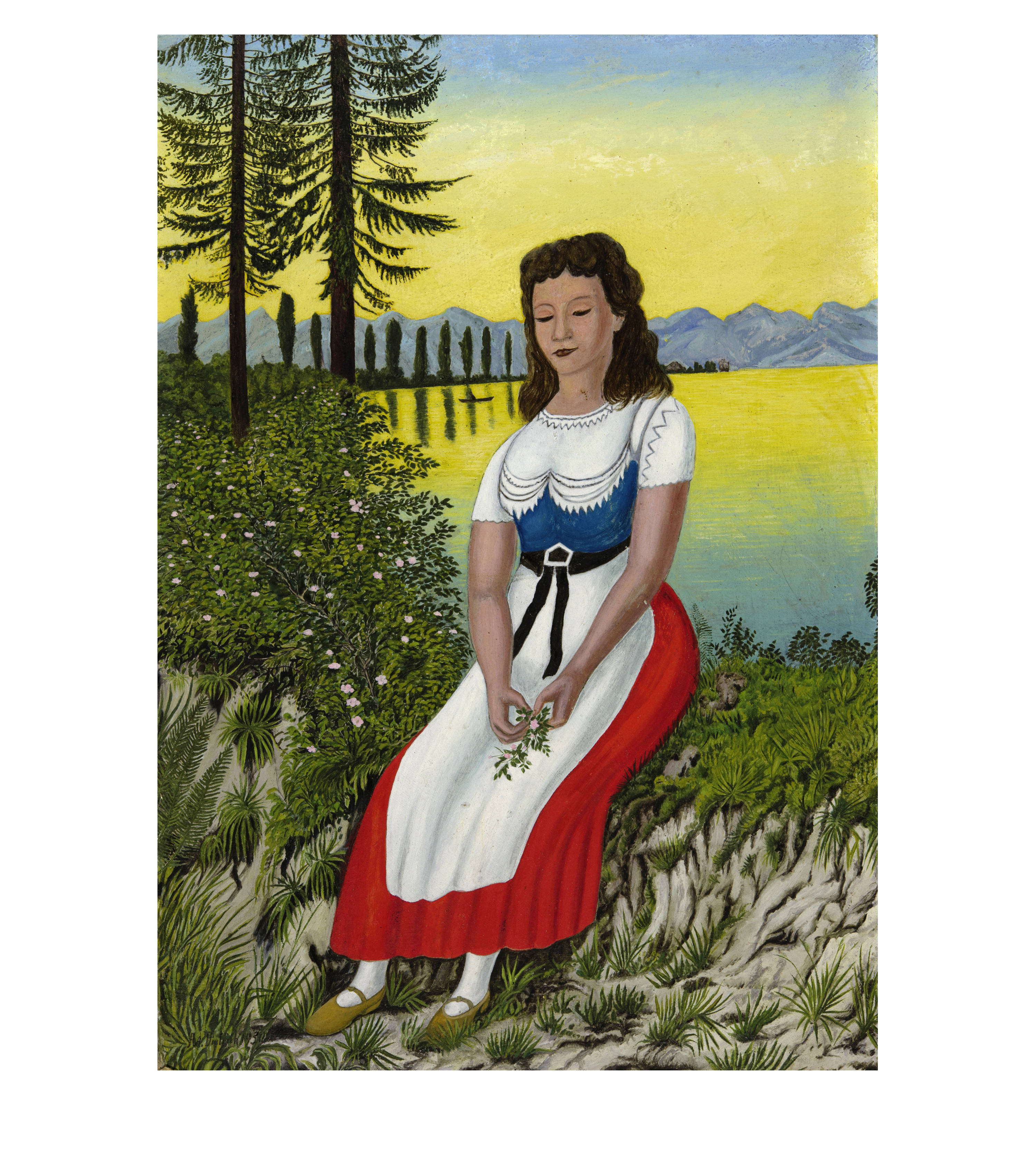
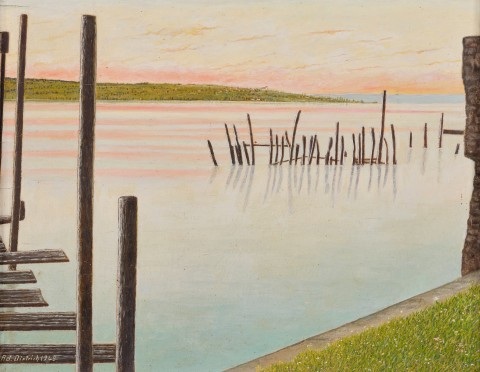
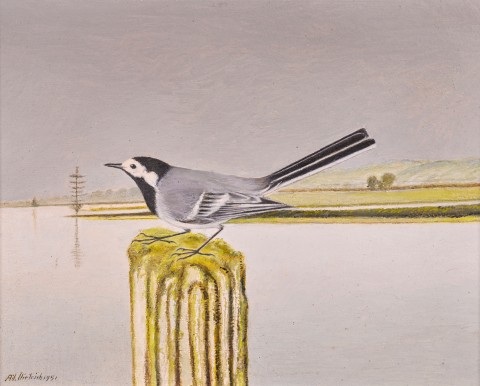
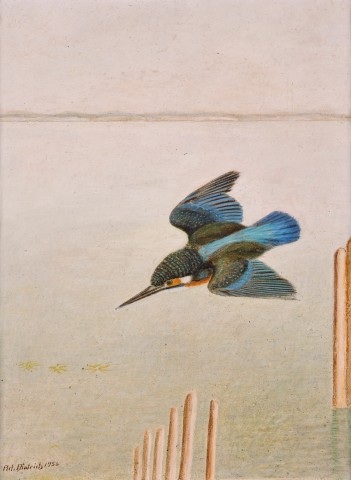
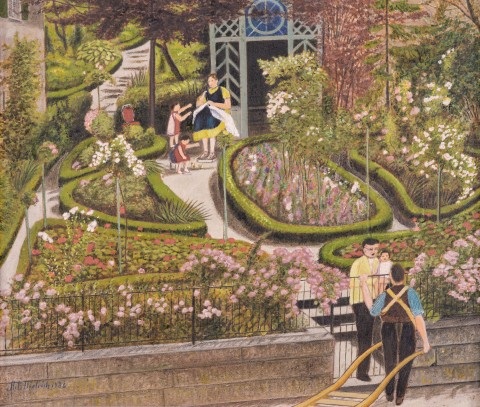
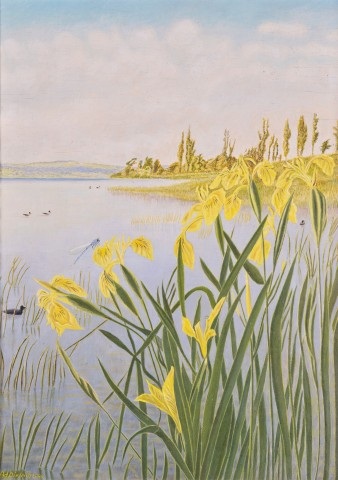
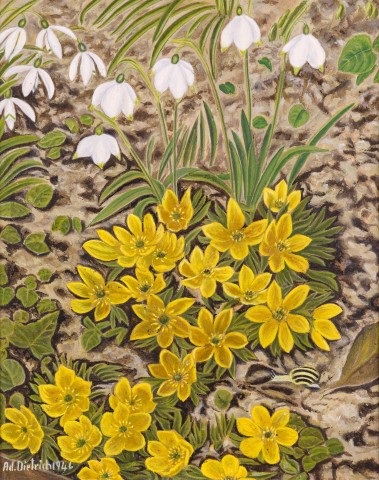
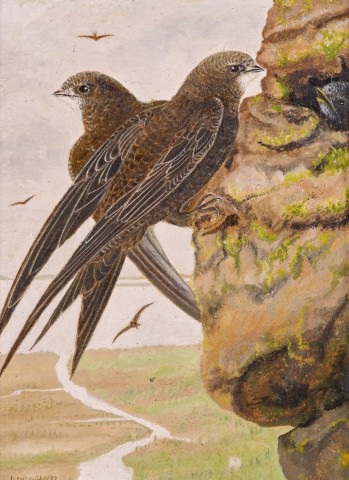
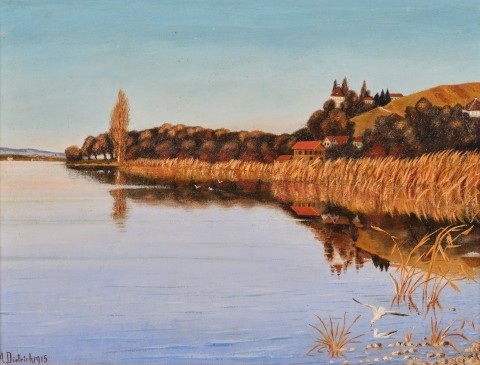
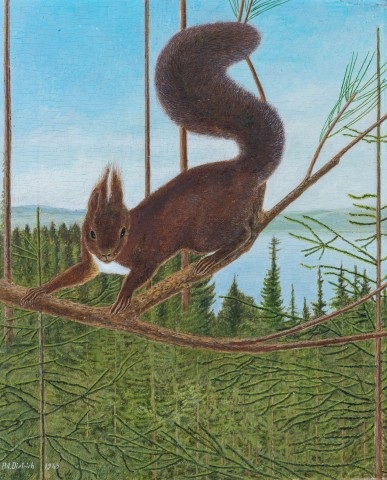
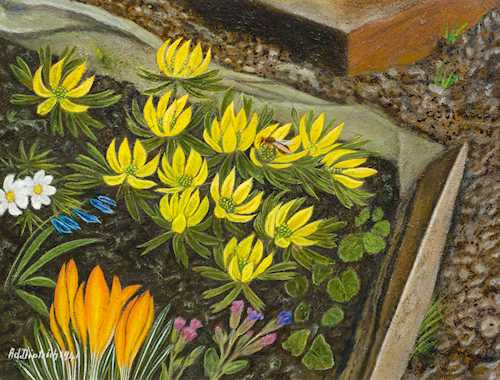
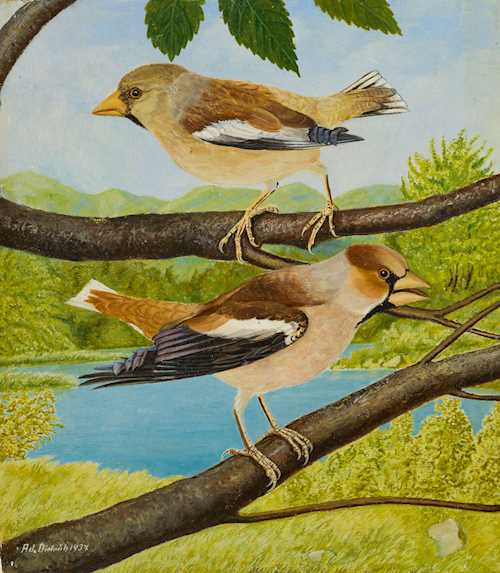
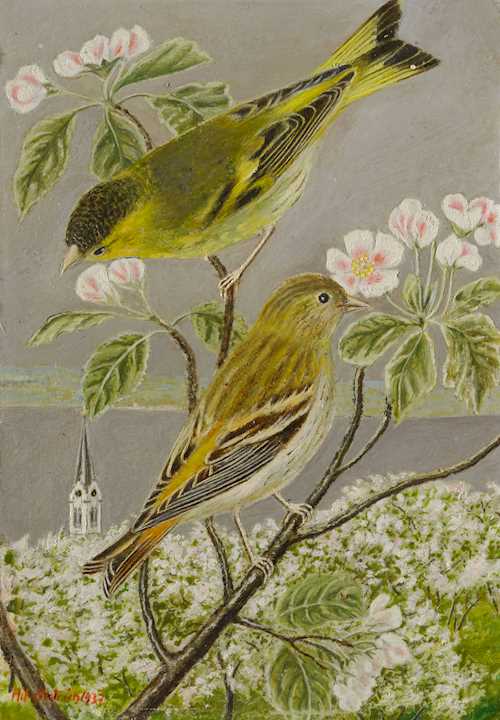
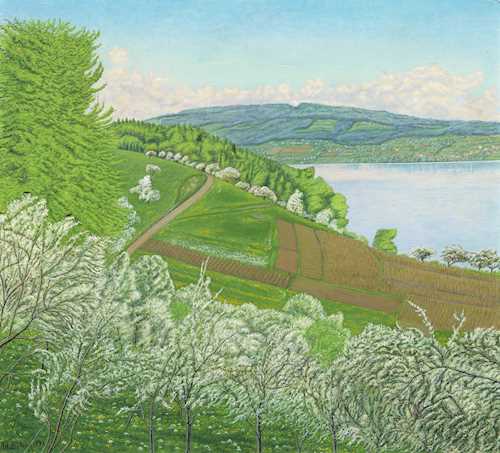
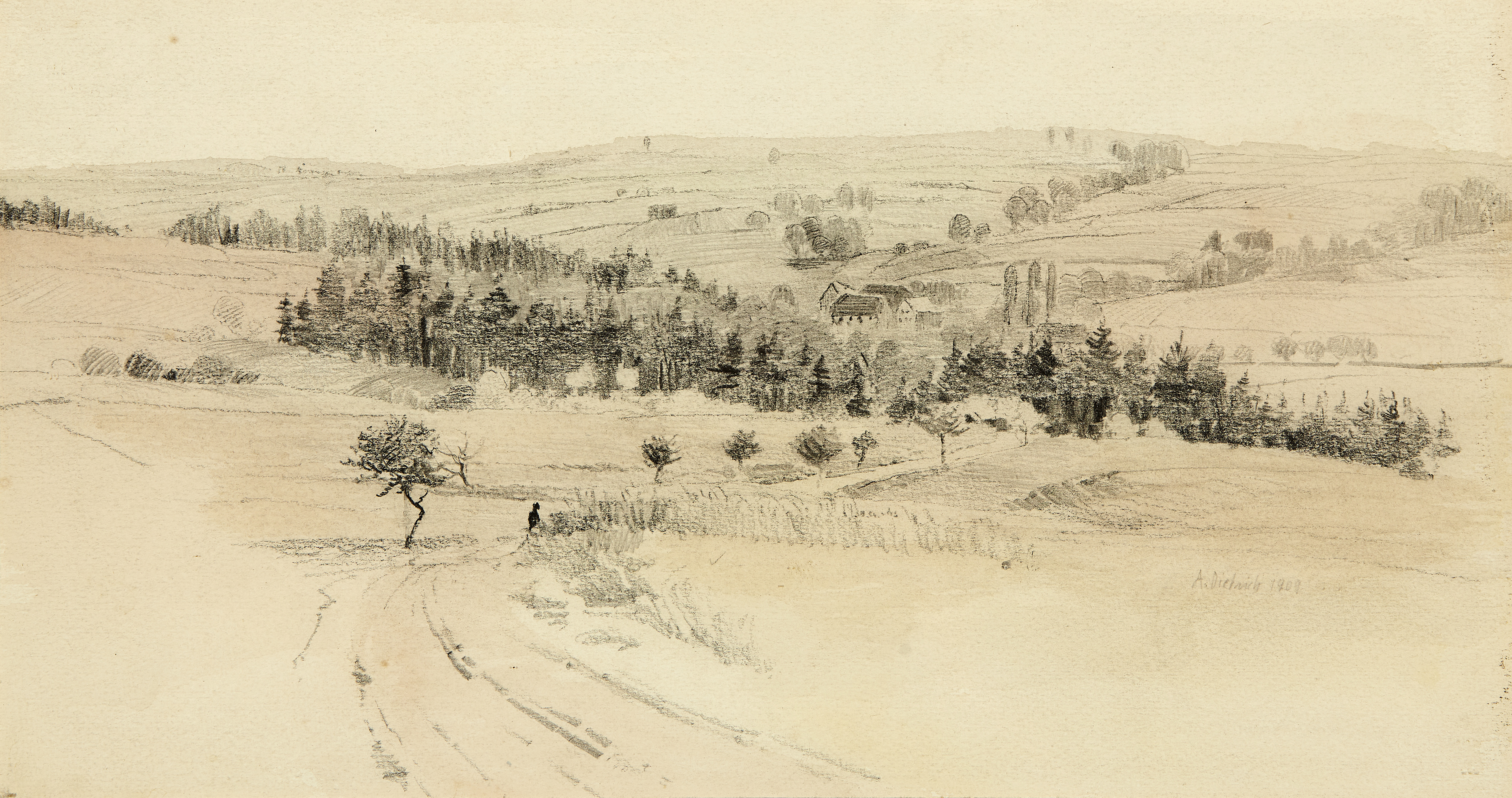
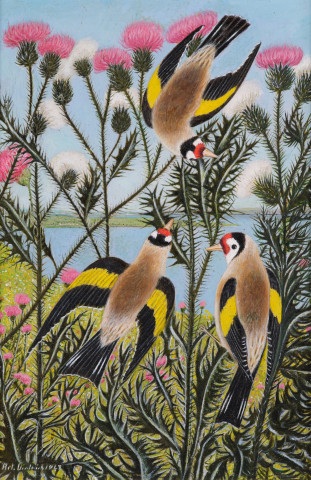
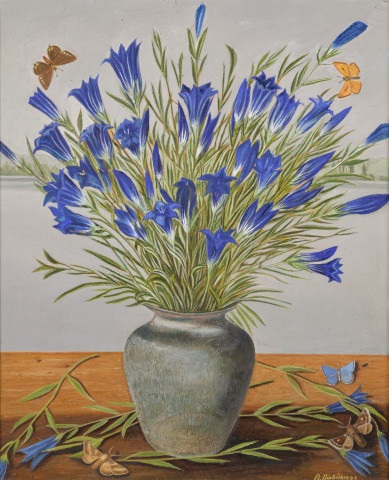
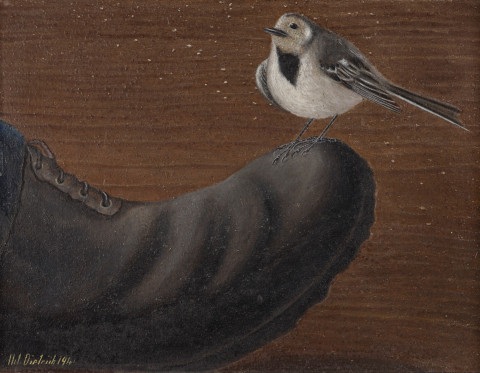
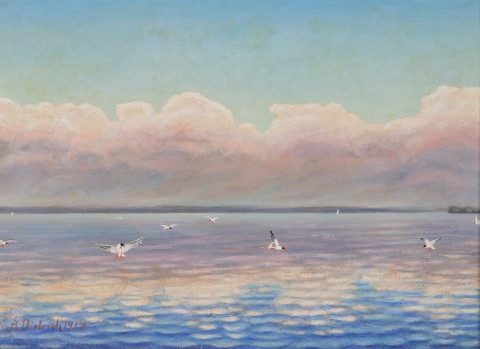
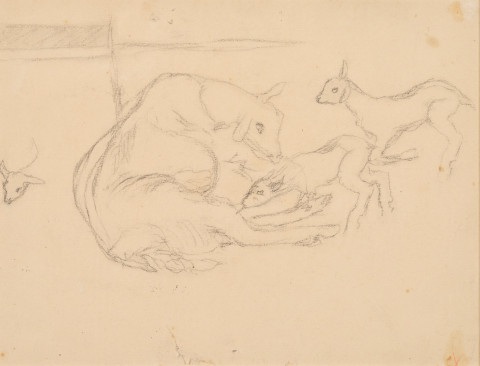
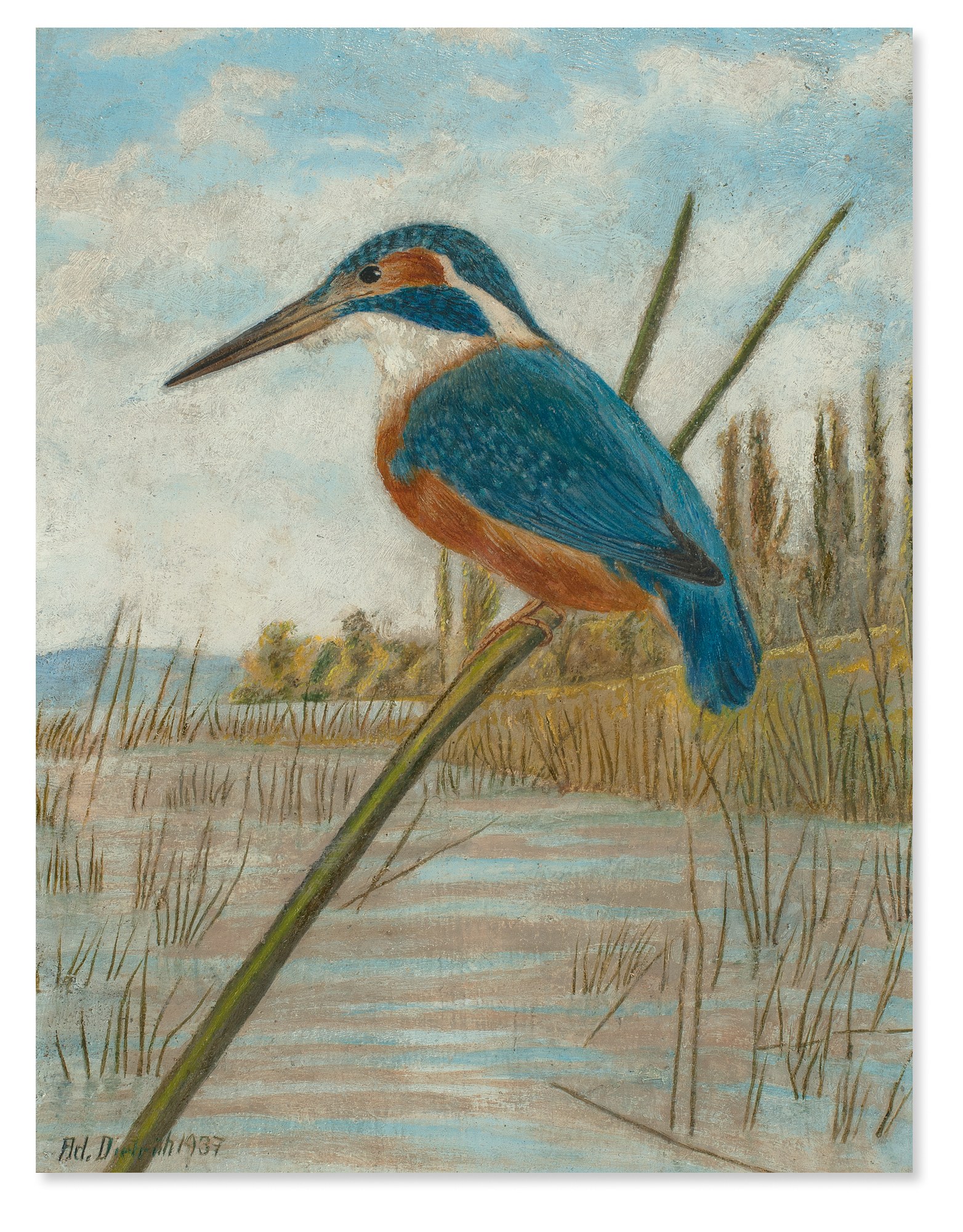
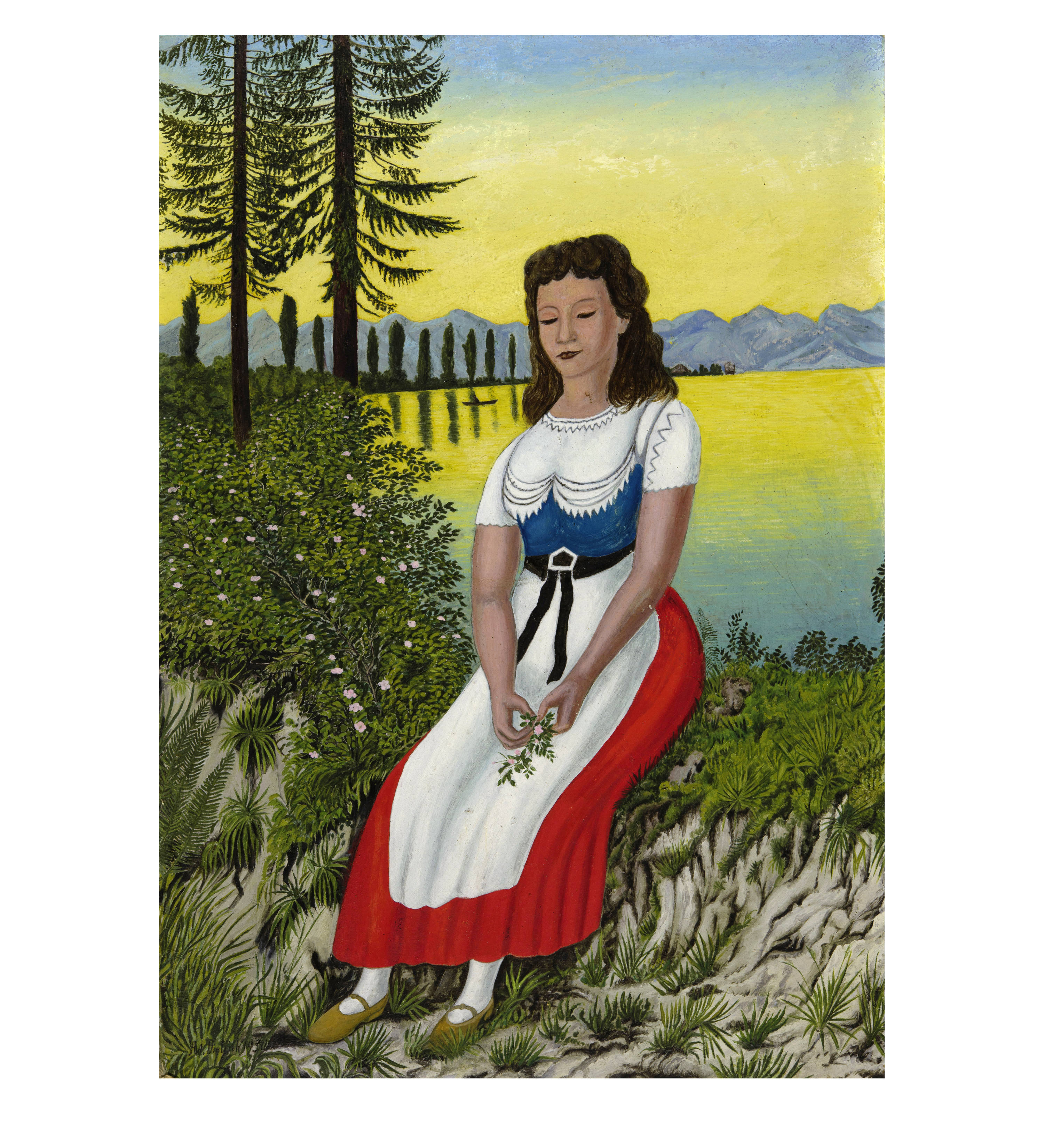
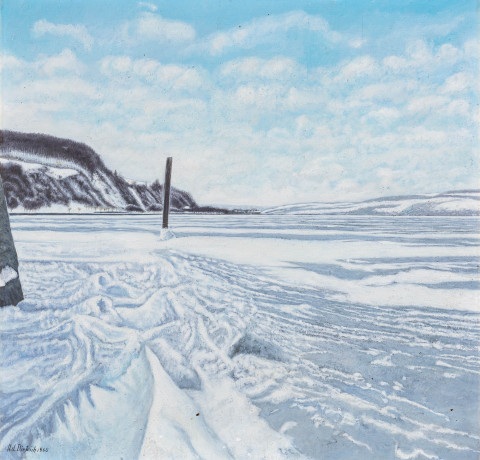
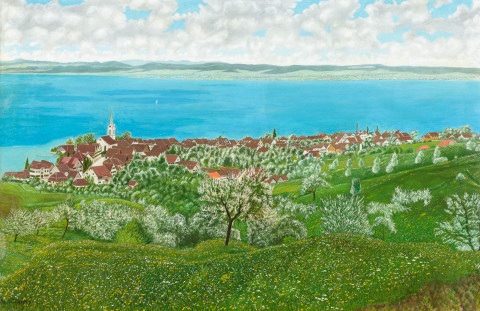
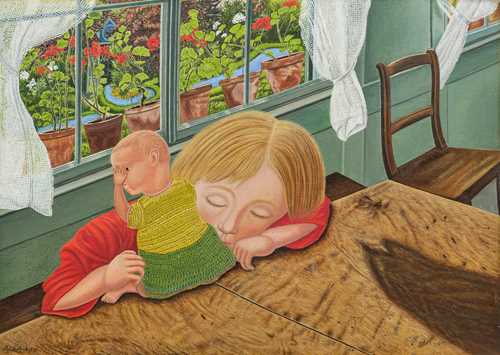
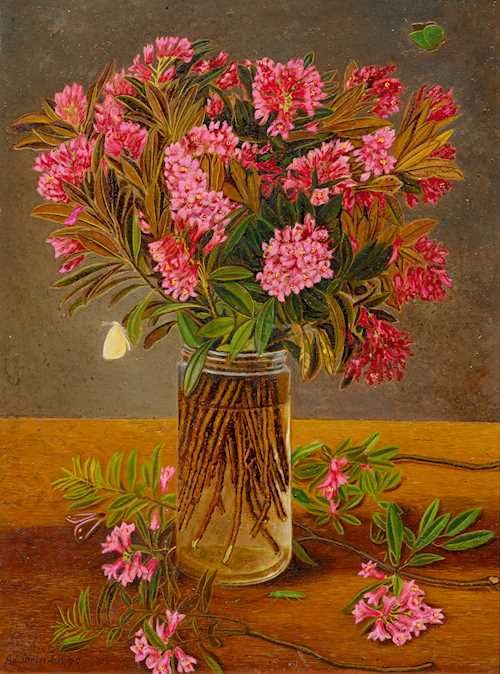
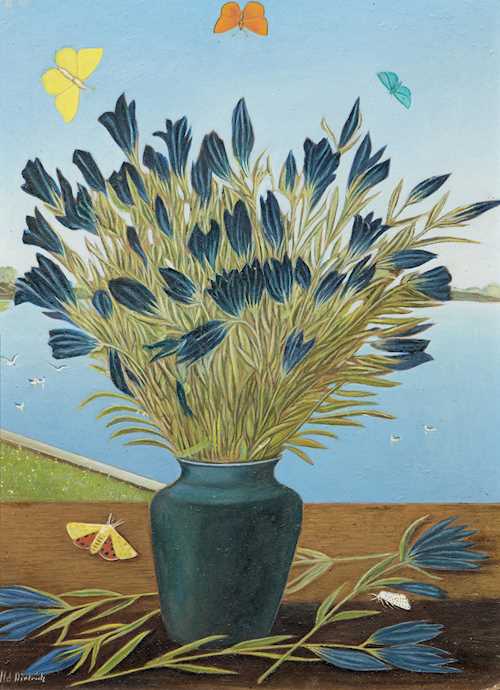
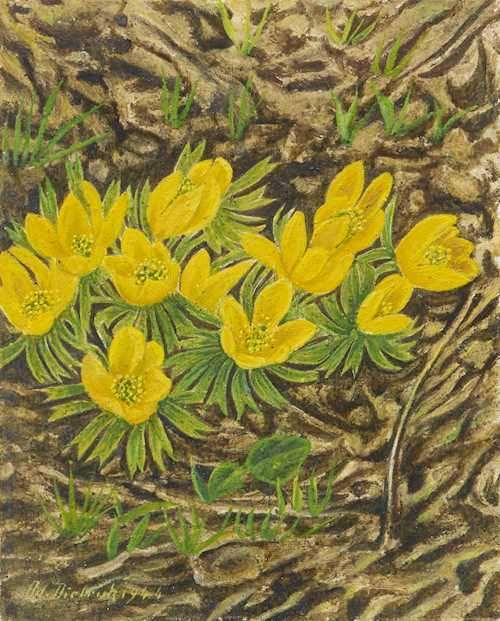
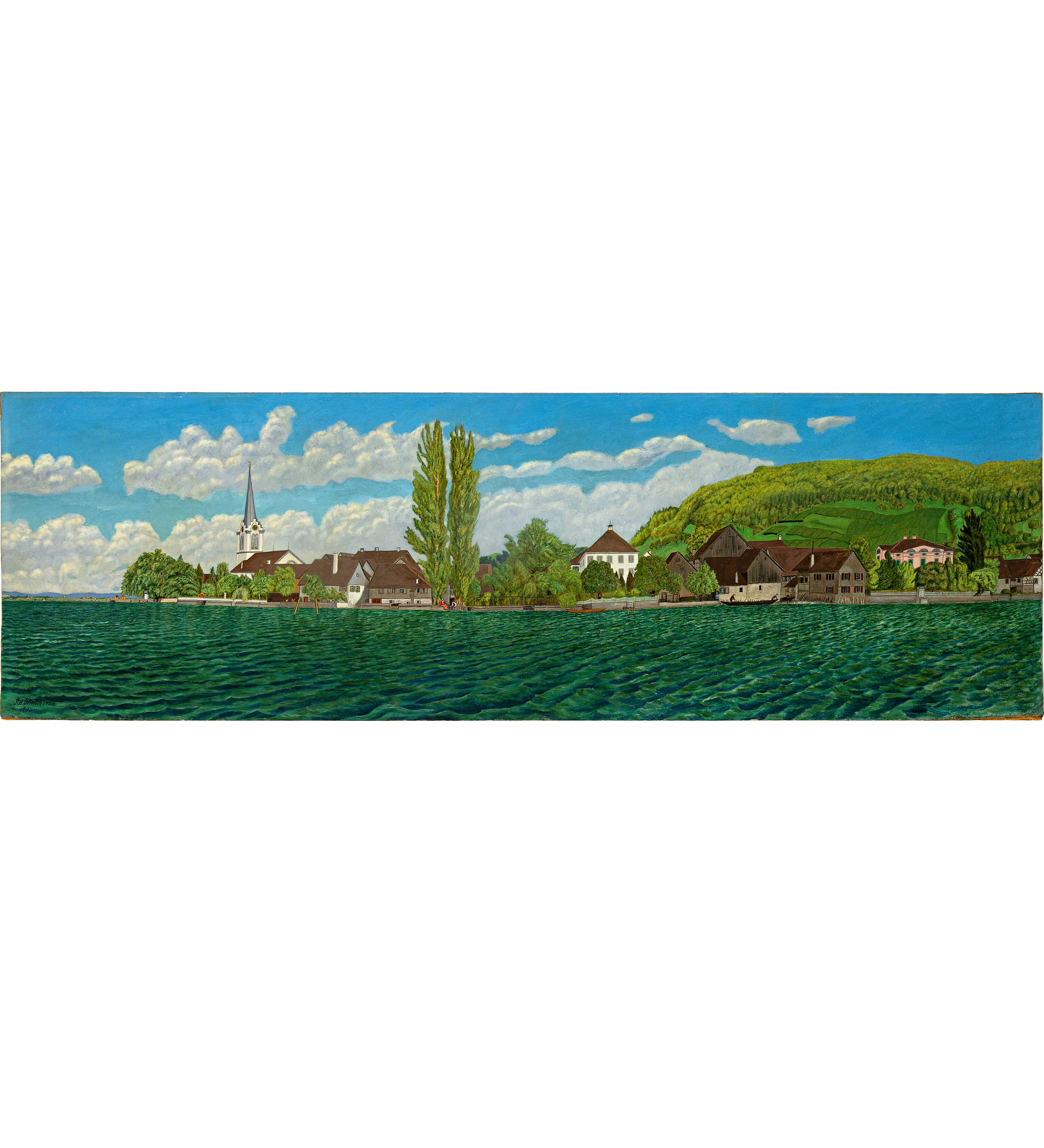
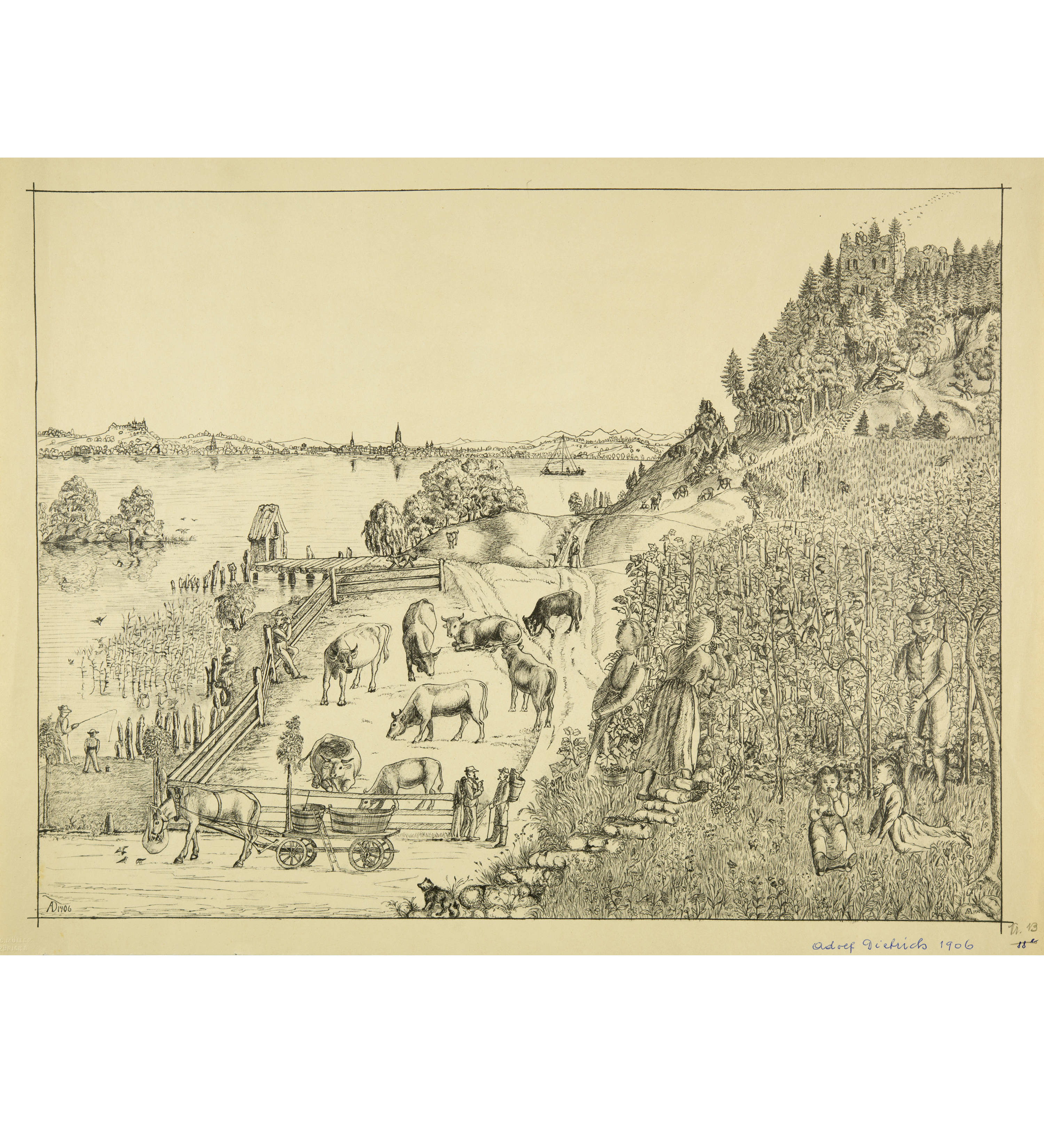
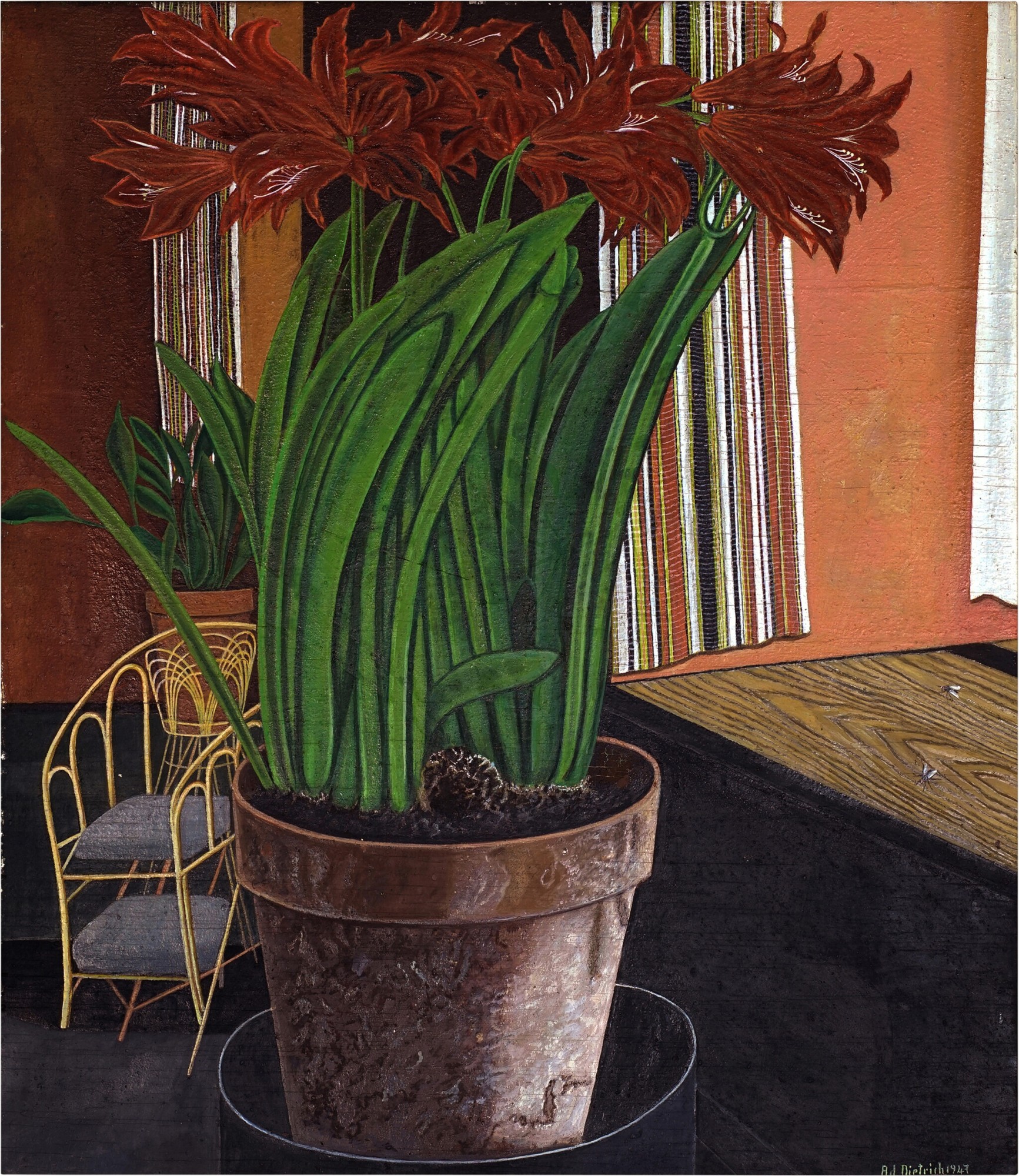
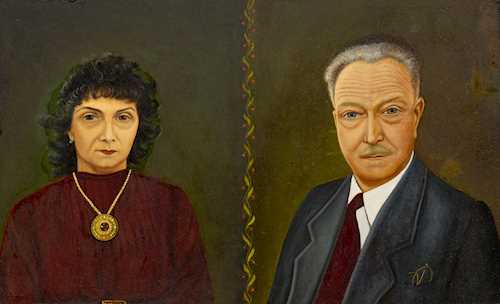
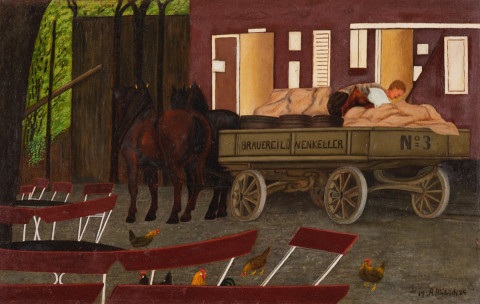
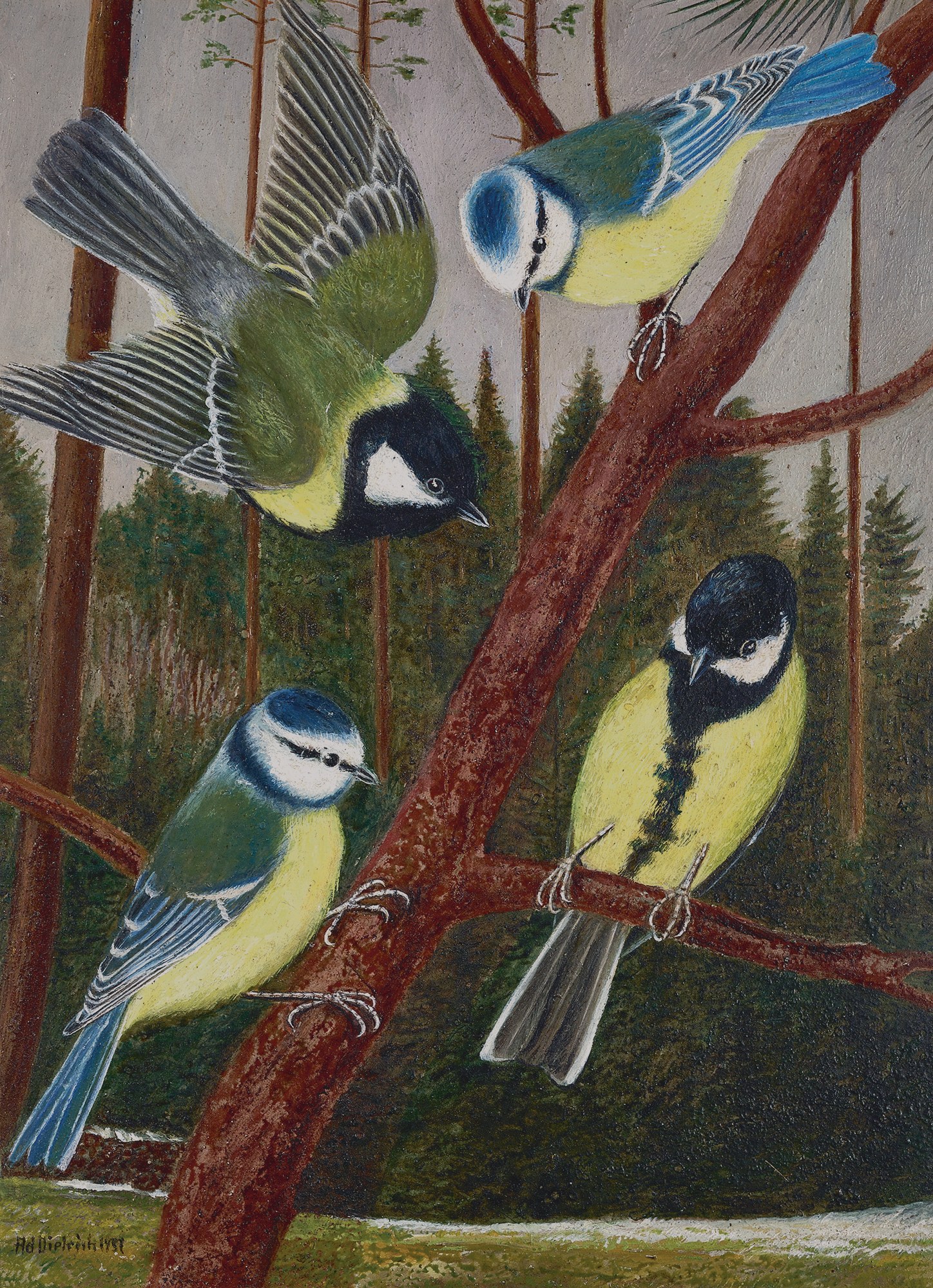
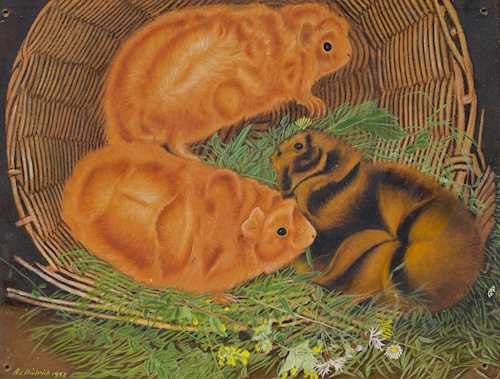
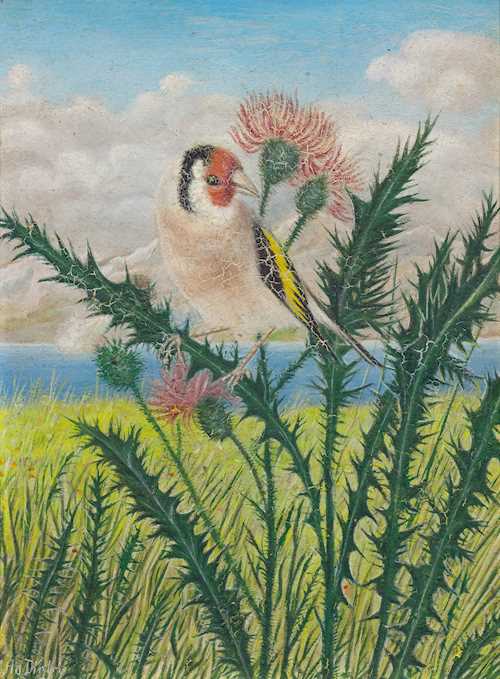
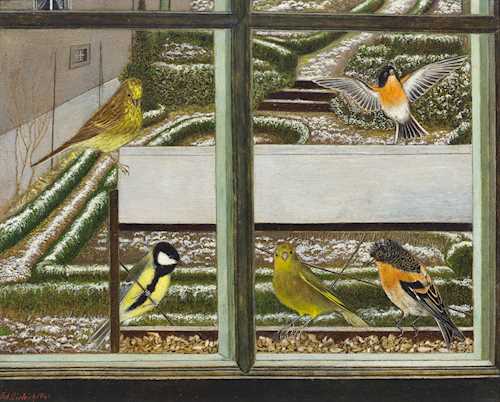
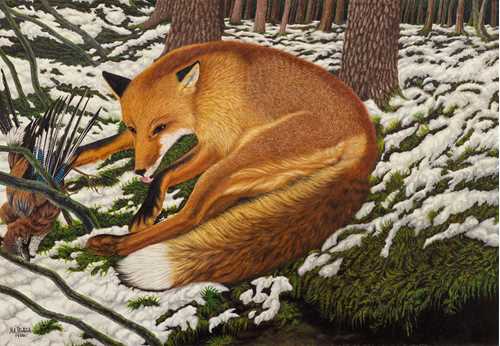
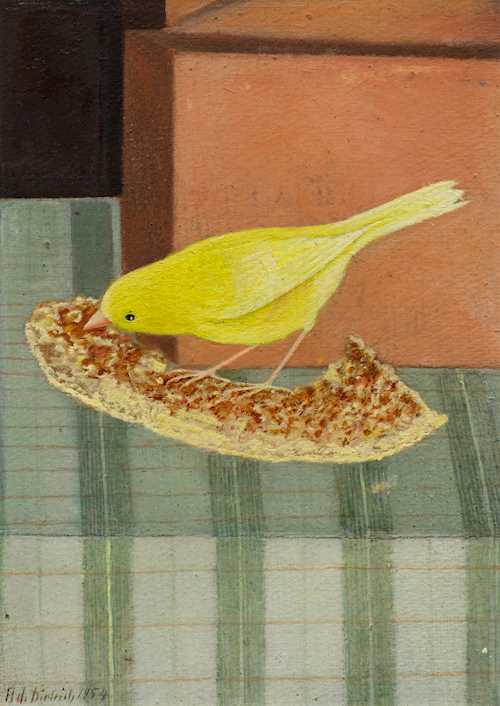
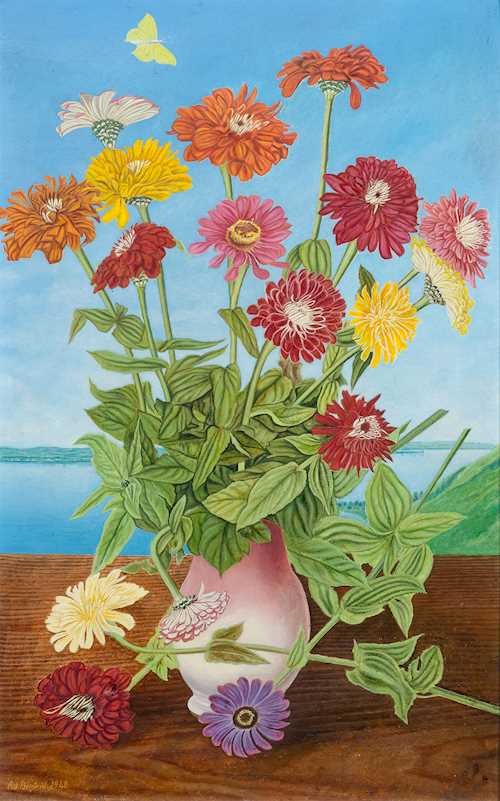
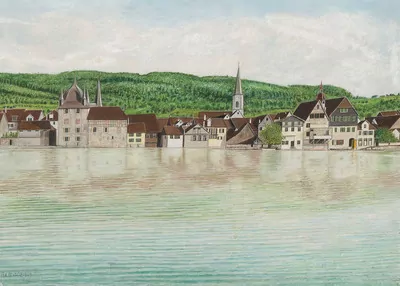
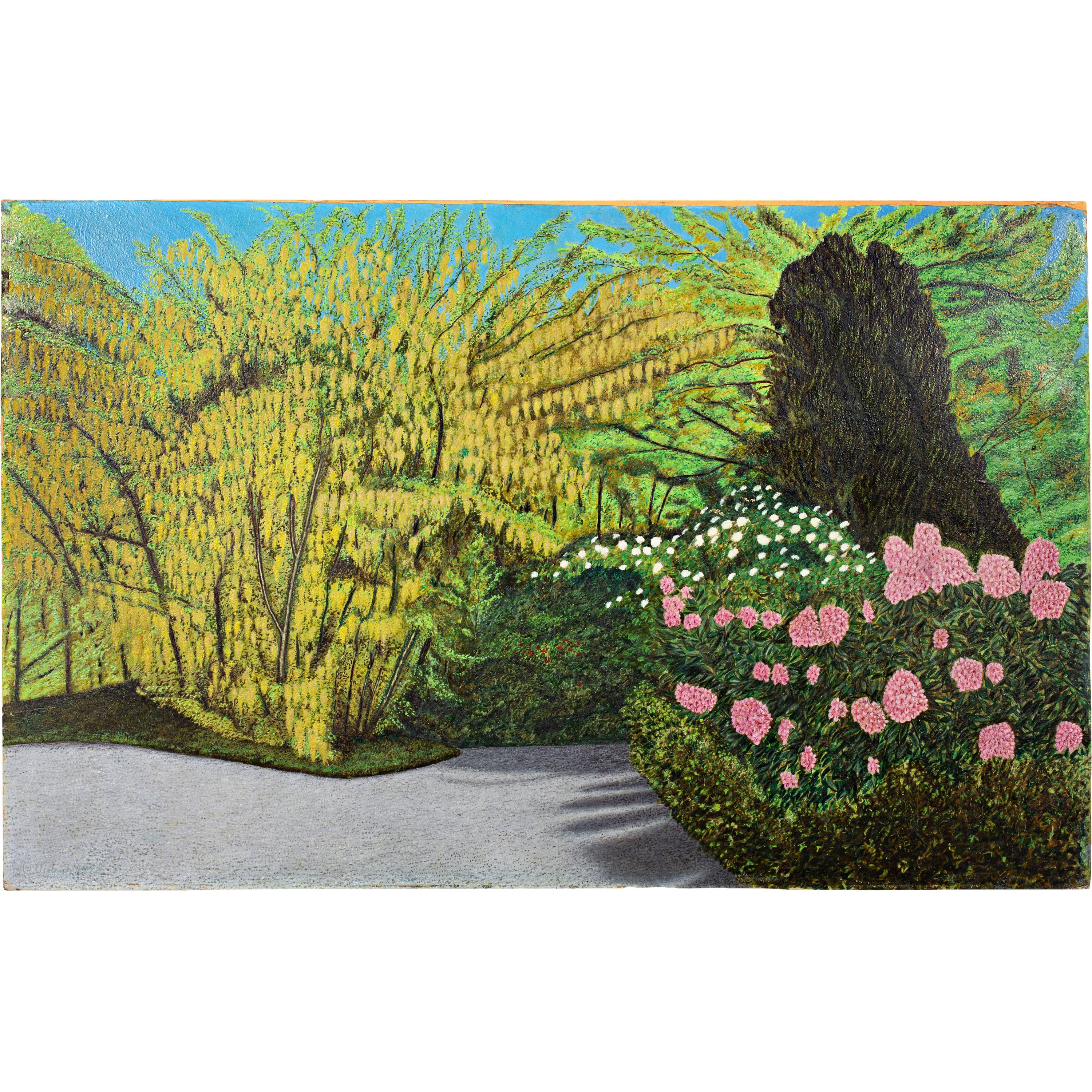
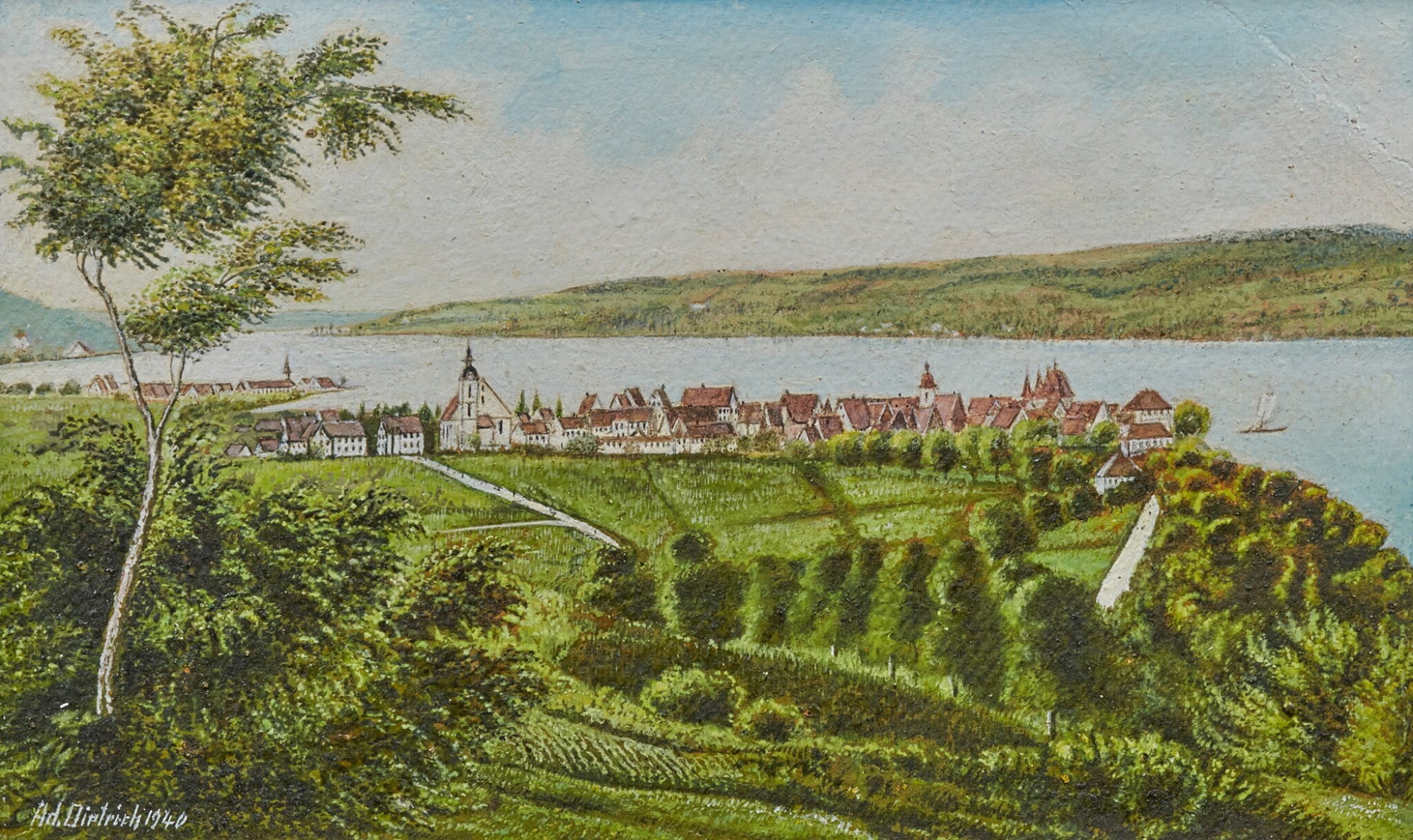
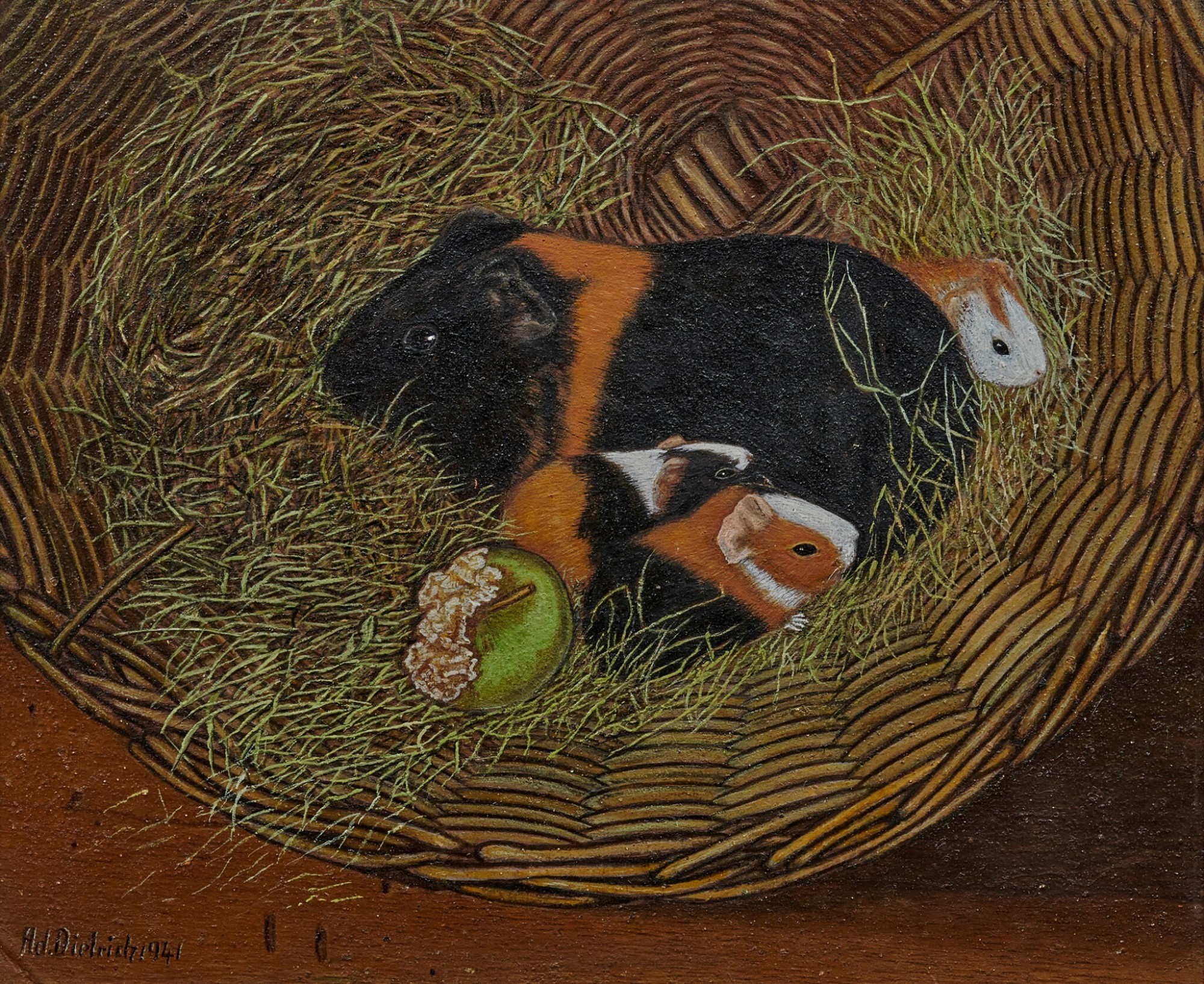
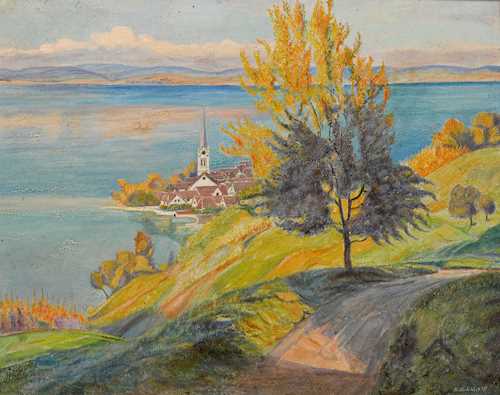
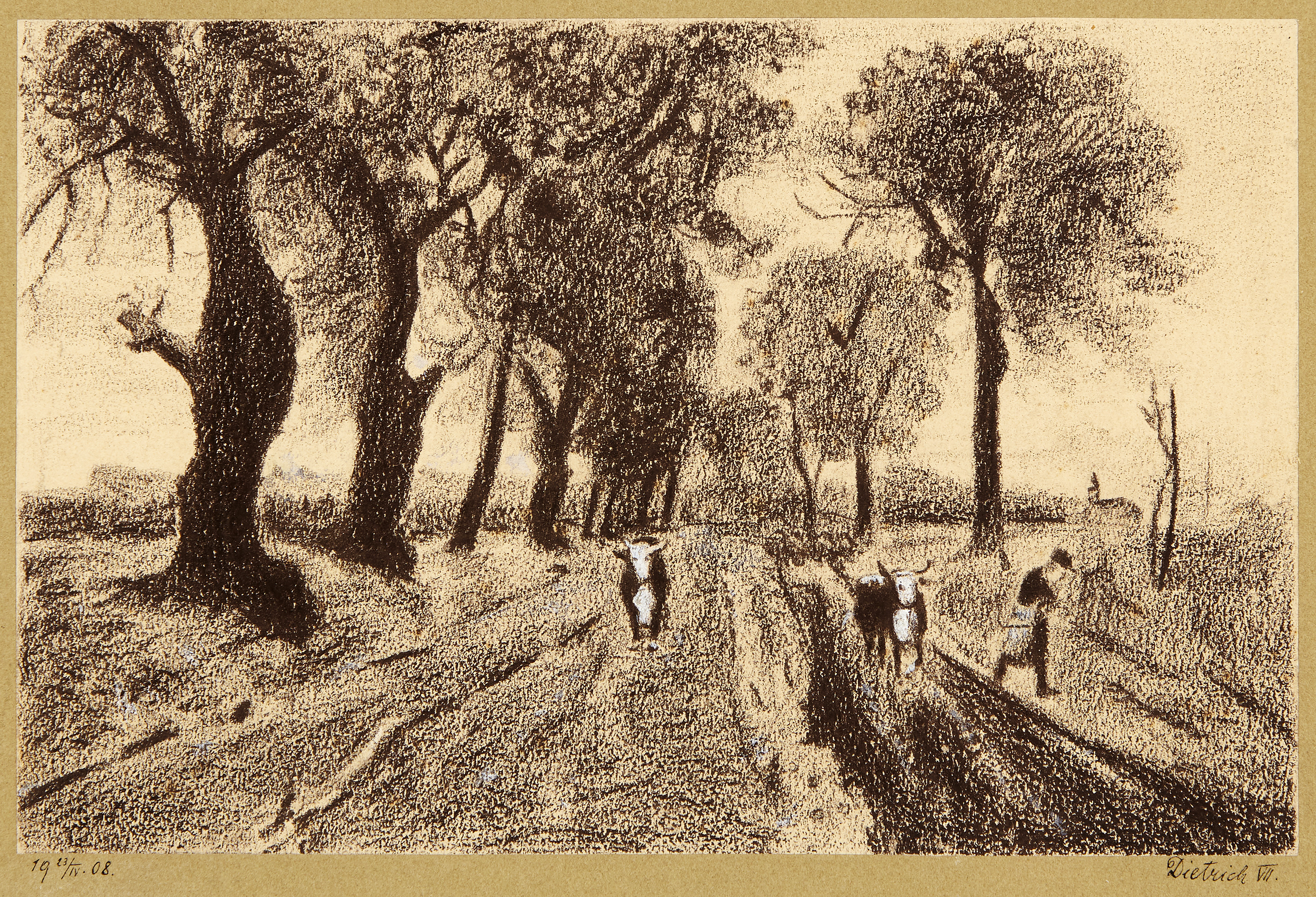
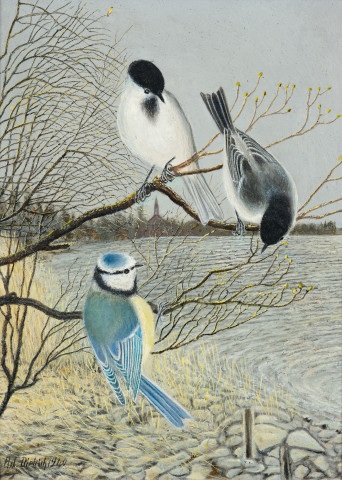
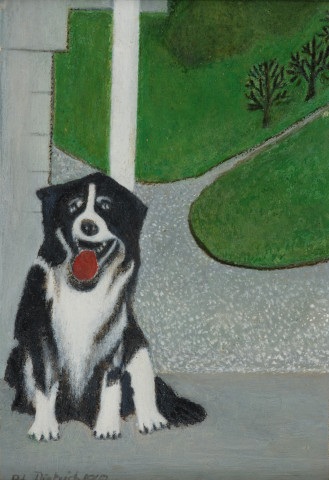
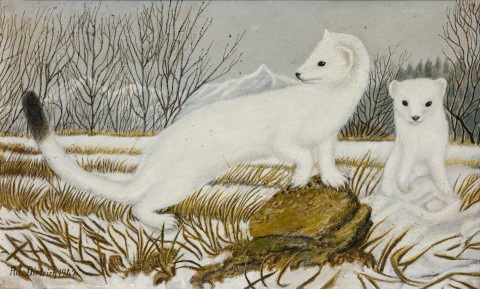
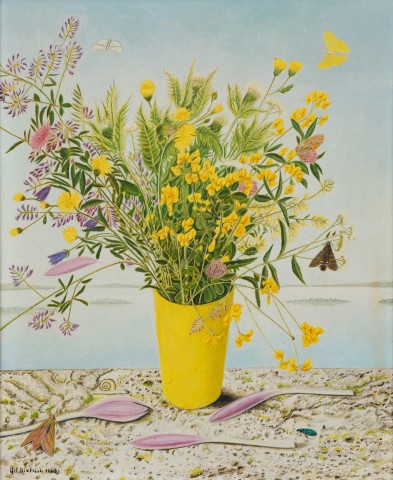
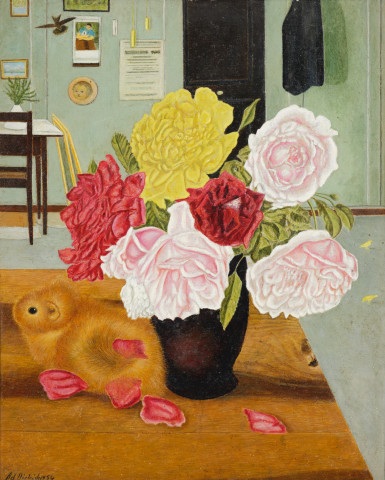
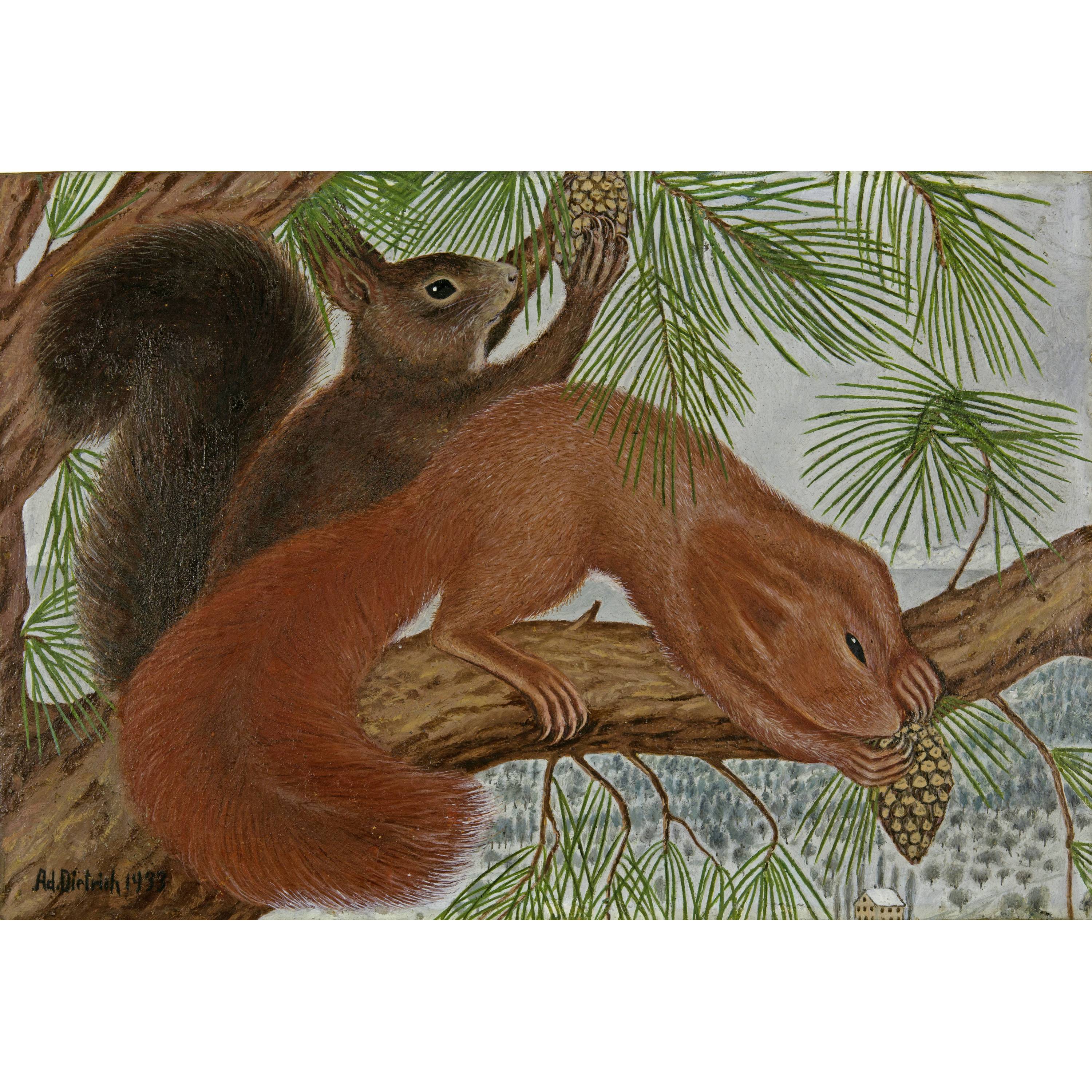
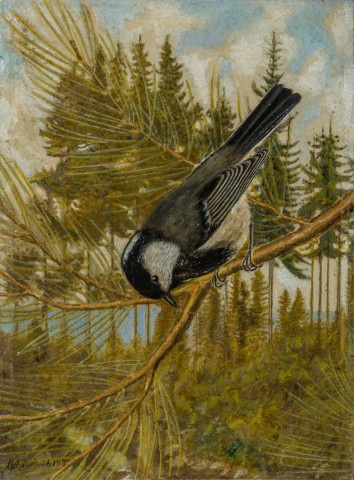
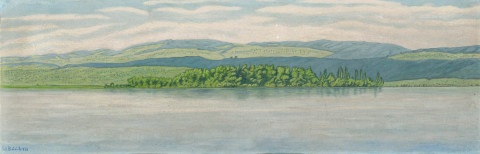
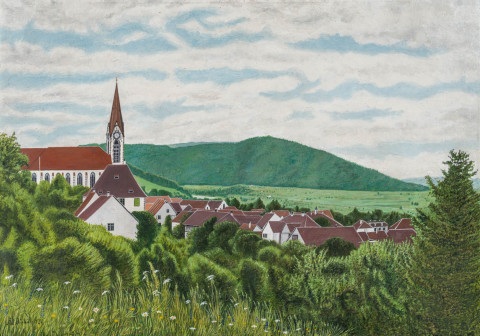
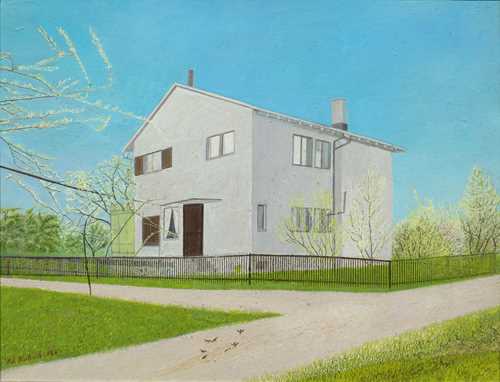
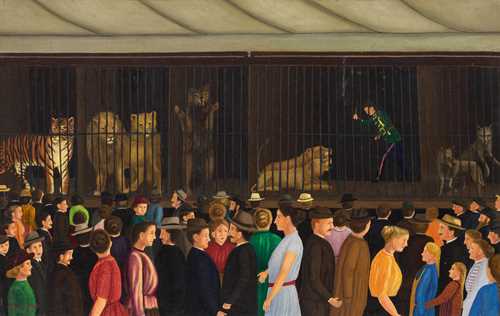
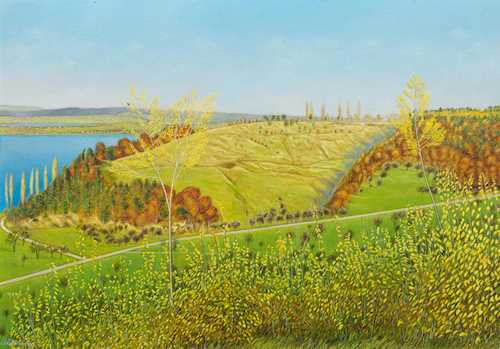
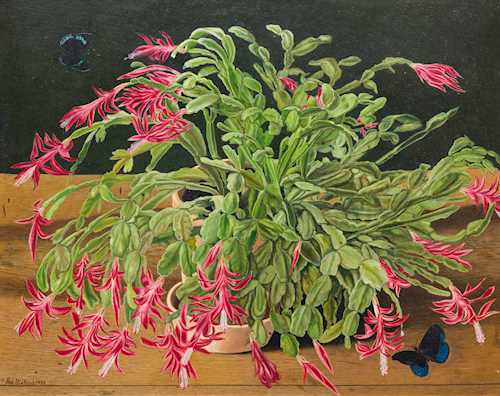
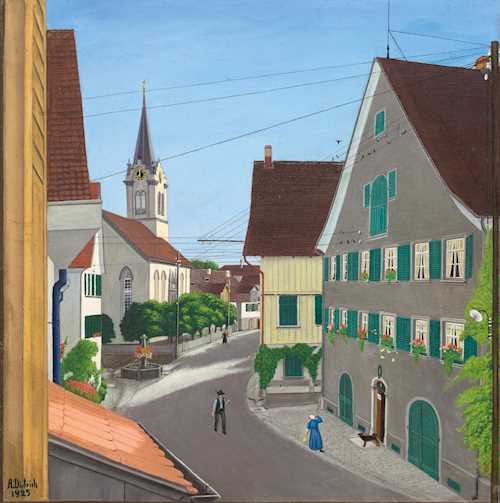
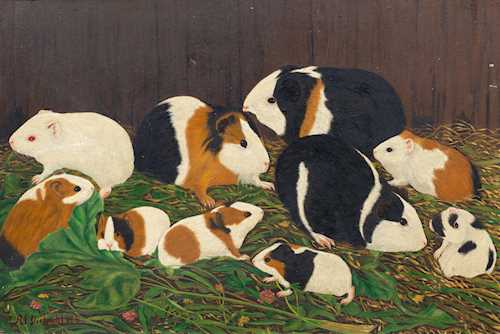
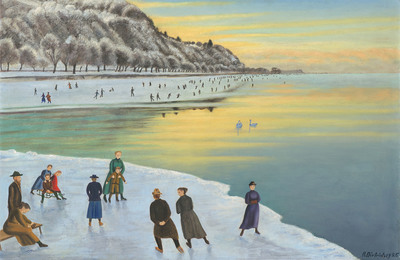
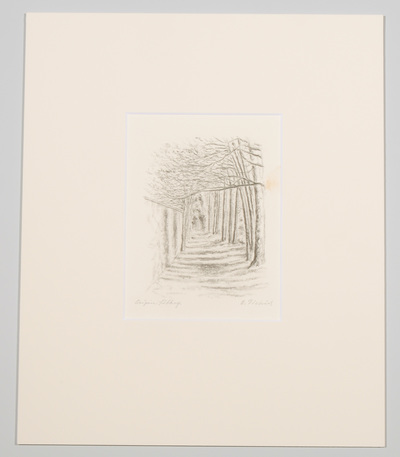
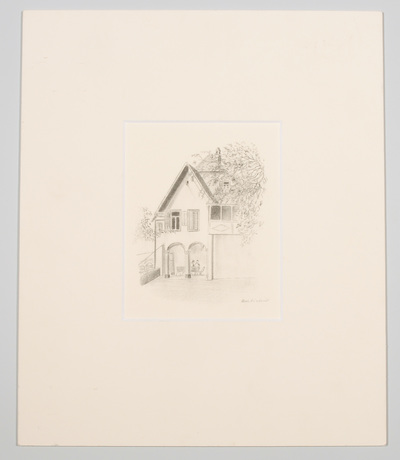
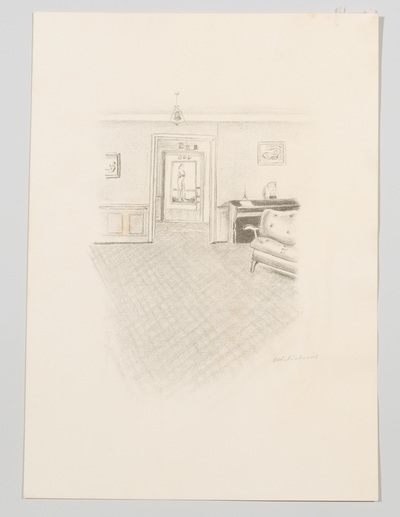
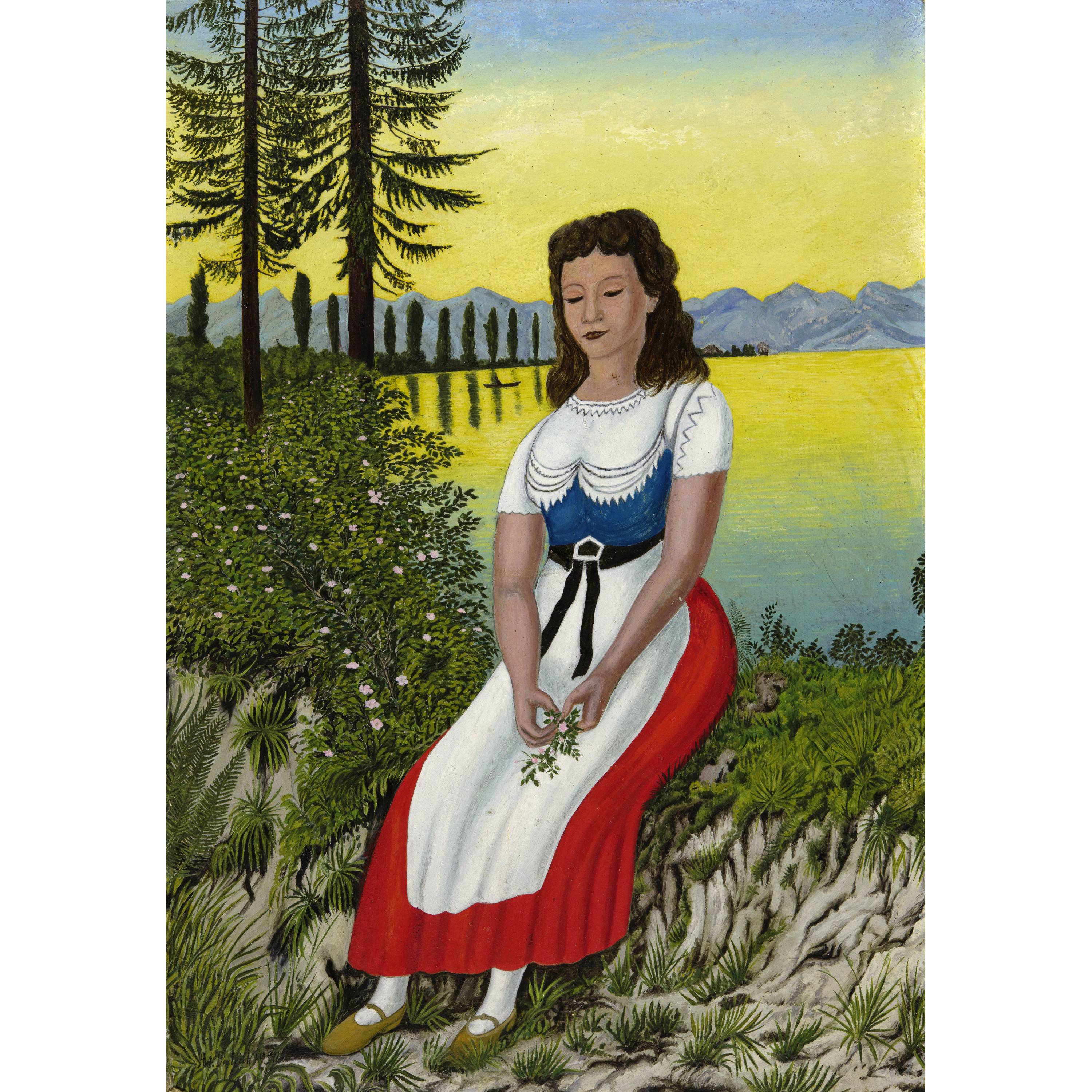
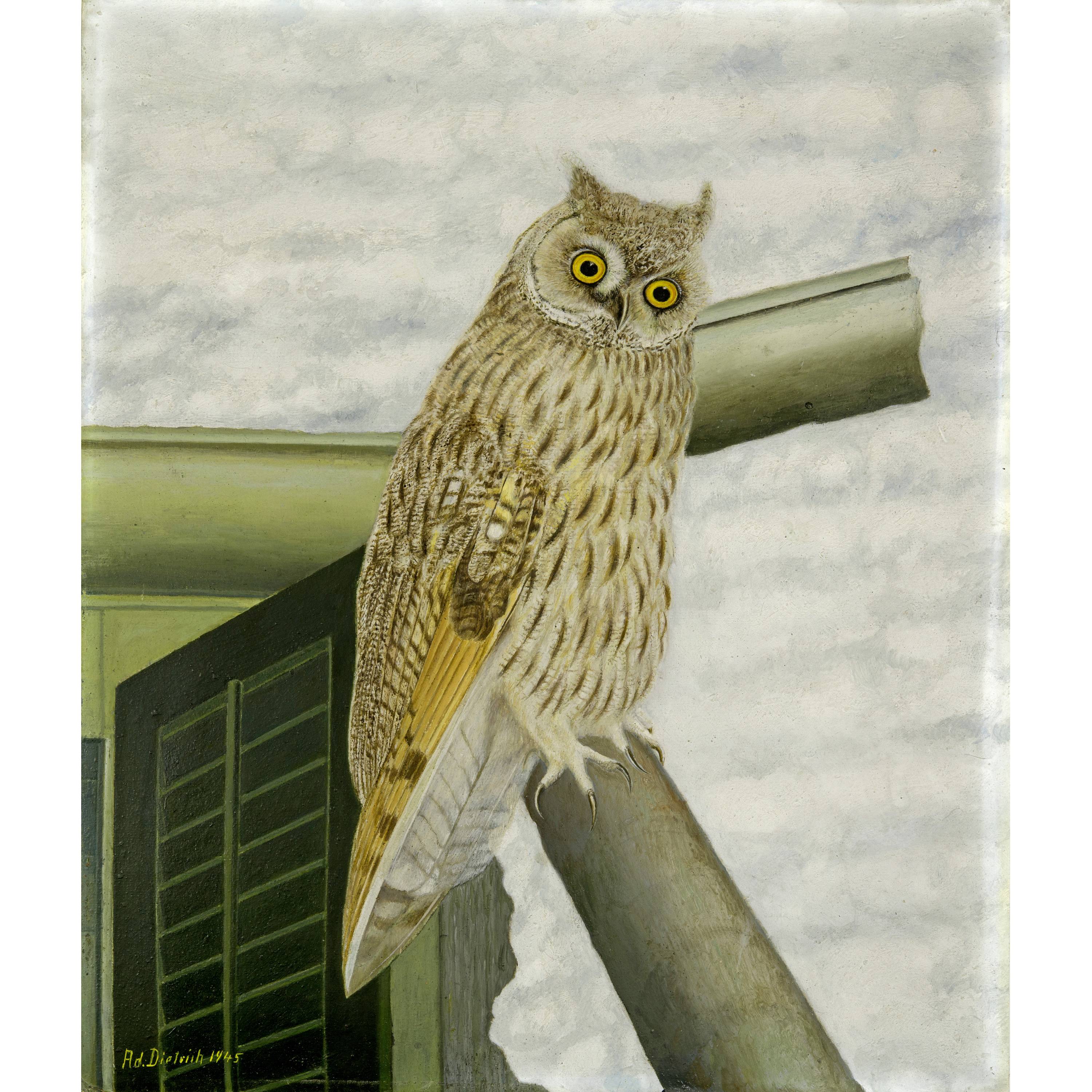
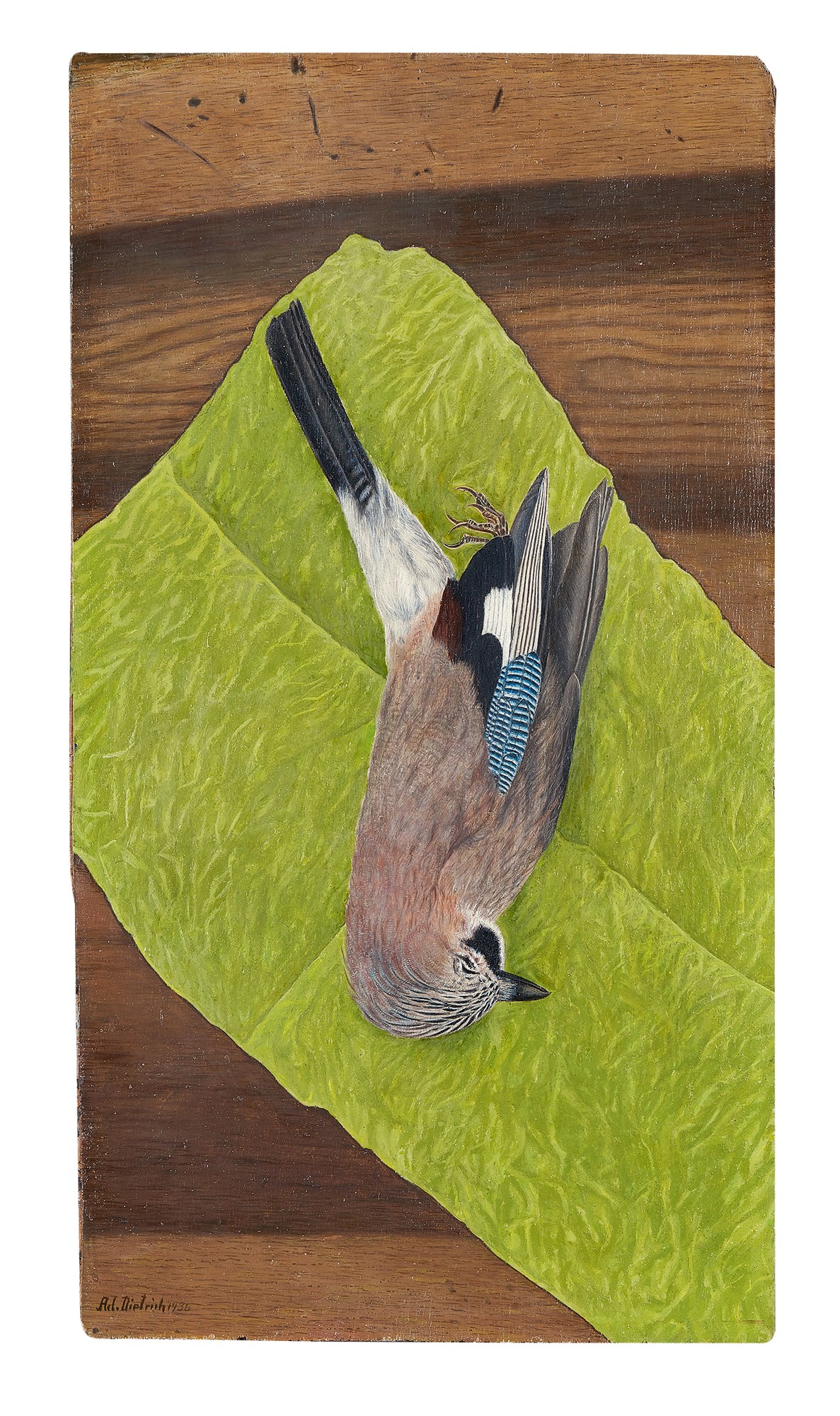
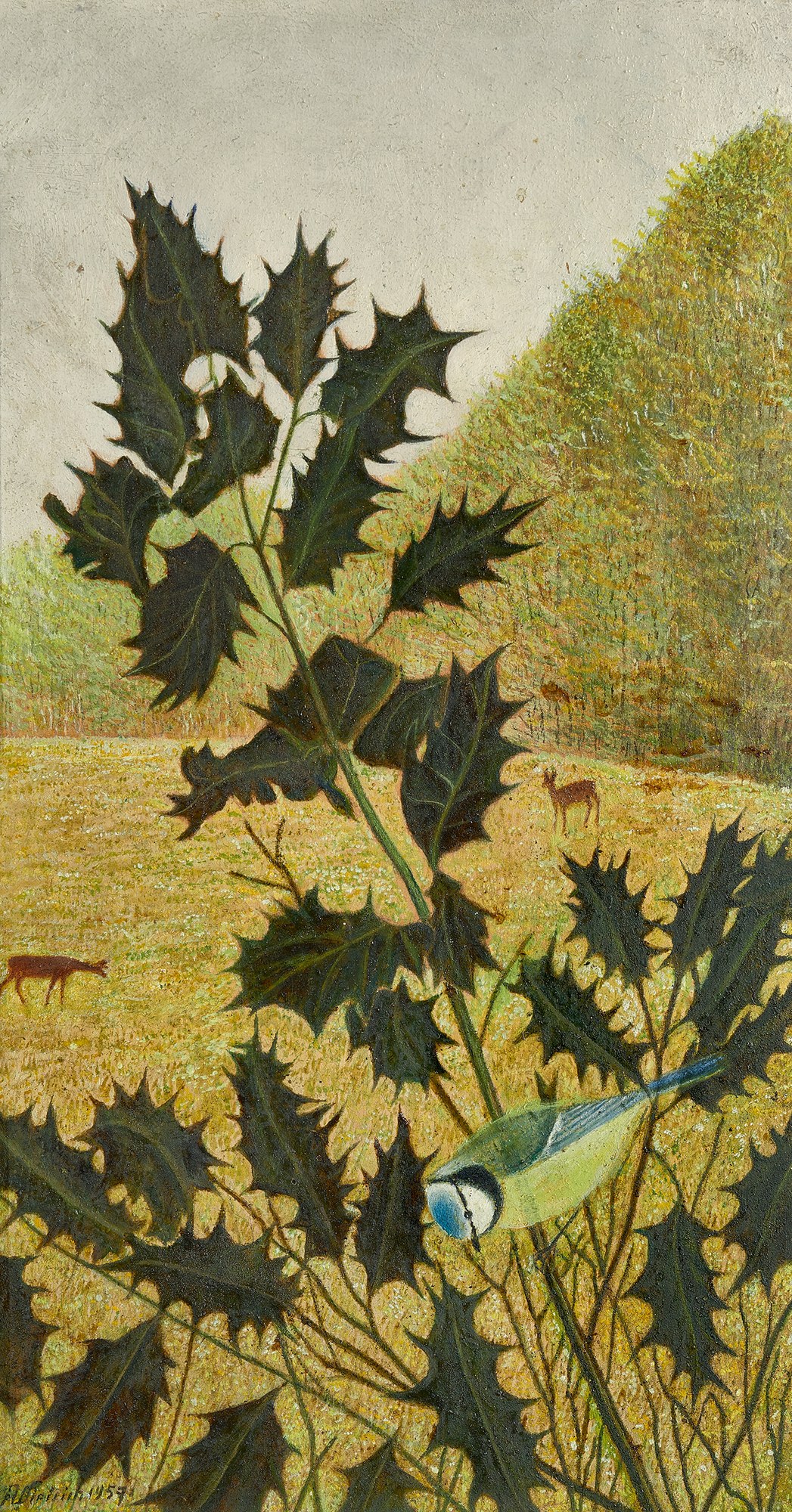
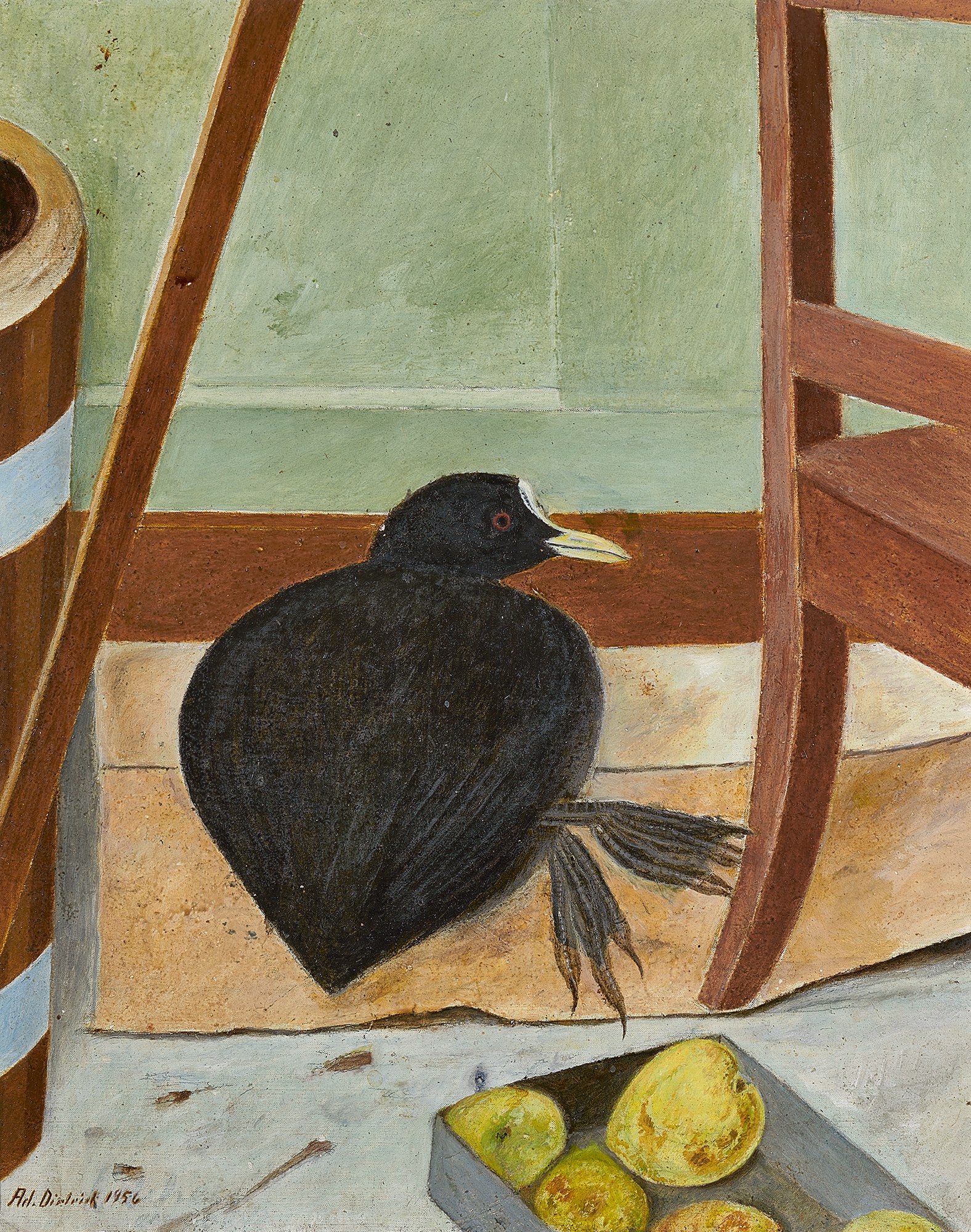
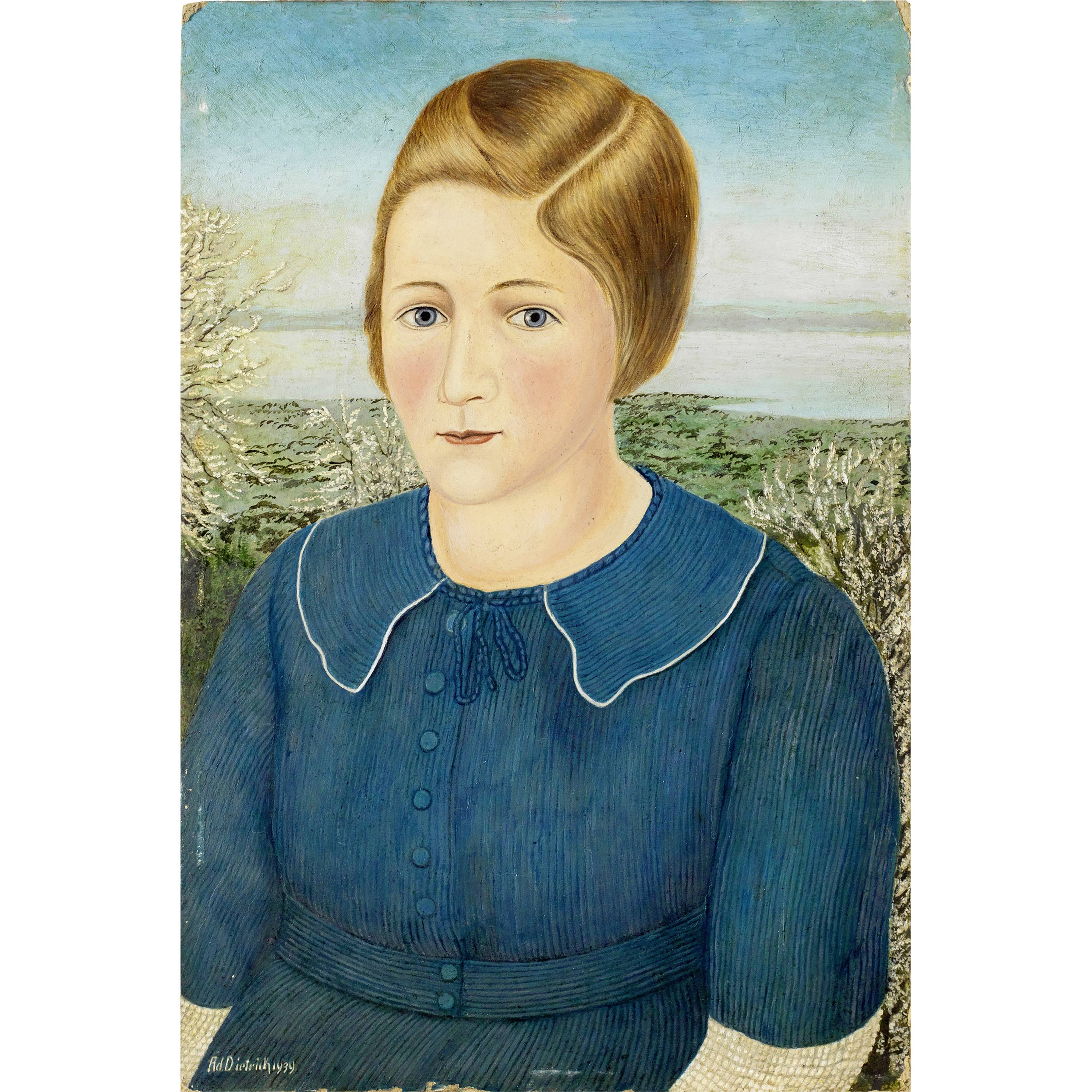
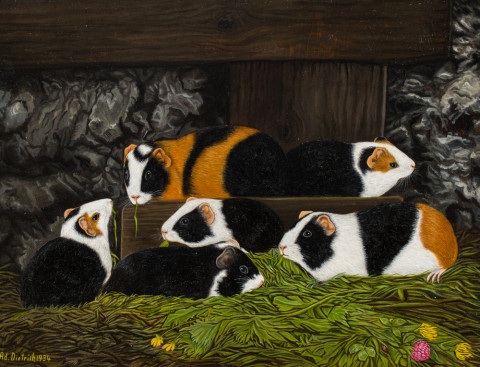
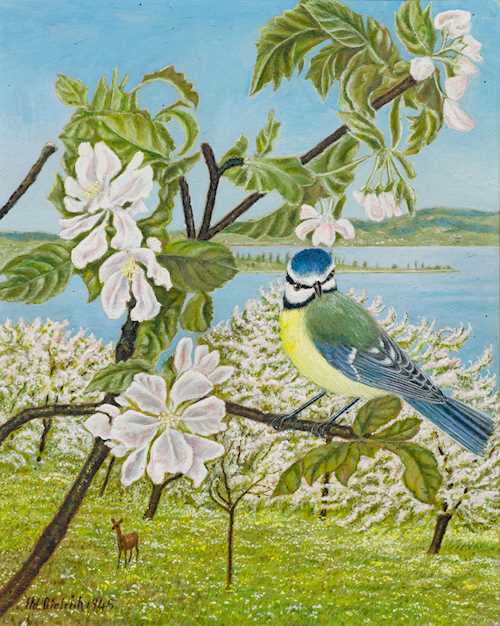
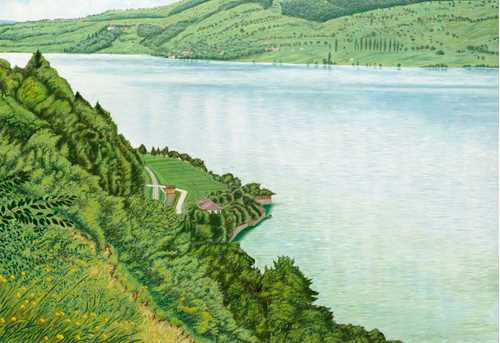
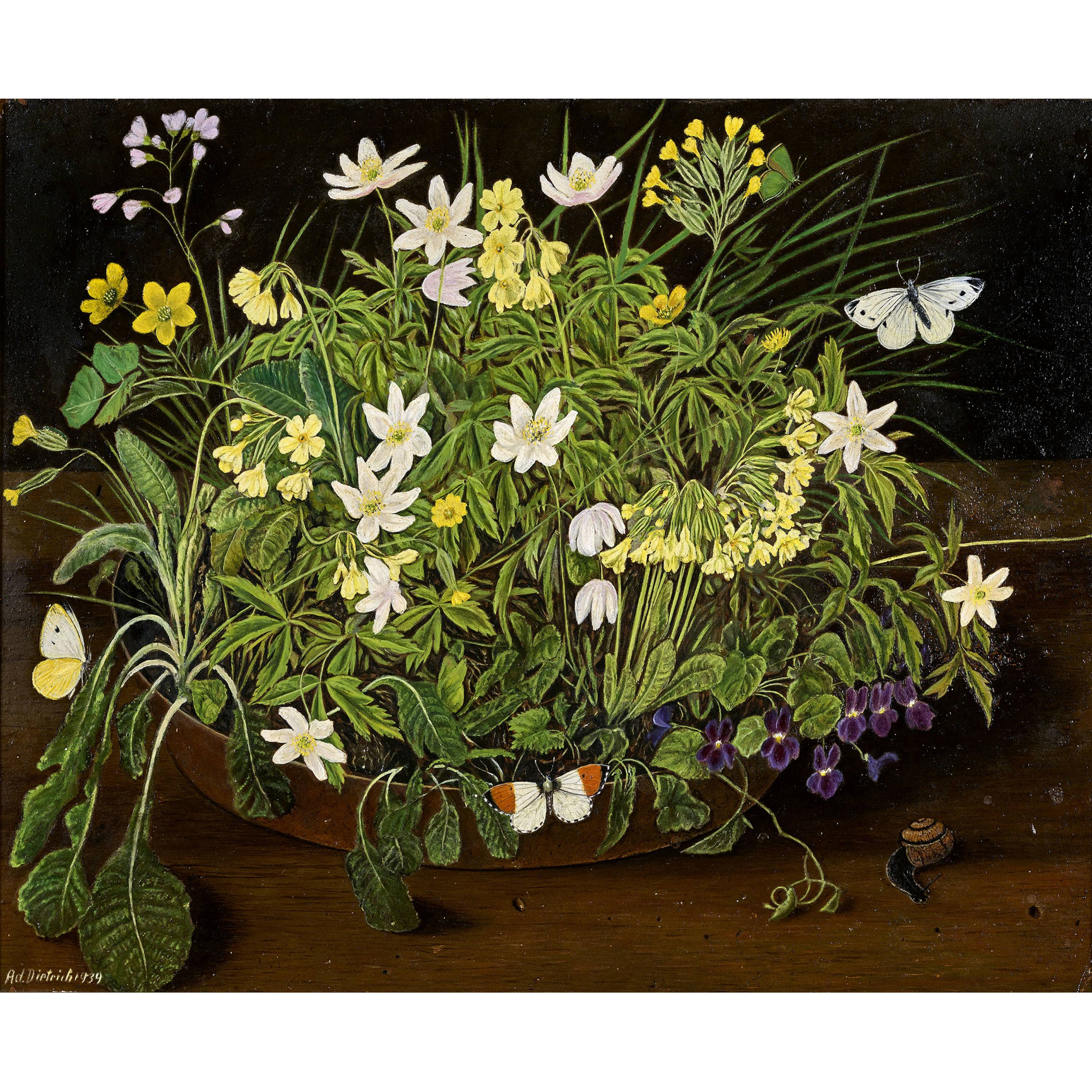
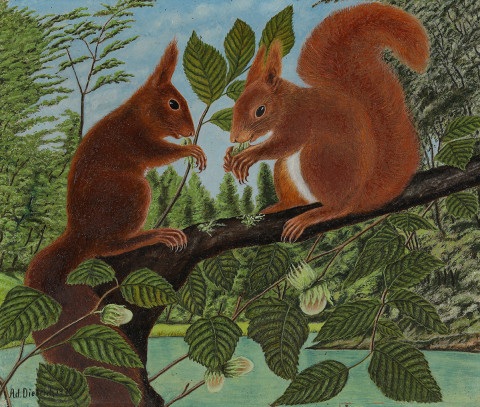
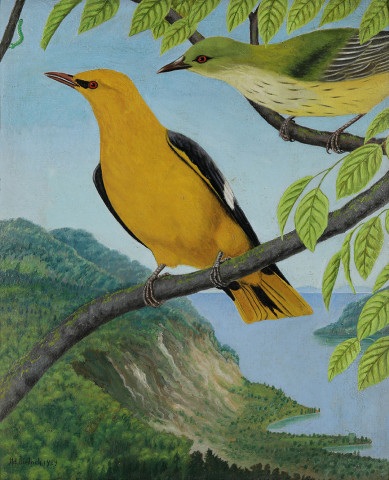
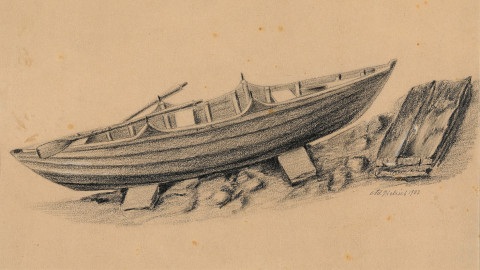
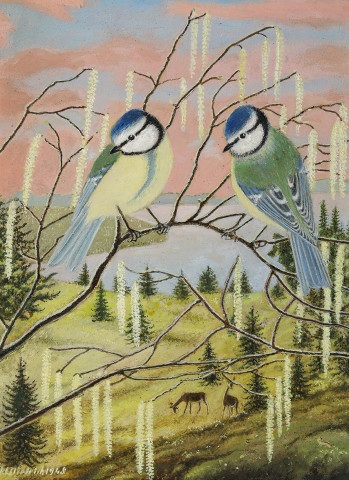
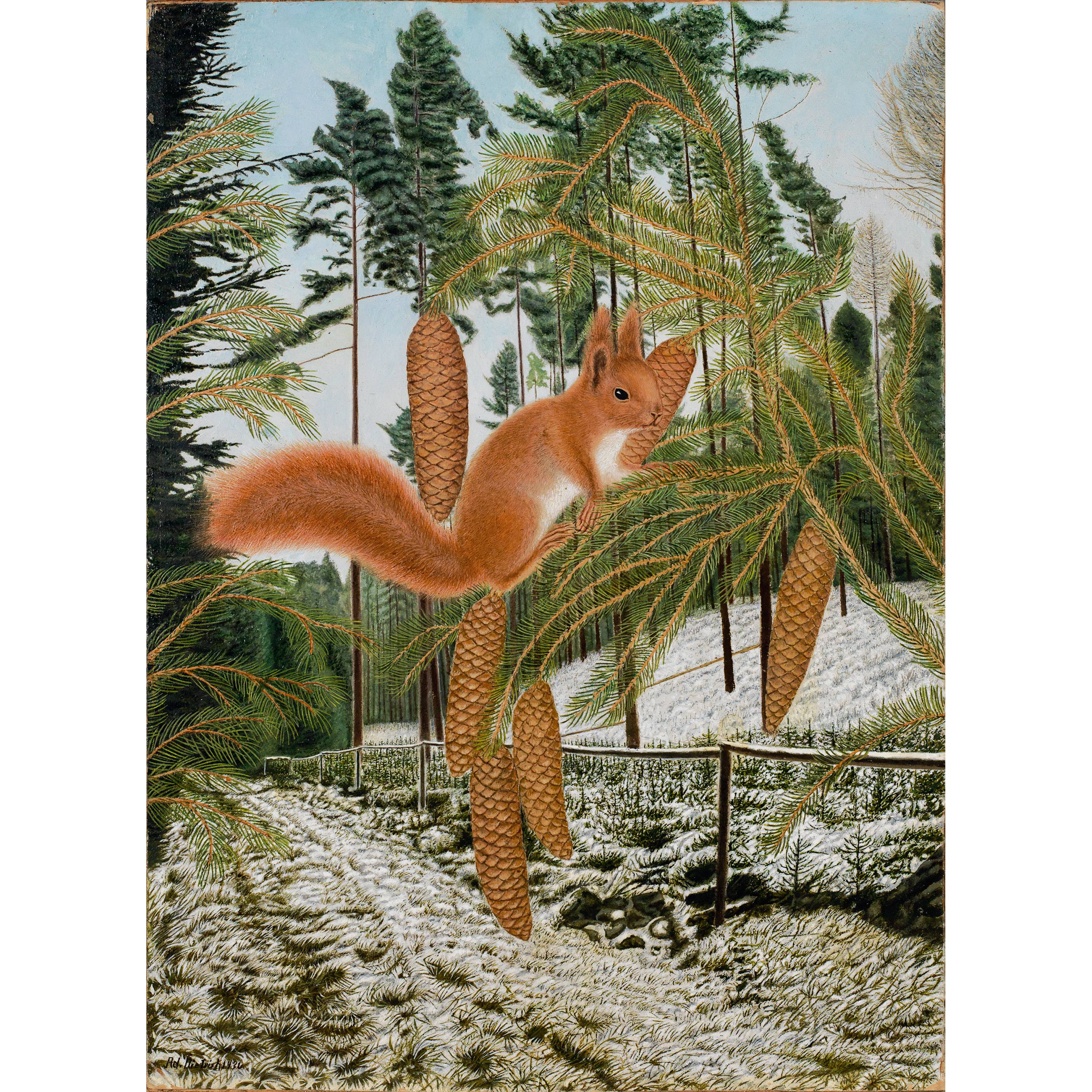
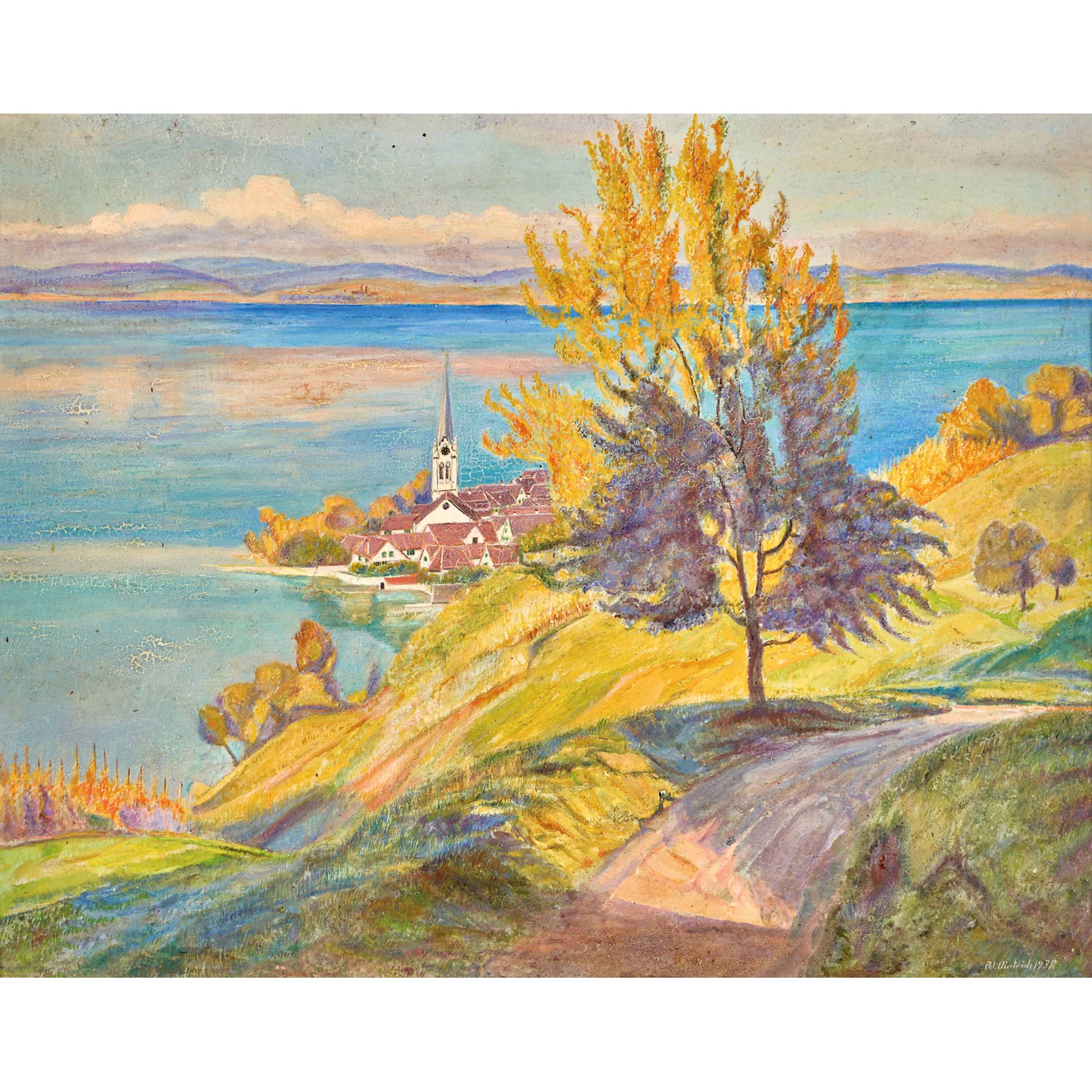
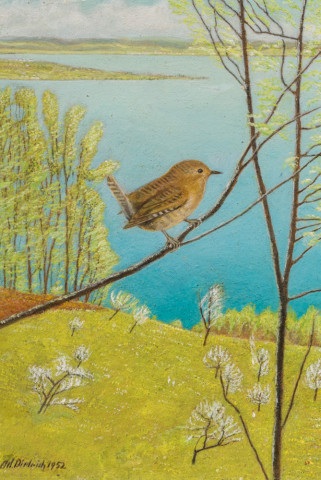
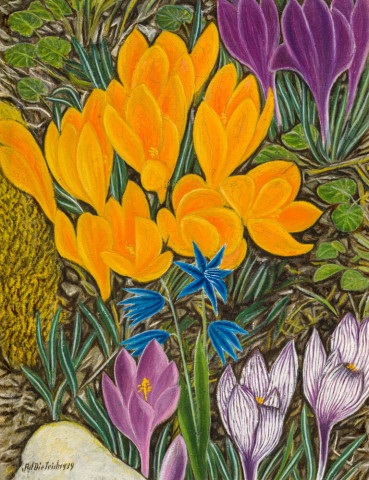
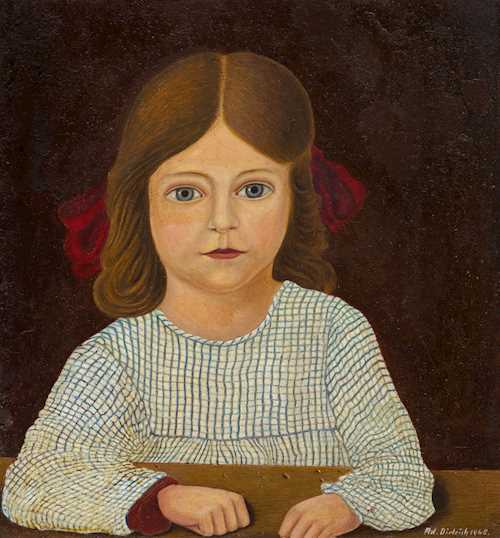
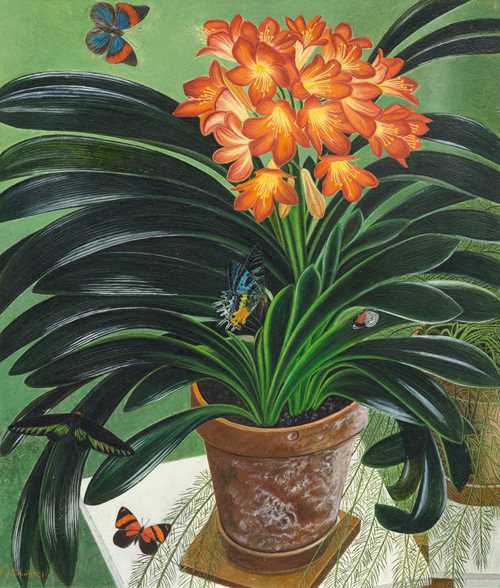
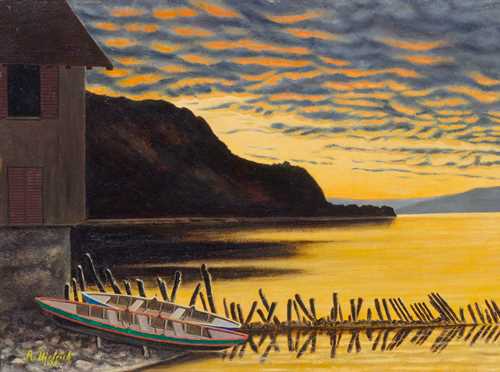
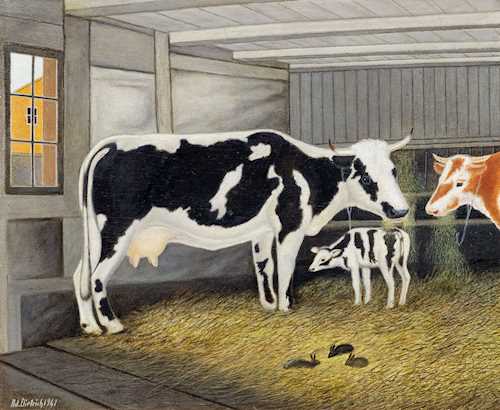
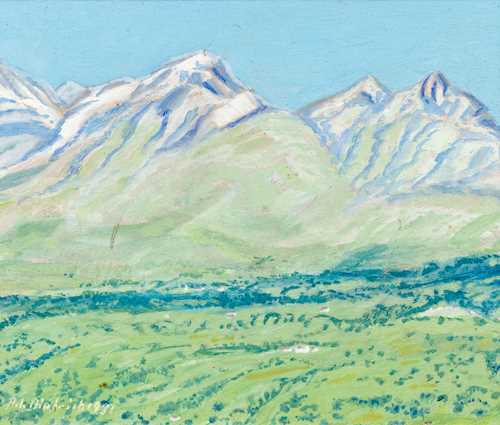
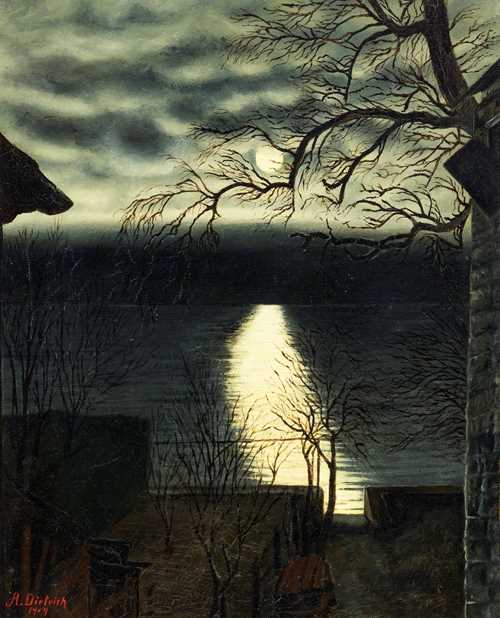
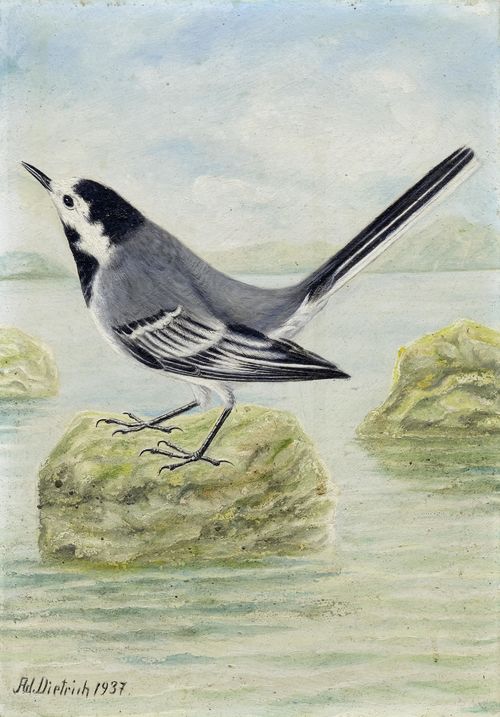
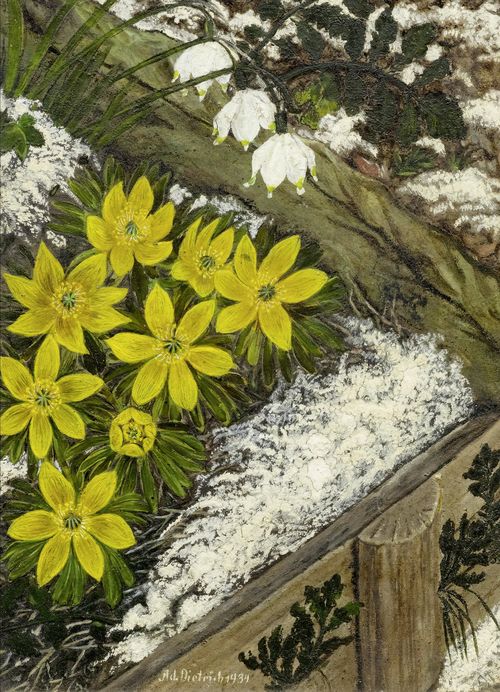
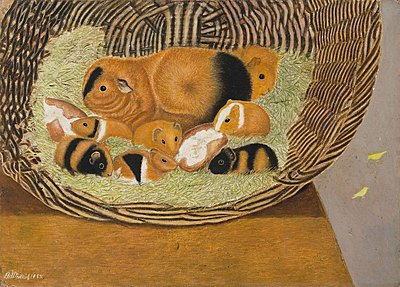
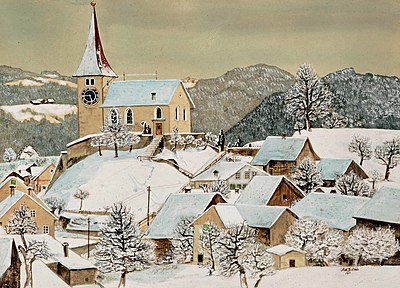
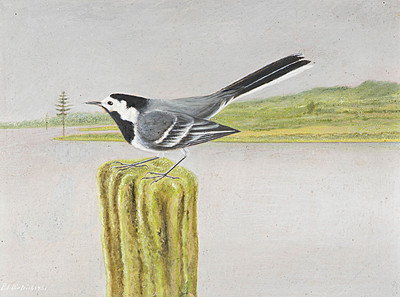
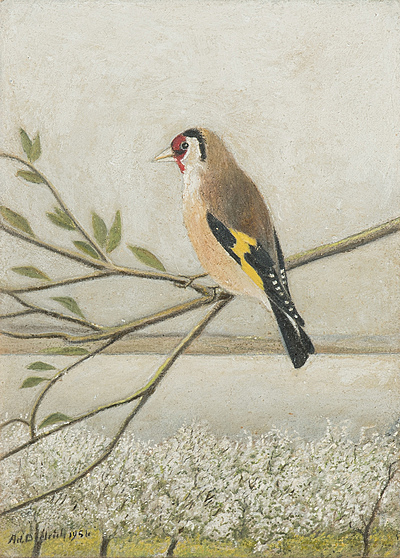
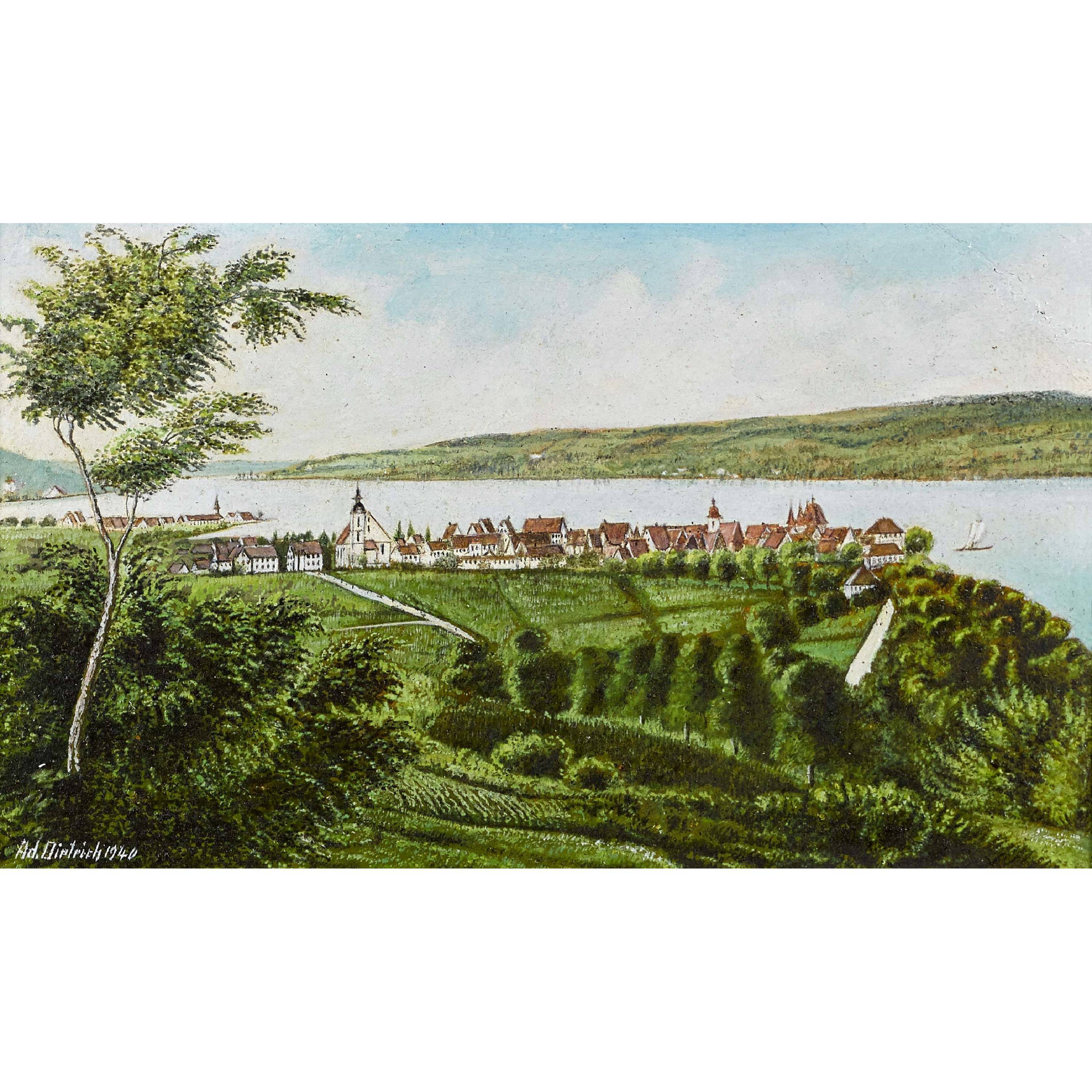
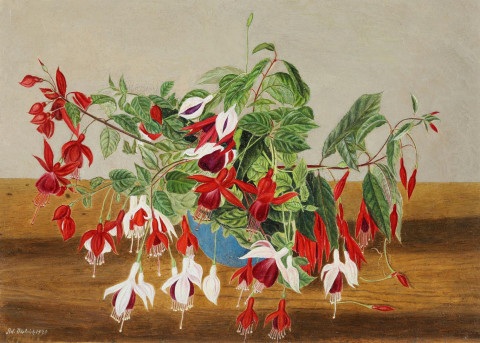
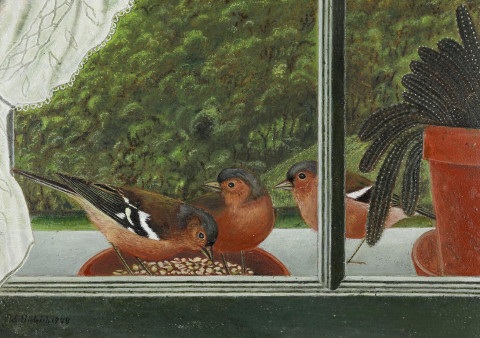
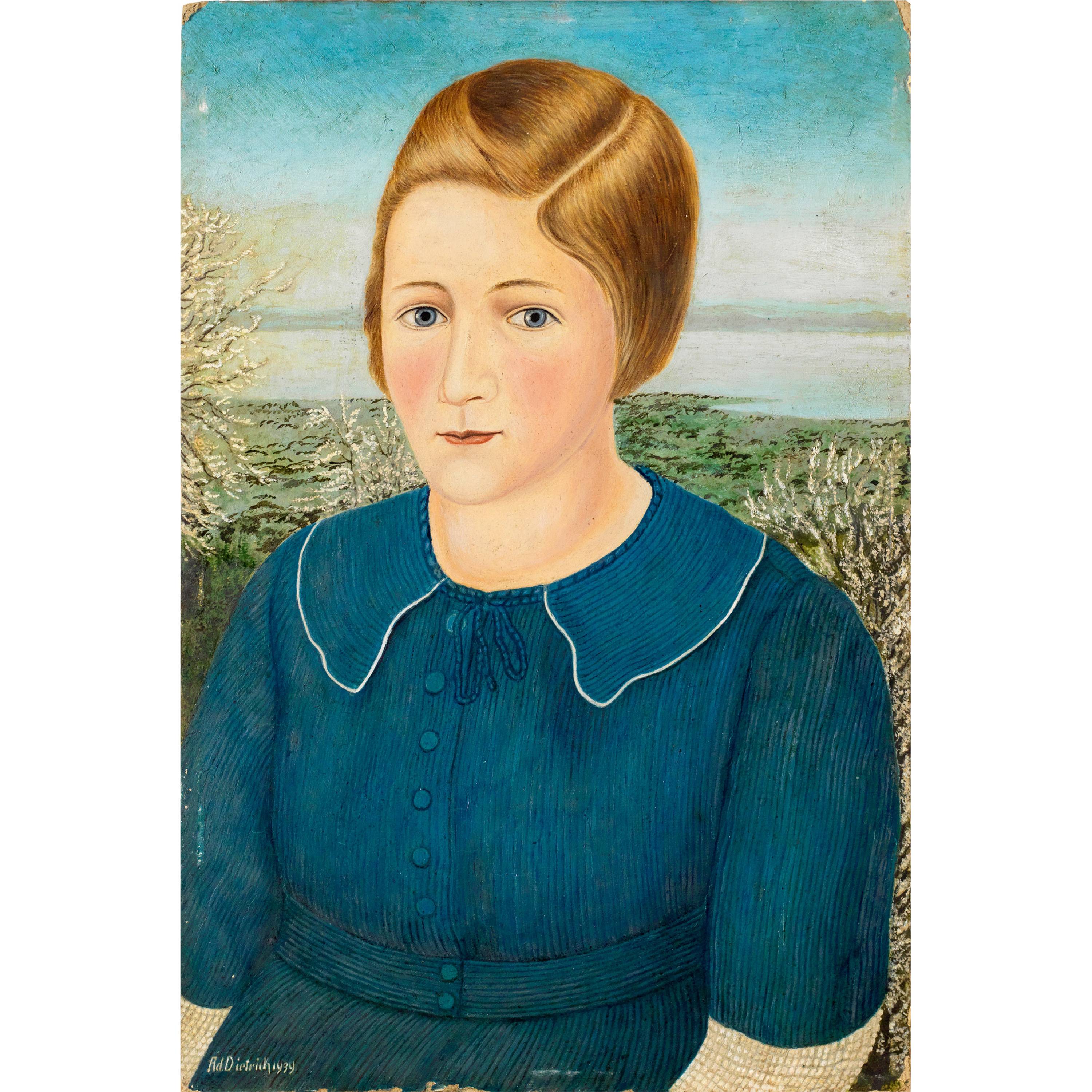
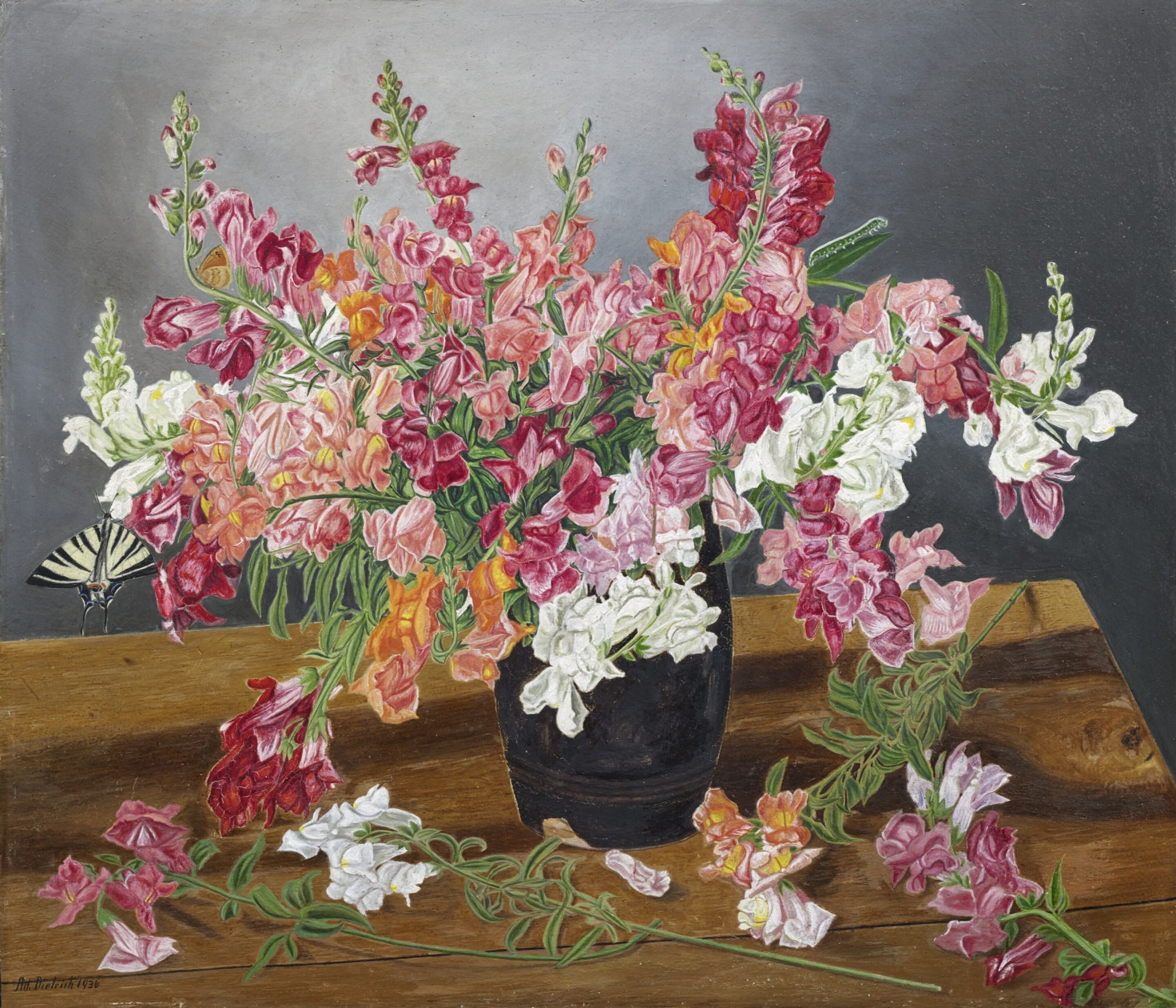
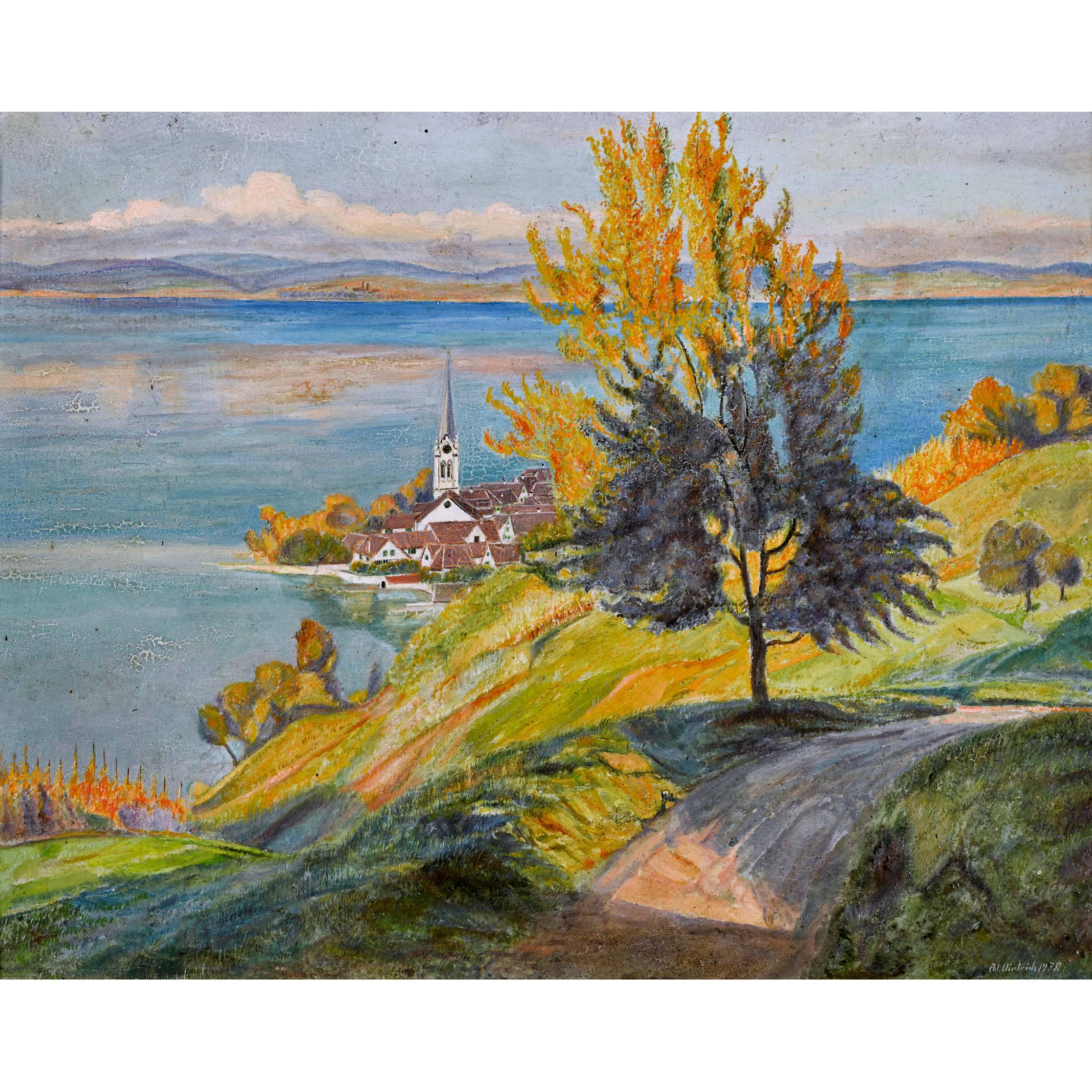
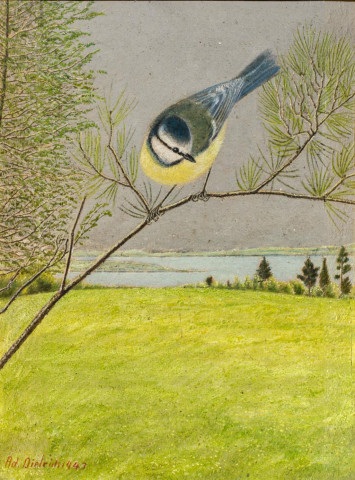
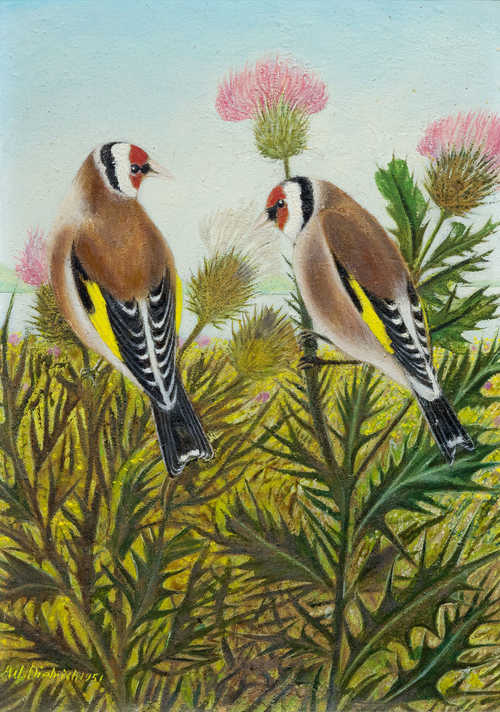
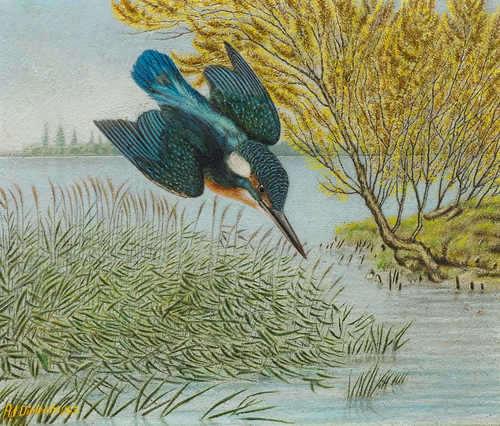
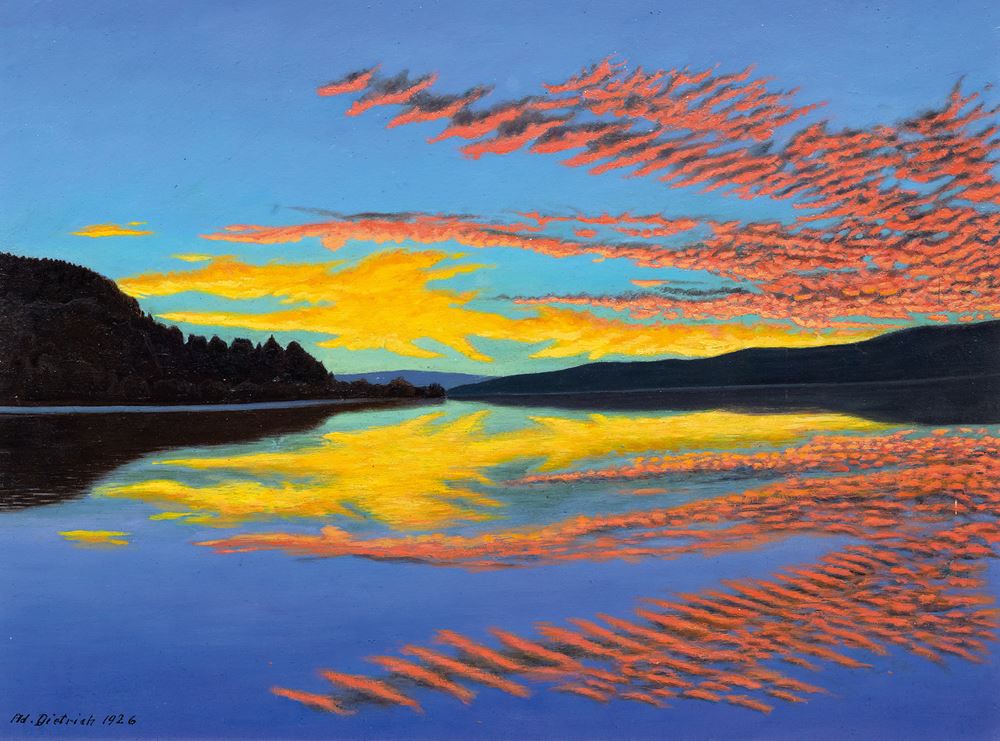
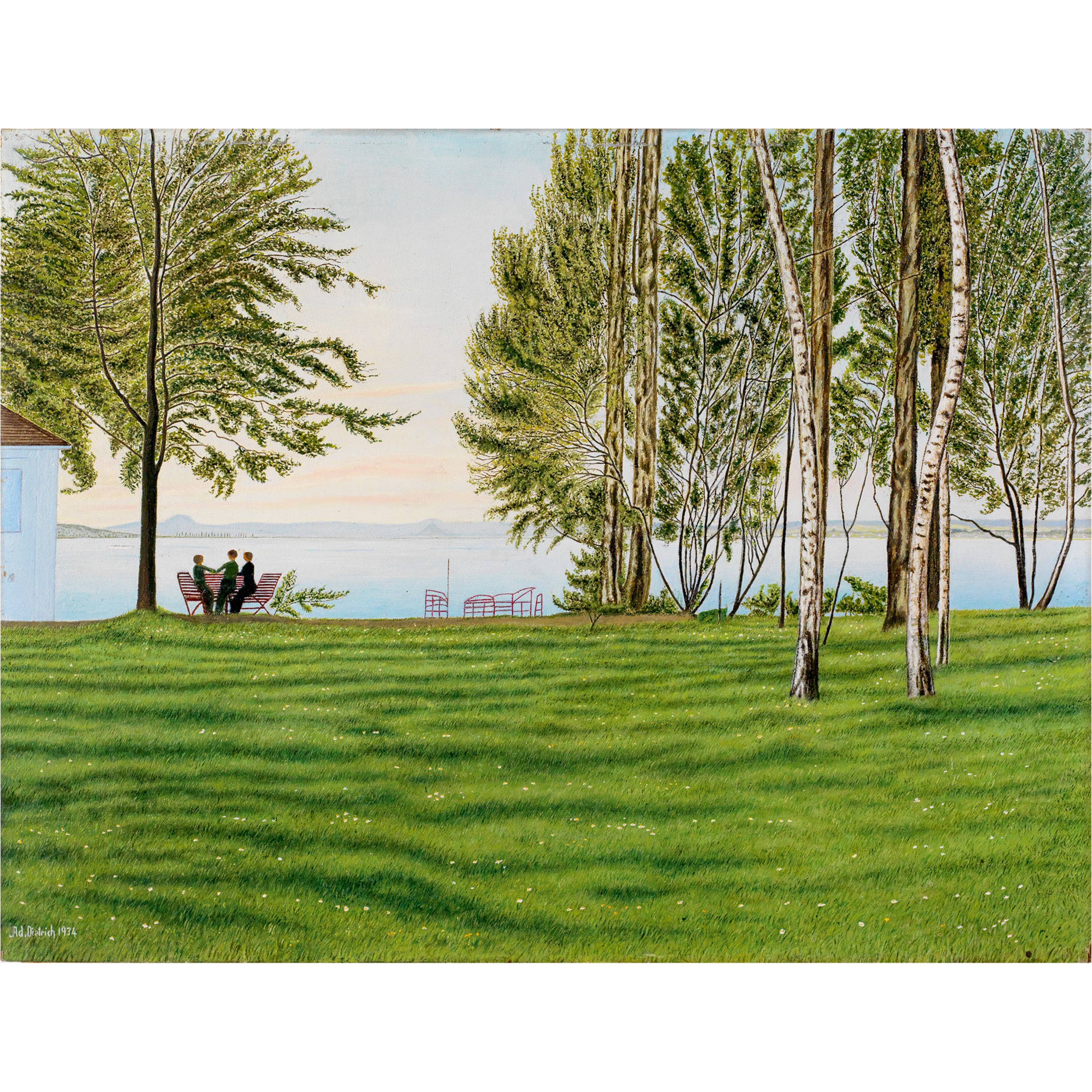
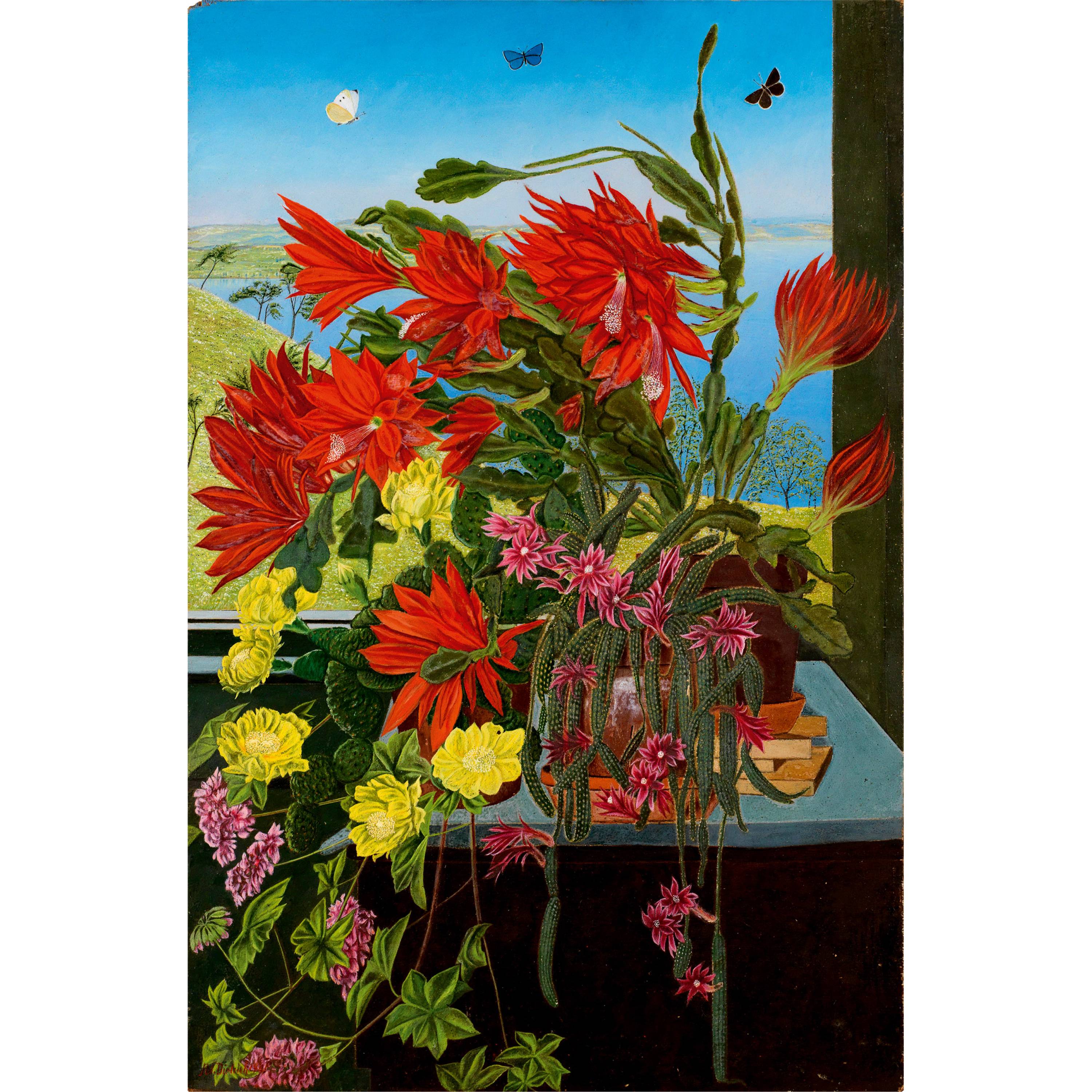
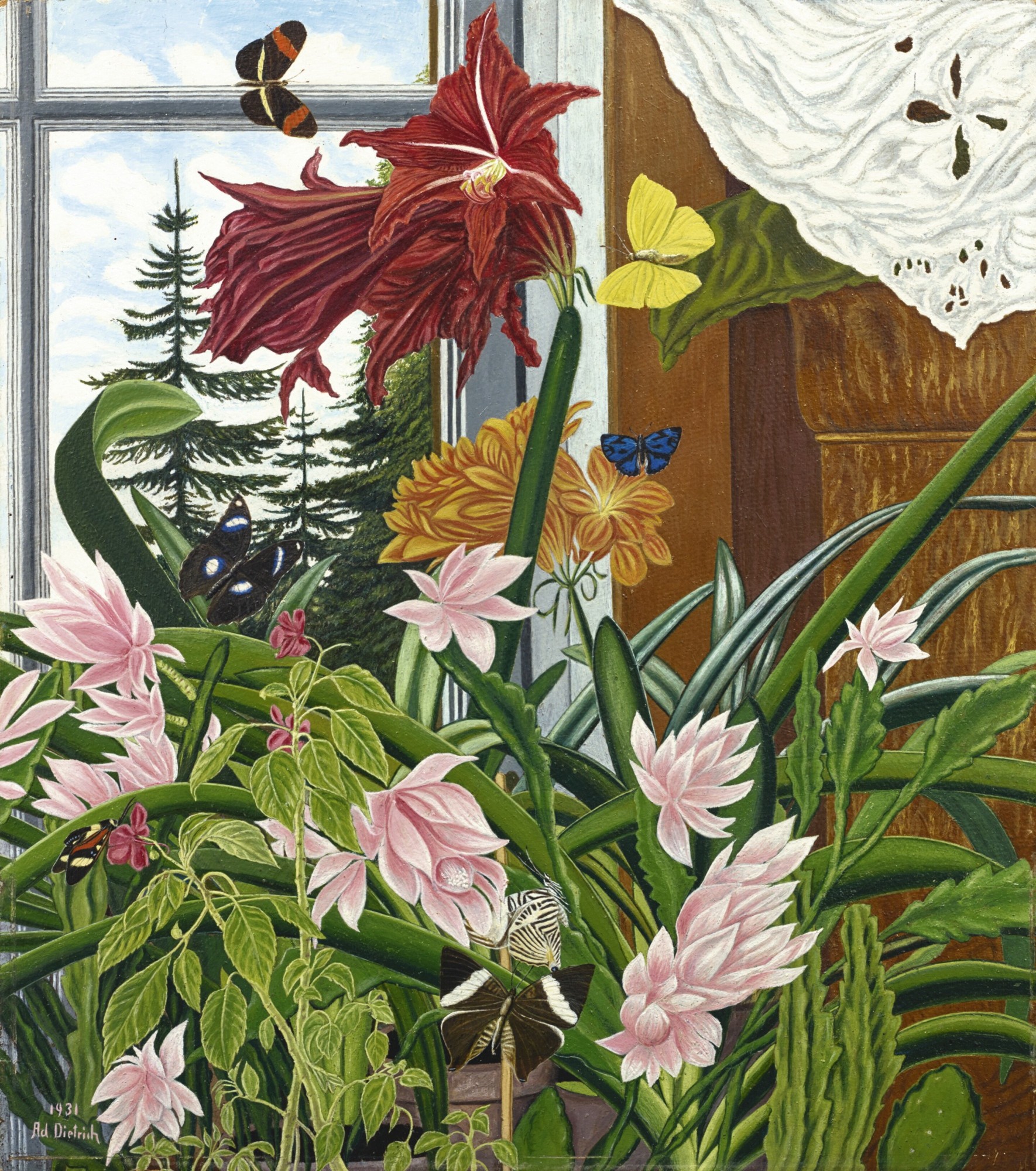
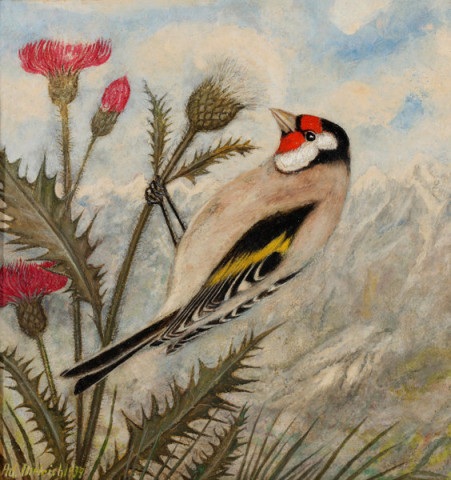
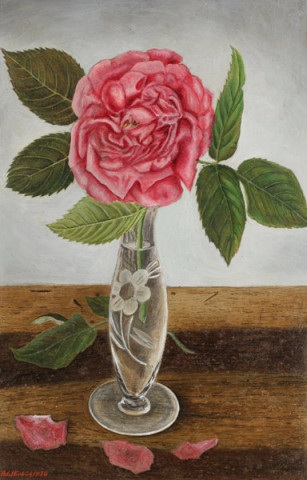
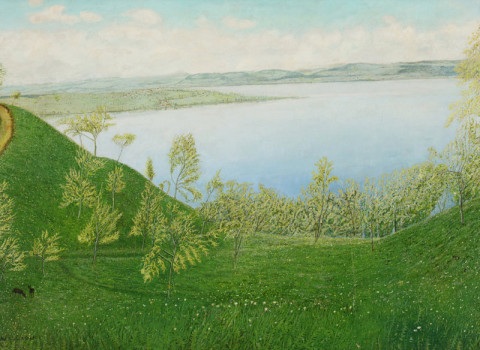
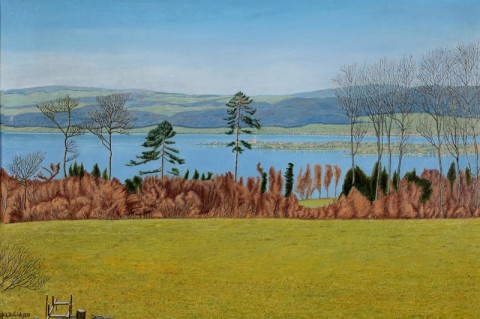
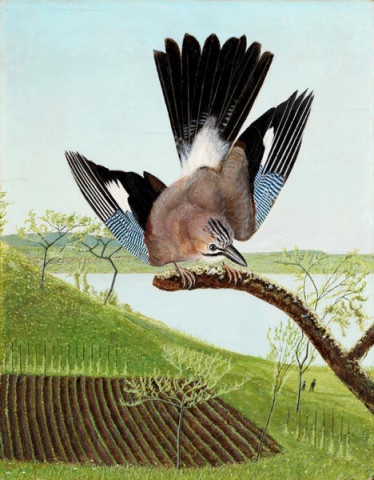
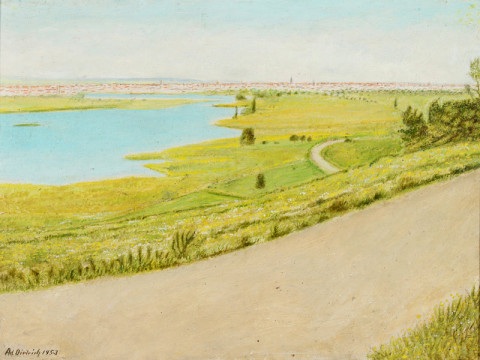
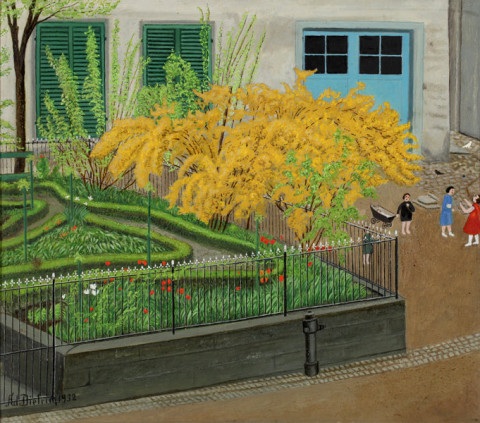
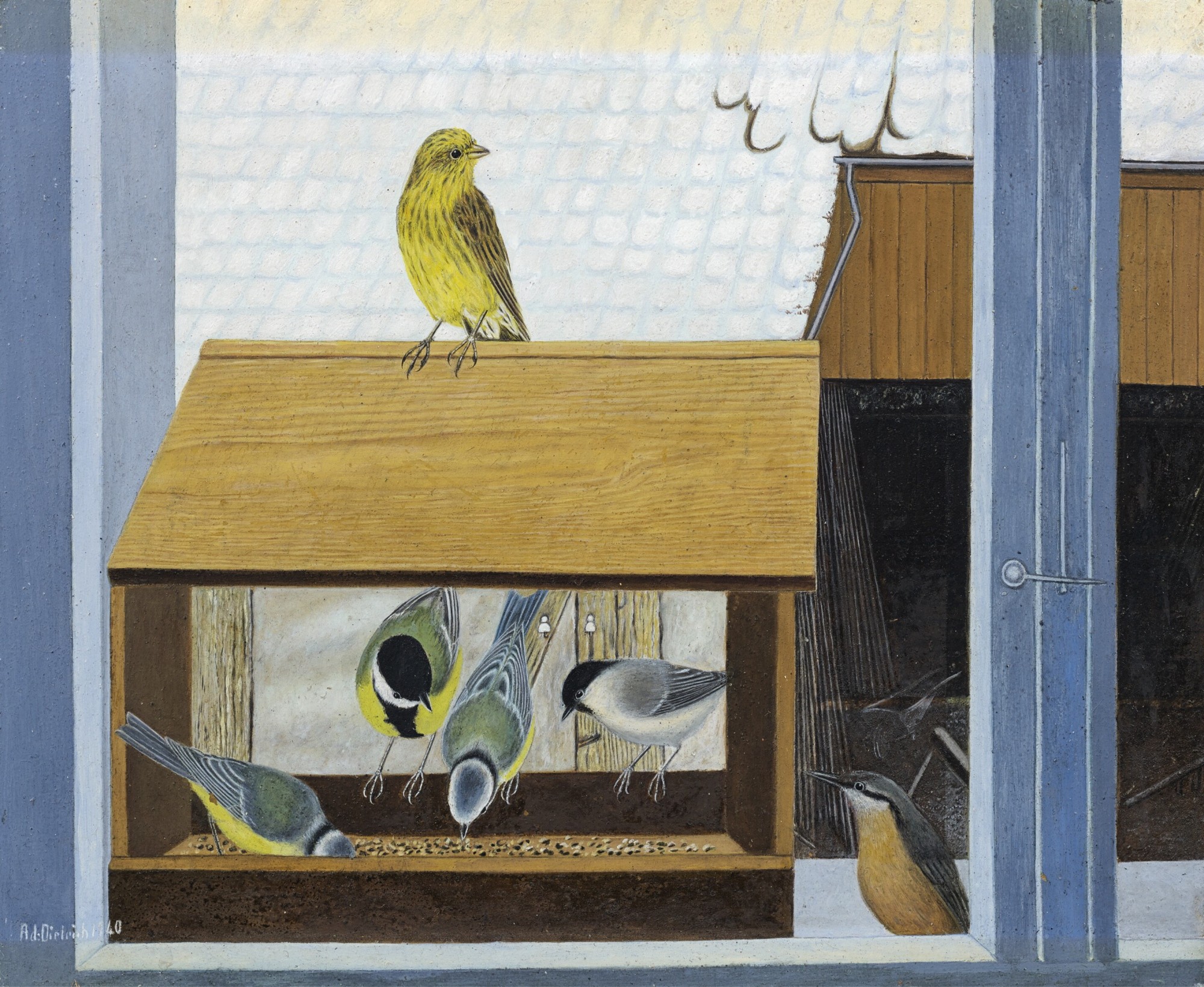
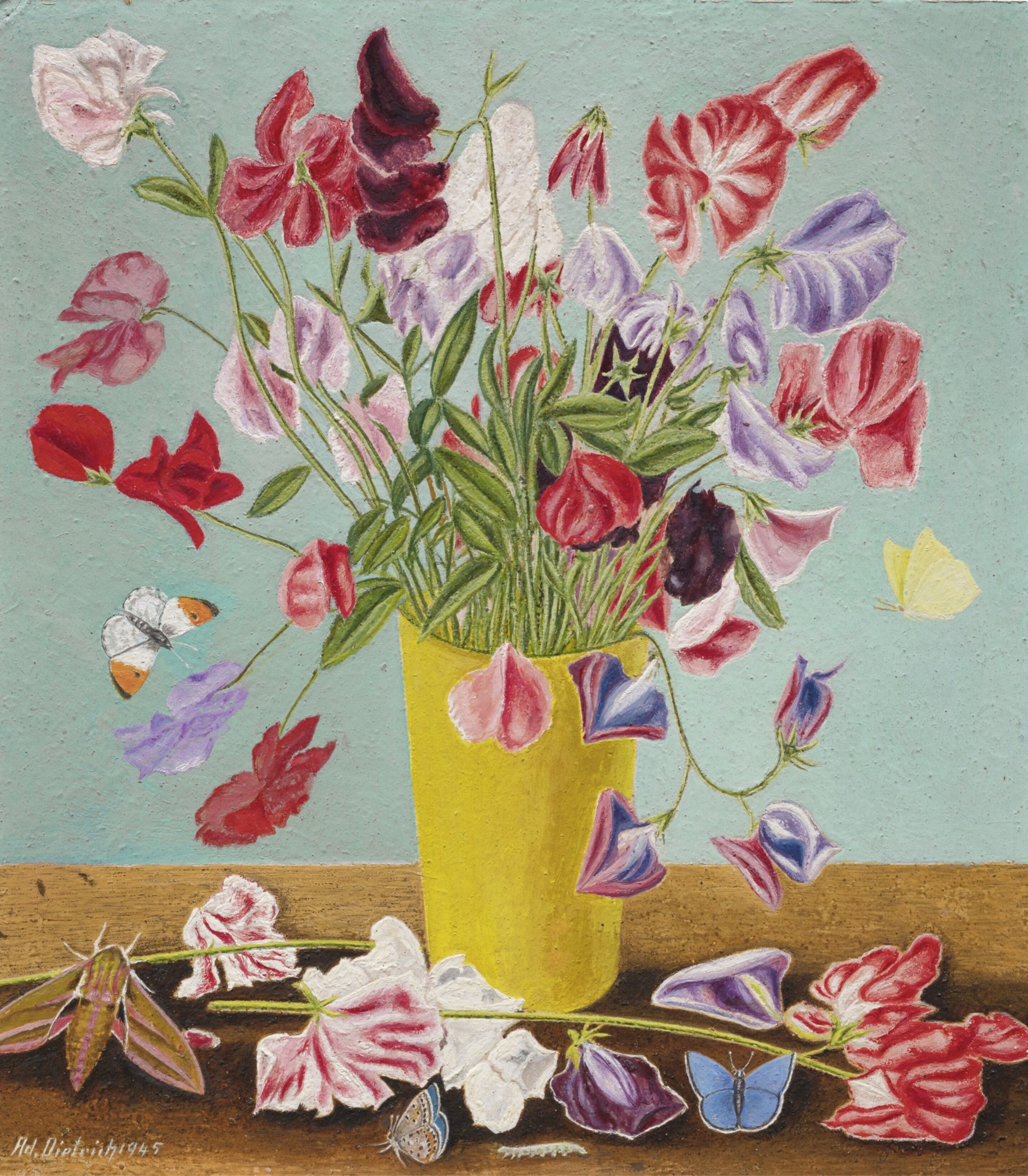
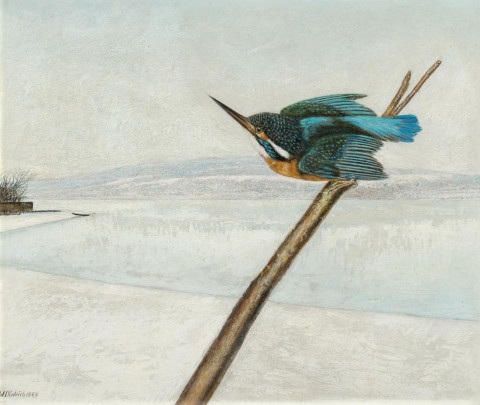
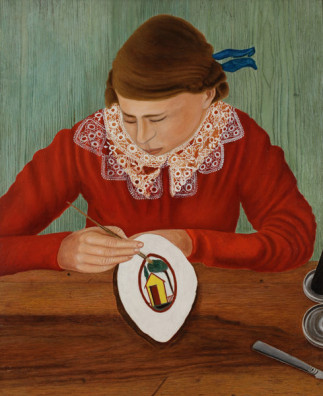
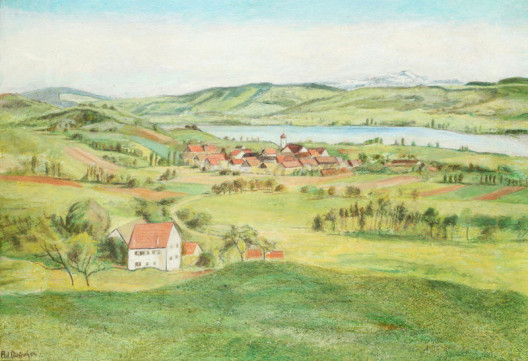
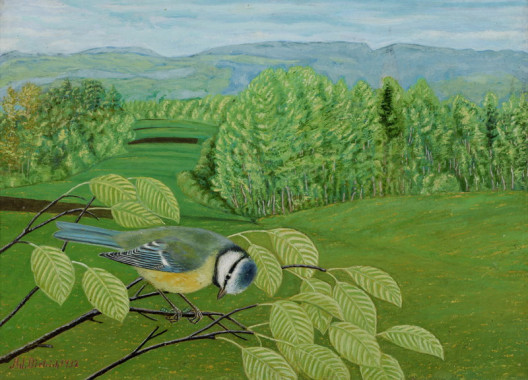
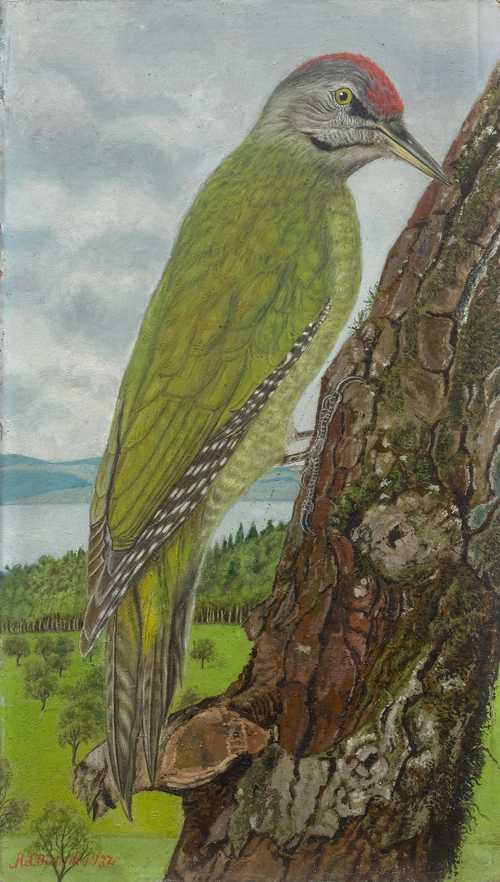
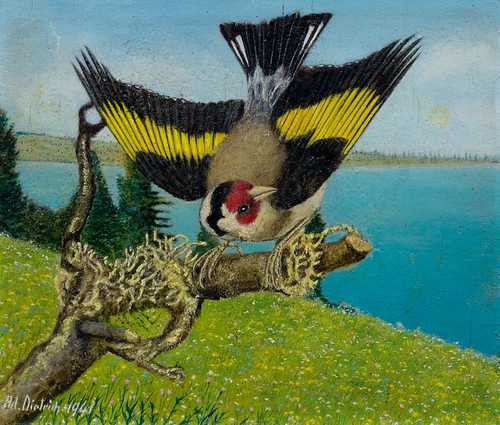
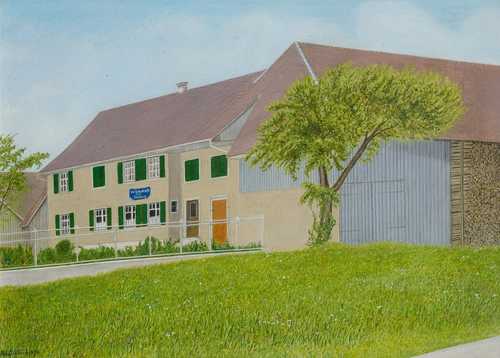
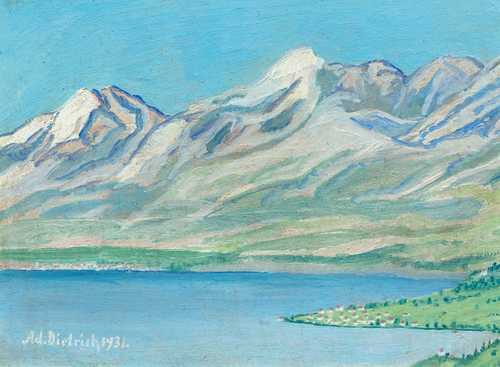
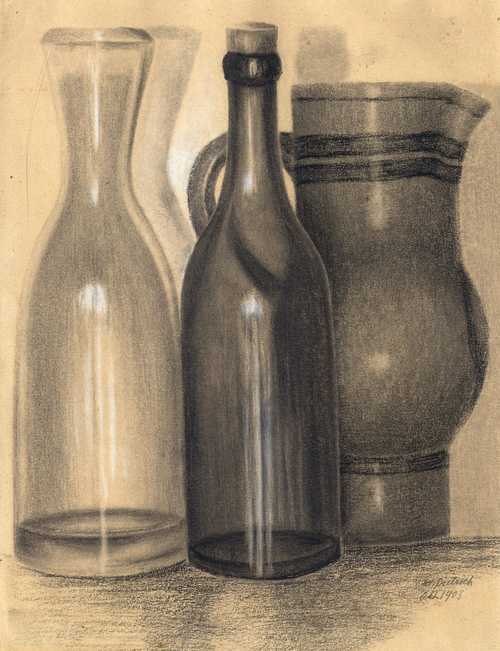
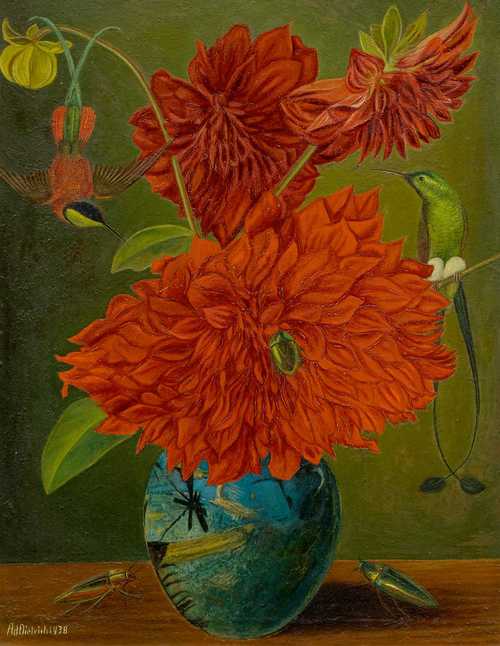
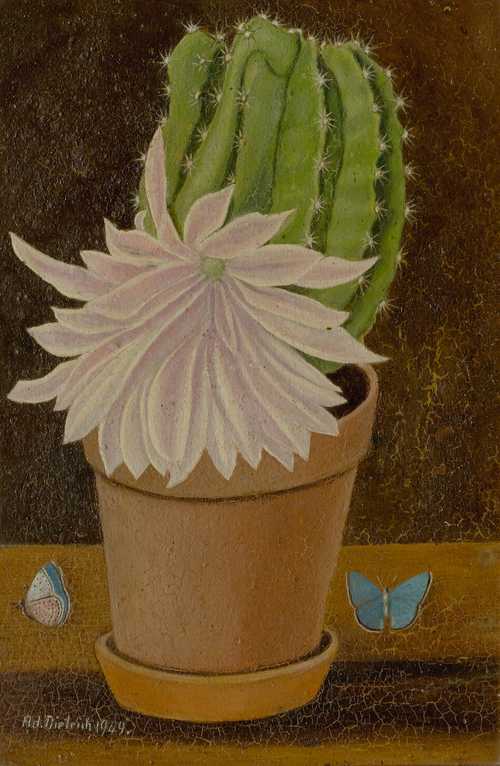
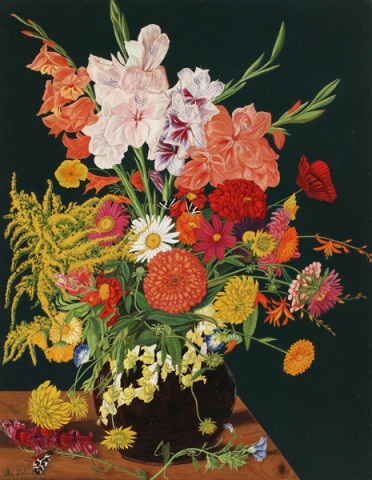
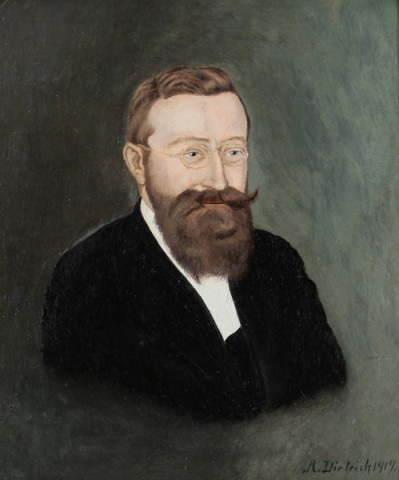
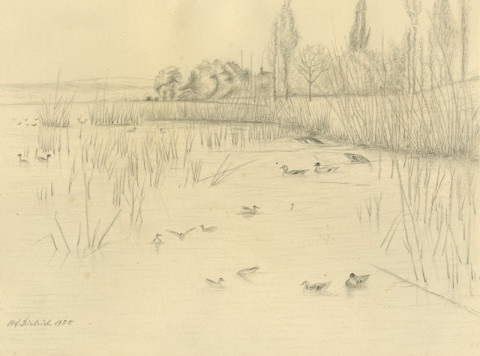
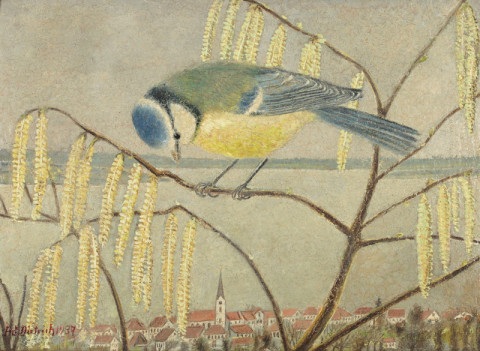
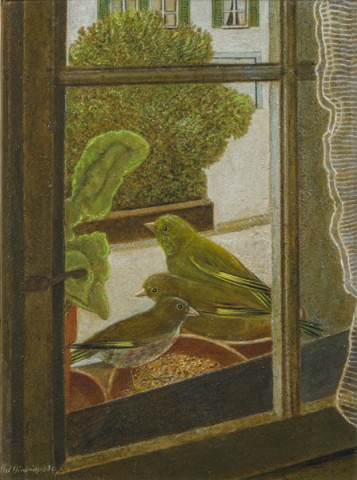
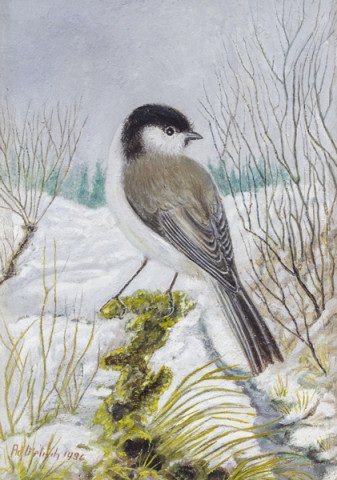
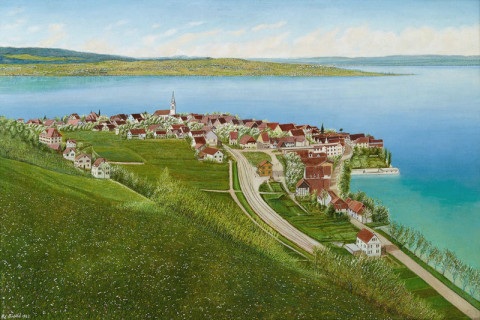
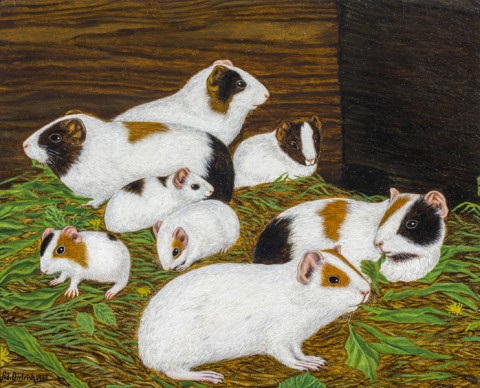
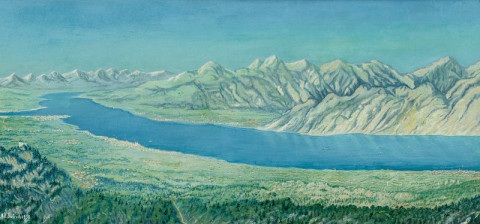
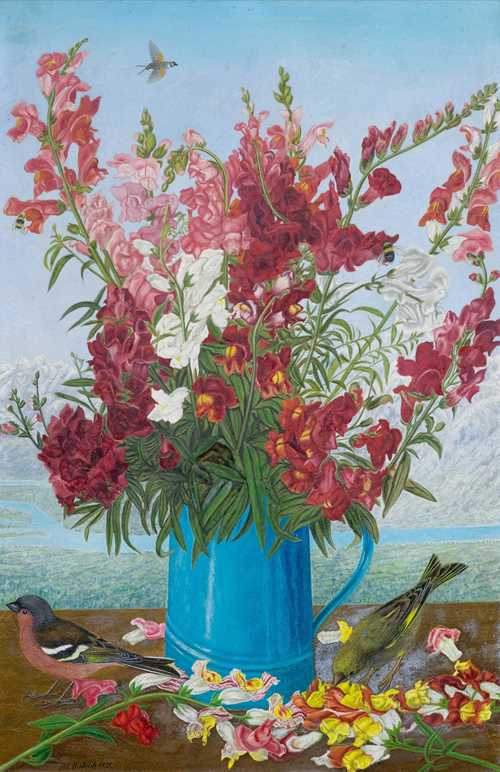
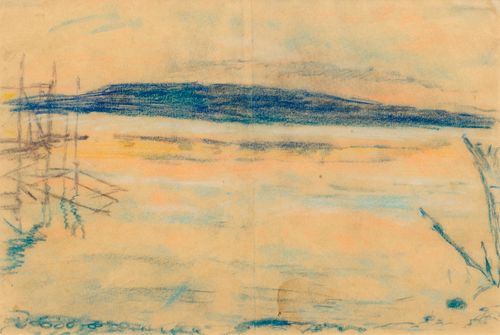
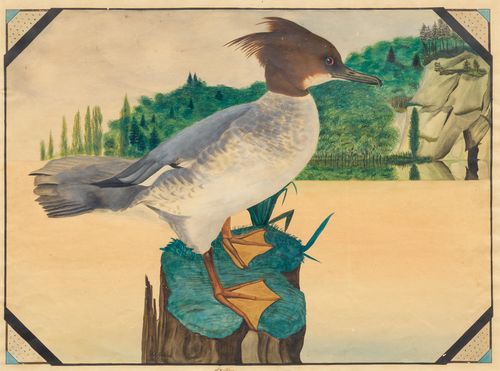
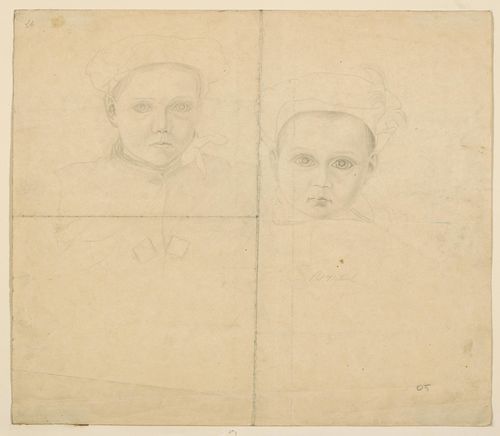
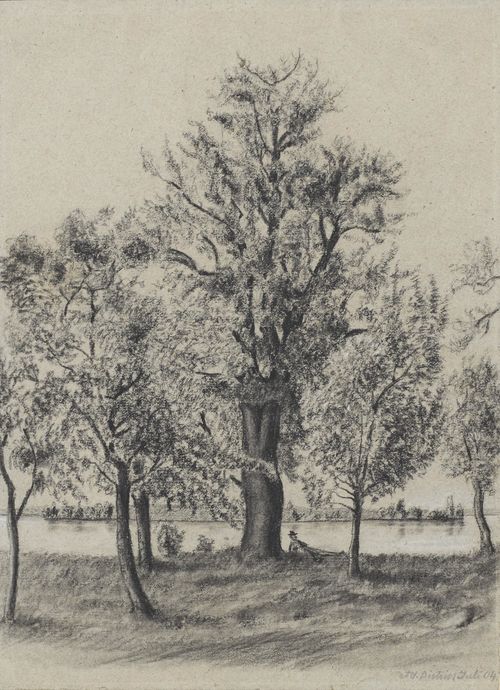
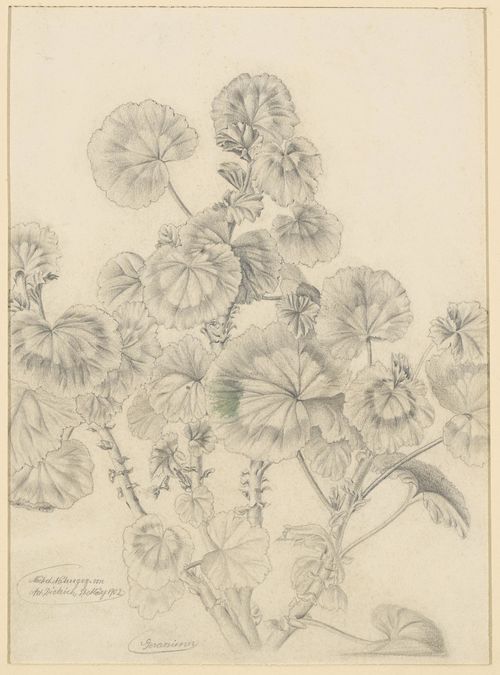
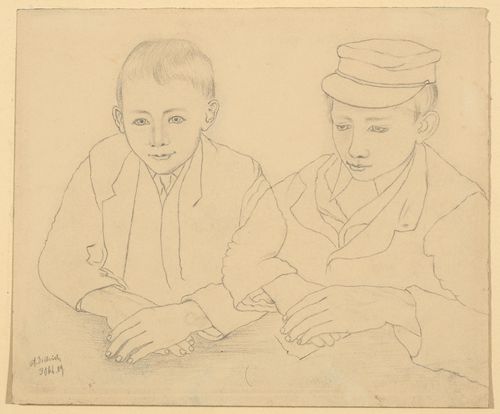
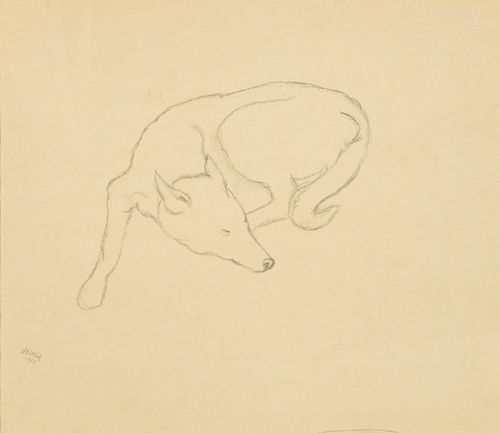
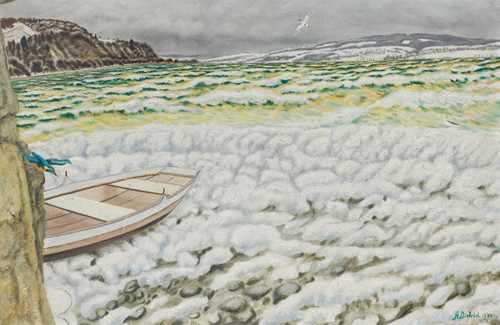
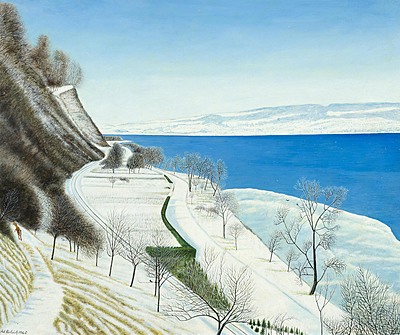
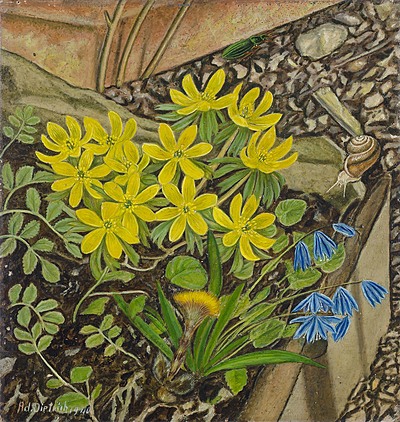
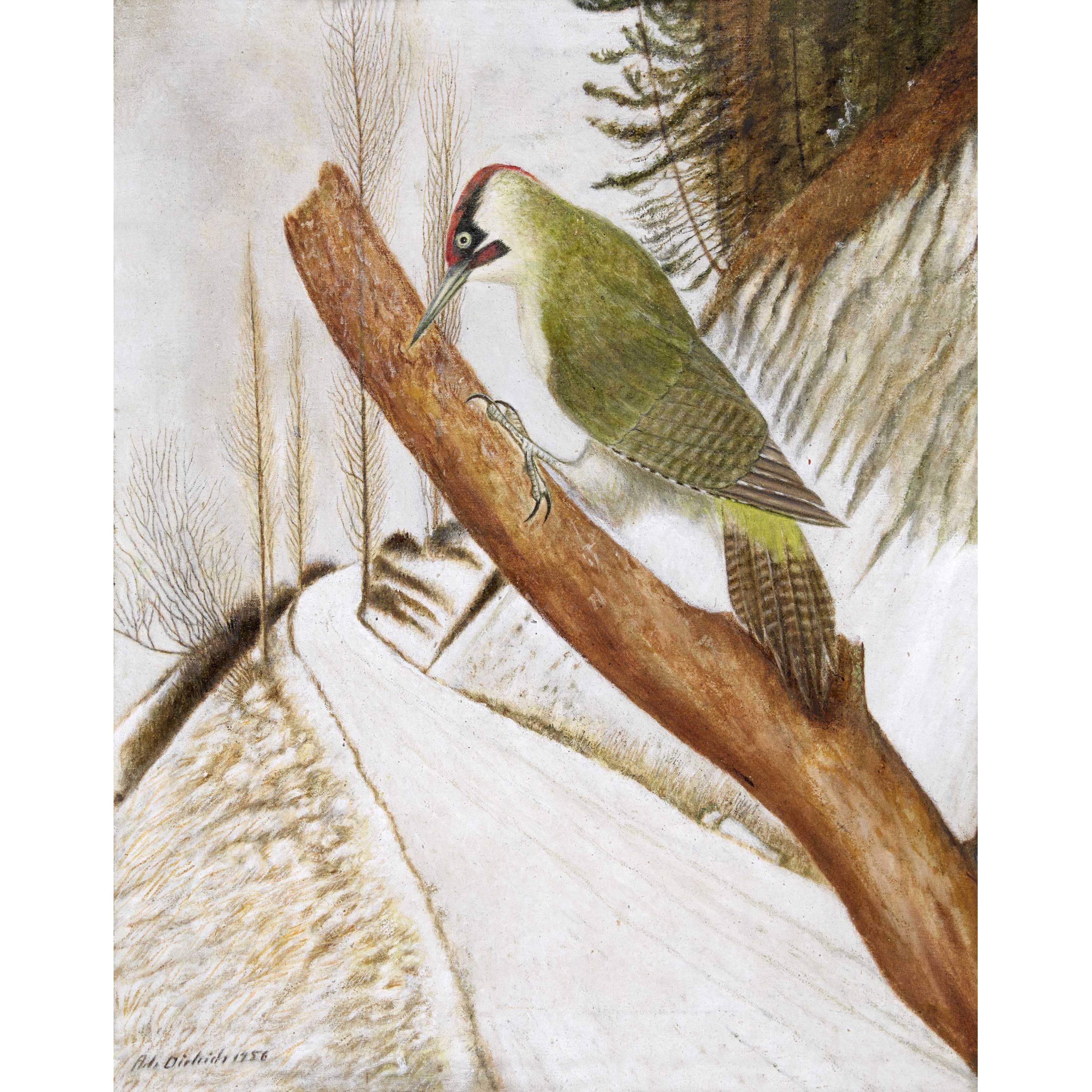
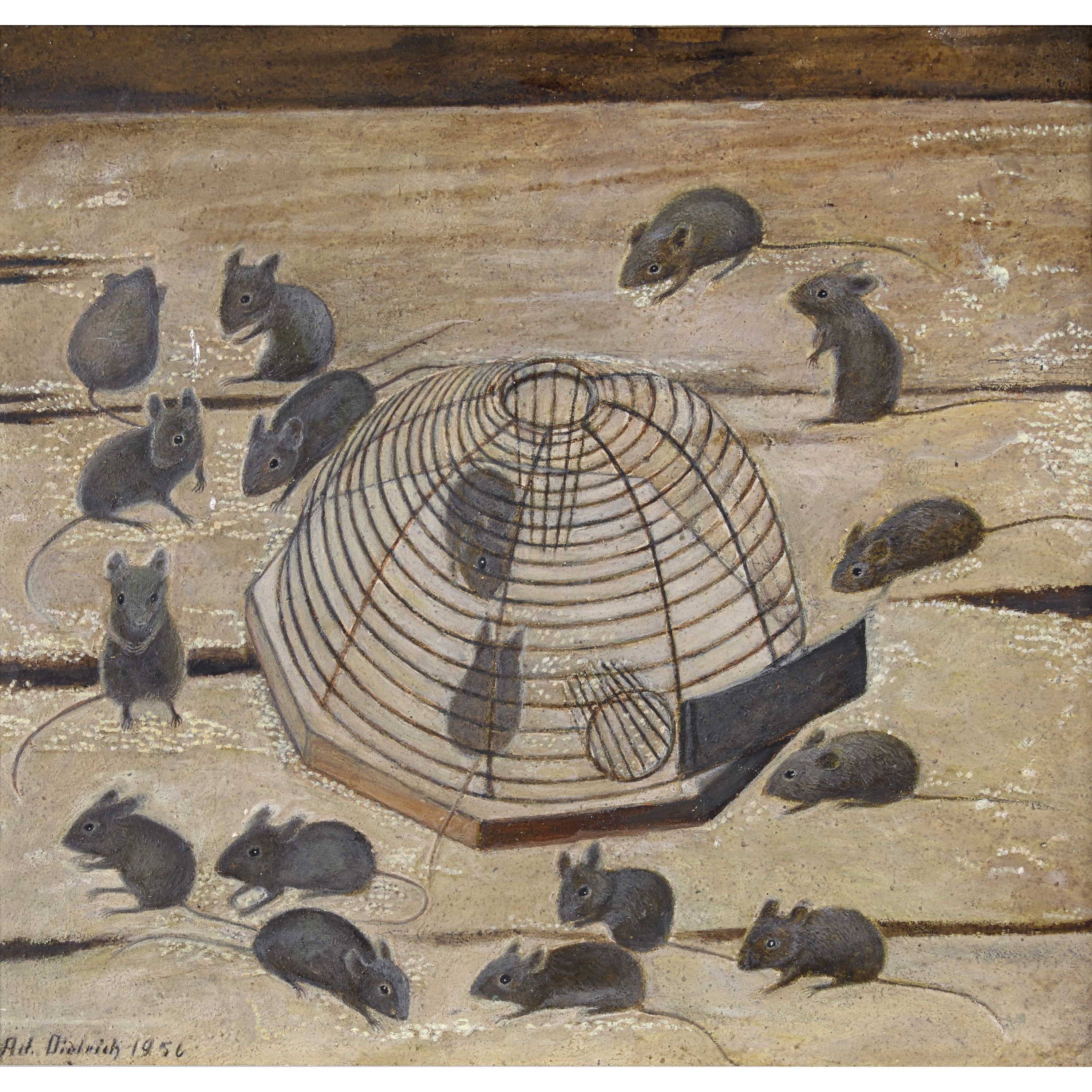
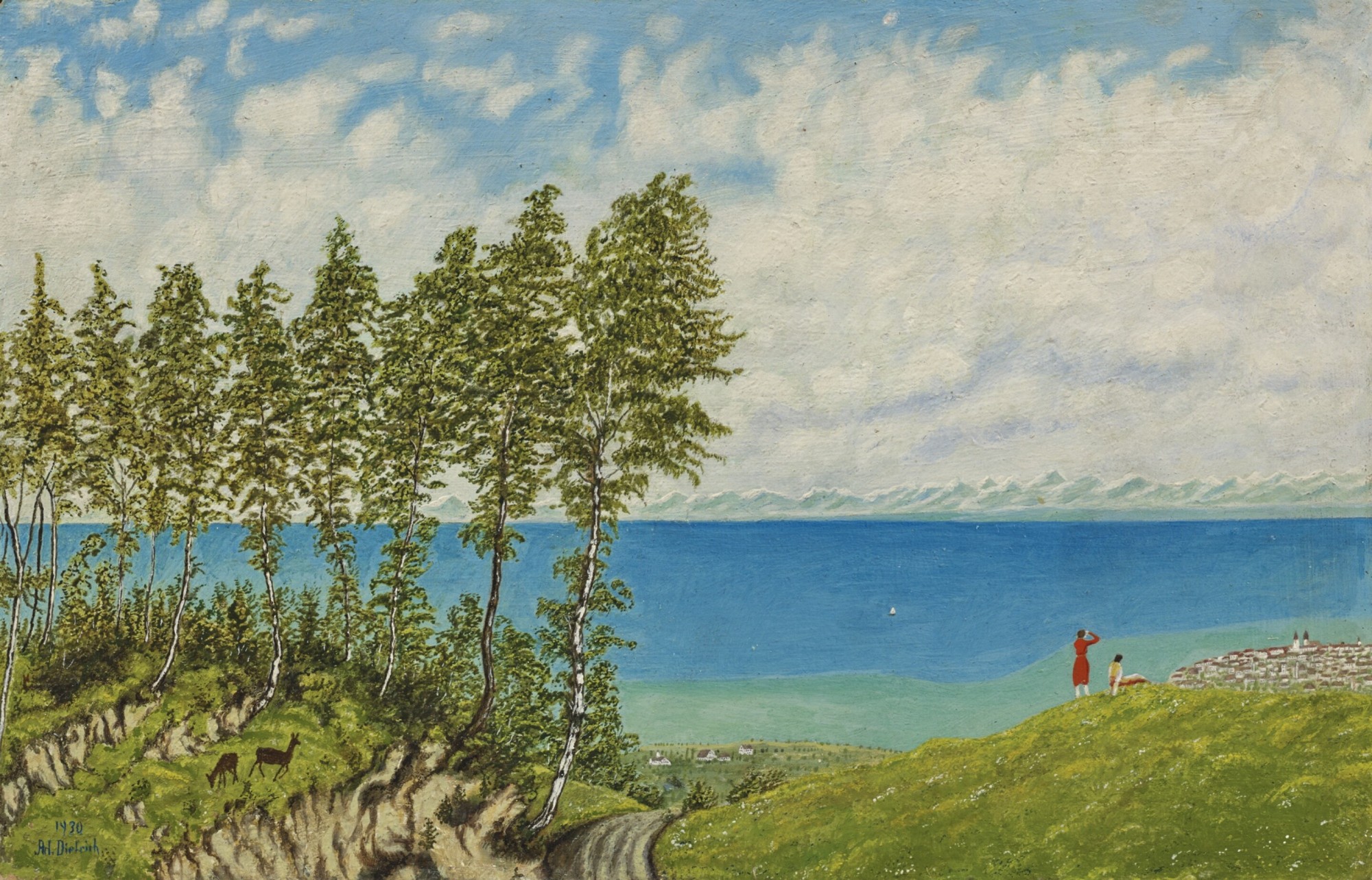
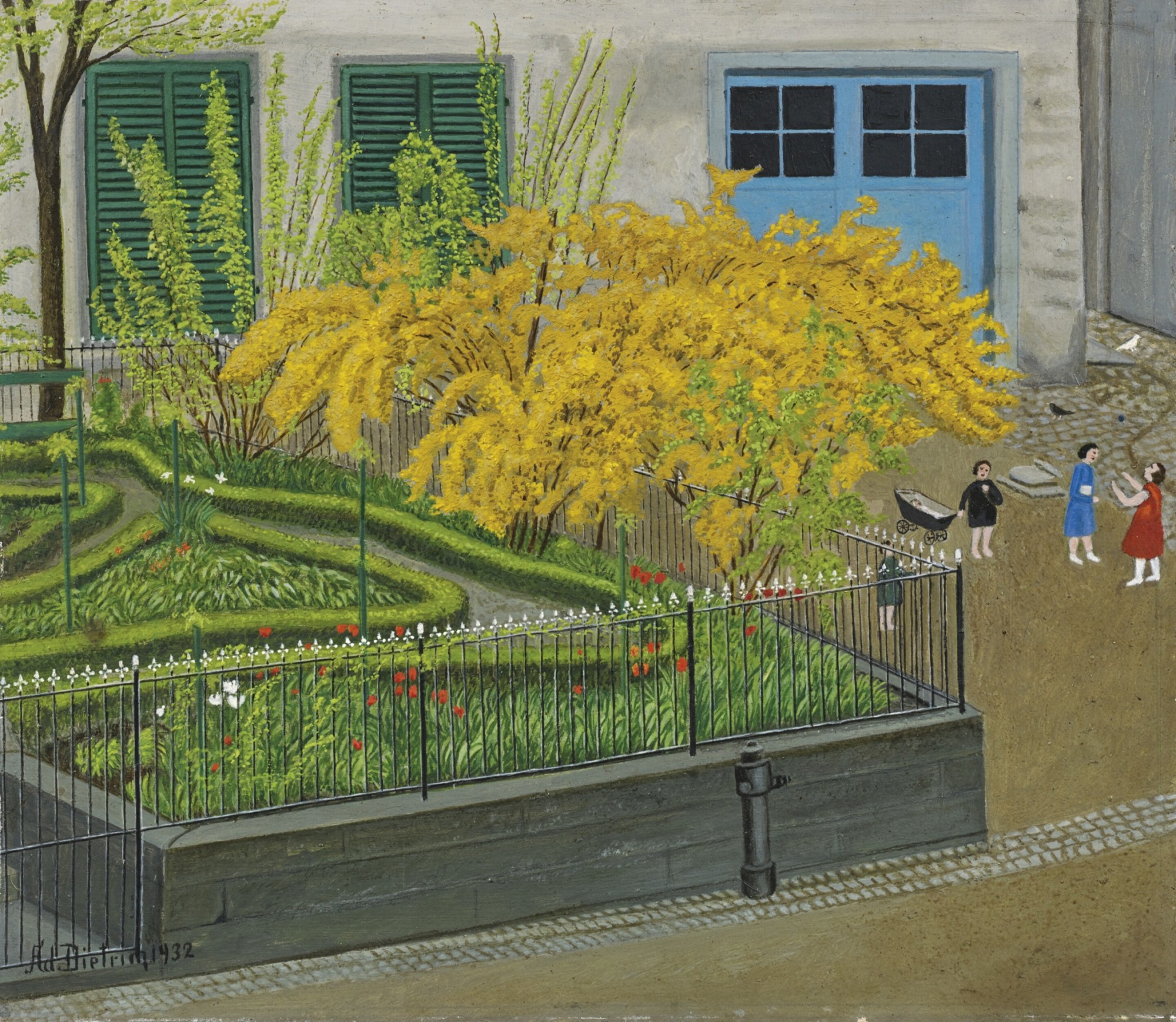
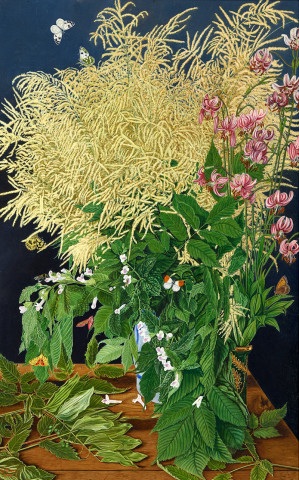
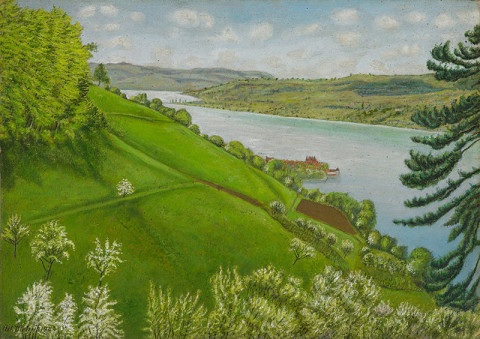
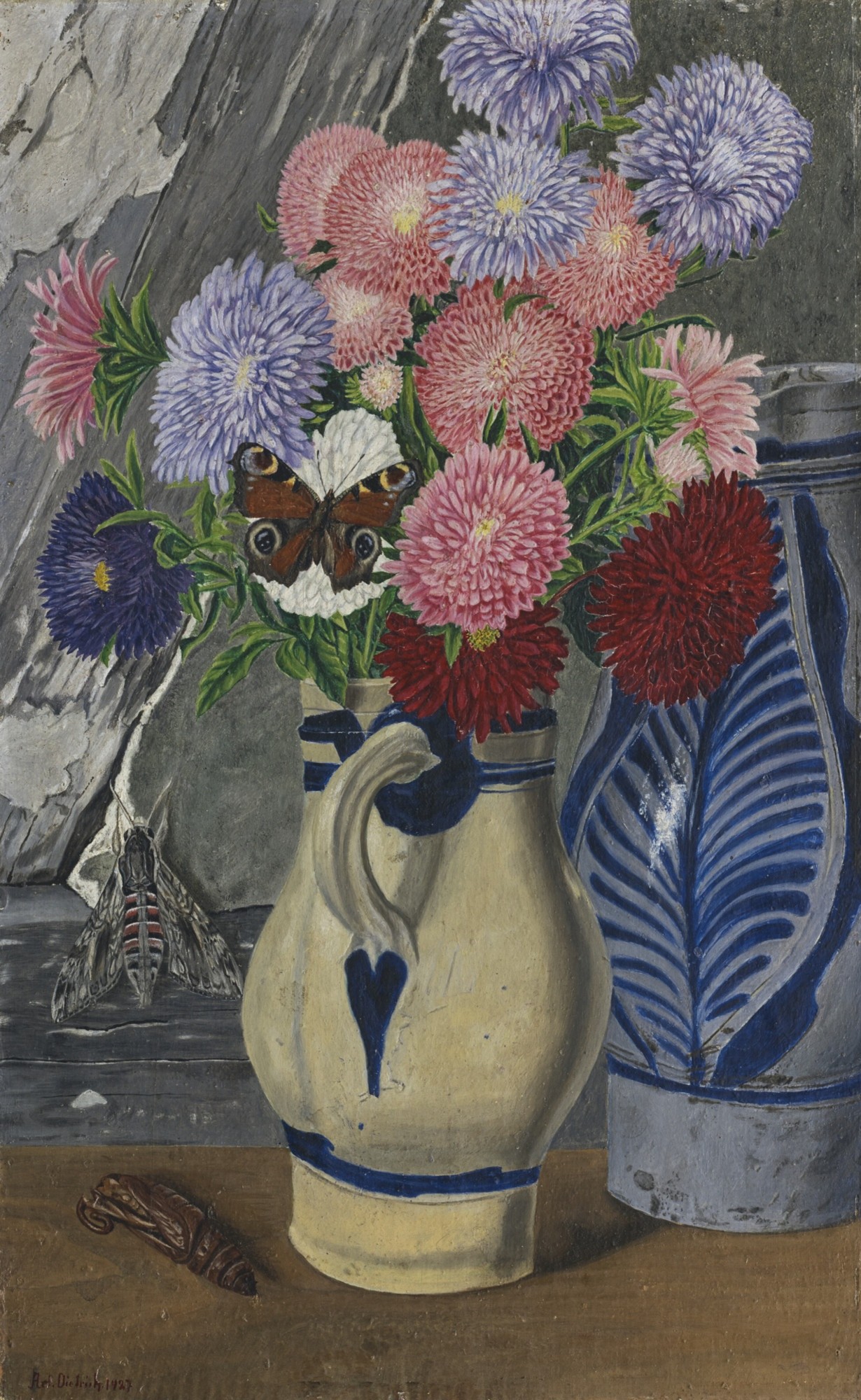
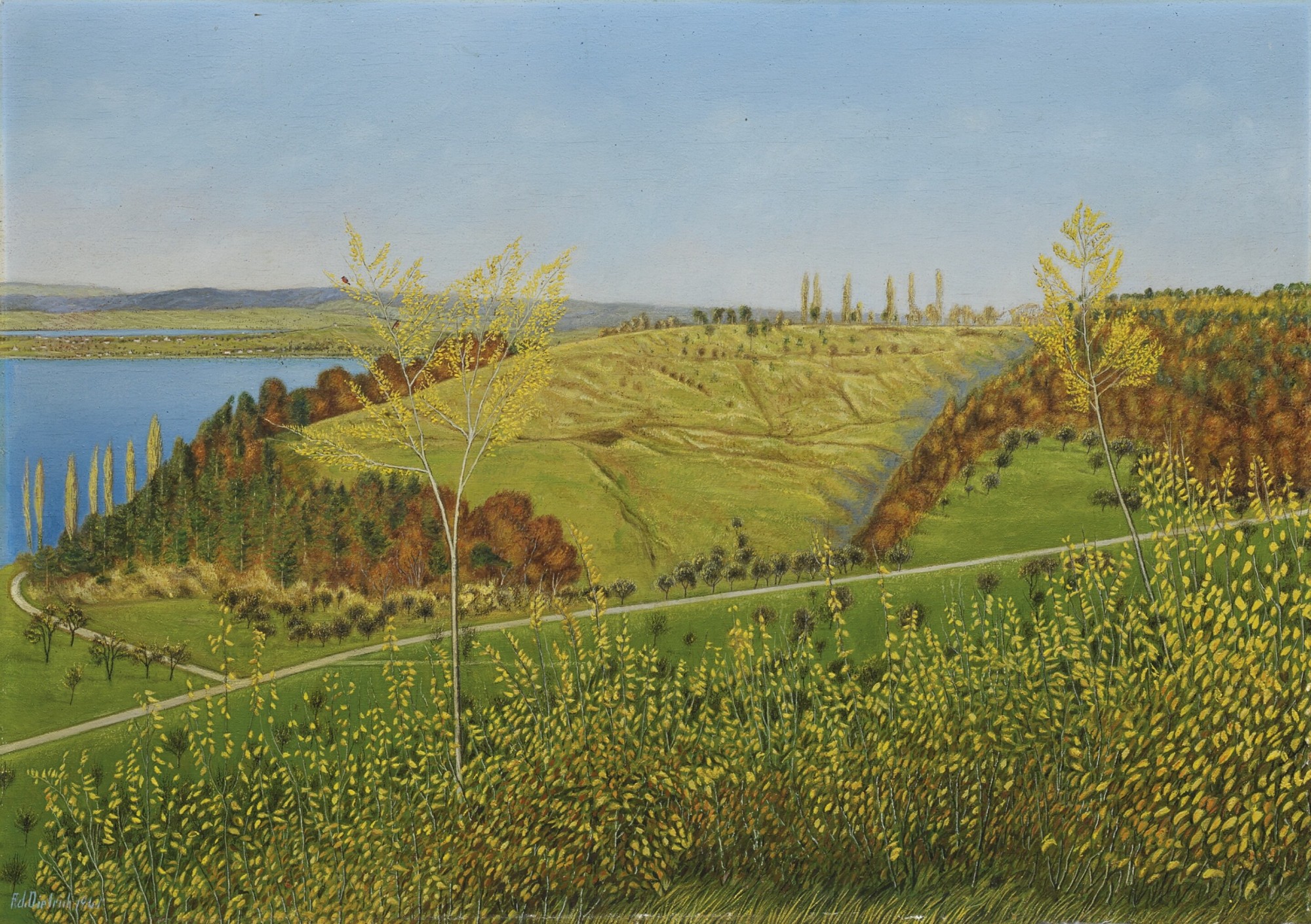
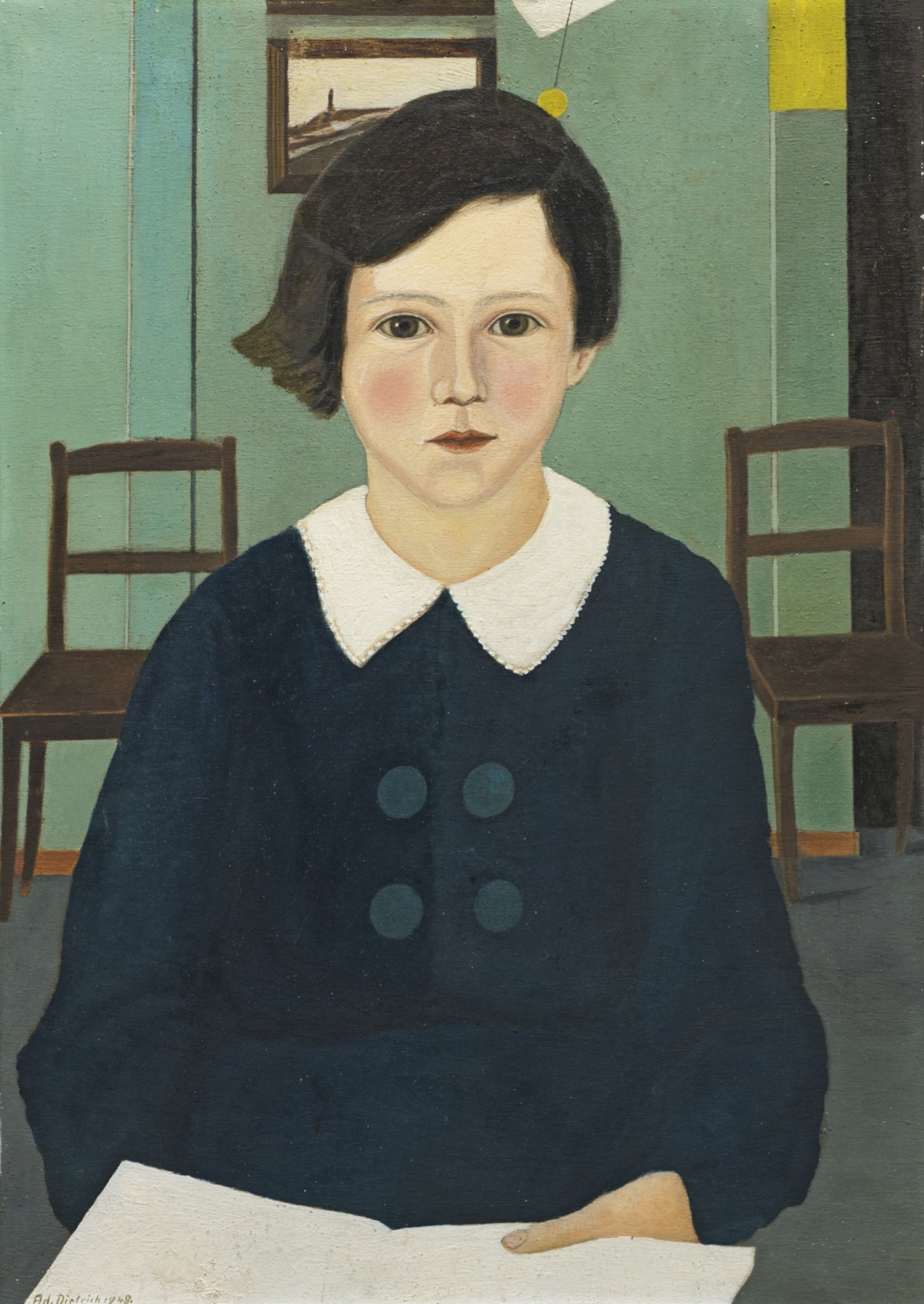
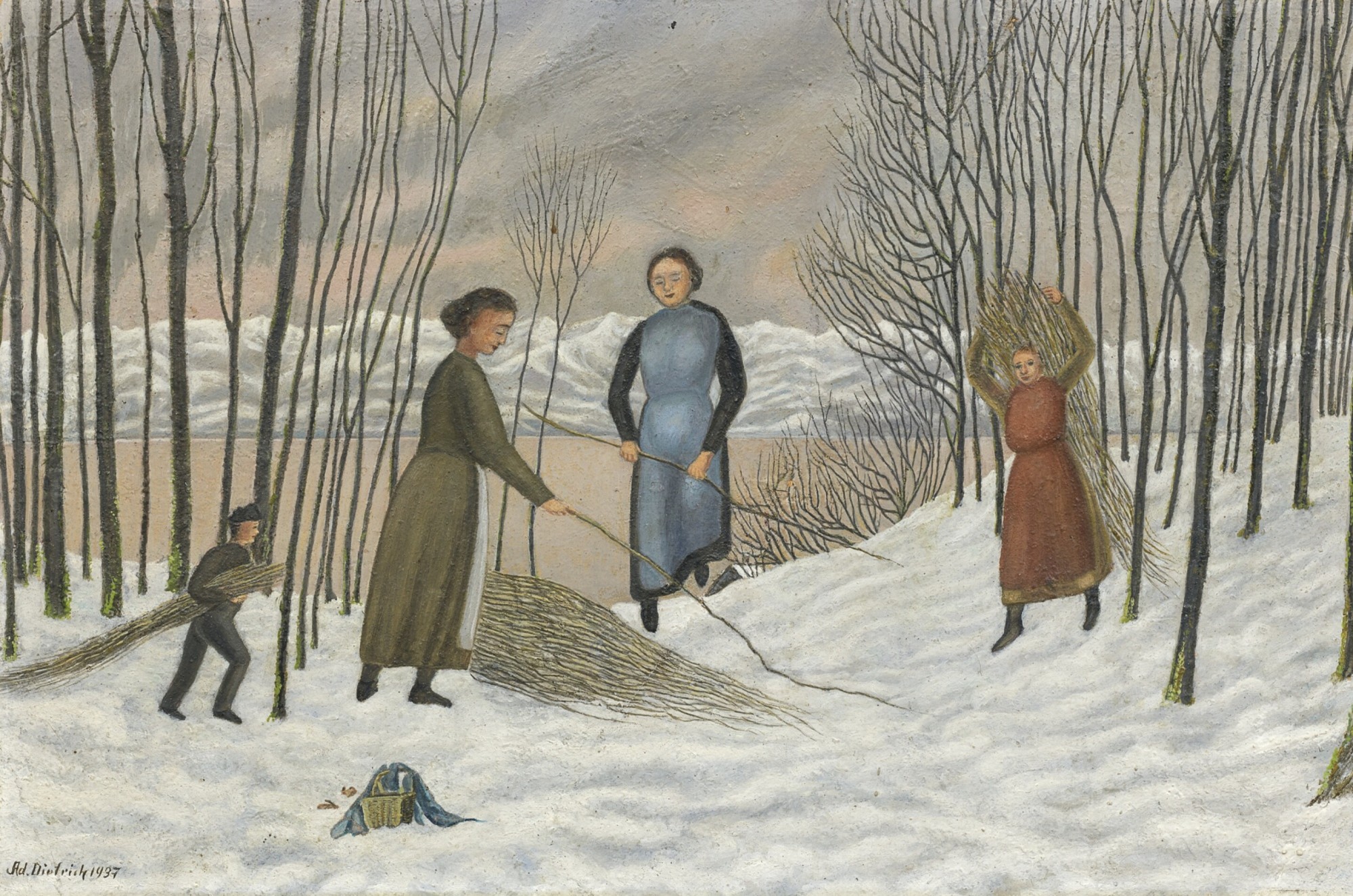
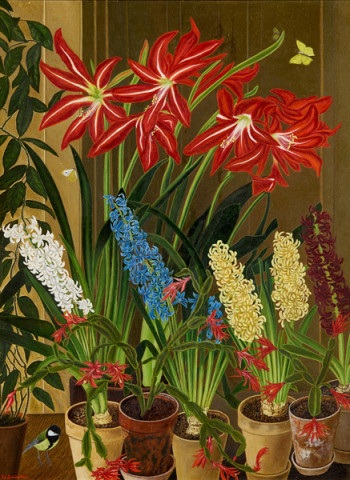
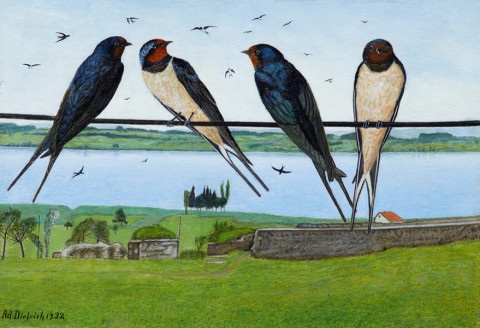
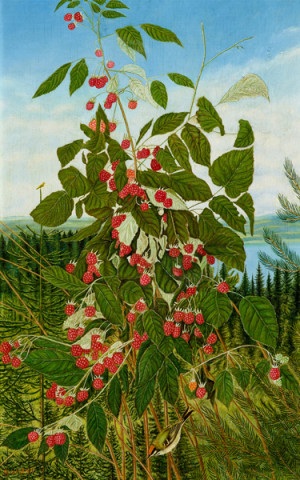
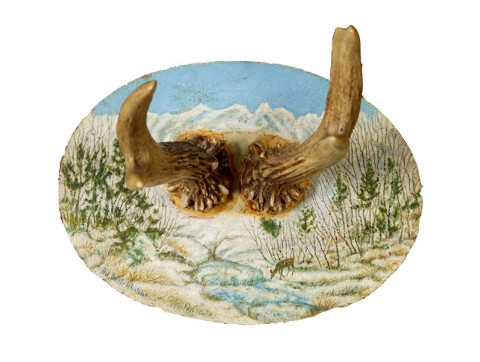
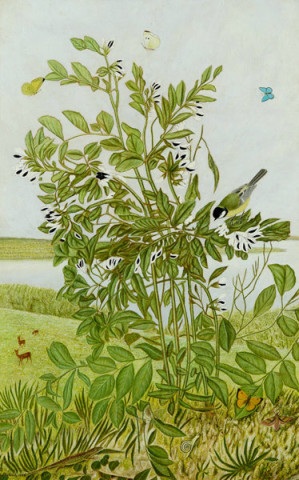
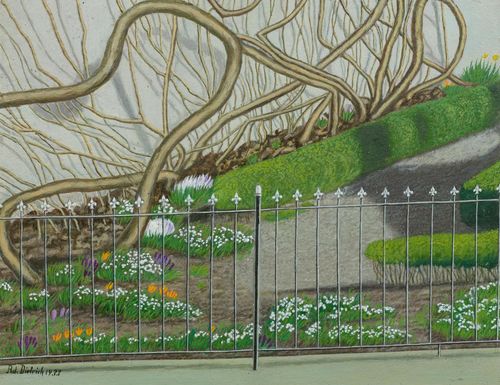
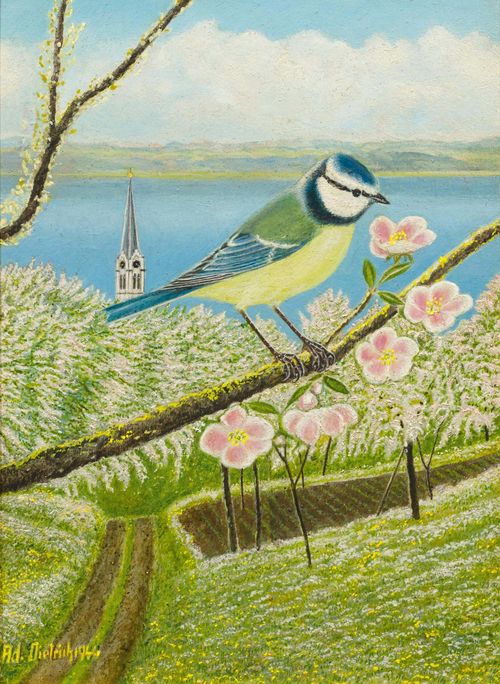
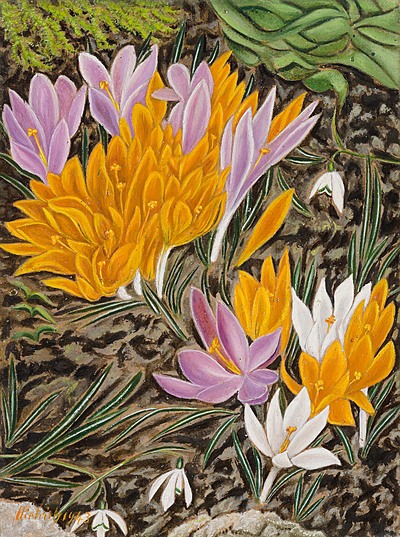
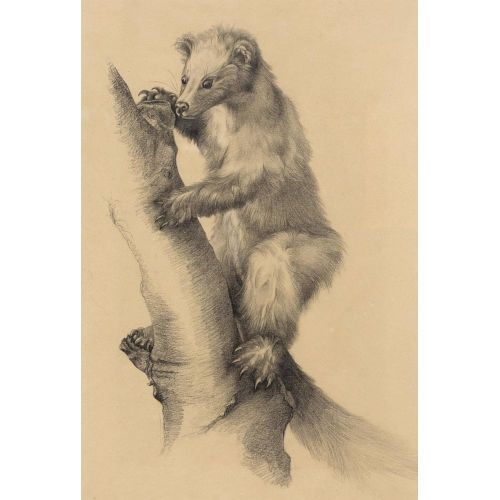
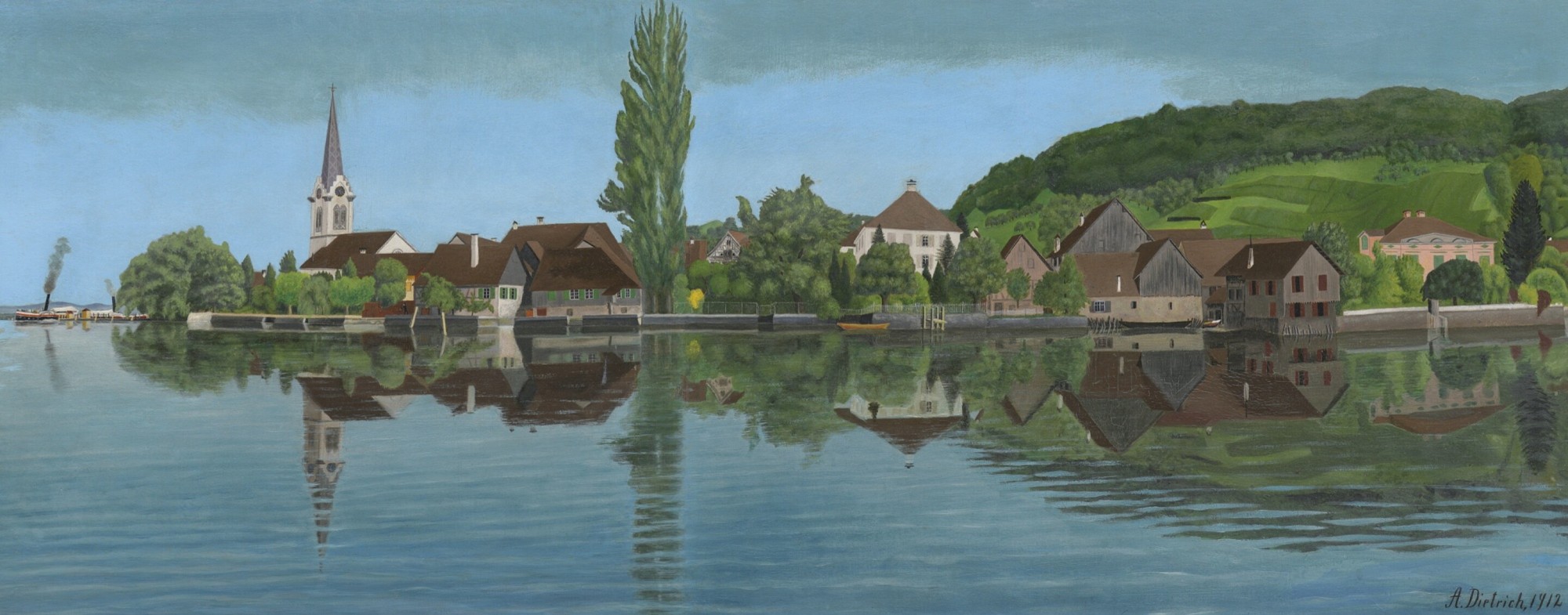
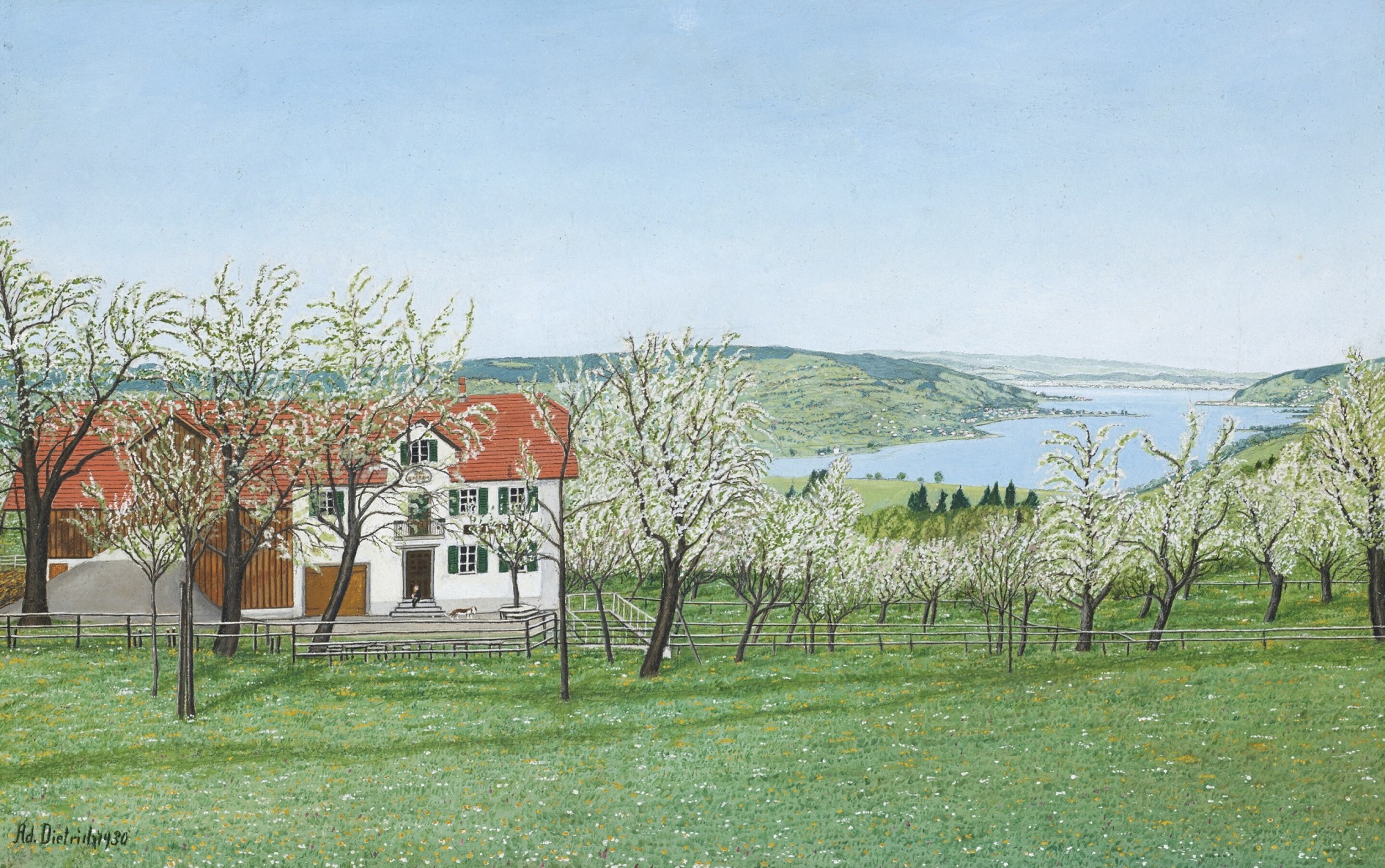
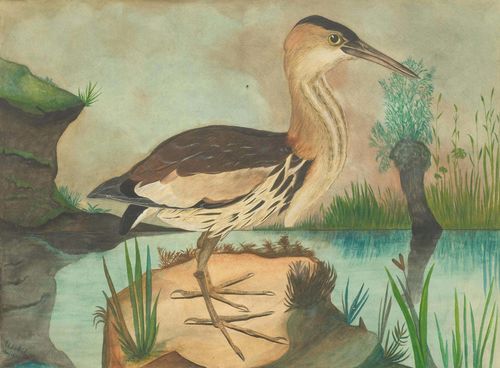
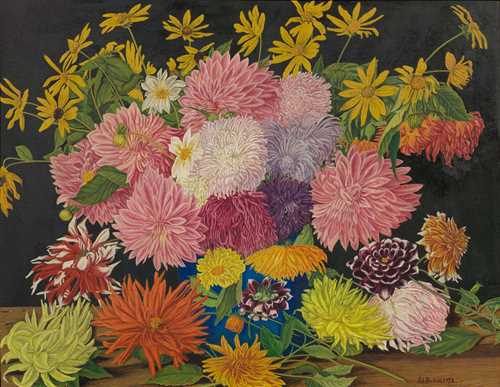
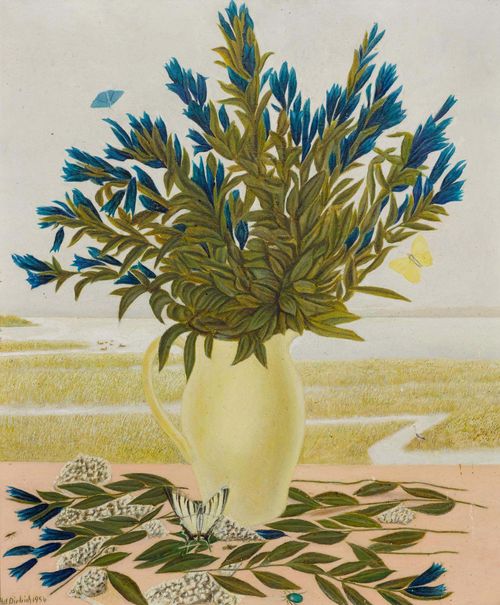
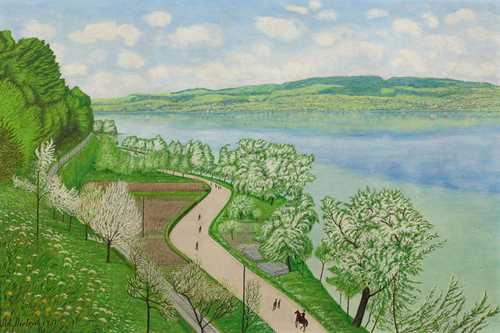
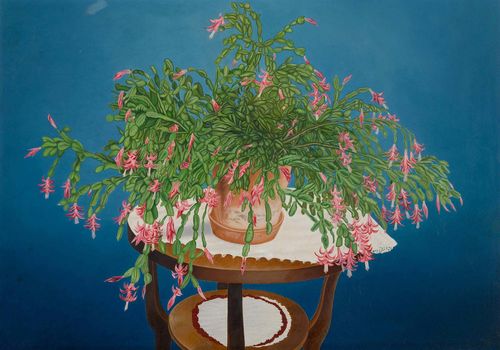
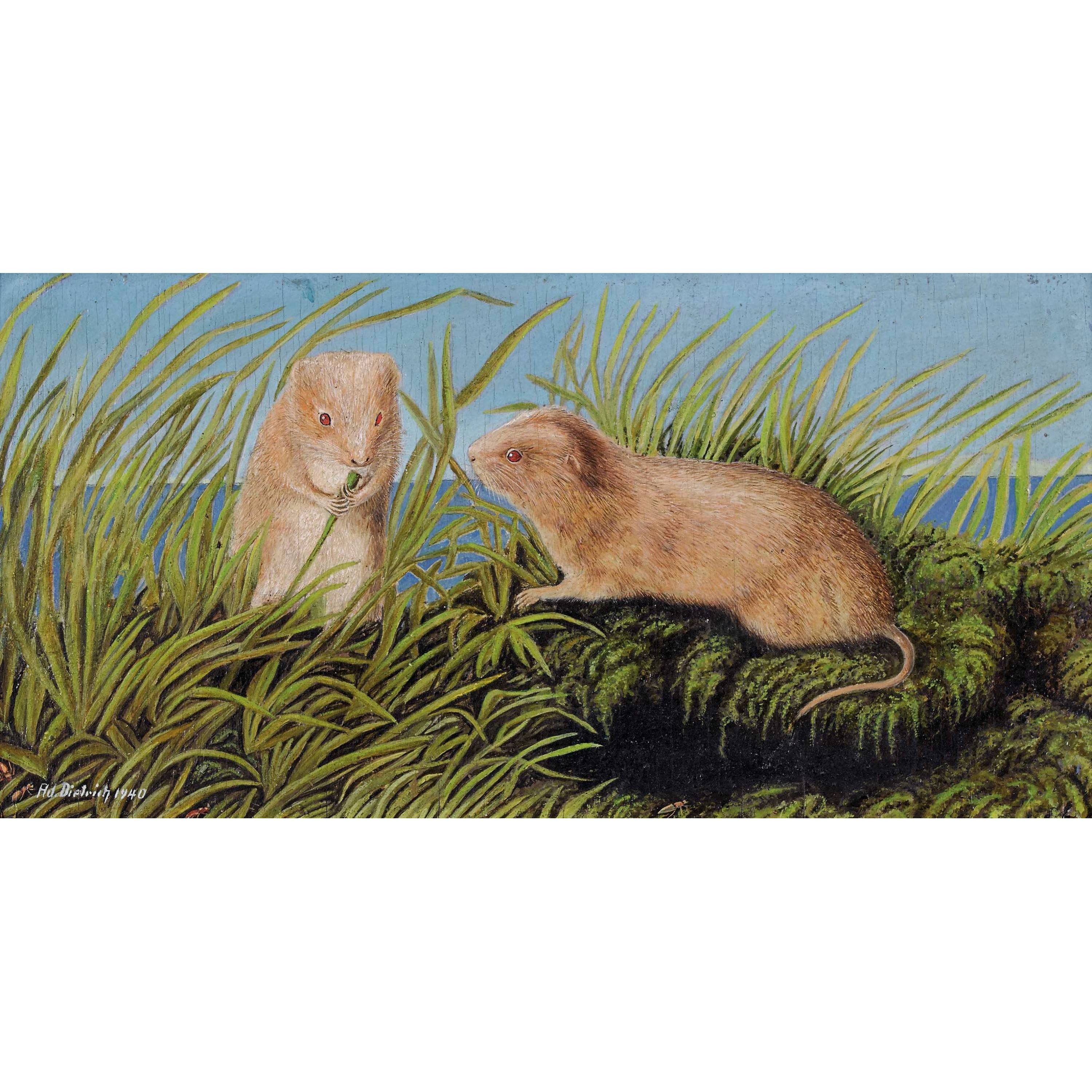
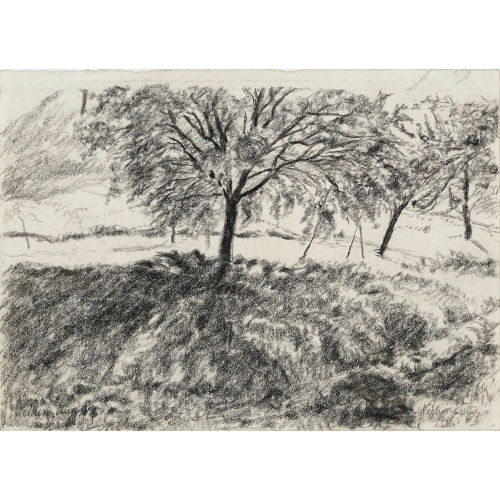
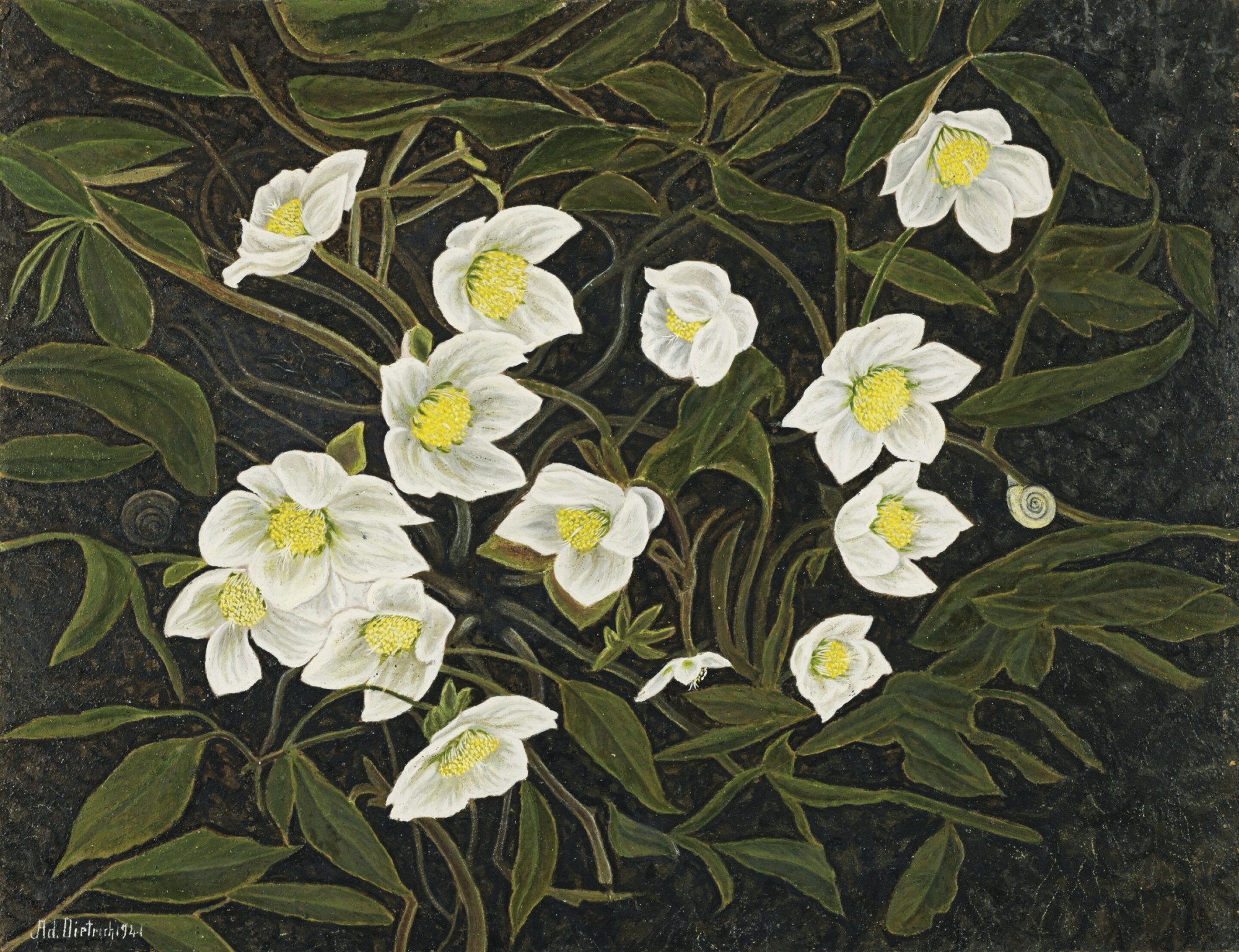
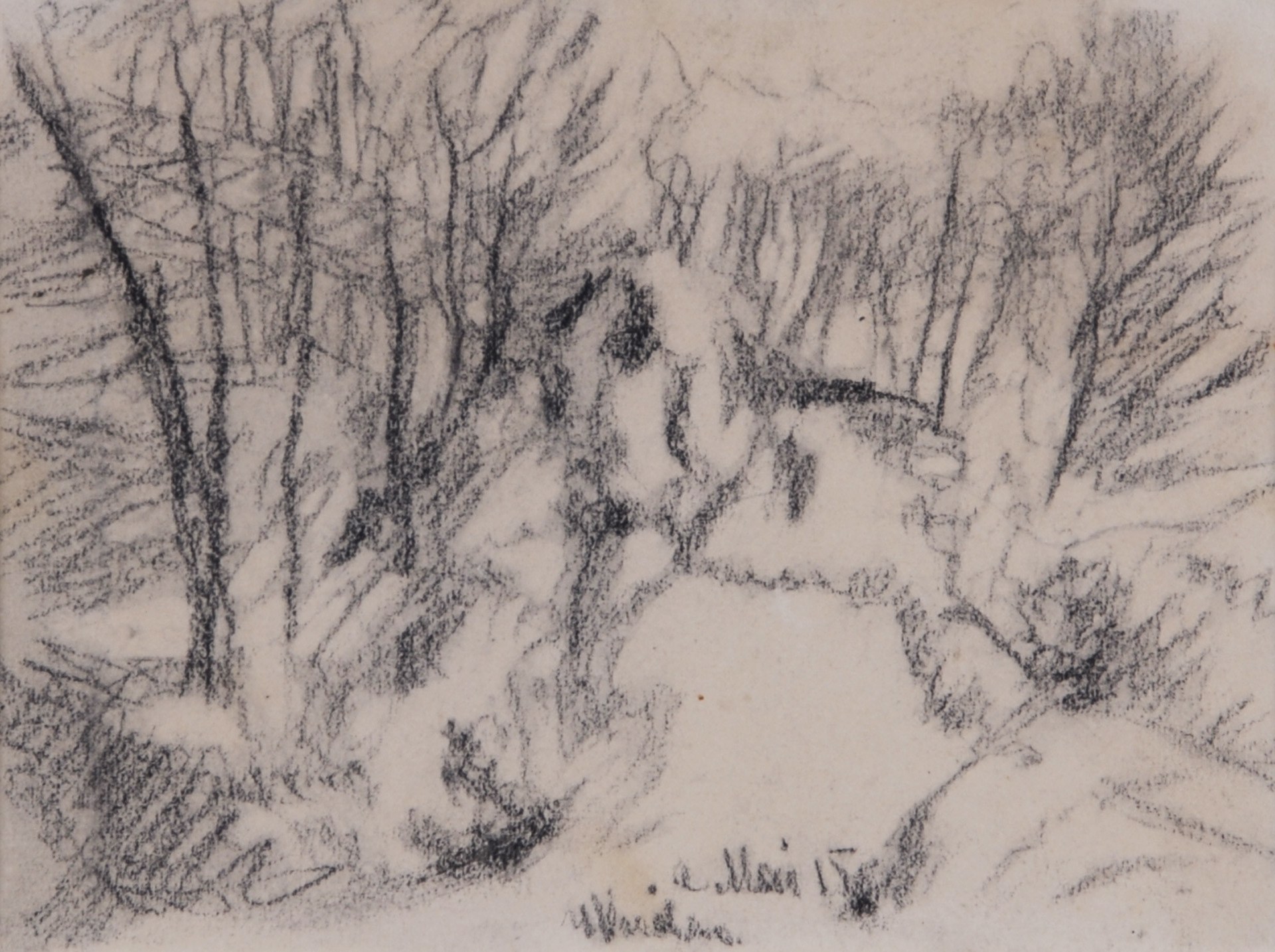
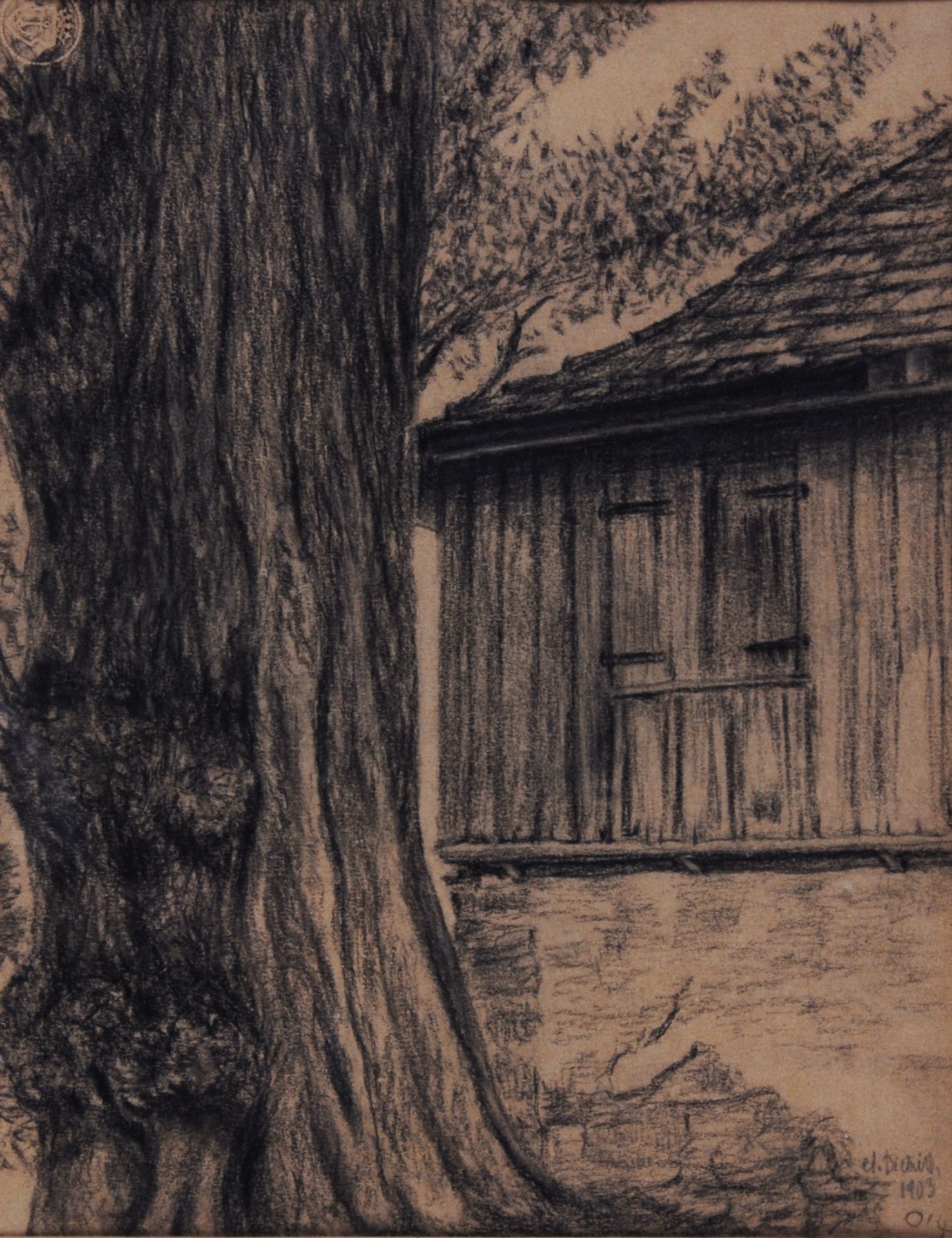
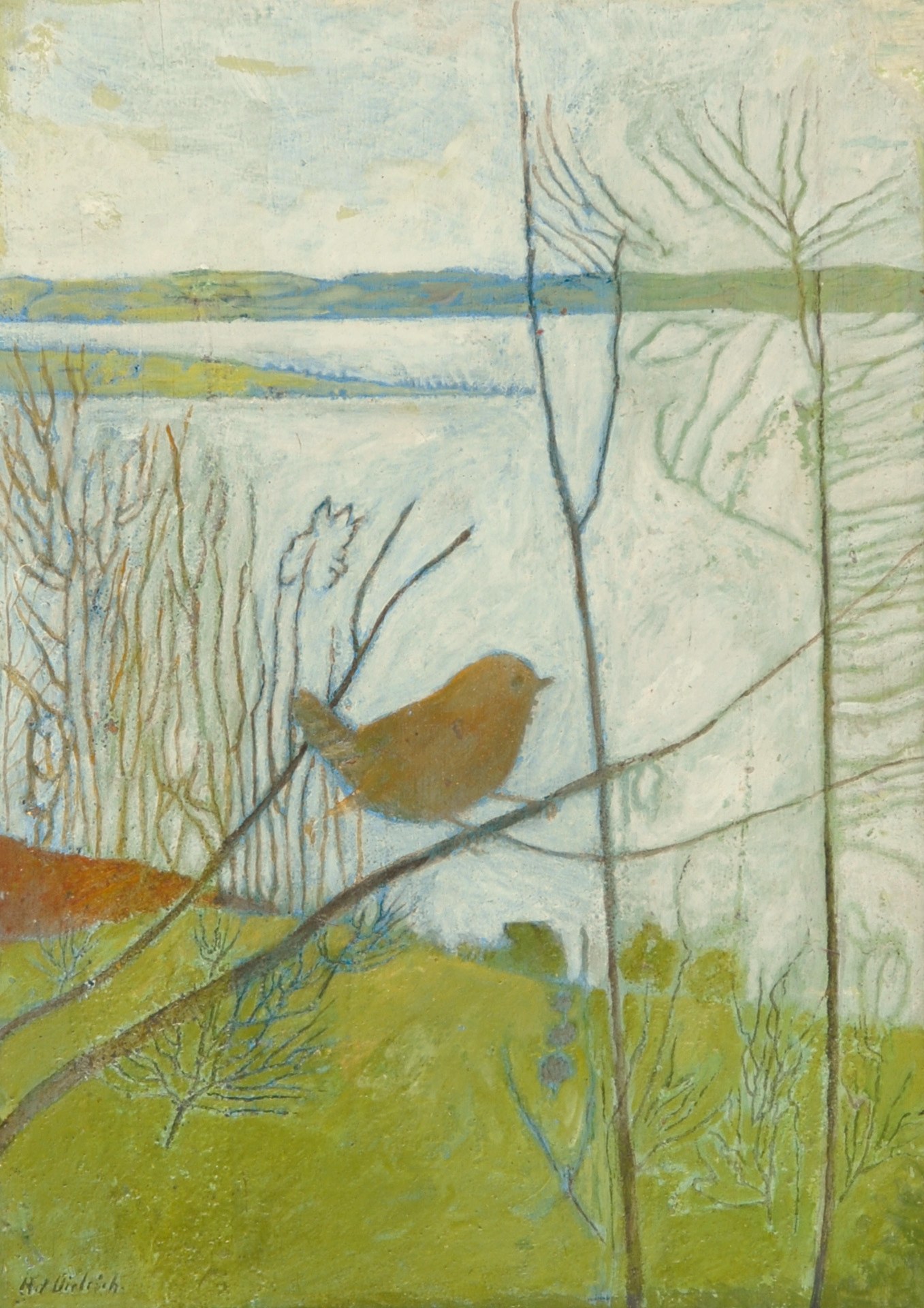
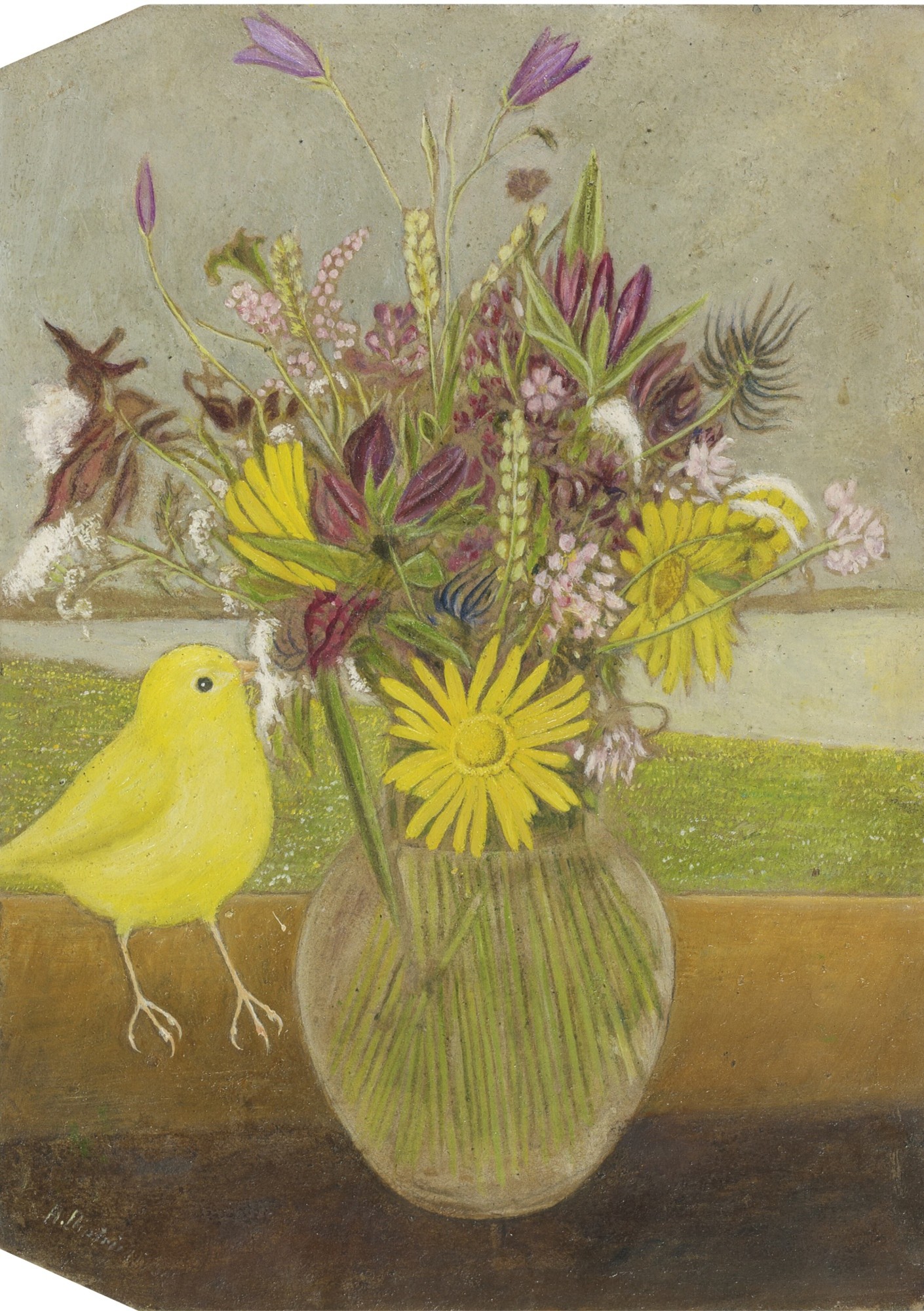
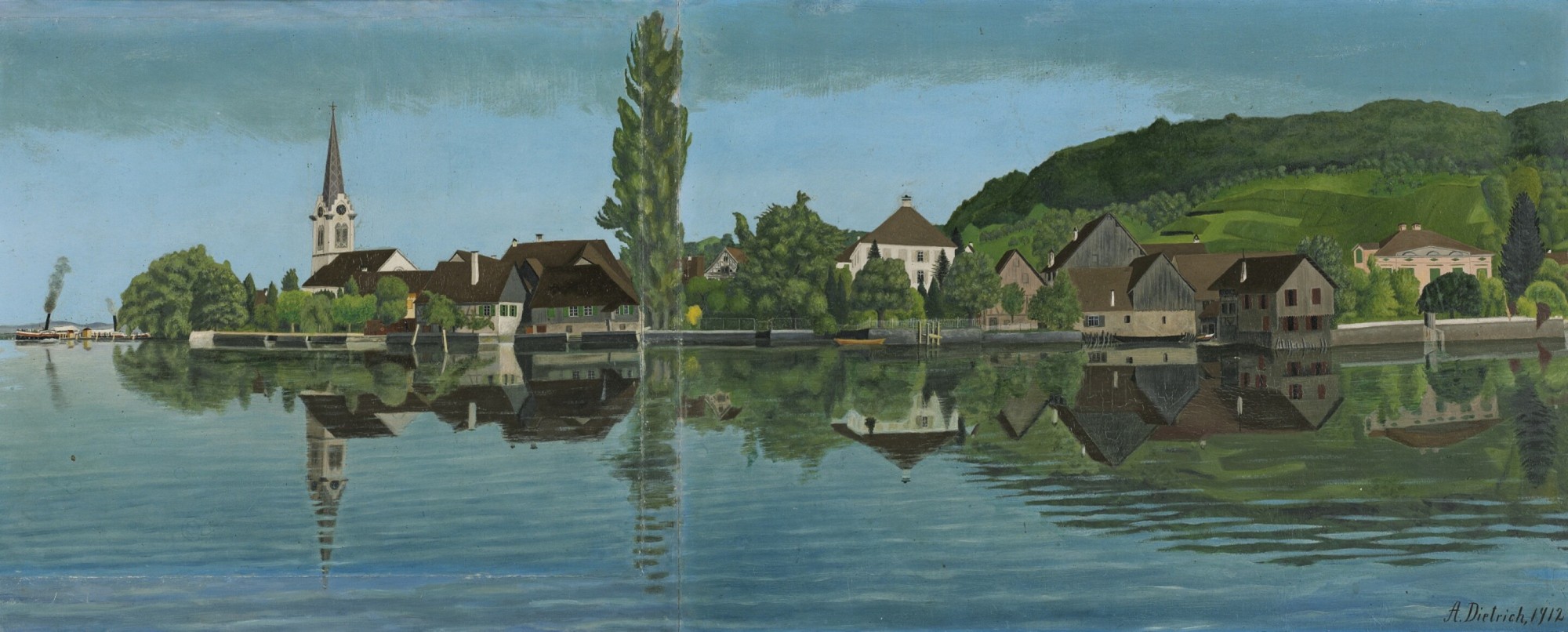
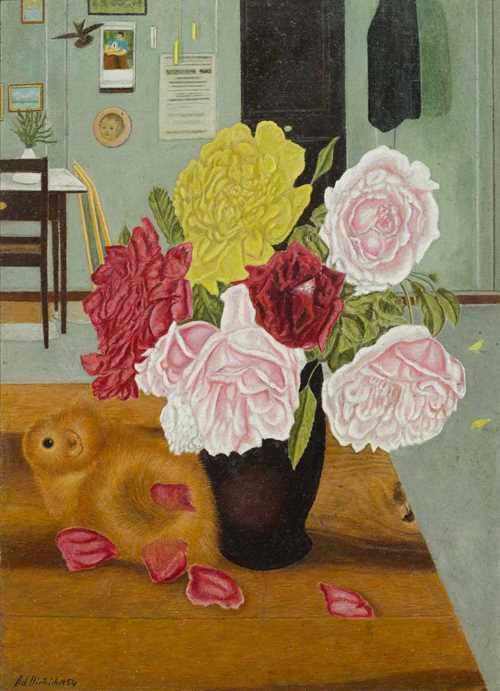
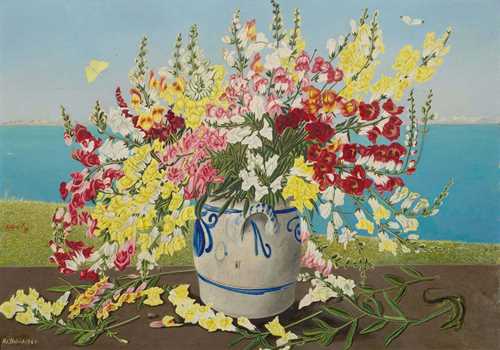
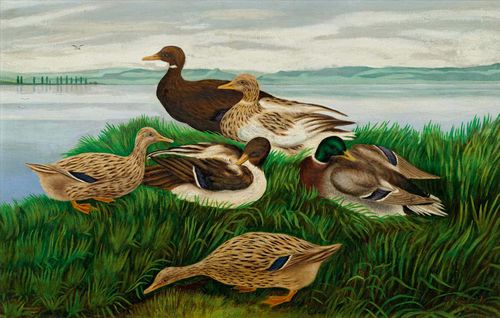
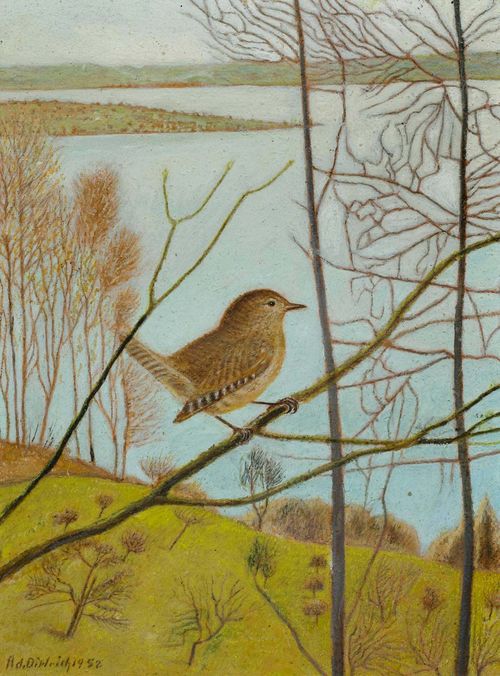
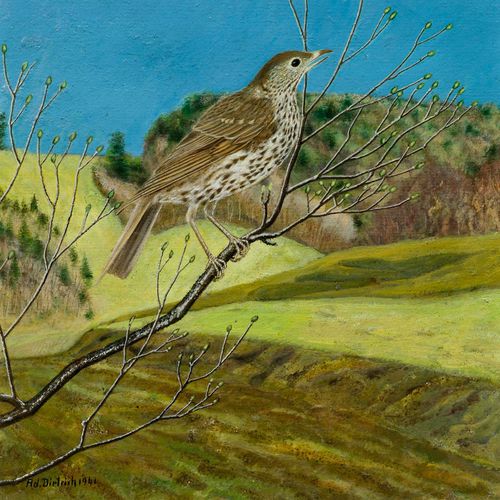
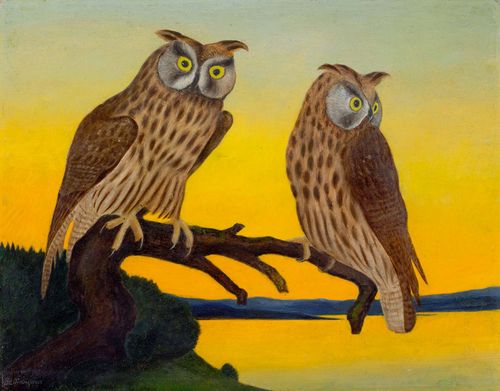
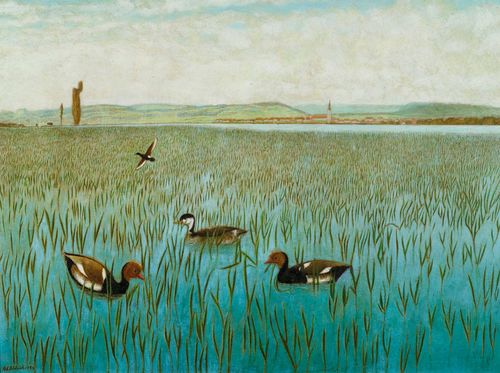
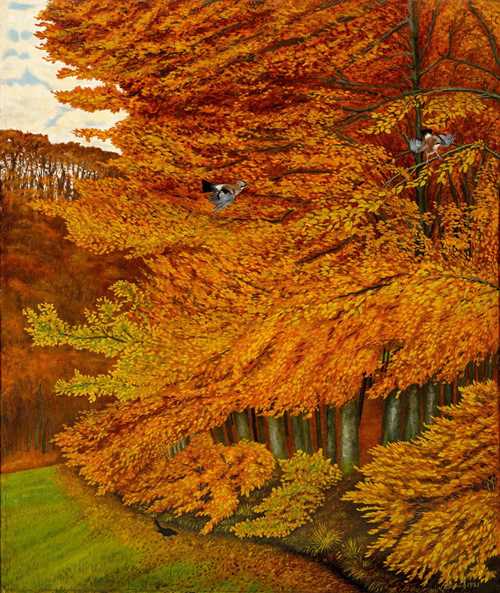
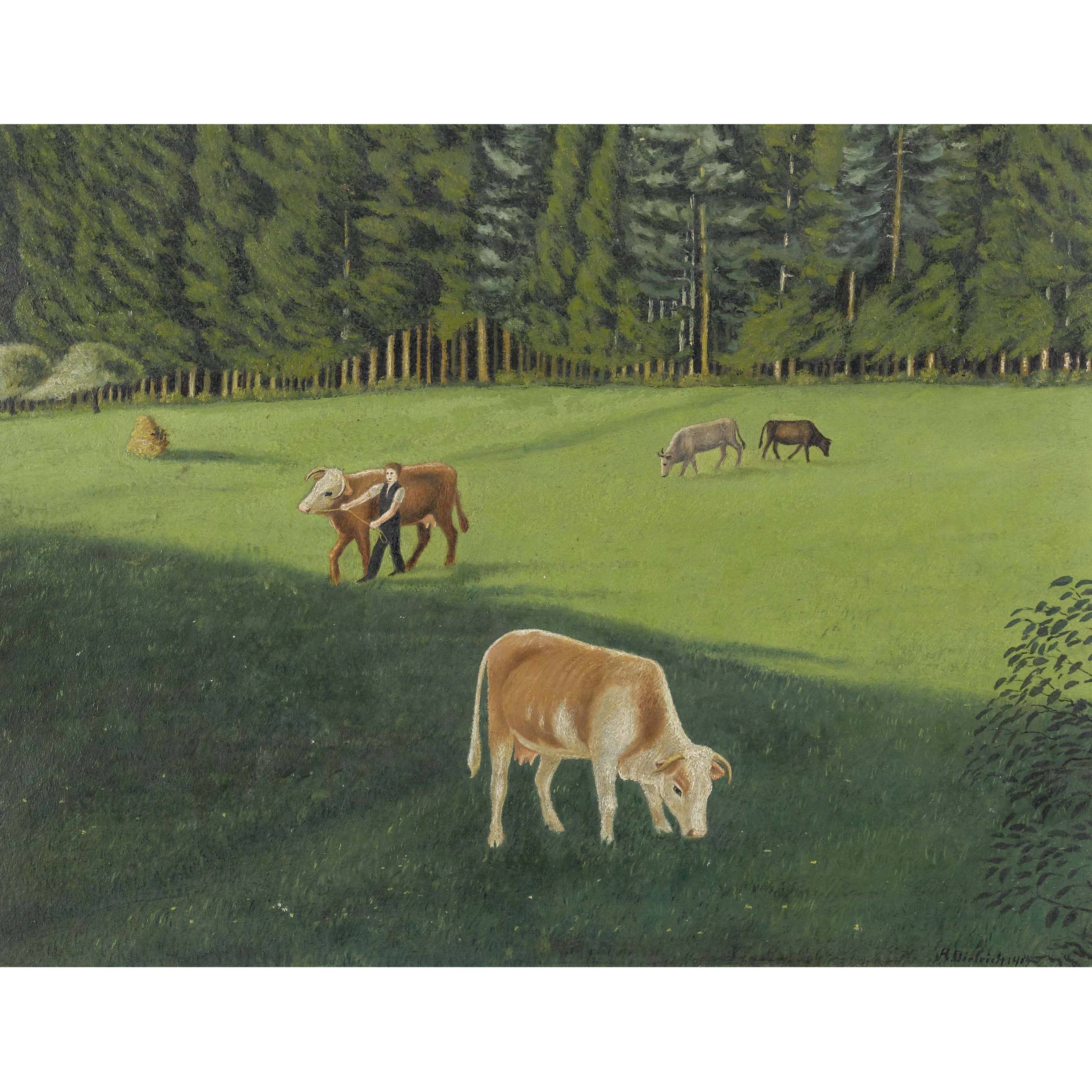
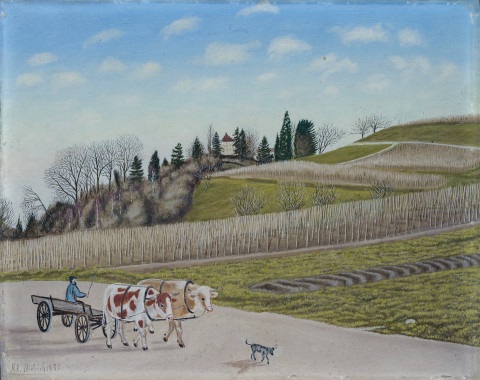
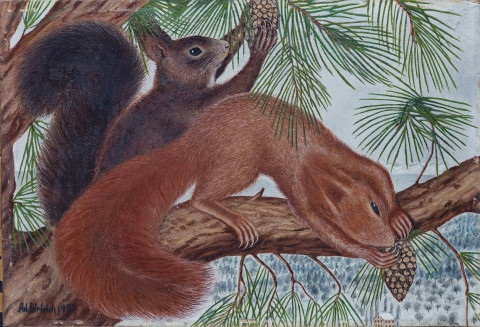
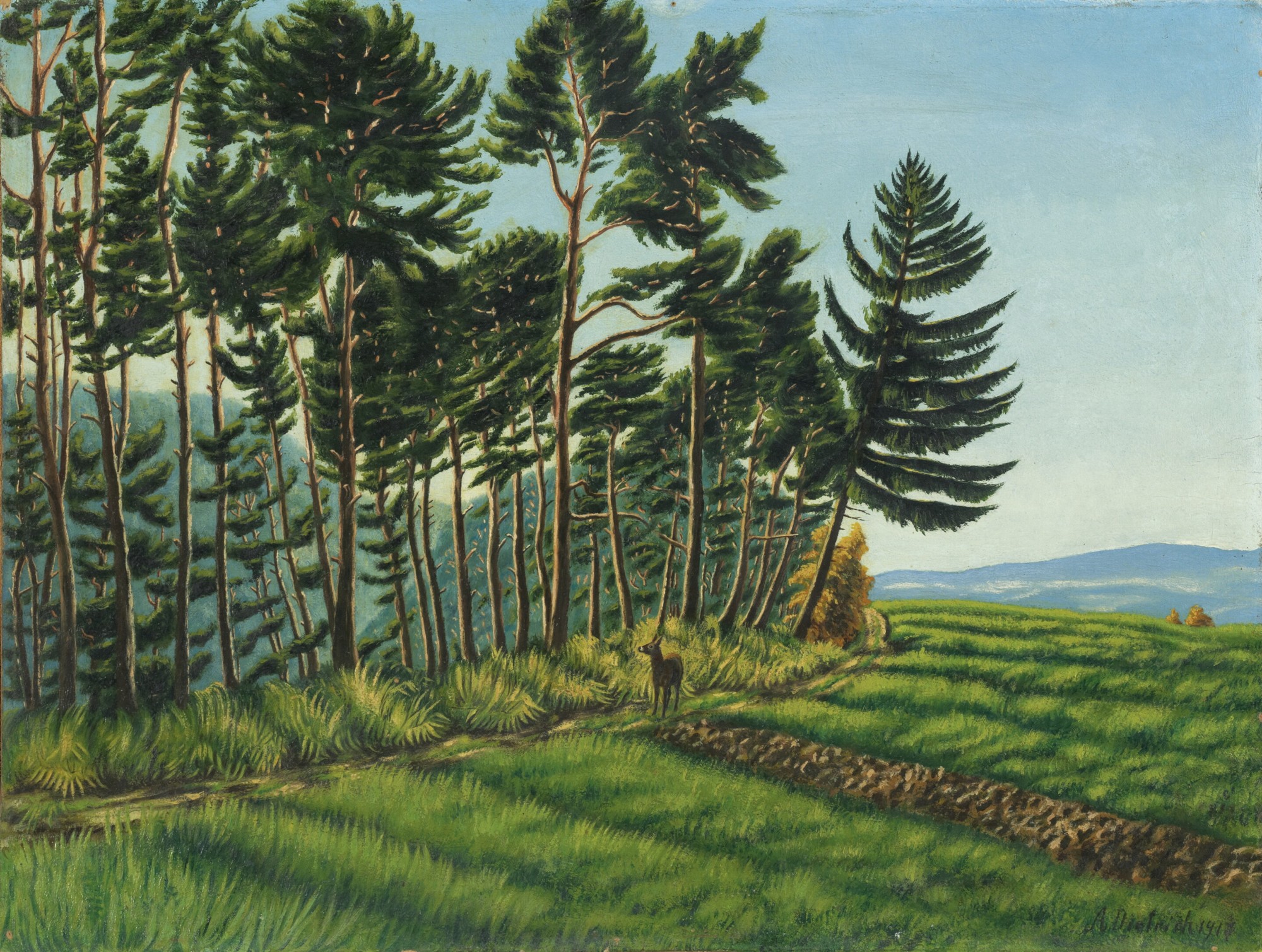
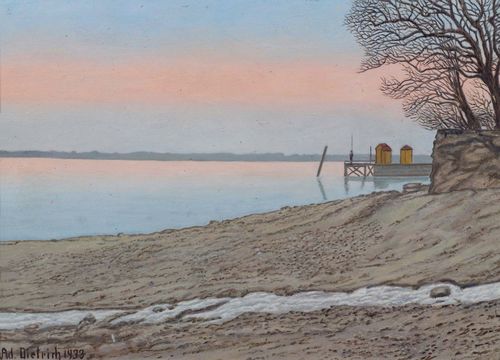
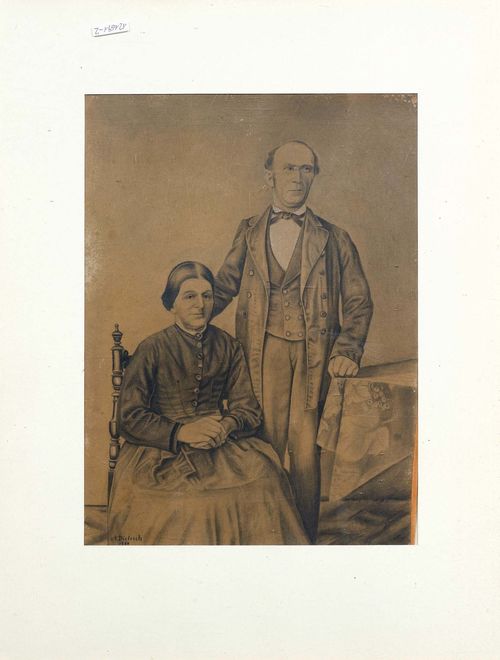
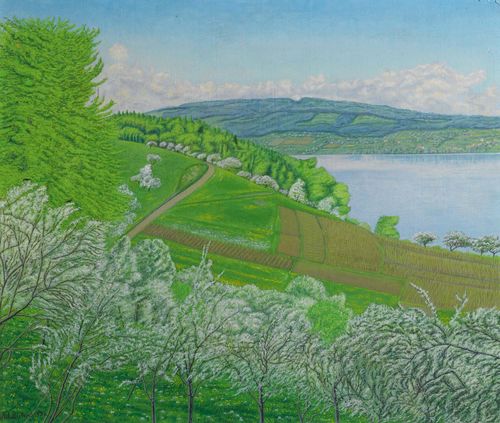
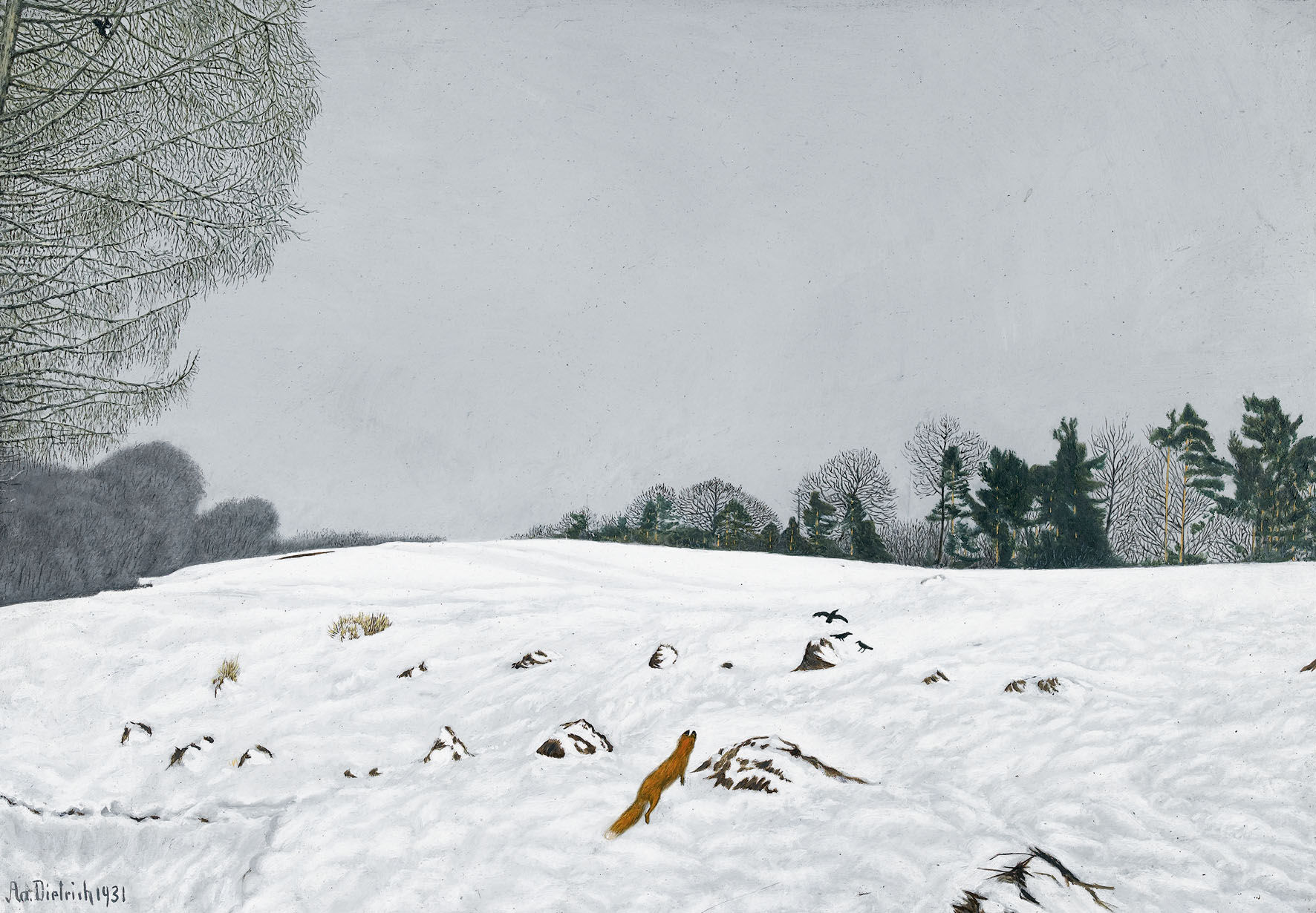
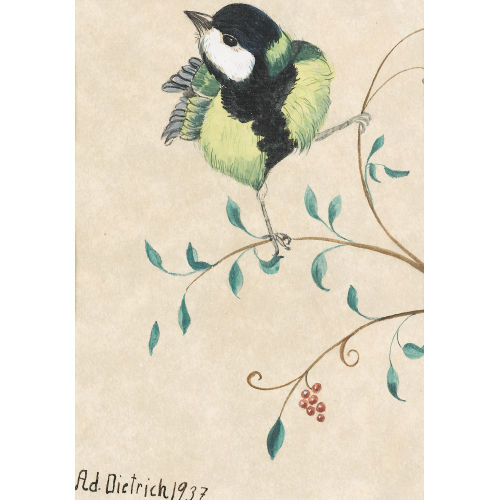
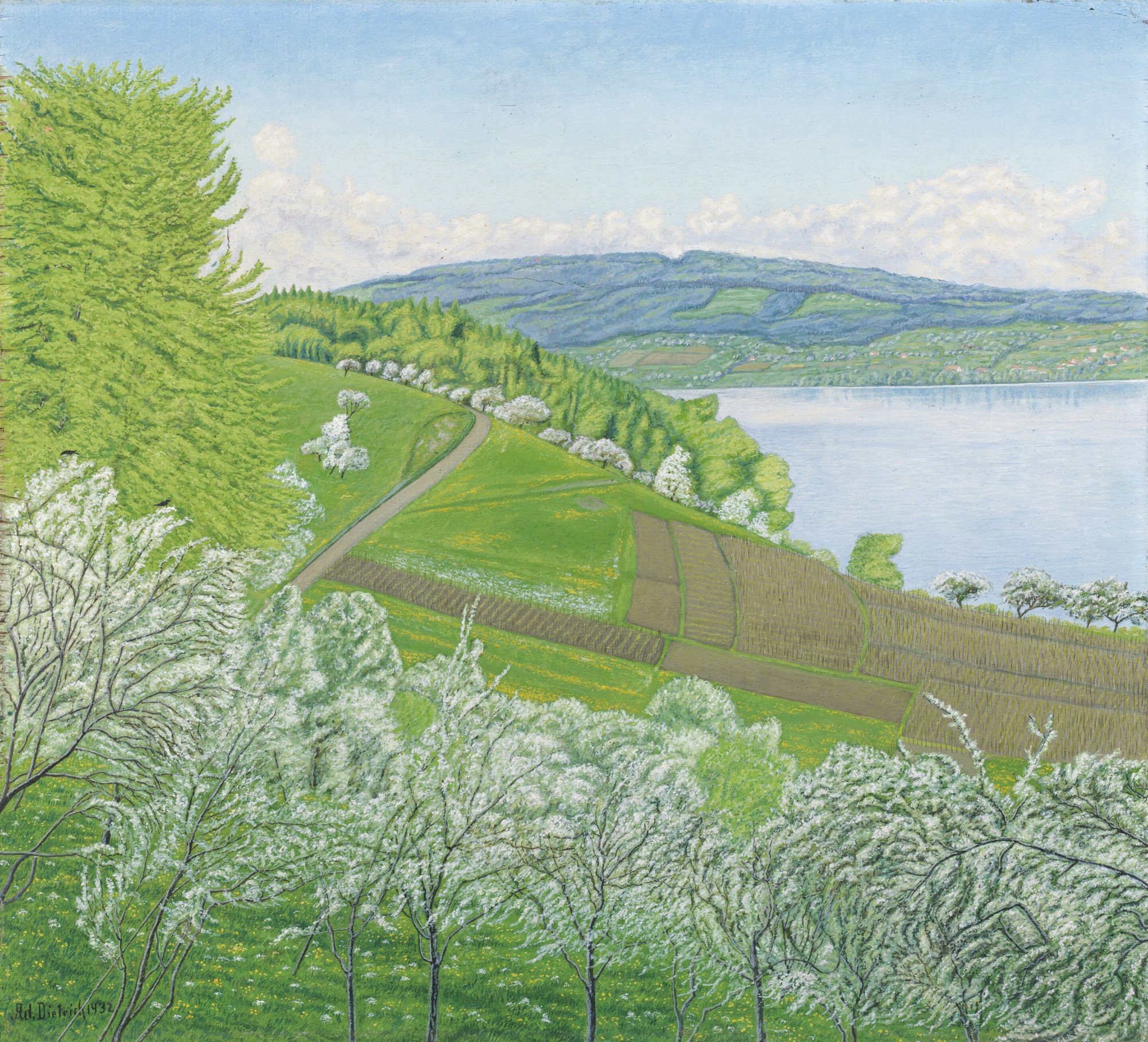
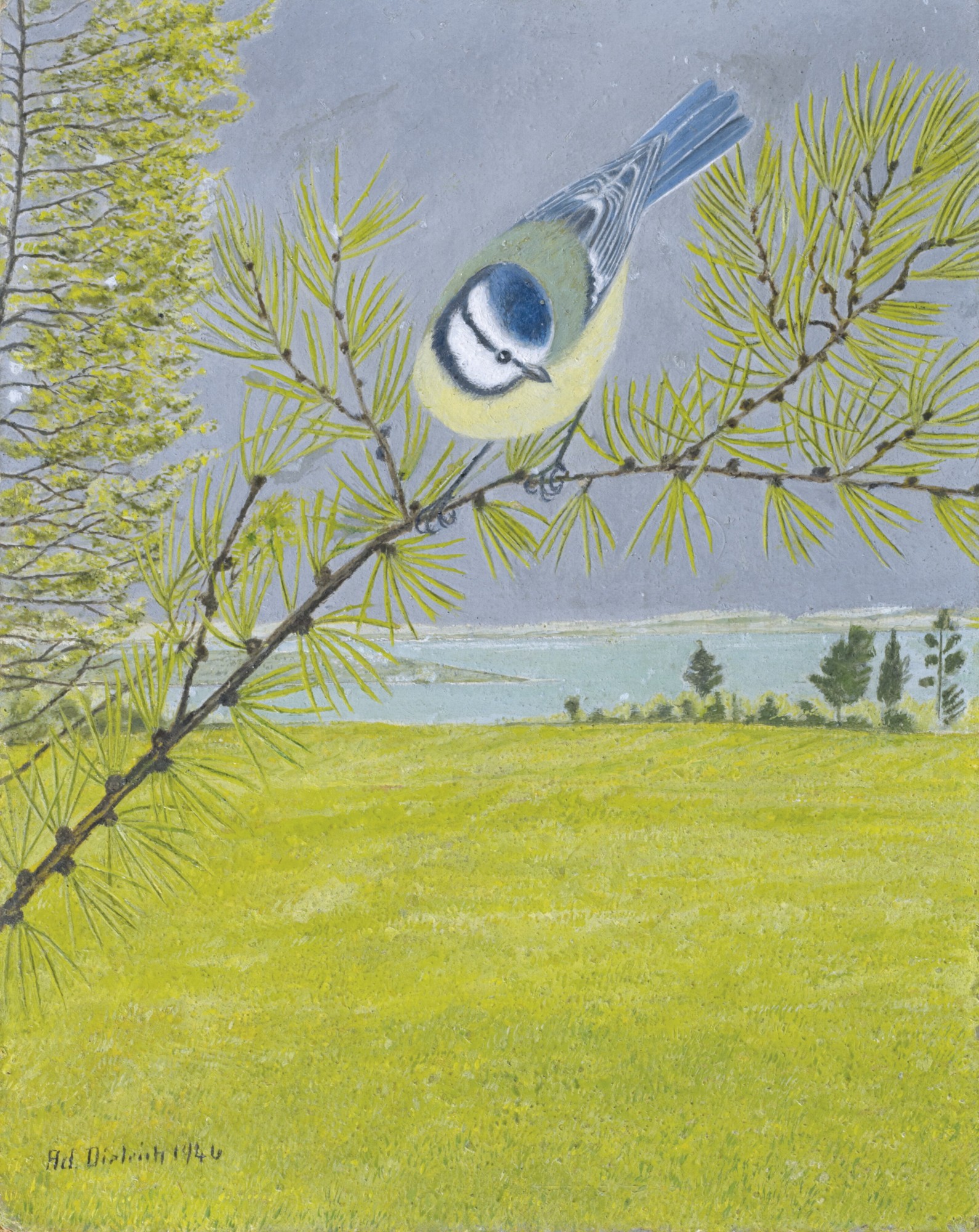
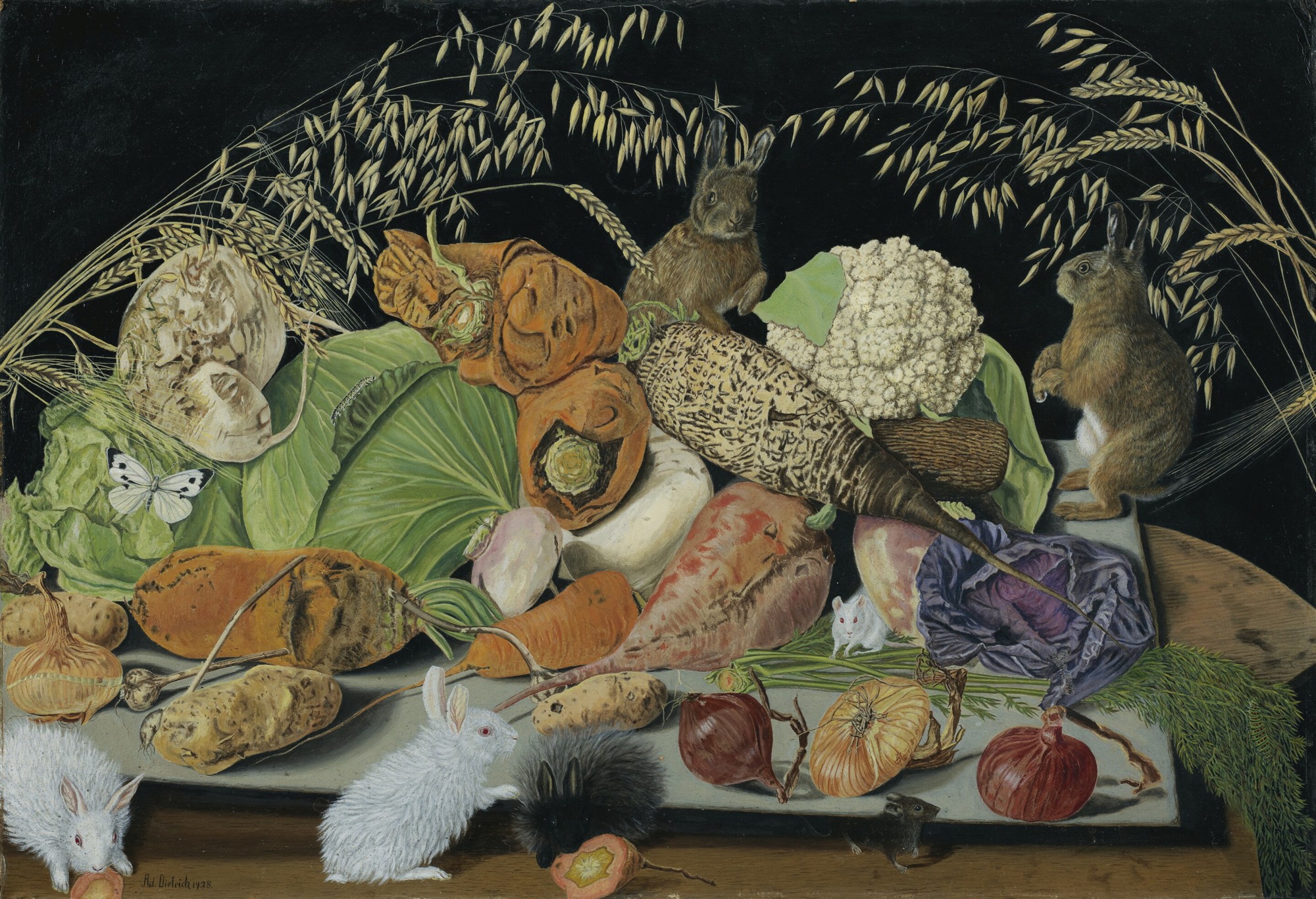
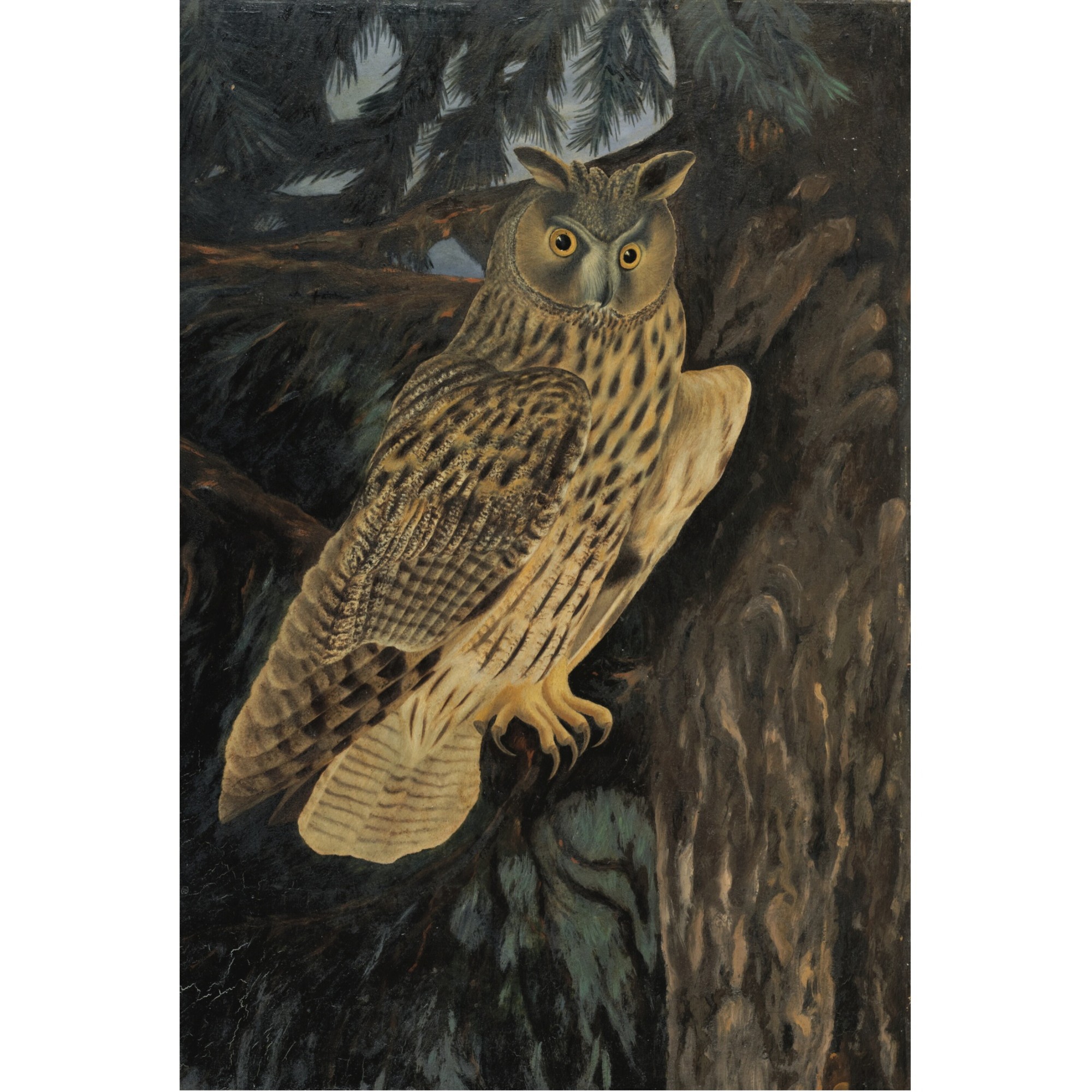
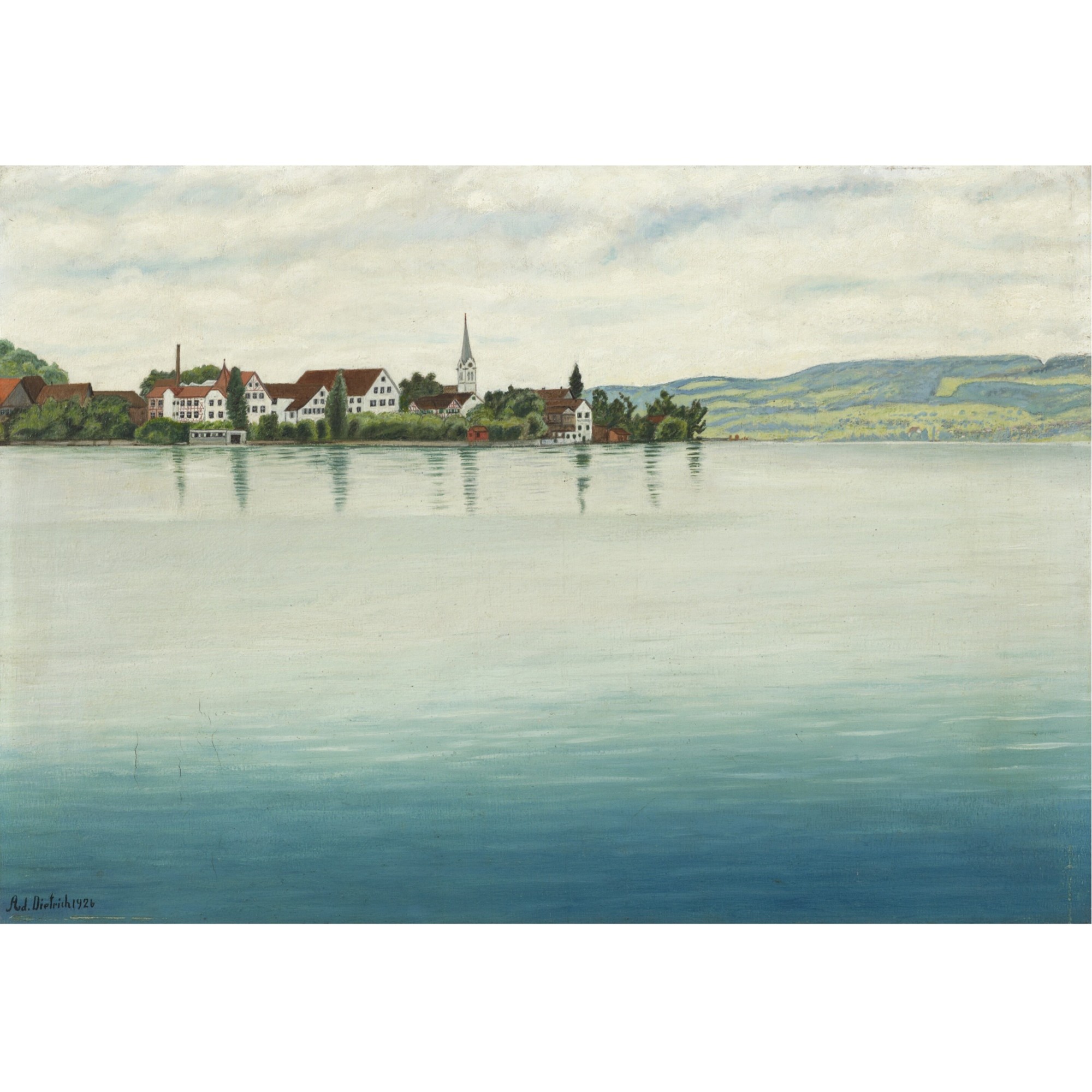
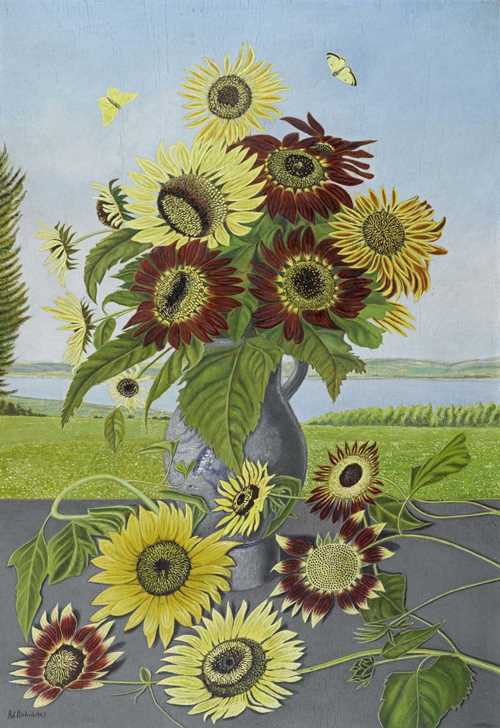
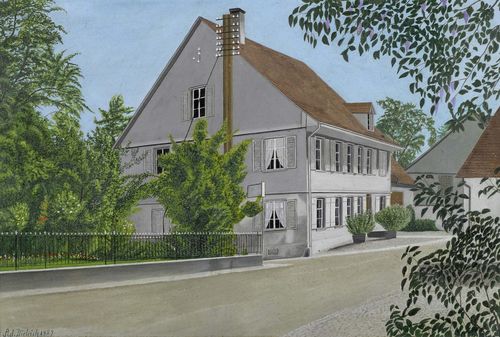
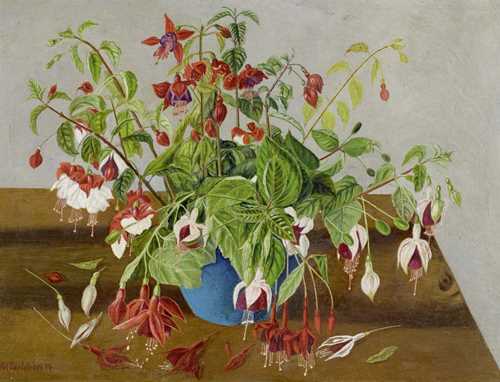
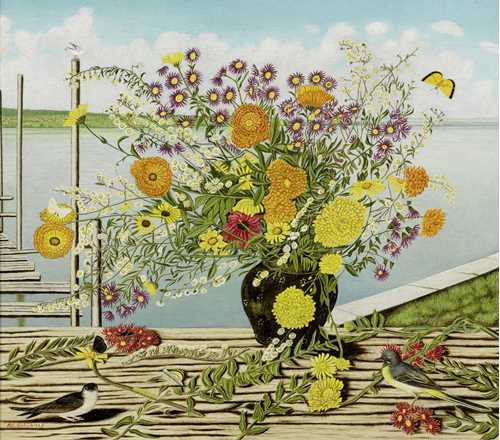
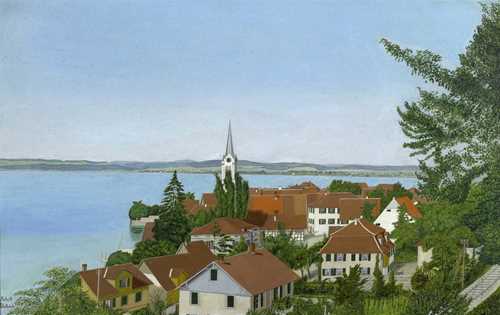
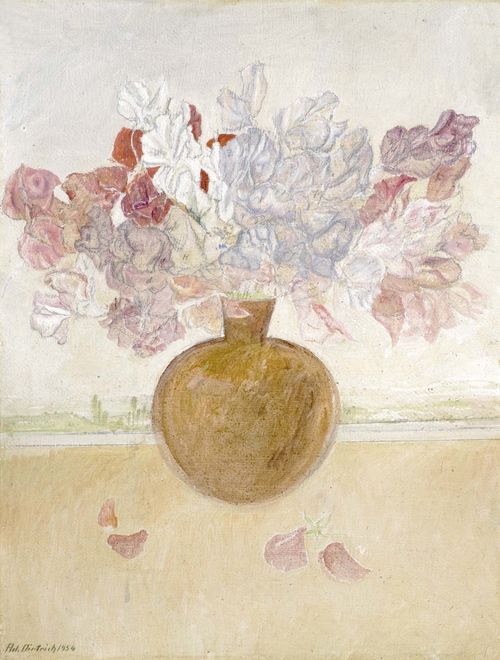
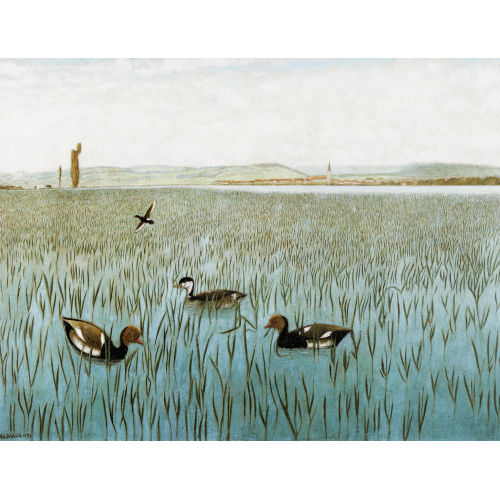
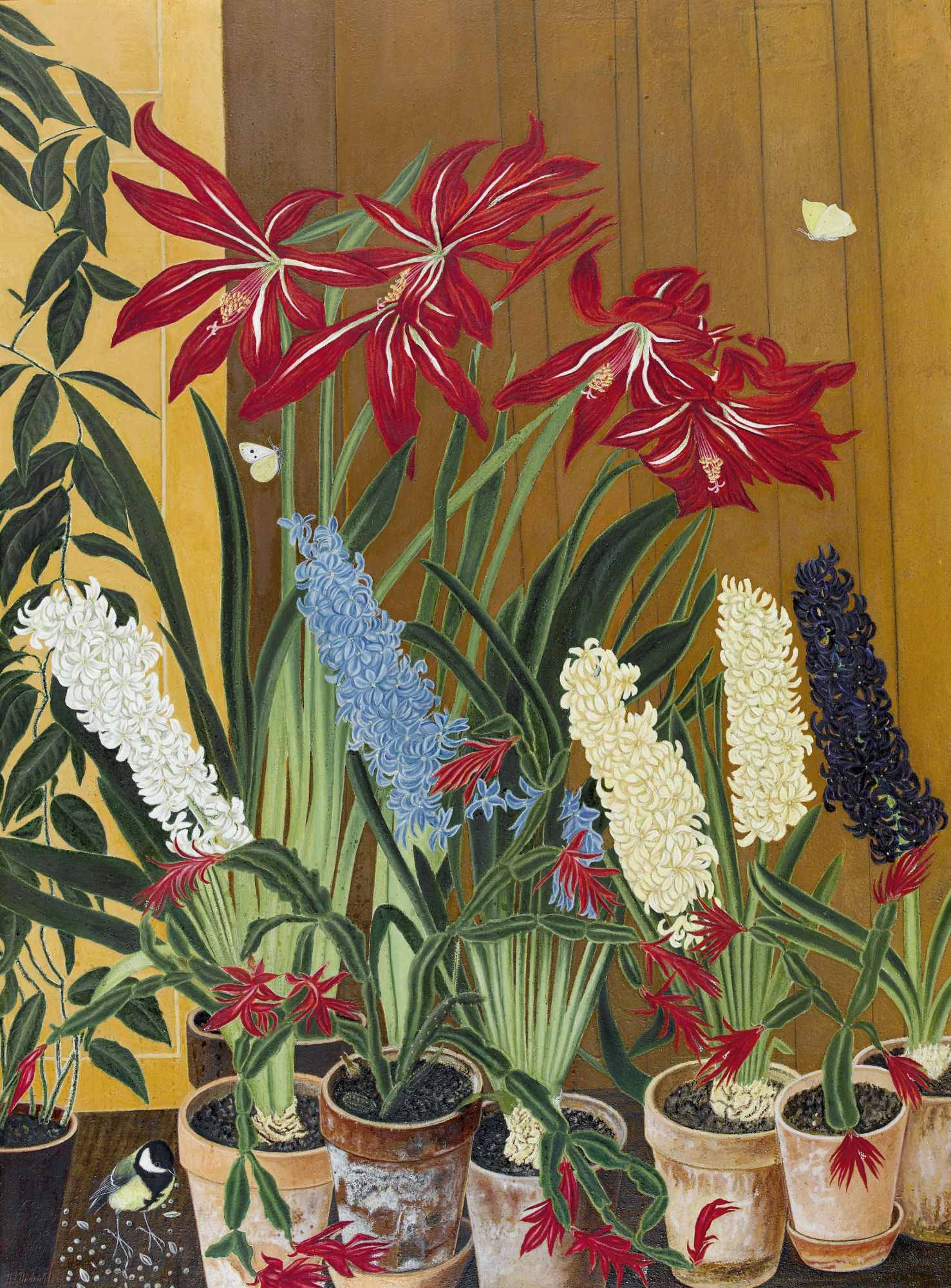
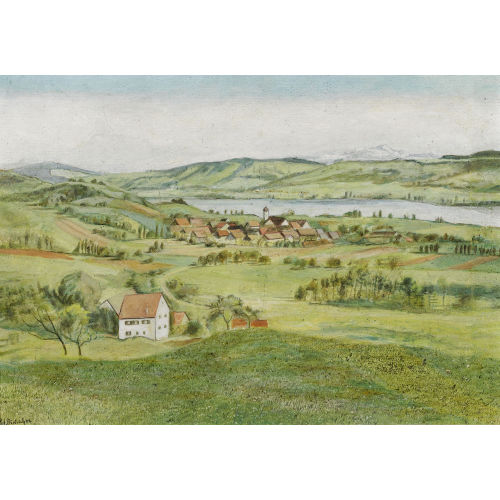
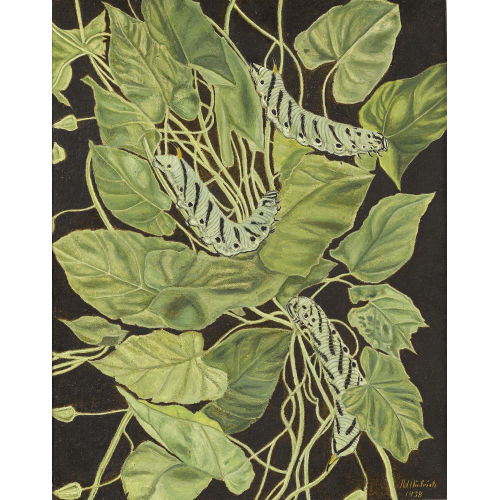
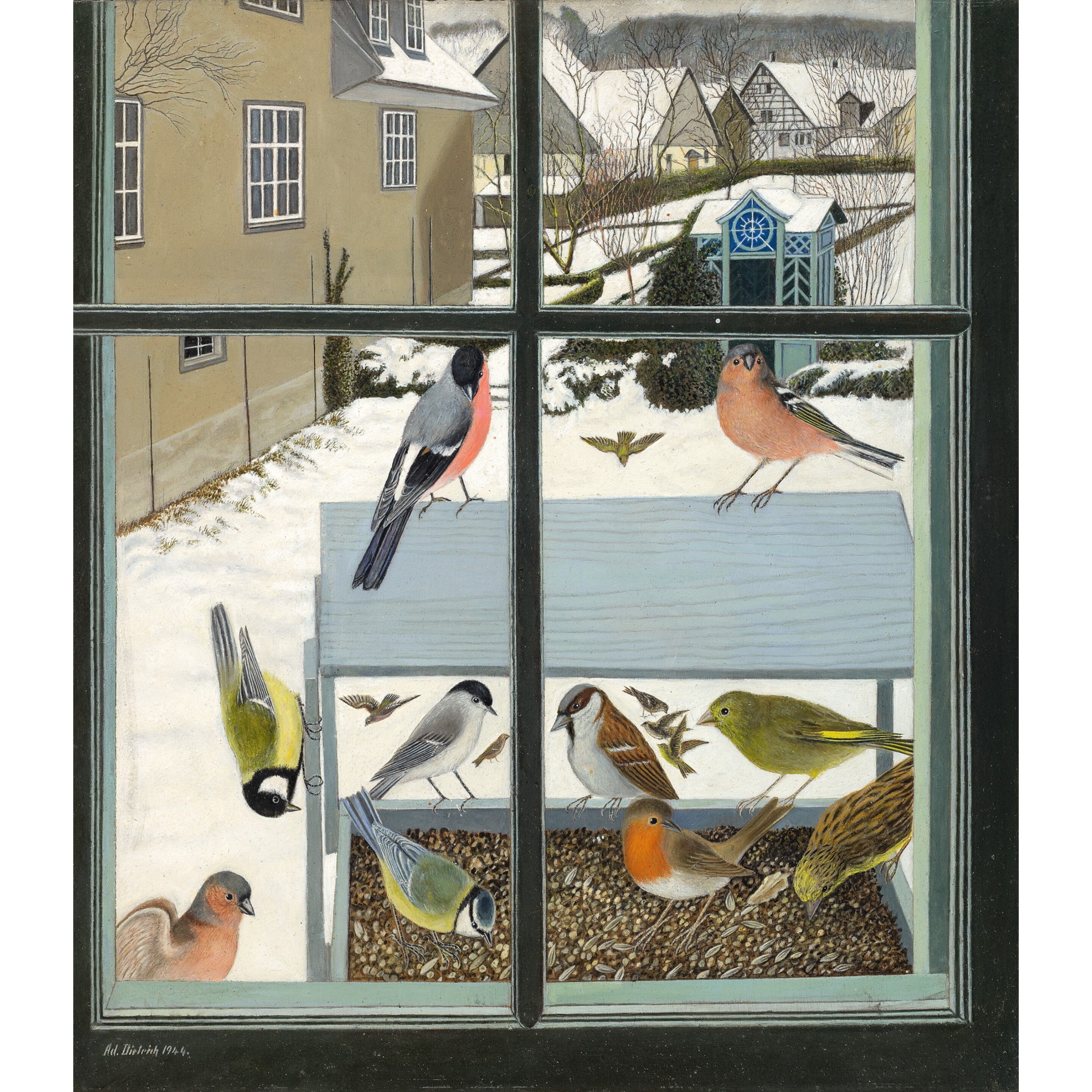
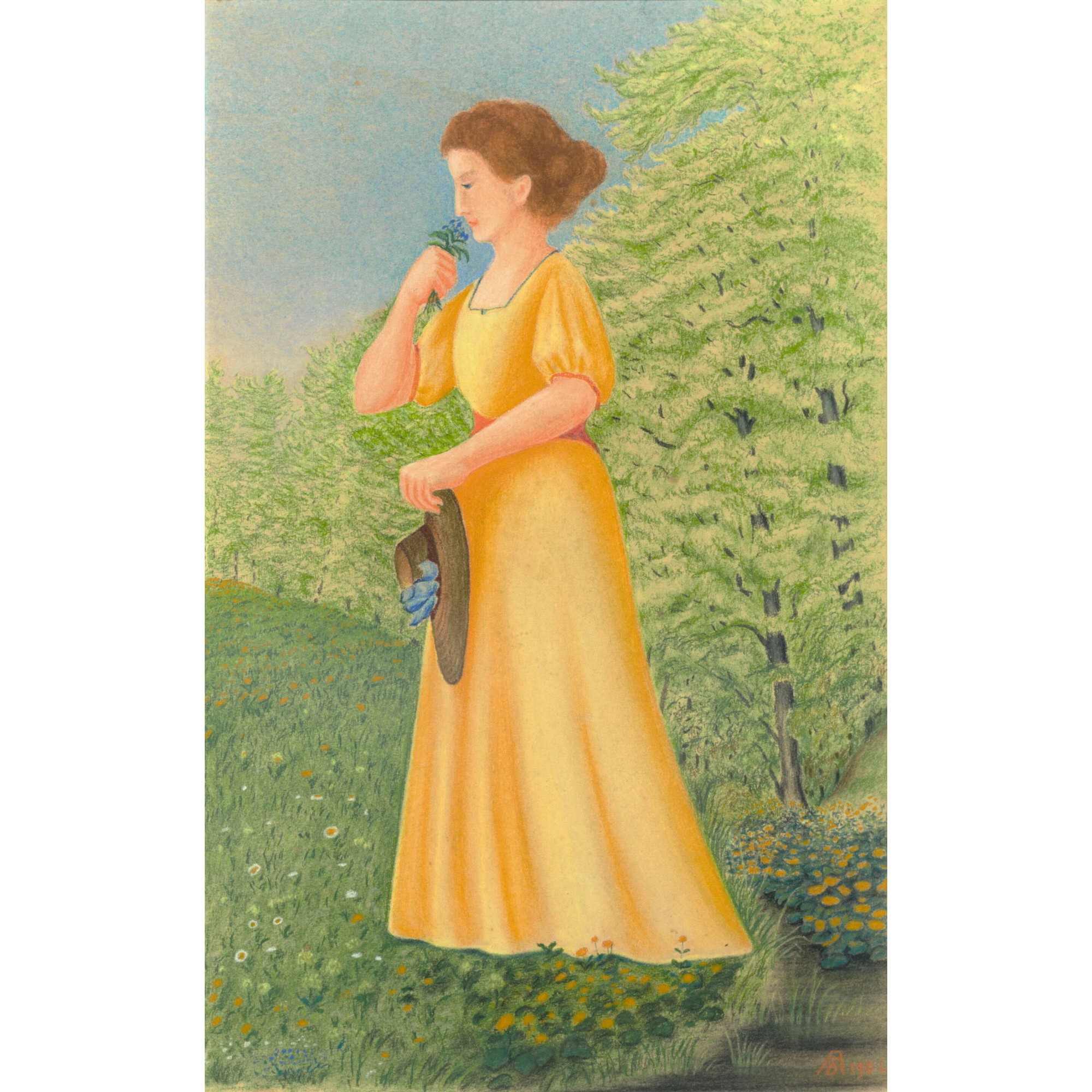
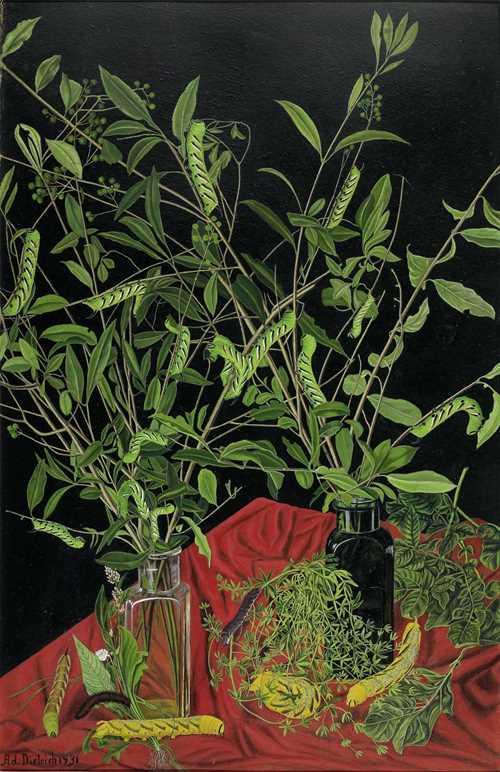
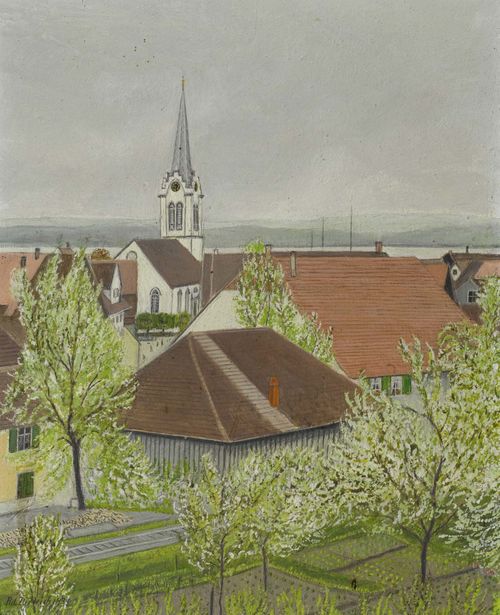
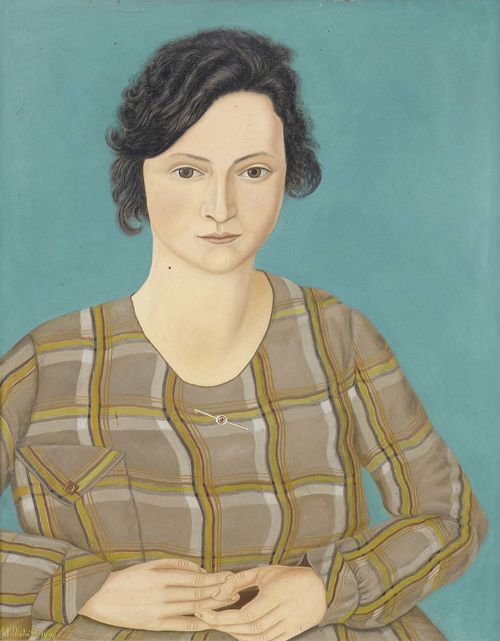
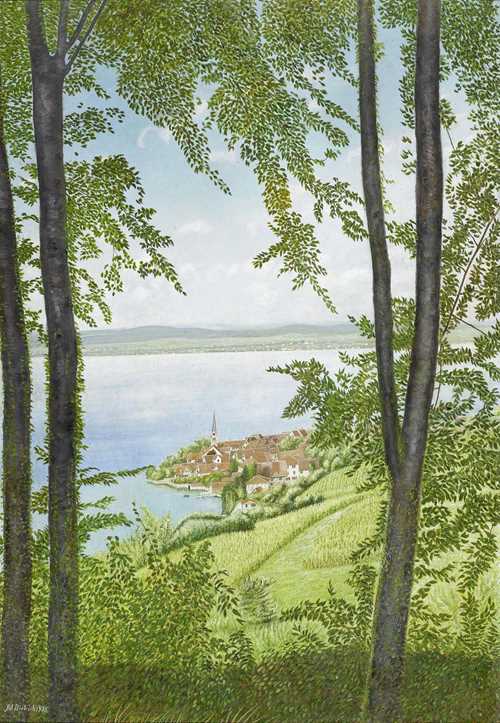
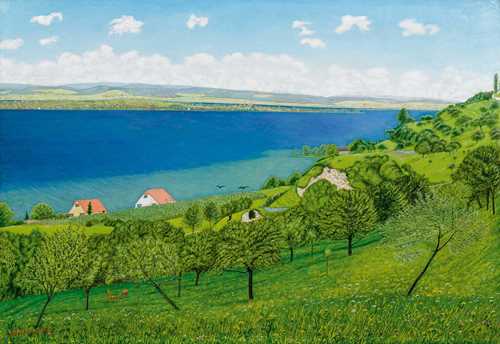
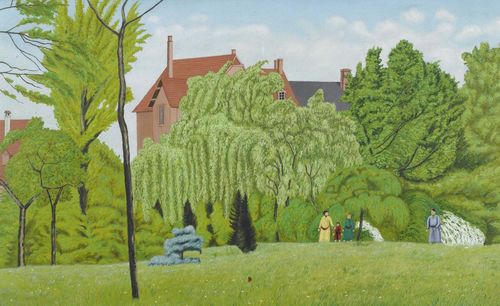
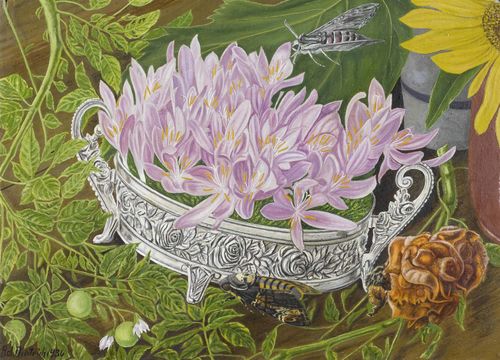
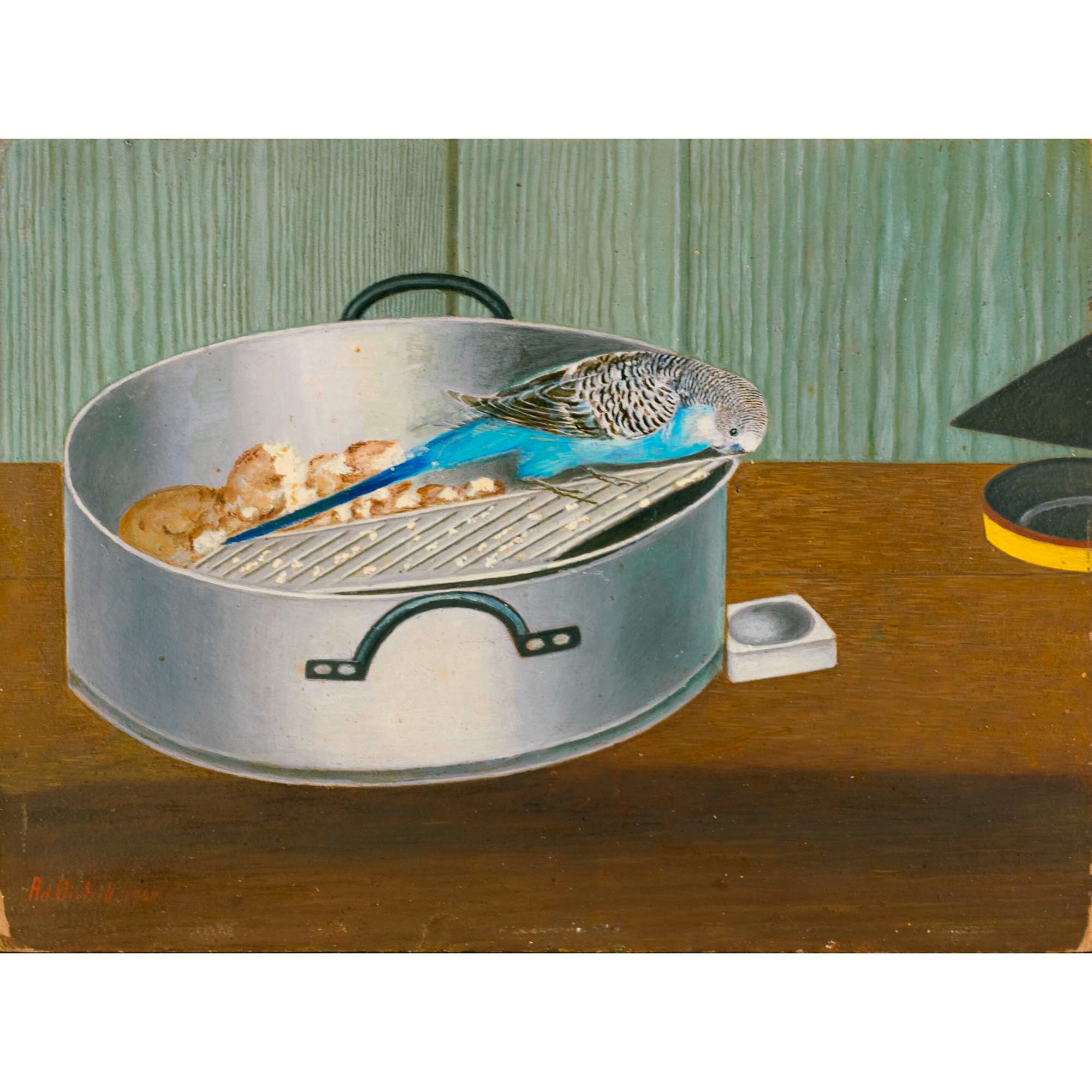
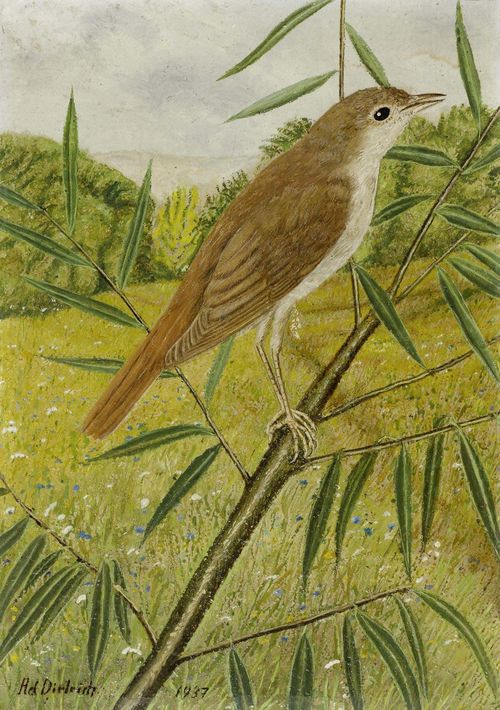
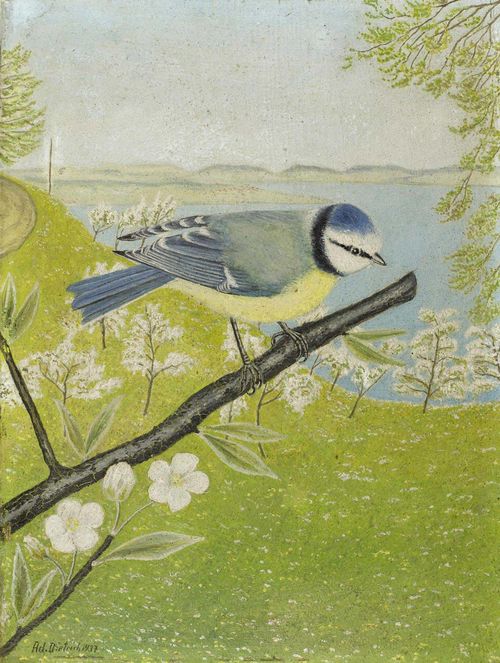
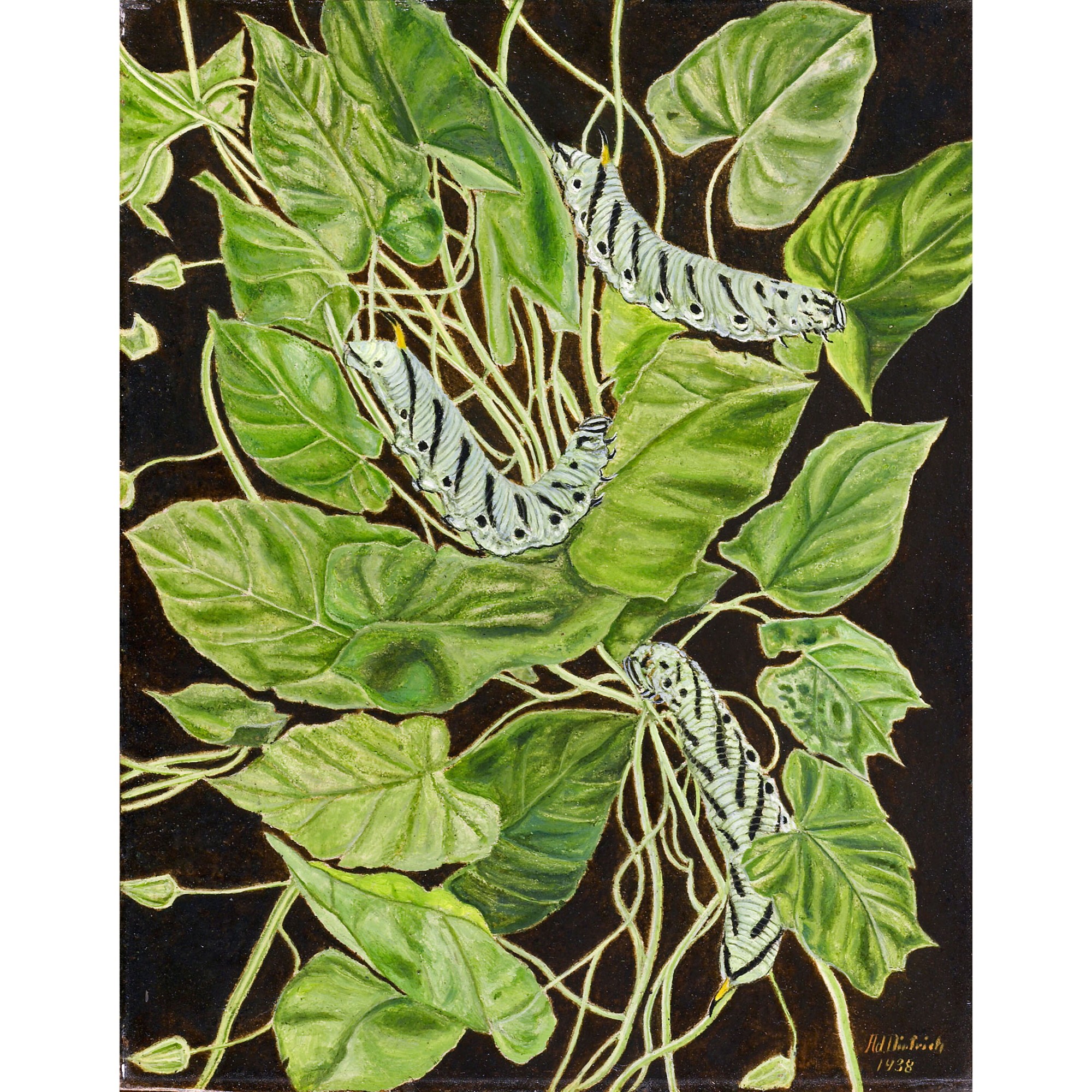
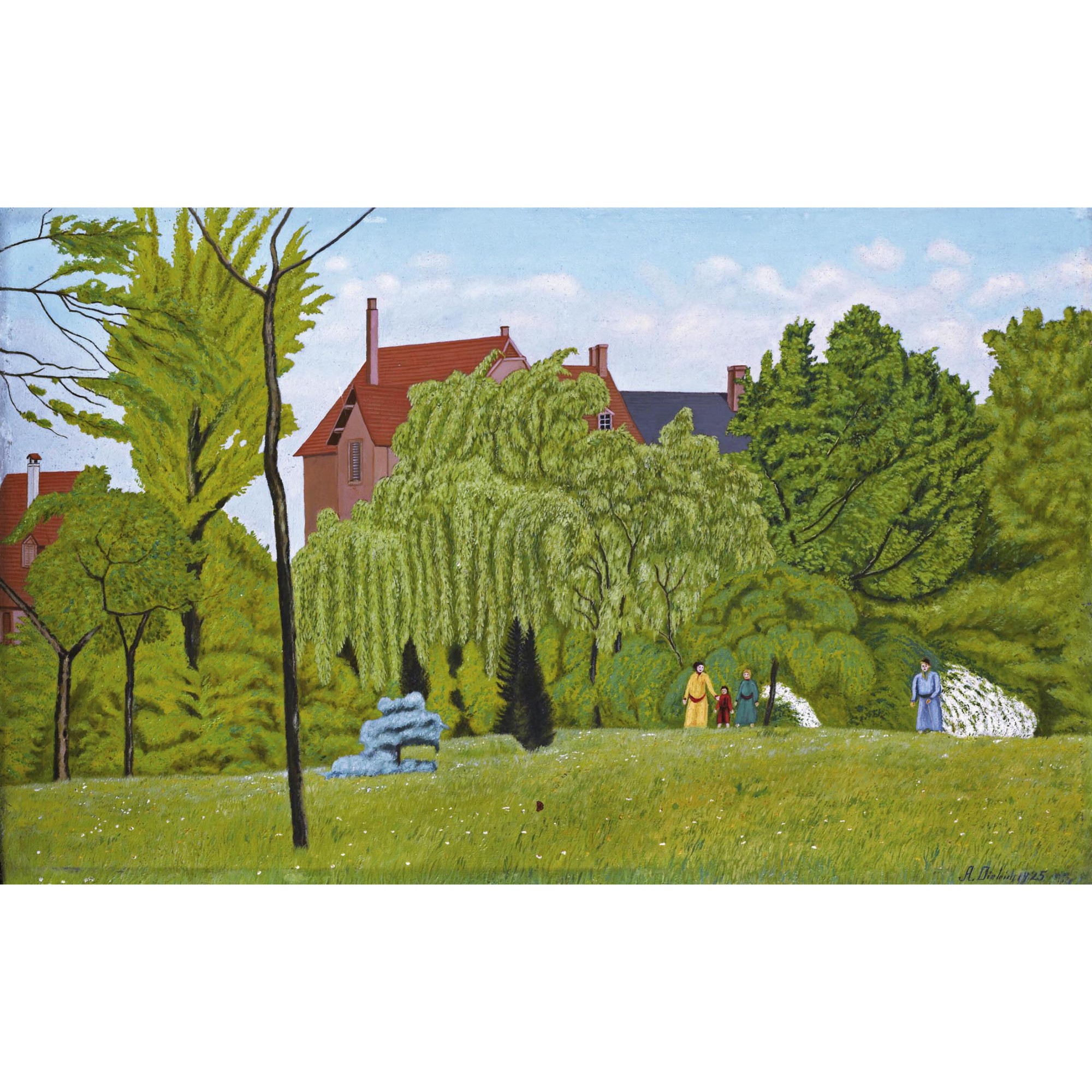
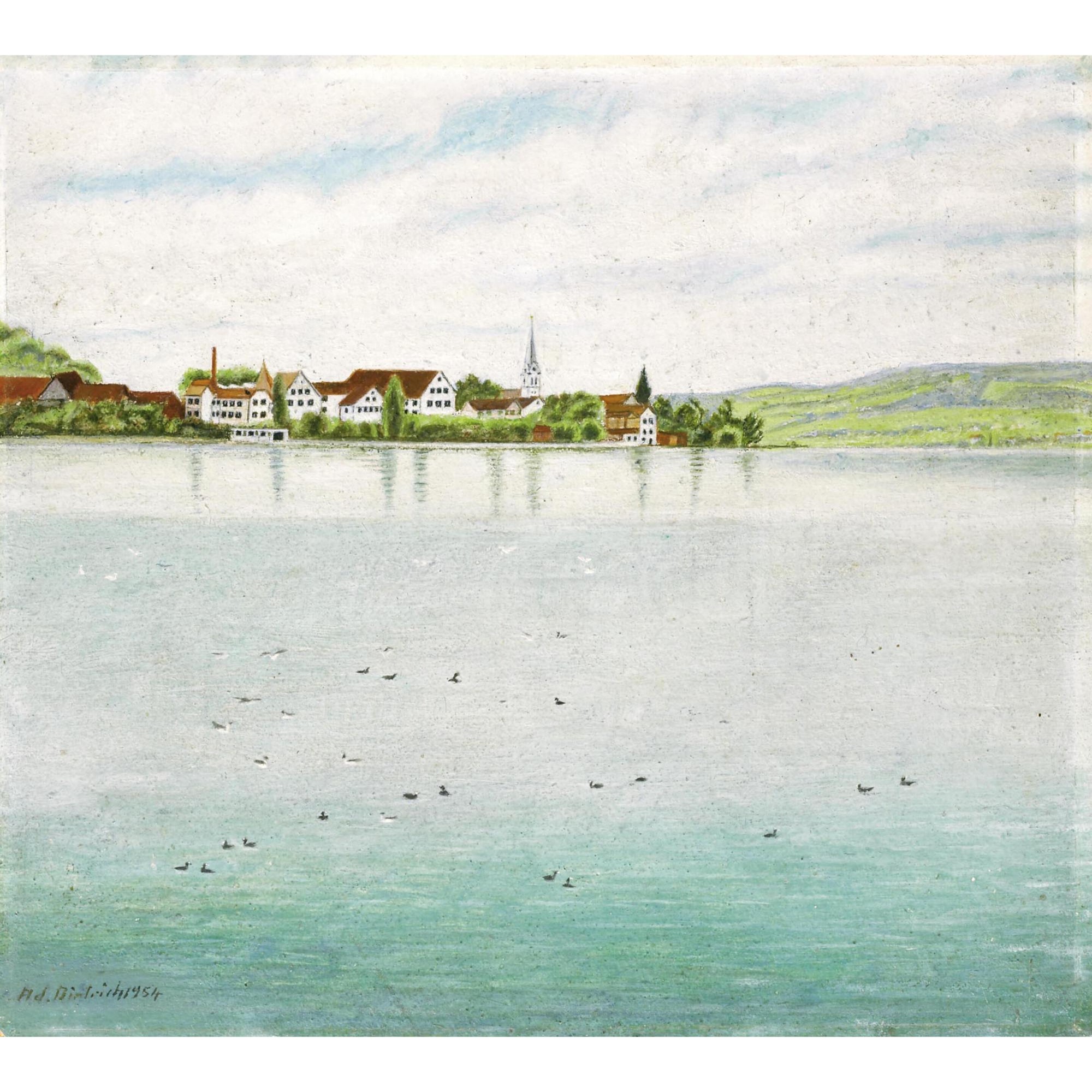
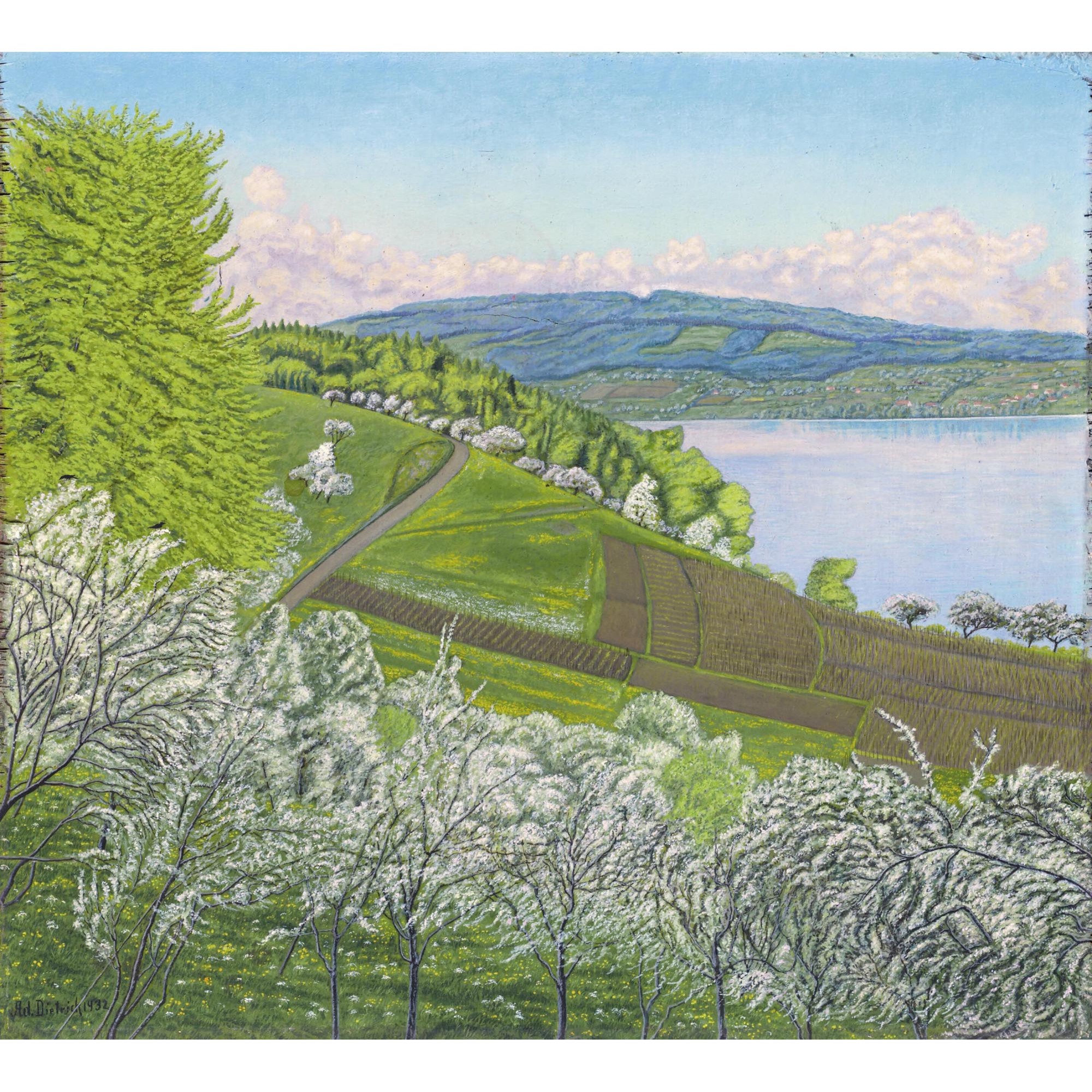
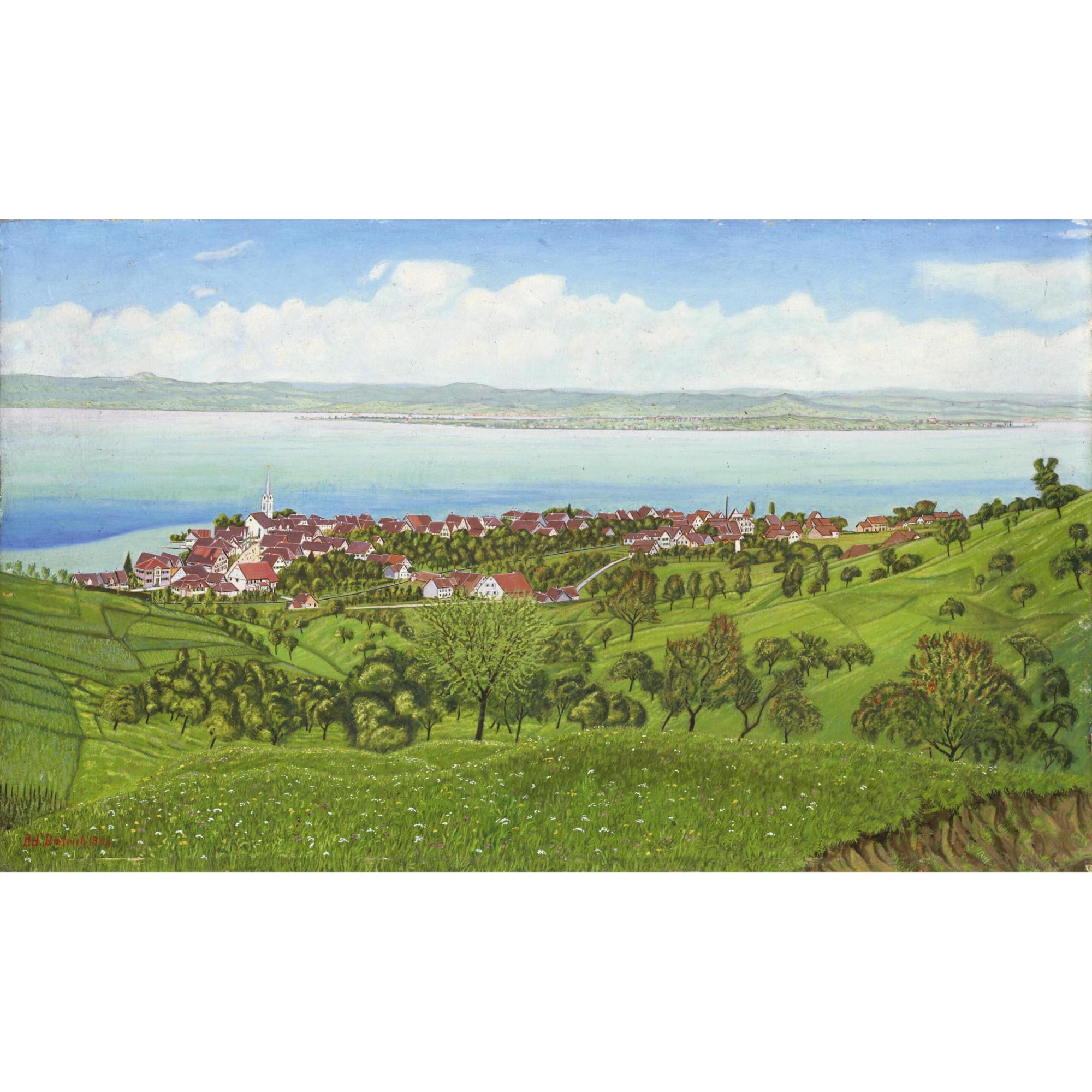
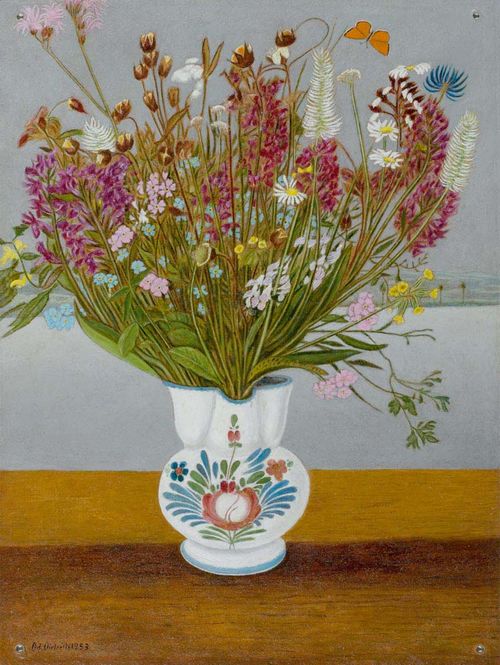
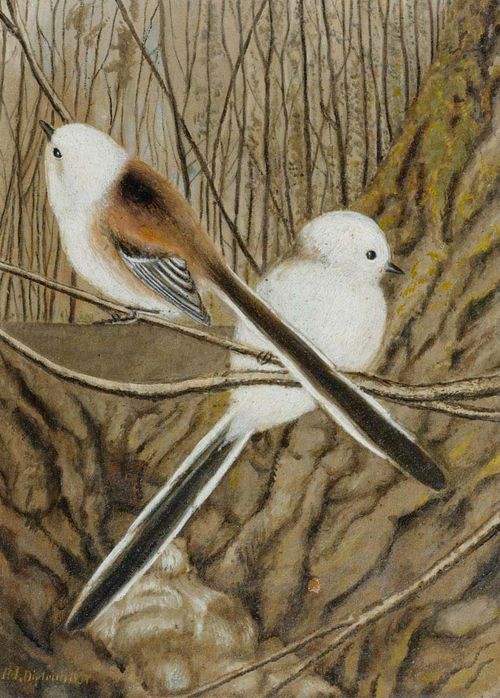
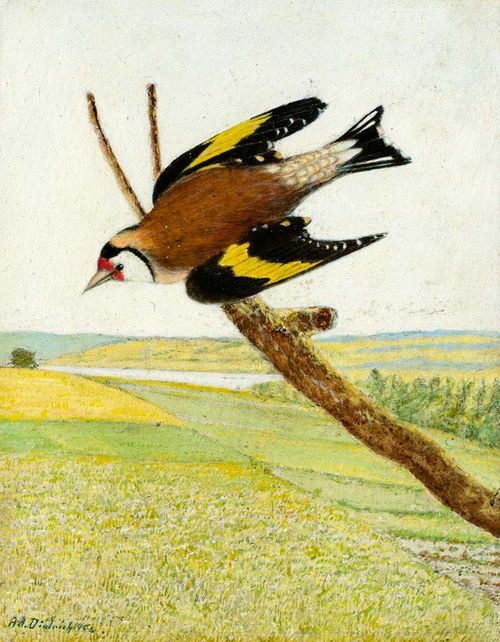
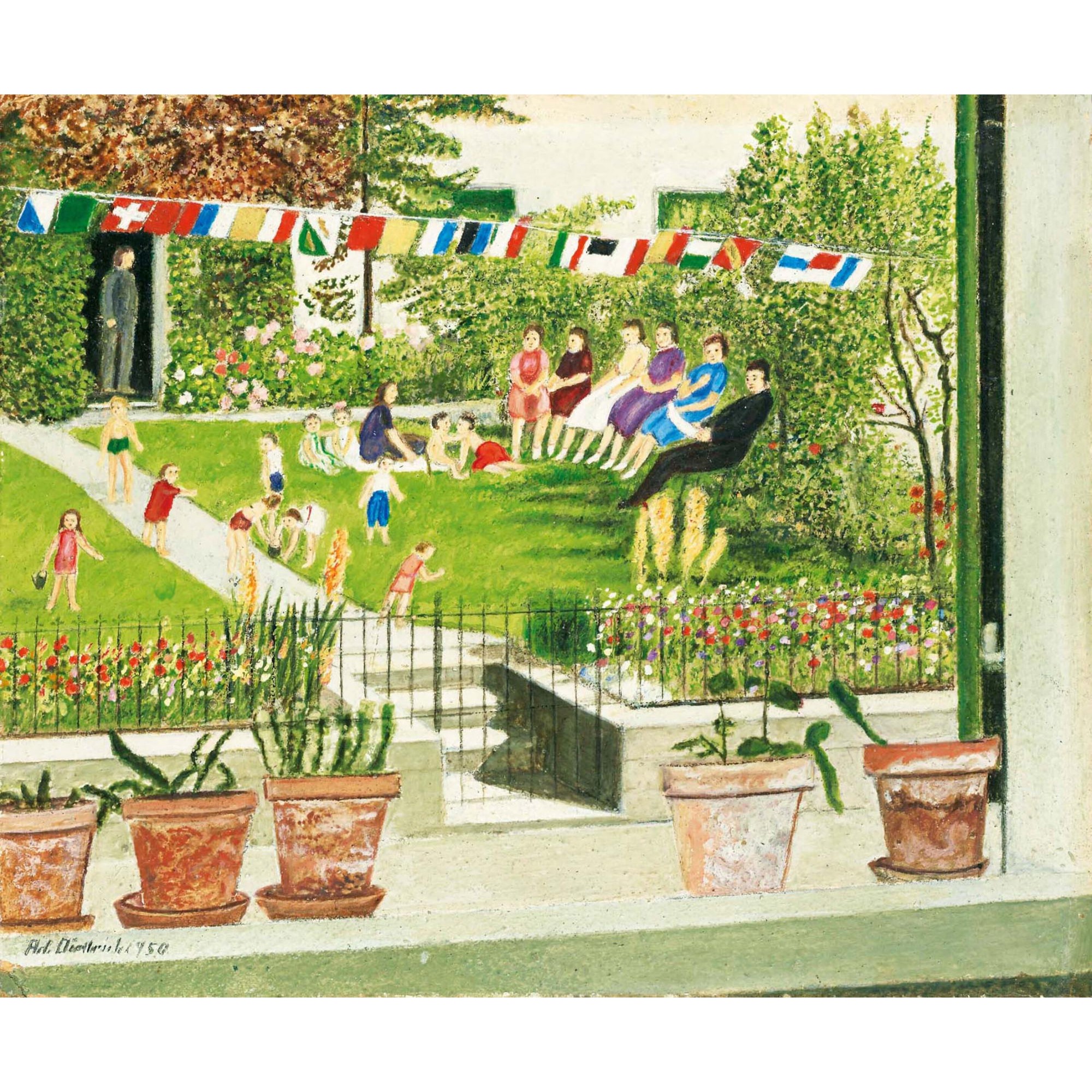
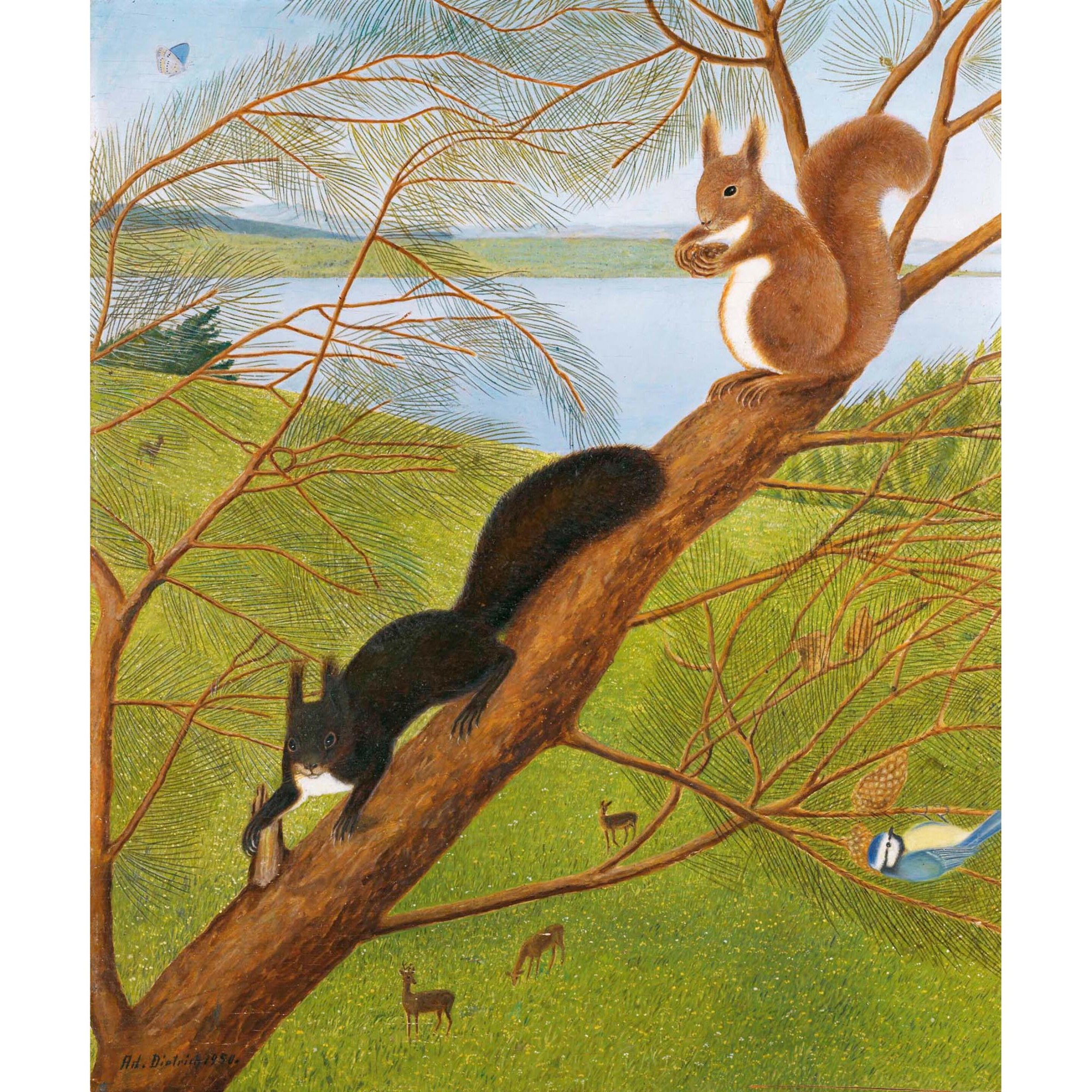
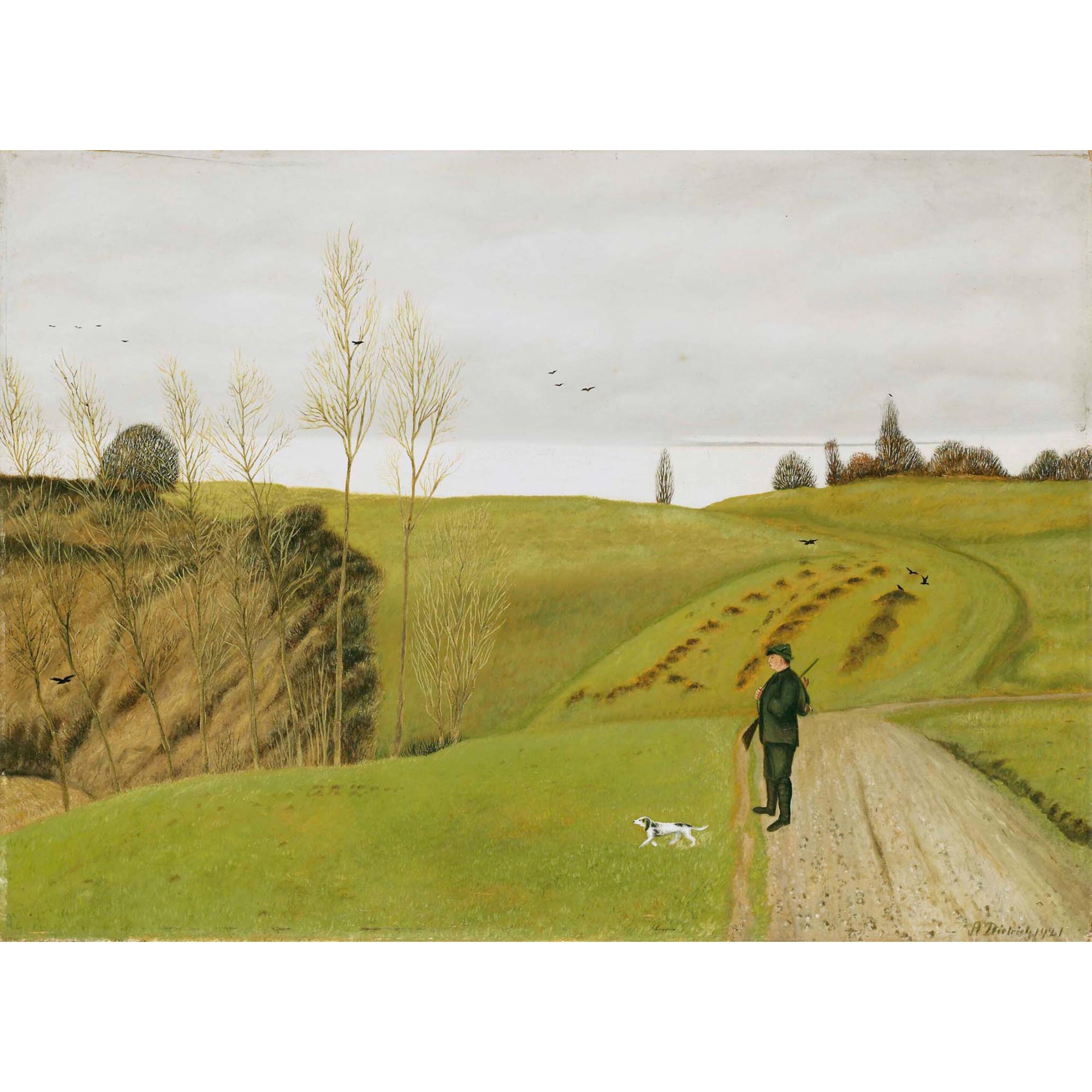
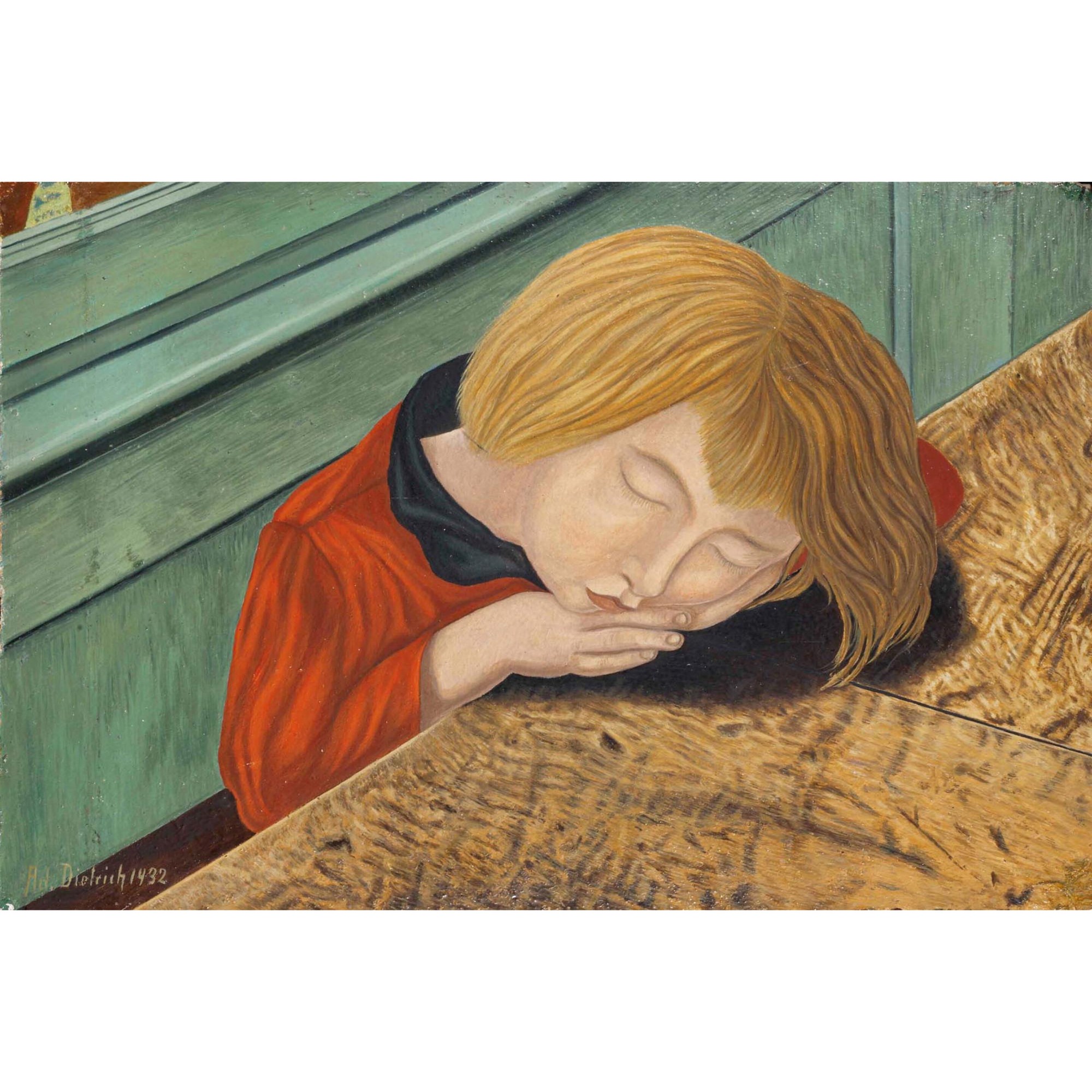
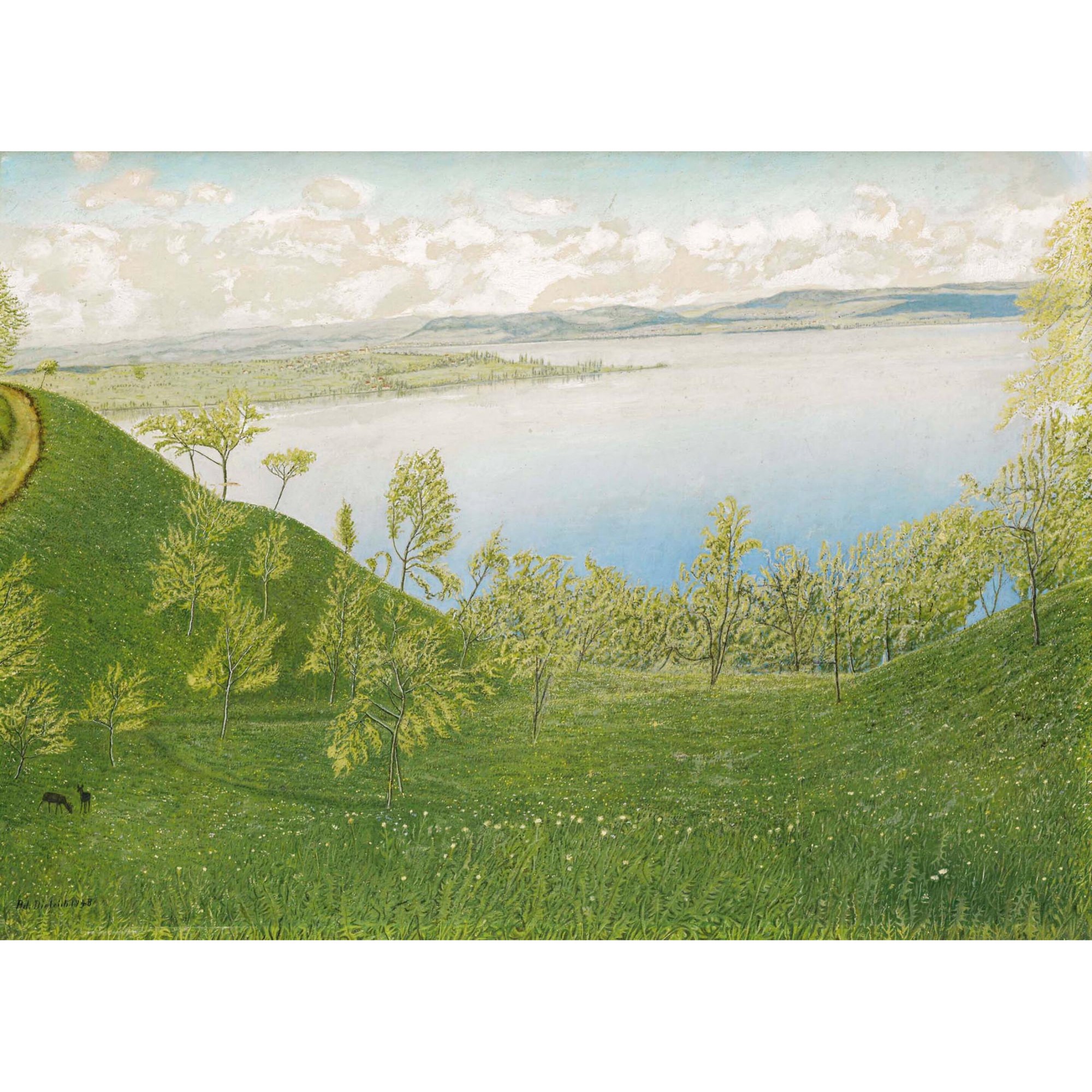
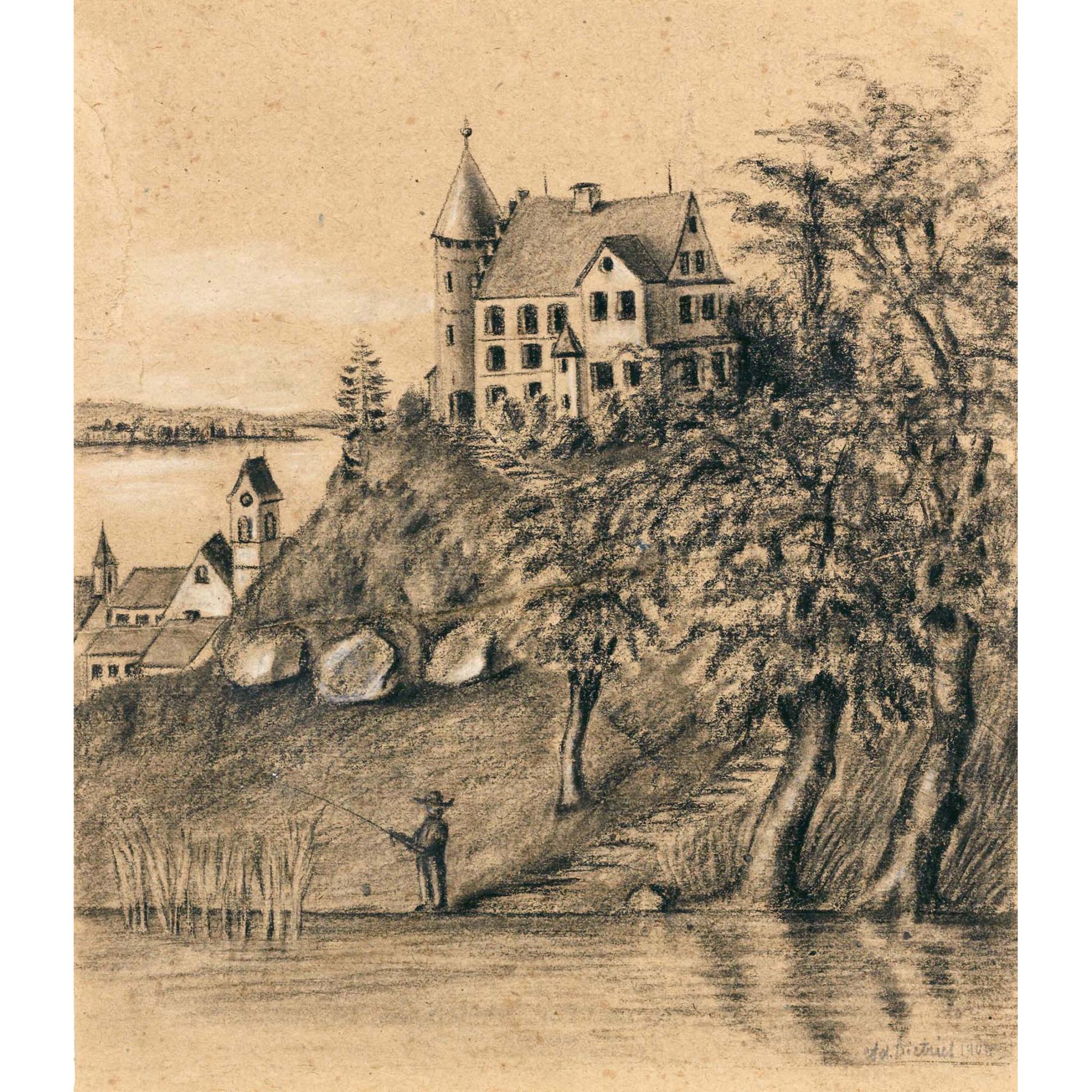
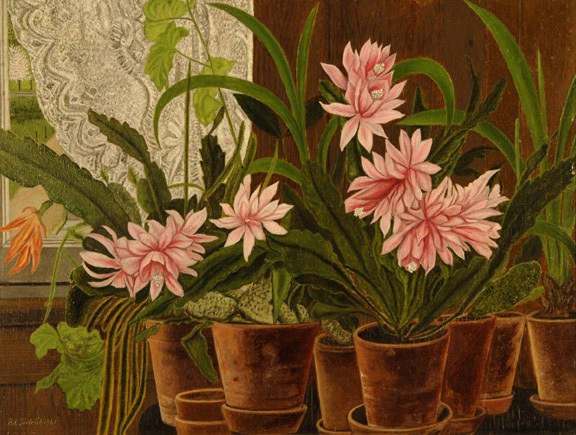
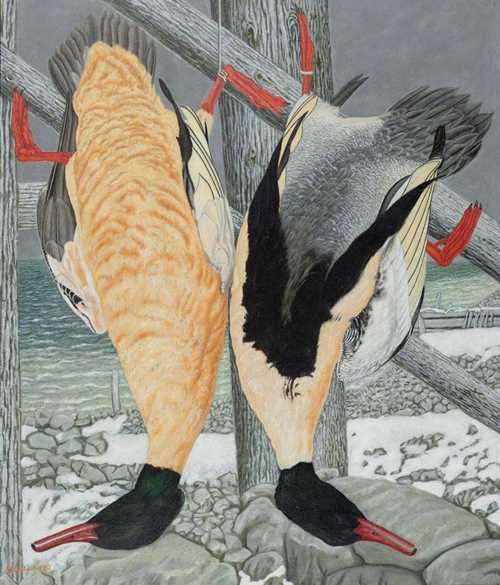
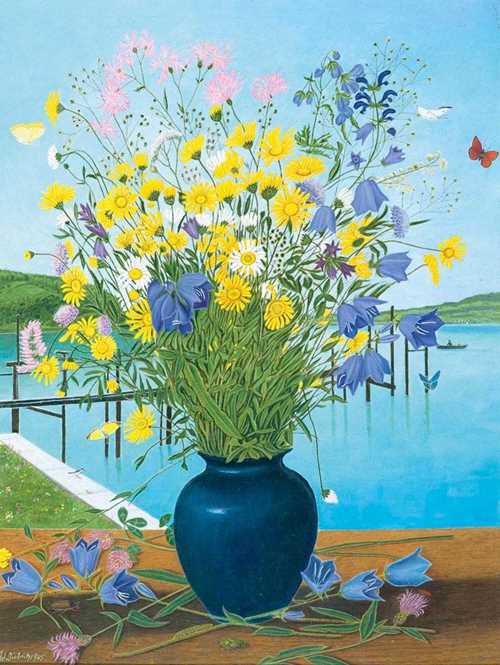
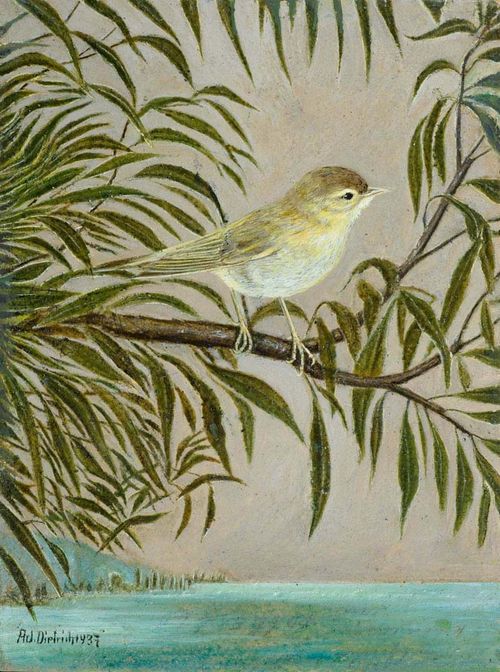
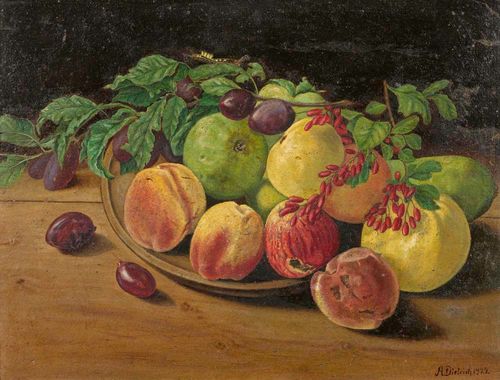
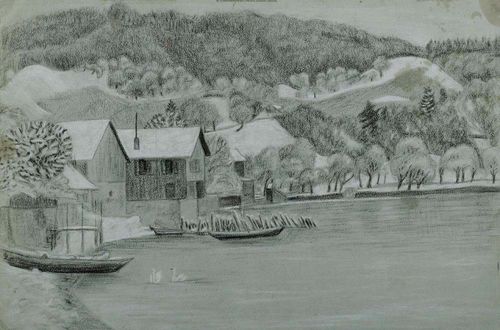
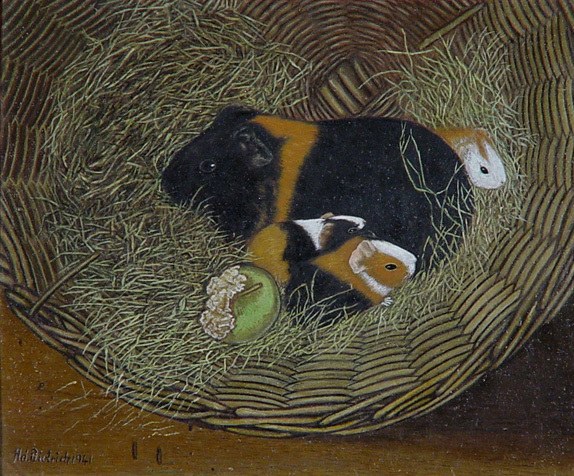
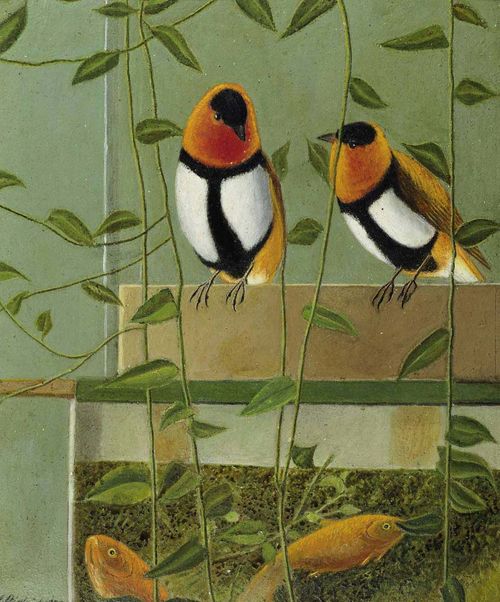
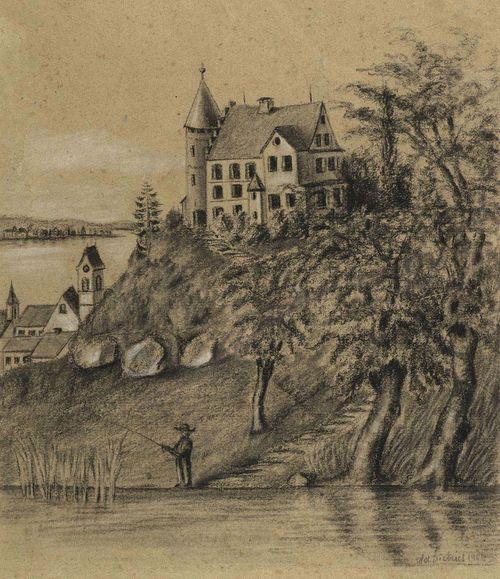
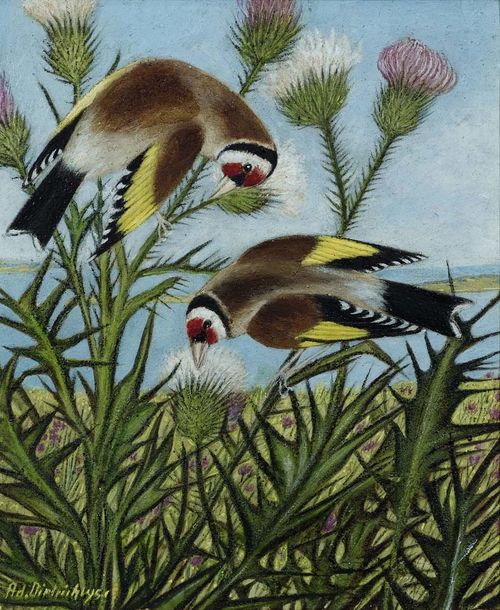
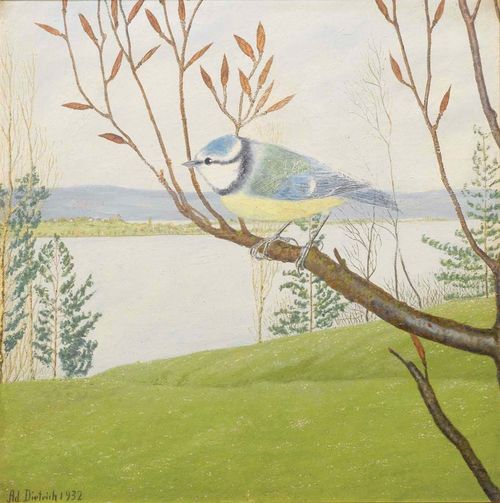
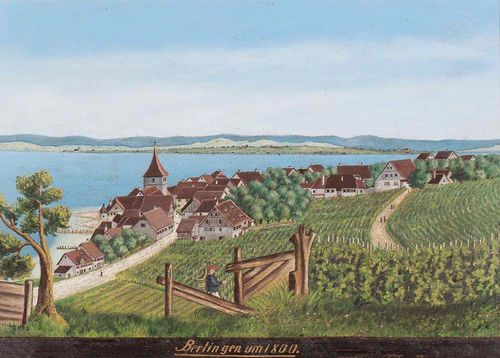
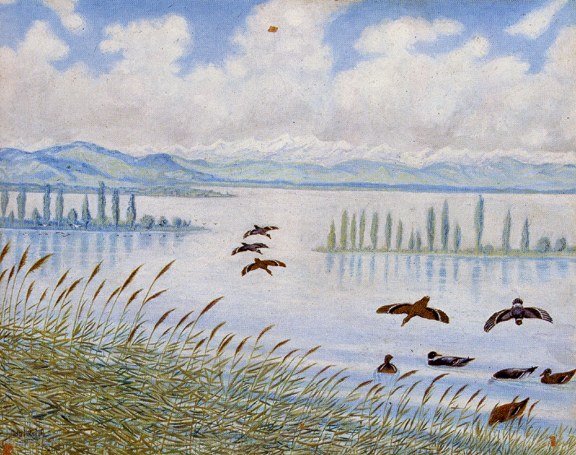
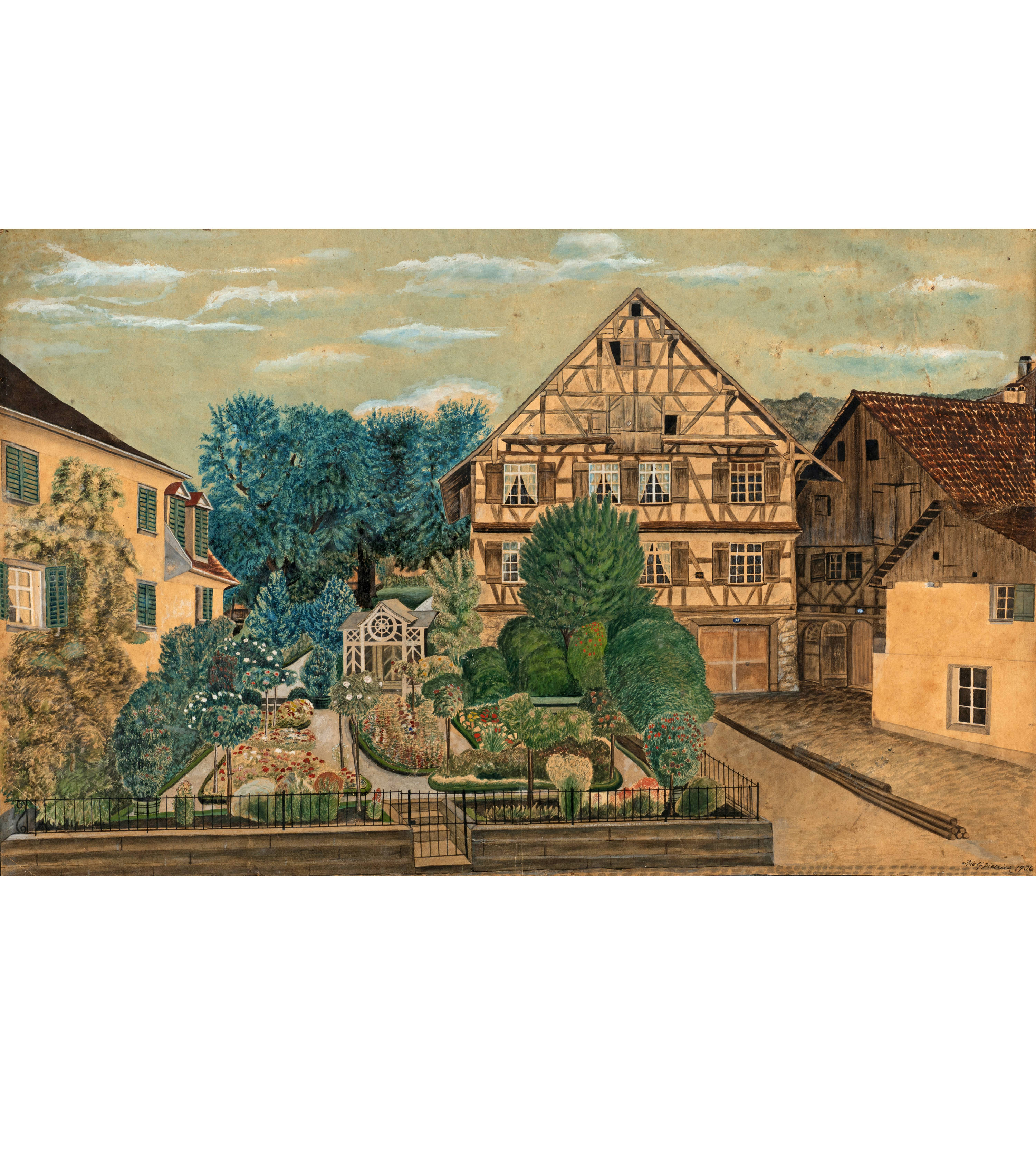
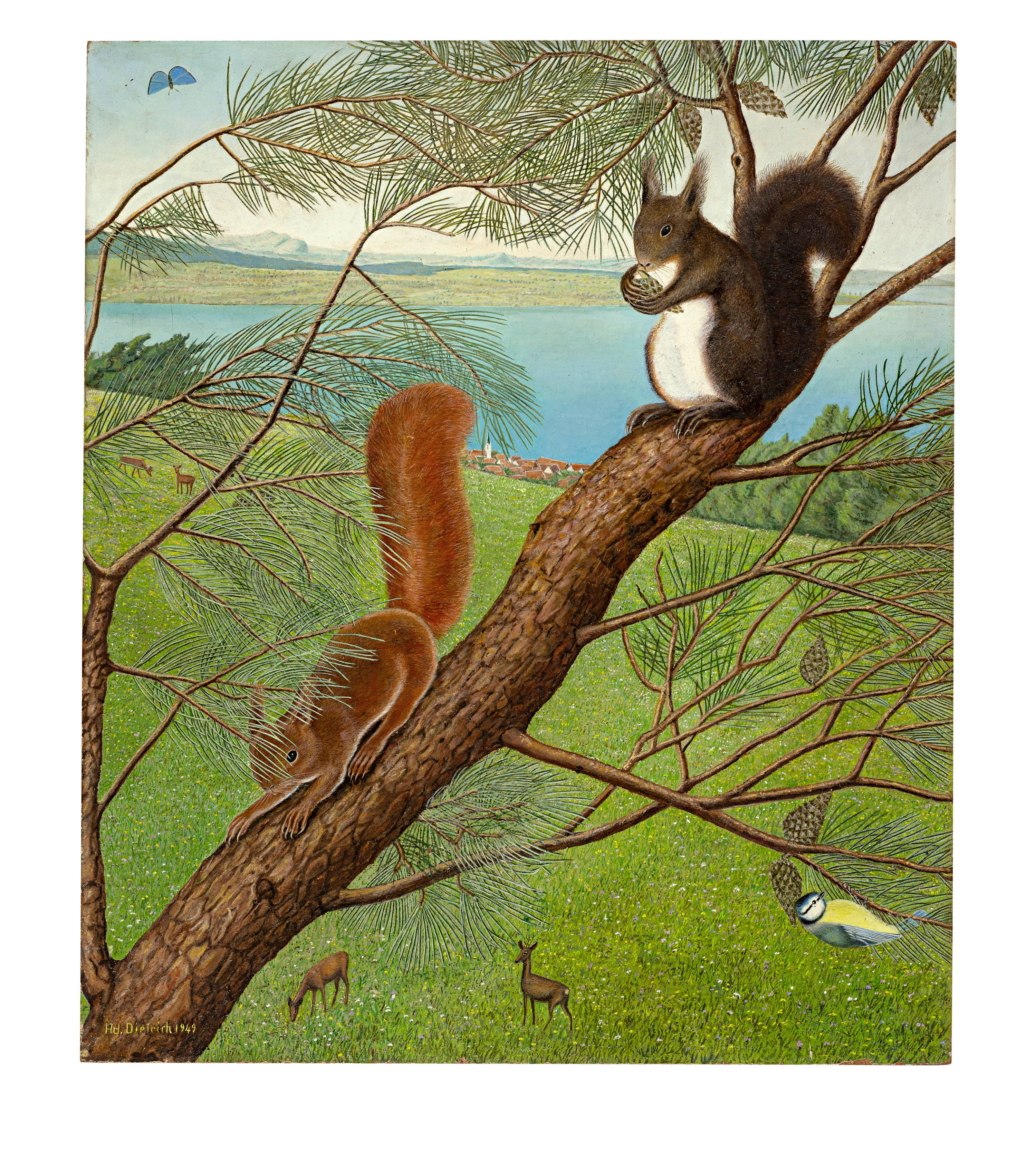
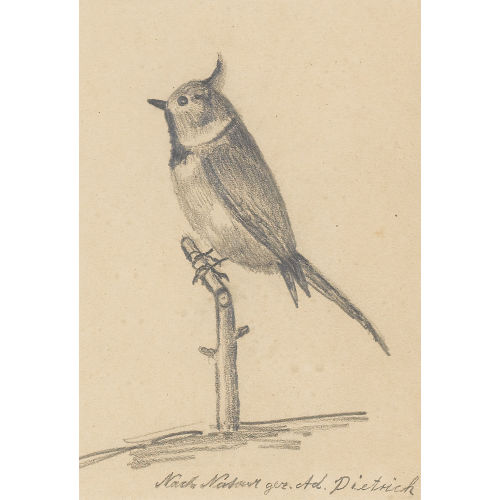
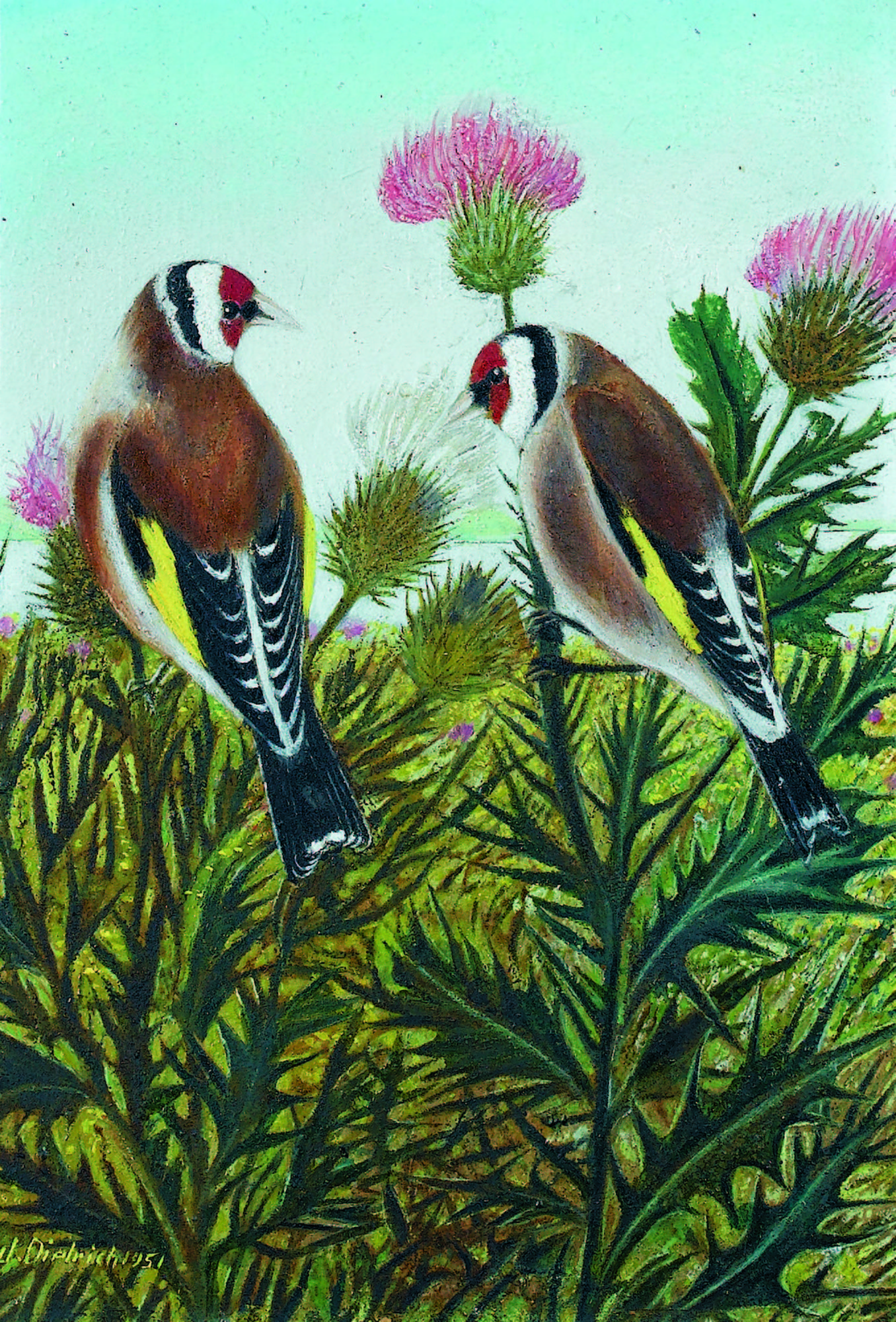
His subjects came from his immediate surroundings: the lake and the landscapes around Berlingen, animals, flowers, the village, his relatives and the children from the neighbourhood. He walked the same paths repeatedly with a sketchbook and pencil, then developed paintings of remarkable precision in his studio, based on his drawings and visual memory. In connection with Garten im Sommer (1925), the Kunsthalle Mannheim emphasises his attention to detail and the lively manner in which he renders a familiar place in its seasonal variations.
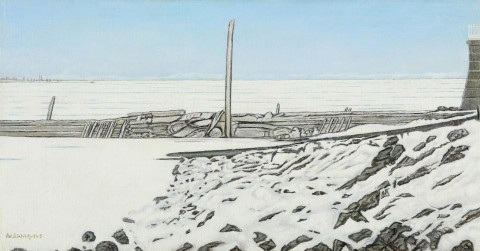
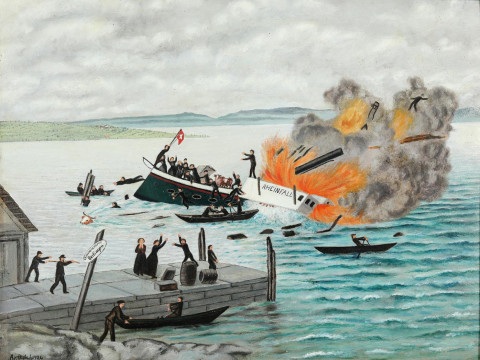
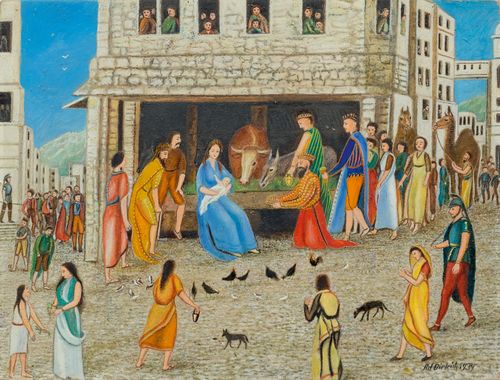
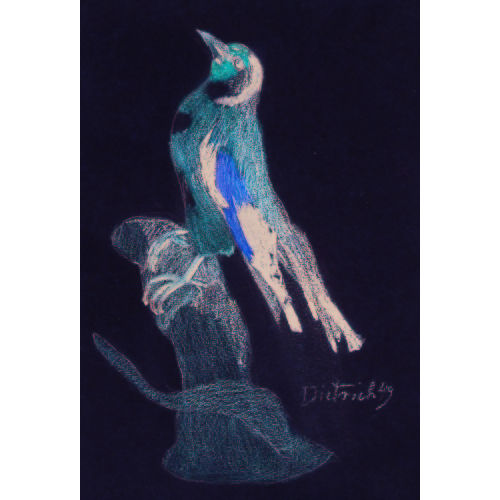
Descriptive precision is combined with clear colours and carefully ordered compositions.
Dietrich is often associated with naïve painting and the New Objectivity. These categories illuminate certain aspects of his work, but do not suffice to sum up its independence. He described himself as a “master painter” and occasionally revisited his own motifs, developing his visual vocabulary with great consistency.
After several regional exhibitions, the art dealer Herbert Tannenbaum had him participate, from 1919 onwards, in an exhibition at the Kunsthalle Mannheim. In 1925, the institution presented forty of his paintings: thirty-eight were sold, marking an important stage in his recognition. In 1937, his participation in the exhibition «Les maîtres populaires de la réalité» further extended his international reputation.
His preserved studio and the body of his work held by the Kunstmuseum Thurgau now make it possible to approach his paintings, sketchbooks and working process together.