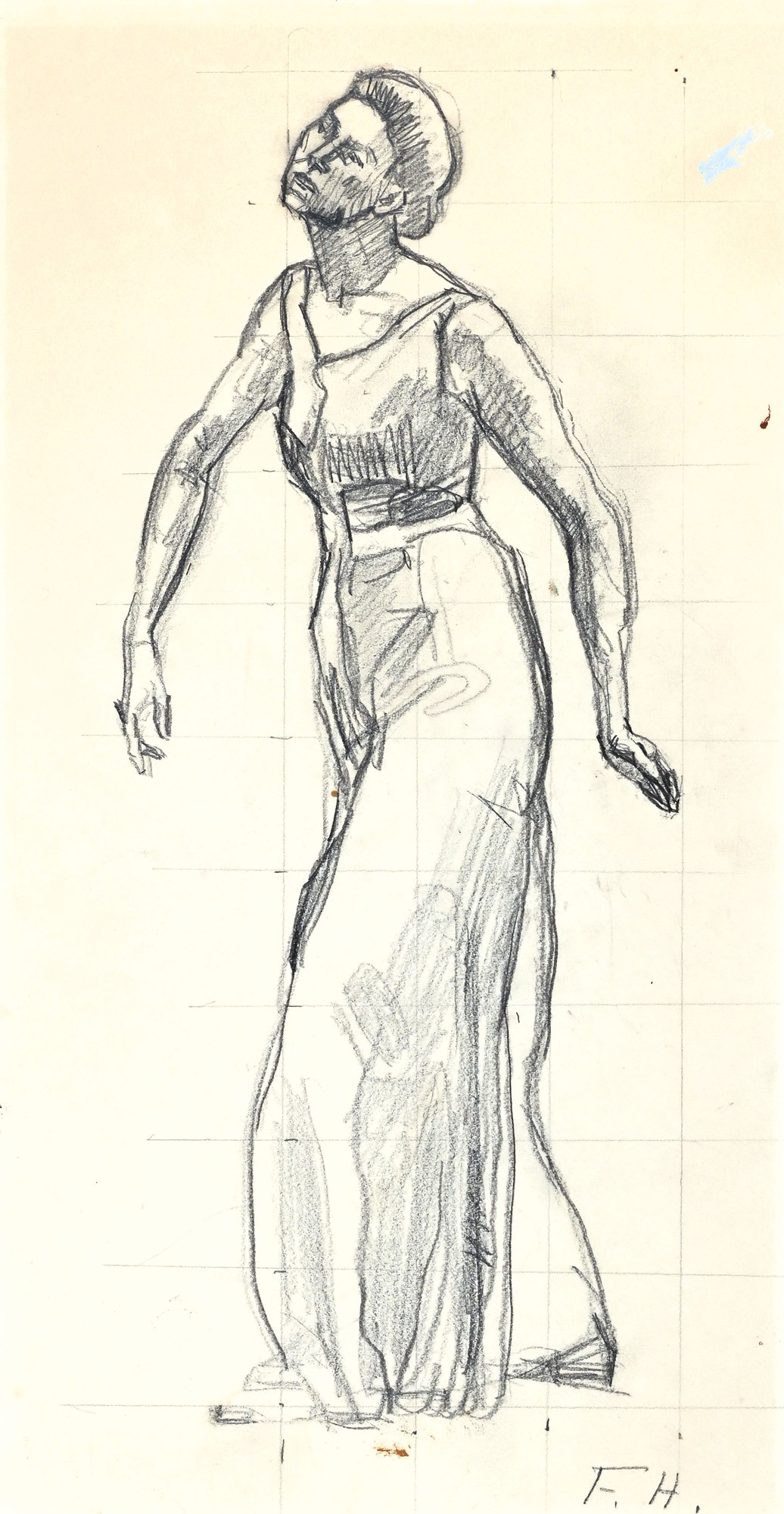
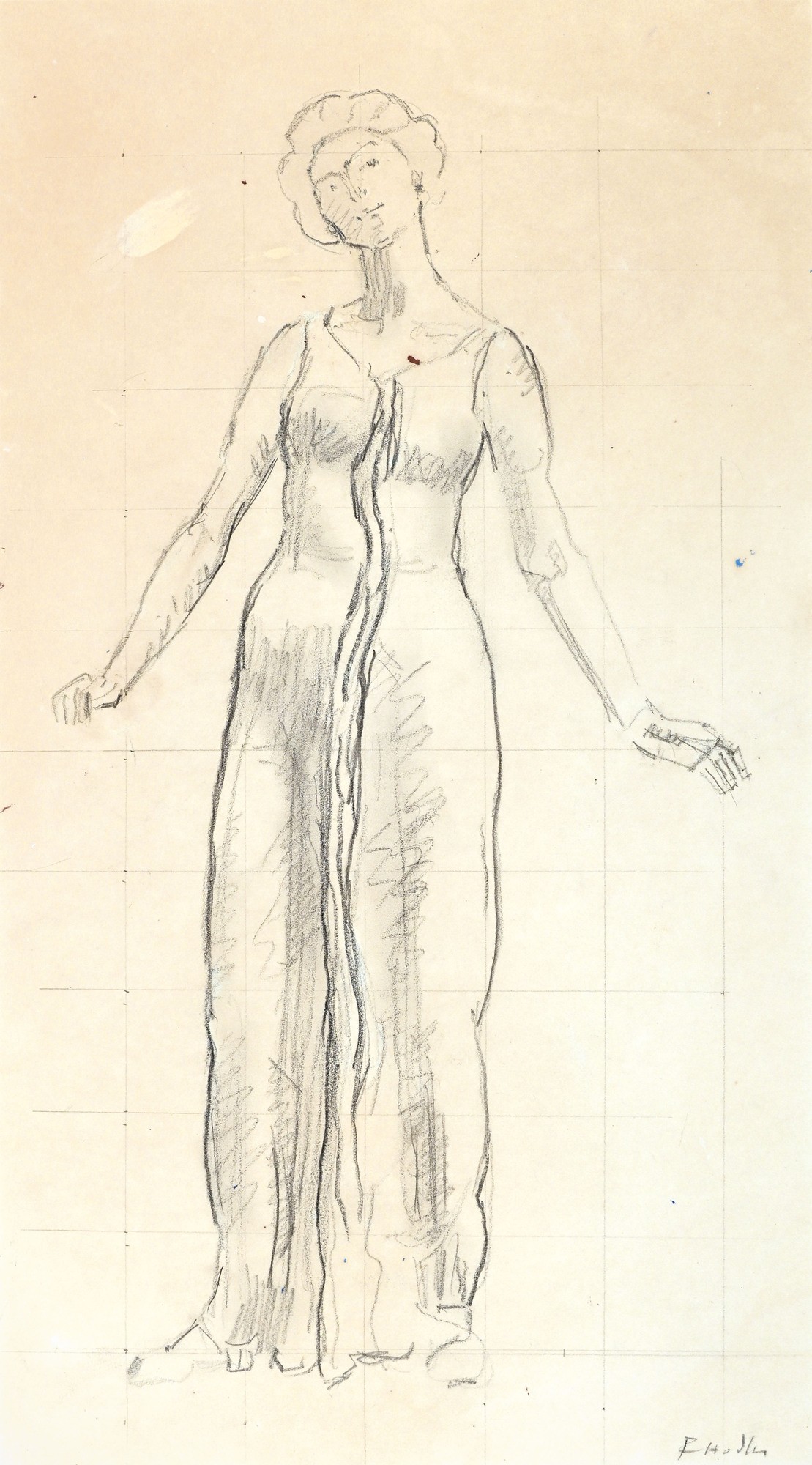
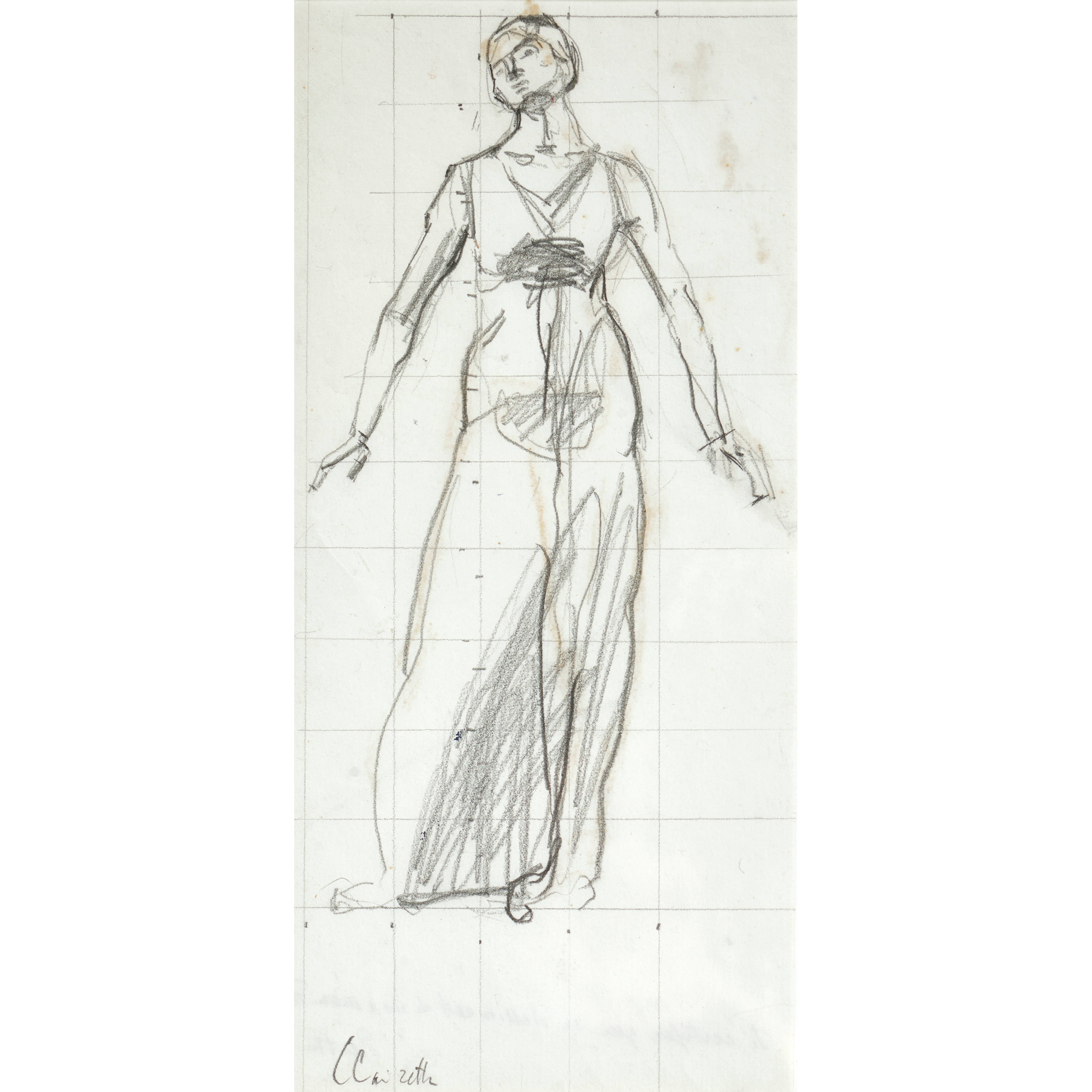
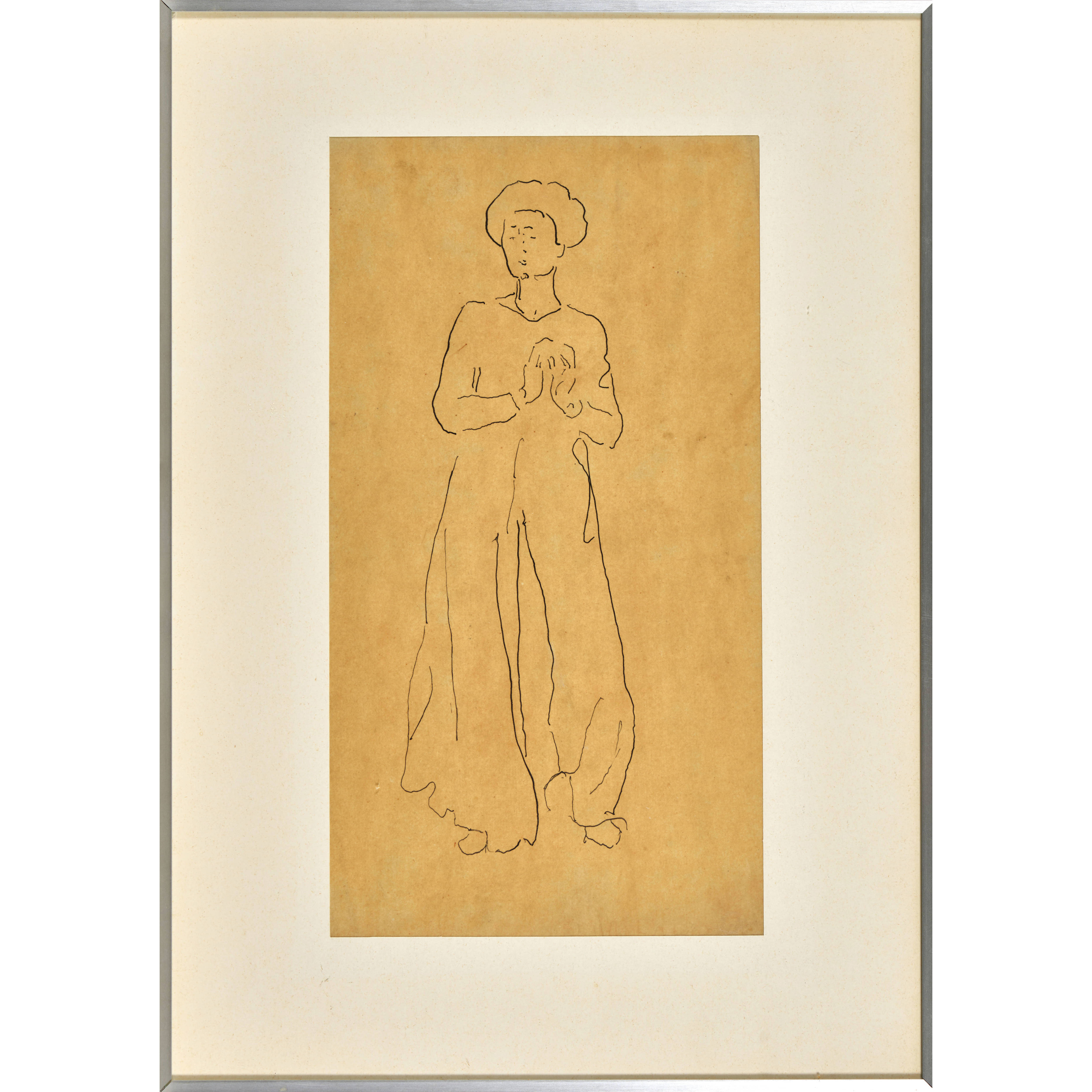
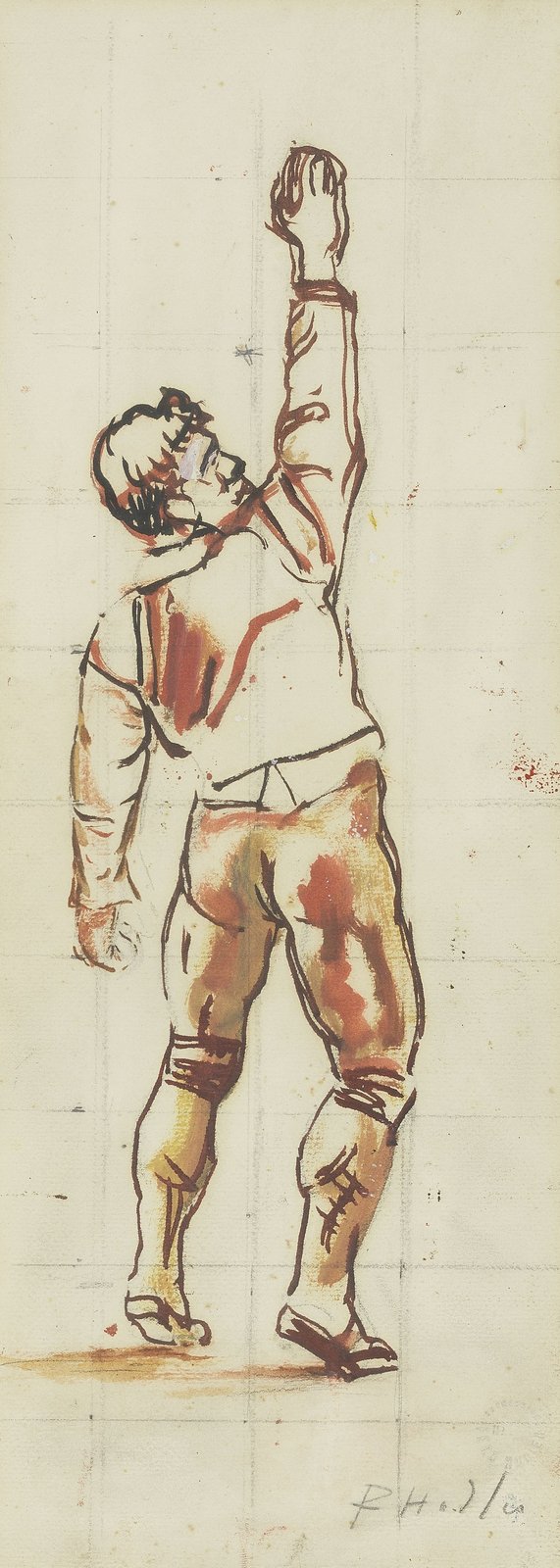
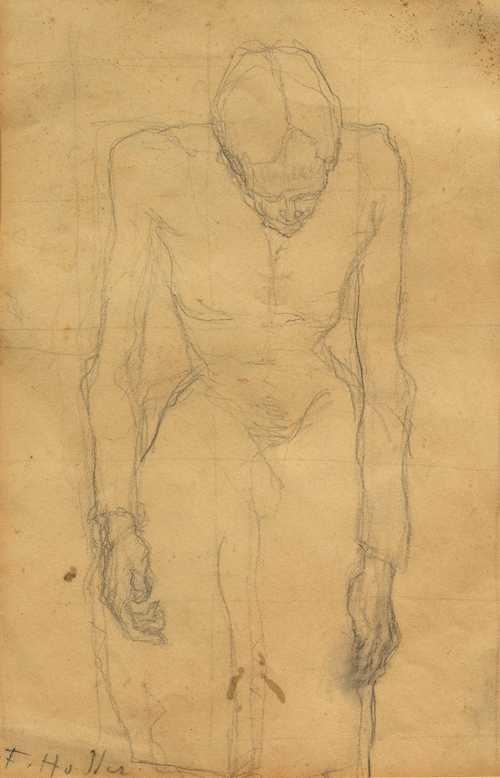
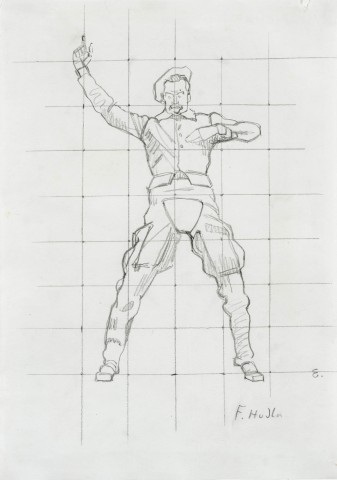
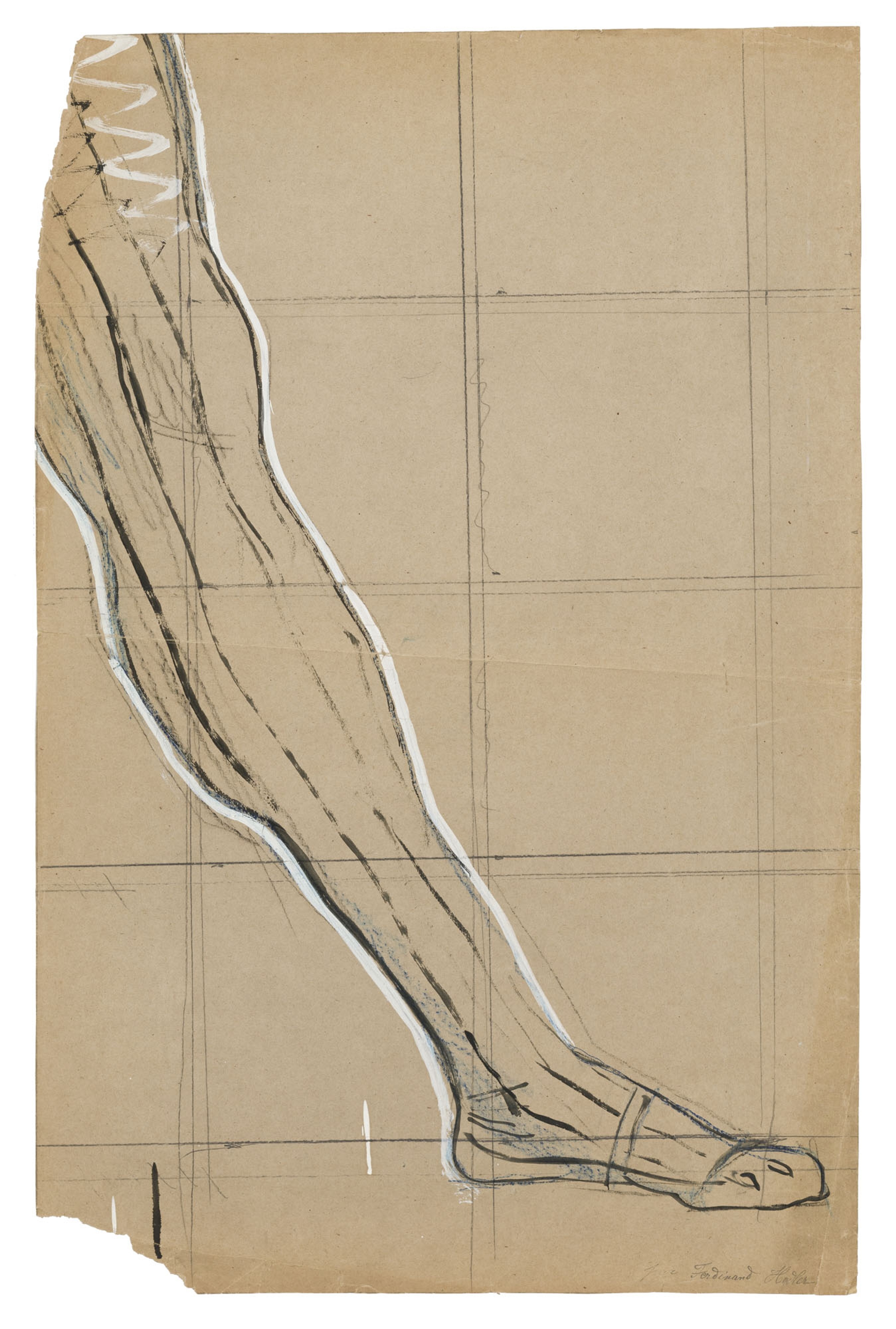
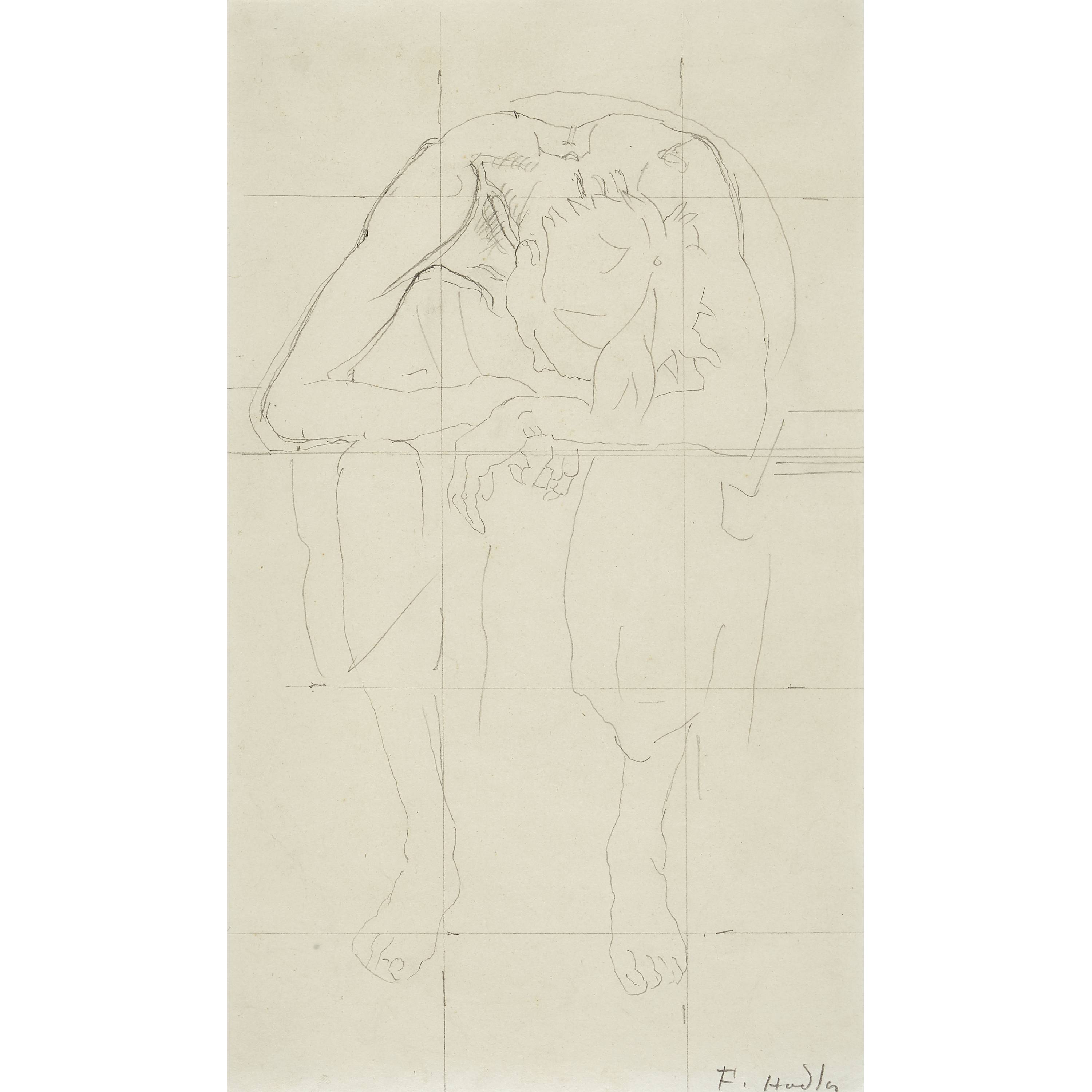
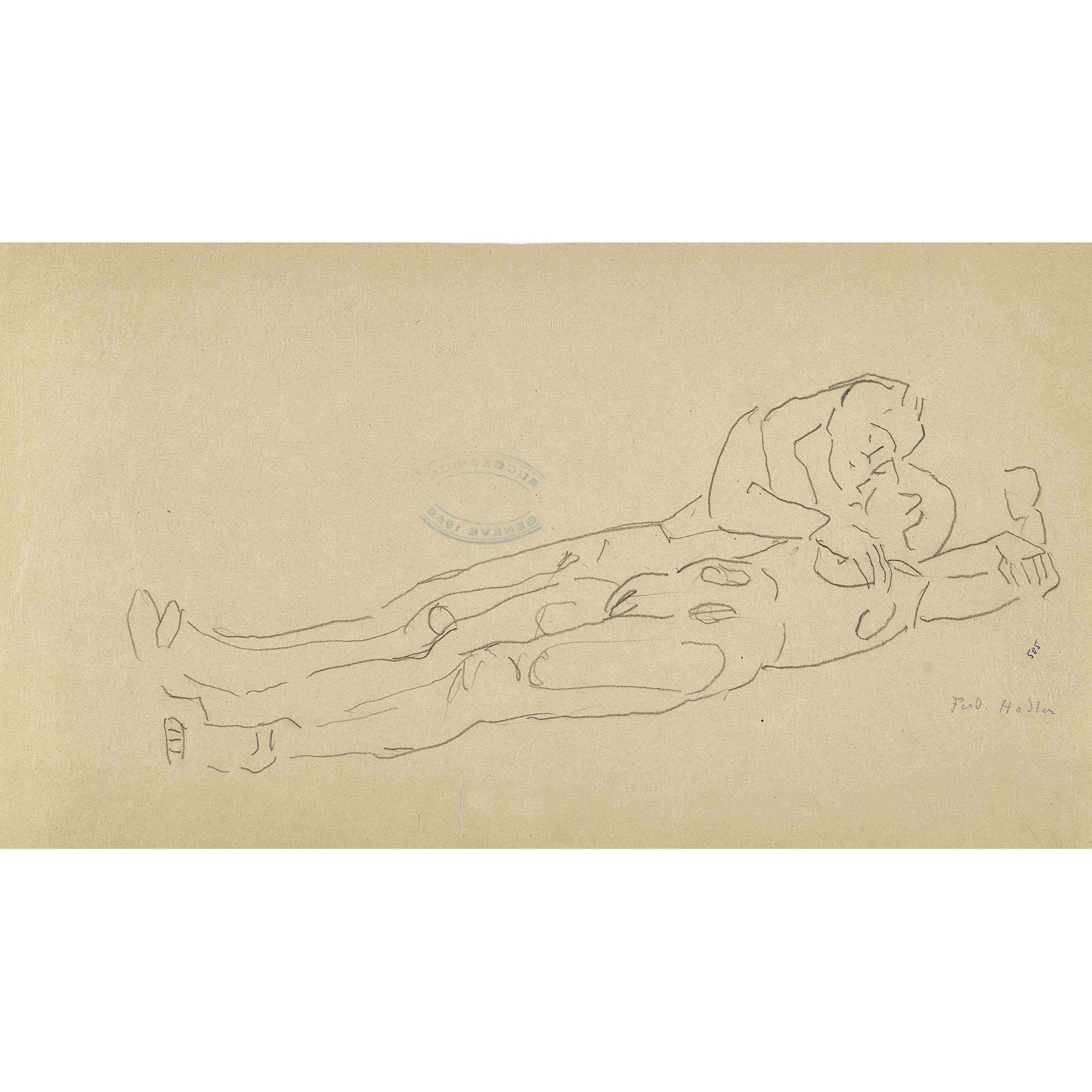
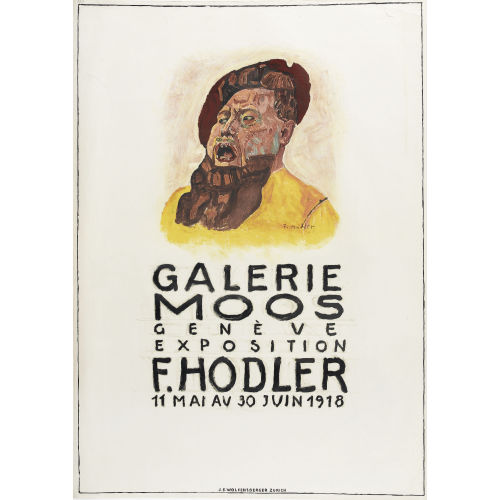
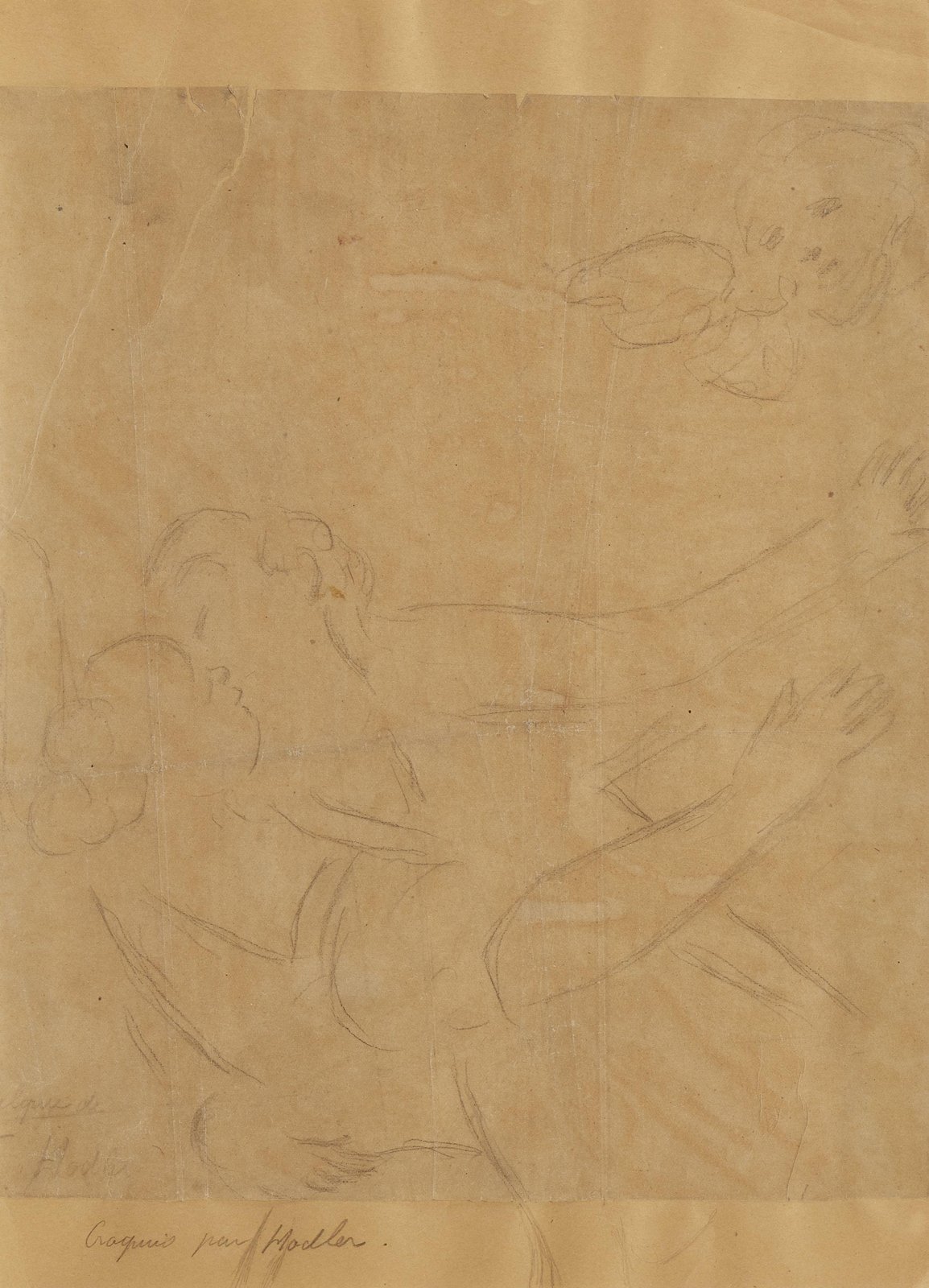
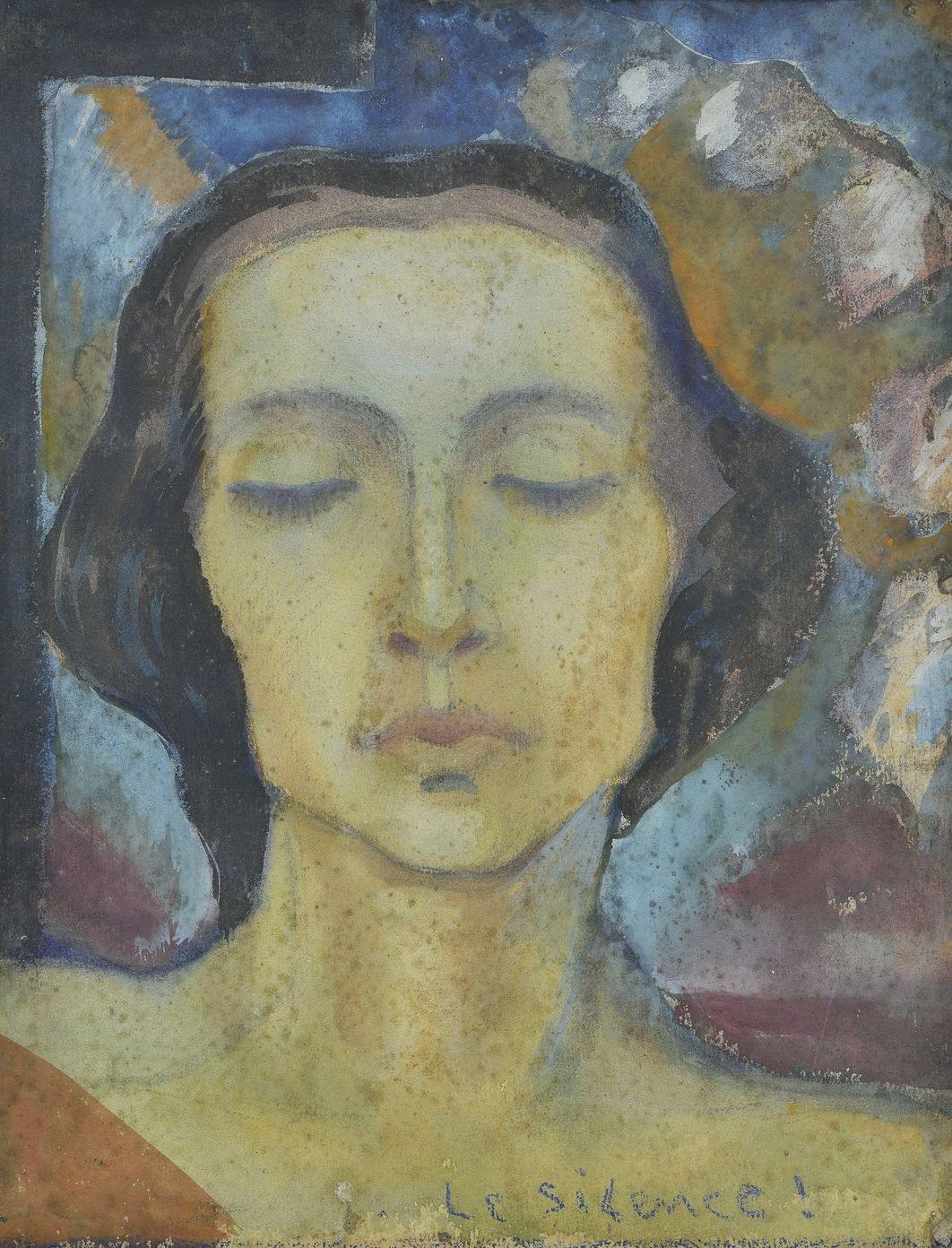
Ferdinand Hodler
Born in 1853.
Died in 1918.
Swiss
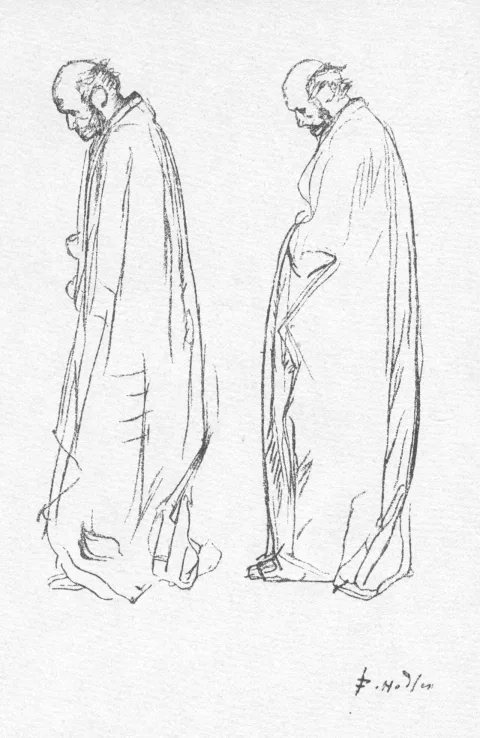
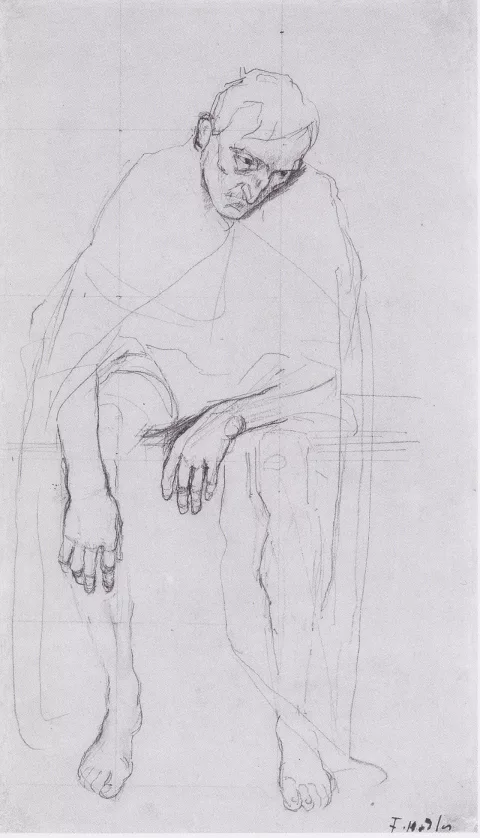
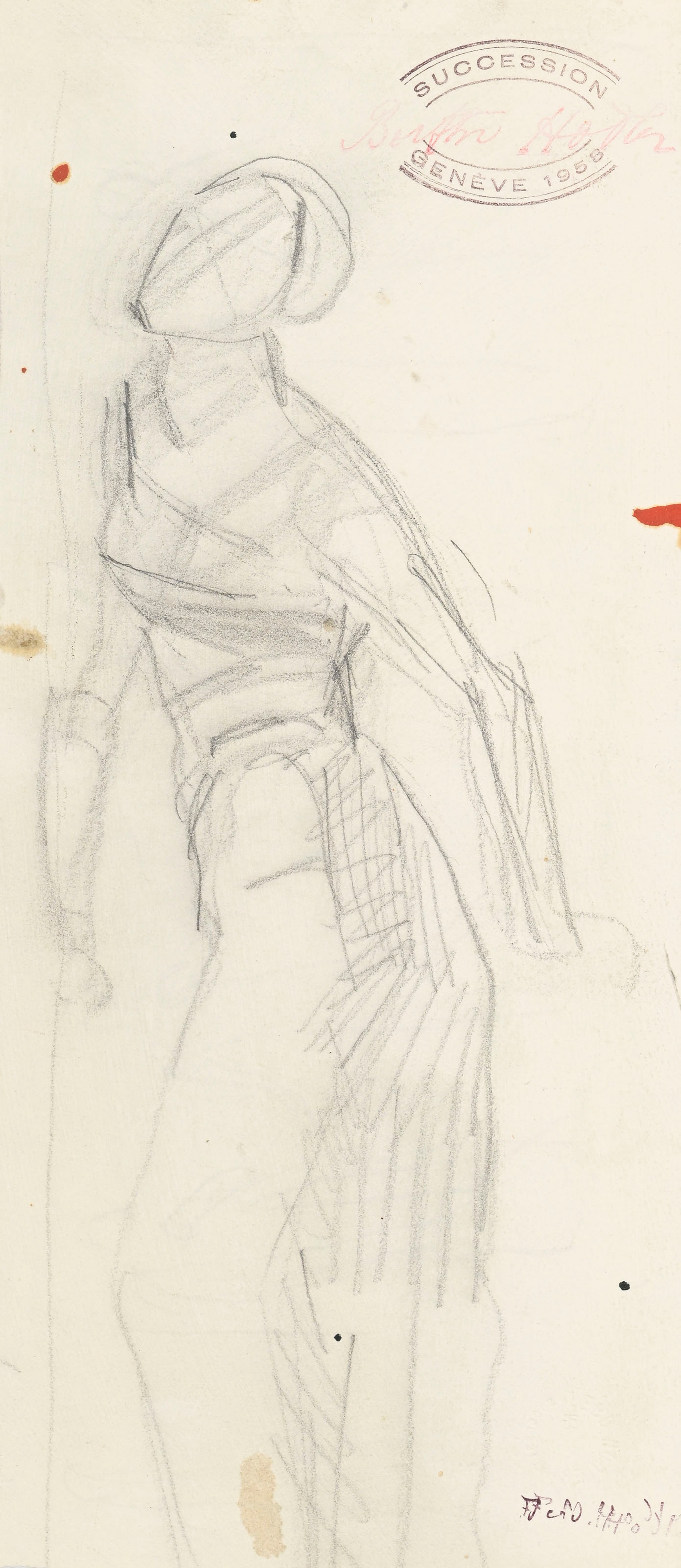
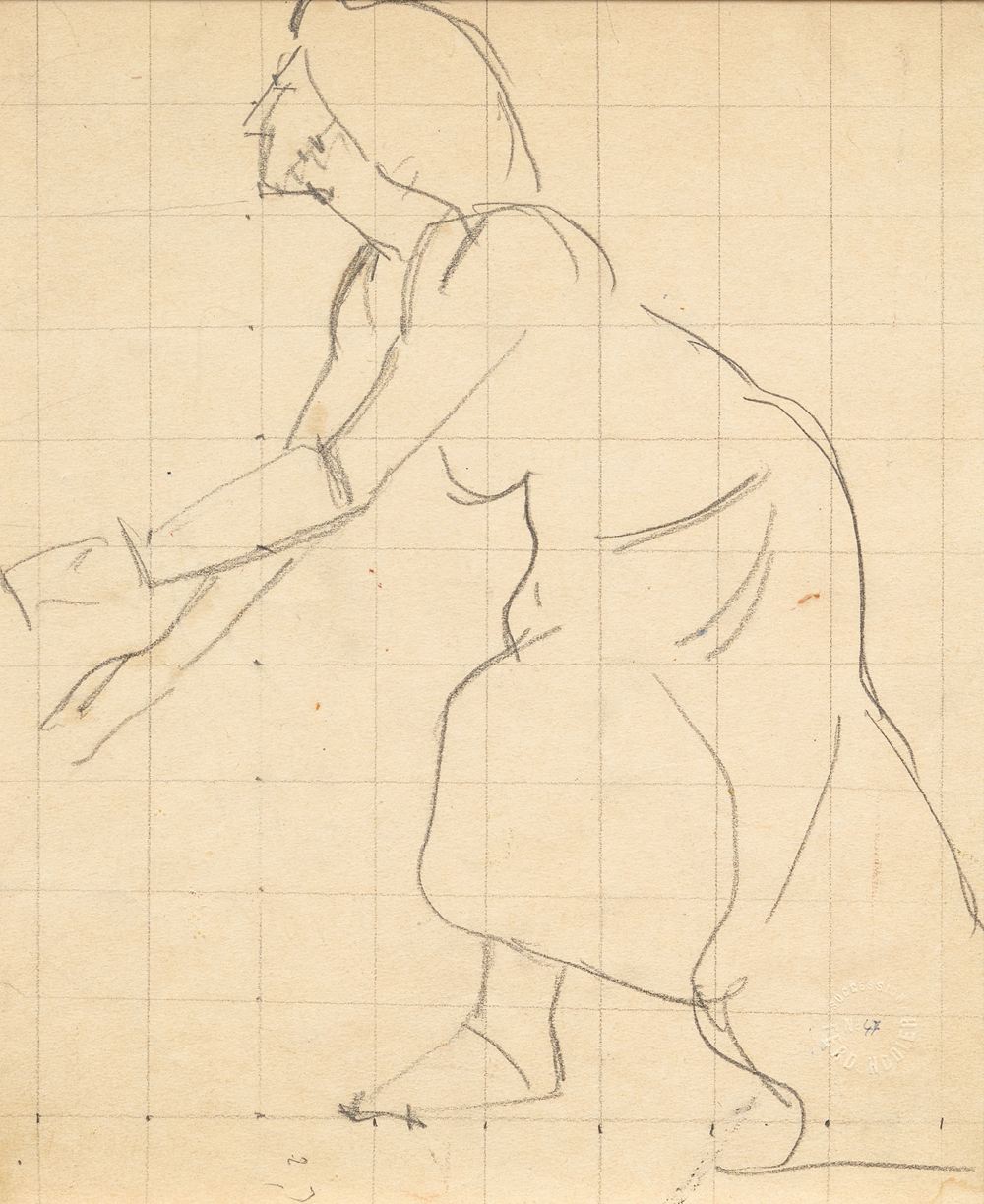
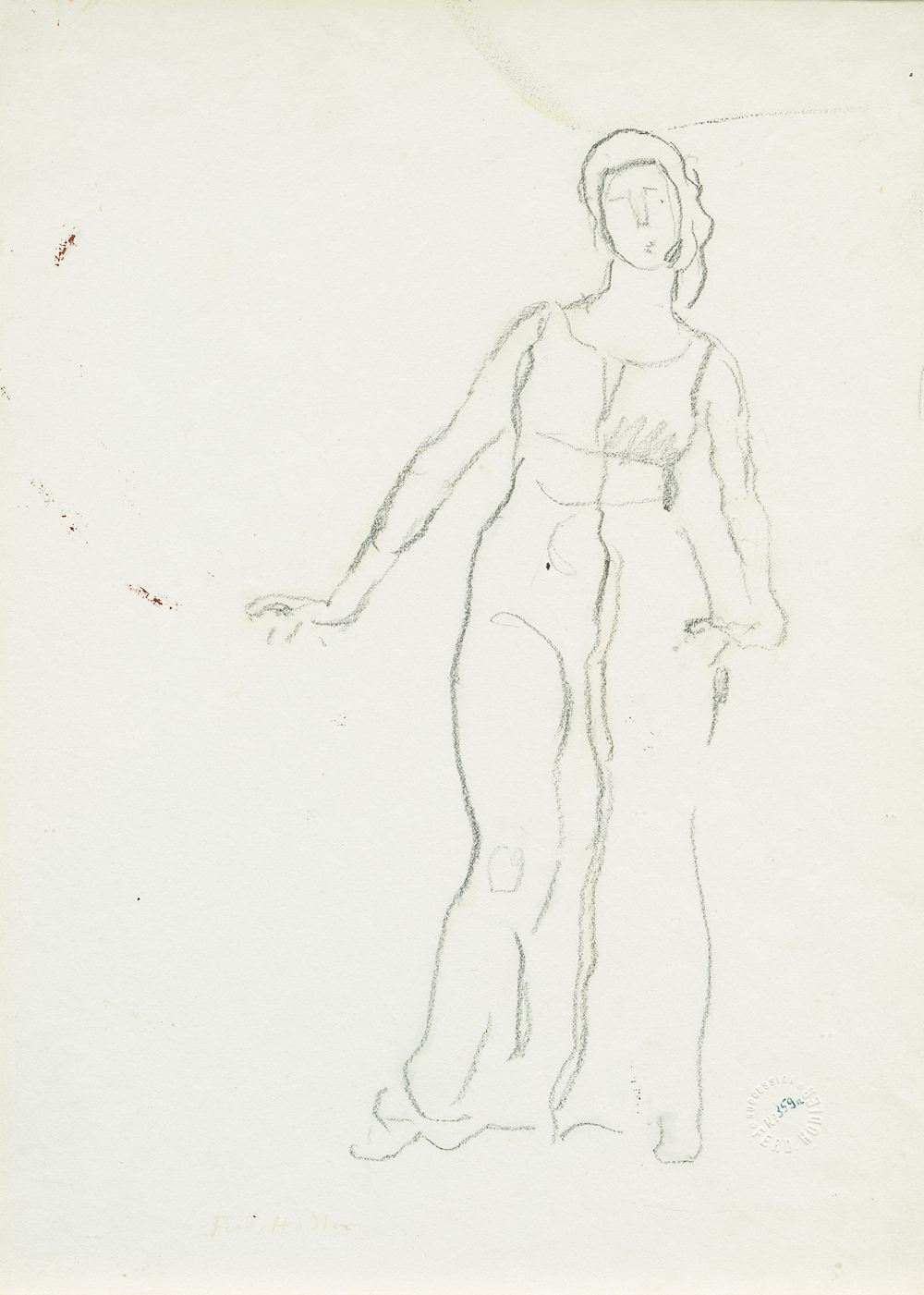
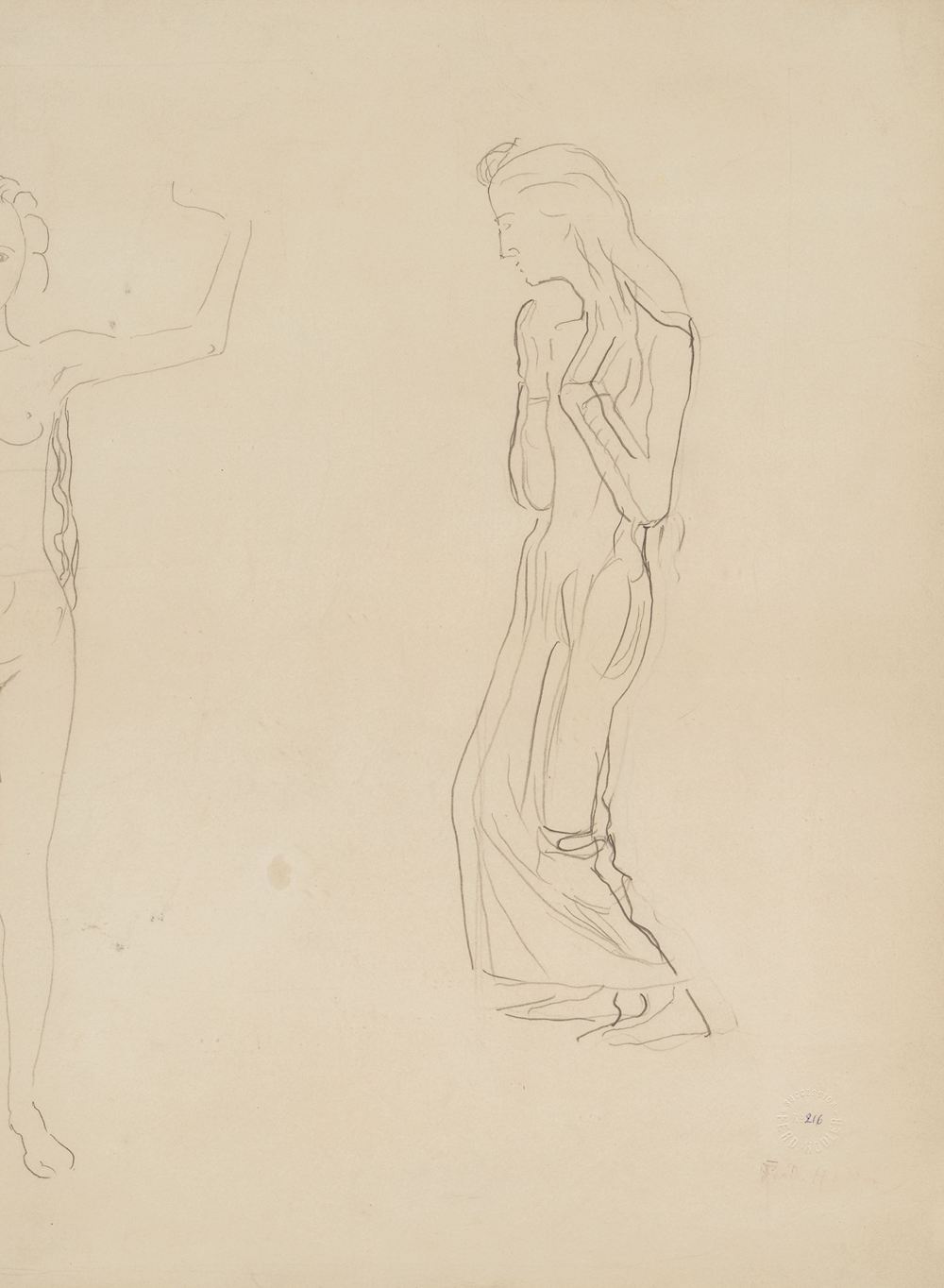
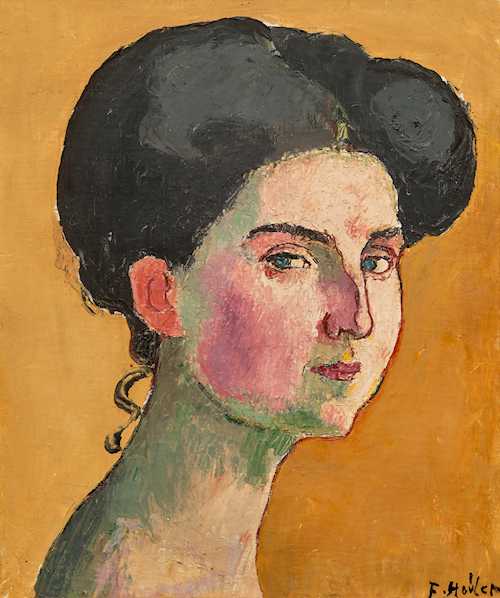
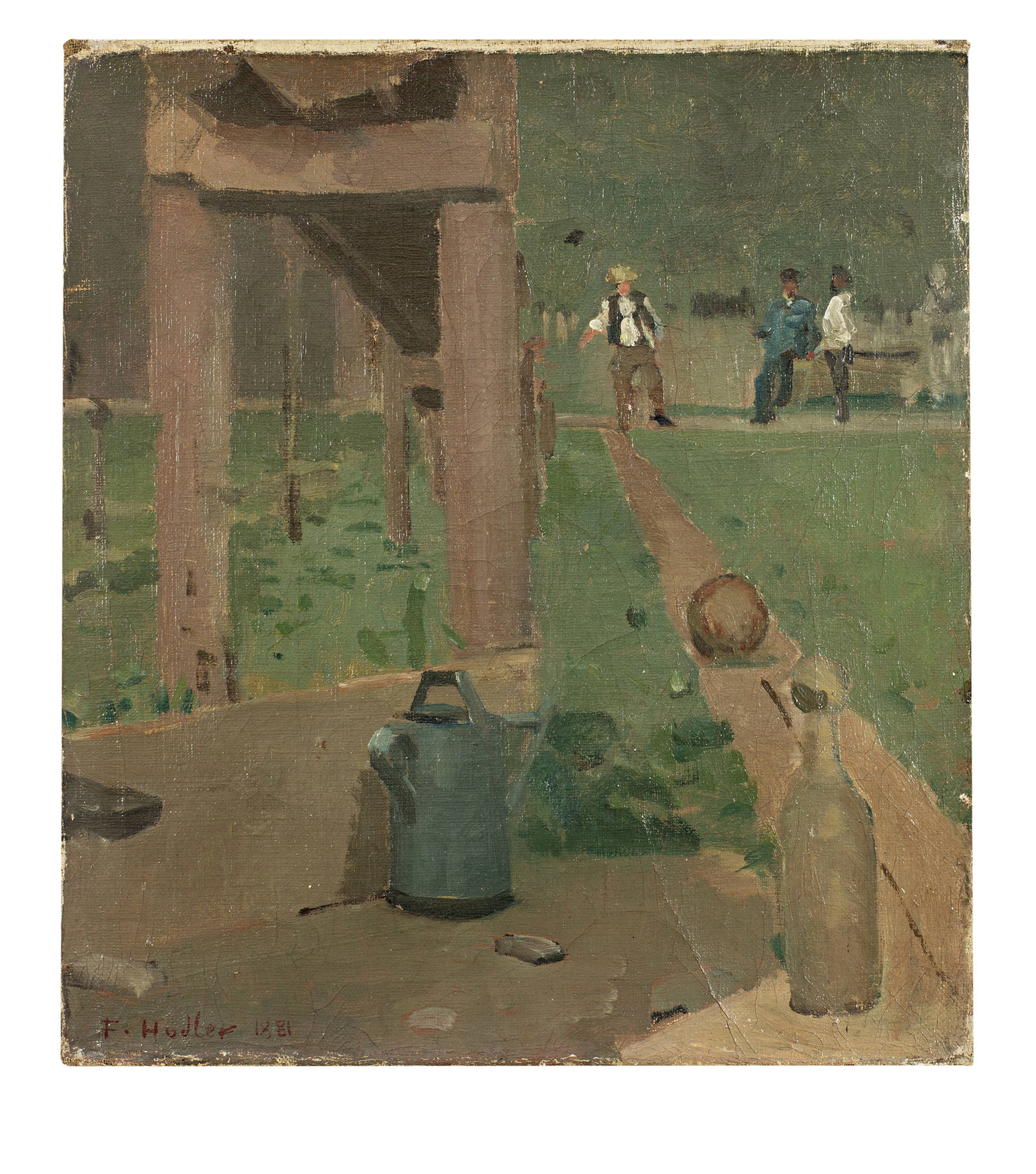
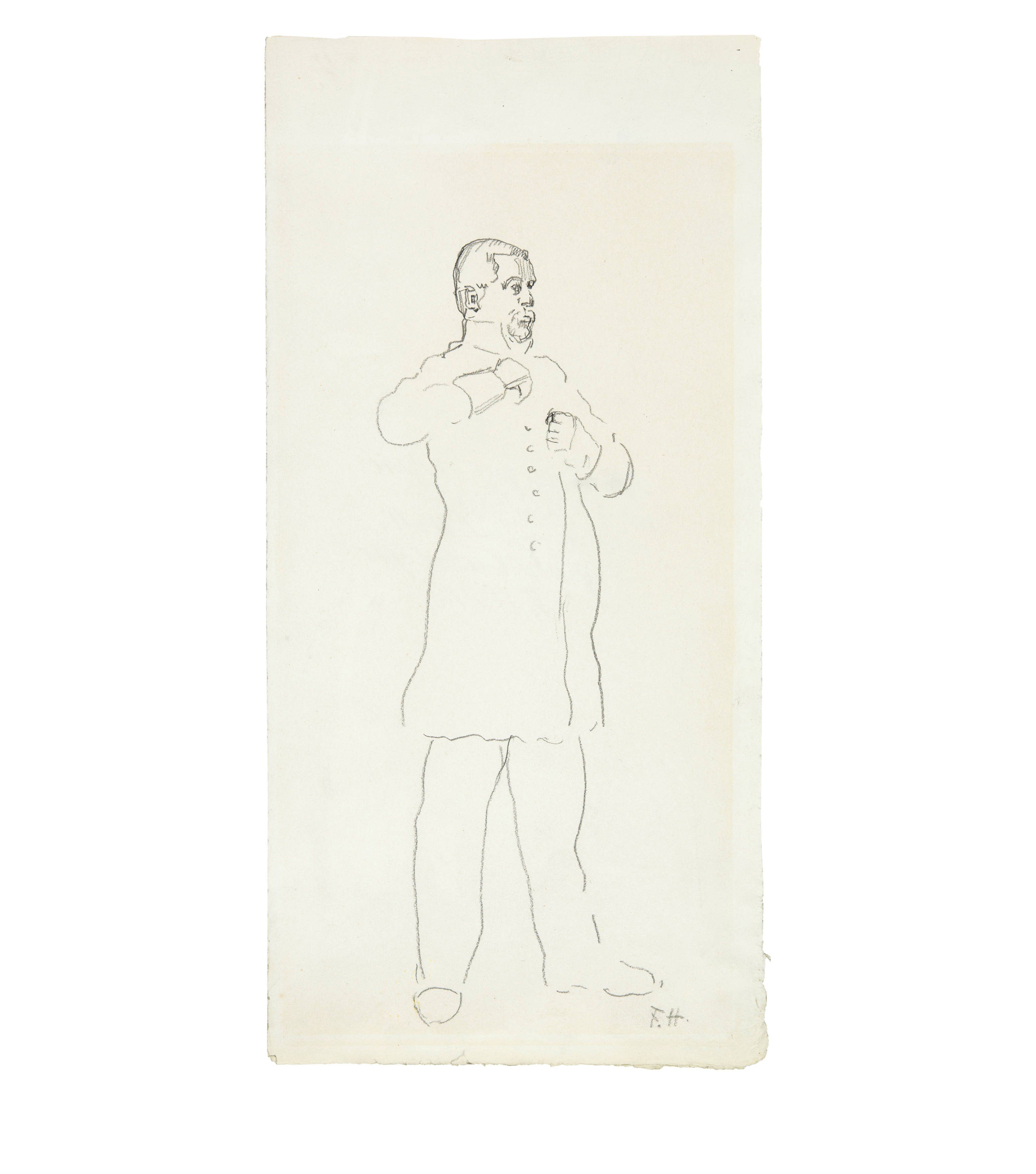
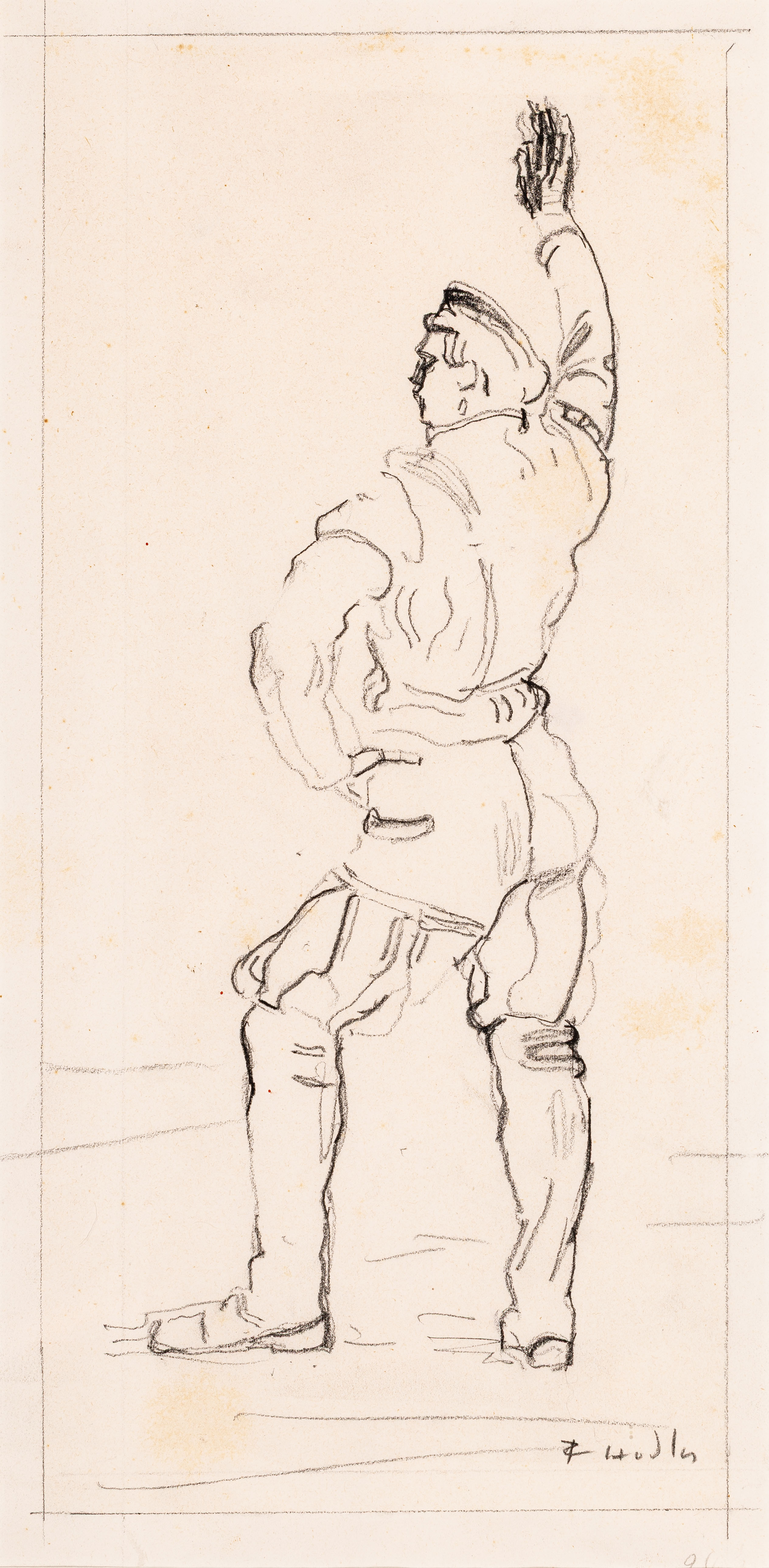
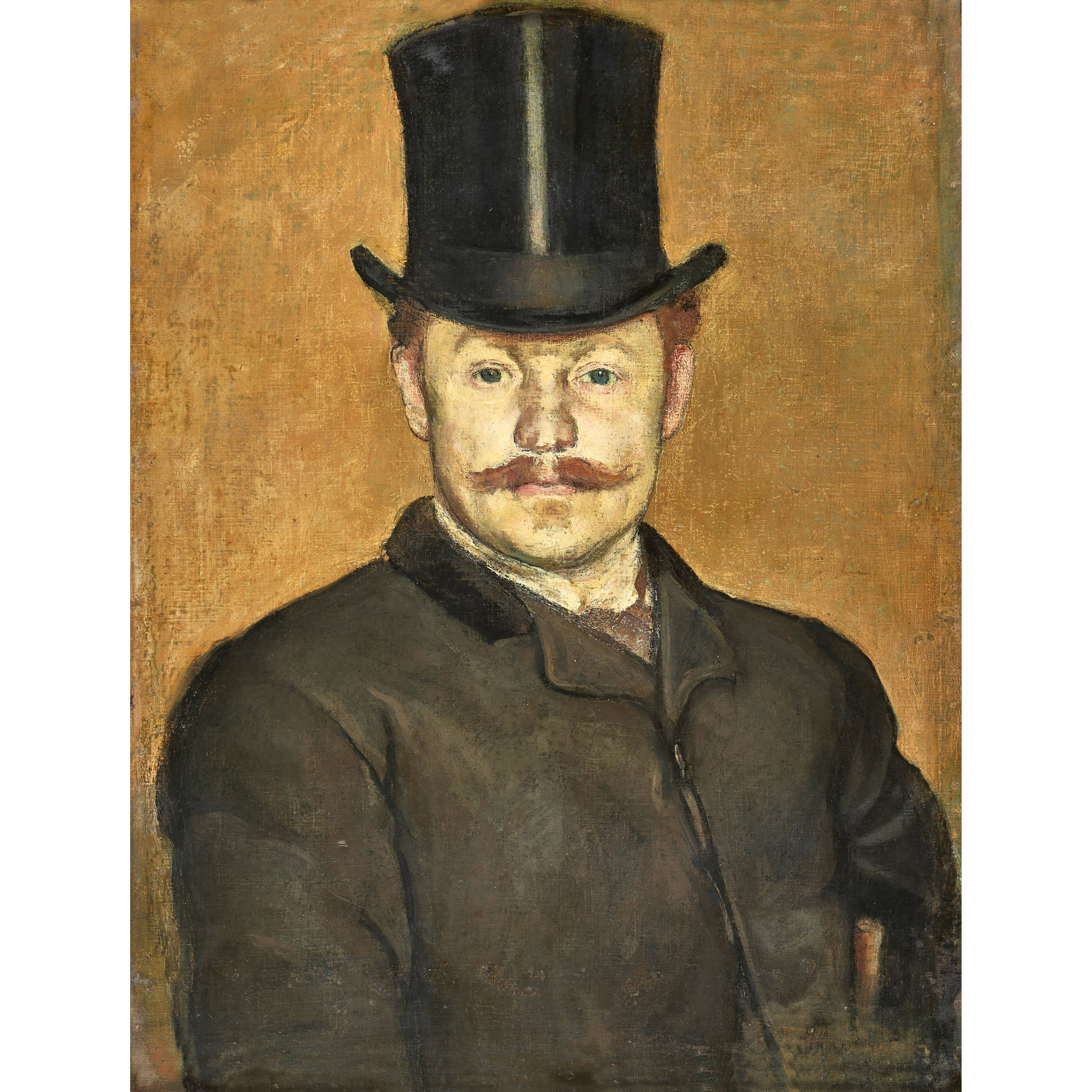
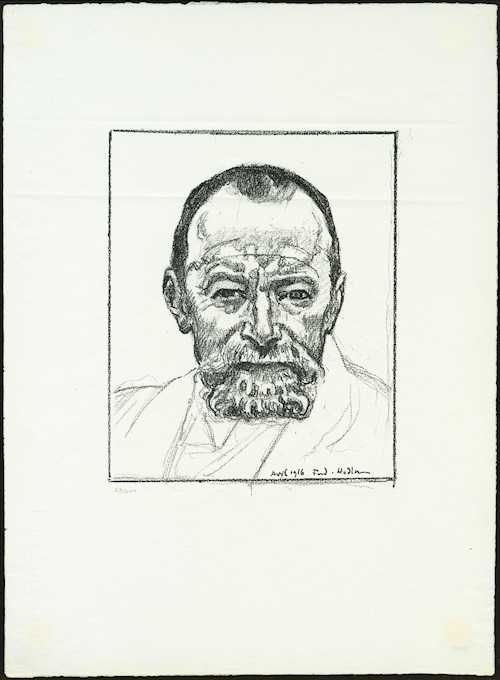
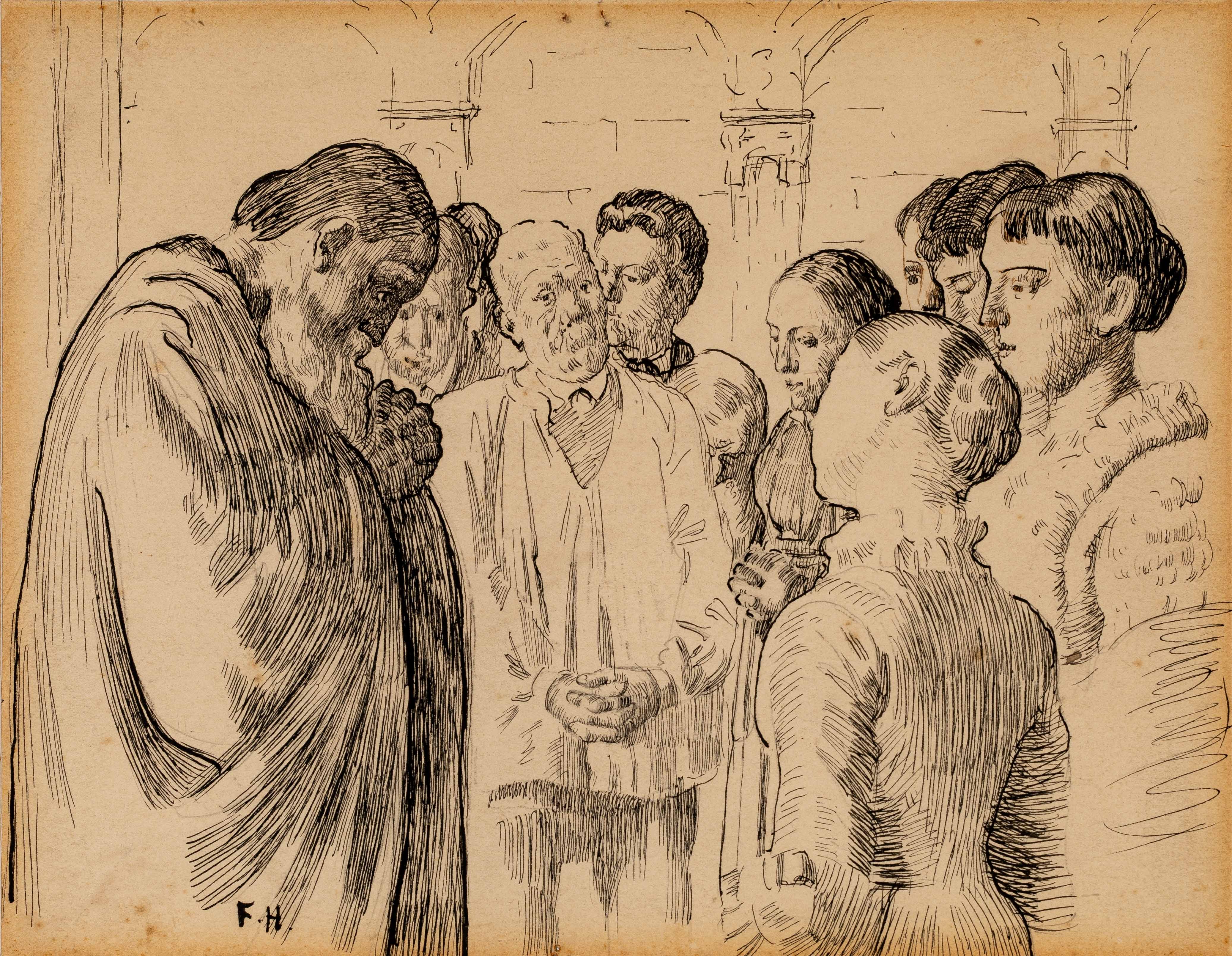
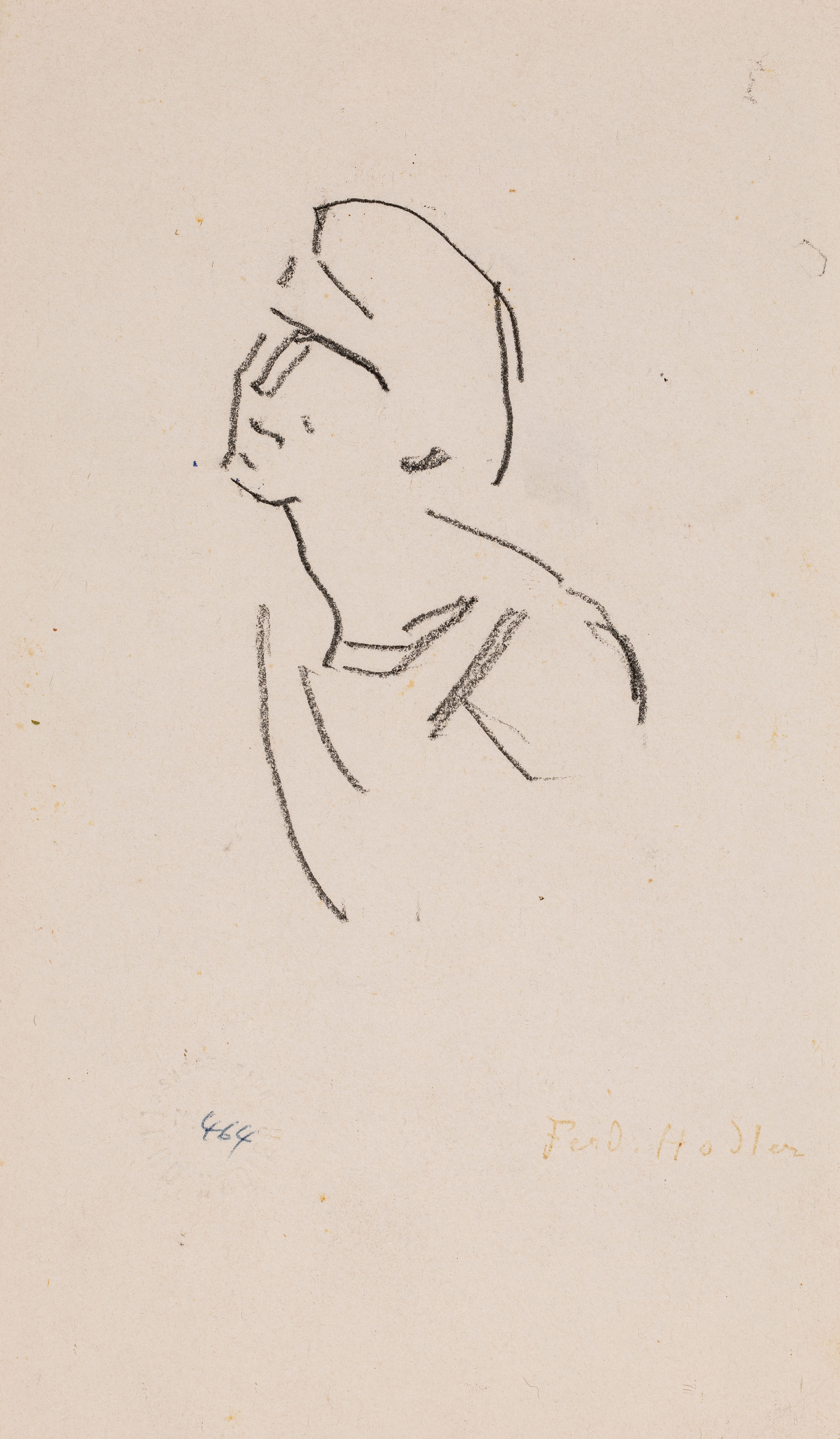
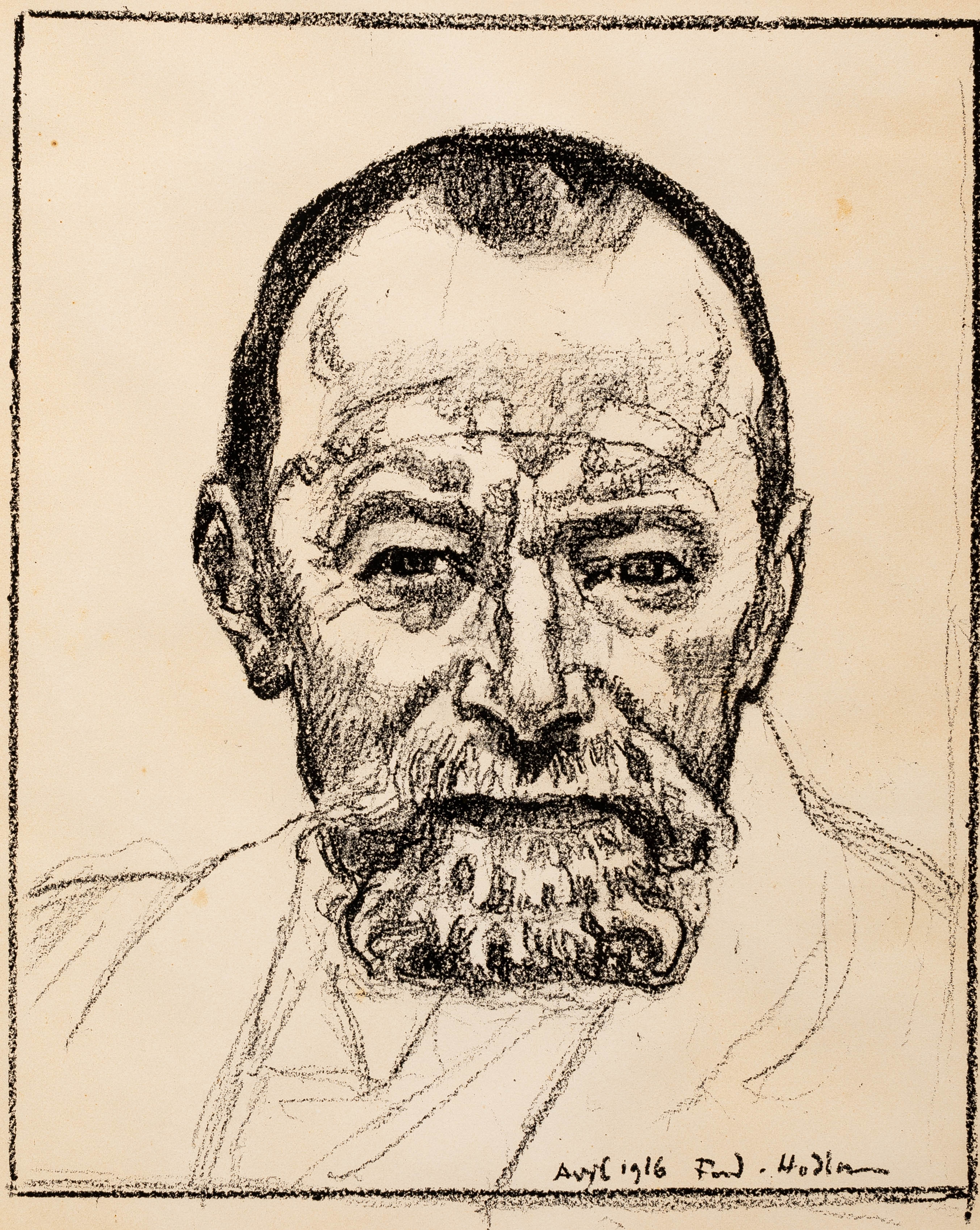
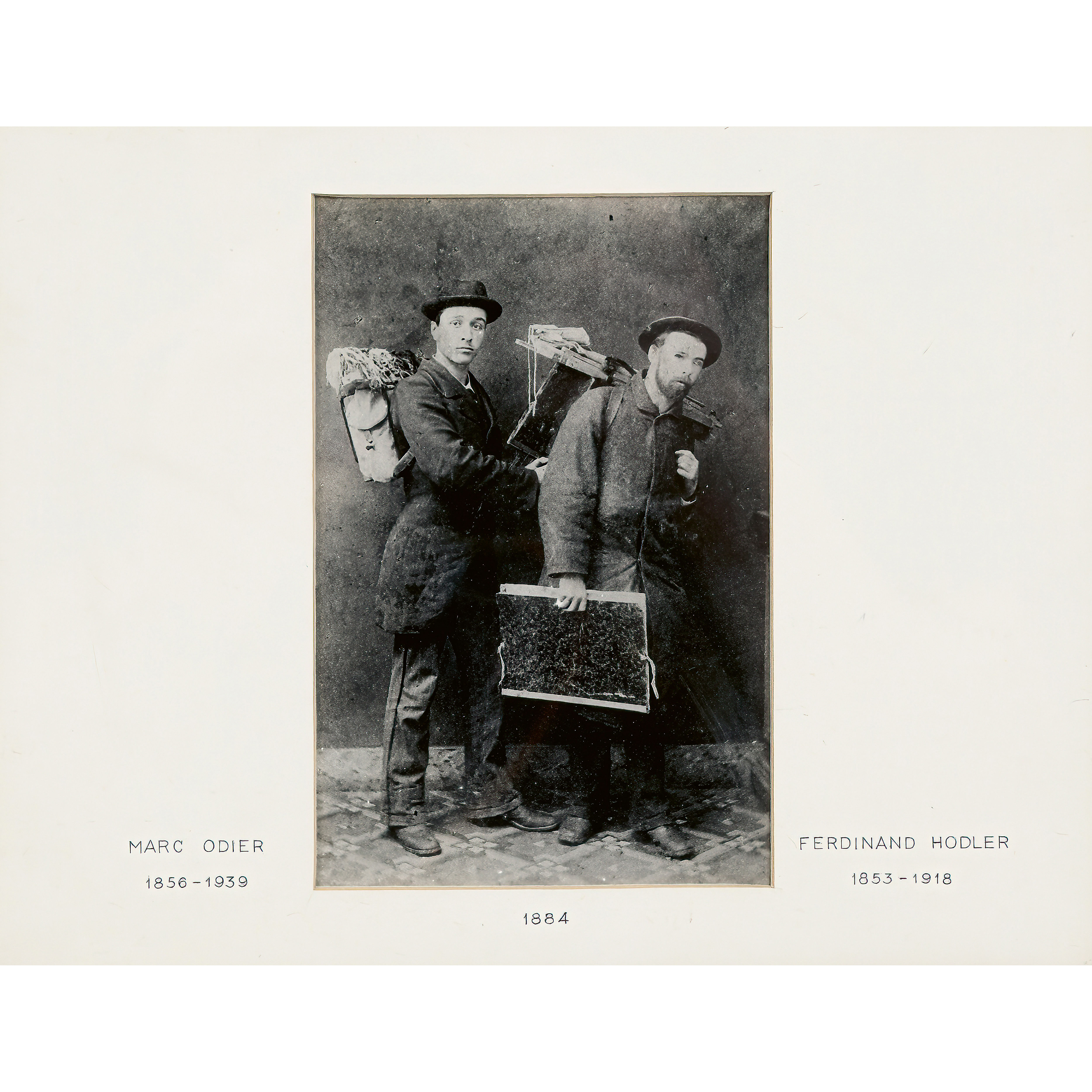
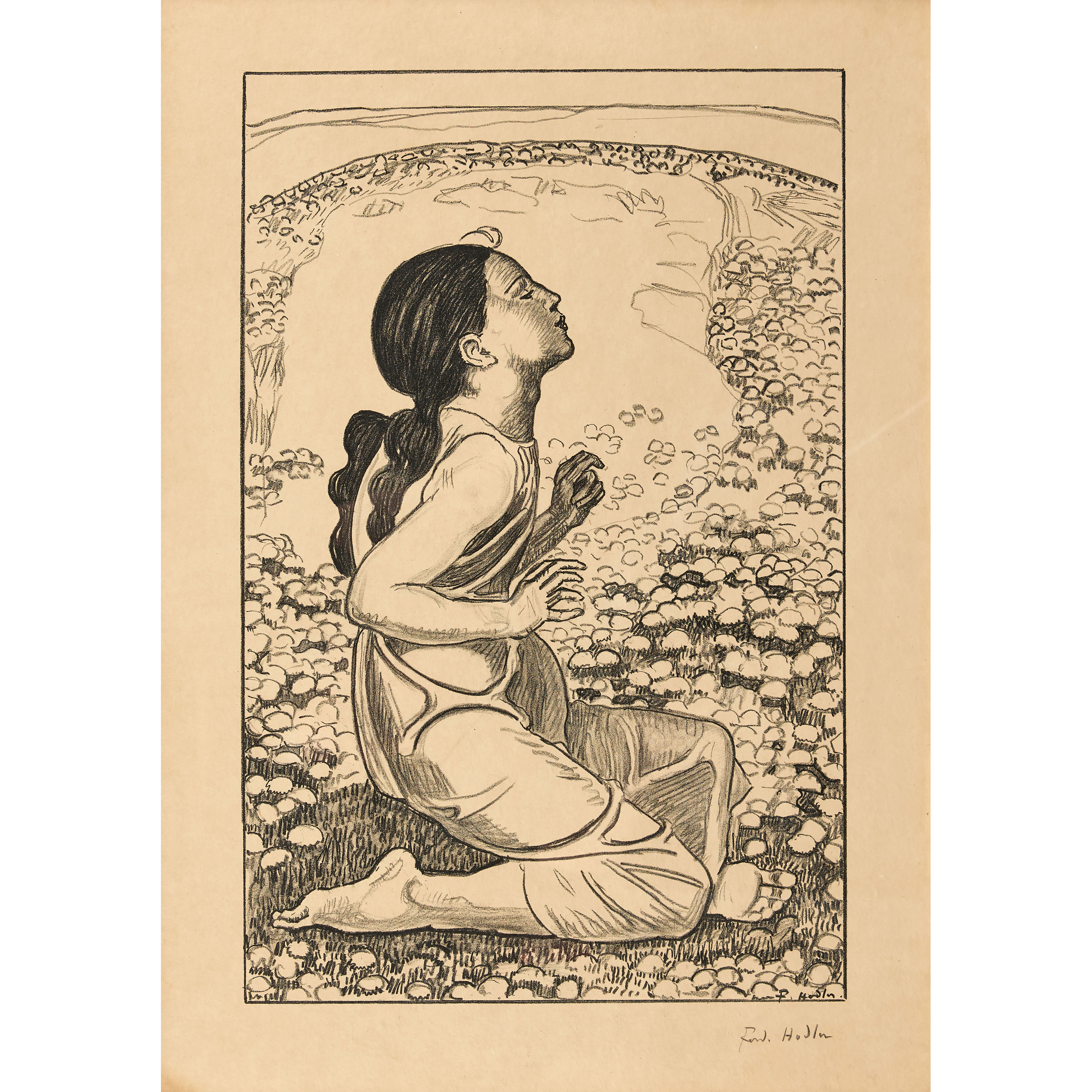
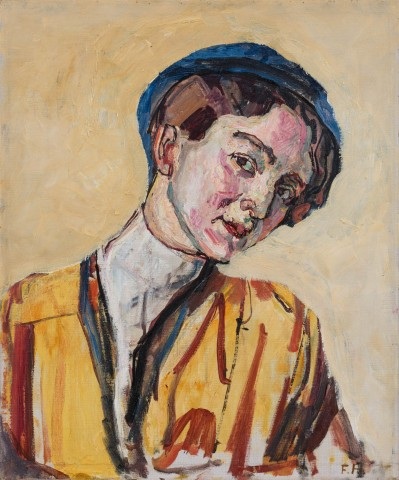
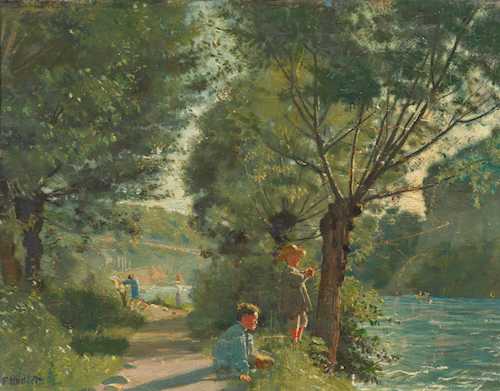
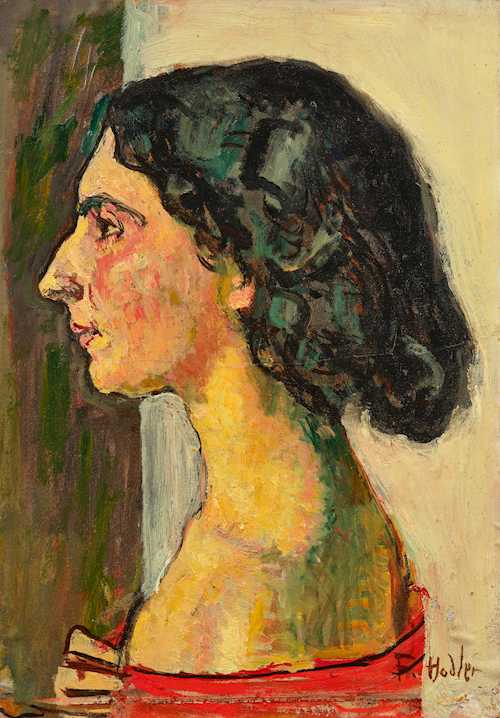
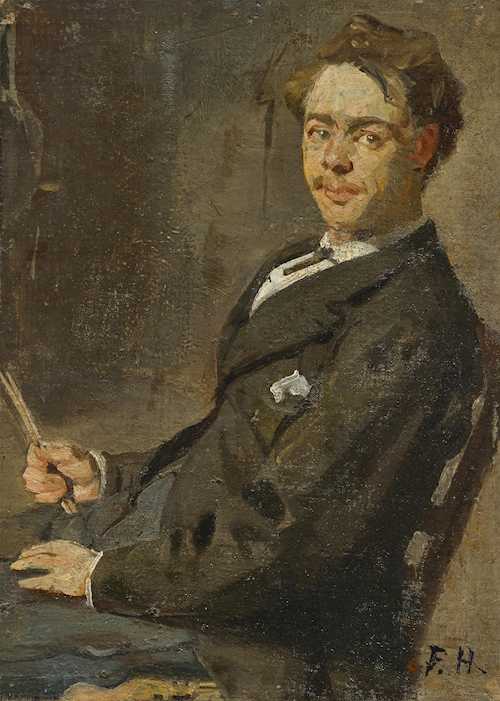
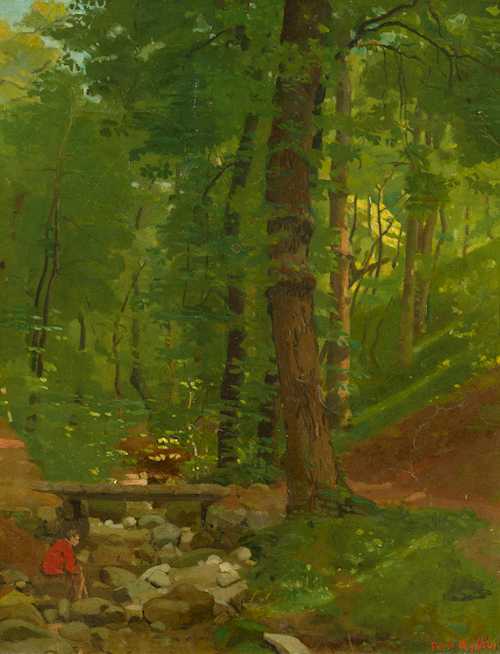
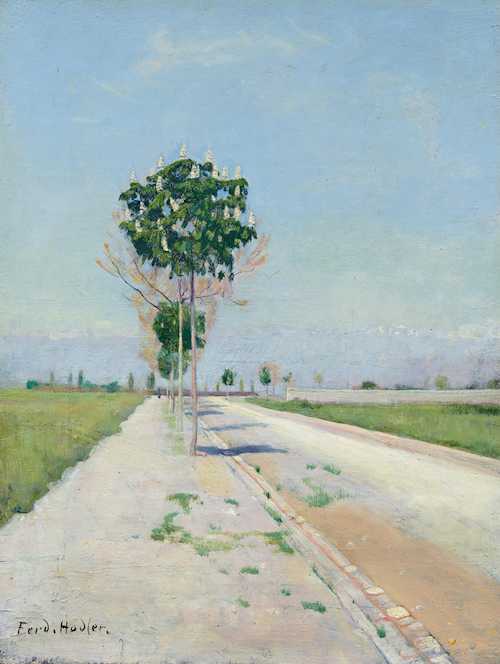
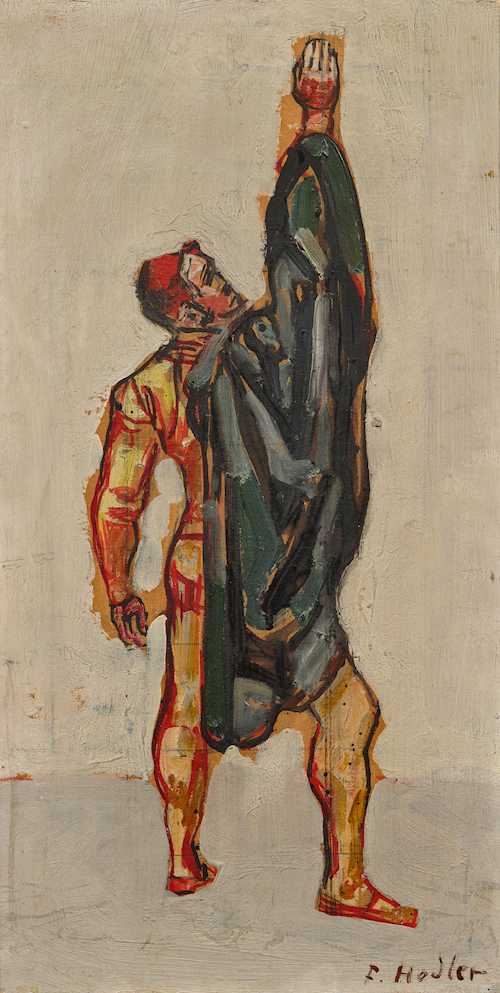
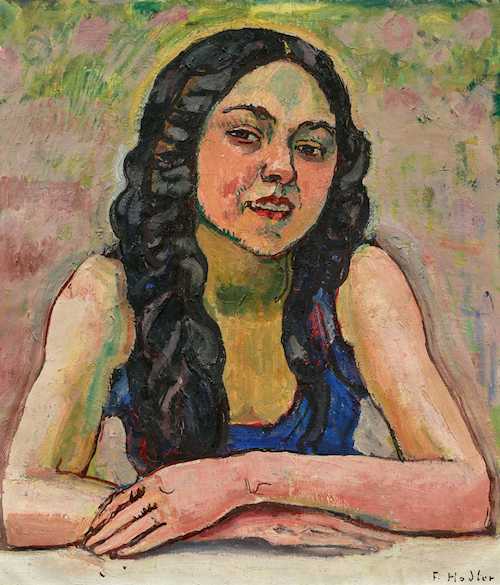
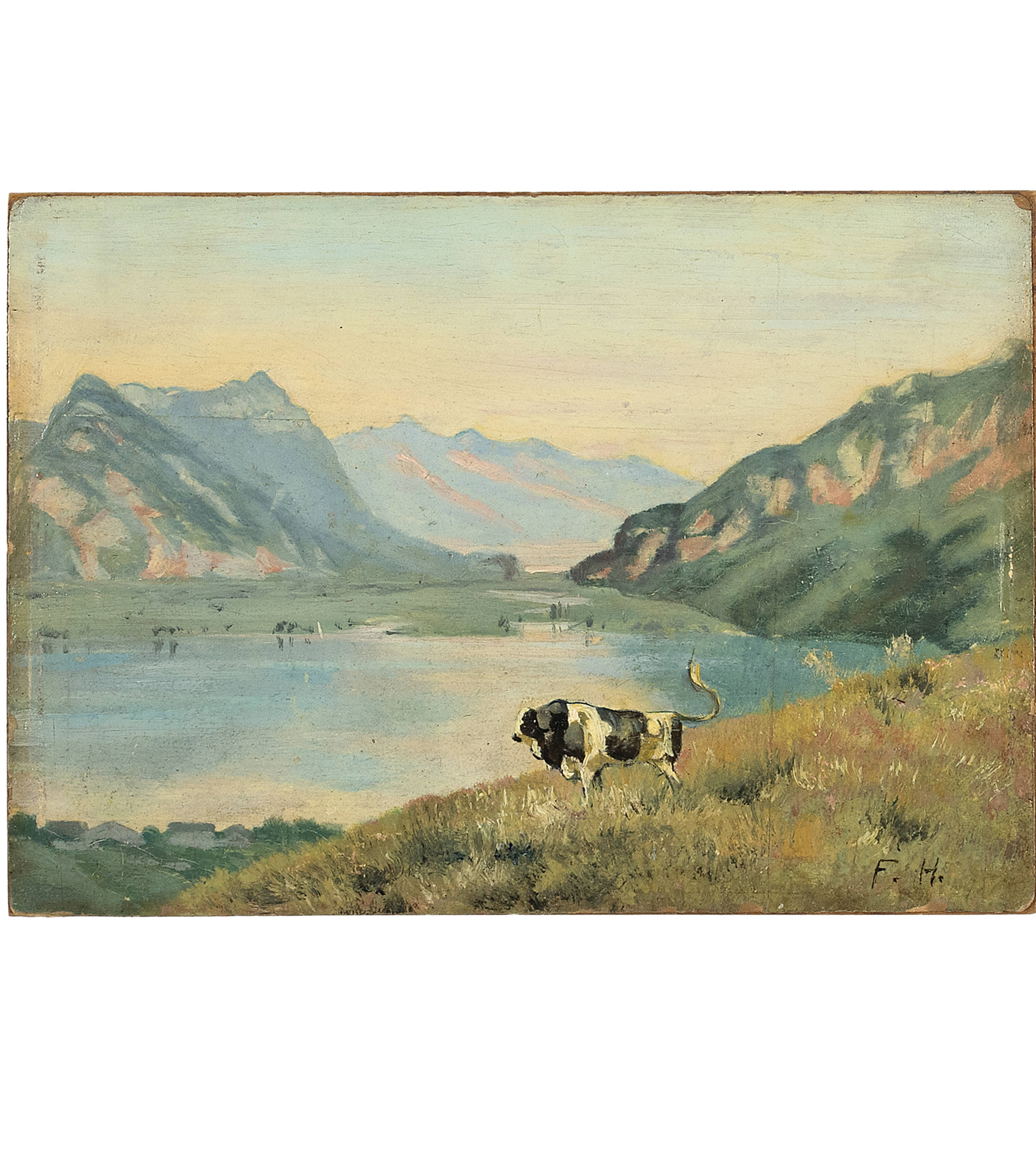
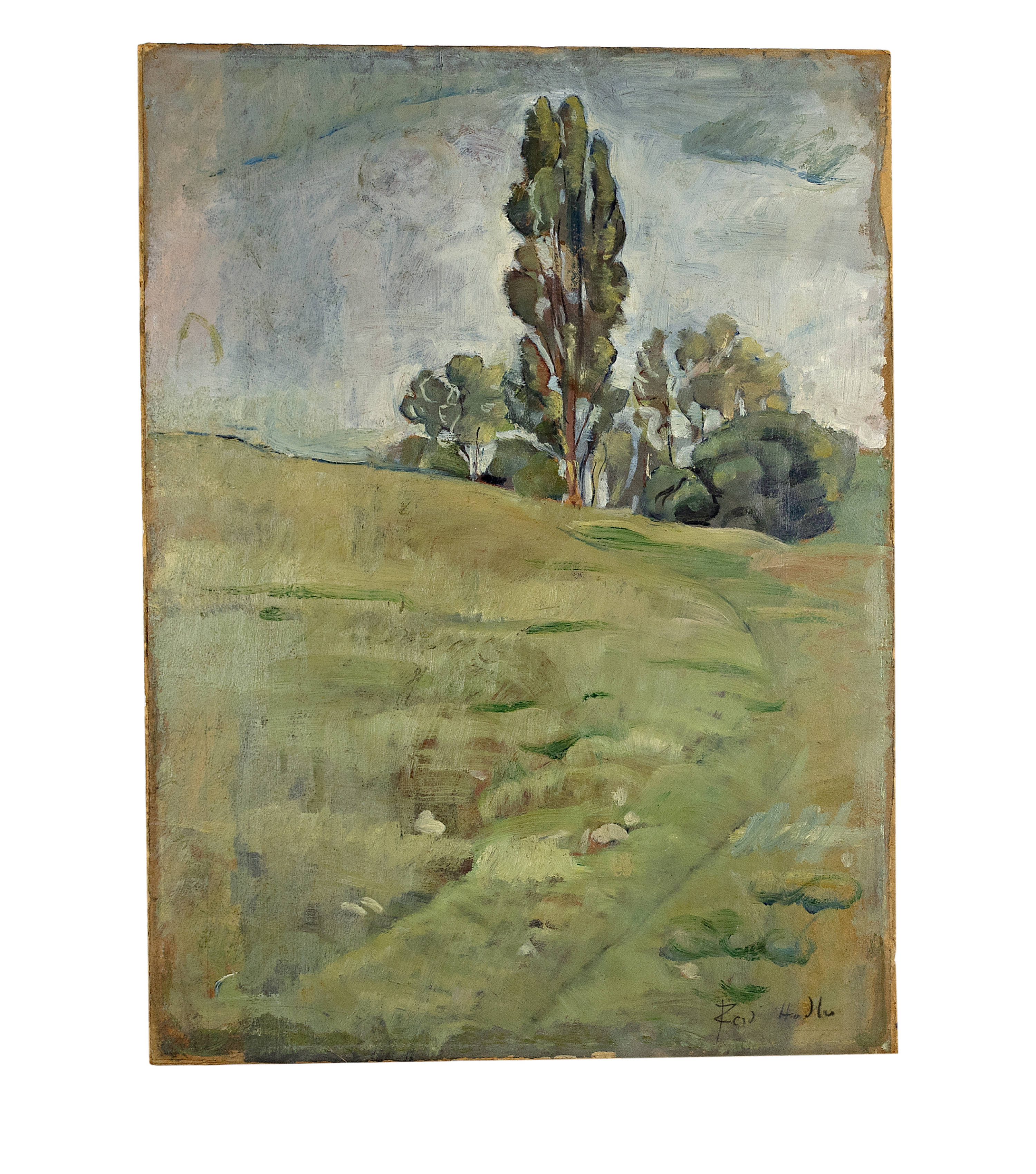
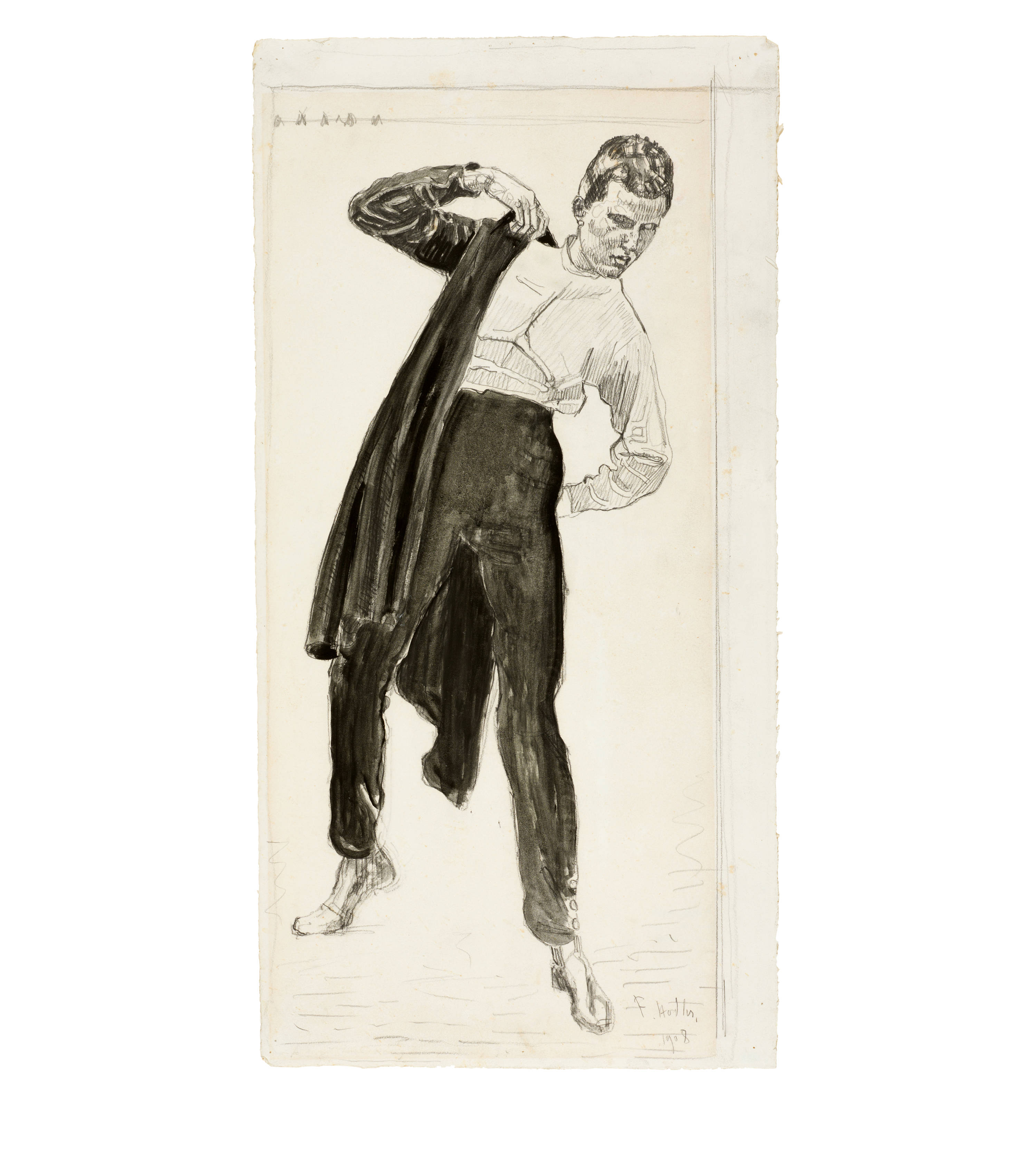
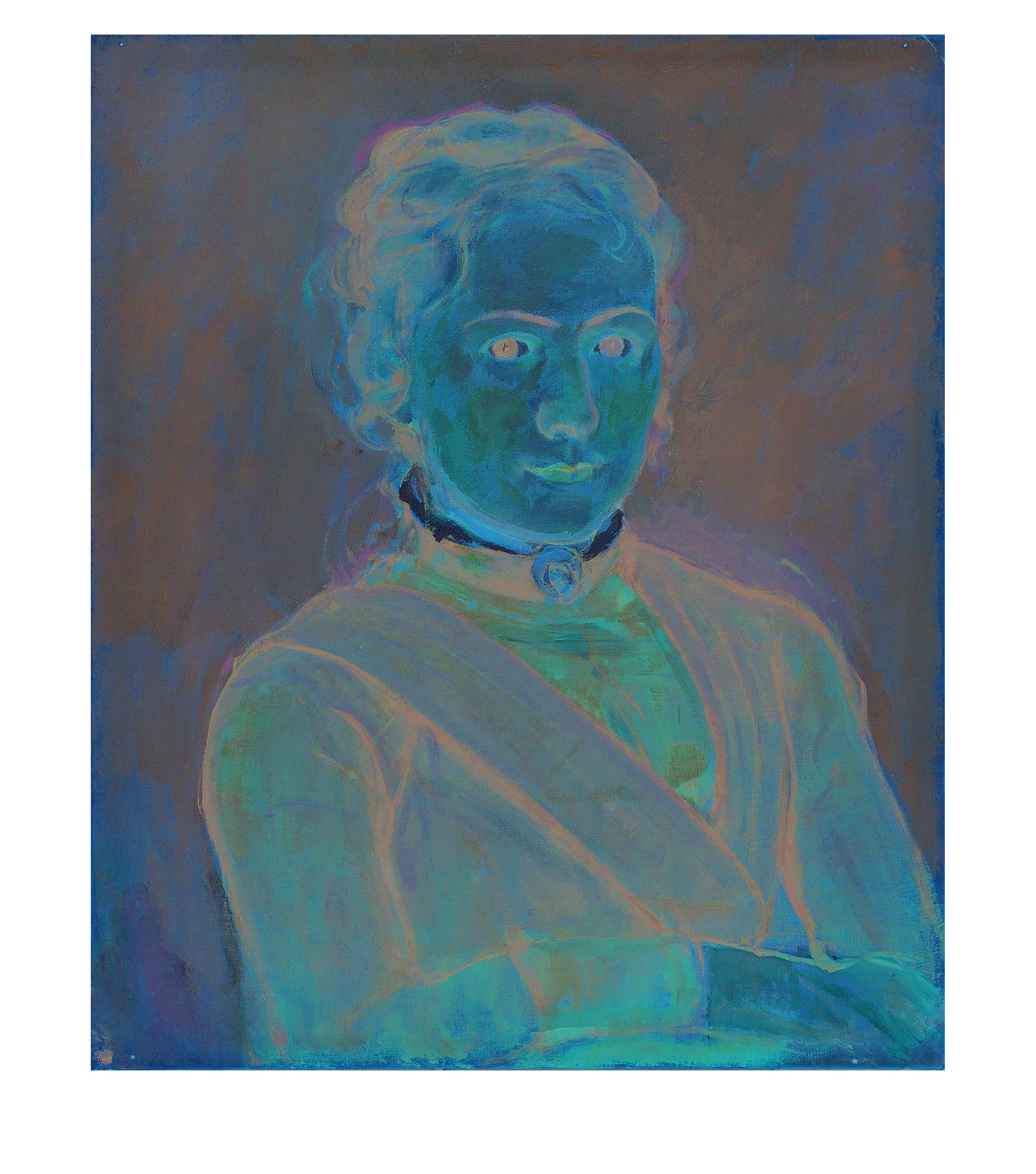
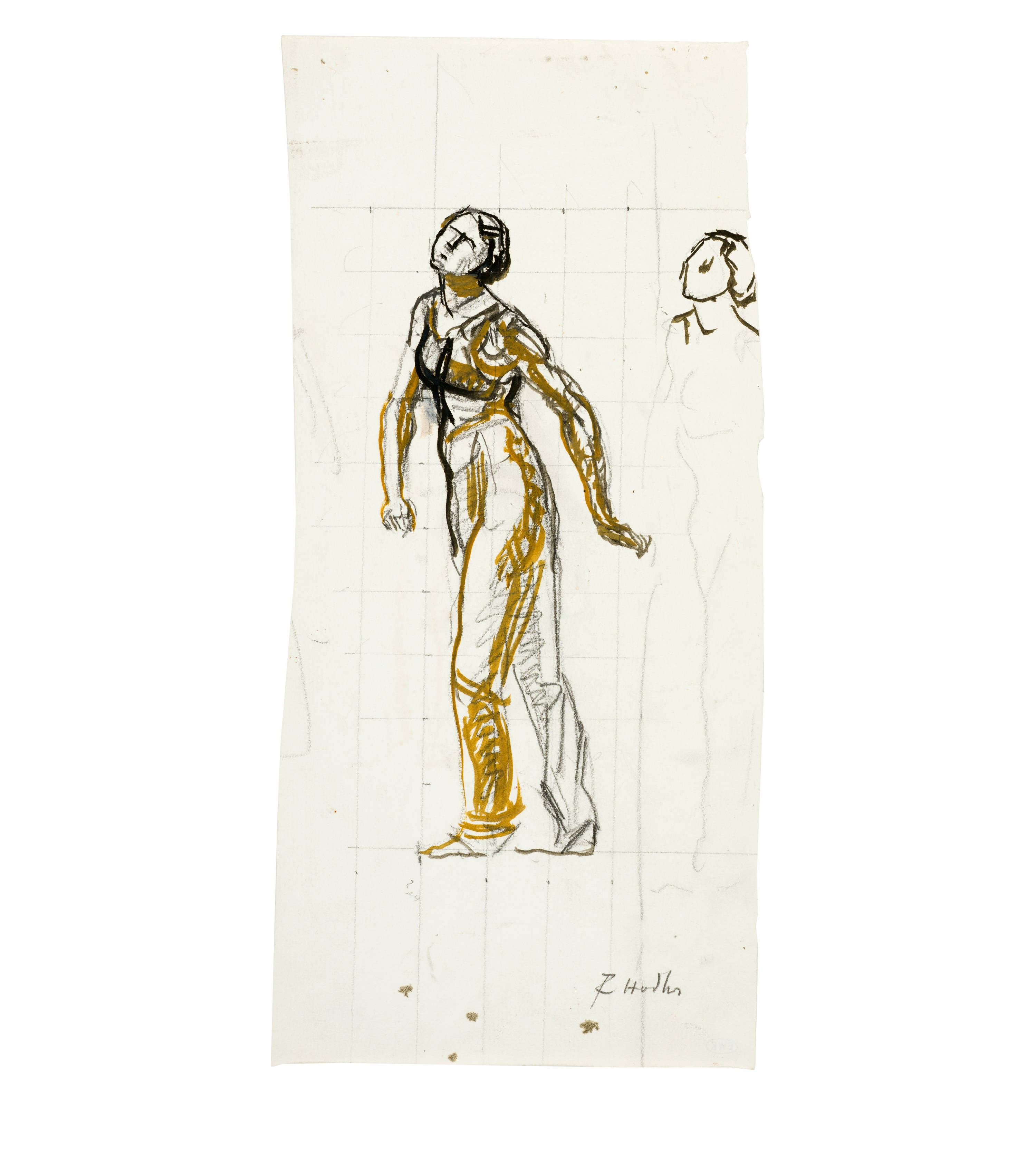
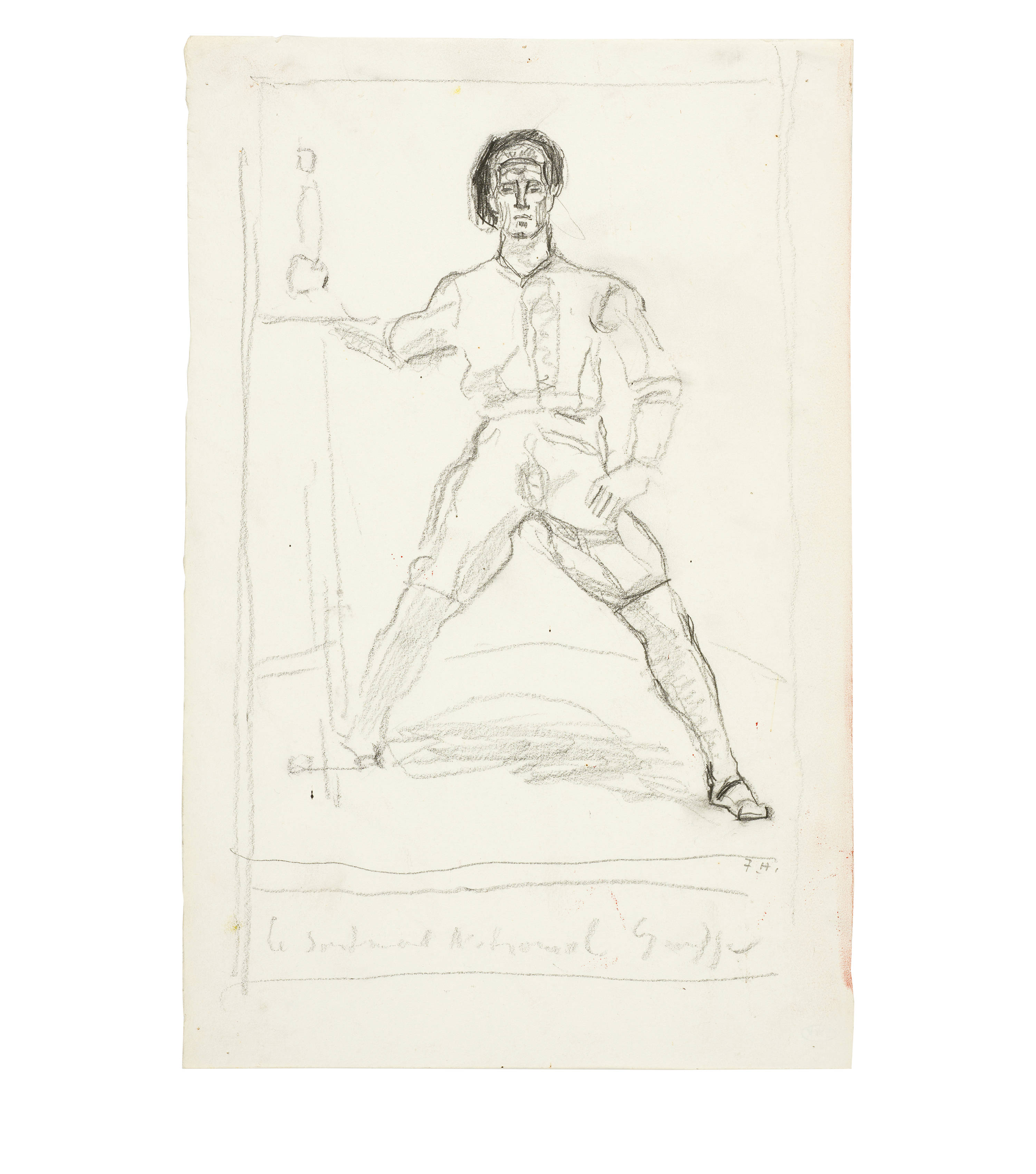
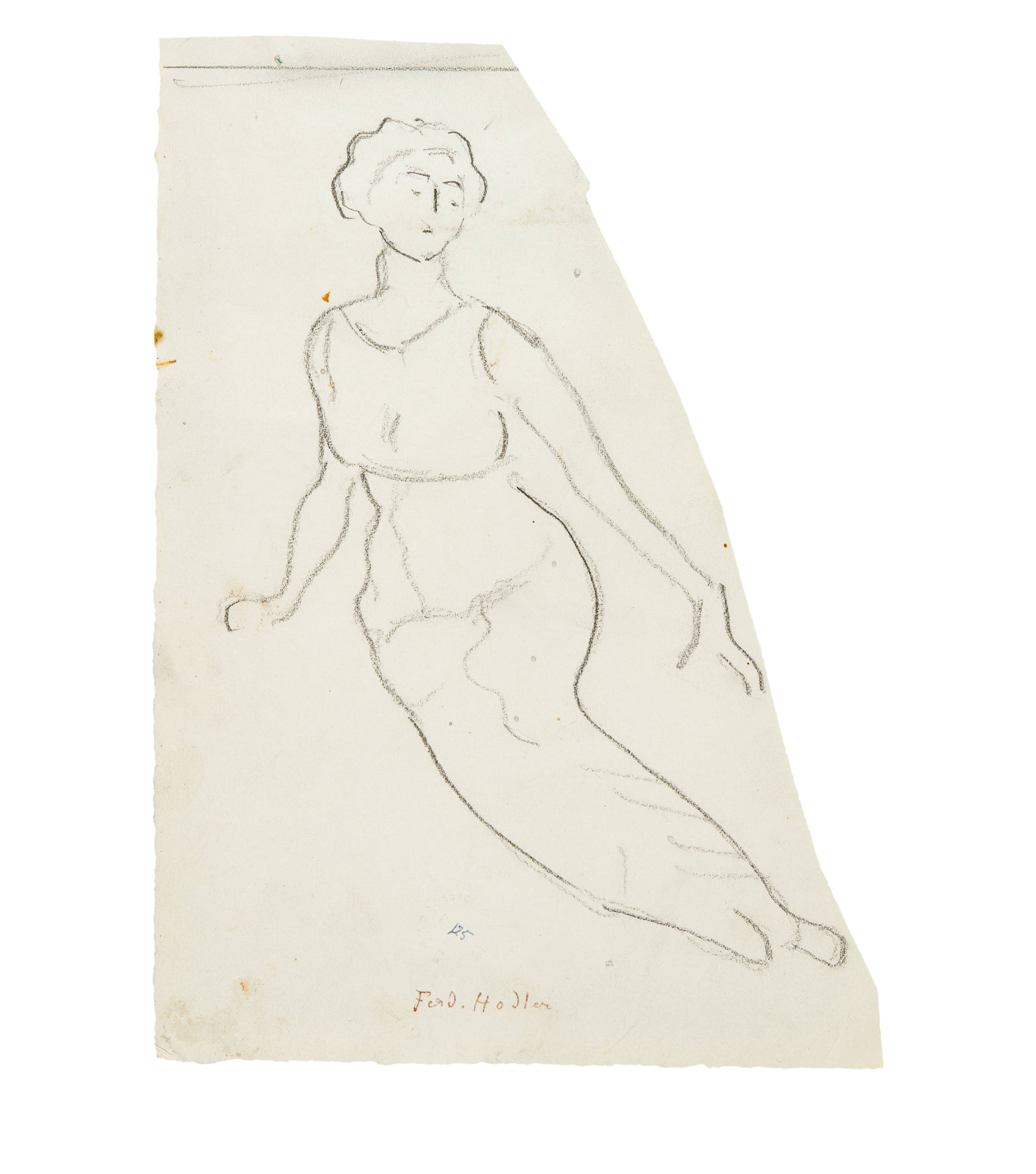
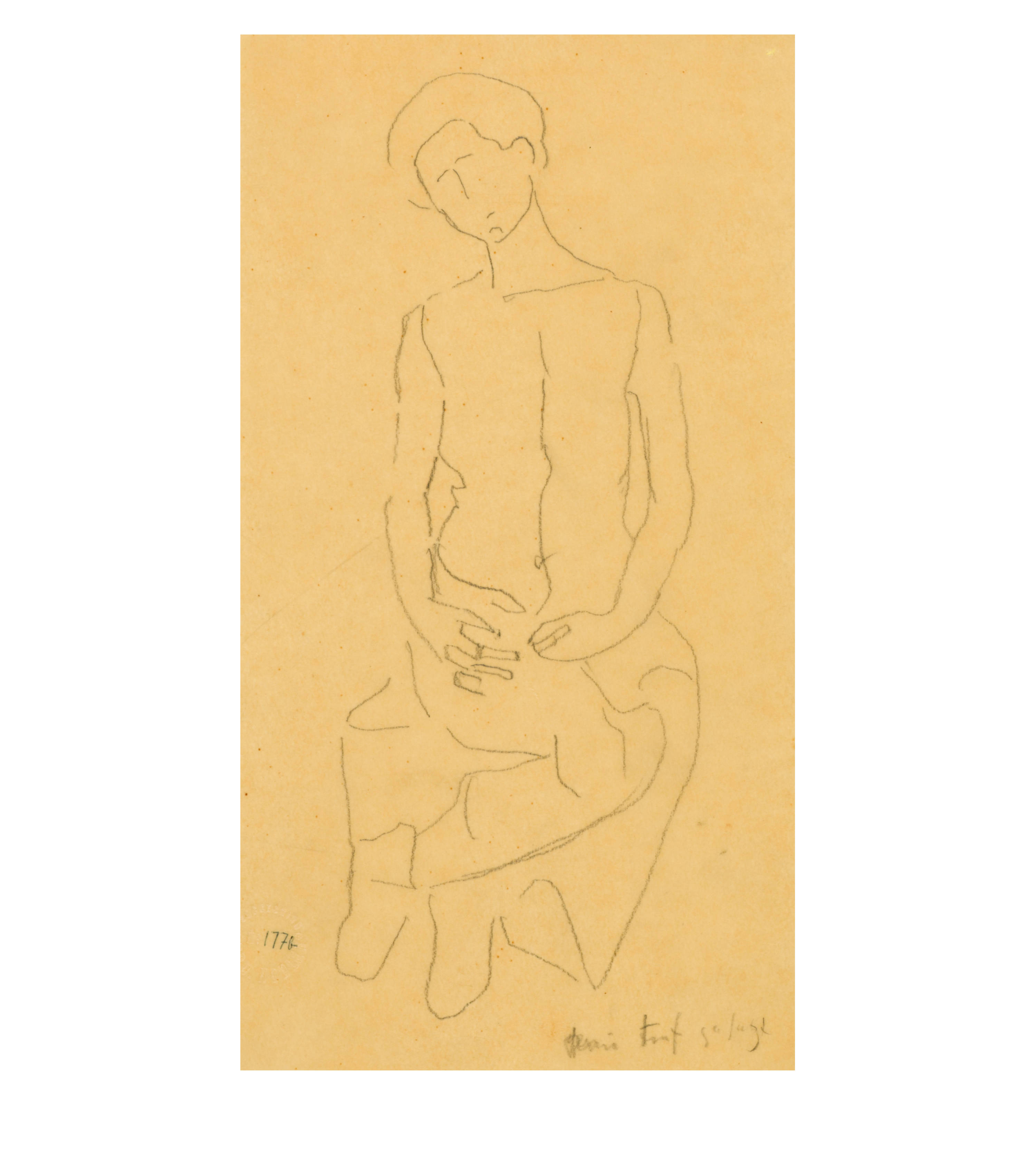
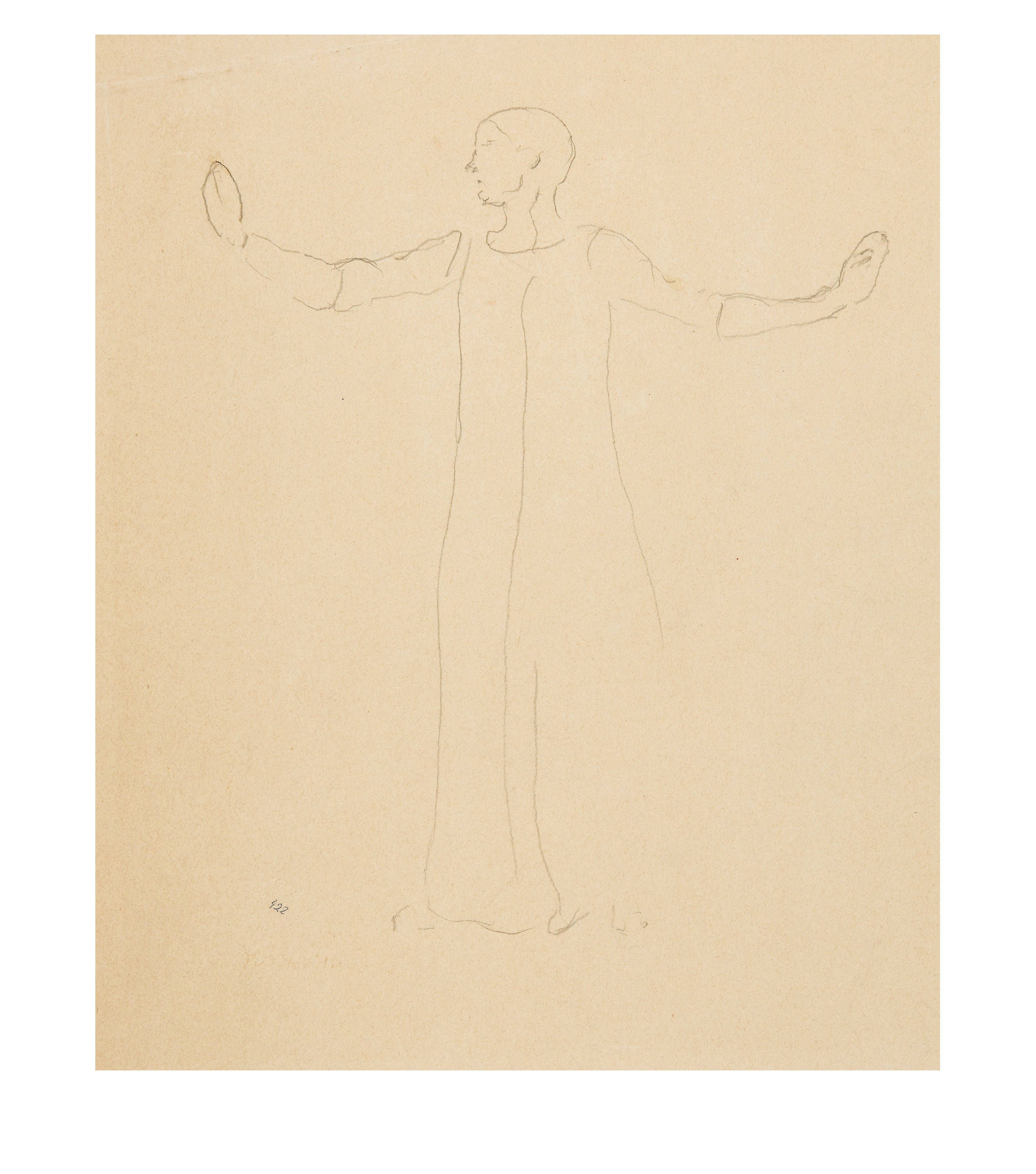
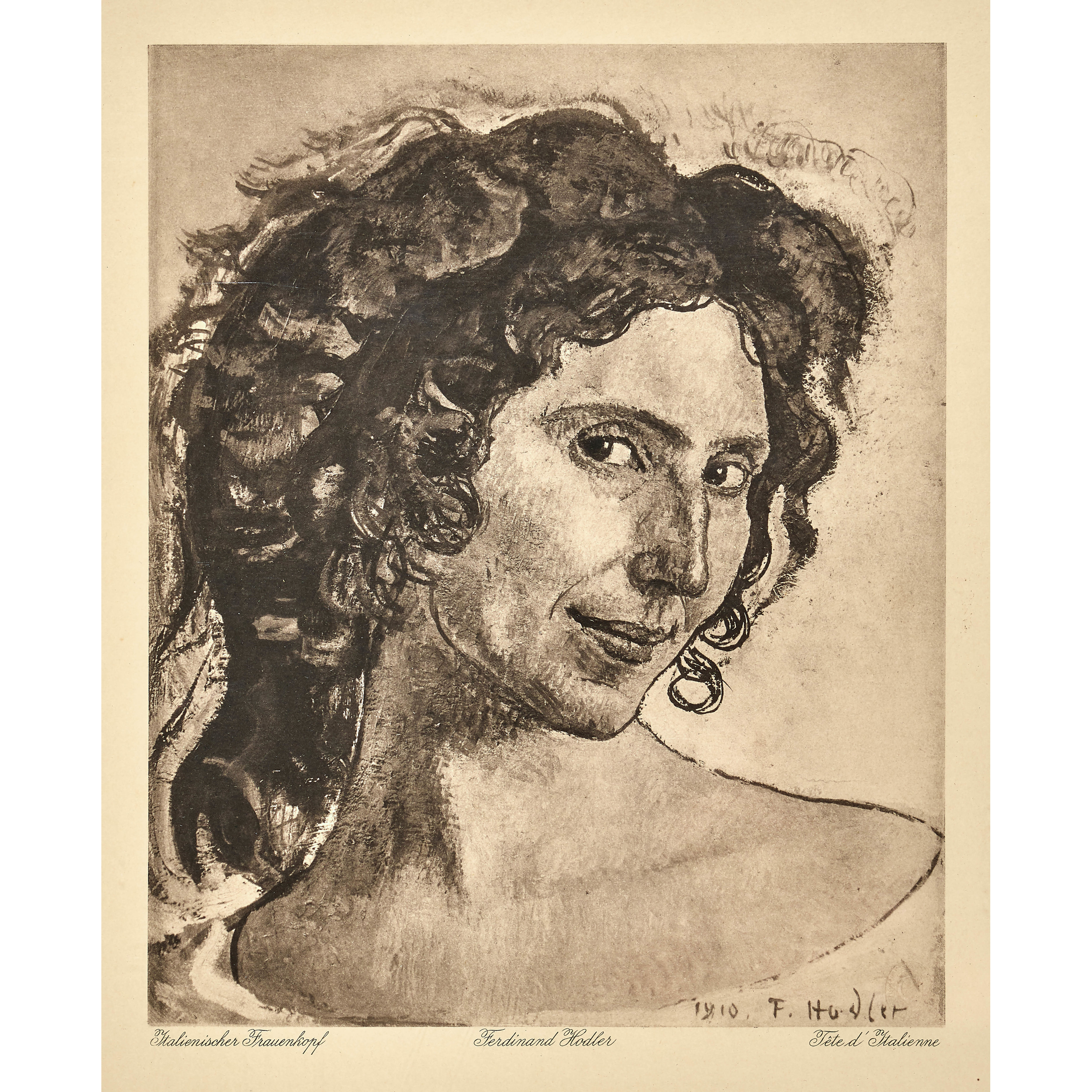
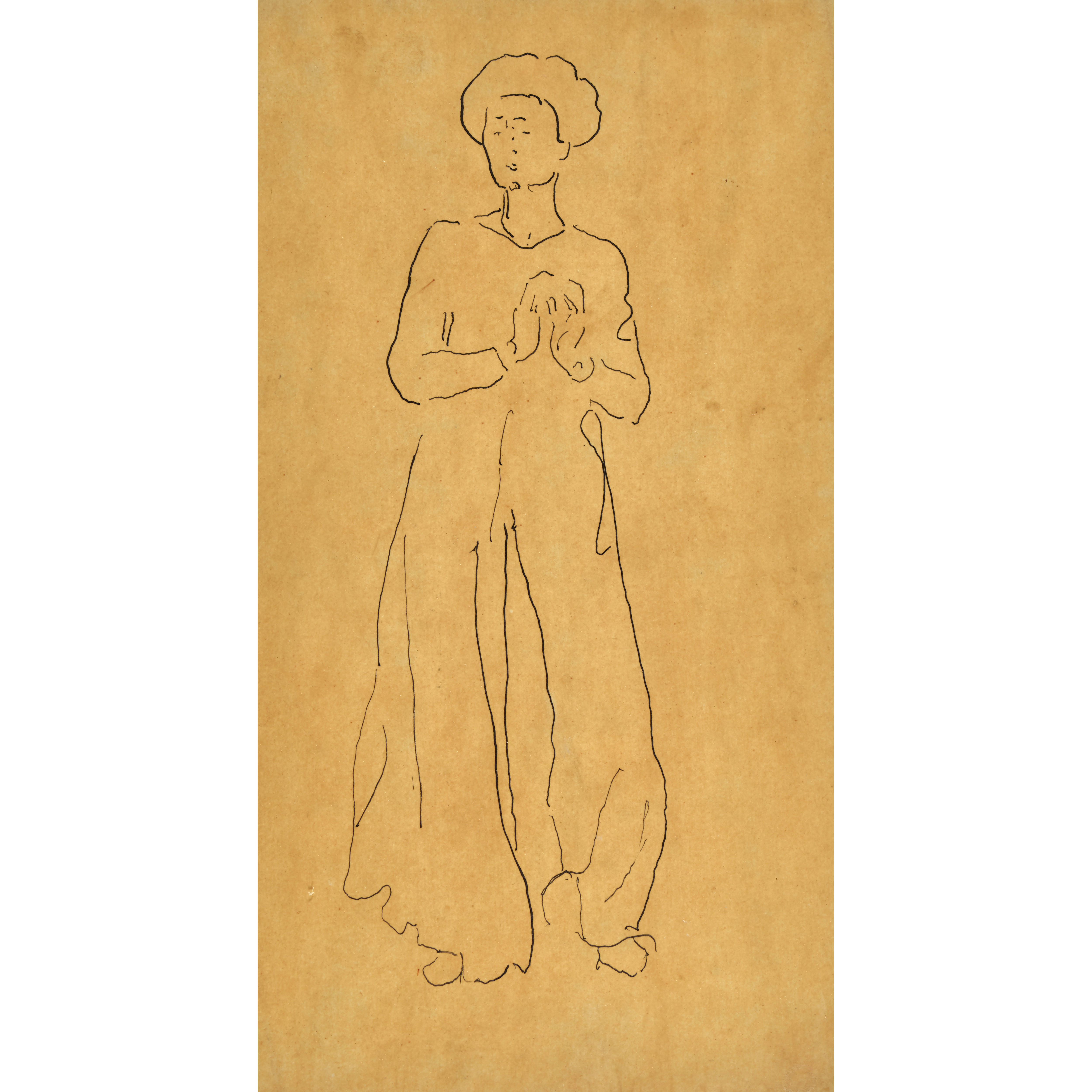
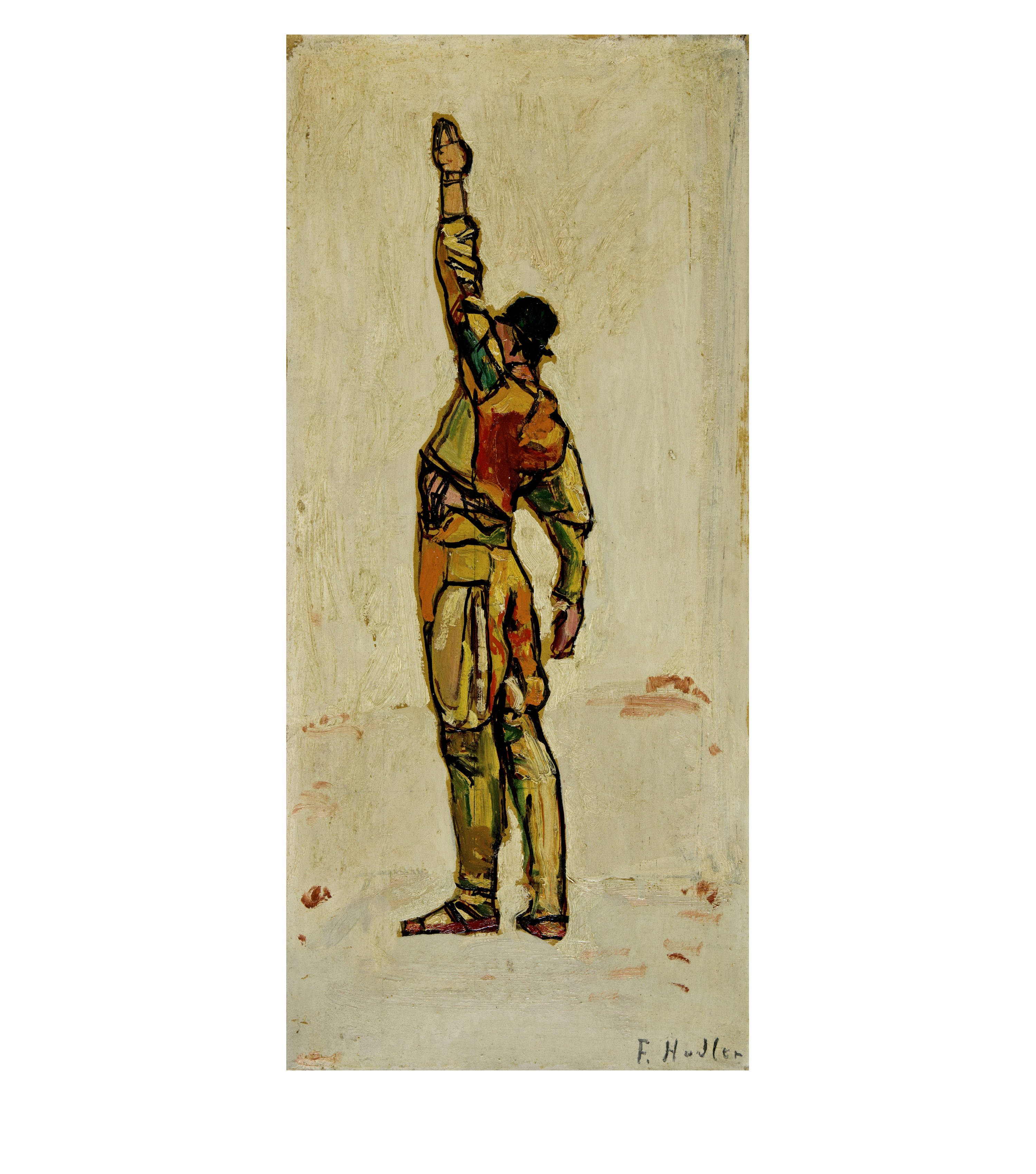
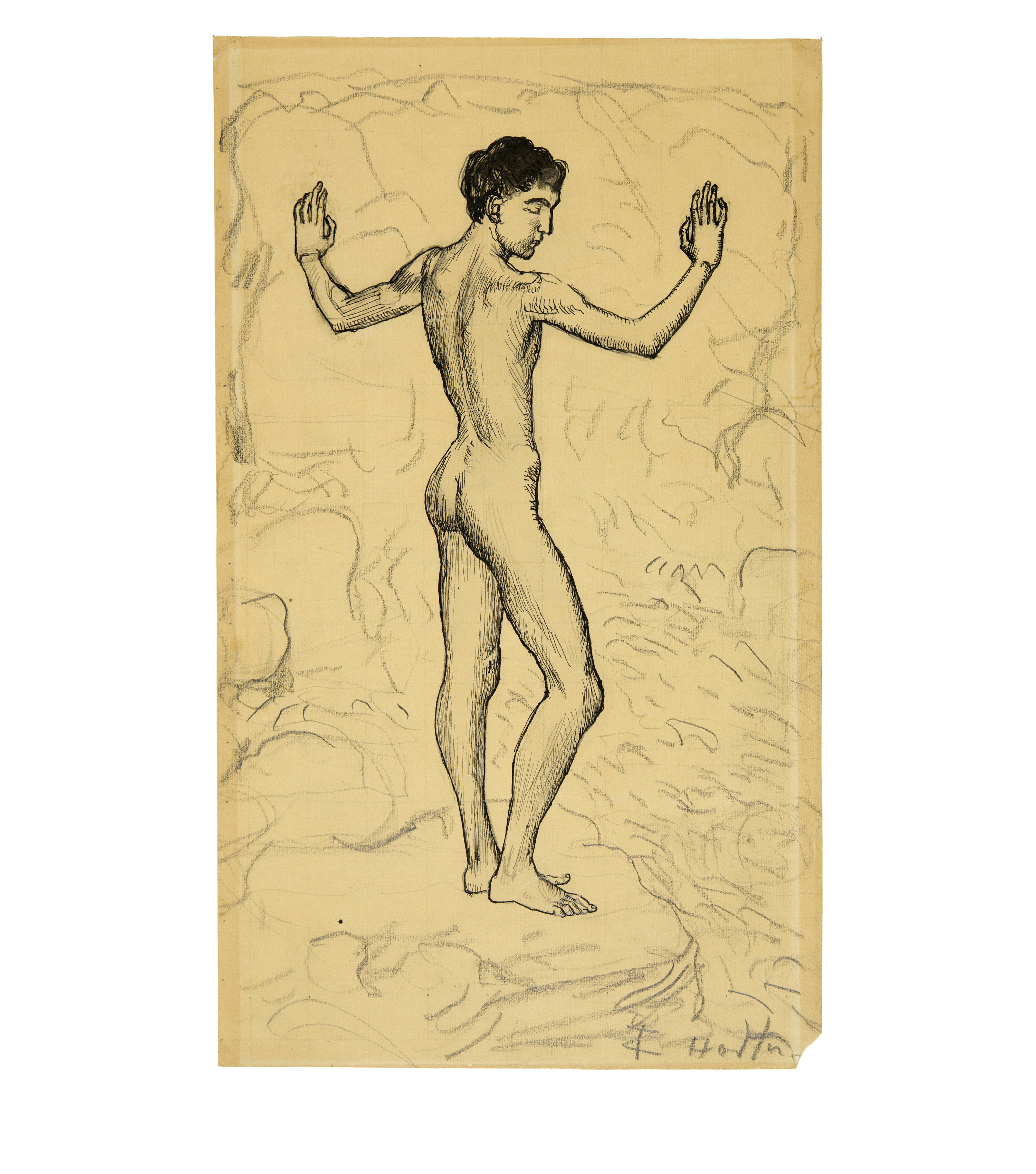
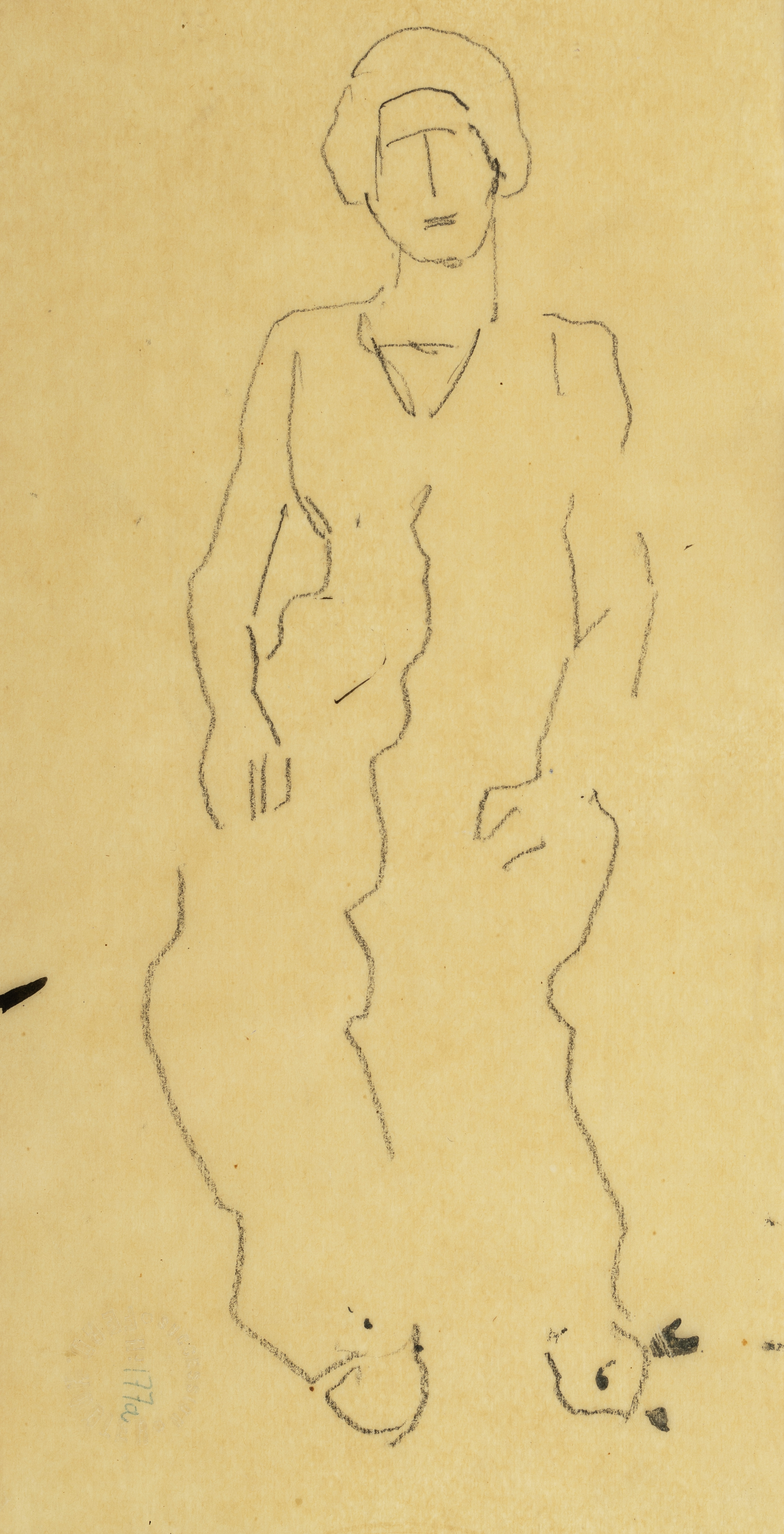
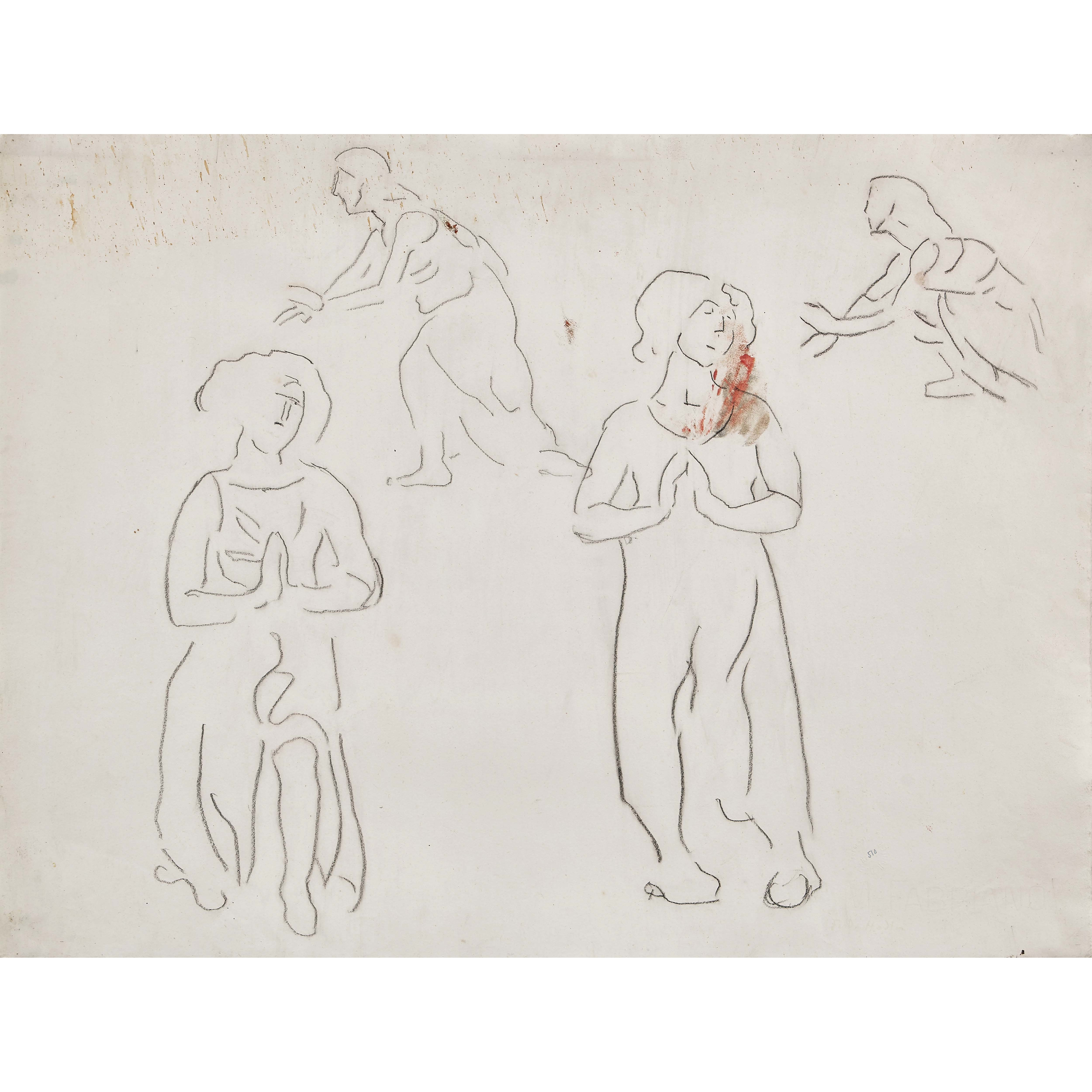
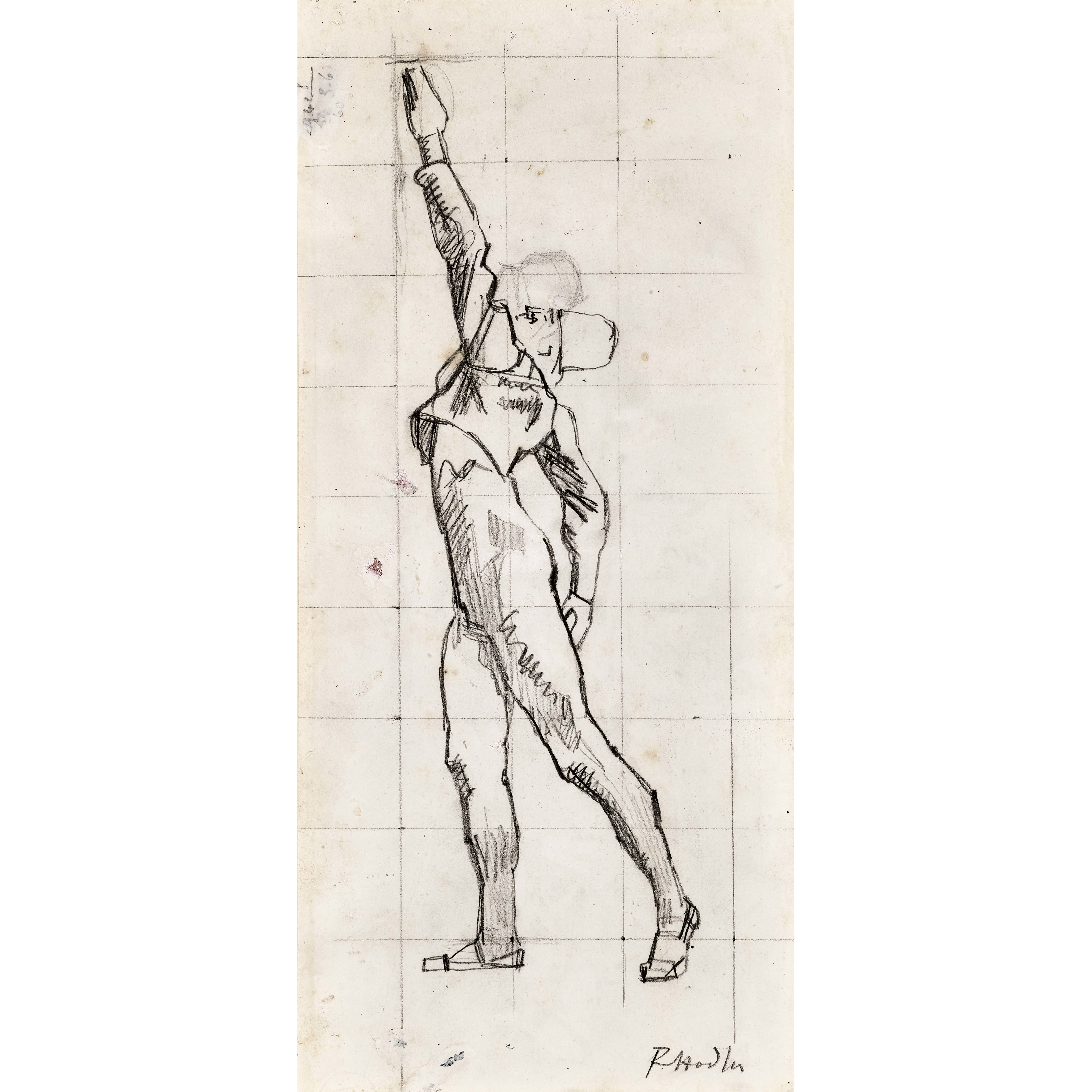
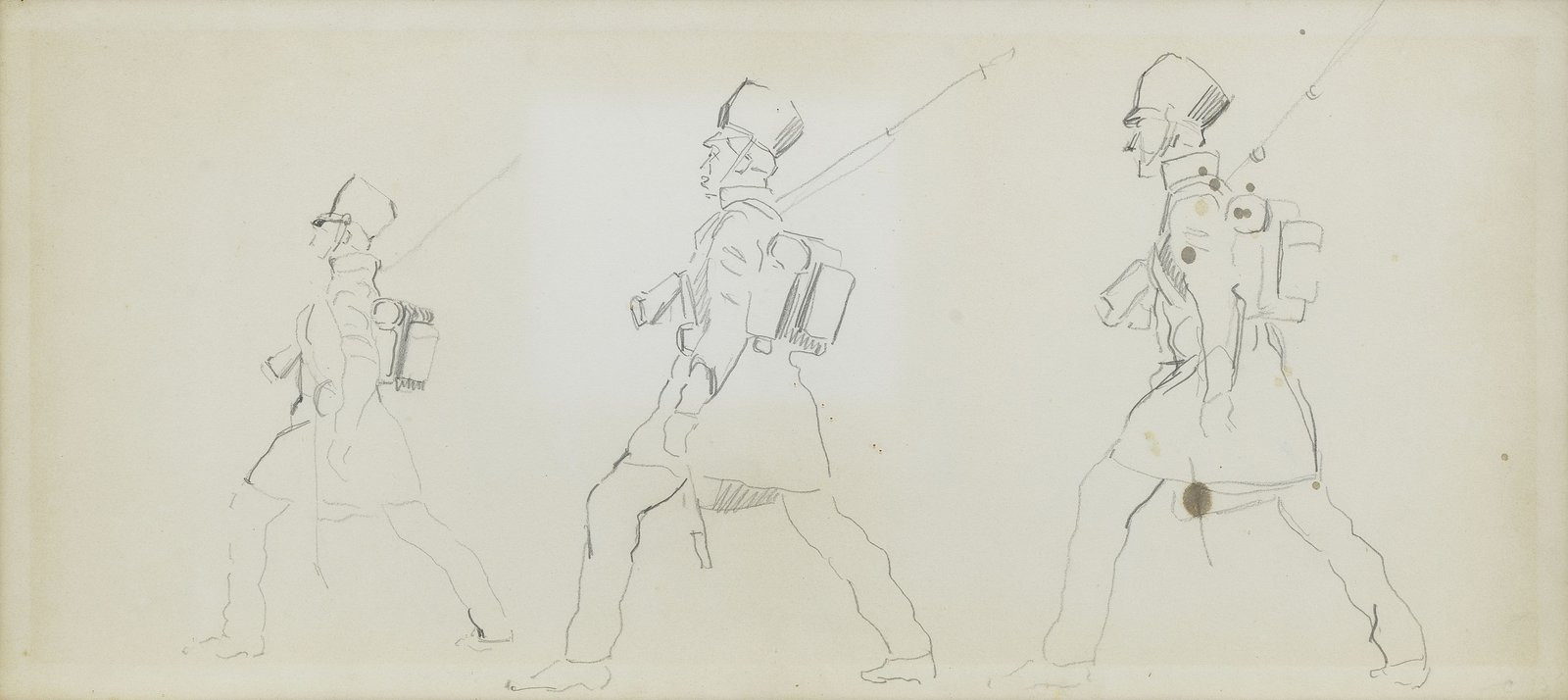
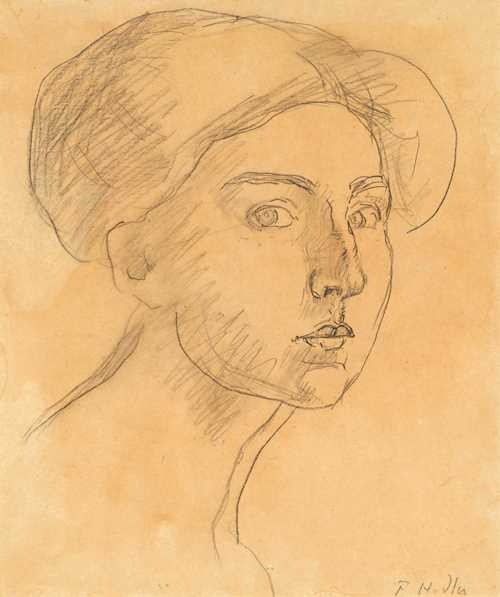
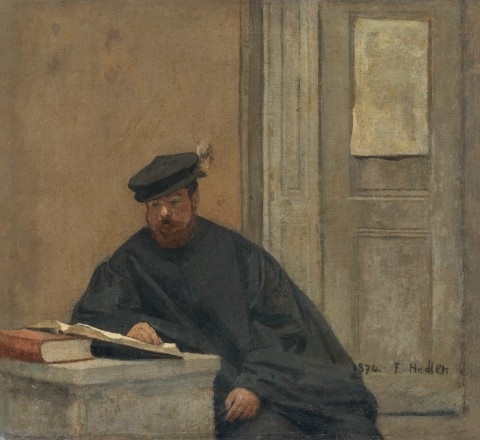
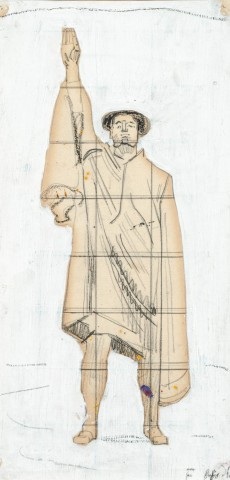
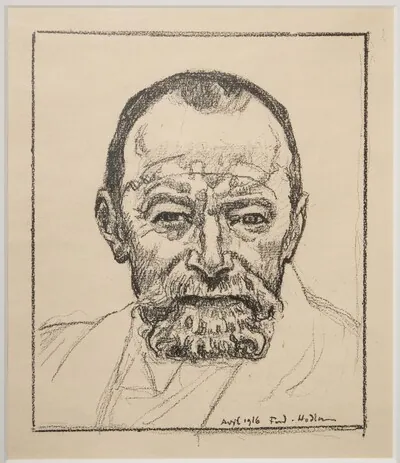
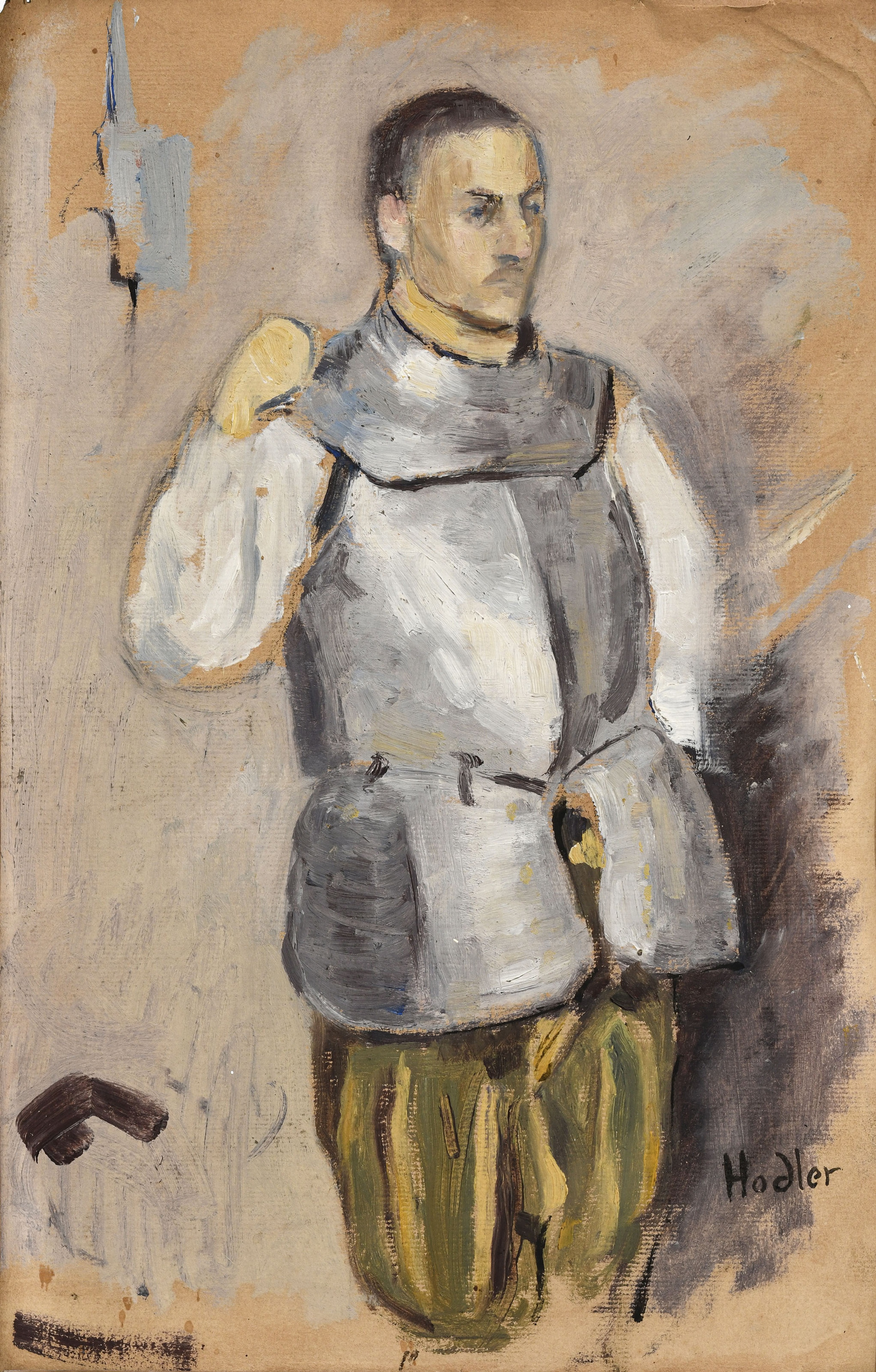
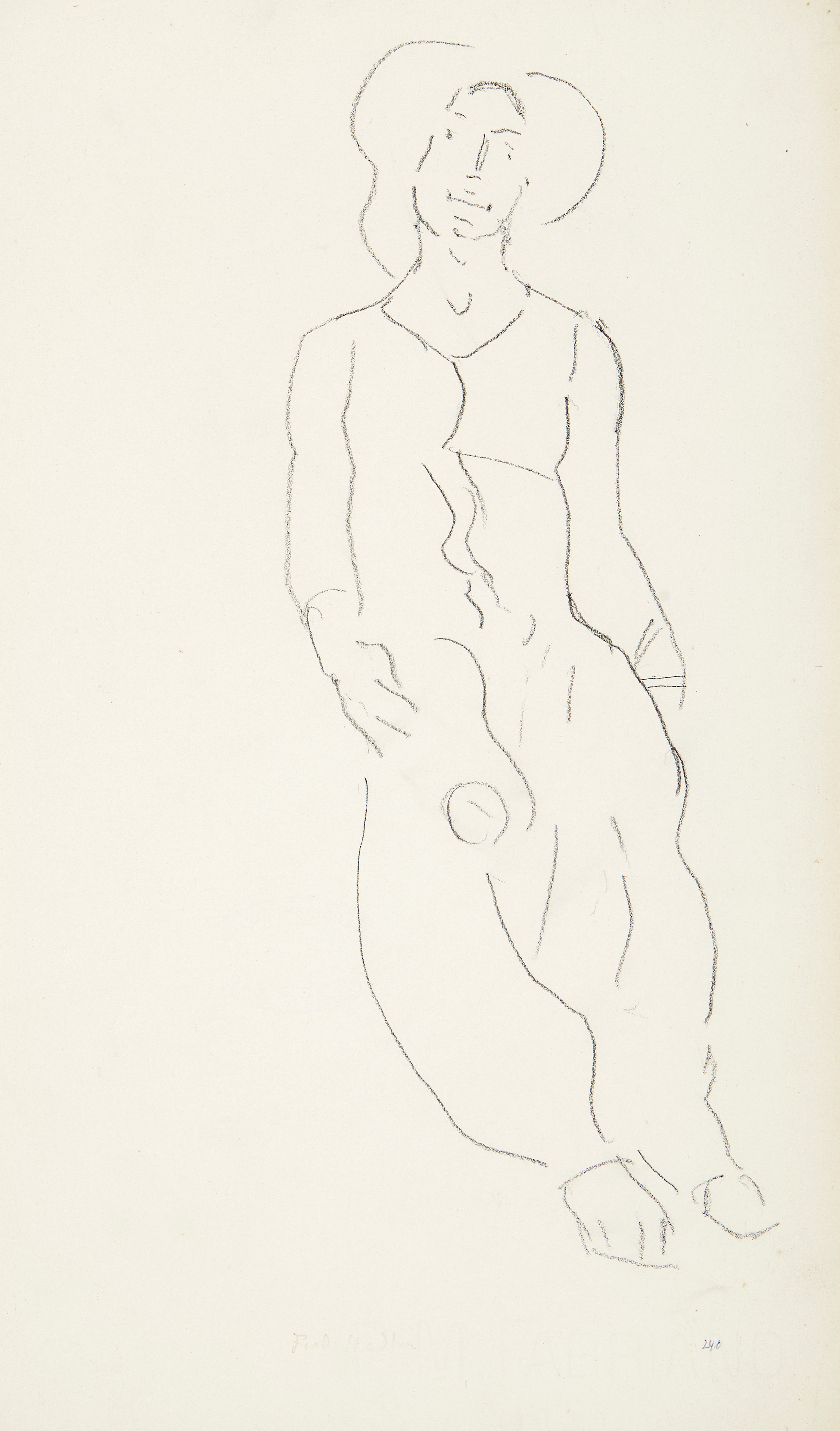
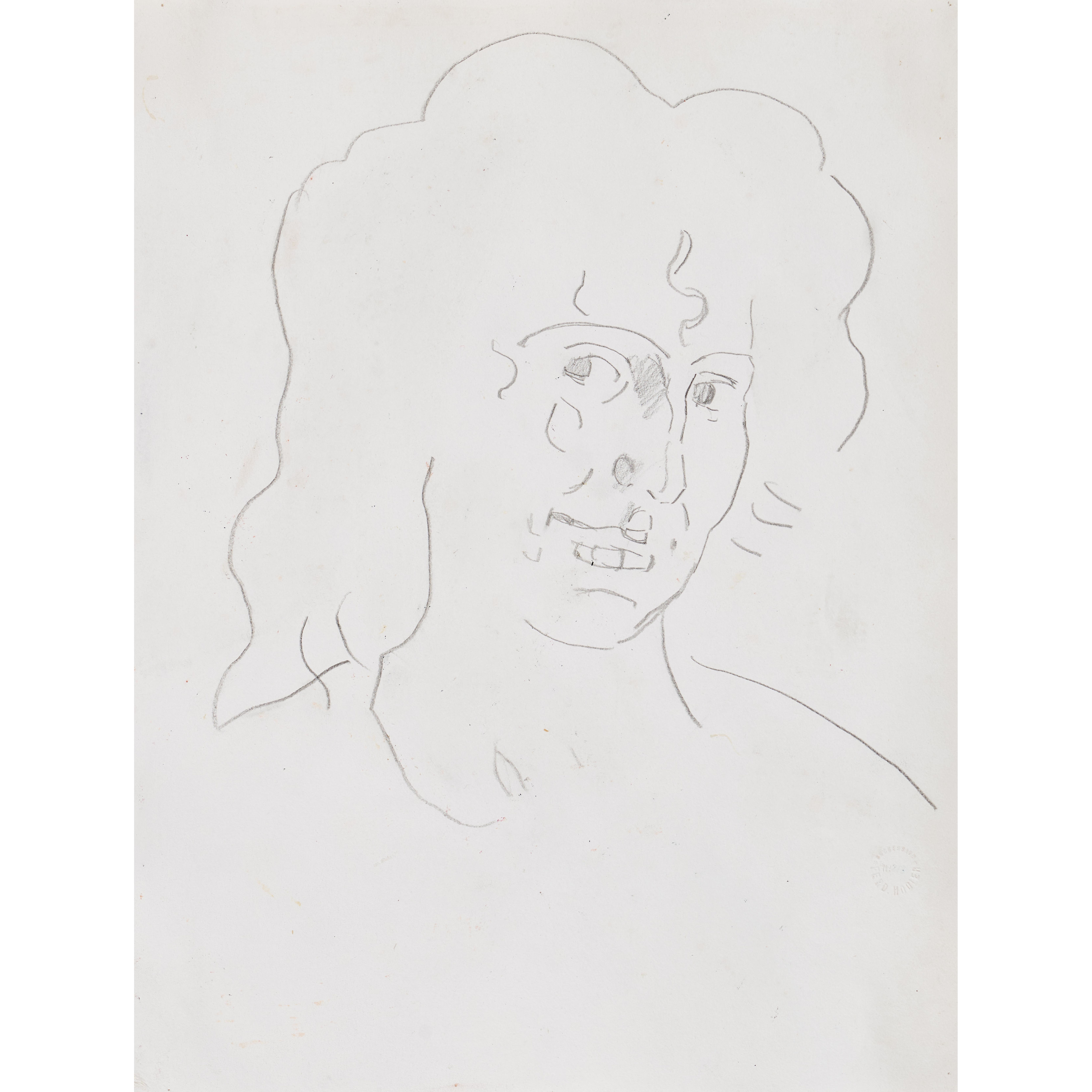
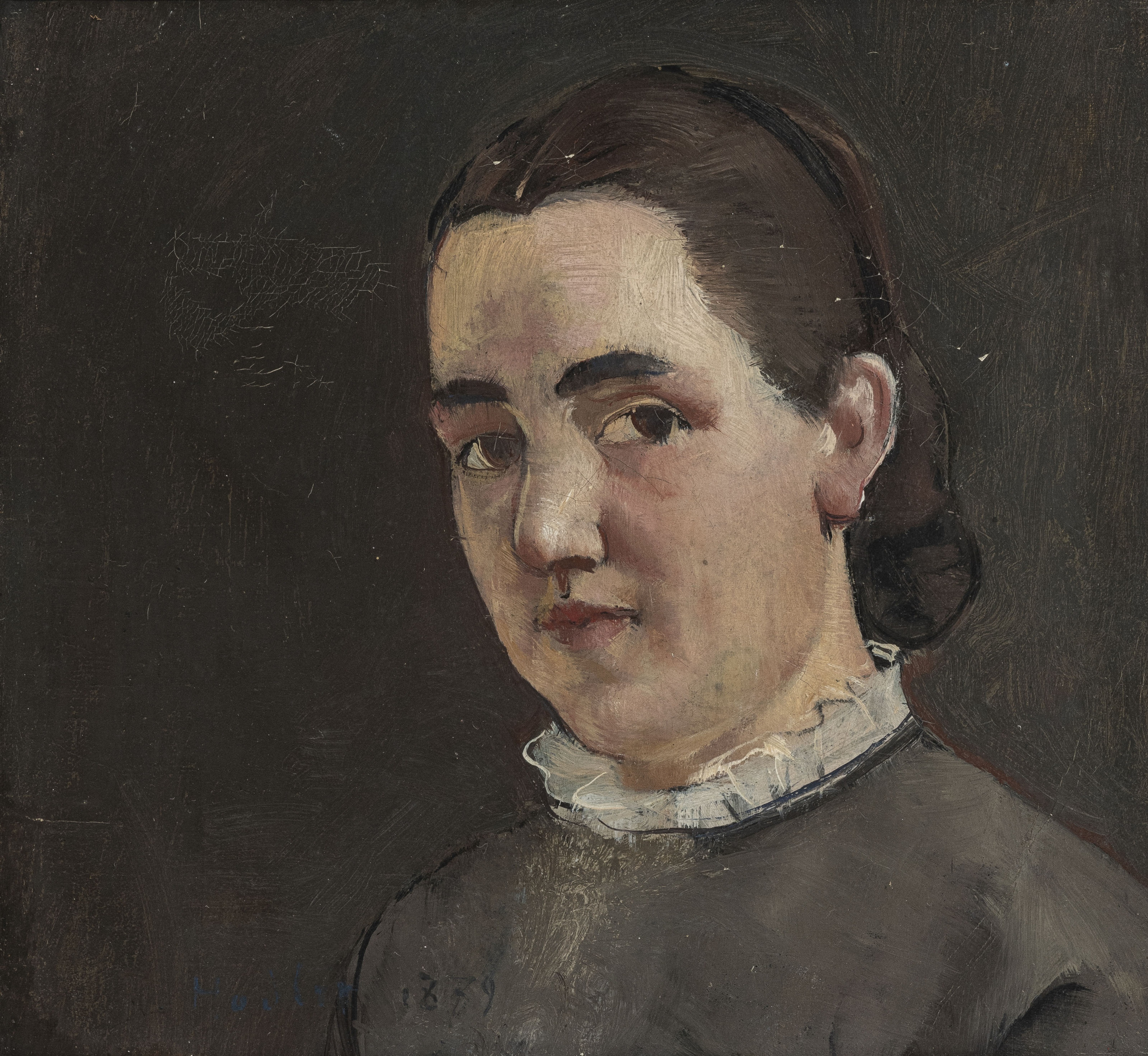
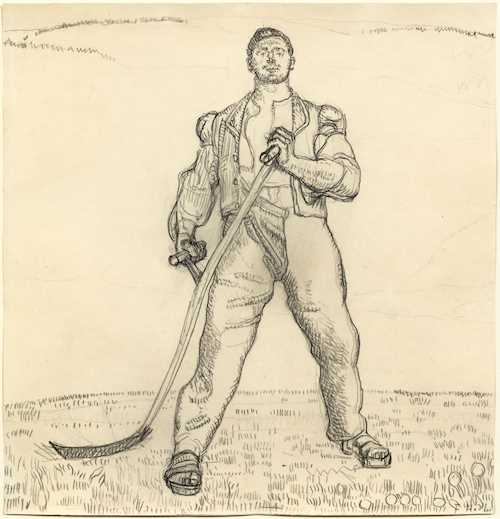
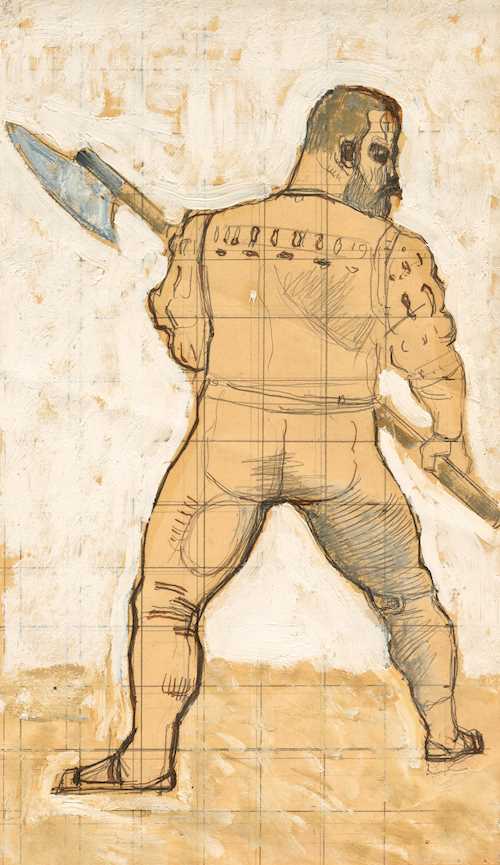
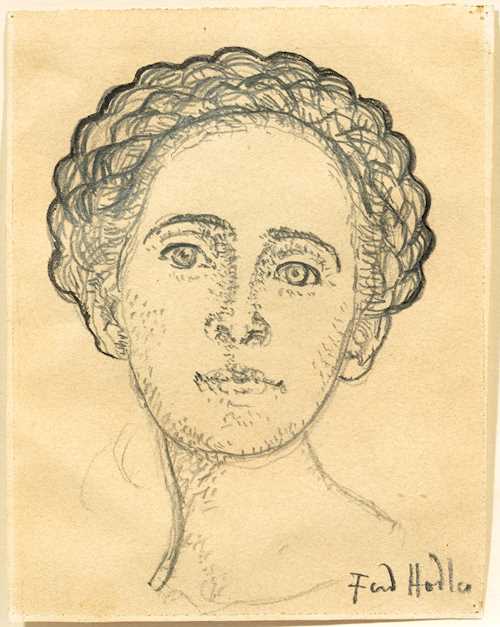
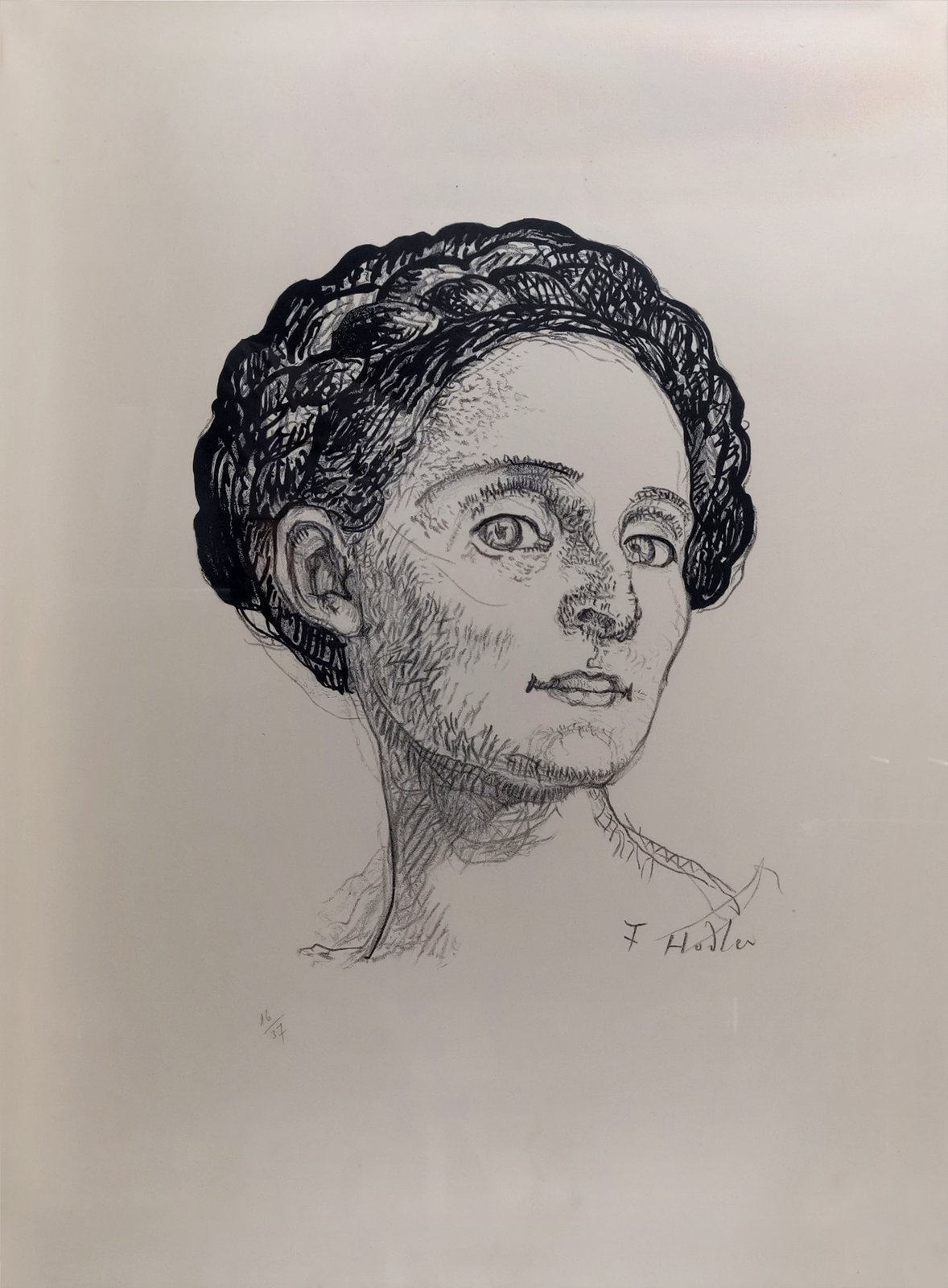
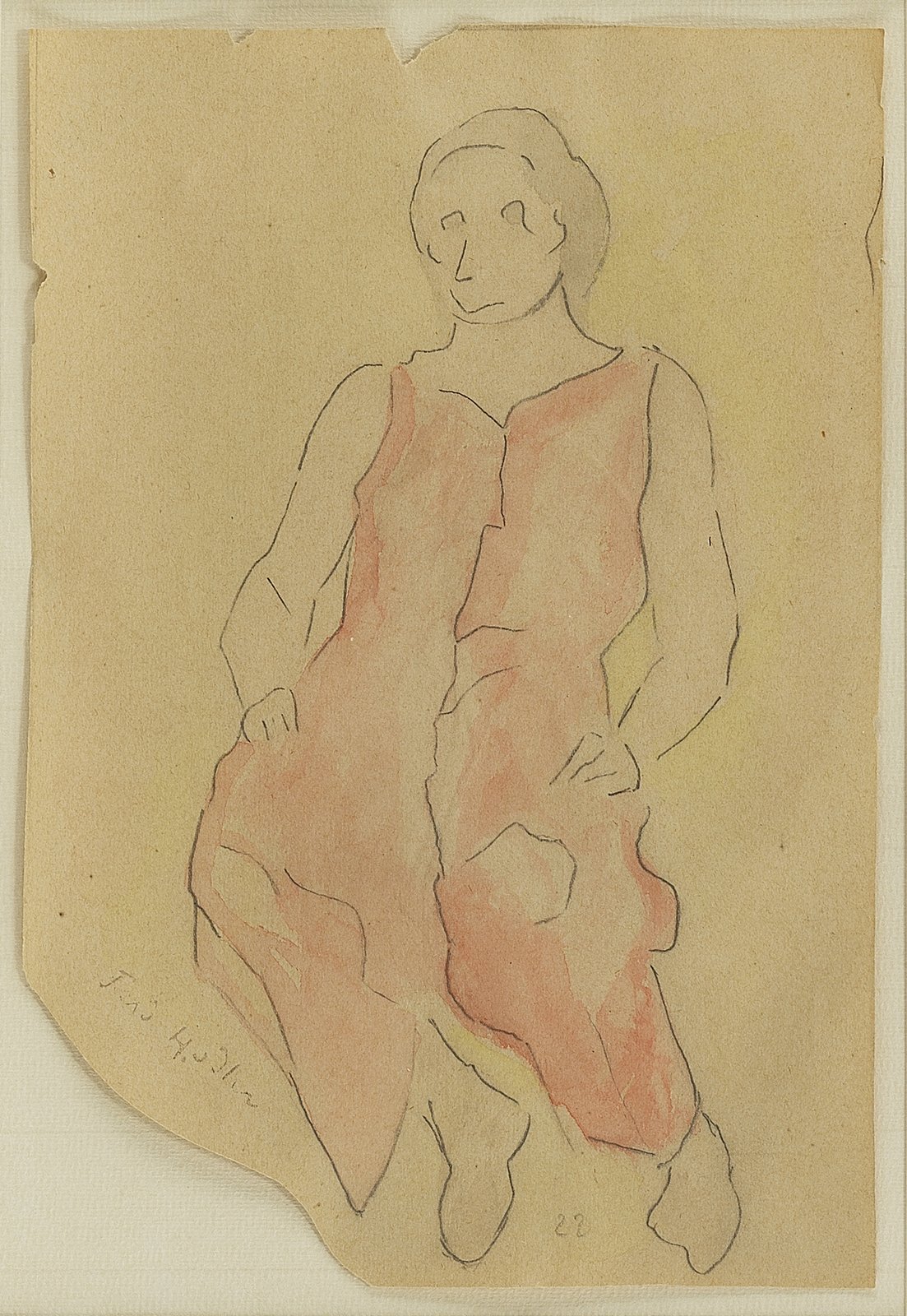
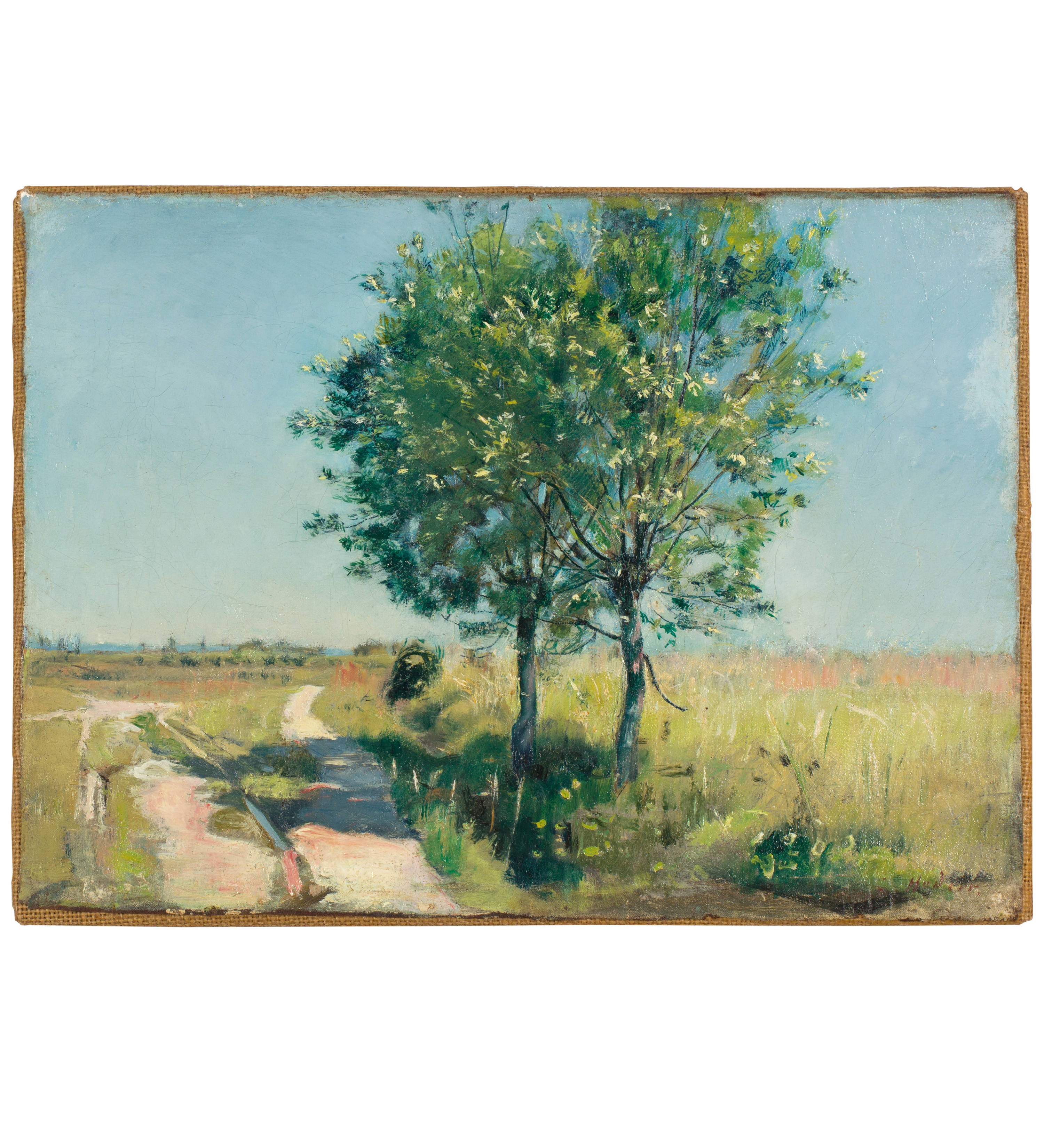
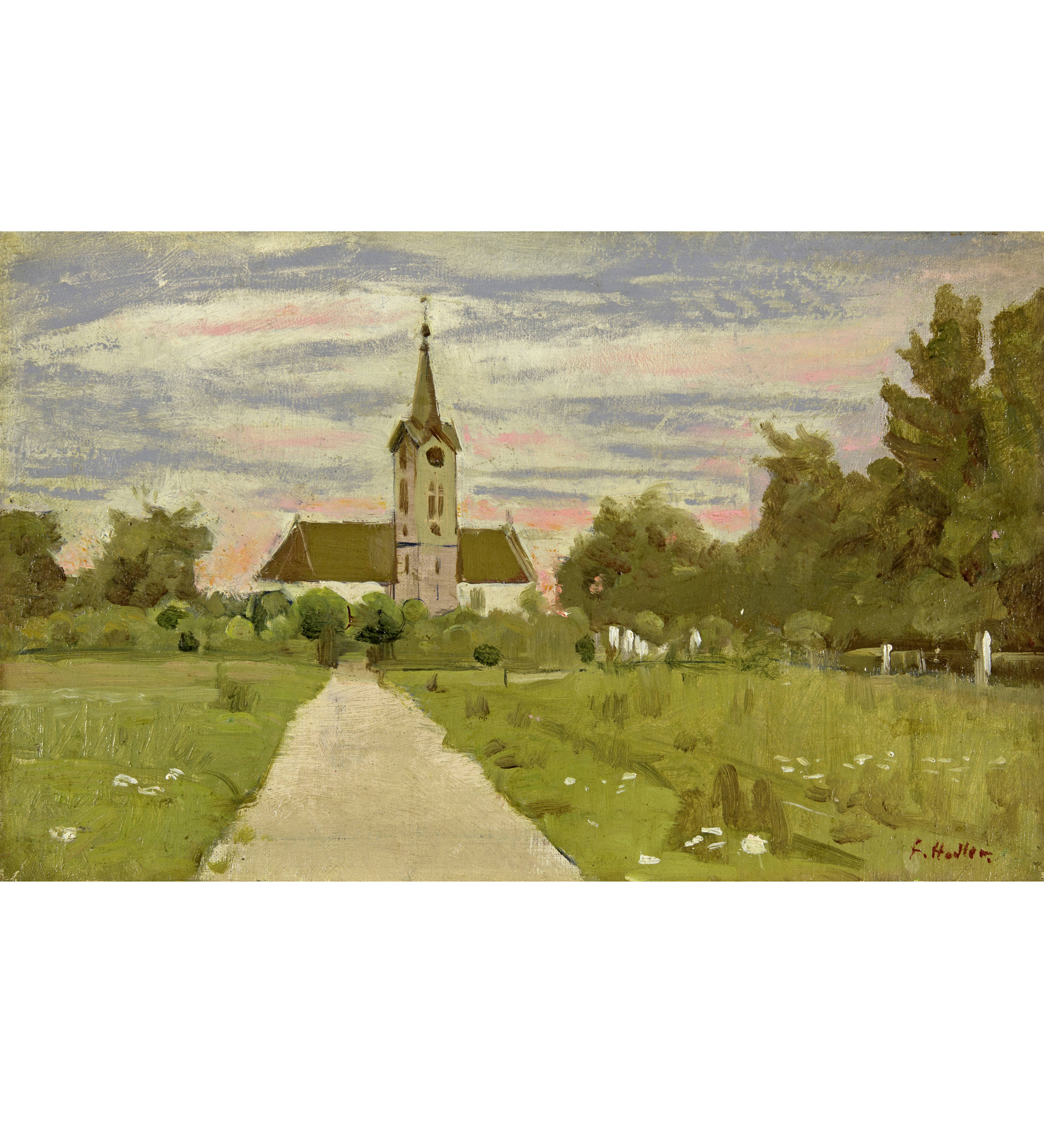
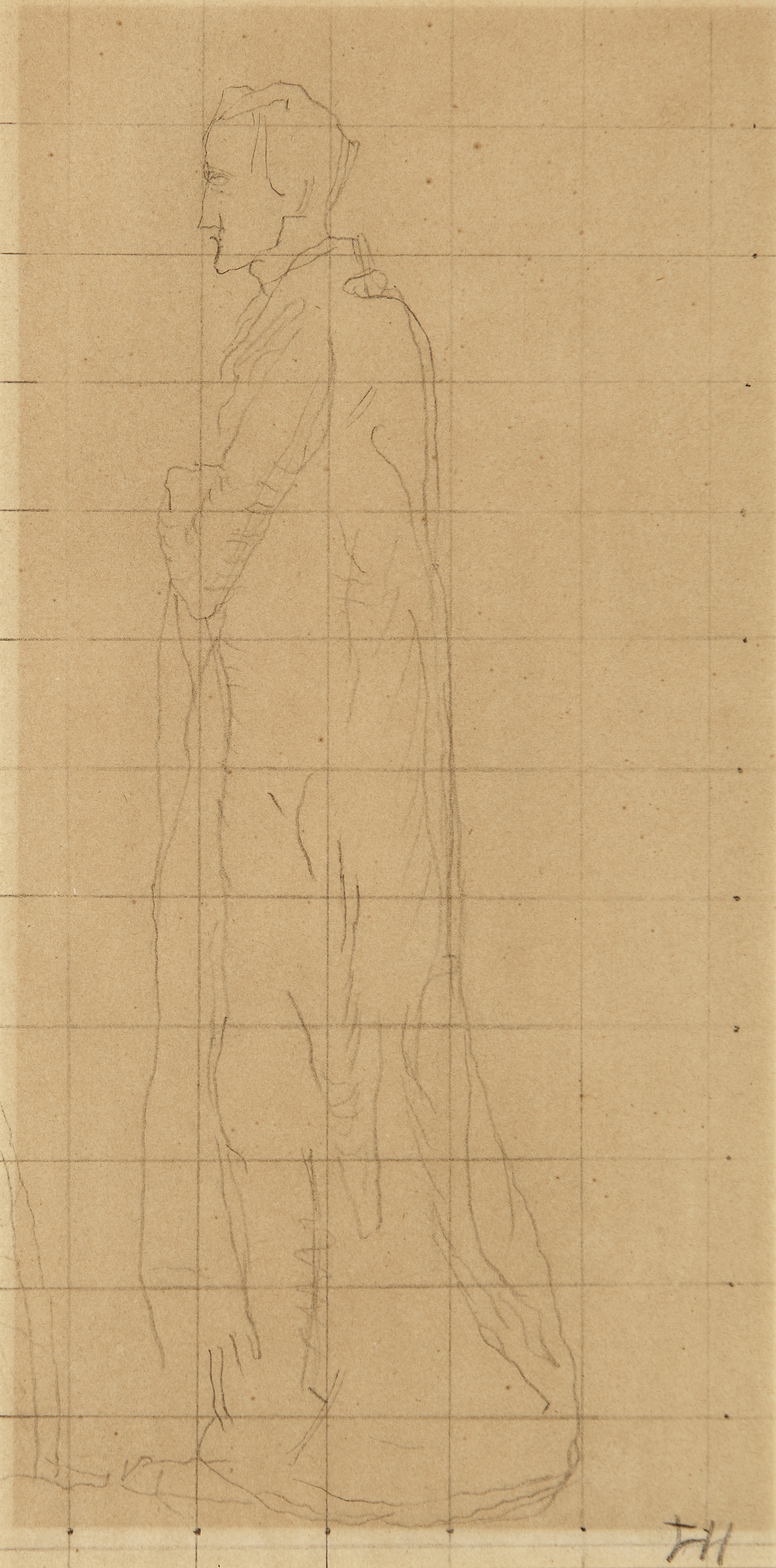
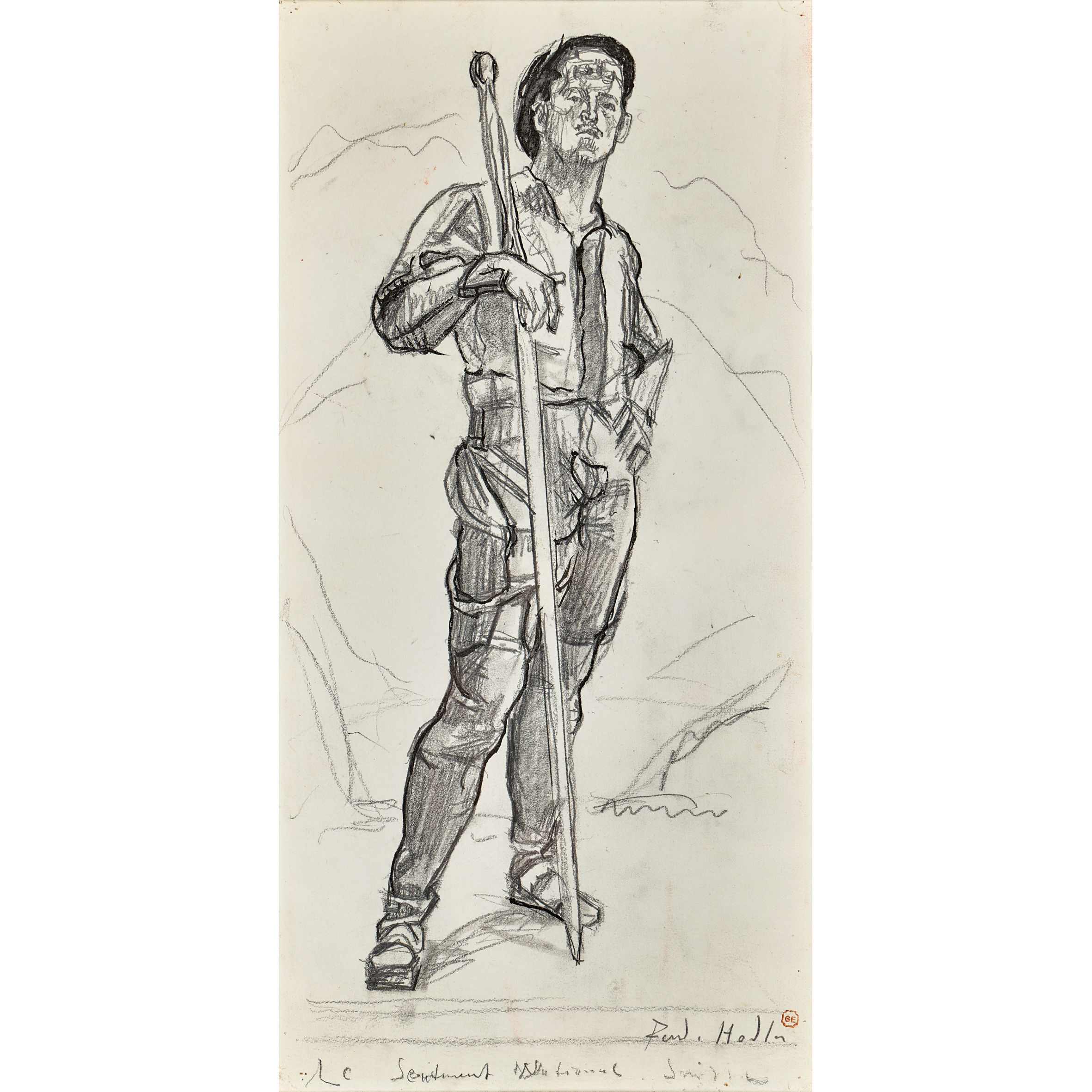
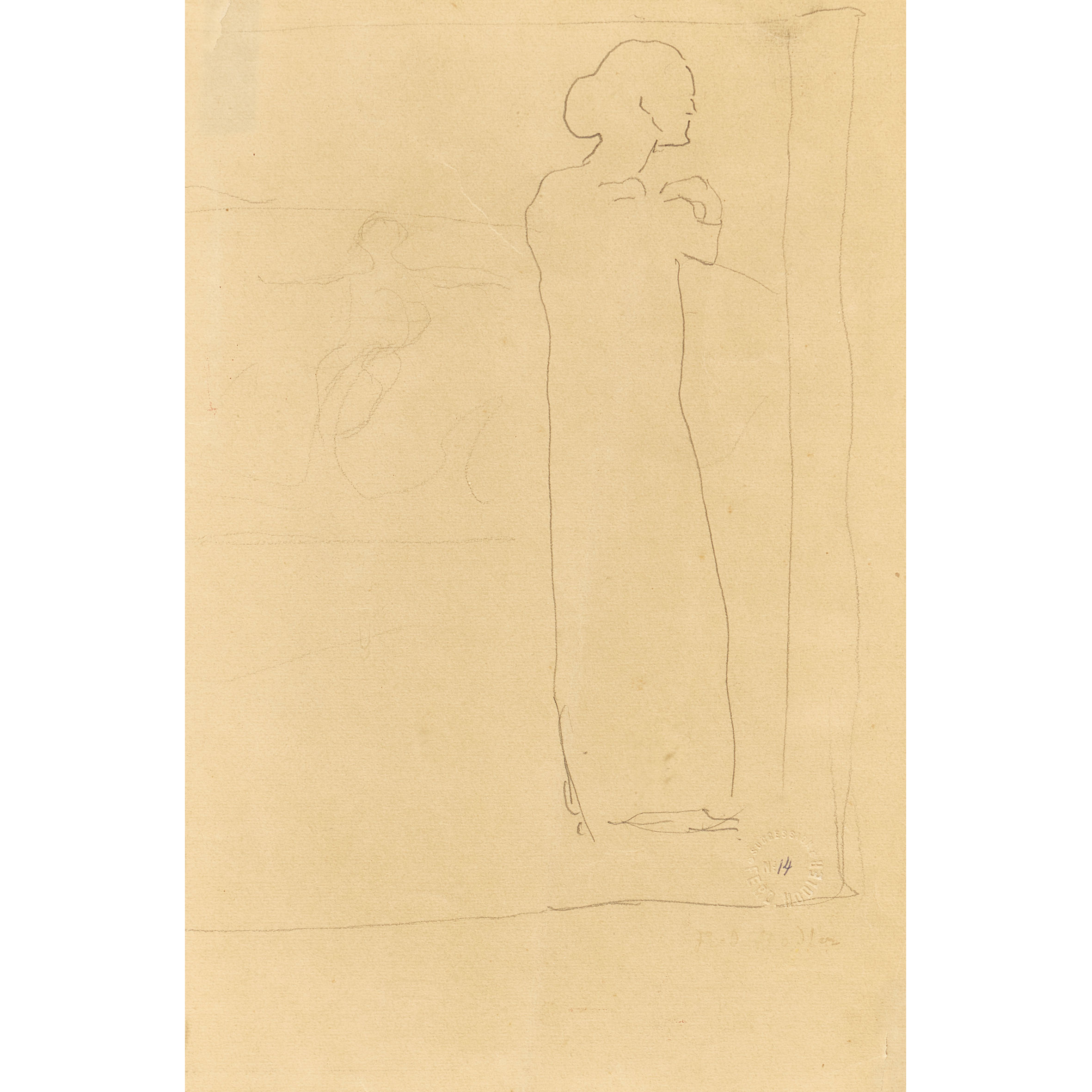
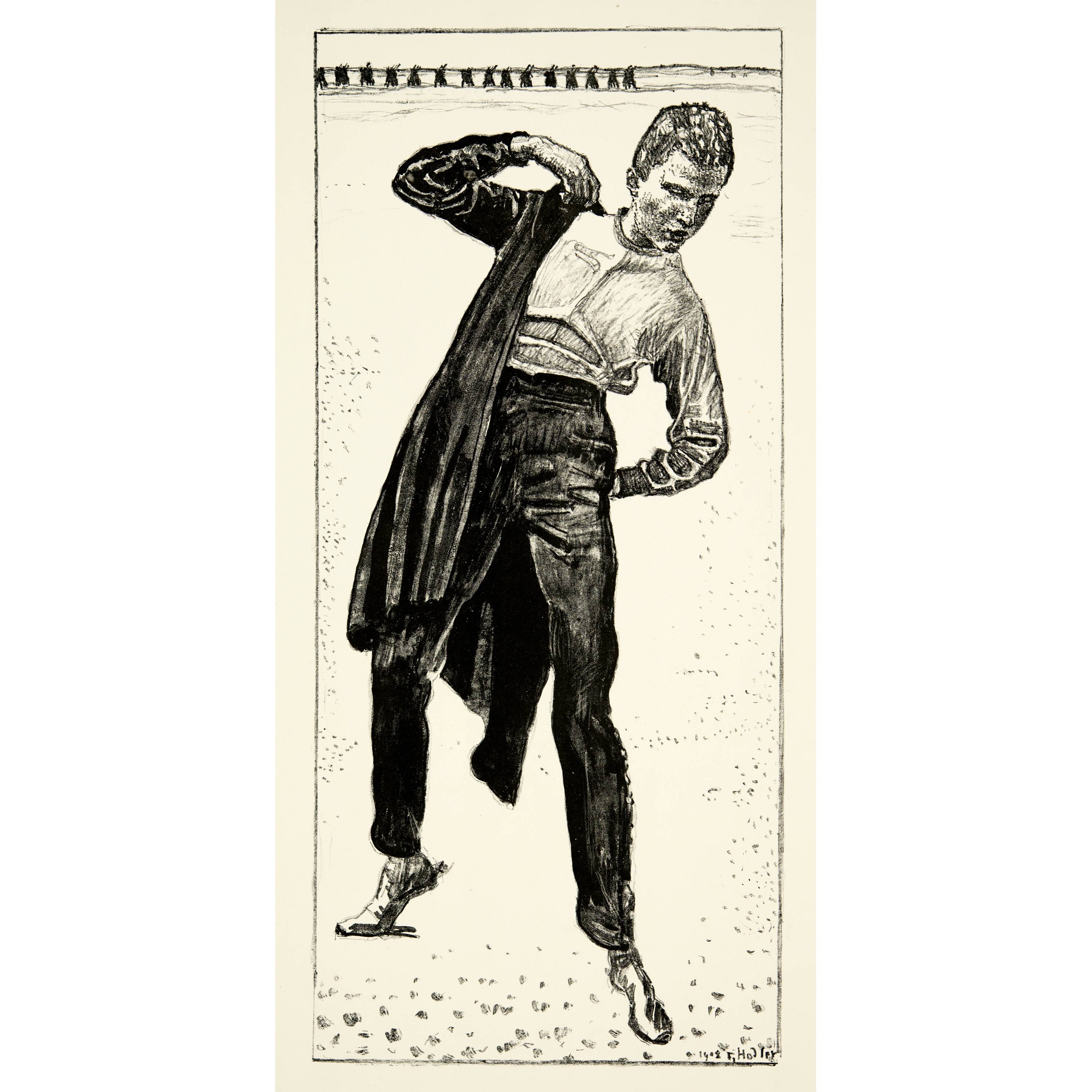
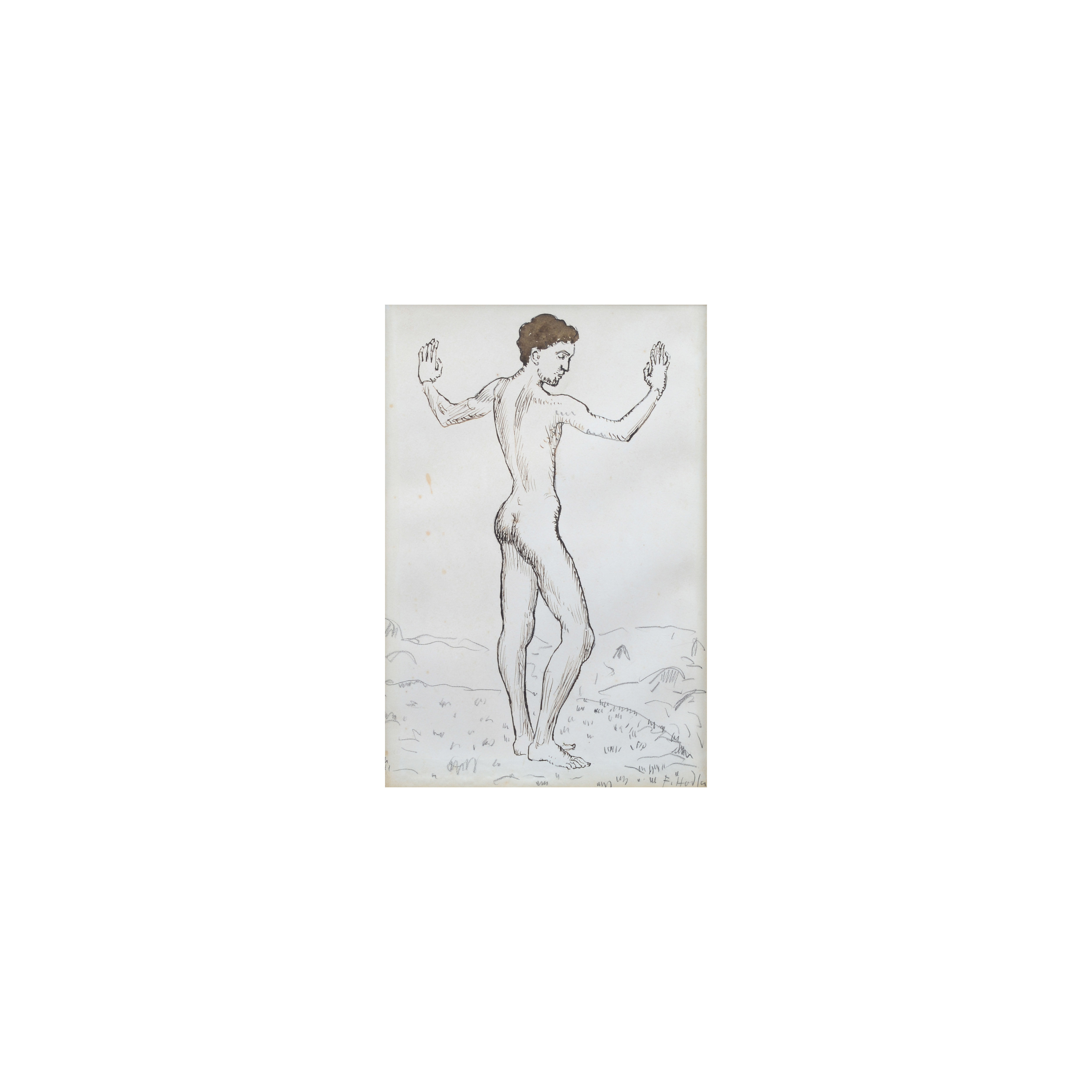
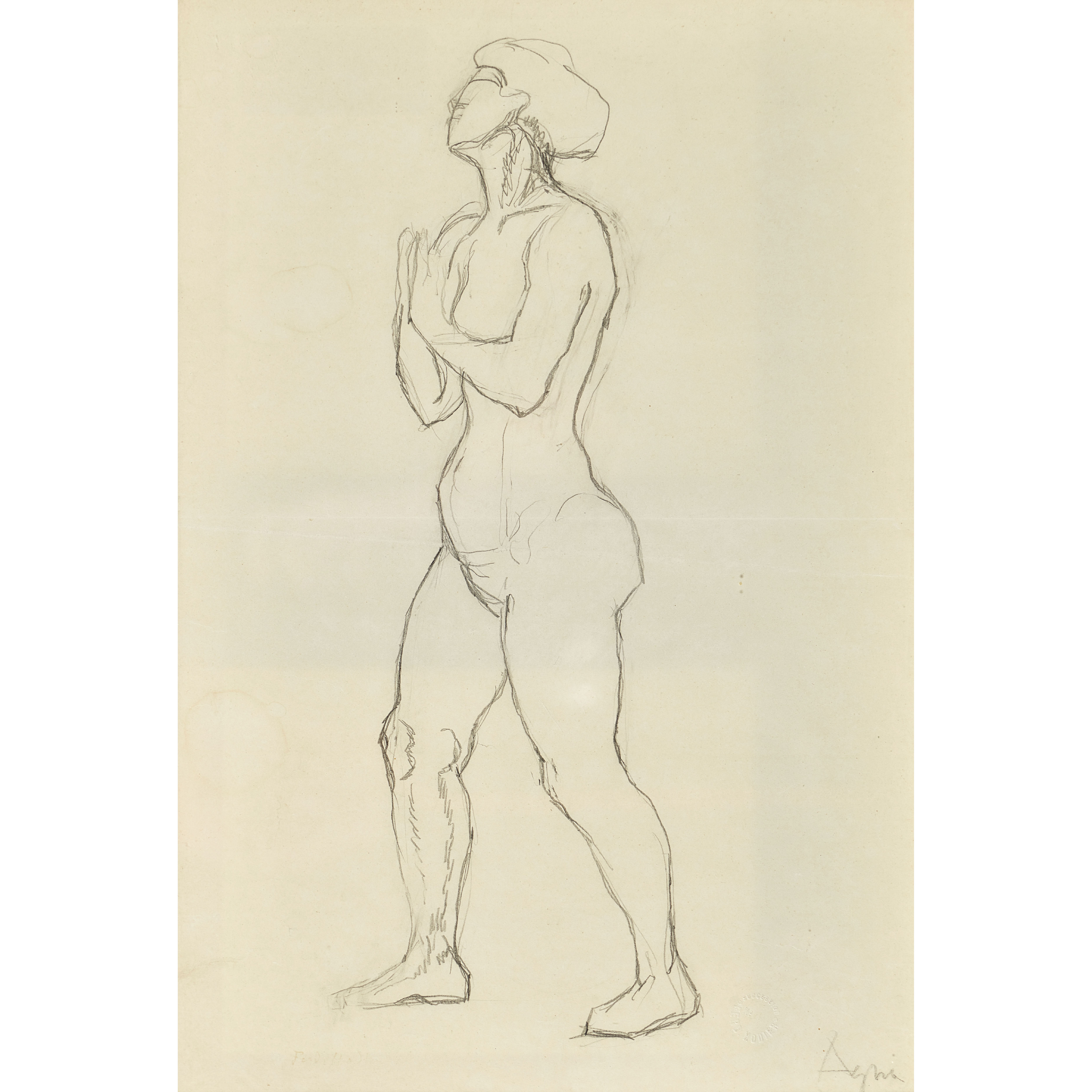
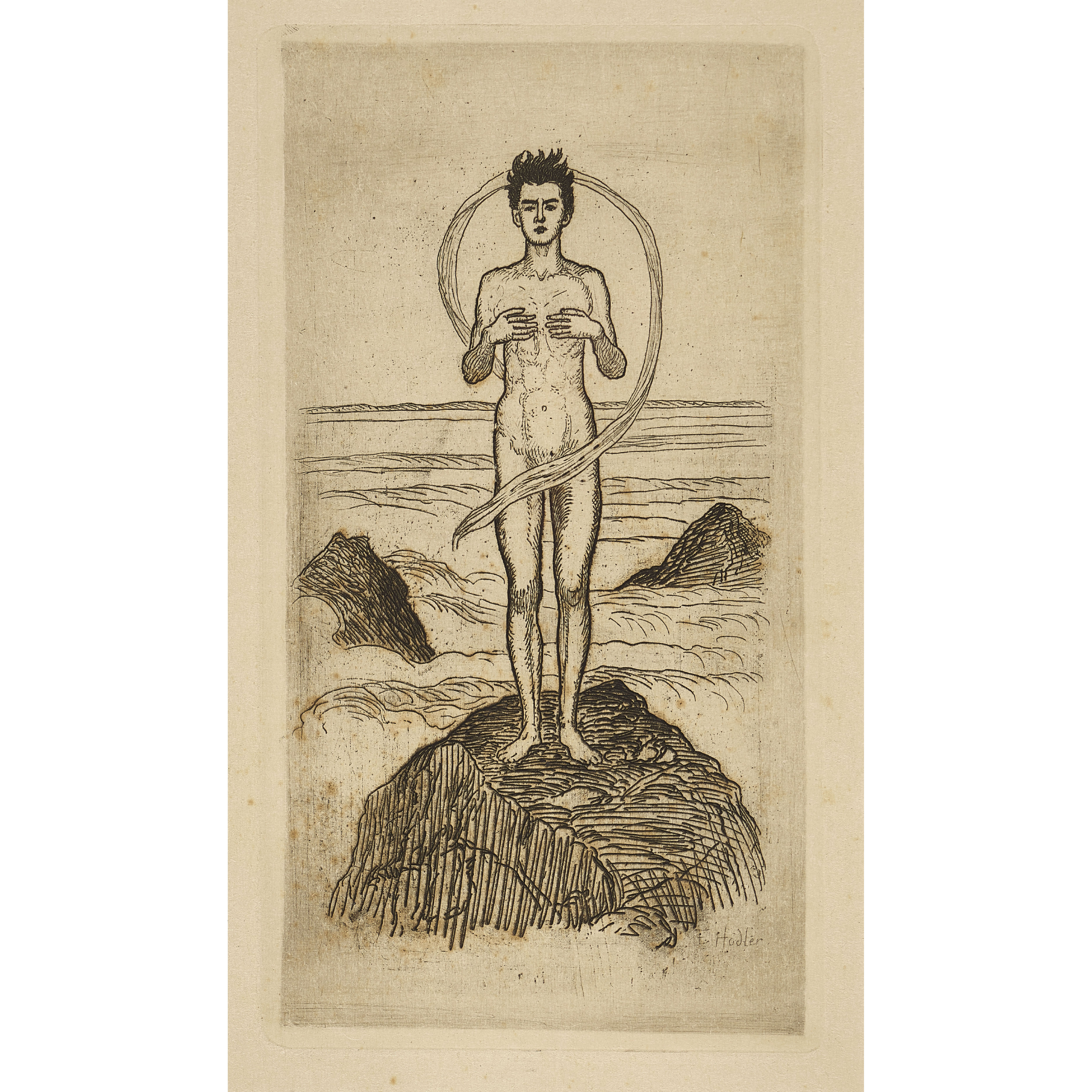
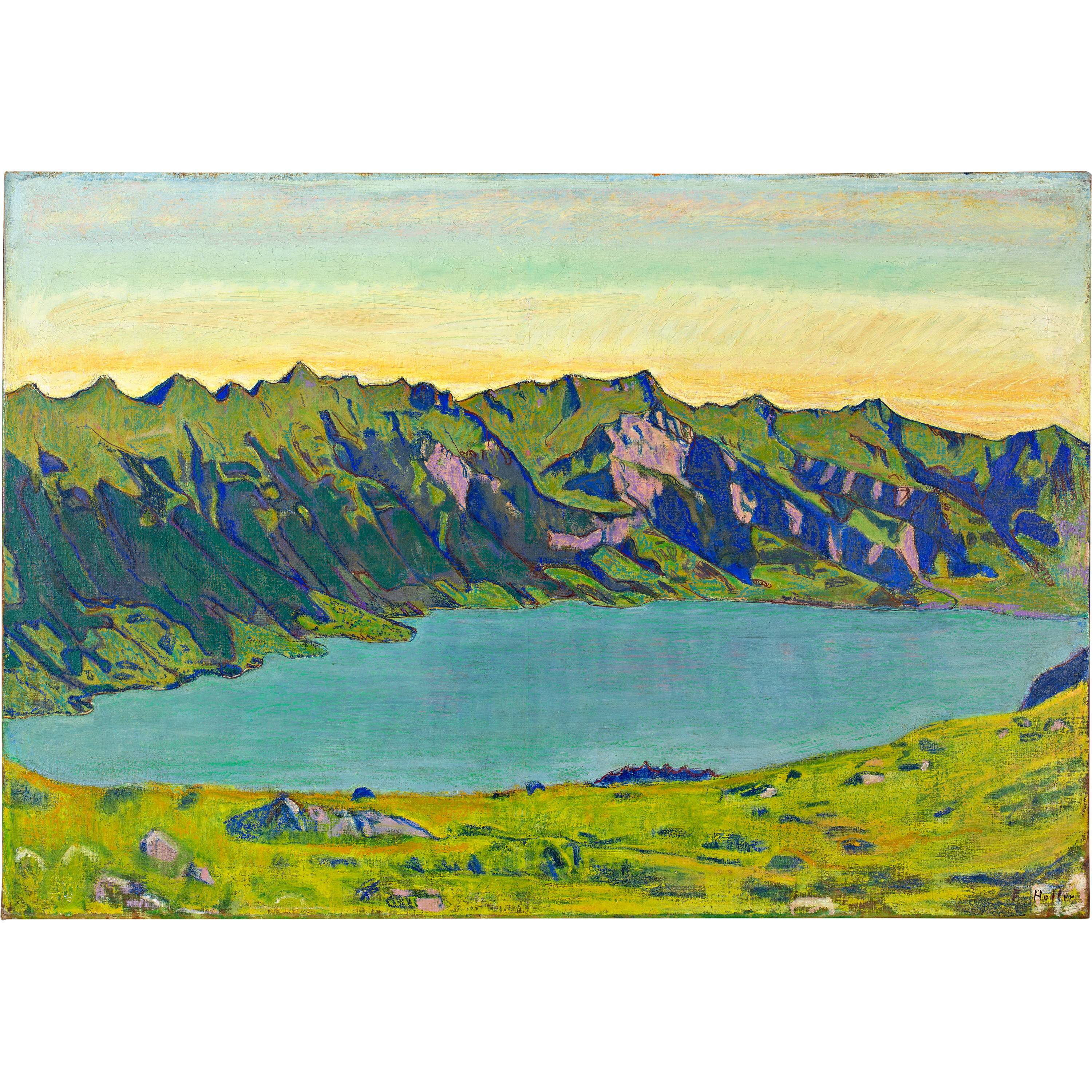
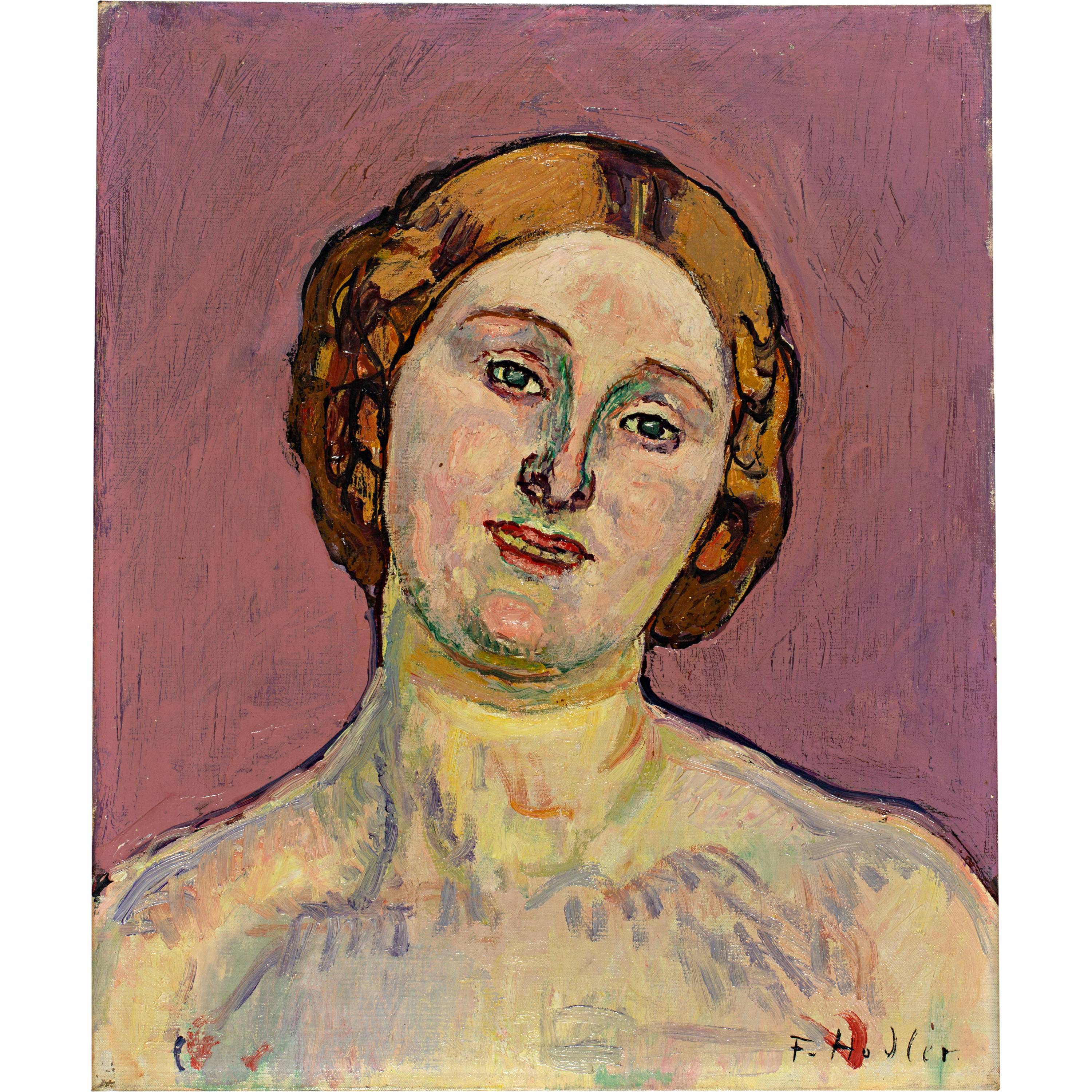
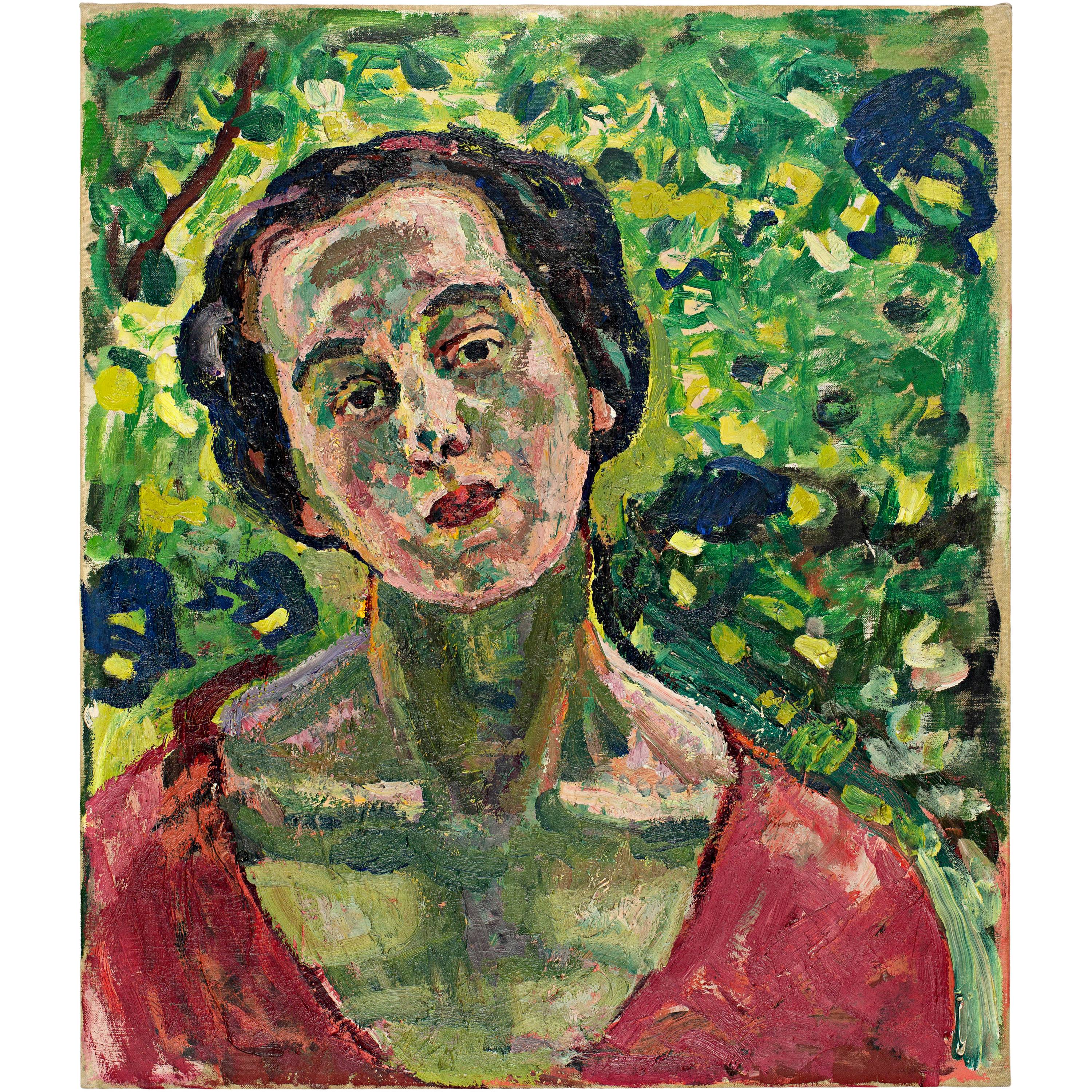
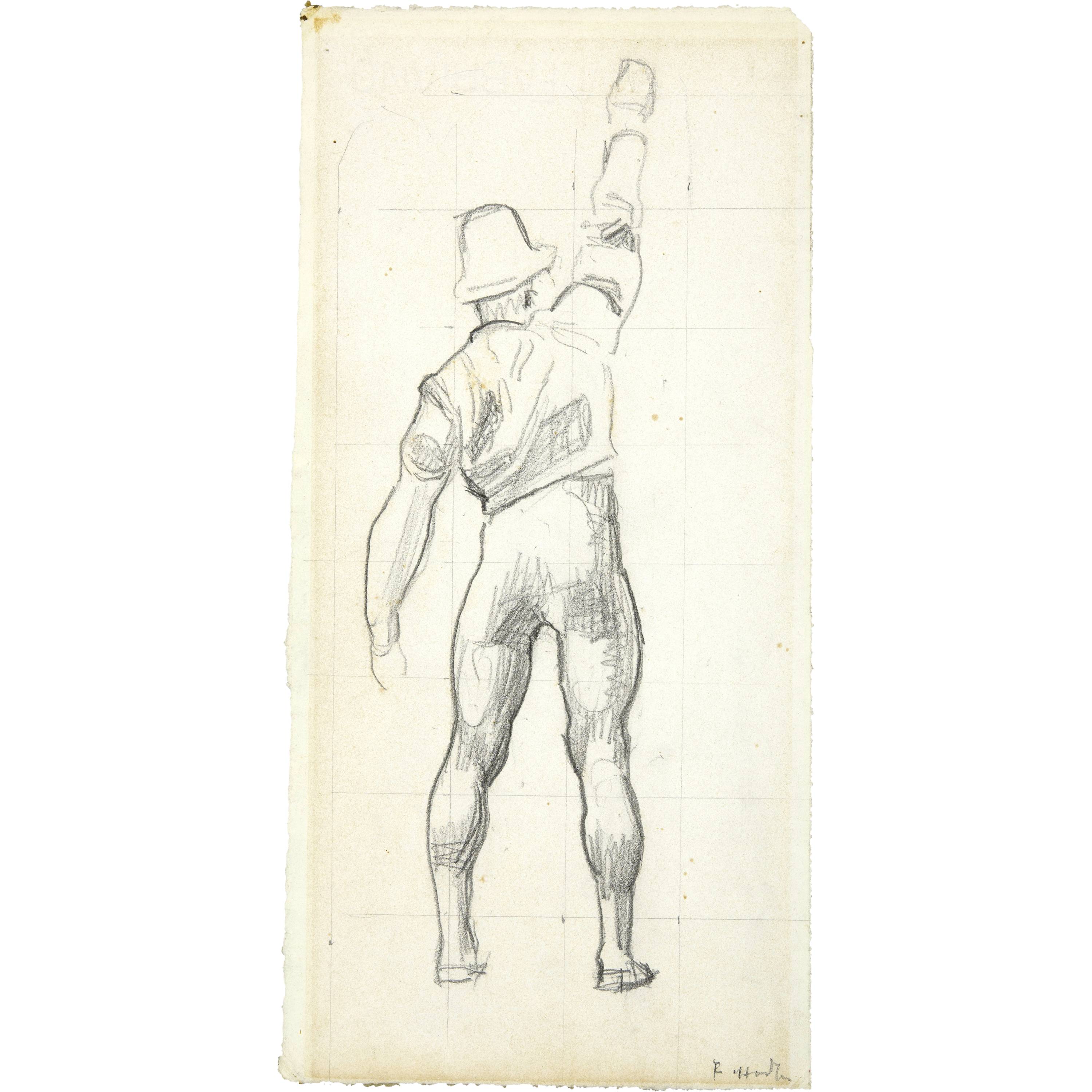
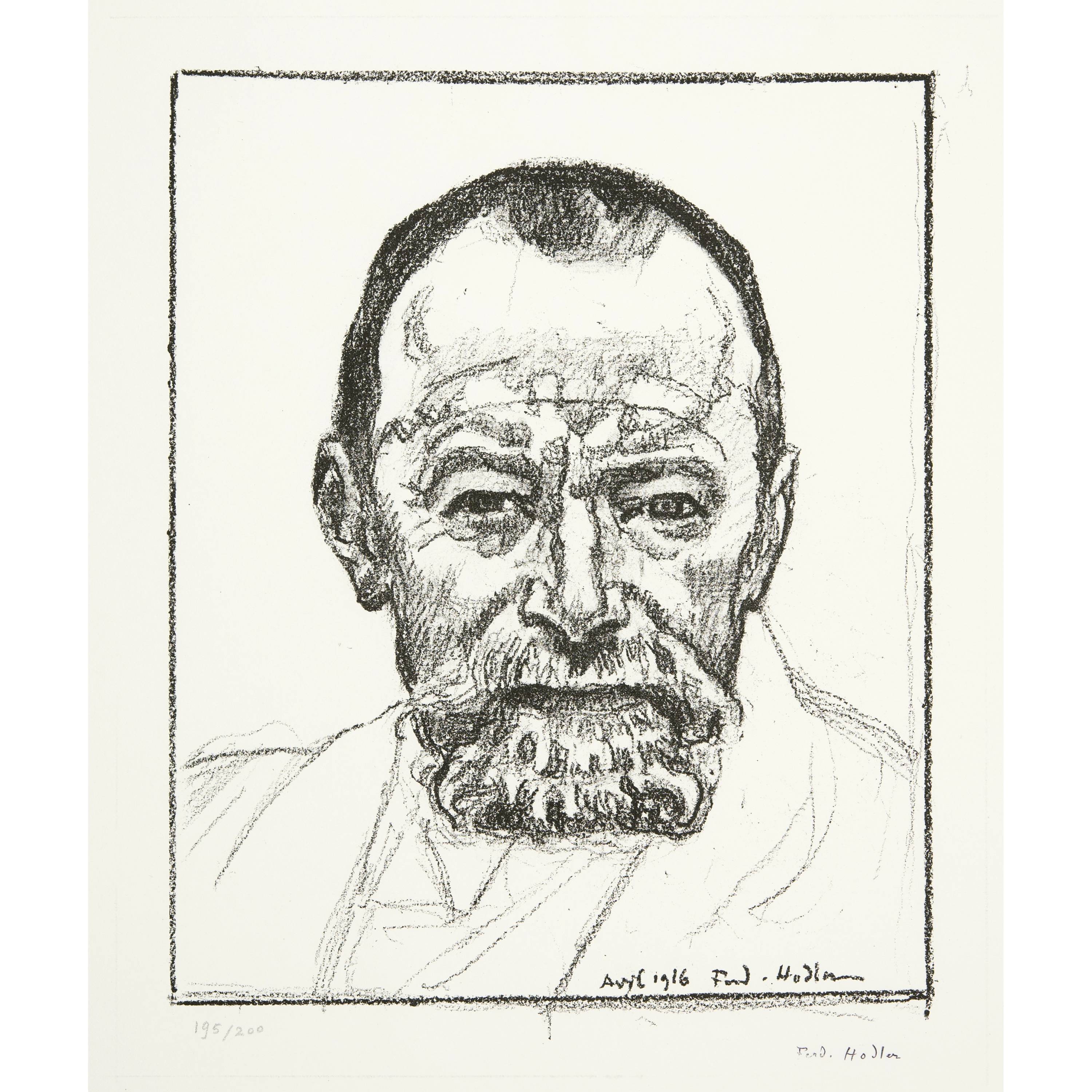
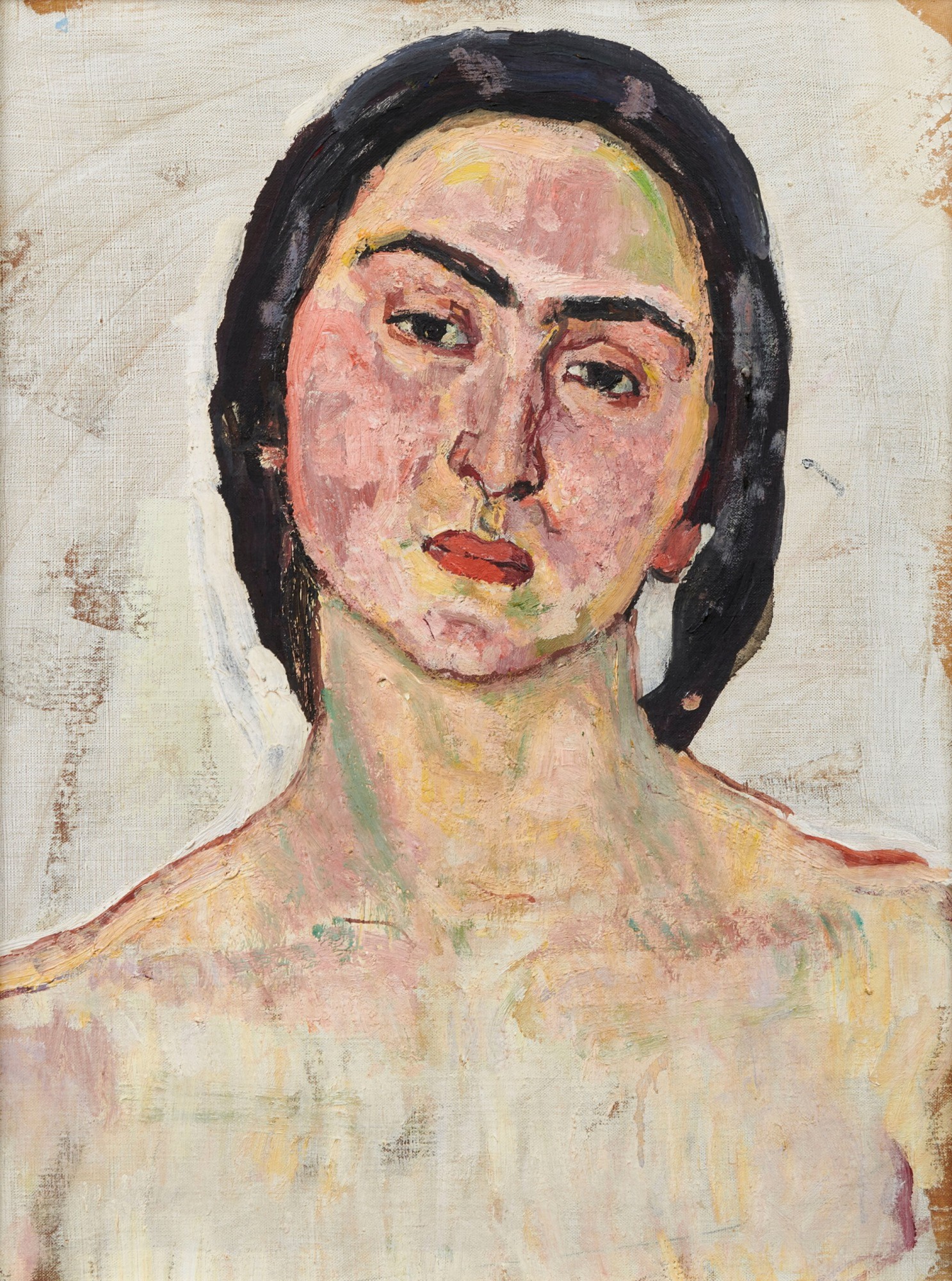
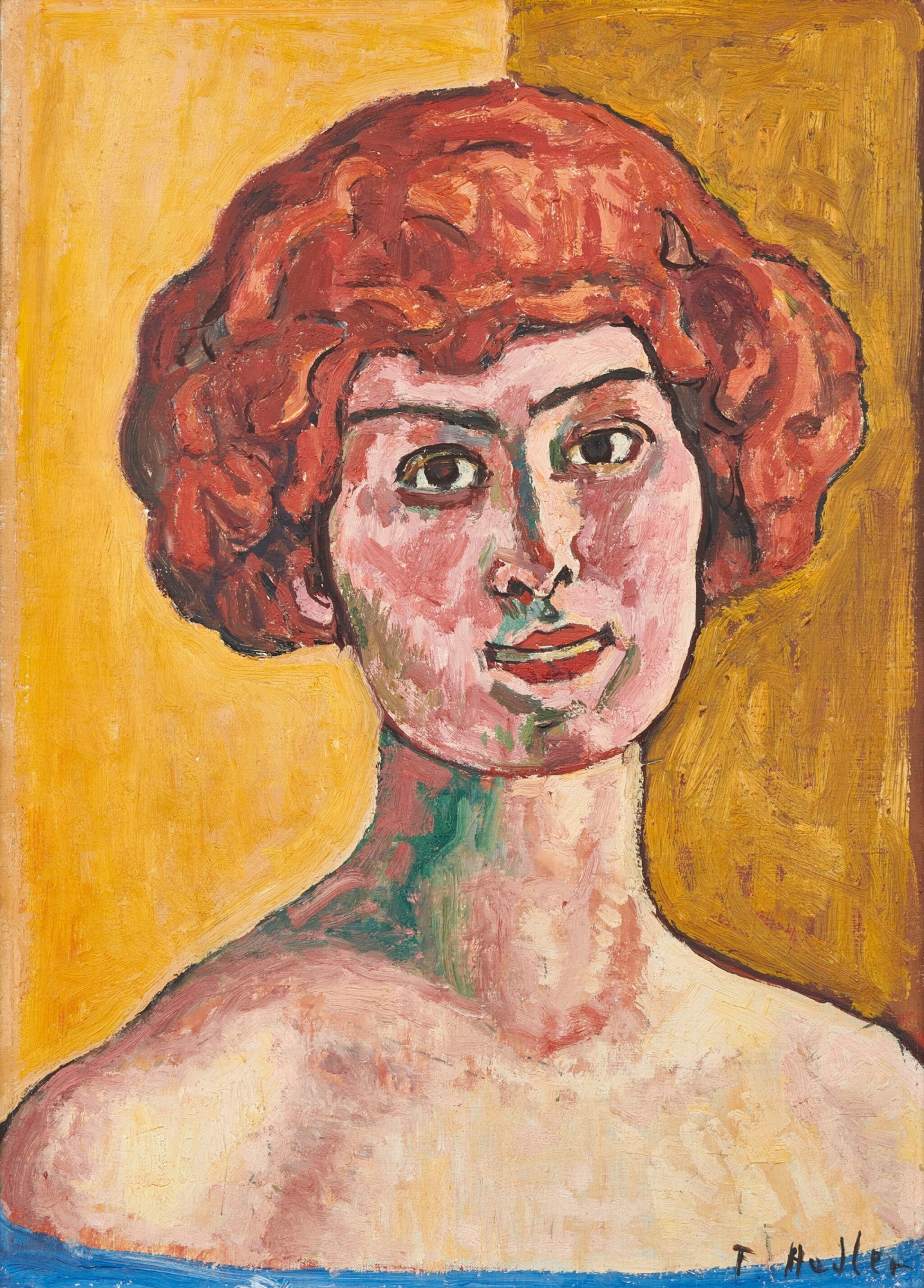
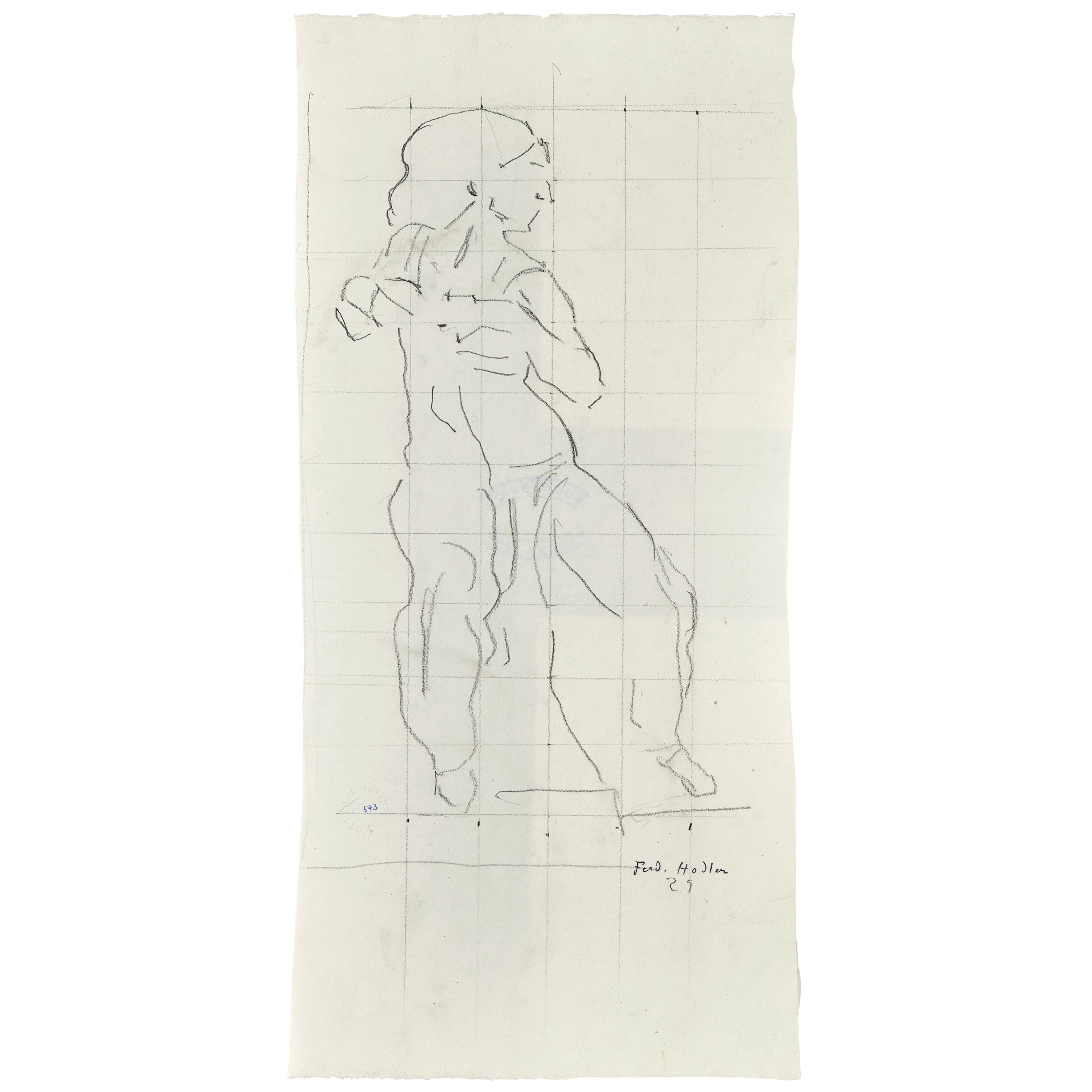
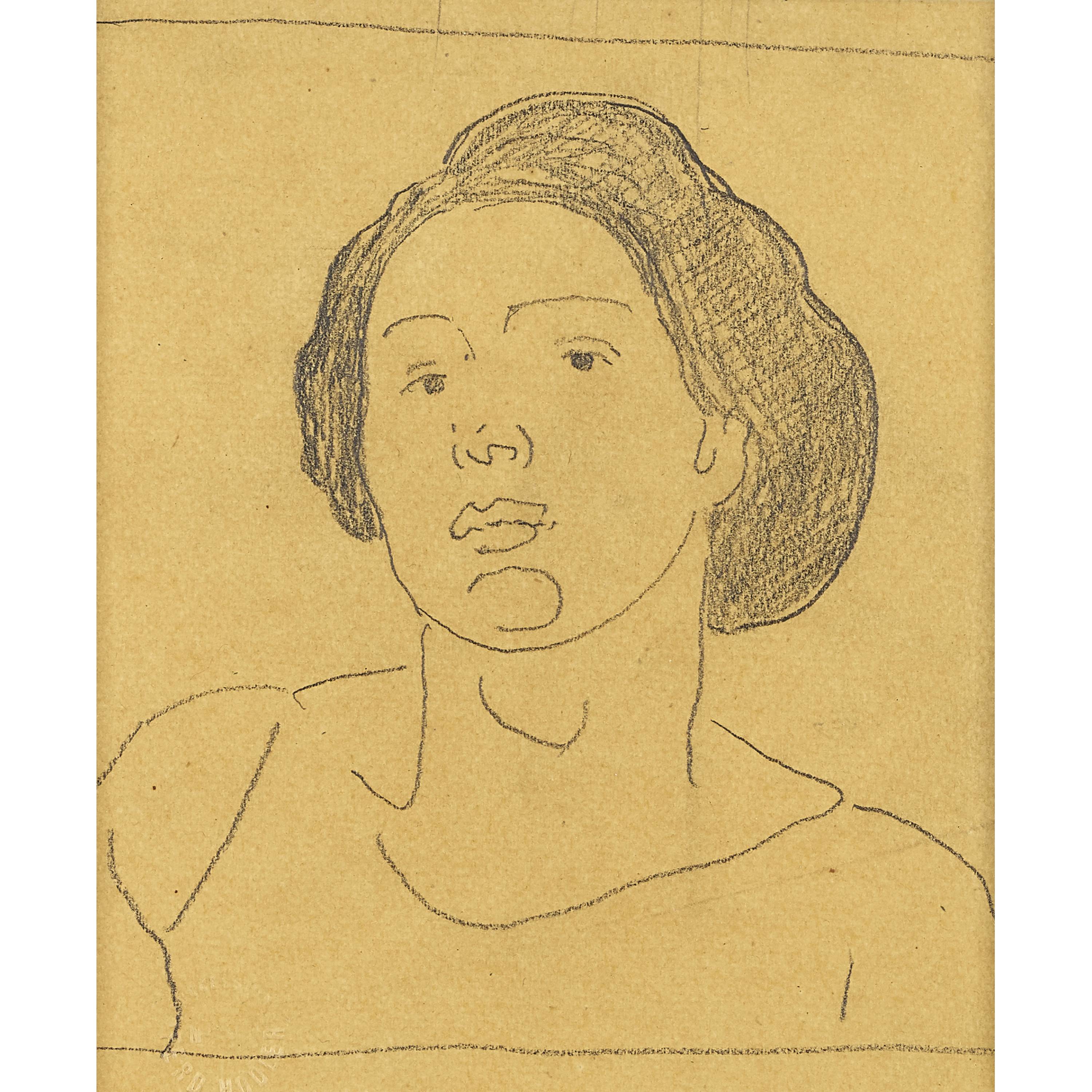
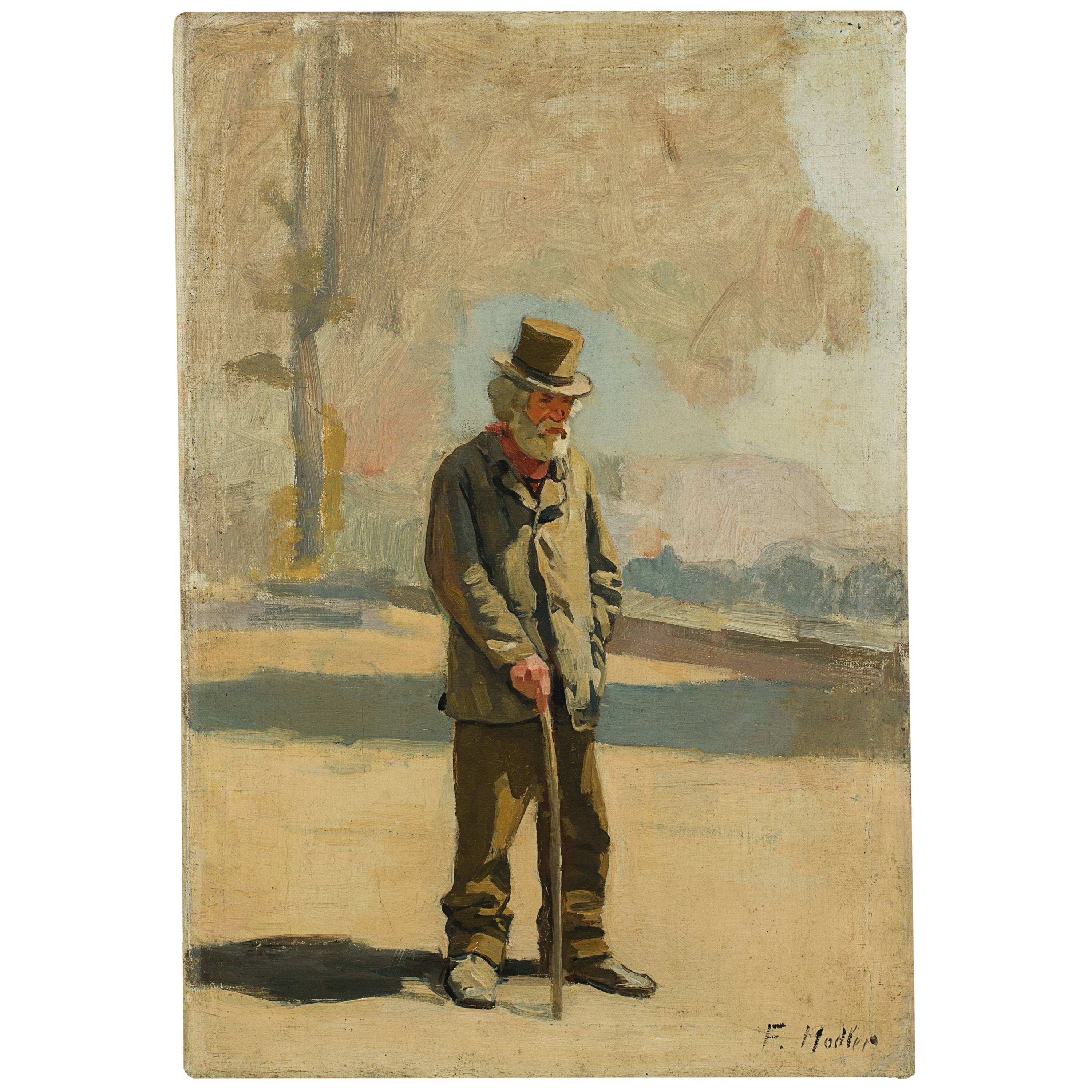
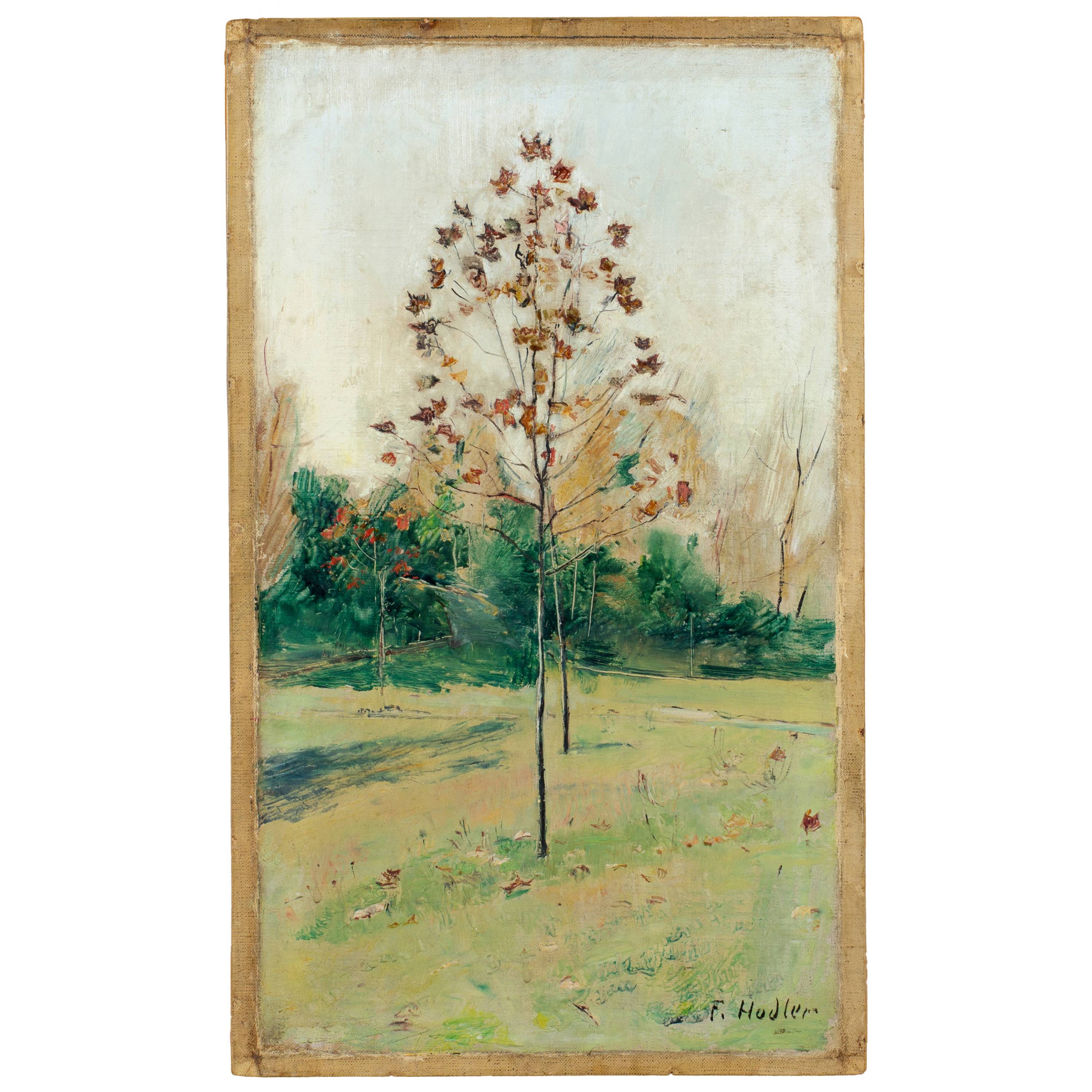
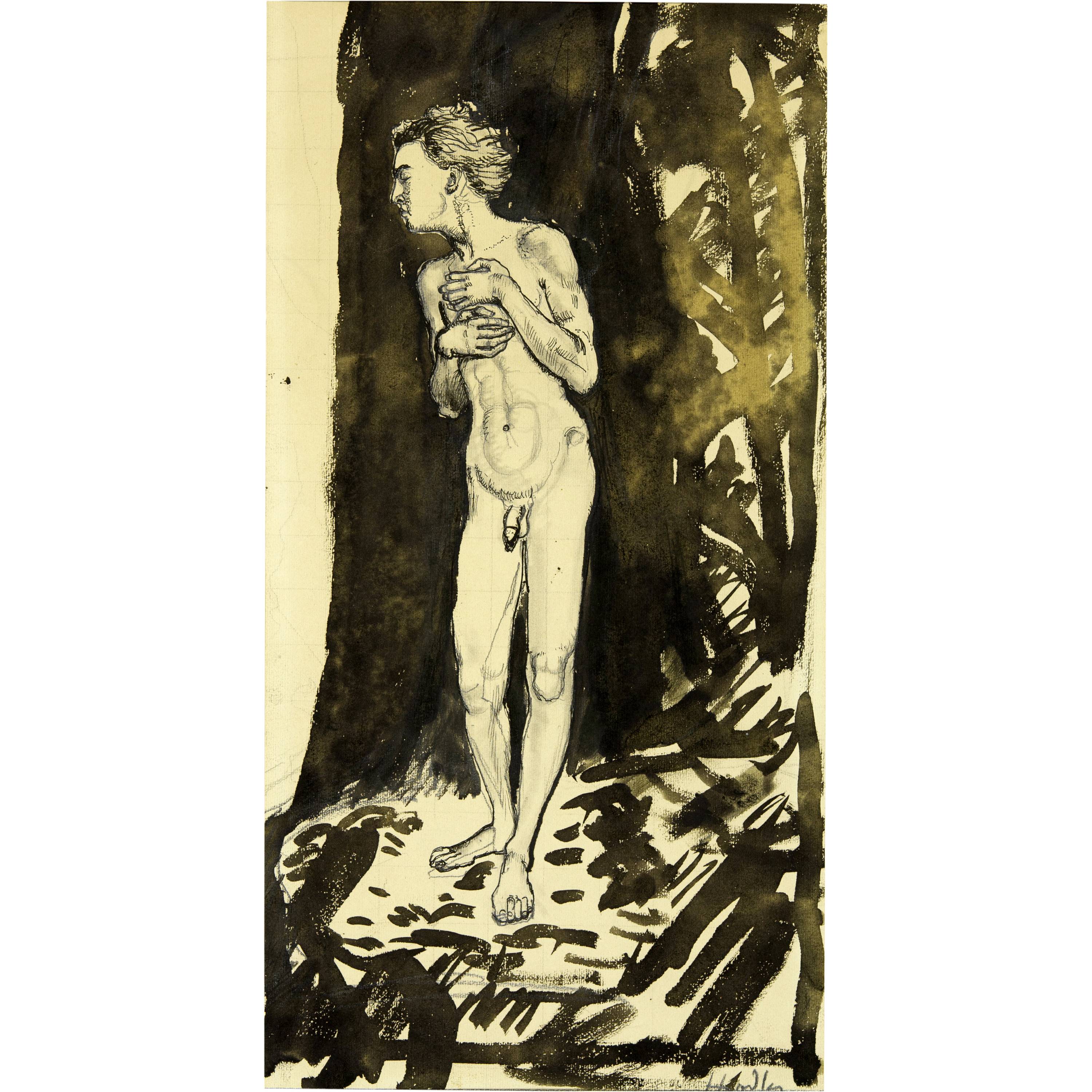
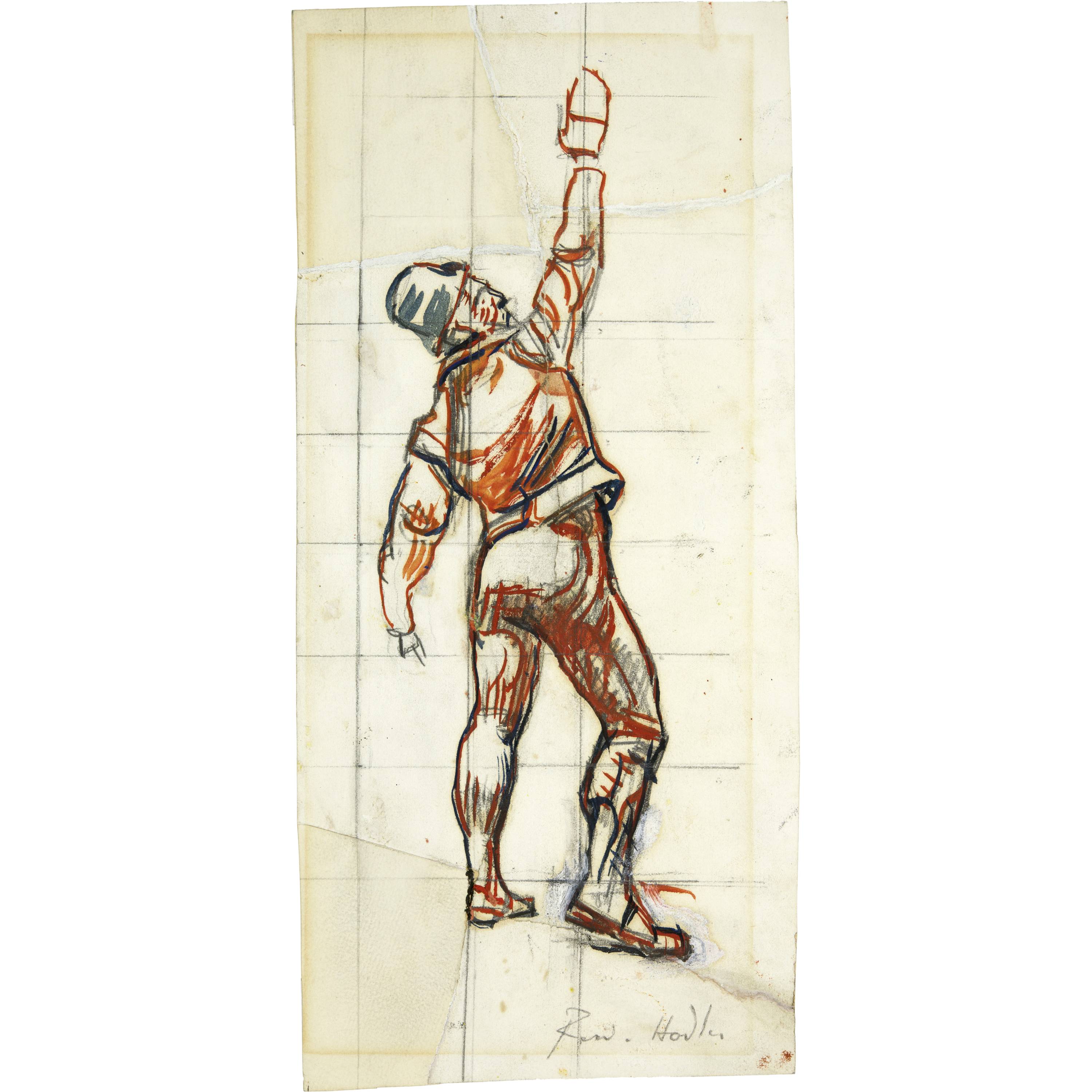
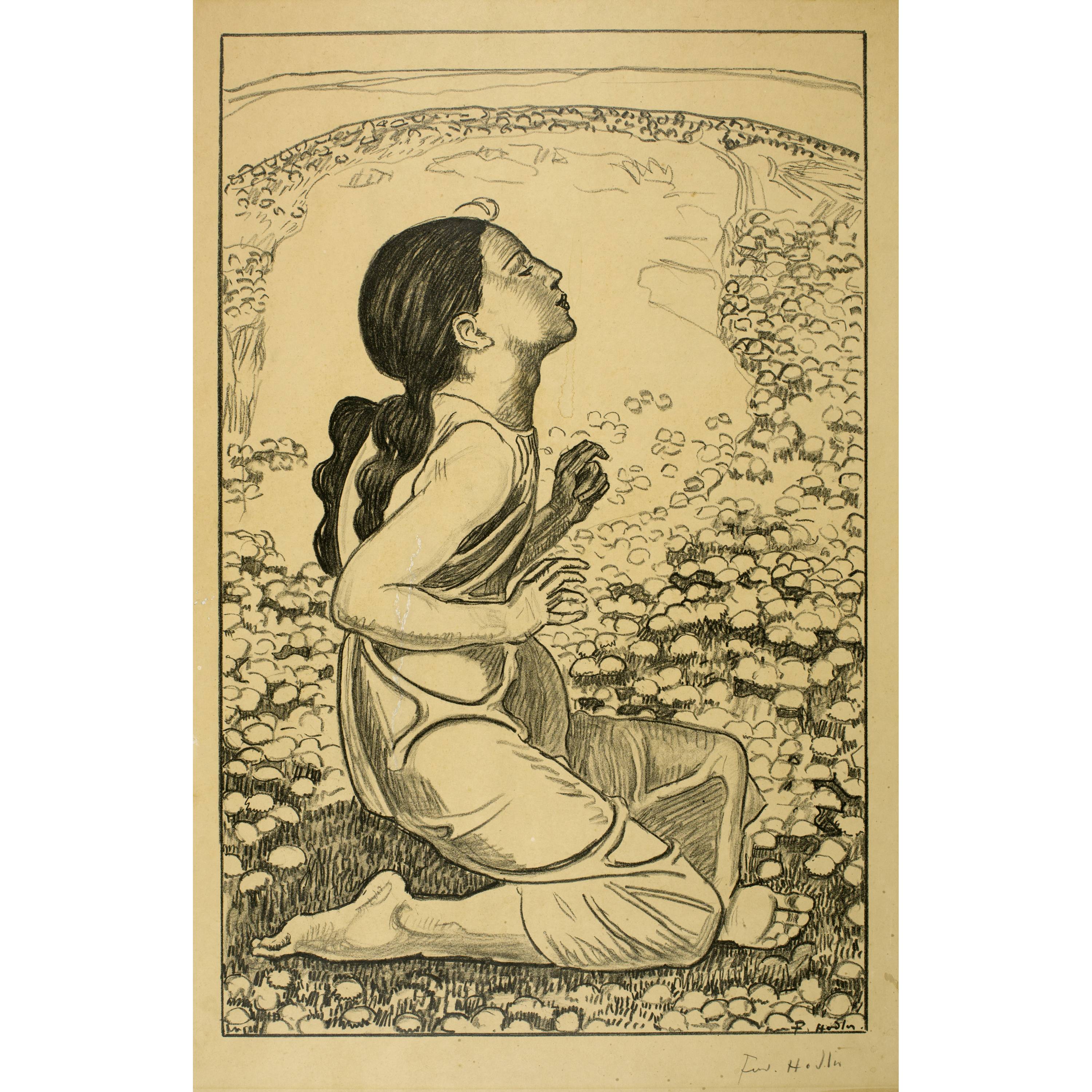
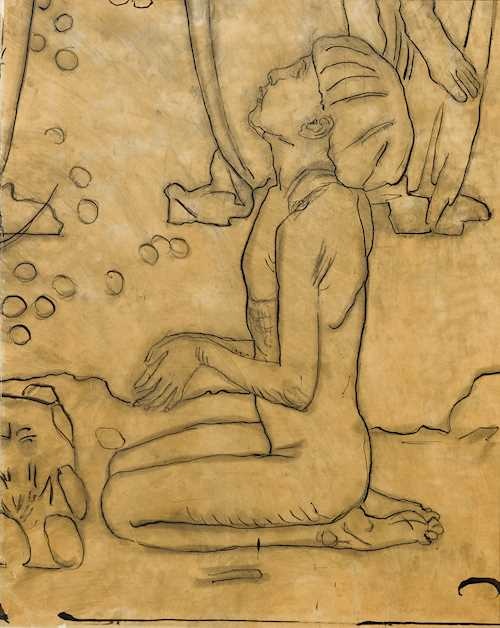
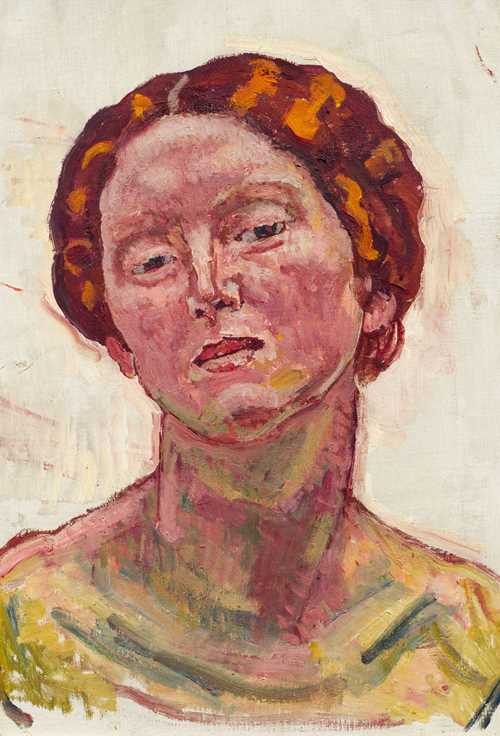
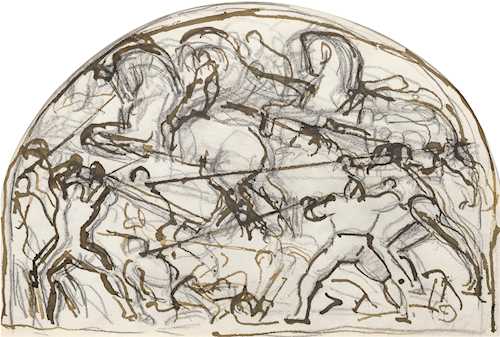
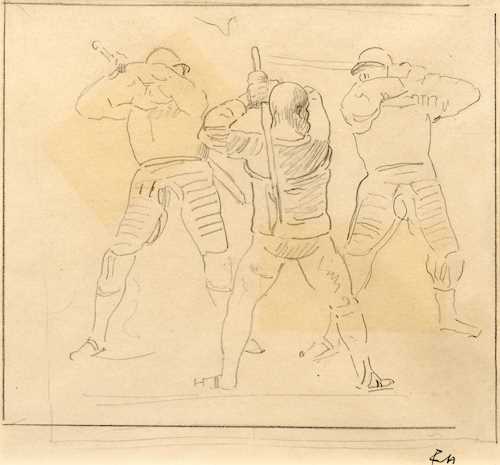
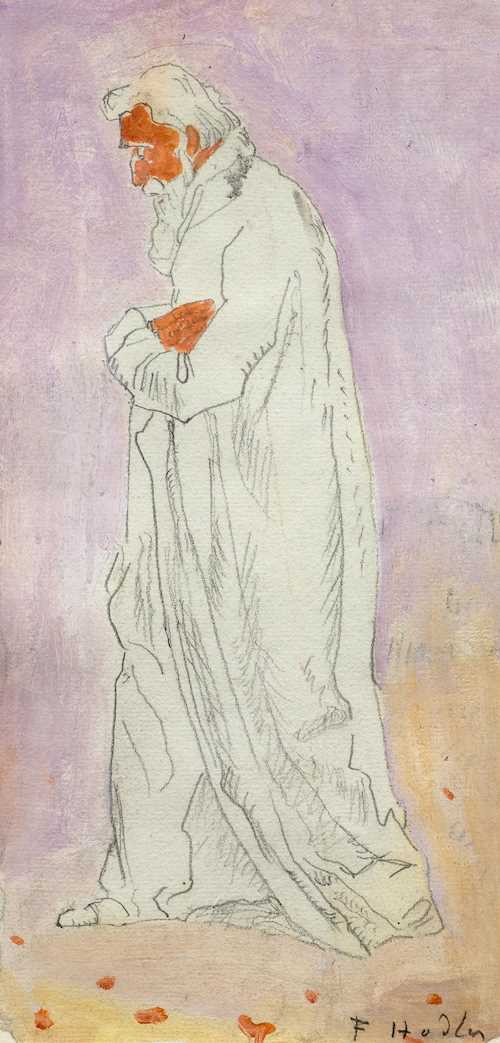
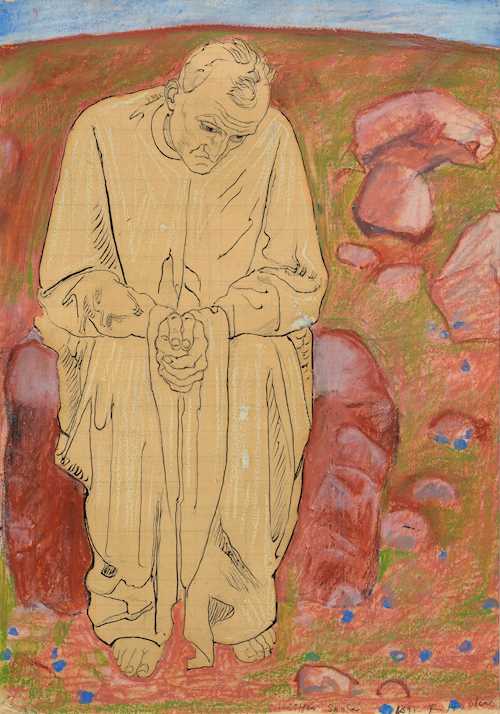
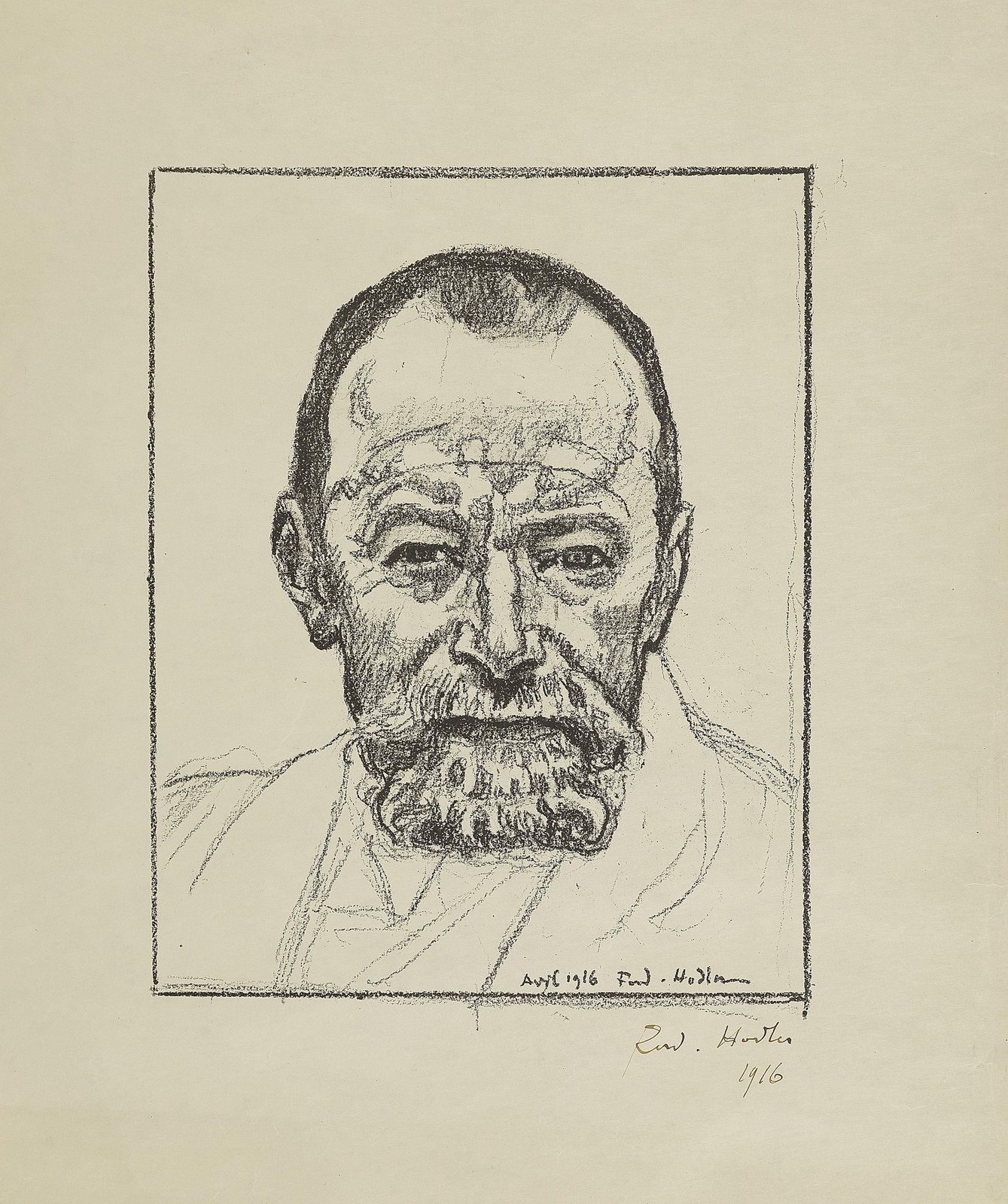
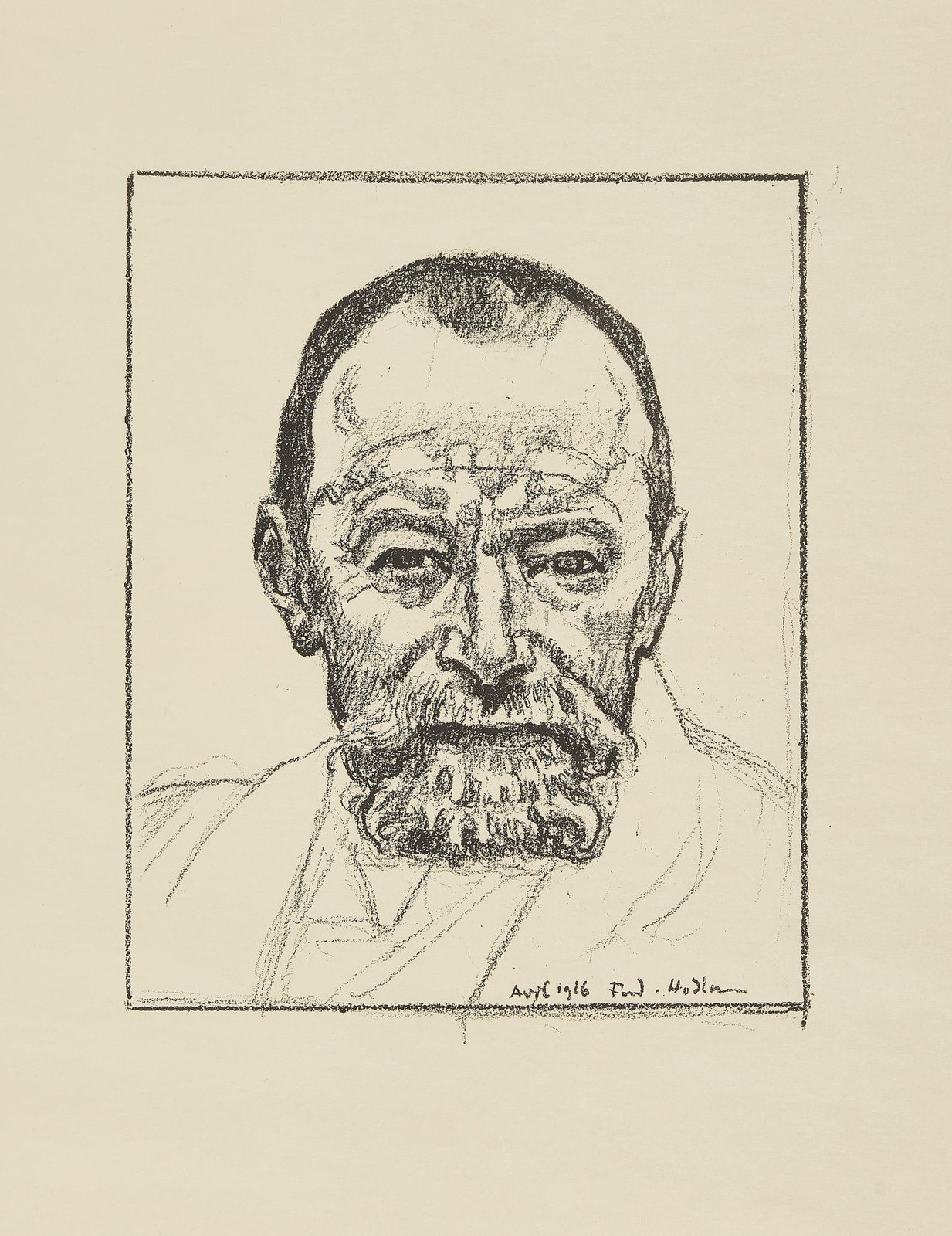
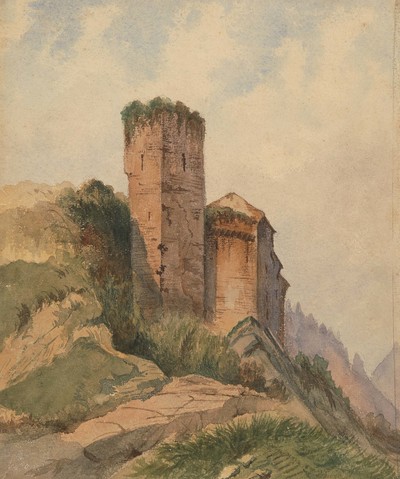
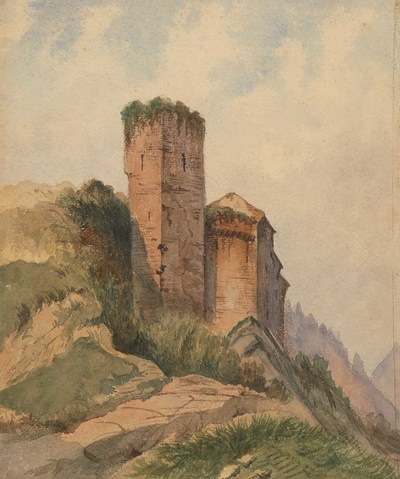
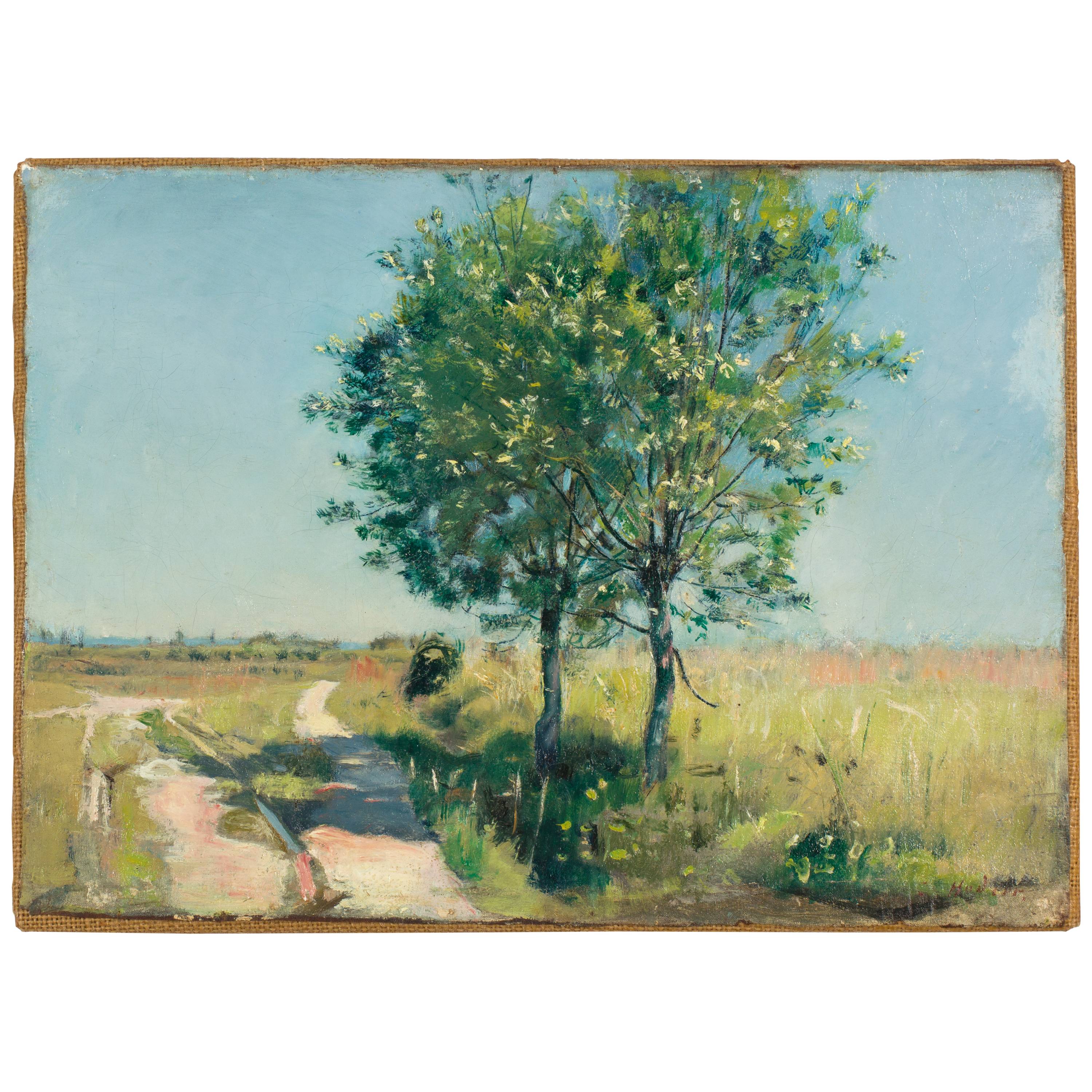
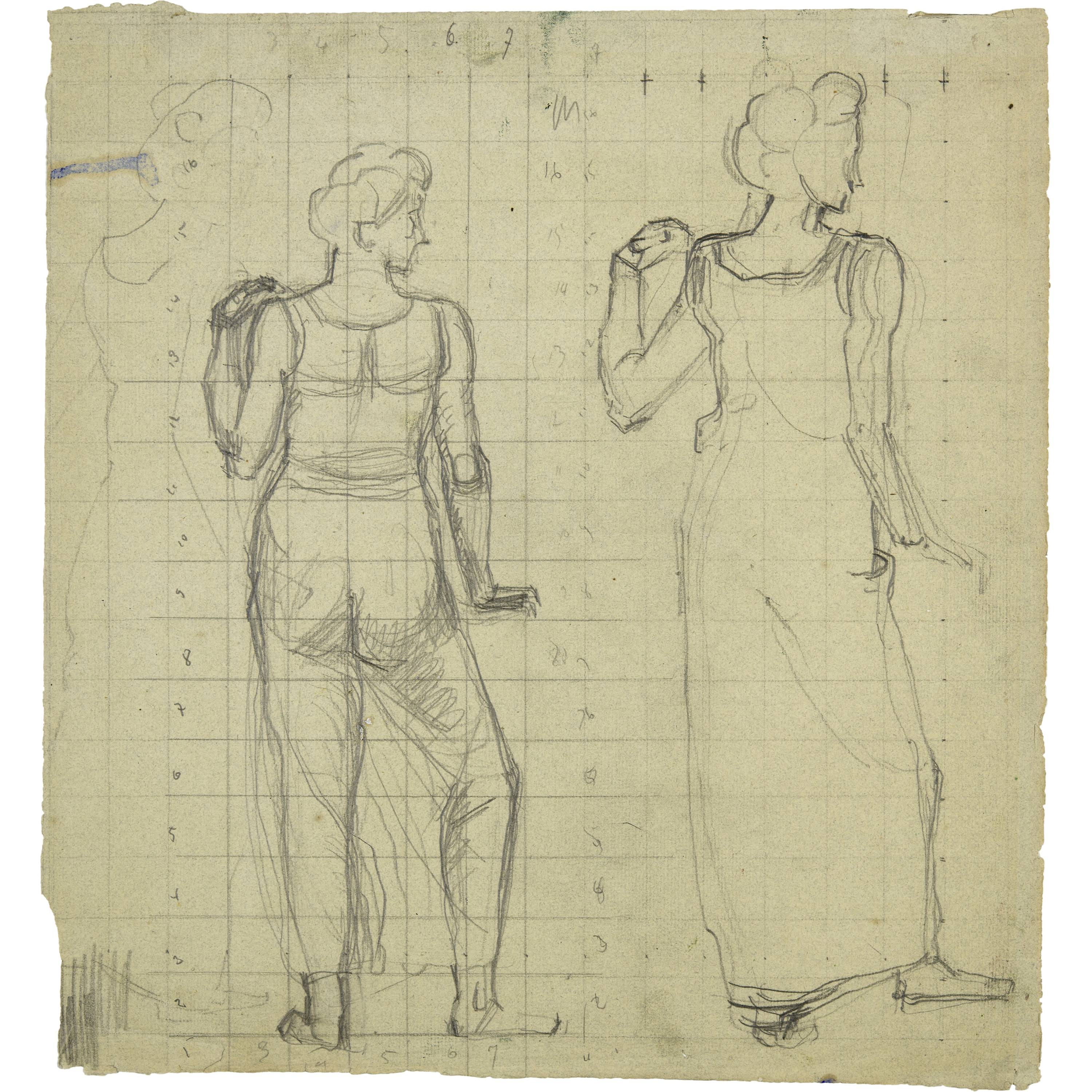
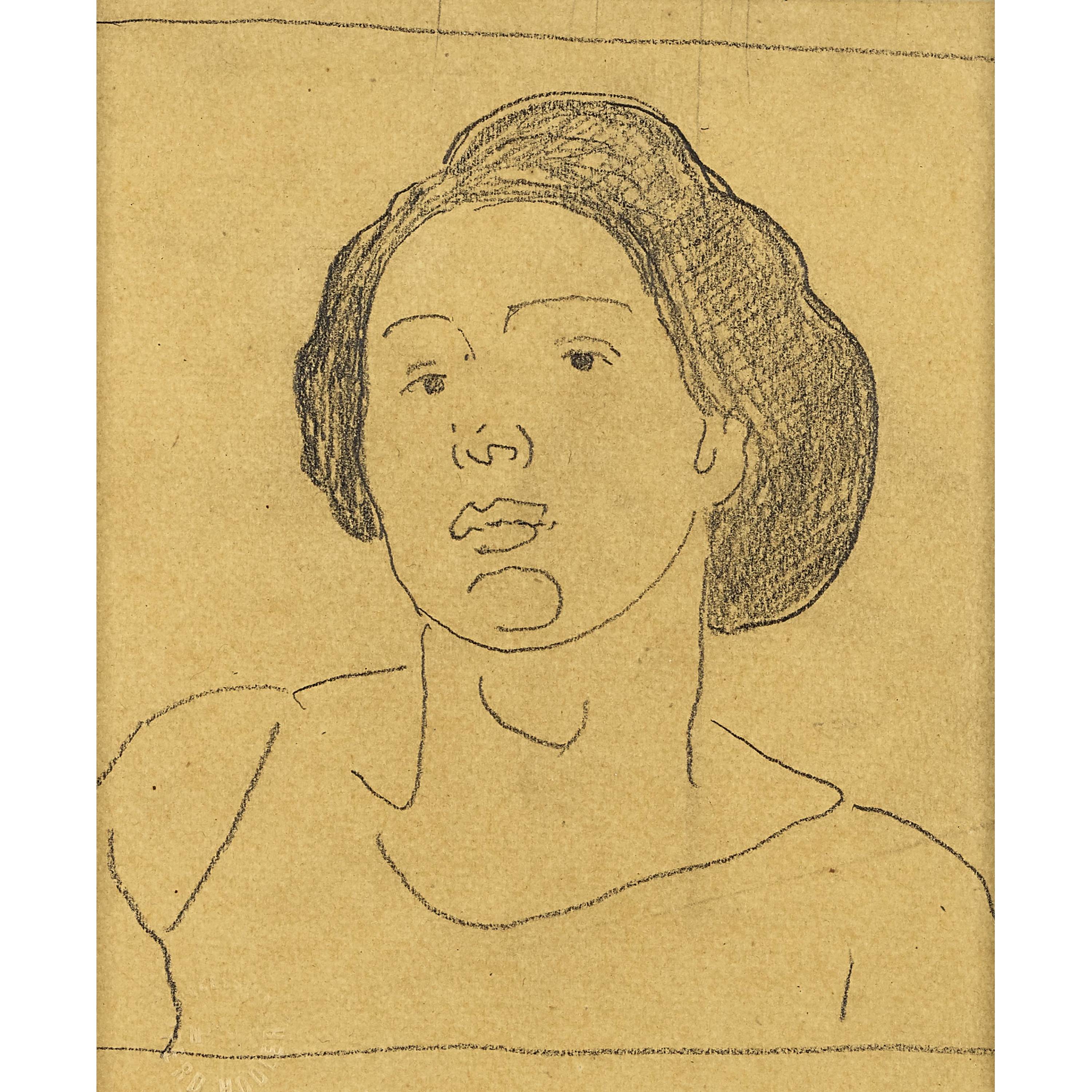
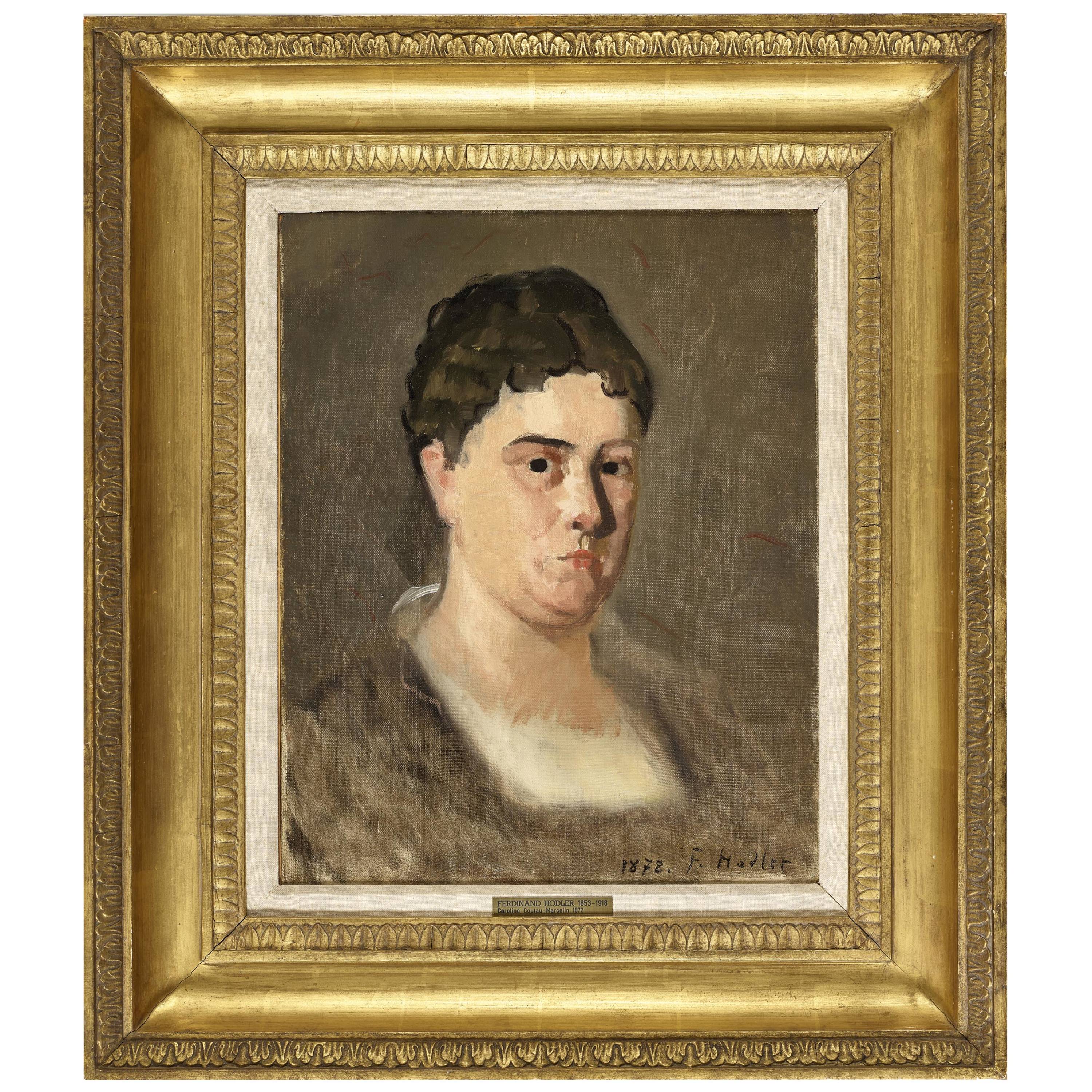
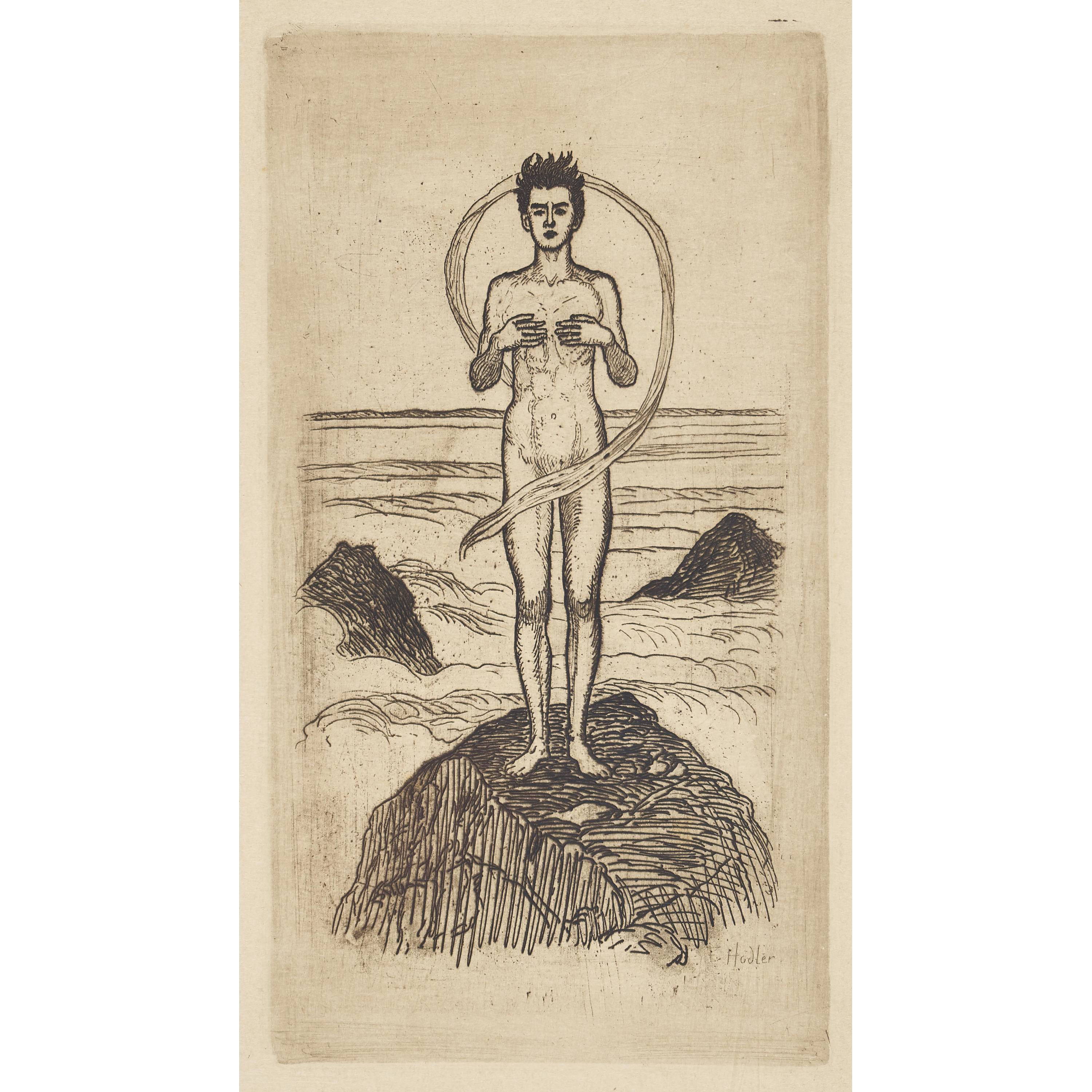
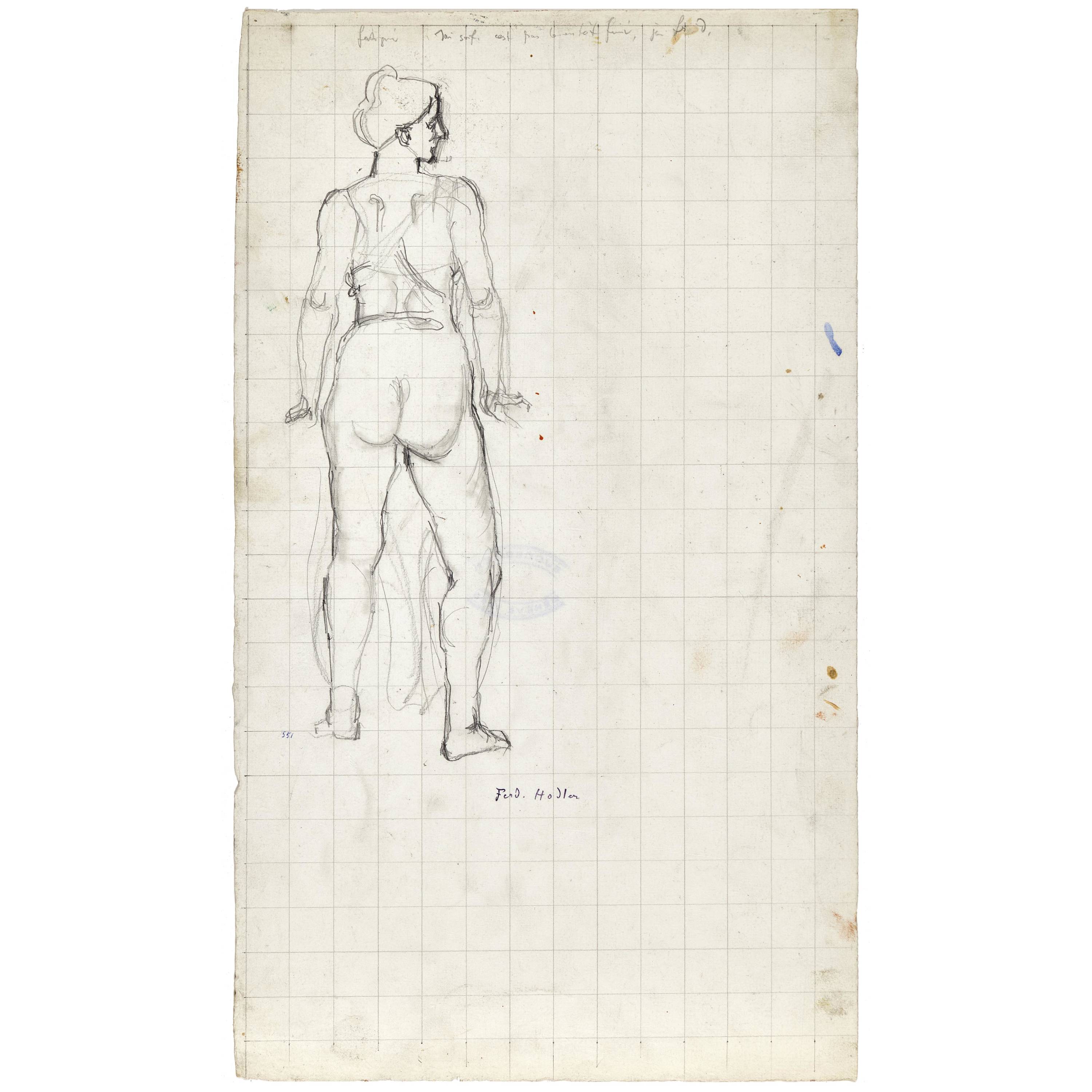
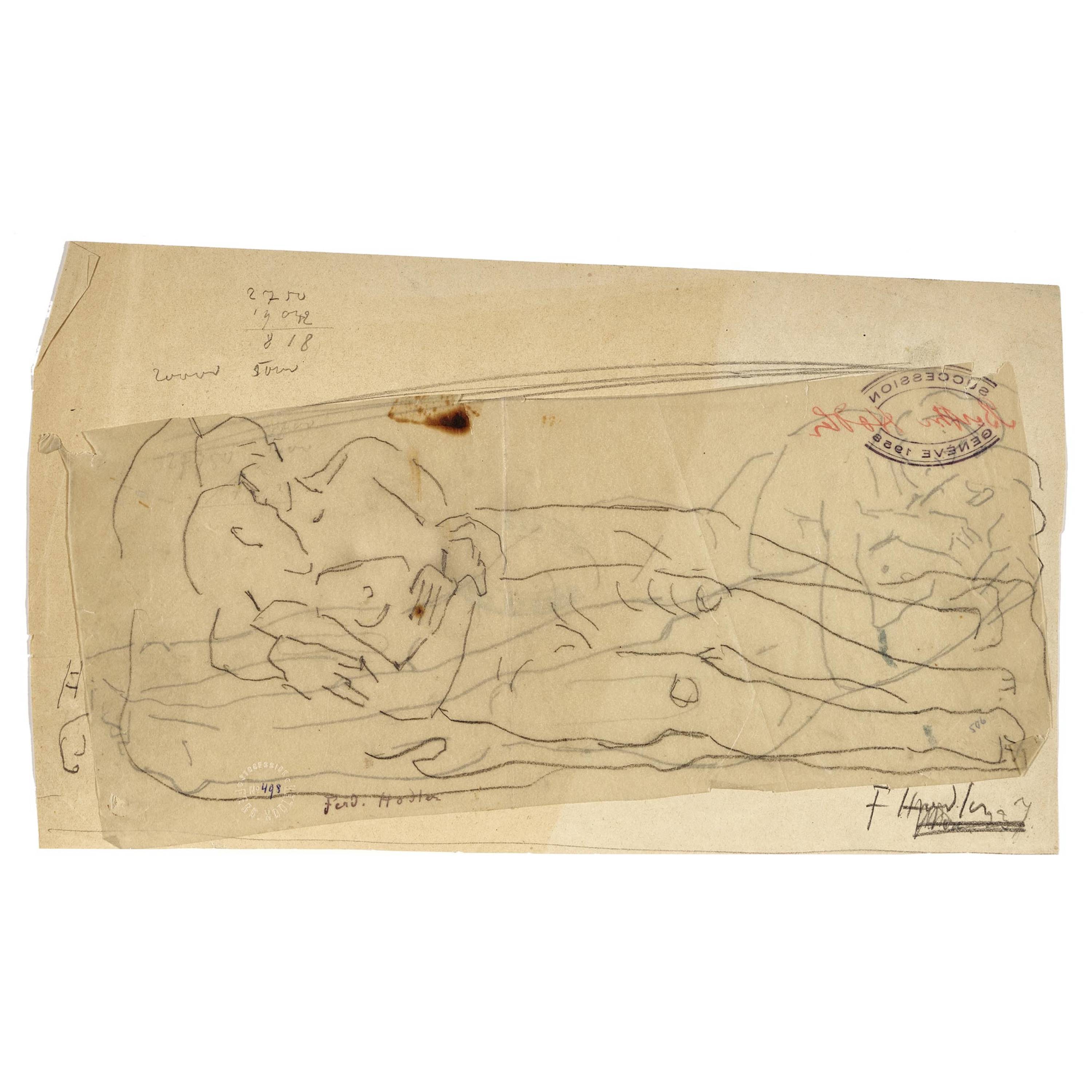
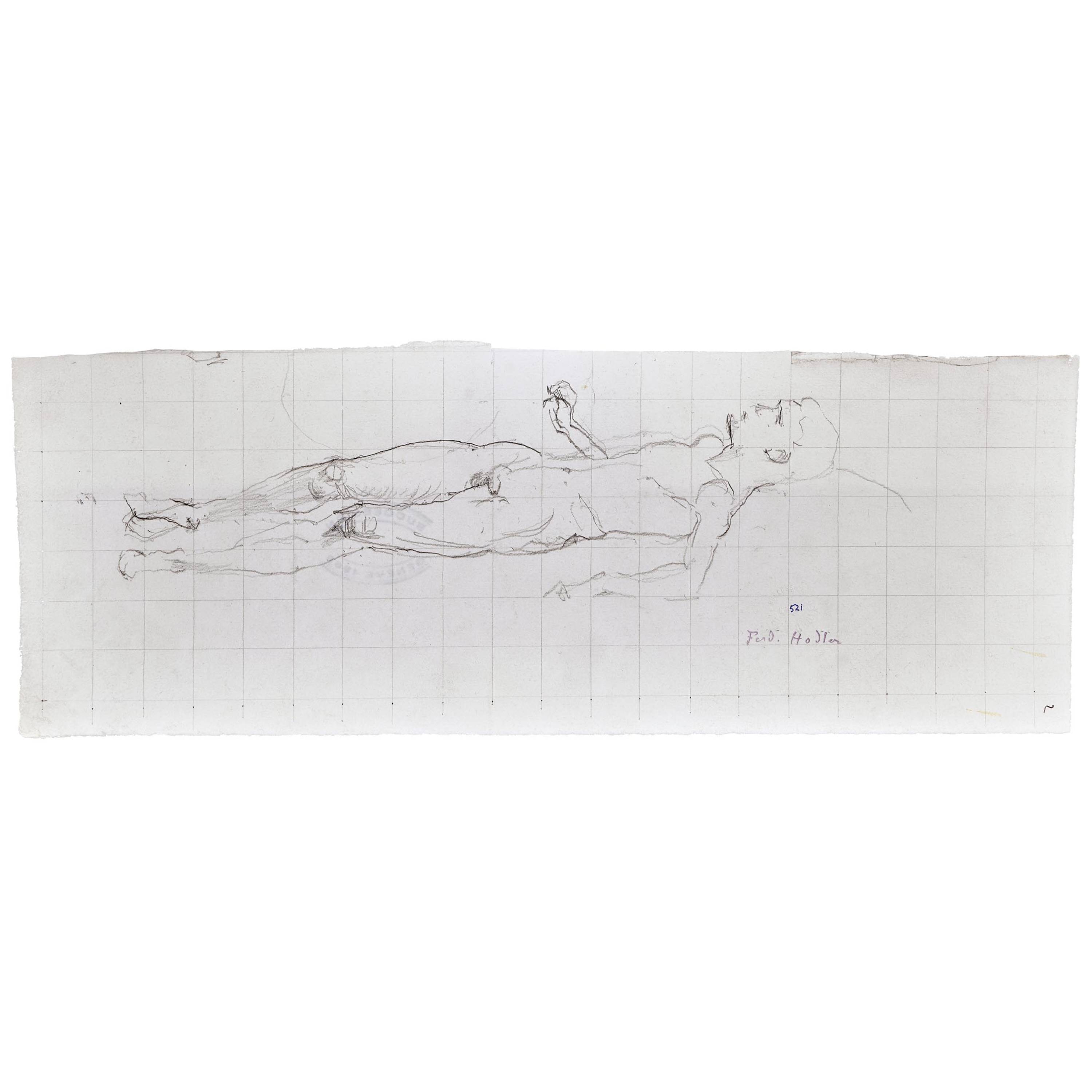
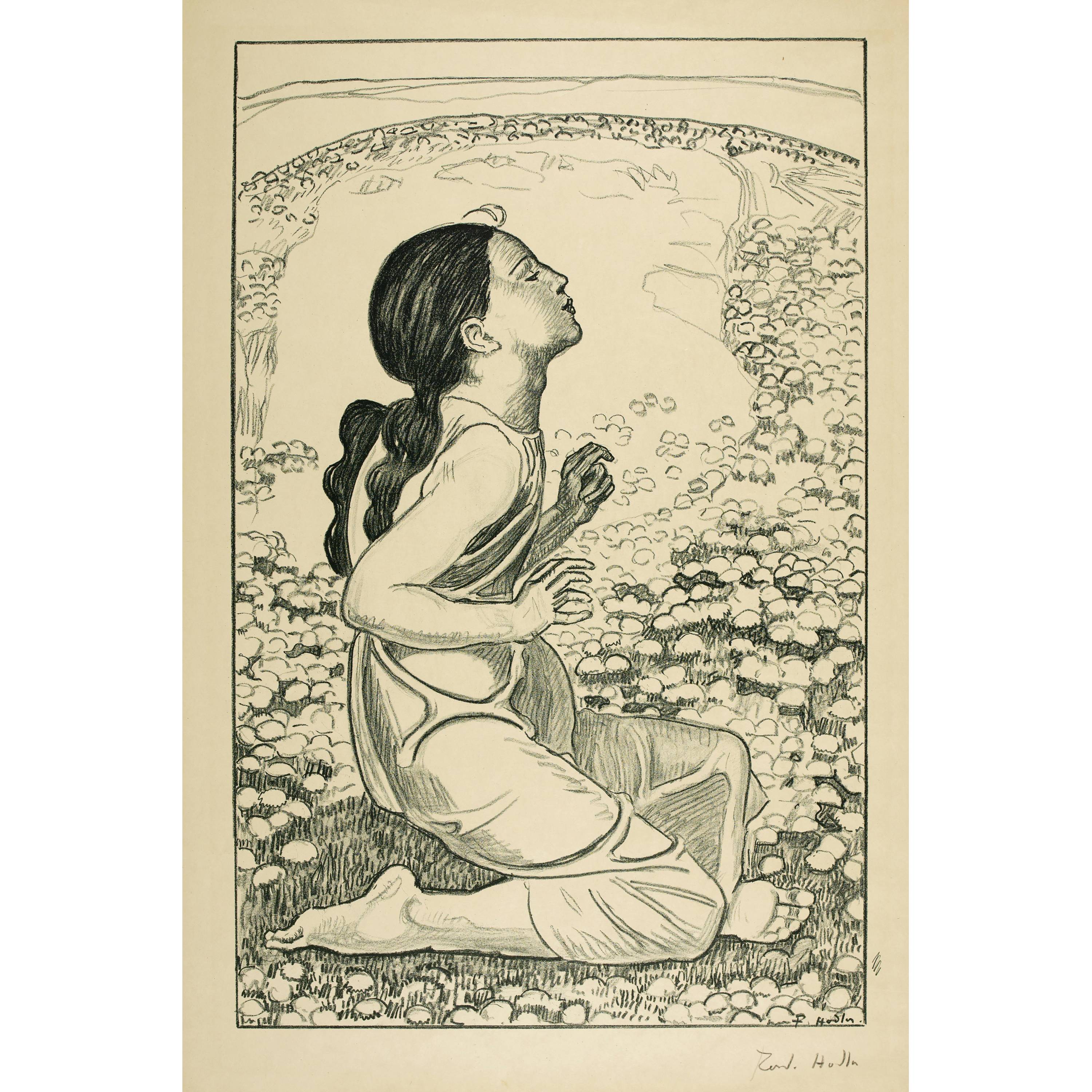
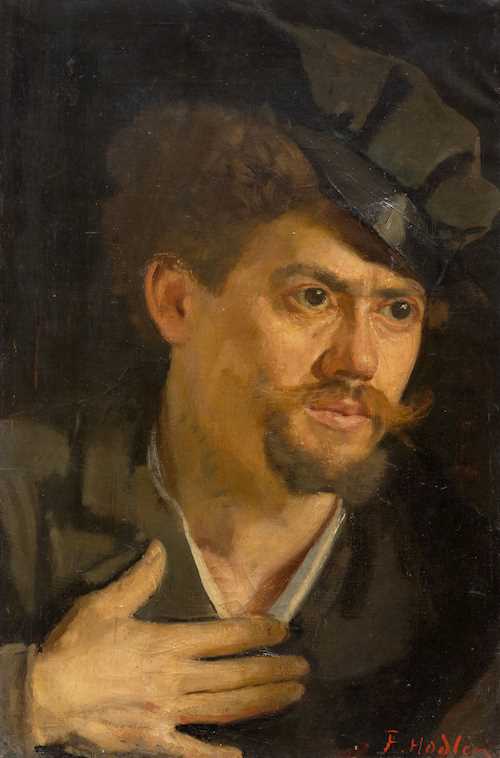
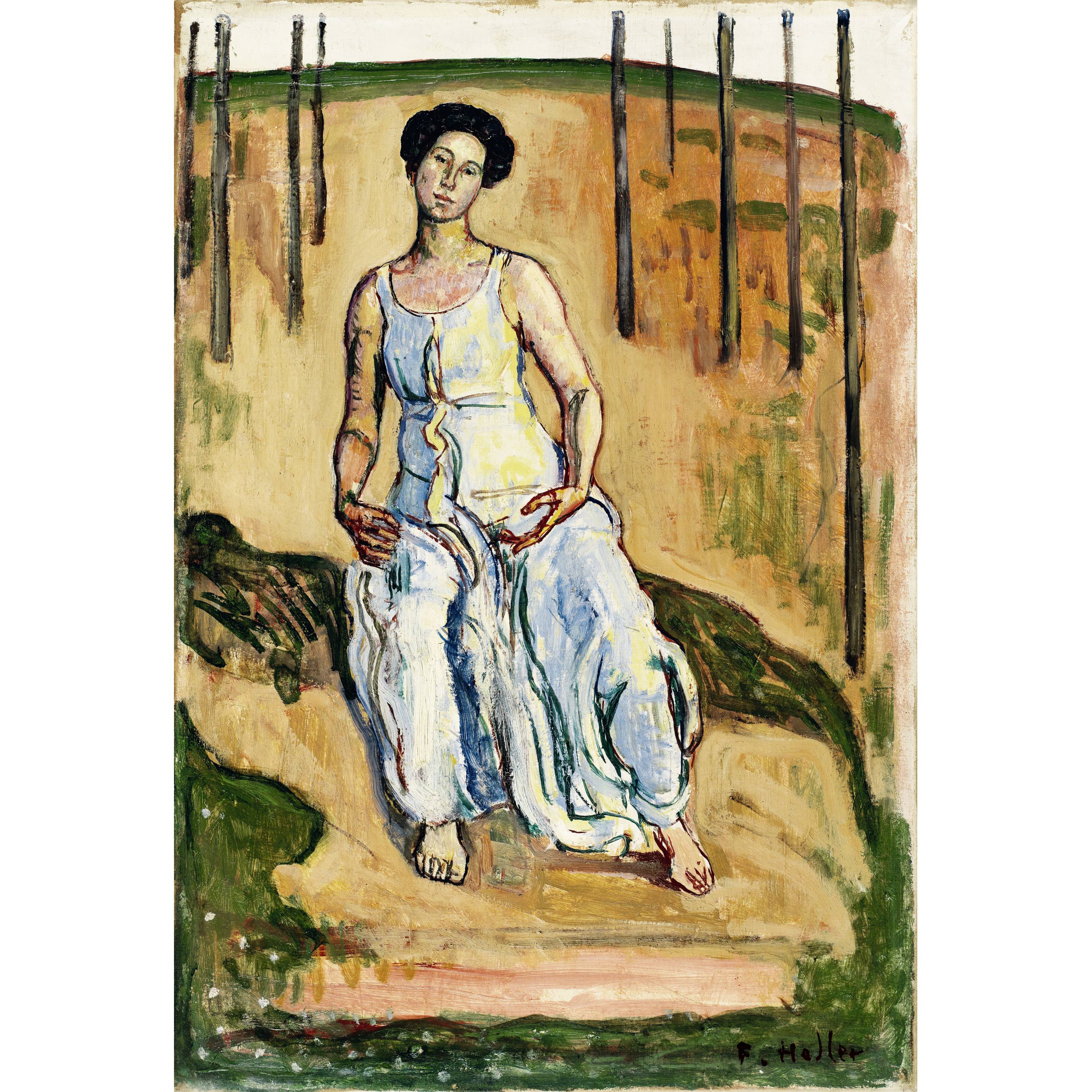
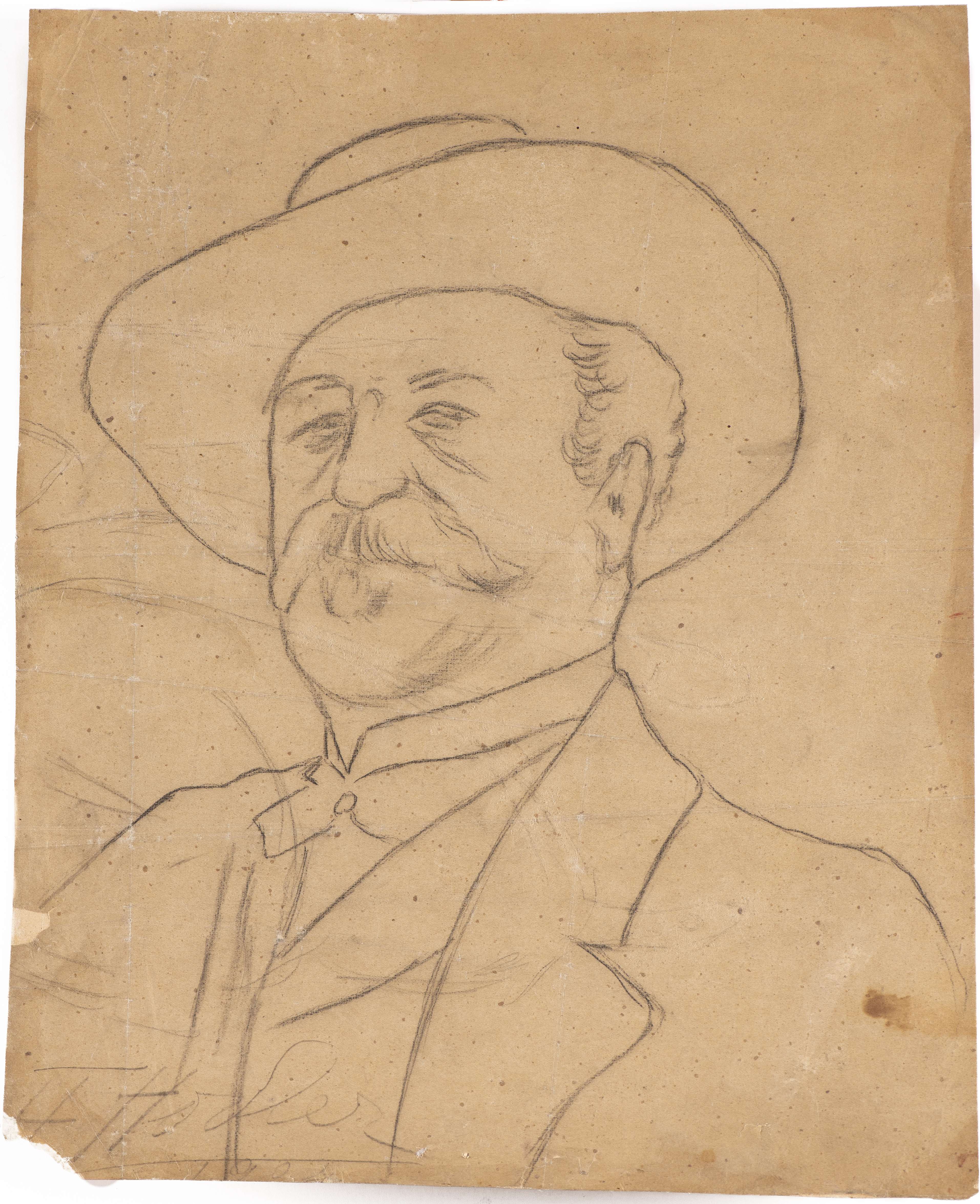
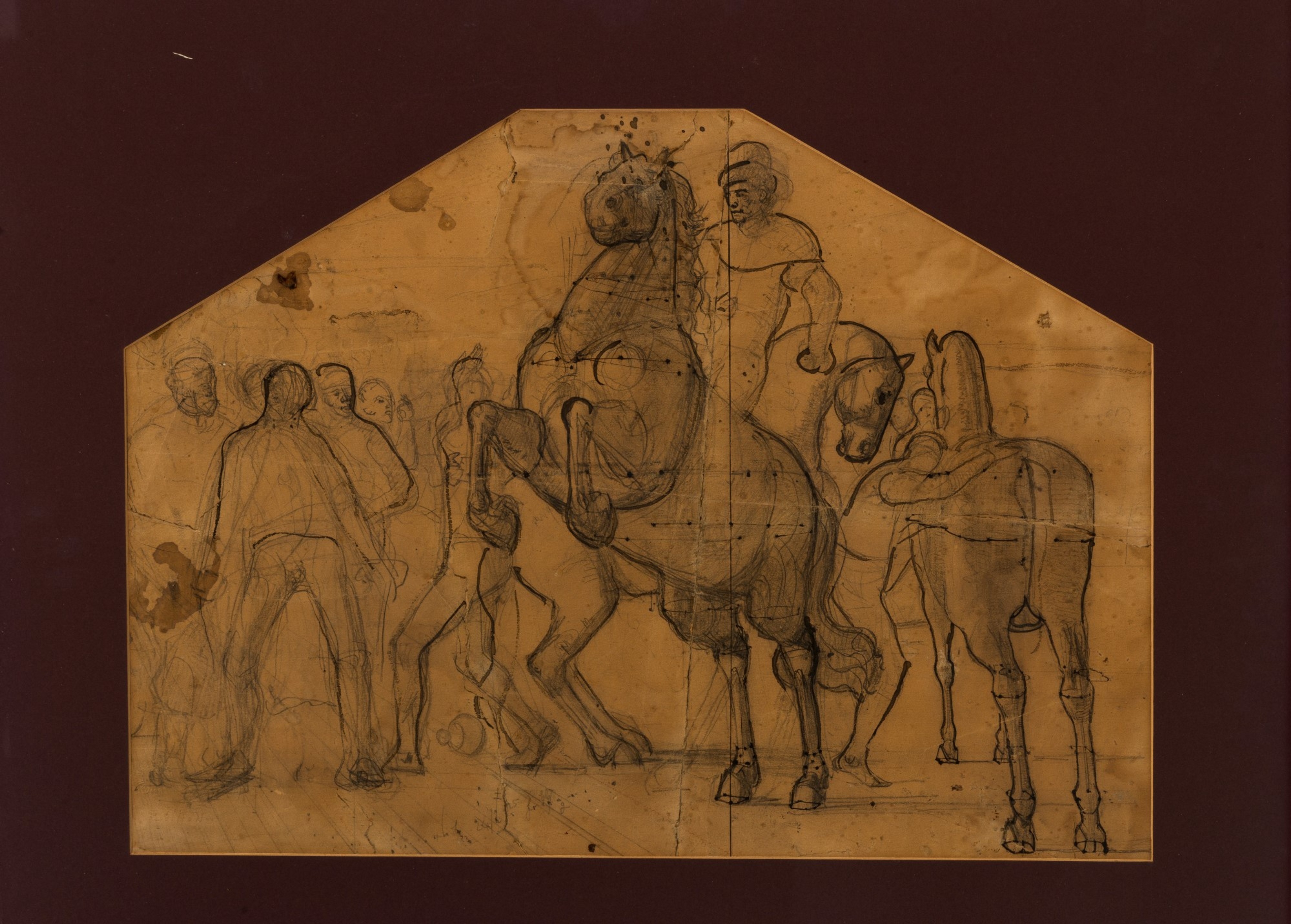
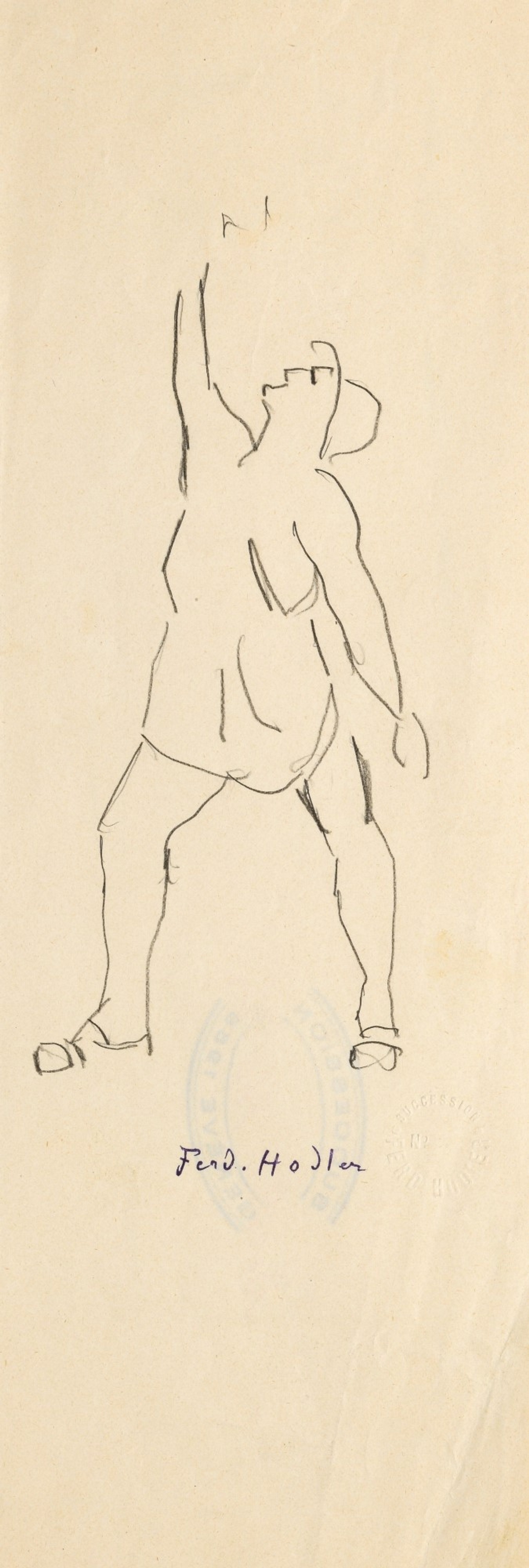
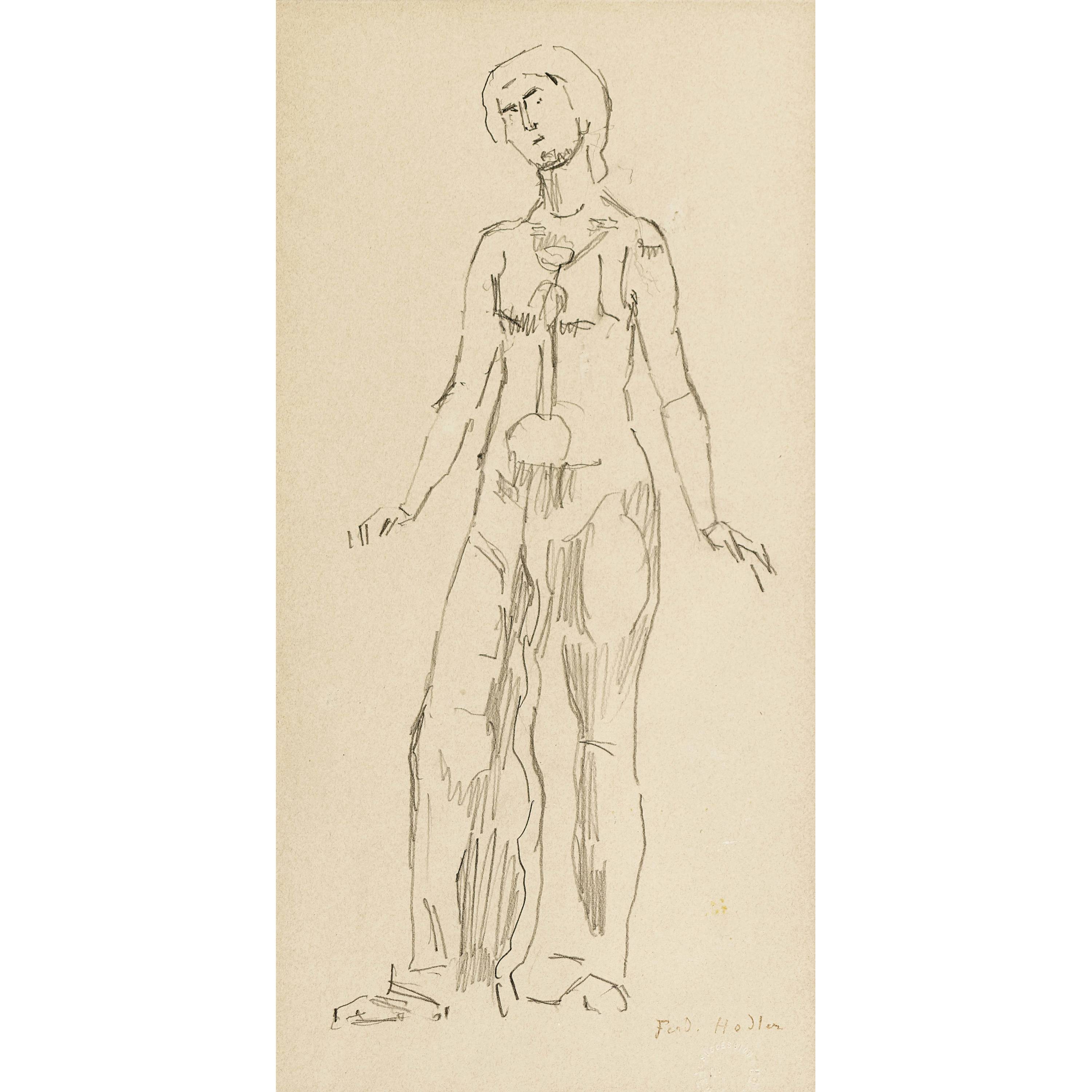
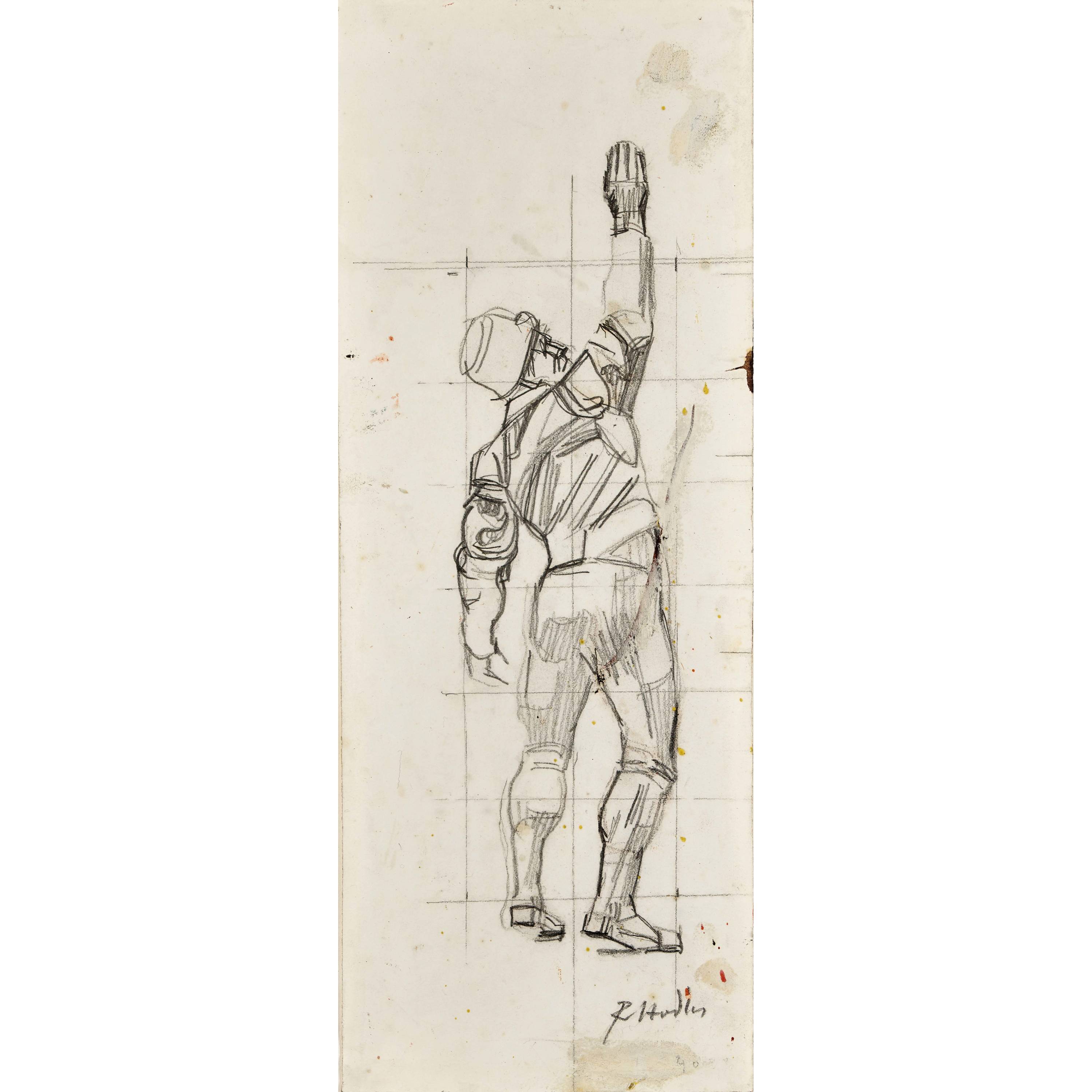
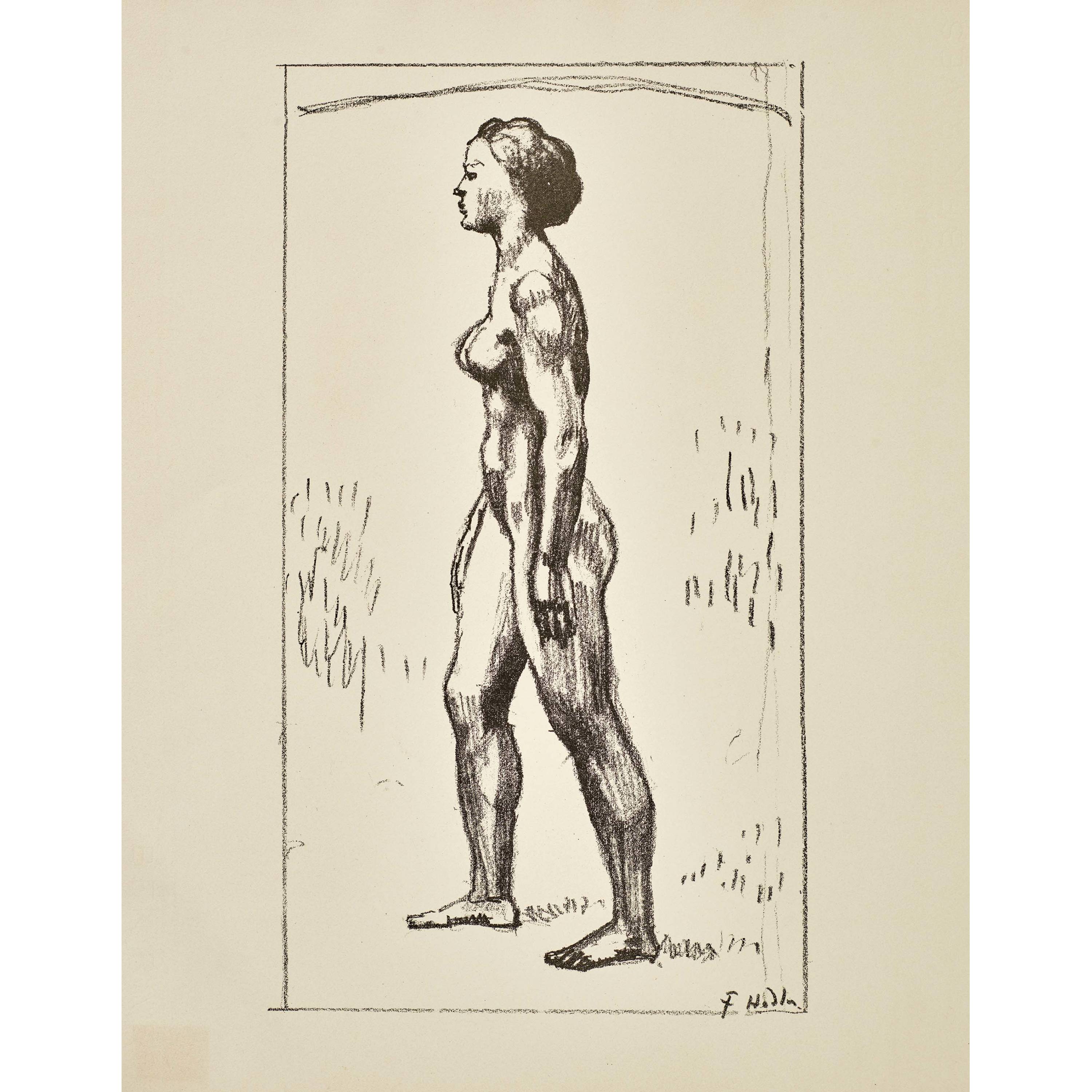
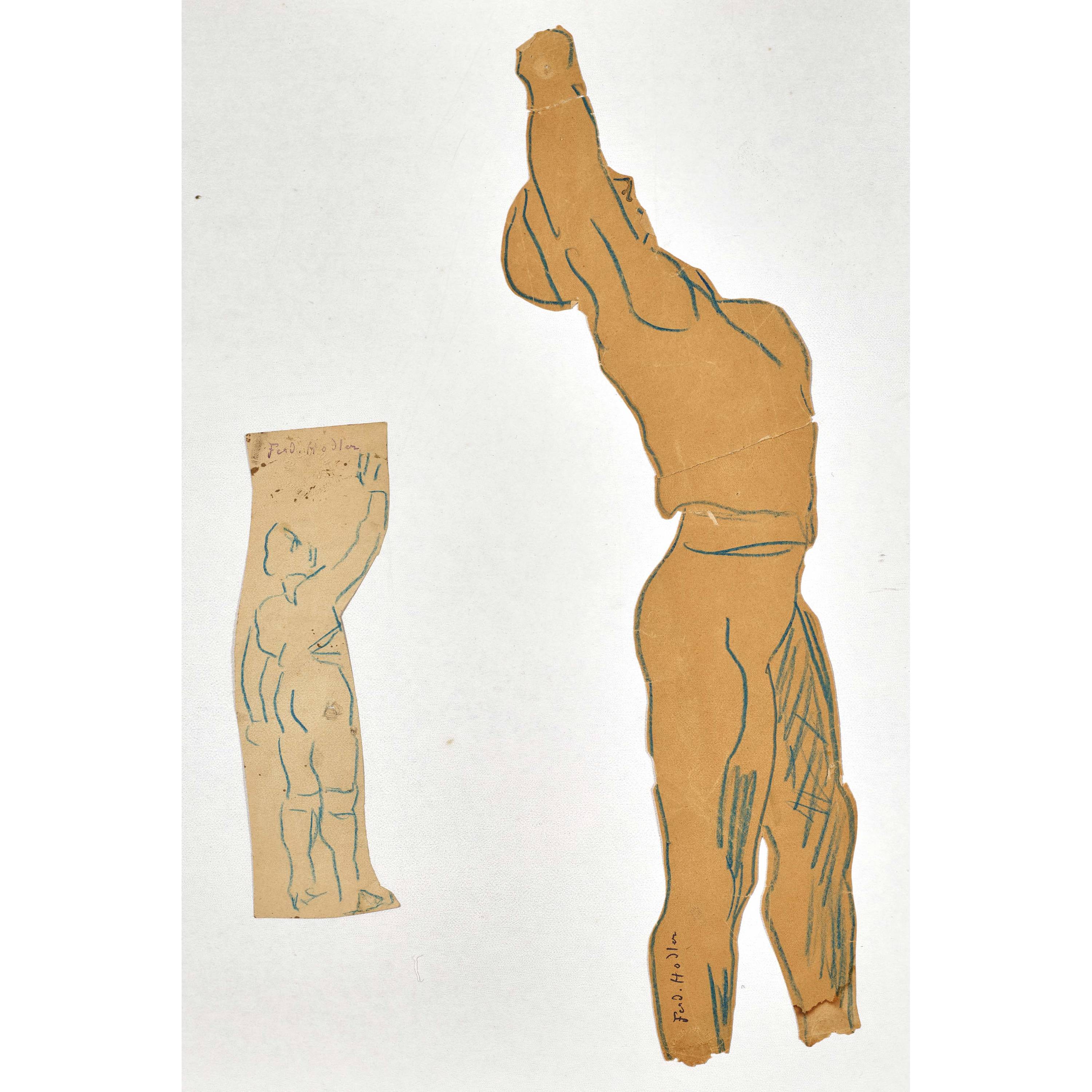
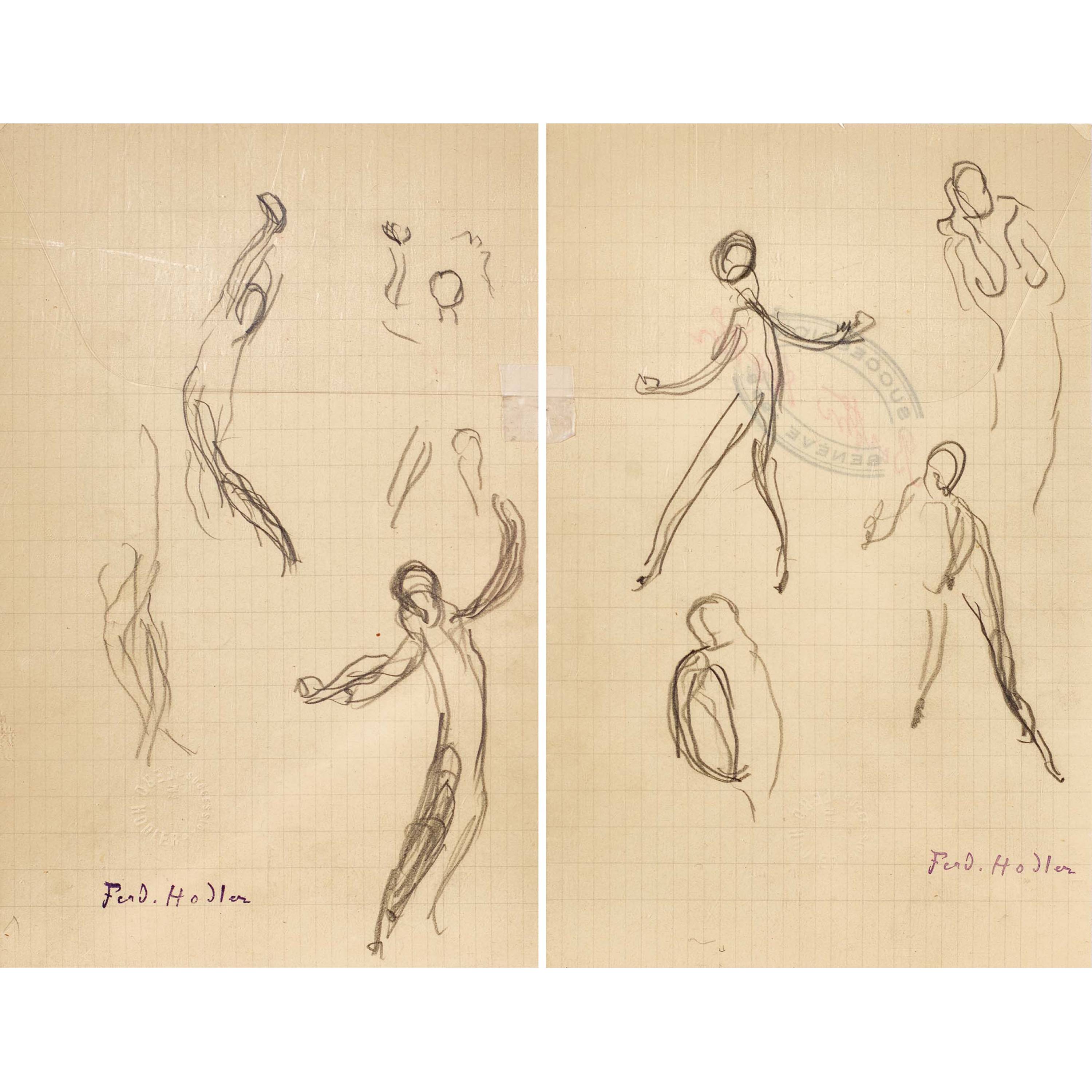
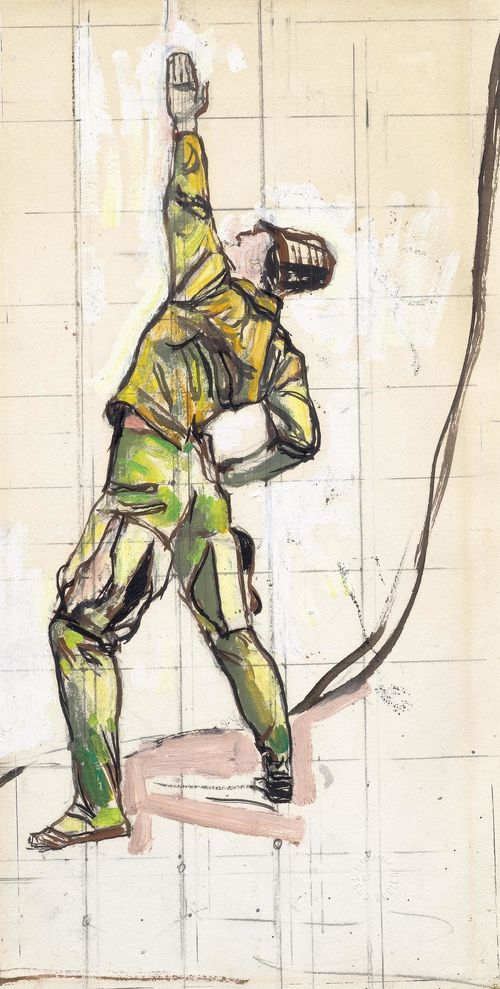
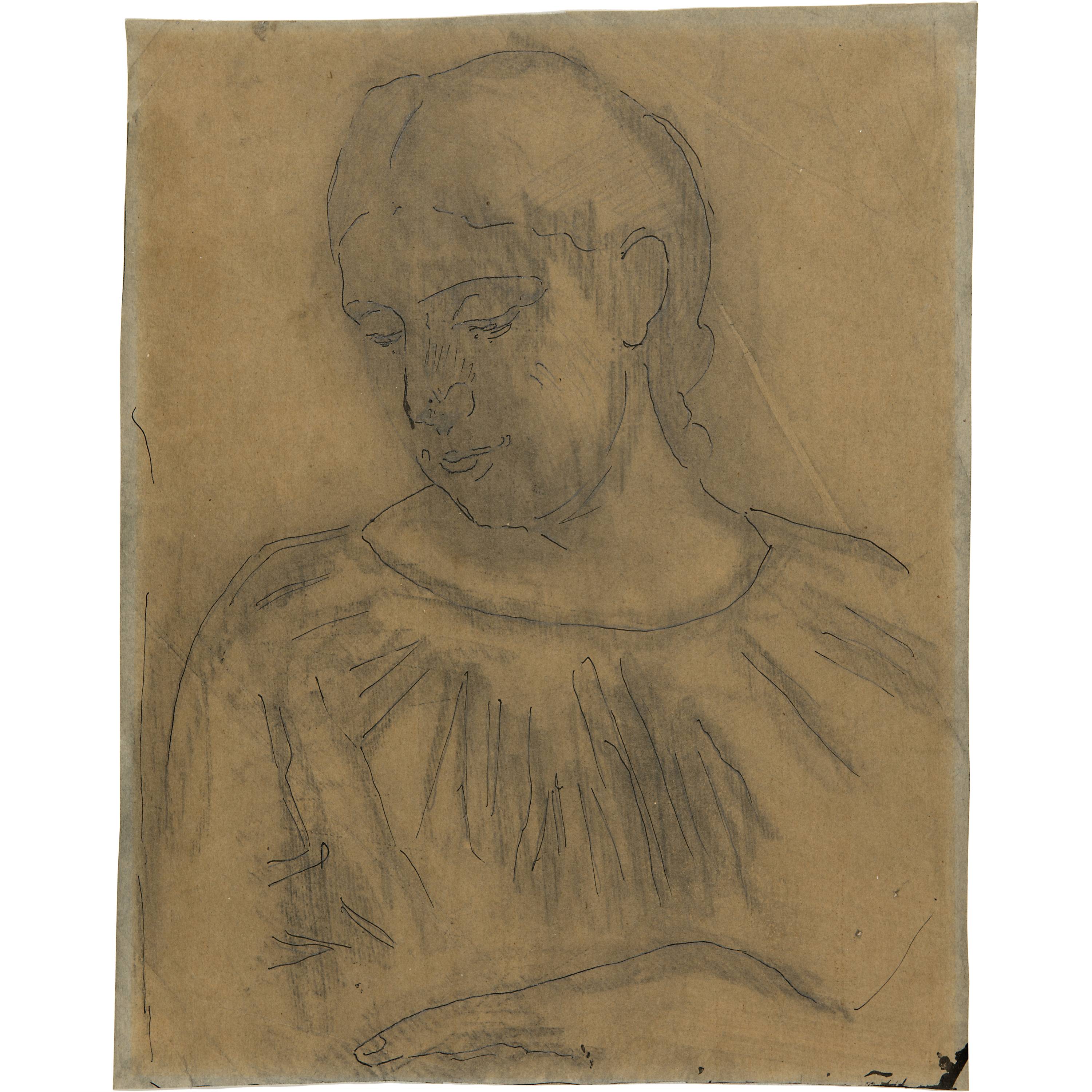
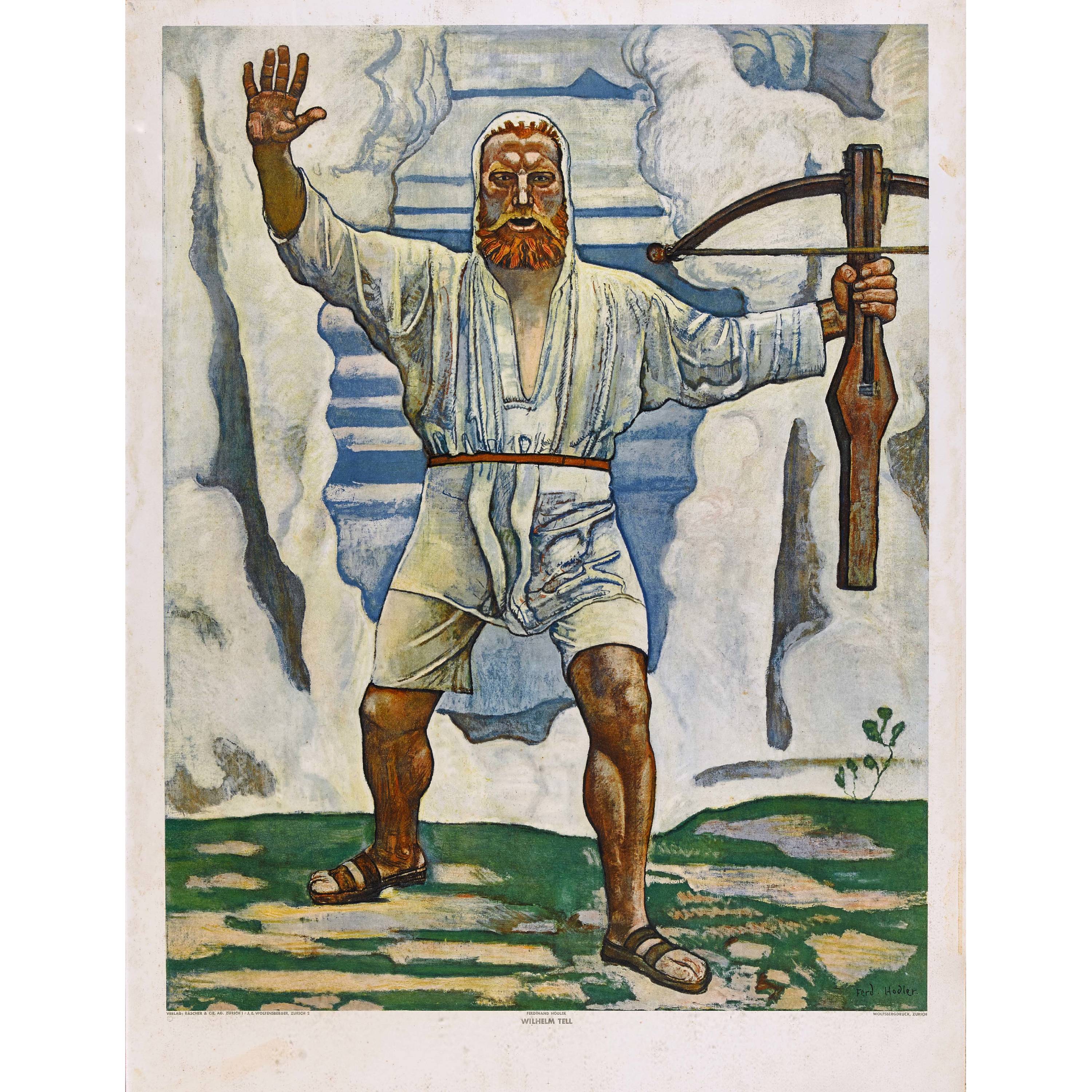
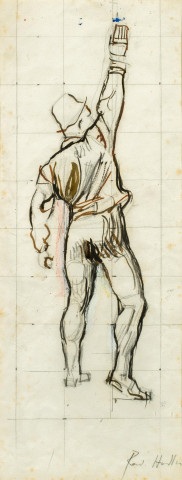
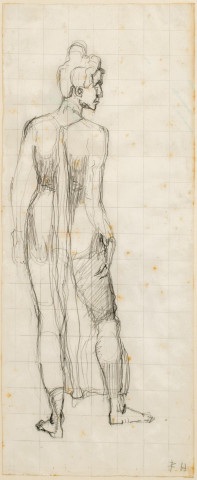
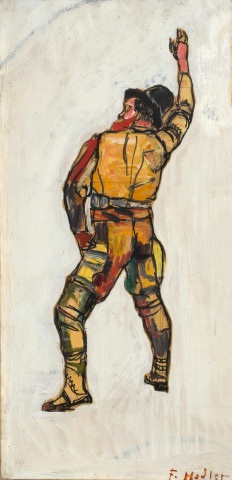
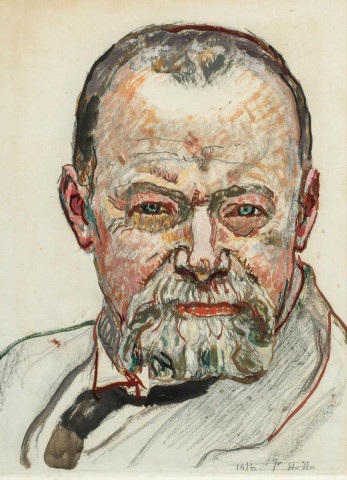
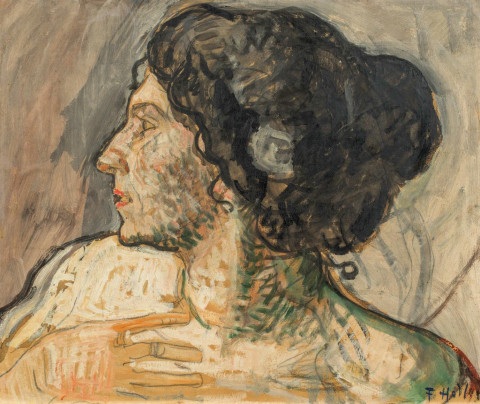
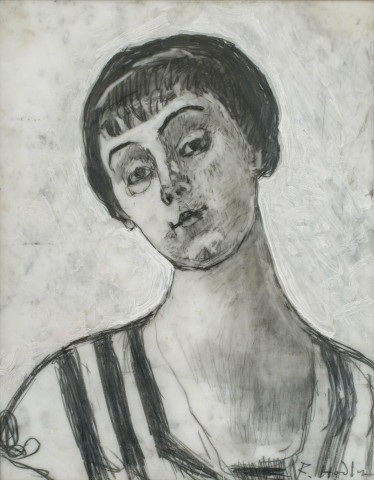
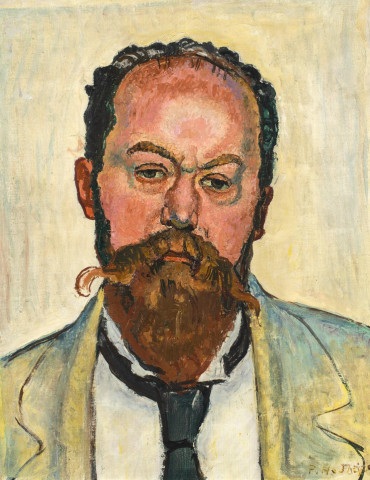
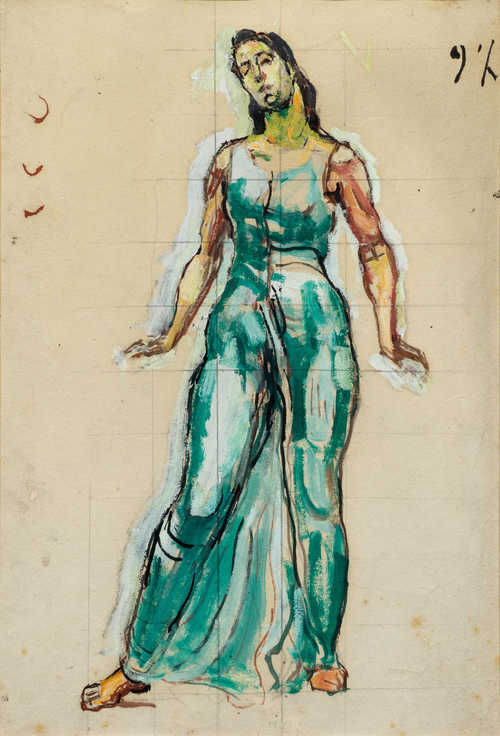
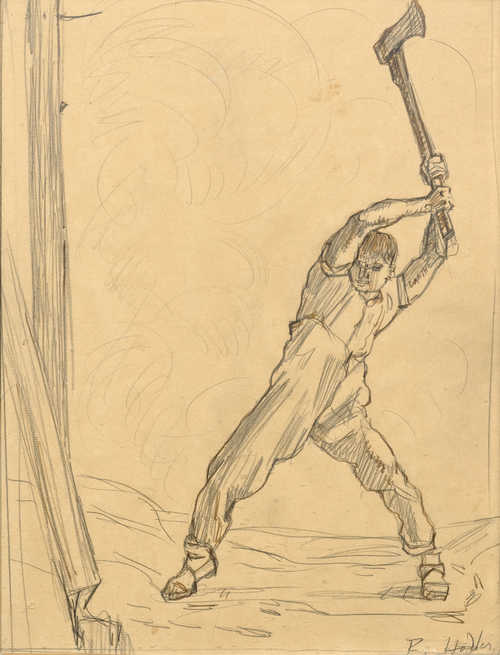
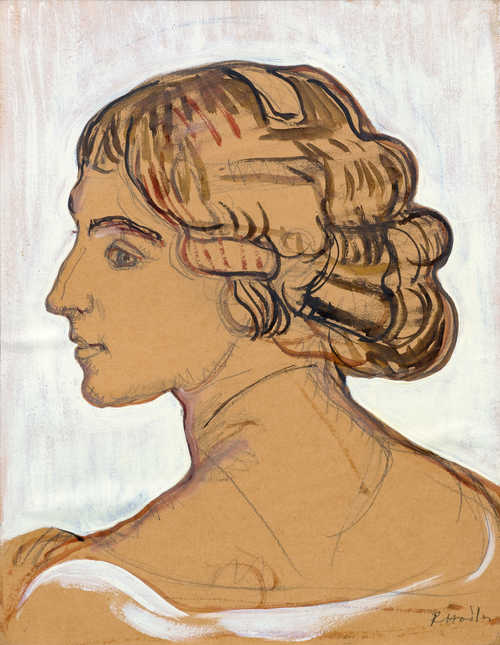
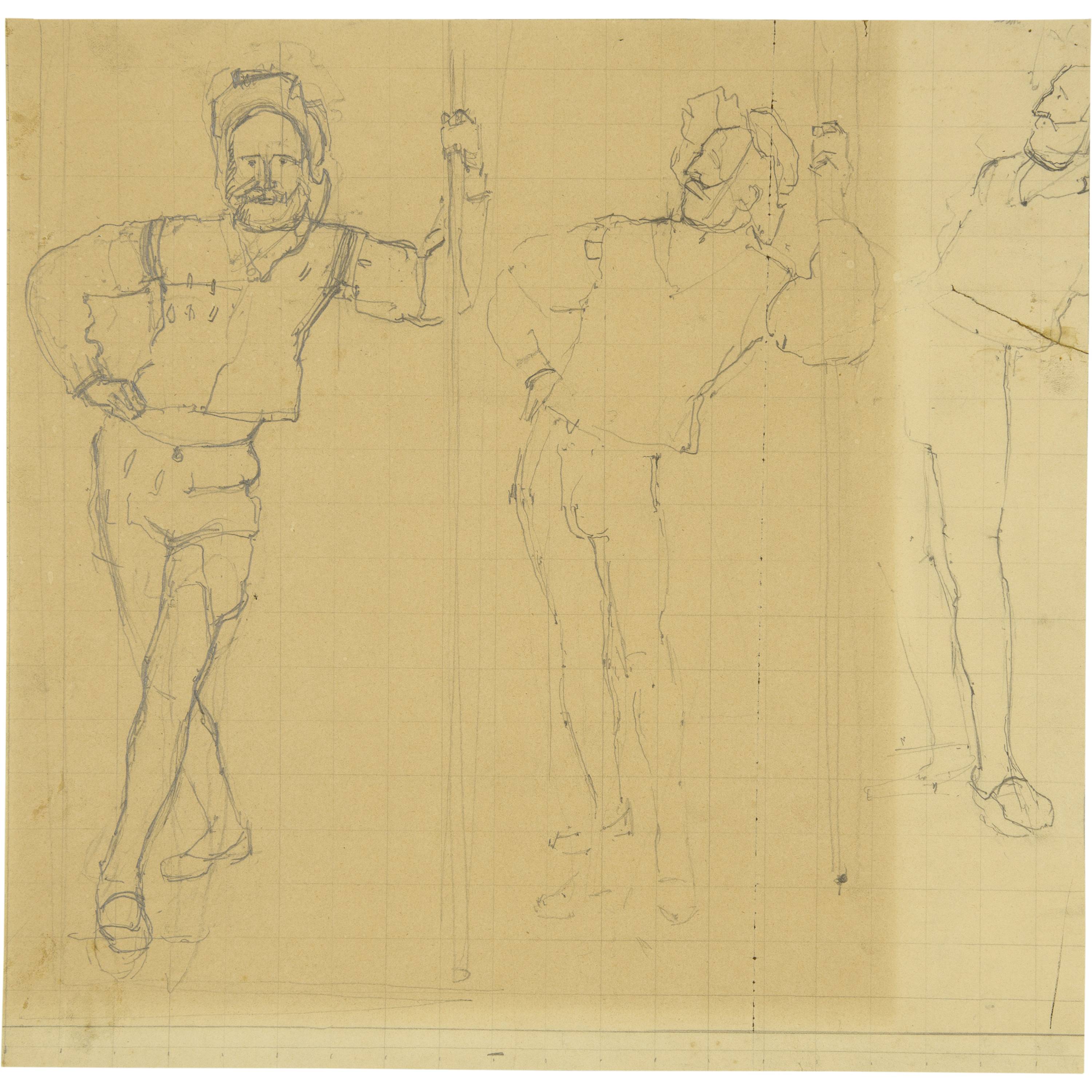
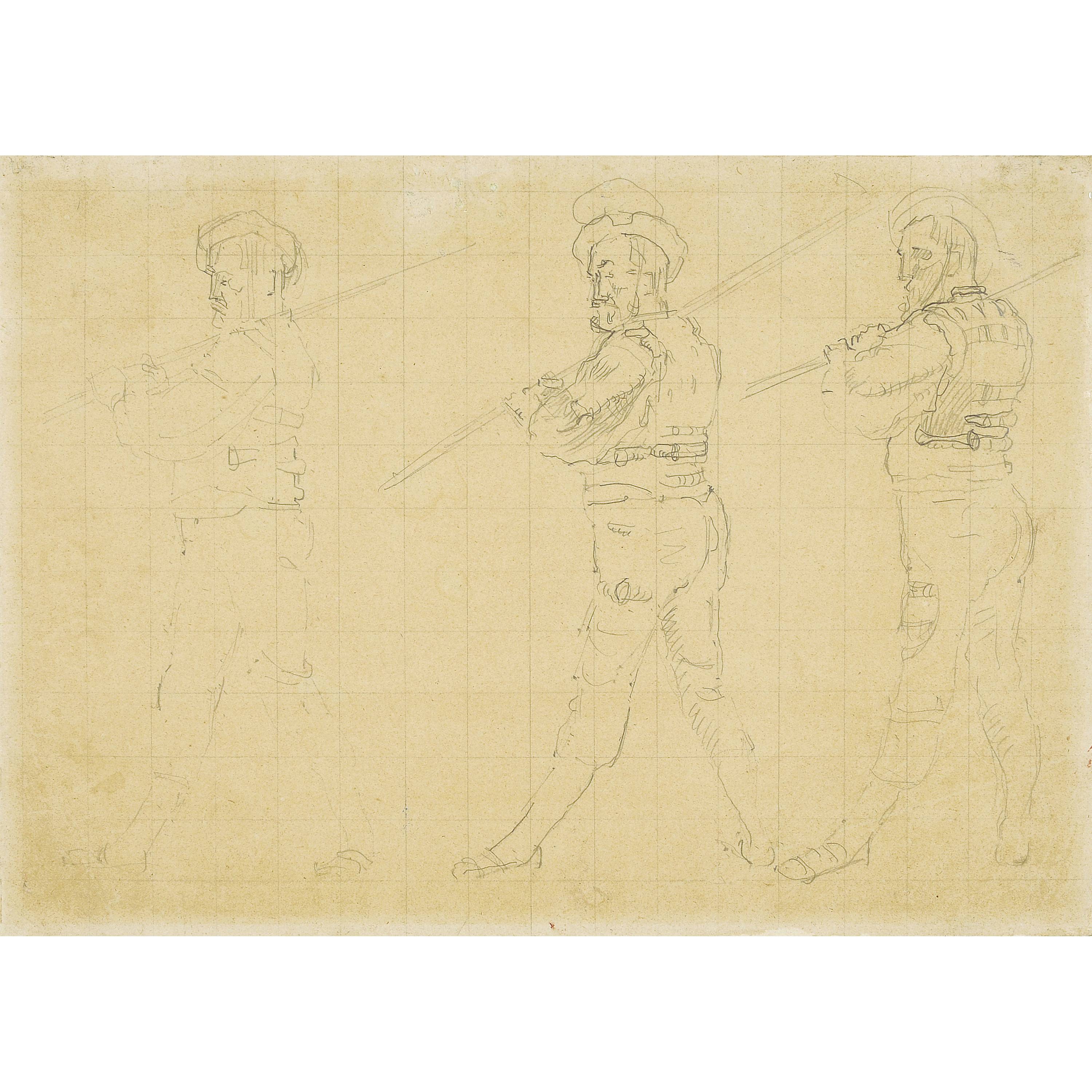
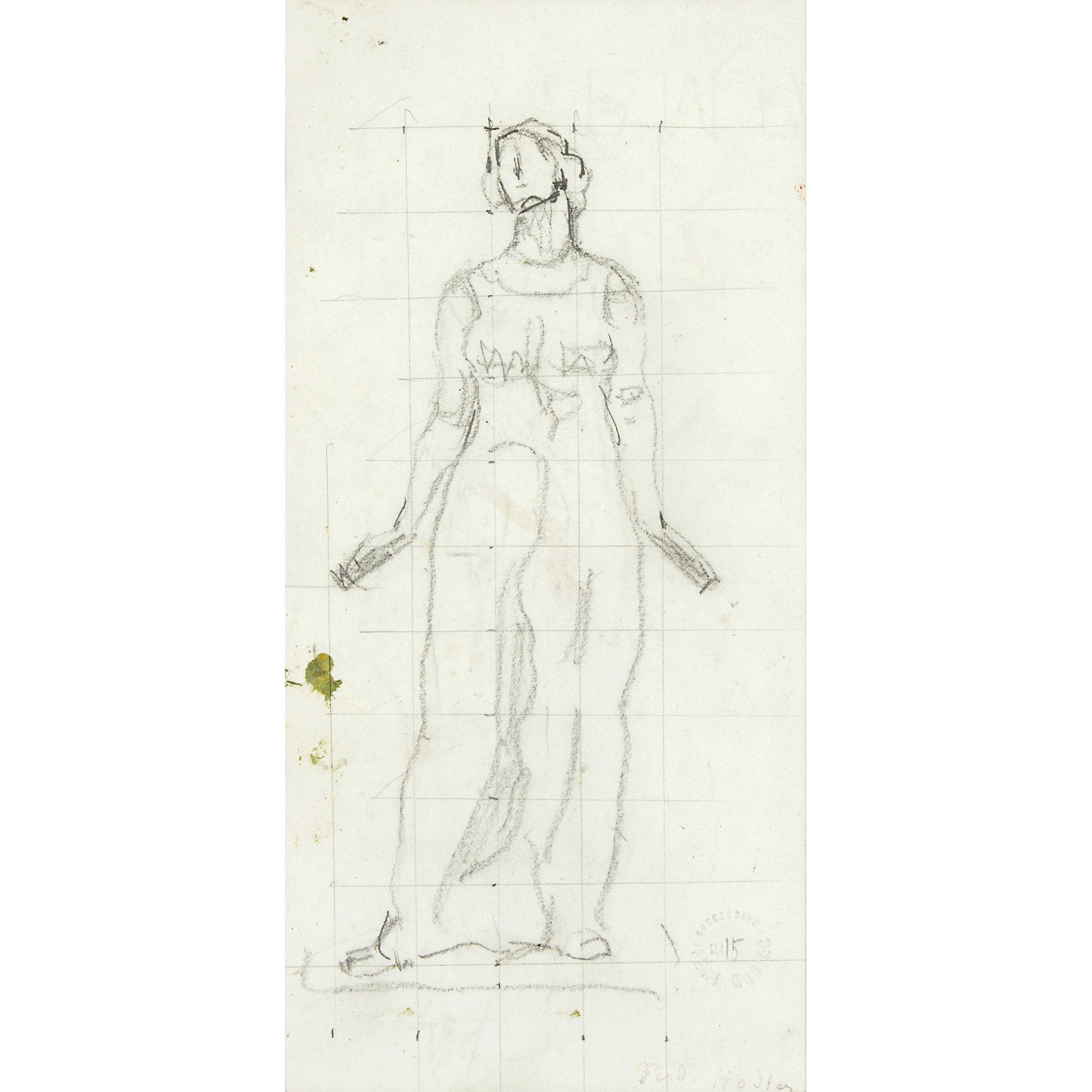
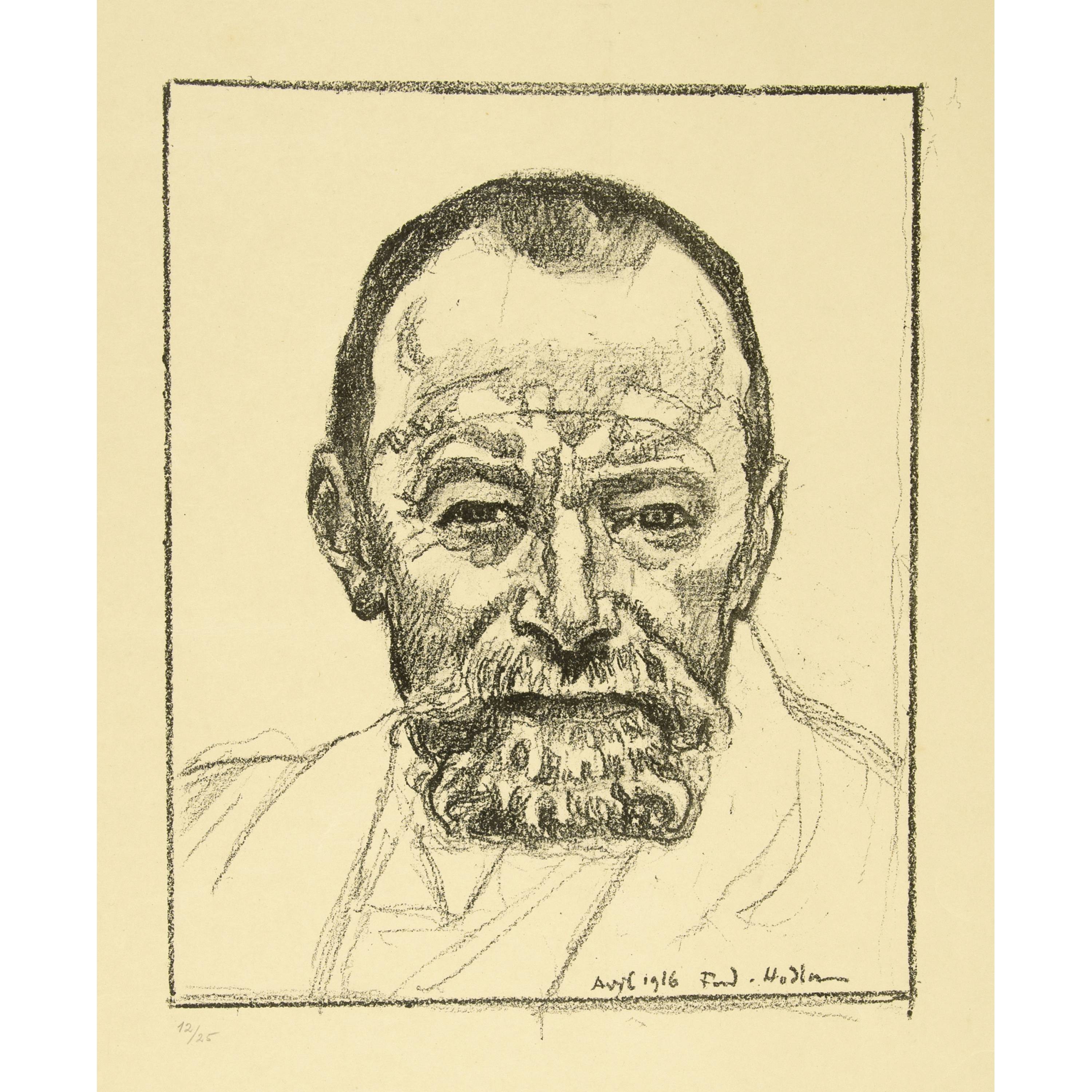
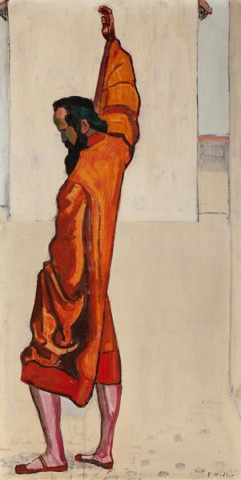
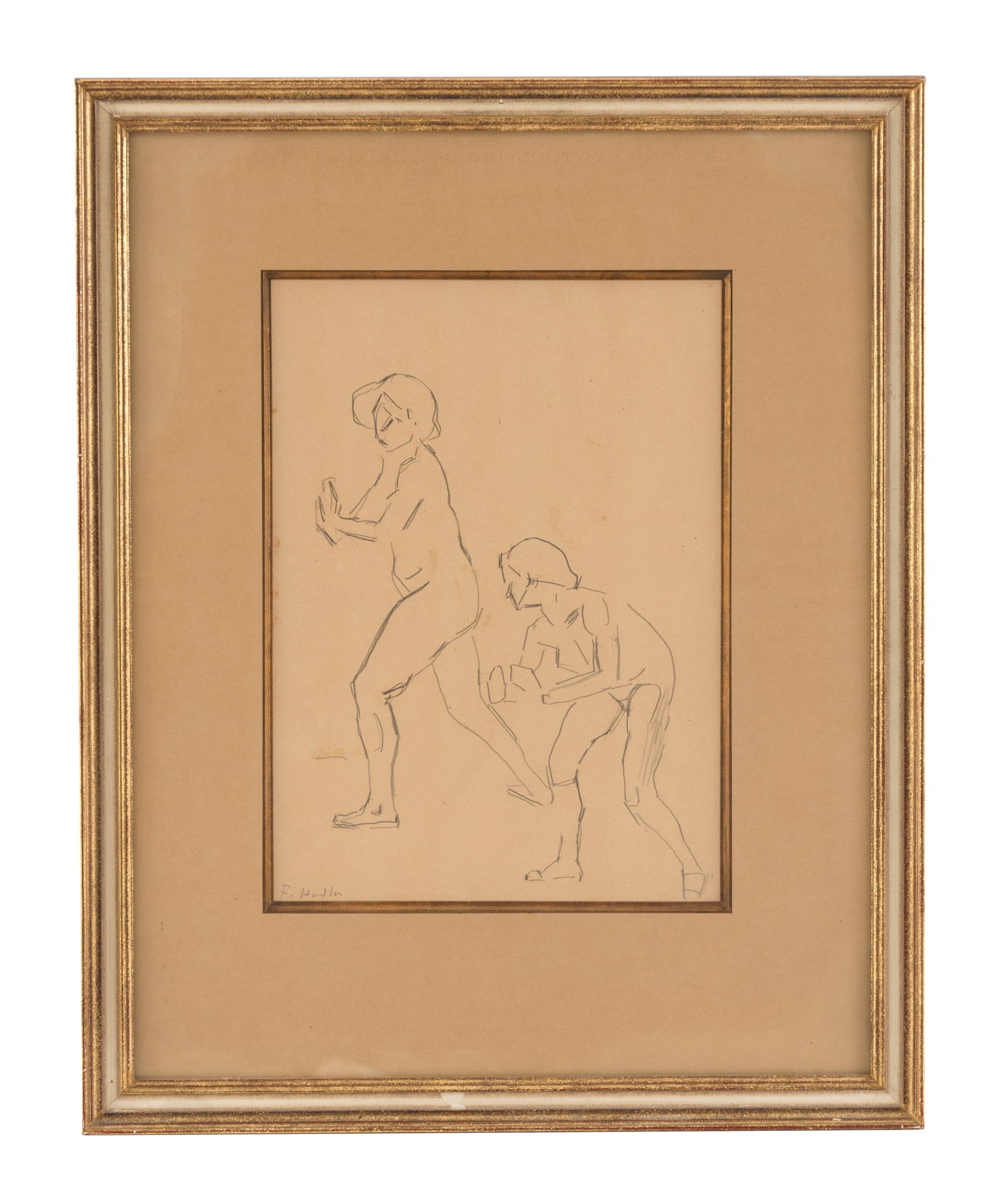
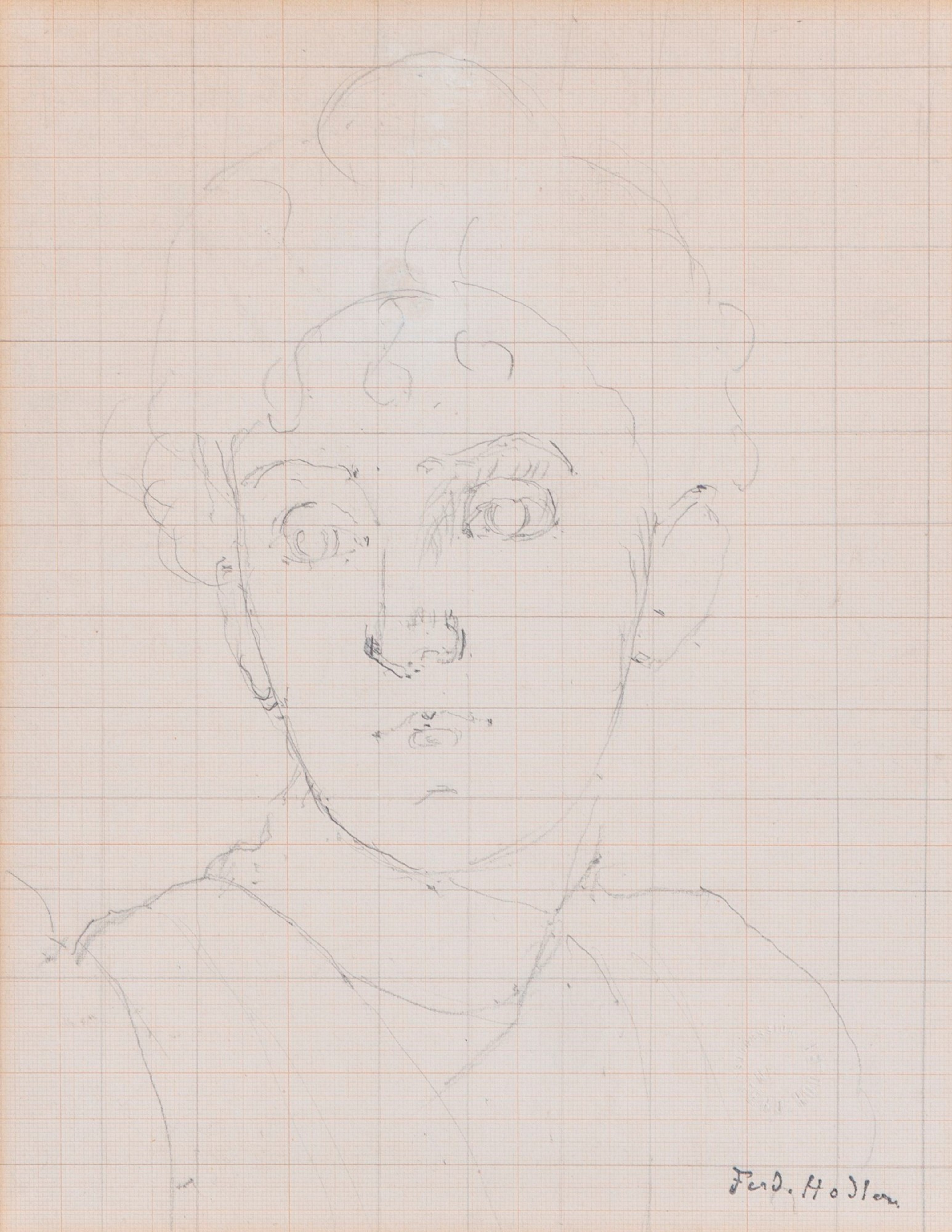
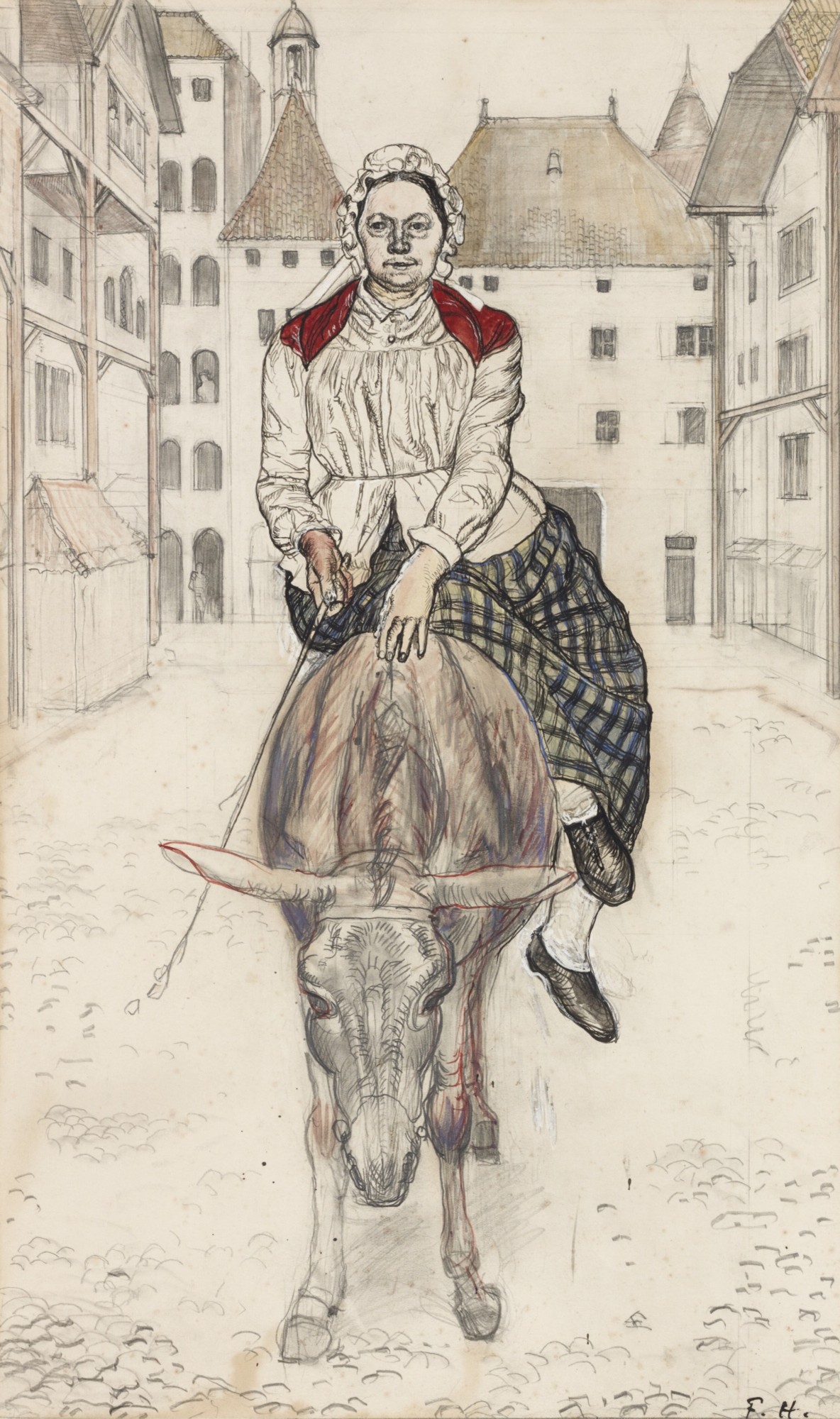
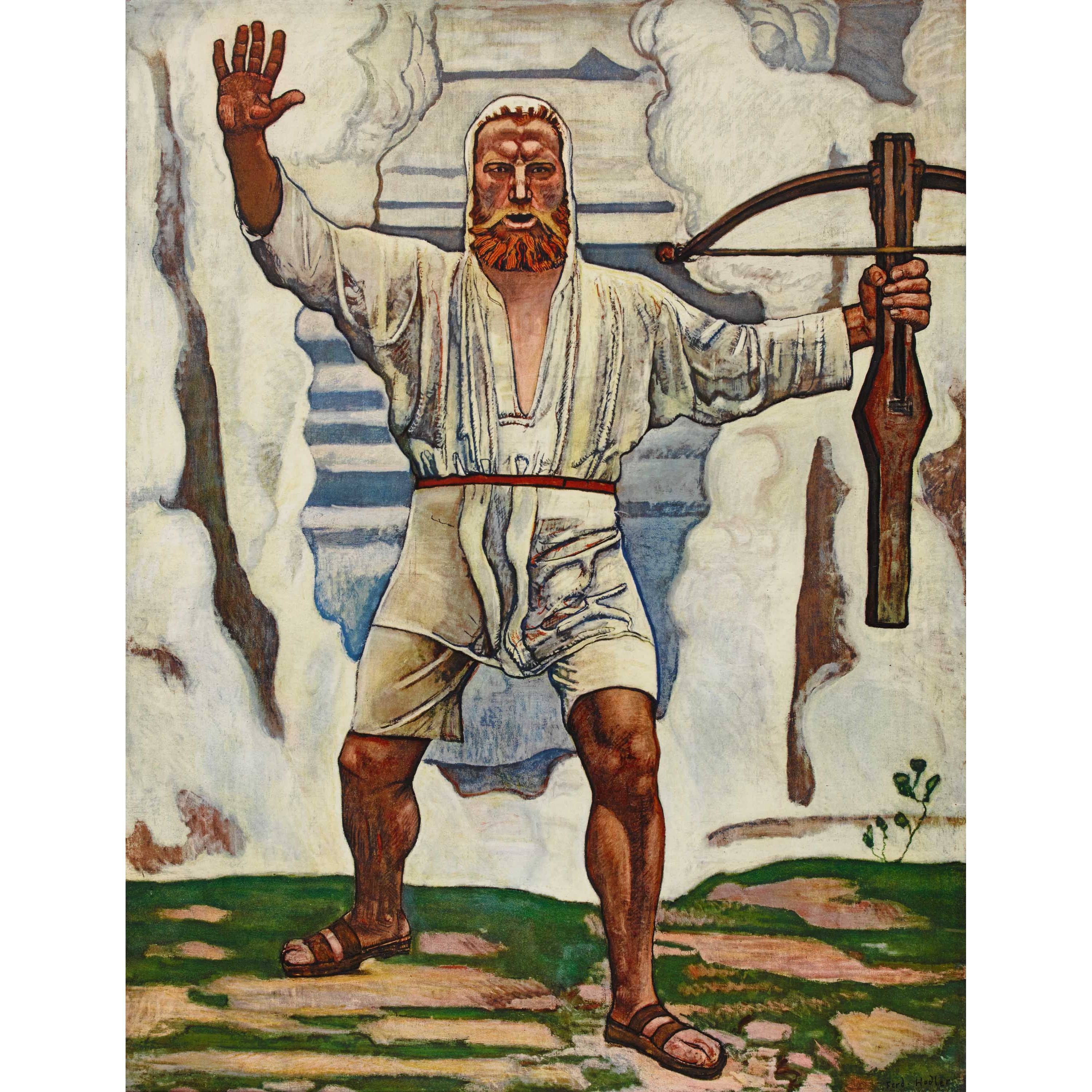
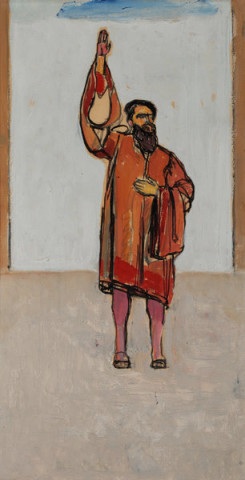
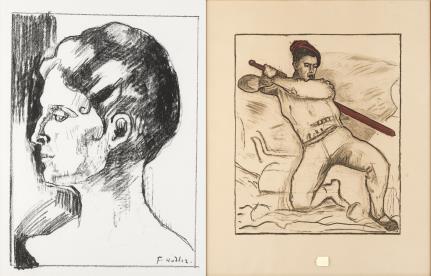
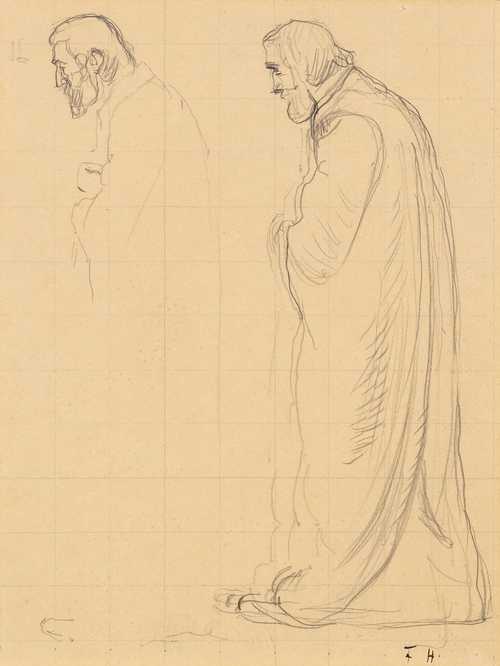
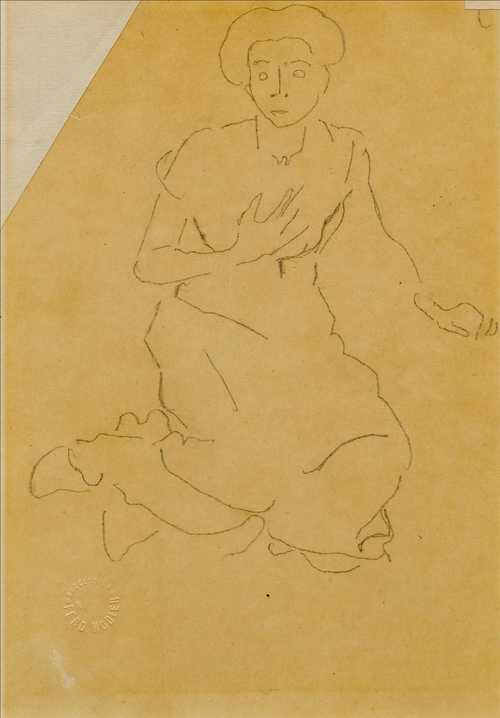
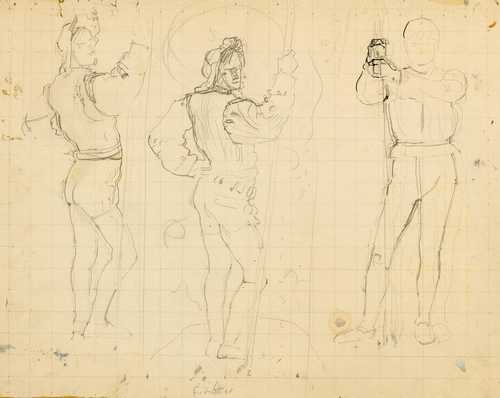
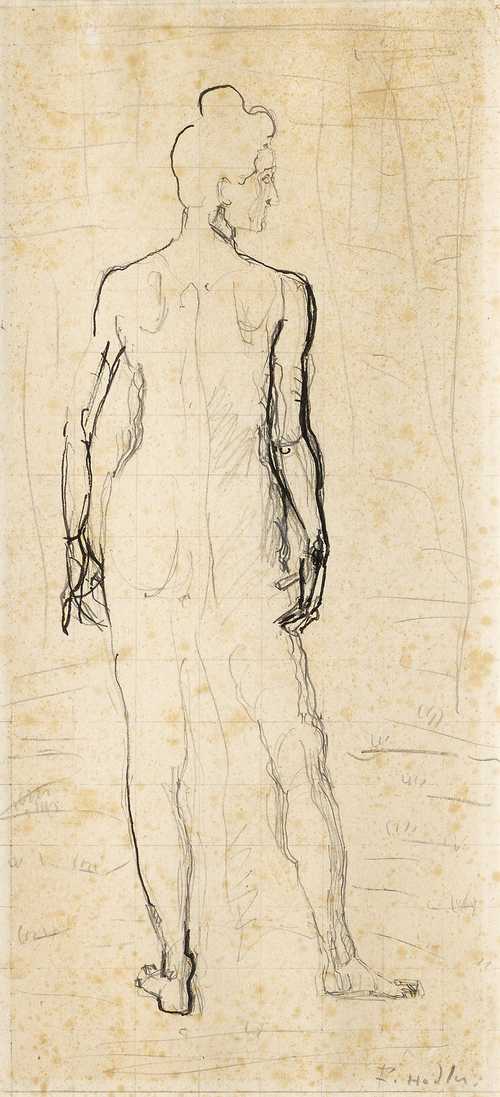
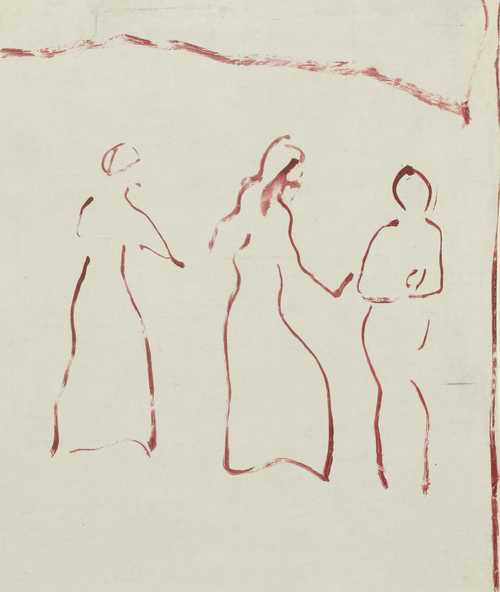
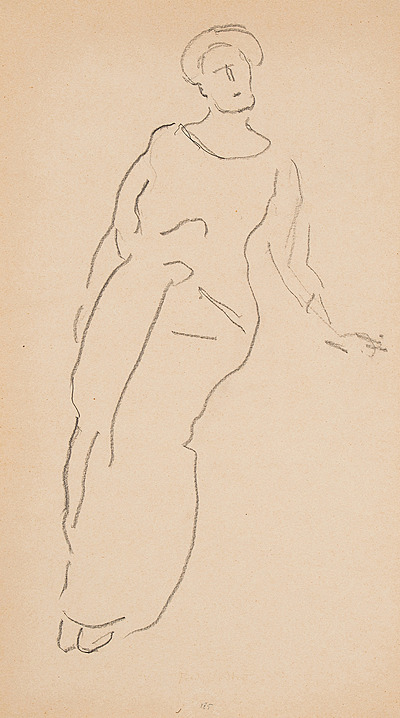
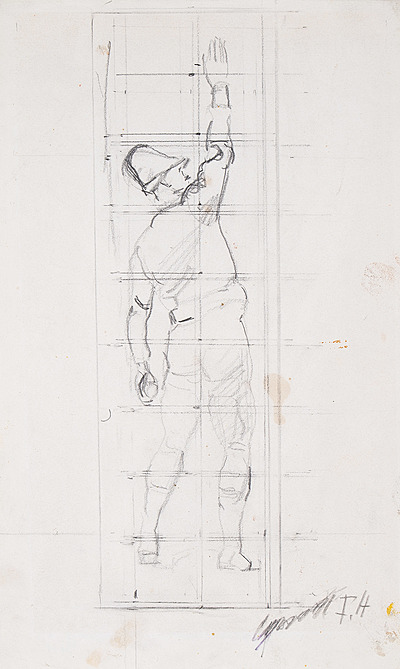
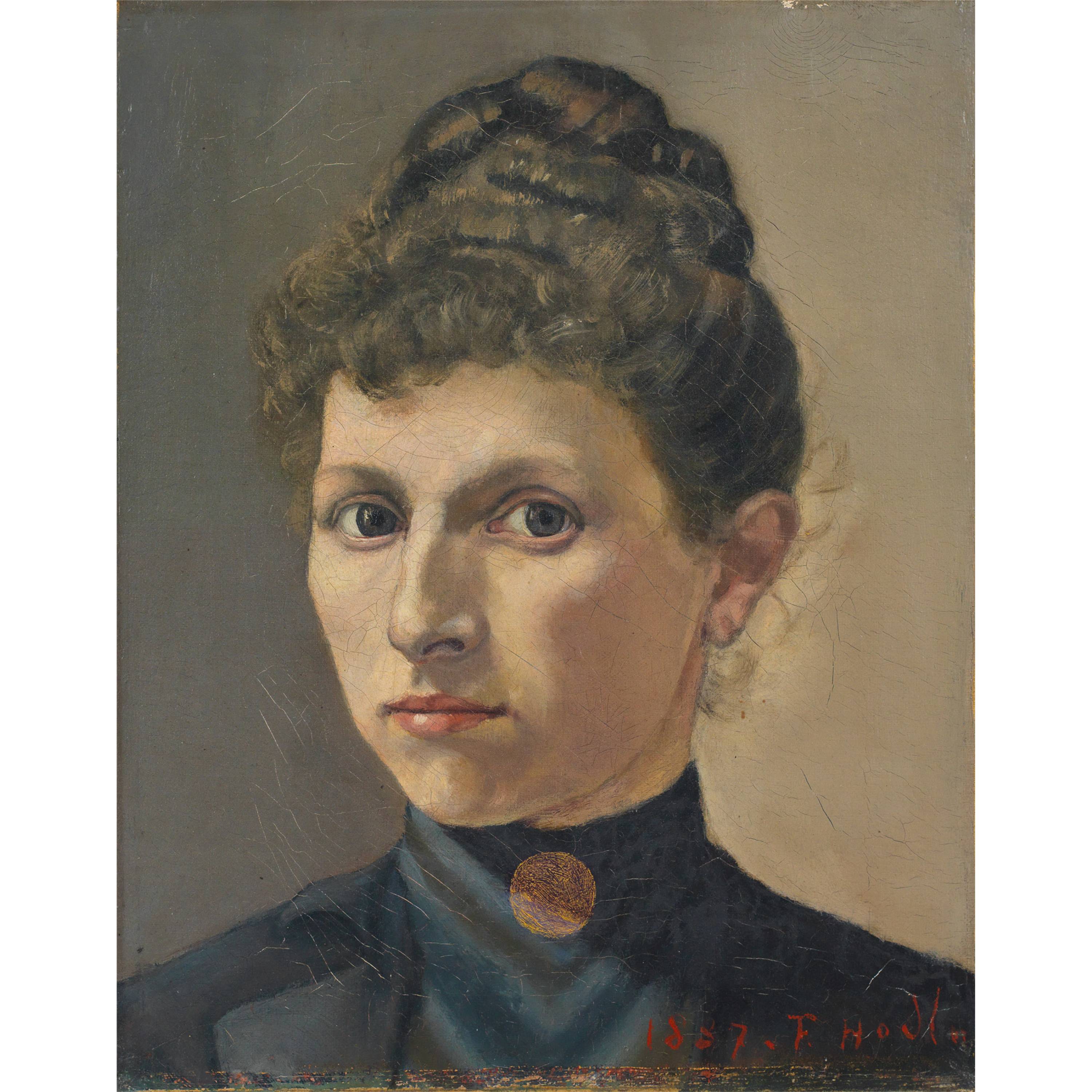
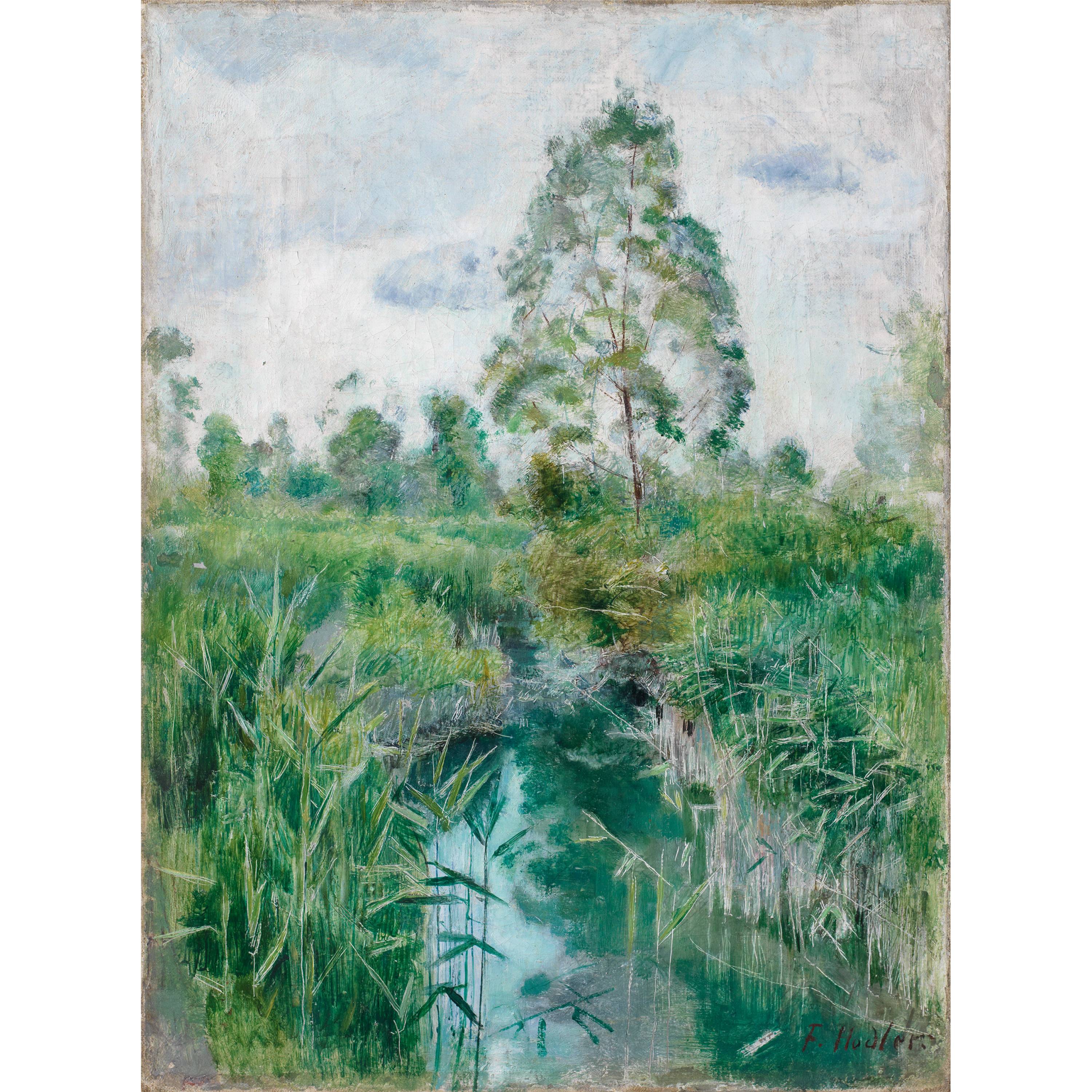
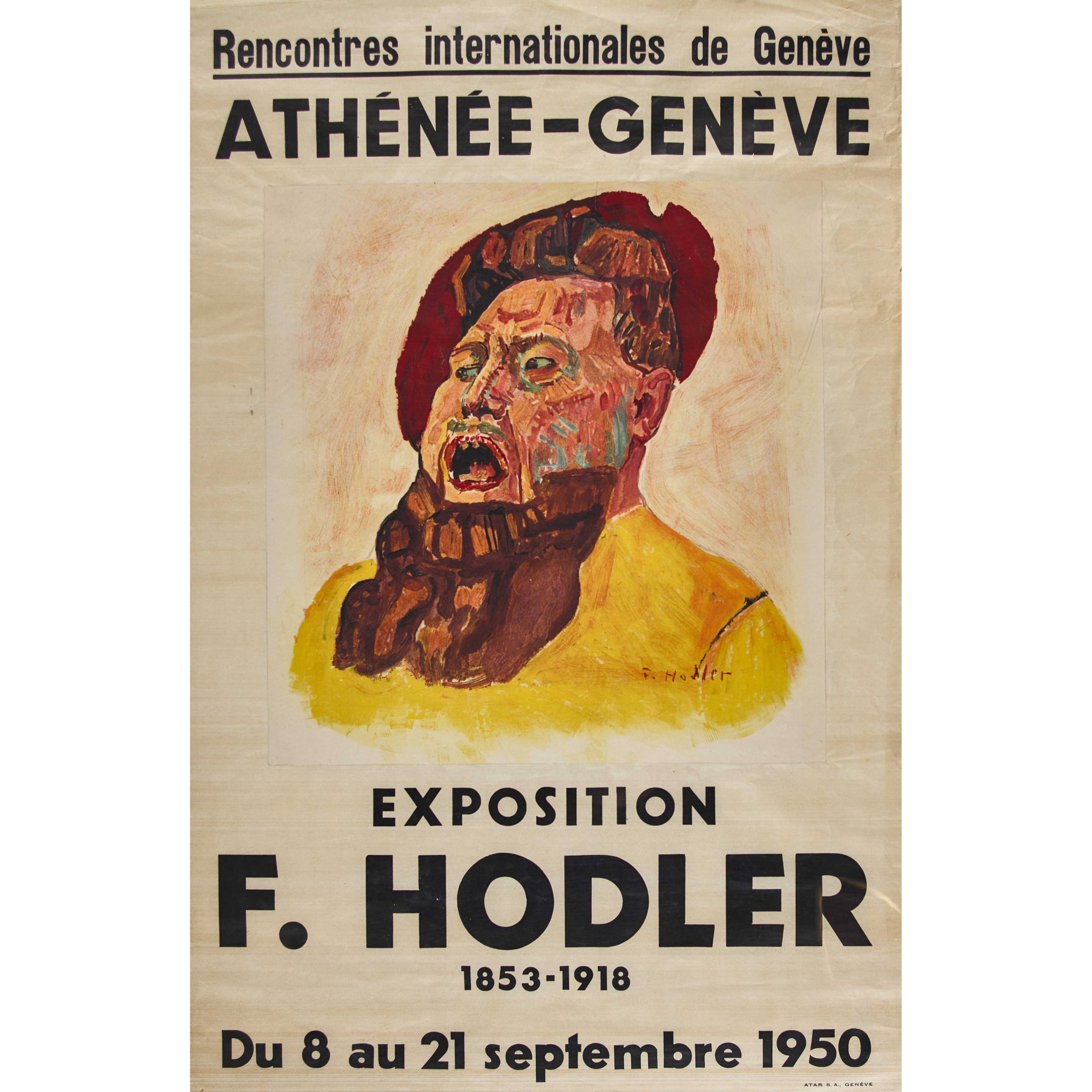
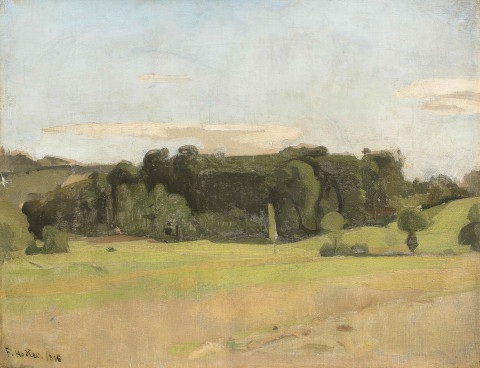
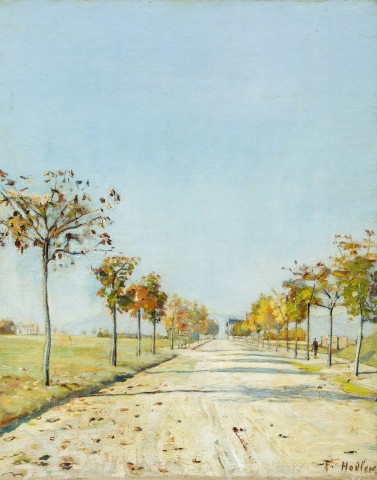
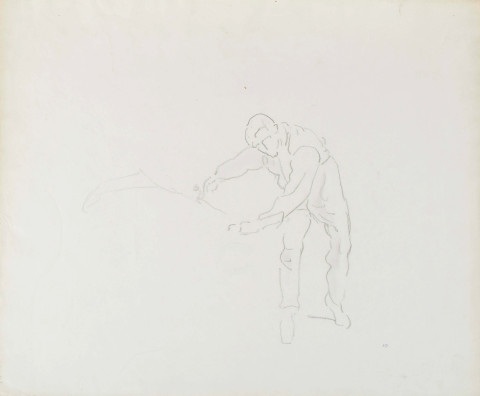
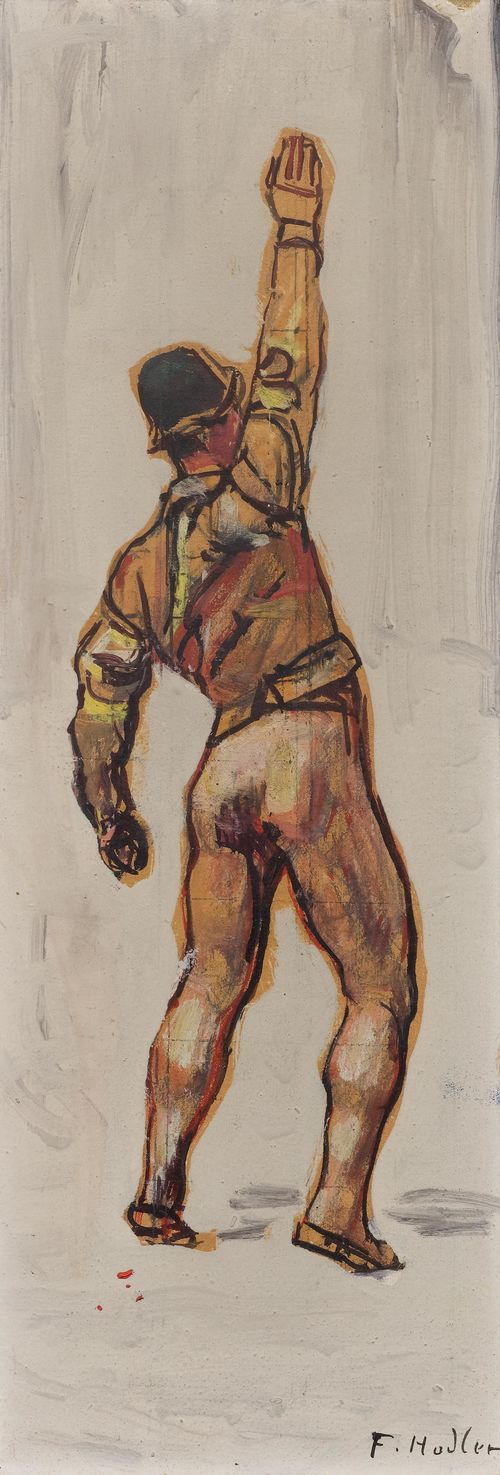
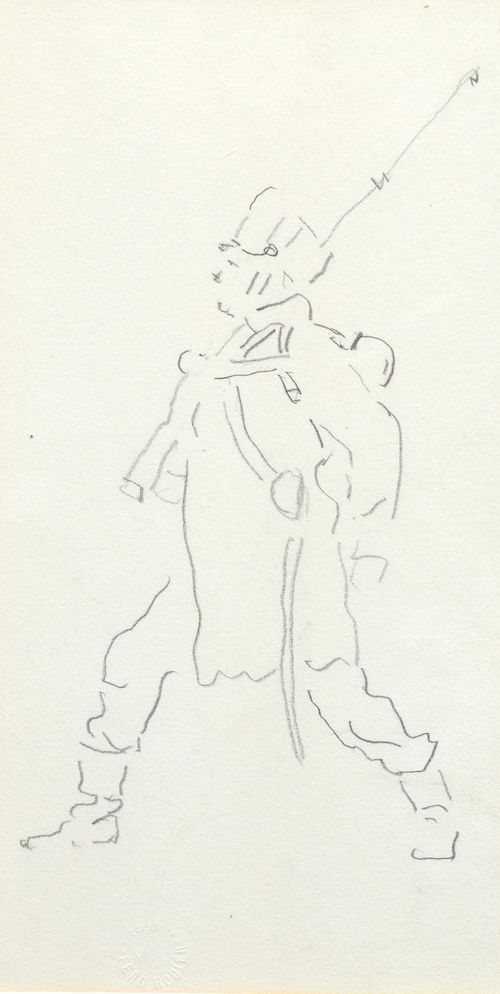
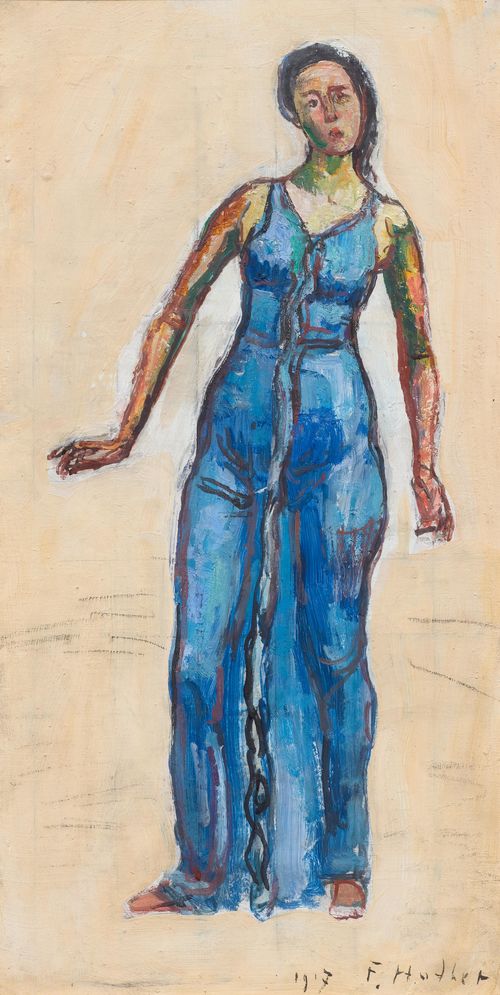
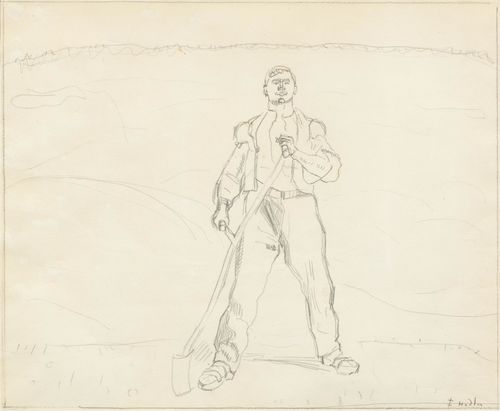
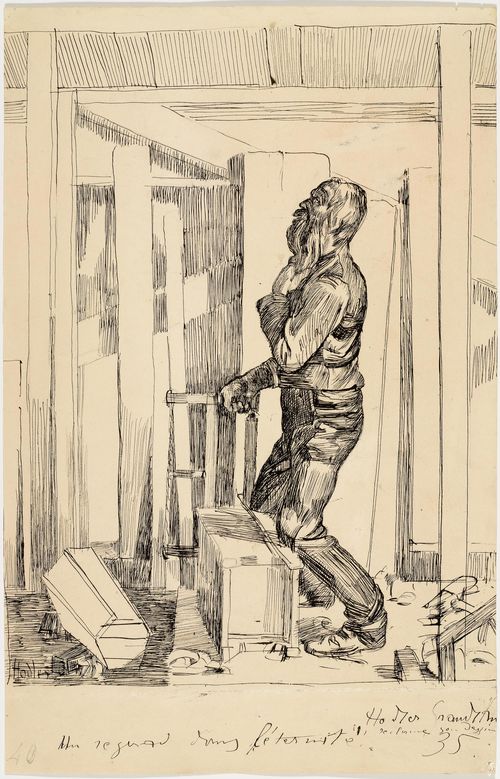
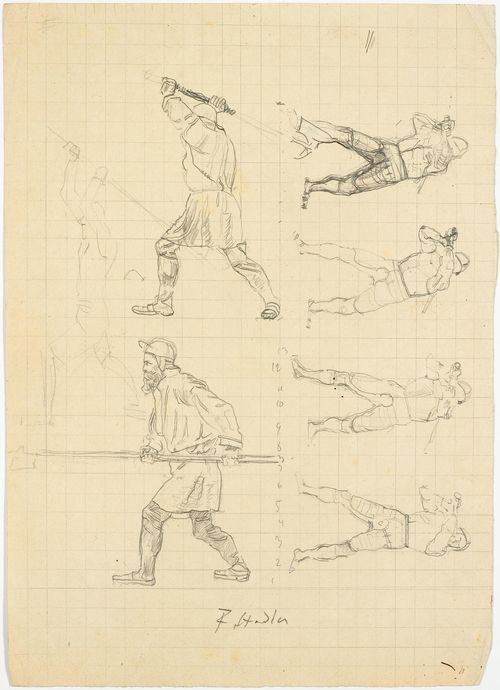
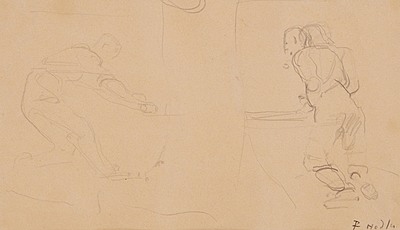
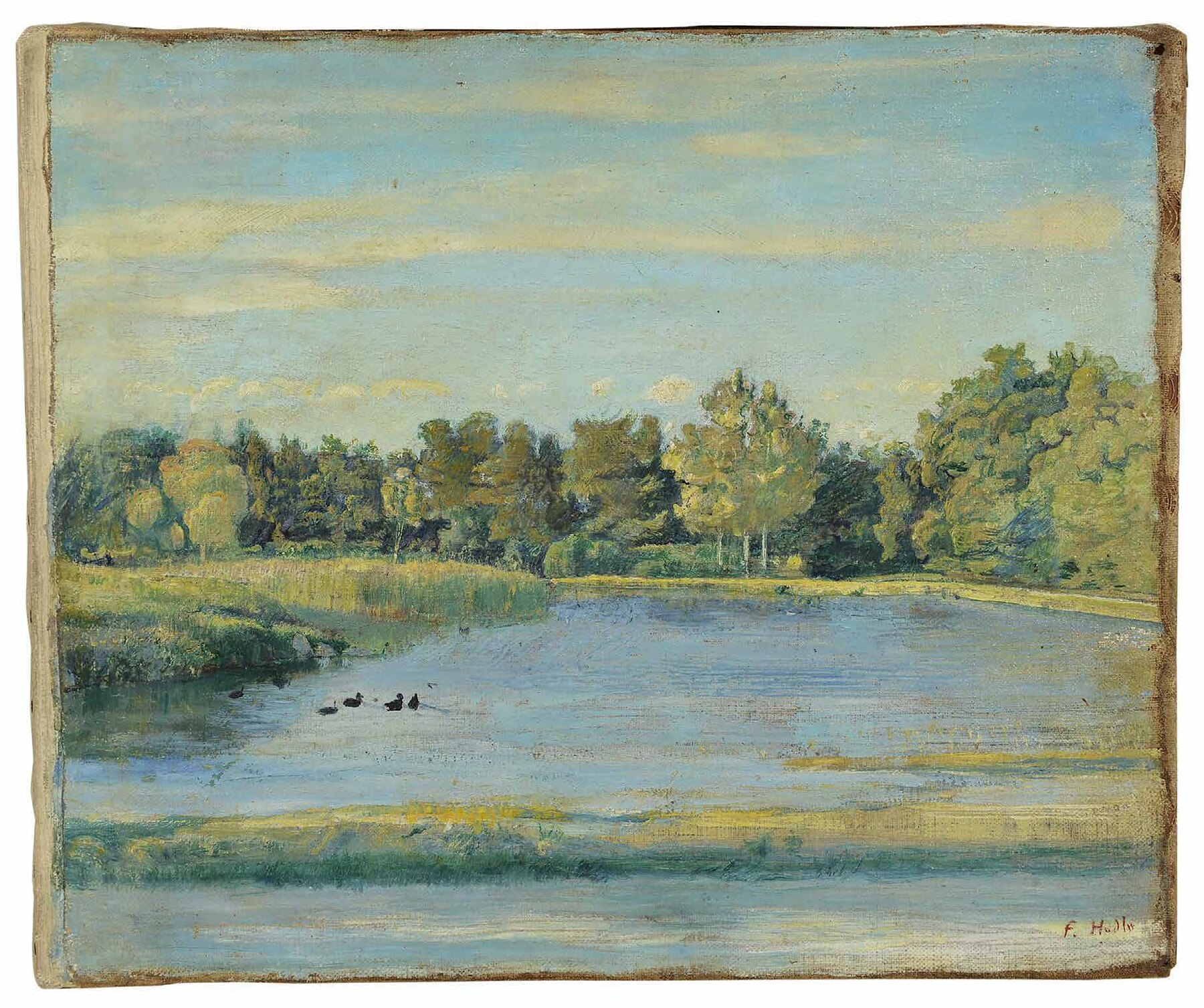
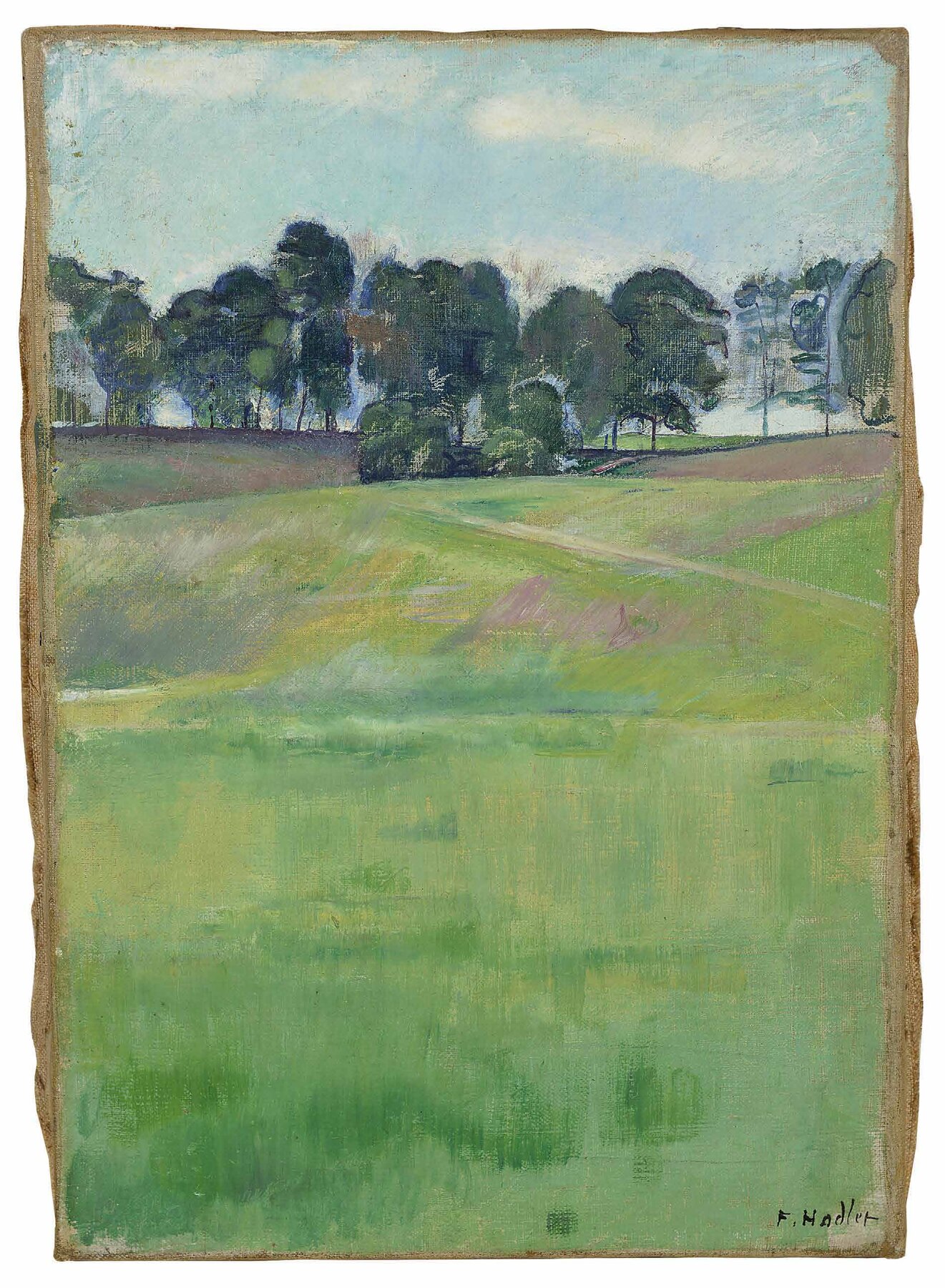
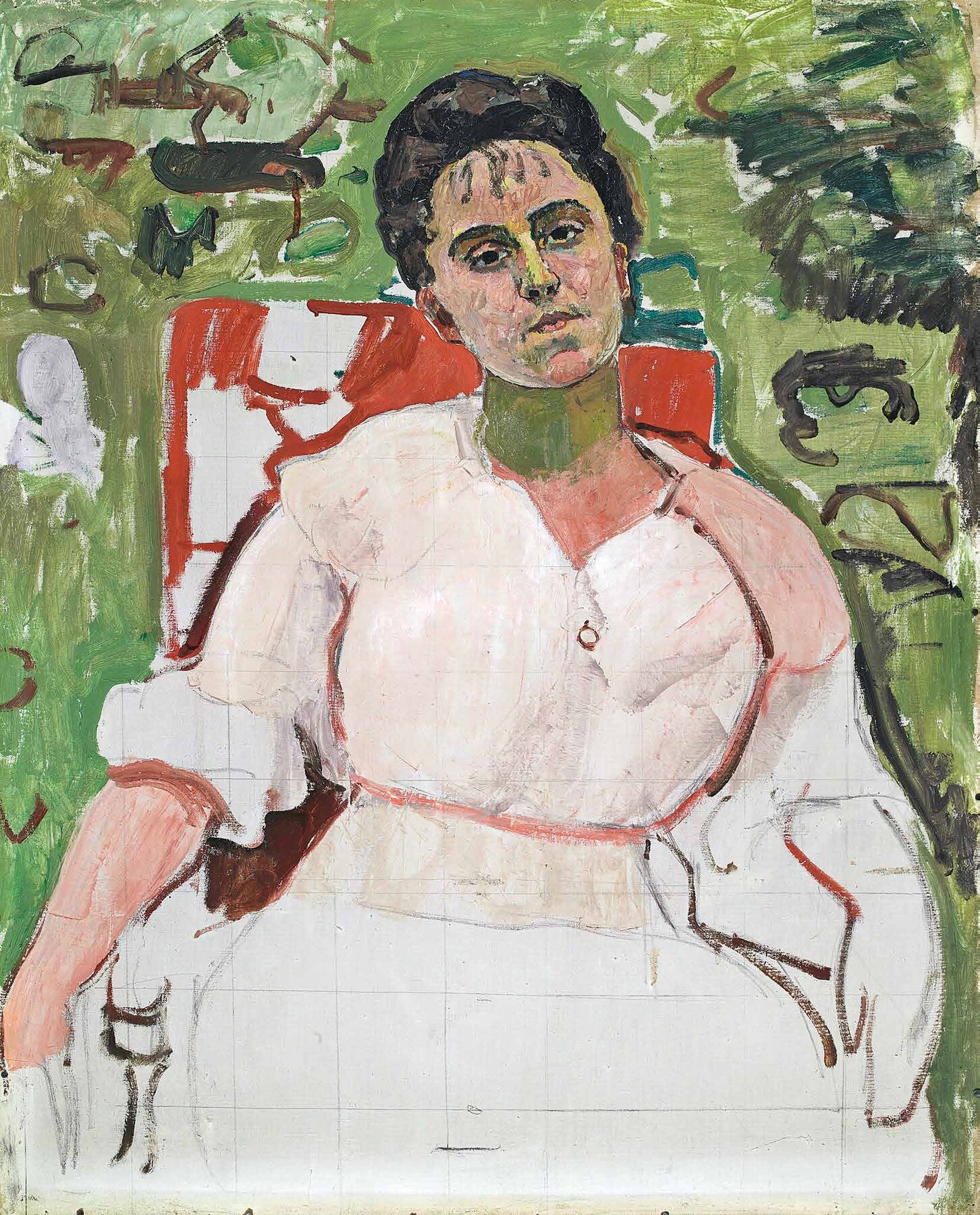
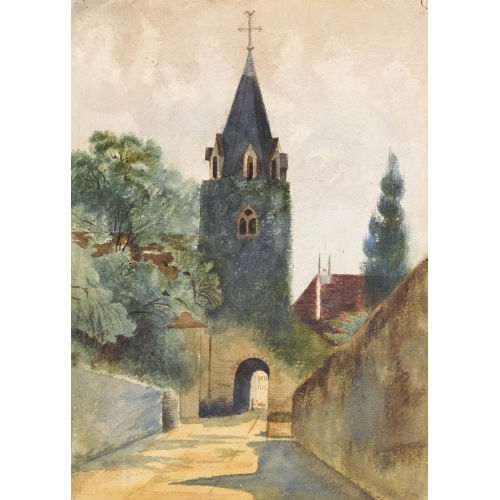
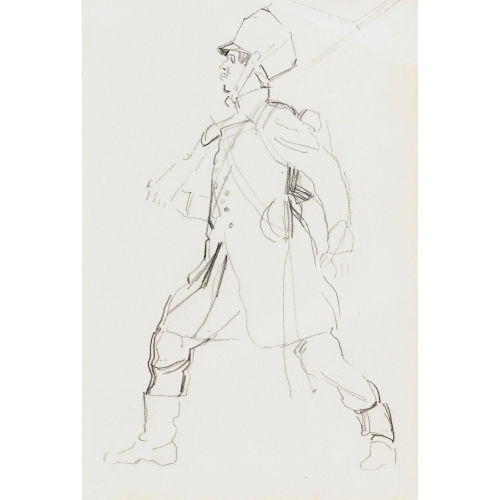
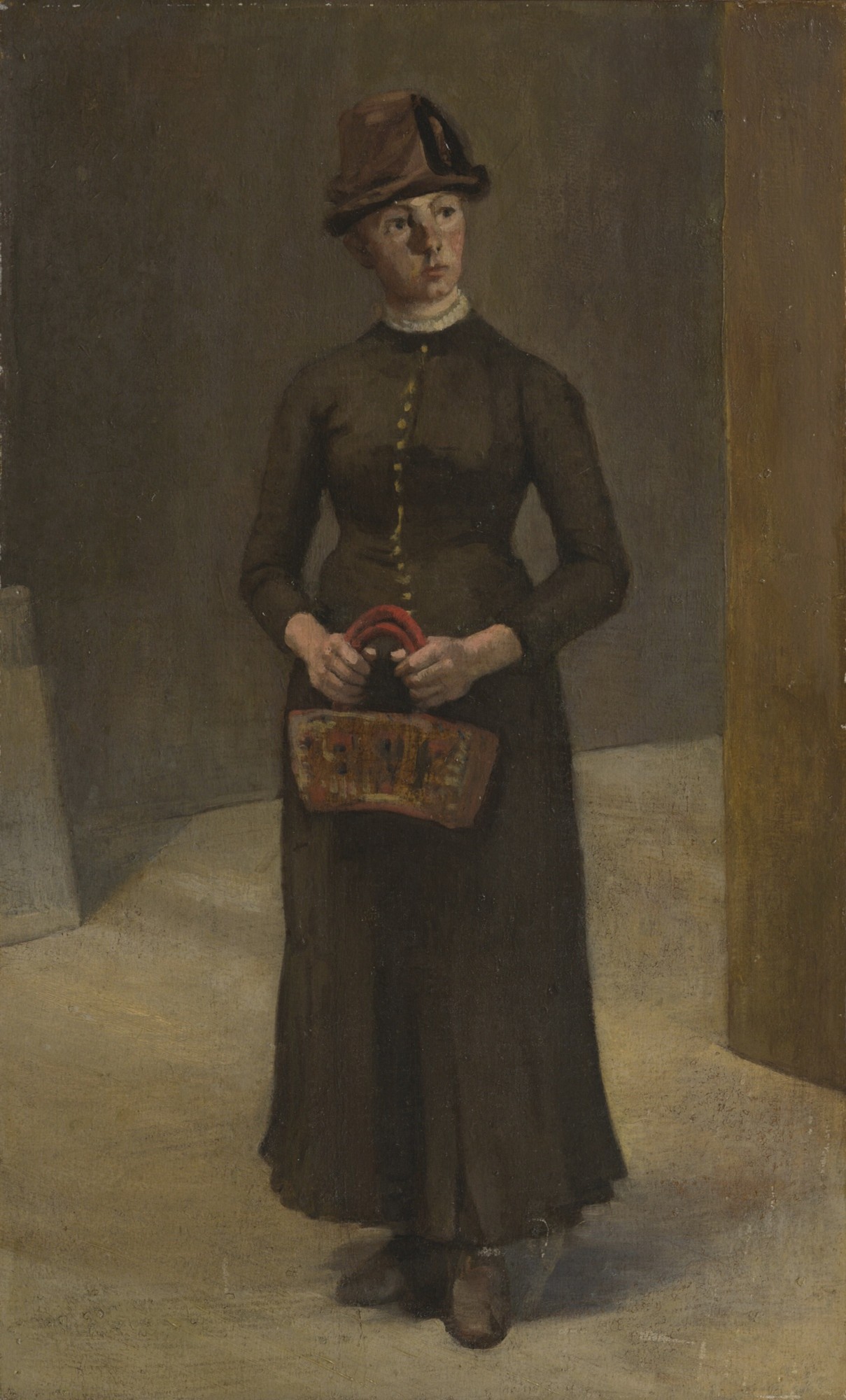
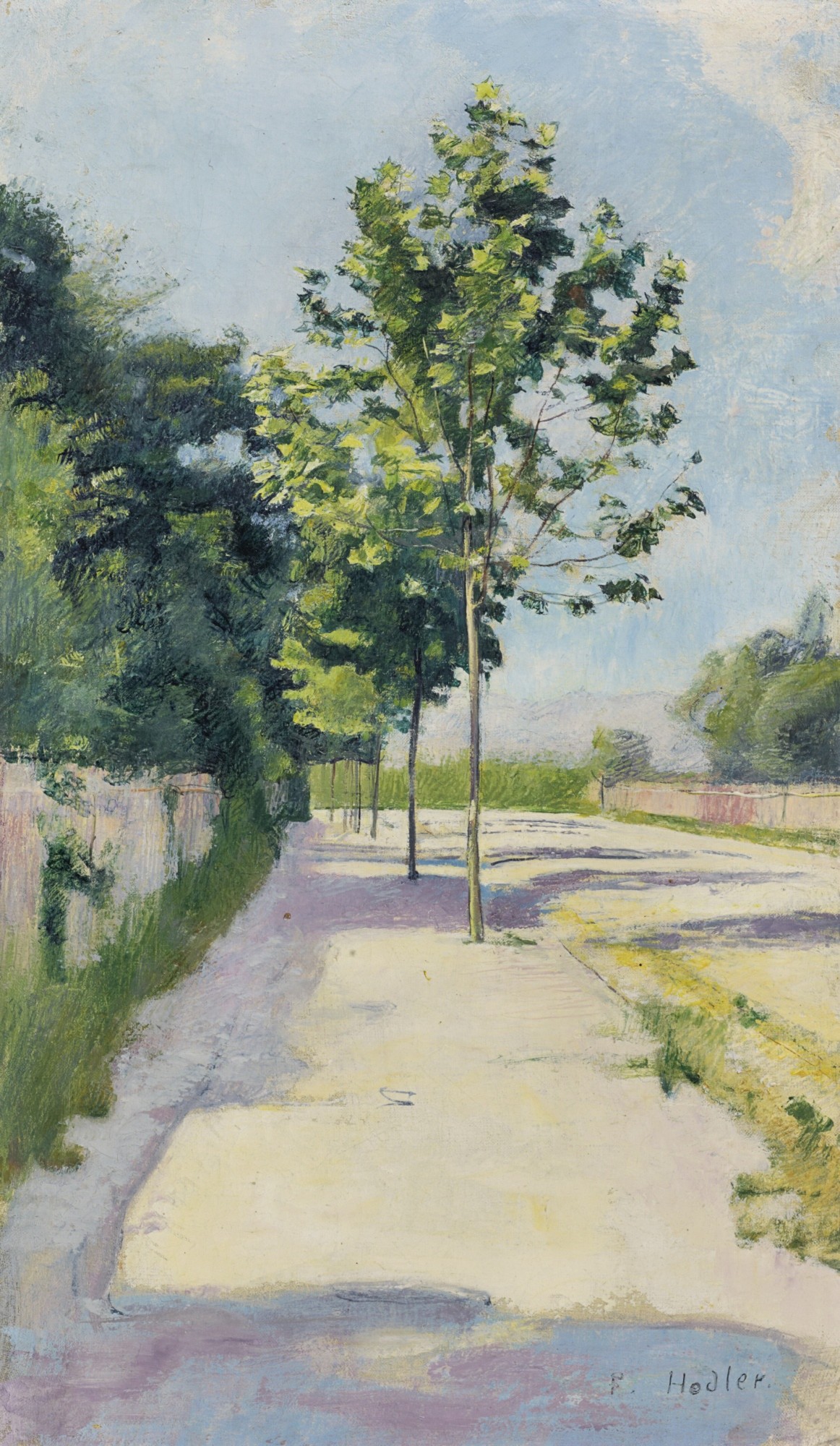
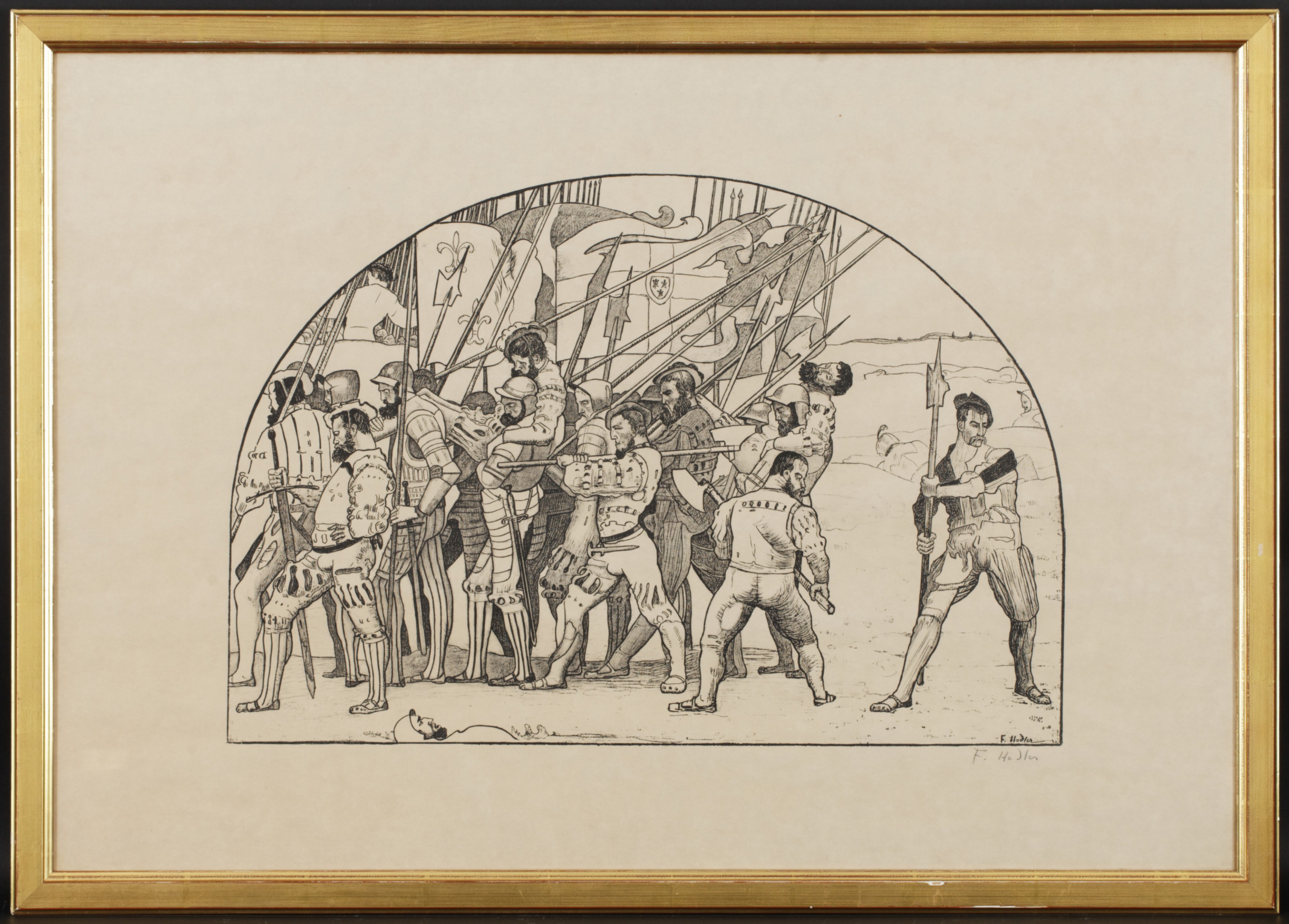
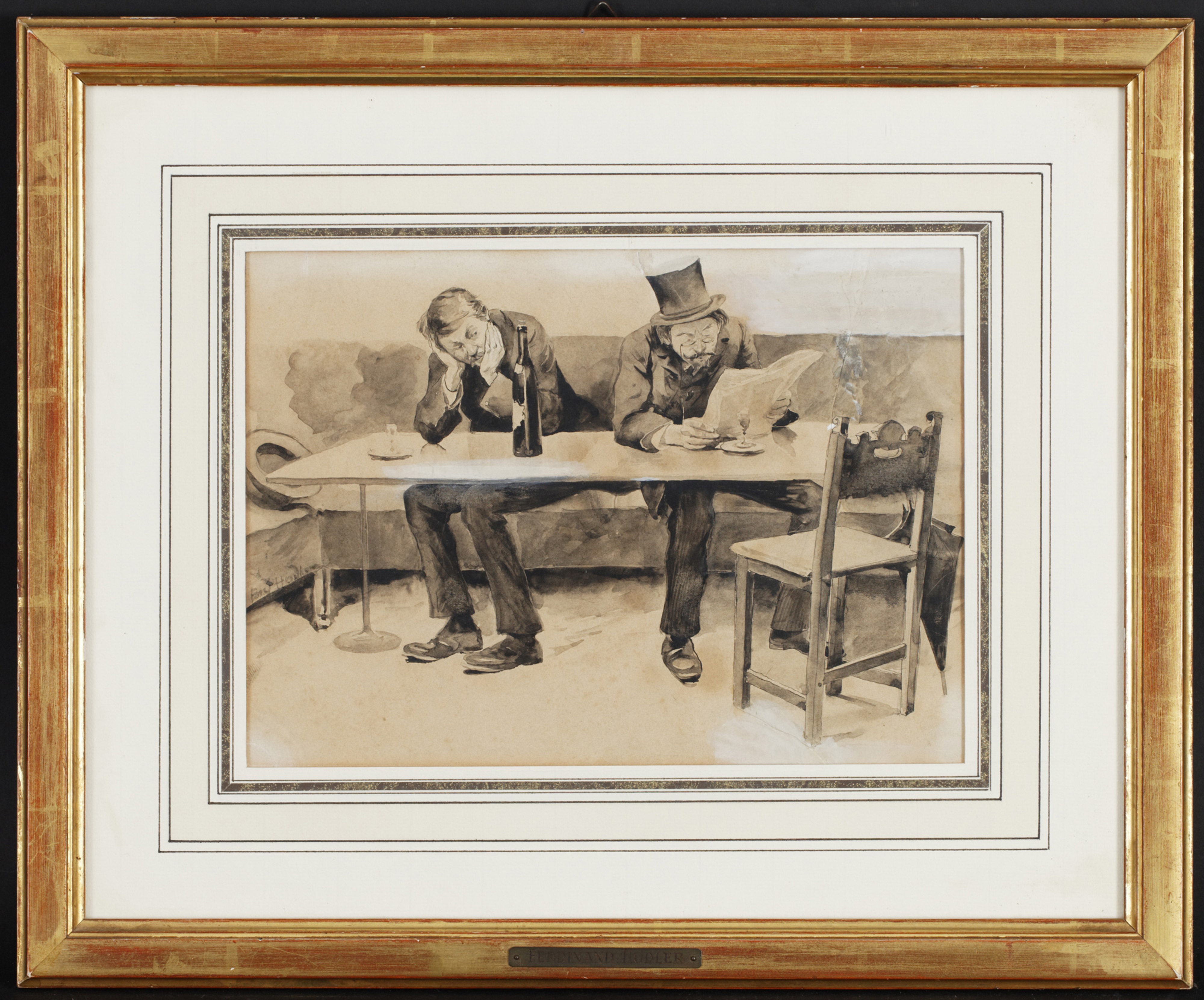
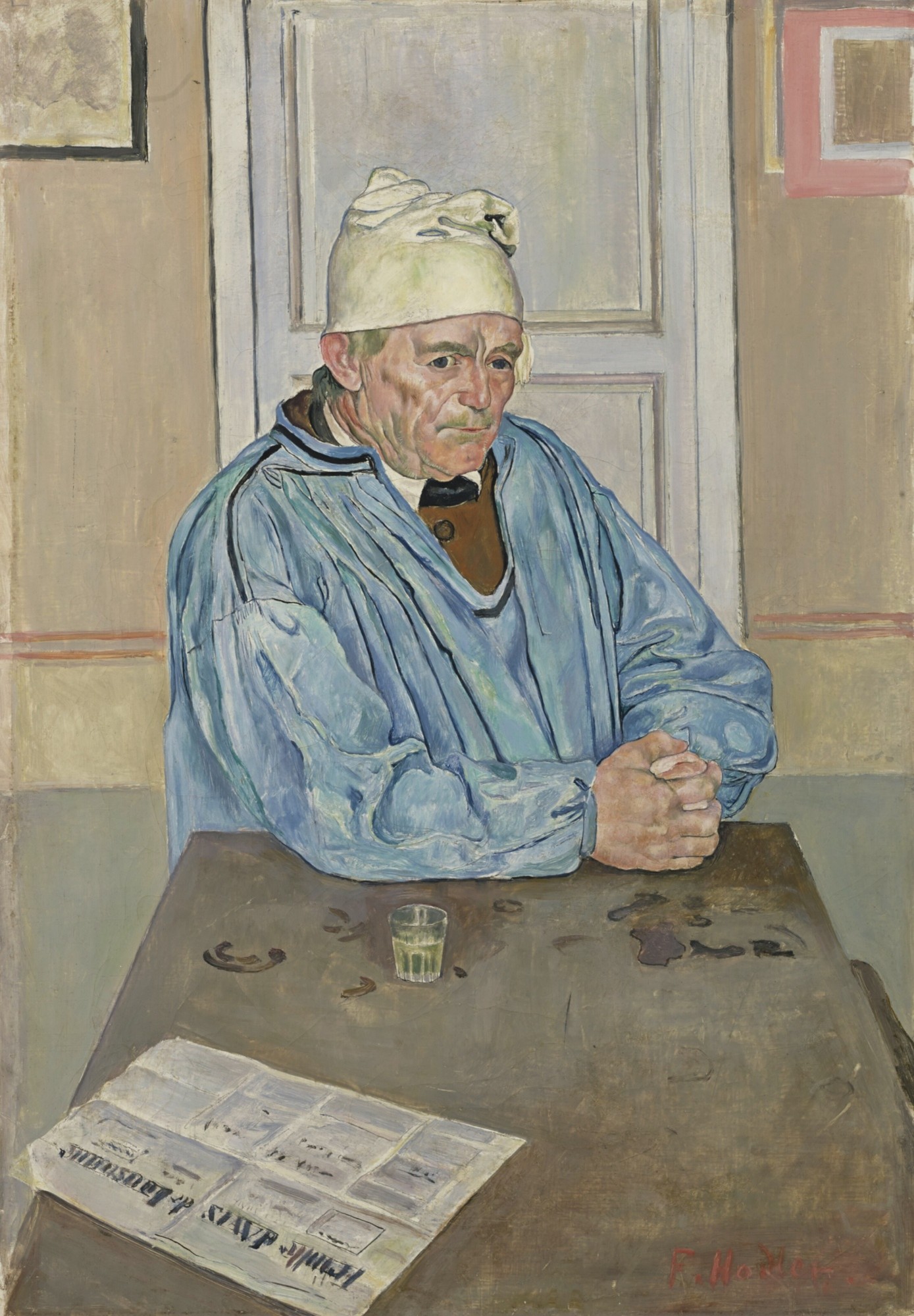
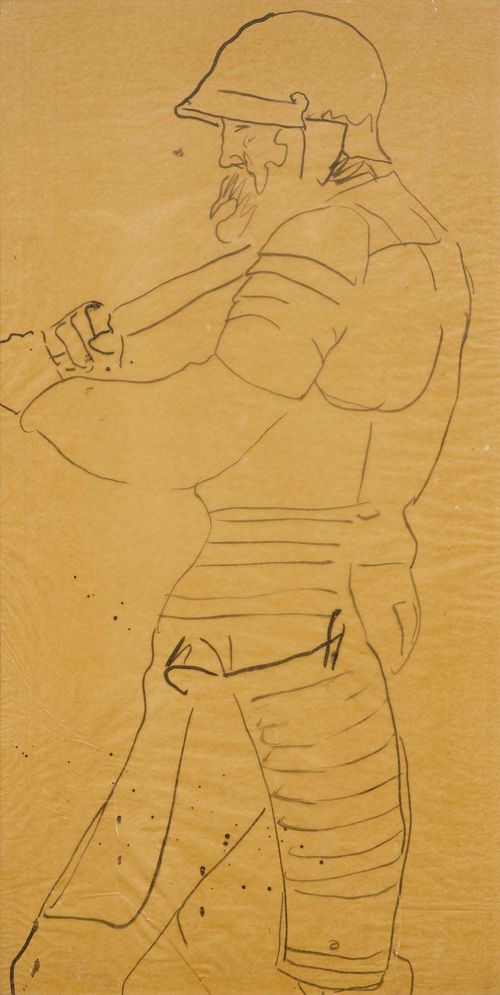
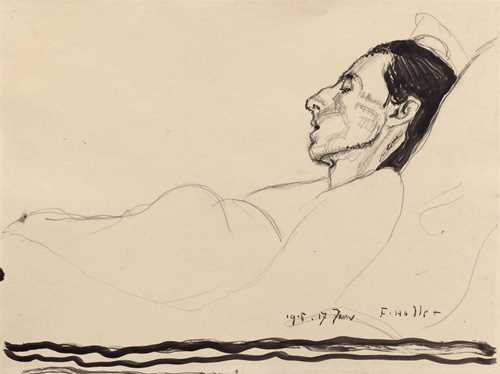
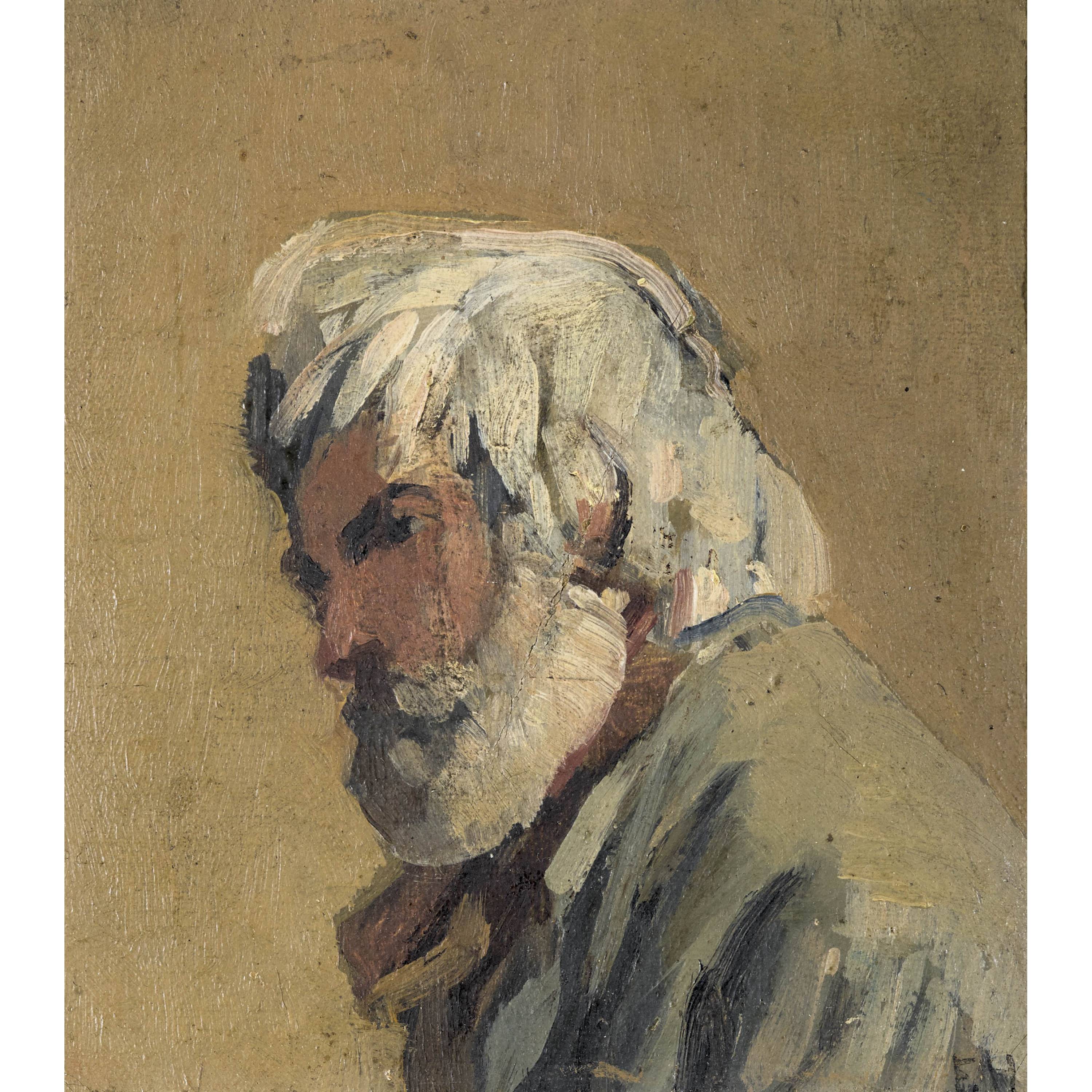
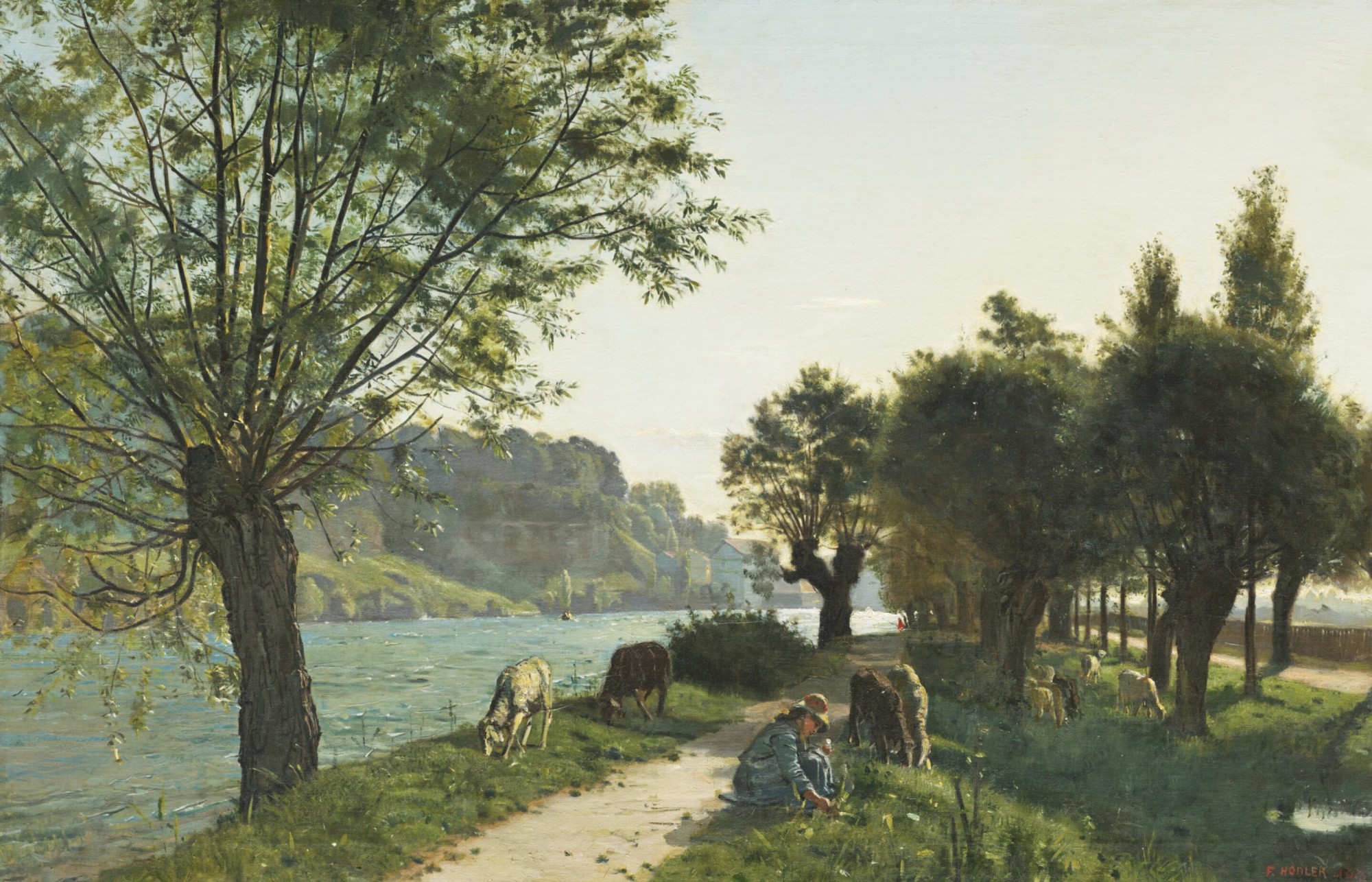
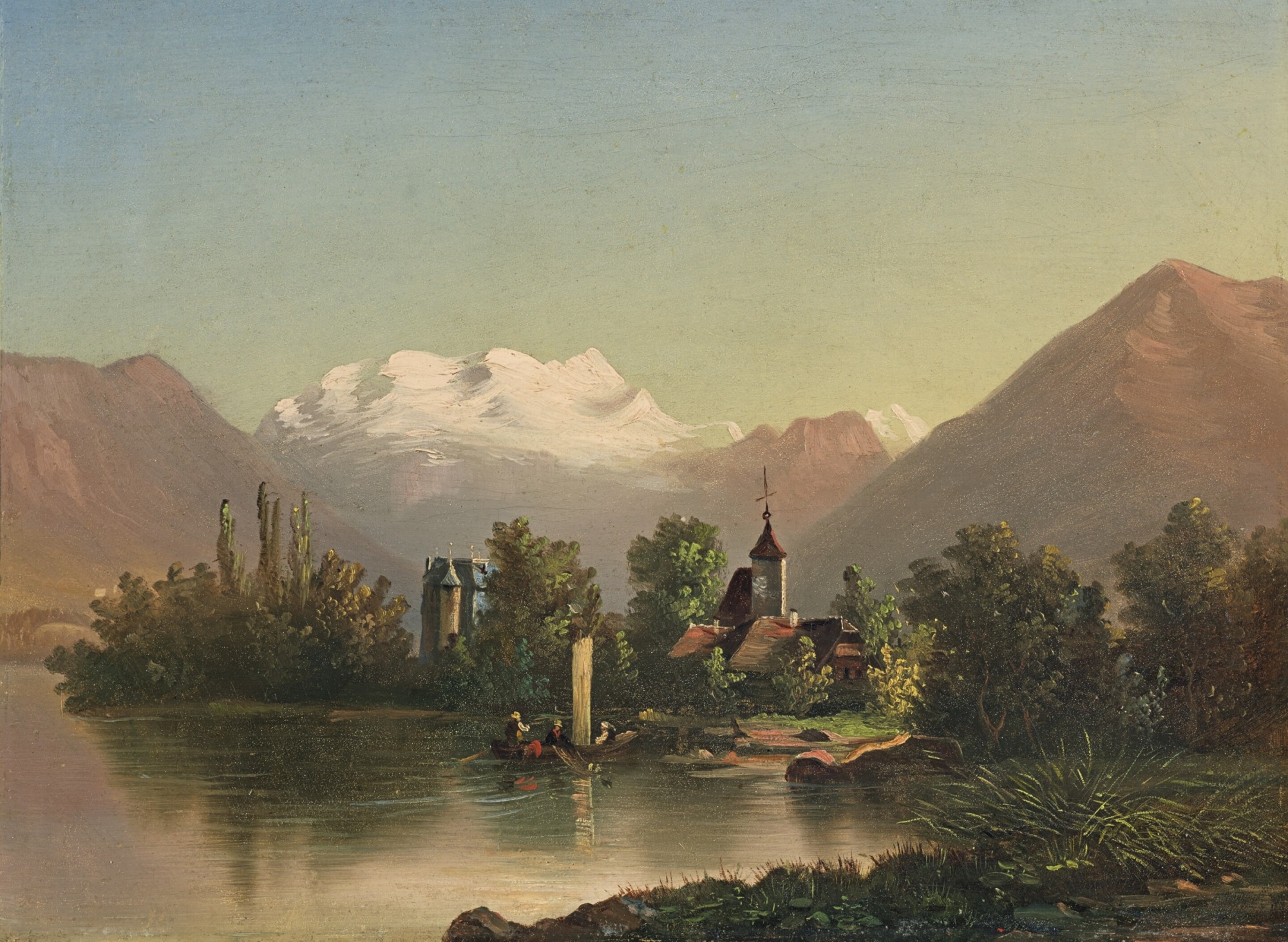
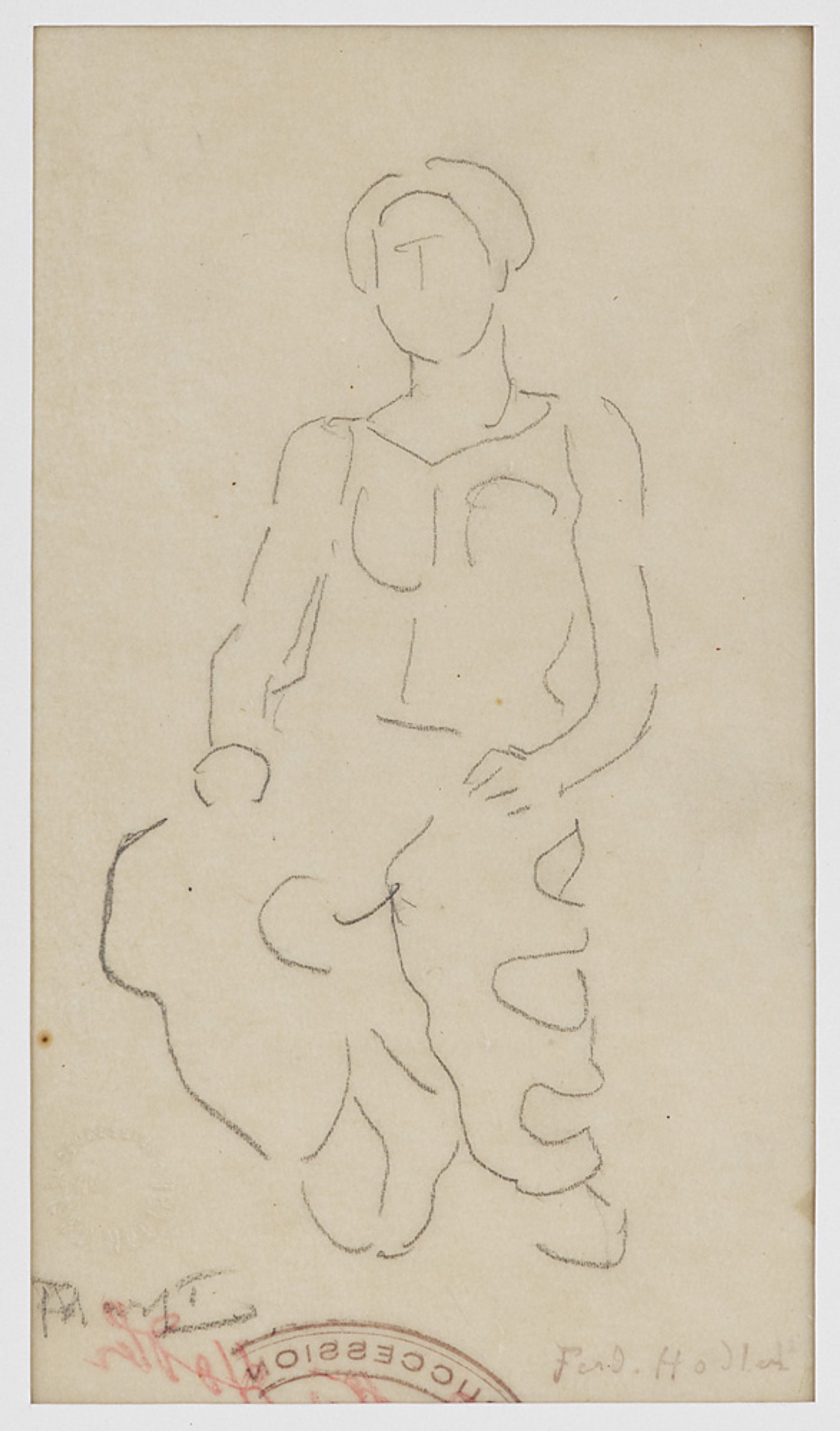
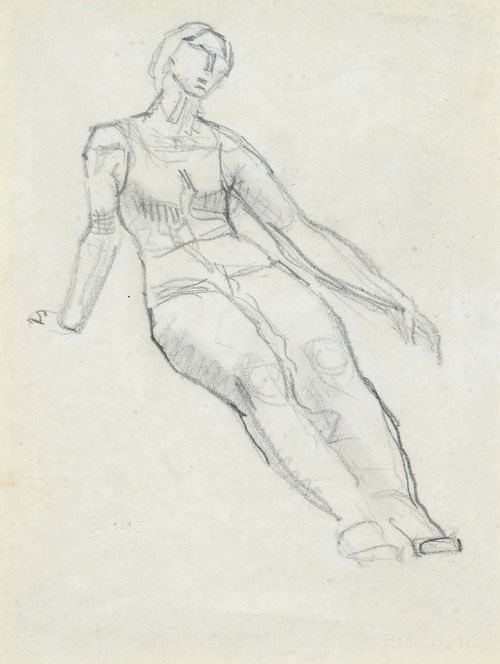
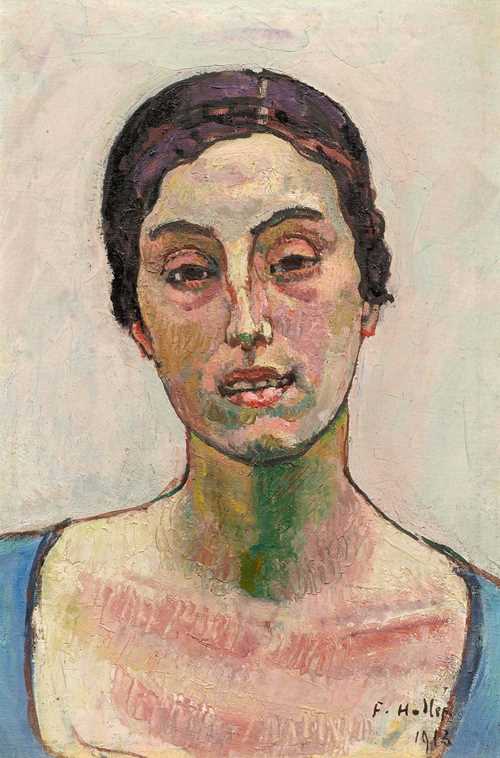
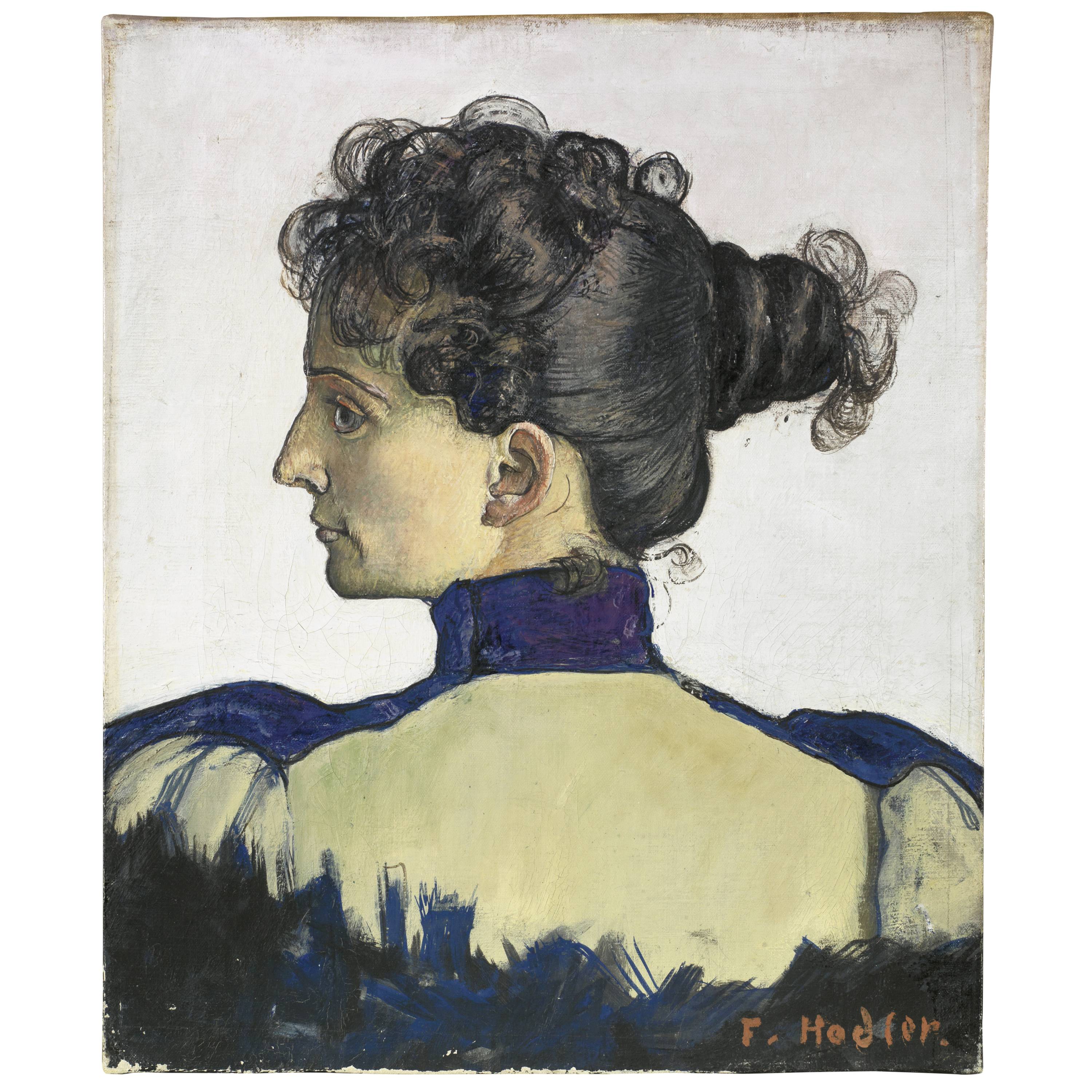
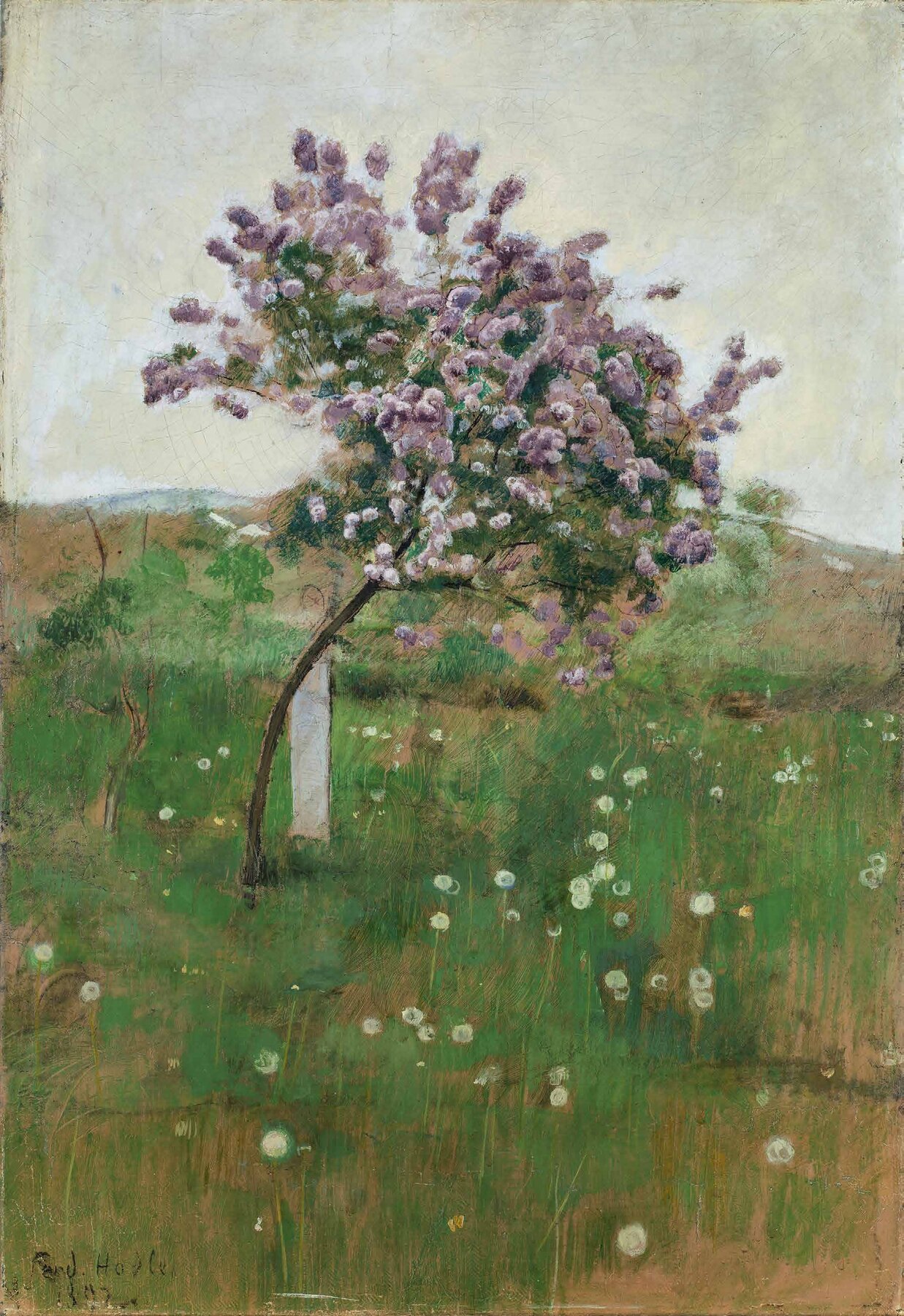
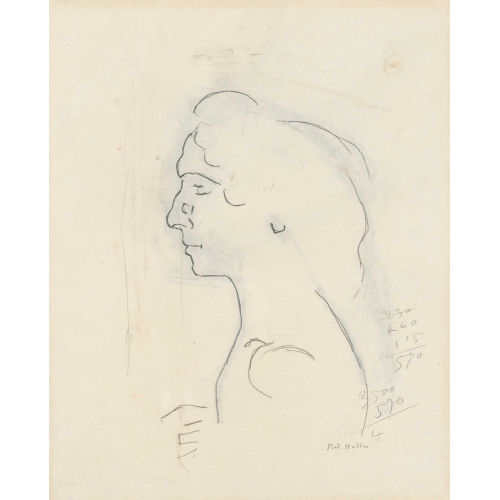
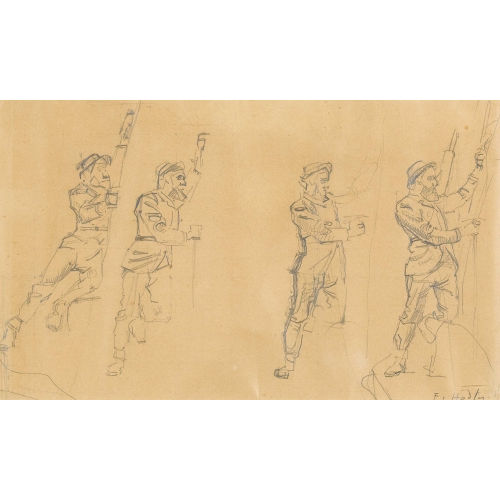
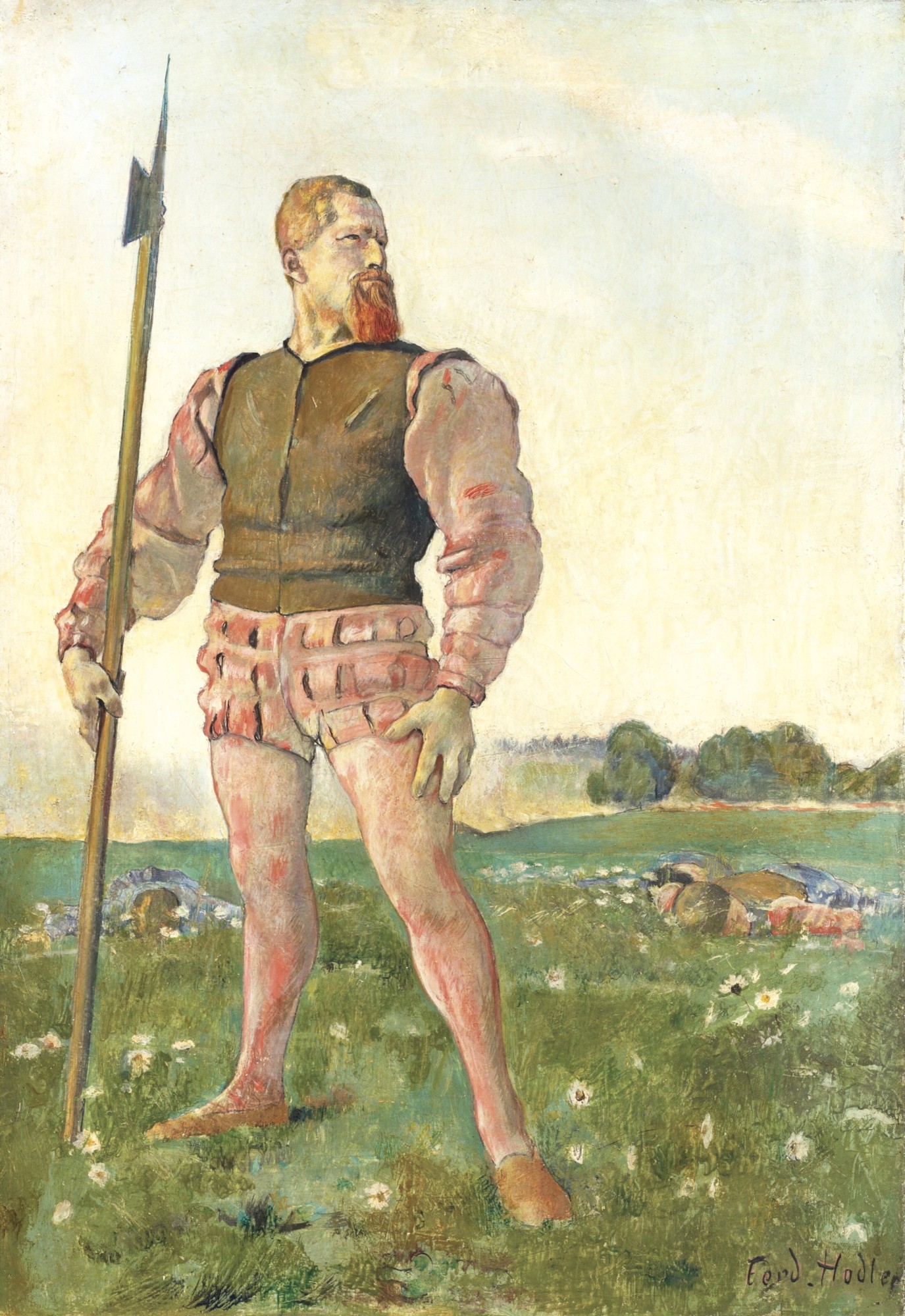
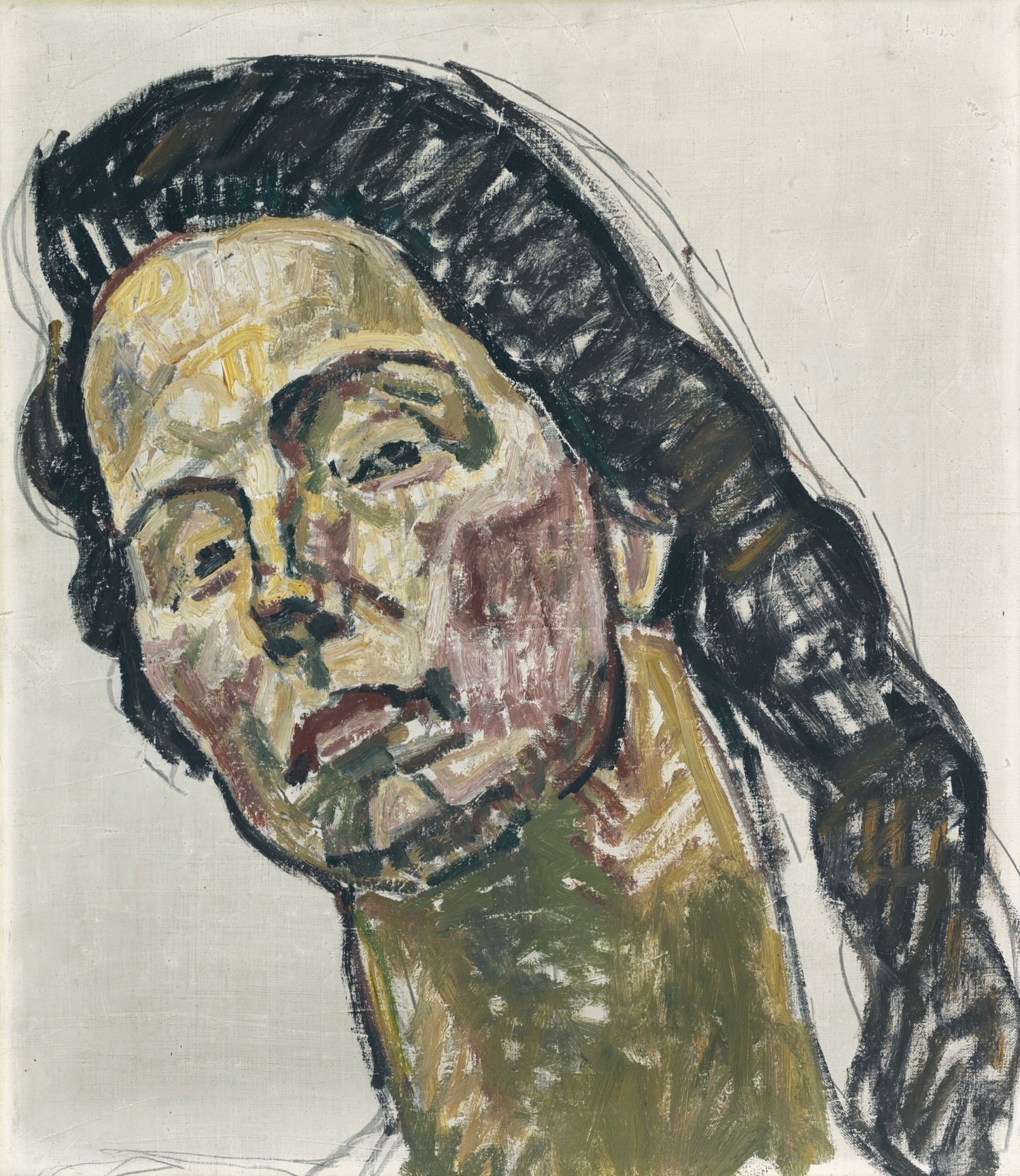
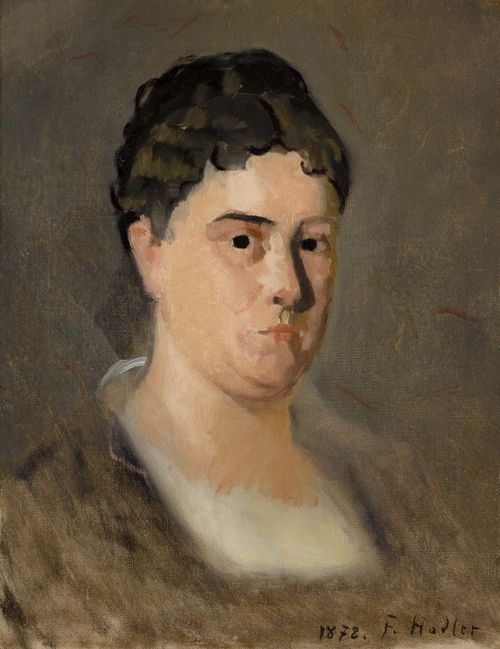
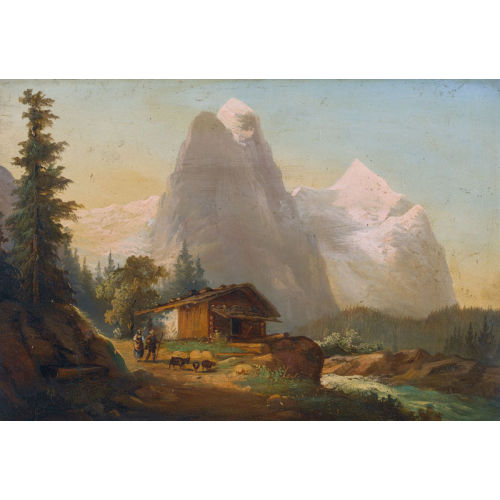
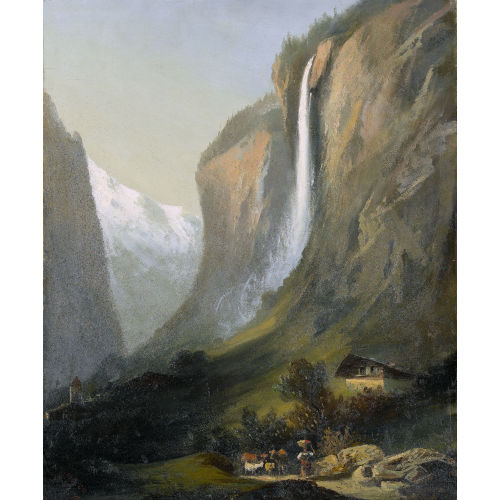
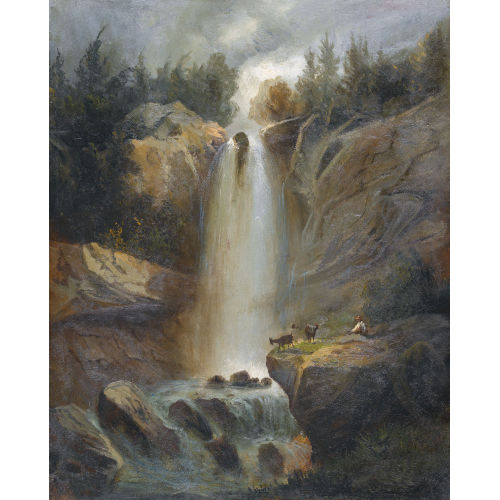
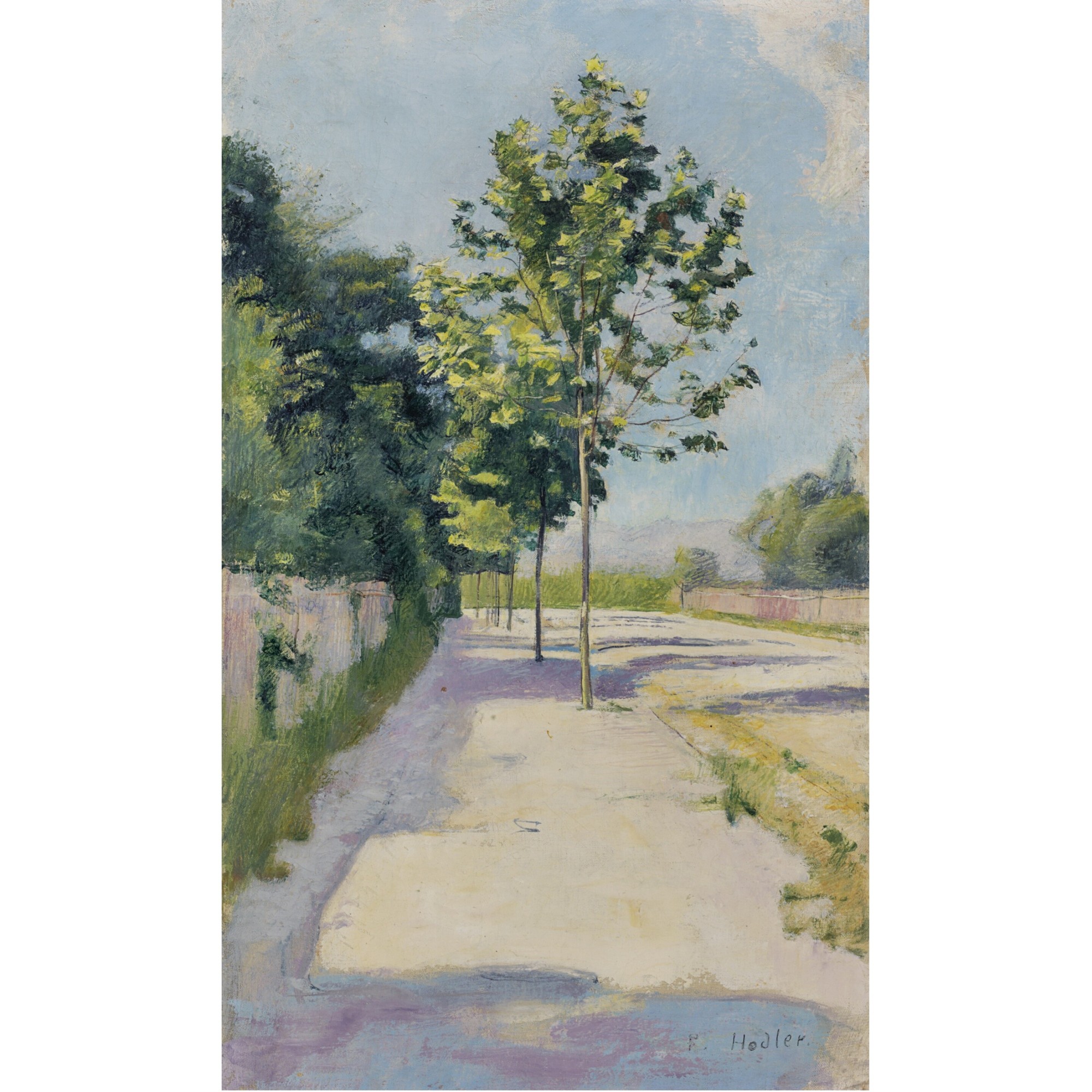
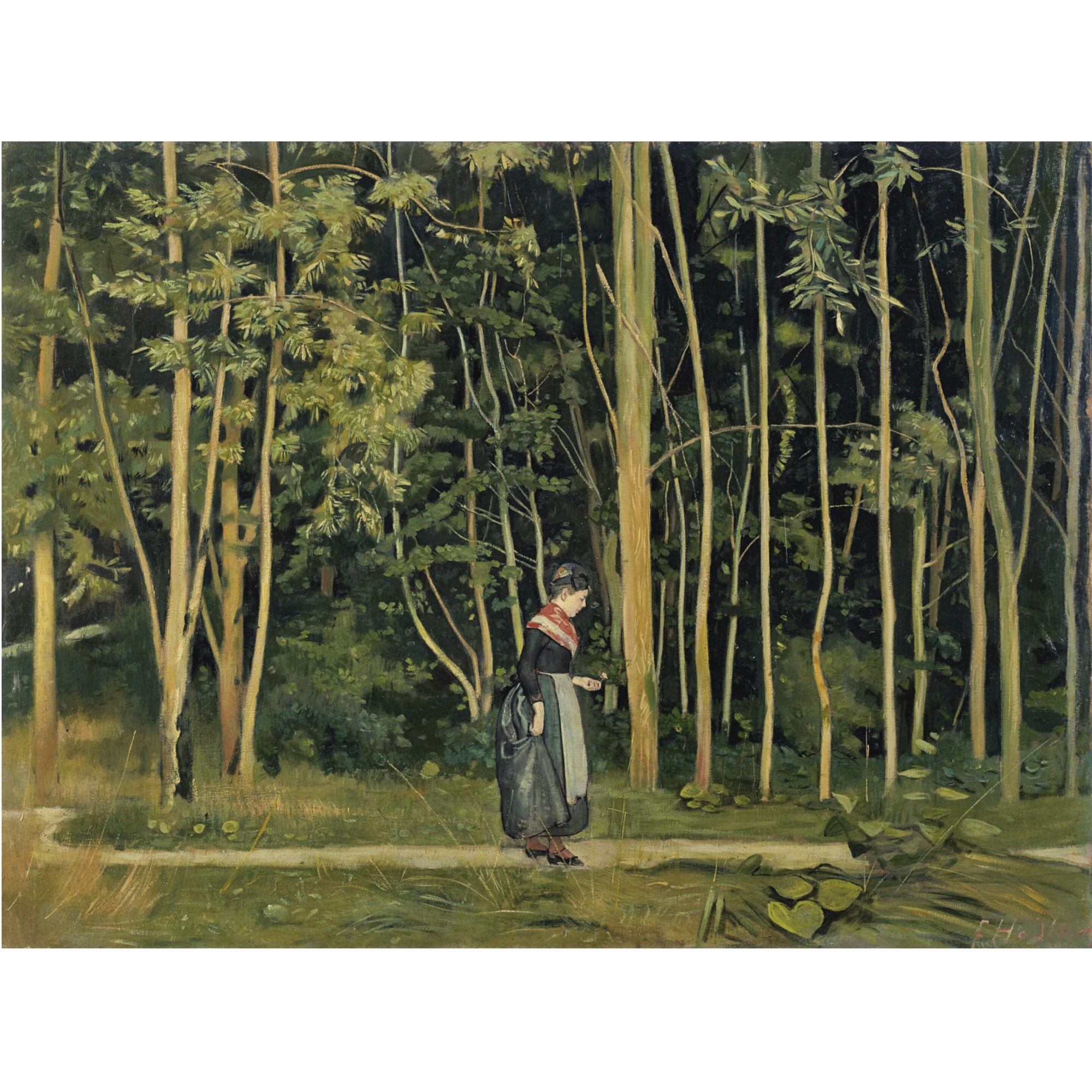
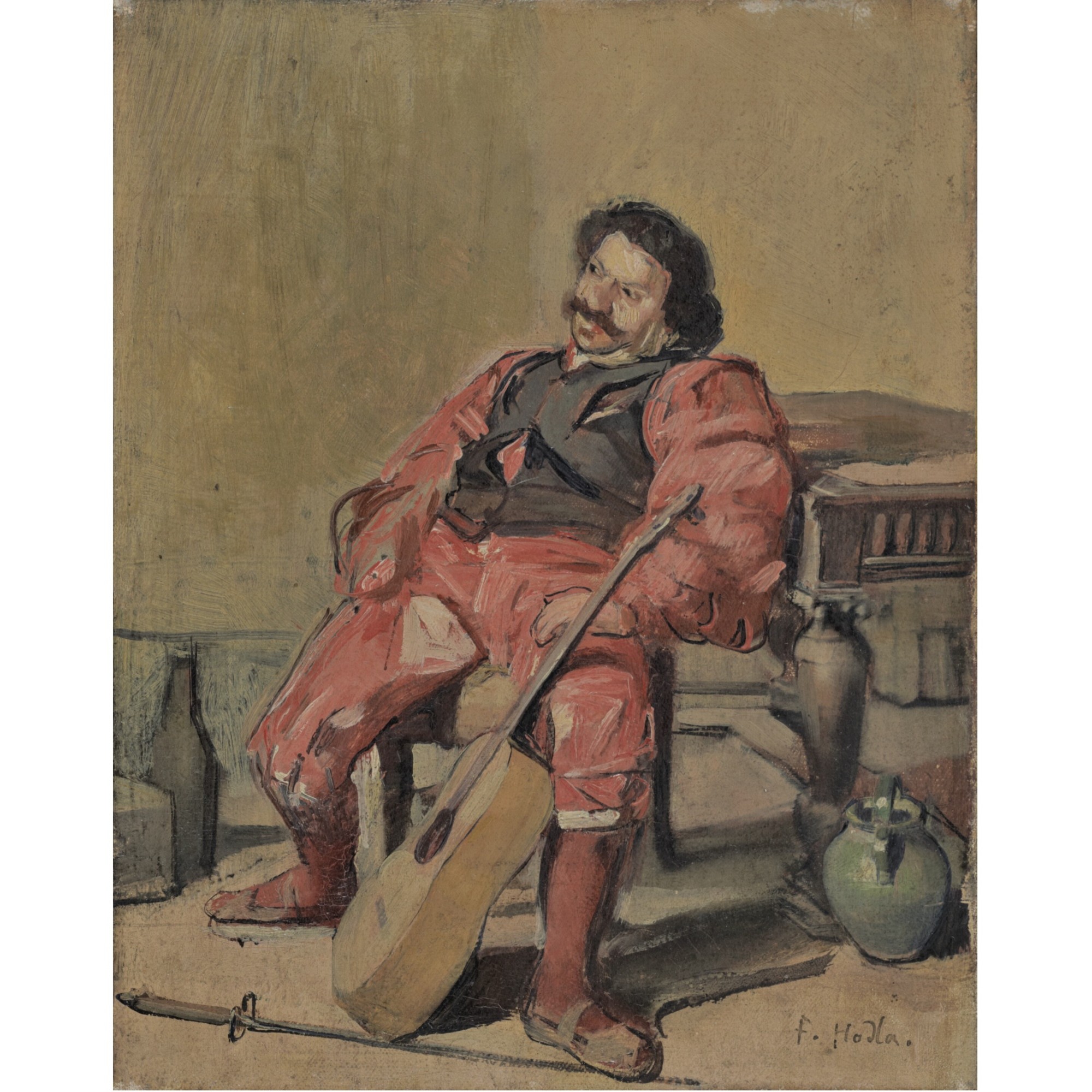
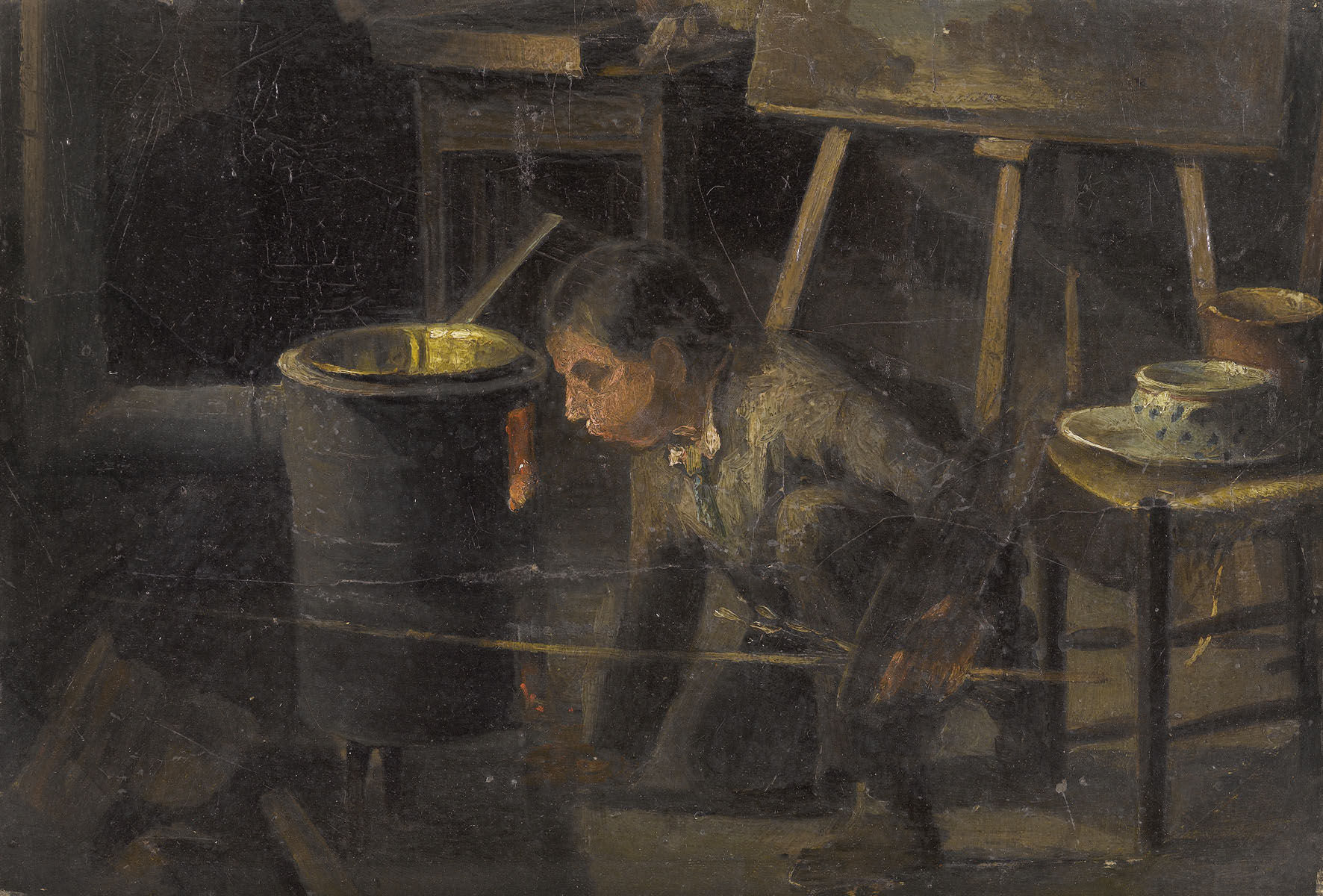
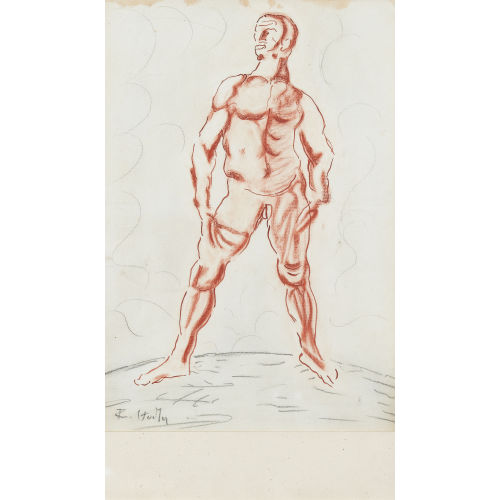
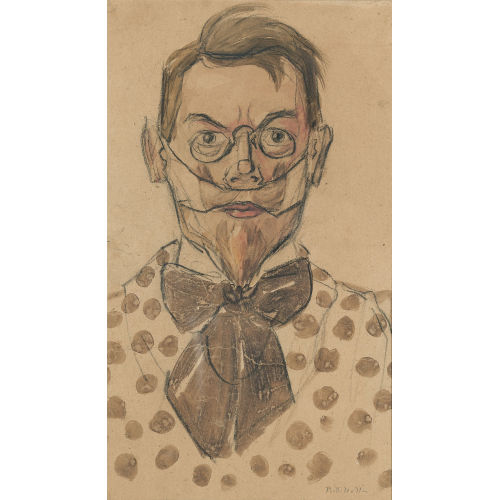
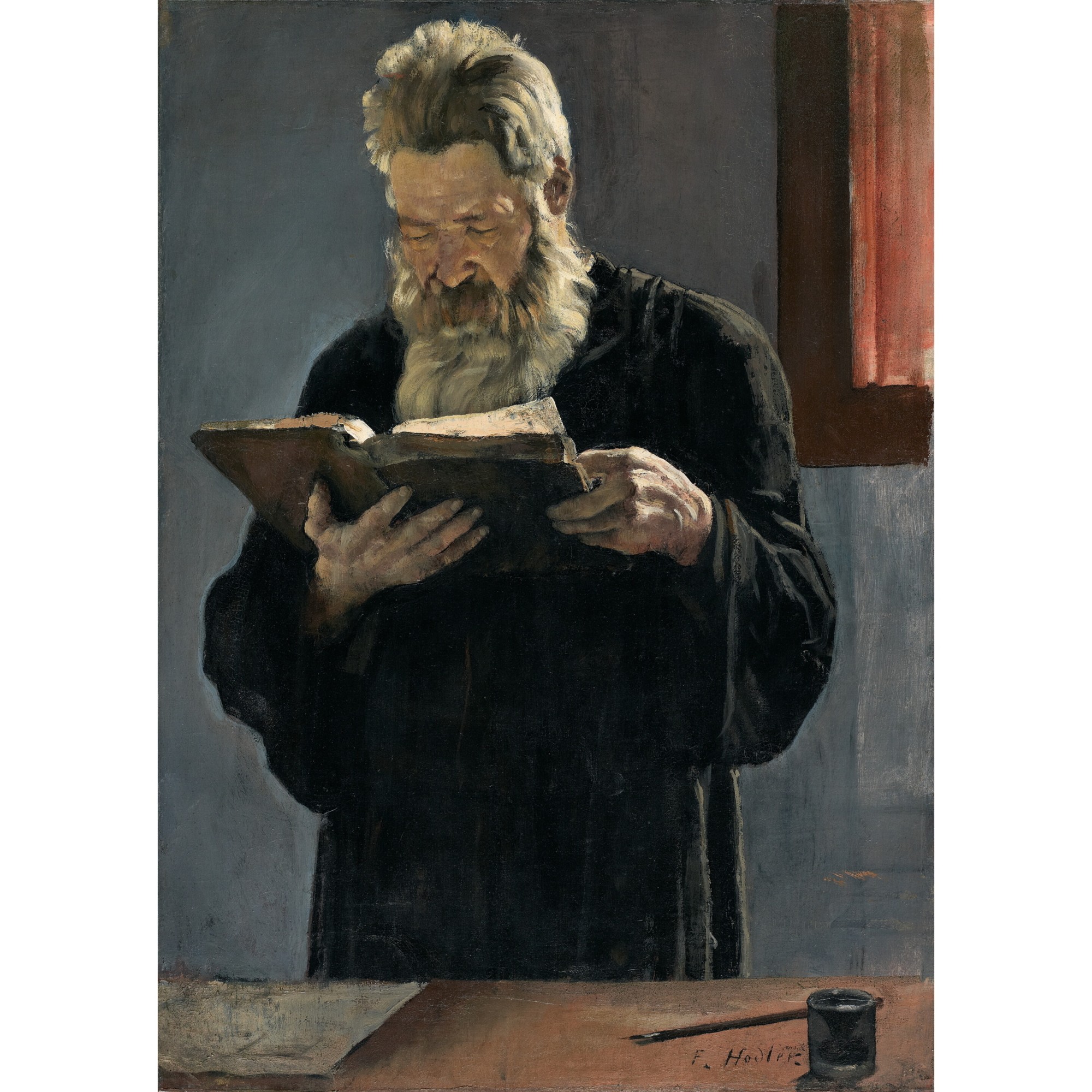
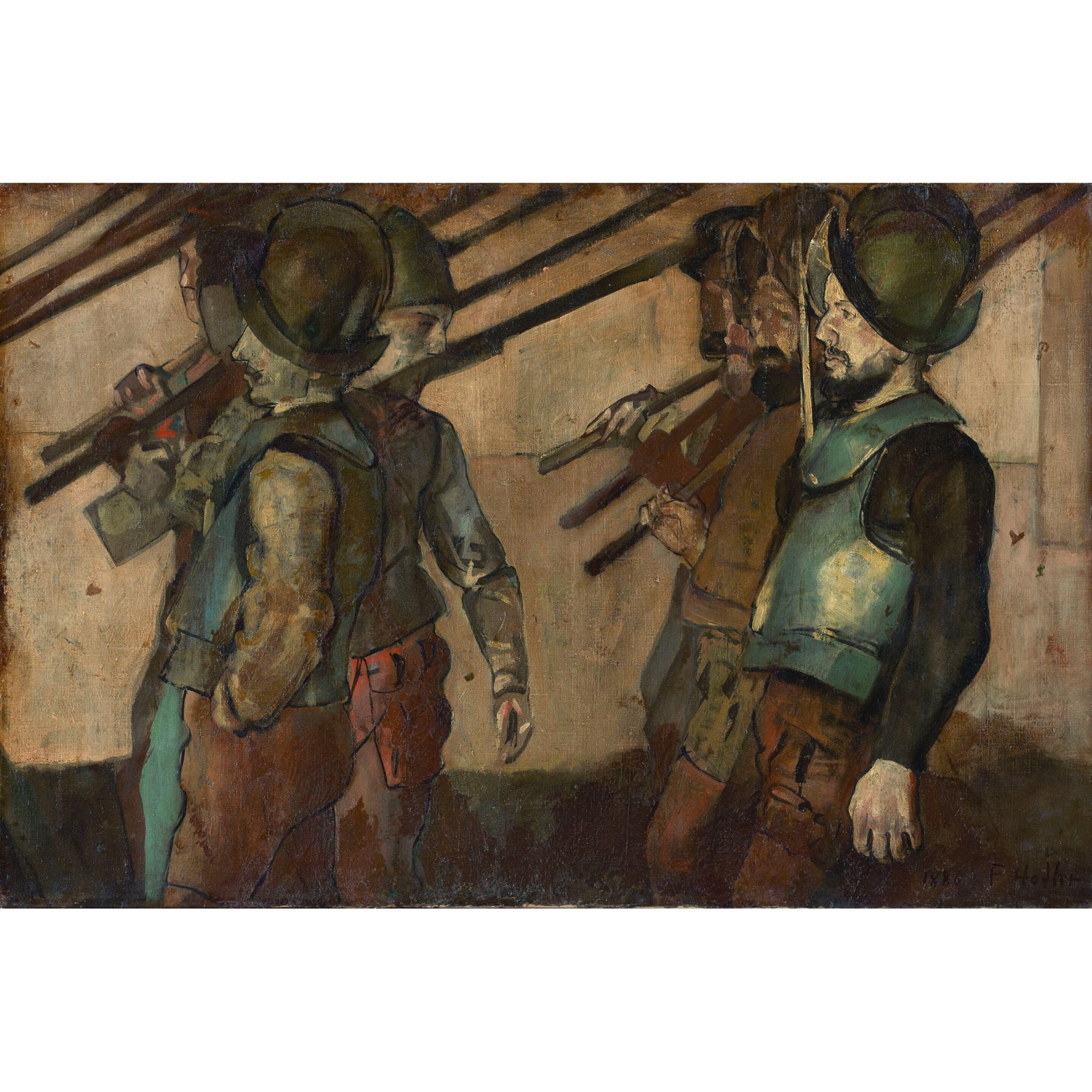
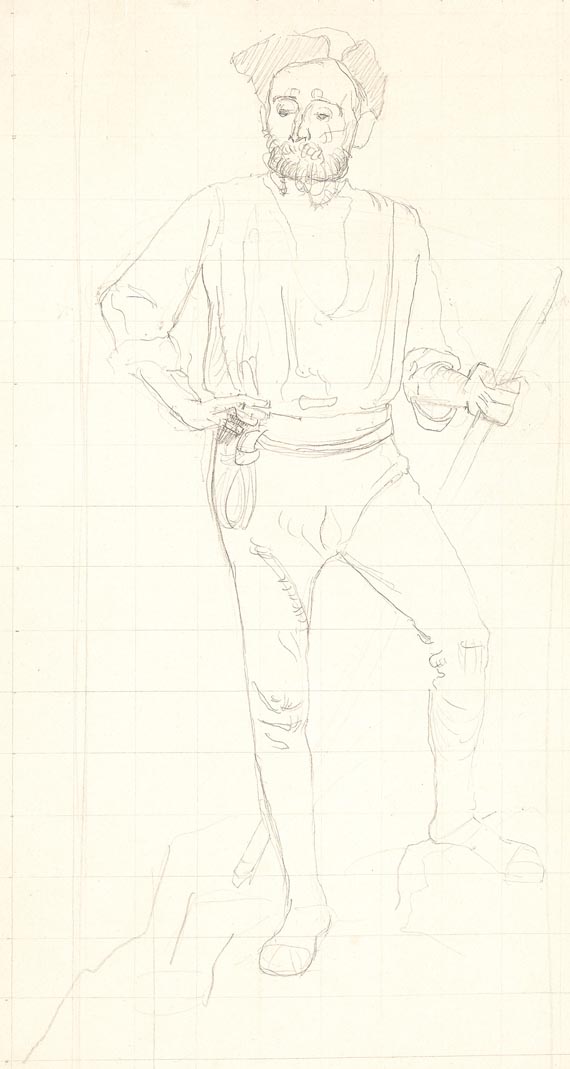
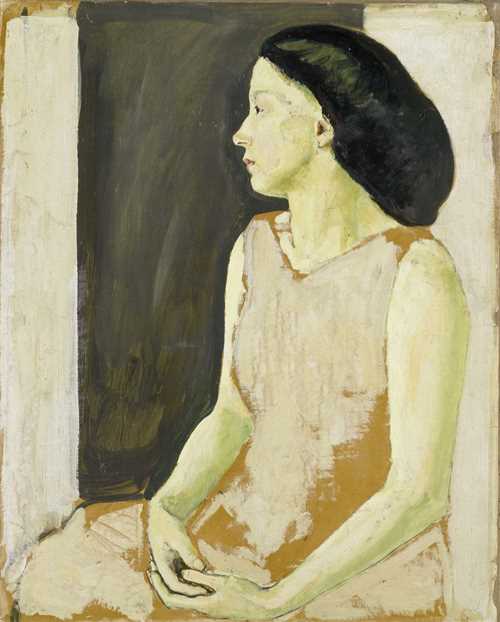
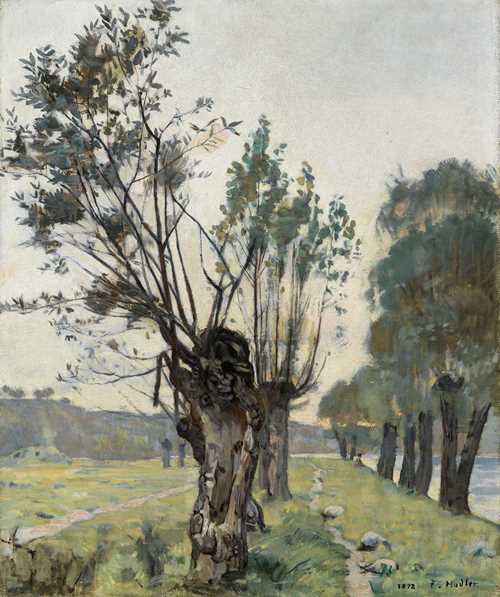
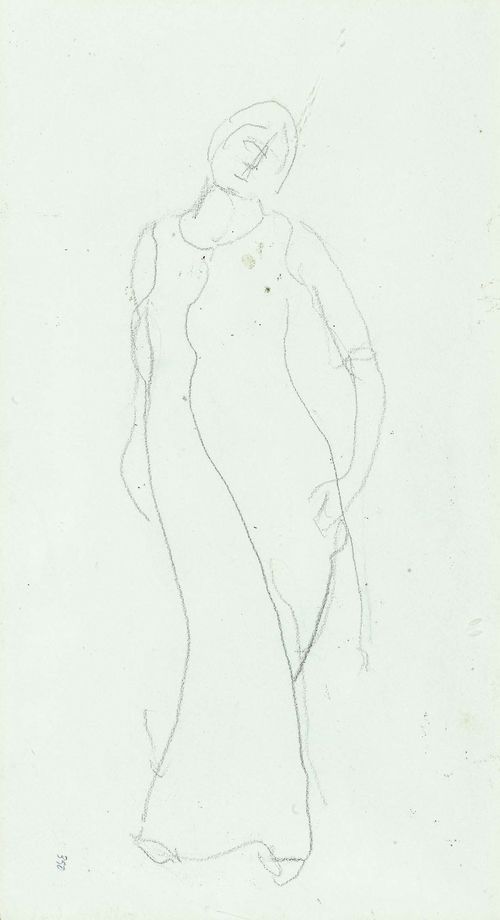
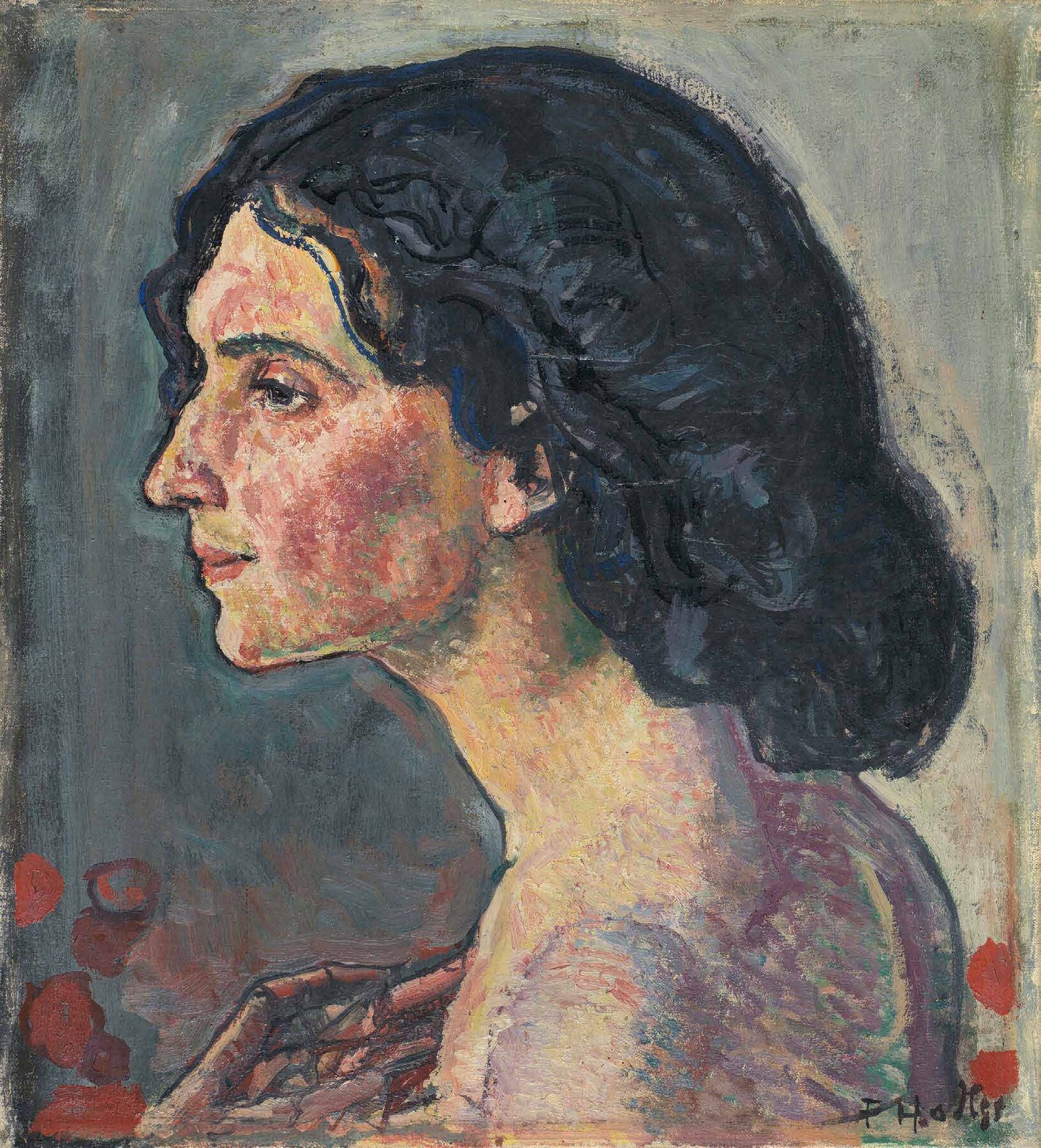
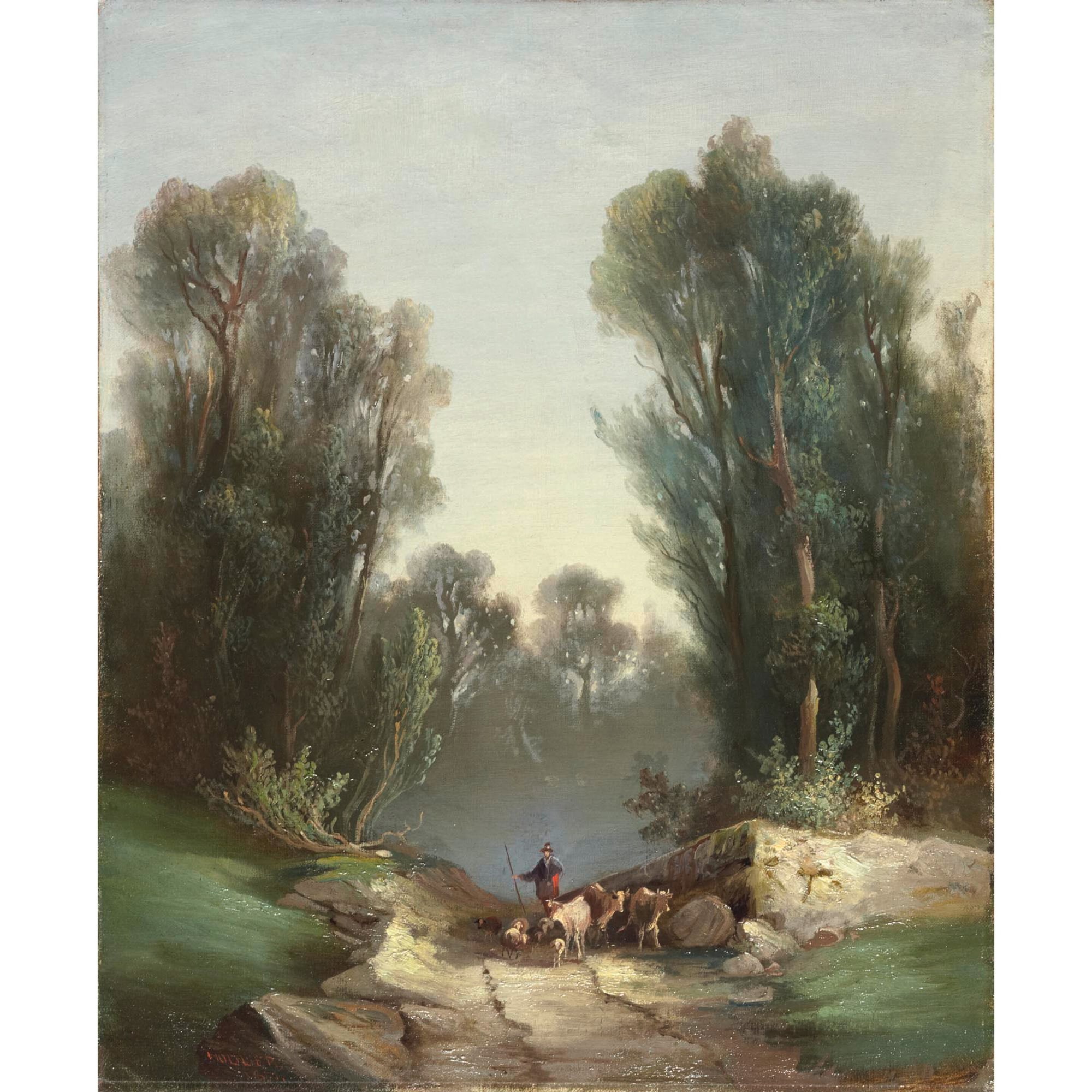
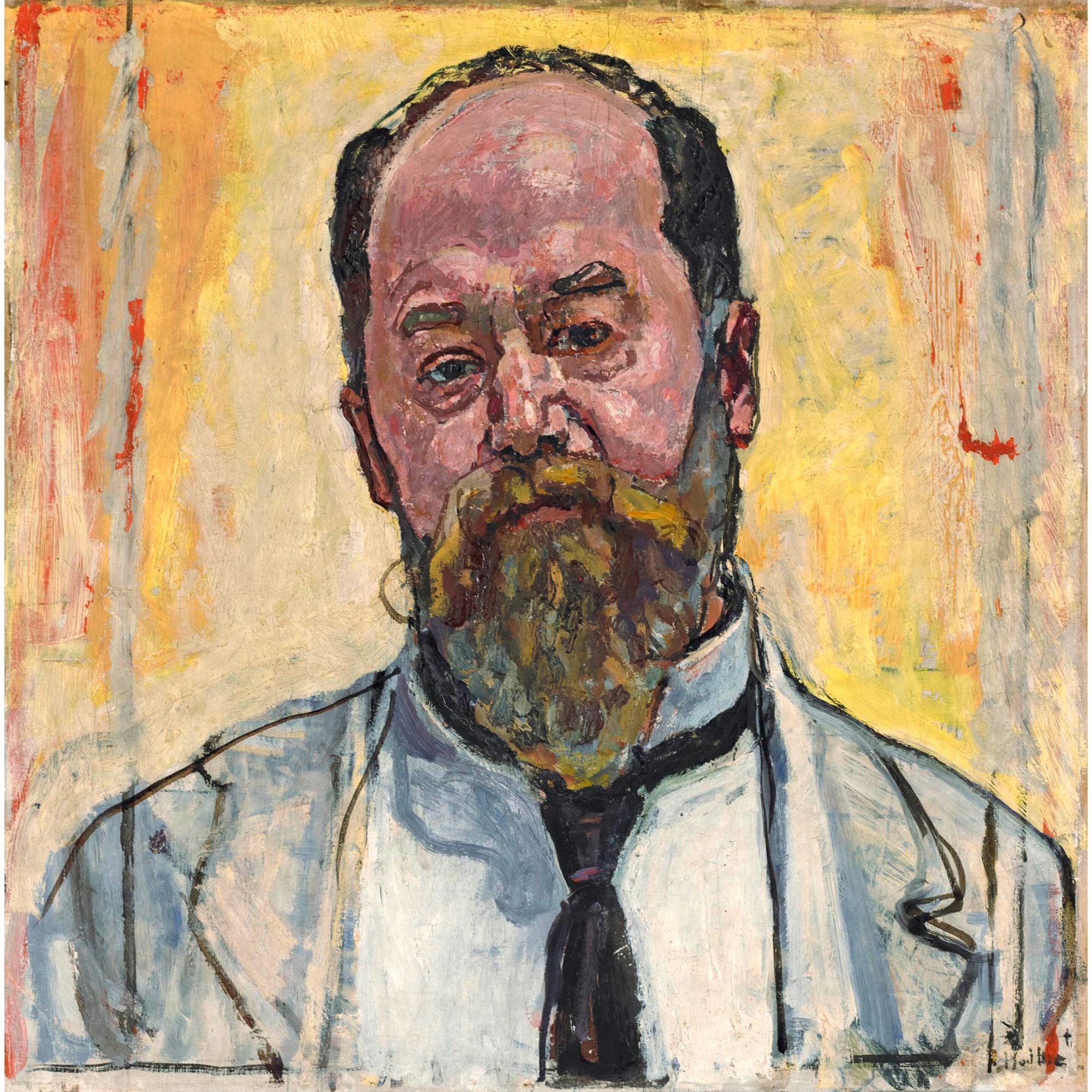
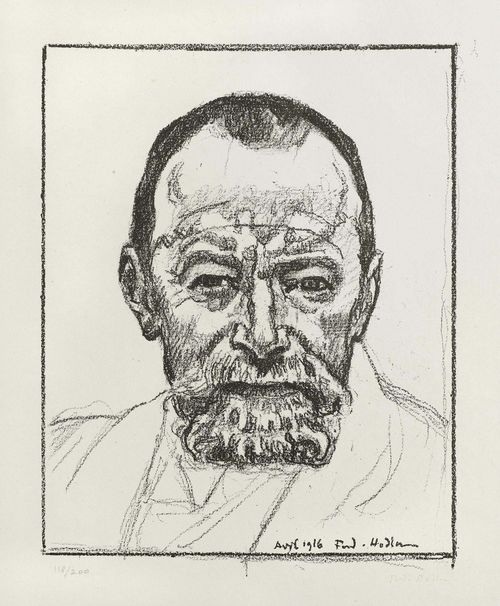
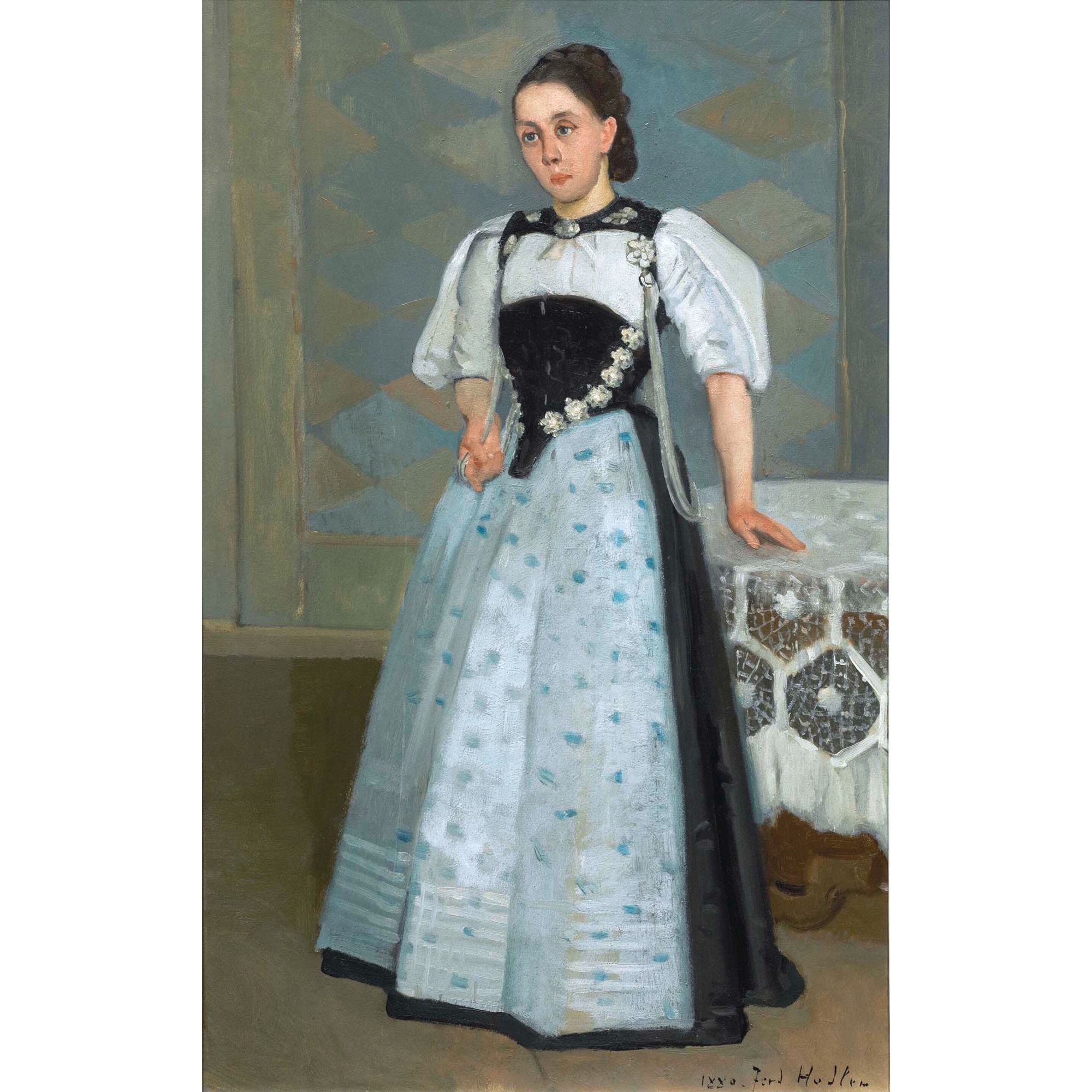
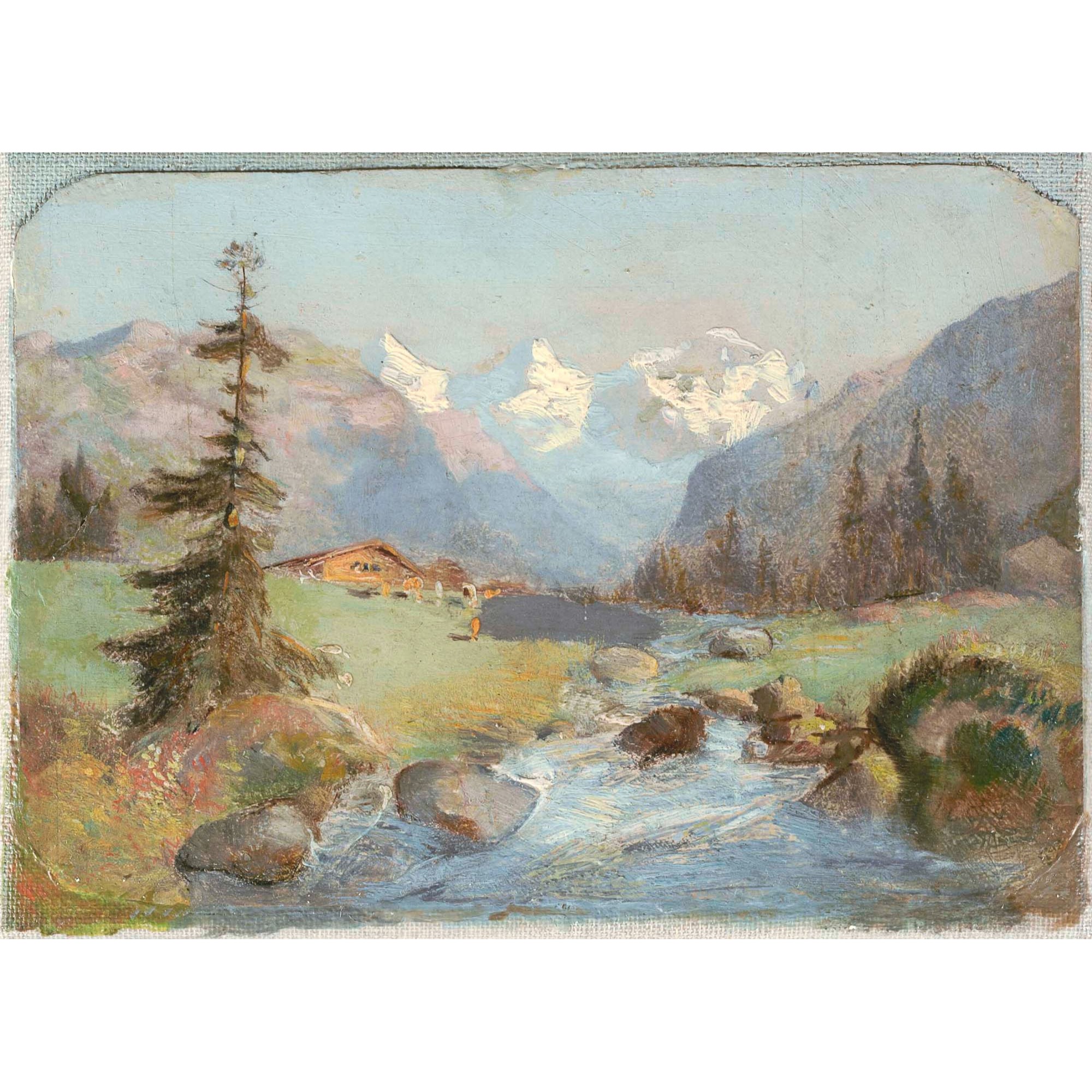
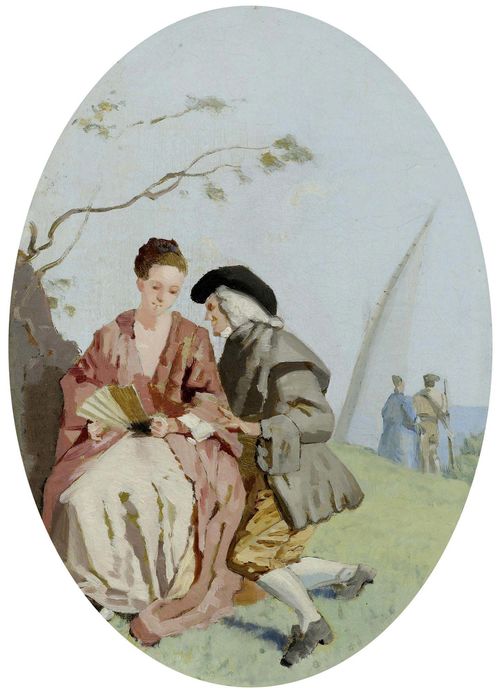
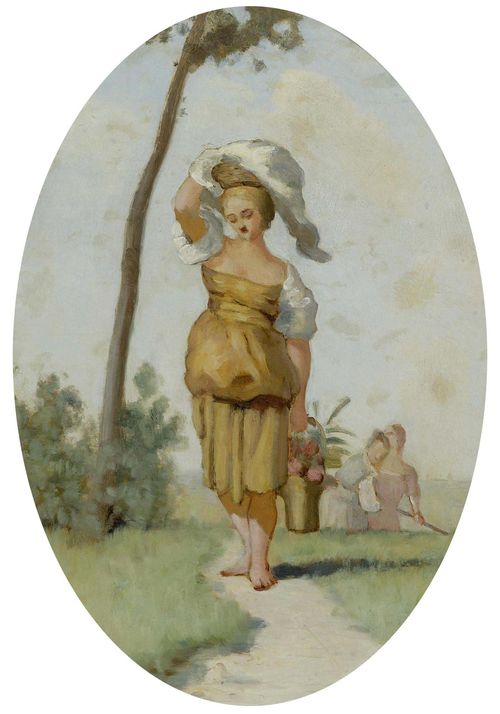
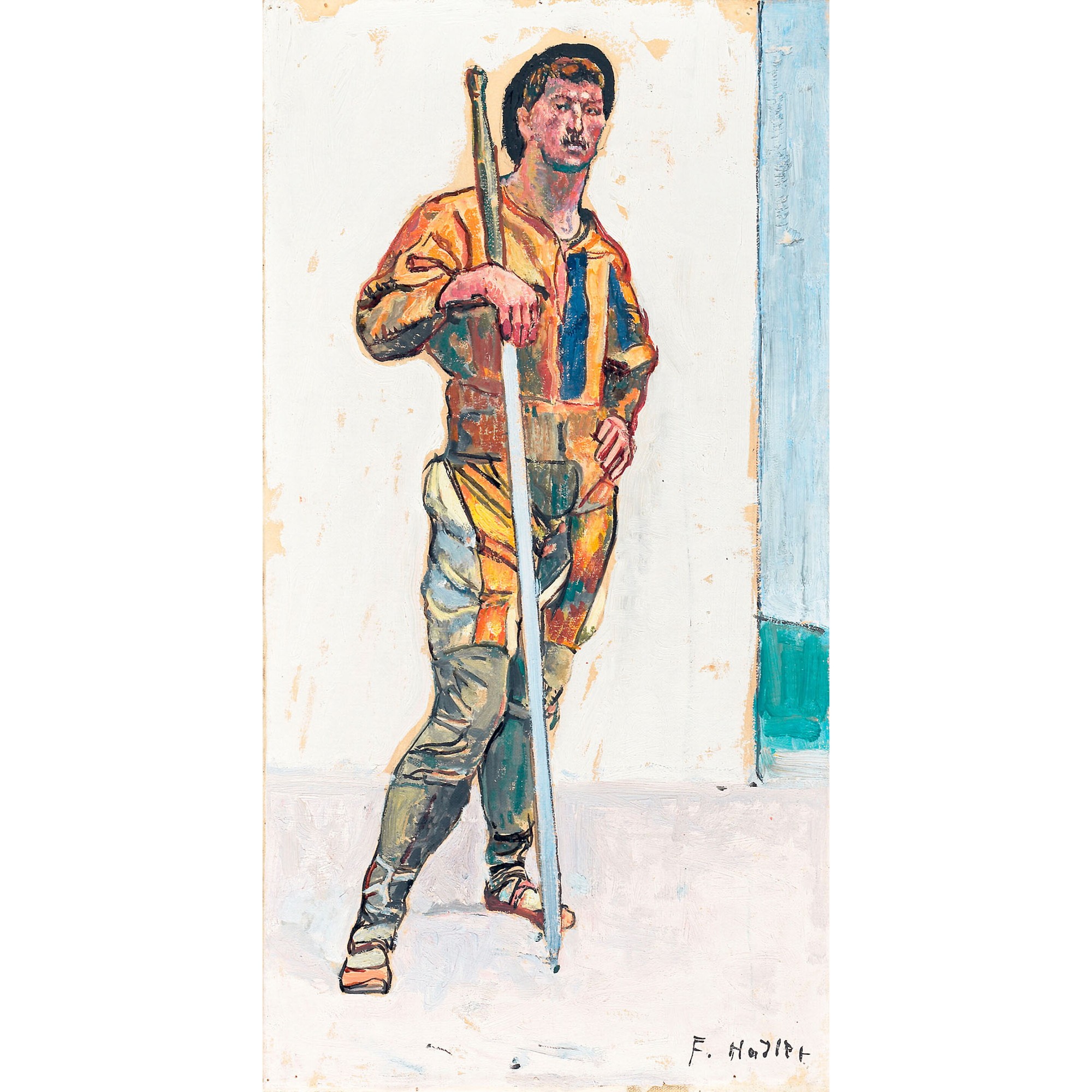
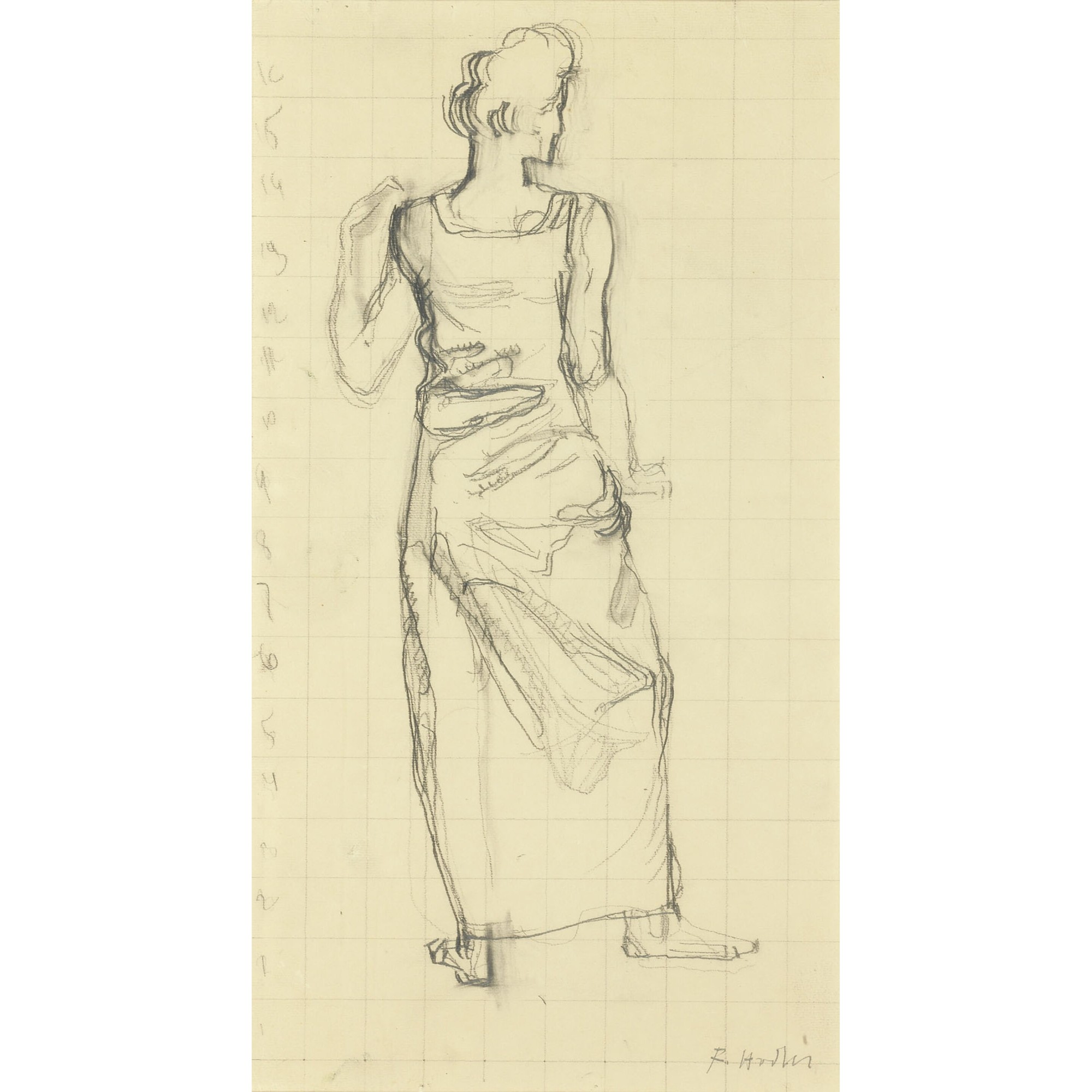
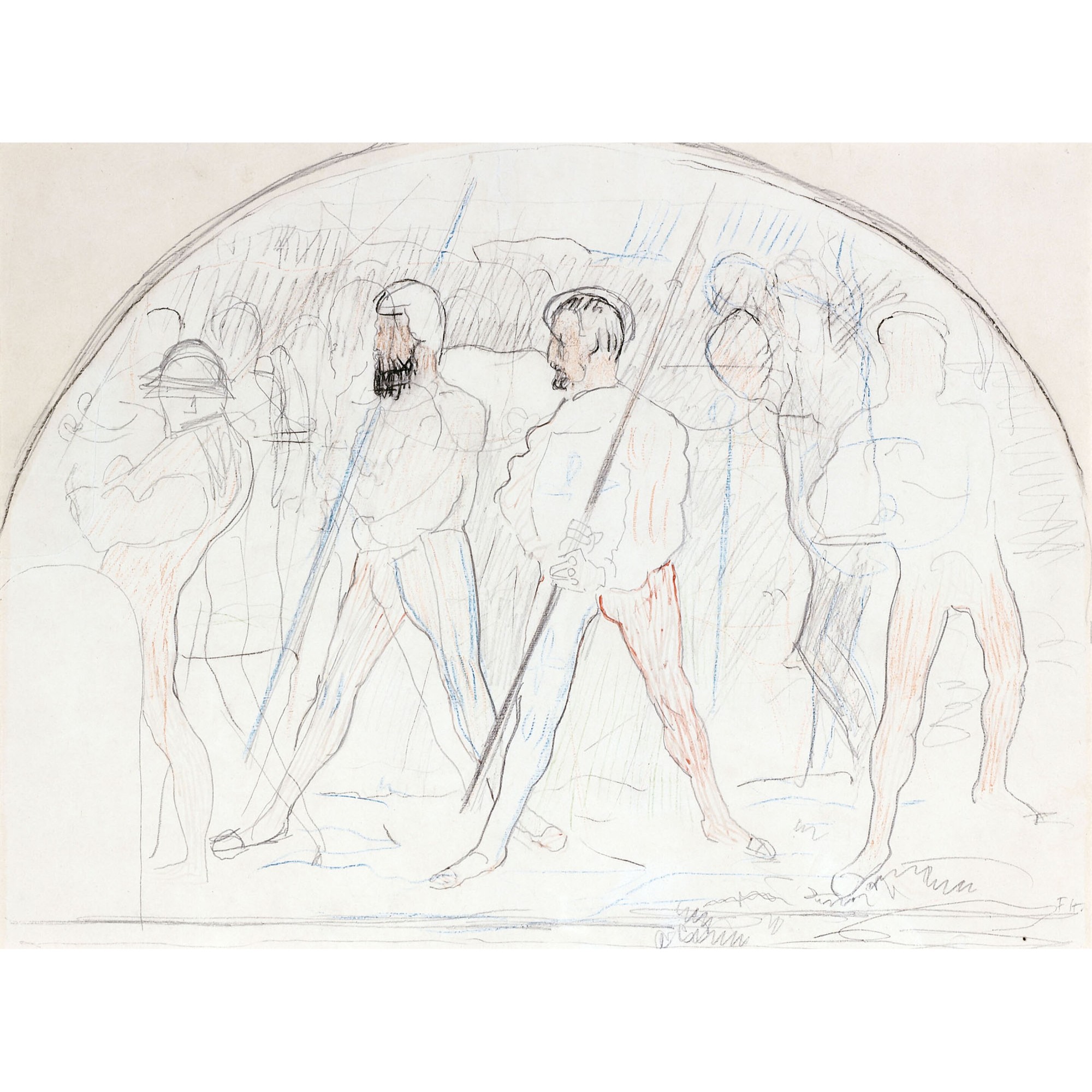
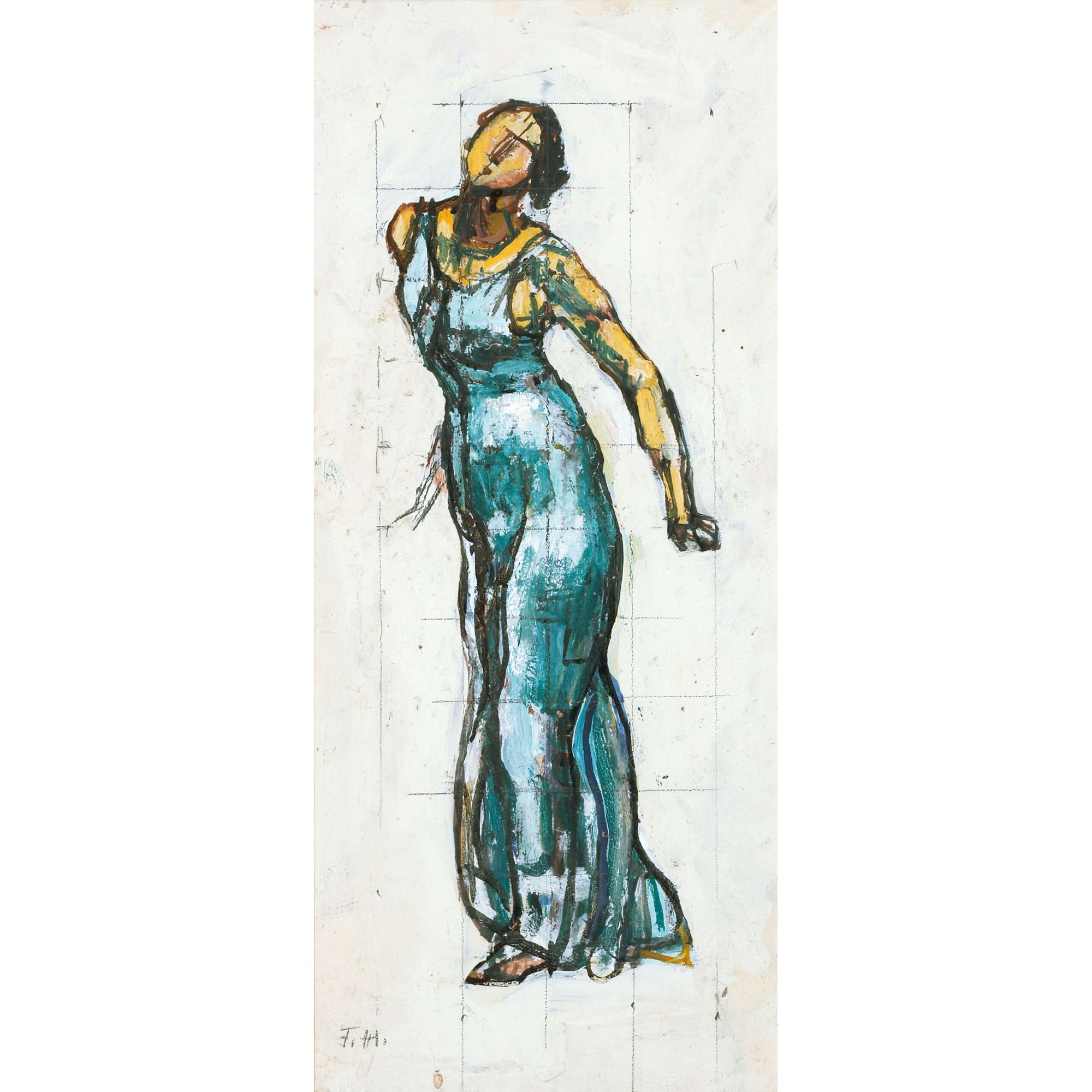
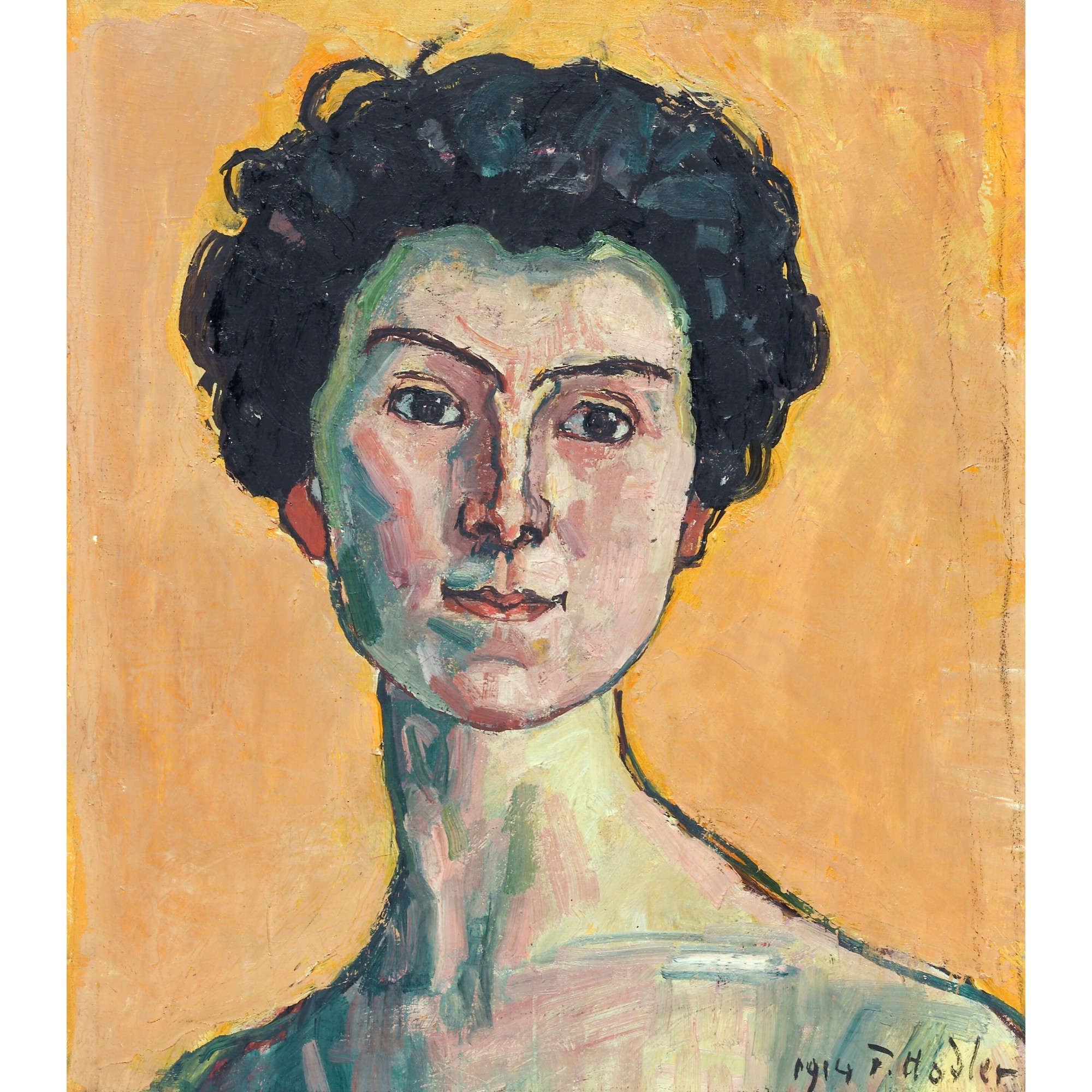
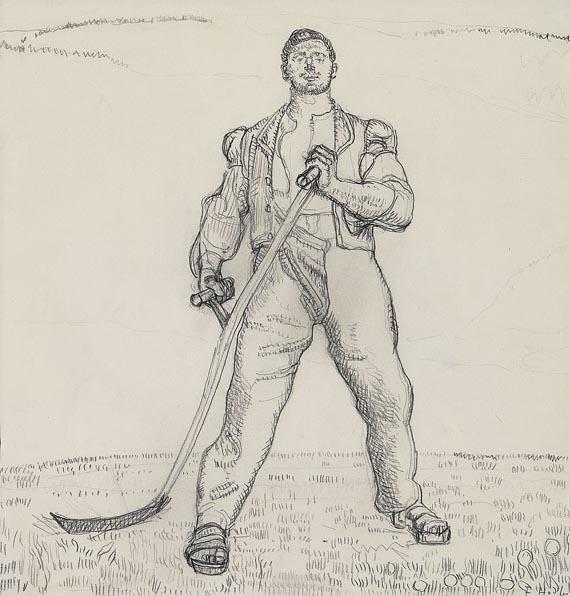
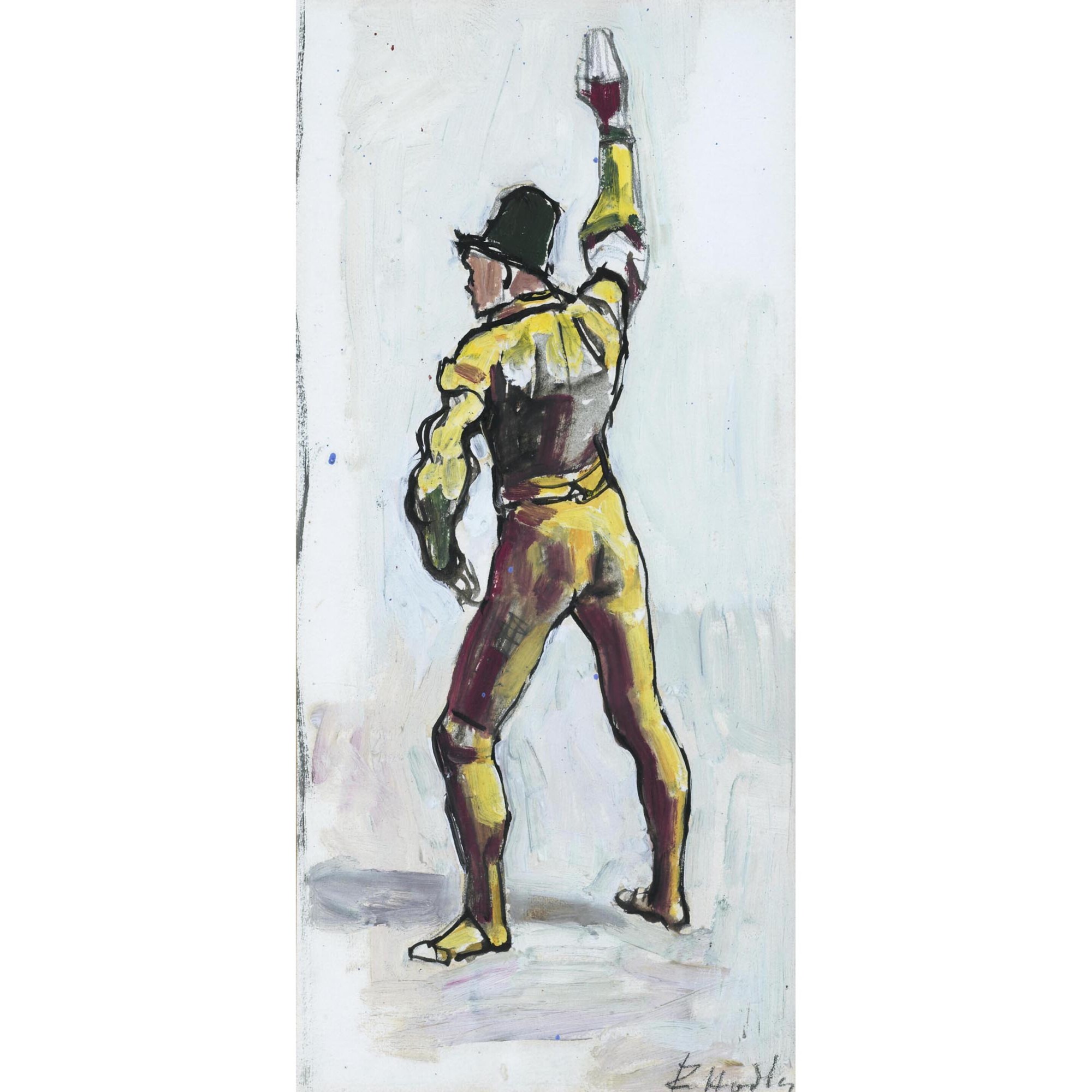
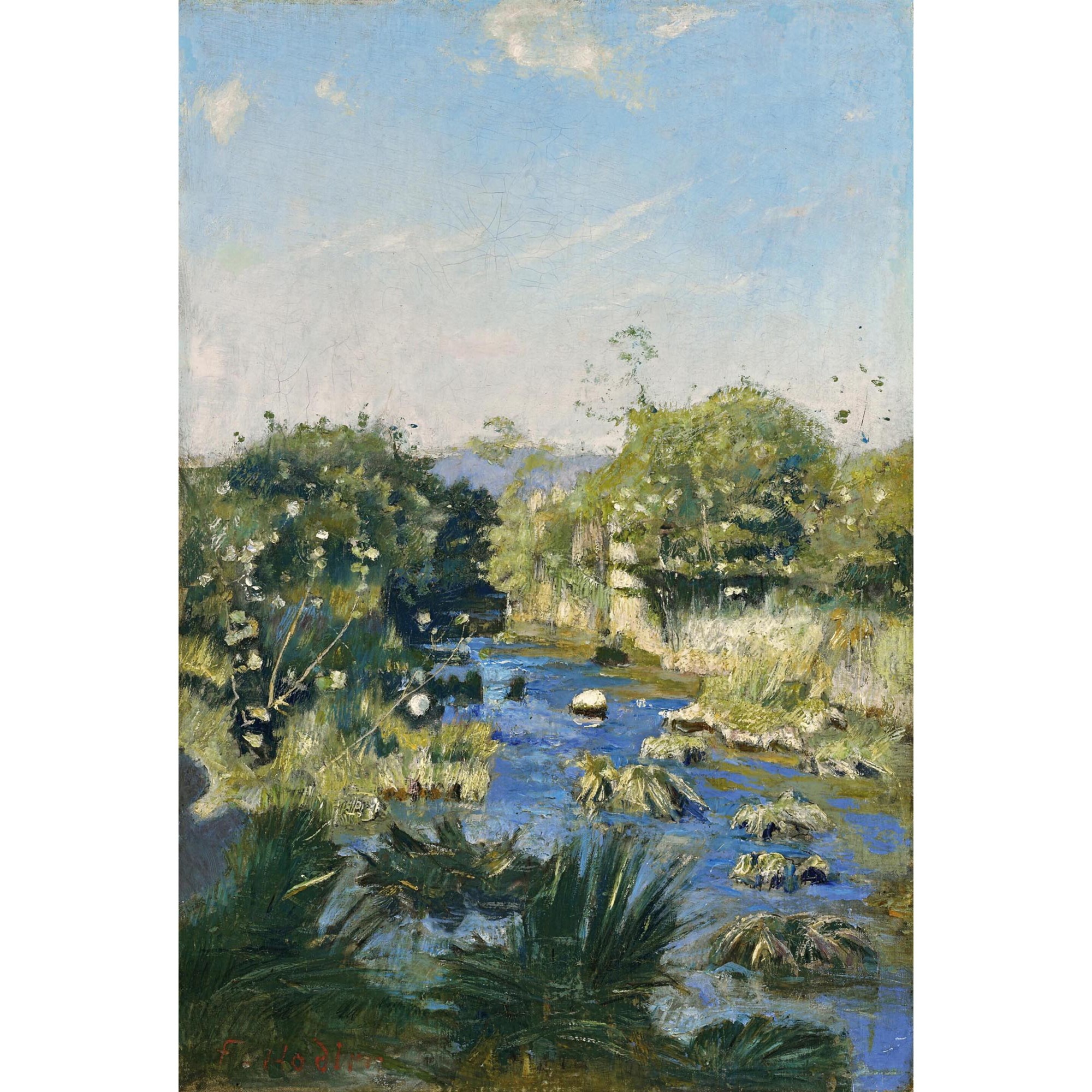
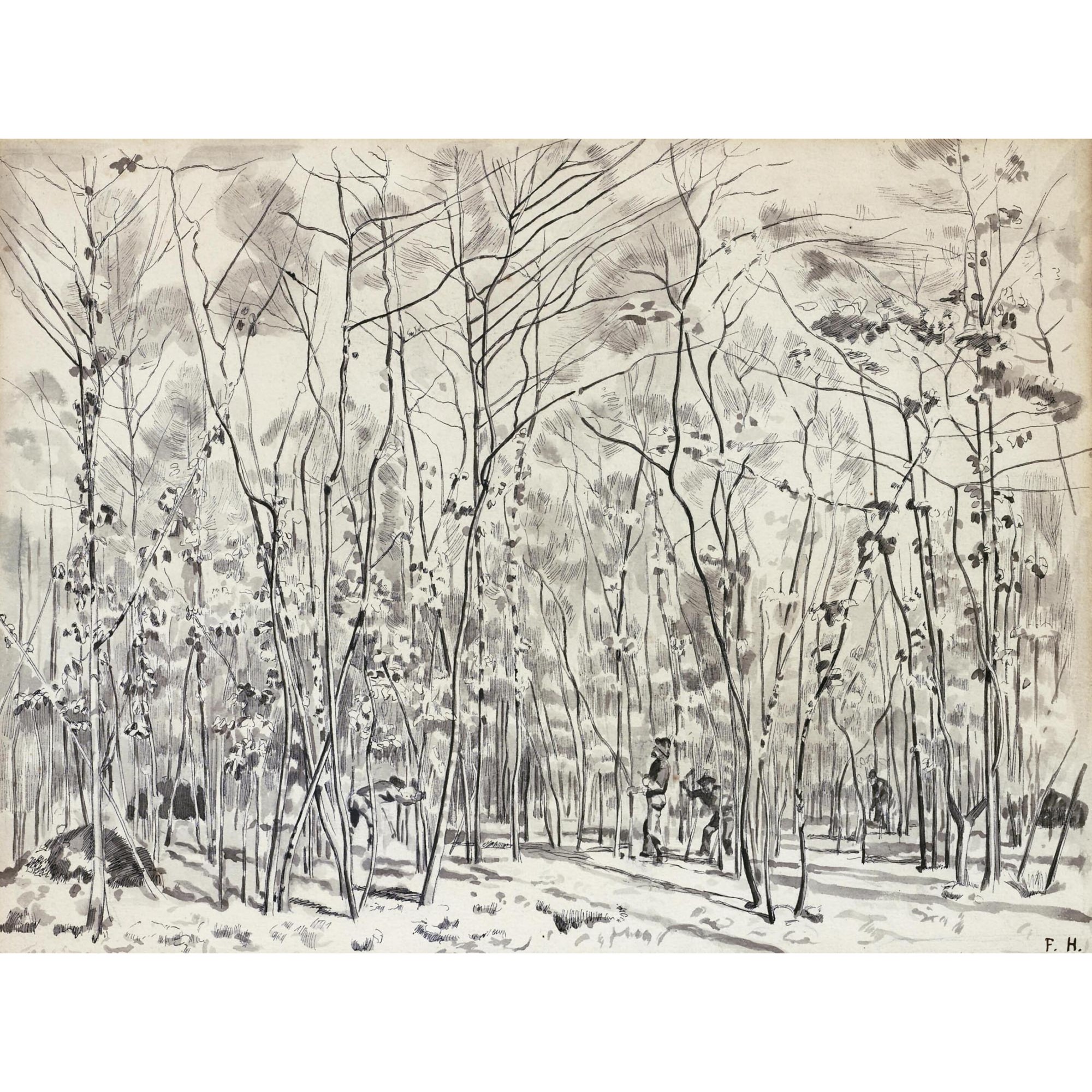
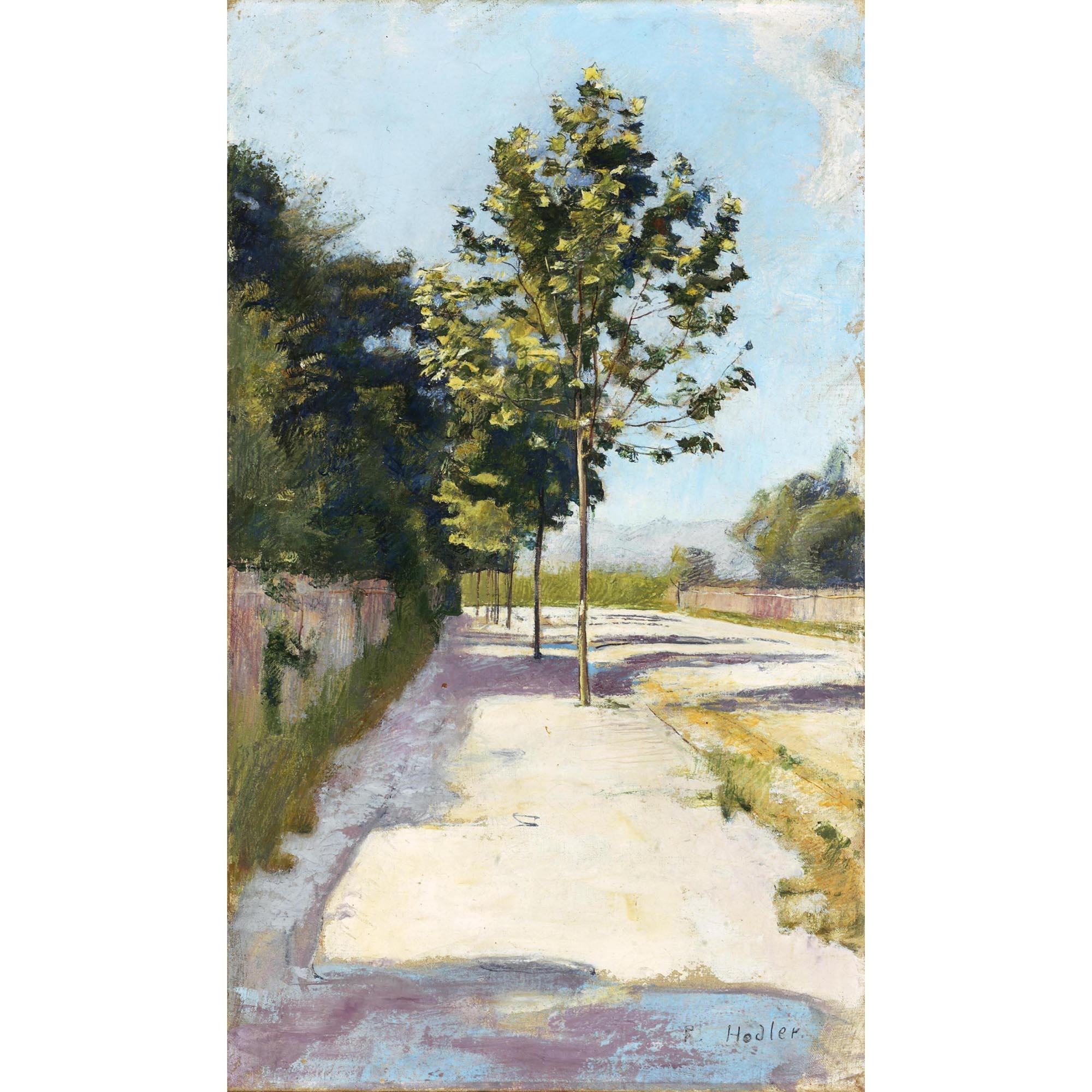
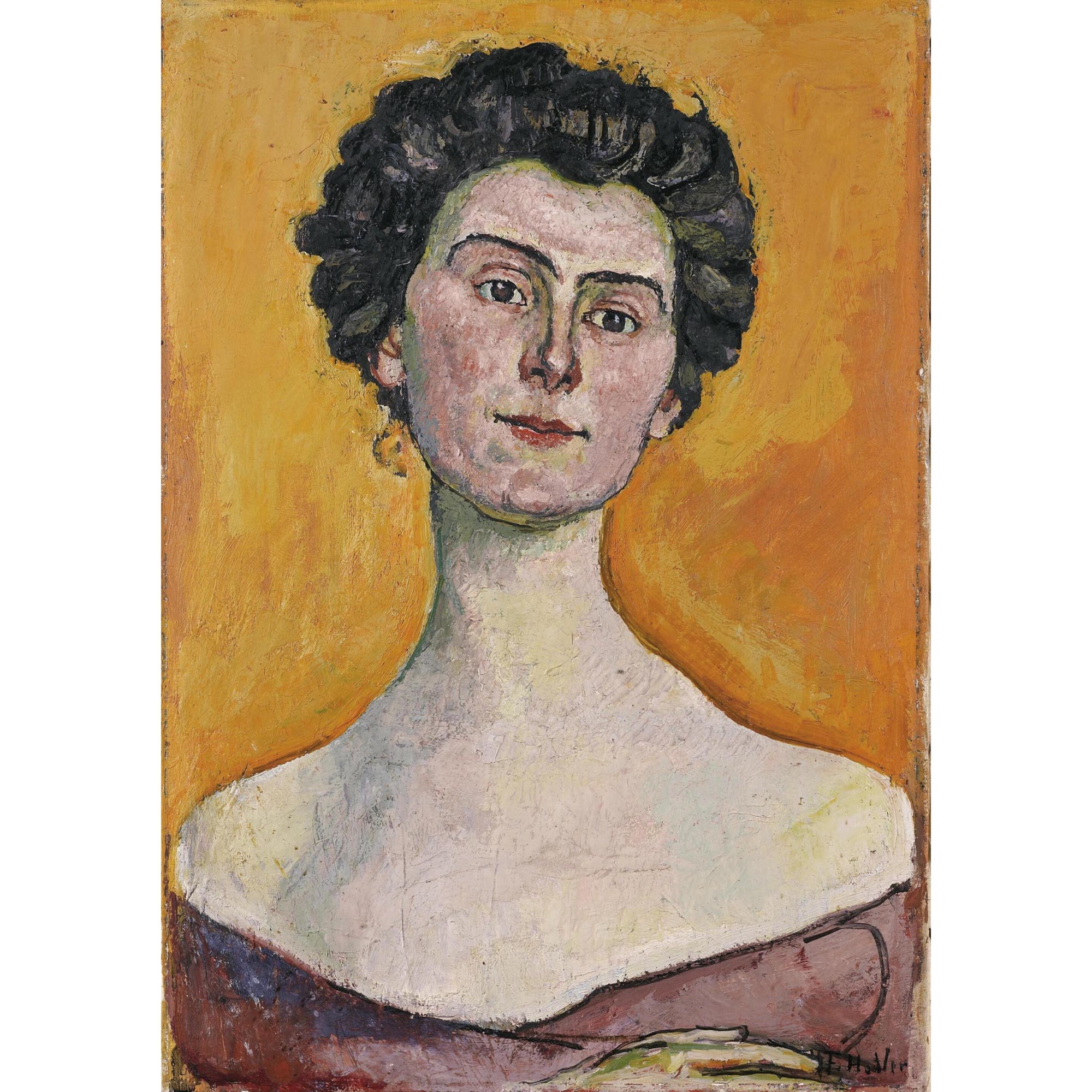
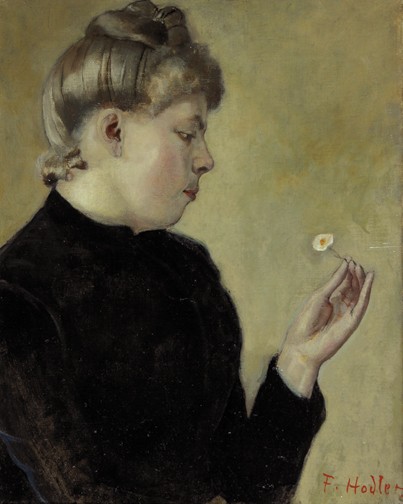
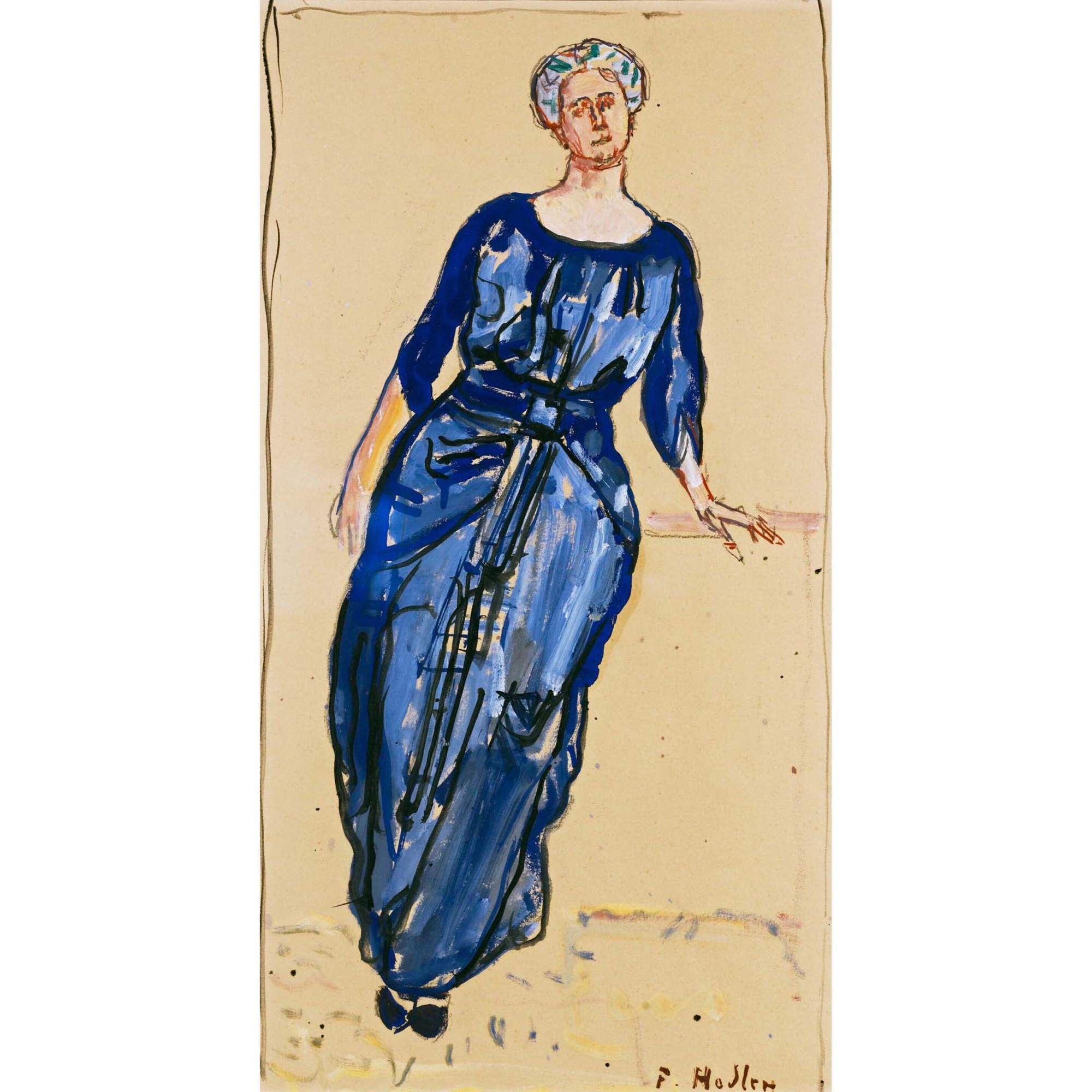
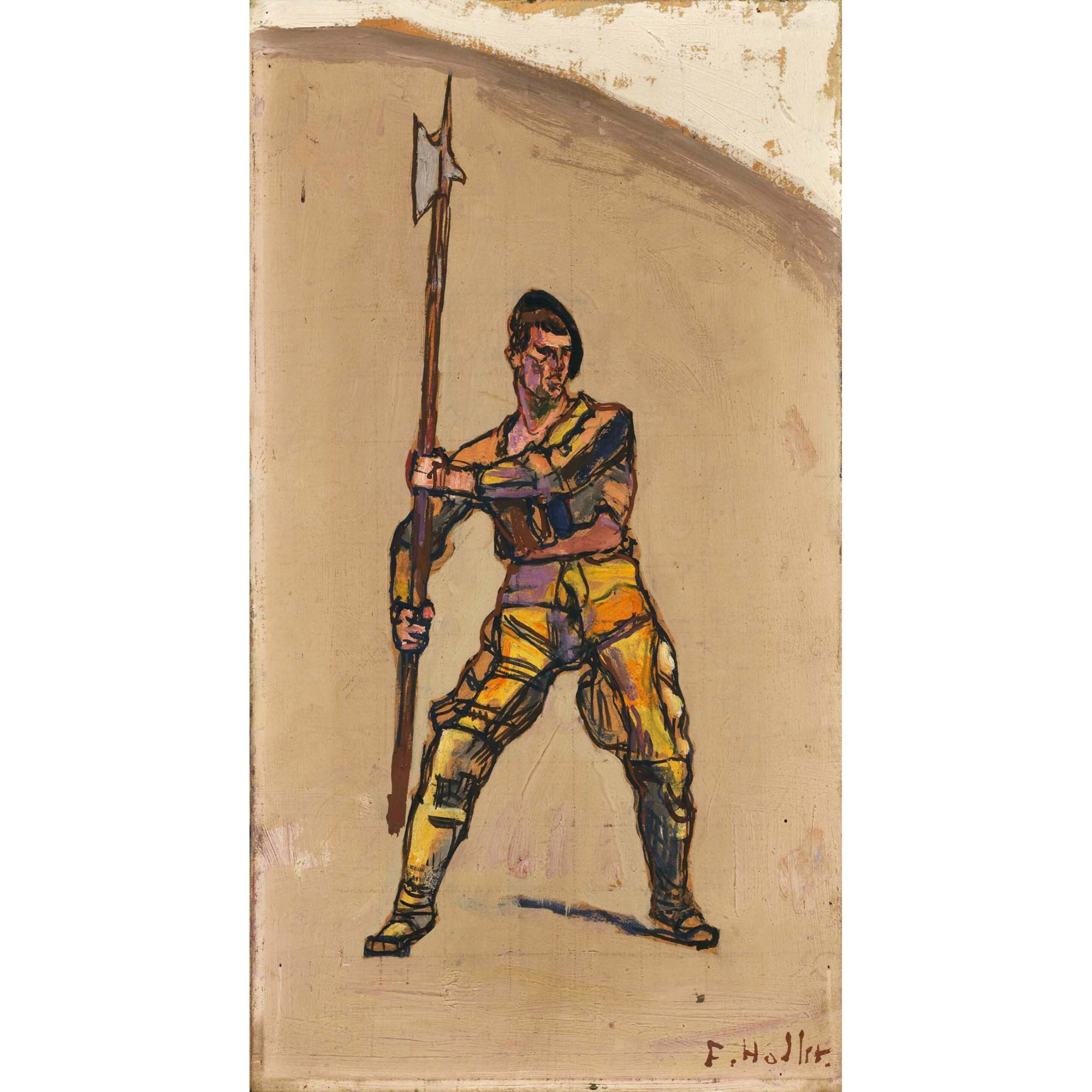
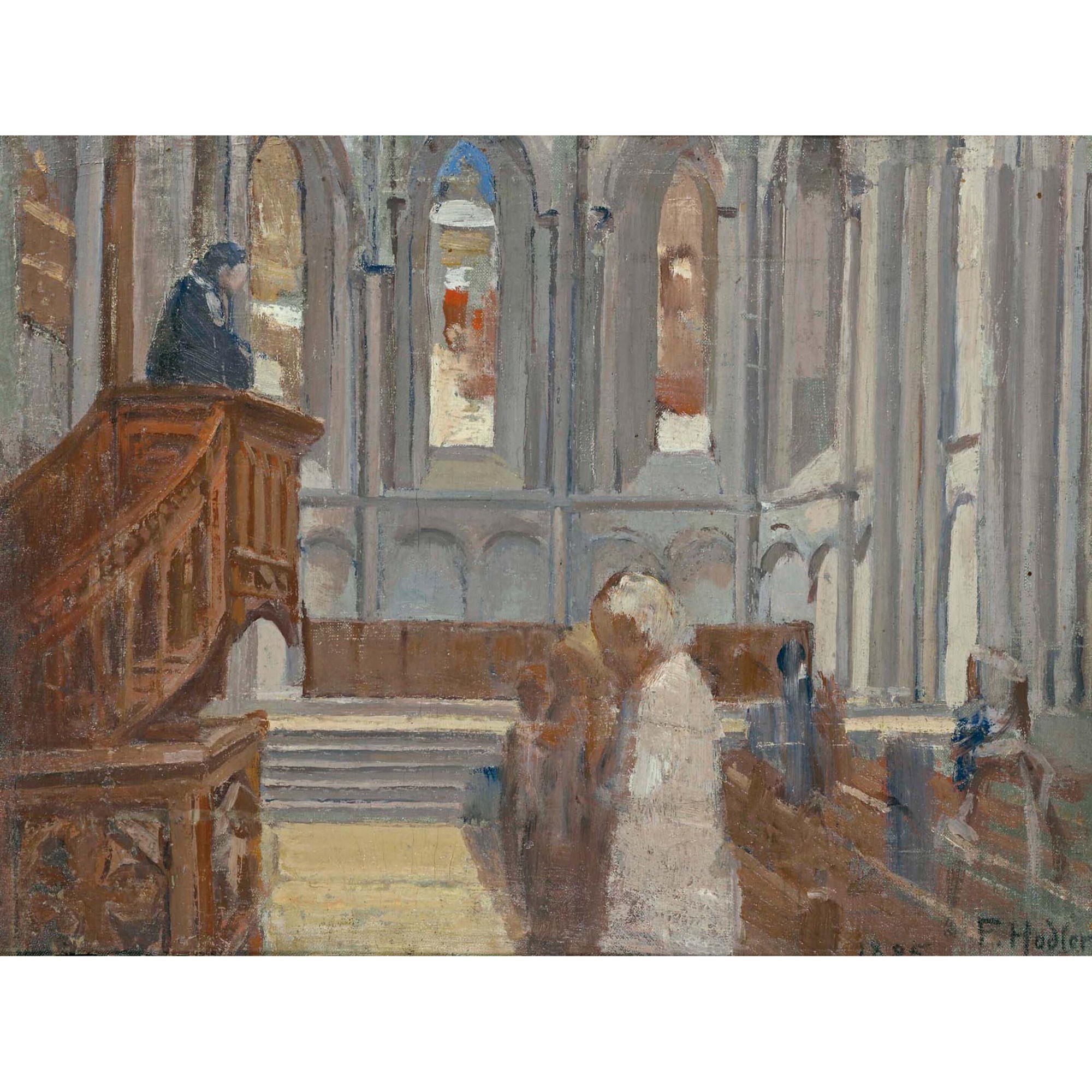
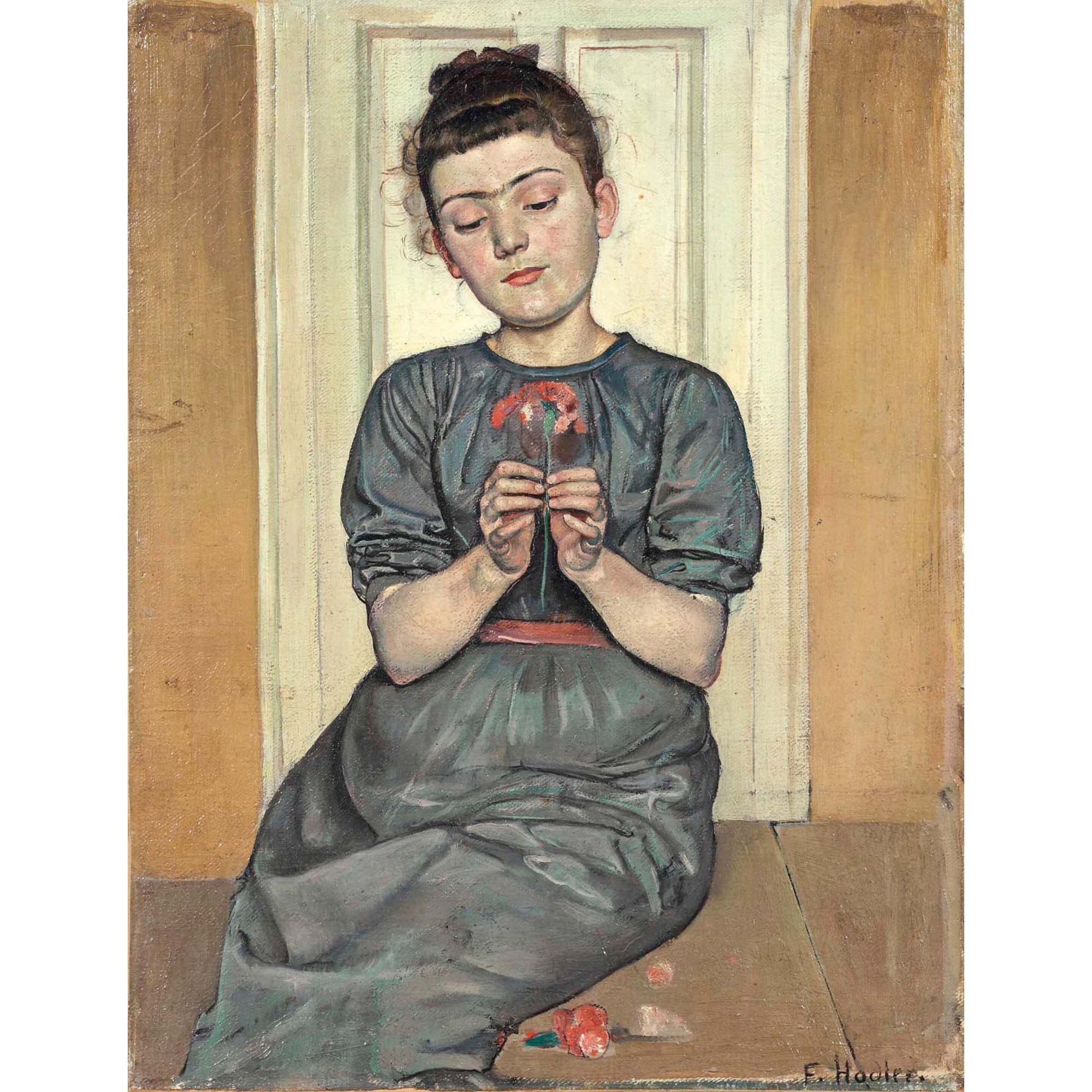
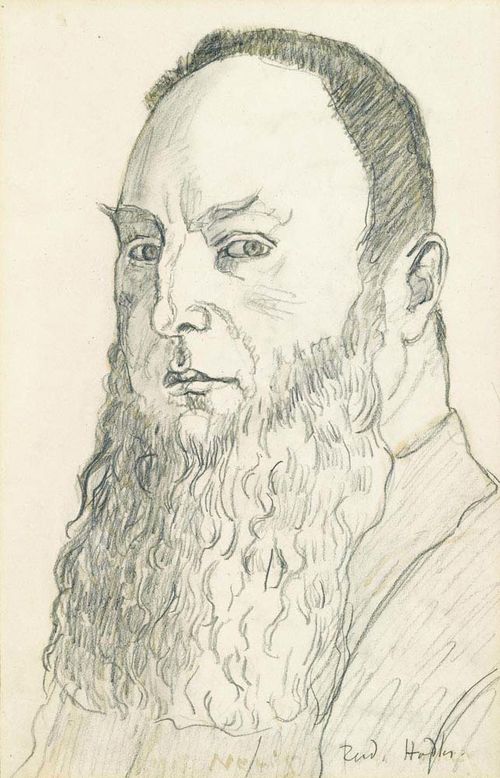
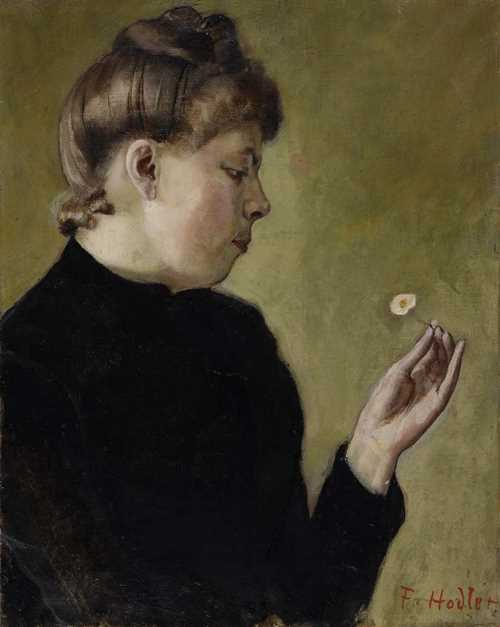
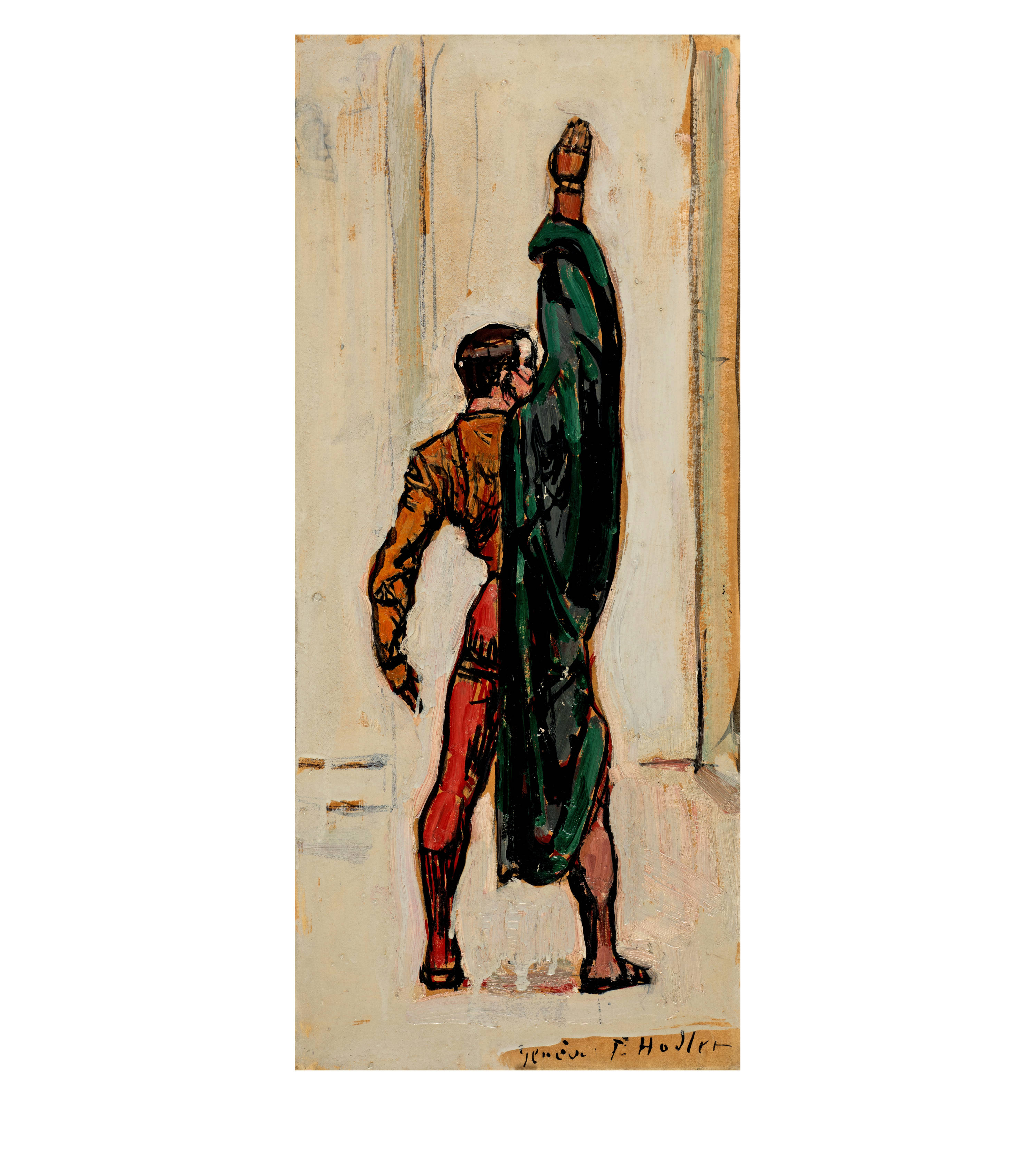
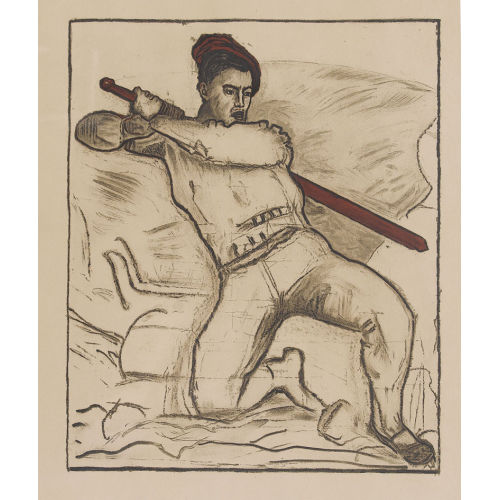
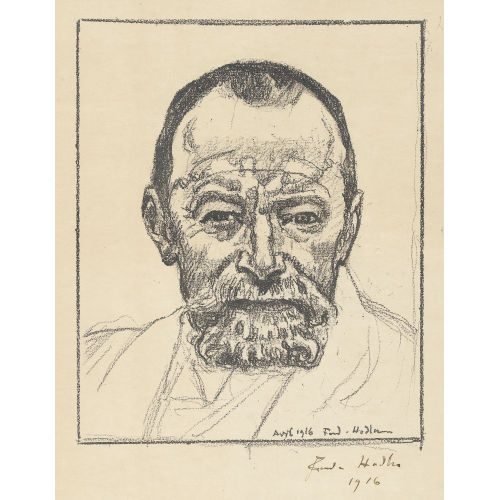
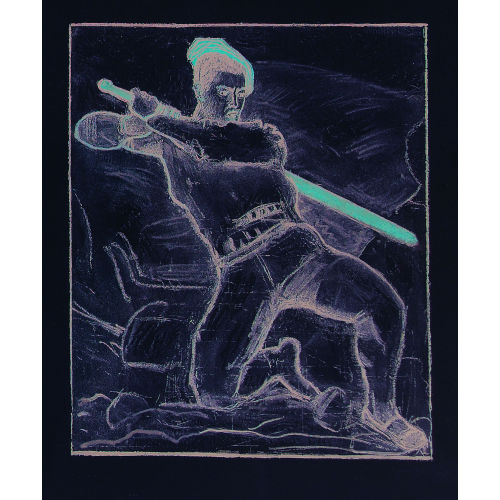
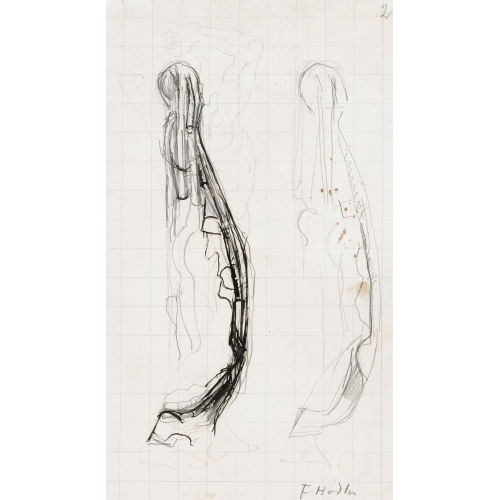
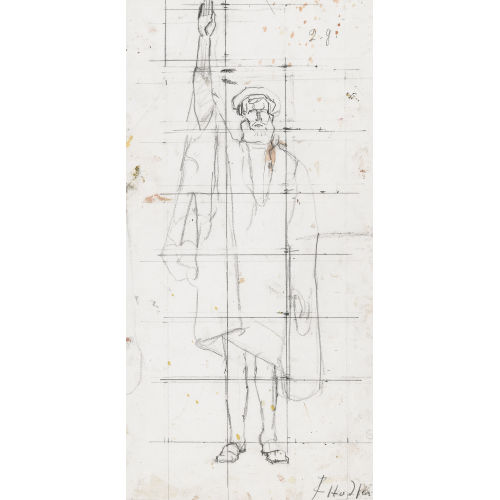
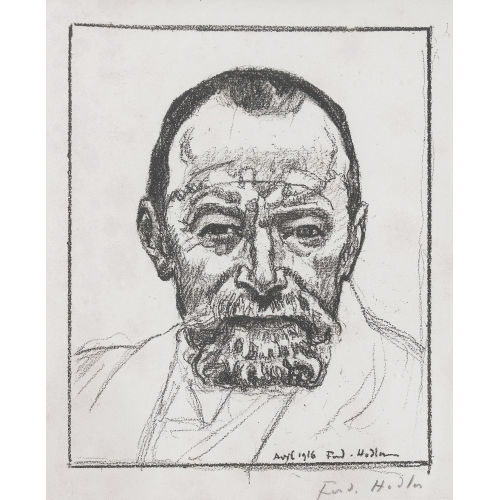
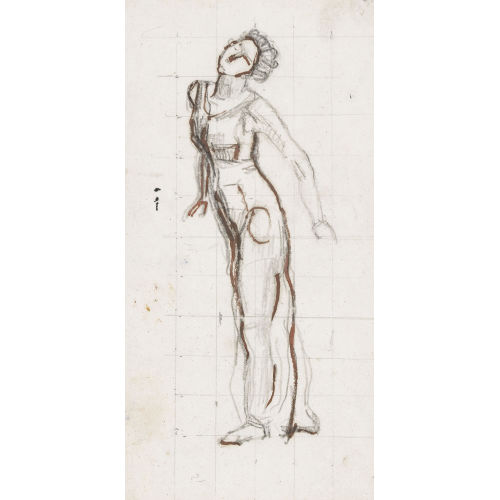
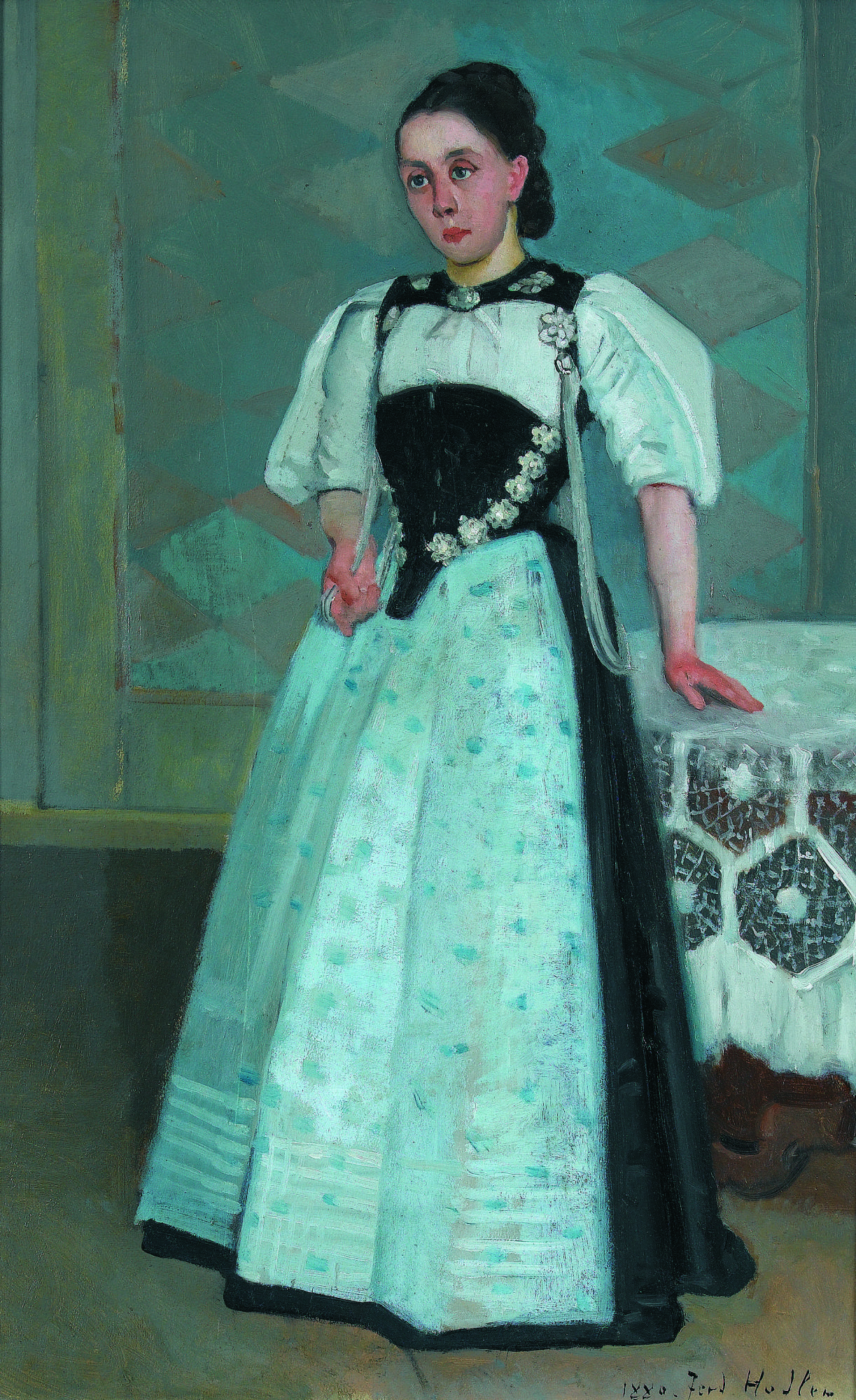
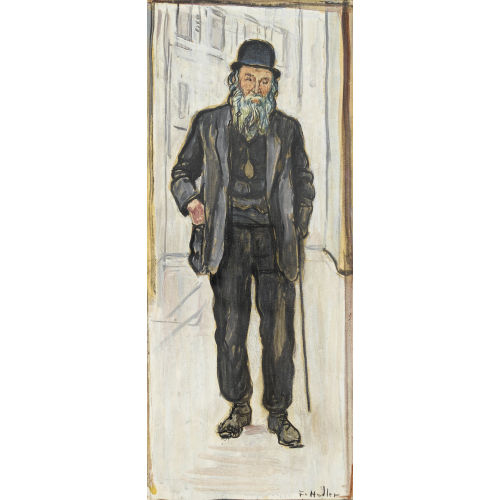
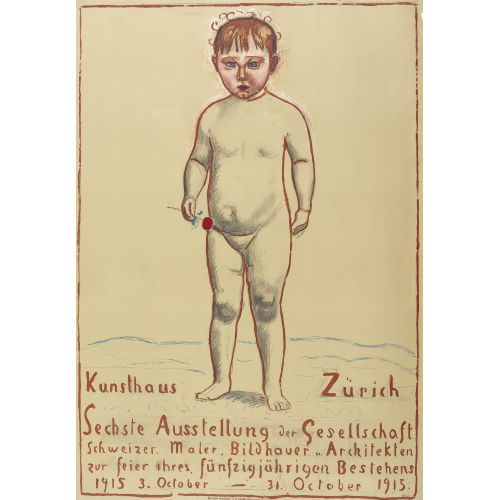
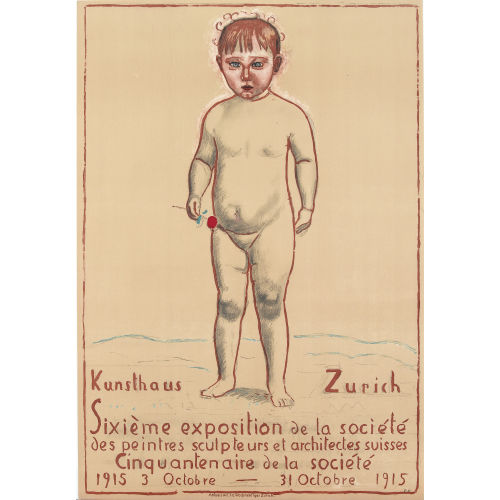
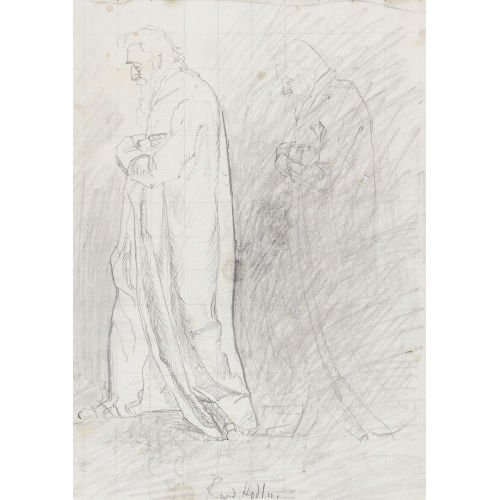
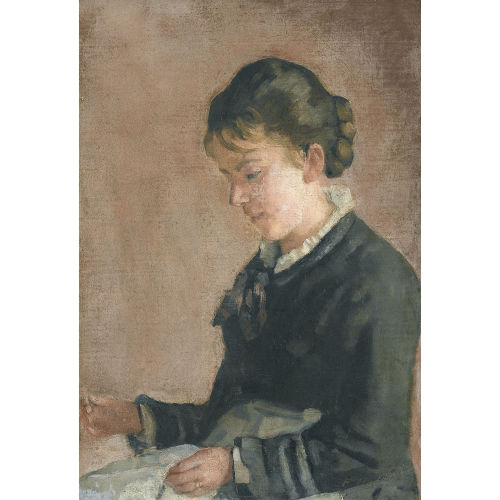
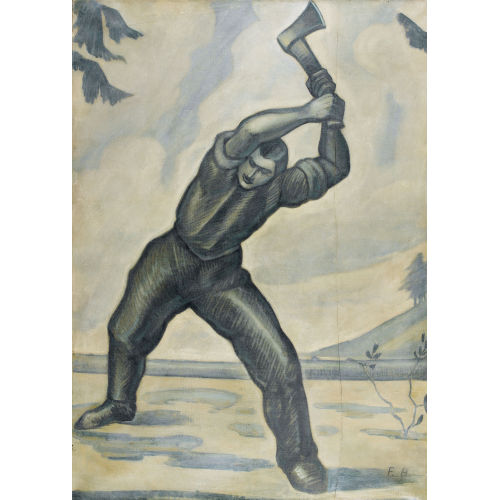
Ferdinand Hodler (1853–1918) is one of the most significant Swiss painters of the late nineteenth century. After an apprenticeship with the landscape painter Ferdinand Sommer in Thun, he settled in Geneva in 1872. There he copied works by landscape painters and, from 1873 to 1877, studied under Barthélemy Menn at the École de figure.
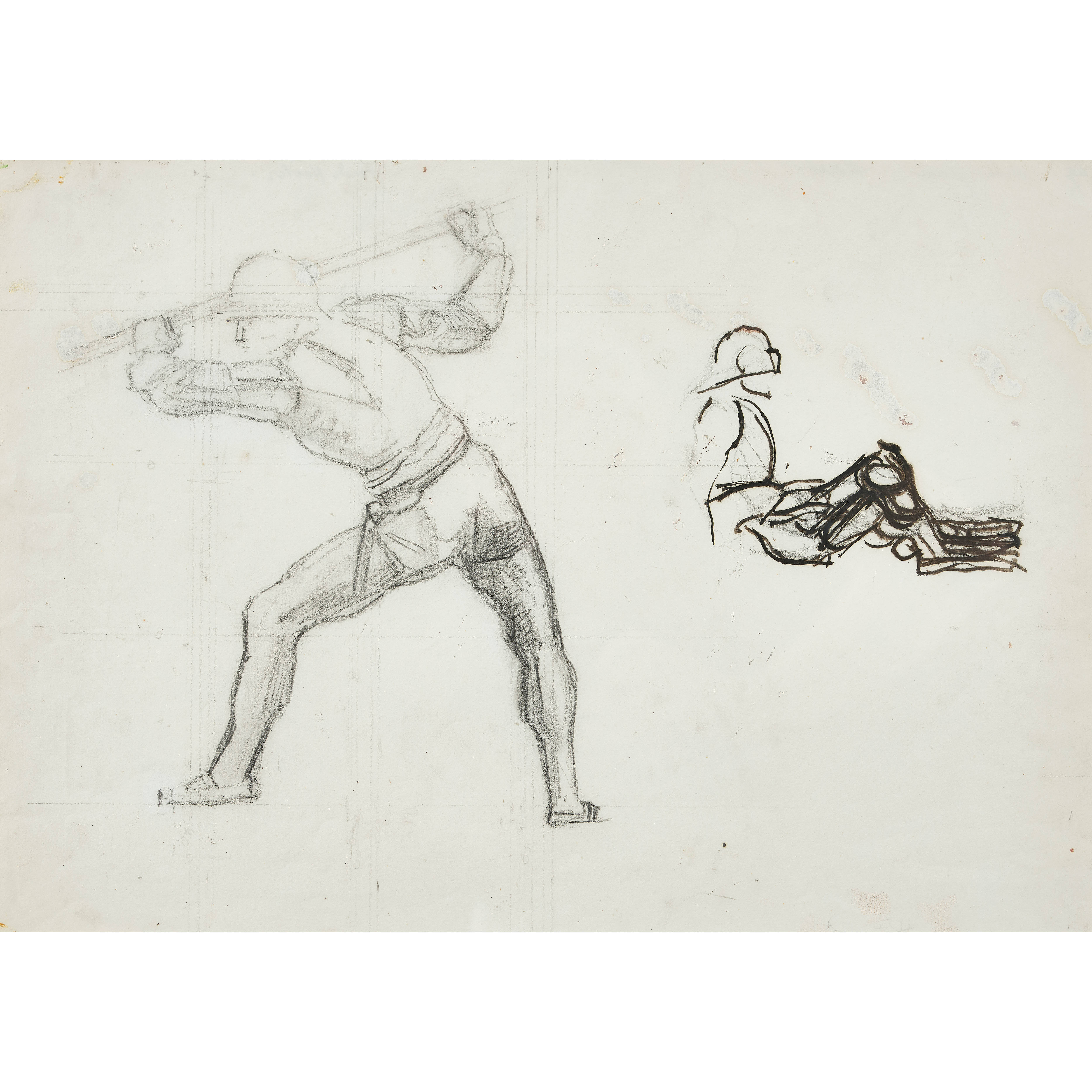
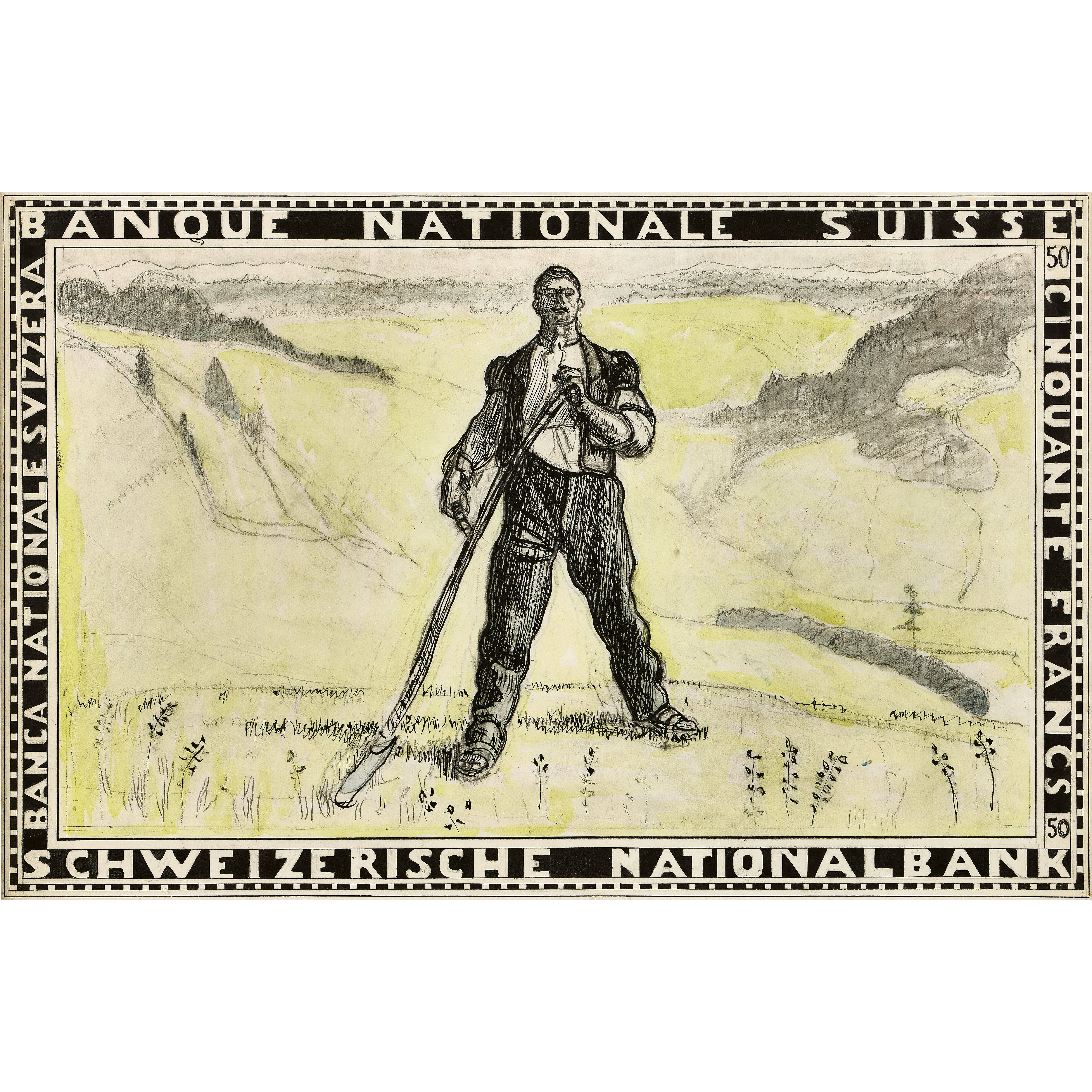
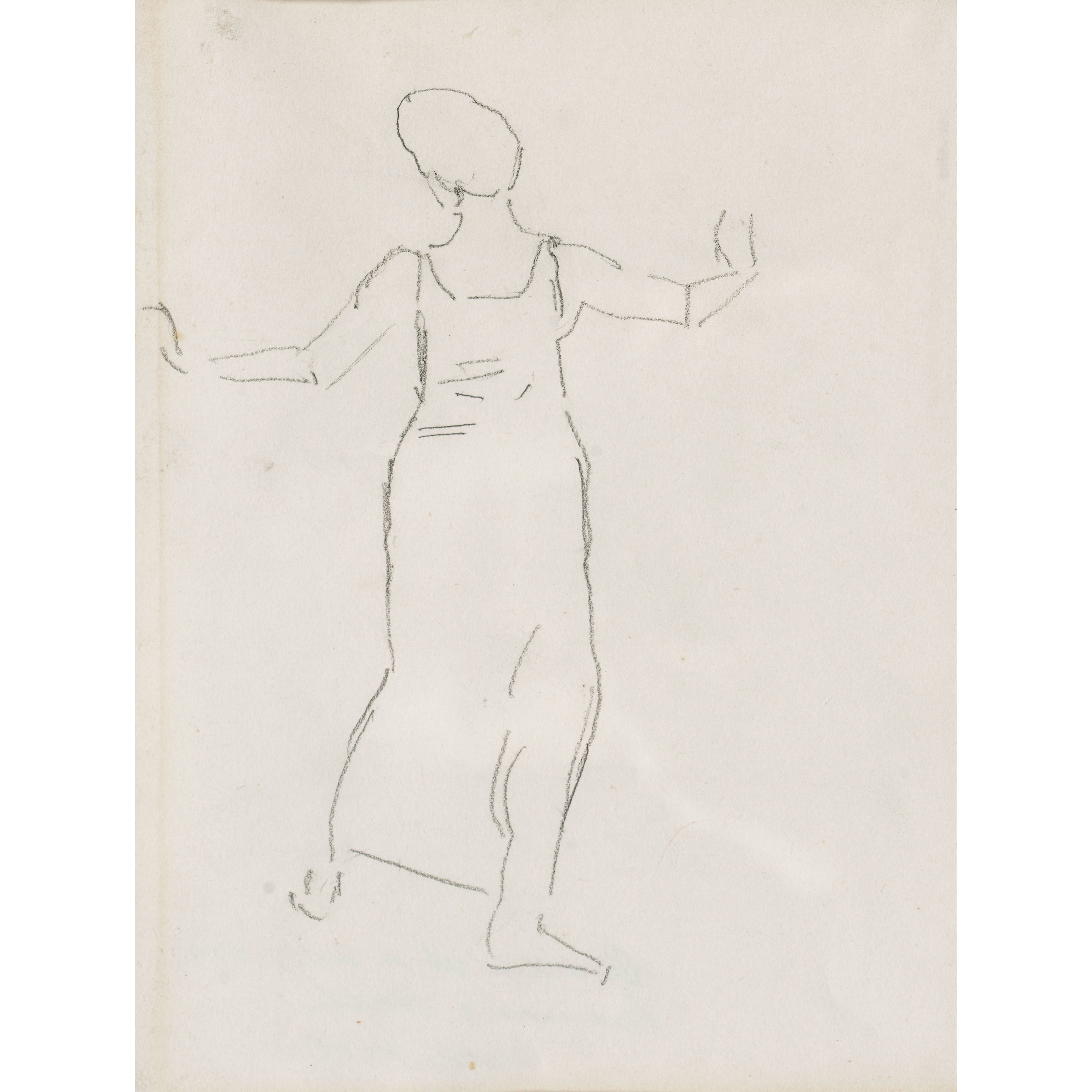
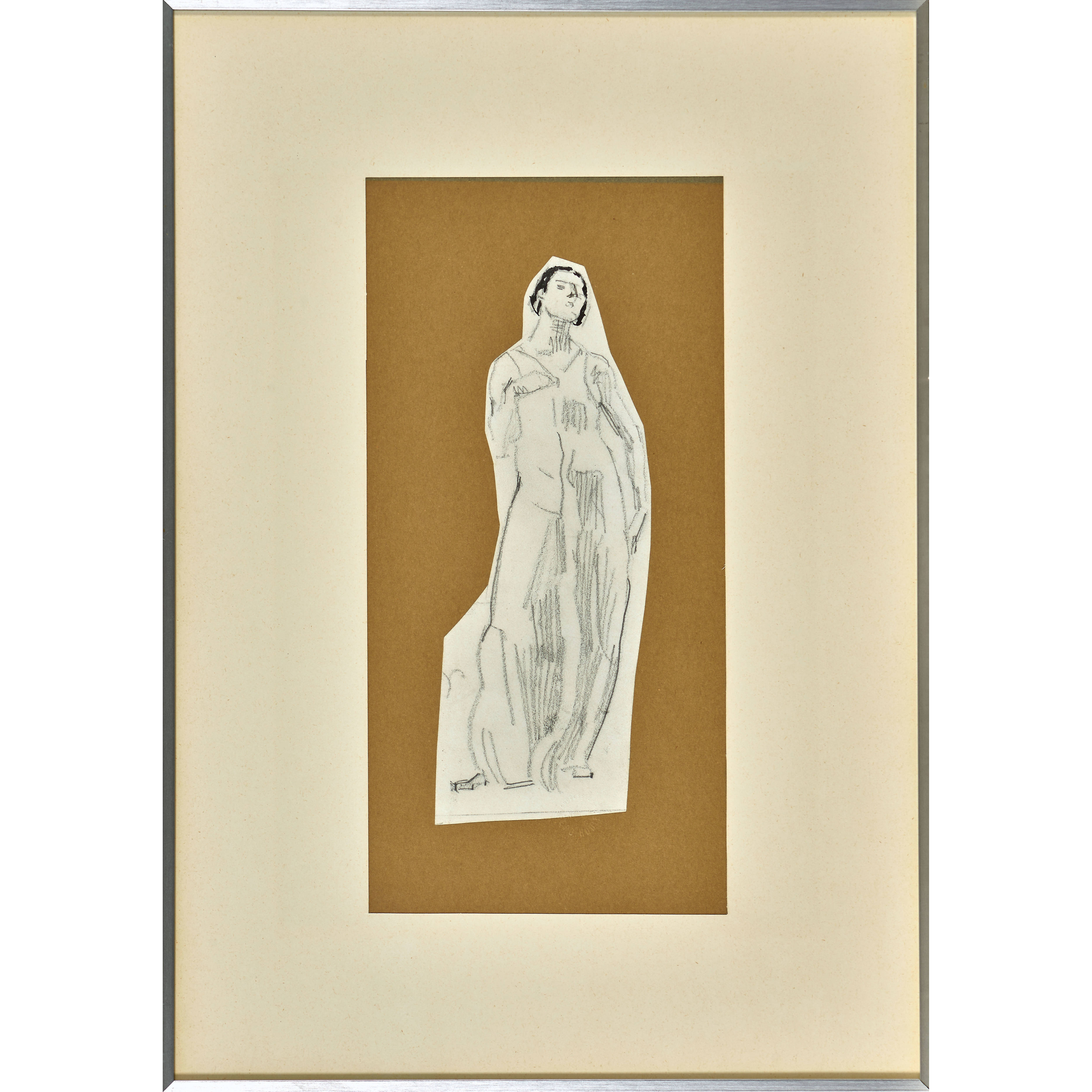
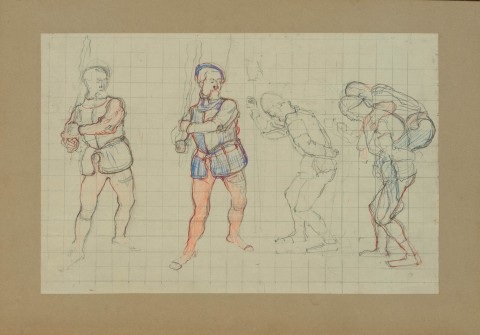
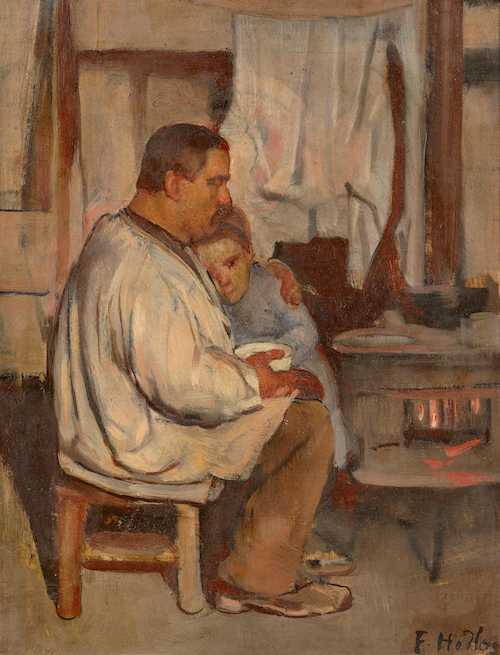
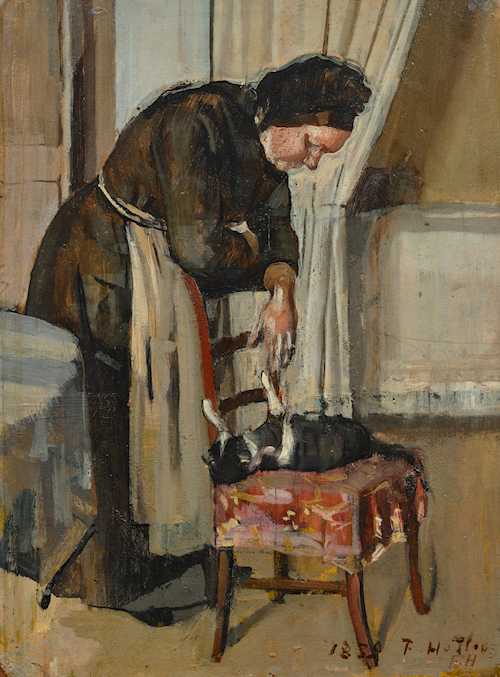
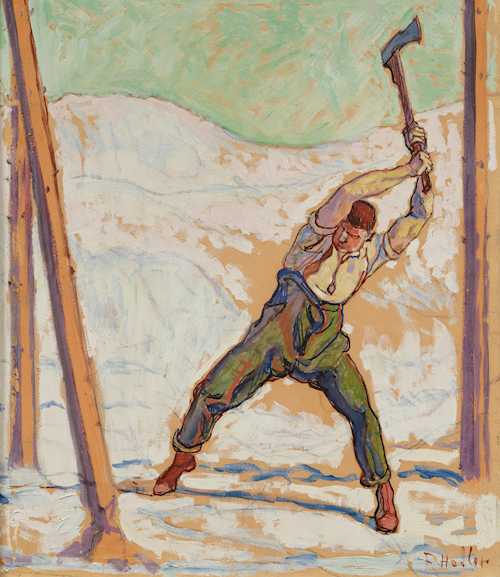
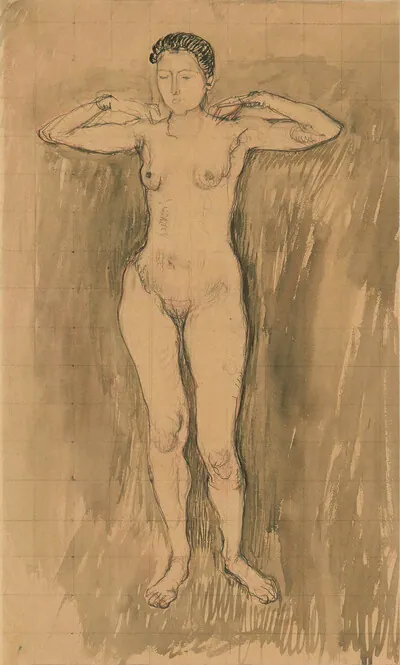
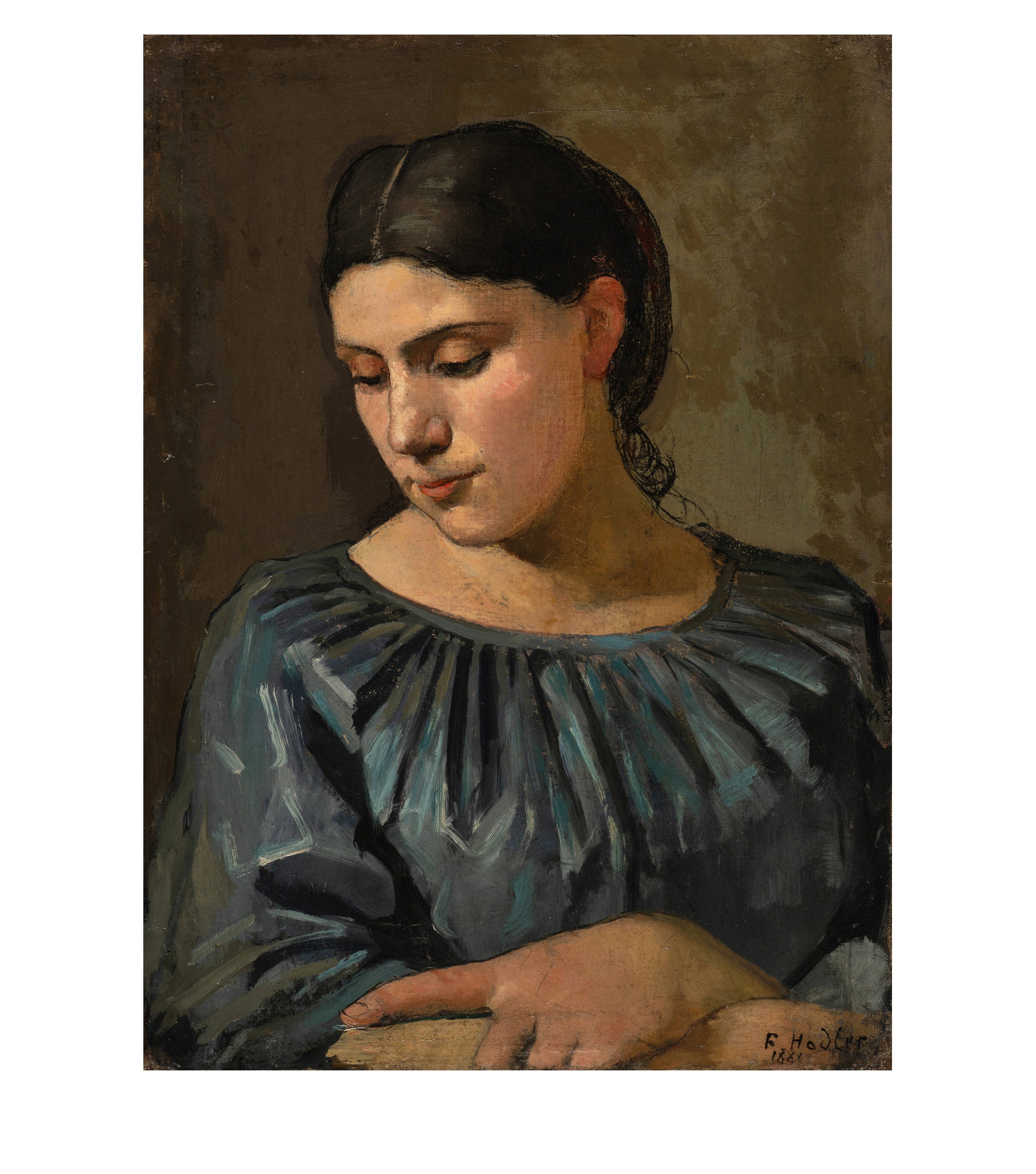
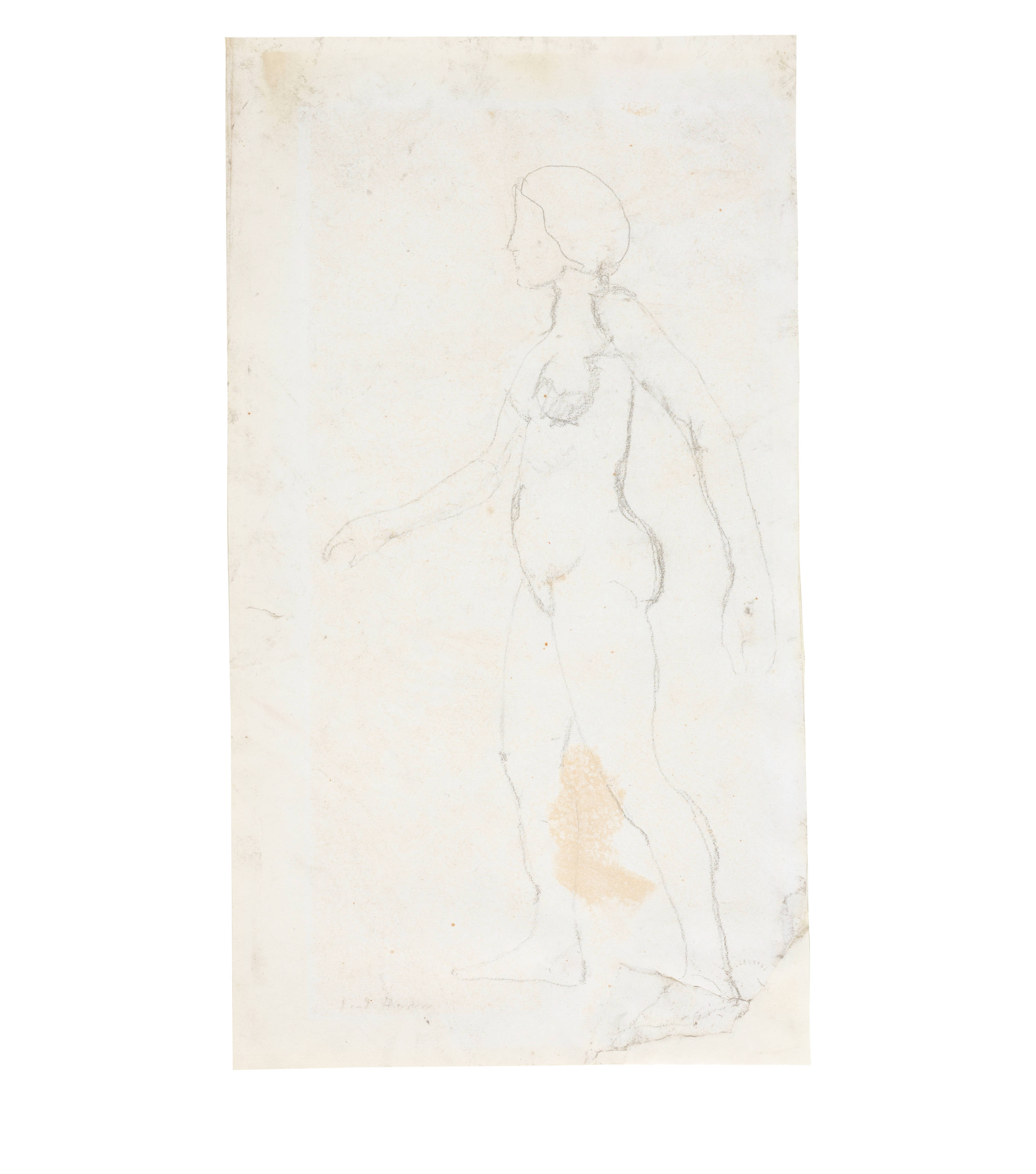
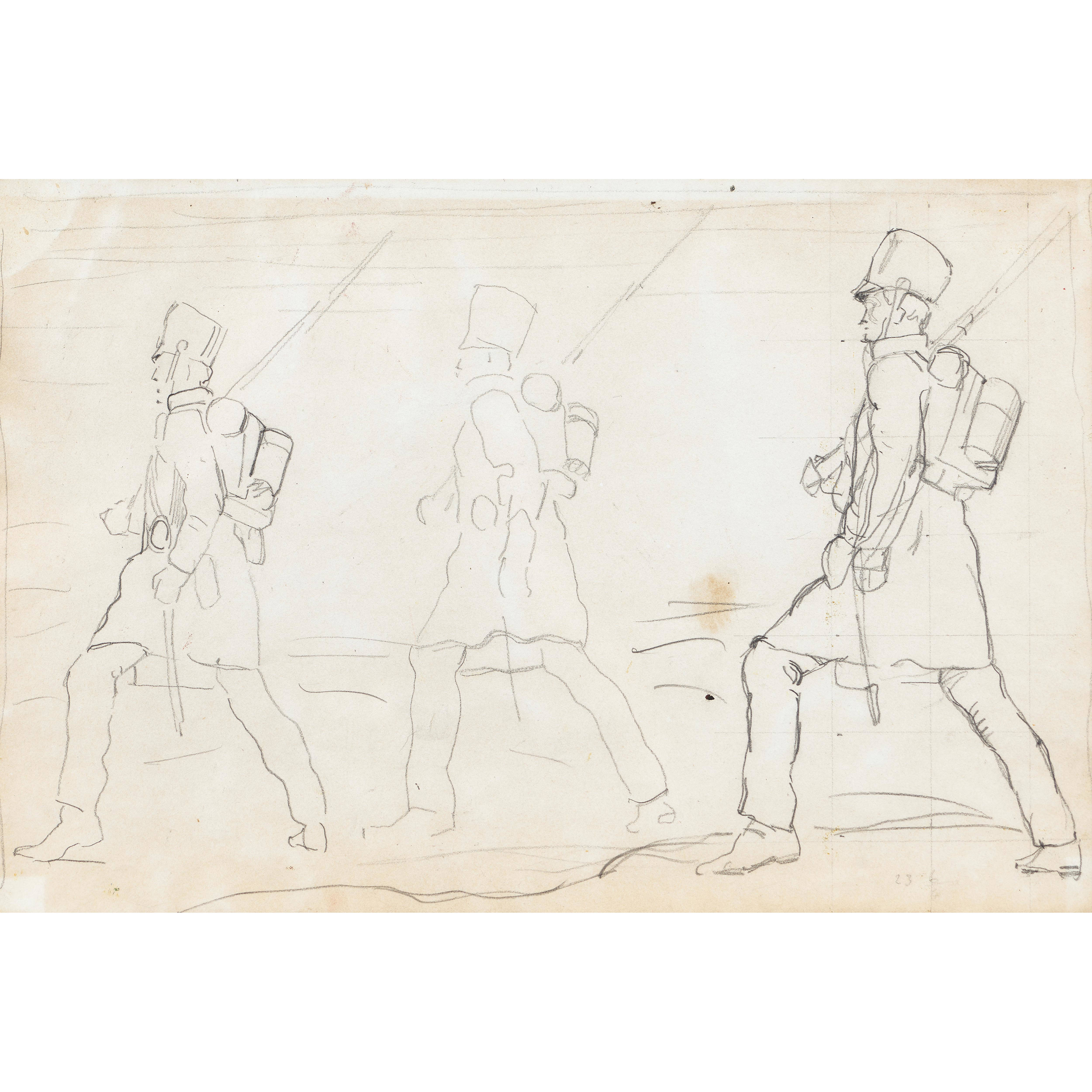
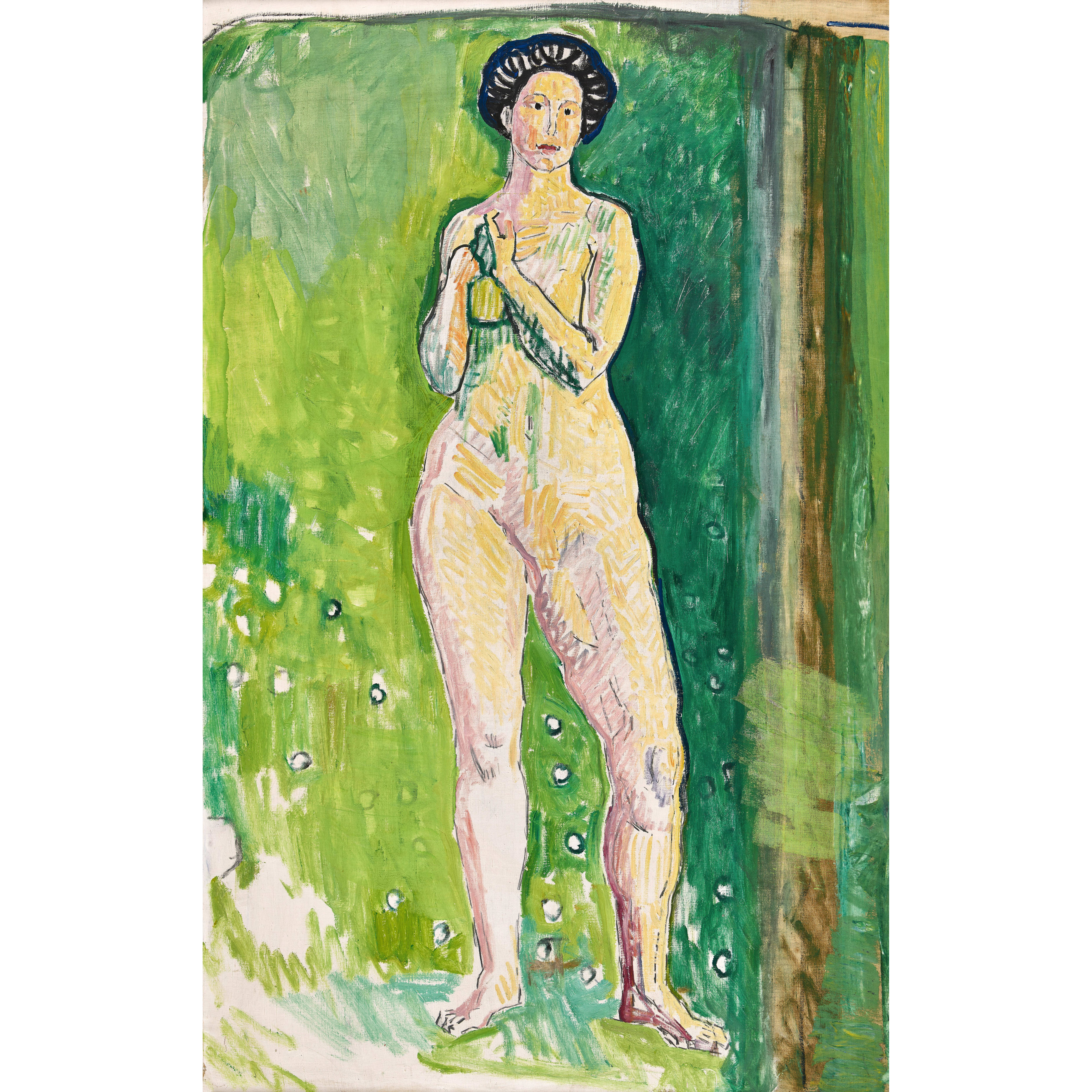
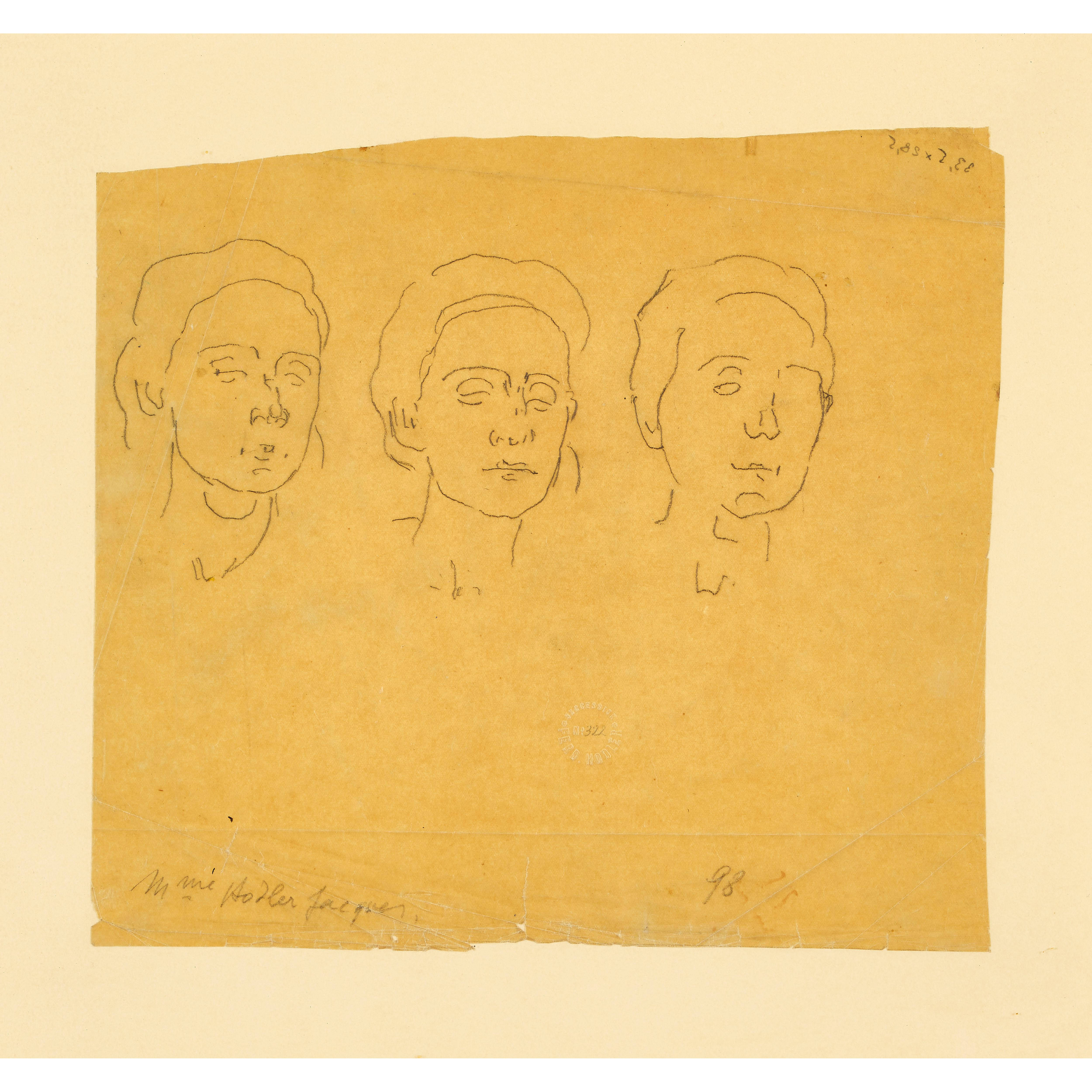
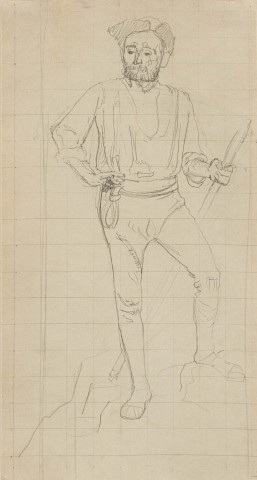
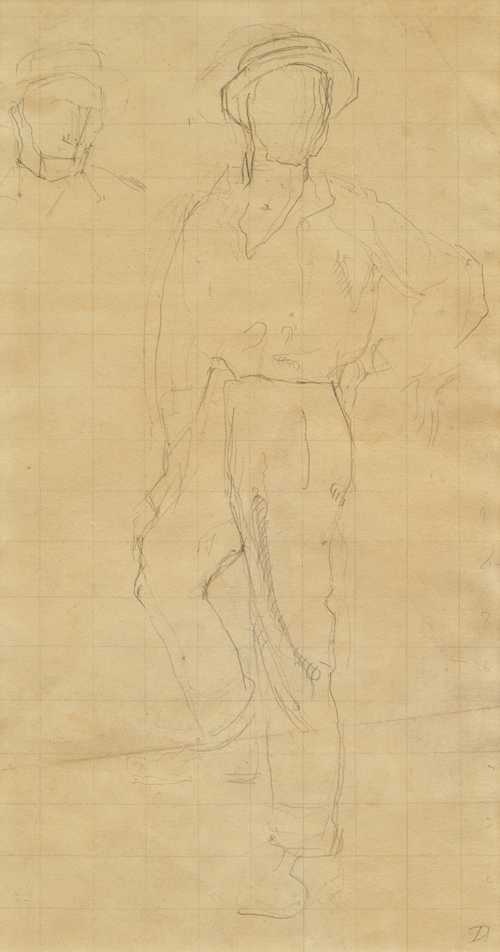
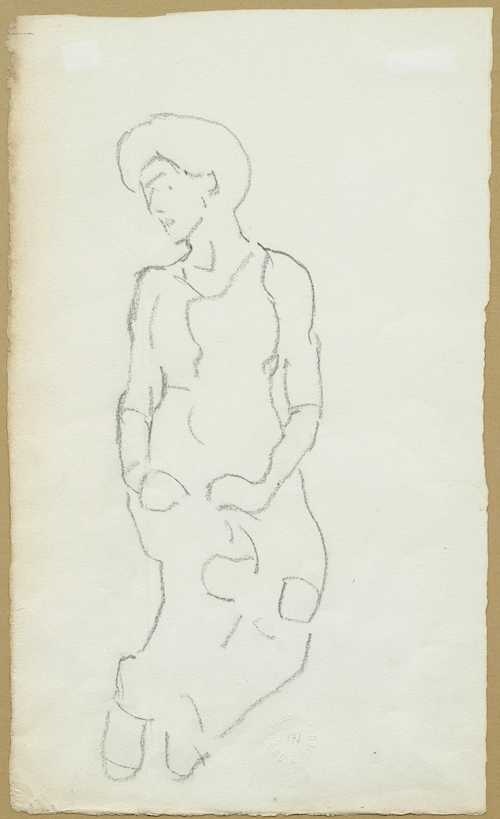
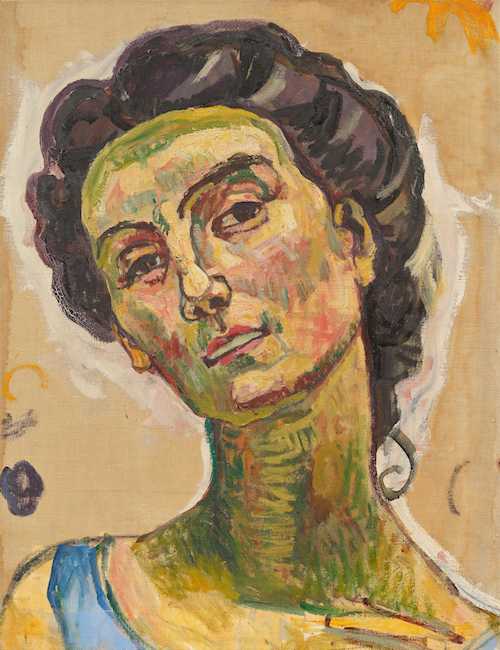
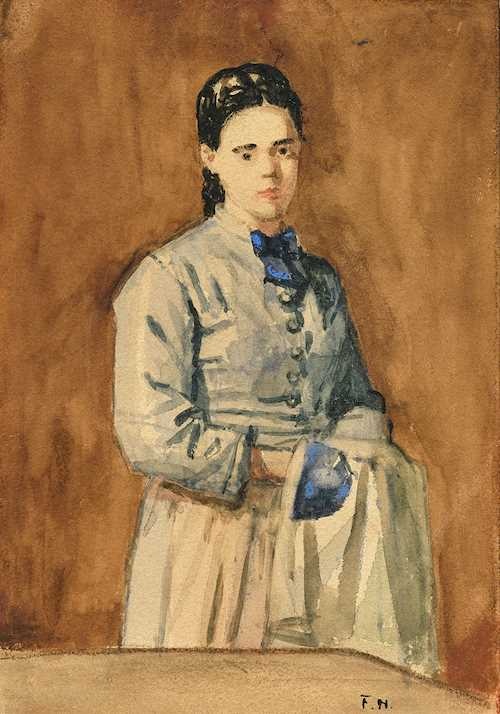
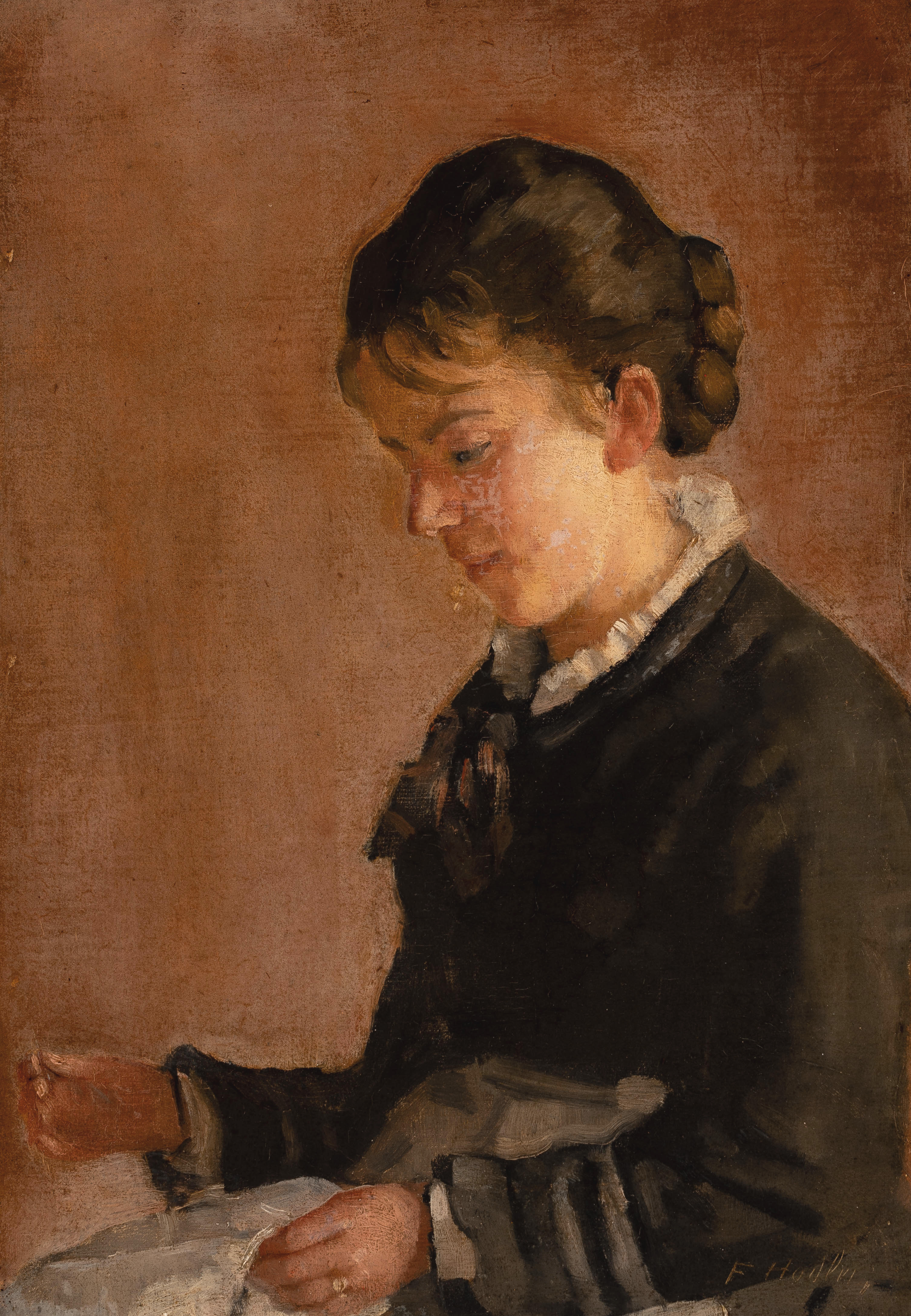
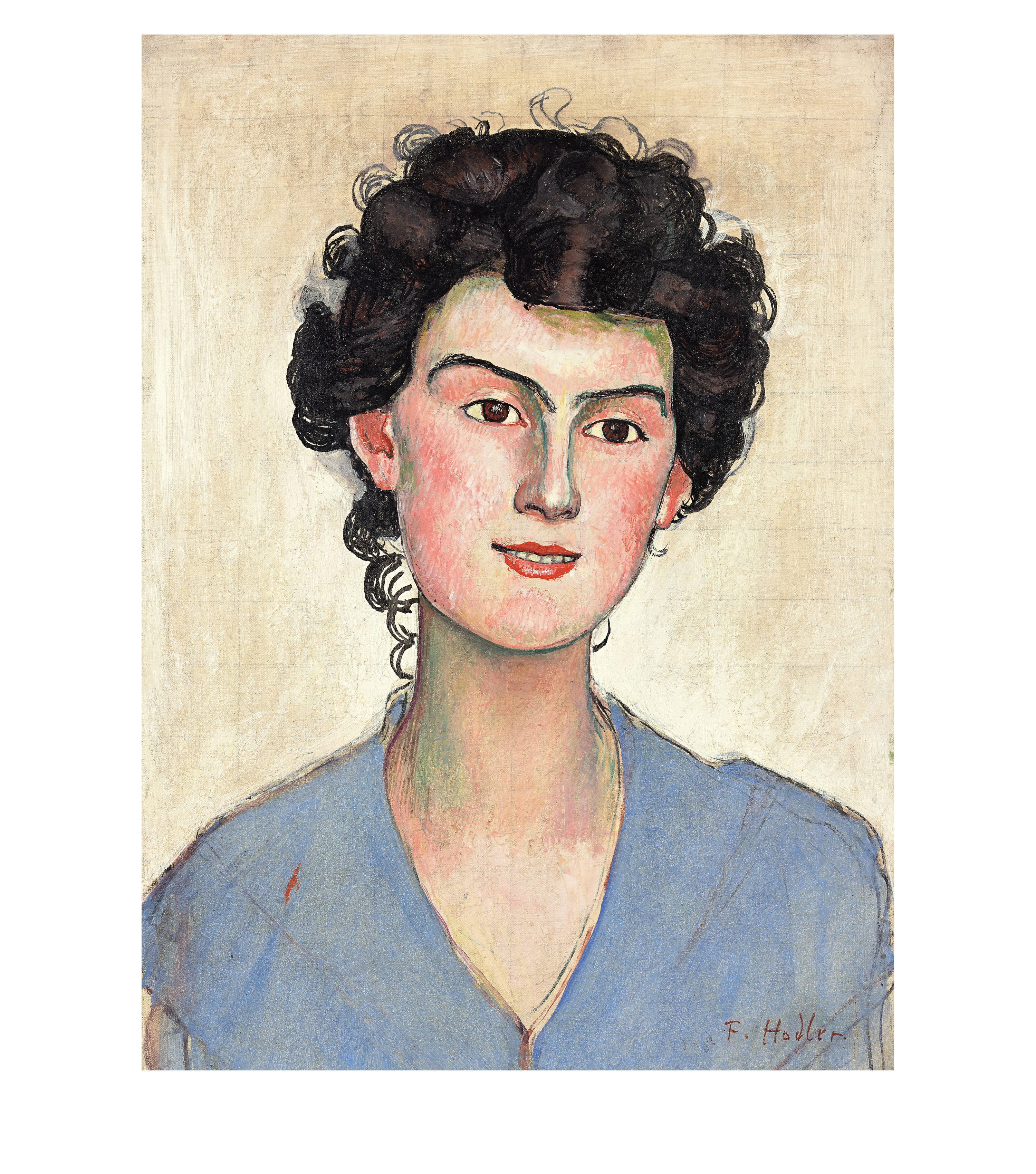
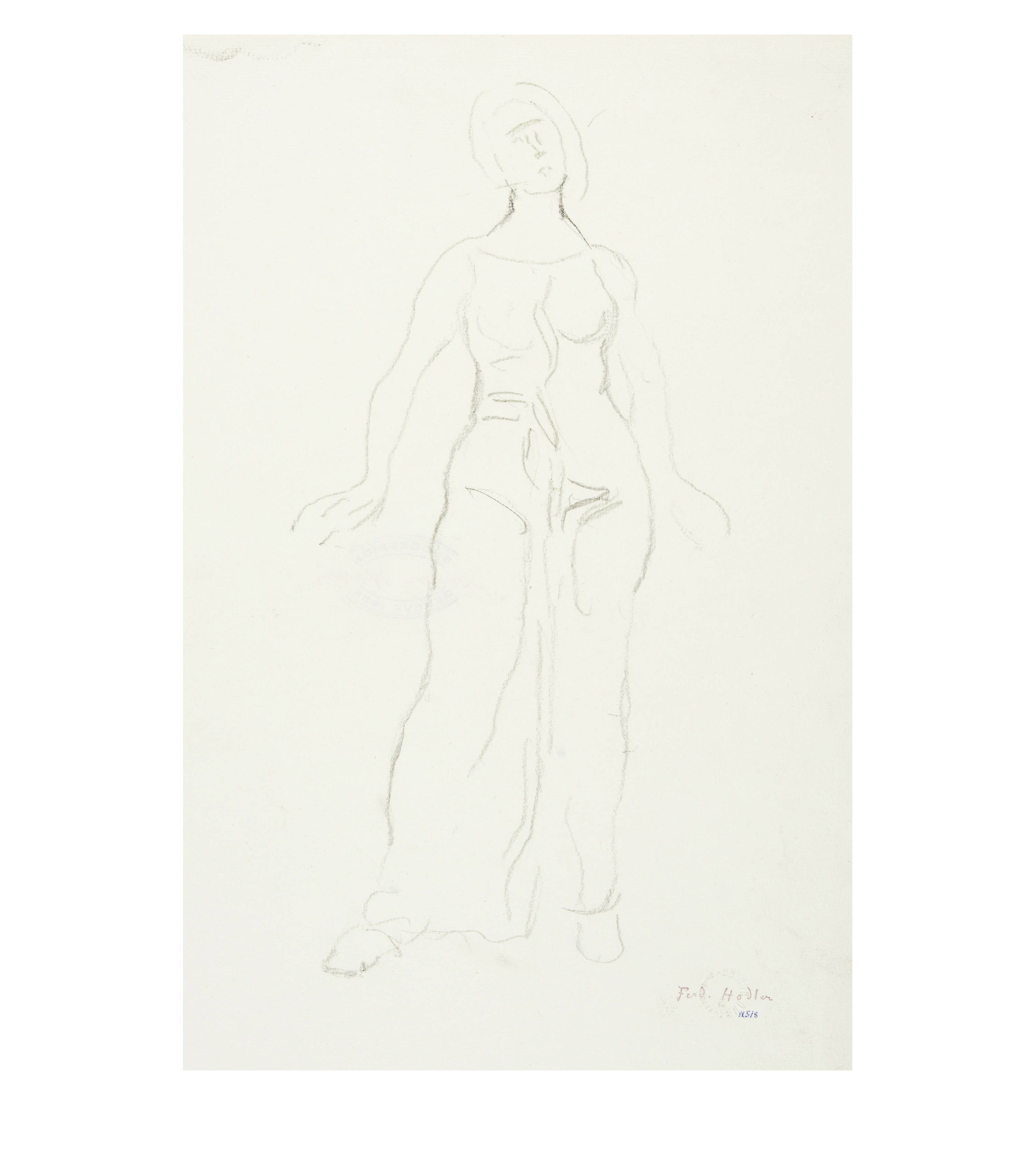
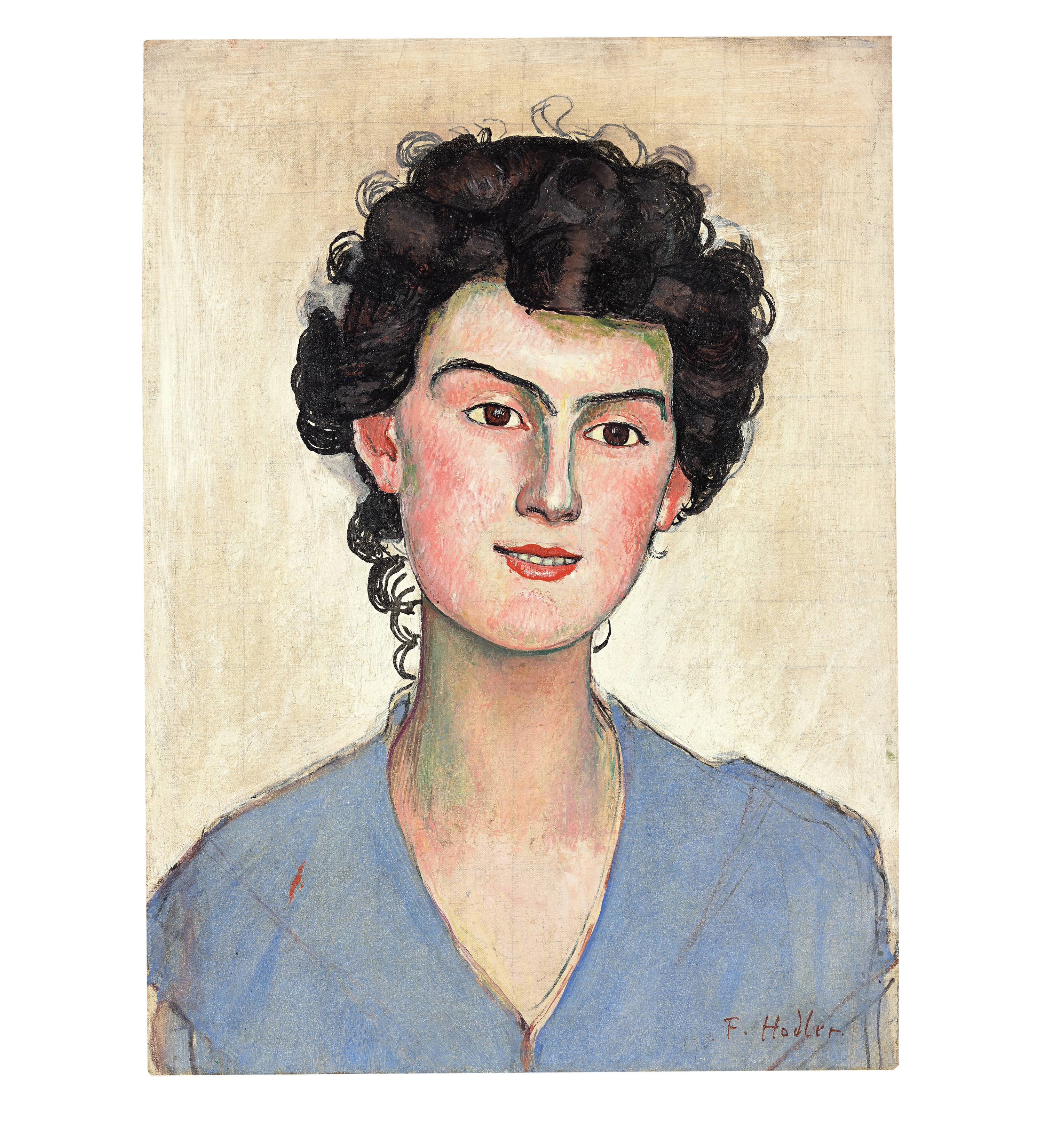
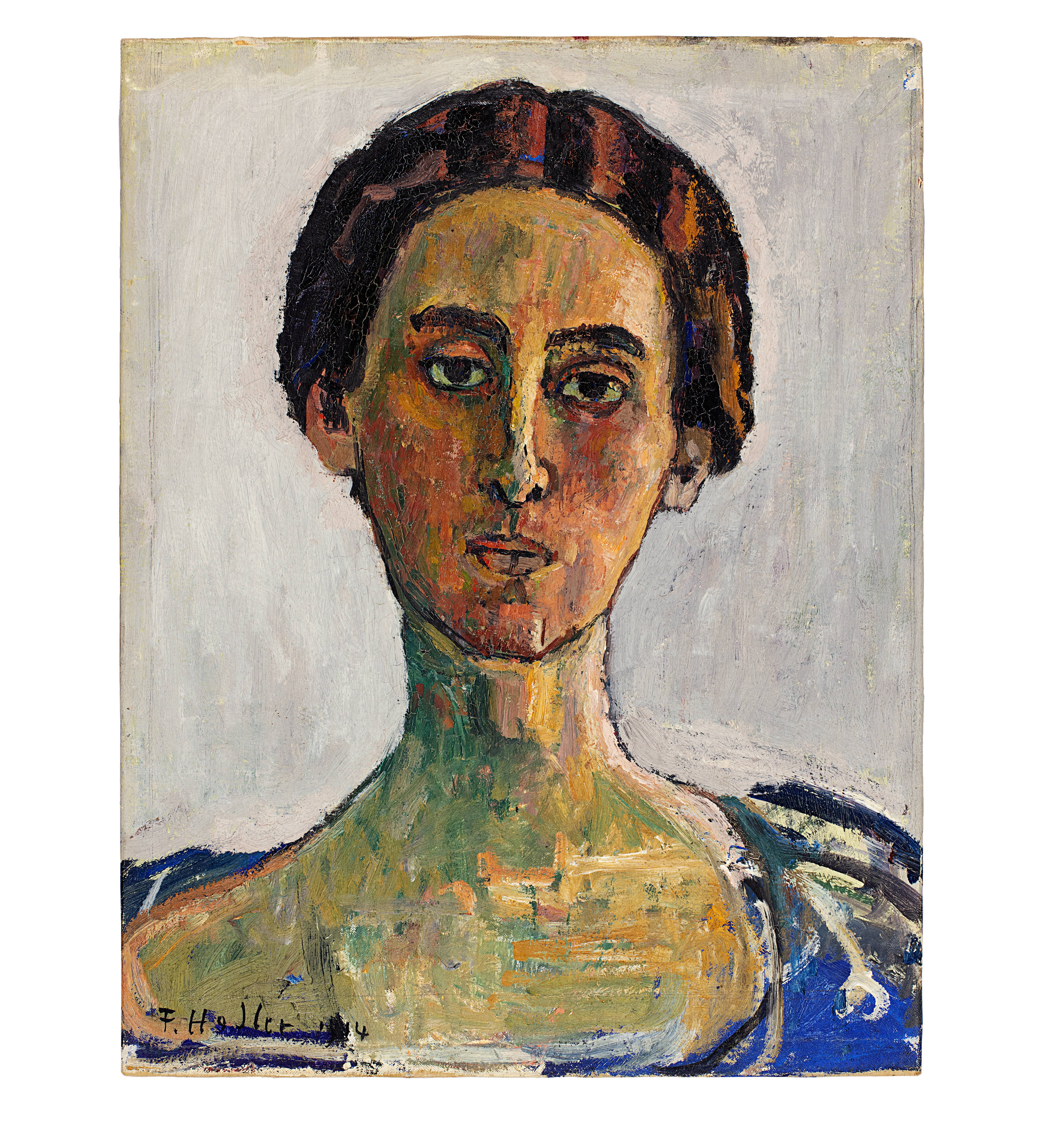
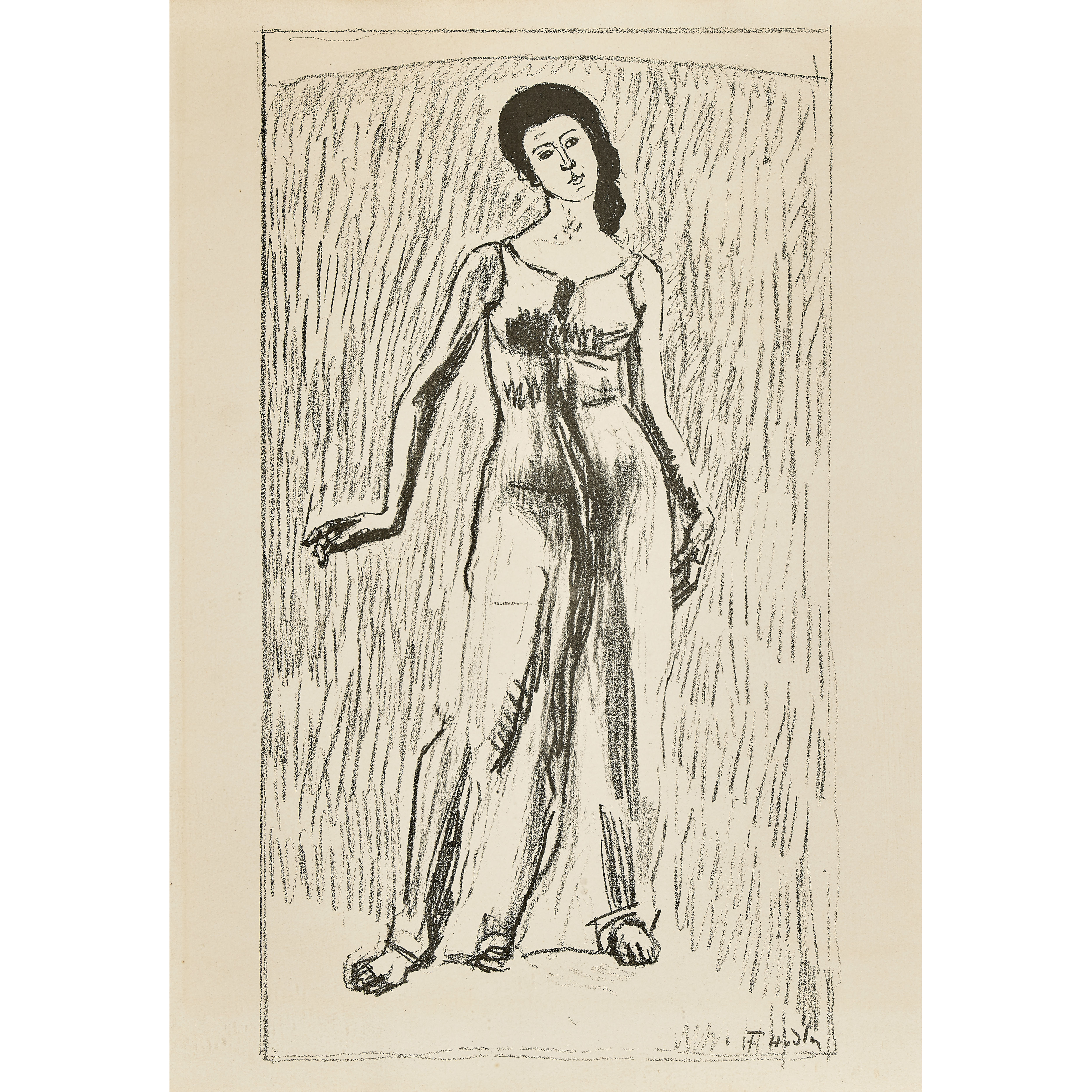
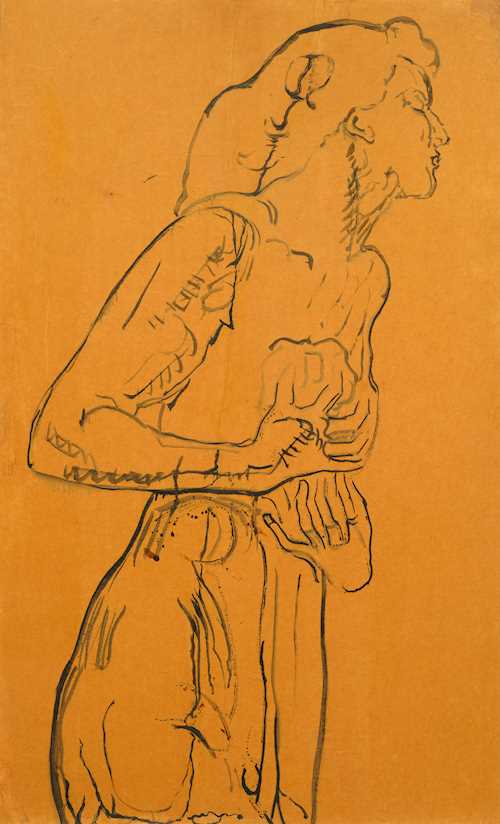
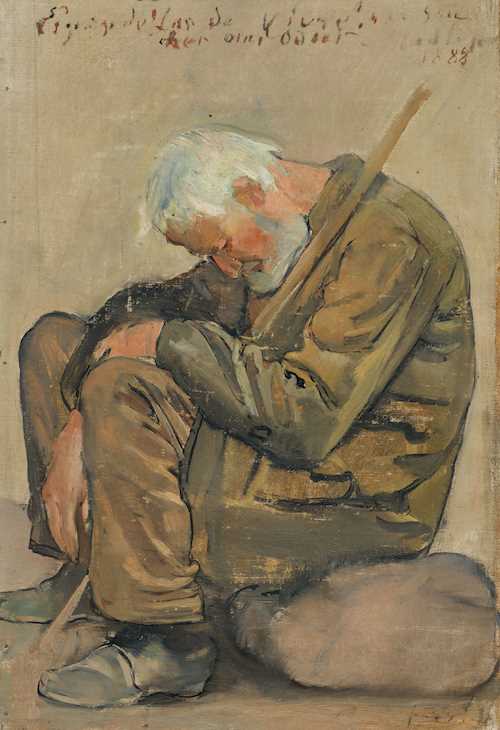
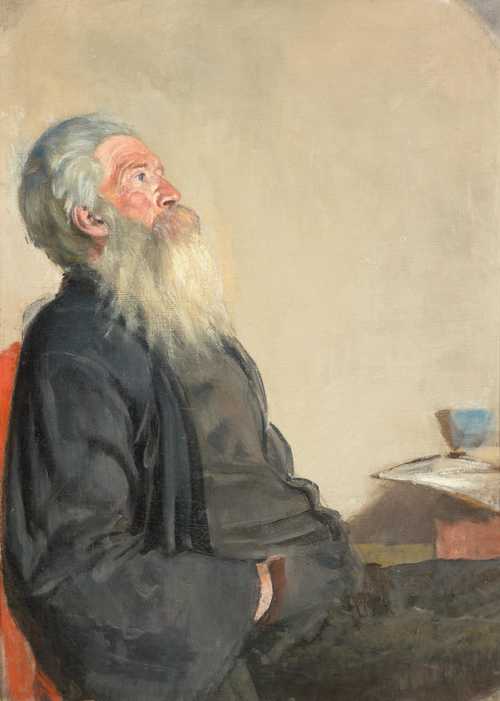
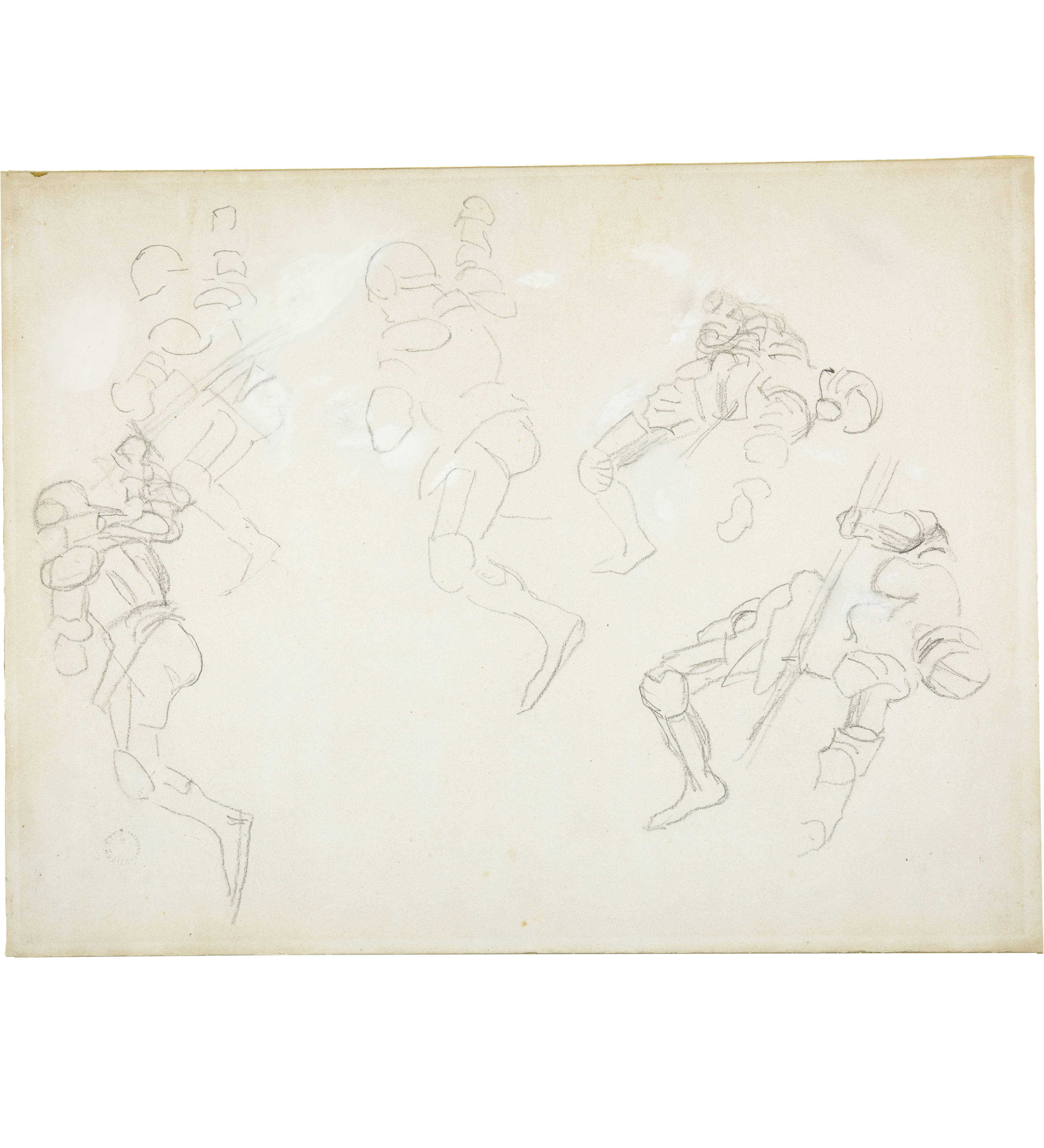
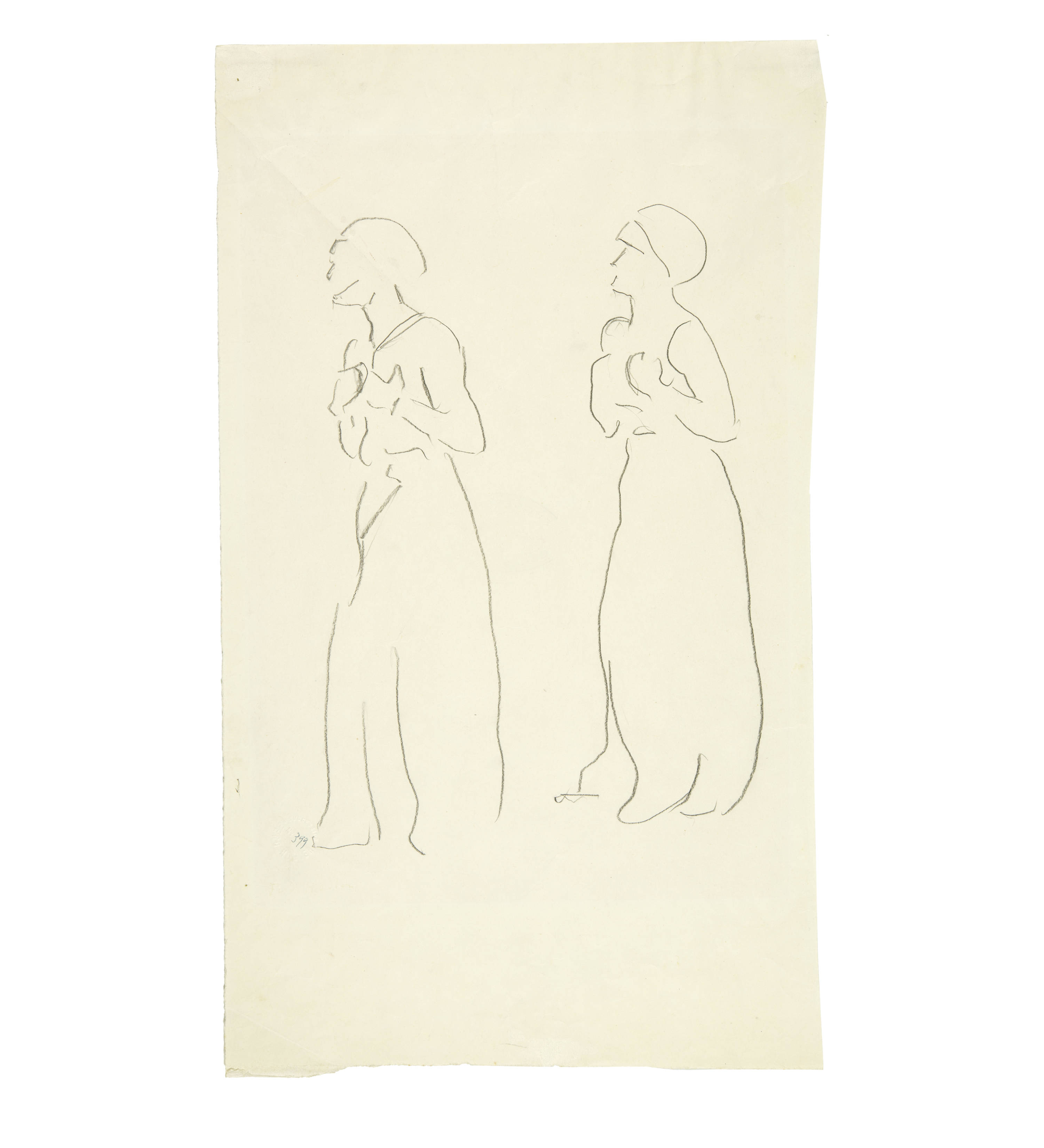
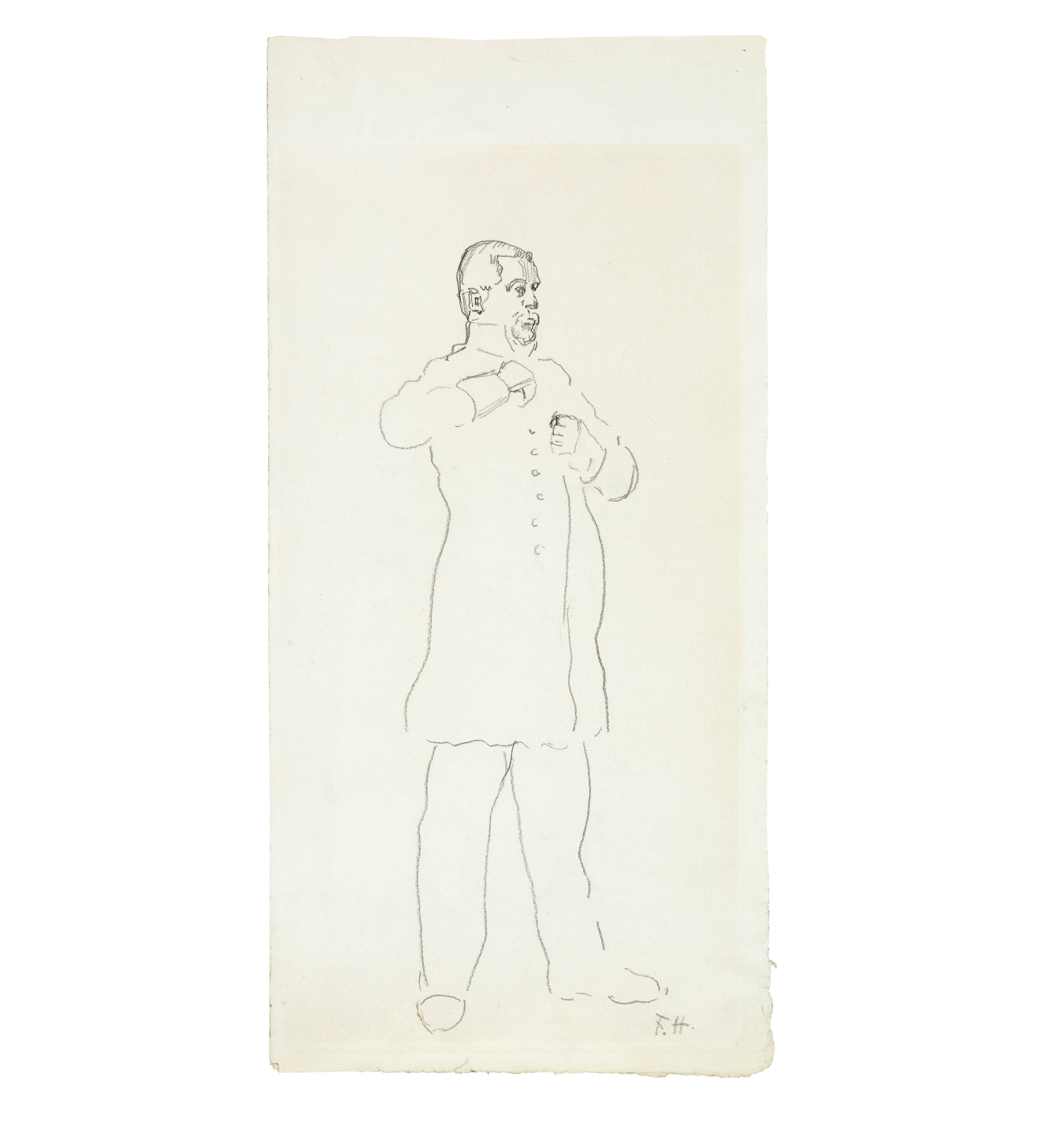
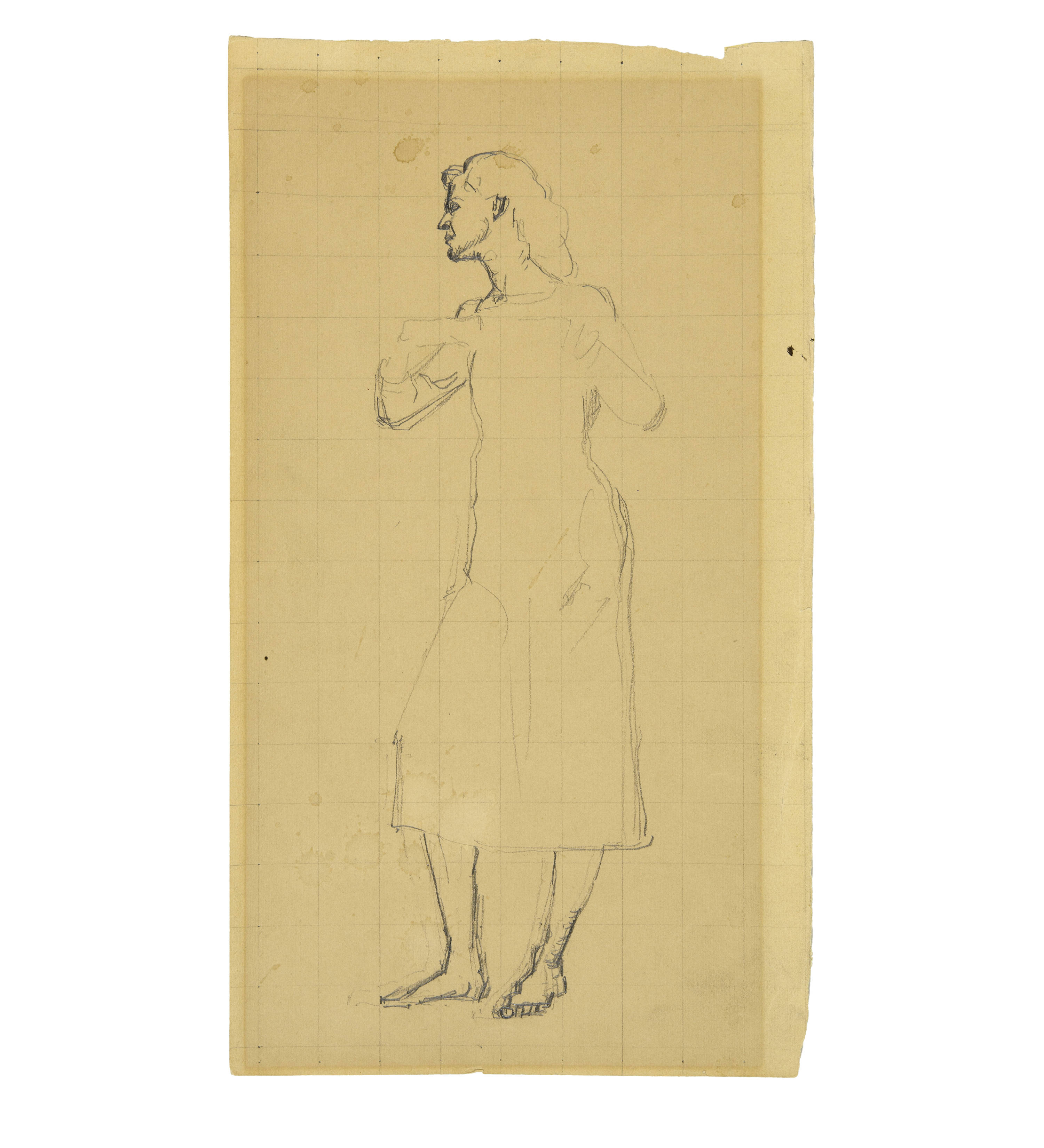
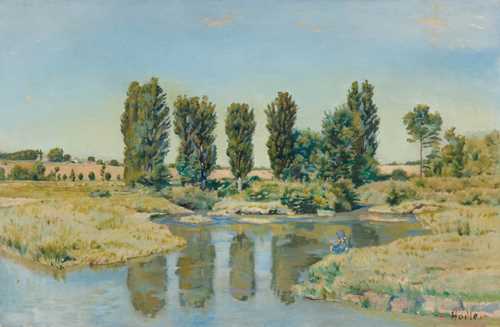
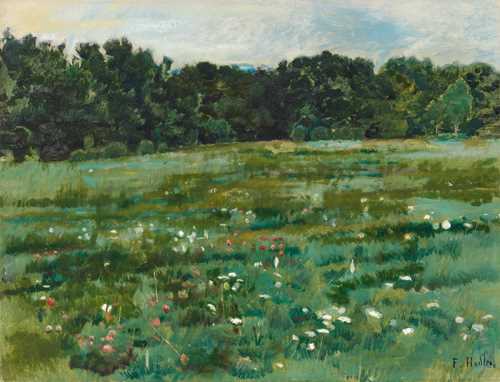
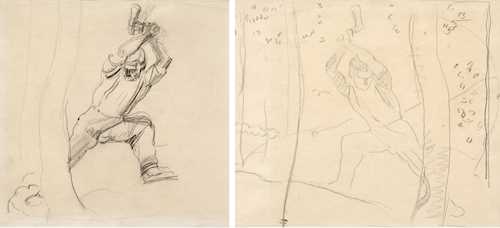
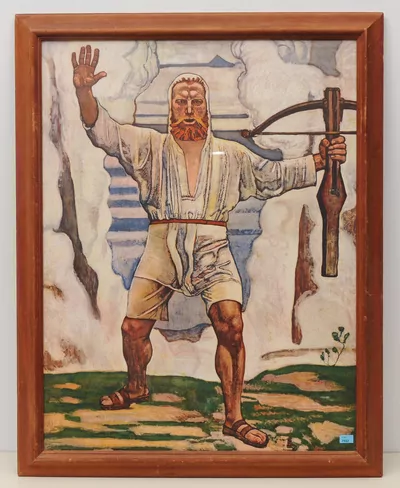
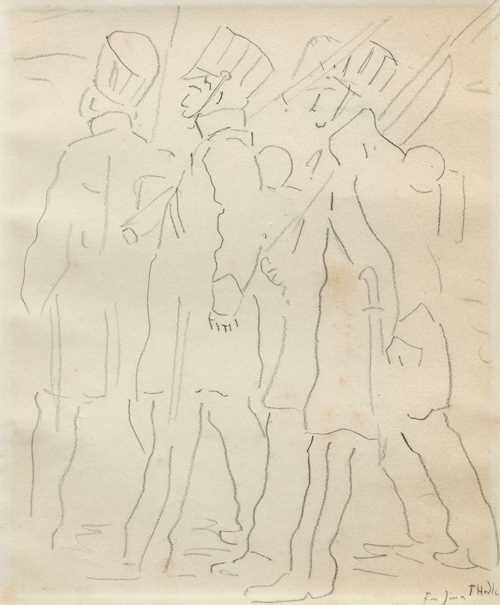
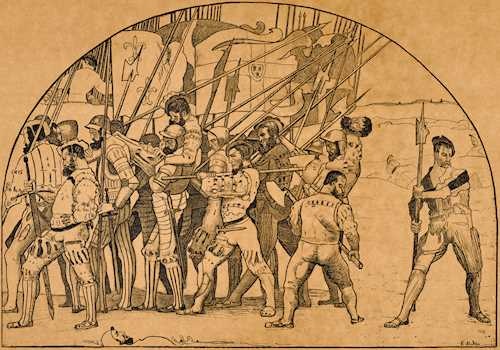
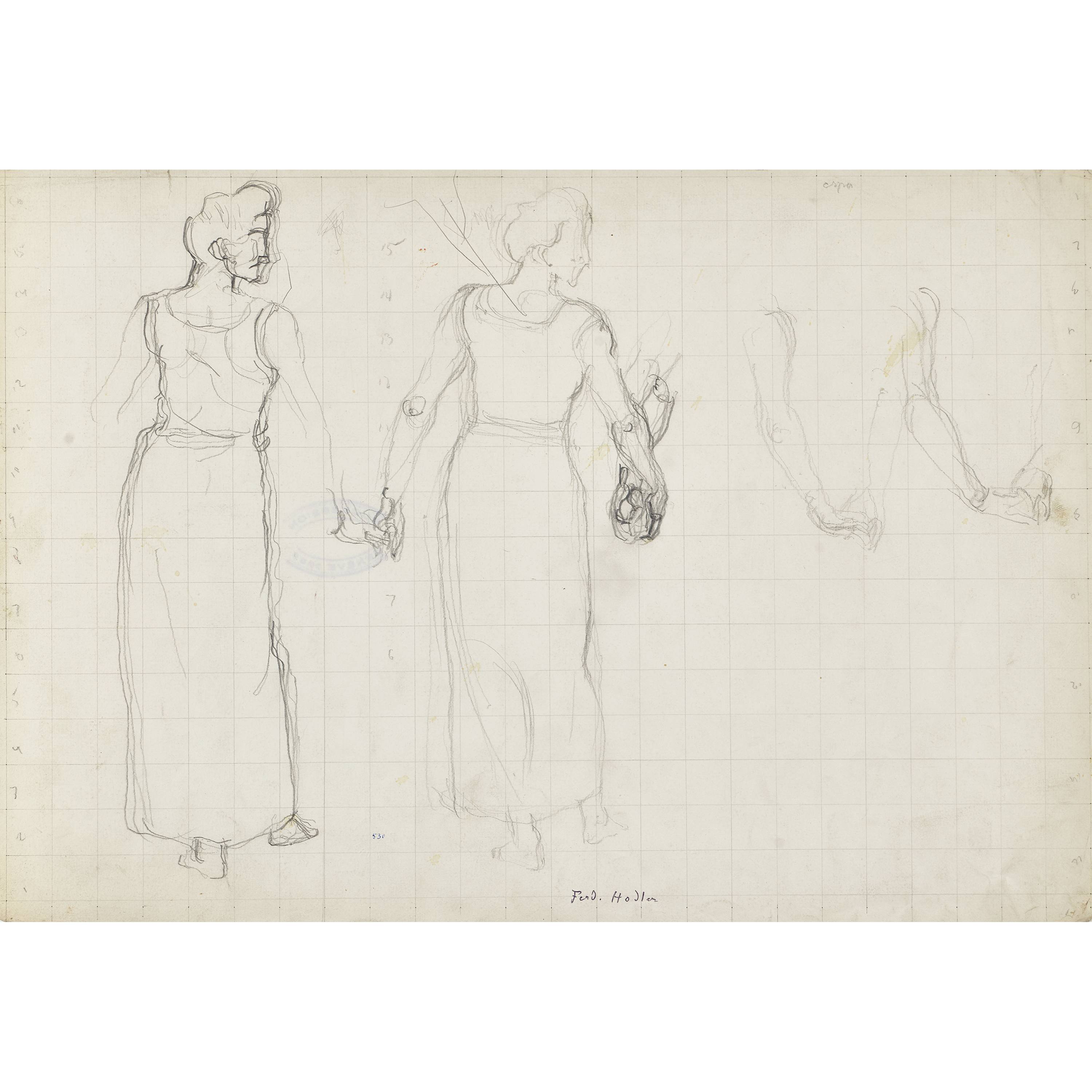
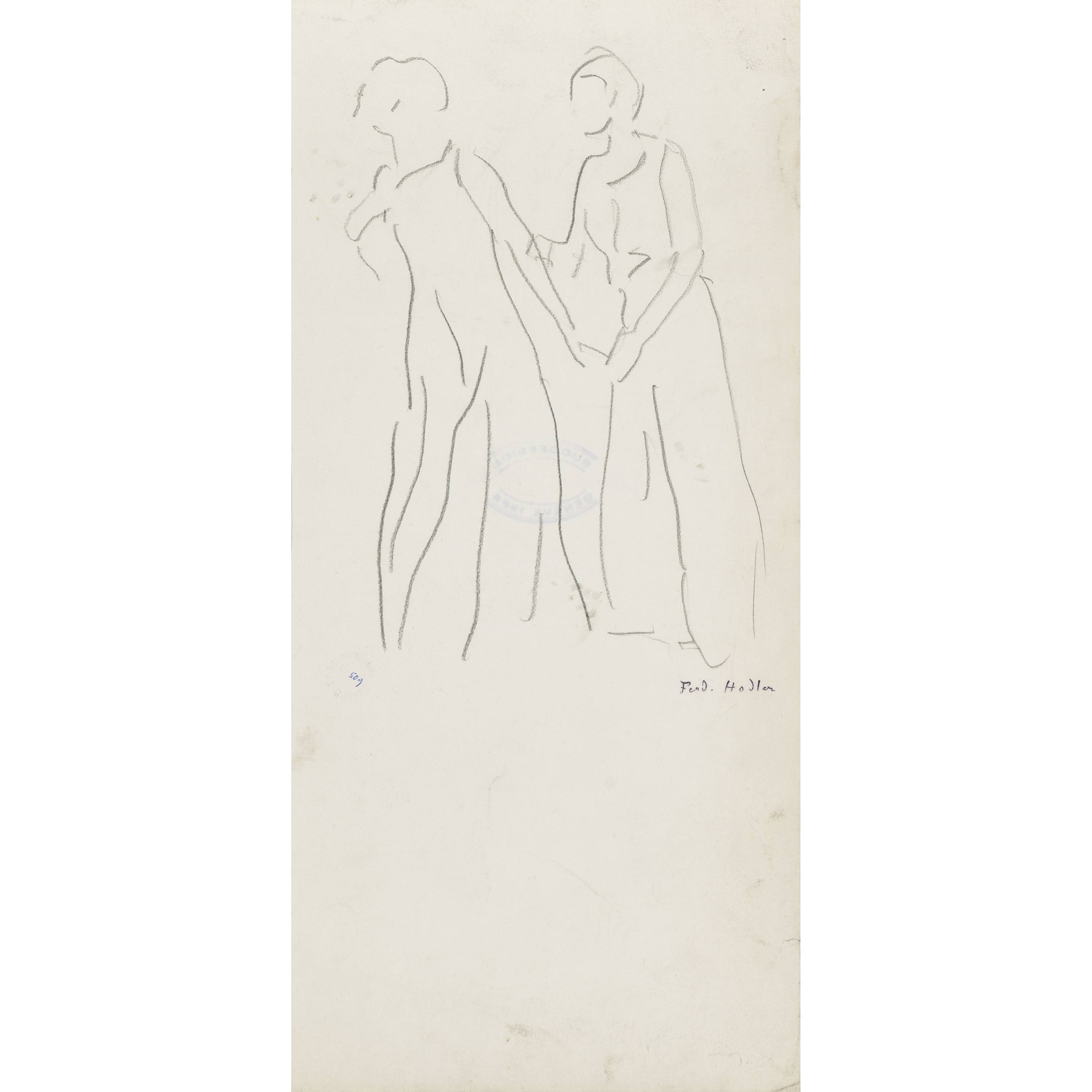
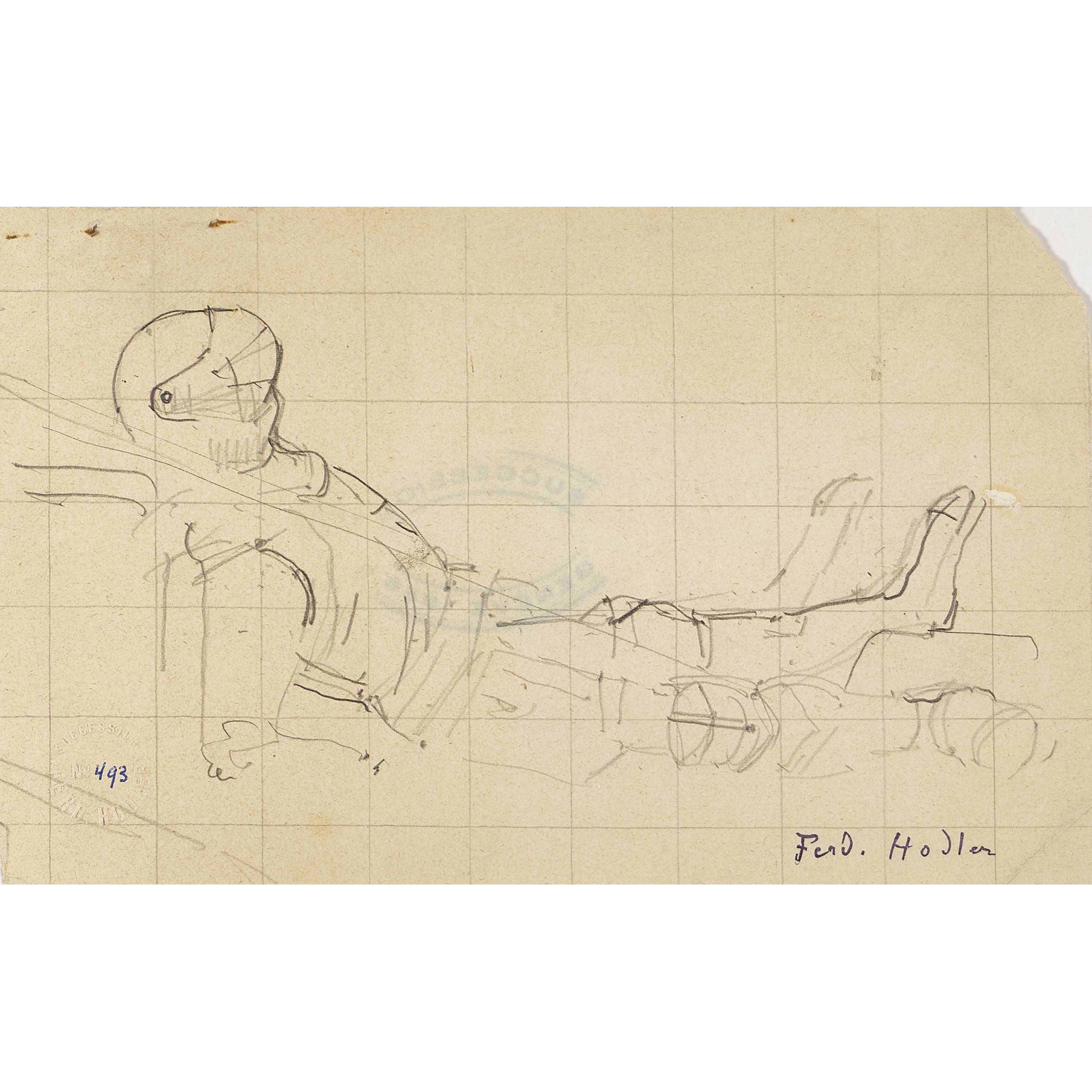
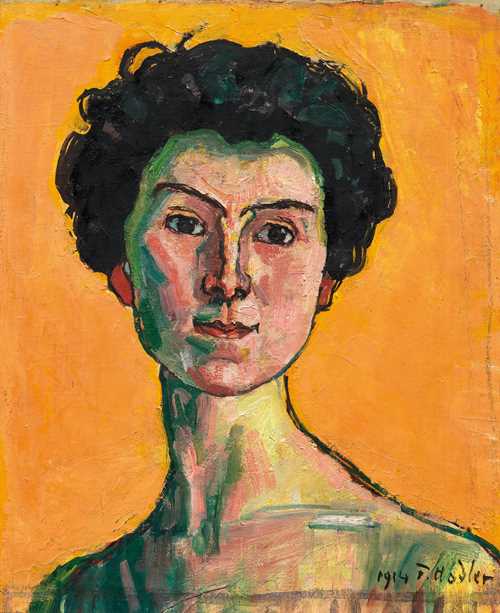
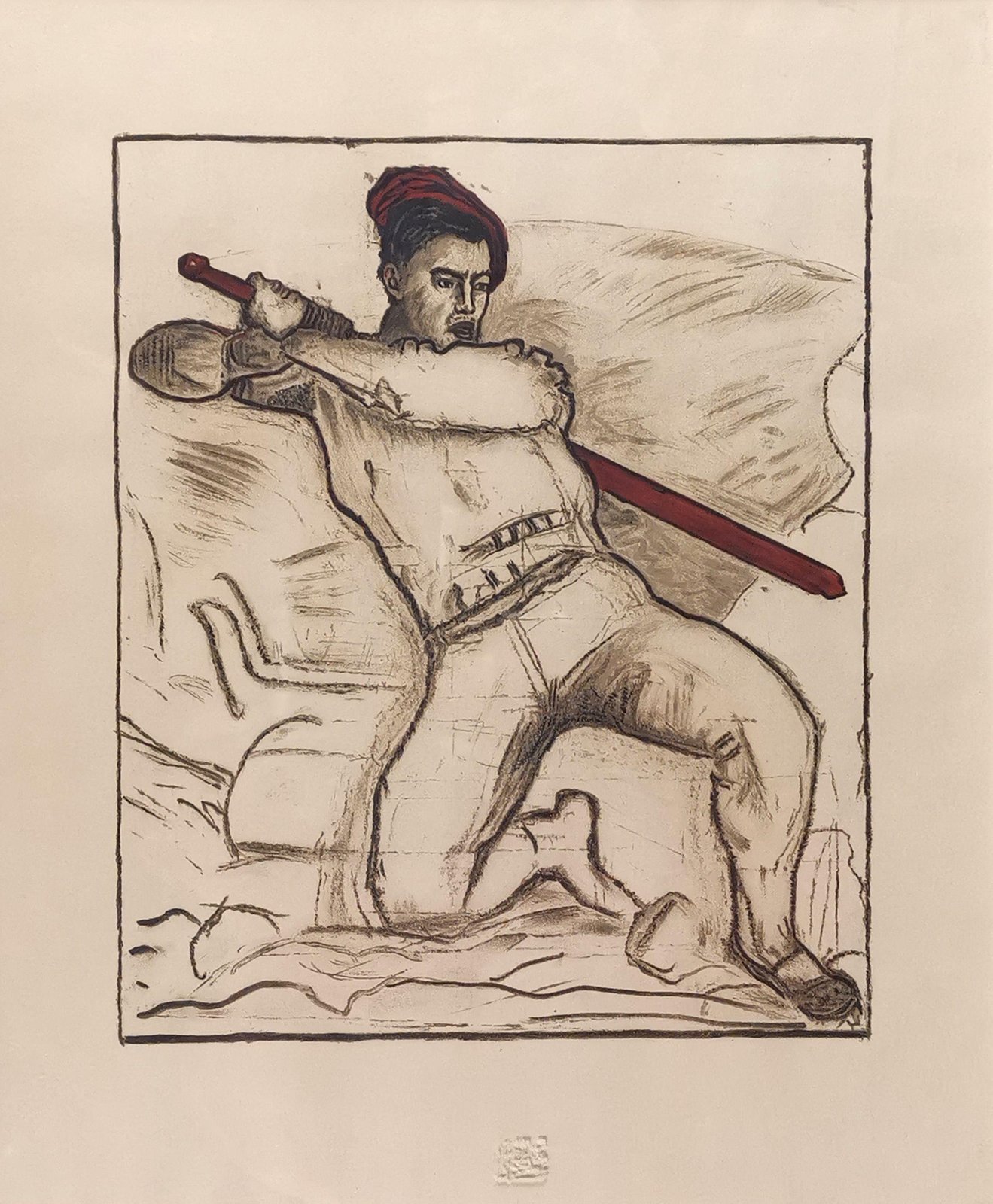
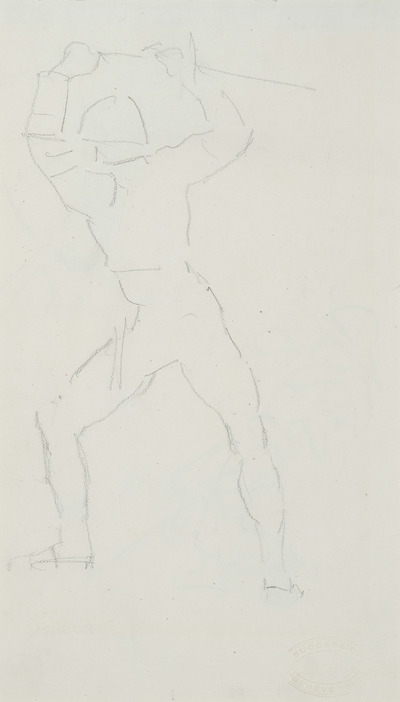
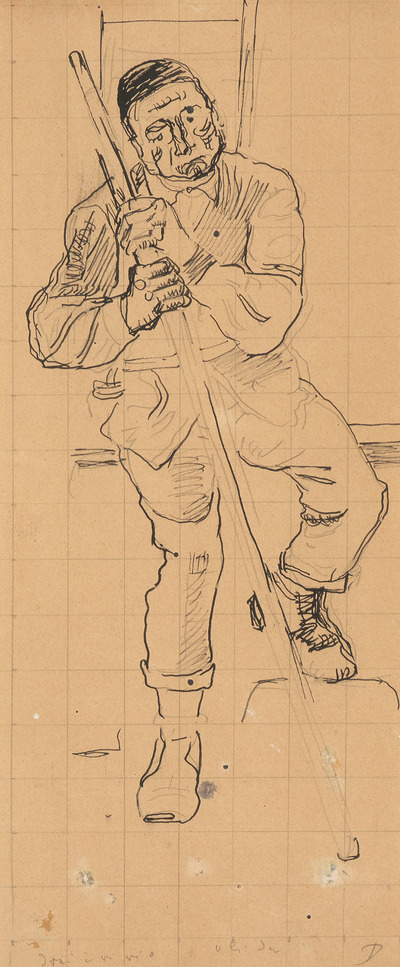
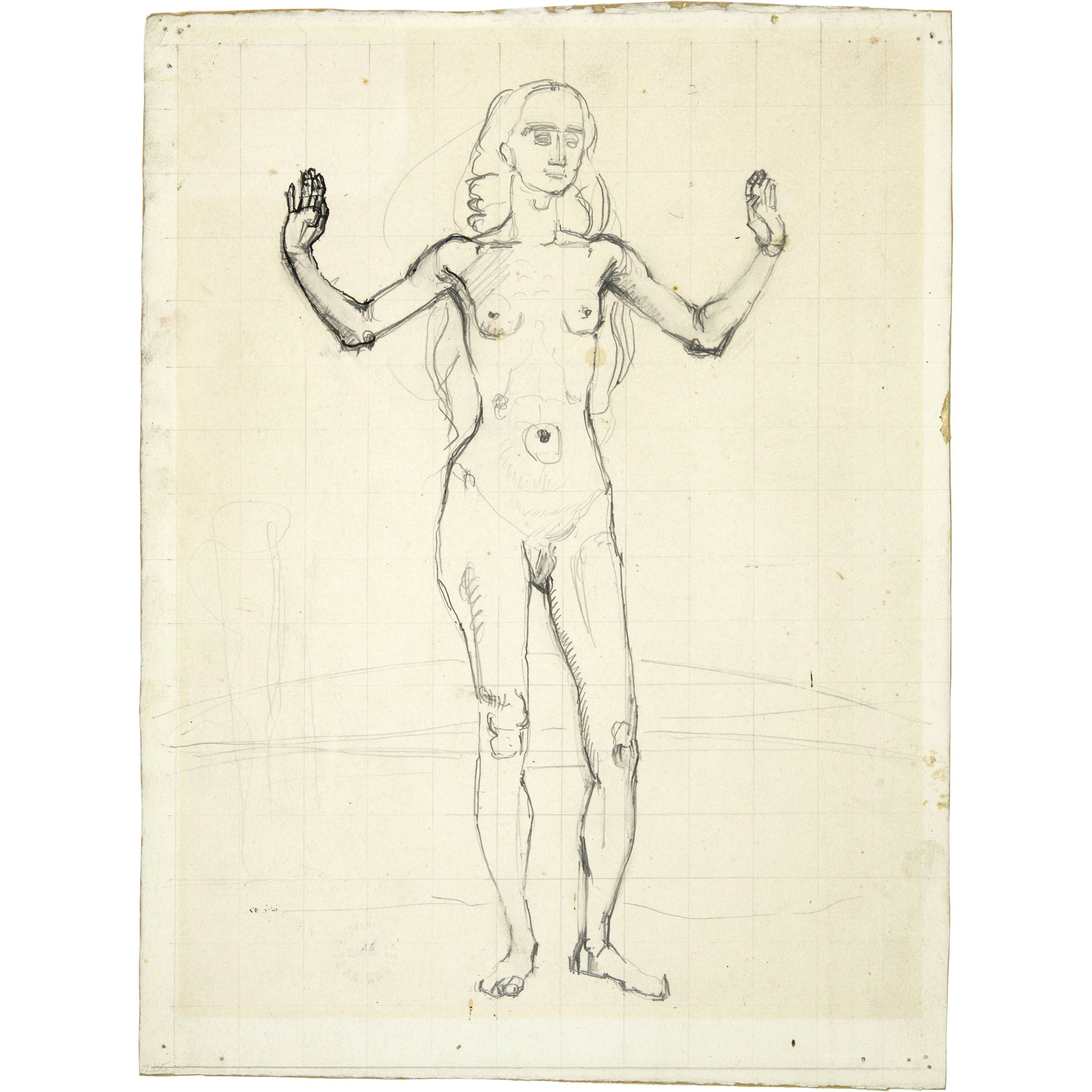
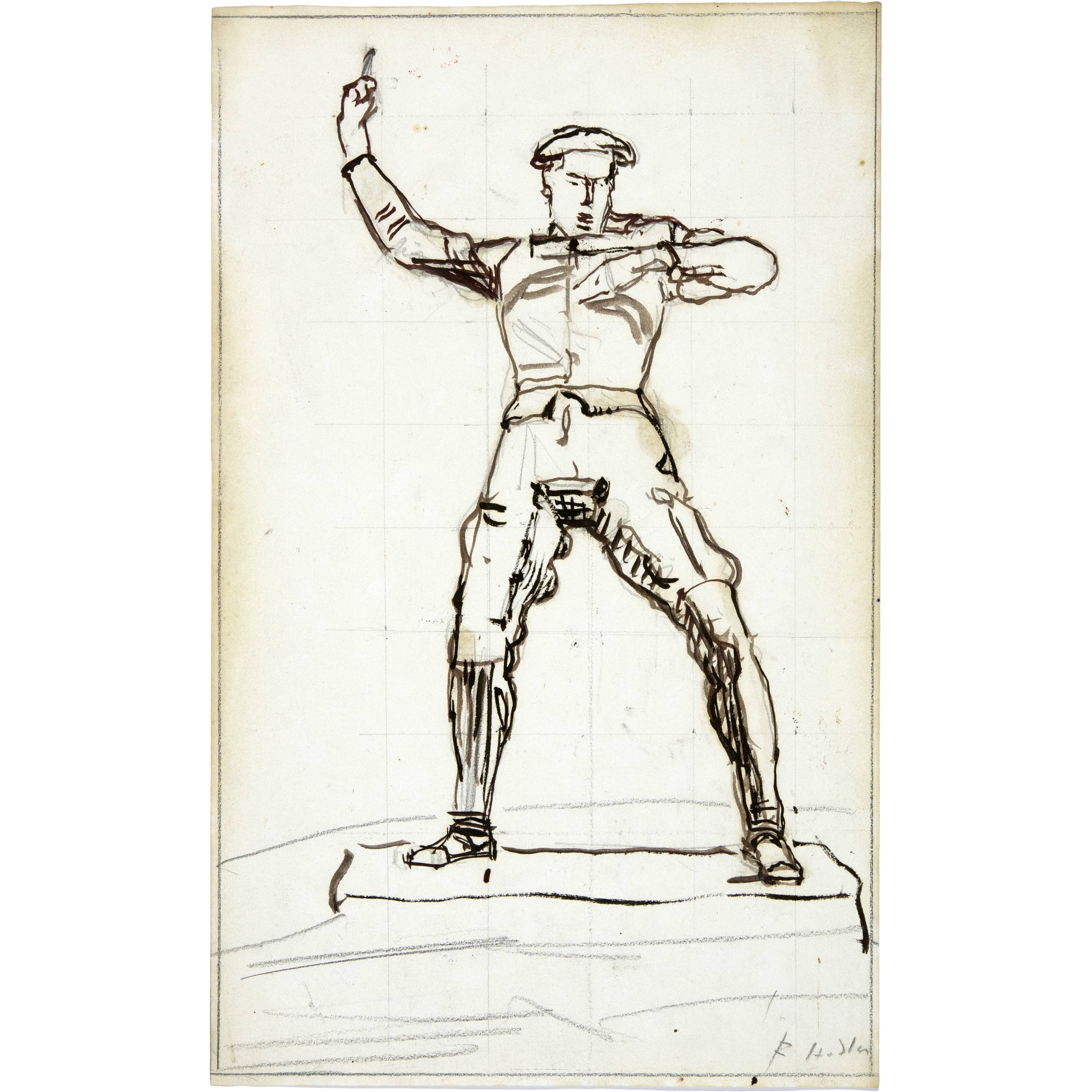
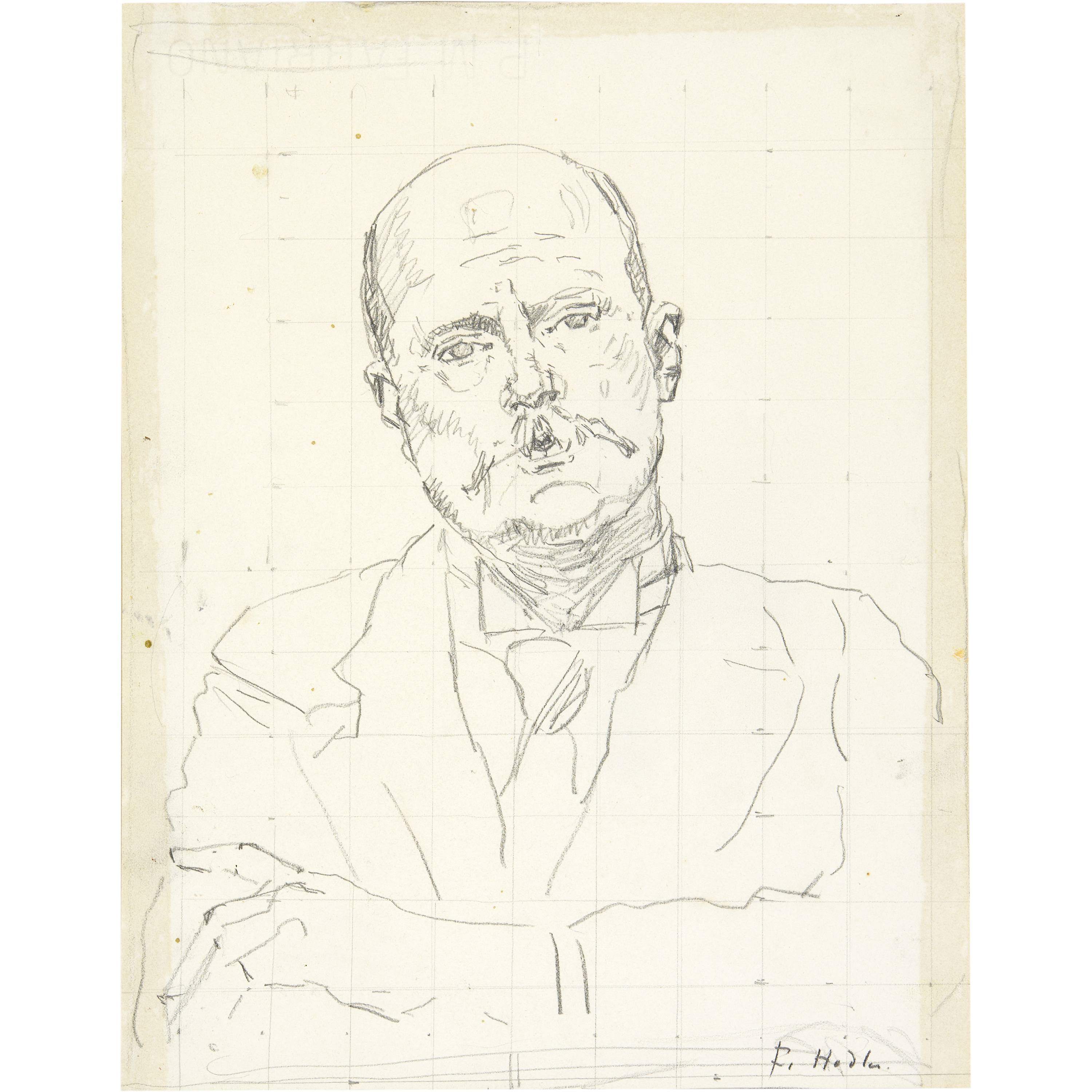
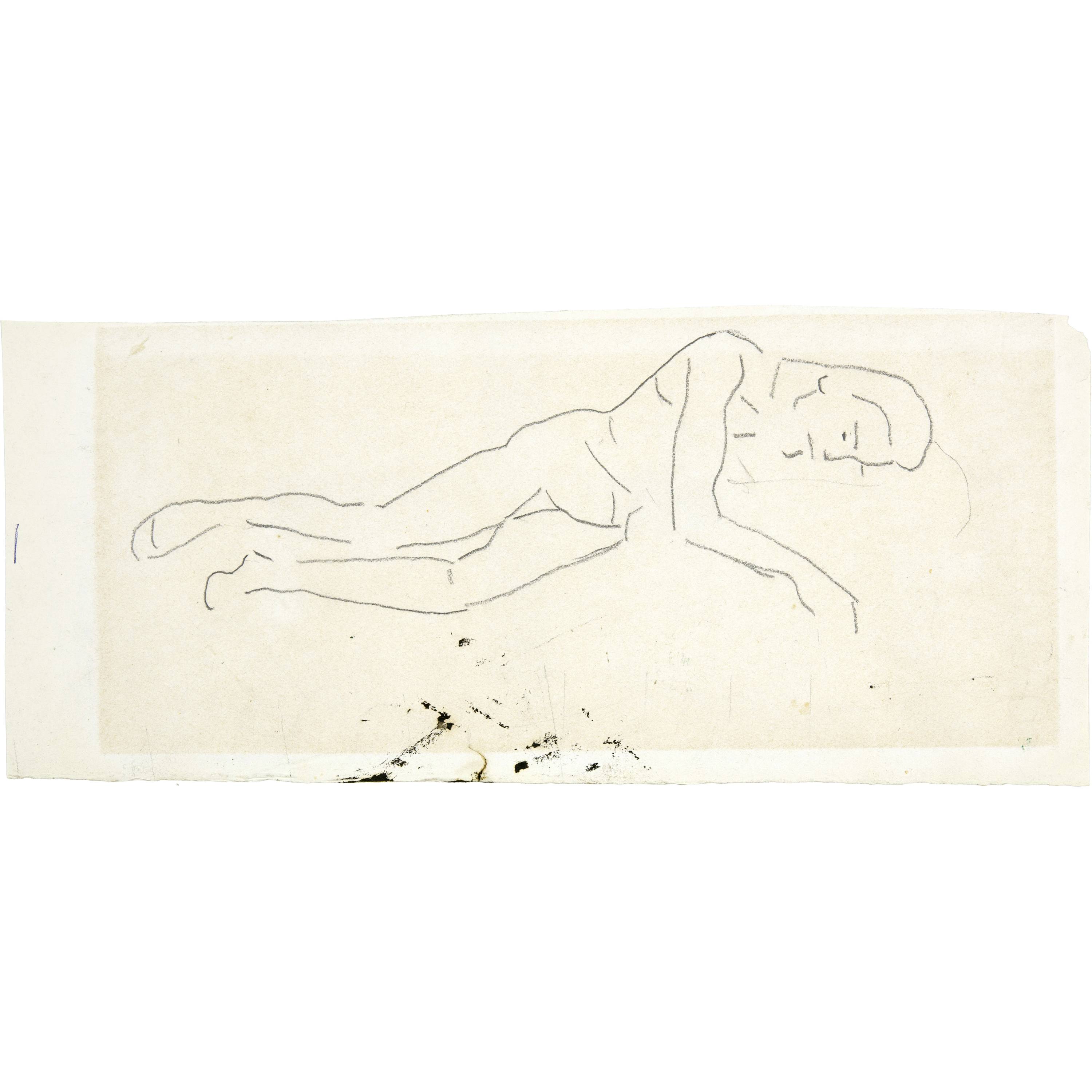
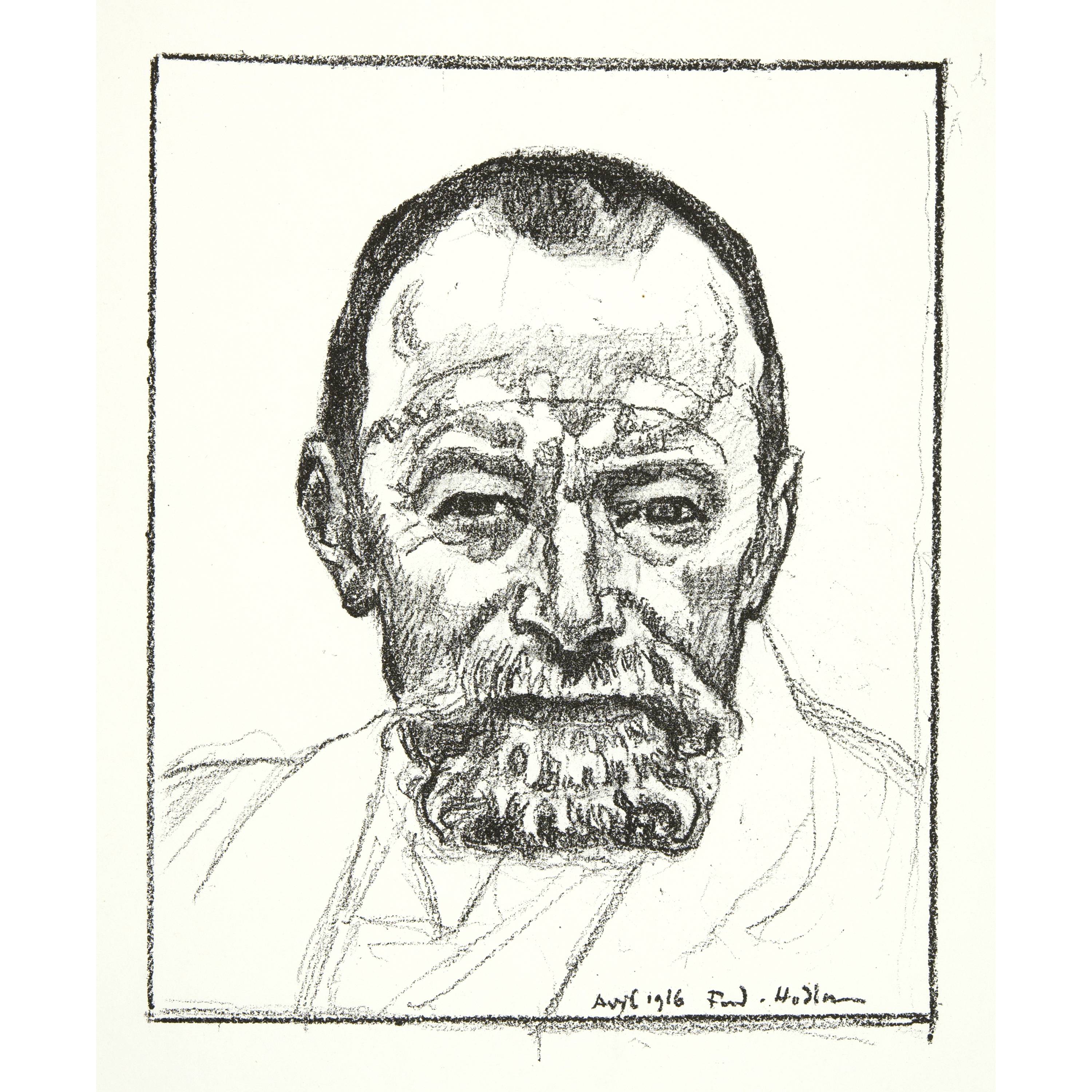
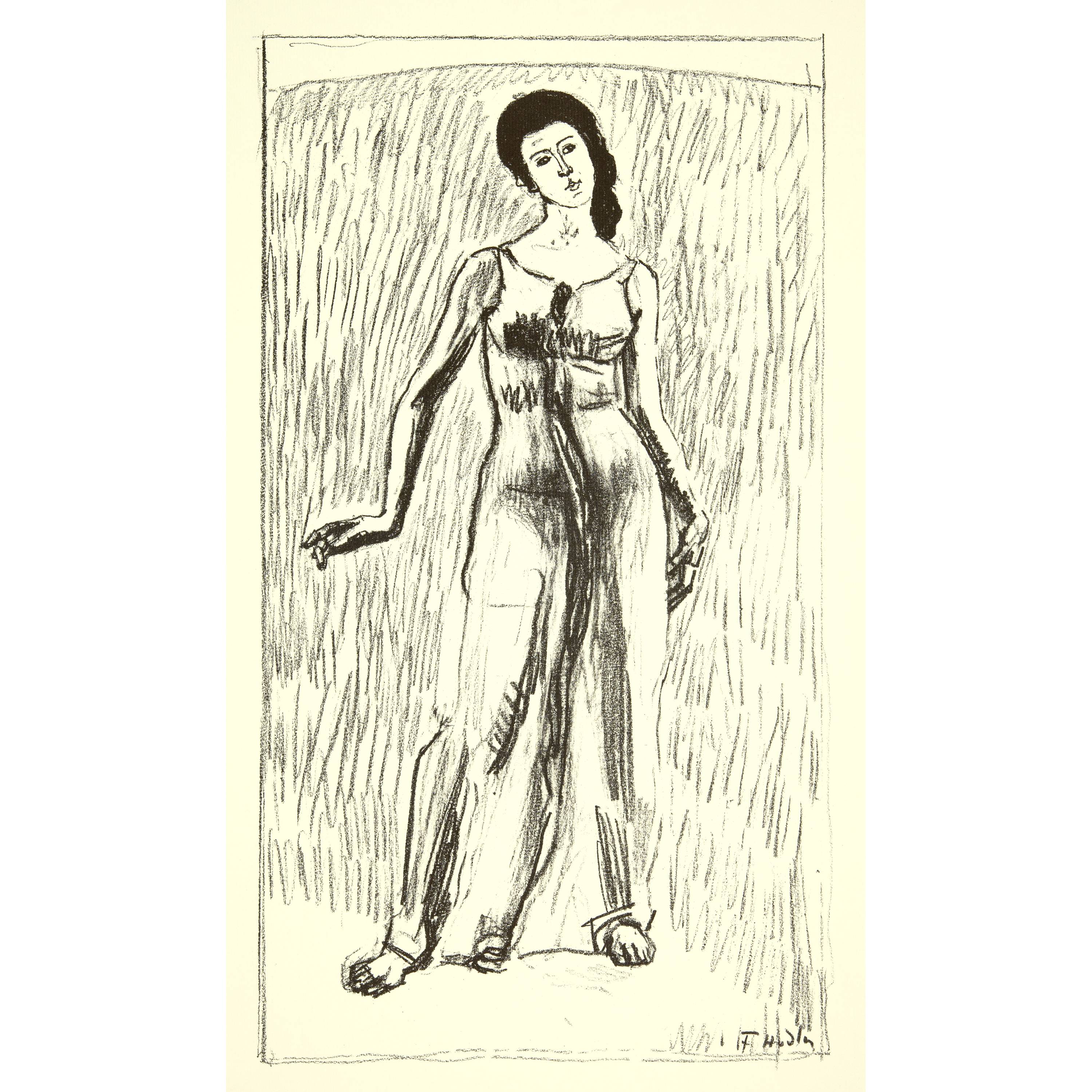
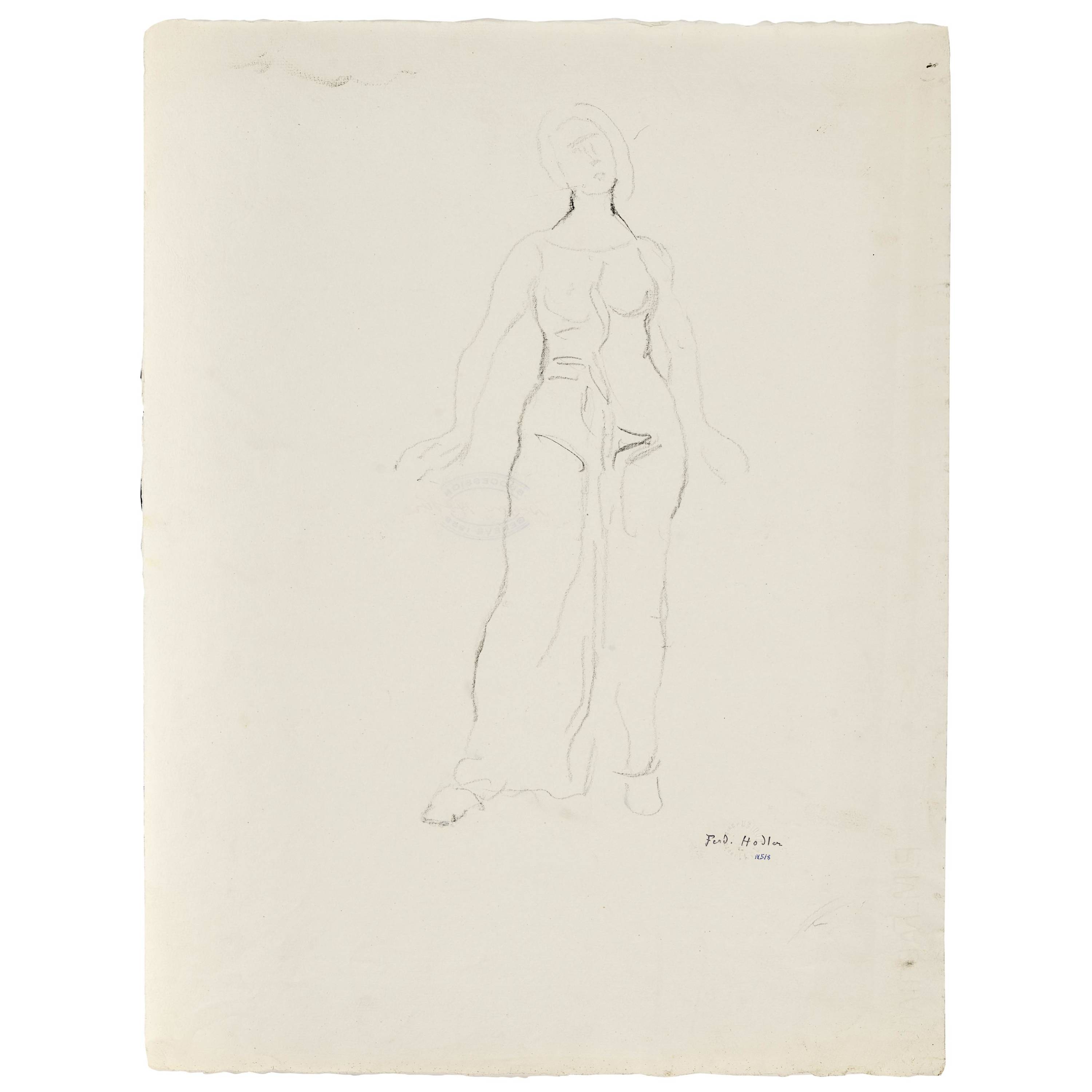
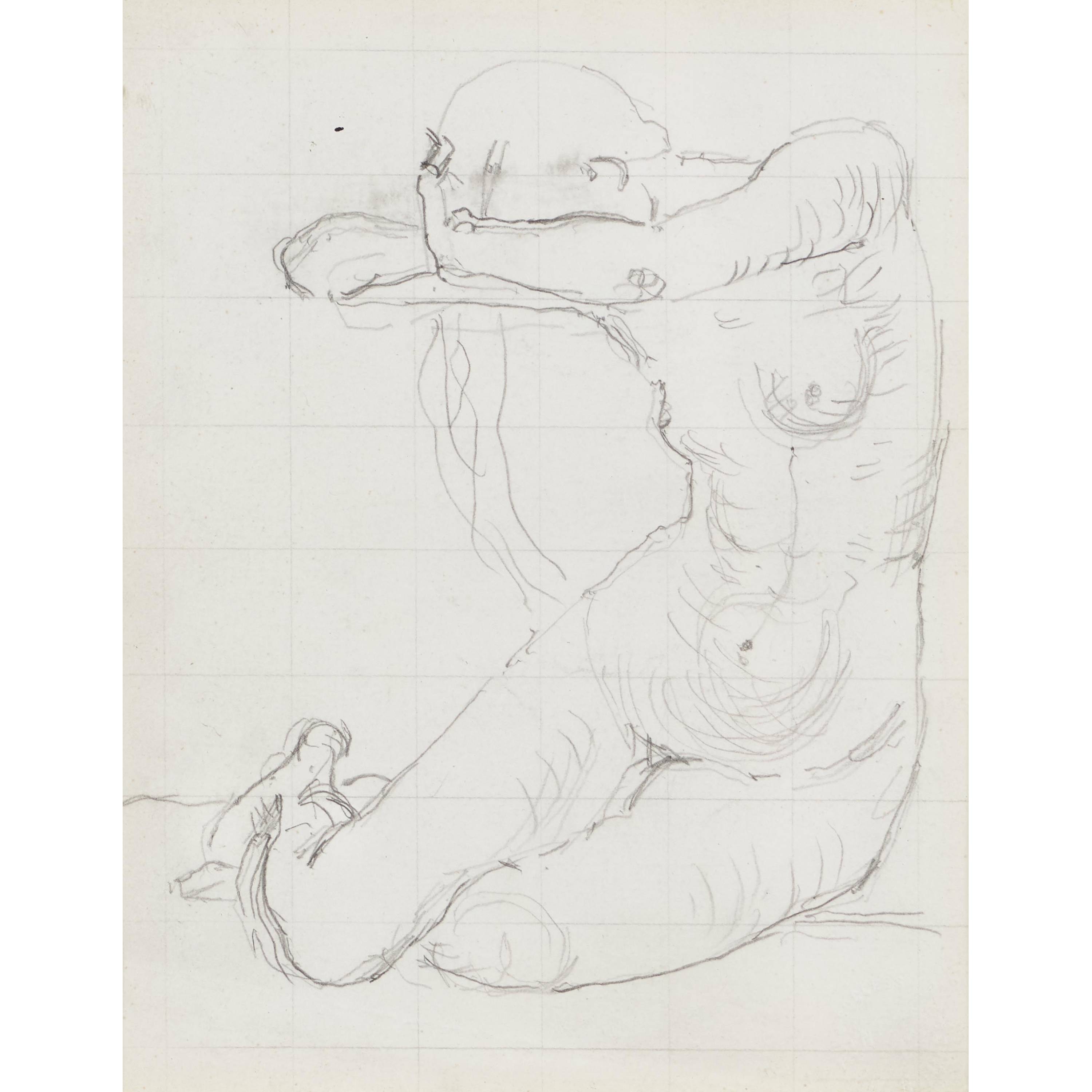
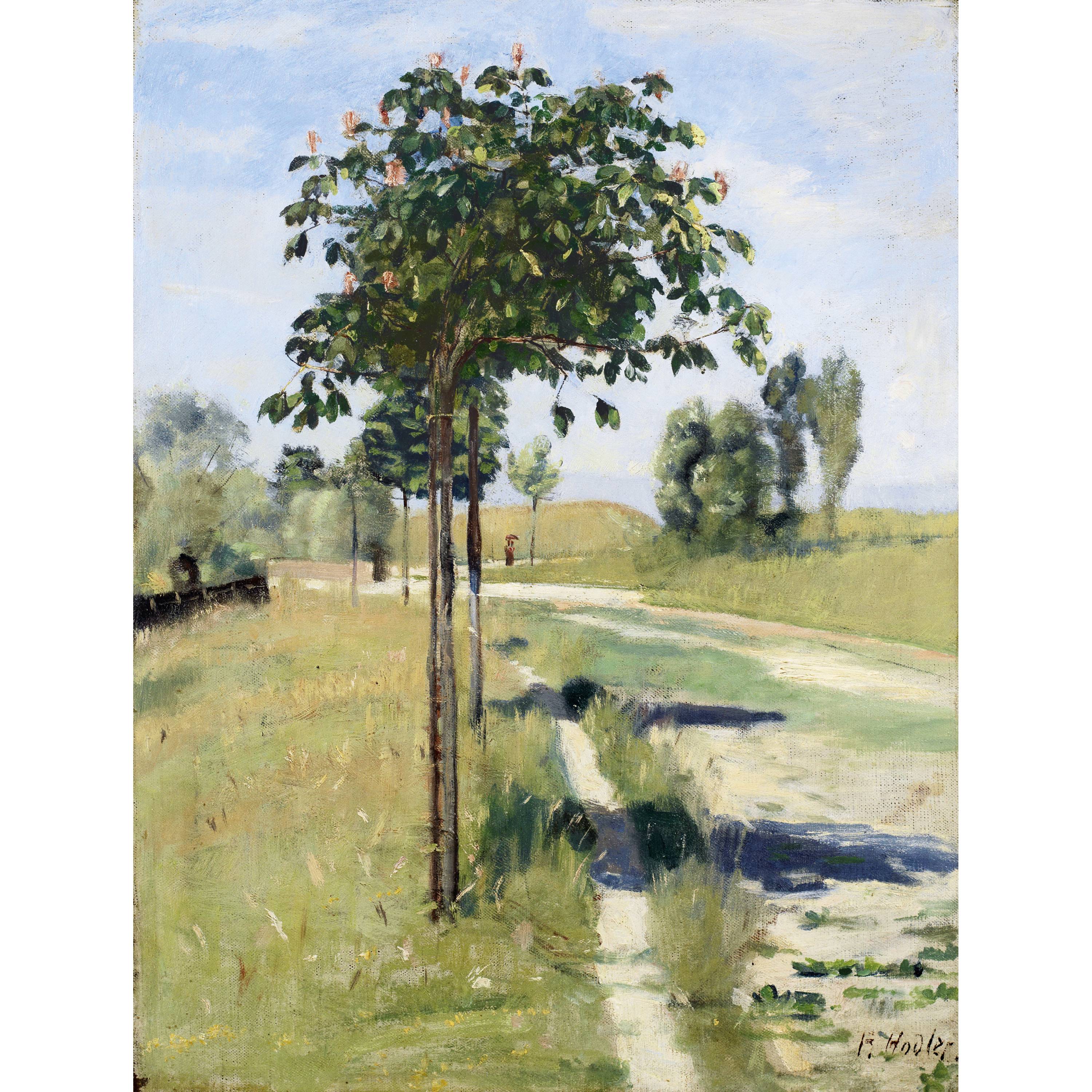
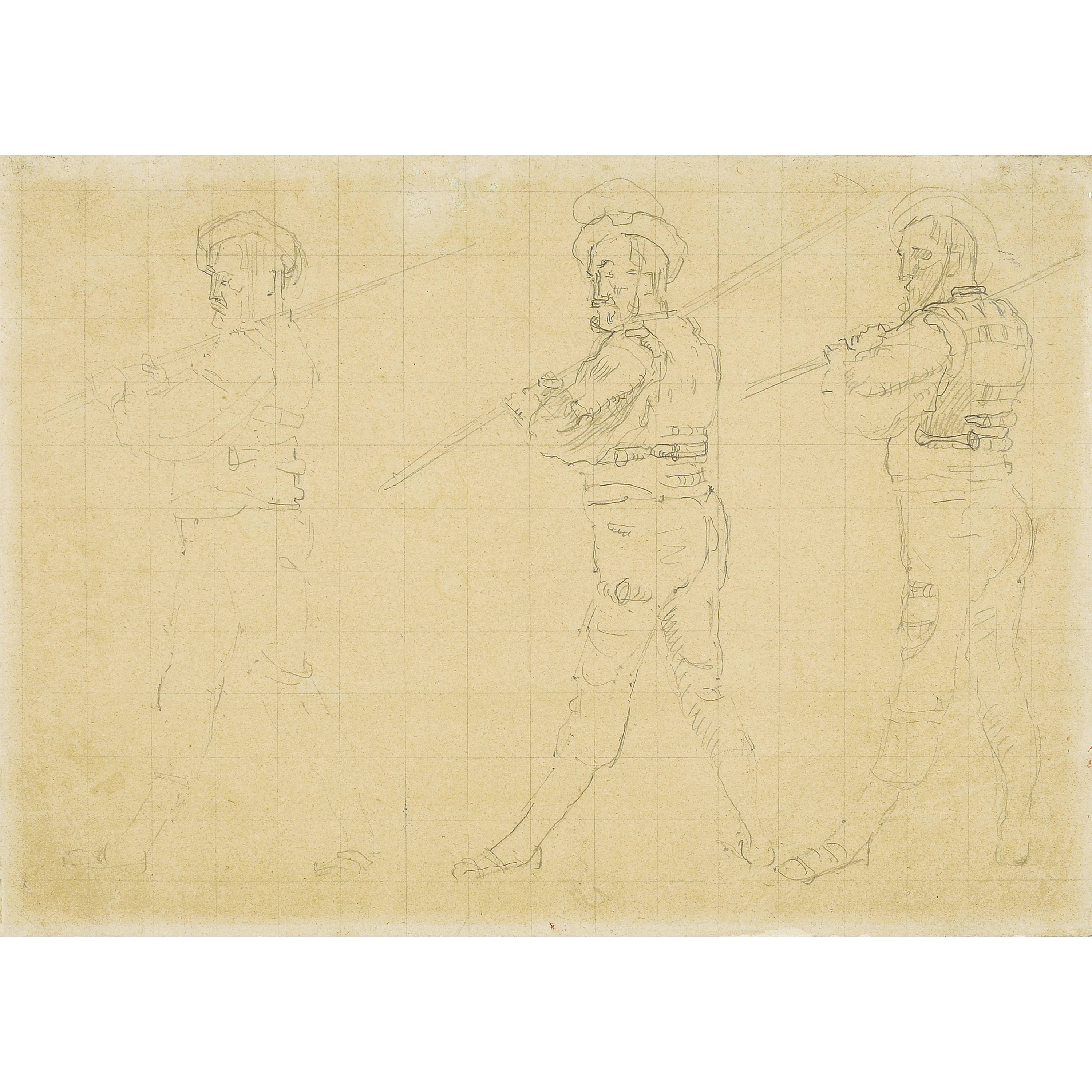
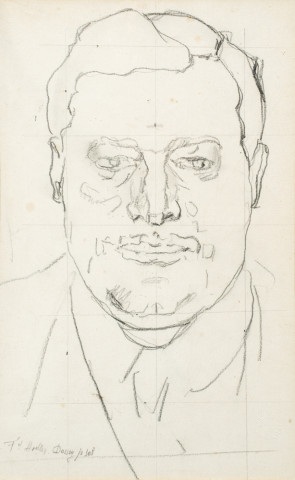
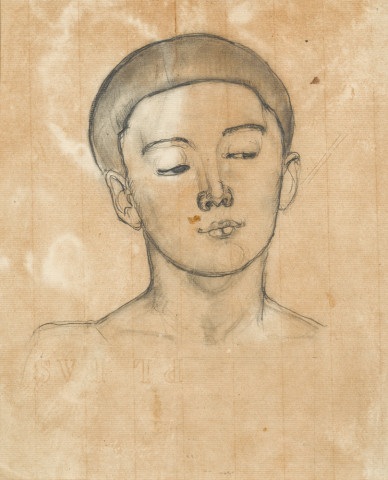
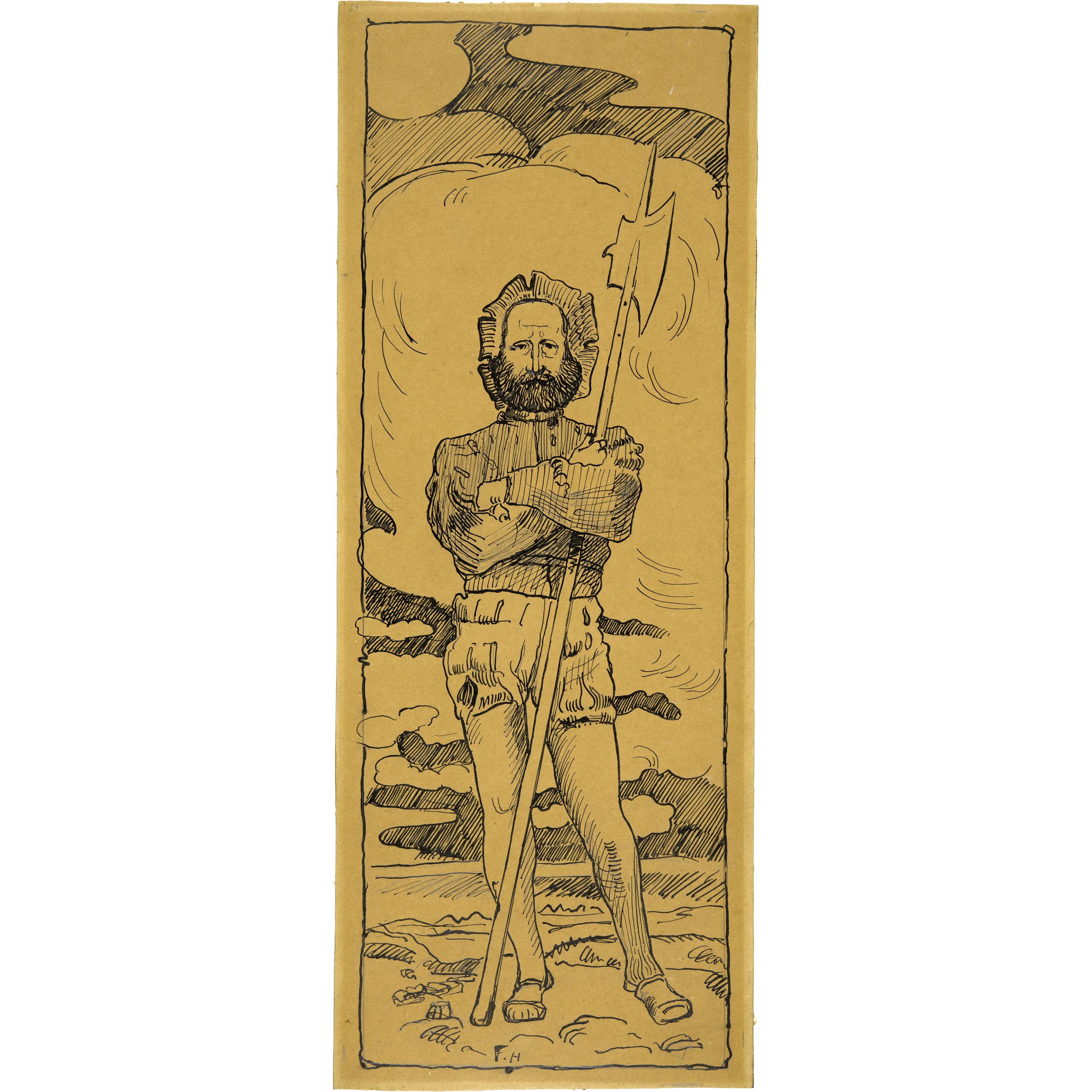
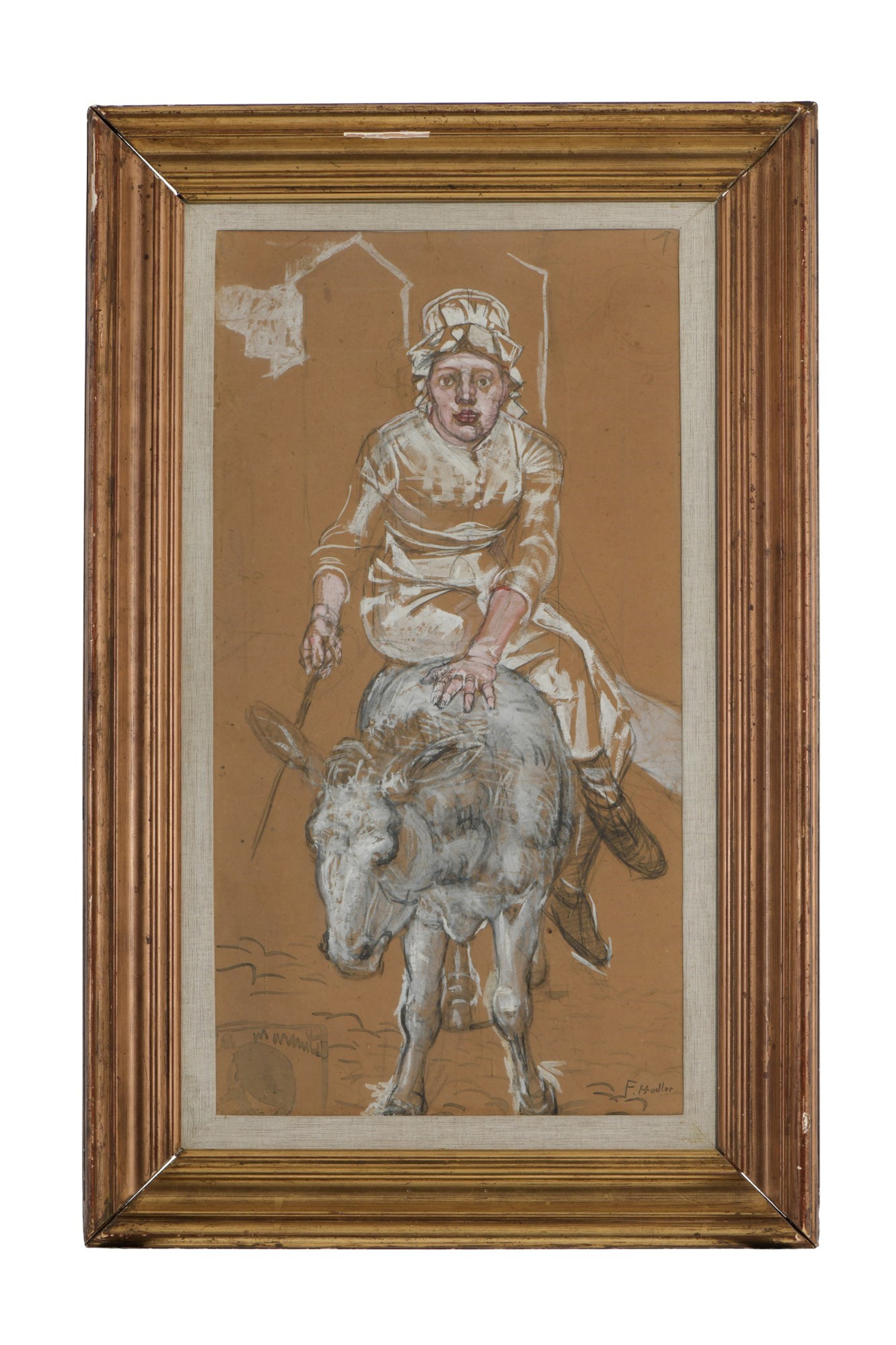
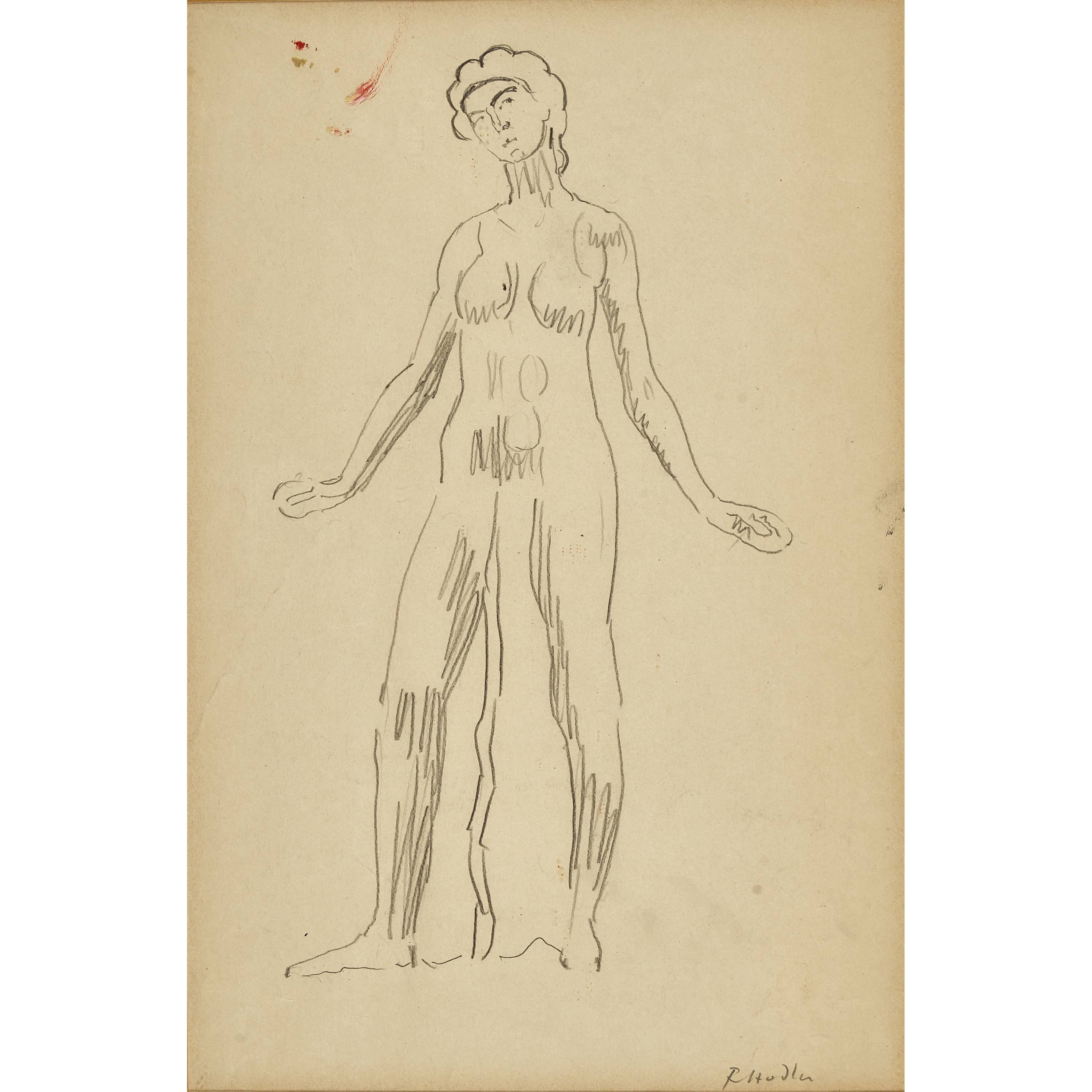
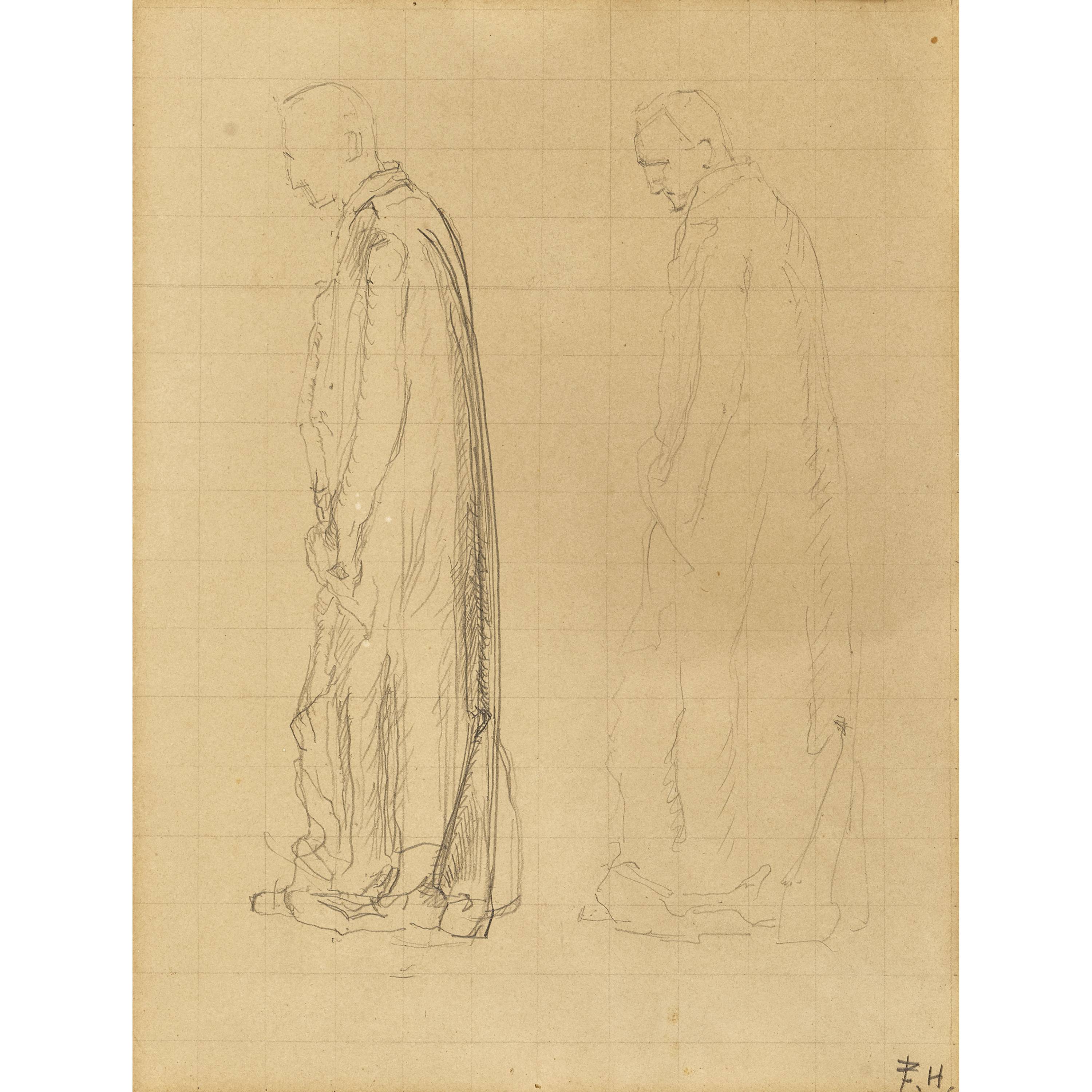
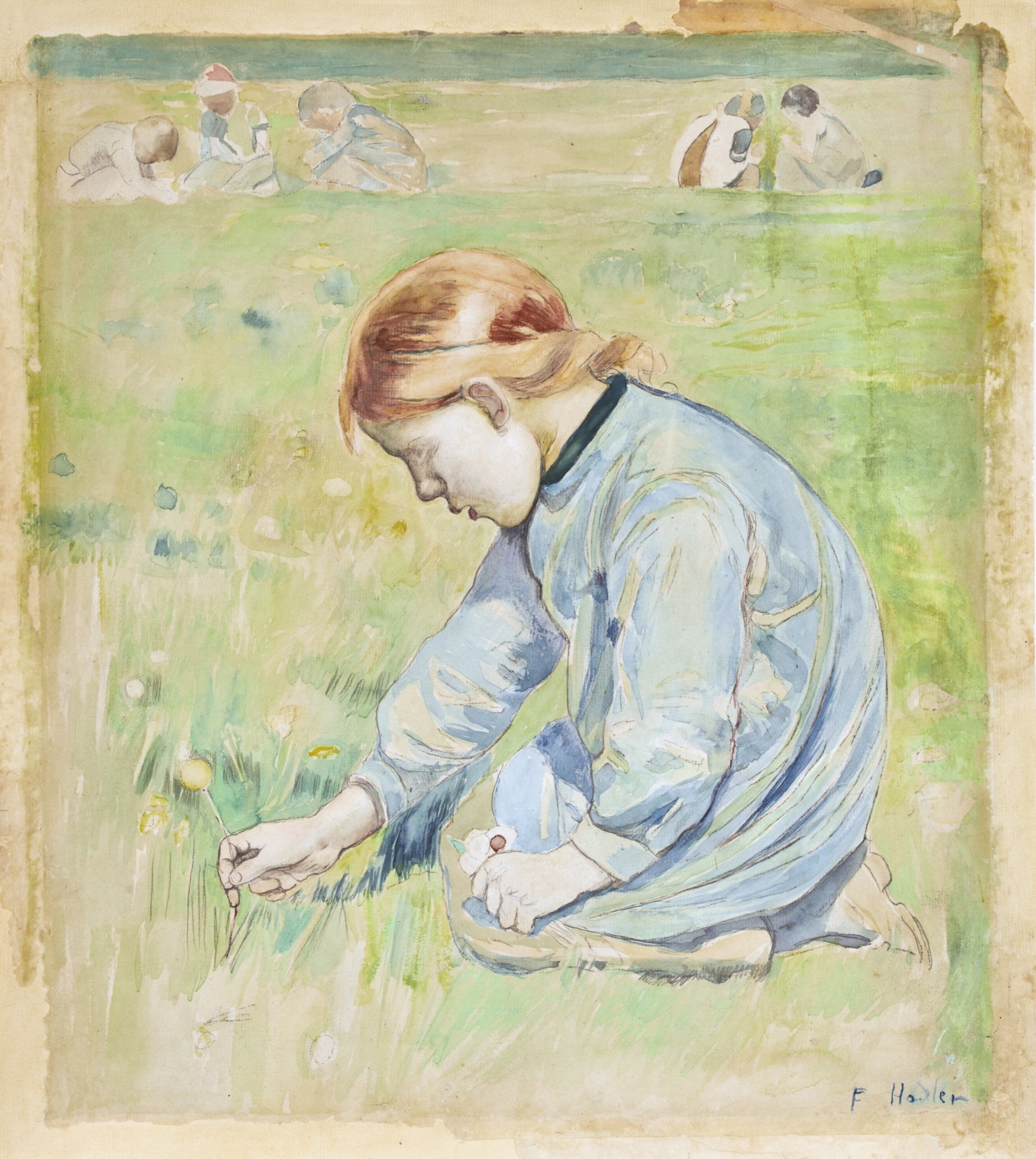
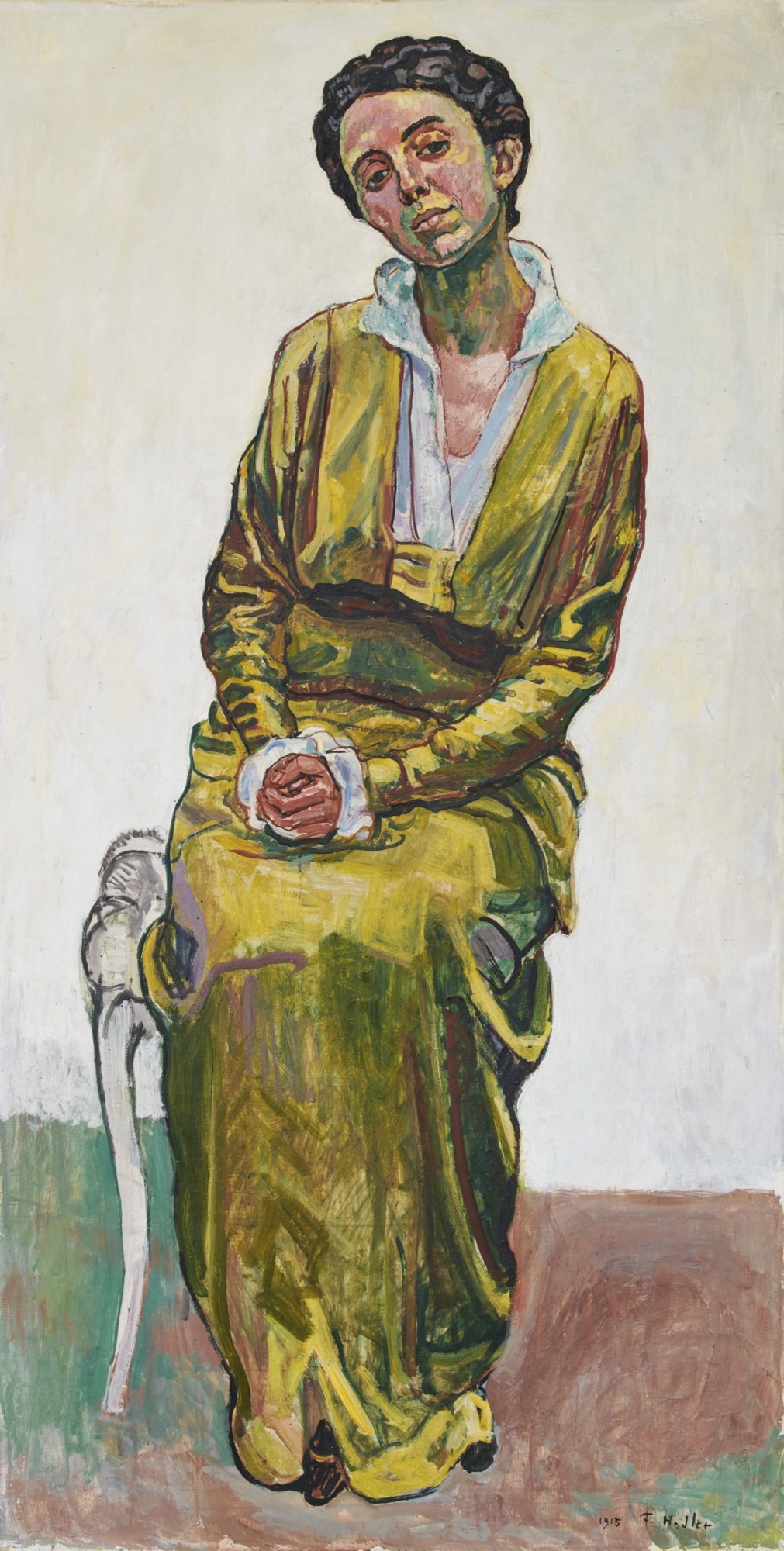
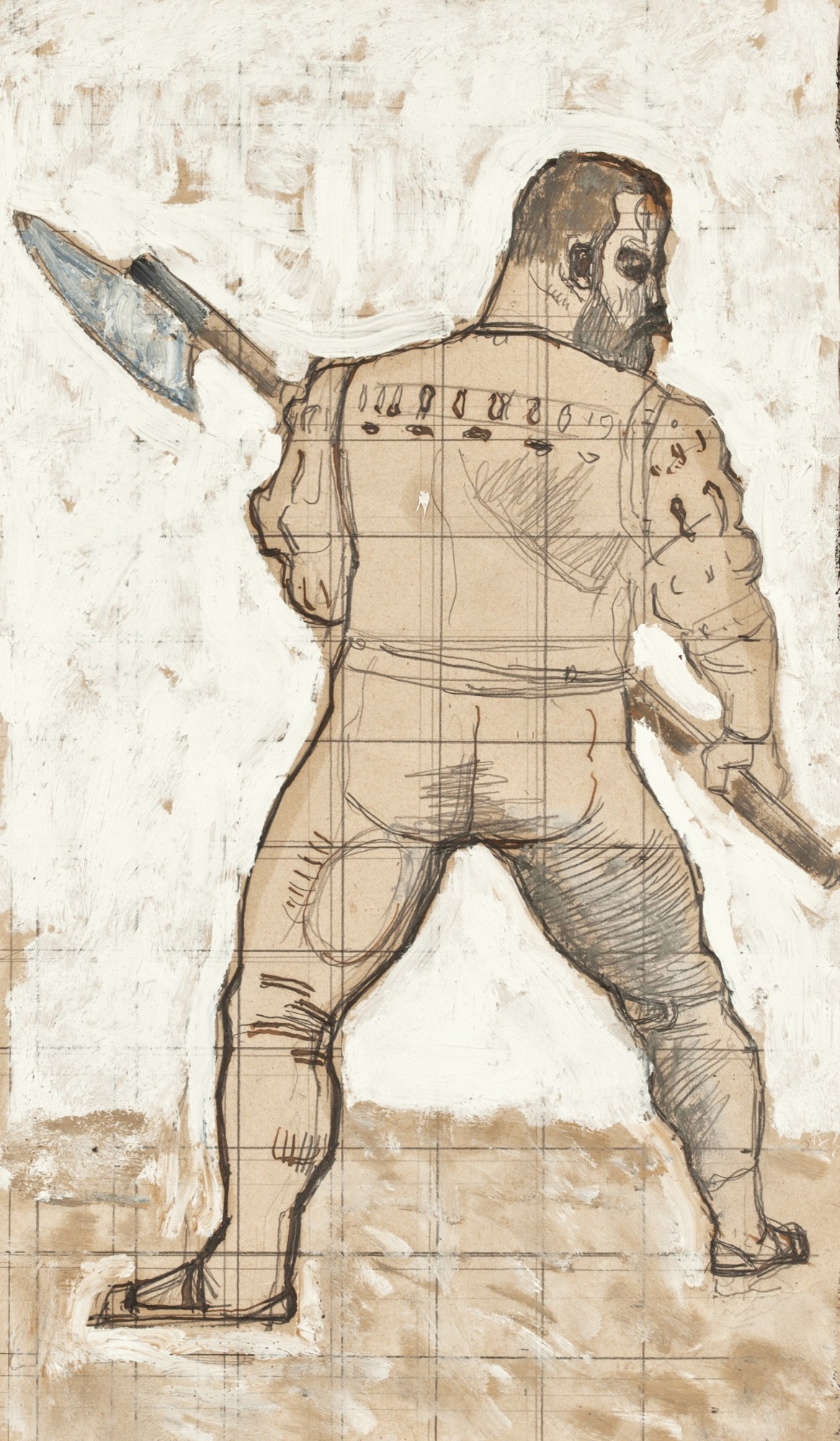
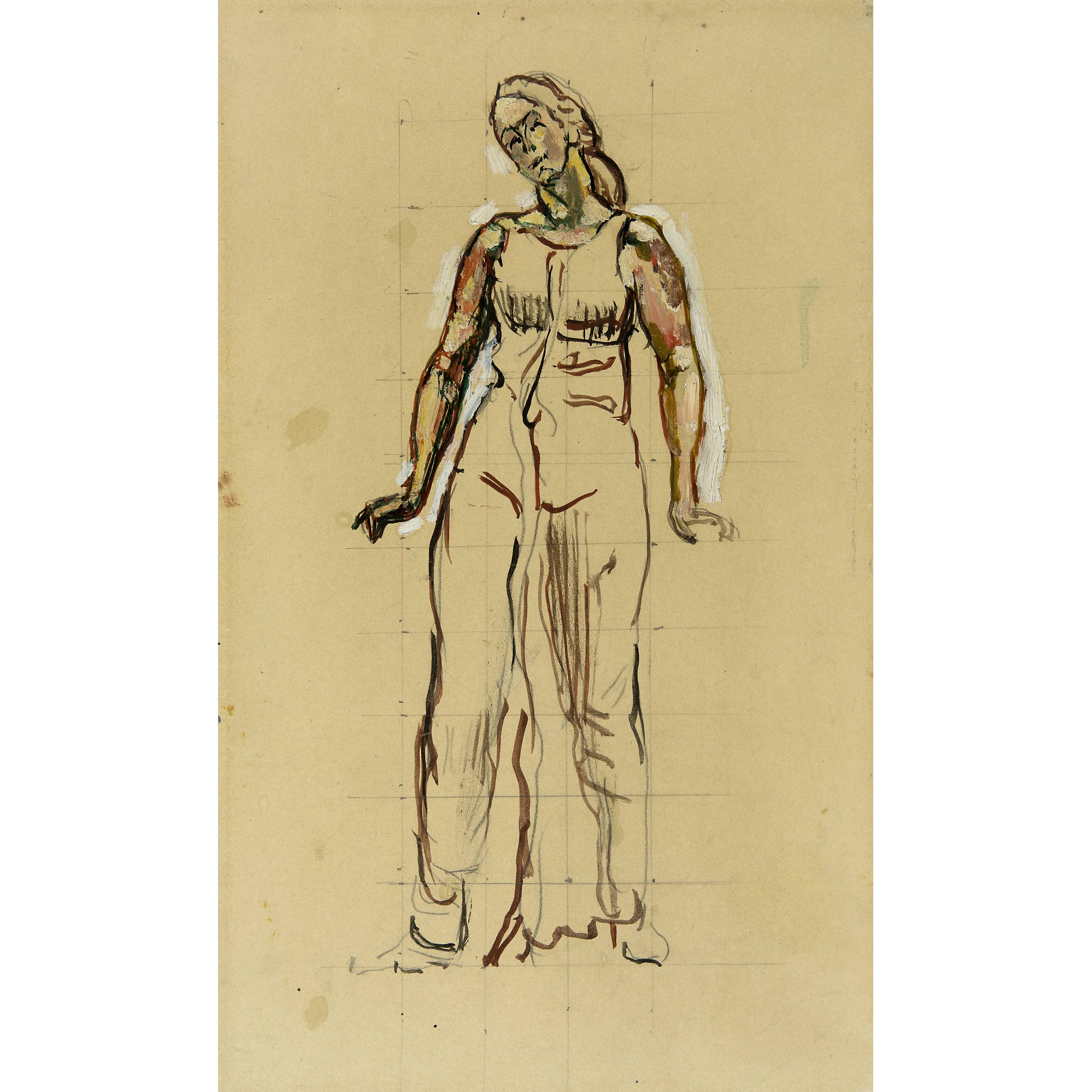
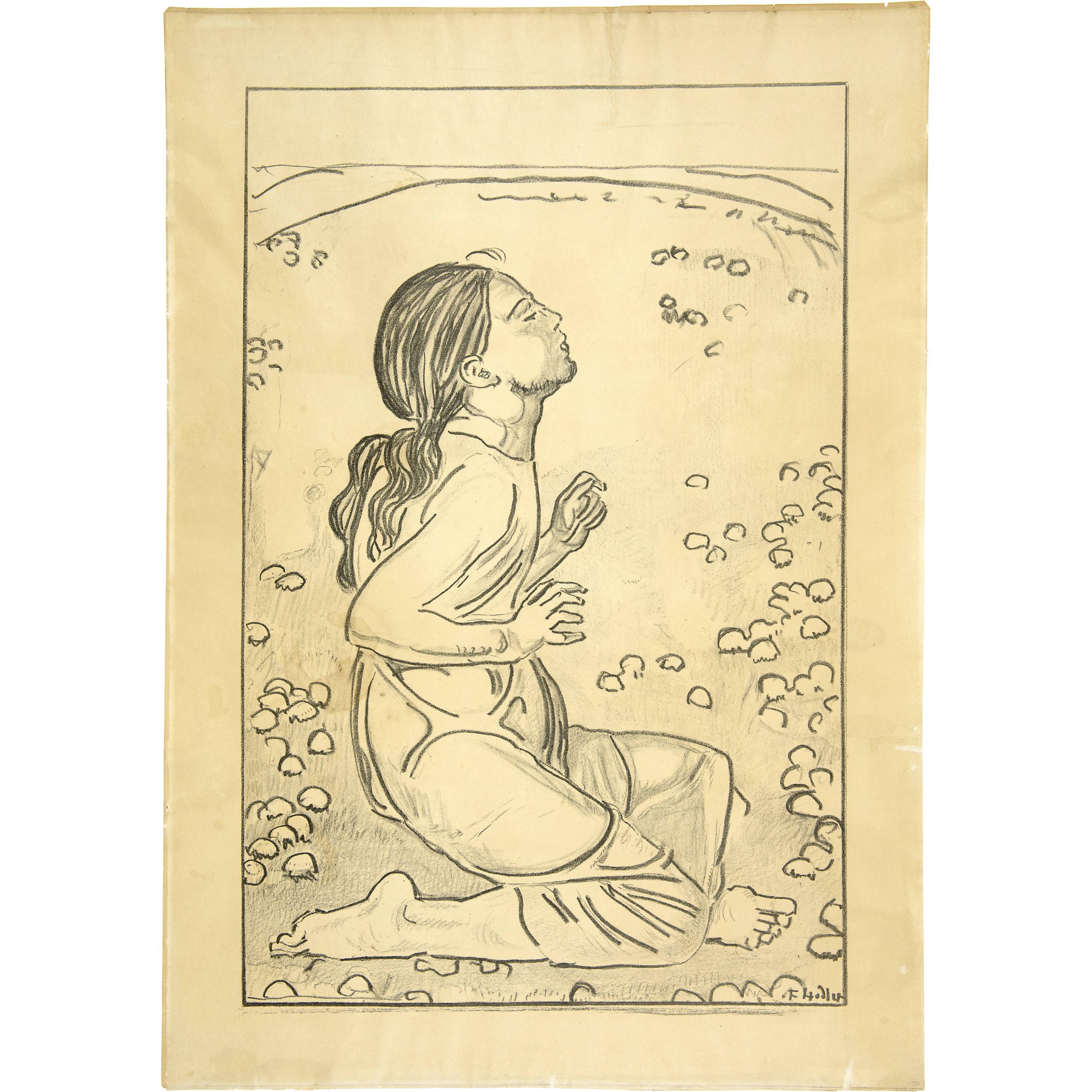
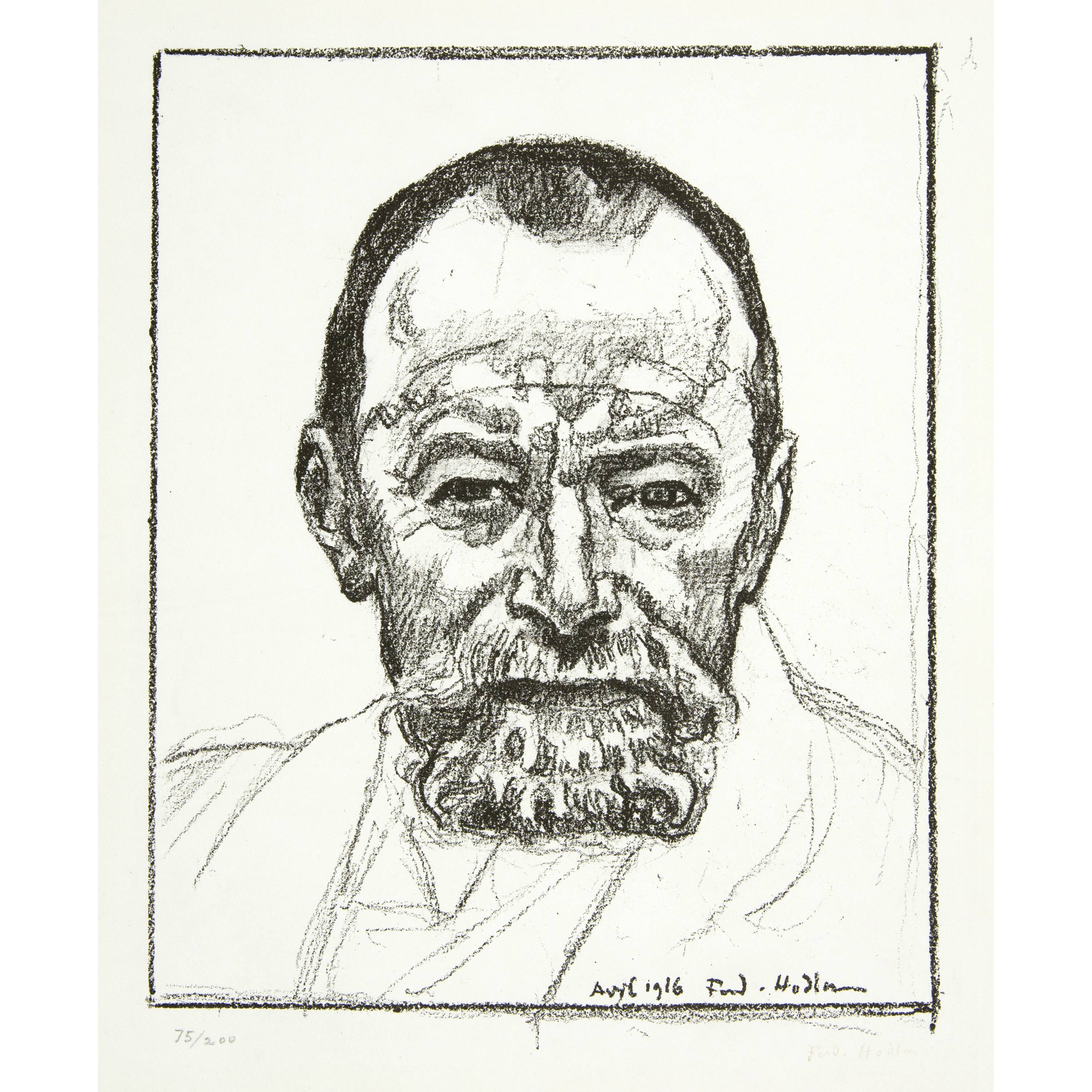
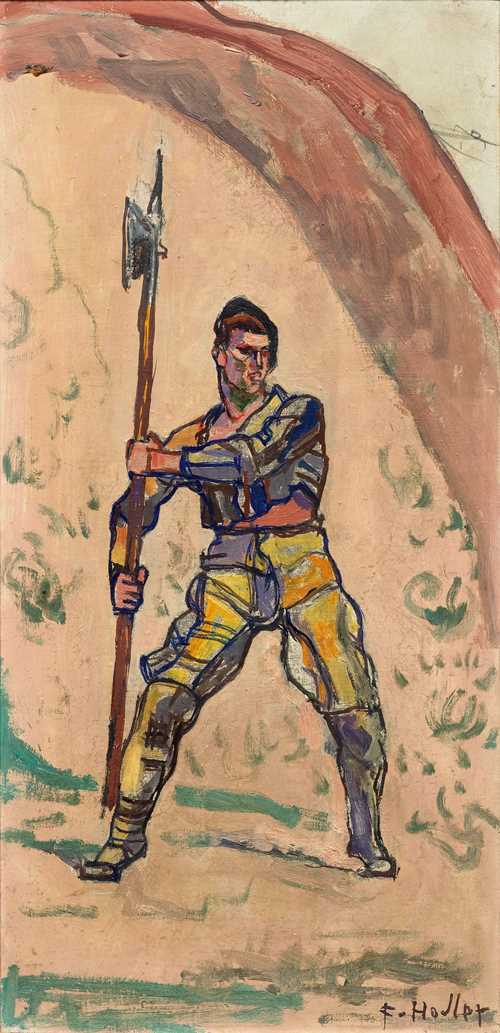
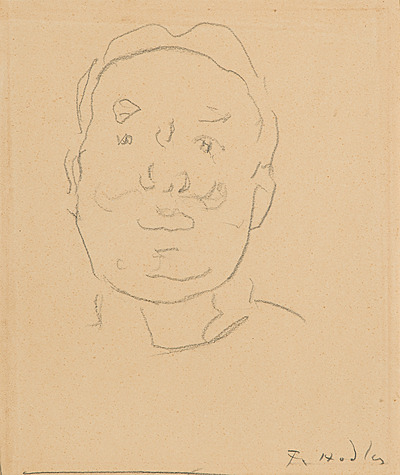
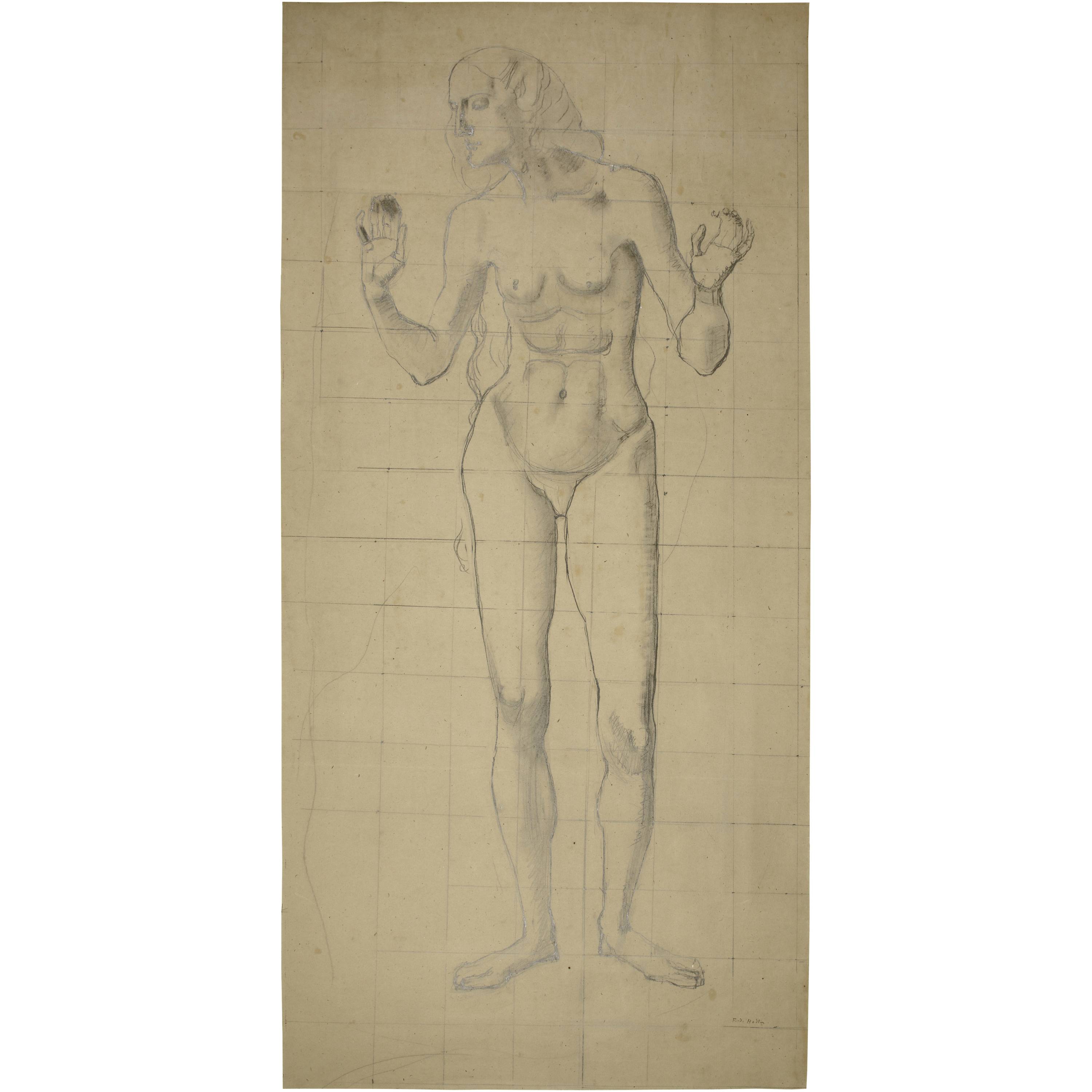
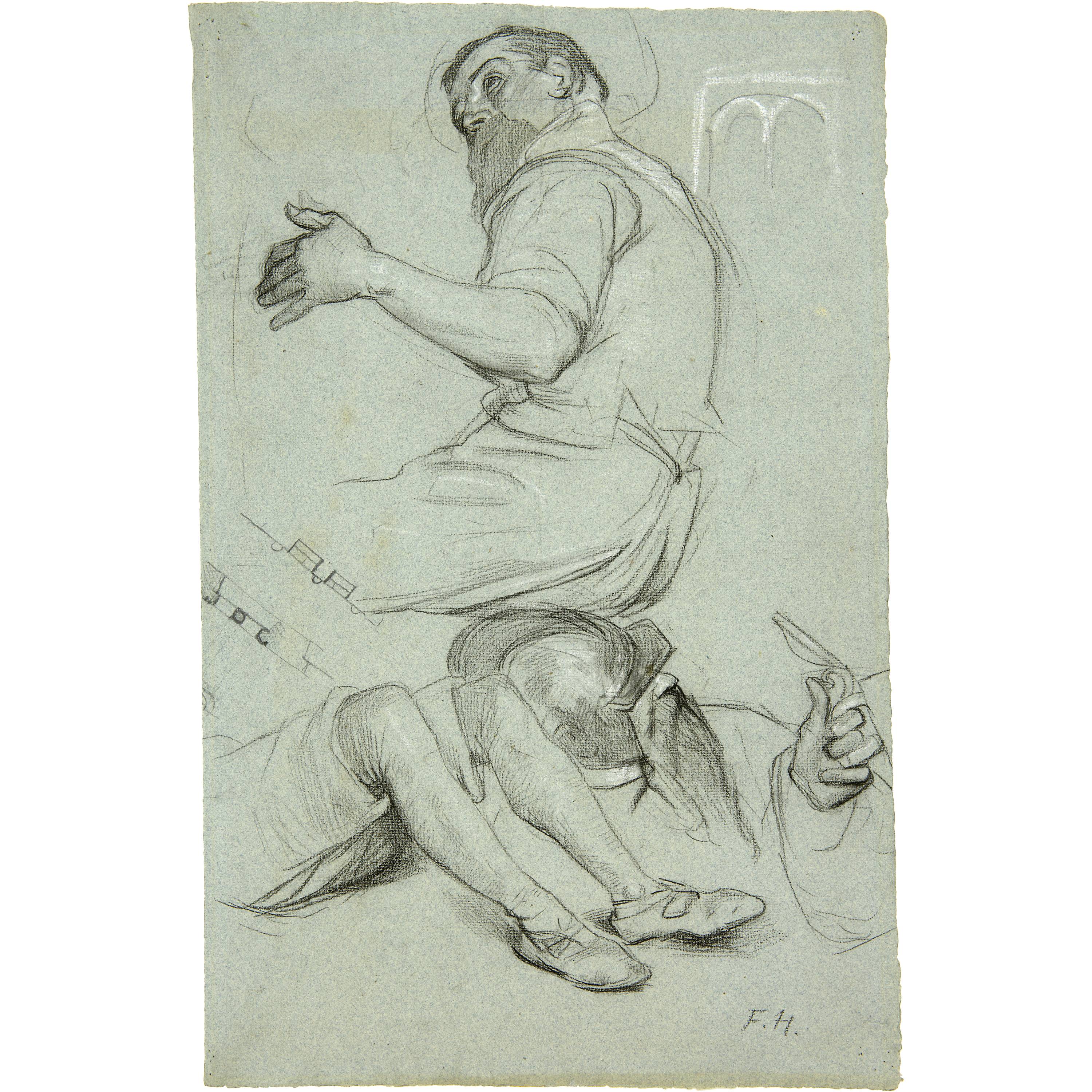
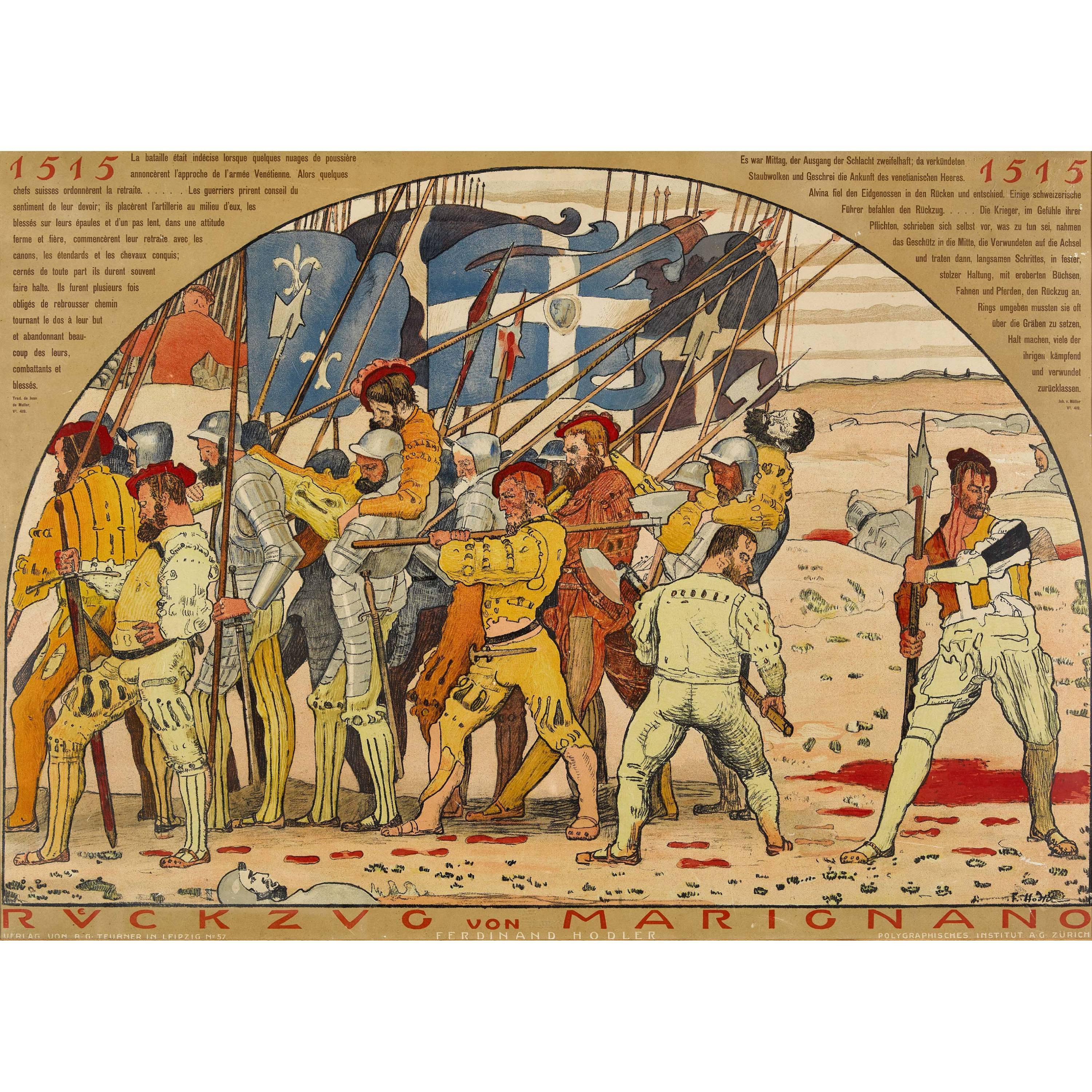
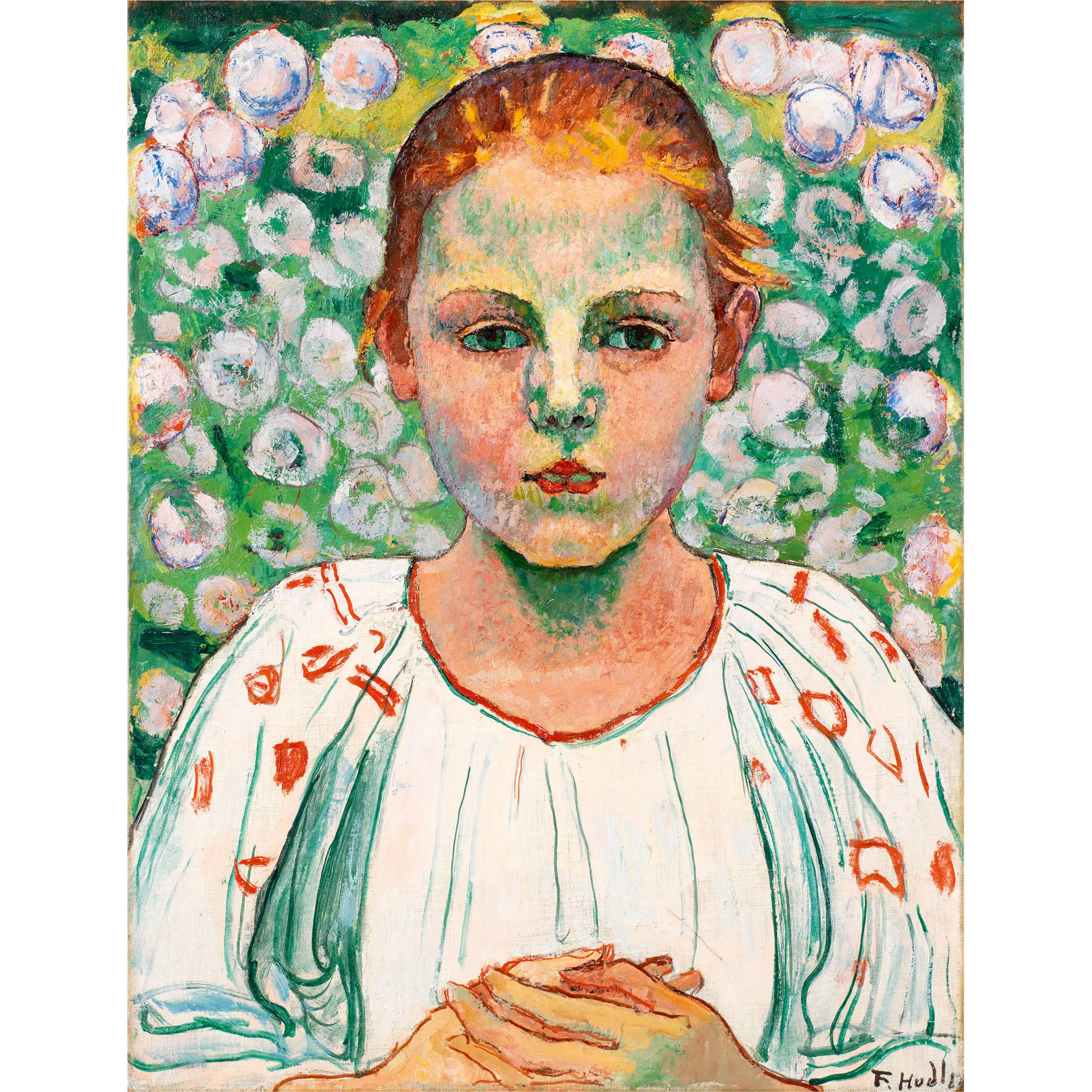
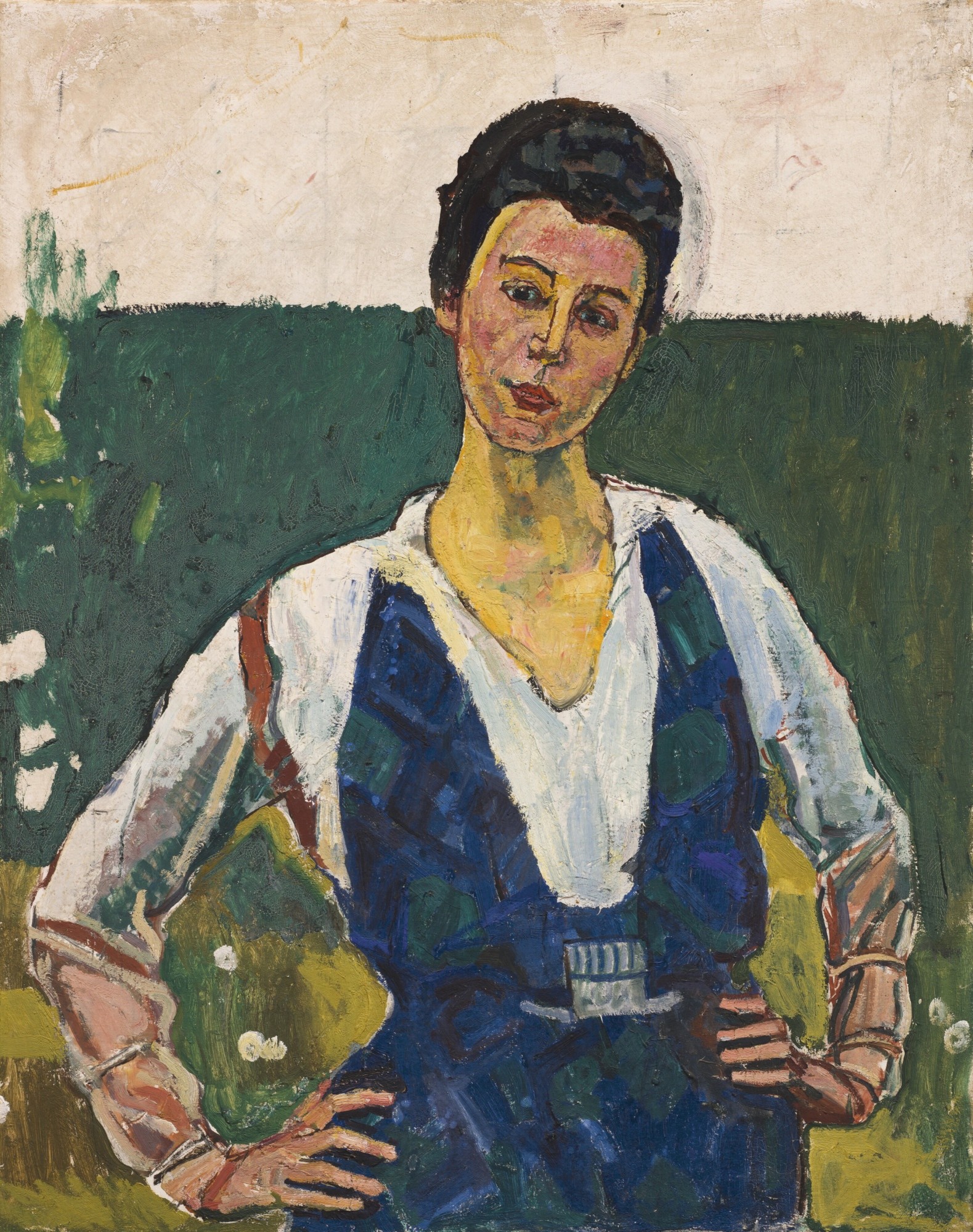
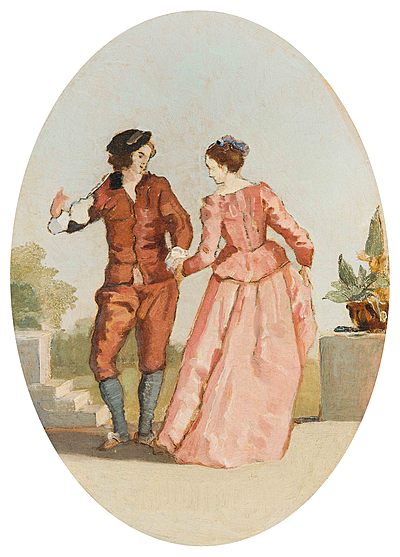
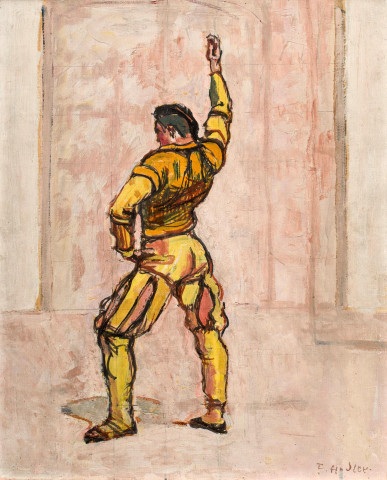
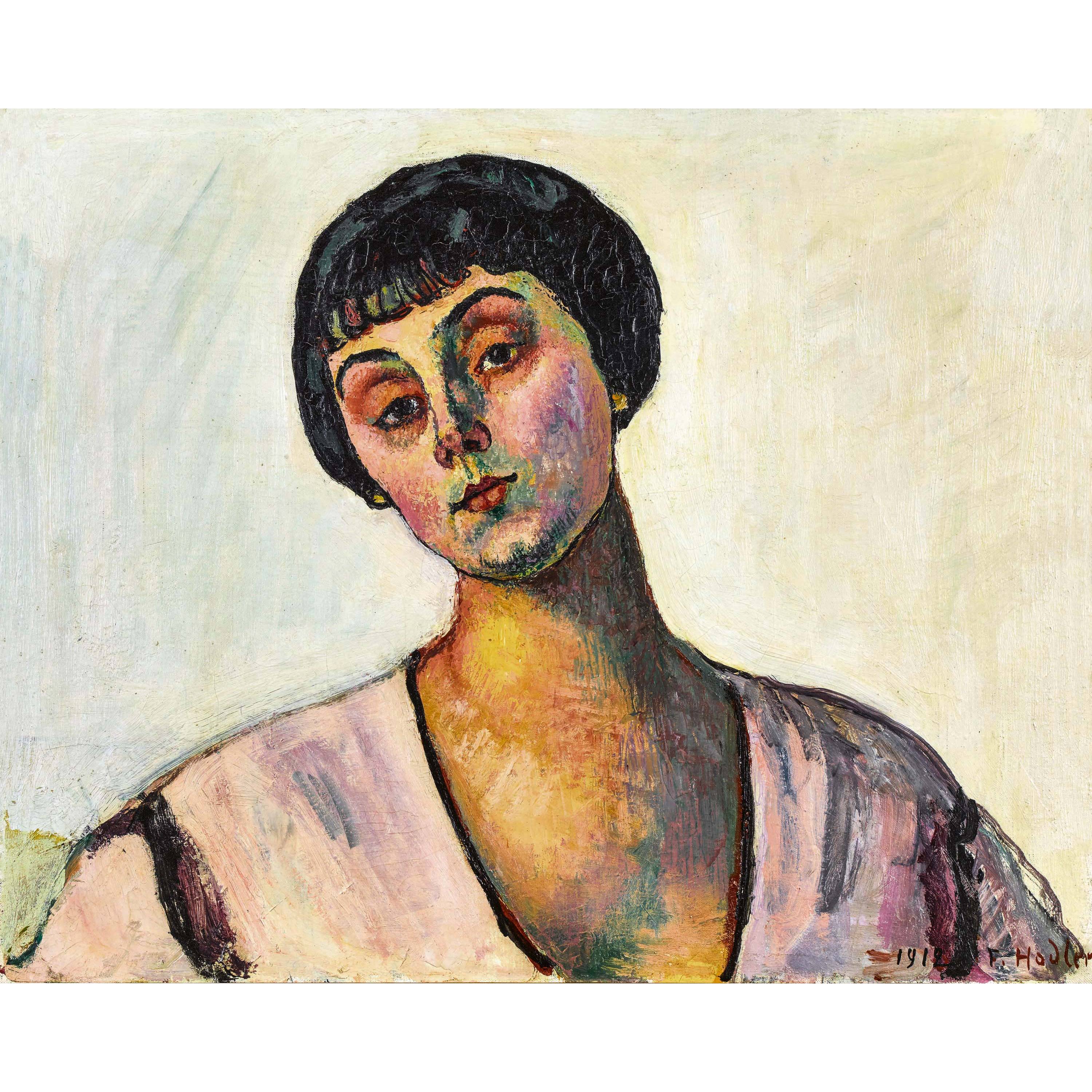
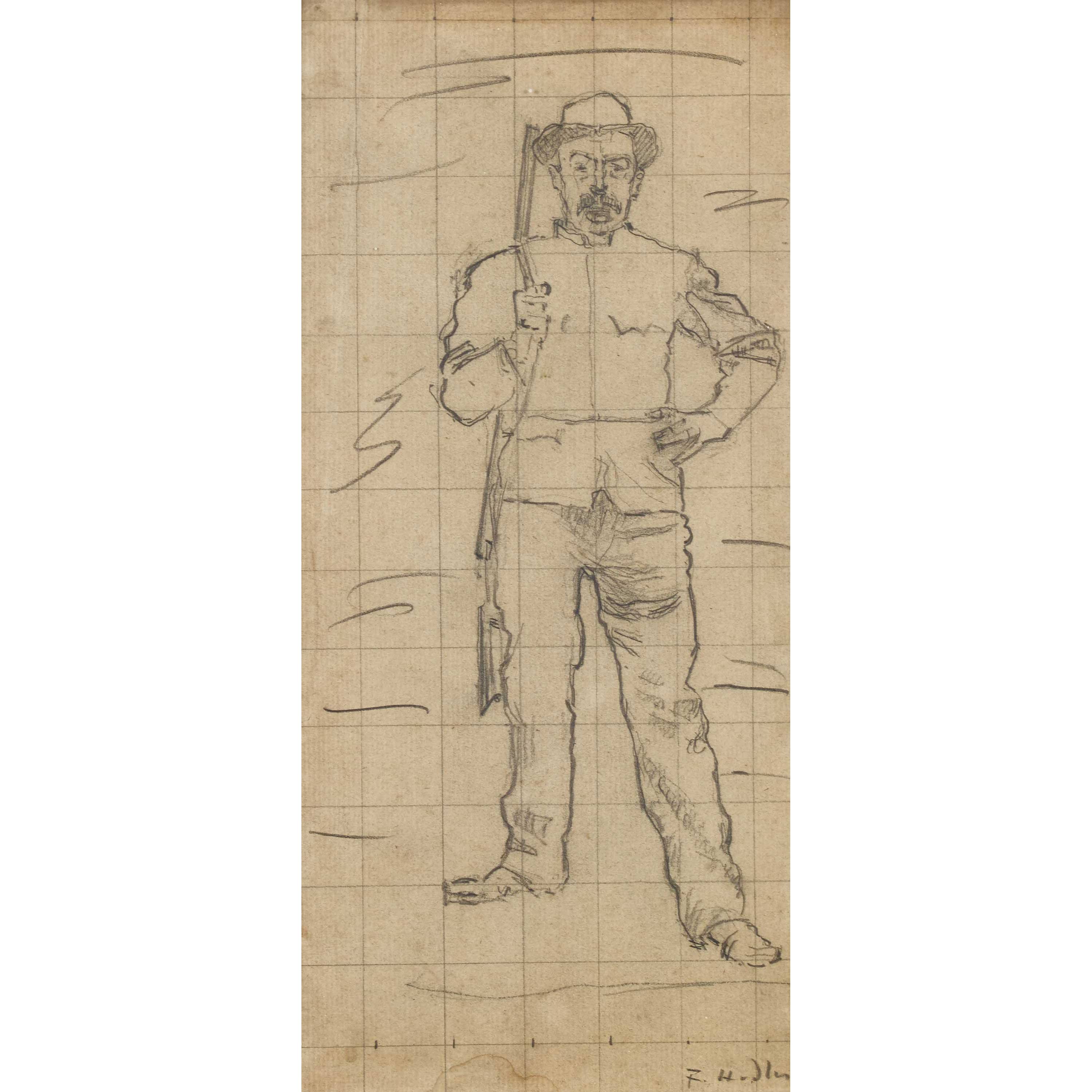
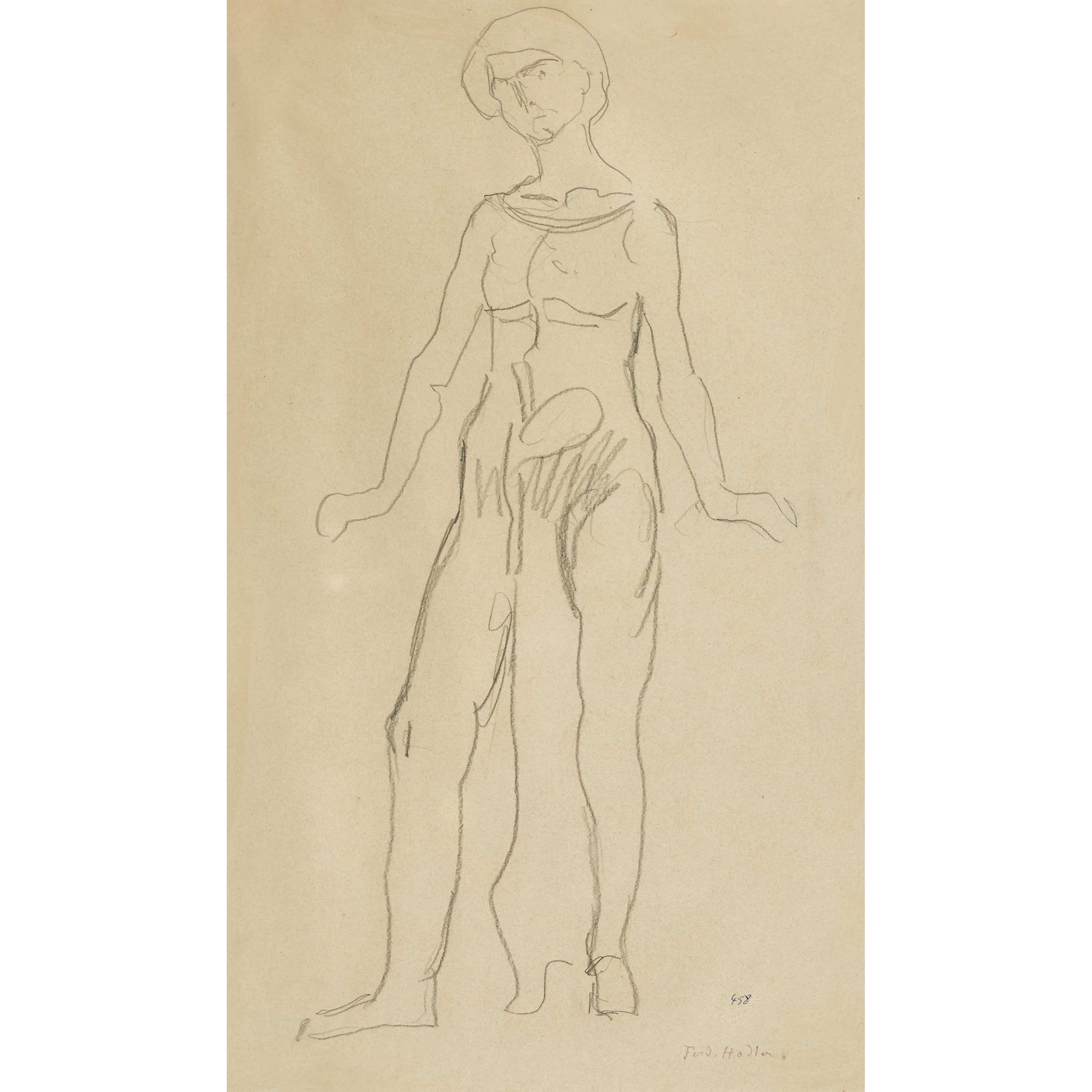
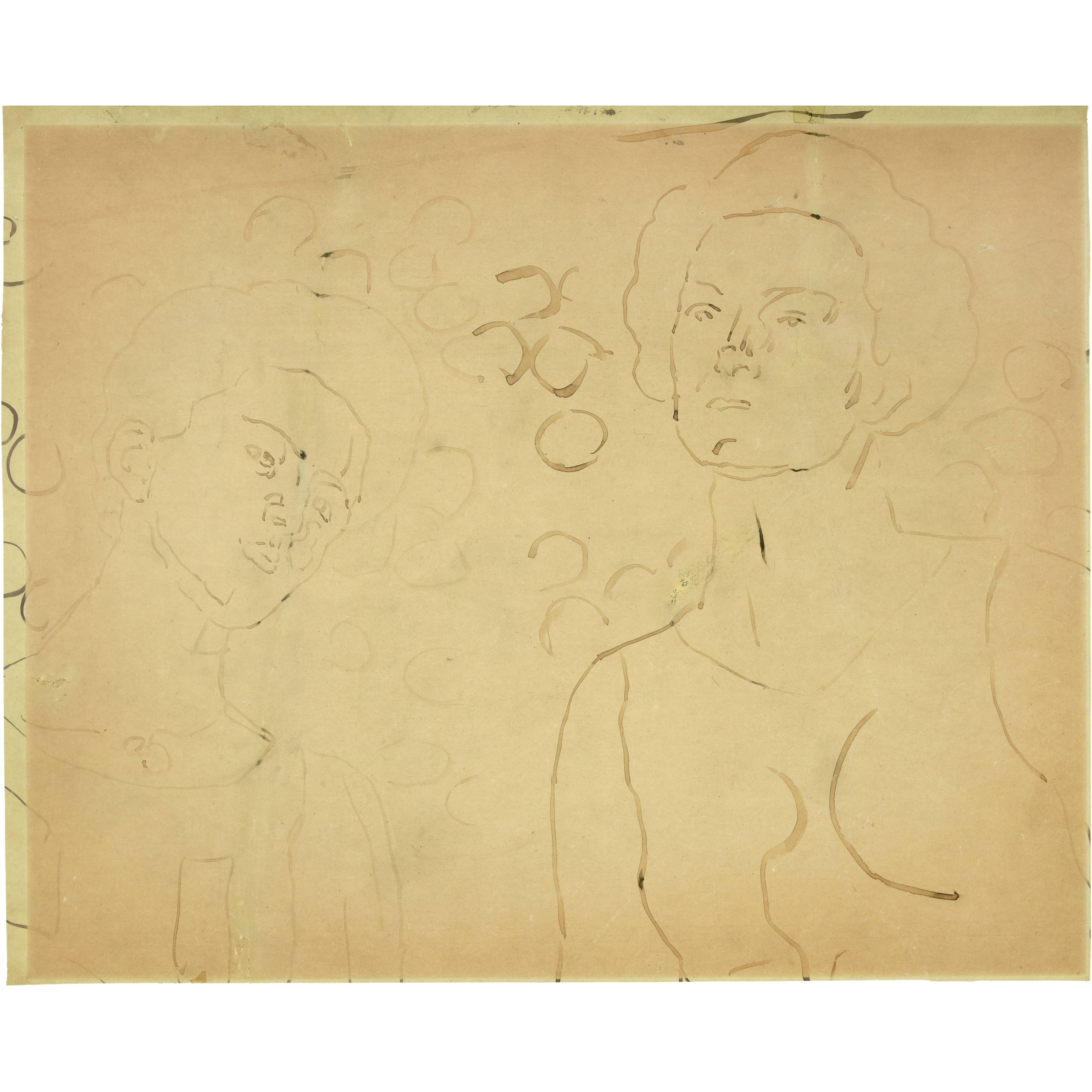
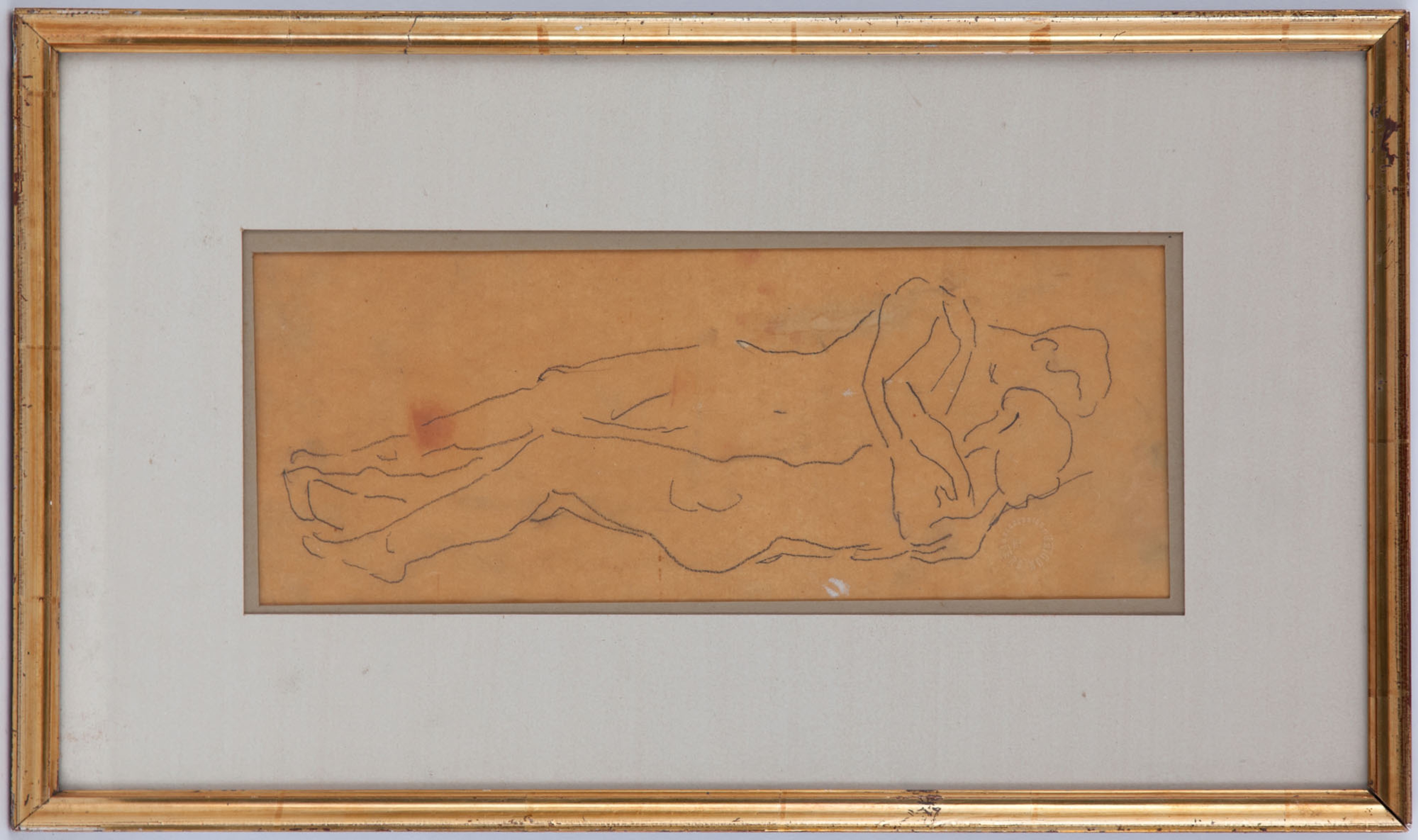
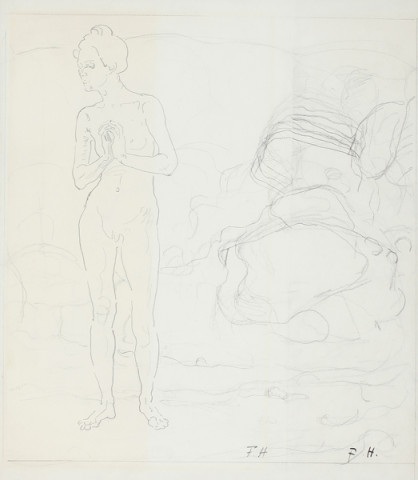
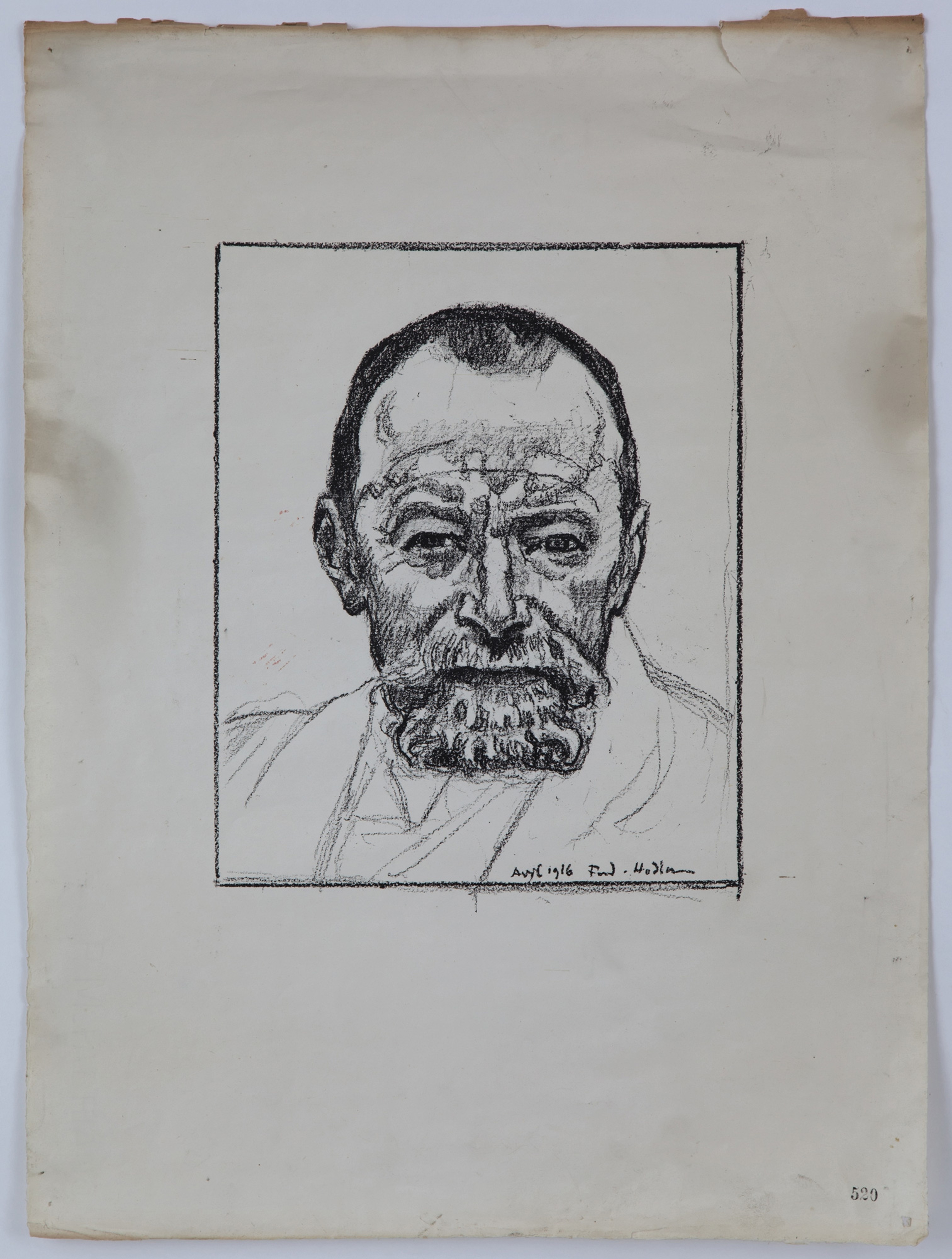
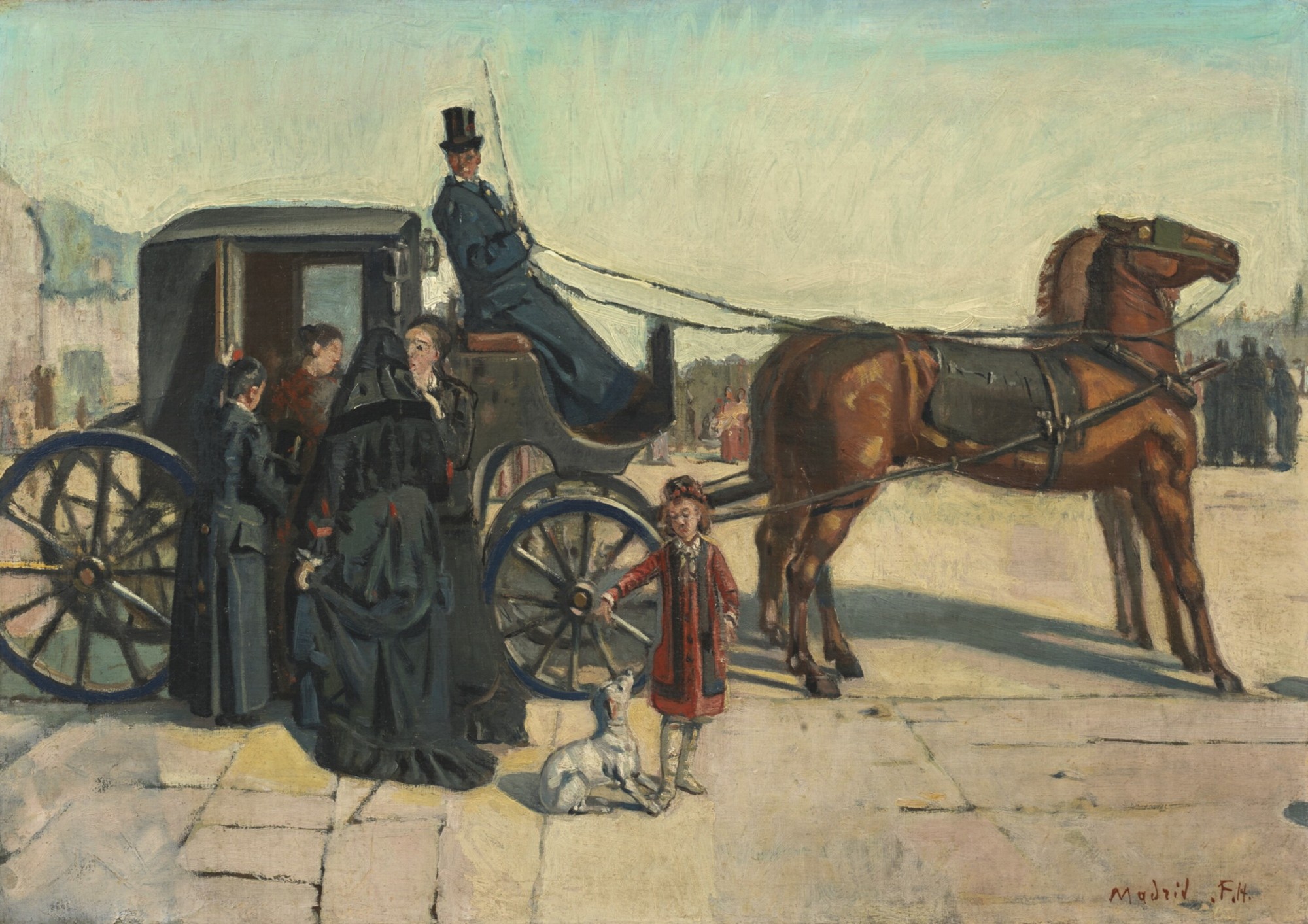
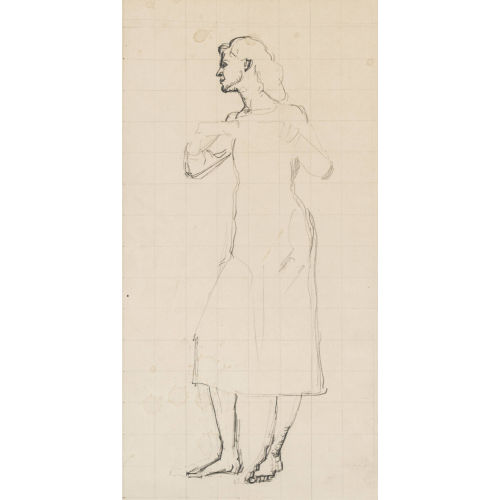
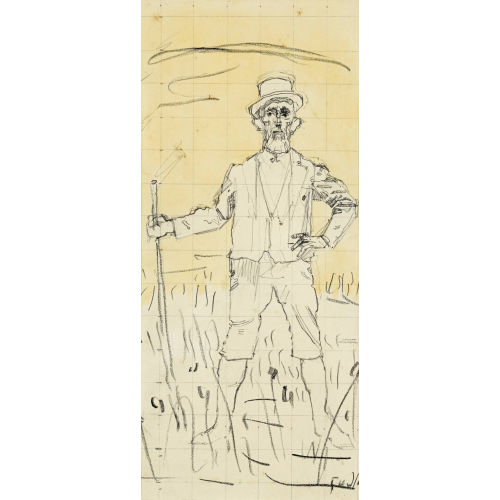
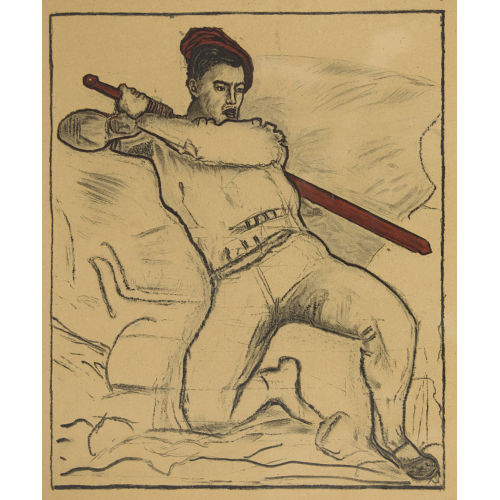
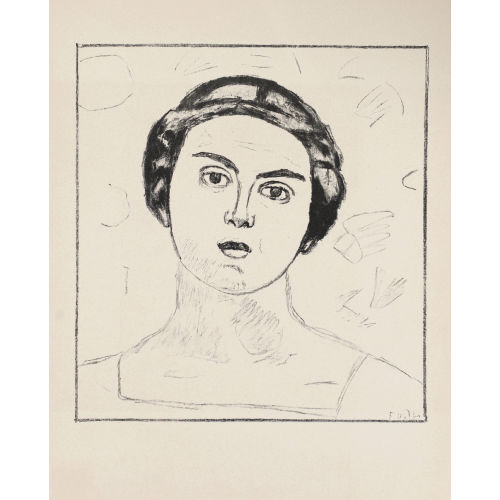
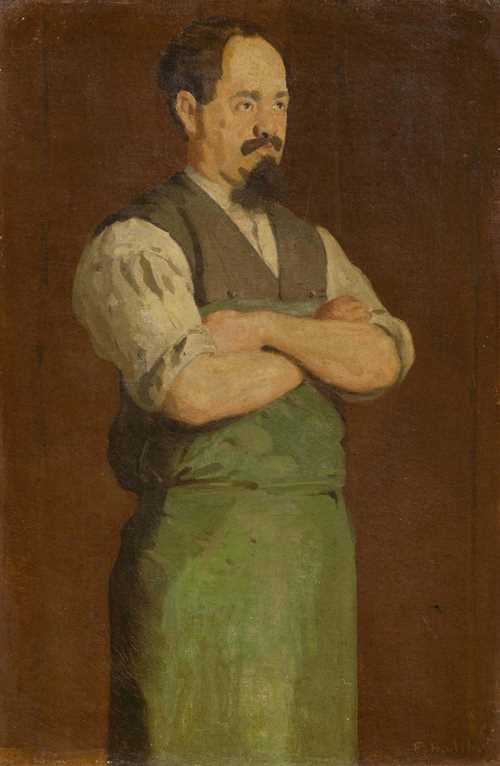
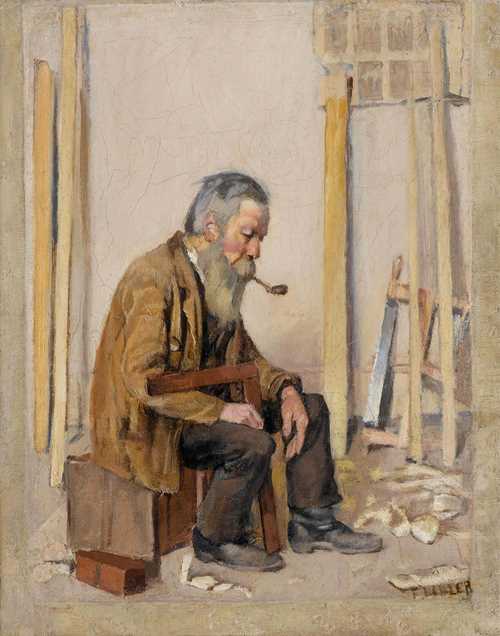
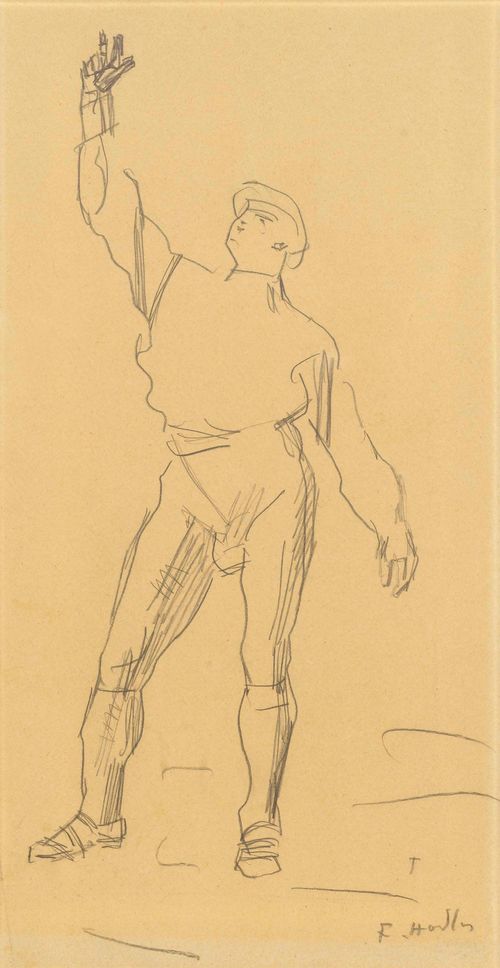
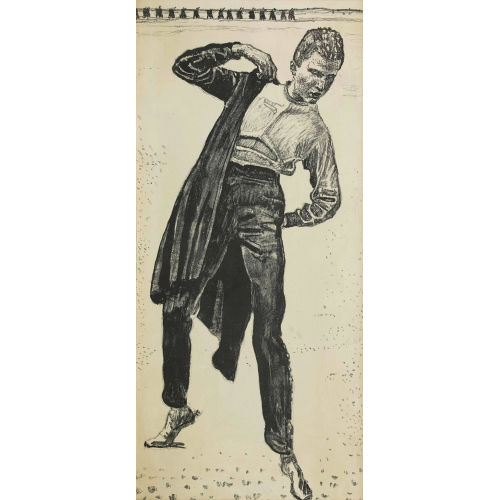
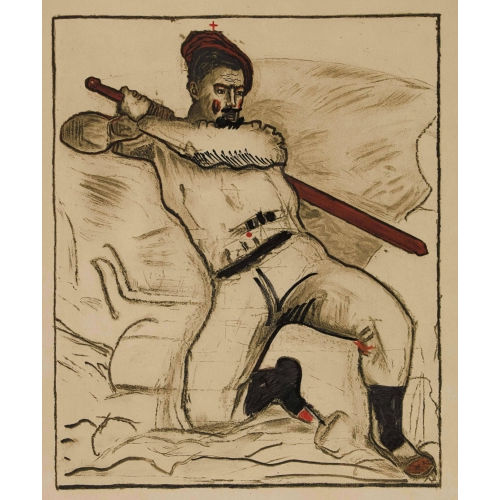
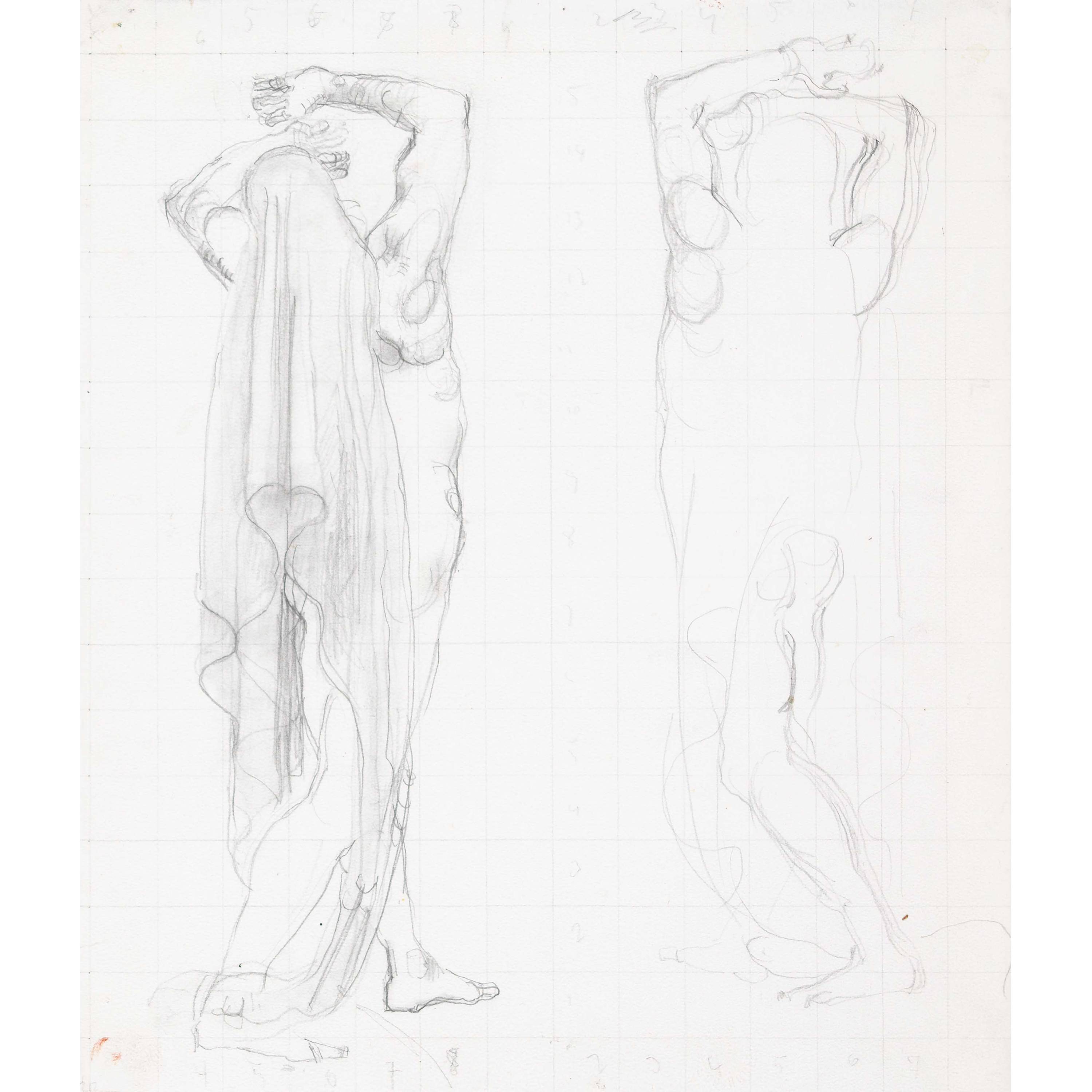
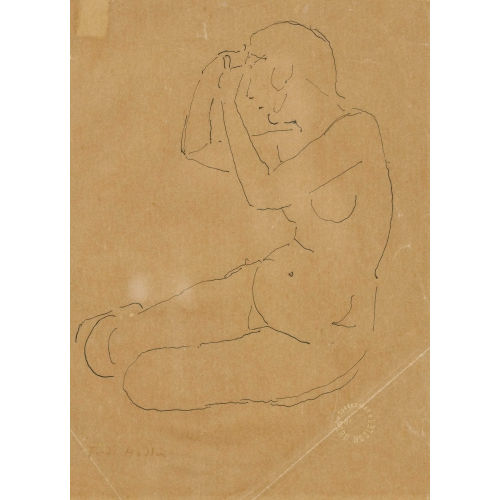
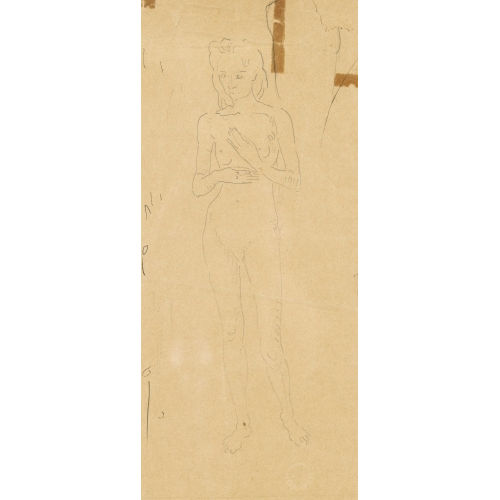
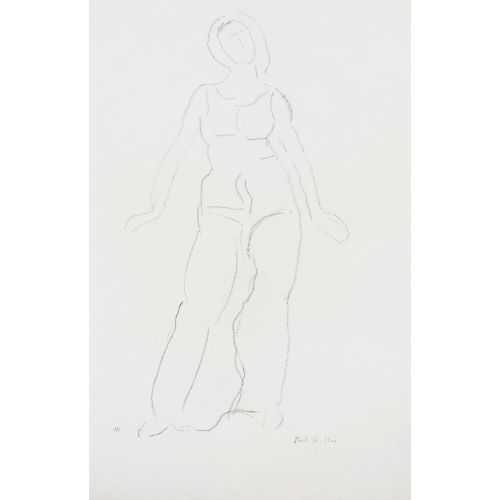
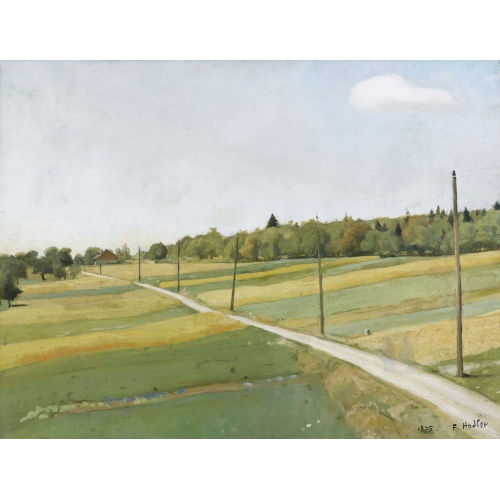
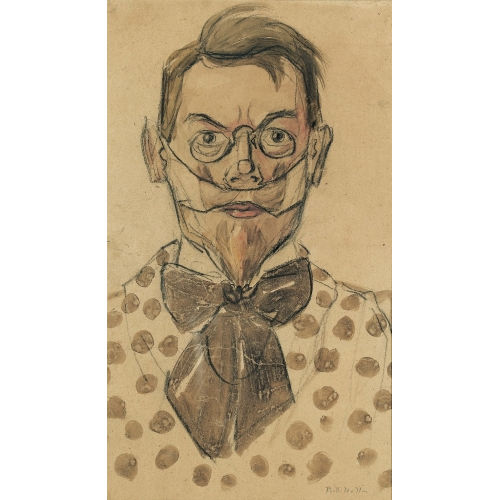
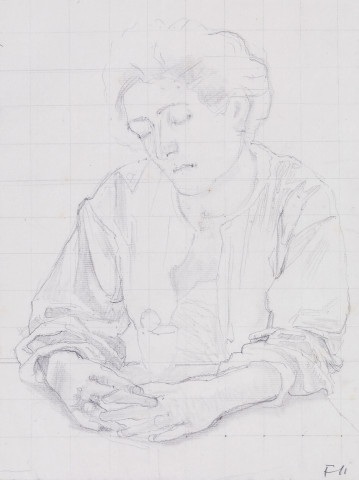
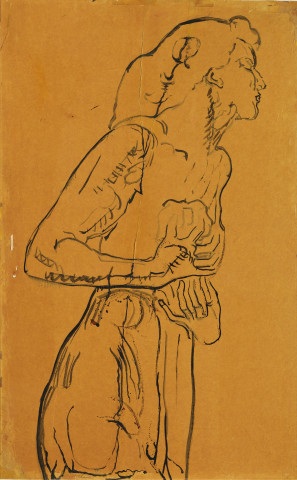
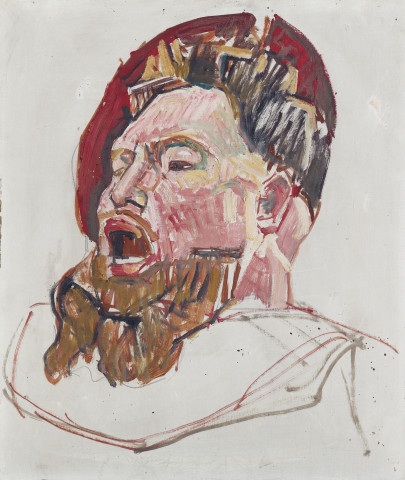
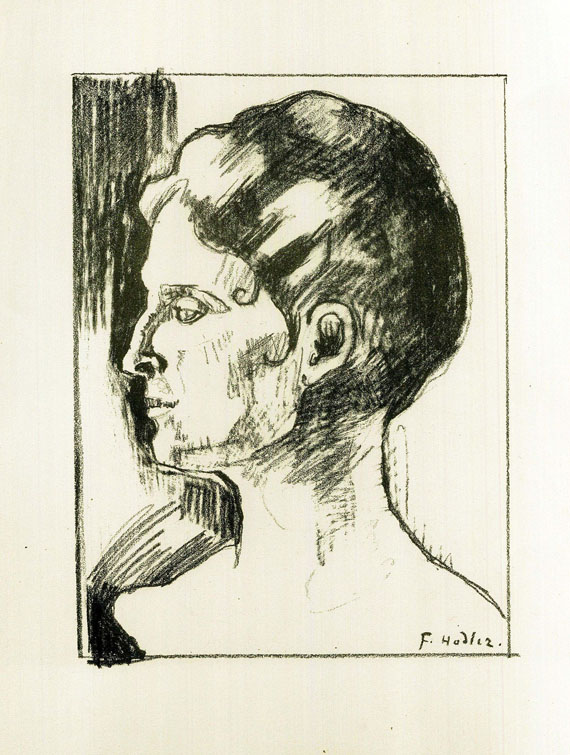
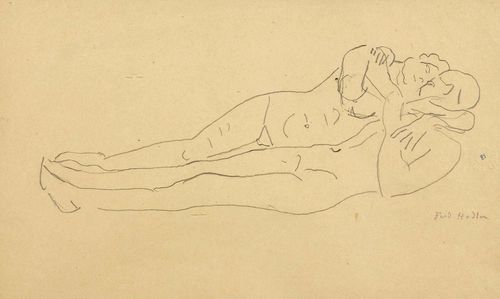
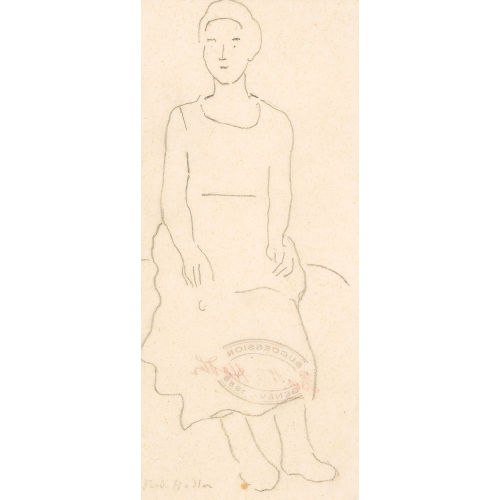
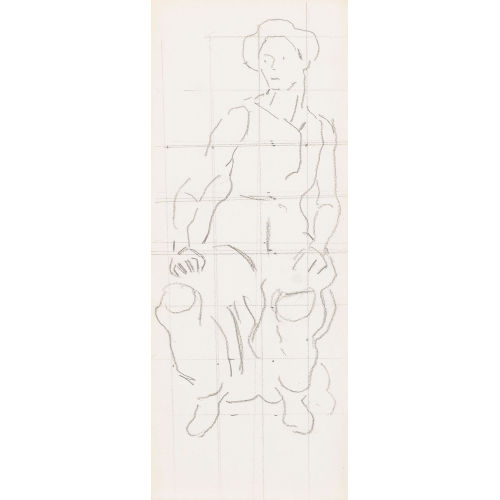
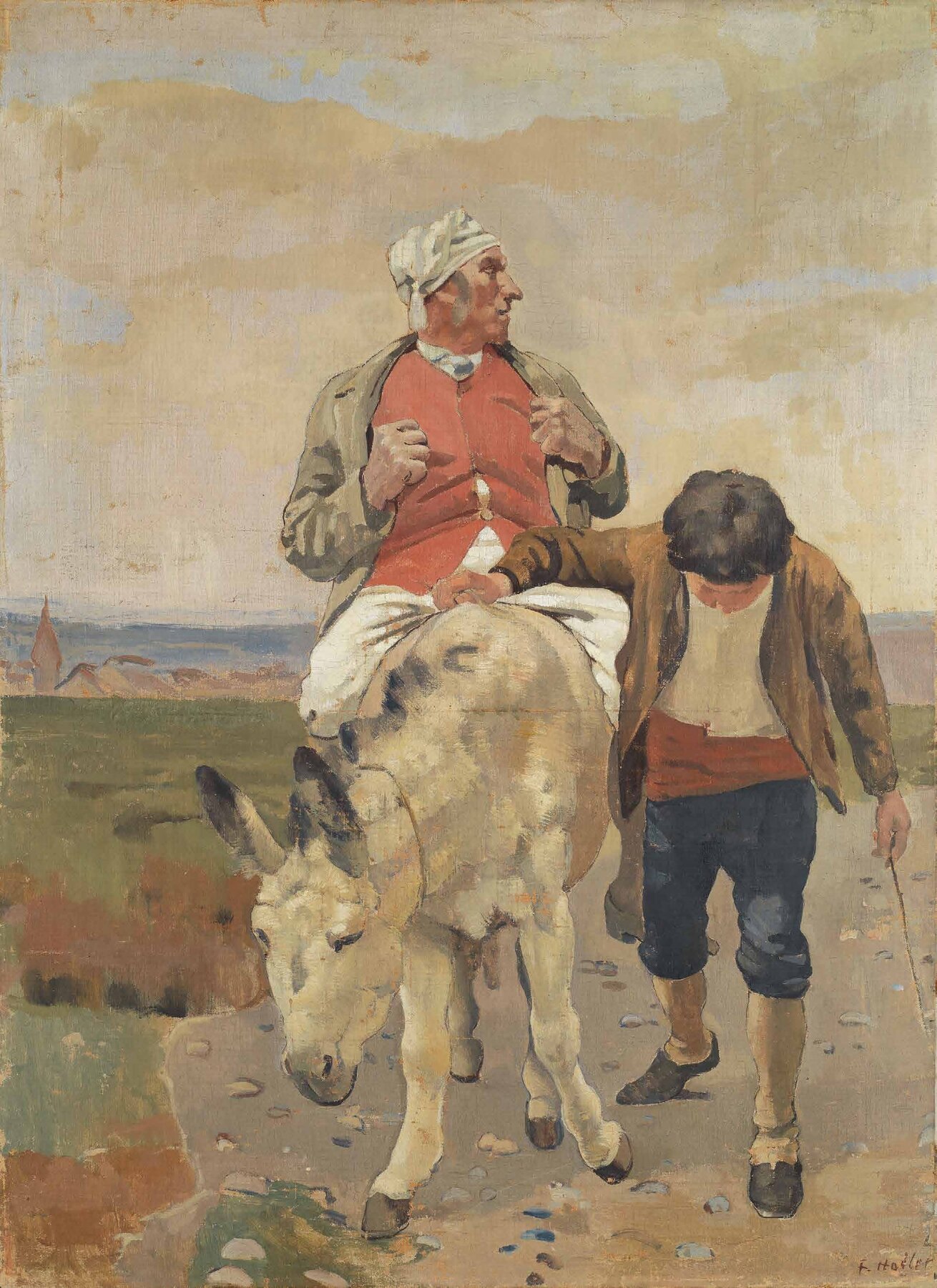
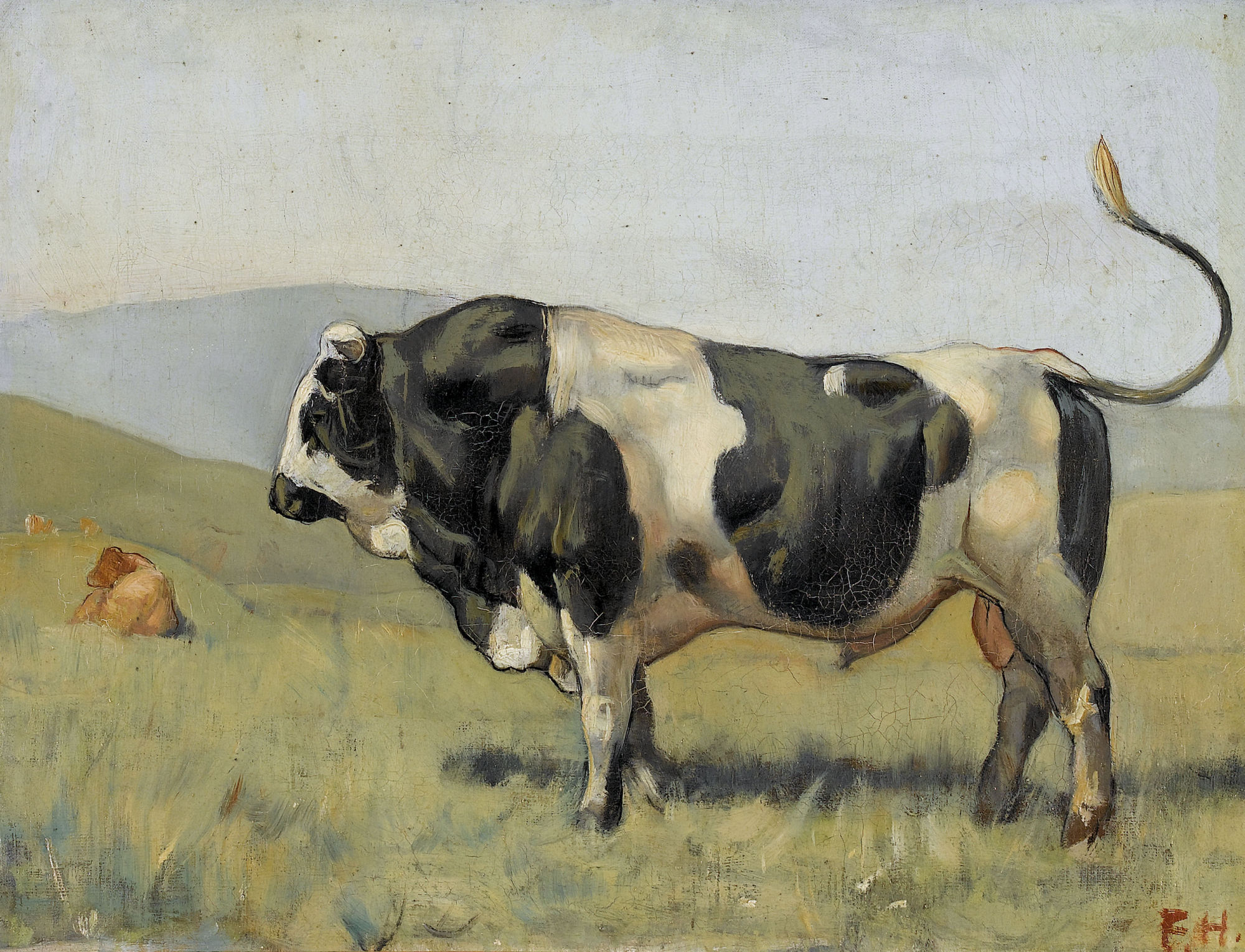
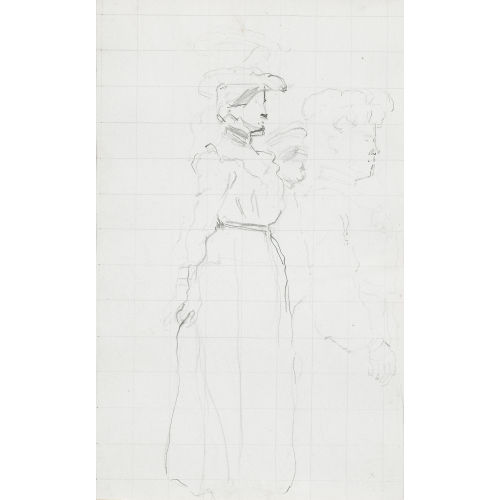
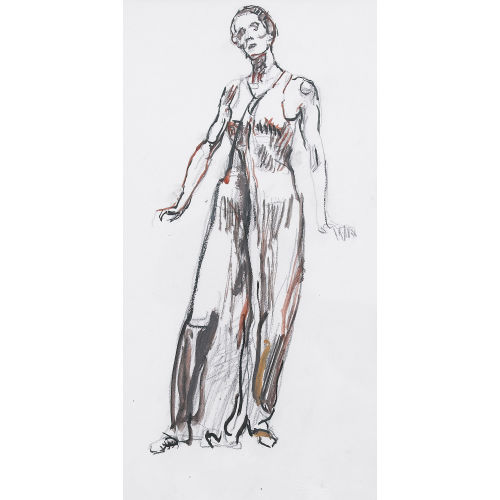
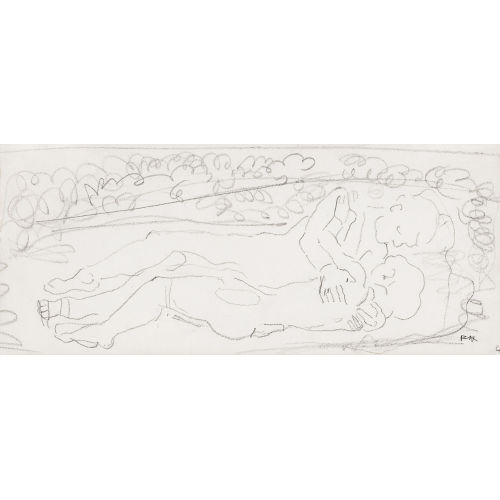
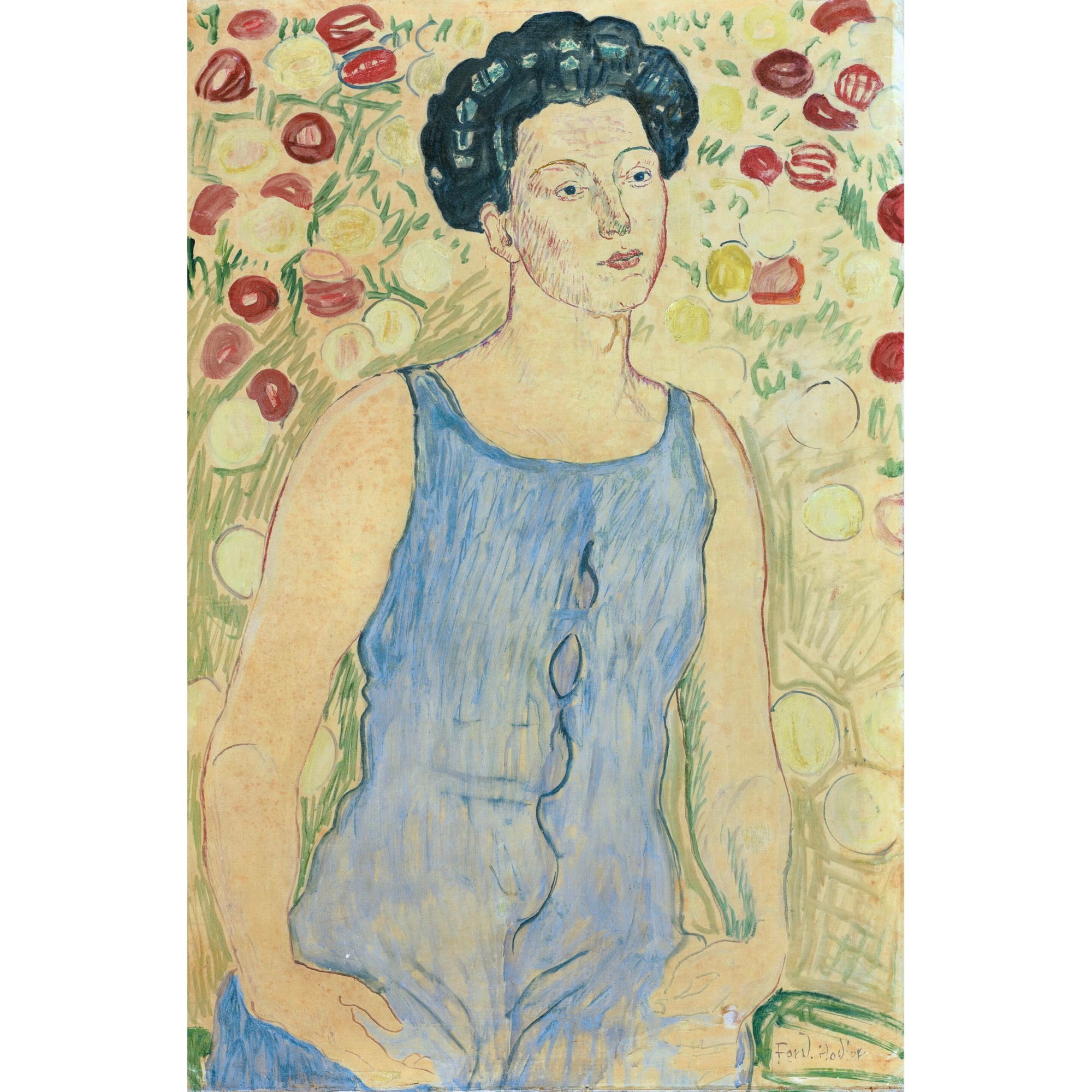
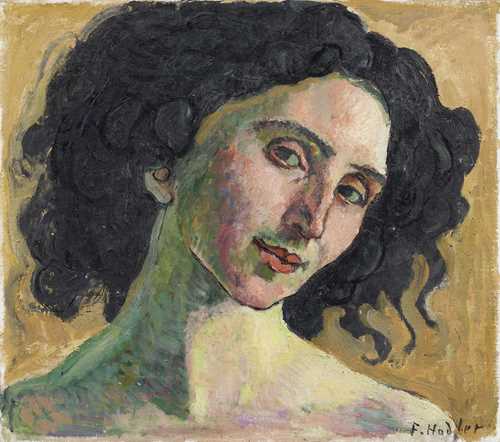
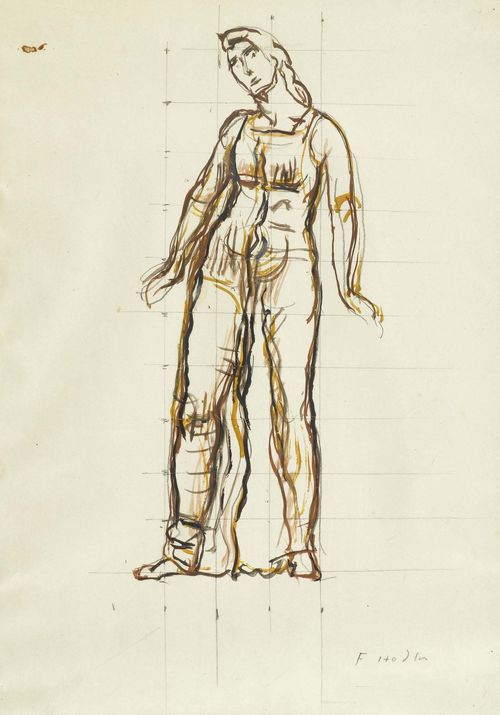
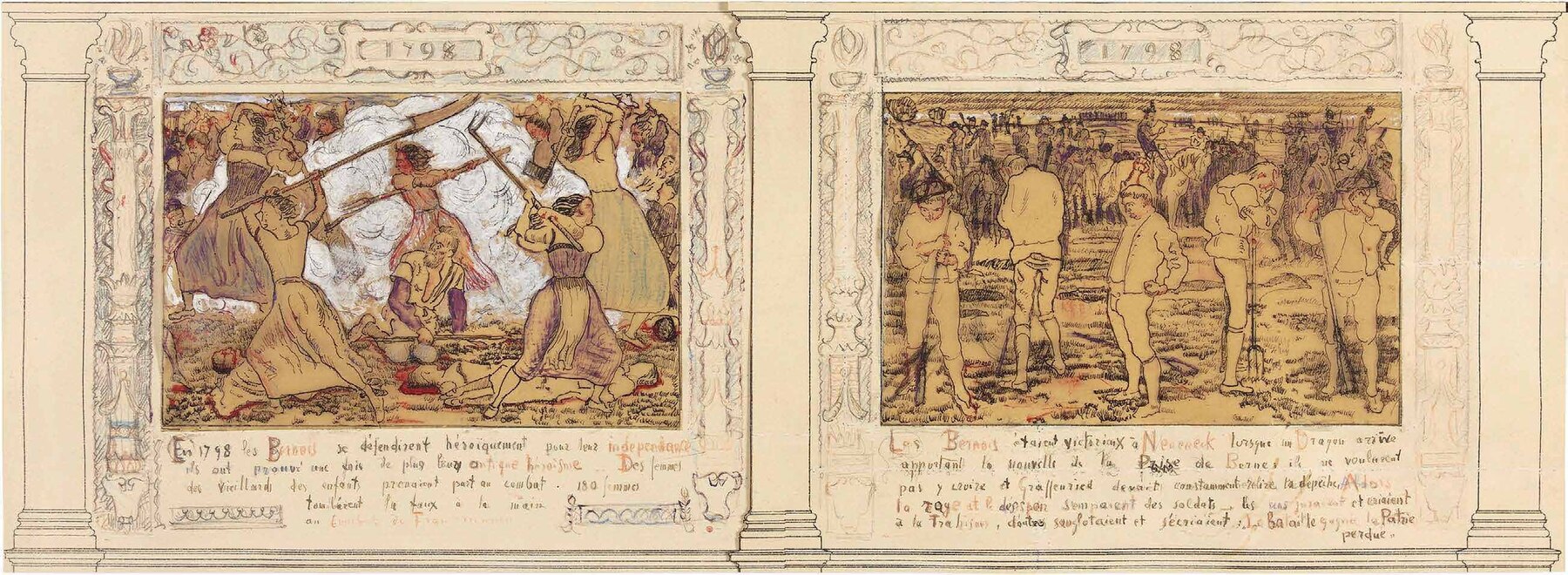
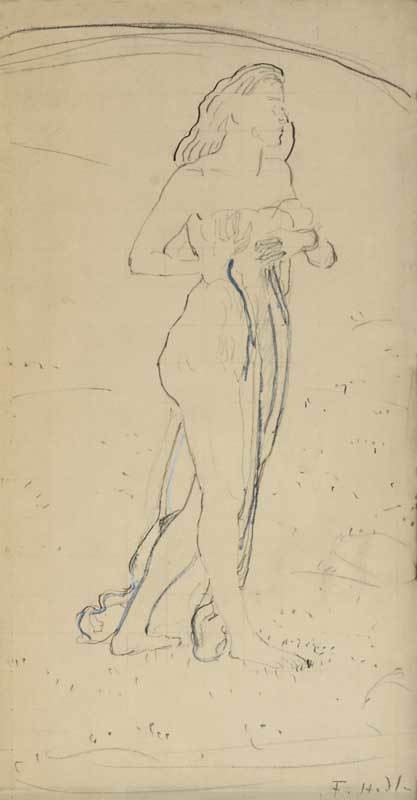
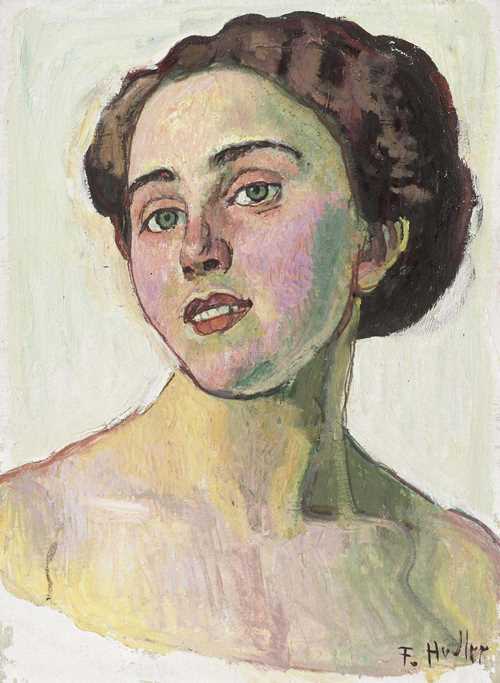
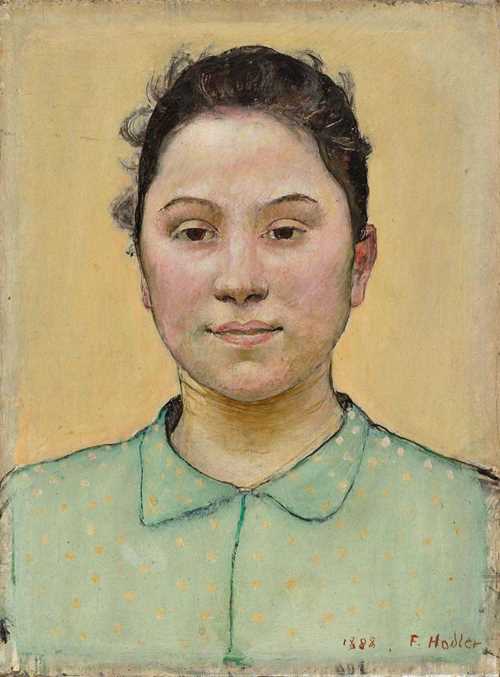
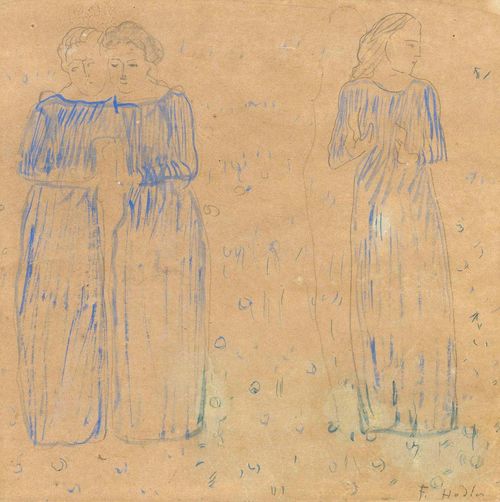
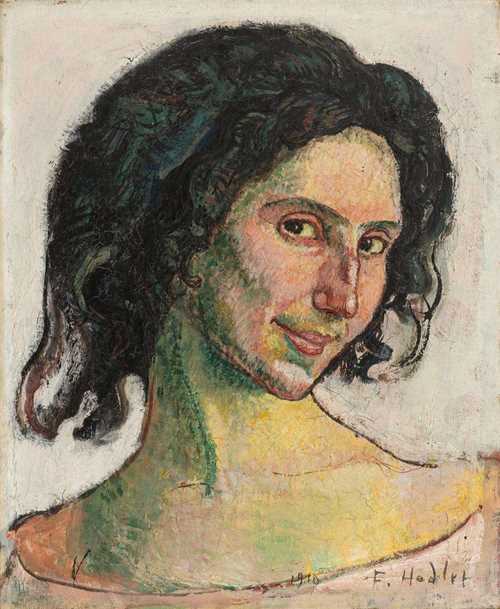
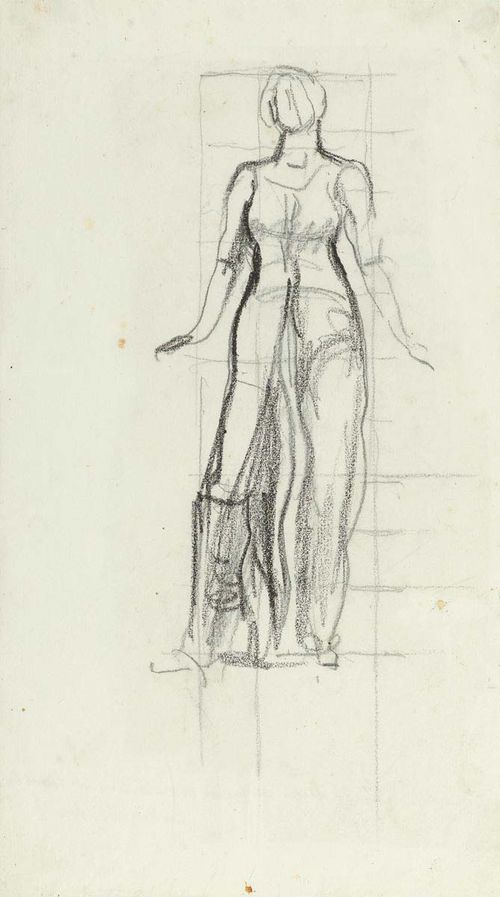
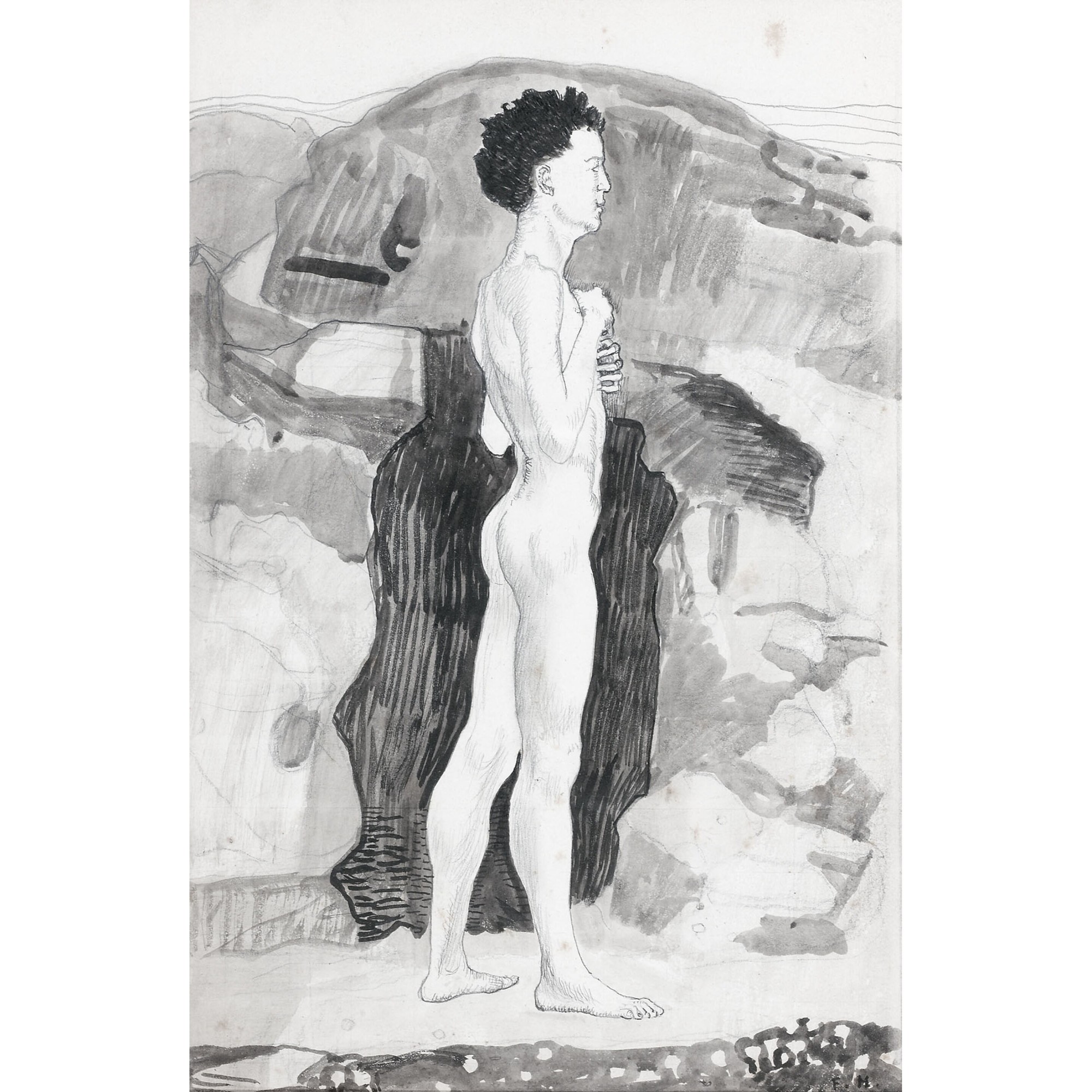
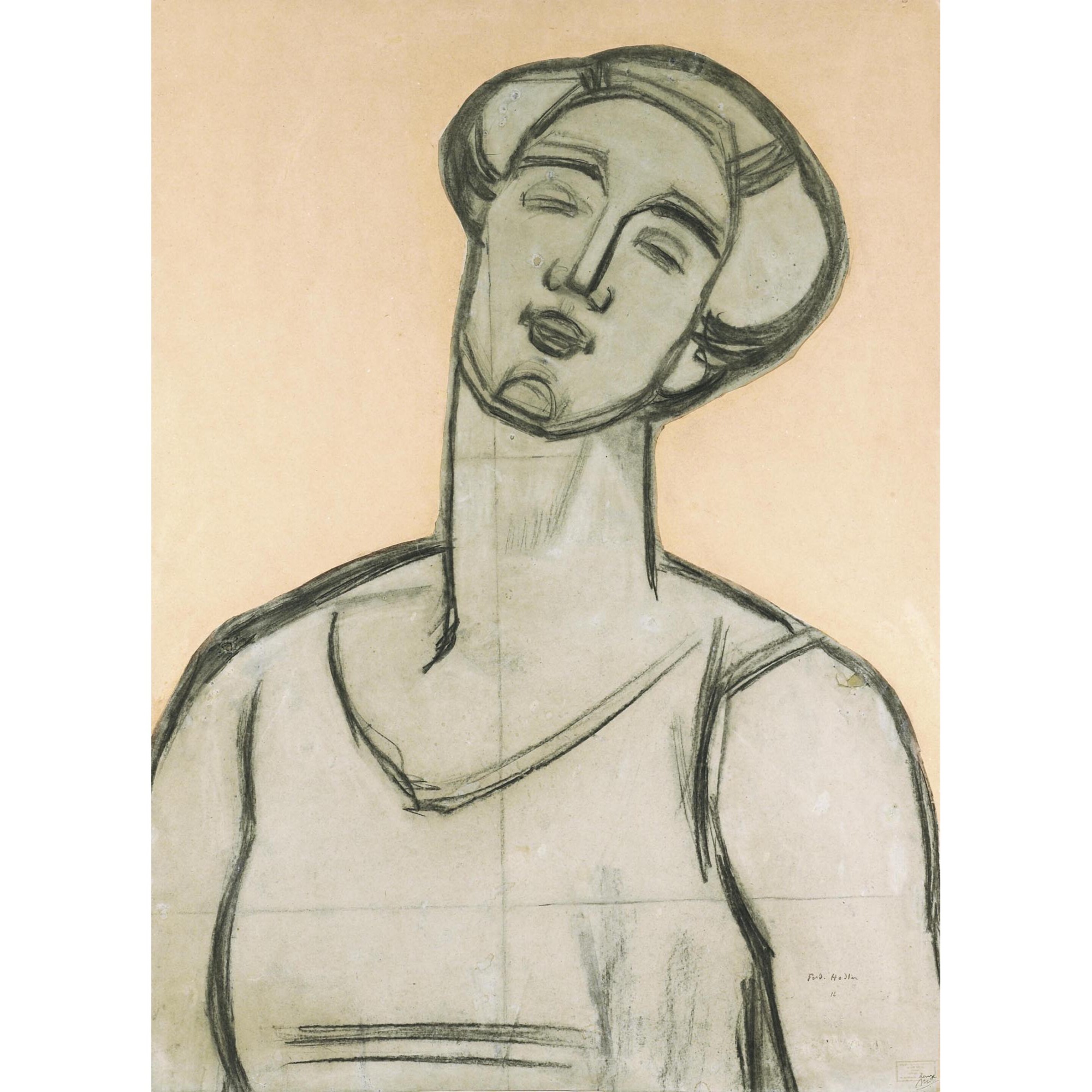
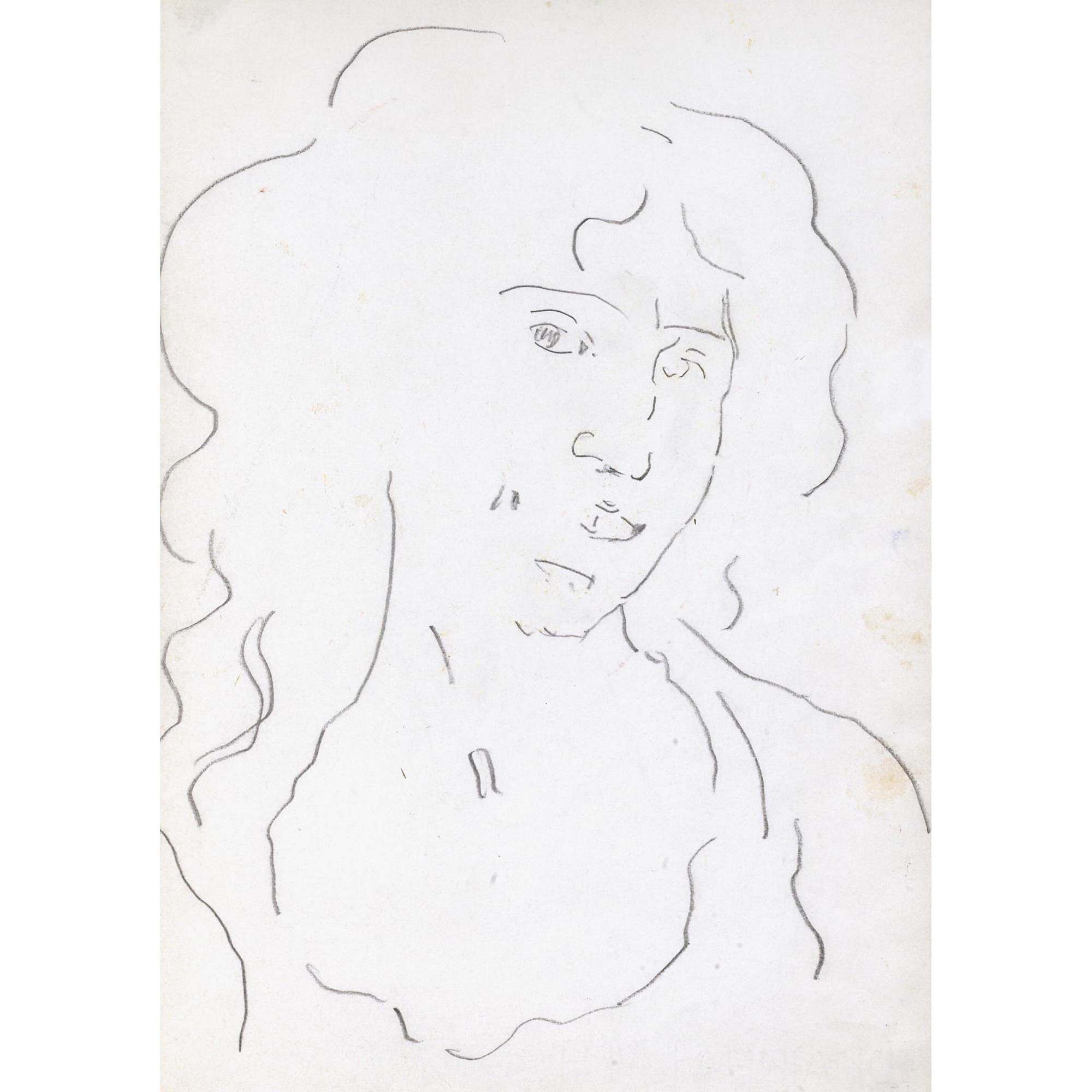
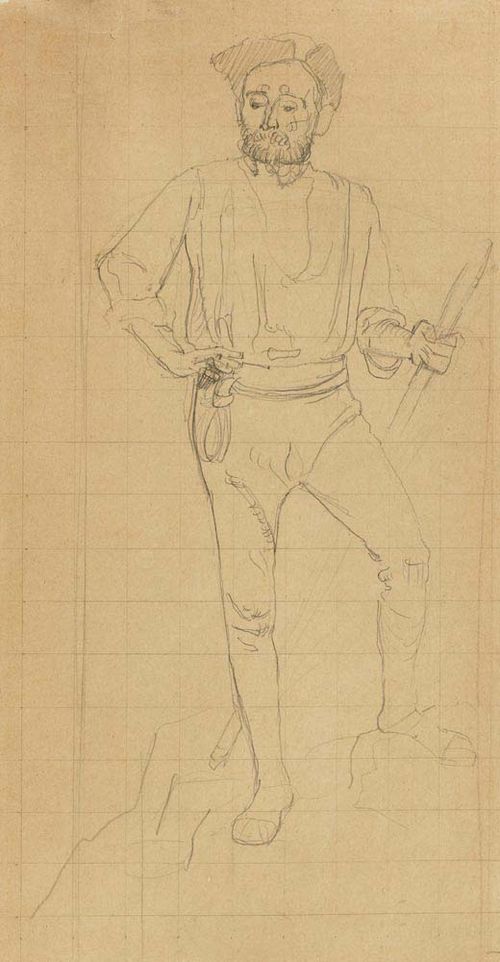
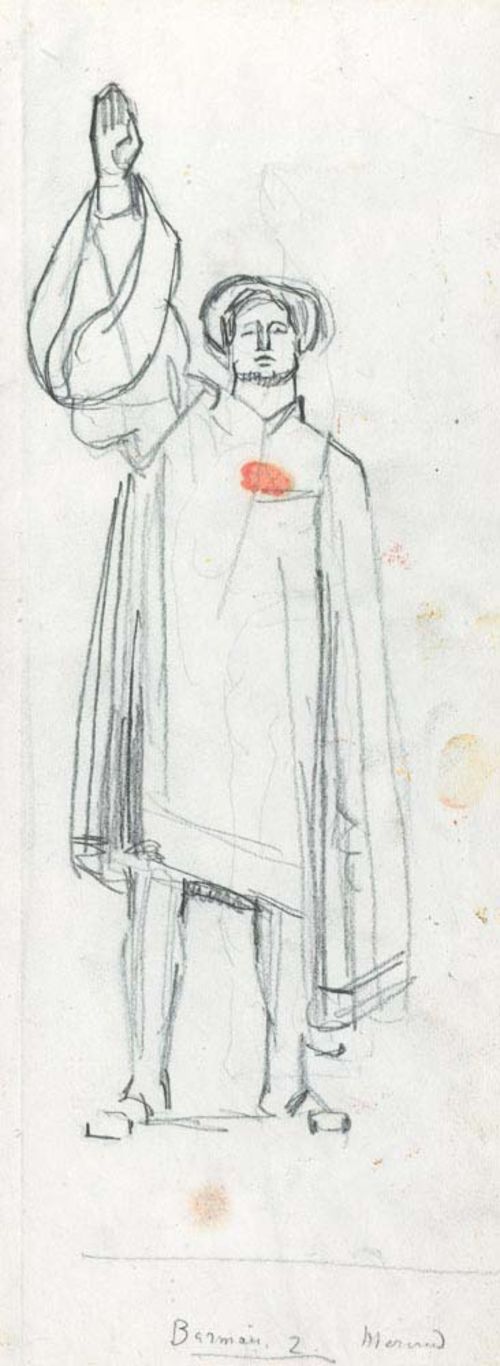
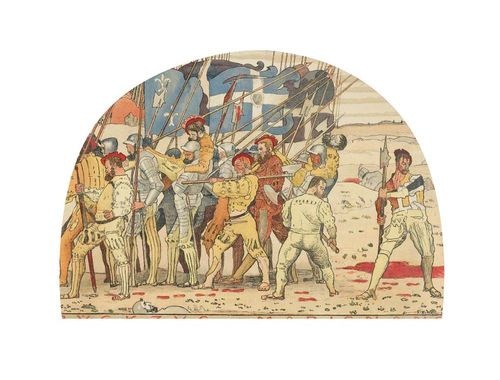
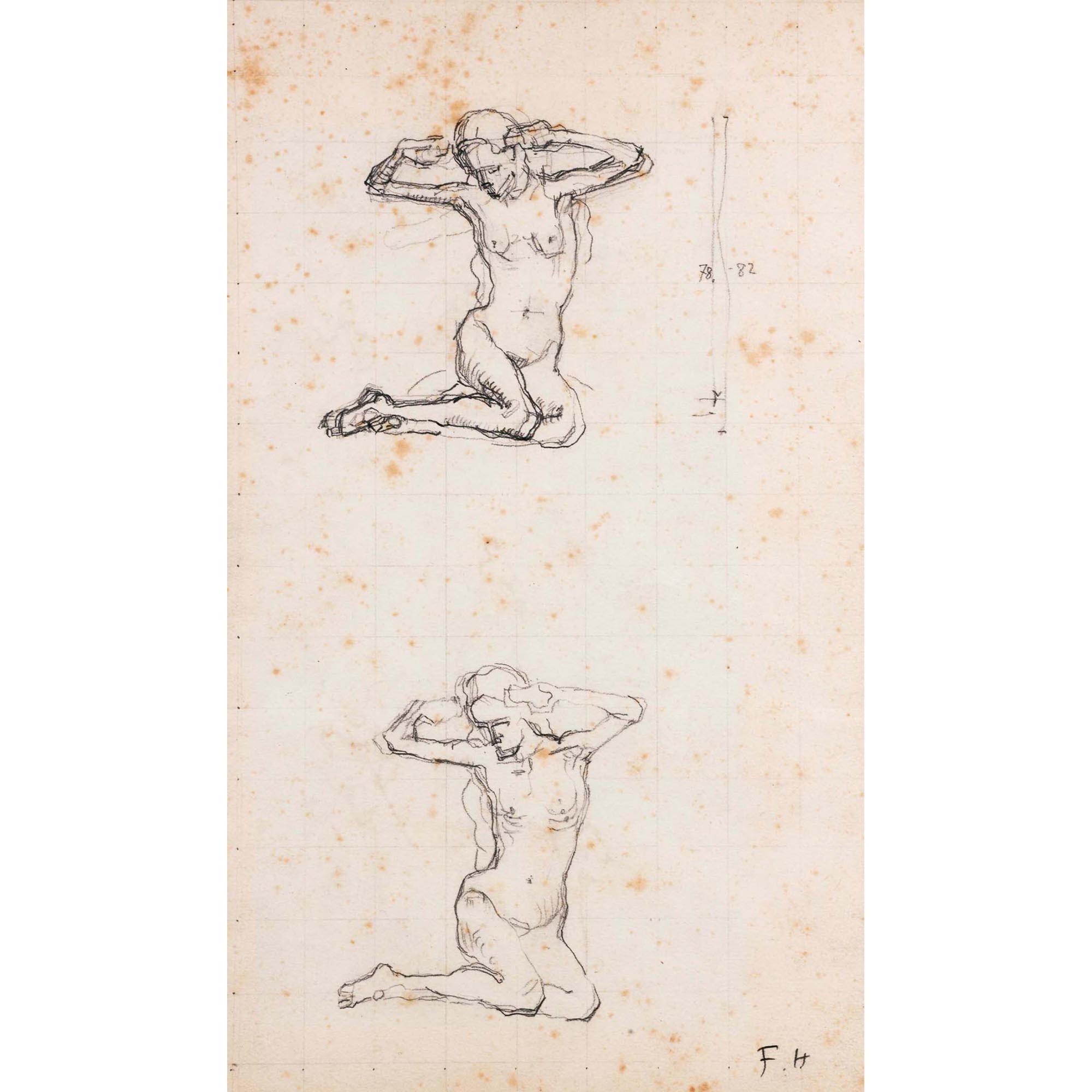
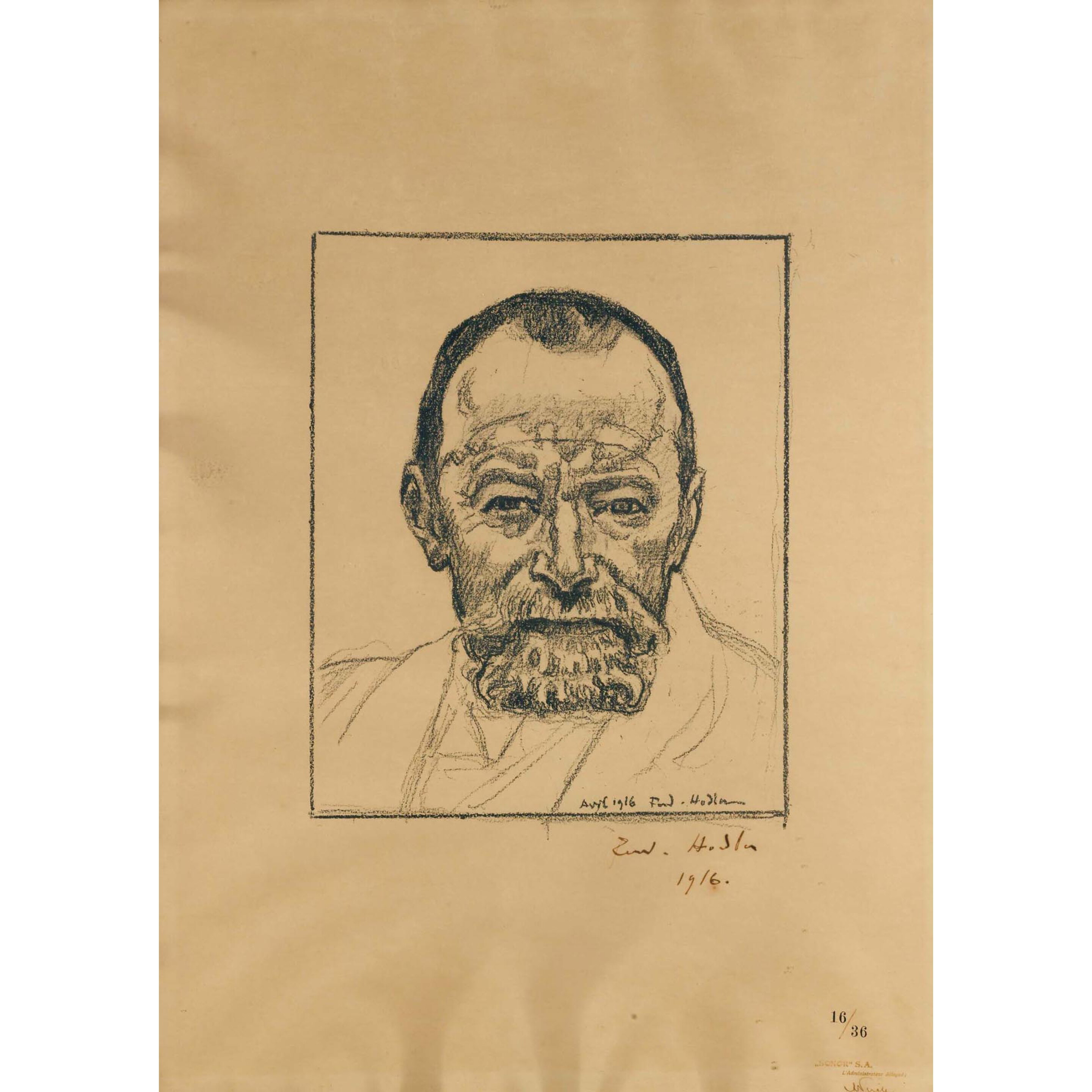
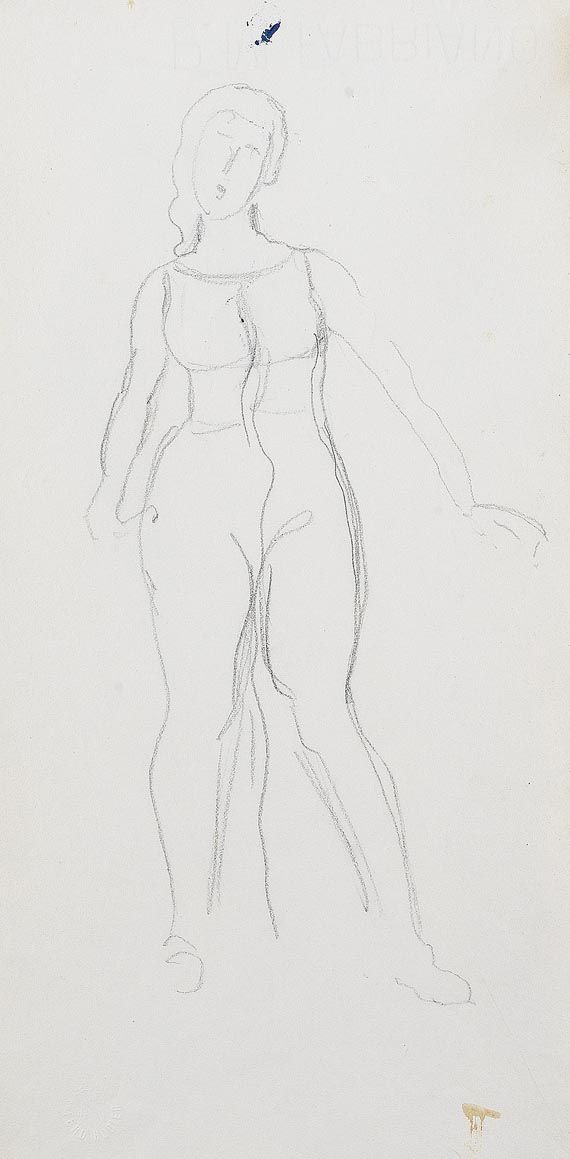
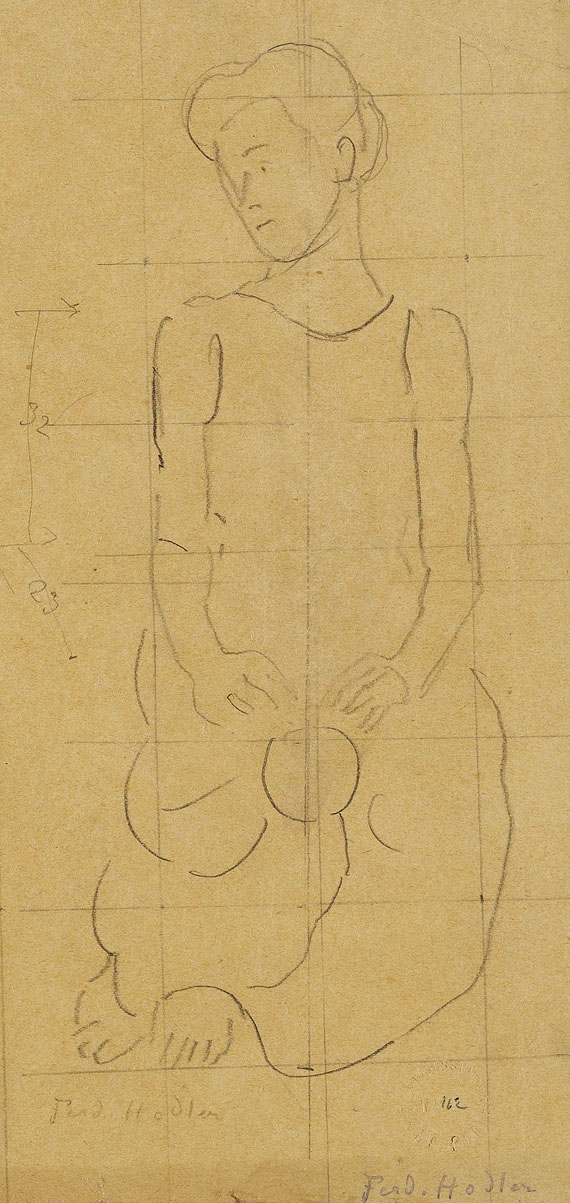
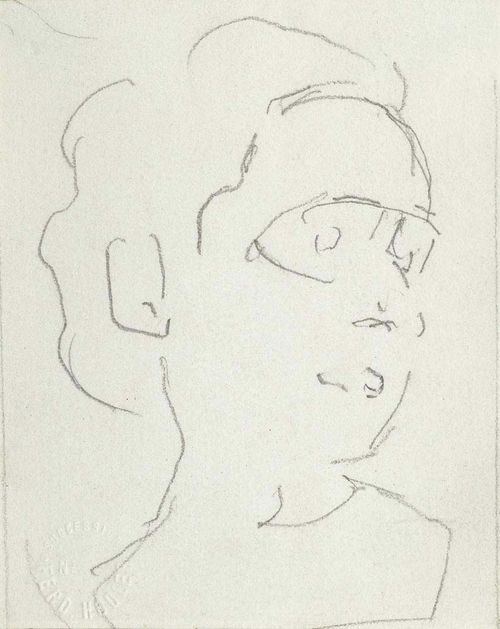
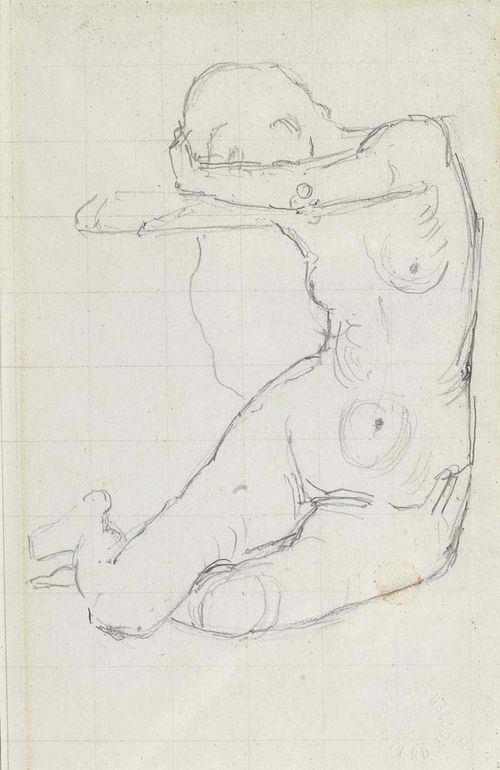
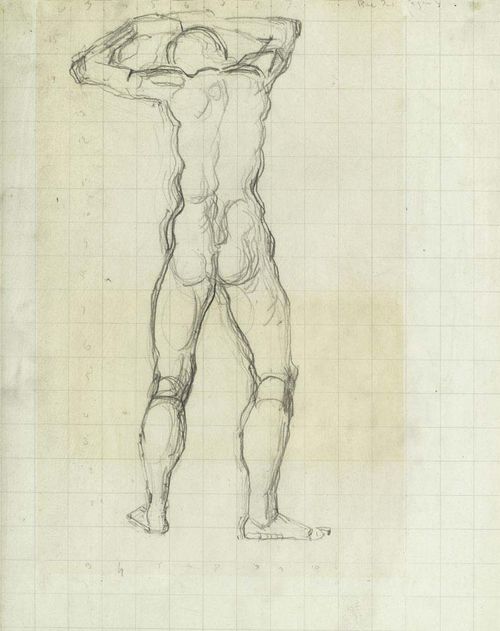
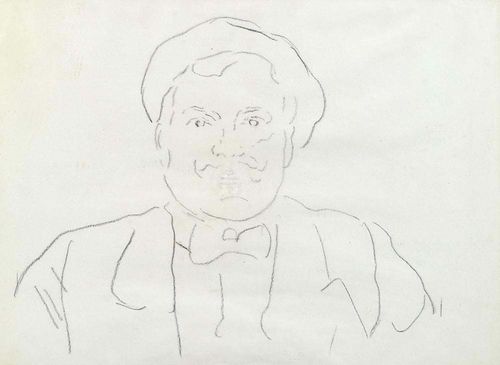
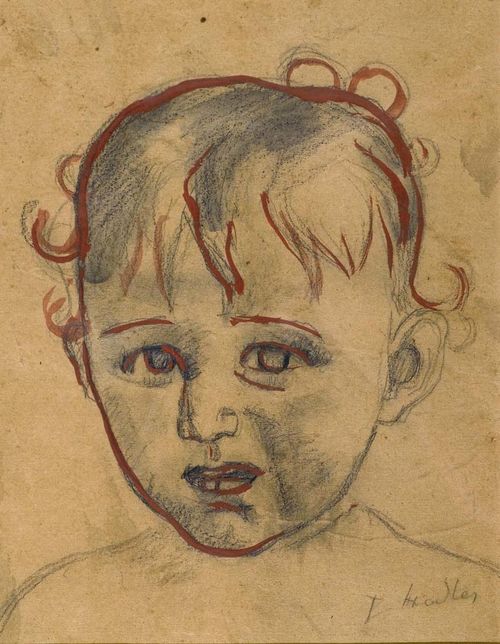
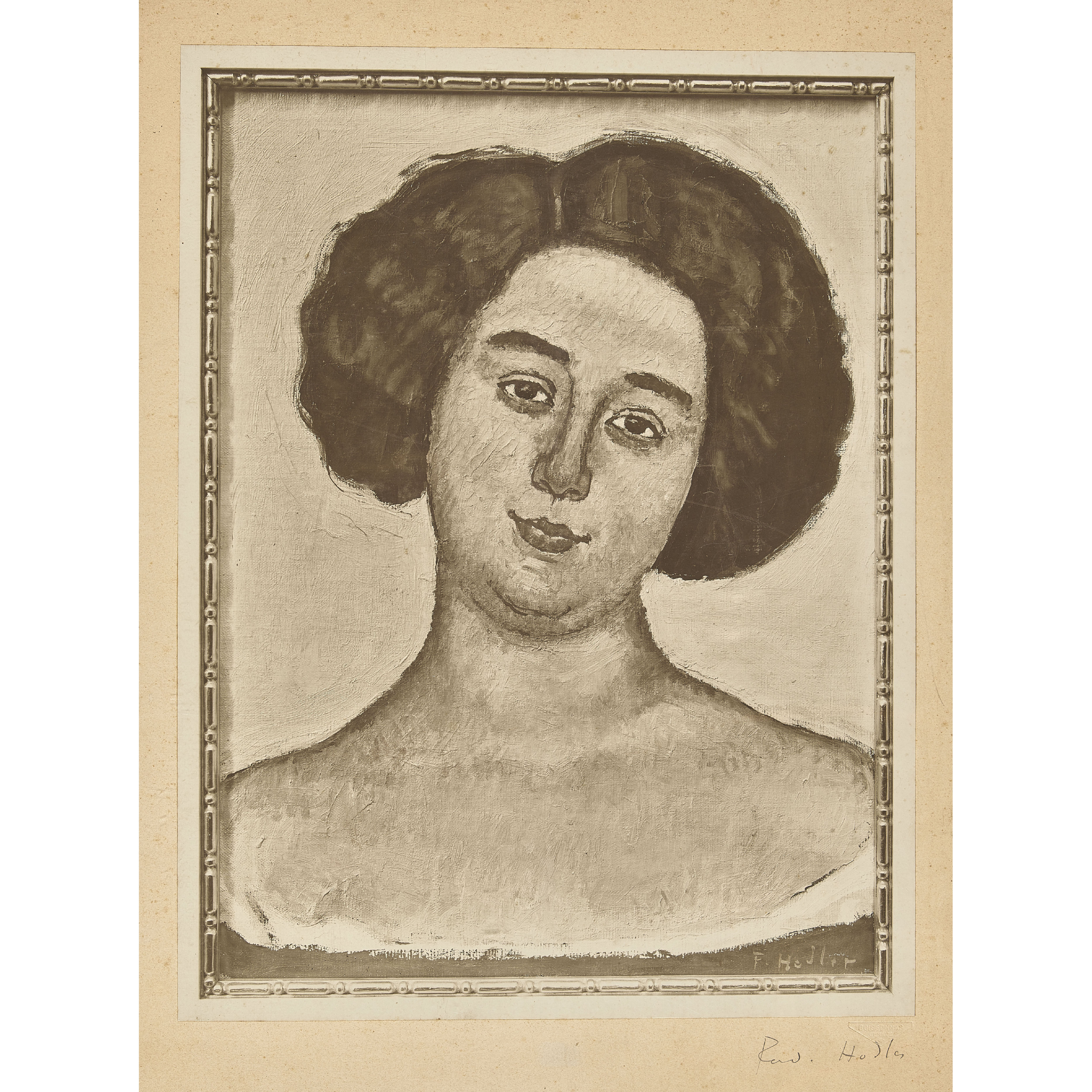
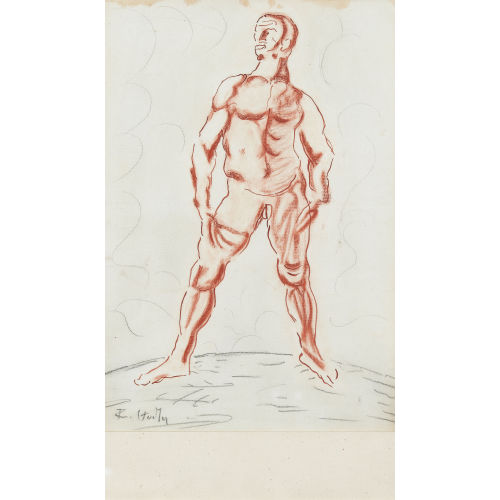
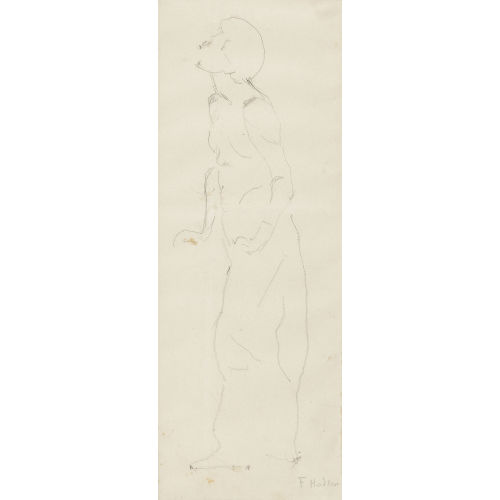
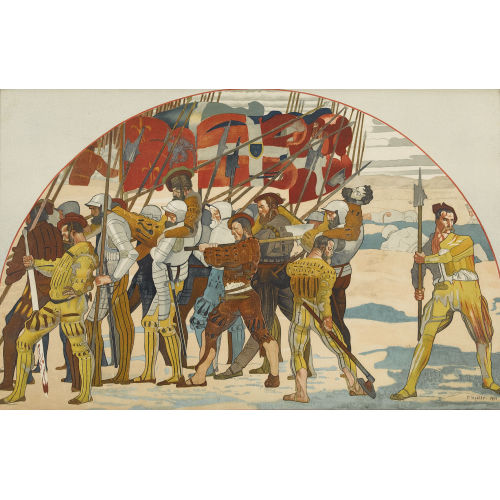
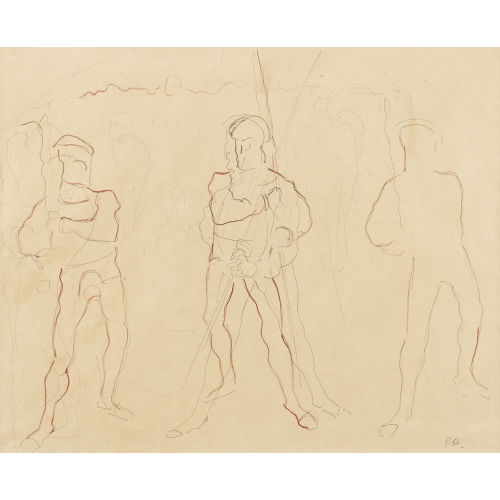
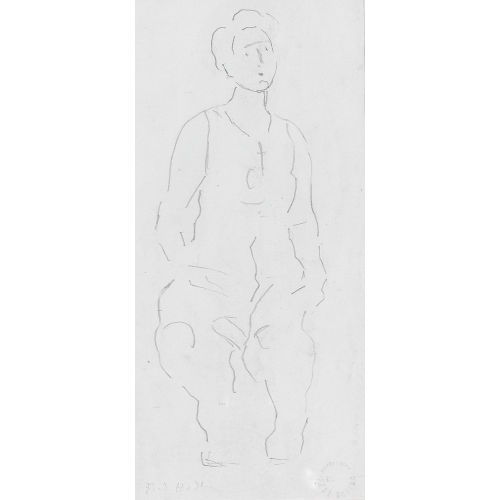
This training nourished a practice that brought together landscapes, portraits, genre scenes and historical compositions.
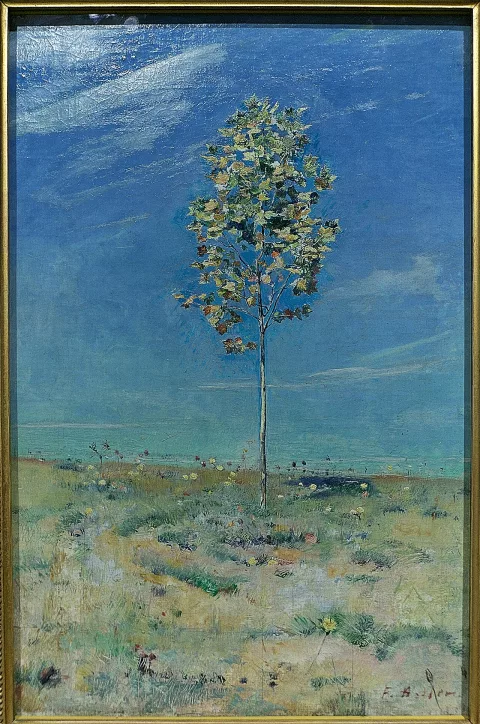
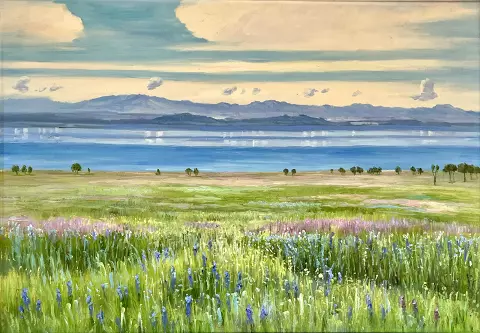
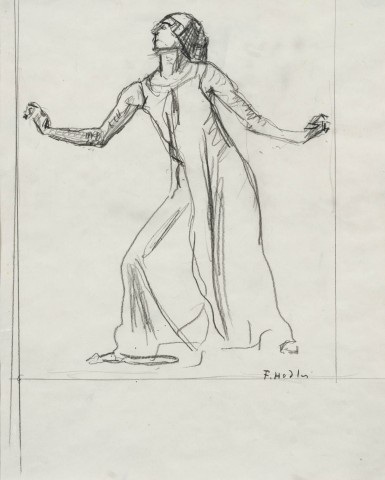
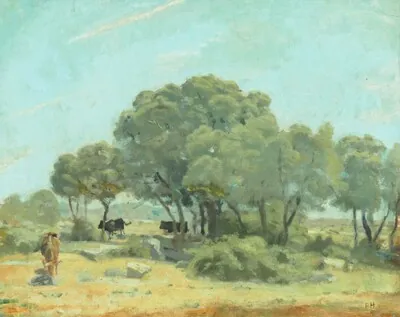
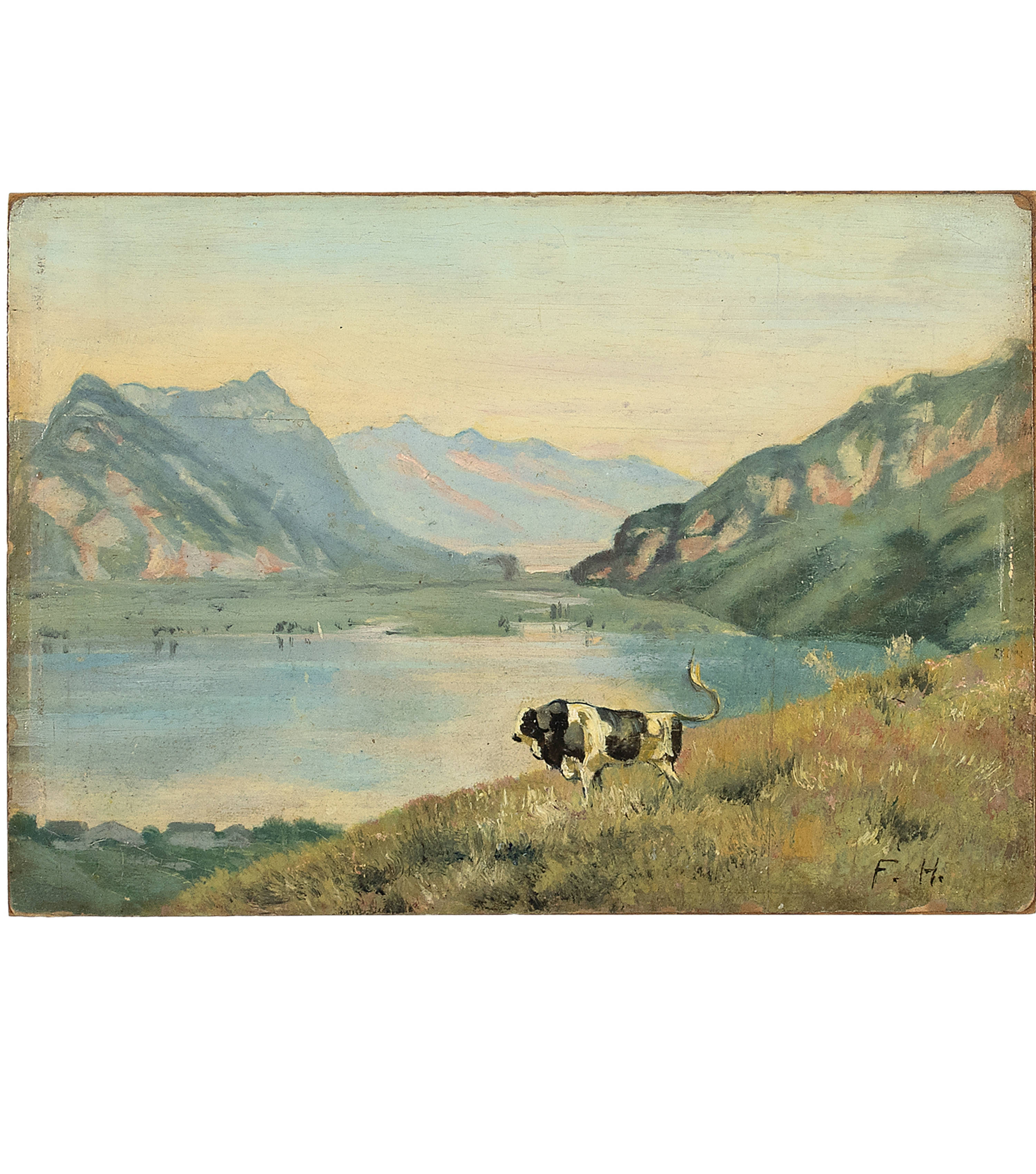
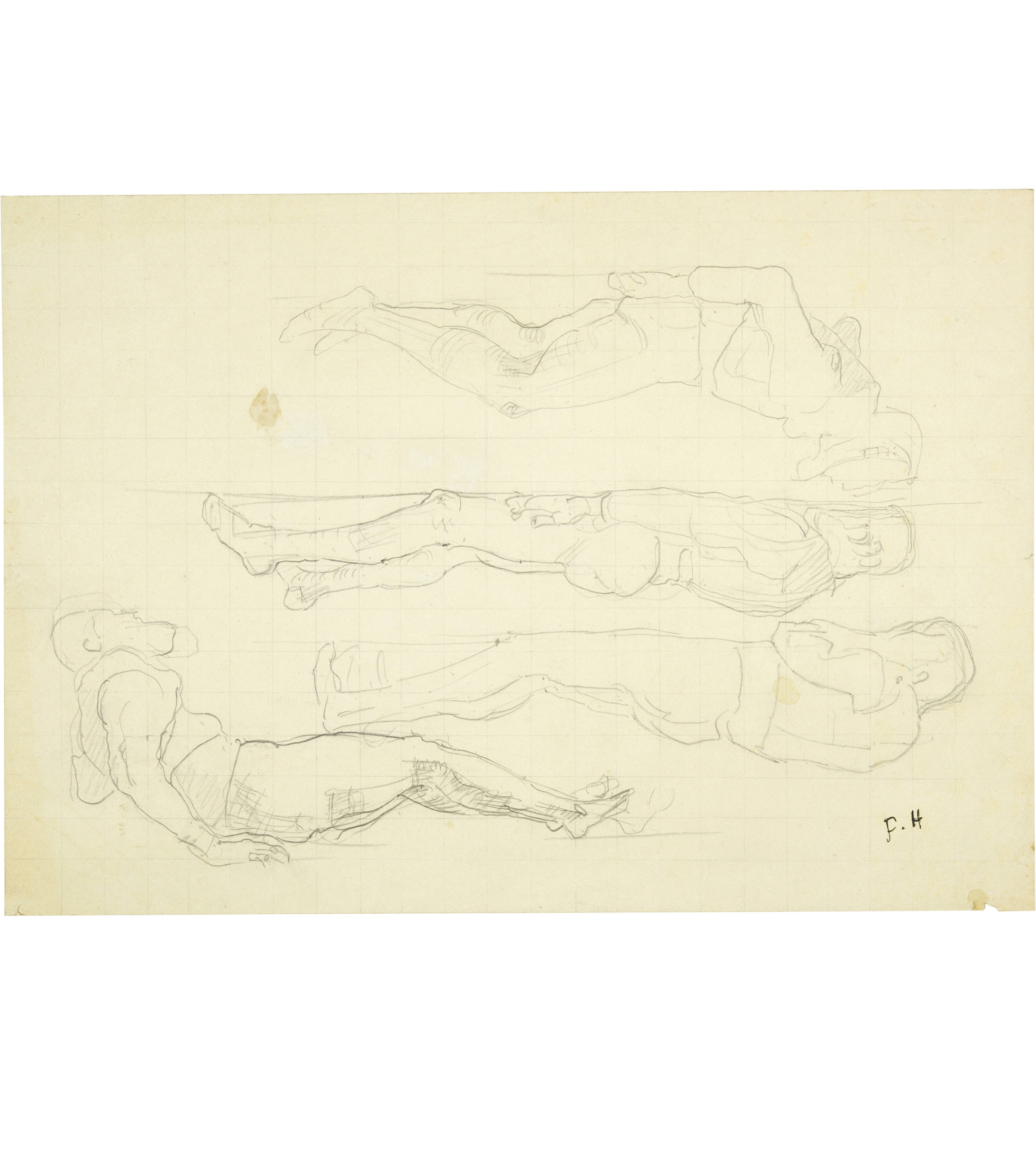
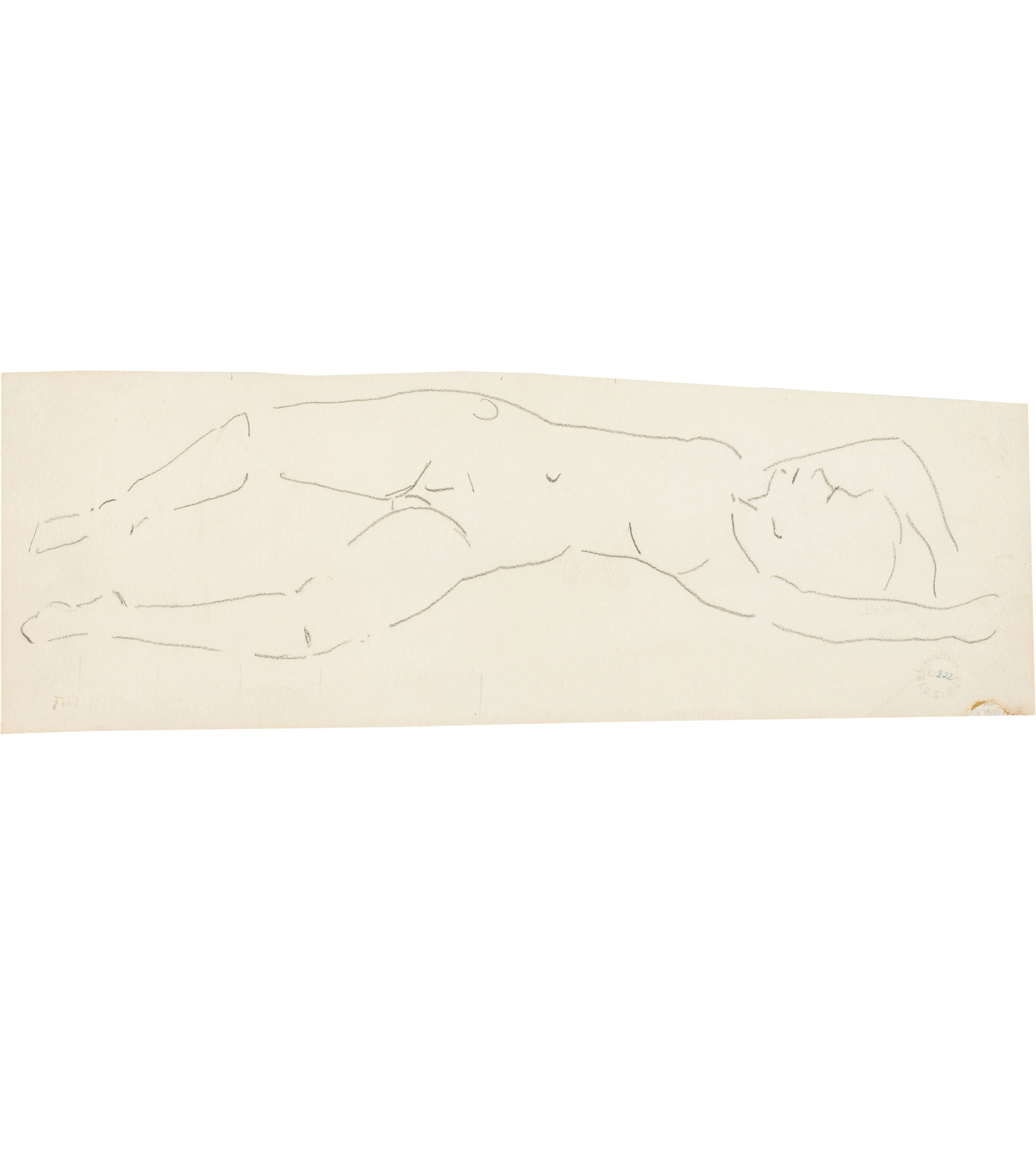
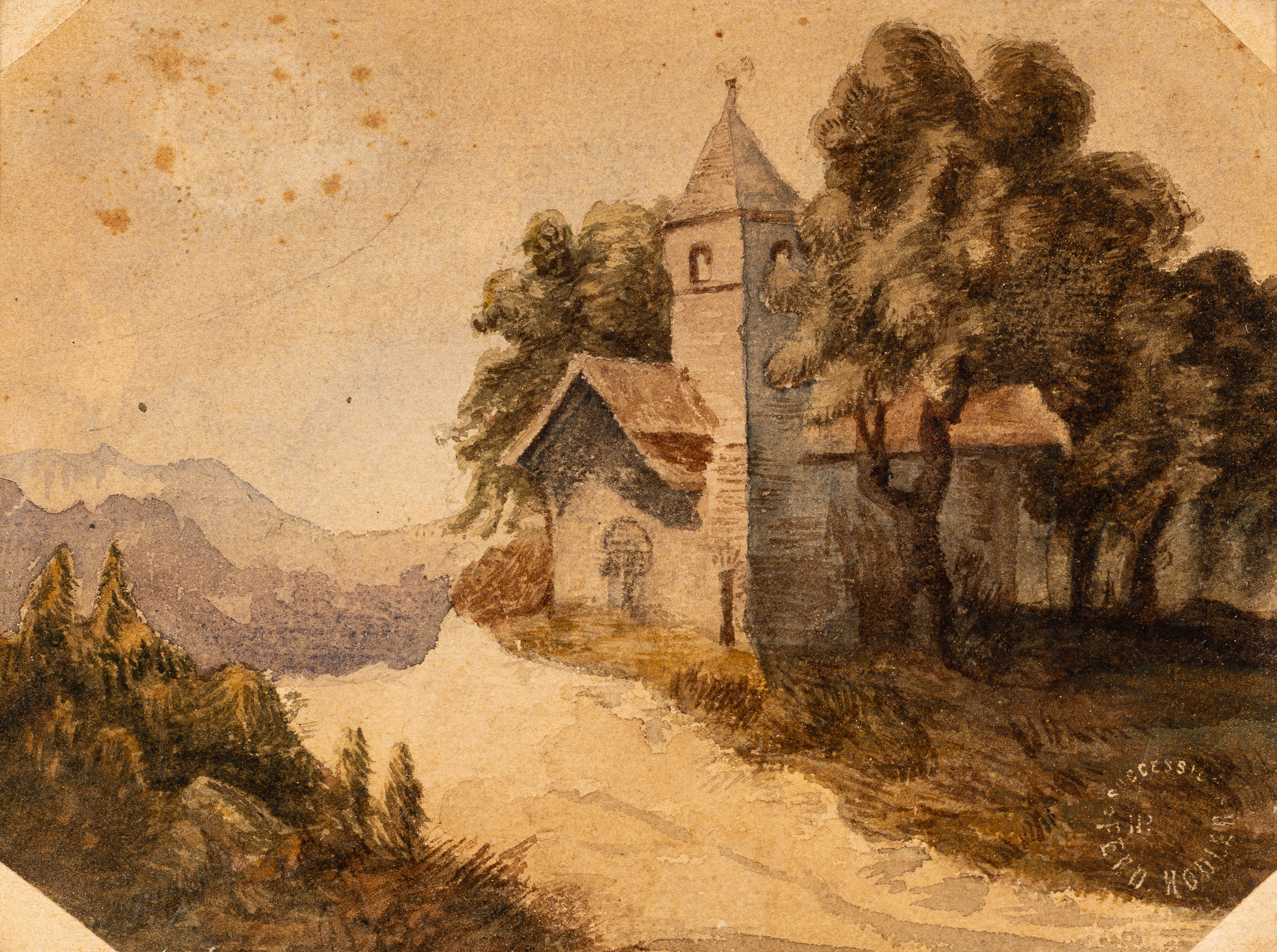
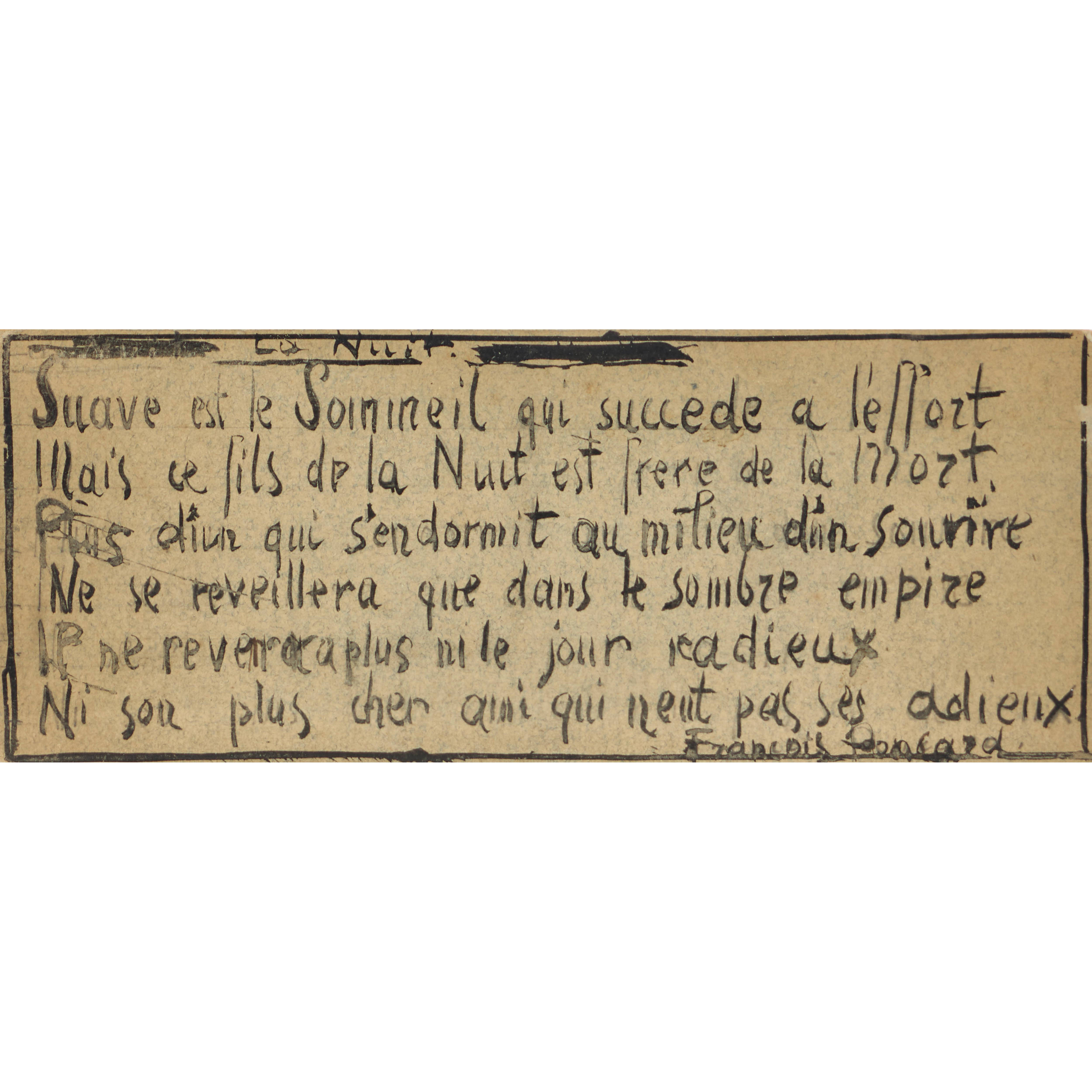
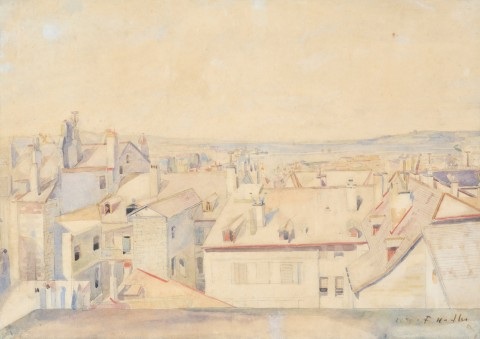
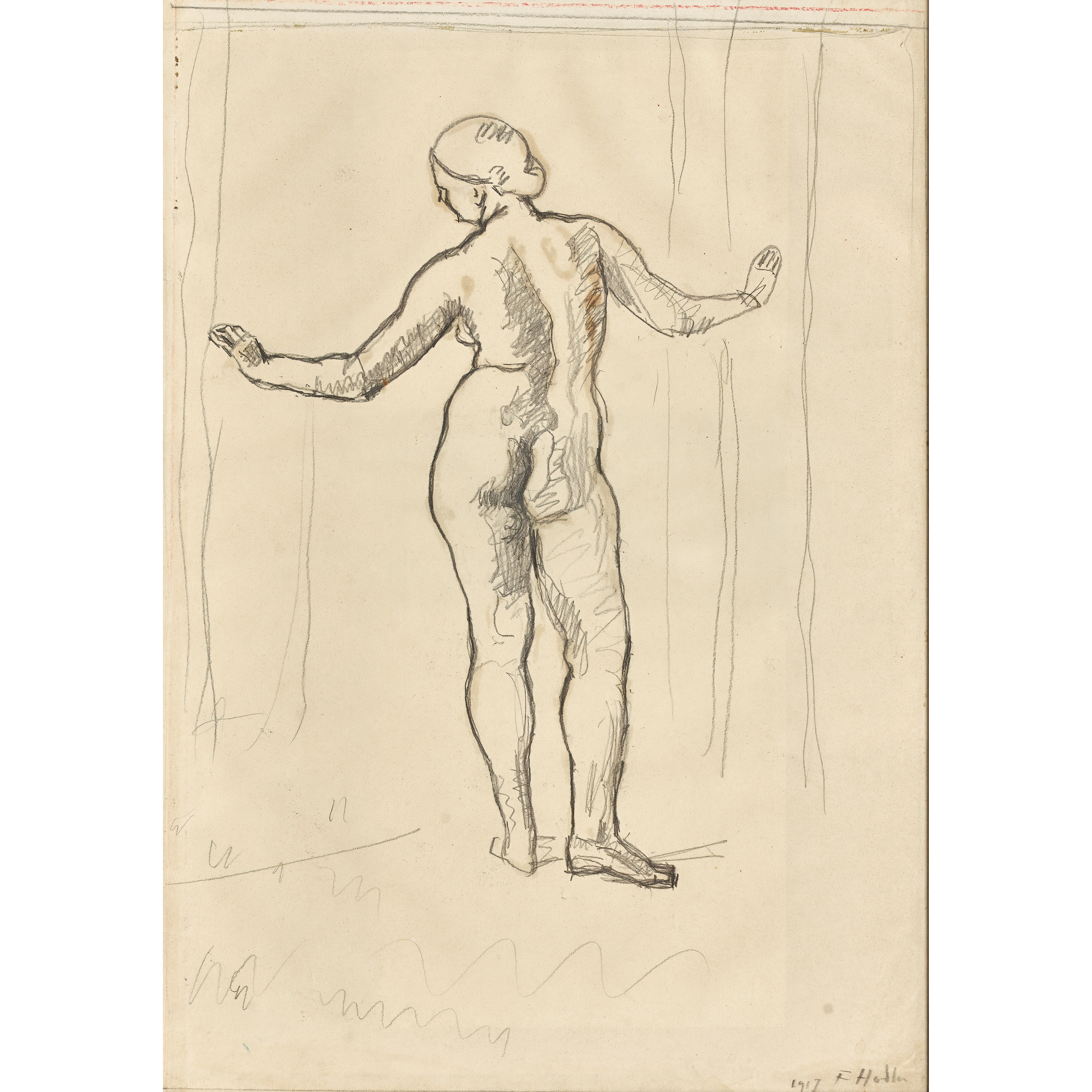
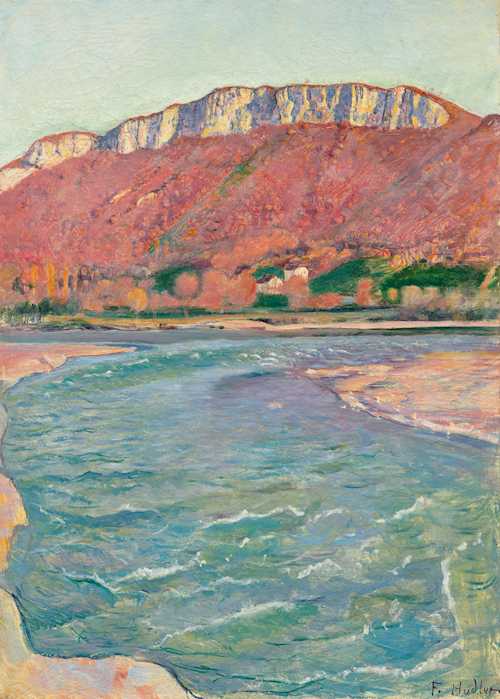
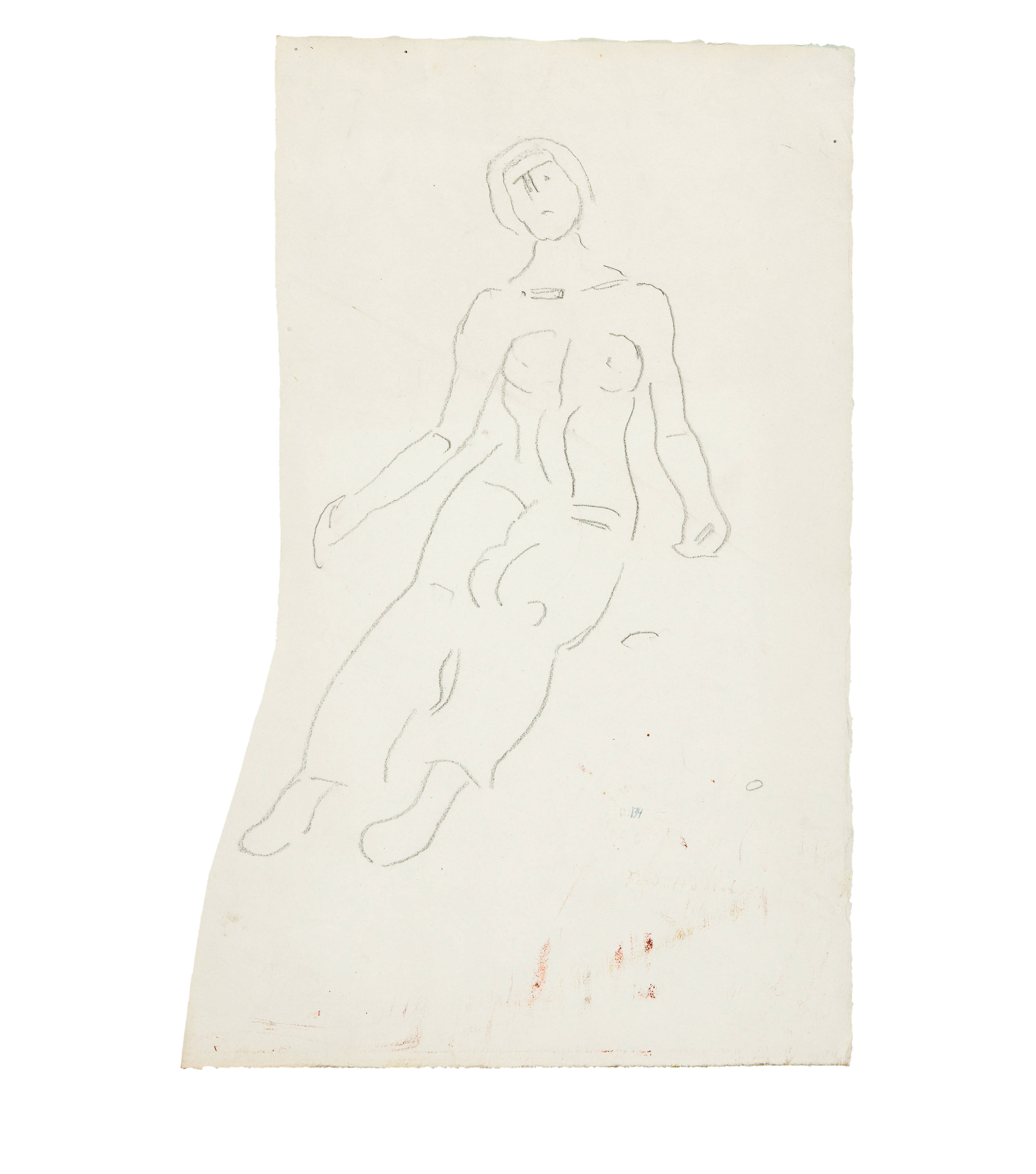
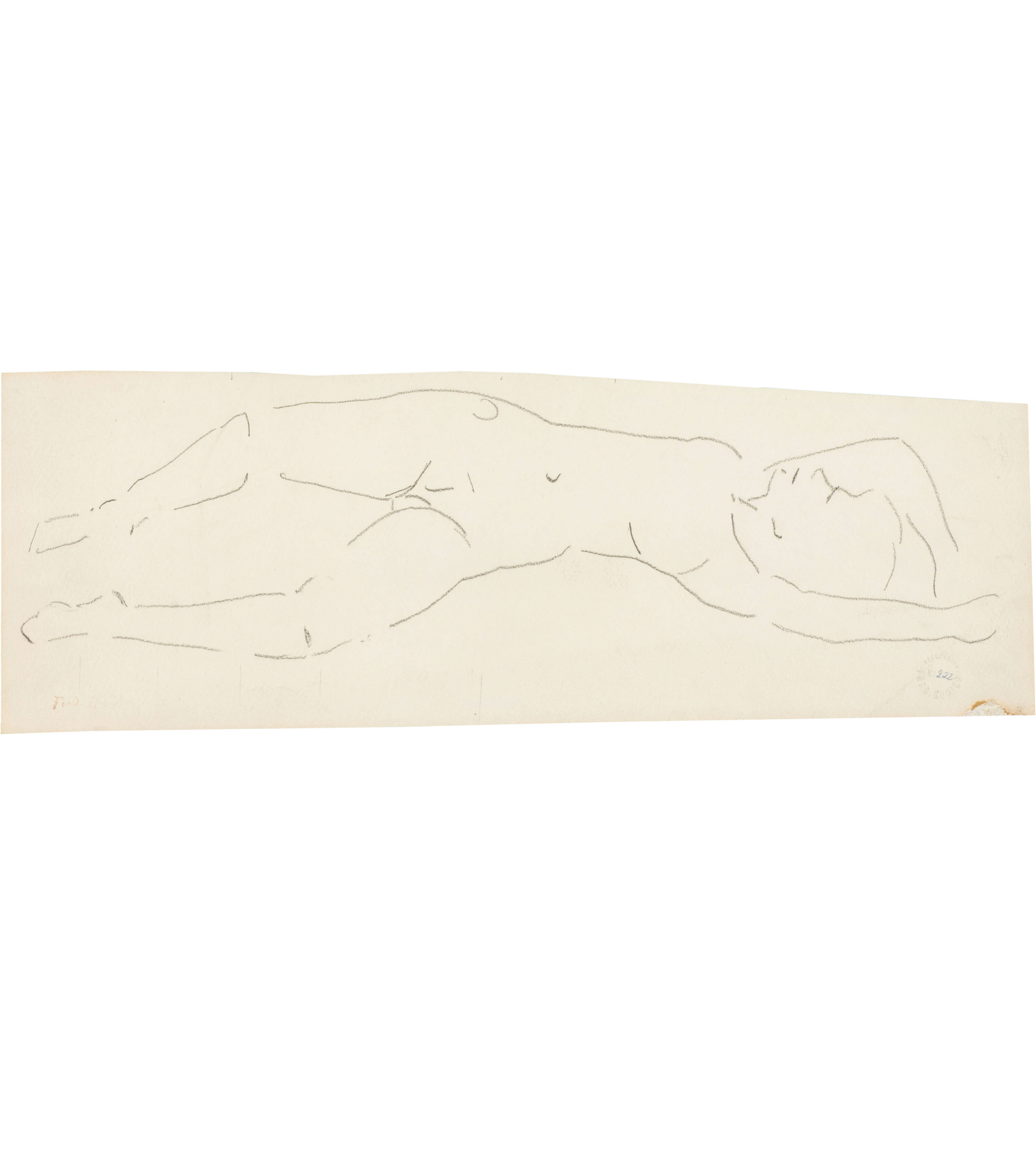
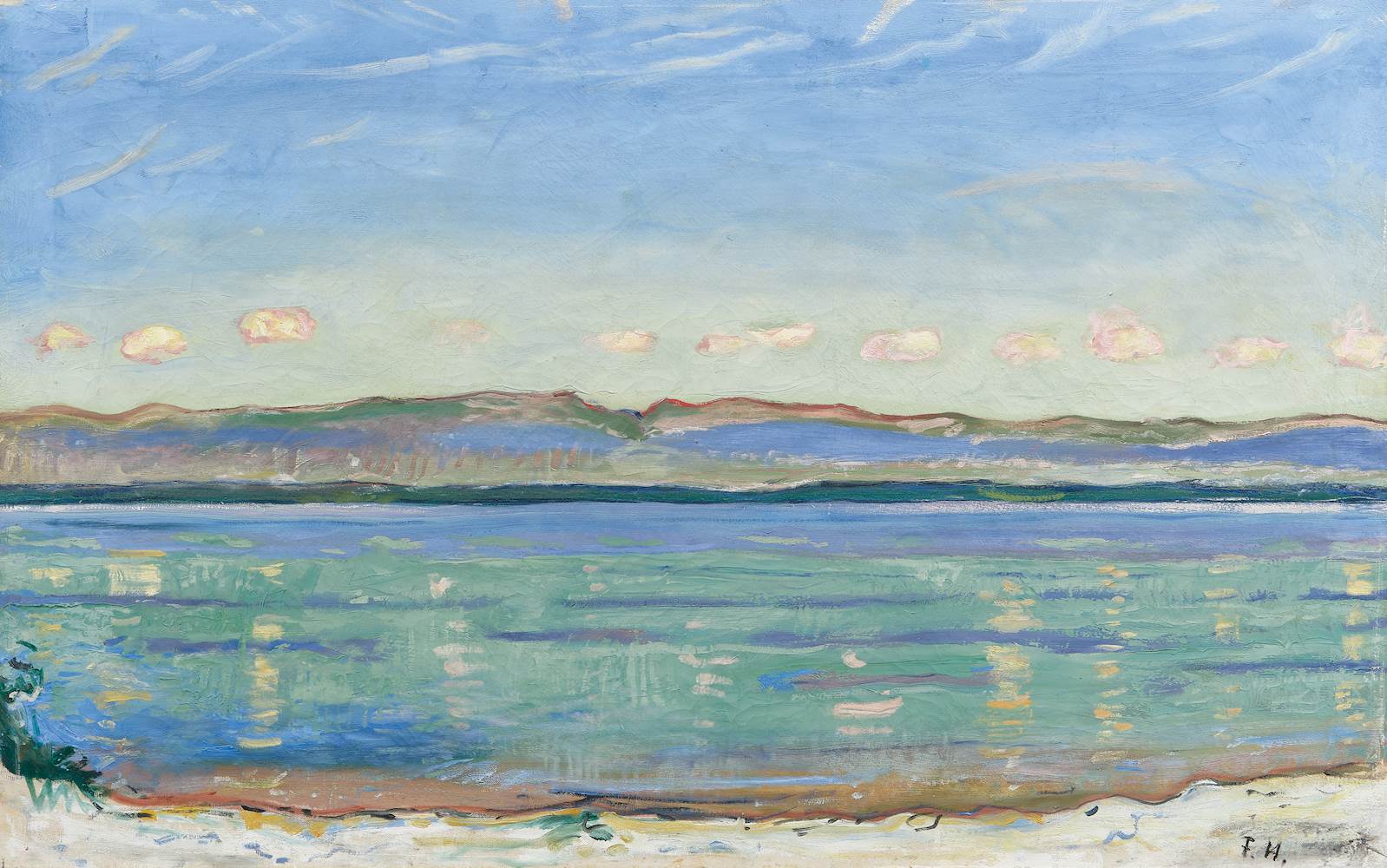
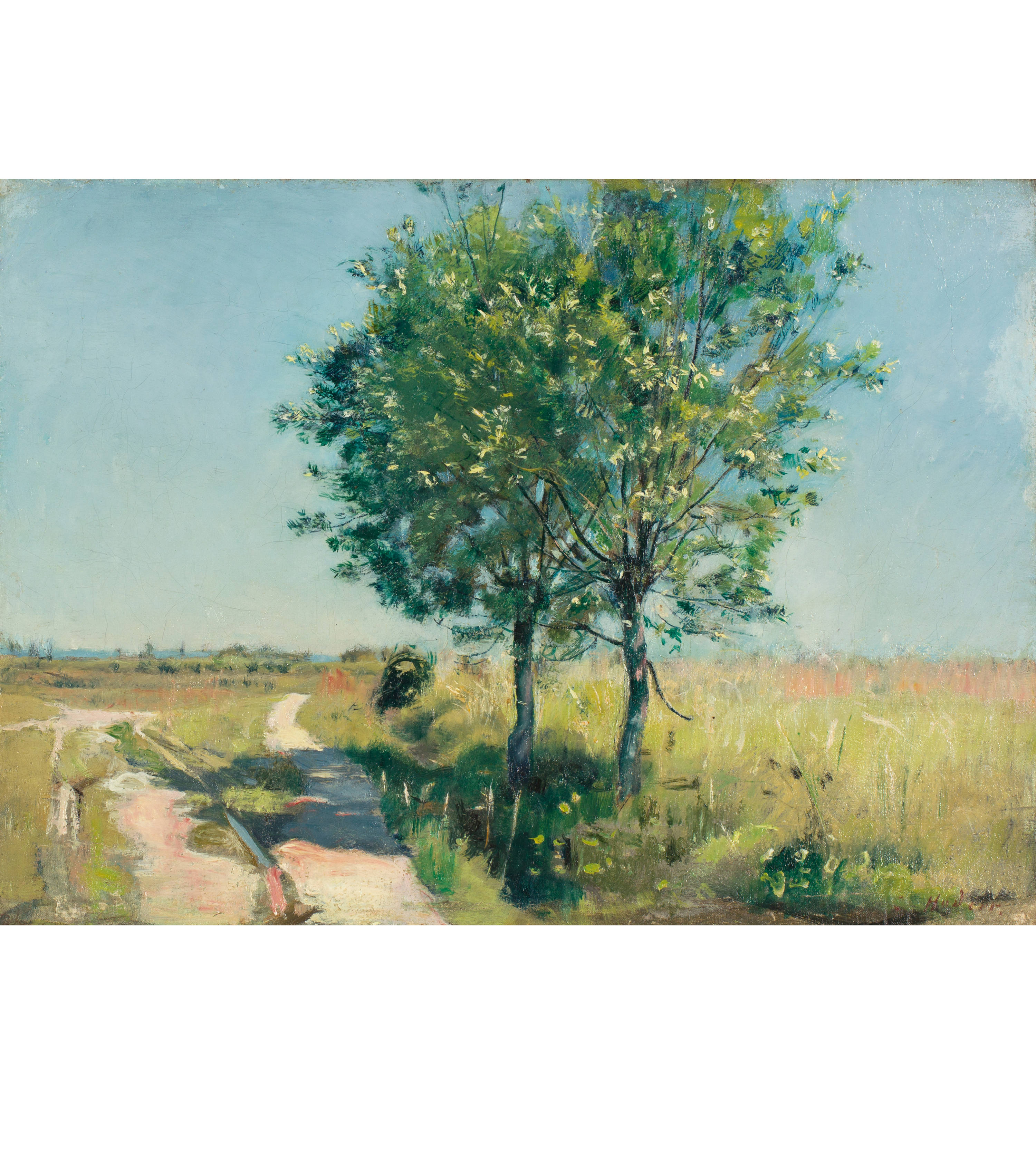
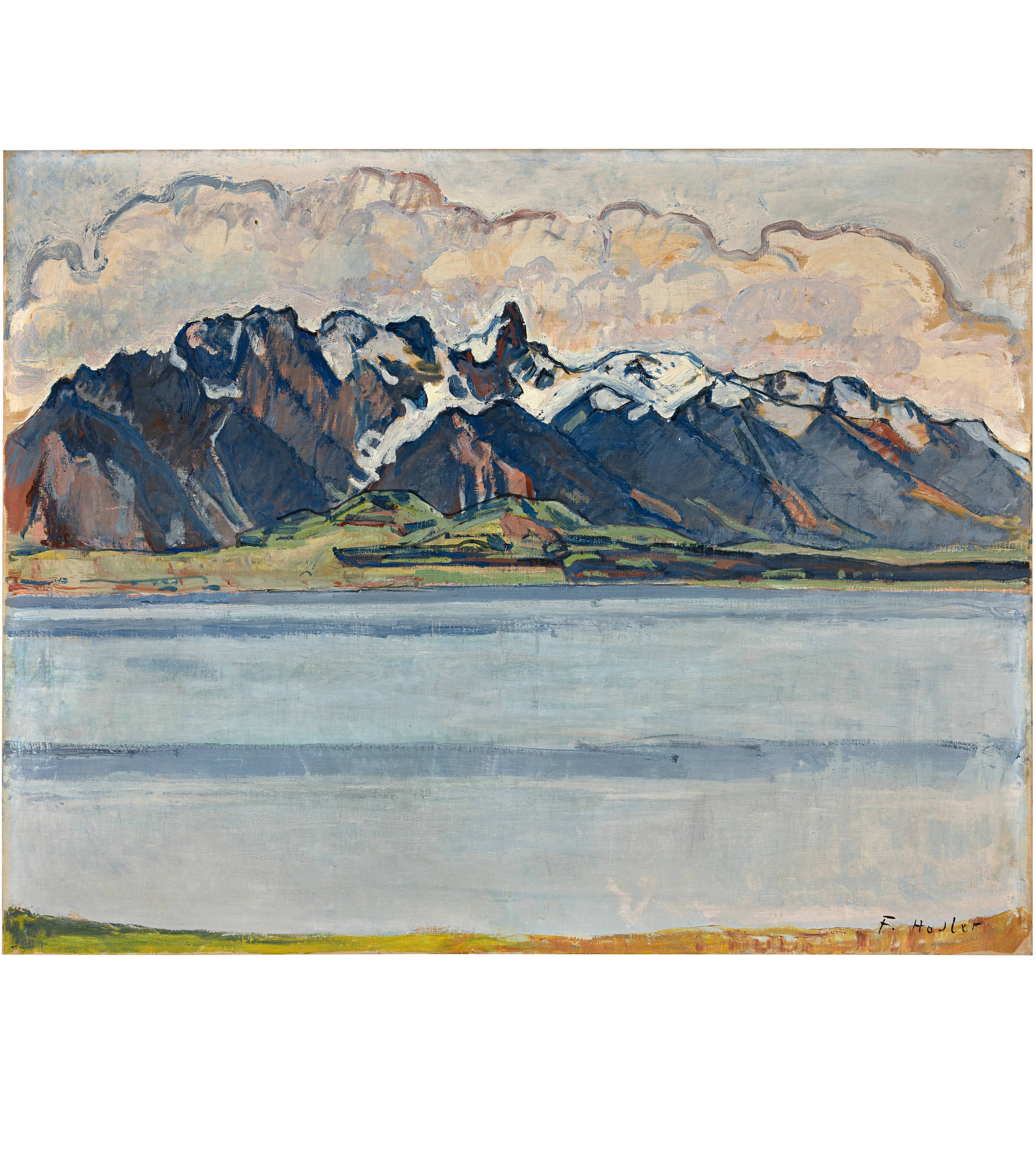
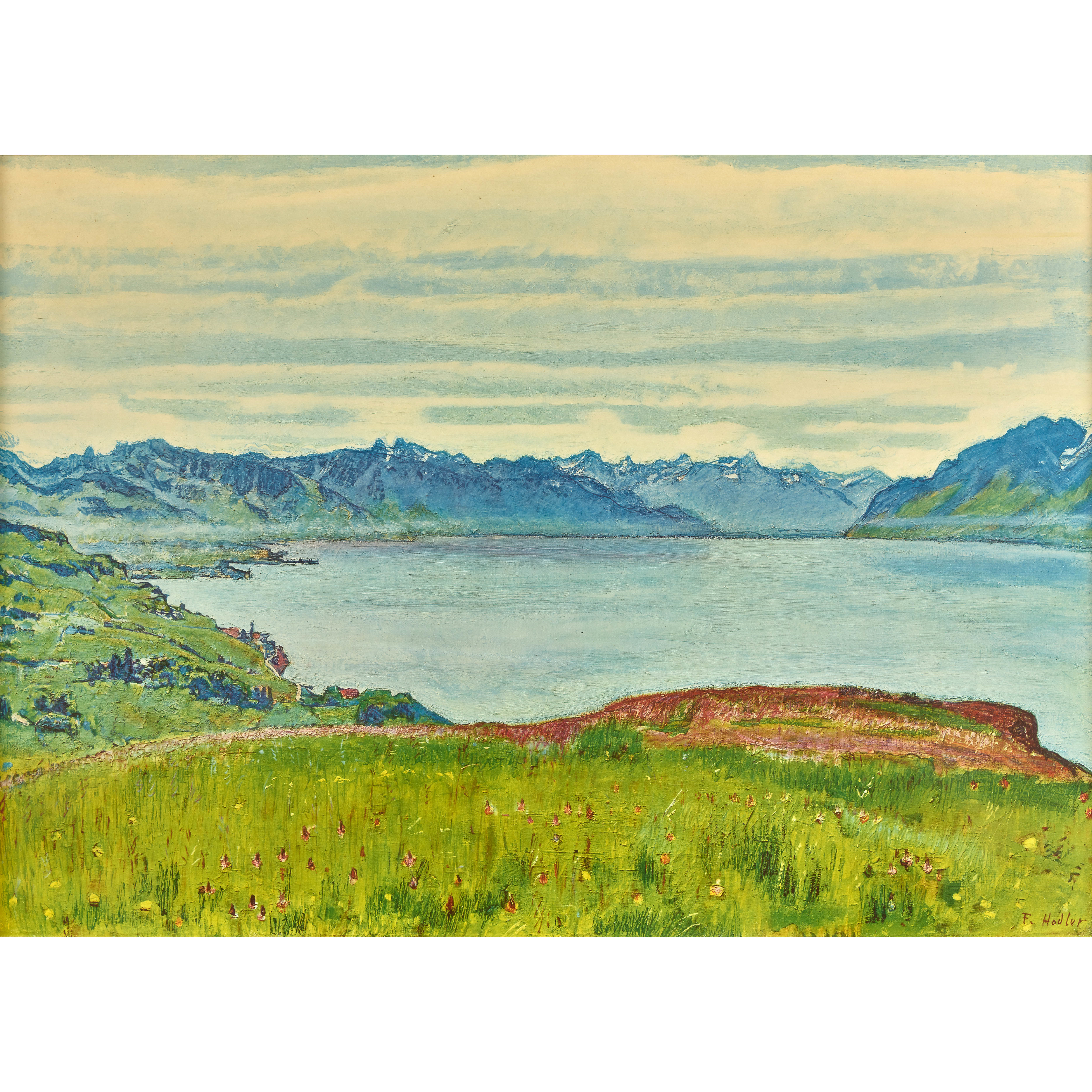
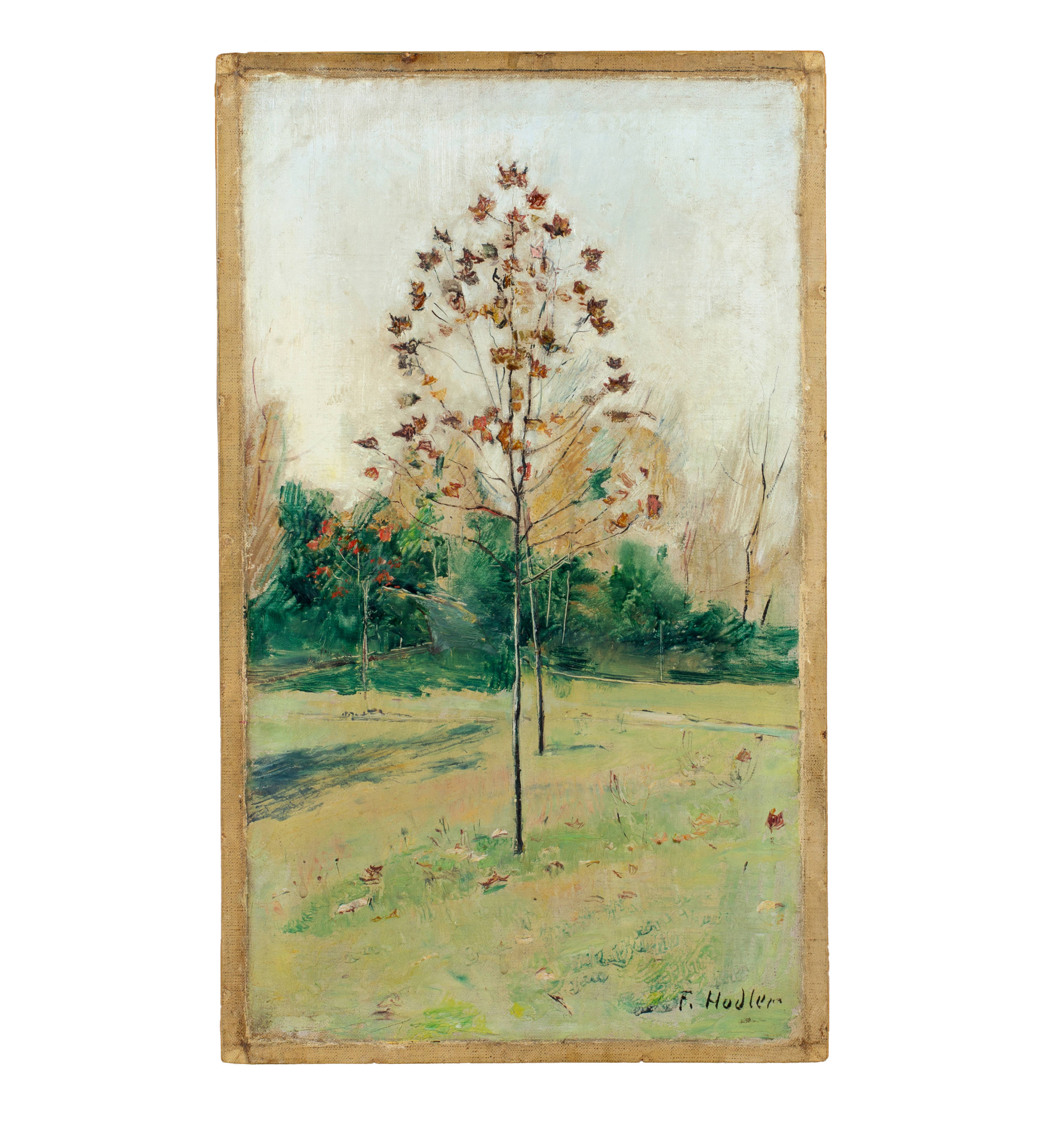
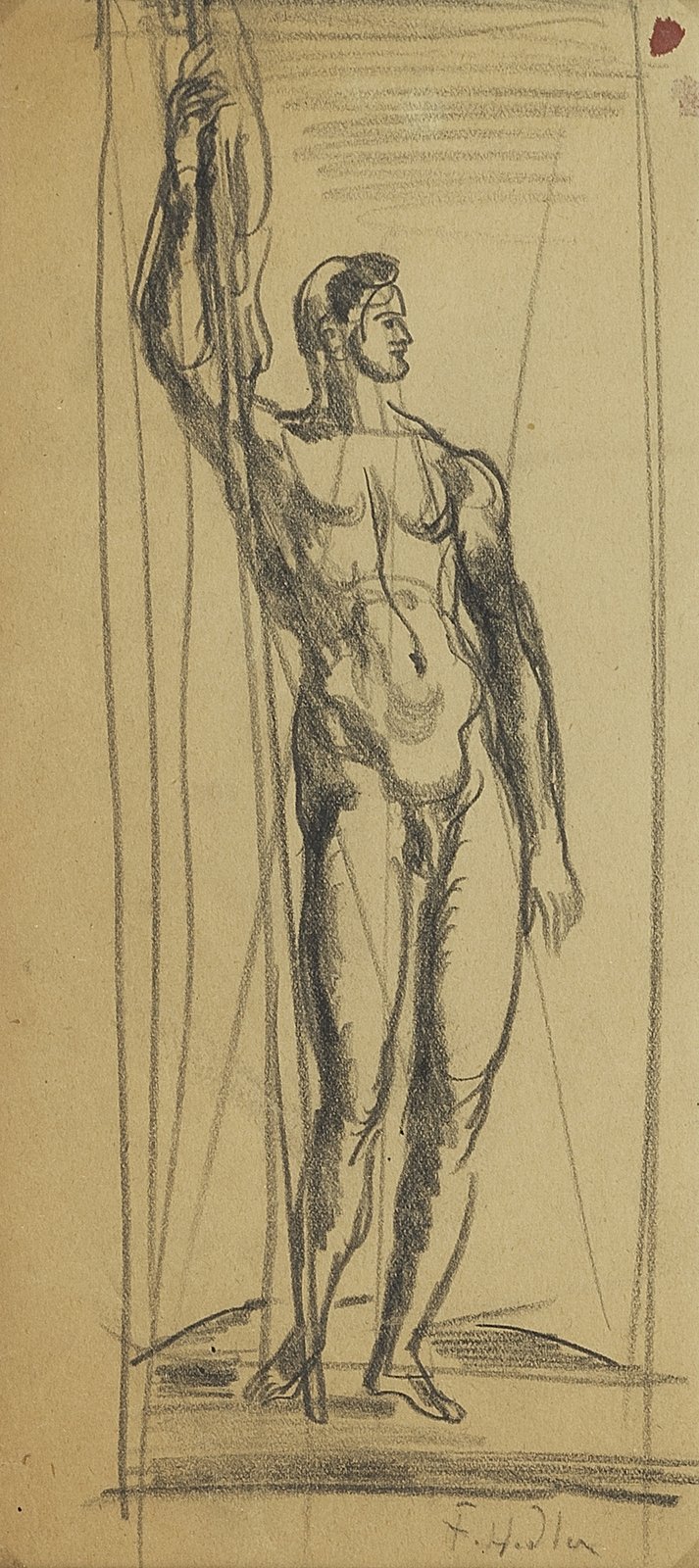
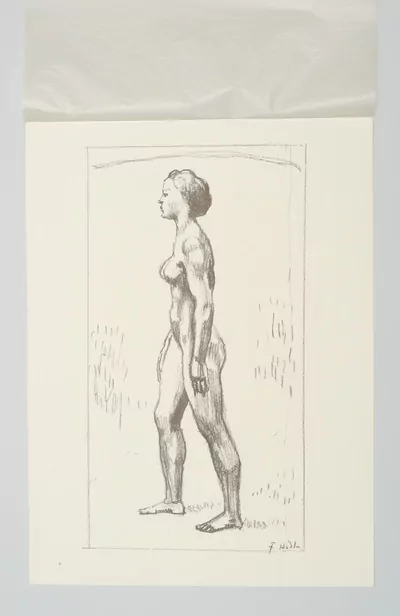
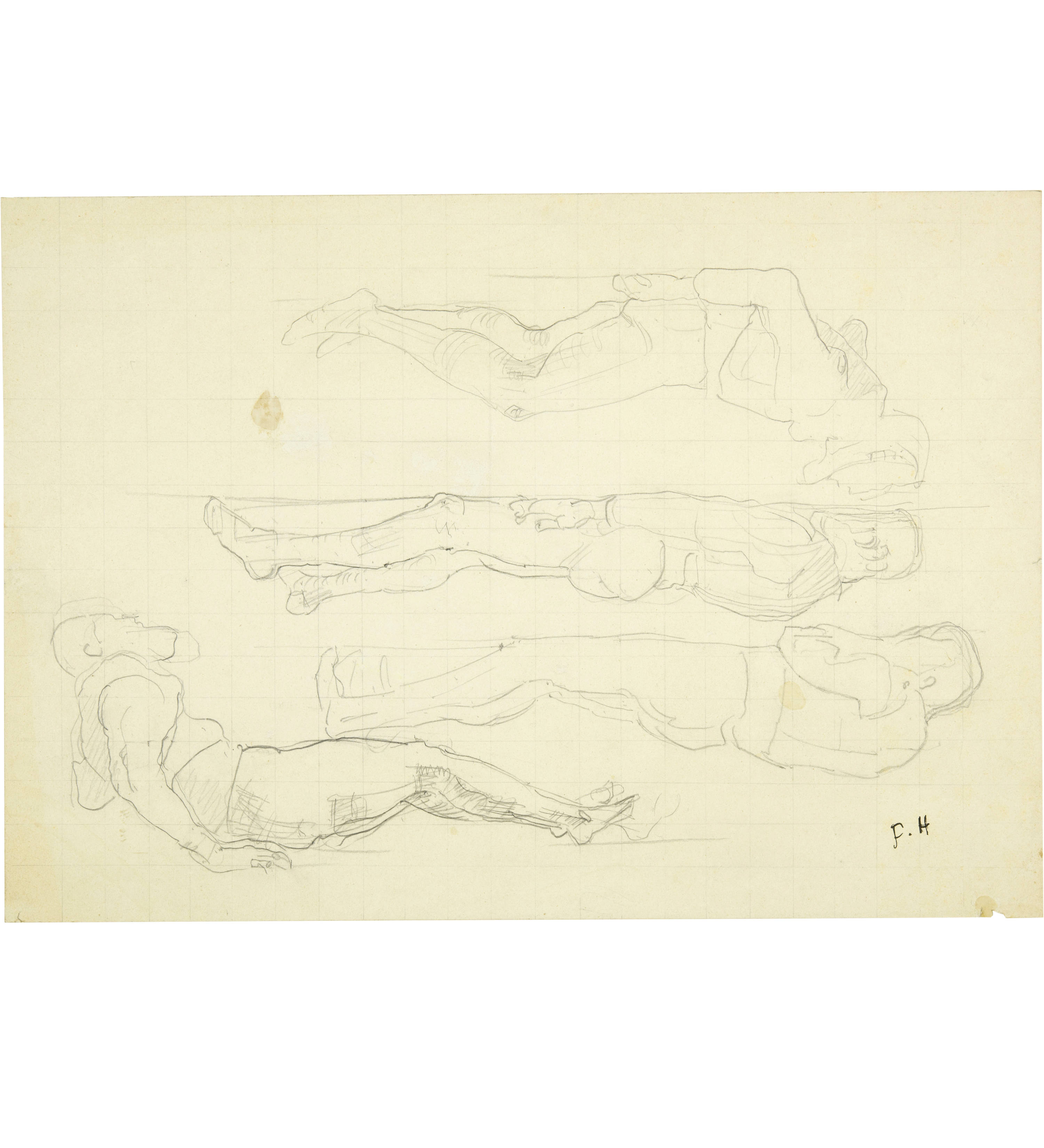
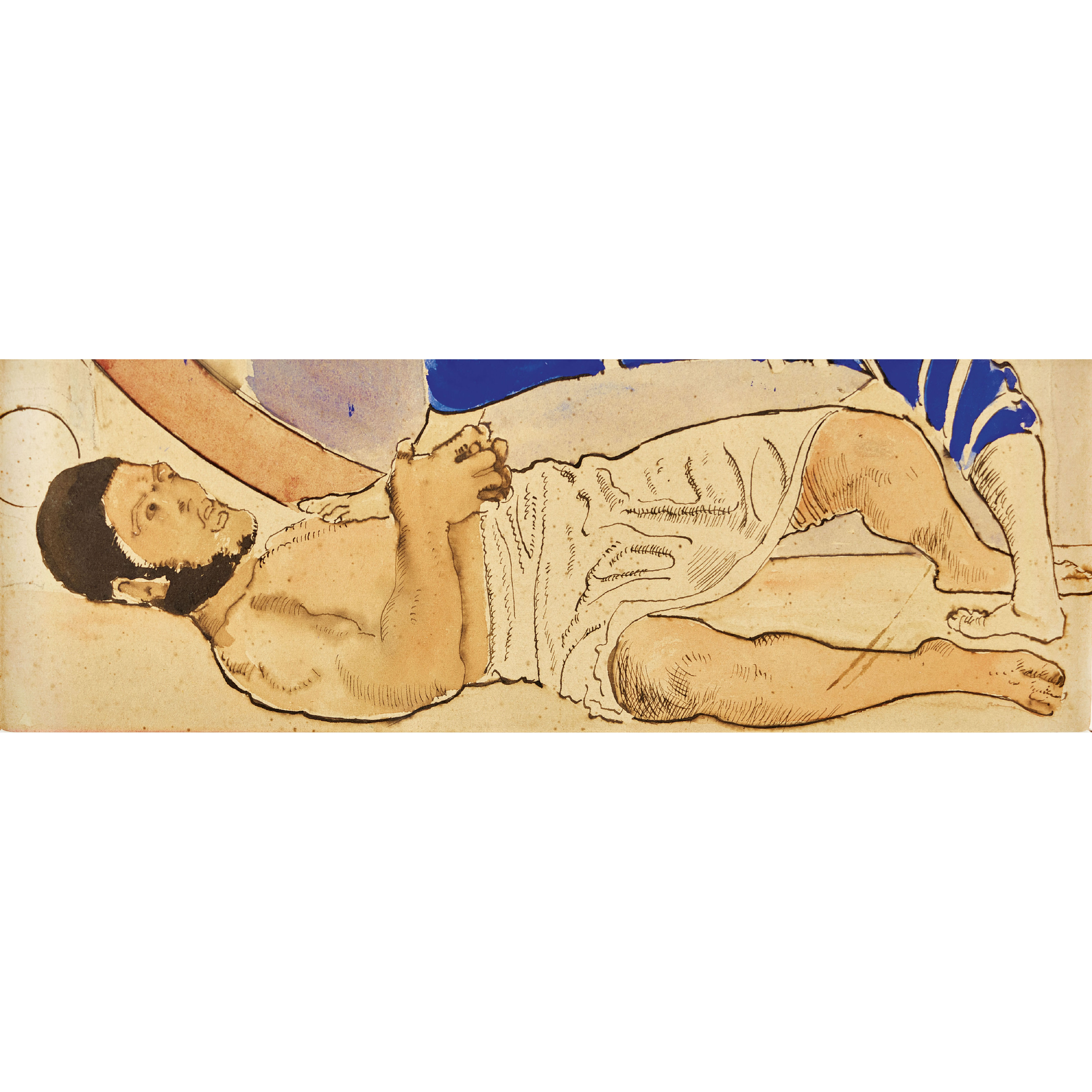
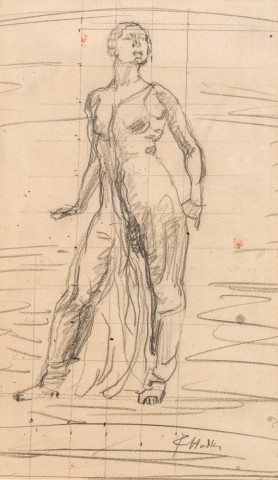
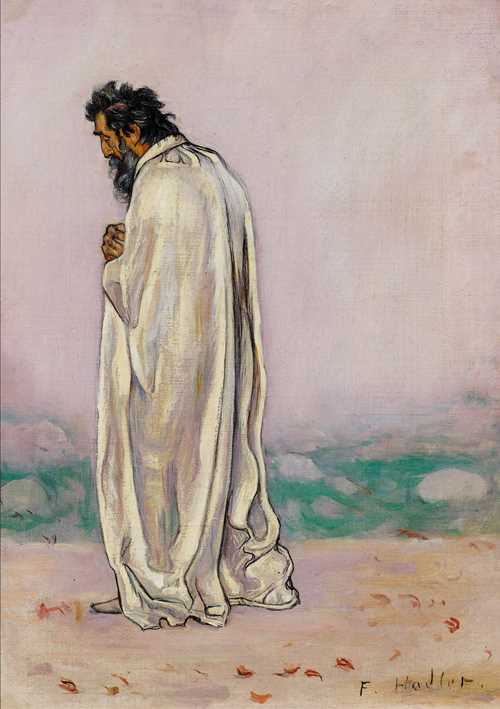
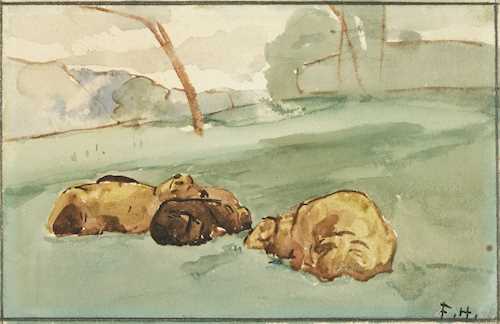
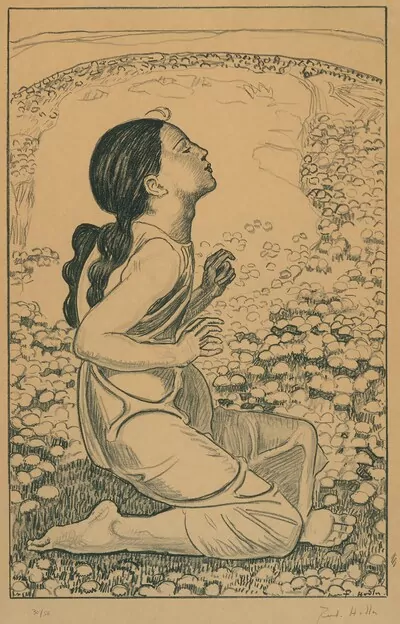
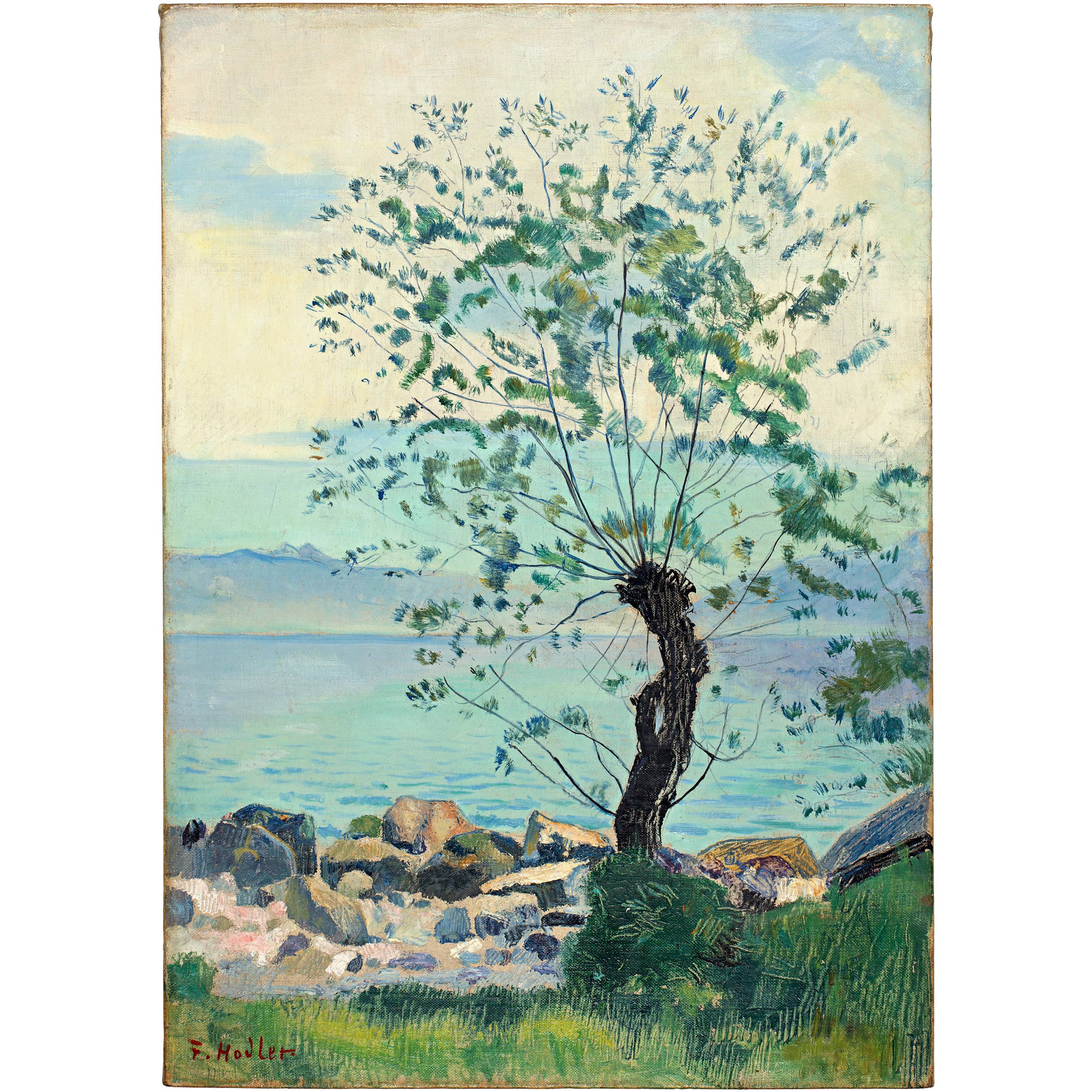
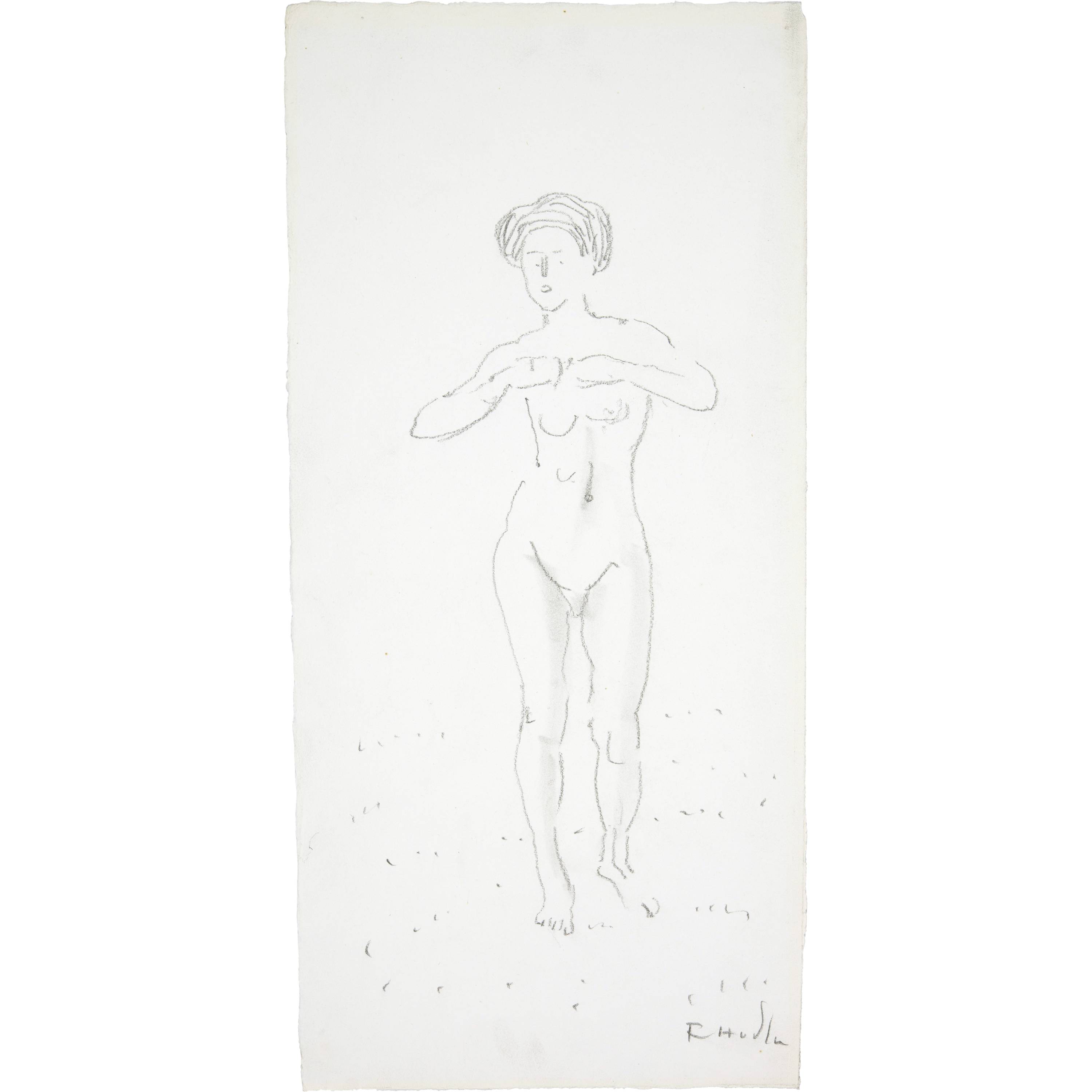
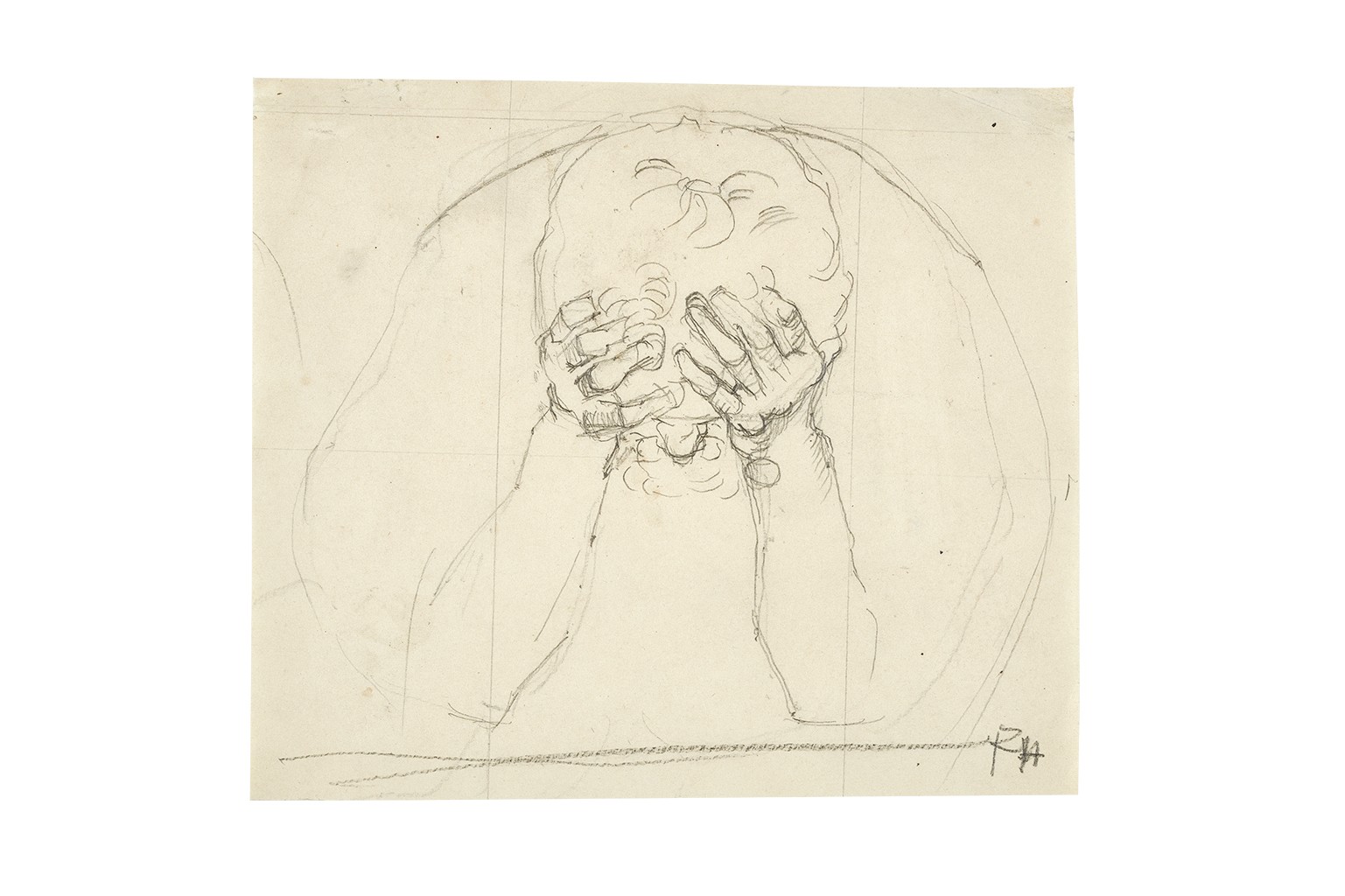
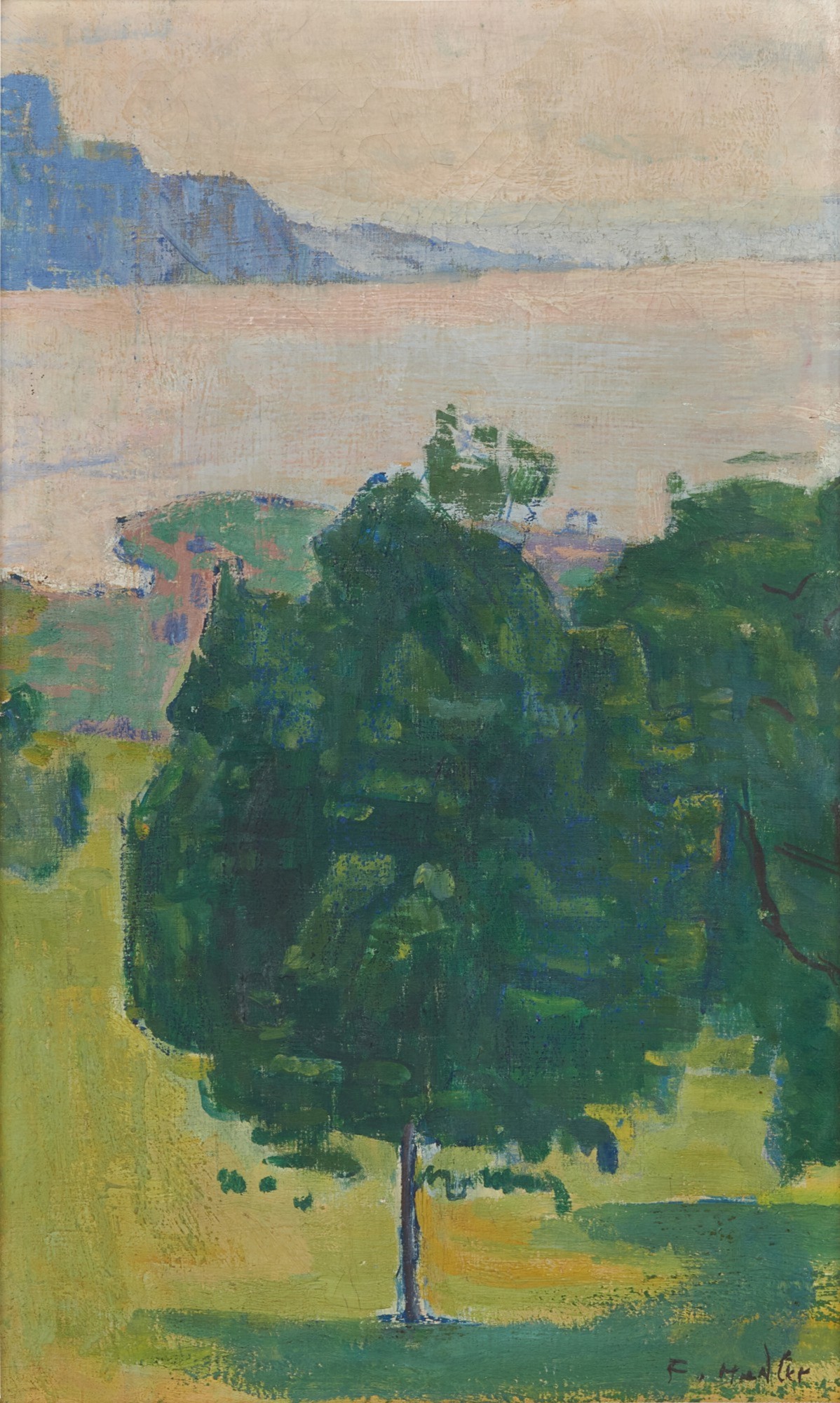
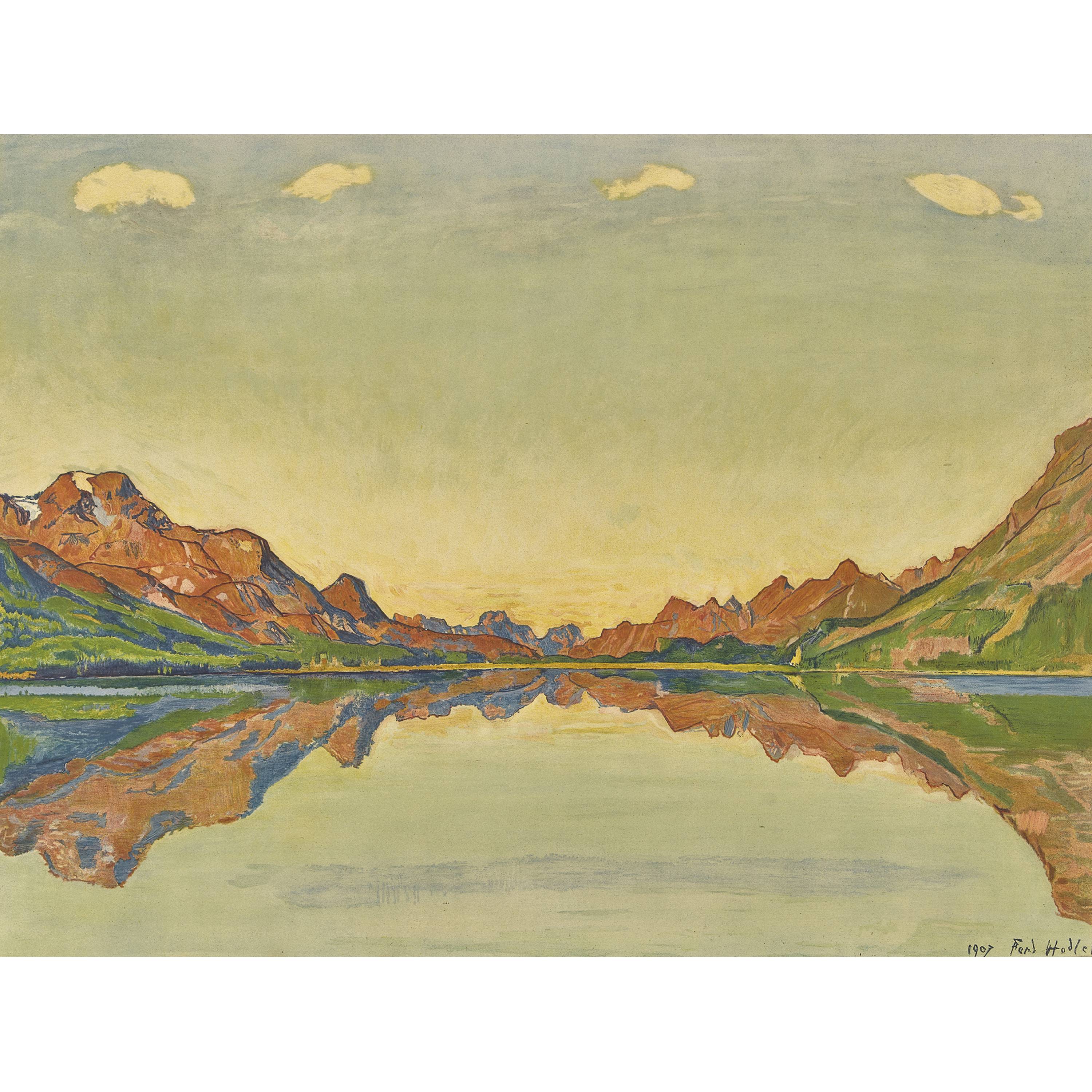
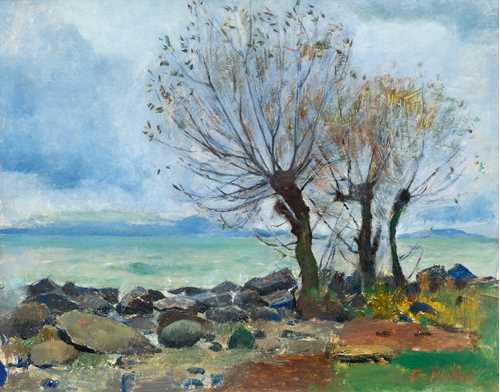
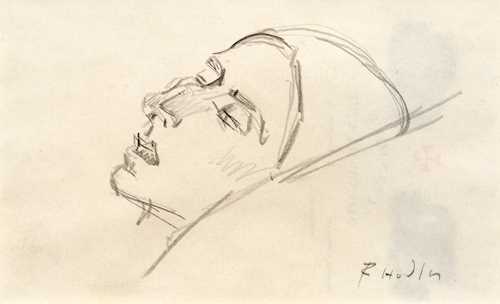
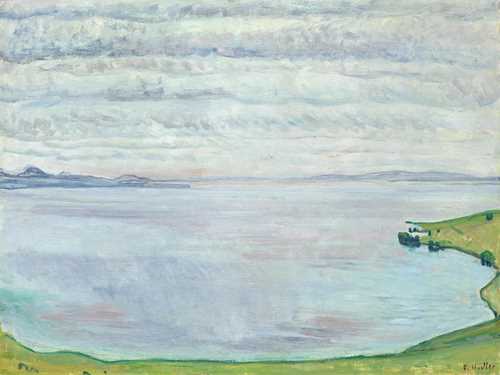
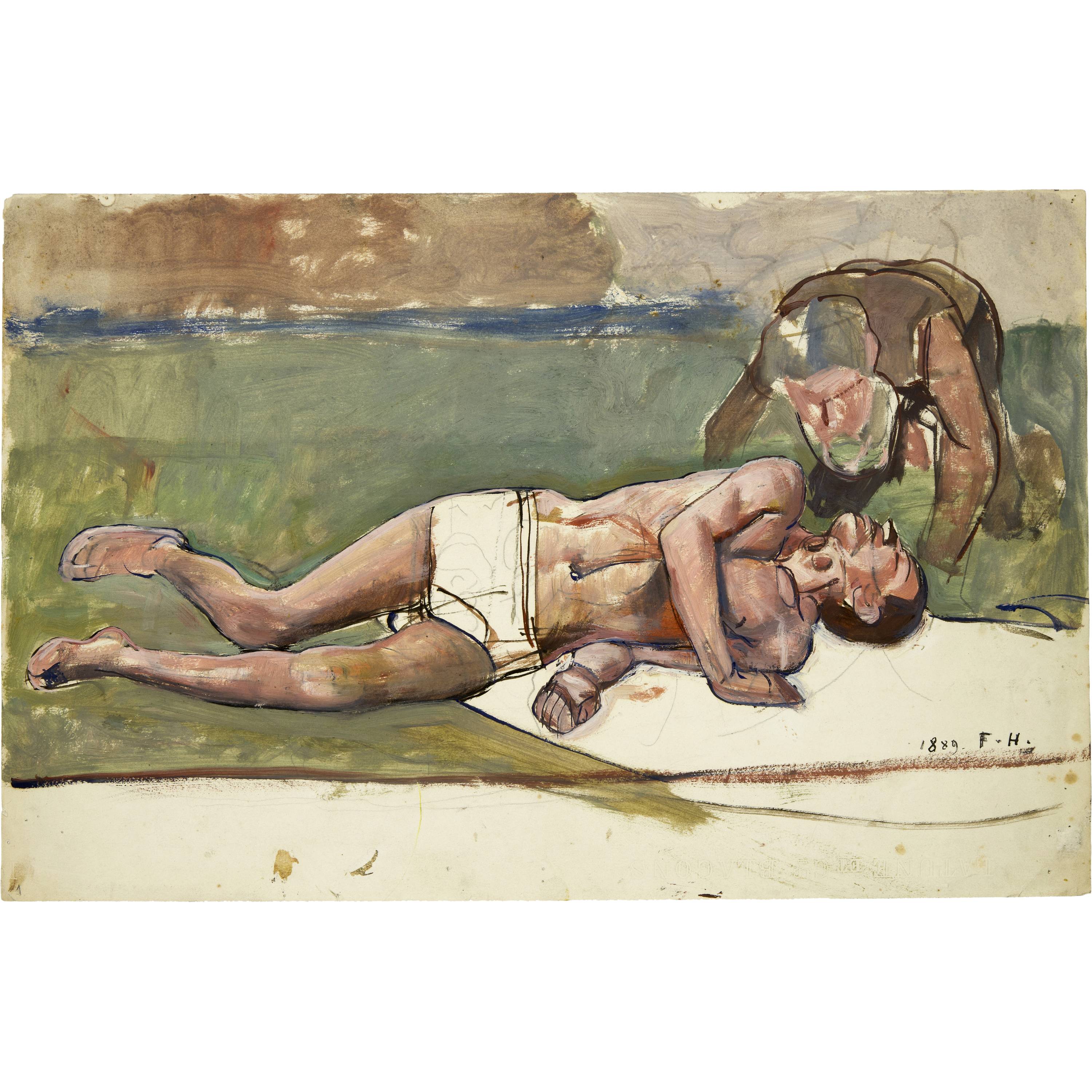
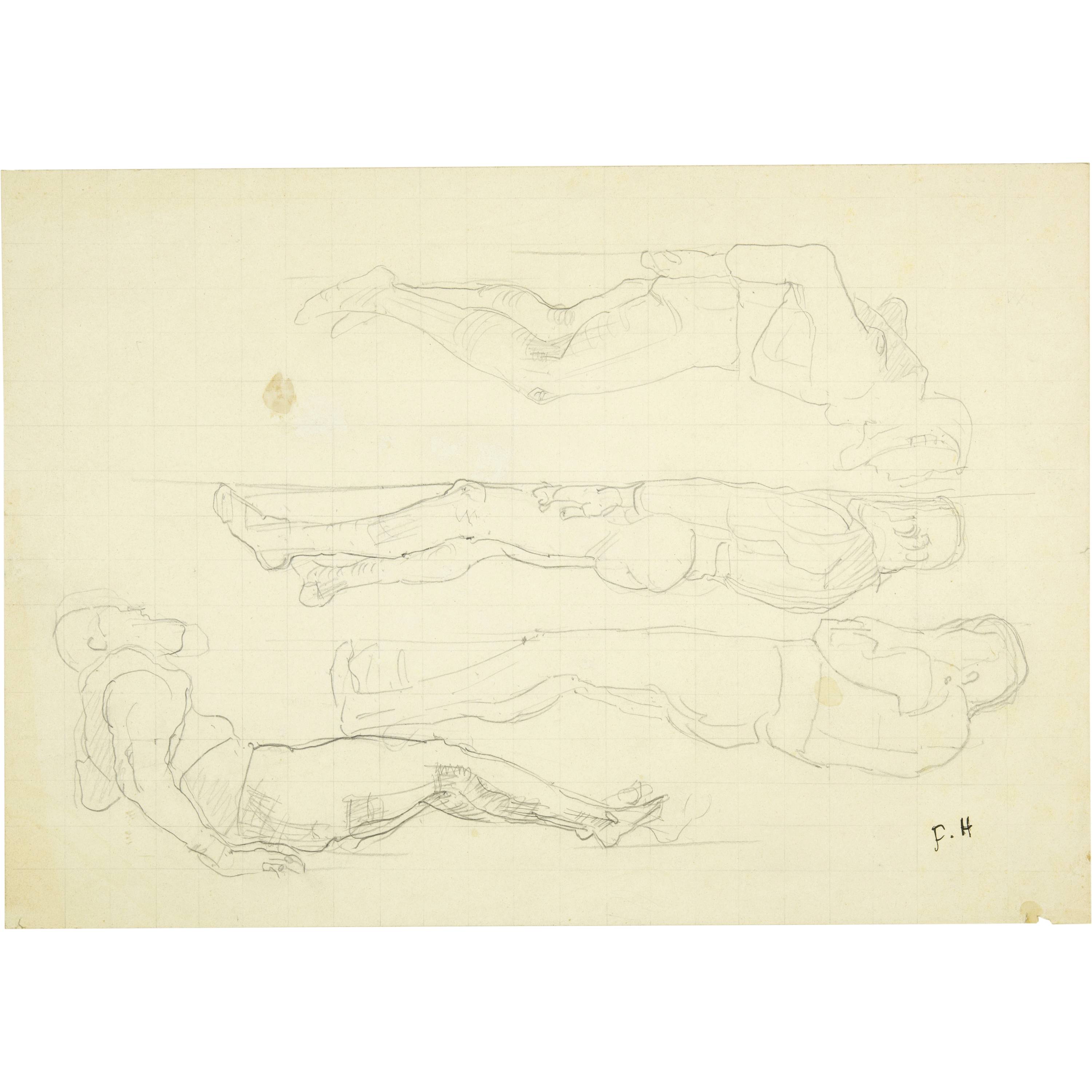
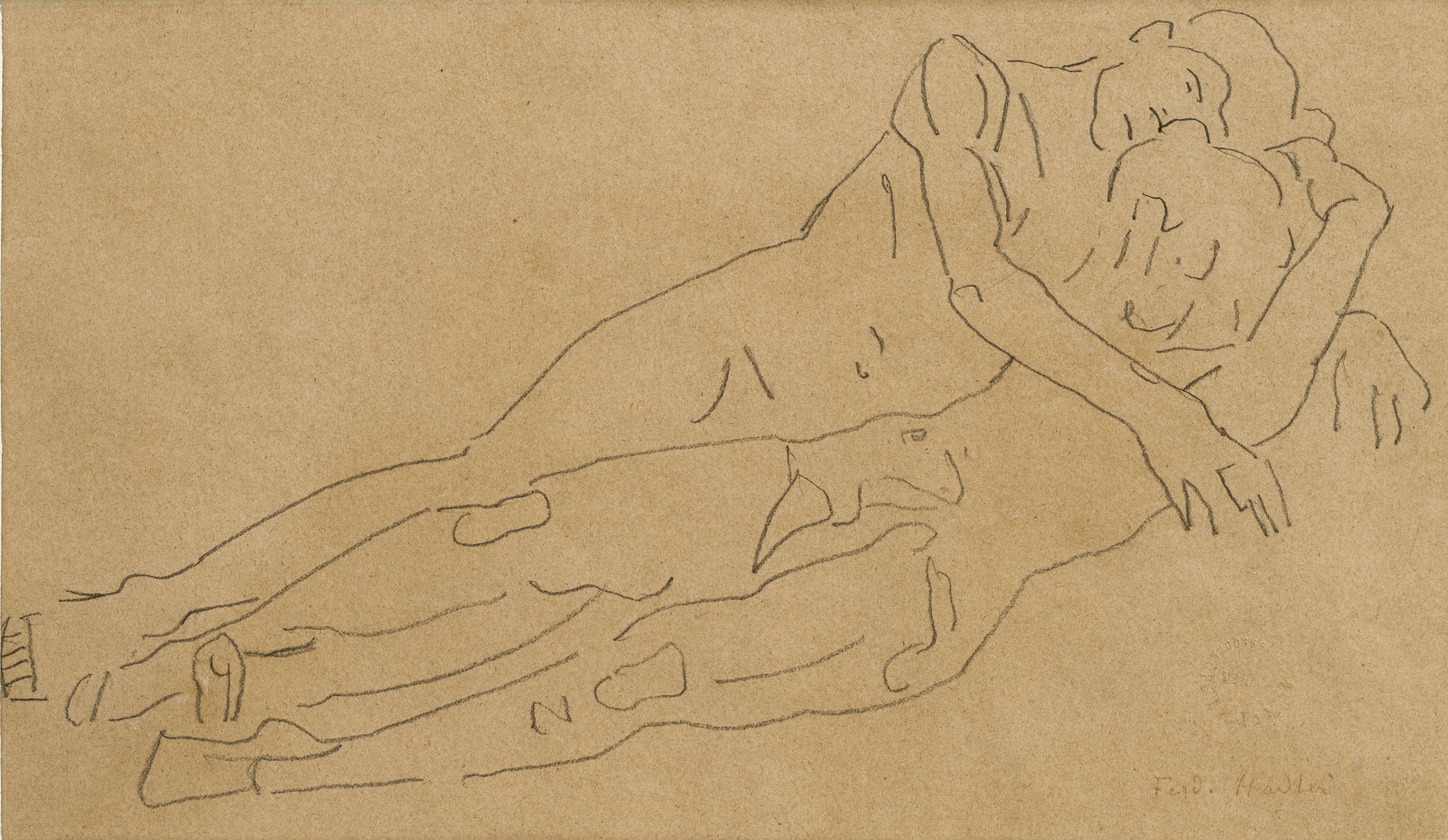
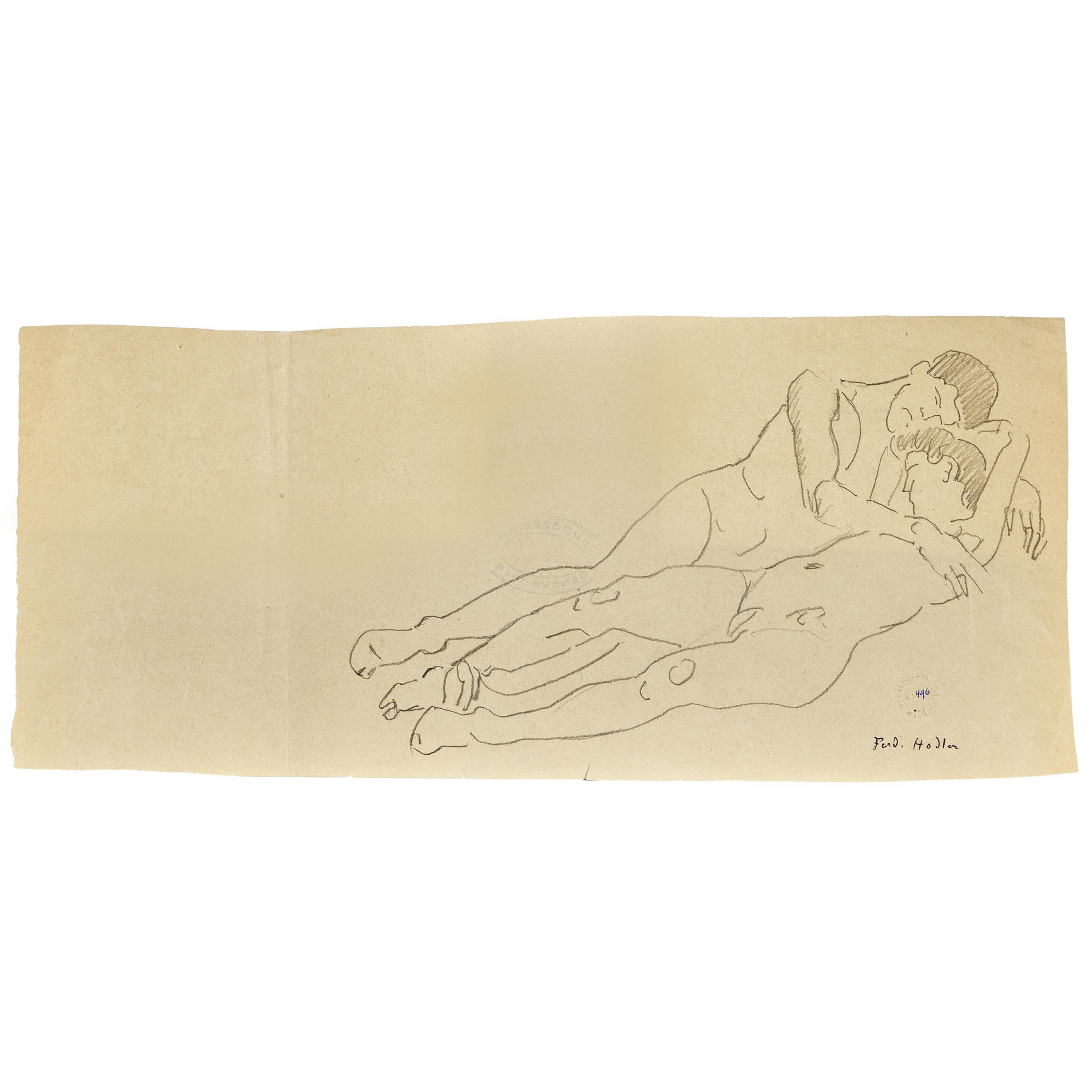
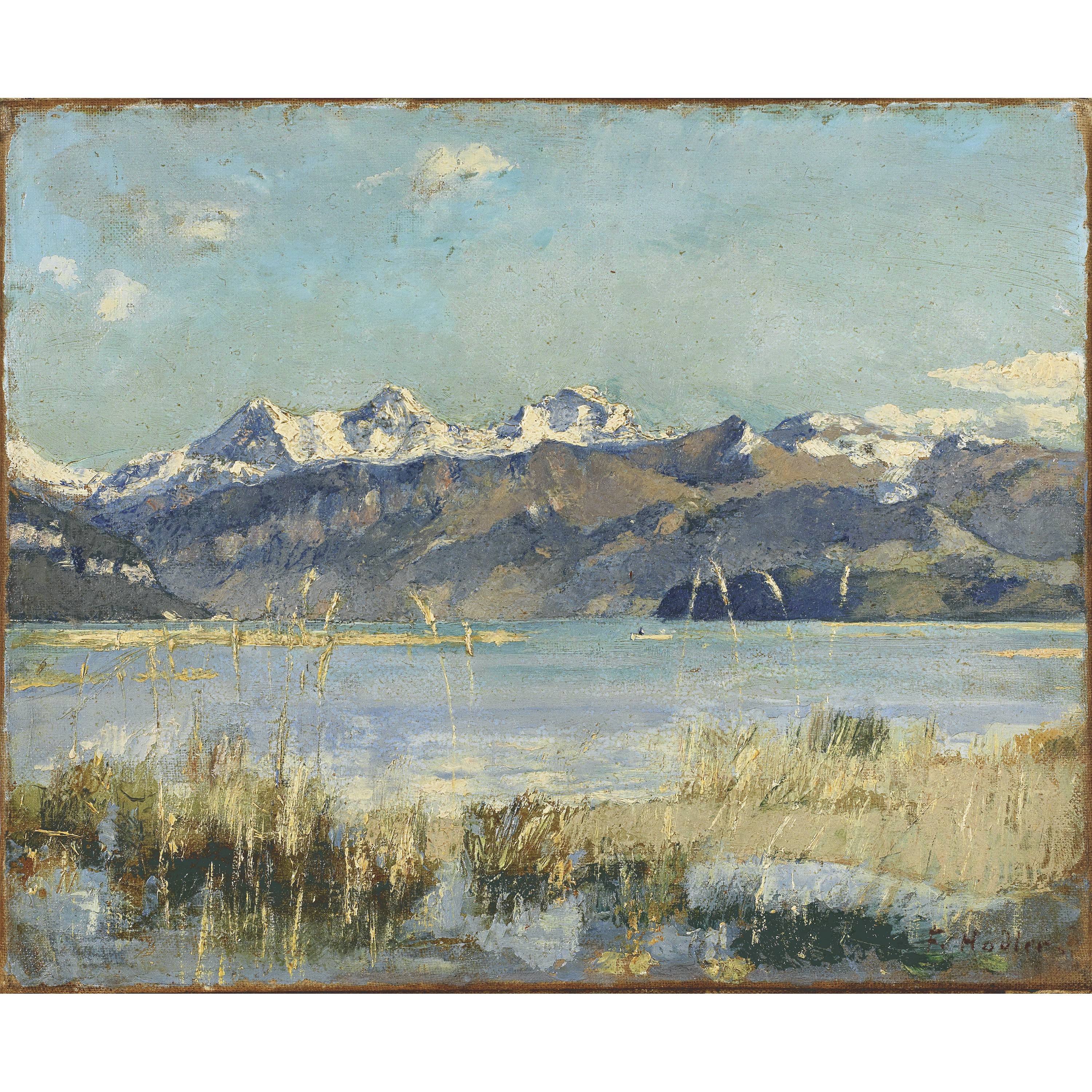
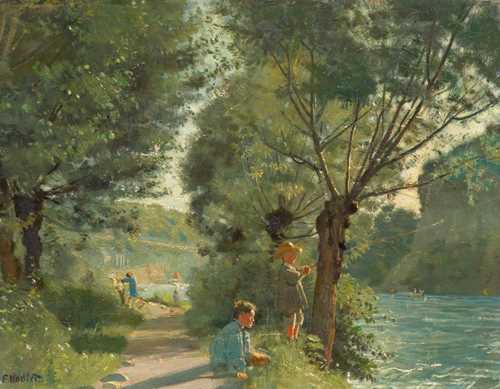
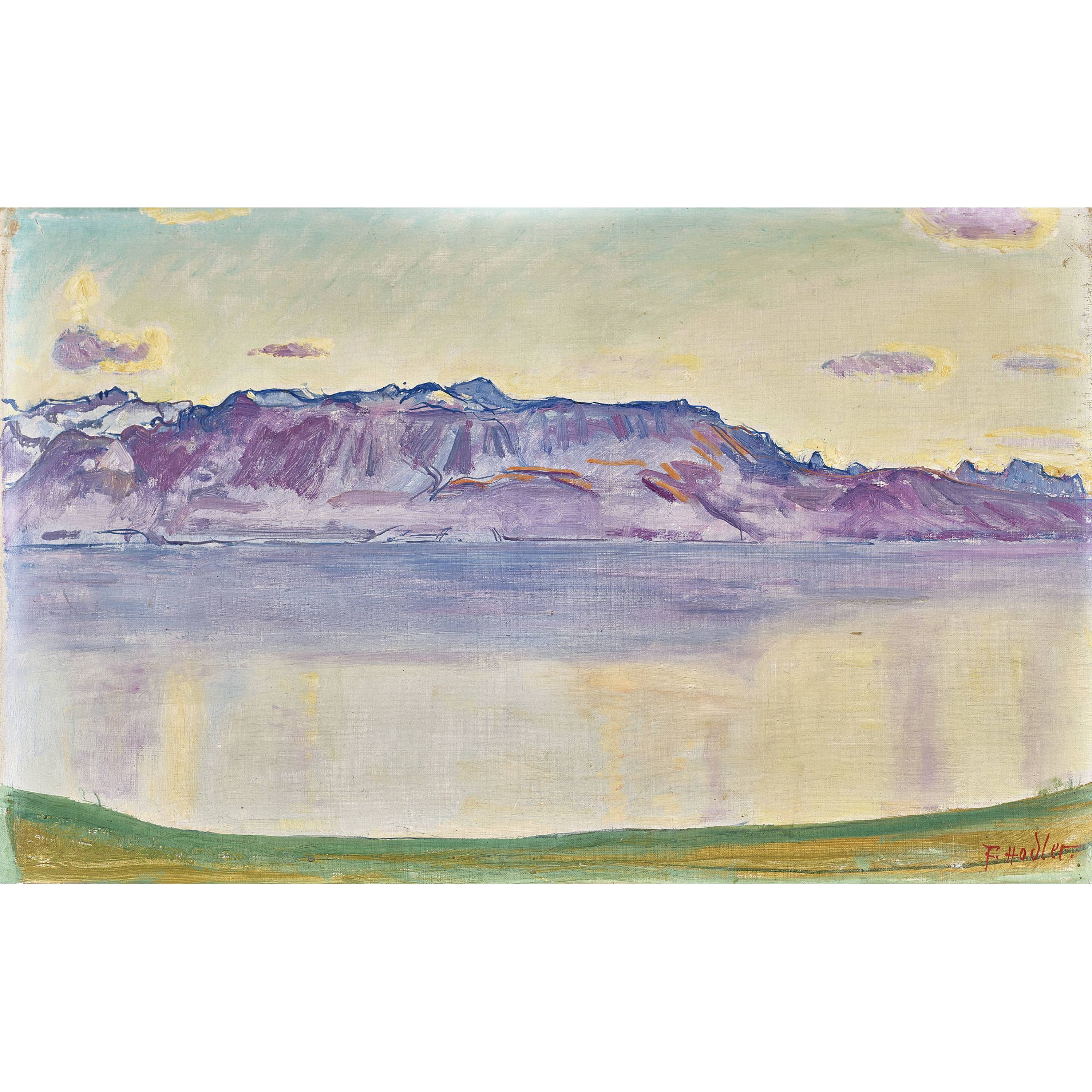
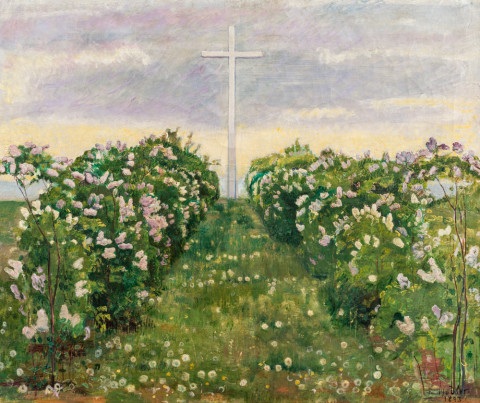
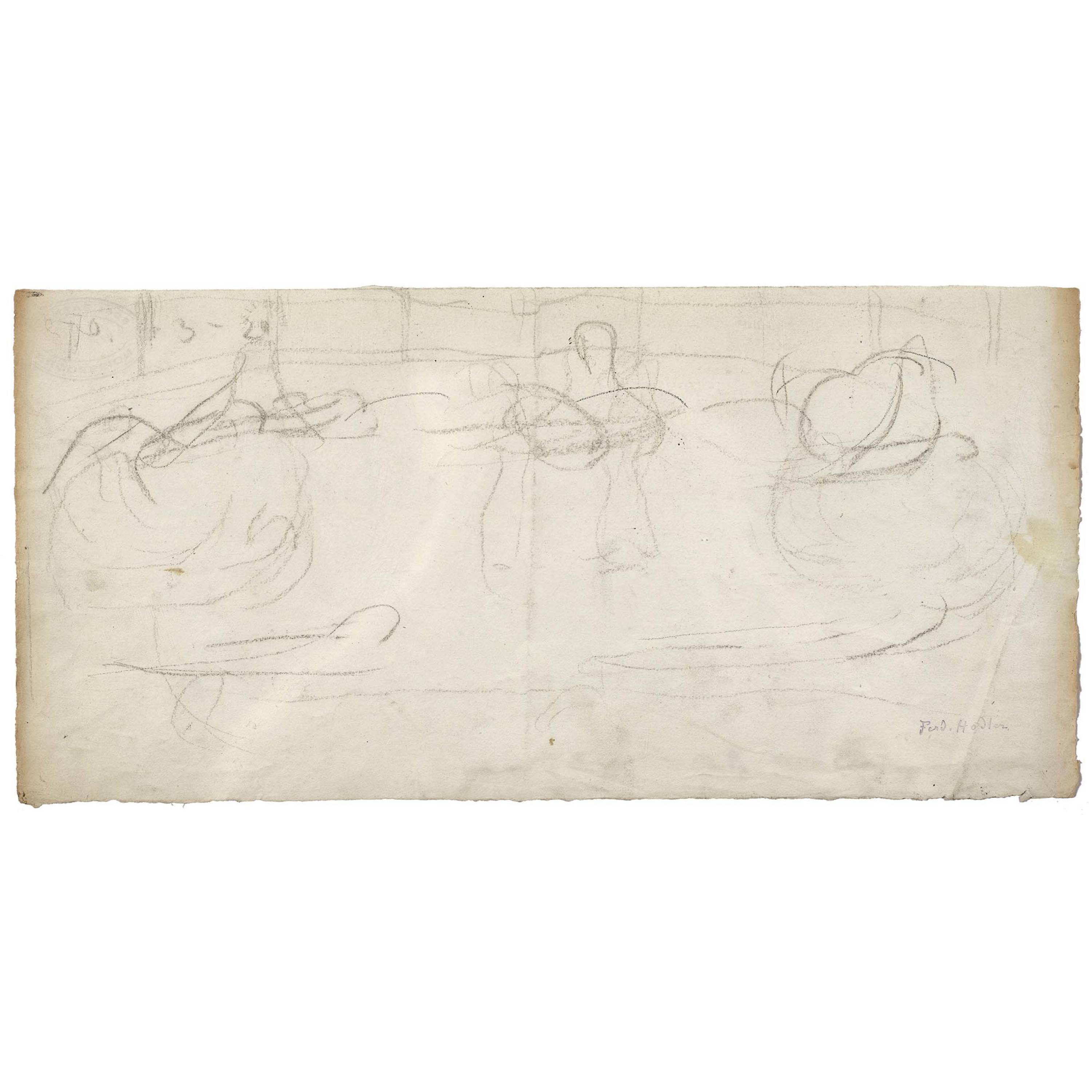
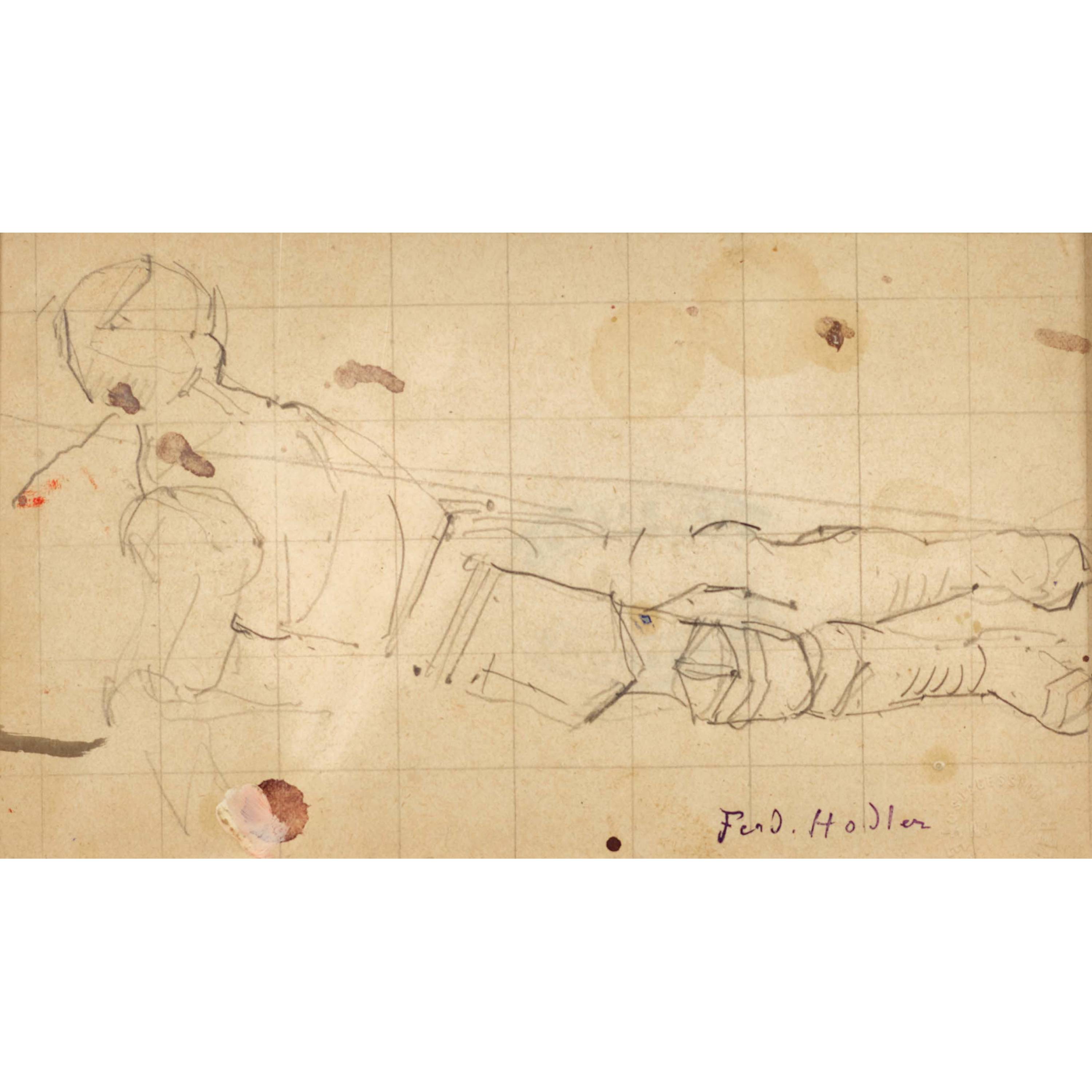
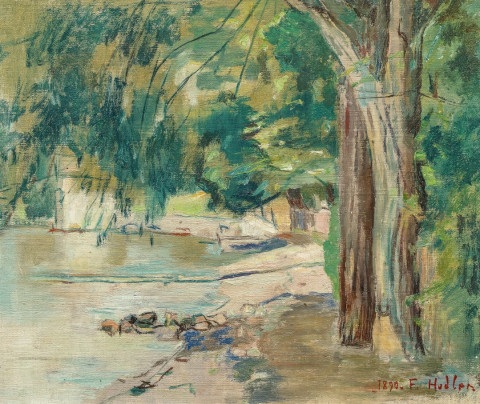
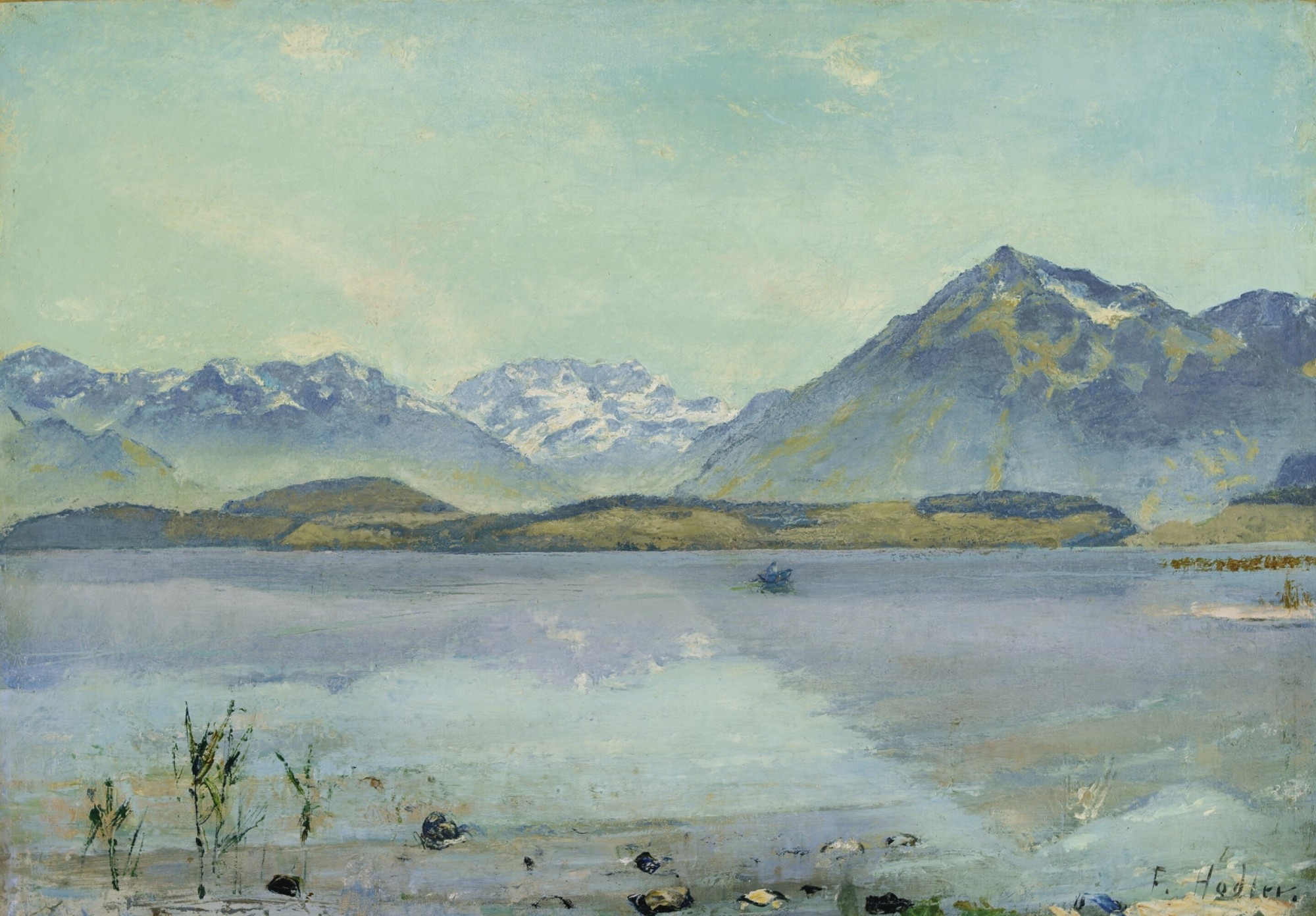
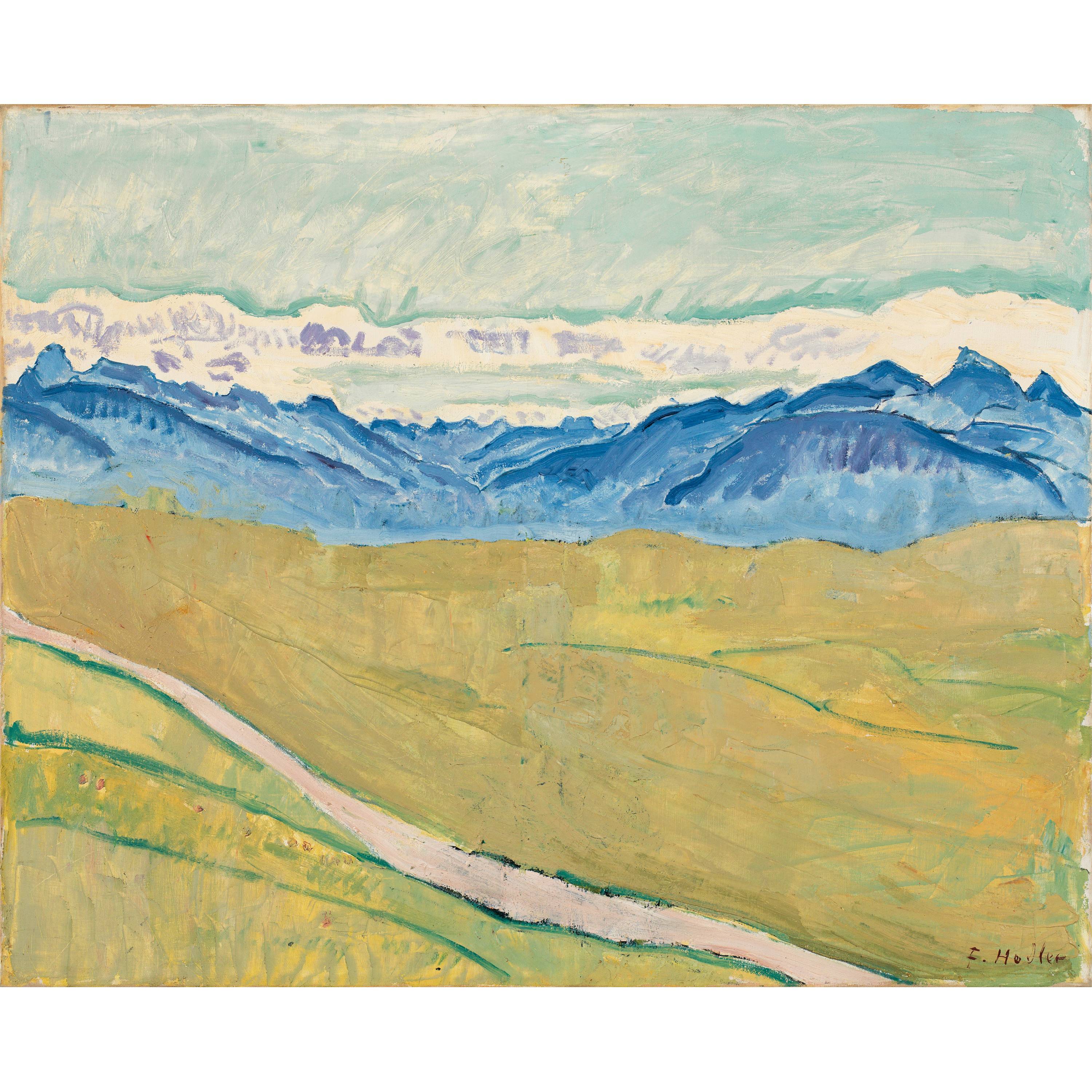
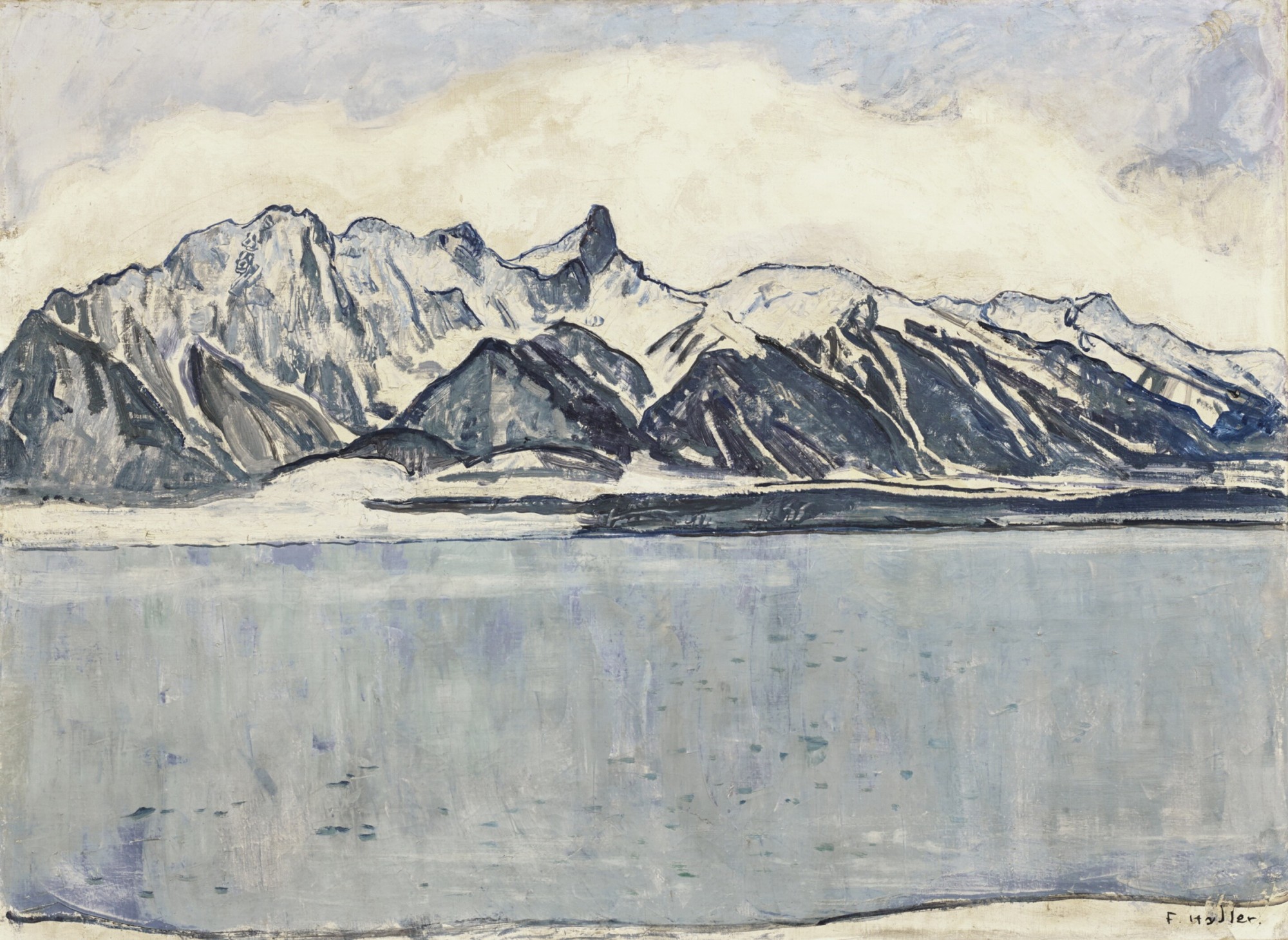
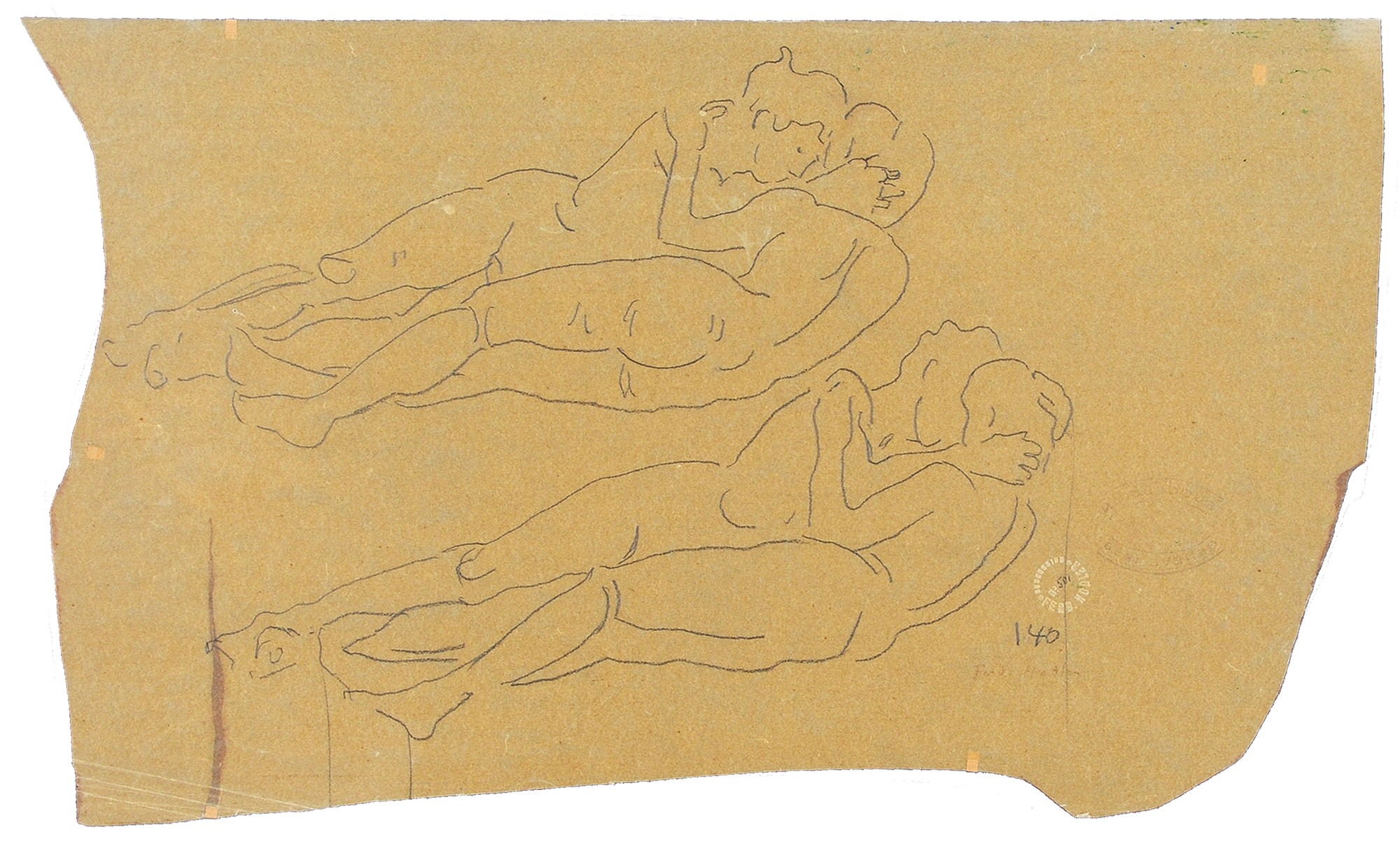
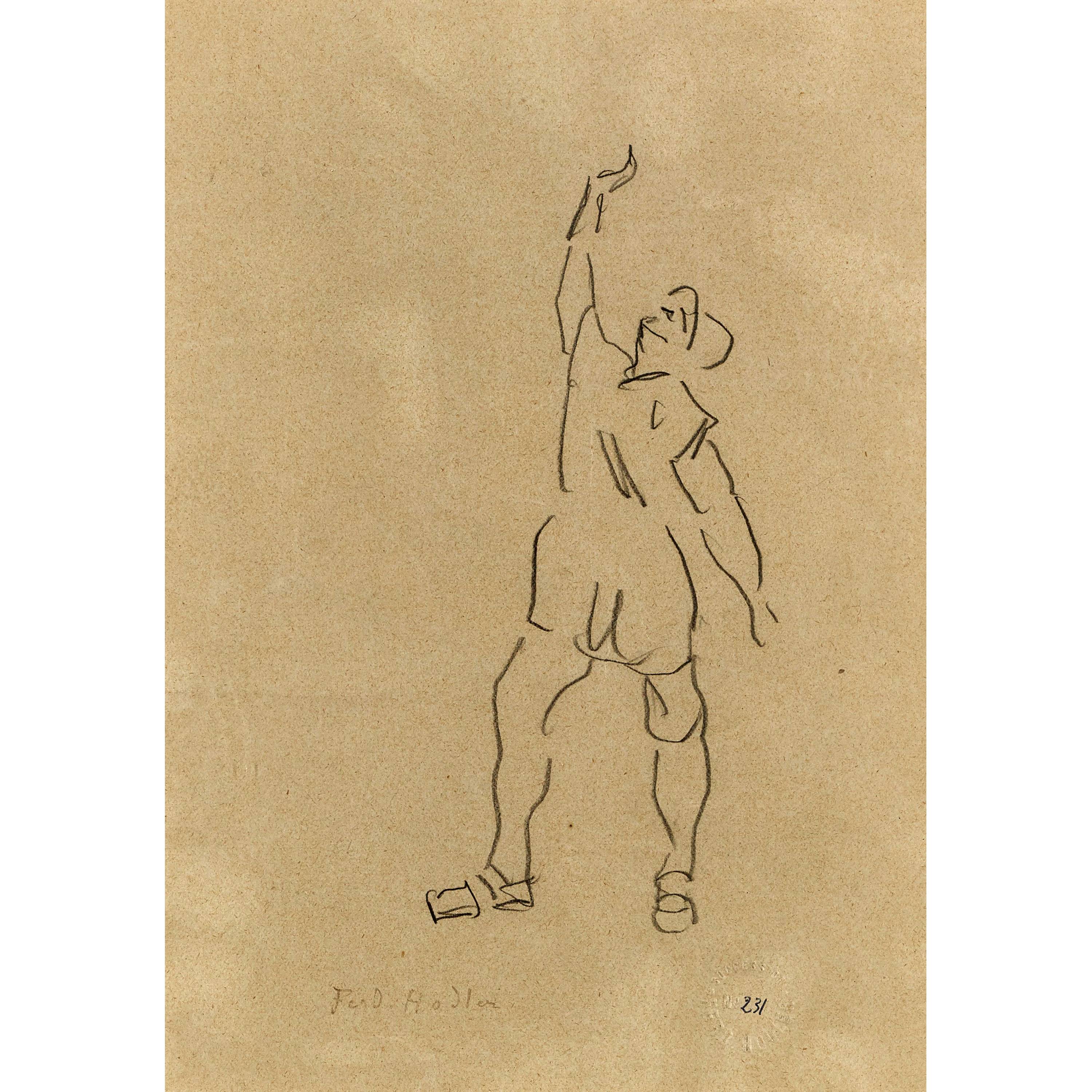
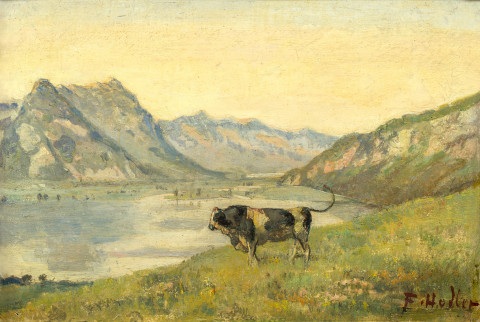
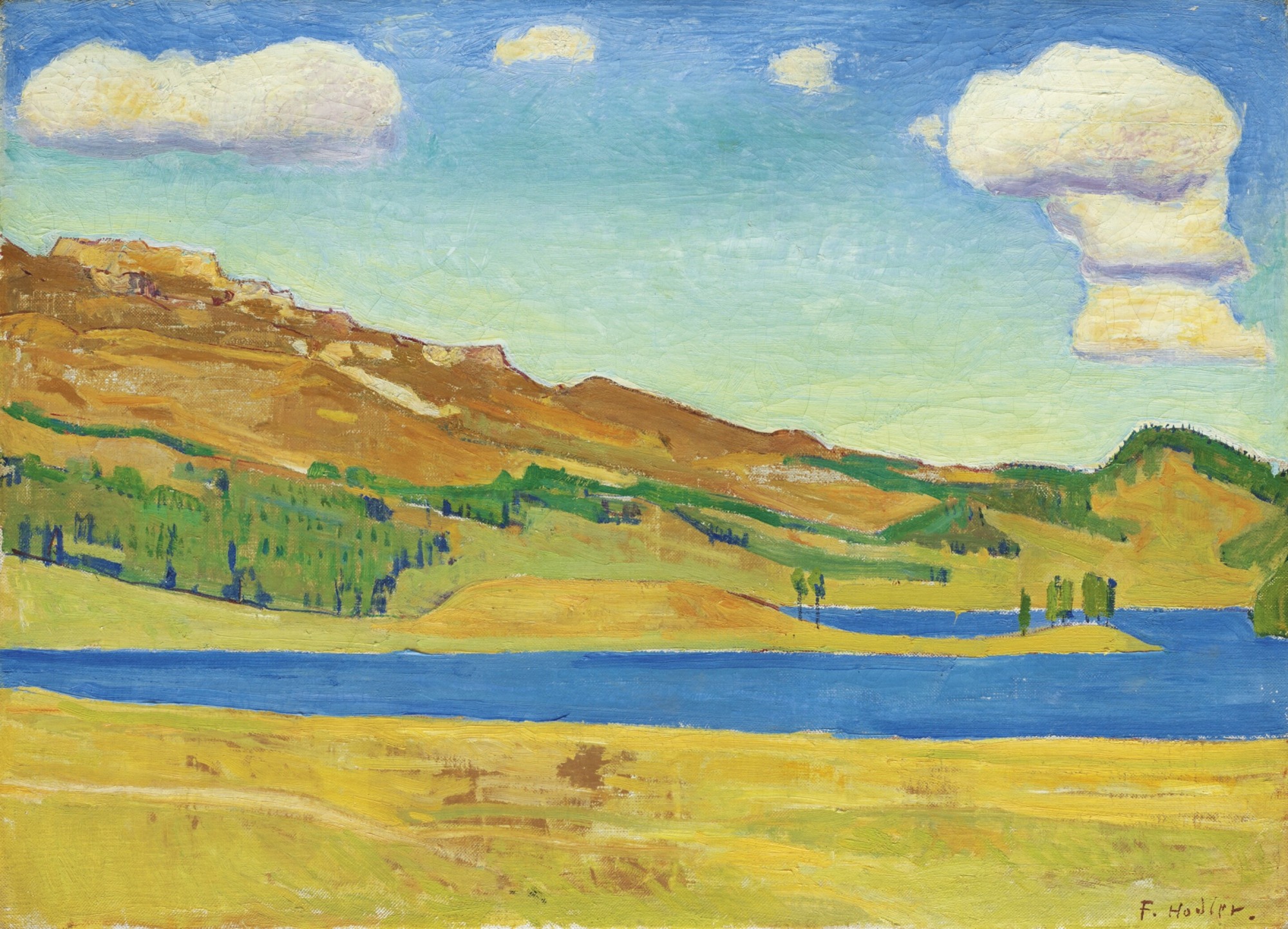
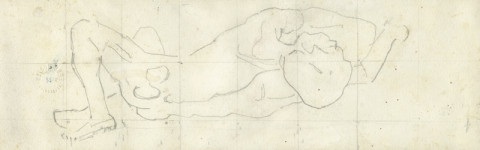
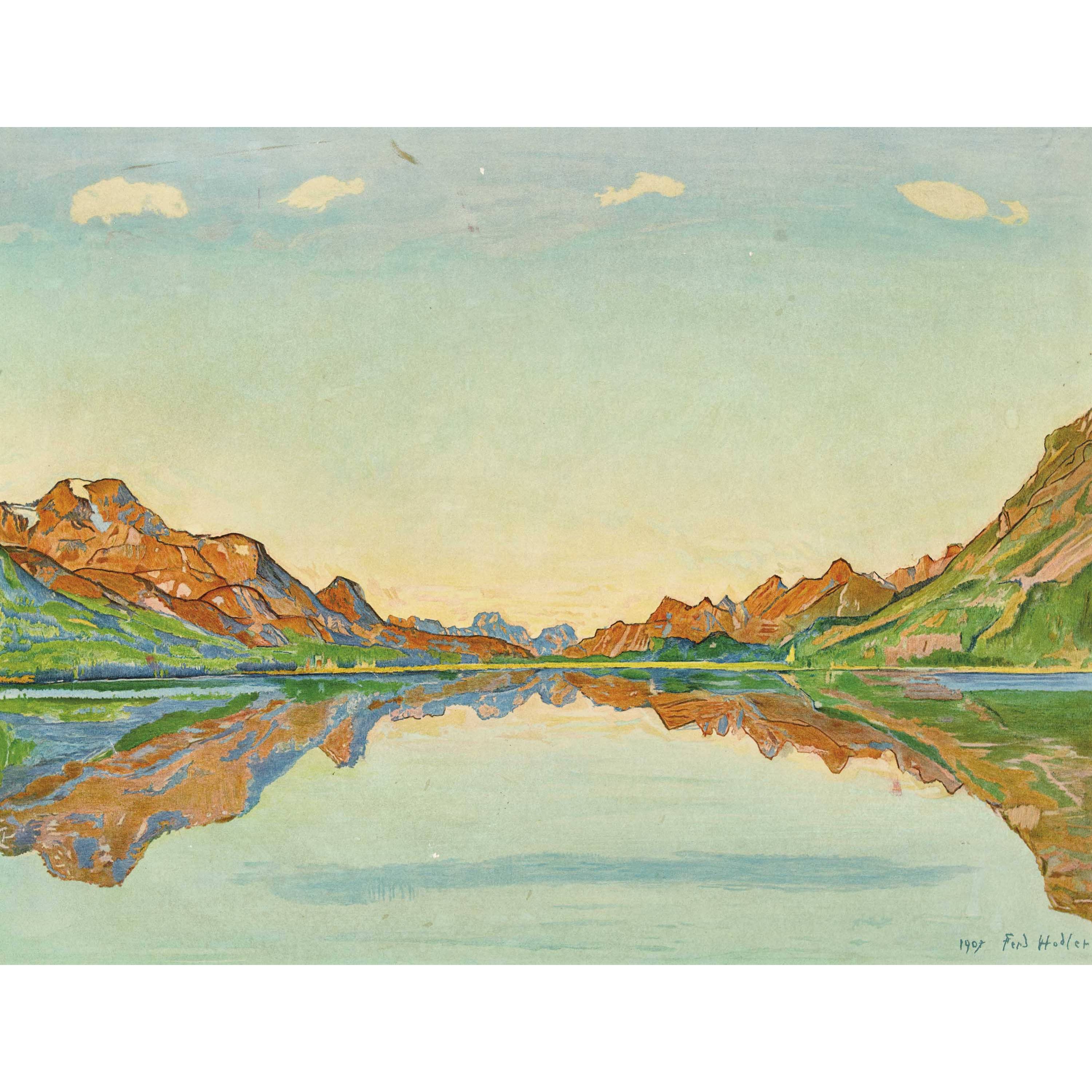
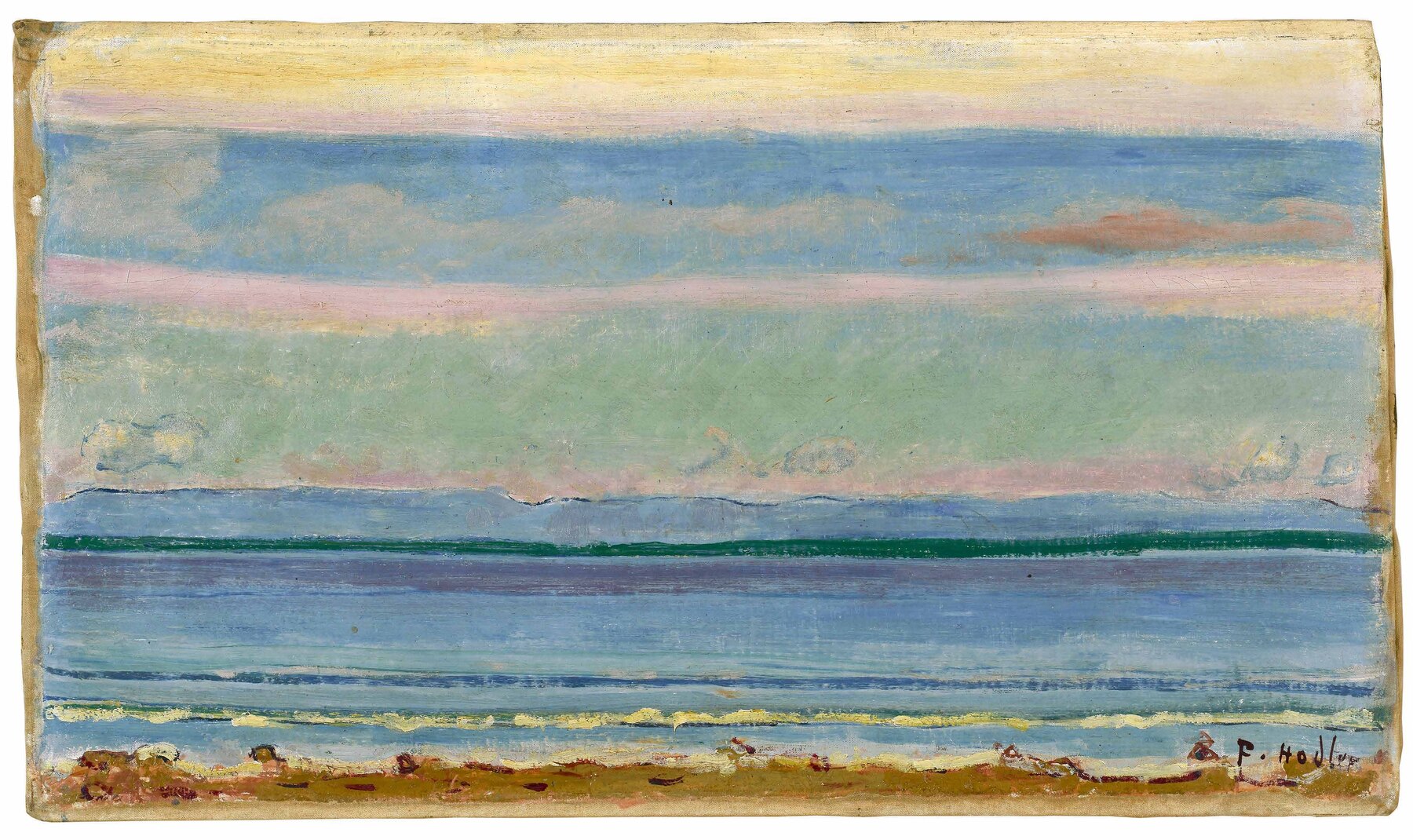
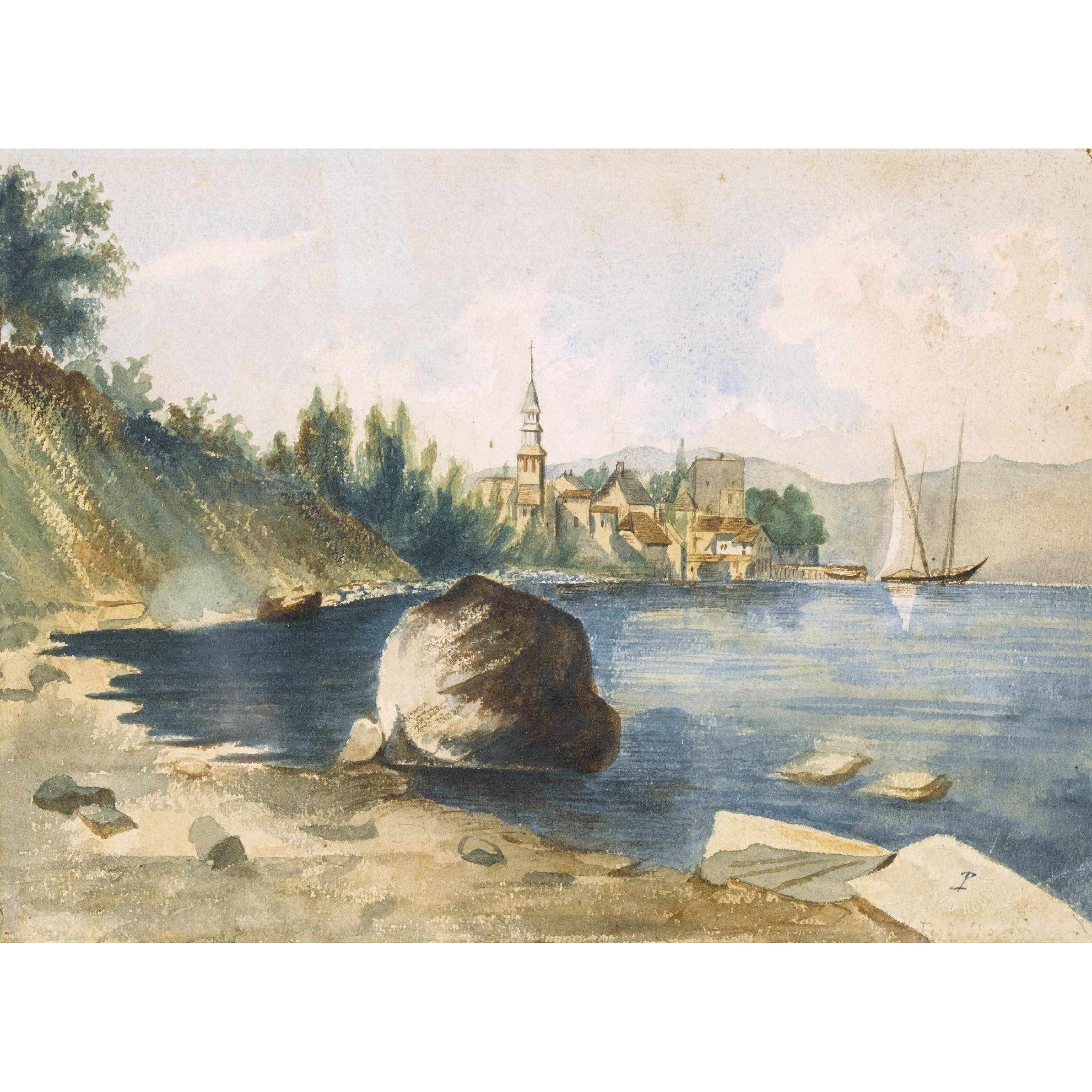
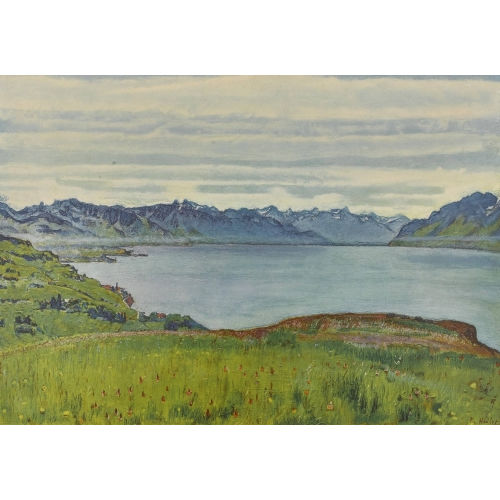
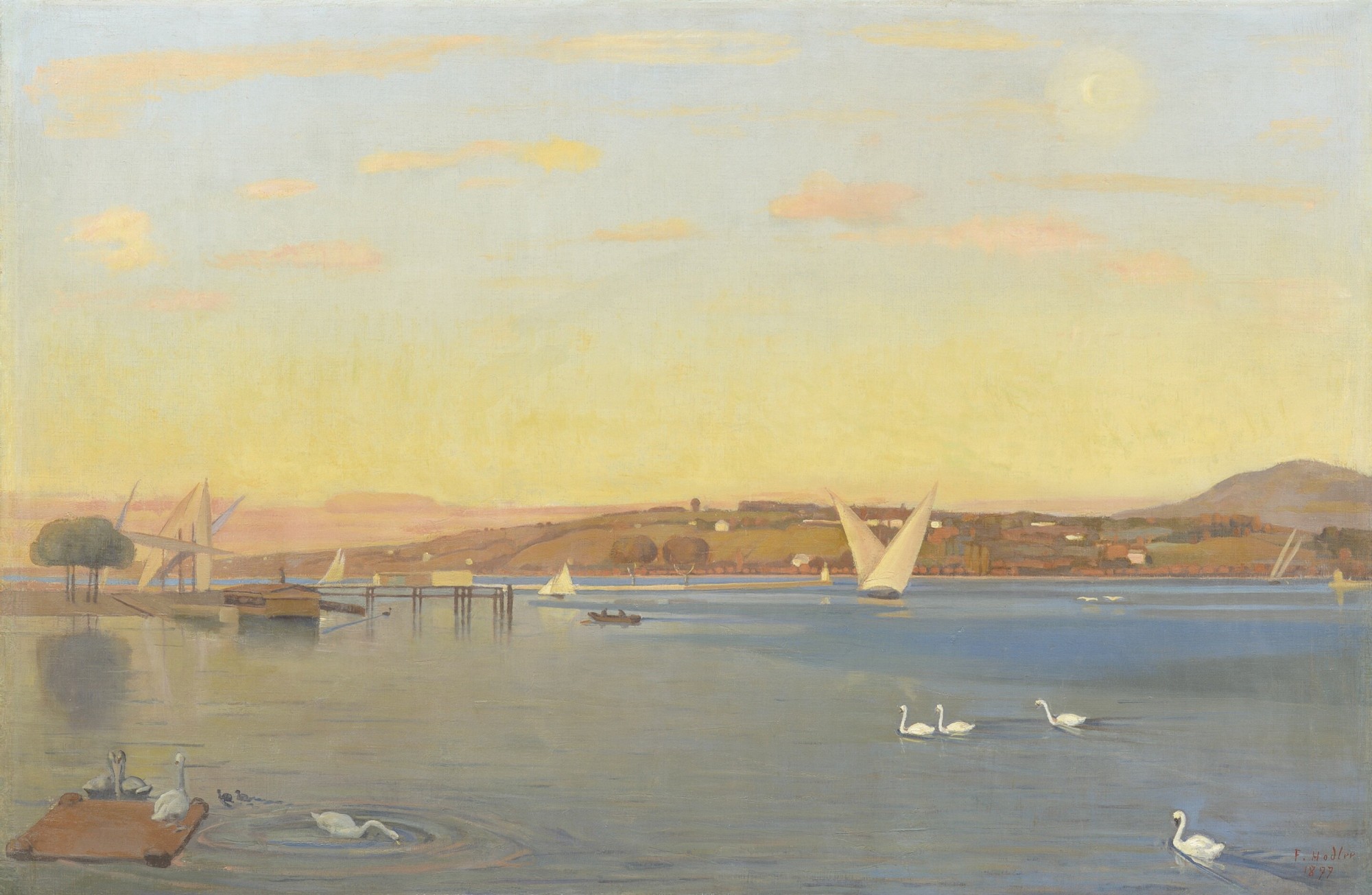
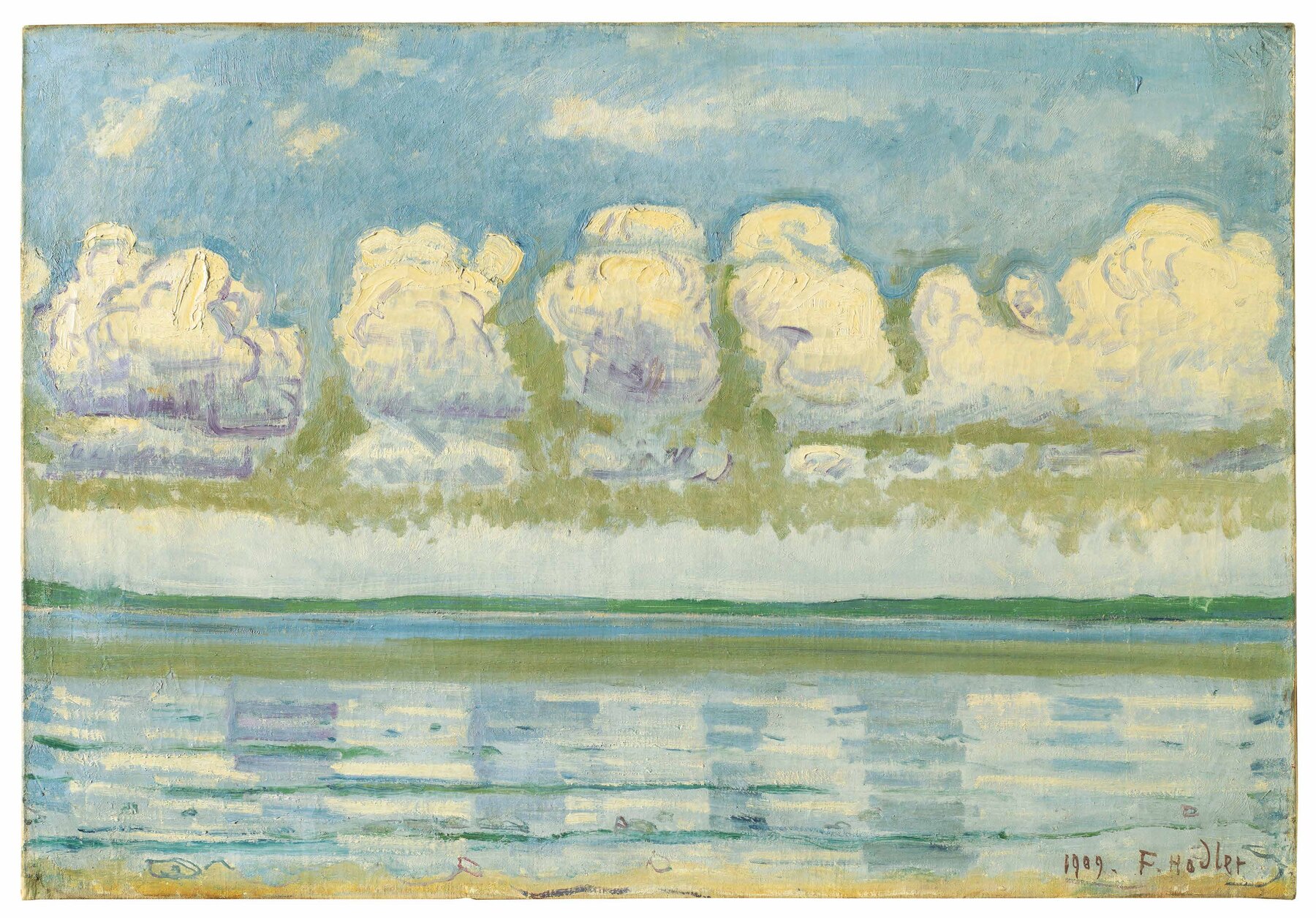
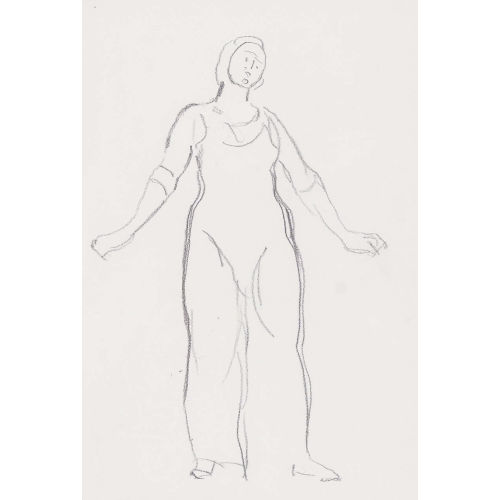
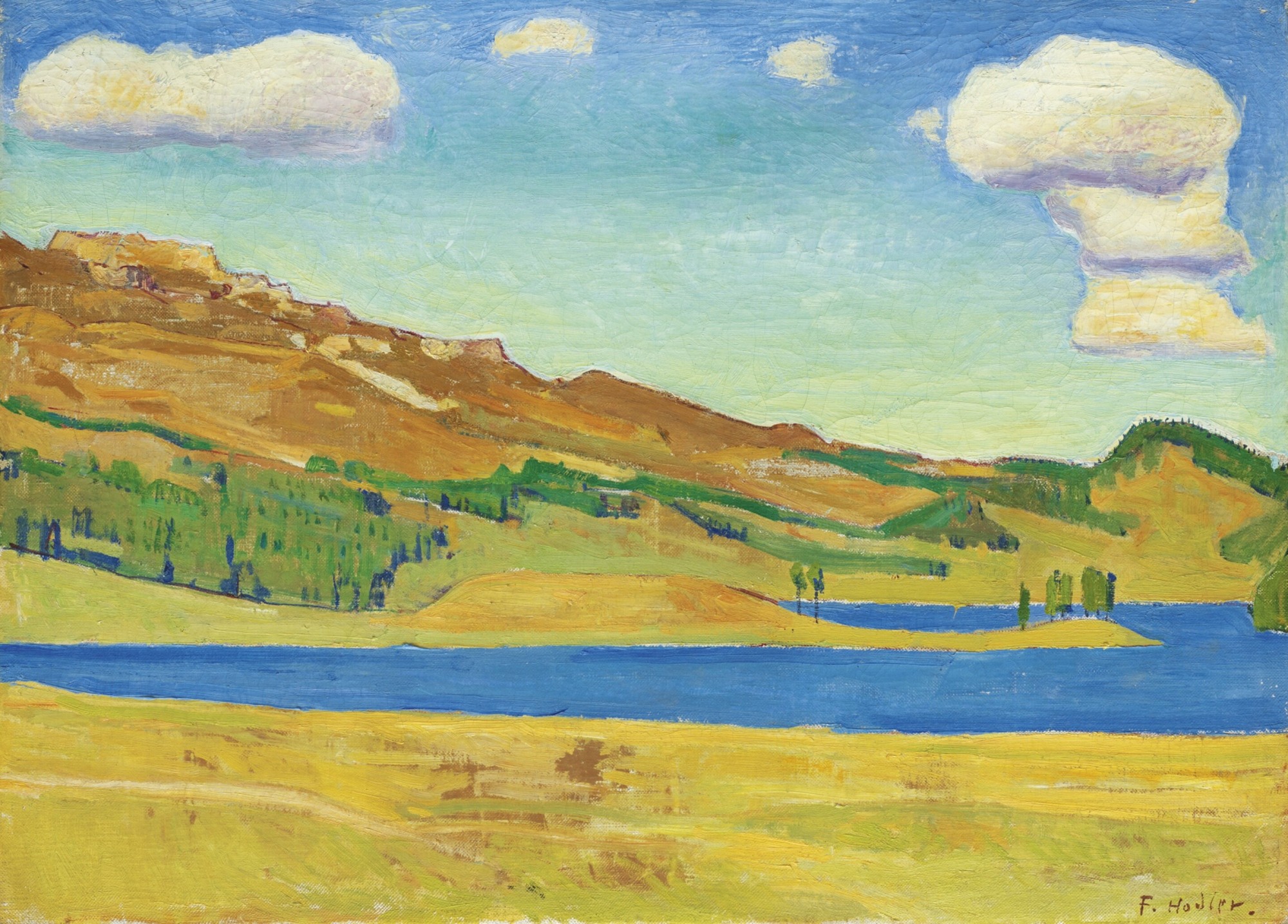
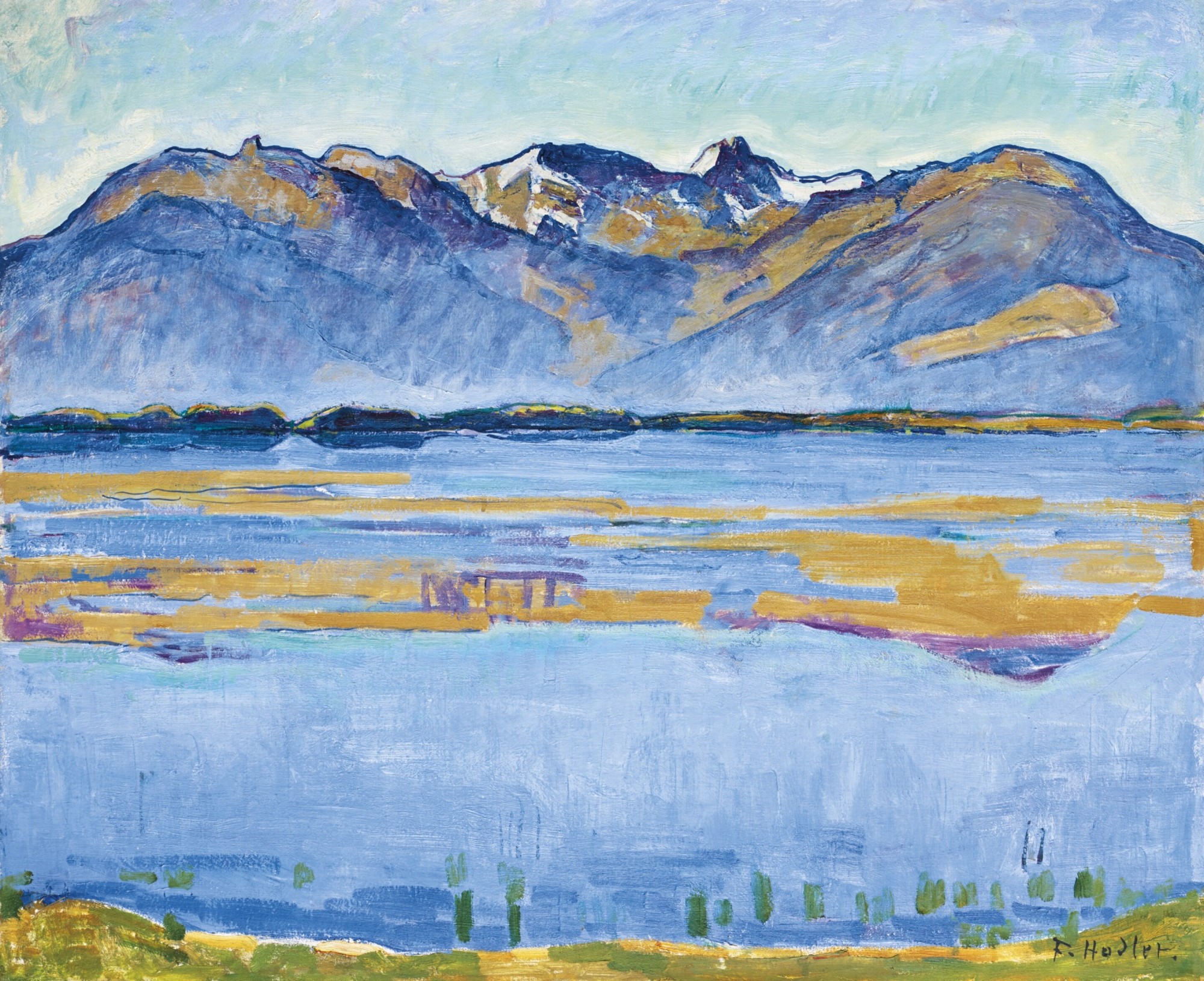
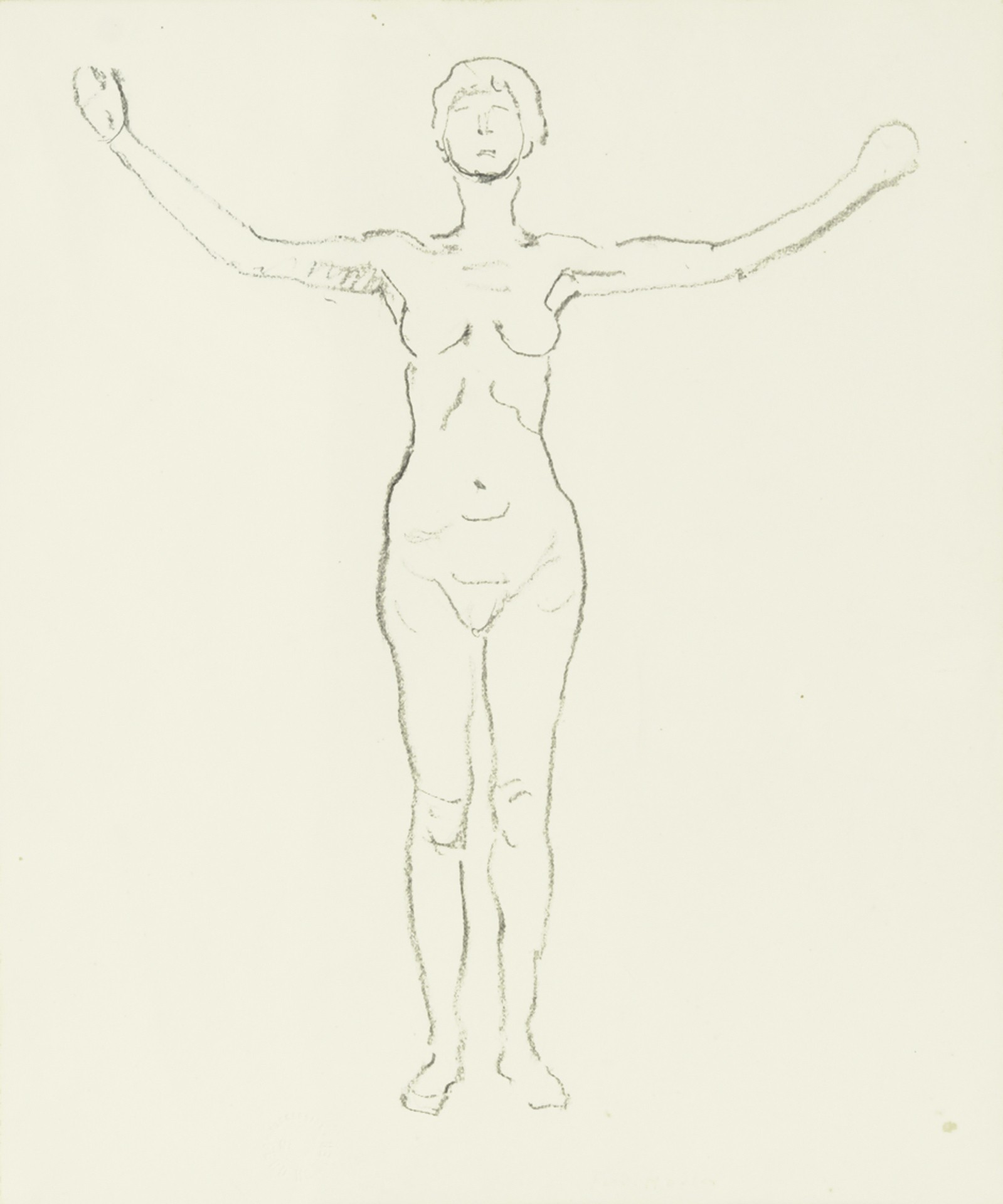
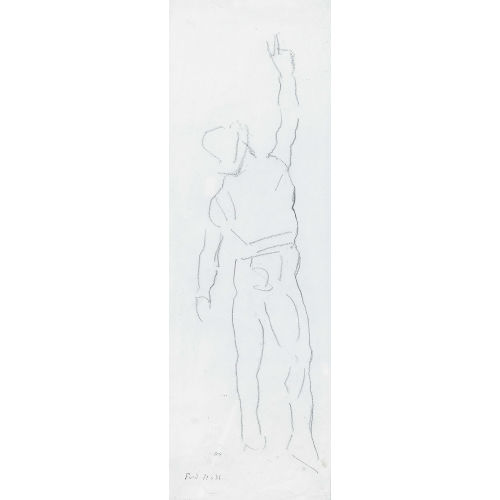
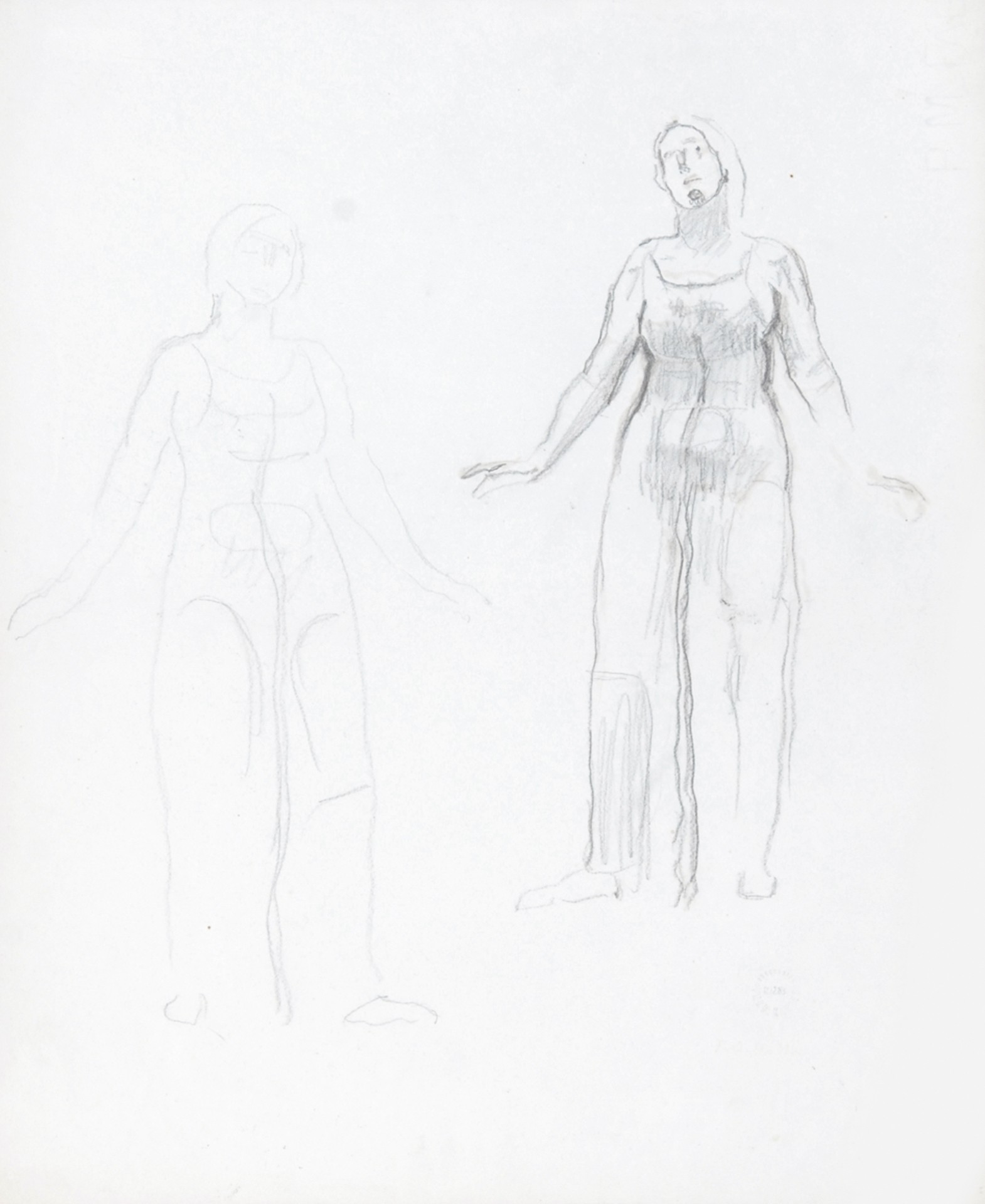
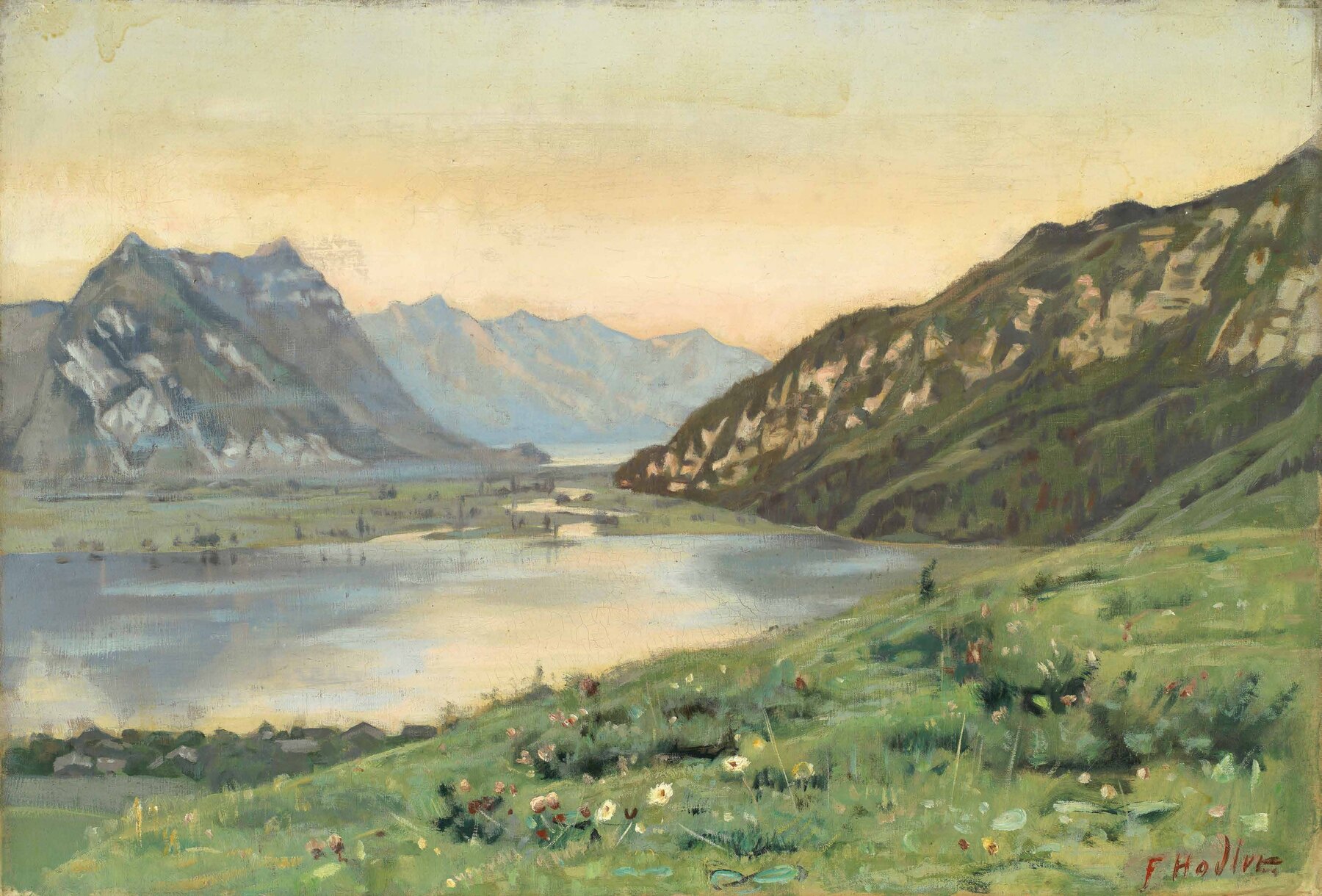
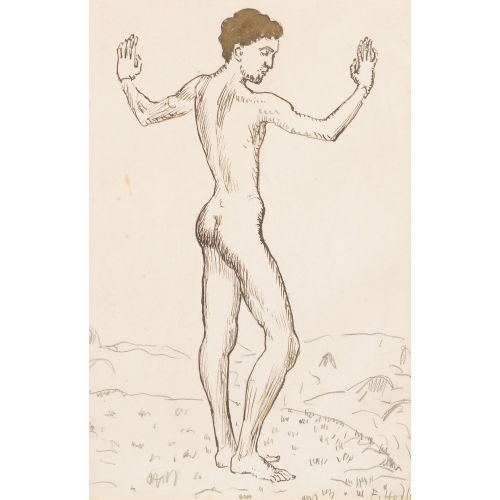
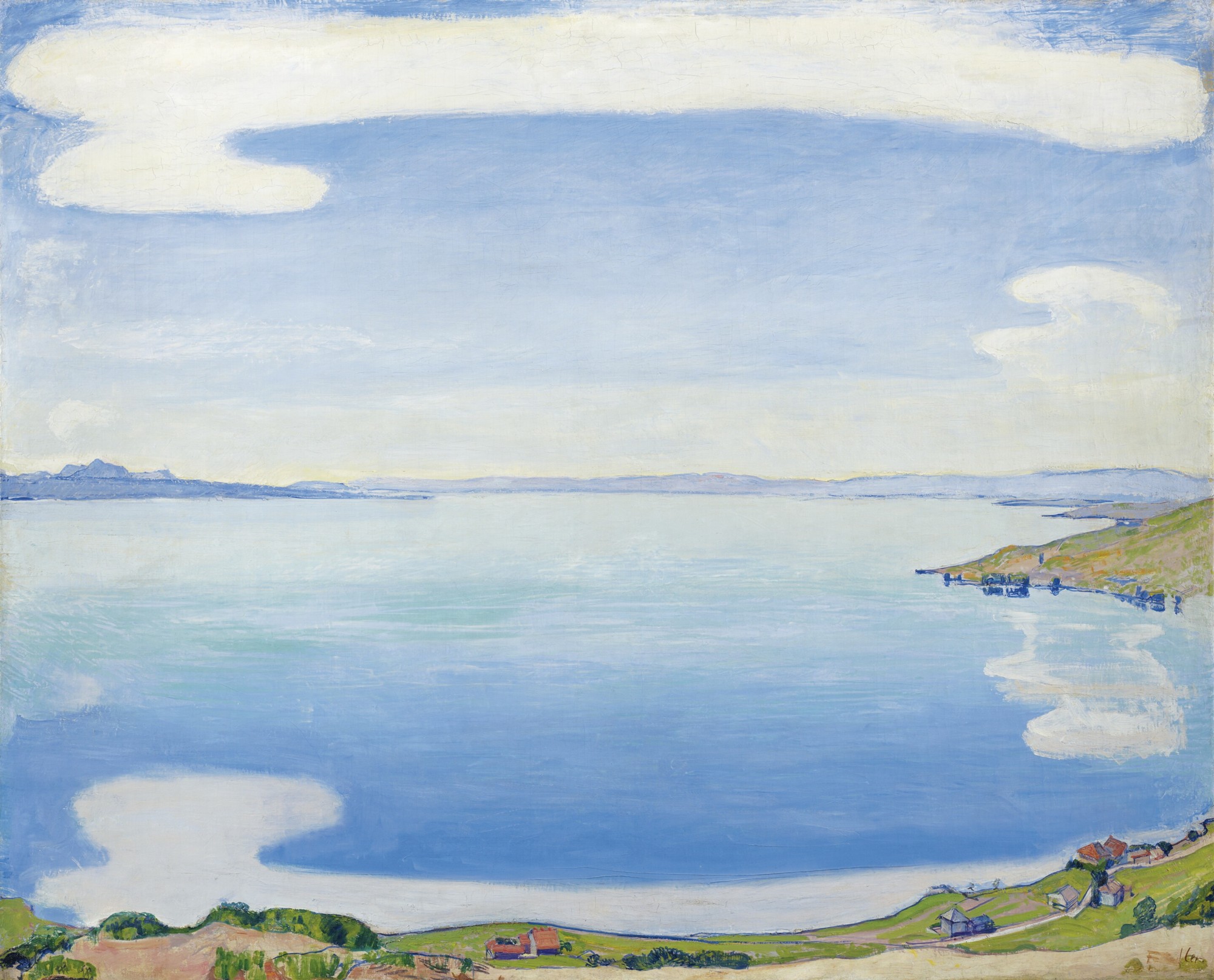
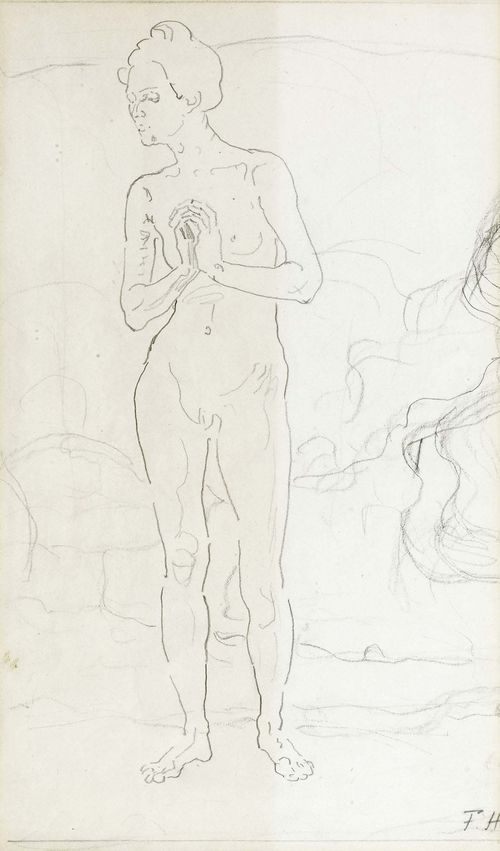
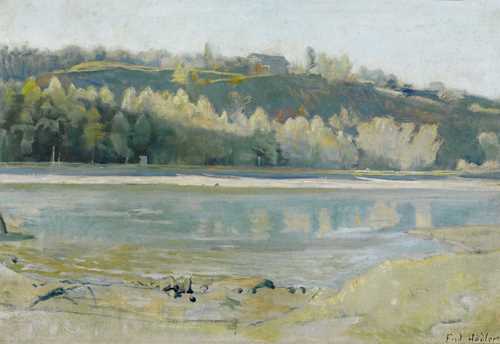
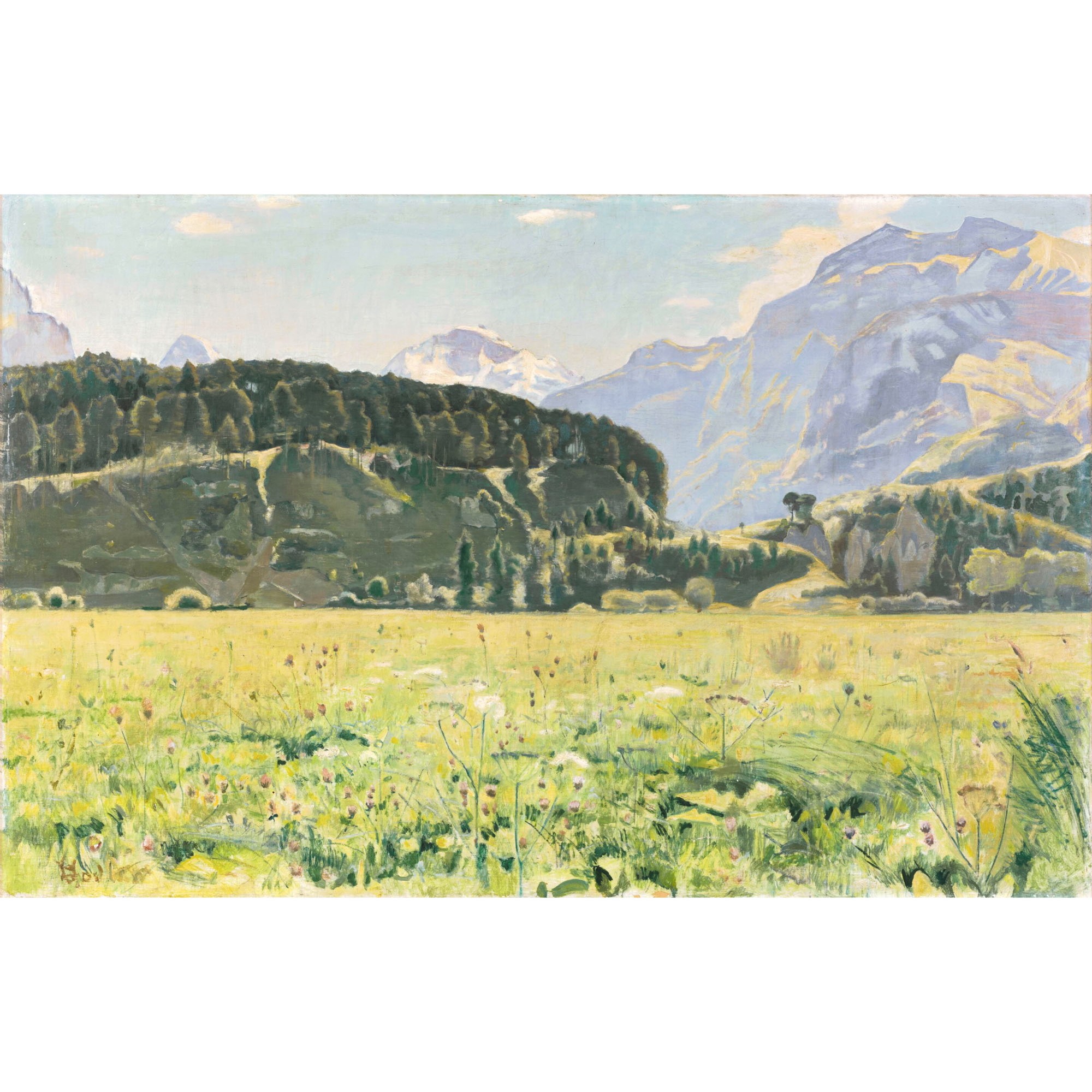
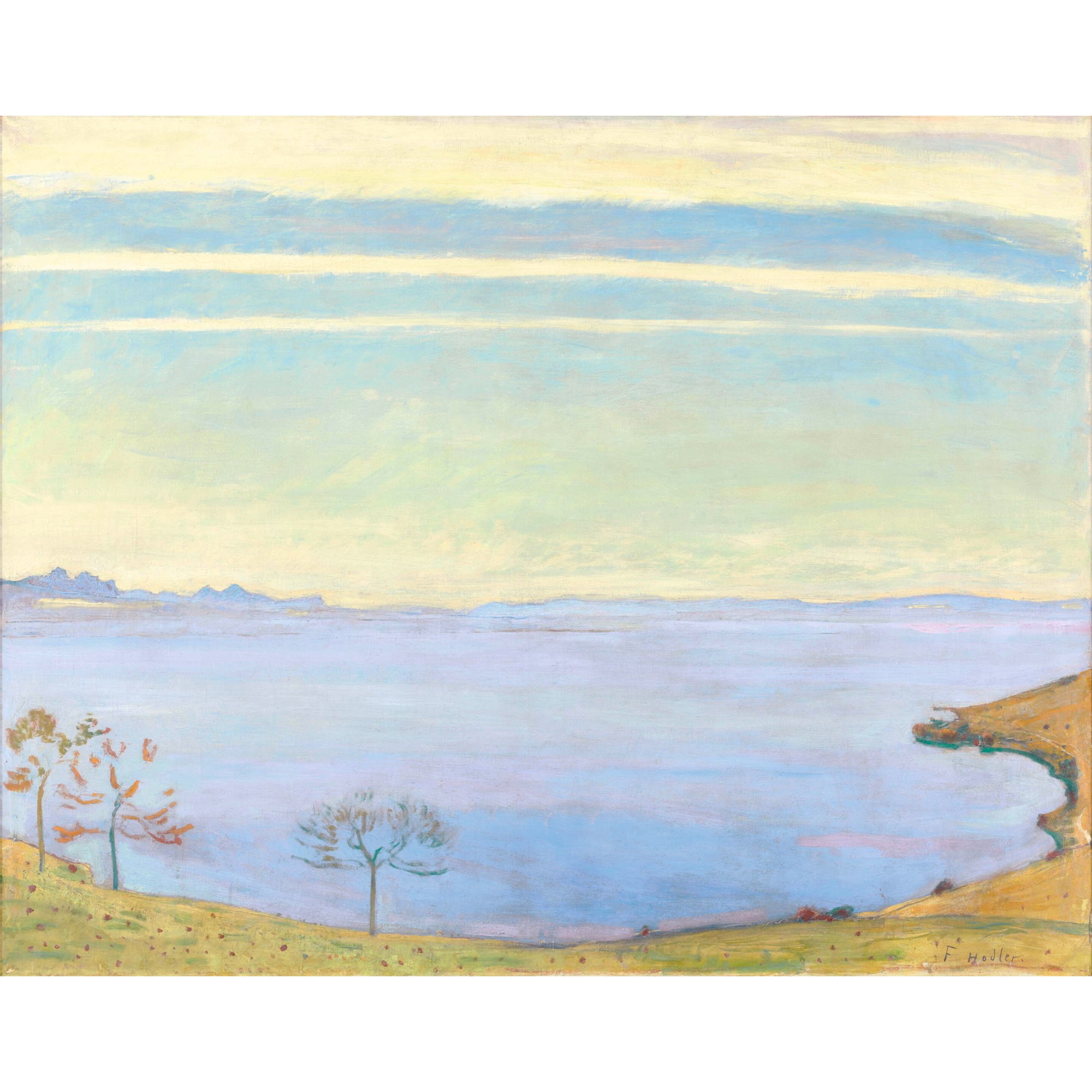
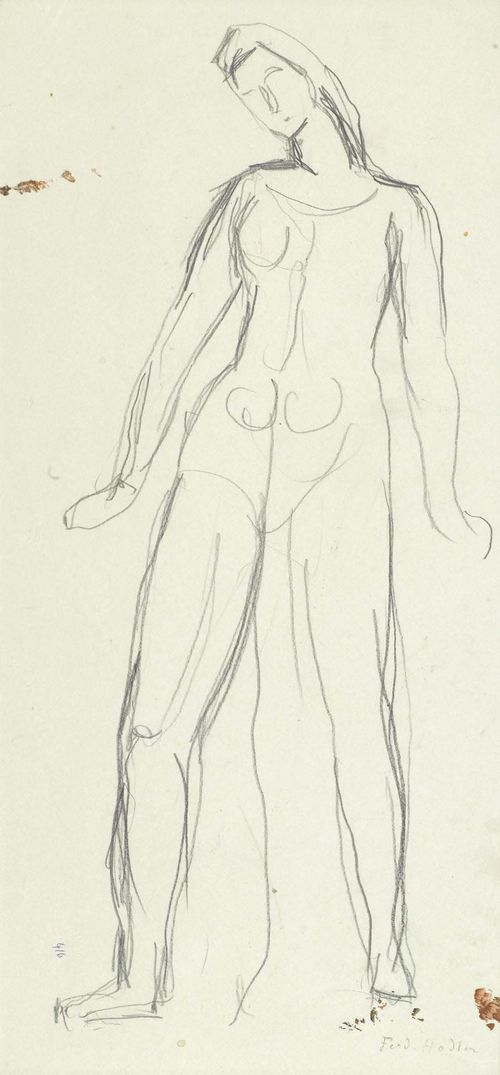
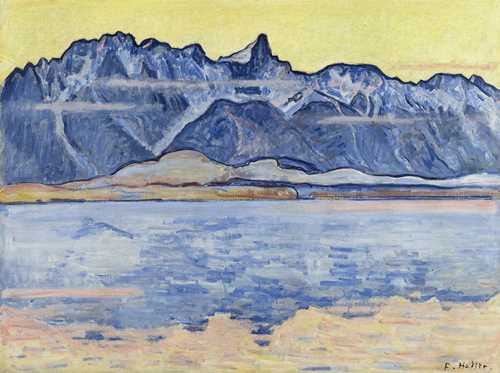
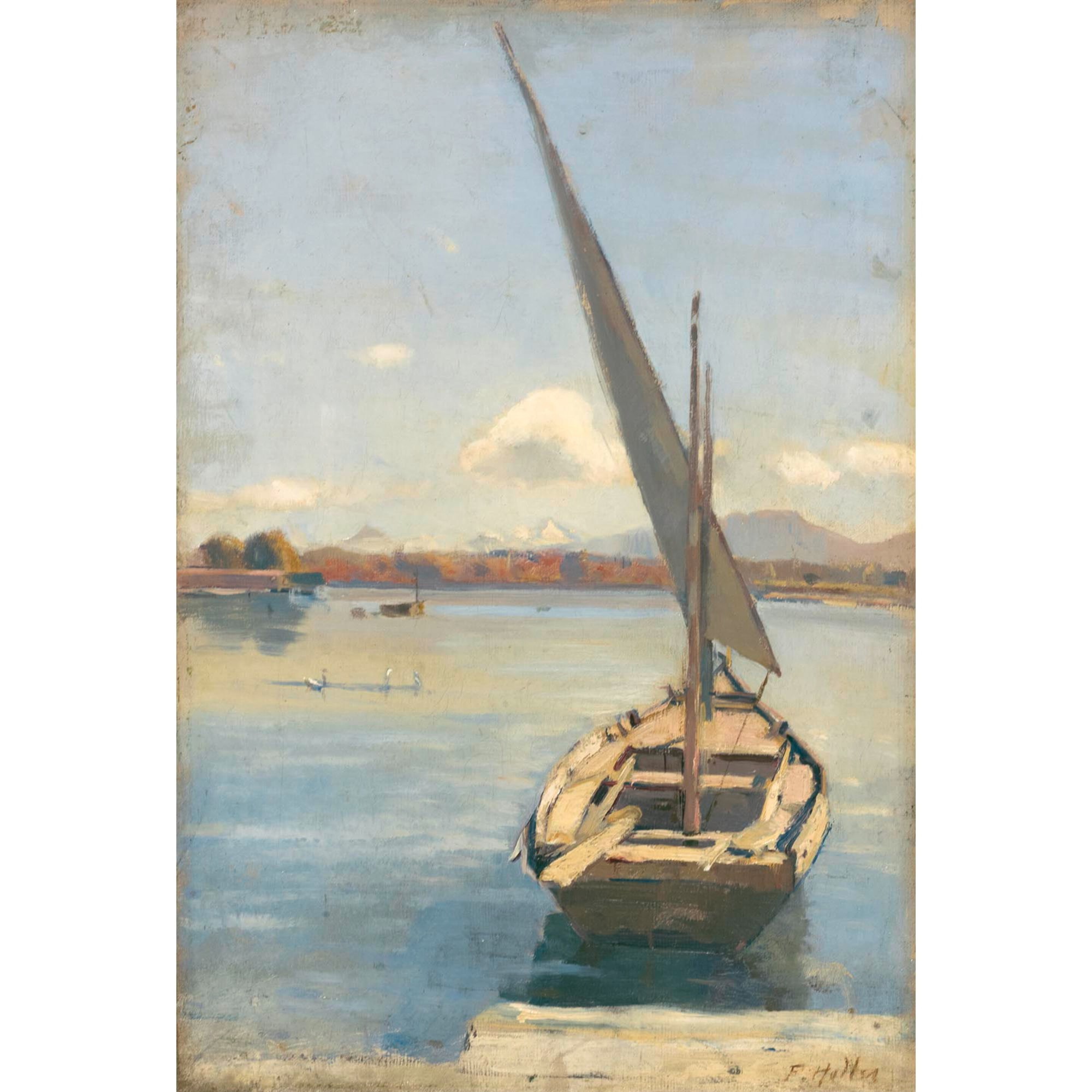
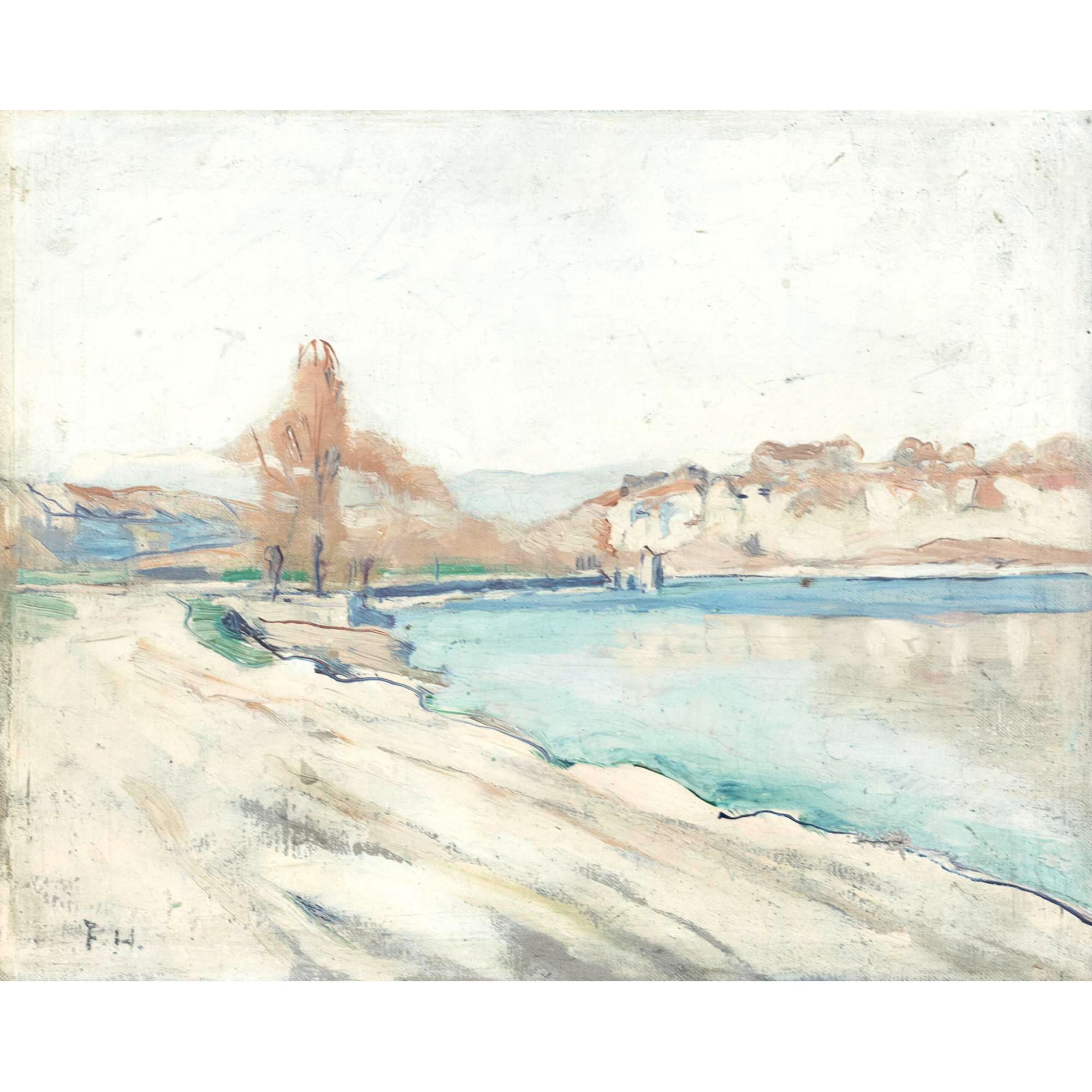
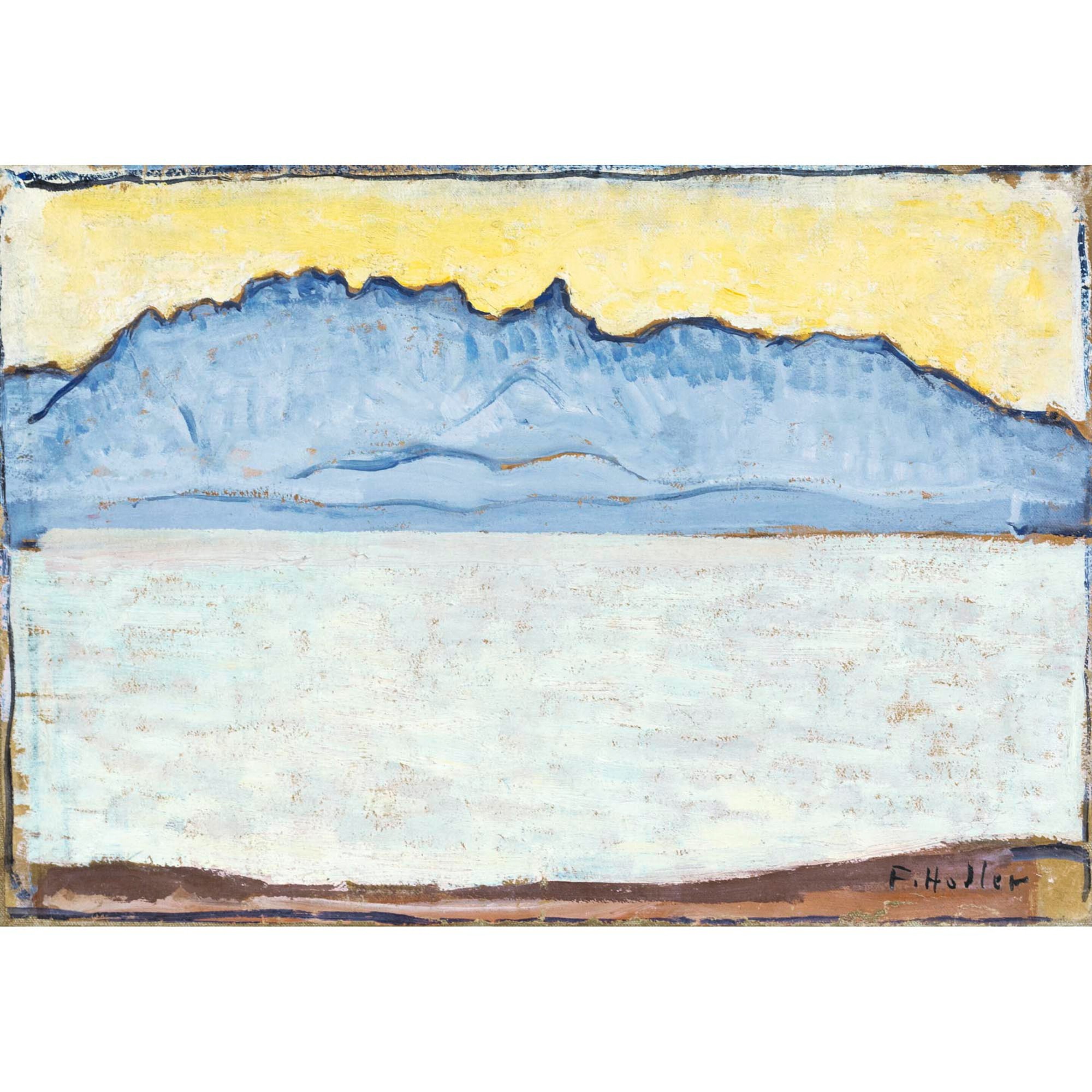
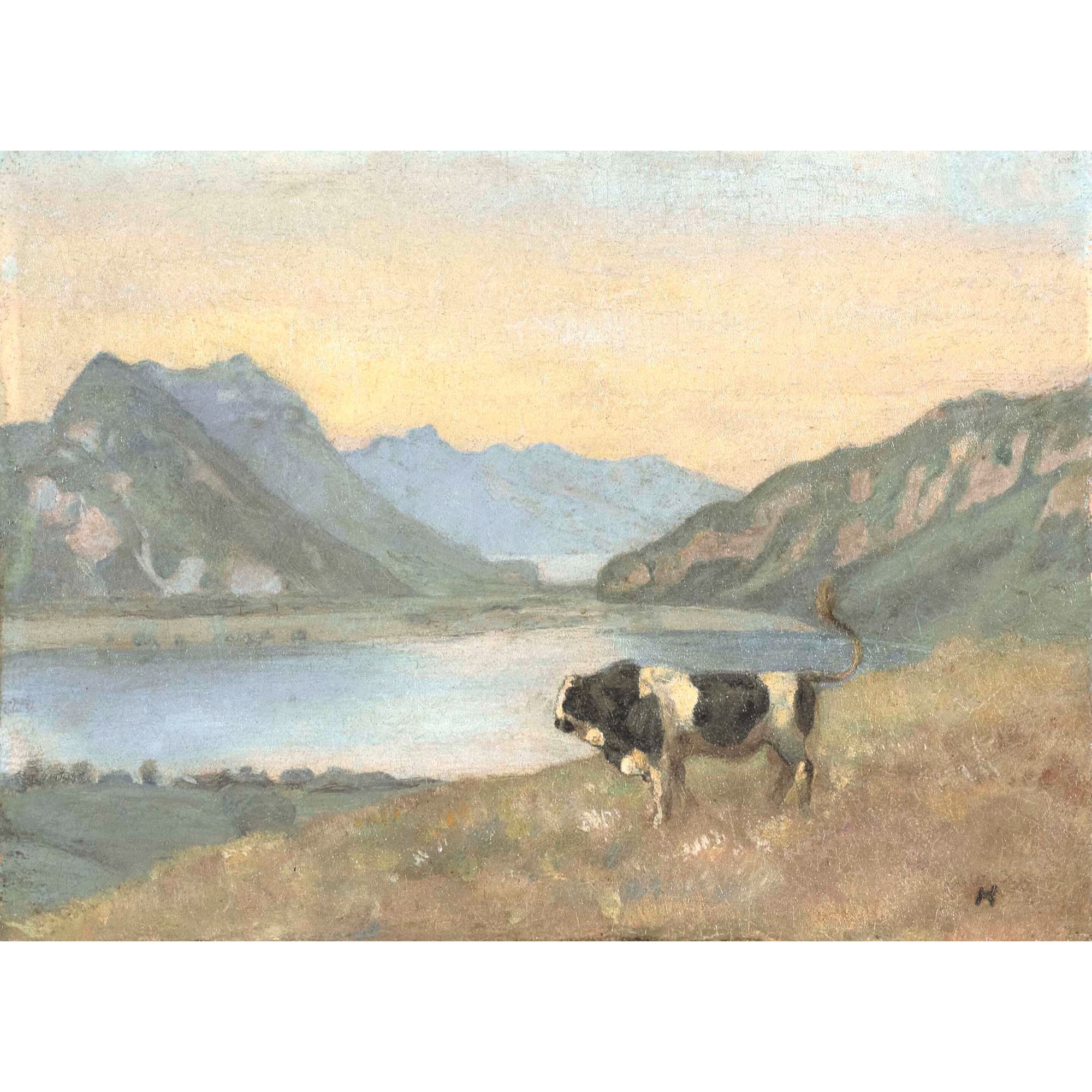
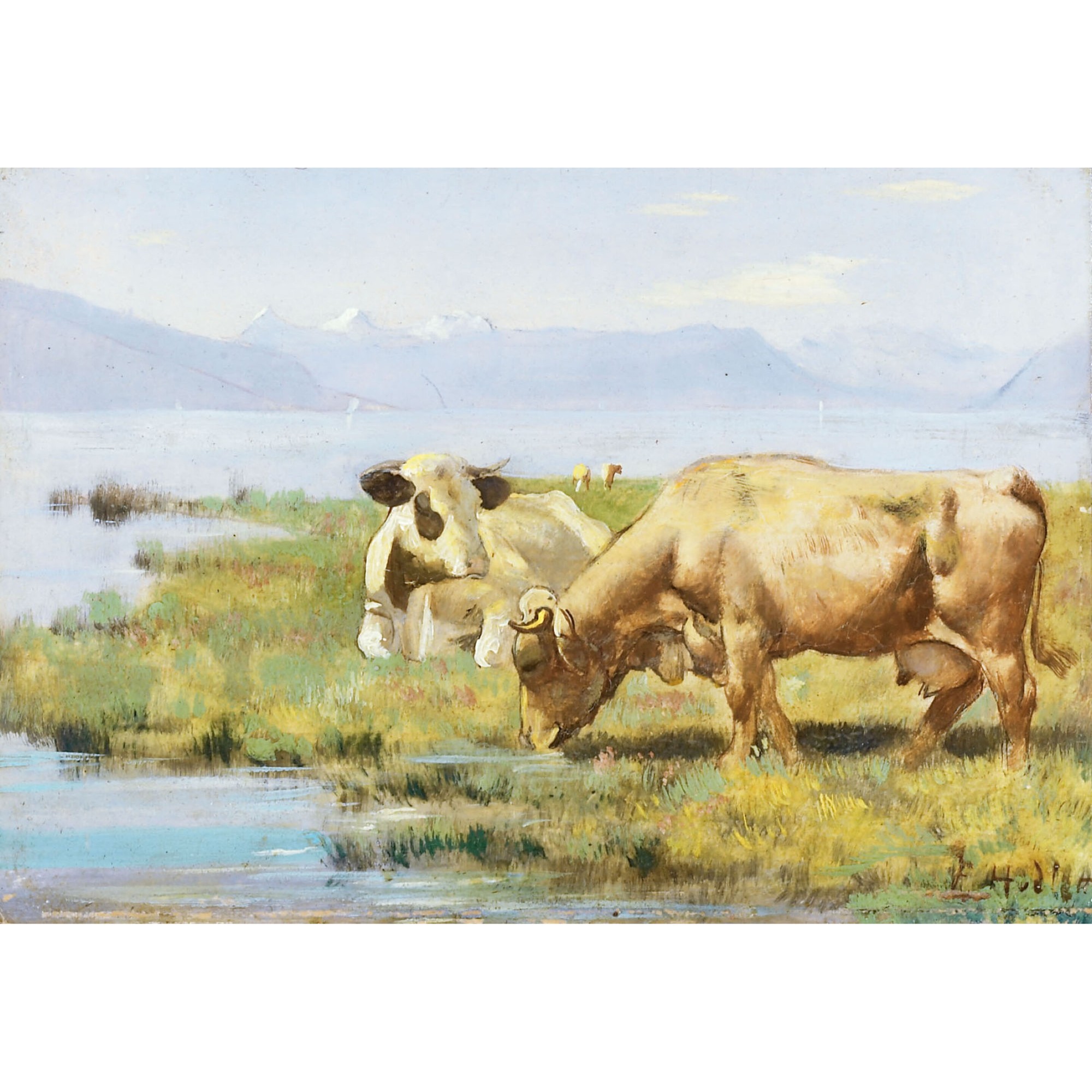
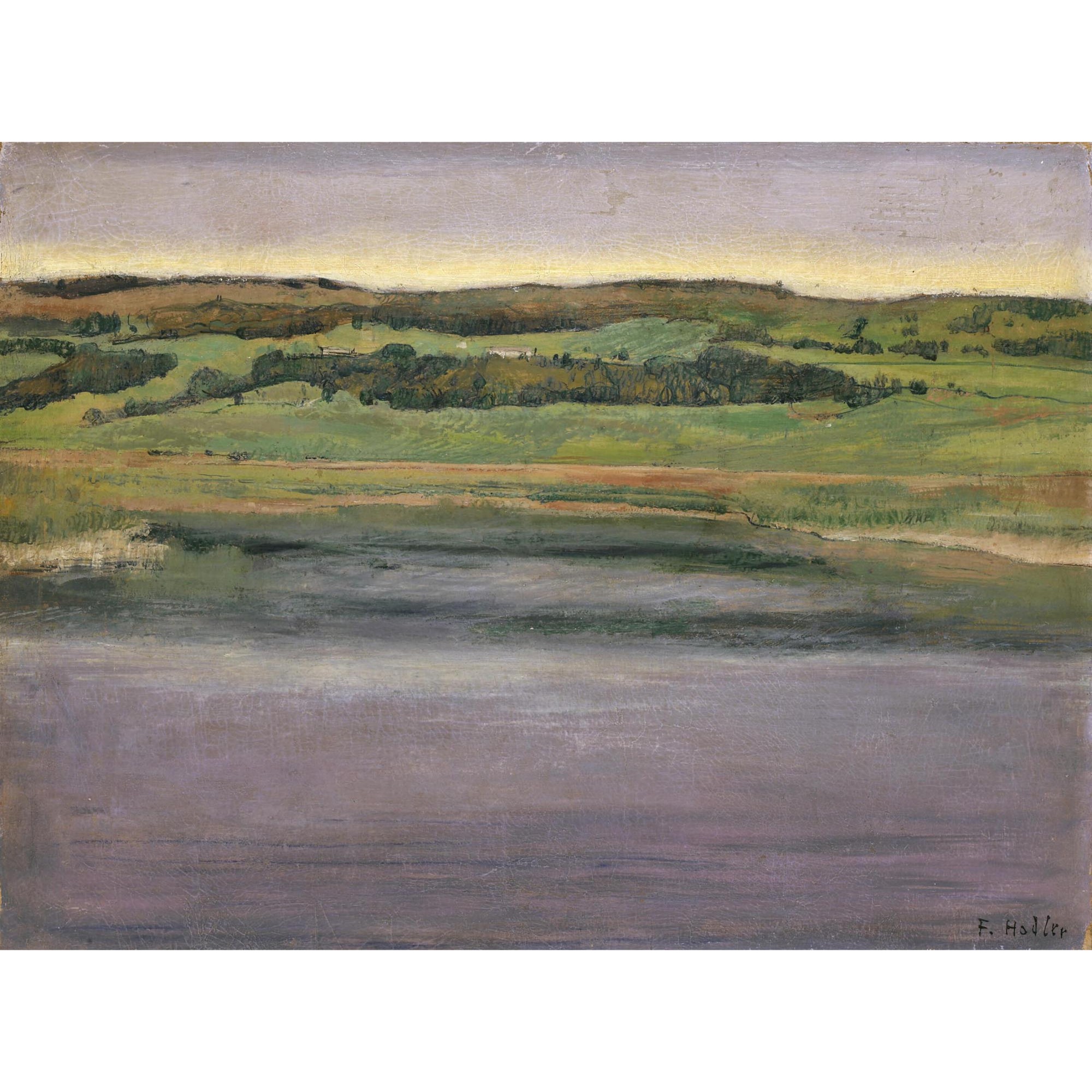
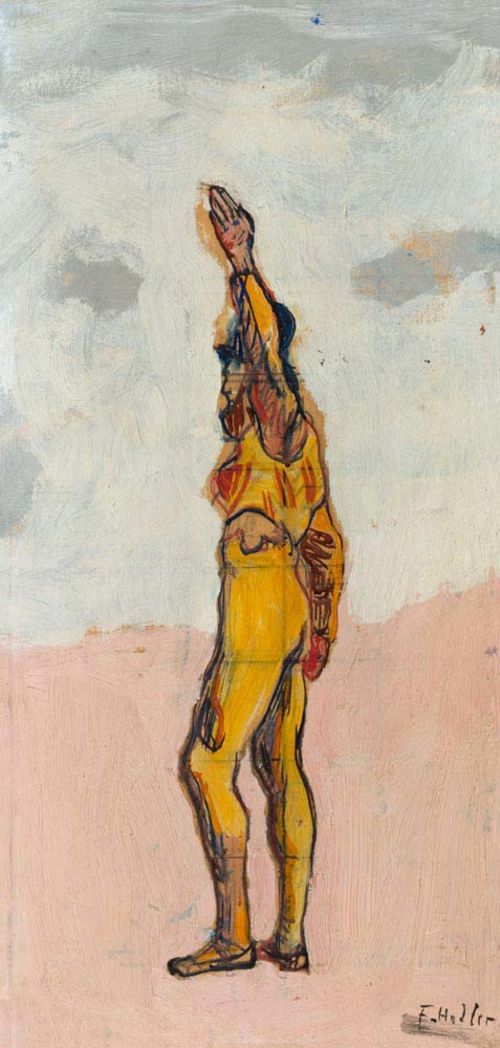
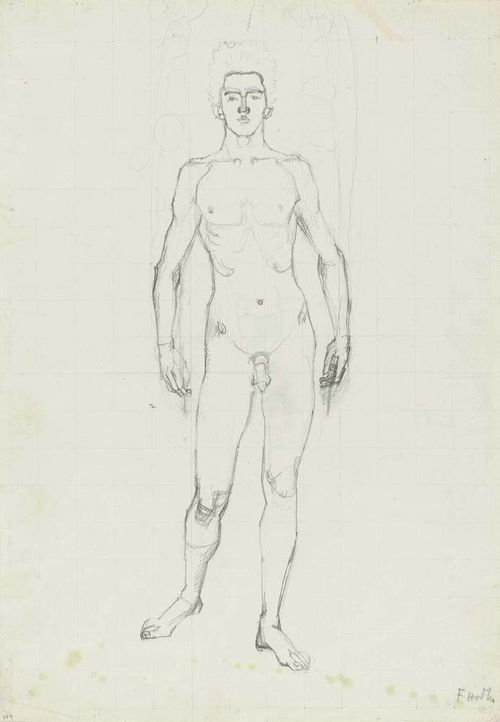
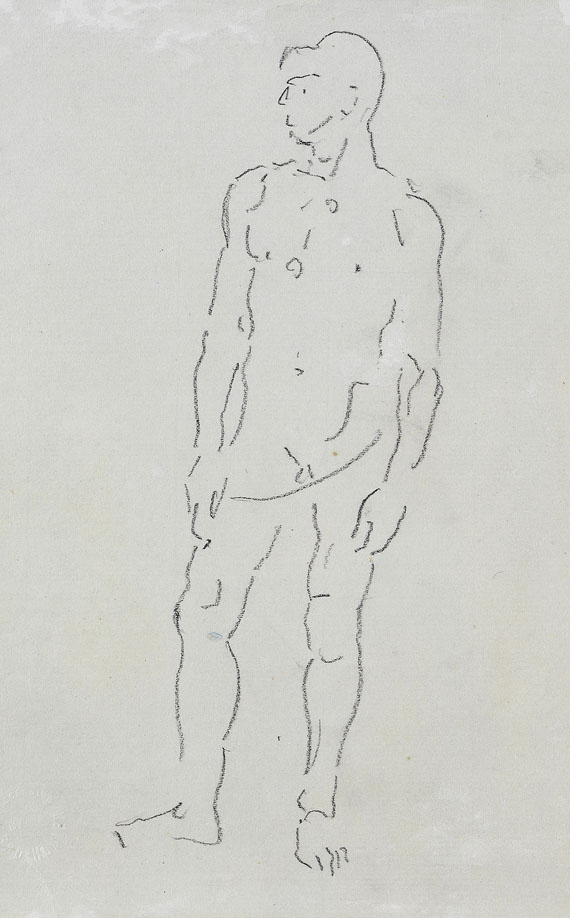
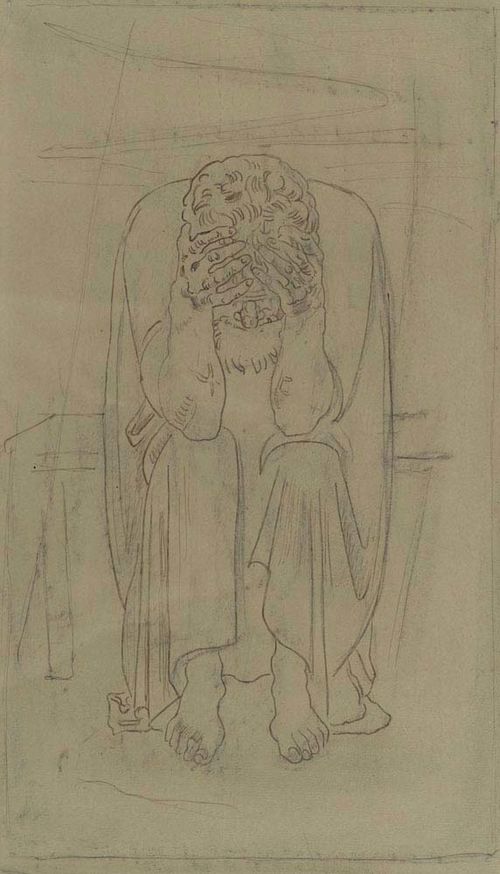
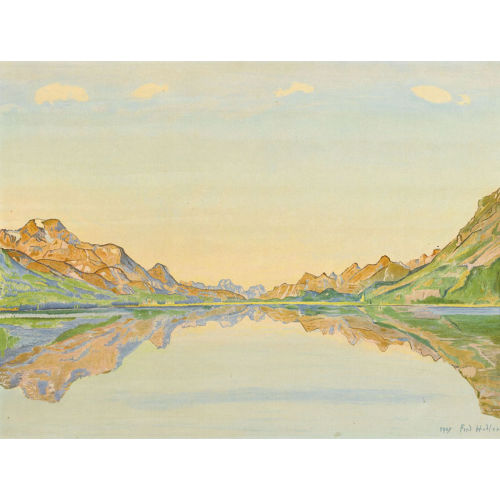
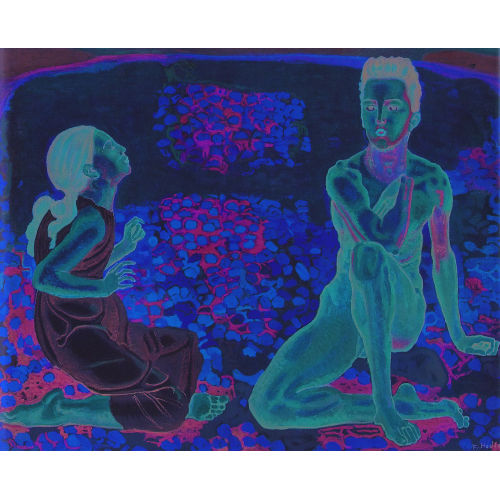
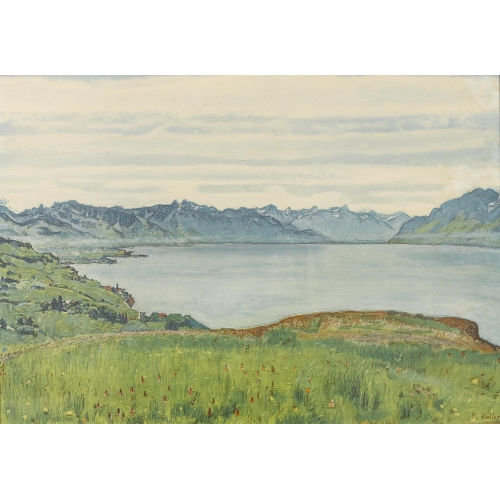
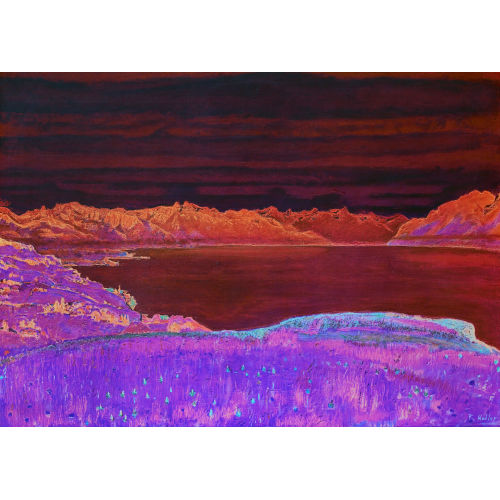
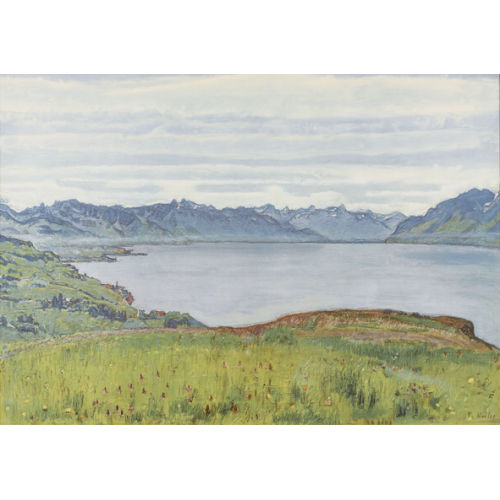
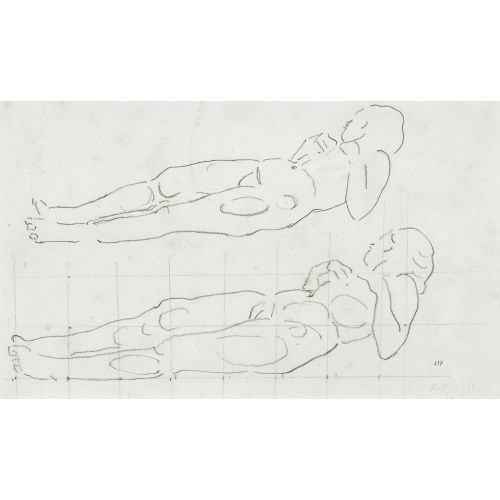
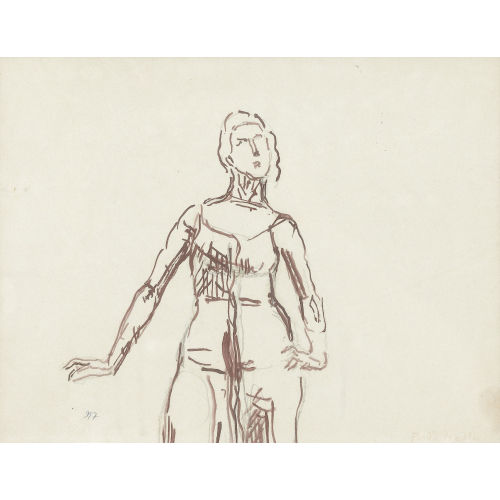
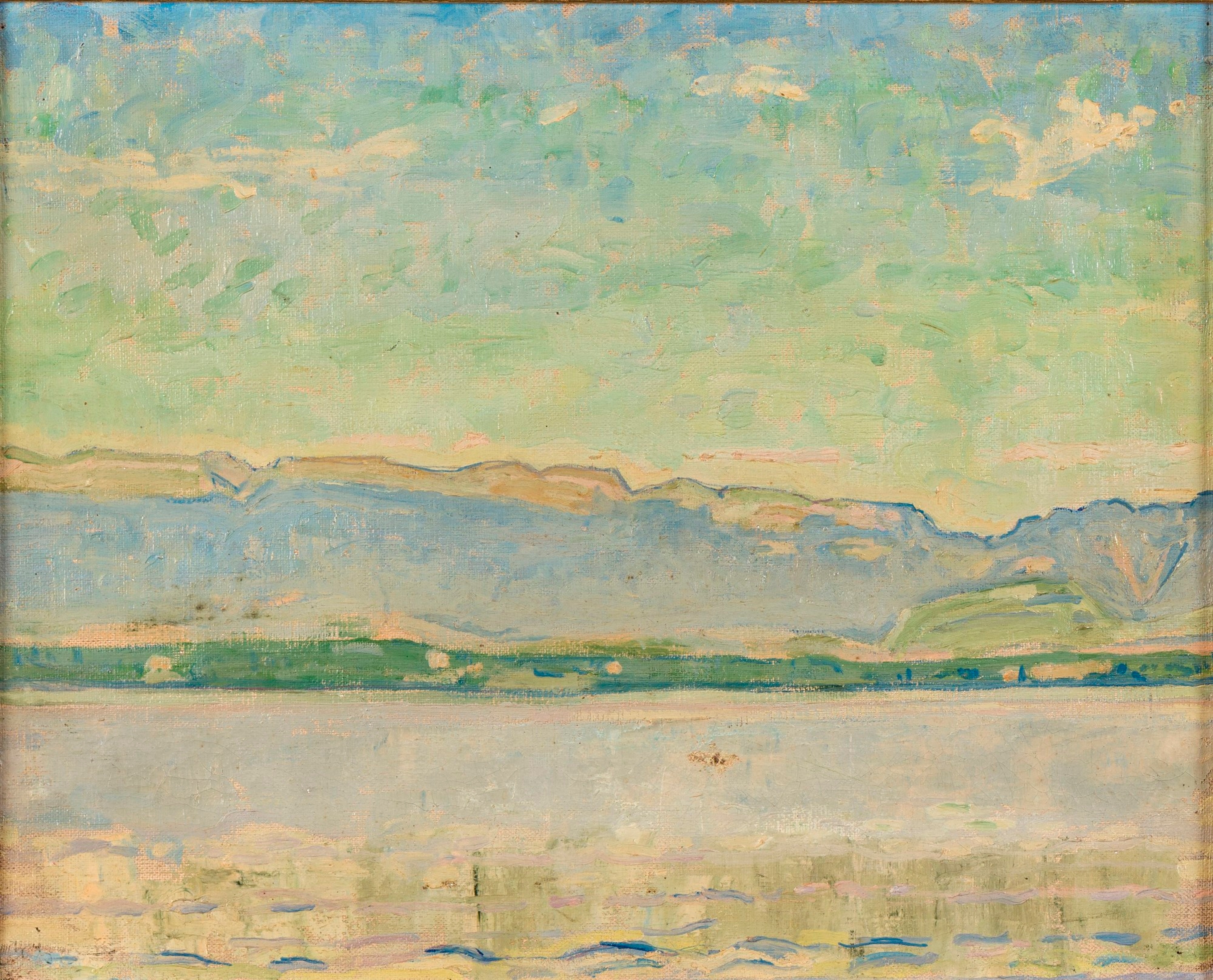
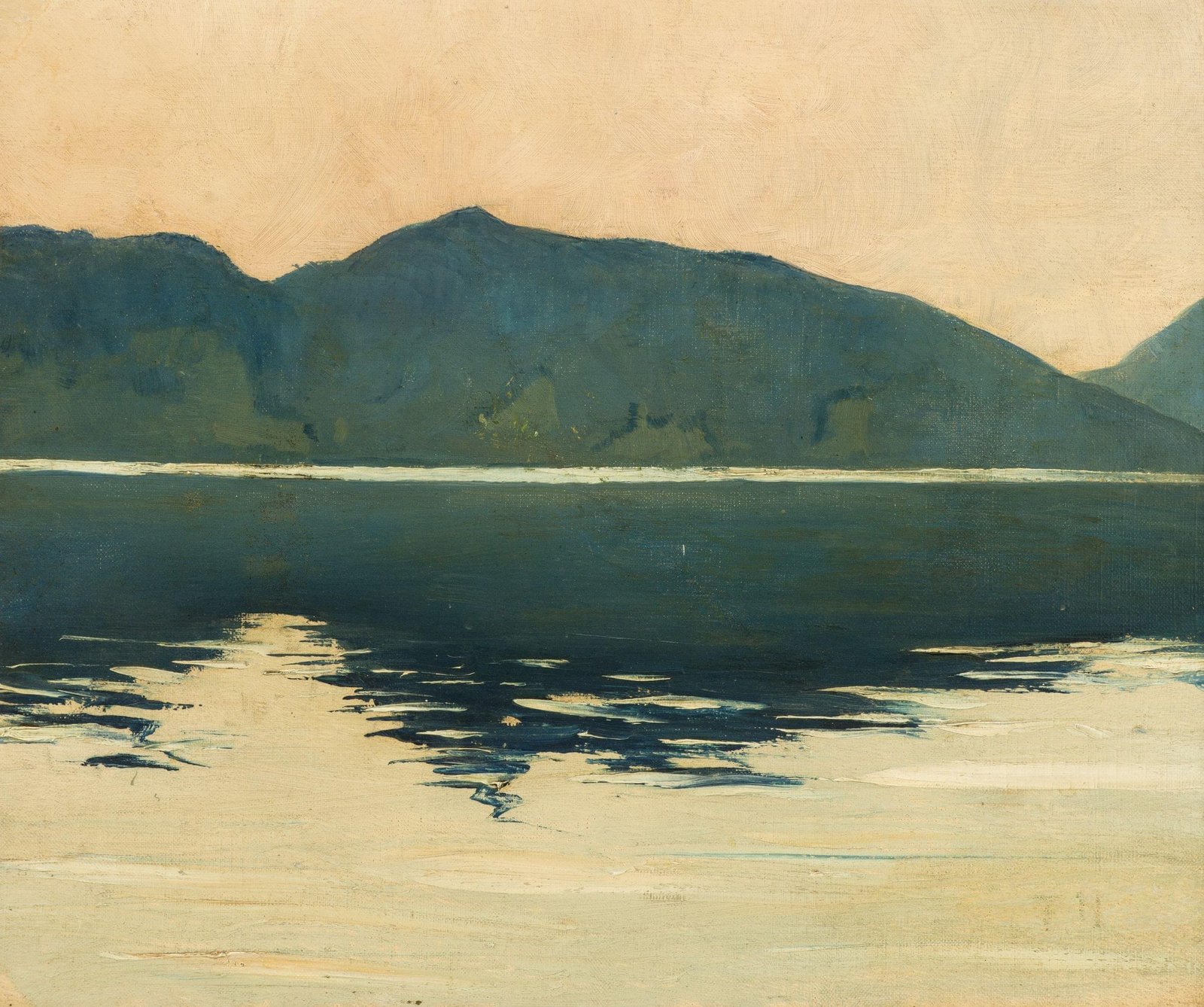
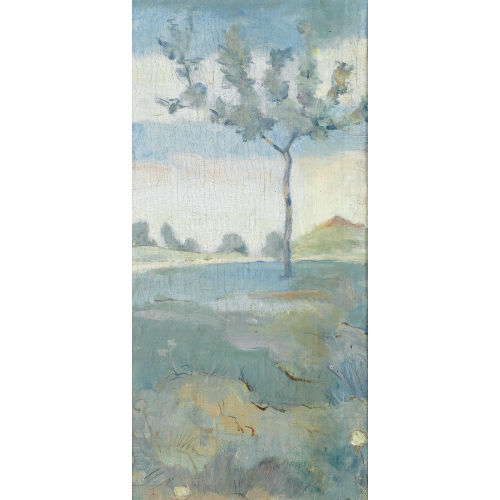
Hodler accords a central place to the human figure, while regularly returning to landscape, particularly the shores of Lake Geneva. La Nuit, painted in 1889–1890, marks an important stage: its exhibition was refused in Geneva in 1891 on grounds of morality, before the work was presented in Paris. The painting stages sleeping figures around a figure seized by the presence of death.
The contrast between the bodies, the dark background and the organised composition anticipates several of the artist’s major preoccupations.
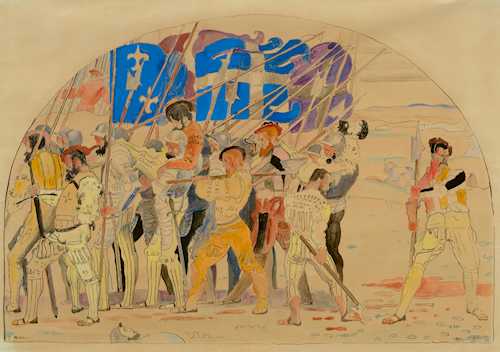
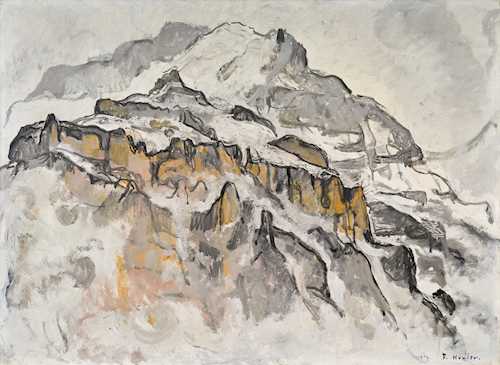
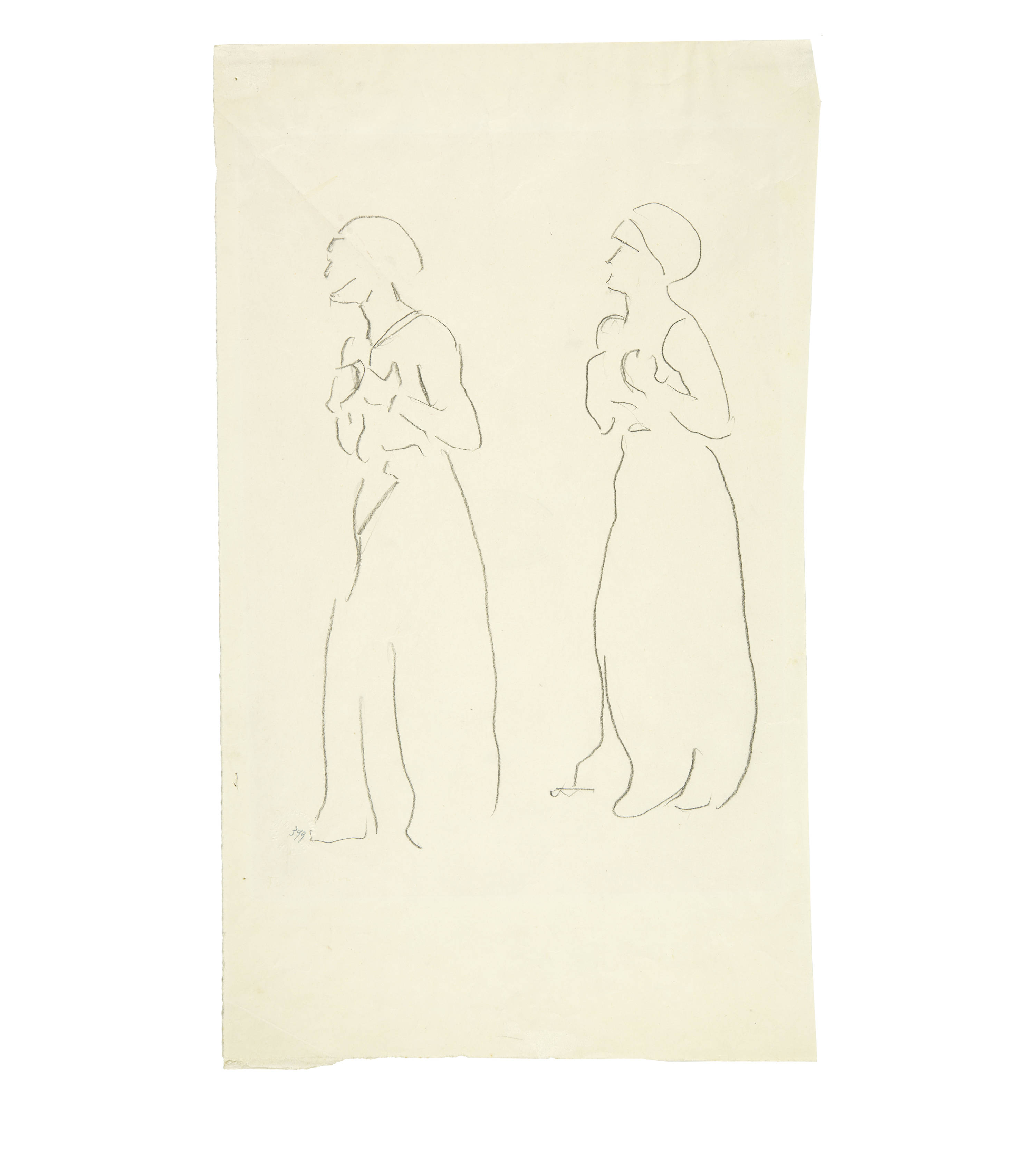
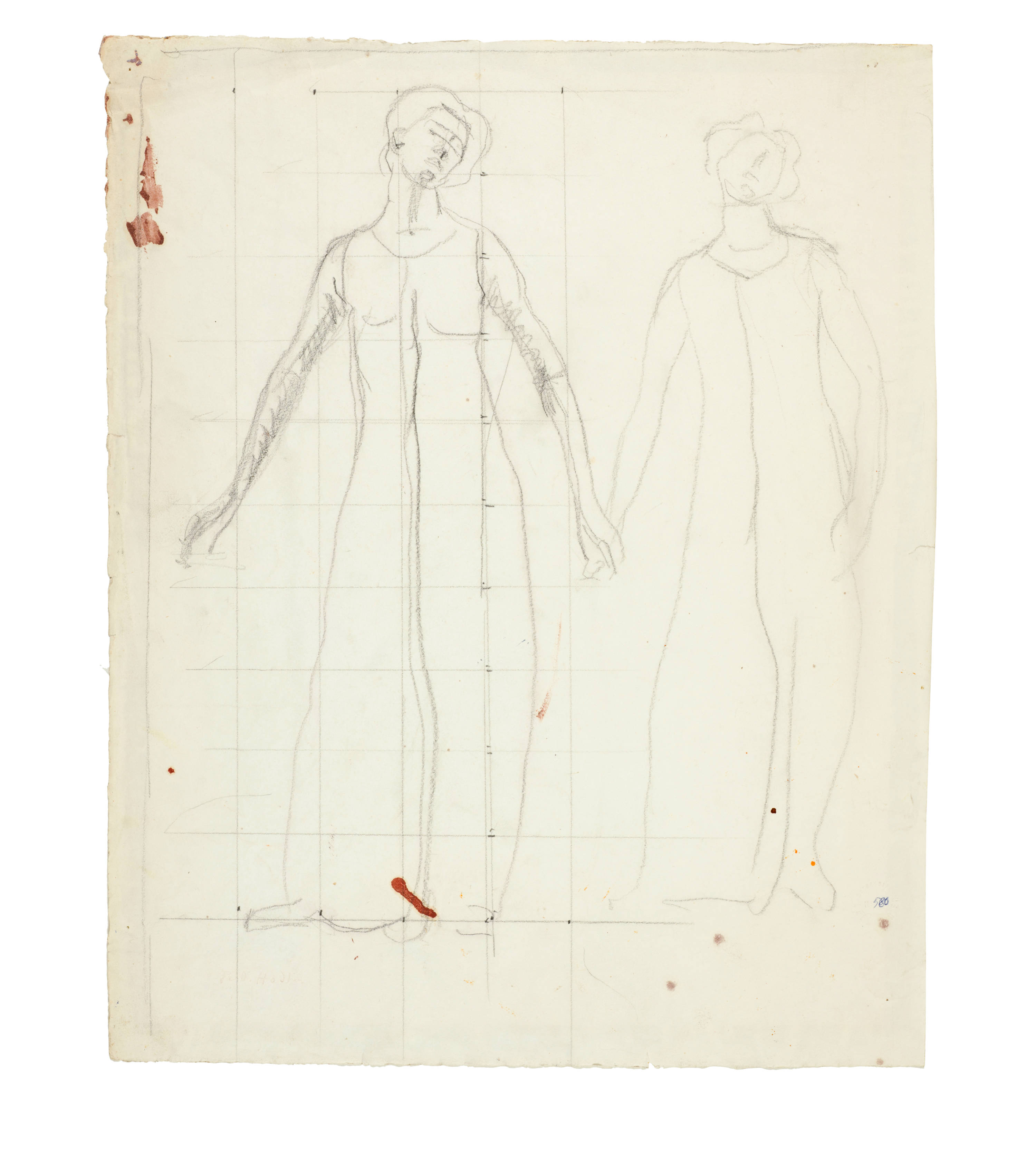
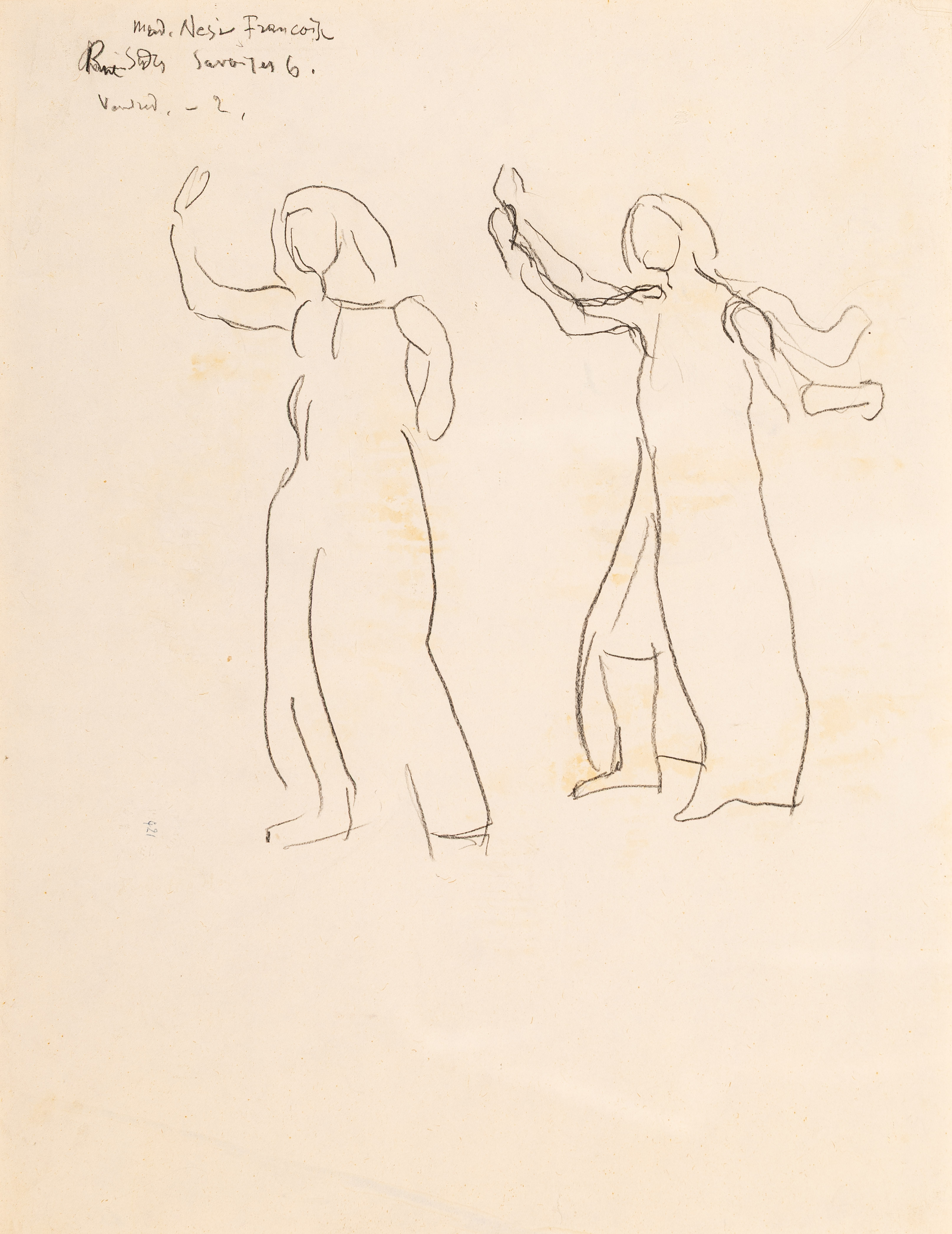
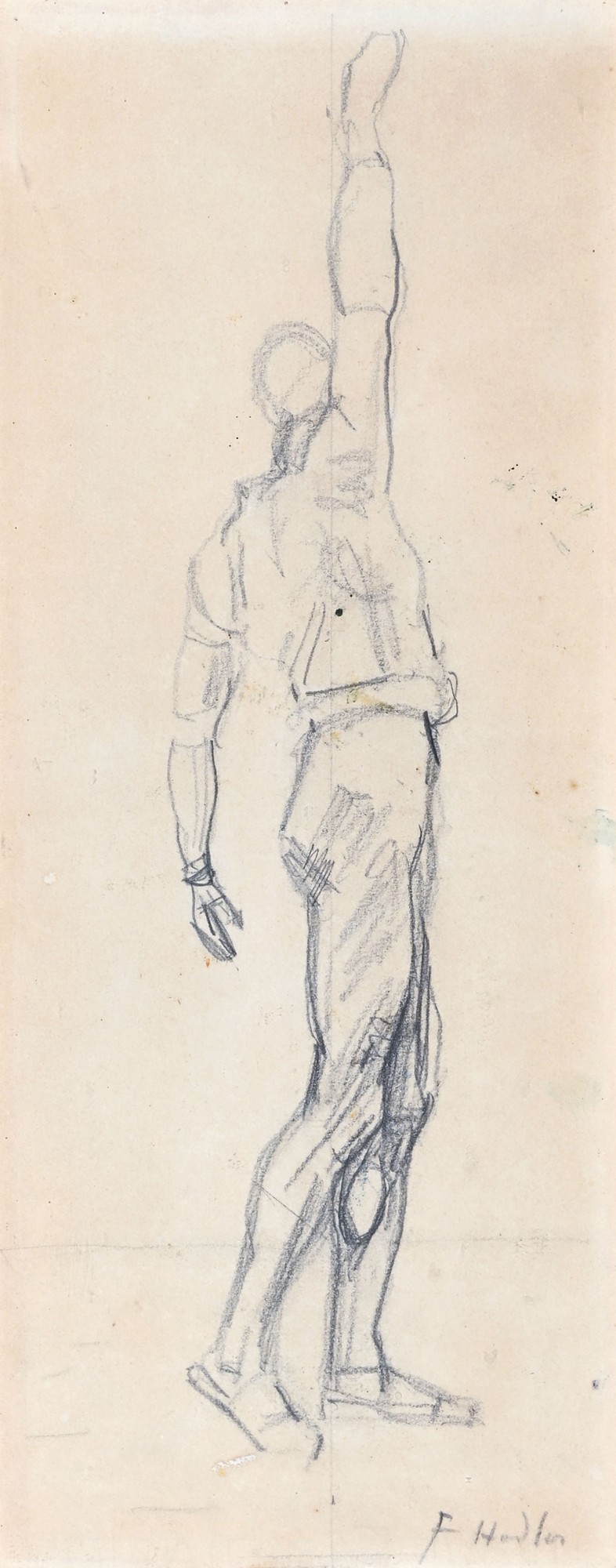
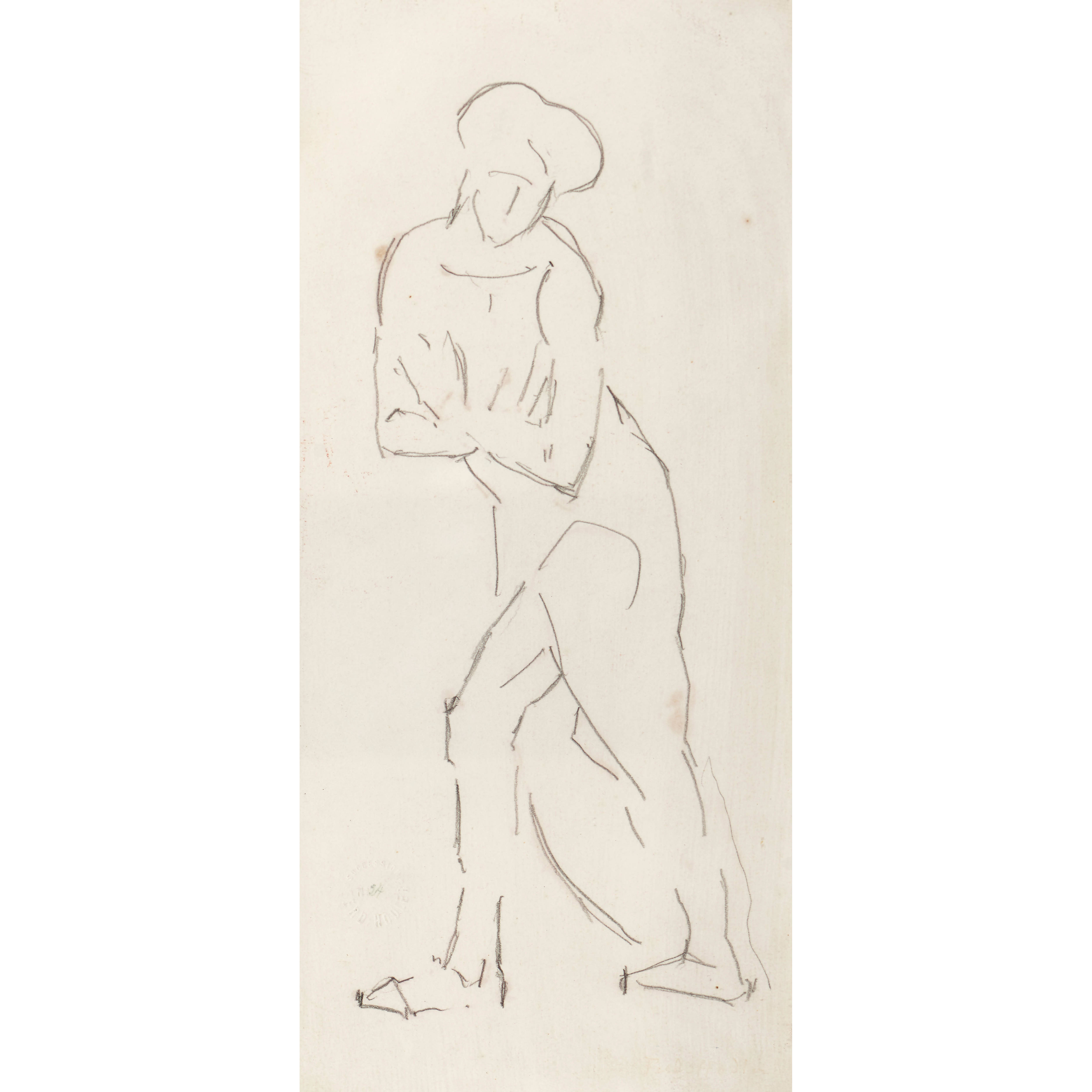
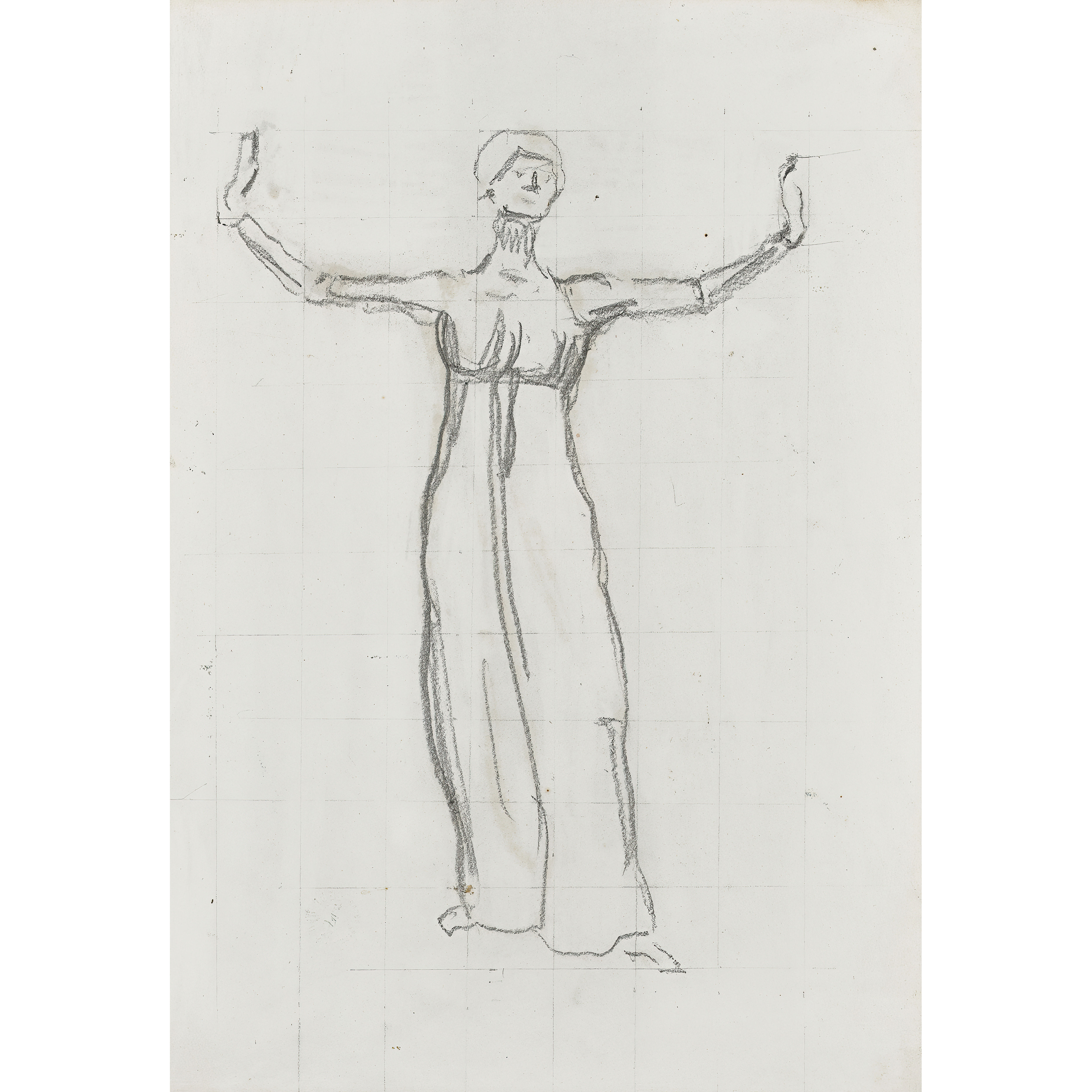
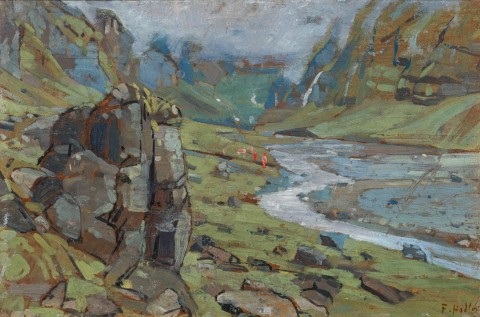
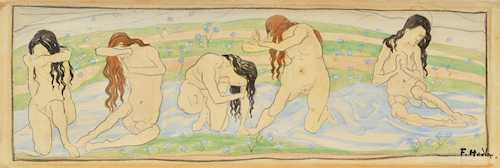
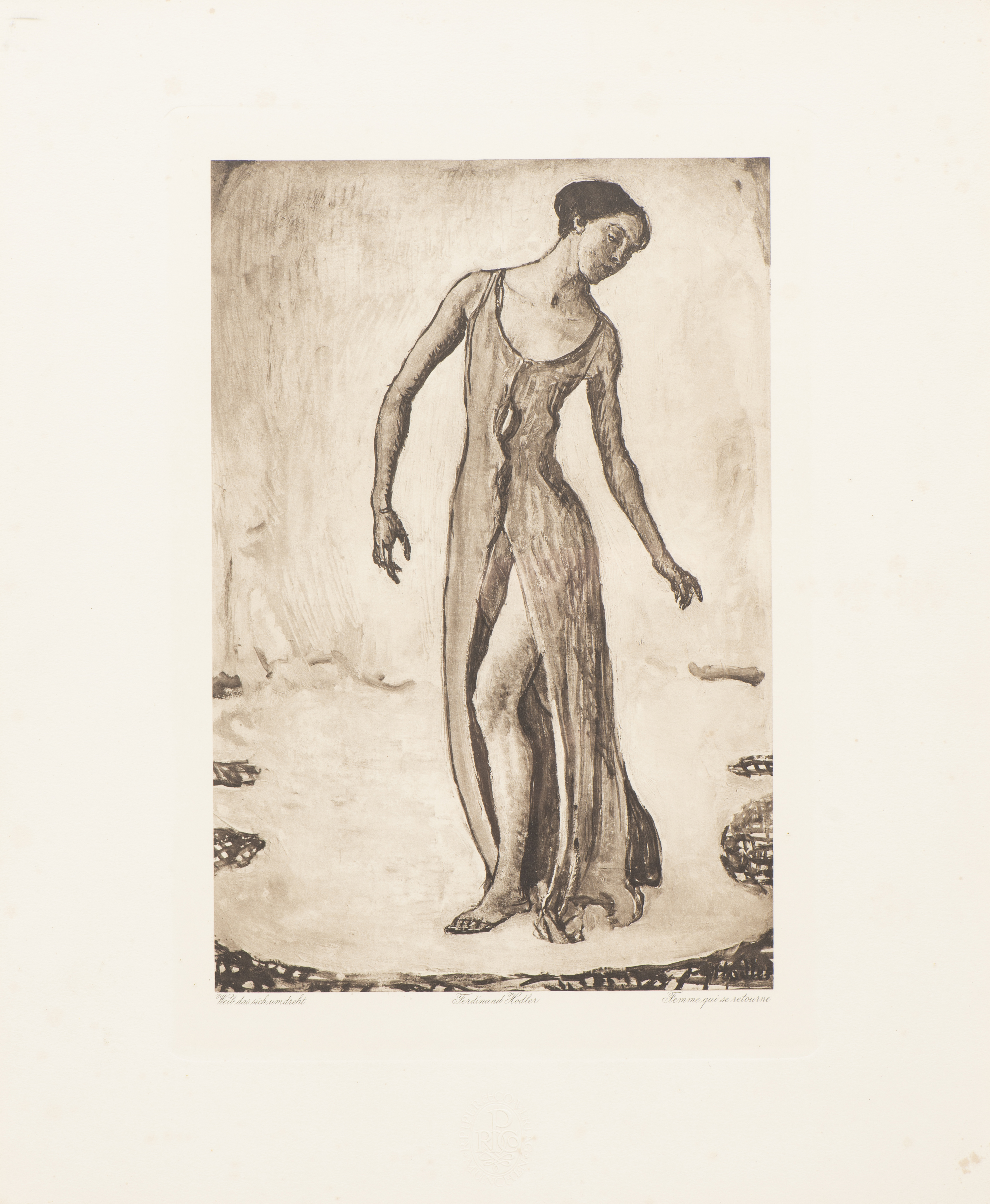
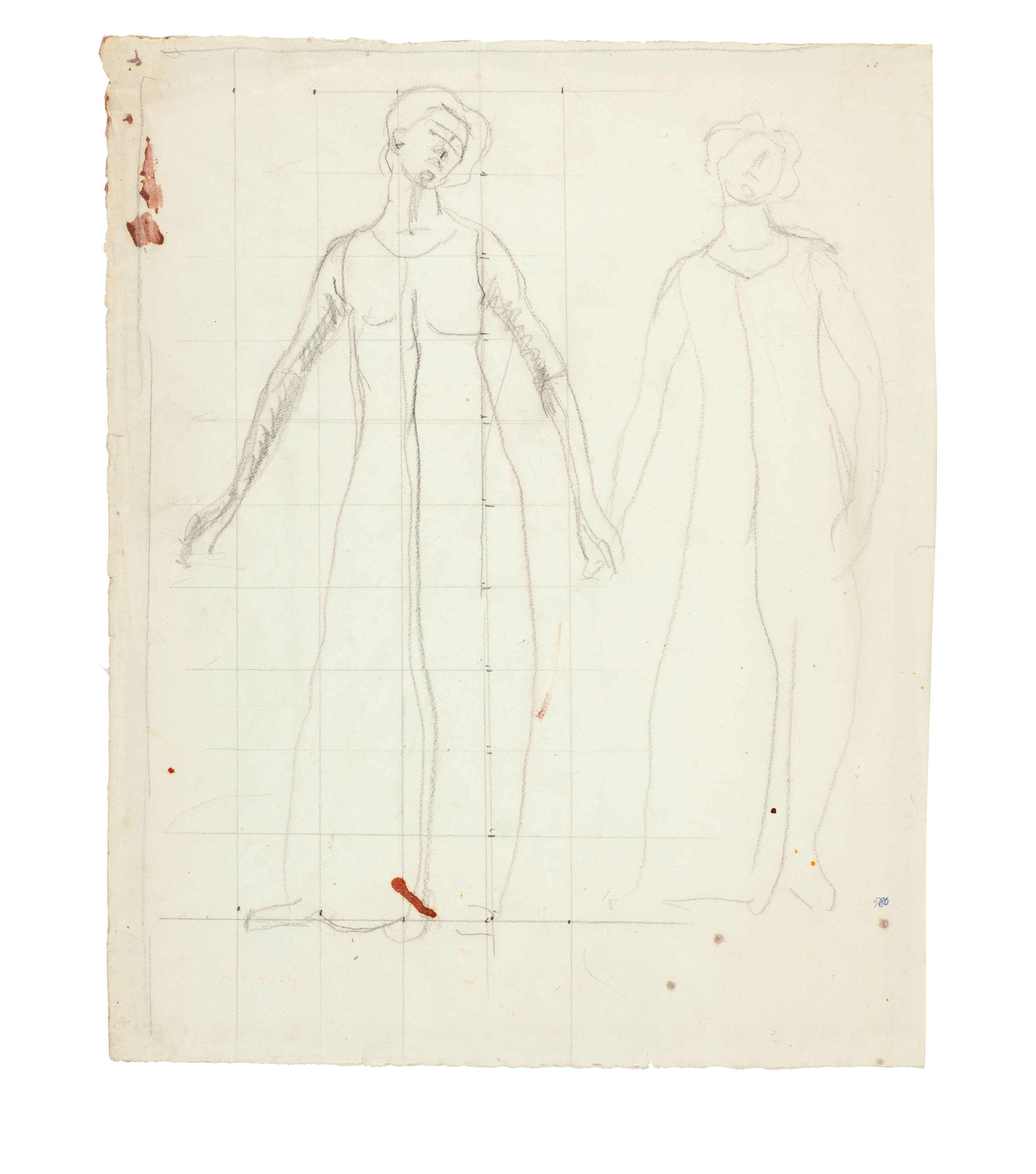
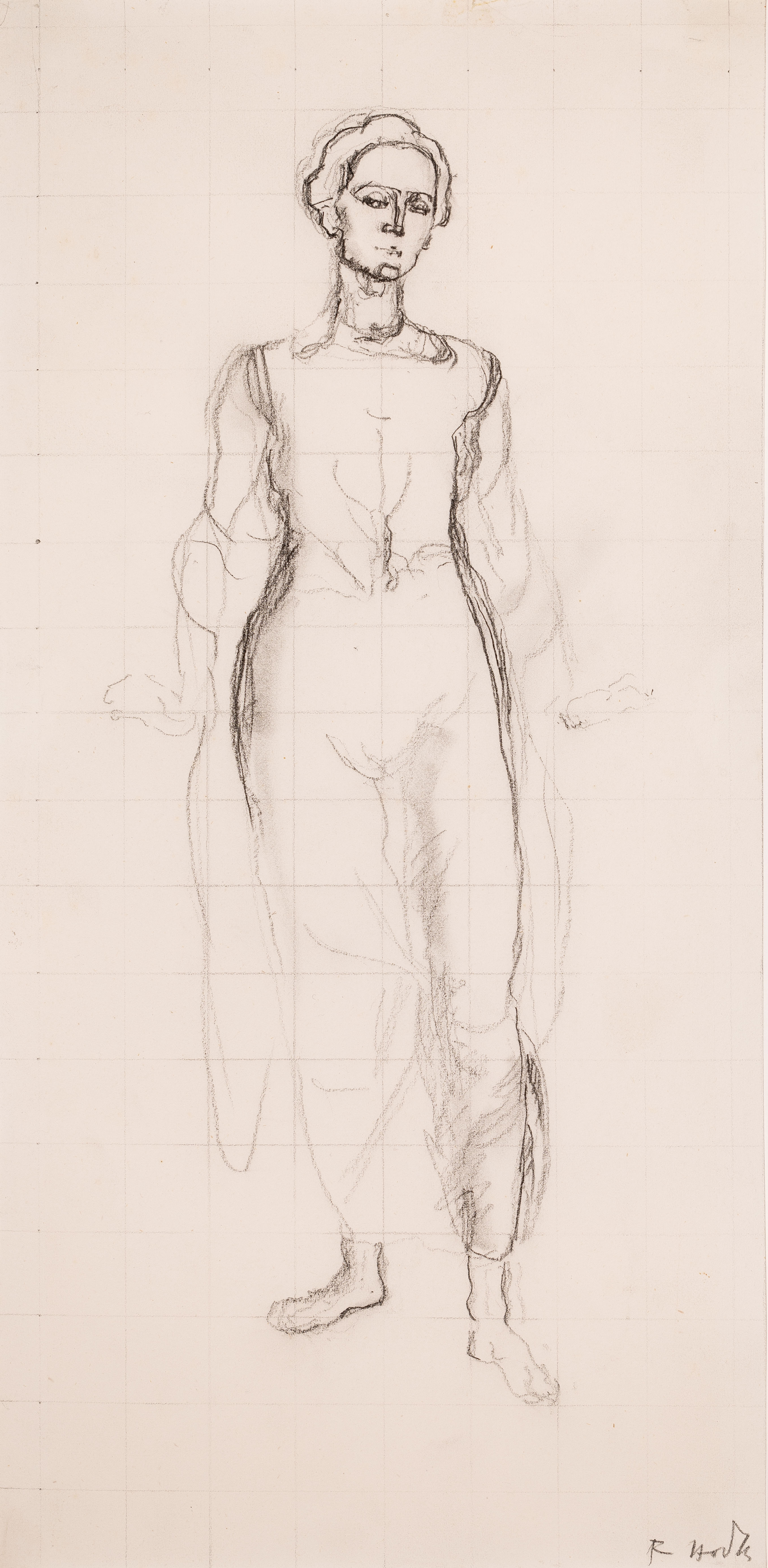
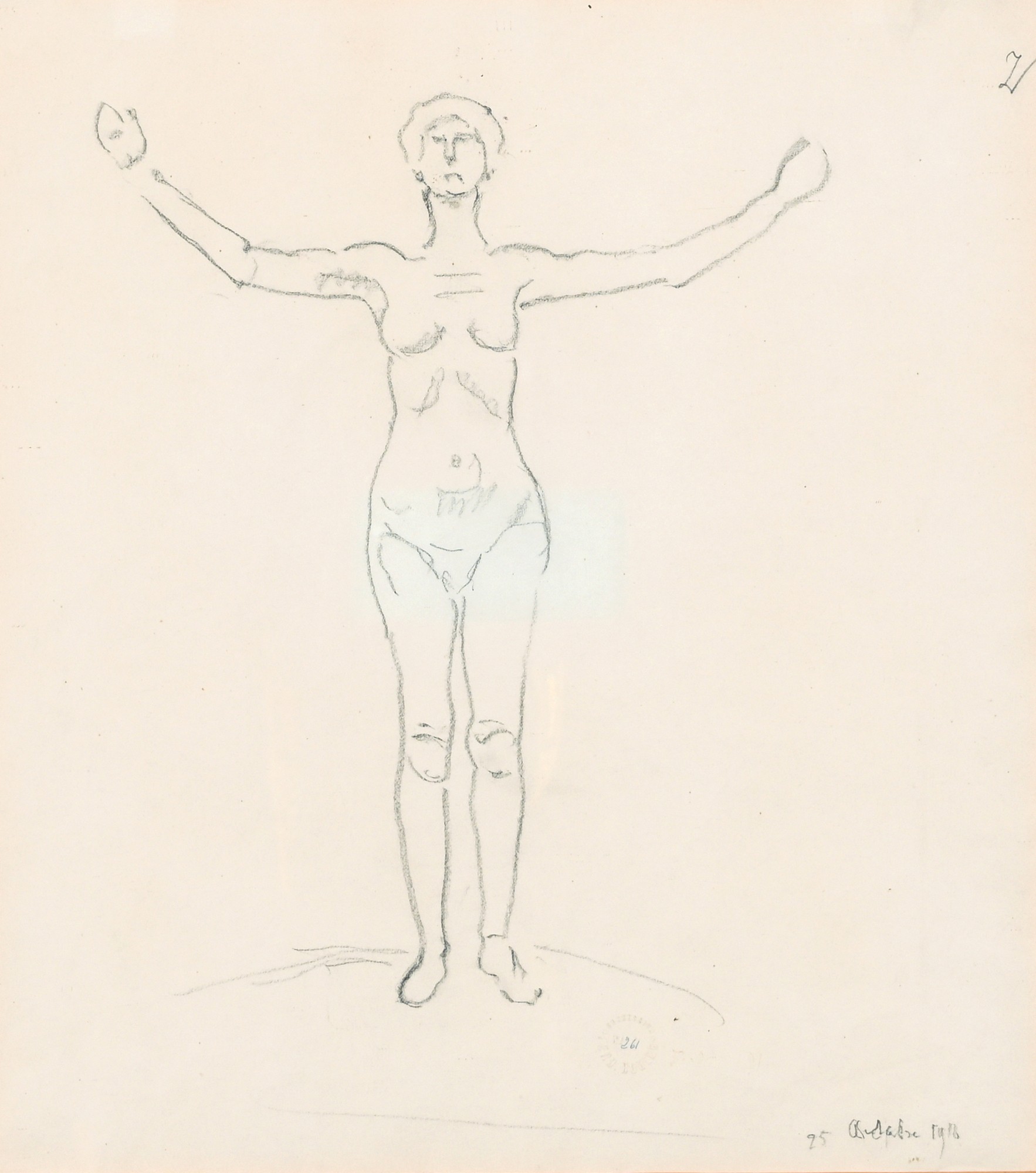
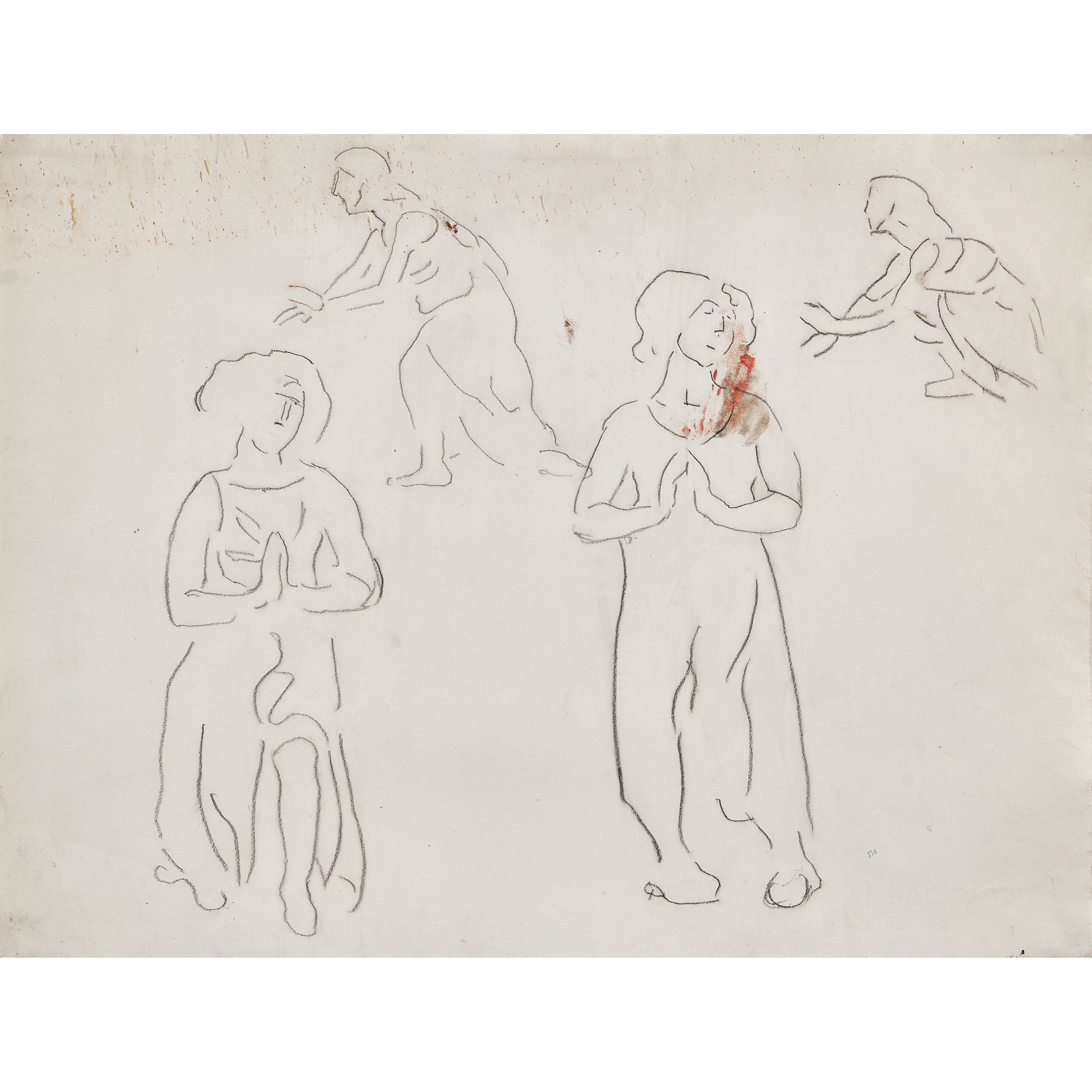
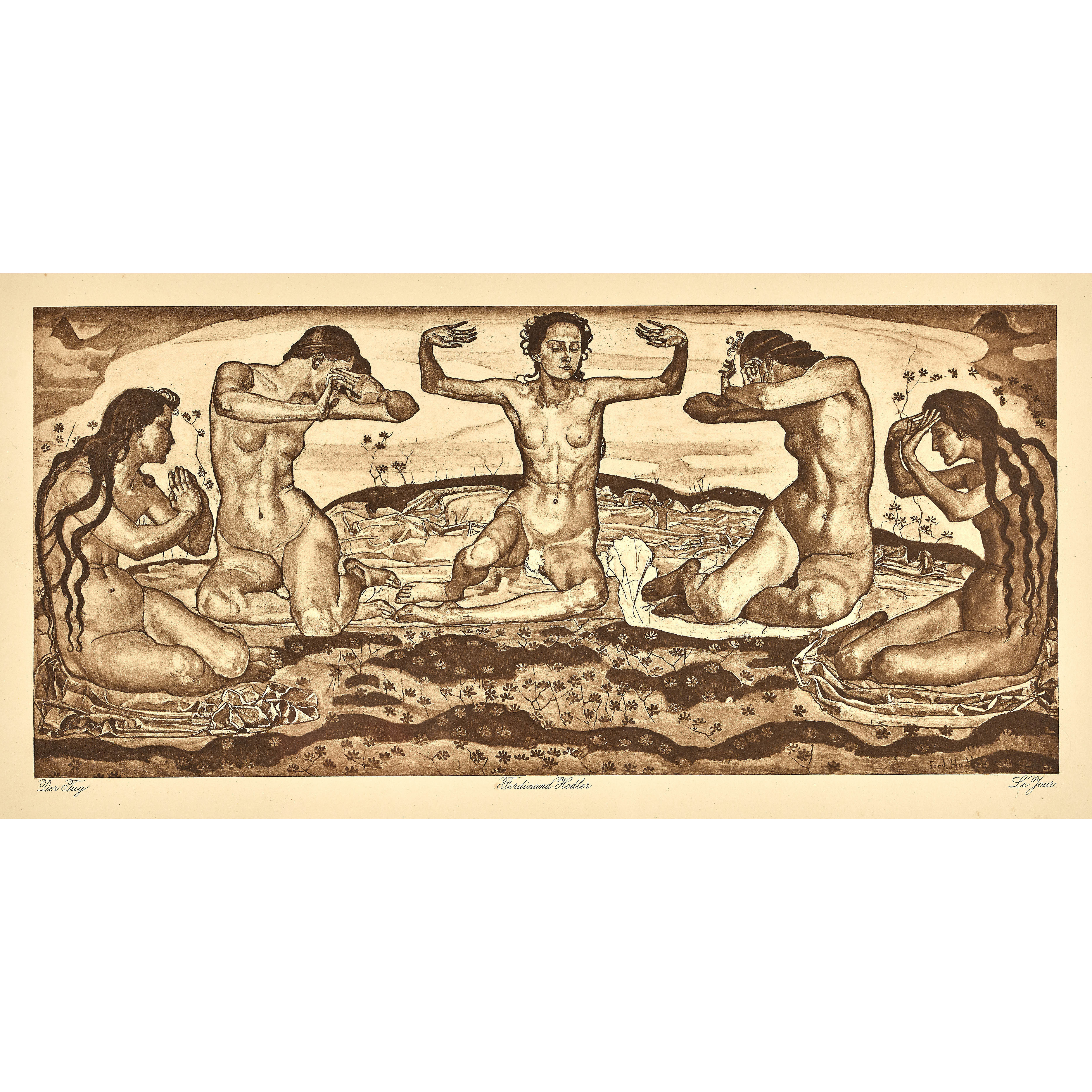
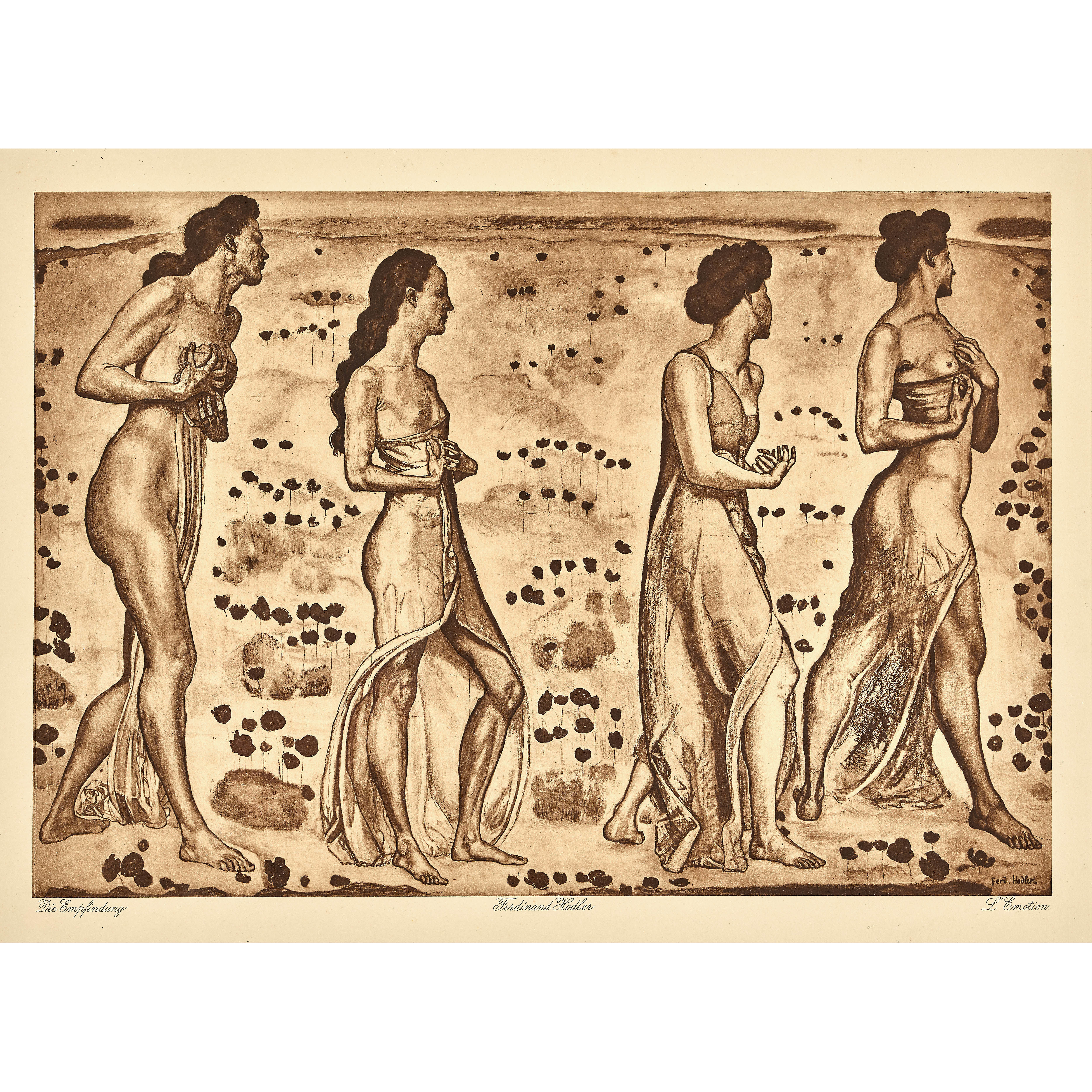
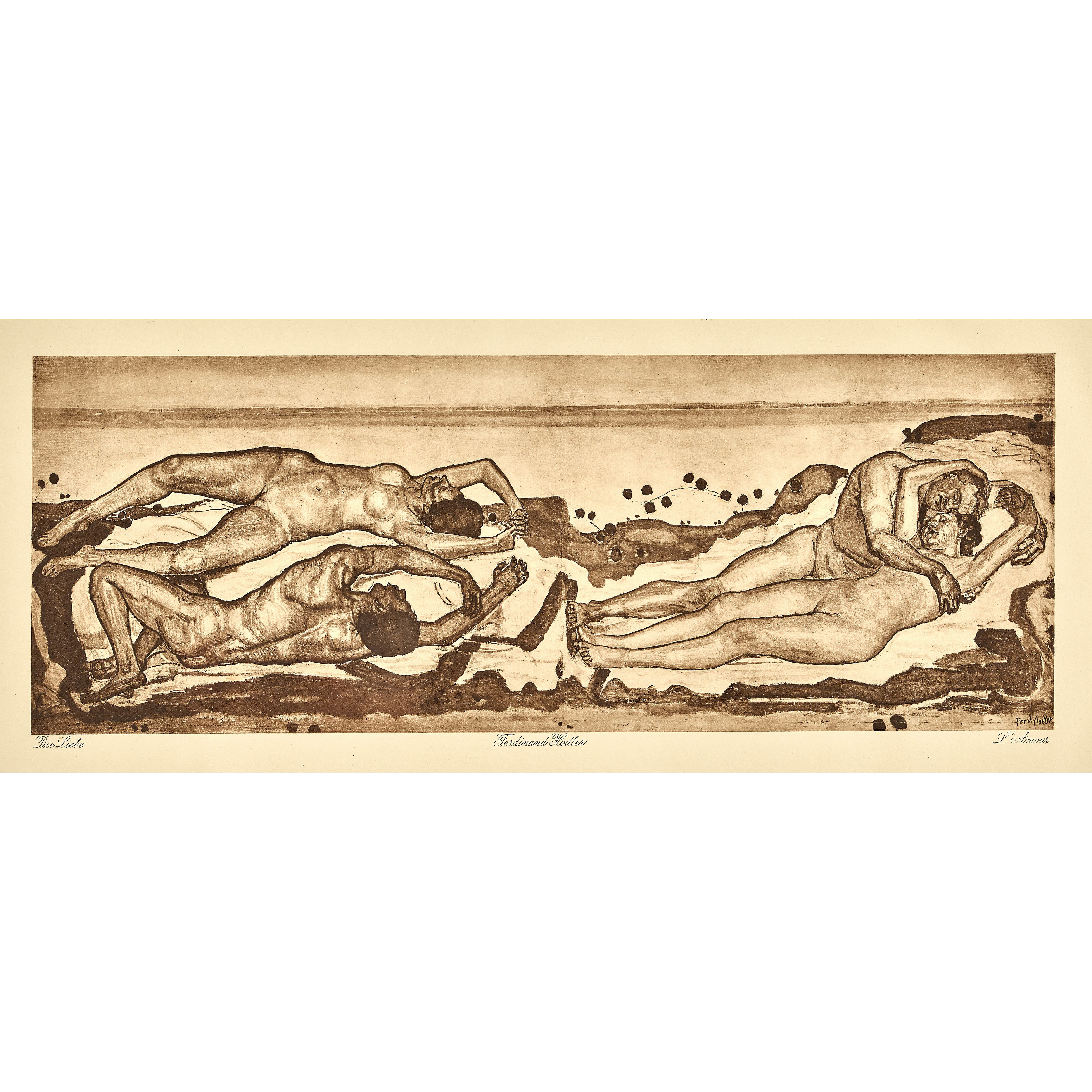
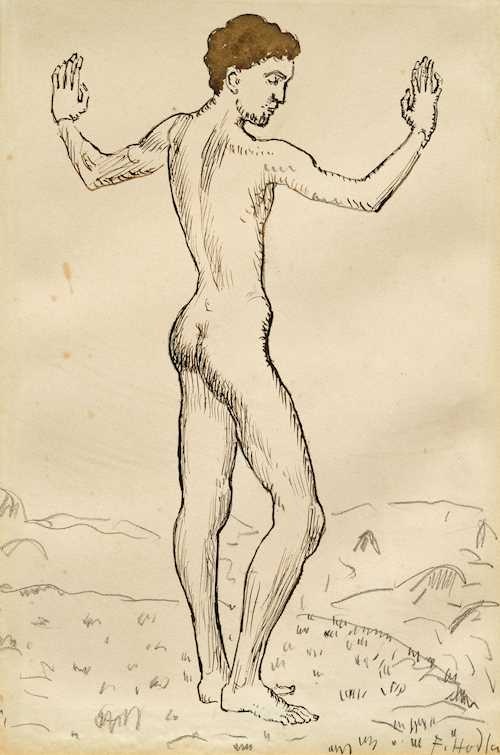
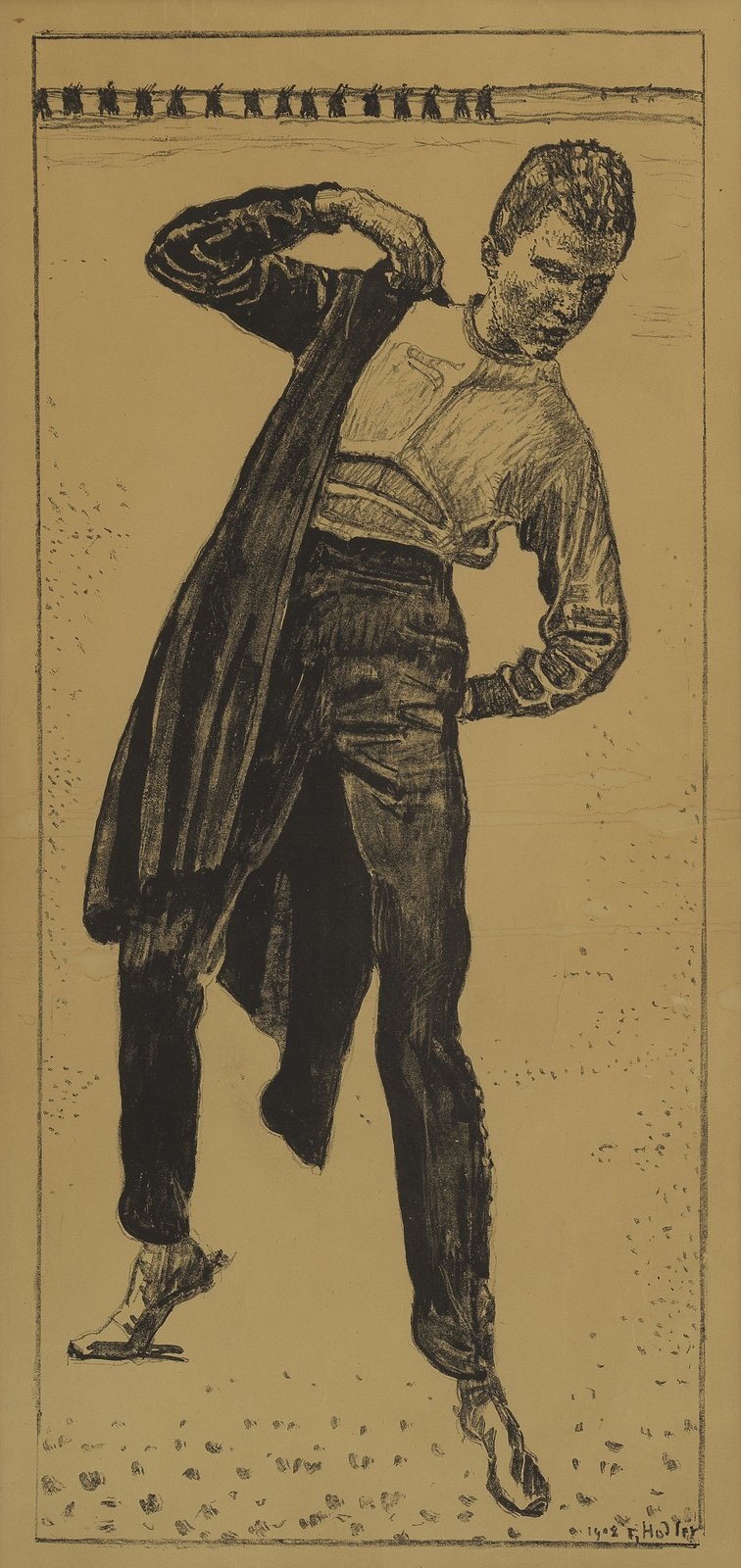
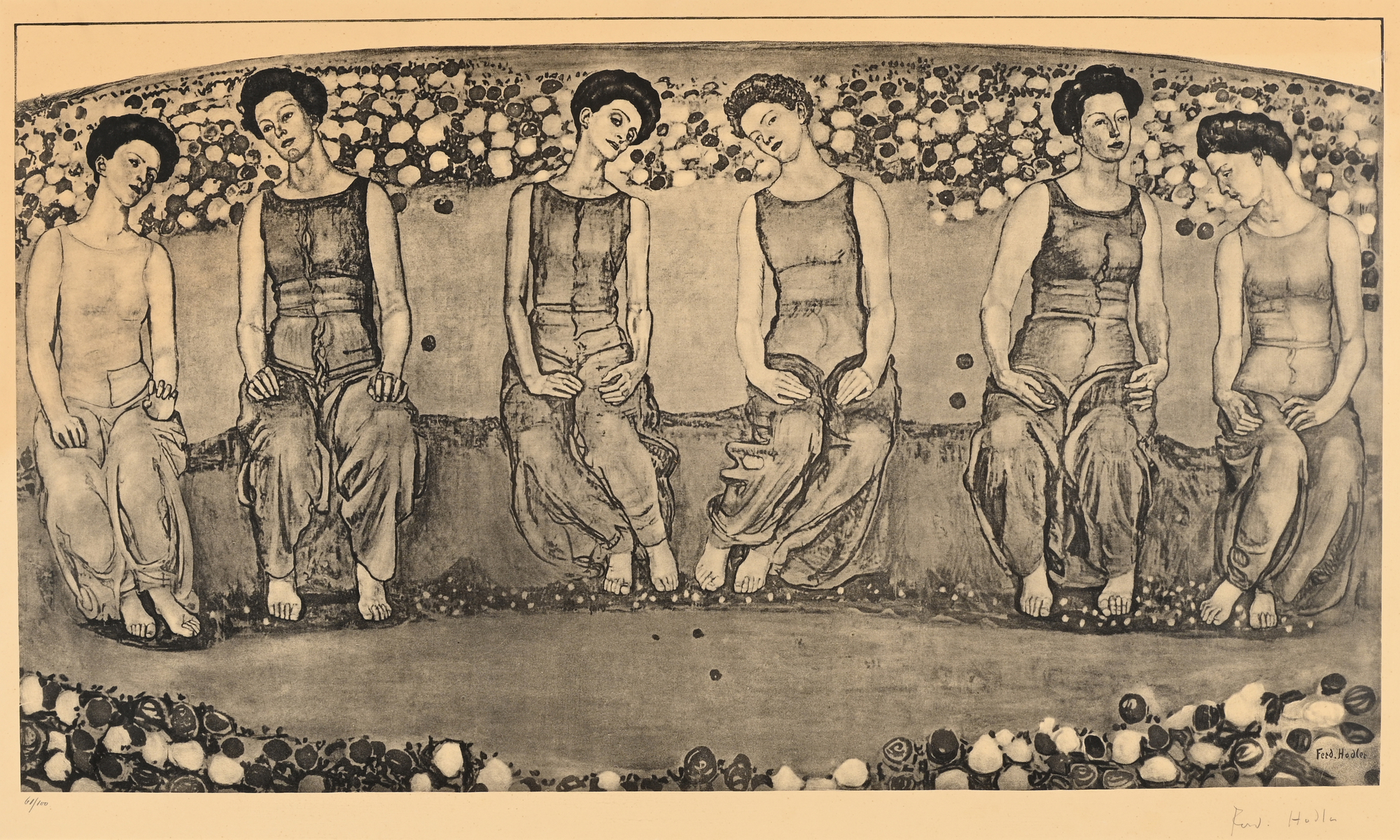
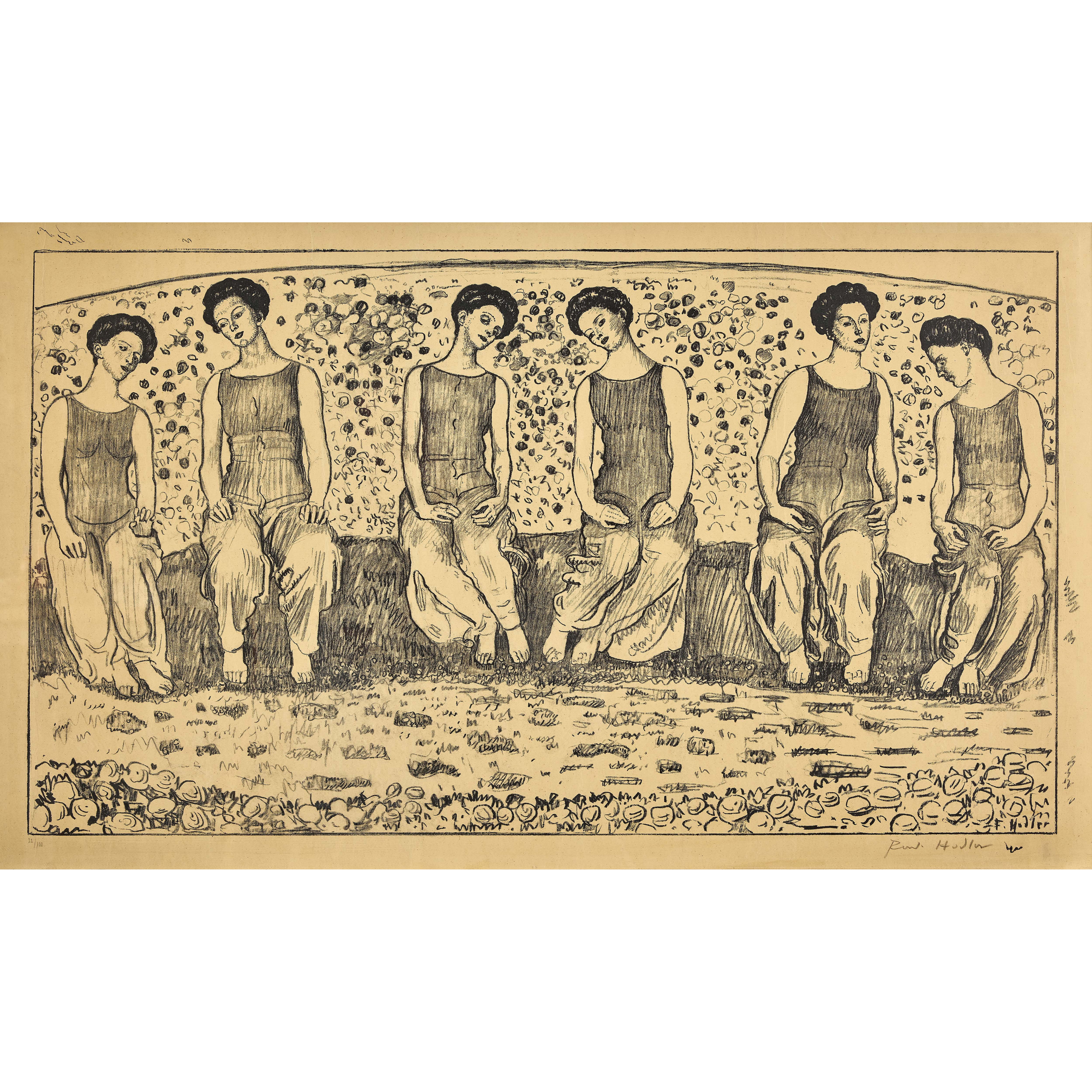
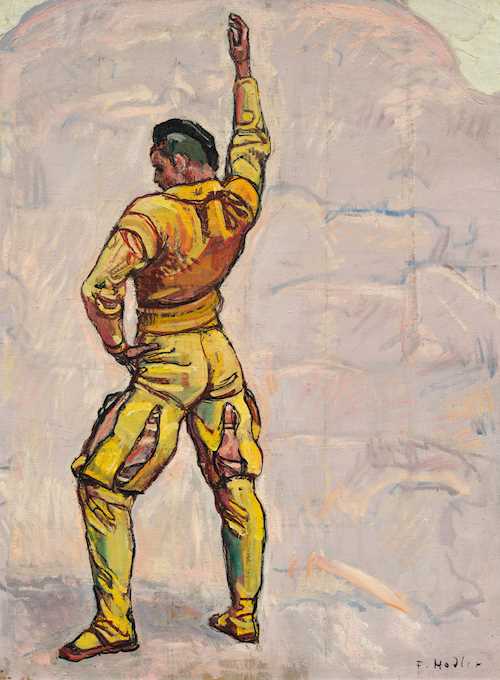
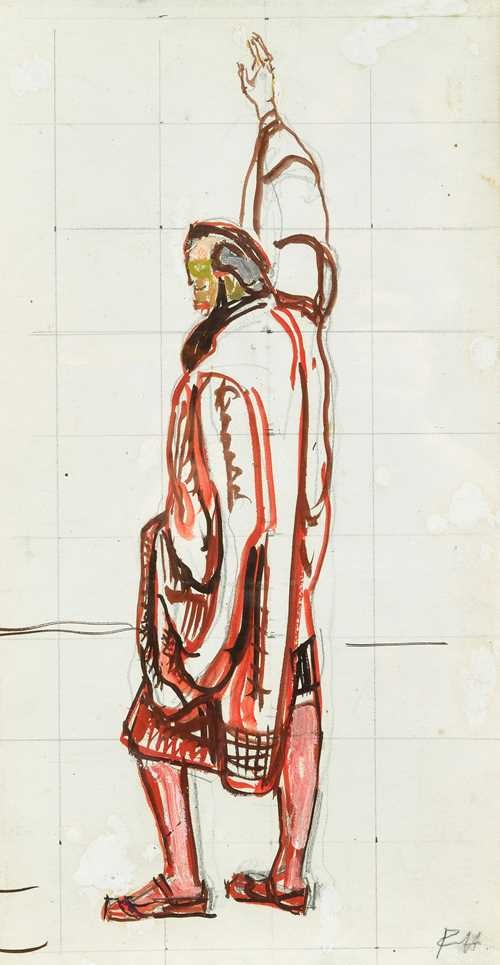
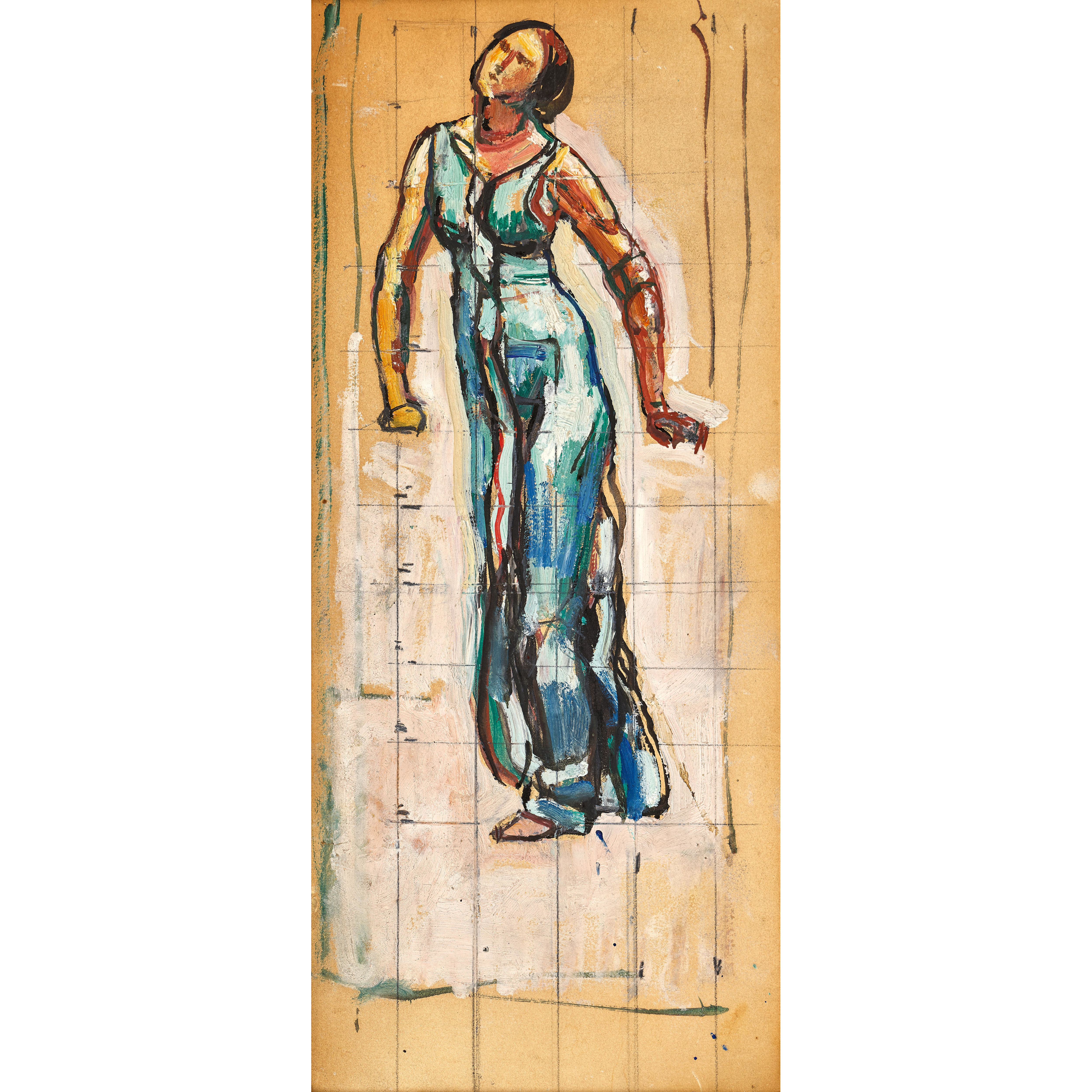
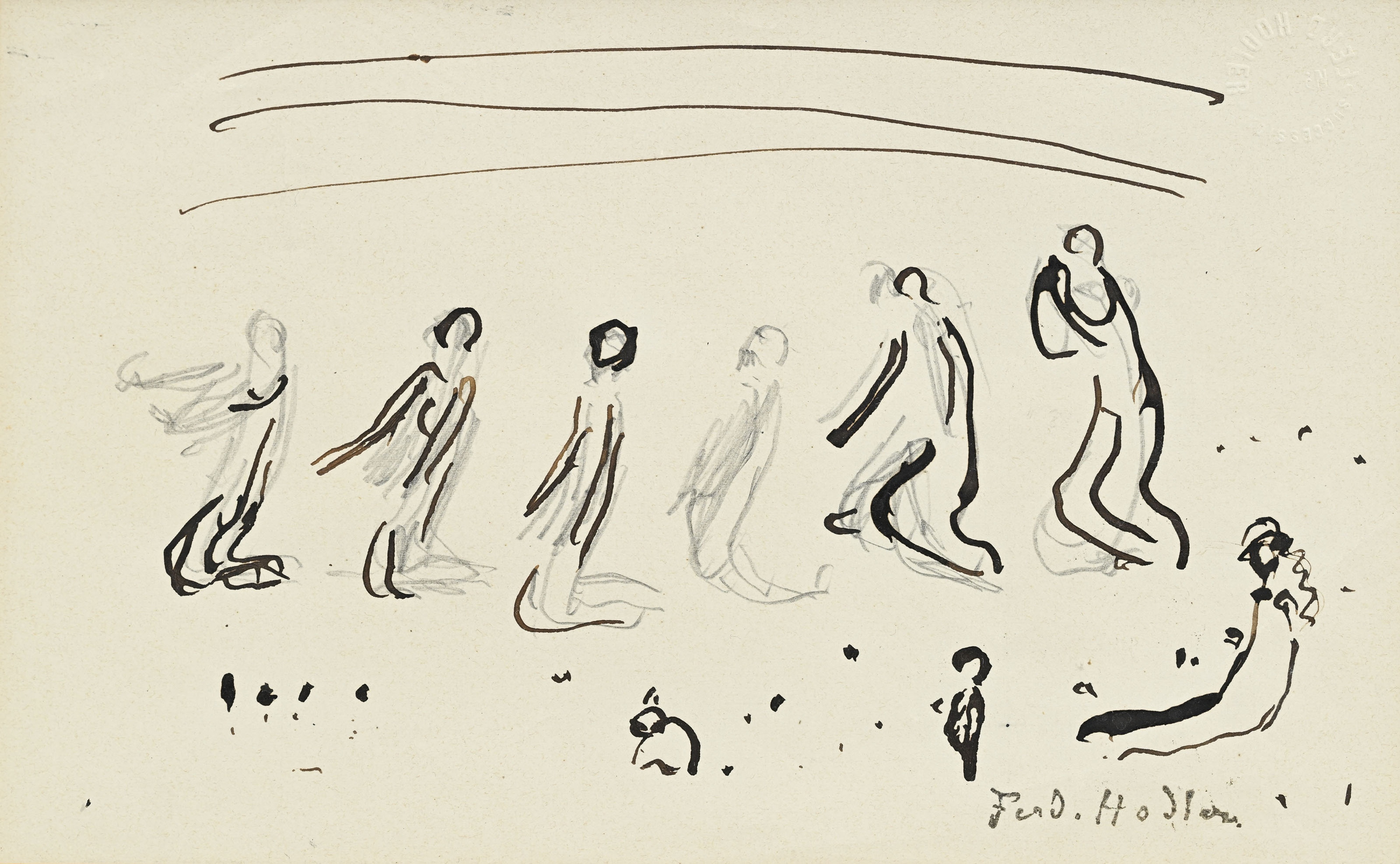
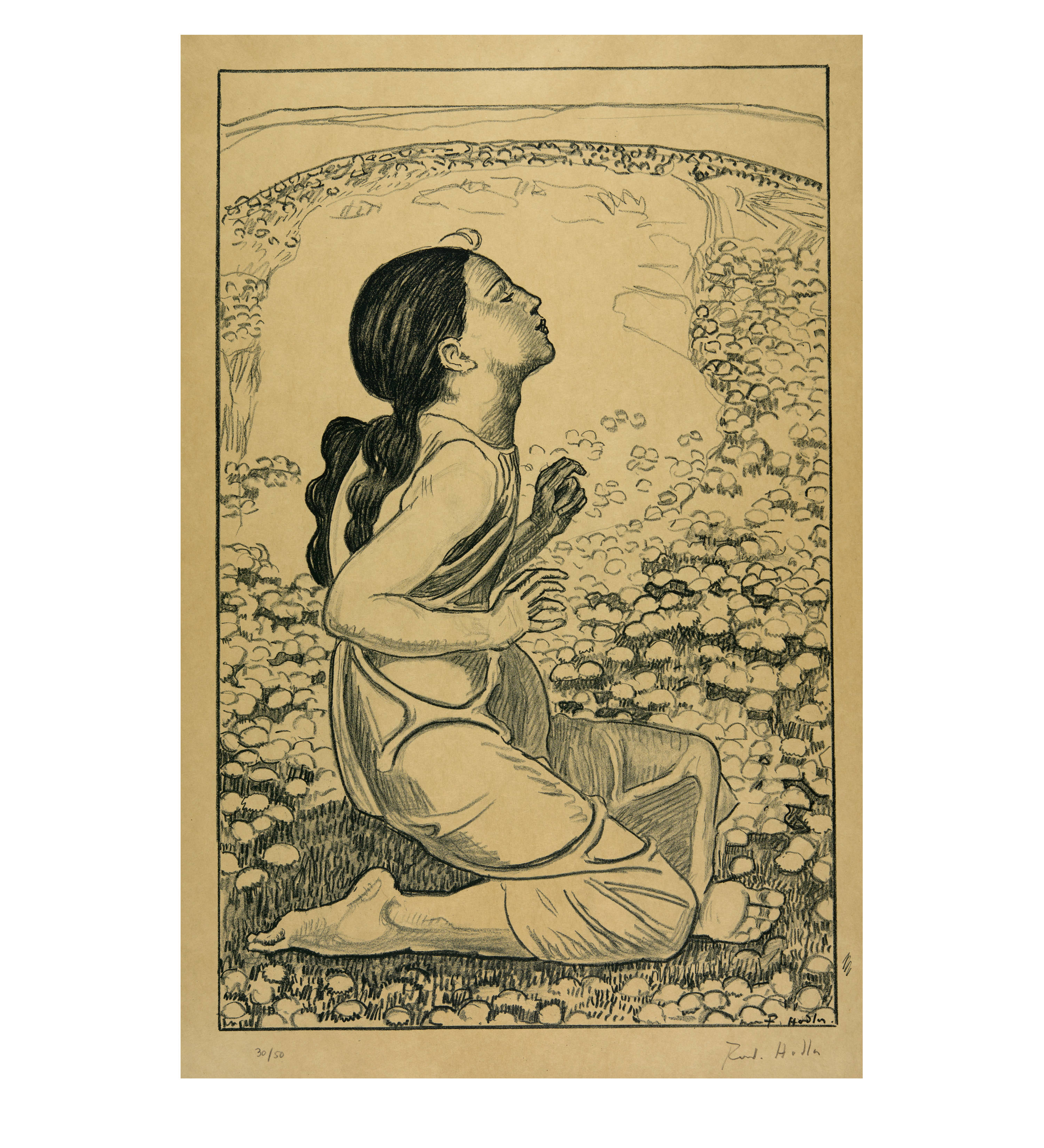
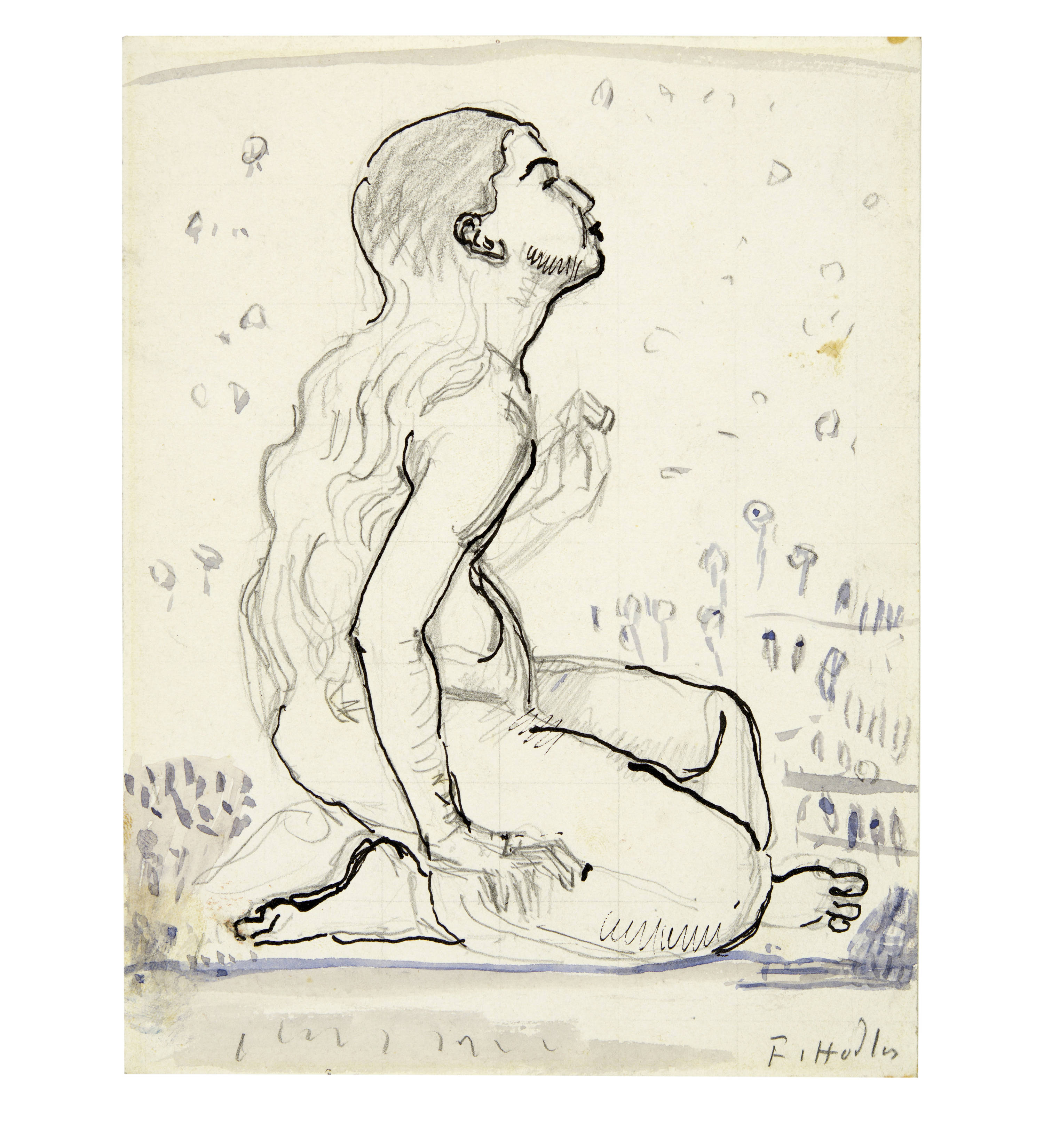
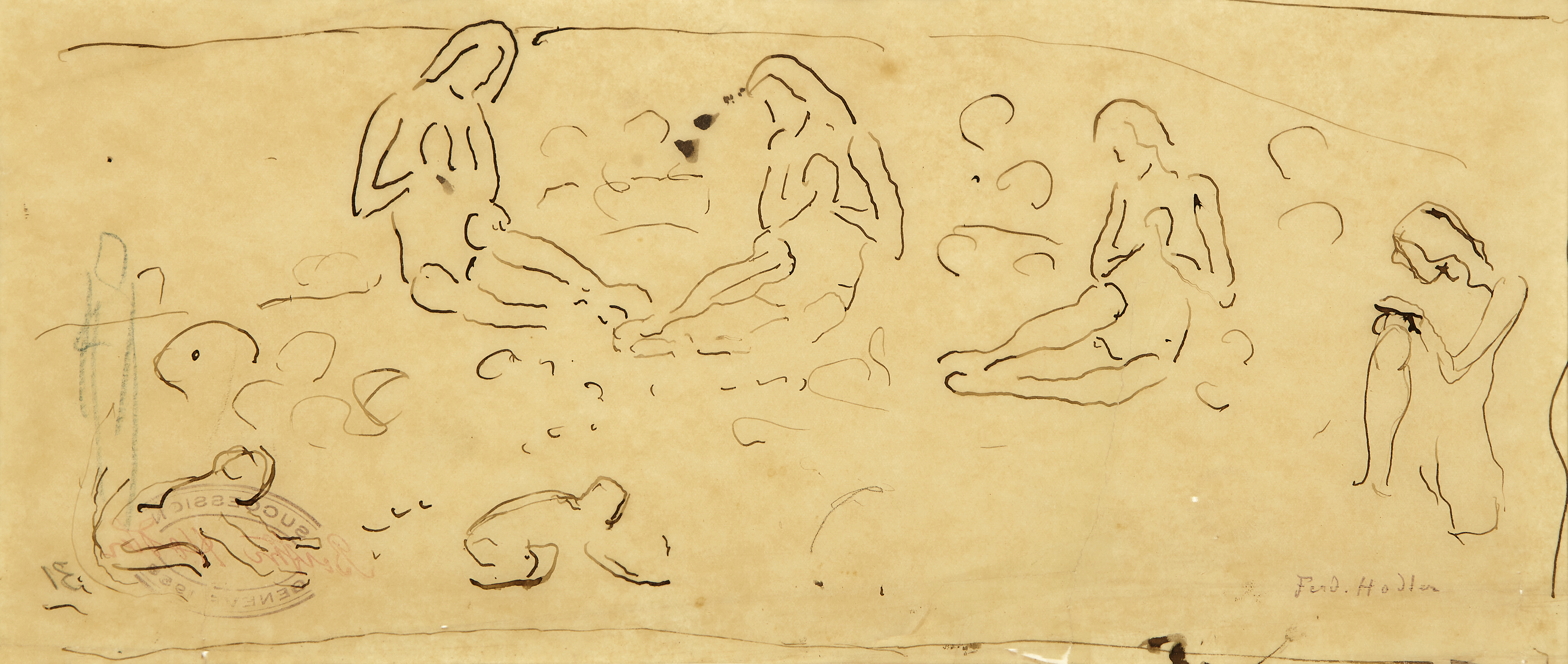
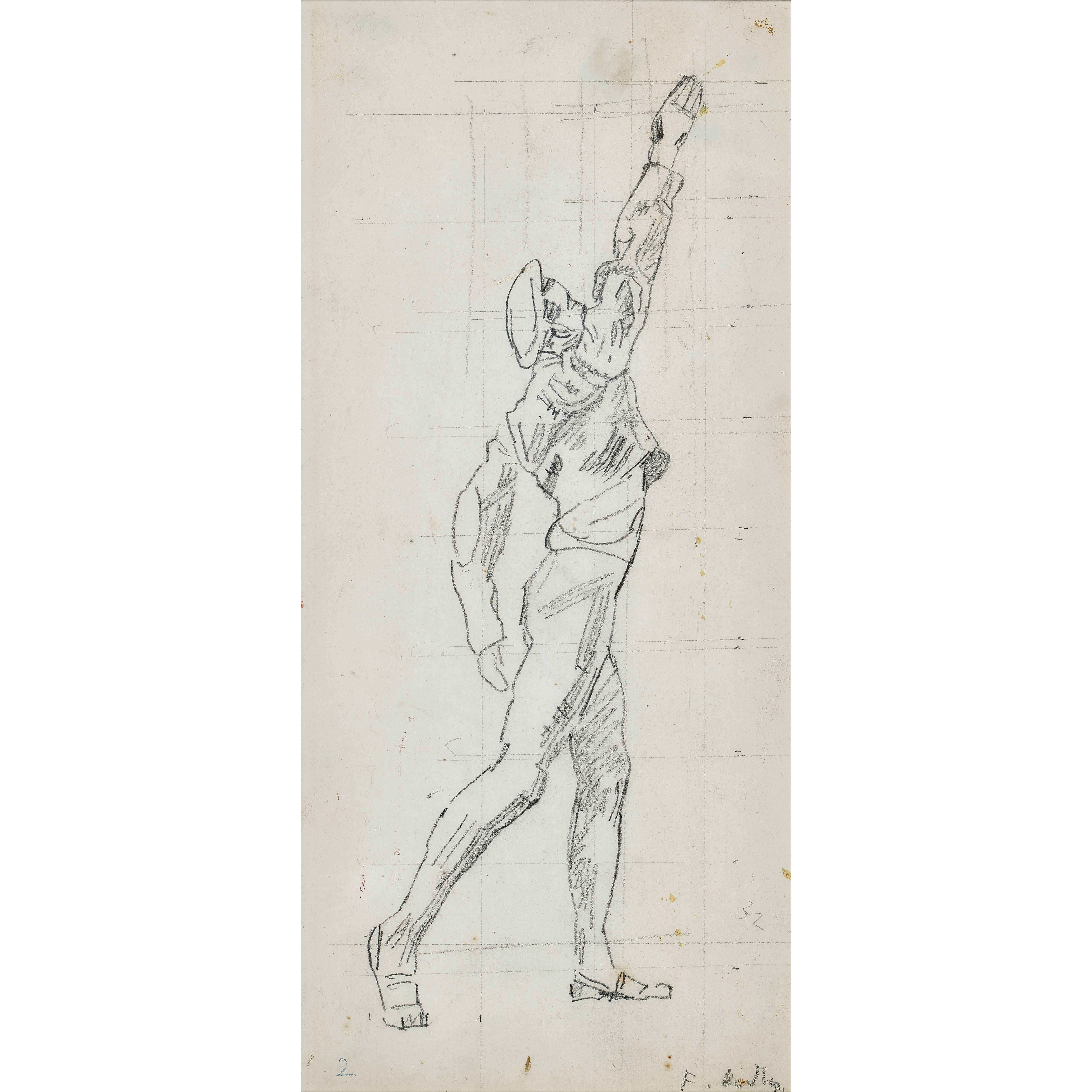
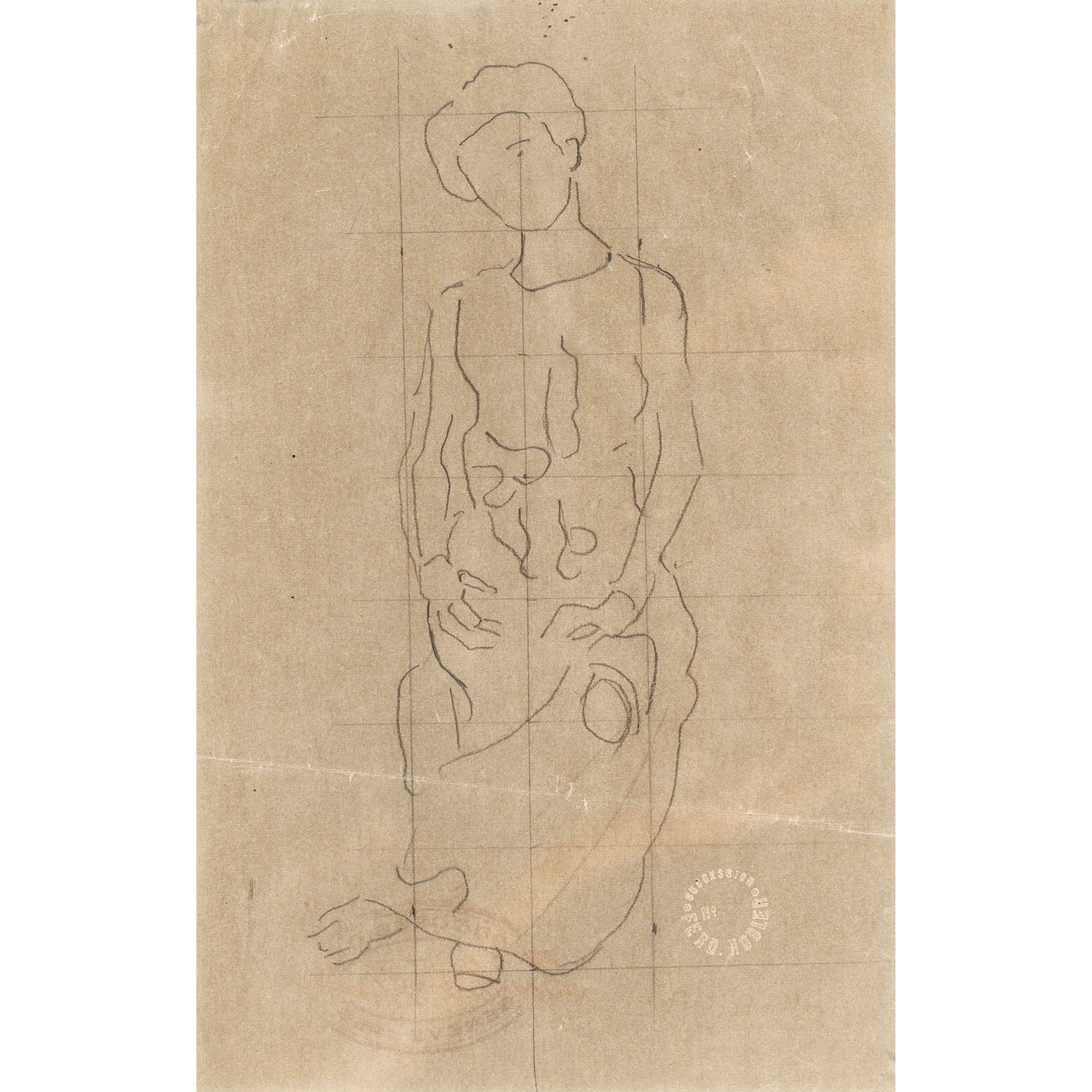
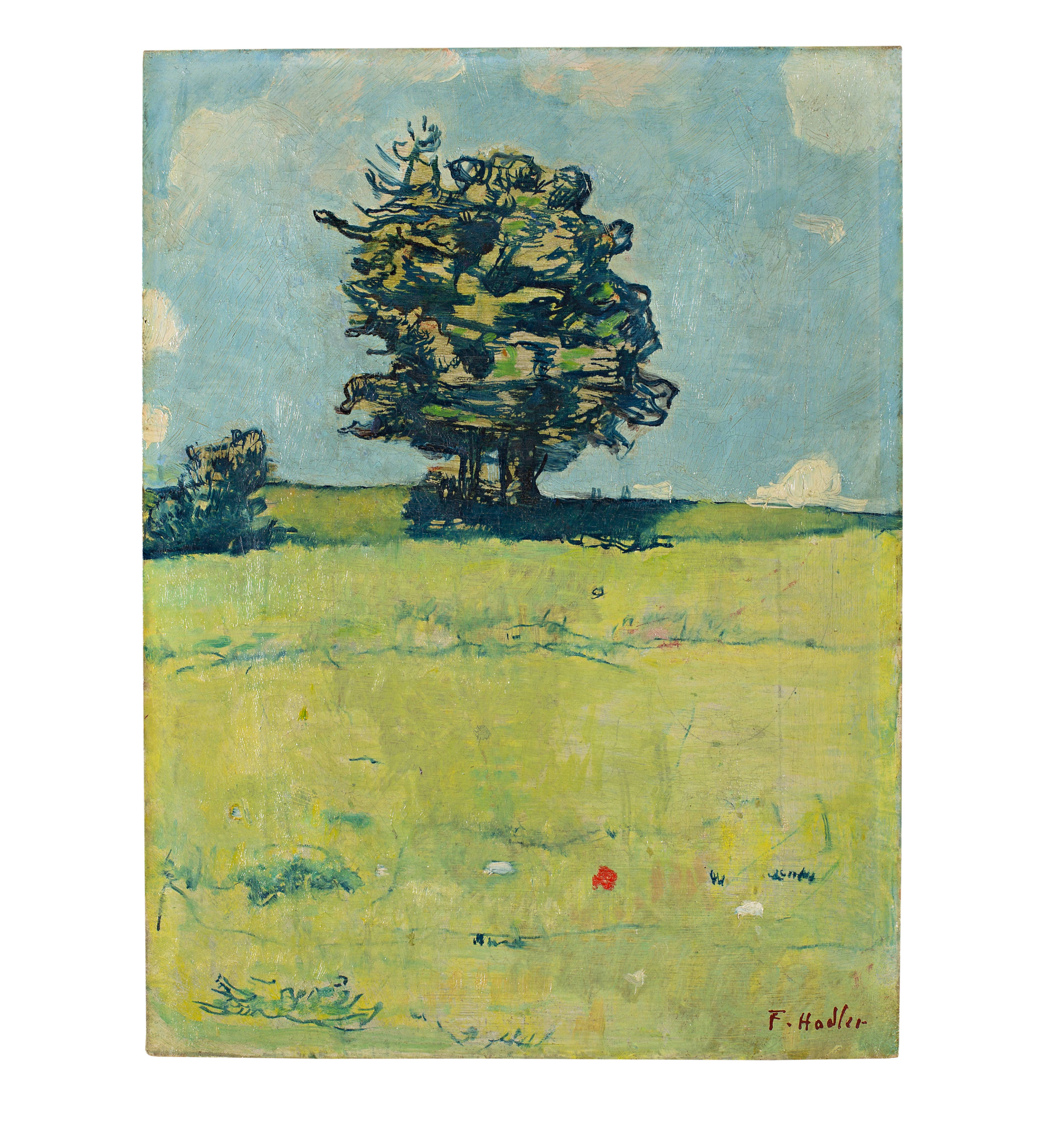
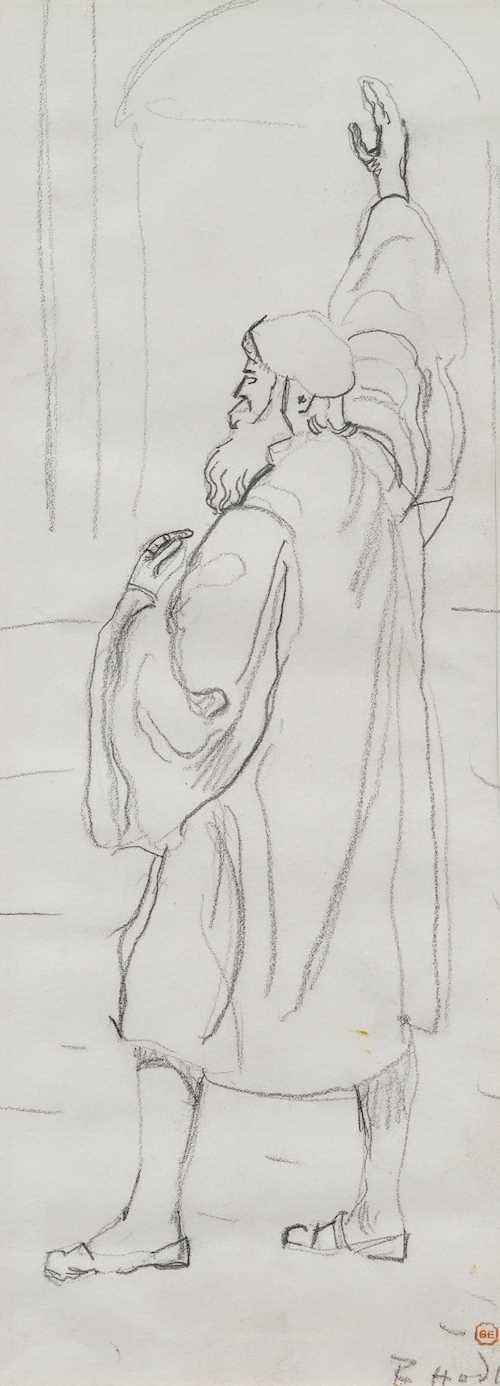
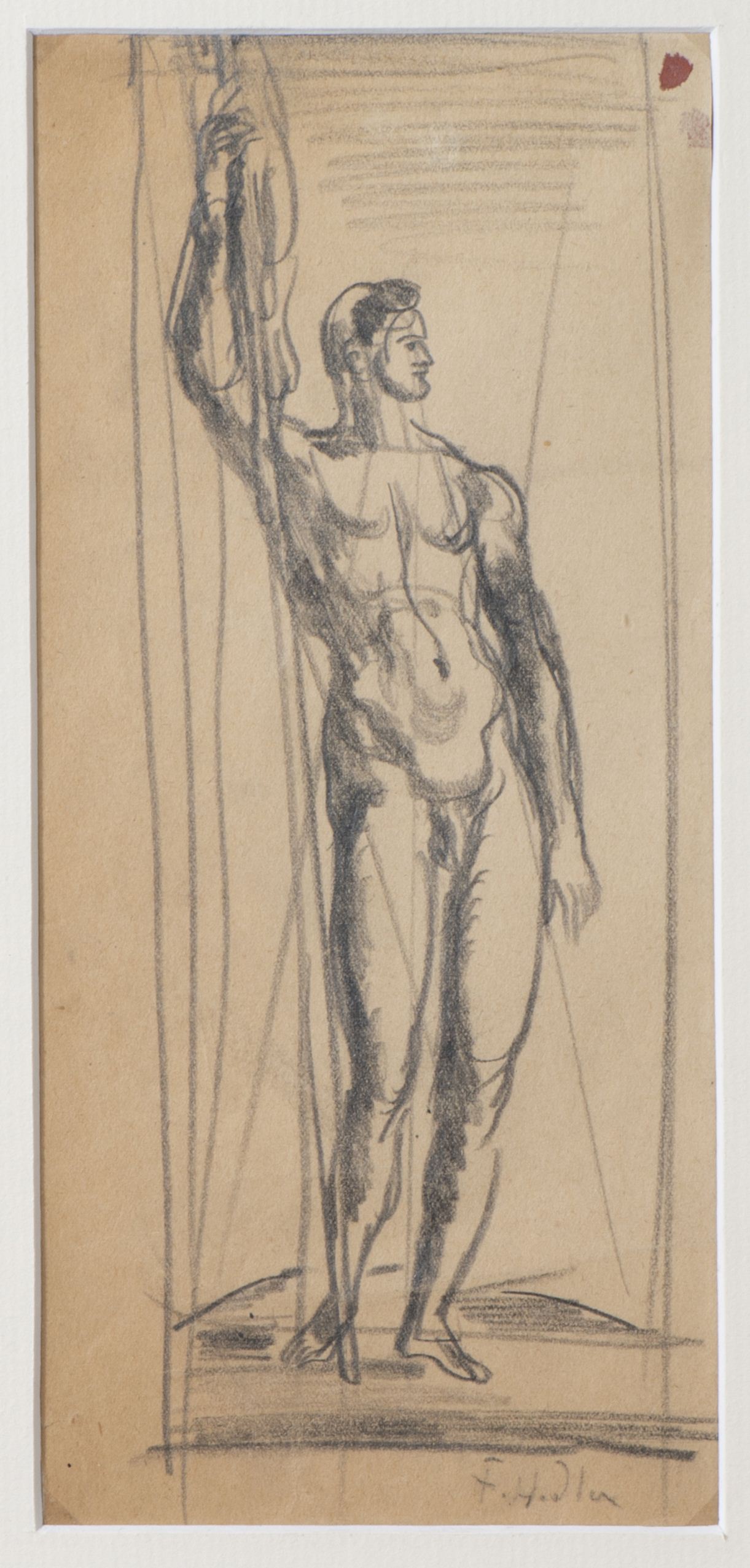
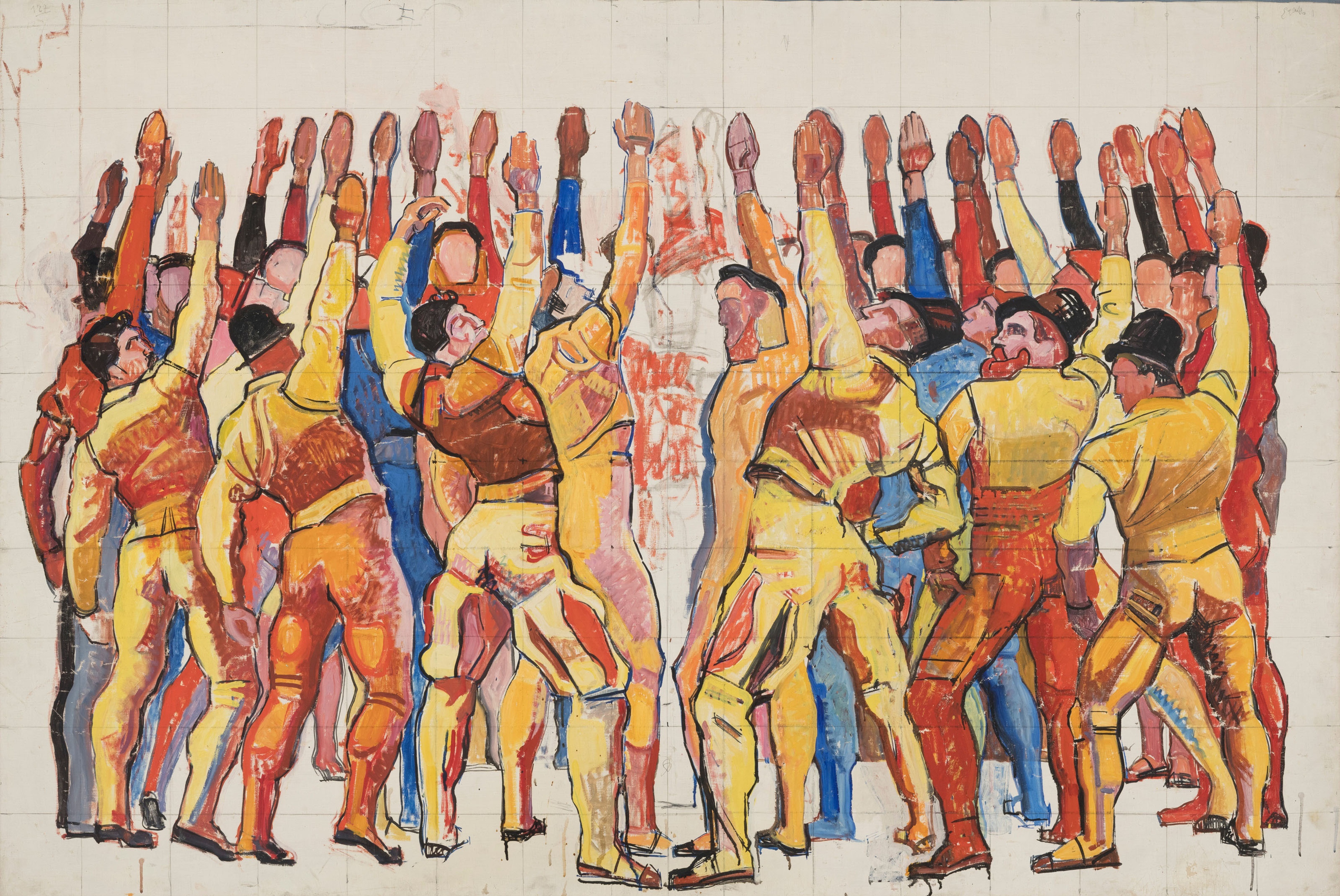
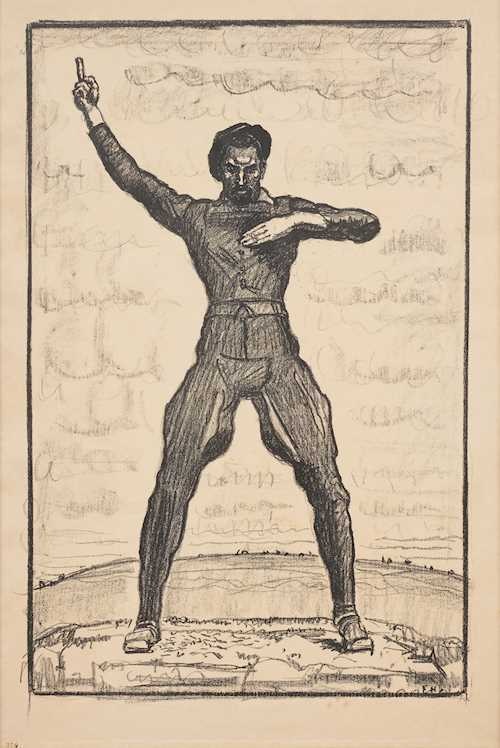
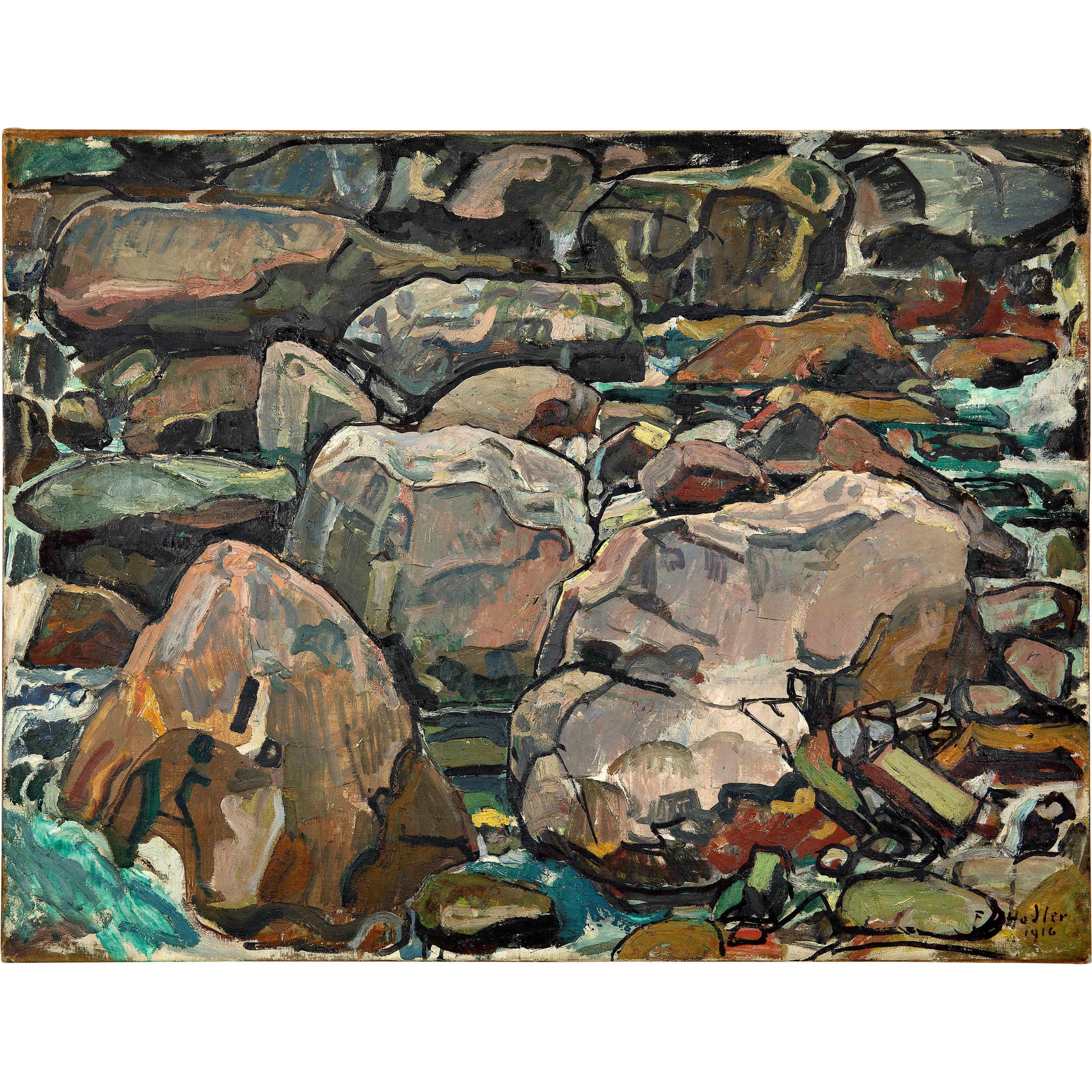
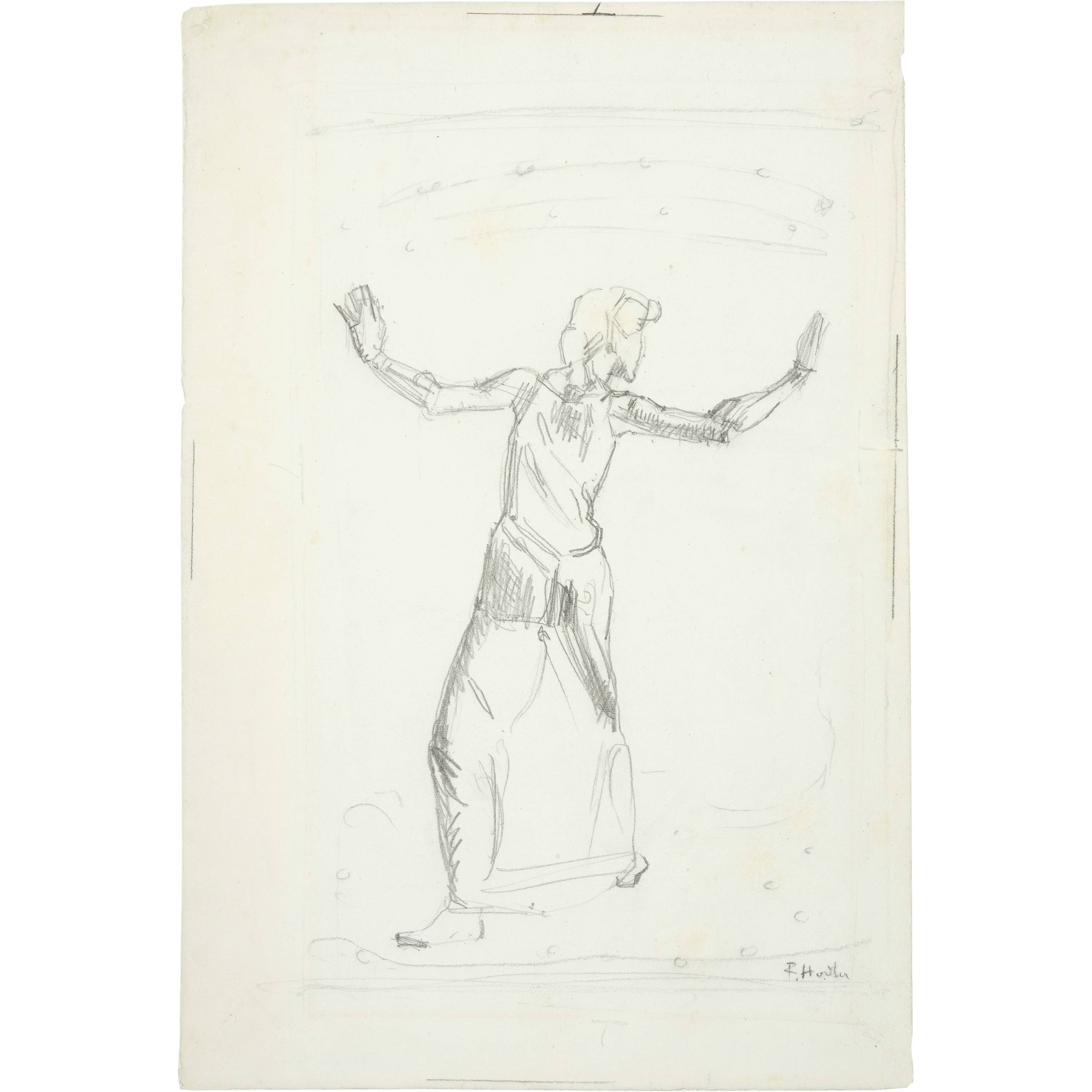
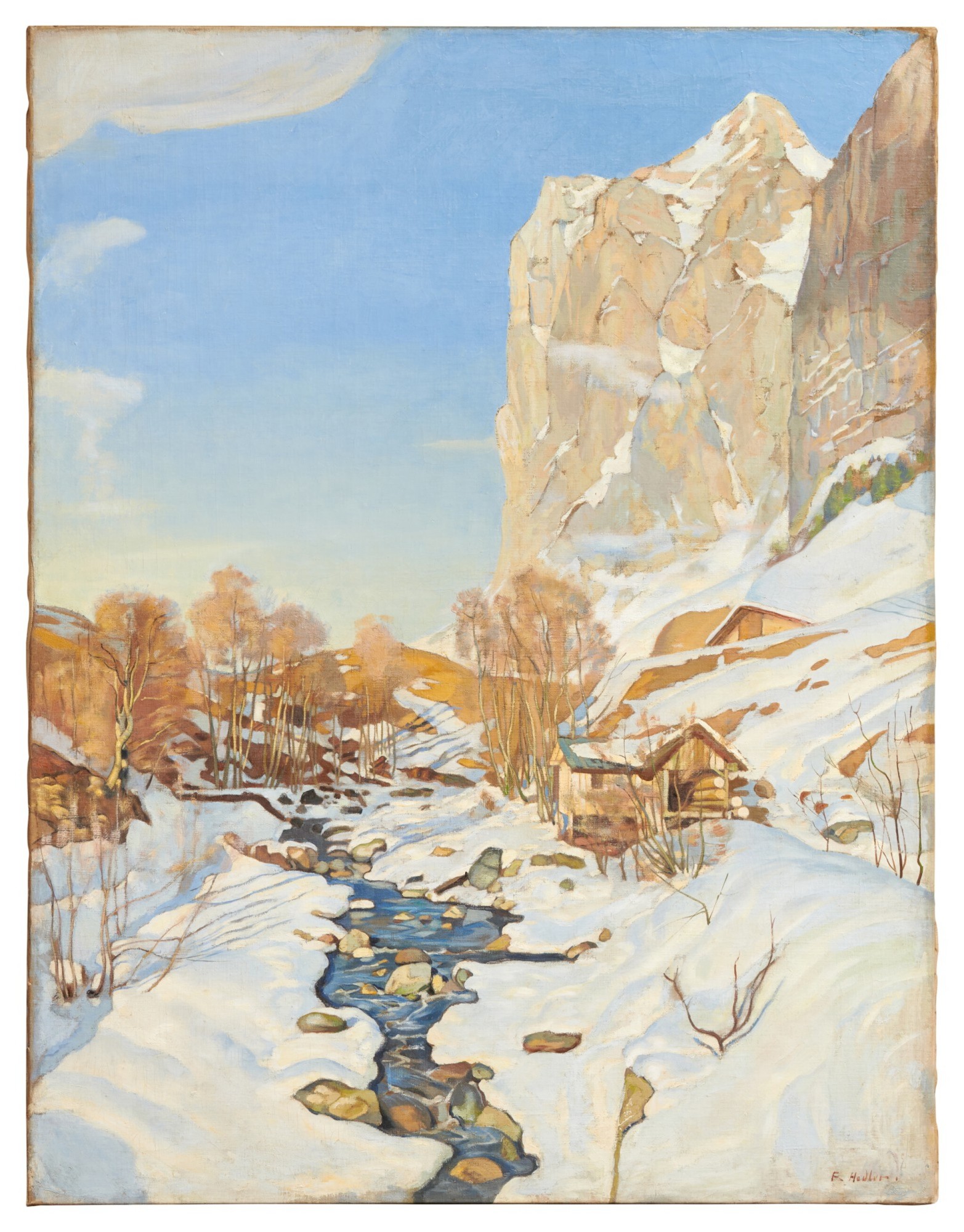
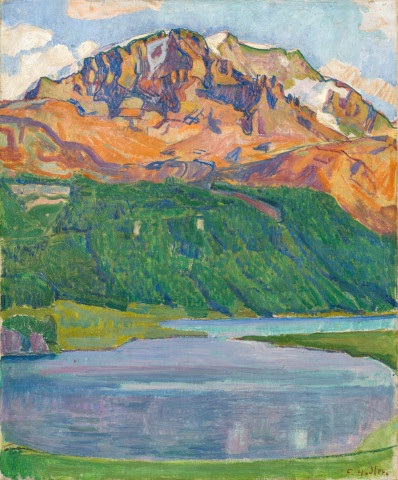
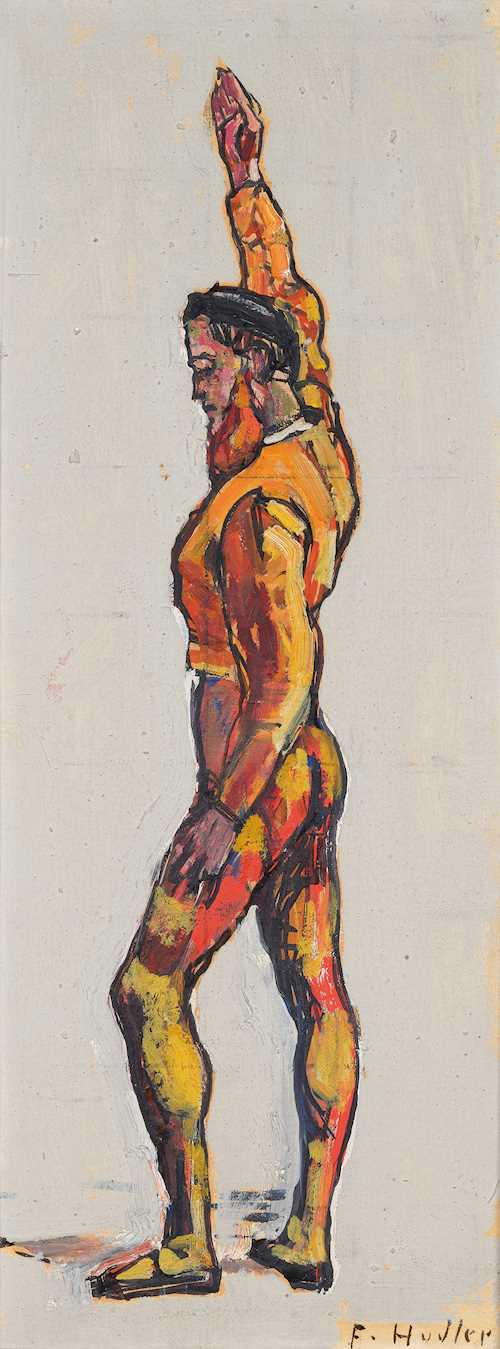
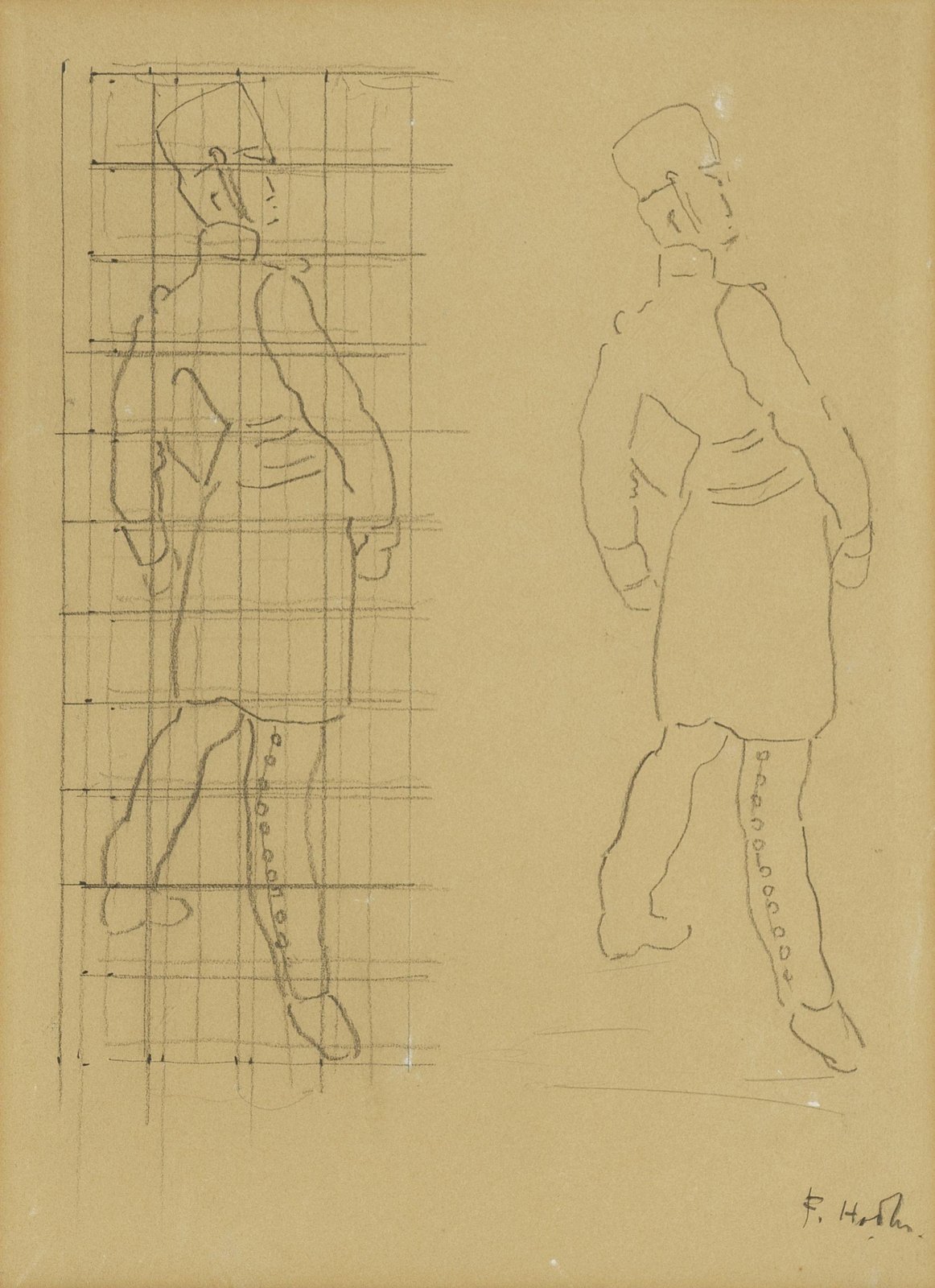
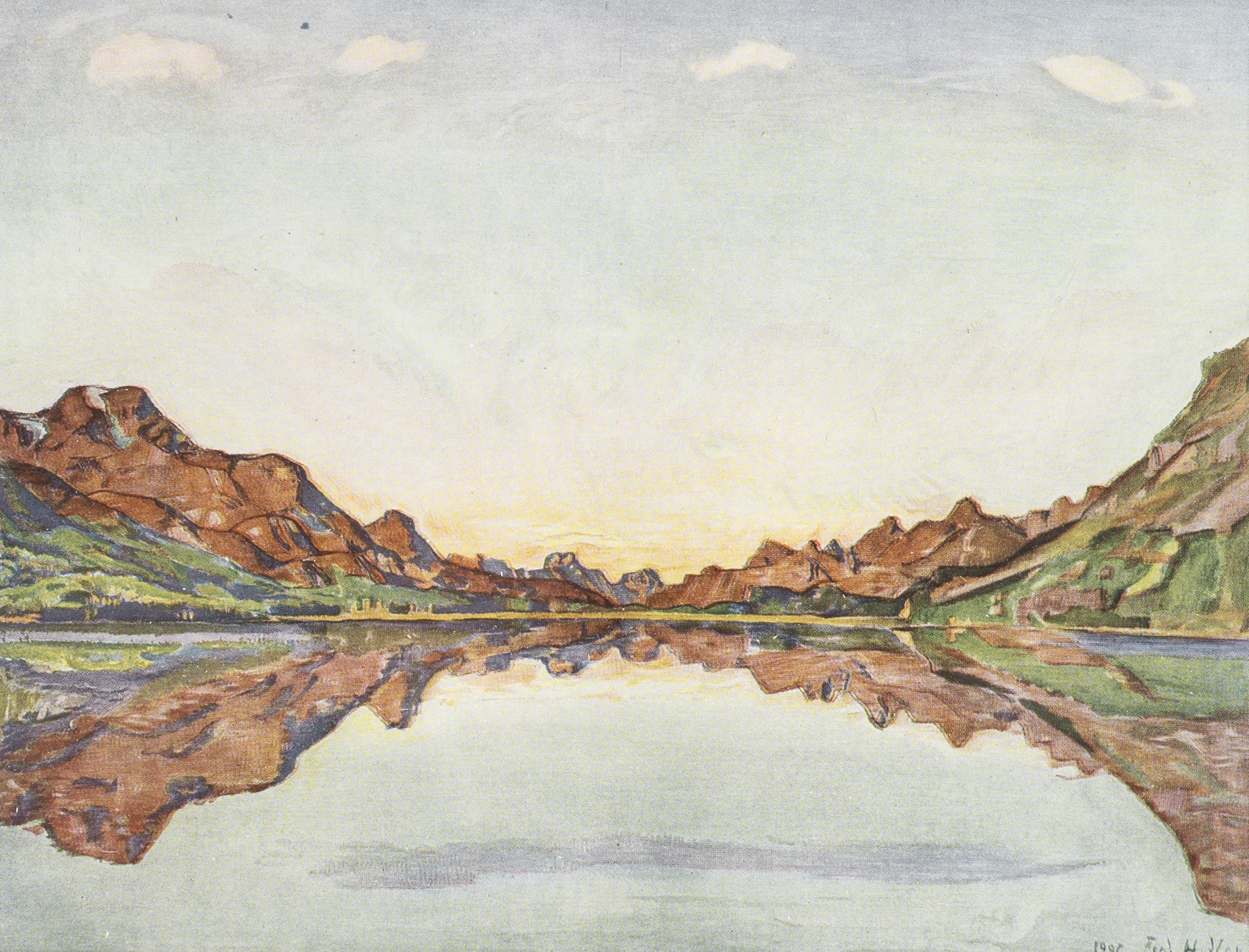
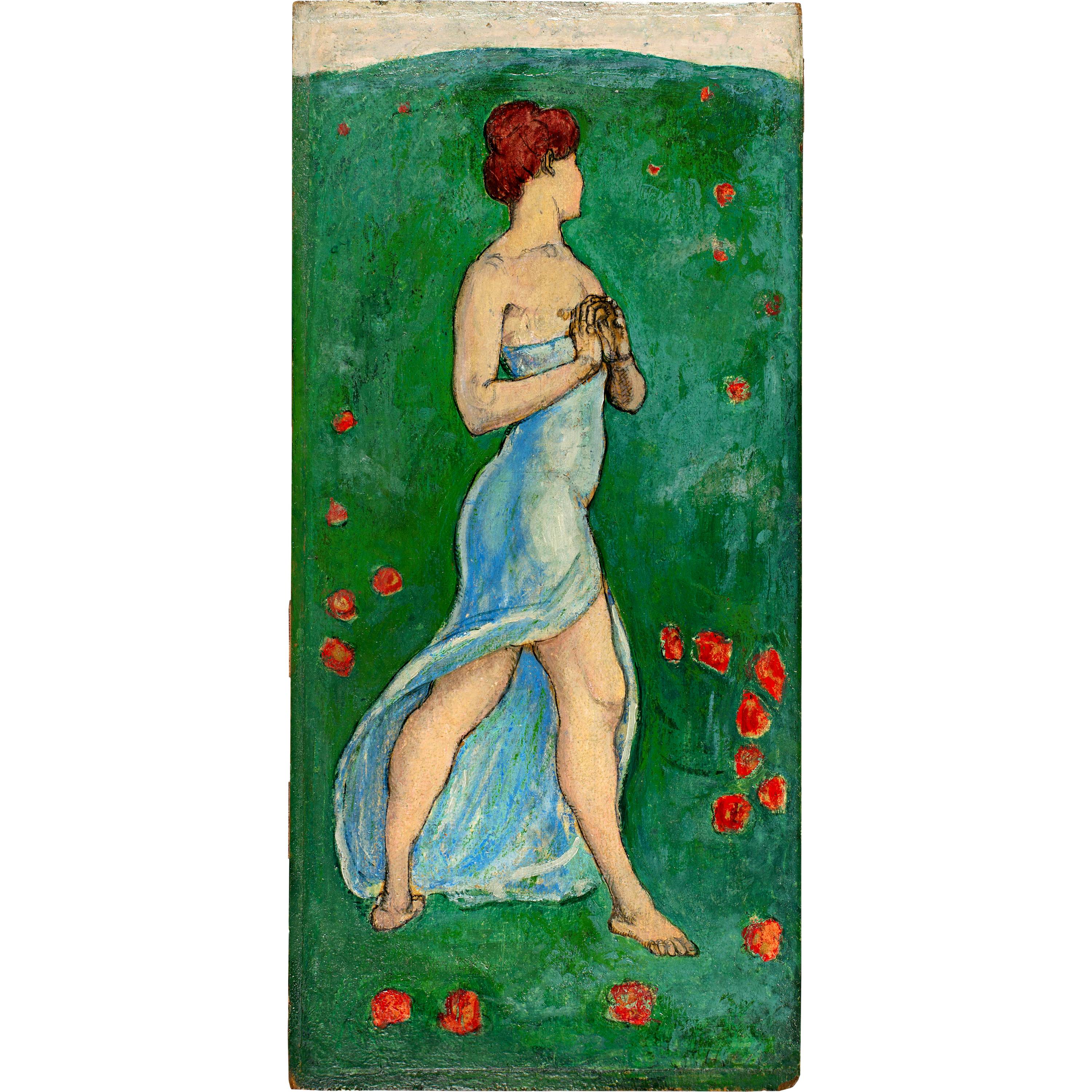
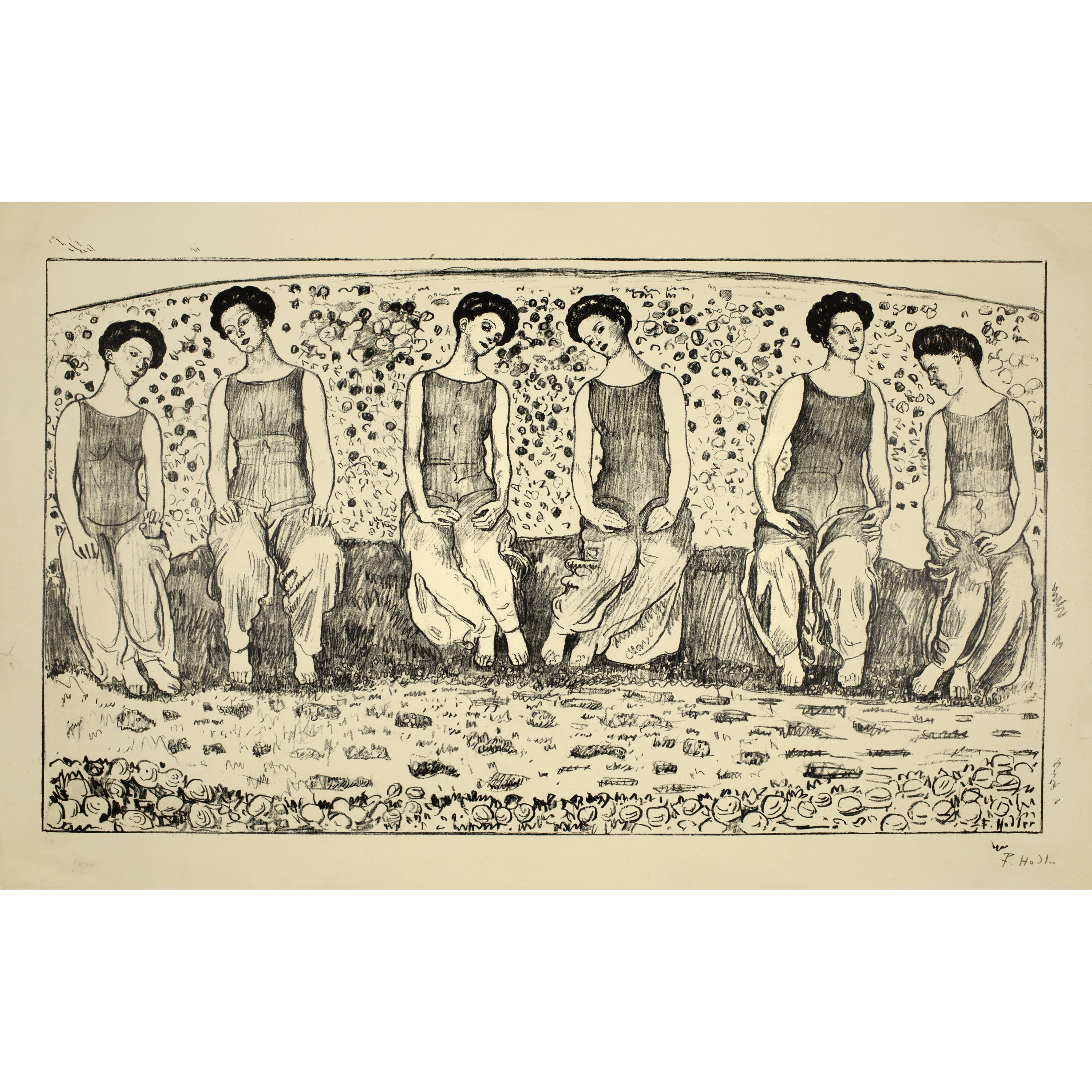
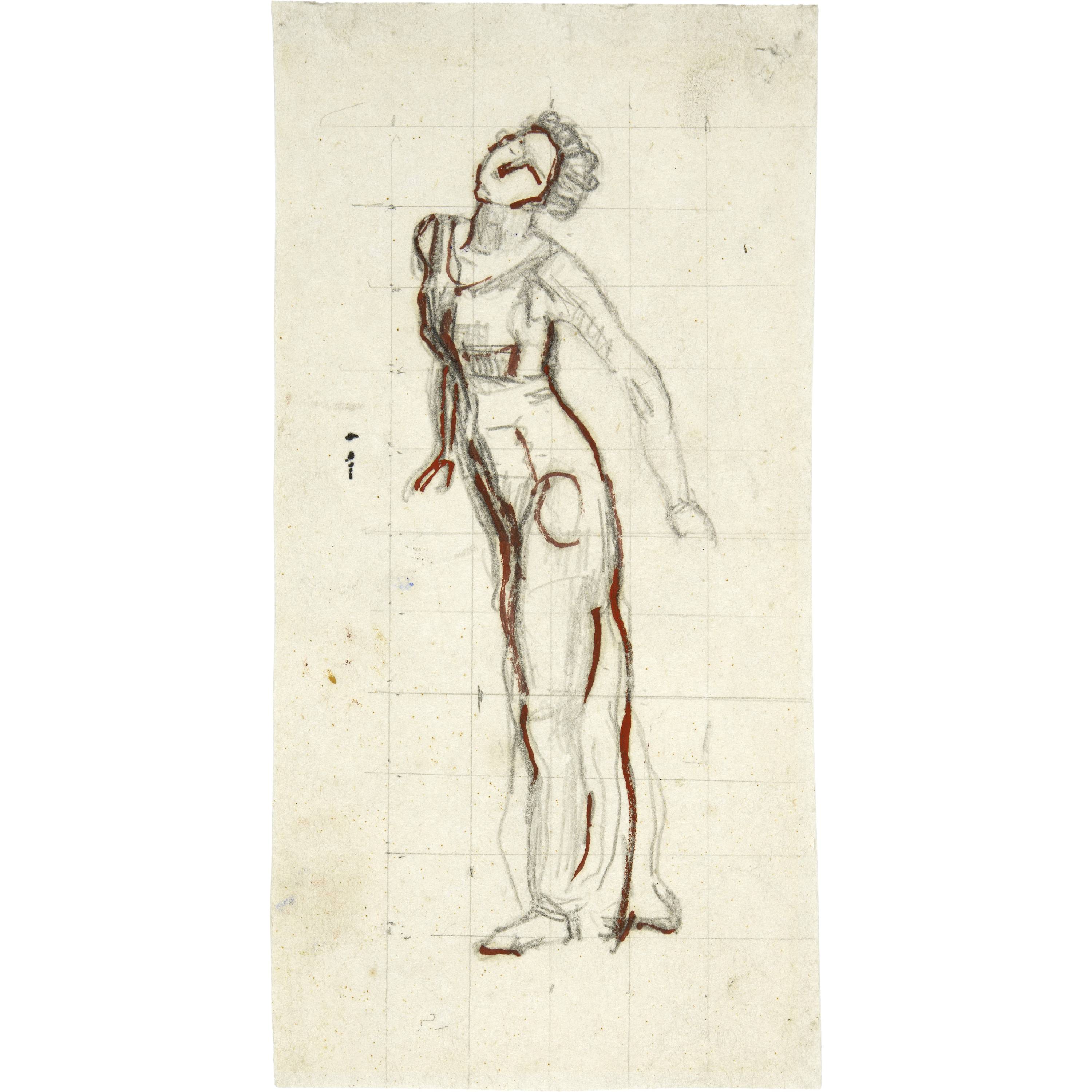
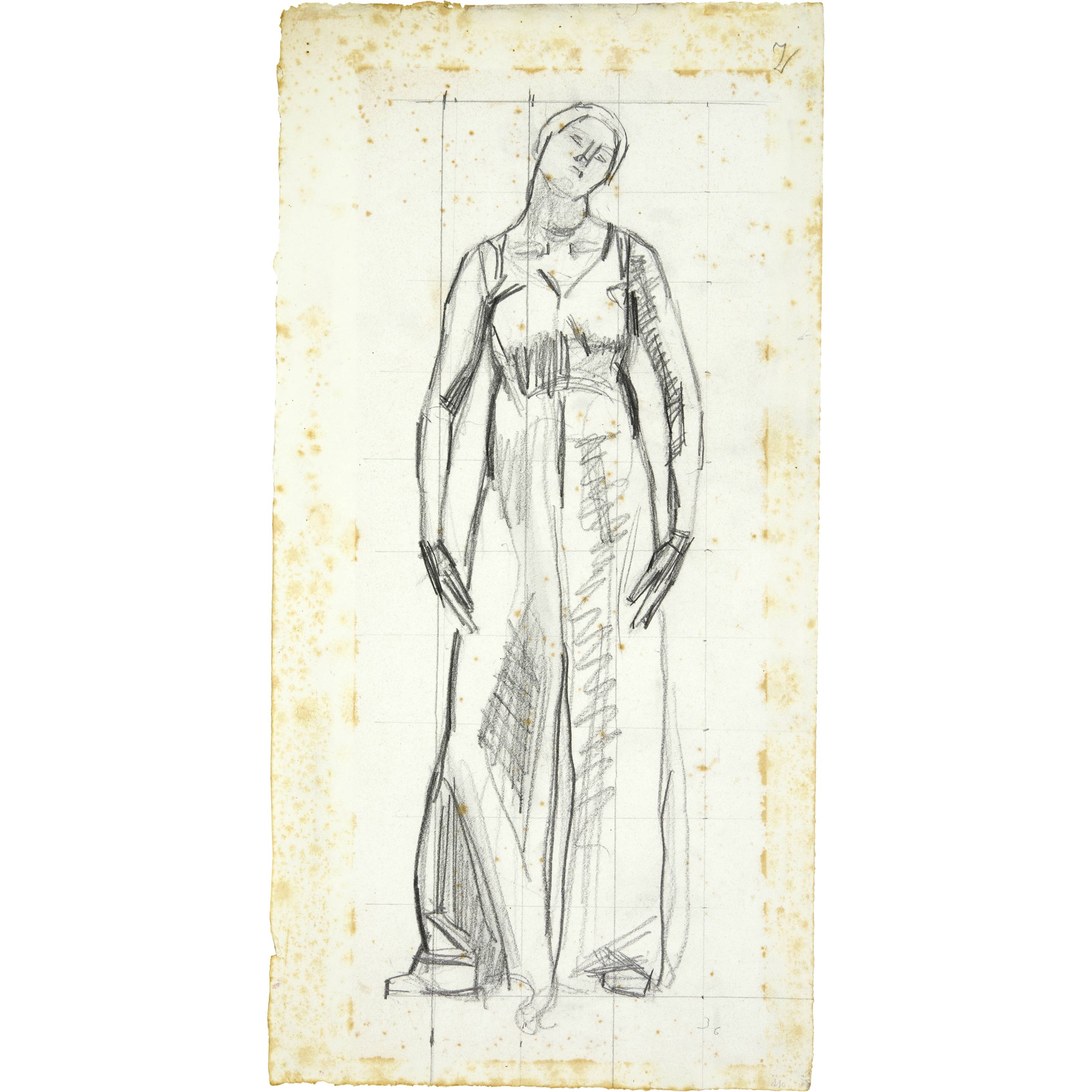
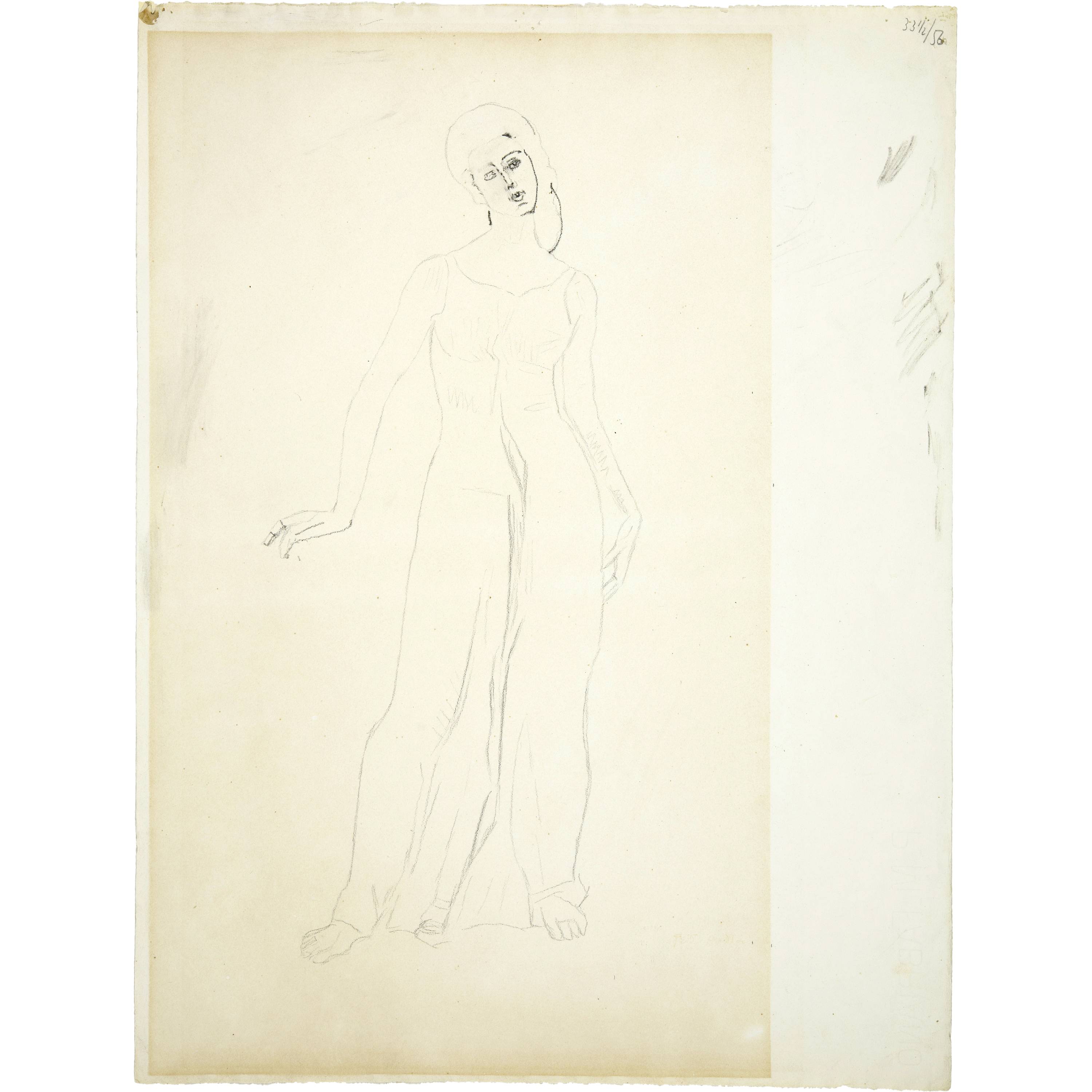
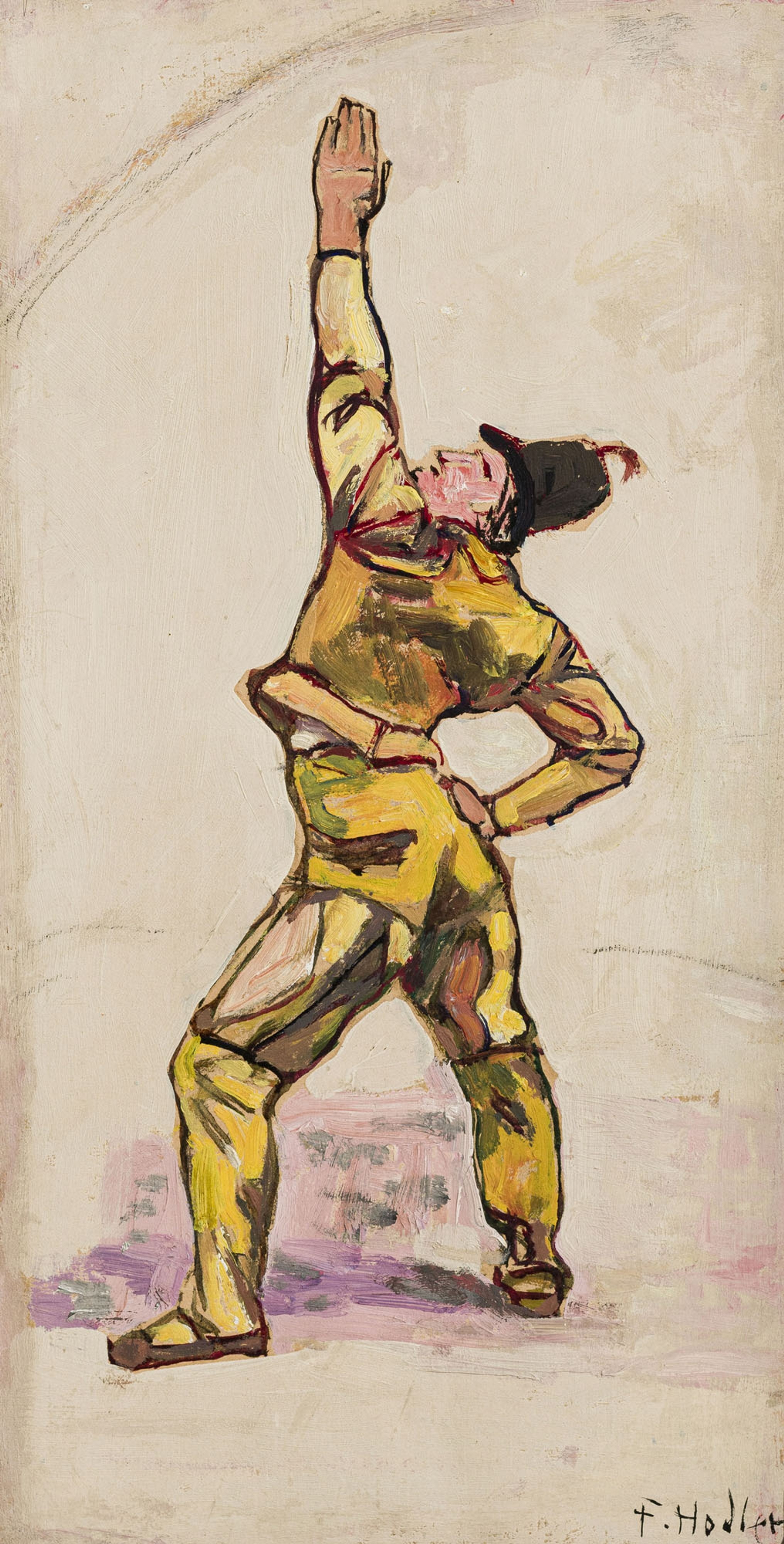
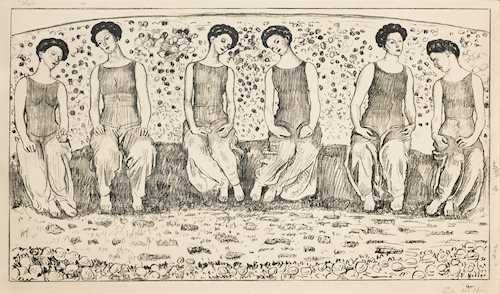
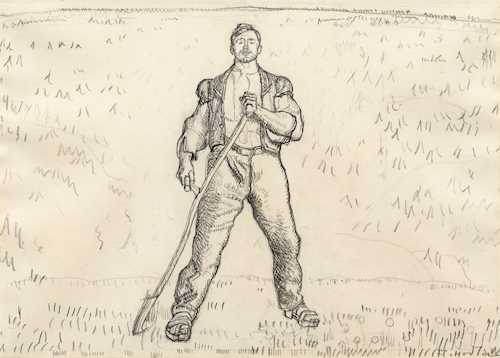
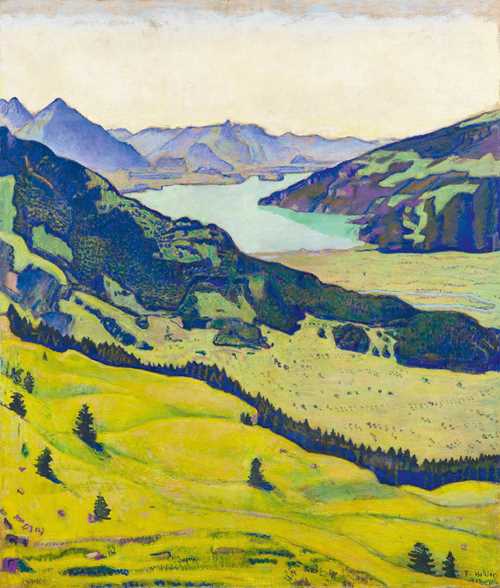
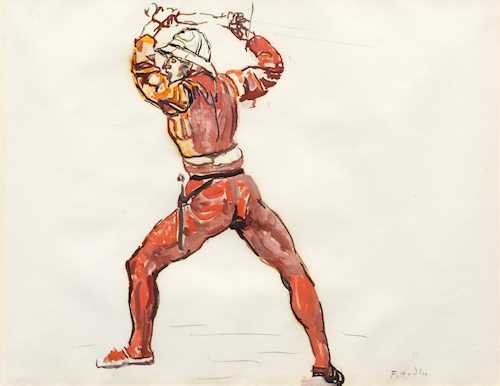
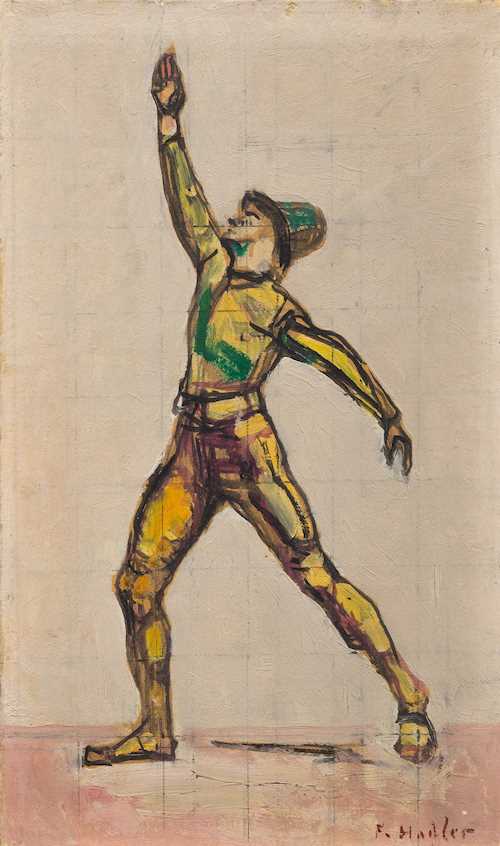
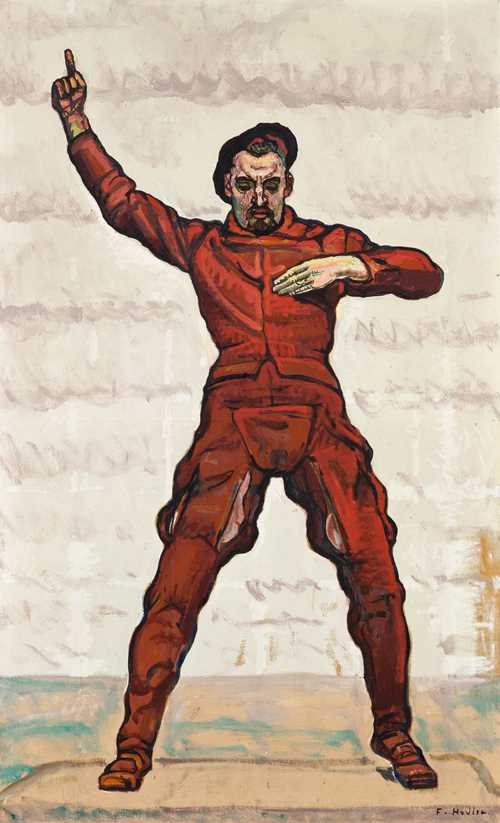
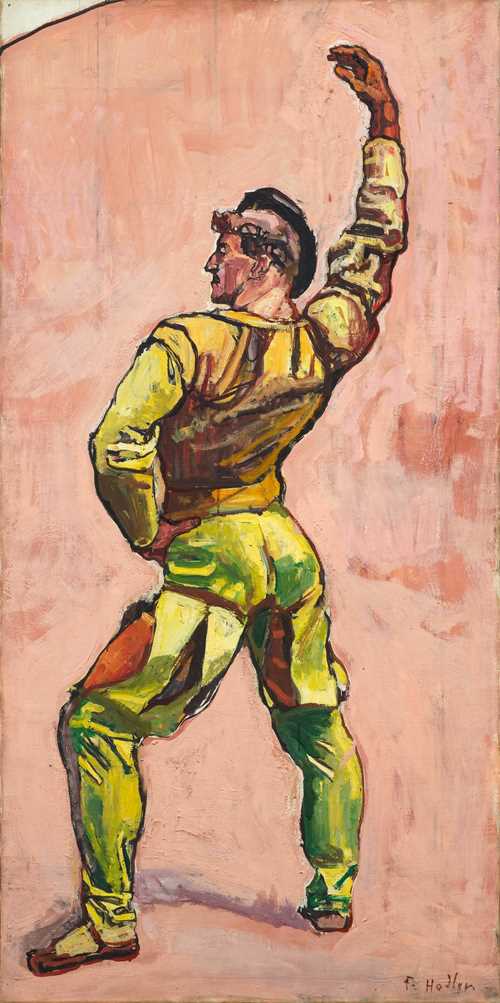
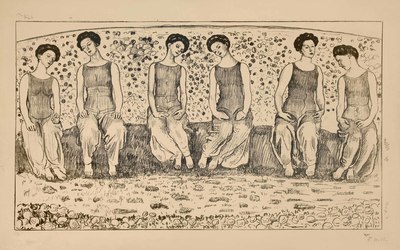
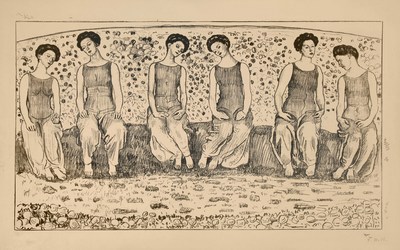
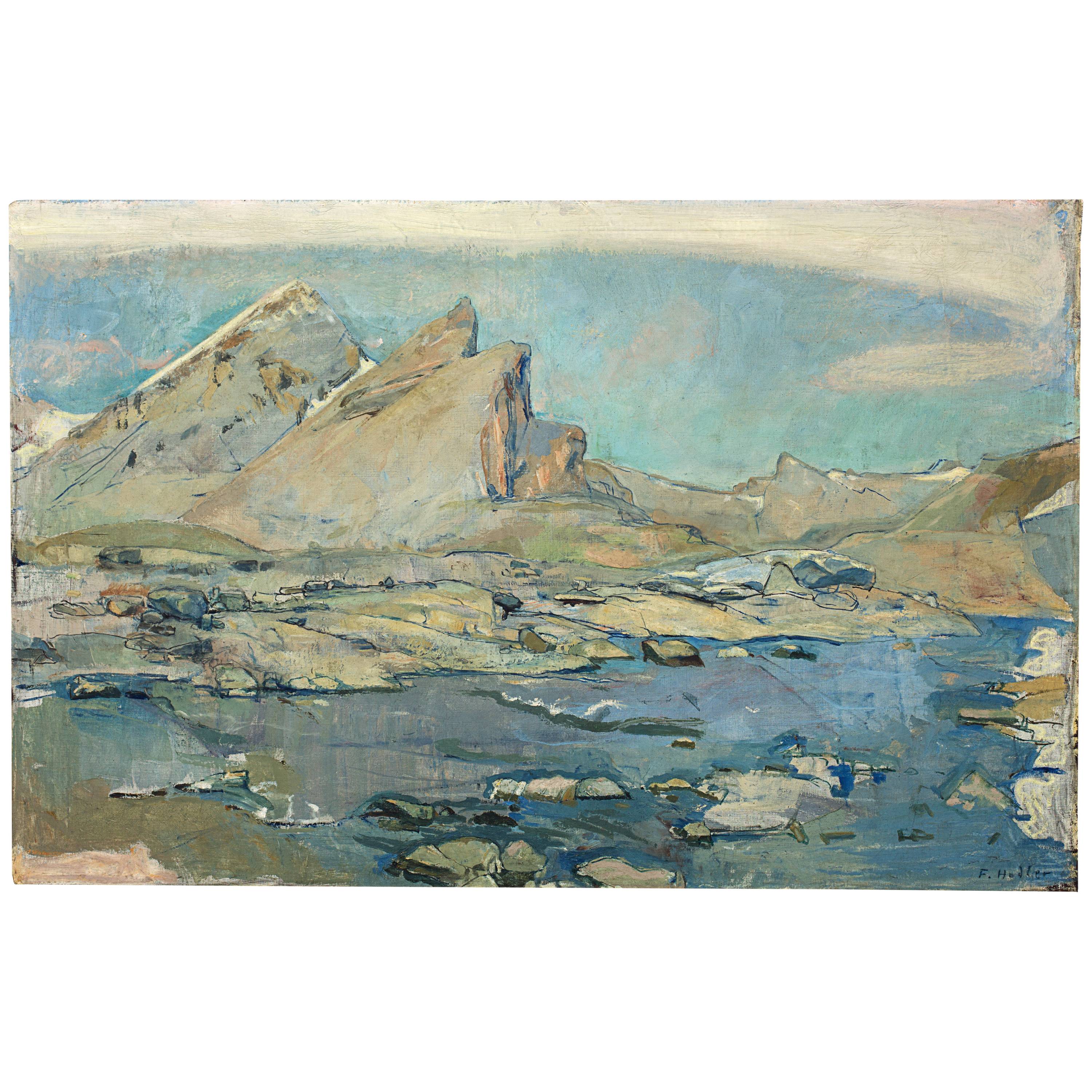
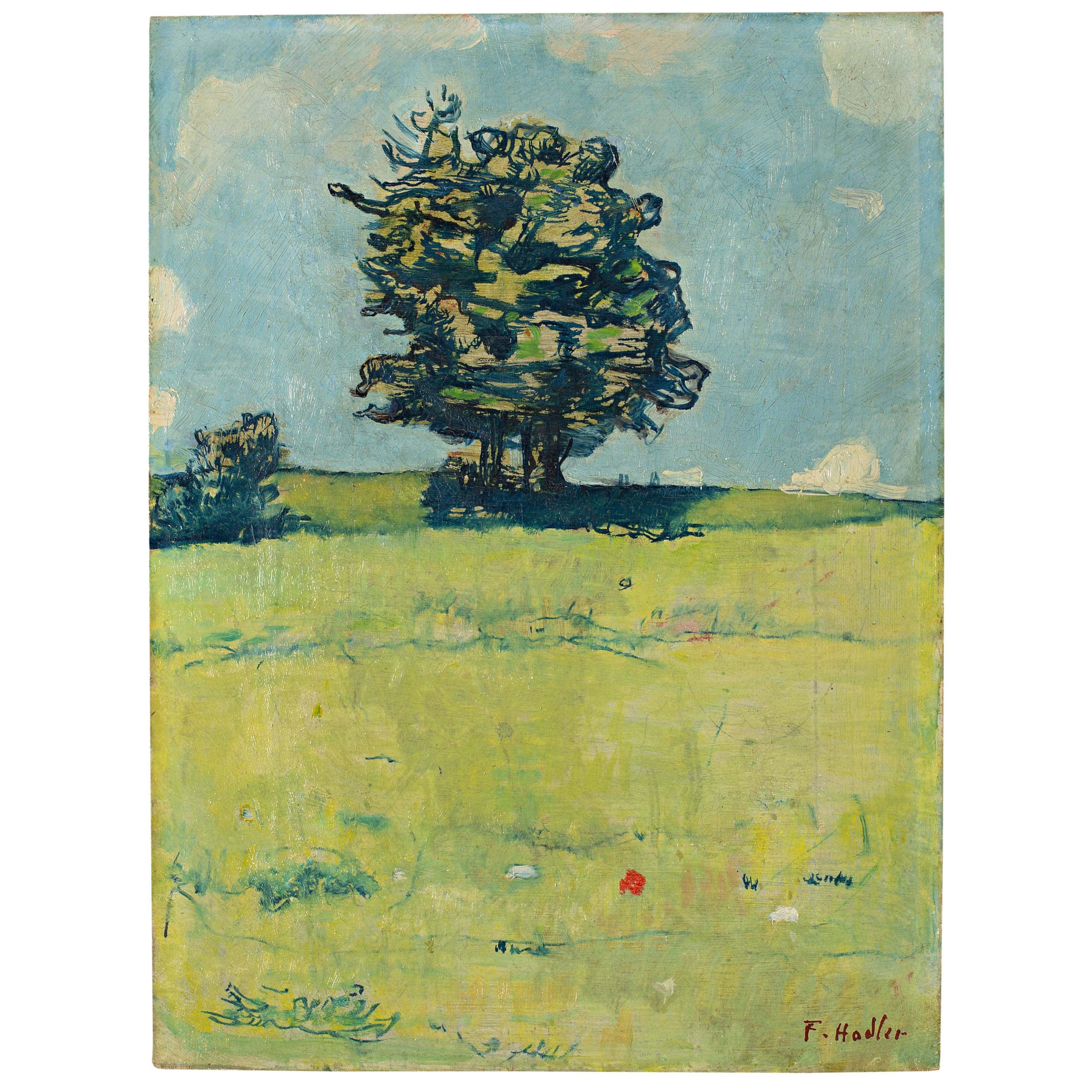
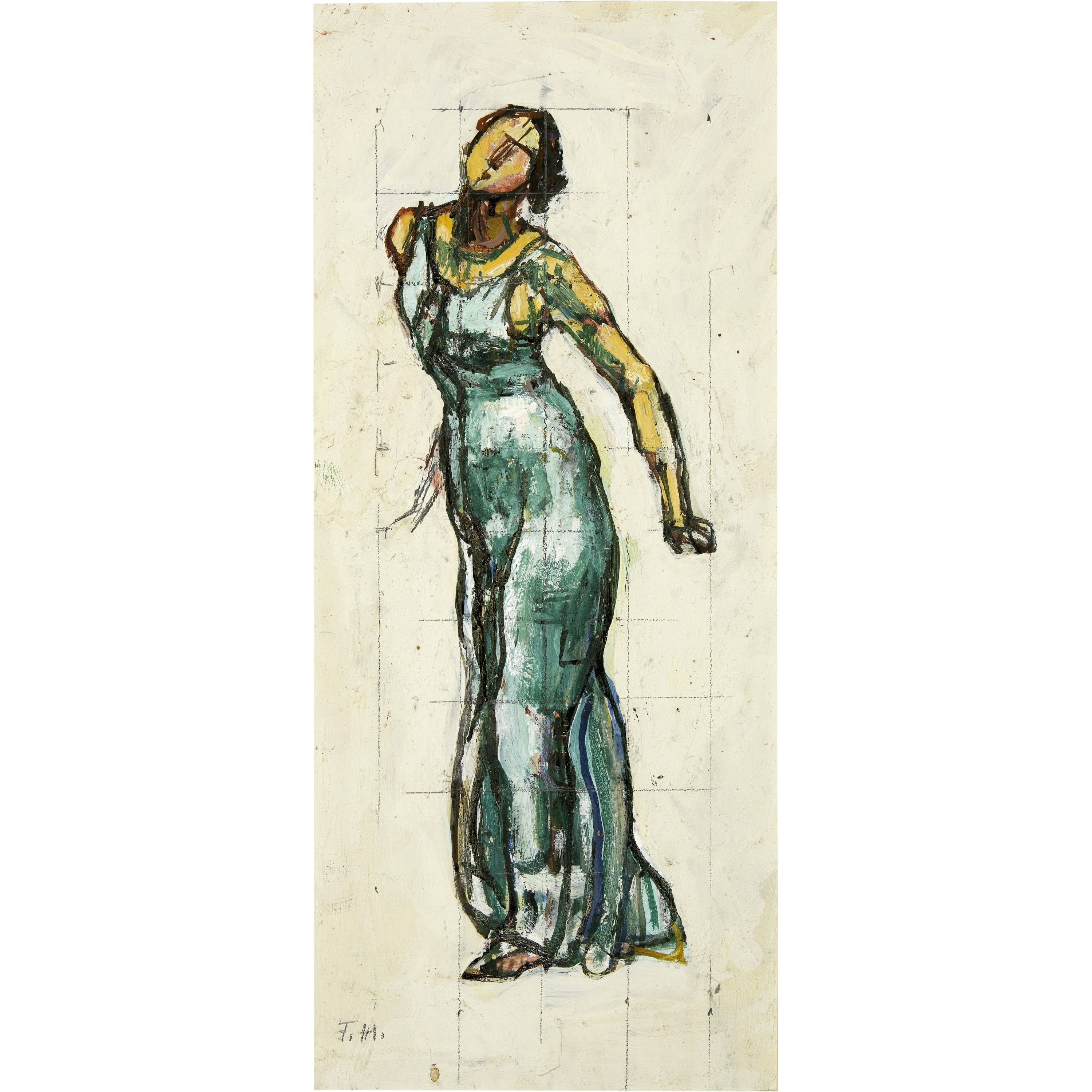
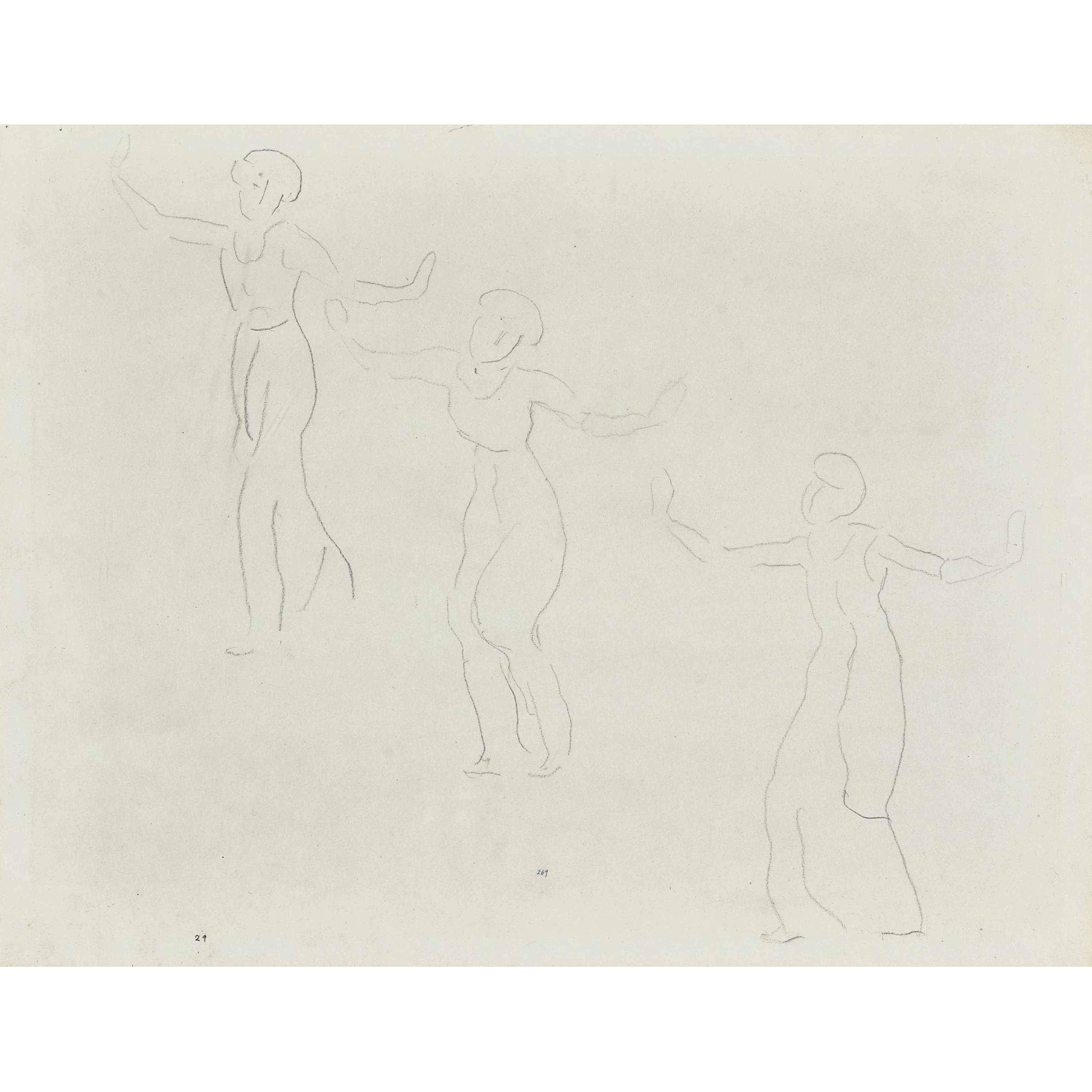
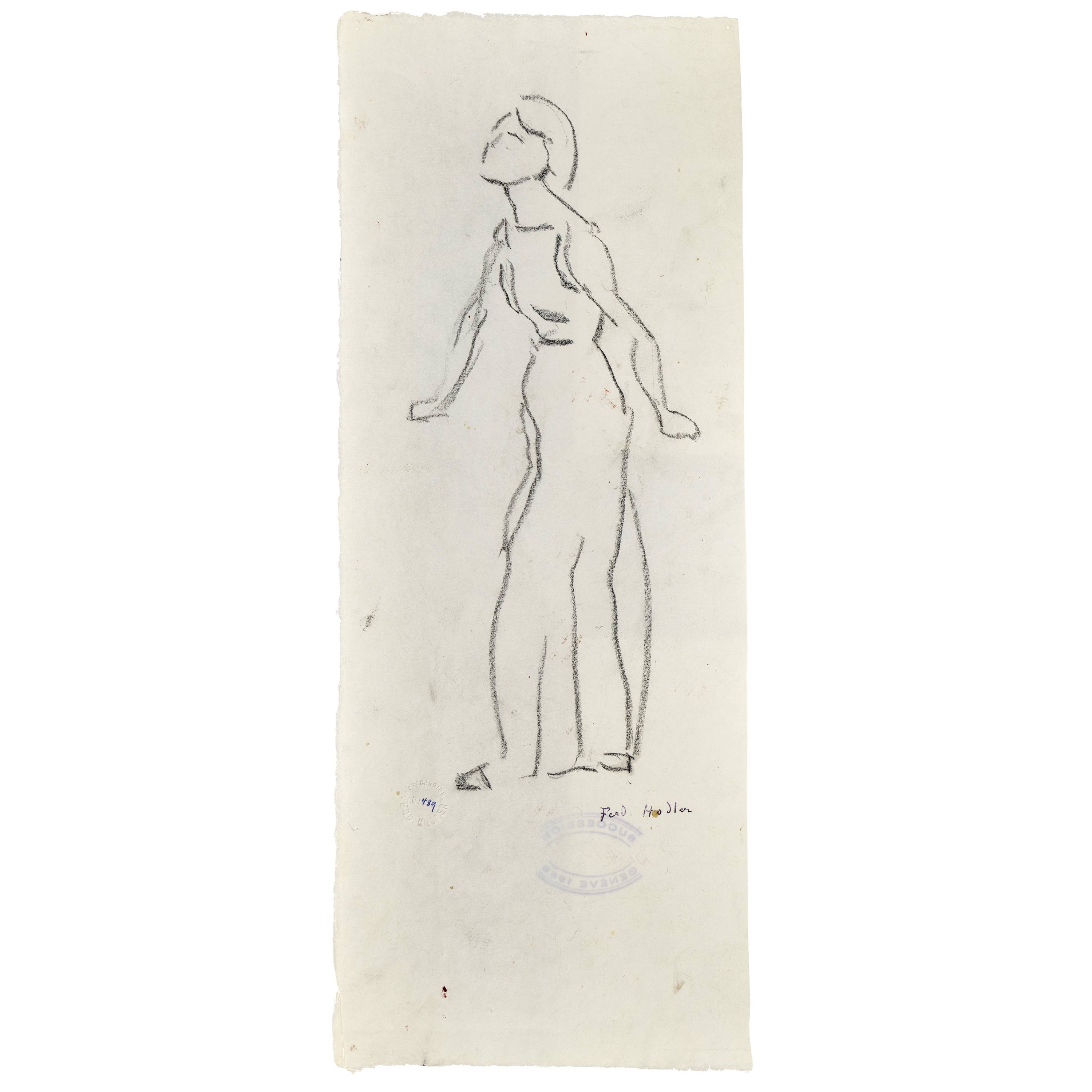
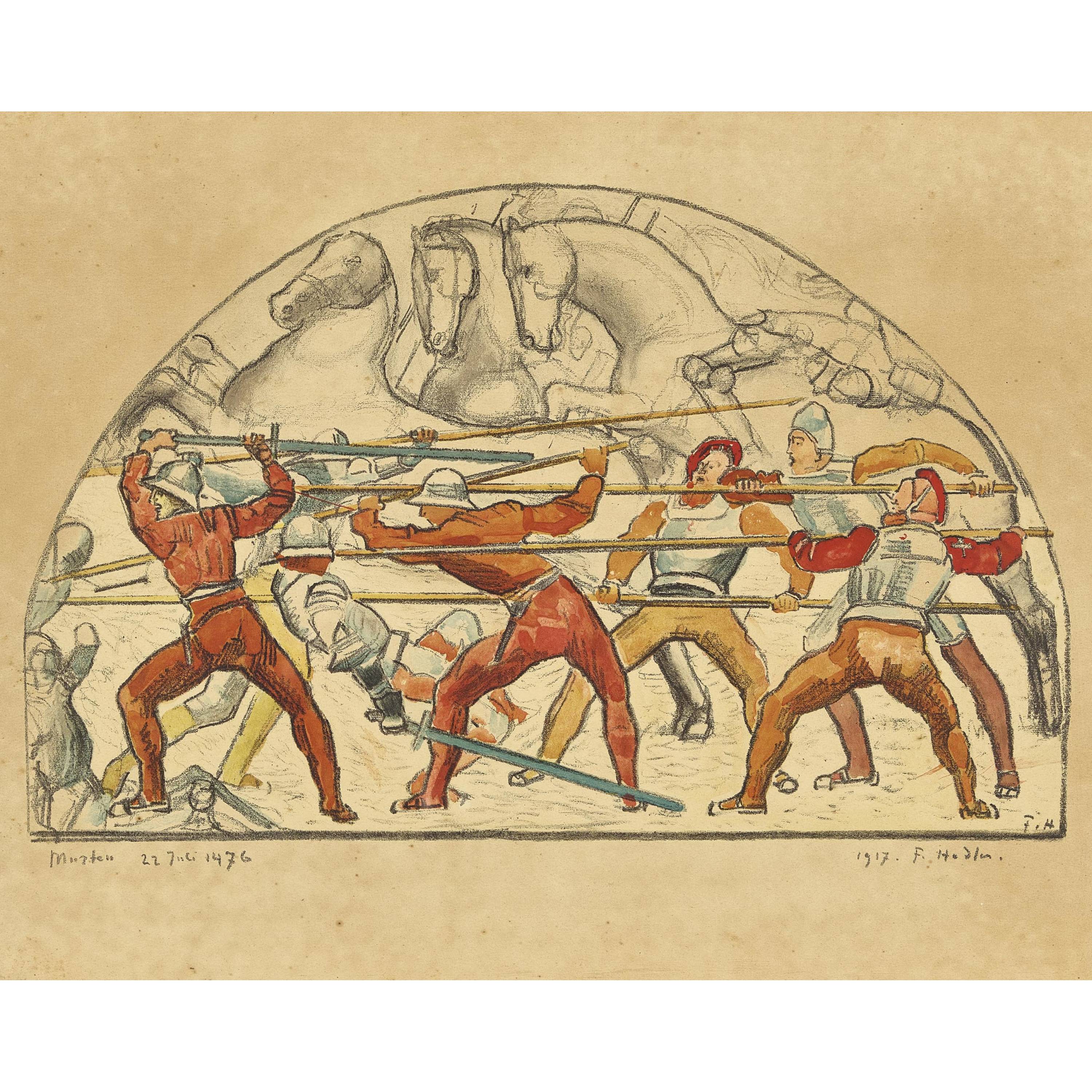
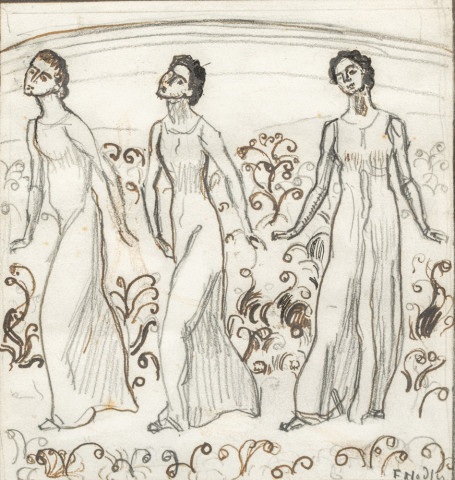
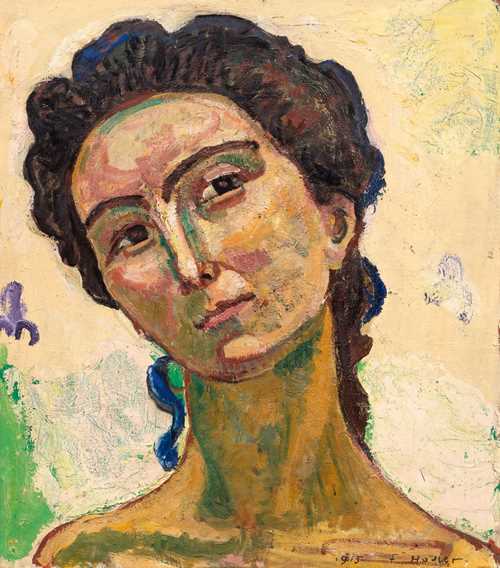
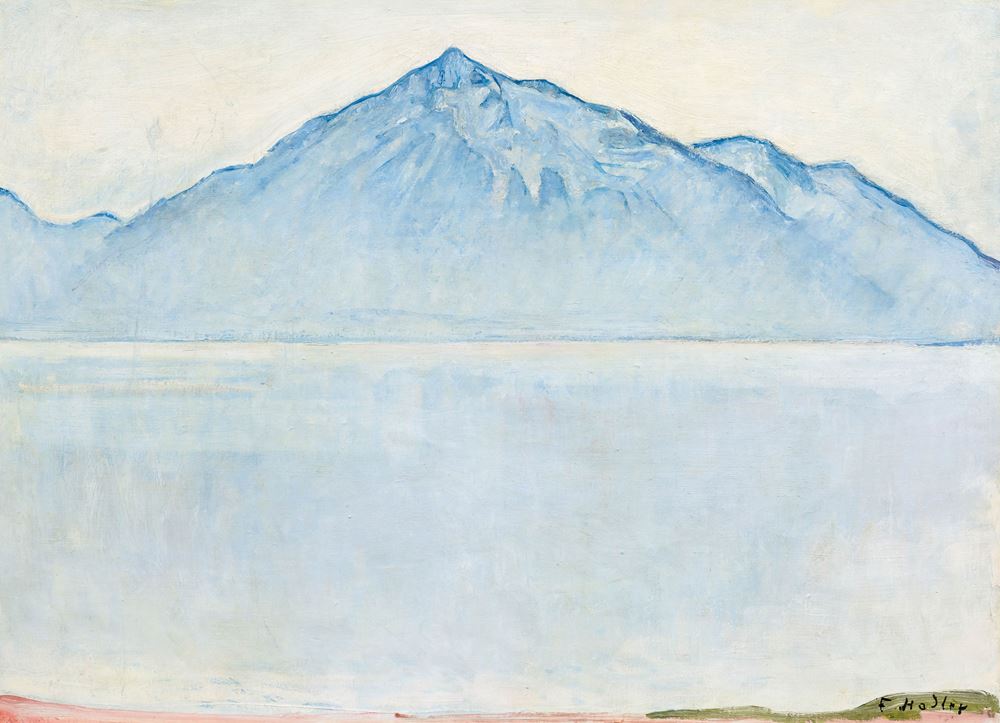
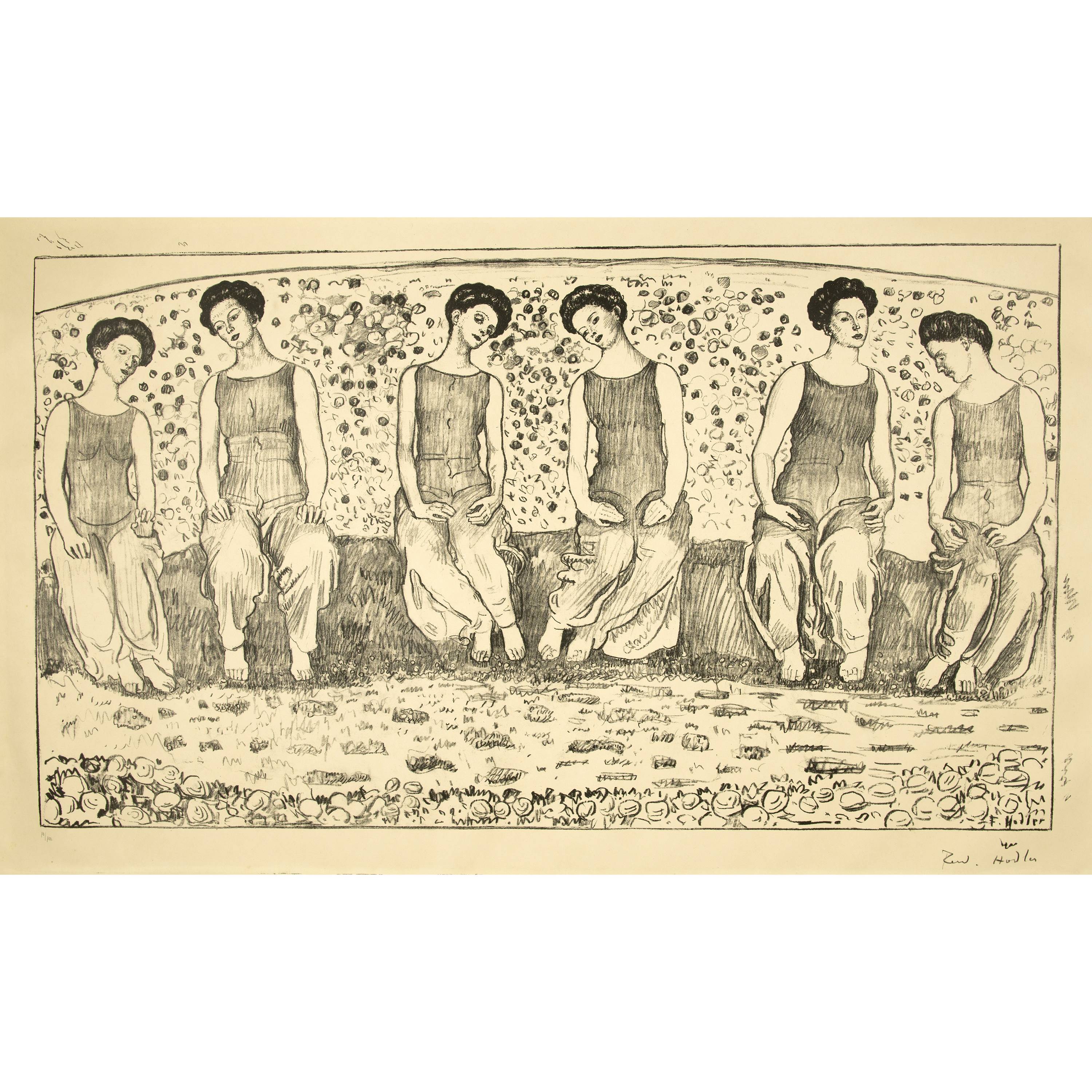
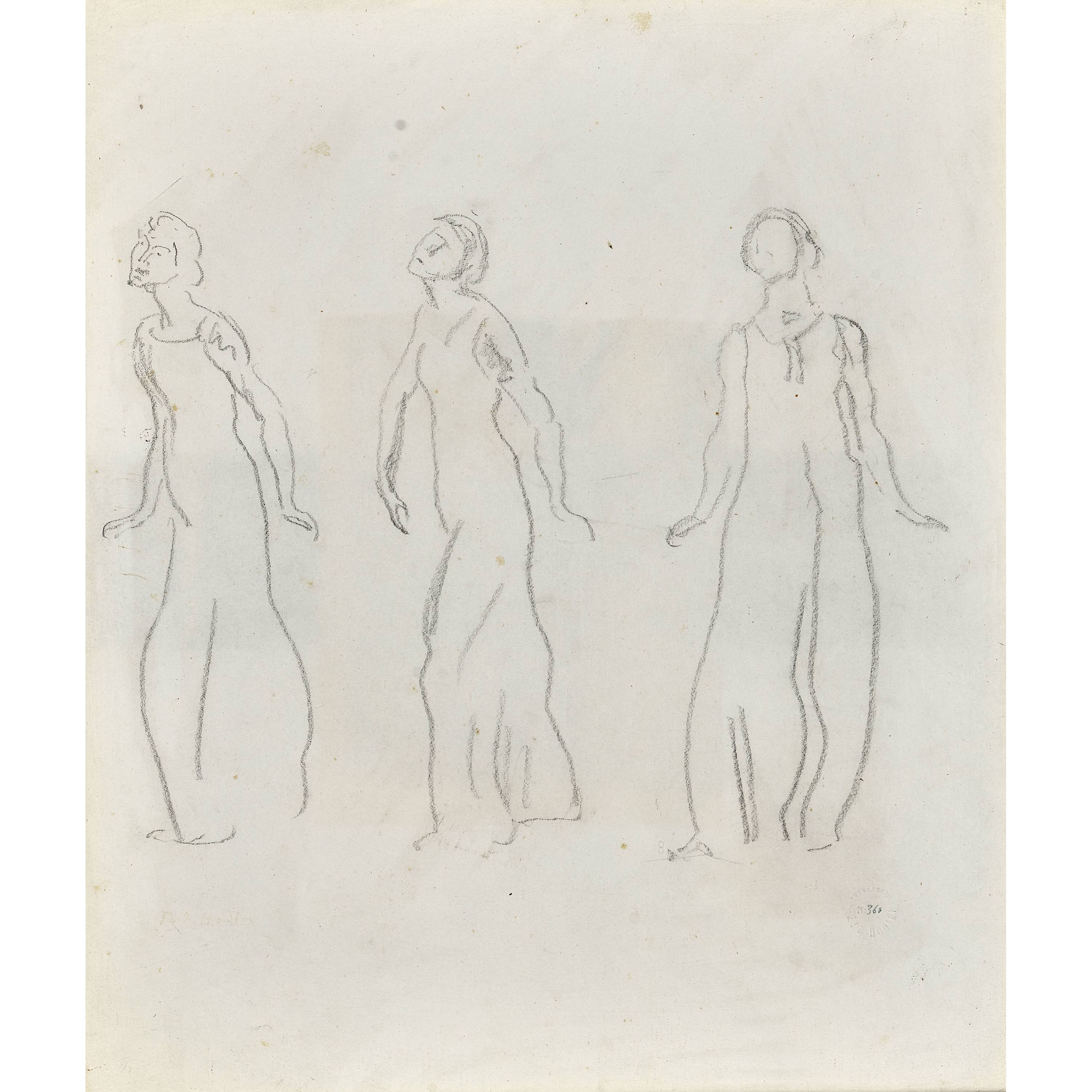
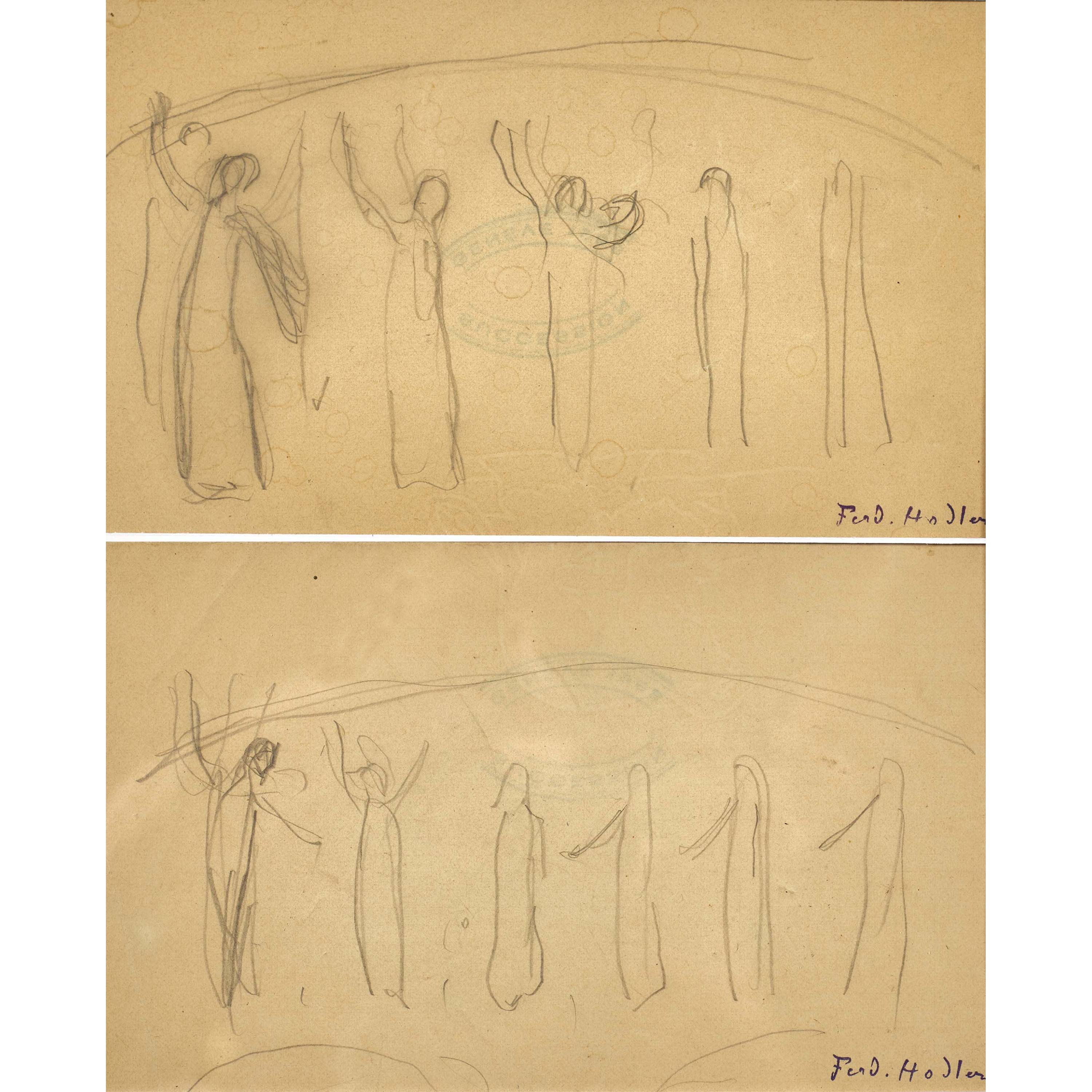
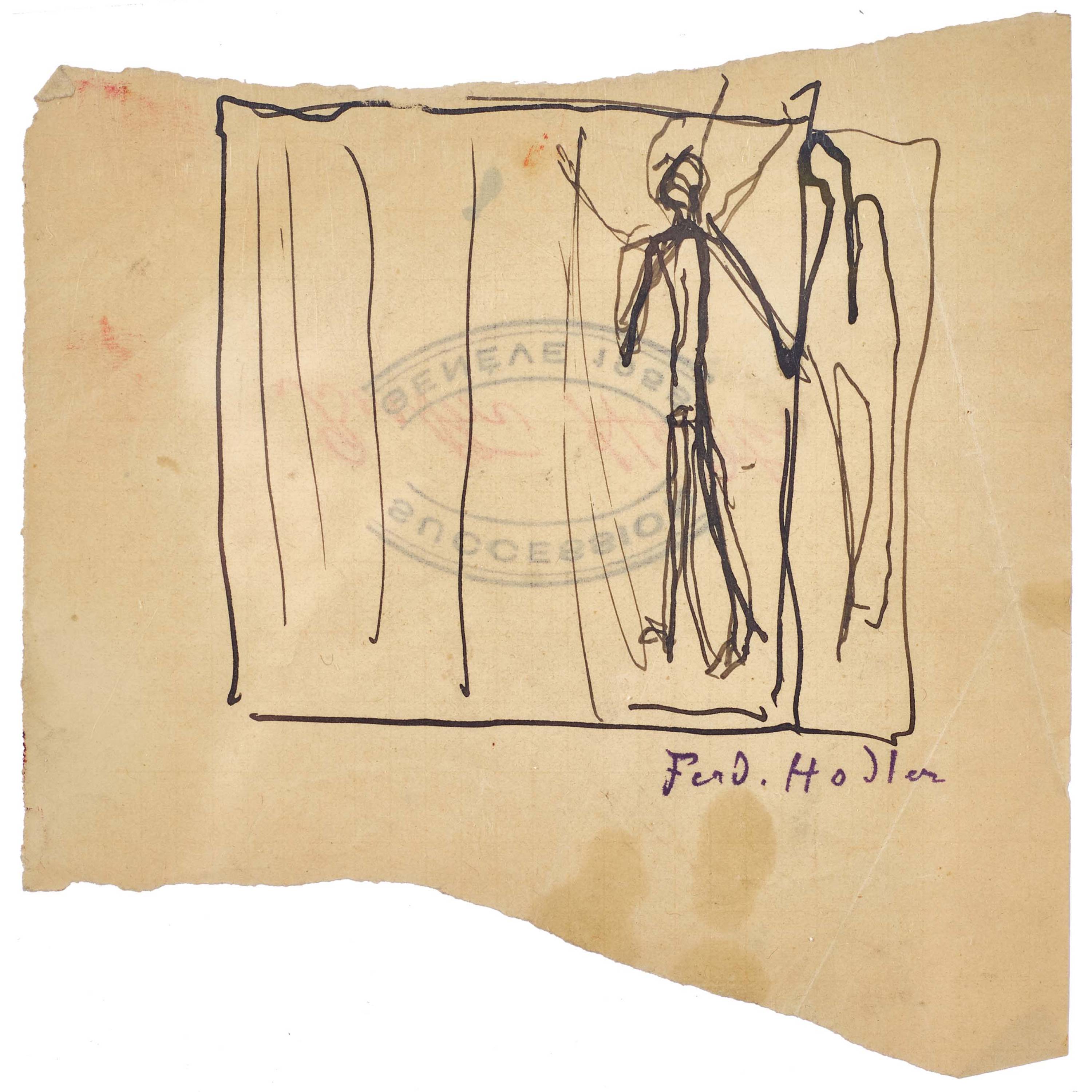
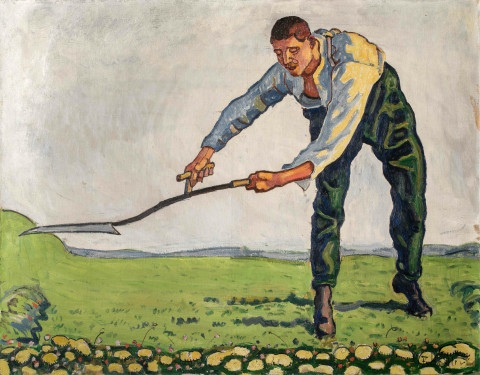
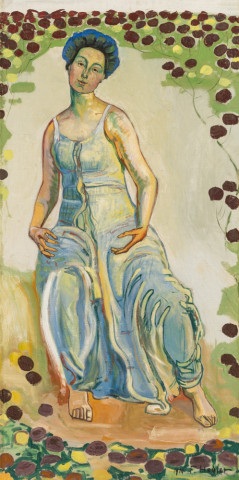
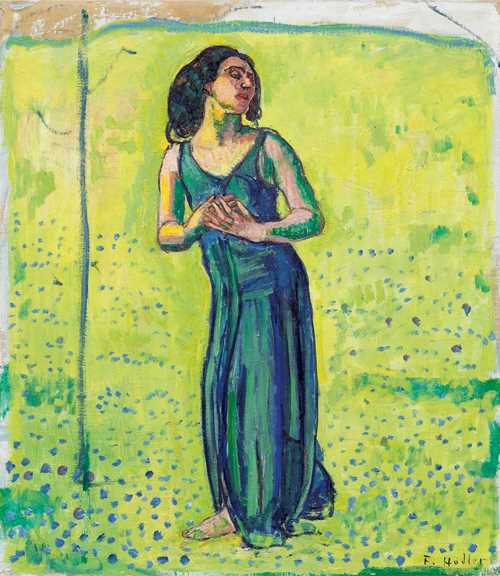
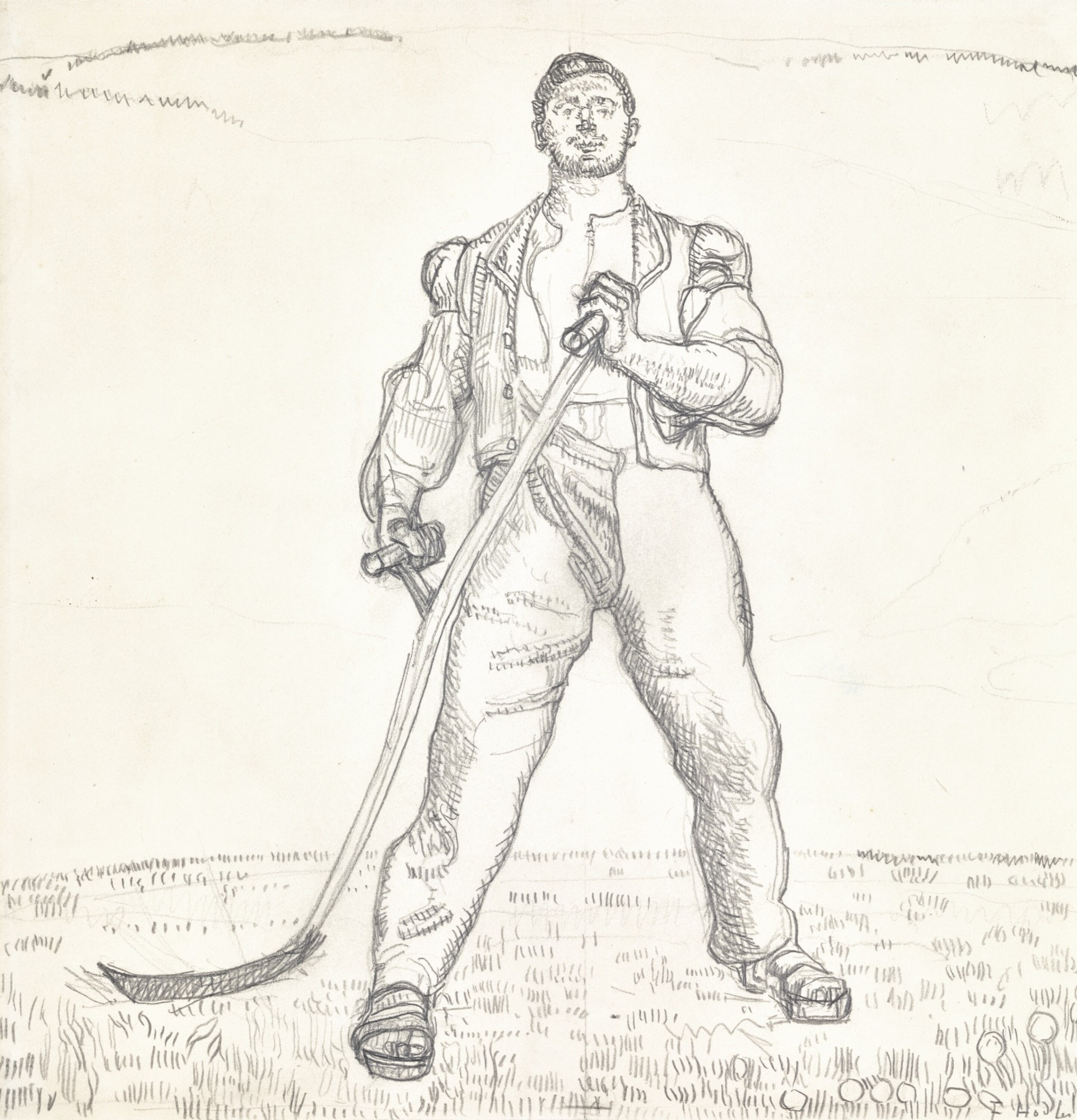
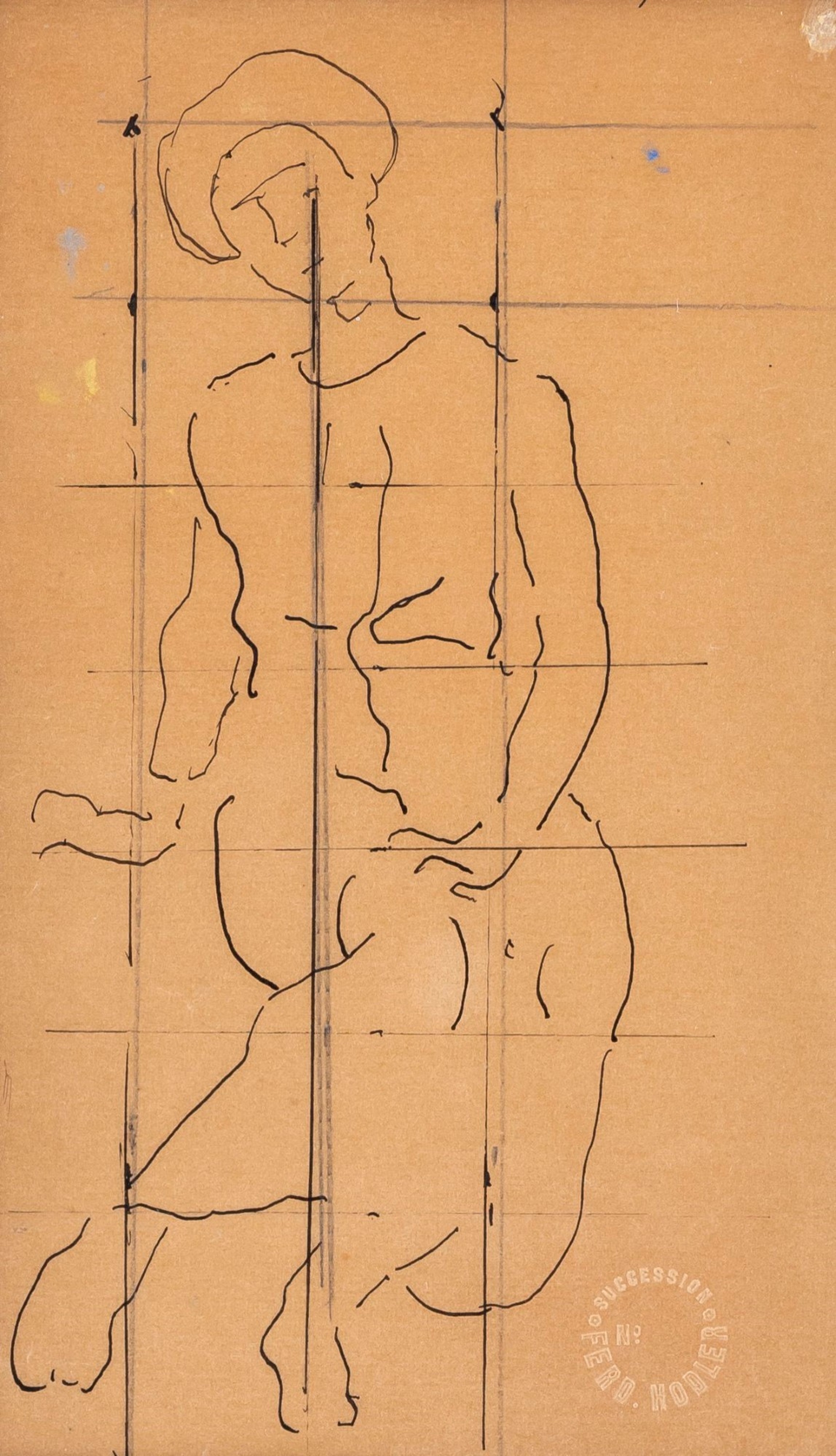
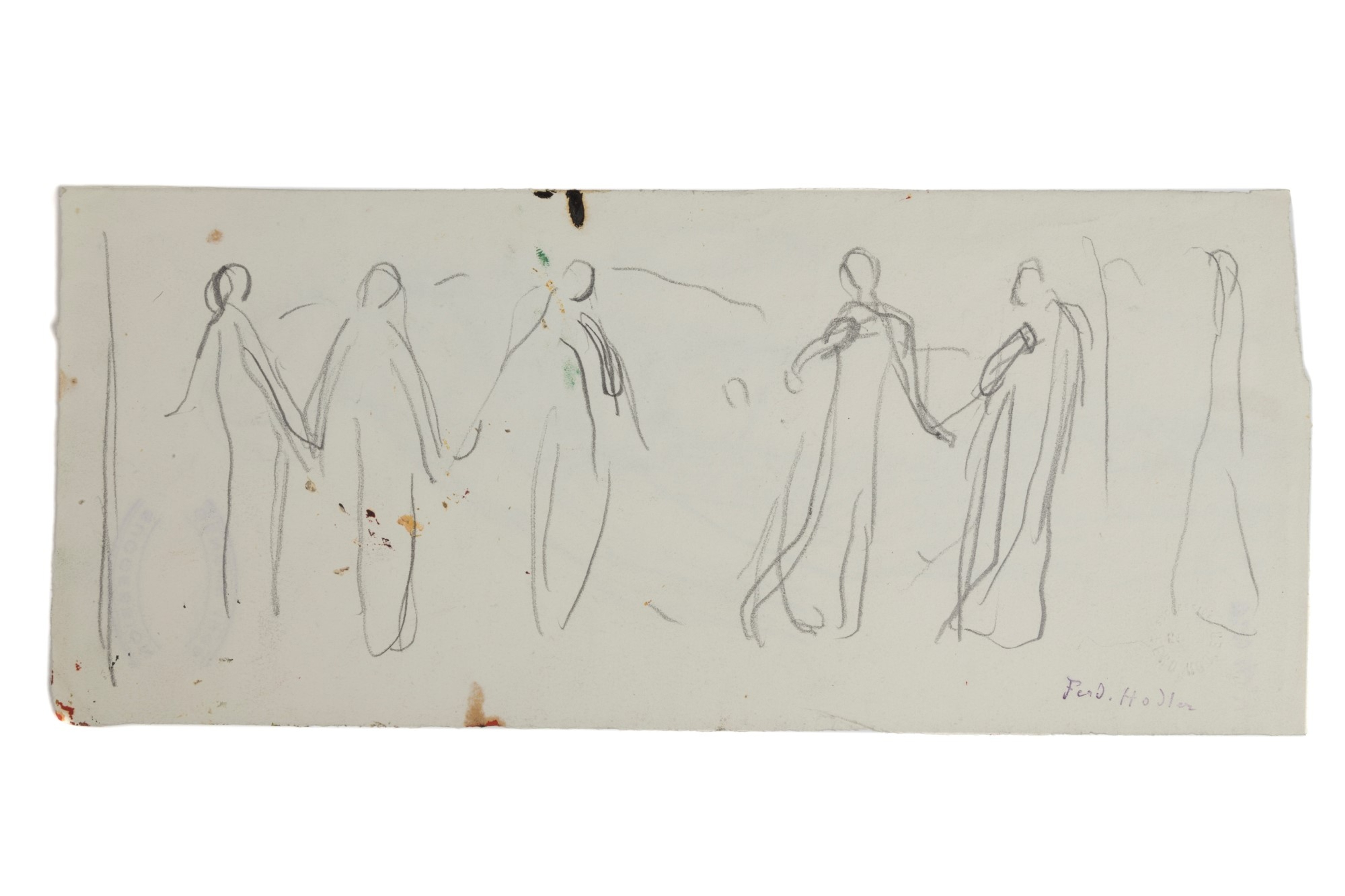
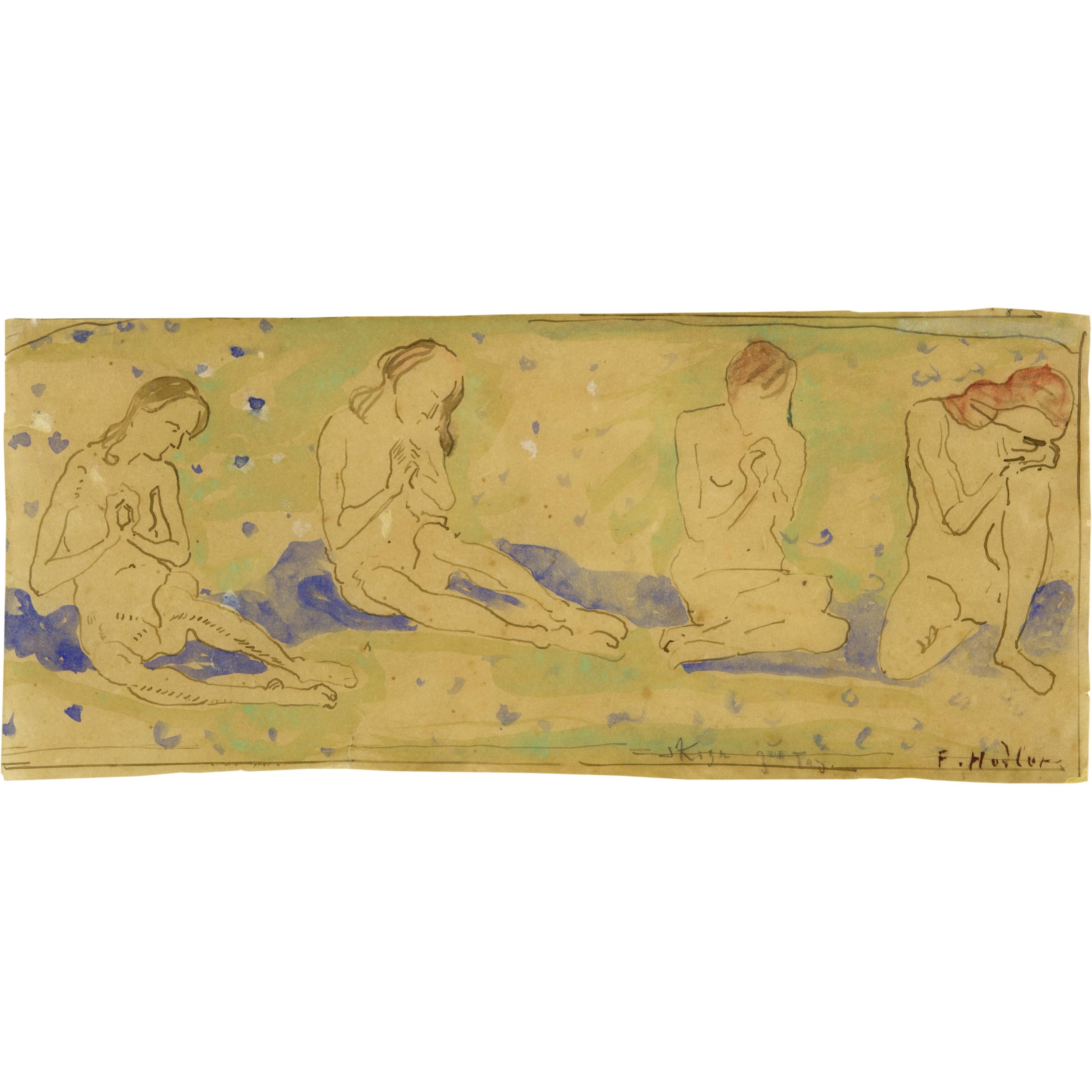
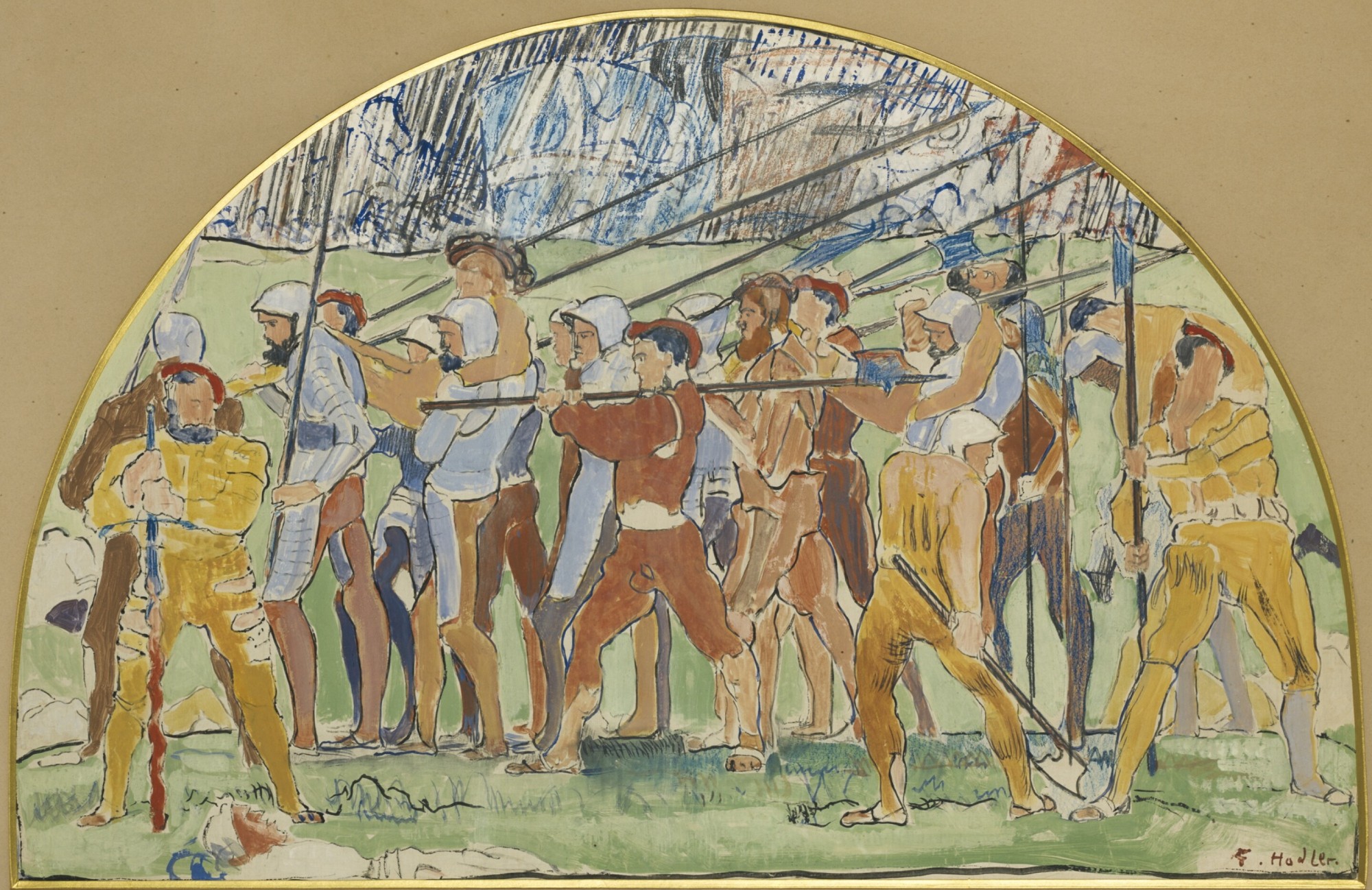
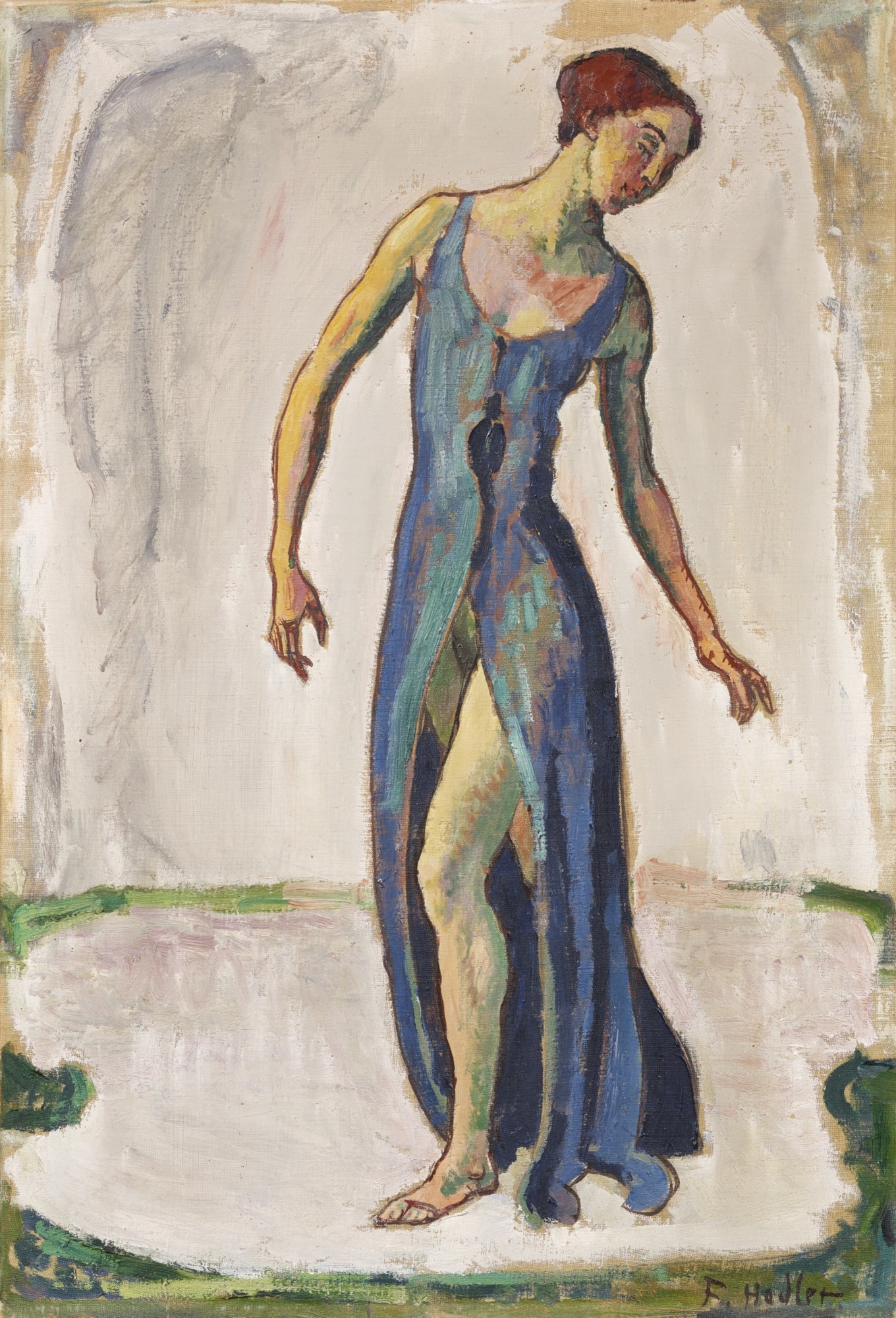
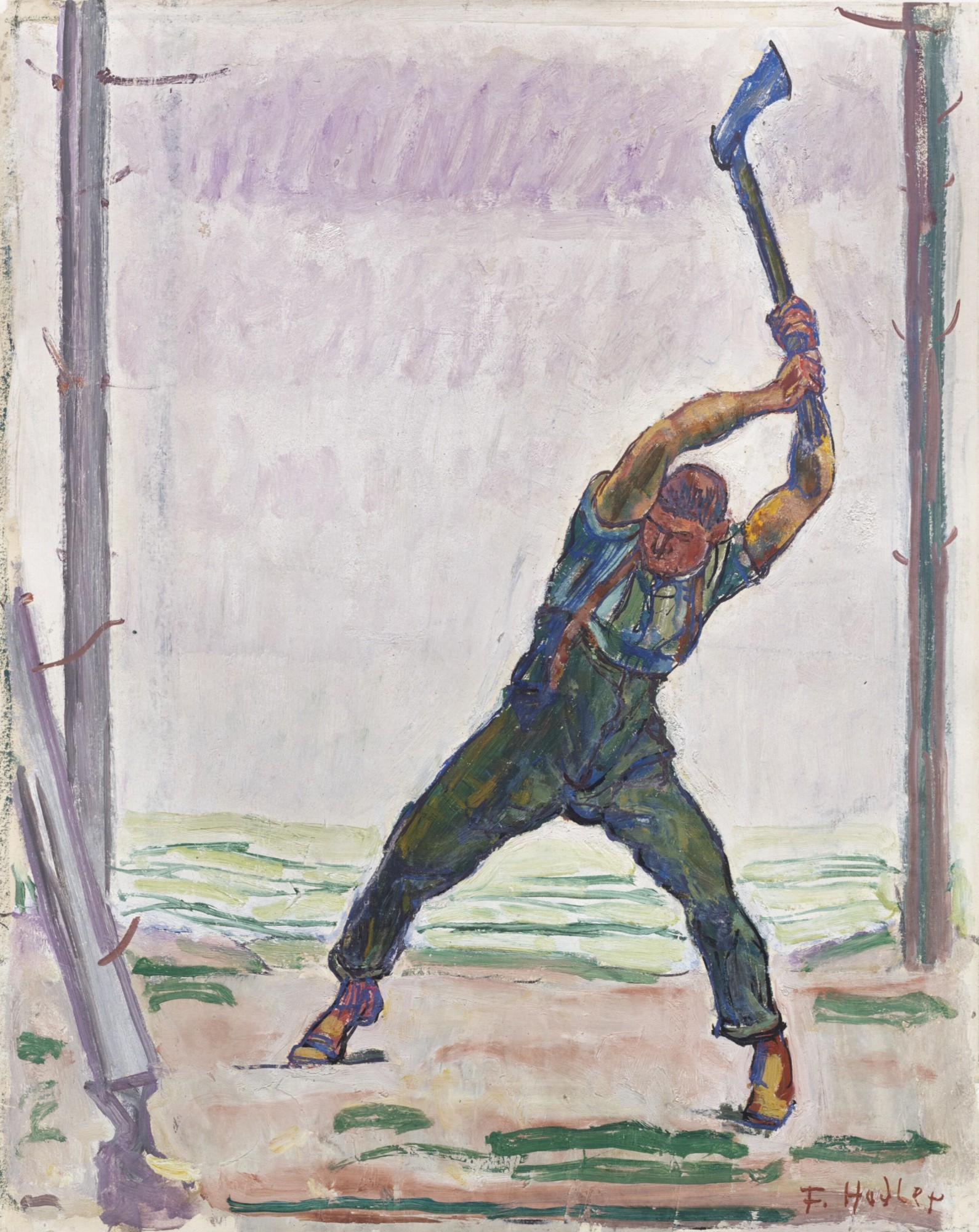
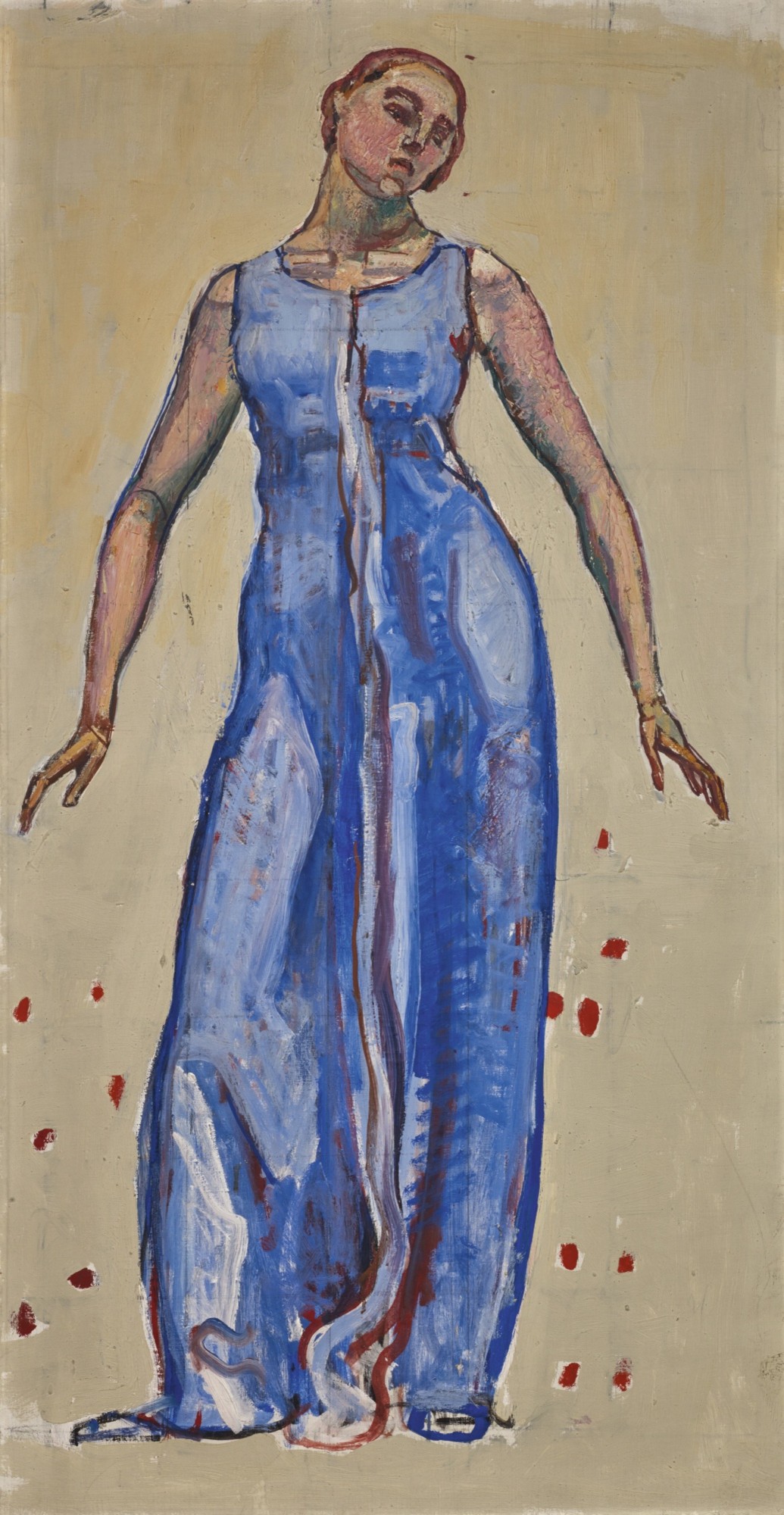
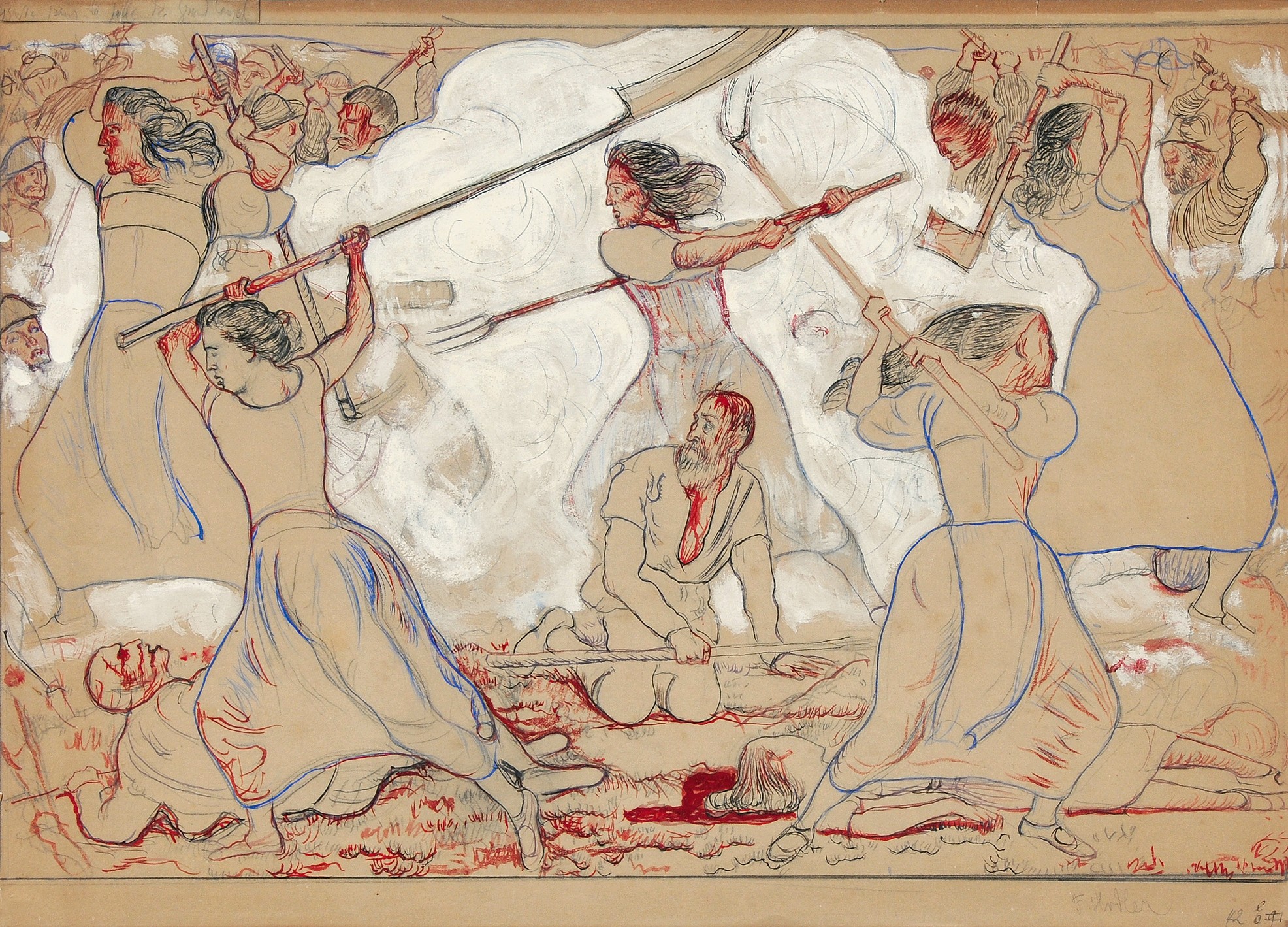
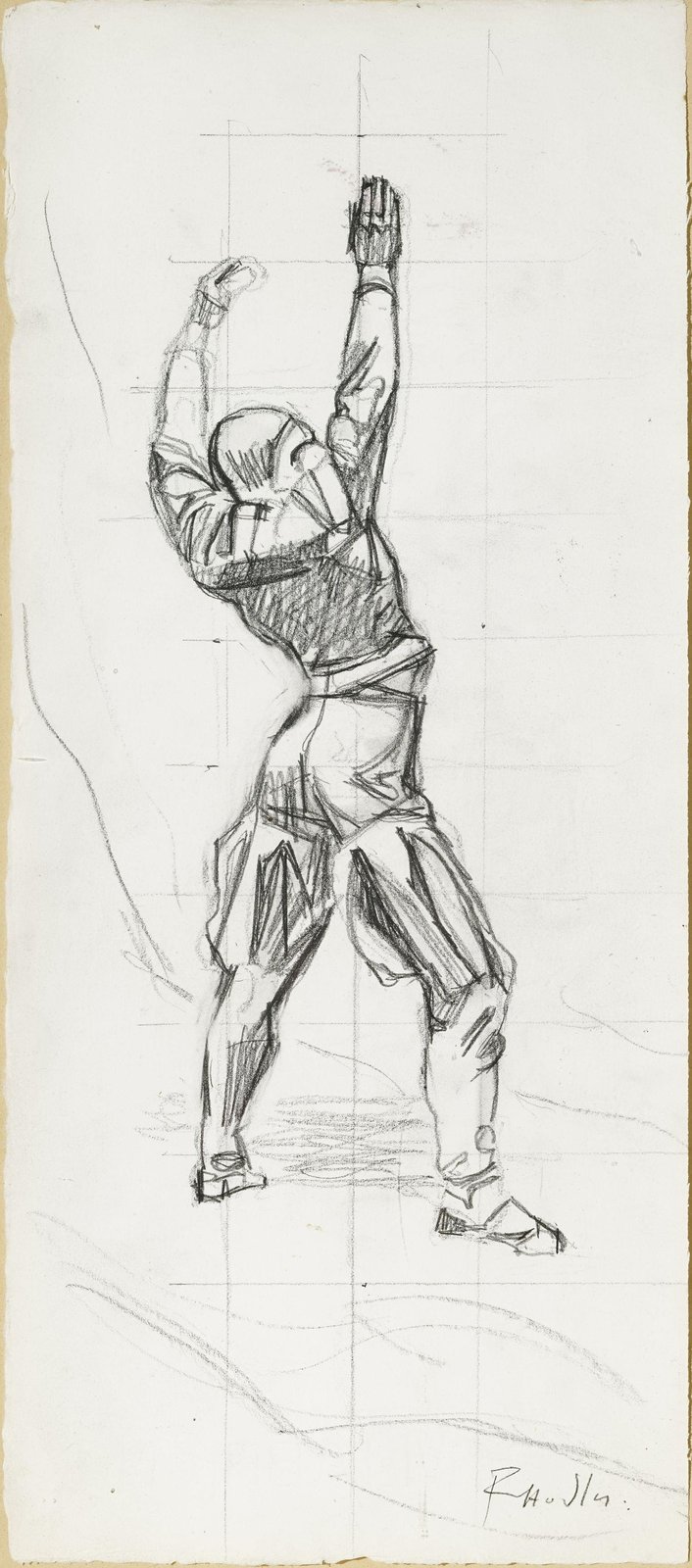
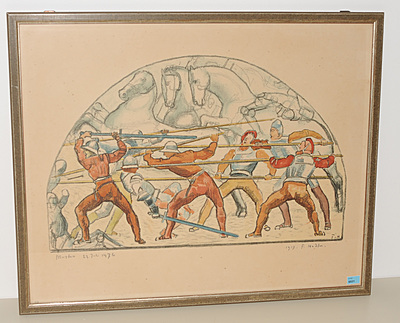
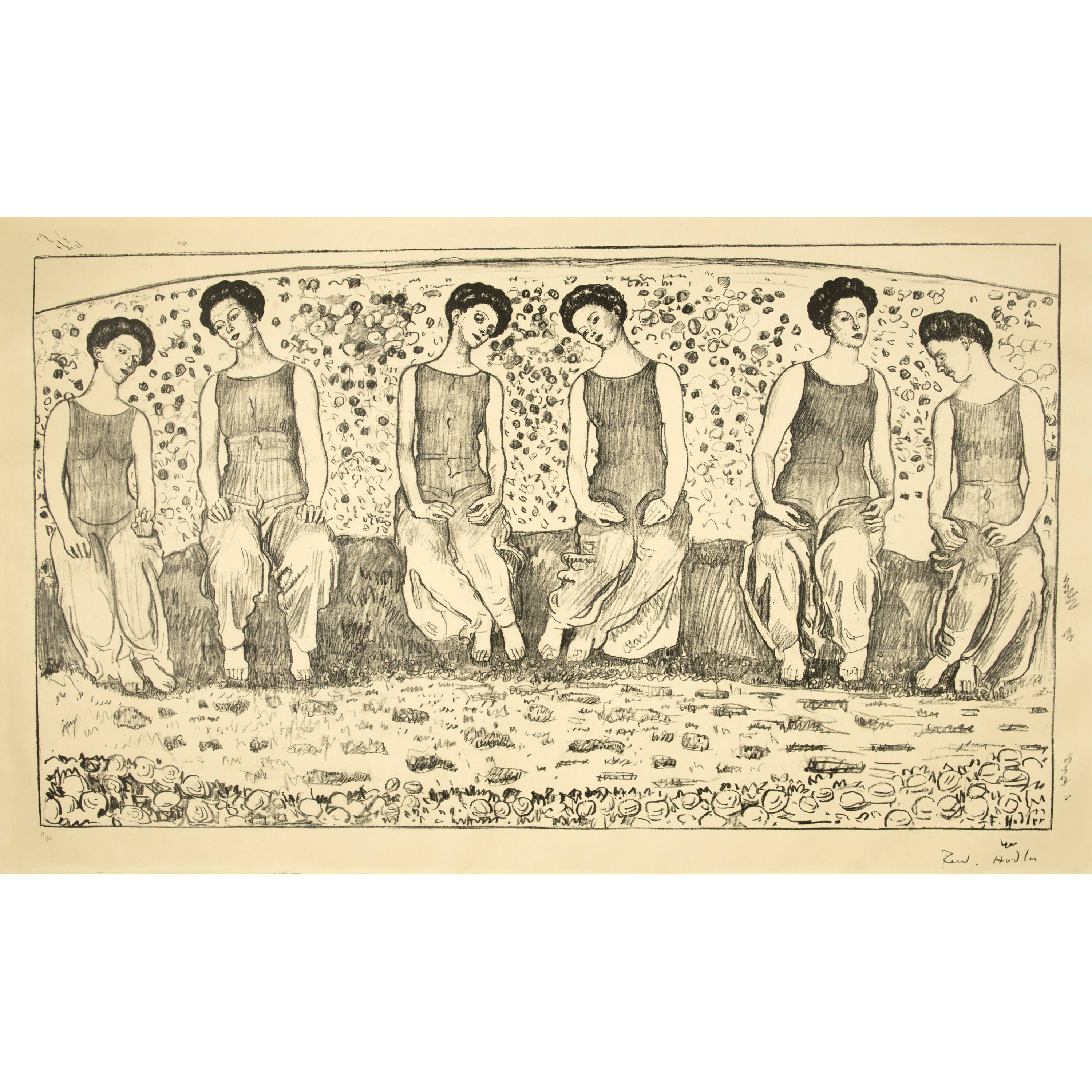
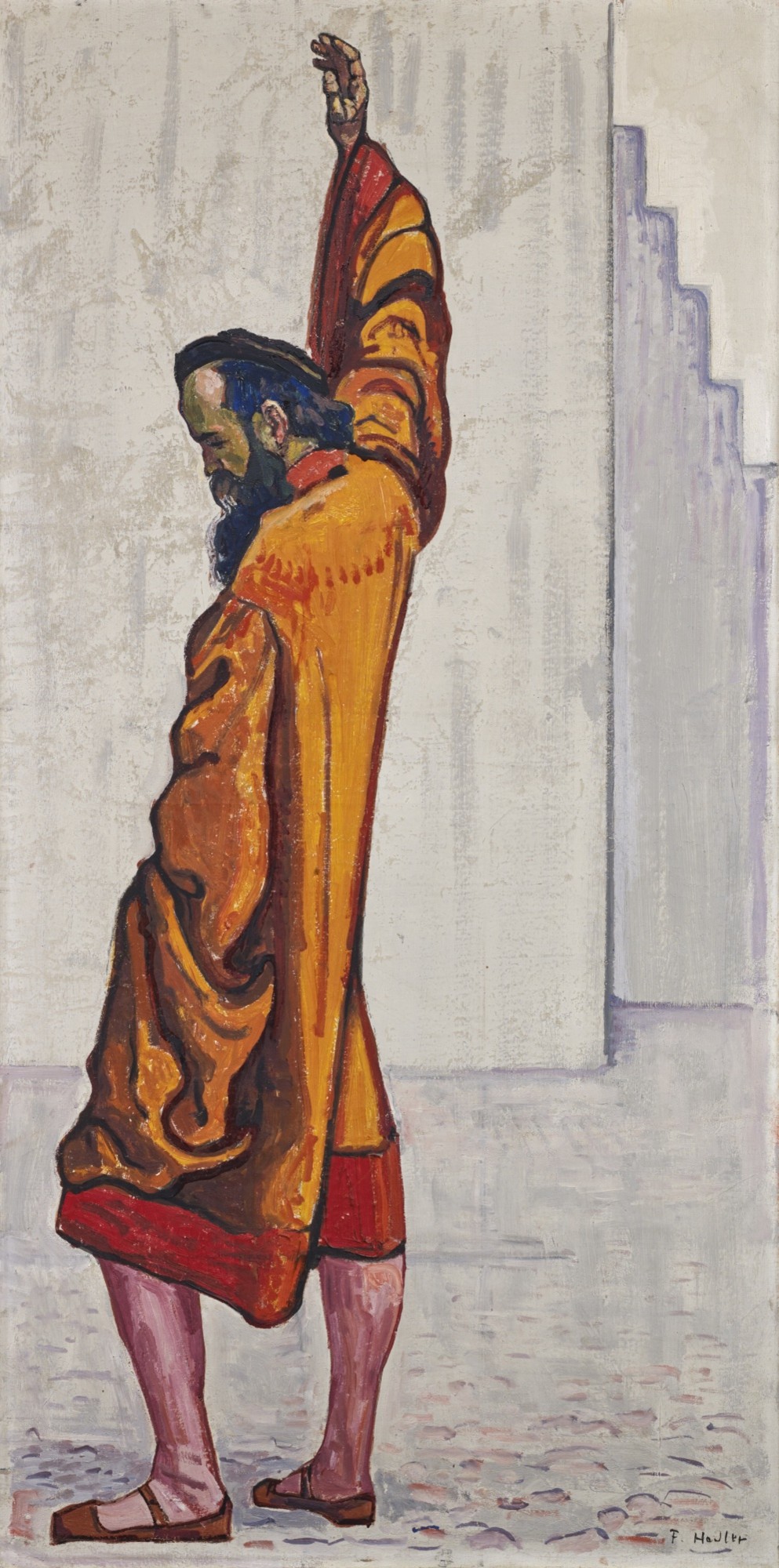
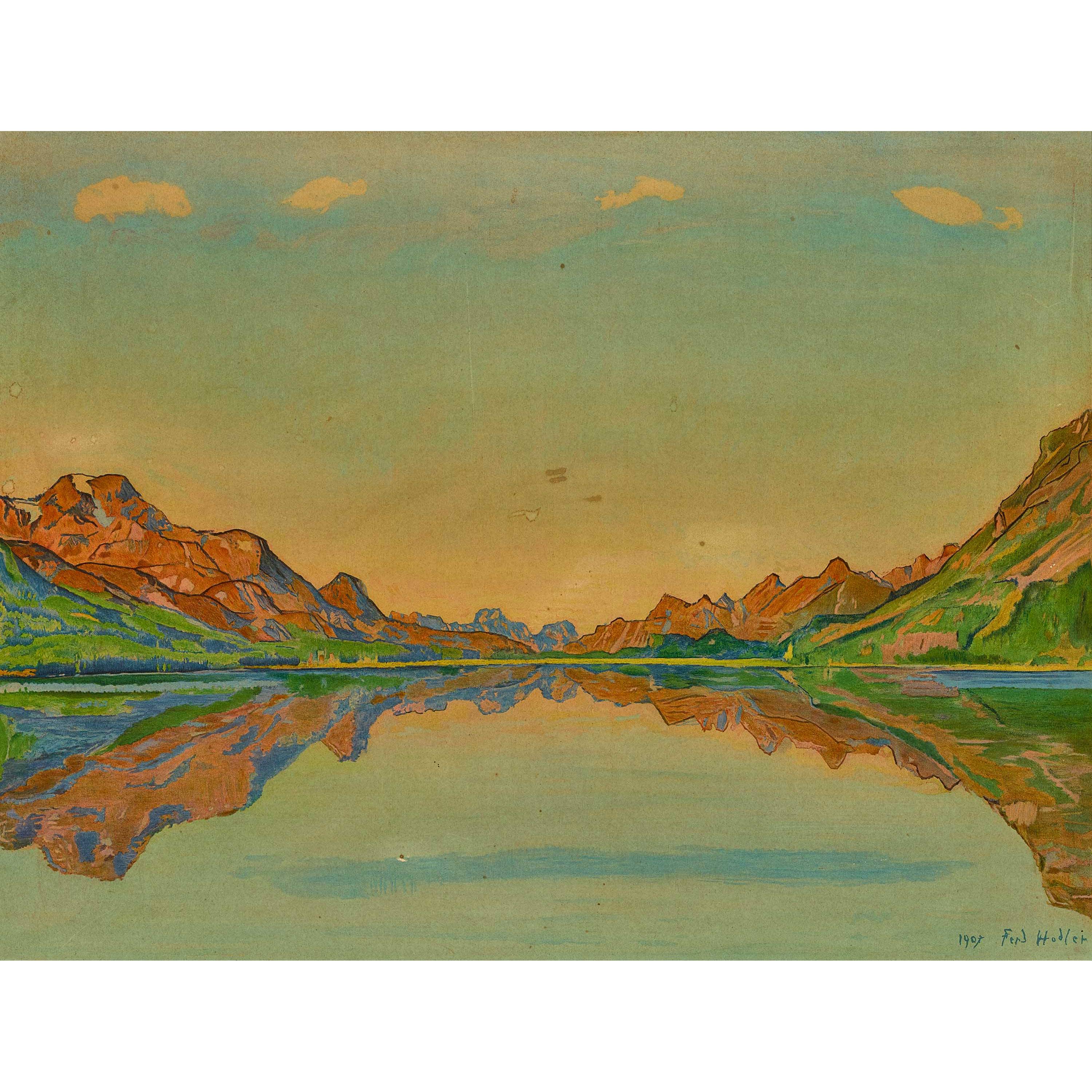
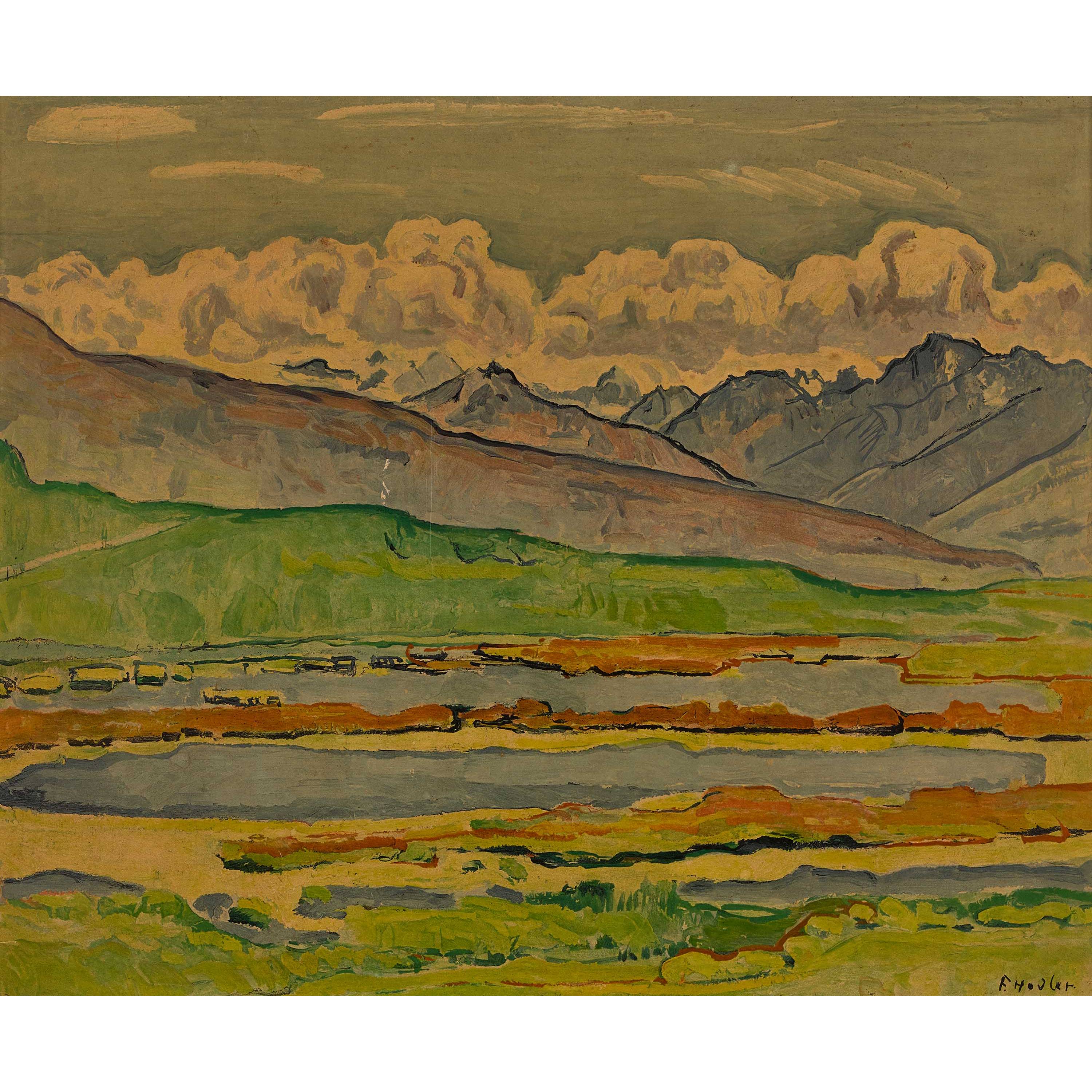
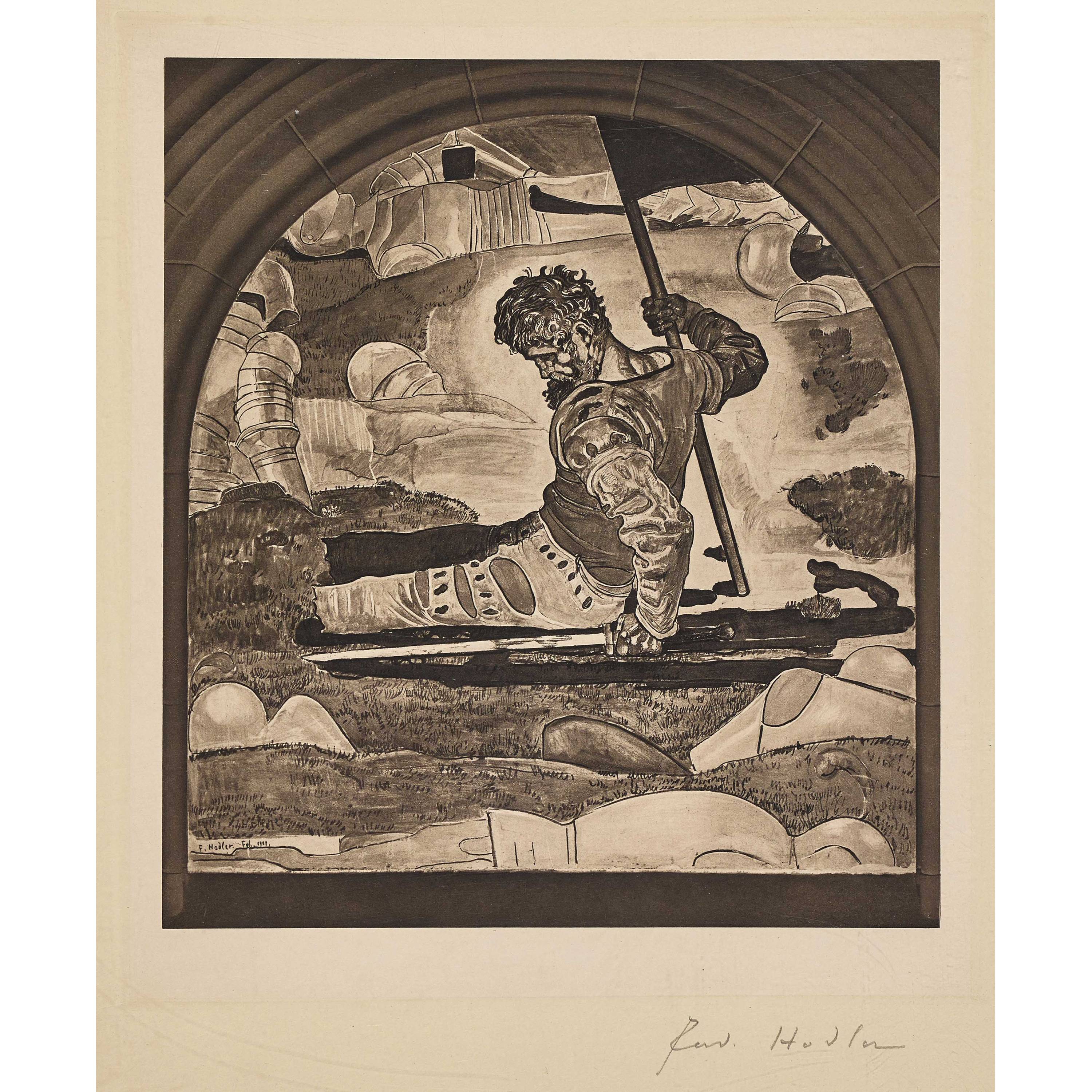
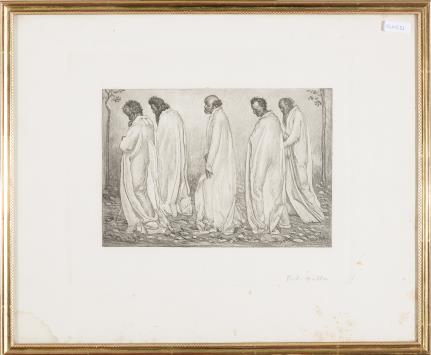
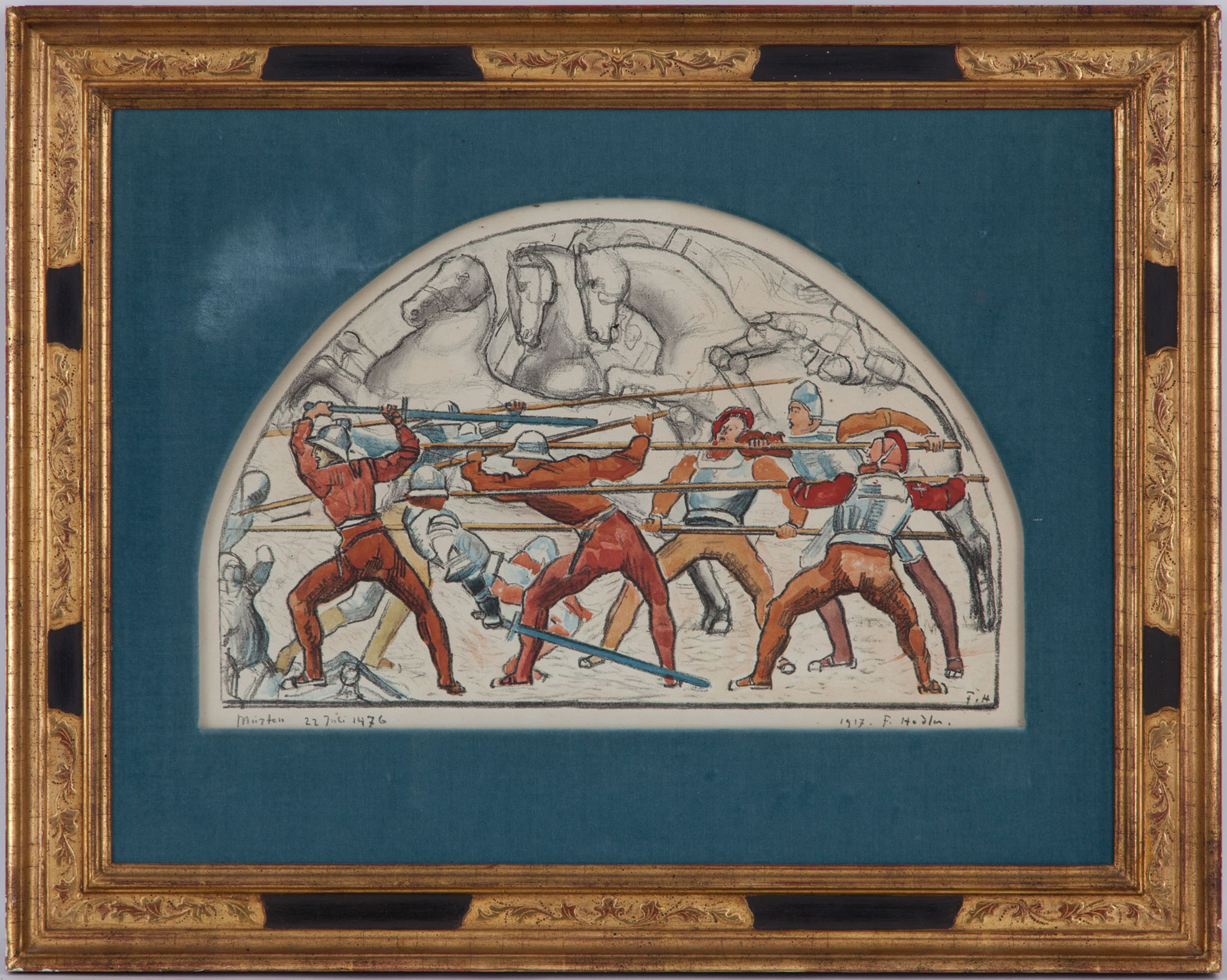
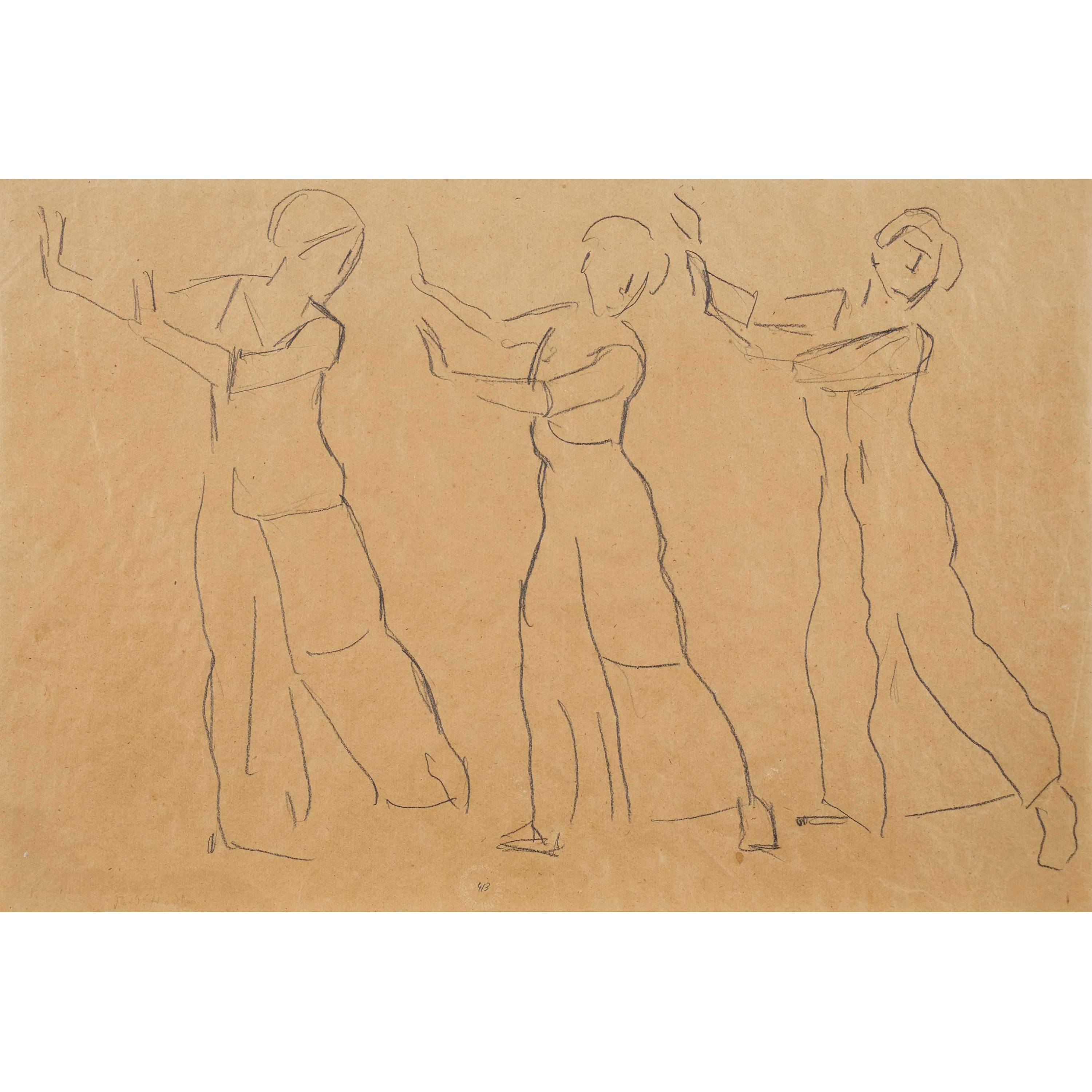
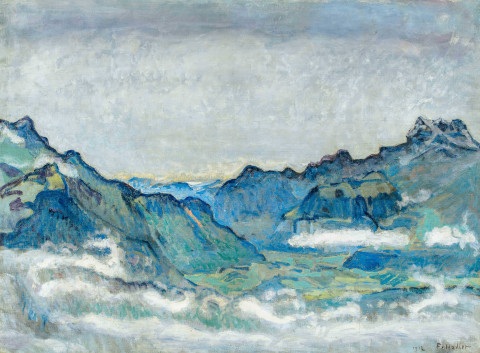
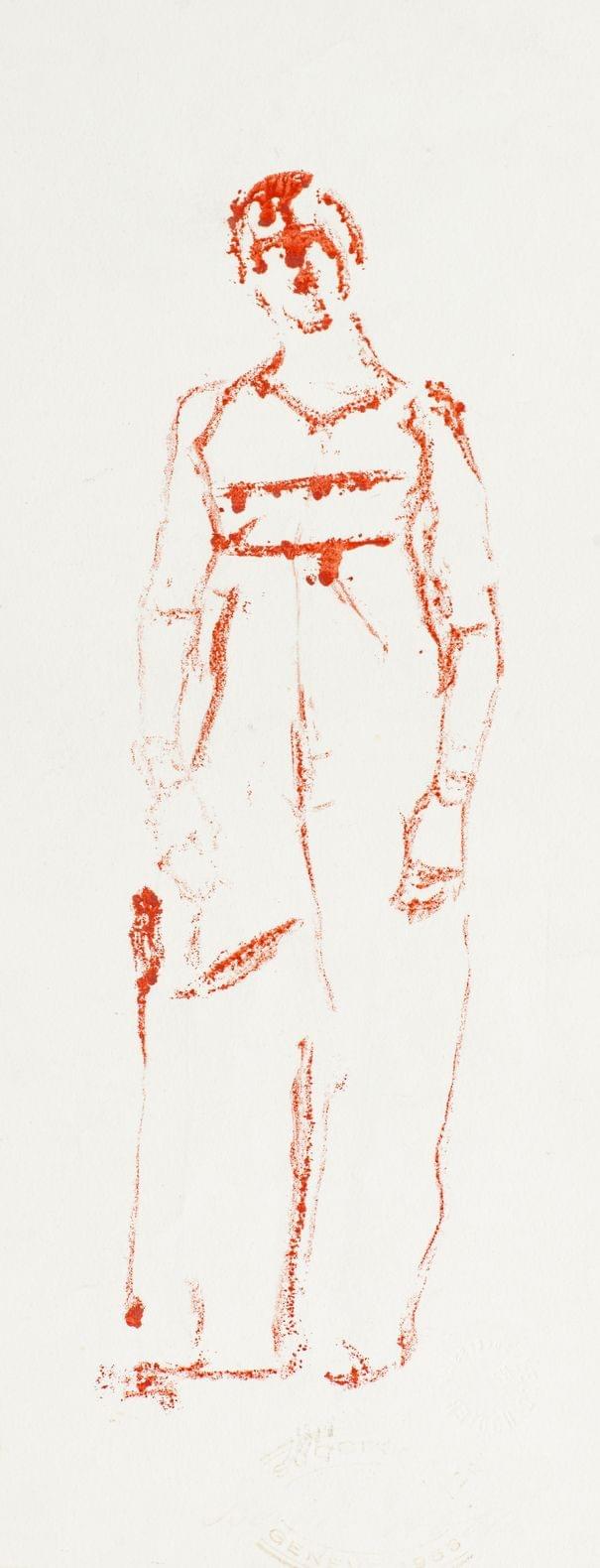
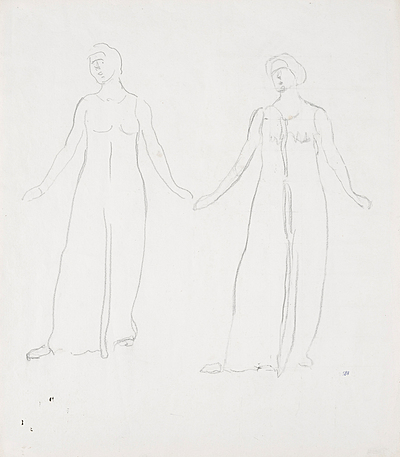
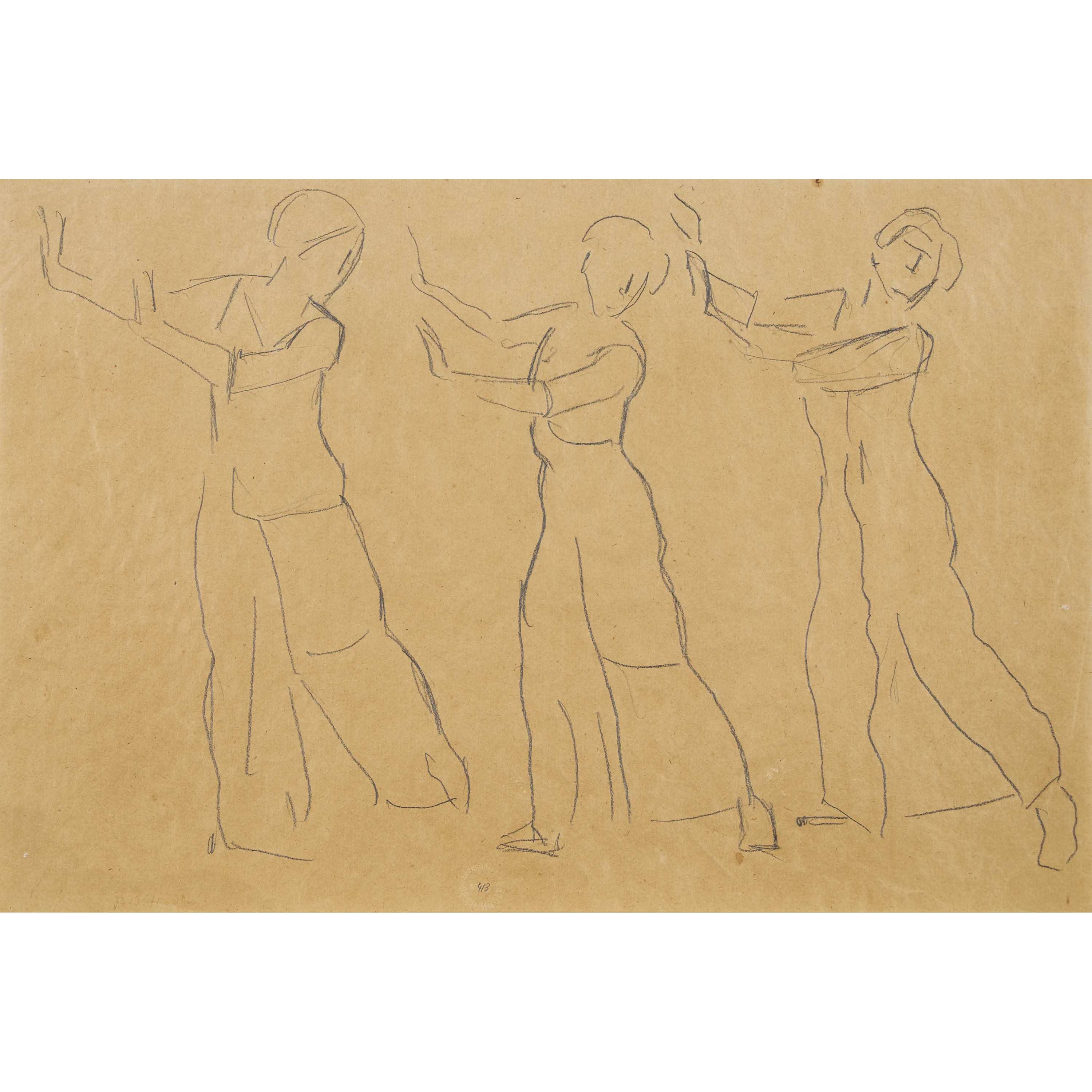
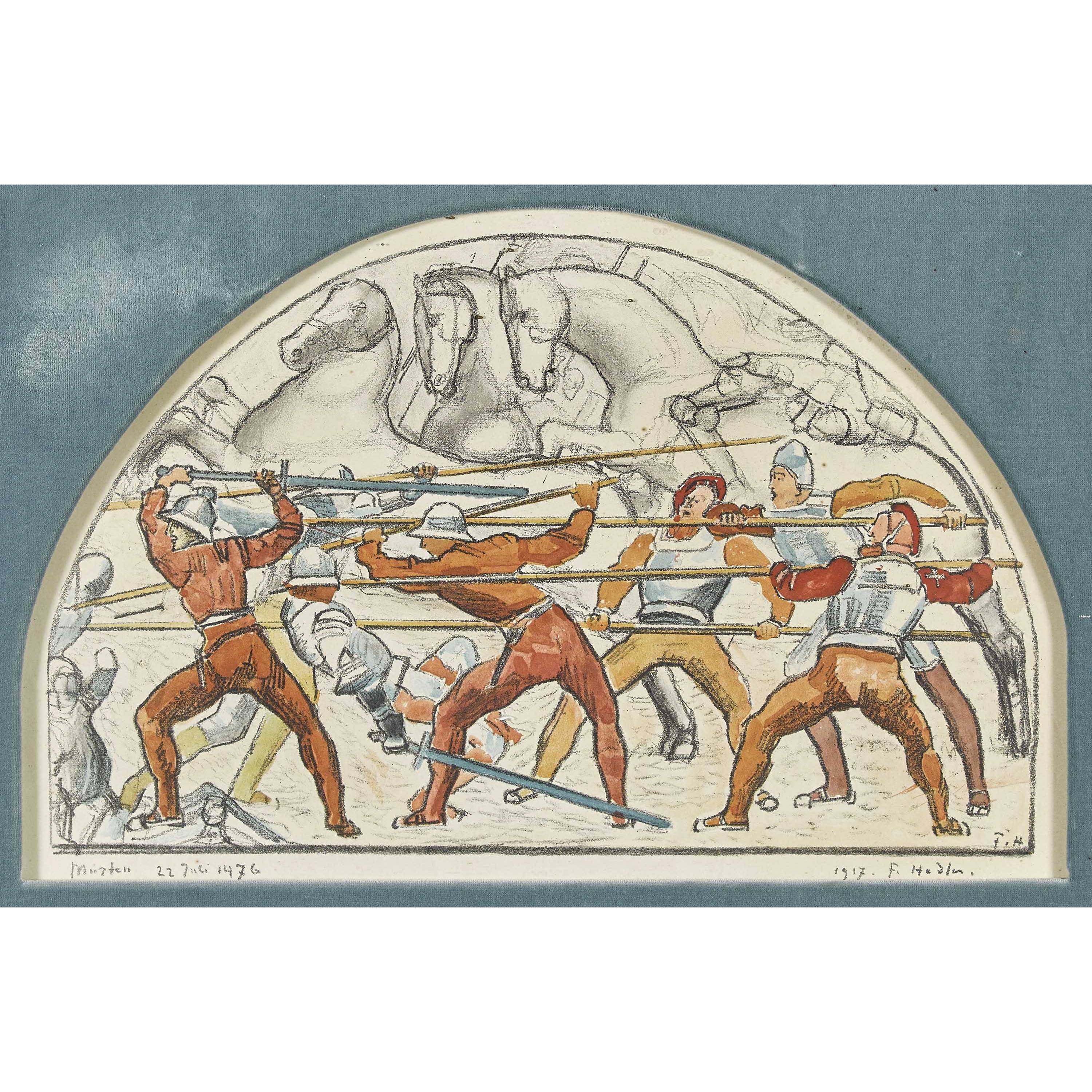
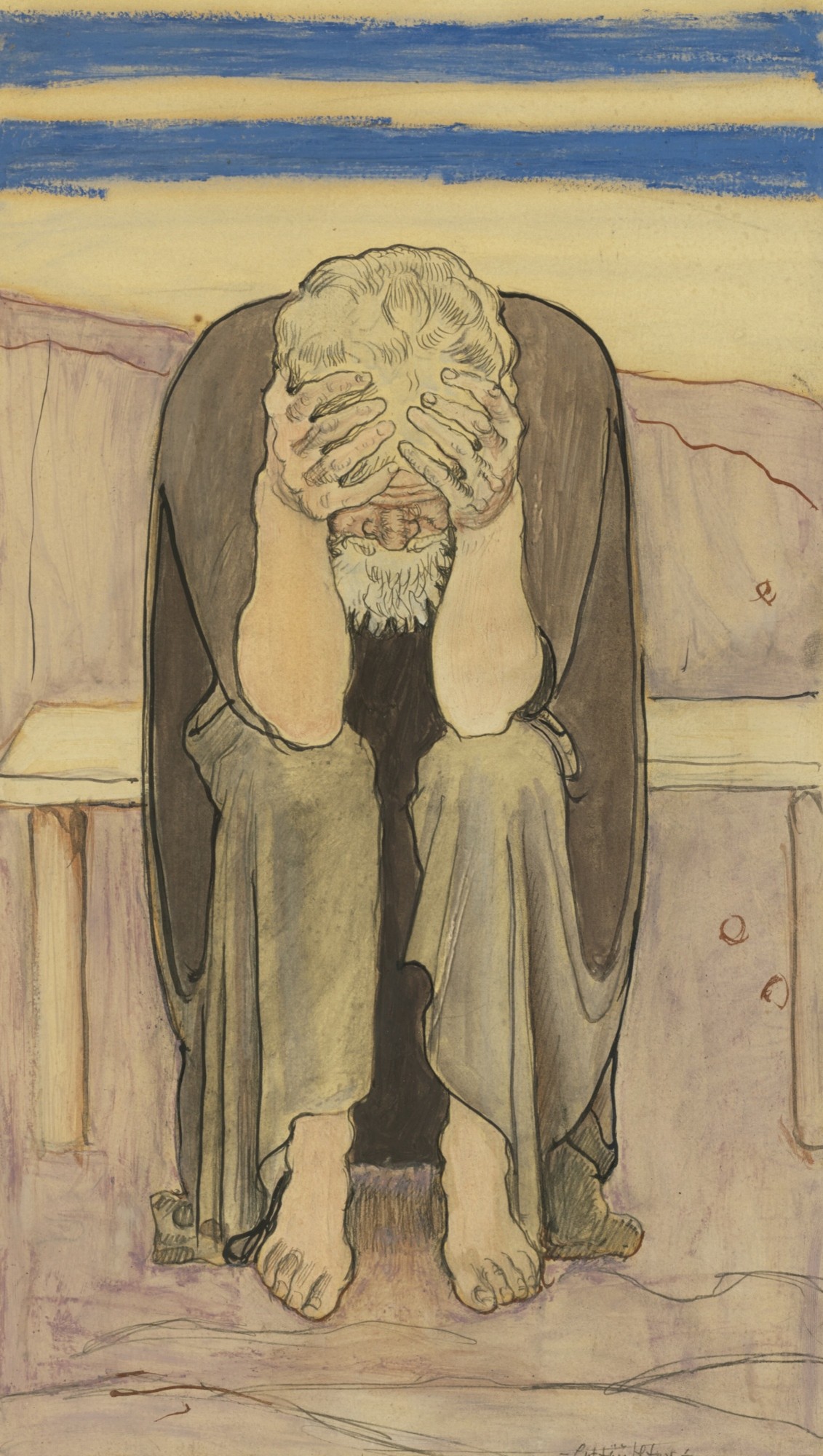
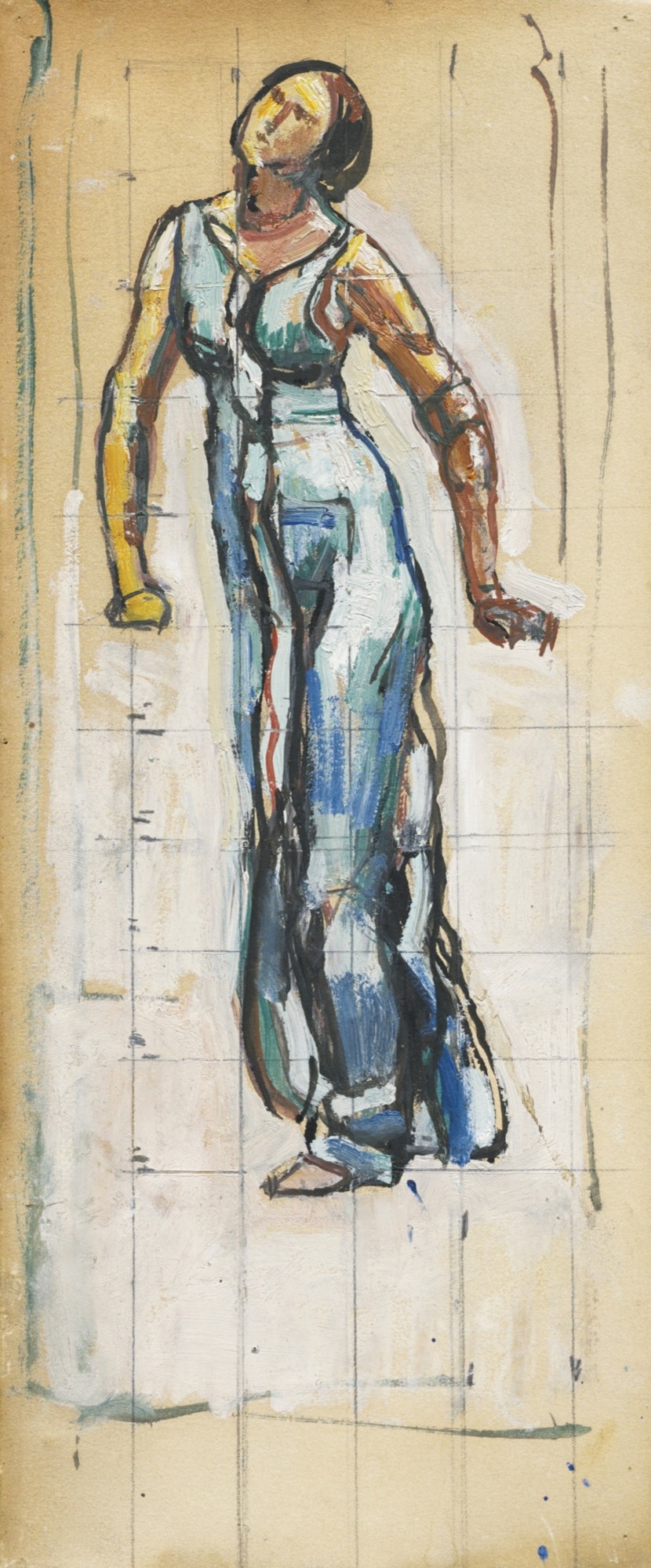
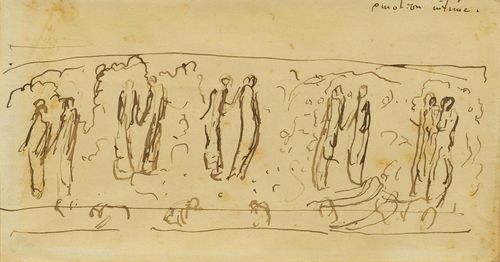
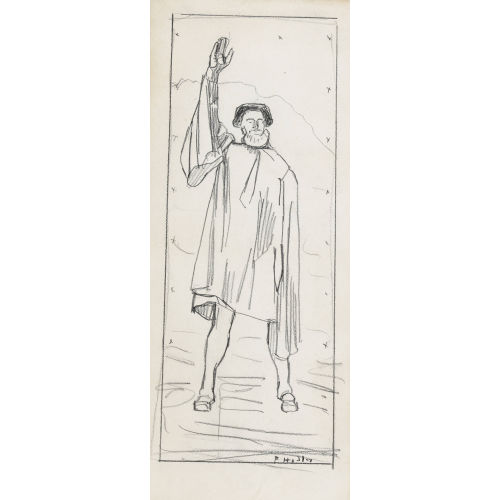
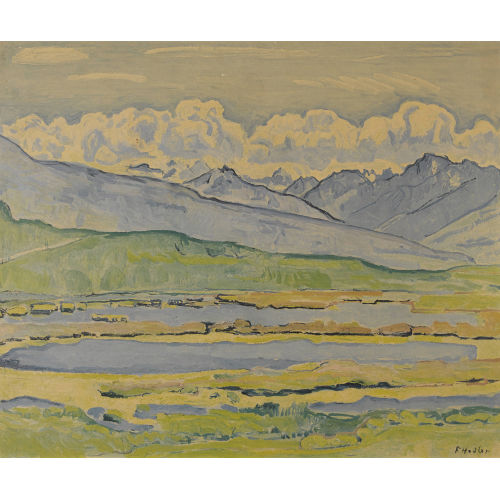
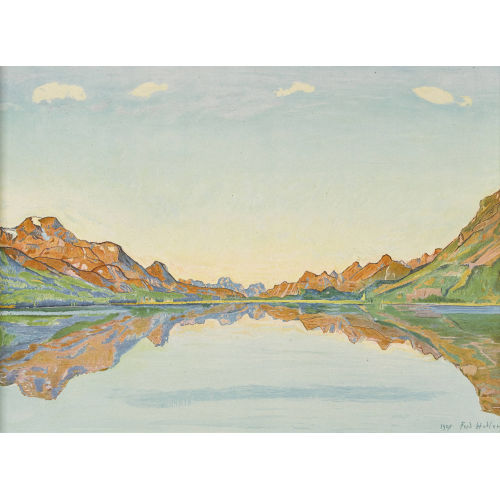
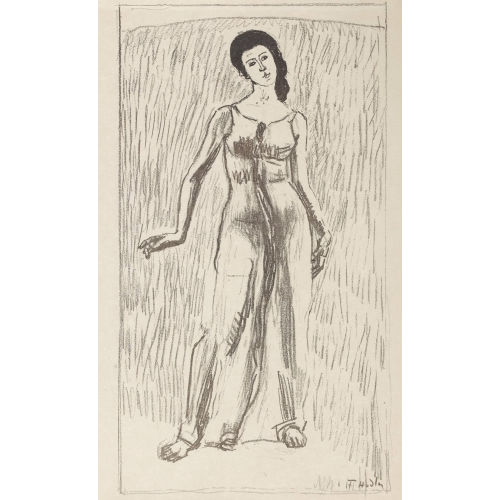
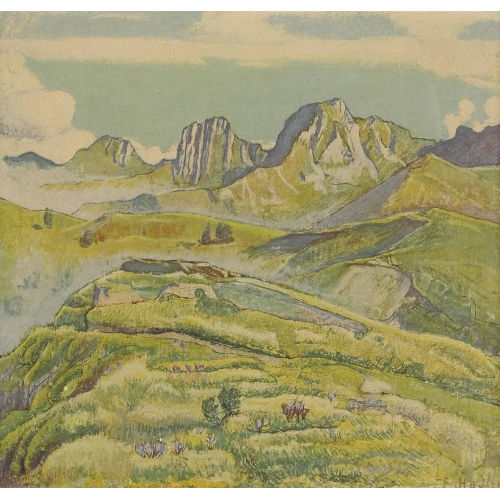
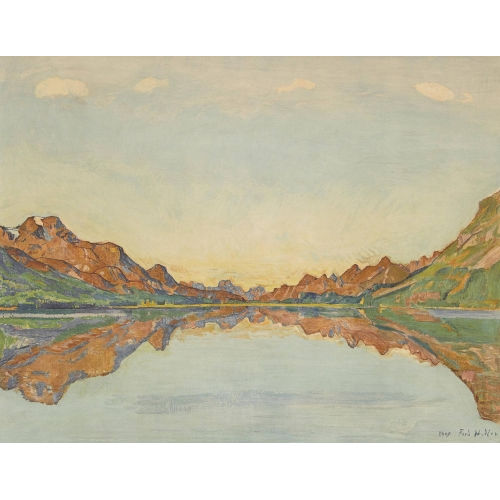
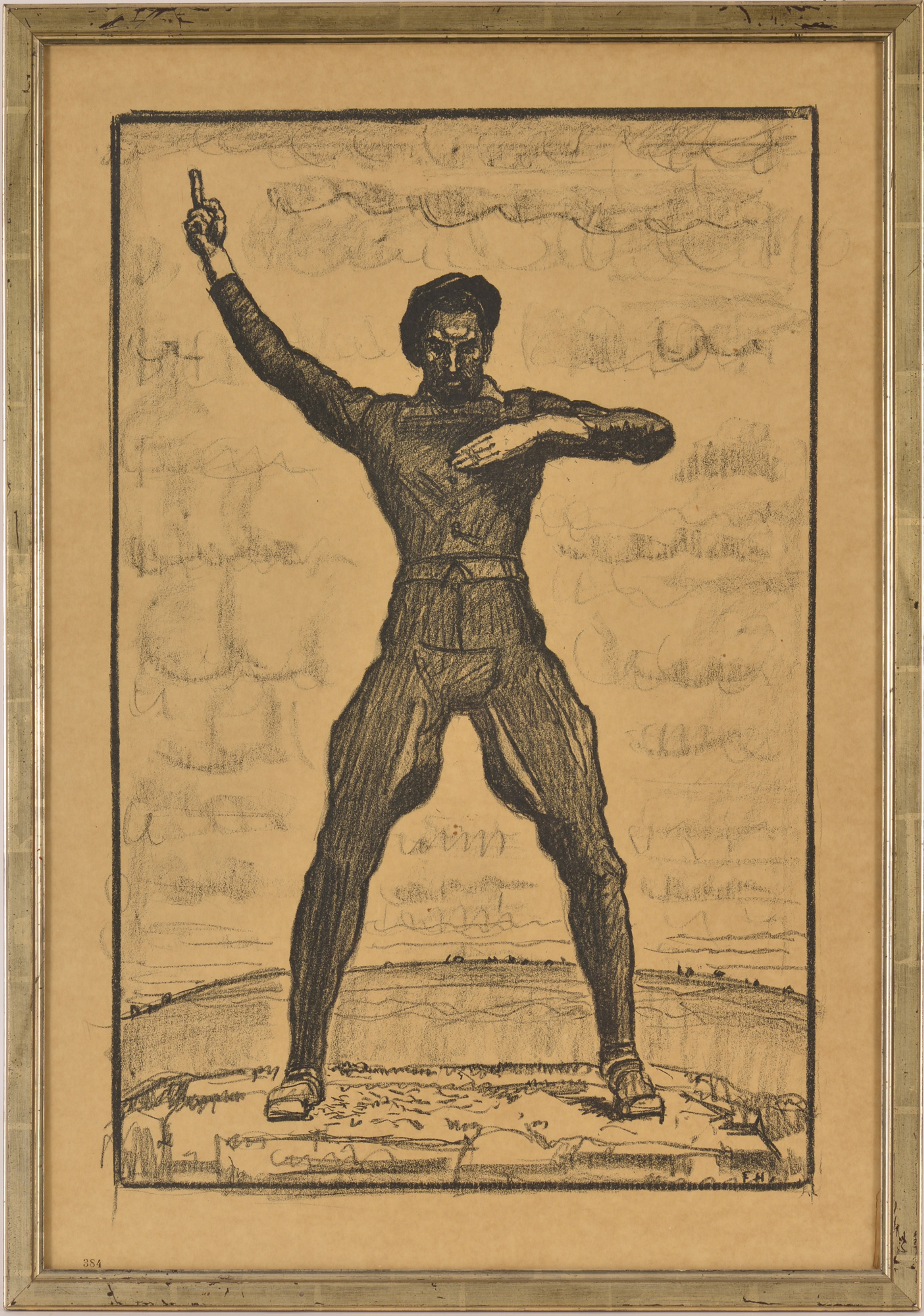
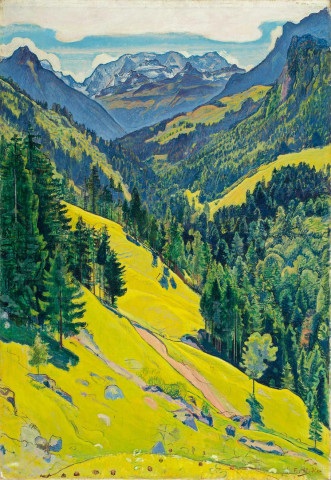
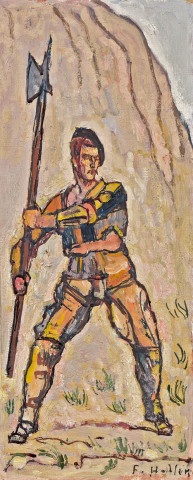
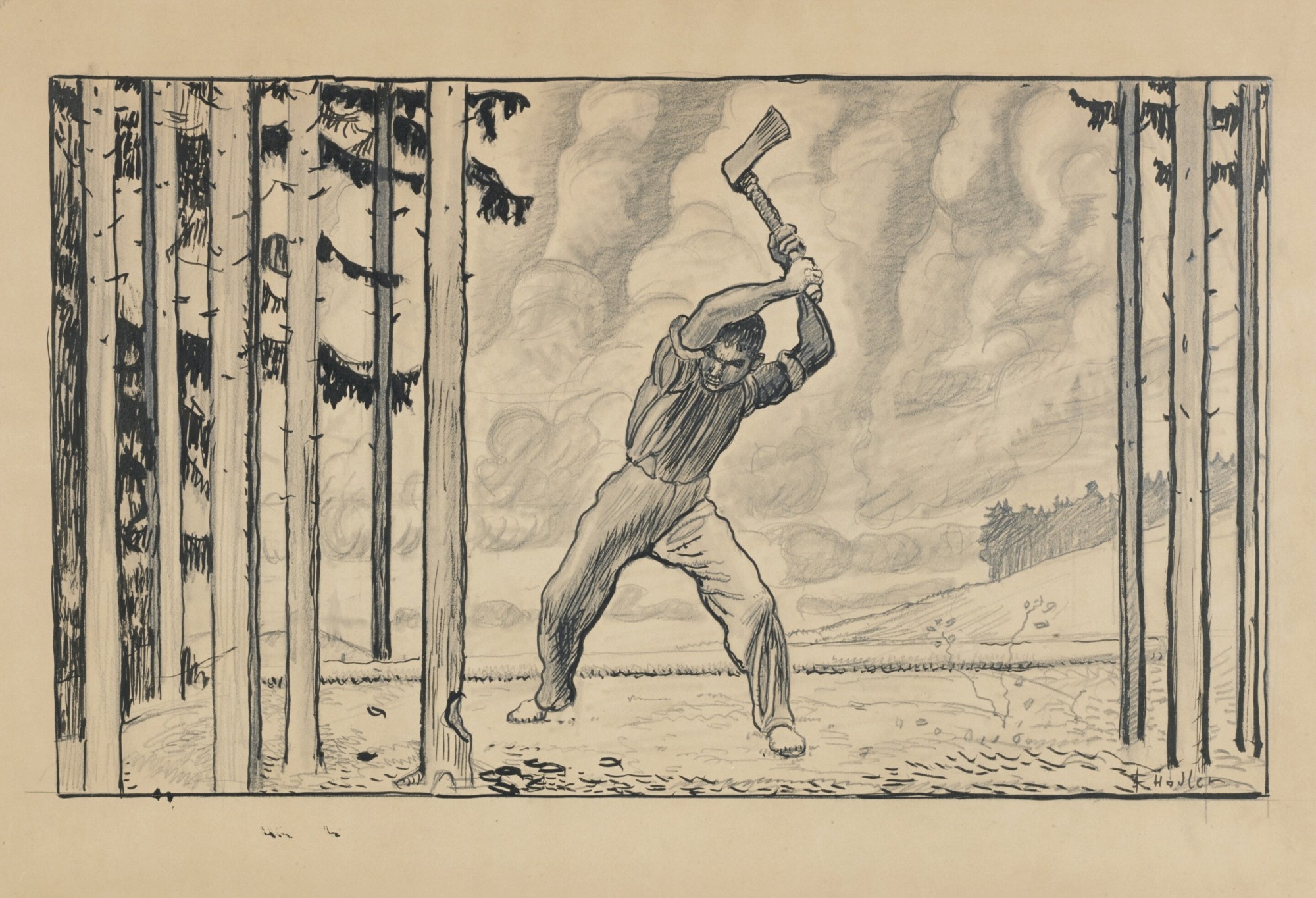
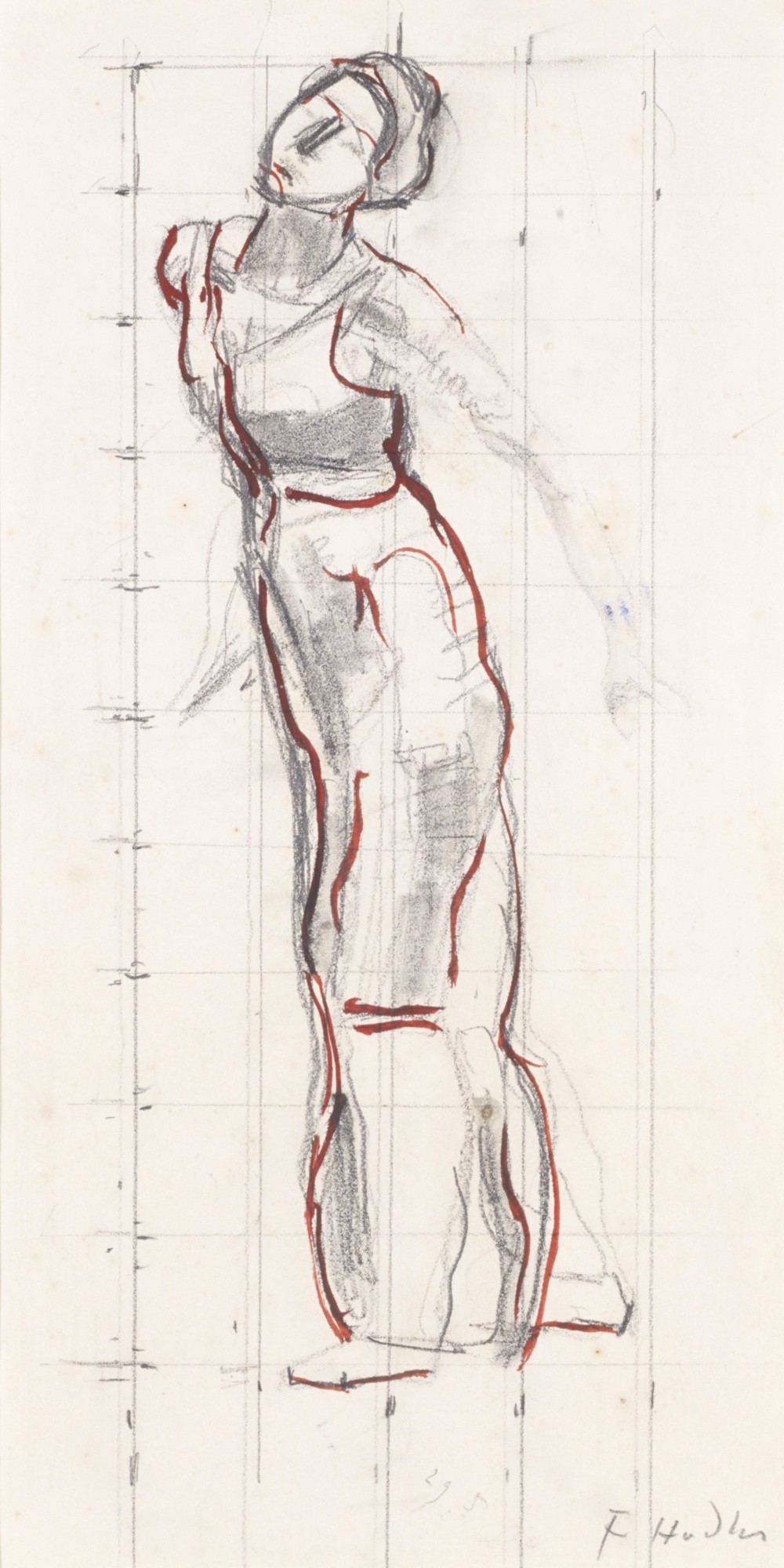
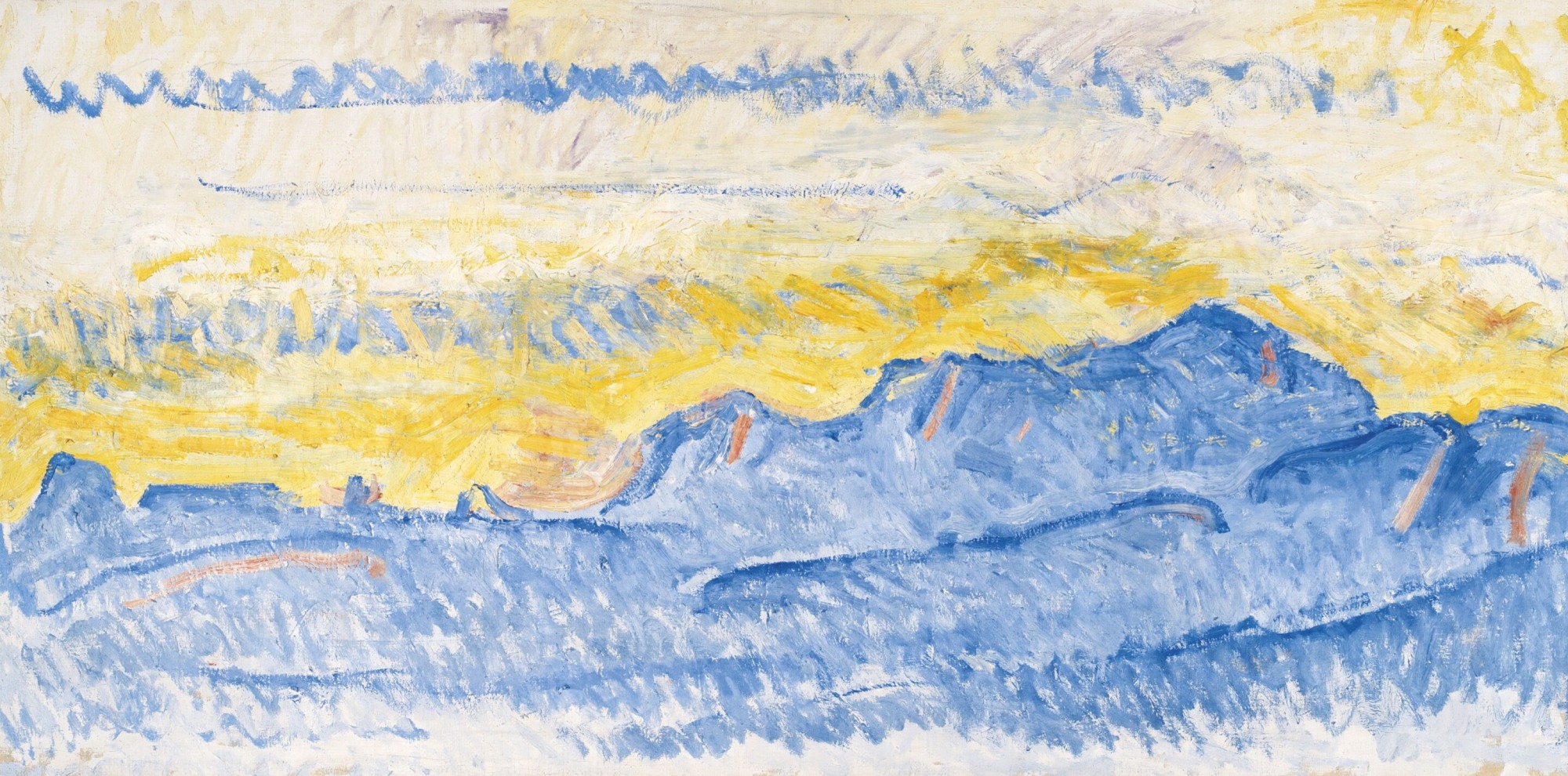
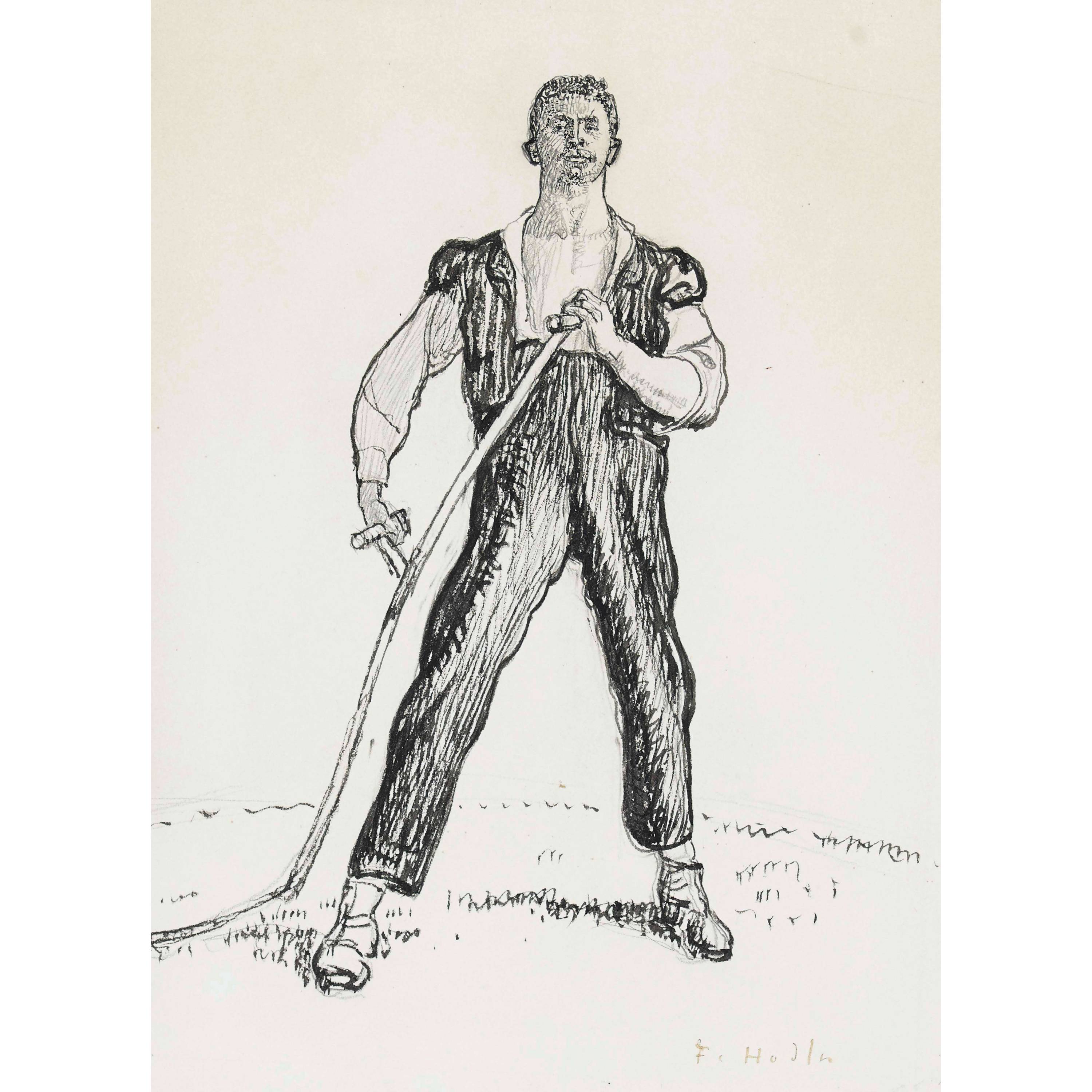
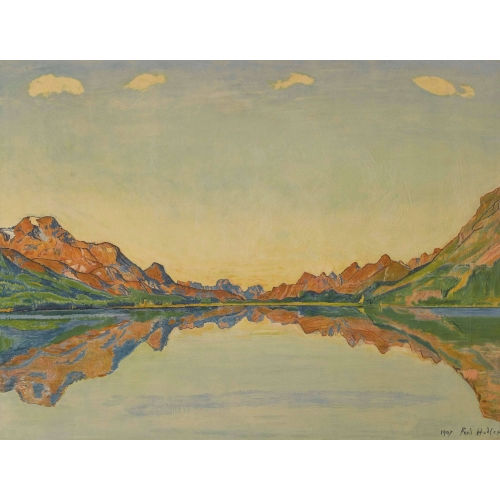
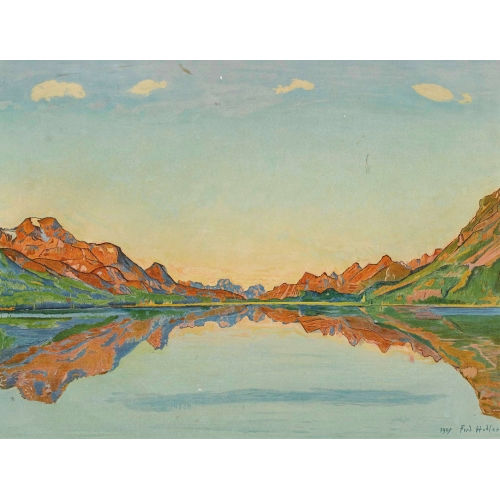
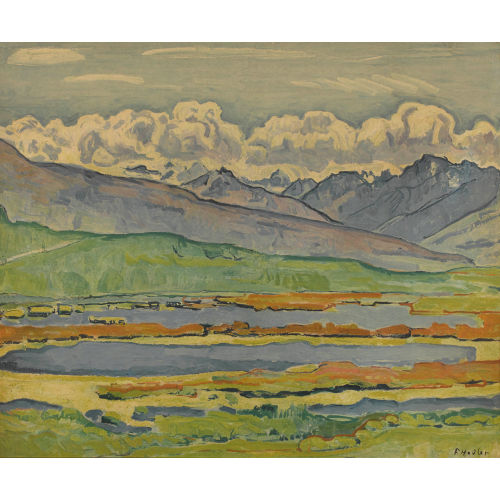
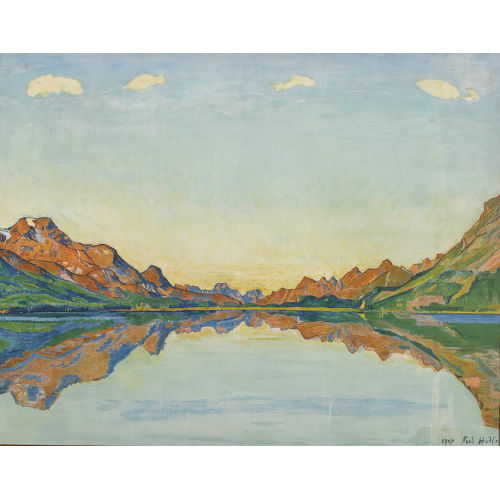
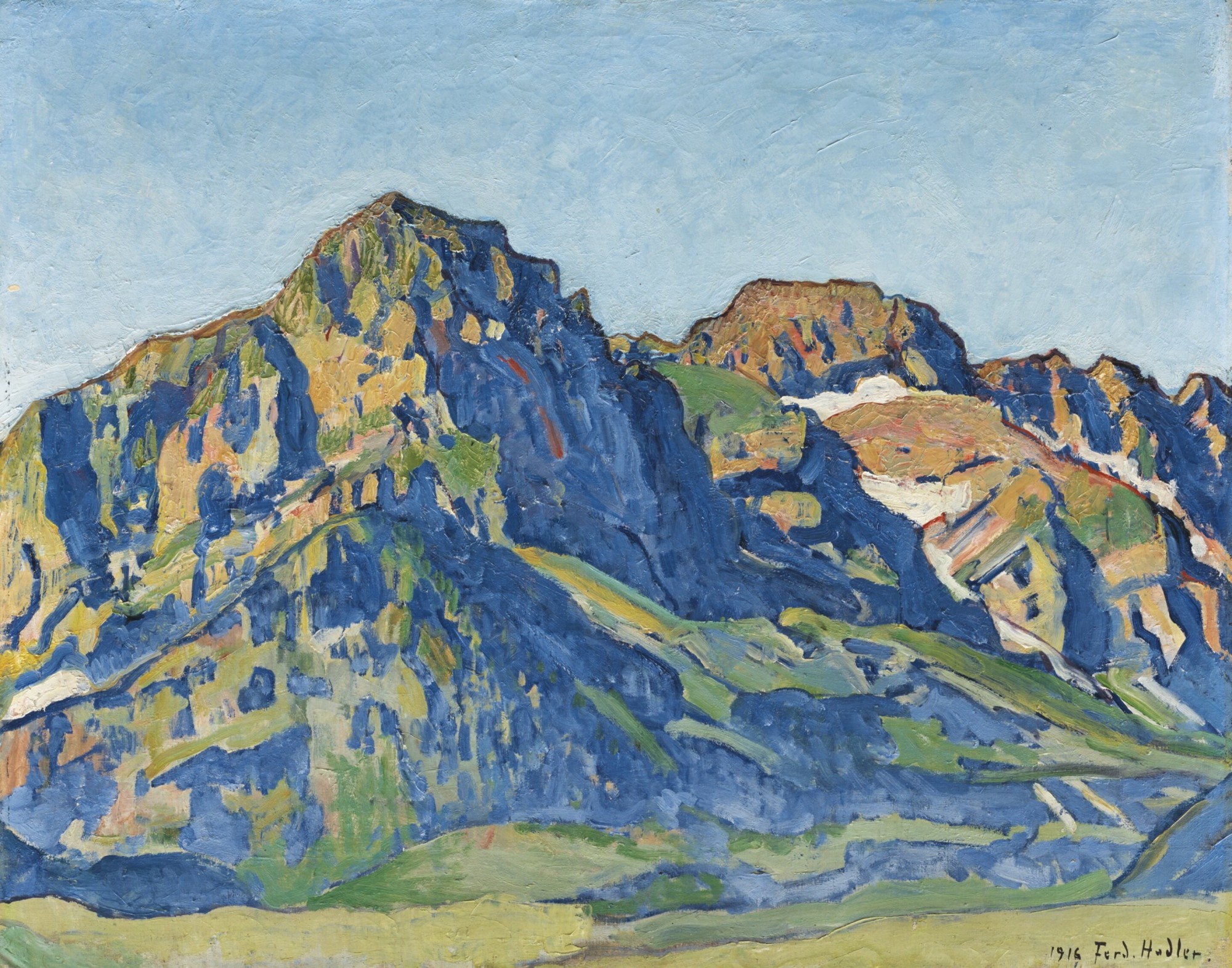
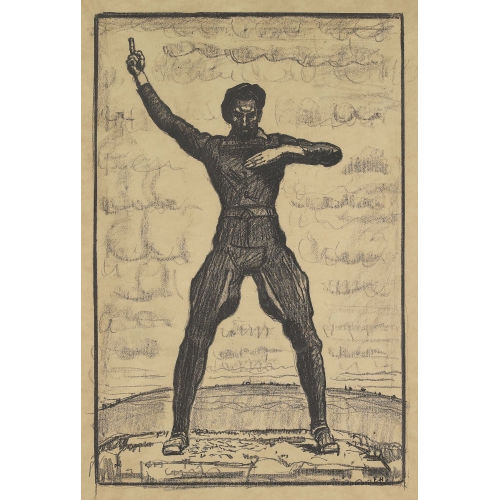
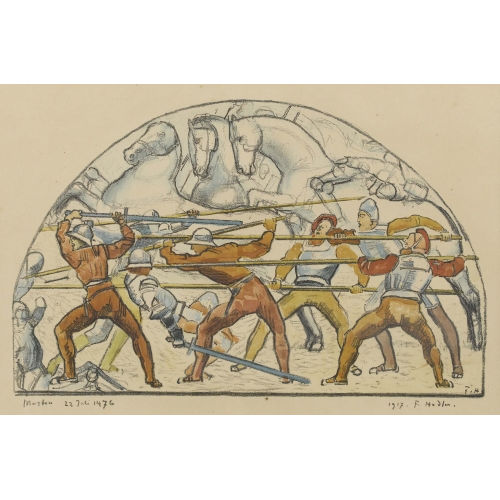
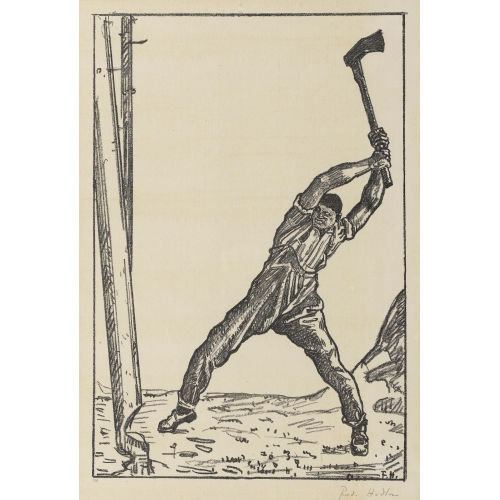
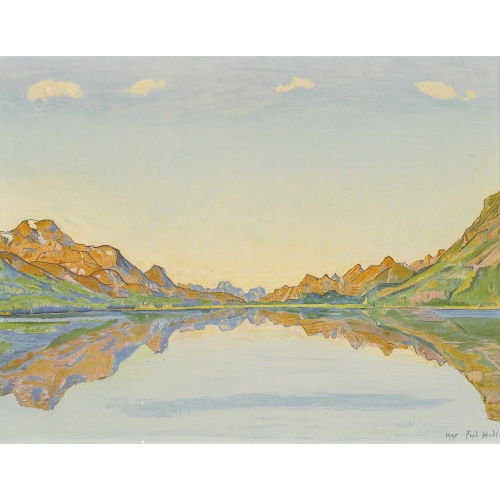
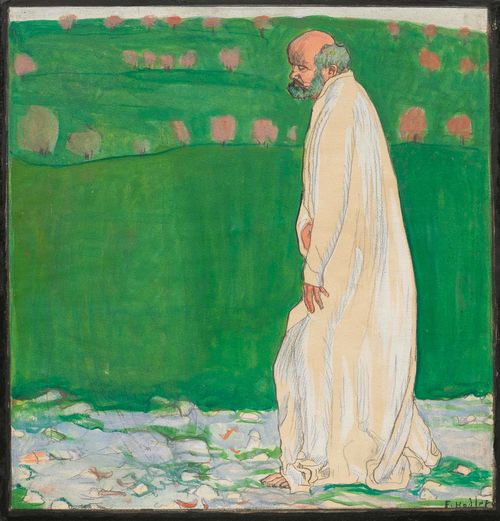
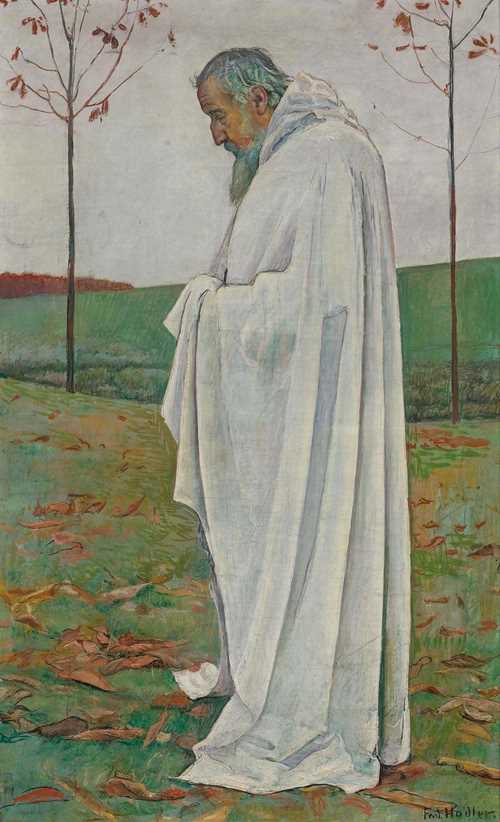
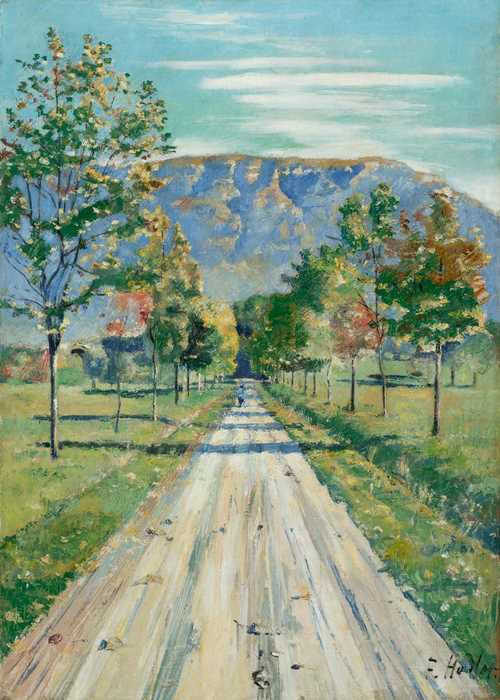
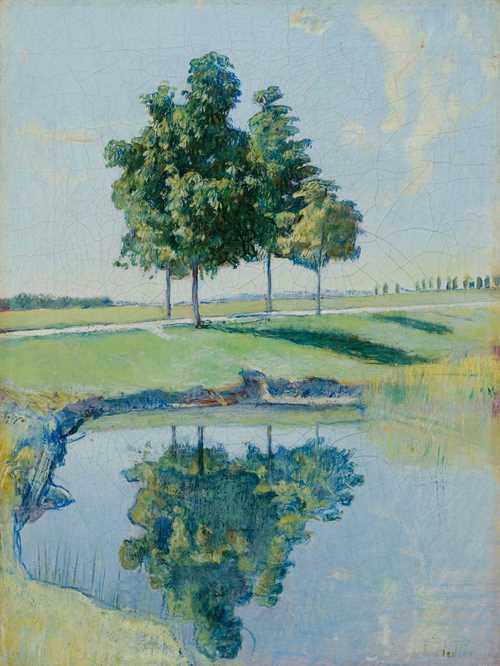
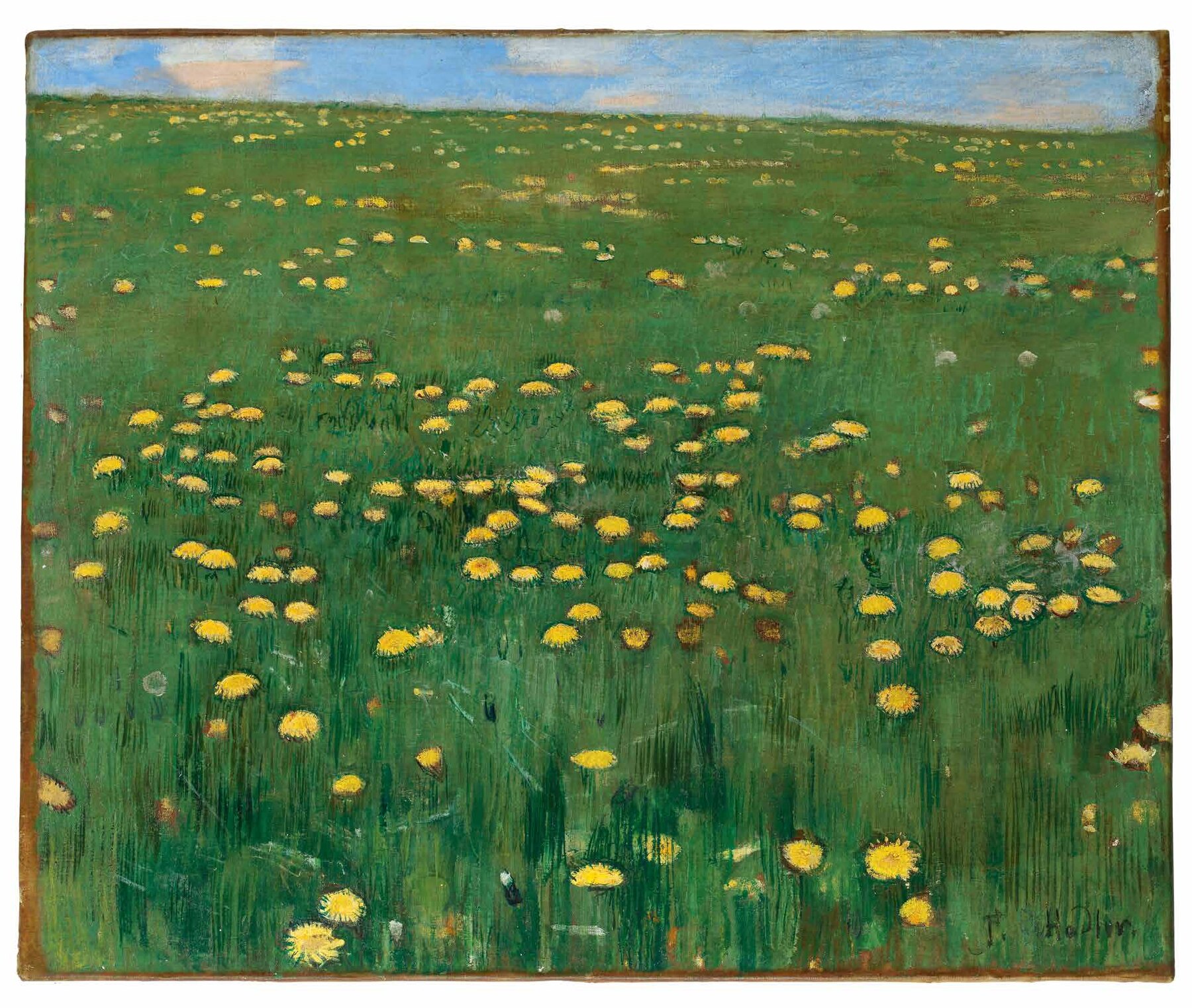
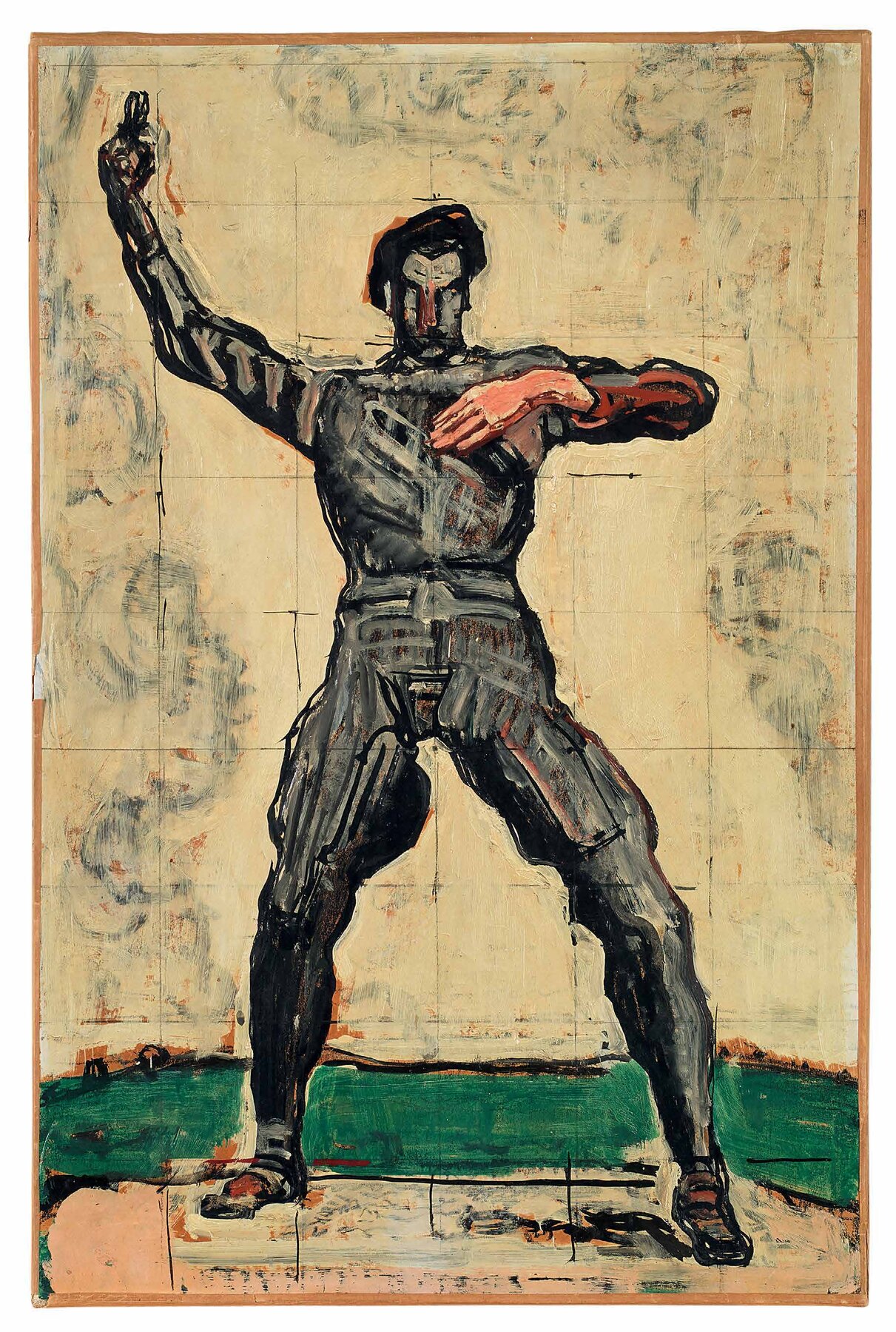
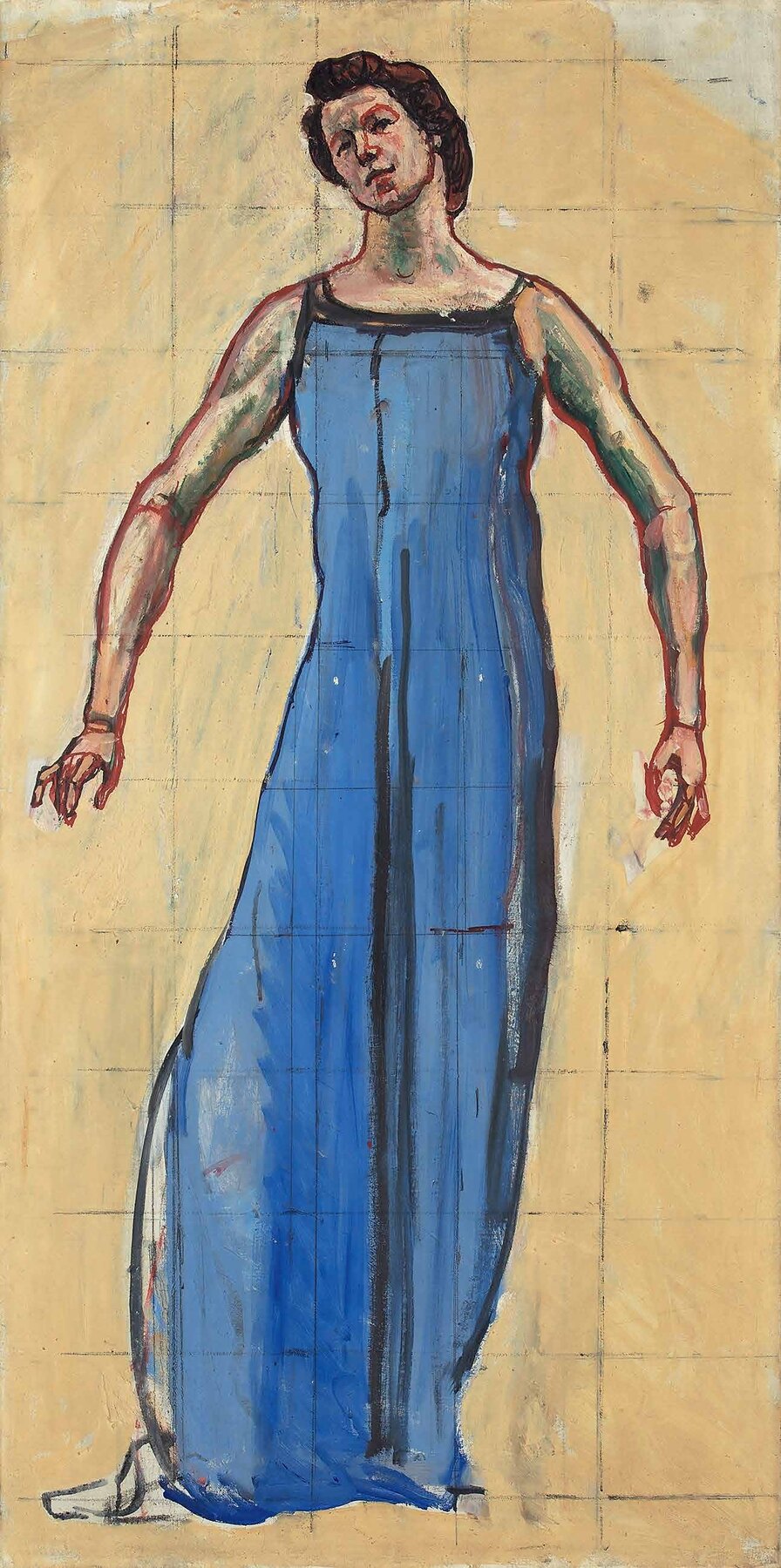
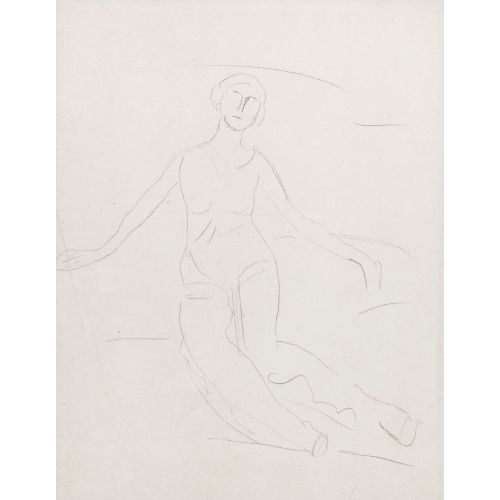
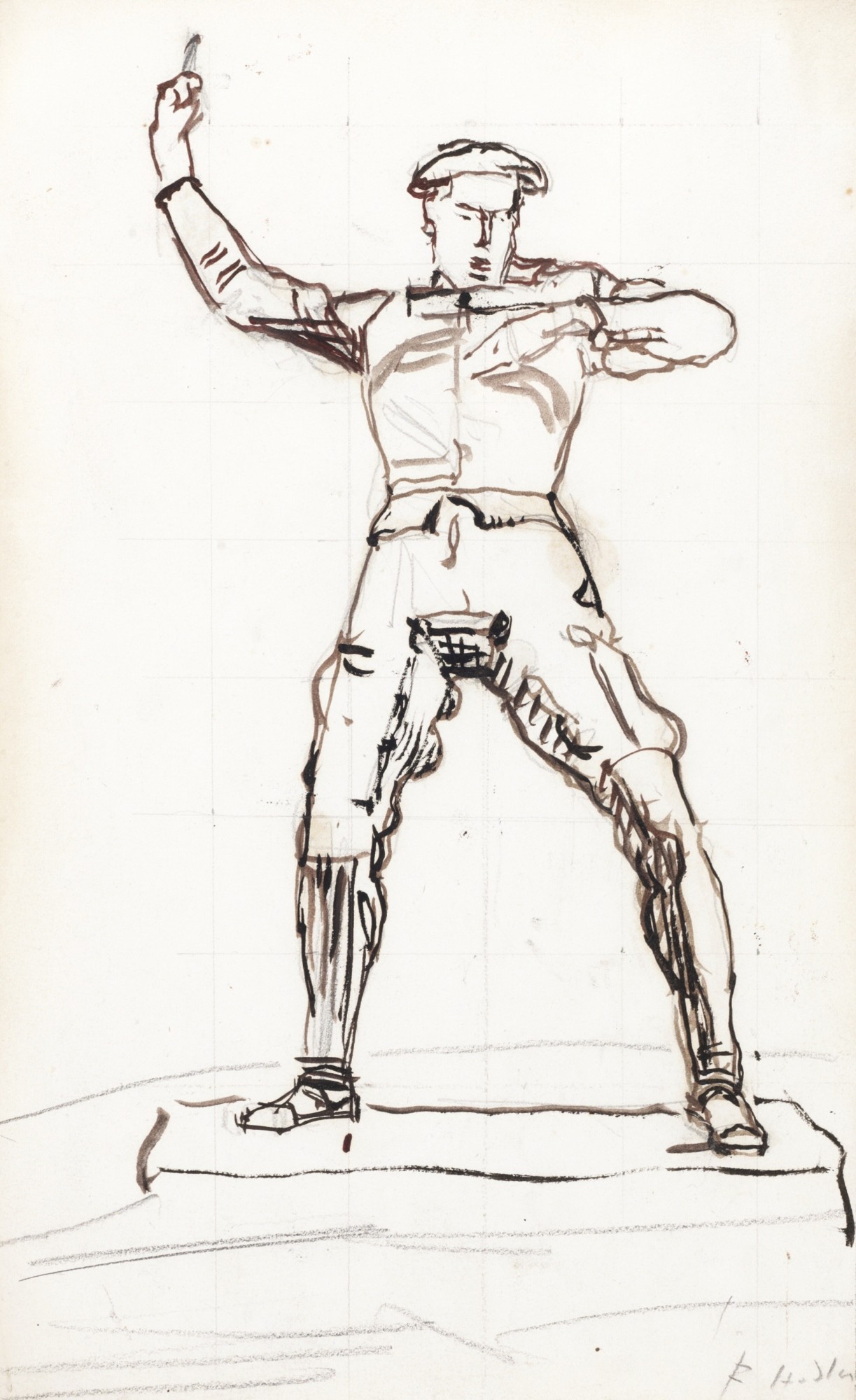
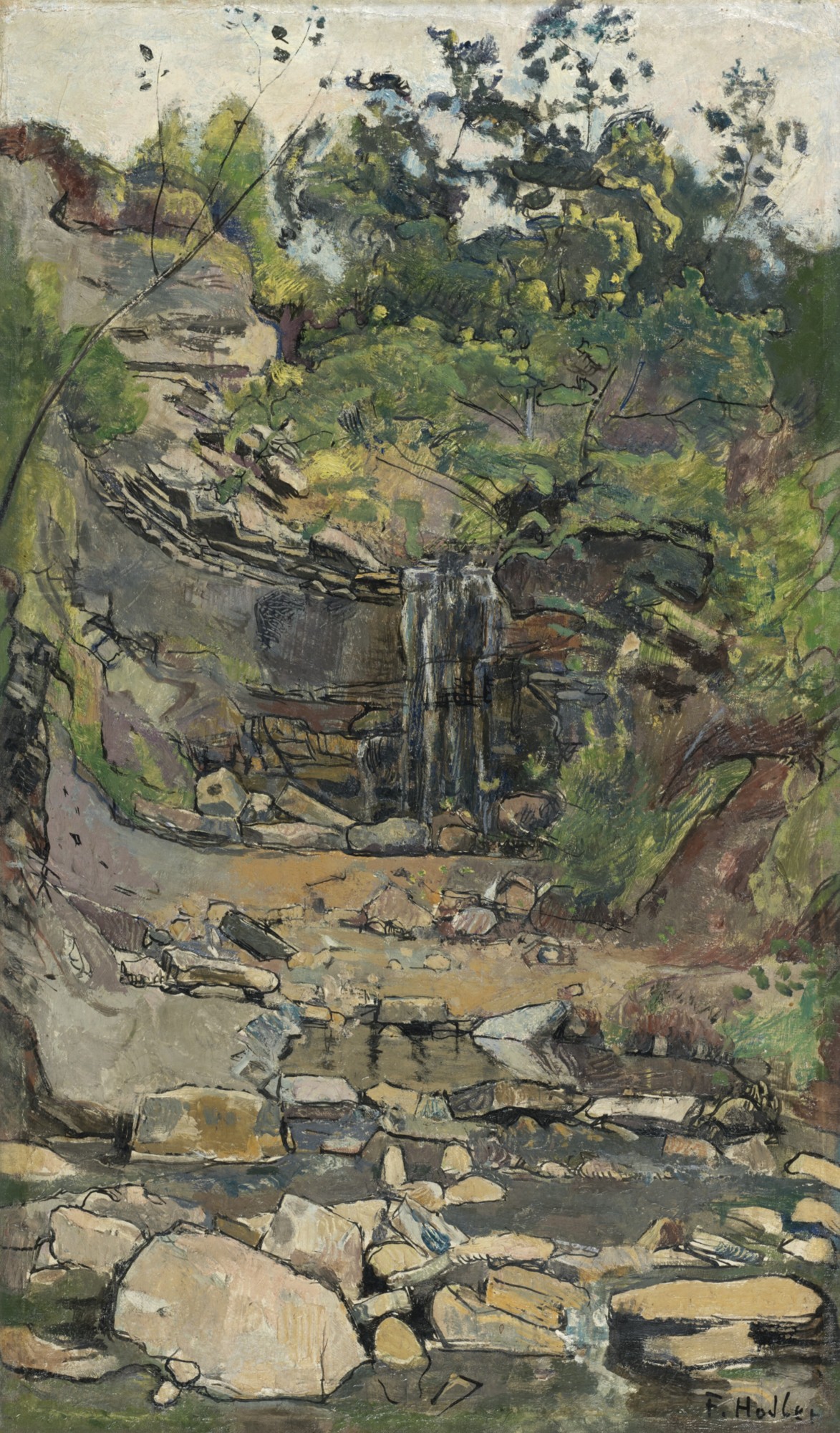
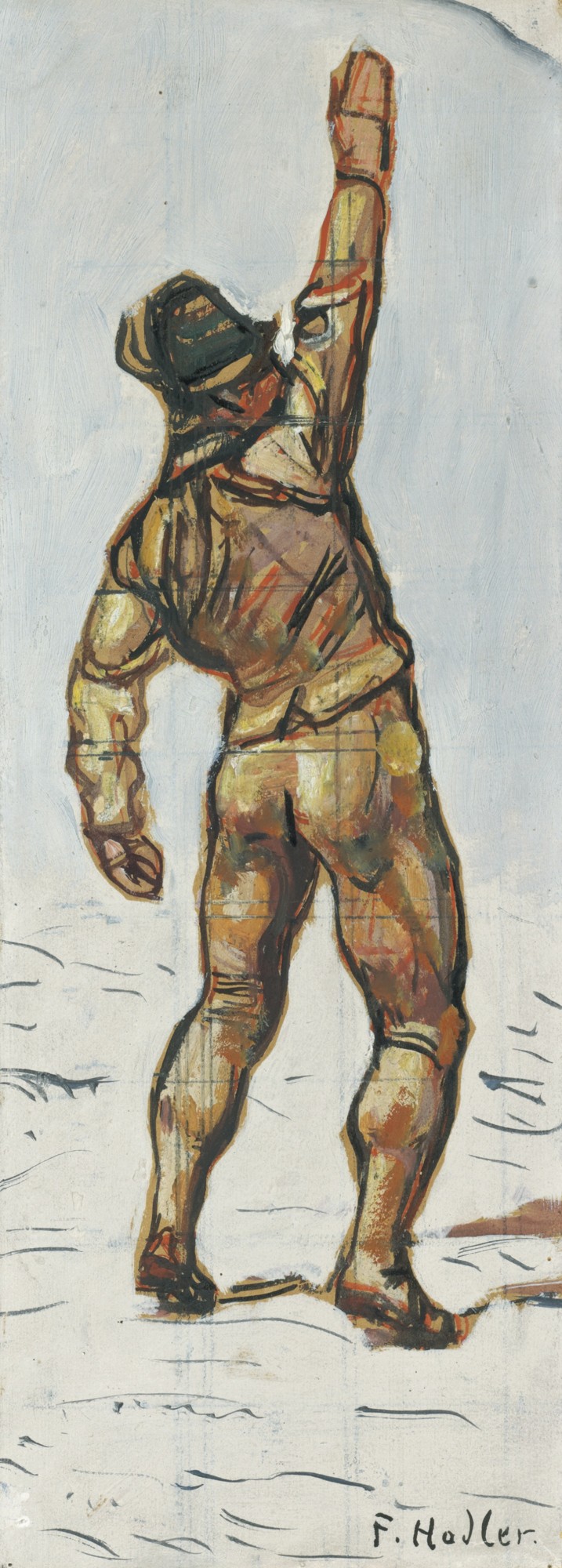
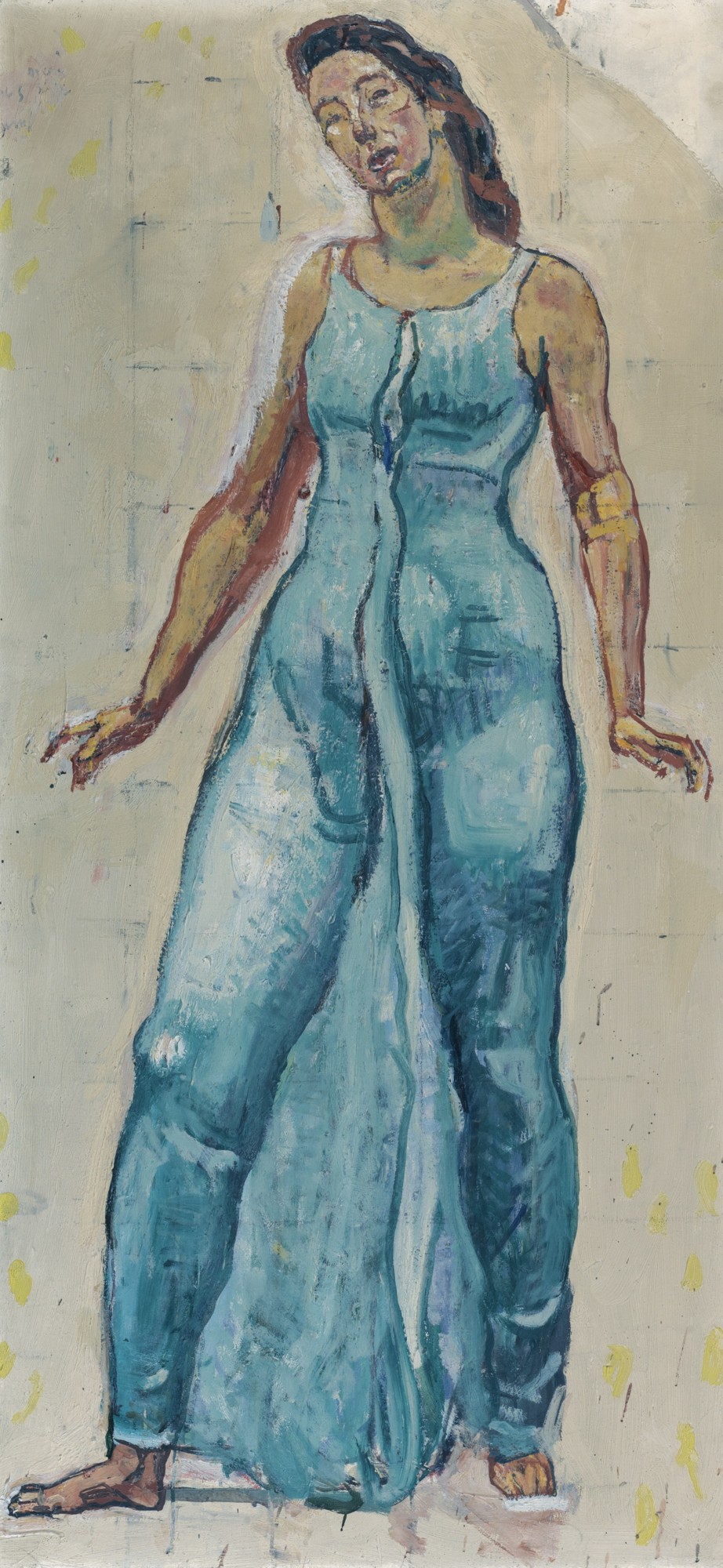
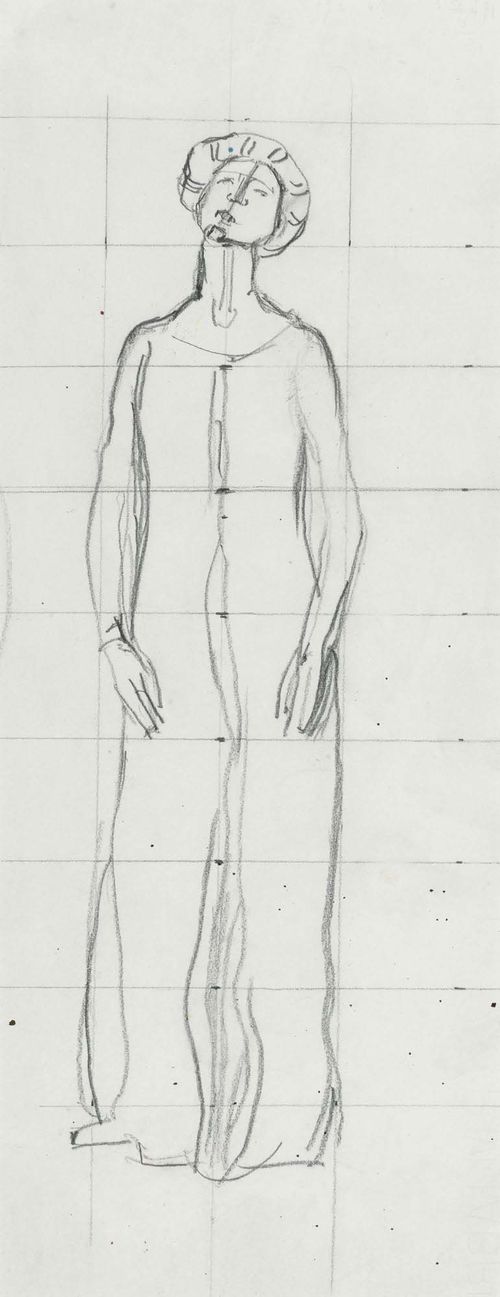
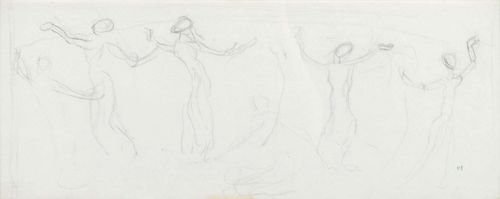
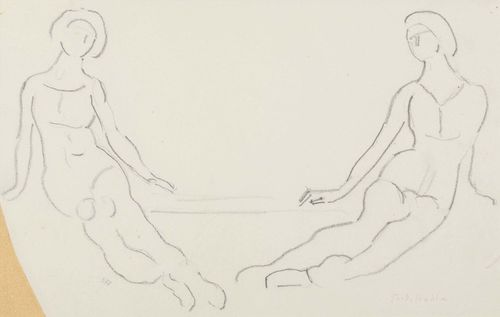
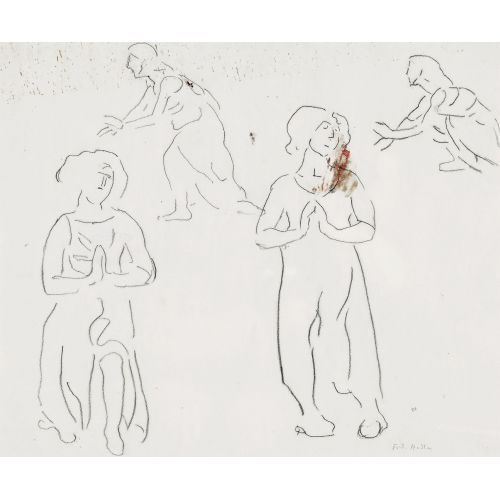
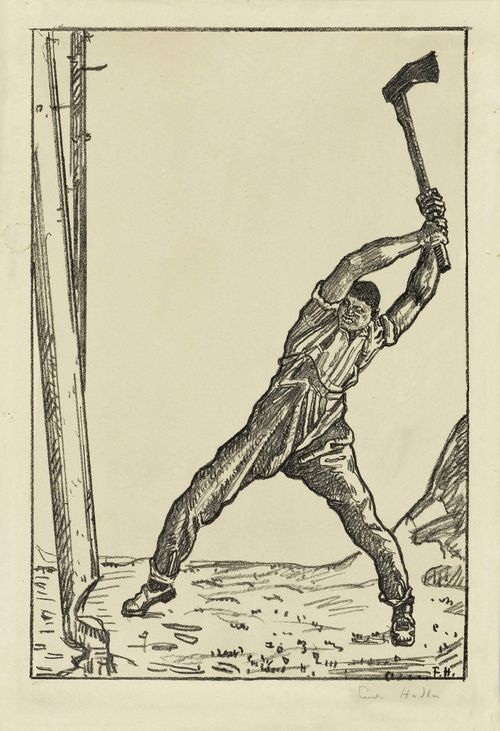
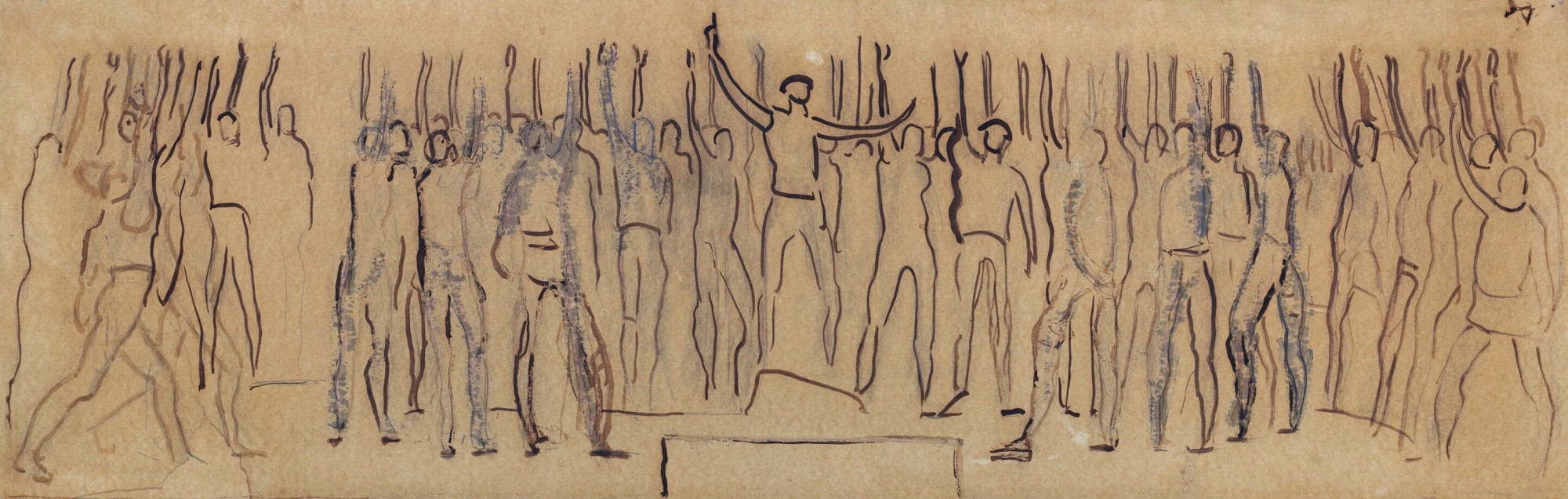
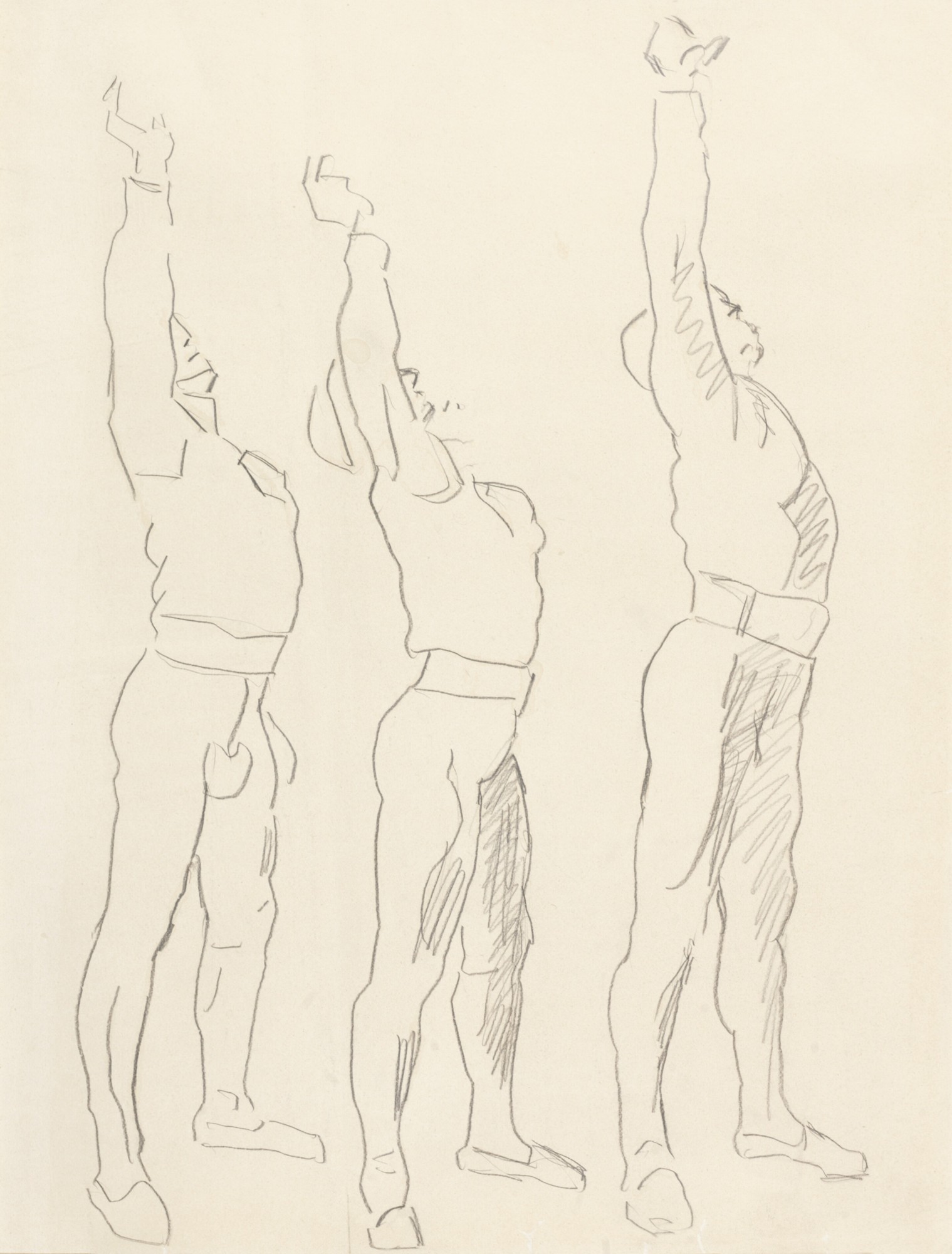
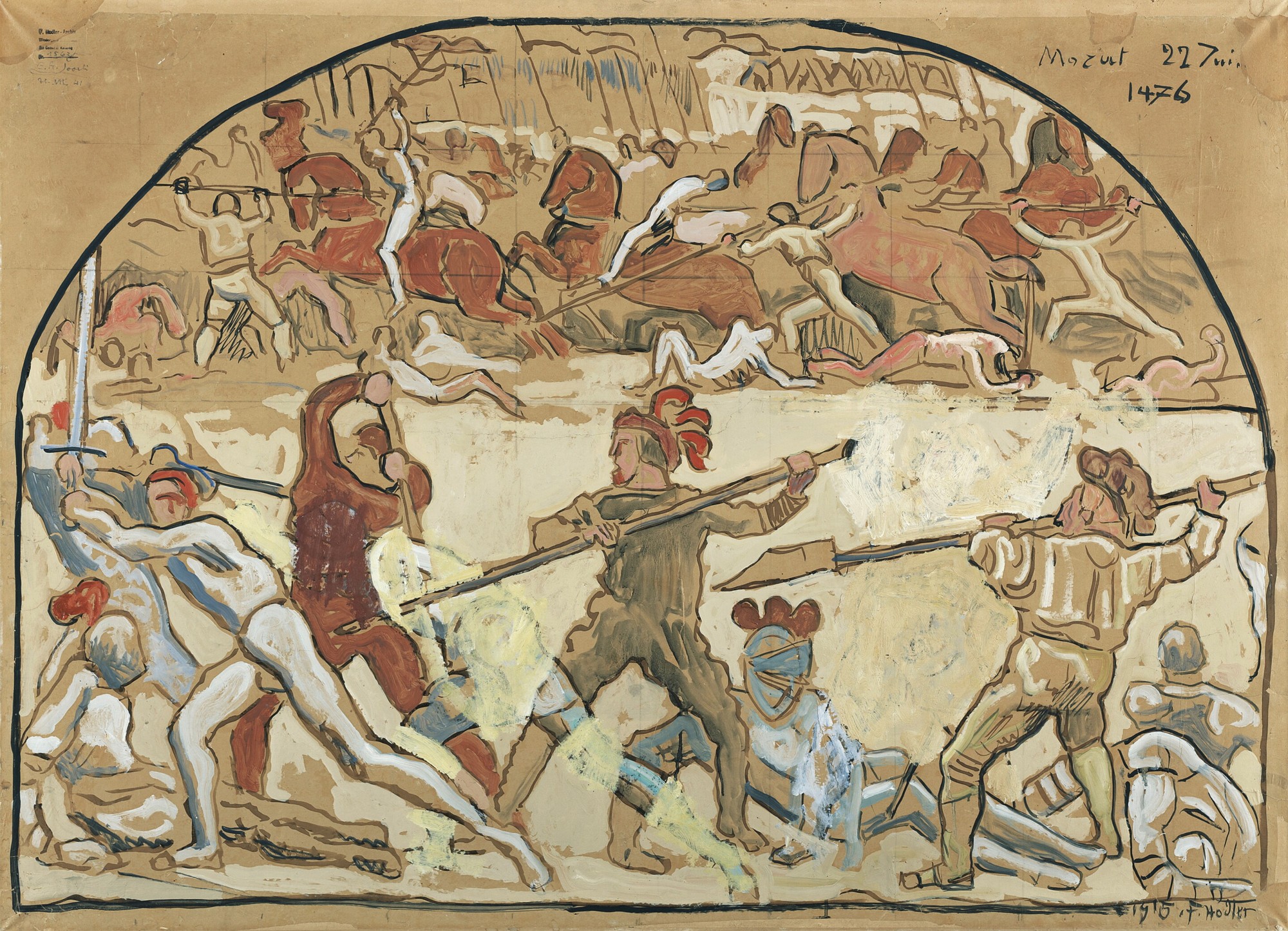
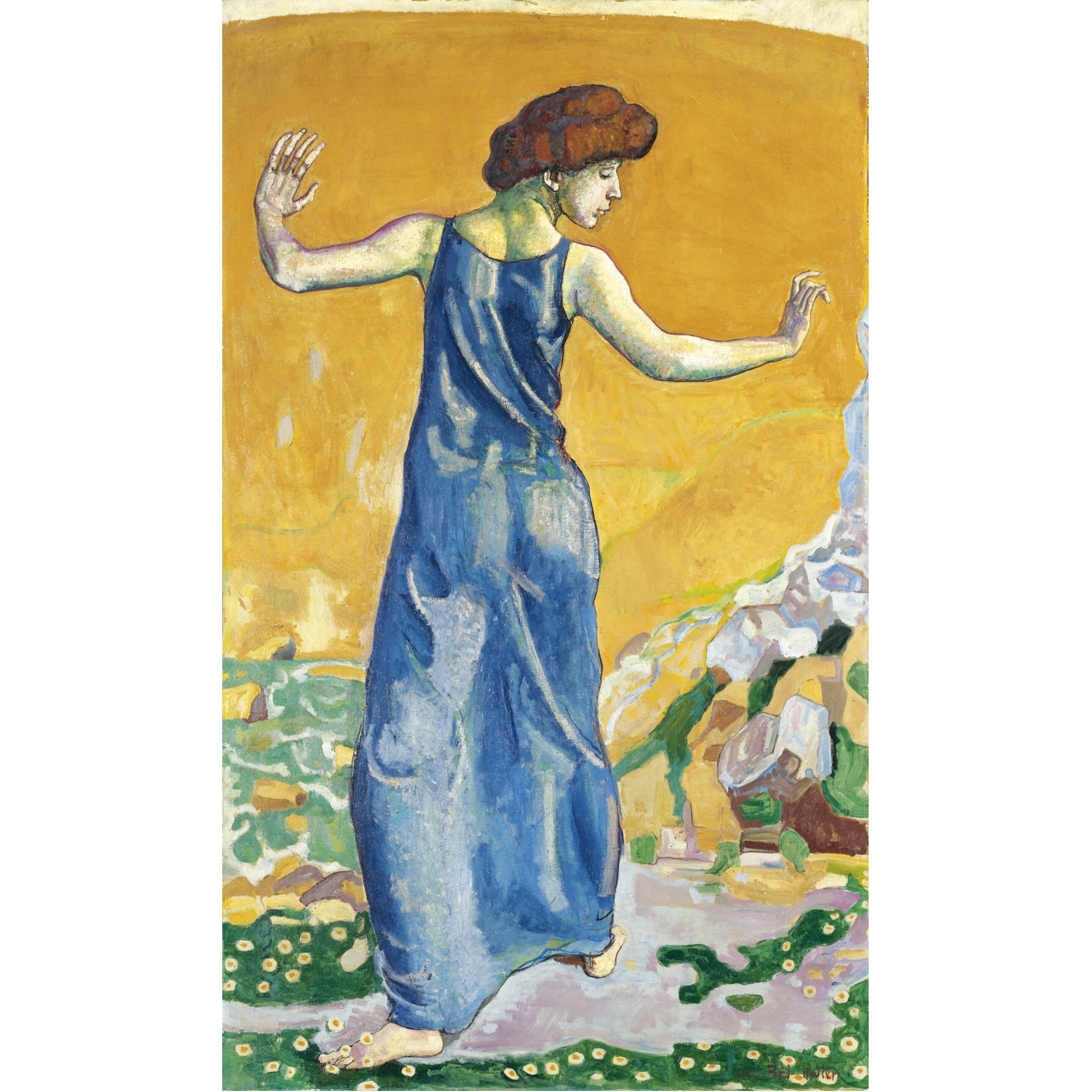
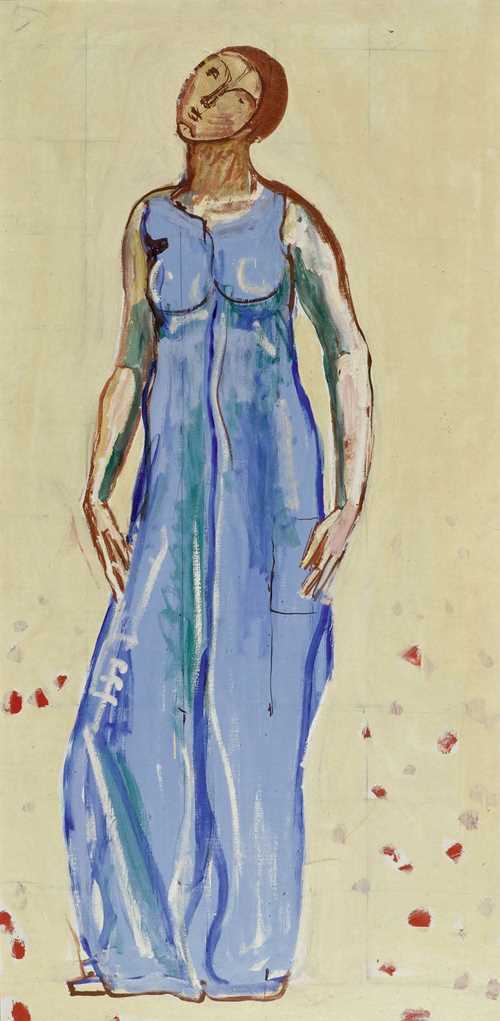
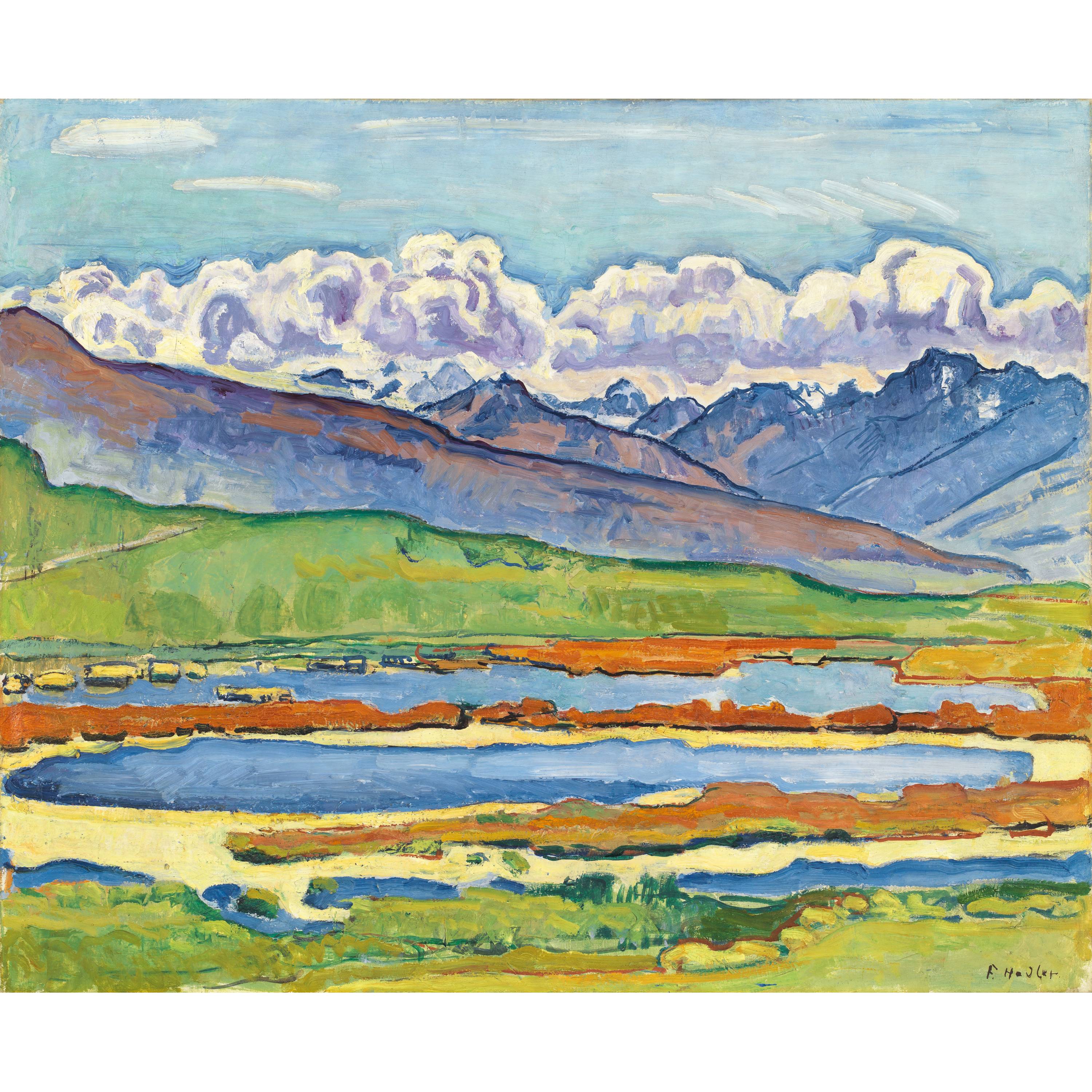
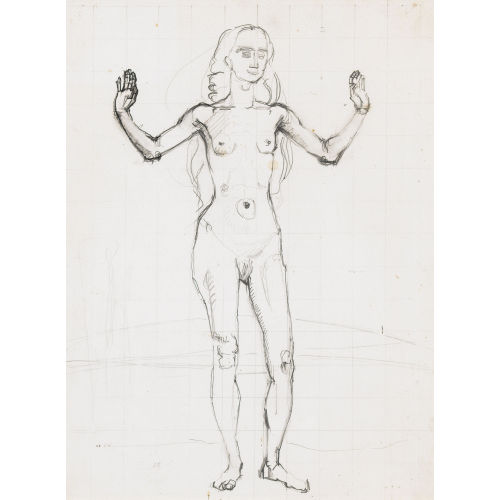
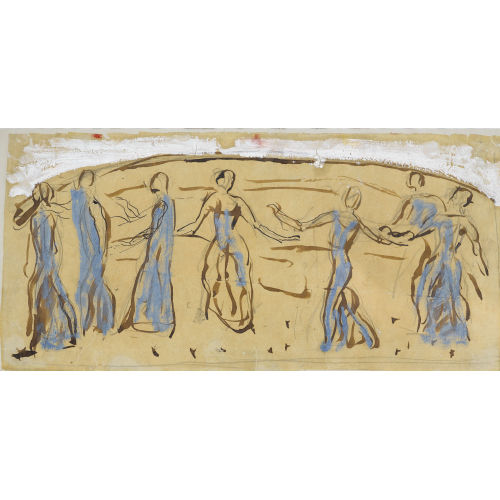
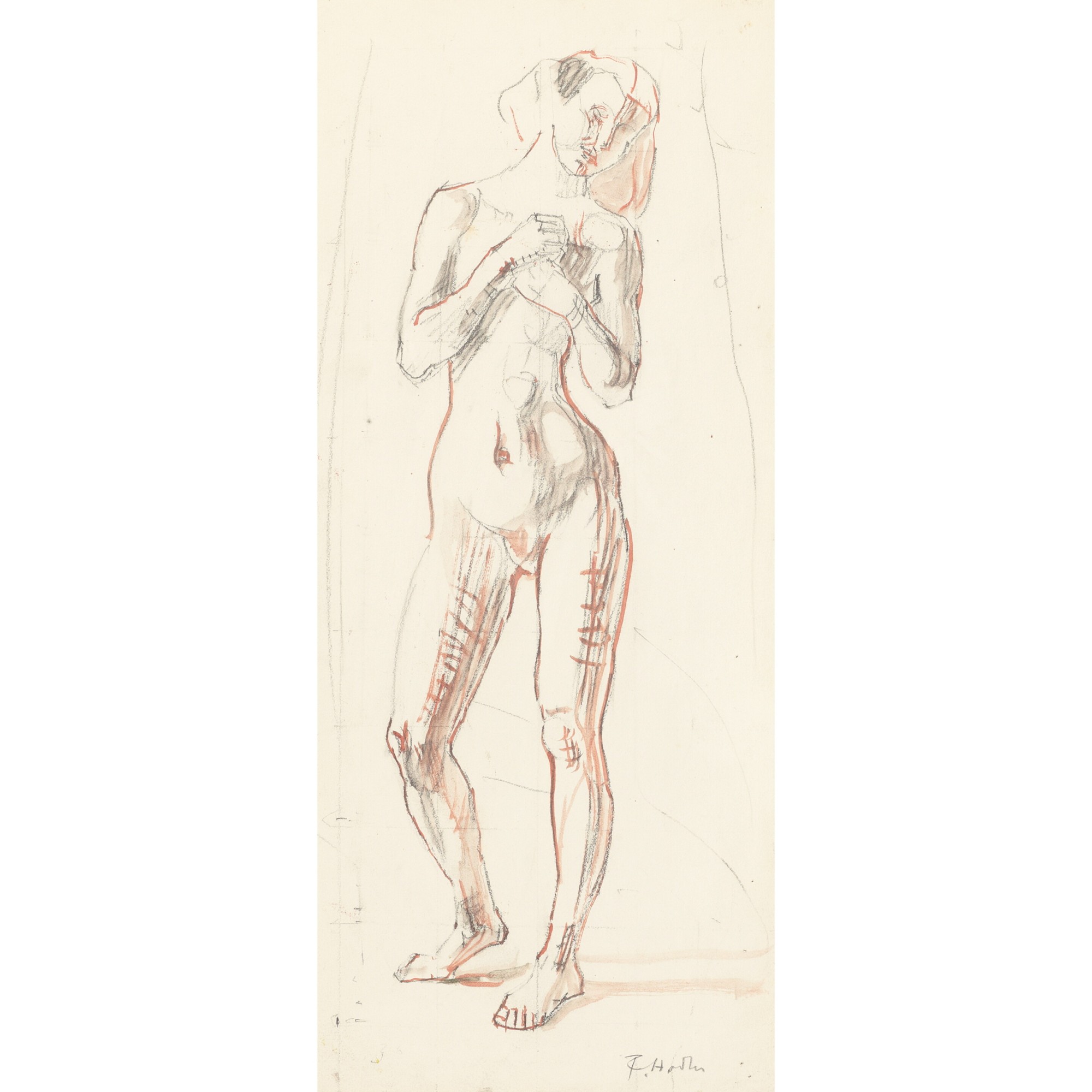
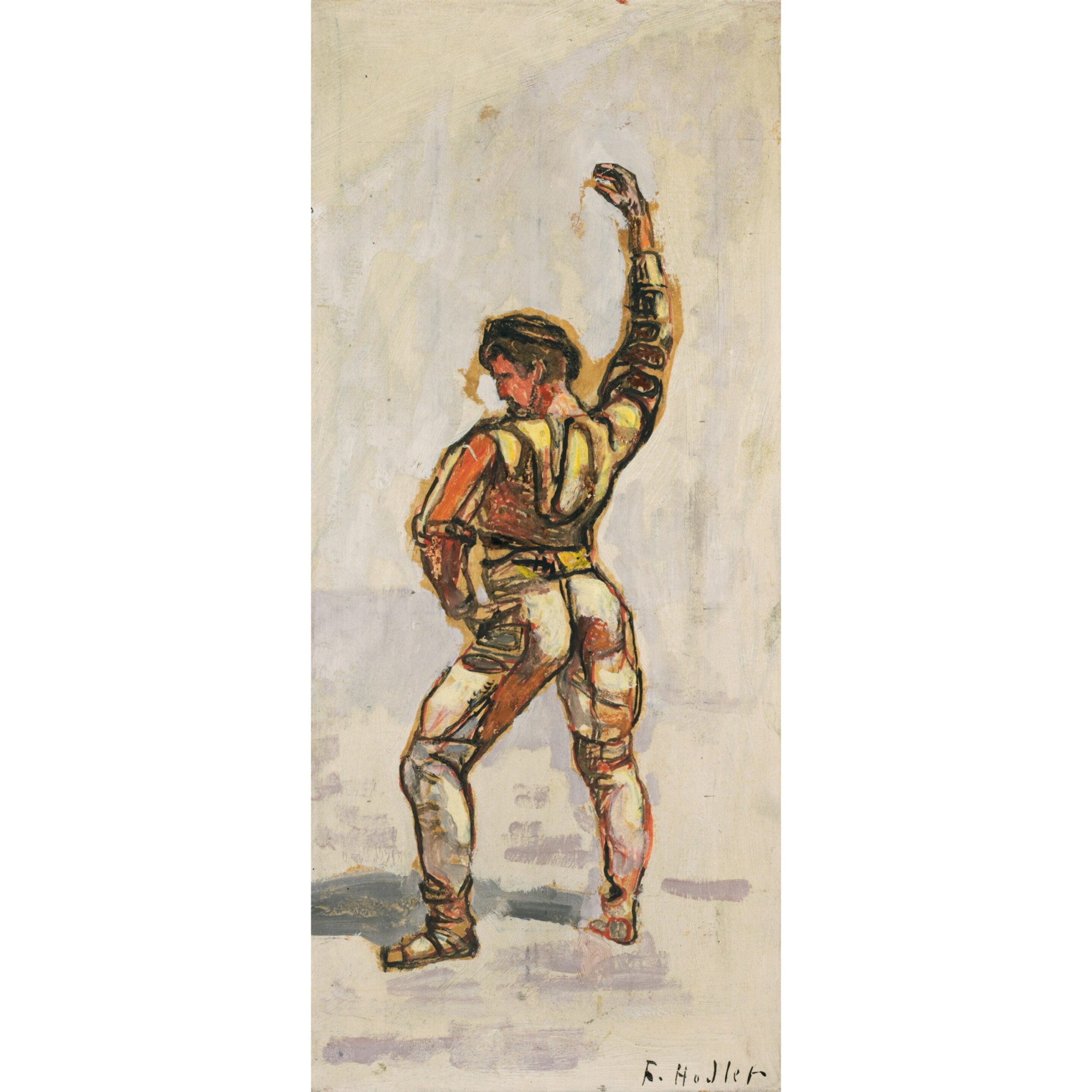
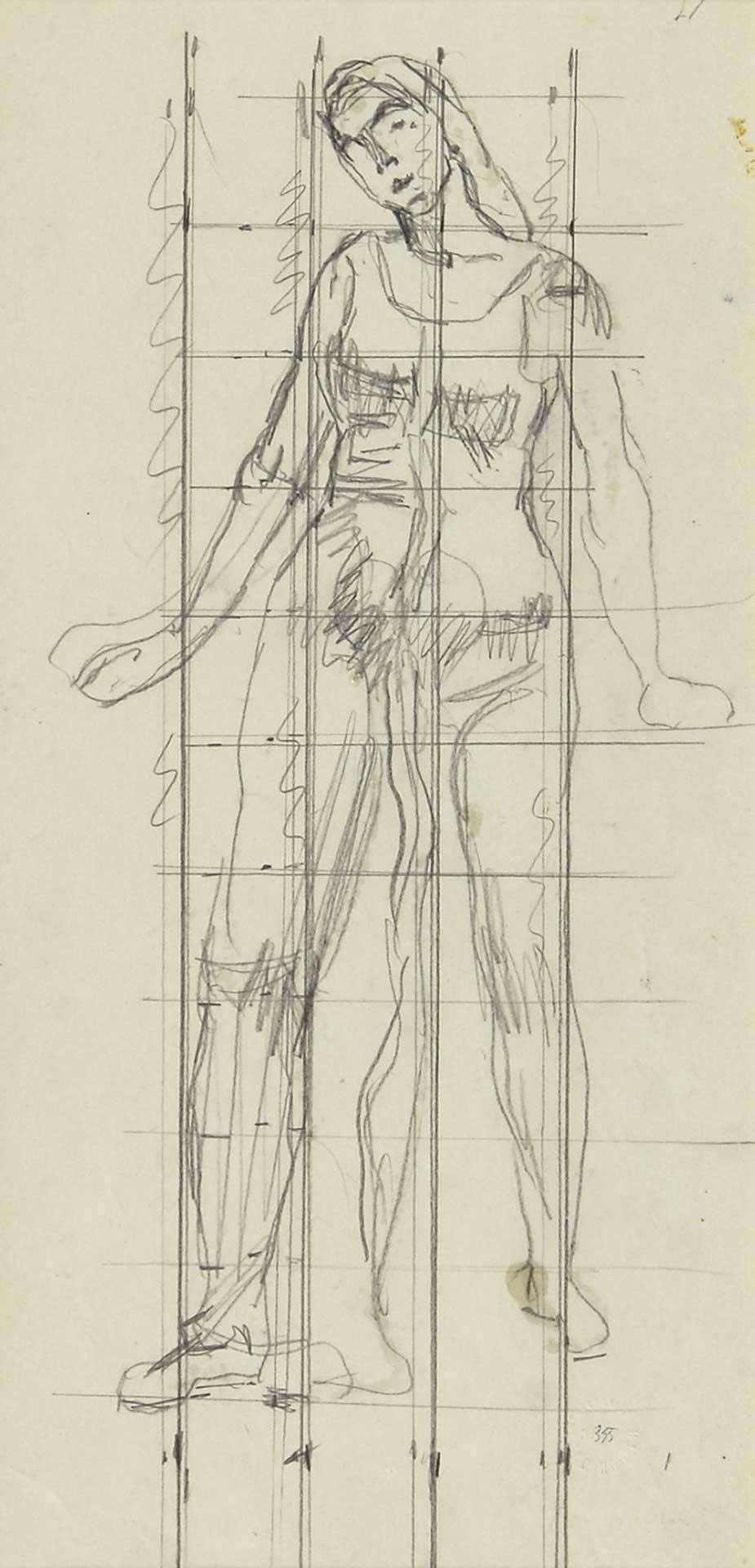
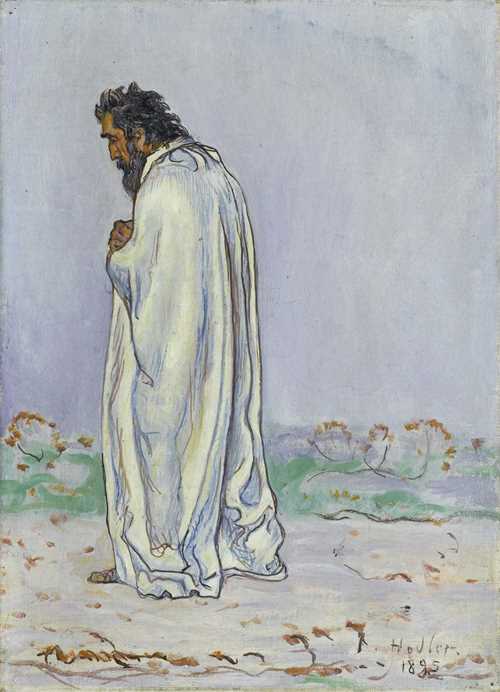
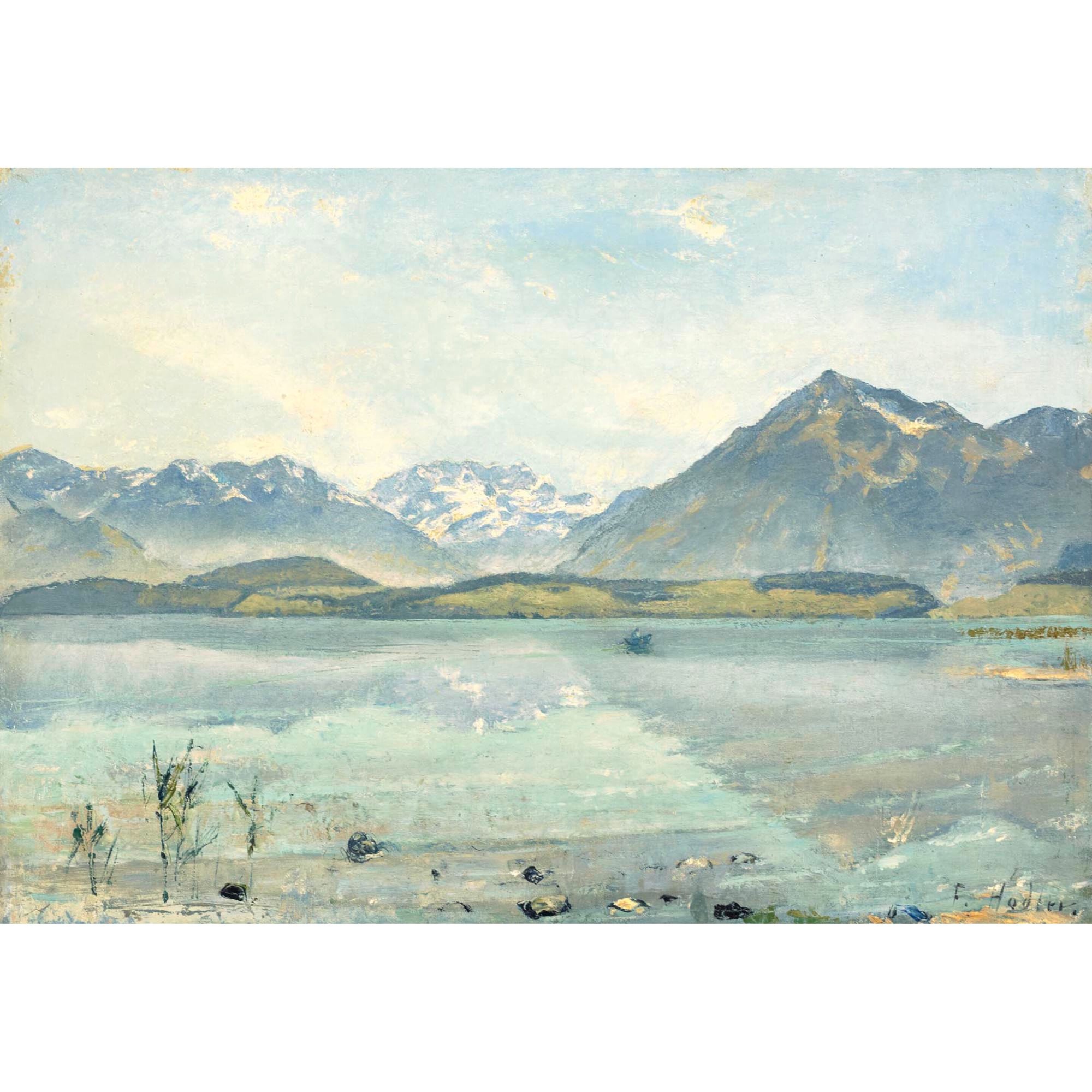
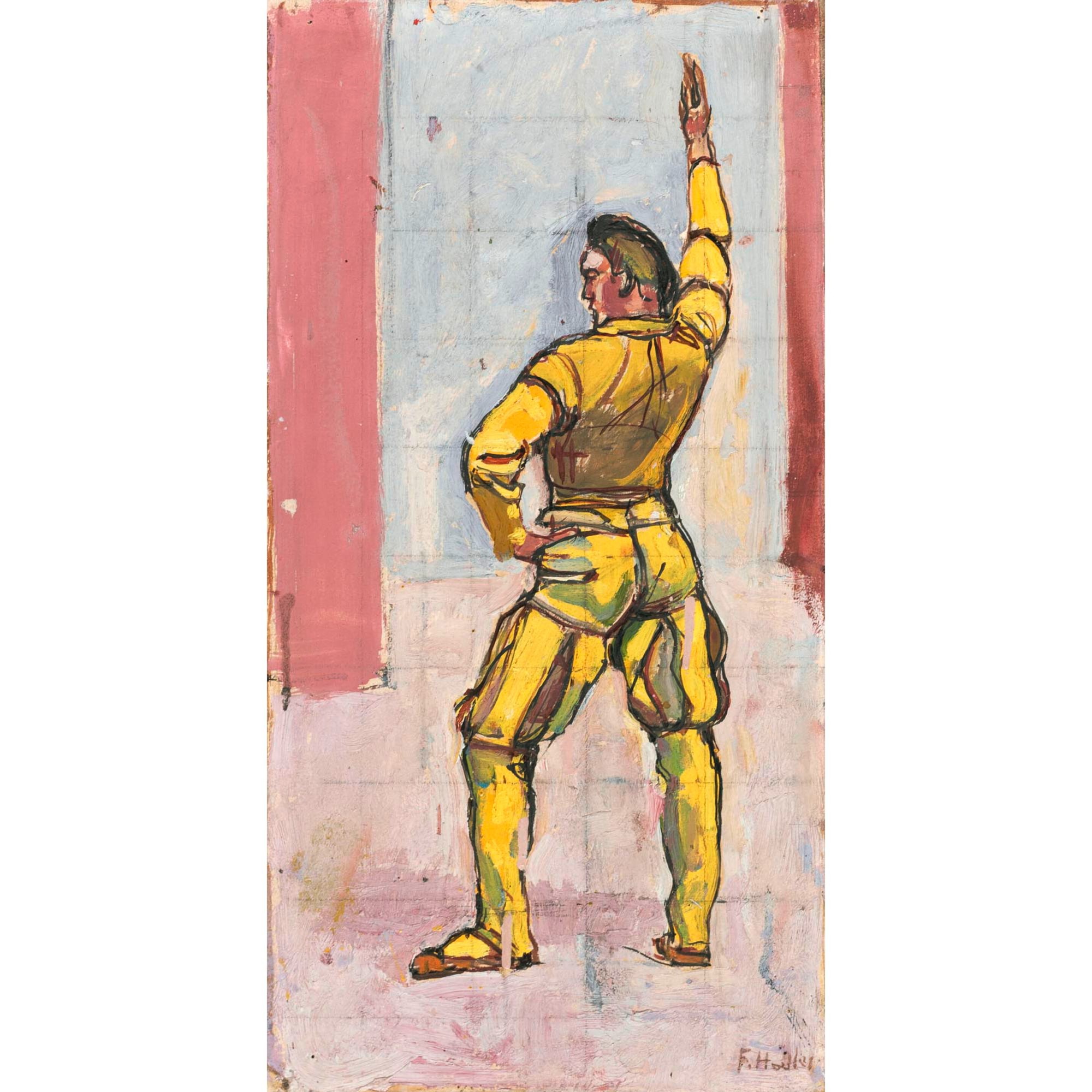
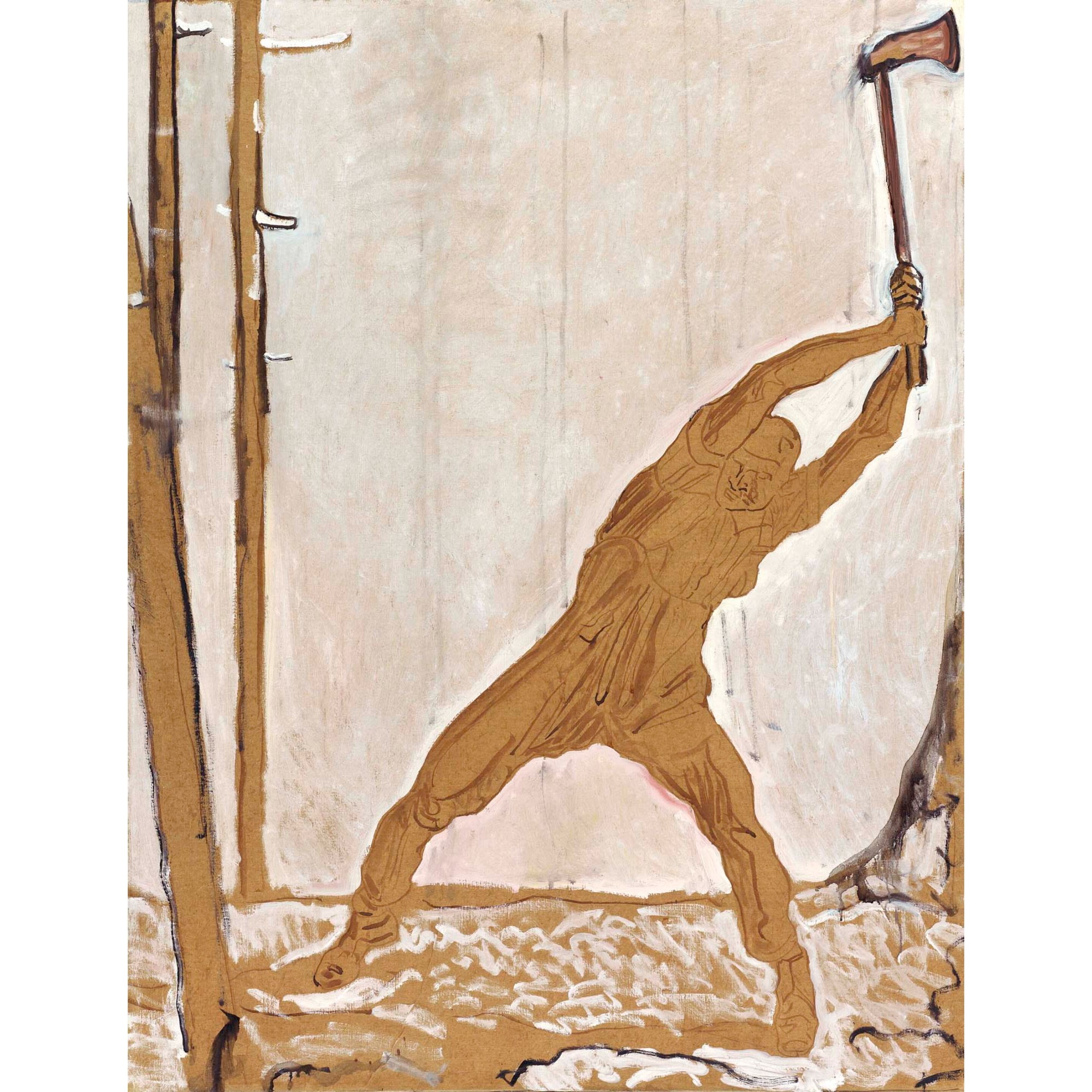
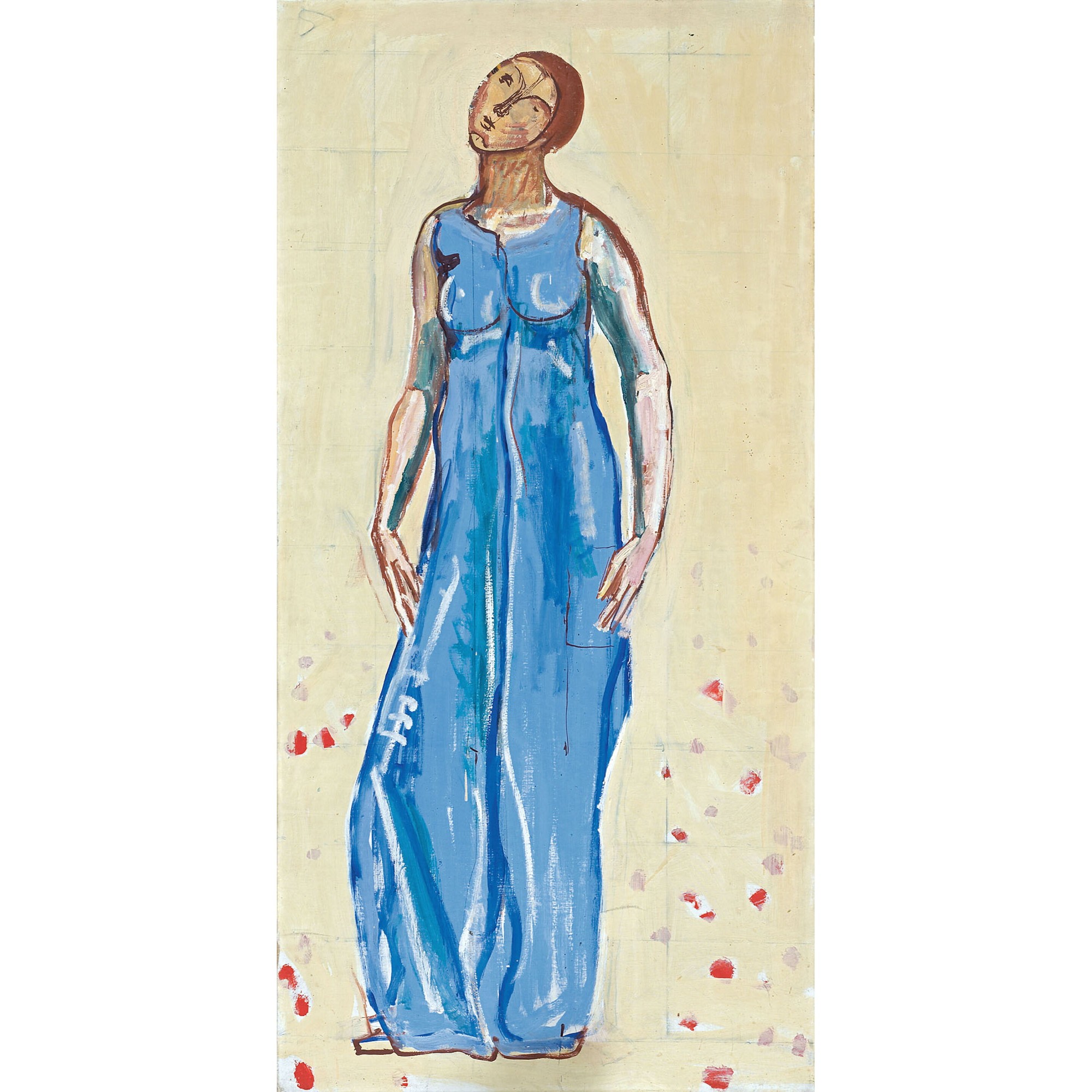
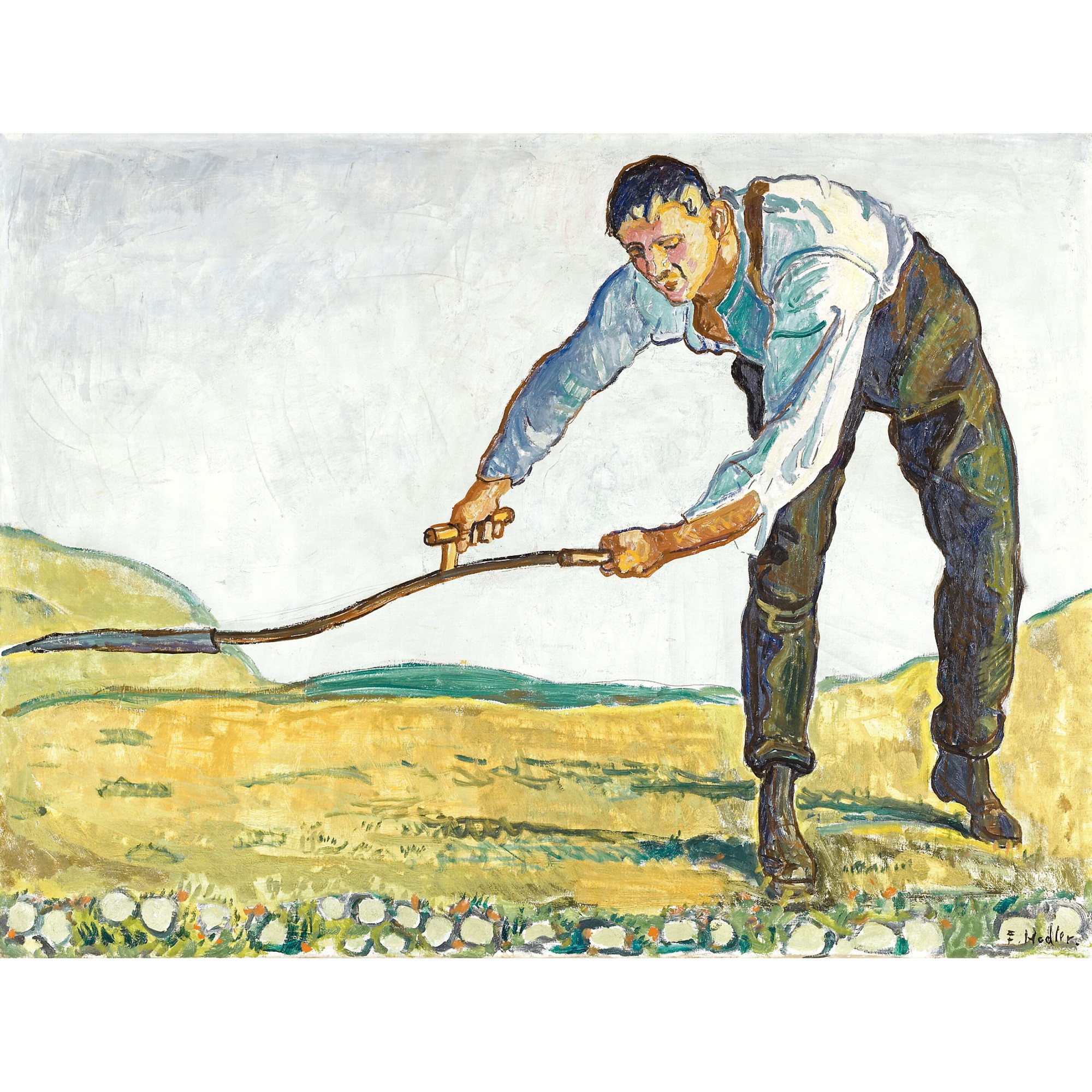
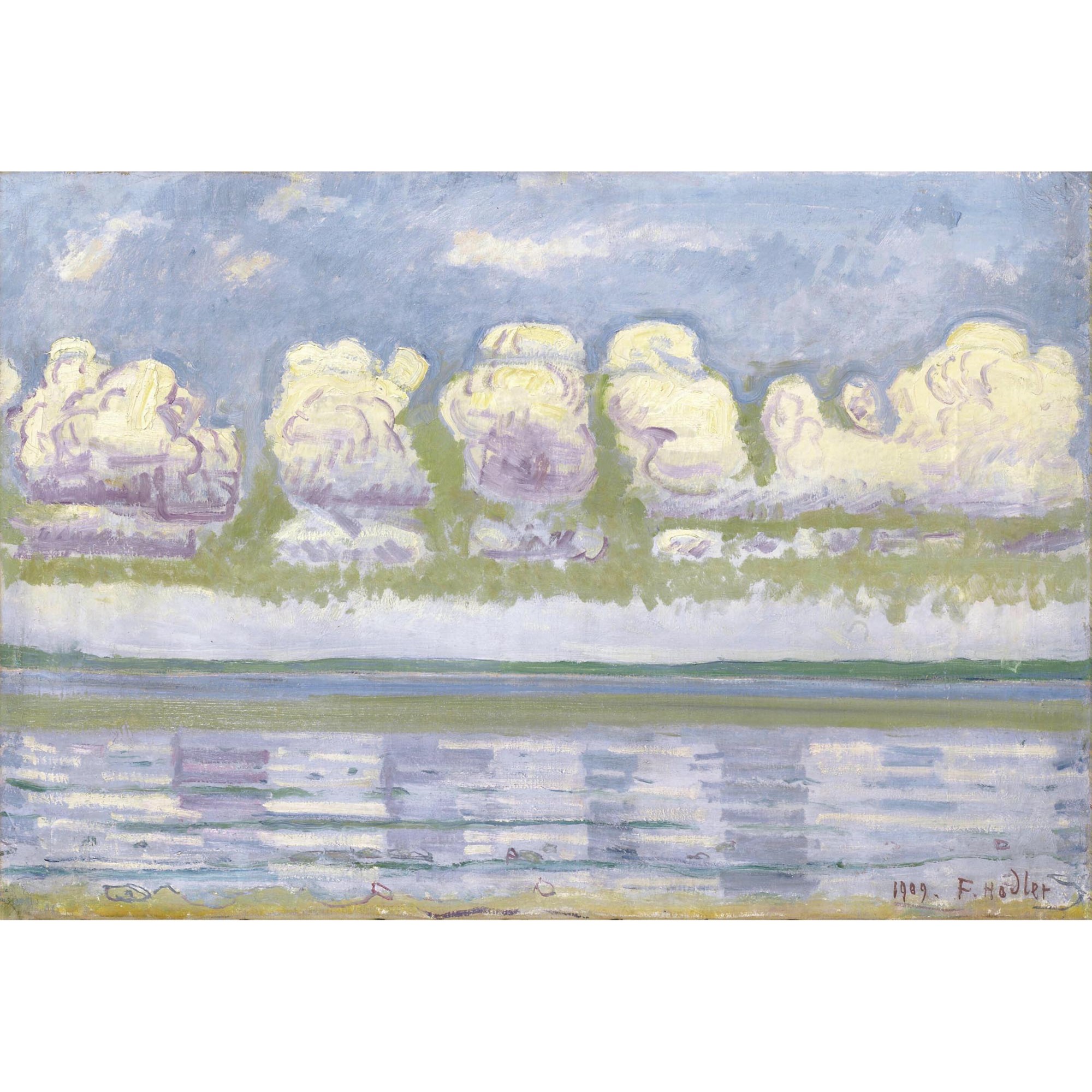
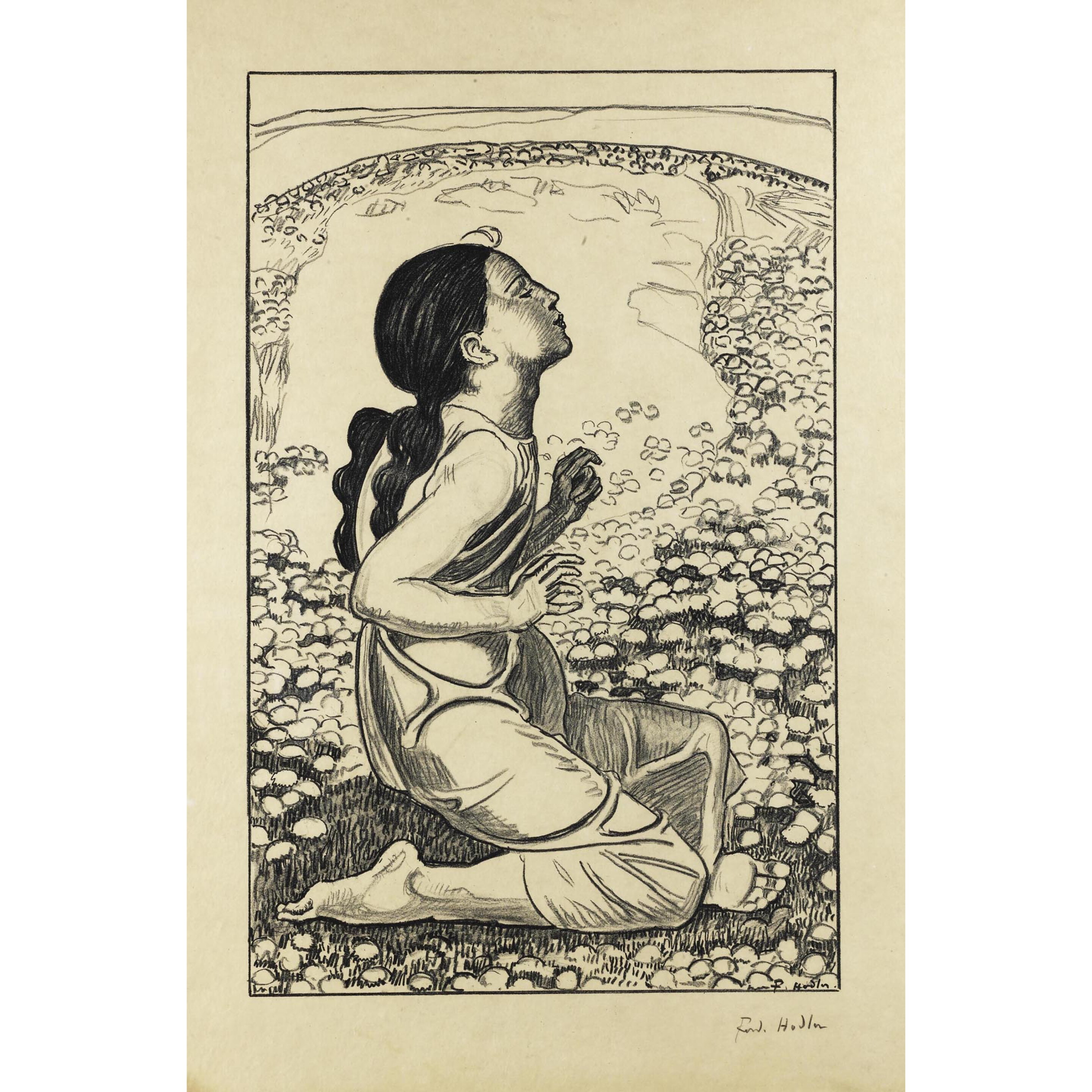
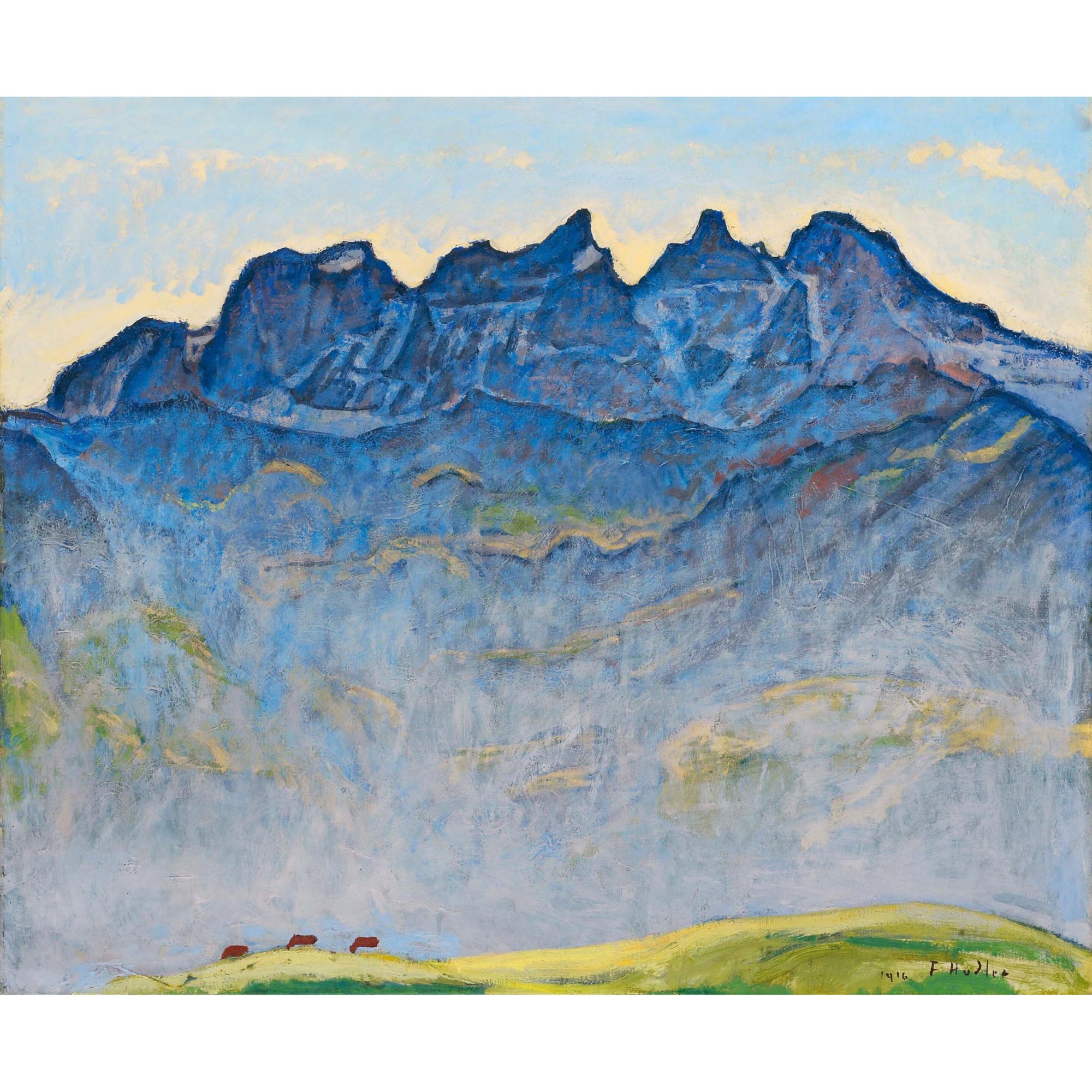
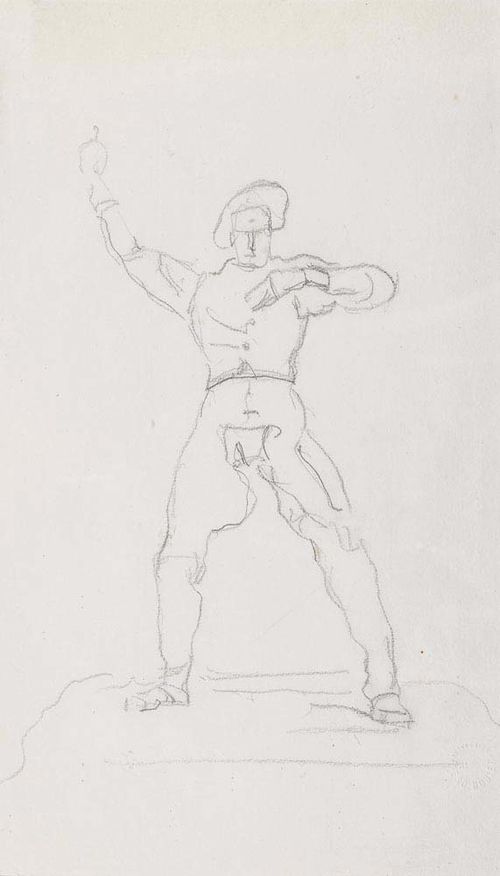
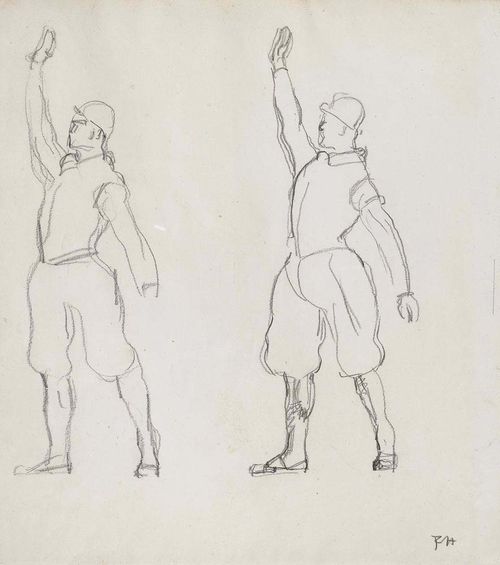
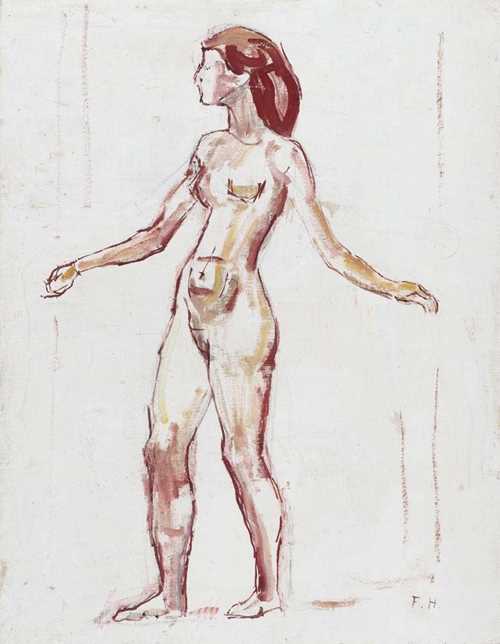
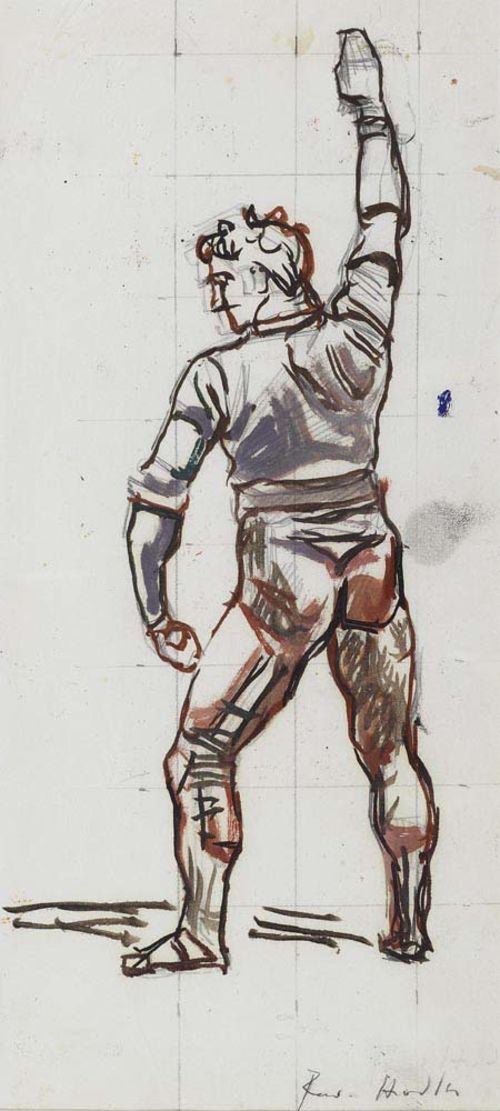
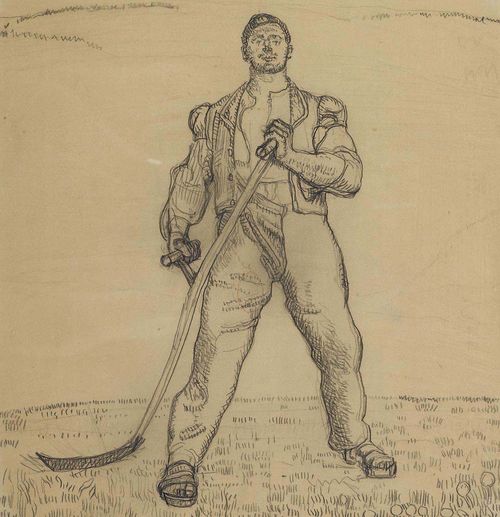
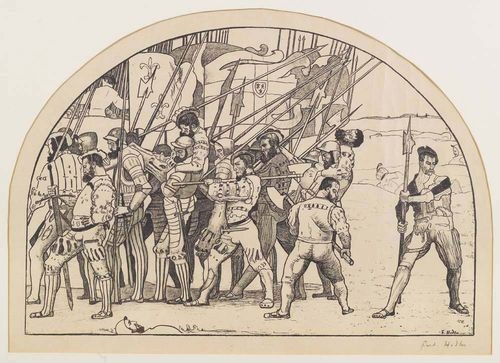
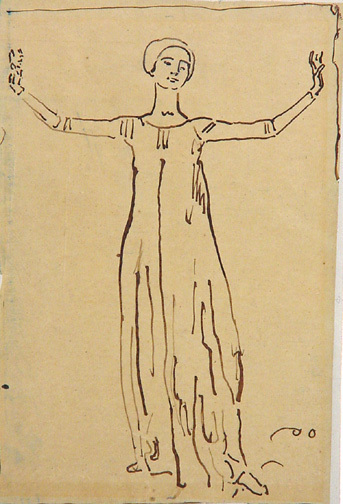
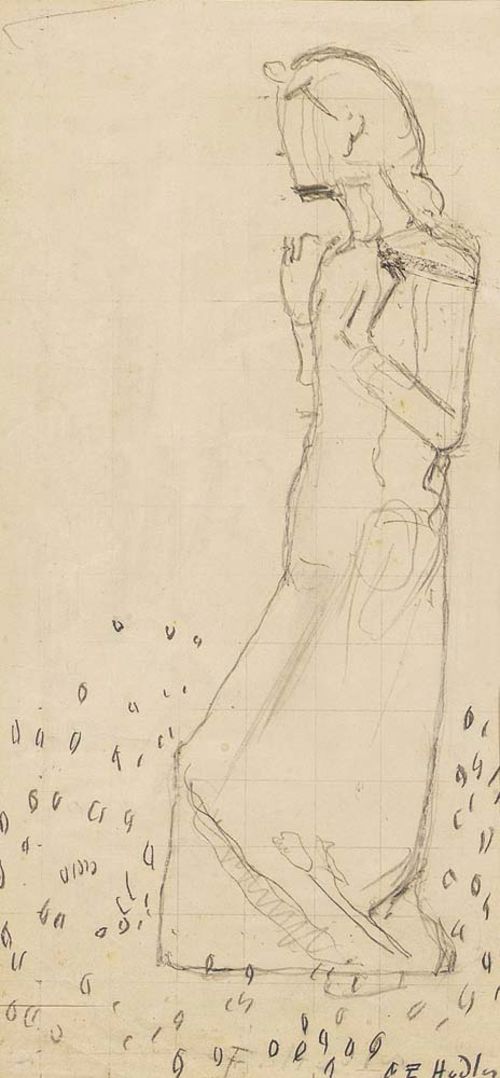
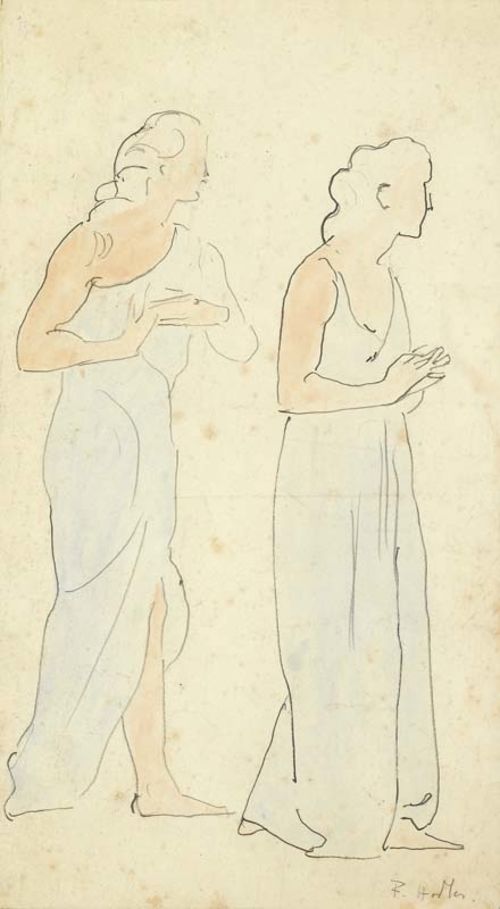
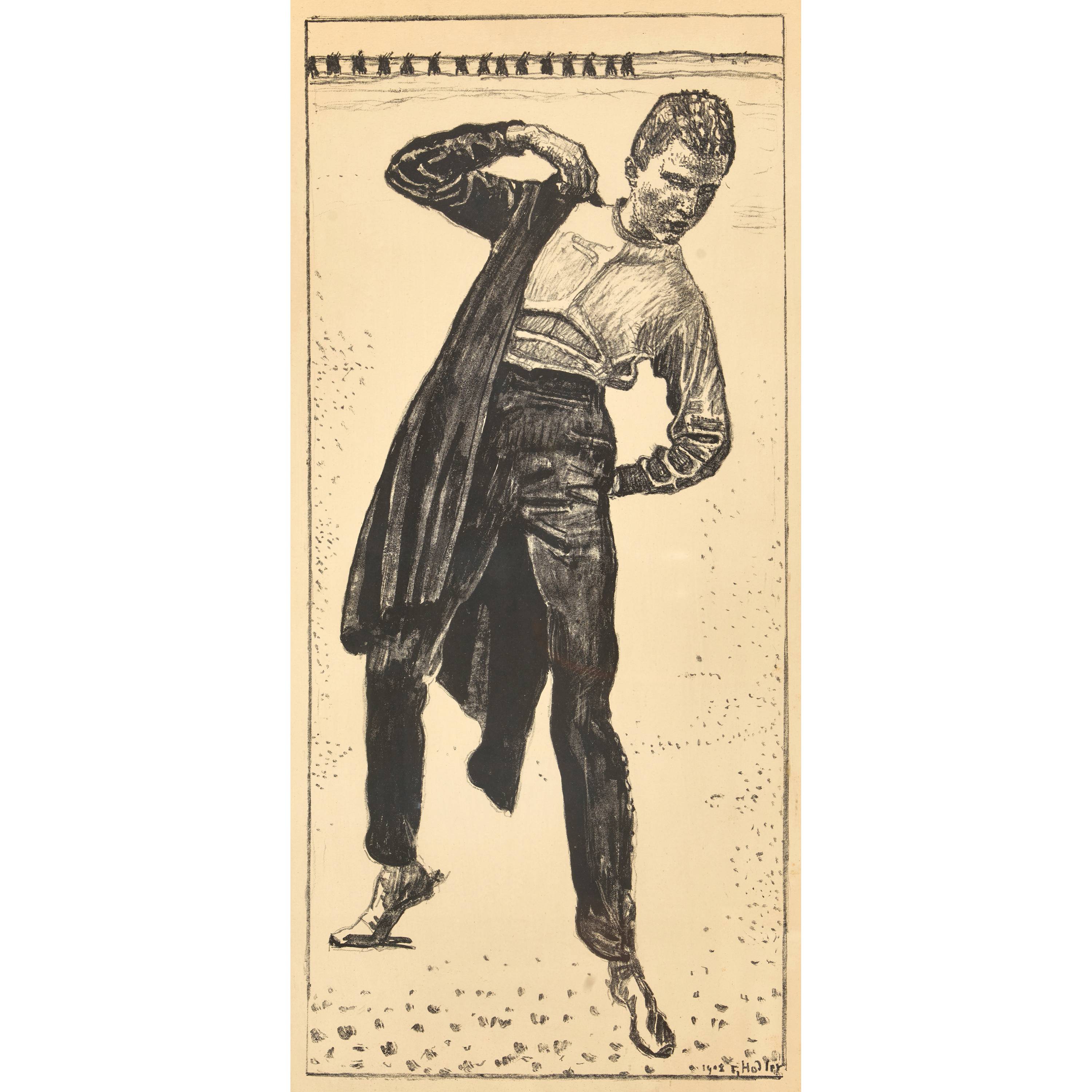
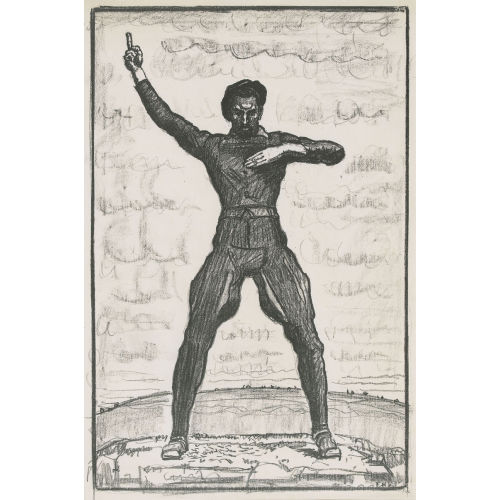
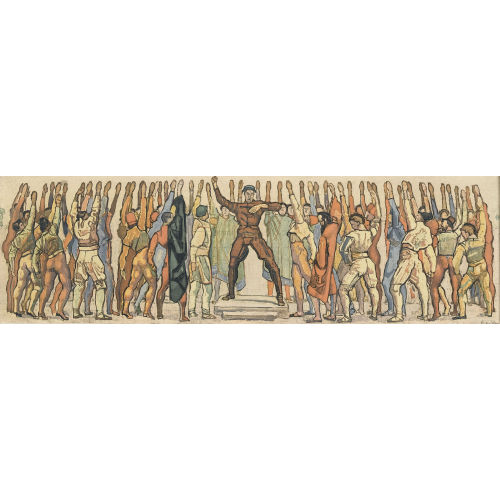
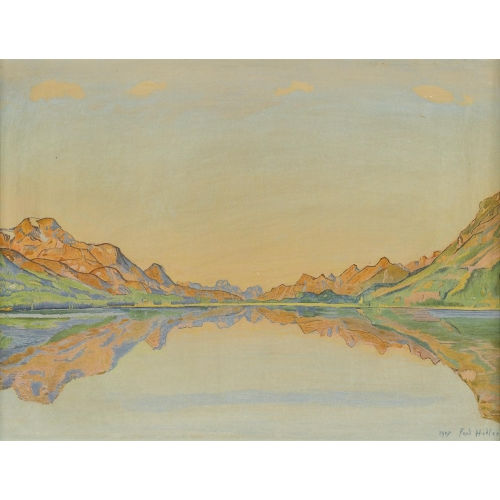
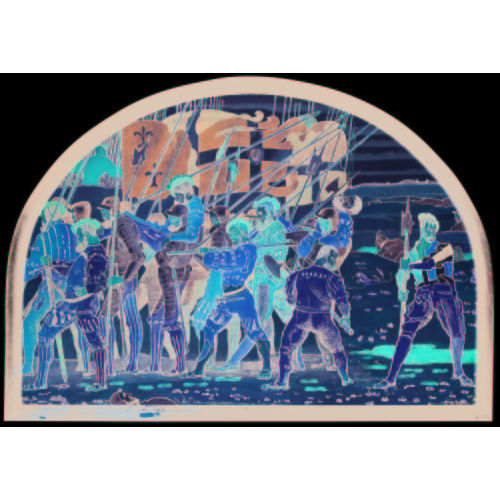
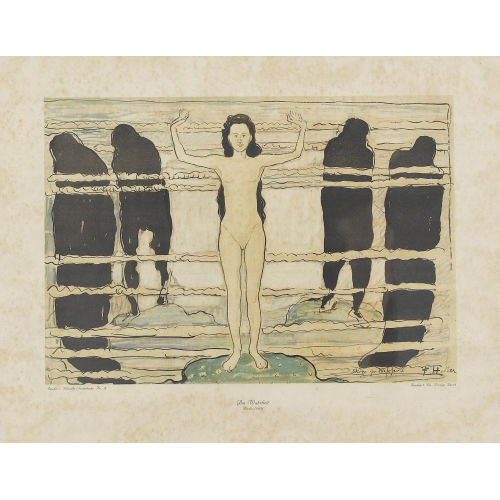
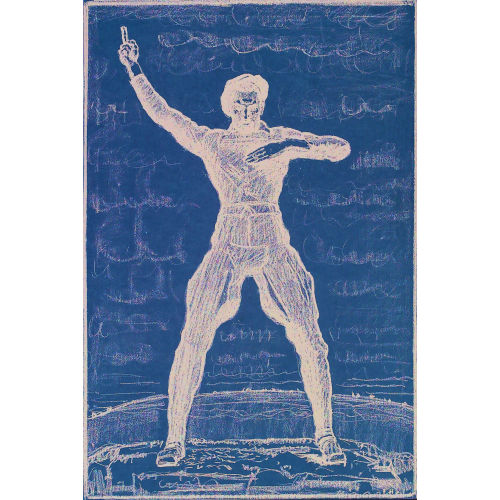
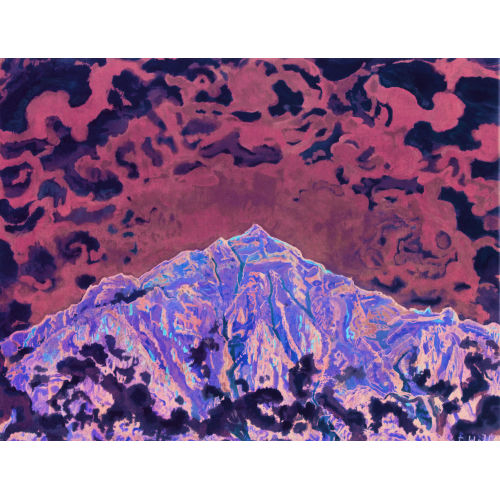
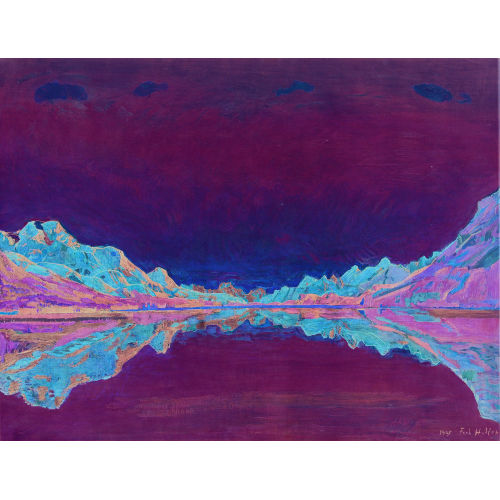
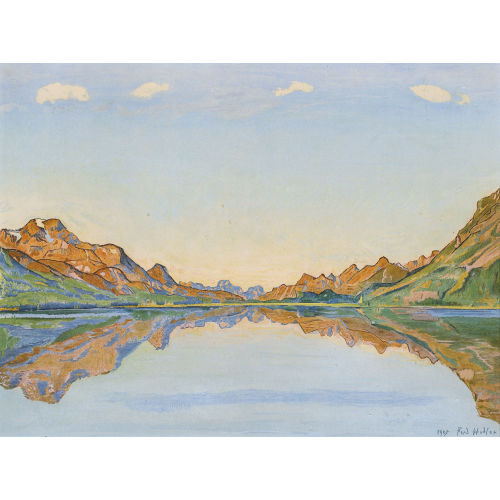
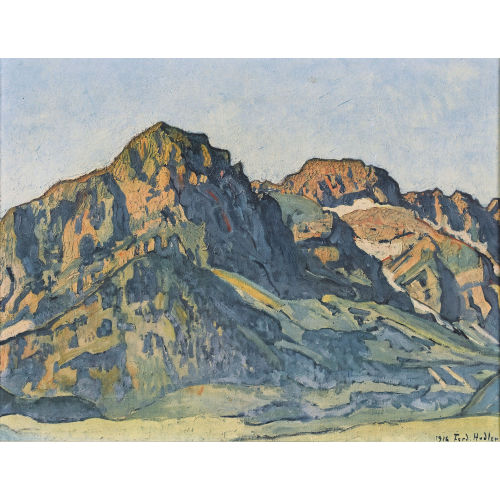
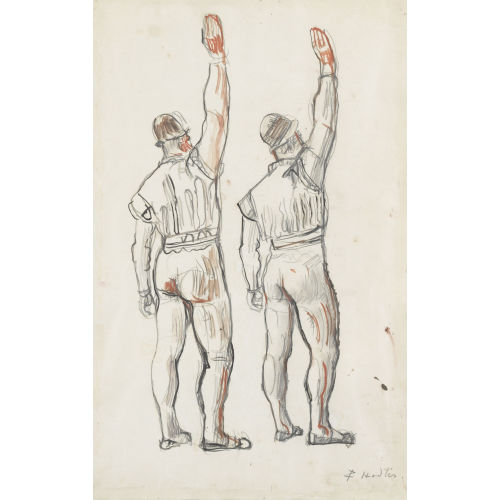
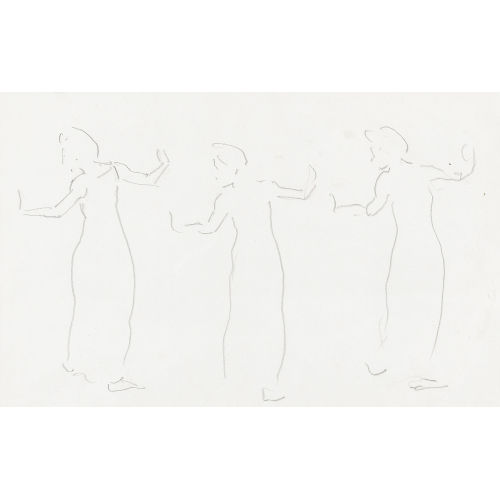
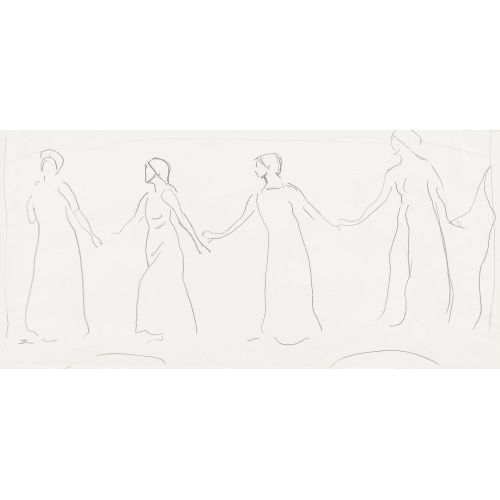
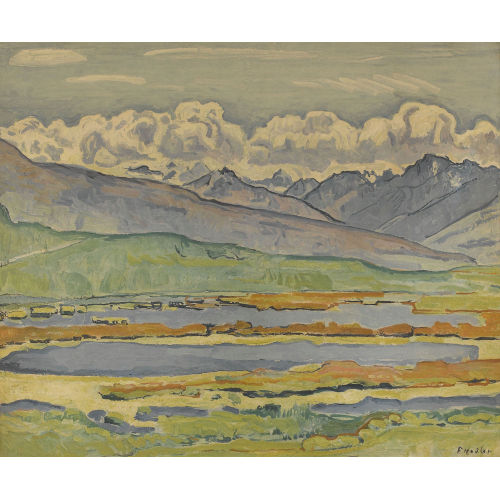
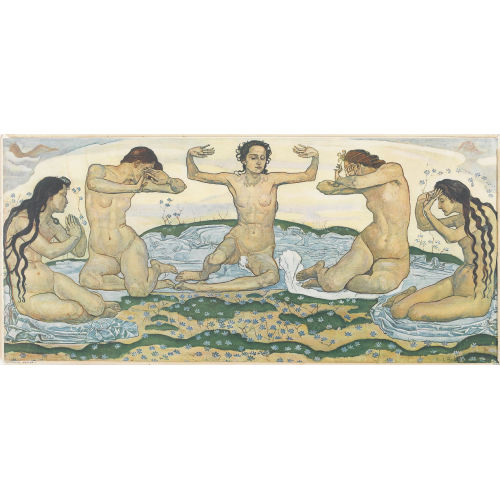
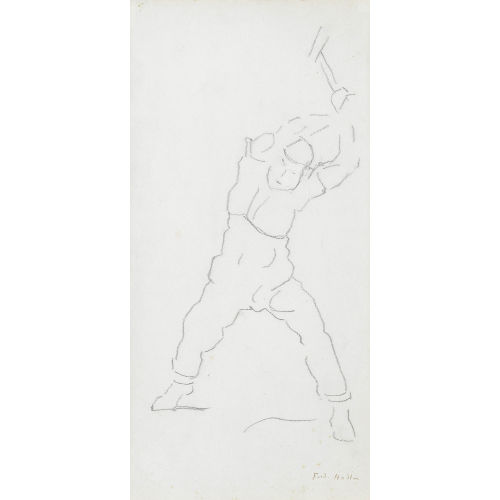
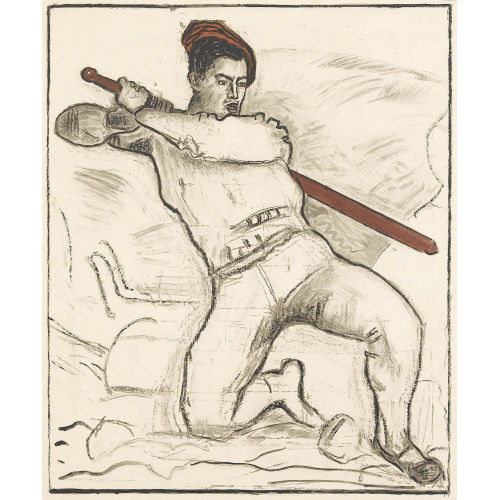
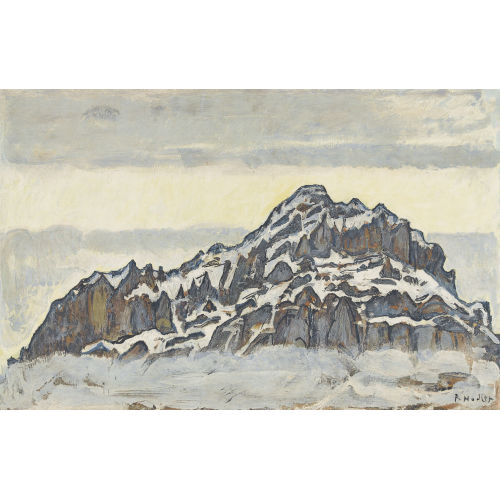
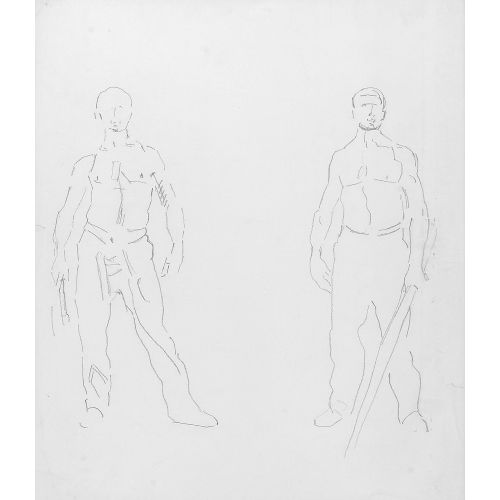
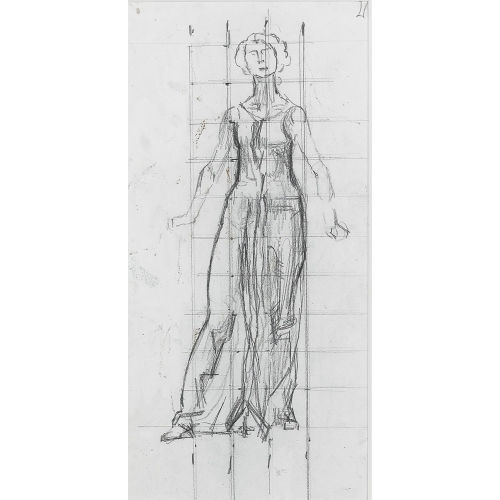
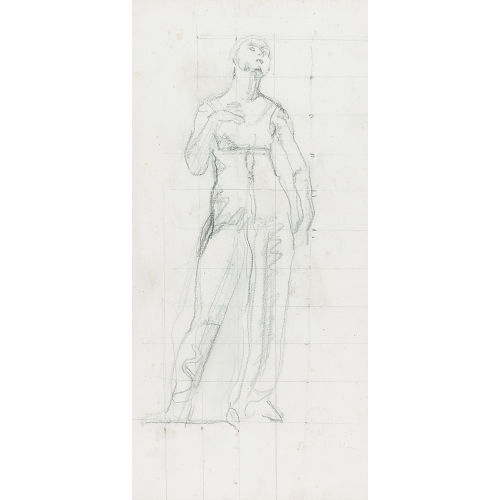
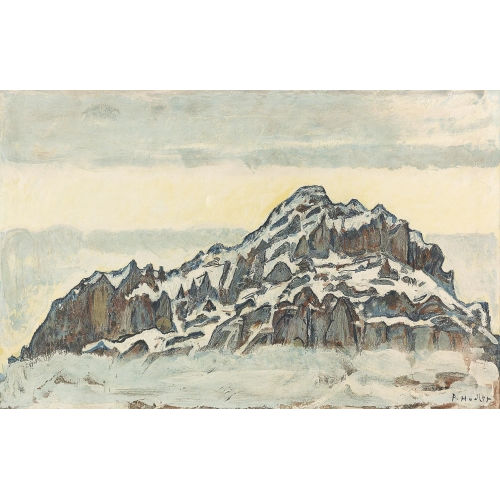
In 1897, in his lecture «La mission de l’artiste», Hodler set out the idea of «parallelism». Observing regularities in nature and human attitudes, he sought in his paintings rhythms organised through symmetry, repetition and horizontal or vertical lines. This principle runs across genres: it structures a mountain landscape just as much as a group of figures or a historical scene.
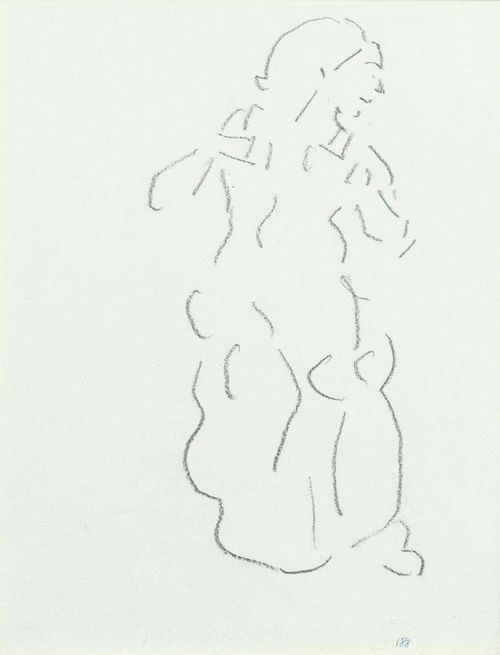
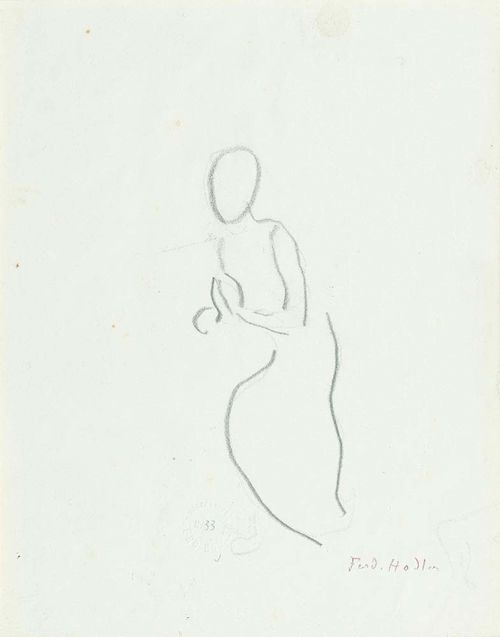
The aim is not to copy every detail of reality, but to bring out an apprehensible order and a simplified form.
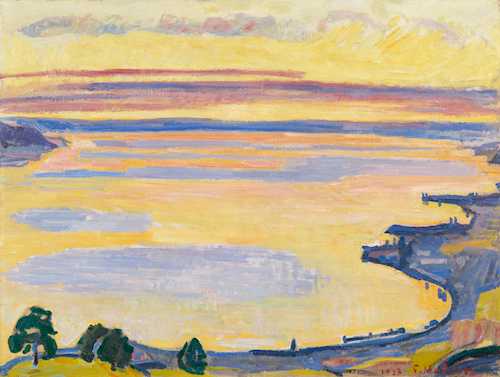
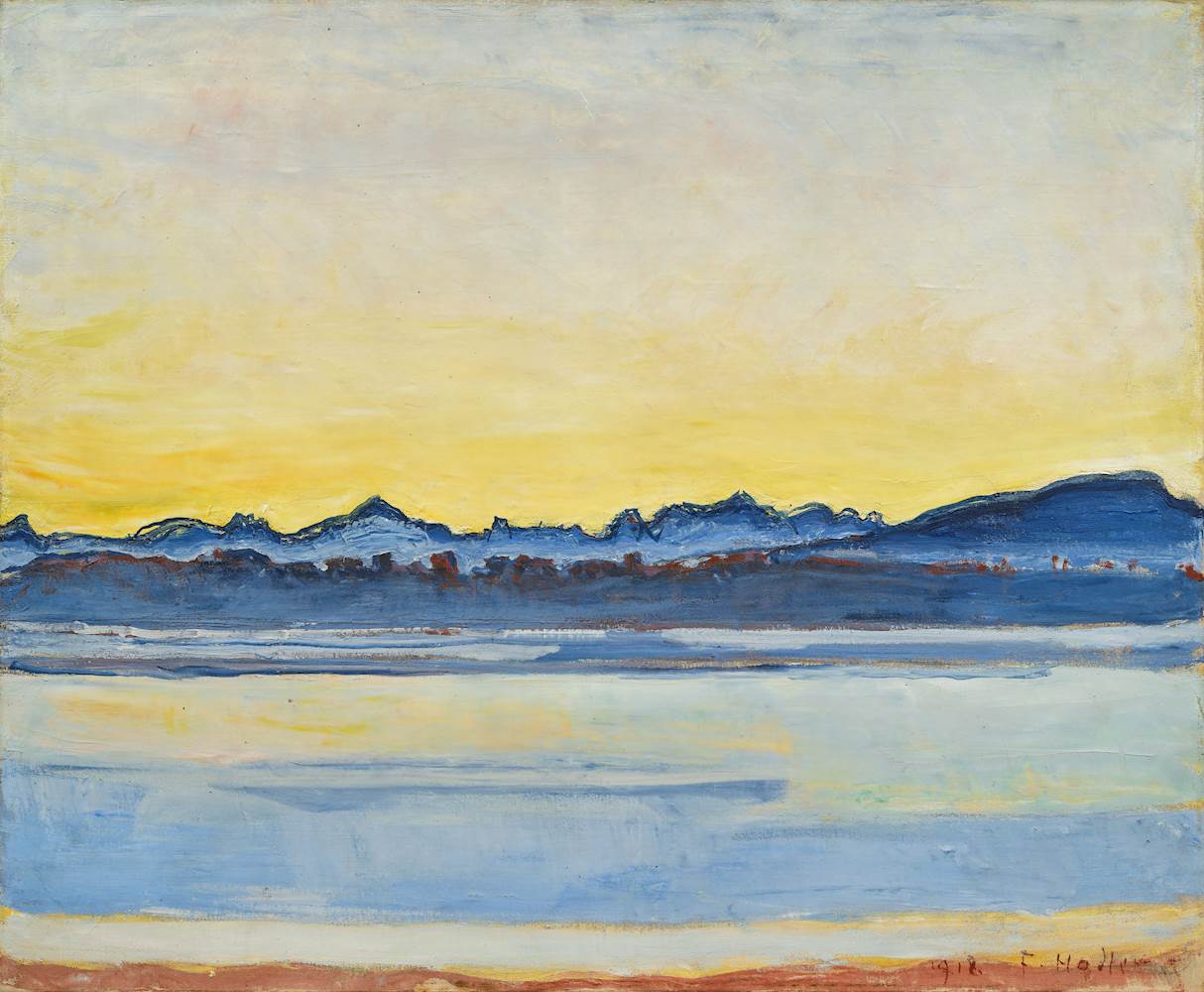
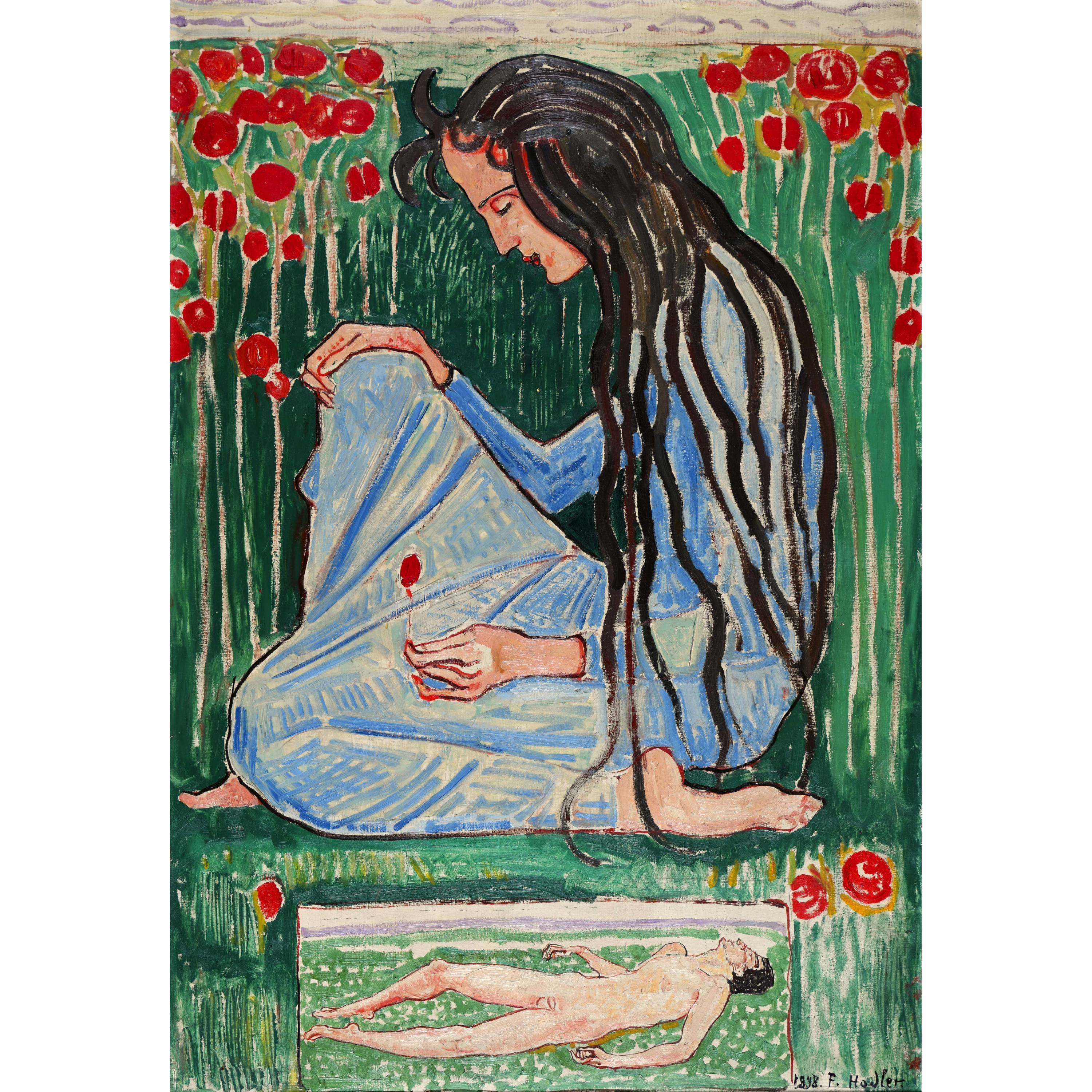
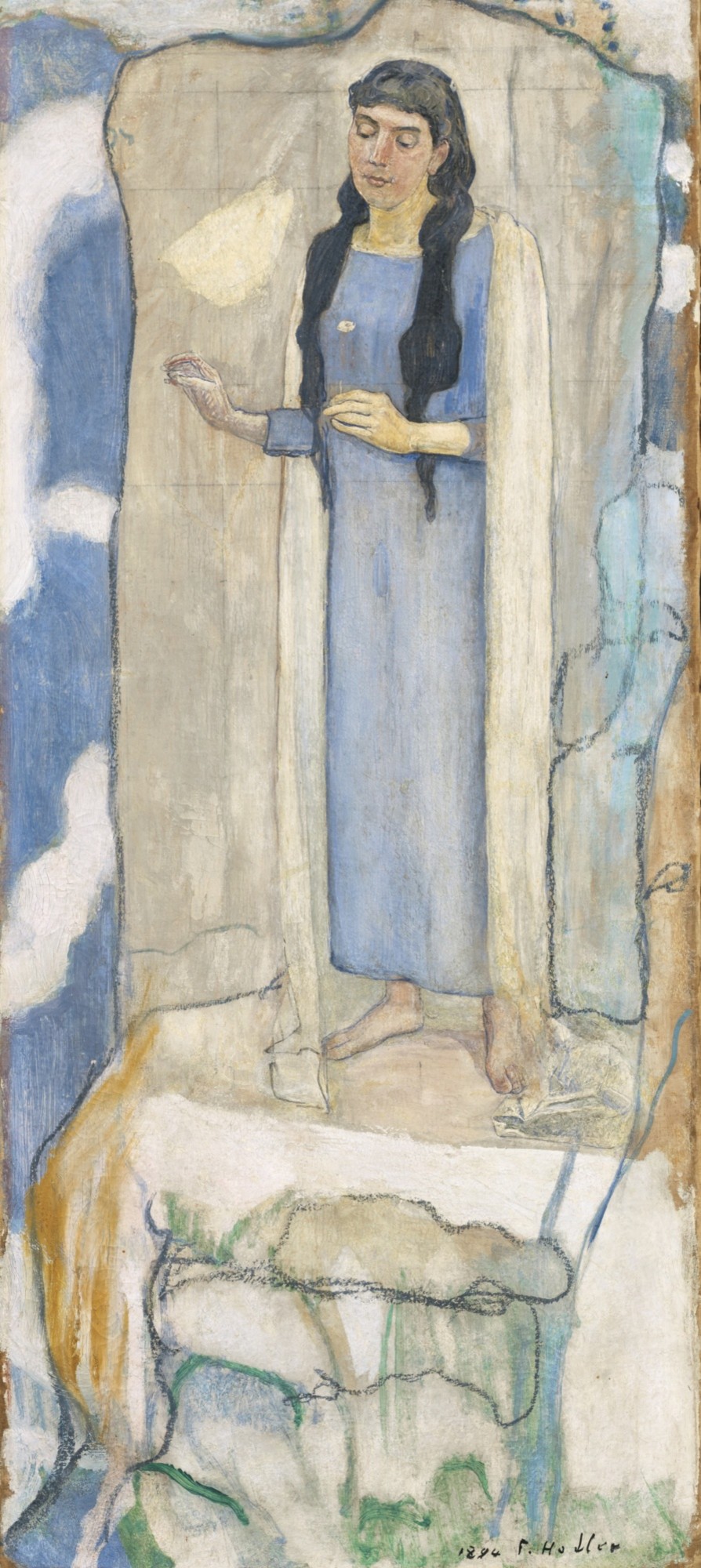
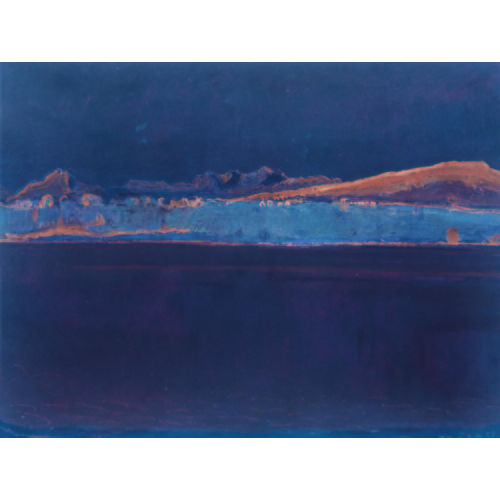
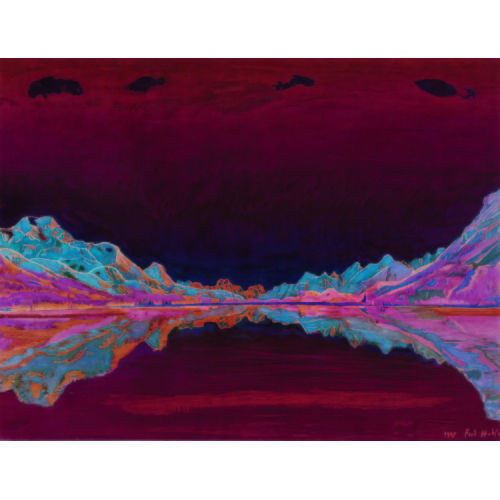
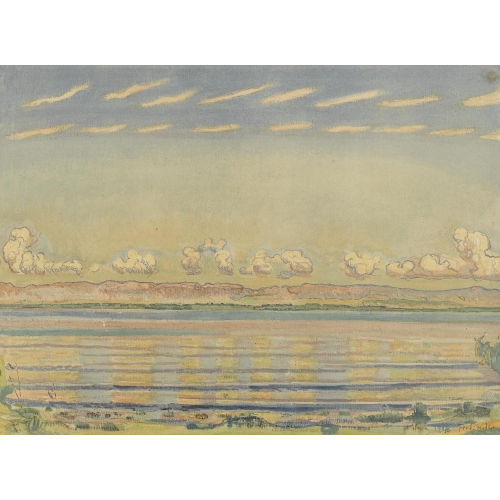
The major compositions Die Nacht, Eurythmie and Les âmes déçues entered the collections of the Kunstmuseum Bern in 1901. His late landscapes of Lake Geneva, painted during his final years in Geneva, show how closely his view of nature remained bound to this search for rhythm and intensity. His work develops realistic representation into a constructed Symbolist painting, in which landscape and human experience remain interconnected.