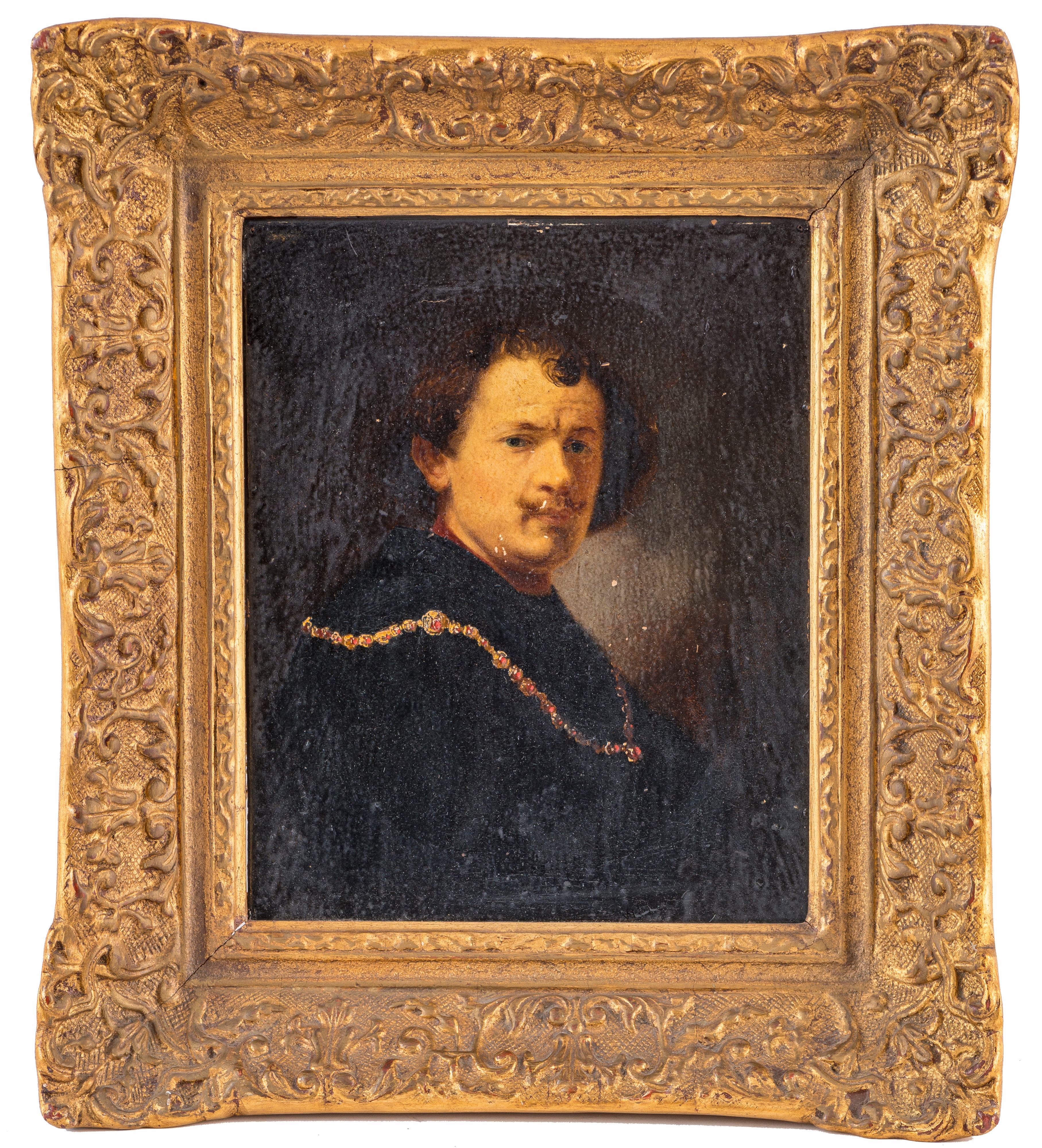
Rembrandt’s practice is rooted in a close observation of the world: according to the Art Institute of Chicago, the precision of his gestures and the expressiveness of his poses stem from this sustained study. His training with Pieter Lastman, an established master in Amsterdam, brought him into contact with recent artistic trends from Italy and helped shape his approach to narrative painting over the long term.
Born in Leiden, he attended the city’s Latin school and enrolled at its university for two years before beginning his training in painting. Unlike many artists of his time, he did not travel abroad and worked in the Dutch Republic, according to the Art Institute.
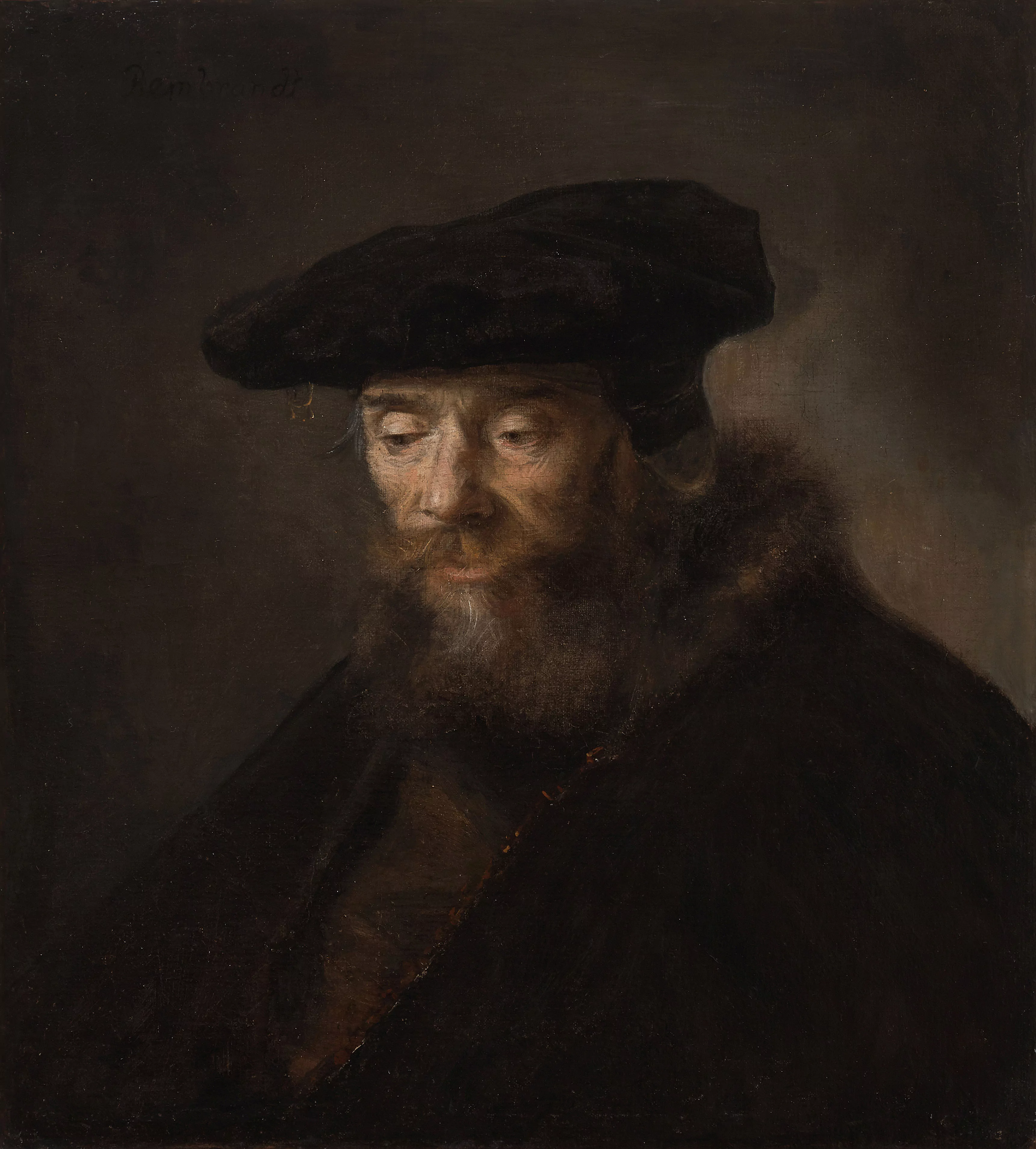
Rembrandt was also recognised during his lifetime for his etchings, including The Hundred Guilder Print. According to the Art Institute, this print is said to have sold for 100 guilders within five years of its creation. The Art Institute probably attributes Old Man with a Gold Chain to Rembrandt and places it around the time of his move from Leiden to Amsterdam; its list of works dates it to 1631.
The collections of the Art Institute of Chicago also include the late drawing Seated Female Nude; Old Man with a Gold Chain is among the works that shape the collection. In 2019, the museum devoted the exhibition Rembrandt Portraits to the artist, focusing on his talent for painting human experience.
This profile brings together identity references for Rembrandt and paintings, drawings and works on paper documented in auction catalogues.
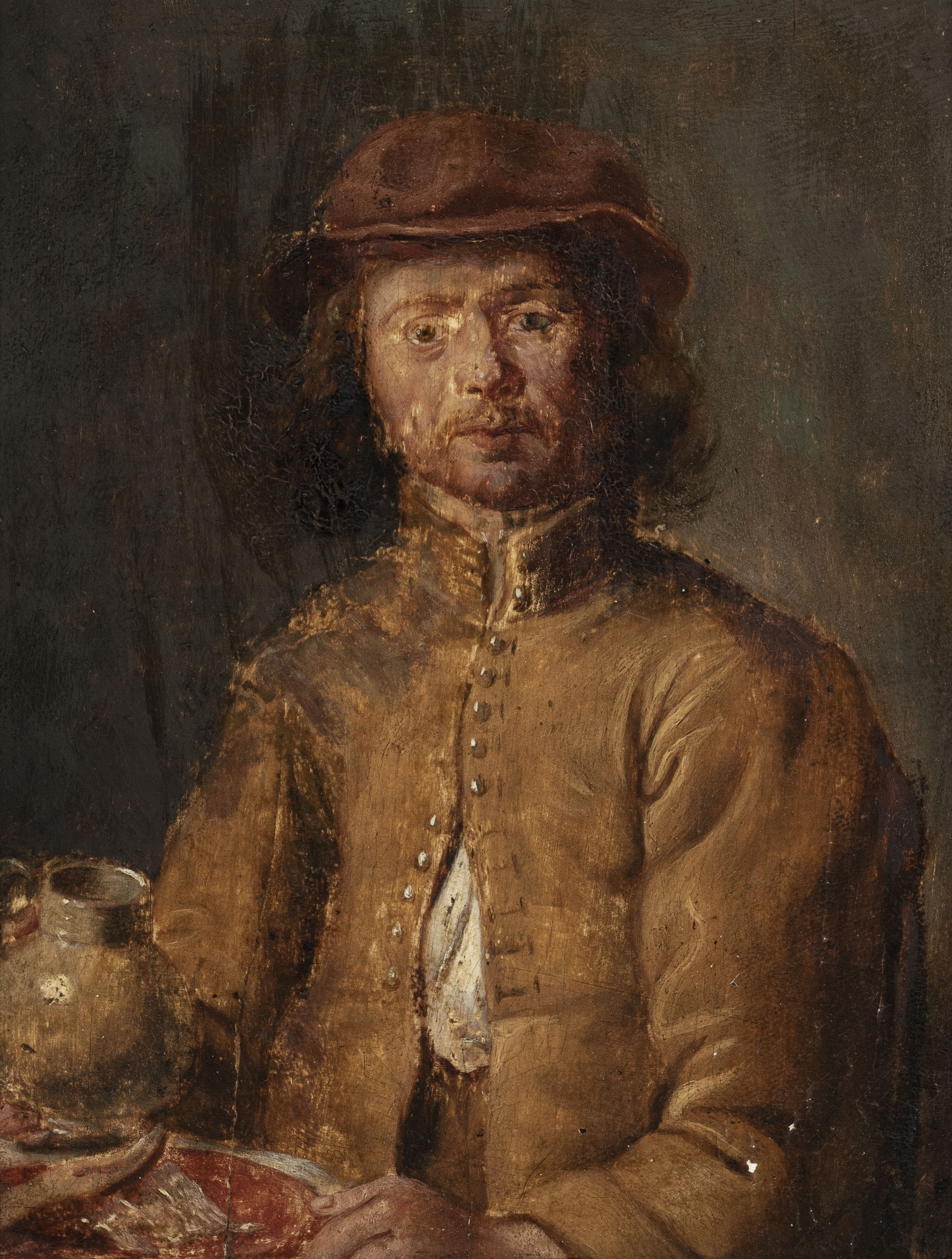
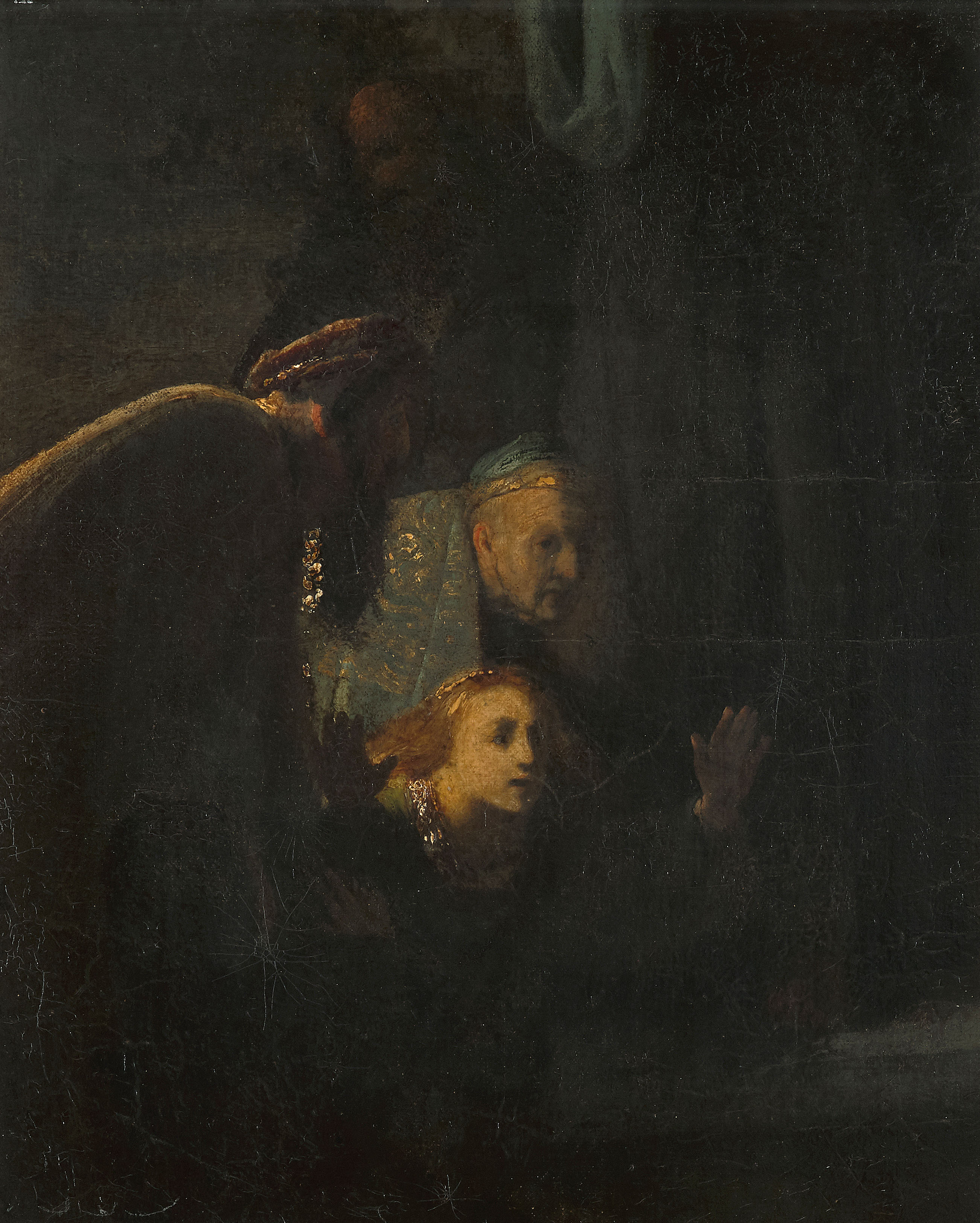
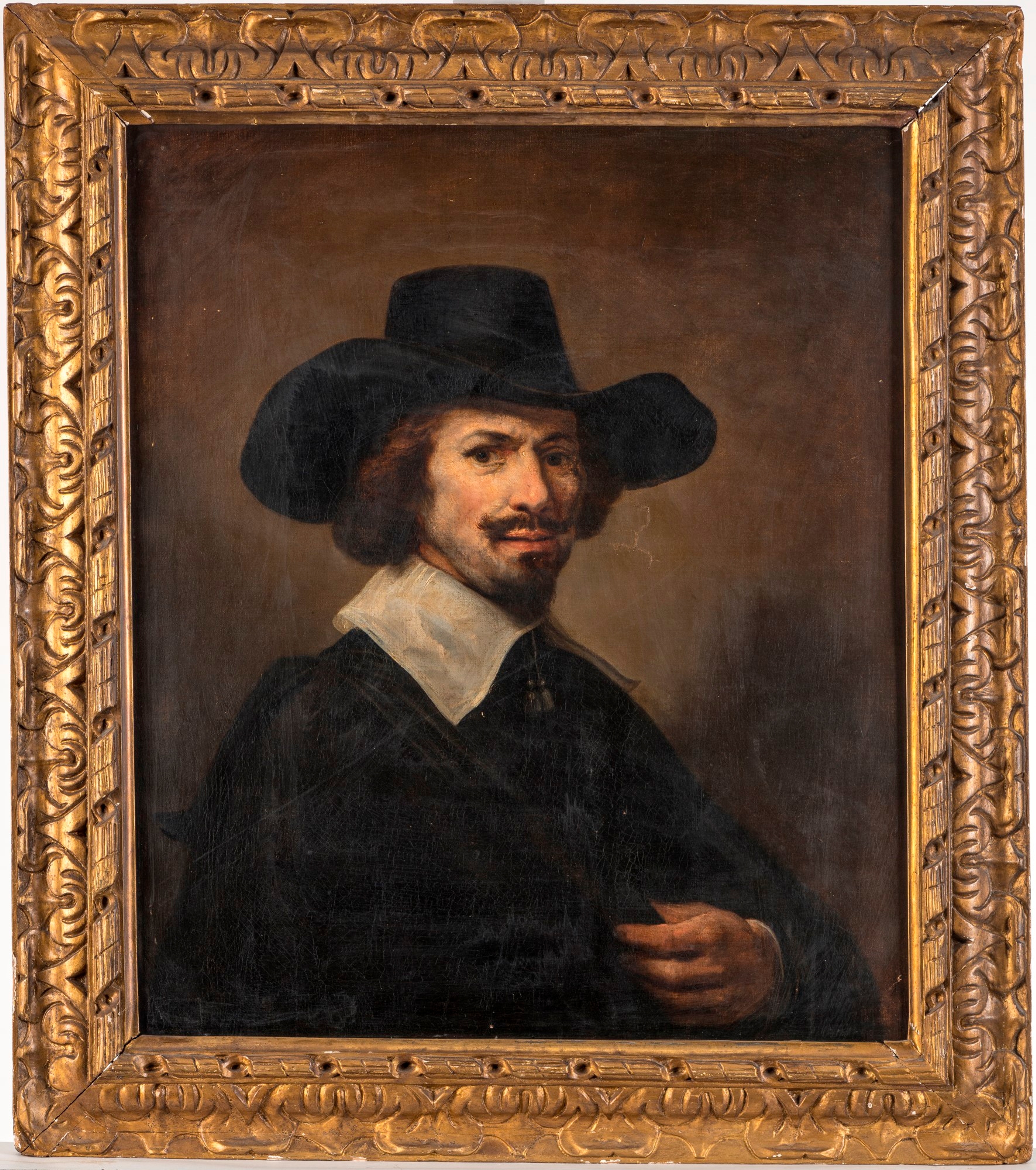
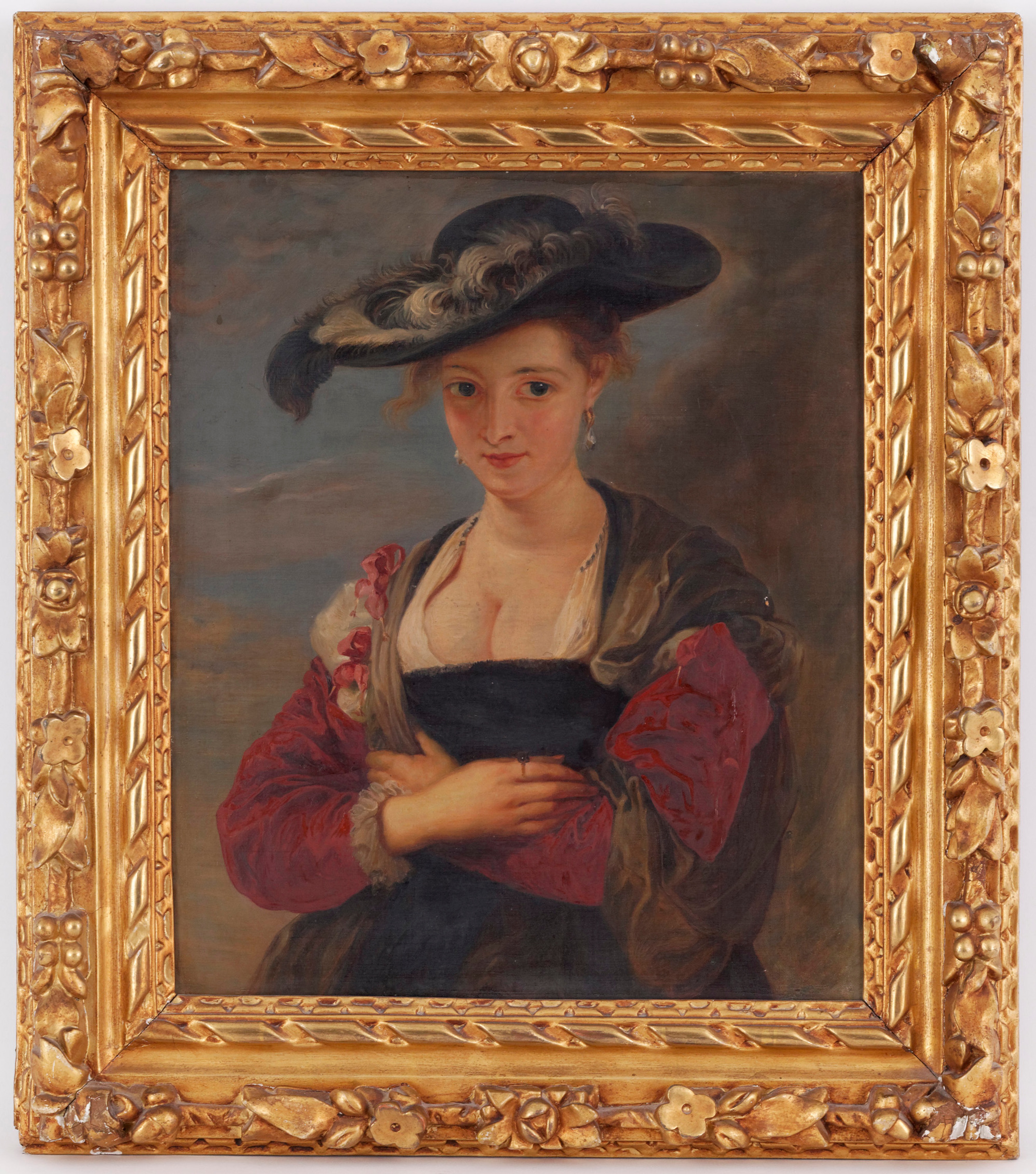
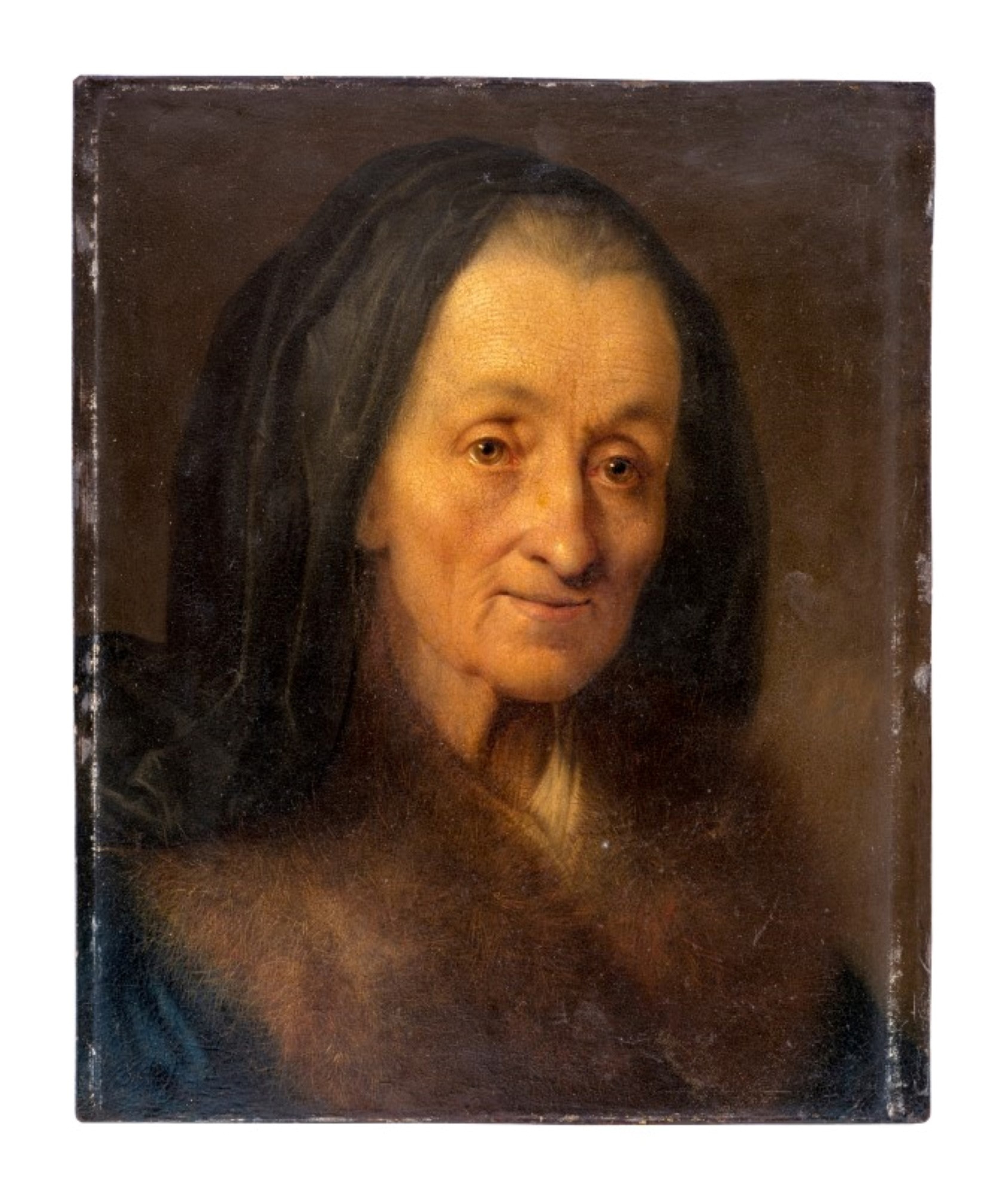
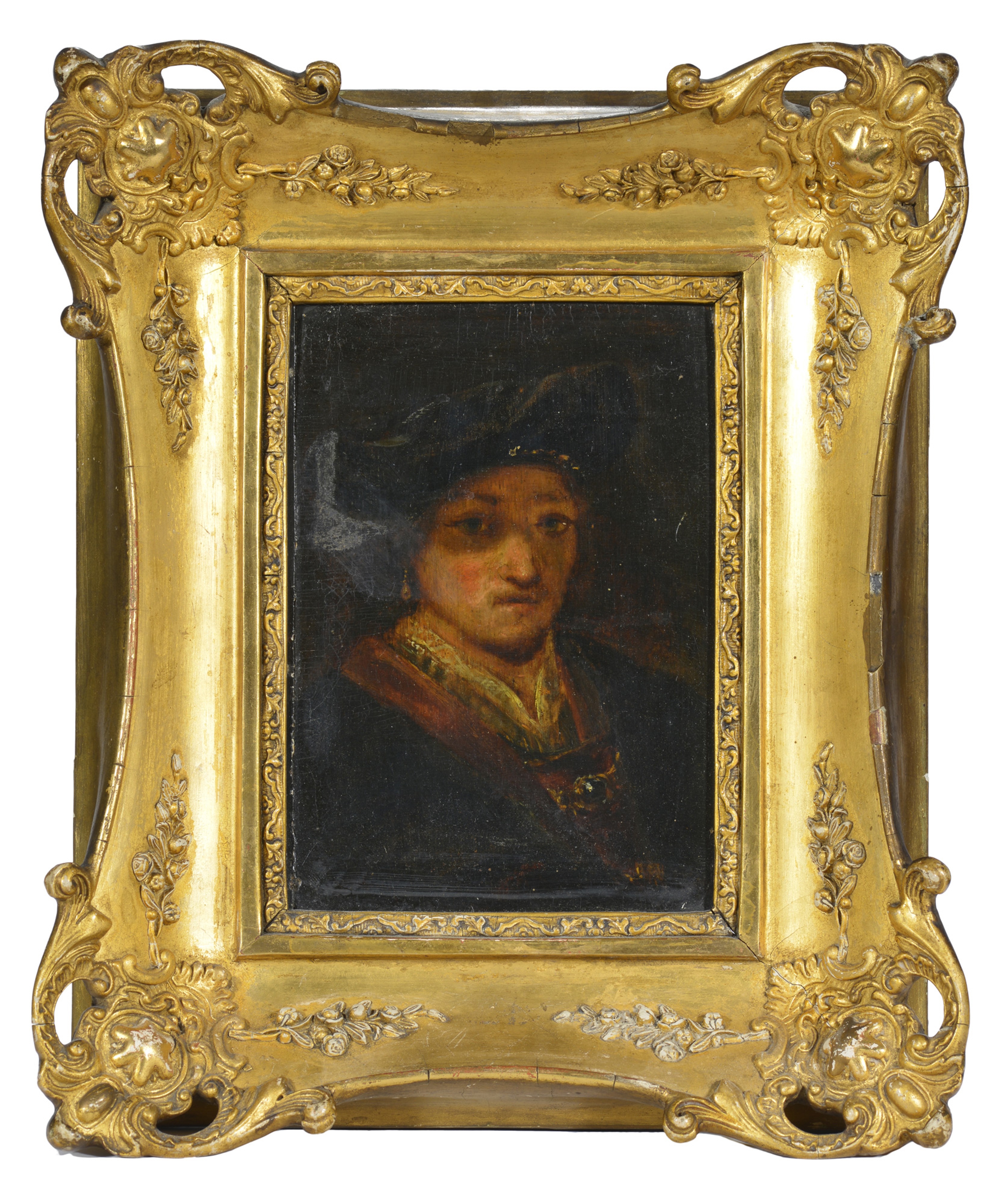
19 references are documented at Genève Enchères, Schuler, Koller, Piguet, DognyAuction. Each record links to its source; the amounts are not a general valuation of the artist’s work.
Works recorded at auction
Photograph : DognyAuction · Enlarge image ↗
DognyAuction
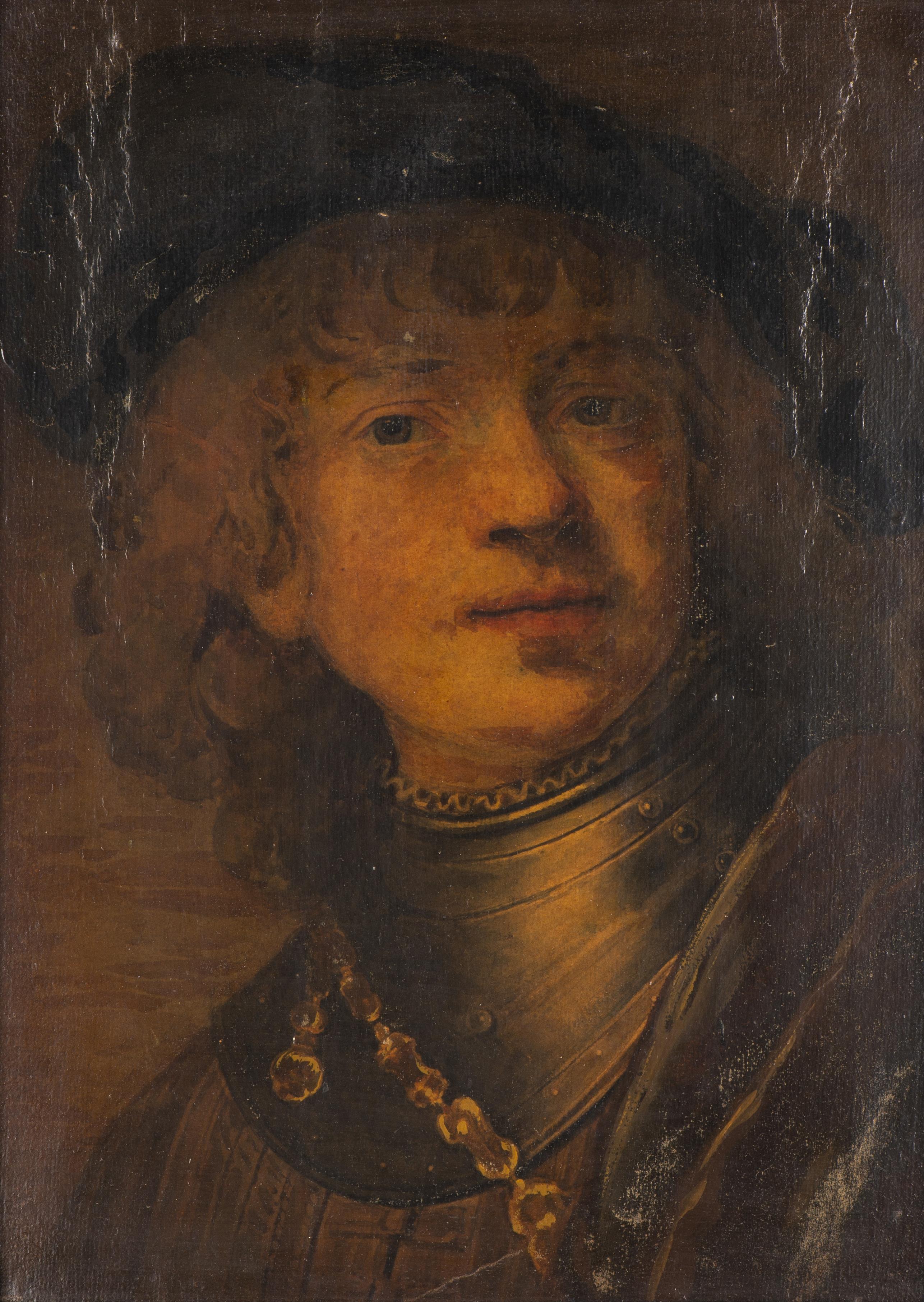
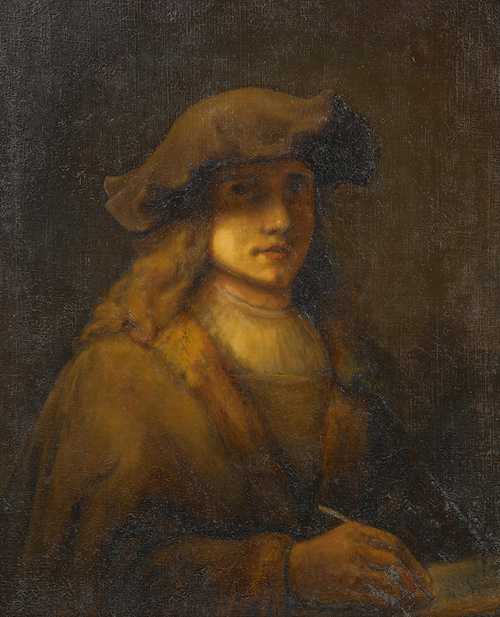
Tronie of a Young Man in a Gorget and Cap
Oil on wood
Original catalogue wording
Tronie of a Young Man in a Gorget and Cap huile sur bois
SwissArtGallery documentary note based on the cited sources. Titles, media and qualifications are provided in the profile language; the original catalogue wording remains available in each record. Documentation updated : 2026-10-19