Born : 1886Died : 1964Documented citizenships : France
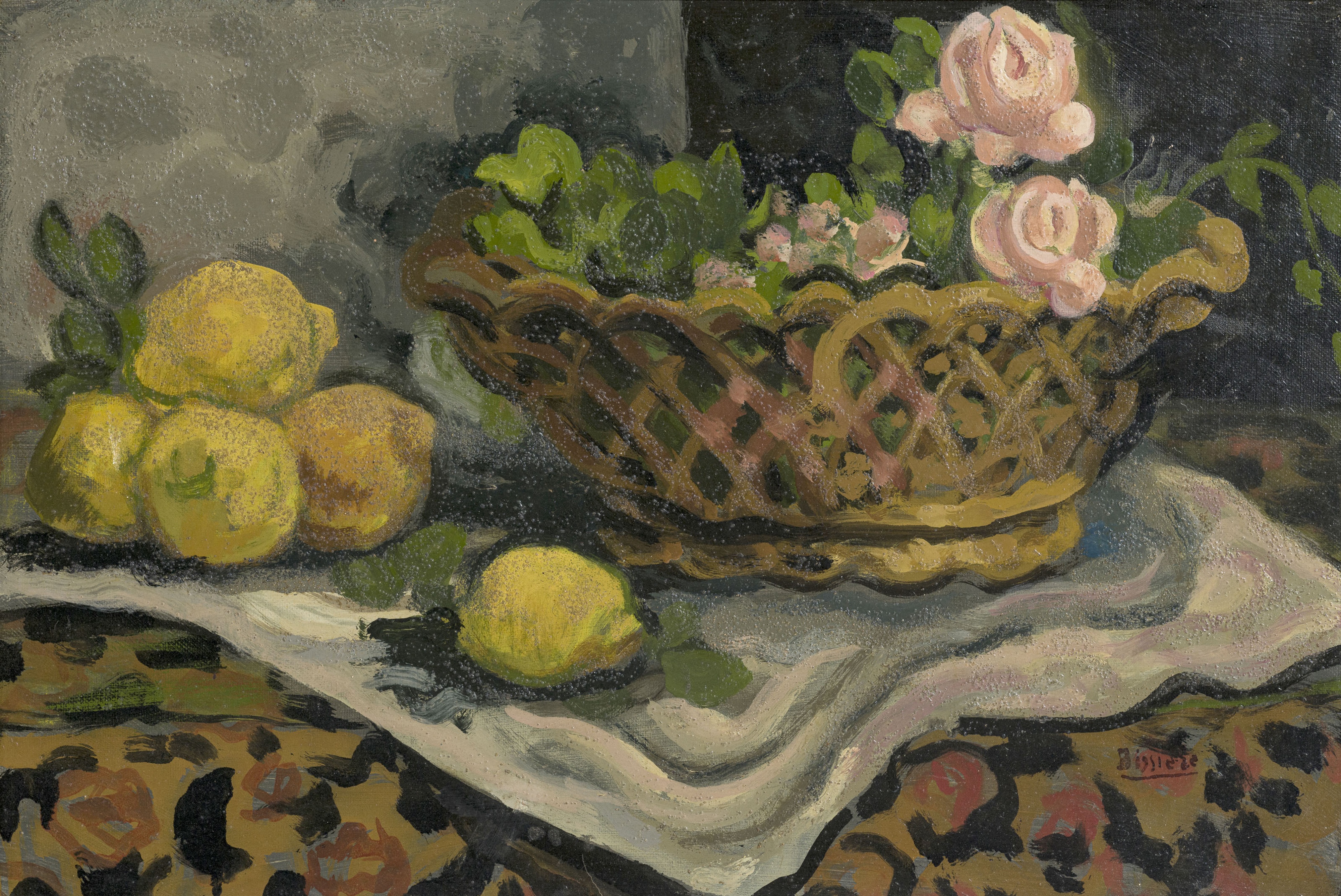
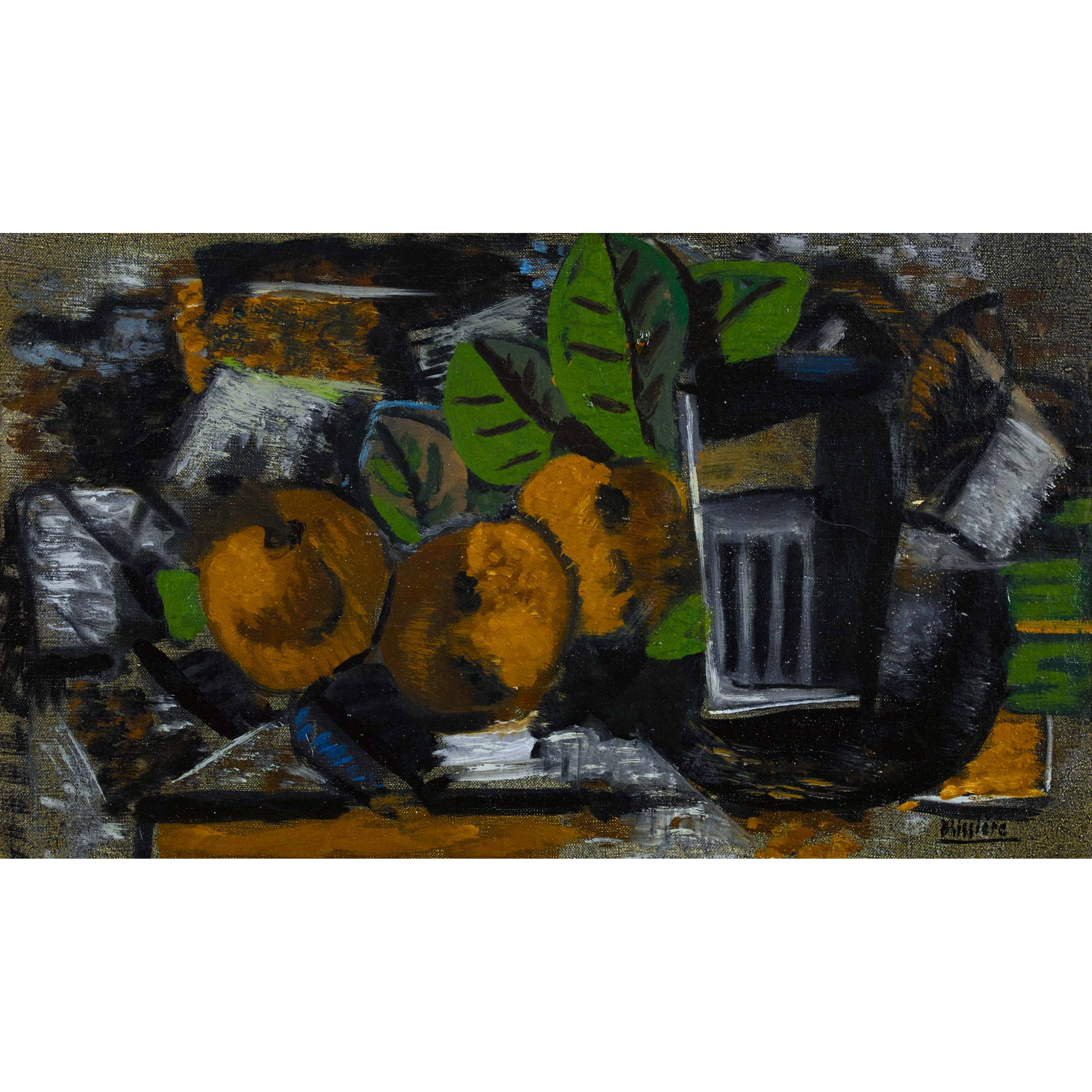
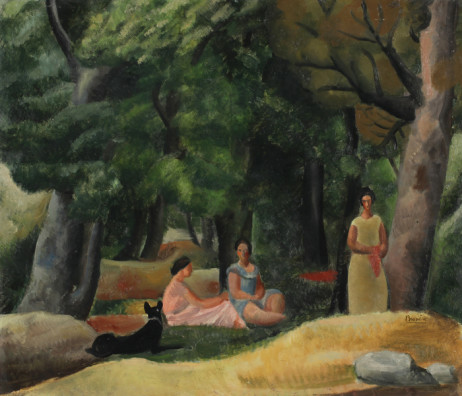
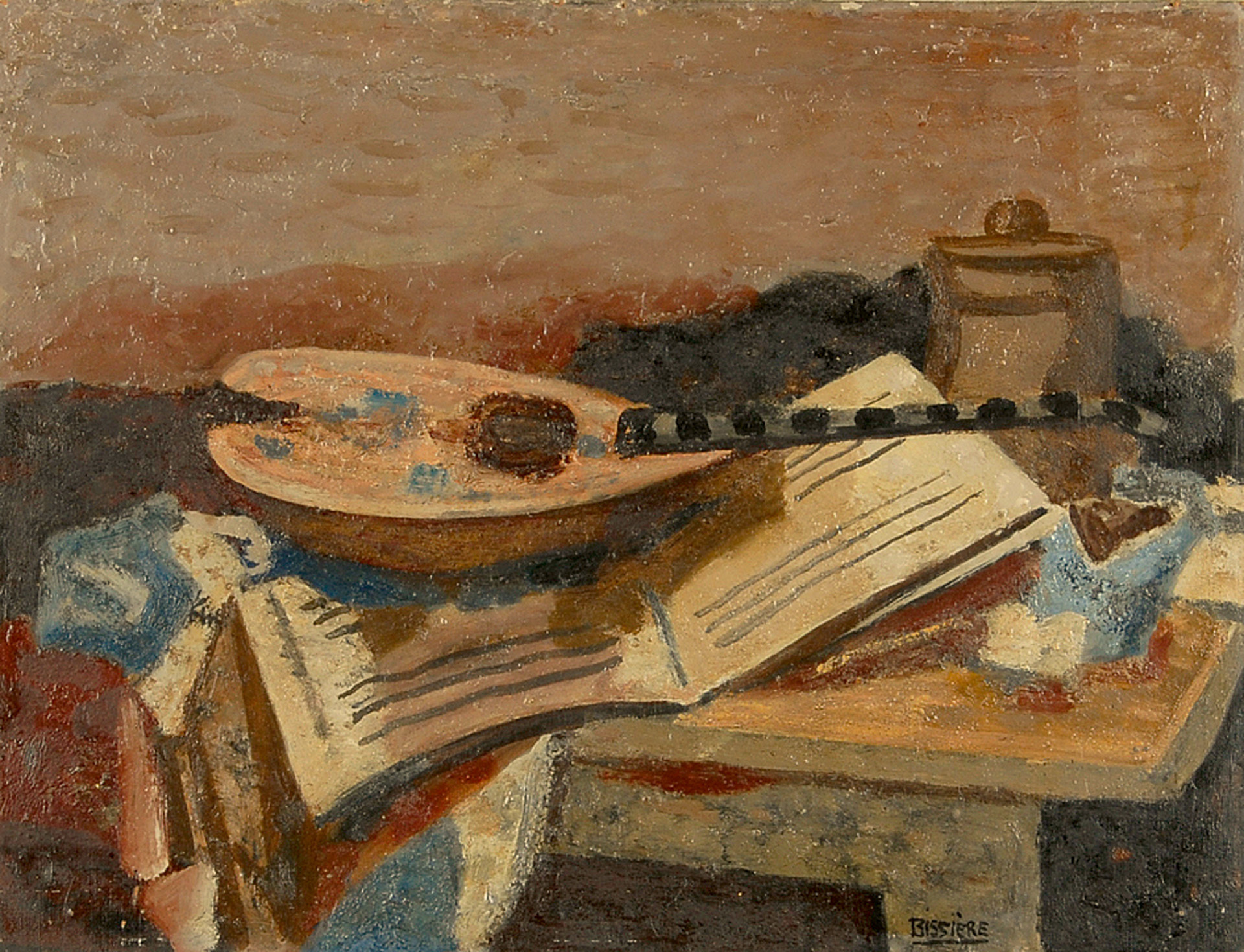
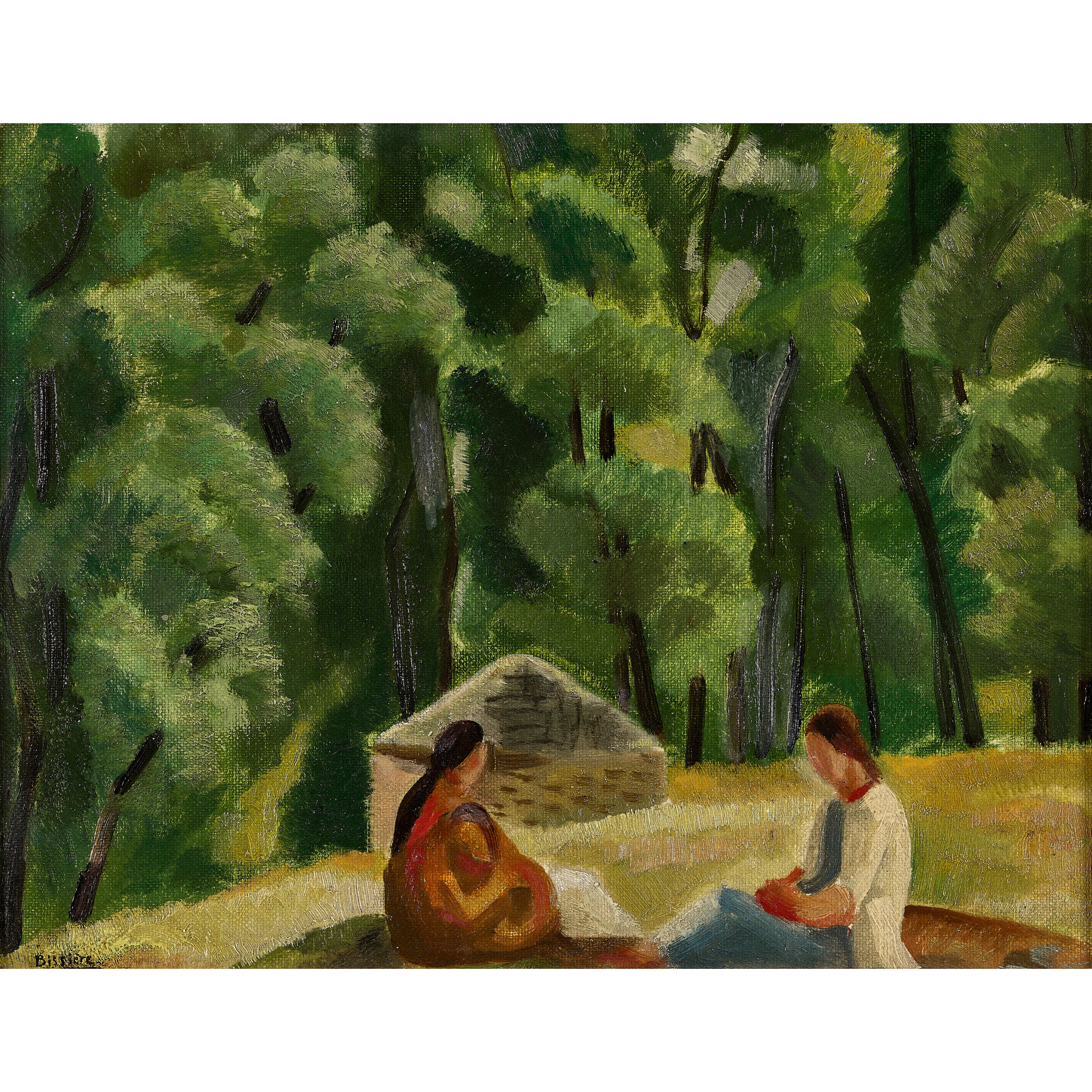
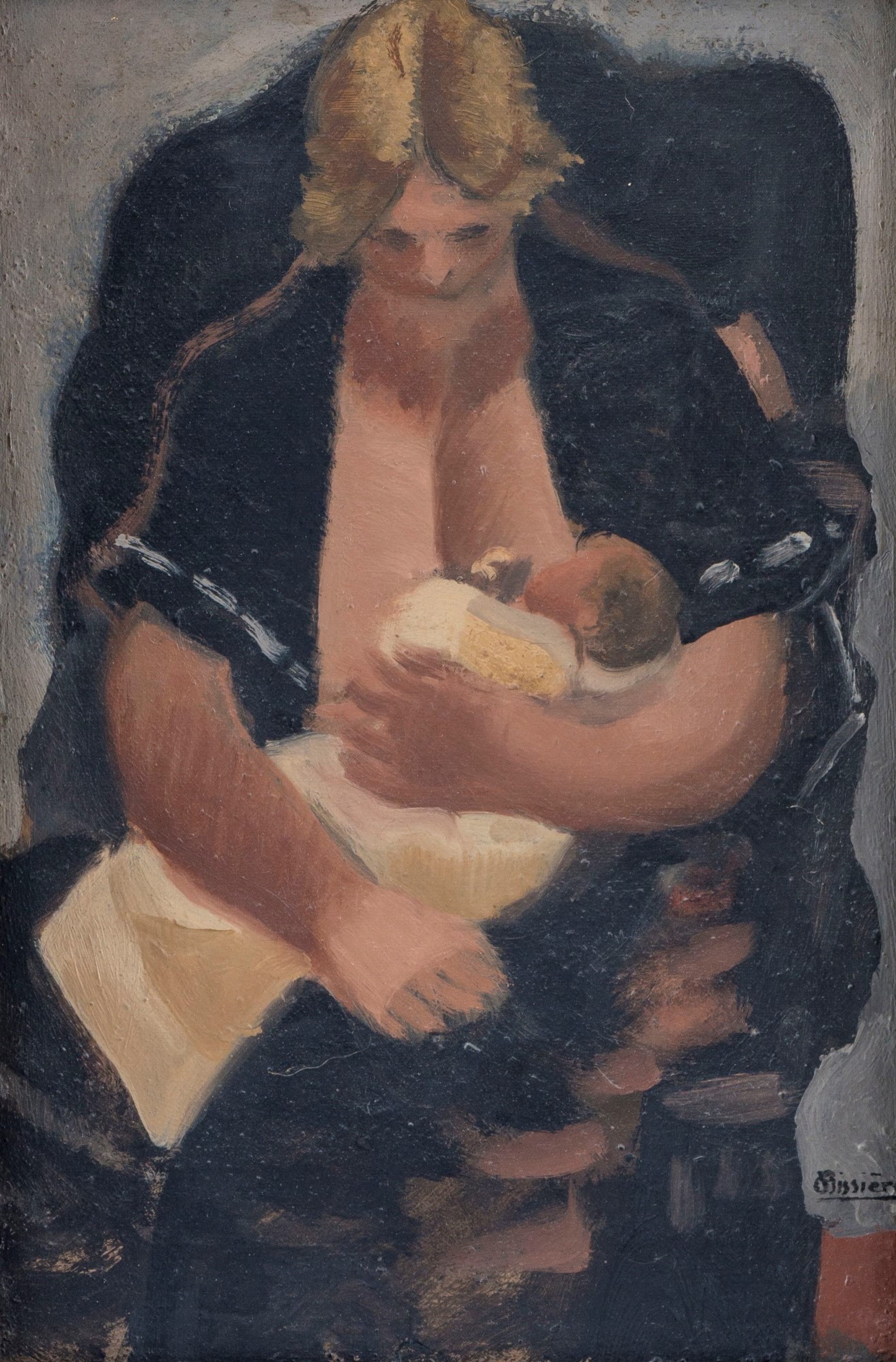
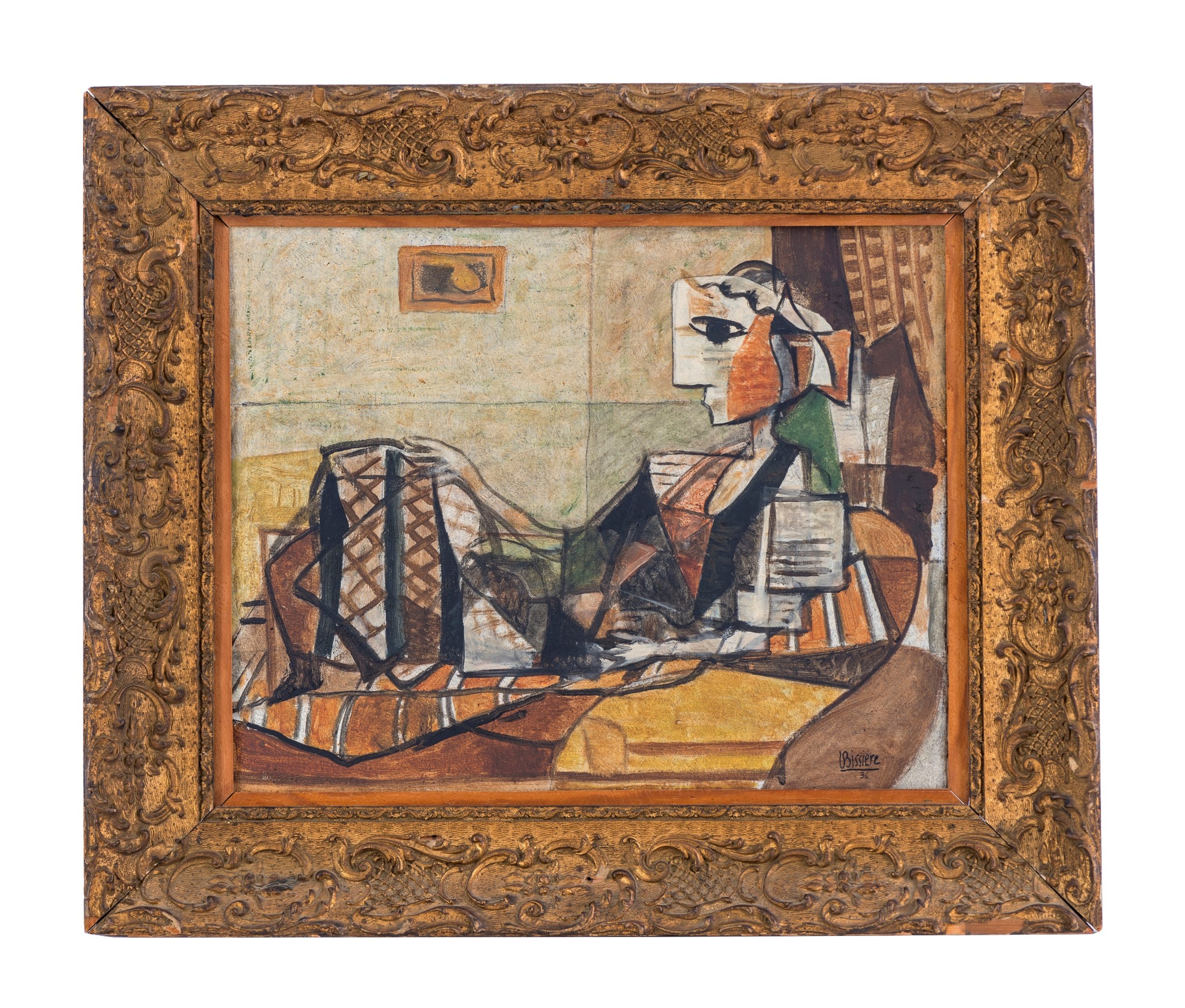
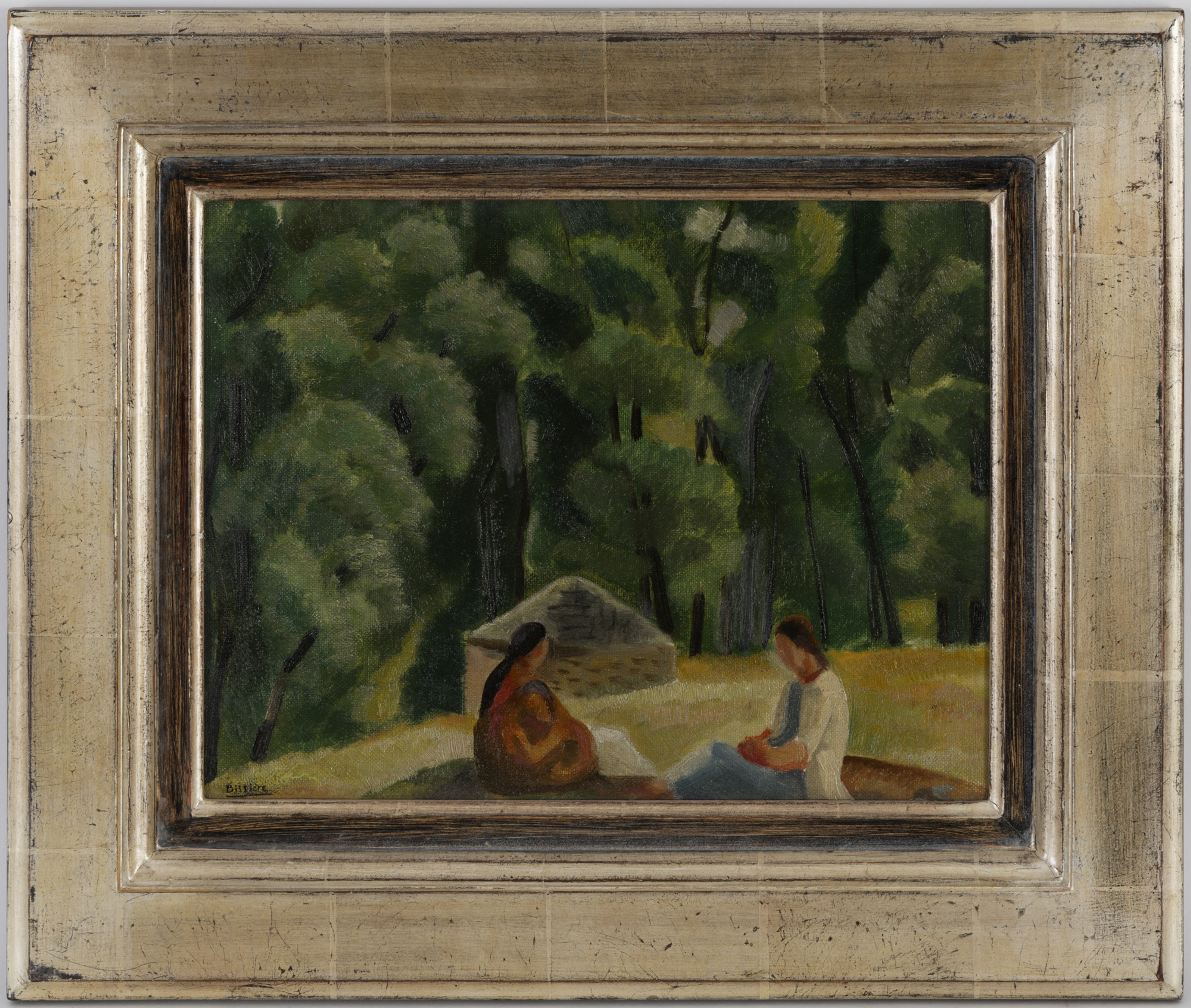
Roger Bissière’s career spans painting, teaching and writing, and also extends to tapestry and stained glass. His documented works also attest to a diversity of supports and techniques: oil on wood or canvas, egg tempera on paper mounted on canvas, small panels and designs for stained-glass windows. After a period of study in Algiers with Rochegrosse, he attends Paul Quinsac’s classes in Bordeaux, then briefly works at Gabriel Ferrier’s studio in Paris. In 1911, he stays in London, where he is thought to have taught, and then in Rome, invited to the Villa Medici by Jean Dupas. From 1912 to 1920, he writes about painting for several newspapers; his first articles are published under the pseudonym Cadoudal.
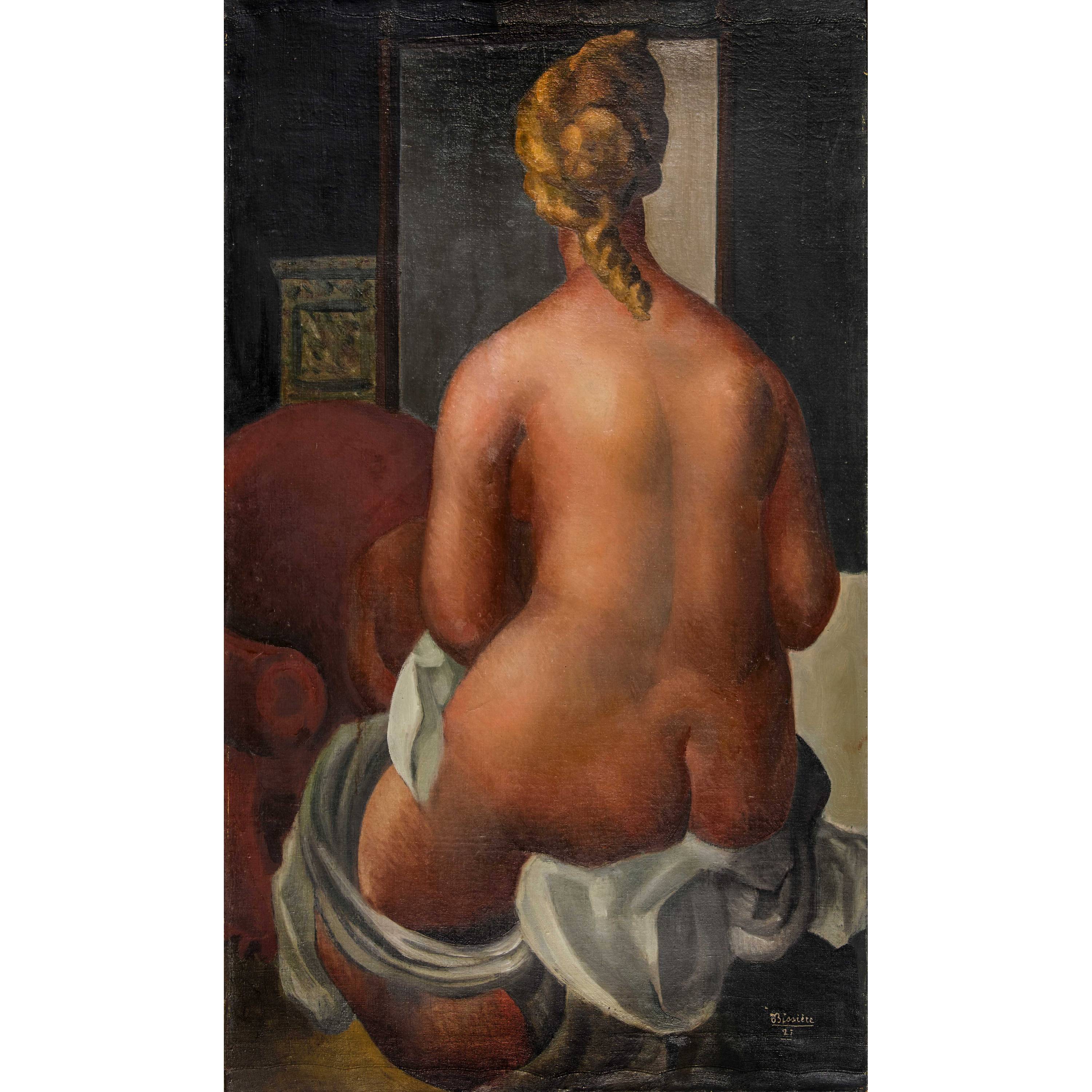
His first solo exhibition takes place in 1921 at the Galerie Paul Rosenberg. From 1923, Bissière teaches painting and drawing at the Académie Ranson, where he opens a fresco studio in 1934. Its students include Alexandre Garbell, Jean Le Moal, Marinette Mathieu and Alfred Manessier. Works from this period include Nu au hamac, an oil on wood dated 1926, and Deux nus, an oil on canvas dated 1927–1928, both held at the Musée des Beaux-Arts de Bordeaux. In 1937, he takes part in the decoration of several pavilions at the Exposition internationale des Arts et Techniques in Paris, including the railway pavilion. In 1939, he leaves Paris to settle in Boissièrette, in a former presbytery inherited from his mother. During the war, he stops painting.
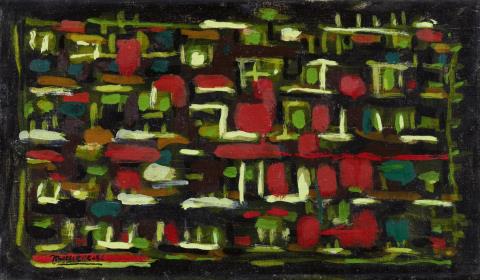
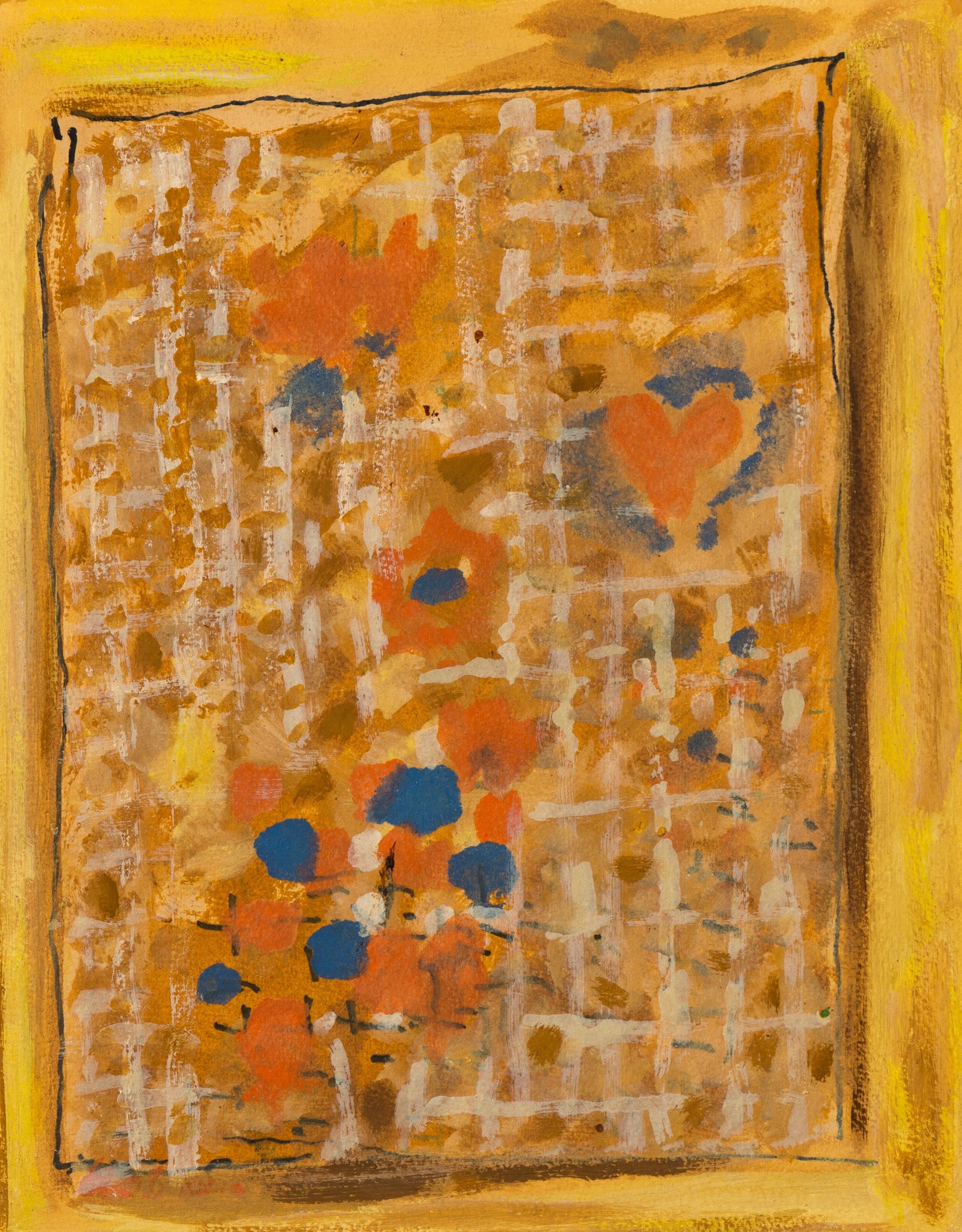
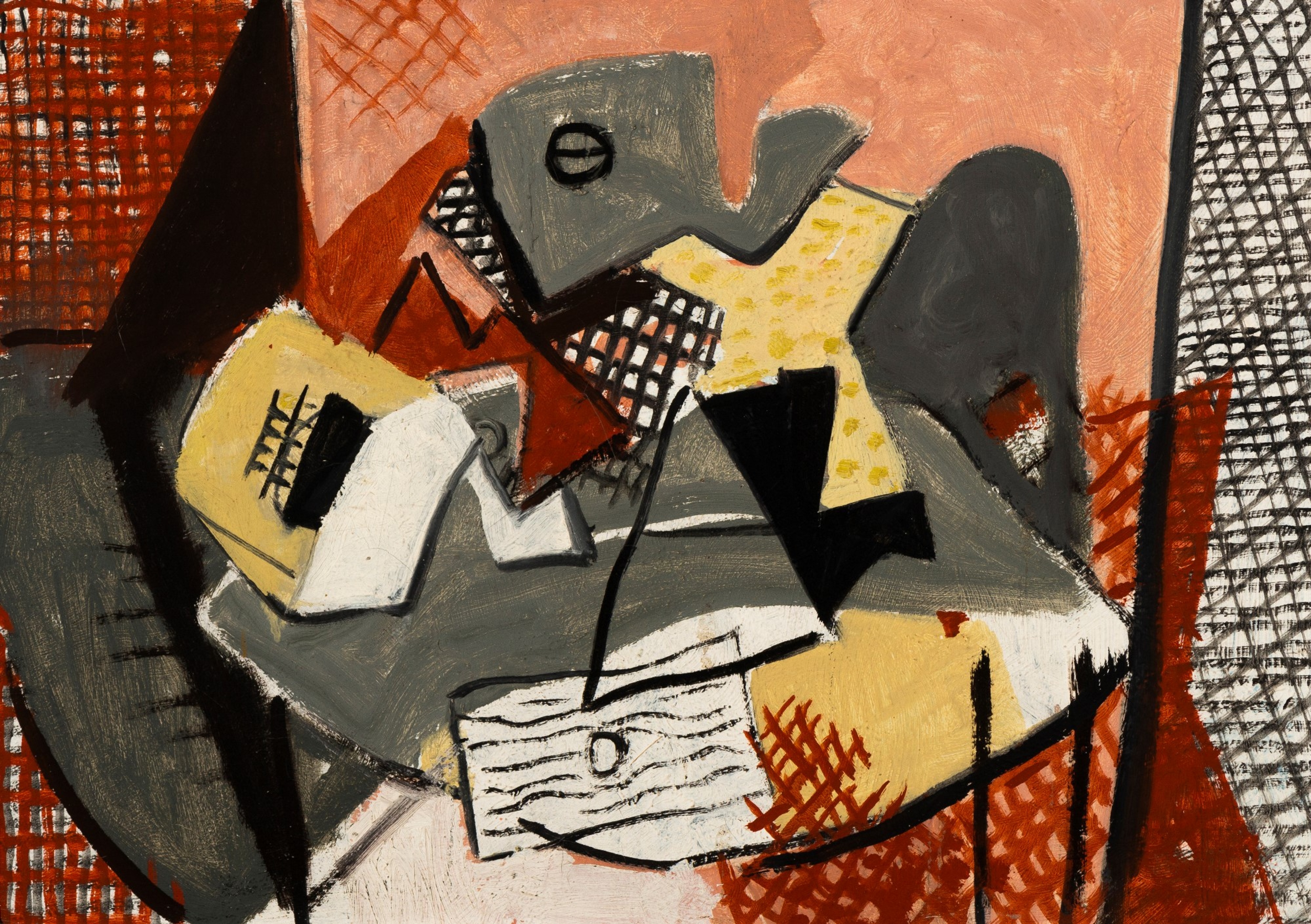
In 1947, the Galerie René Drouin presents seven of his tapestries and thirty paintings. After an operation for double glaucoma in 1950, Bissière creates a series of small paintings in egg tempera. Jaune et gris, from the same year, is executed in this technique on paper mounted on canvas and is listed at the Centre Pompidou. The following year, Jean-François Jaeger presents his Images sans titre at the Galerie Jeanne Bucher, which thereafter regularly exhibits his work. Bissière receives the Grand Prix national des Arts in 1952. That same year, Composition 109, an oil on cotton canvas, is held at the Musée des Beaux-Arts de Bordeaux. In 1955, he takes part in the II Bienal de São Paulo and exhibits at documenta I in Kassel. His work also includes stained-glass windows made in 1958 for the churches of Develier and Cornol in Switzerland, followed in 1960 by designs for two stained-glass windows intended for Metz Cathedral.
After the death of his wife, Mousse, in 1962, he paints the small panels of Journal en images 1962-1964, which are exhibited before his death in 1964. His canvases are also shown in the French pavilion at the Venice Biennale, where he receives a special honourable mention.
This profile brings together identity references for Roger Bissière and paintings, drawings and works on paper documented in auction catalogues.
15 references are documented at Artcurial Beurret Bailly Widmer, Dobiaschofsky, Germann, Kornfeld, Piguet, Lempertz. Each record links to its source; the amounts are not a general valuation of the artist’s work.
SwissArtGallery documentary note based on the cited sources. Titles, media and qualifications are provided in the profile language; the original catalogue wording remains available in each record. Documentation updated : 2026-10-19