Born : 1875Died : 1963Documented citizenships : France
The French painter Jacques Villon is particularly associated with the Section d’or, whose public presentation he helped organise. His career thus links studio practice with dialogue and organisation among artists. This name is the pseudonym of Gaston Émile Duchamp, born in Damville in 1875 and died in Puteaux in 1963. He was the elder brother of Raymond Duchamp-Villon, Marcel Duchamp and Suzanne Duchamp. In 1895, he first adopted the name Jack Villon to sign humorous drawings for the Rouen press, then quickly changed Jack to Jacques. At the beginning of his career, he worked in graphic arts: among other things, he produced six film posters, signed Montcorbier in 1899, and supplied drawings and illustrations to Parisian newspapers. Between 1899 and 1910, 175 of his prints were published by Edmond Sagot. In 1903, he helped organise the drawing section of the first Salon d’automne in Paris; he then studied art at the Académie Julian in 1904 and 1905.
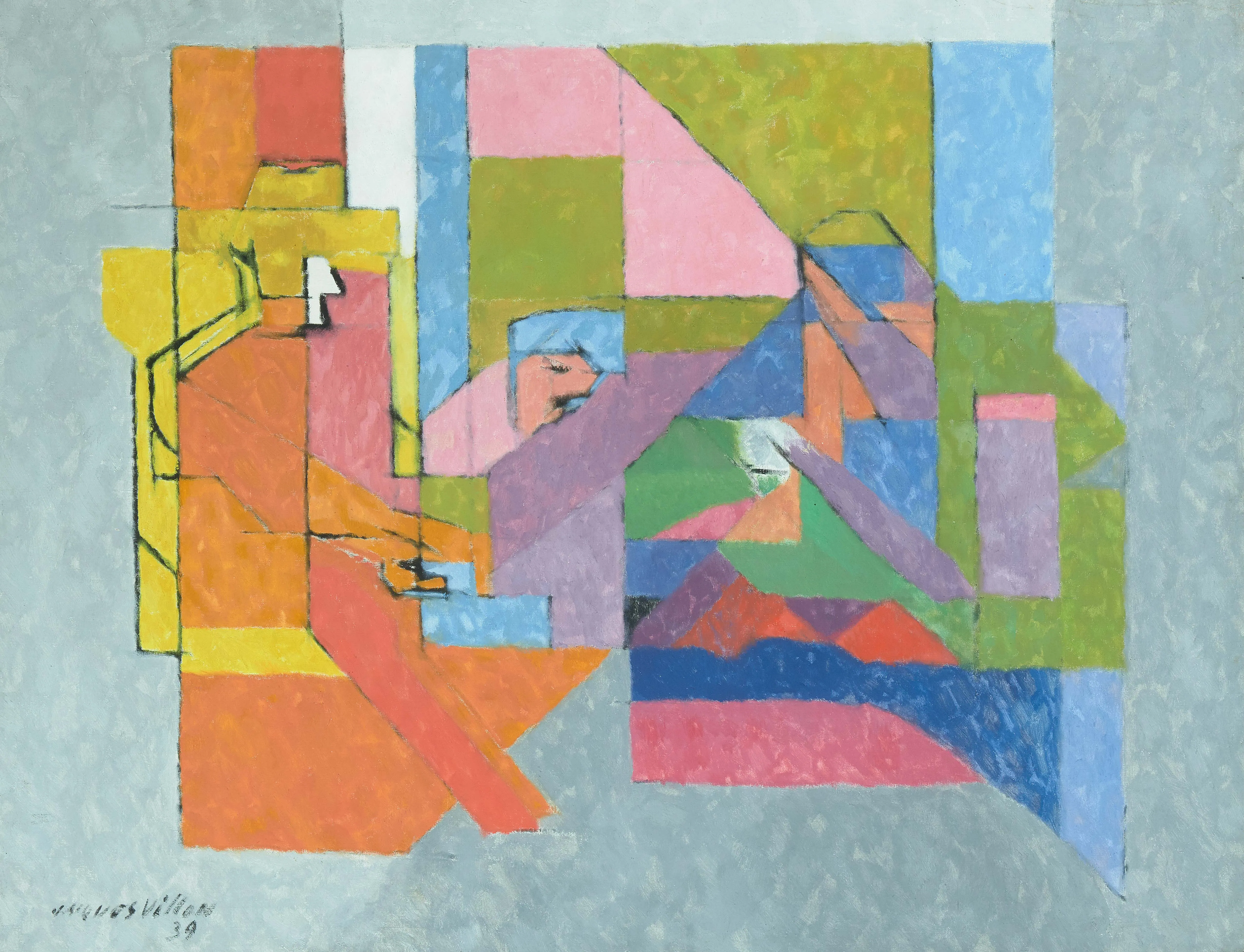
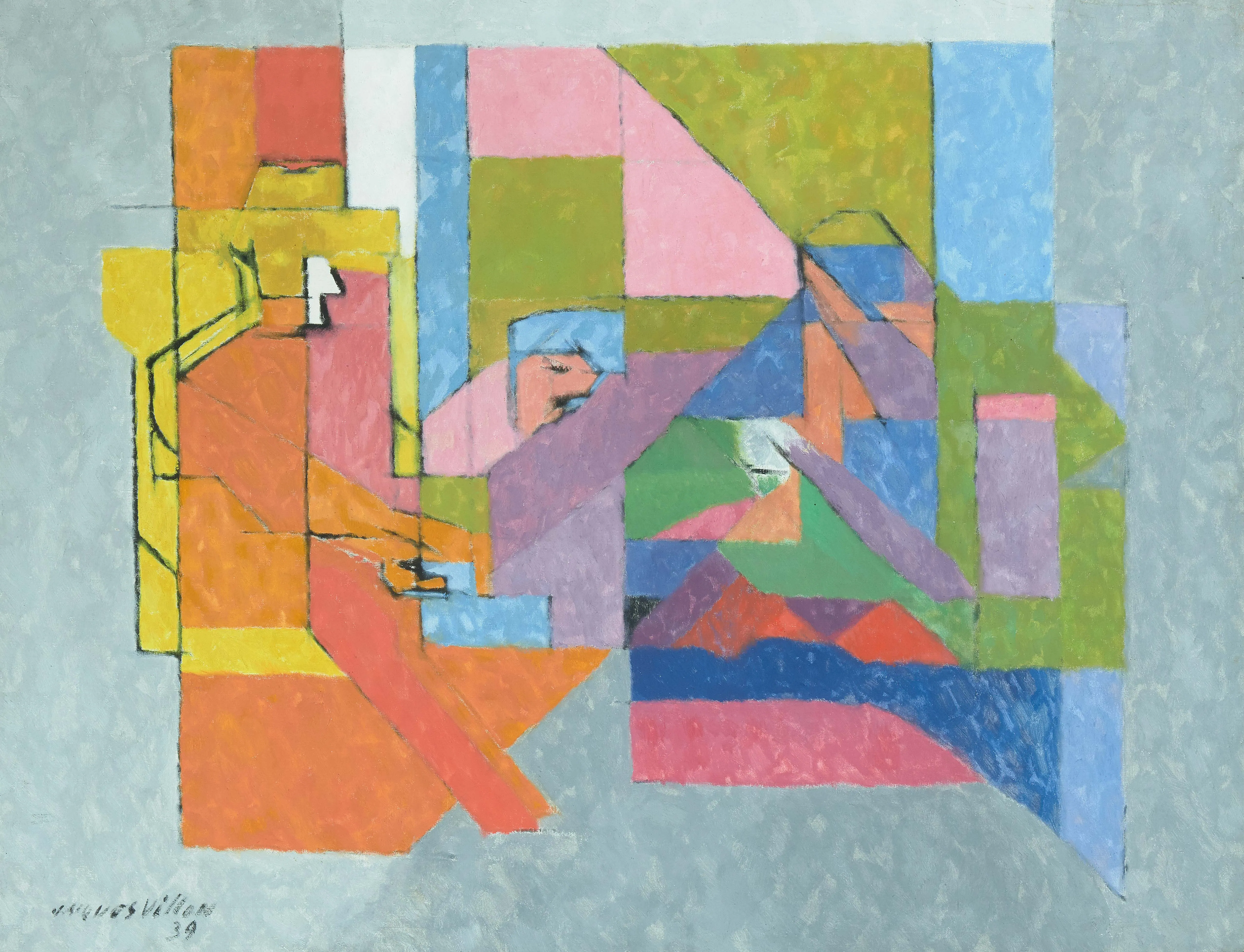
From 1911, together with Raymond and Marcel Duchamp, he hosted regular gatherings at his home attended by, among others, Francis Picabia, Robert Delaunay, Fernand Léger, Albert Gleizes, Jean Metzinger, Juan Gris and François Kupka. Villon played a major role in presenting the group under the name Section d’or; the first exhibition so designated took place at the Galerie La Boétie in Paris in October 1912, with more than 200 works by 31 artists. He exhibited Jeune femme there, now held in the Arensberg Collection of the Philadelphia Museum of Art. Villon described his interest in Cubism as a search for creation guided by discipline towards an ordered composition, conceived as the result of a decision rather than chance. Soldats en marche, made in 1912–1913, is held at the Musée national d’art moderne in Paris. He married Gabrielle Bœuf, known as Gaby, in 1913. Mobilised in 1914 in the 21st Territorial Infantry Regiment, he fought in Champagne and Artois before joining the camouflage service in 1916.
In 1932, he joined the Abstraction-Création group. In 1940, he took refuge first with André Mare in Bernay, then at the Château de la Brunié in the Tarn, where he painted landscapes; he returned to Puteaux in 1942. In 1944, the Galerie Louis Carré acquired his entire studio and organised an exhibition devoted to his work in Paris, accompanied by a catalogue with a preface by René-Jean. He was awarded the Carnegie Prize in 1950, followed by the Grand Prize at the Venice Biennale in 1956; he was appointed Commander of the Legion of Honour in 1954.
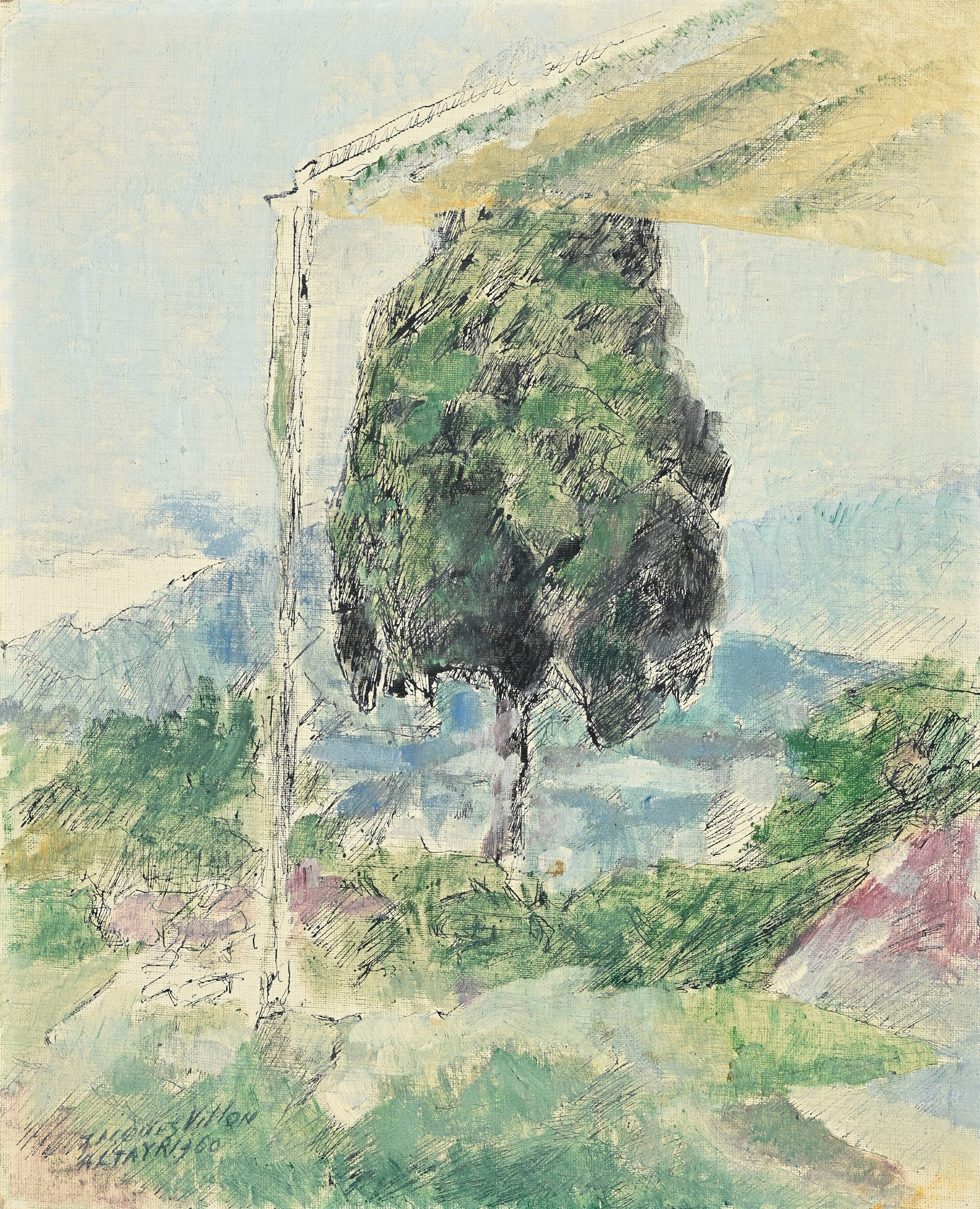
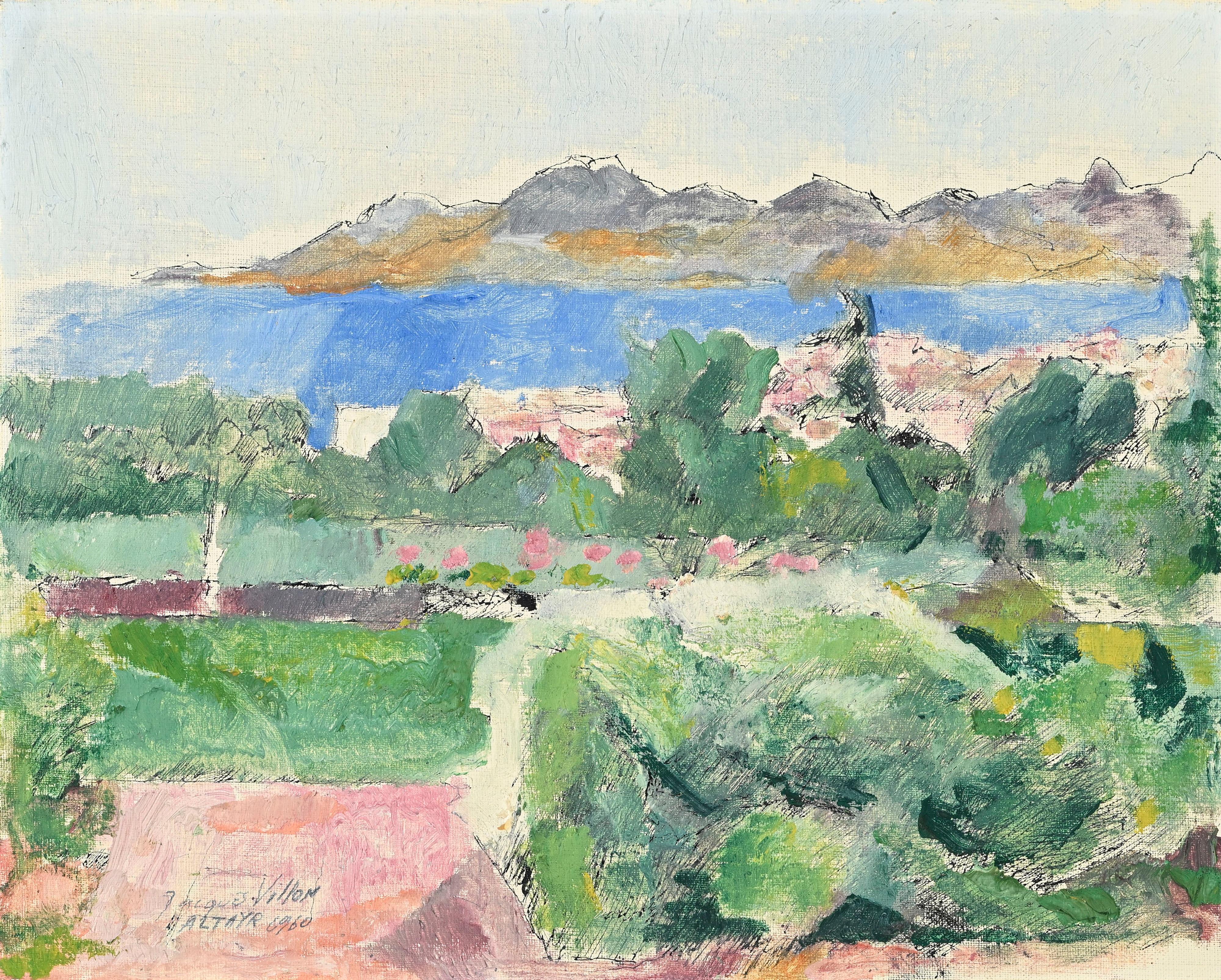
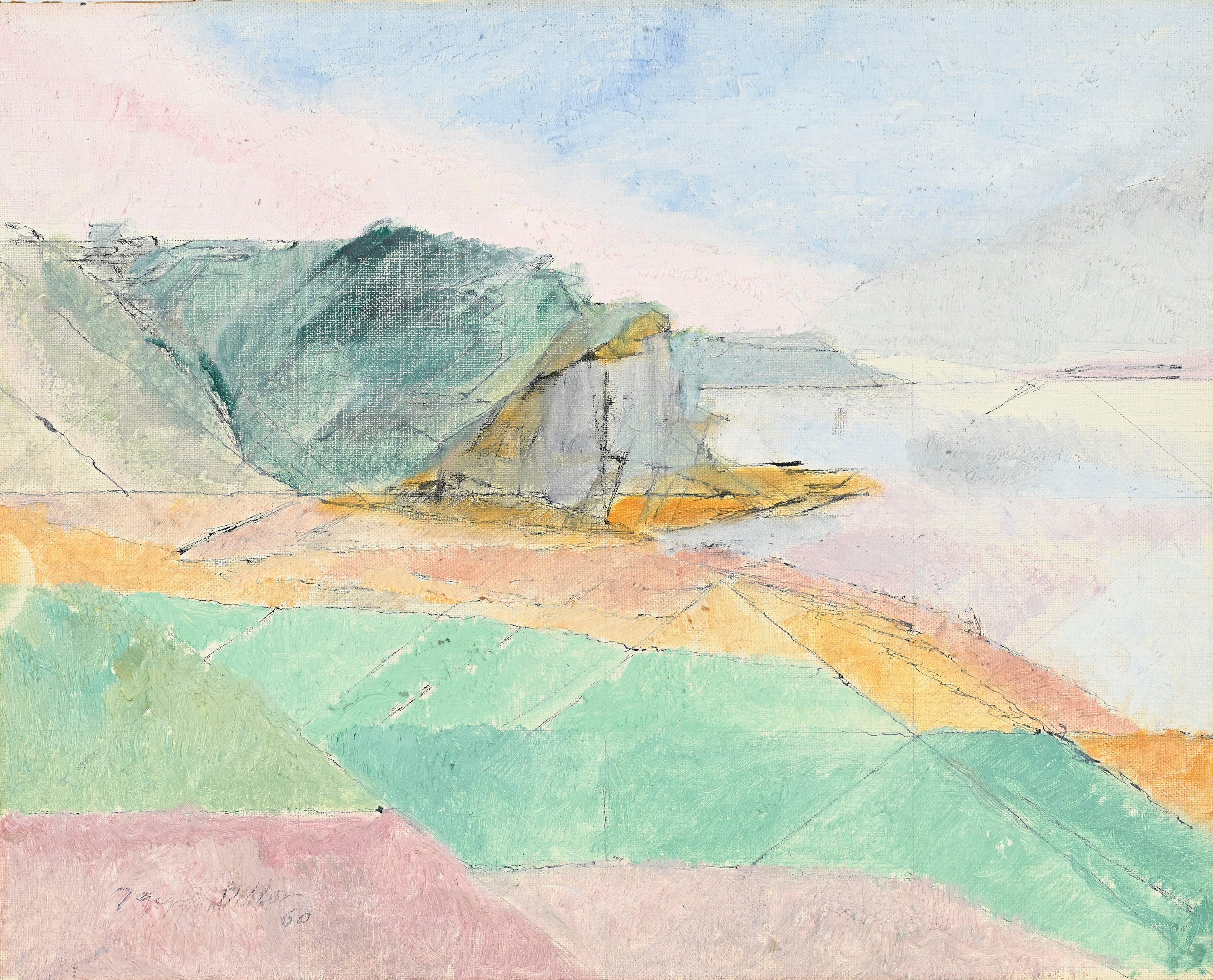
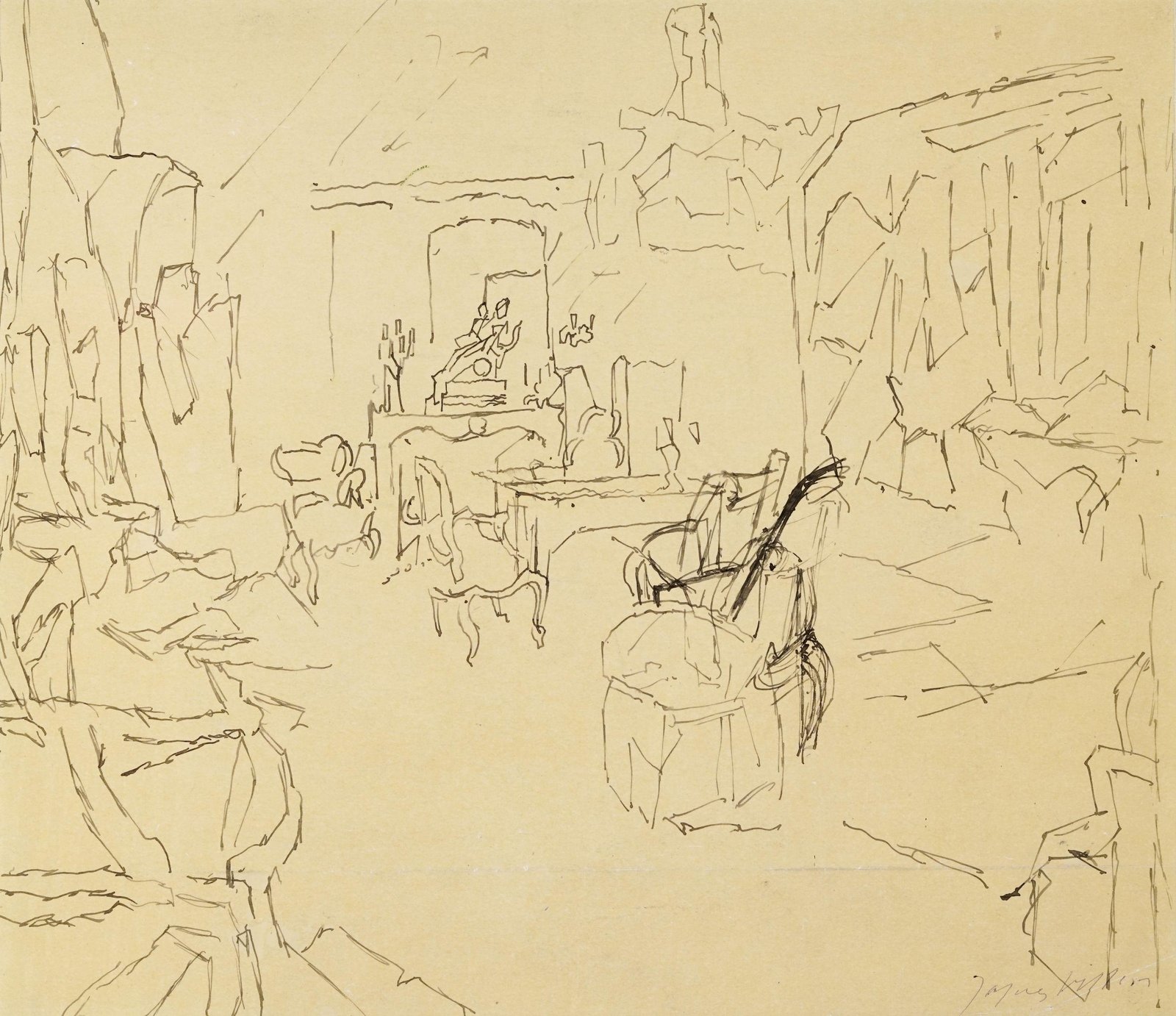
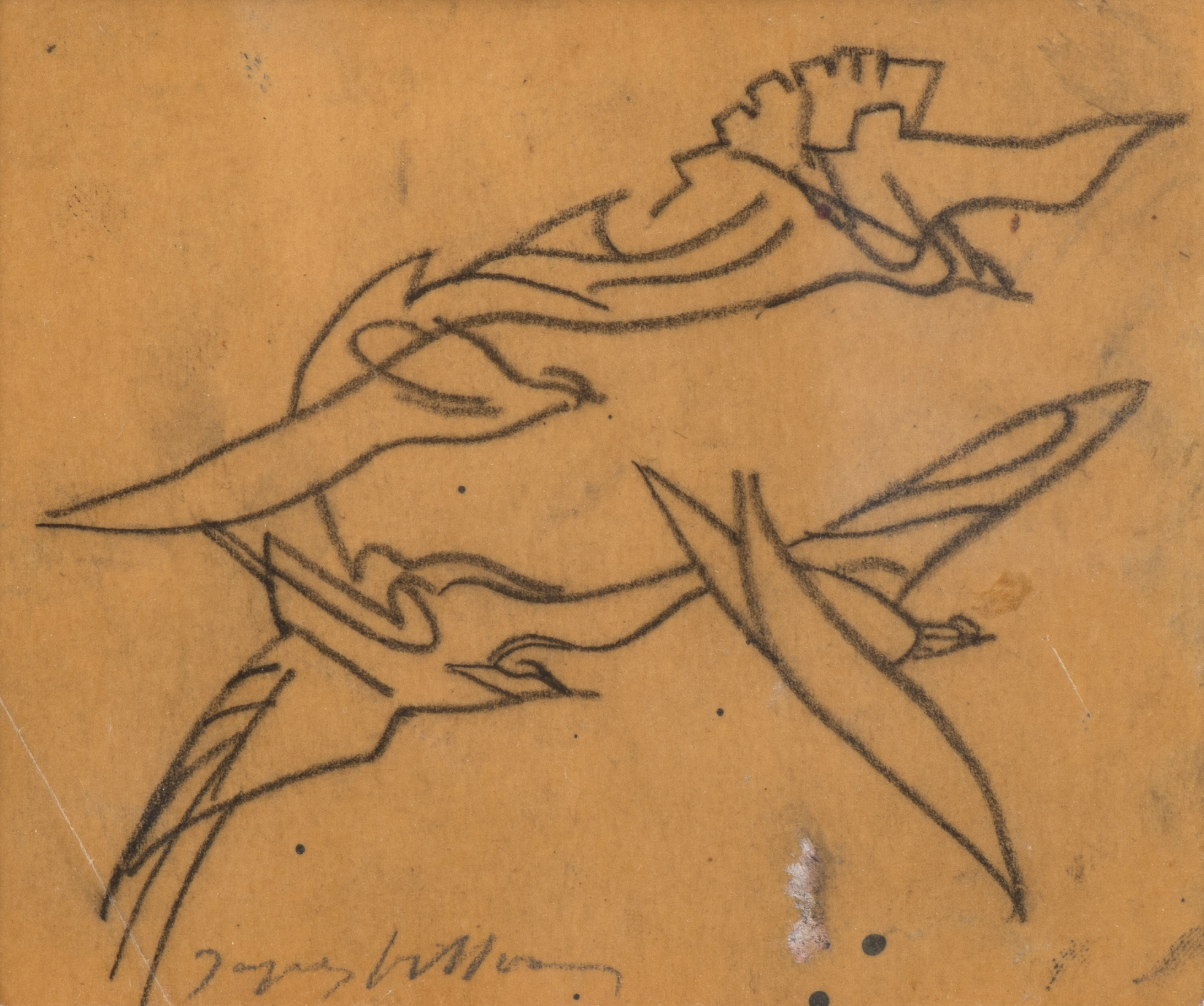
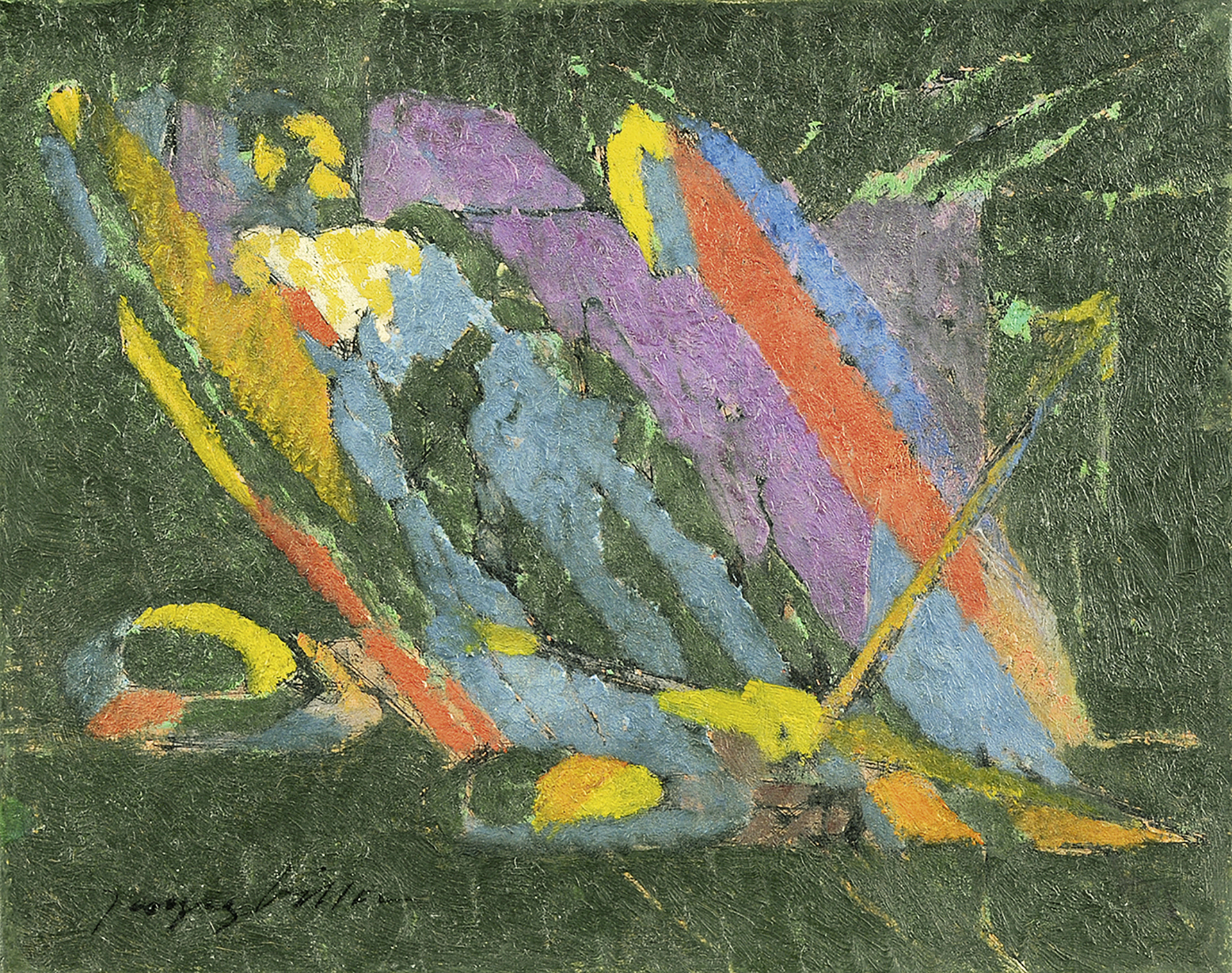
This profile brings together identity references for Jacques Villon and paintings, drawings and works on paper documented in auction catalogues.
References include catalogue entries and available results; they do not all represent completed sales. Attributed works and special lots are excluded from the priced results.
SwissArtGallery documentary note based on the cited sources. Titles, media and qualifications are provided in the profile language; the original catalogue wording remains available in each record. Profile updated :
The French painter Yvonne Canu (1921–2008), born in Meknès, Morocco, developed a Neo-Impressionist practice characterised by a divided brushstroke and the arrangement of juxtaposed c…
The Italian painter Arturo Ricci (1854–1919) is documented here through his identity and information relating to a work, La supplique. A sale notice states that the painting was purc…
The German artist Hannah Höch uses photomontage and cut-and-paste collage as means of social and political critique. Her compositions parody bourgeois life and question representatio…