Born : 1934Died : 2002Documented citizenships : France
Jean-Pierre Vasarely (1934–2002), known as Yvaral, is the son of Victor Vasarely and adopts an artist’s name that helps him gain recognition in his own right. He trains in graphic arts at the École des arts appliqués.
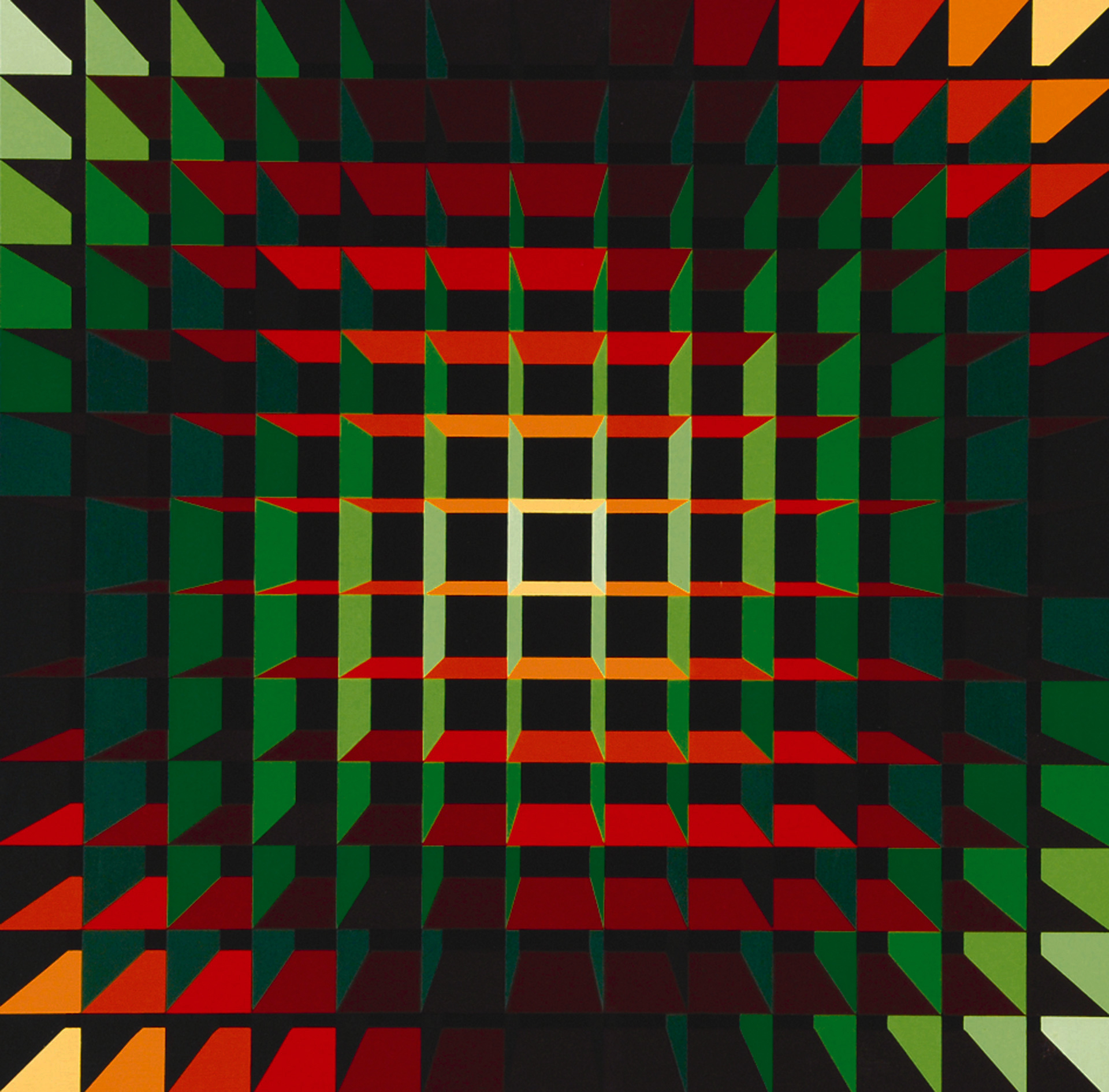
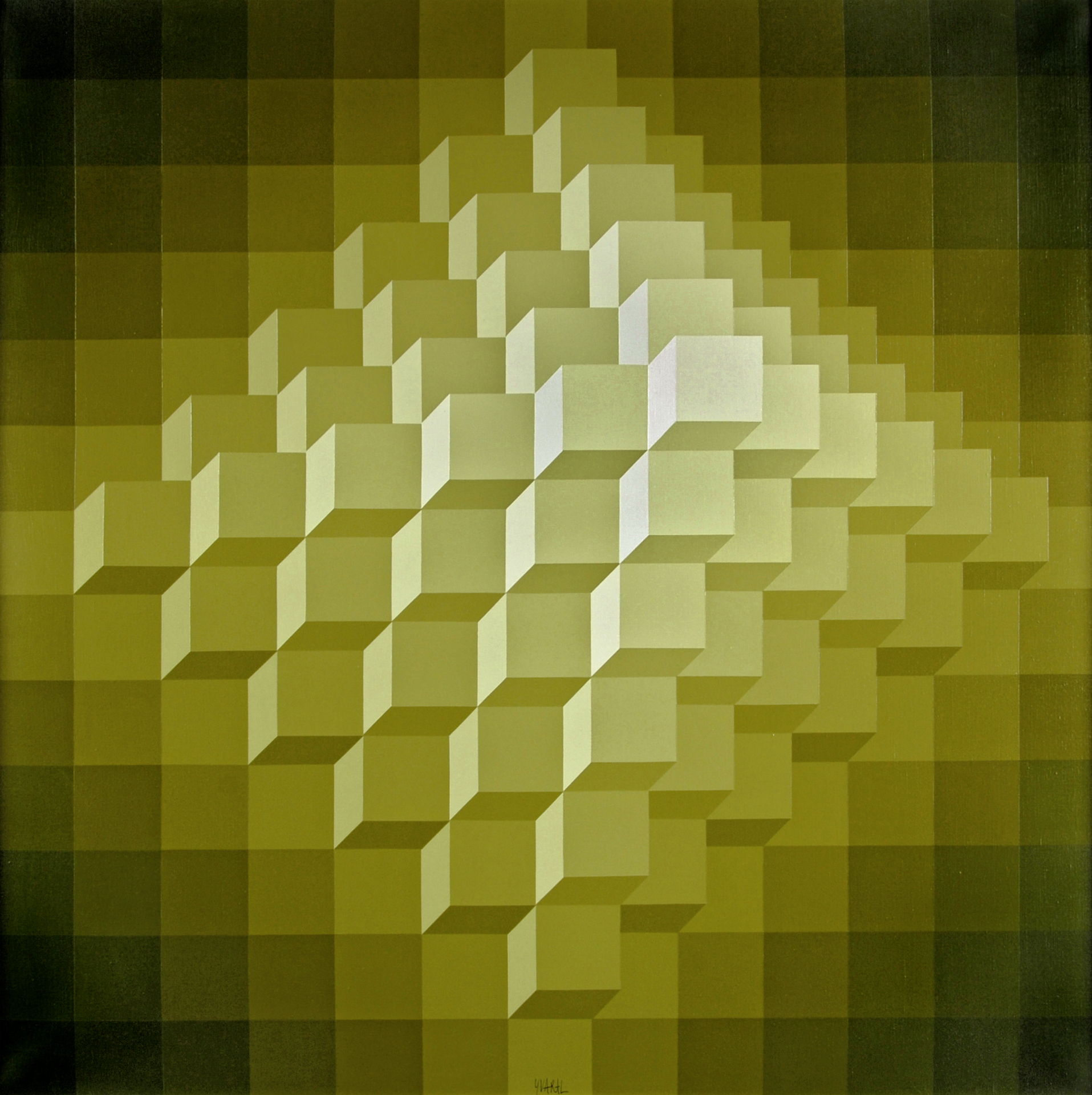
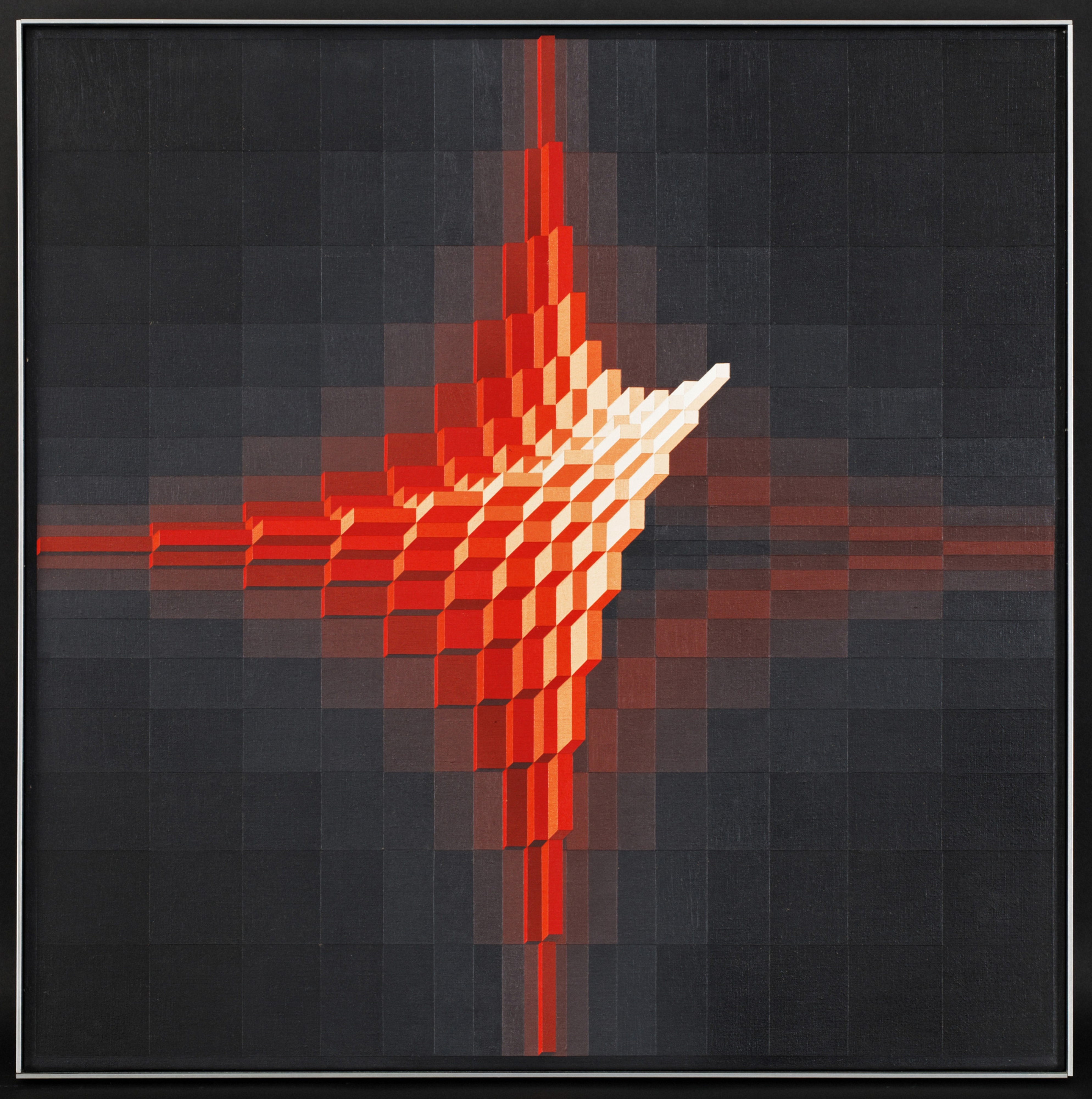
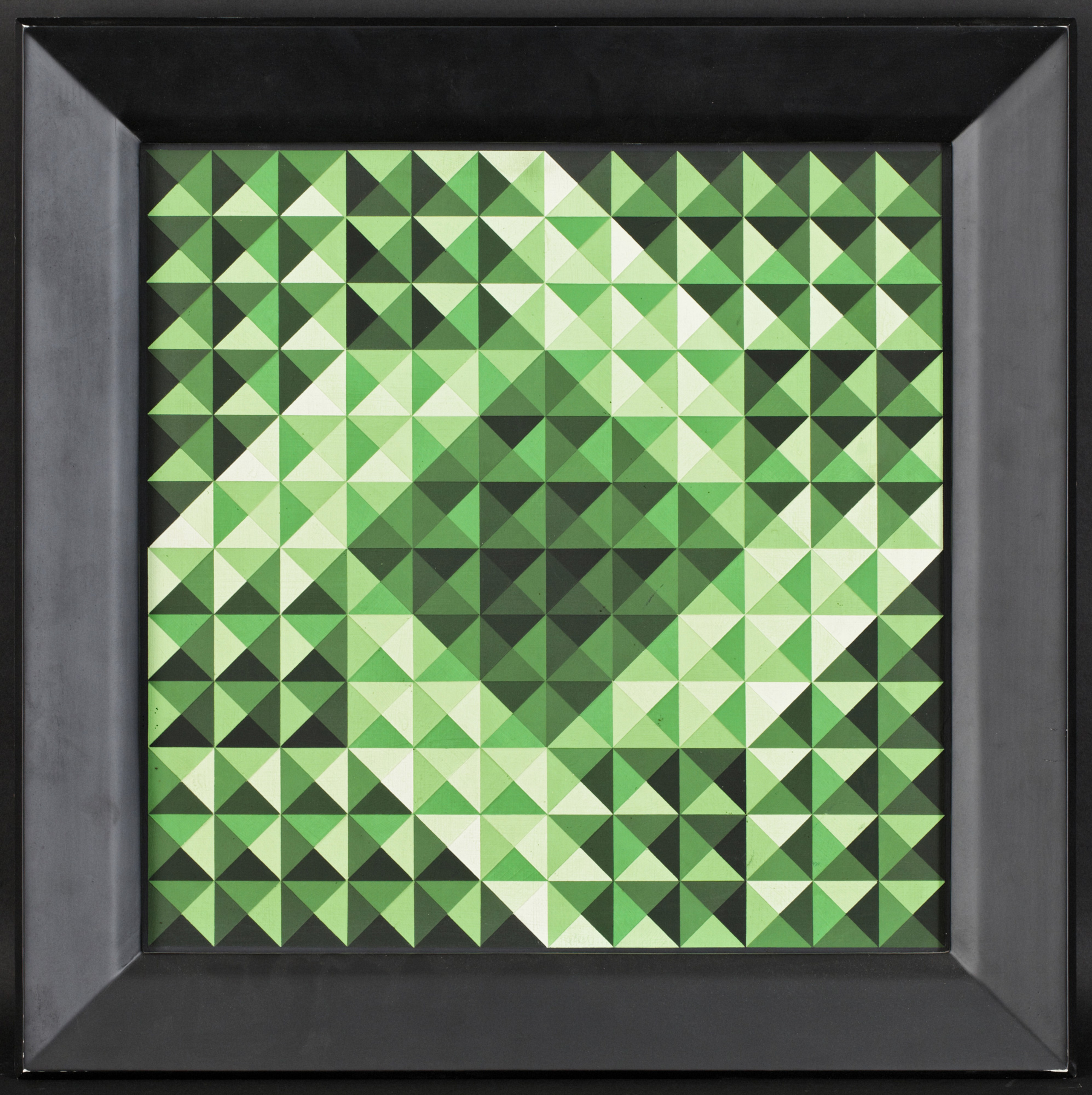
From 1954, he explores how vision organises the world by disrupting physiological and cognitive phenomena. His visual vocabulary includes unstable network forms, moiré effects, and threads of vinyl and nylon arranged in grids whose gradation suggests depth. From 1960 to 1968, he is an active co-founding member of the Groupe de recherche d’art visuel (G.R.A.V.), which promotes collective, playful creation without esotericism. In the group’s interventions in the street, Yvaral encourages the public to take part by handling objects—including the « Disques à manipuler »—or entering structures.
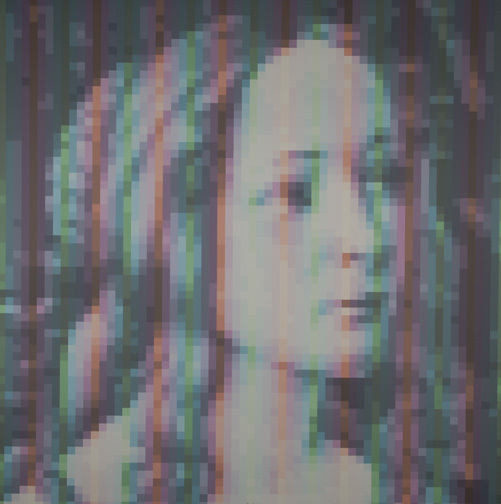
During the 1970s, Yvaral creates several series, including « Progressions », « Cristallisations », « Structures ambiguës » and « Quadratures de cercle ». He also pursues monumental decoration and industrial aesthetics, producing complex reliefs, movable Venetian blinds and the transparent optical grids « Optivisio ». Later, he relies on computer analysis to programme his geometric paintings. « Madame D.F. digitalisée », an acrylic painting on canvas, is signed at the lower centre and dated 1985 on the reverse; it also bears the title and number « DF283 » and measures 81 × 54 cm.
This profile brings together identity references for Jean-Pierre Yvaral and paintings, drawings and works on paper documented in auction catalogues.
6 references are documented at Dobiaschofsky, Germann, Piguet. Each record links to its source; the amounts are not a general valuation of the artist’s work.
SwissArtGallery documentary note based on the cited sources. Titles, media and qualifications are provided in the profile language; the original catalogue wording remains available in each record. Documentation updated : 2026-10-19