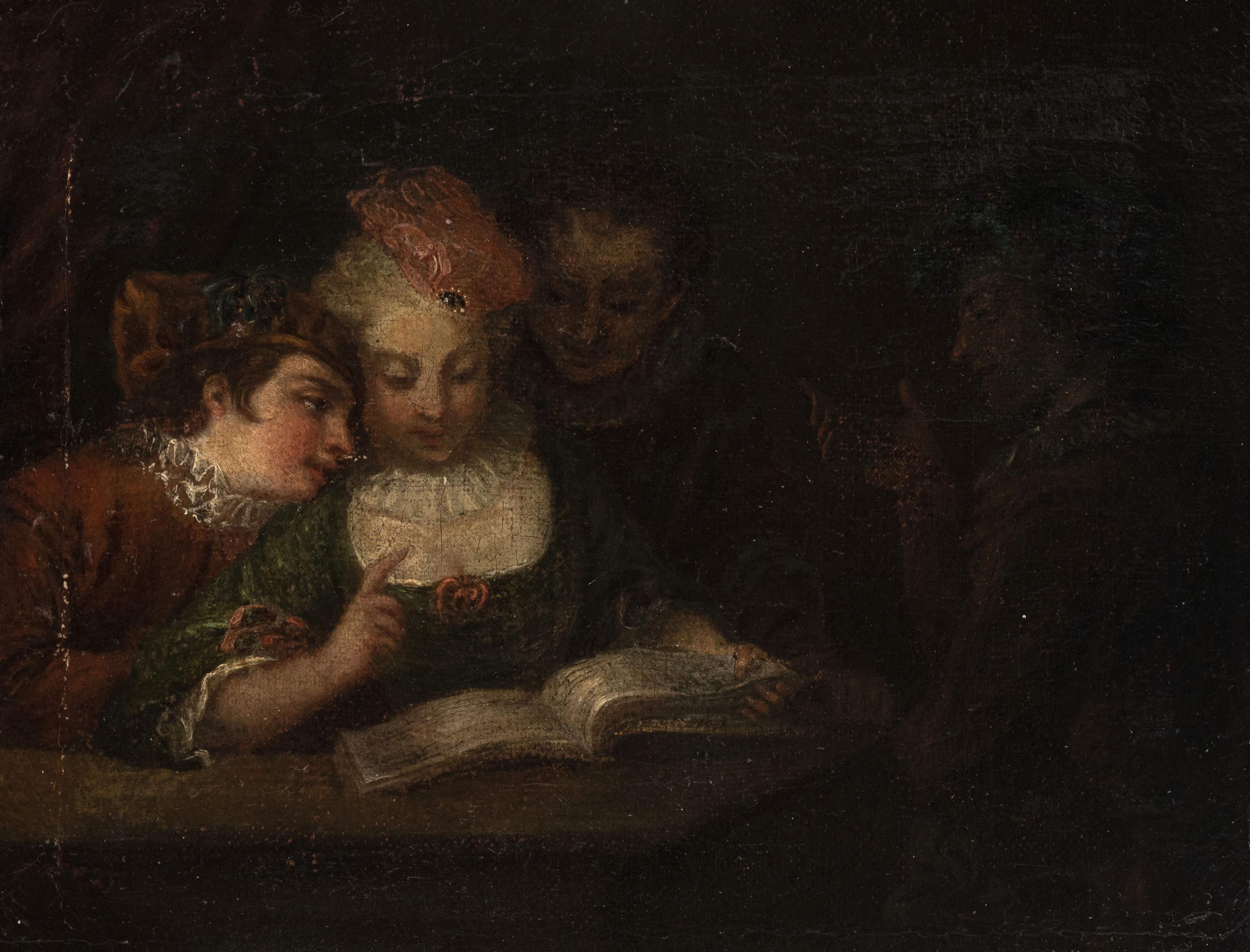
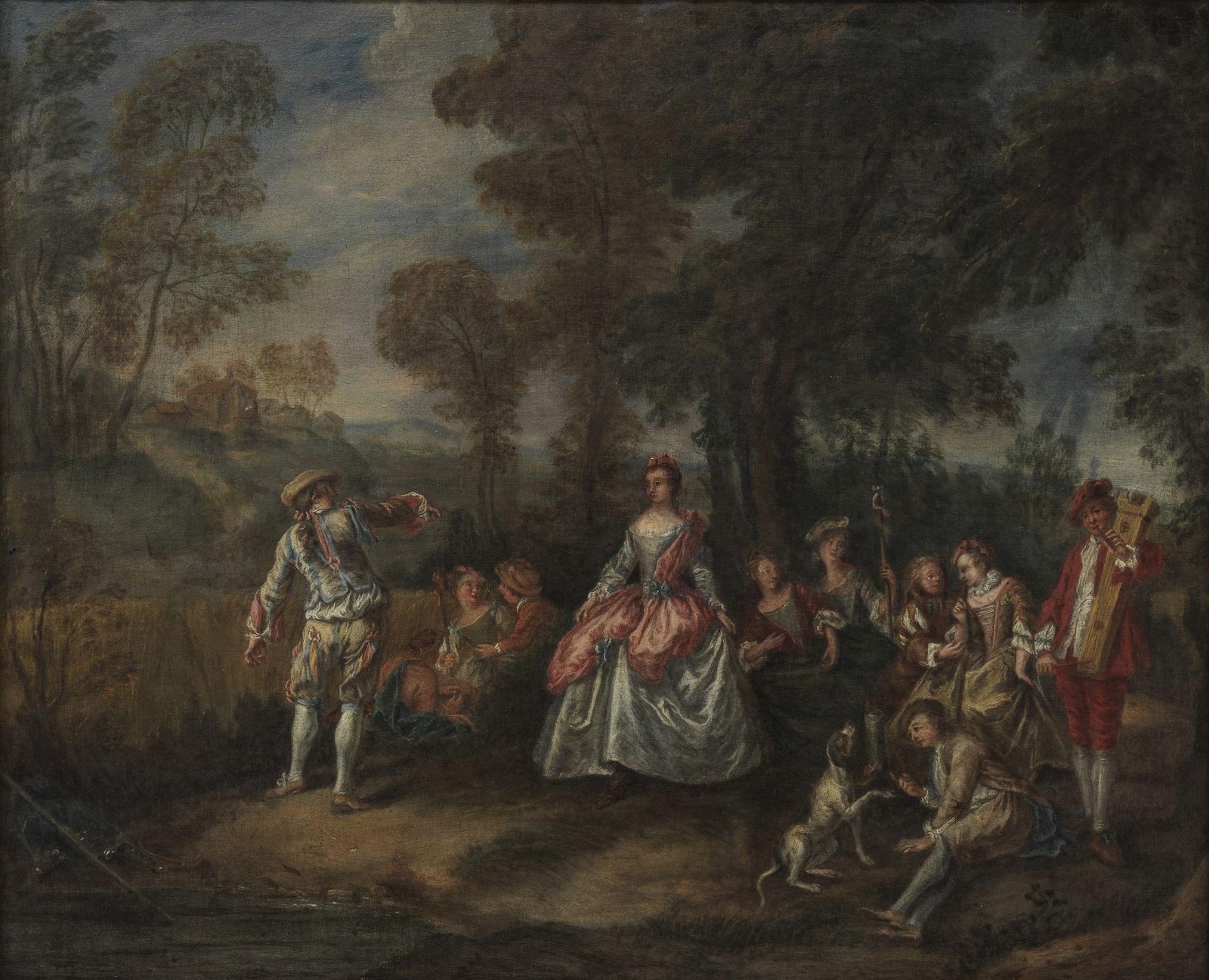
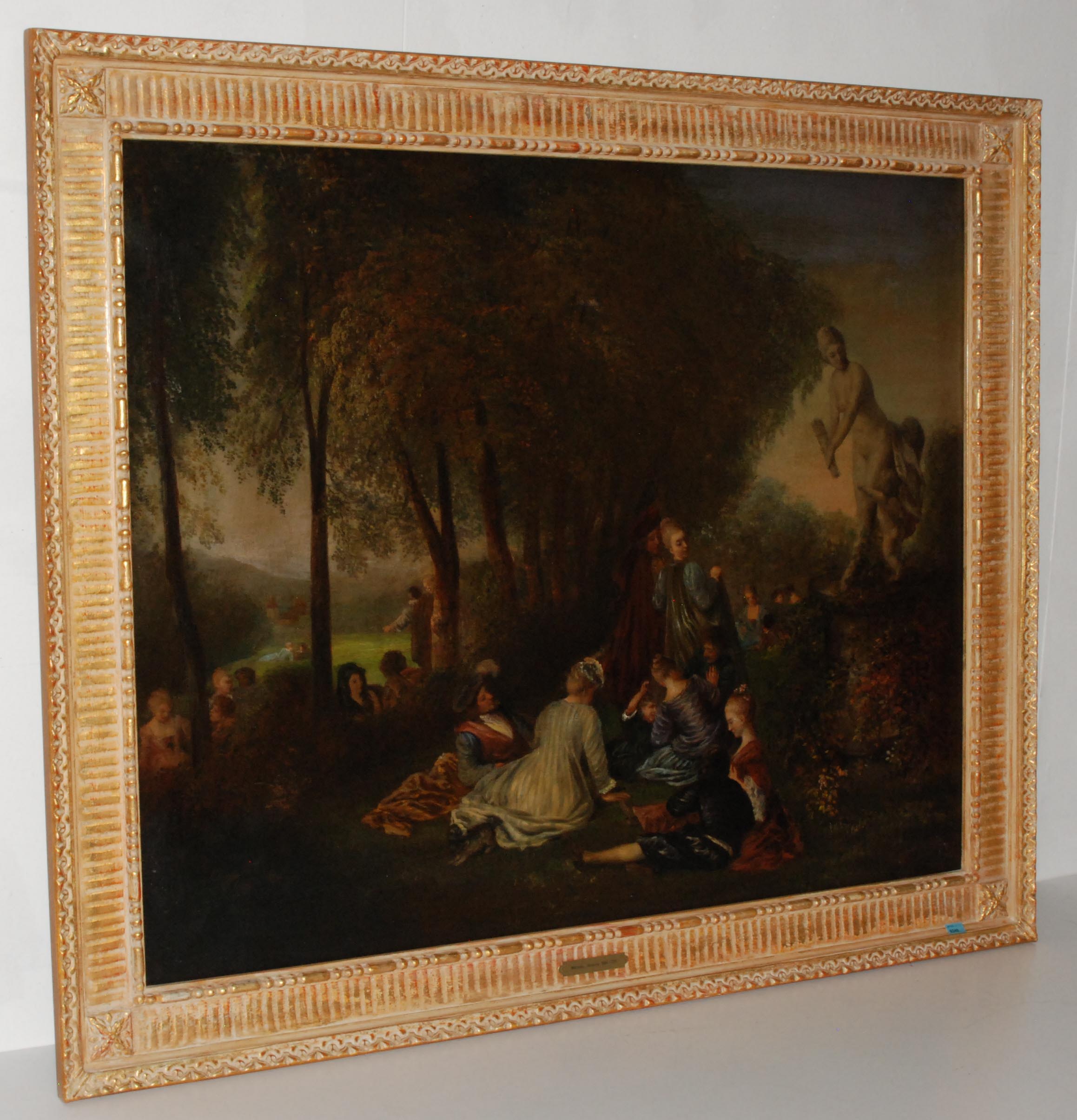
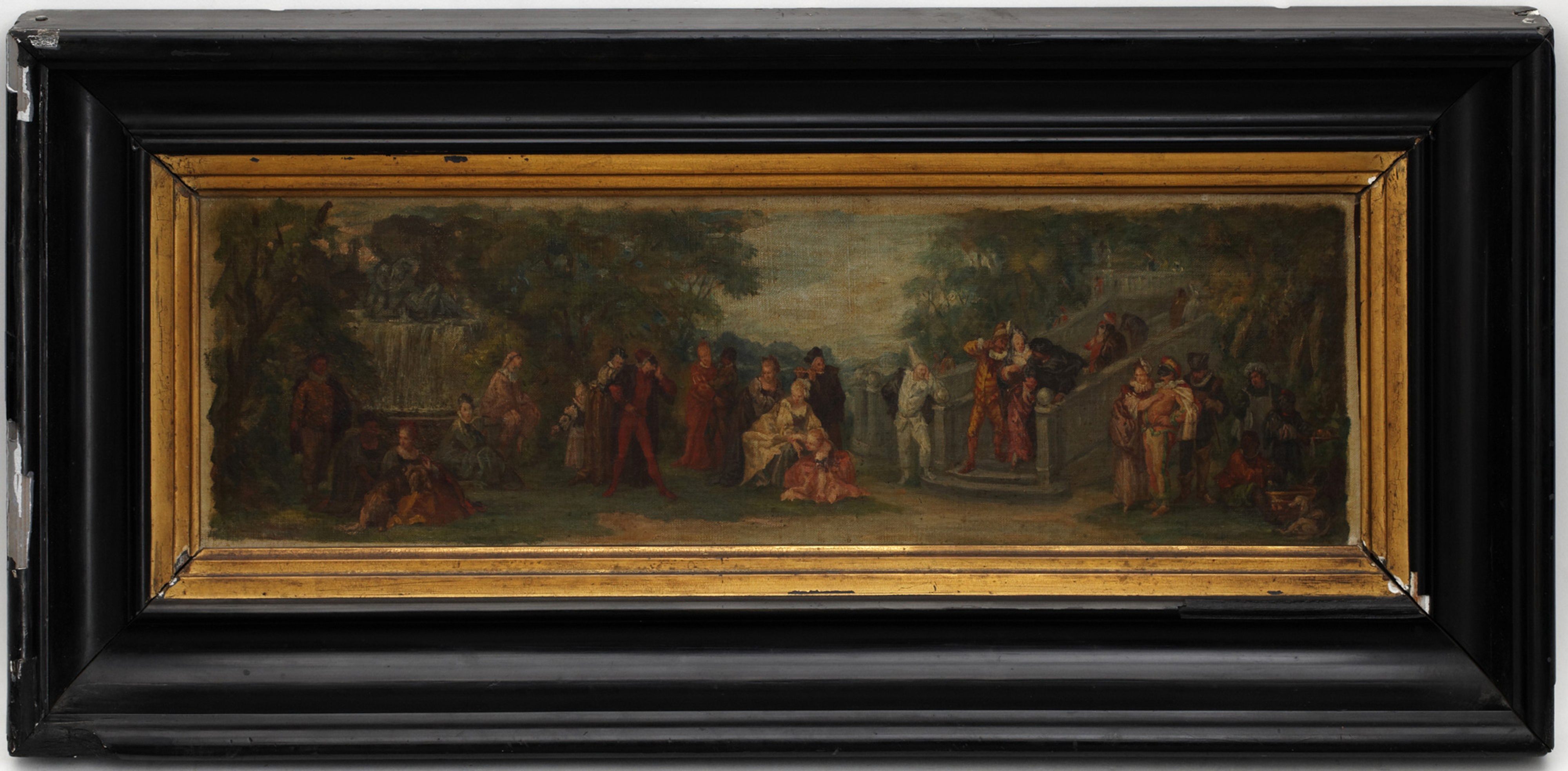
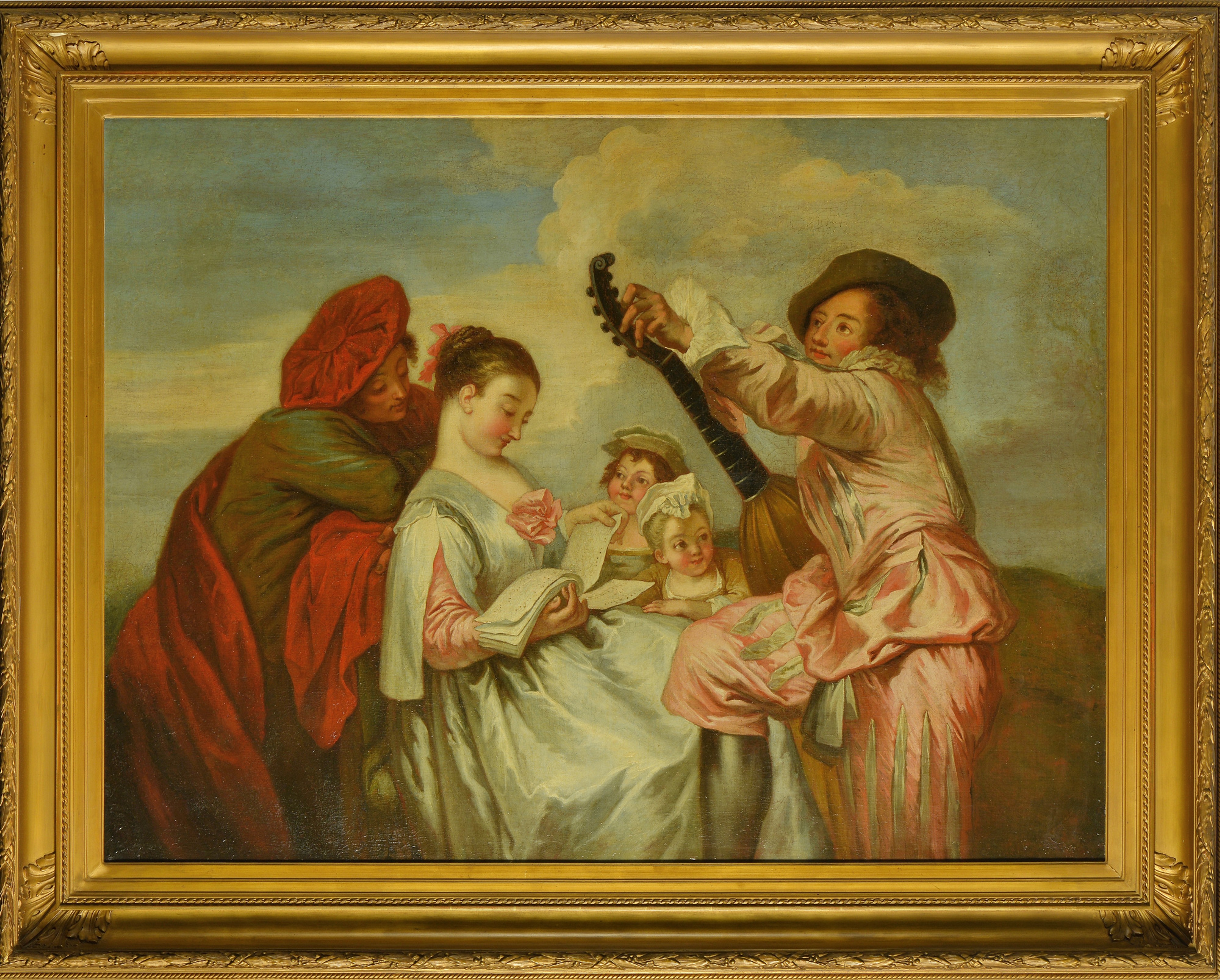
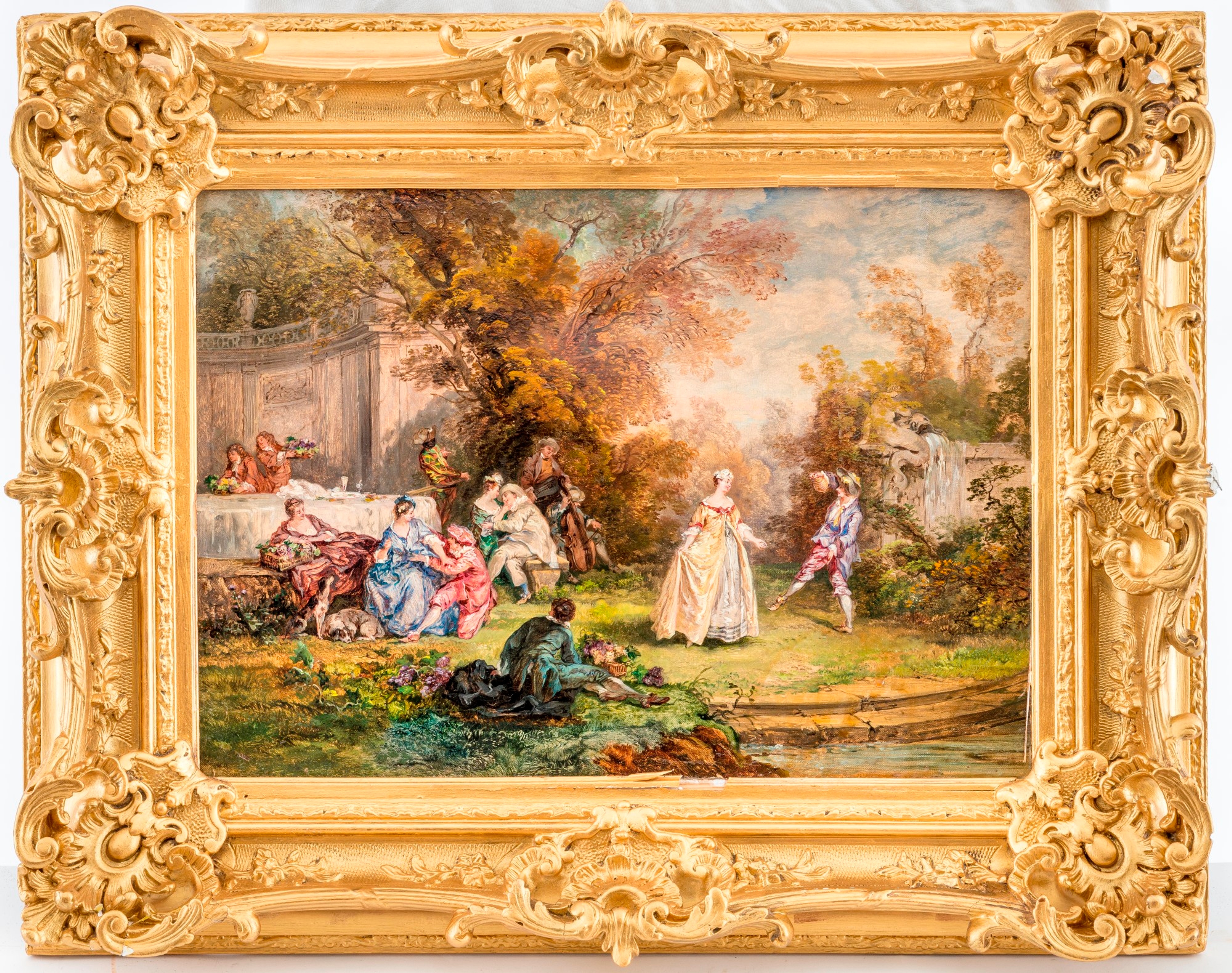
Antoine Watteau (1684–1721), born in Valenciennes and active in Paris, gave a new form to encounters between lovers in landscape: the fête galante. His Pilgrimage to the Isle of Cythera, submitted to the Royal Academy in 1717, marked his admission as a full member. Commedia dell’arte characters also provided a repertoire of costumes, gestures and expressive attitudes.
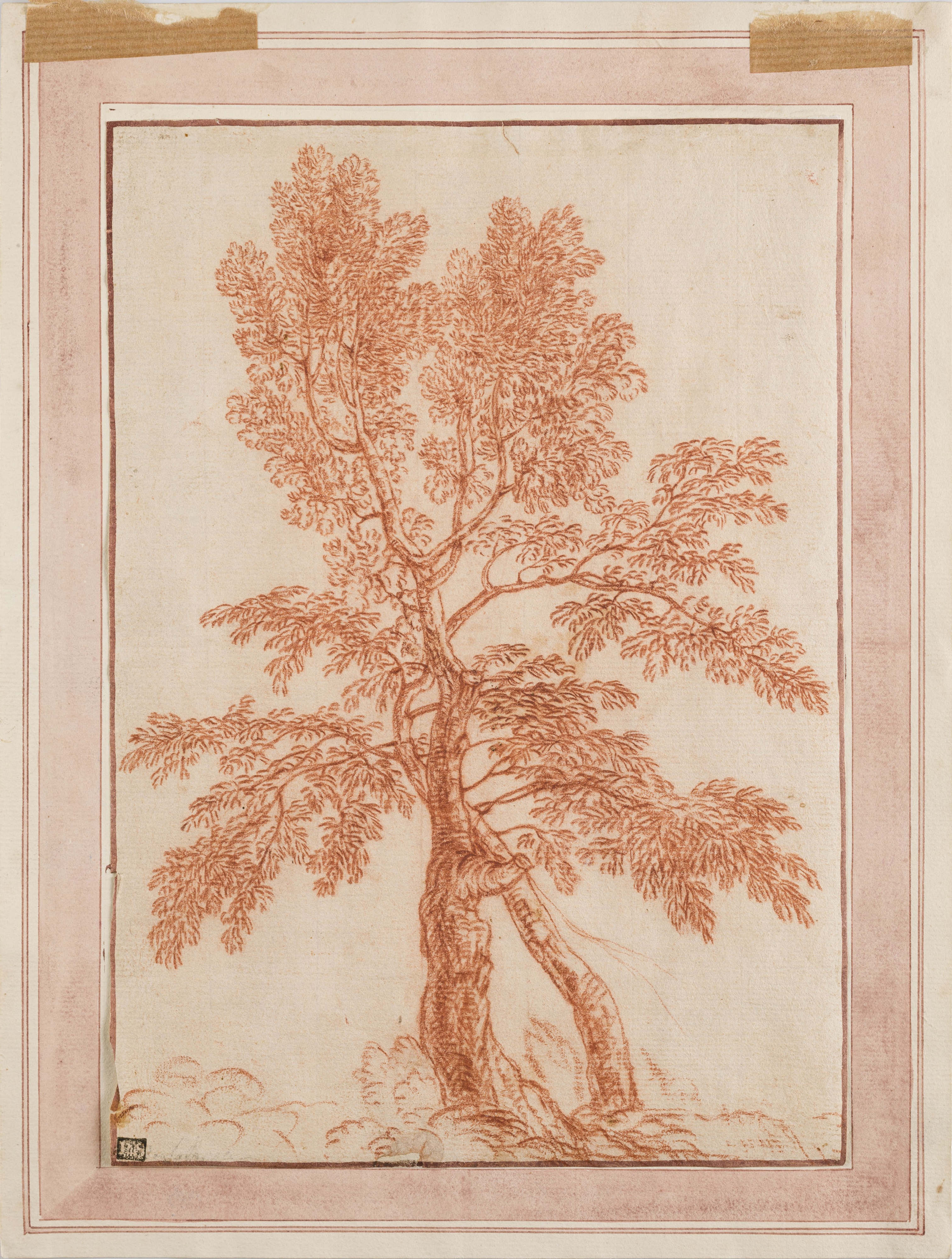
In The Scale of Love, probably painted in 1717–1718 and held by London’s National Gallery, a guitarist and his companion share a musical score; pinks, reds and browns connect music with seduction. His drawings do not systematically prepare predetermined scenes. Instead, he accumulated figure studies that he could subsequently reuse in paintings. Red, black and white chalk together form his characteristic three-chalk technique.
This profile brings together identity references for Jean-Antoine Watteau and paintings, drawings and works on paper documented in auction catalogues.
SwissArtGallery documentary note based on the cited sources. Titles, media and qualifications are provided in the profile language; the original catalogue wording remains available in each record. Profile updated :
Matthias May (1884–1923), trained in Munich, made his school in Linz a centre of artistic activity between 1920 and 1922. Drawing, painting, composition, portraiture and the nude wer…
Bryan Hunt, born in 1947, approaches sculpture through architecture, aeronautics and the figure. After studying at the Otis Art Institute, he joined the Whitney's independent study p…
Pierre Girieud (1876–1948) participated in Fauvist experiments and maintained links with the German avant-garde before developing a more monumental approach to painting. His Study fo…