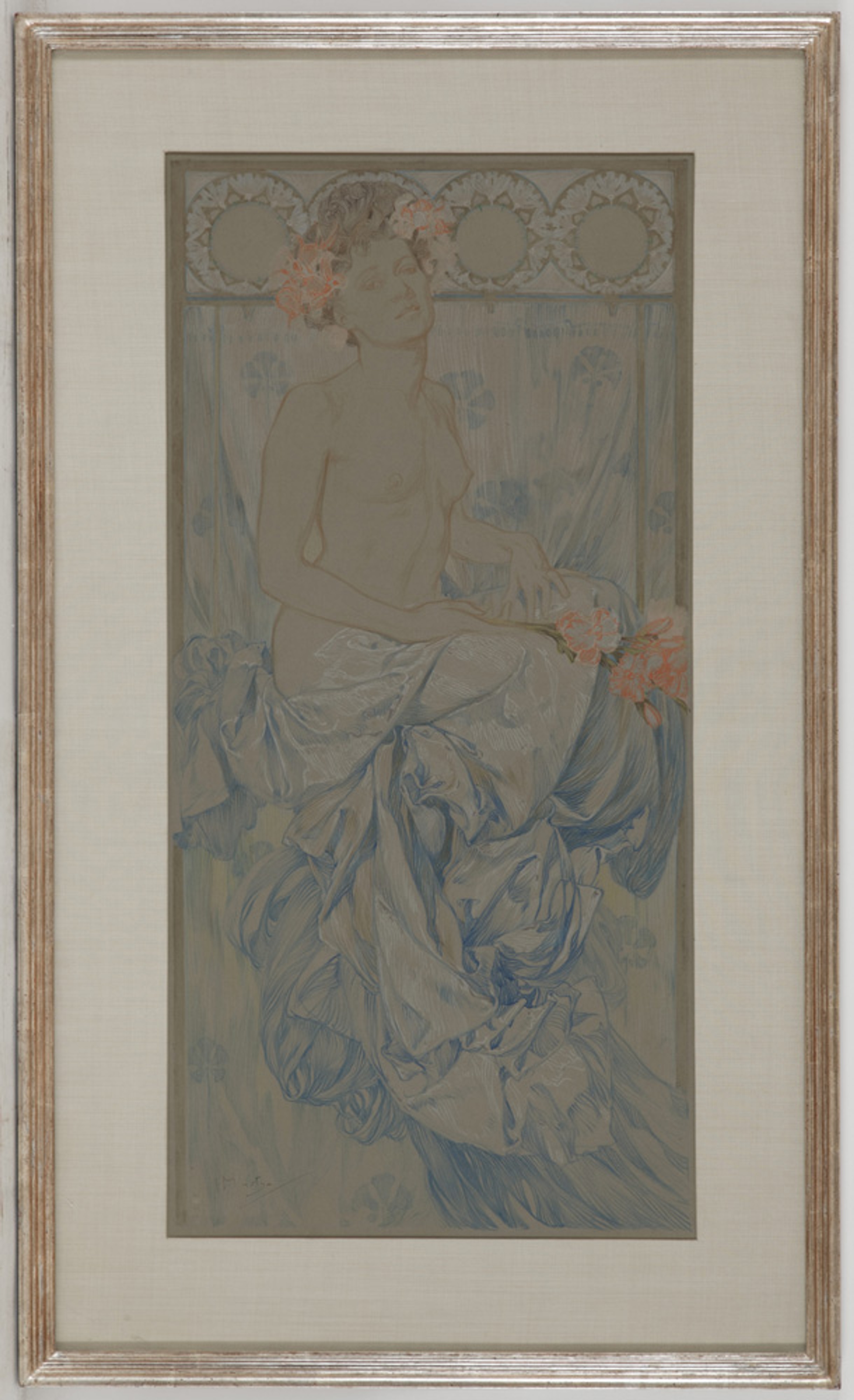
Alphonse Mucha develops a practice that connects theatre posters, decorative publishing and the creation of official documents. The commission for Gismonda in 1894 marks a turning point: this poster for Sarah Bernhardt is followed by a six-year contract with the actress. Born in Moravia on 24 July 1860, he settles in Paris in 1887 and continues his training at the Académie Julian and the Académie Colarossi. After the support of Count Khuen-Belasi ends in 1889, he earns his living as an illustrator and works for the publishing house Armand Colin. In 1897, he presents 107 works at the Galerie Bodinière, followed by 448 works at the Salon des Cent, two Paris exhibitions that reveal the breadth of his production. The ornamental dimension of his work is also brought together in Les Documents décoratifs, a handbook for artists published in 1902 and comprising 72 drawings.
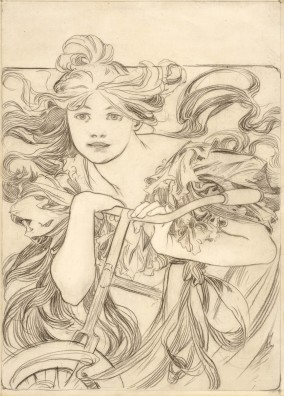
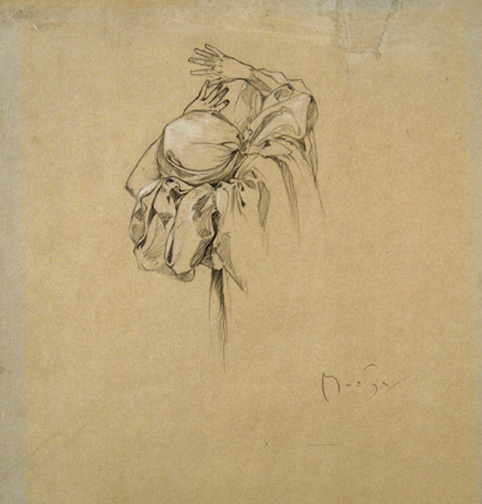
From 1906 to 1910, Mucha stays in the United States, where he teaches at academies in New York, Chicago and Philadelphia while also producing portraits. Returning to Prague in 1910, he works on L’Épopée slave until 1928. That year, the complete cycle is officially presented to the Czech people and the city of Prague. In 1918, he designs postage stamps and banknotes for the new Czechoslovak Republic. An exhibition of his work is organised at the Brooklyn Museum in 1921. An original design for the Cycles Perfecta poster, circa 1899, also bears witness to his preparatory work: this pencil drawing on paper, whose visible dimensions are 51 × 36 cm, sold for CHF 25,405, within an estimate of CHF 20,000 to 30,000.
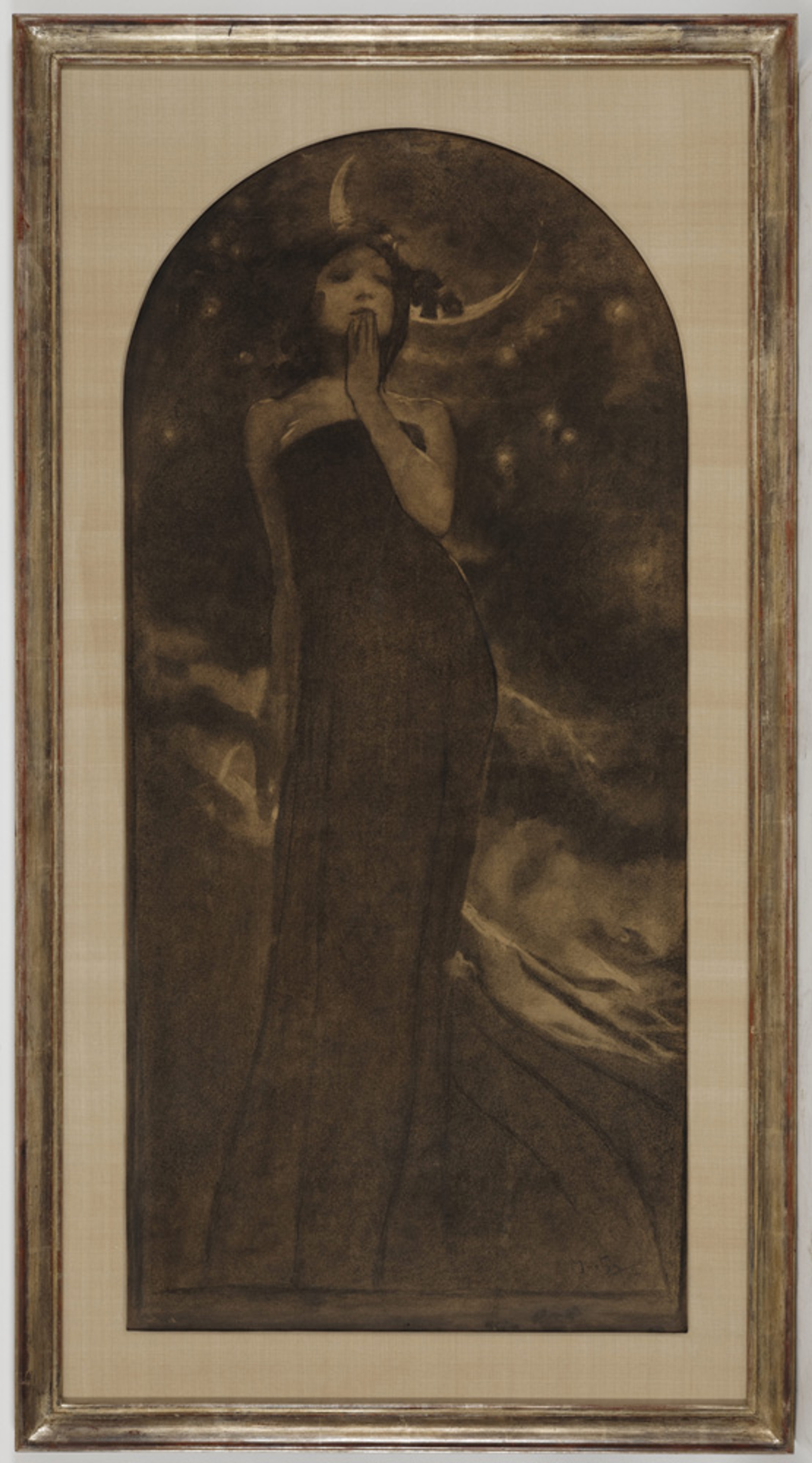
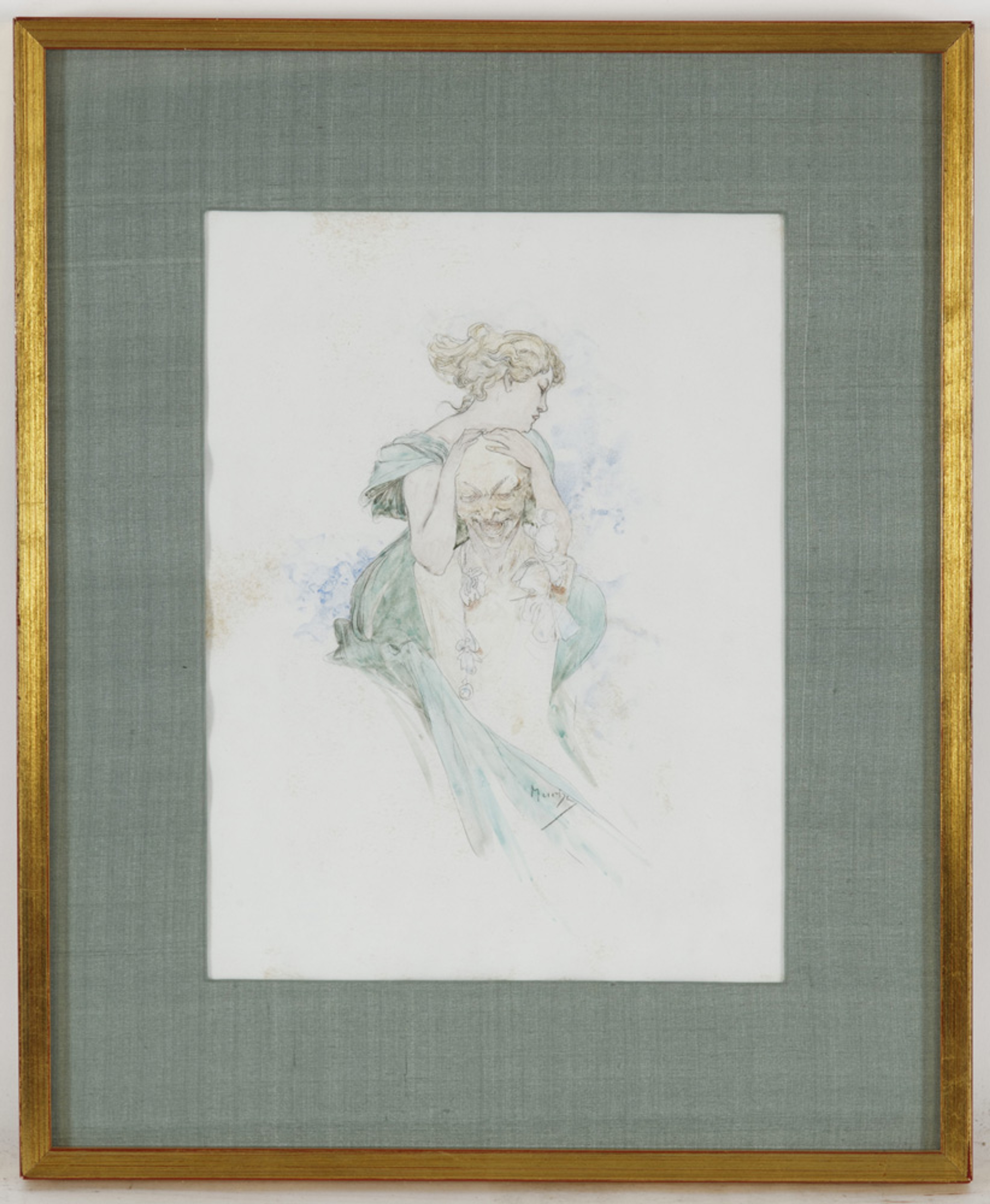
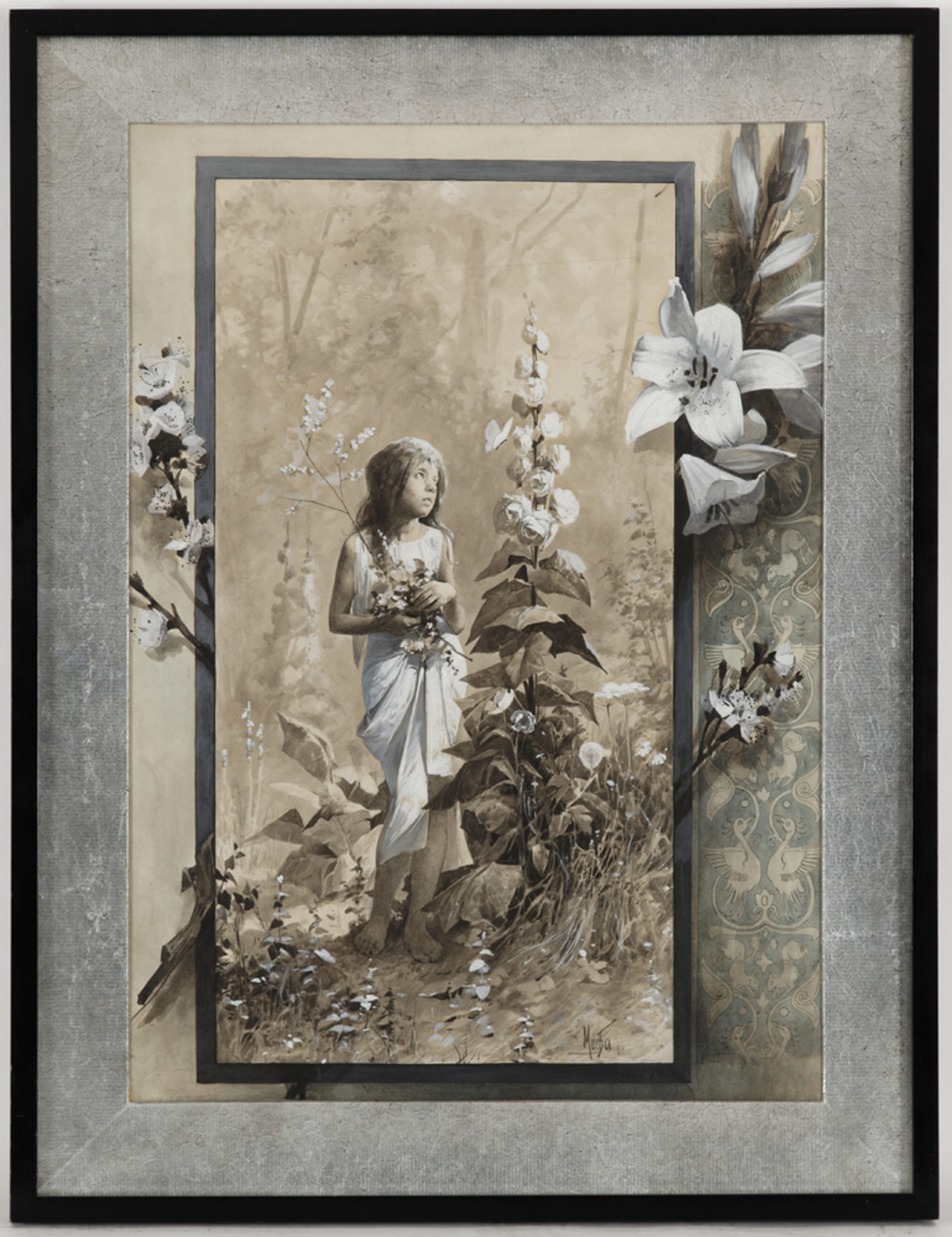
This profile brings together identity references for Alphonse Mucha and paintings, drawings and works on paper documented in auction catalogues.
References include catalogue entries and available results; they do not all represent completed sales. Attributed works and special lots are excluded from the priced results.
SwissArtGallery documentary note based on the cited sources. Titles, media and qualifications are provided in the profile language; the original catalogue wording remains available in each record. Profile updated :
Born in Lübeck in 1646 under the name Gottfried Kniller, Godfrey Kneller was a portrait painter whose name also appears in the form Gottfried Kneller. His father, Zachary Kniller, a…
Robert Mangold’s painting is distinguished by a minimalist language embodied in carefully defined formats and contours. His series of shaped canvases explore variations on motifs suc…
The French painter Yvonne Canu (1921–2008), born in Meknès, Morocco, developed a Neo-Impressionist practice characterised by a divided brushstroke and the arrangement of juxtaposed c…