Robert Zünd
Born in 1827.
Died in 1909.
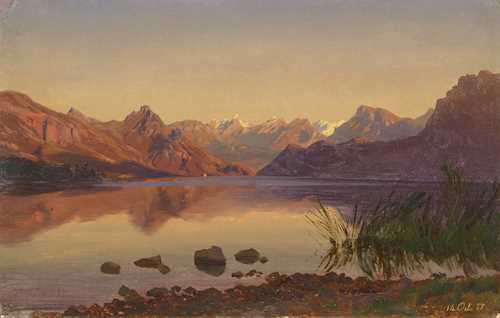
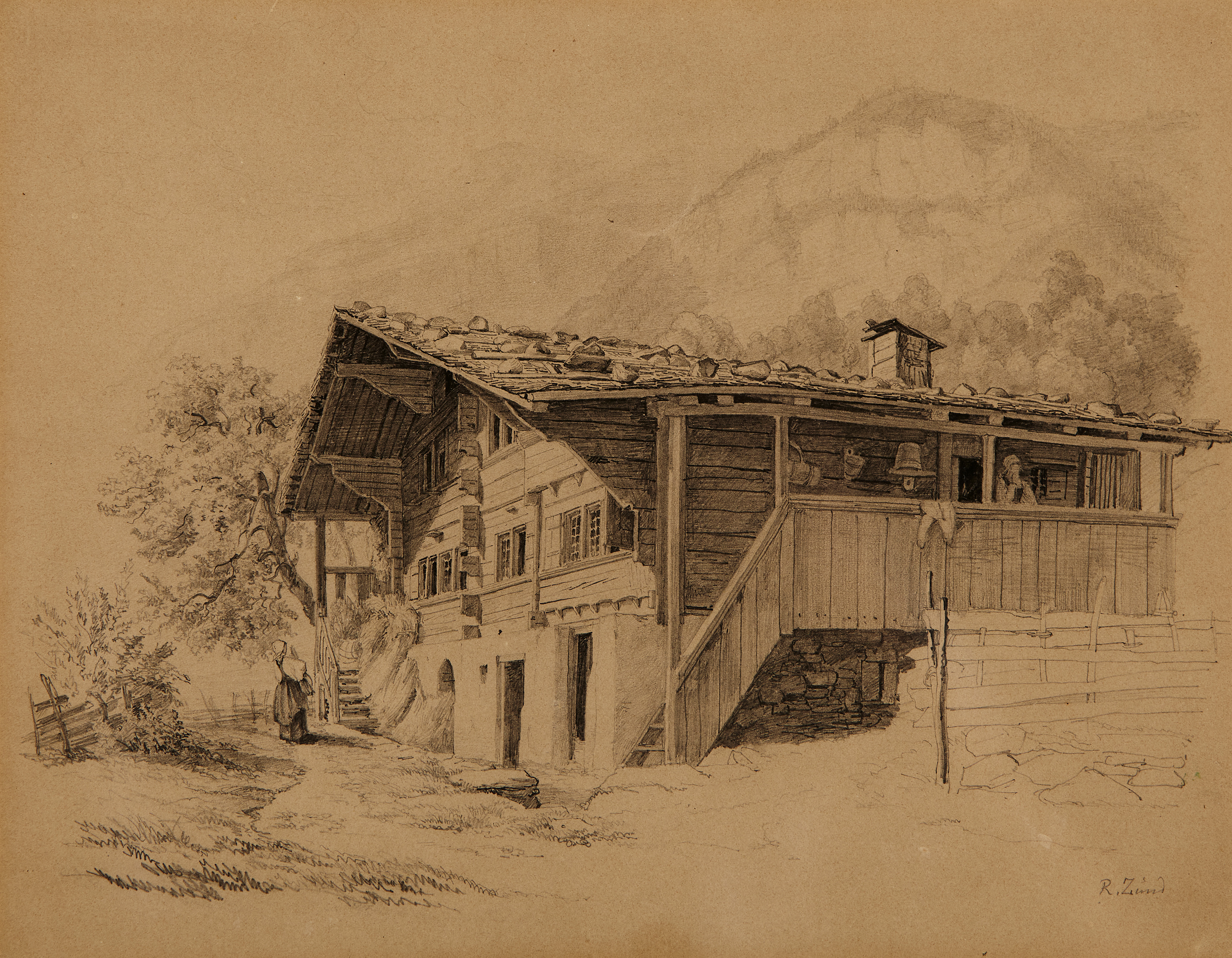
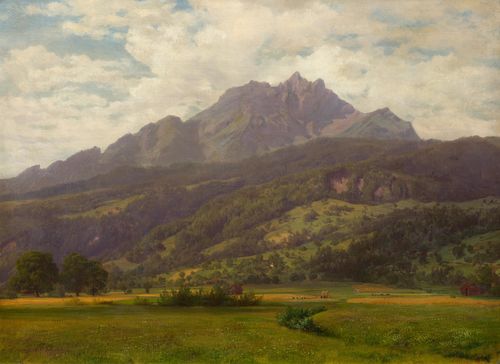
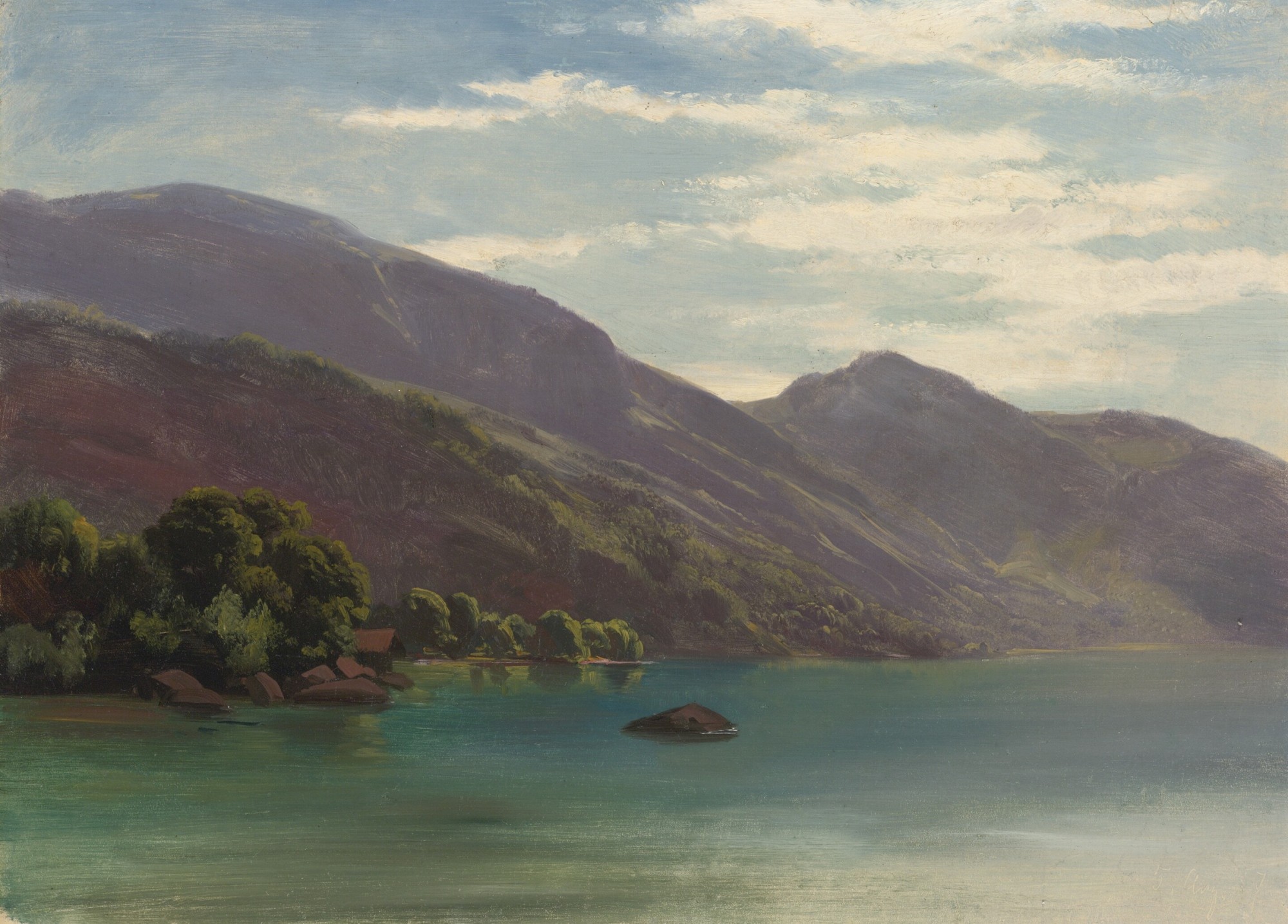
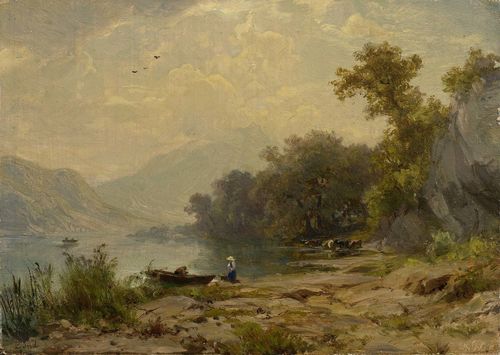
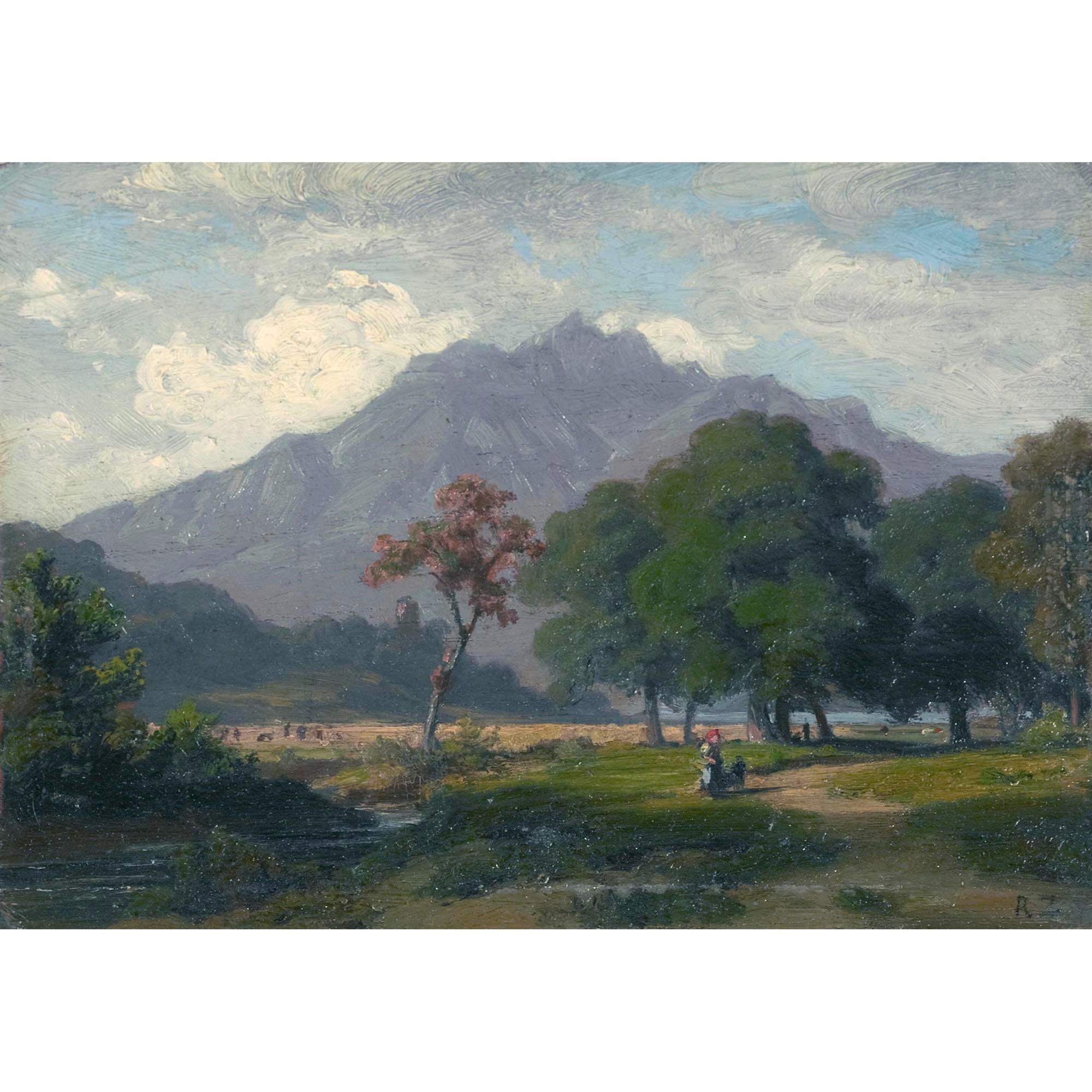
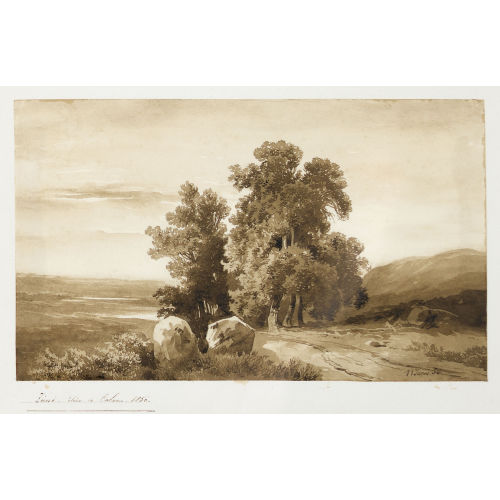
Robert Zünd (1827–1909) was a Swiss painter from Lucerne, known above all for his landscapes. After an initial training with Jakob Schwegler in Lucerne and Joseph Zelger in Stans, he stayed in Geneva from 1848 to 1850. There he worked within the circle of François Diday and Alexandre Calame, leading figures in Alpine painting.
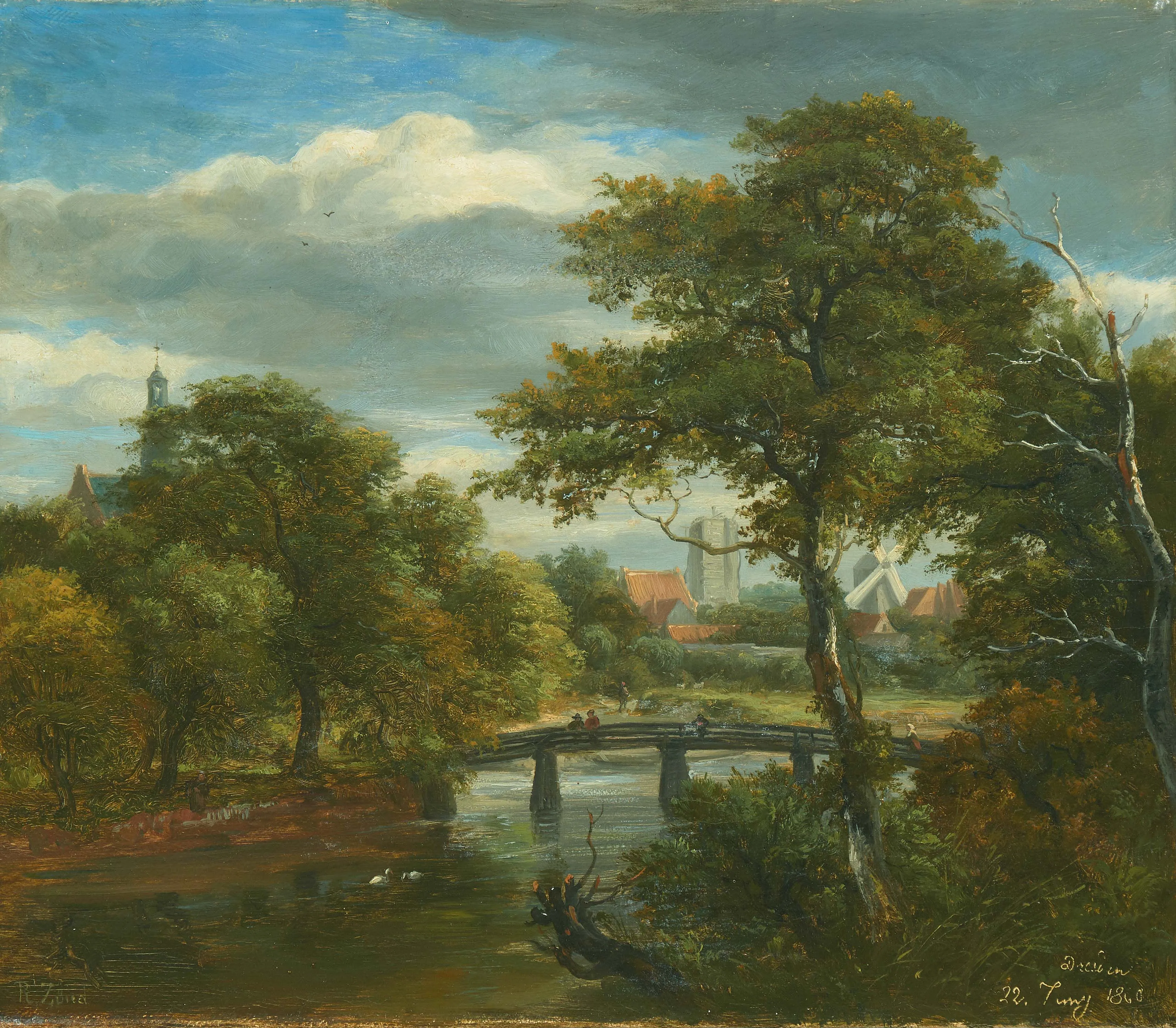
Journeys to Munich, Paris and Dresden subsequently broadened his horizons, but Zünd remained attached to the surroundings of his native city, which he observed with sustained attention.
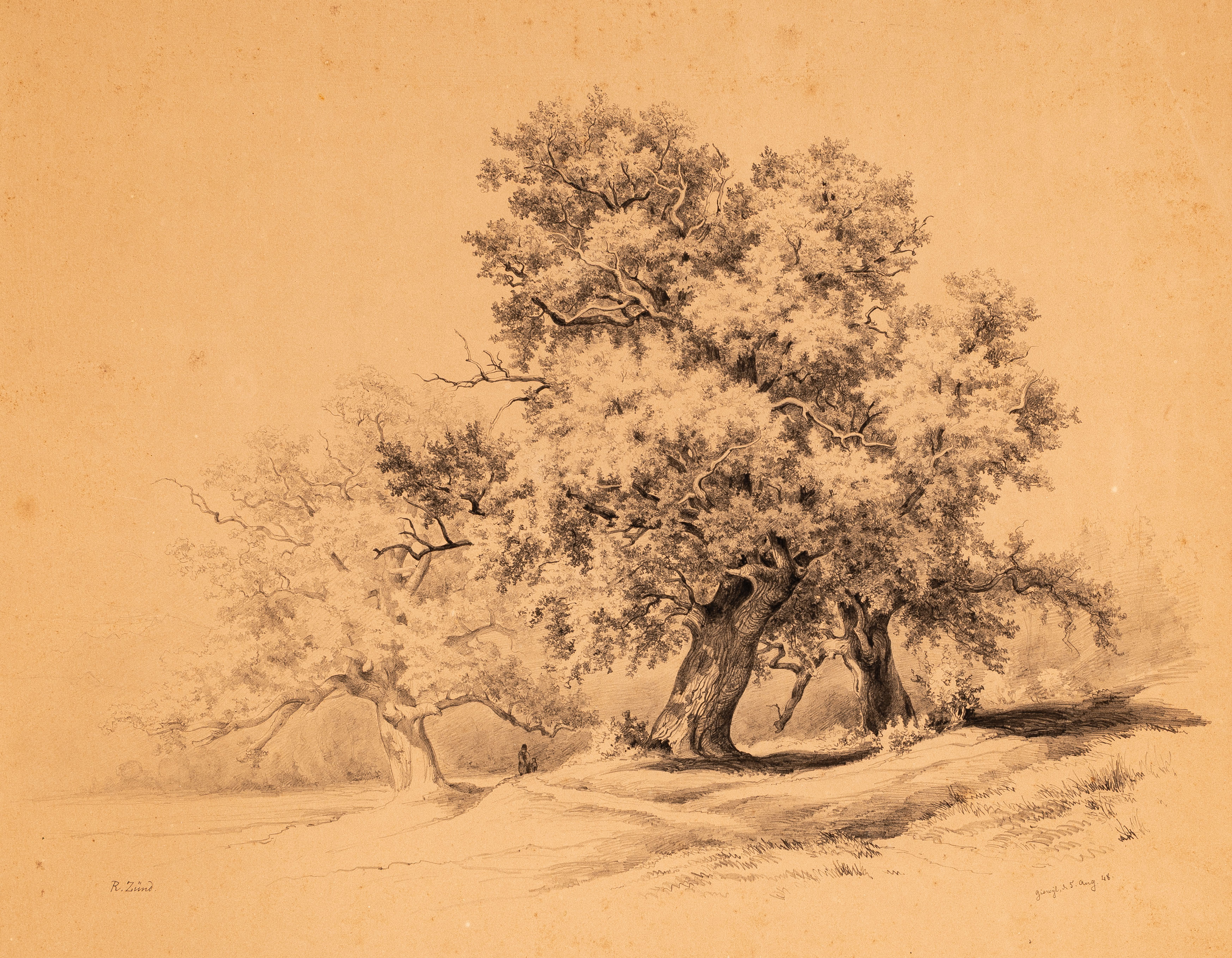
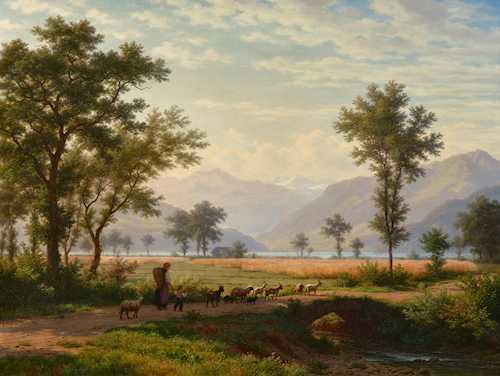
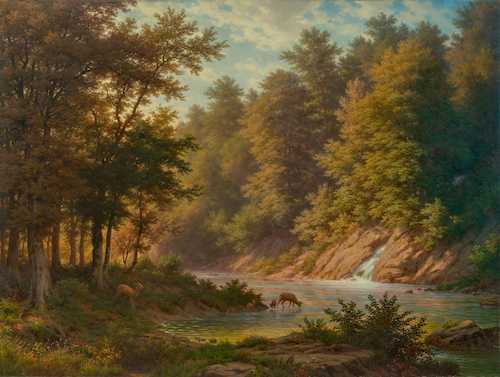
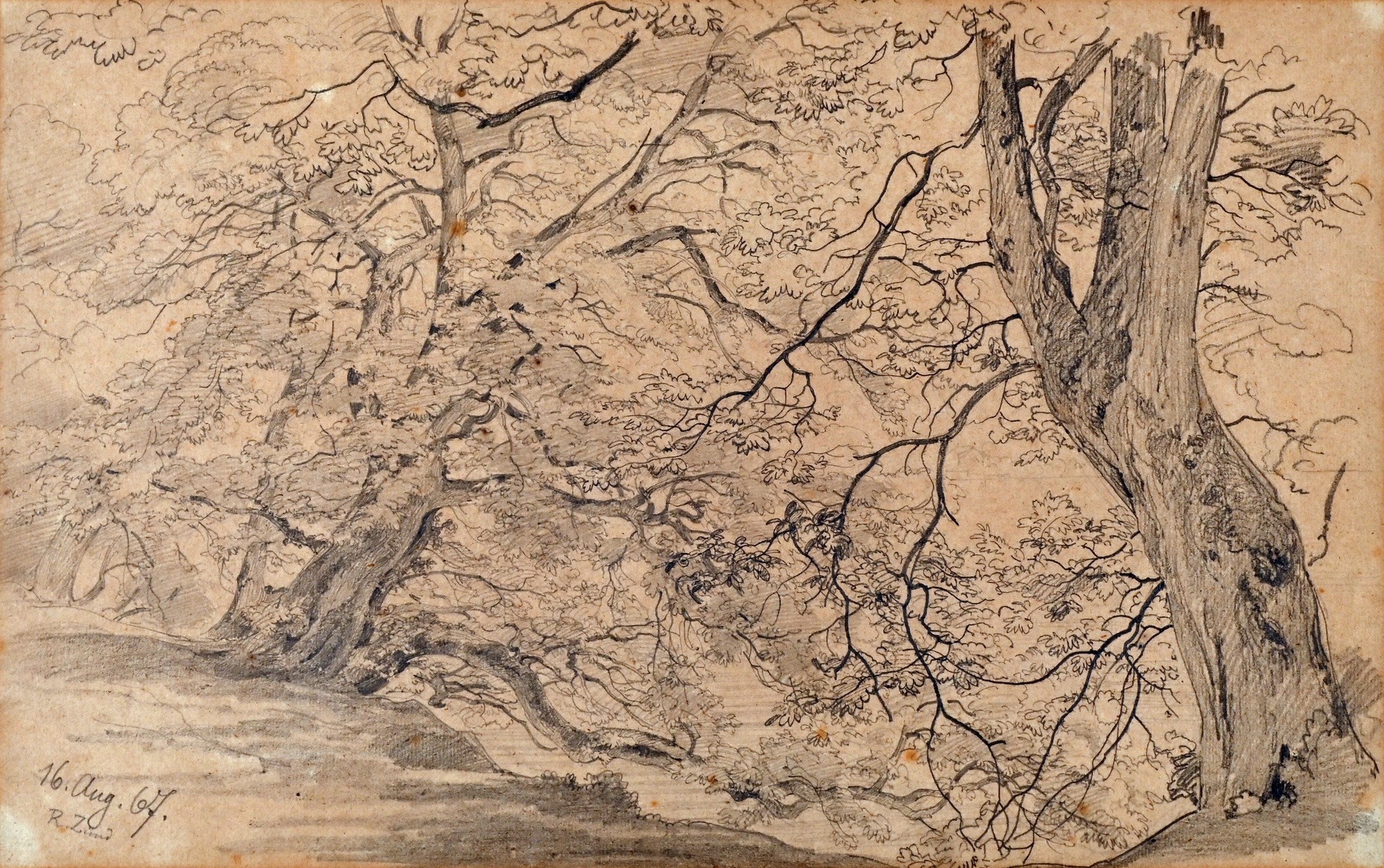
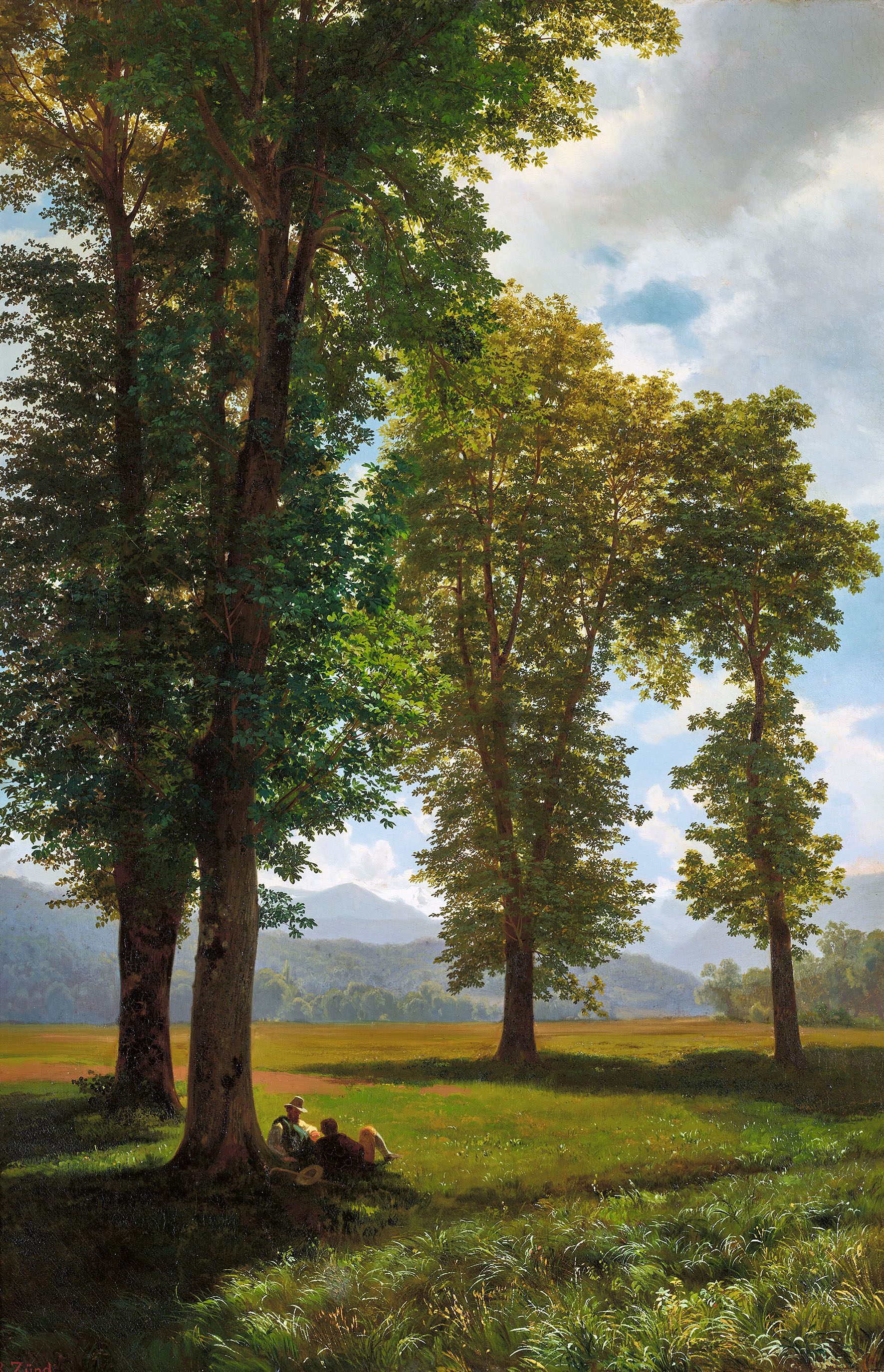
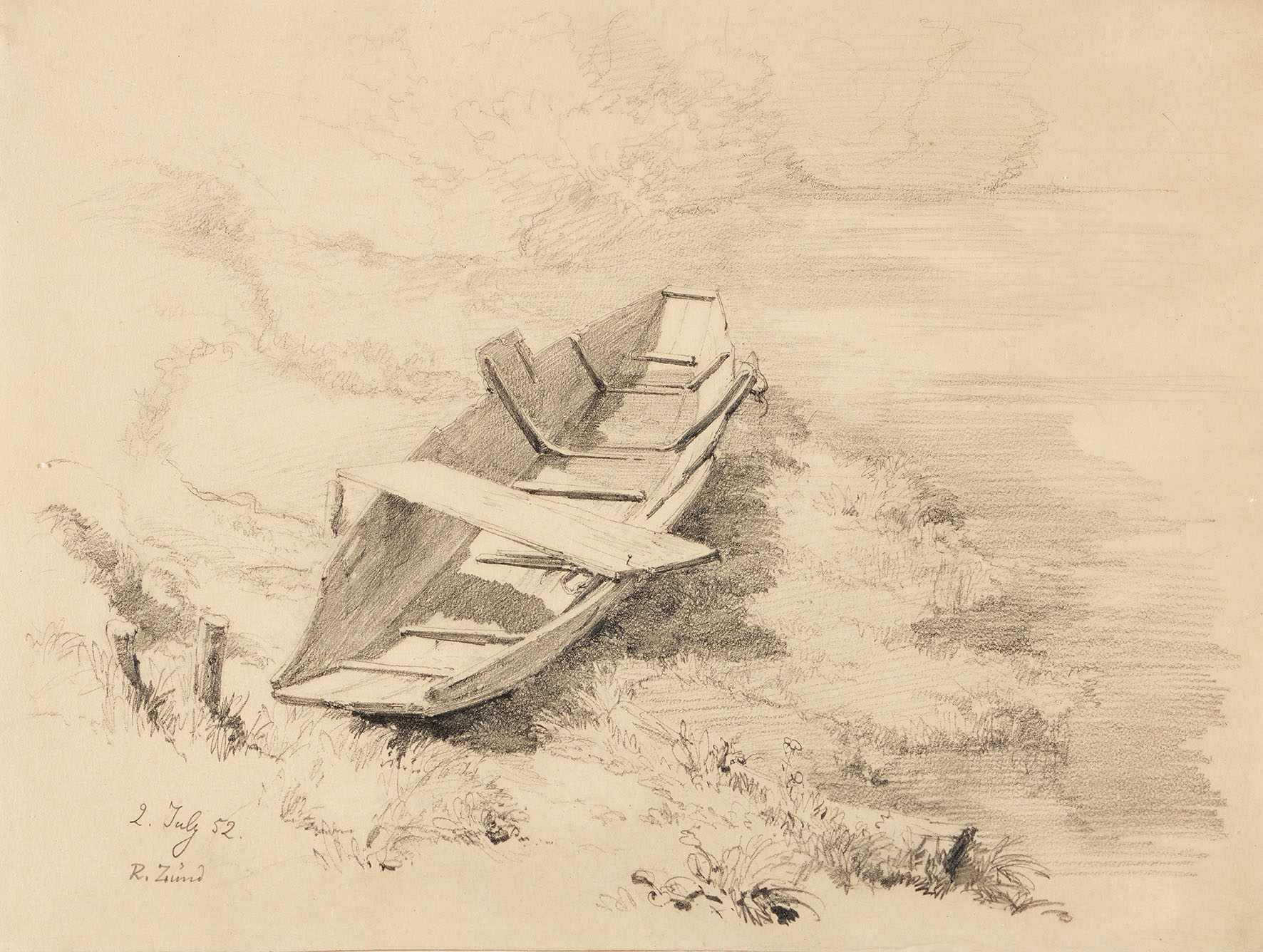
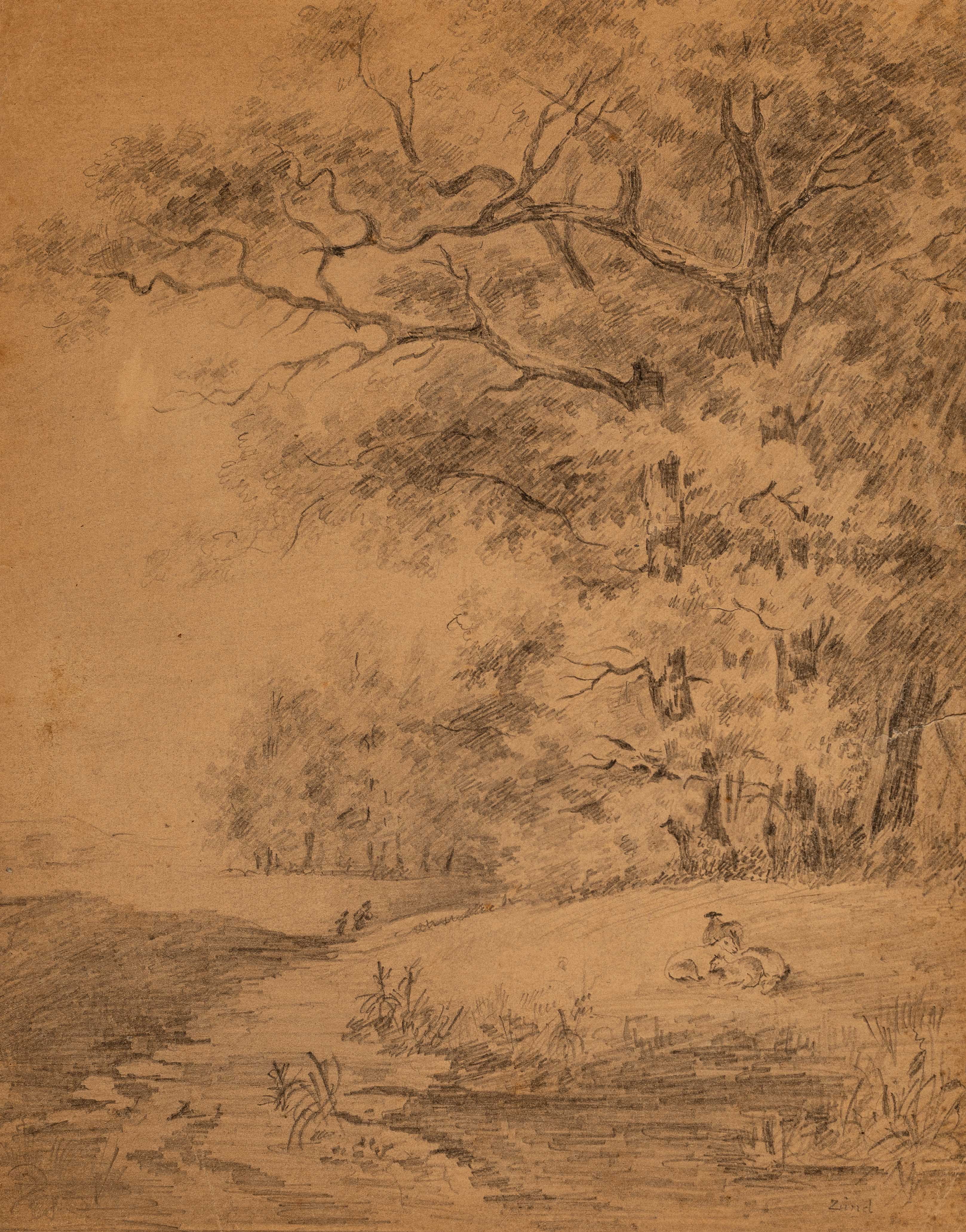
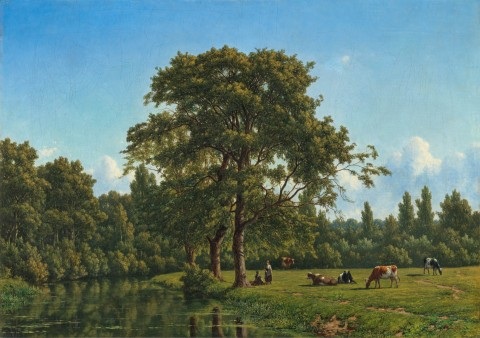
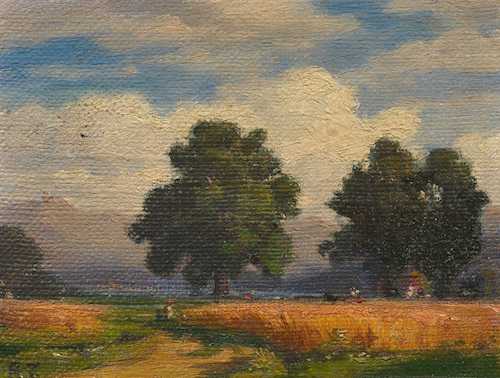
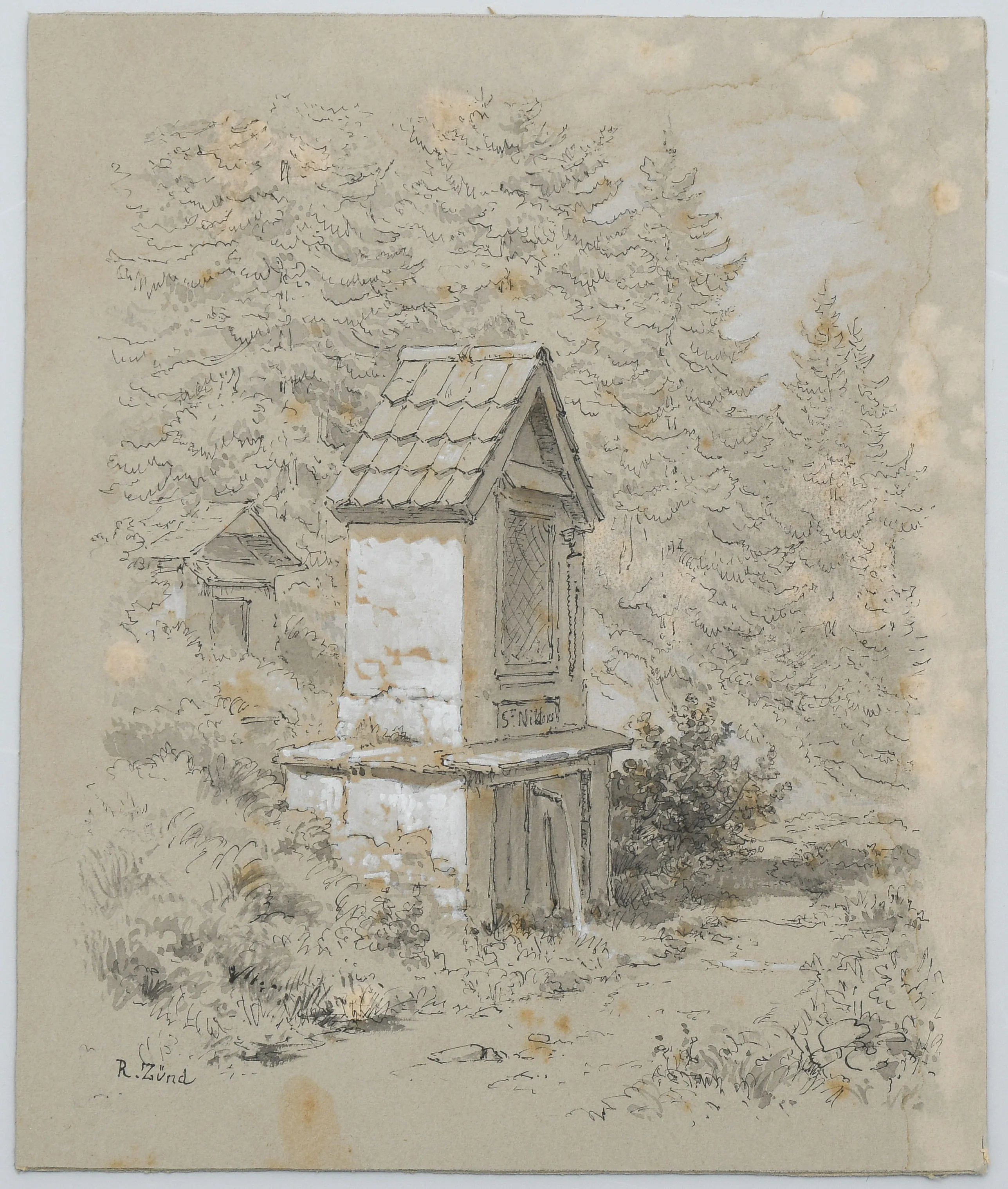
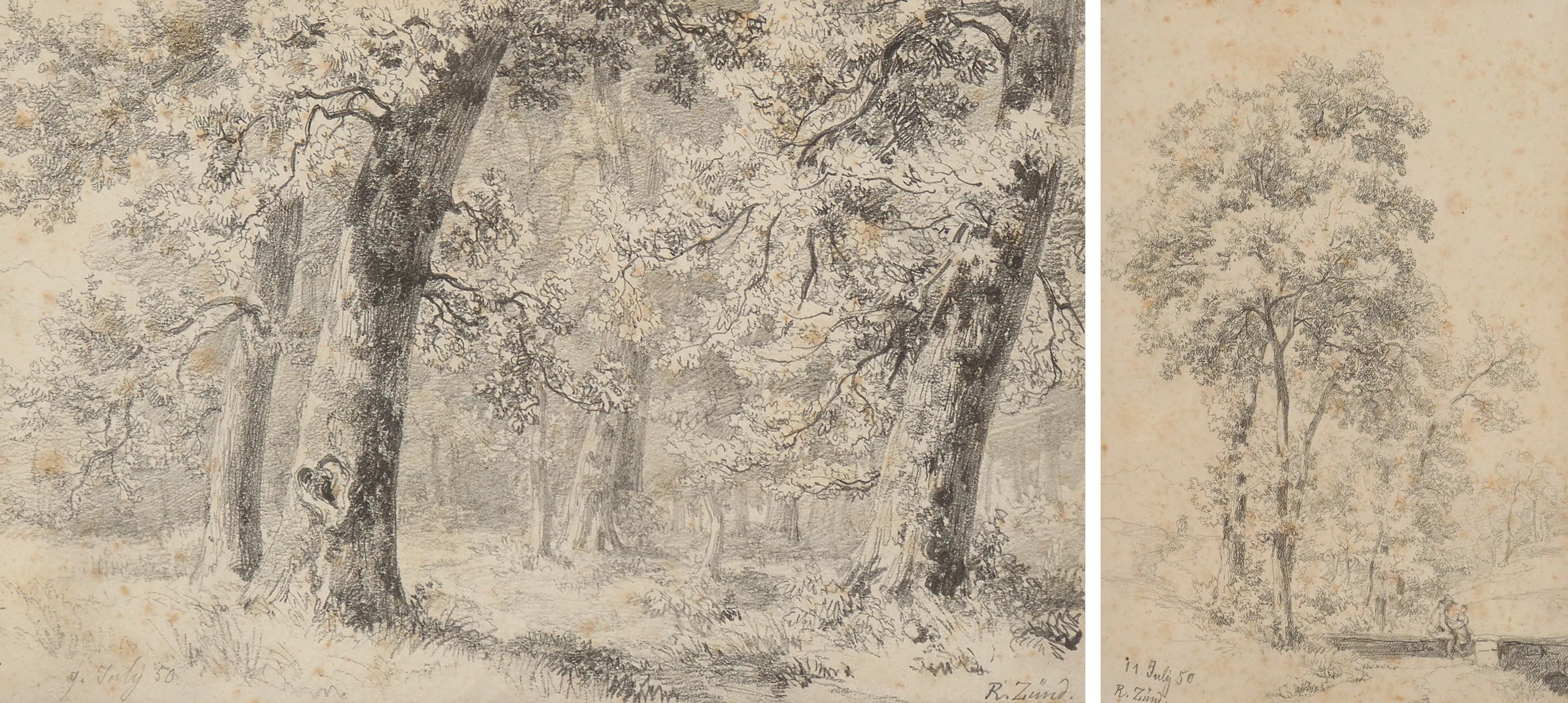
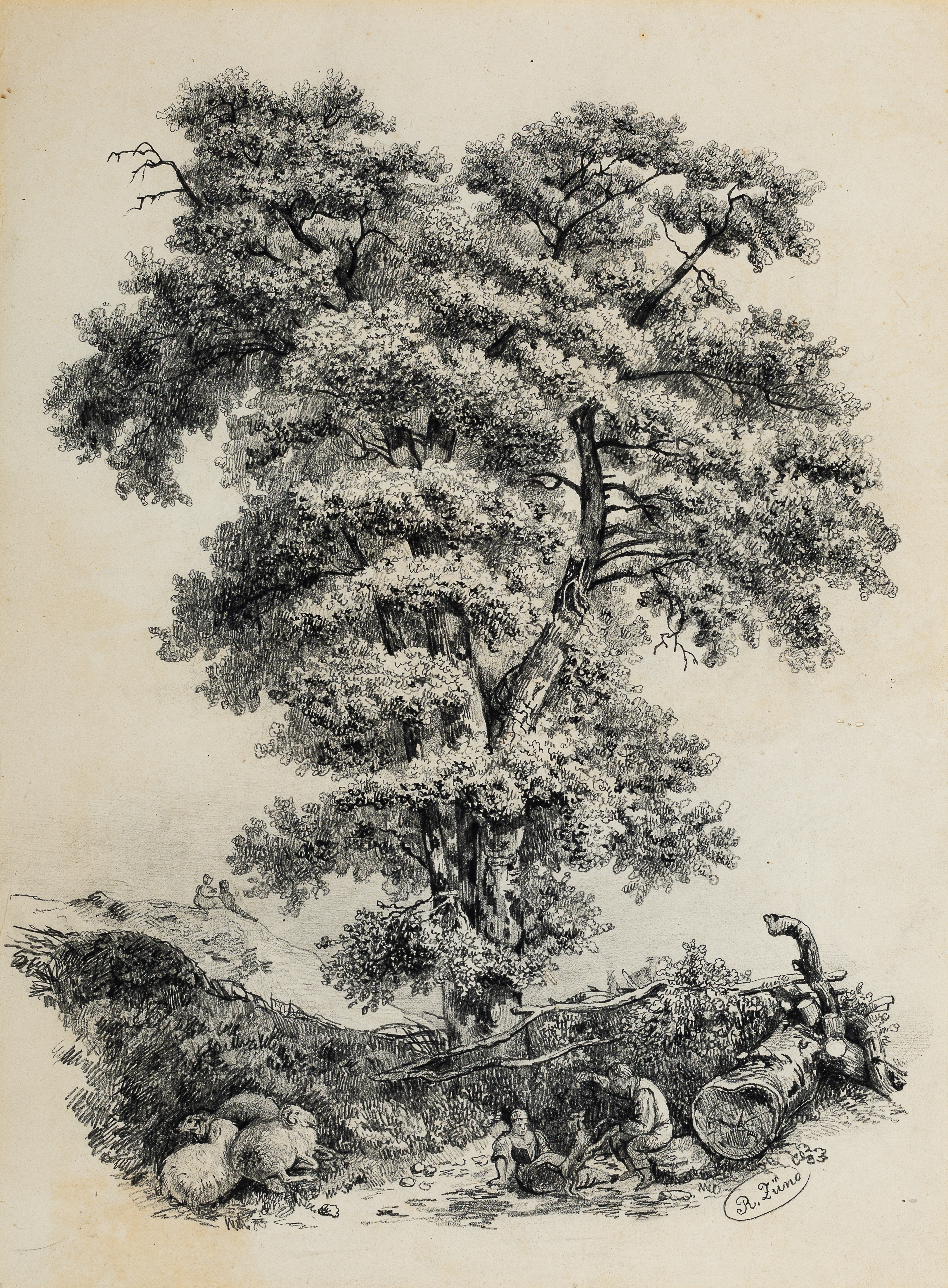
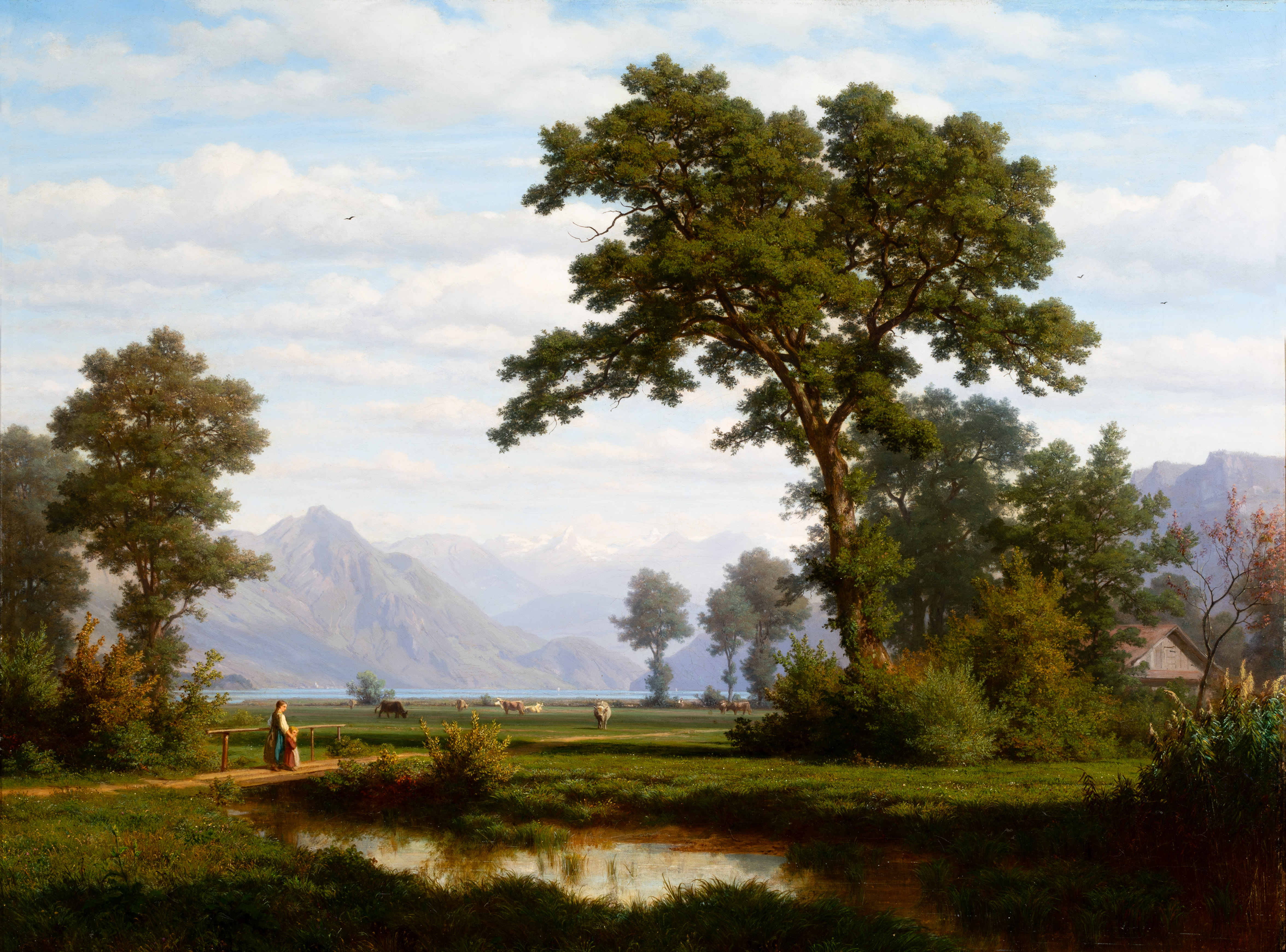
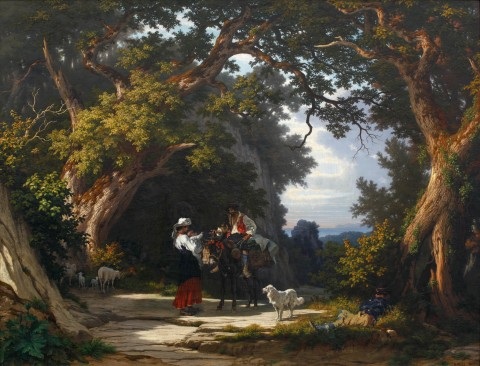
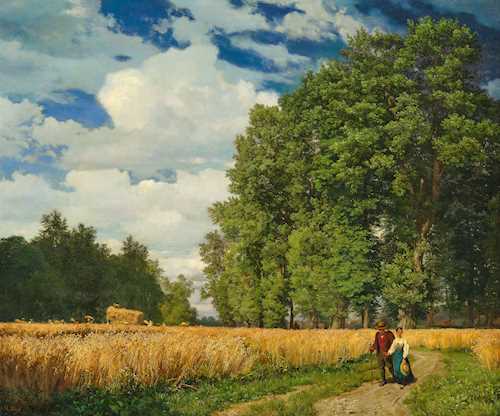
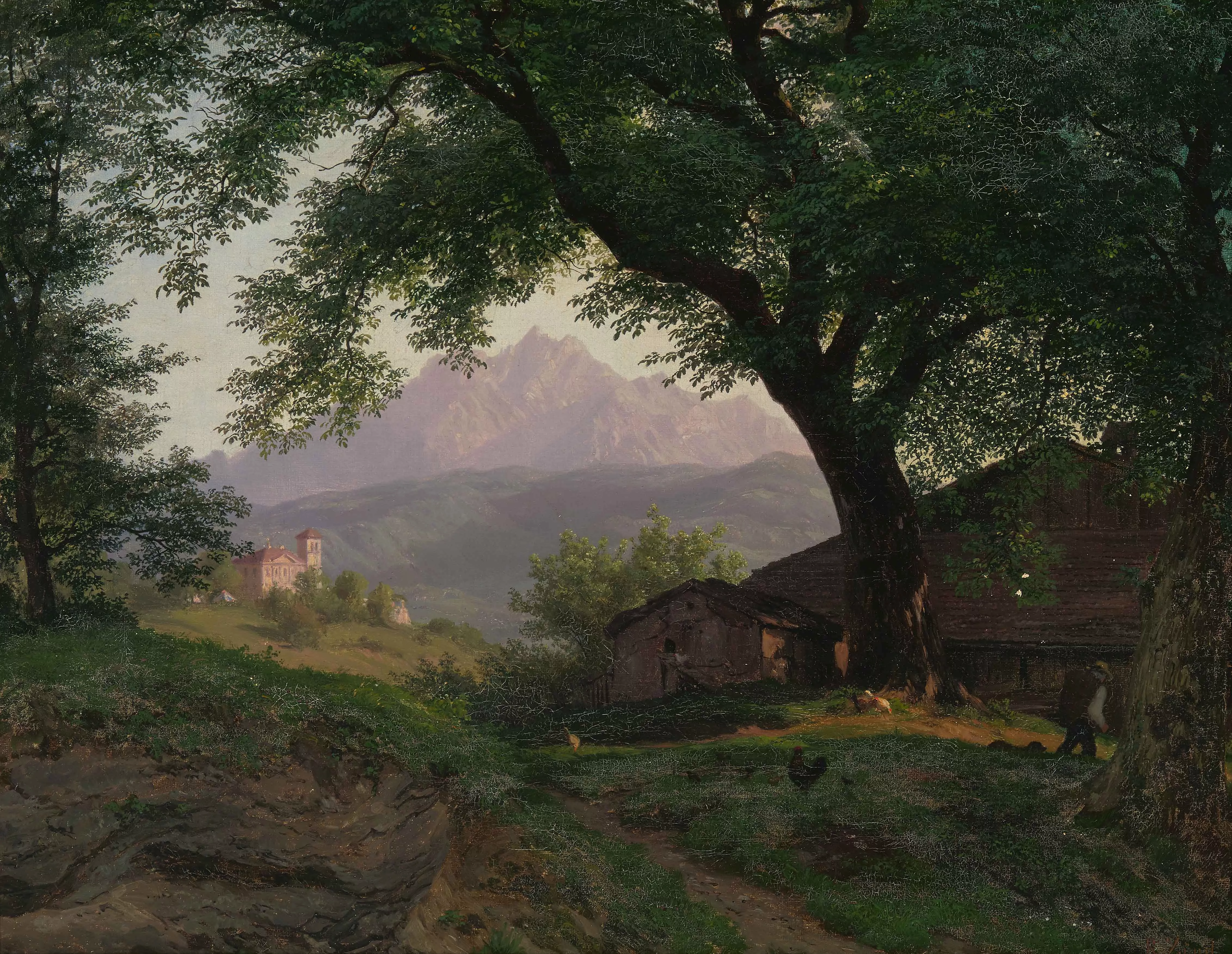
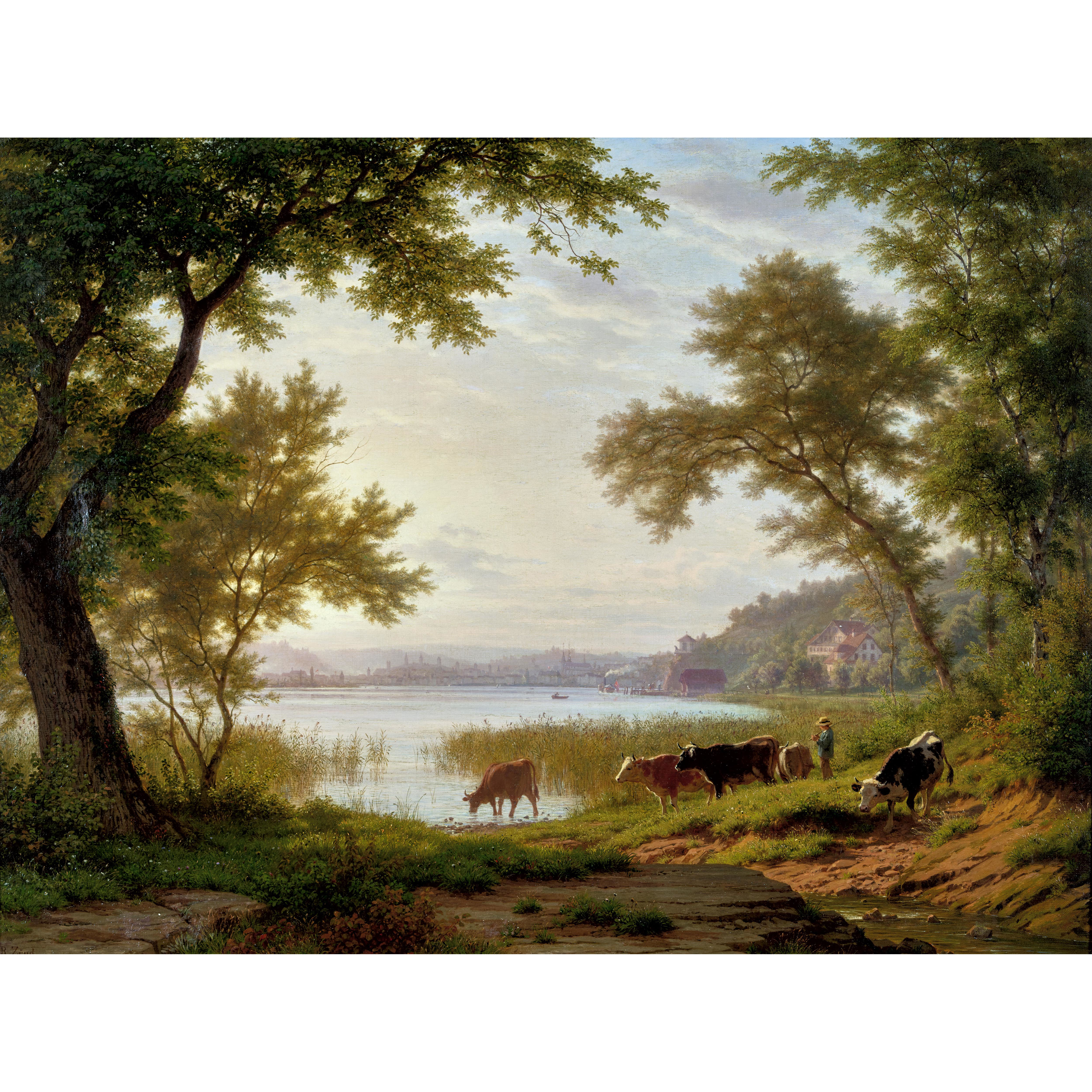
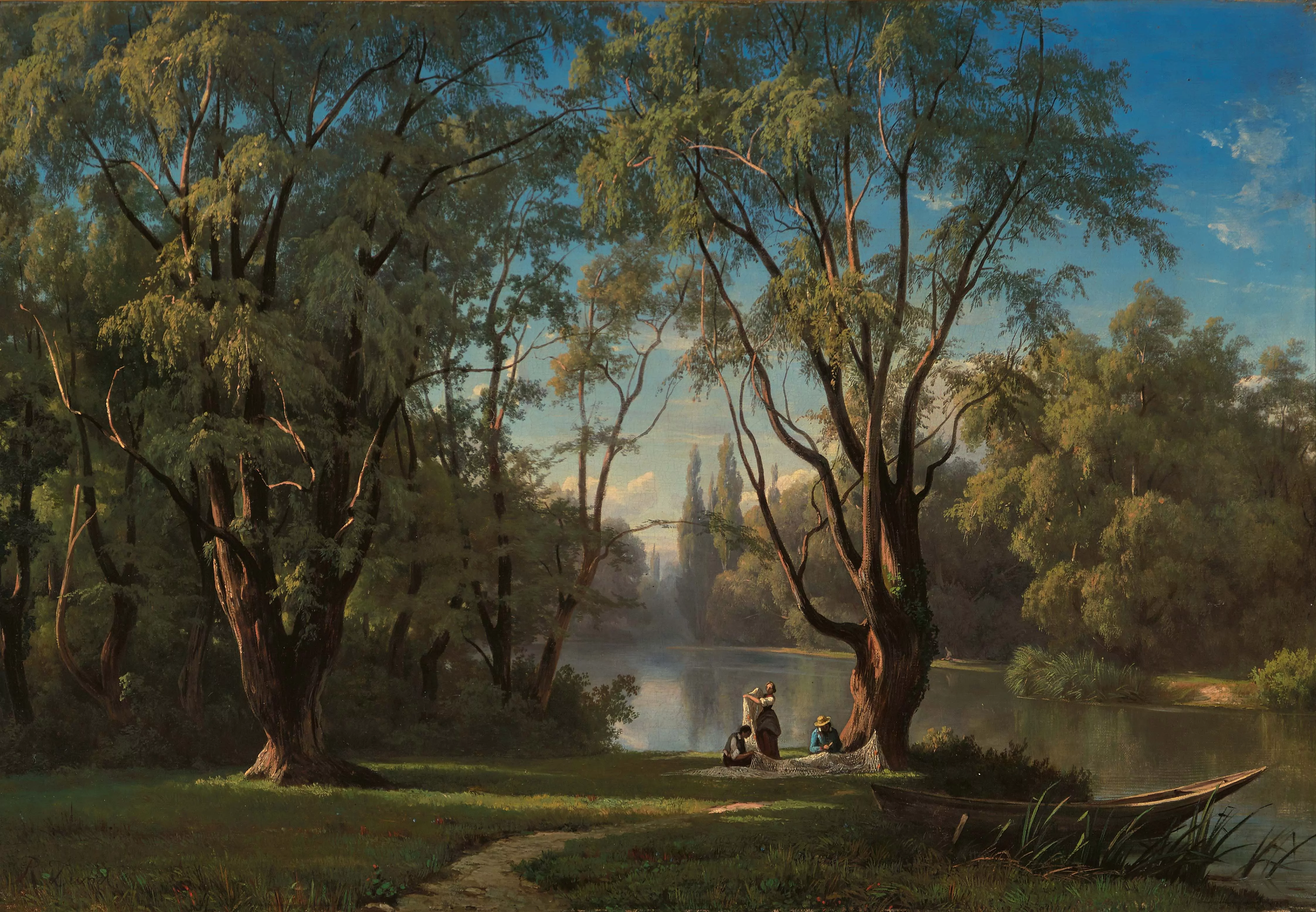
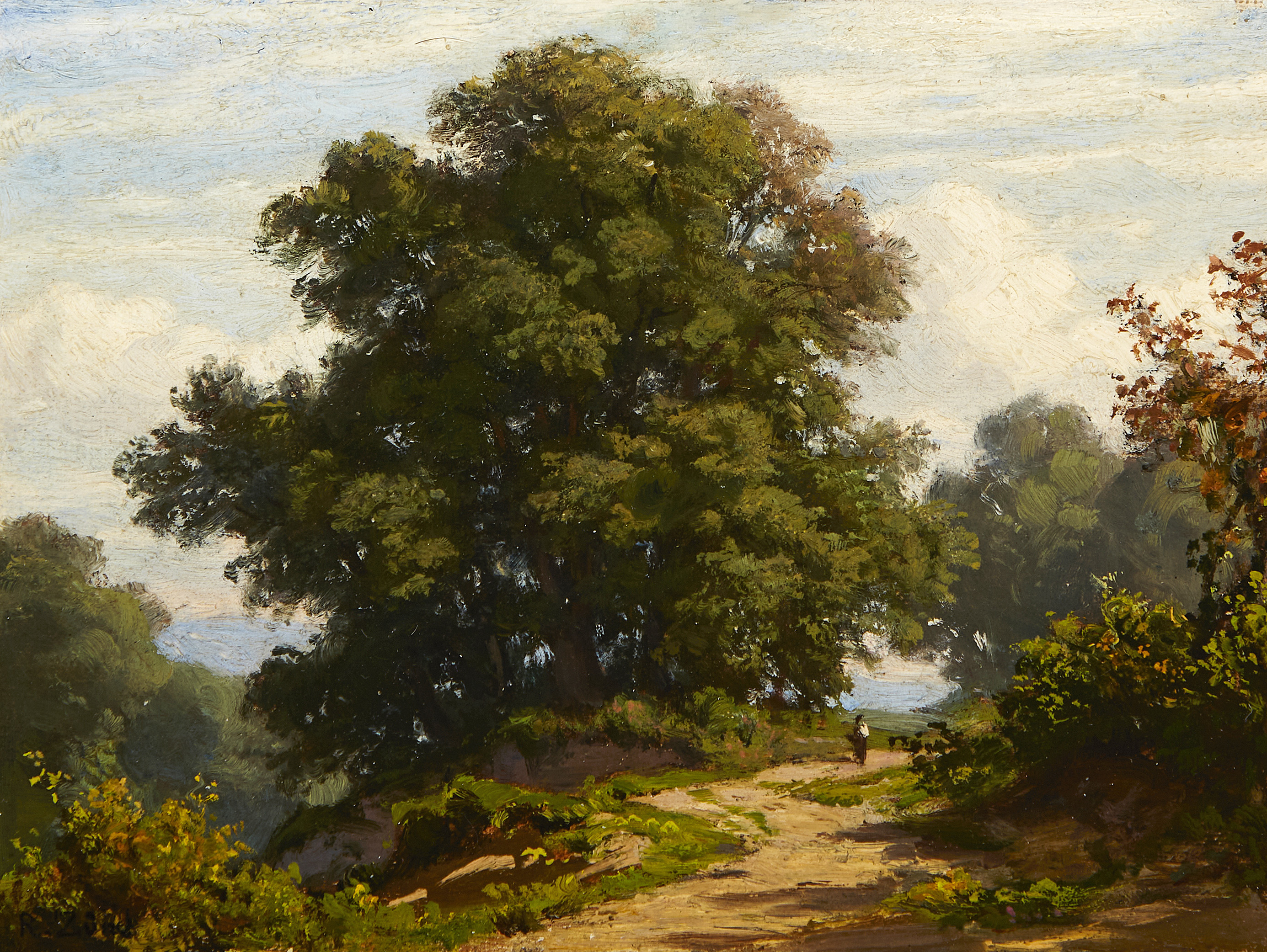
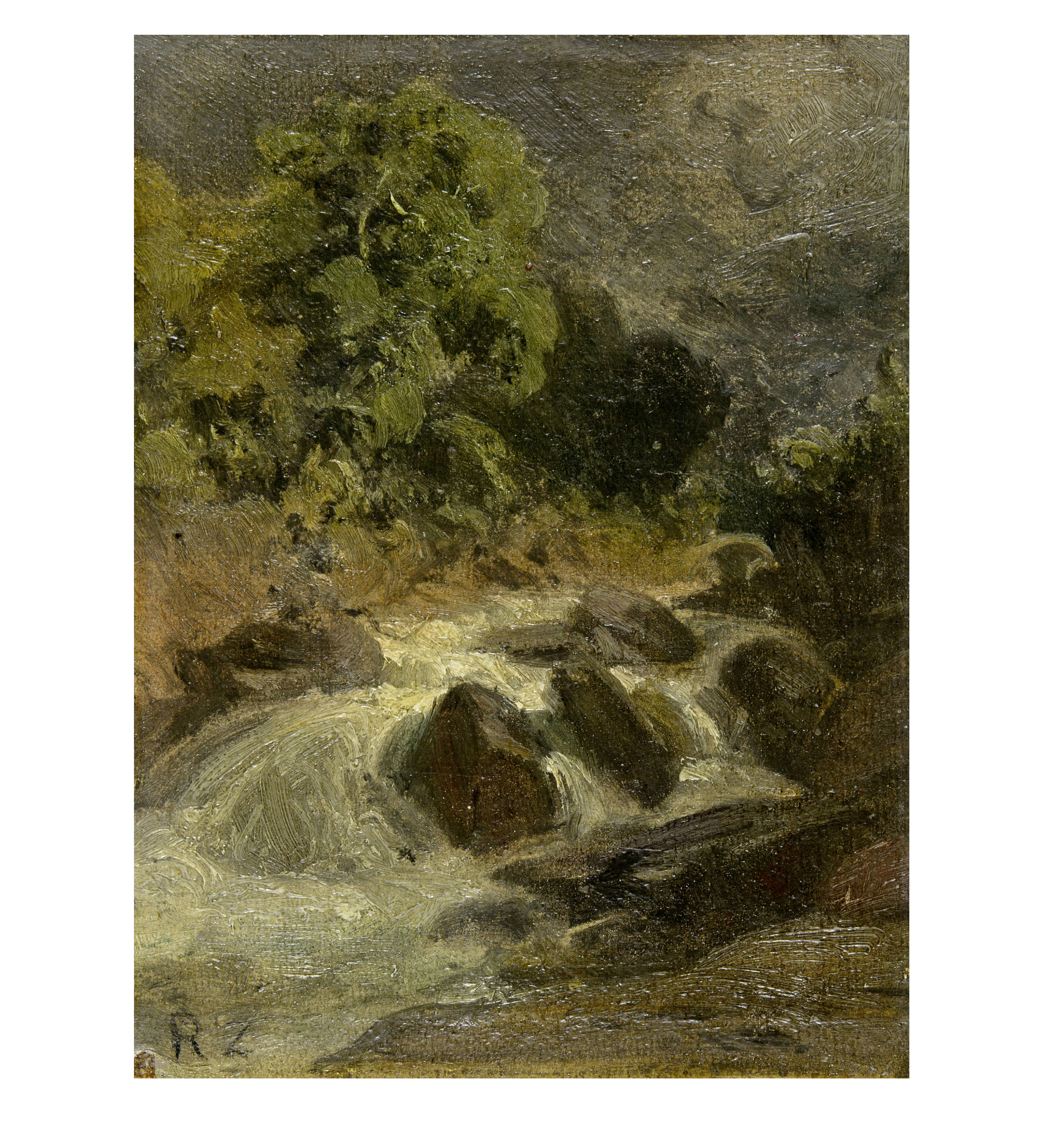
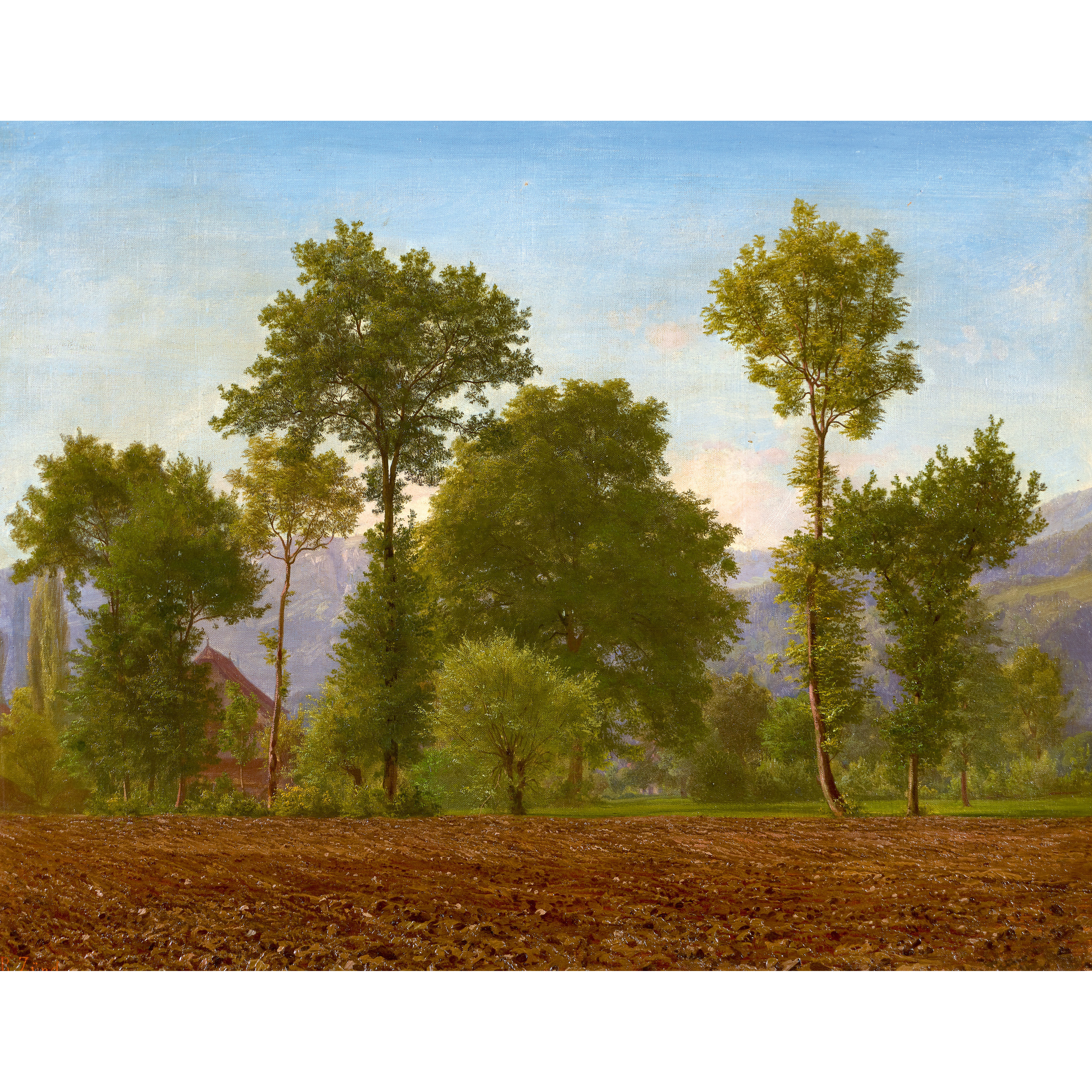
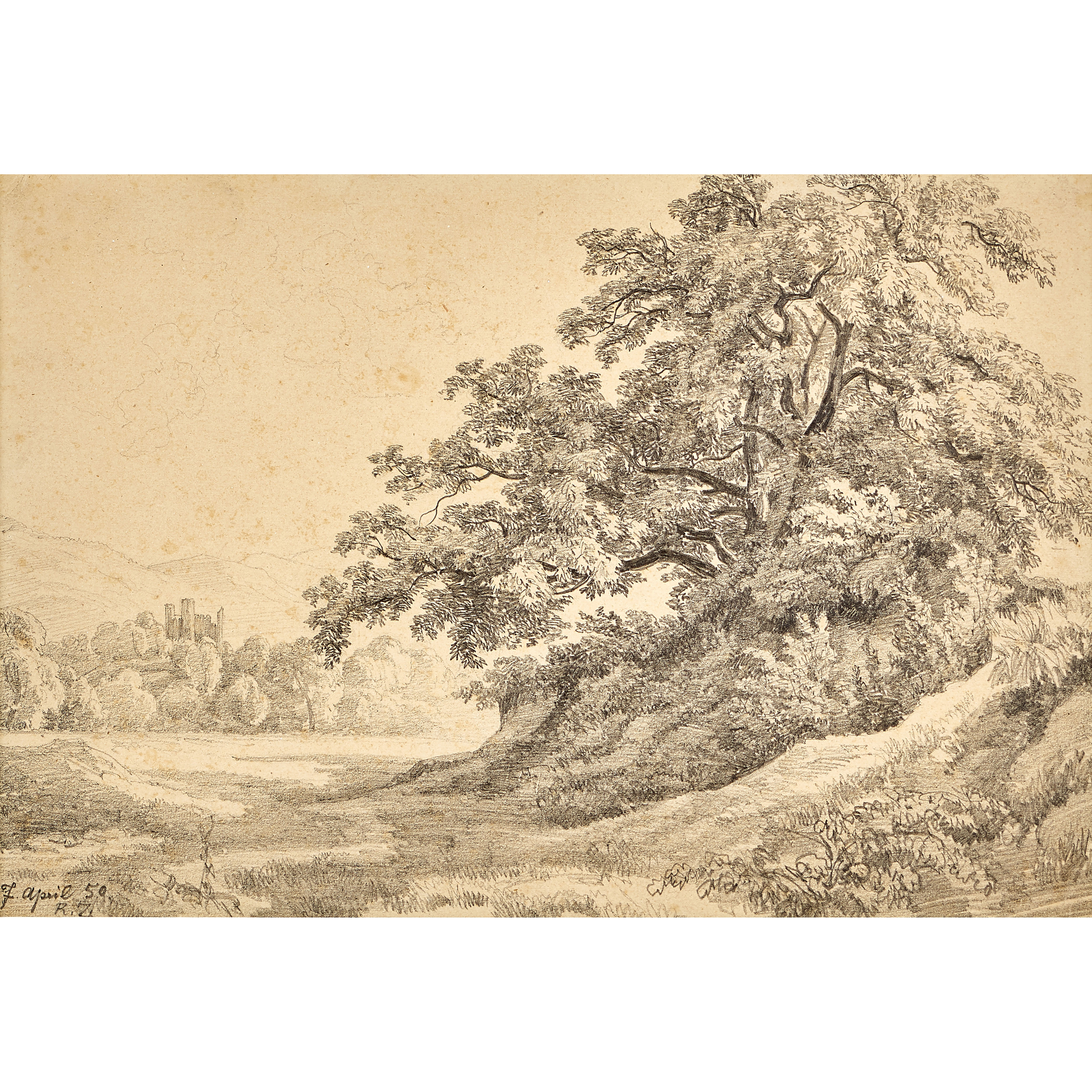
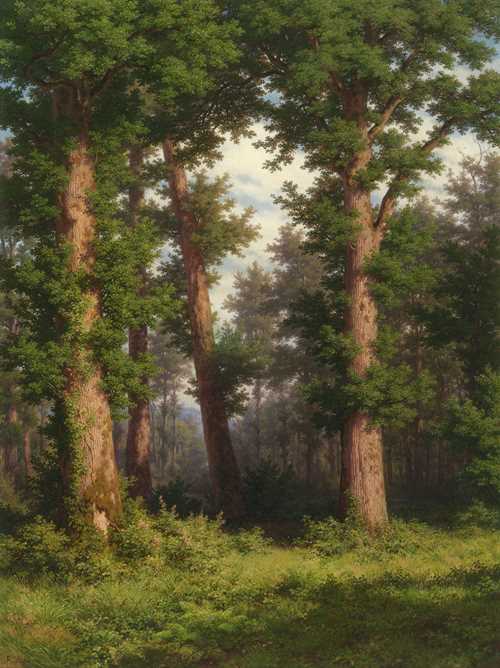
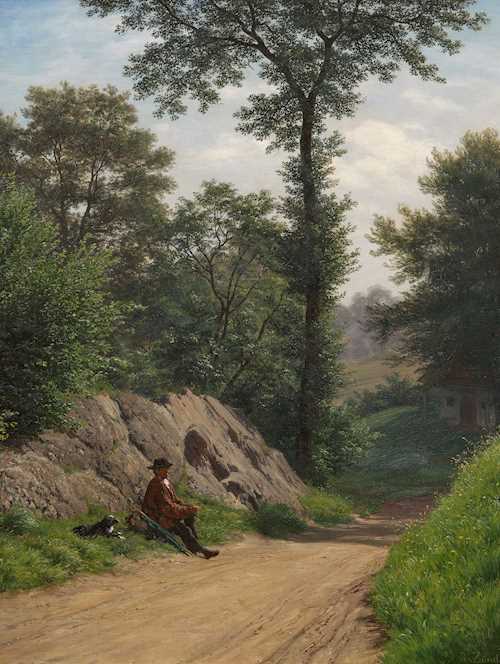
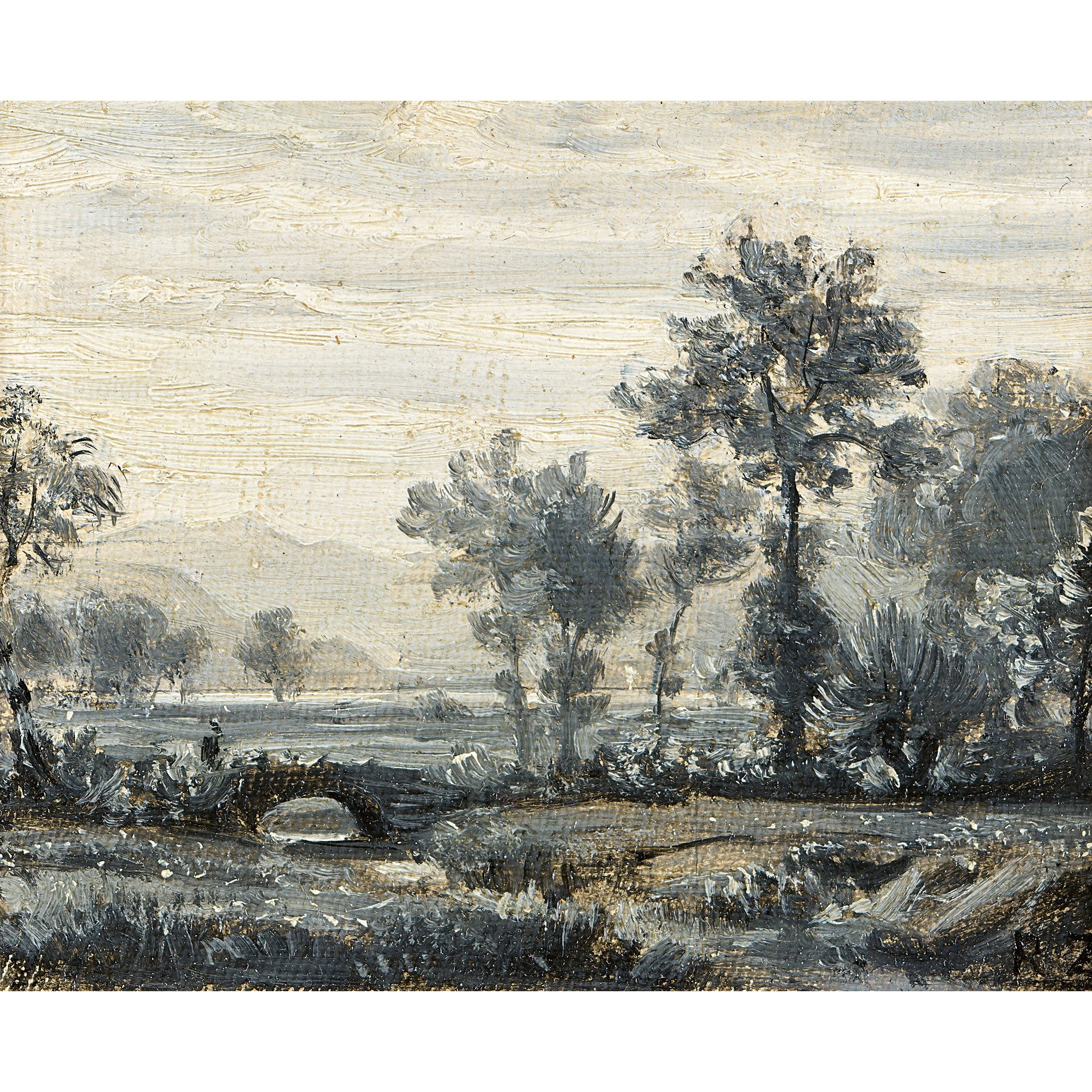
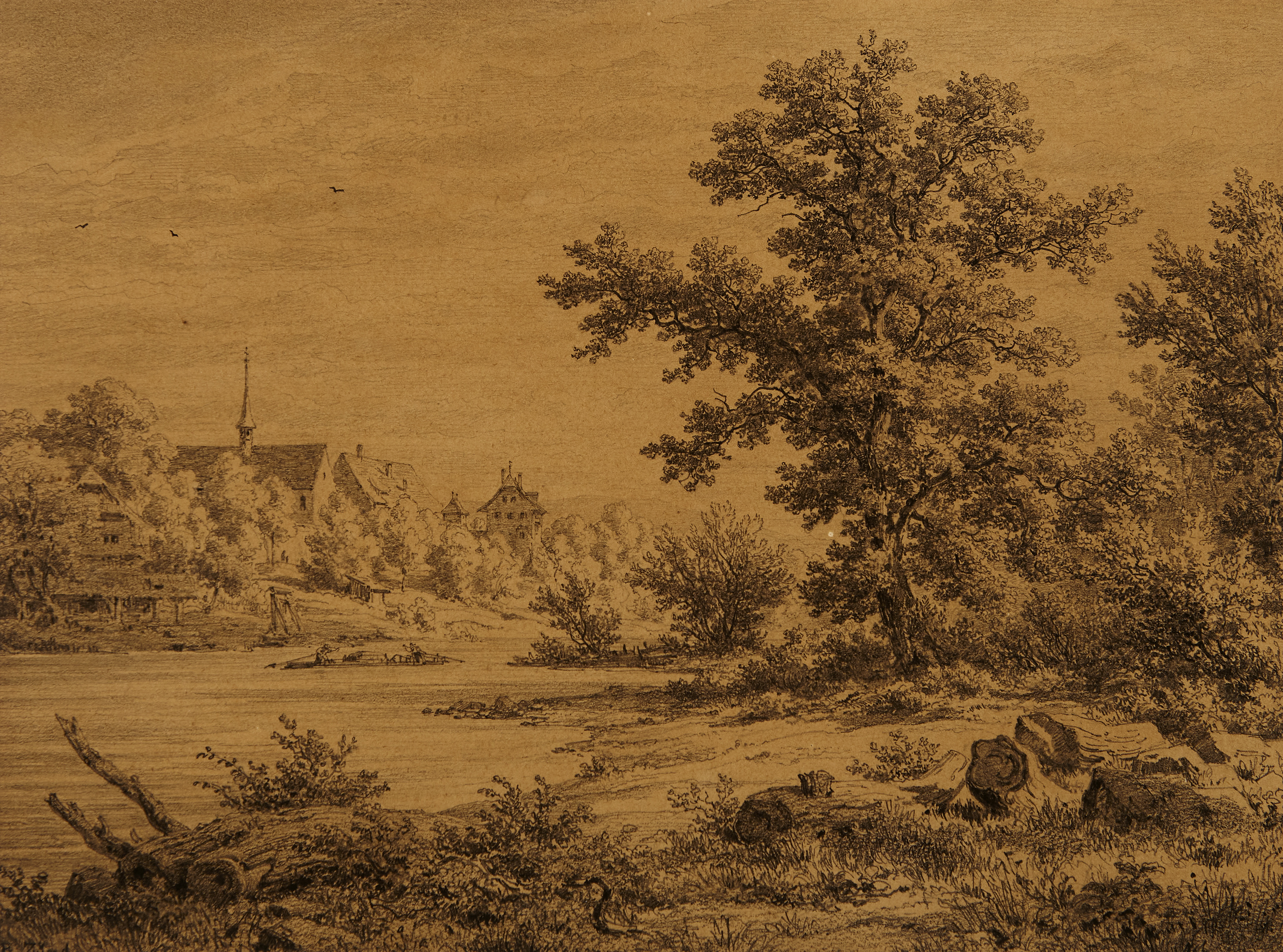
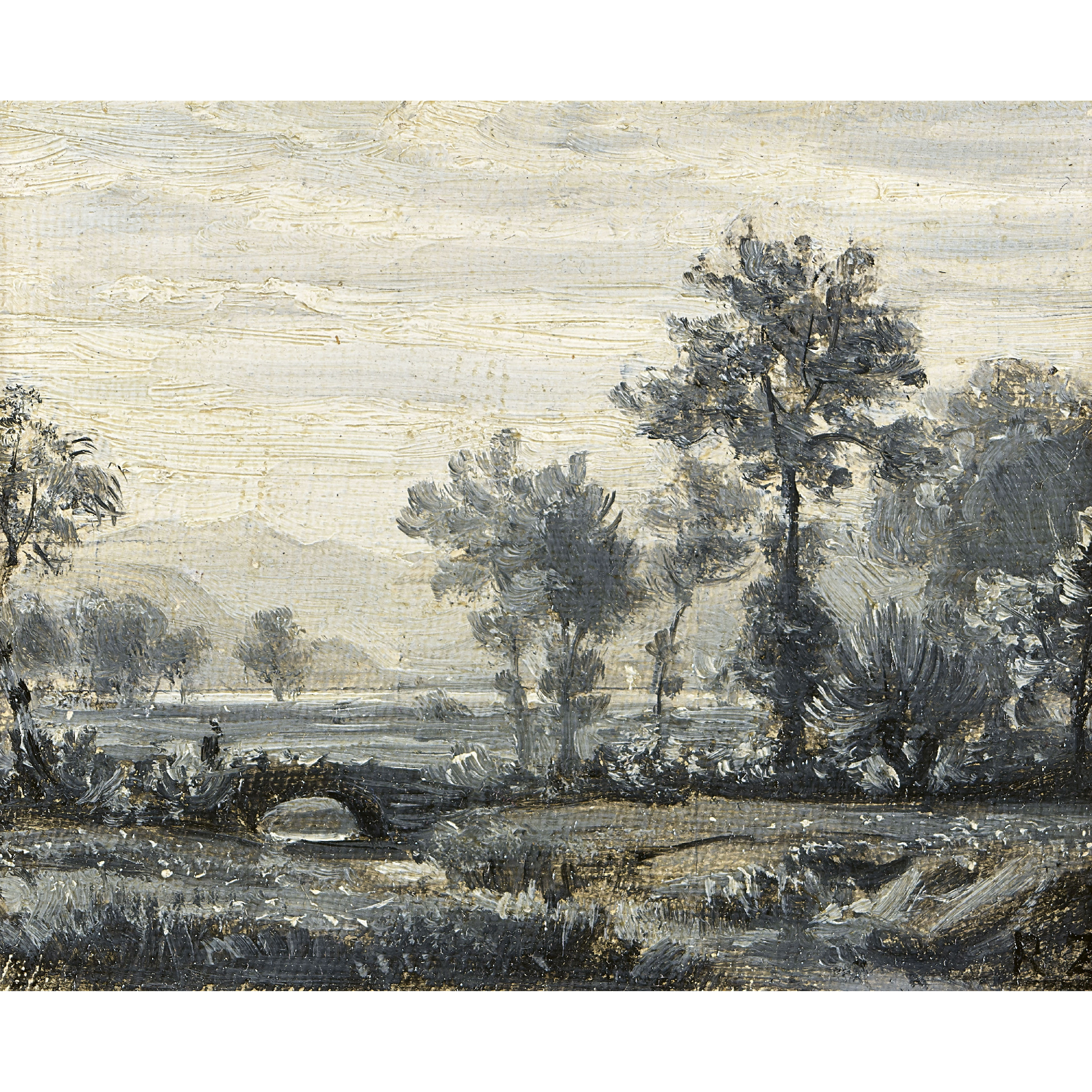
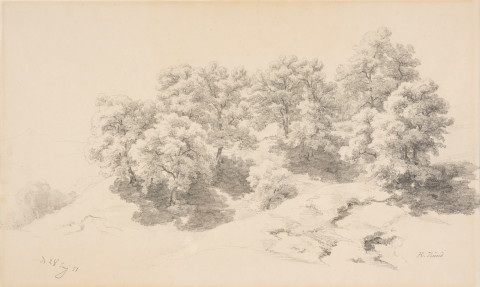
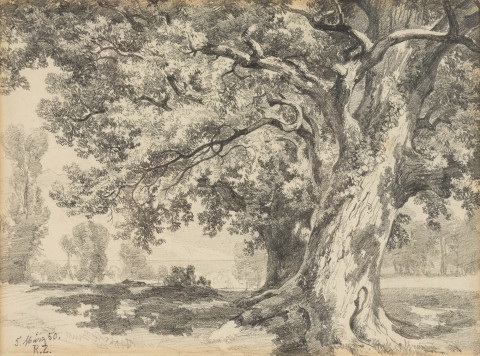
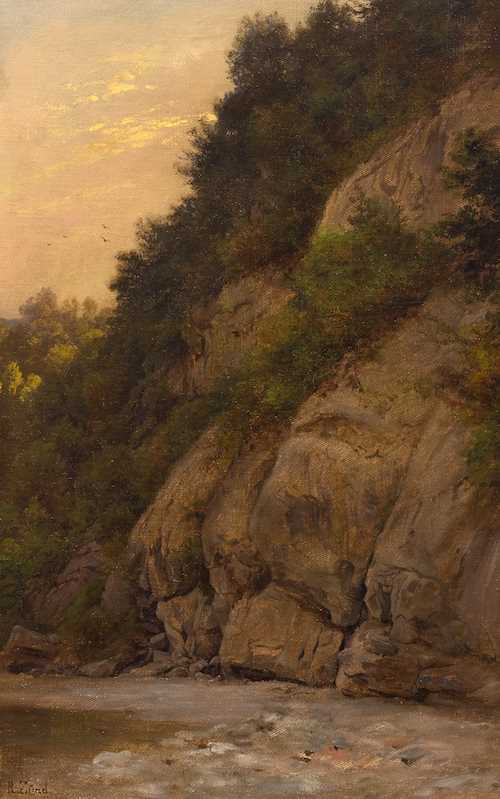
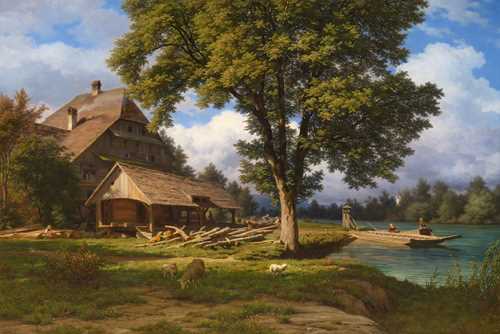
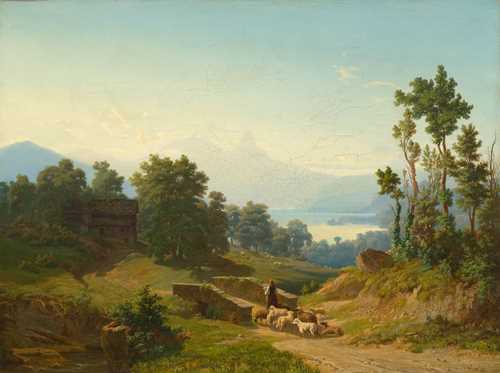
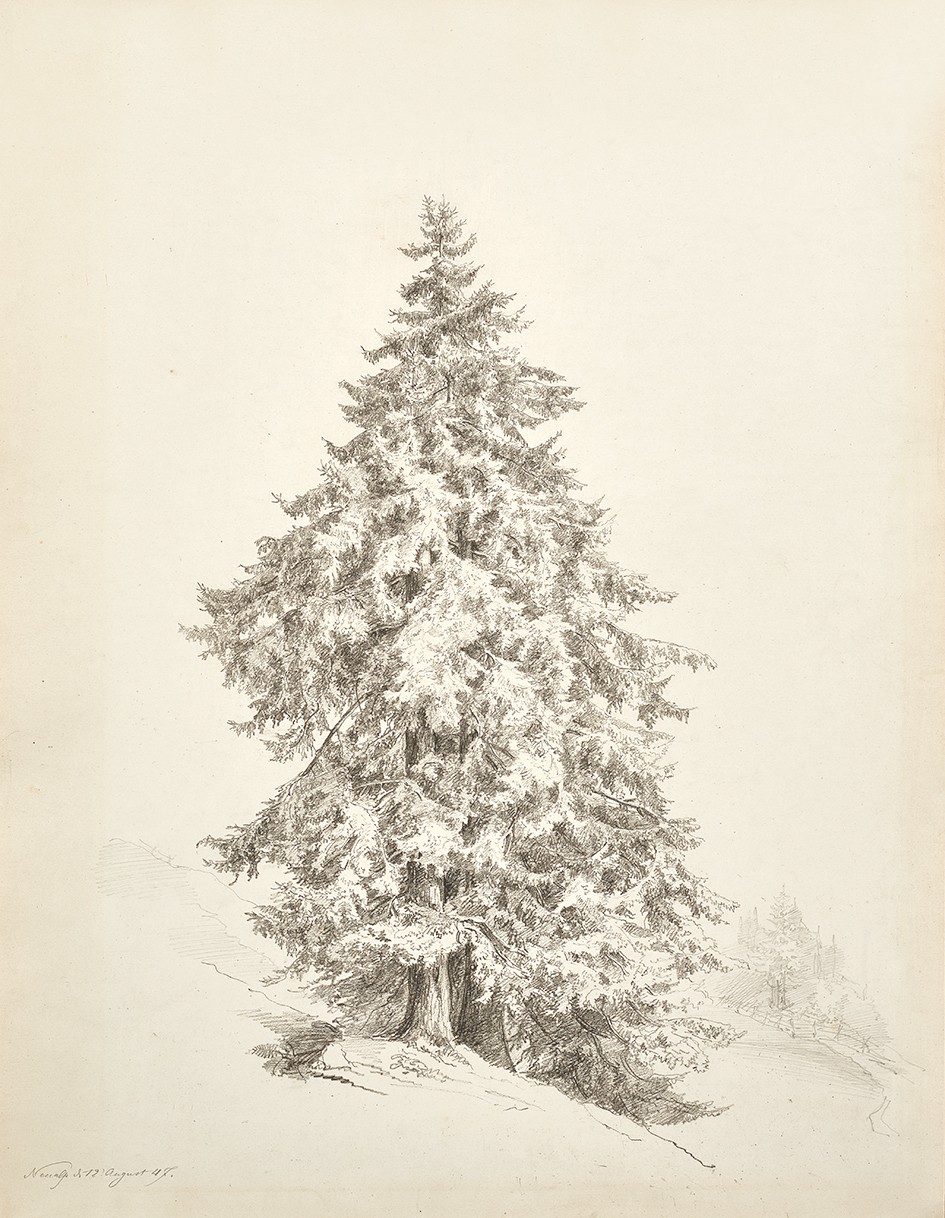
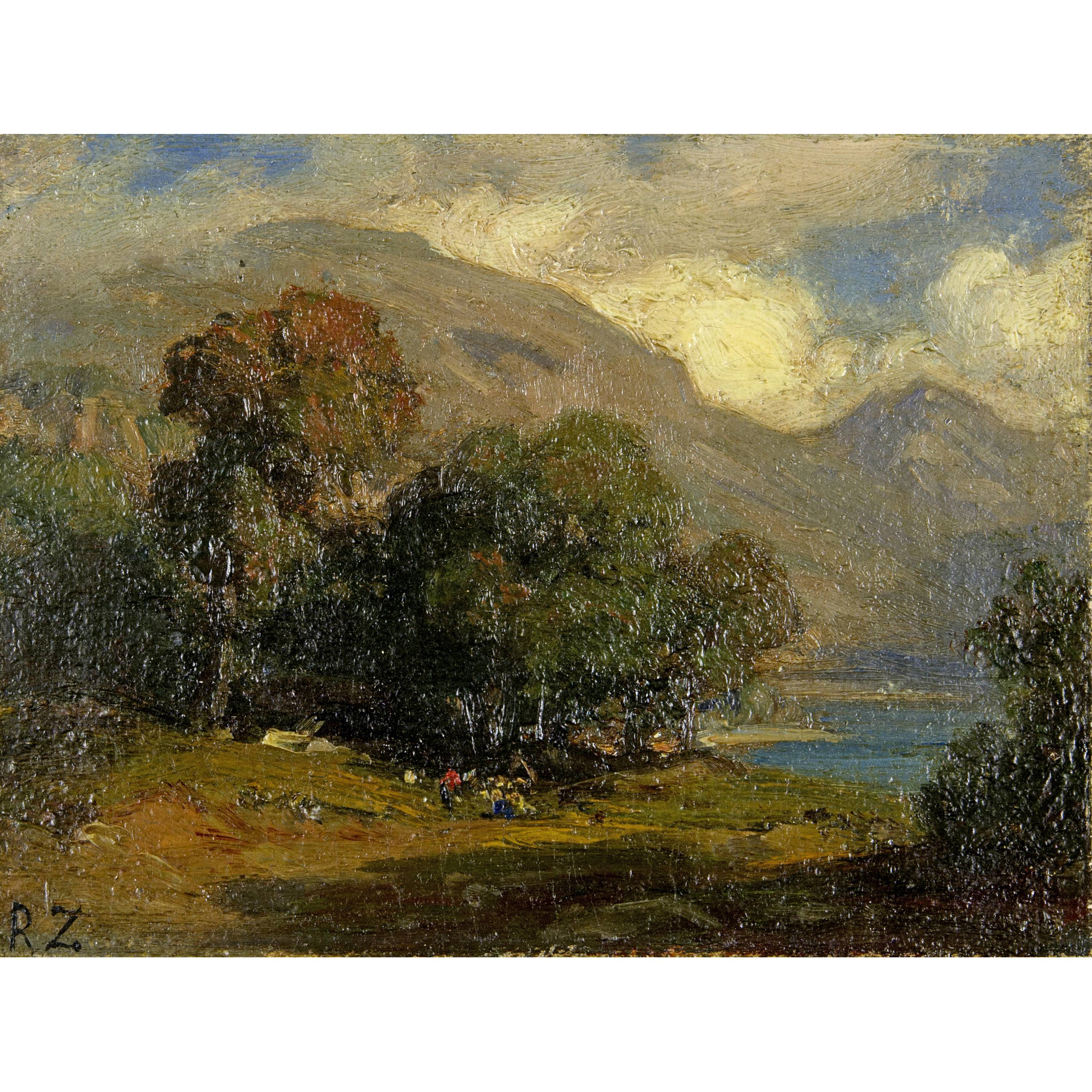
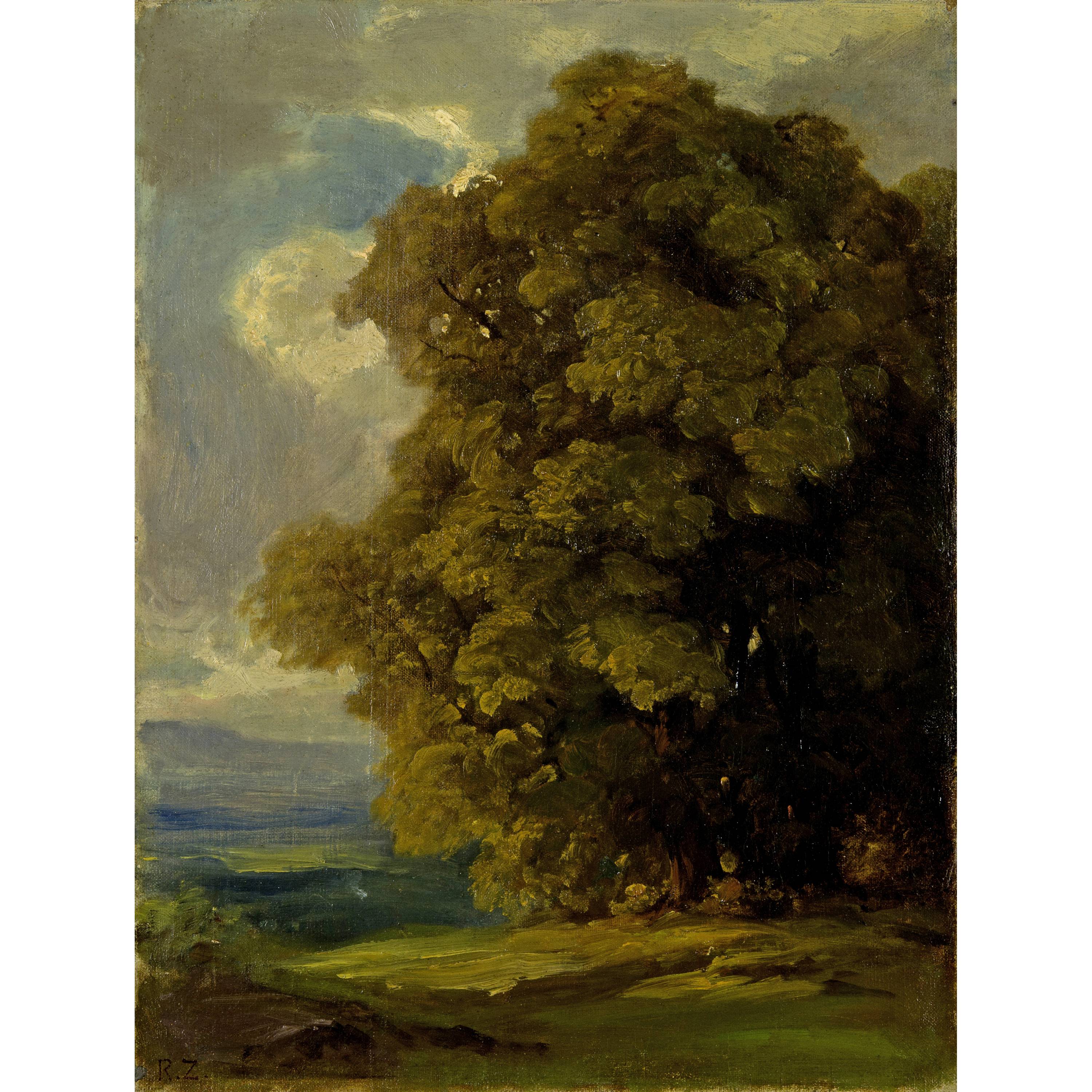
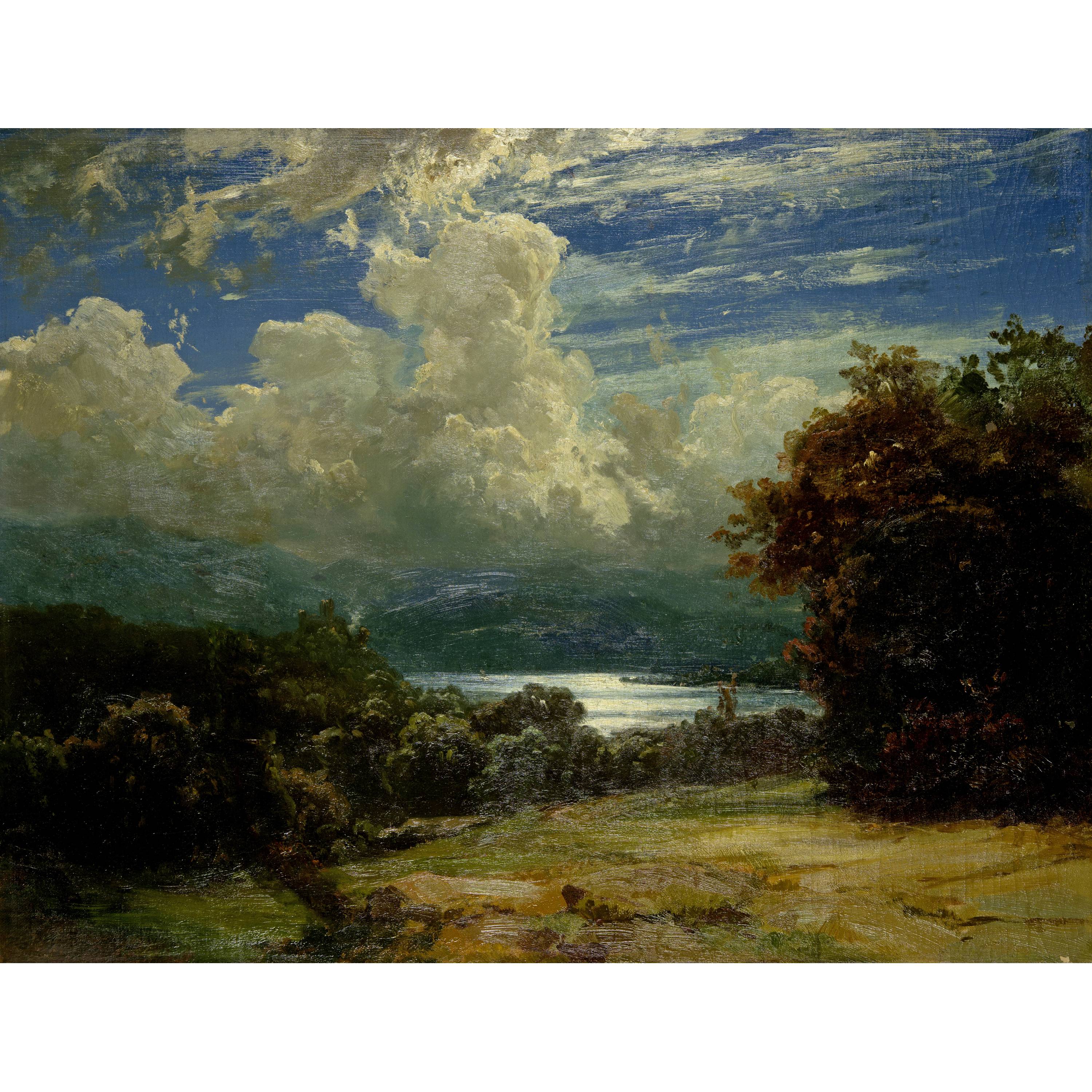
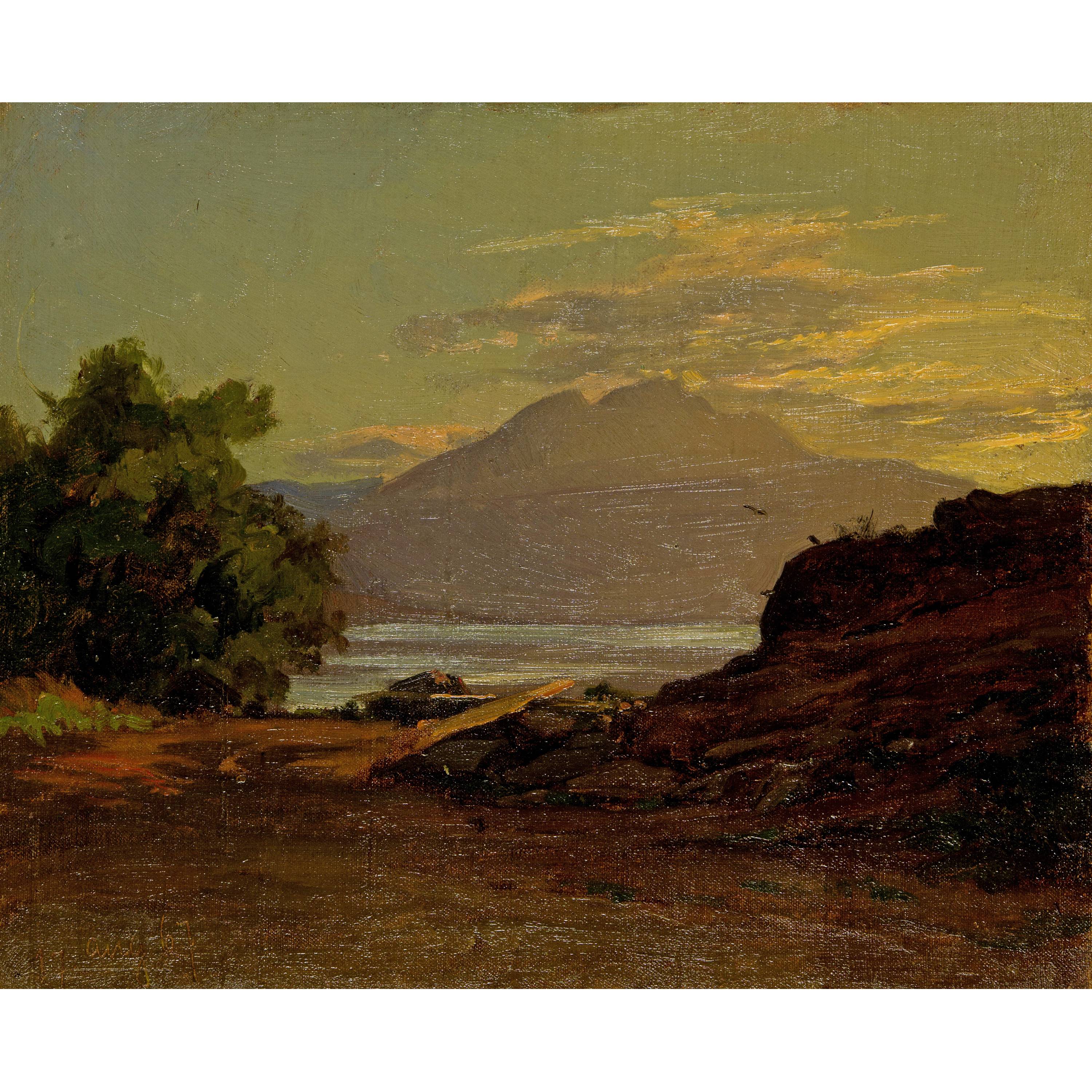
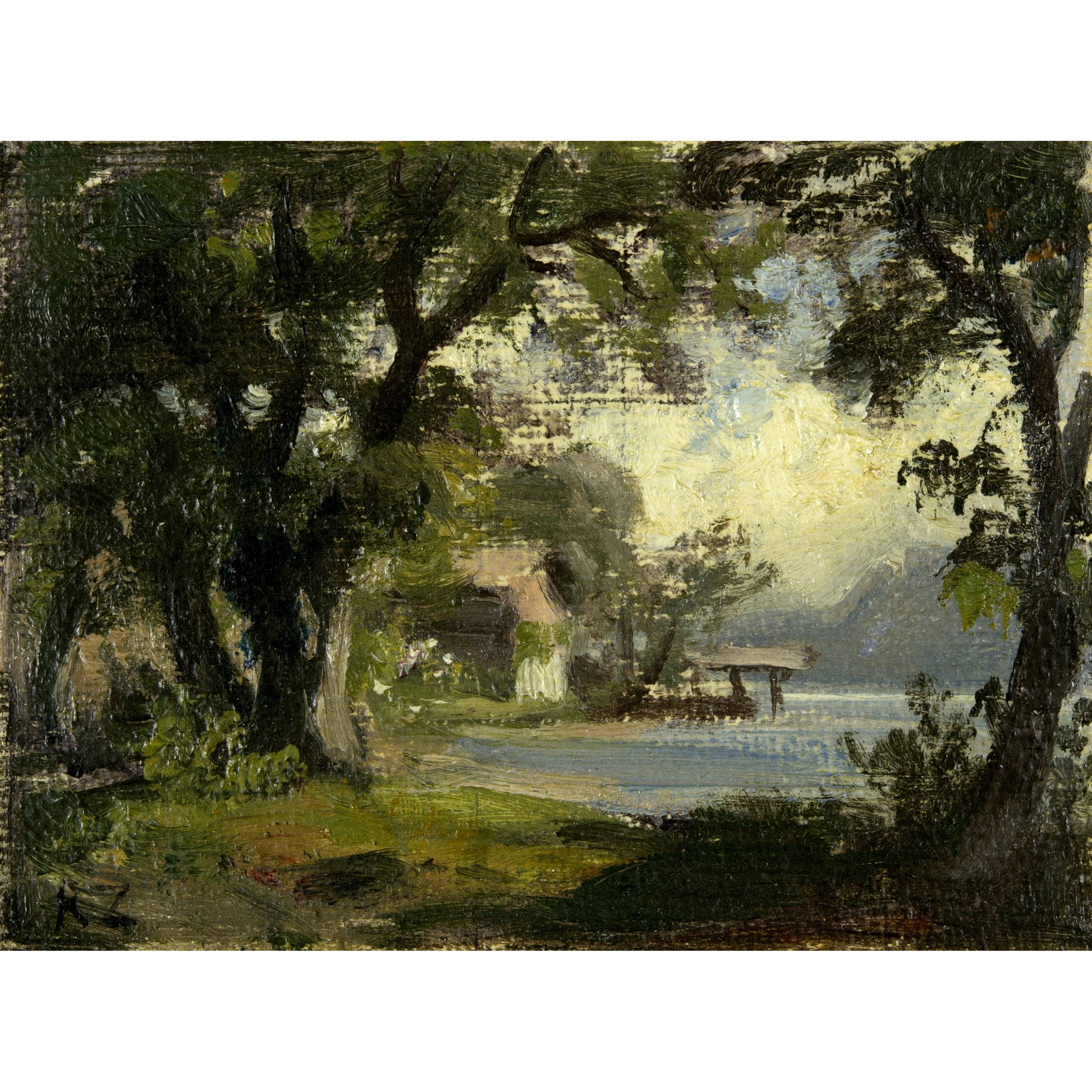
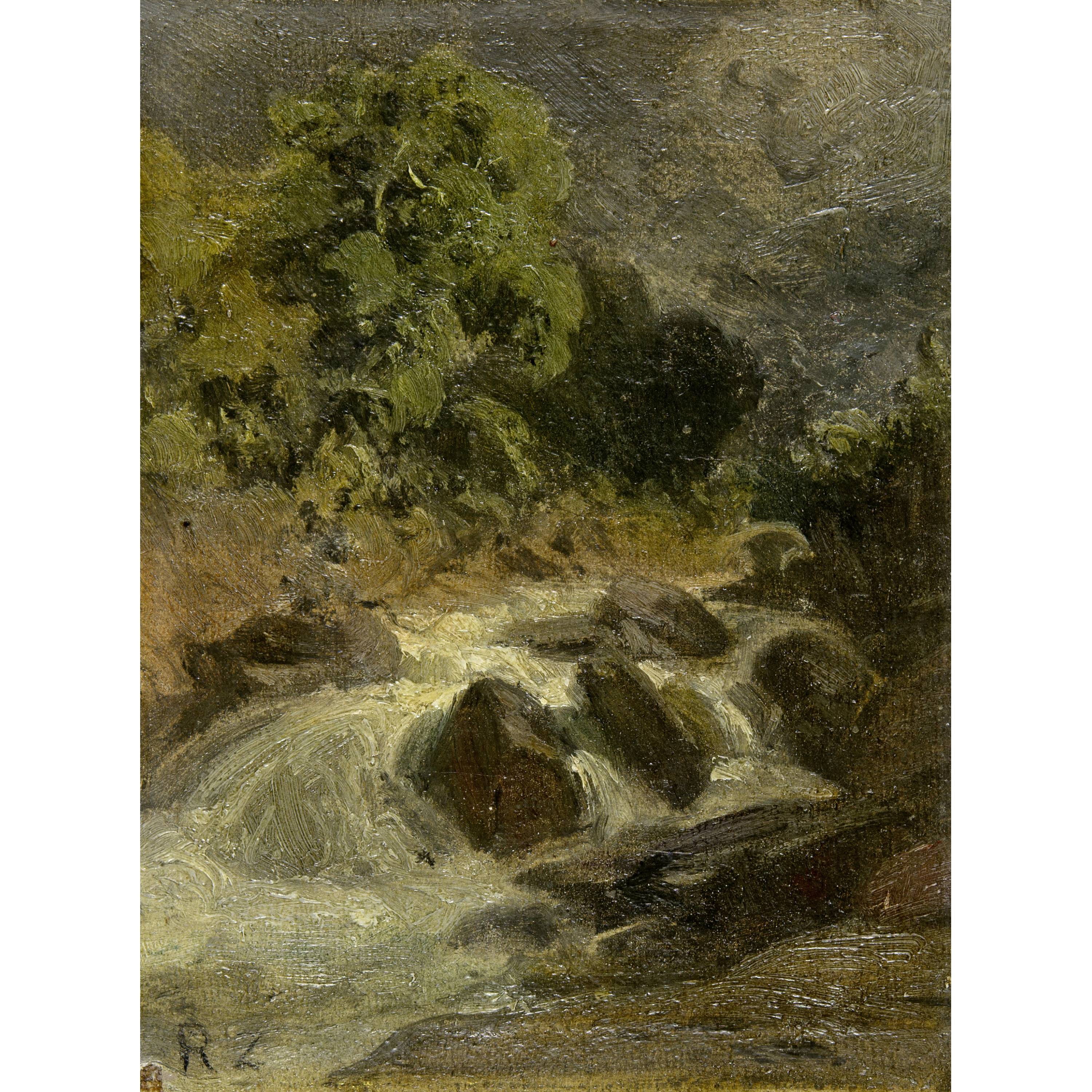
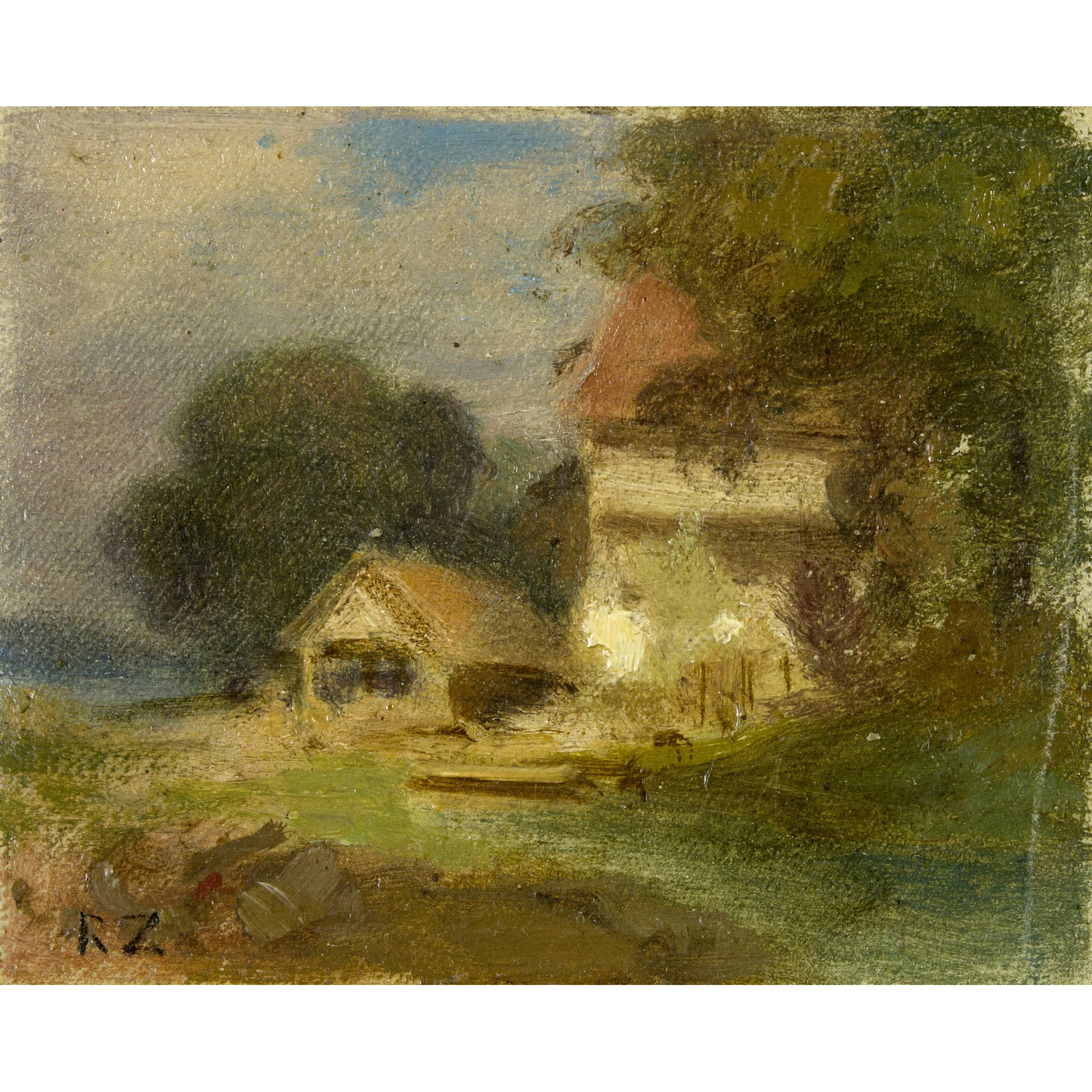
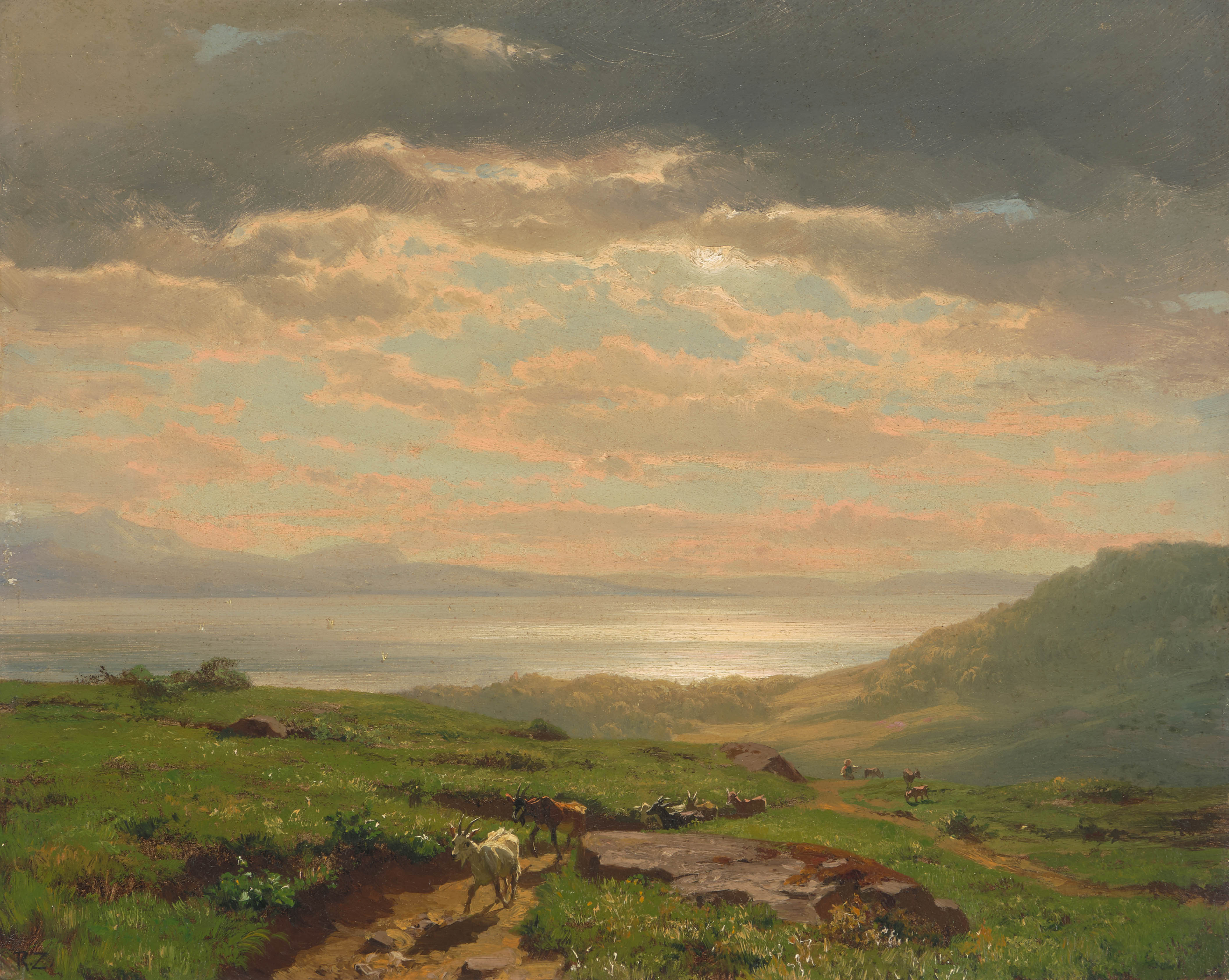
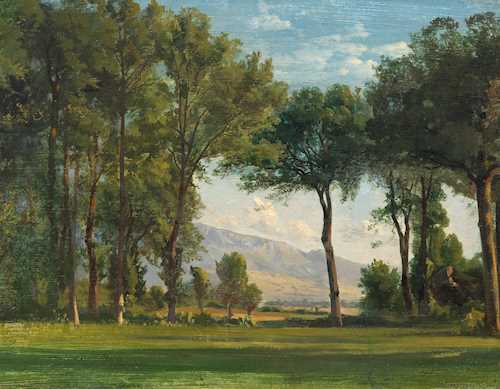
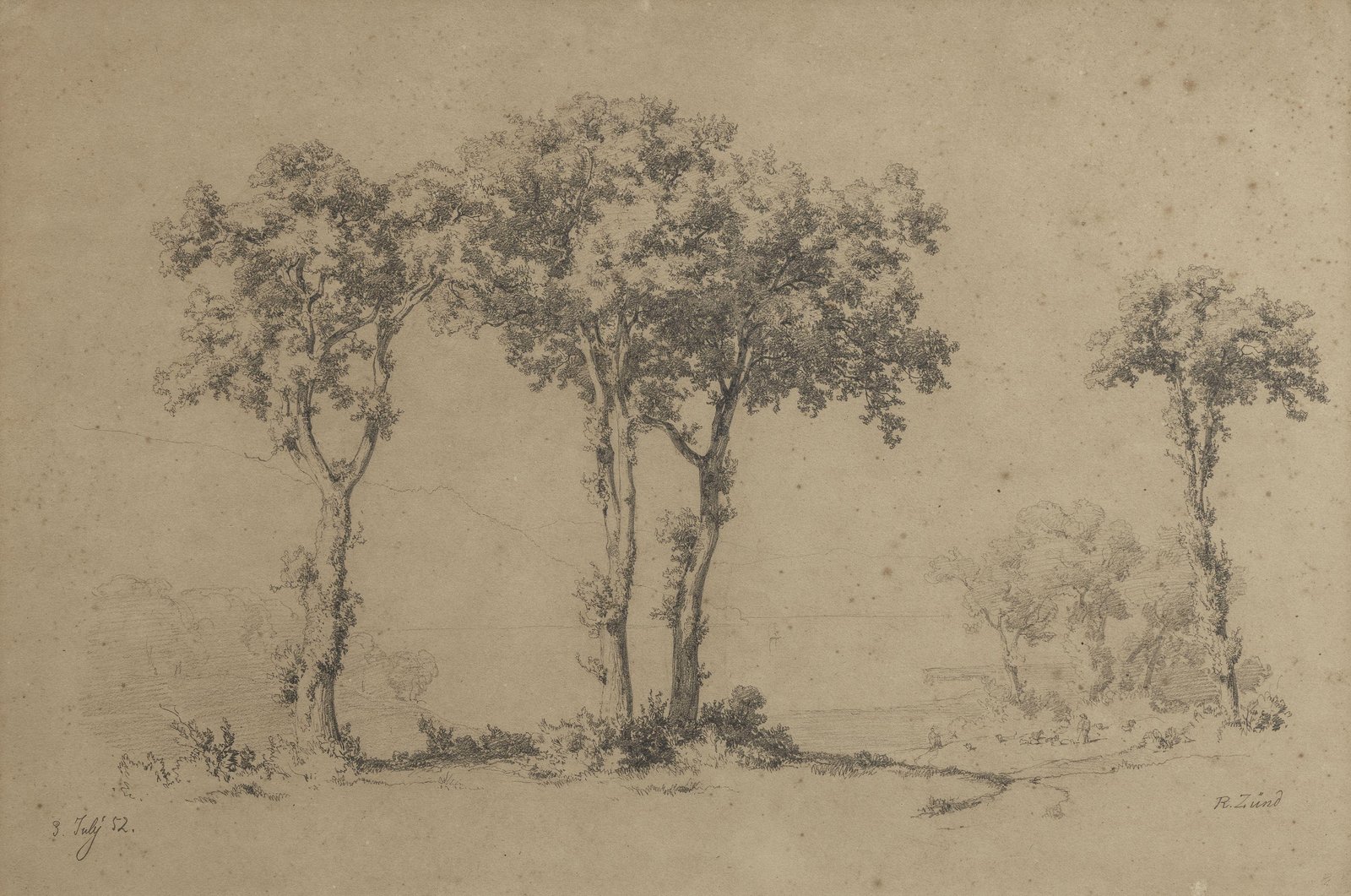
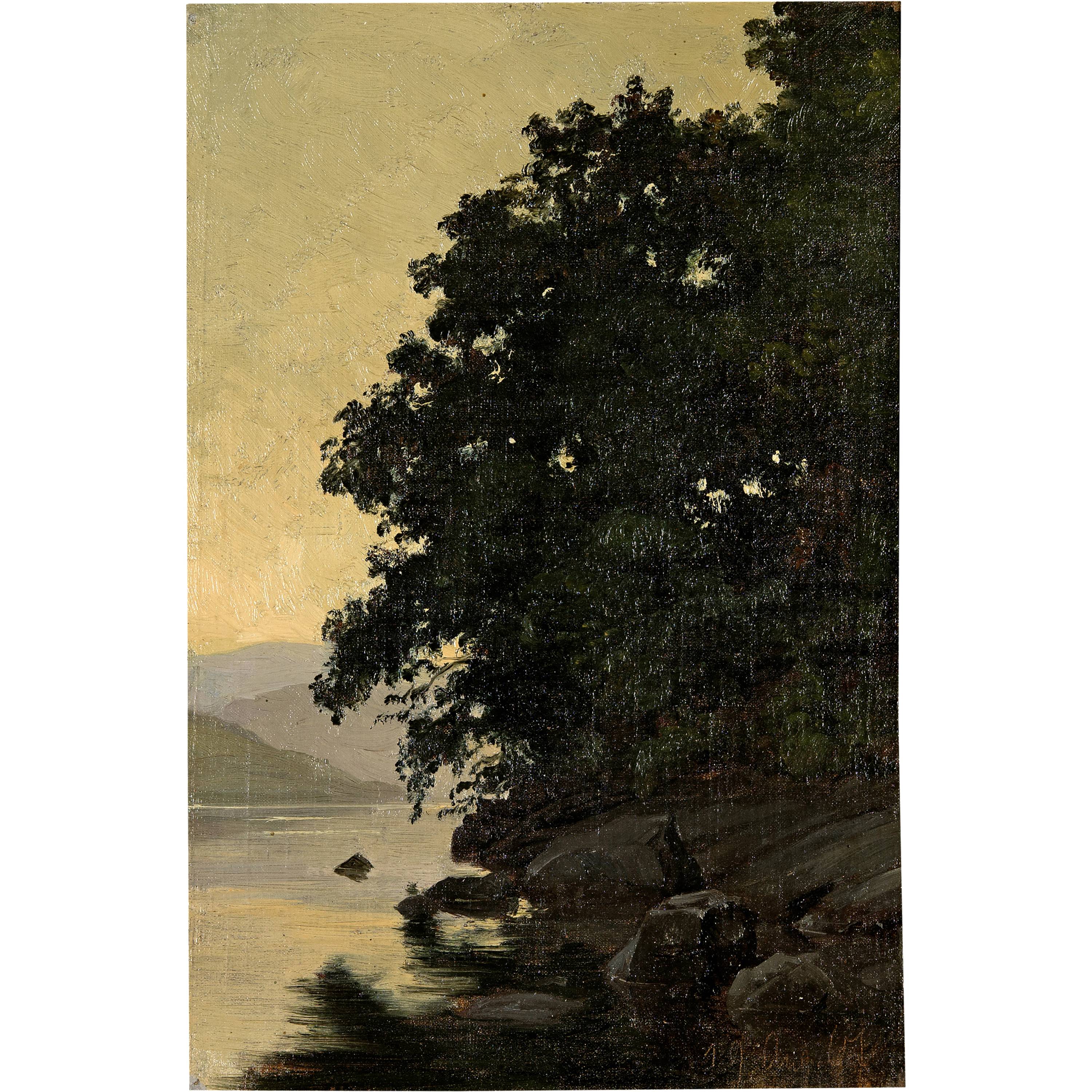
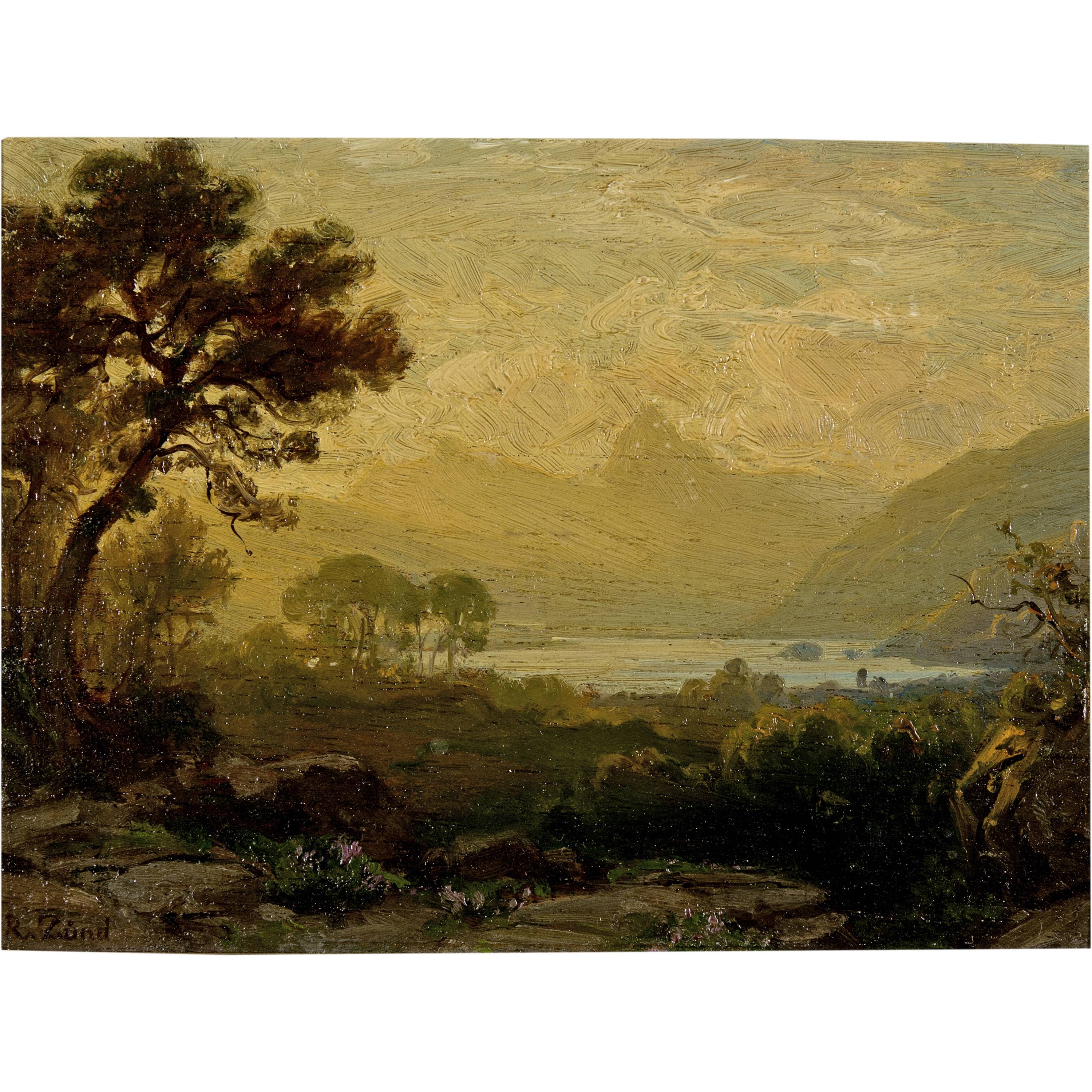
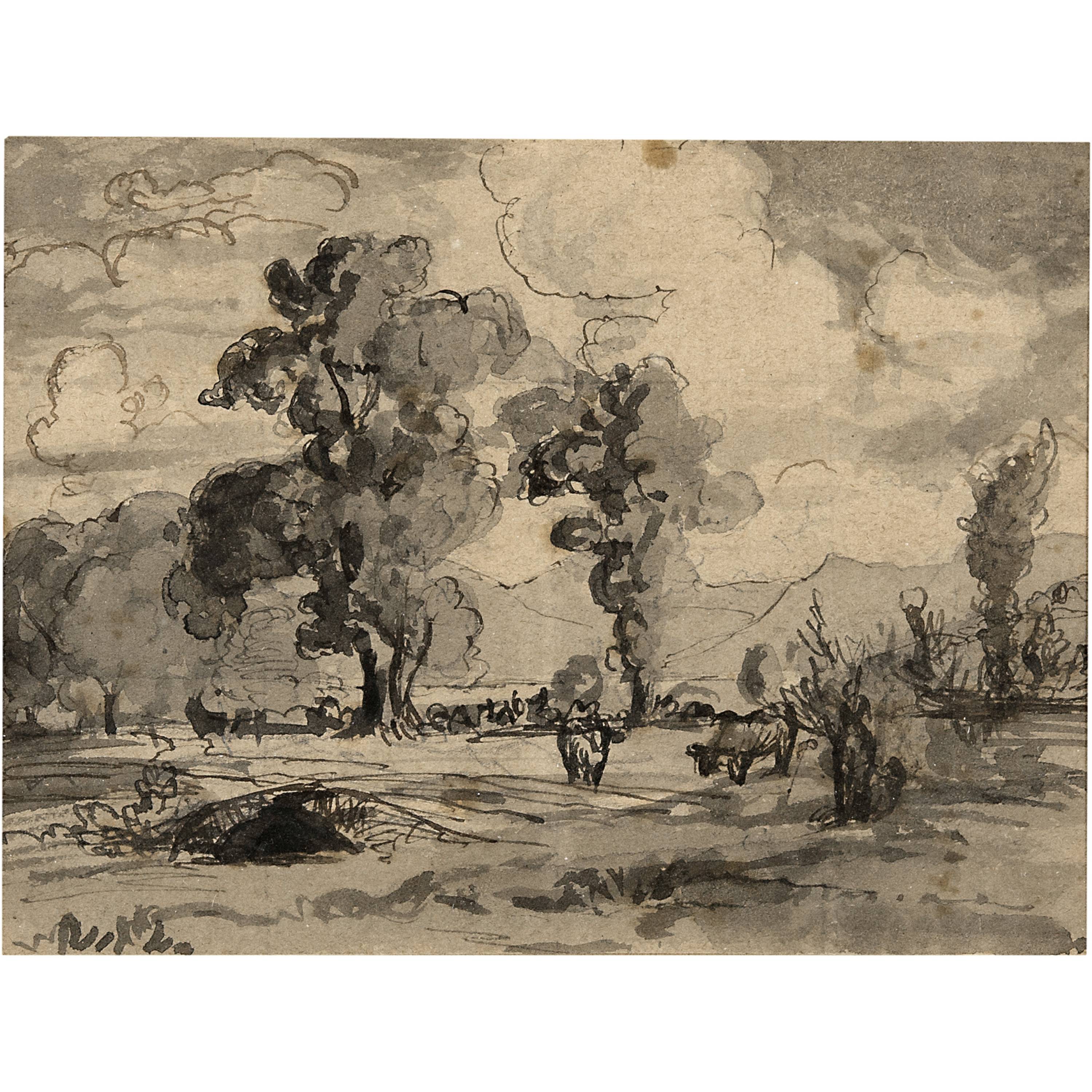
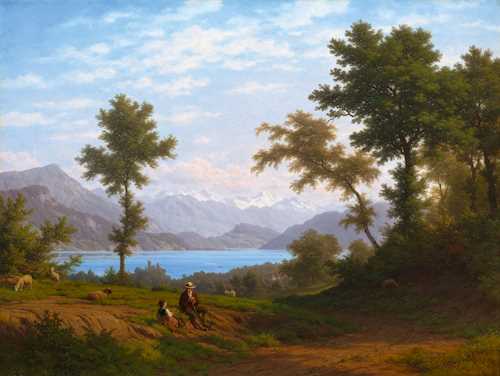
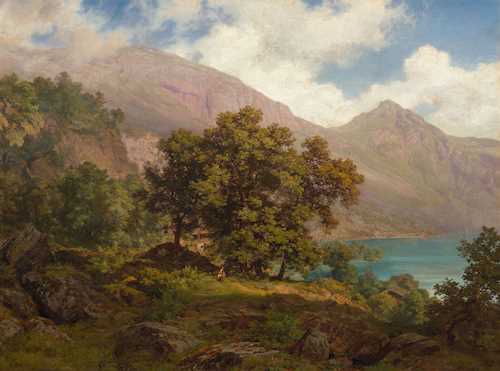
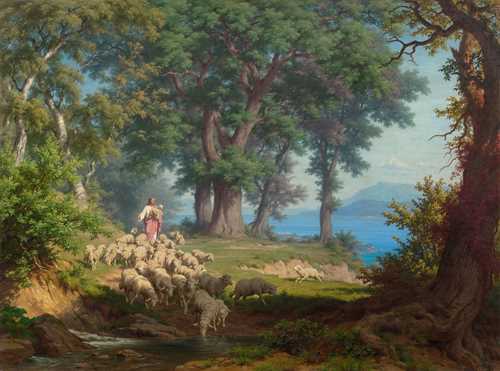
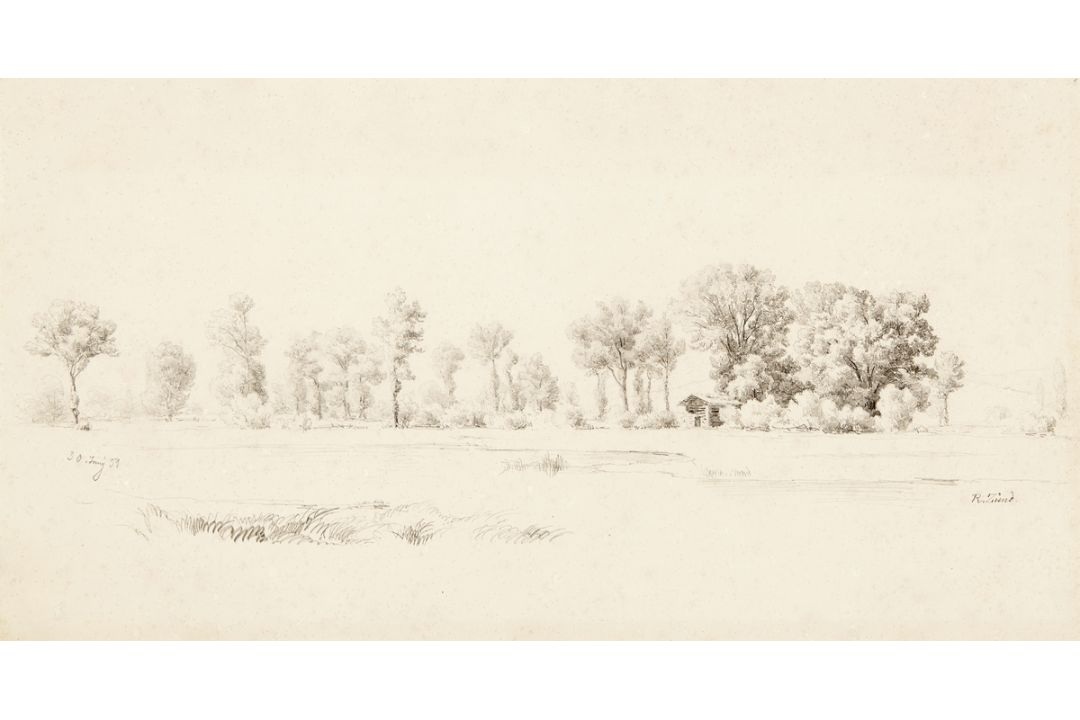
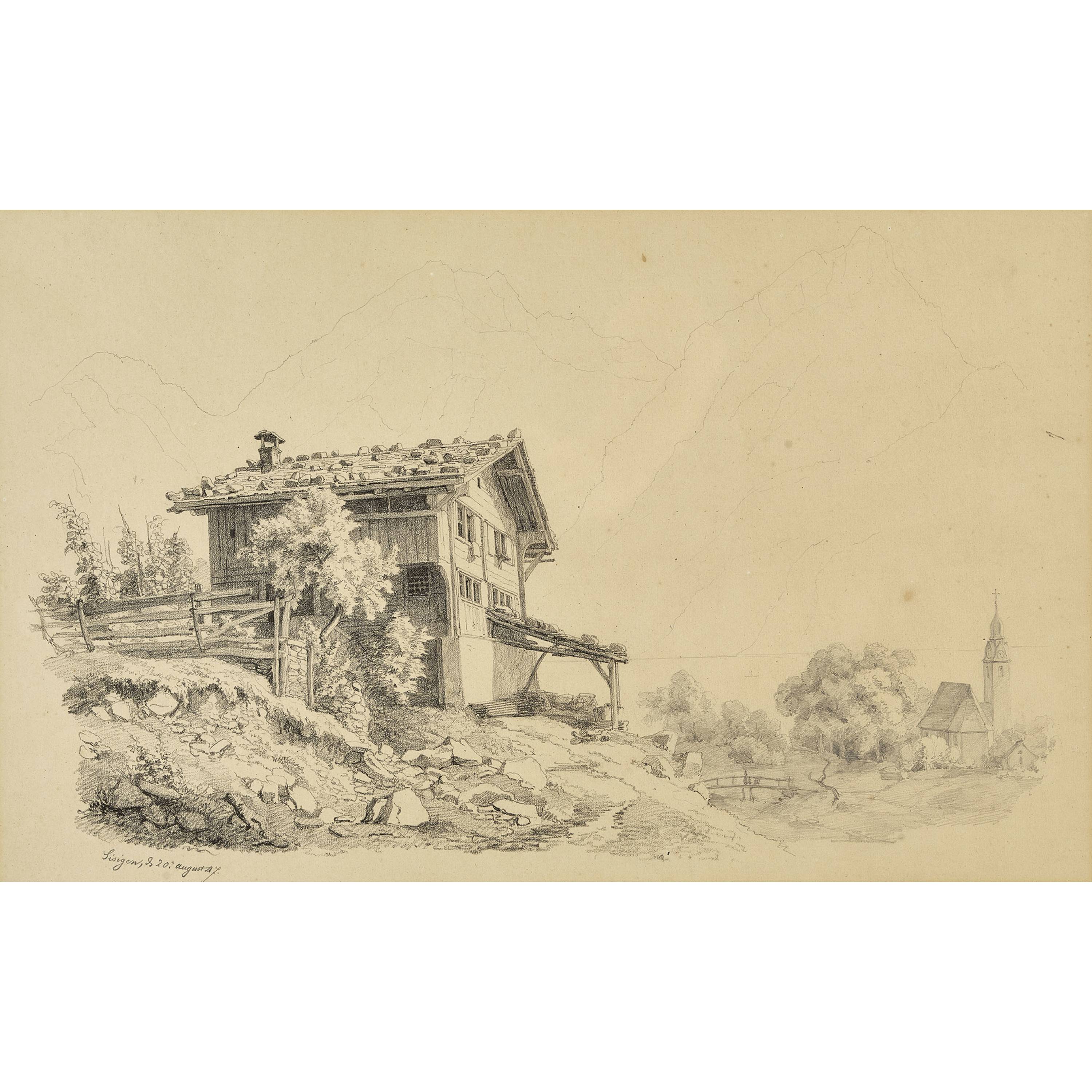
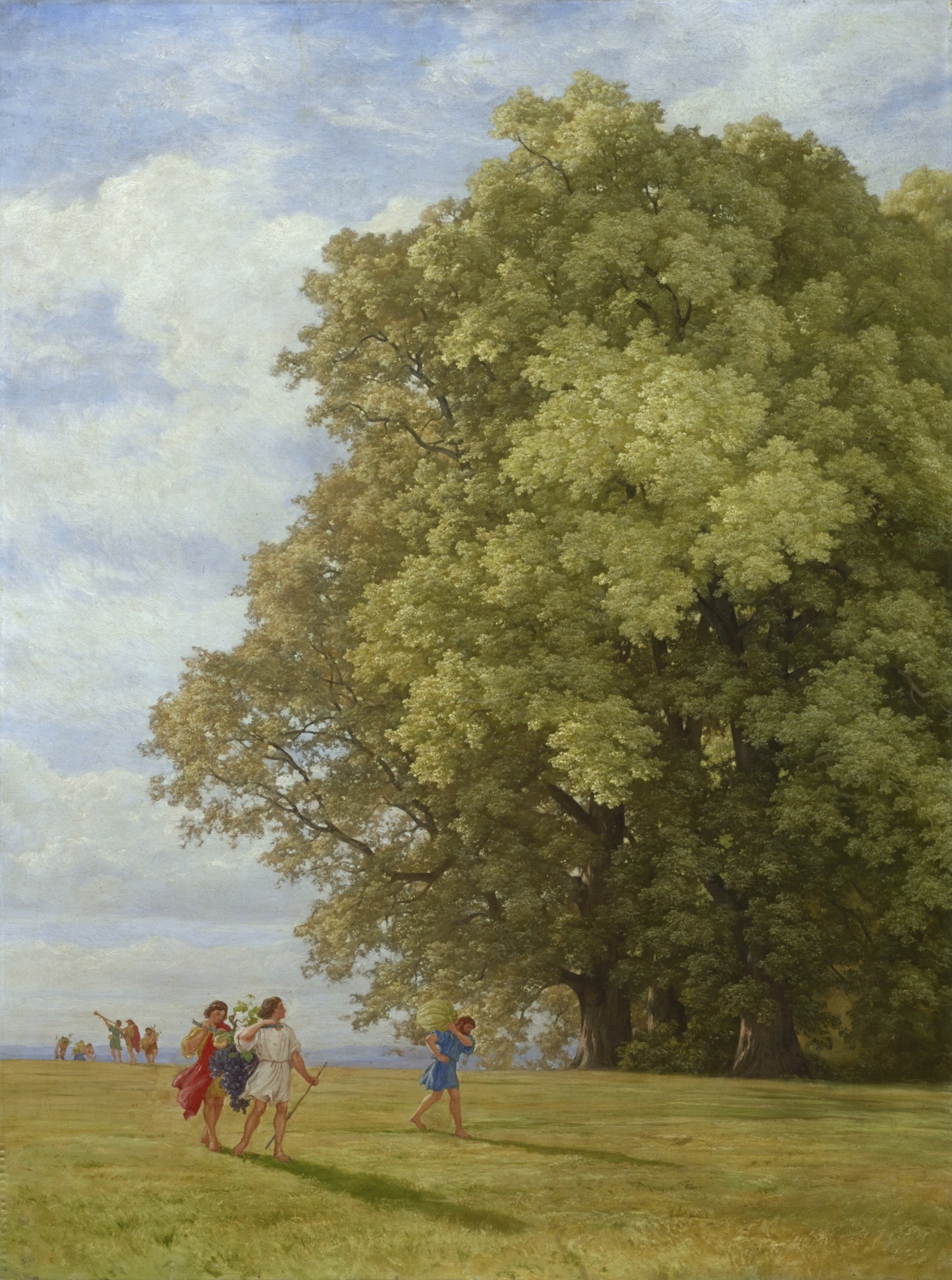
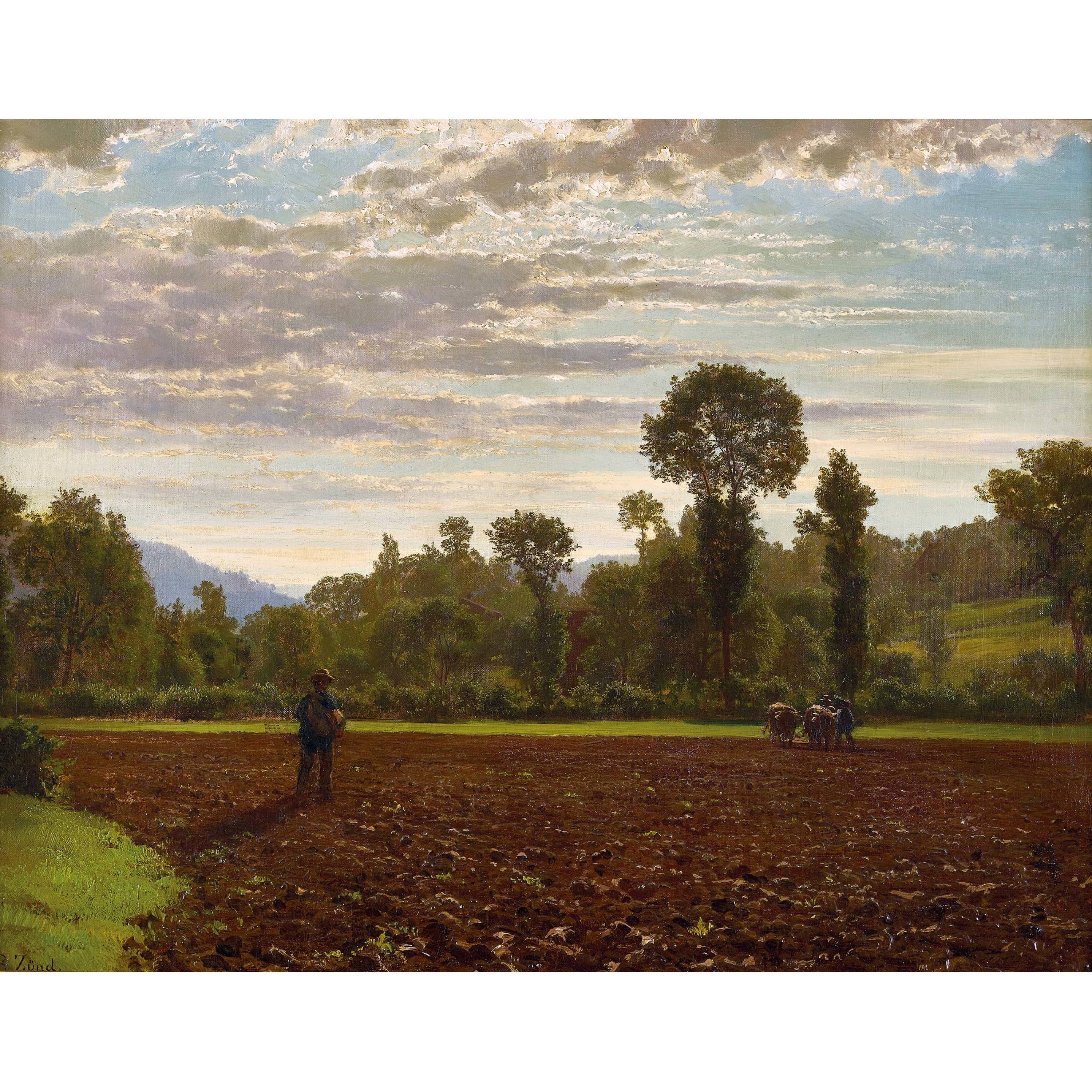
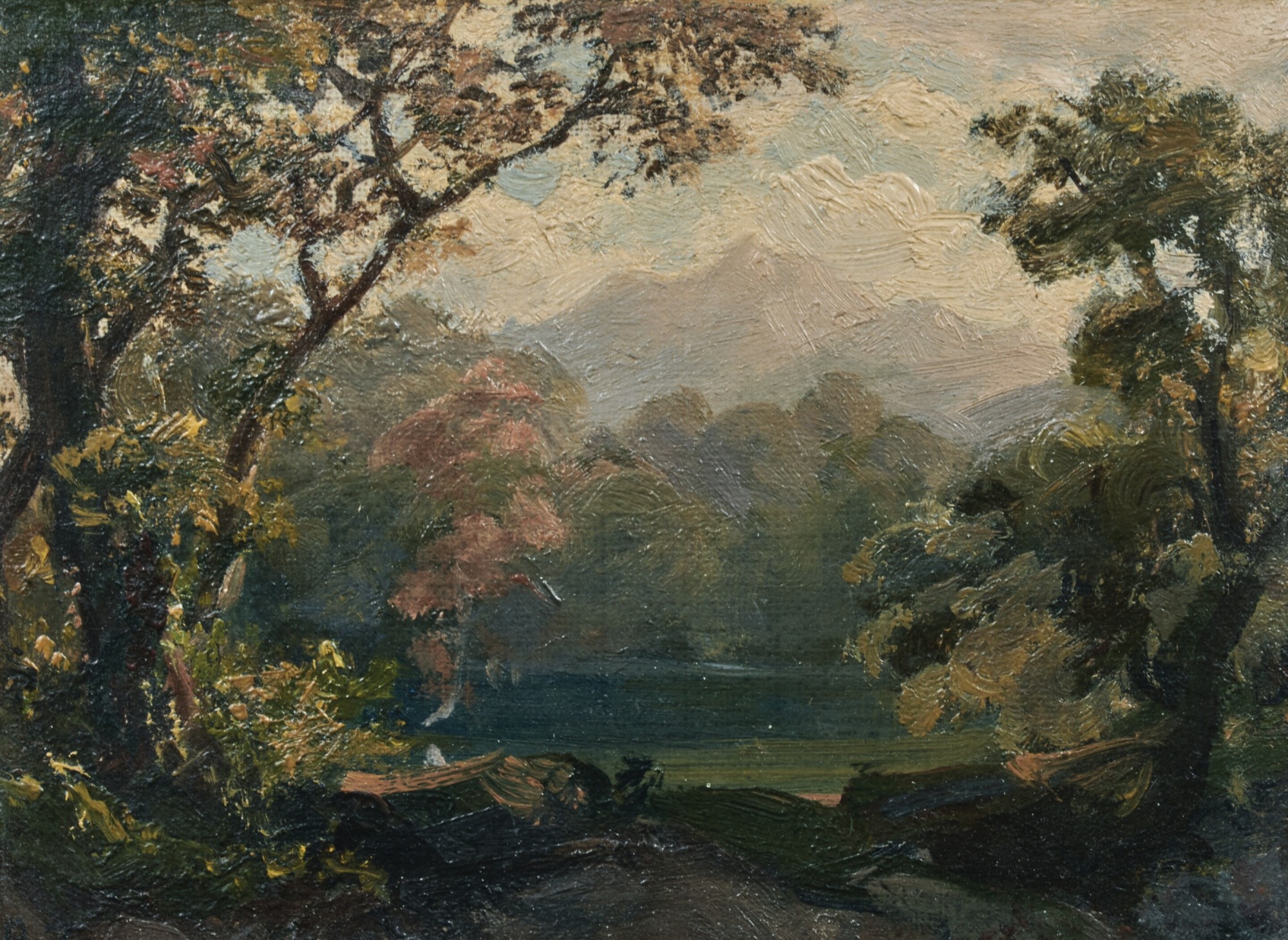
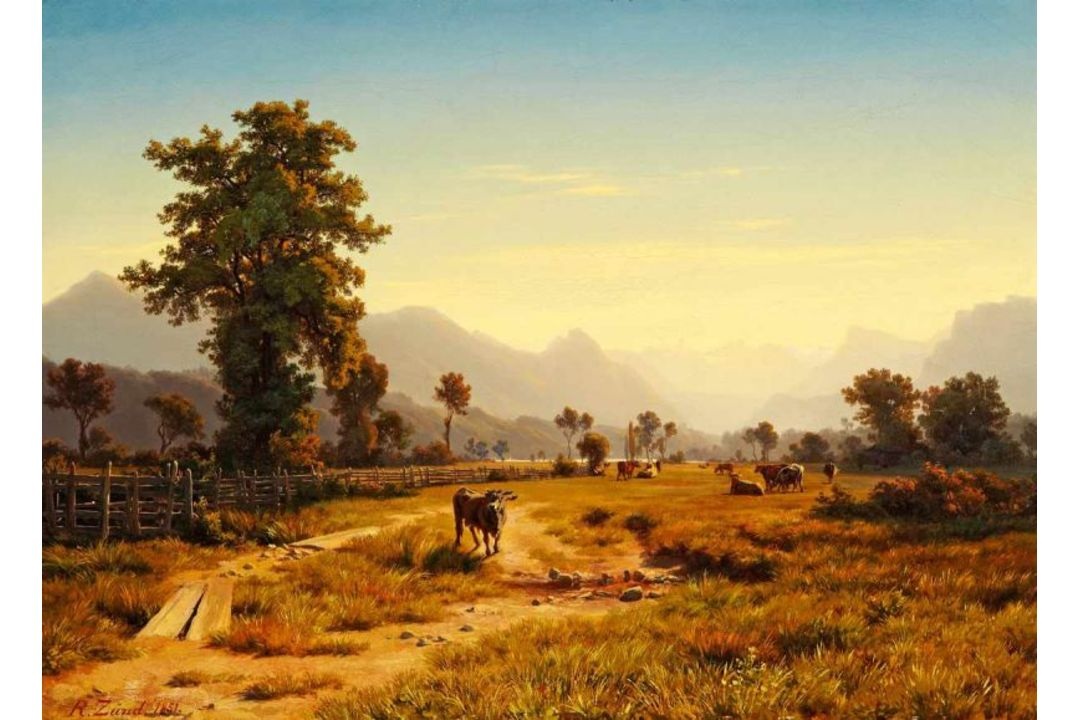
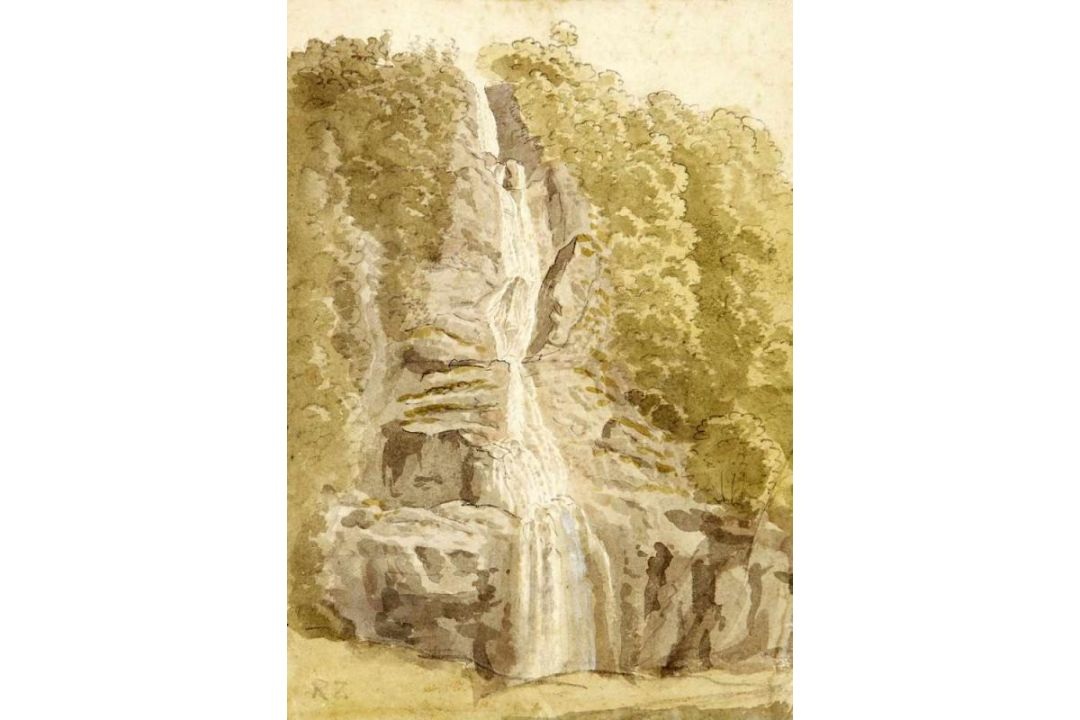
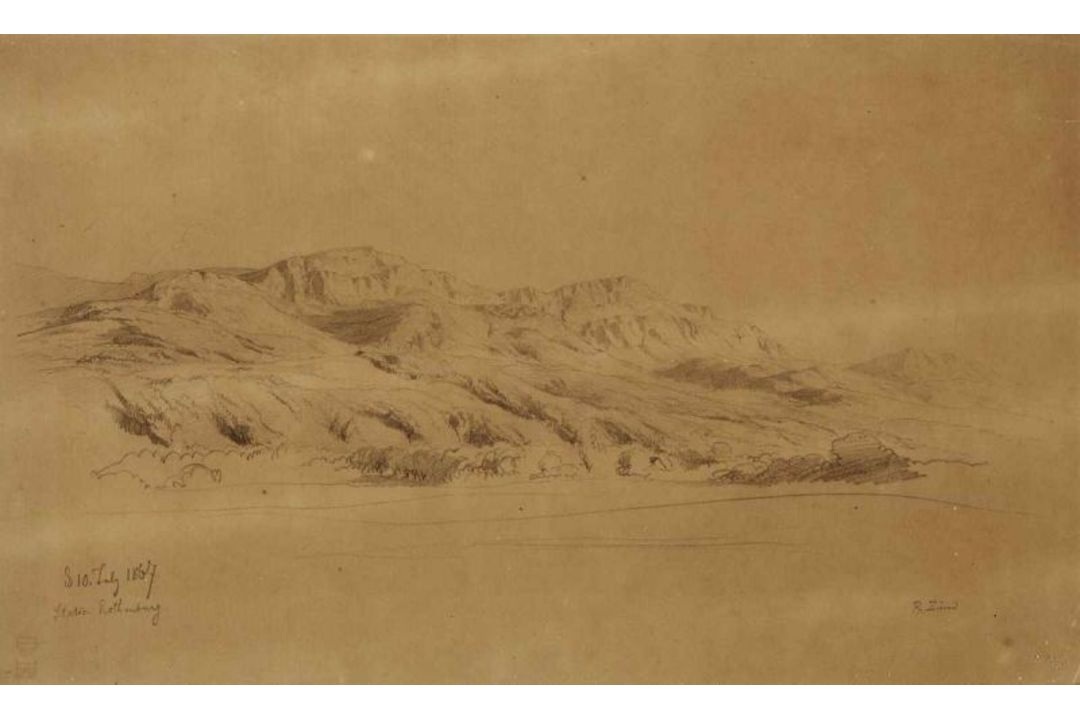
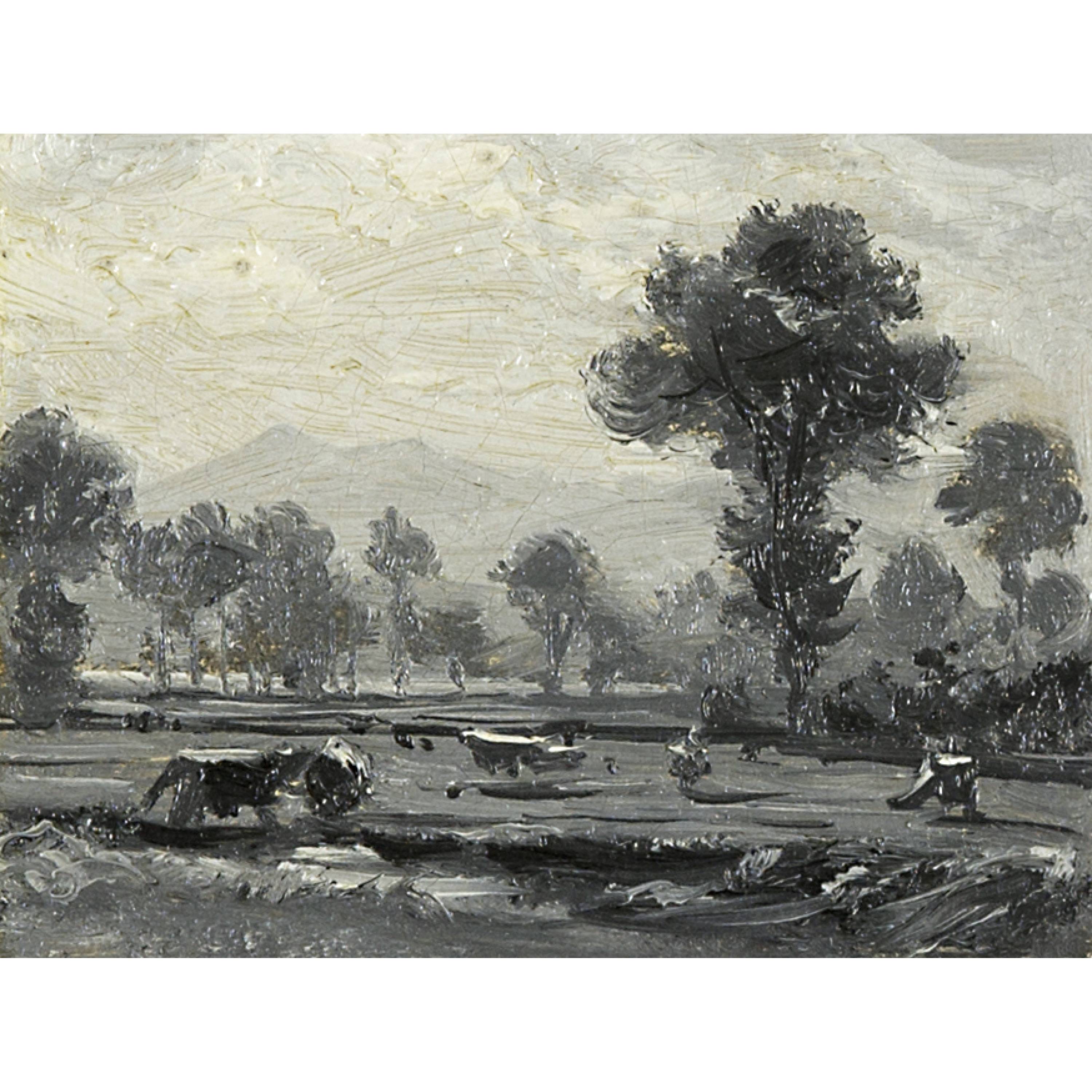
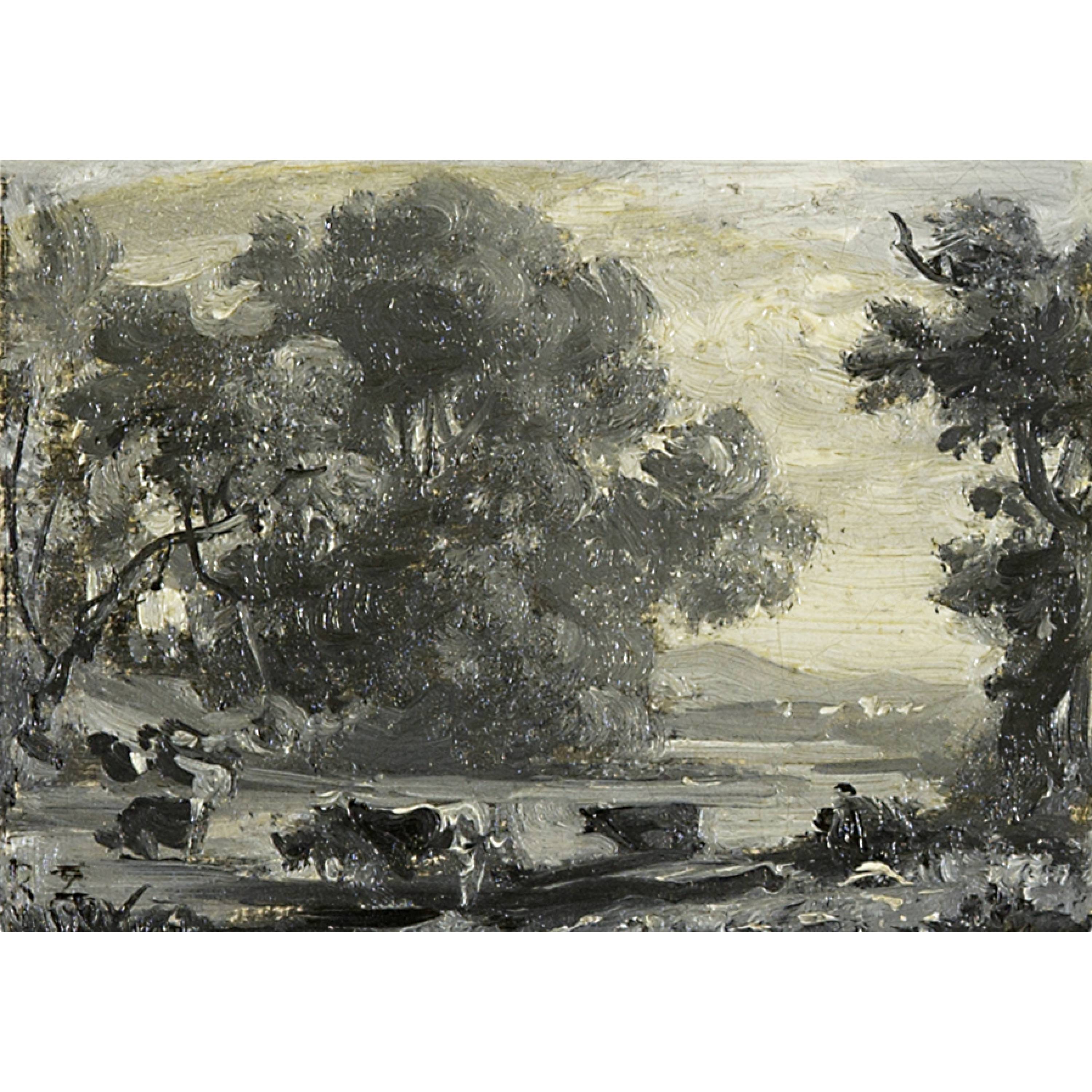
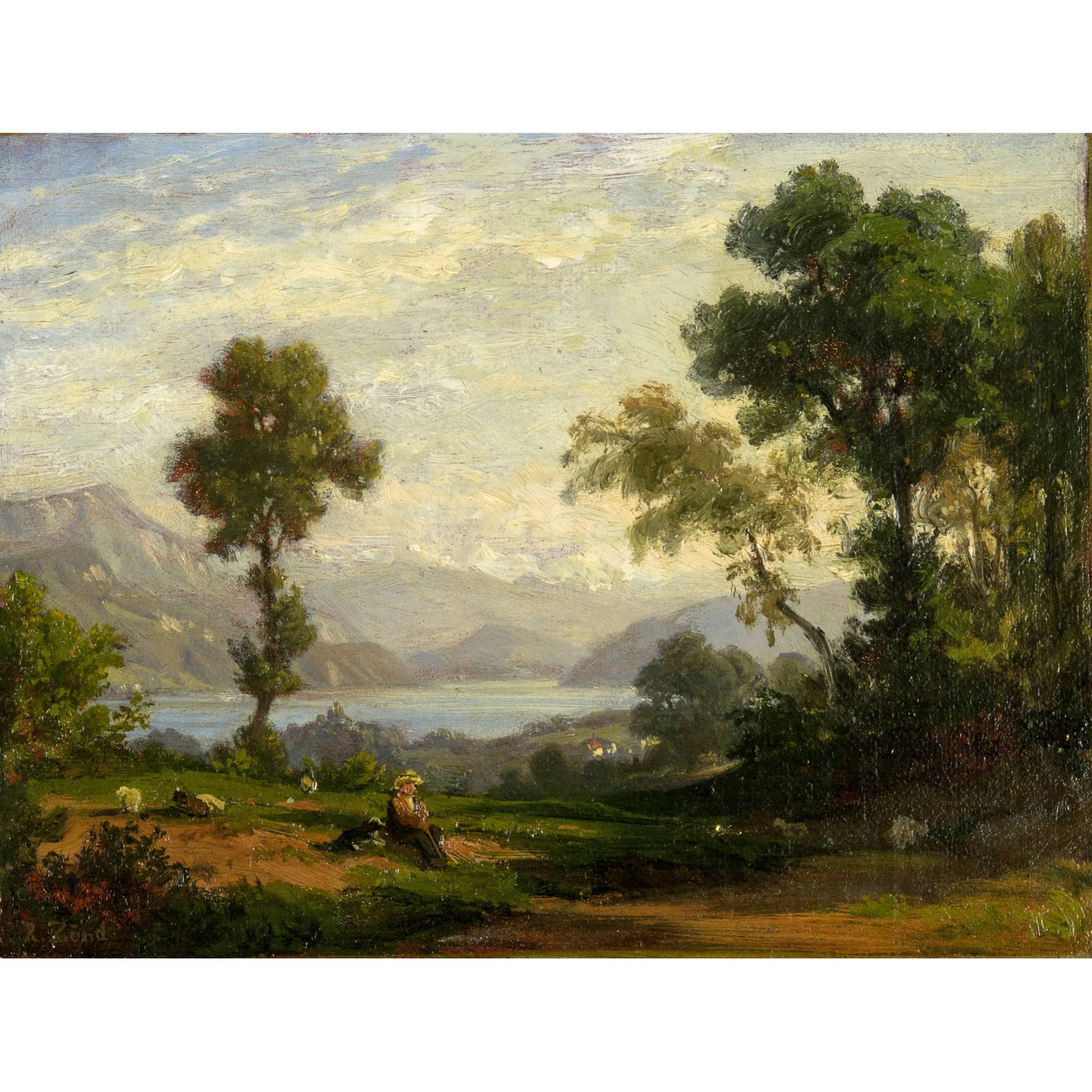
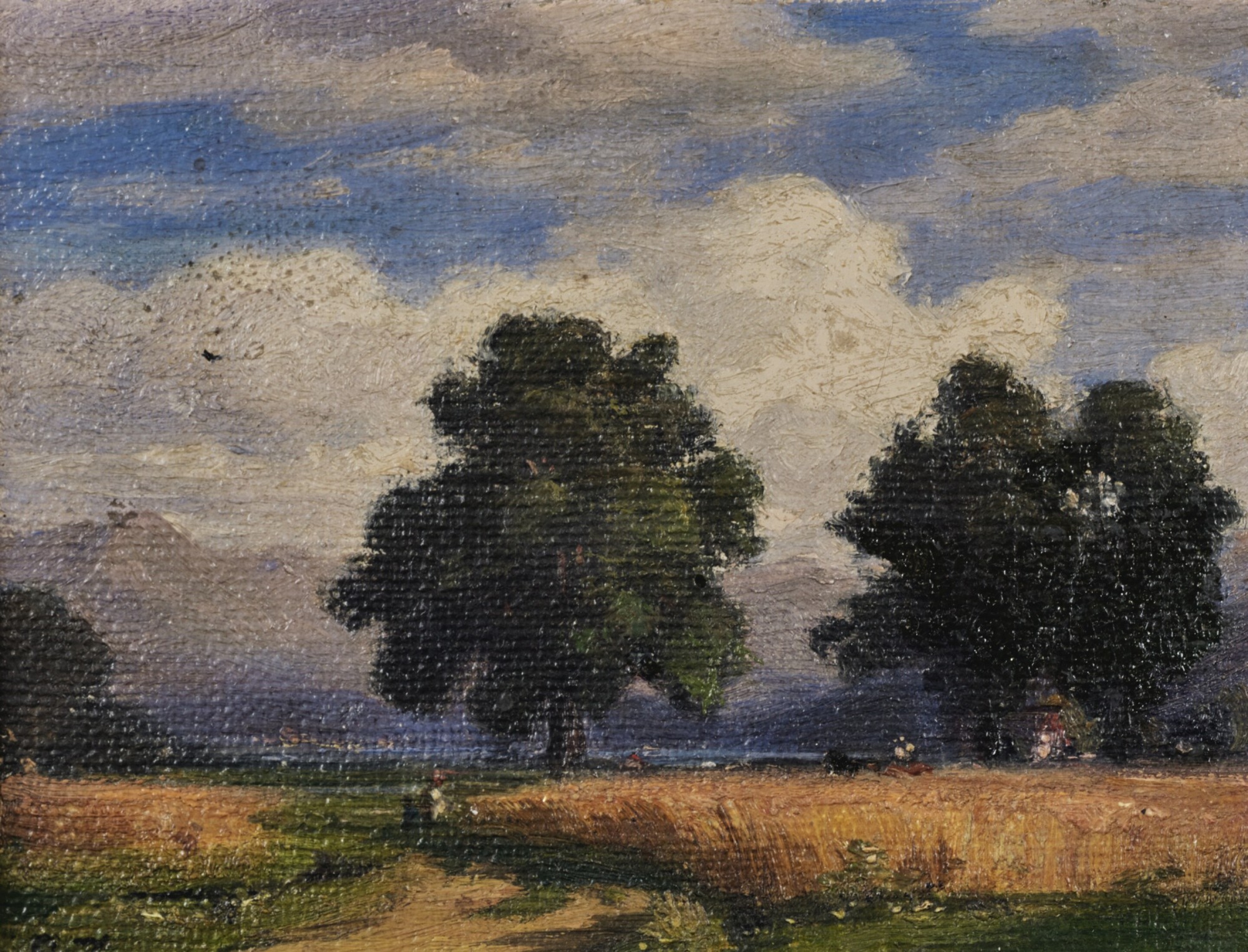
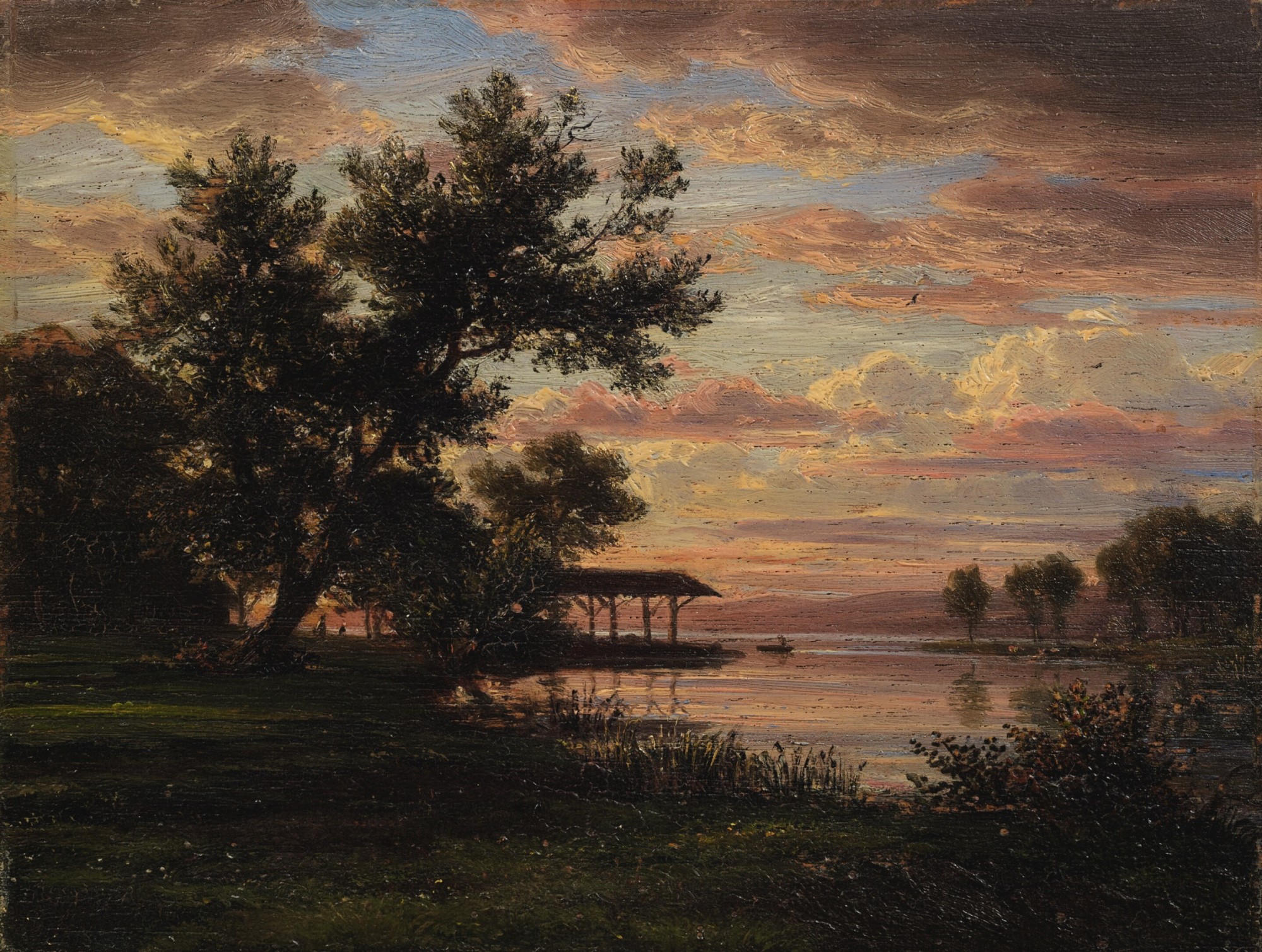
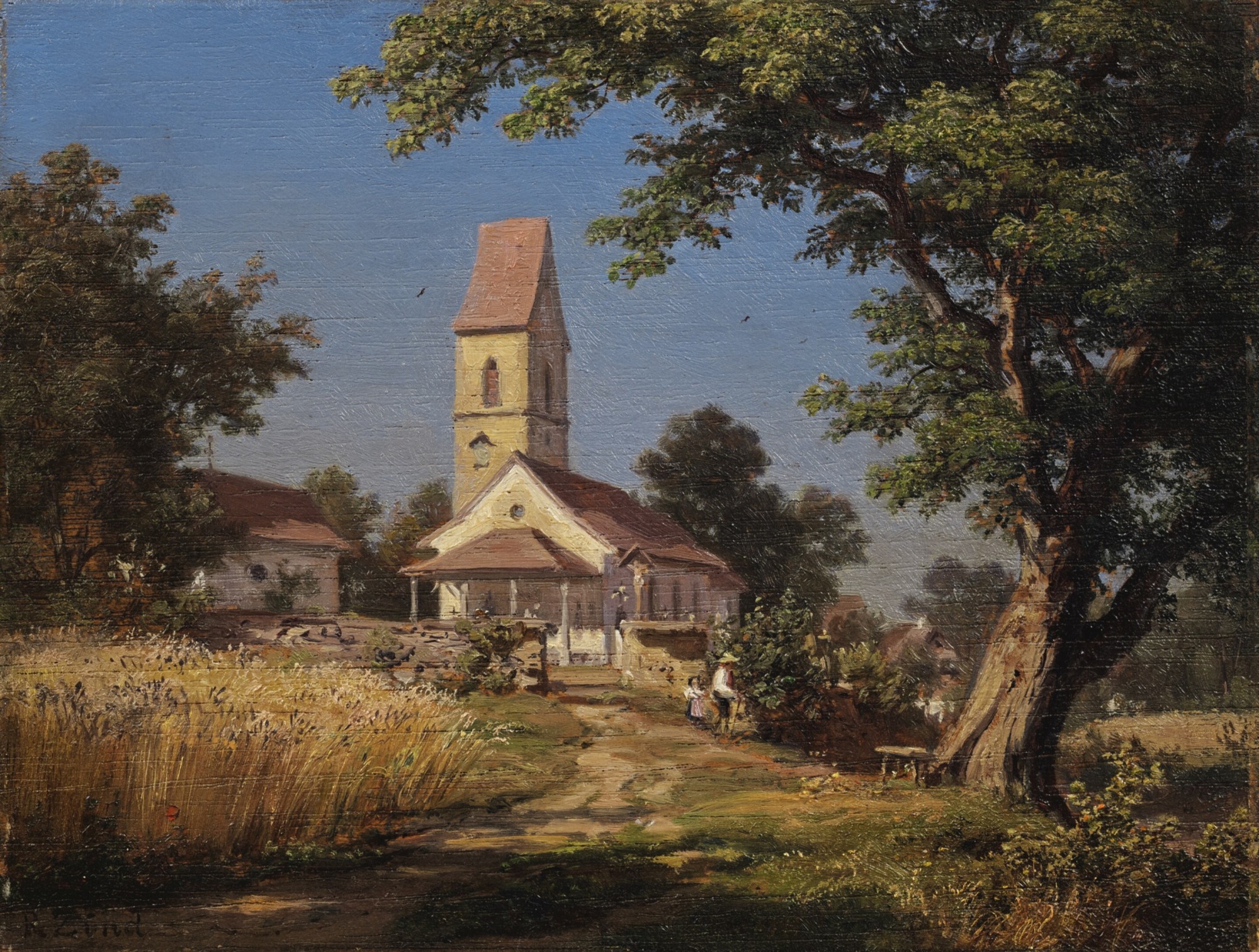
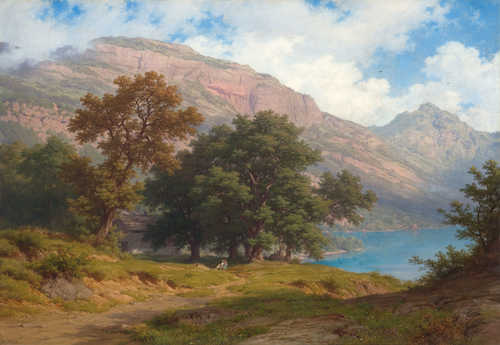
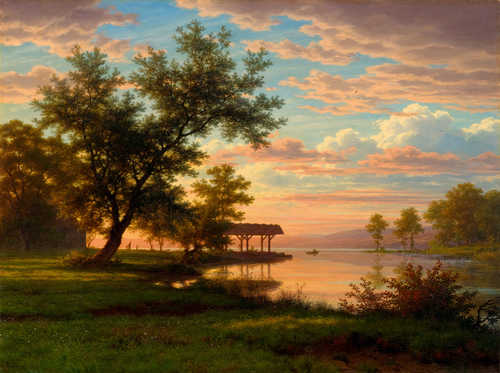
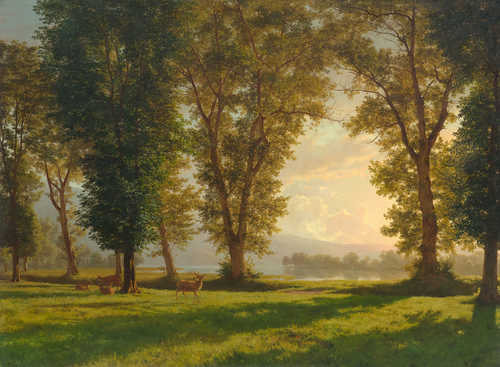
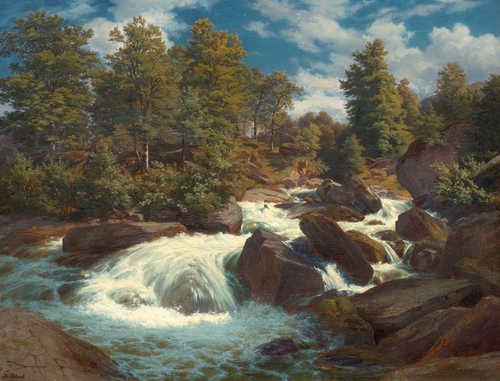
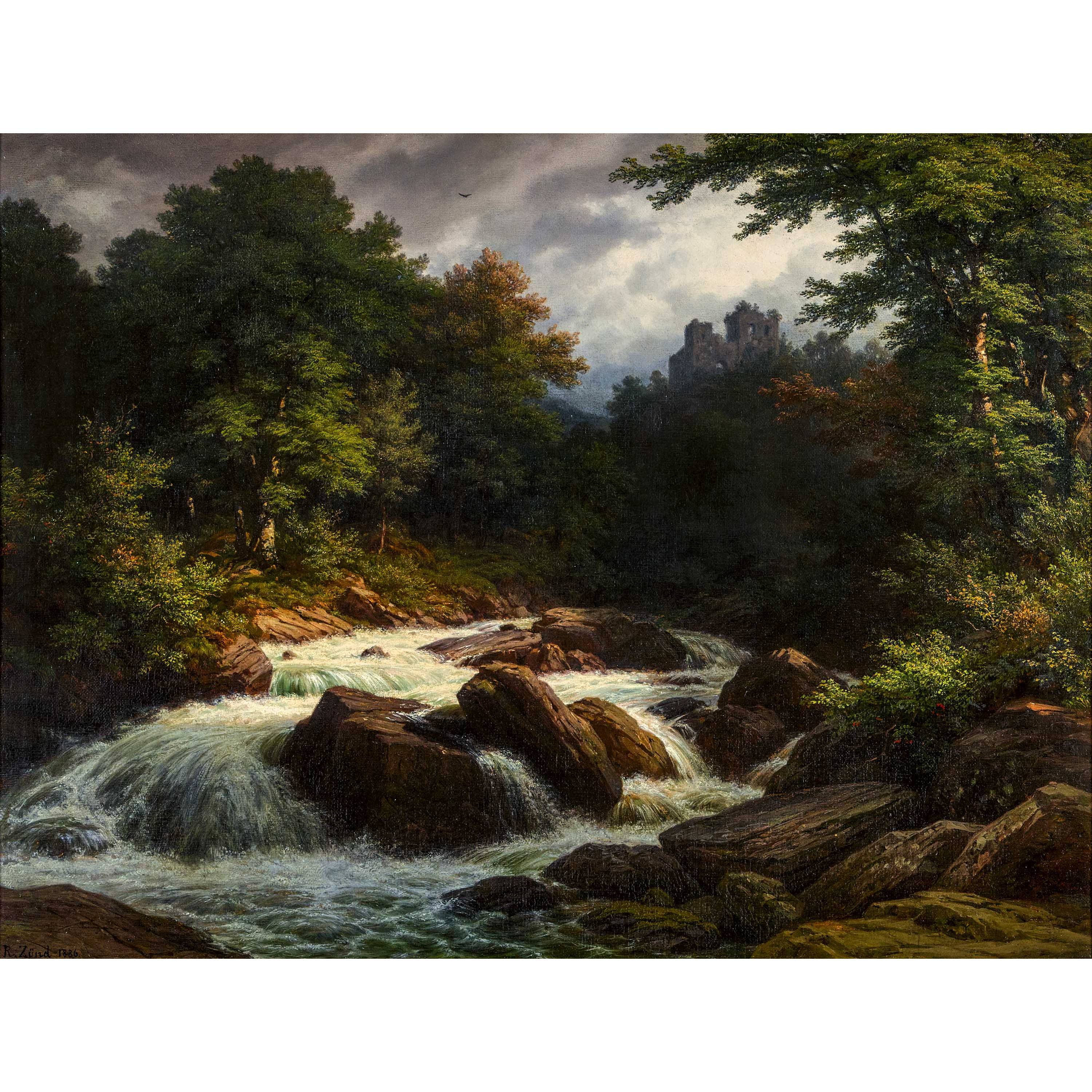
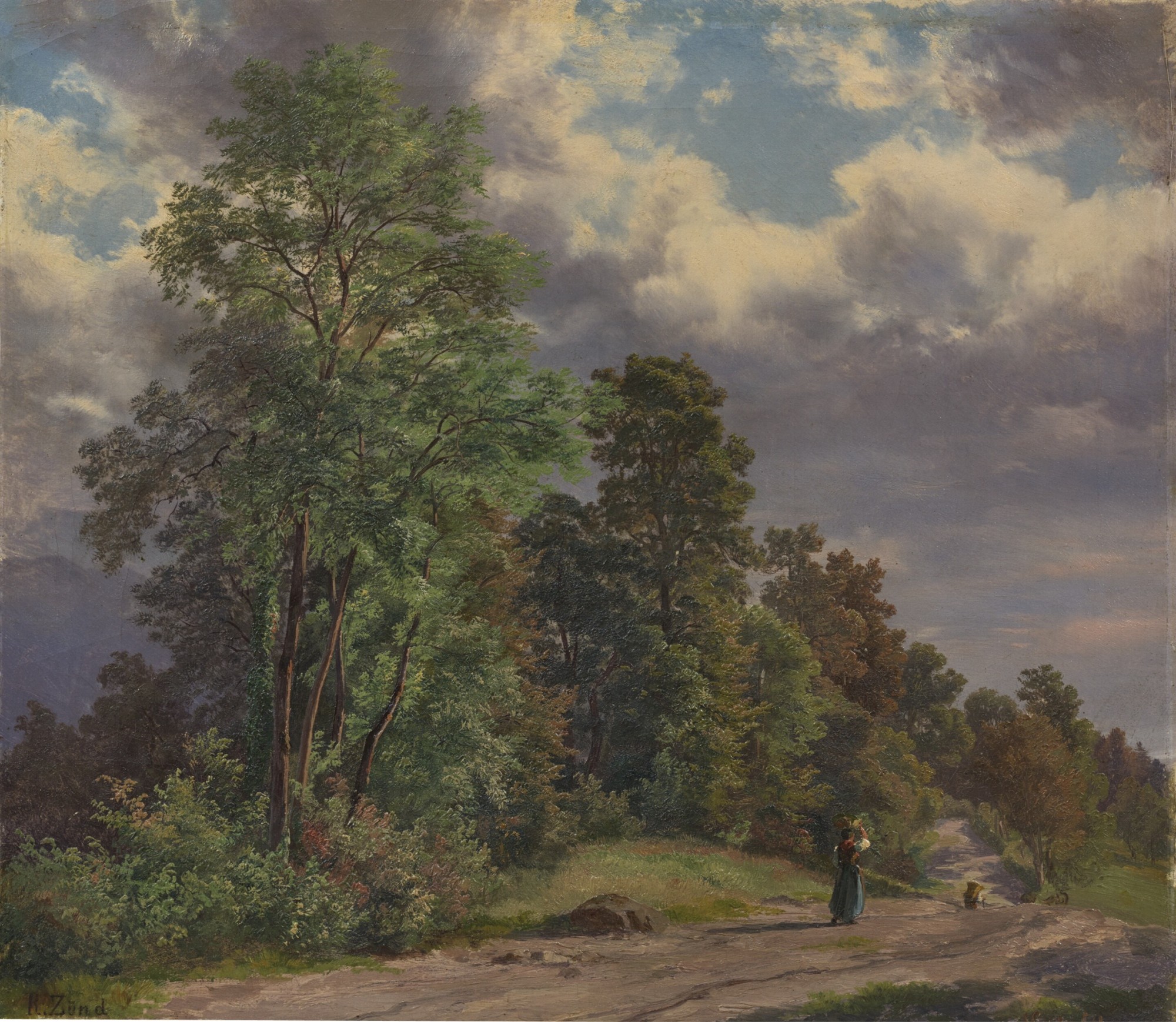
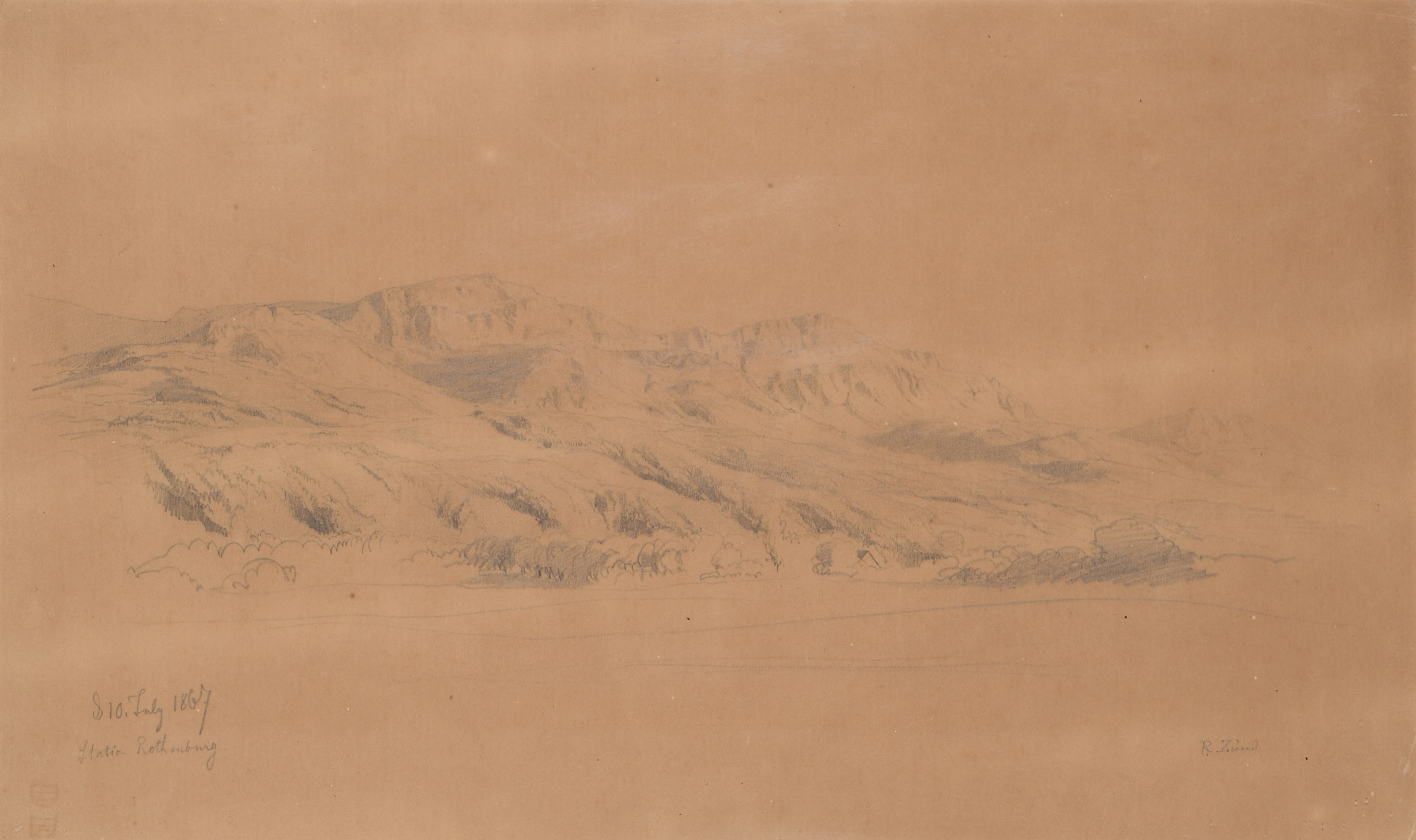
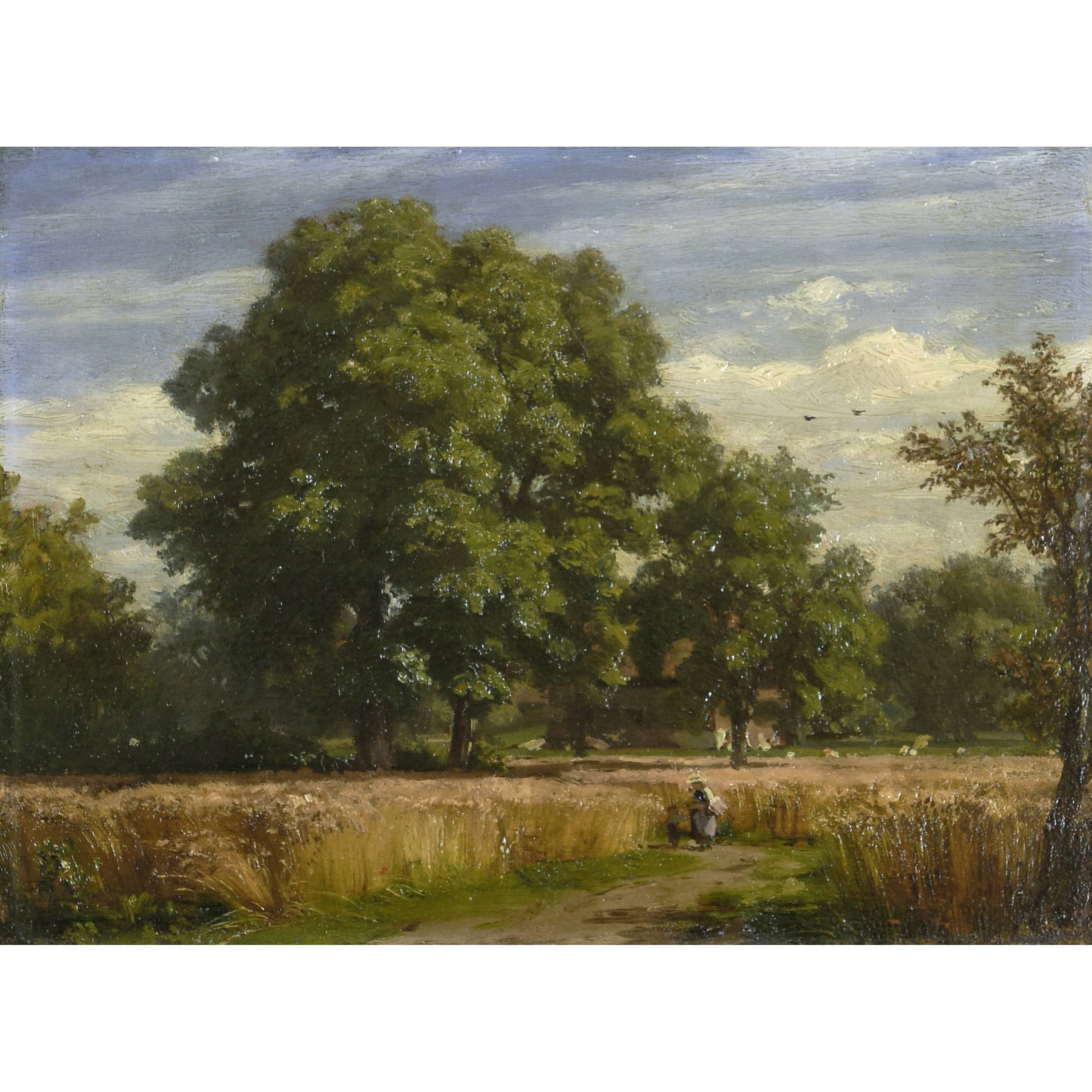
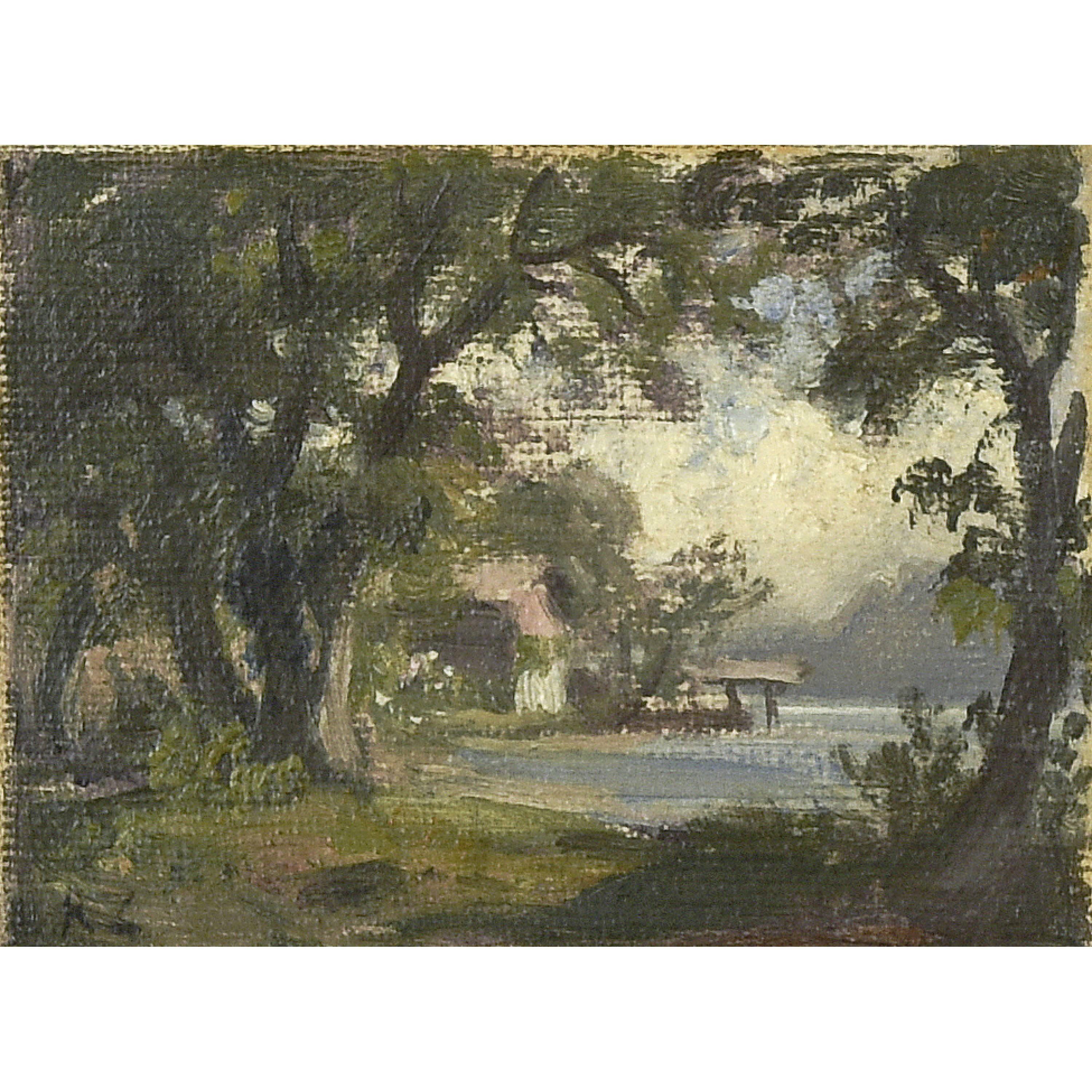
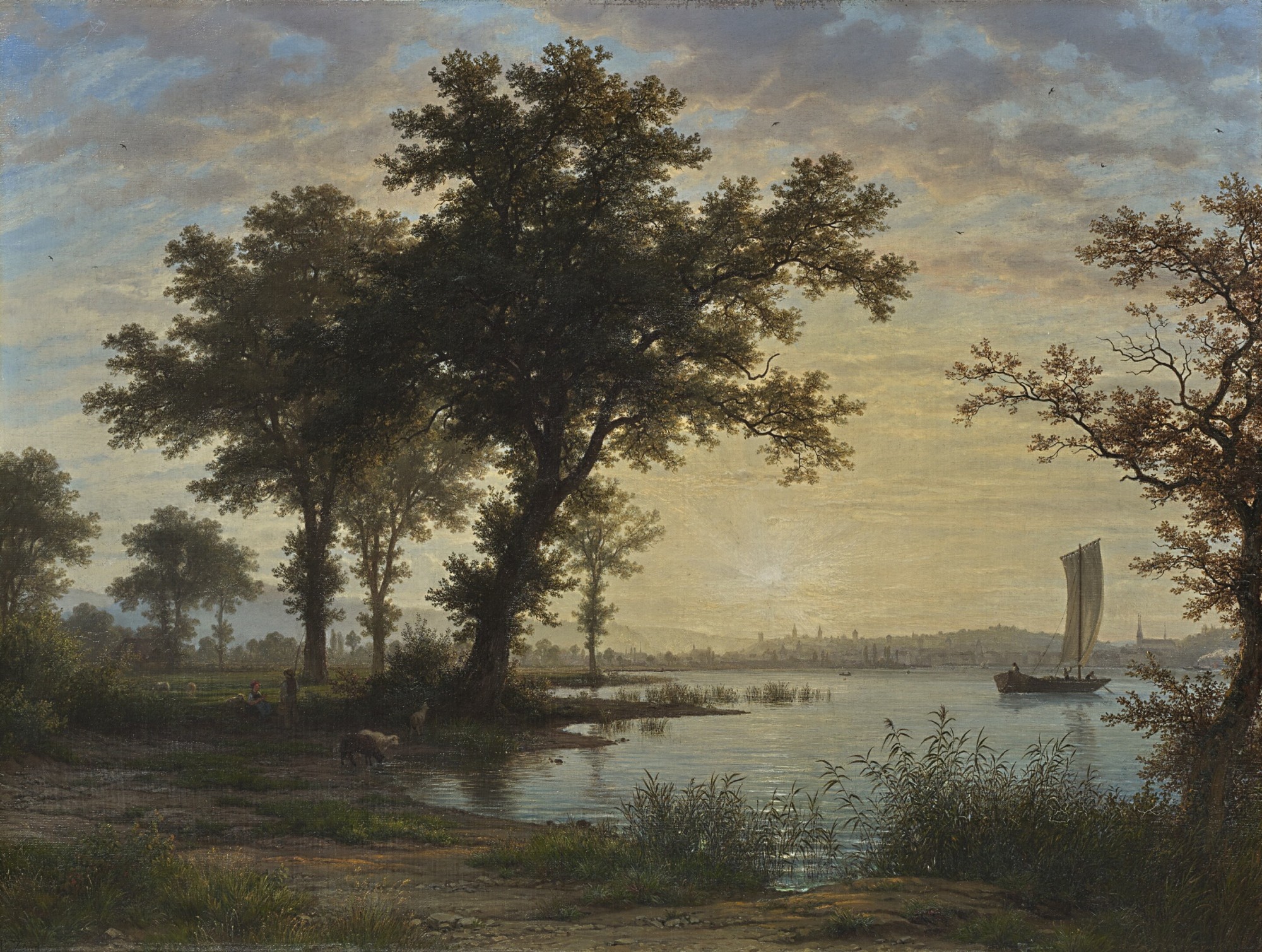
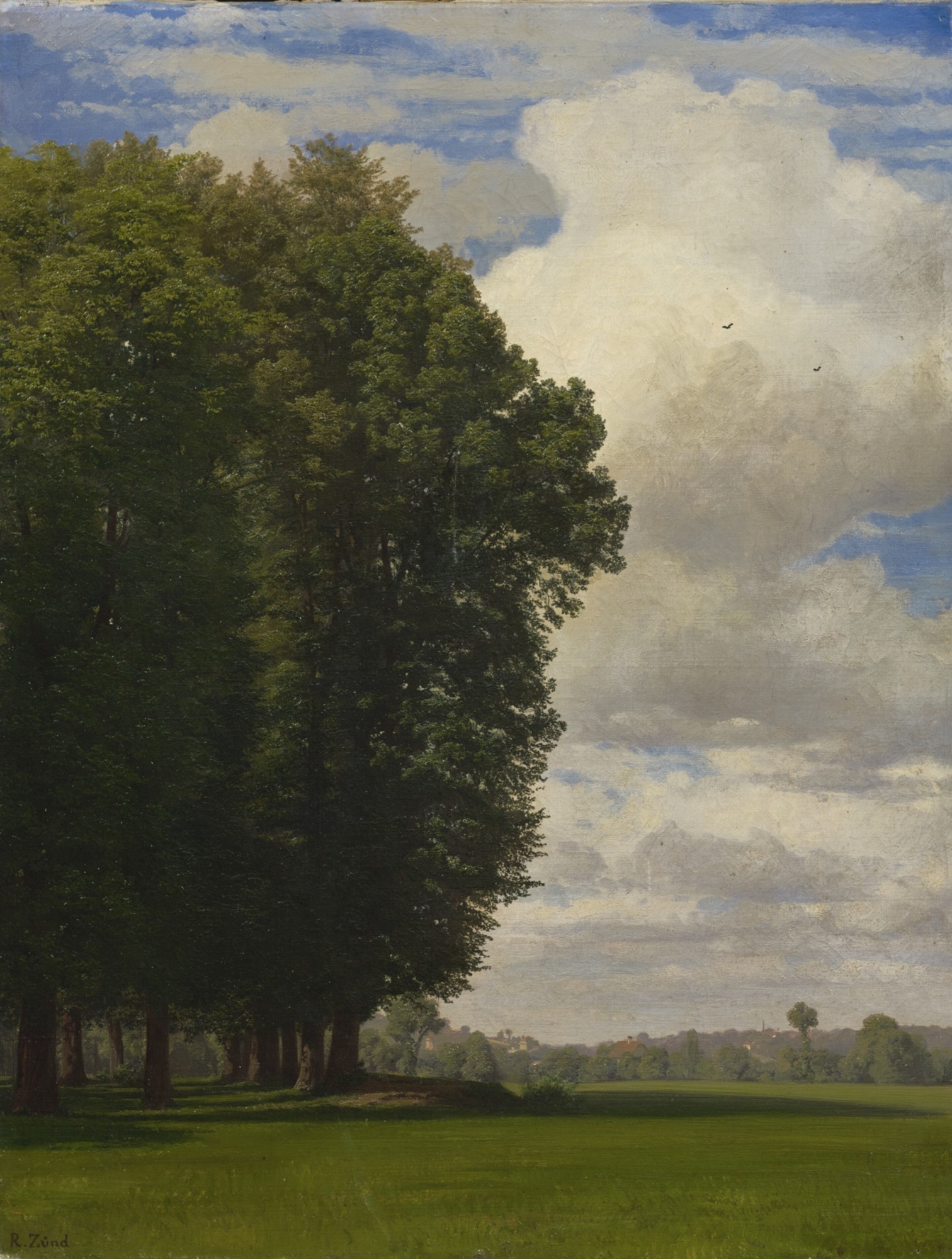
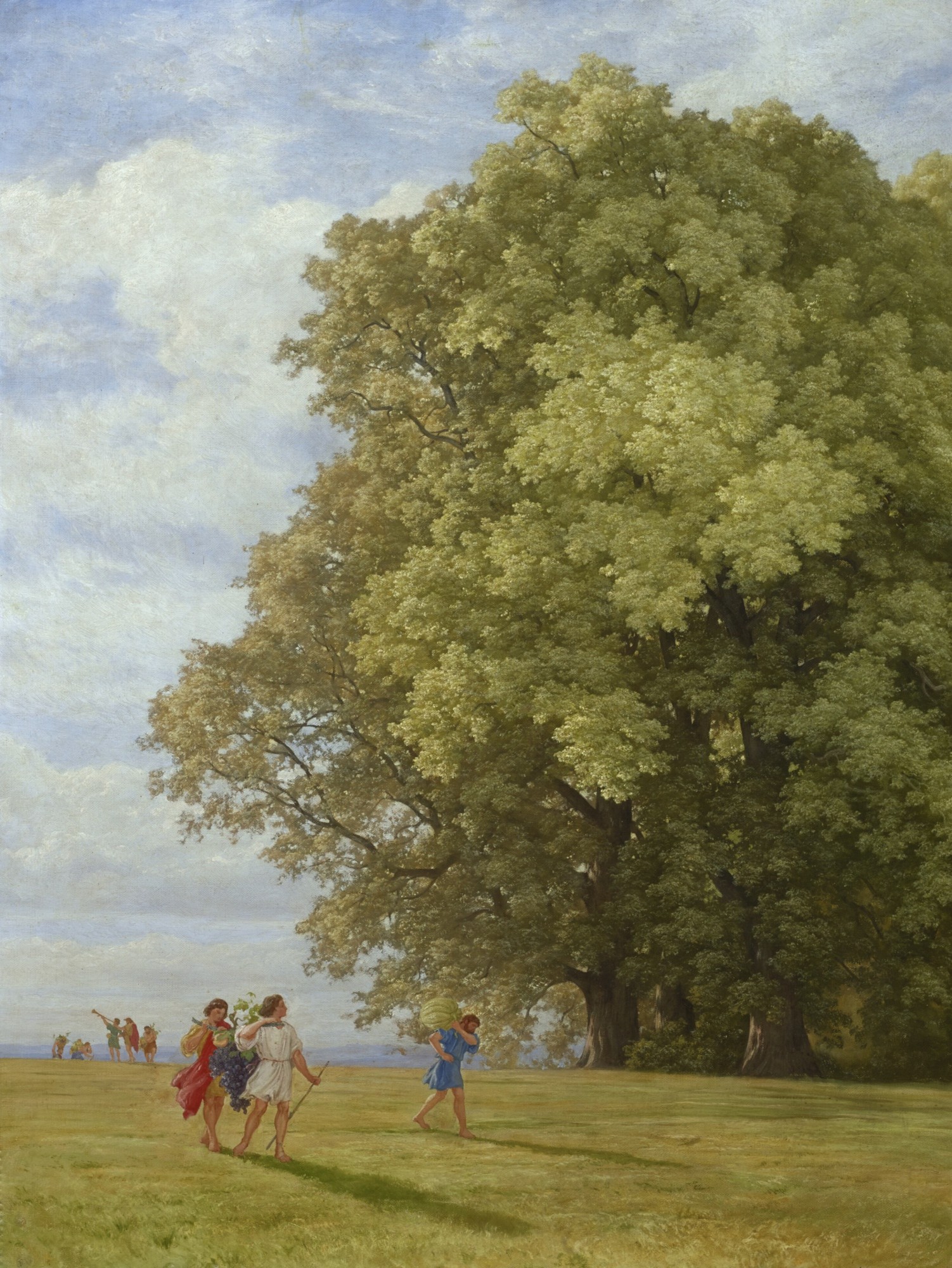
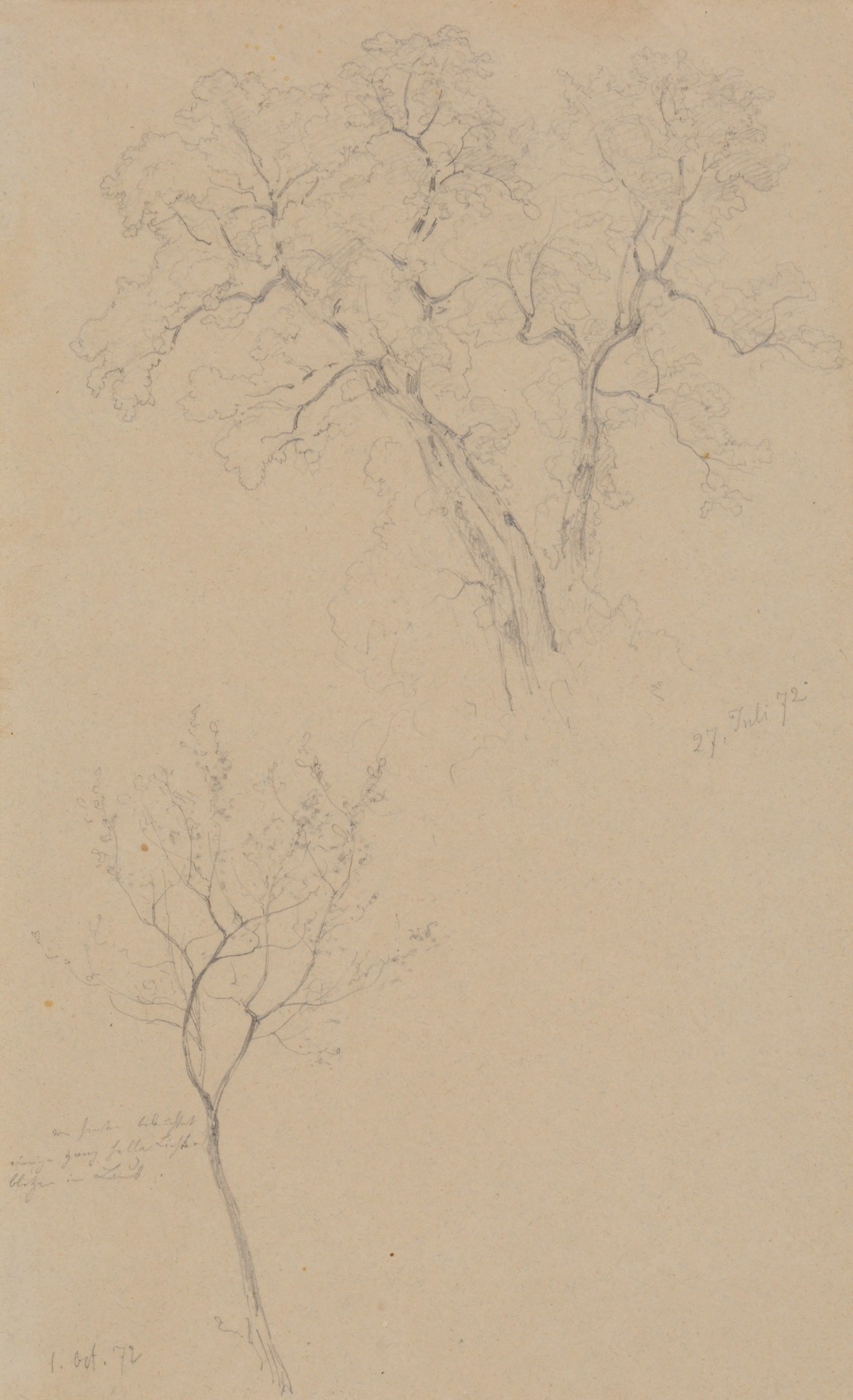
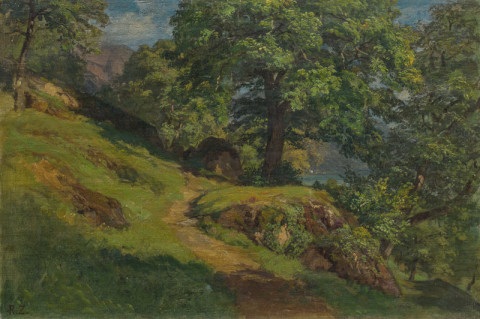
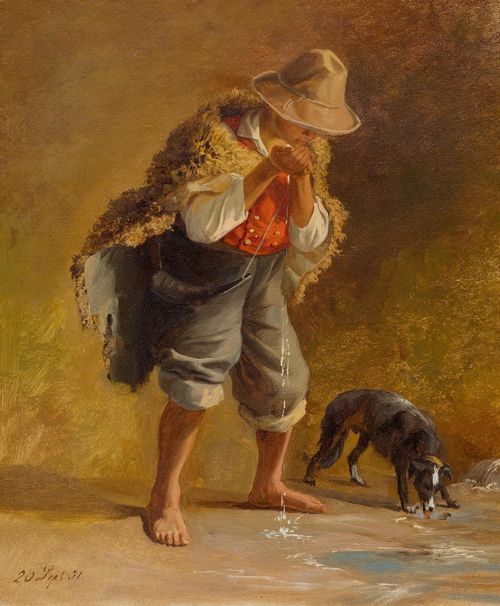
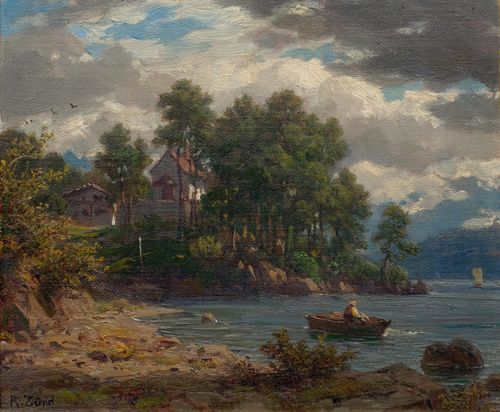
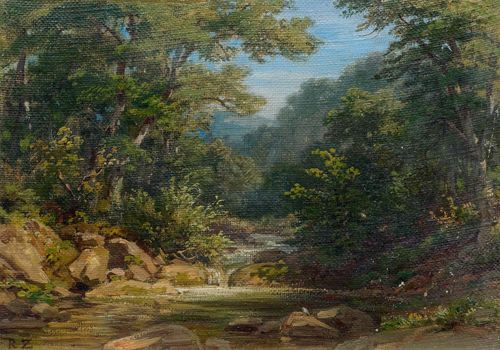
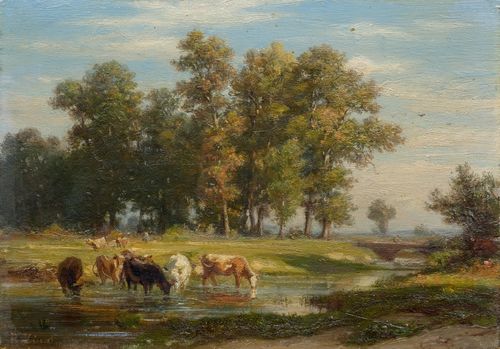
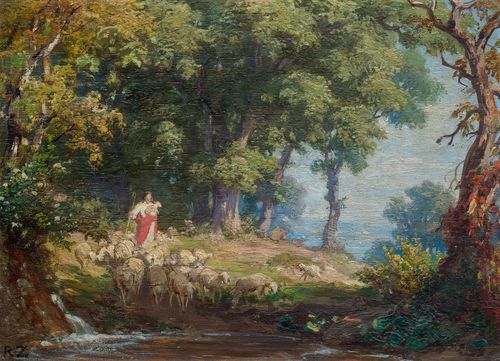
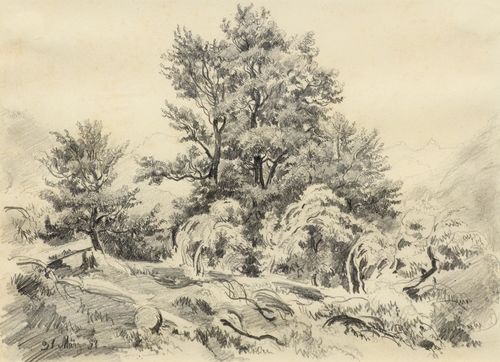
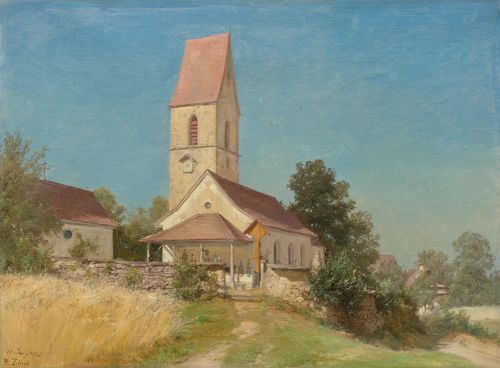
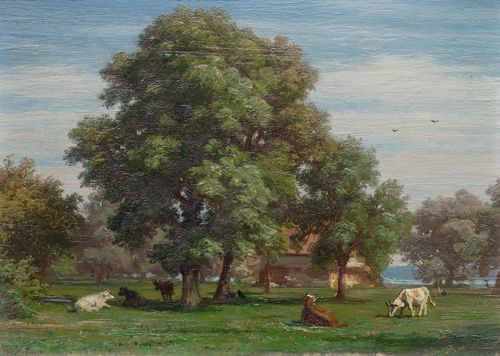
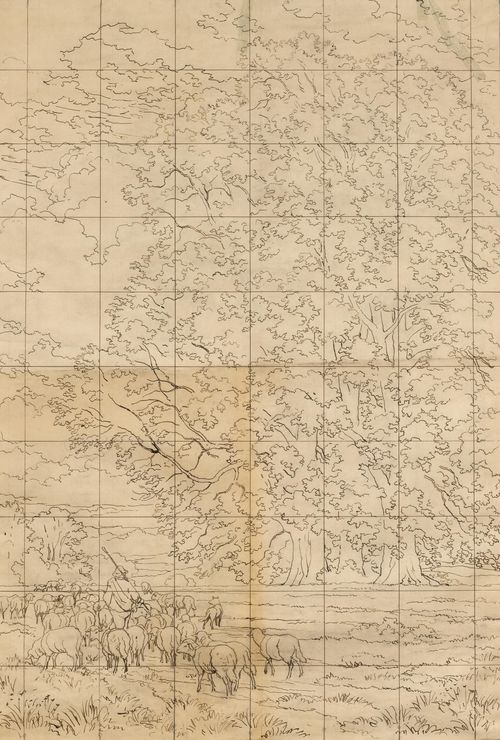
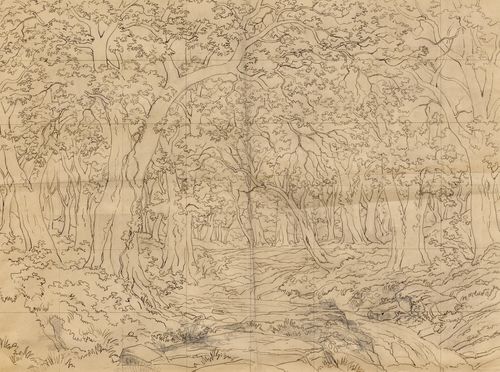
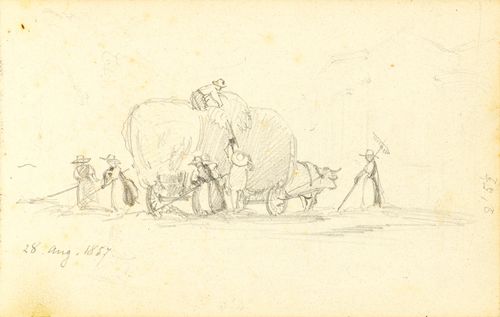
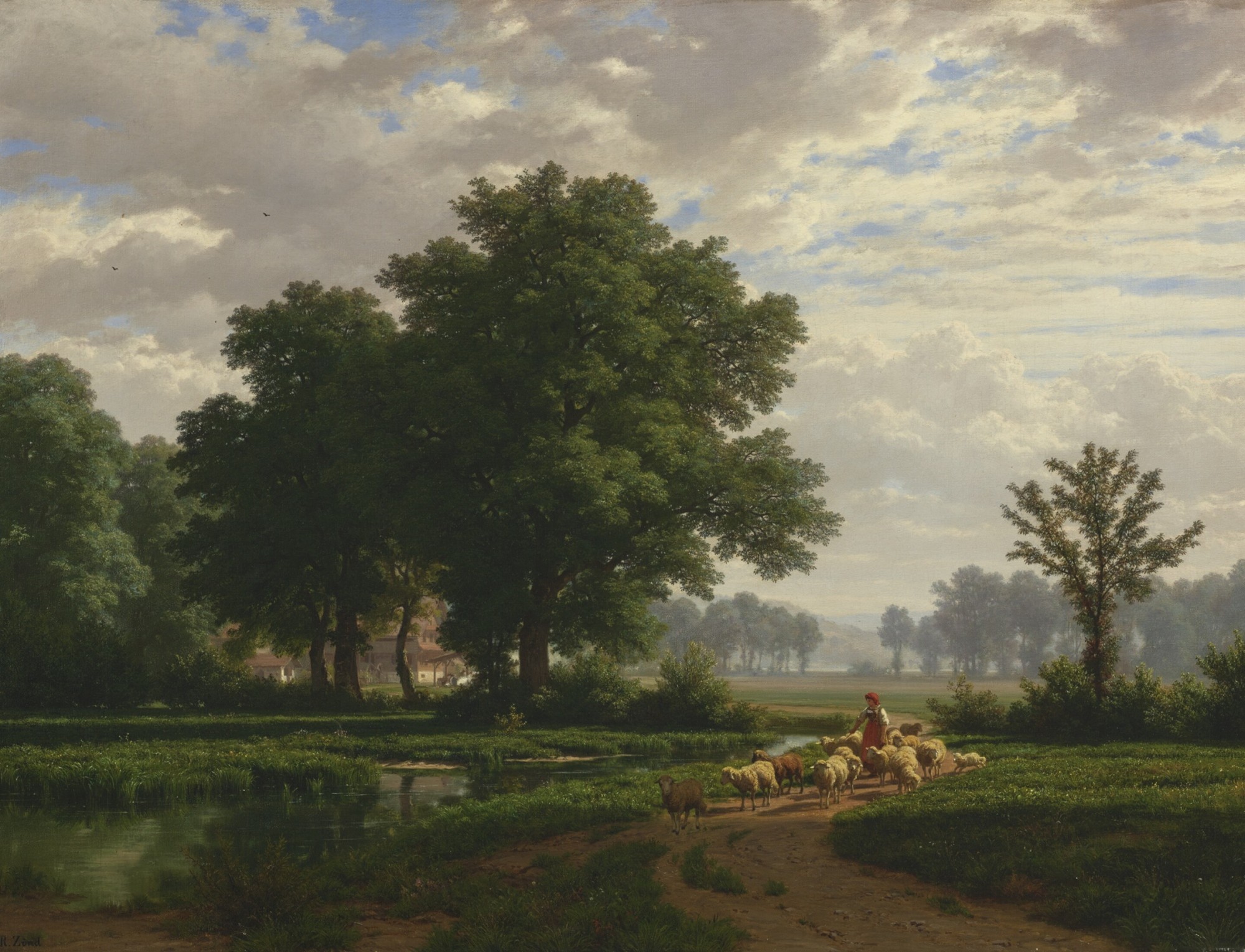
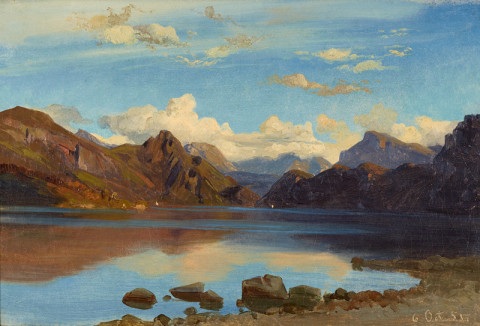
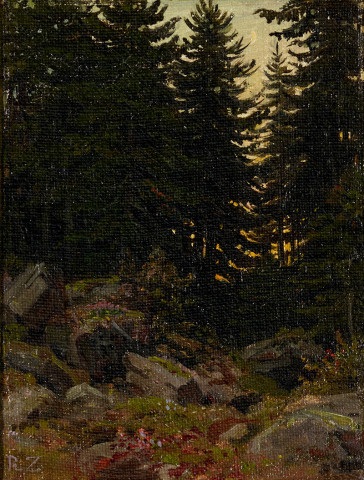
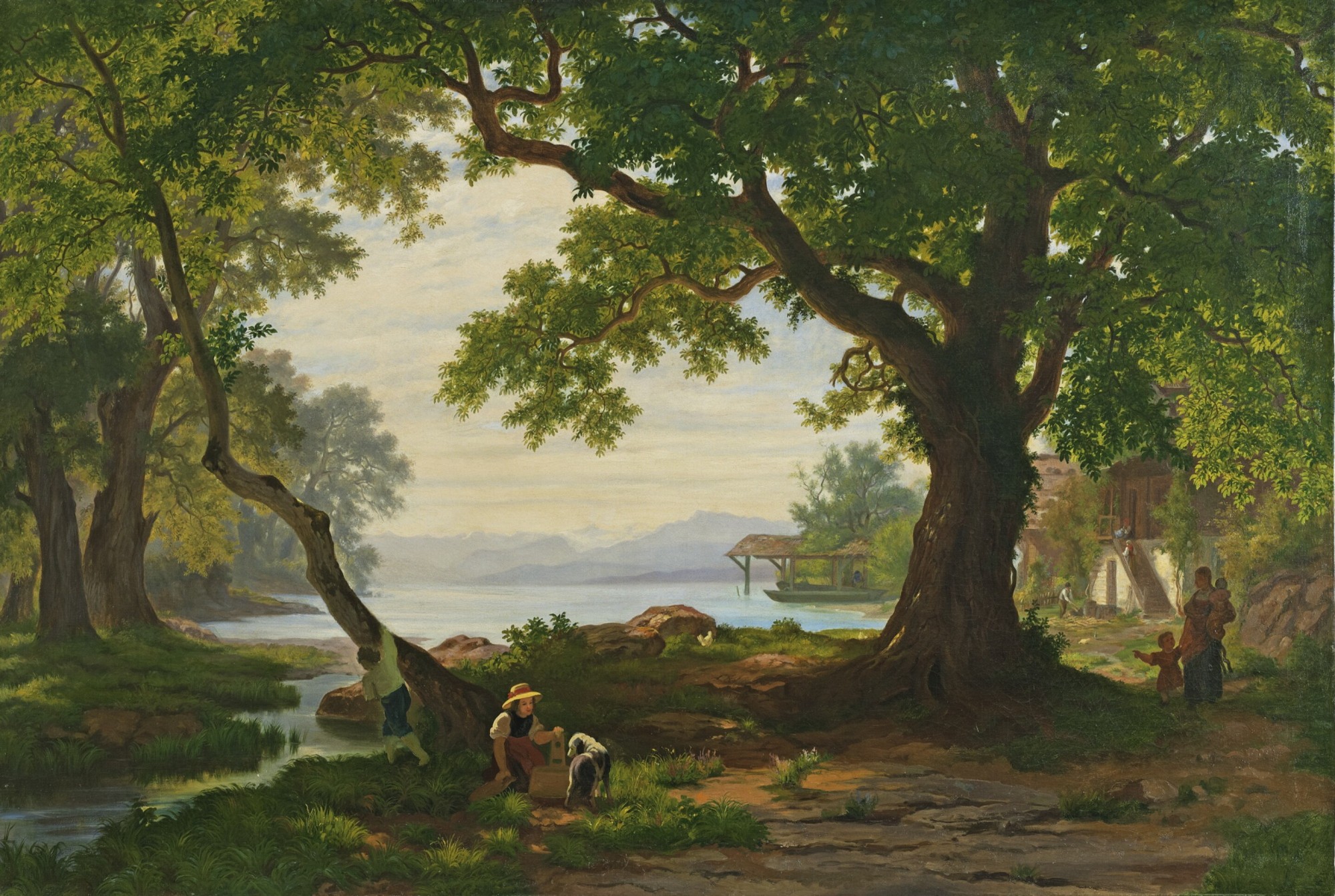
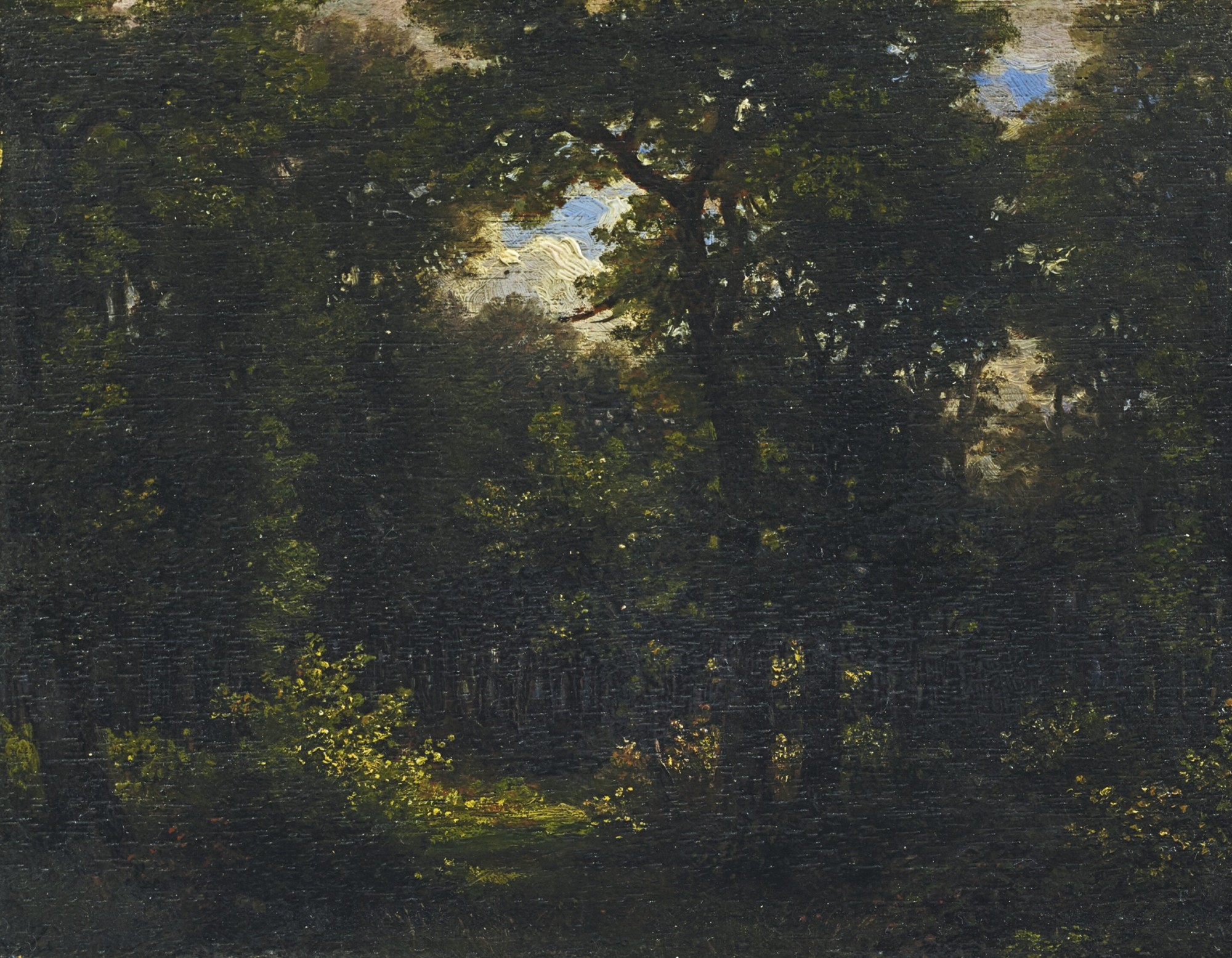
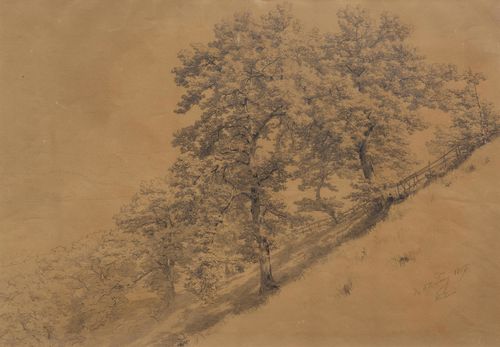
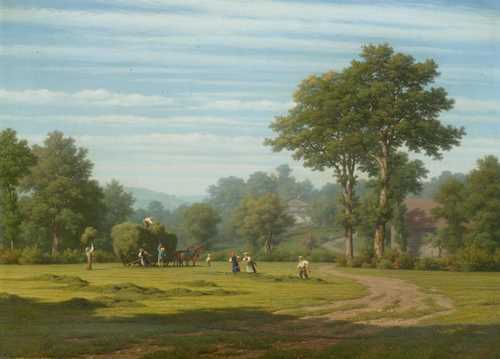
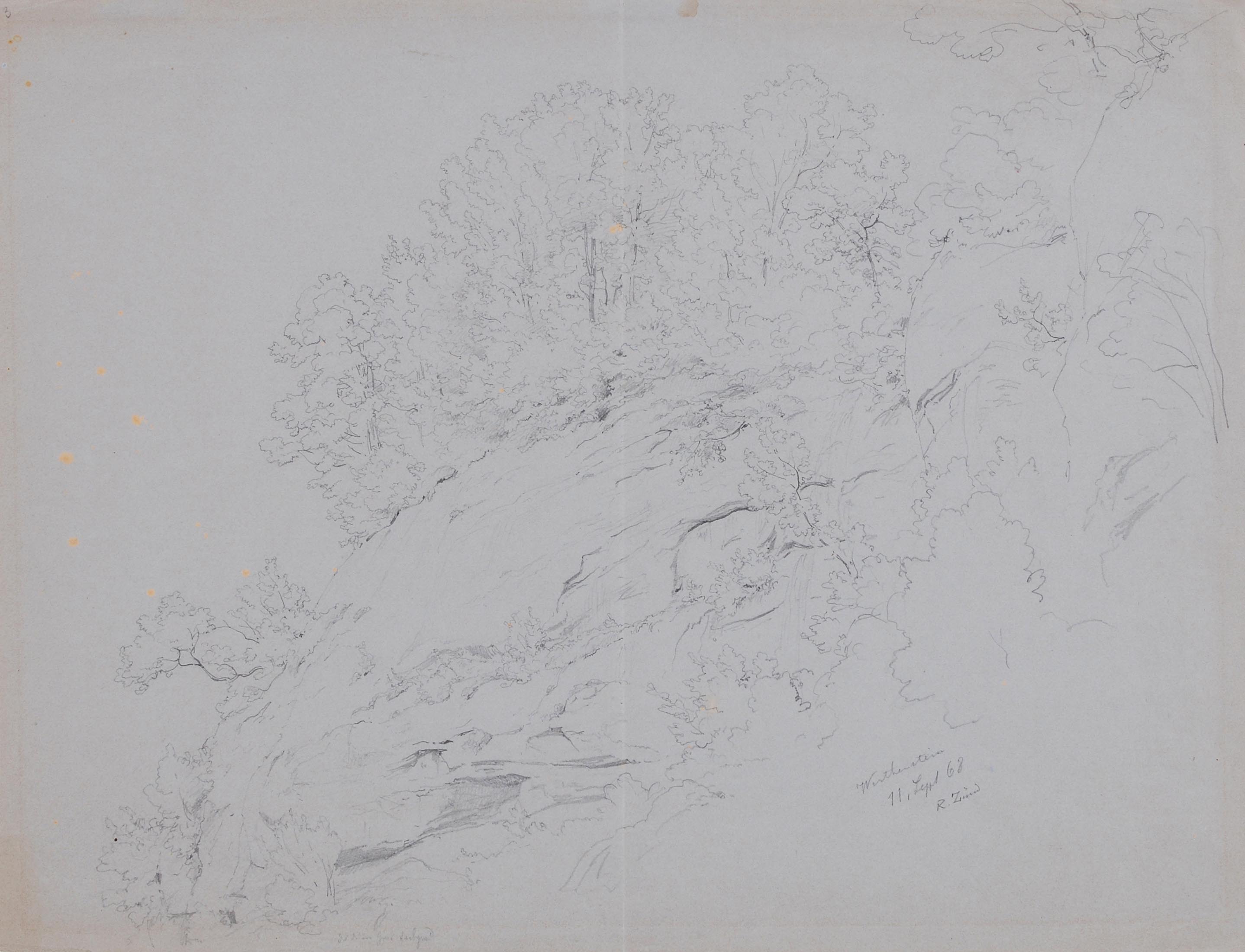
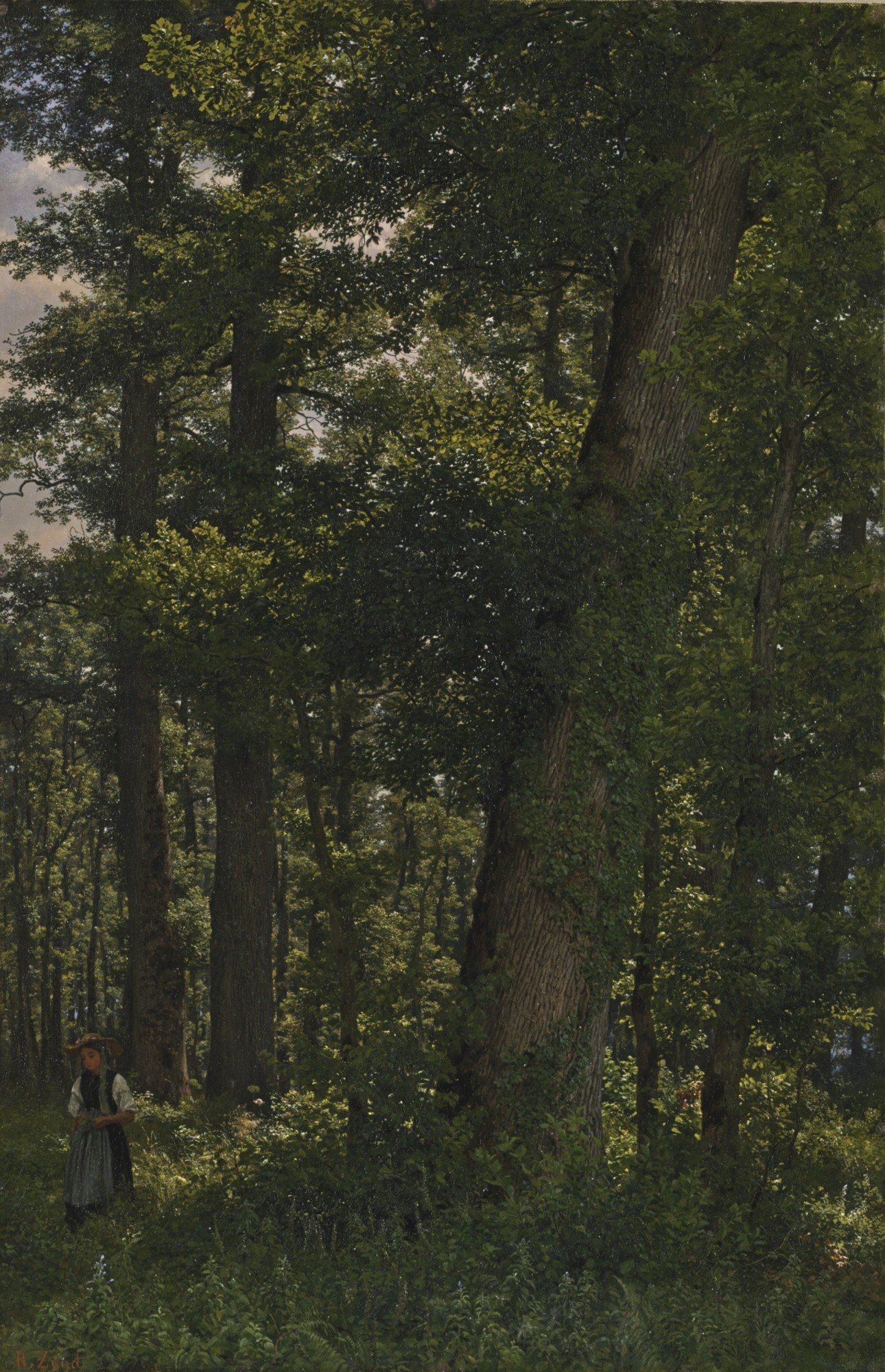
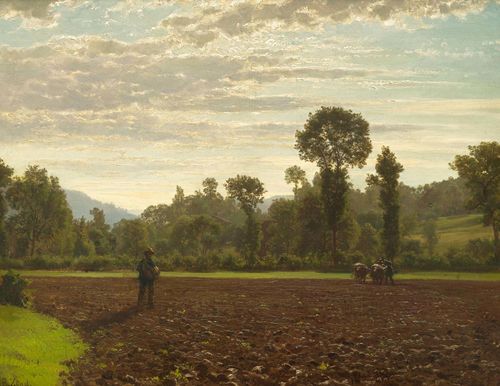
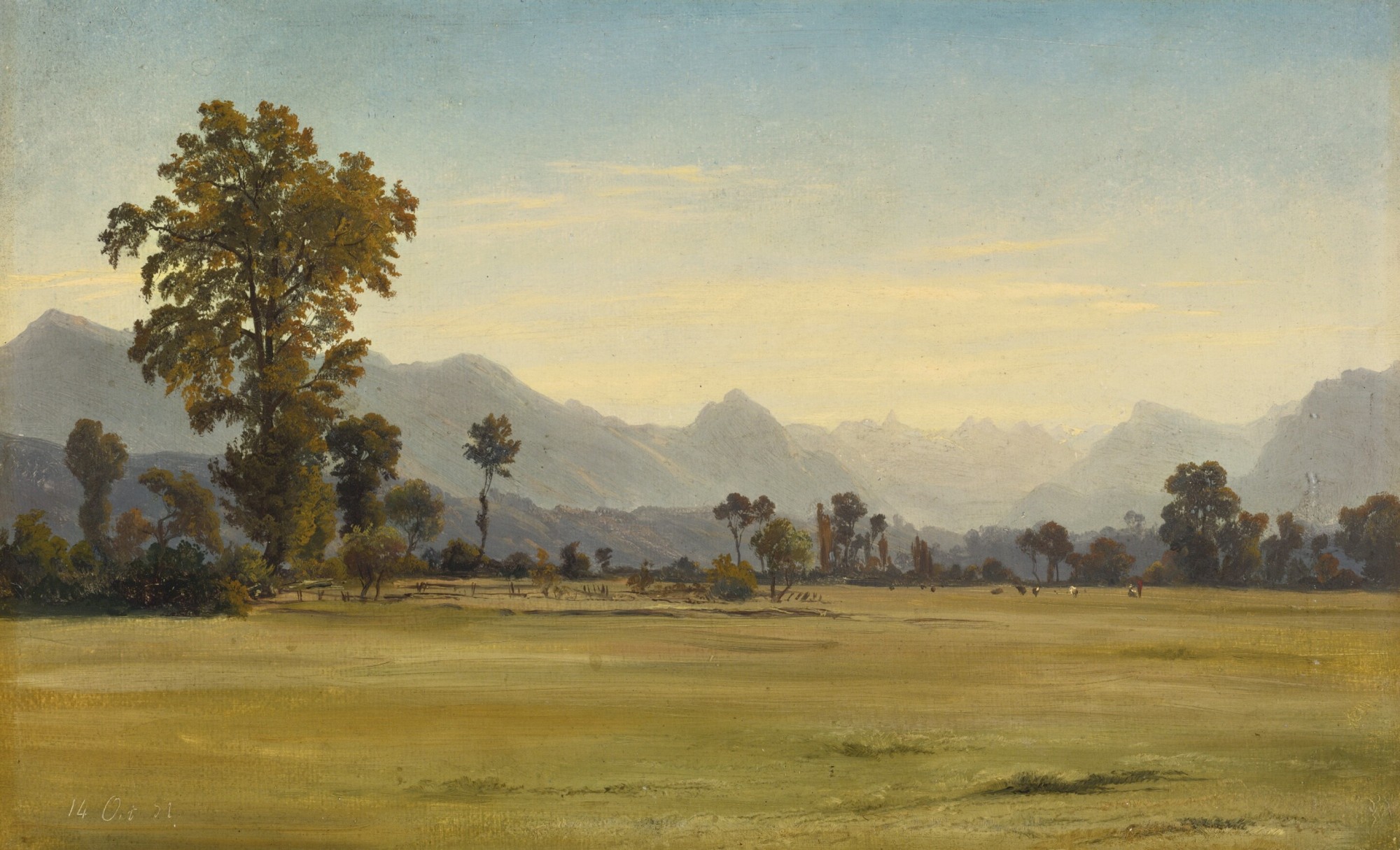
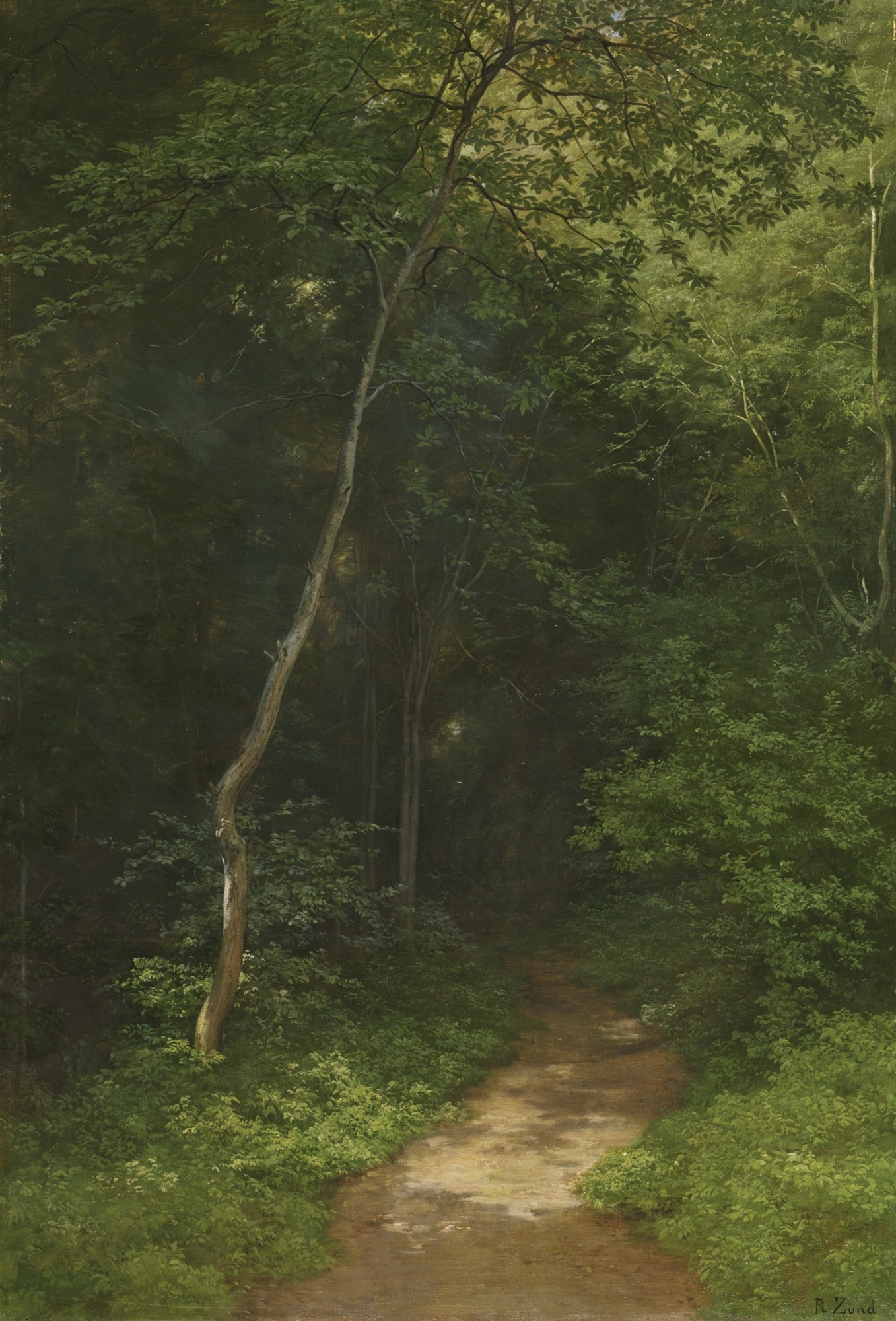
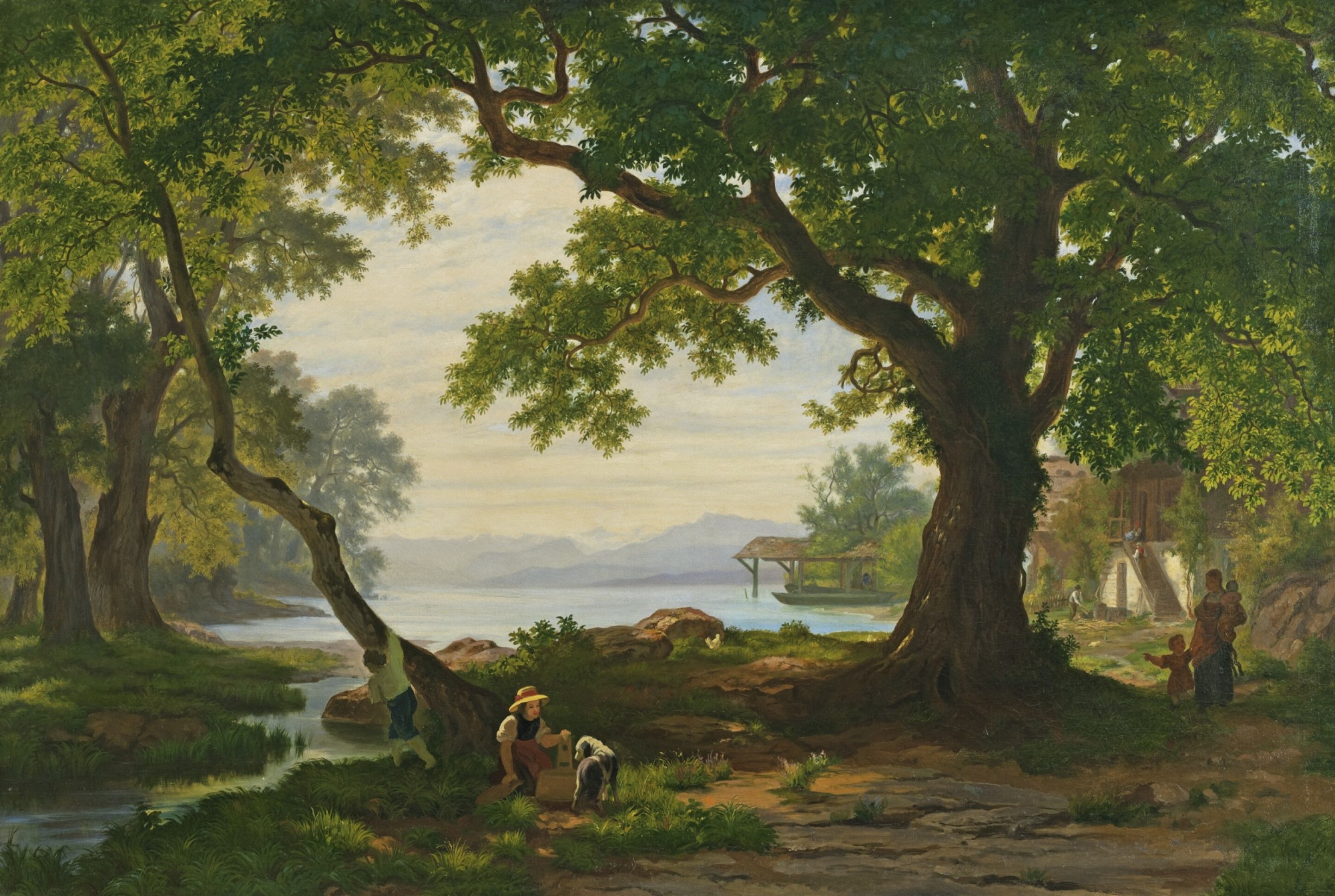
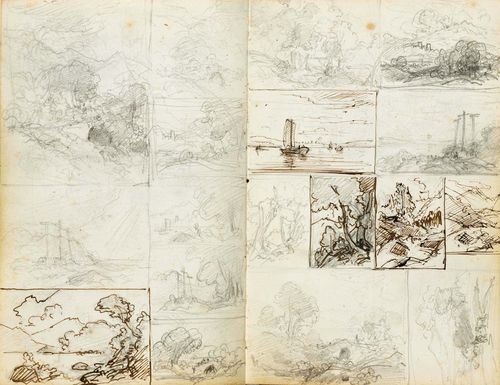
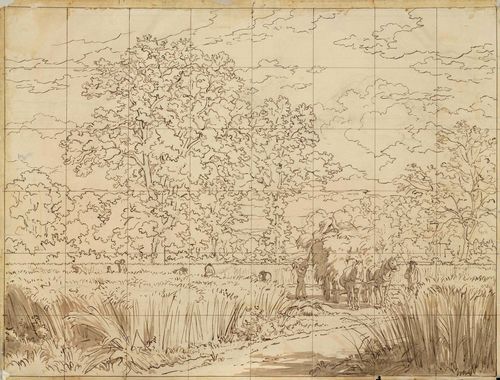
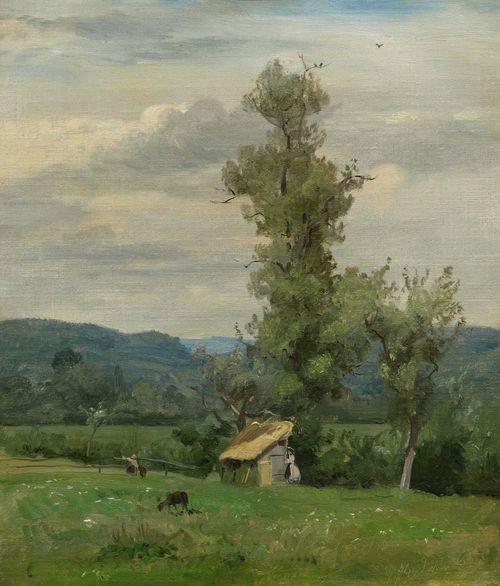
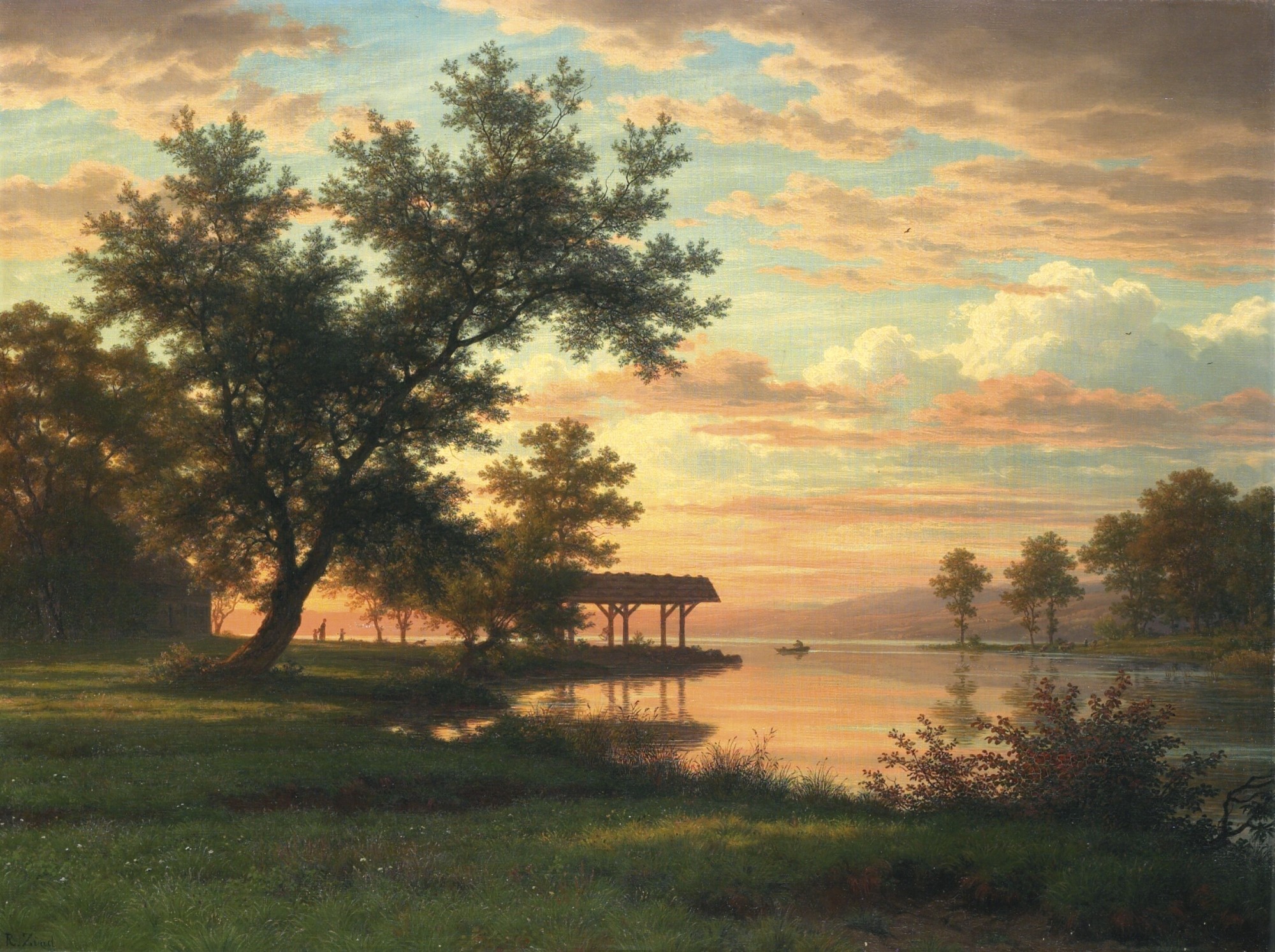
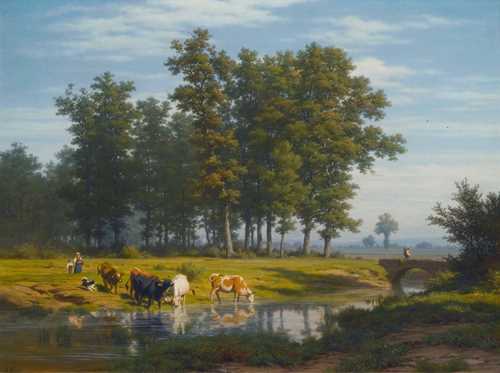
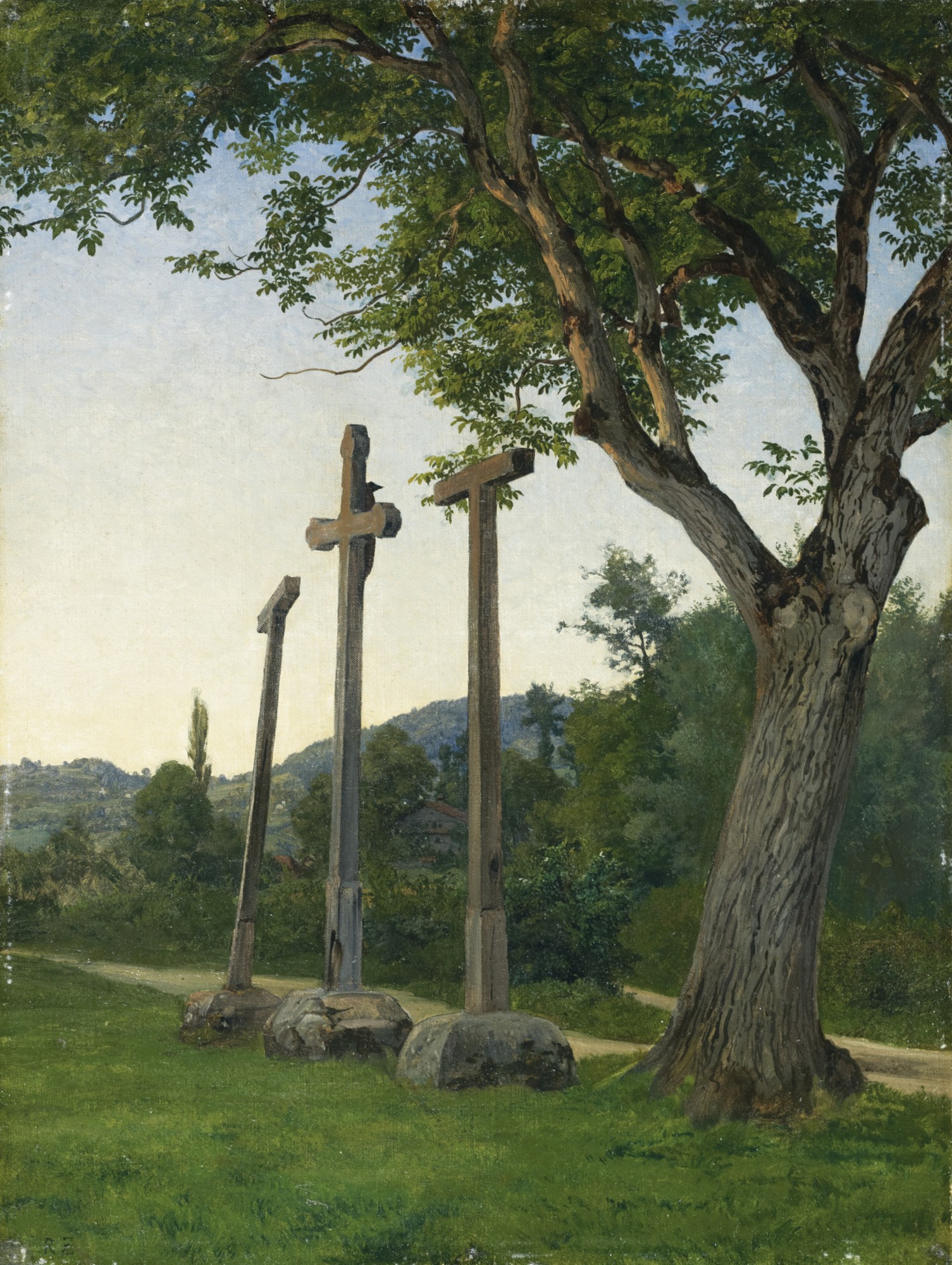
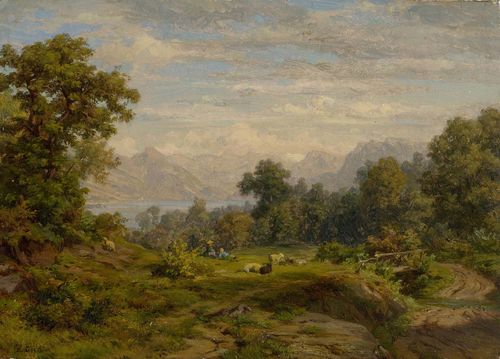
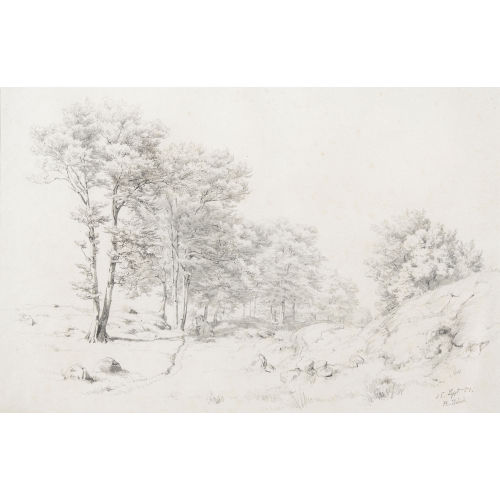
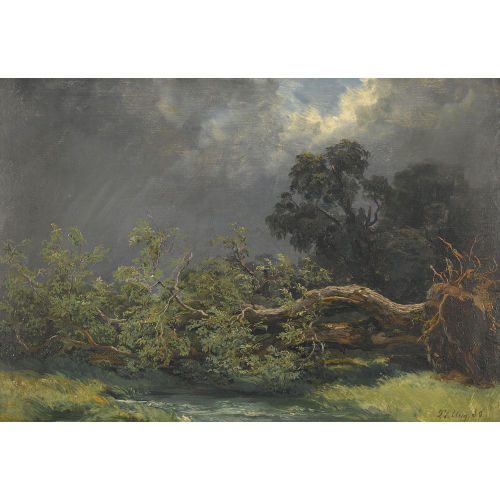
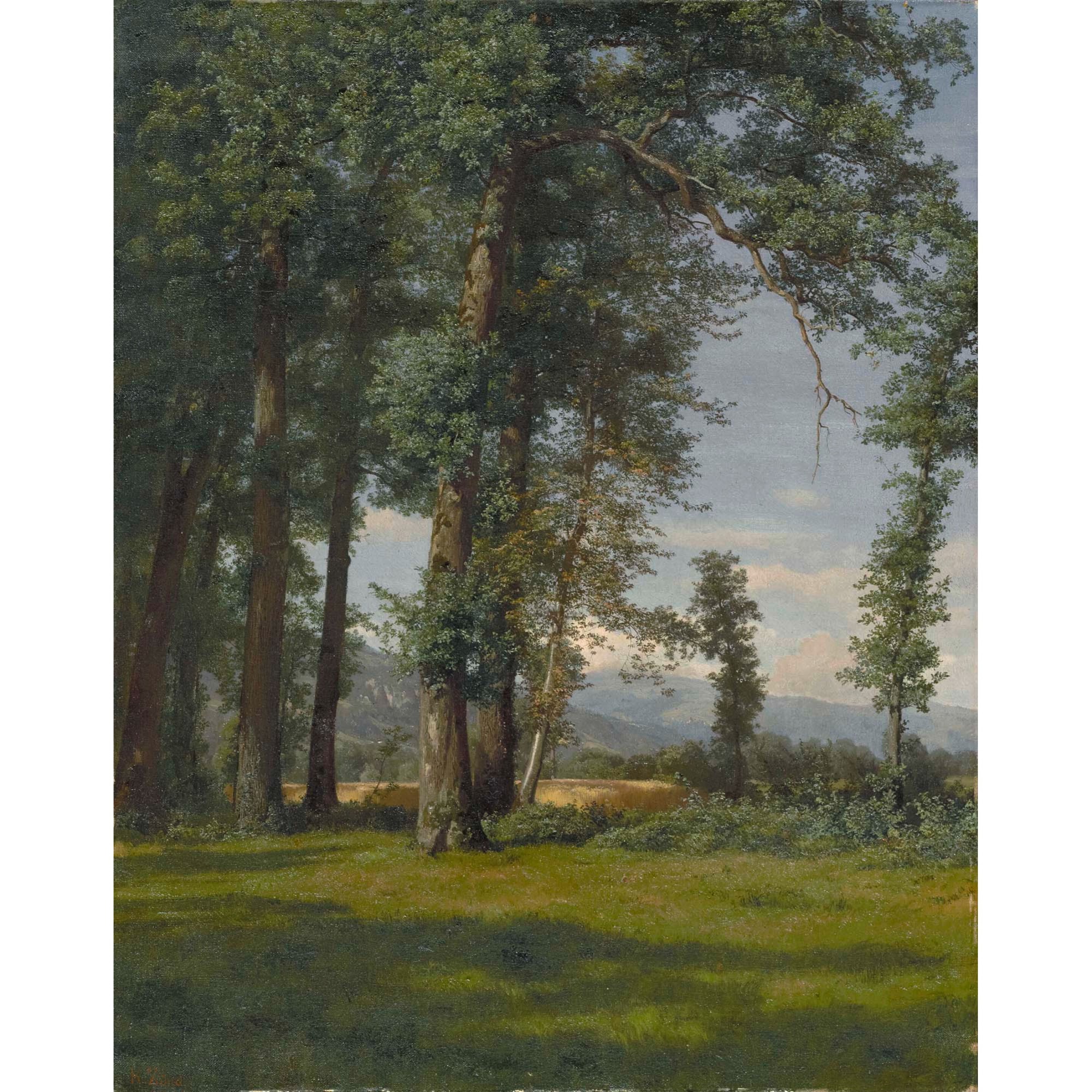
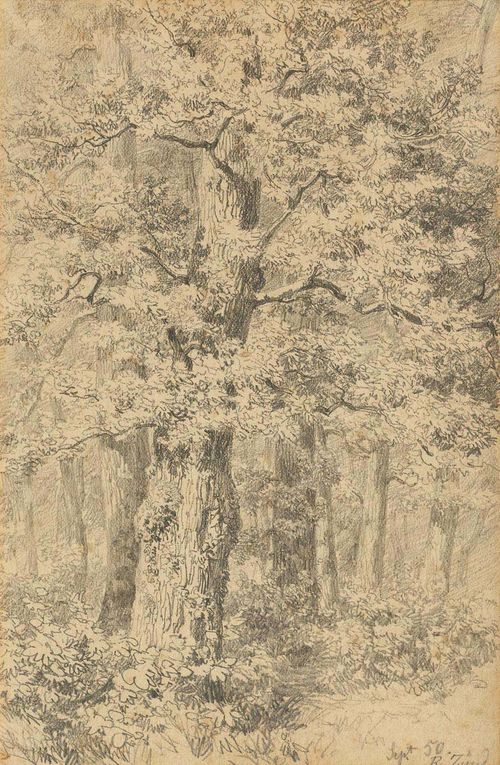
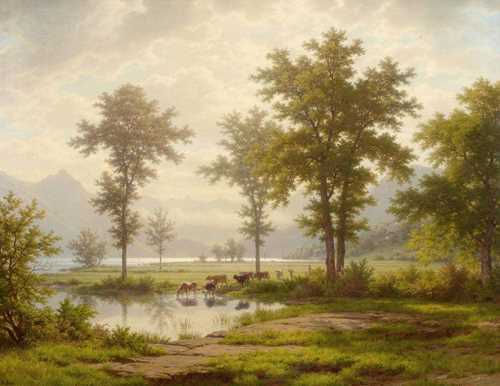
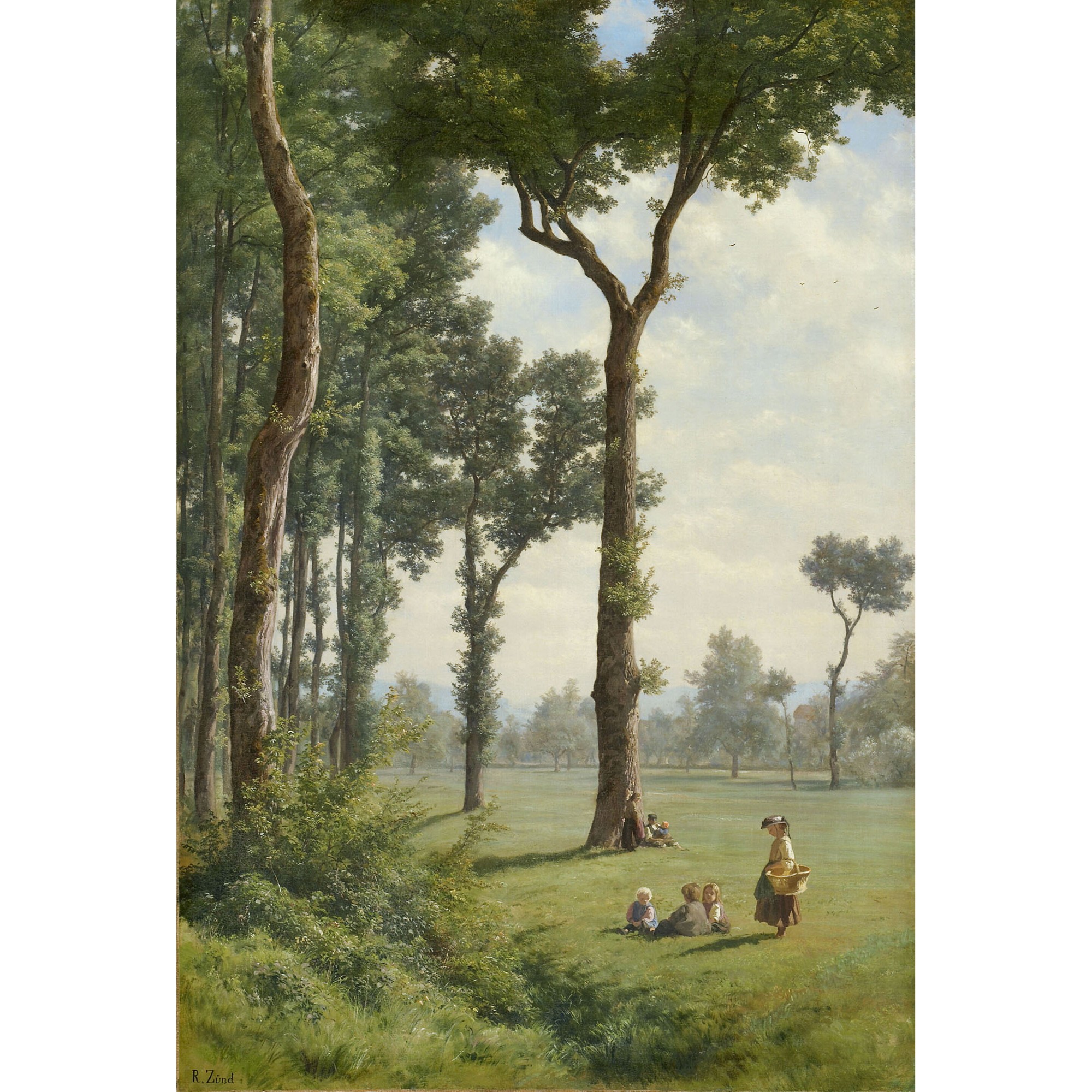
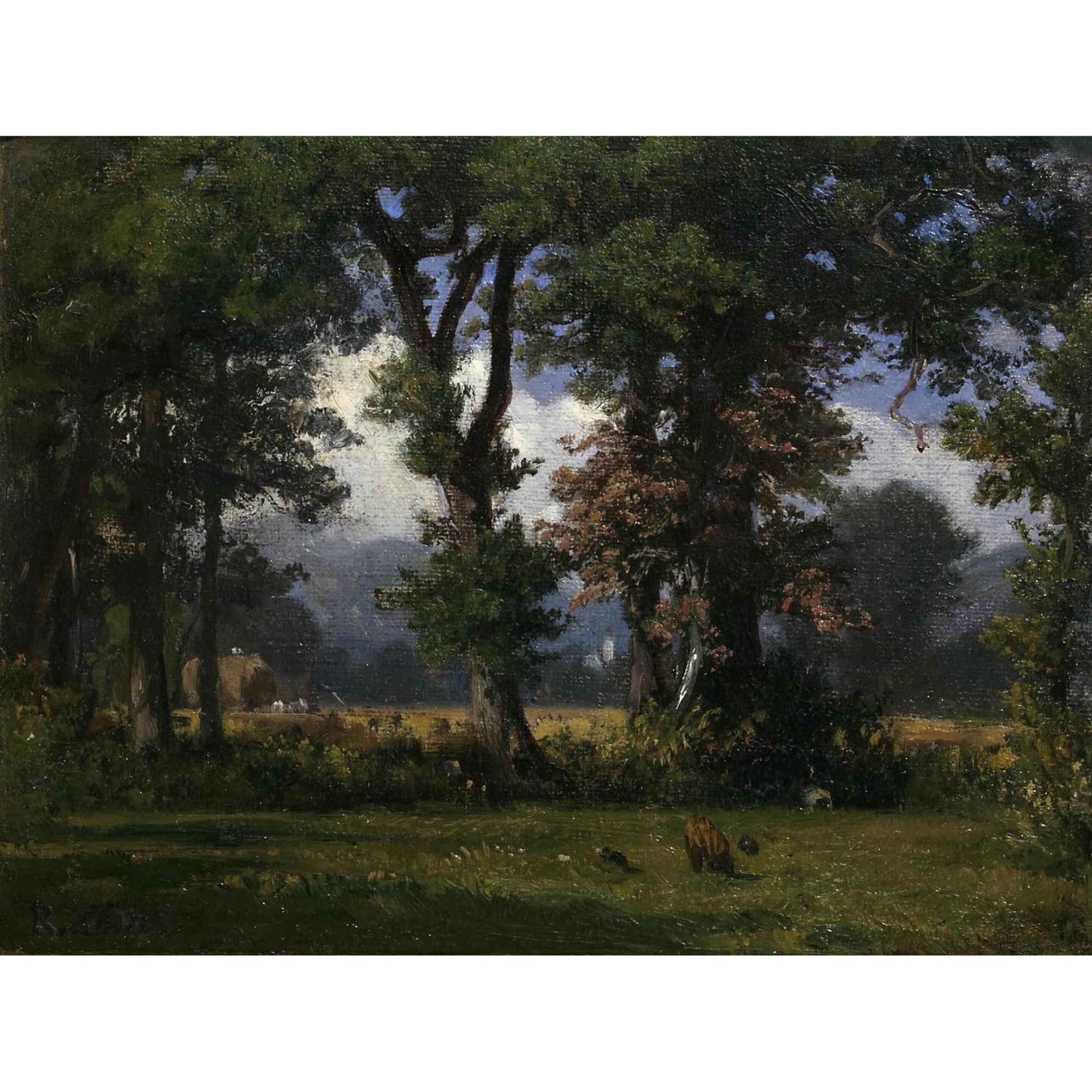
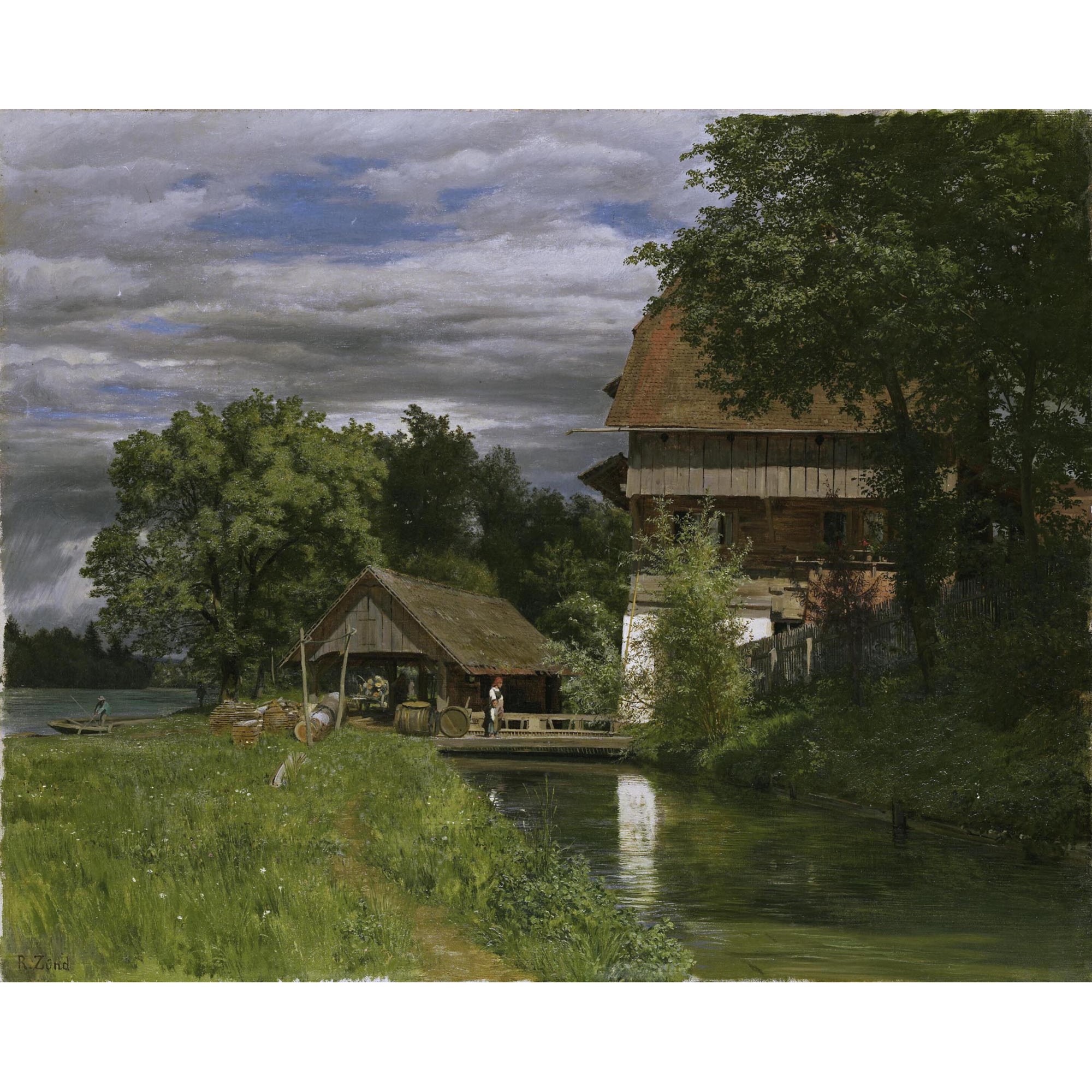
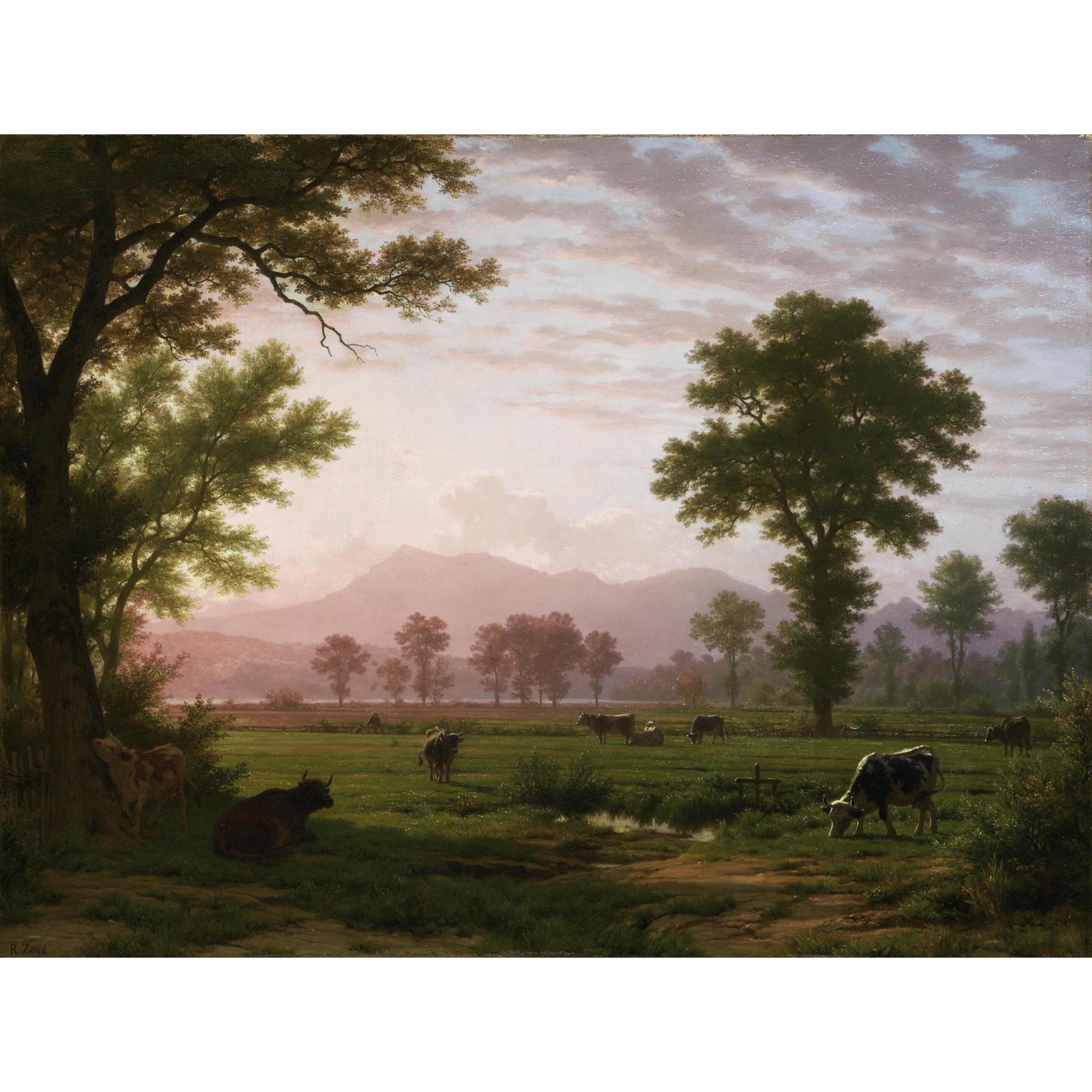
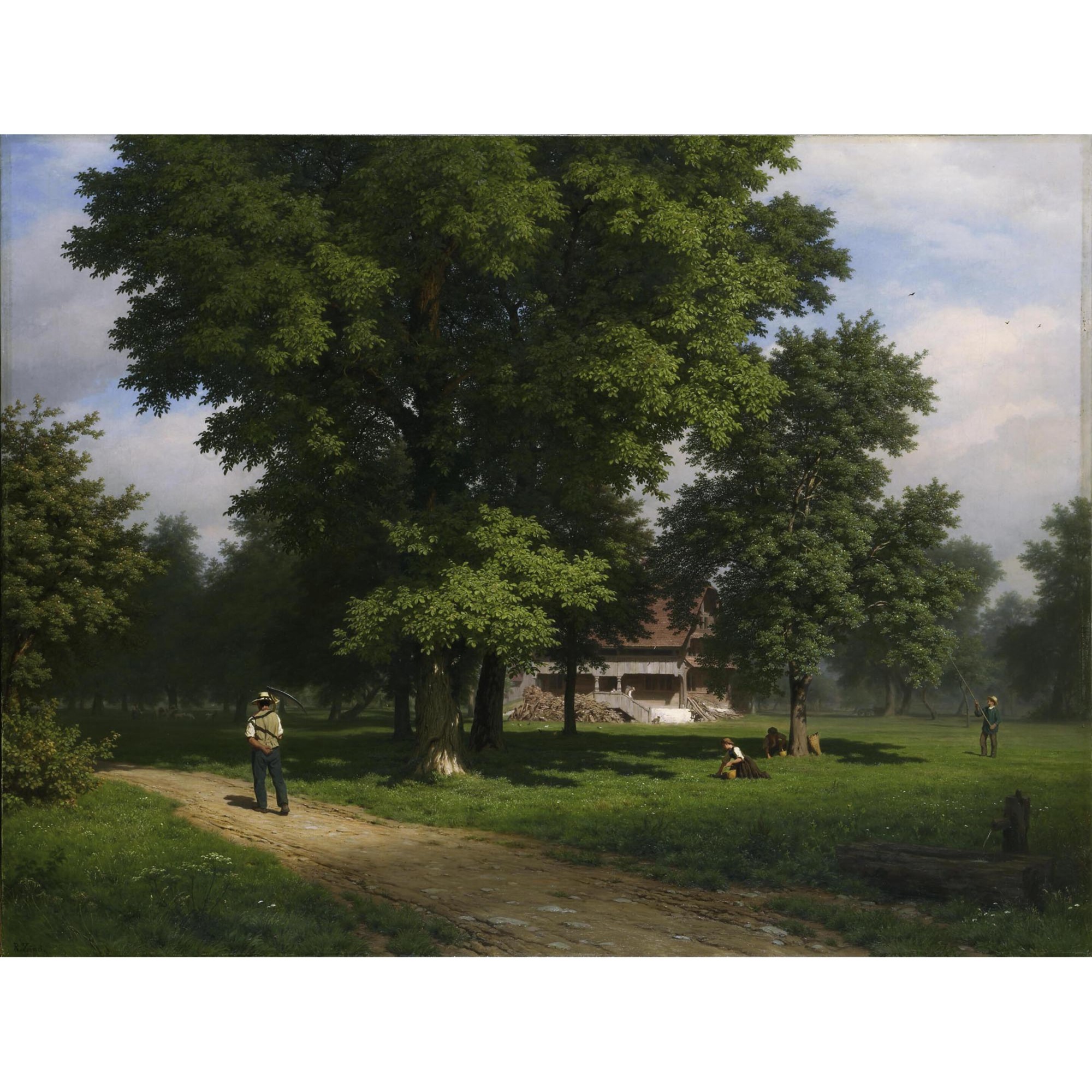
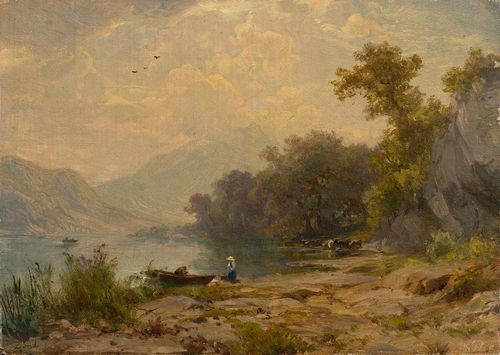
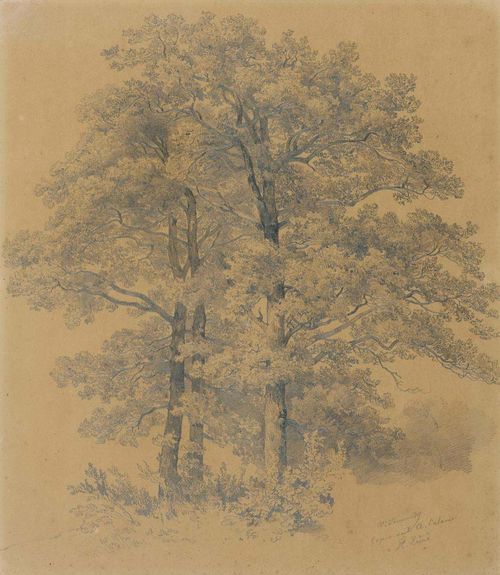
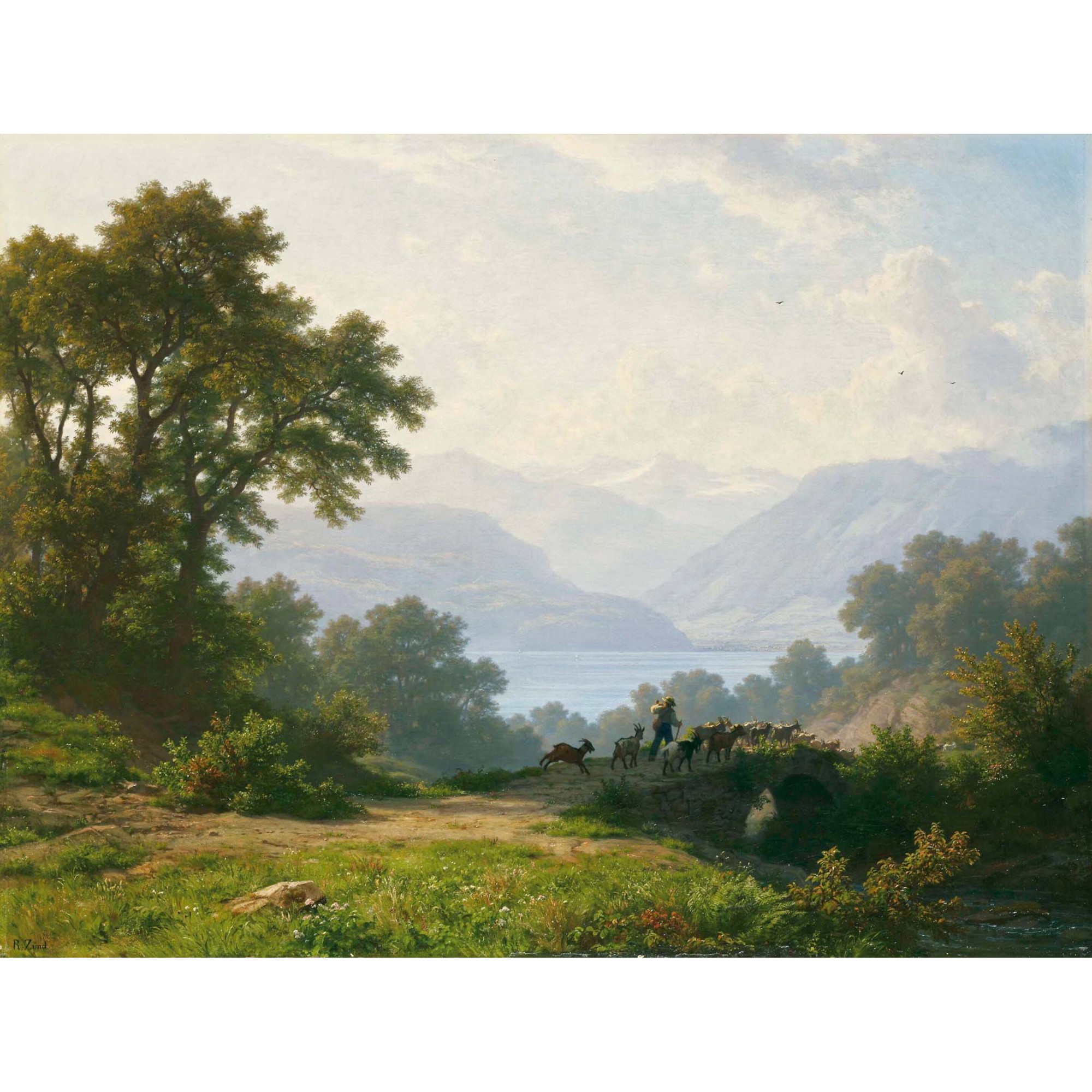
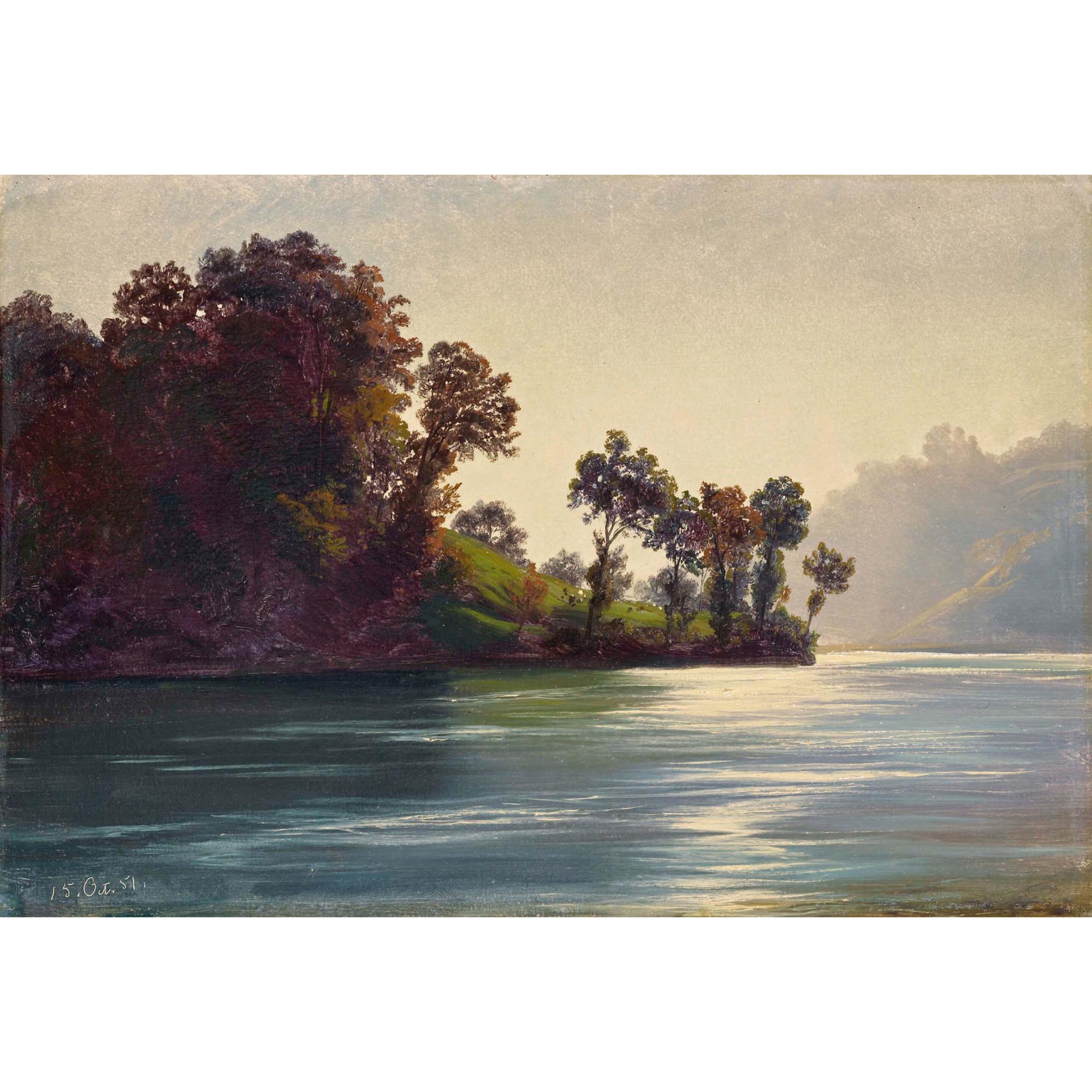
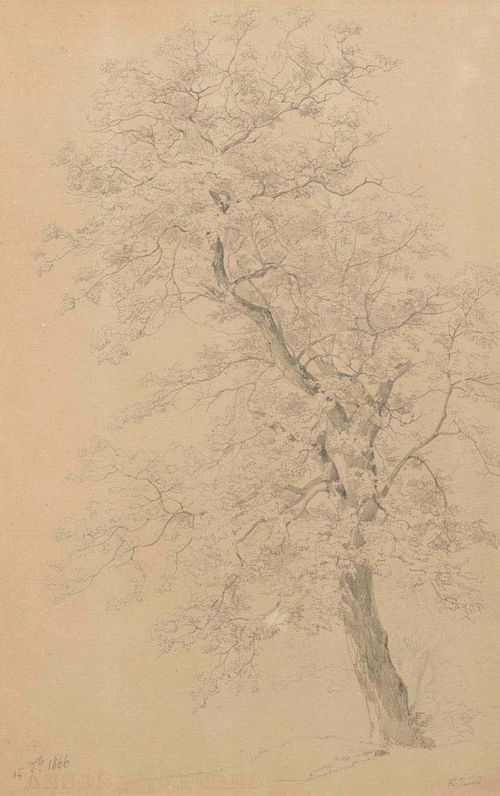
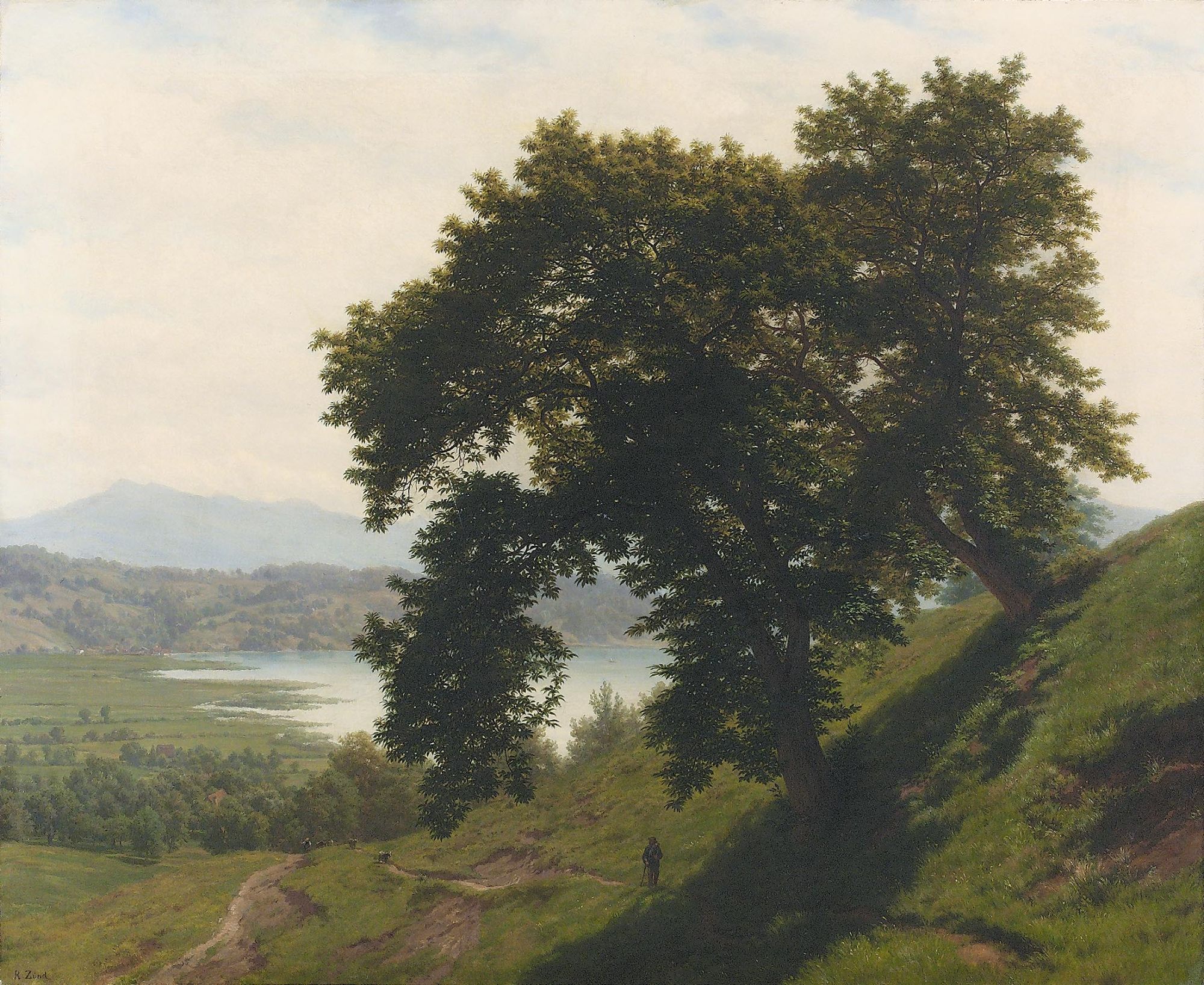
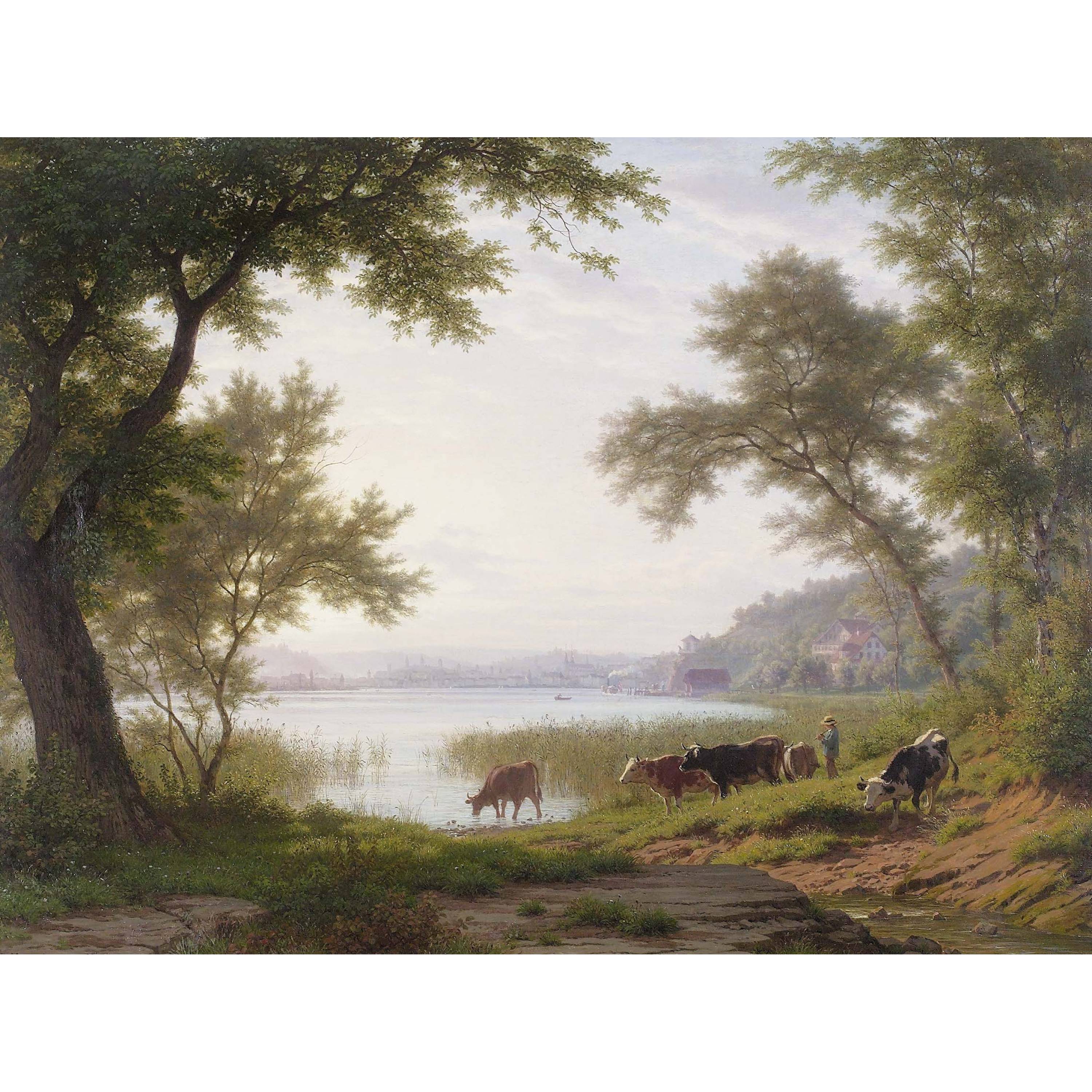
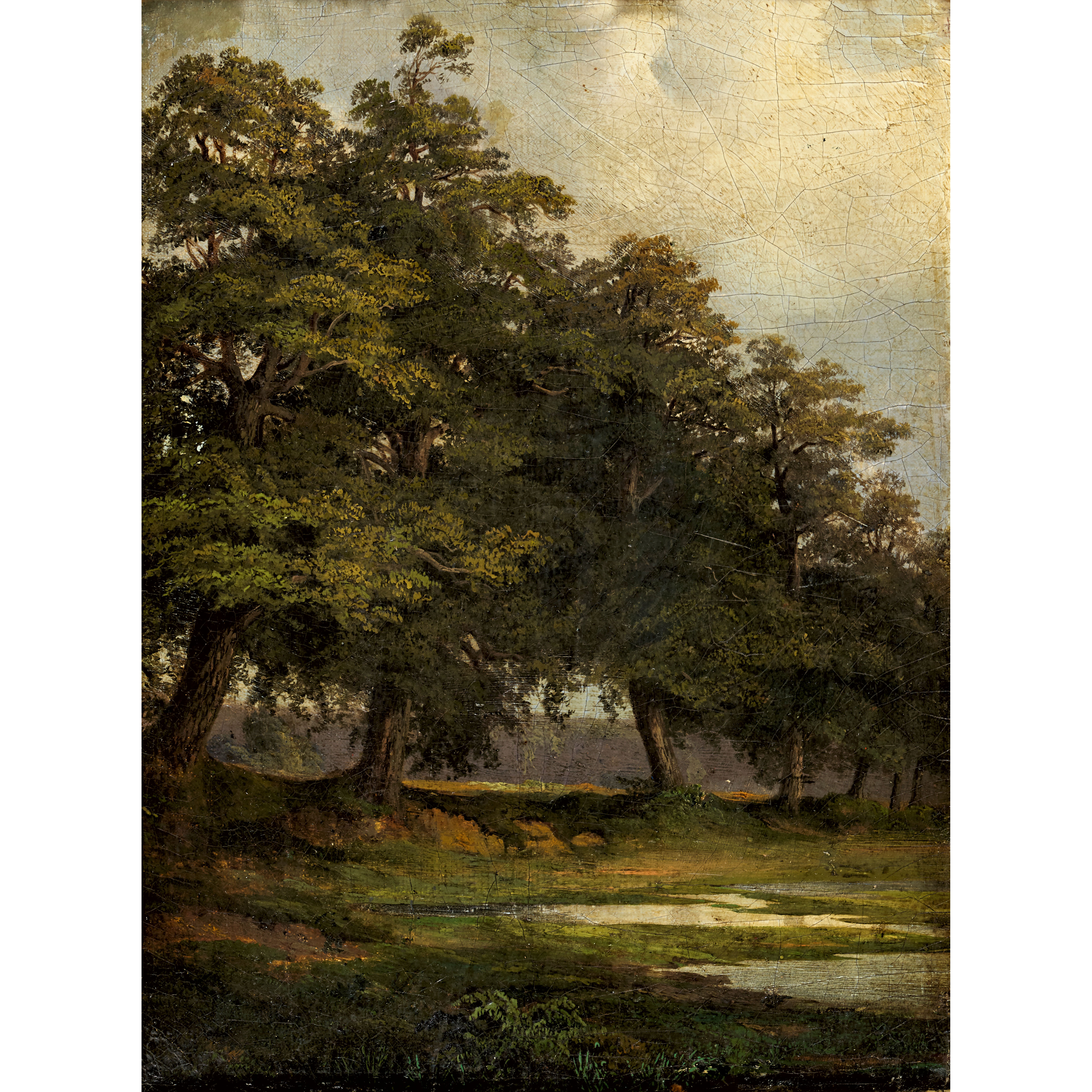
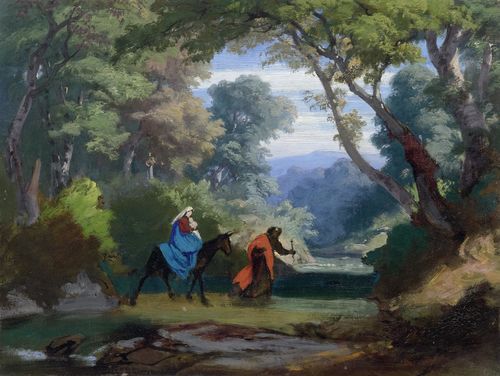
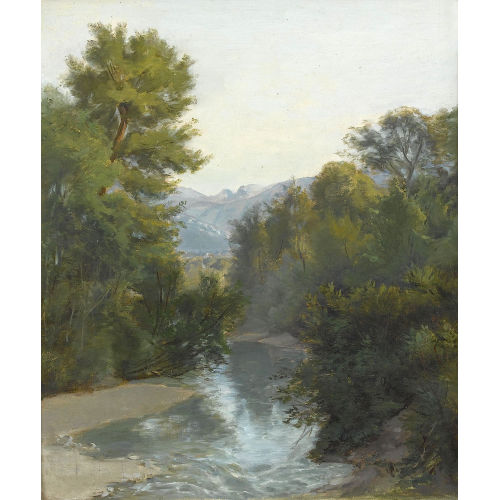
His paintings favour forests, fields and paths, sometimes animated by small figures. In these landscapes, the precision of the foliage and tree trunks, together with variations in light, creates an impression of direct presence. The Kunstmuseum Luzern describes this painstaking detail as a naturalism combined with the vitality of painting in the open air: lighting and framing can give certain scenes an almost photographic appearance, without reducing their composition to a mere transcription.
The «Eichwald» of 1859, held by the museum, is an example of this detailed observation of the undergrowth; another «Eichenwald», painted in 1881–1882, belongs to the collections of Kunsthaus Zürich.
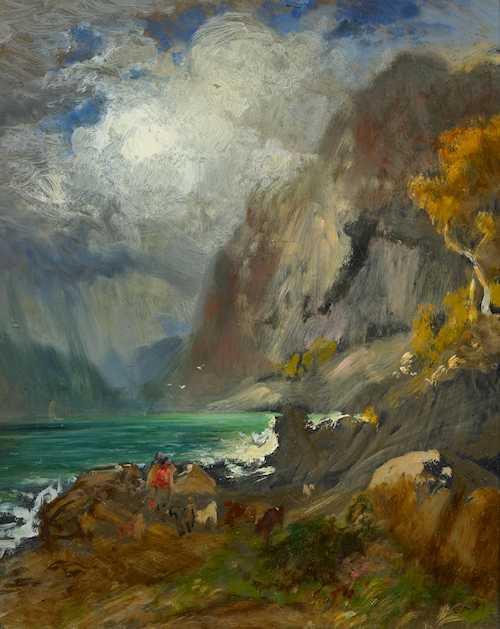
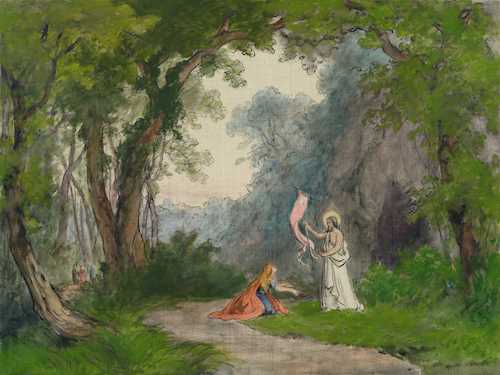
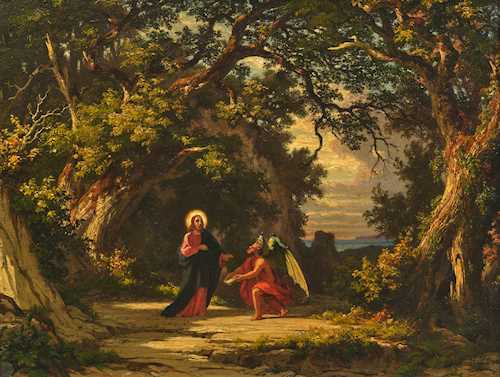
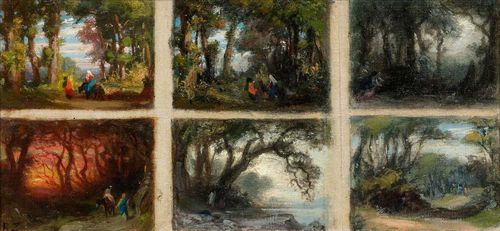
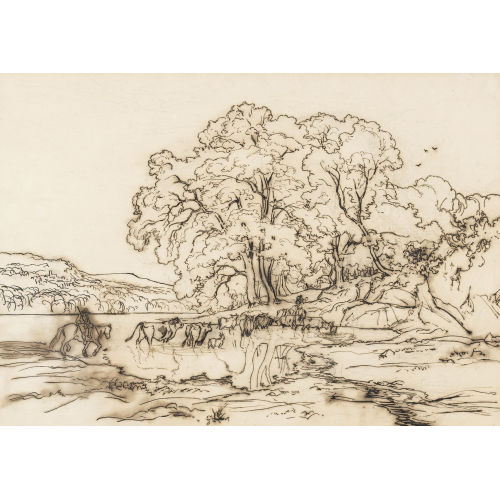
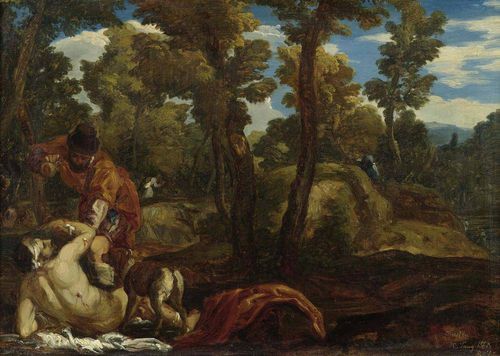
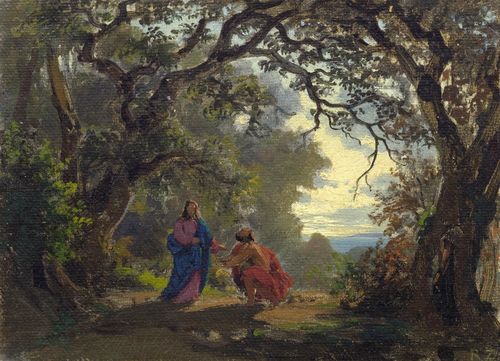
Zünd was also interested in painting on glass. The Nidwaldner Museum preserves examples of these technical experiments and highlights their exploration of the preparation of the support, light and colour contrasts. He also painted biblical subjects, particularly during the years 1867–1877, in connection with his Catholic faith.
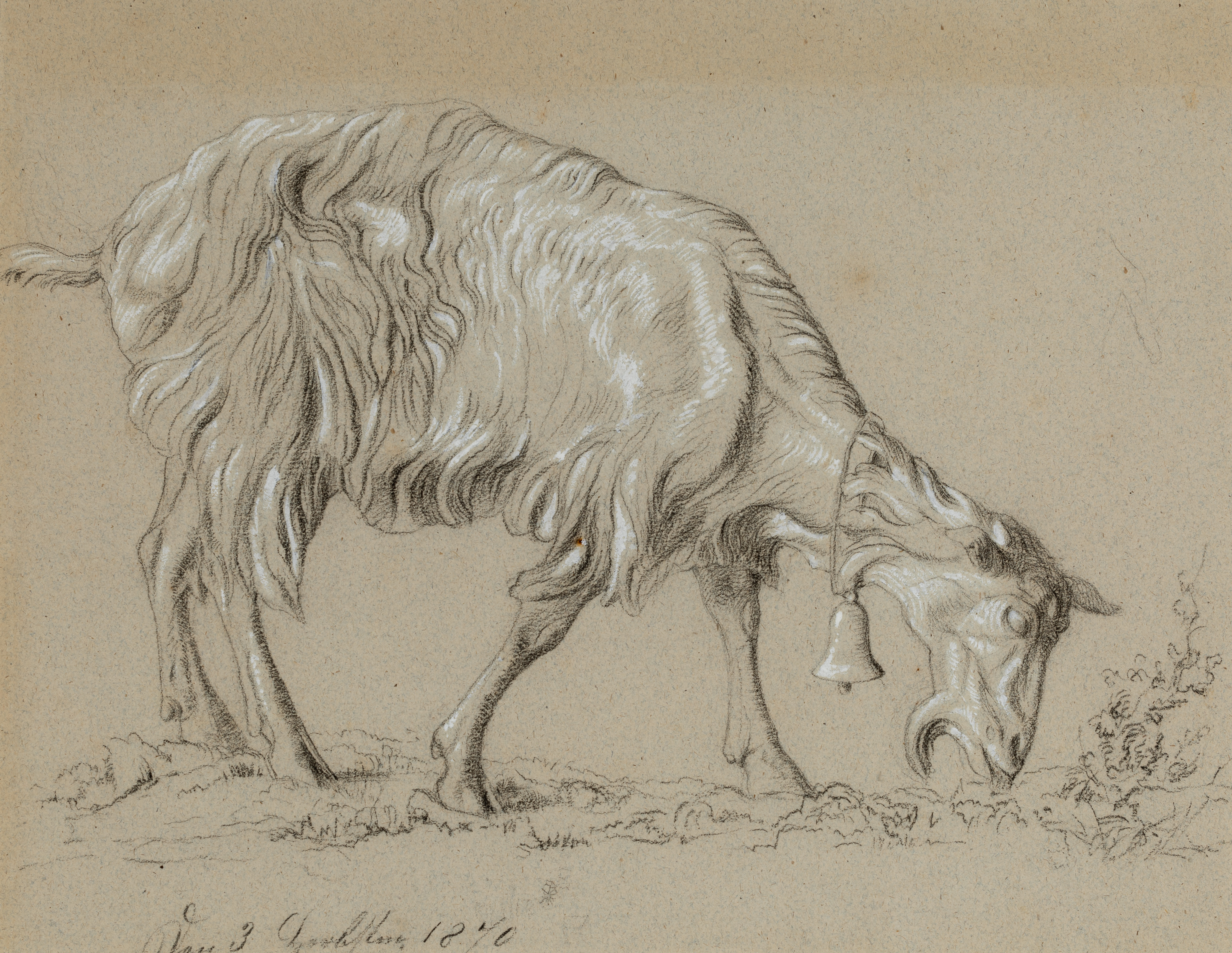
These religious works form part of a broader practice in which close study of the visible world goes hand in hand with the search for varied pictorial means. Today, his landscapes are valued for their meticulous observation of nature and for the way they make the atmosphere of the Lucerne region perceptible.