Otto Bachmann
Born in Lucerne (Switzerland) in 1915.
Died in Ascona (Switzerland) in 1996.
Swiss · Imaginative figuration with theatrical and circus motifs · no specific historical movement is assigned here.
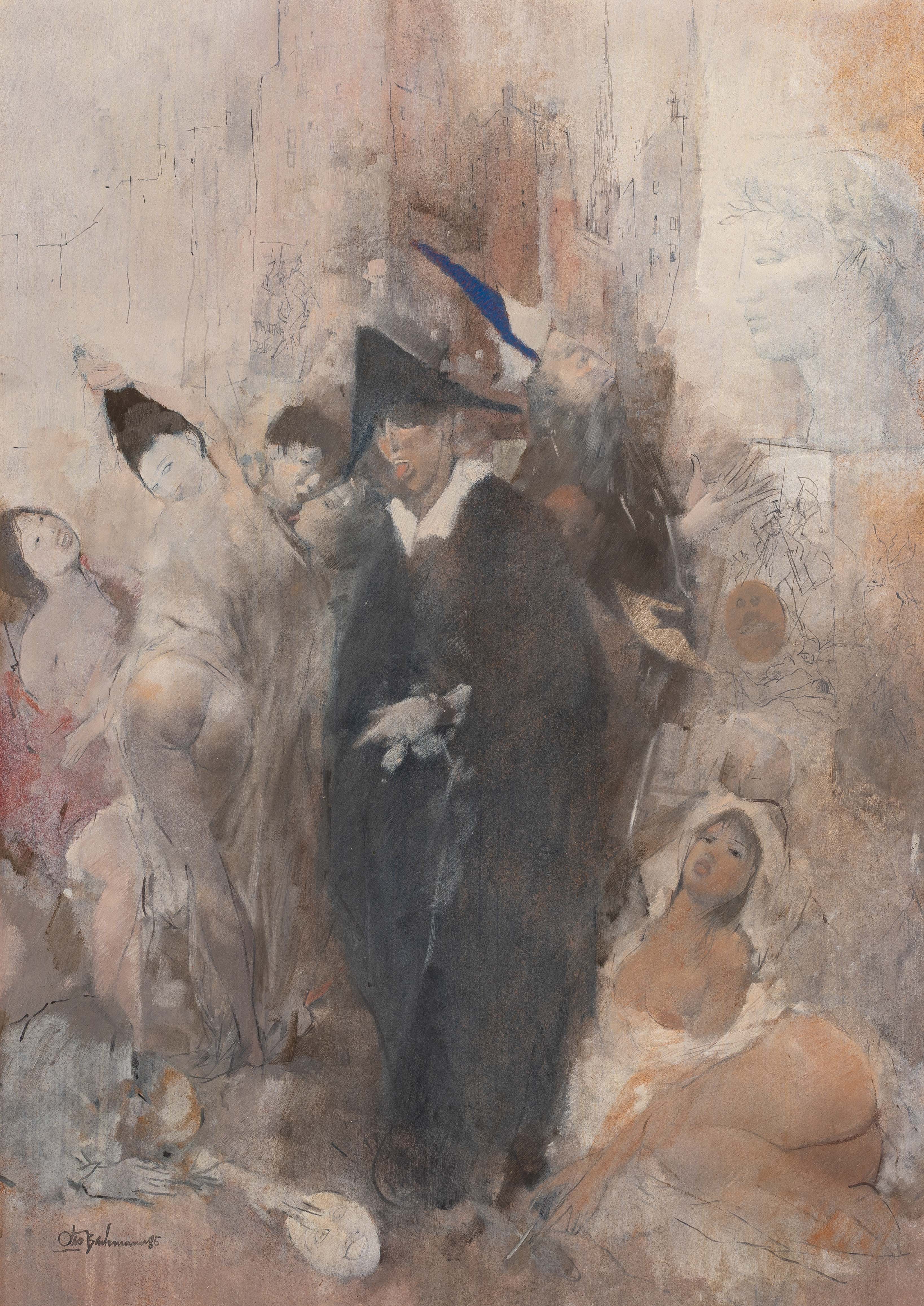
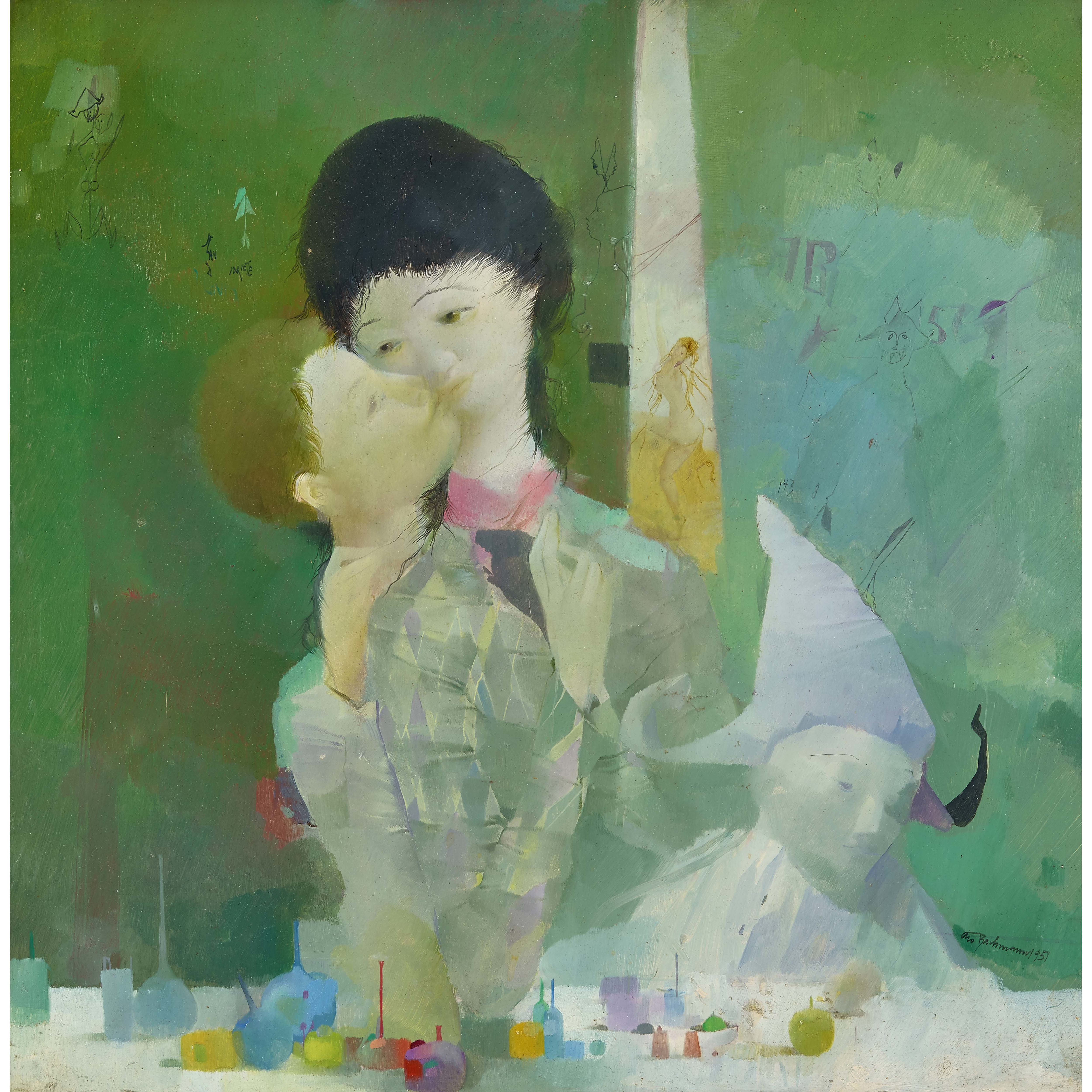
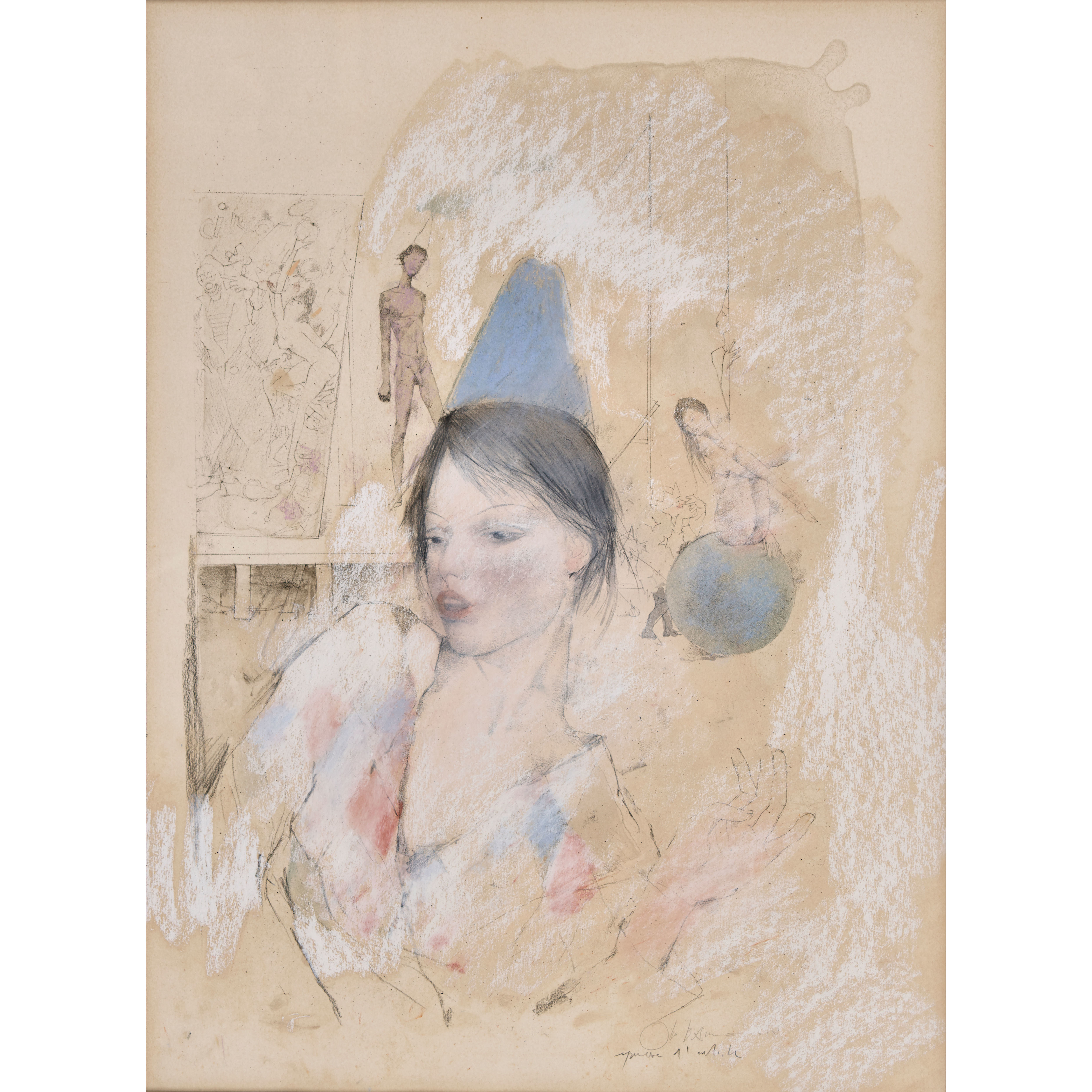
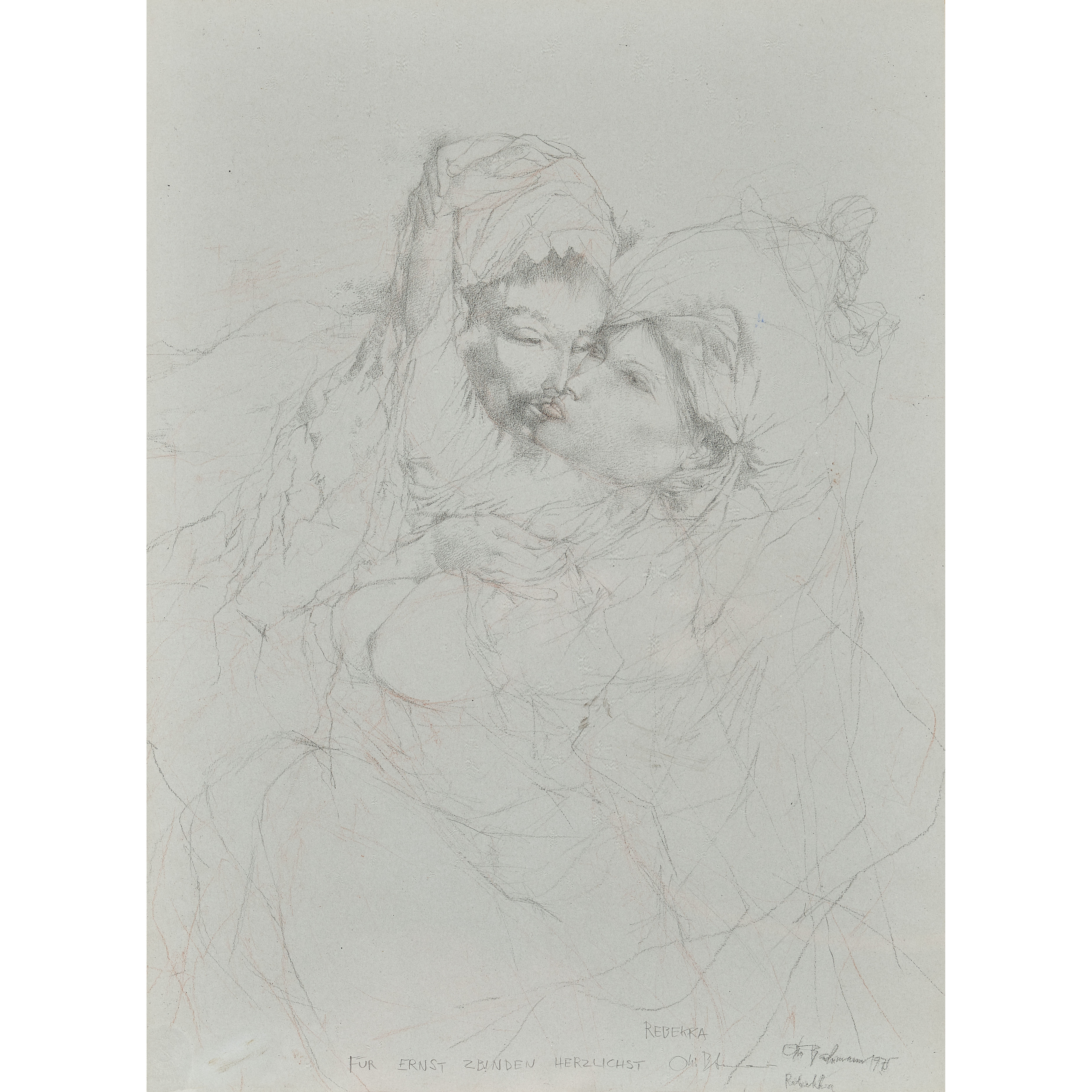
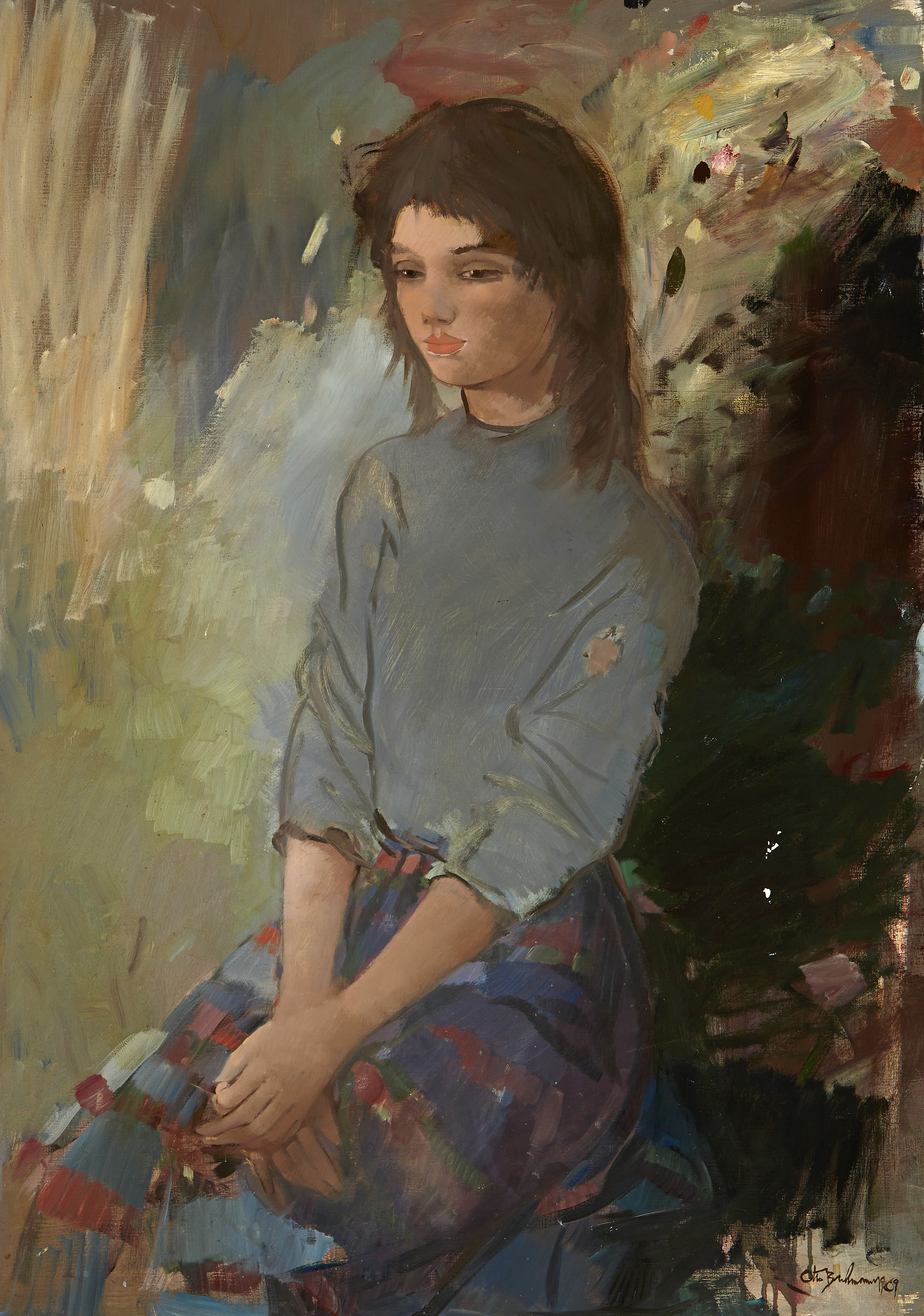
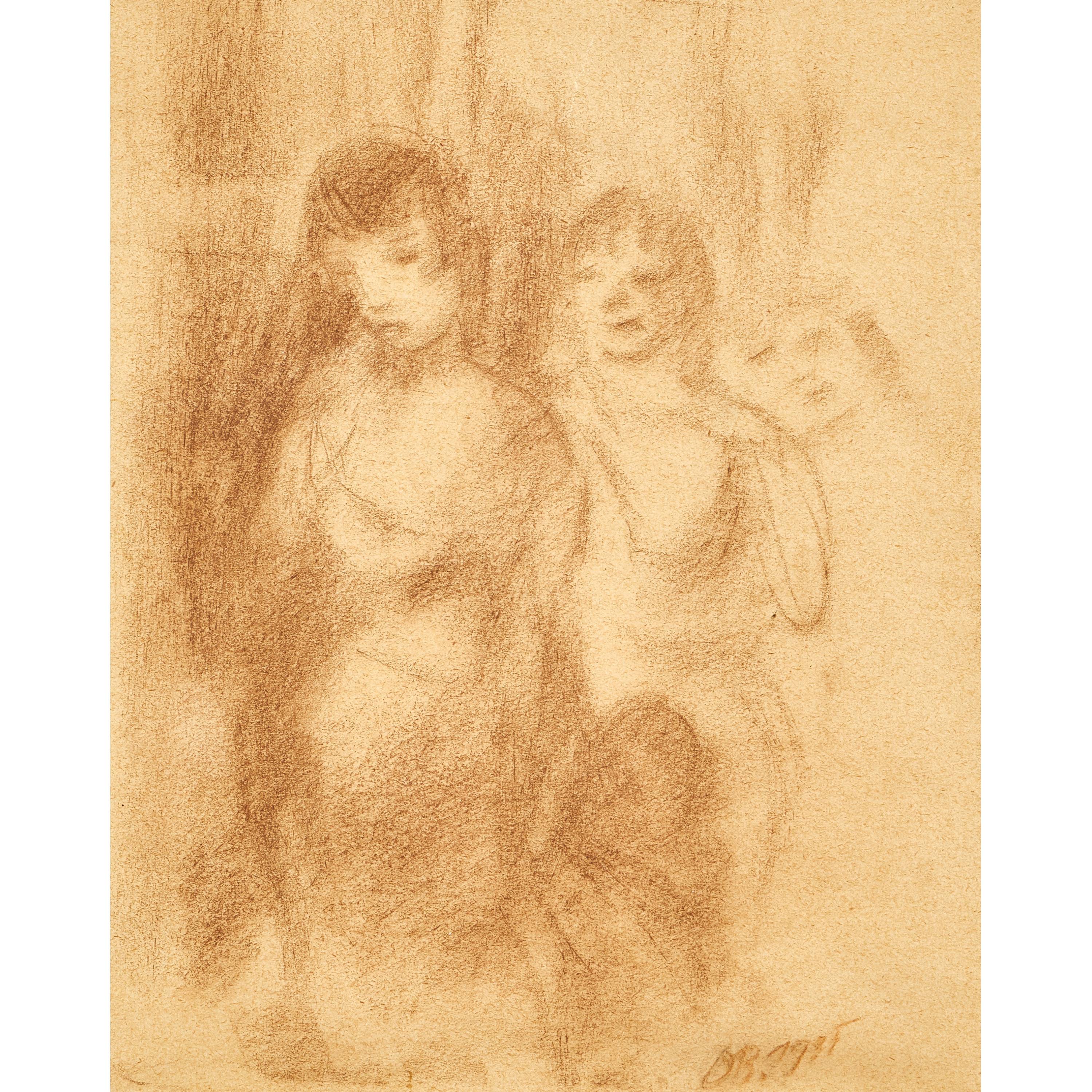
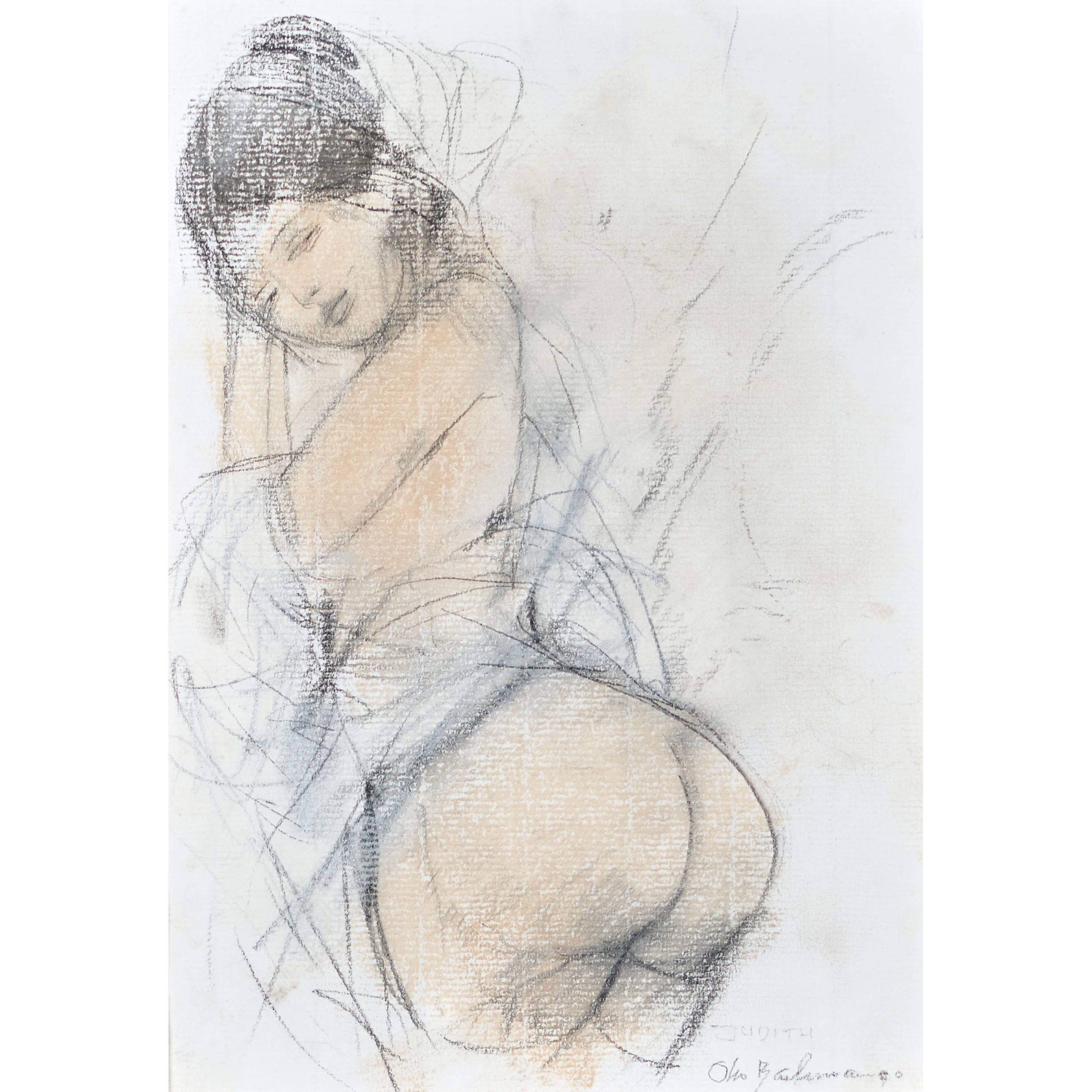
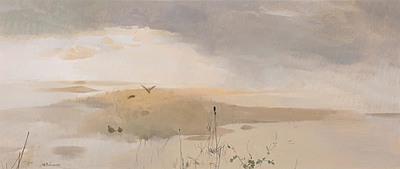
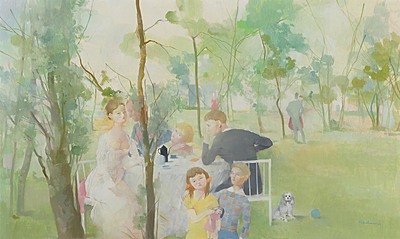
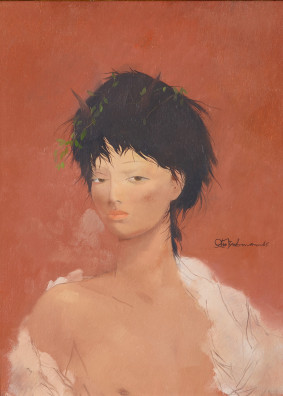
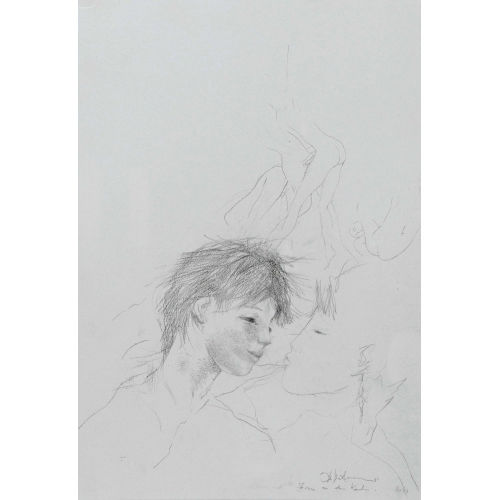
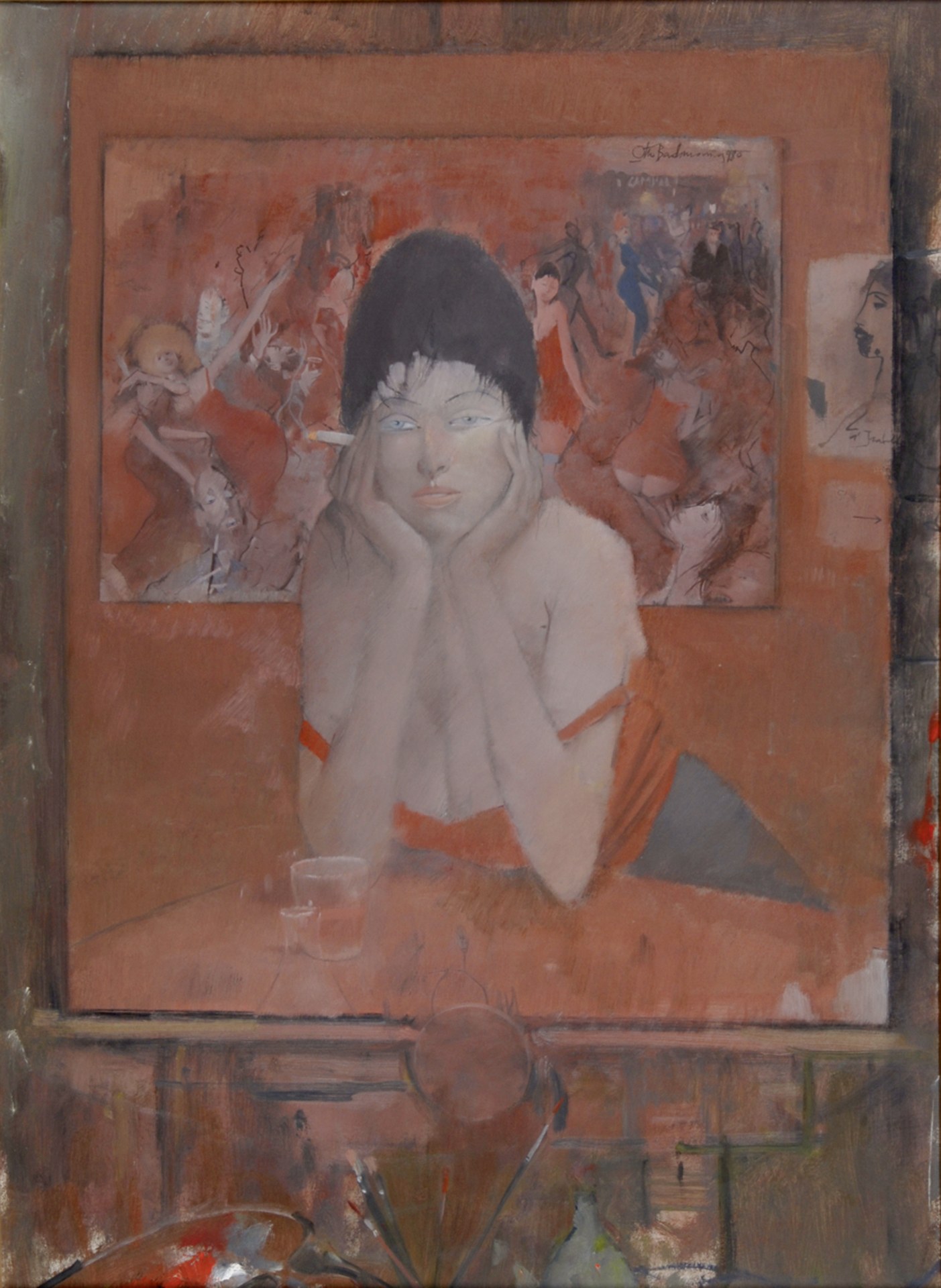
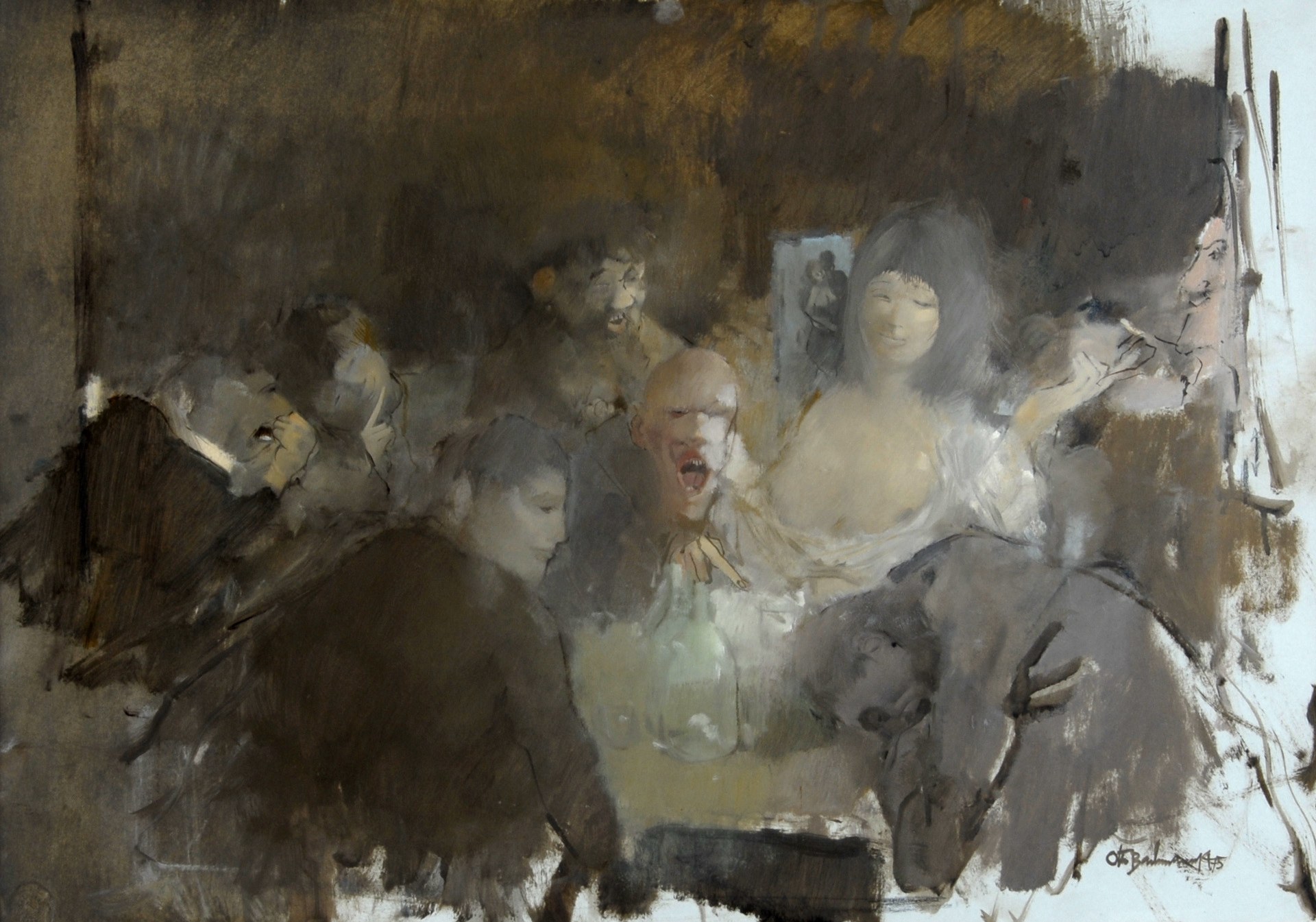
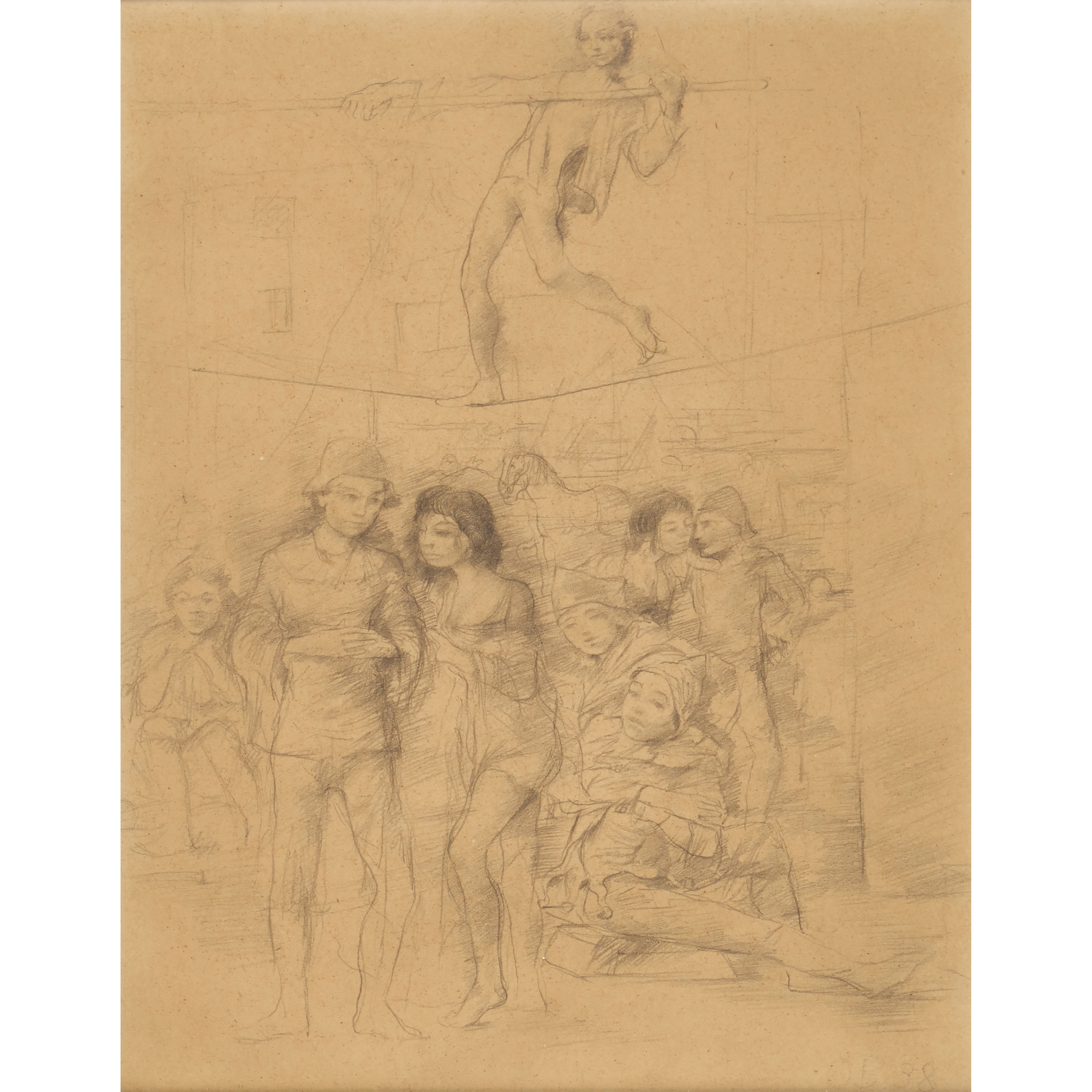
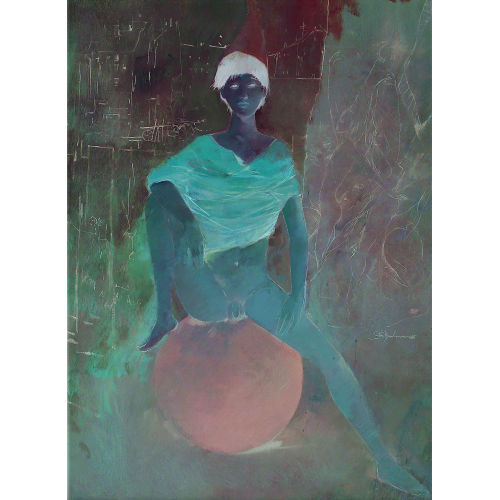
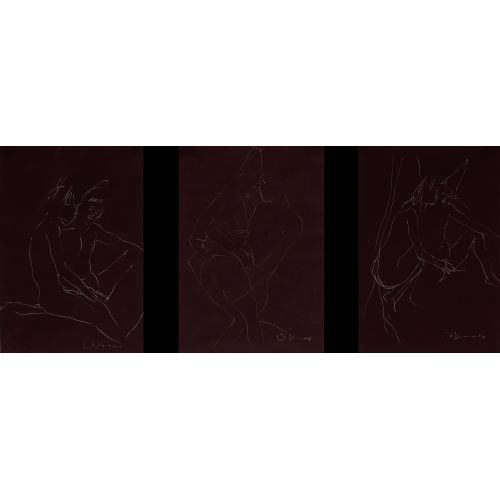
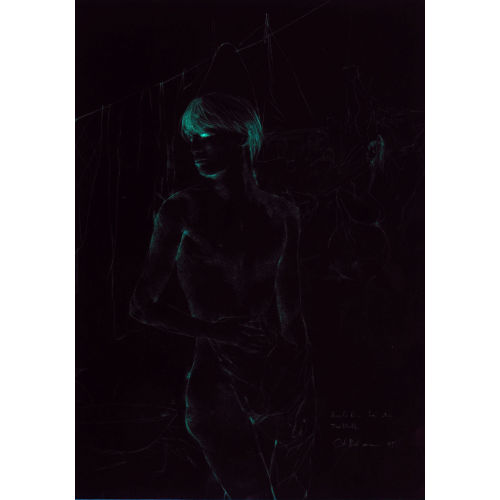
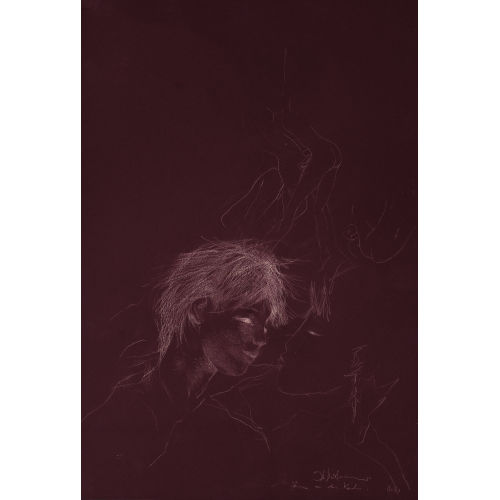
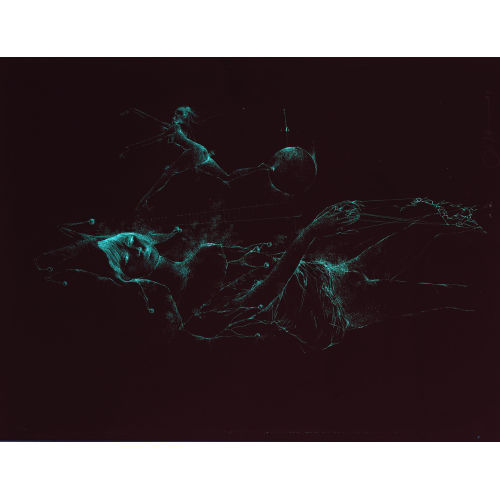
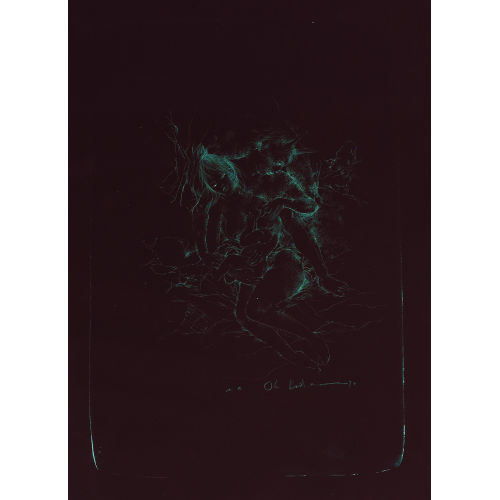
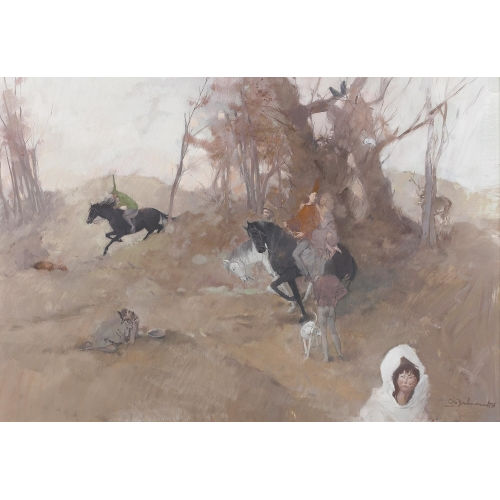
A painter, draughtsman, lithographer and illustrator, Otto Bachmann developed a figurative oeuvre centred on theatre, the circus and transformations of the human figure. He began his training with an apprenticeship in graphic design in Lucerne, where Max von Moos encouraged his talent at the School of Applied Arts. After working in advertising in Zurich, Bachmann chose an independent career with drawing at the heart of his practice.
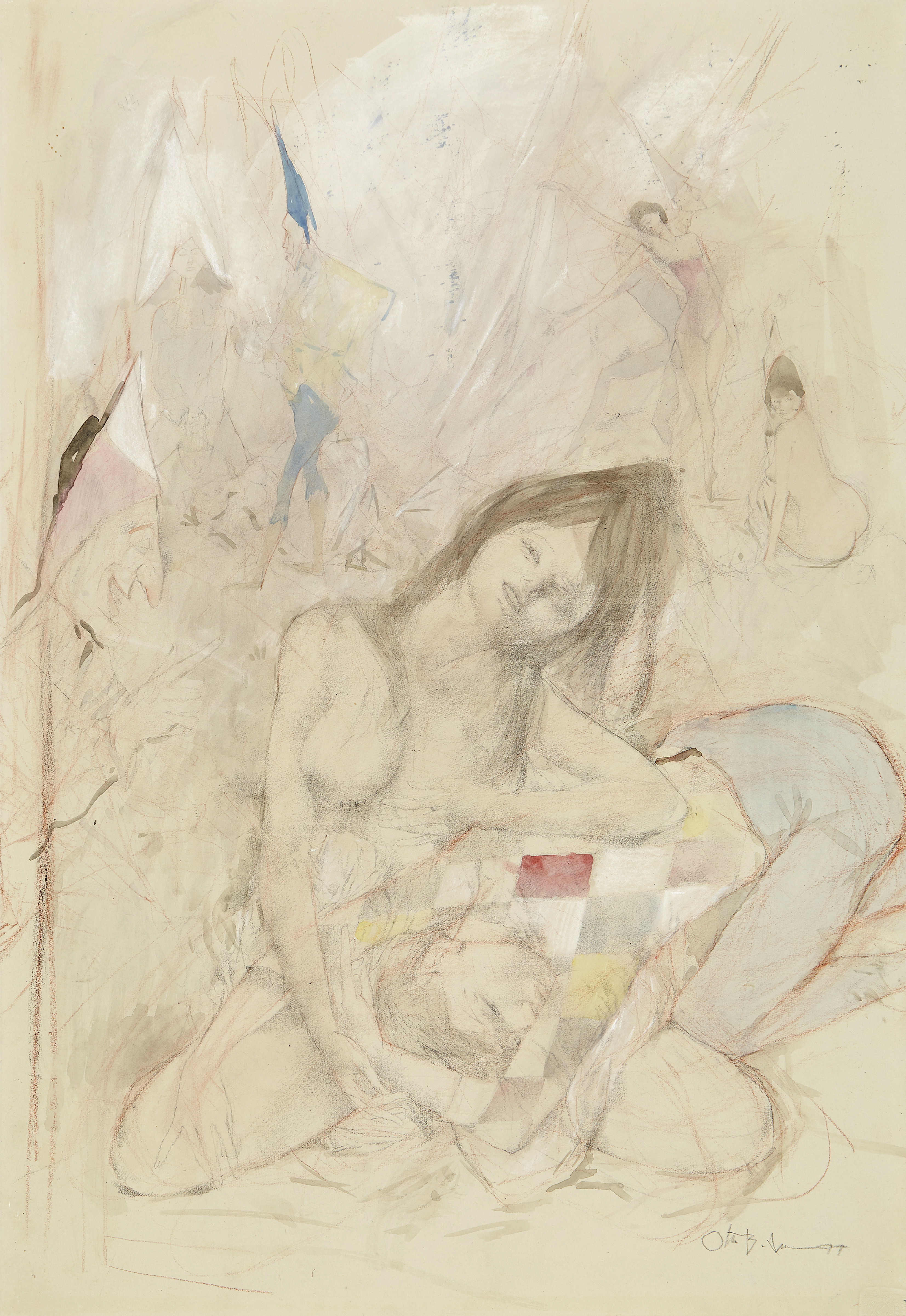
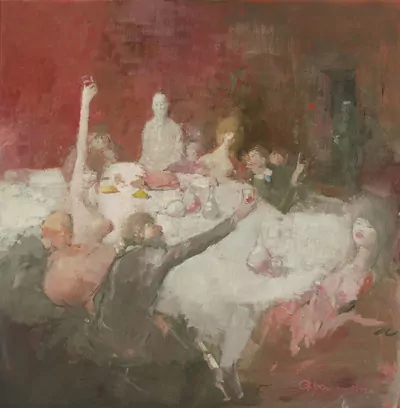
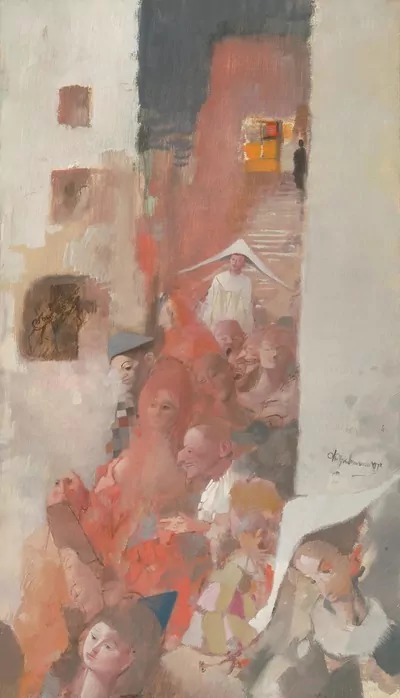
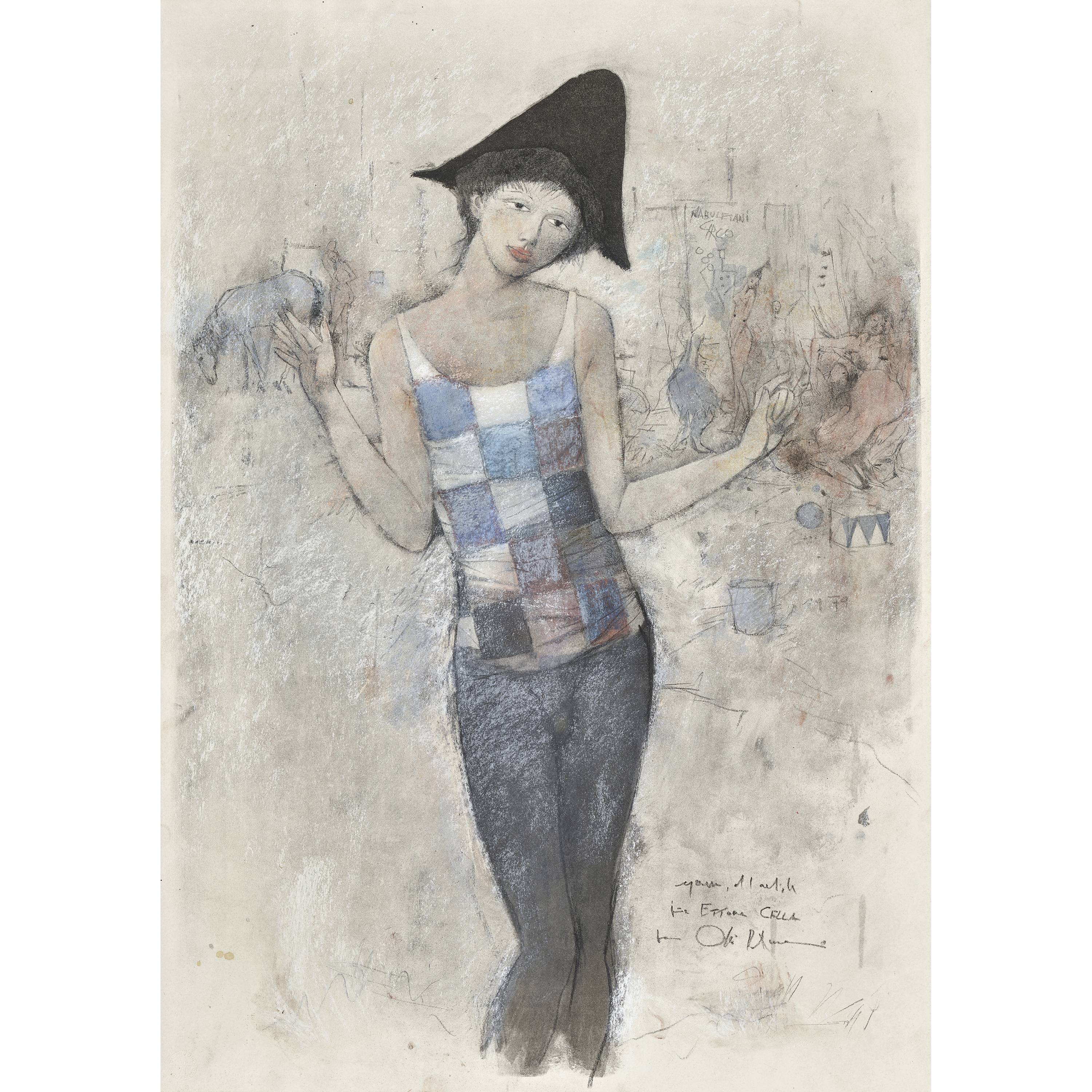
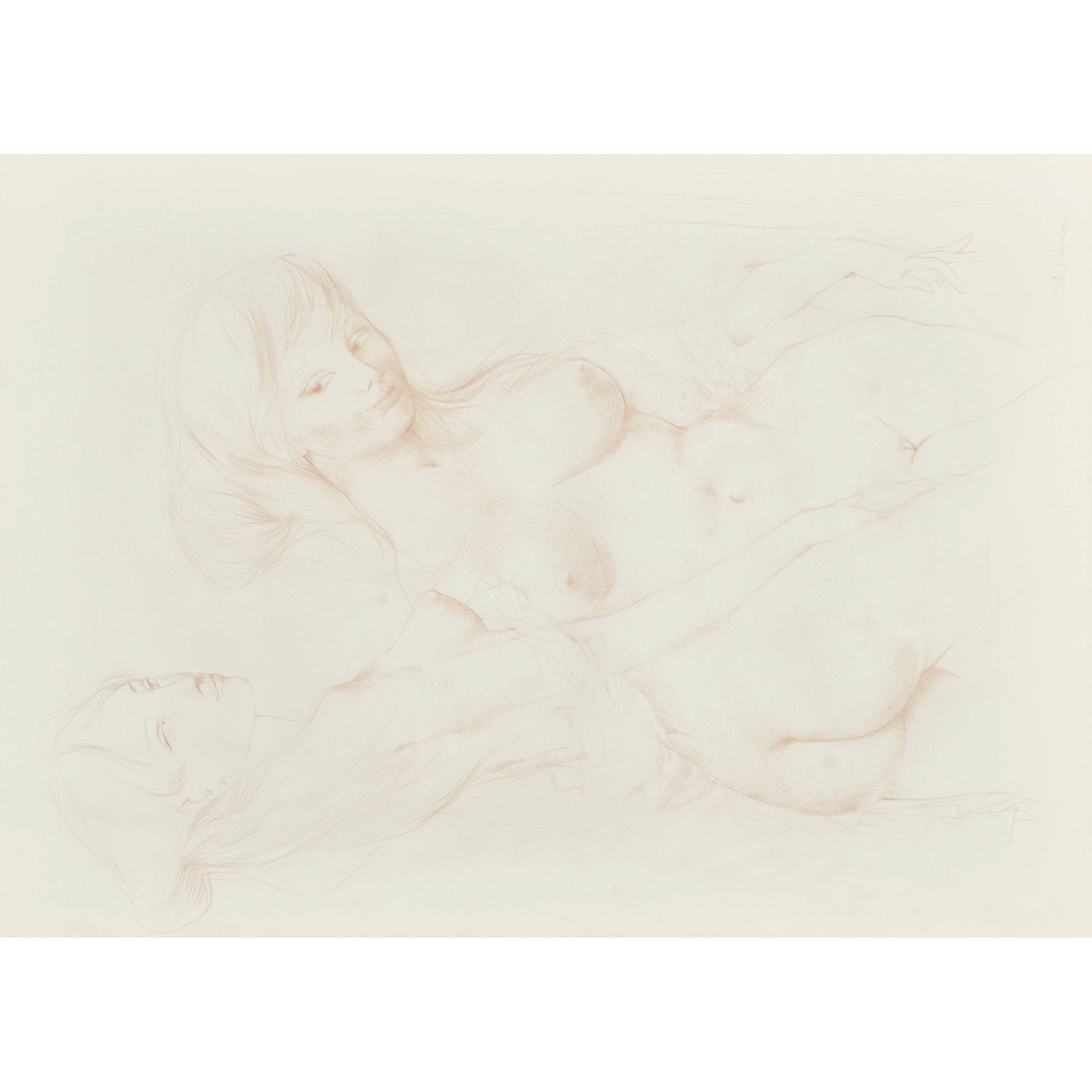
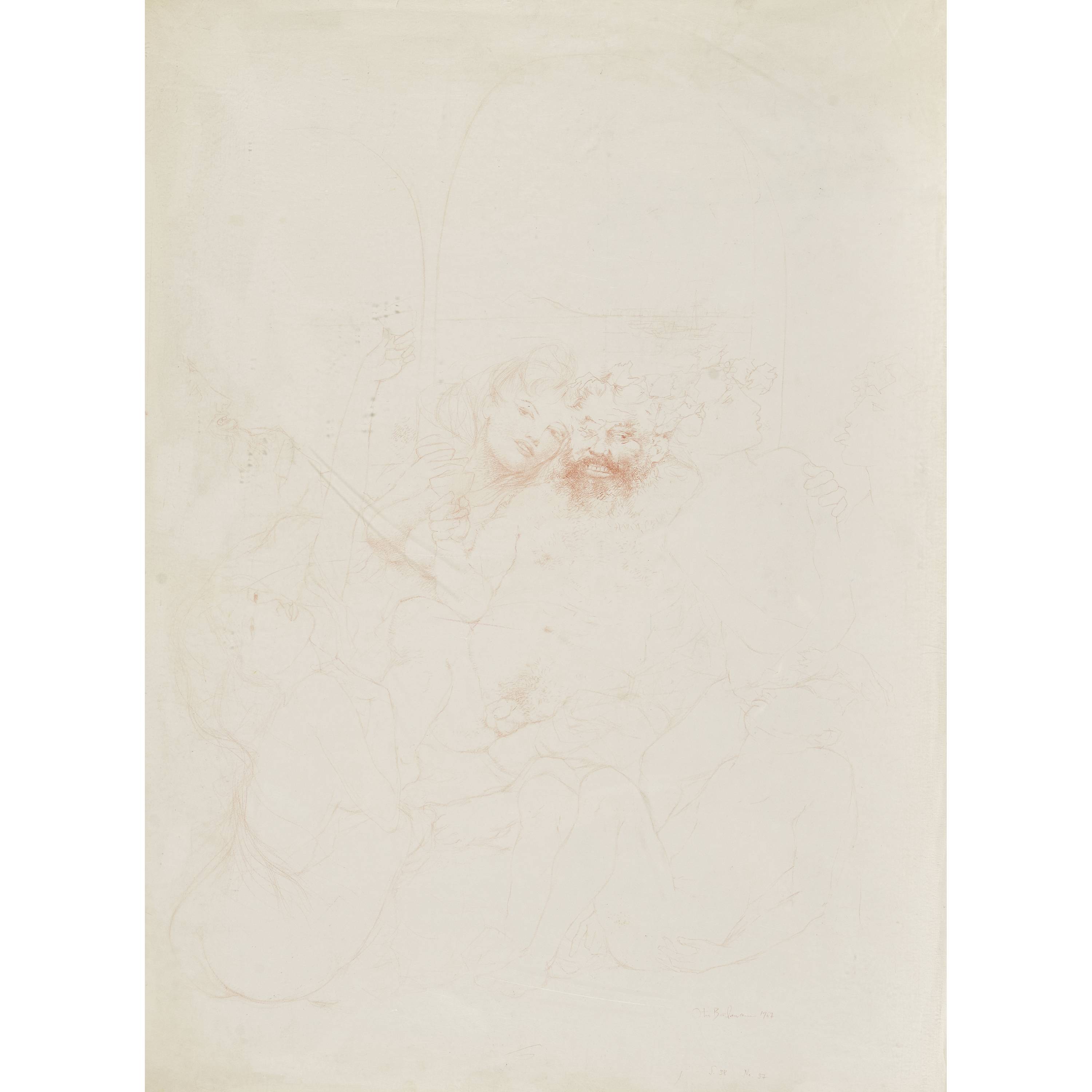
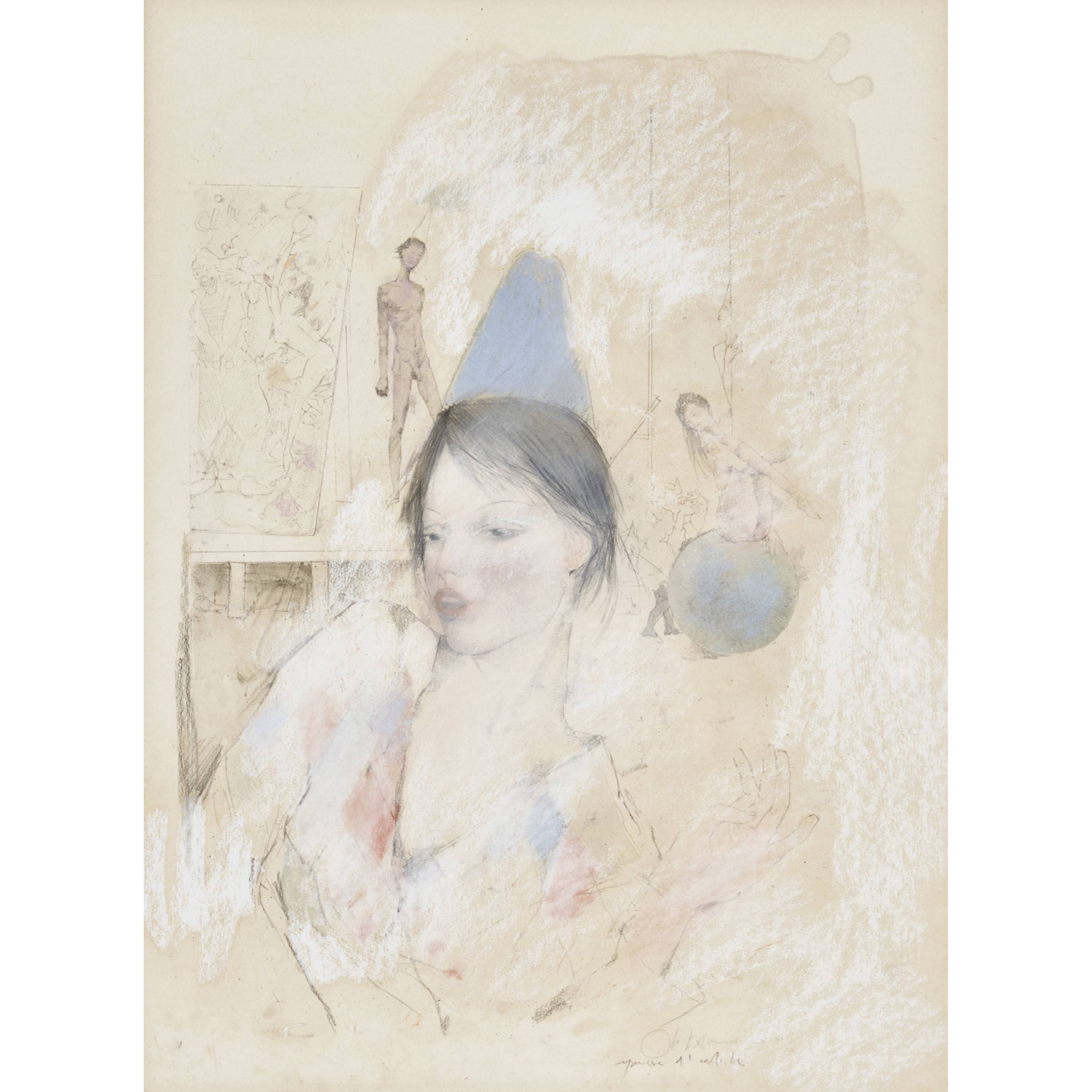
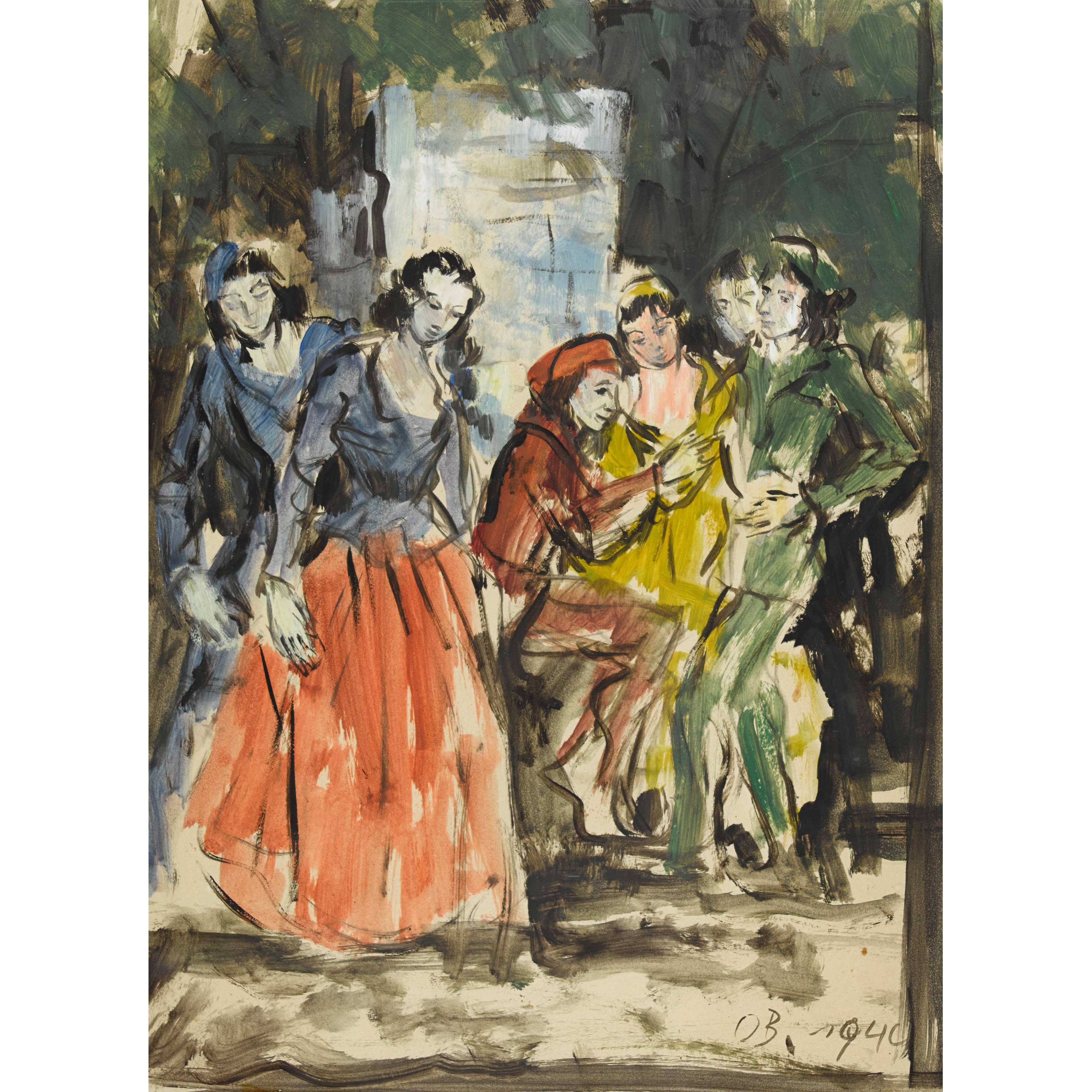
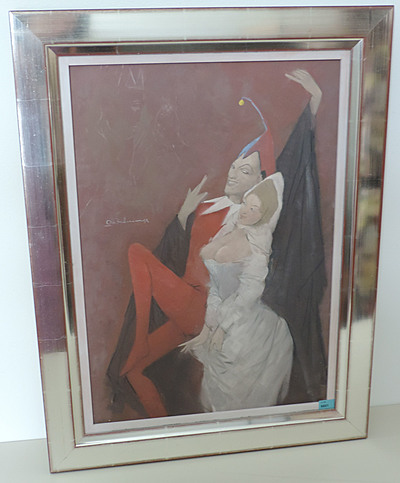
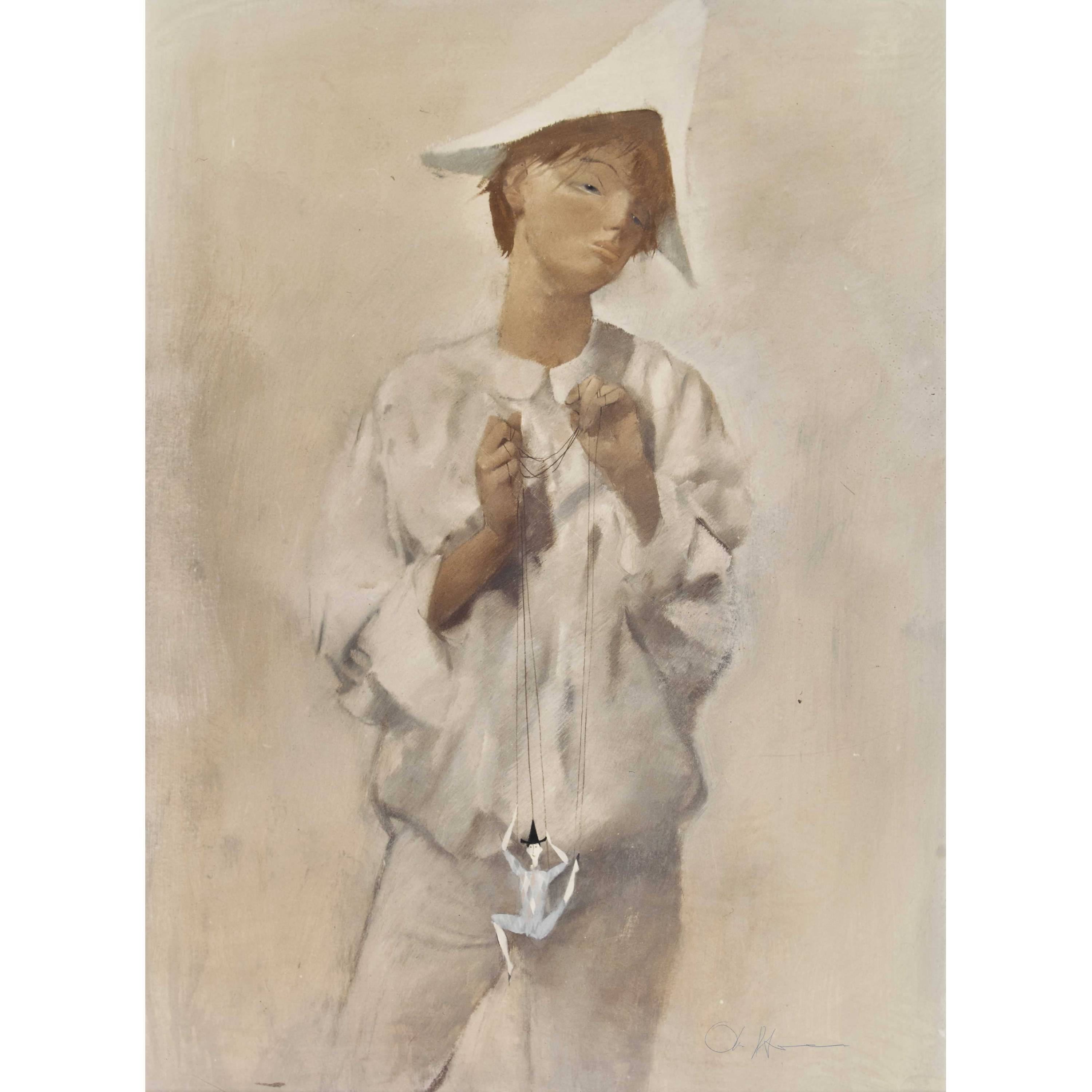
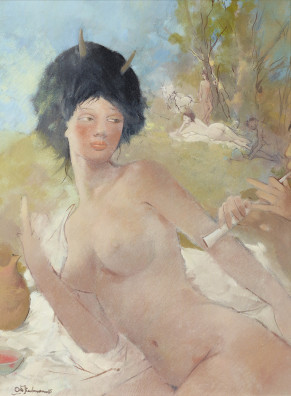
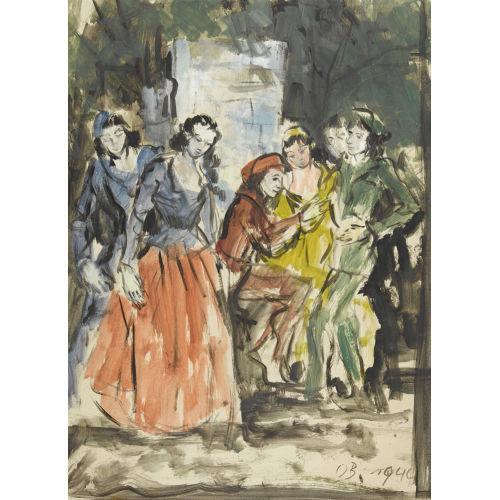
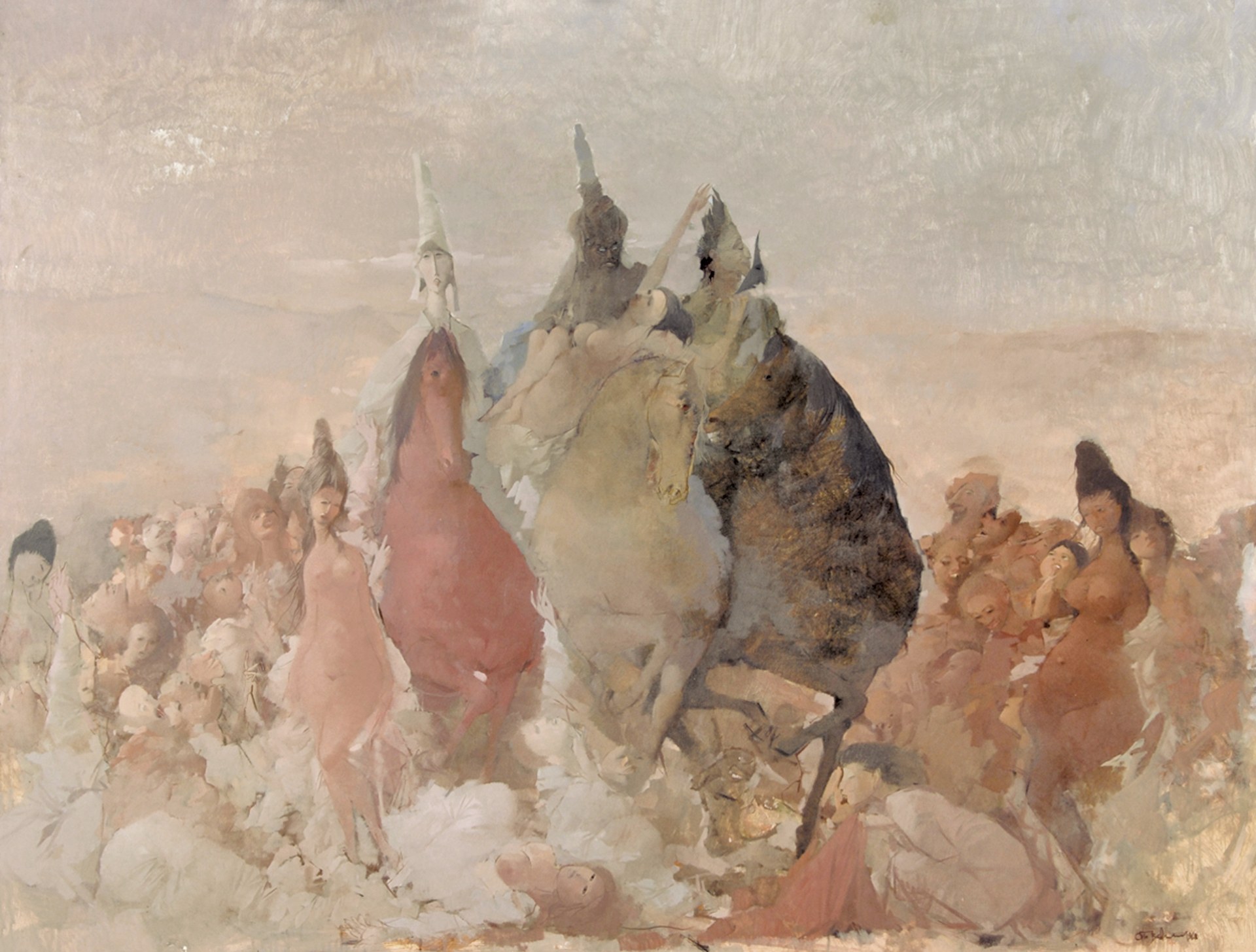
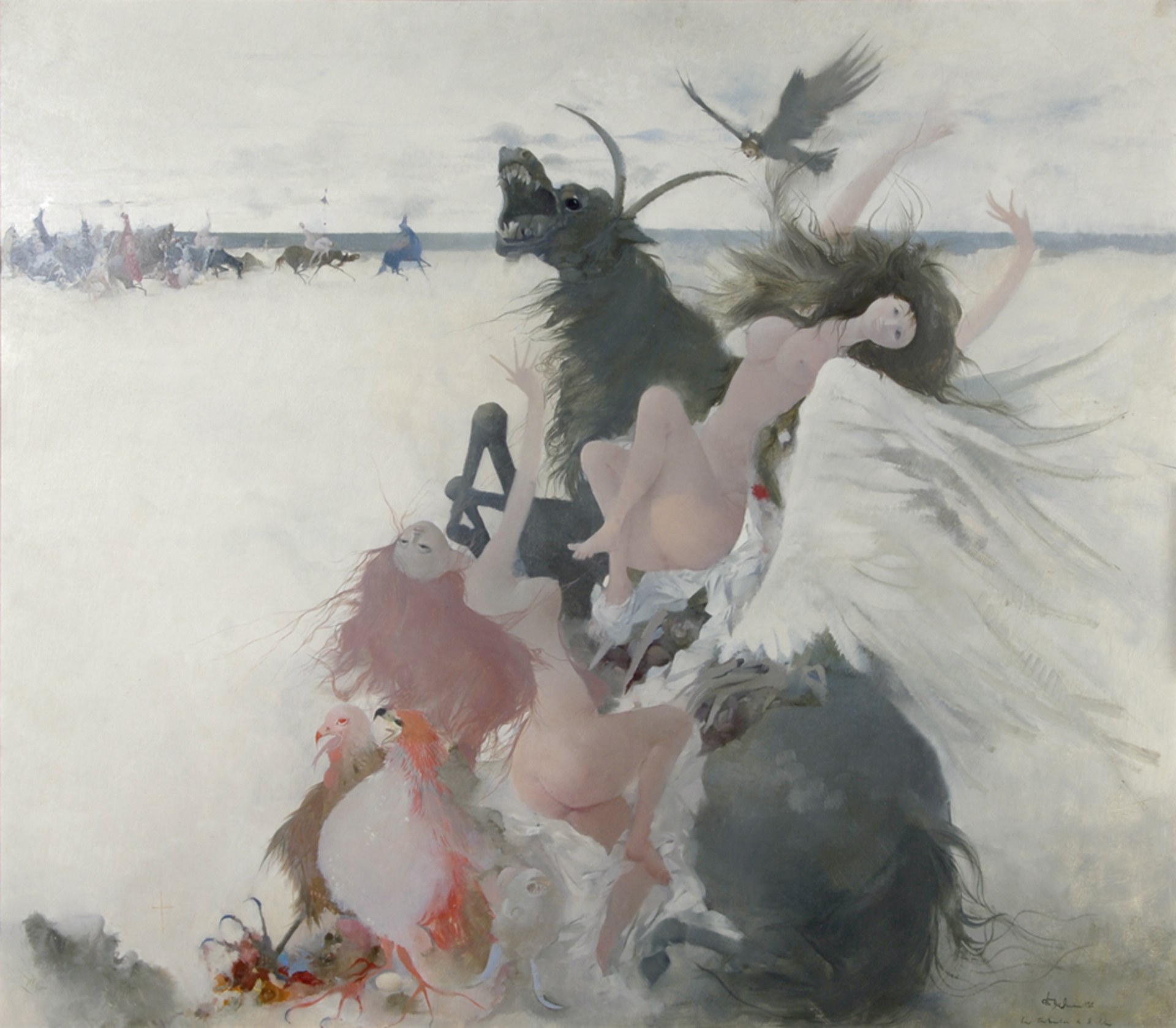
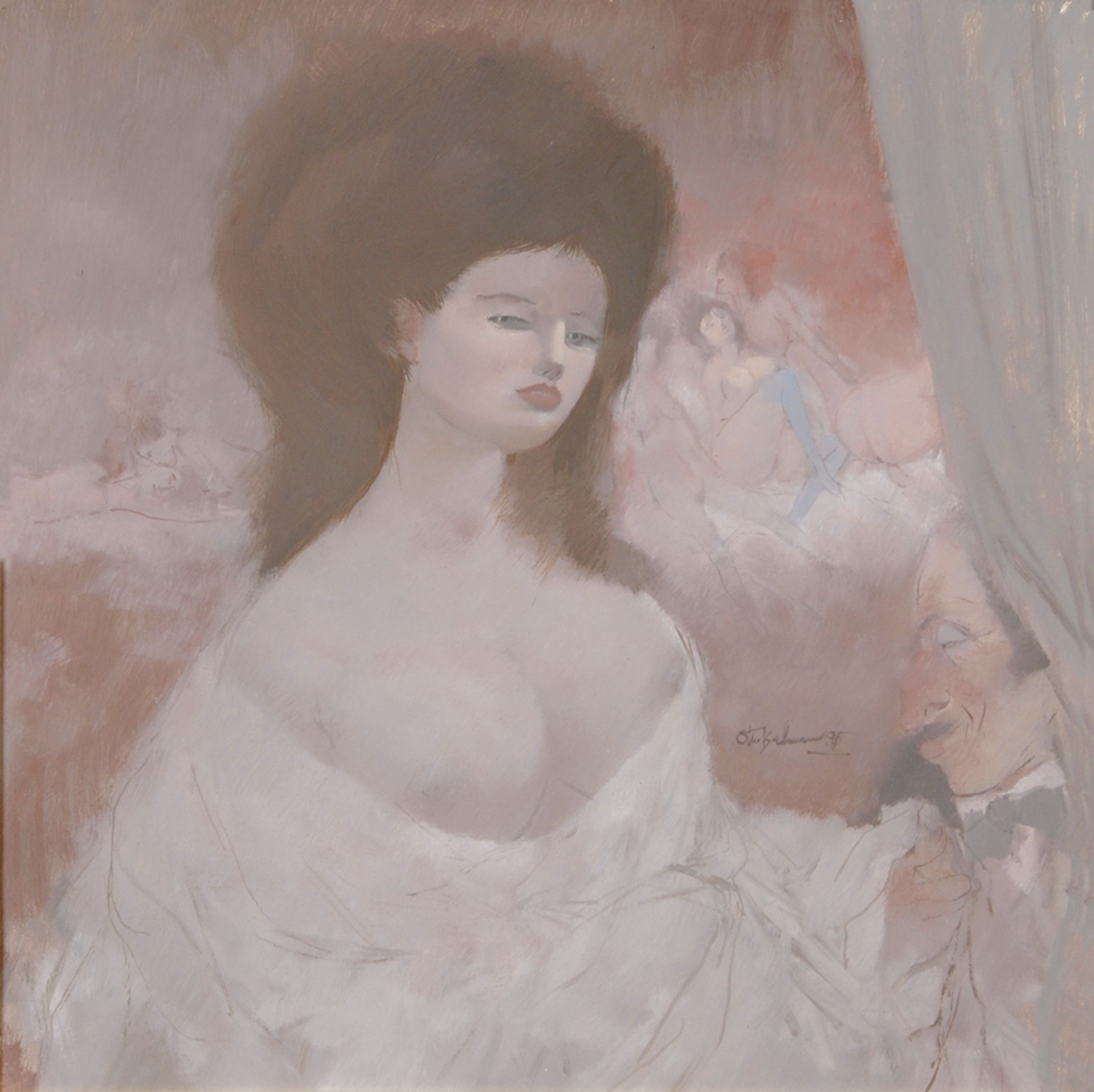
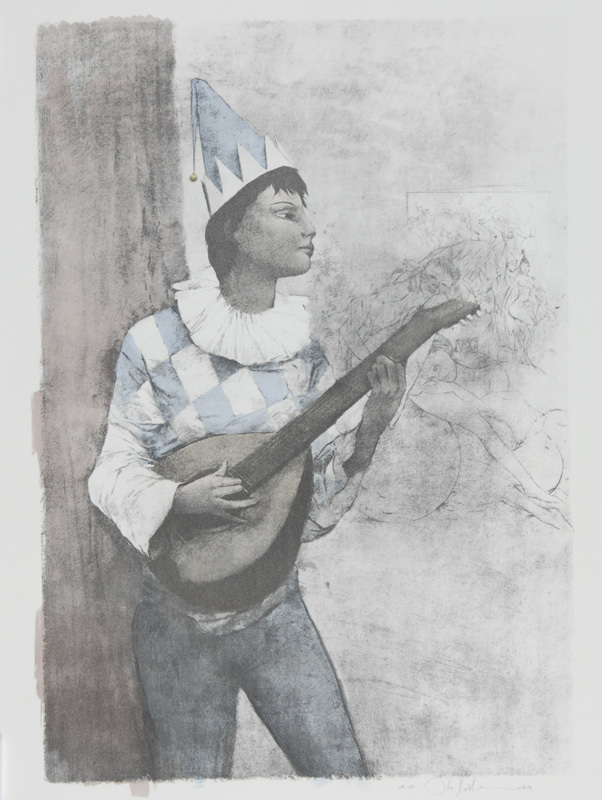
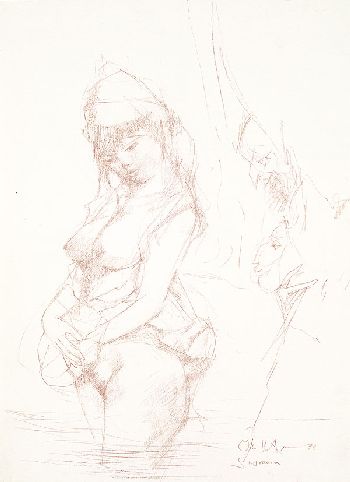
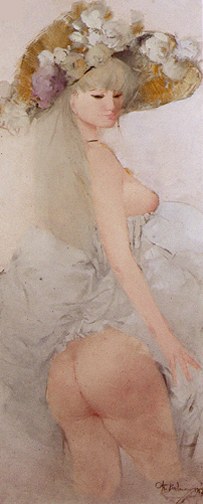
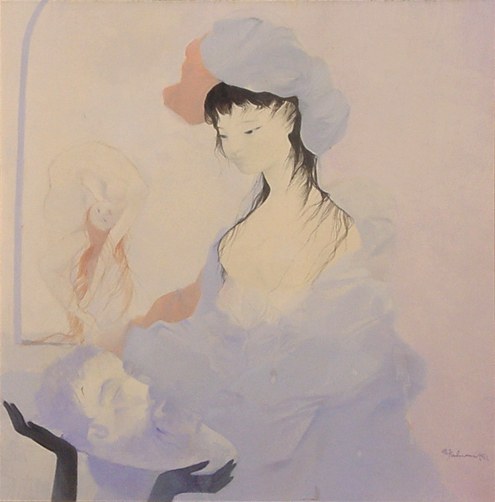
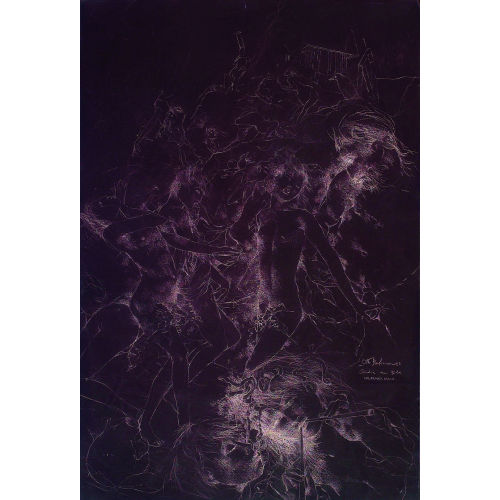
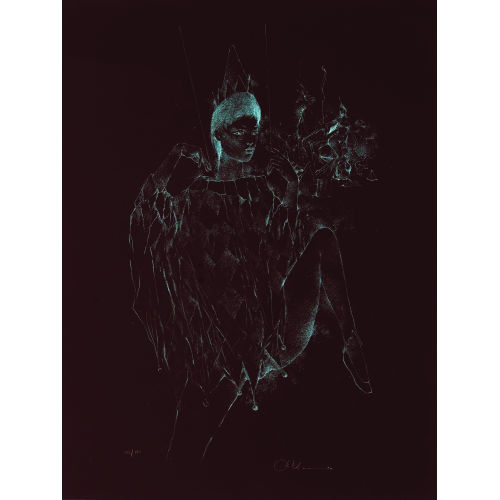
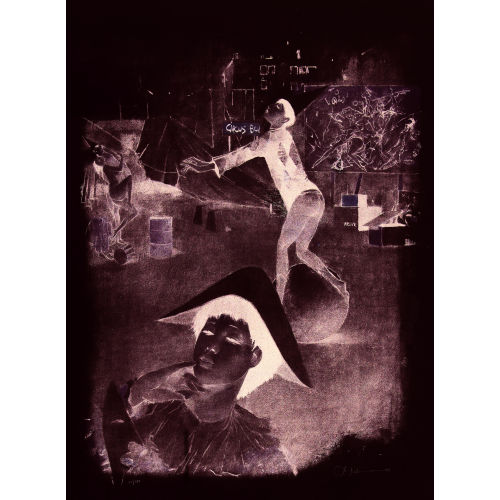
Travels through Europe and periods spent with travelling circuses enriched his repertoire of harlequins, Columbines, performers and masked figures. Performance is more than a backdrop in his work: costumes, gestures and disguises become ways of exploring appearances. Carnival compositions sit alongside female figures, nudes and scenes drawn from mythology or religious tradition.
The publication of Zwölf Zeichnungen zu Goethes Faust marked a decisive stage in 1943. Issued in Zurich by Morgarten, the portfolio brings together twelve lithographs and an introductory text by Albert J. Welti.
It demonstrates Bachmann’s ability to transform a literary work into an independent visual world. Illustrated books and lithography remained central to his activity alongside painting.
Settling in Ascona in the mid-1940s, he worked there for more than half a century and also taught painting, as the Canton of Ticino’s documentation records. The municipality of Ascona awarded him its Premio Cultura. His career thus connects his training in Lucerne and his Zurich experience with the artistic life of Ticino.
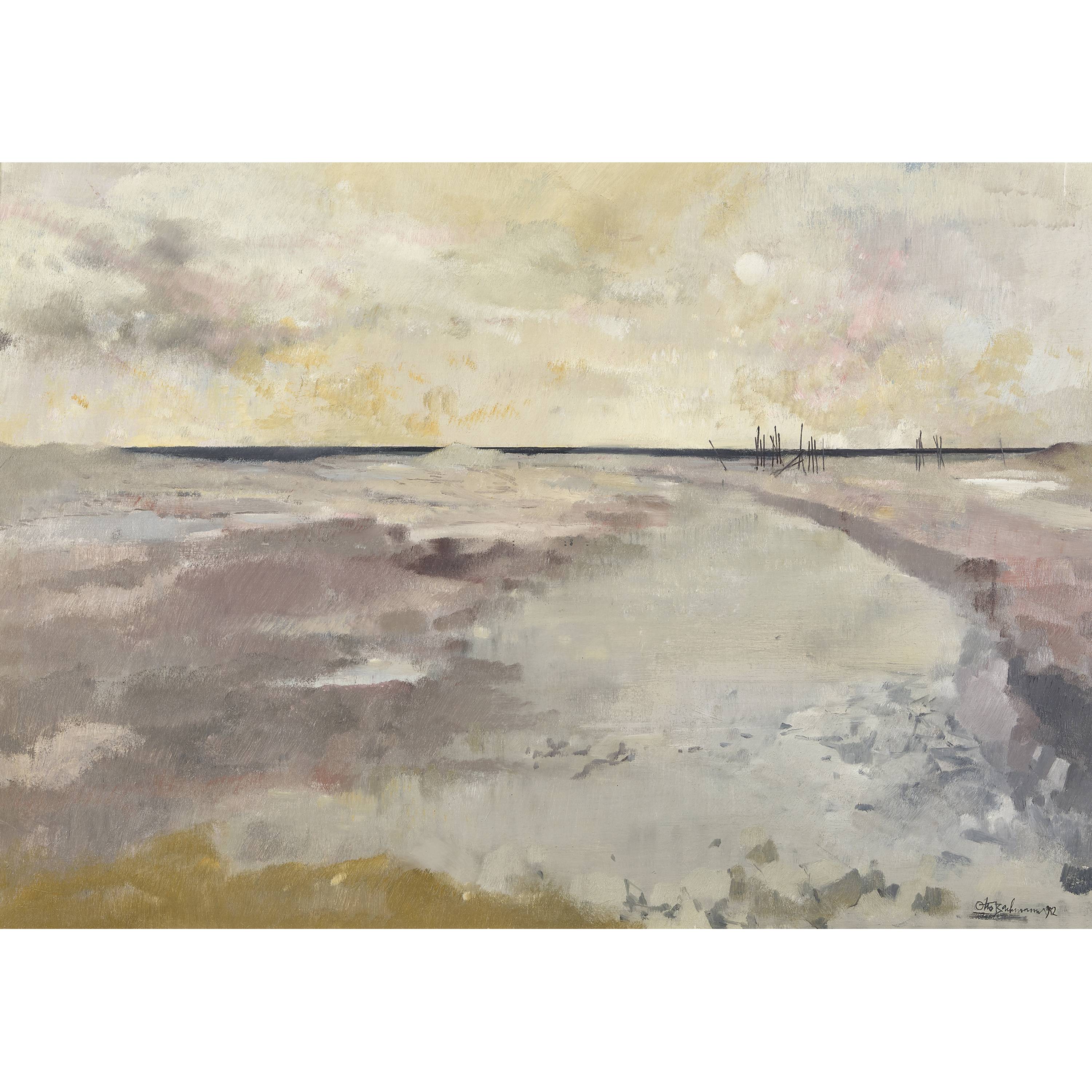
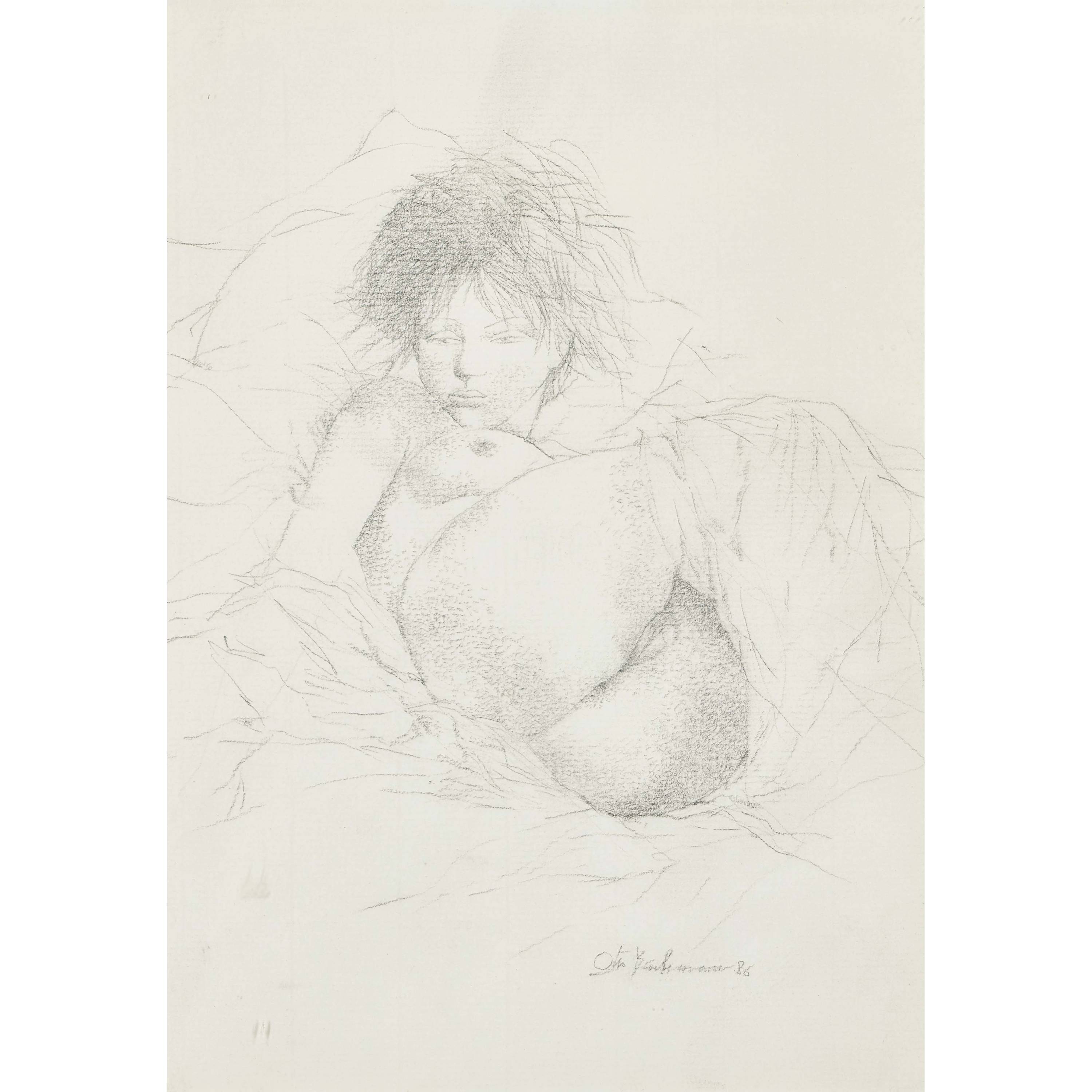
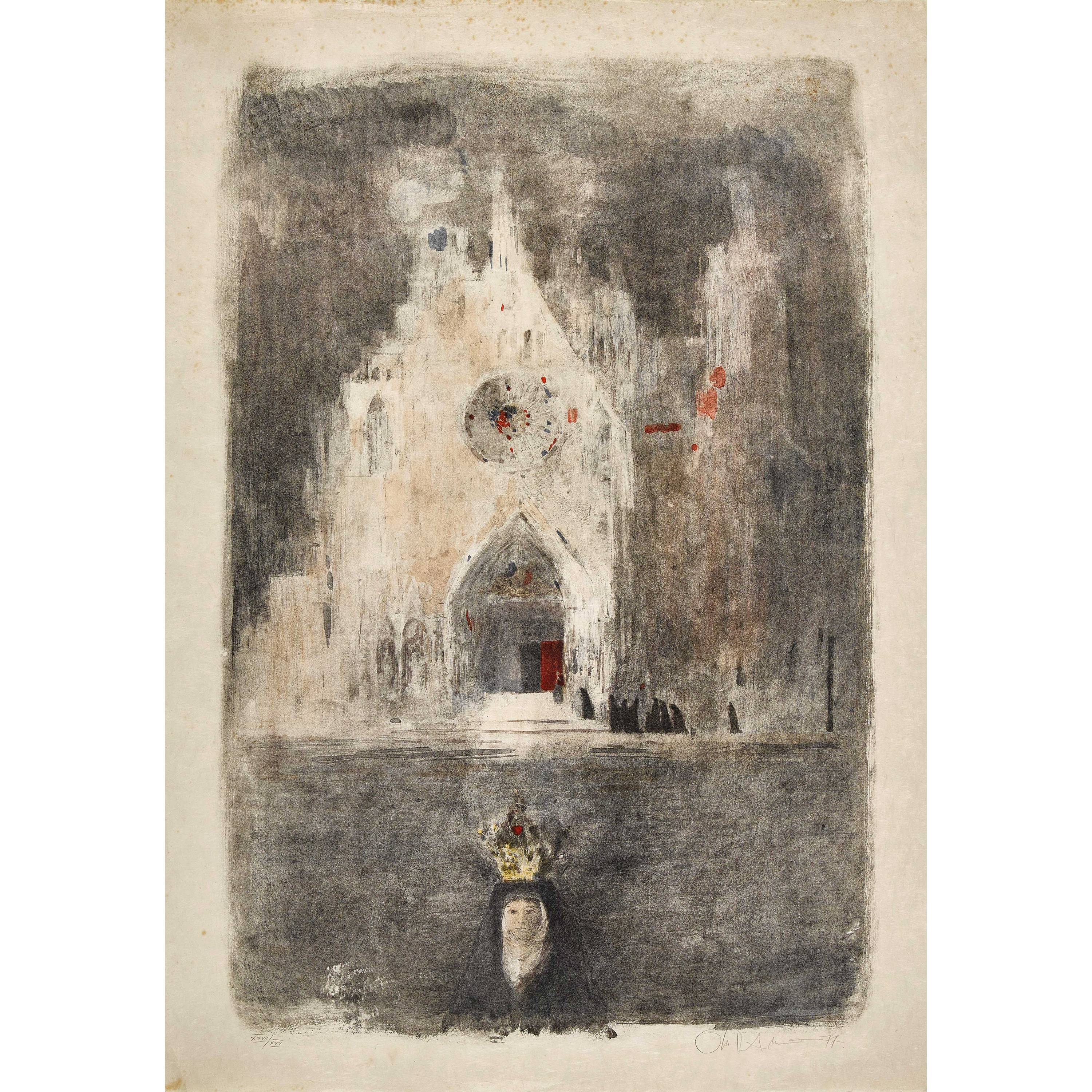
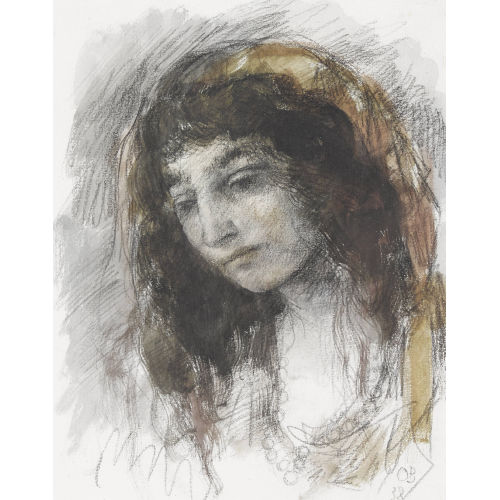
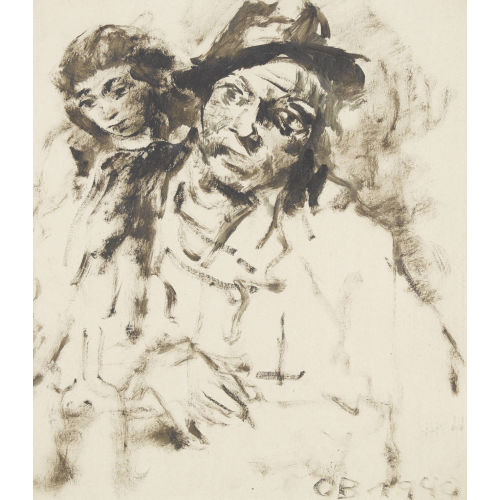
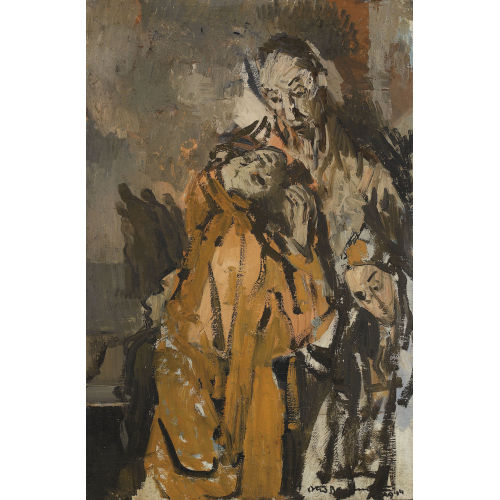
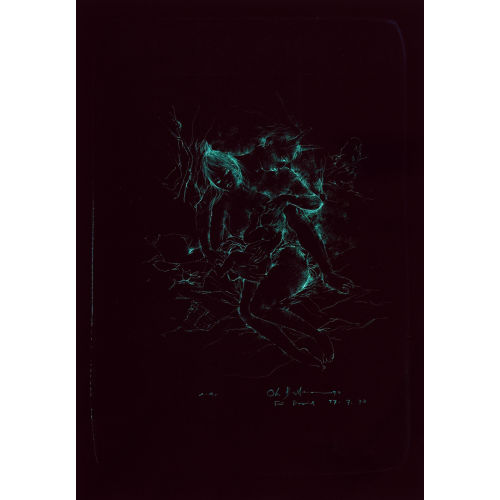
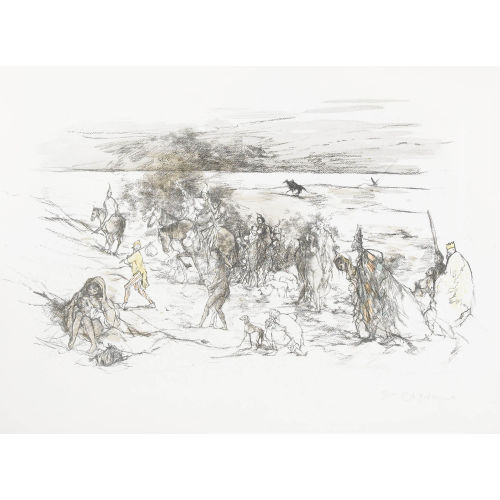
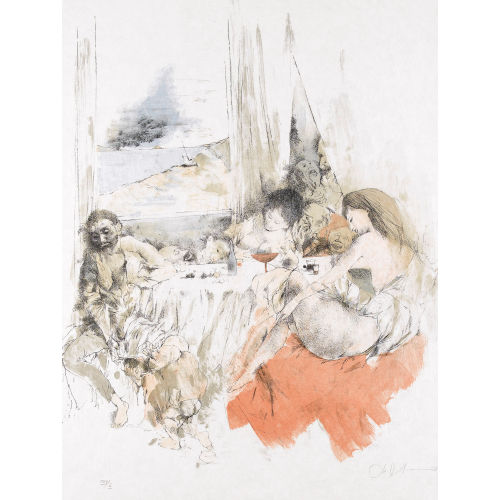
His imaginative figuration combines precision of line with narrative freedom. Drawing gives structure to the figures, while colour and the arrangement of characters establish each scene’s atmosphere. This continuity between drawing, printmaking, illustration and painting offers a fuller understanding of his practice than an exclusive focus on circus subjects.
The Graphische Sammlung at ETH Zurich holds, among other works, a lithograph signed and dated 1966 and published by Éditions Lafranca. Acquired in 1972 and registered as inventory D 13542, it provides a precise institutional reference for his printmaking. Peter P.
Riesterer’s Otto Bachmann. Bilder und Zeichnungen (1985) and Ingrid Zehnder-Rawer’s Otto Bachmann. Zeichnungen (1989) offer further resources for studying the oeuvre.
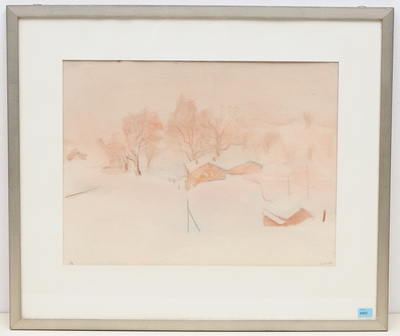
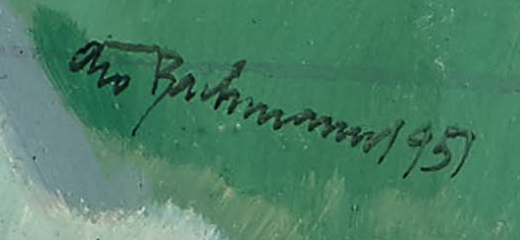
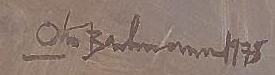
His work is regularly documented on the Swiss auction market, notably at Germann. Paintings on canvas, panel or board, drawings and lithographs belong to distinct categories. Medium, dimensions, subject, date, signature and condition must be considered before comparing prices.
Auction records complement the study of the oeuvre without replacing examination of the individual work.