Lilly Keller
Born in 1929.
Died in 2018.
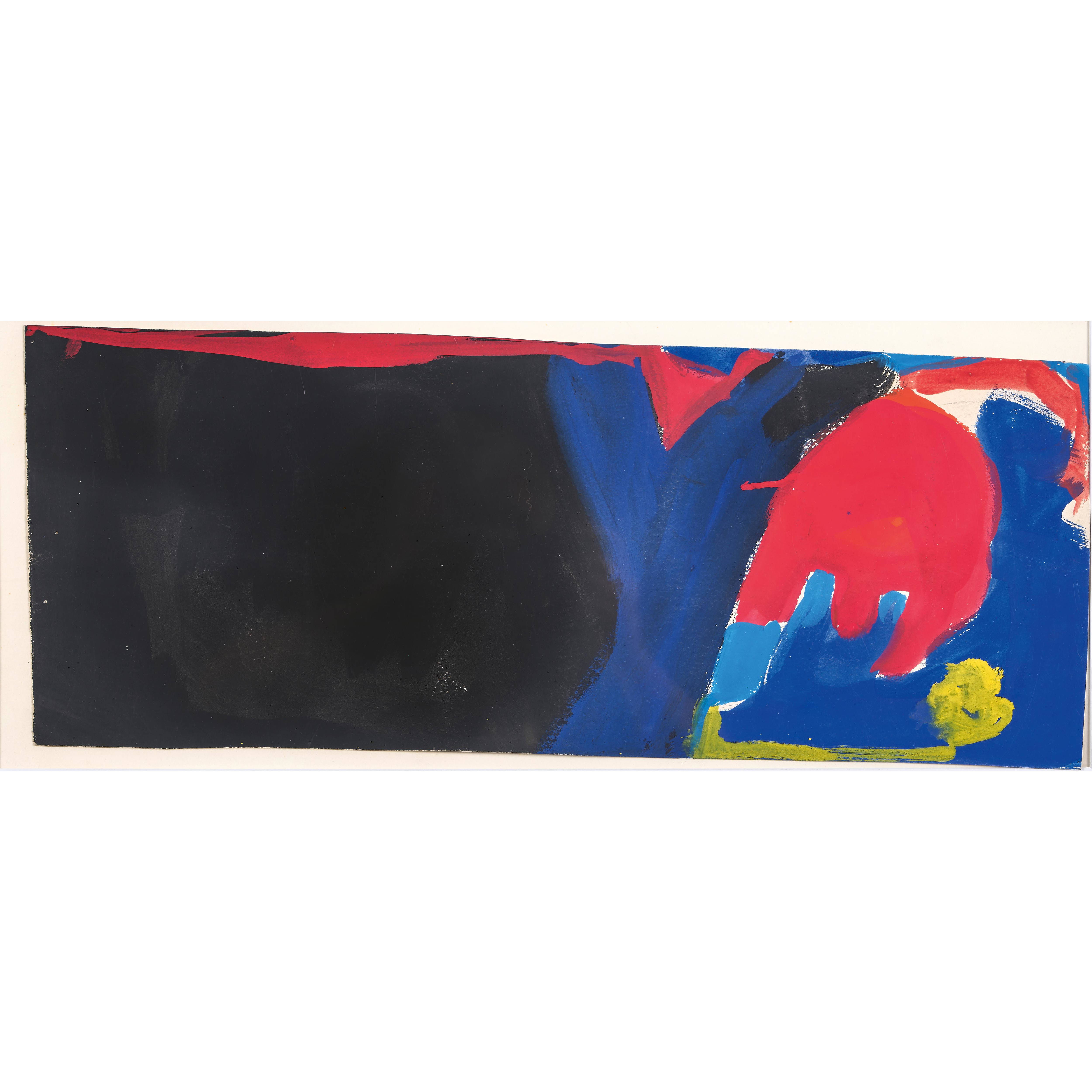
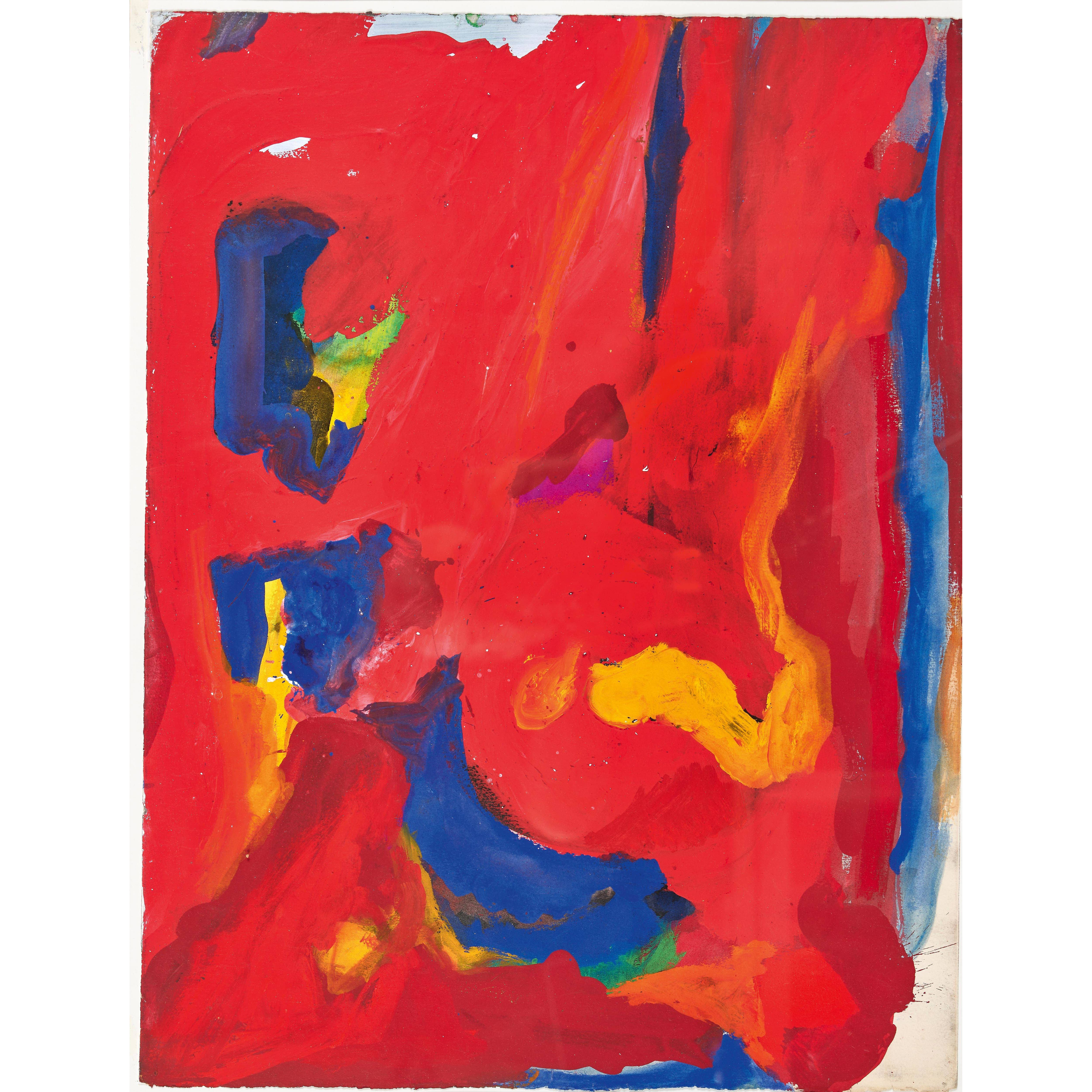
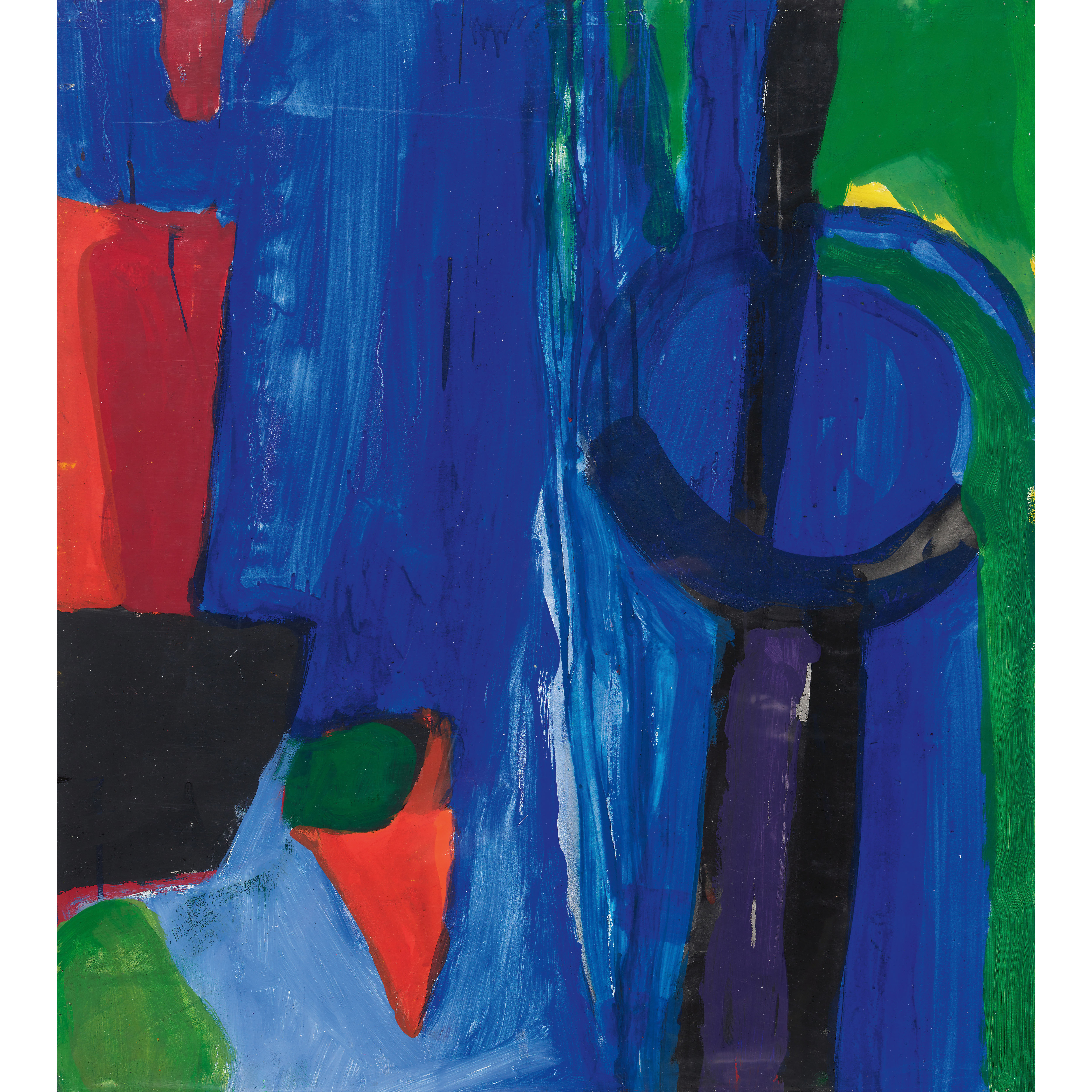
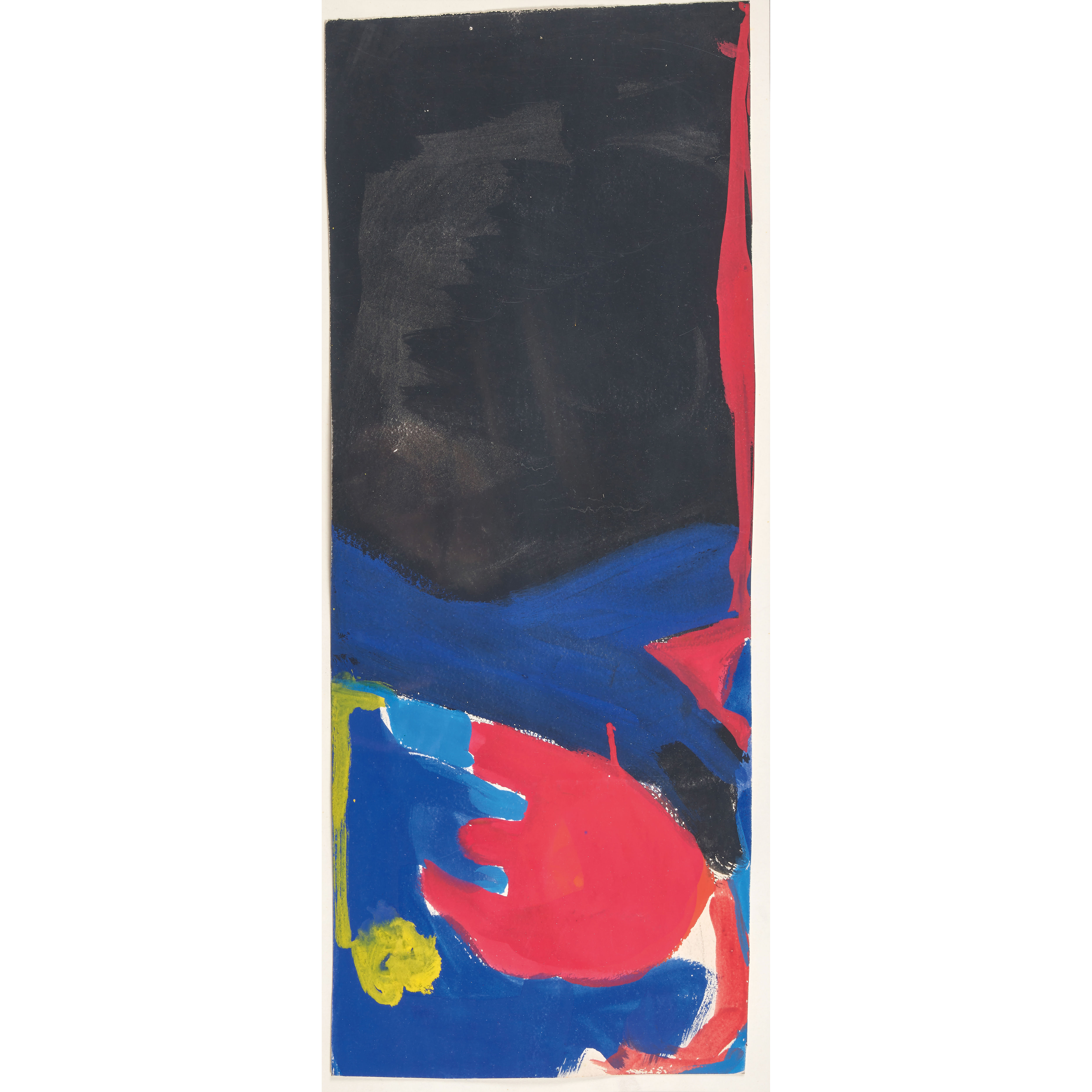
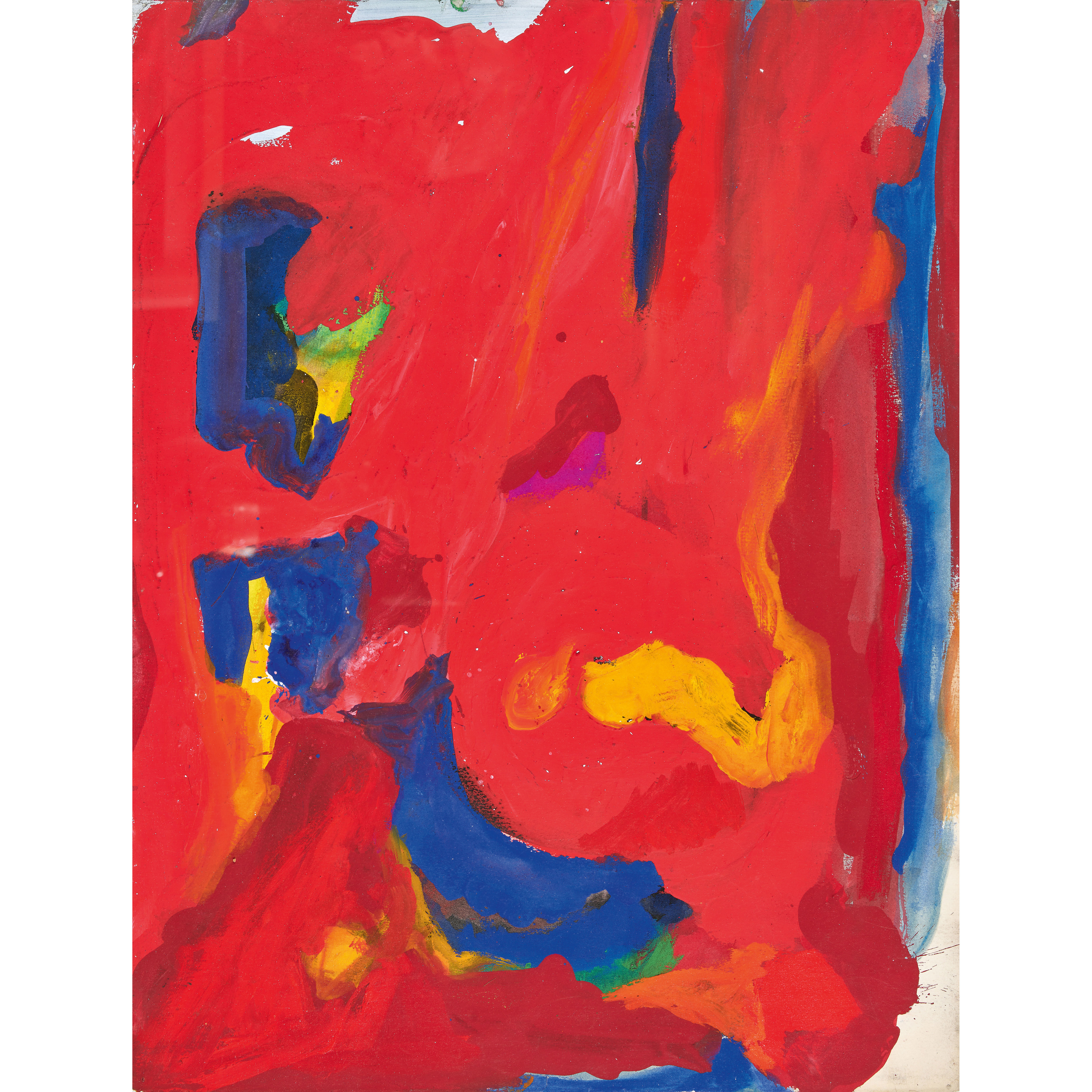
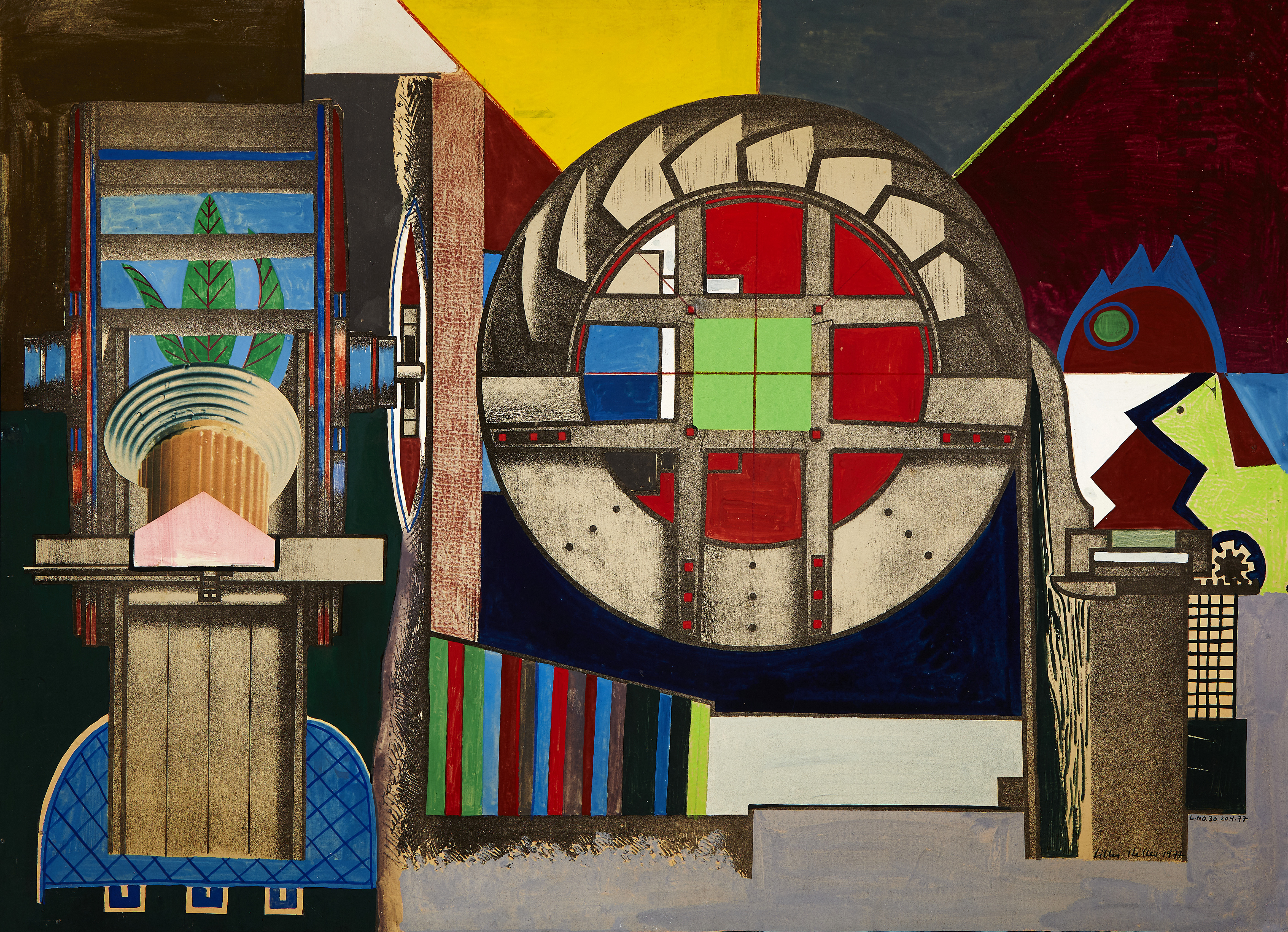
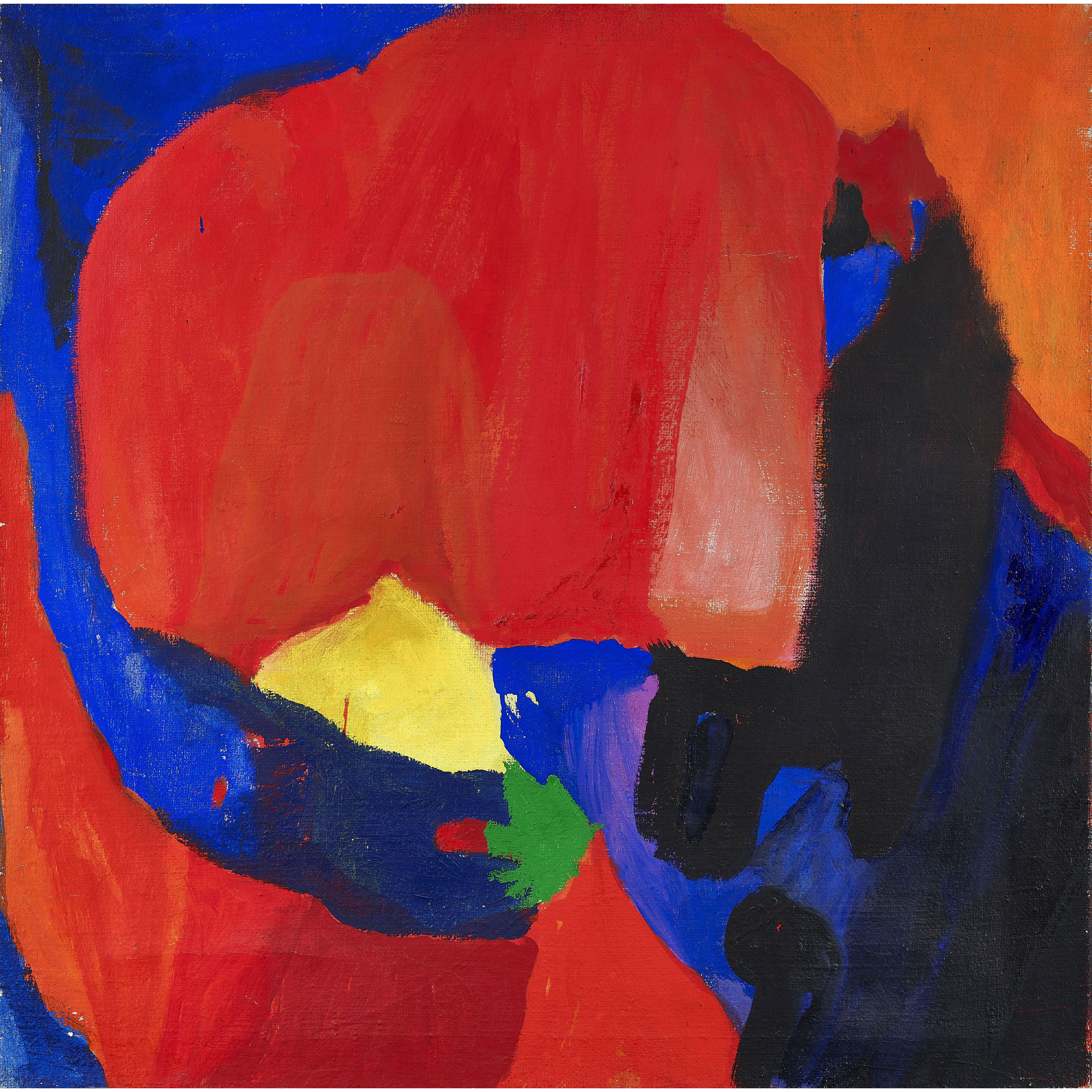
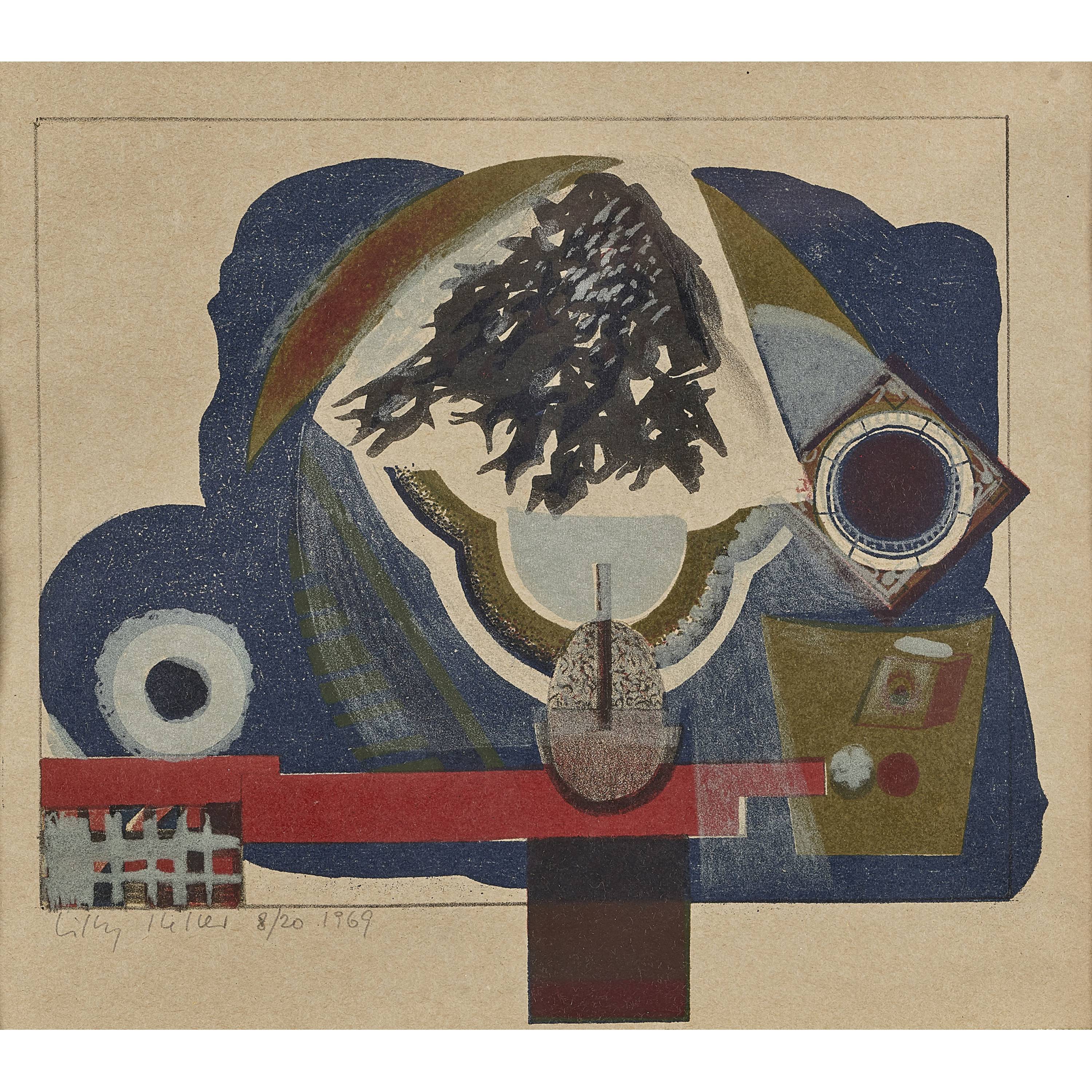
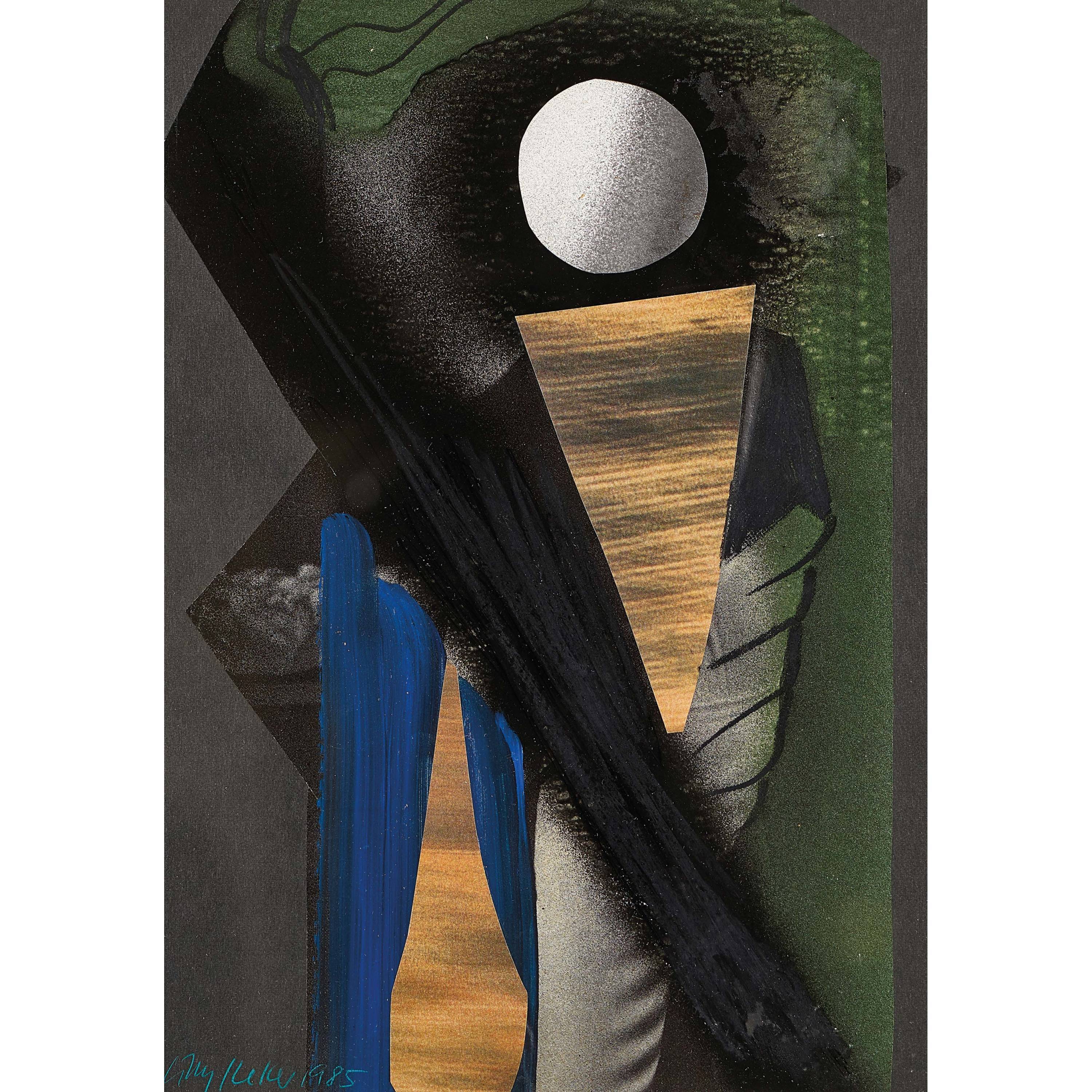
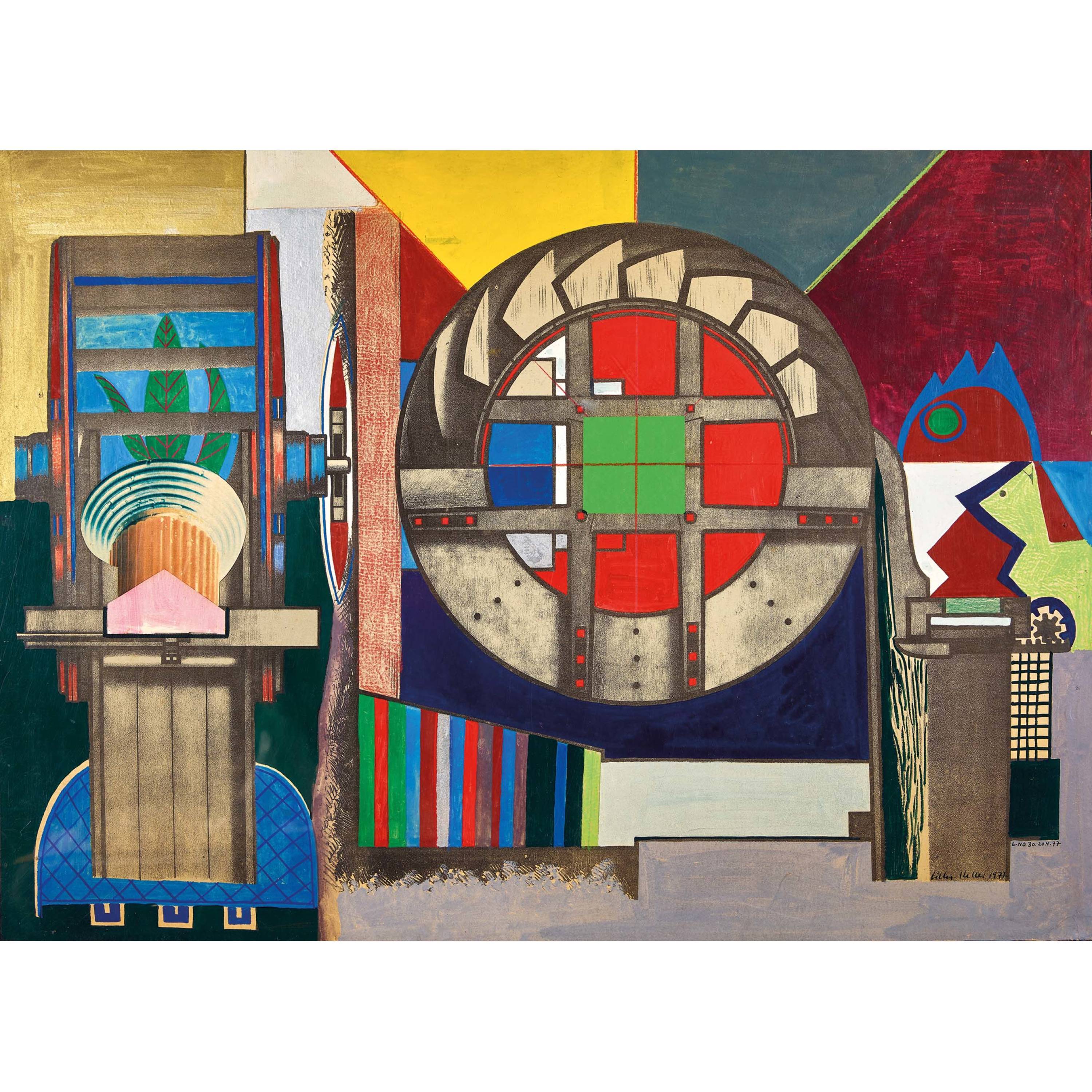
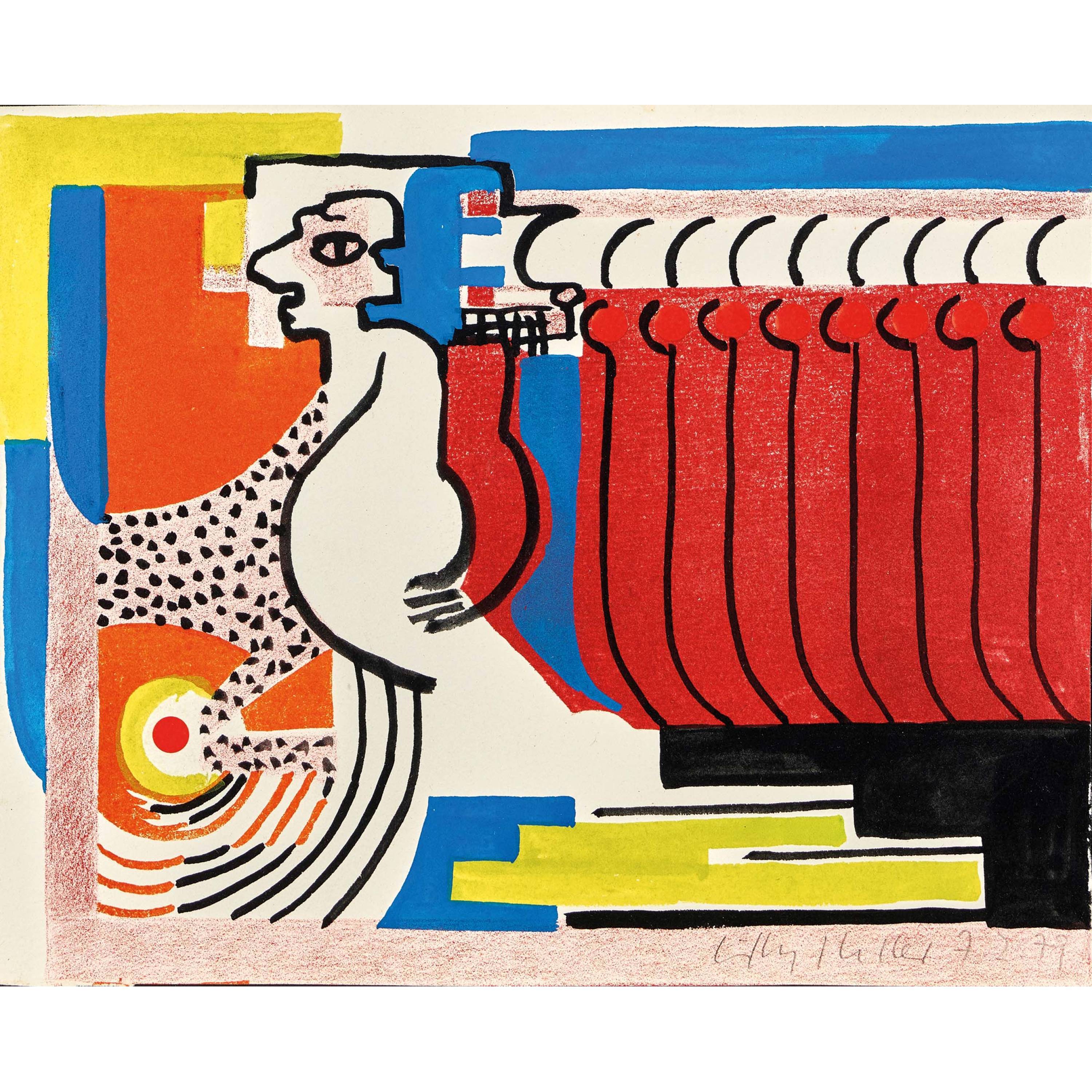
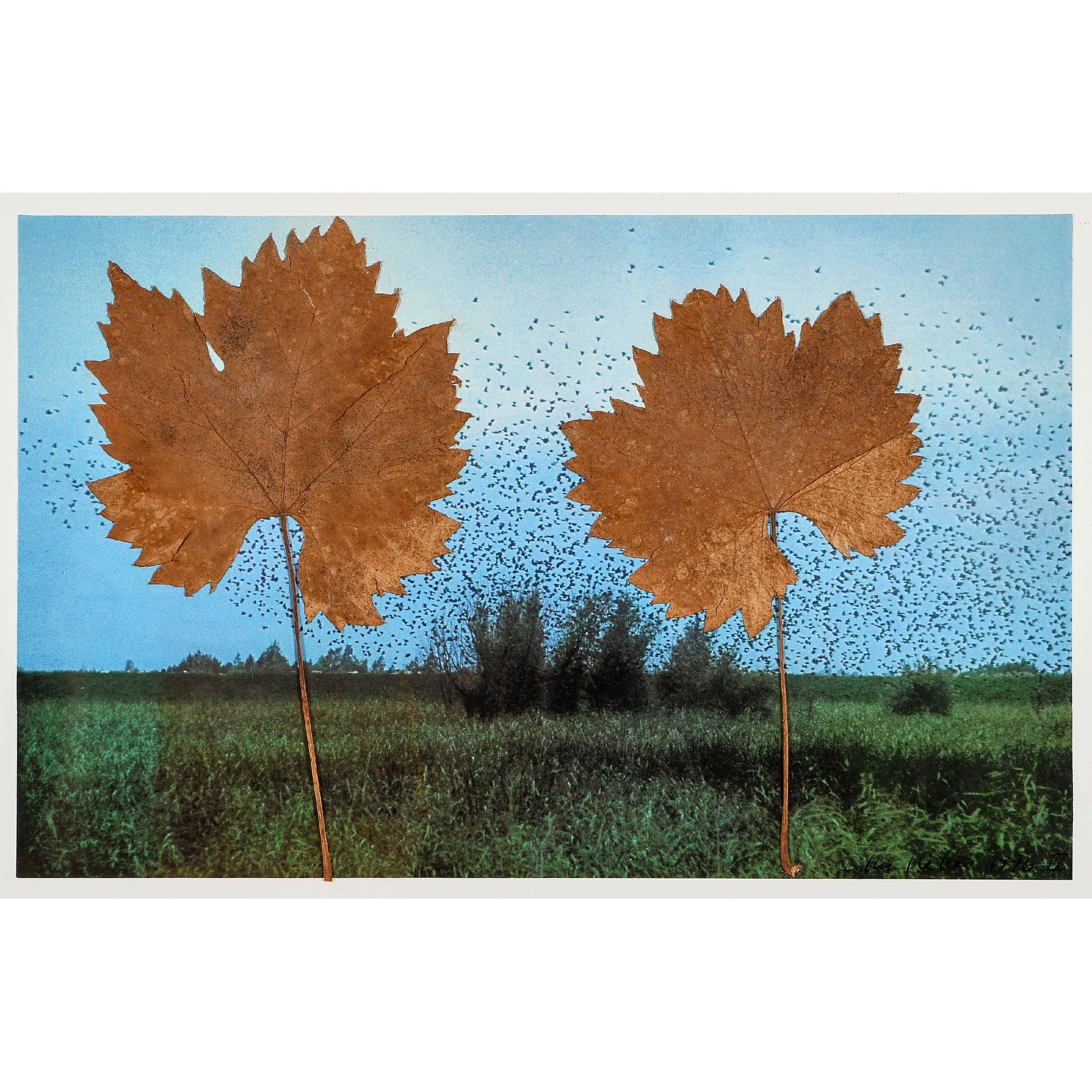
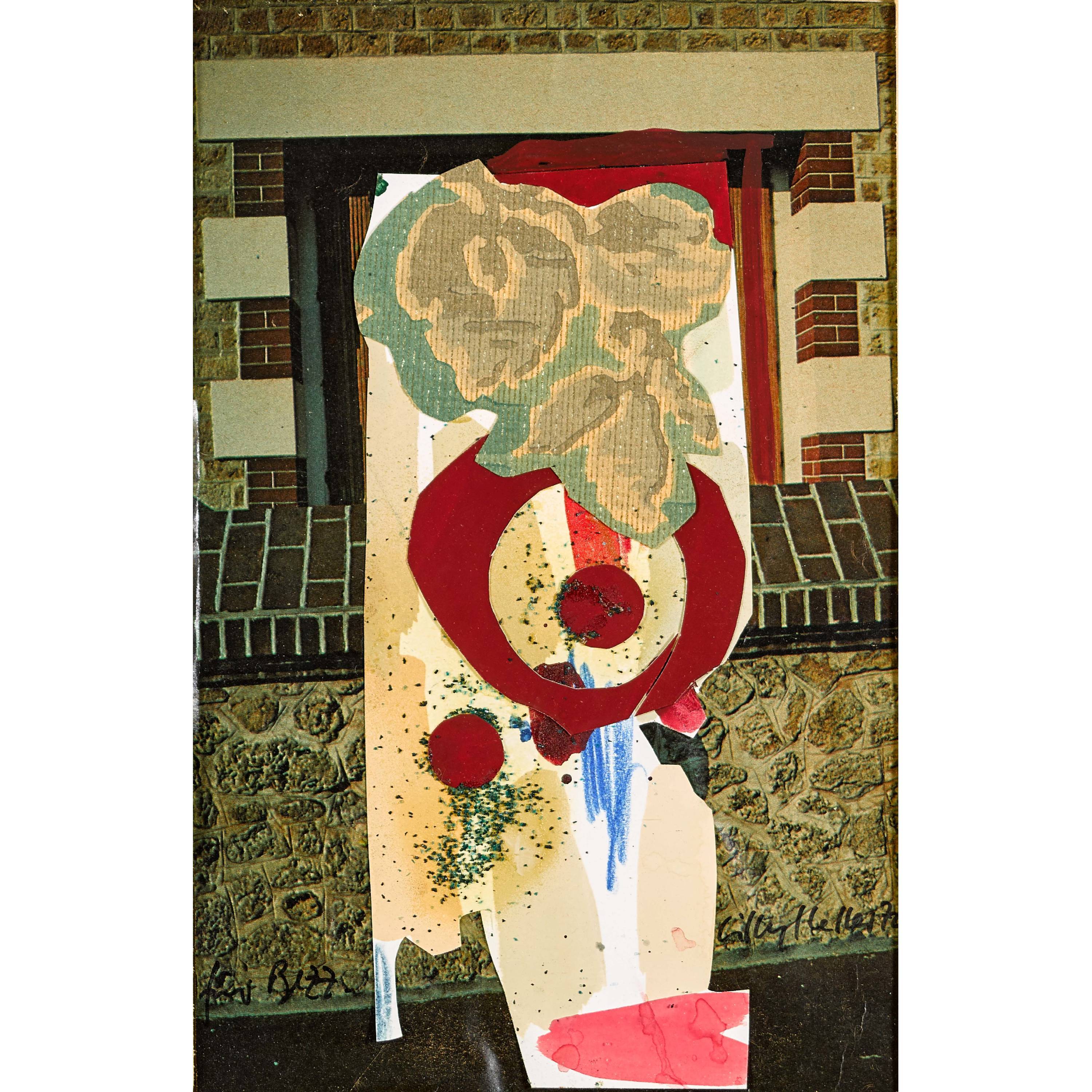
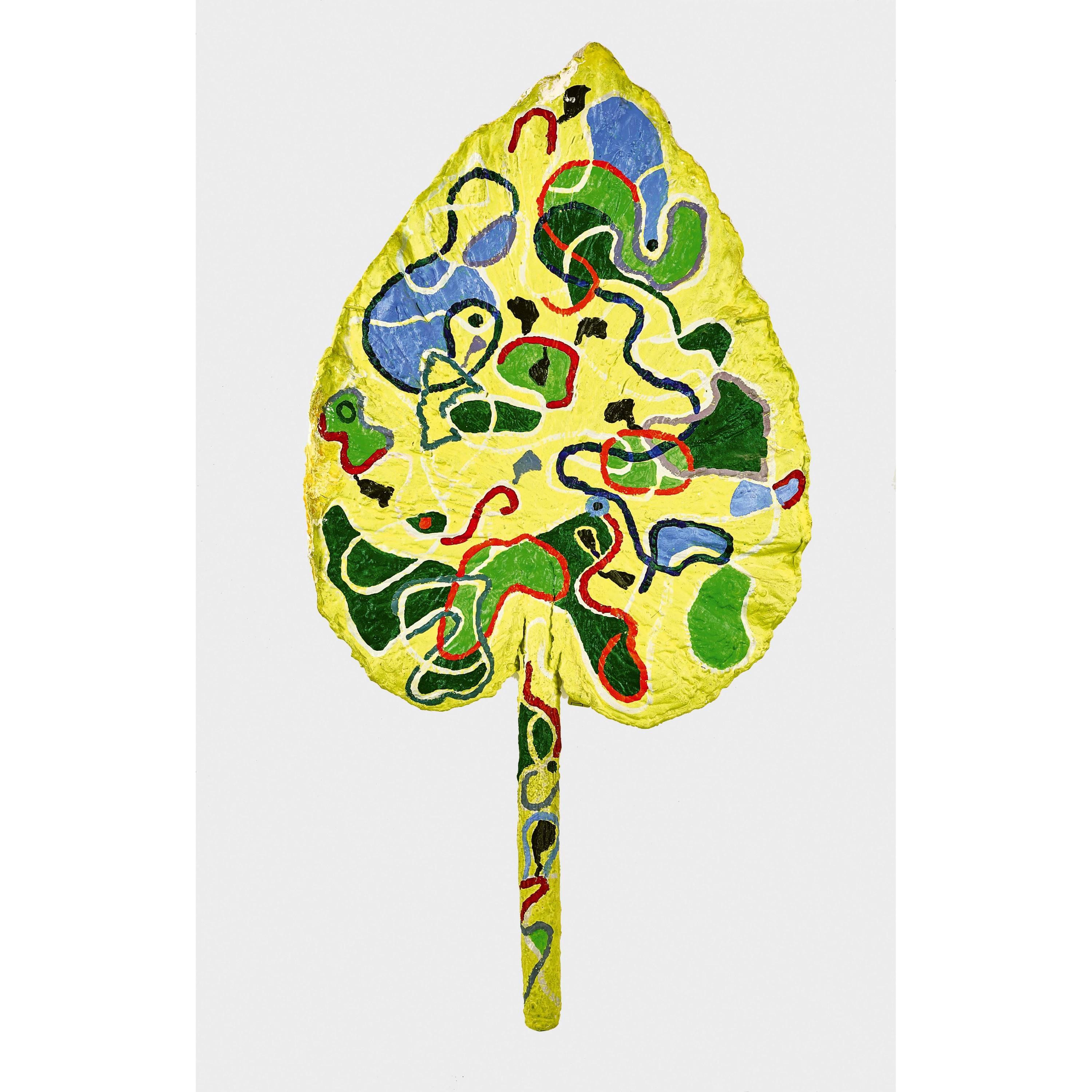
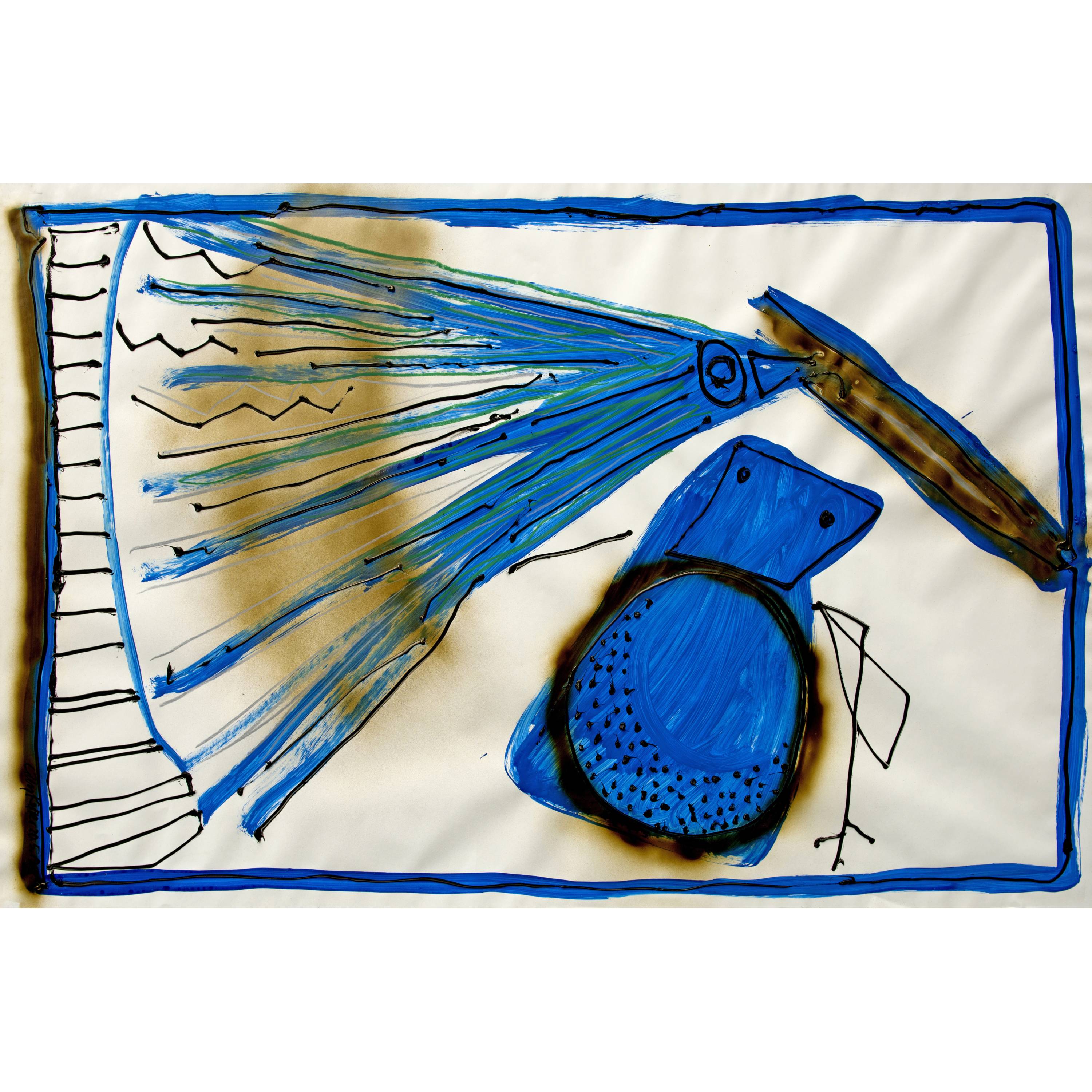
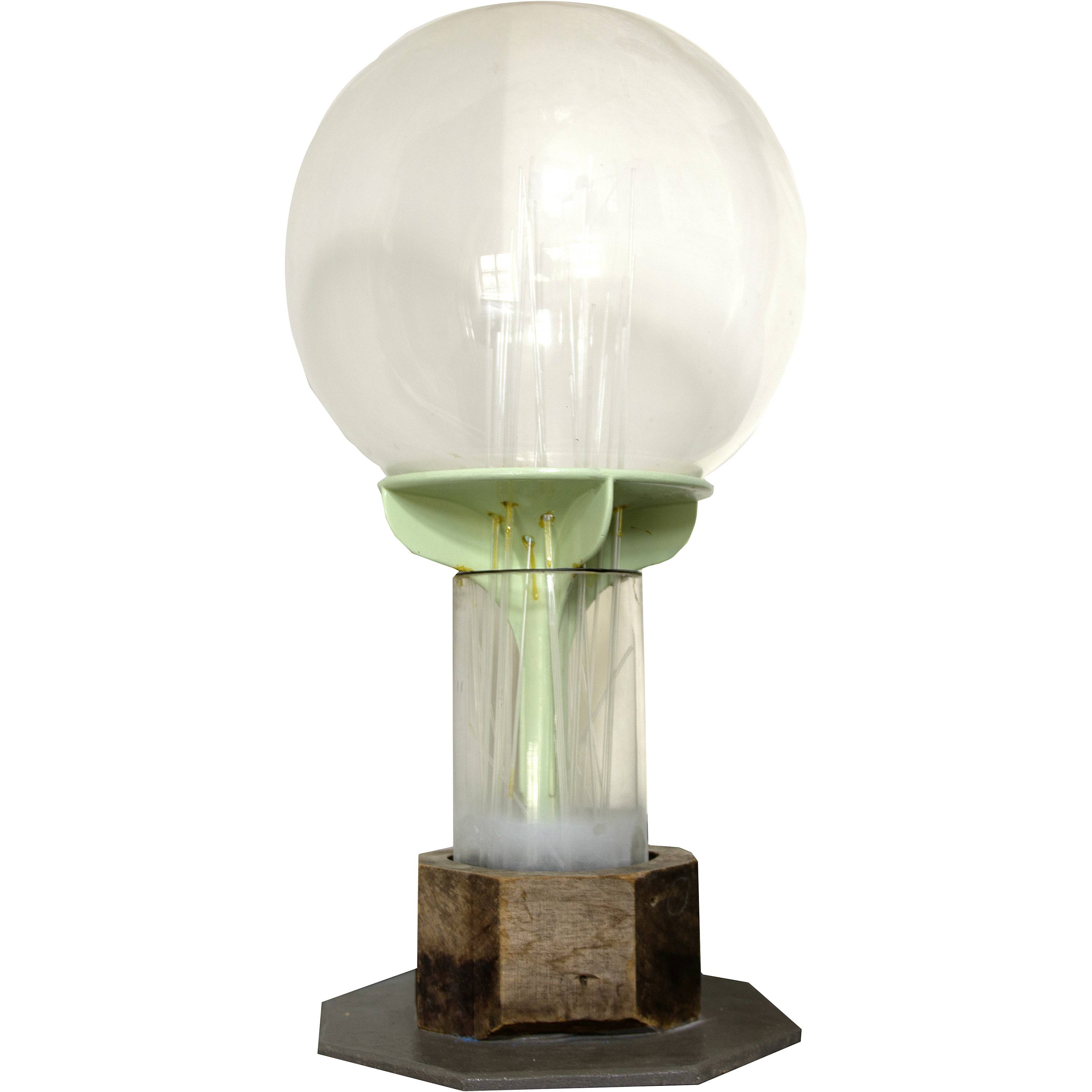
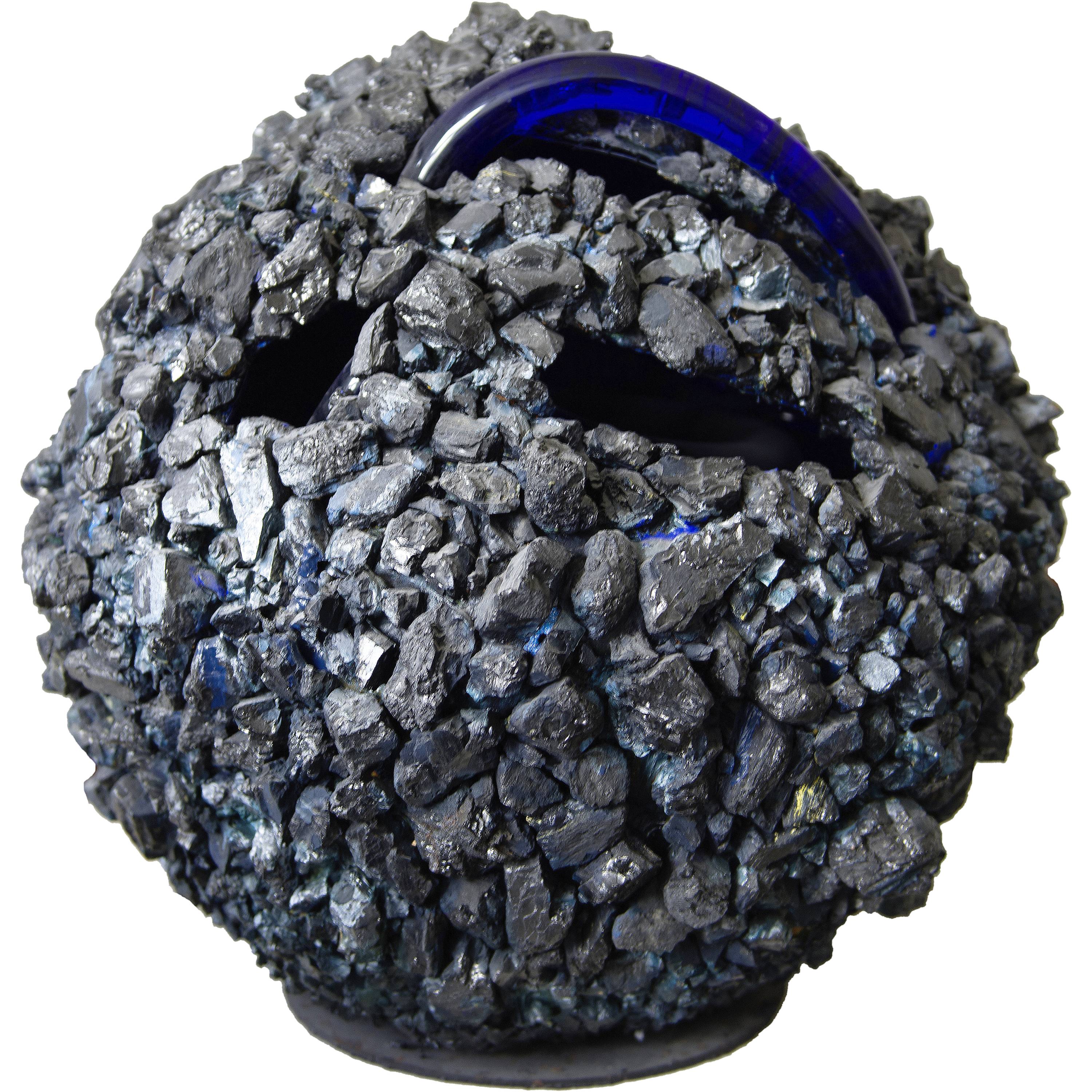
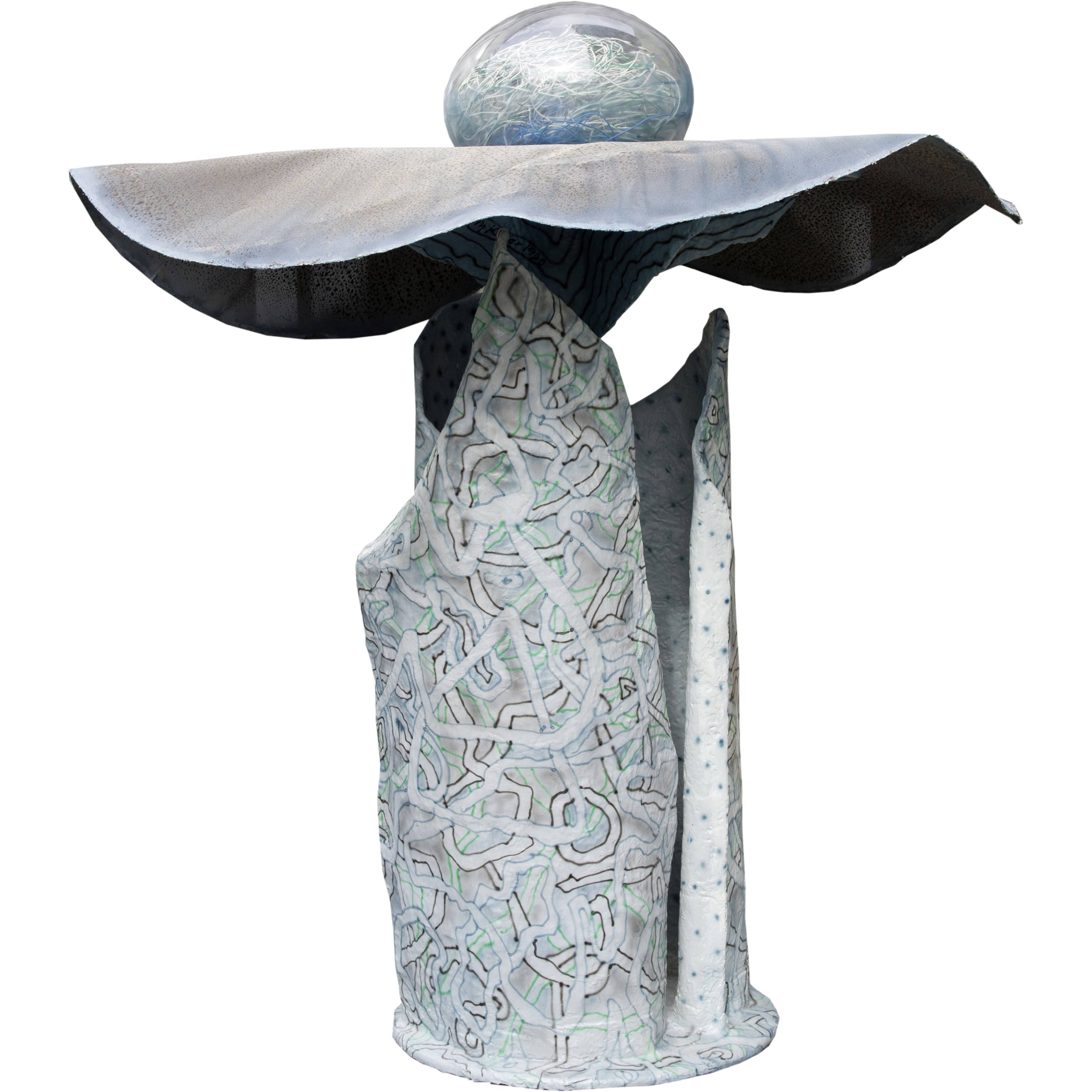
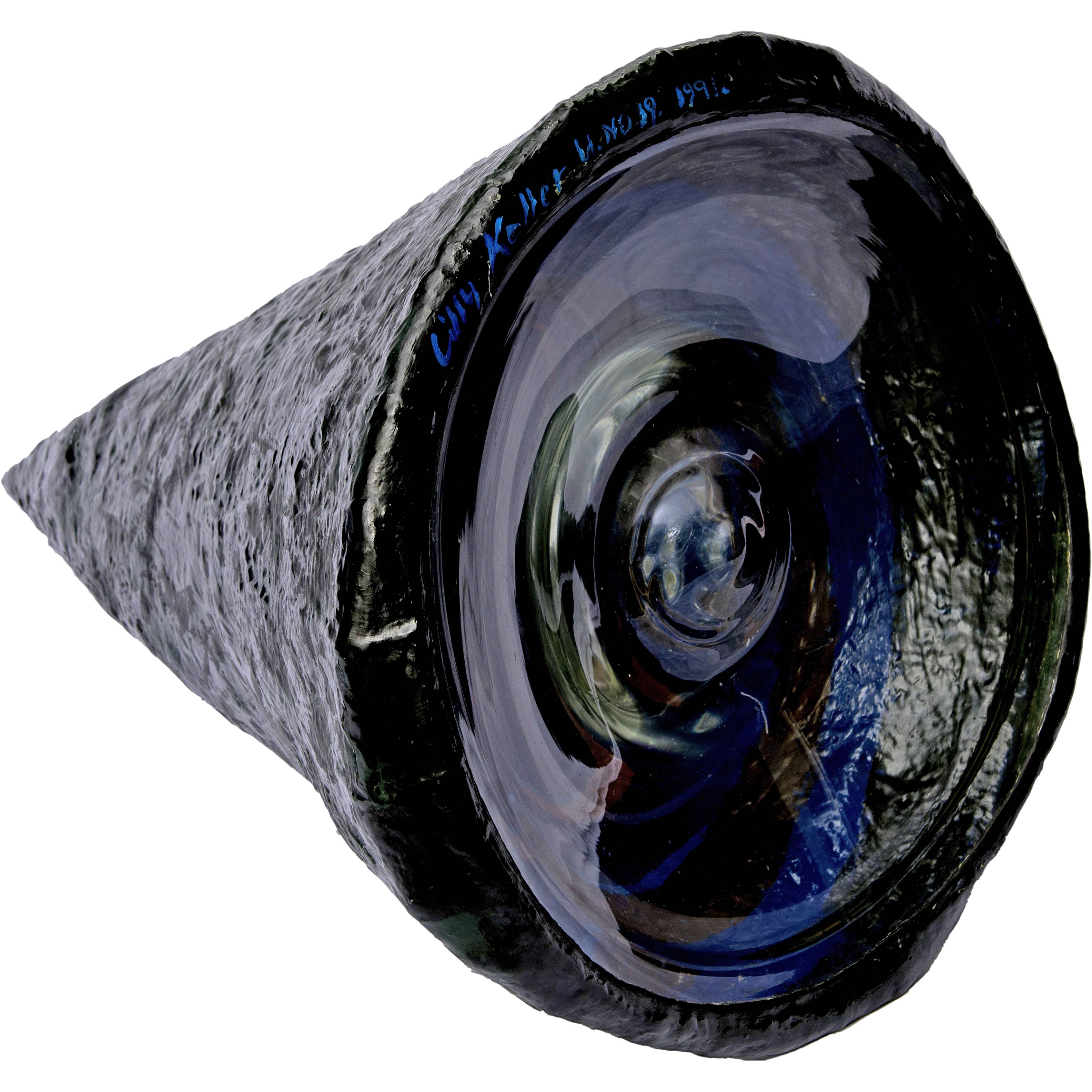
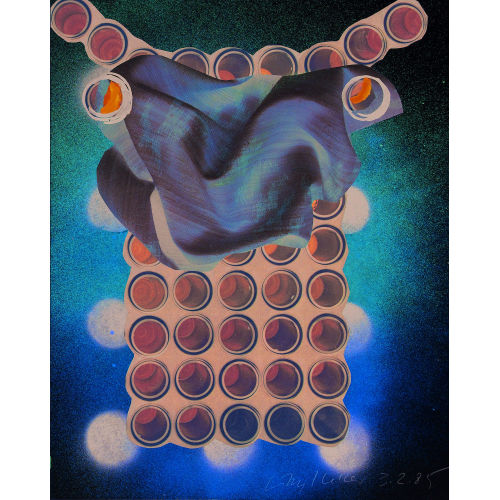
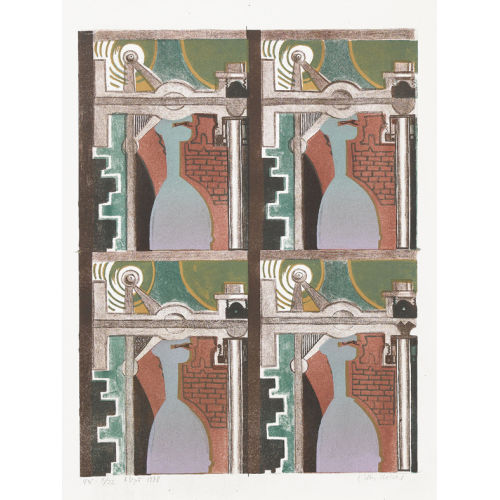
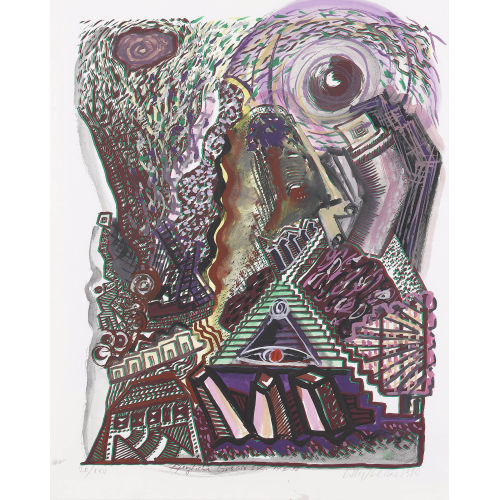
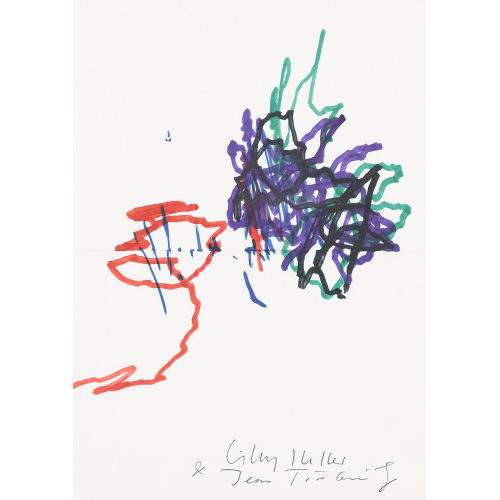
Lilly Keller (19 February 1929 – 2 January 2018) developed a multifaceted artistic practice over nearly seventy years. Her oeuvre, documented through tapestries, spatial installations, collages and glass sculptures, attests to a diversity of techniques and supports.
Admitted to the Kunstgewerbeschule Zürich in 1949 to study graphic design, she came under the tutelage of Johannes Itten. Three years later, she interrupted this training and continued her work as an independent artist. From 1953 onwards, Keller worked primarily with textile materials and techniques.
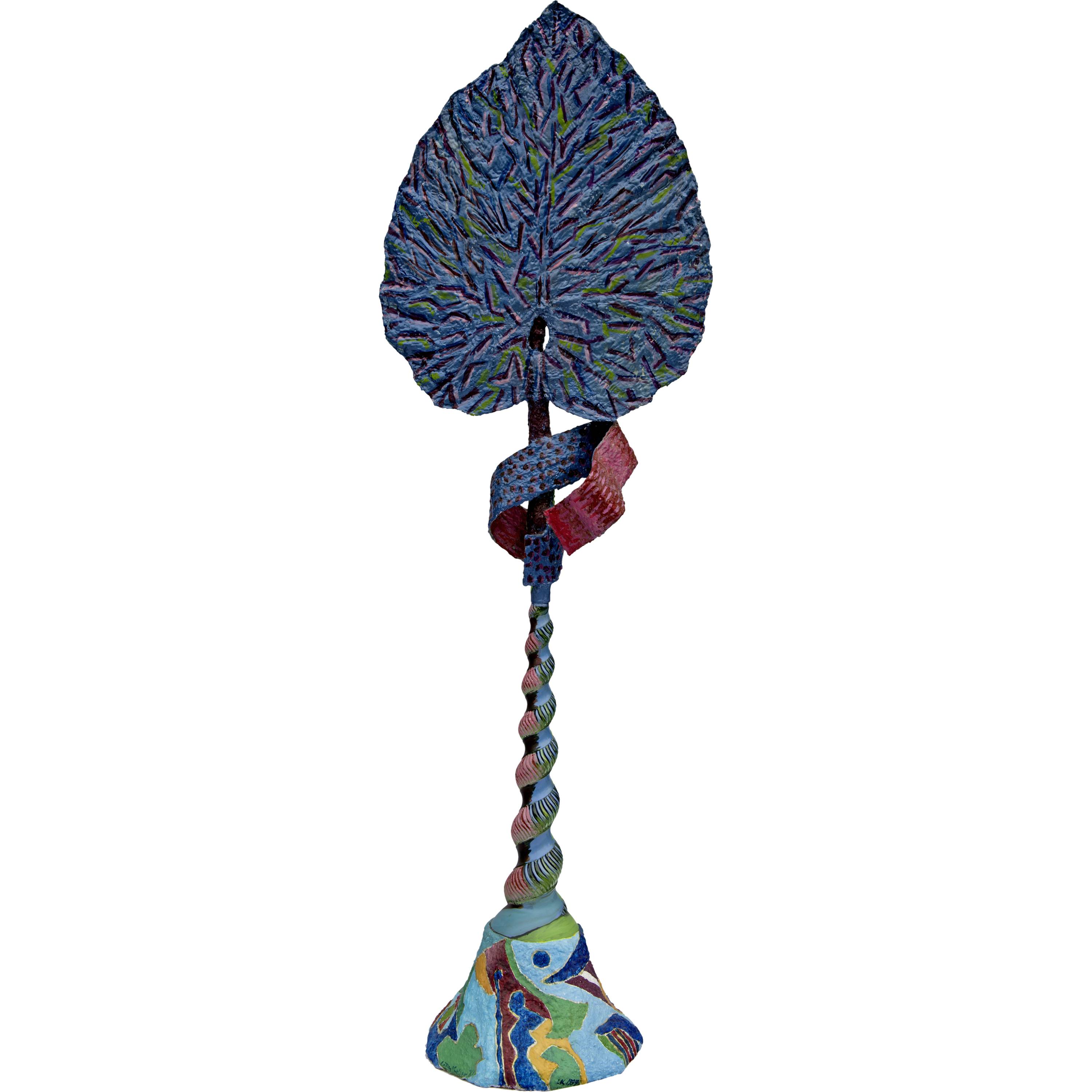
In 1984, she discovered glass as a medium and produced several glass sculptures. Later, polyurethane and polyester entered her vocabulary as she developed reliefs and works occupying space.
In 1962, she married the artist Toni Grieb and settled with him in a former mill in Montet (Cudrefin, canton of Vaud). In autumn 2016, she moved to Thusis.
Her documented travels include stays in Persia, Afghanistan, Pakistan and India in 1976–77, followed by Egypt in 1977–78. In terms of public presentations, she took part in the Biennale de la Tapisserie de Lausanne (1962), participated in 'Phantastische Figuration' at the Helmhaus Zürich (1969), presented an installation at the Kunsthalle Bern in 1980 and was the subject of a solo exhibition at the Kunstmuseum Bern in 1987. A retrospective at the Kunsthaus Grenchen (2011) and a presentation at the Bündner Kunstmuseum, Chur (2017/18) renewed the reading of her work, while in 2014 an RTS film devoted a portrait to her centred on her bamboo garden.
The bibliography includes, in particular, the monographs by Bellasi & Riederer (2010) and Fredi Lerch (2015), as well as the volume 'Lilly Keller. Arbeiten aus Jahrzehnten' (Edition Z, Chur, 2016); a Sikart entry (identifier 4000906) and a text by Annelise Zwez (1998) are among the basic references. According to the information available, works by Keller have been acquired by schools, public buildings and private collectors.