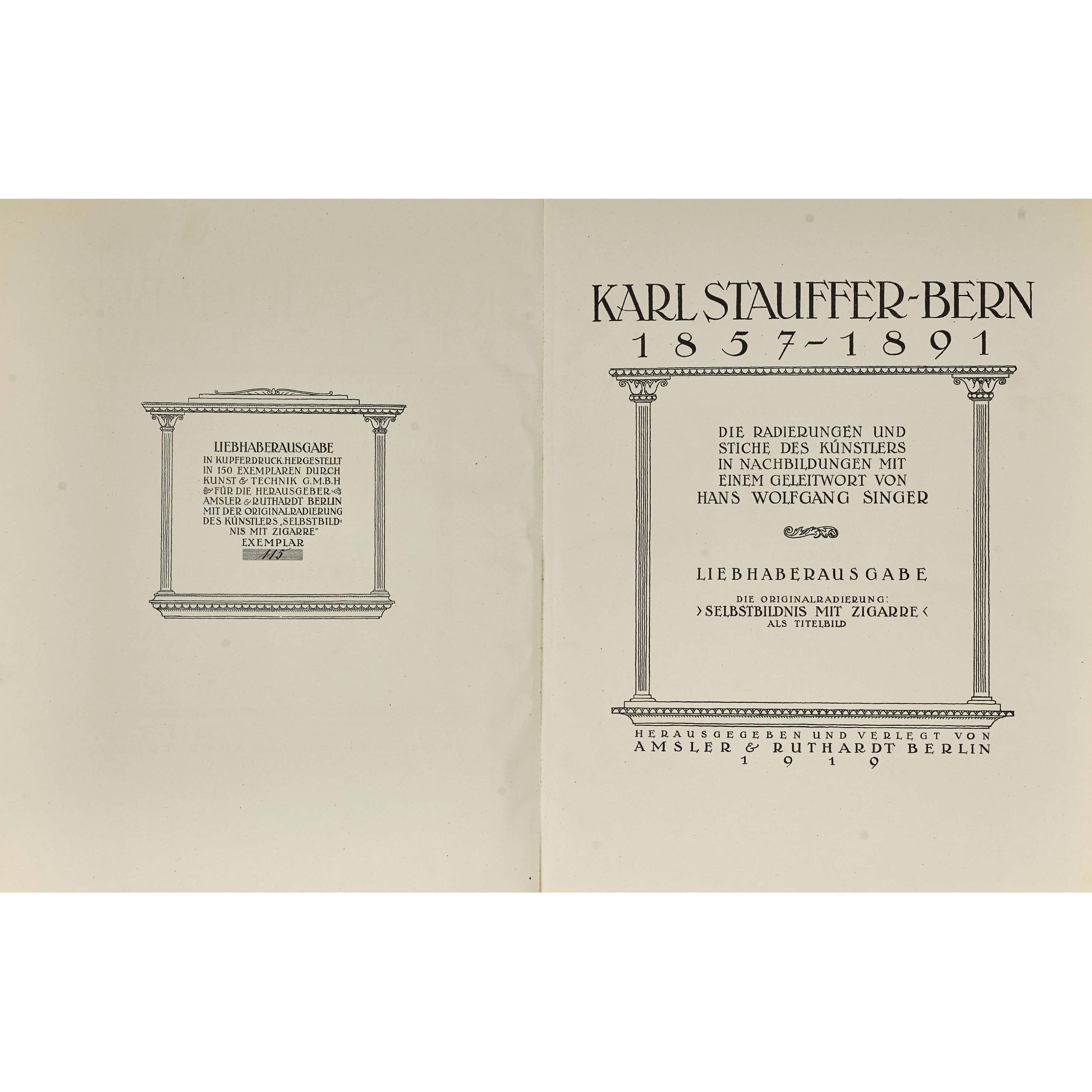
Karl Stauffer-Bern
Born in 1857.
Died in 1891.
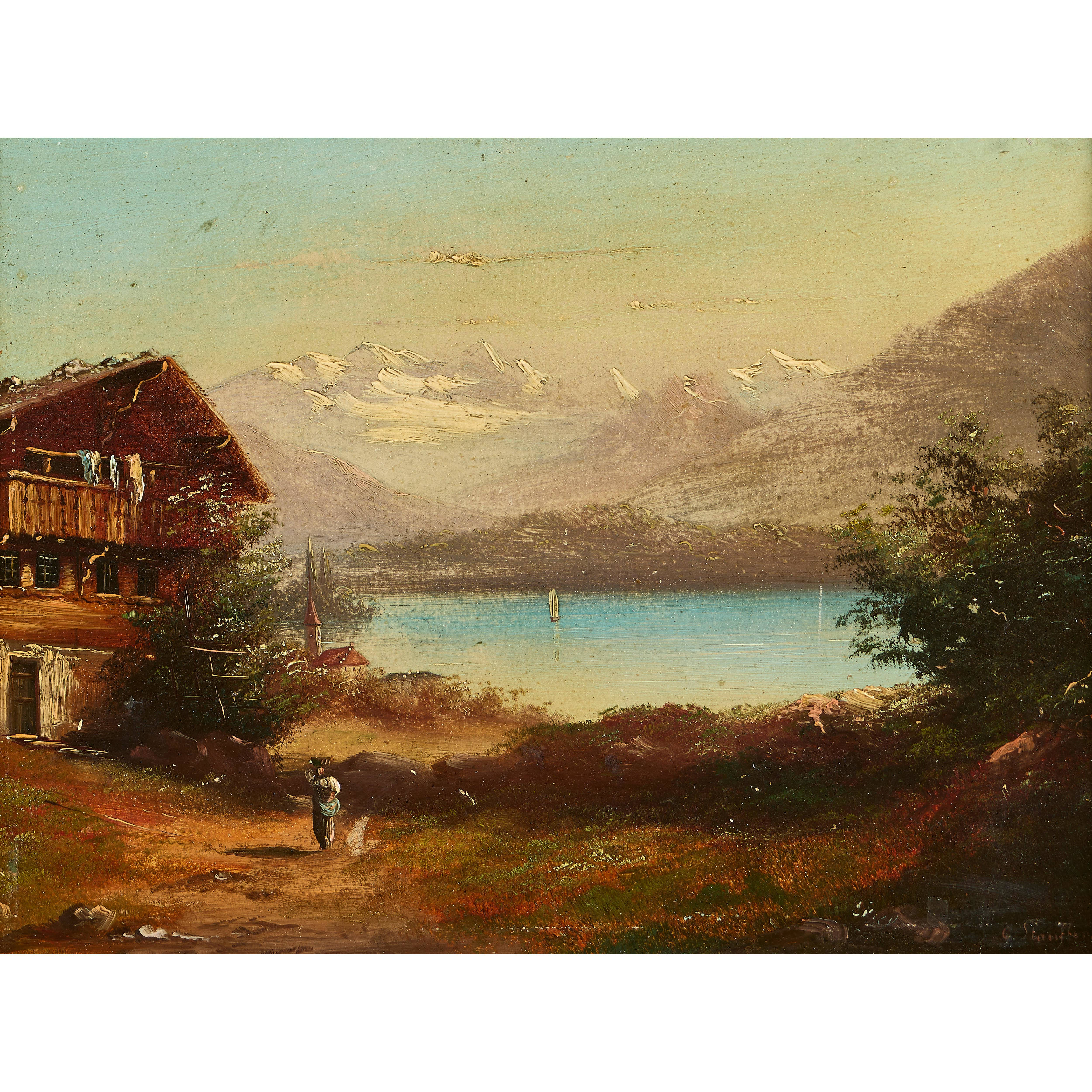
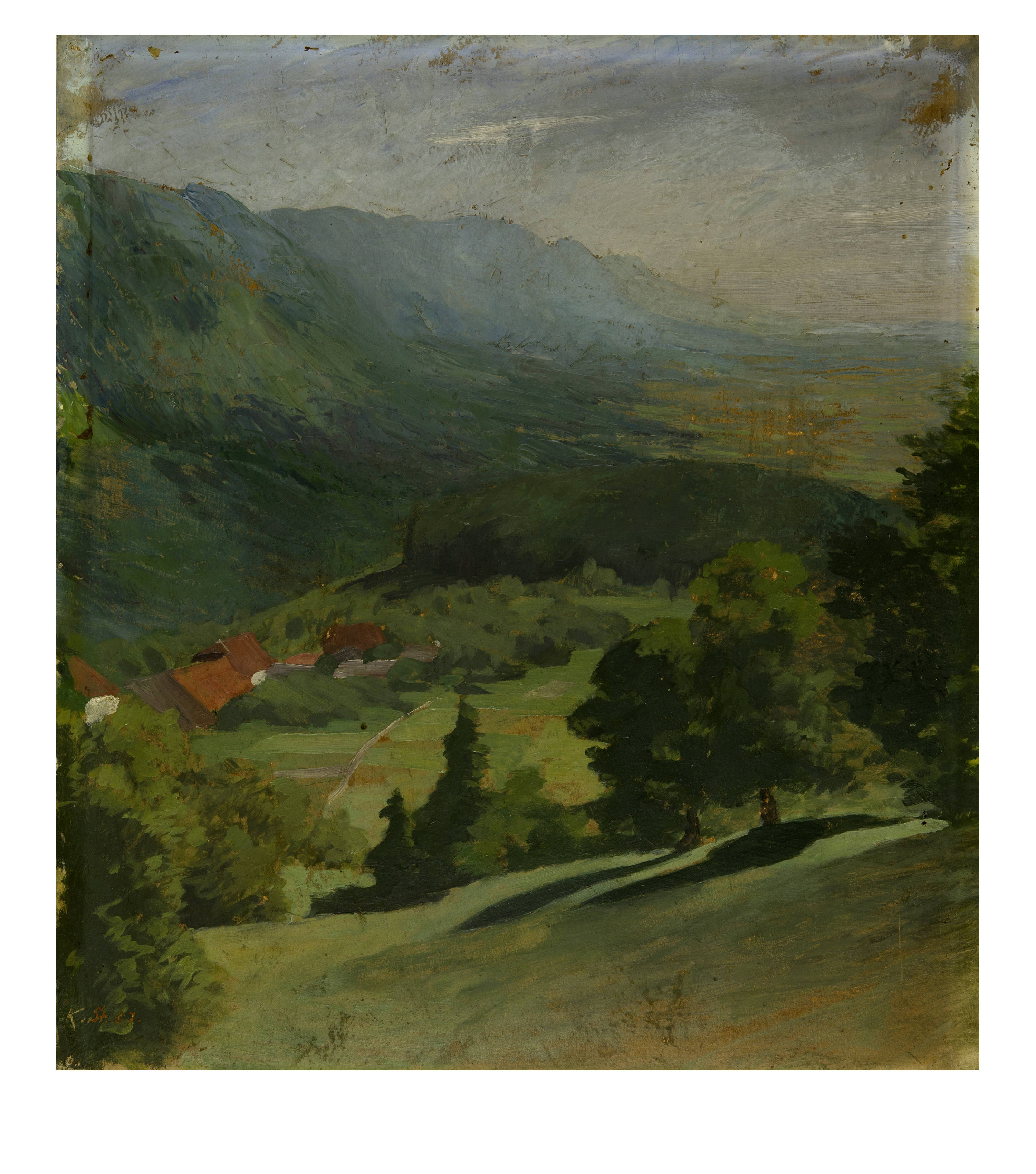
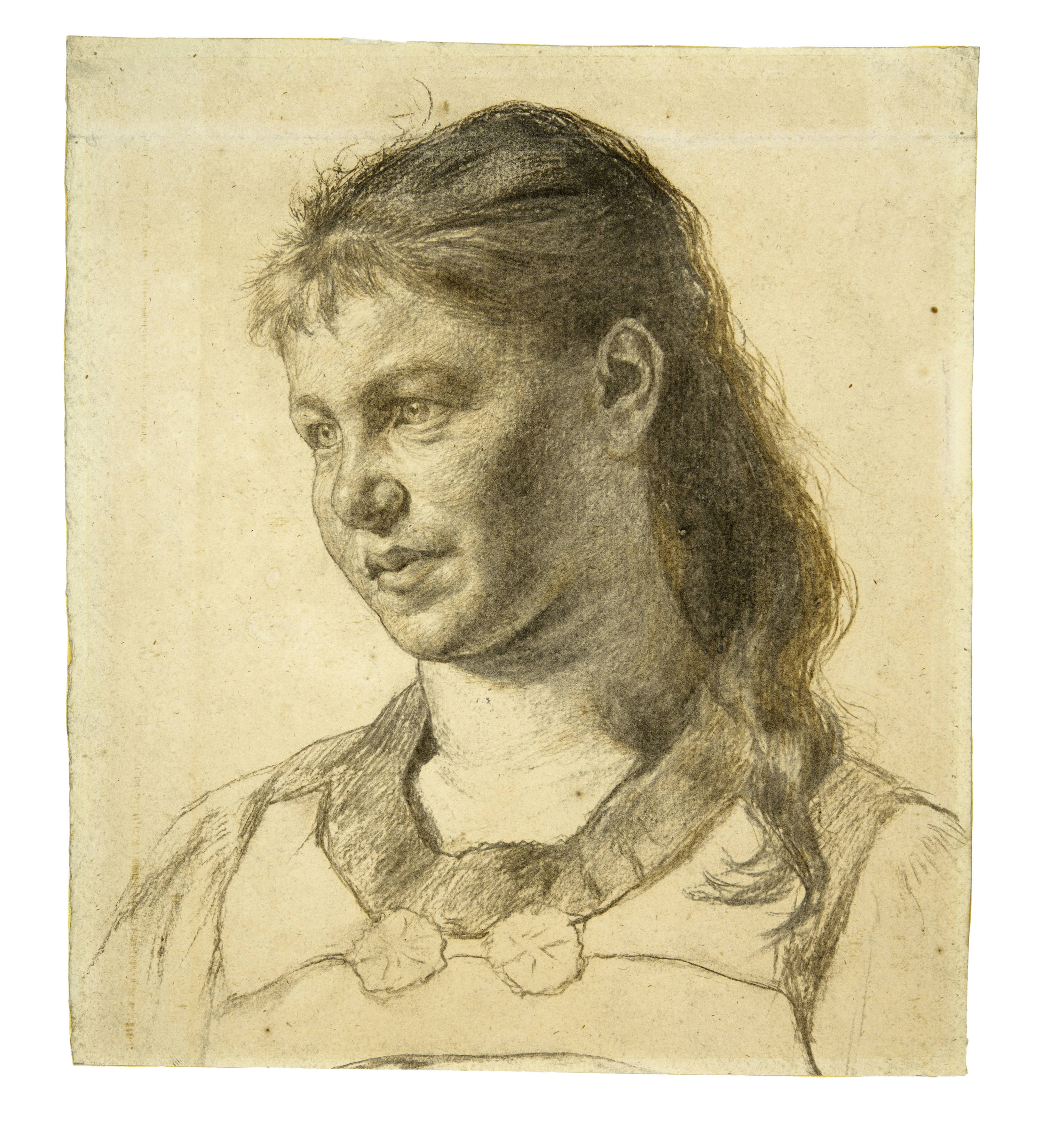
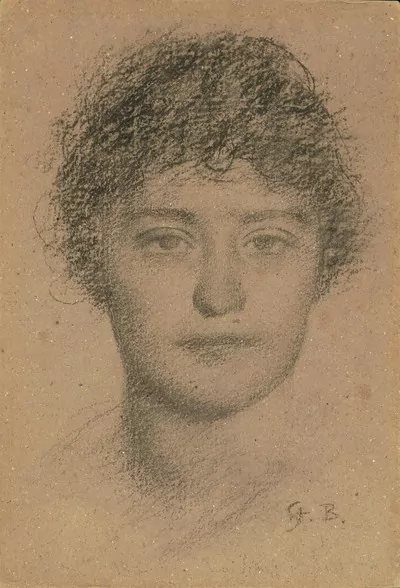
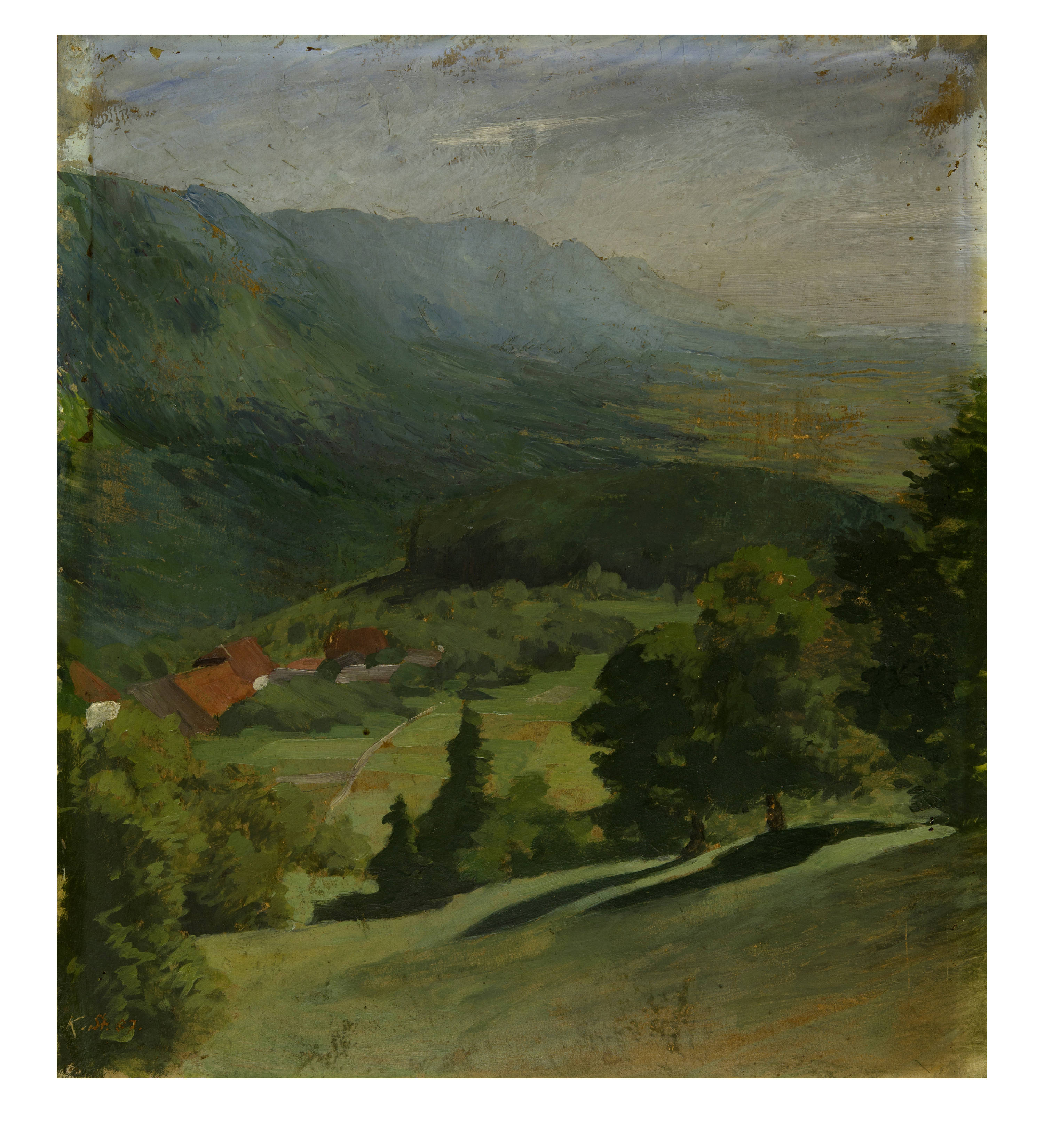
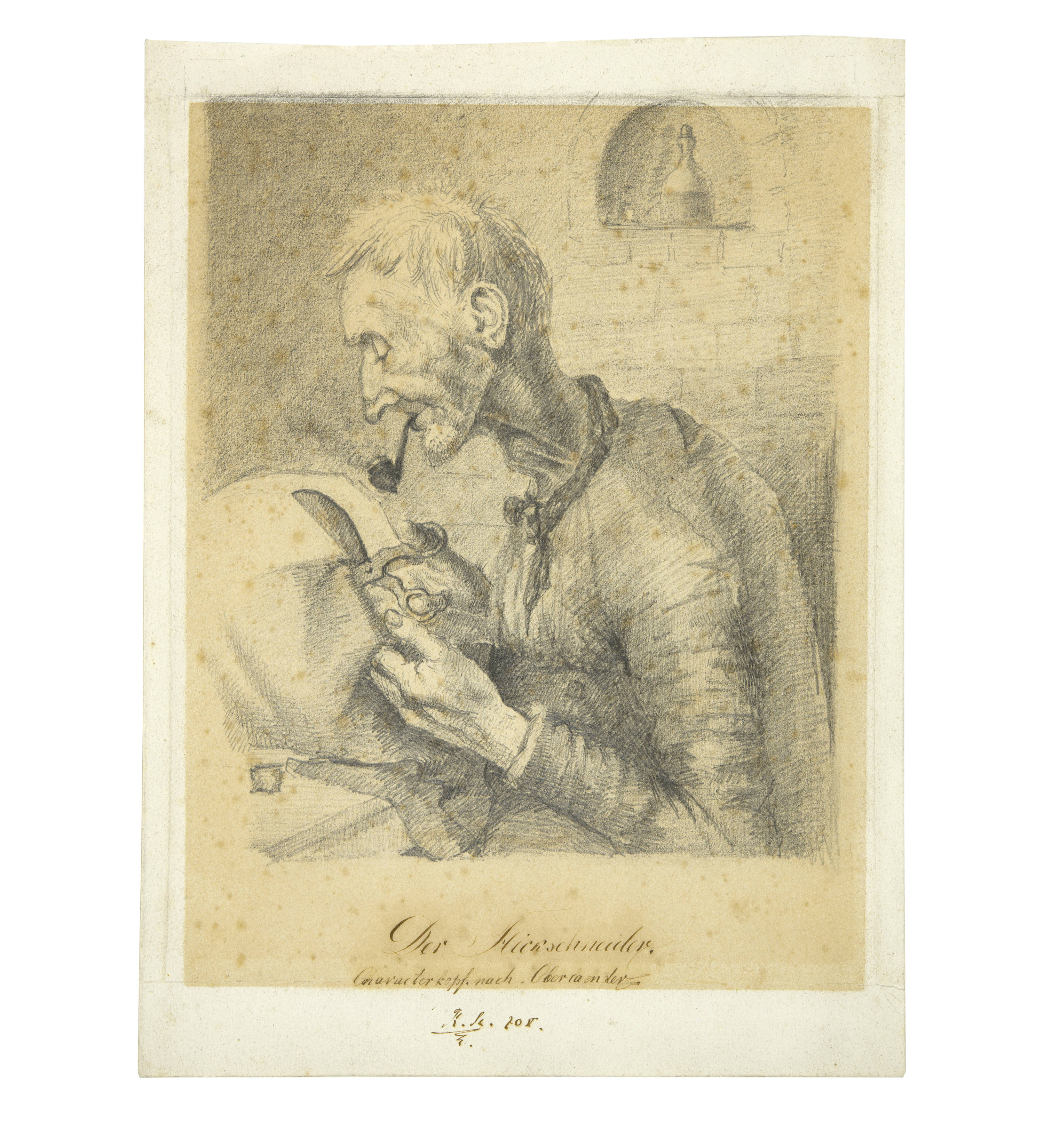
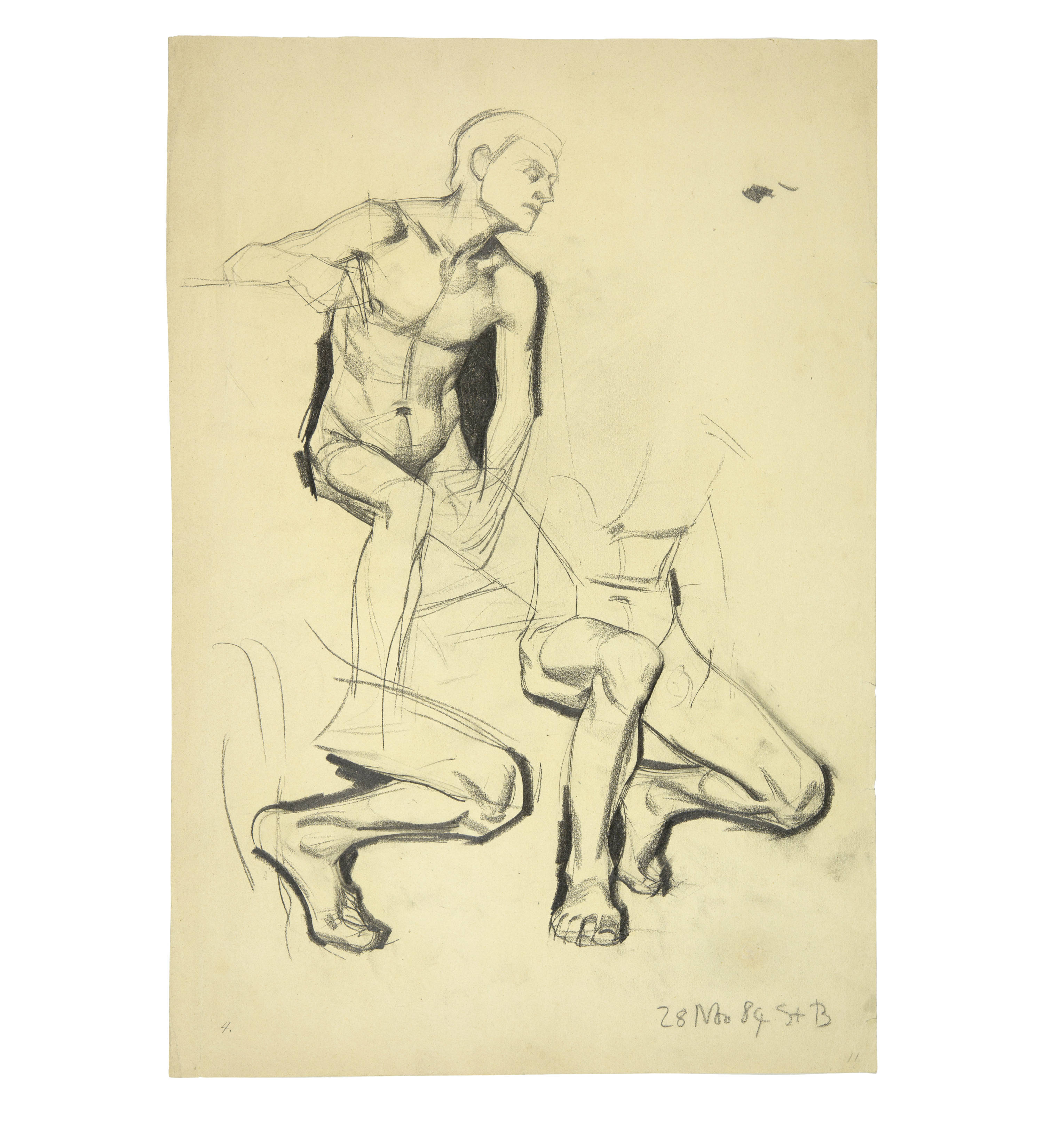
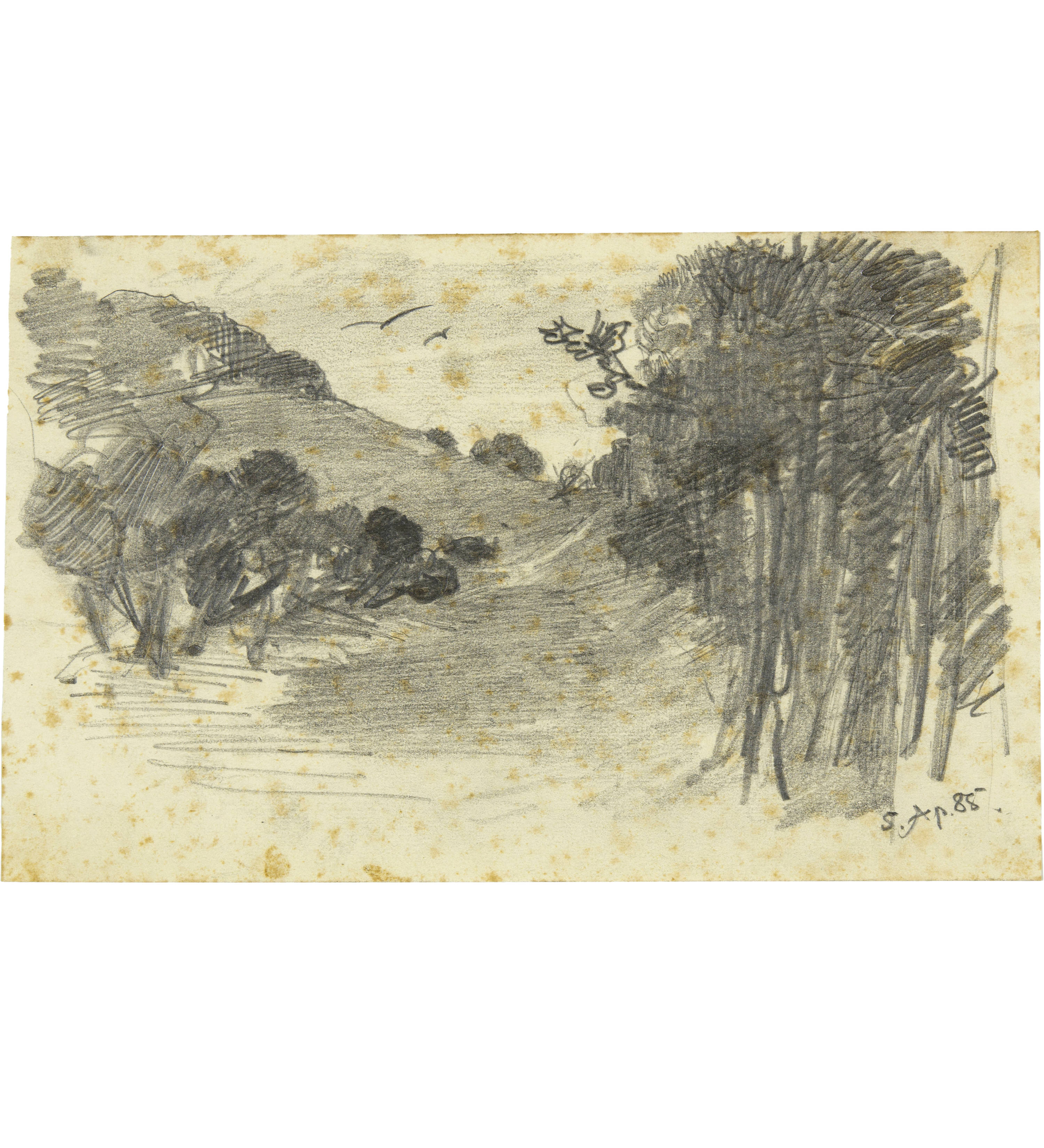
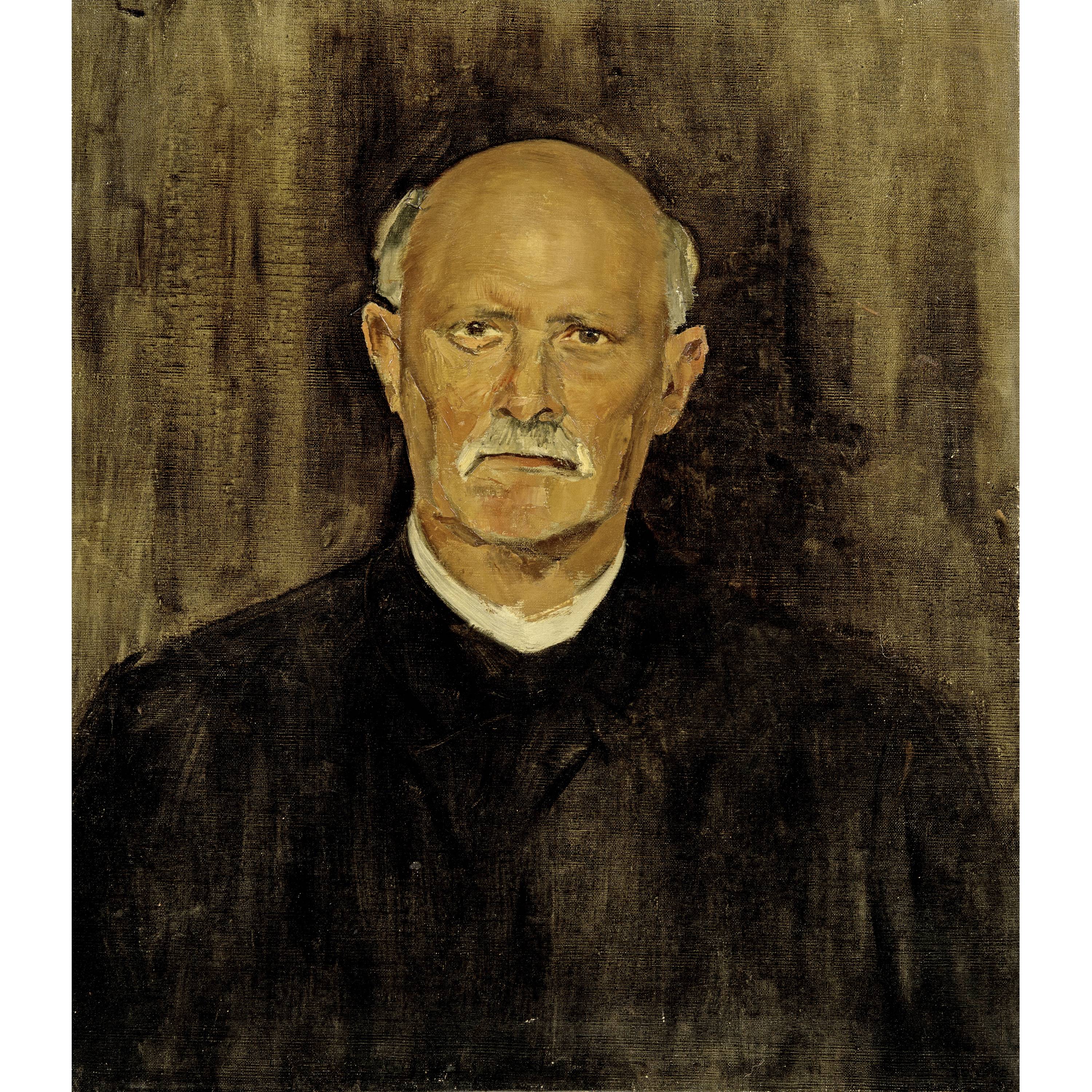
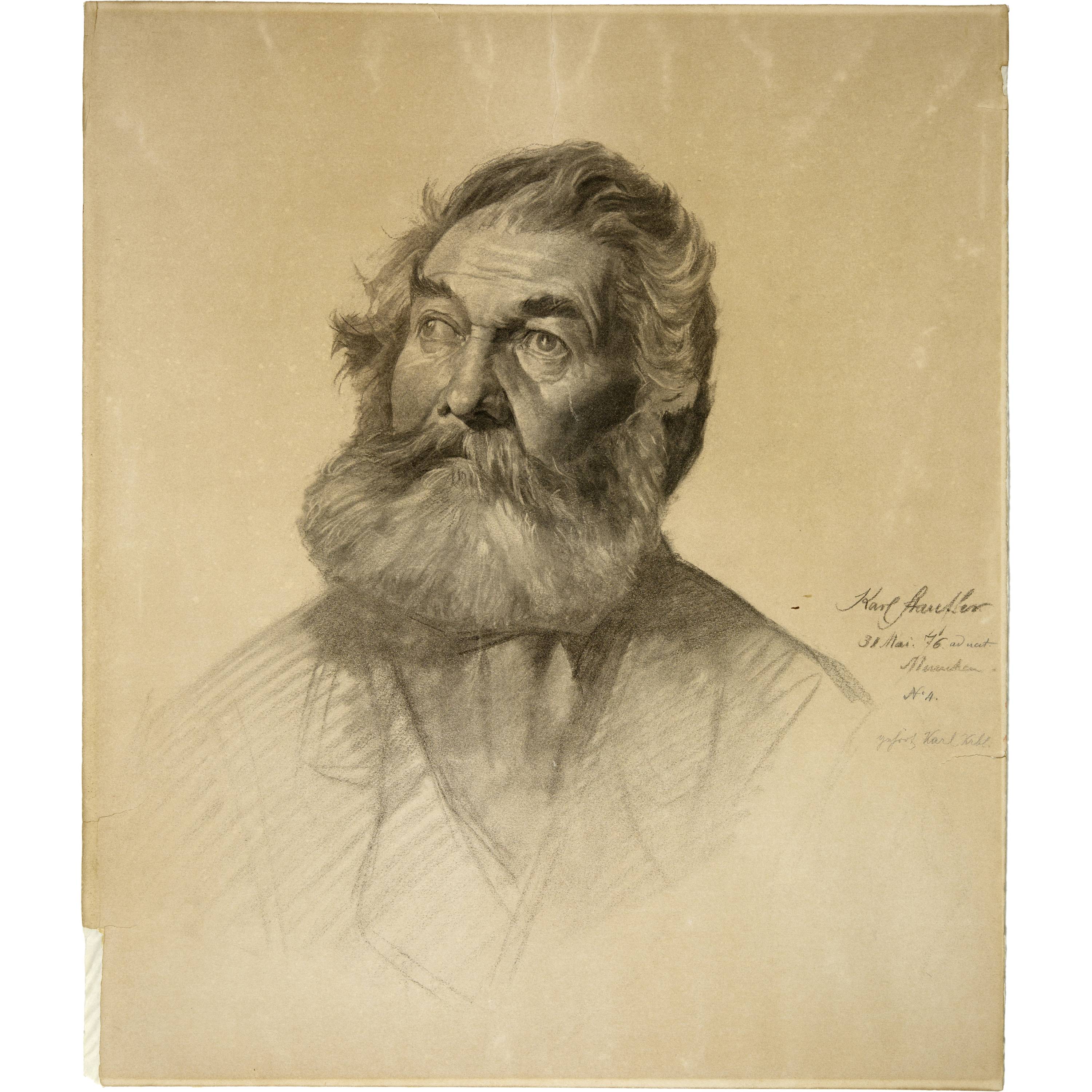
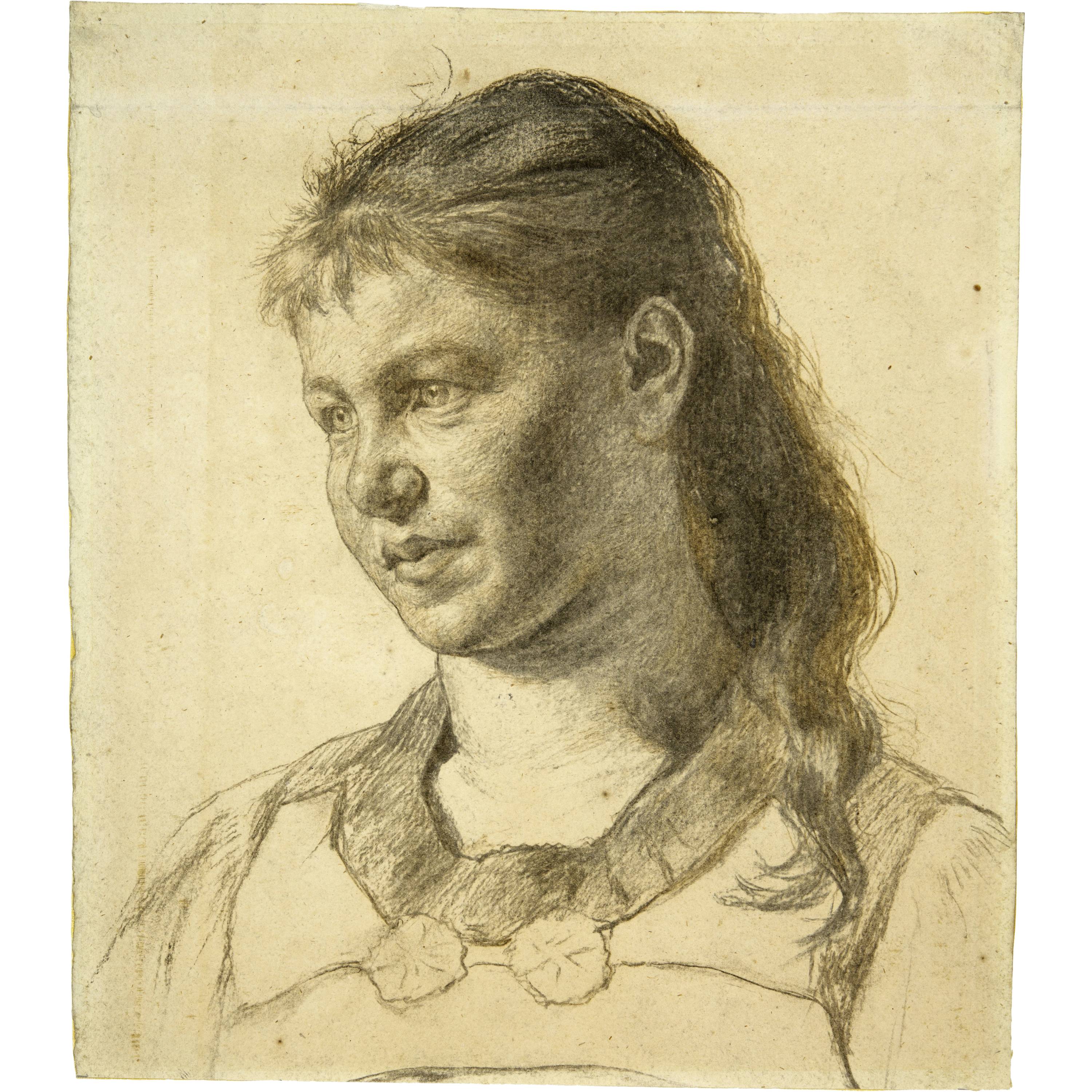
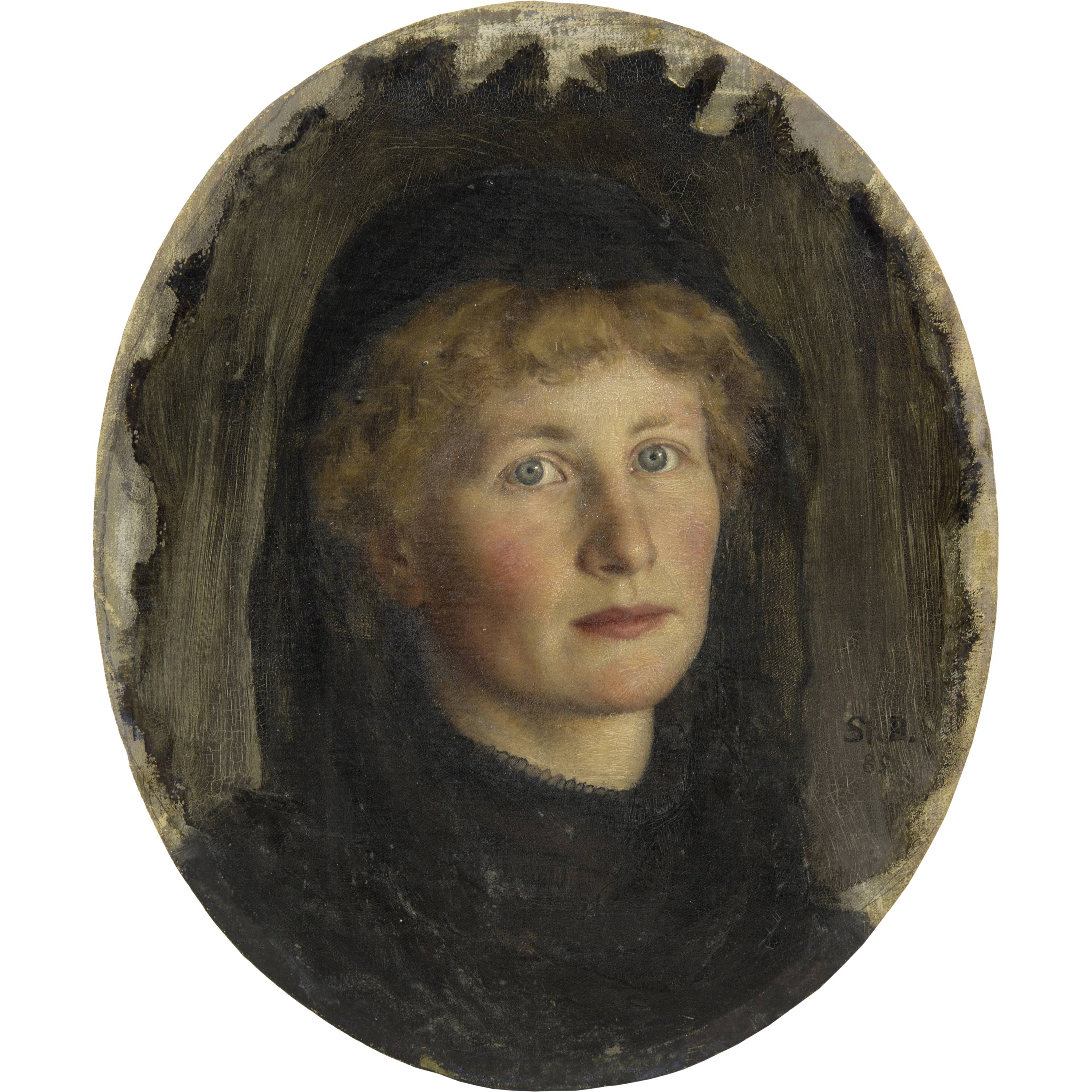
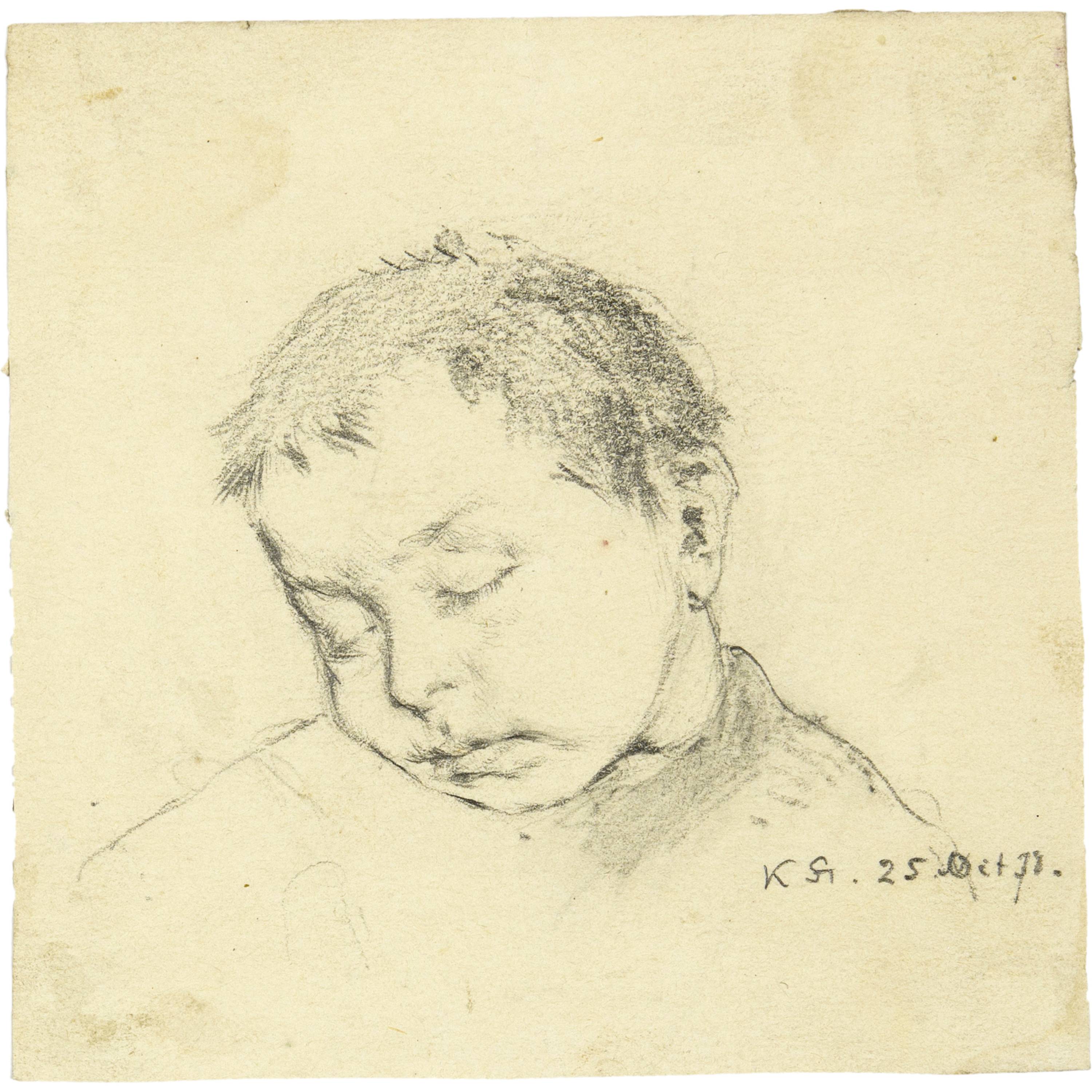
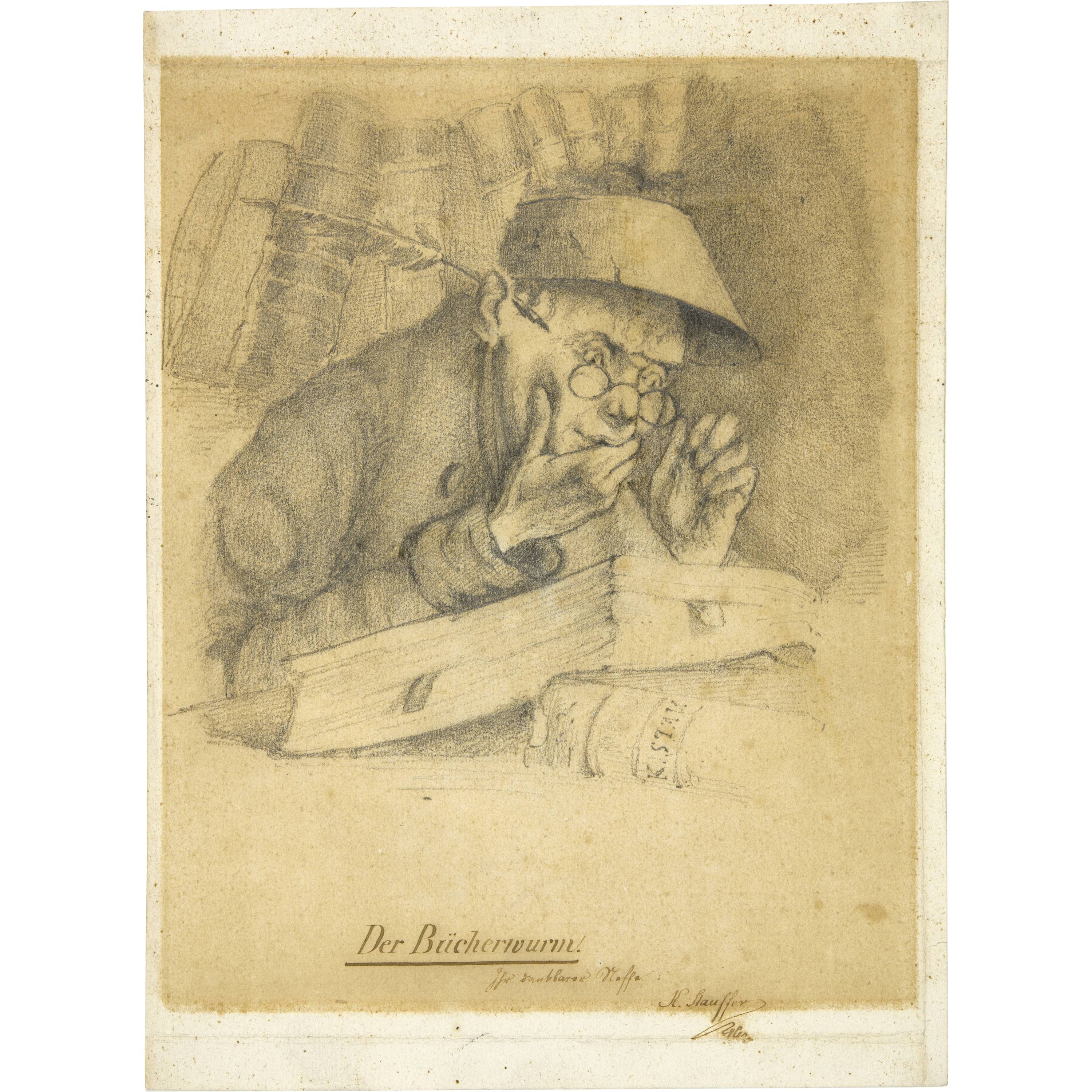
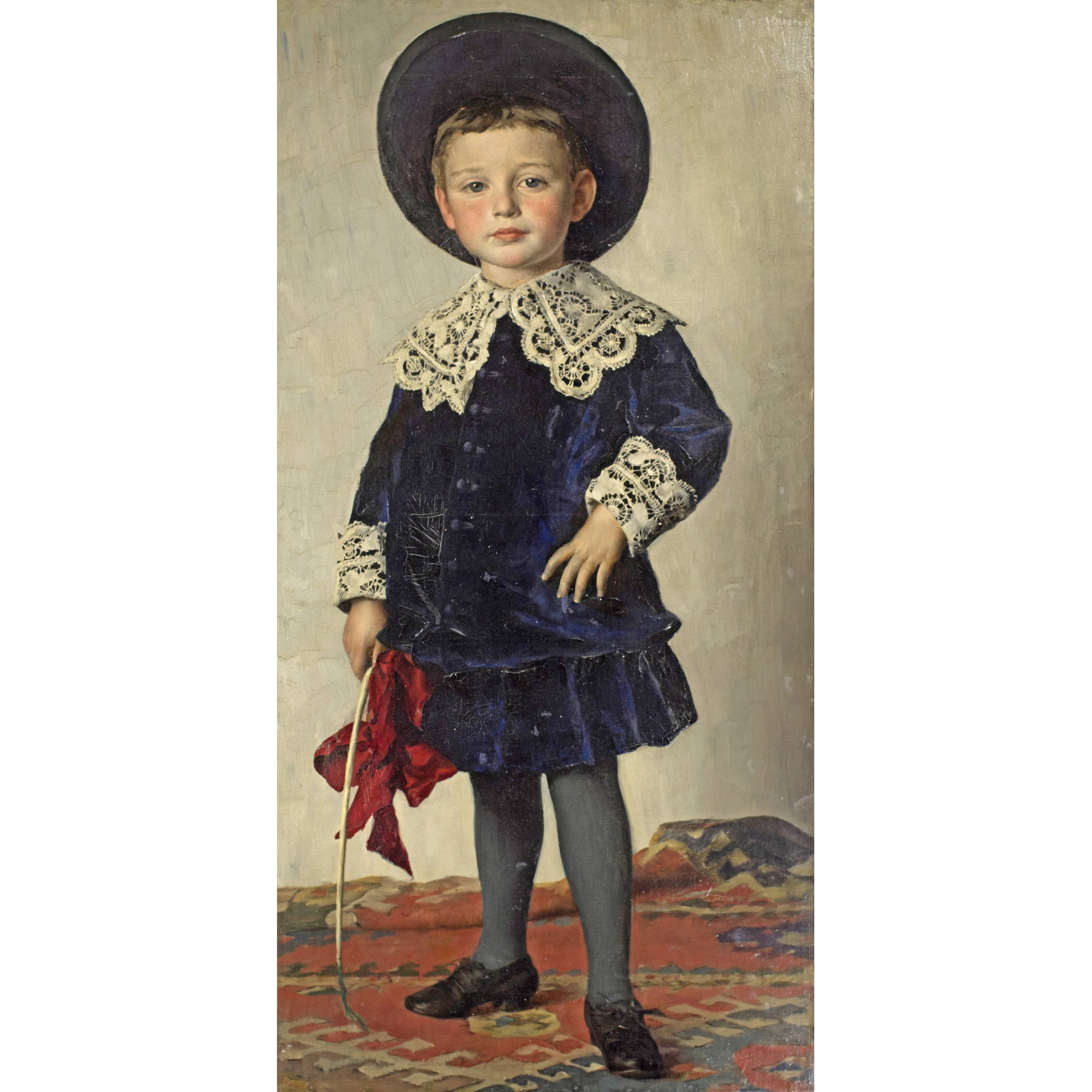
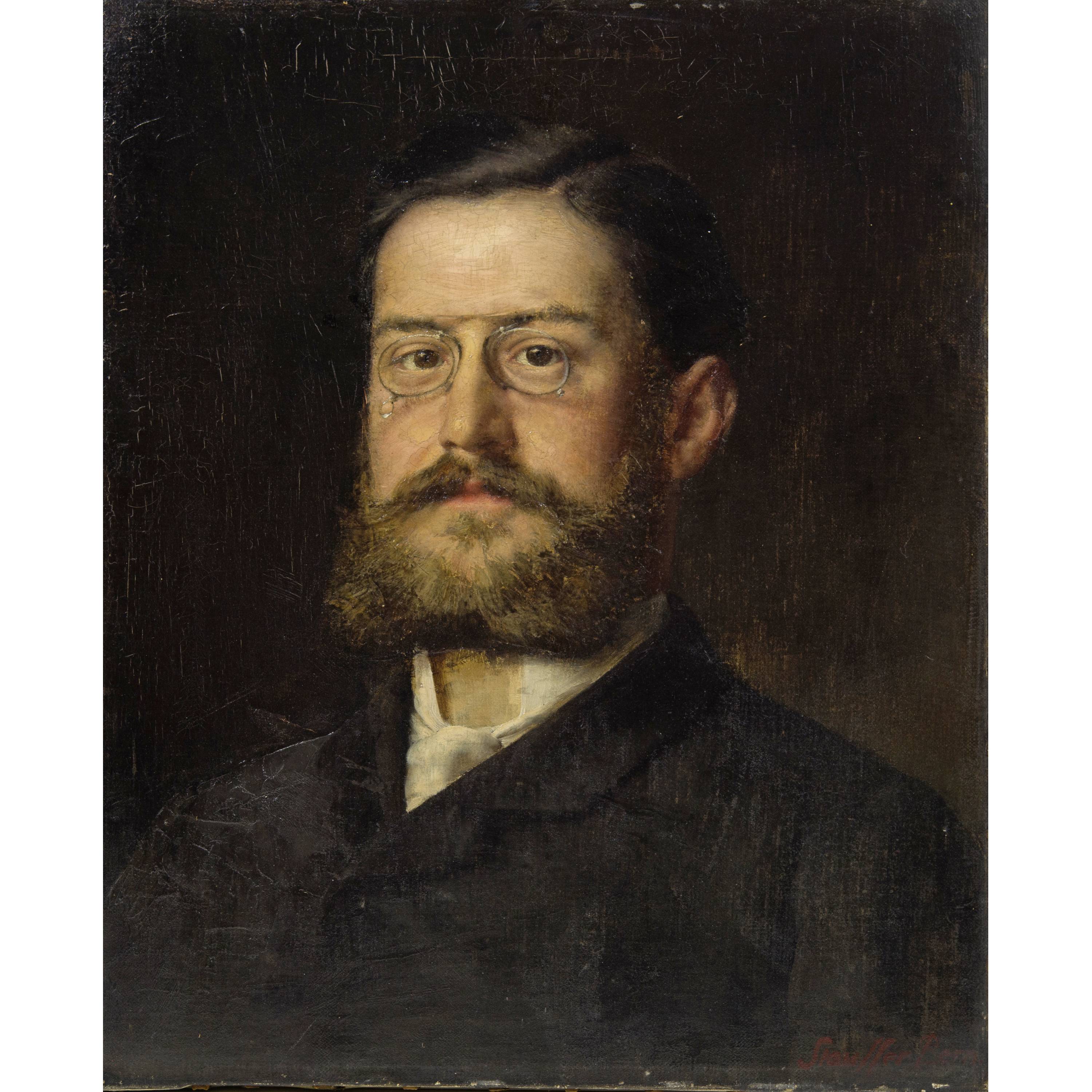
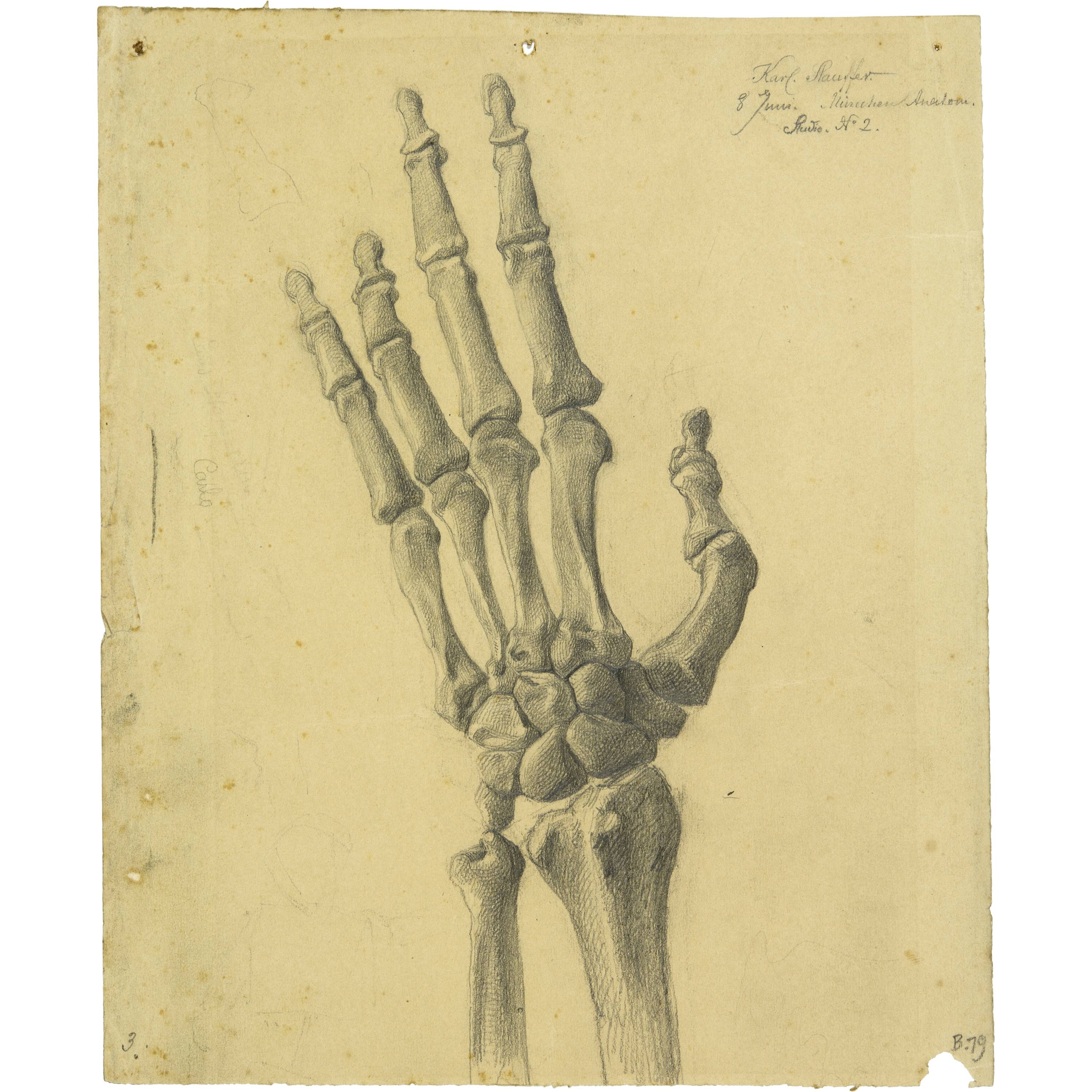
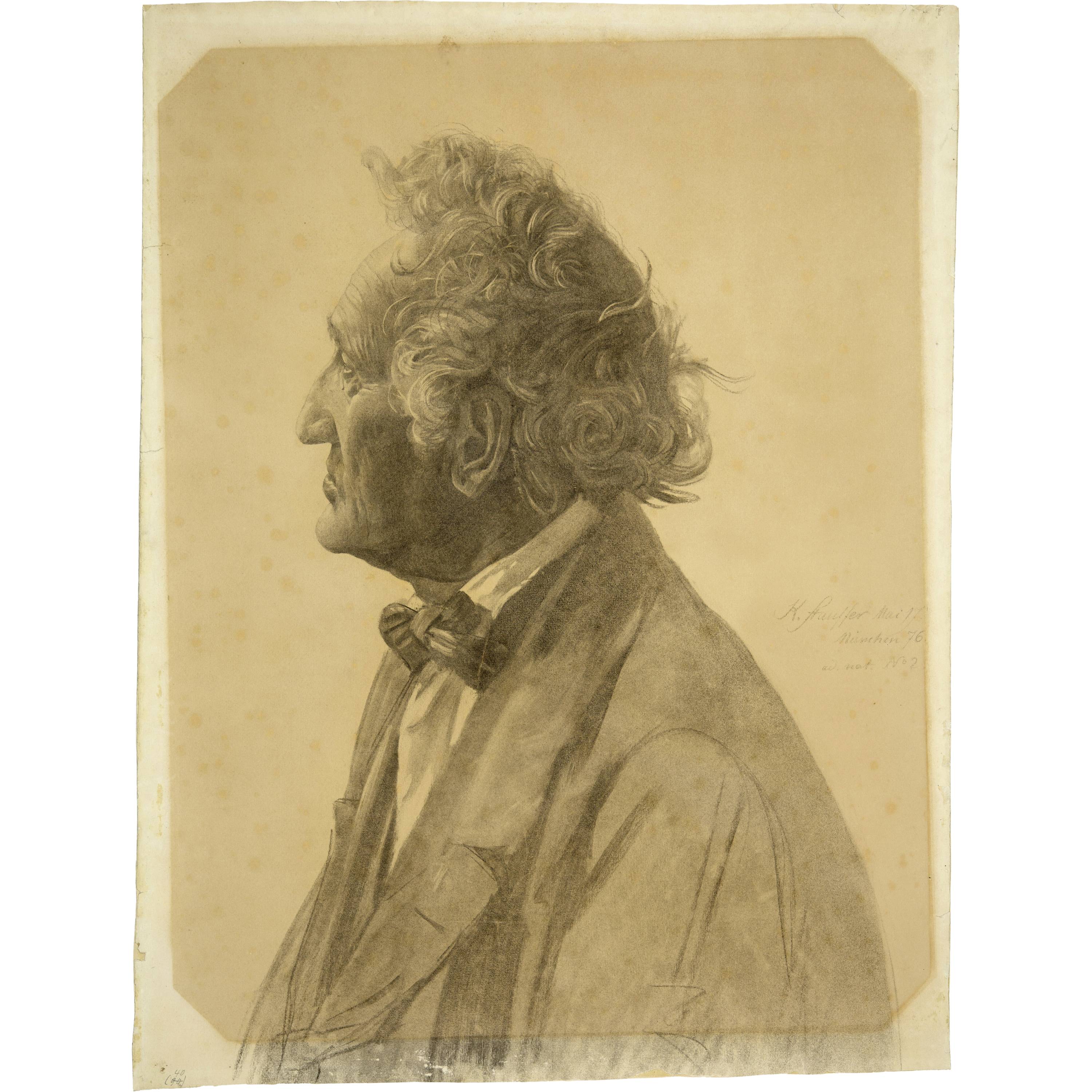
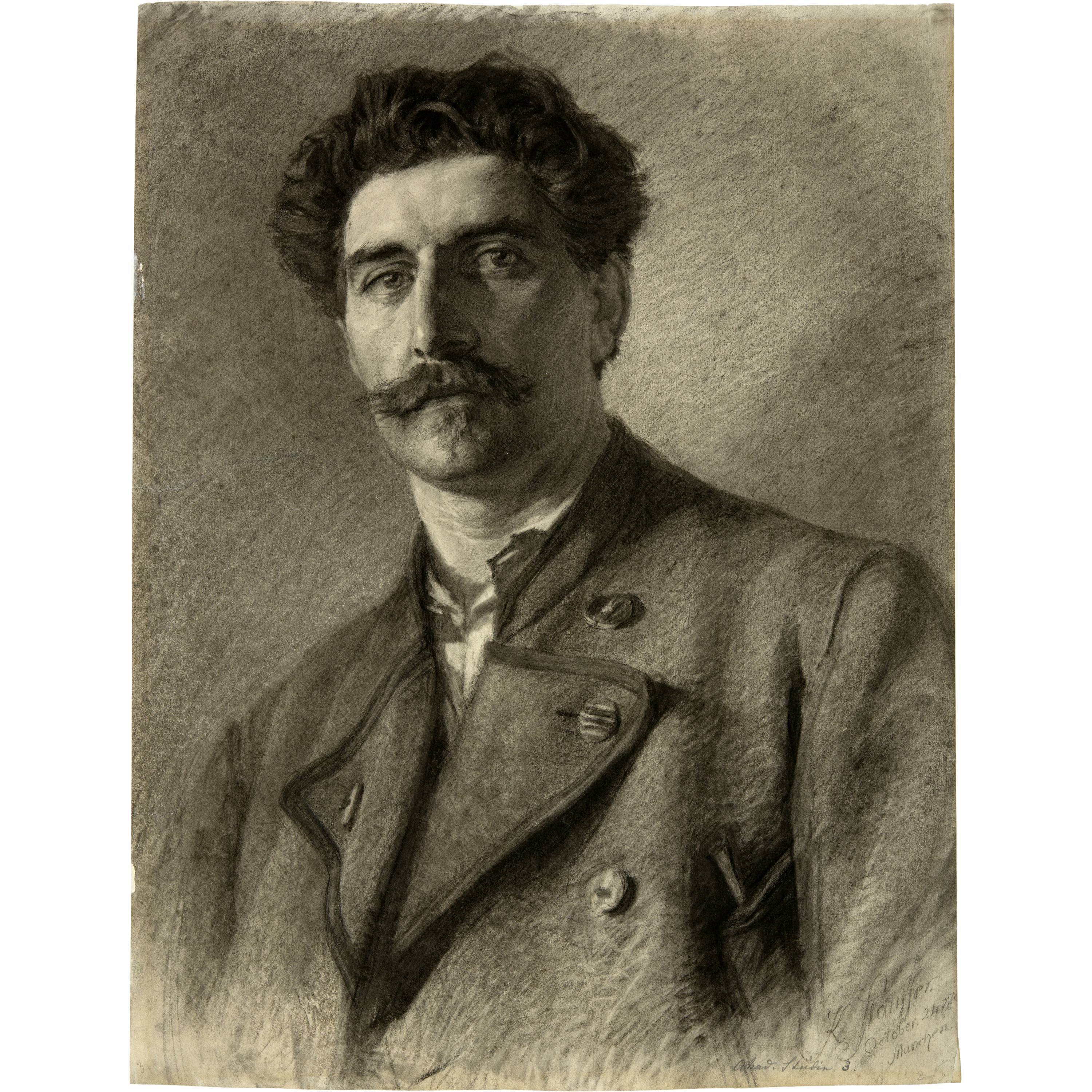
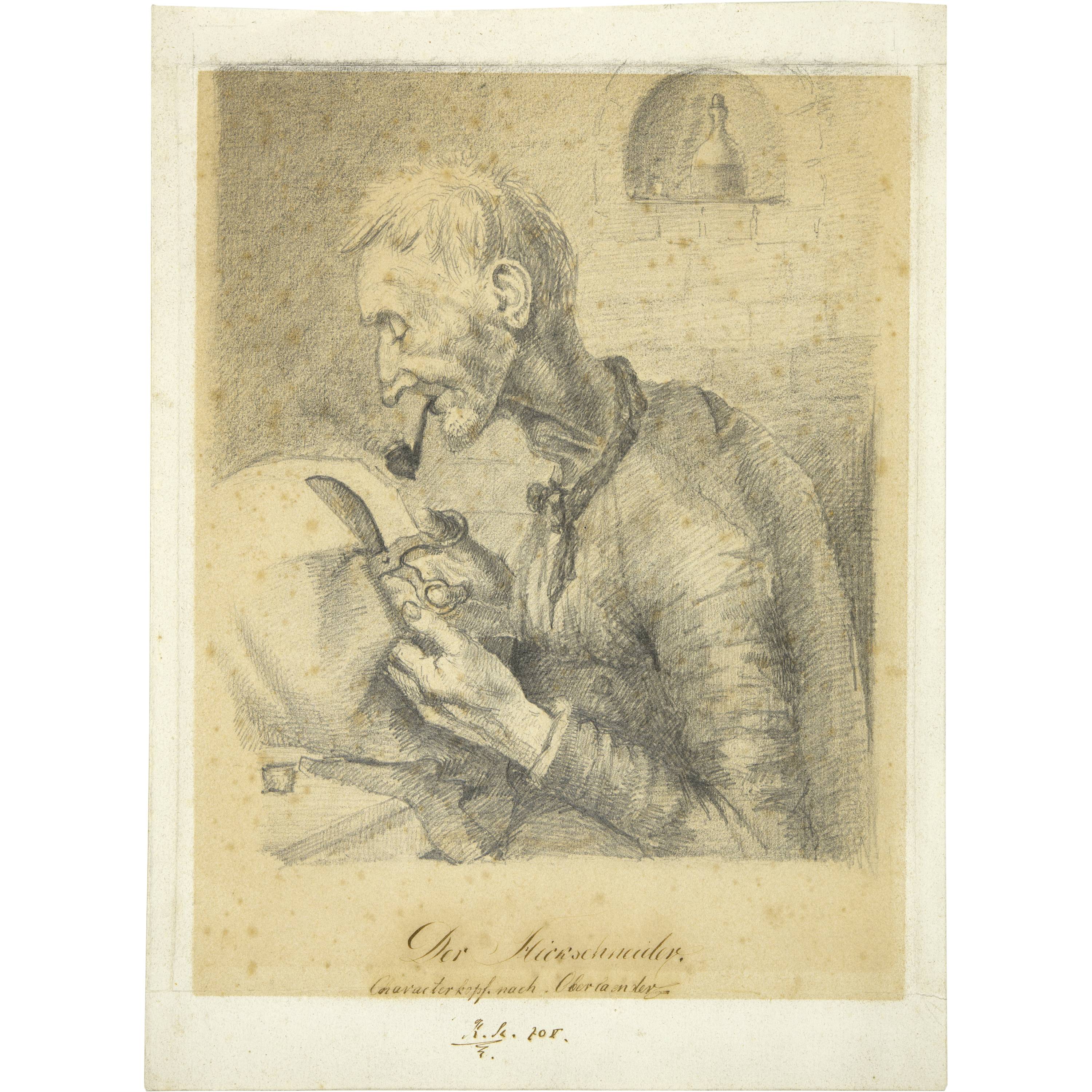
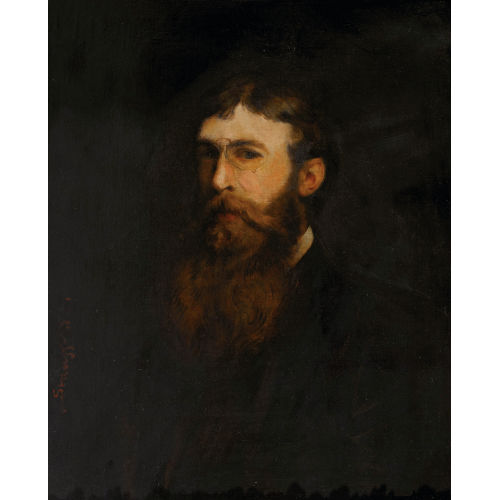
Karl Stauffer-Bern (1857–1891) gave portraiture an intensity that goes beyond mere resemblance. Born in Trubschachen, in the Emmental, he received his first drawing lessons from his mother, then trained in Bern and at the Academy of Fine Arts in Munich. He settled in Berlin in 1880 and, the following year, received a gold medal that launched his career.
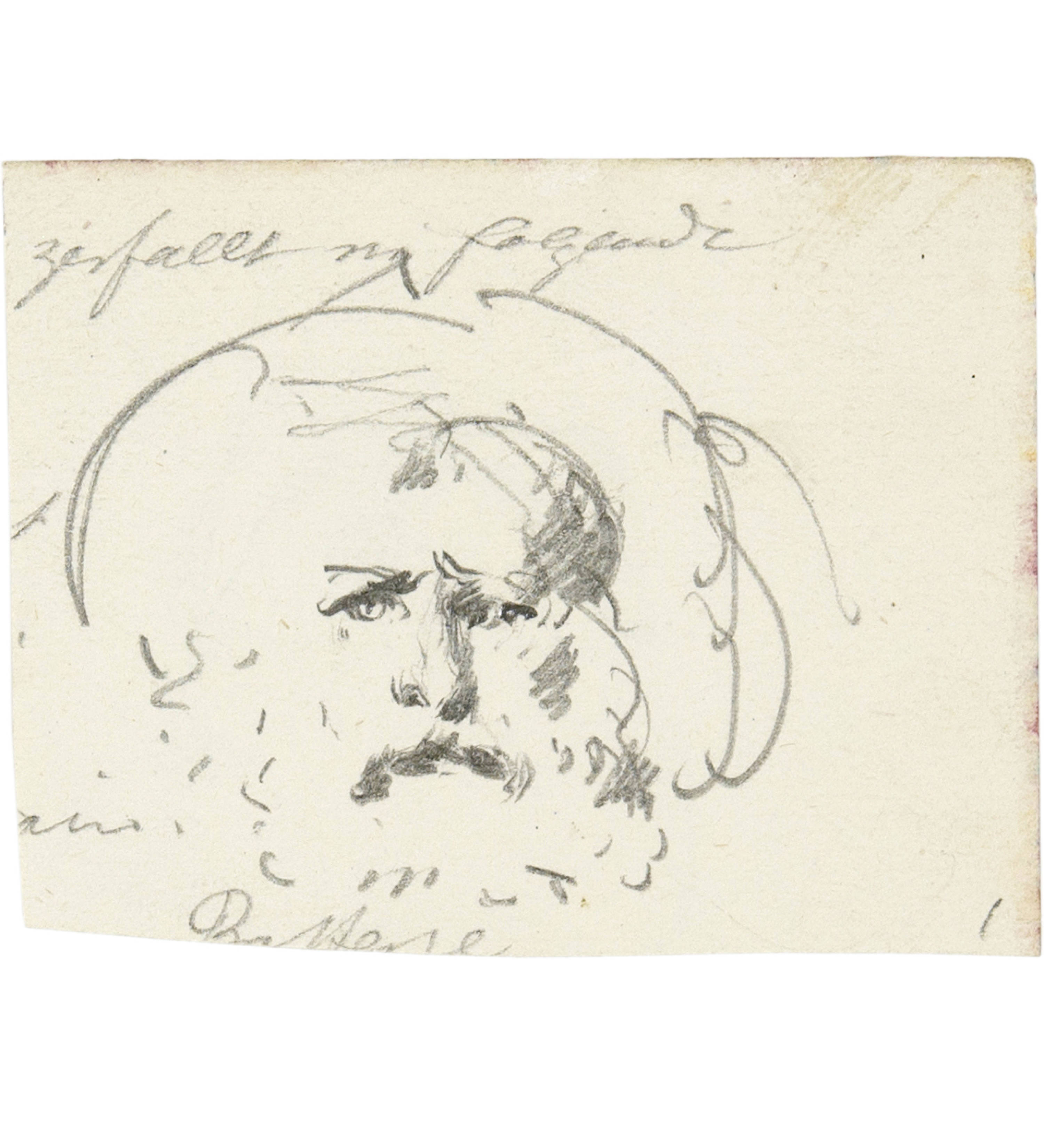
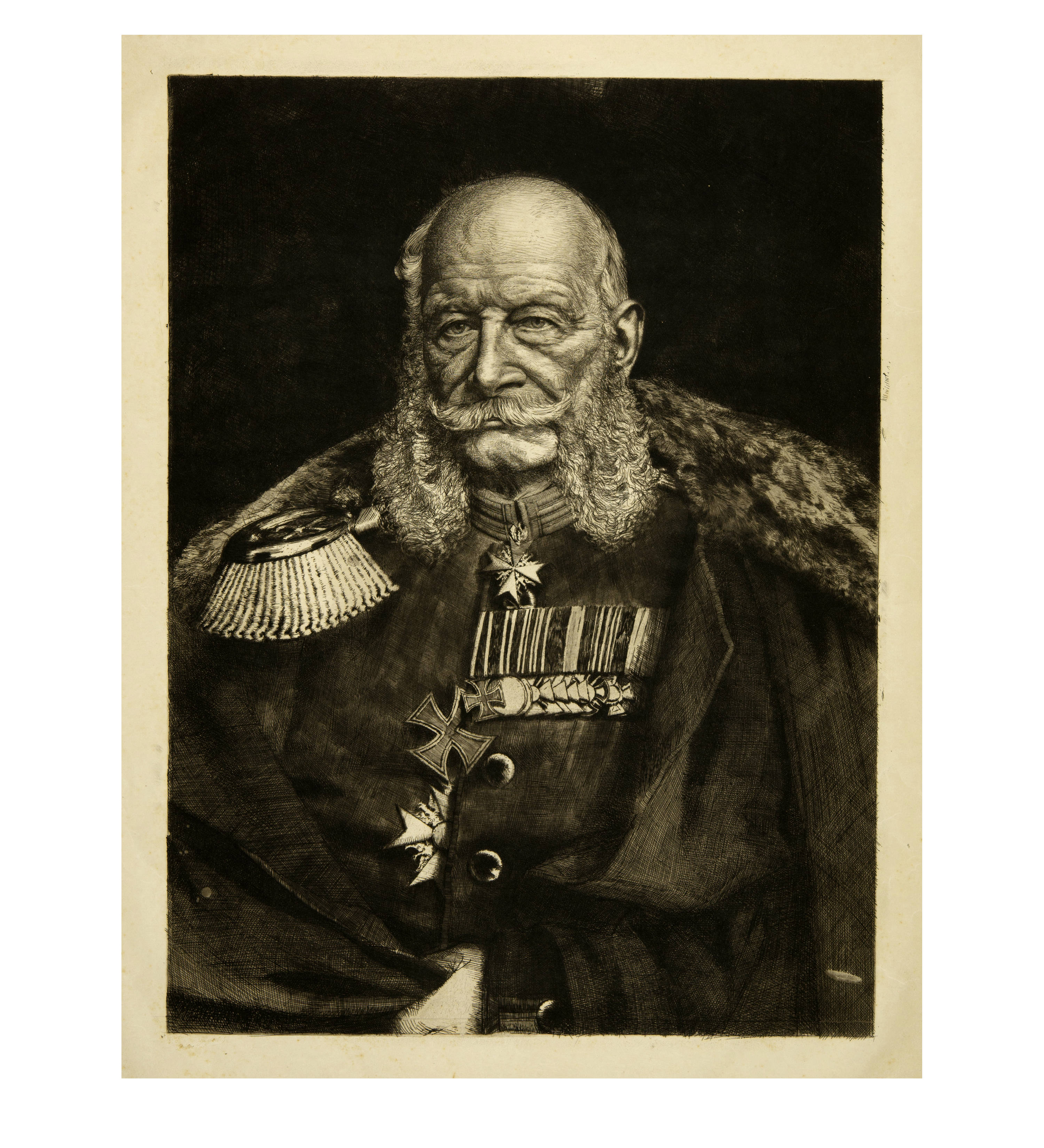
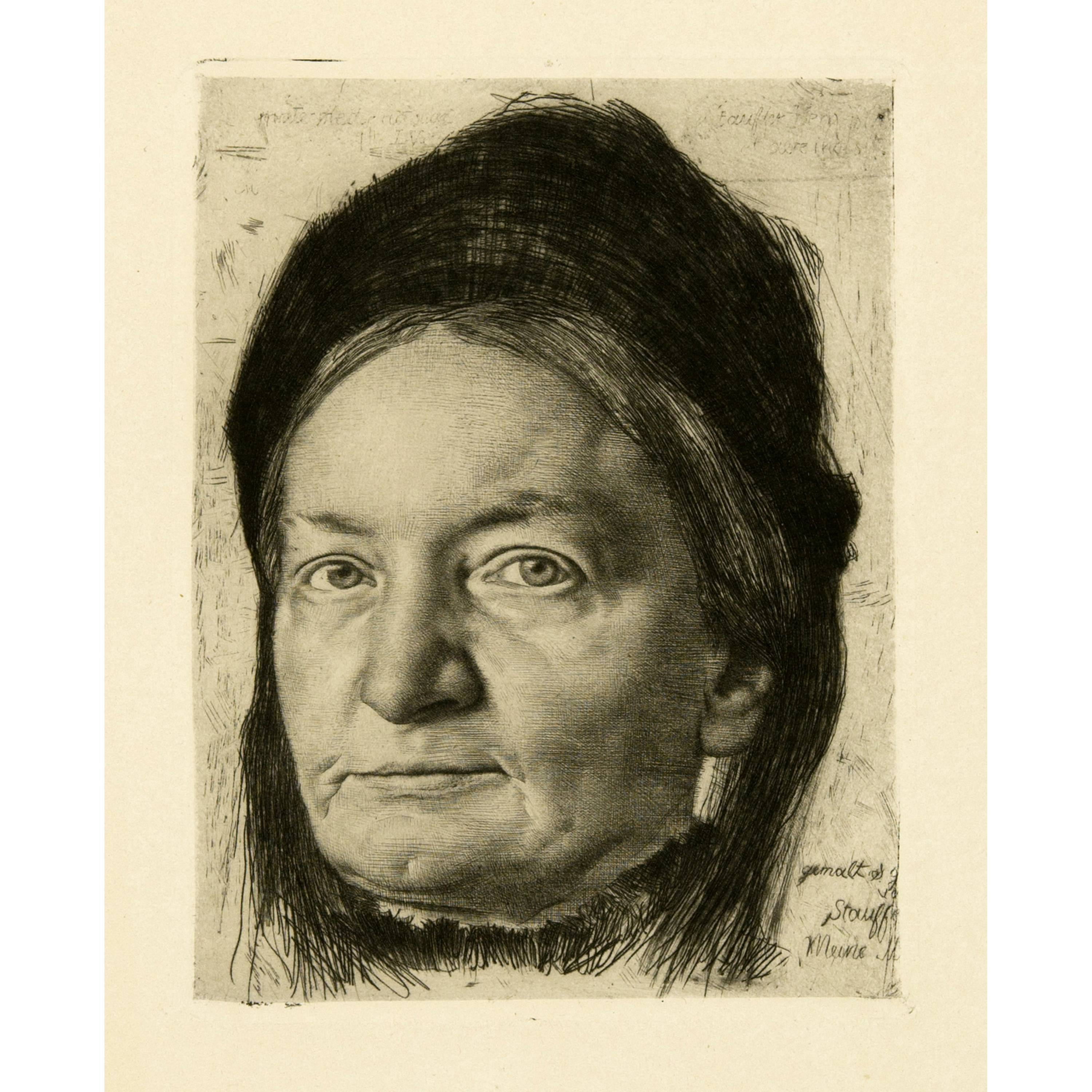
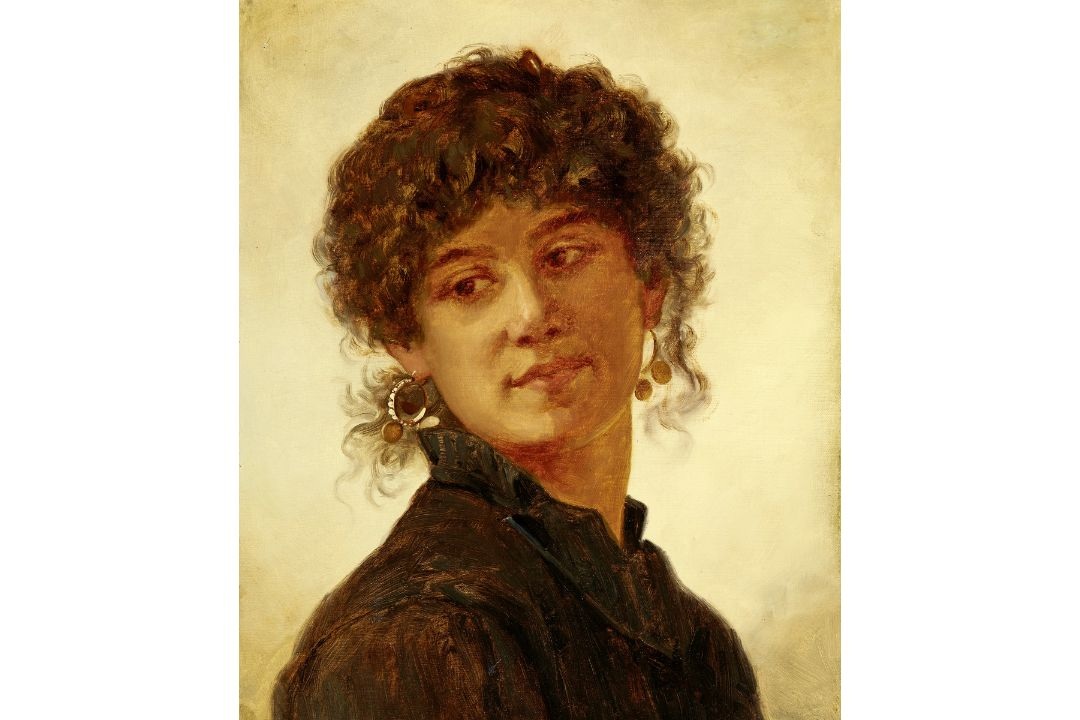
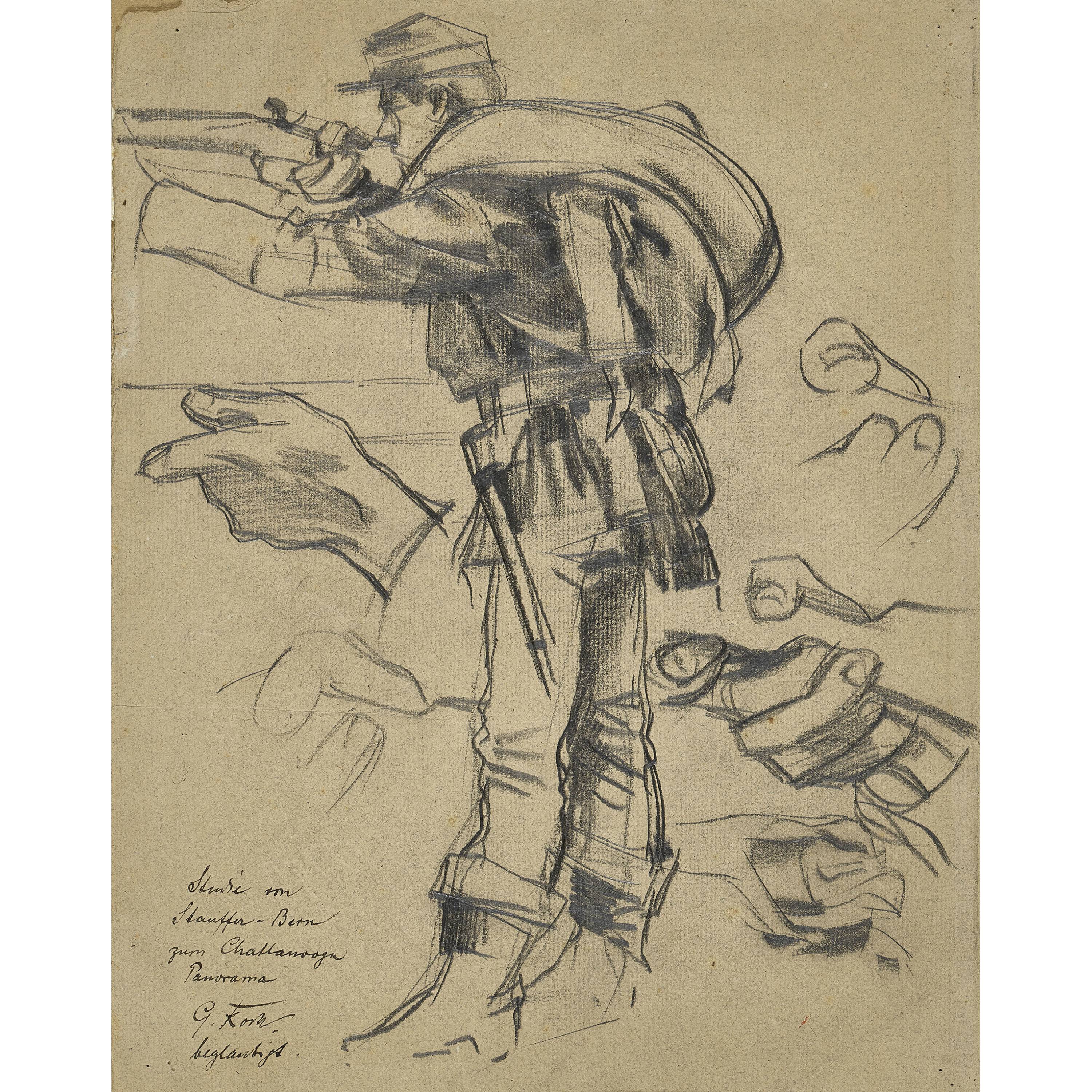
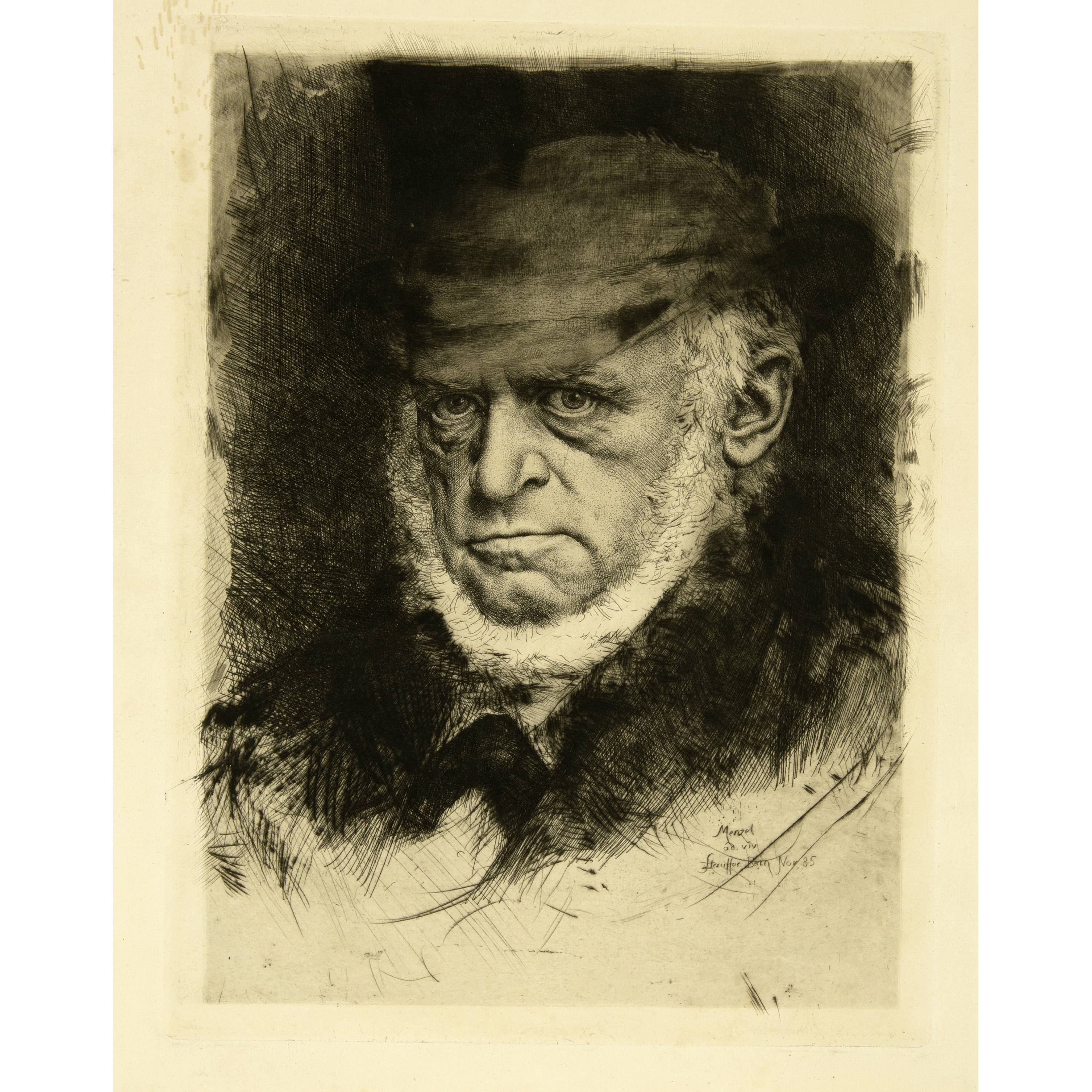
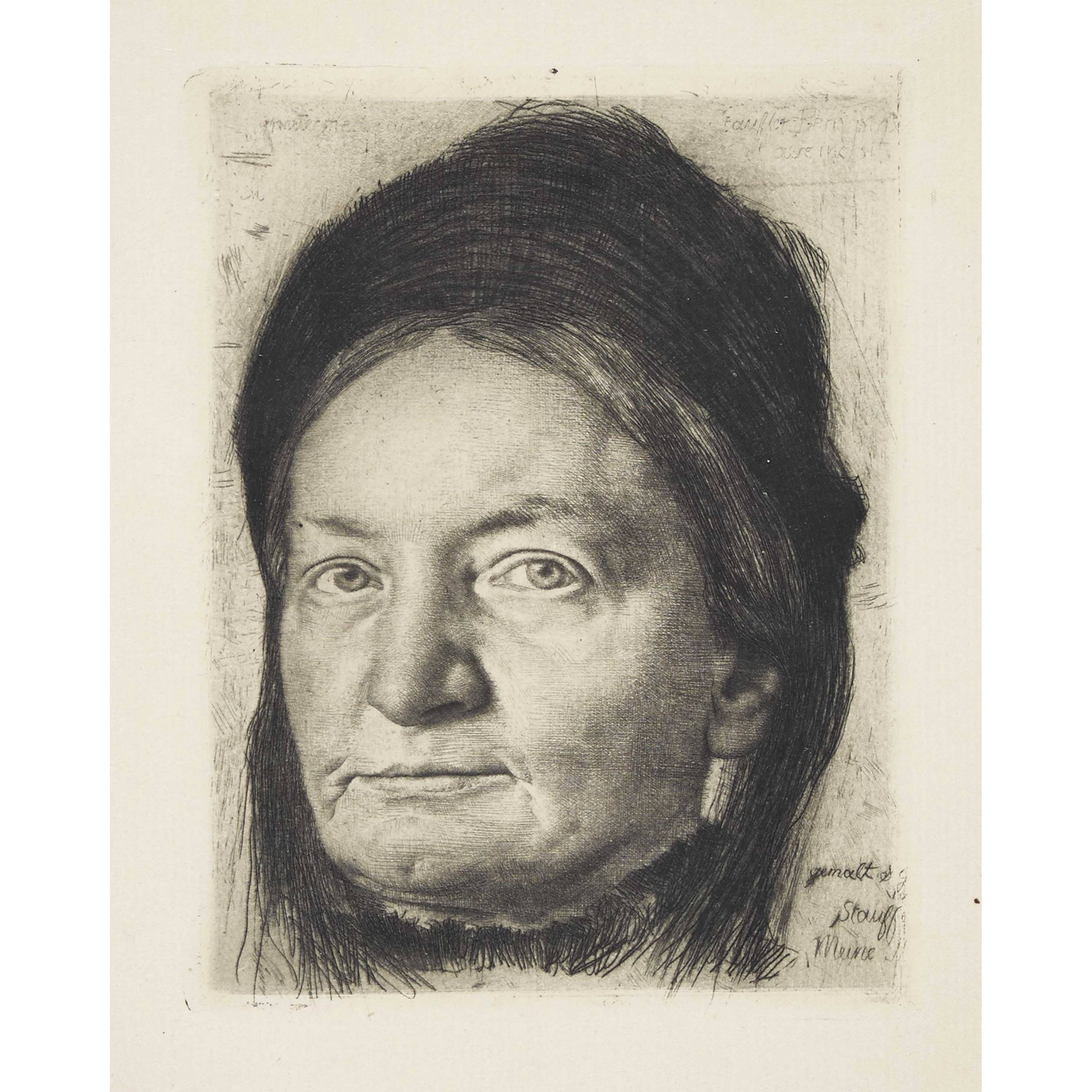
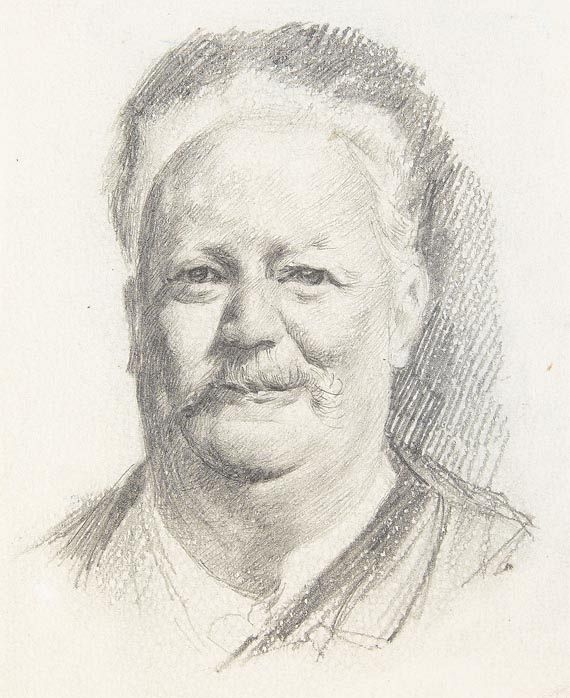
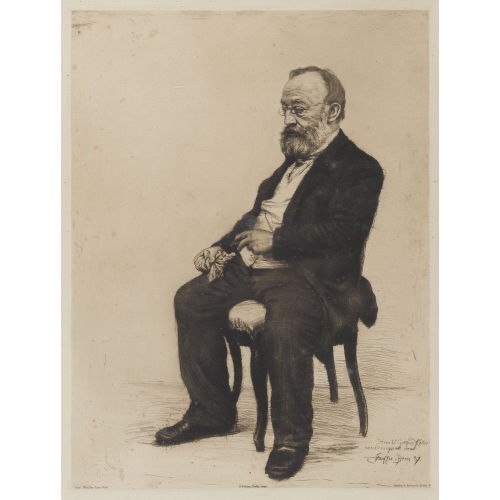
Commissions multiplied, but his gaze sought less the signs of social rank than the features of a face and the presence of an individual. The photographs he occasionally used as working aids shed light on this insistence on observation without taking the place of painting.
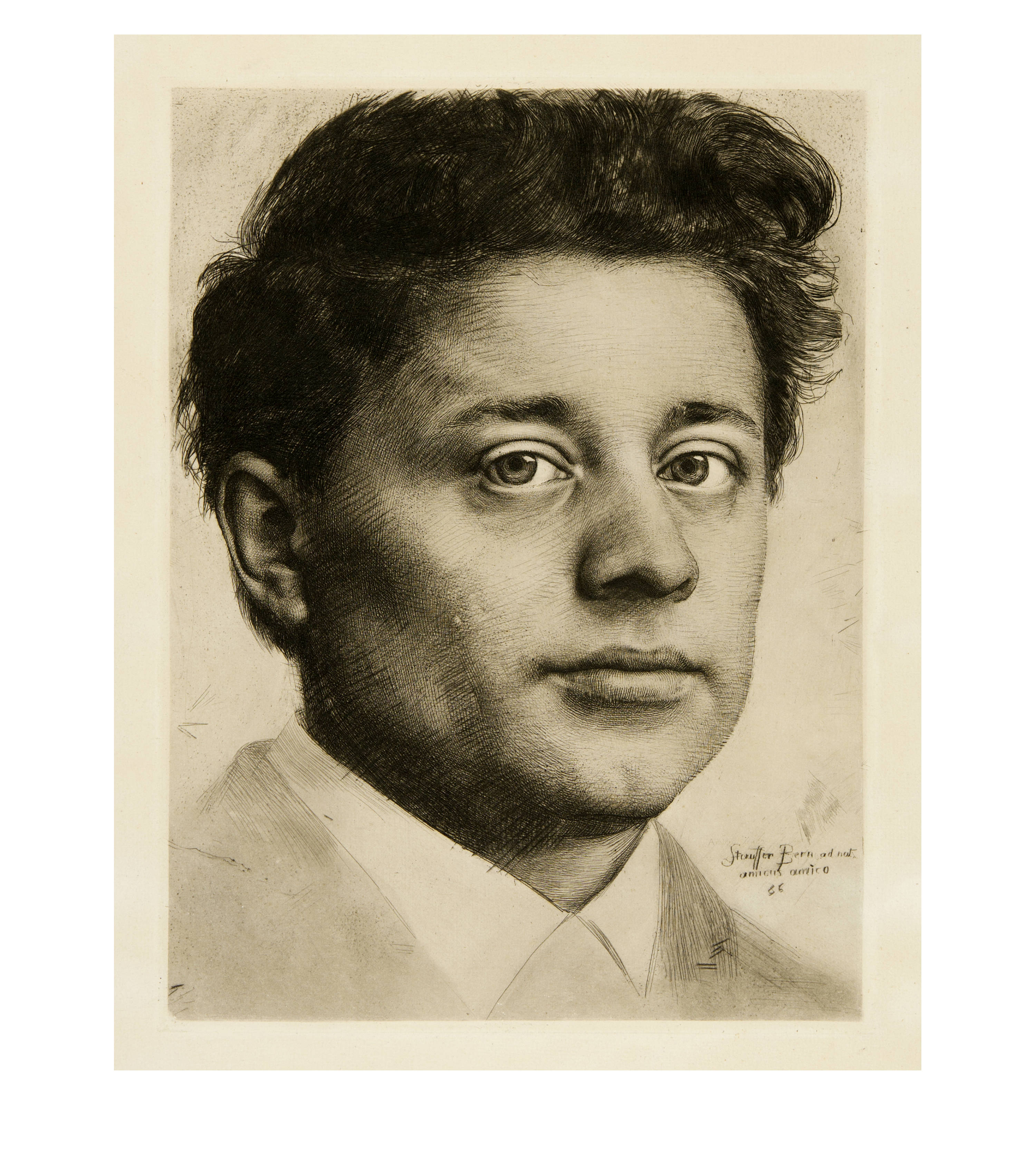
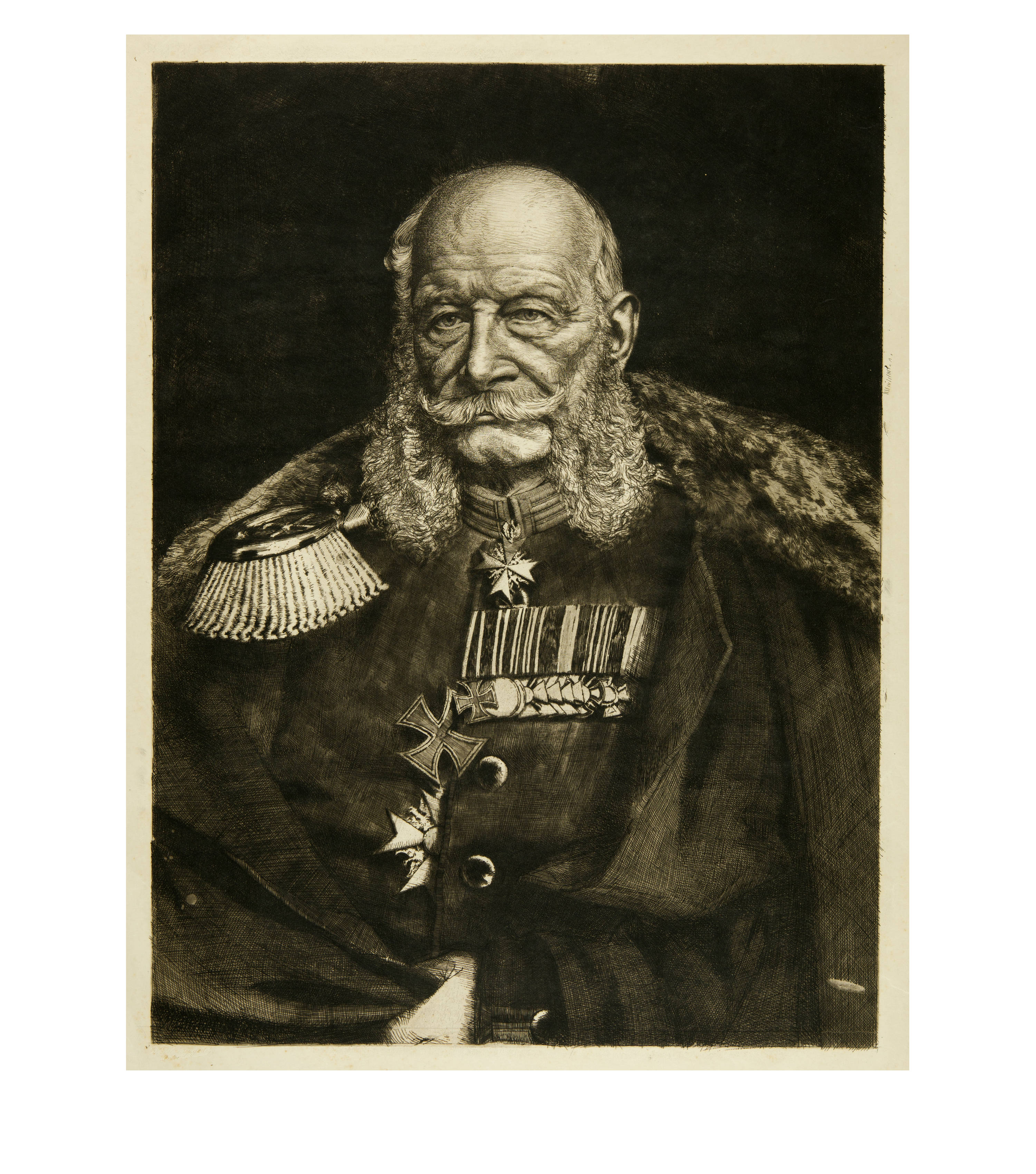
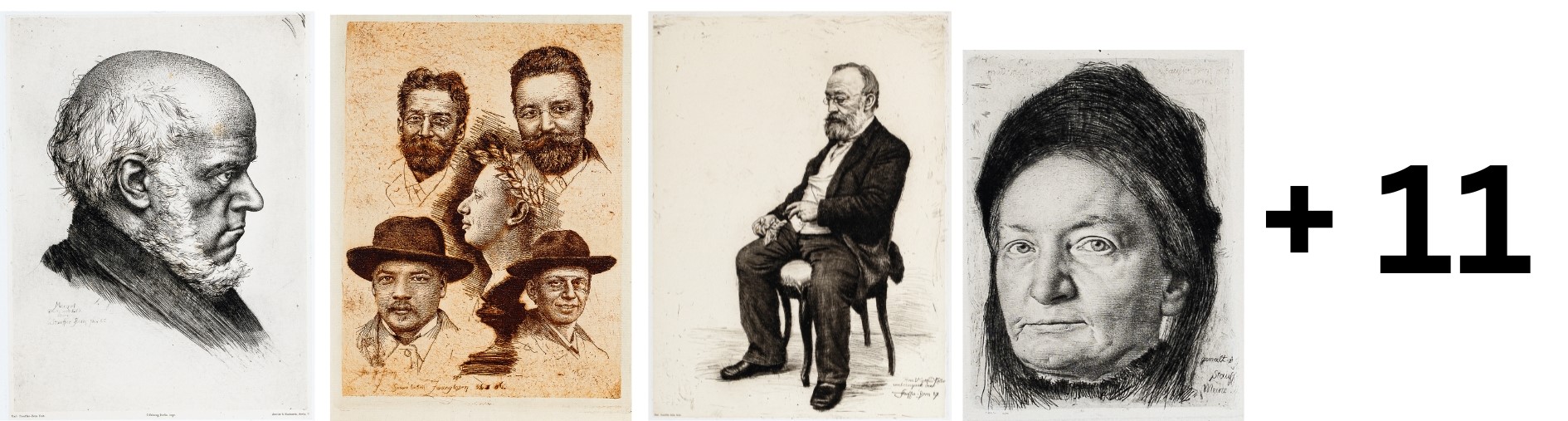
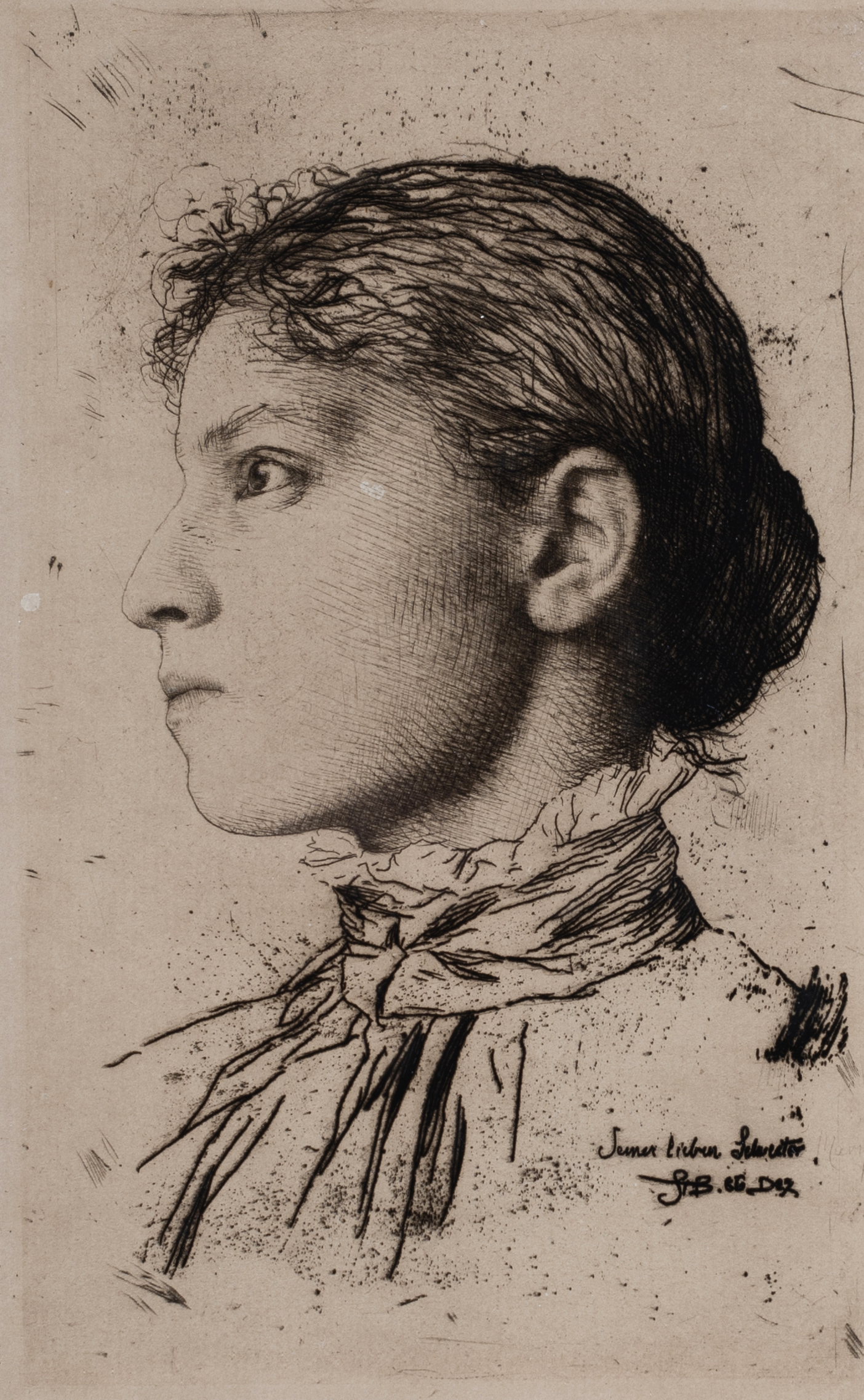
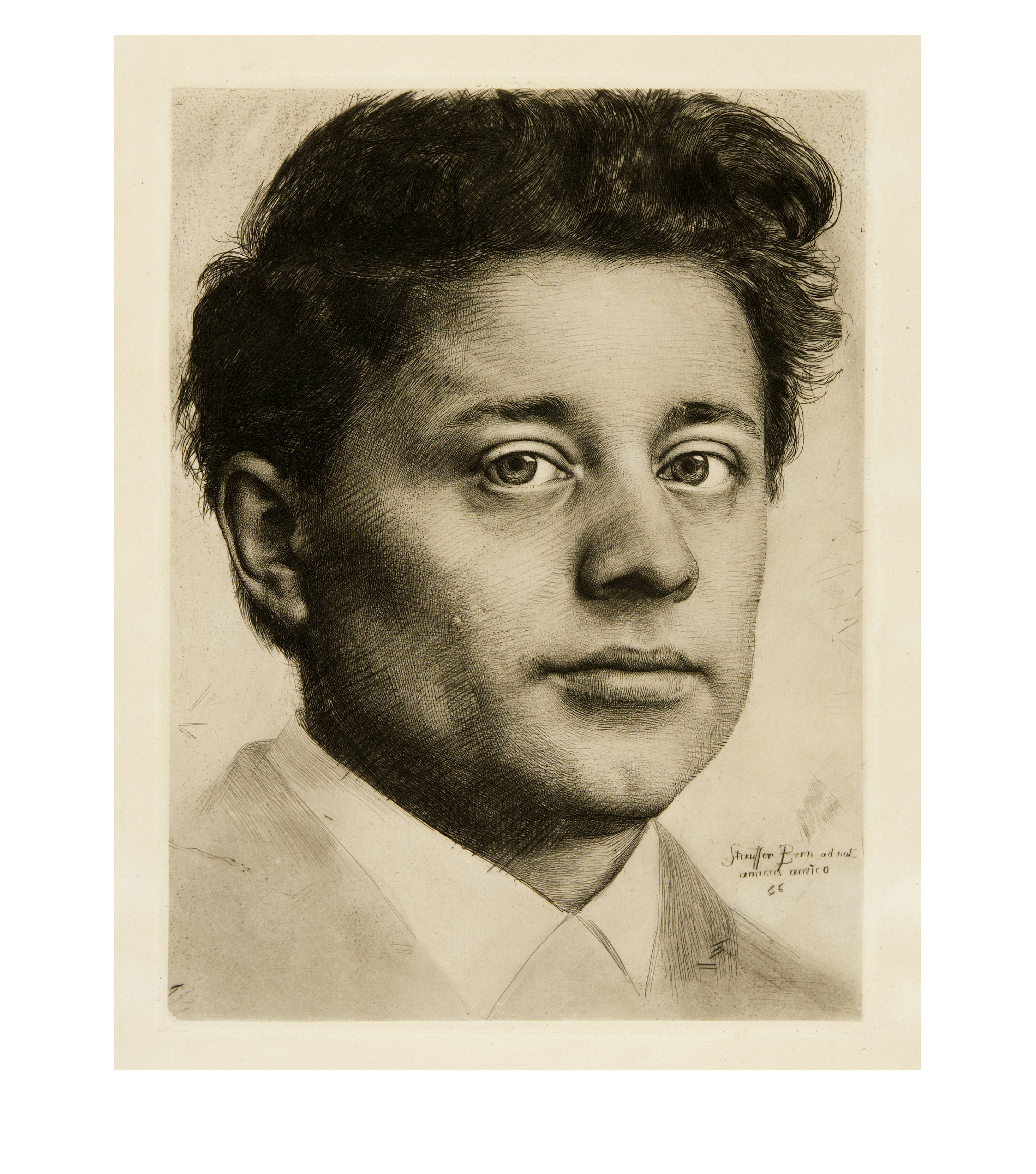
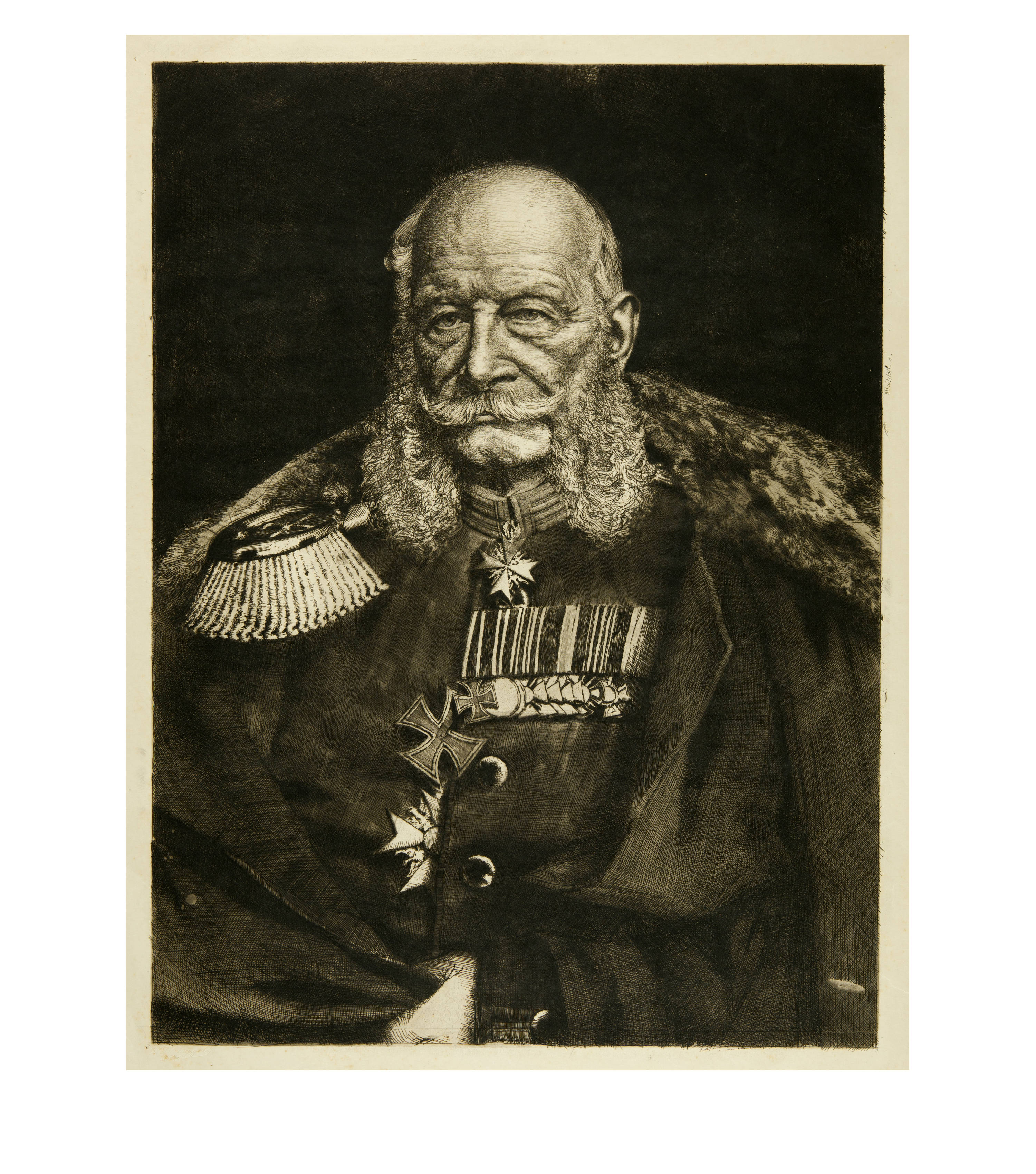
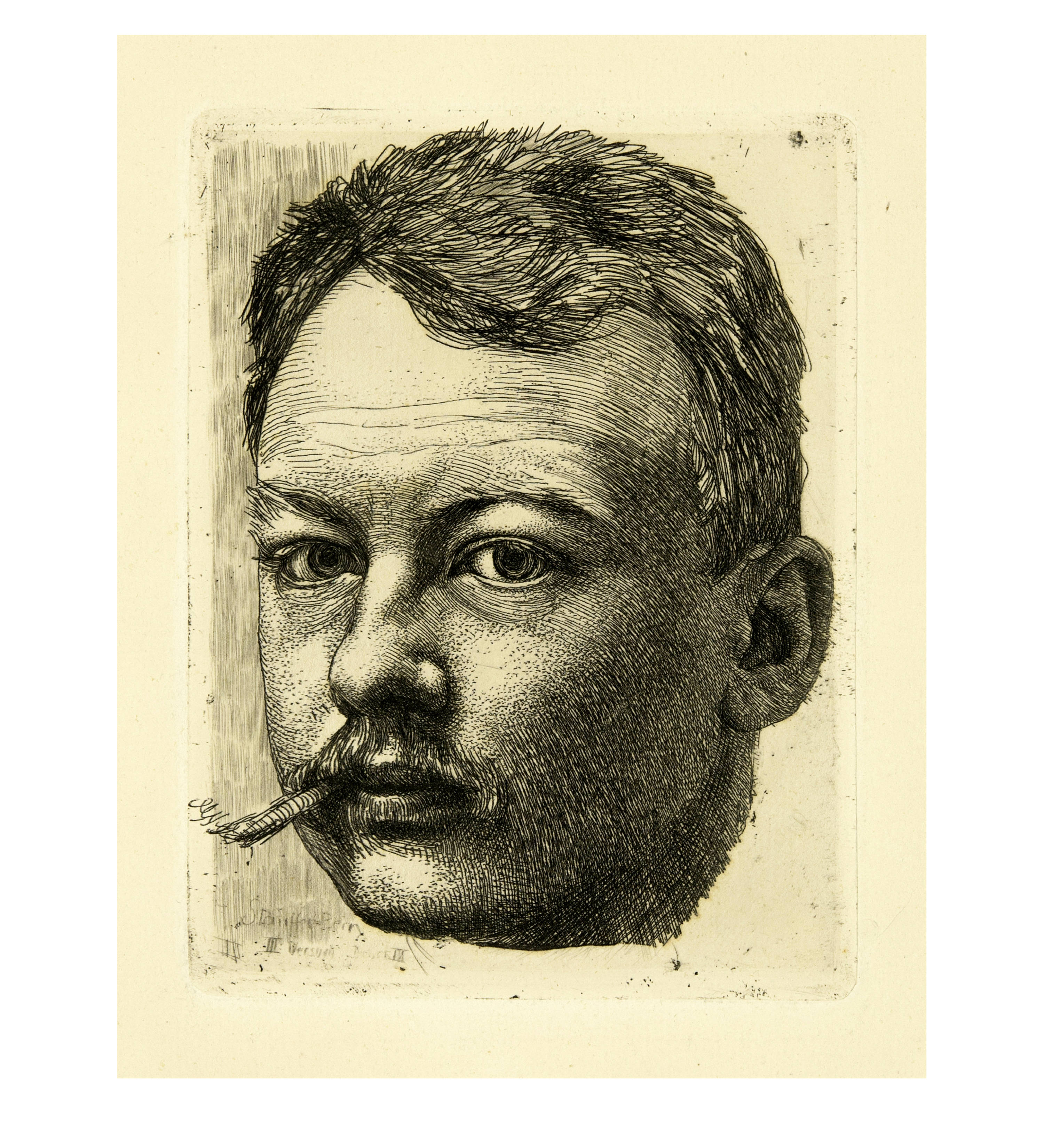
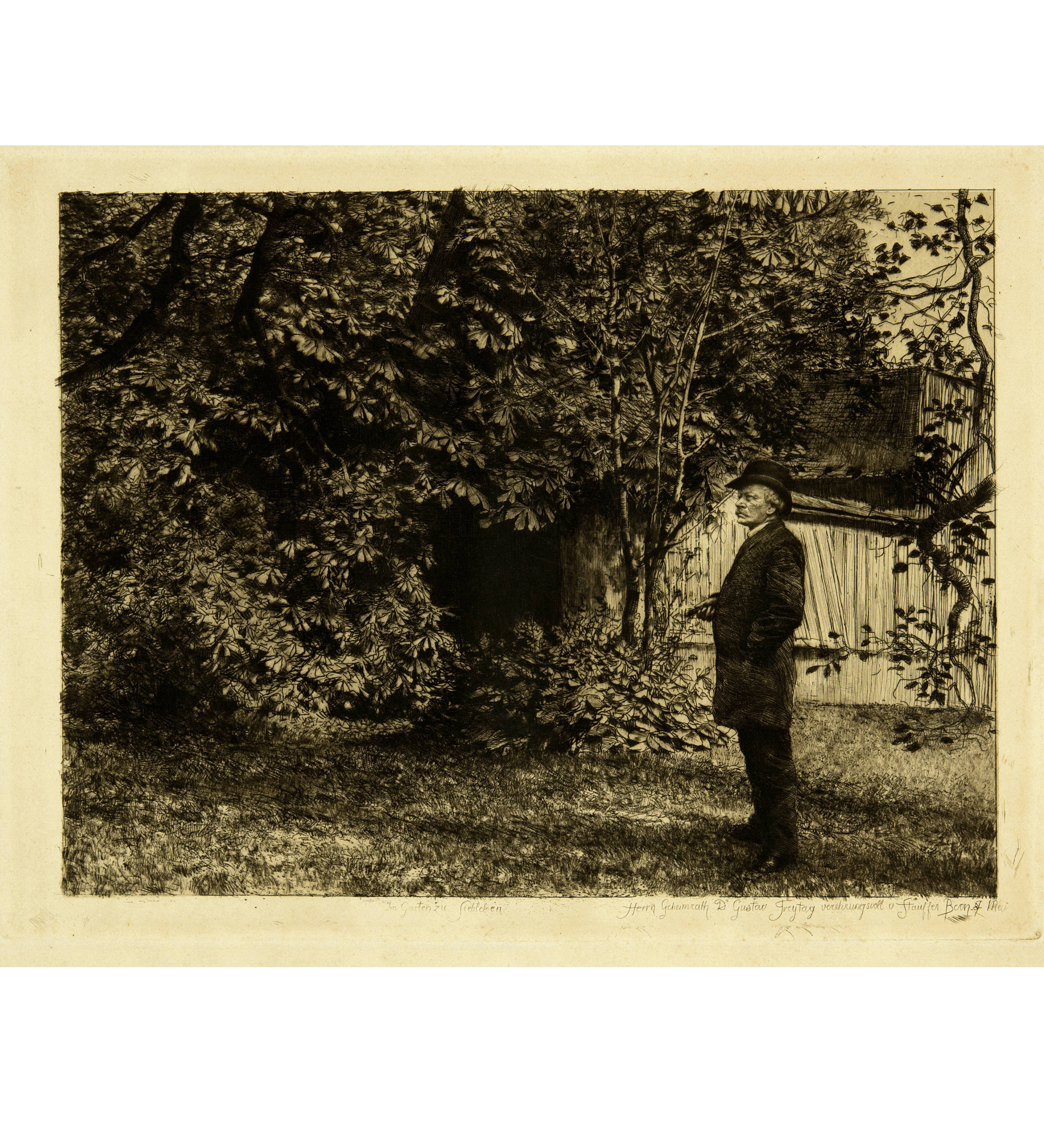
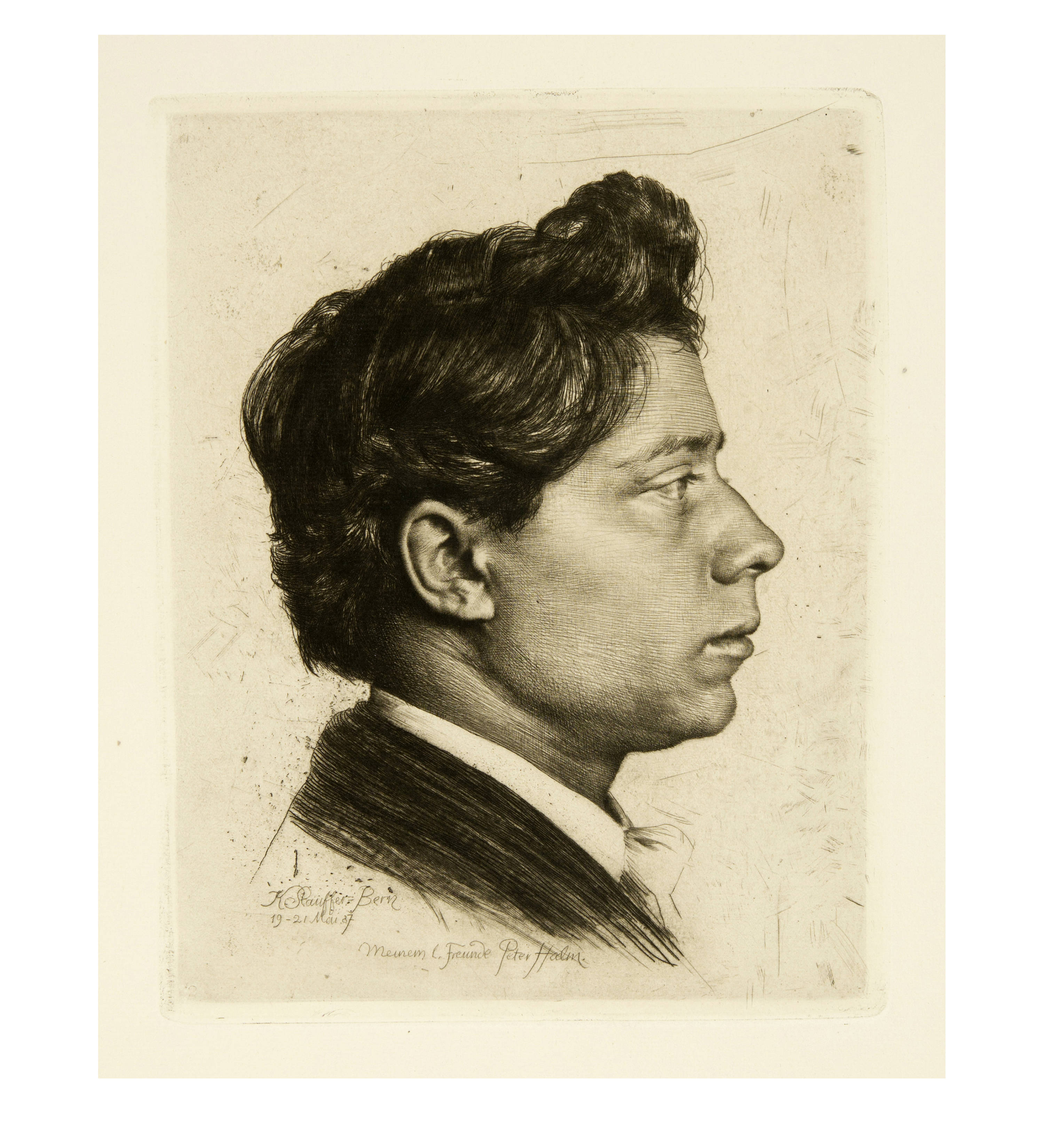
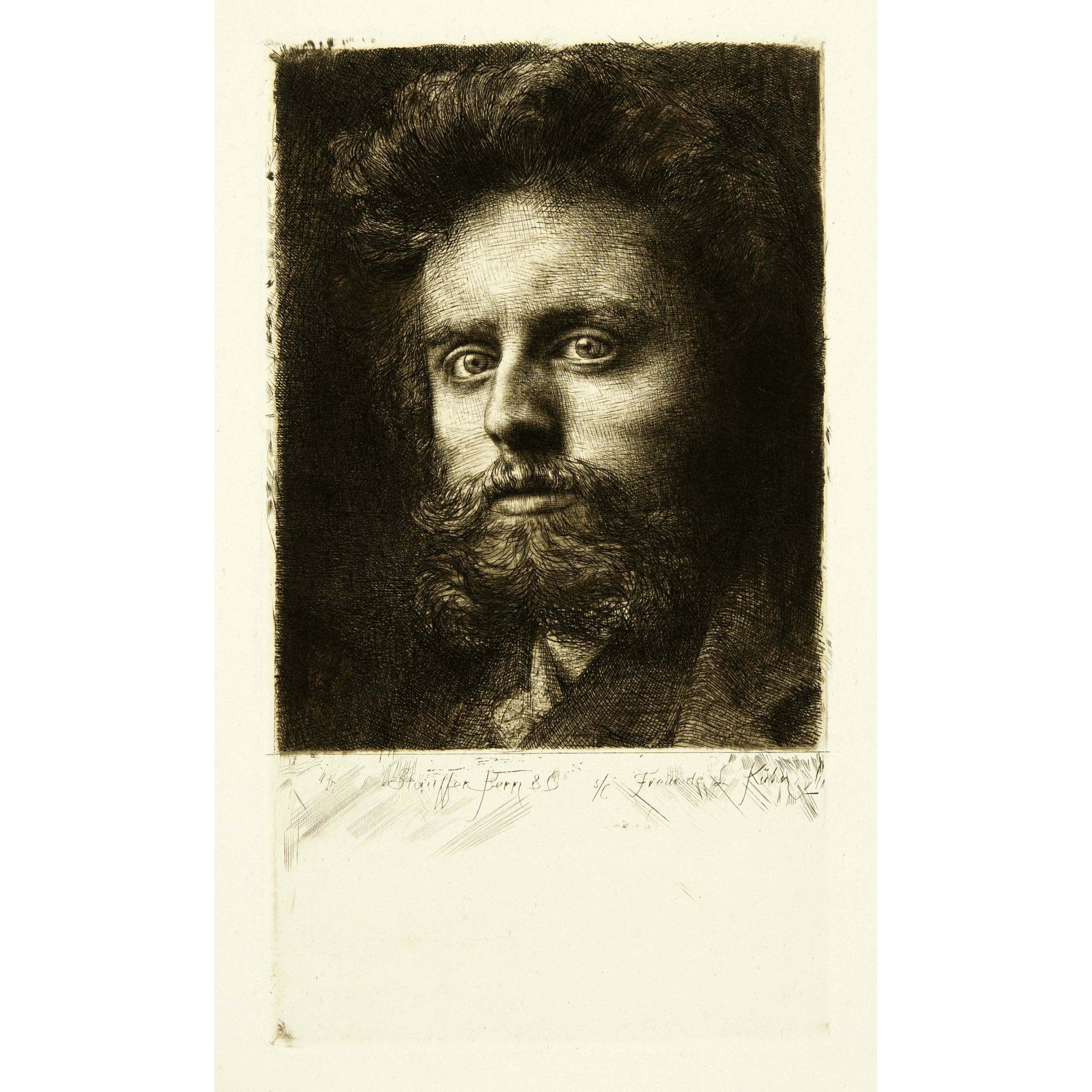
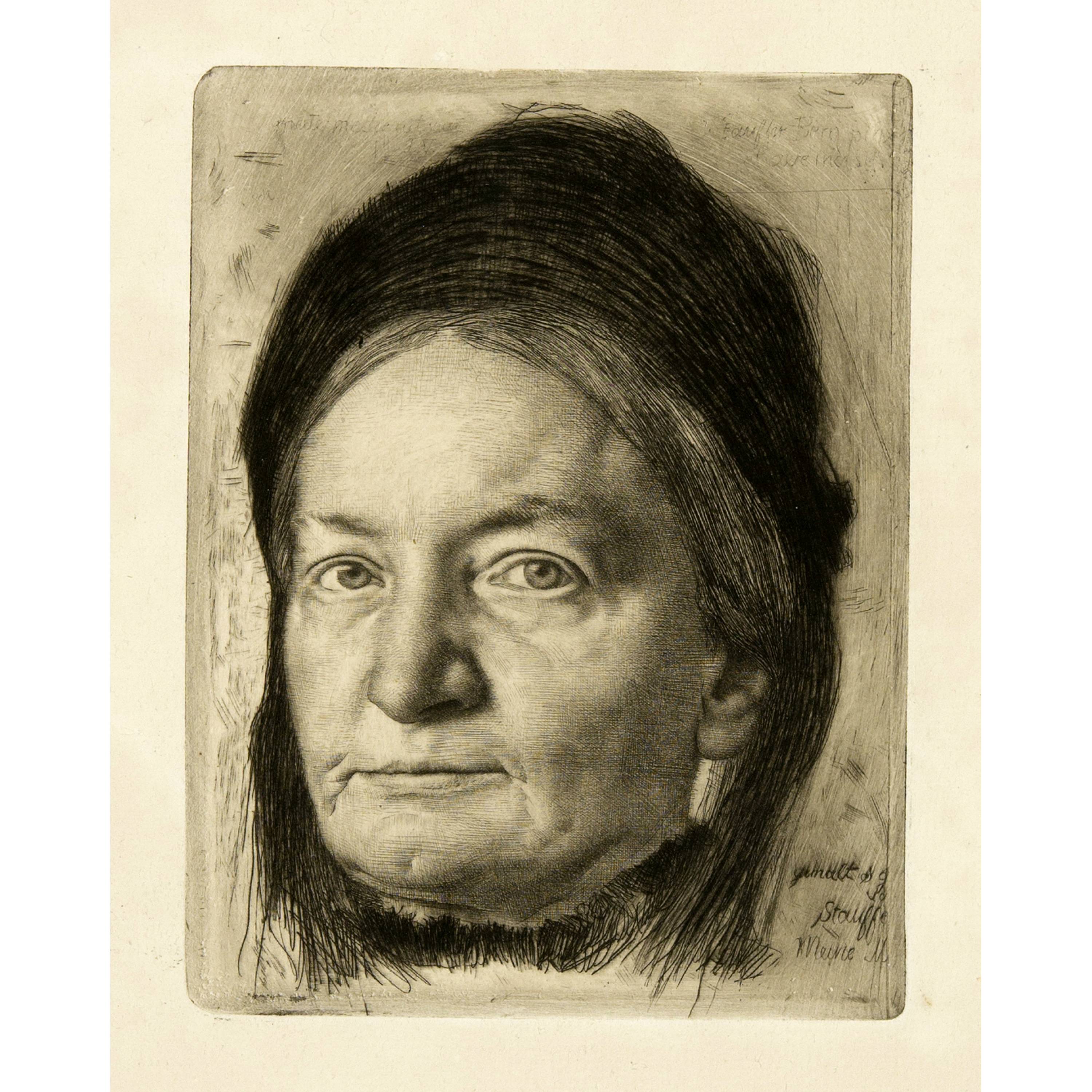
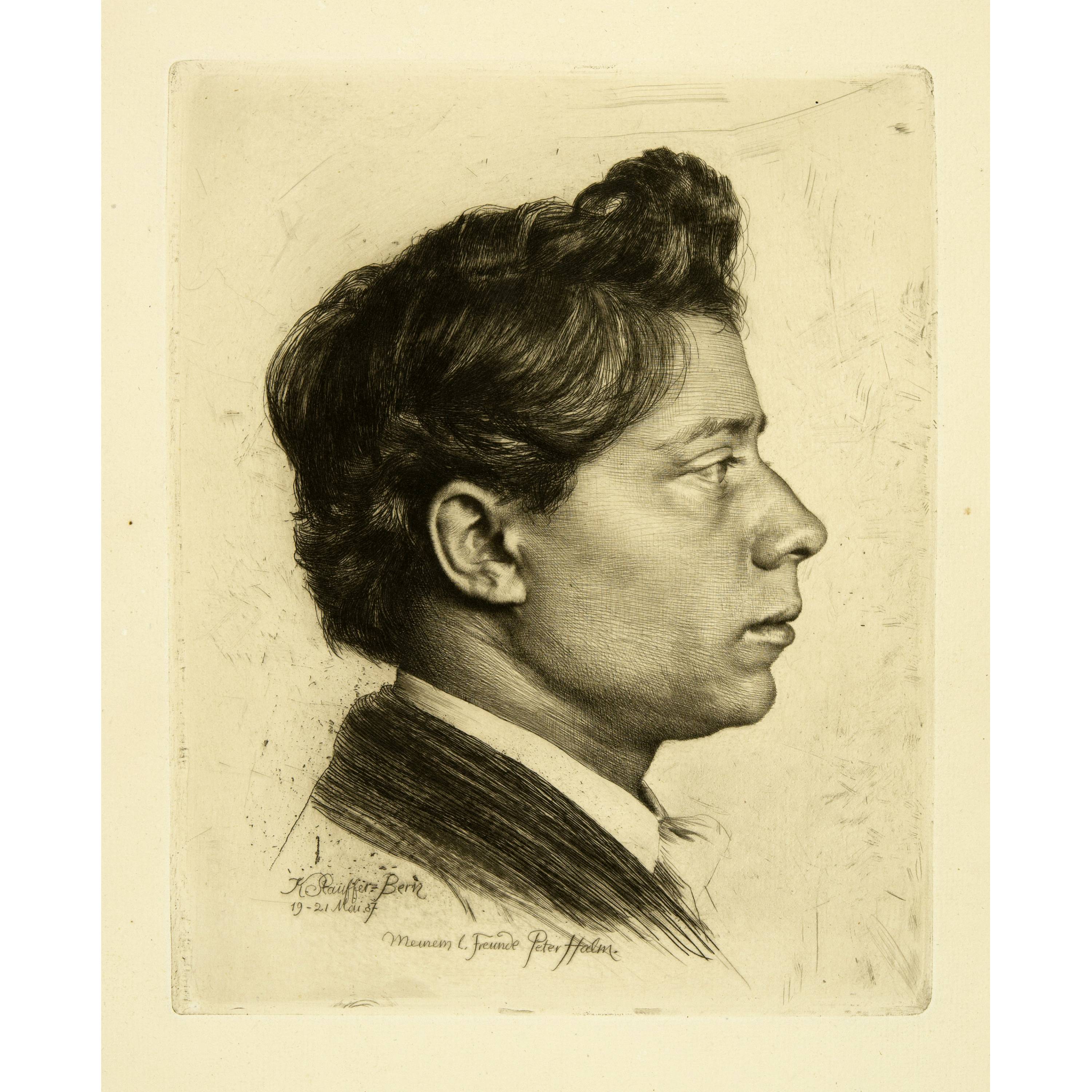
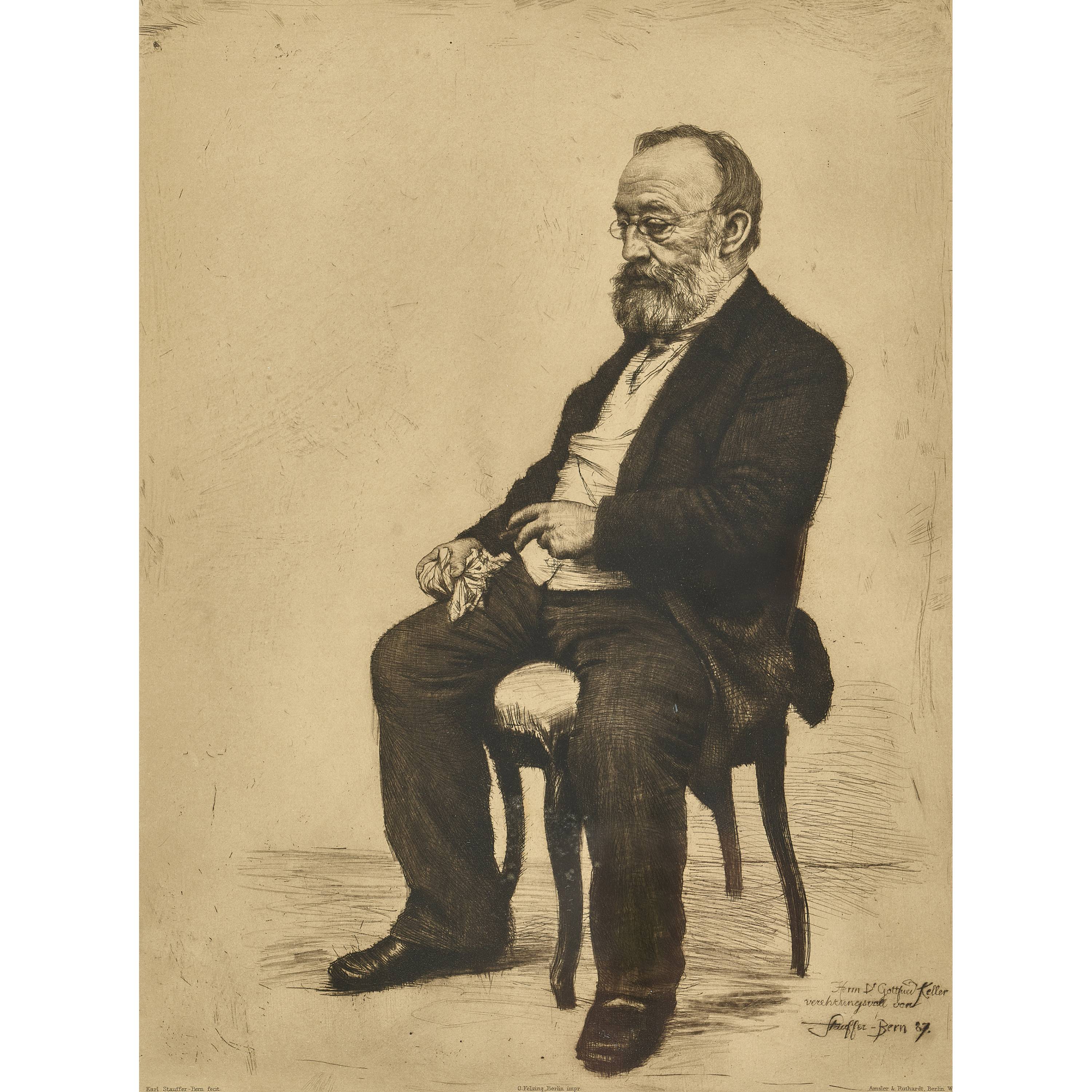
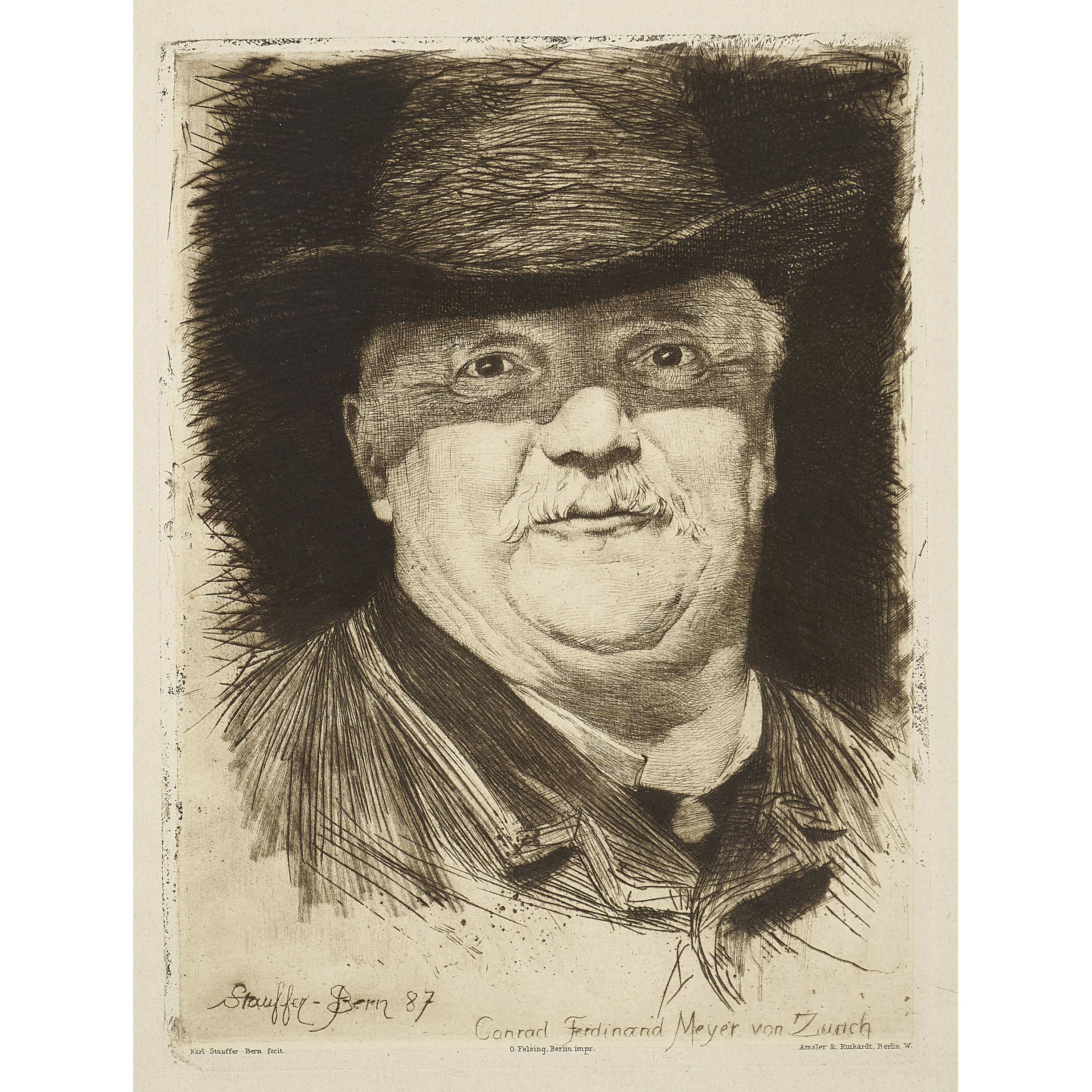
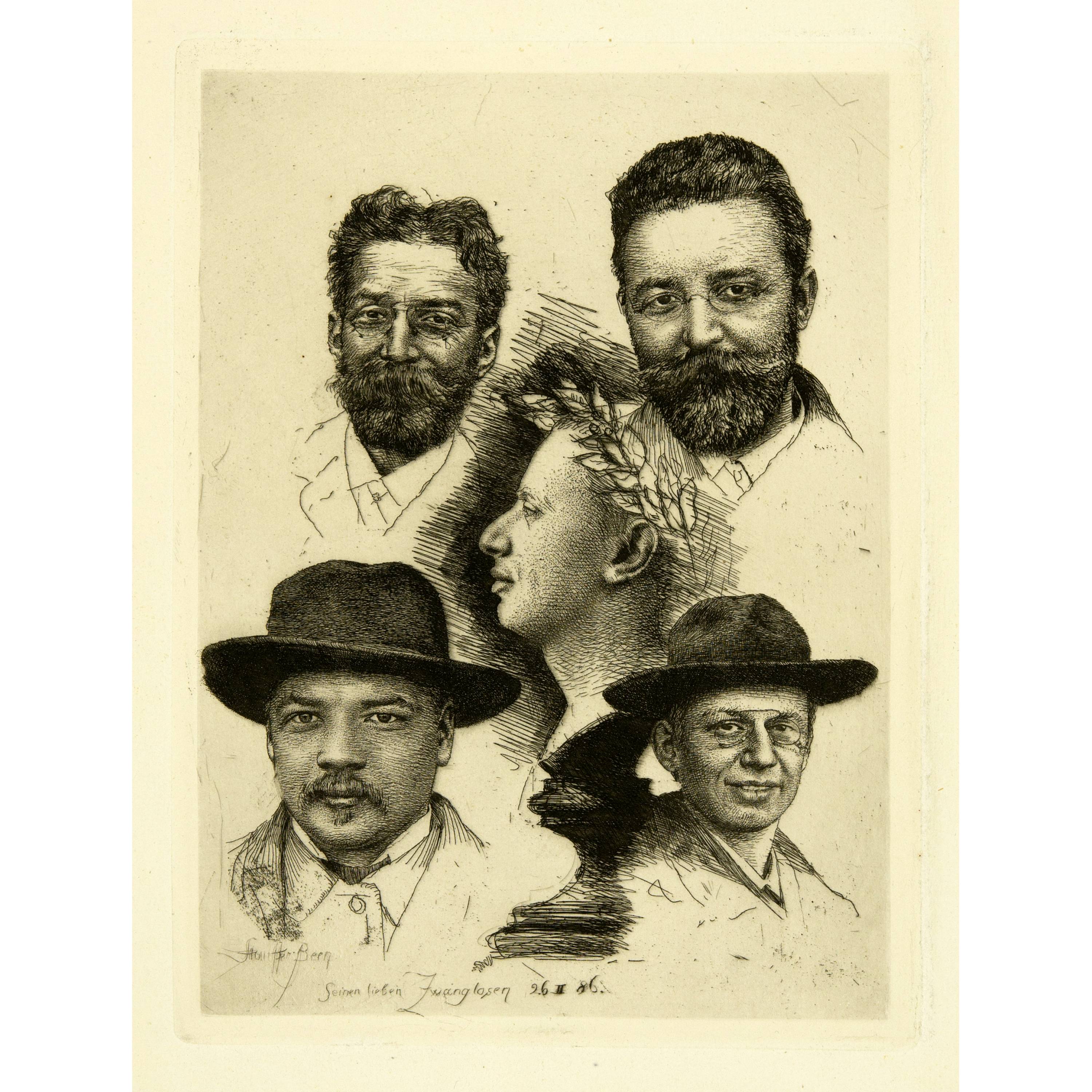
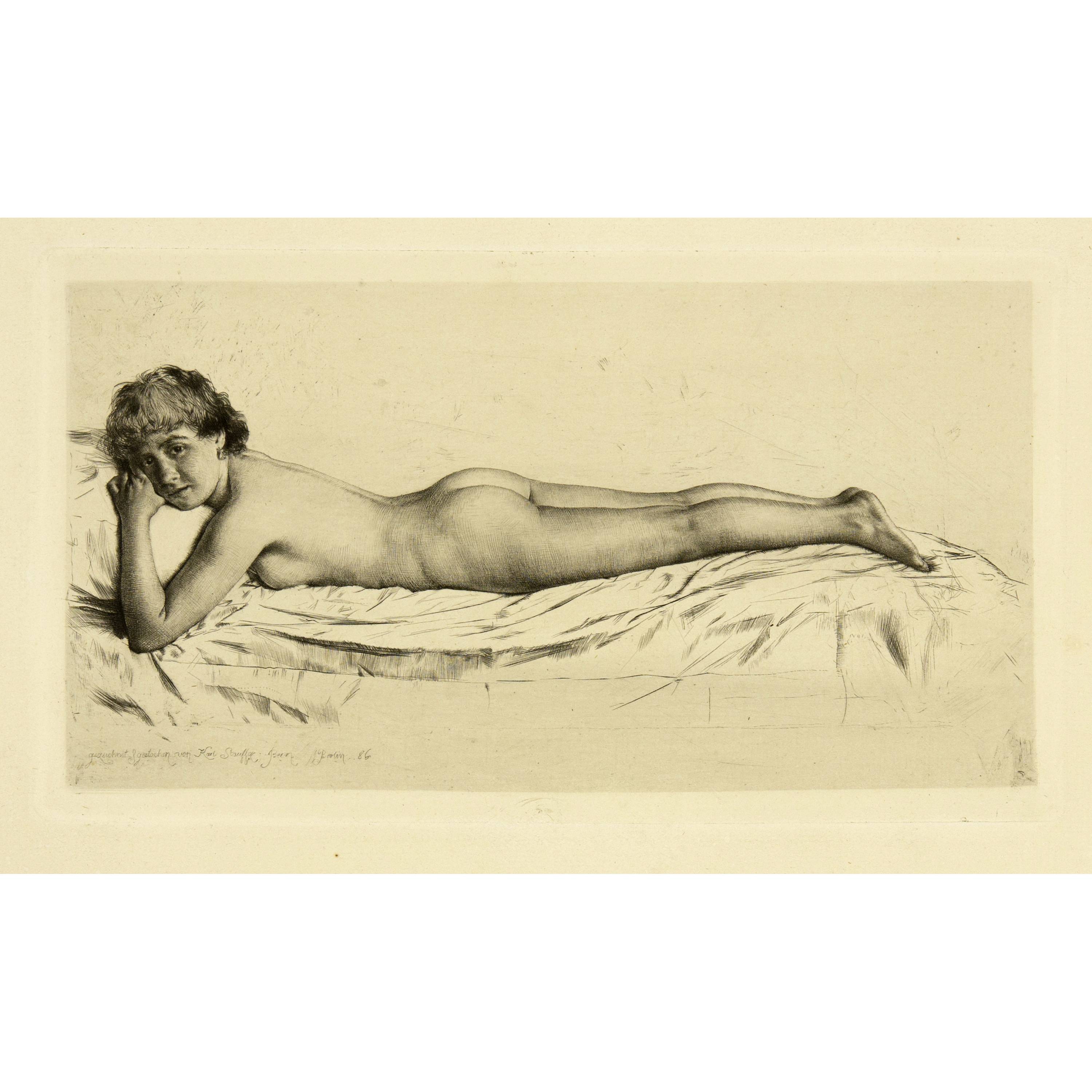
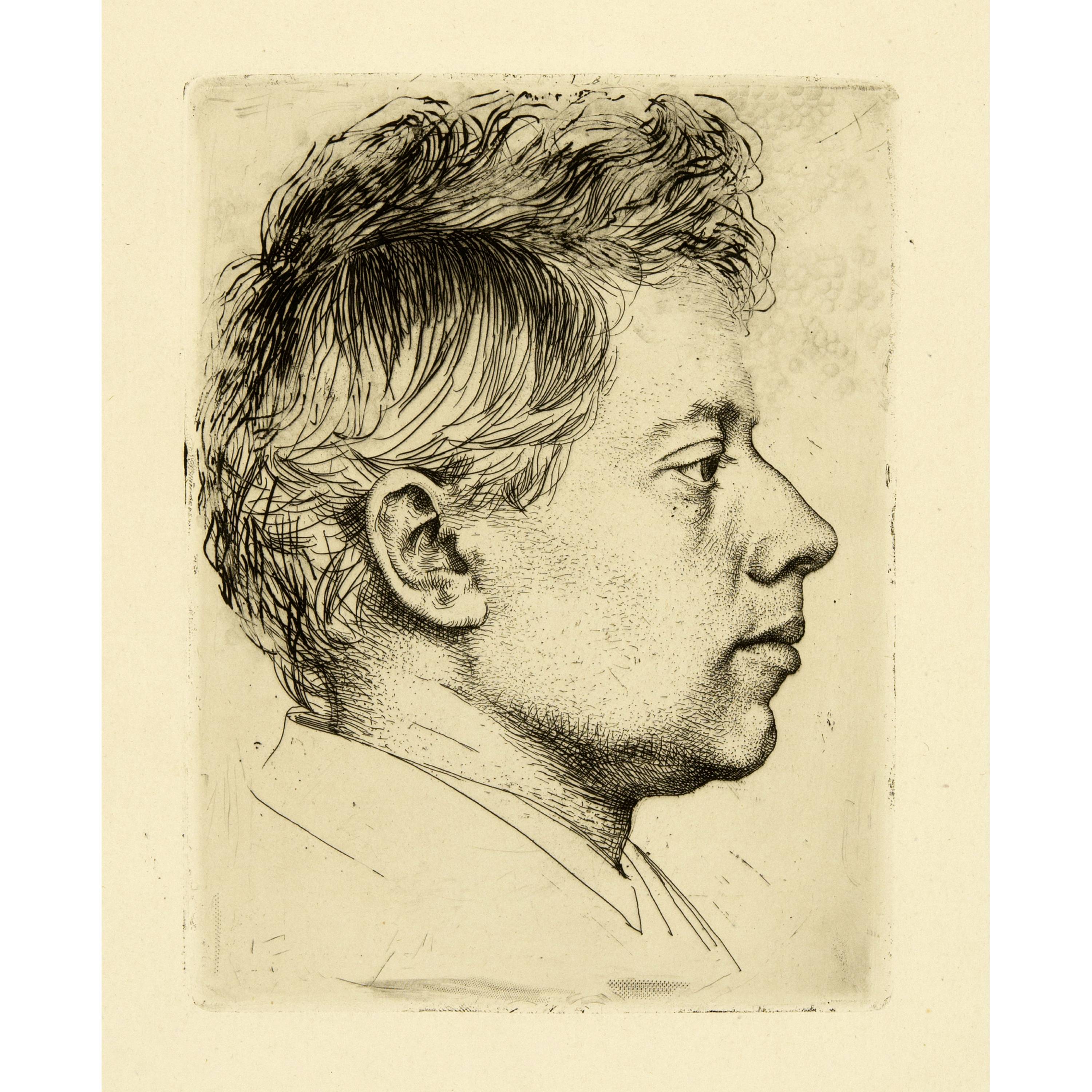
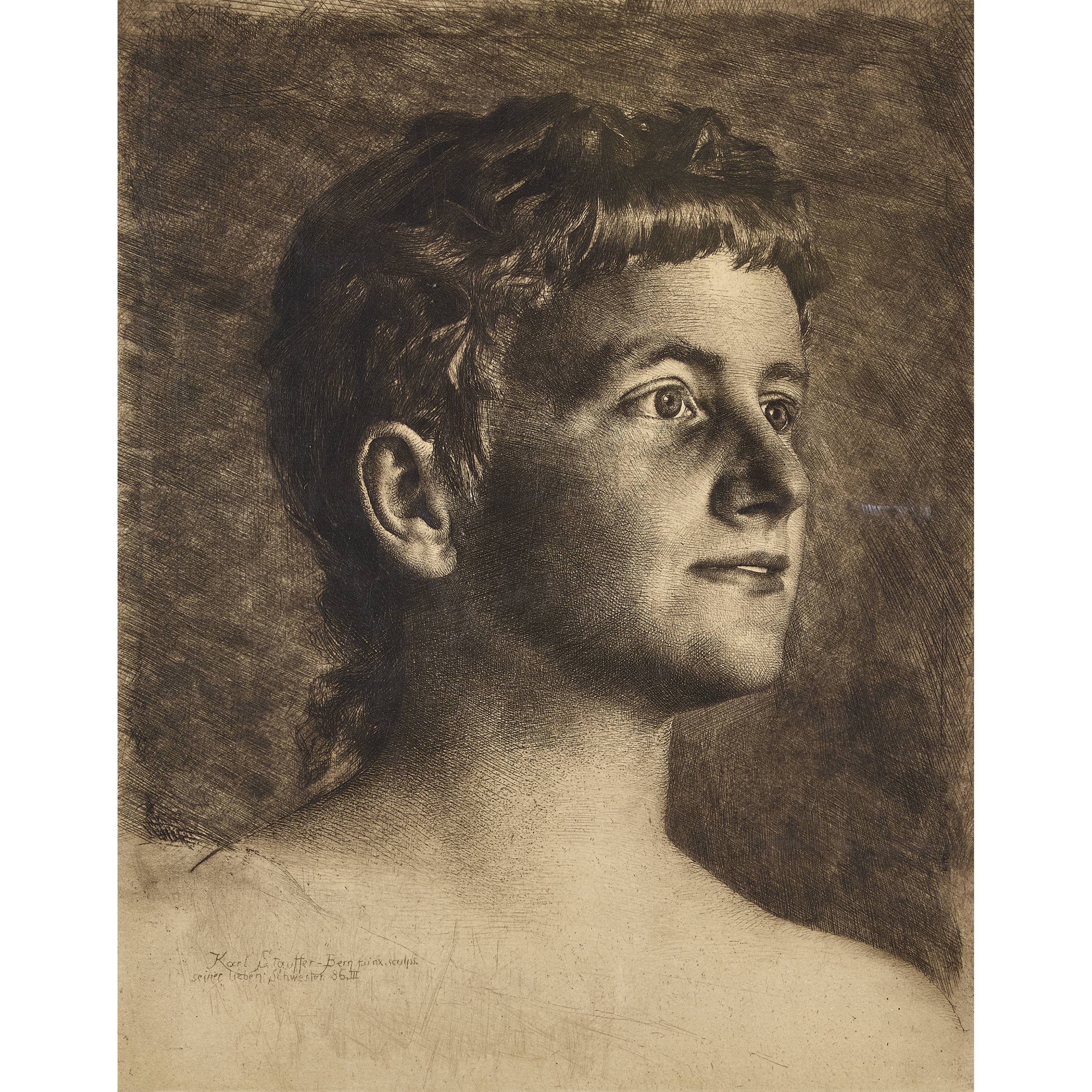
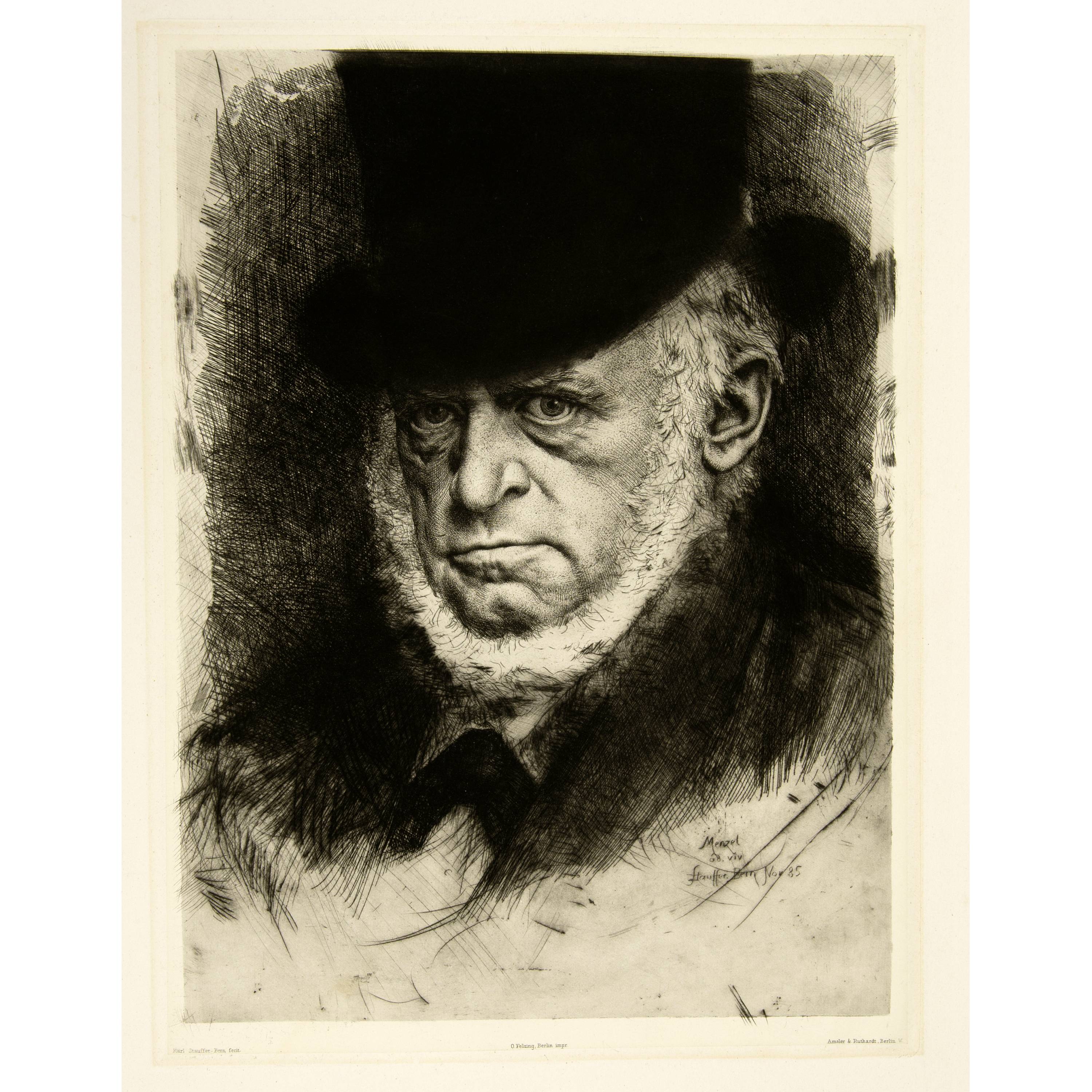
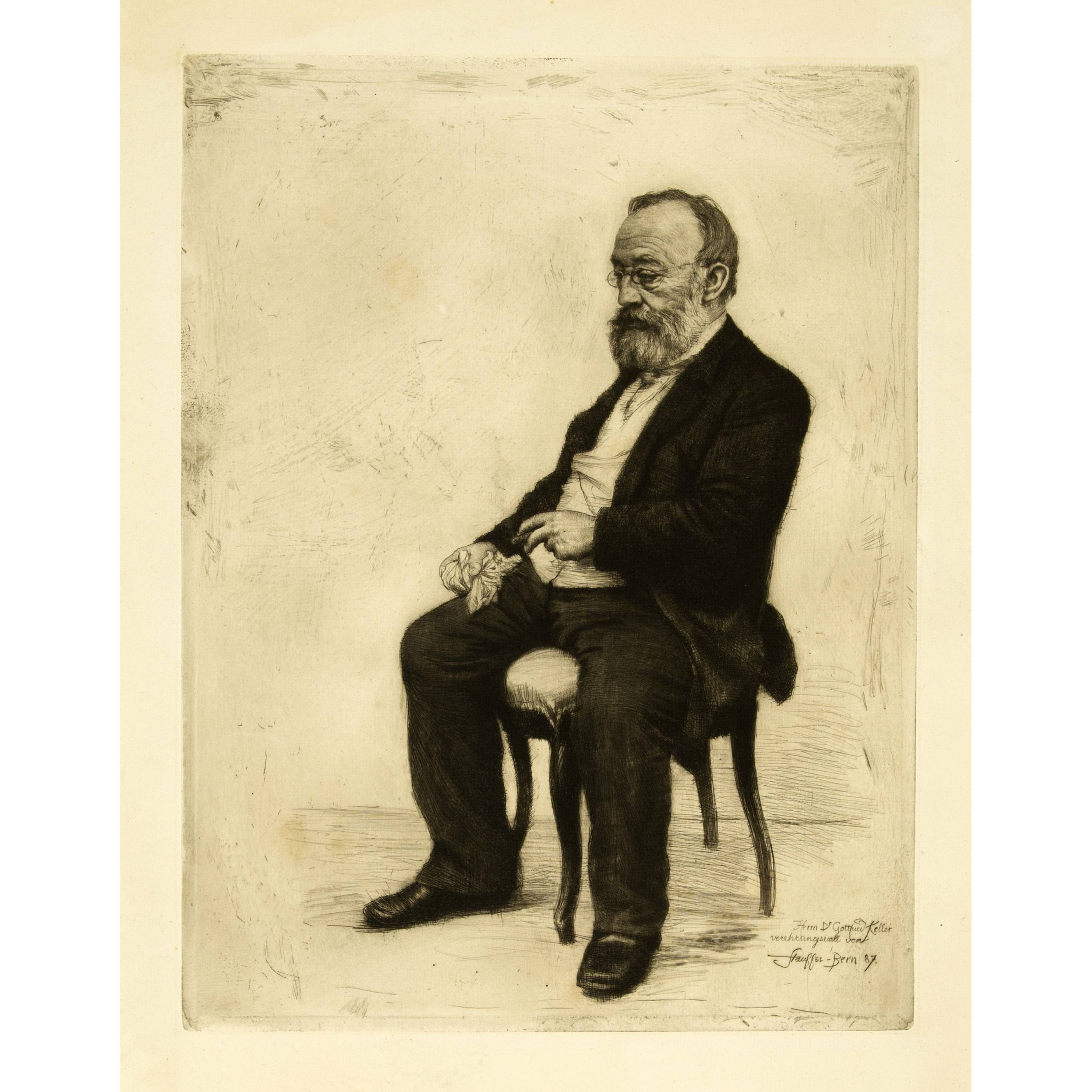
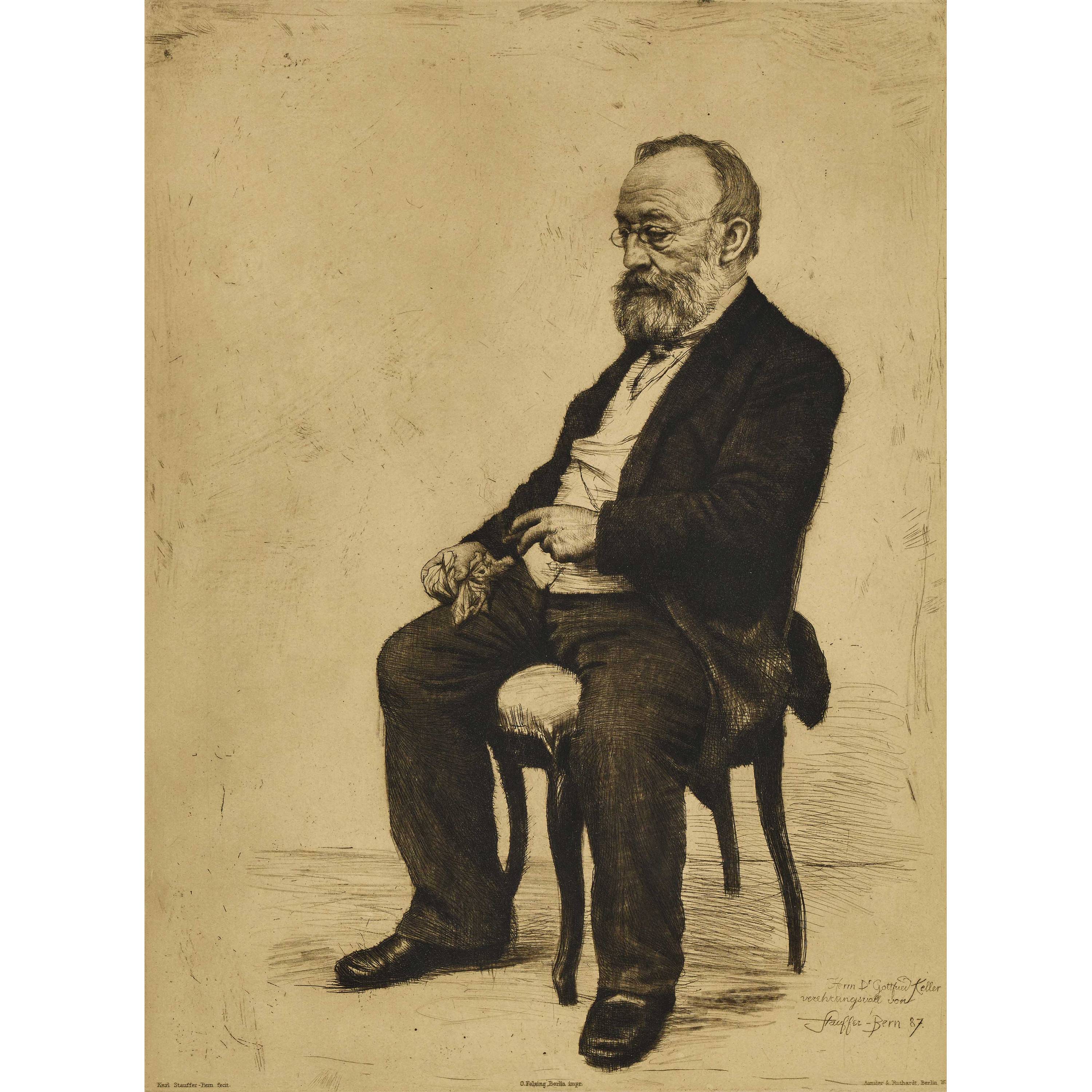
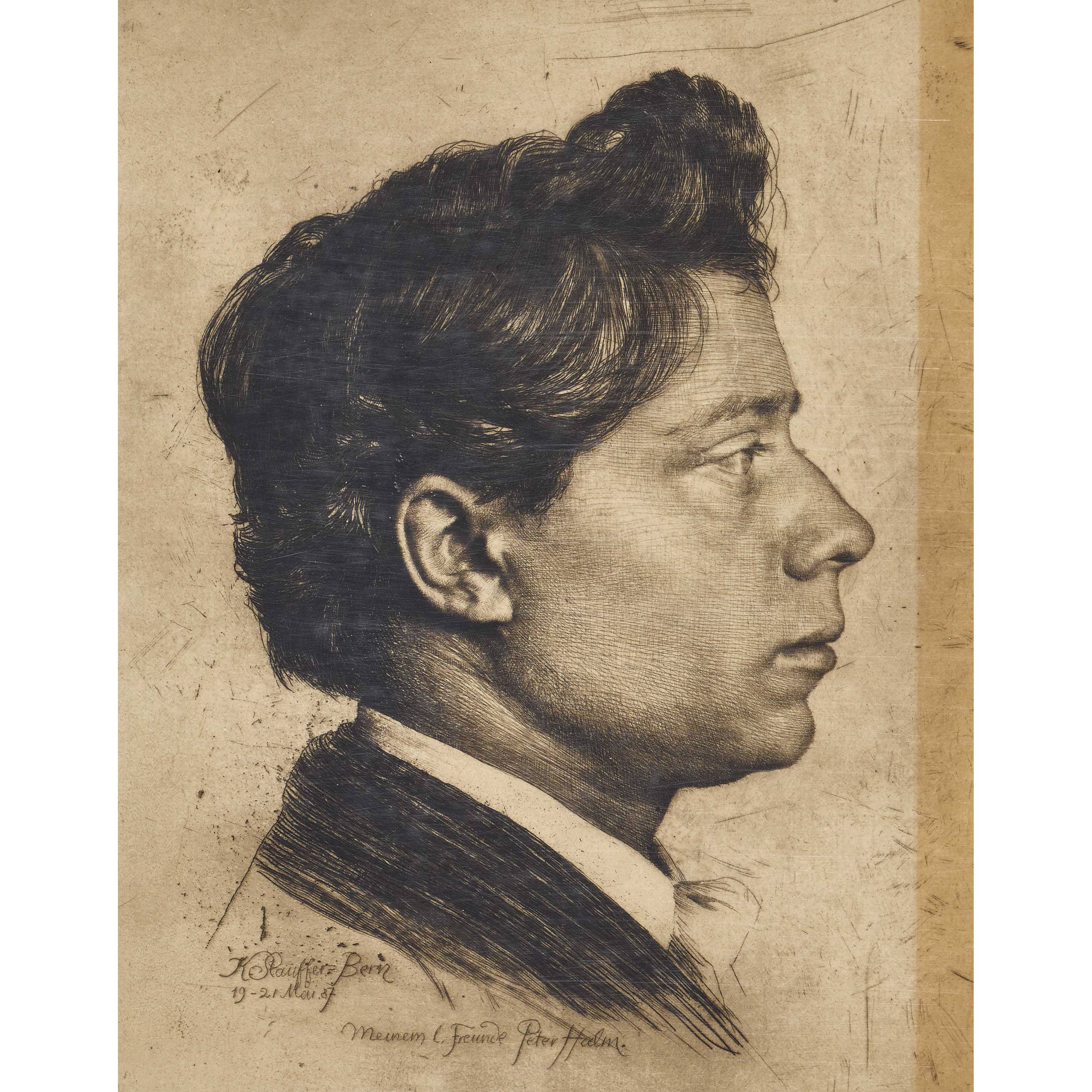
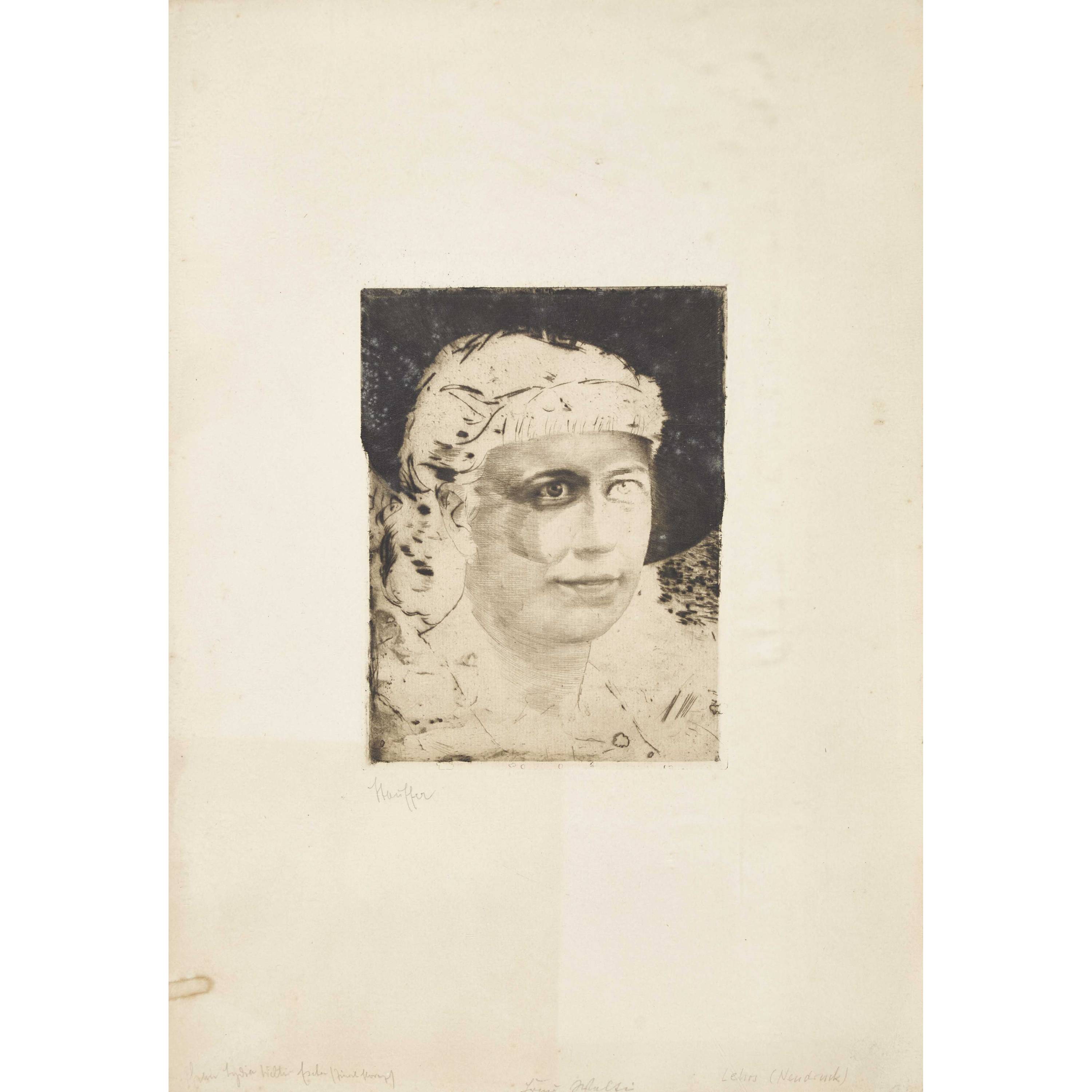
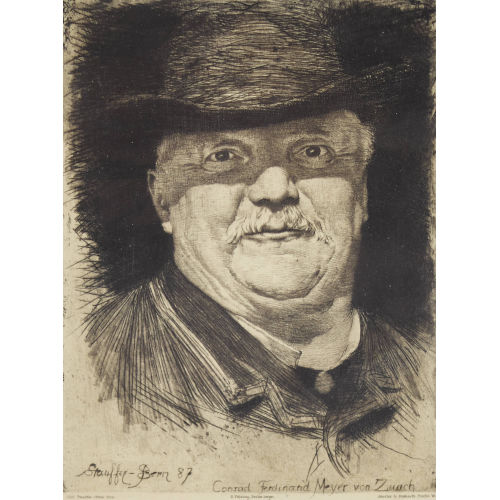
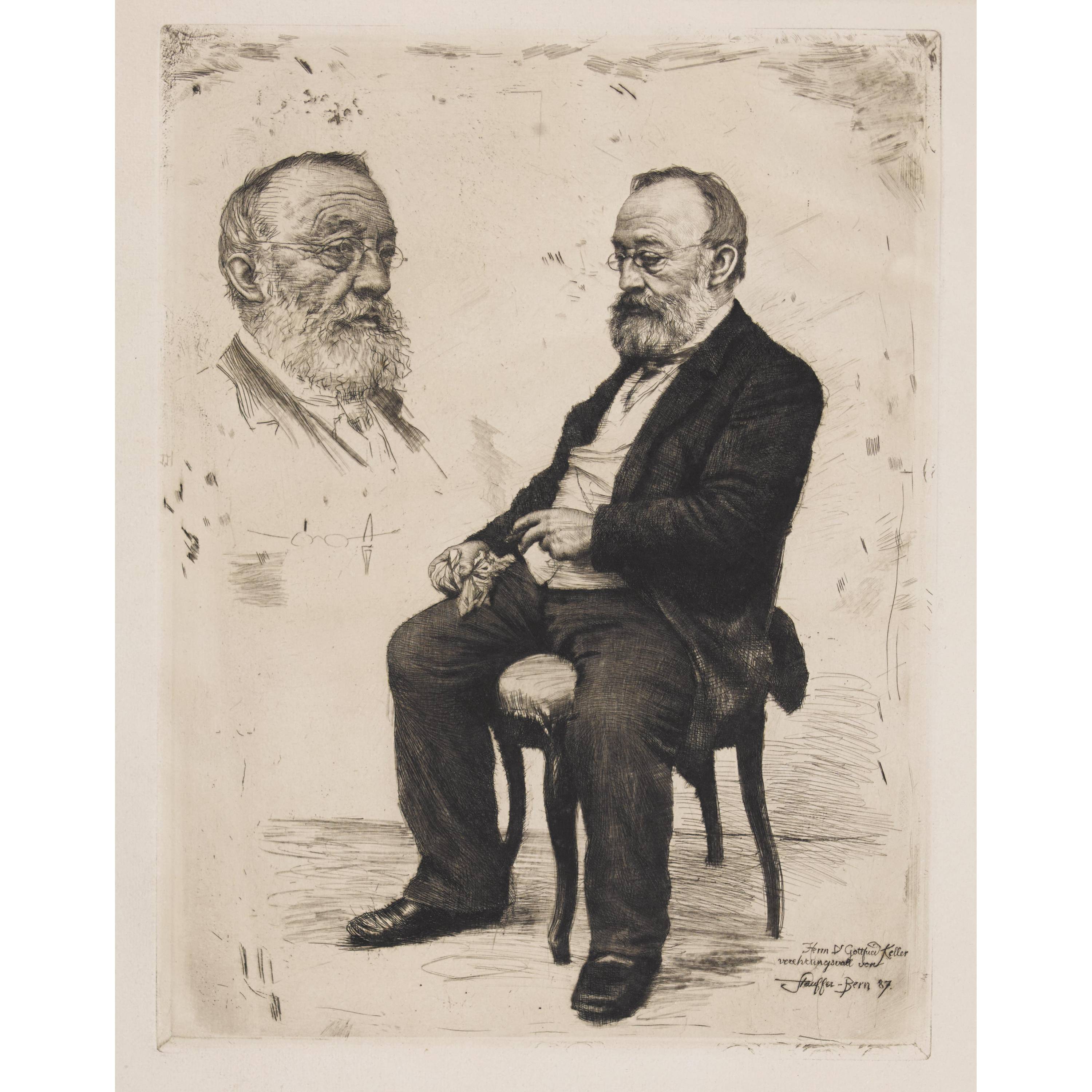
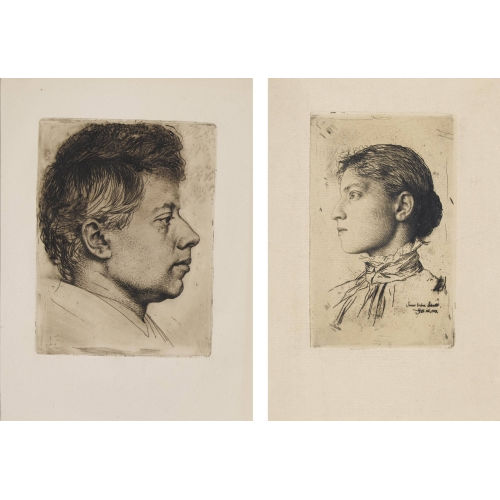
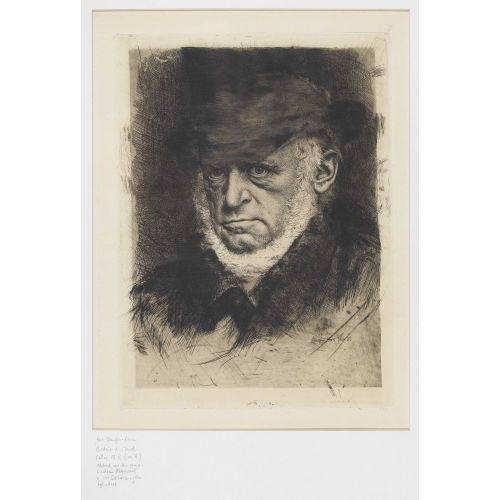
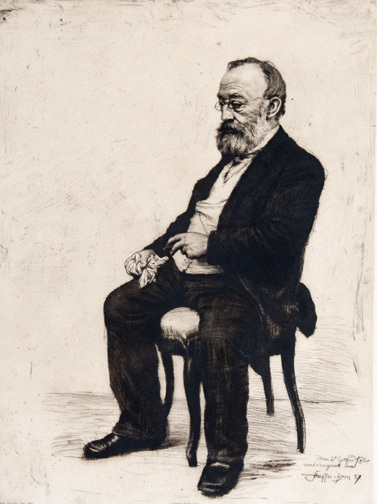
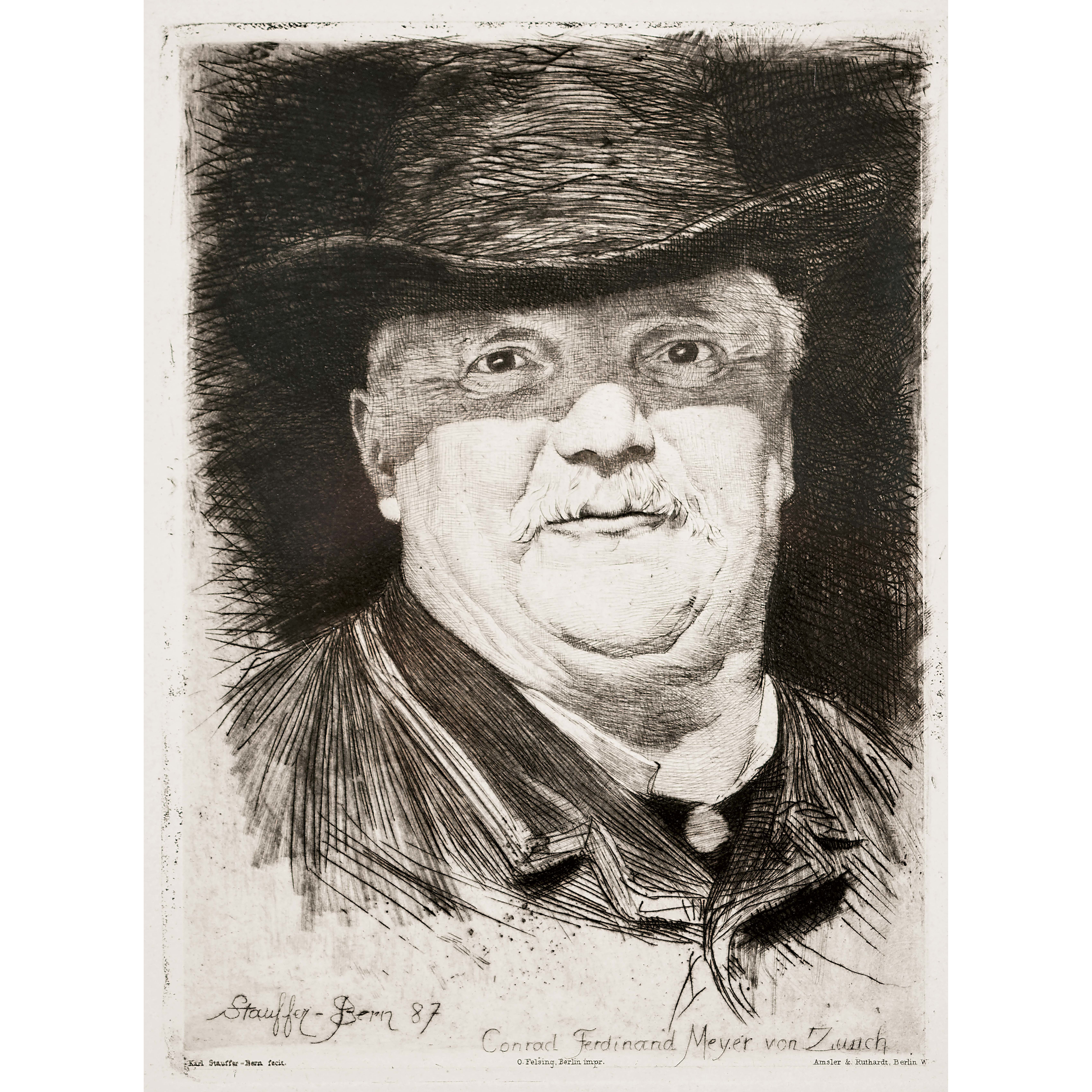
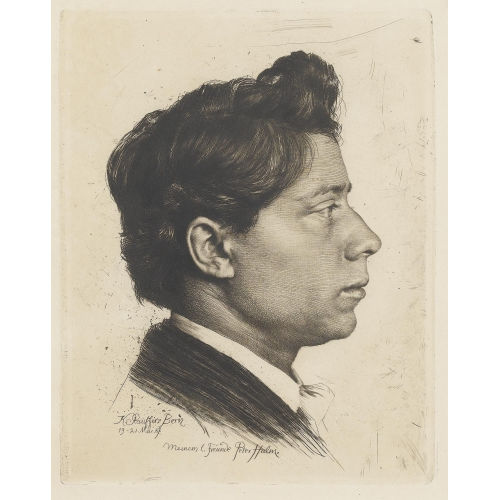
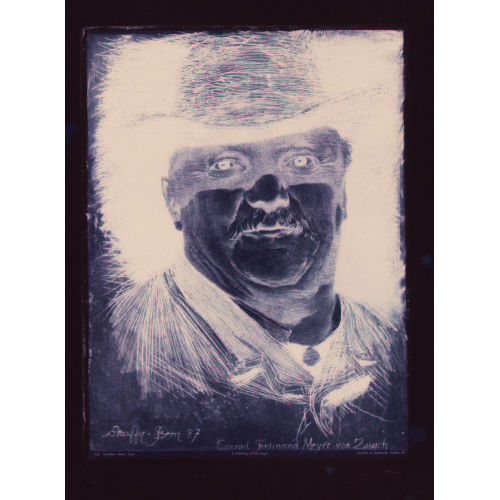
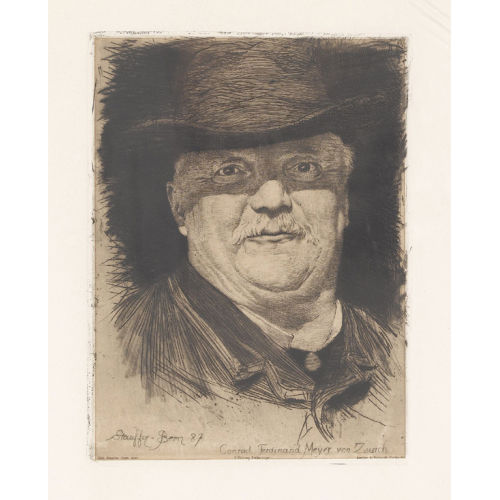
In Zurich, he painted, among others, the writers Gottfried Keller and Conrad Ferdinand Meyer. He also produced a portrait of Lydia Welti-Escher, who would play an important role in the final years of his life. In 1884, Peter Halm introduced him to etching.
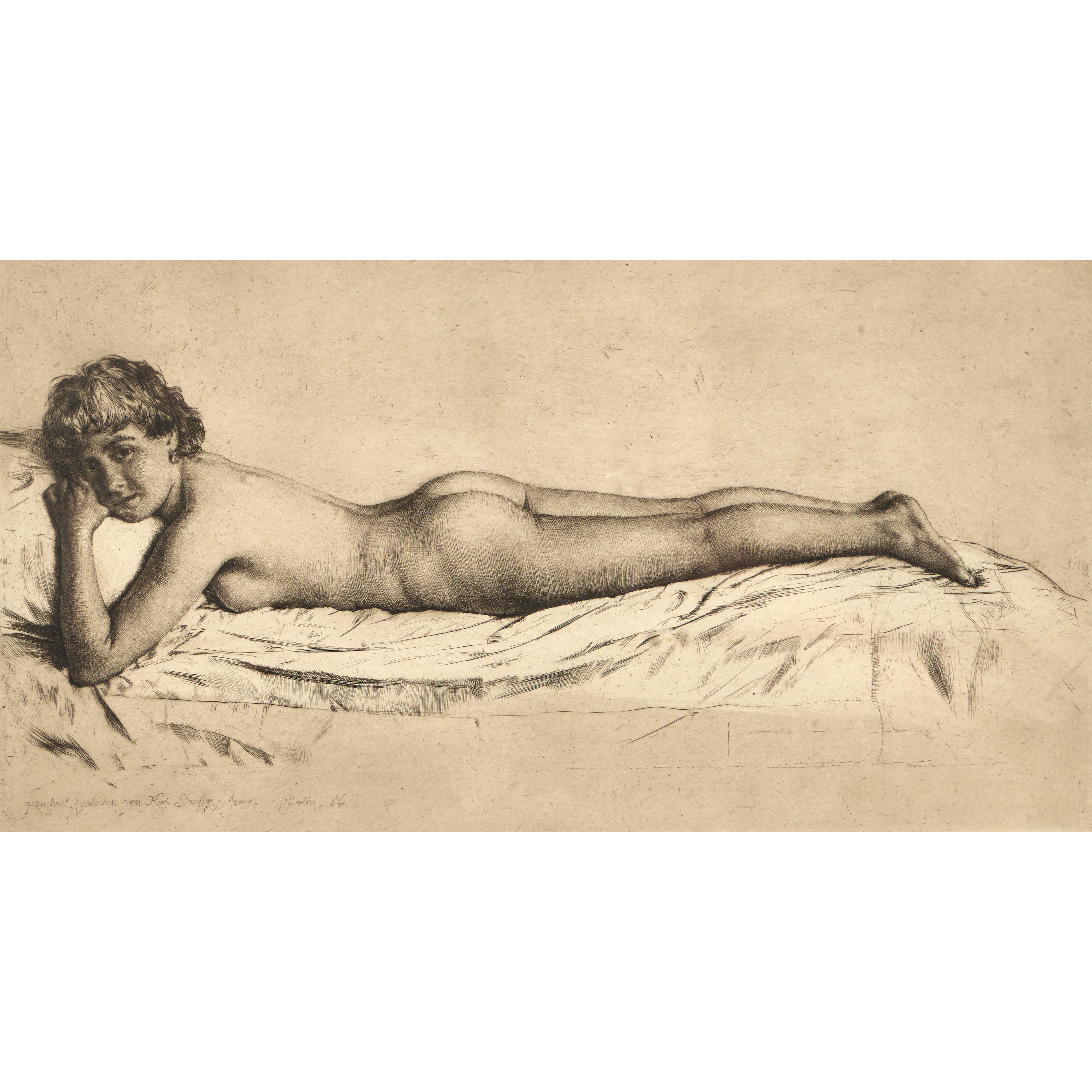
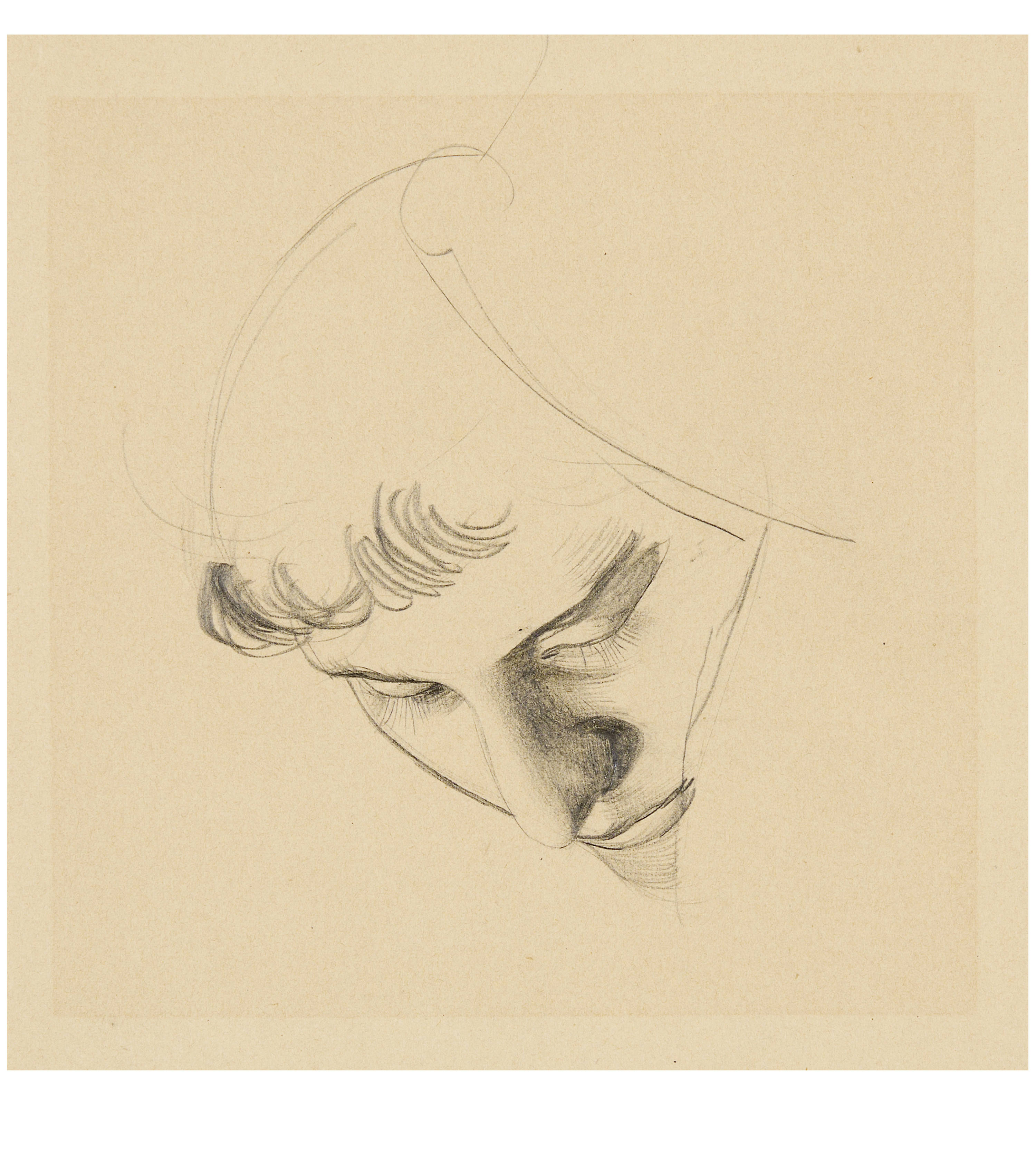
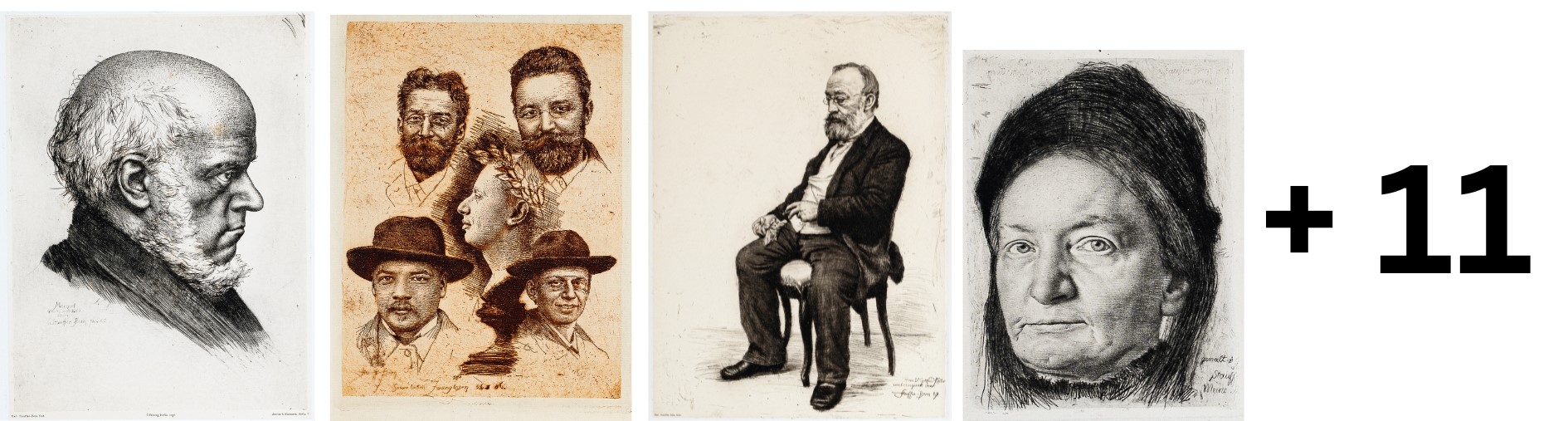
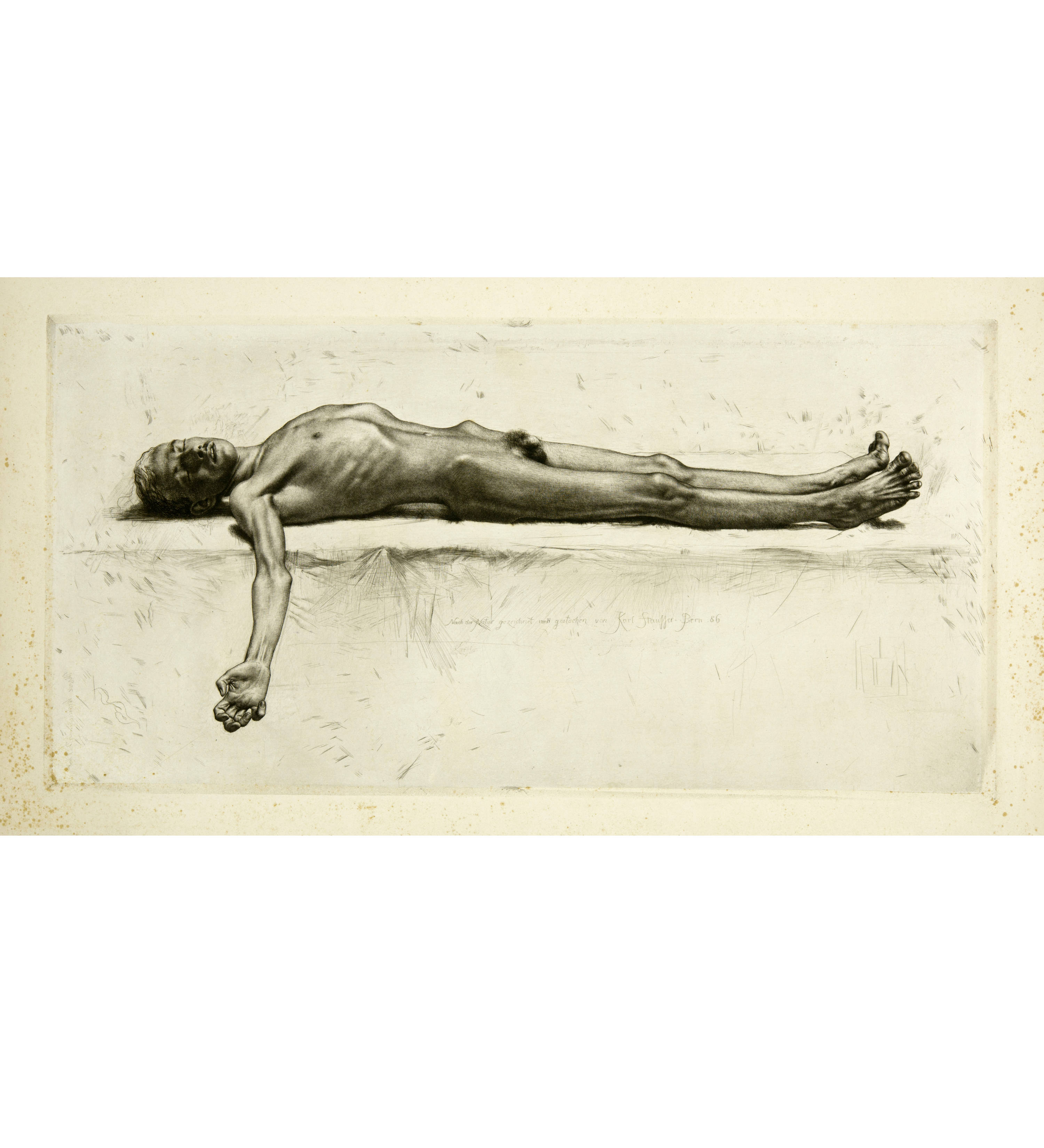
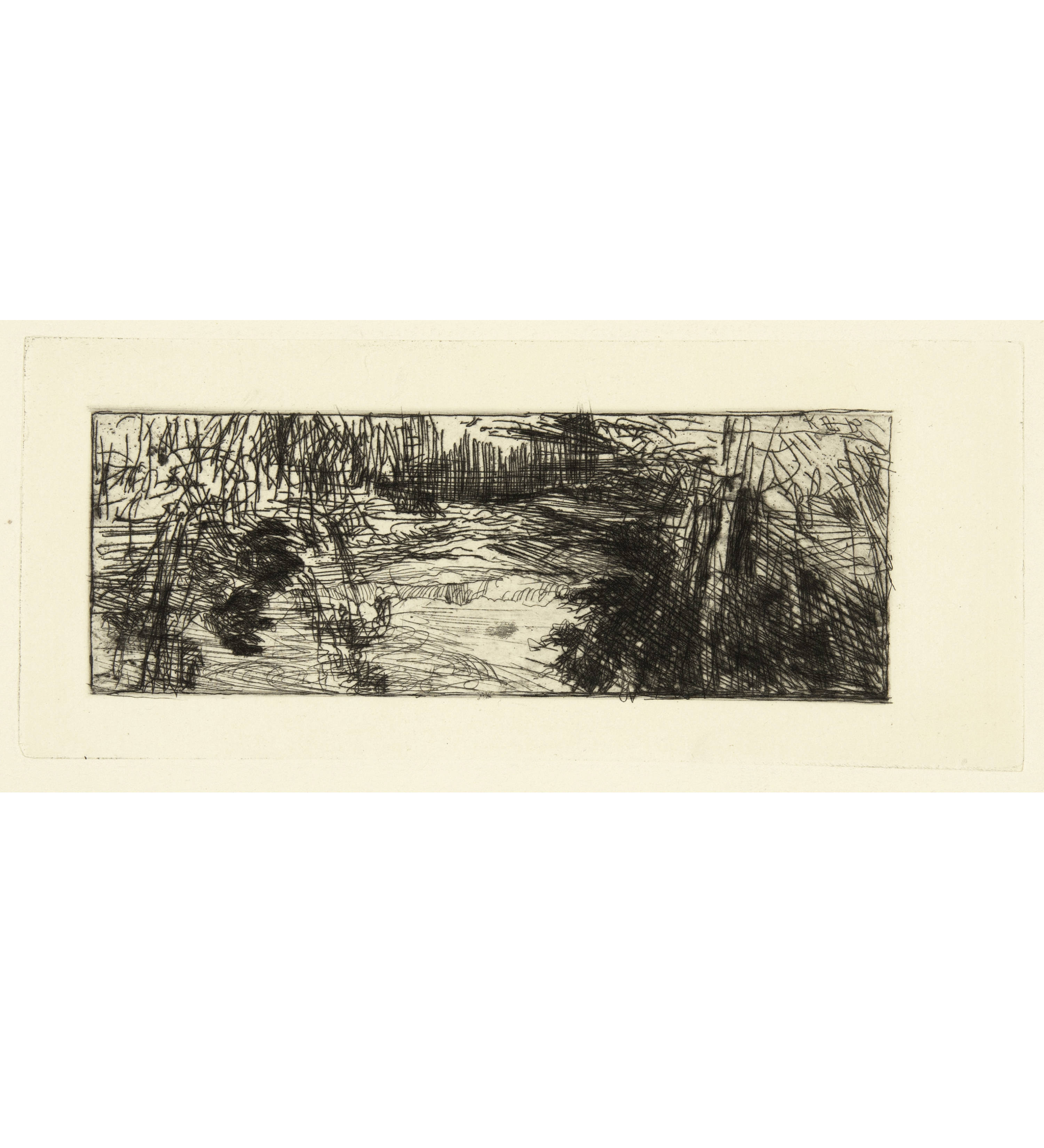
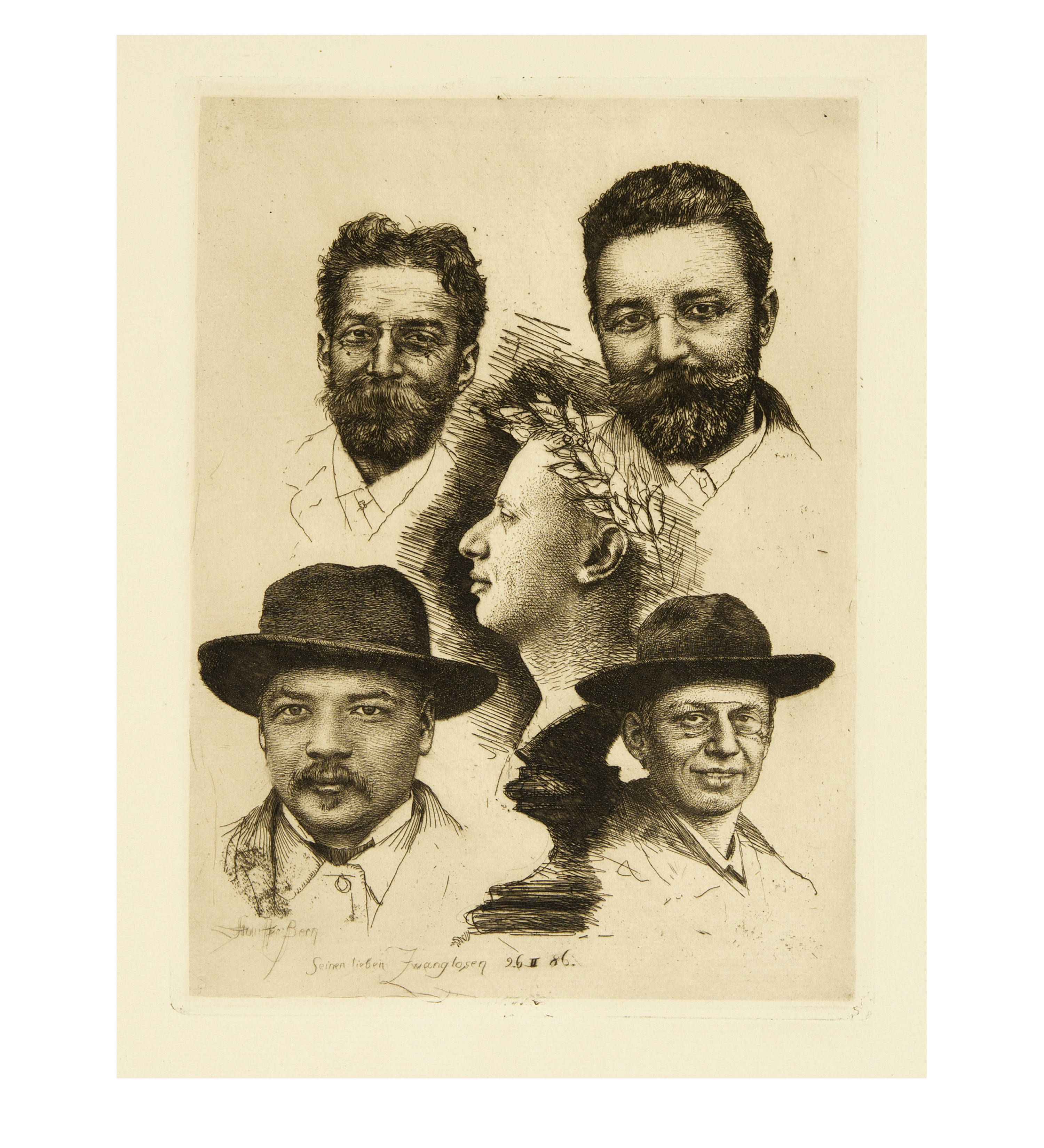
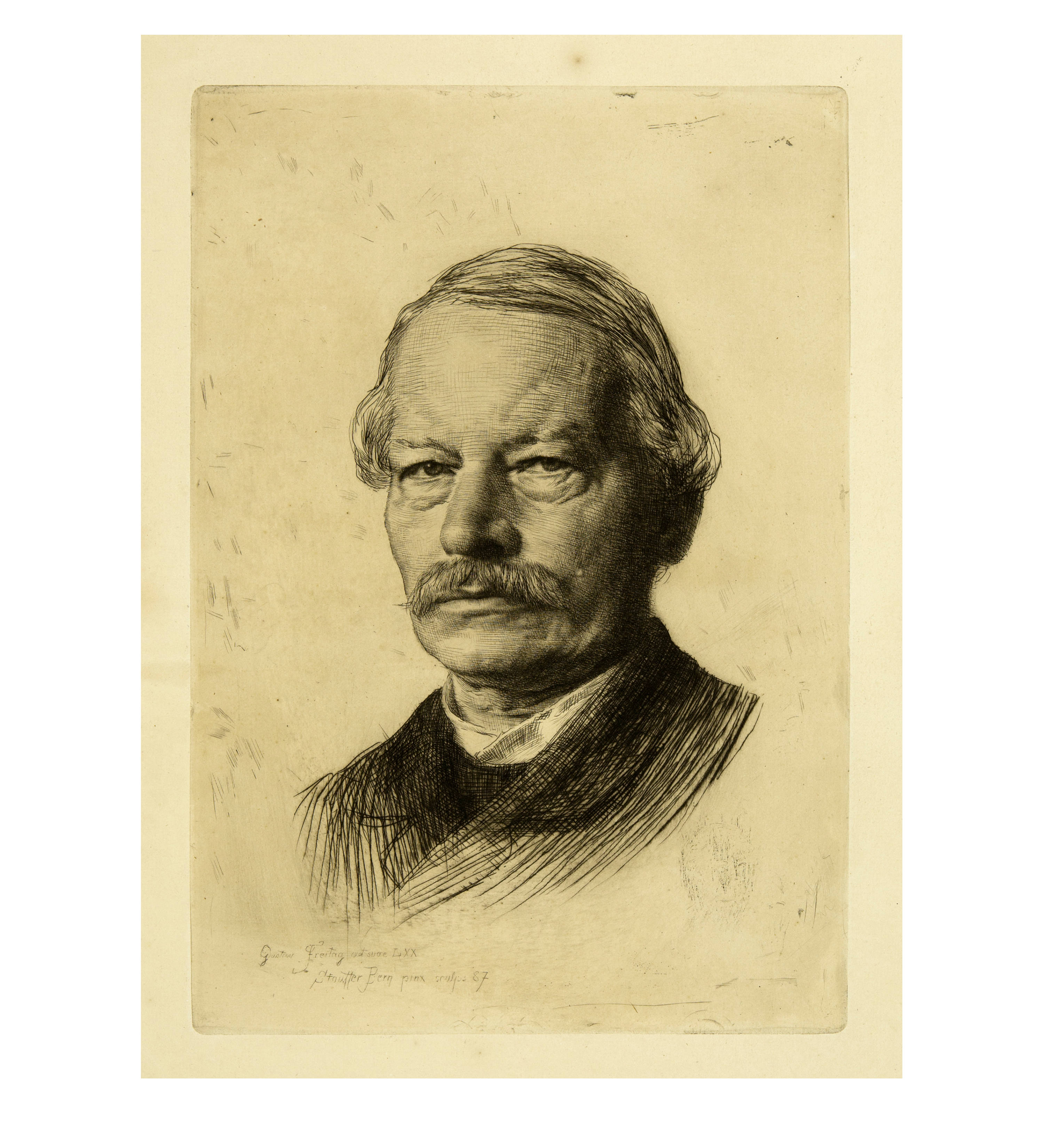
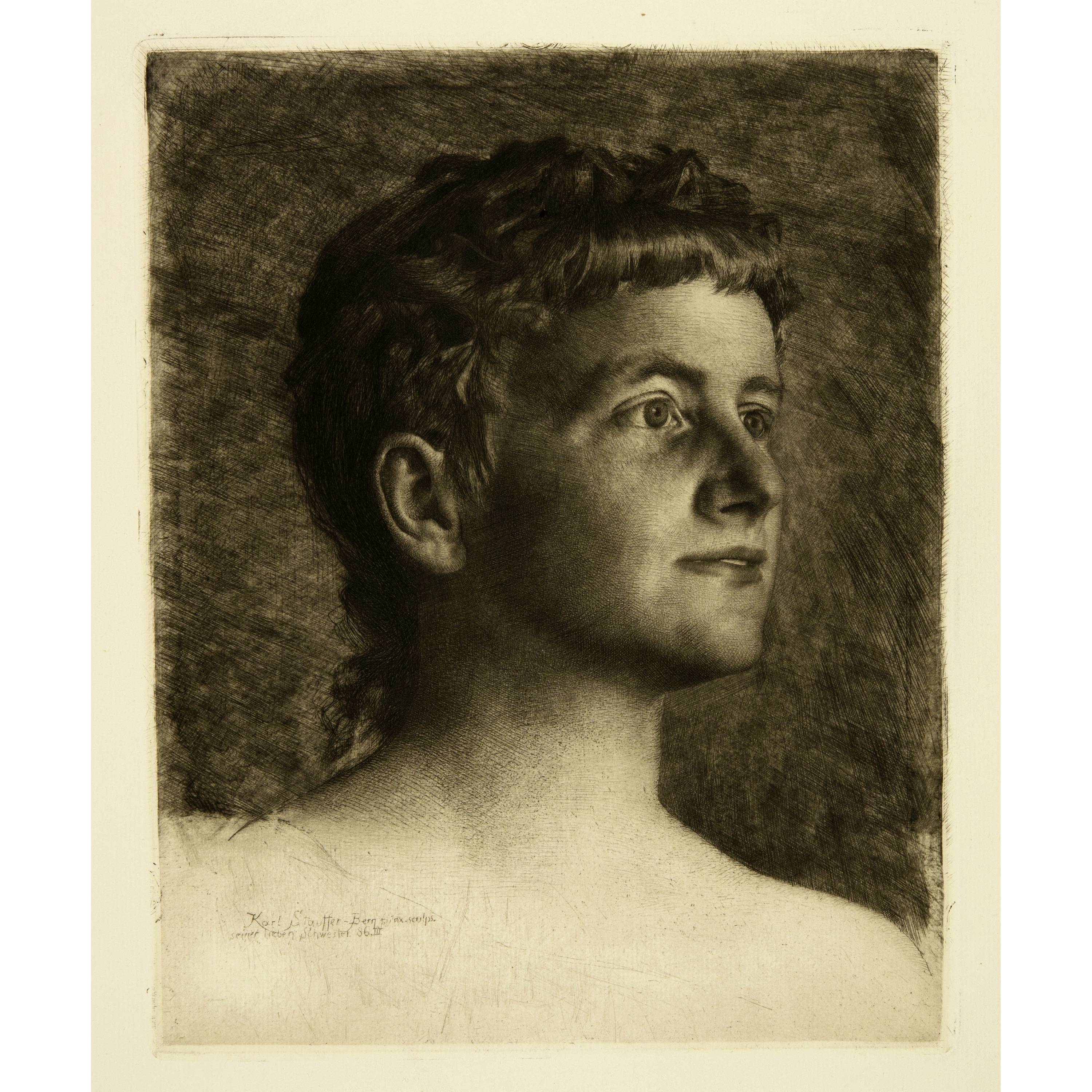
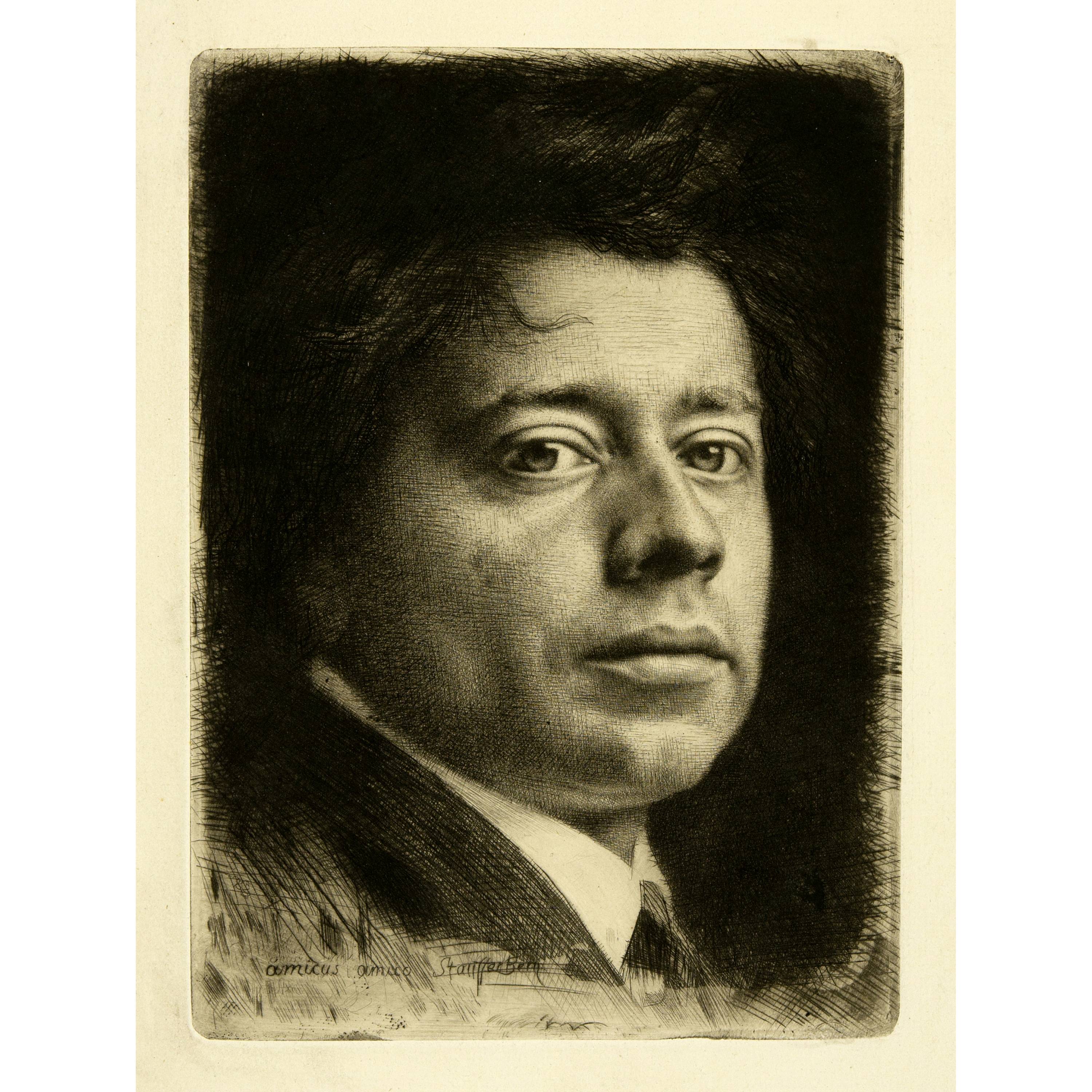
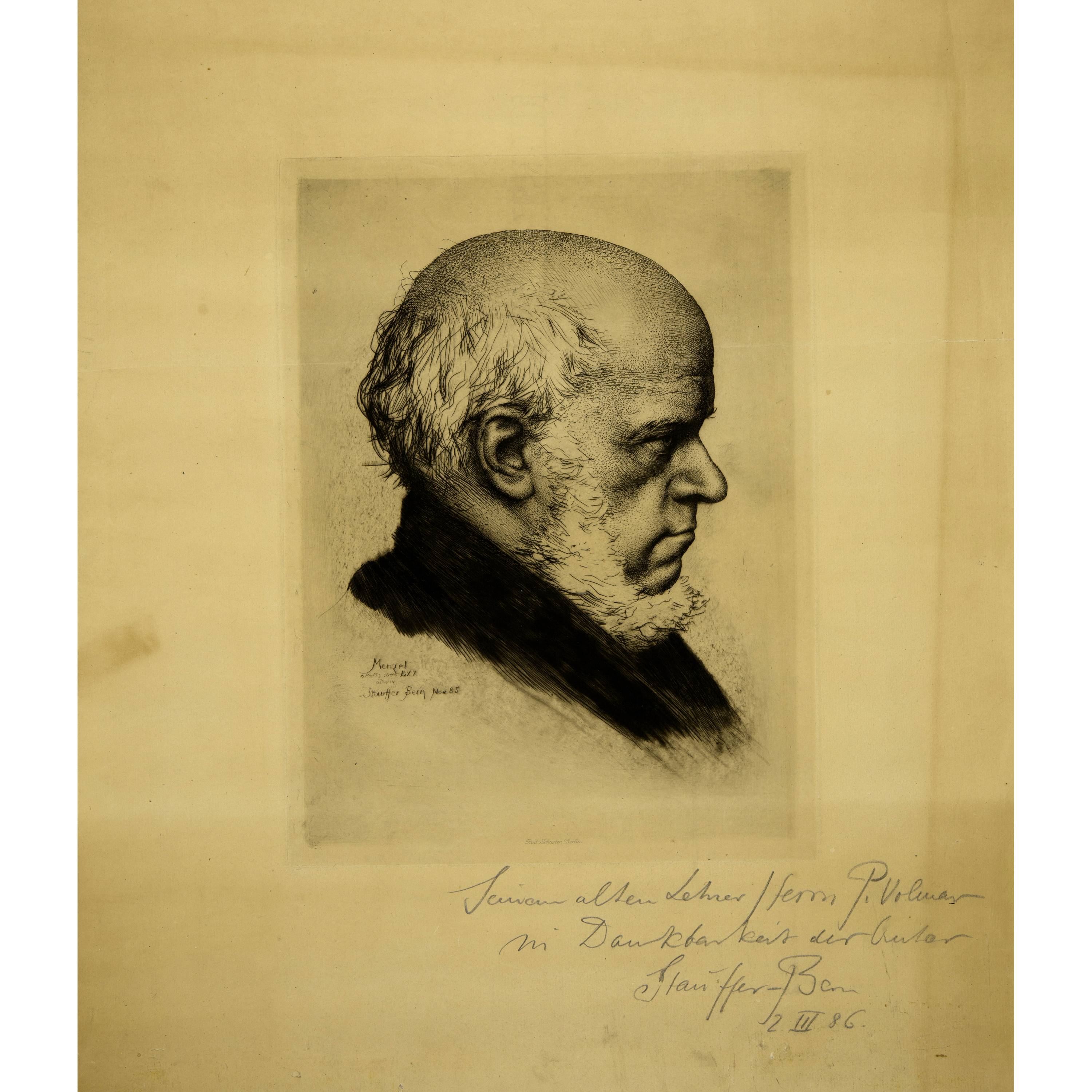
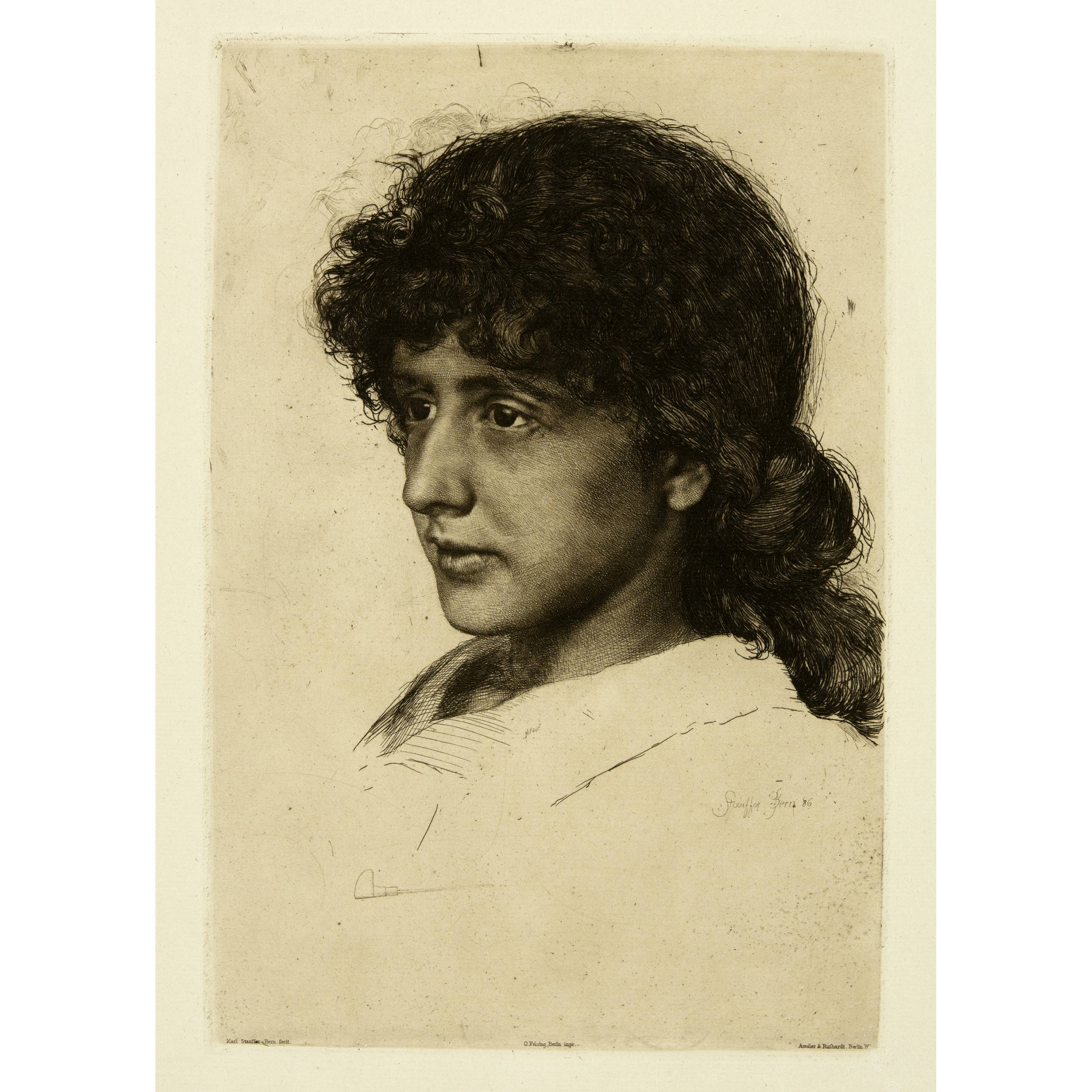
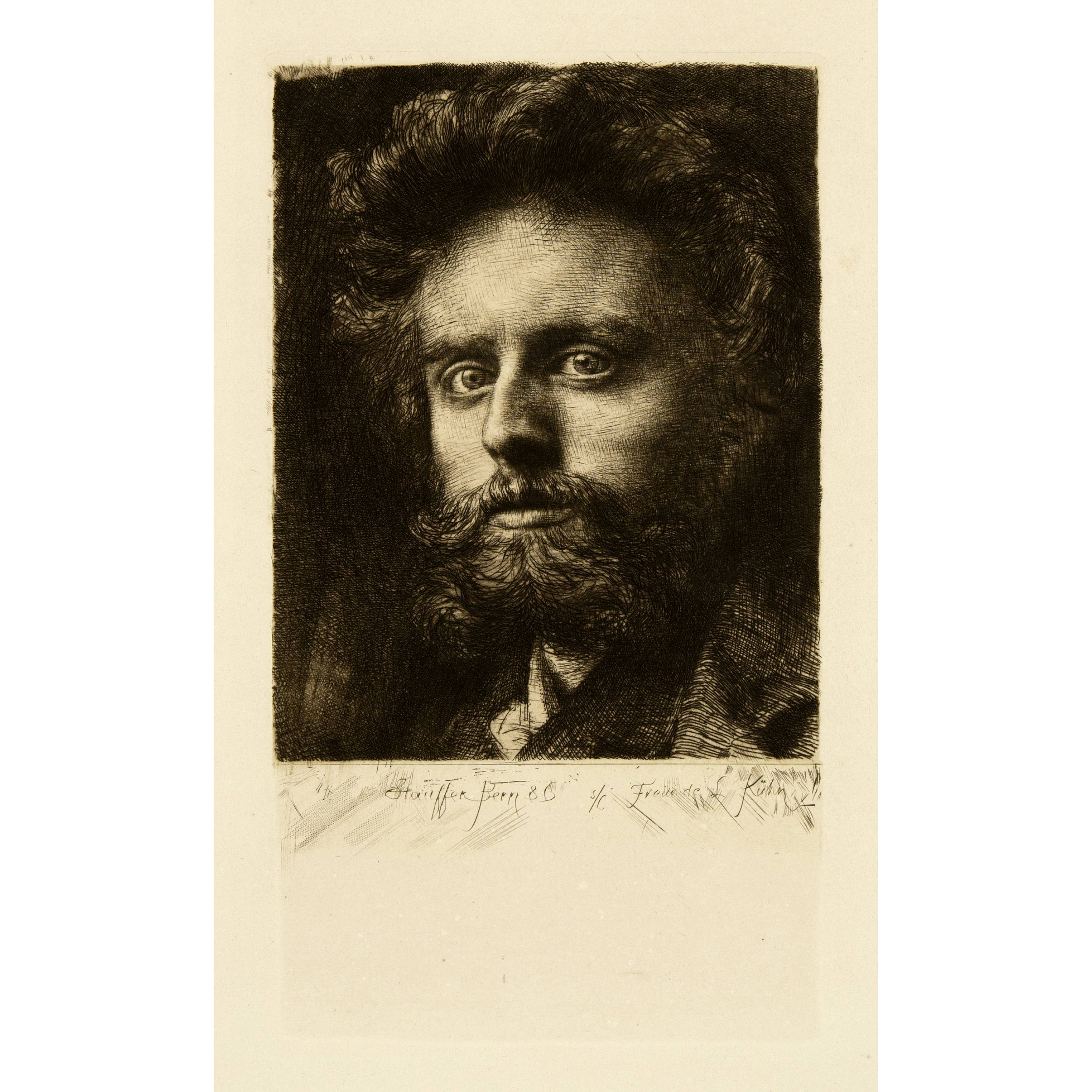
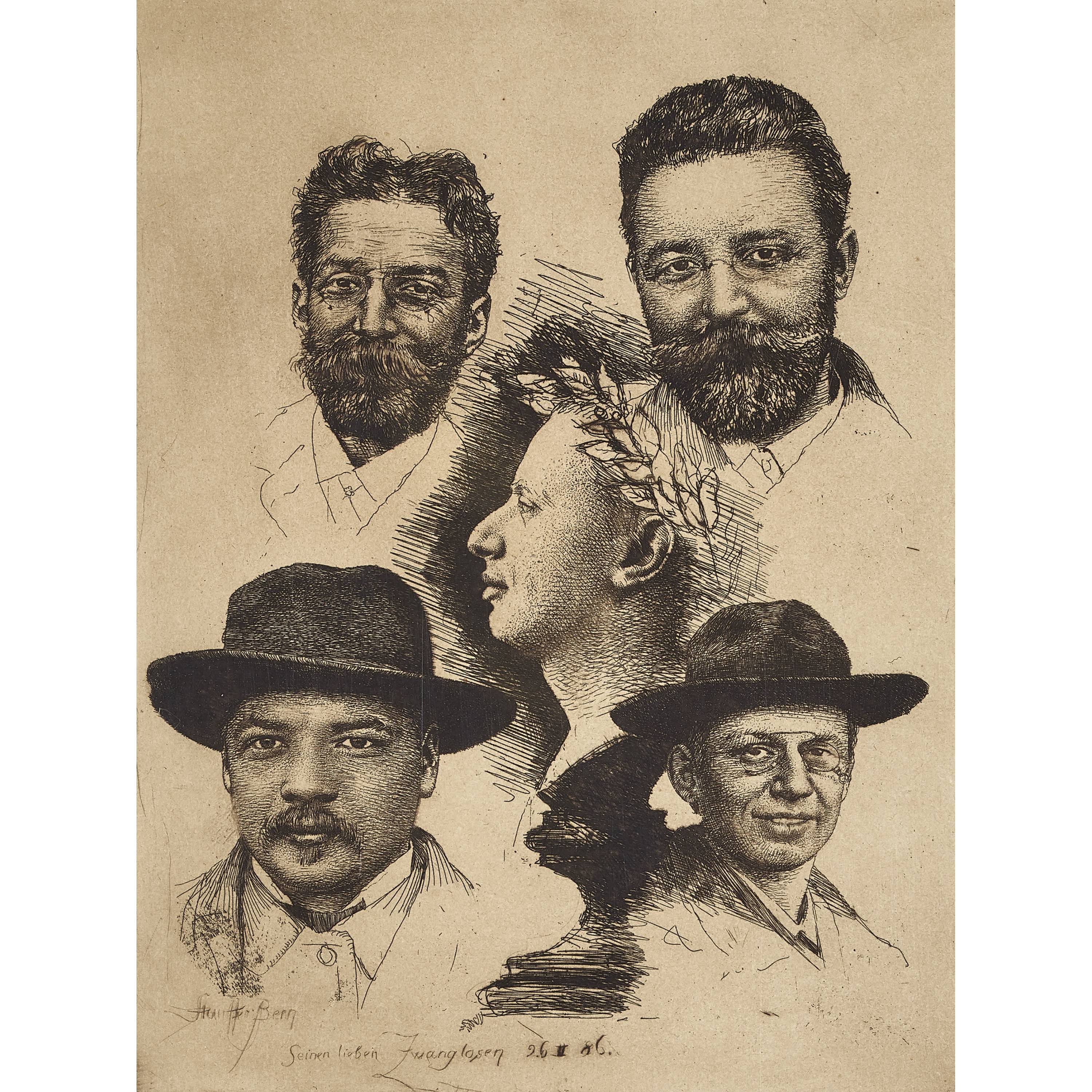
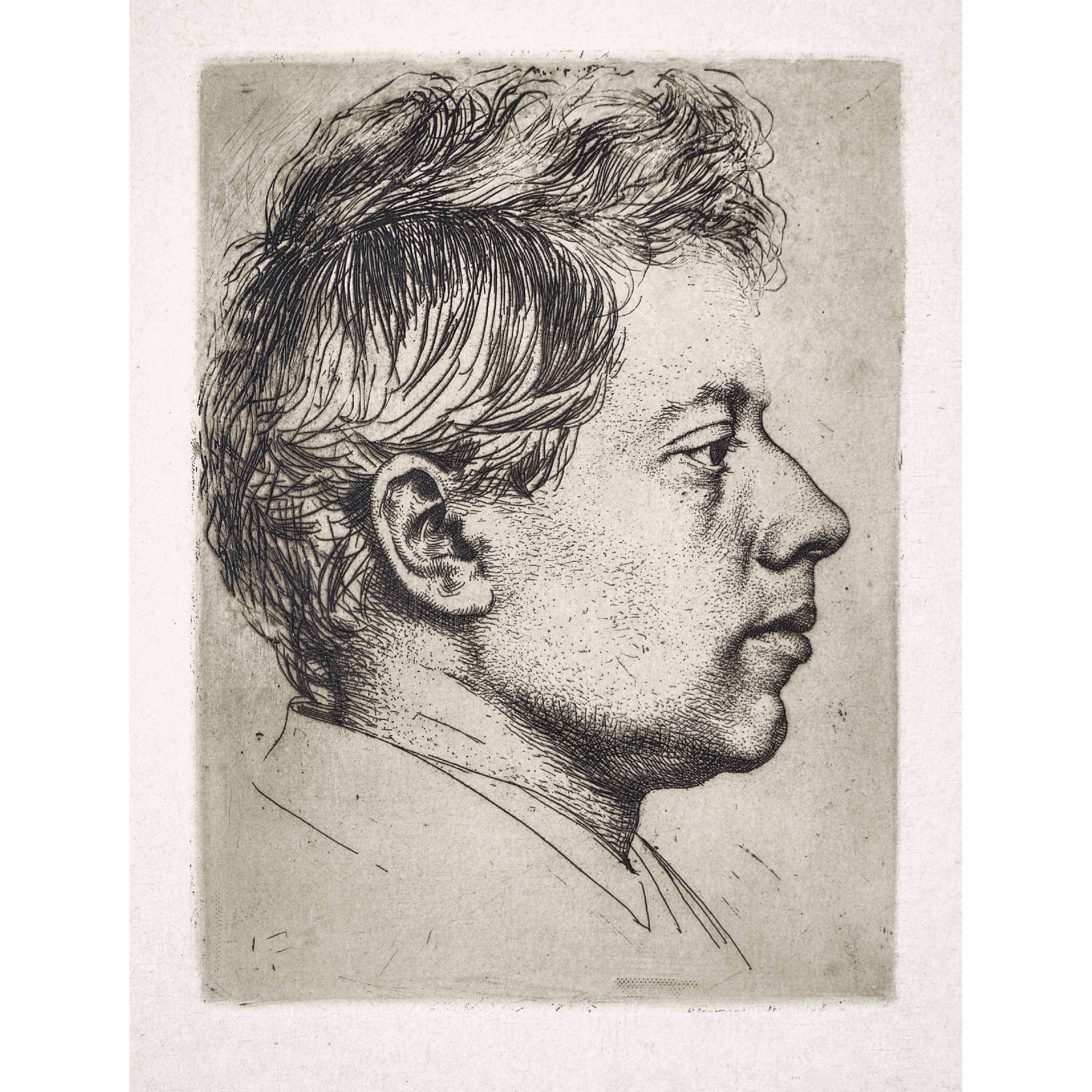
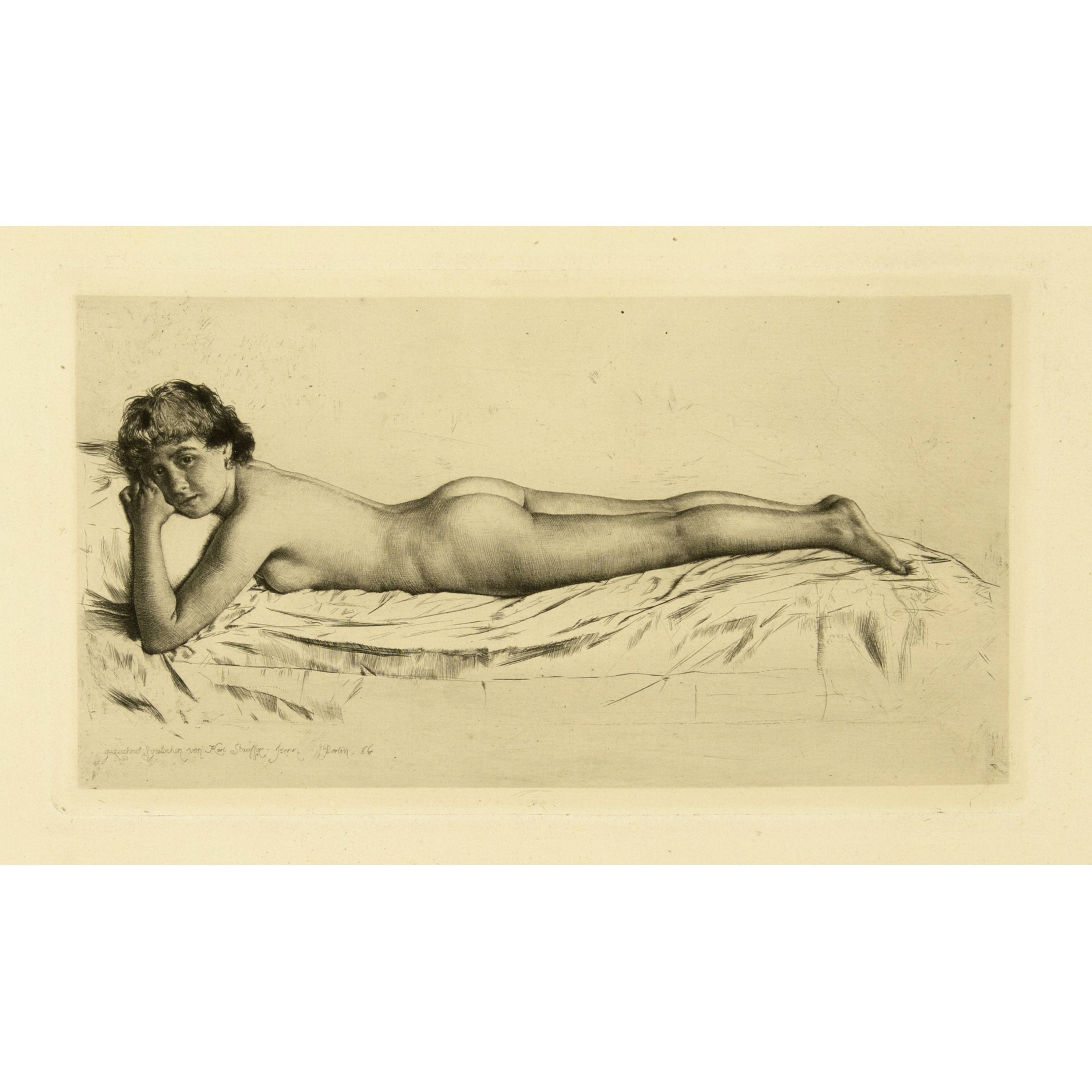
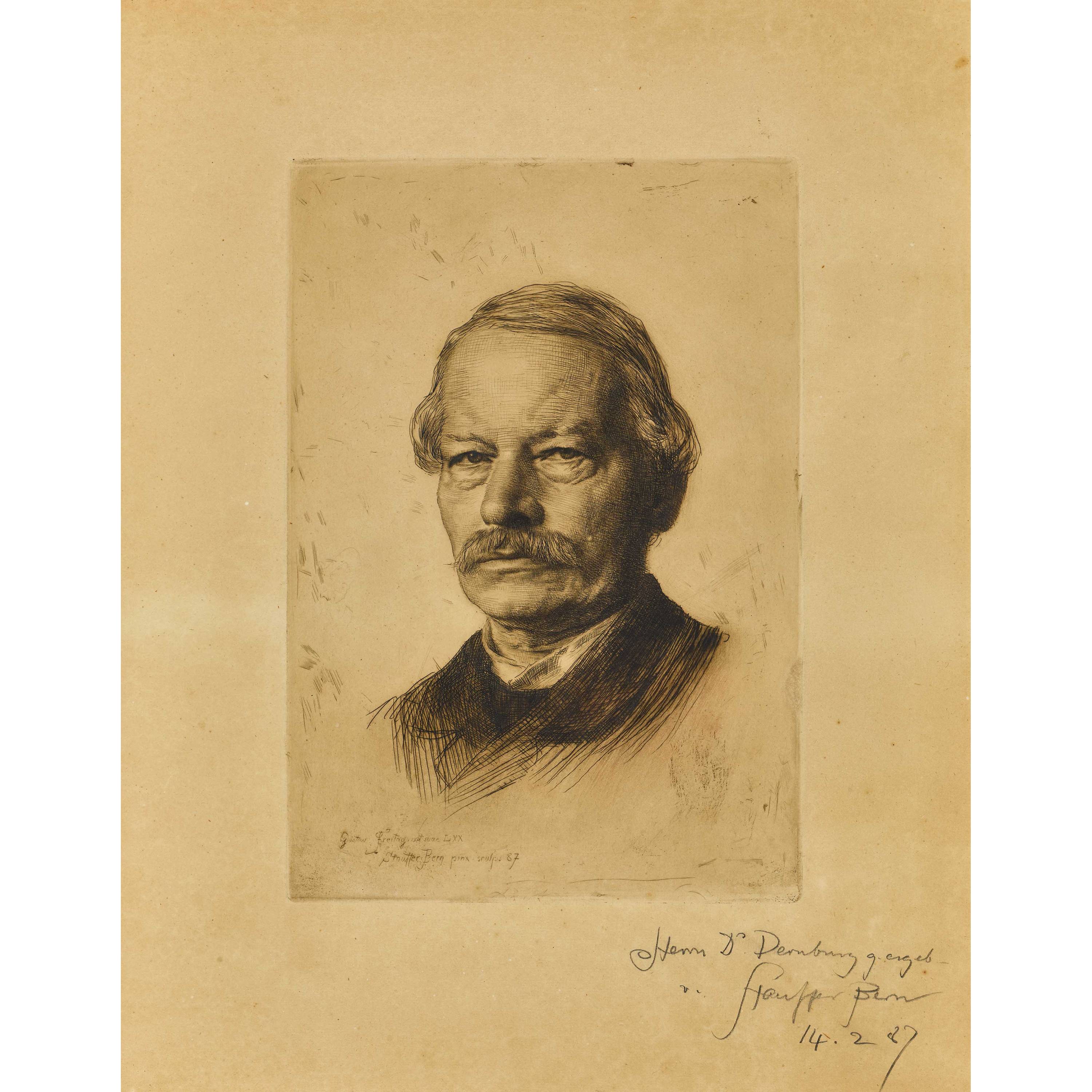
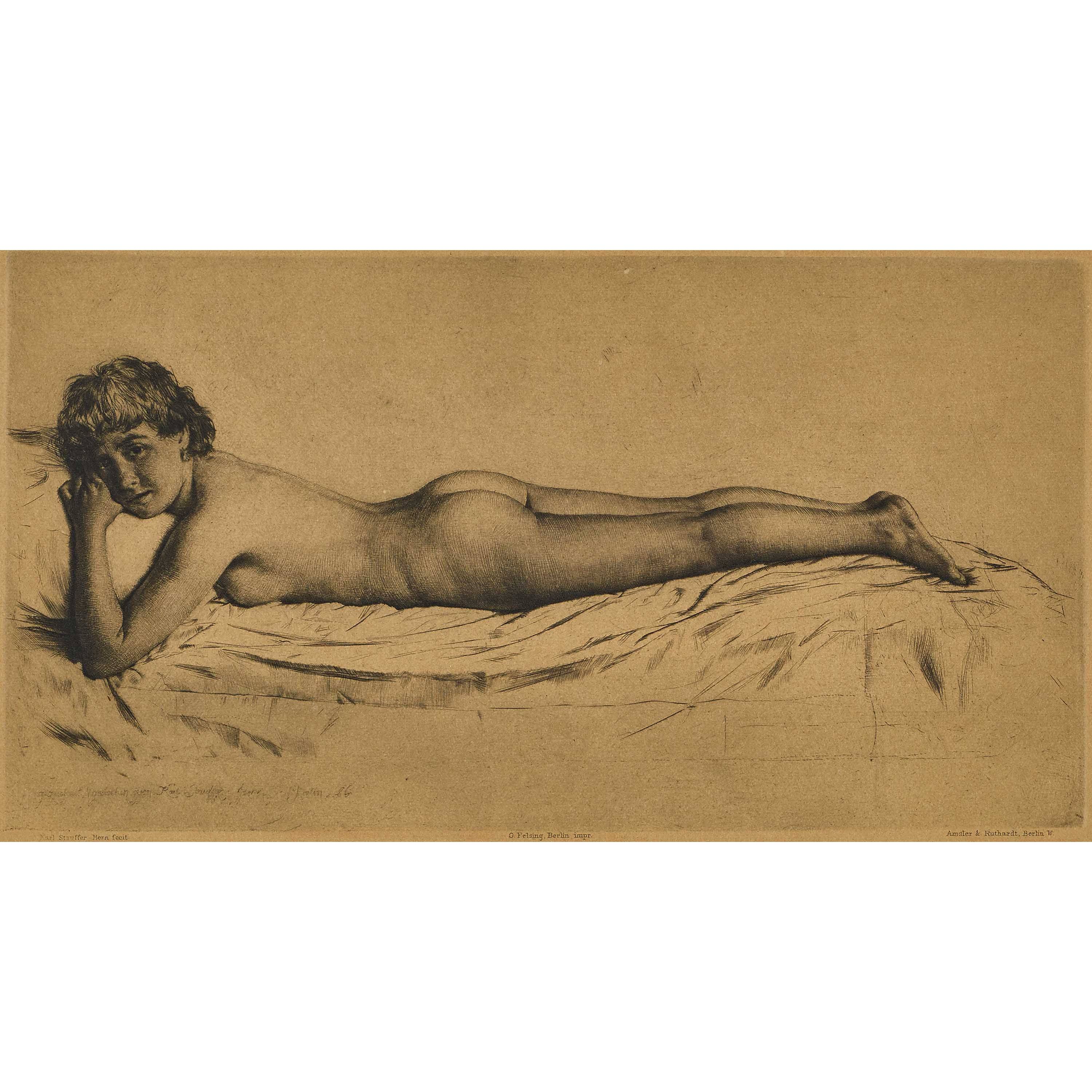
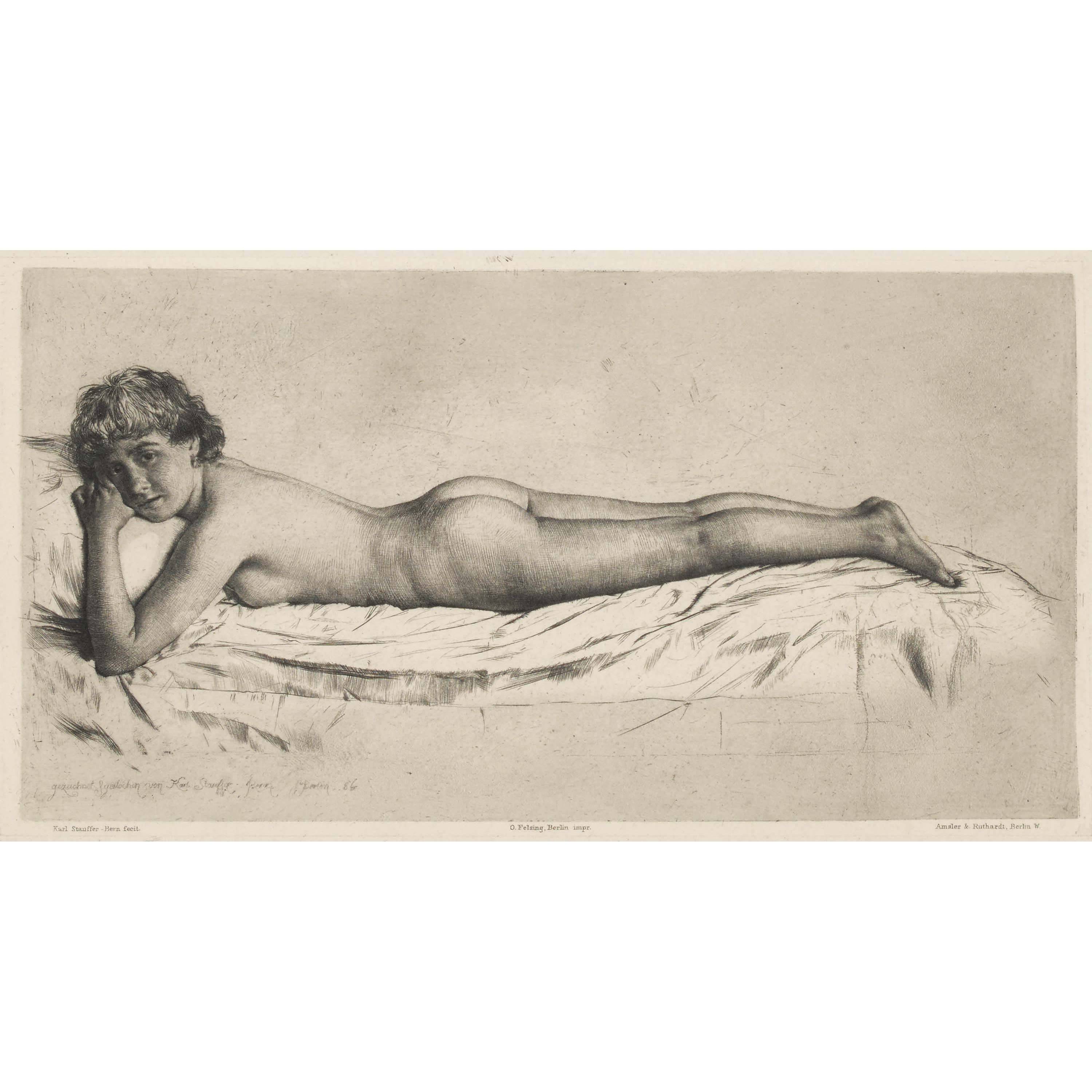
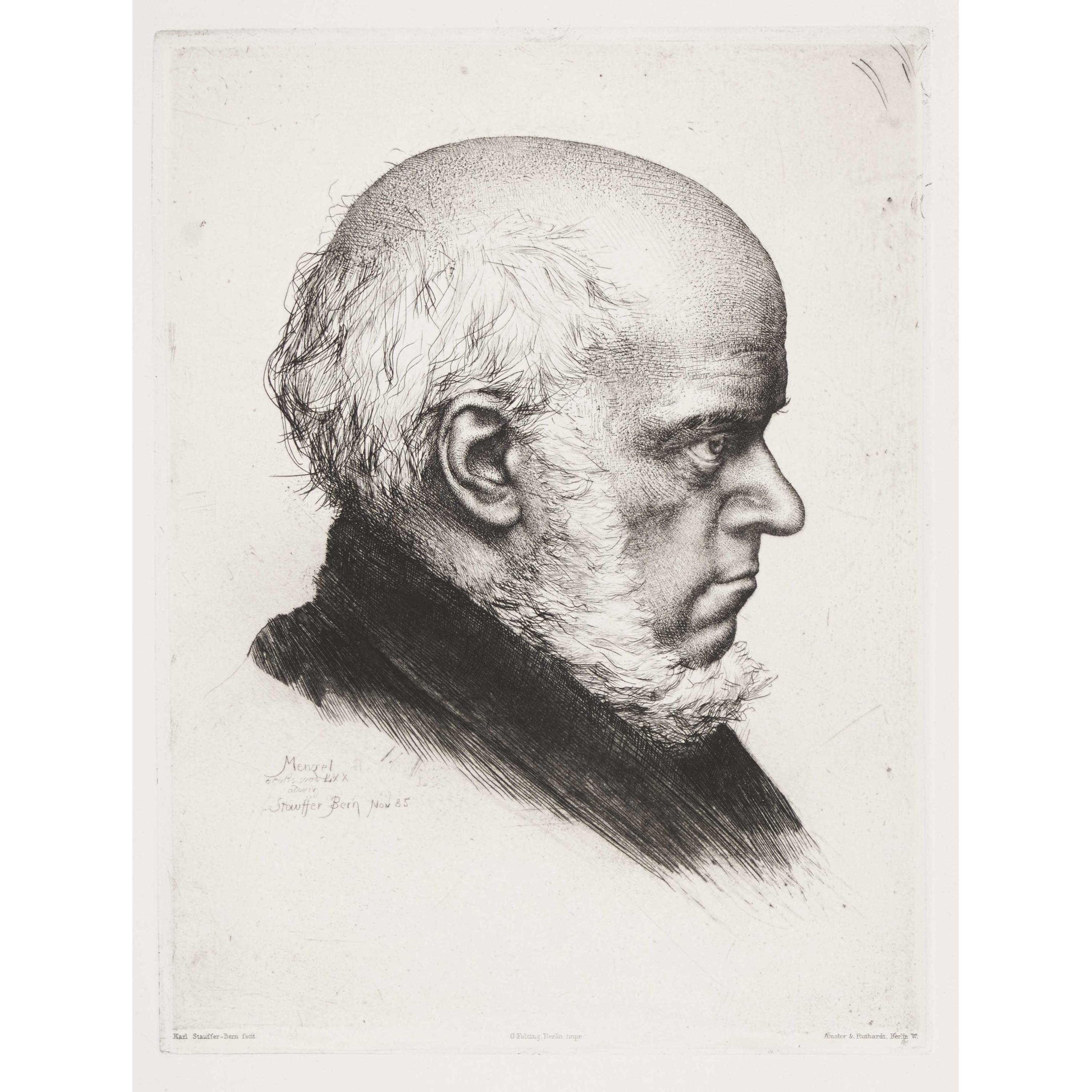
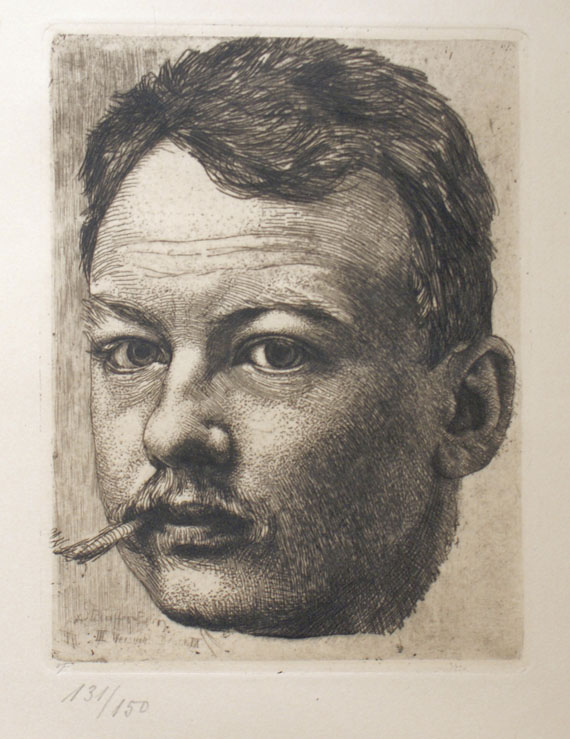
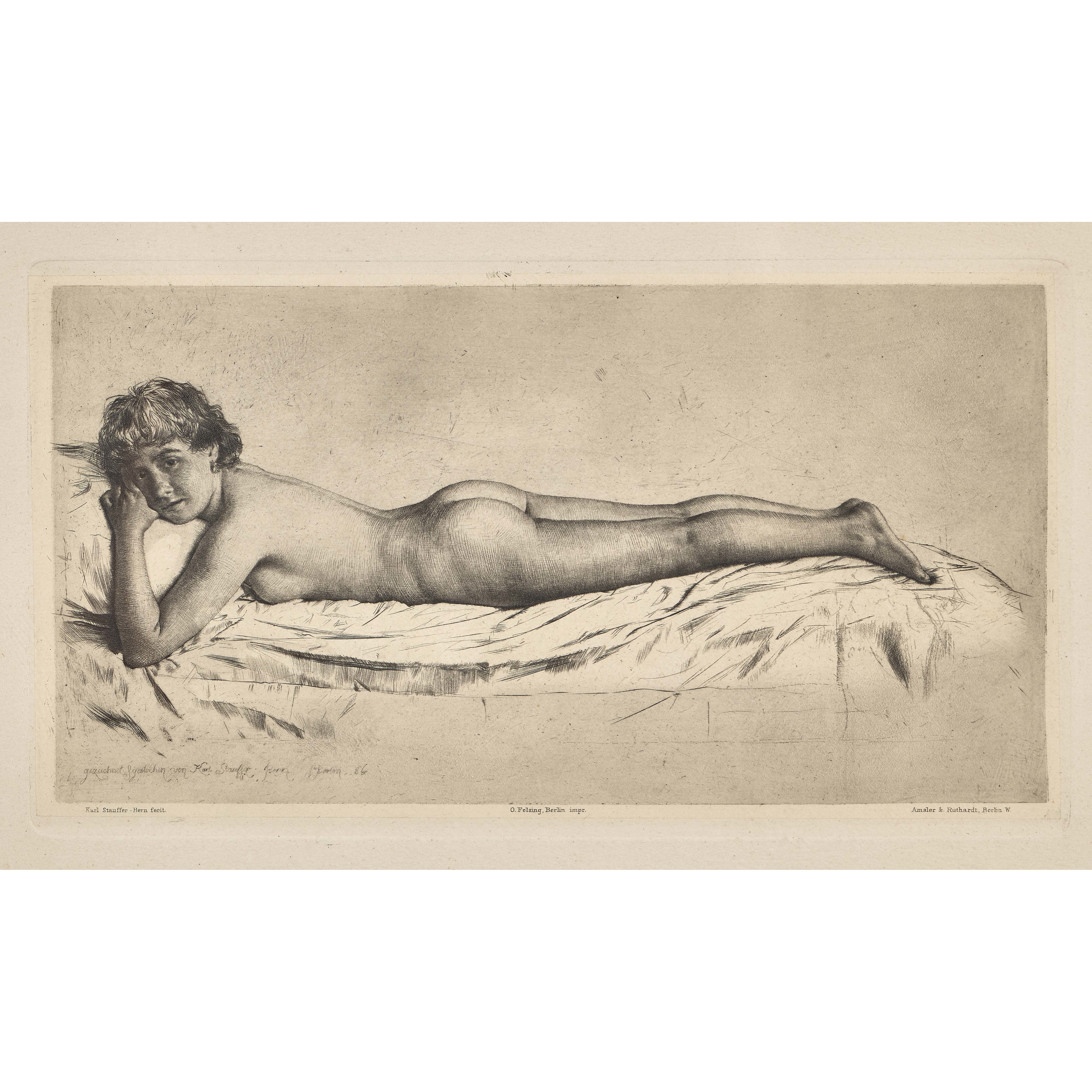
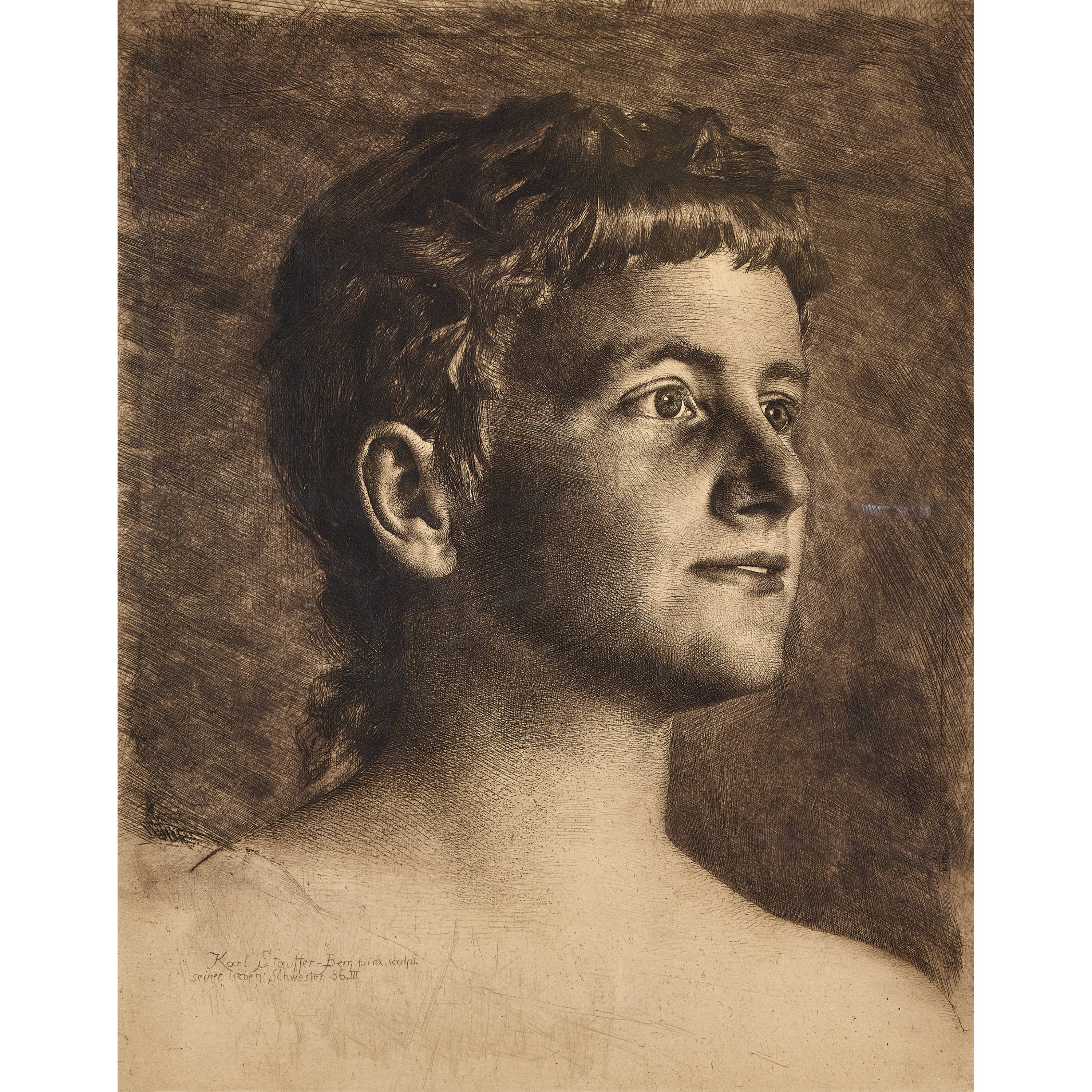
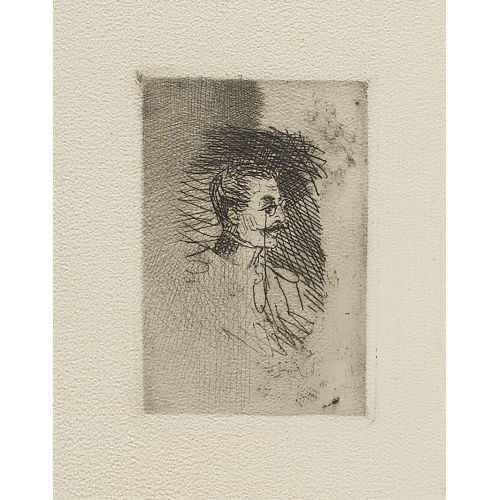
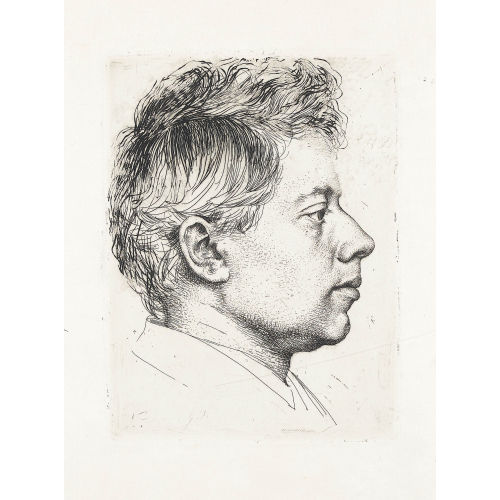
Through it, Stauffer-Bern deepened his art of the face: an etched self-portrait from 1885 is now held by the Kunstmuseum Bern. His project for a “gallery of famous contemporaries” remained unfinished, but bears witness to the ambition he invested in printmaking. The photographic holdings preserved by the Swiss National Library reveal the breadth of his research, encompassing images of models, studies, and documentation of his works.
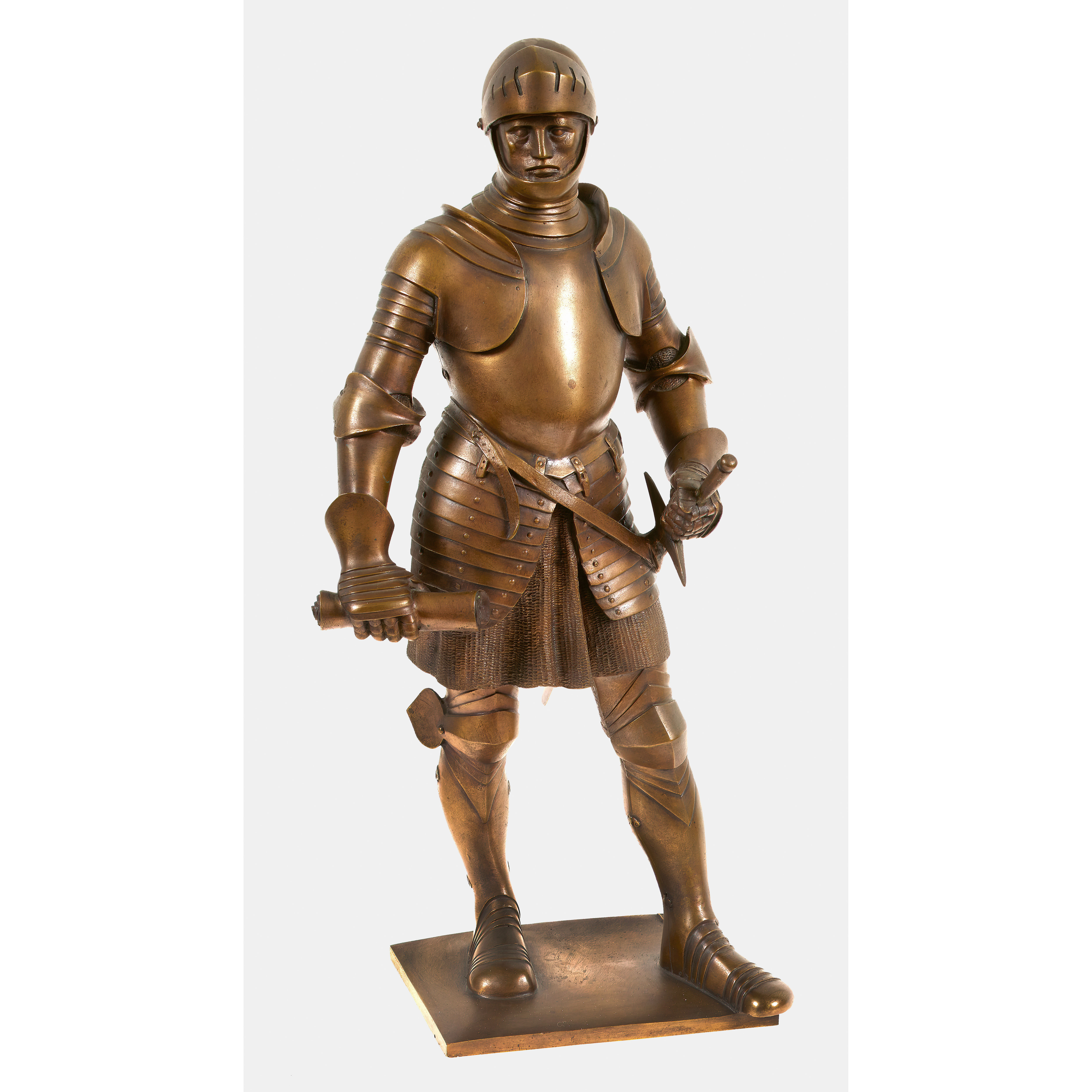
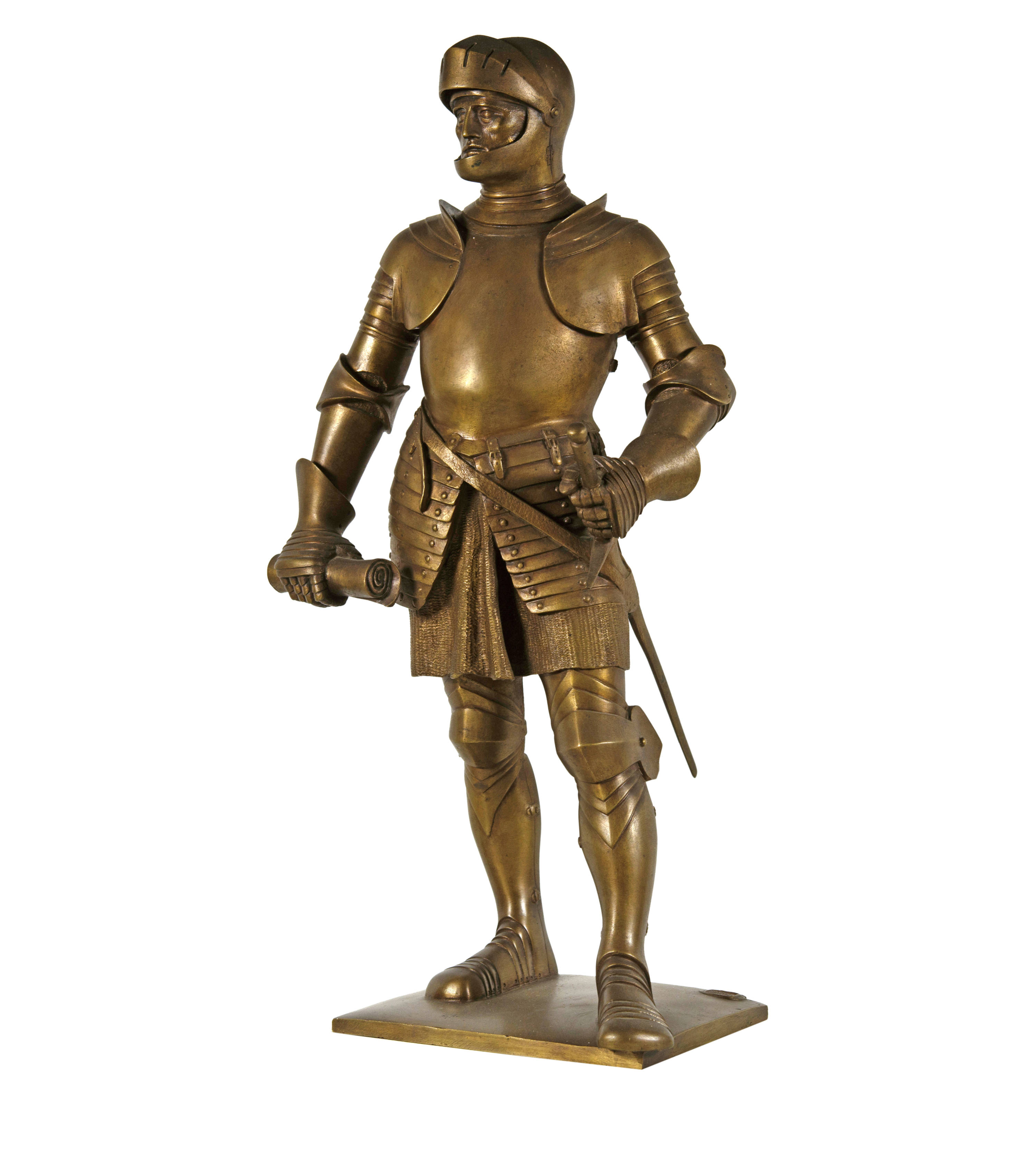
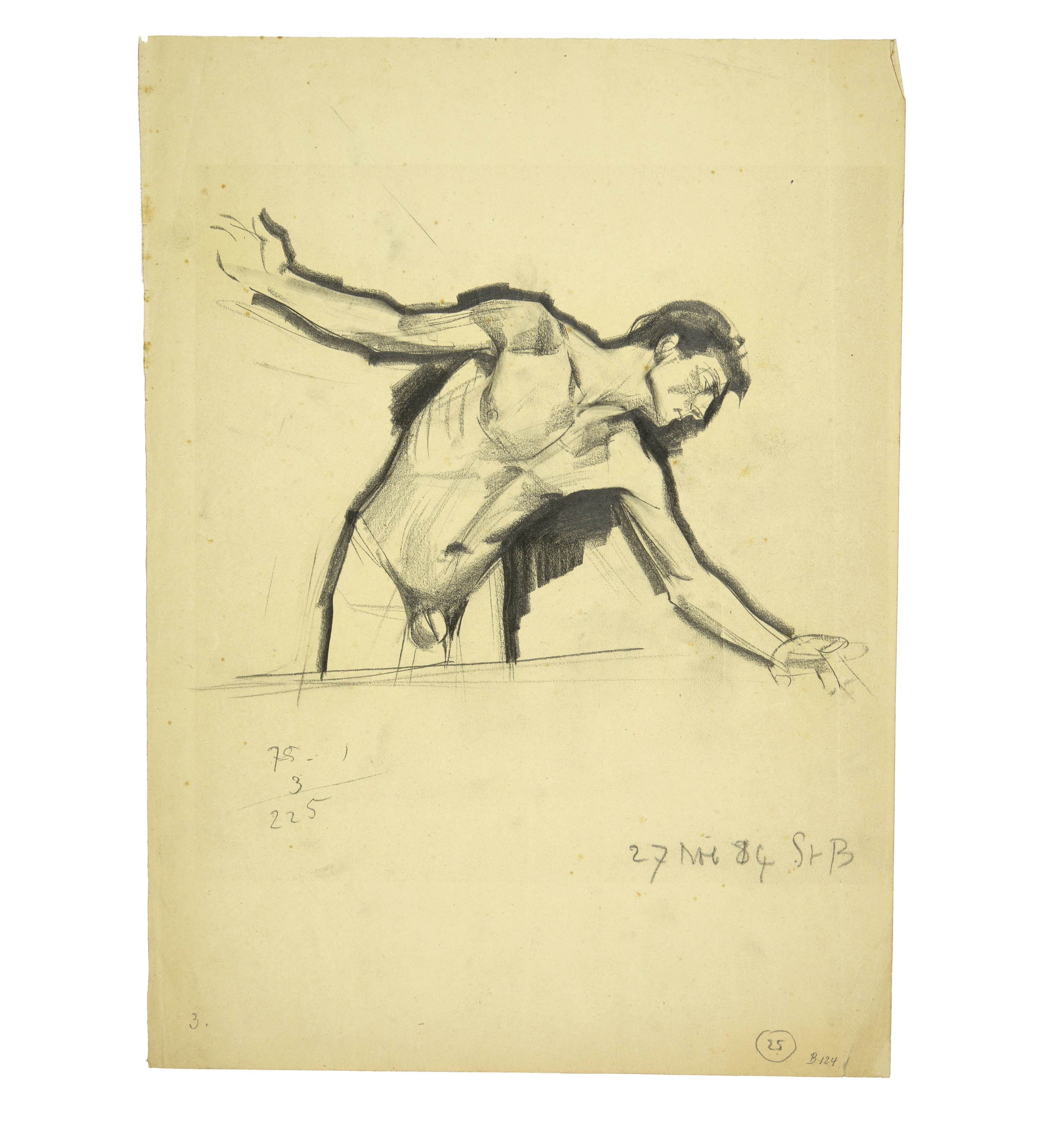
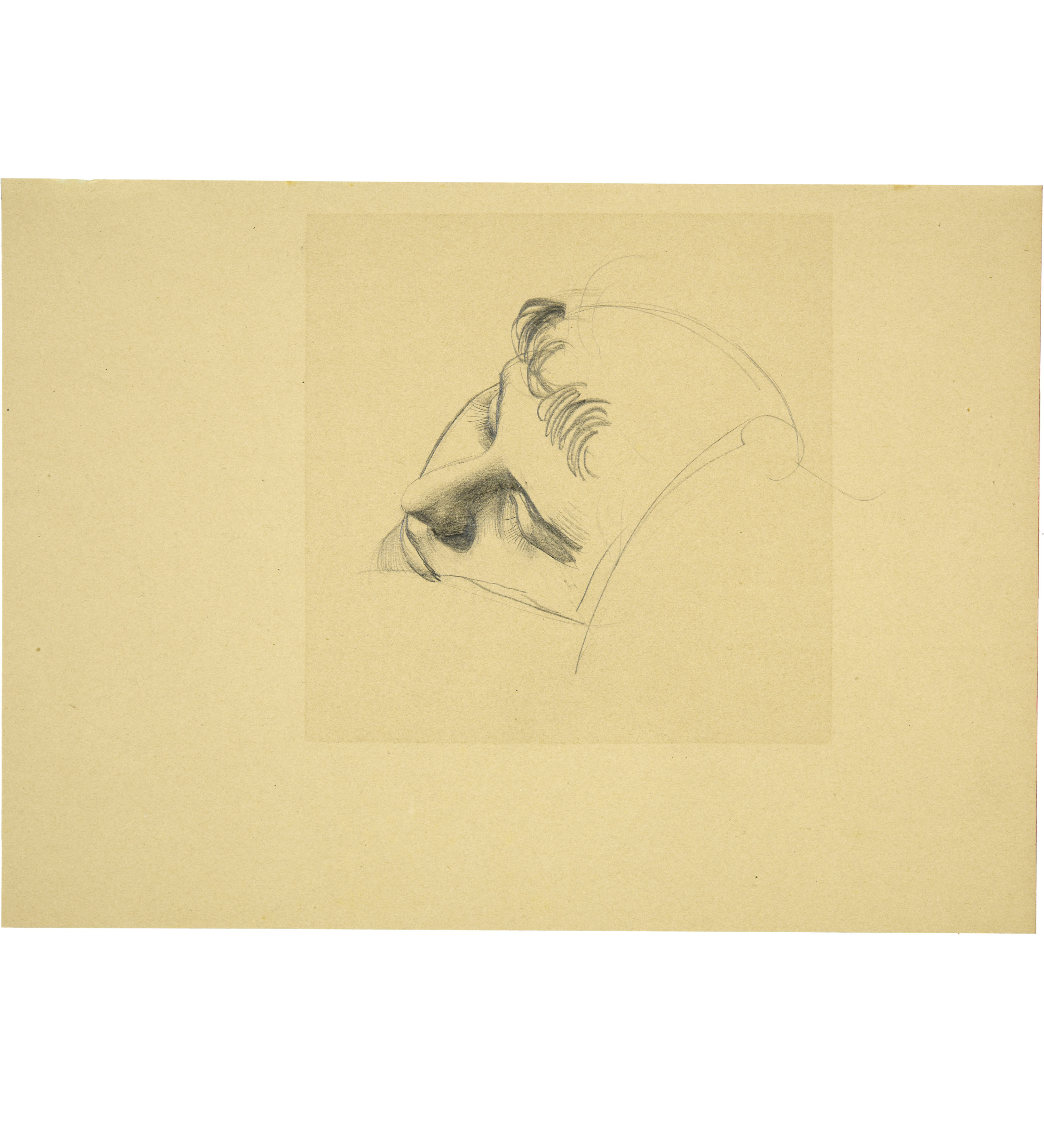
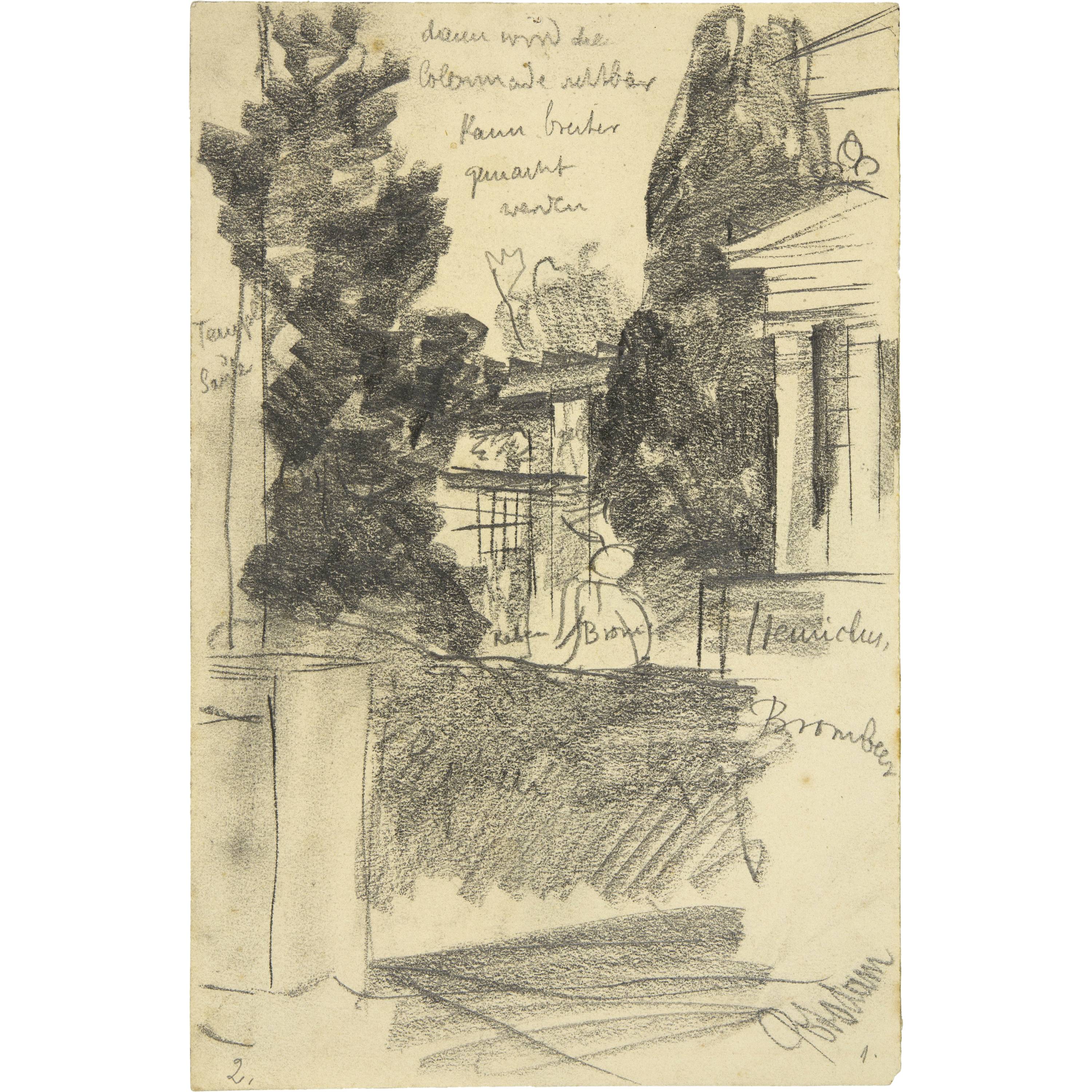
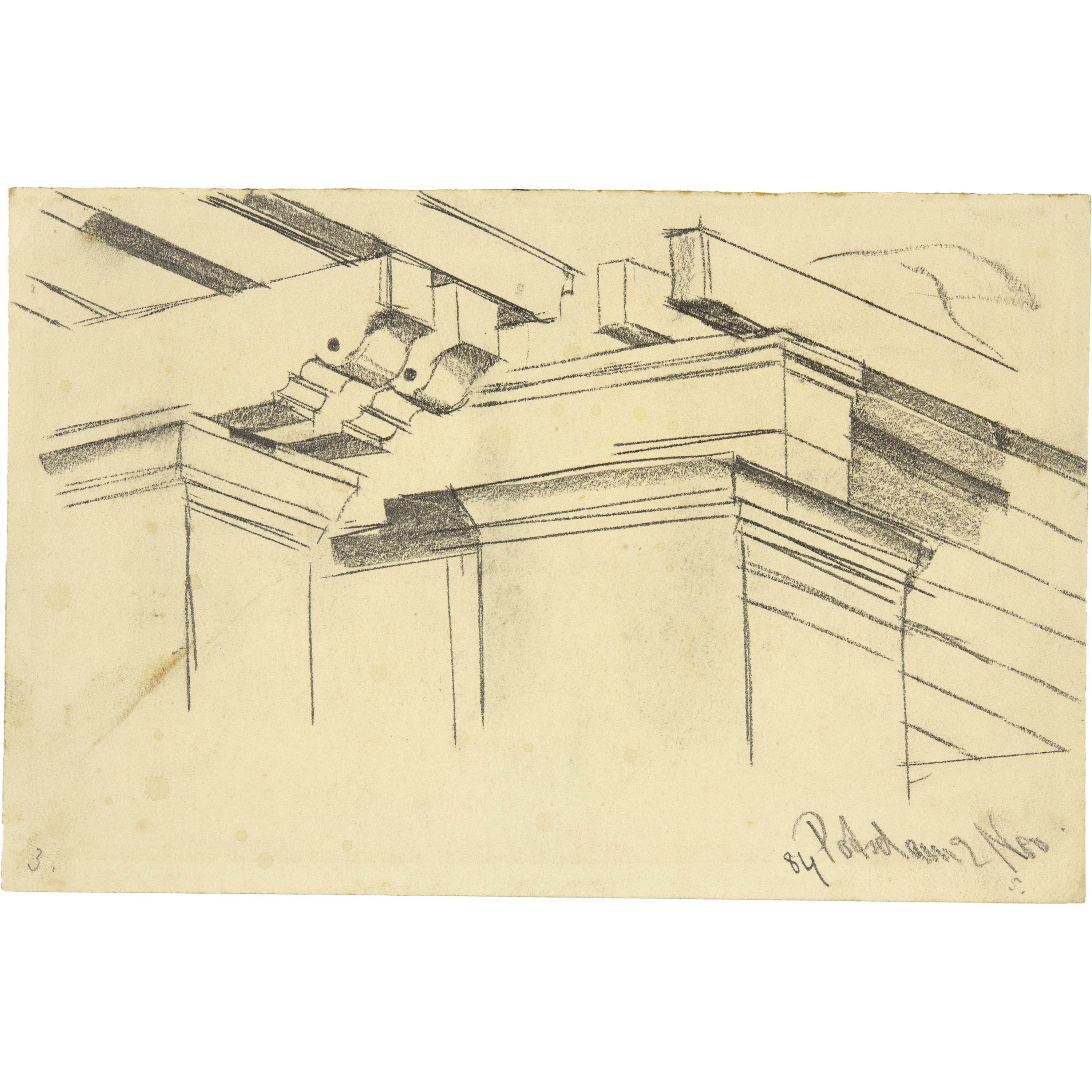
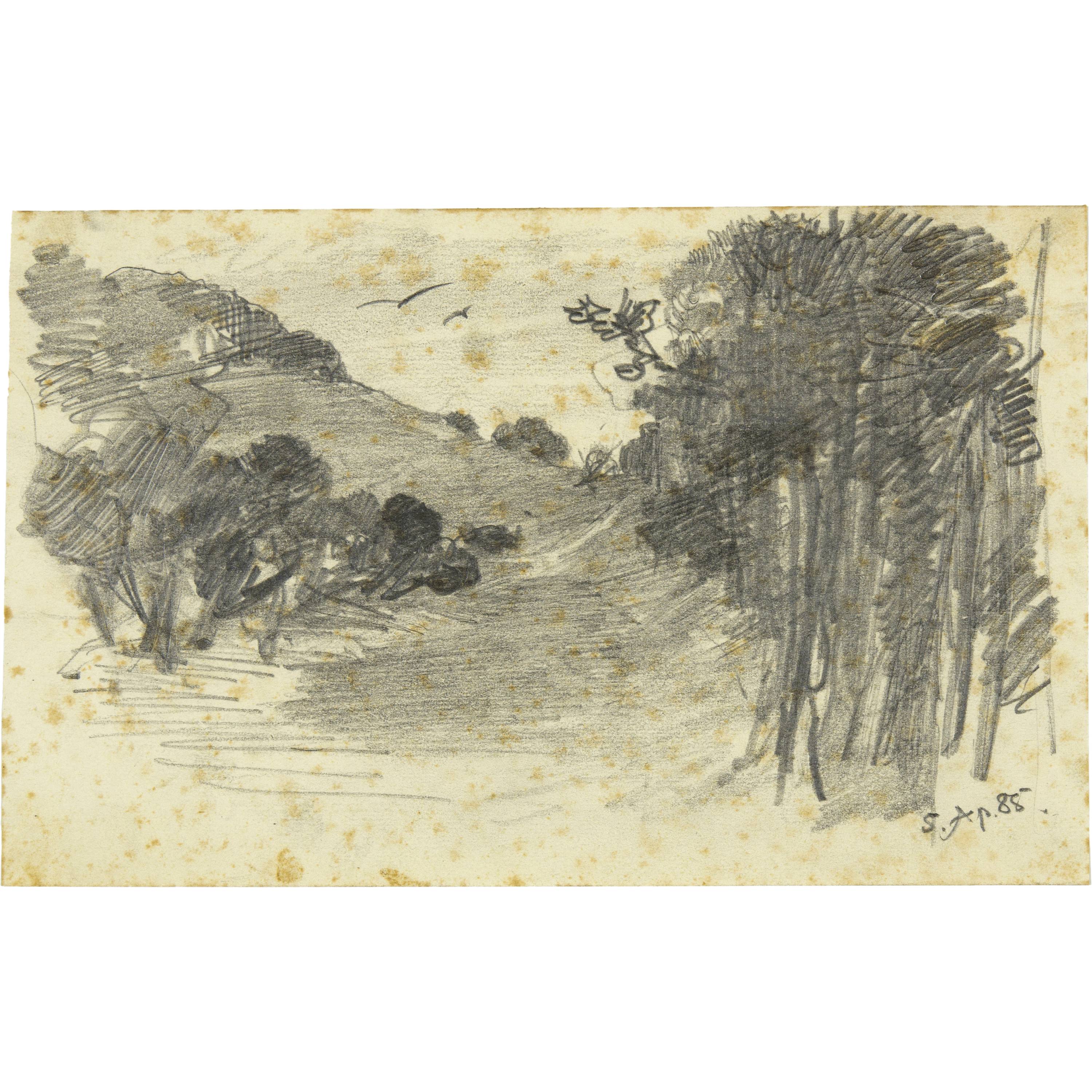
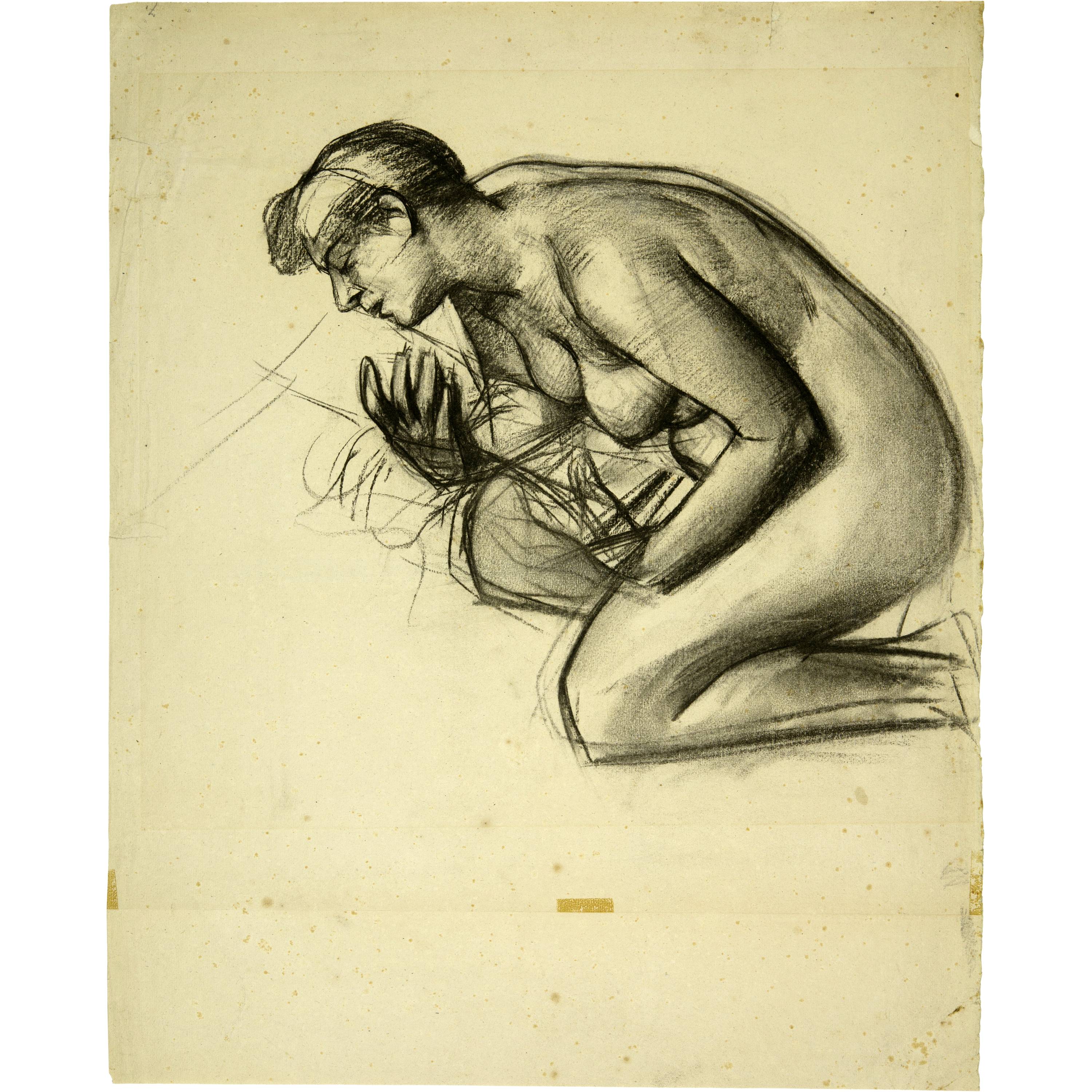
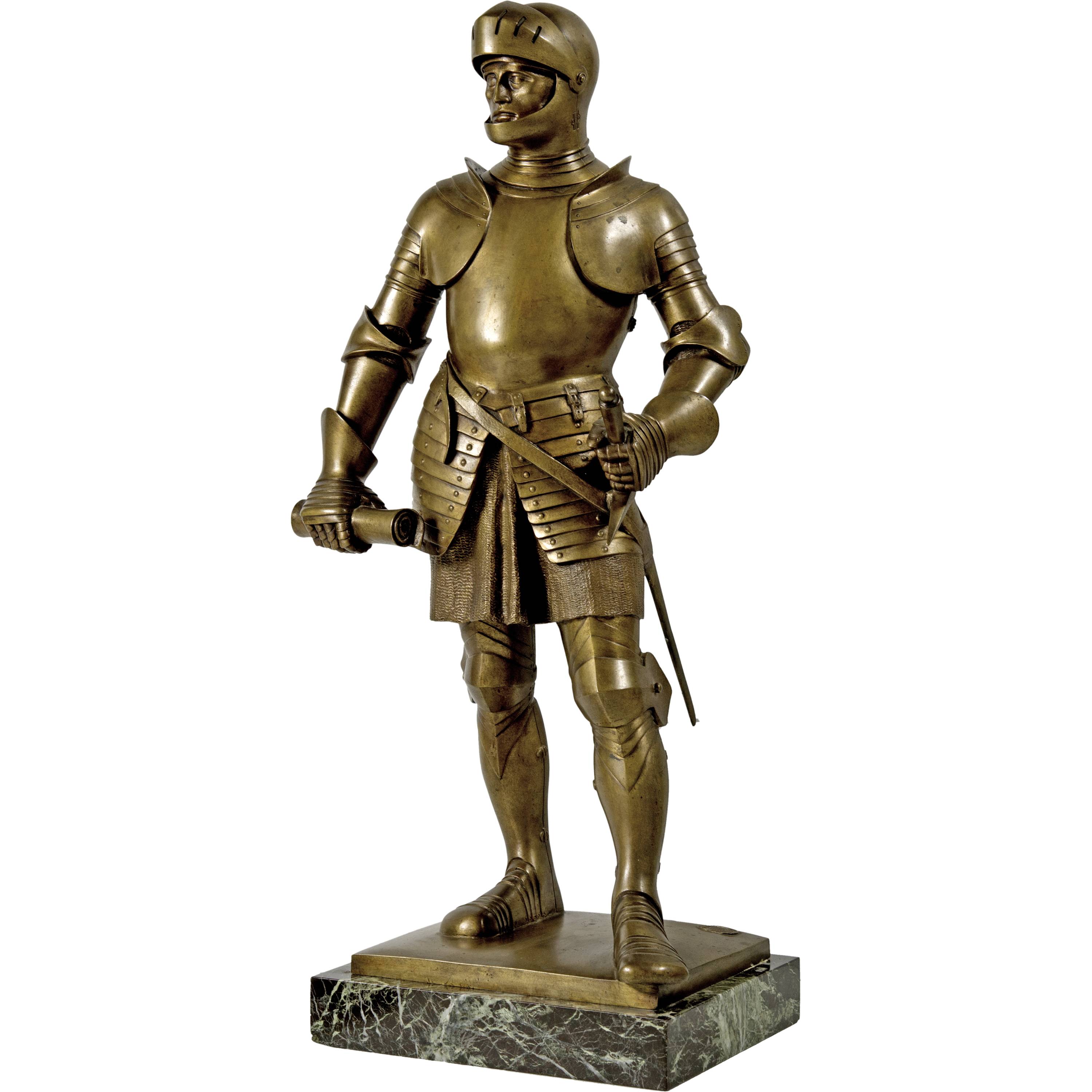
From 1887 onwards, he turned to sculpture, in which he saw a new freedom in relation to commissioned portraits. The following year, he left for Rome in order to devote himself to it. His relationship with Lydia Welti-Escher and the events that followed it long weighed upon the account of his life, which came to an end in Florence in 1891.
Yet the power of his paintings, prints, and sculptural explorations first of all invites us to look at an artist who, in each medium, questioned how to make a person present.