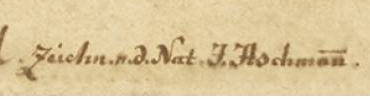
Johann Jakob Aschmann
Born in 1747.
Died in 1809.
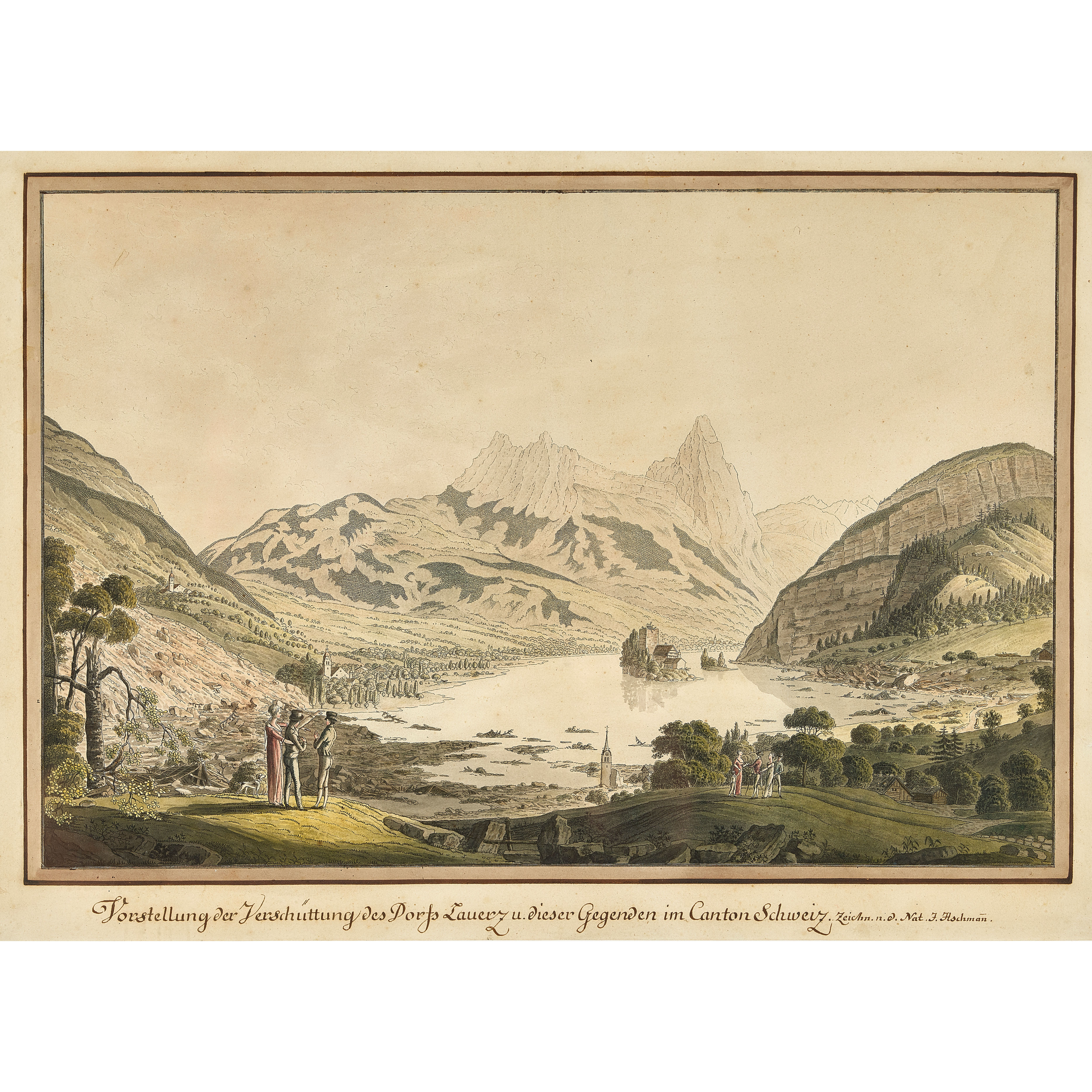
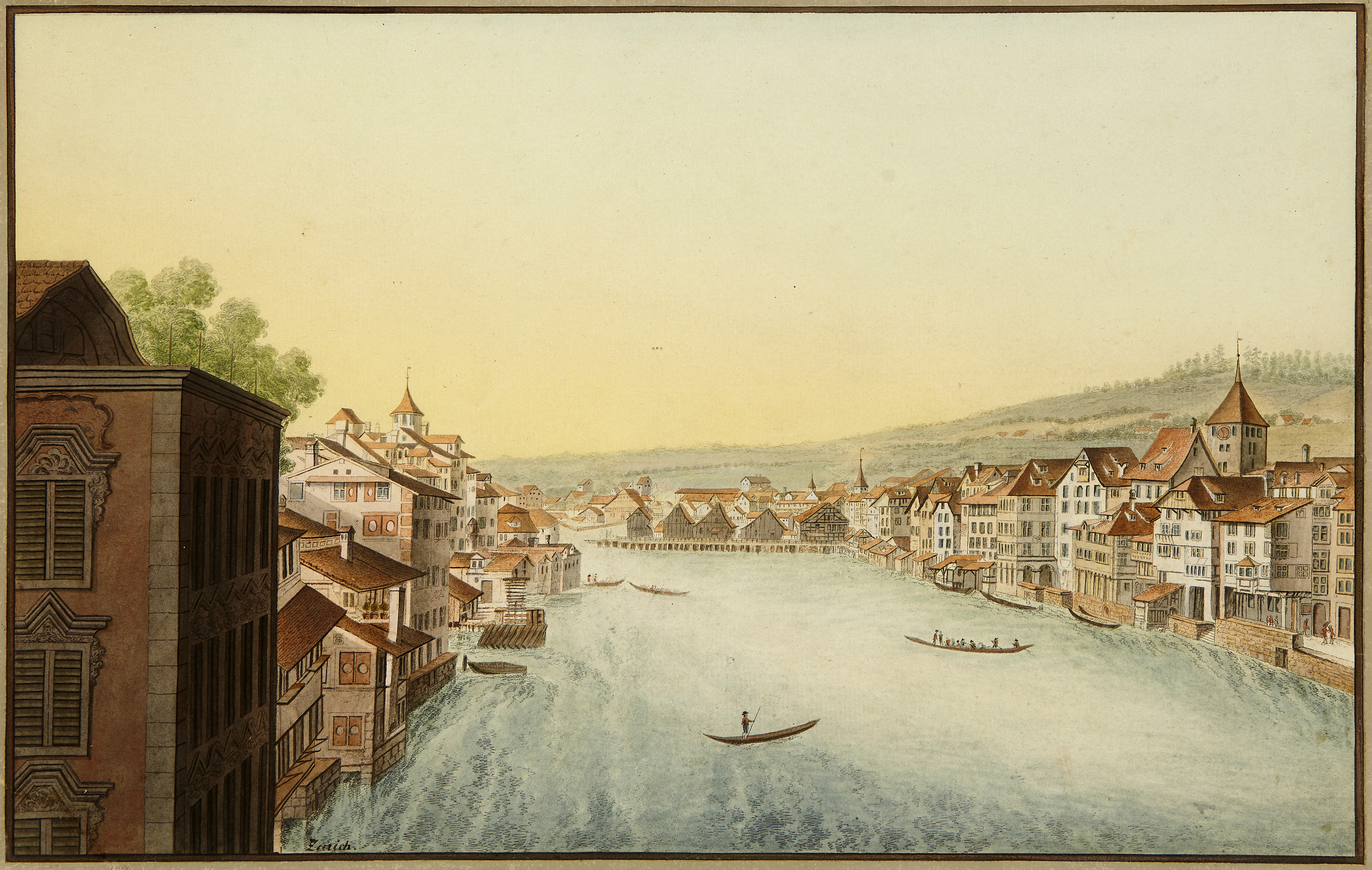
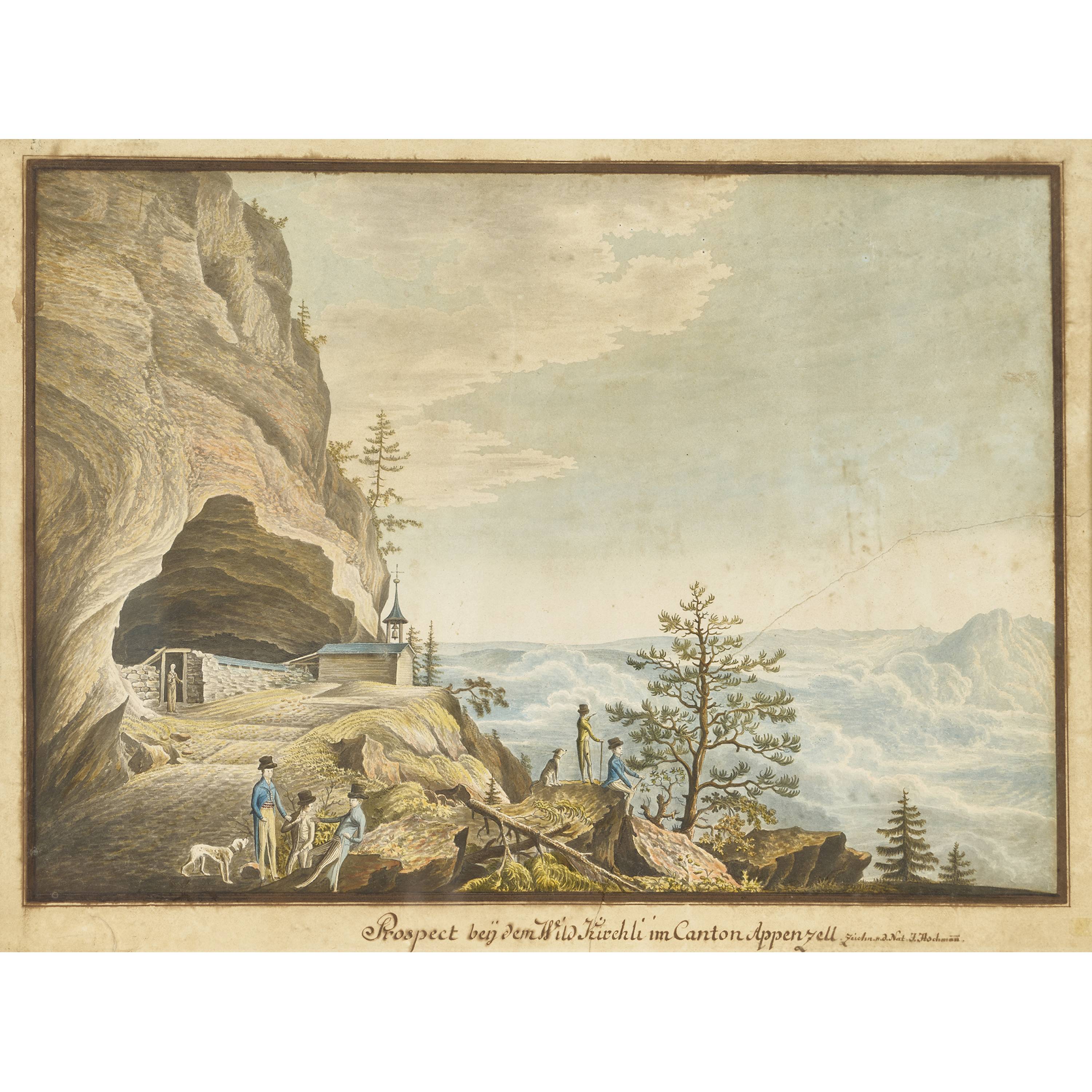
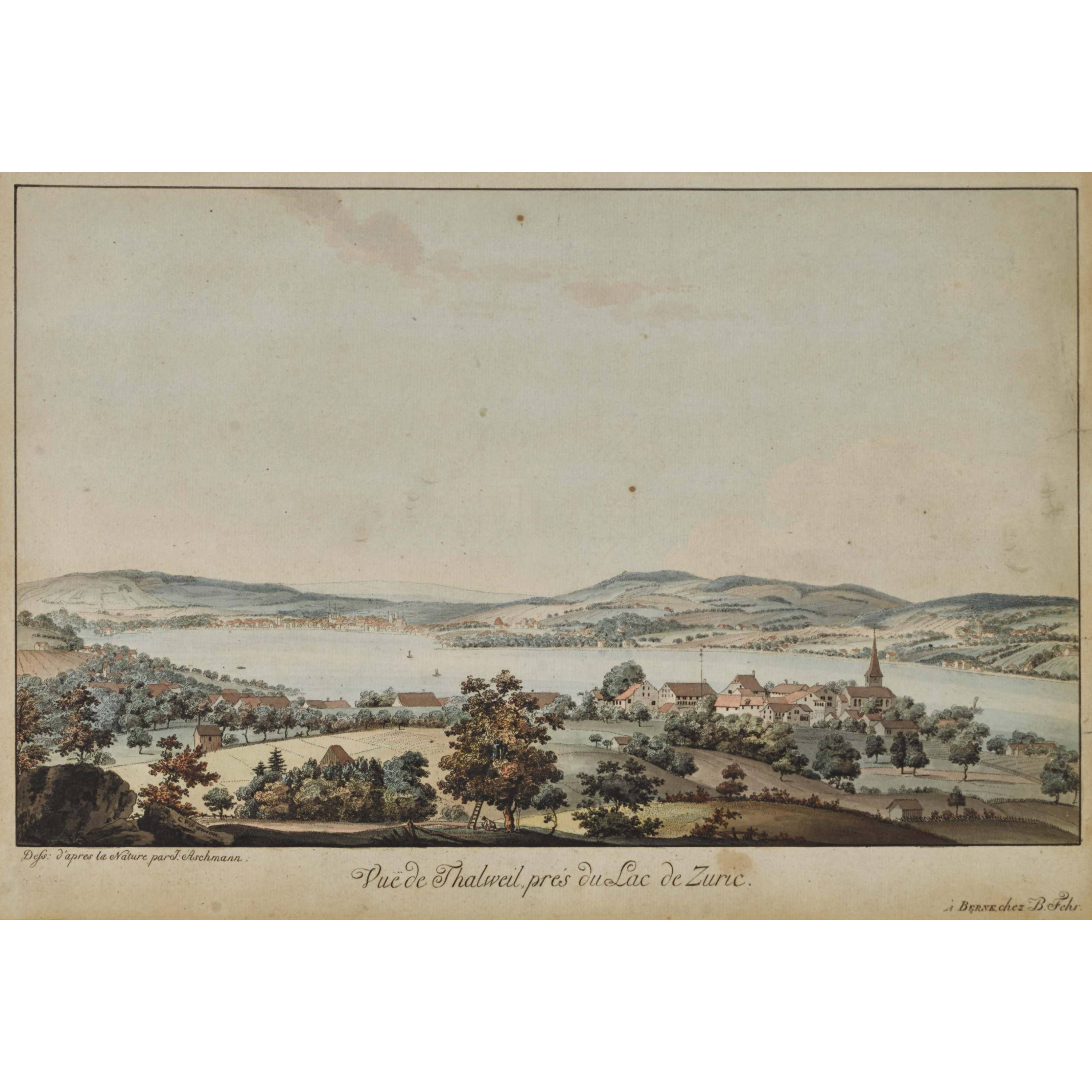
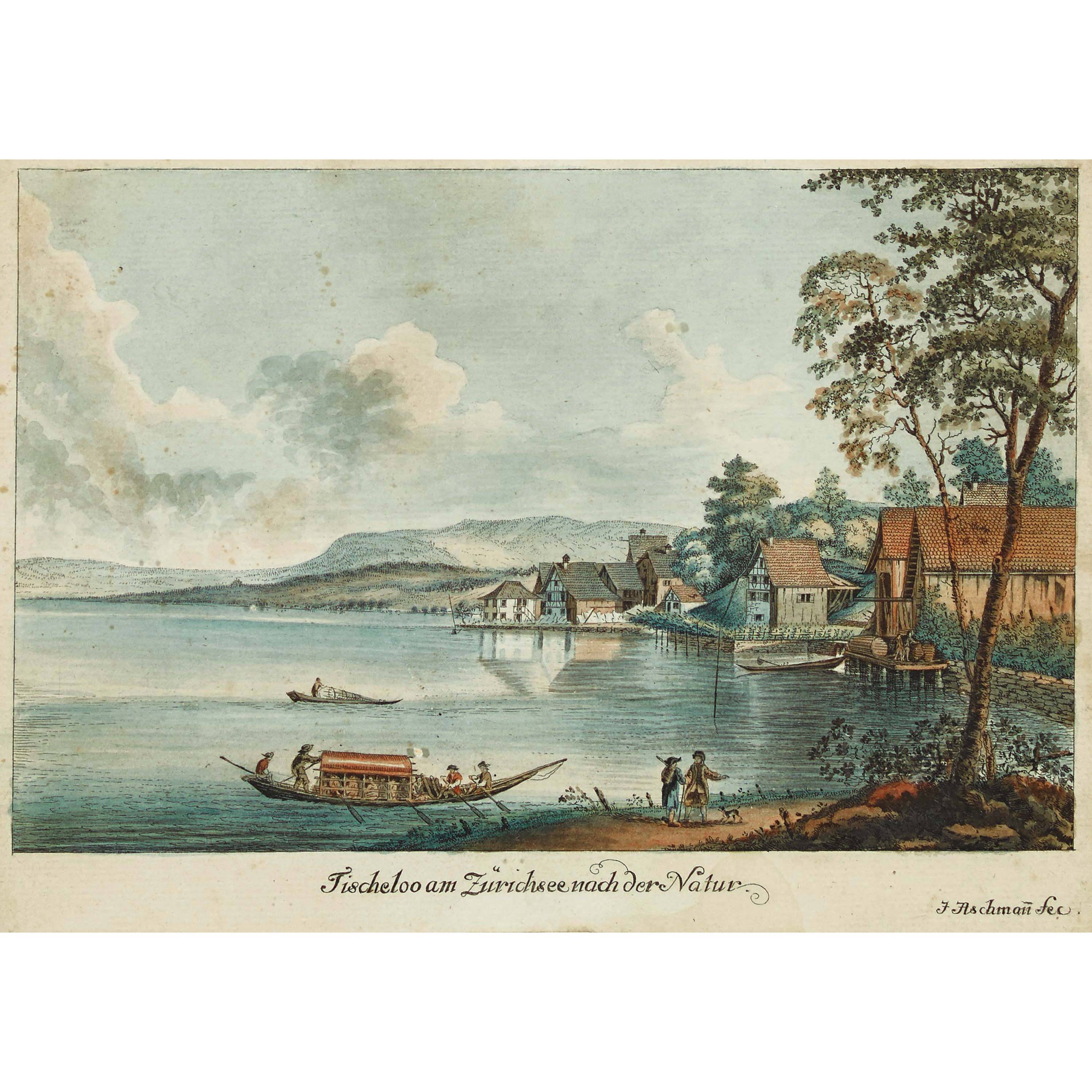
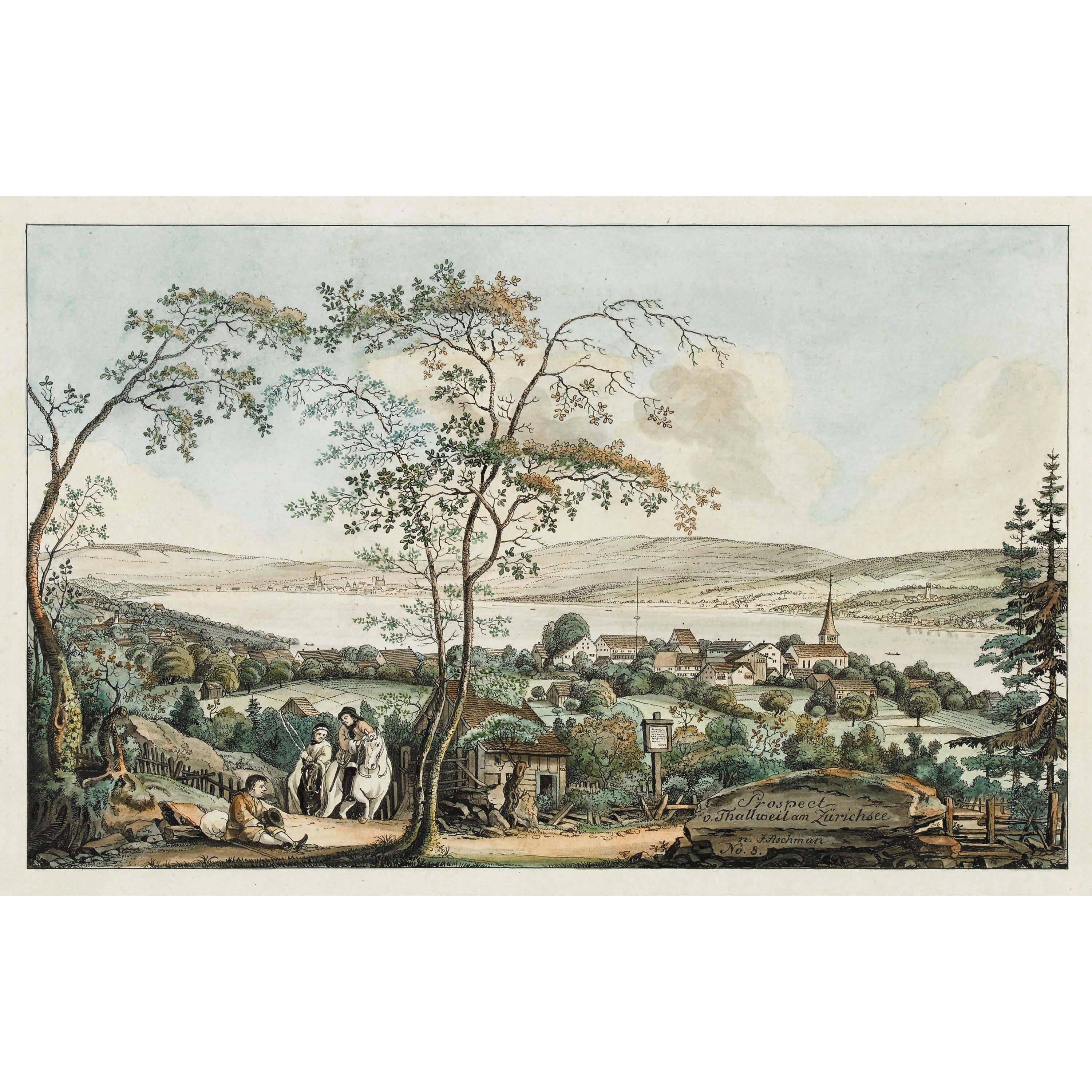
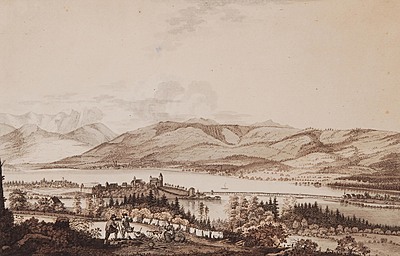
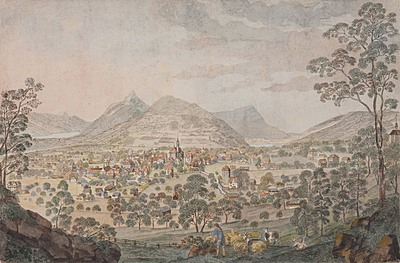
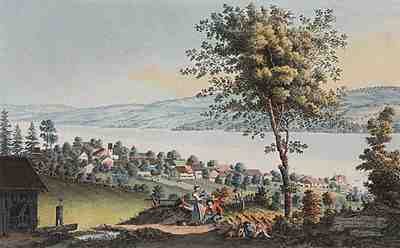
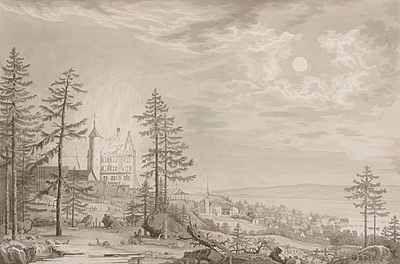
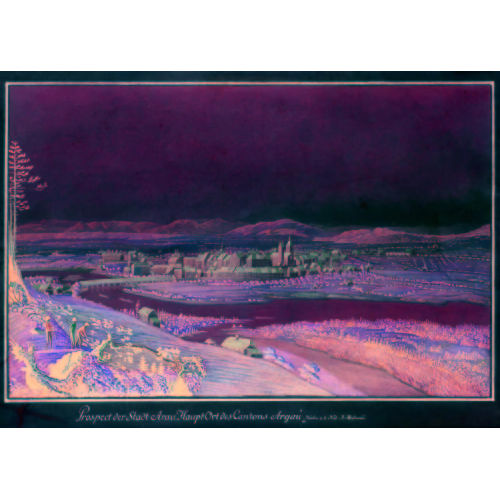
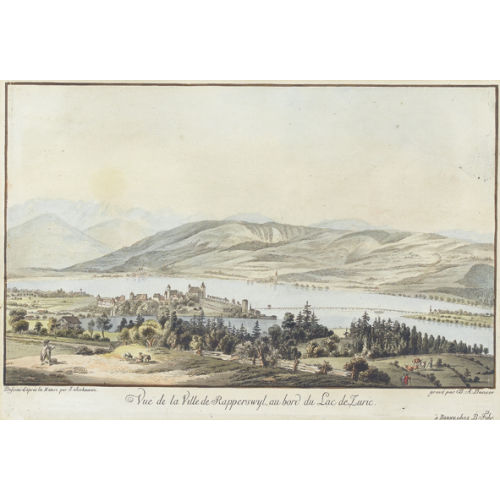
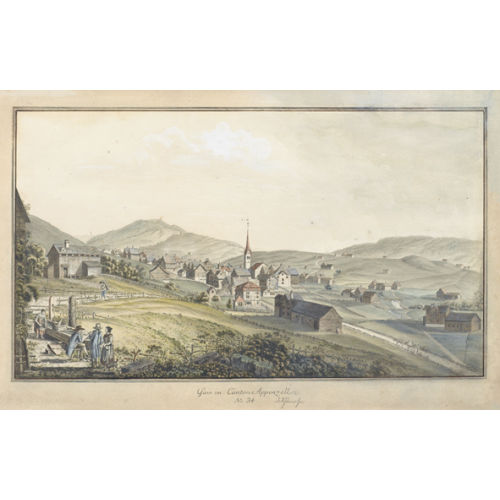
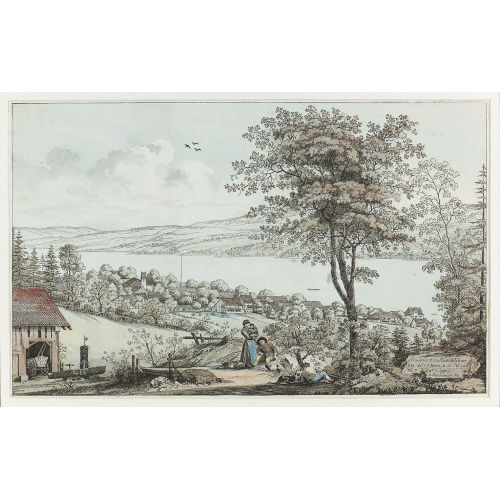
Johann Jakob Aschmann (1747–1809) was a Swiss draughtsman and engraver whose views document the landscapes and activities of the Zurich region at the end of the eighteenth century. A pupil of the painter Johann Melchior Hurter in Schaffhausen in 1765, he first worked in a muslin factory and later for Wagner, an art publisher in Bern. In 1778 he published his first prints at his own expense.
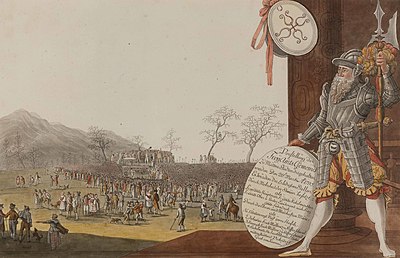
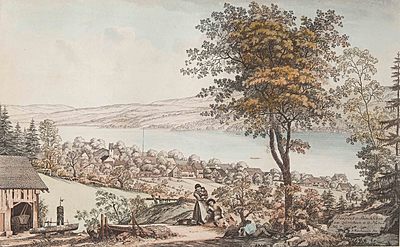
His subjects included military manoeuvres, notably those of the Zurich Military Society near Wallisellen in 1786, as well as landscapes punctuated by factories, waterfalls and mills. His washes, executed over pen or pencil lines, and his hand-coloured prints combine topographical observation with a new sensitivity to nature, anticipating certain characteristics of Romanticism. Several of his prints also possess documentary value for the history of societies and places.
His life was marked by the Stäfa affair: imprisoned from 1795 to 1798, he subsequently served as prefect of the Horgen district under the Helvetic Republic from 1798 to 1803. Works by Aschmann are held in public collections, including the Swiss National Museum and the Swiss Federal Archives. His practice thus brings together graphic production, the representation of the territory and engagement in the political life of his time.