Jean-Antoine Linck
Born in 1766.
Died in 1843.
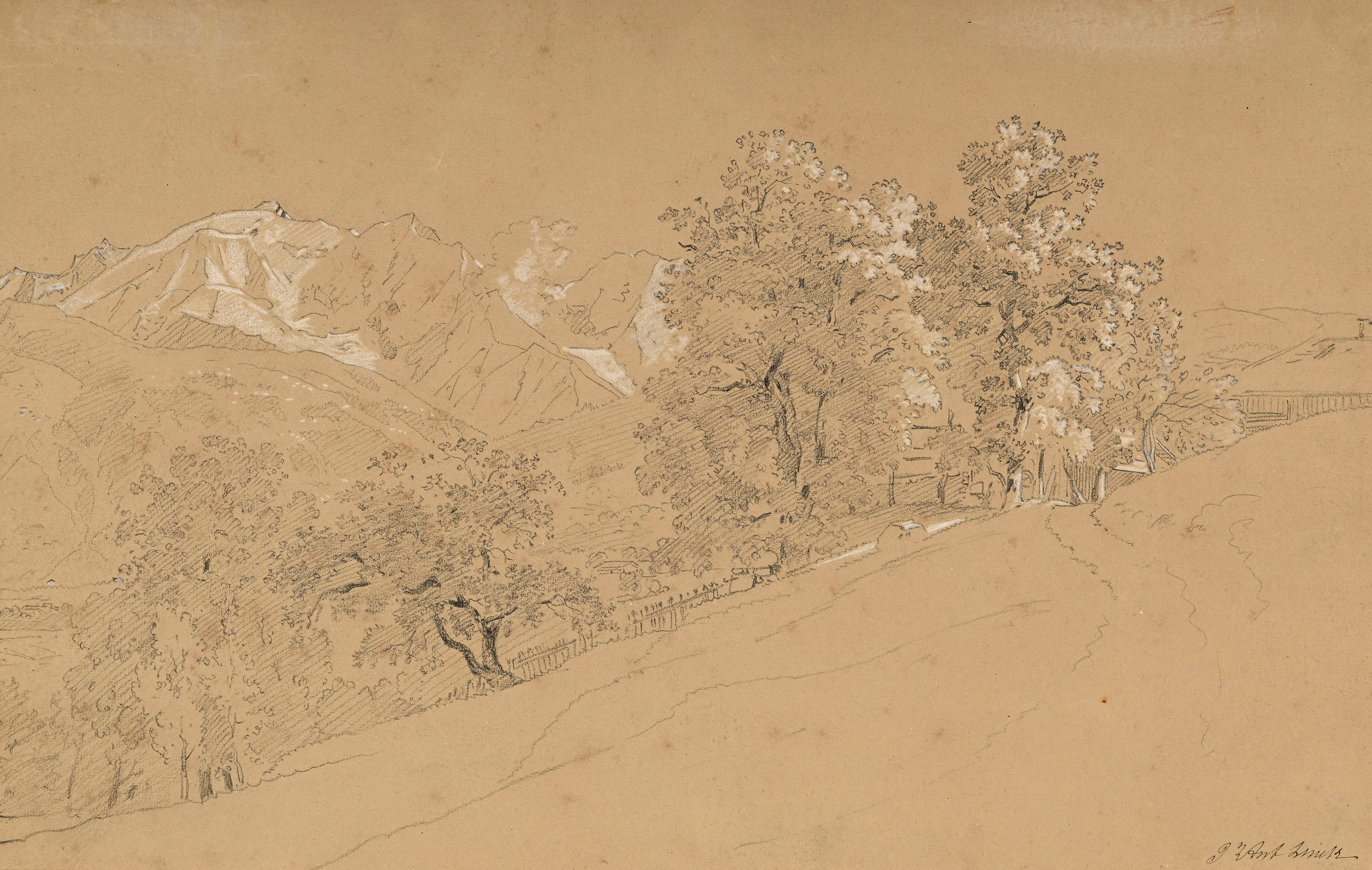
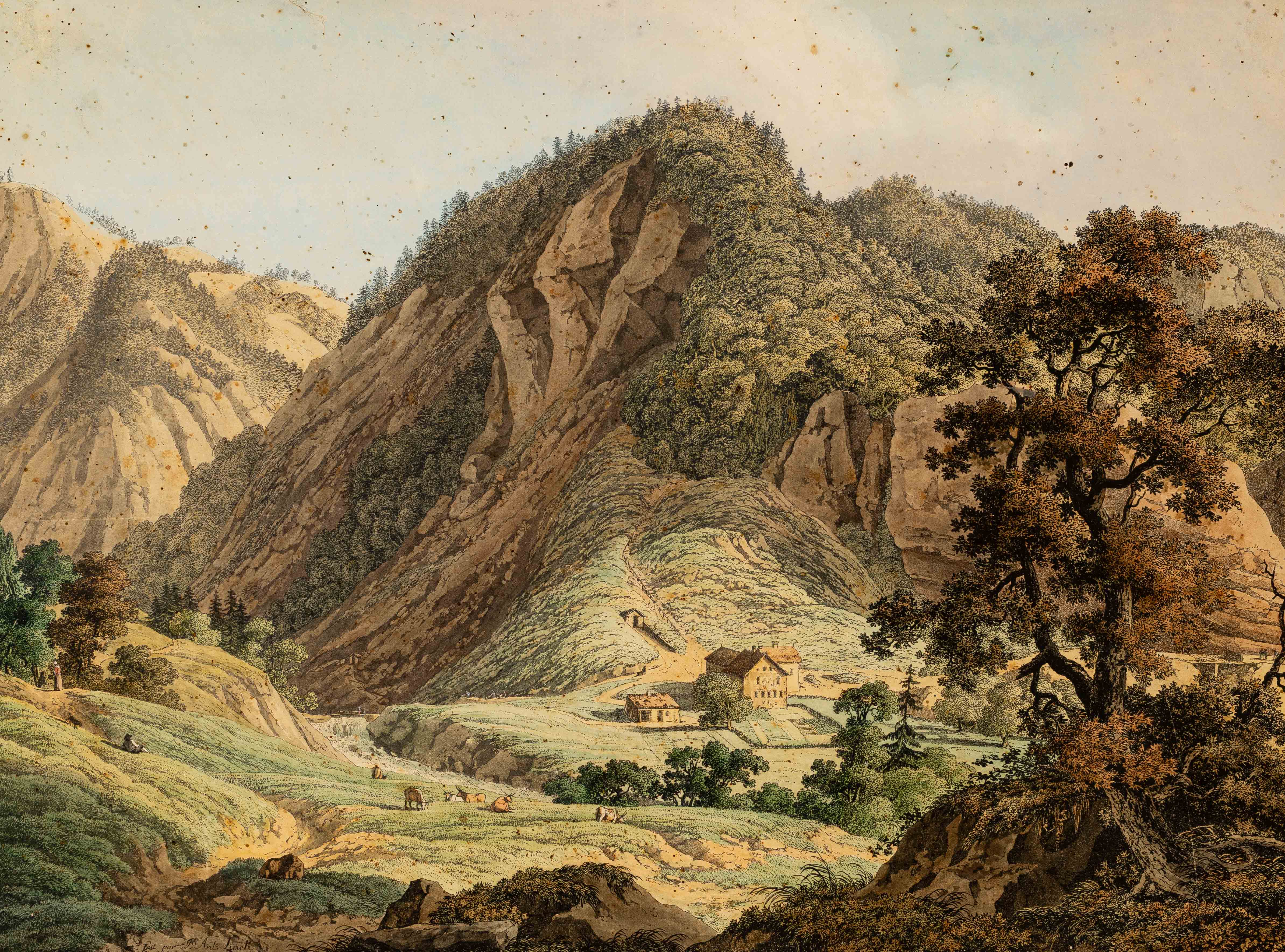
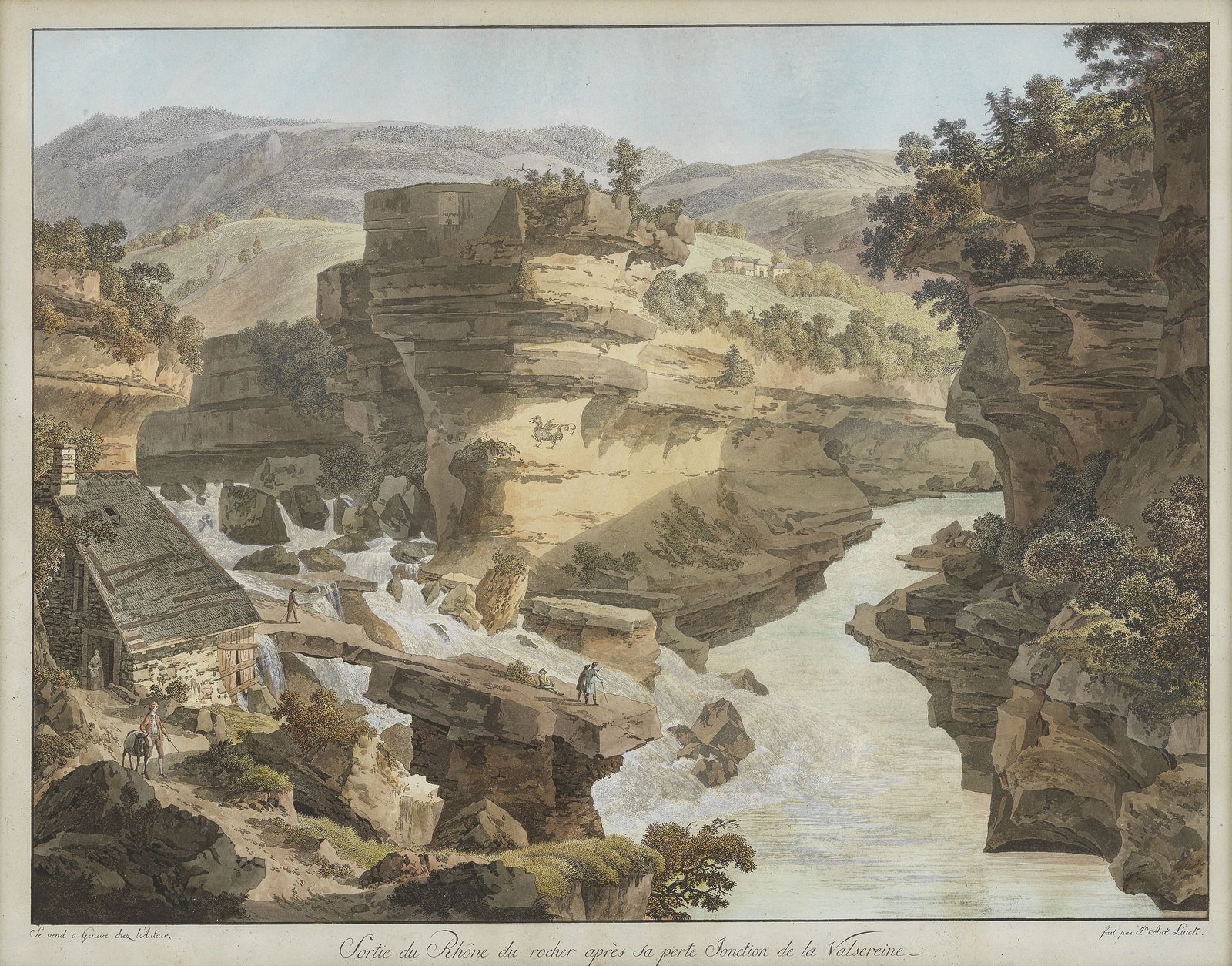
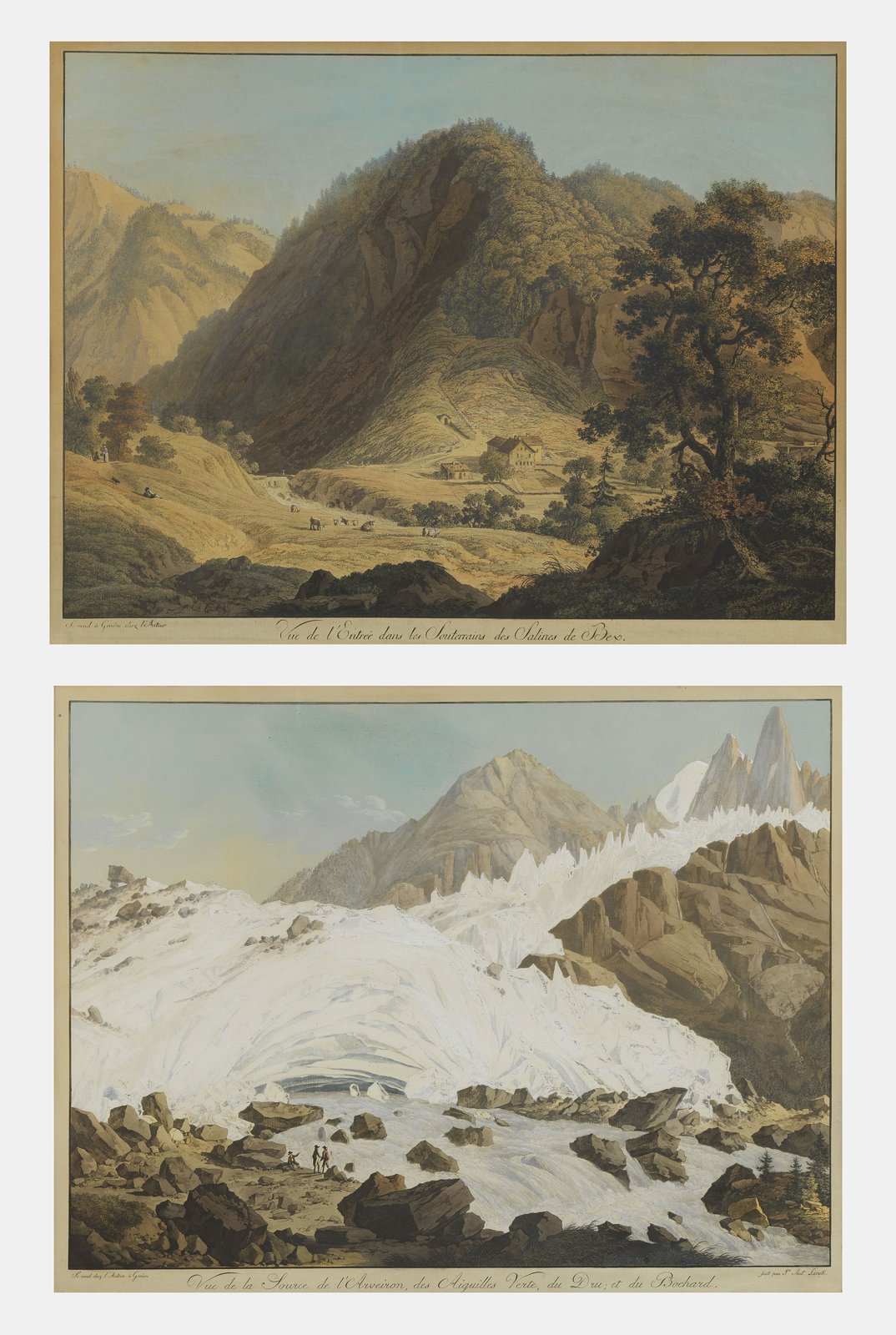
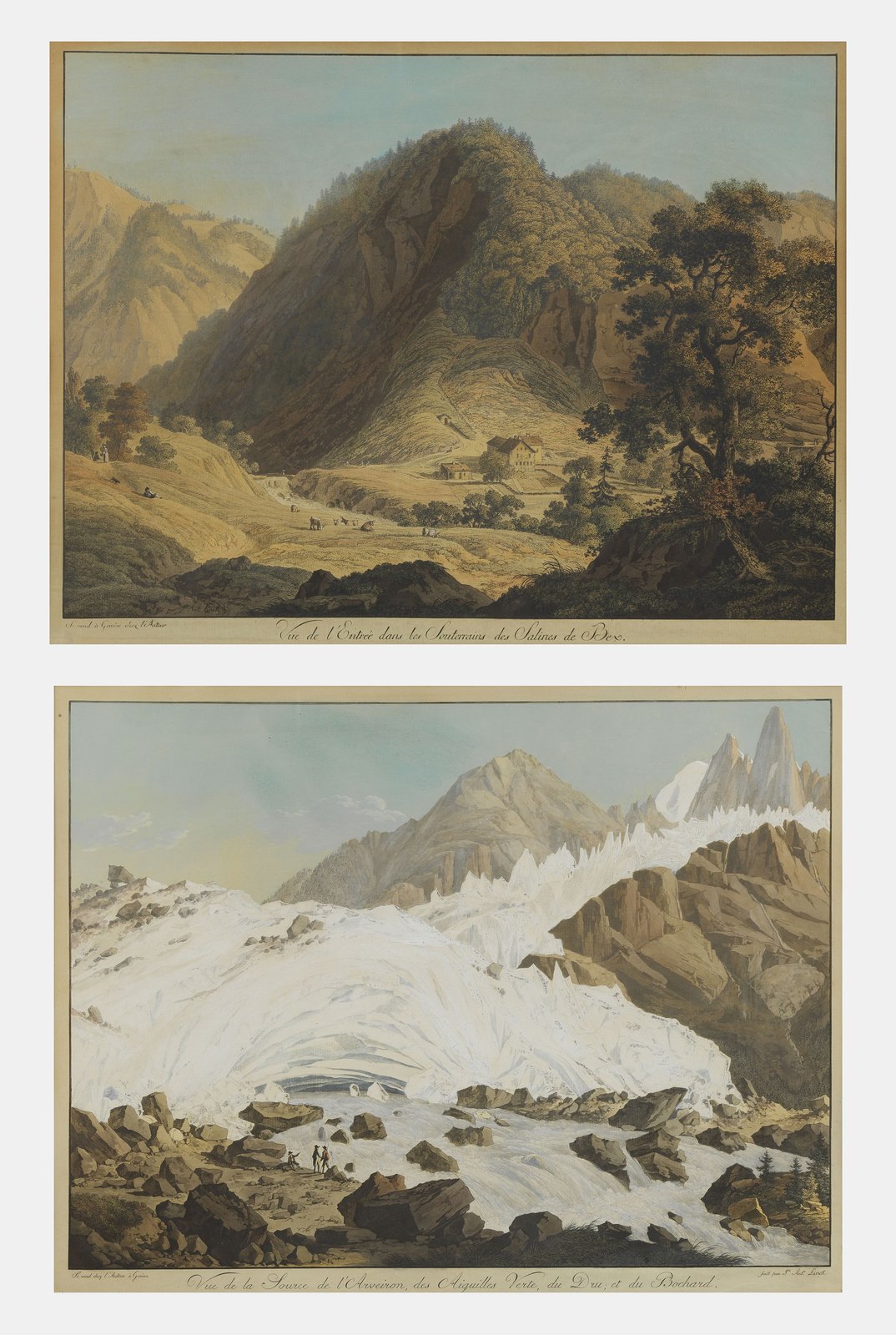
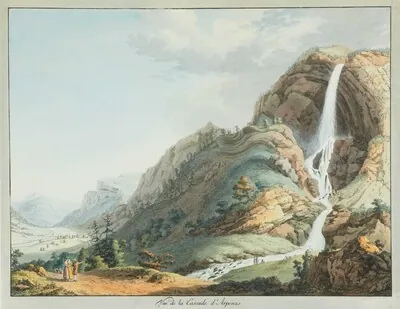
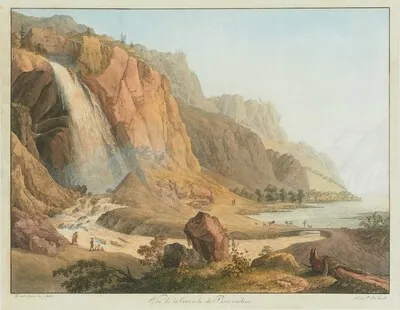
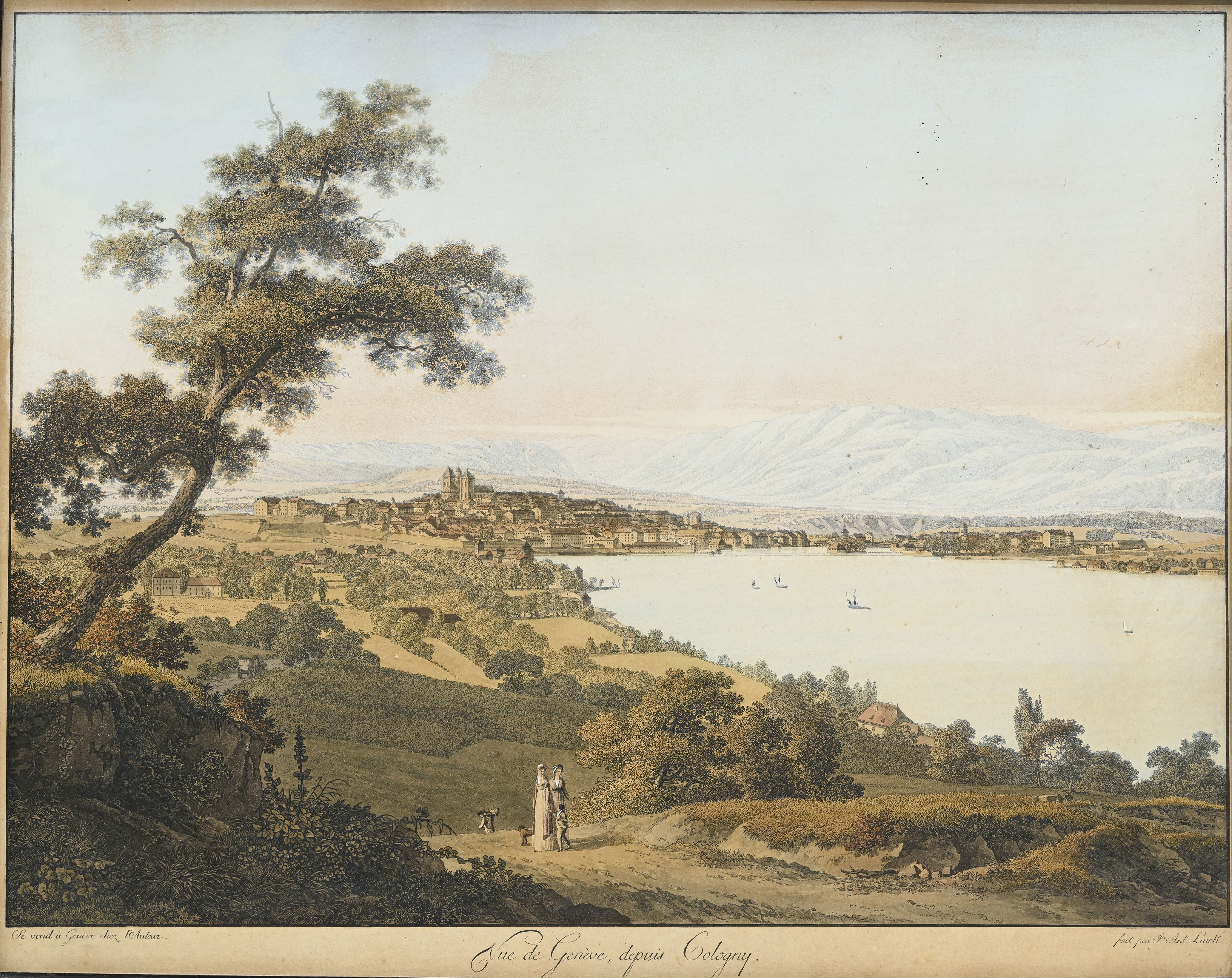
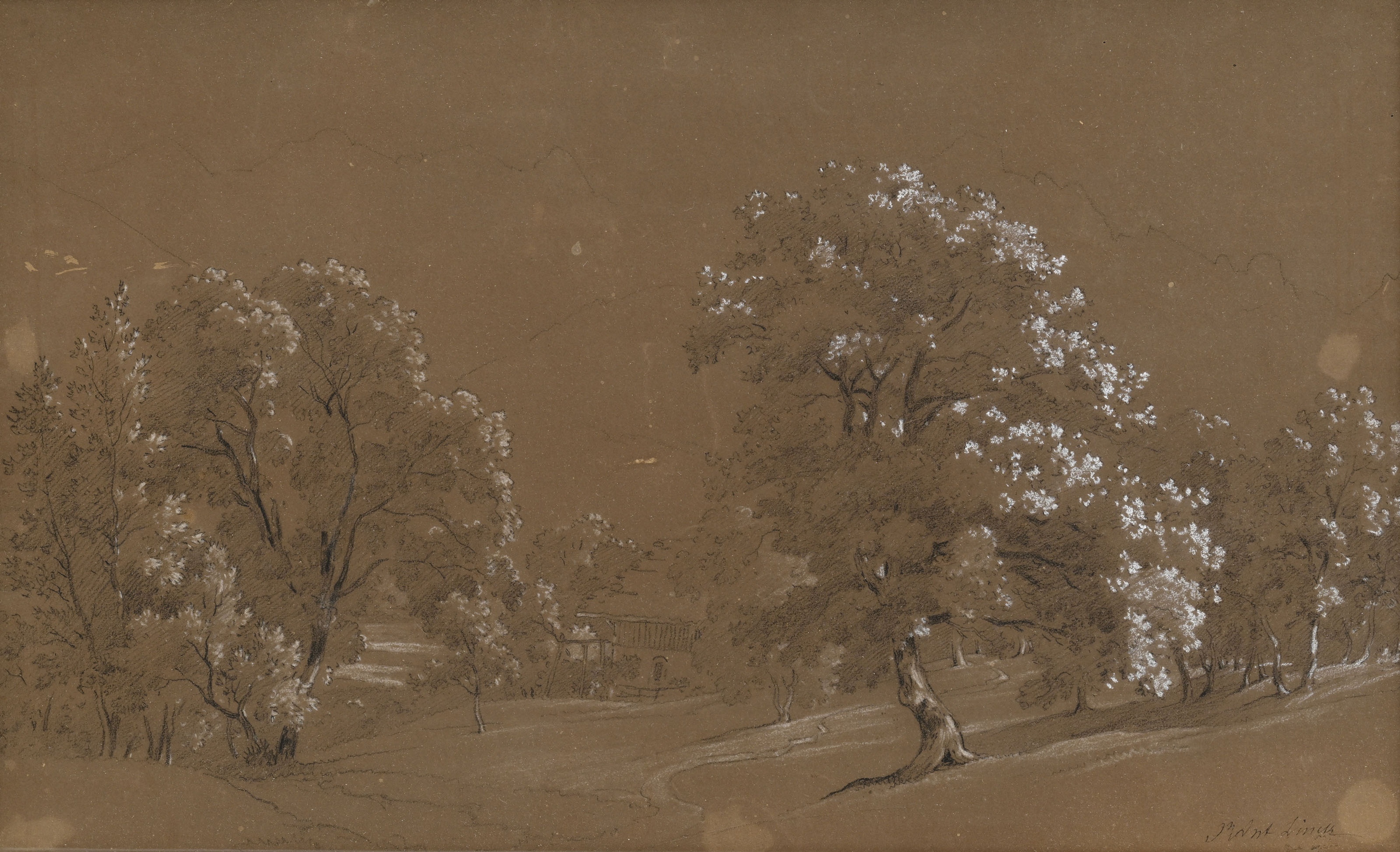
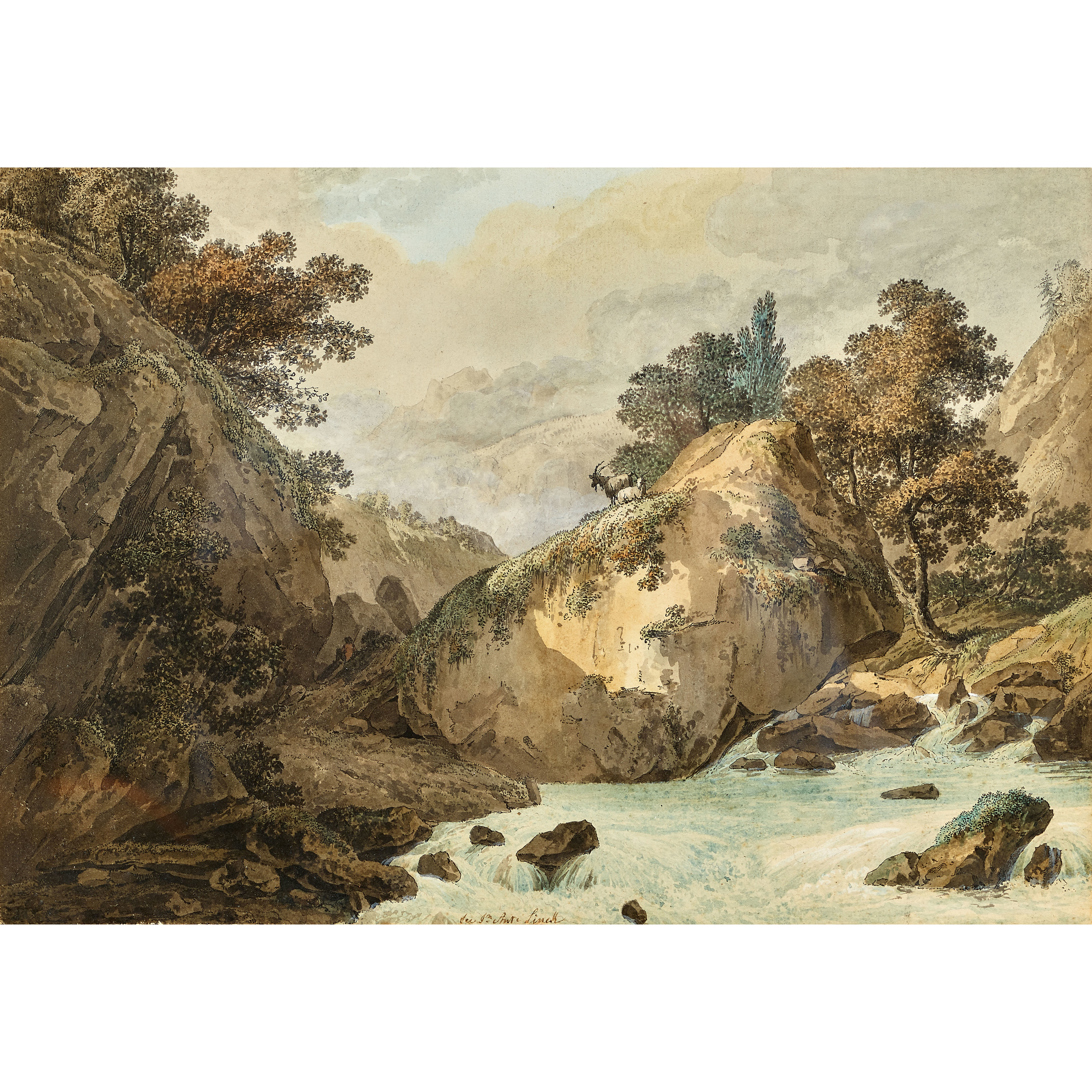
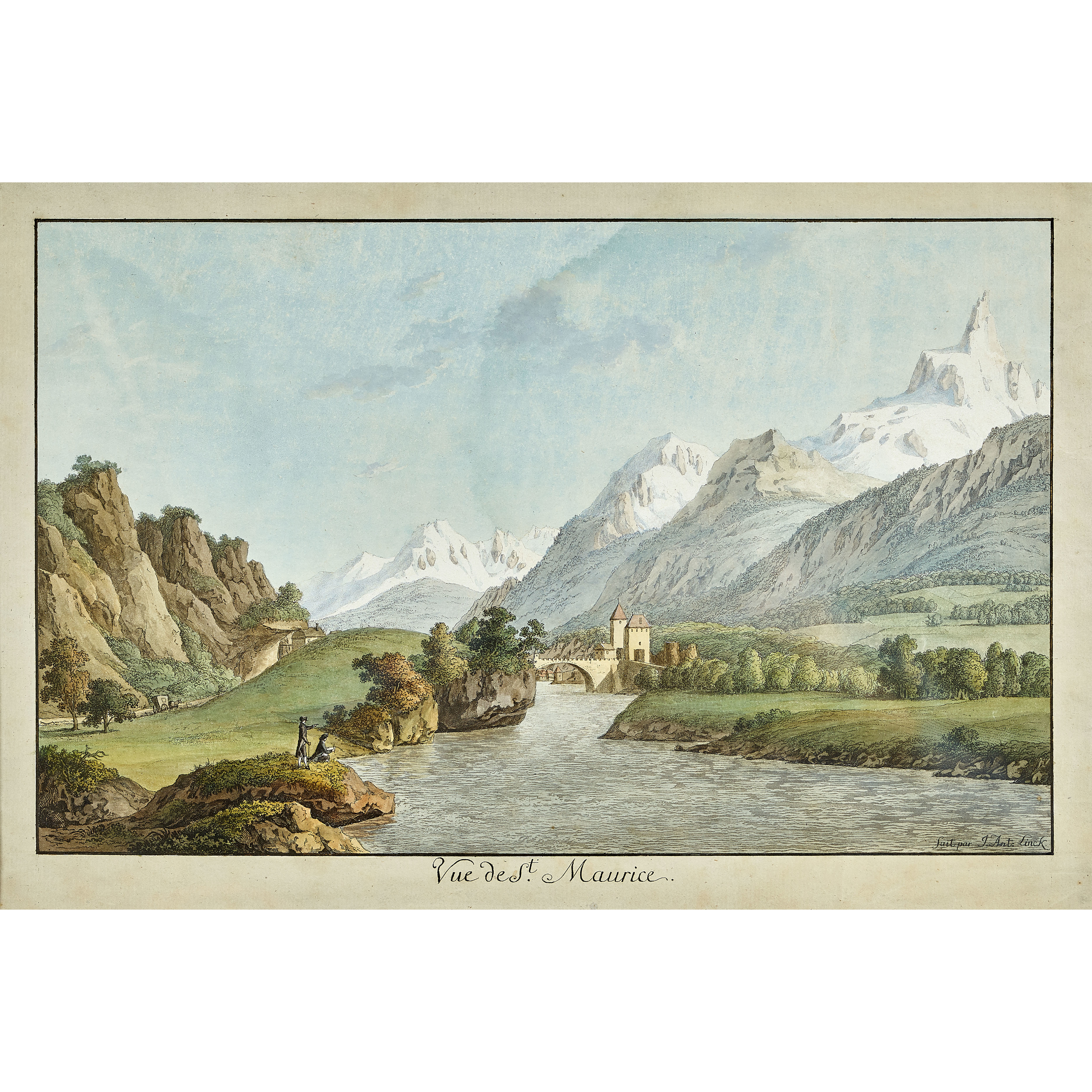
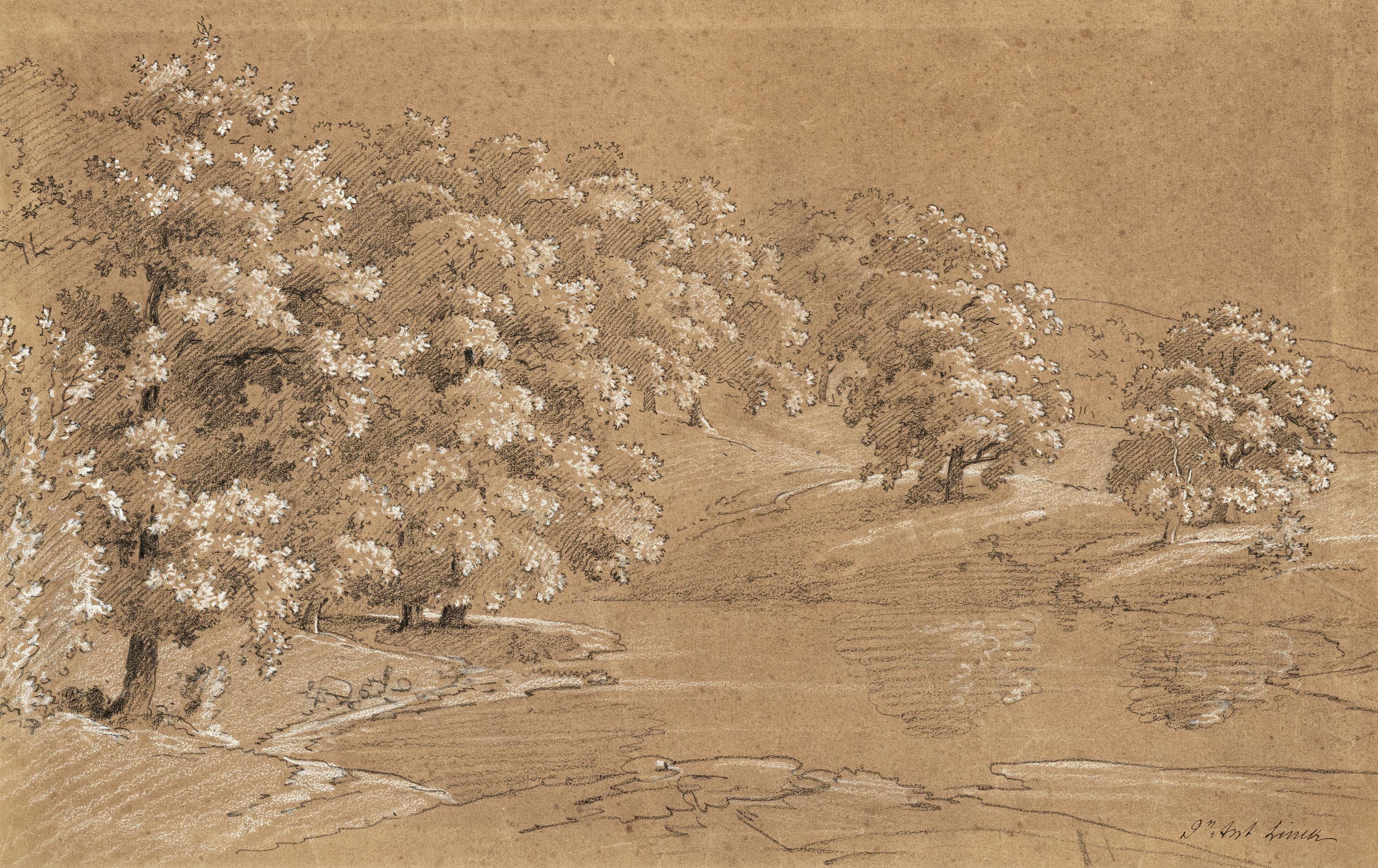
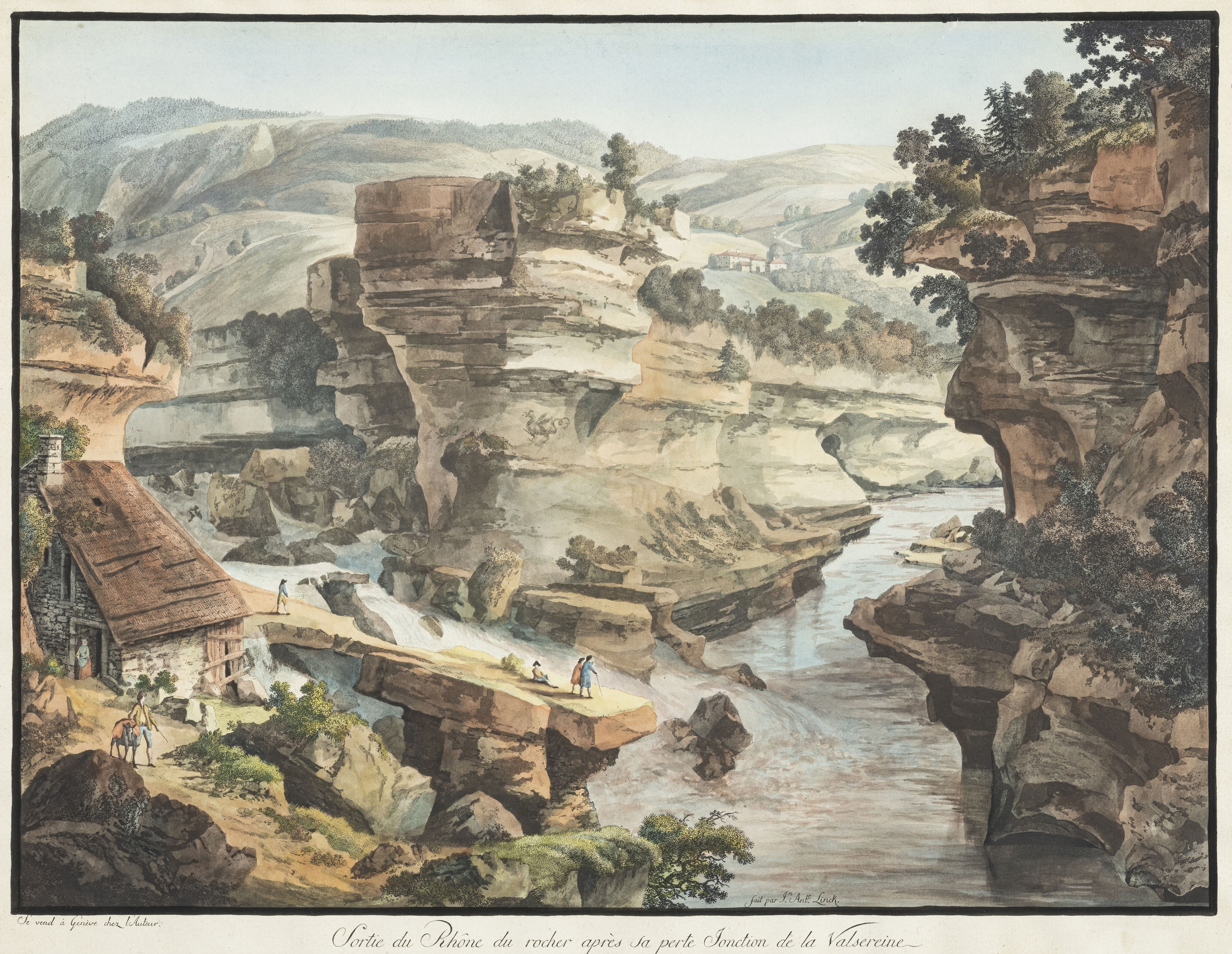
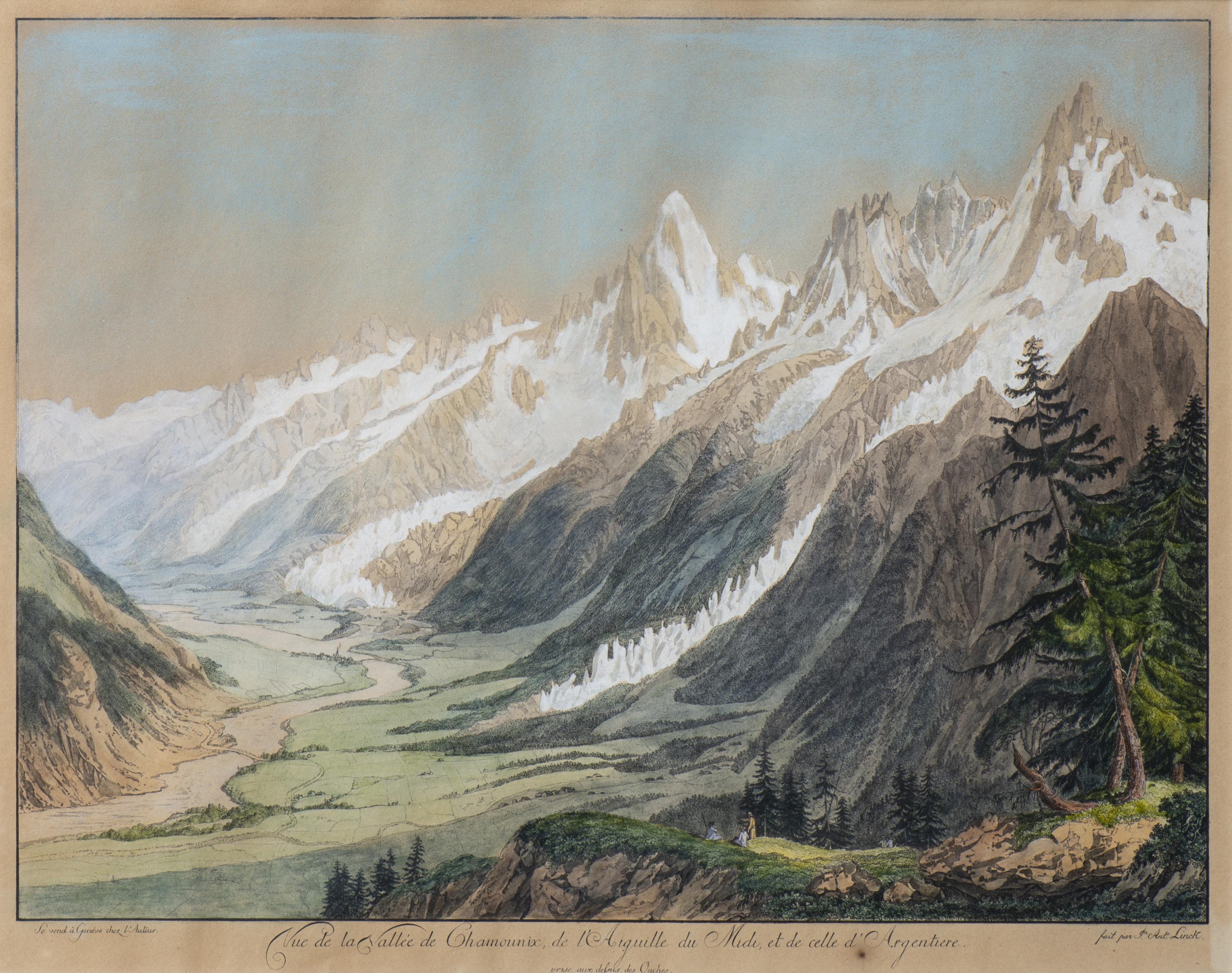
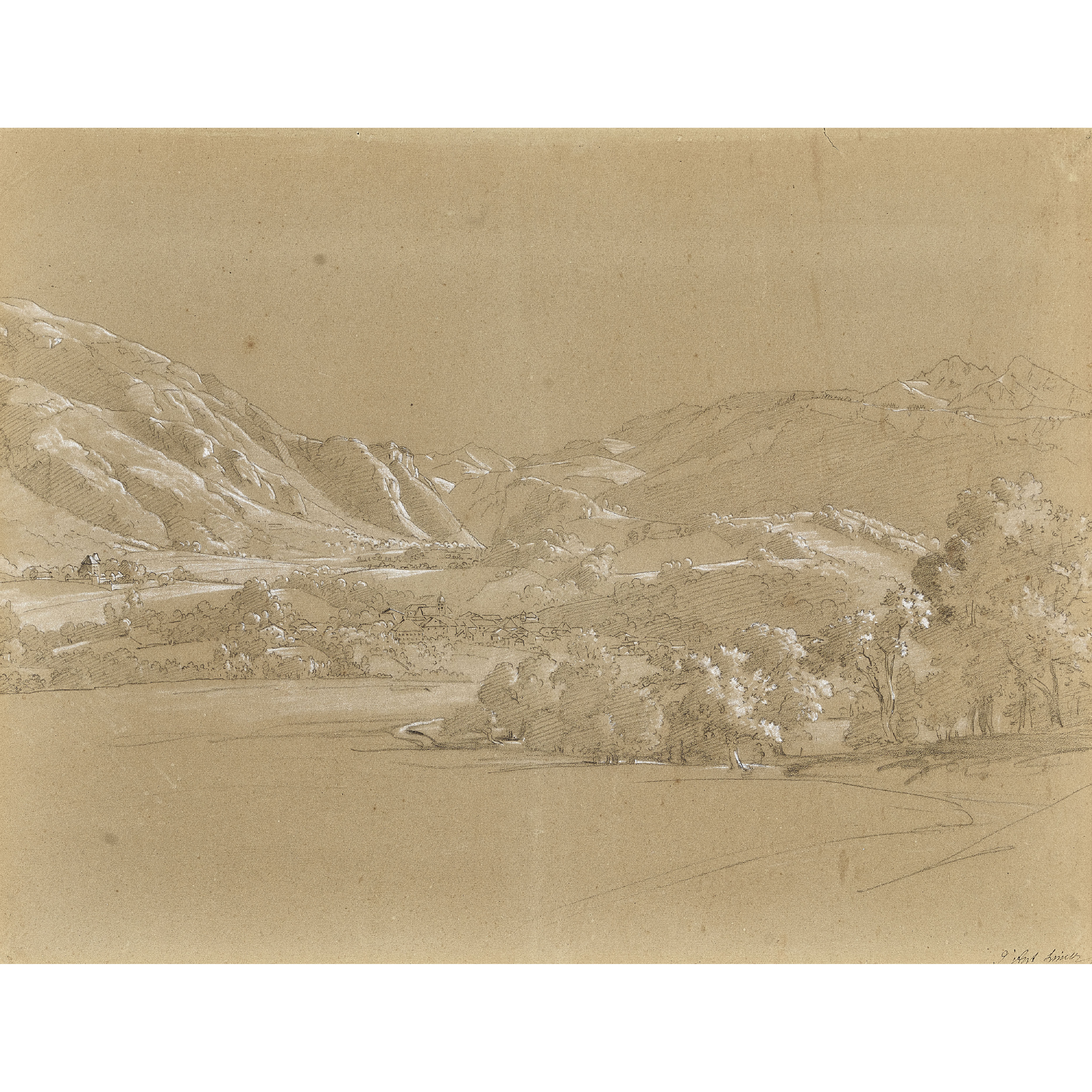
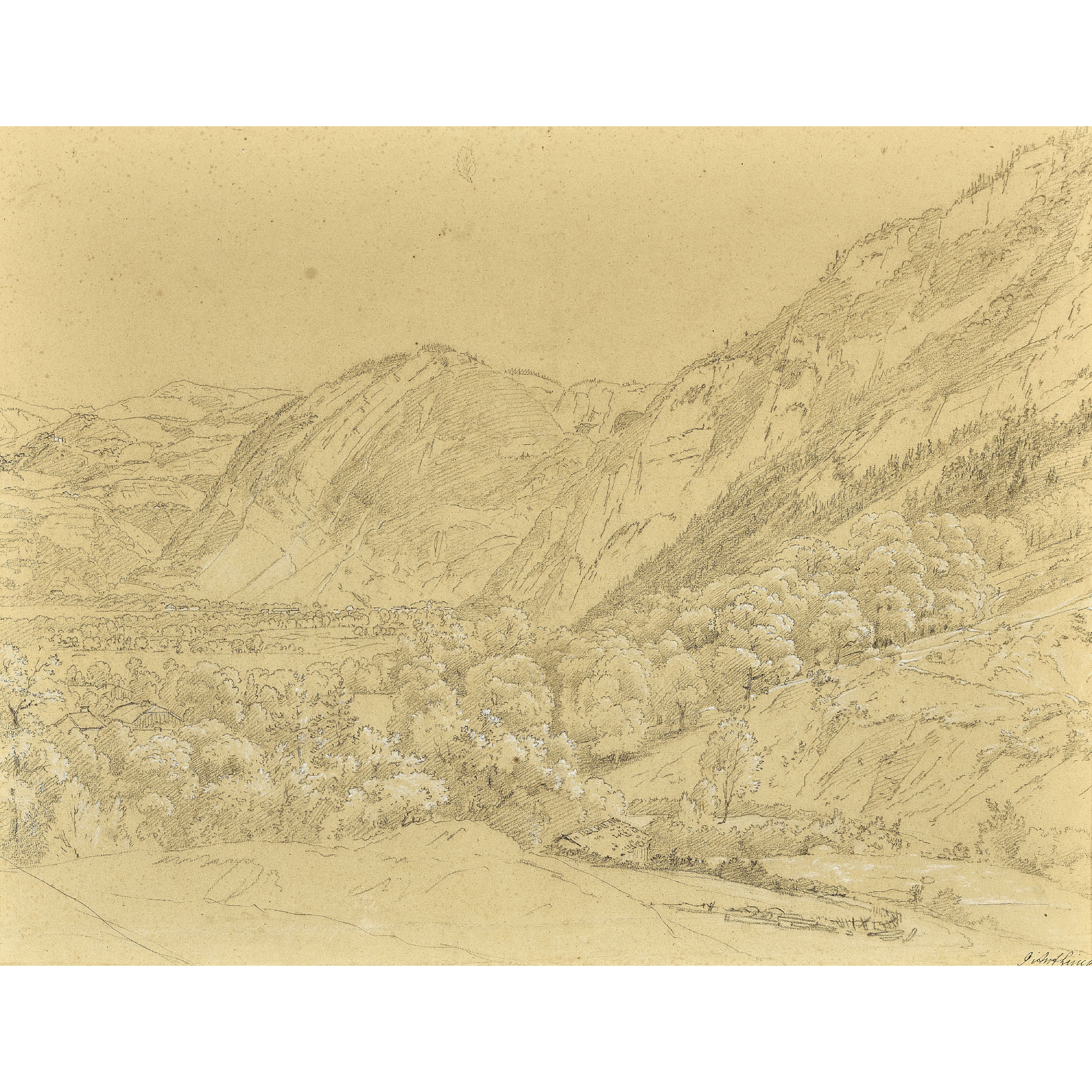
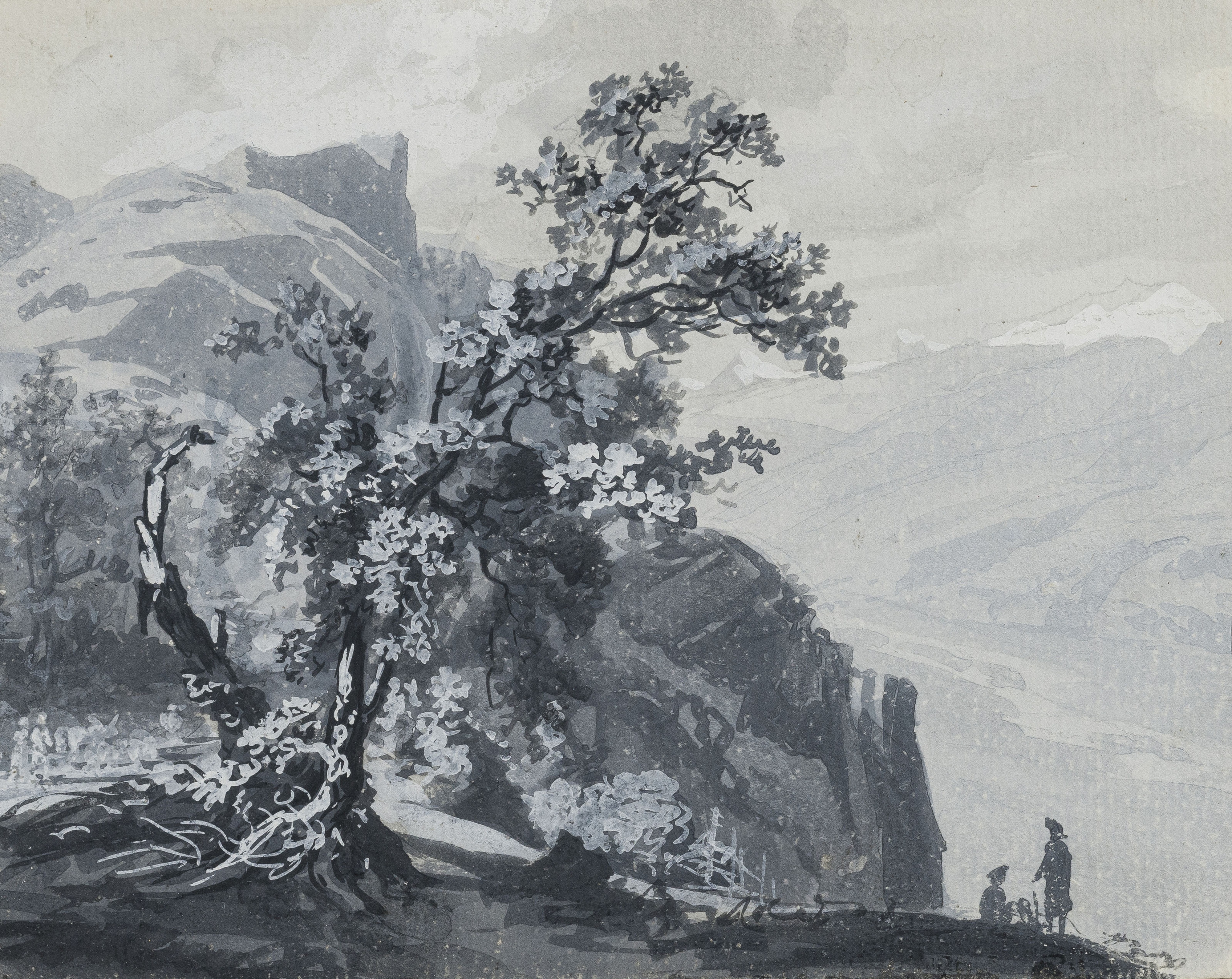
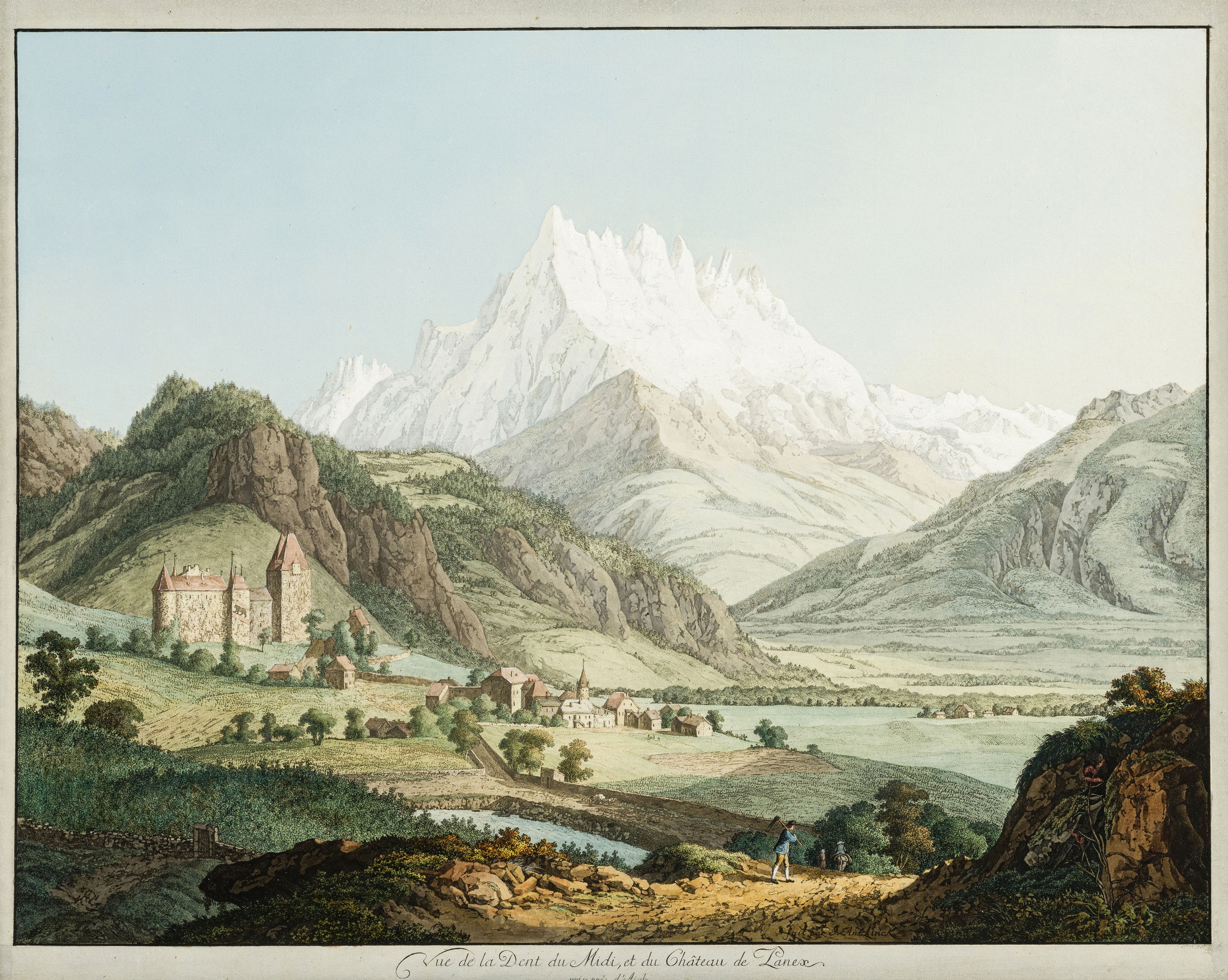
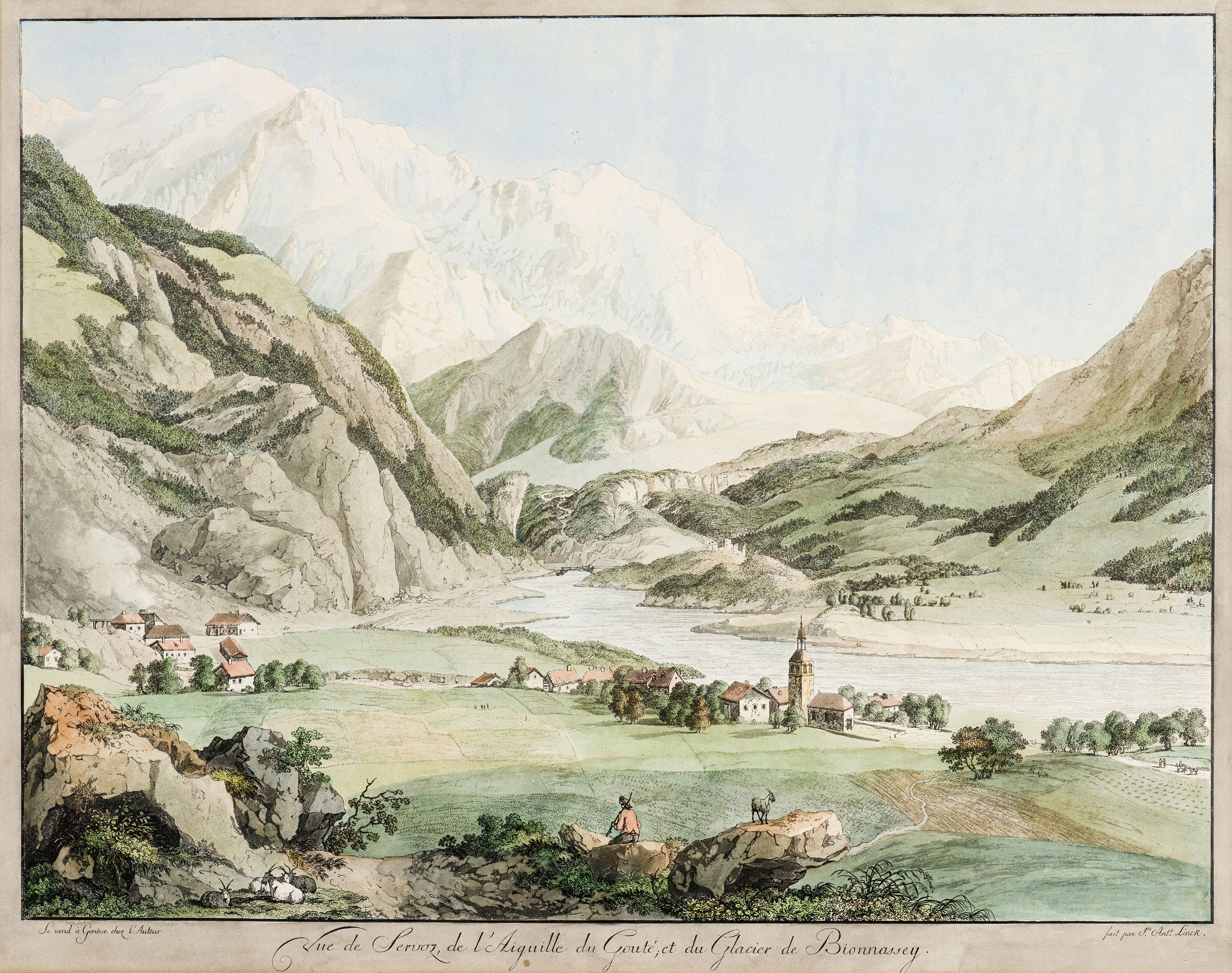
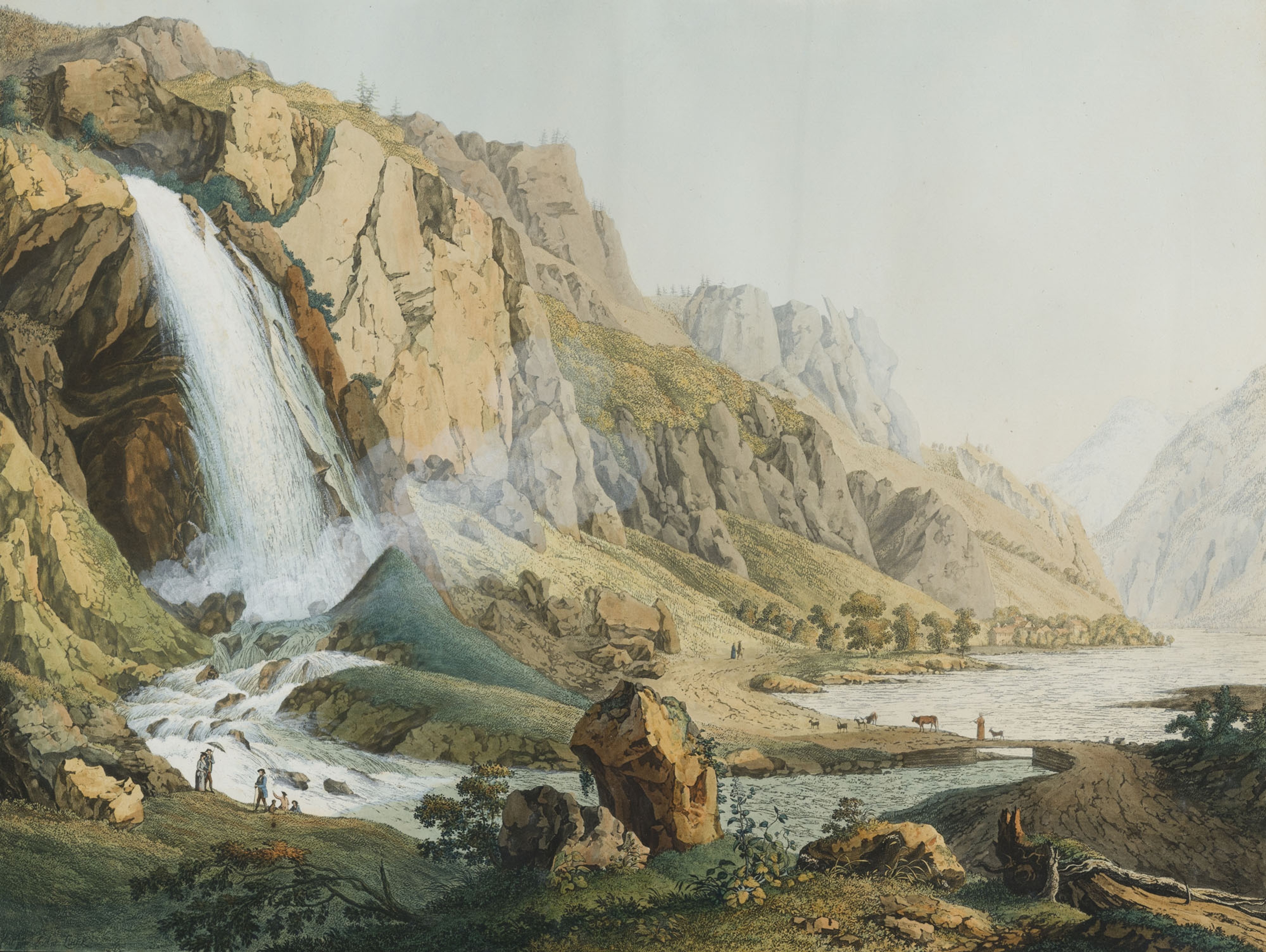
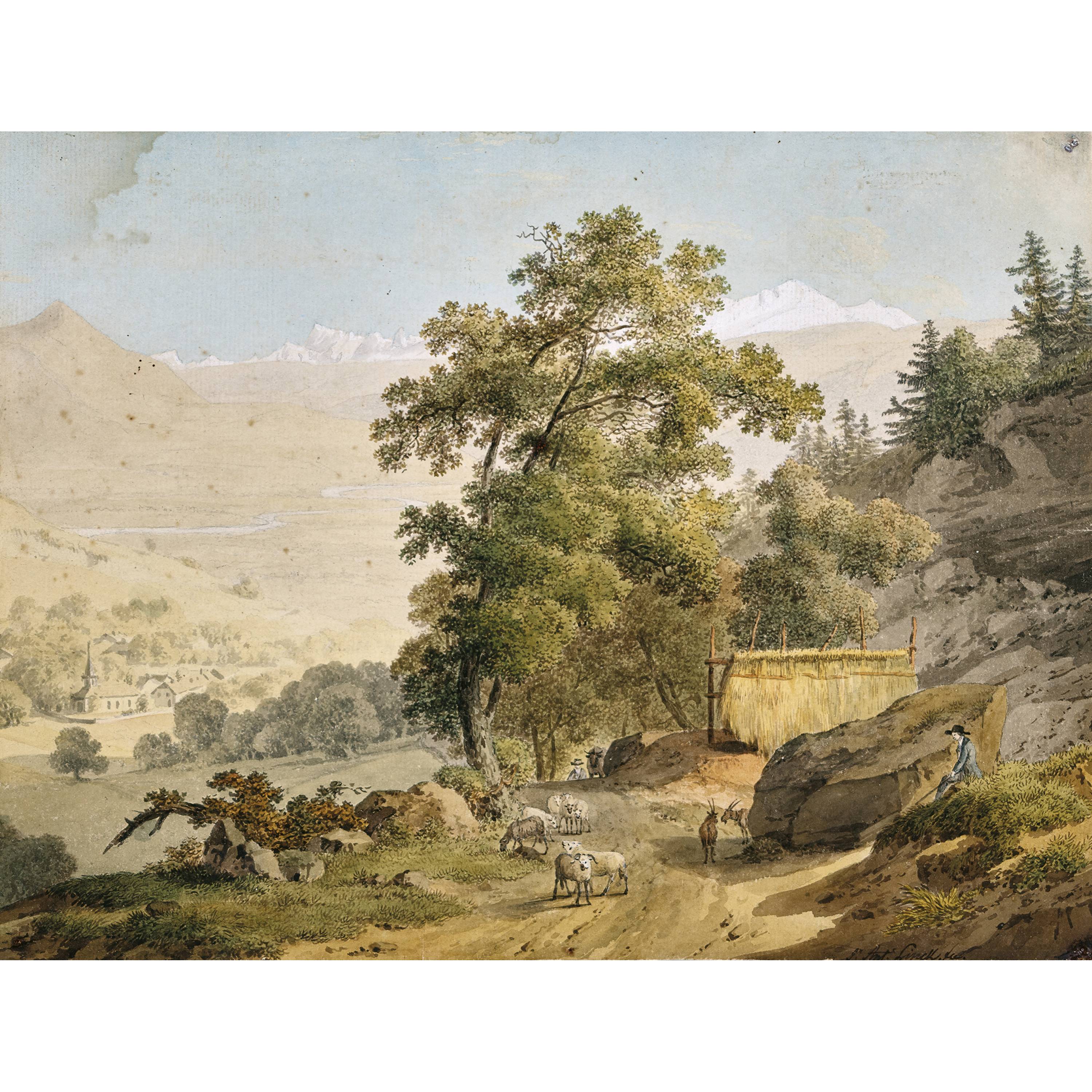
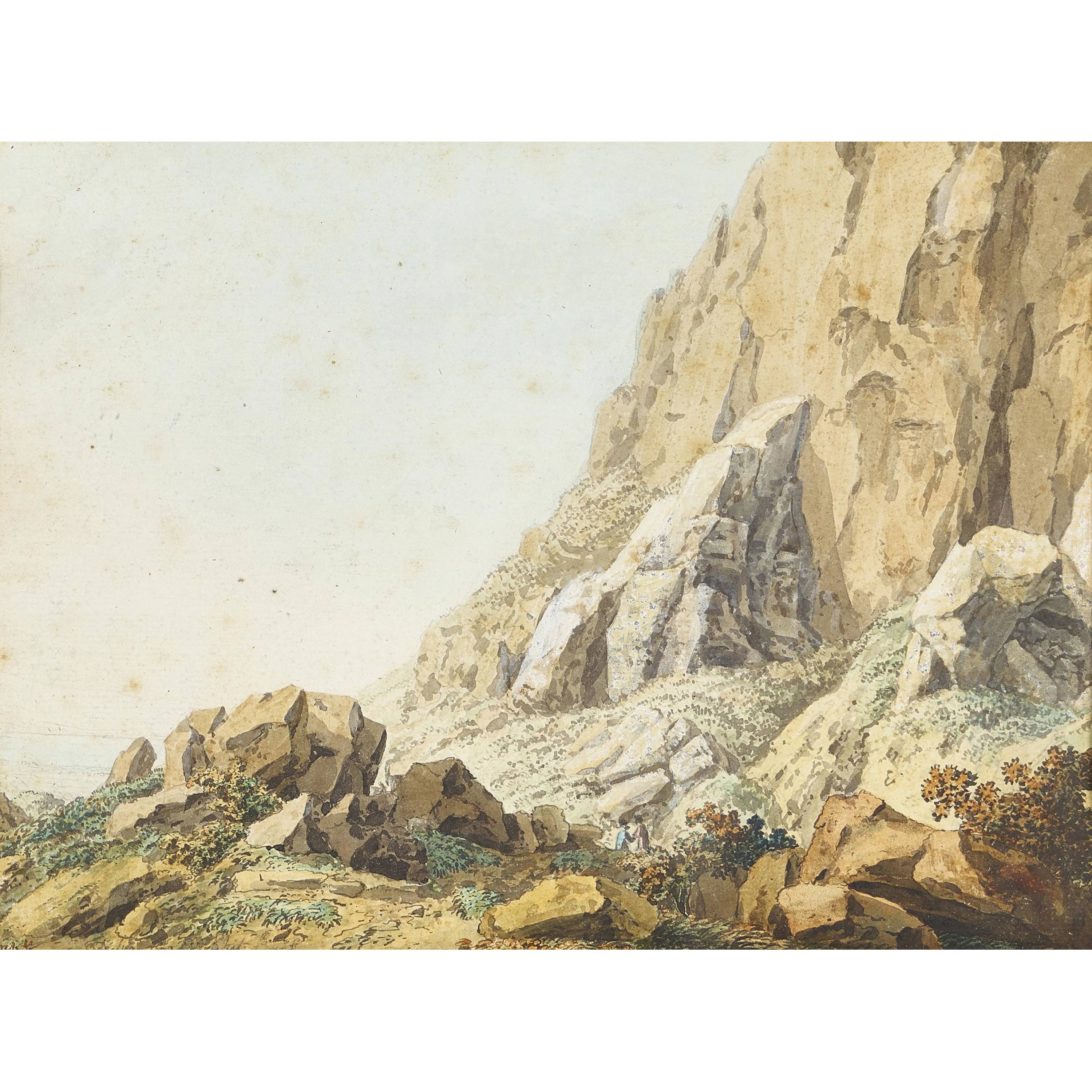
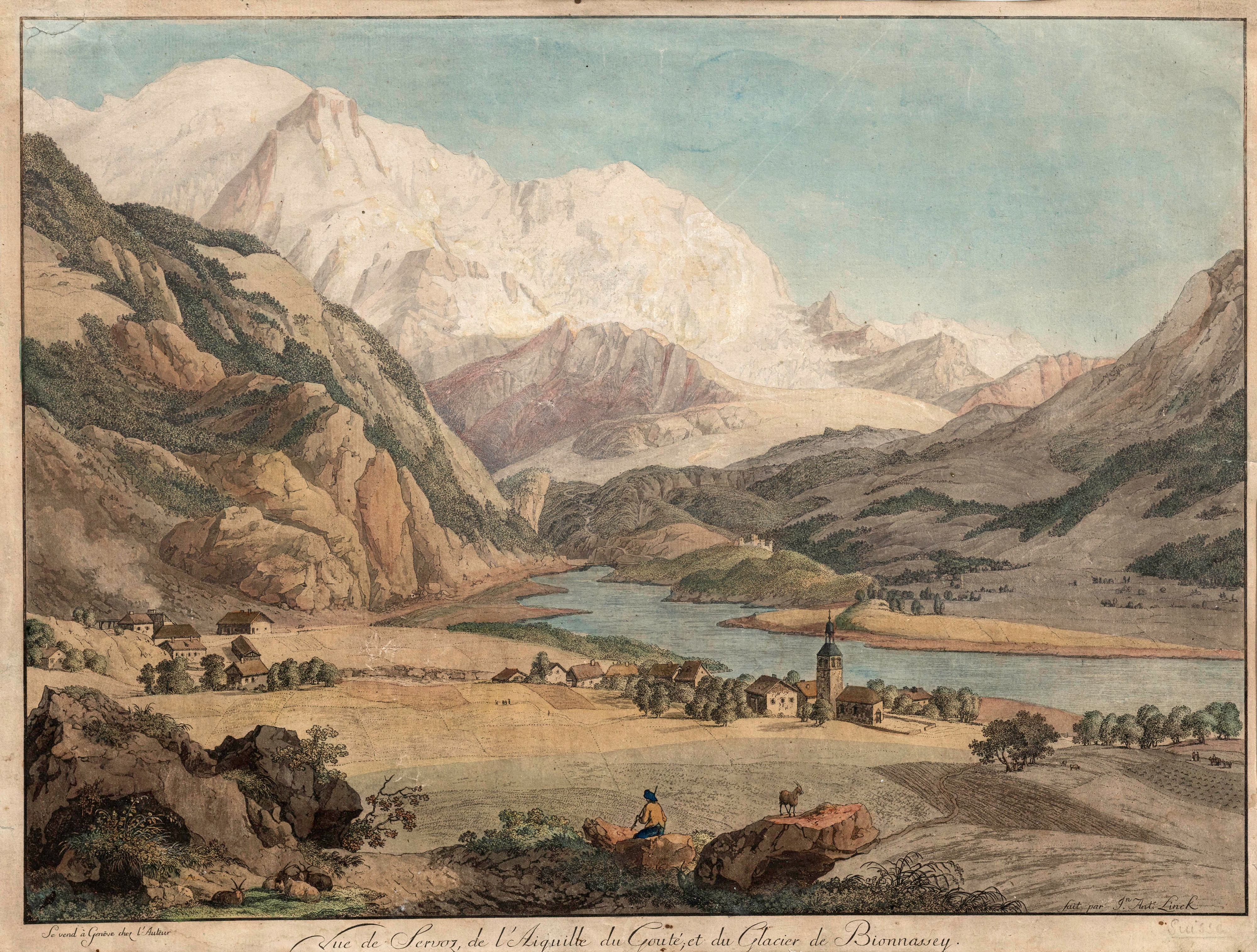
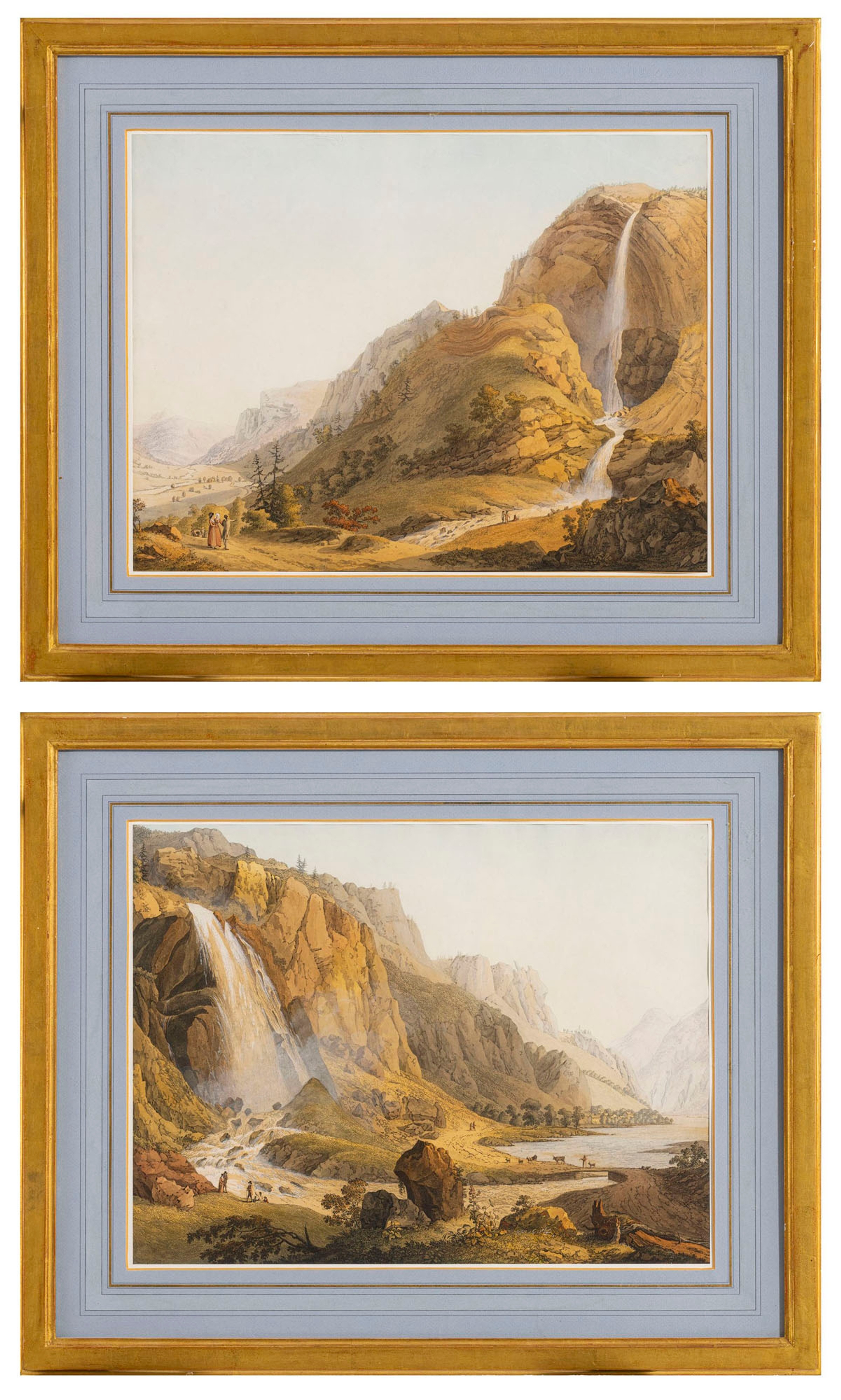
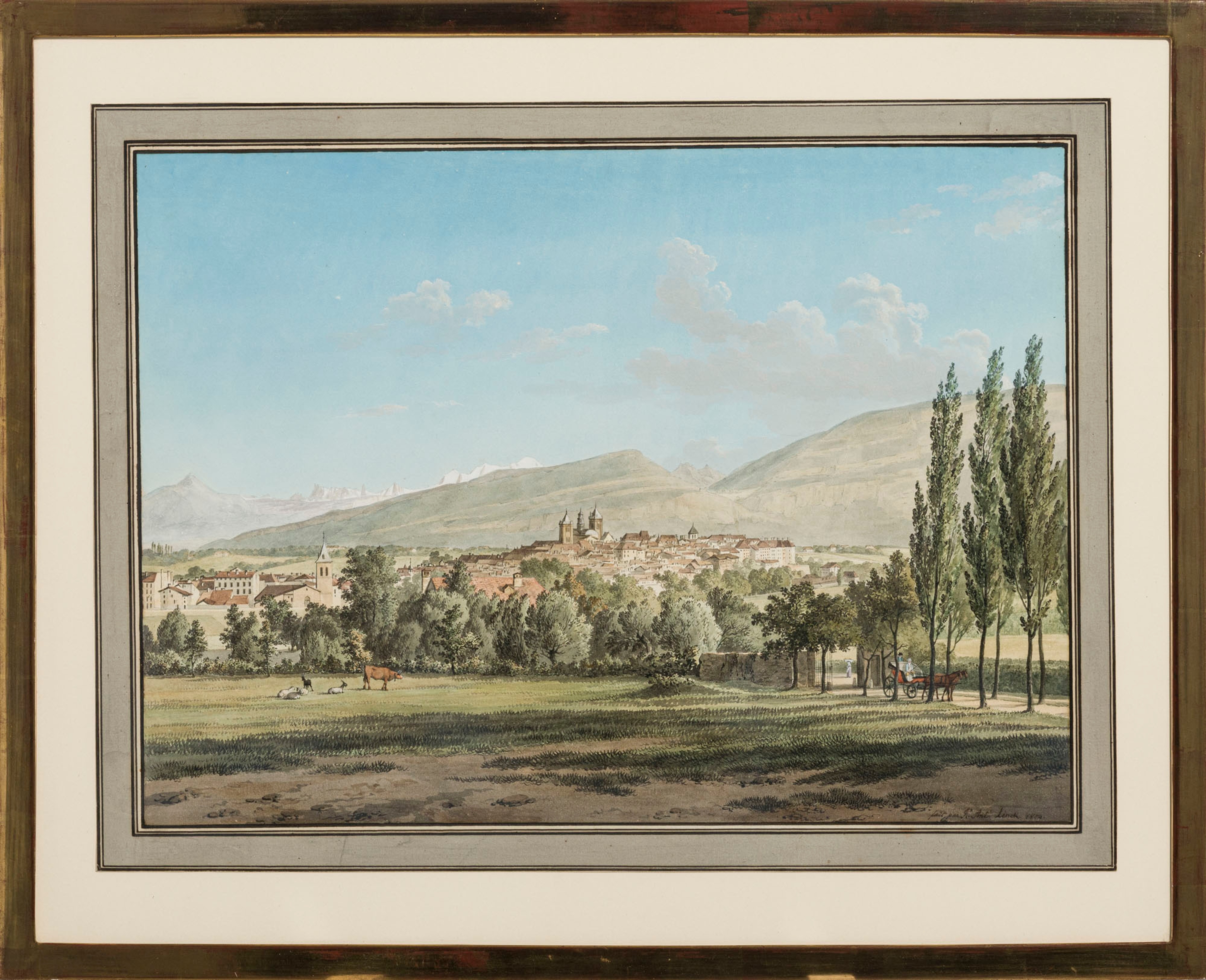
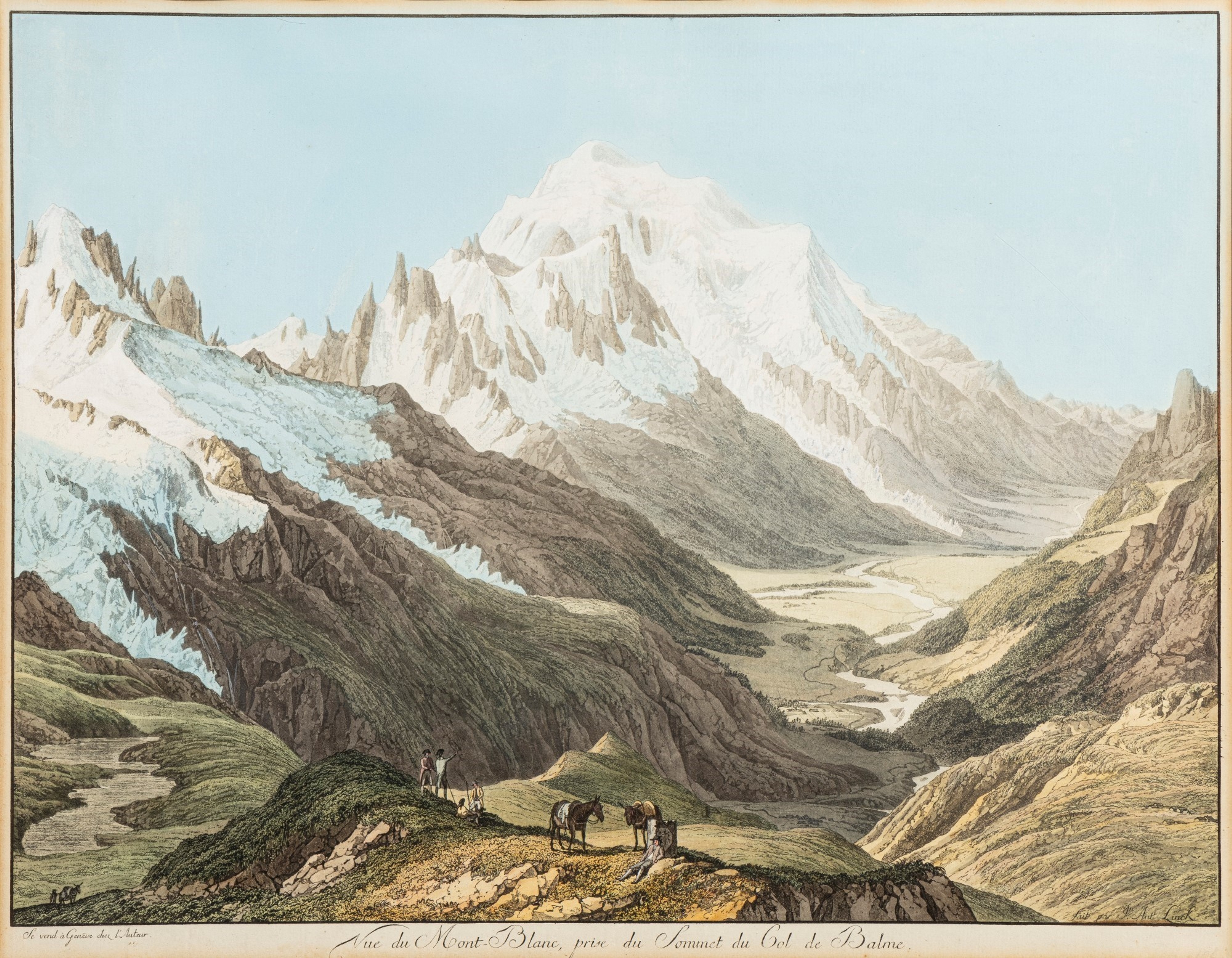
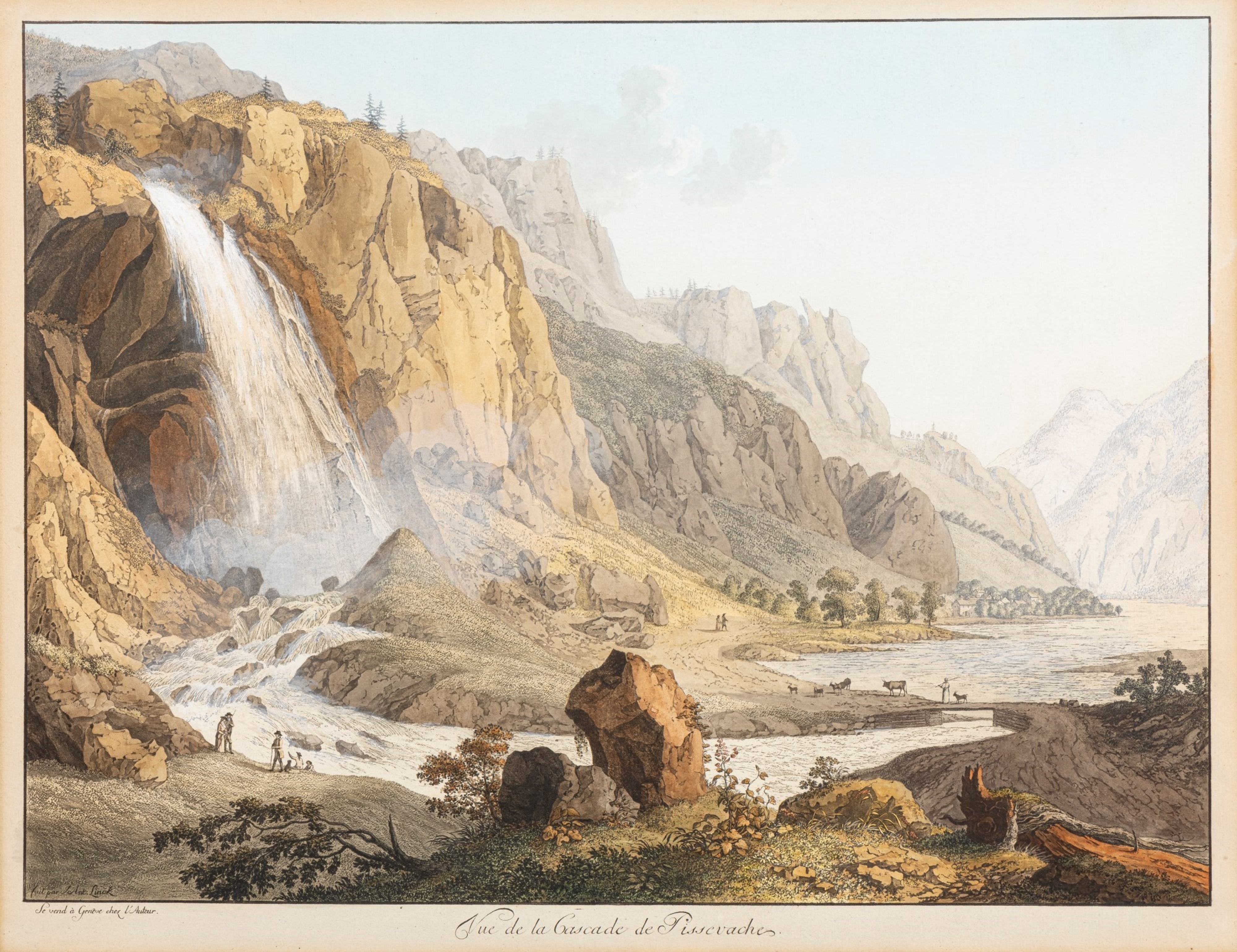
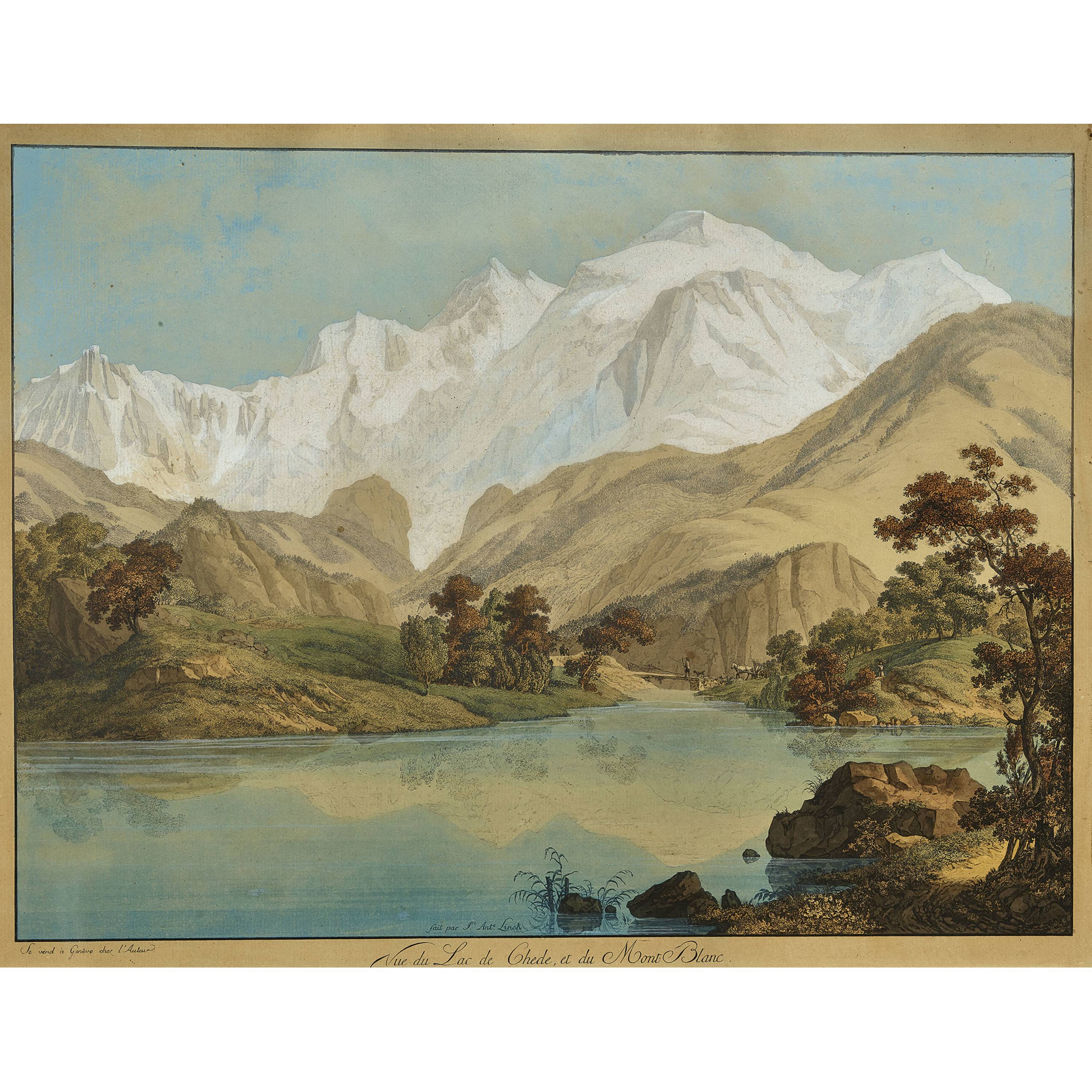
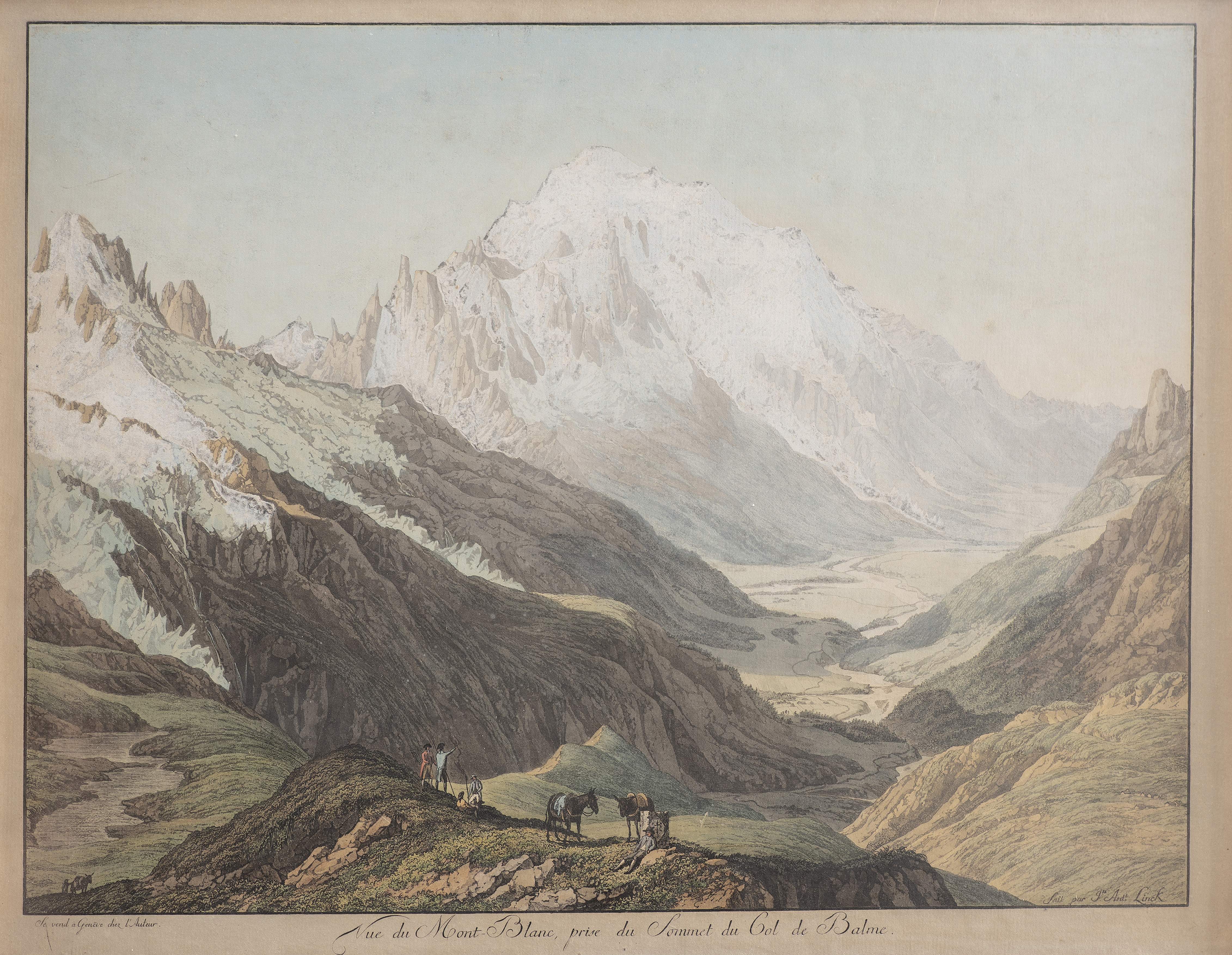
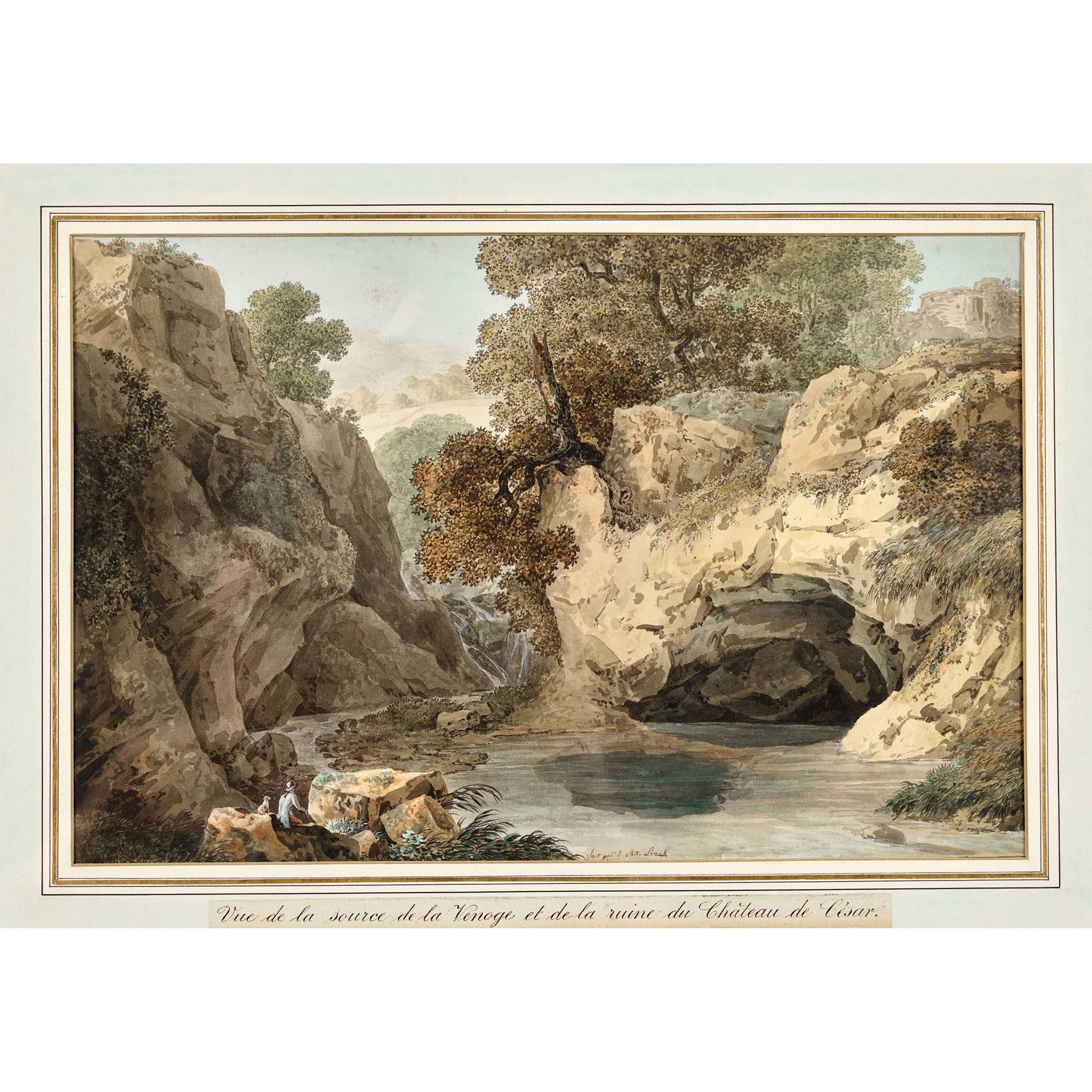
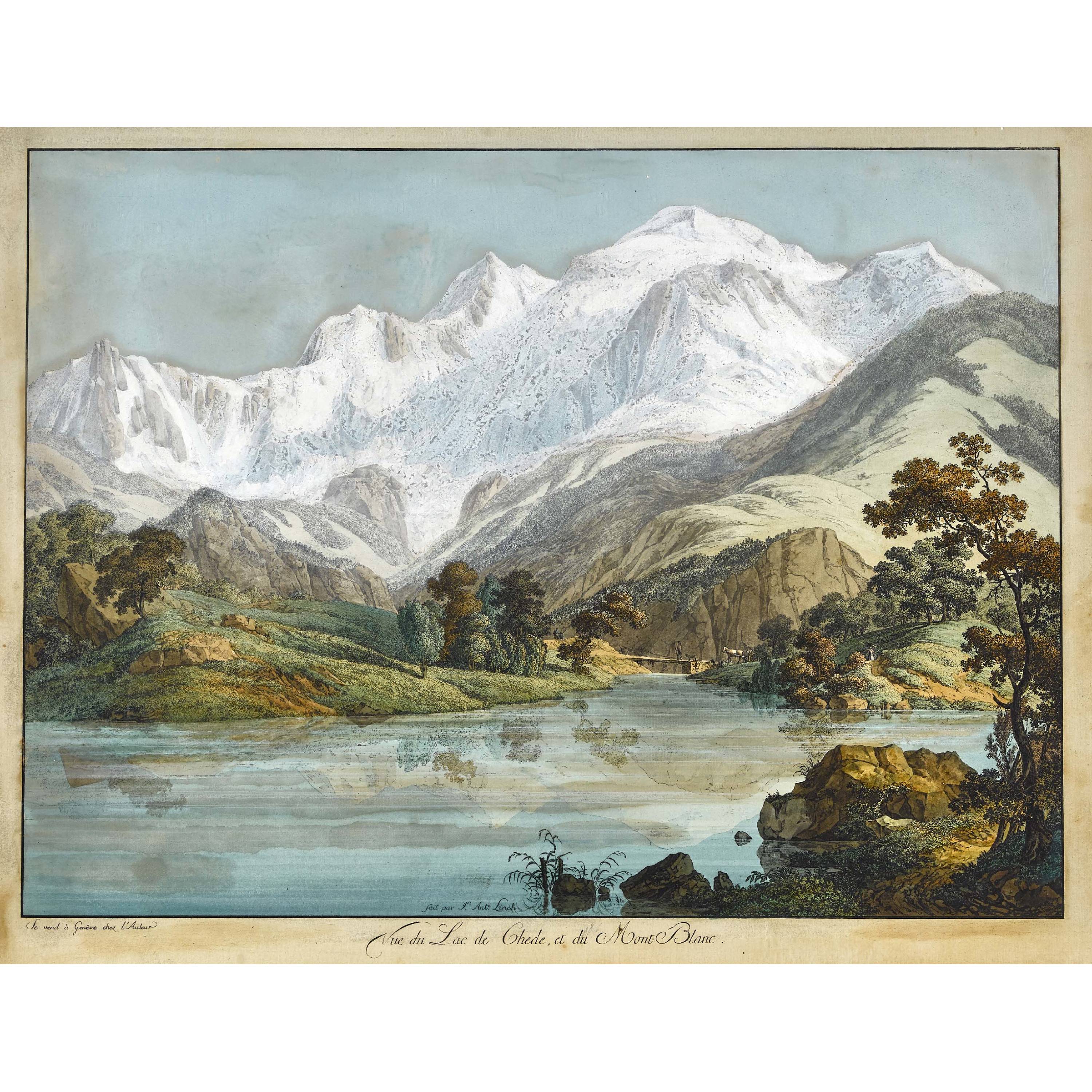
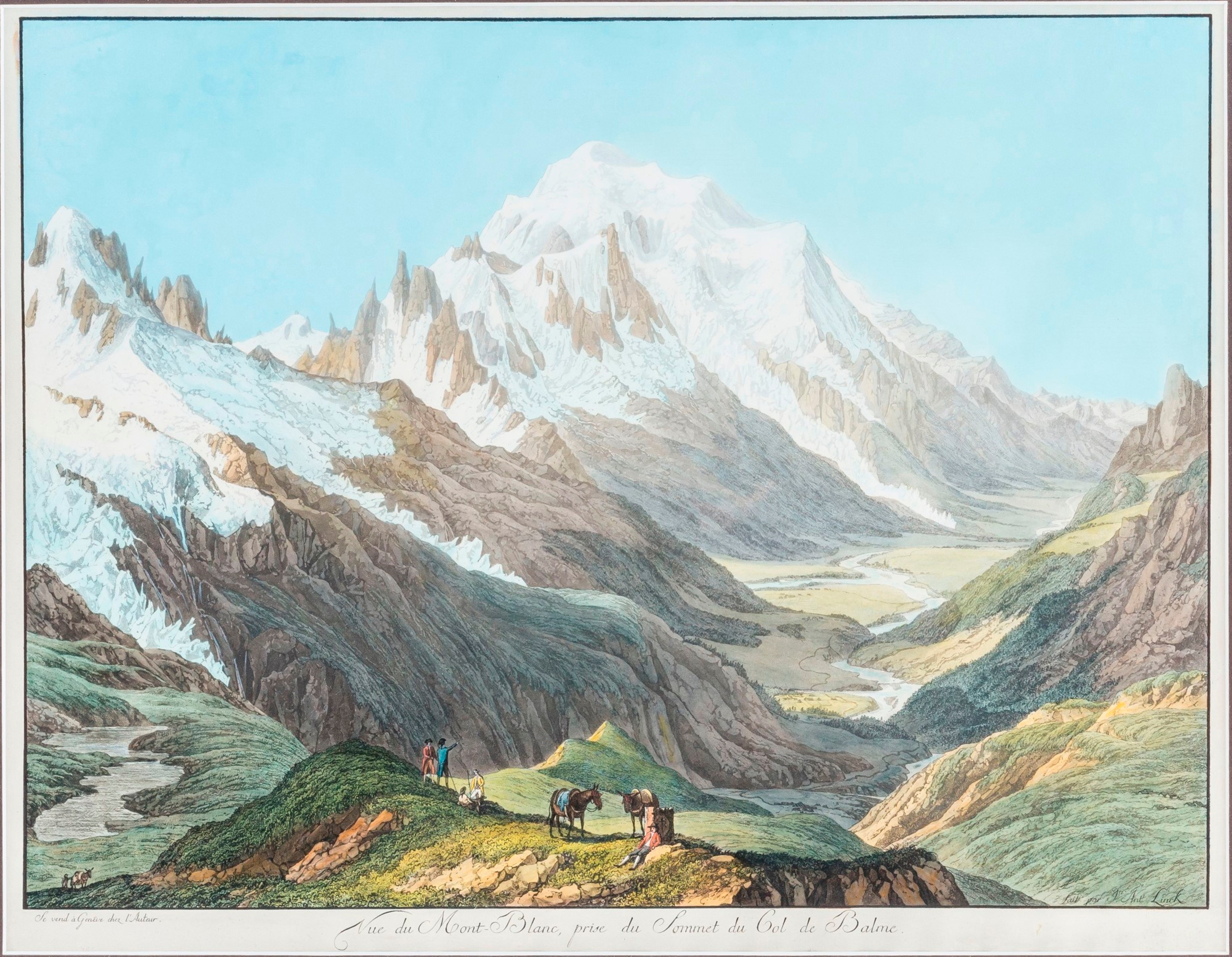
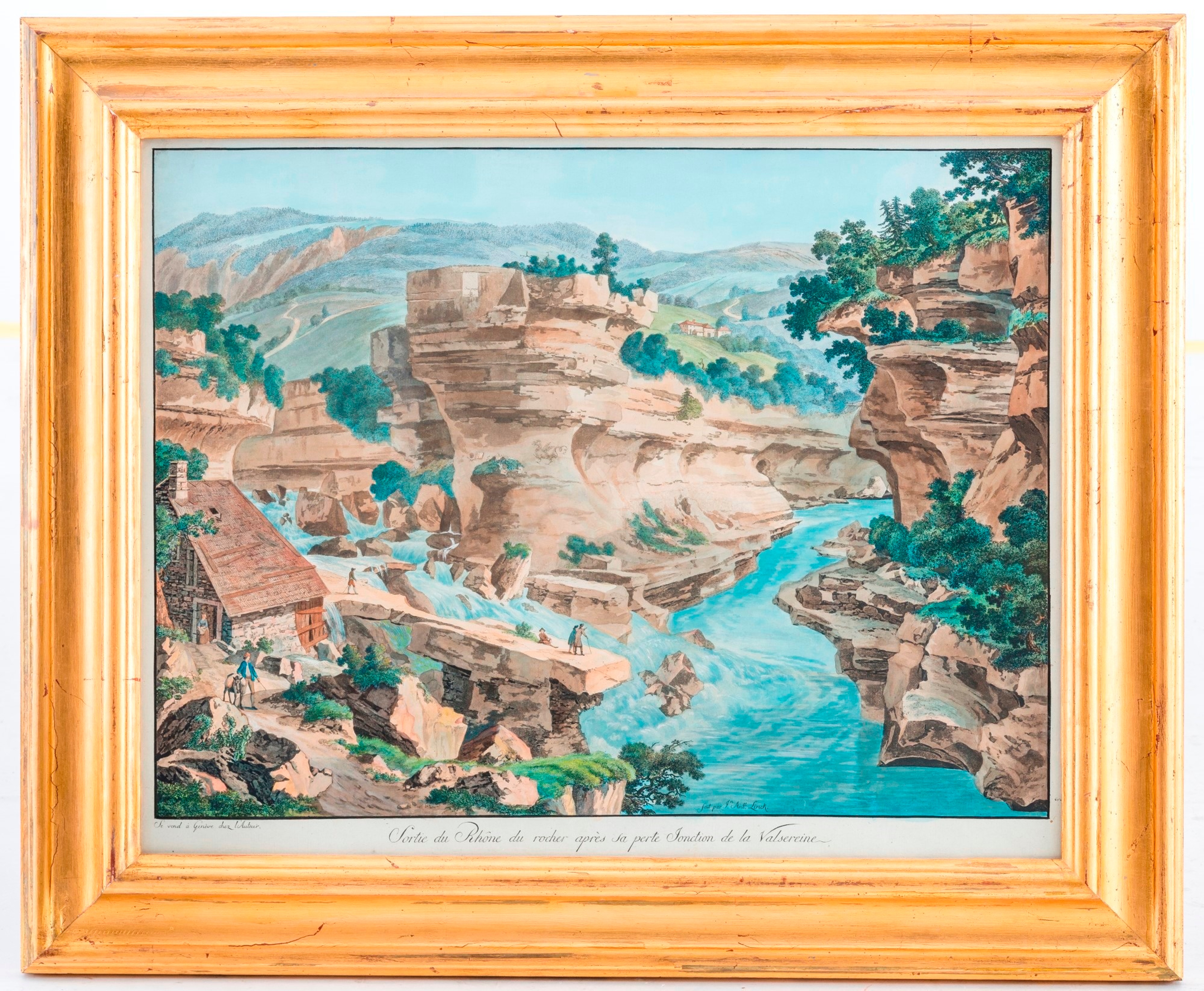
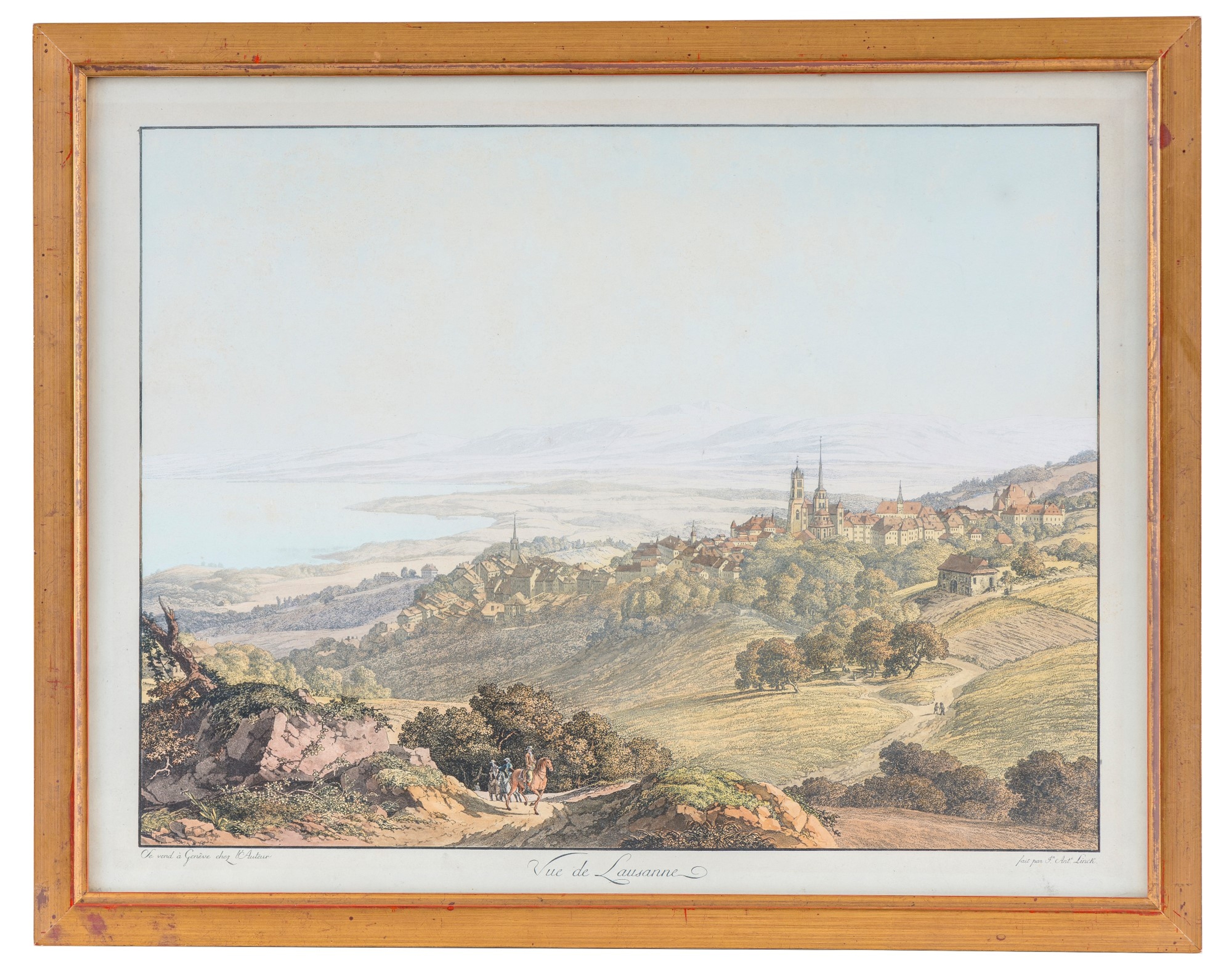
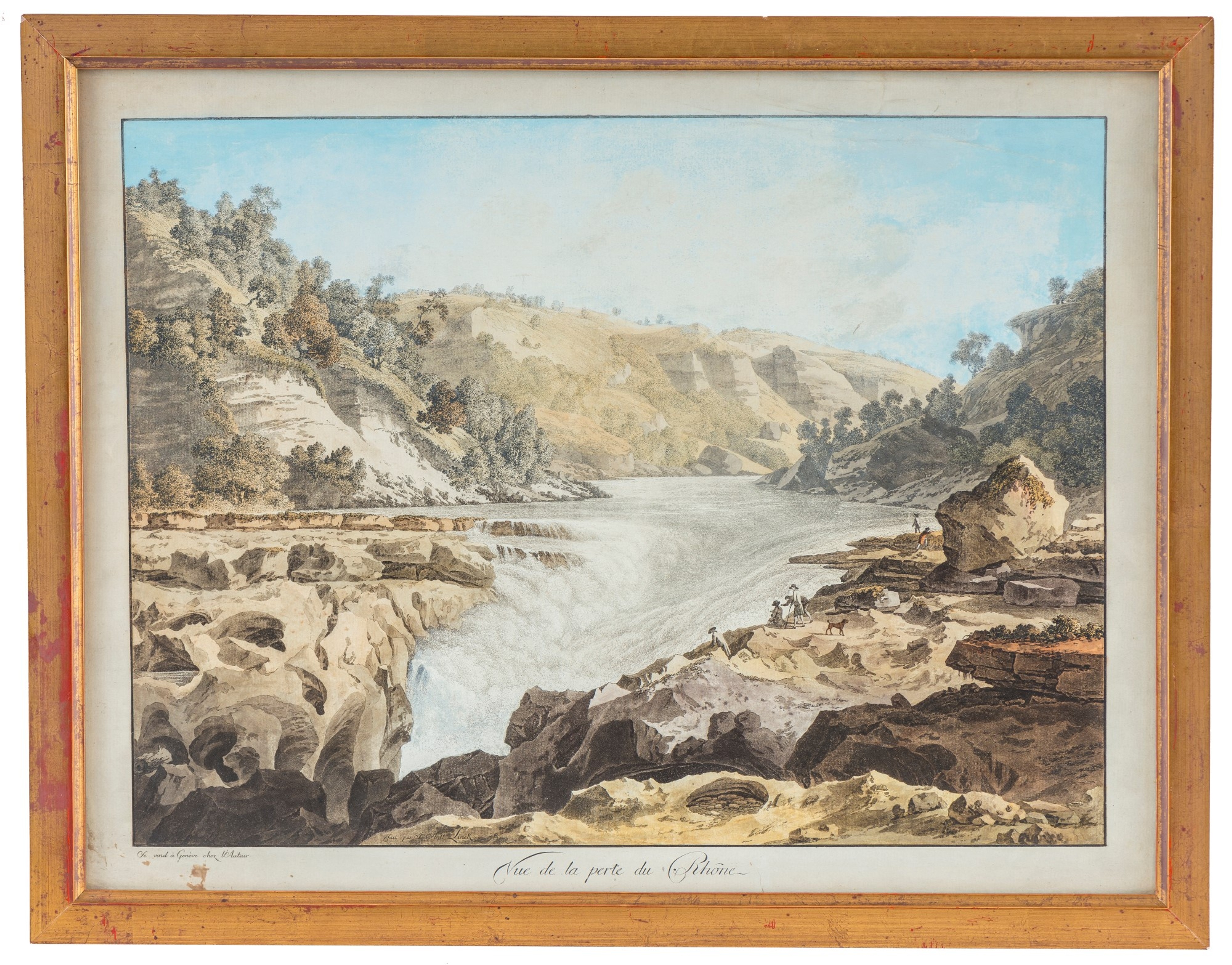
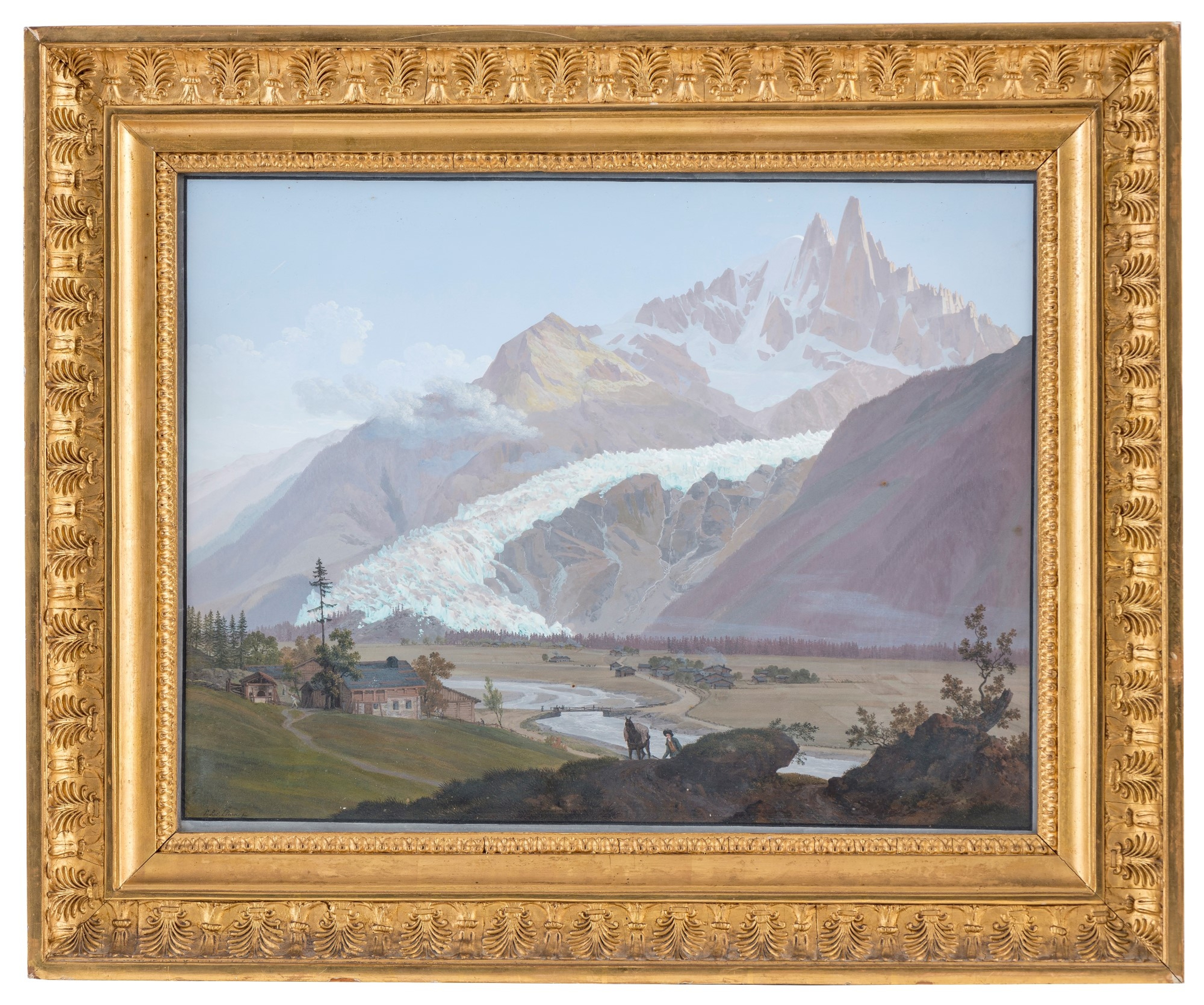
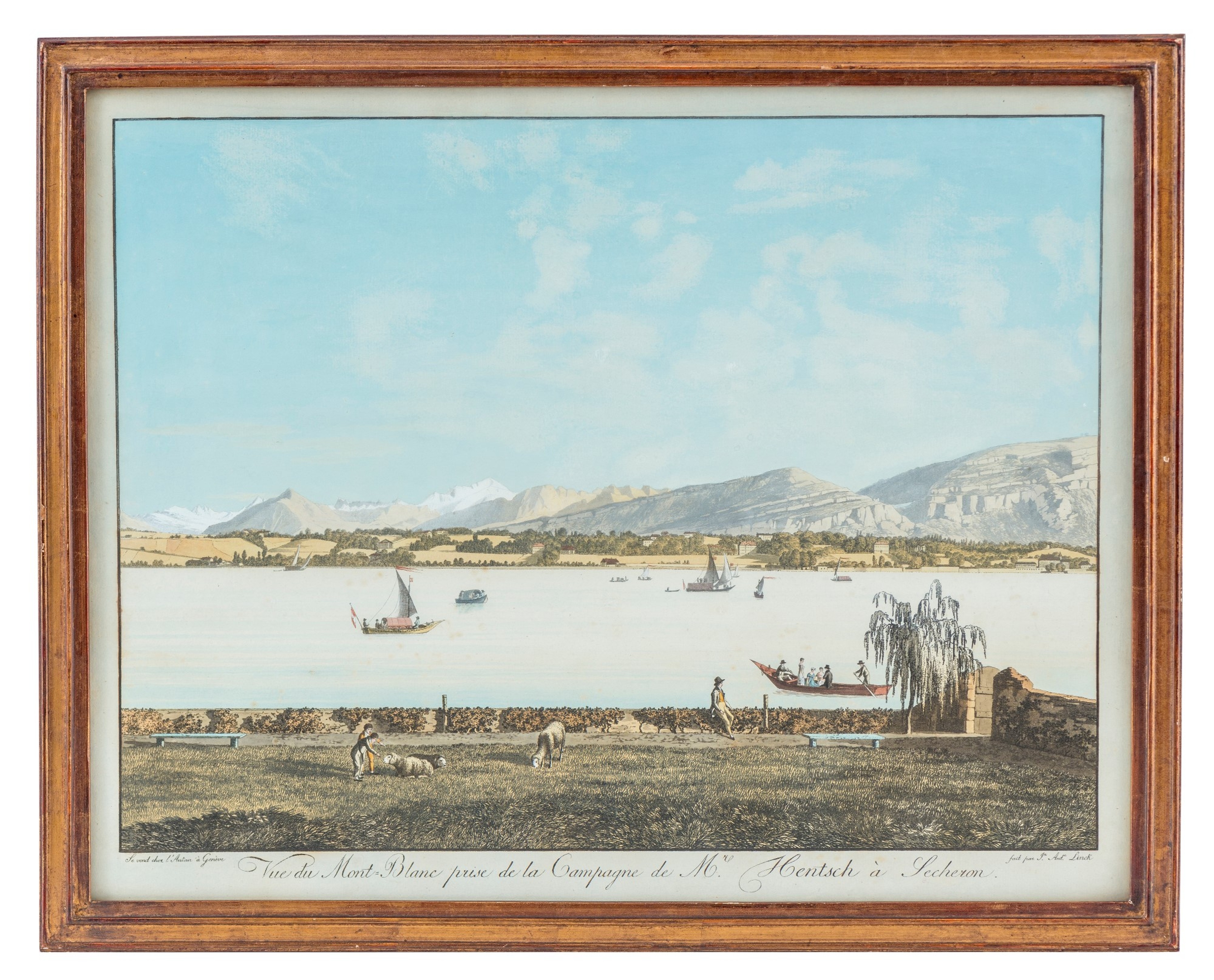
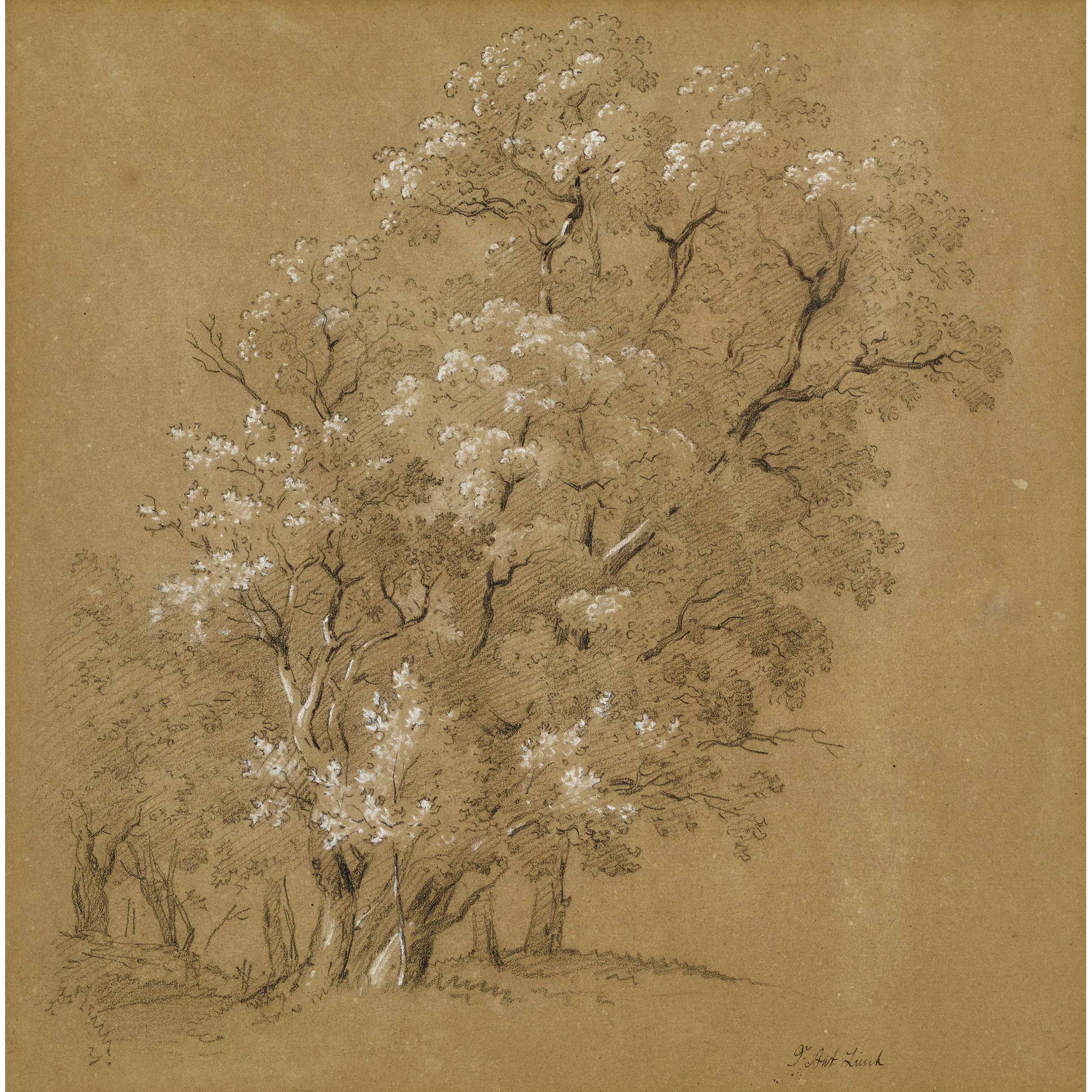
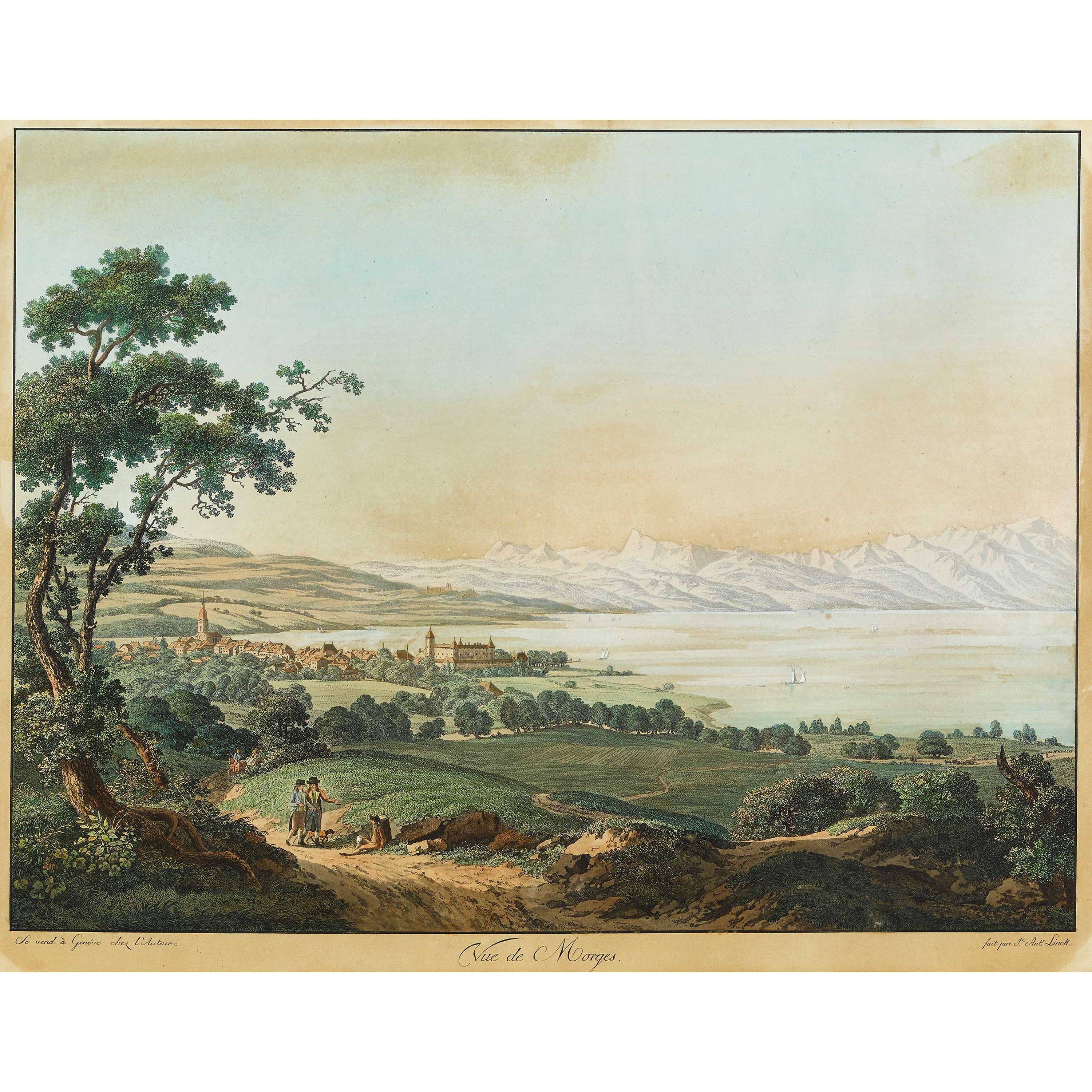
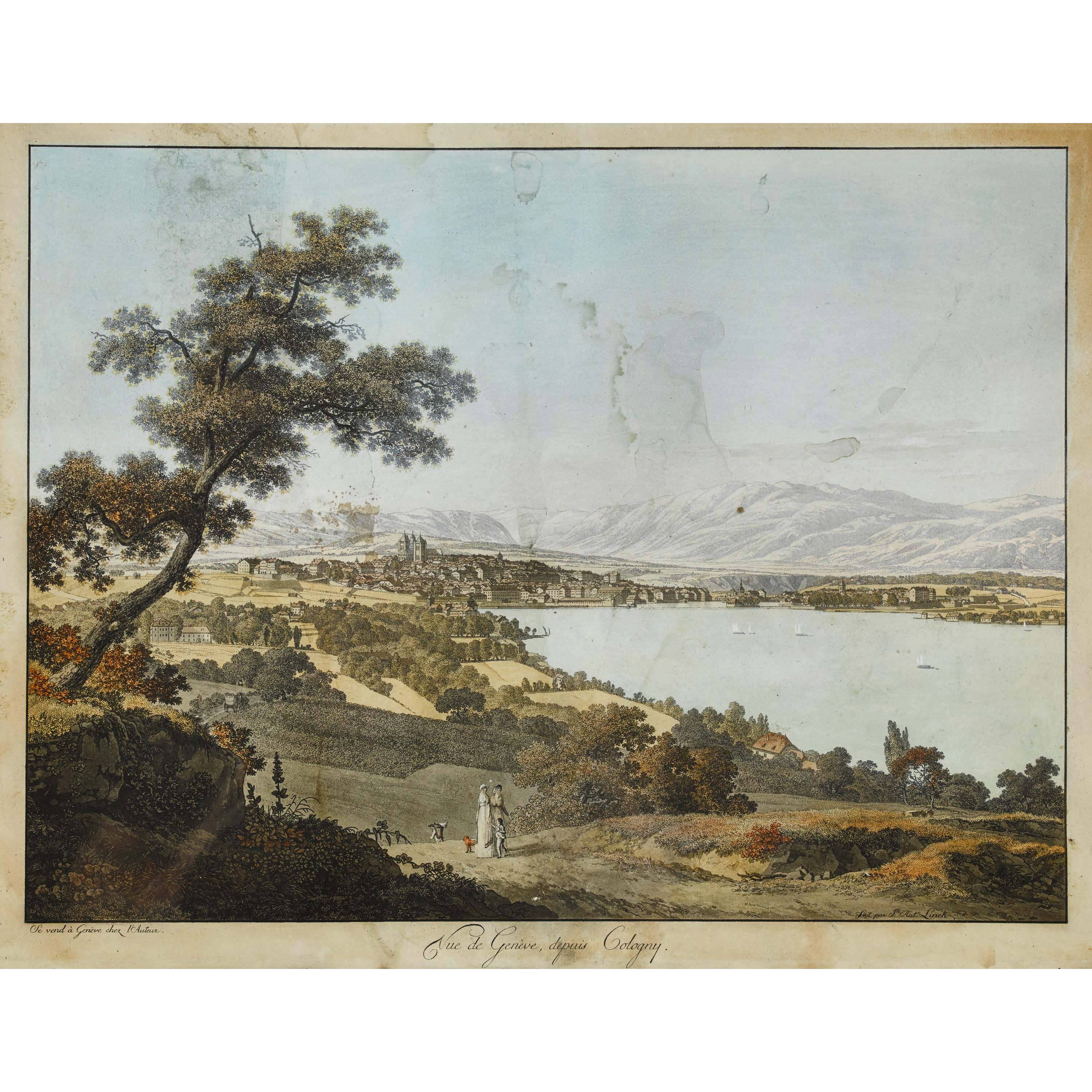
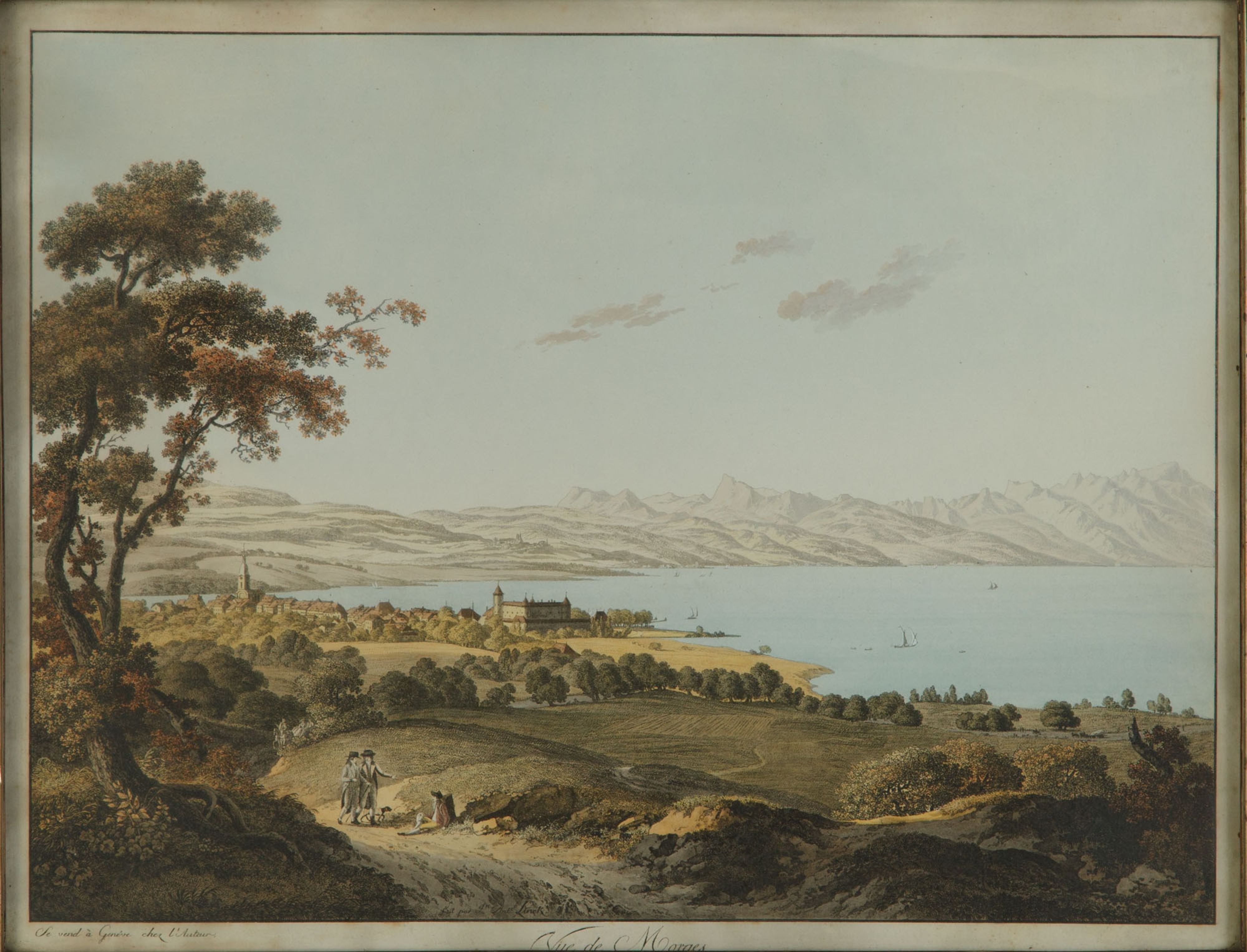
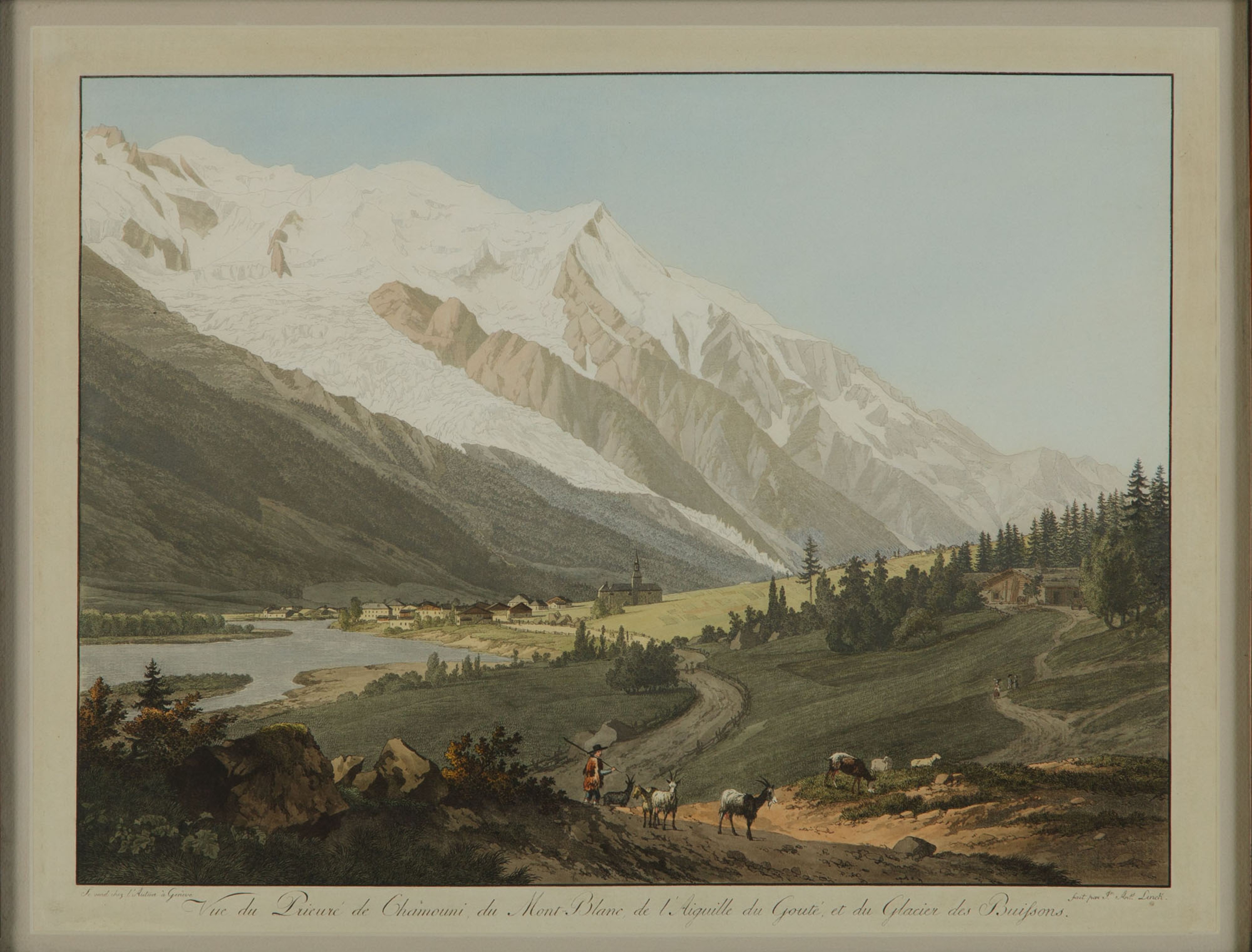
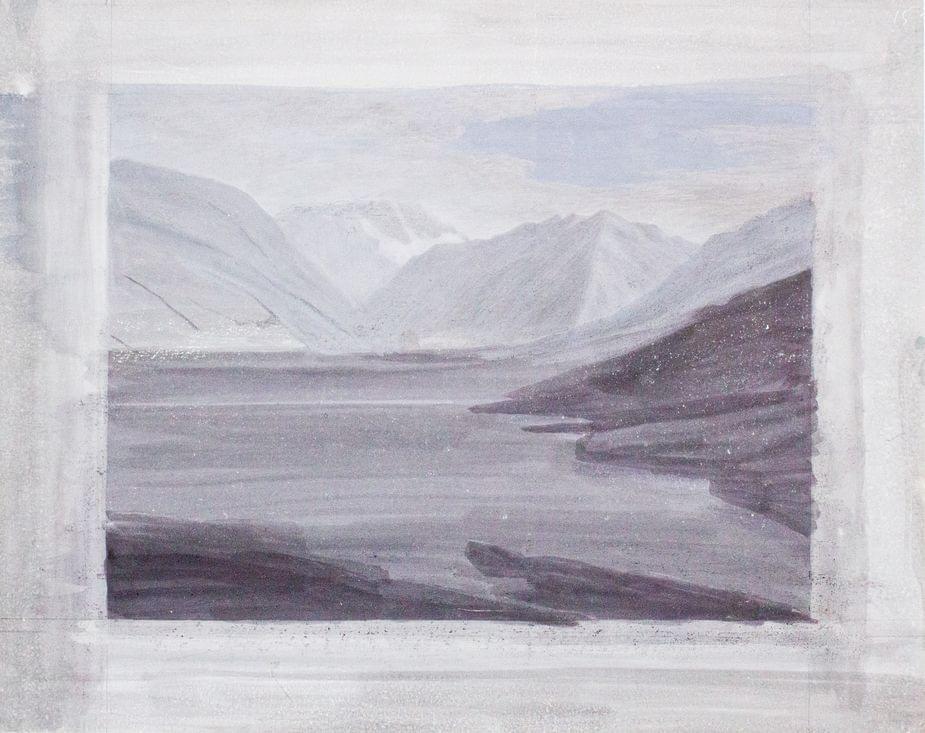
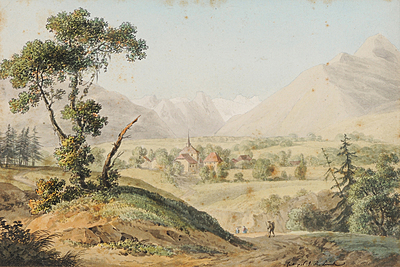
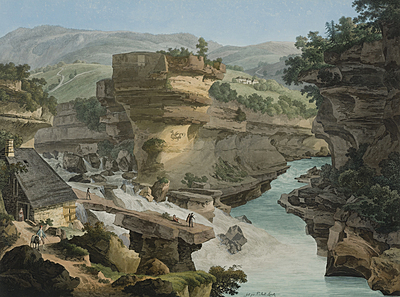
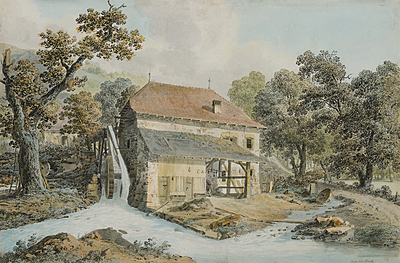
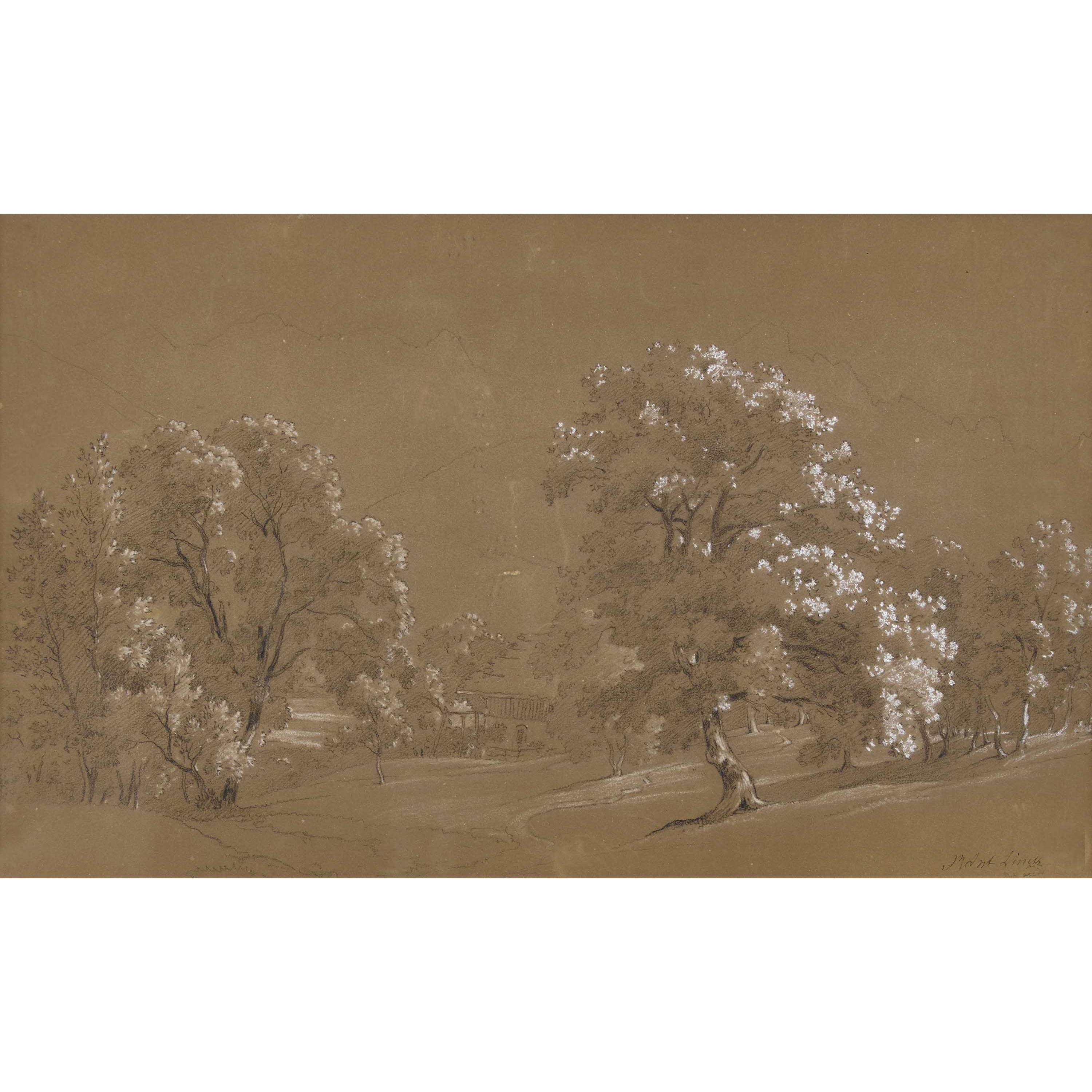
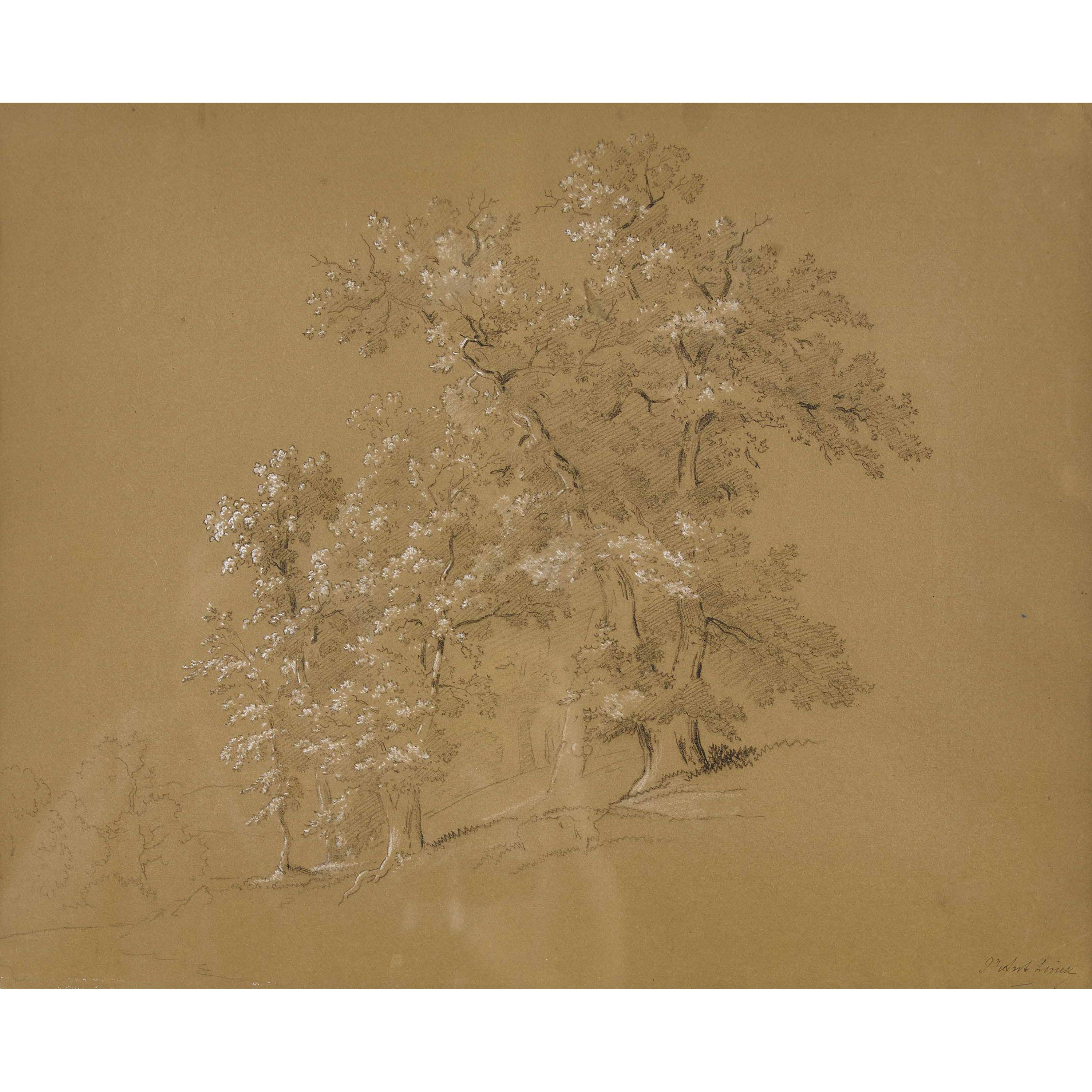
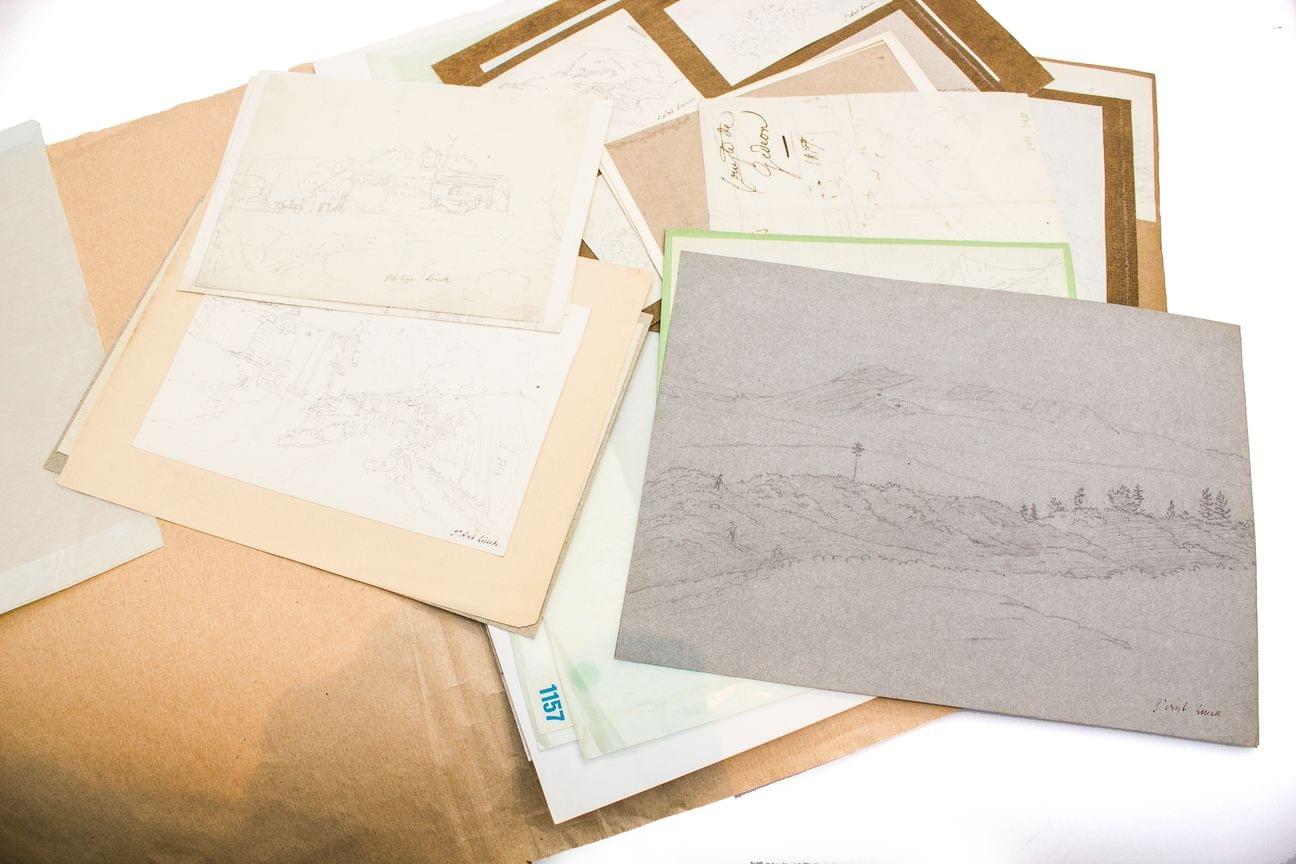
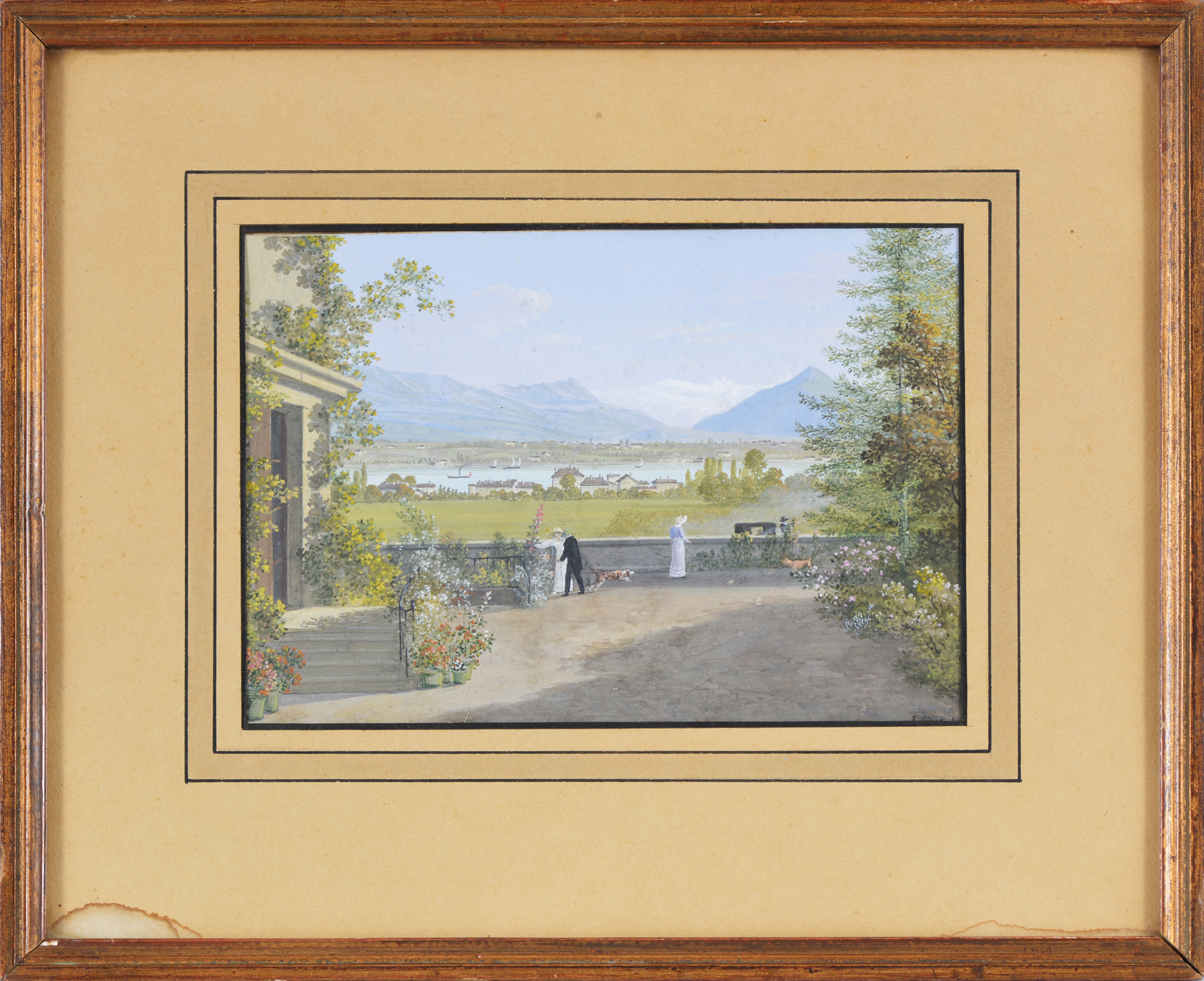
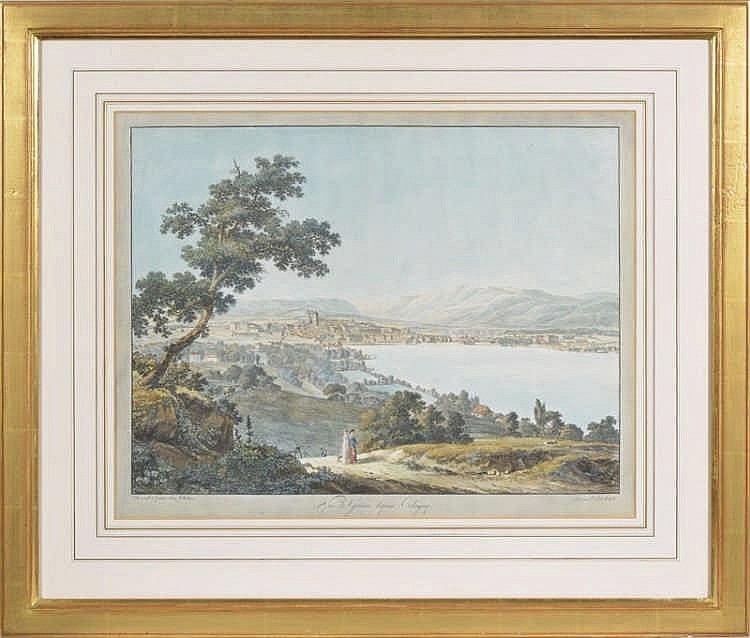
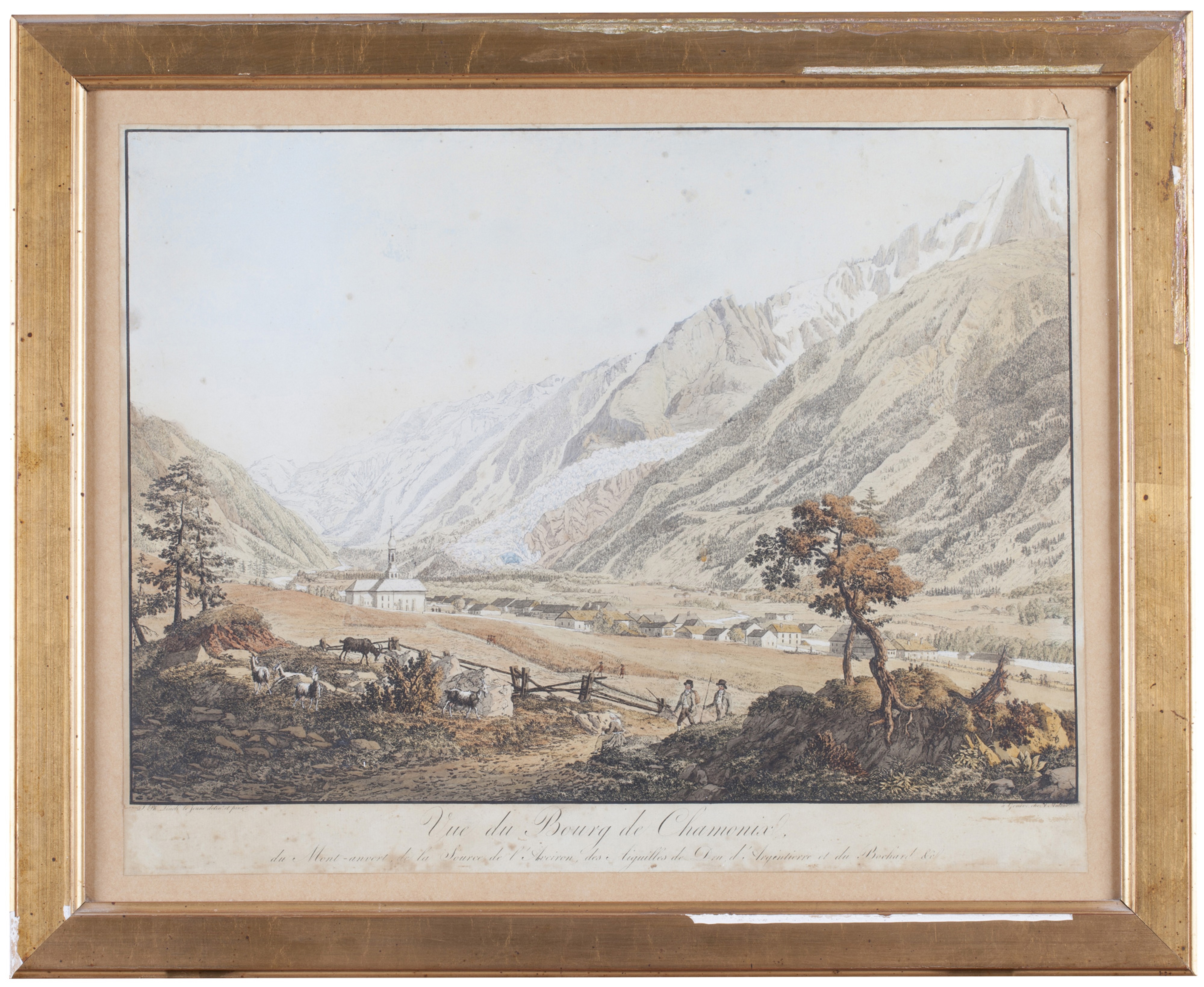
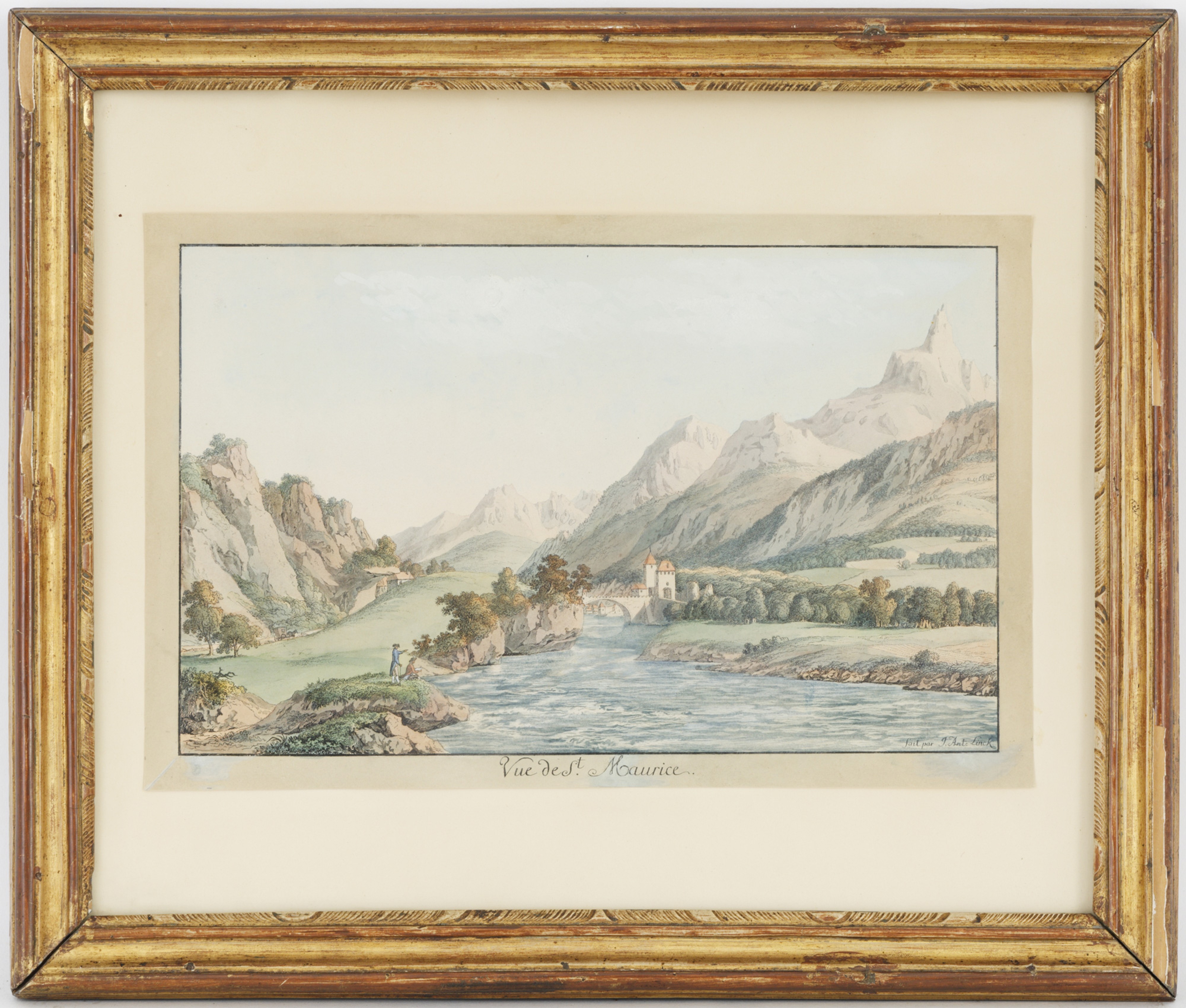
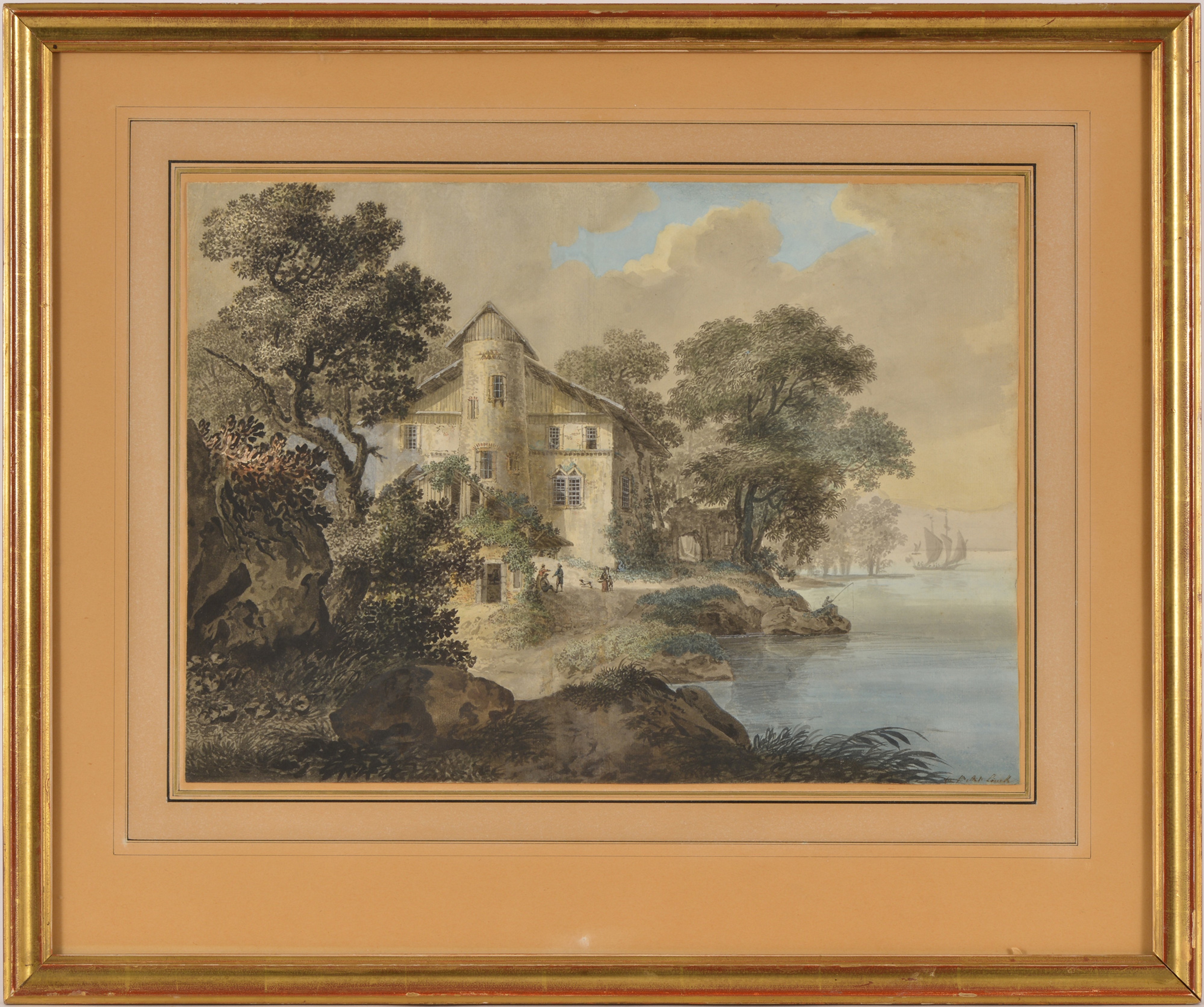
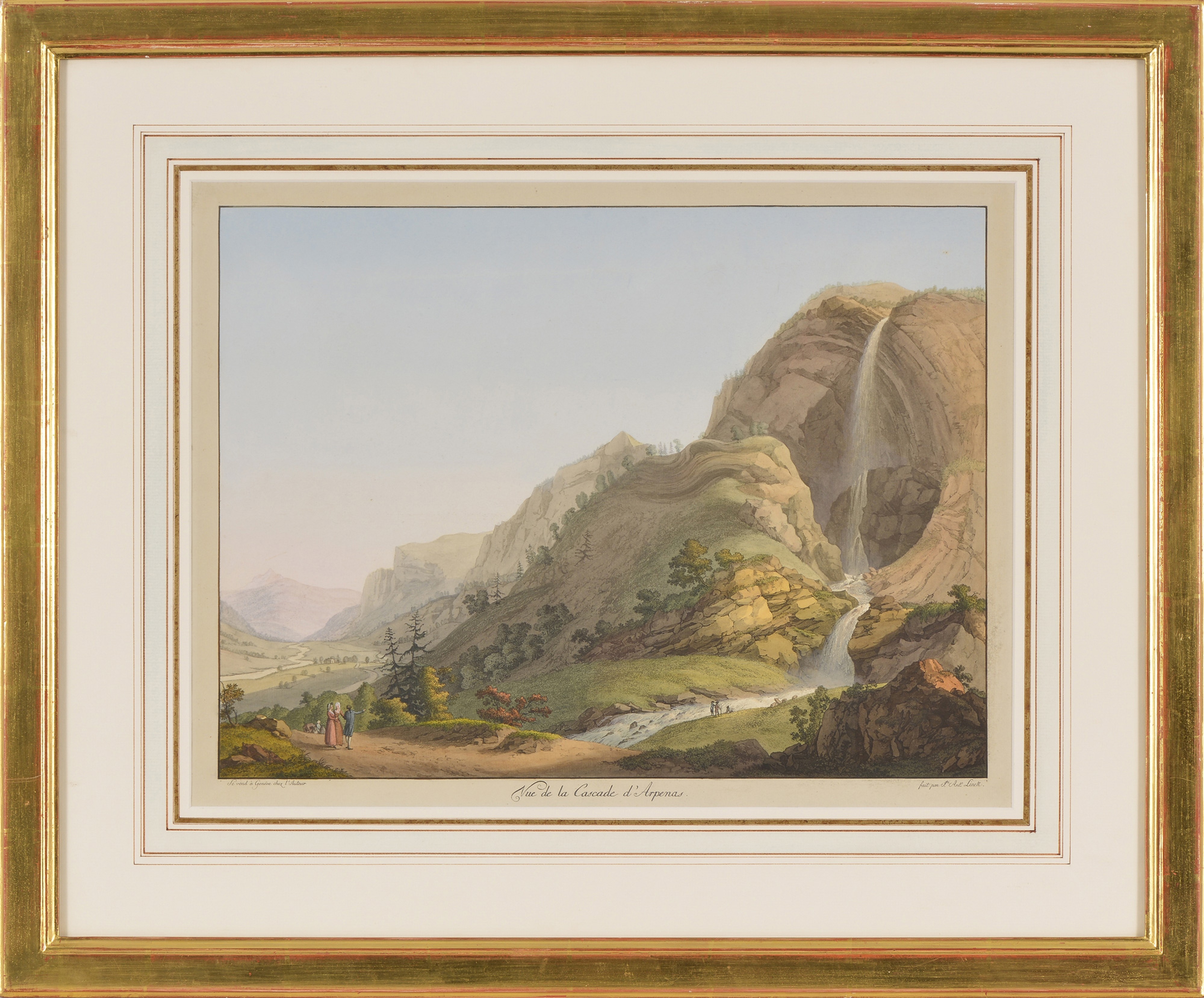
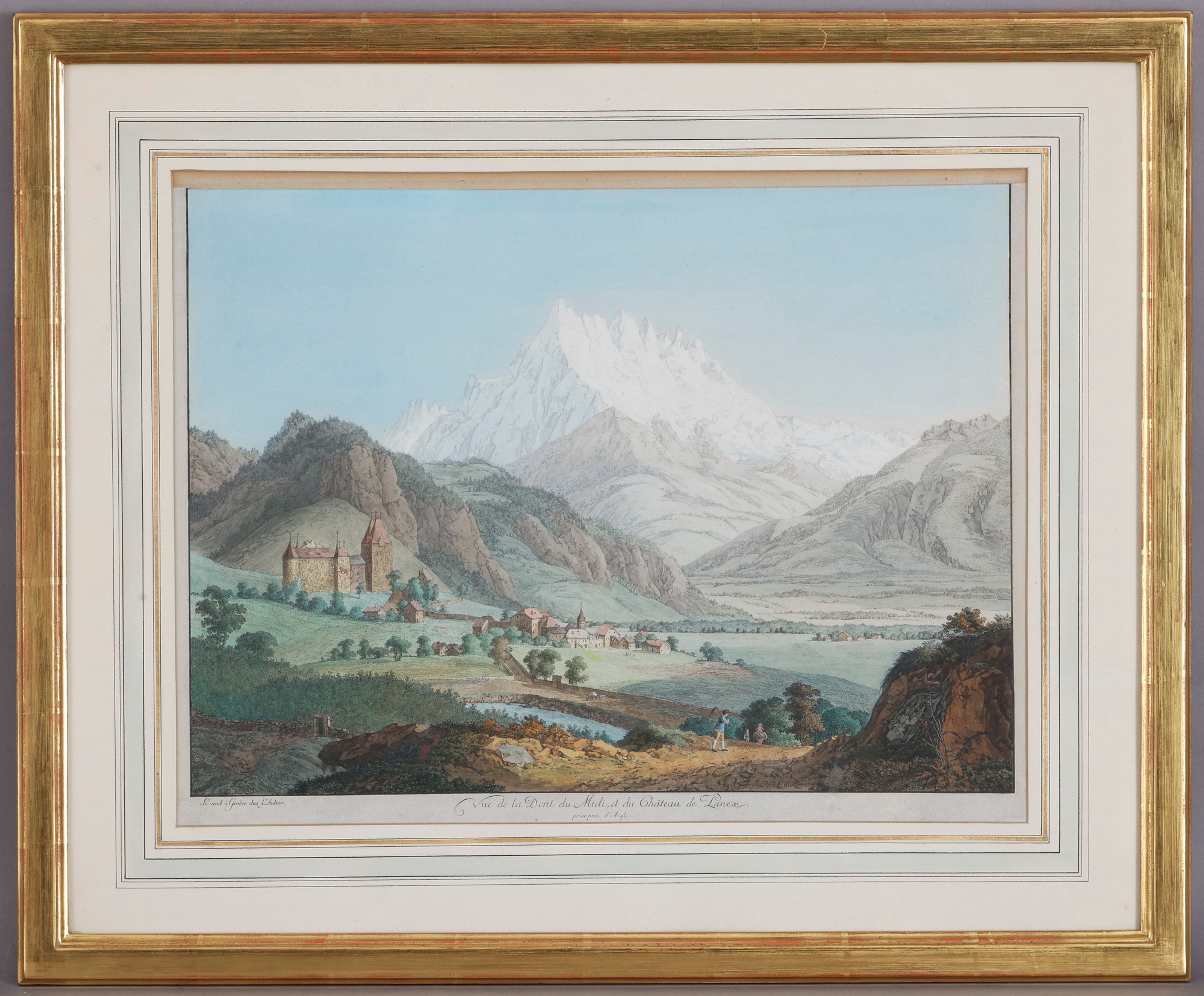
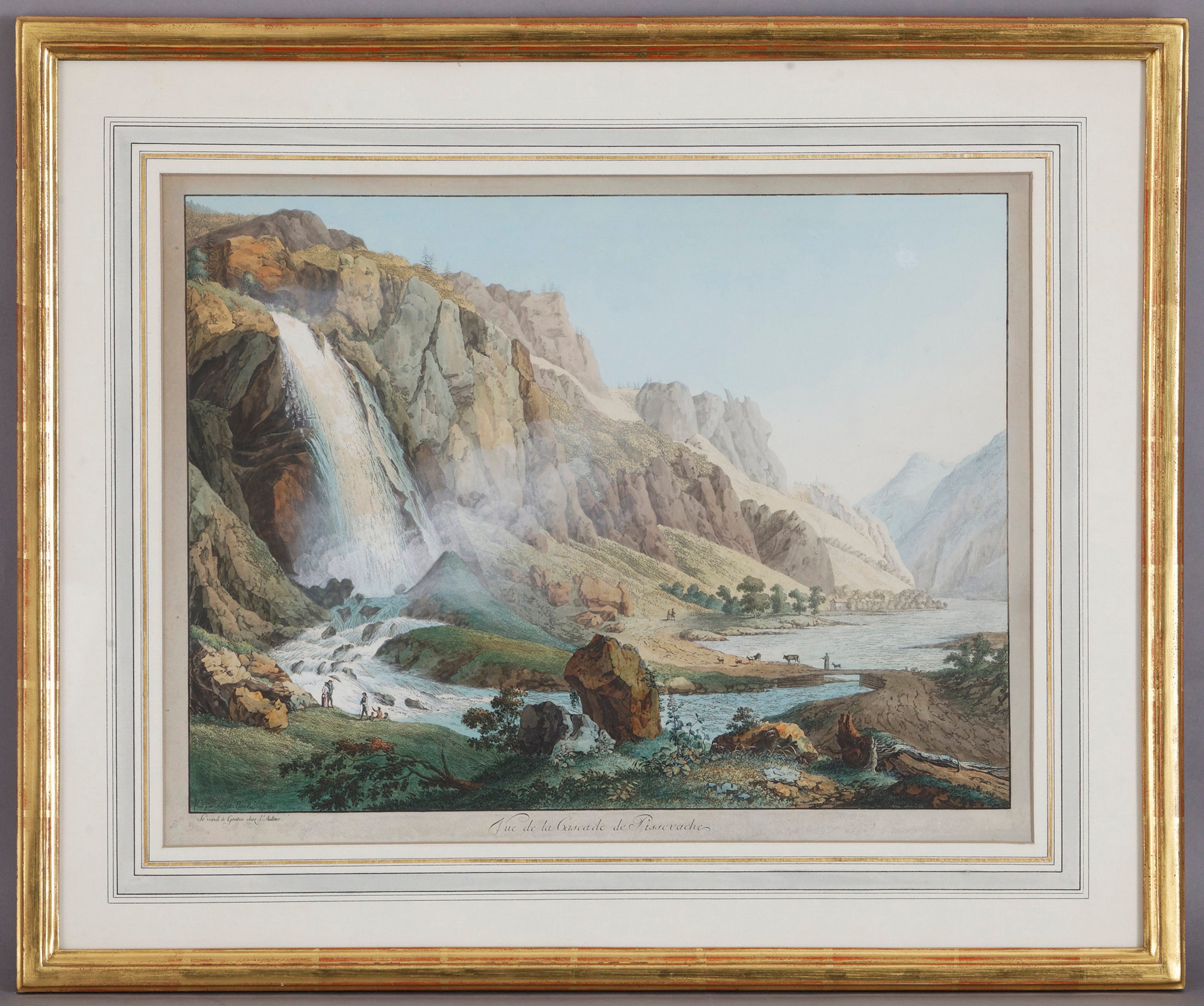
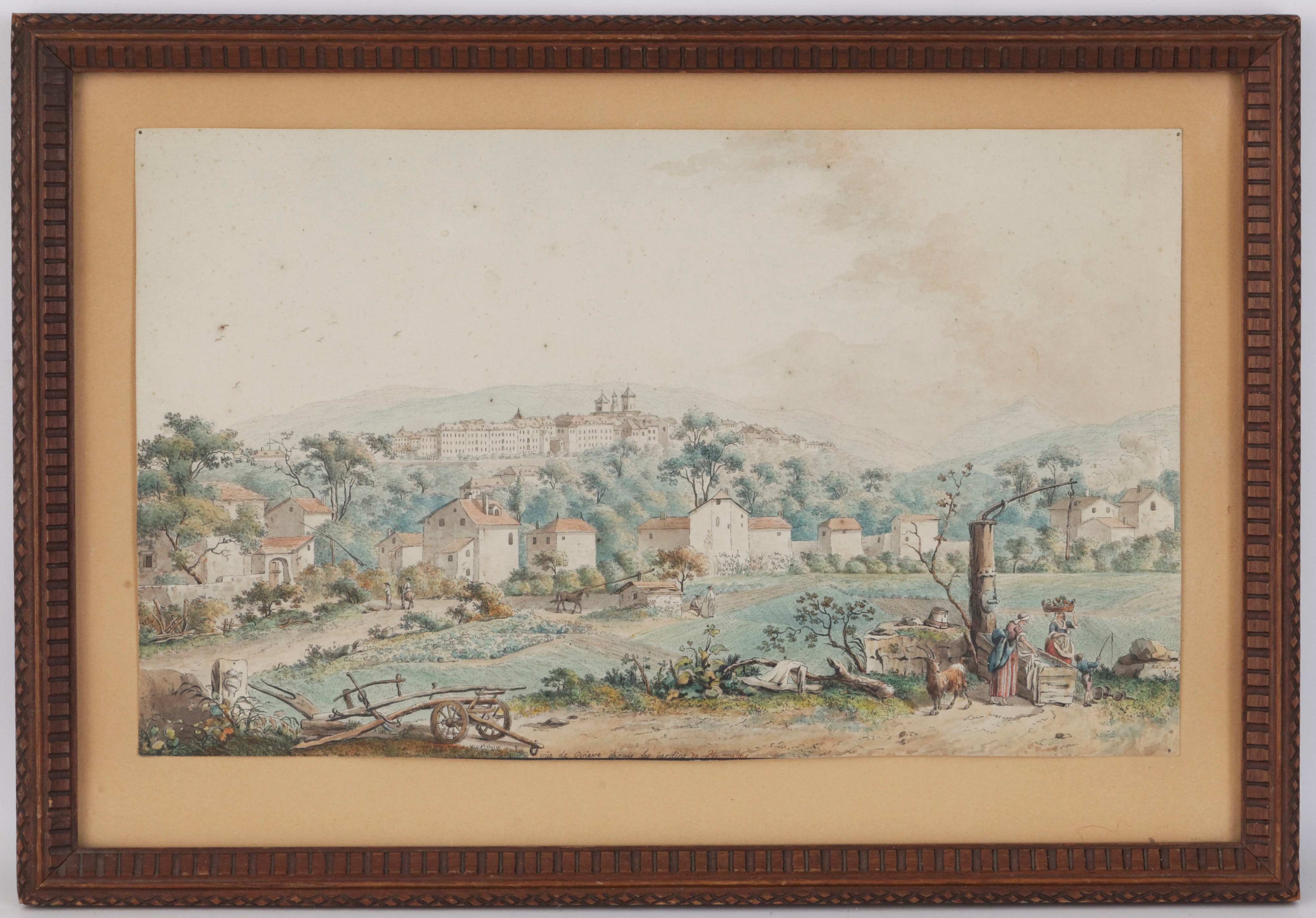
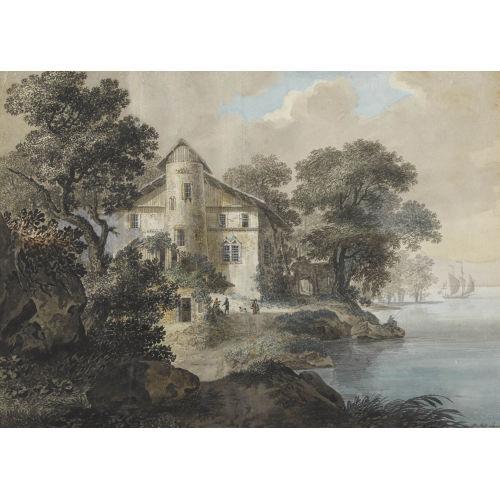
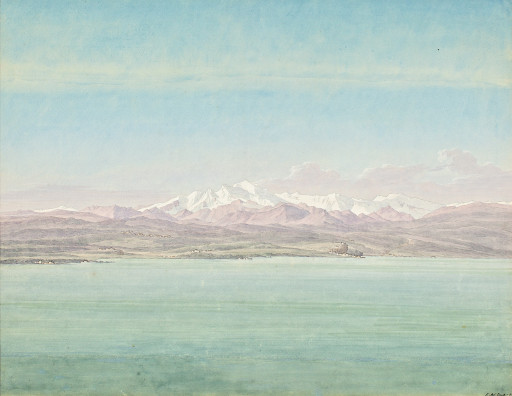
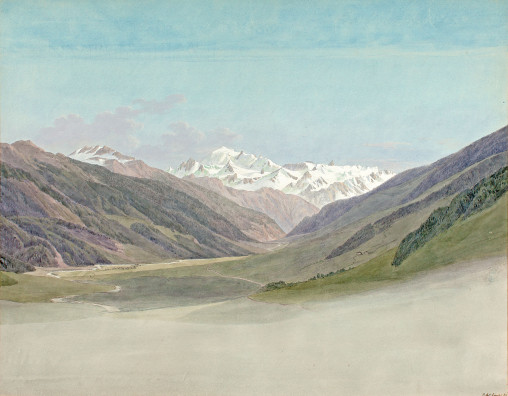
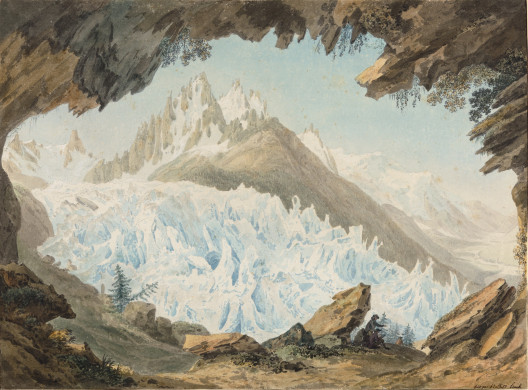
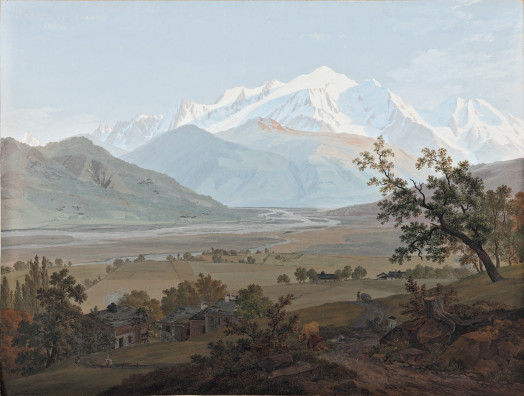
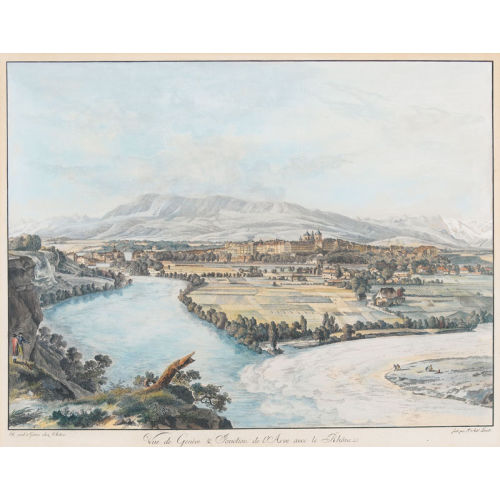
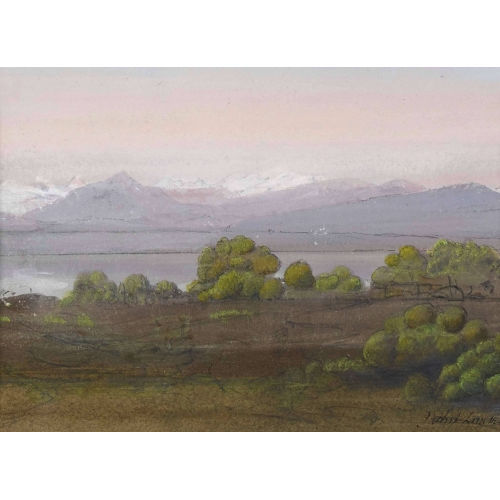
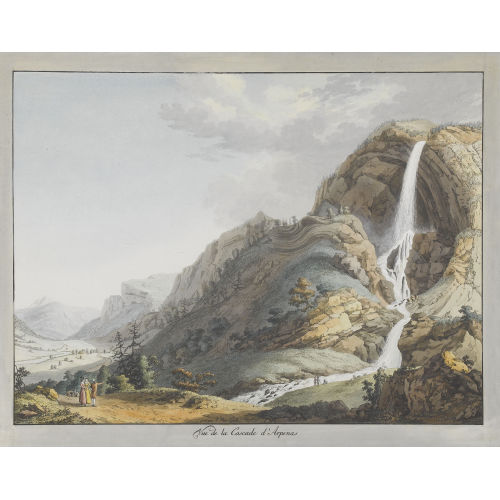
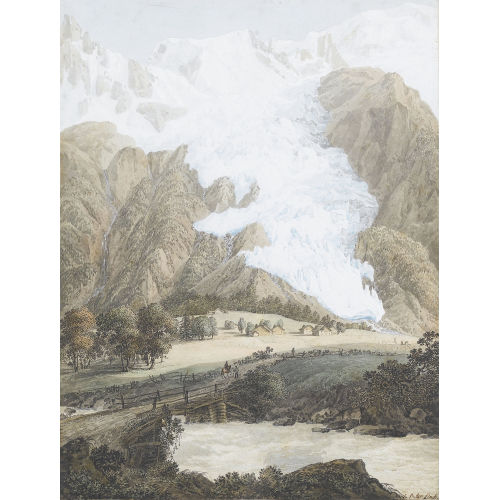
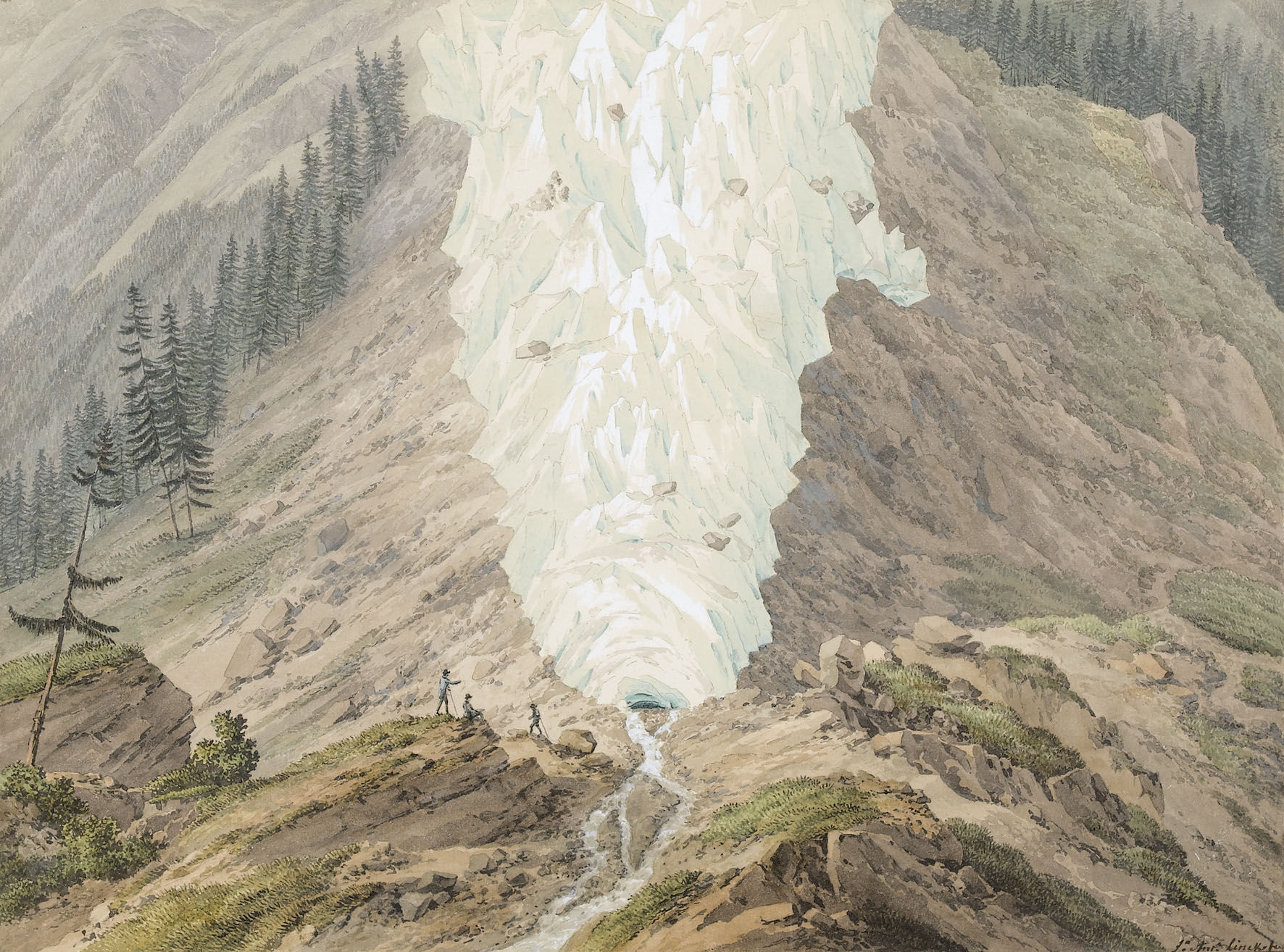
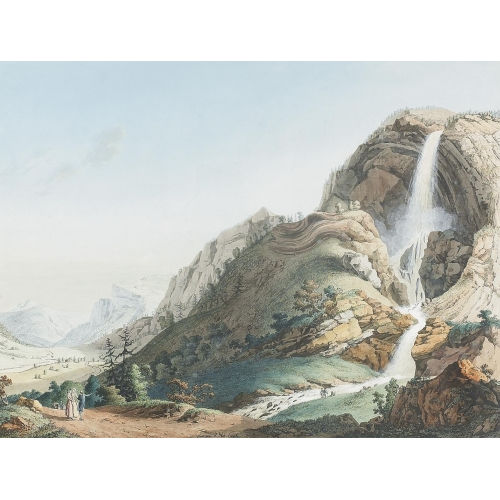
Trained in a family environment of artisans, he worked primarily in landscape and specialised in views of Geneva and the Alps. His sheets depict, among other subjects, the surroundings of Lake Geneva, the Simplon, the Great St Bernard and the Mont Blanc massif. This geography of the image combines topographical observation with picturesque staging: mountain reliefs, glaciers and valleys become autonomous motifs, sought after by travellers and collectors.
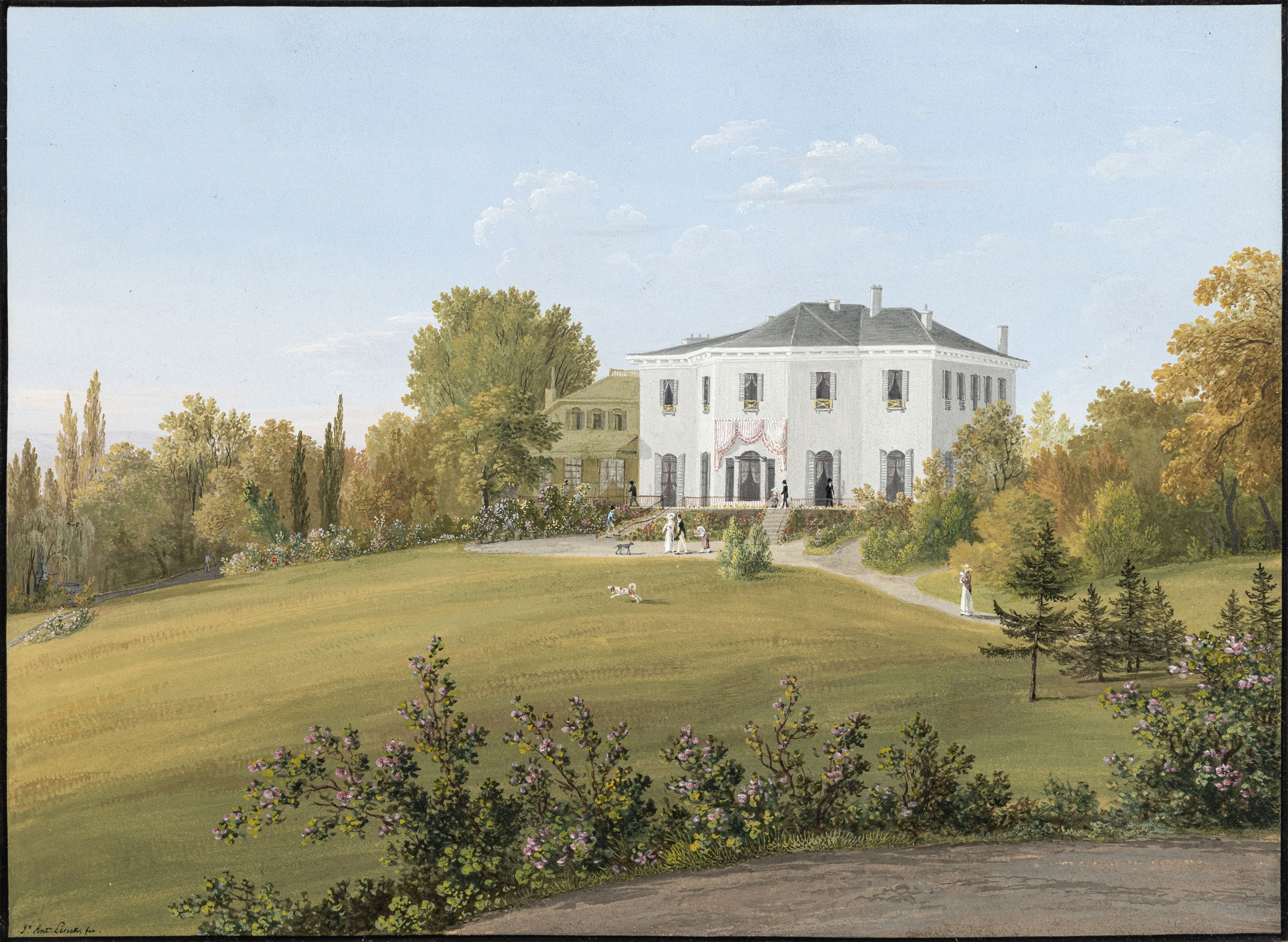
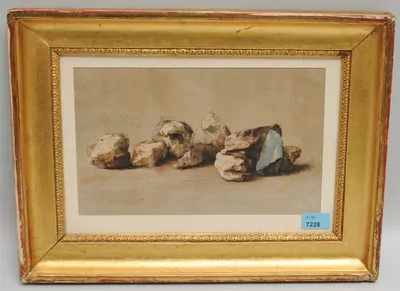
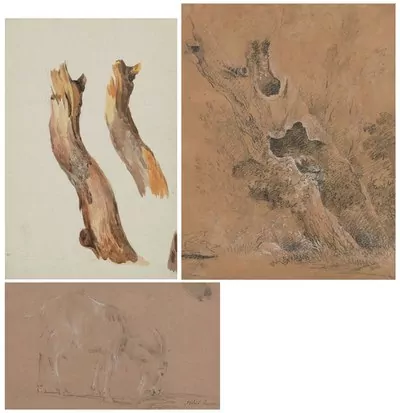
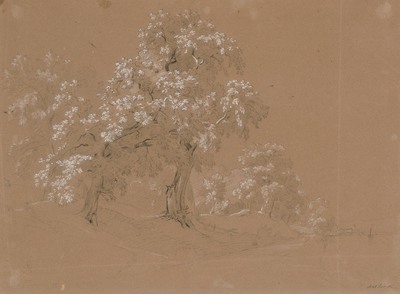
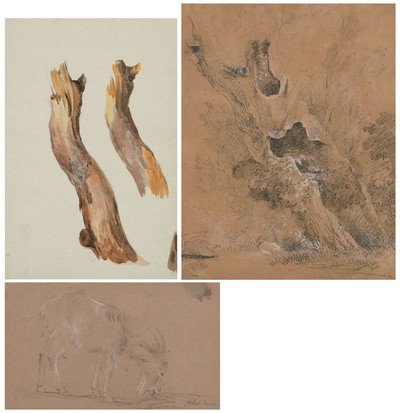
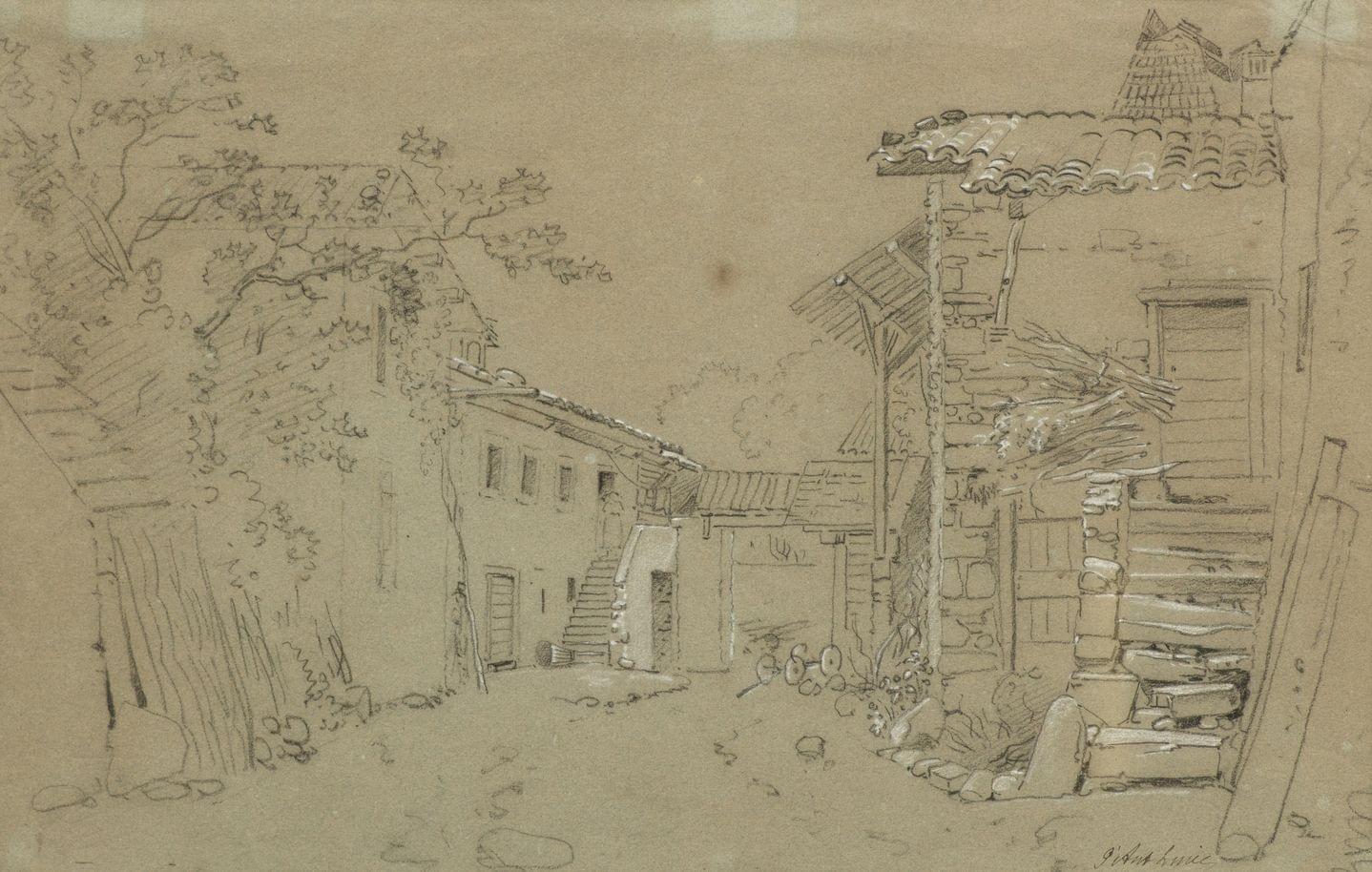
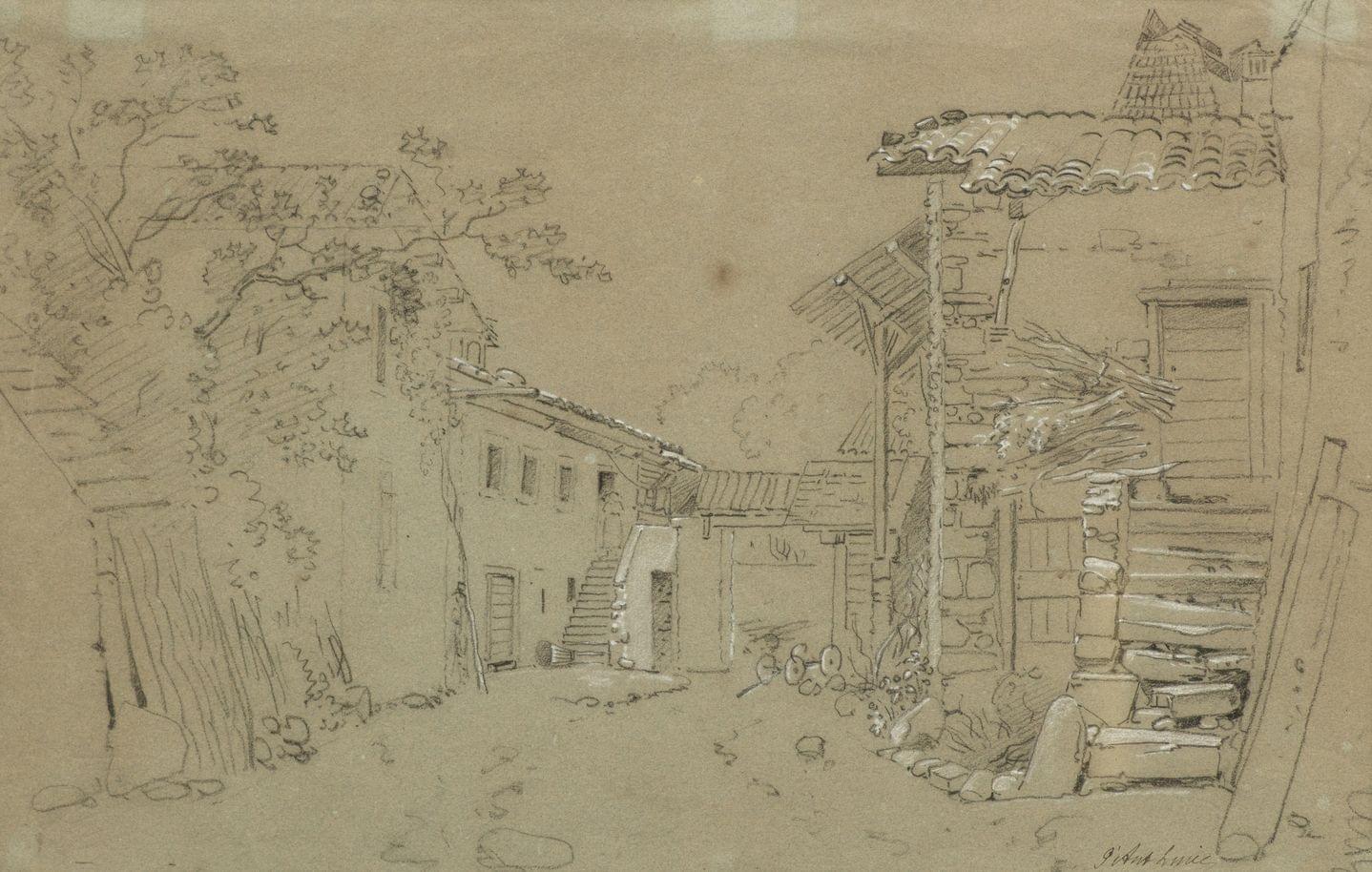
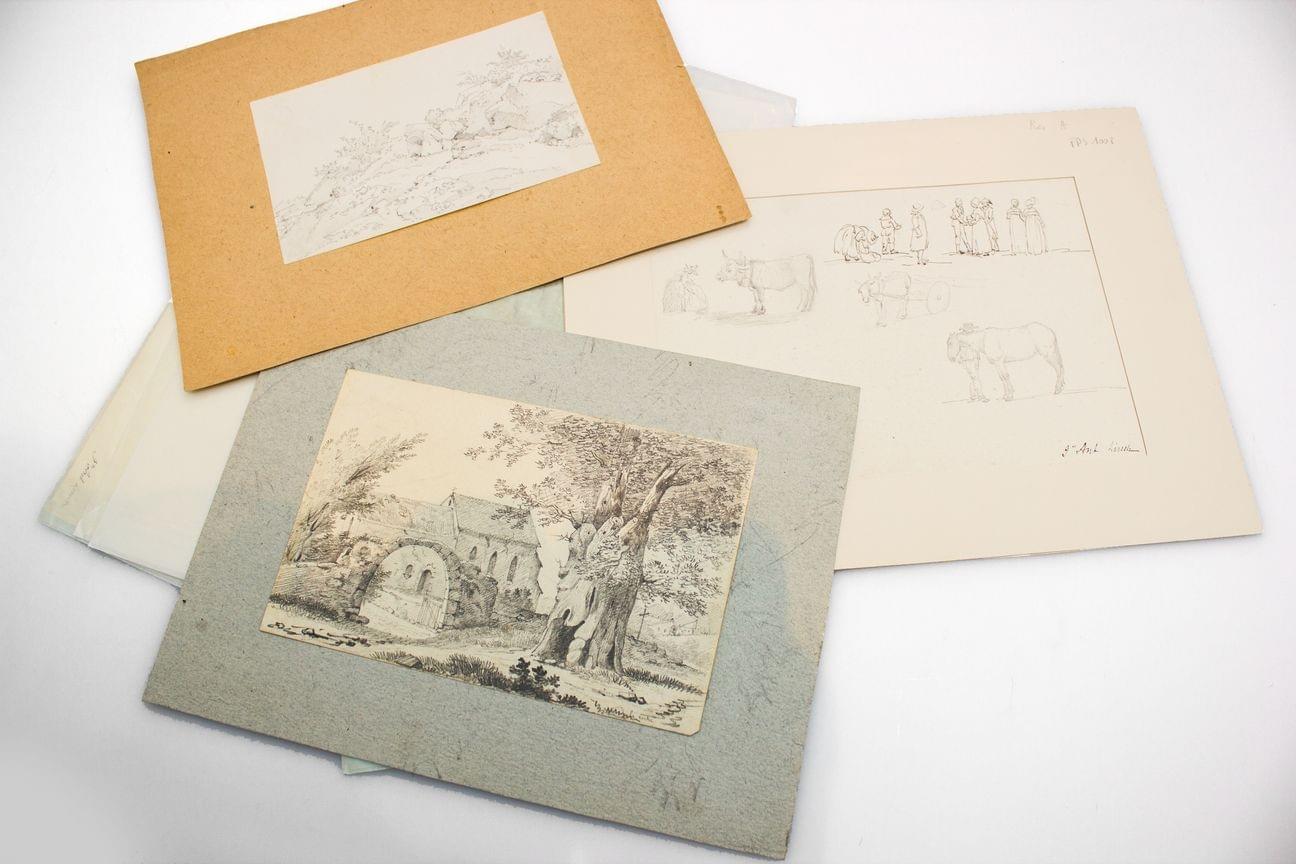
Works held by the National Gallery of Art, the Metropolitan Museum of Art and the Städel Museum attest to the diversity of the techniques he employed, from drawing, wash and gouache to printmaking. Linck collaborated with his brother Jean-Philippe, an engraver; it is important not to confuse their respective roles, since Jean-Antoine designed and painted views, while his brother reproduced compositions, among other things. Collection records also mention a prestigious clientele, but the available documentation does not permit this list of patrons to be turned into a measure of his commercial career.
Depending on the corpus, reference sources also describe him as an enamel painter or a copperplate engraver. The variety of supports and techniques, combined with the precision of the sites depicted, makes his oeuvre an important record of Geneva’s and the Alpine region’s visual culture around 1800.