Hugo Weber
Born in 1918.
Died in 1971.
Hugo Weber (Basel, 4 May 1918 – New York, 15 August 1971) was a Swiss painter and sculptor who was also active as a teacher in the United States. His path took him to Paris, where he discovered the work of Alberto Giacometti and established a lasting dialogue with him. In 1946, he emigrated to the United States and joined the Institute of Design in Chicago, then known as New Bauhaus, as a teacher.
His subsequent career unfolded between Chicago, Paris and New York.
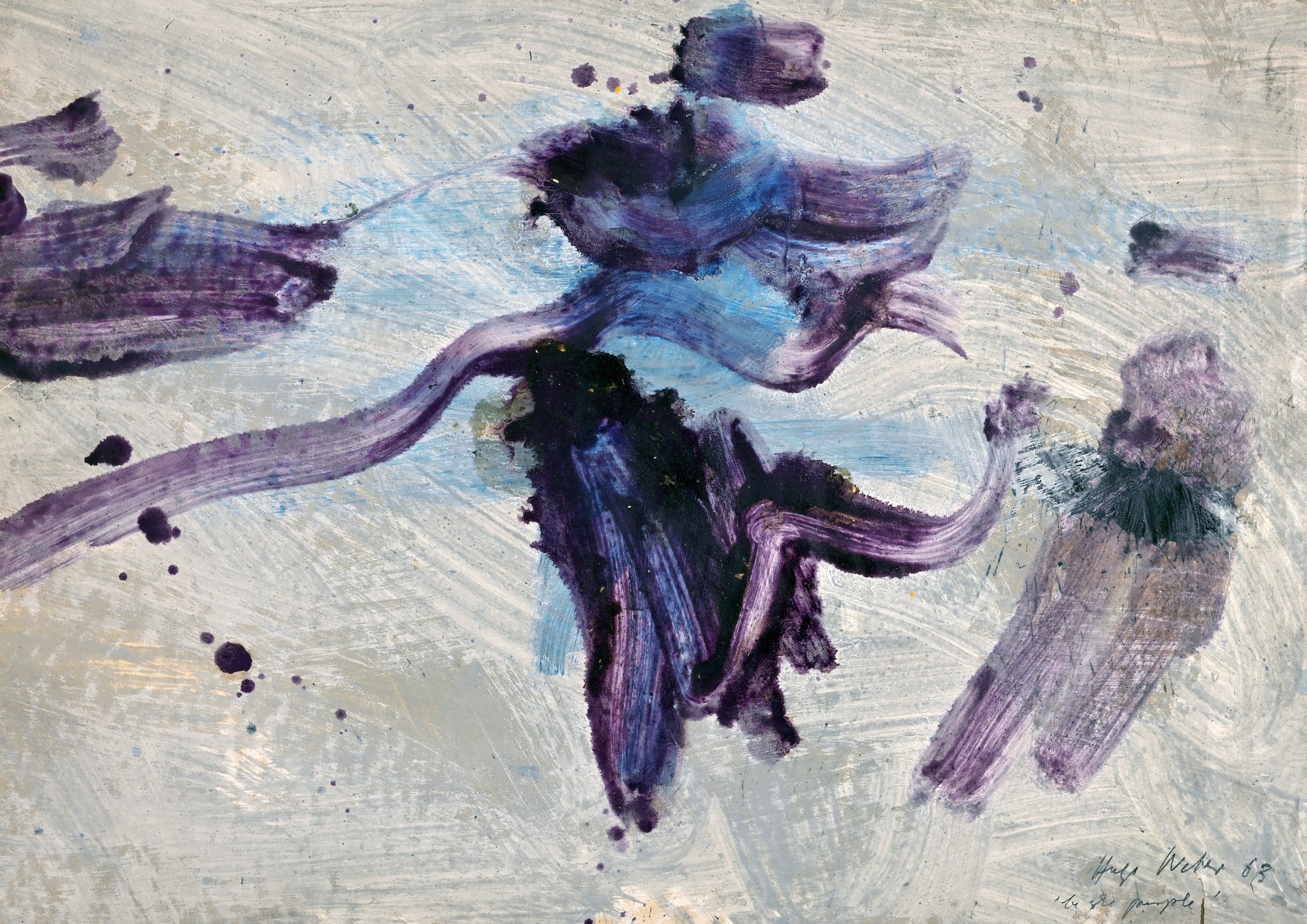
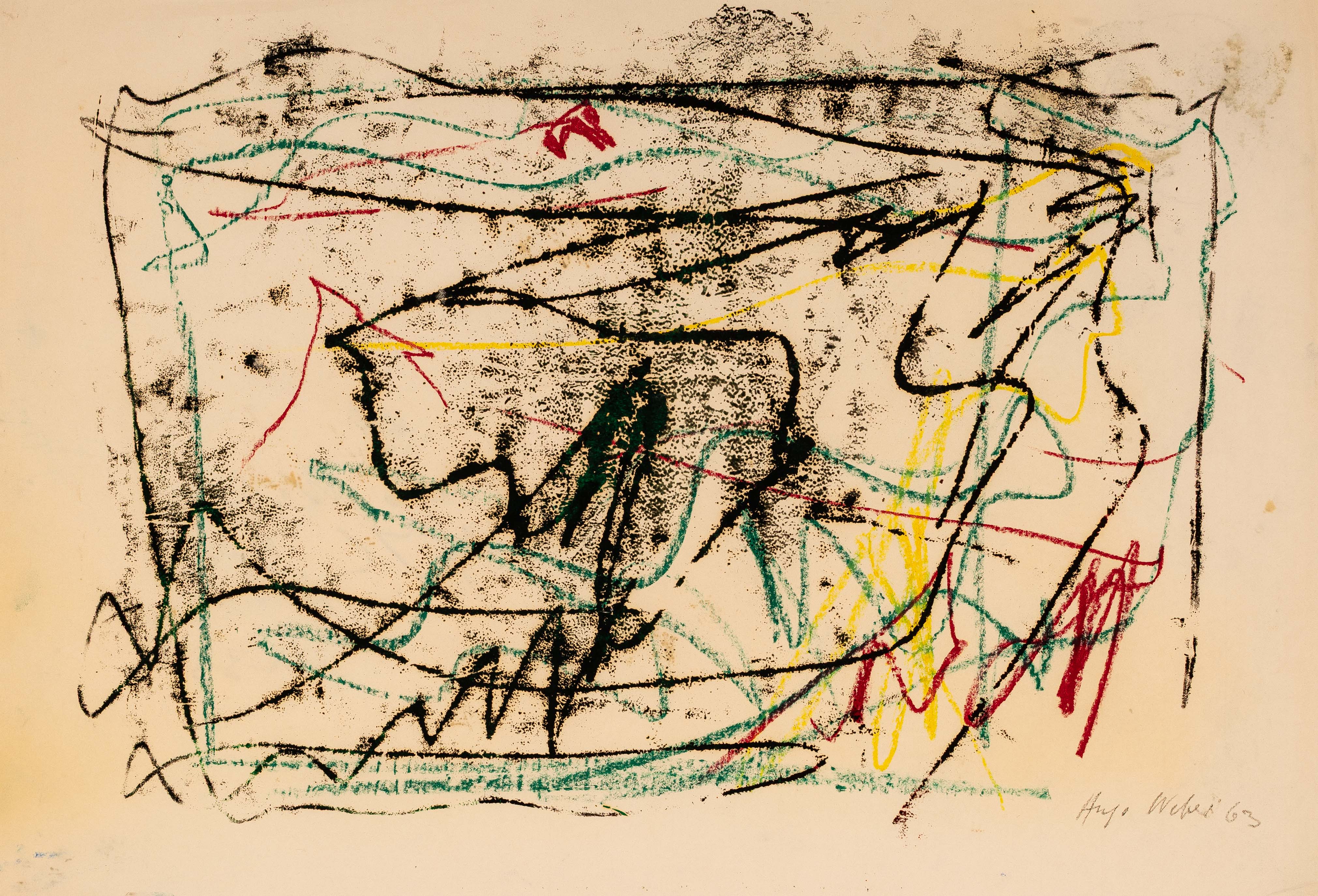
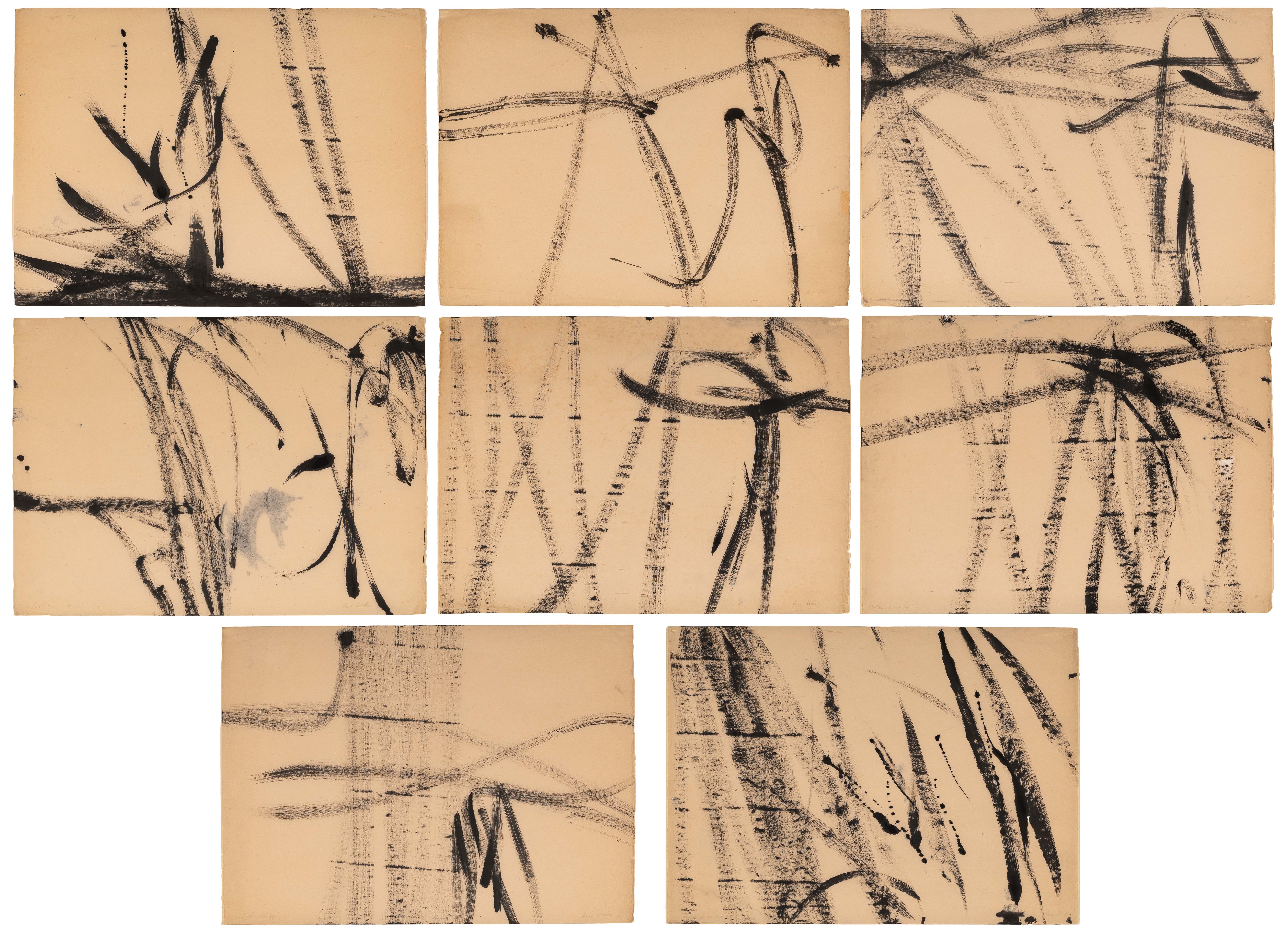
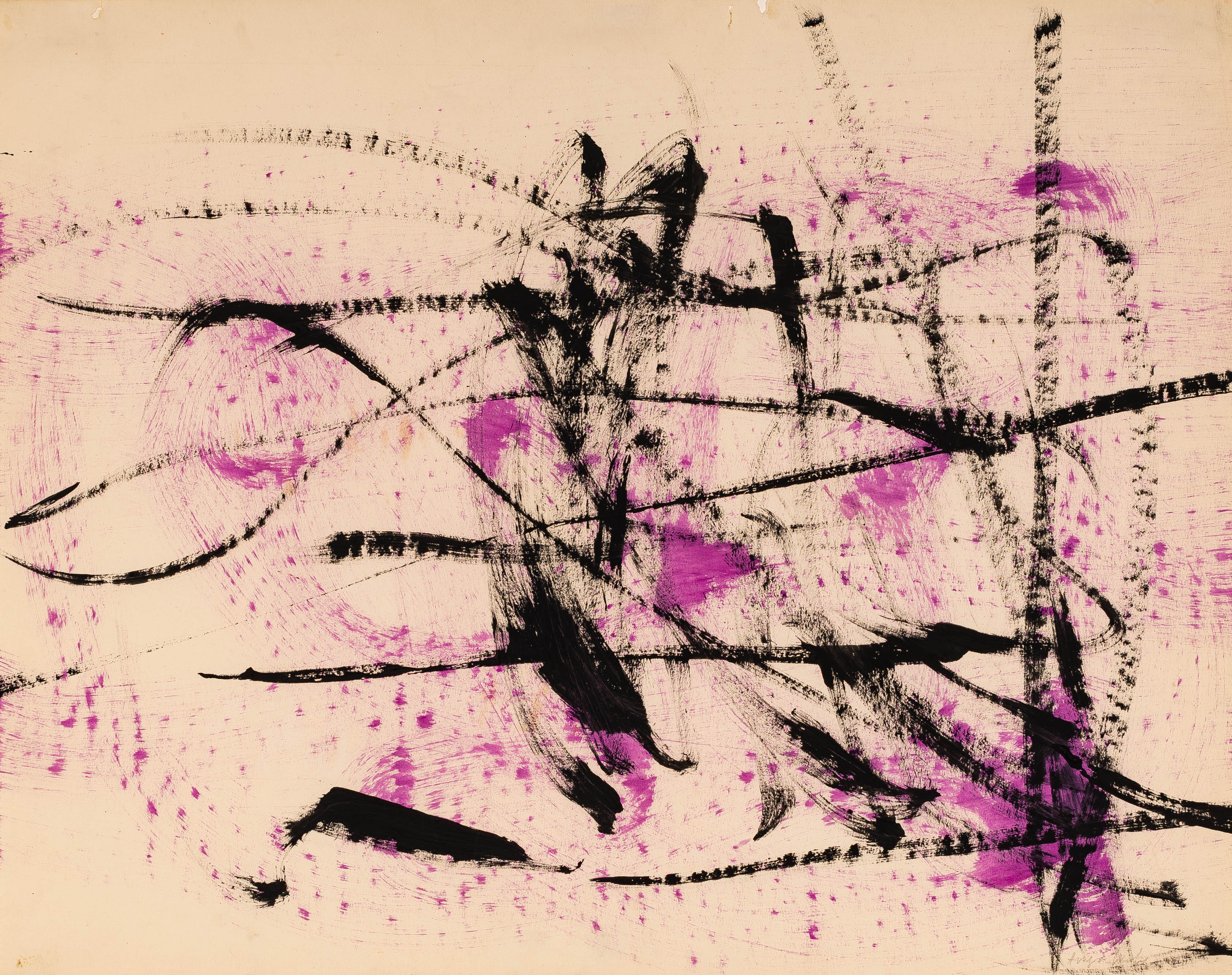
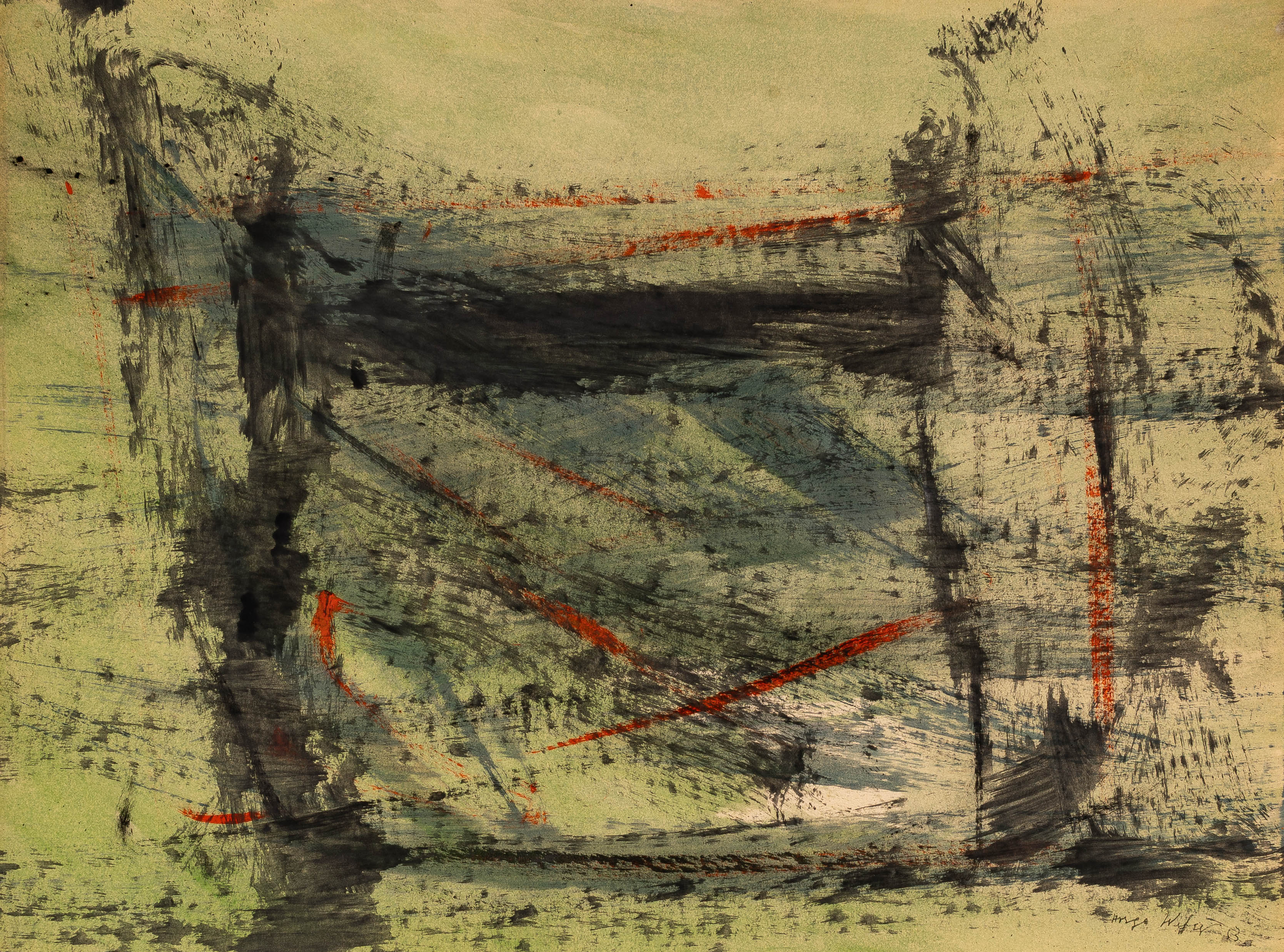
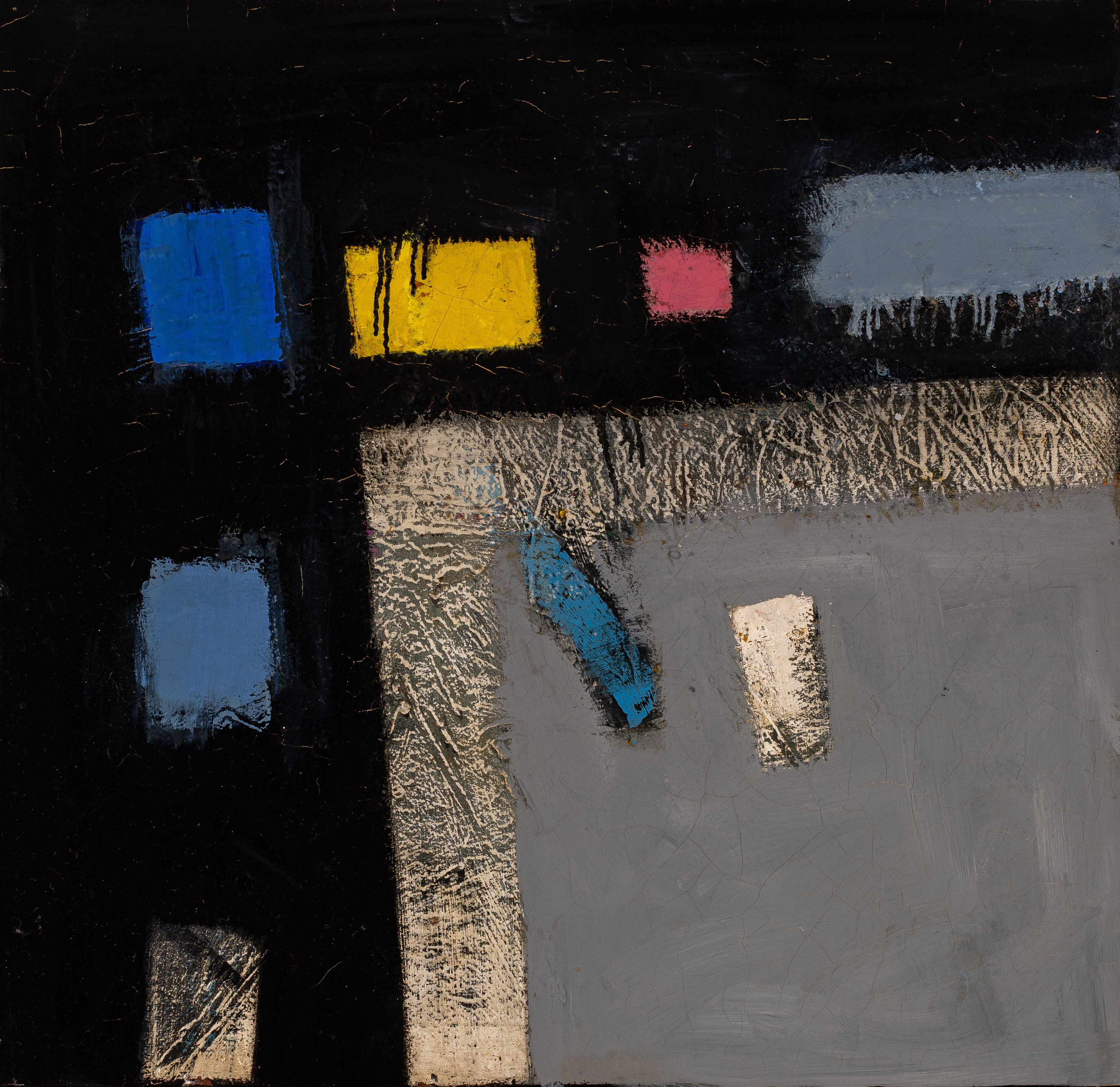
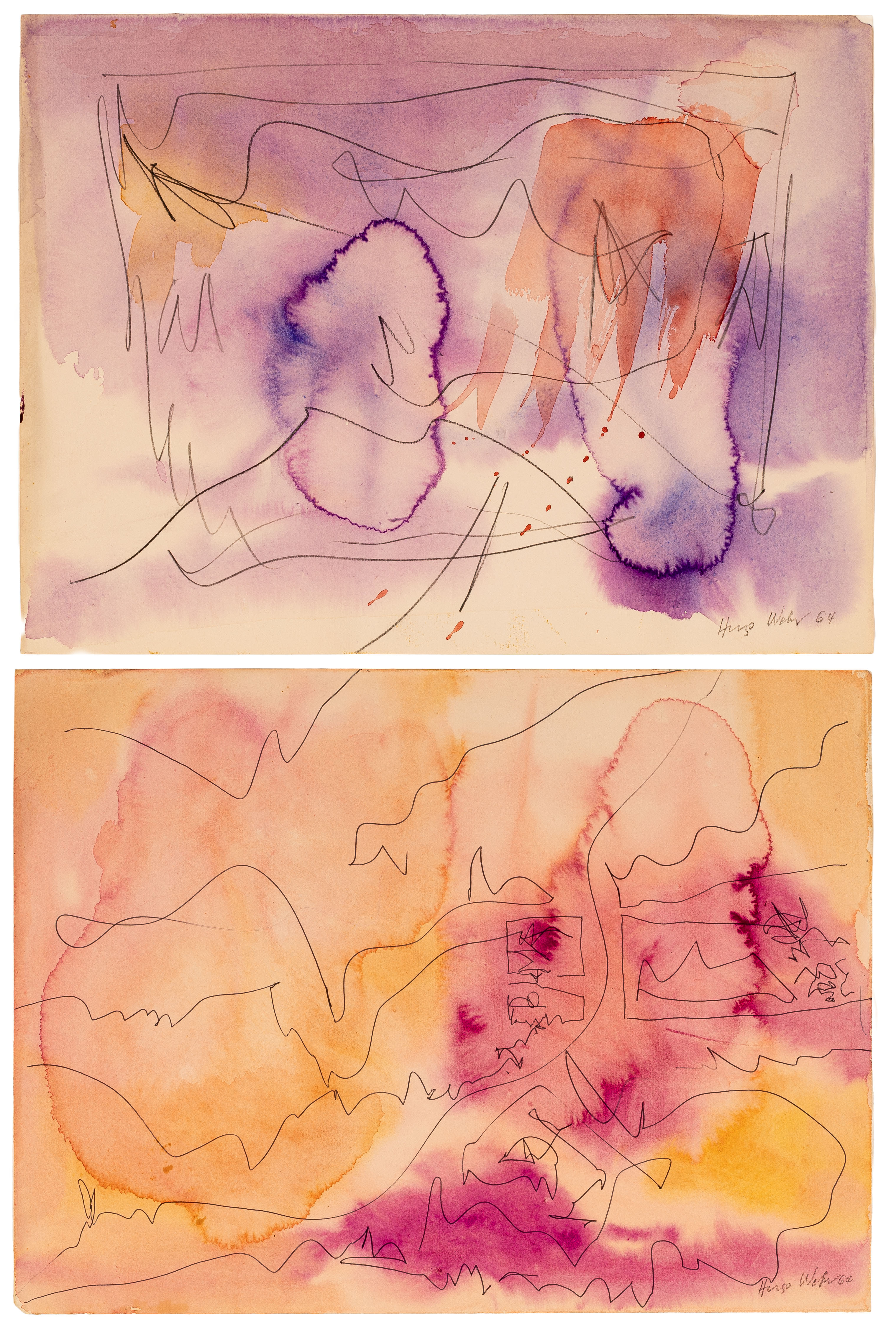
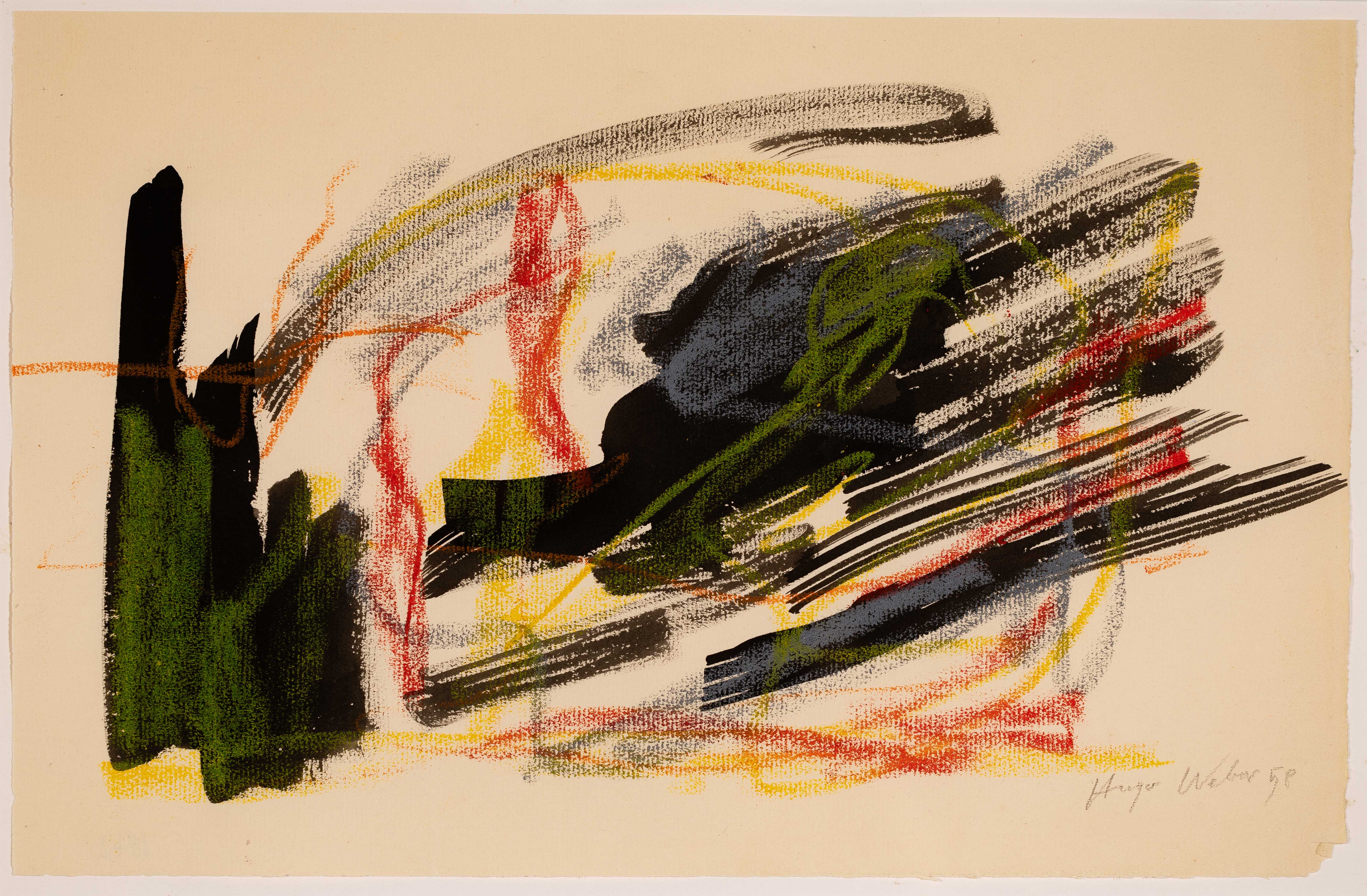
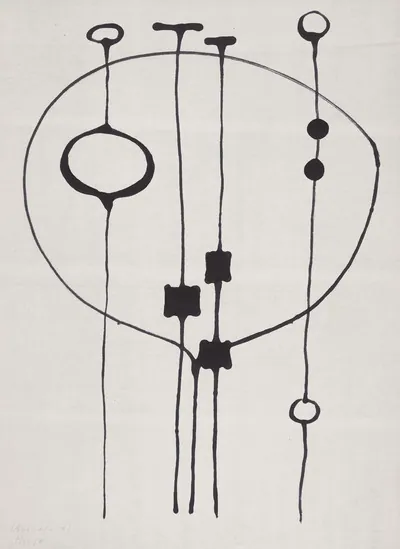
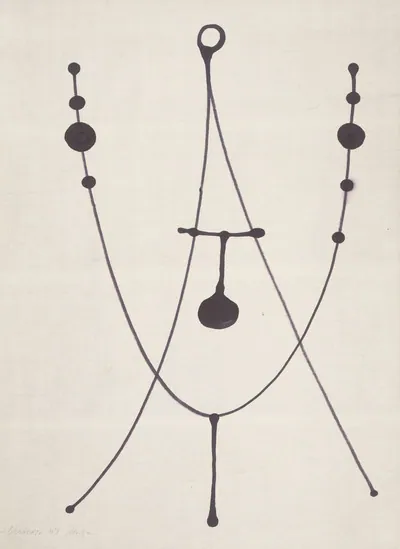
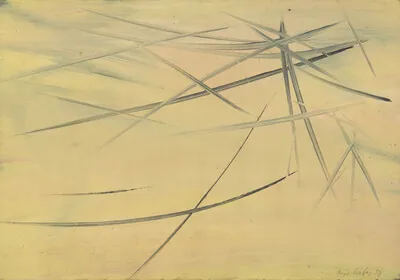
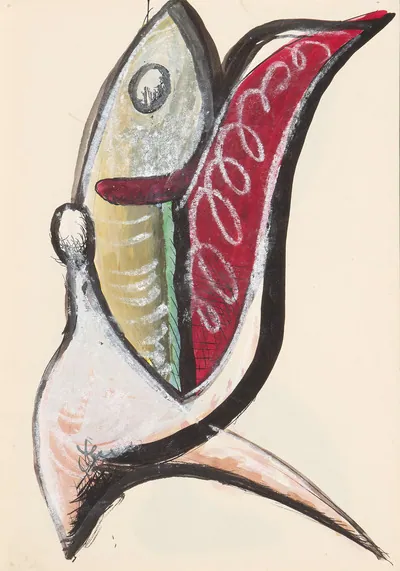
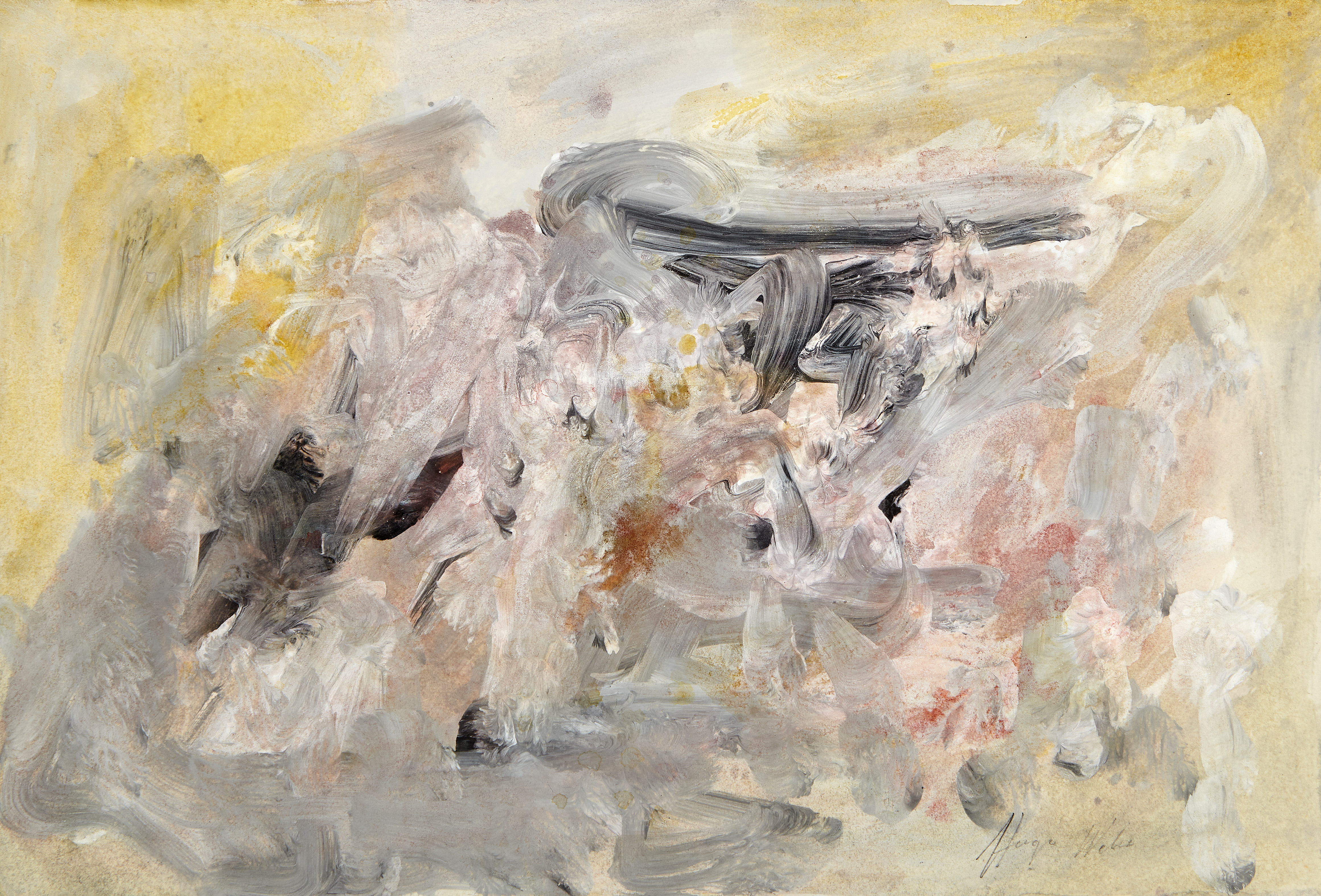
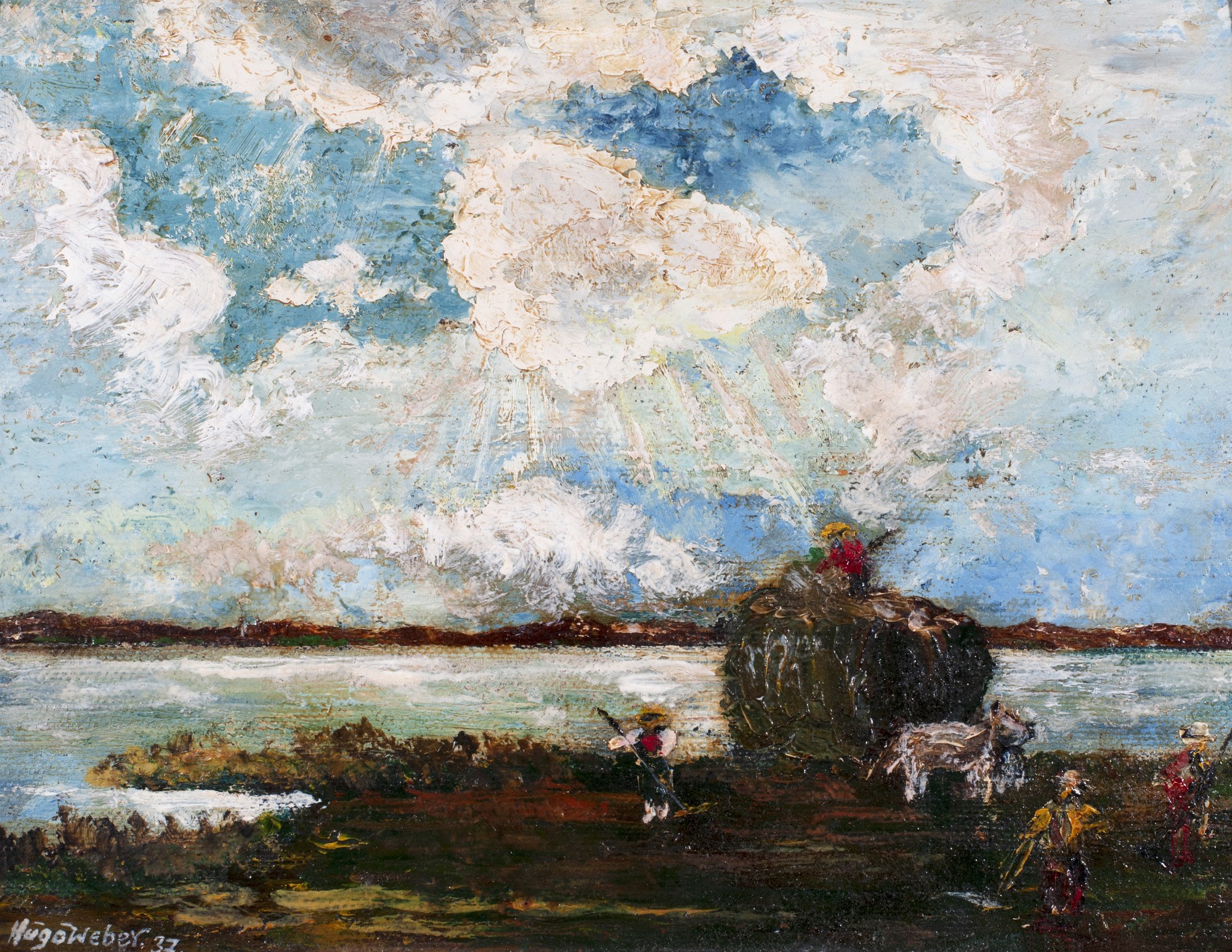
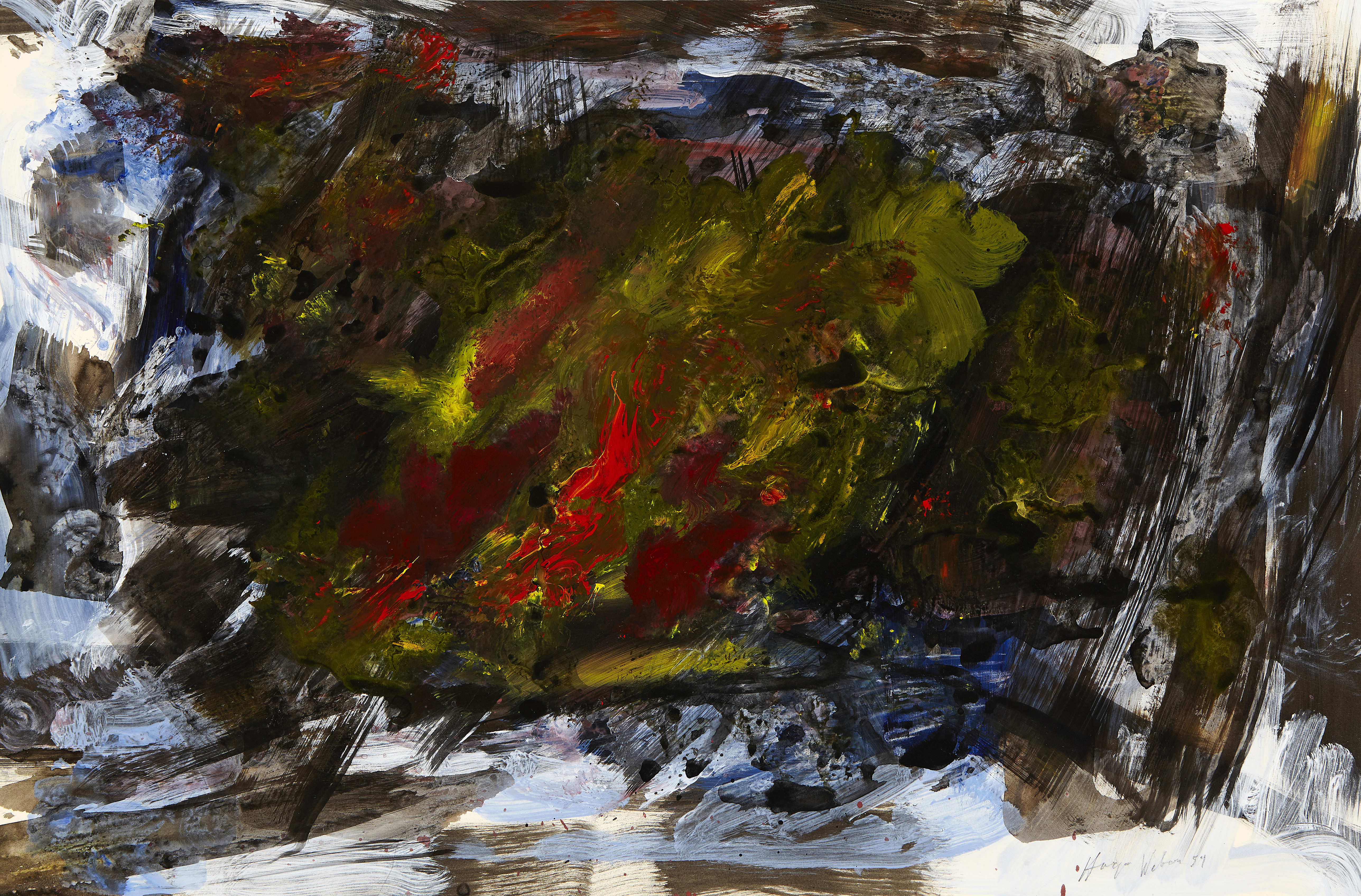
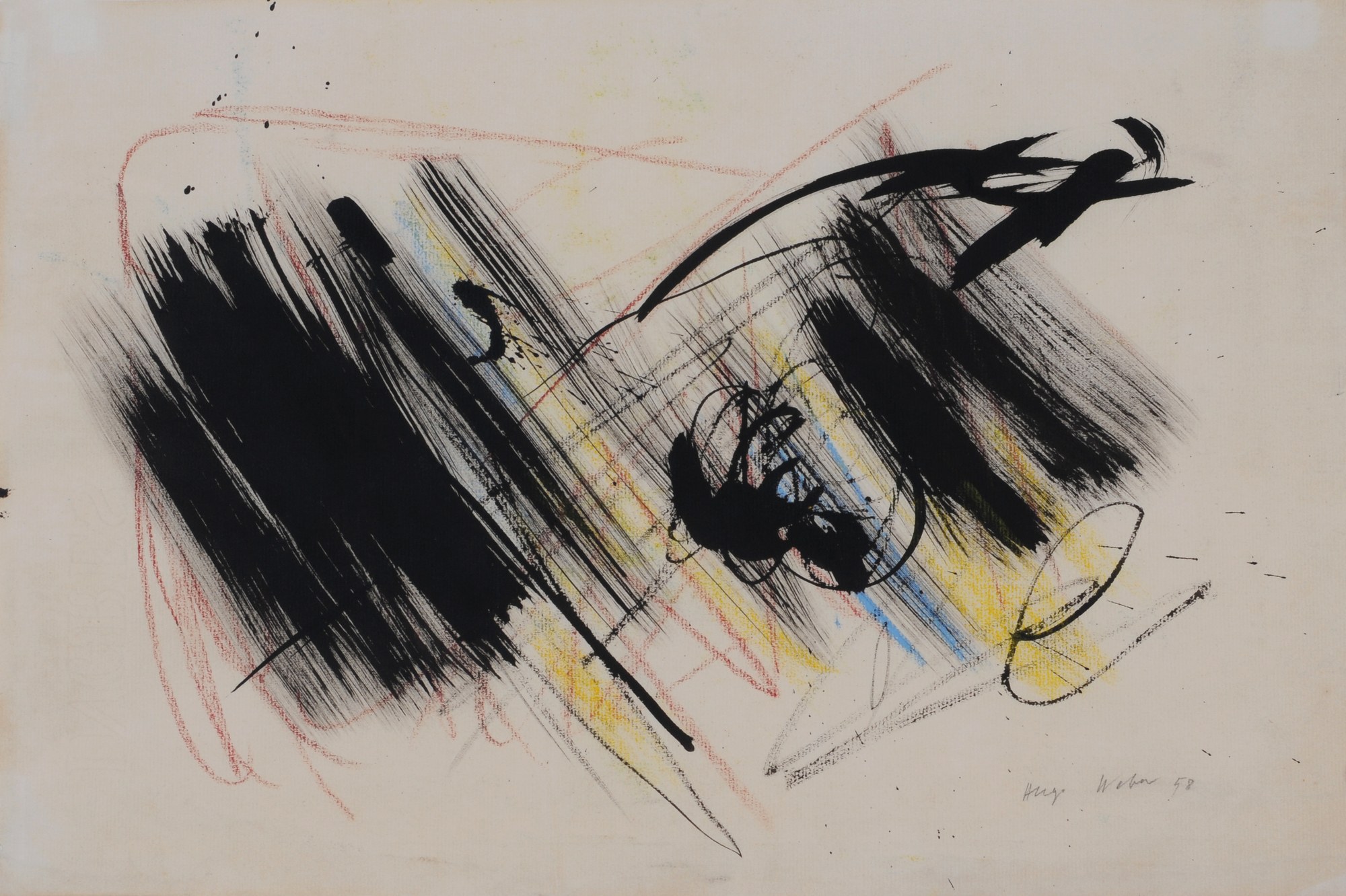
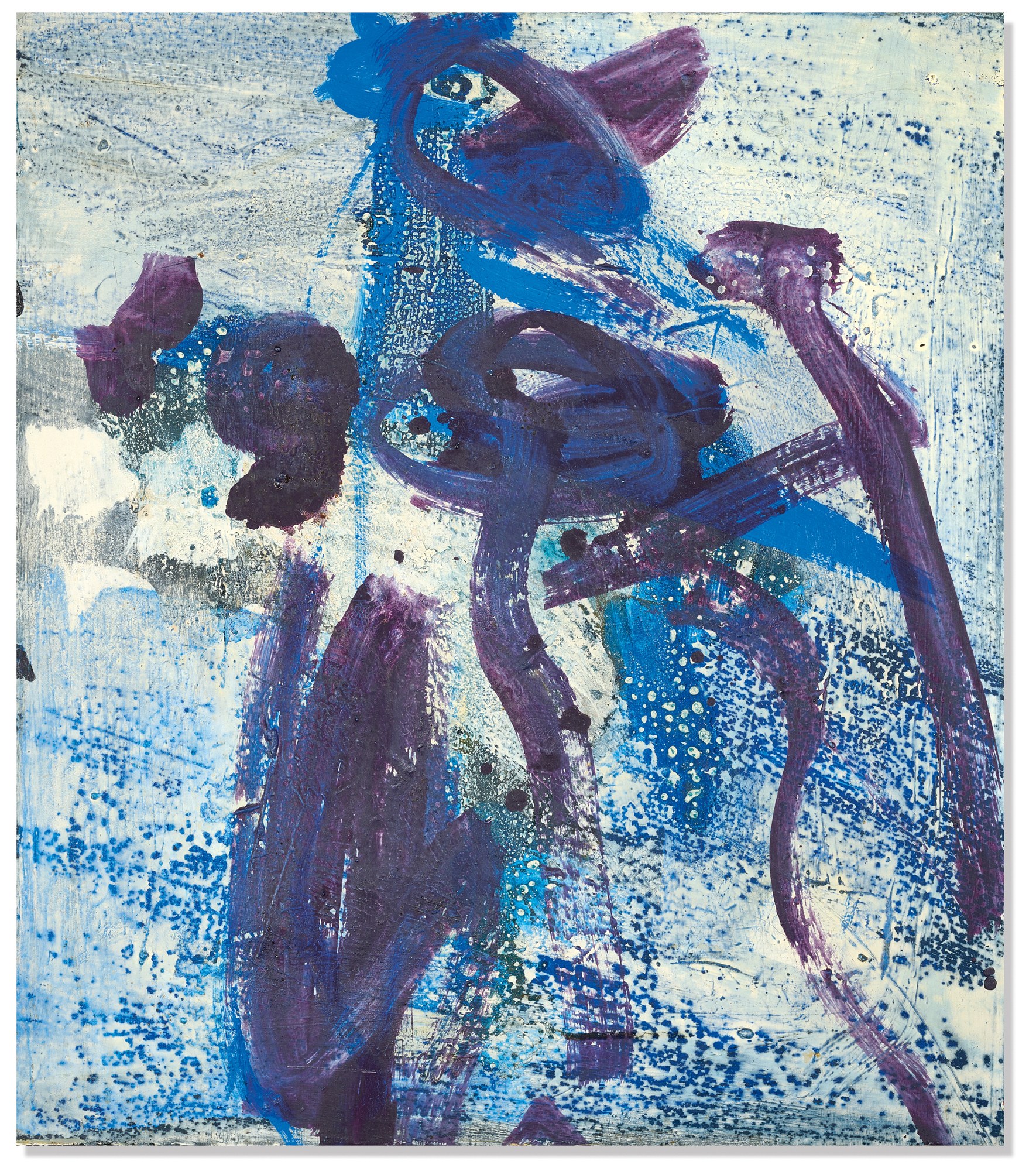
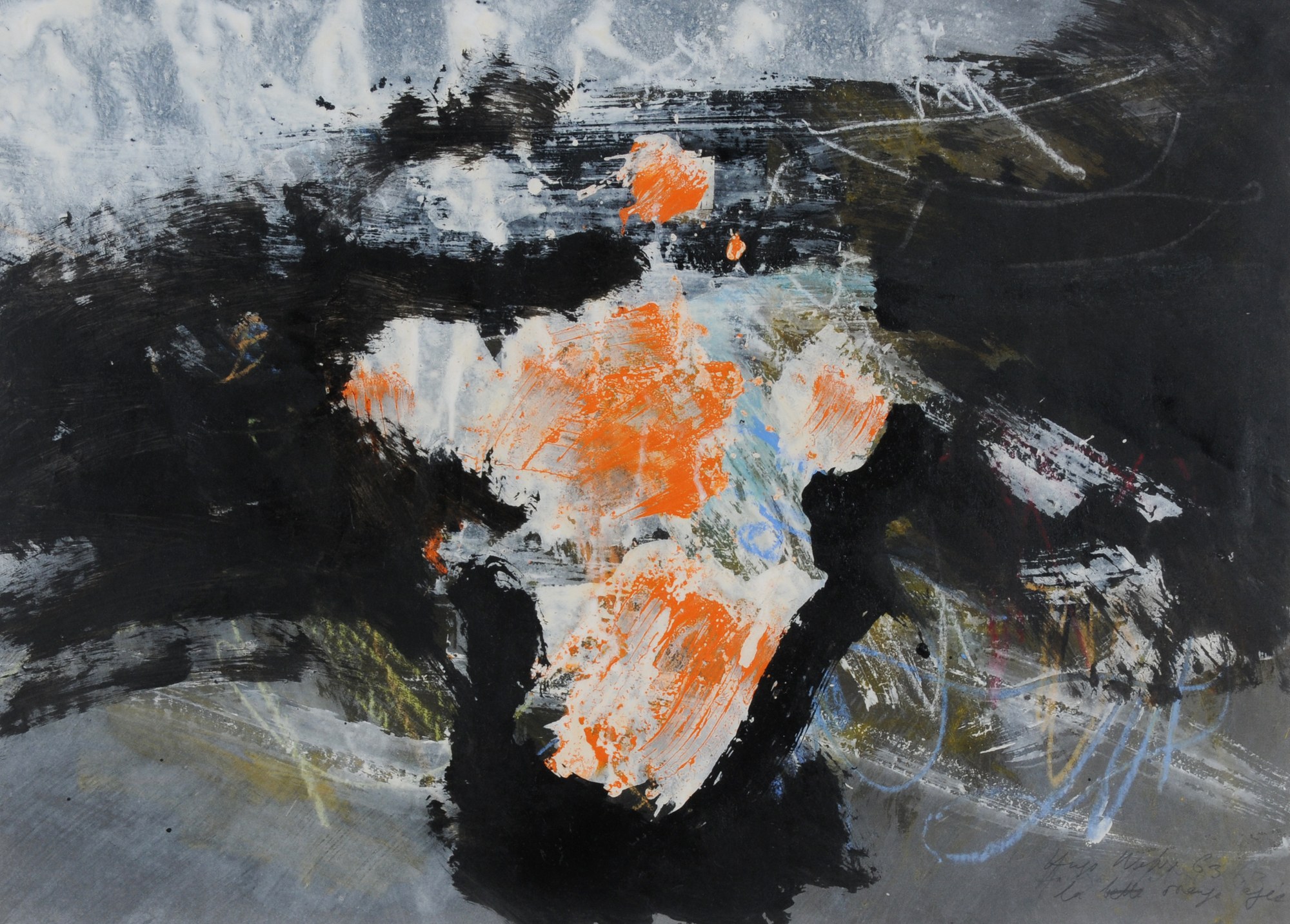
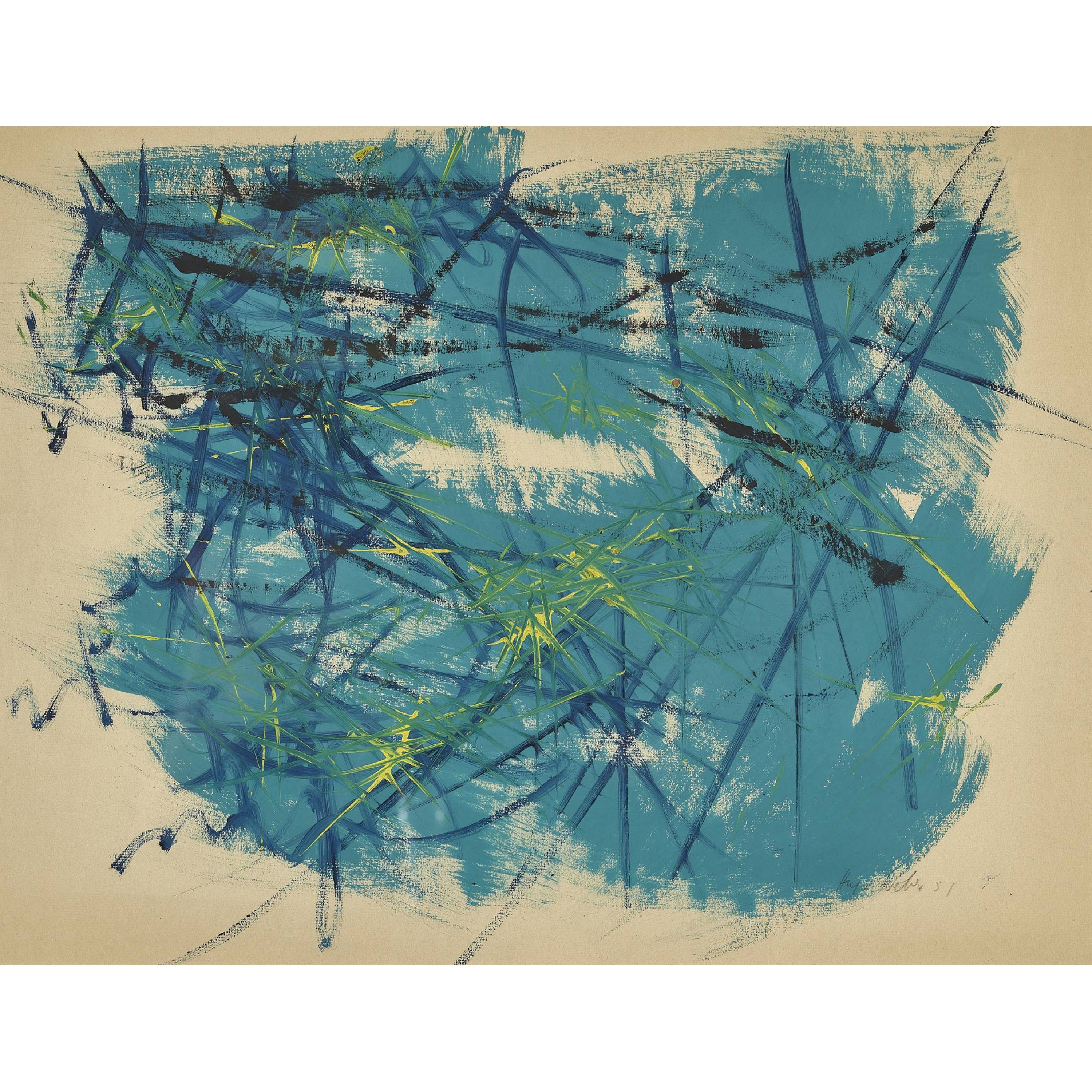
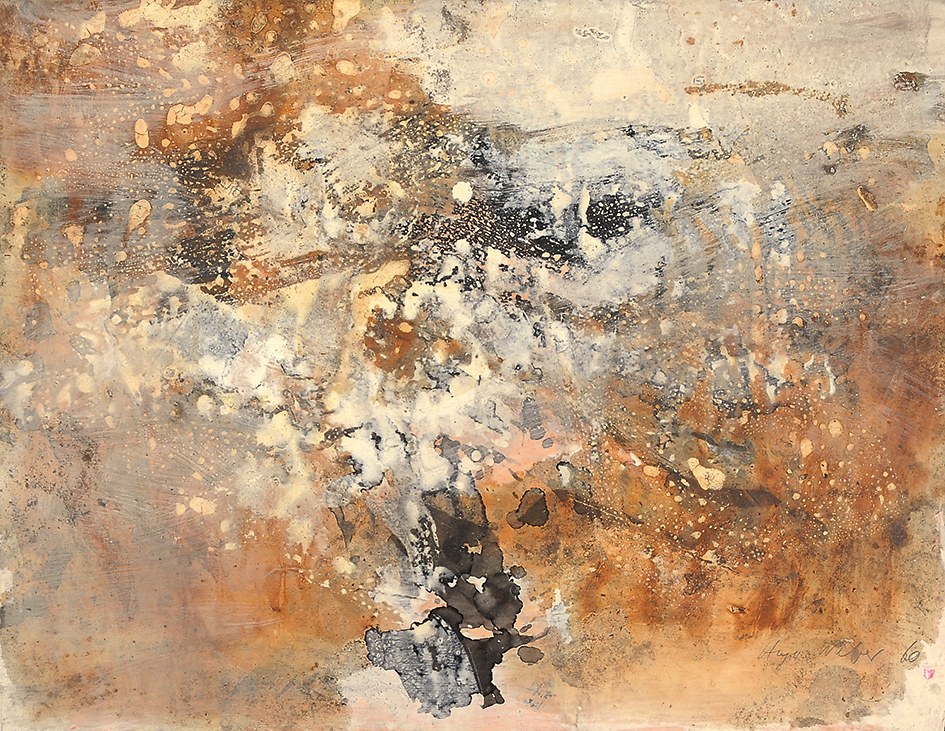
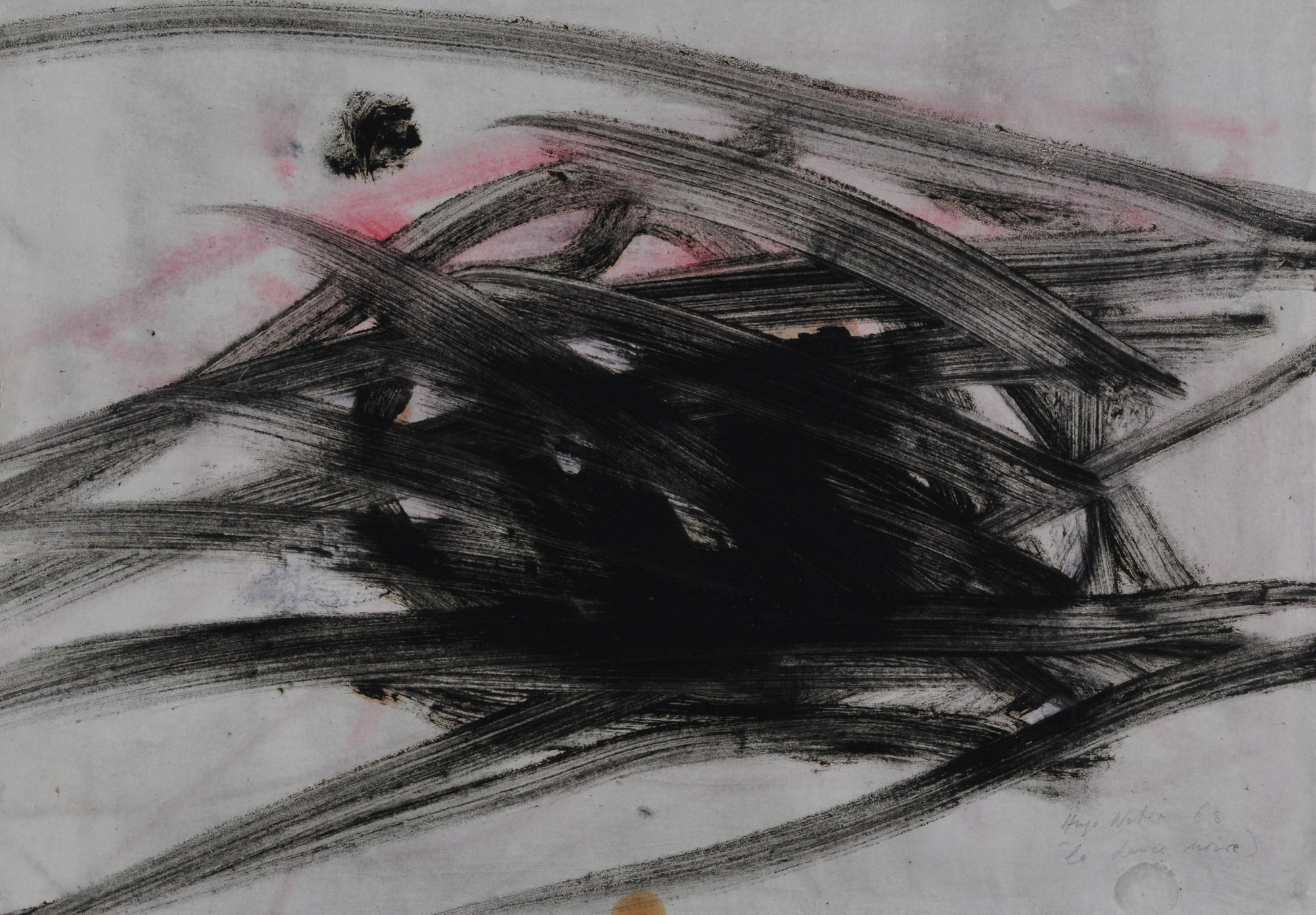
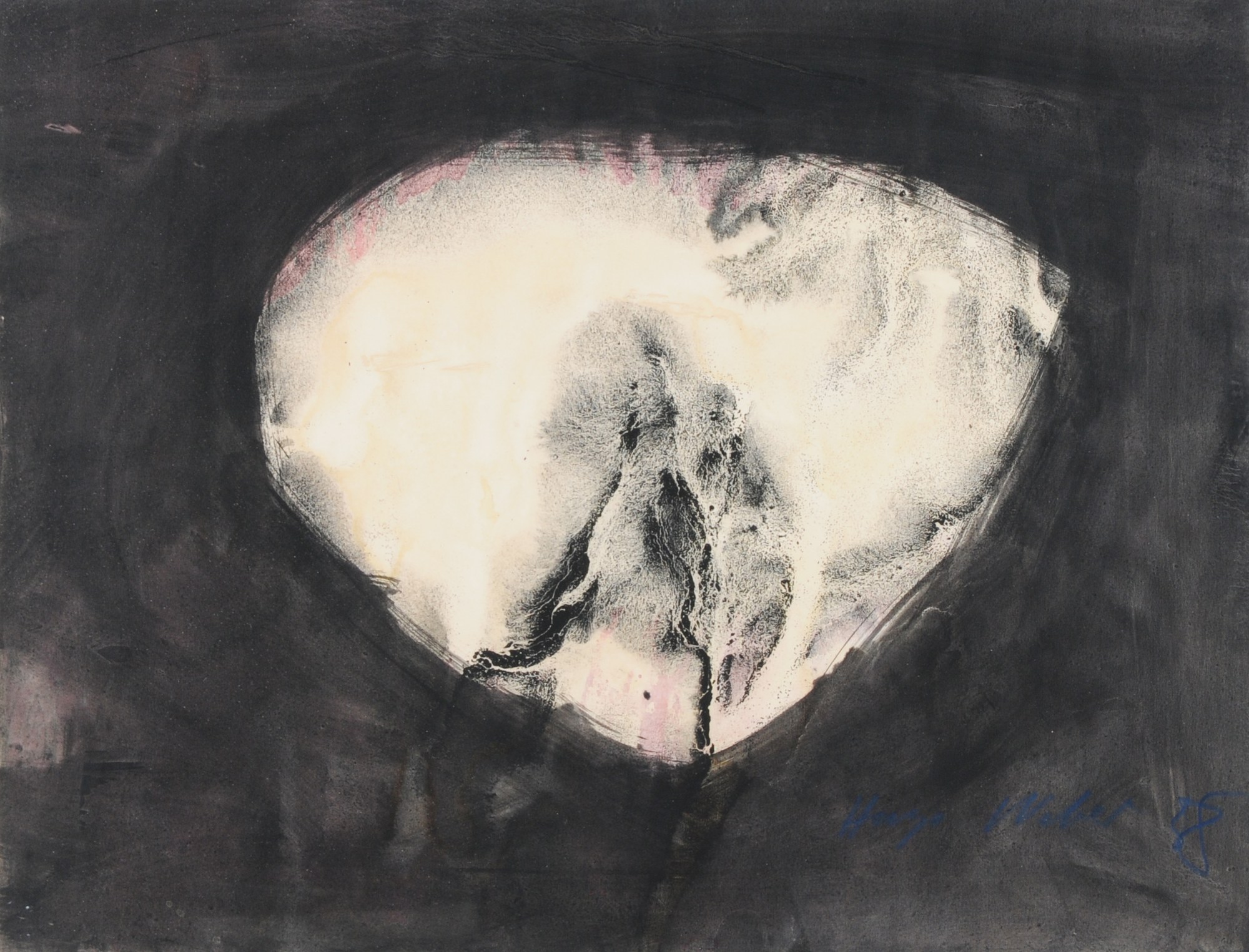
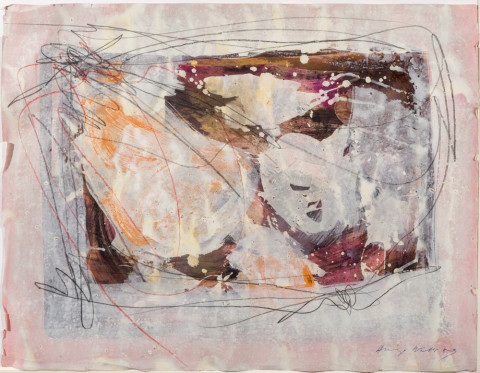
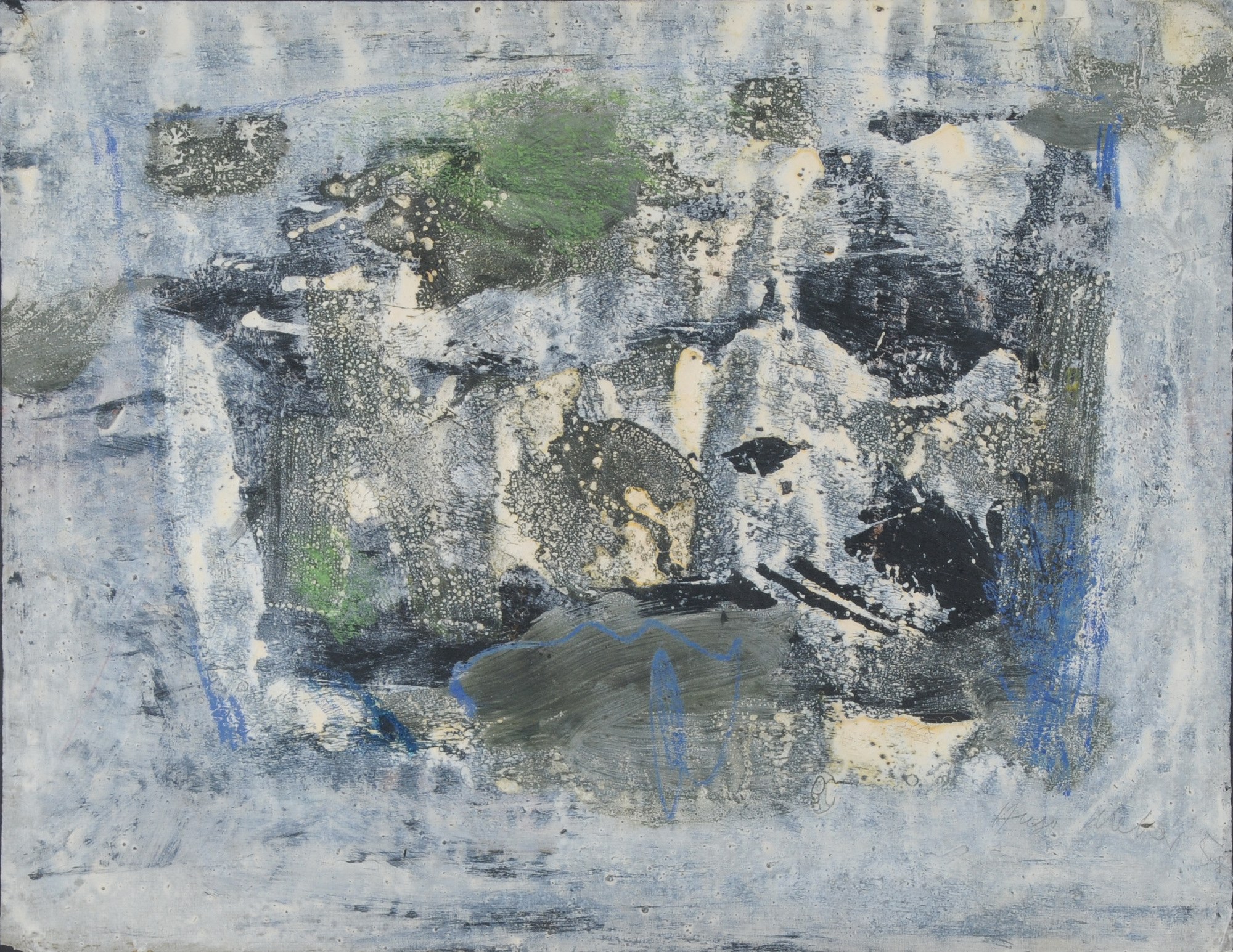
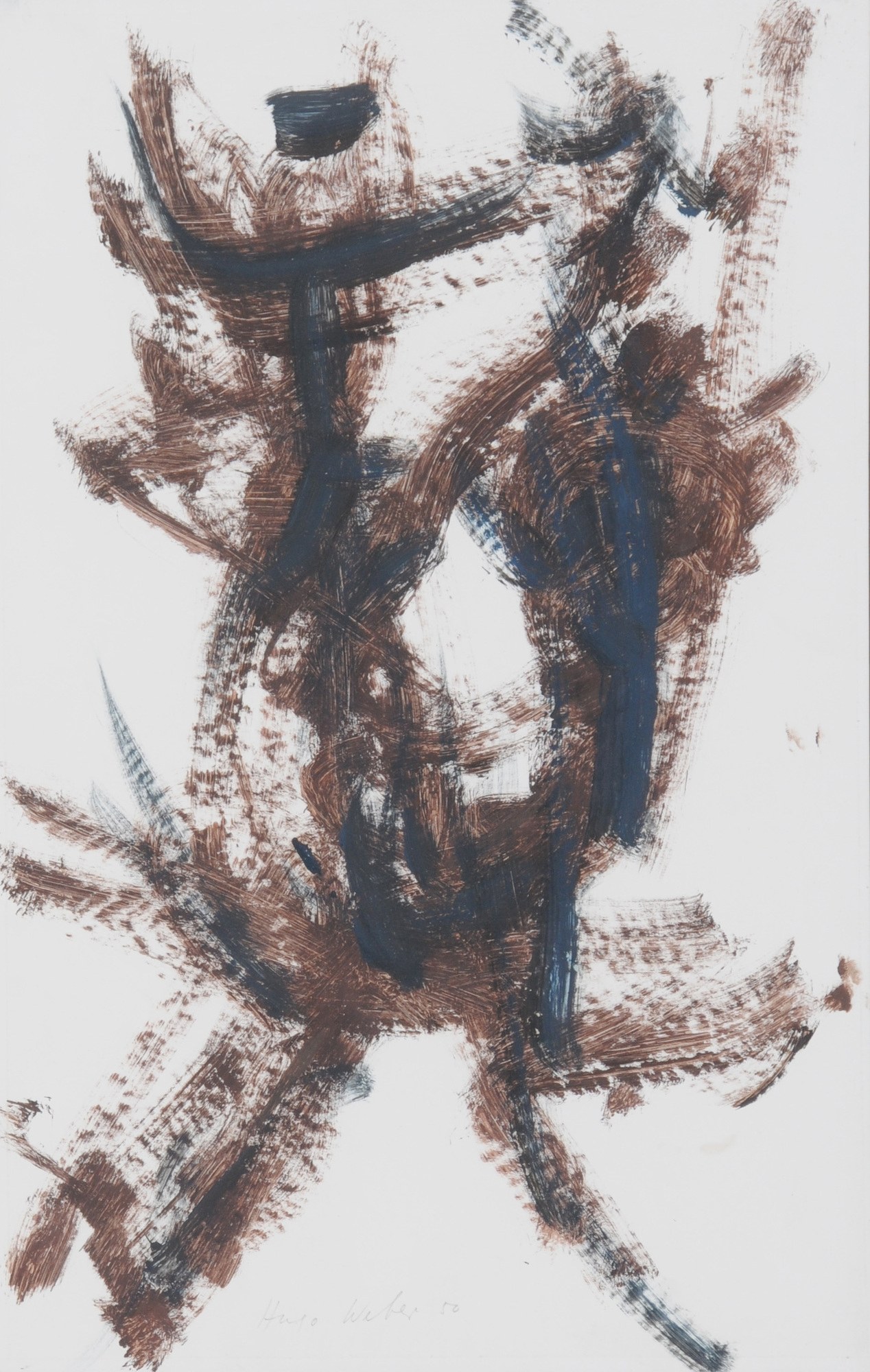
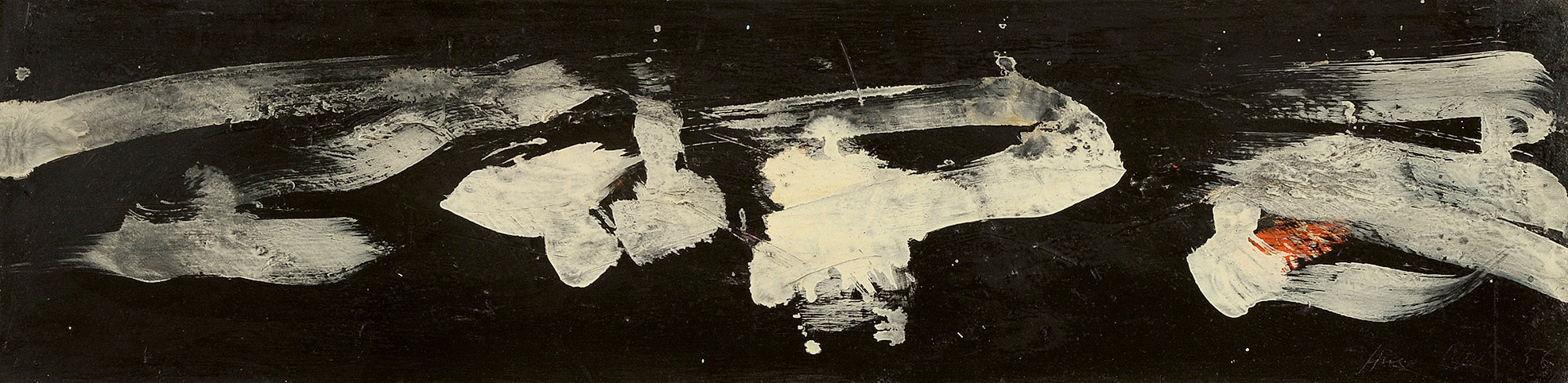
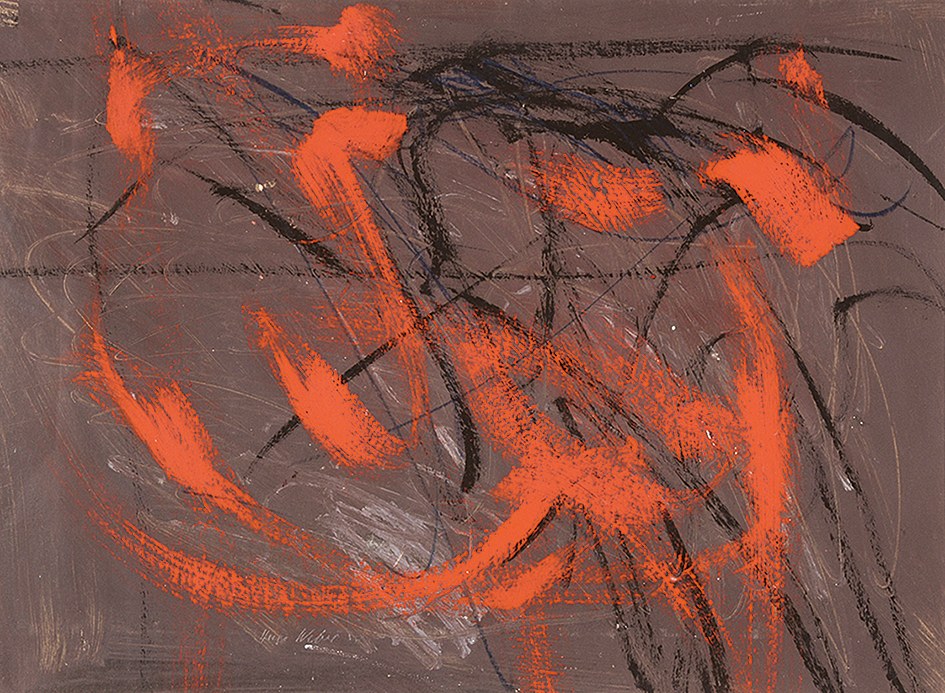
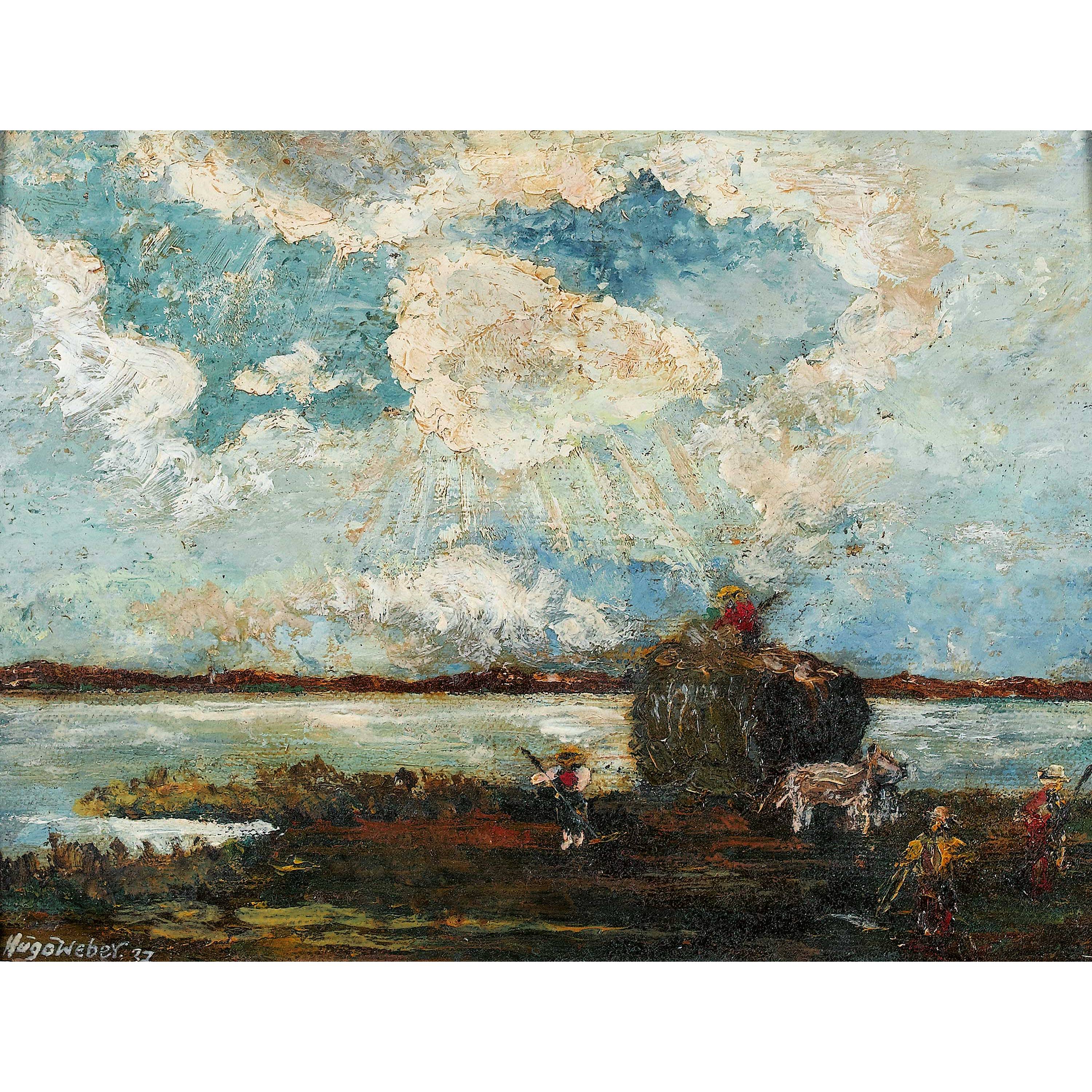
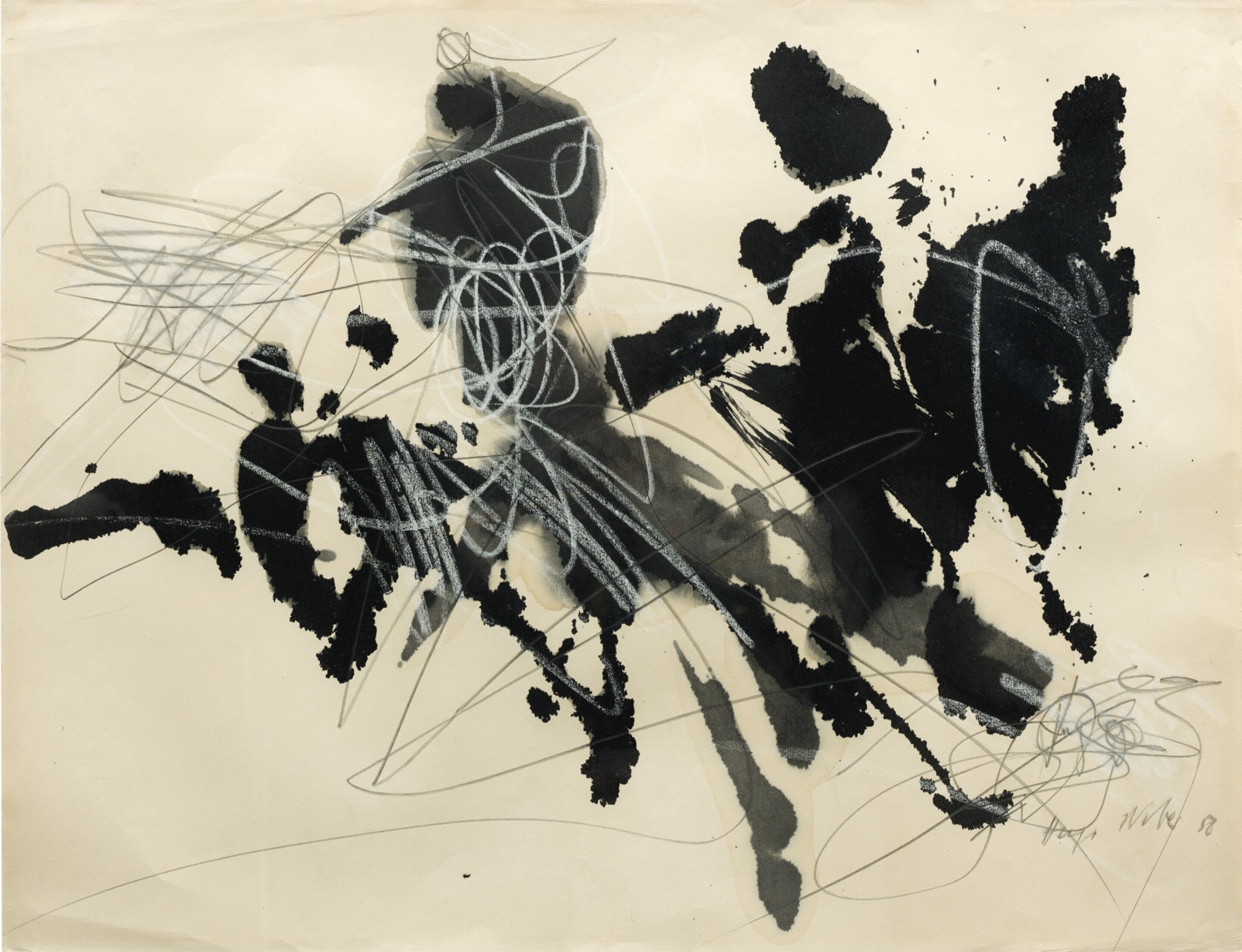
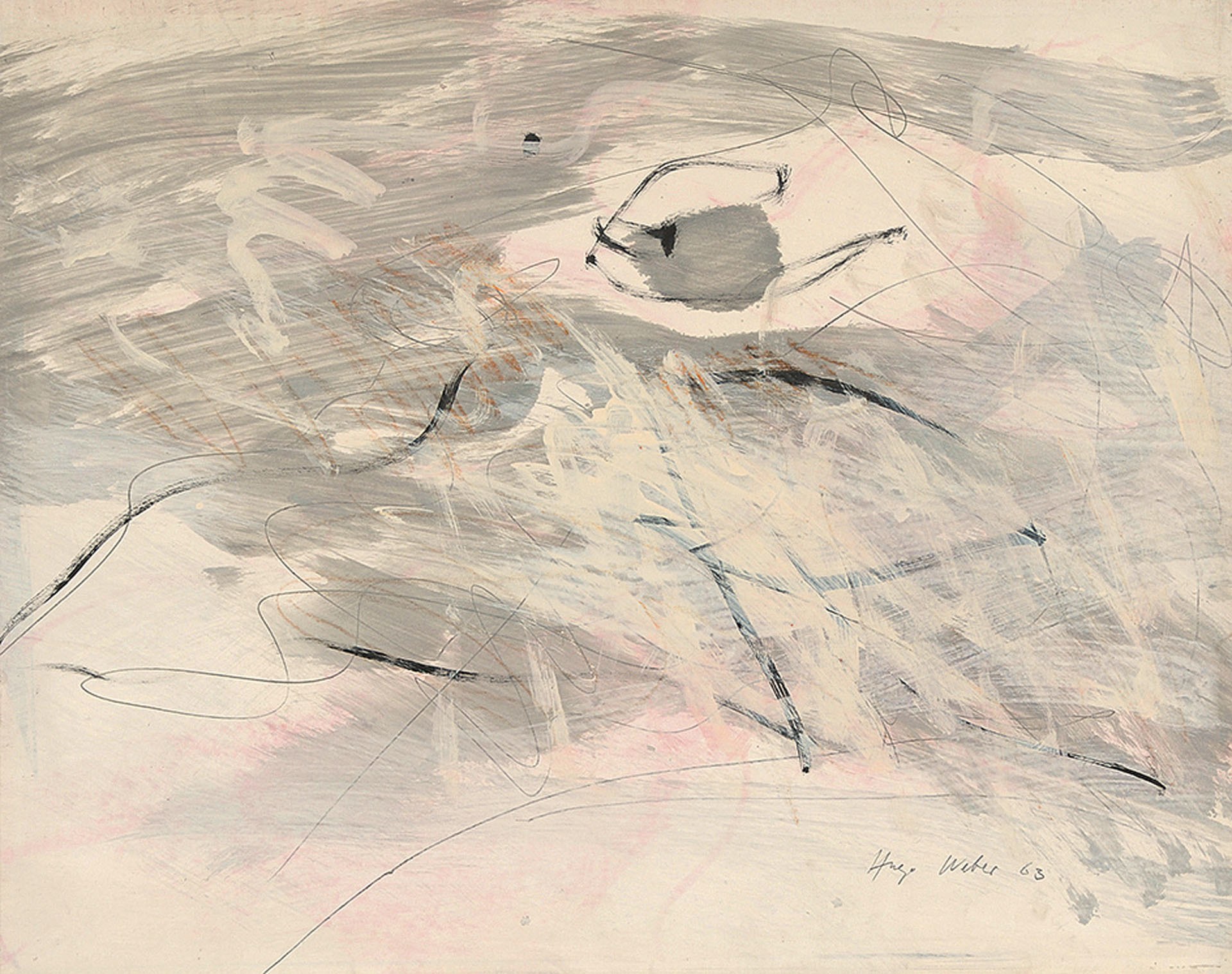
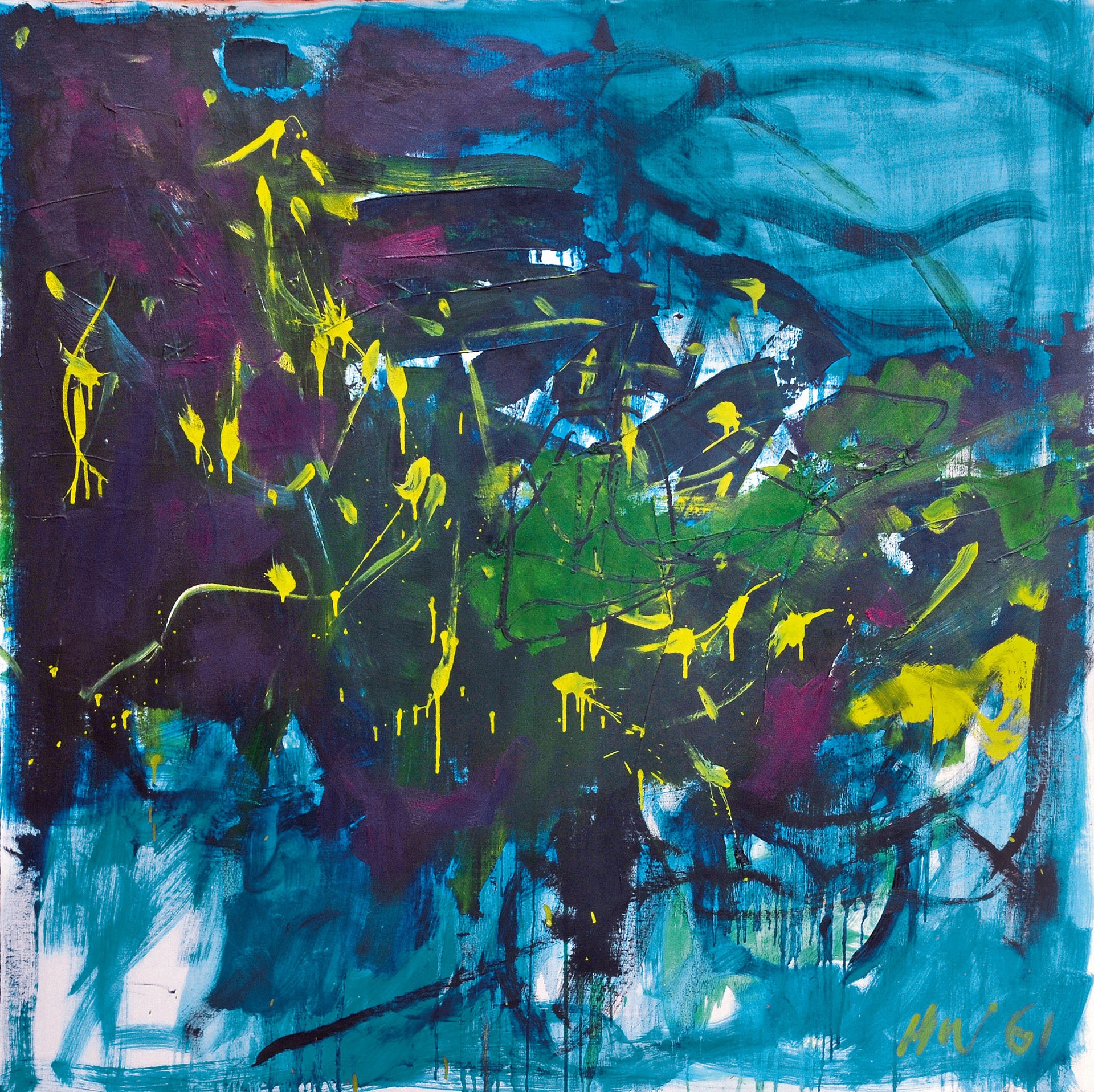
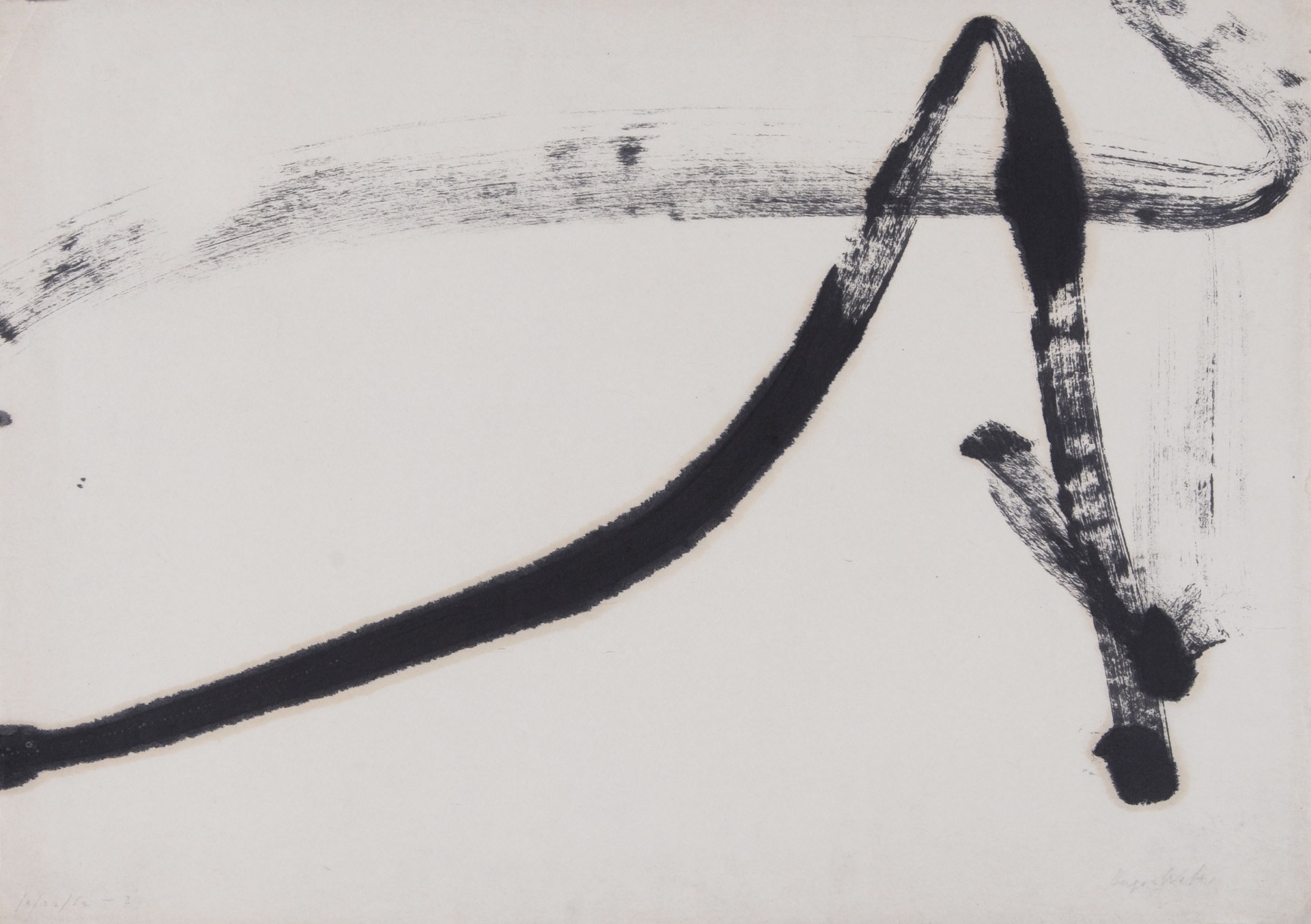
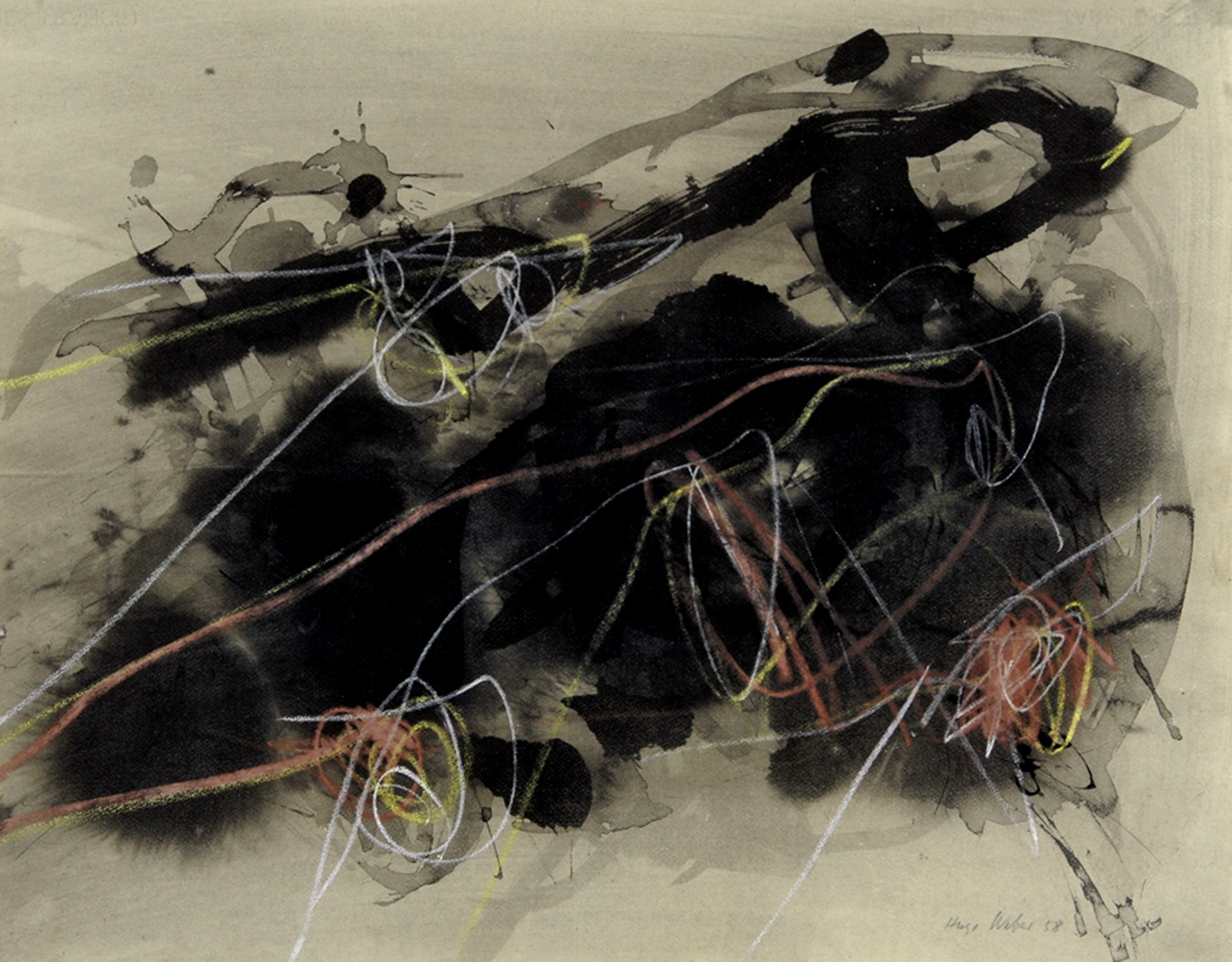
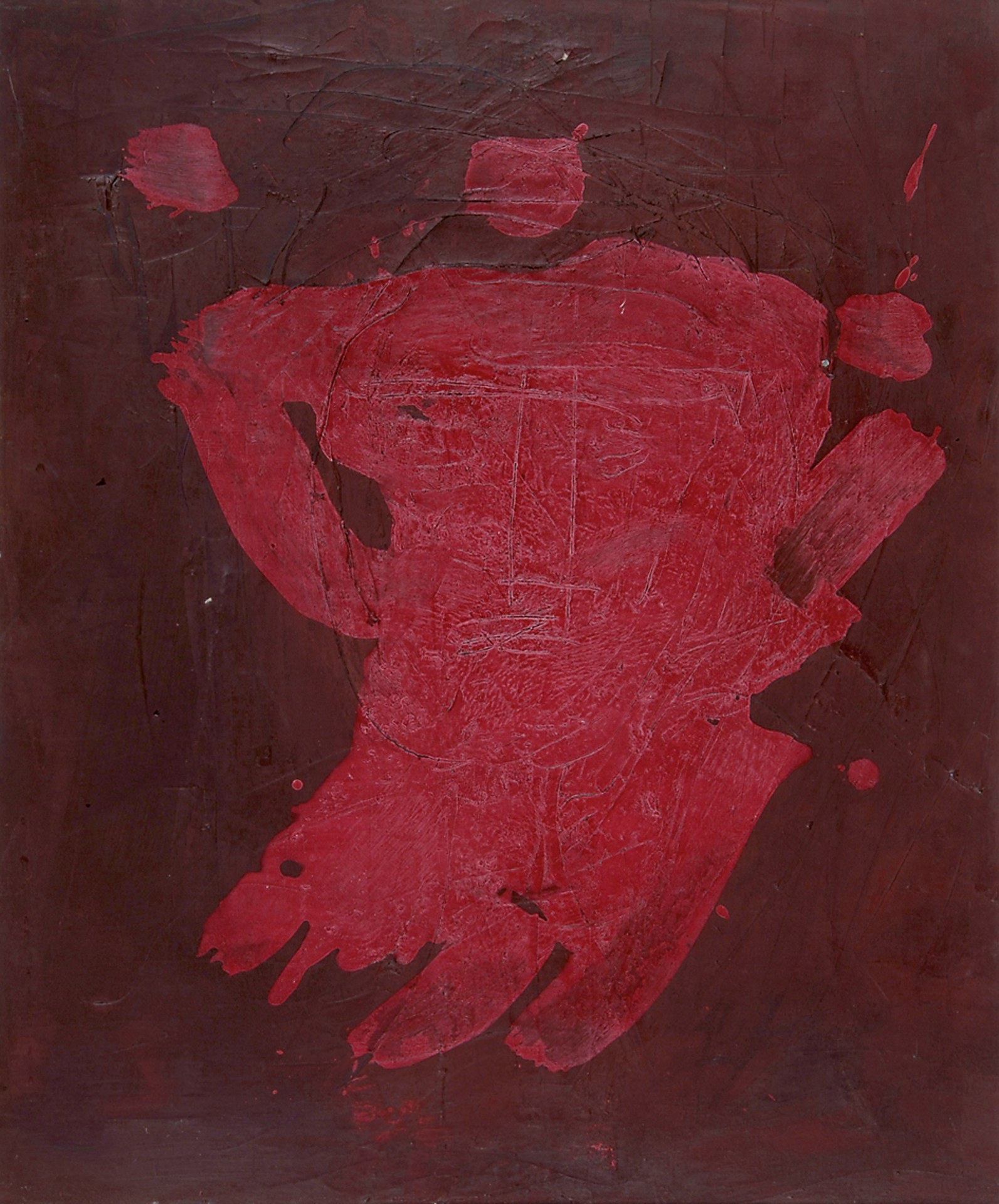
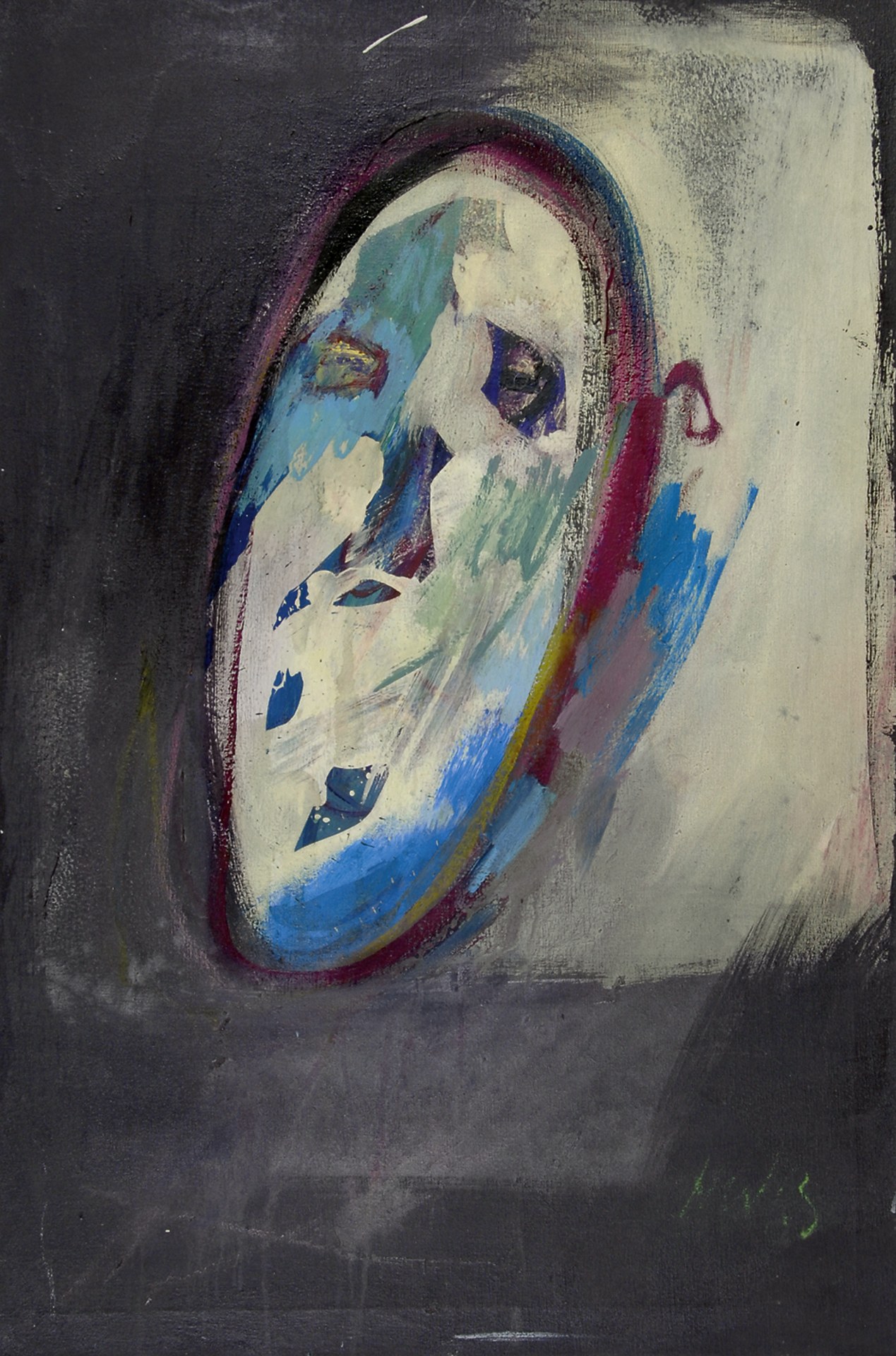
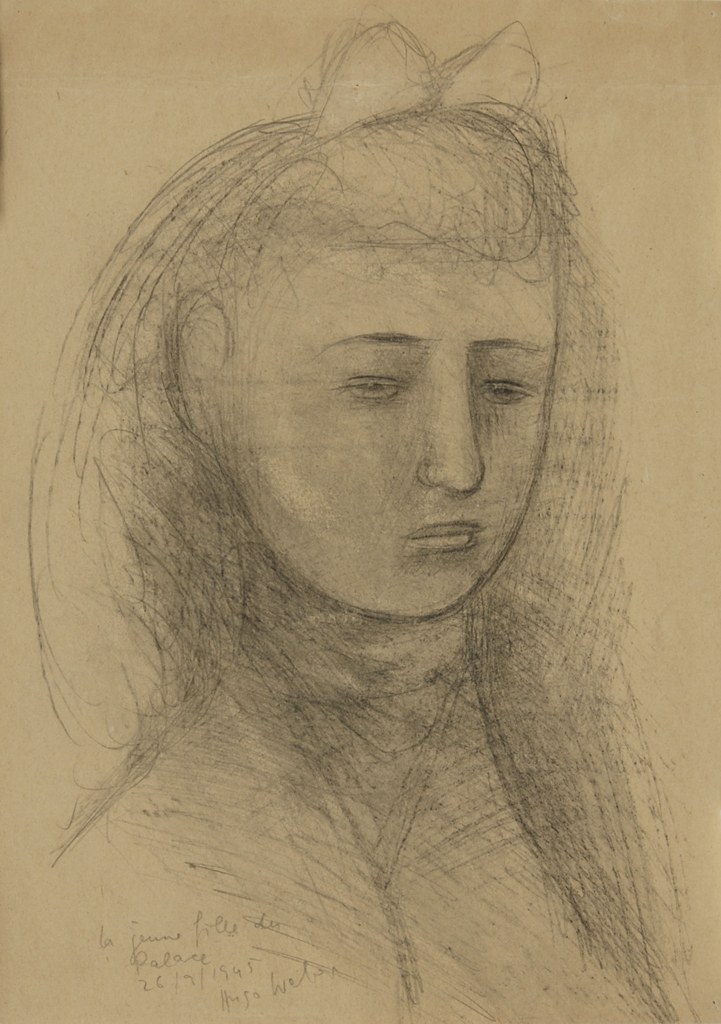
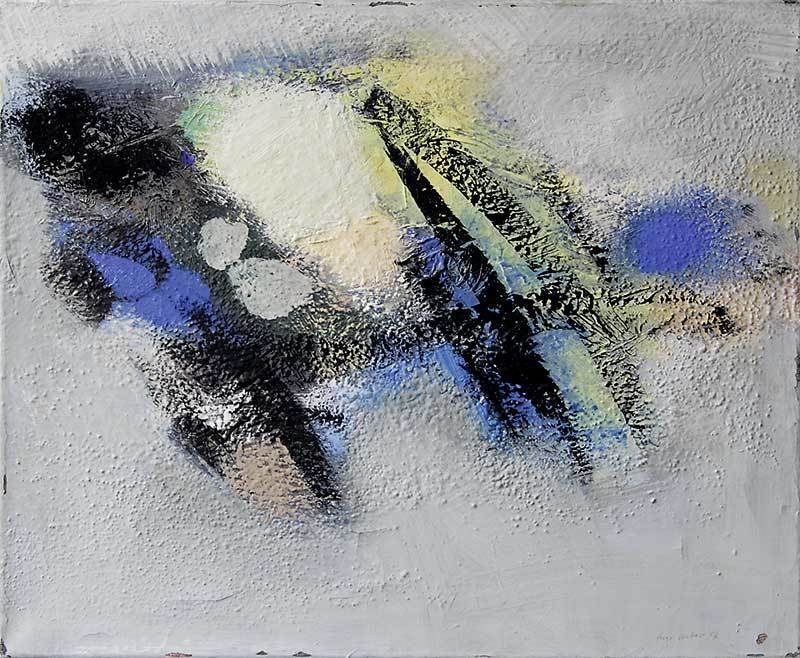
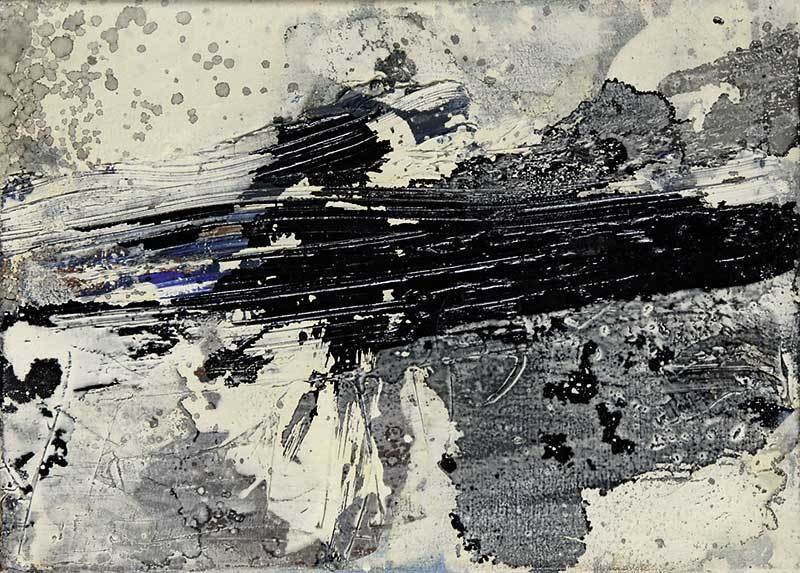
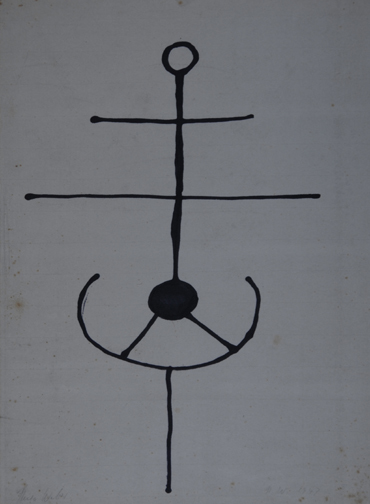
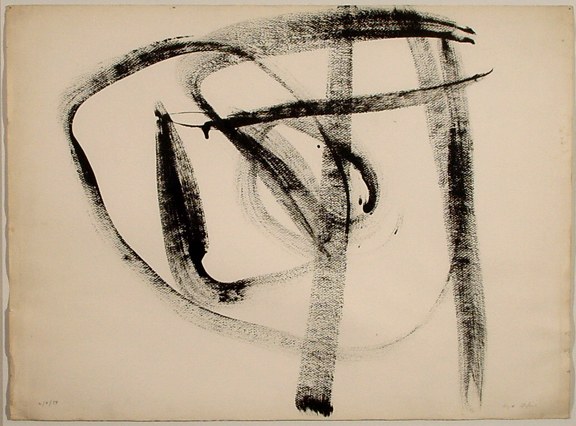
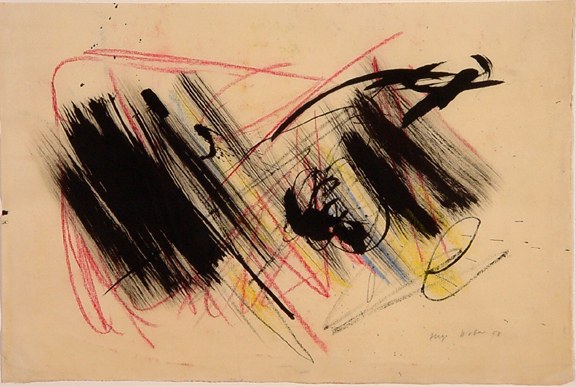
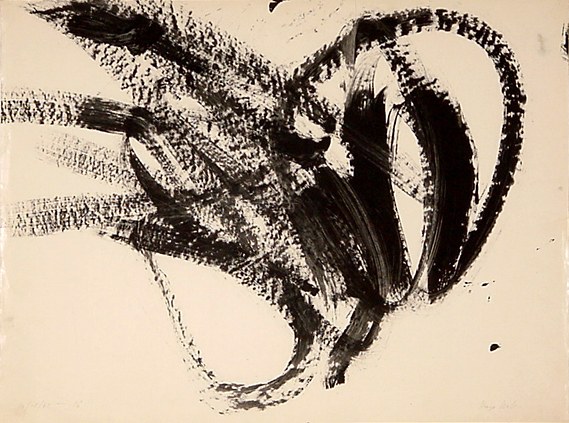
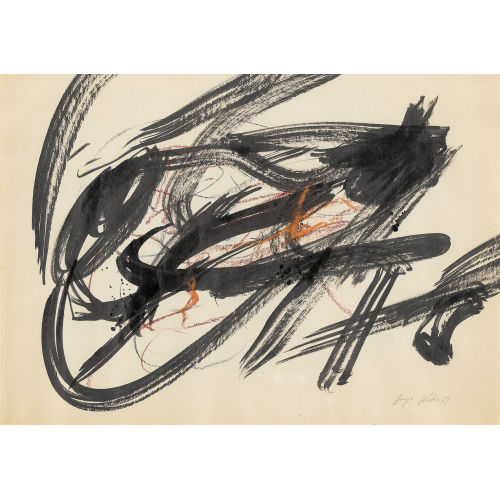
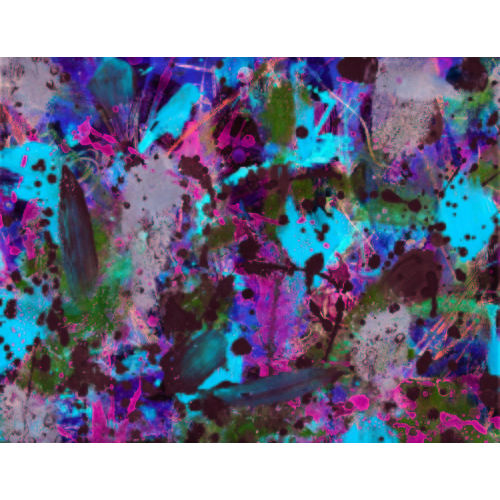
Weber worked in painting, sculpture, drawing, photography and writing. At the beginning of the 1950s, he turned towards gestural and abstract painting, in dialogue with the American art circles of the post-war period. He later returned to sculpture and figuration.
The series of portraits of the architect Ludwig Mies van der Rohe, made in 1961, represents a significant moment in this return to volume and portraiture.
The works held by the National Gallery of Art also testify to his activity as a printmaker: in 1964, he produced a suite of lithographs at the Tamarind Institute, including Black Punch, La Grisaille and L.A. Sunset. These prints combine mobile lines, colour contrasts and free gestures.
In 2018, the Bündner Kunstmuseum devoted an exhibition to the dialogue between Weber and Giacometti, bringing together sculptures, paintings, drawings, photographs and documents. This presentation recalls the diversity of a practice that links abstract experimentation, observation of the studio and the representation of figures, and situates Weber within the exchanges between the Swiss, French and American art scenes of the mid-20th century. Institutional collections and archives identify him as a Swiss artist born in Basel, despite his largely American activity and career.