Hermann Scherer
Born in 1893.
Died in 1927.
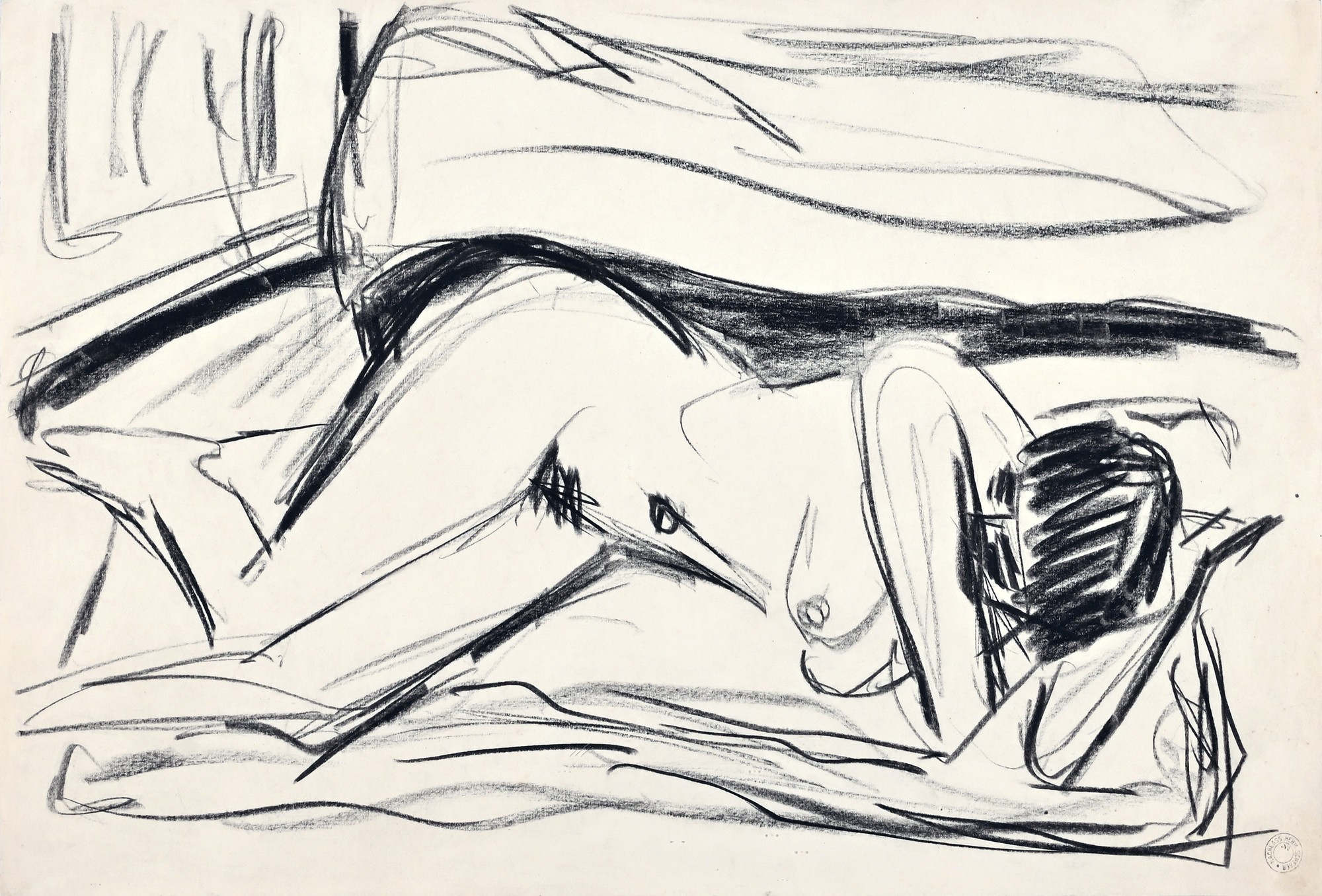
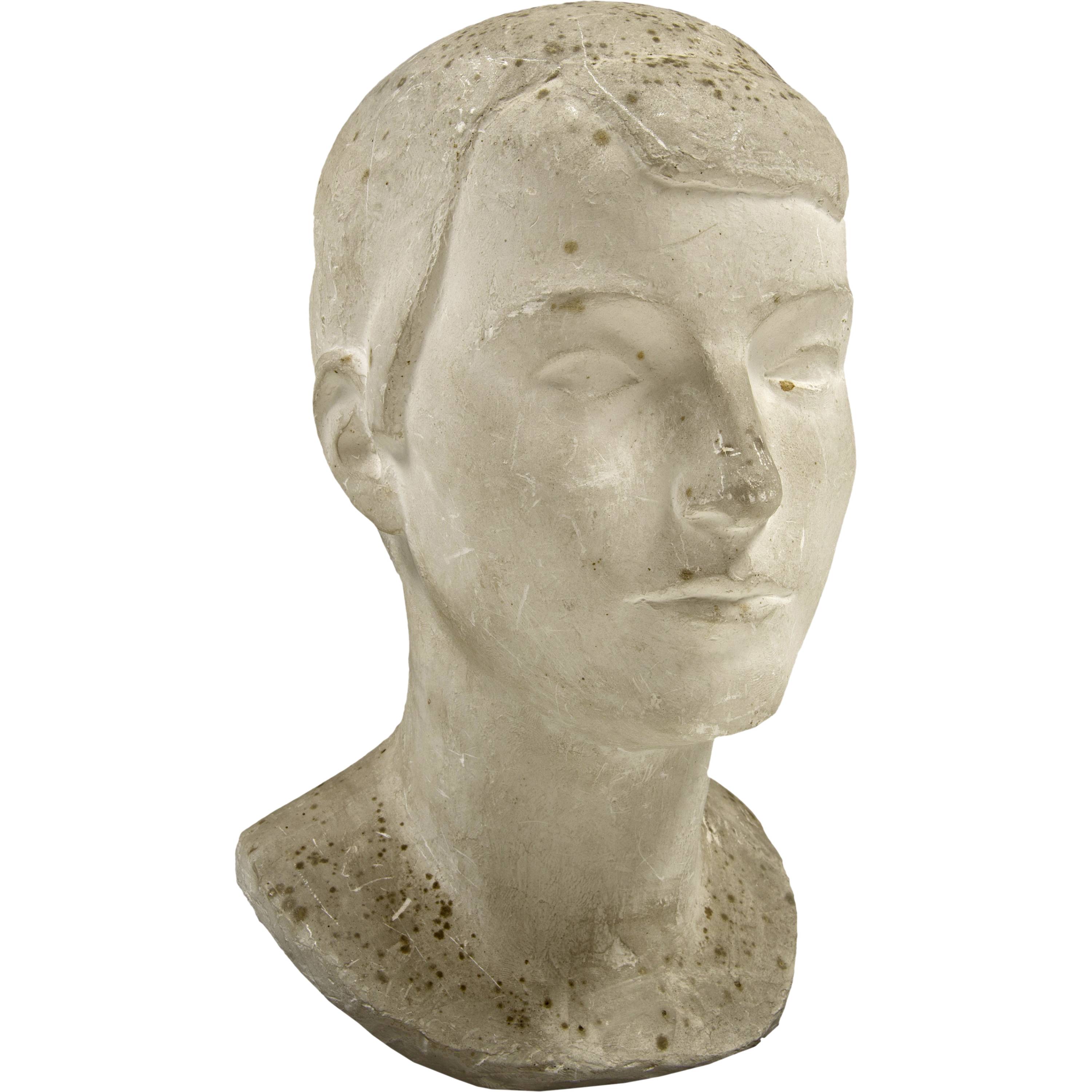
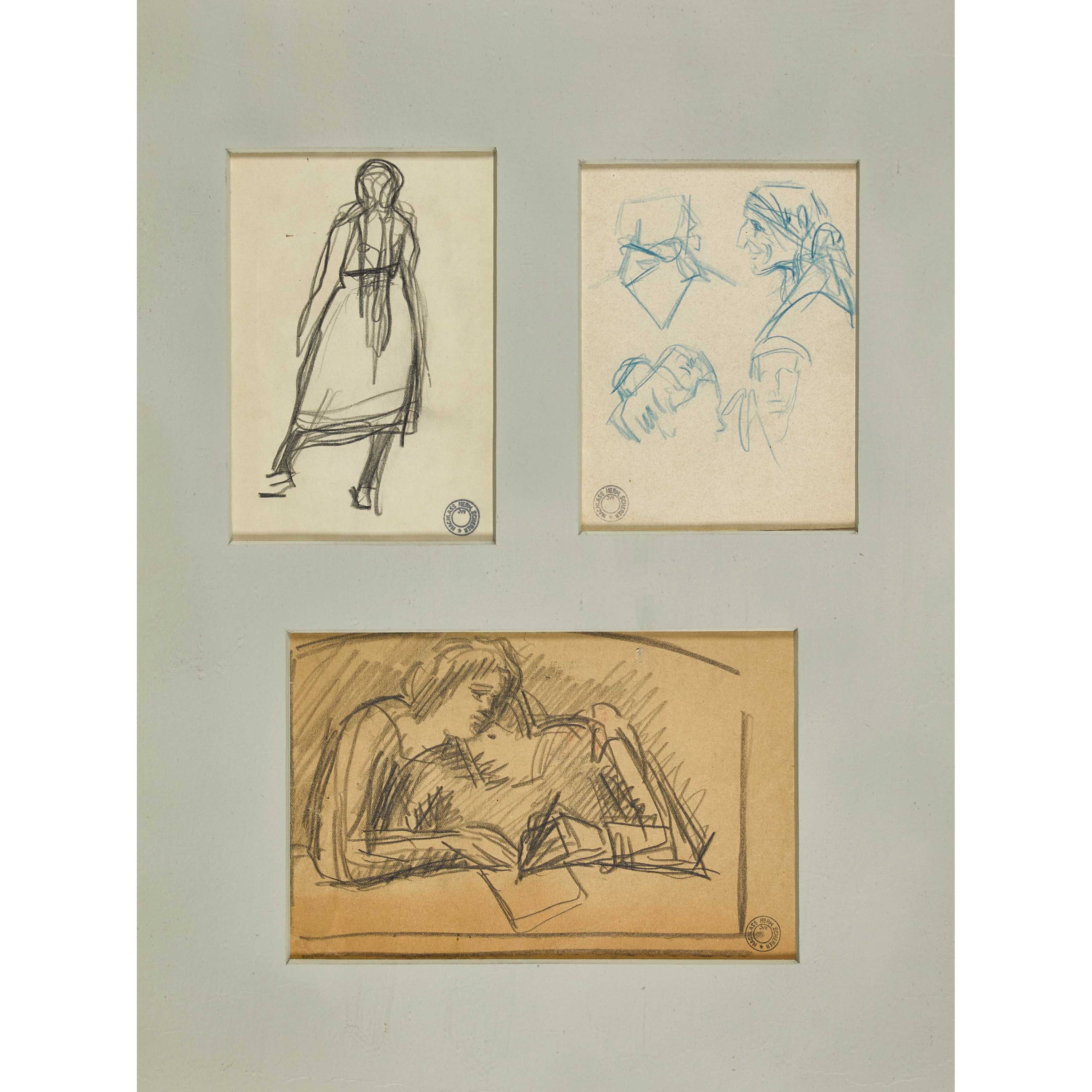
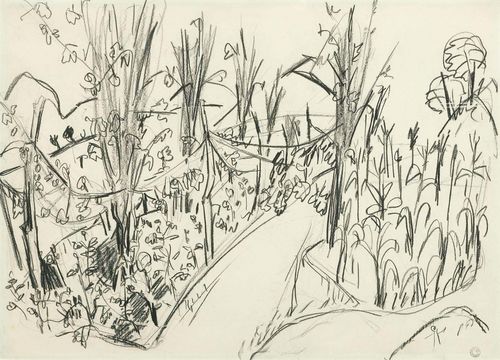
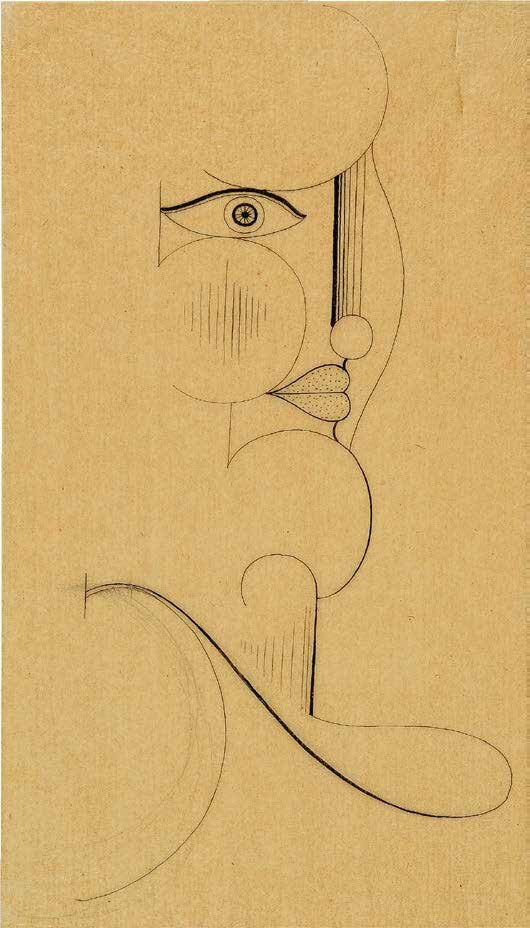
Born in 1893 in Rümmingen, Germany, Hermann Scherer settled in Basel, where he died in 1927. His brief career encompassed sculpture, painting, drawing and woodcut. Trained as a stonemason, he worked, among other things, with the sculptor Carl Burckhardt on the execution of the fountain figures at Basel’s Badischer Bahnhof.
His early works bear the imprint of a classical tradition; in the 1920s, he sought a more direct and taut expression.
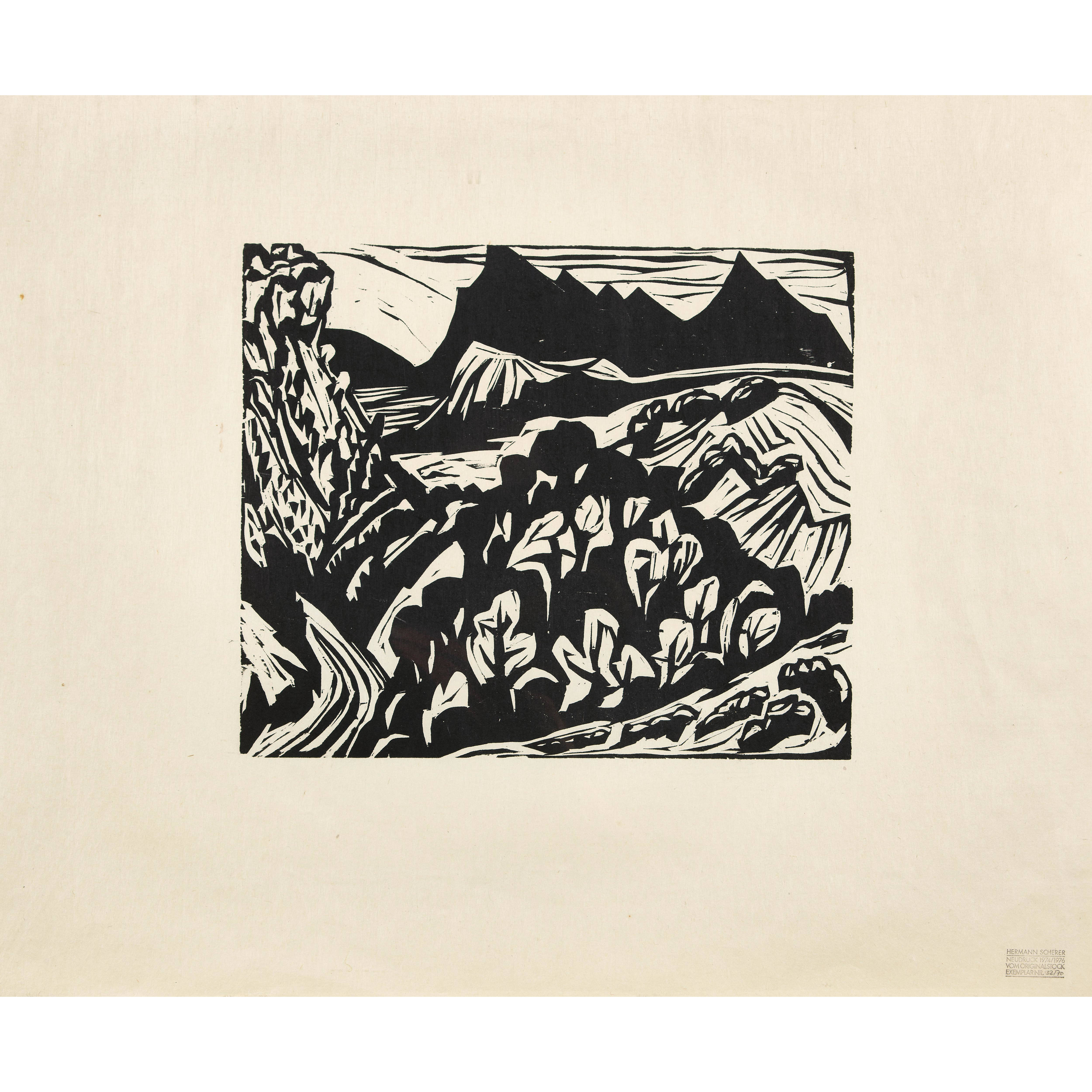
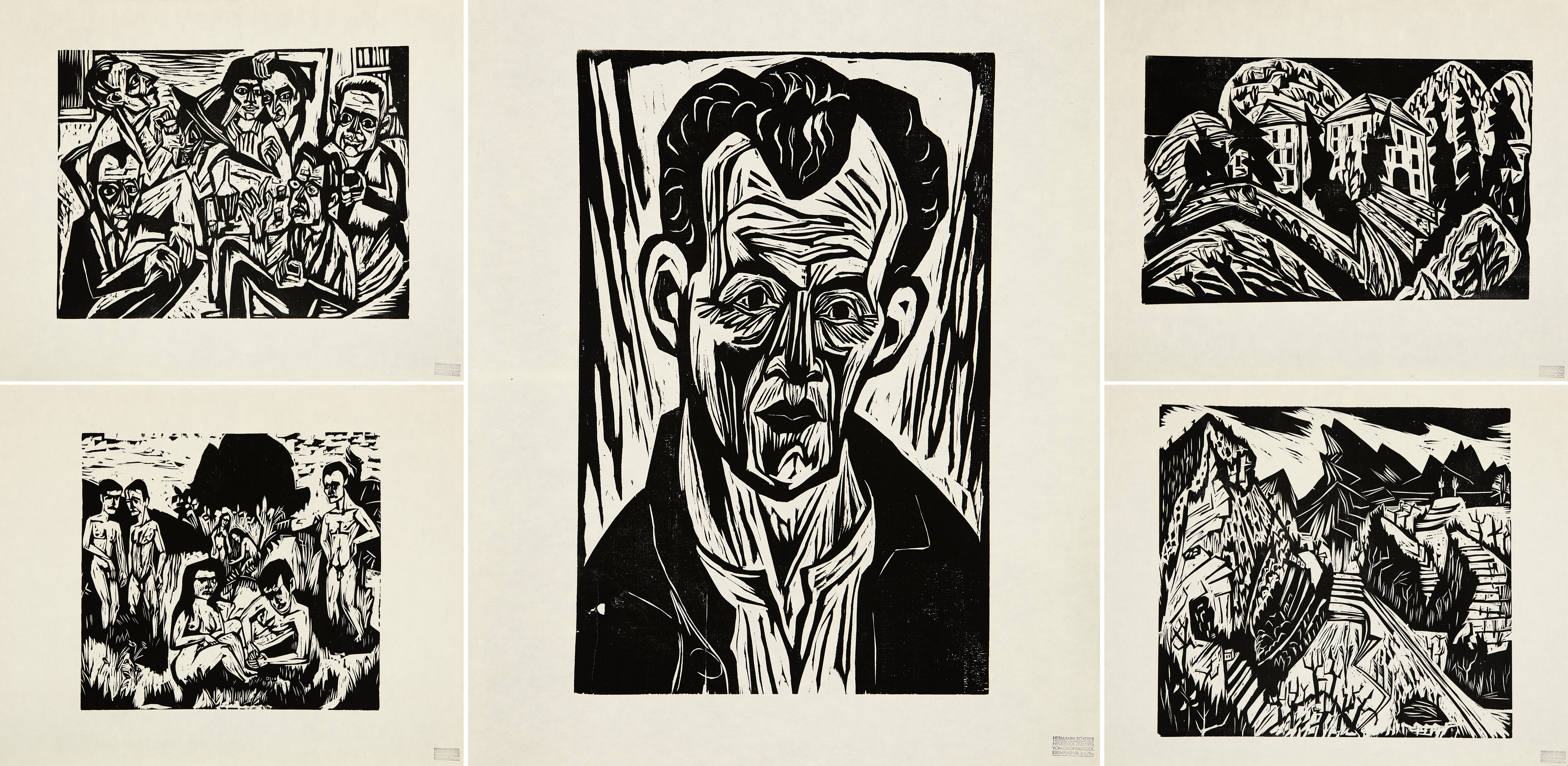
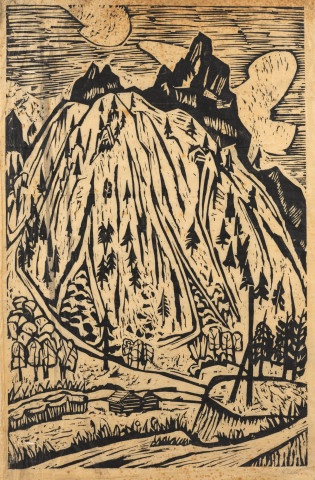
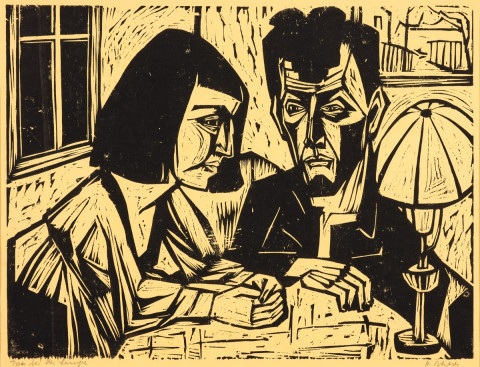
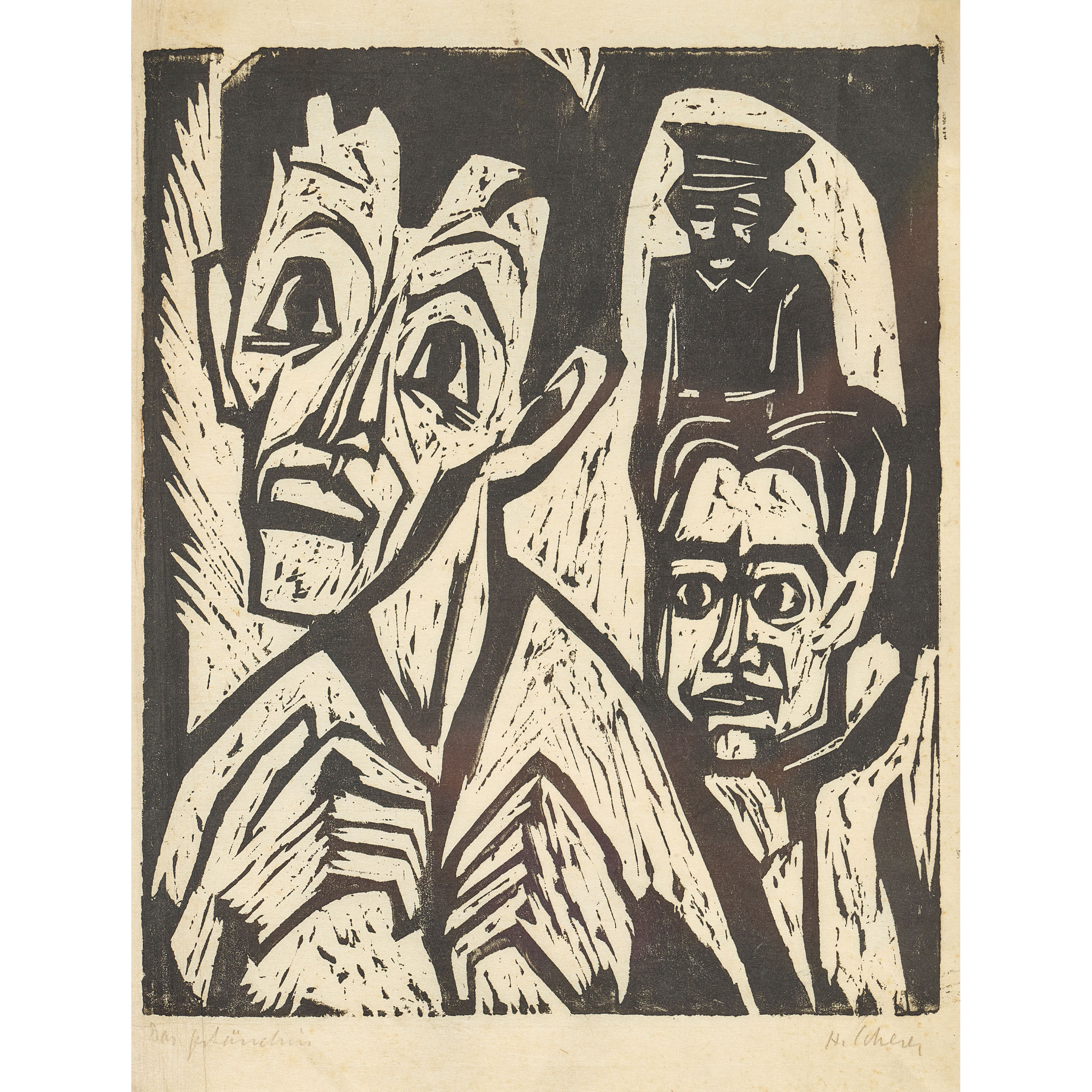
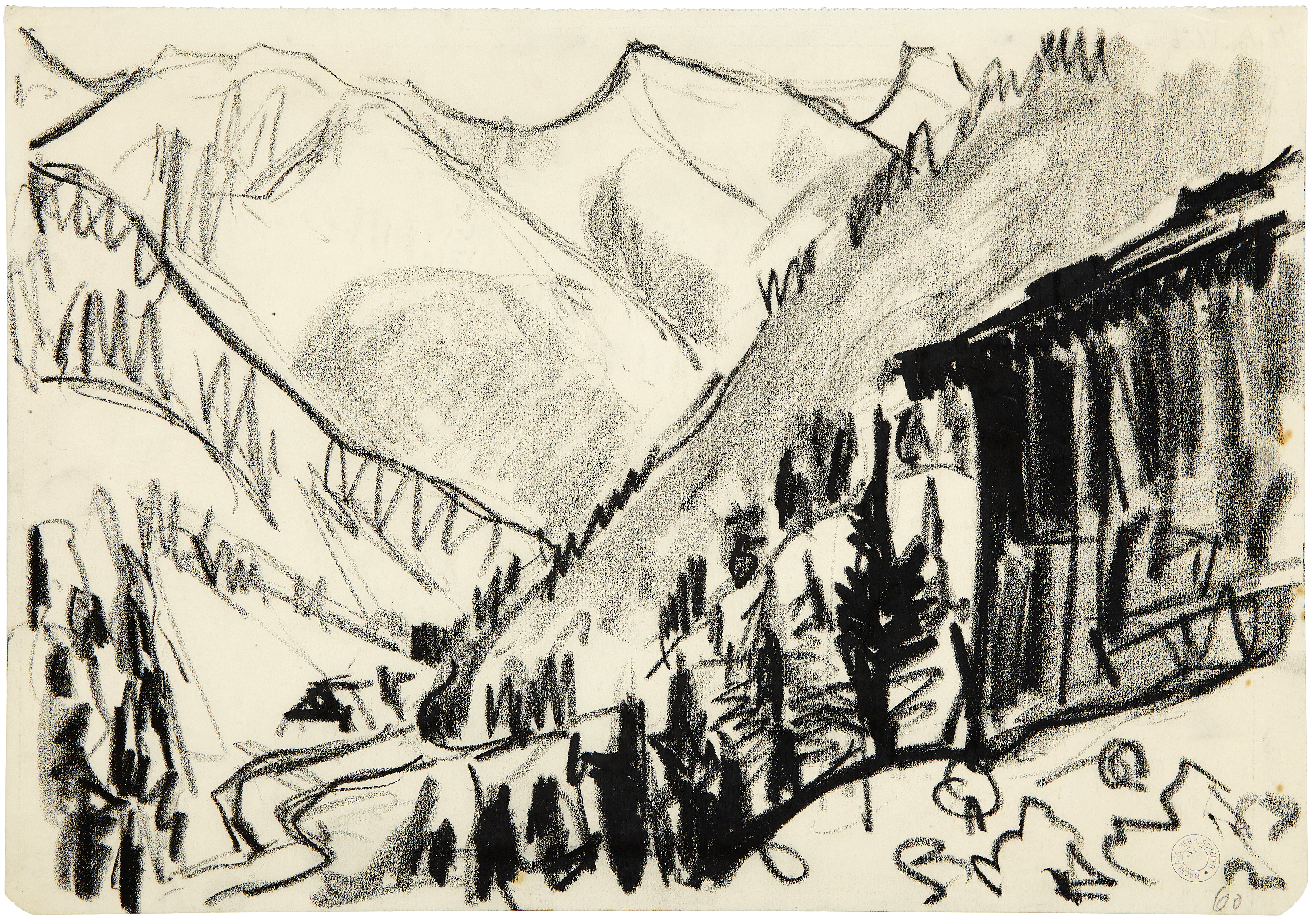
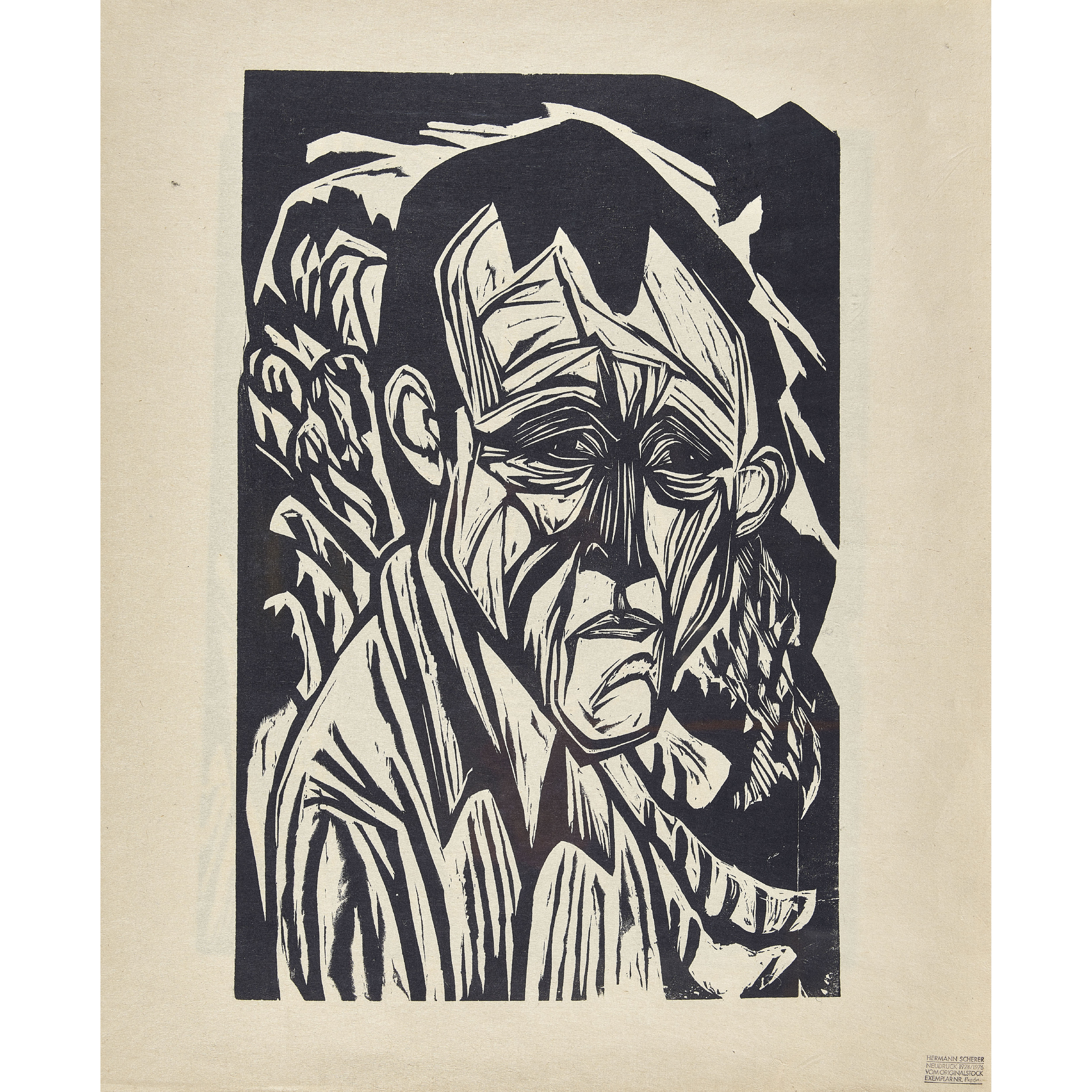
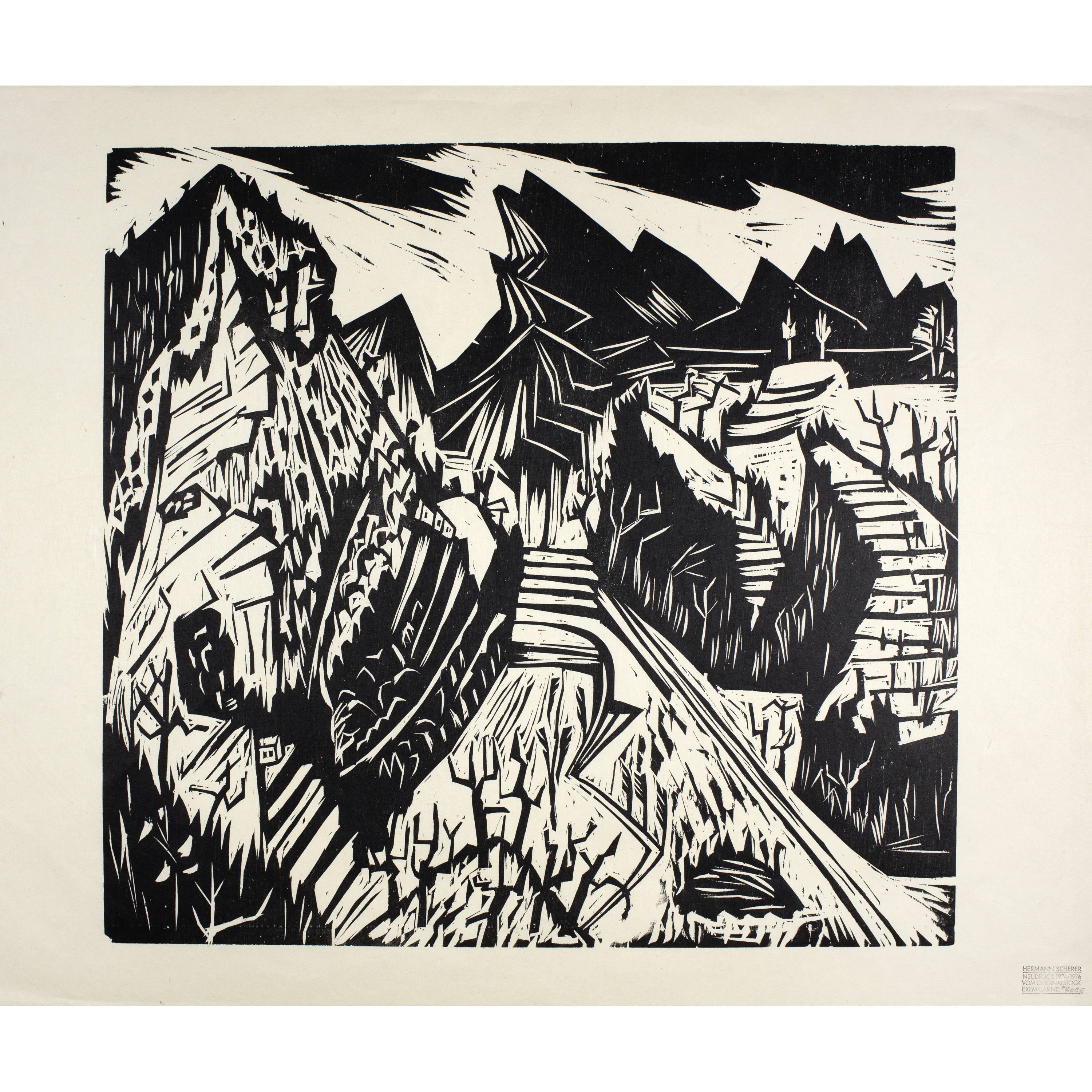
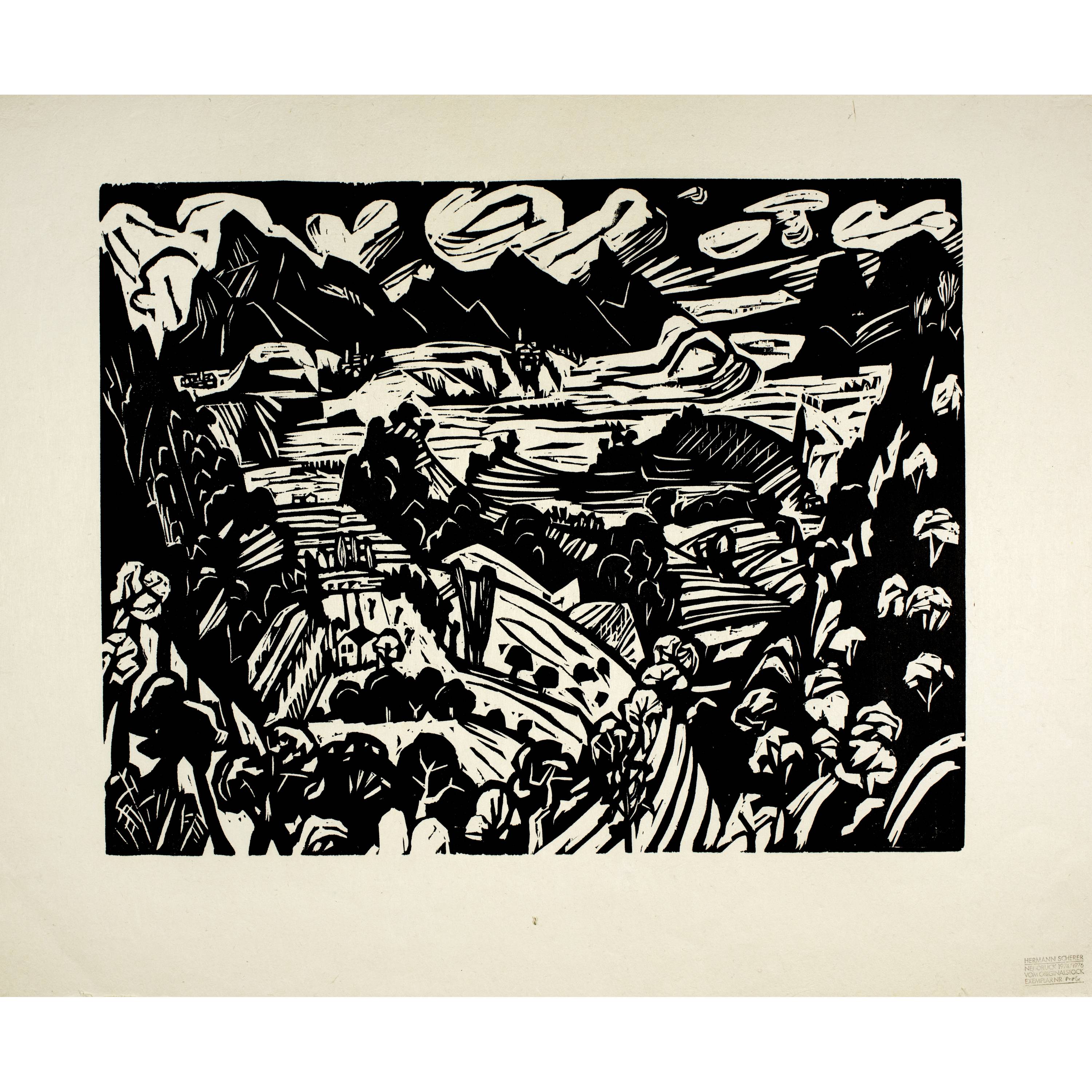
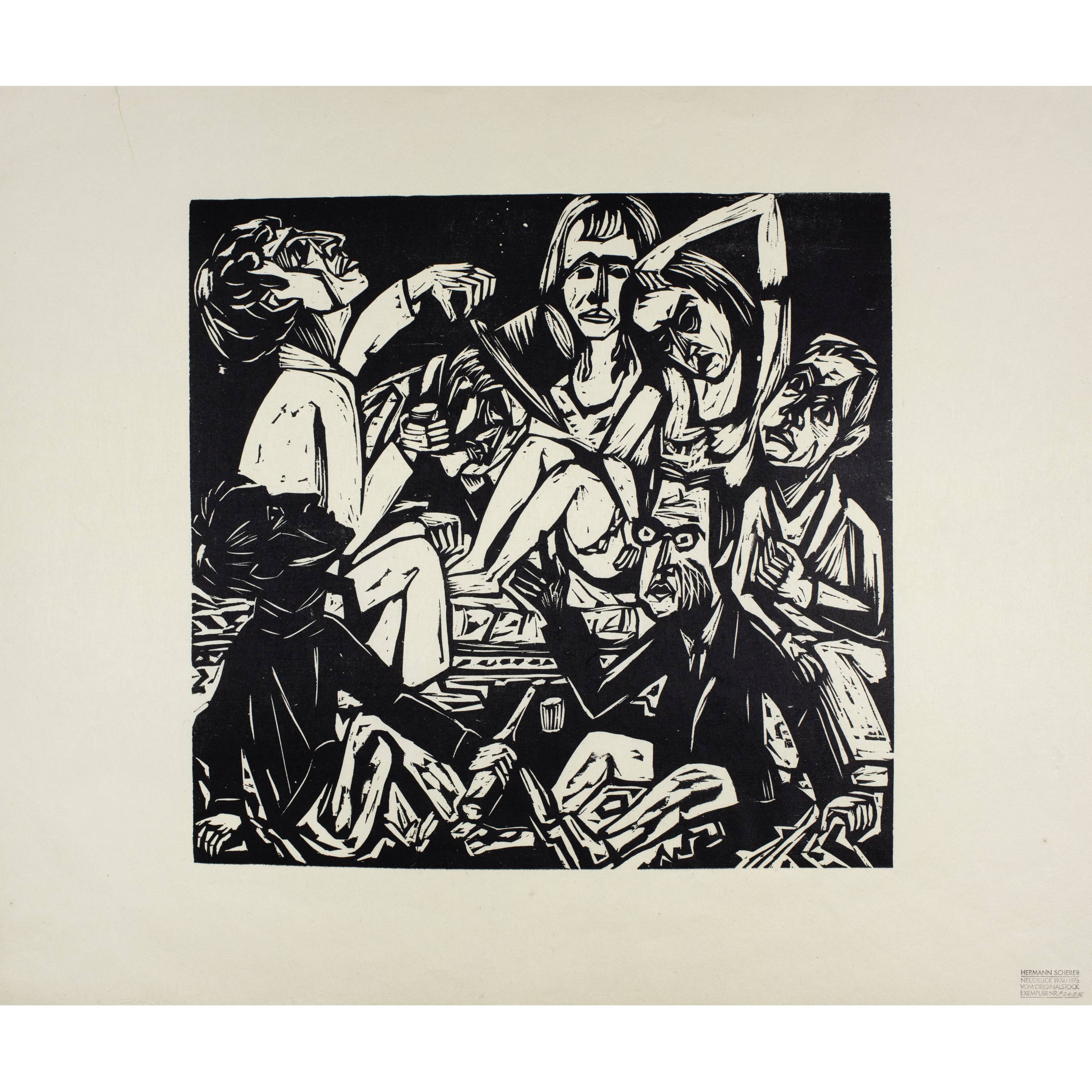
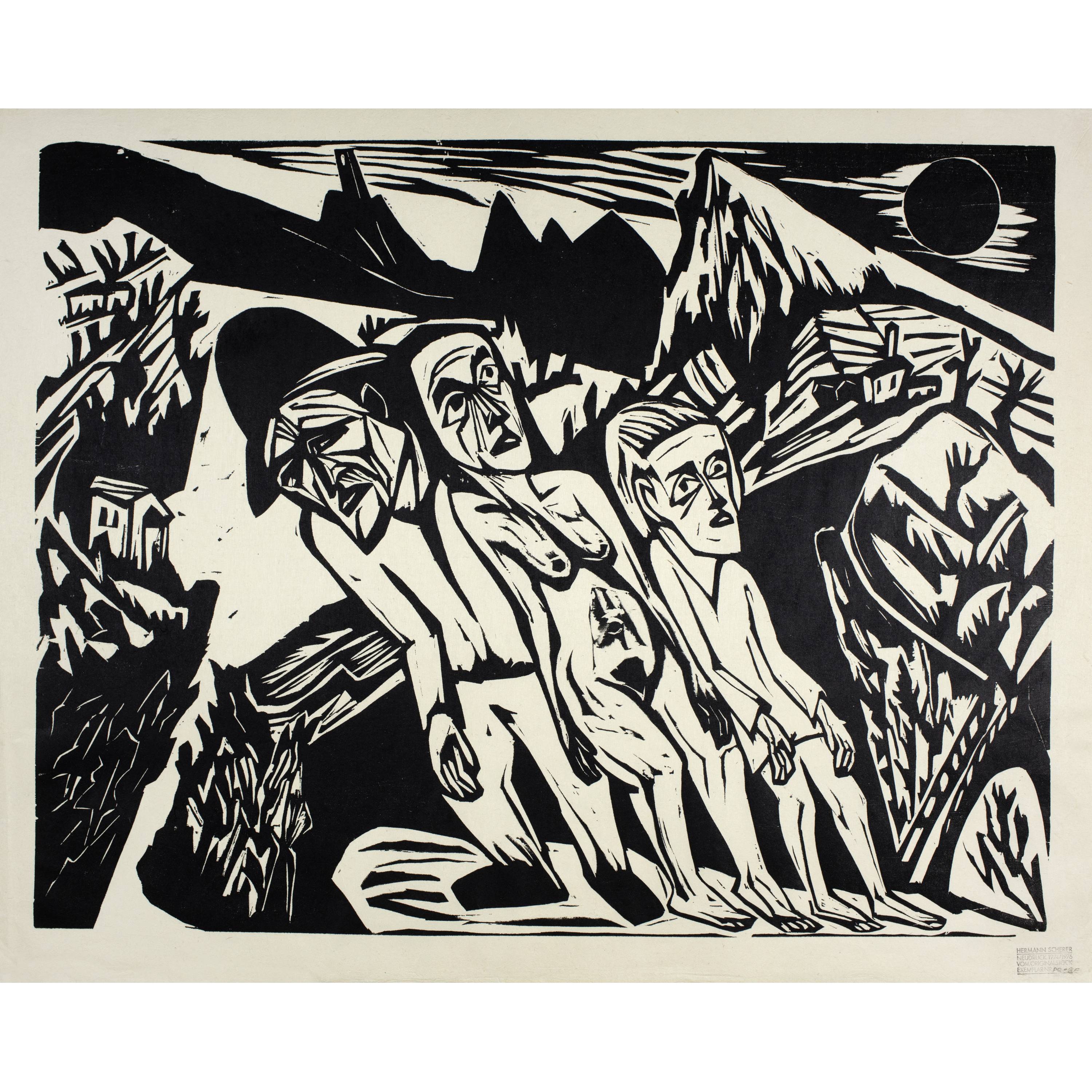
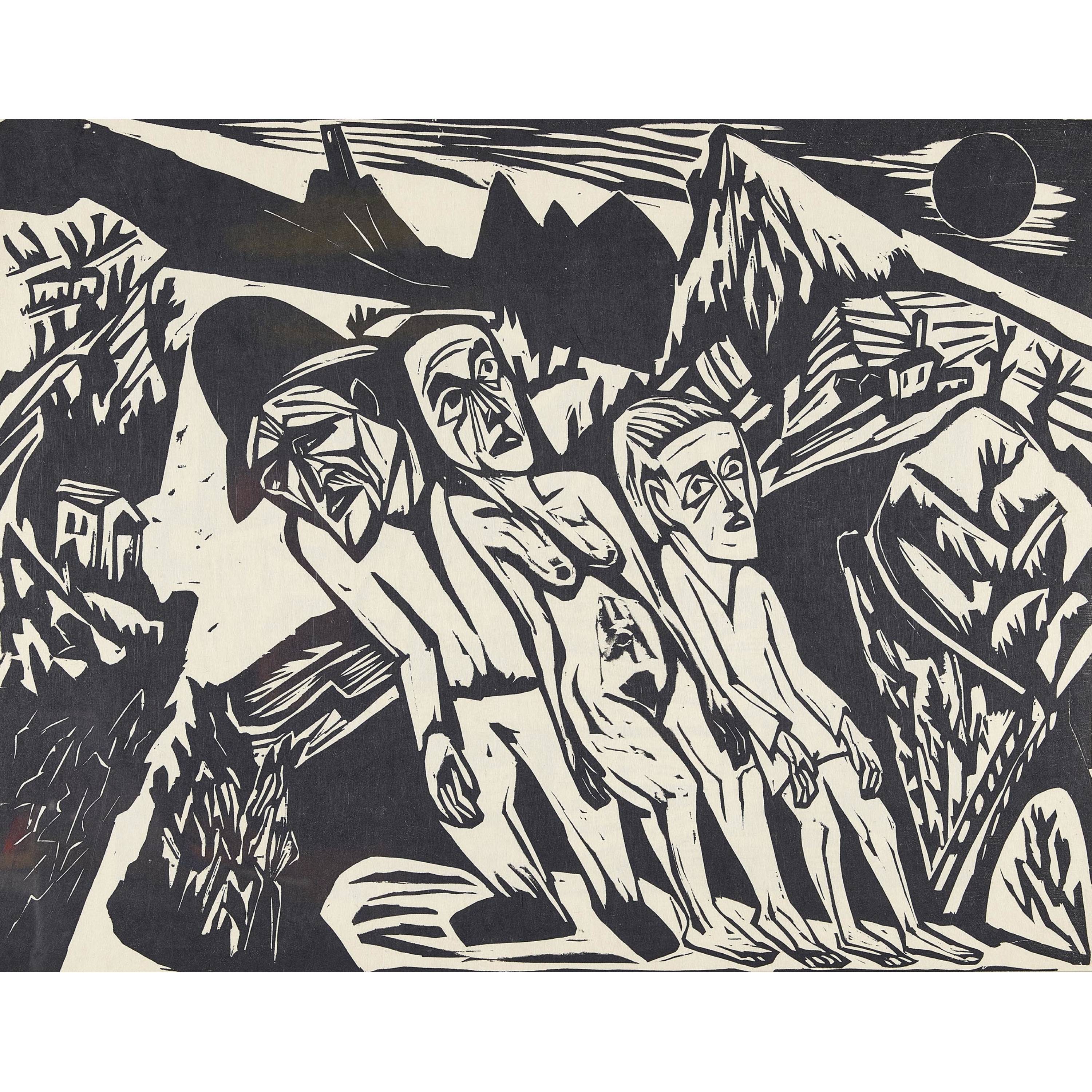
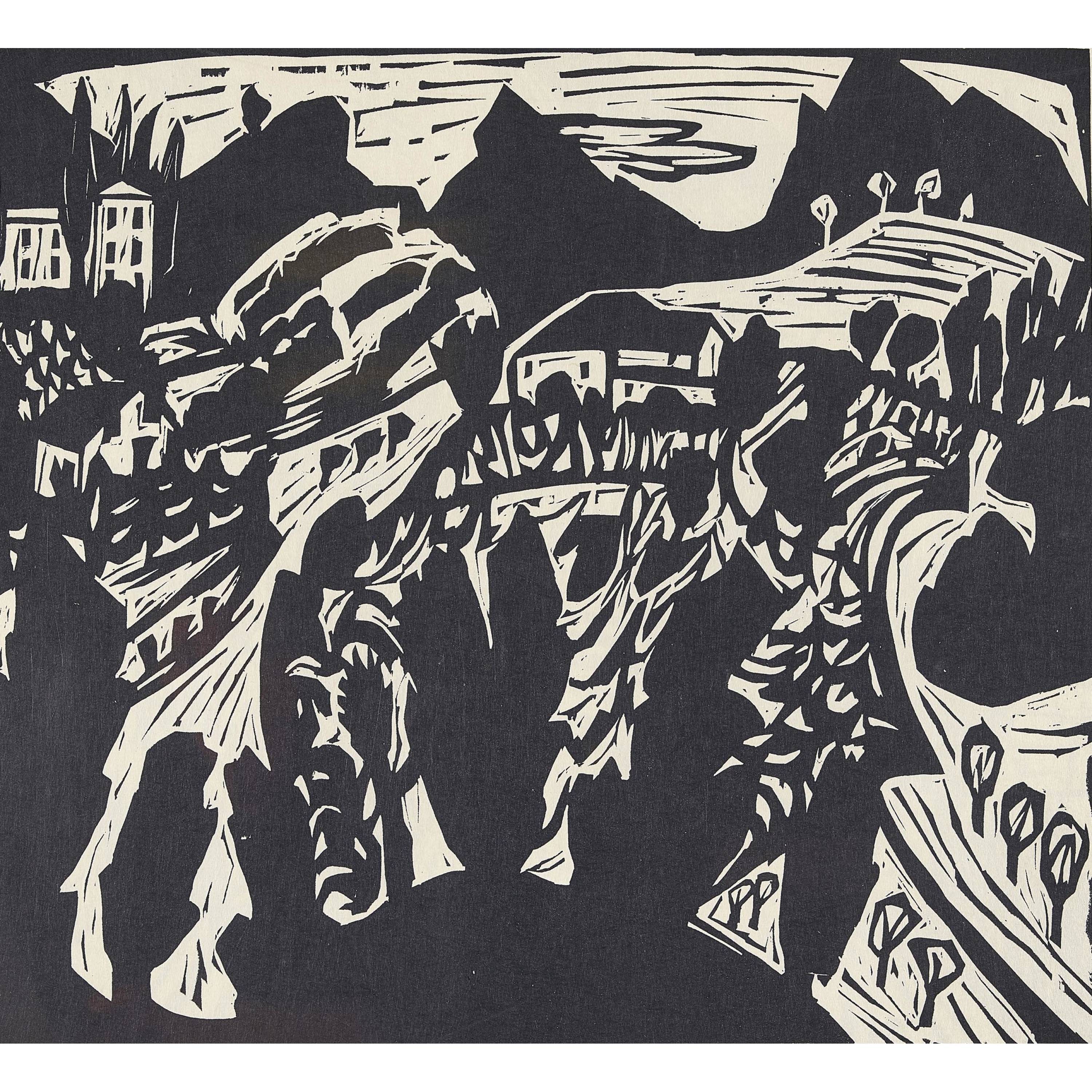
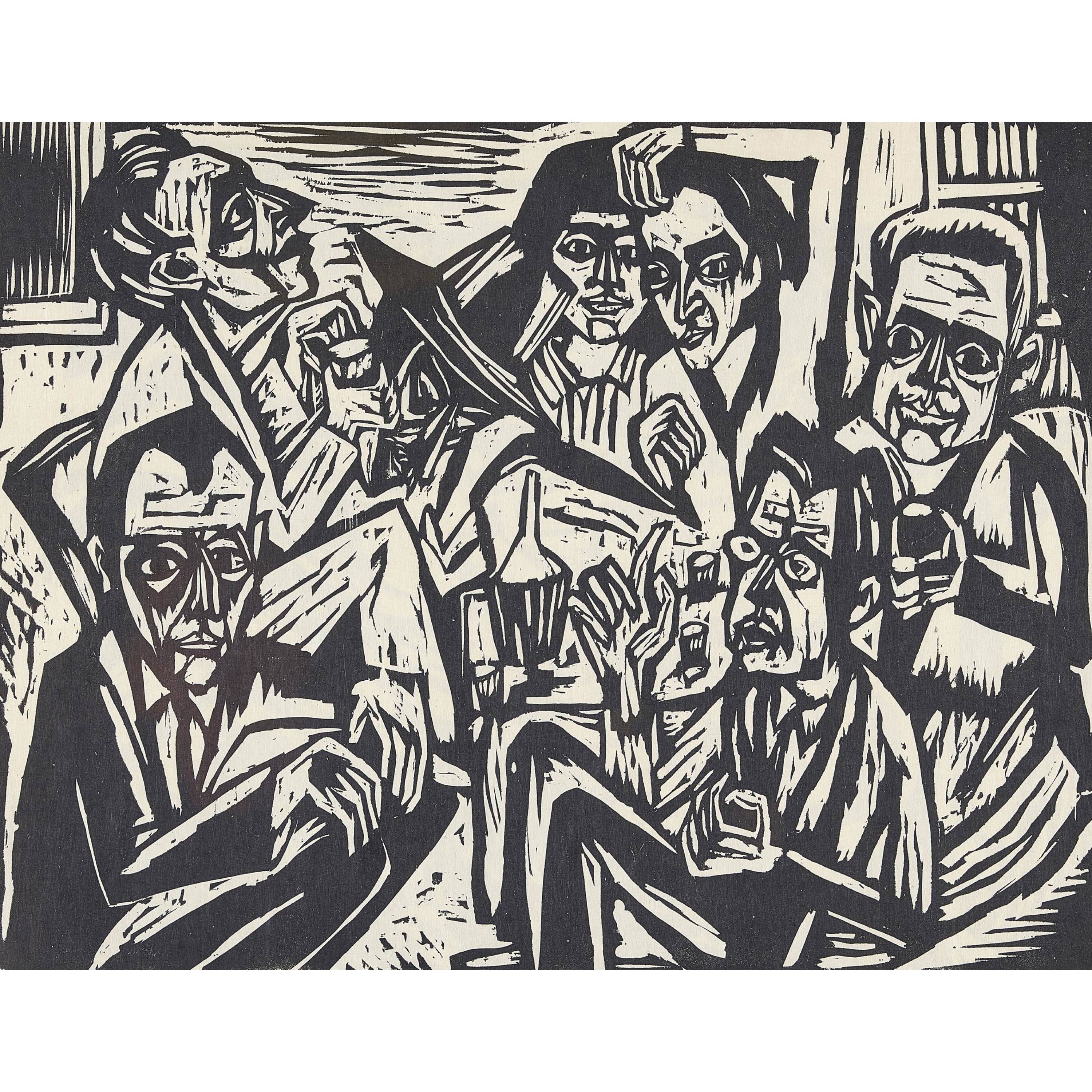
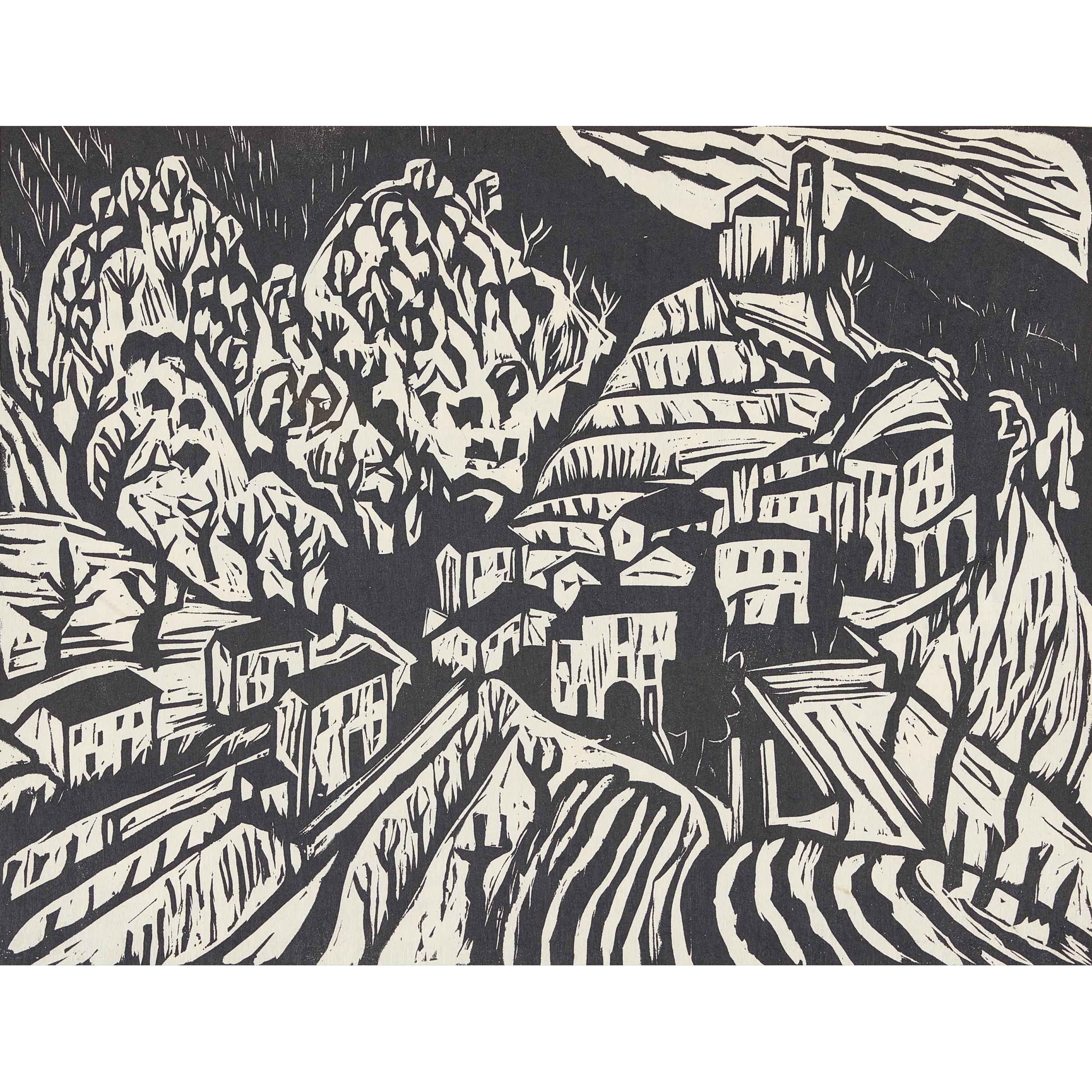
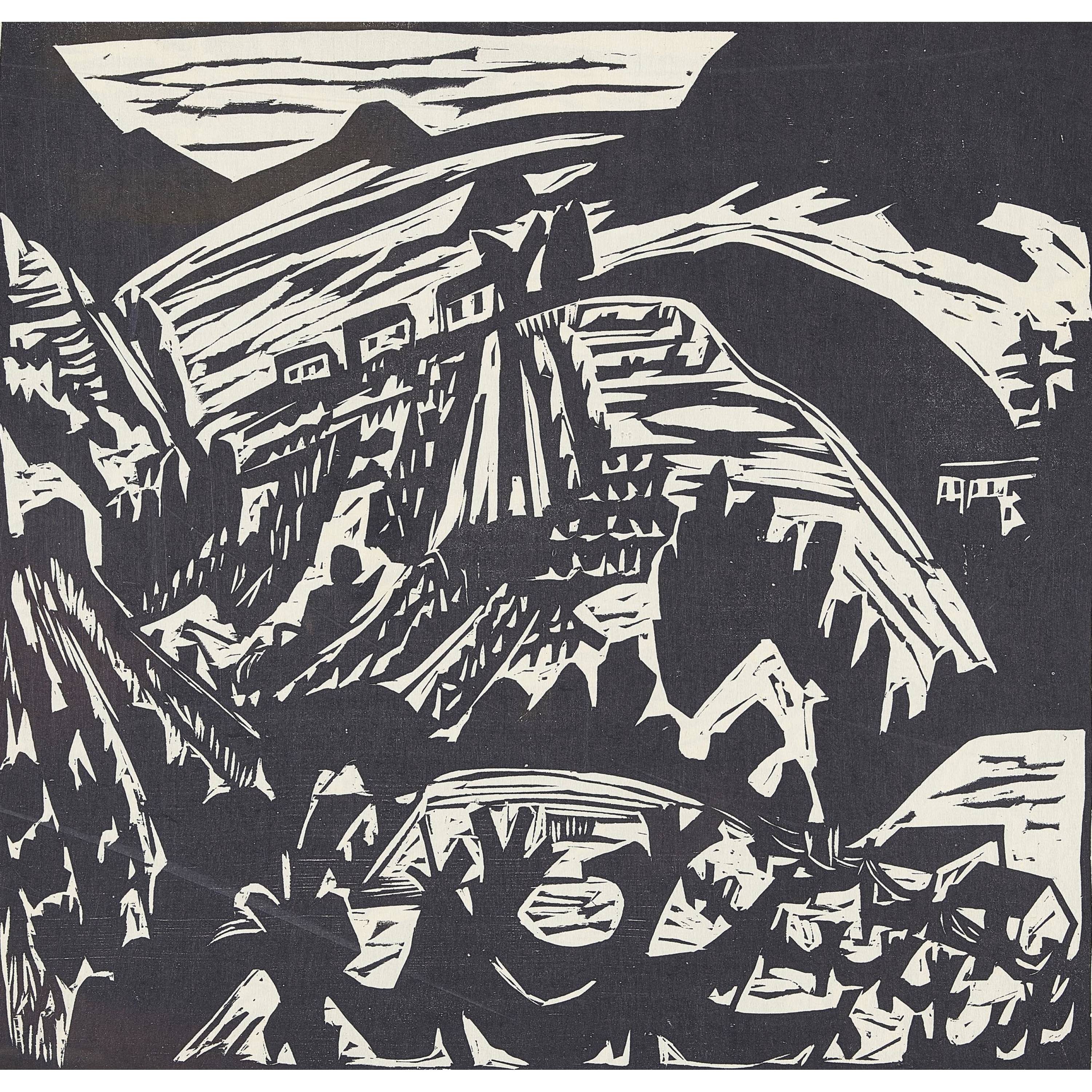
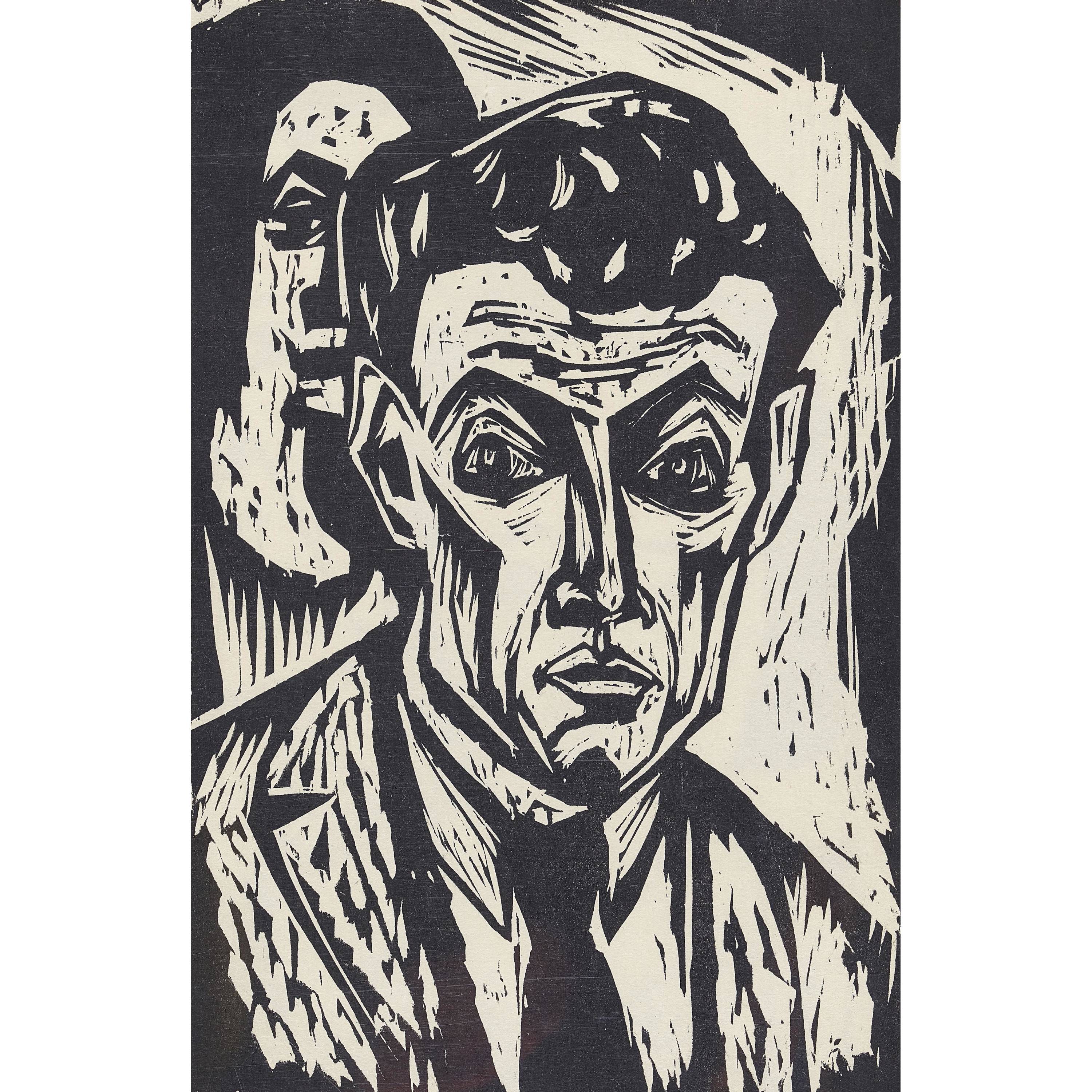
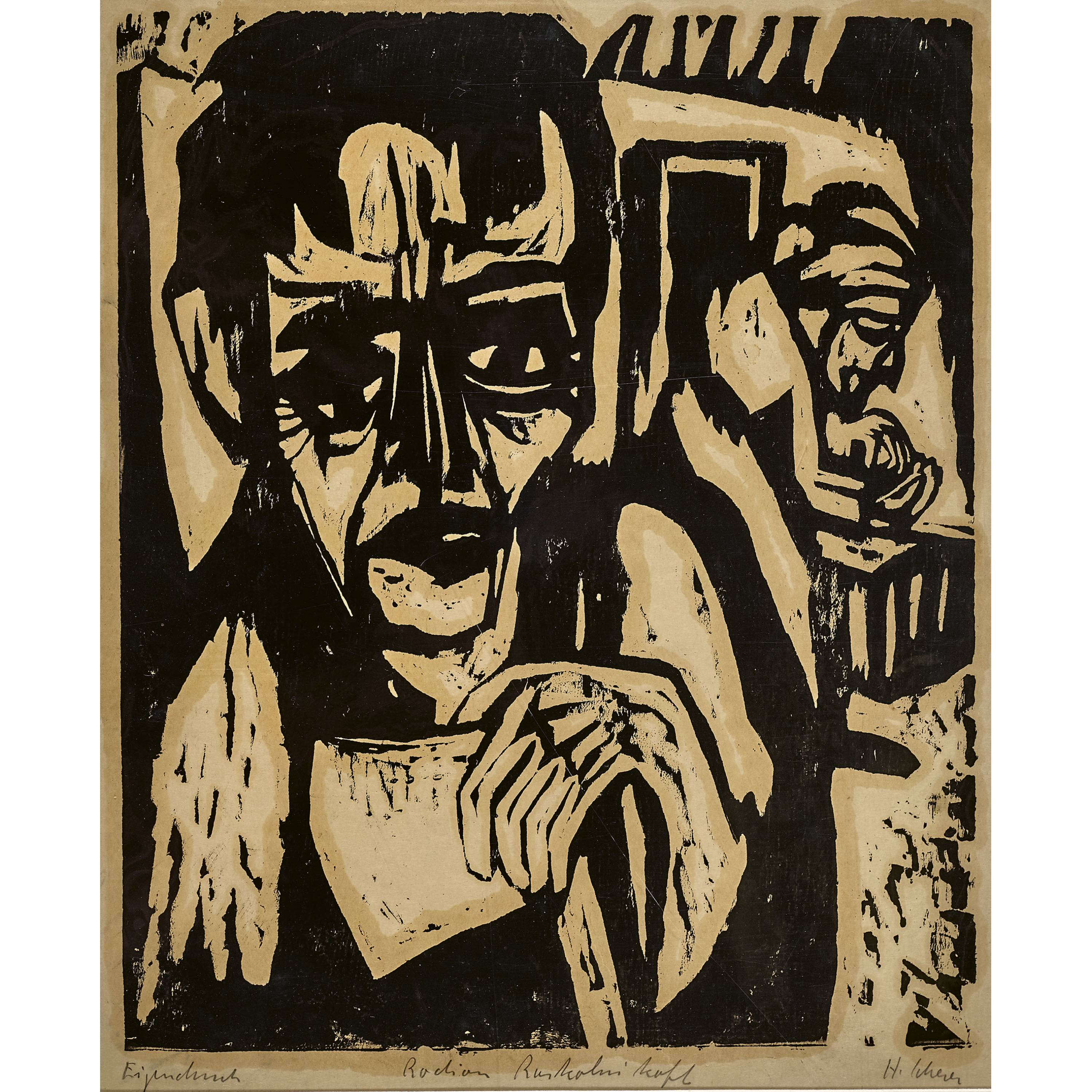
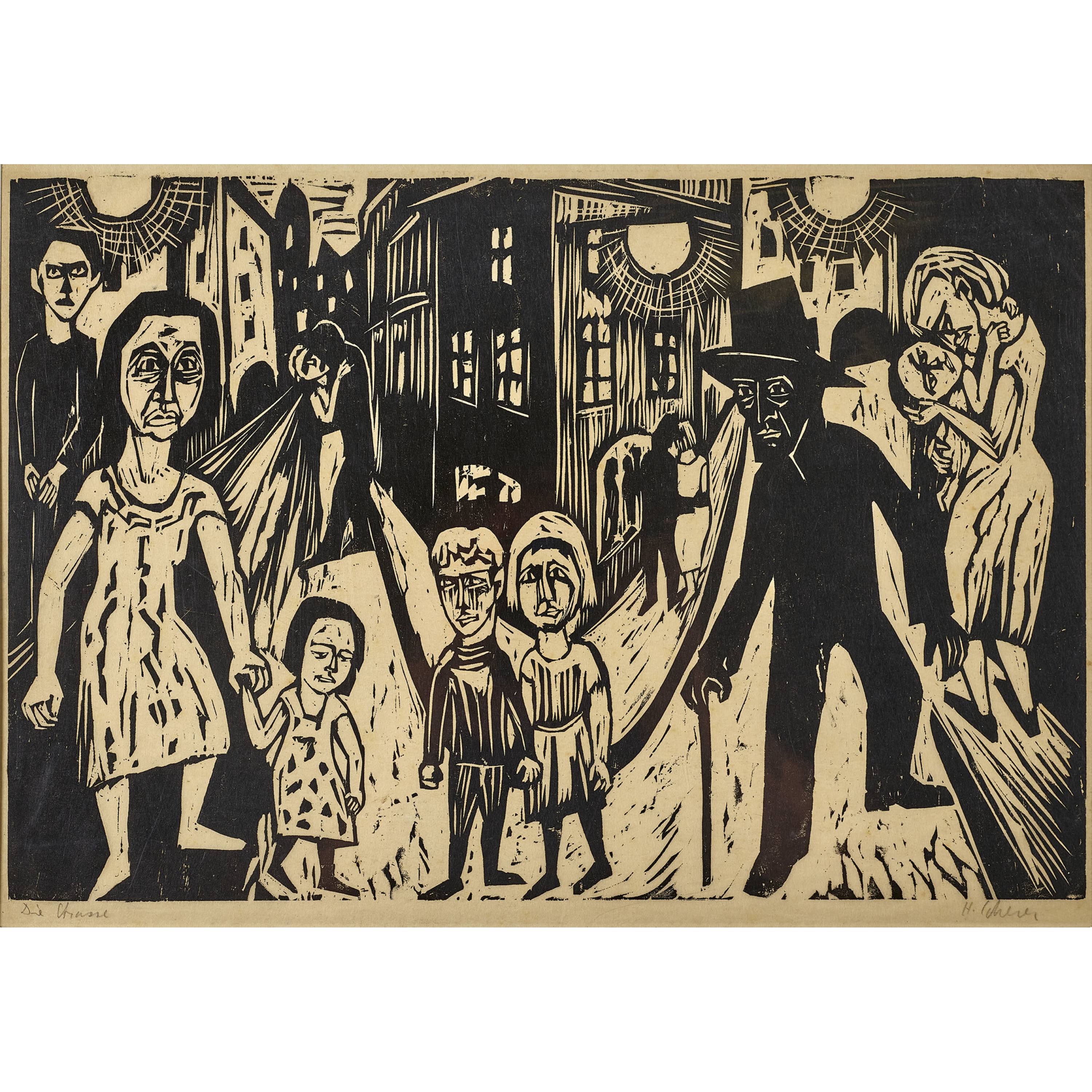
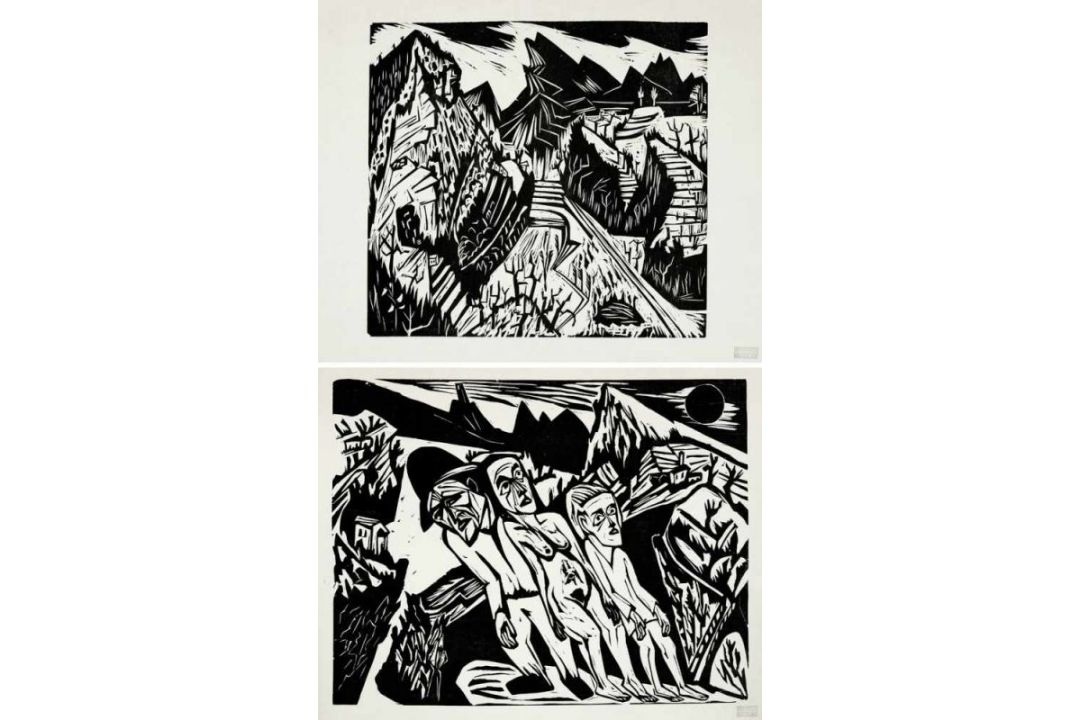
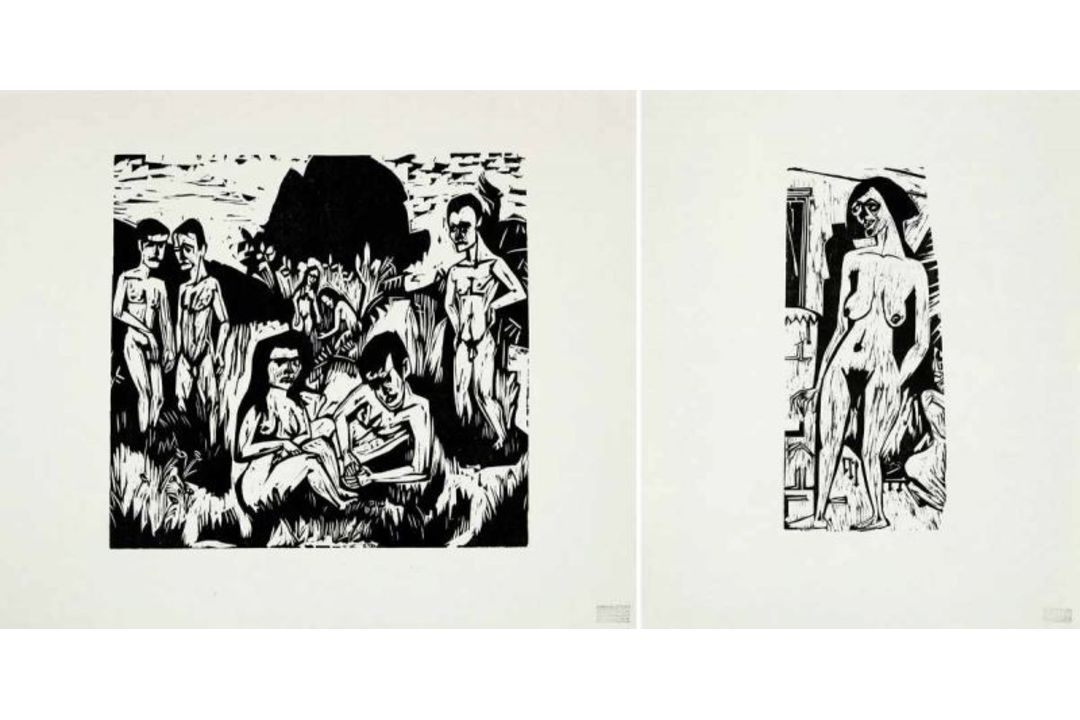
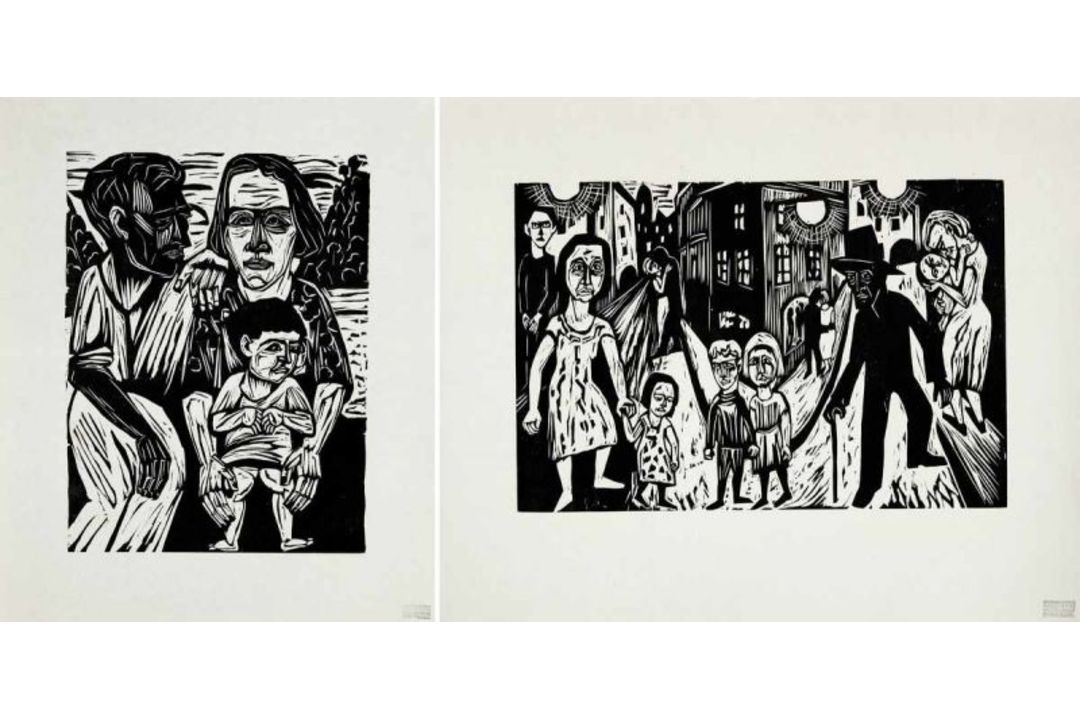
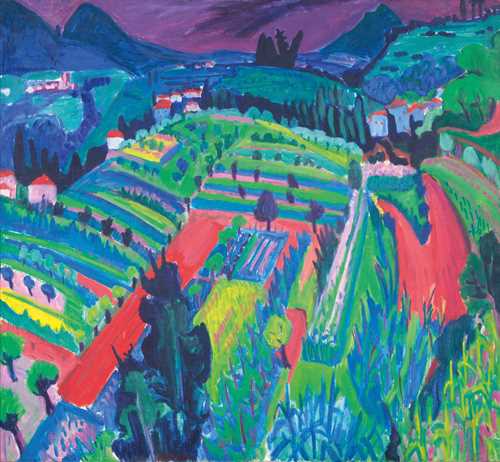
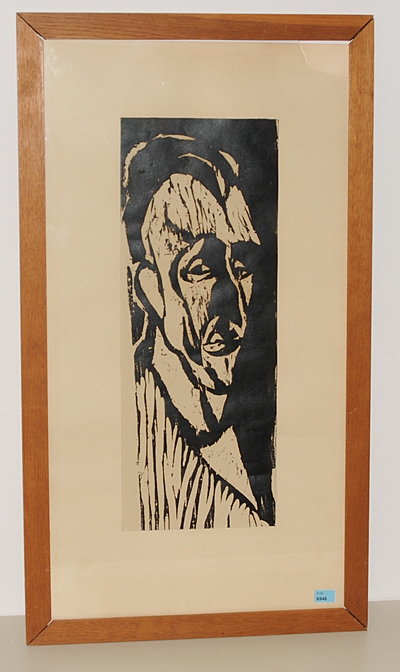
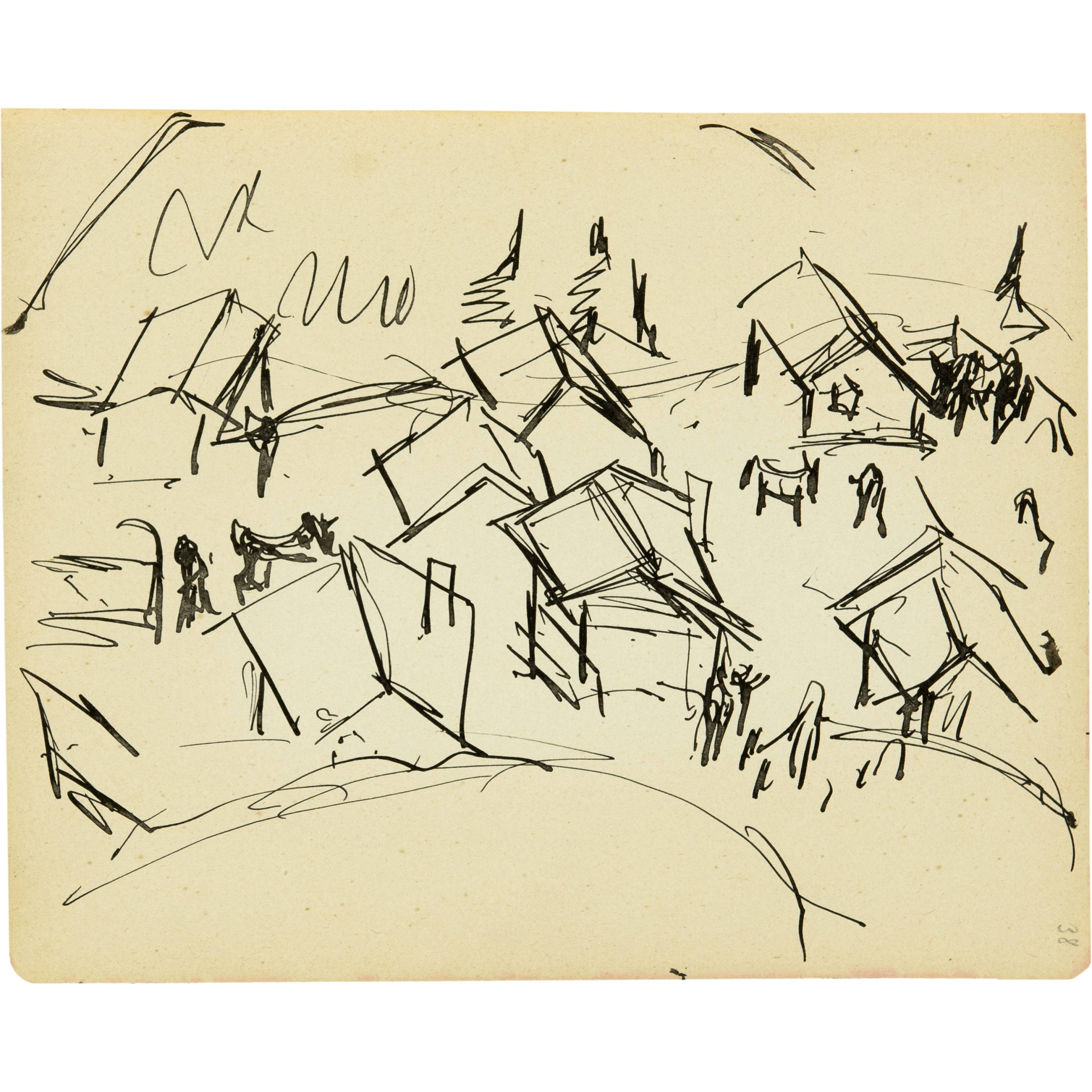
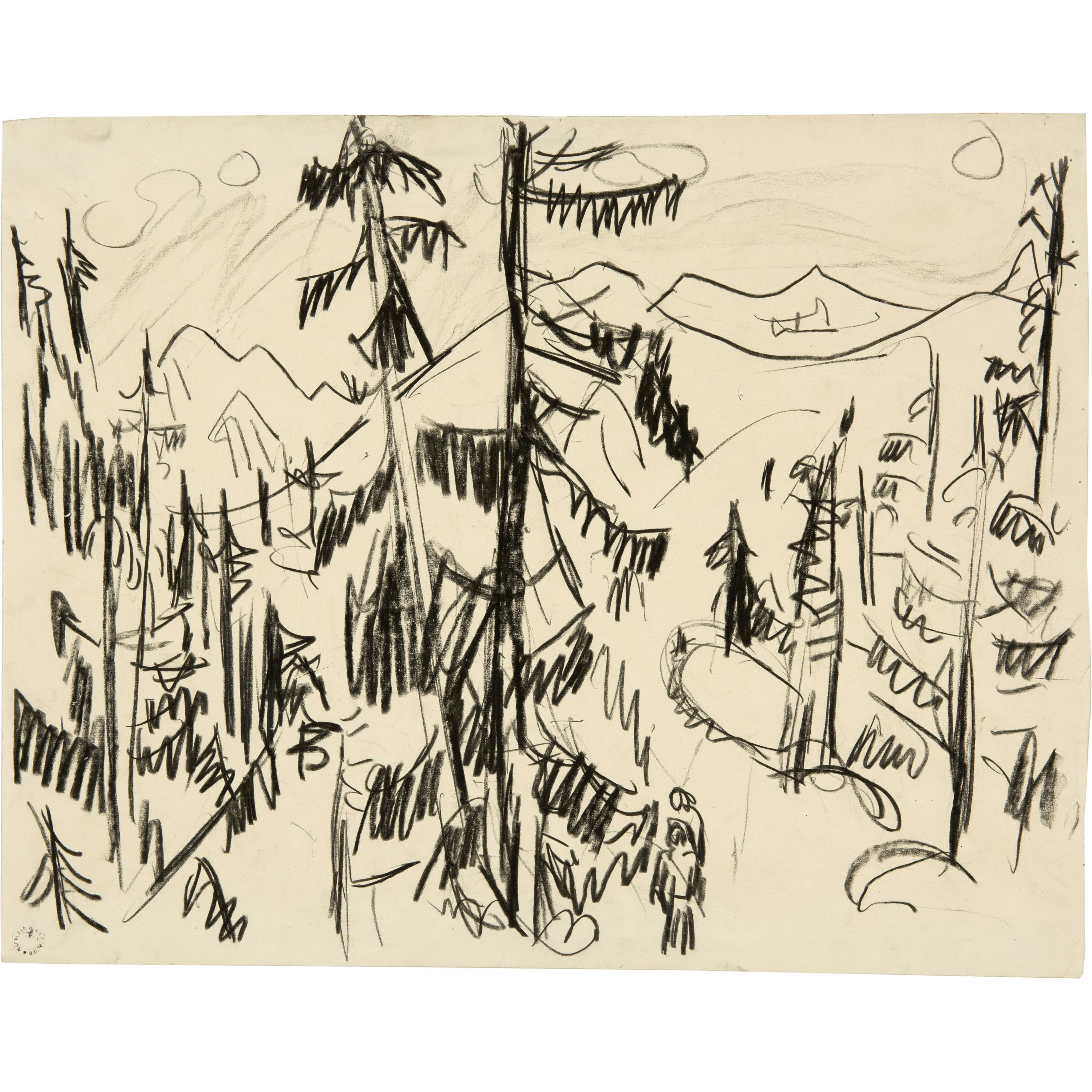
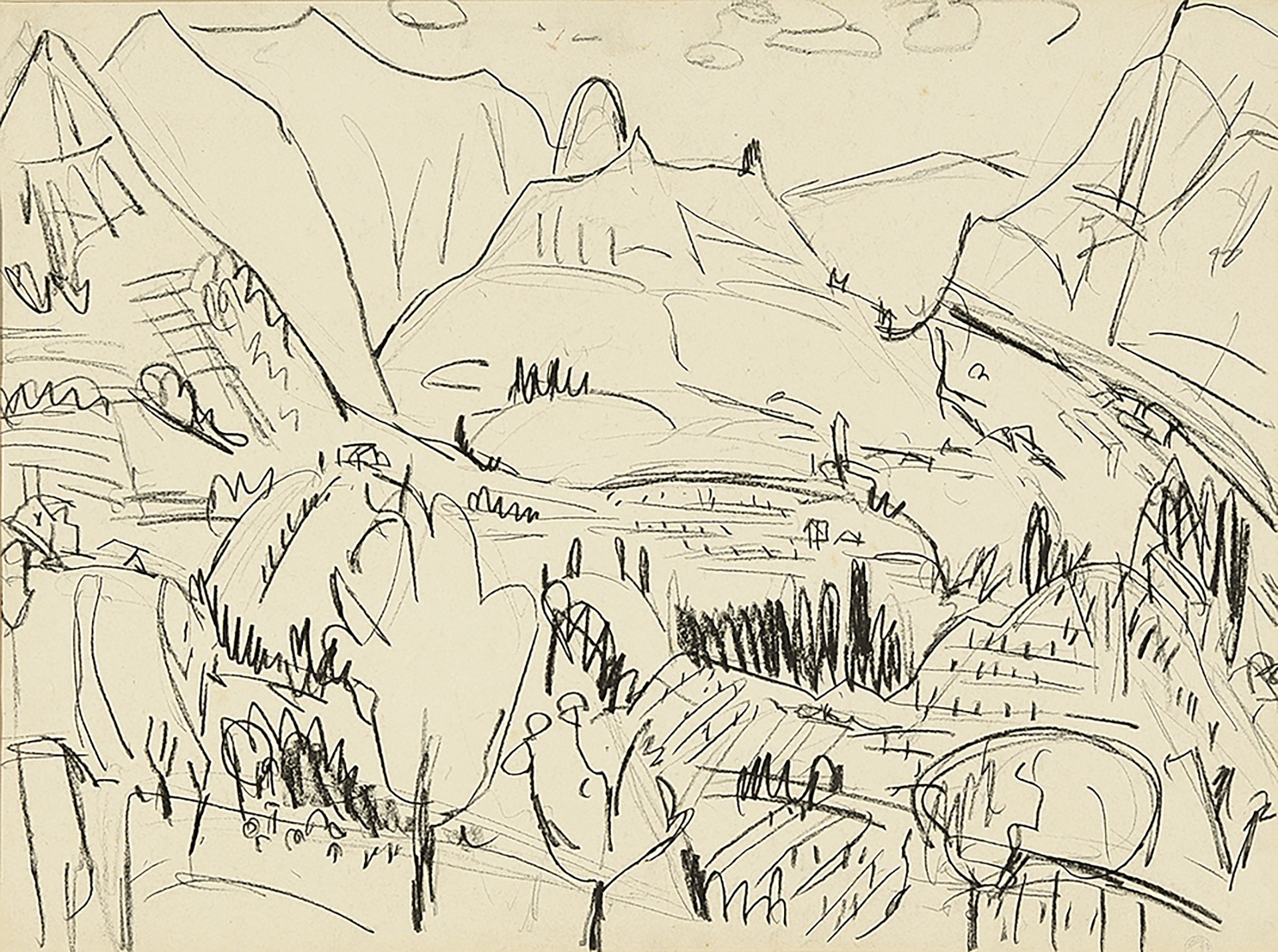
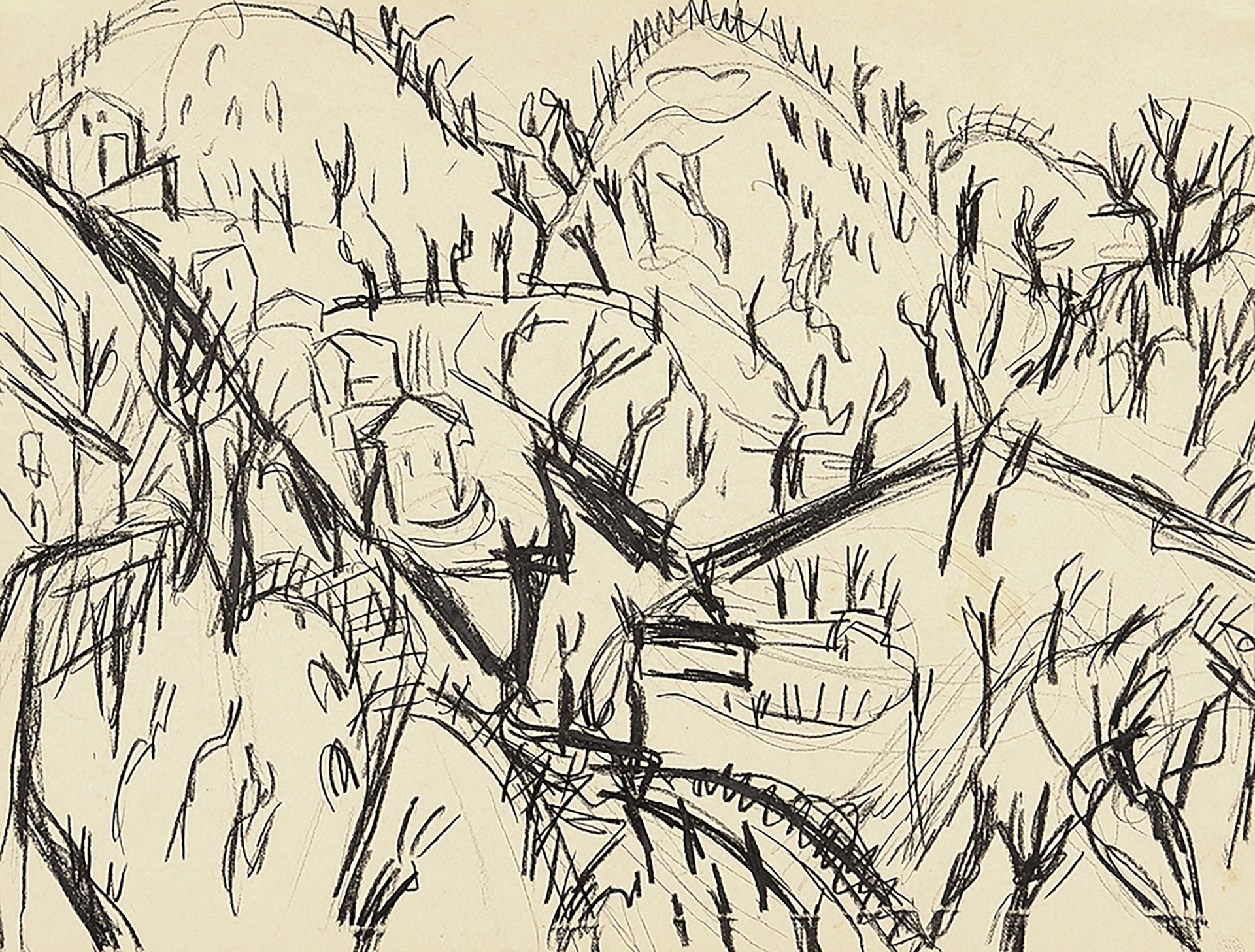
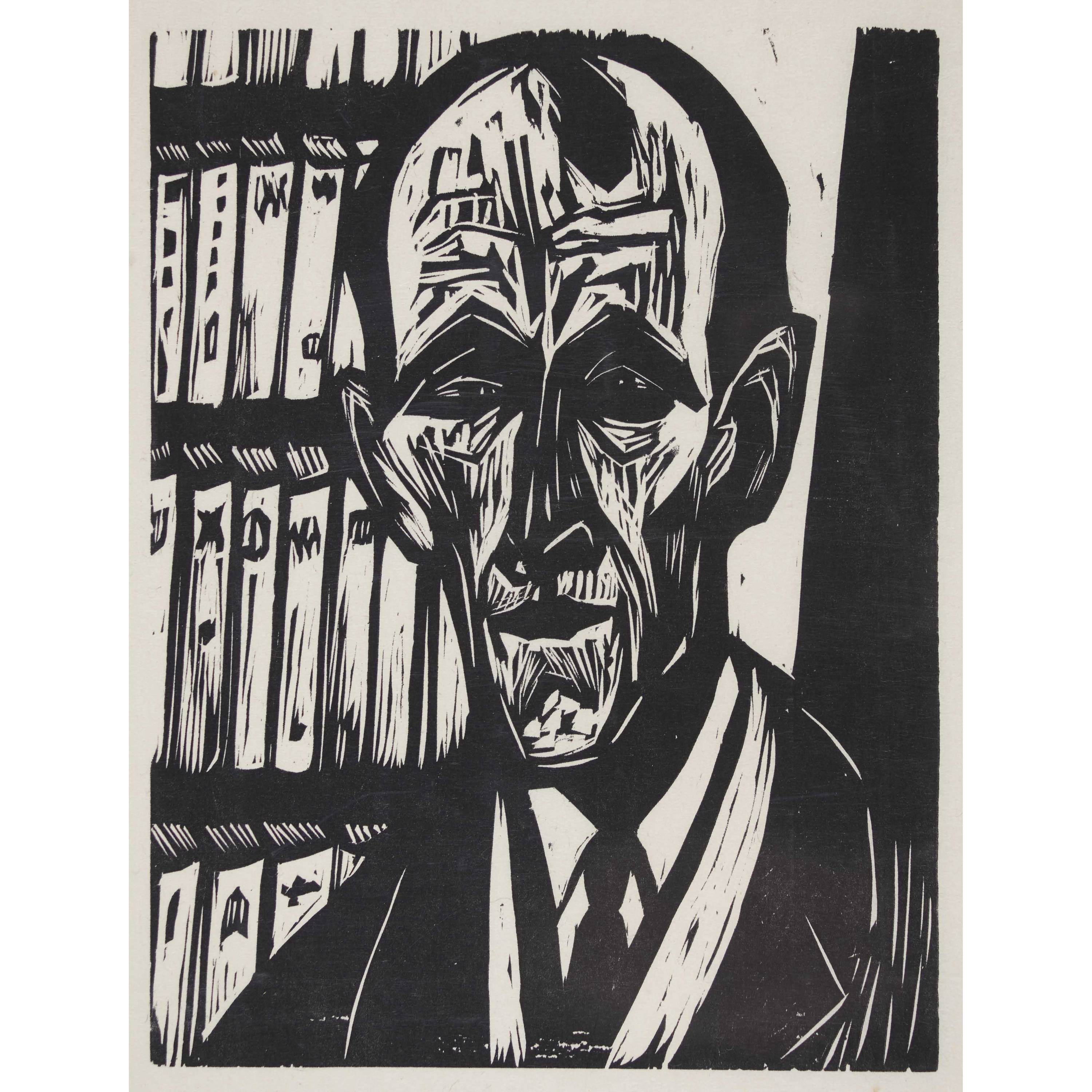
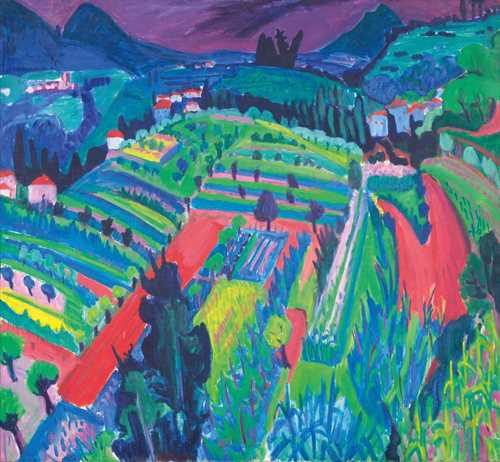
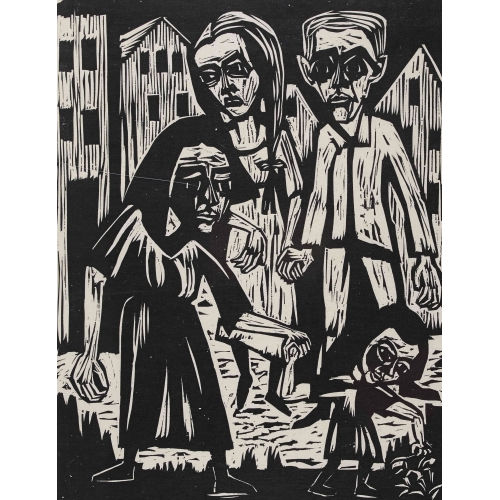
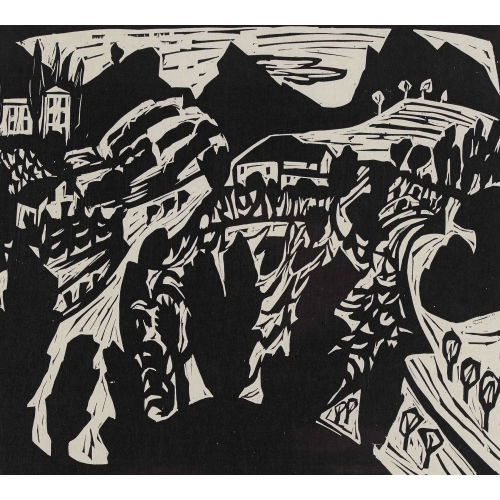
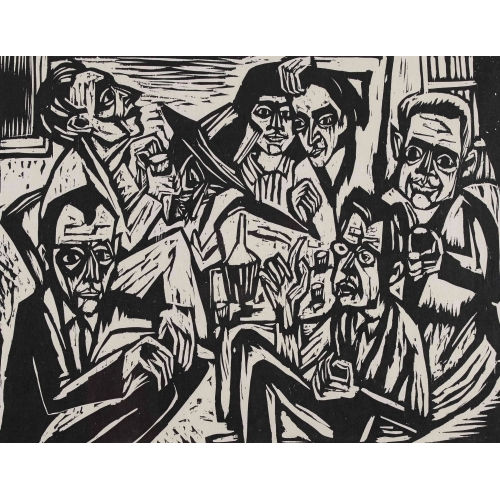
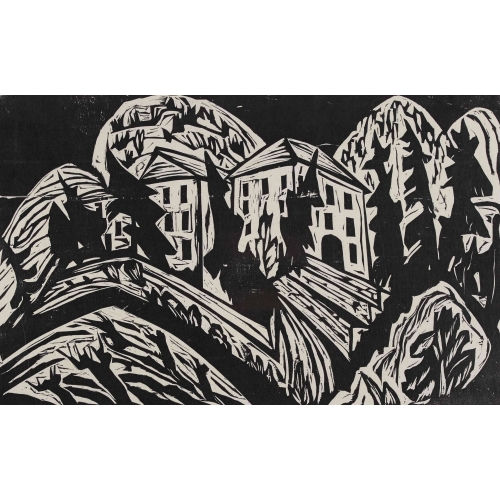
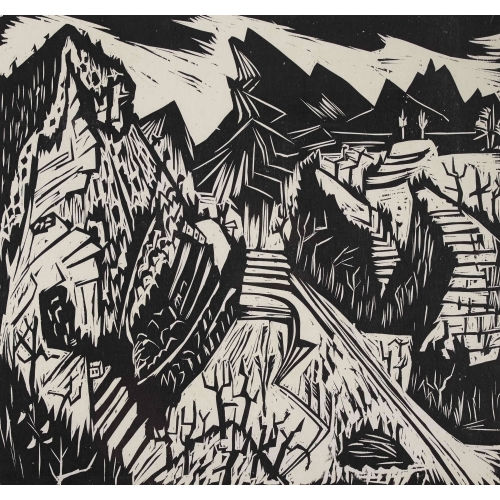
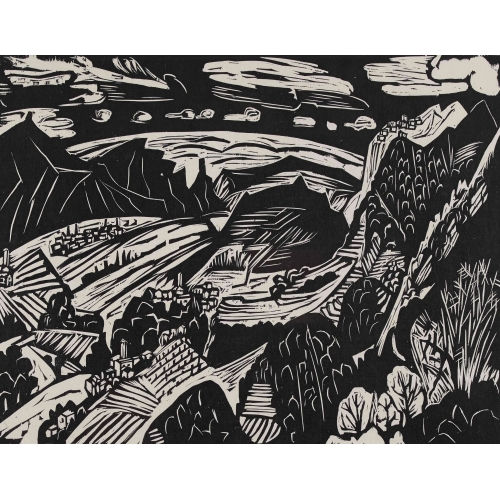
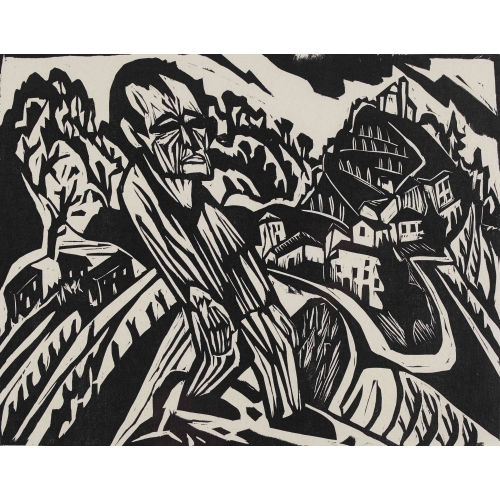
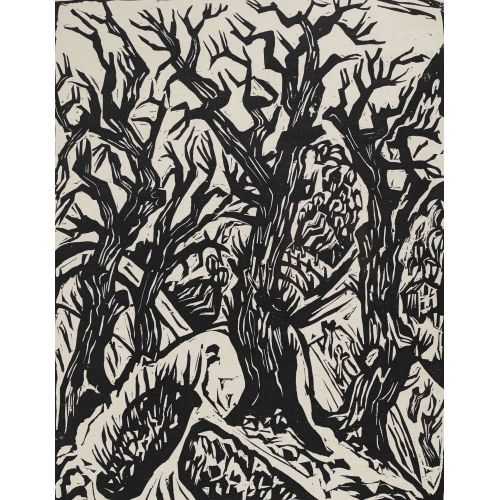
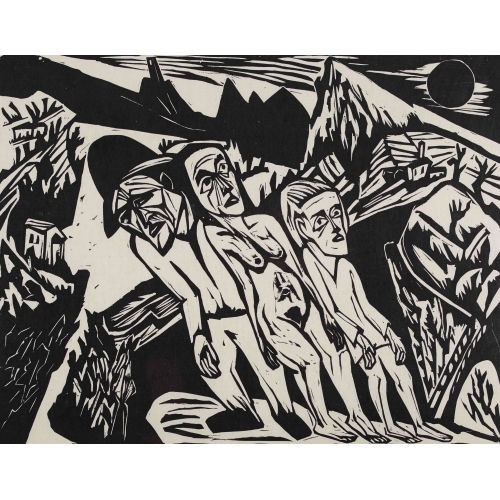
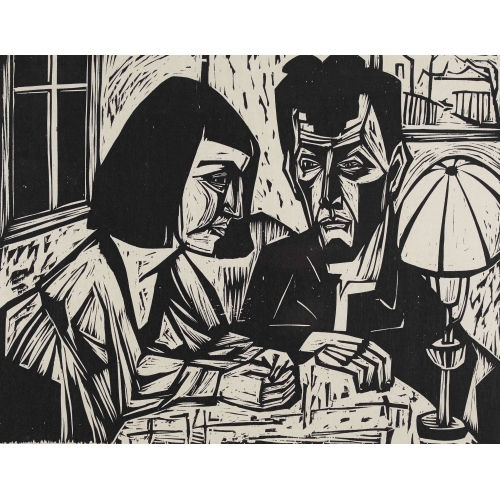
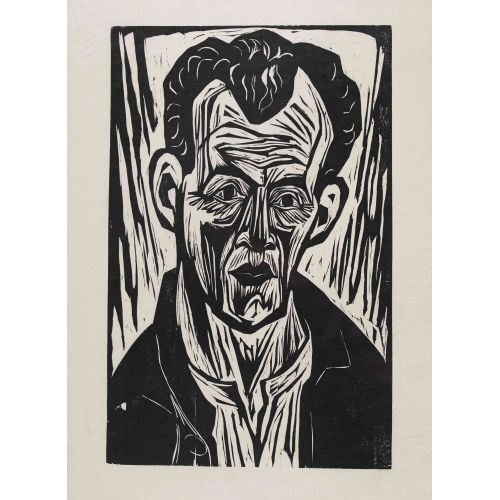
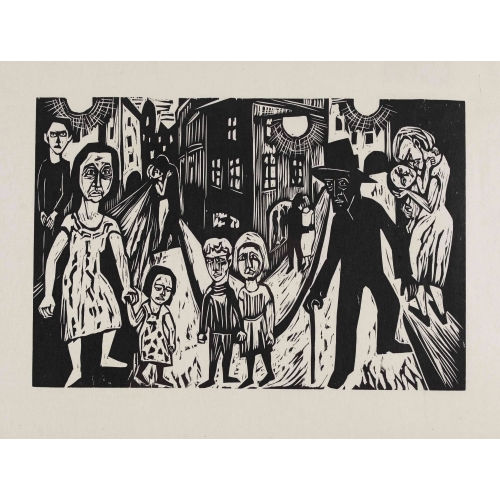
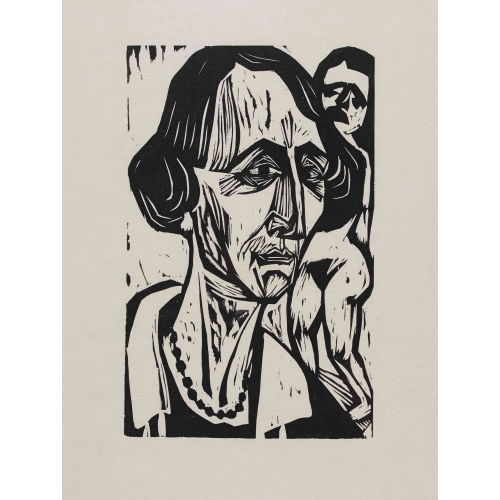
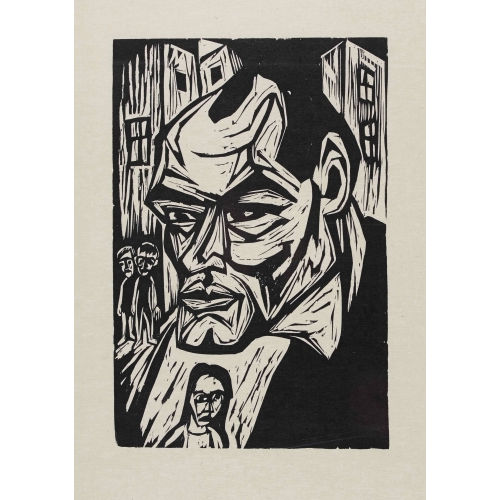
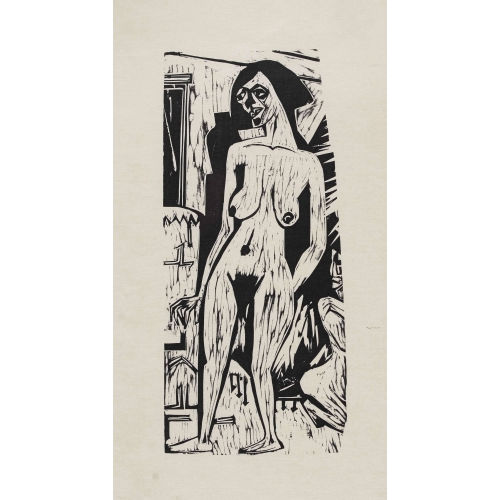
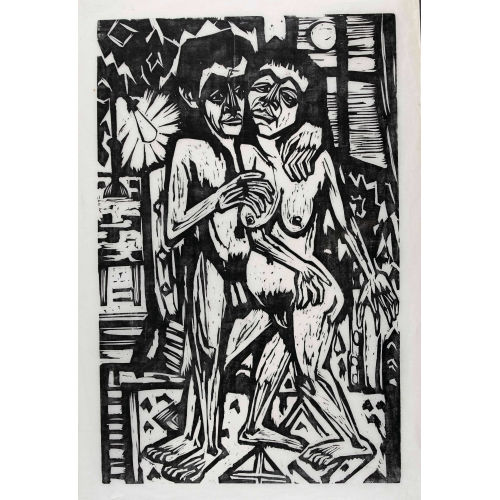
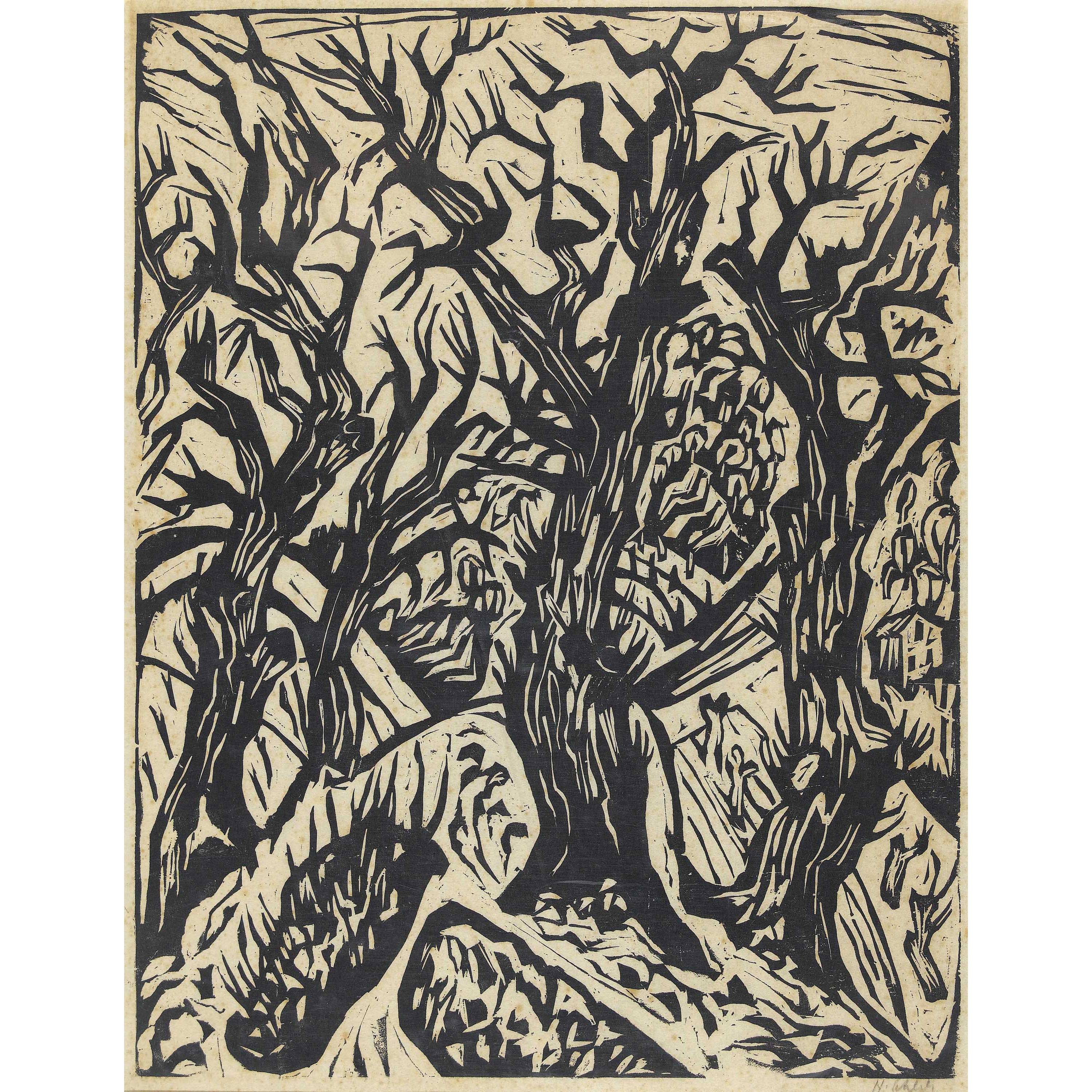
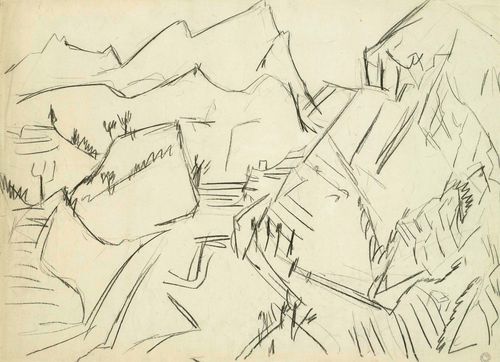
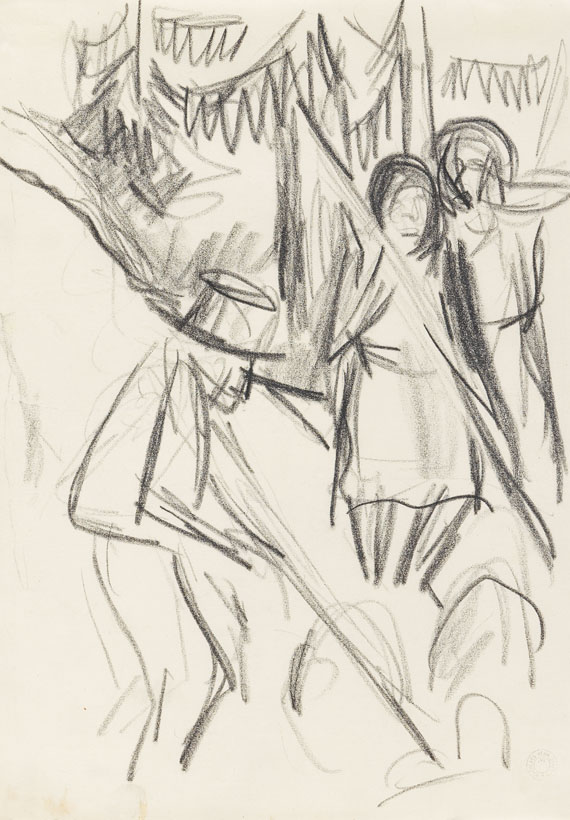
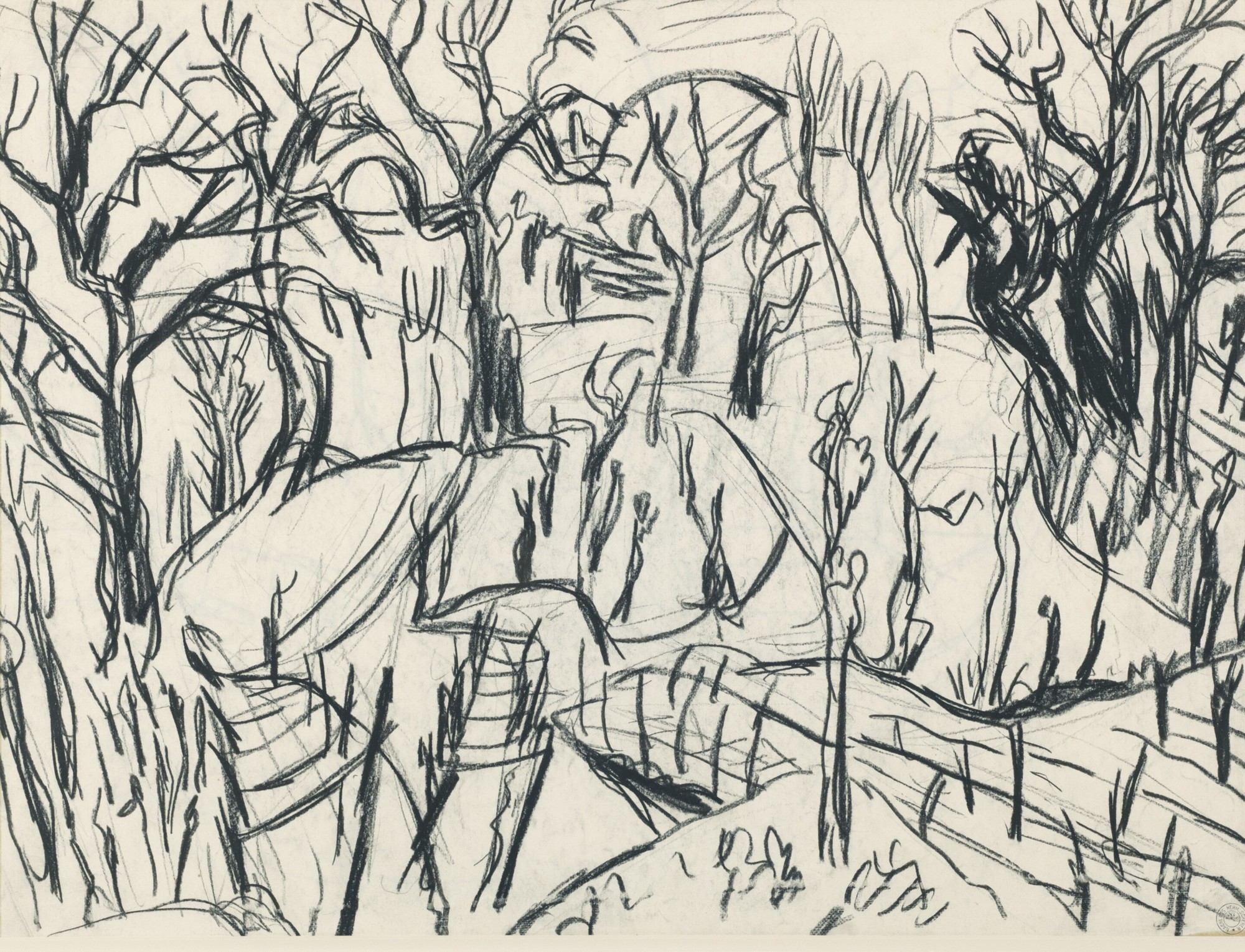
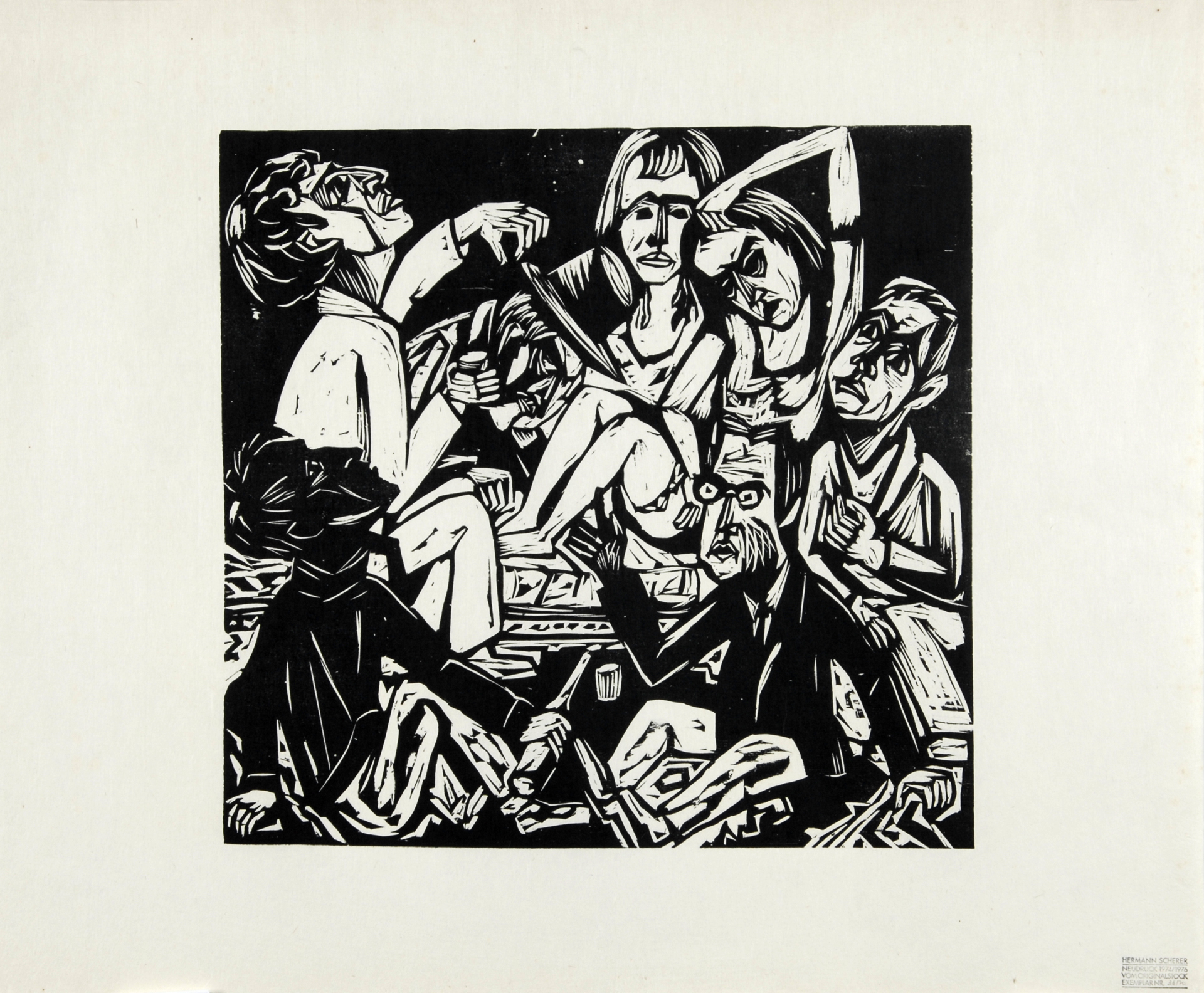
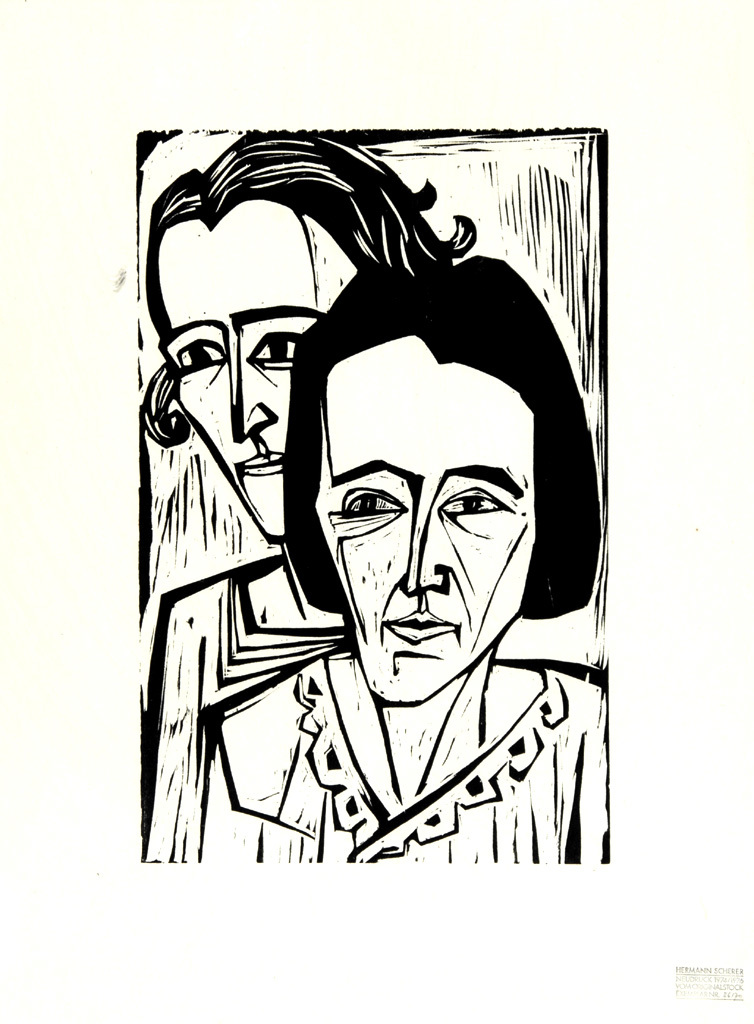
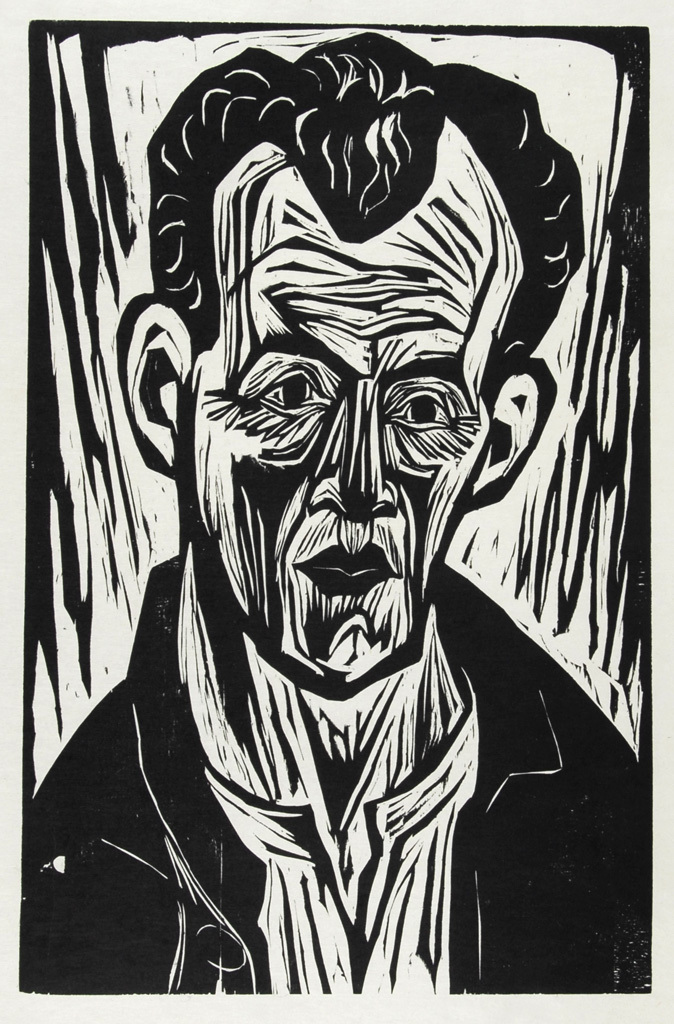
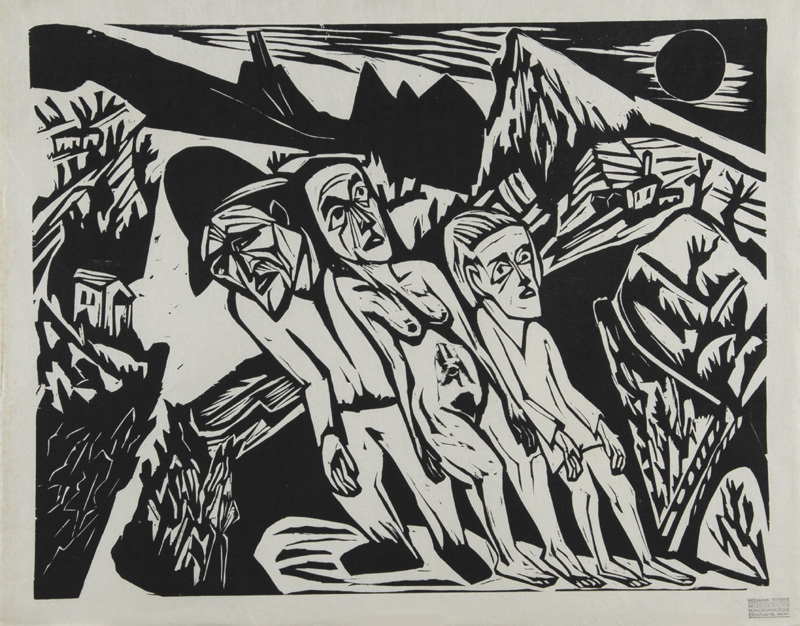
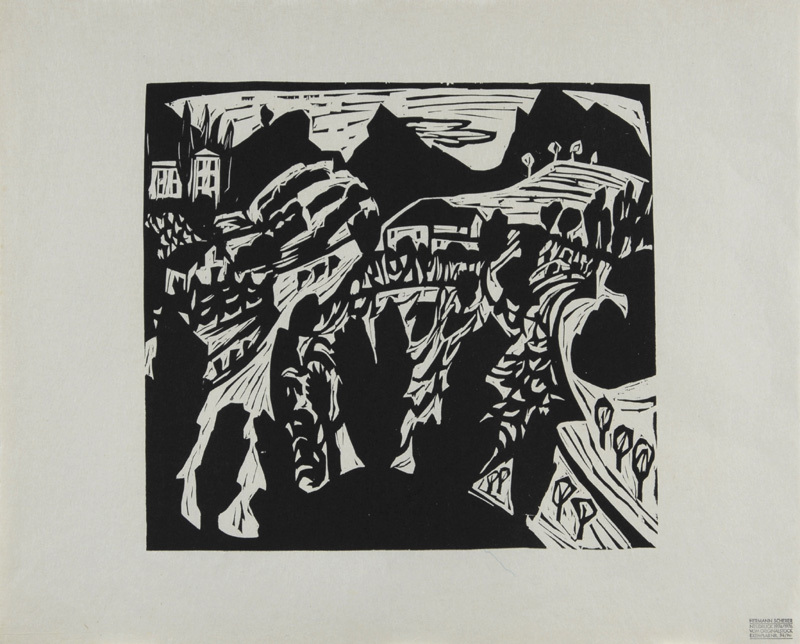
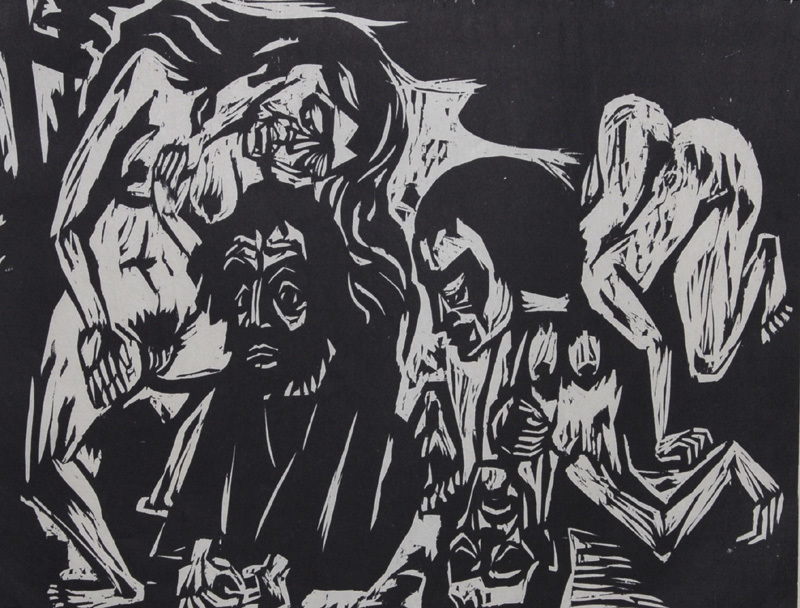
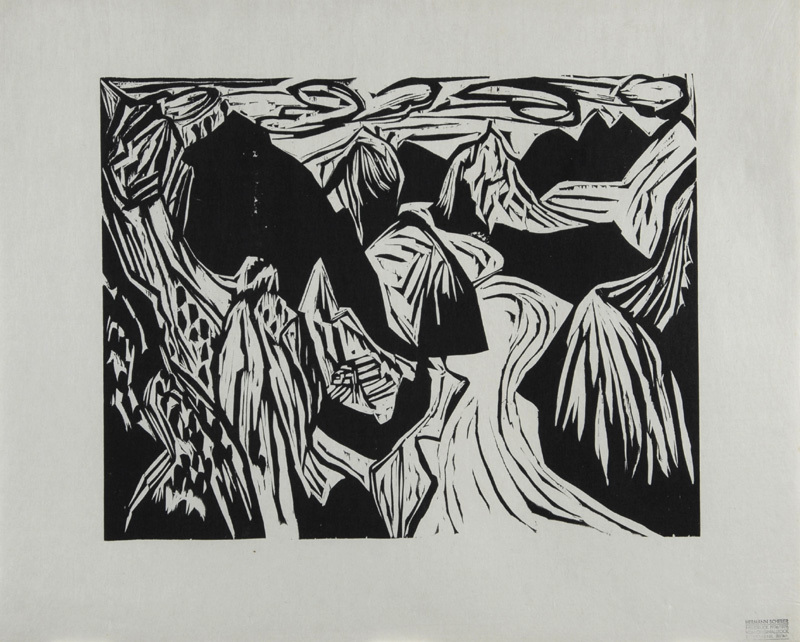
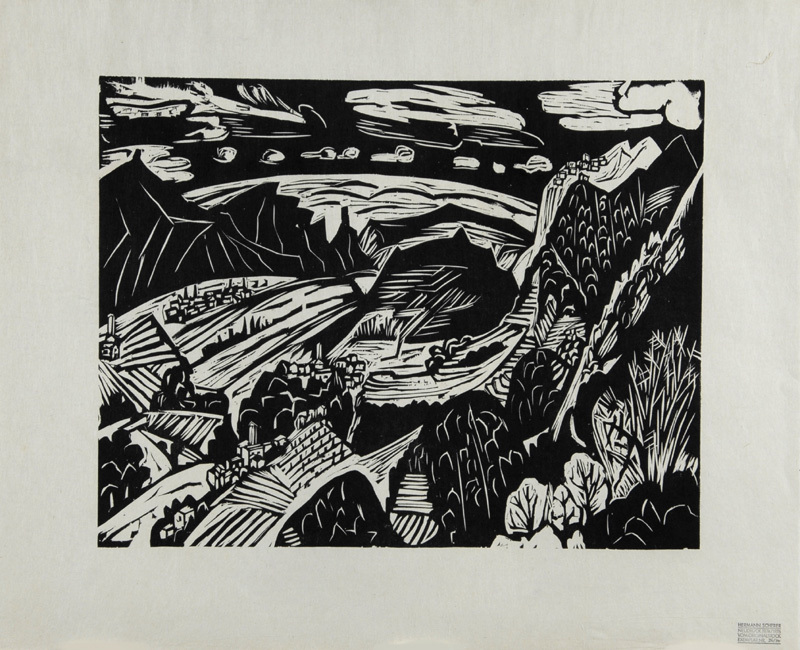
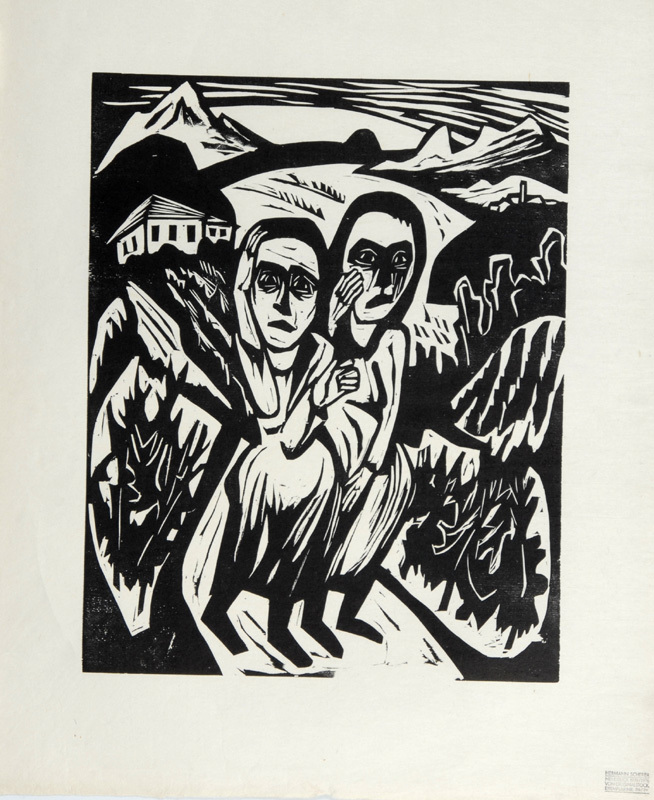
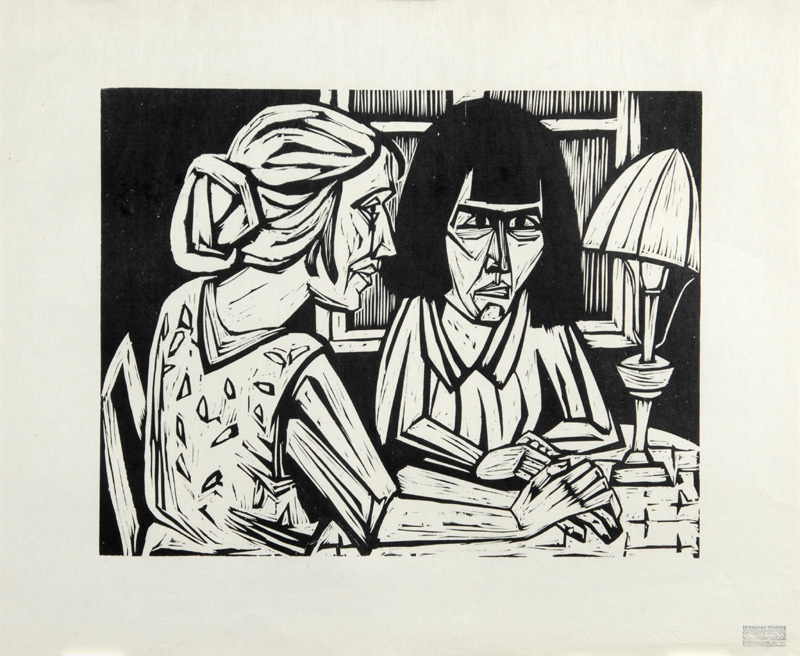
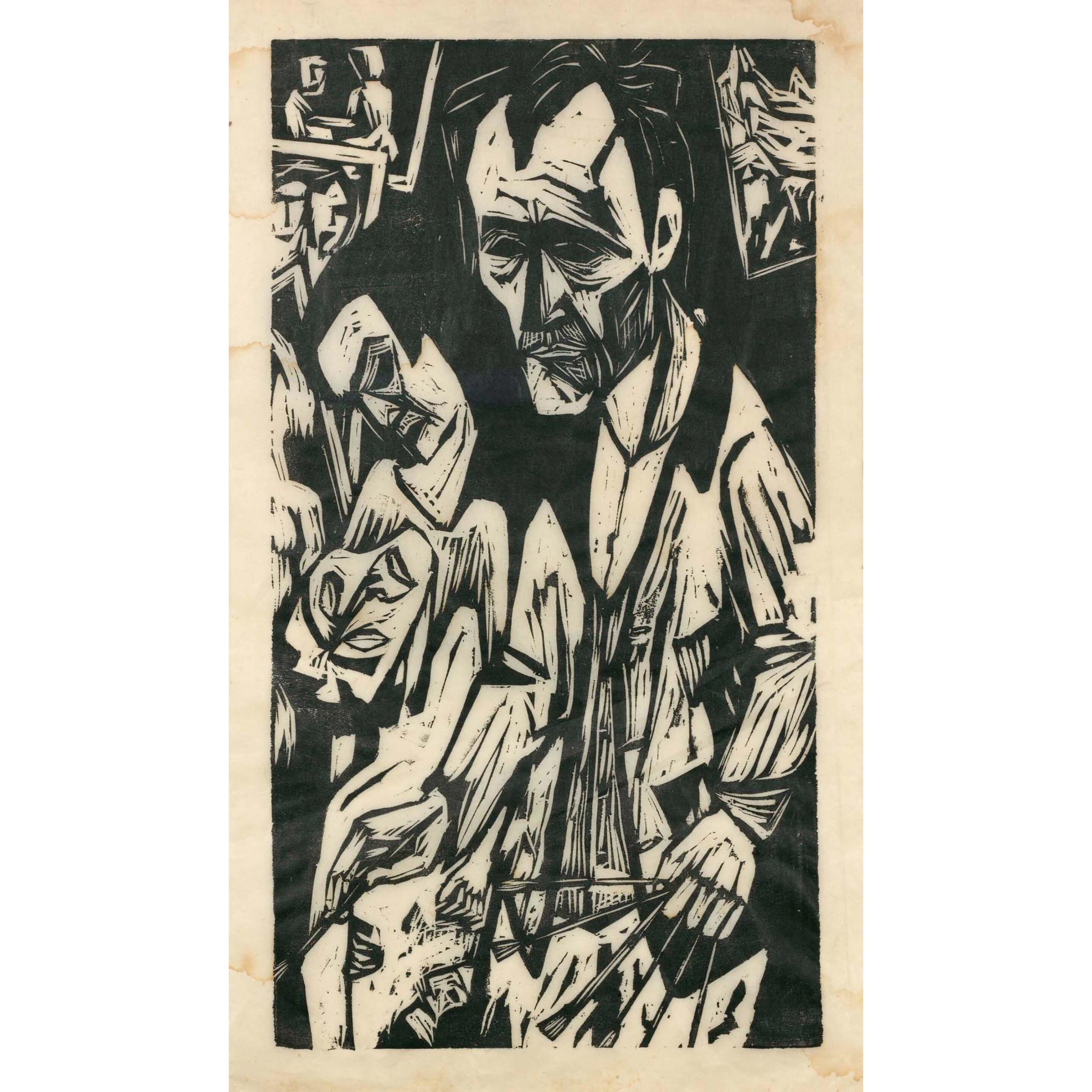
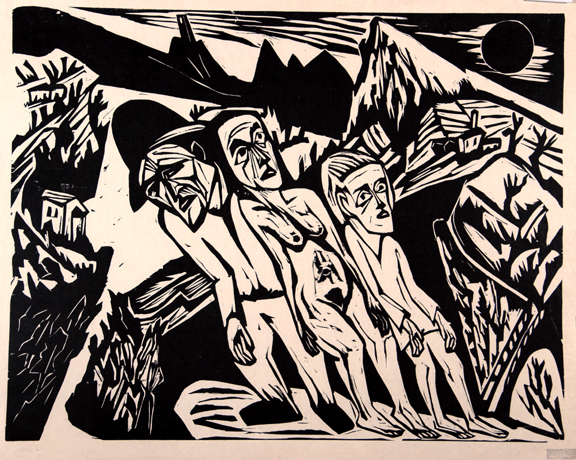
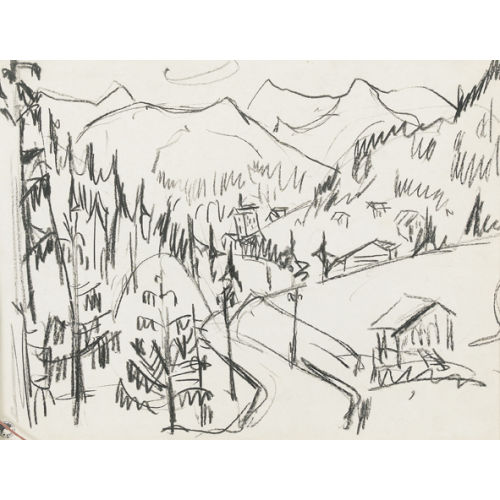
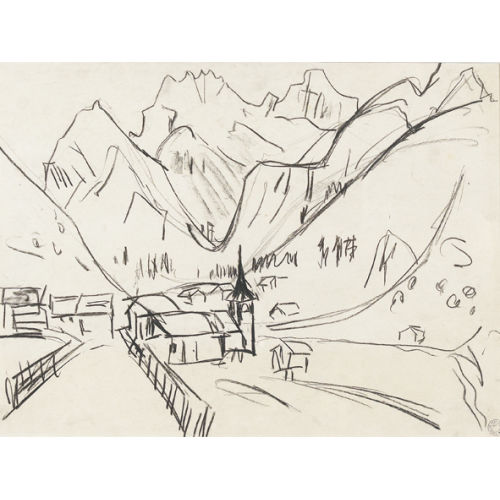
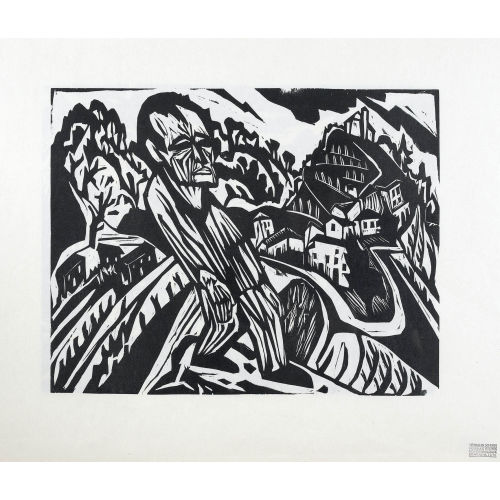
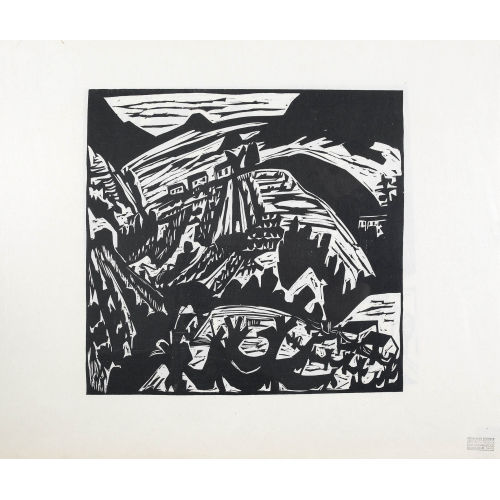
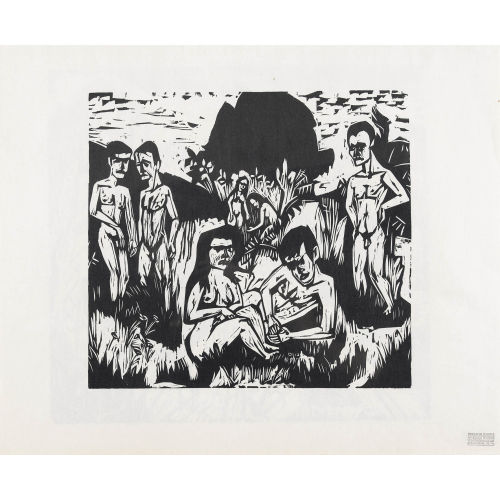
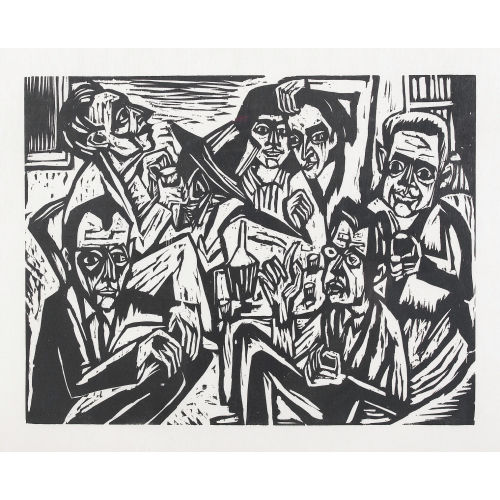
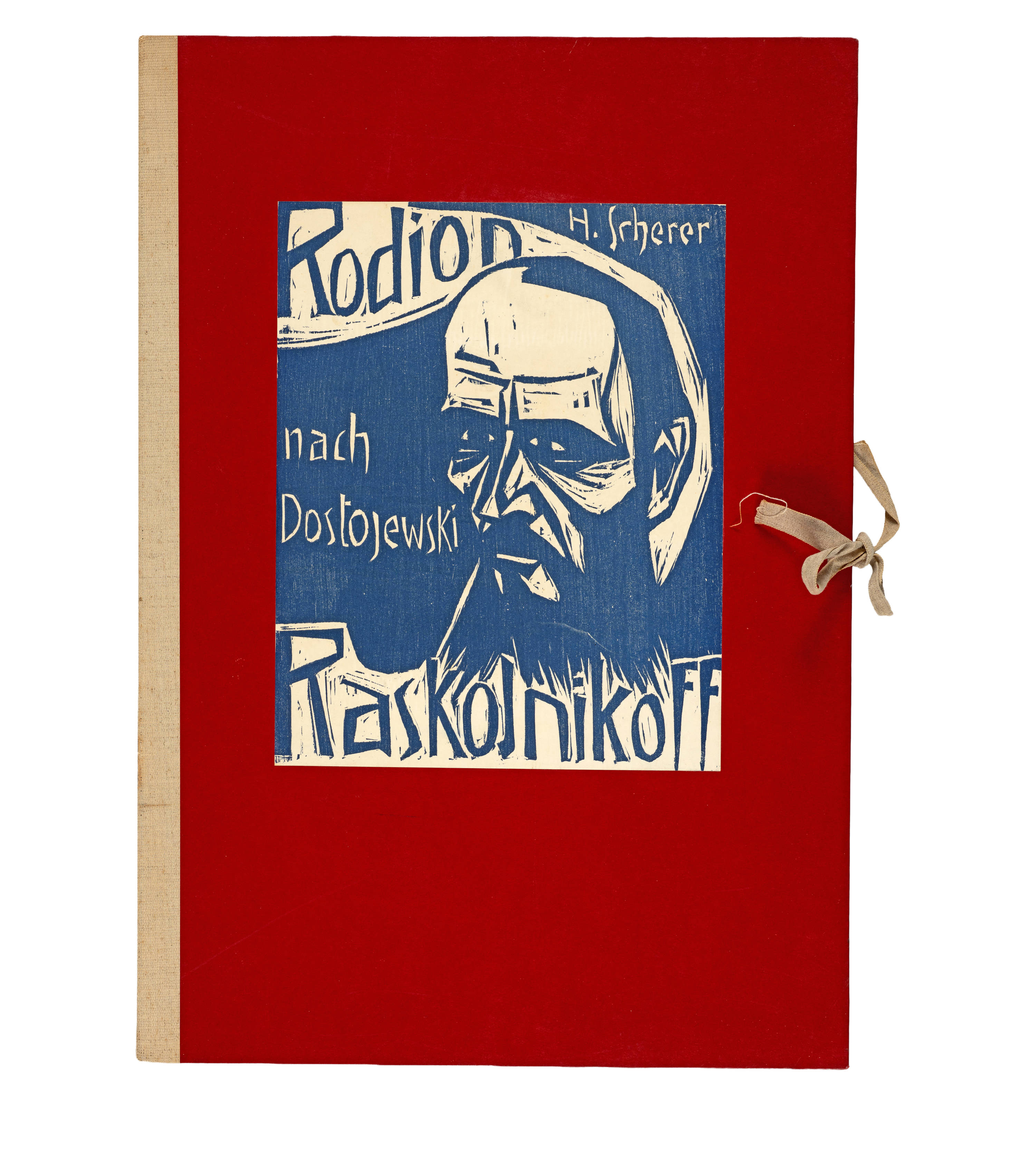
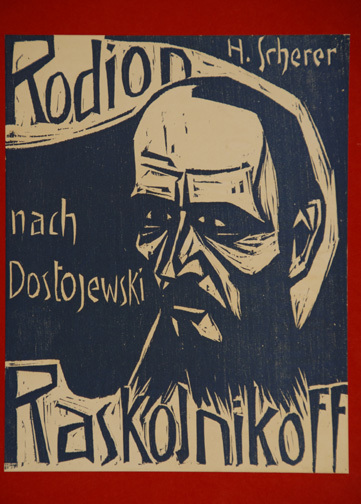
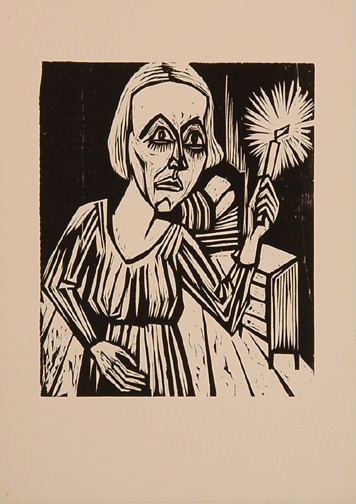
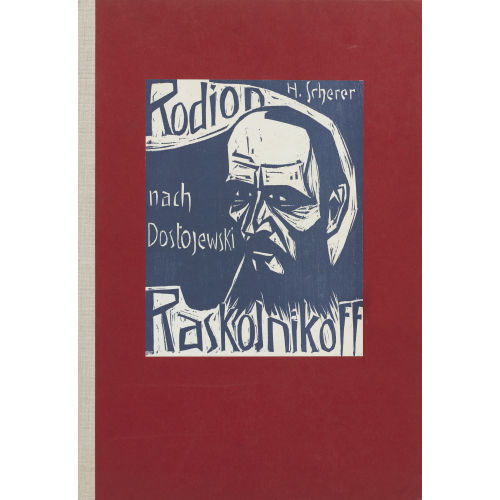
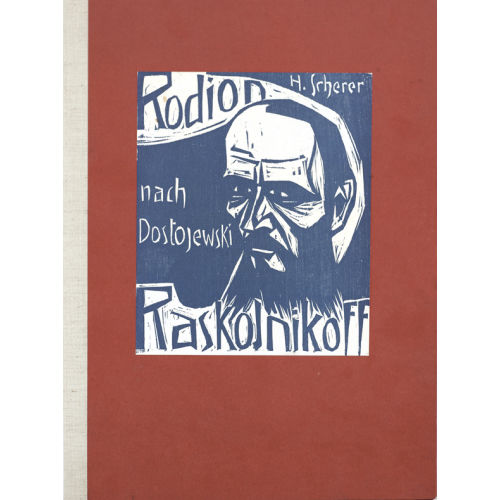
His encounter with Ernst Ludwig Kirchner in 1923, followed by periods of work in Davos, accelerated this transformation. From 1924 onwards, Scherer carved figures and blocks in wood. The incision became a way of thinking through the image: volumes fracture into angles, surfaces confront one another, and the contrasts of black and white intensify portraits, landscapes and human scenes.
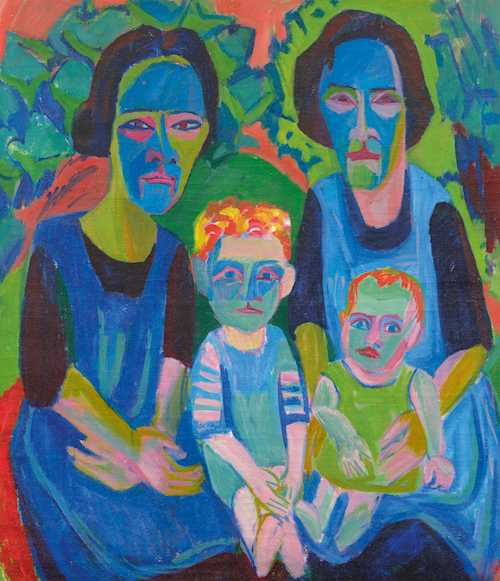
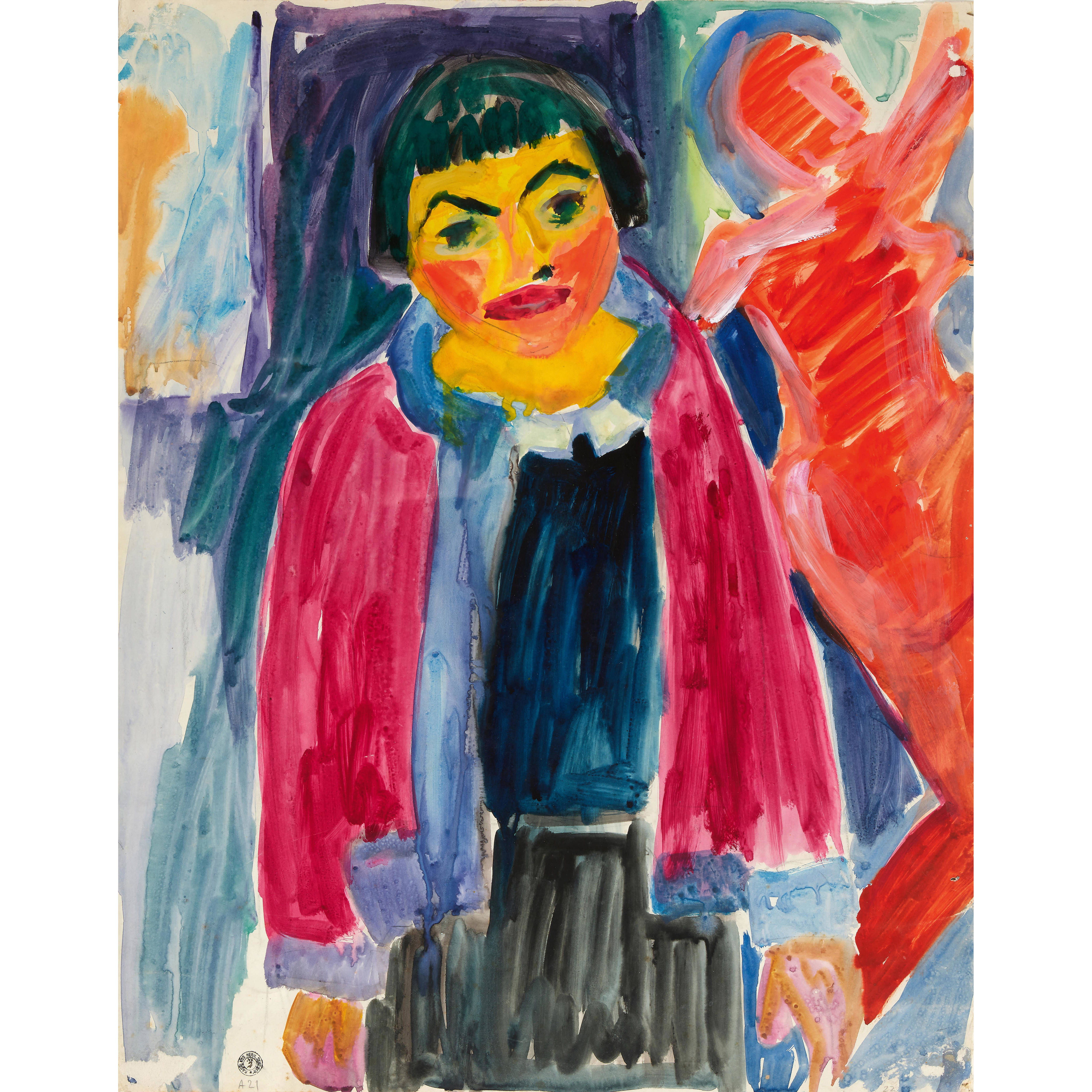
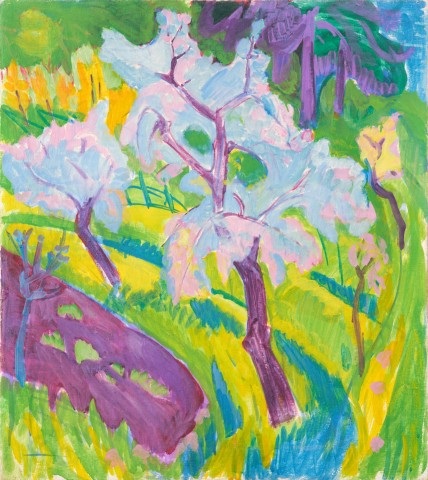
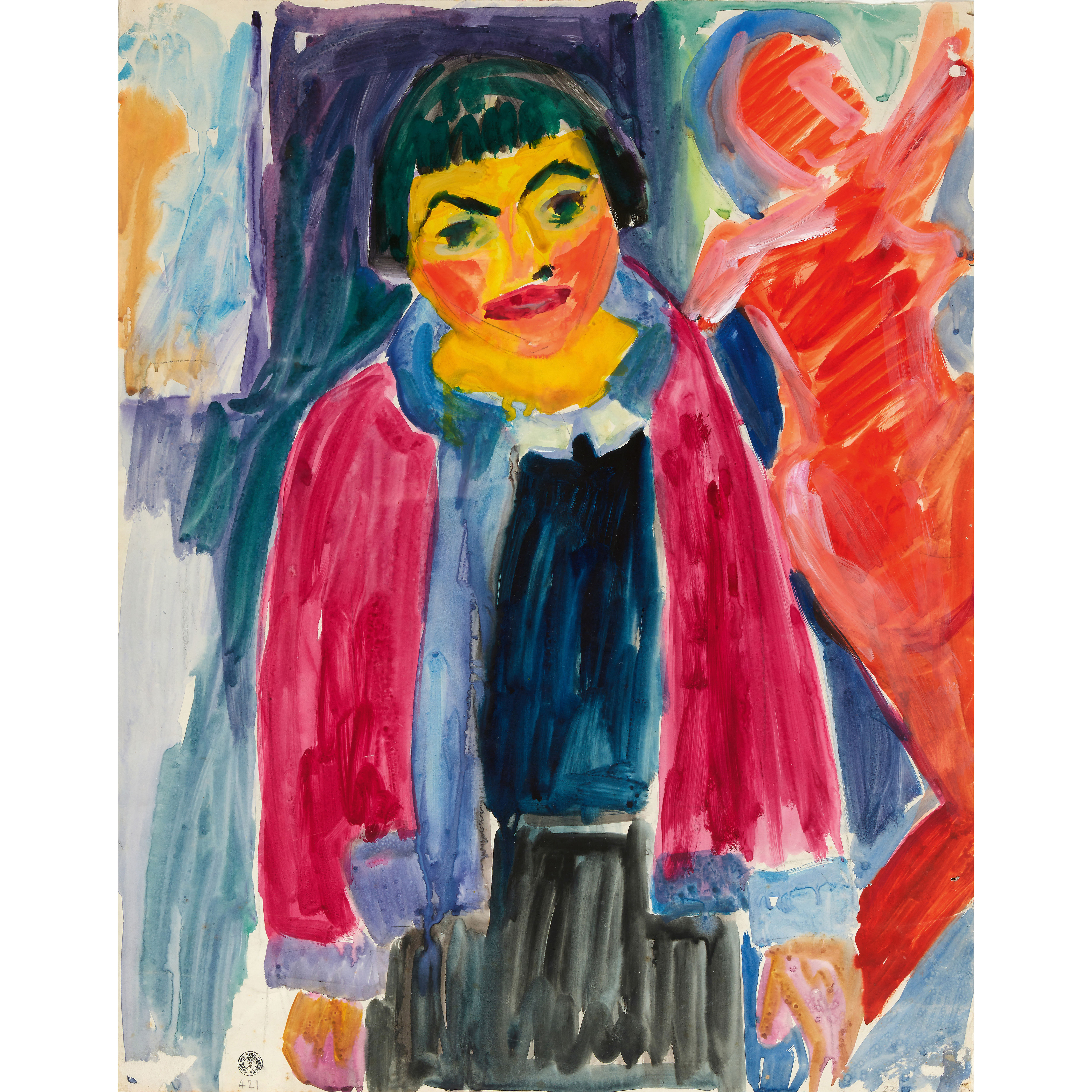
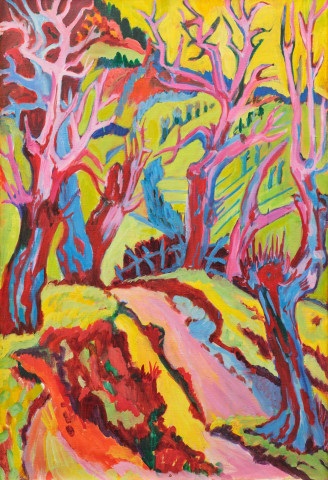
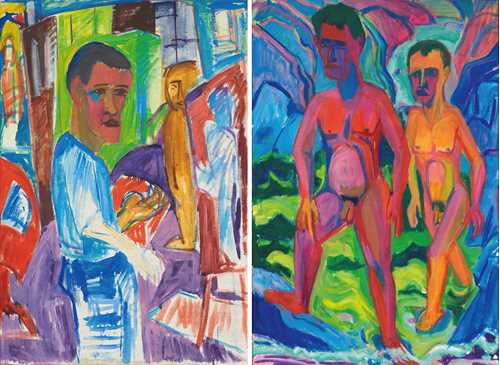
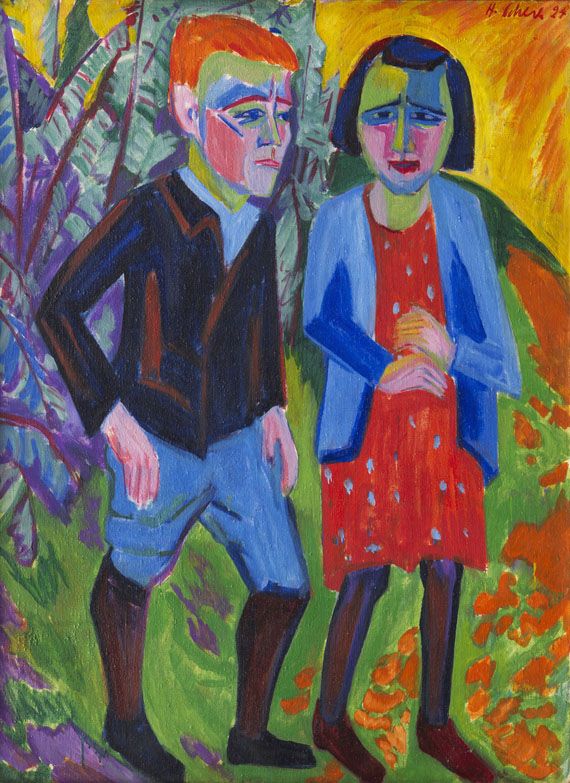
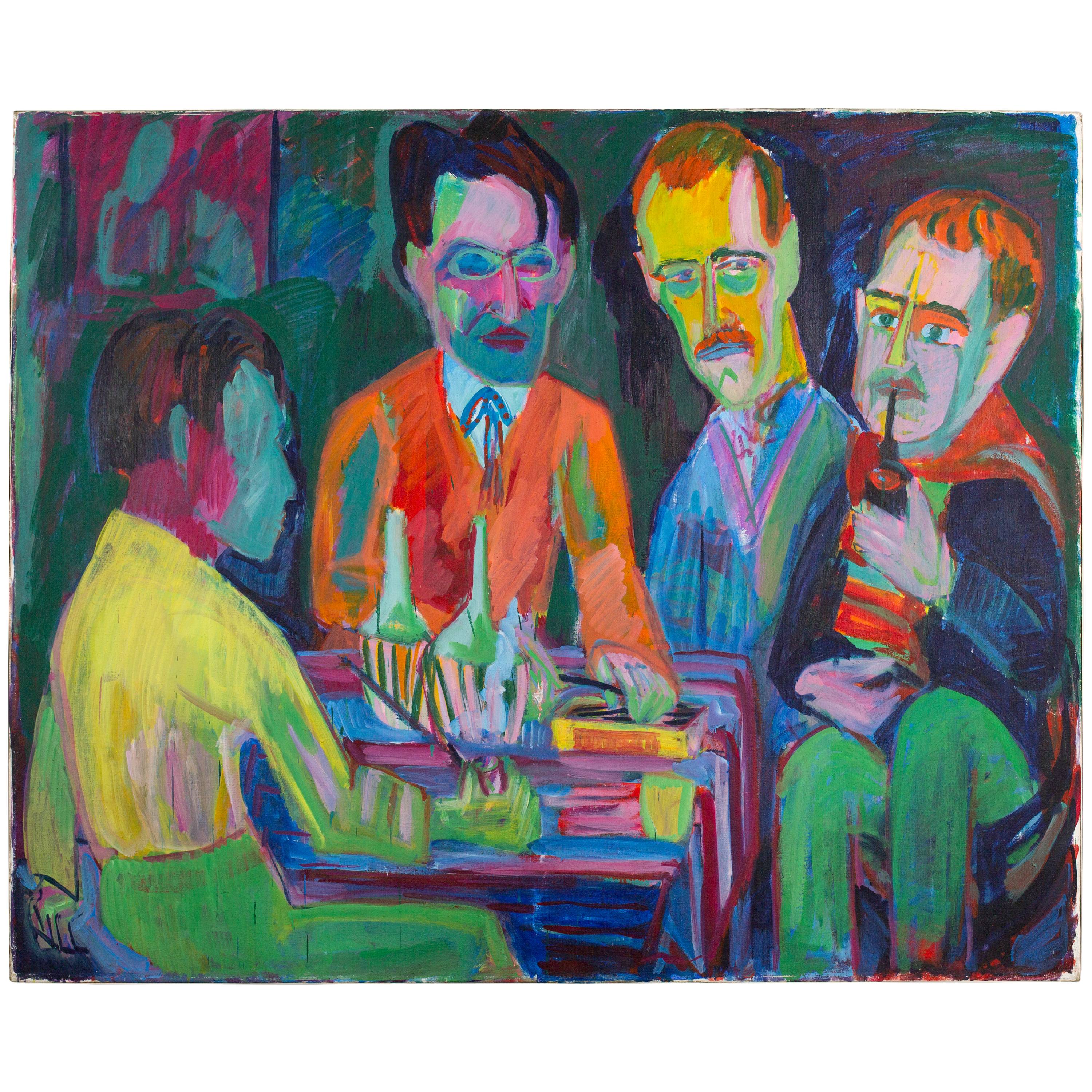
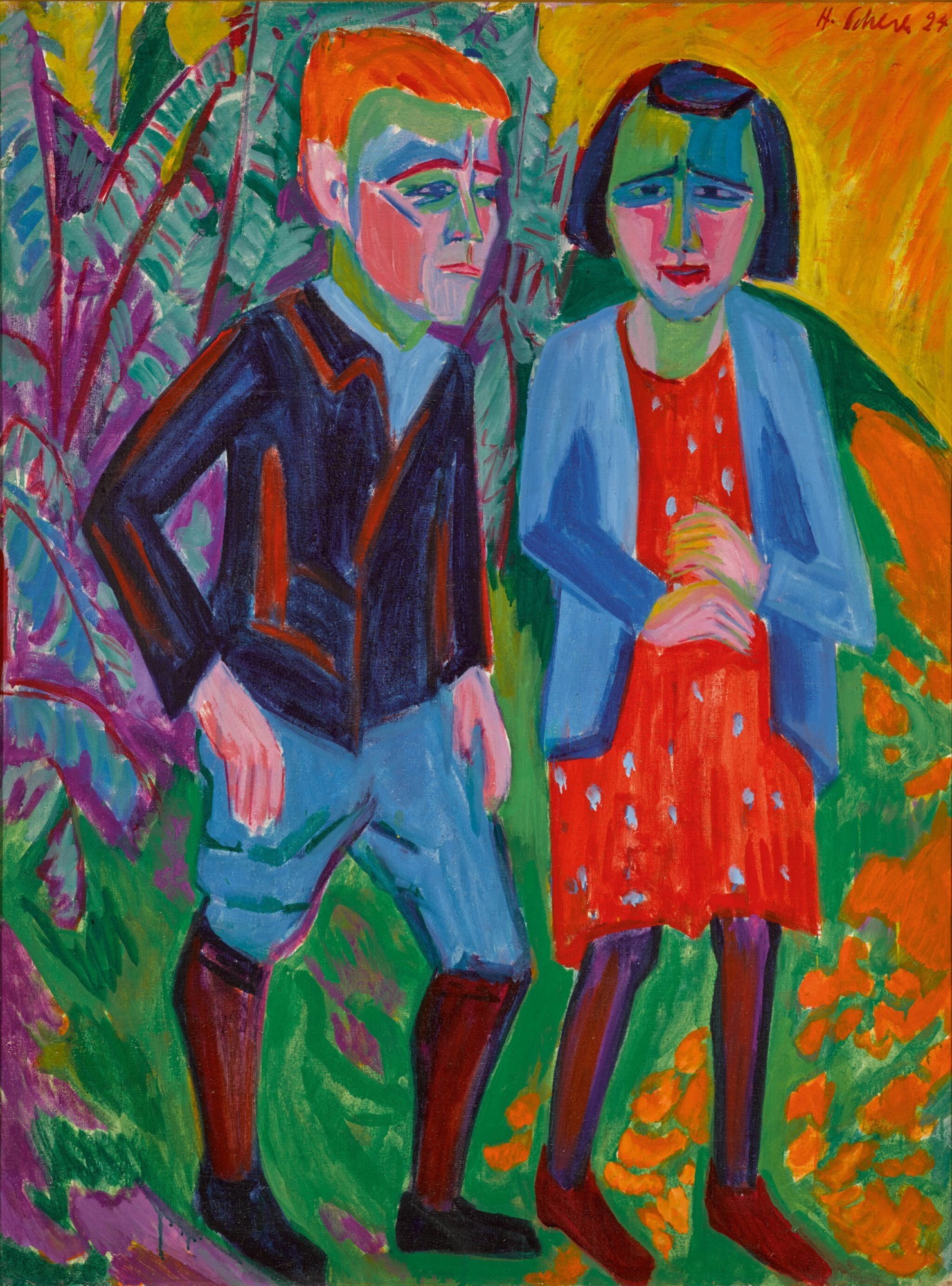
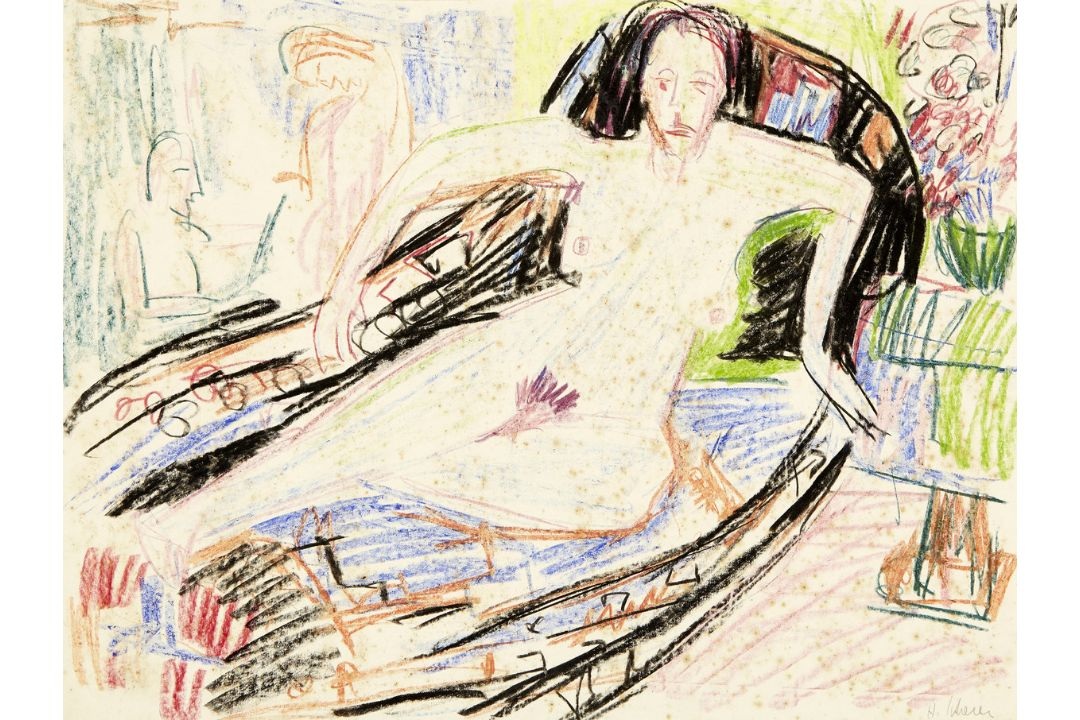
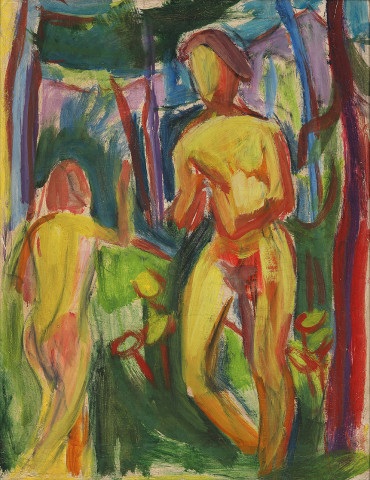
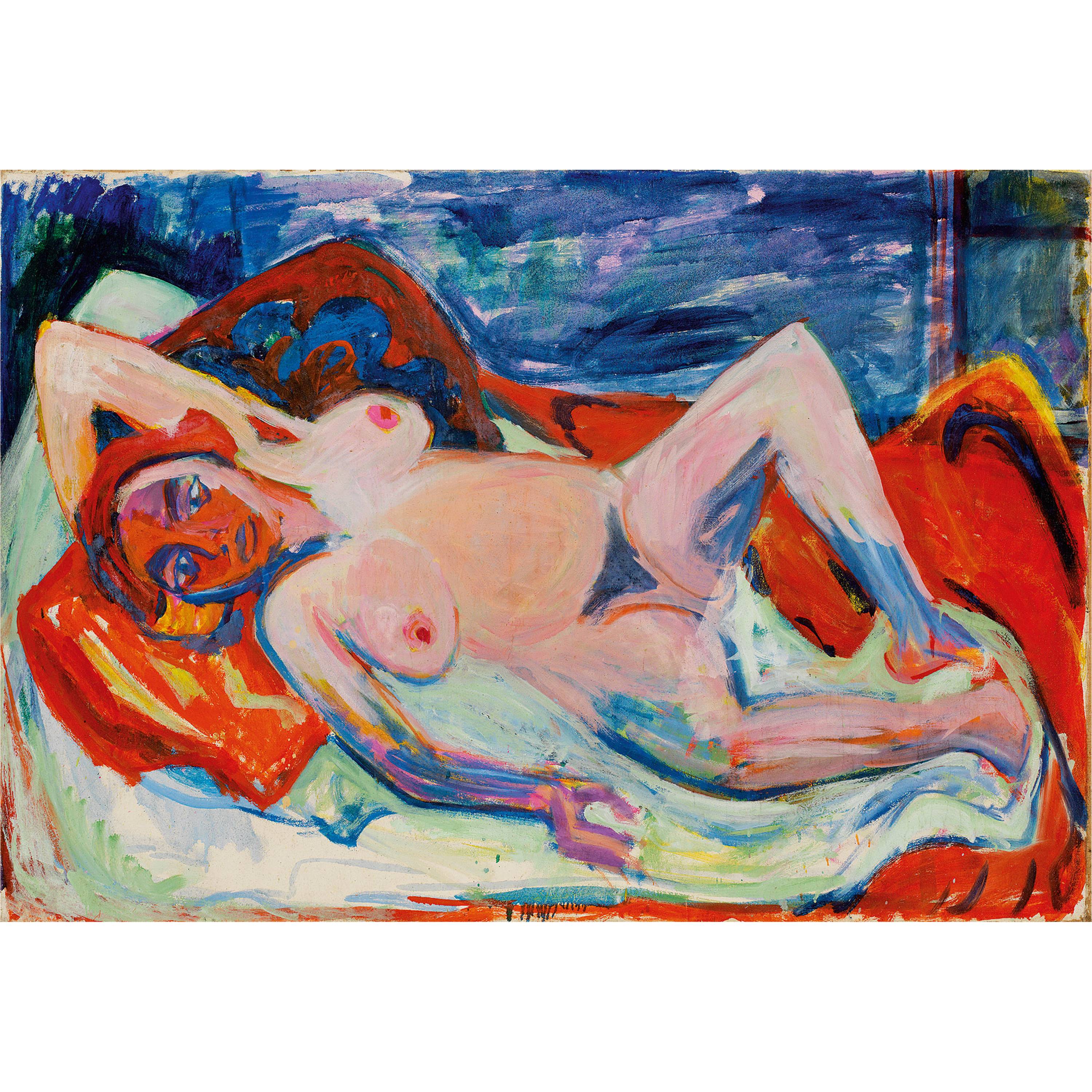
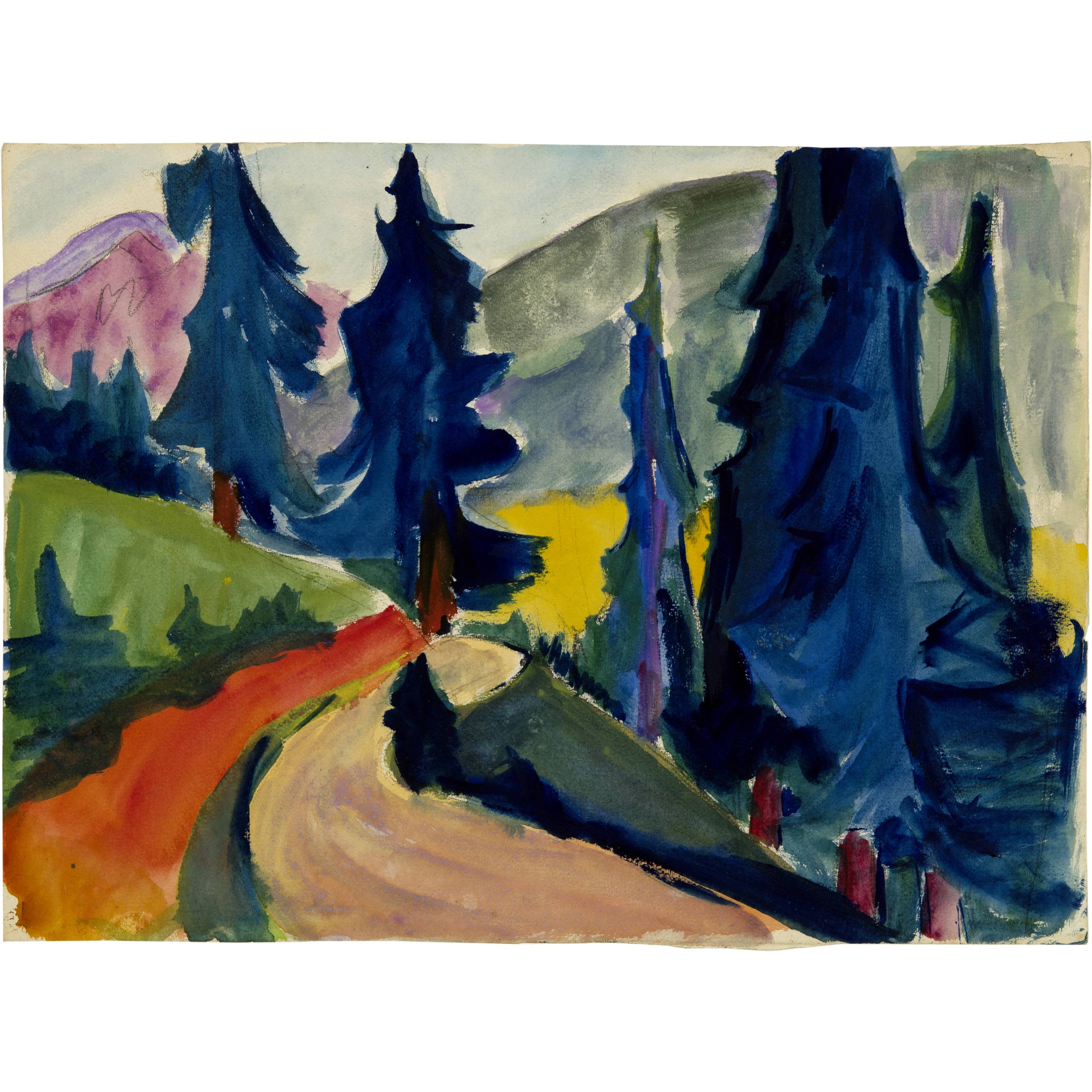
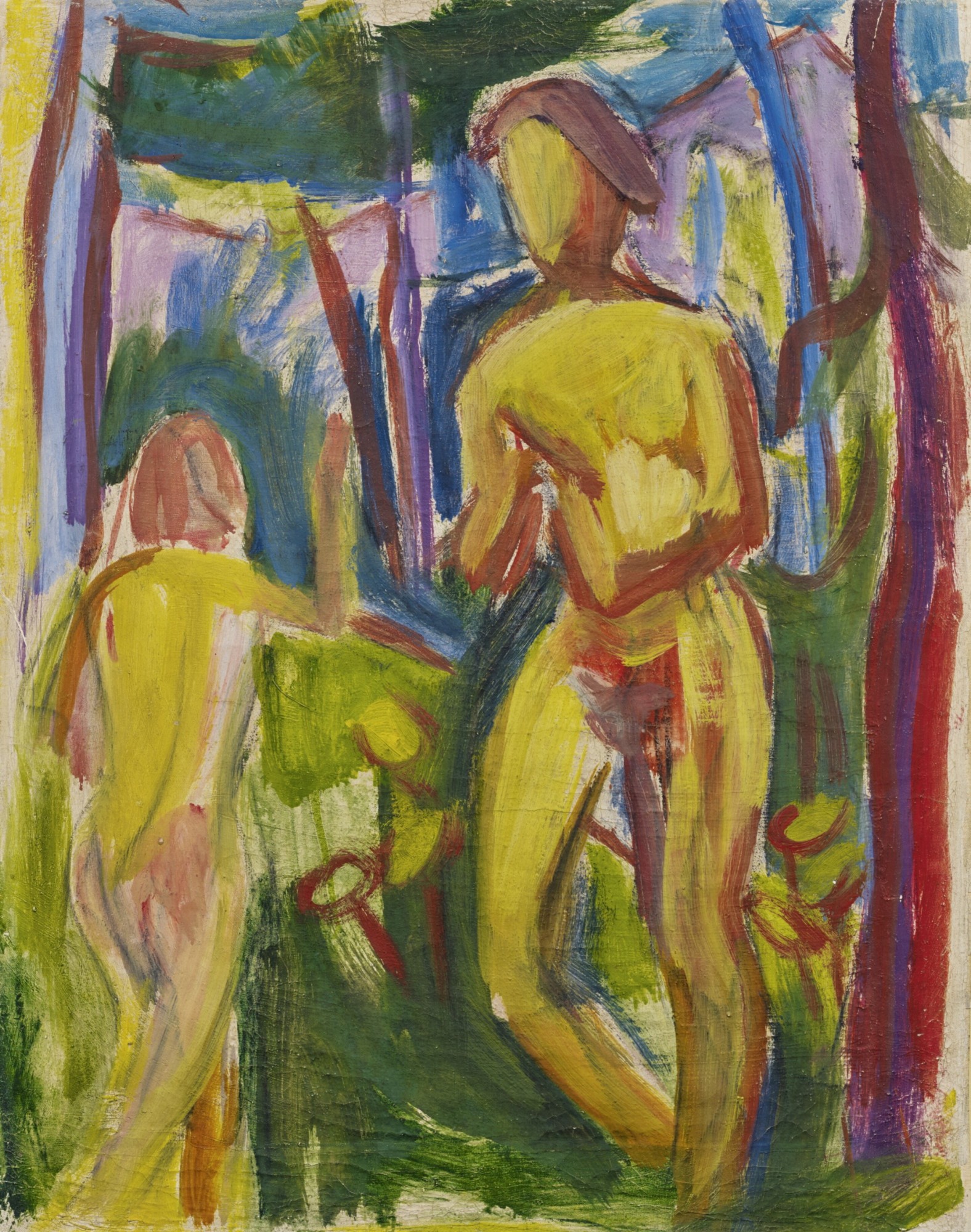
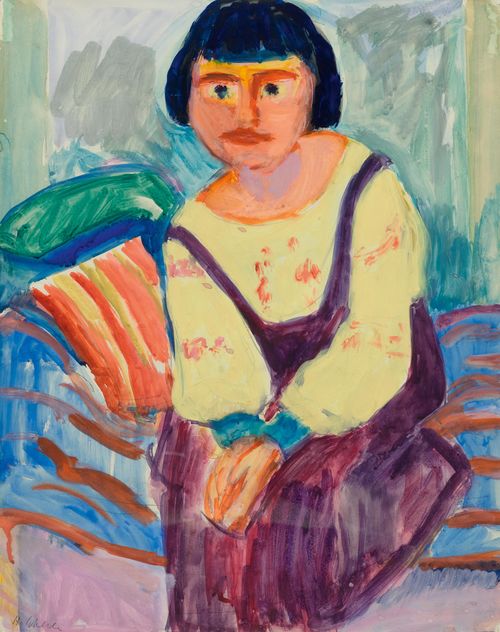
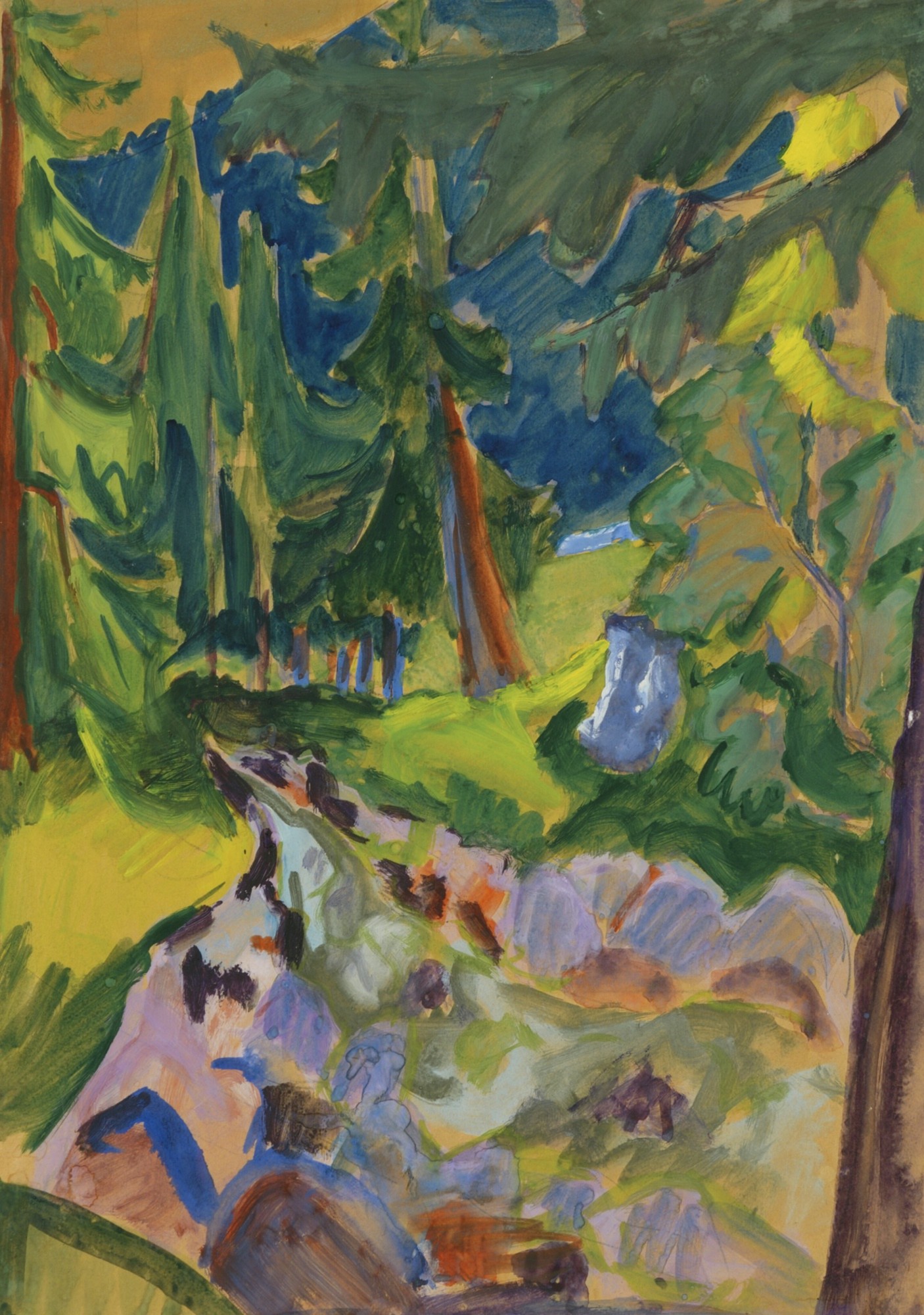
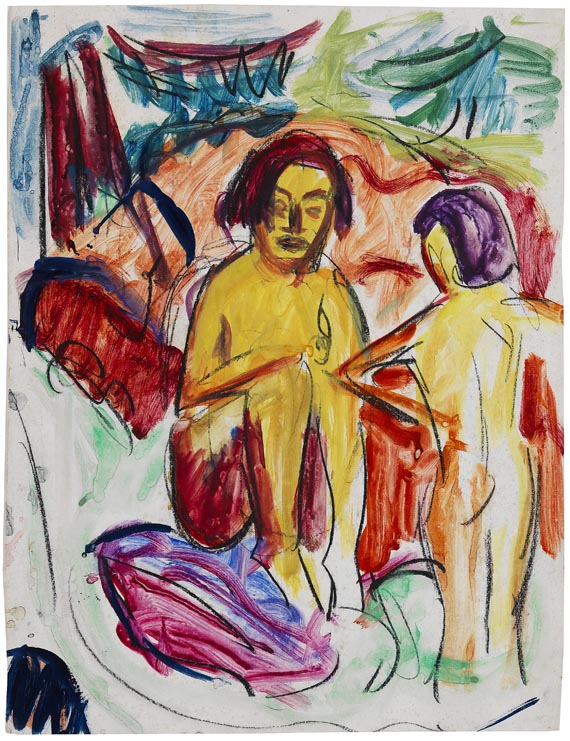
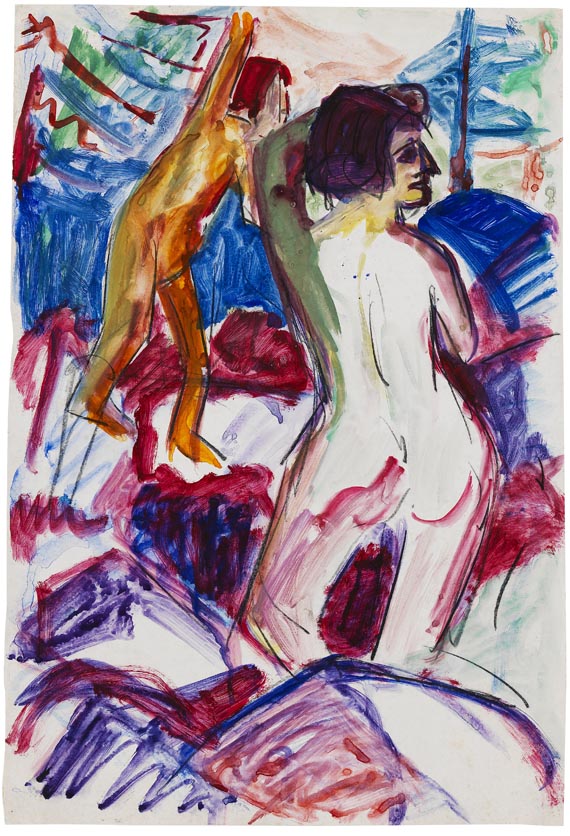
This experience also affected his paintings, in which colour acquired a new force. In the space of two and a half years, he produced more than one hundred woodcuts and over twenty-five wood sculptures, according to the Kunstmuseum Basel.
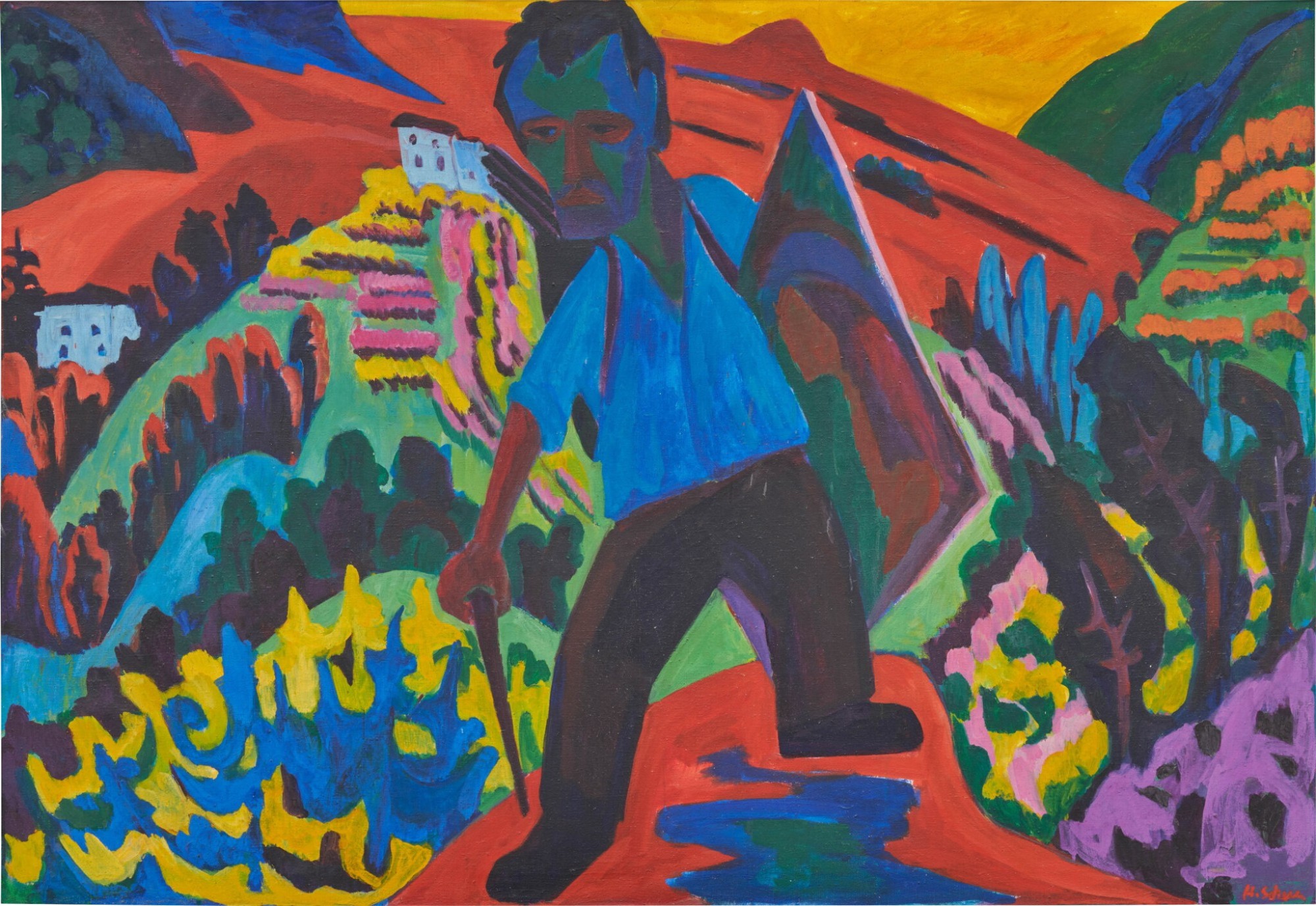
Together with Albert Müller and Paul Camenisch, Scherer founded the group Rot-Blau at the turn of 1924 and 1925, a major centre of Basel Expressionism. His prints address love, solitude and anxiety without seeking to assuage them. His Autoportrait dans un paysage tessinois (1926), held at the Museo d’arte della Svizzera italiana, turns the mountainous setting into an inner scene: the slopes rise up, while clashing colours surround the figure of the painter.
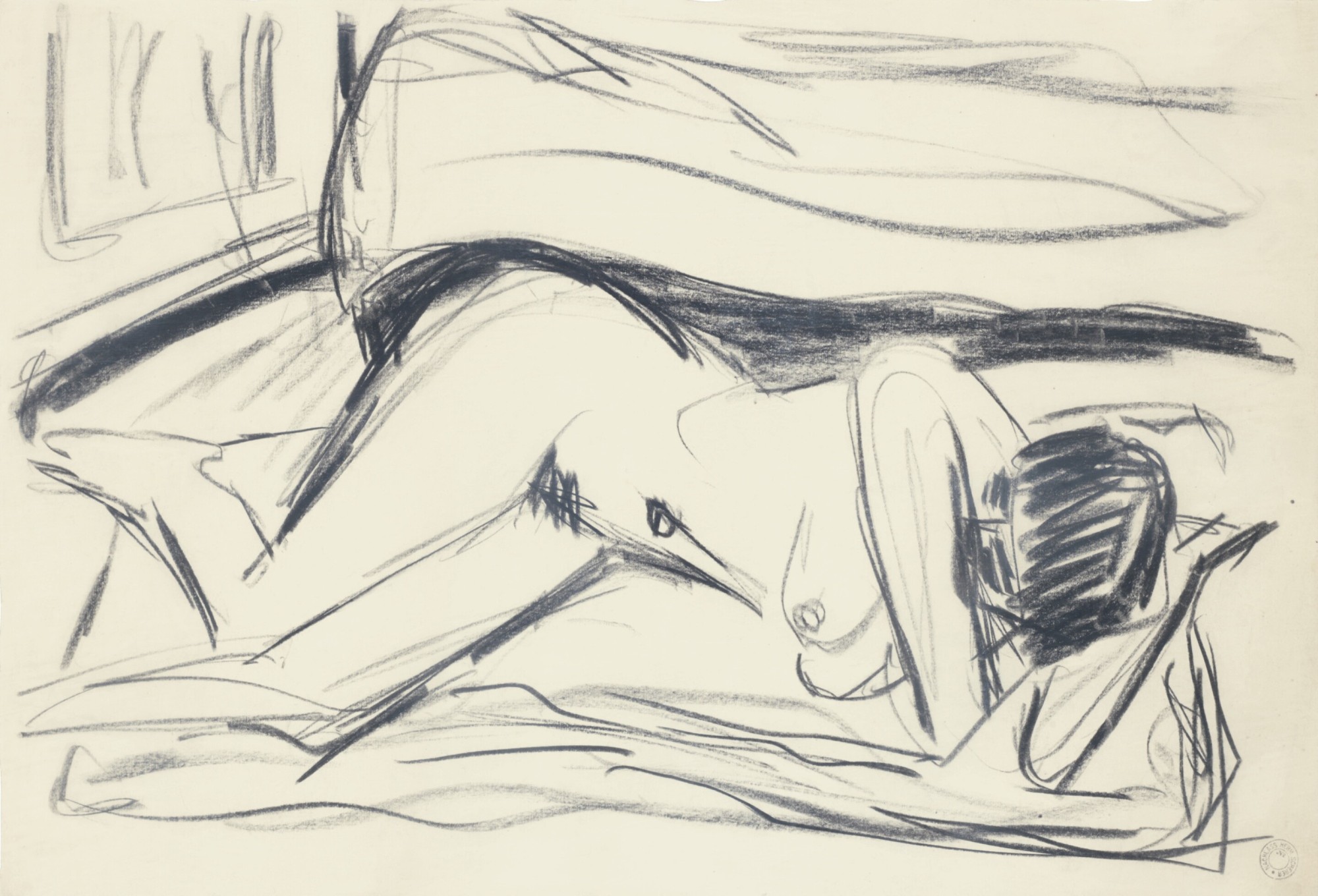
The concentration of this late work illuminates Scherer’s ambition: to make the body and the landscape visible sites of an emotion.