Hans Schärer
Born in 1927.
Died in 1997.
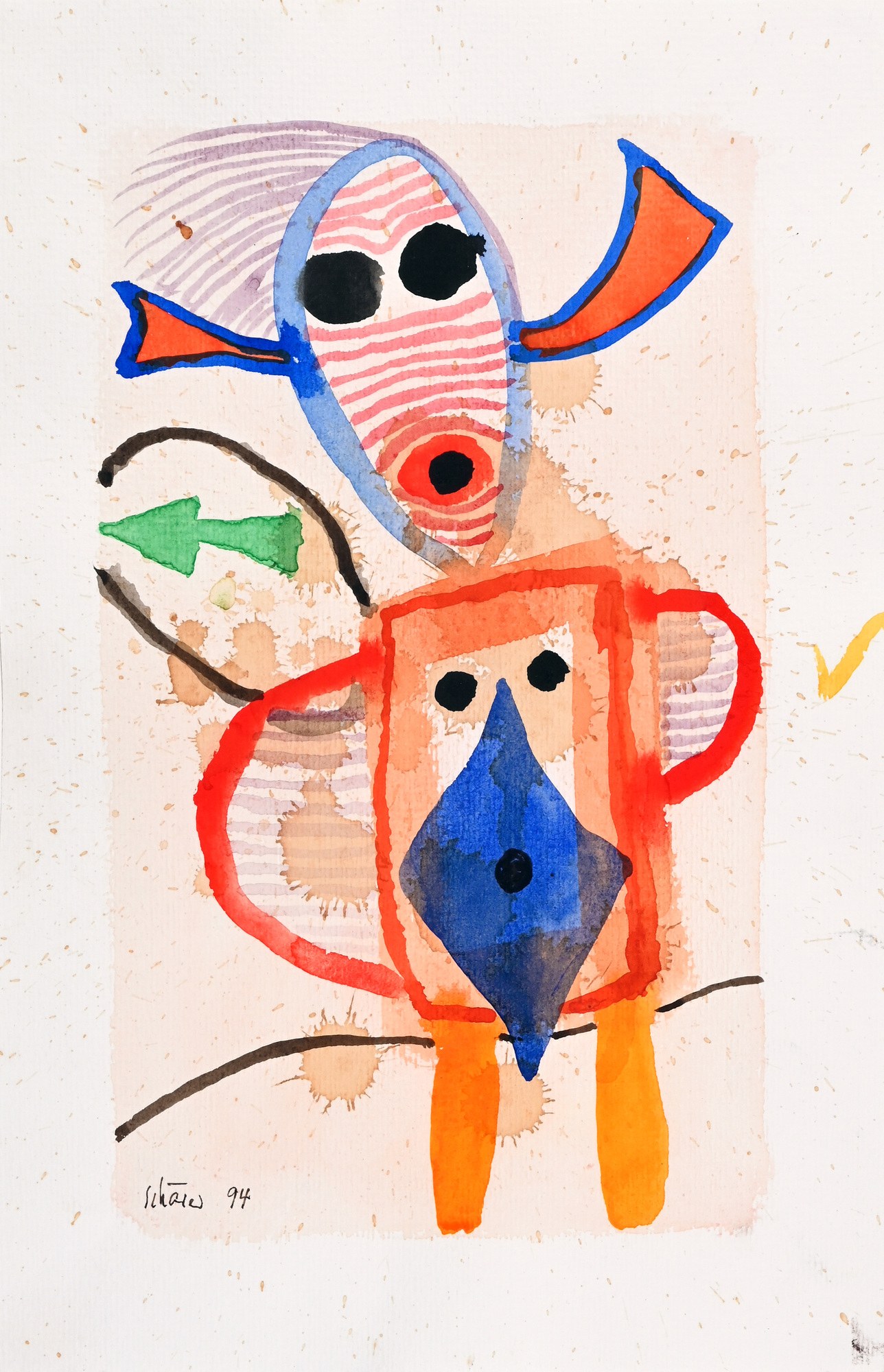
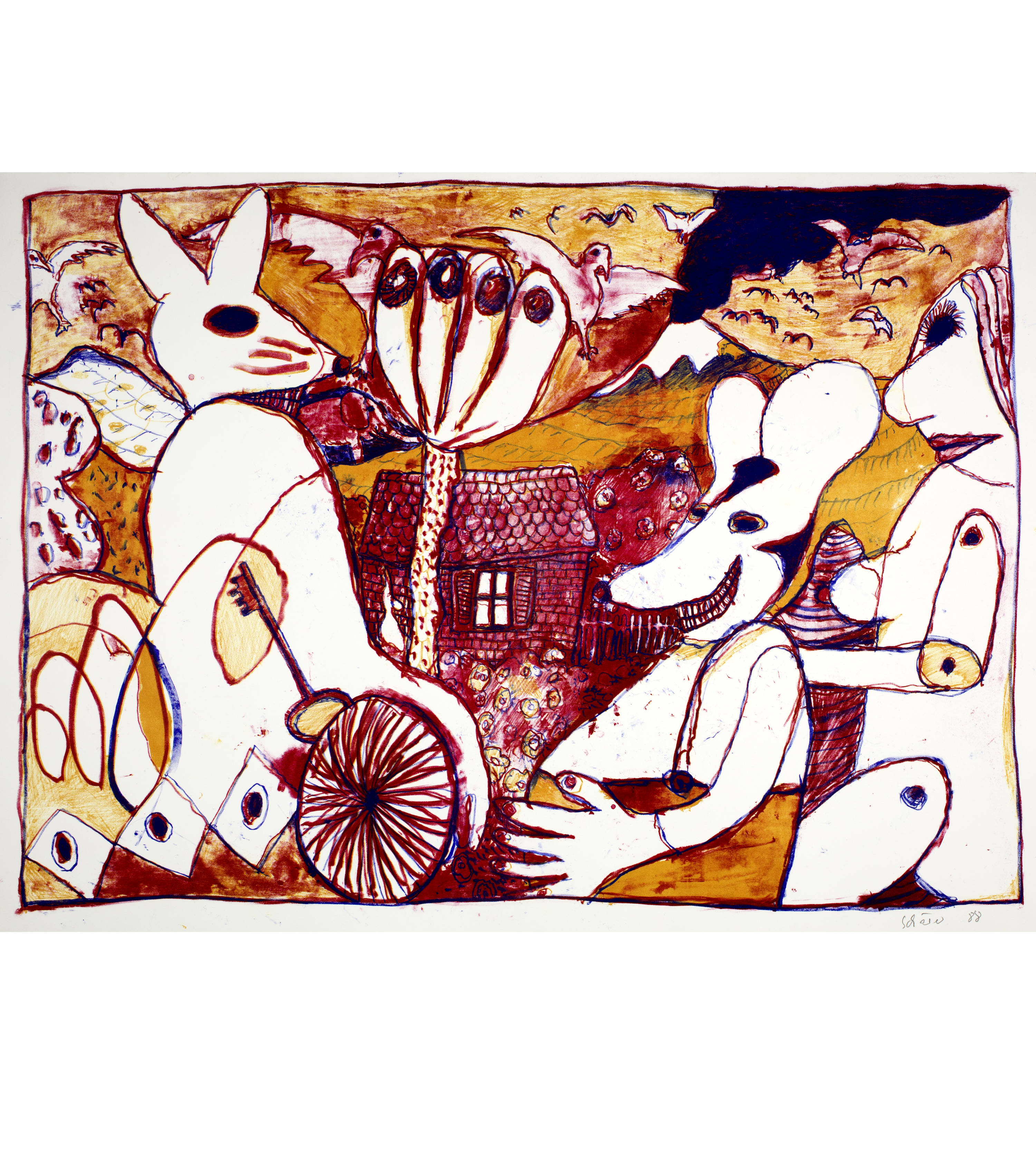
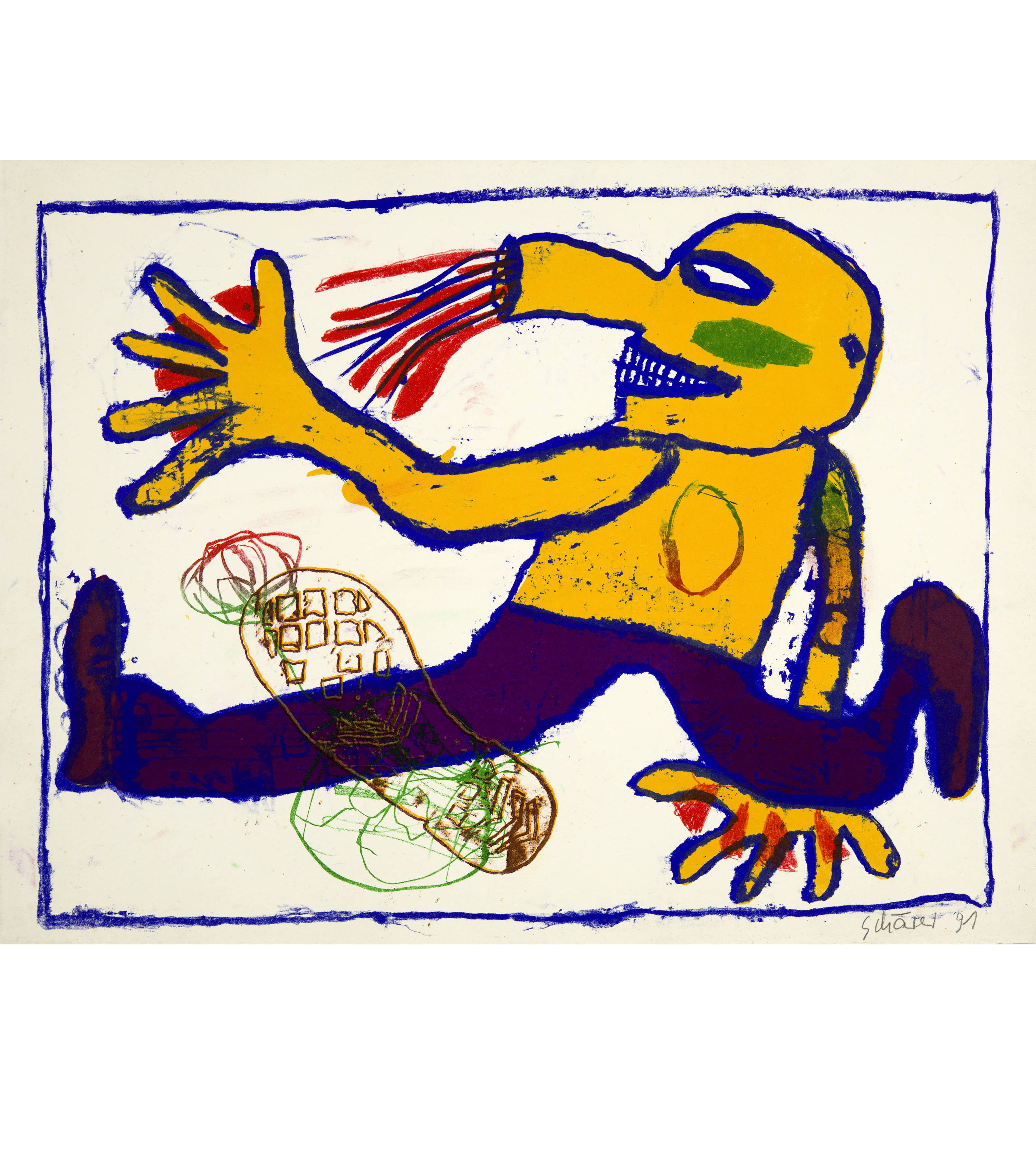
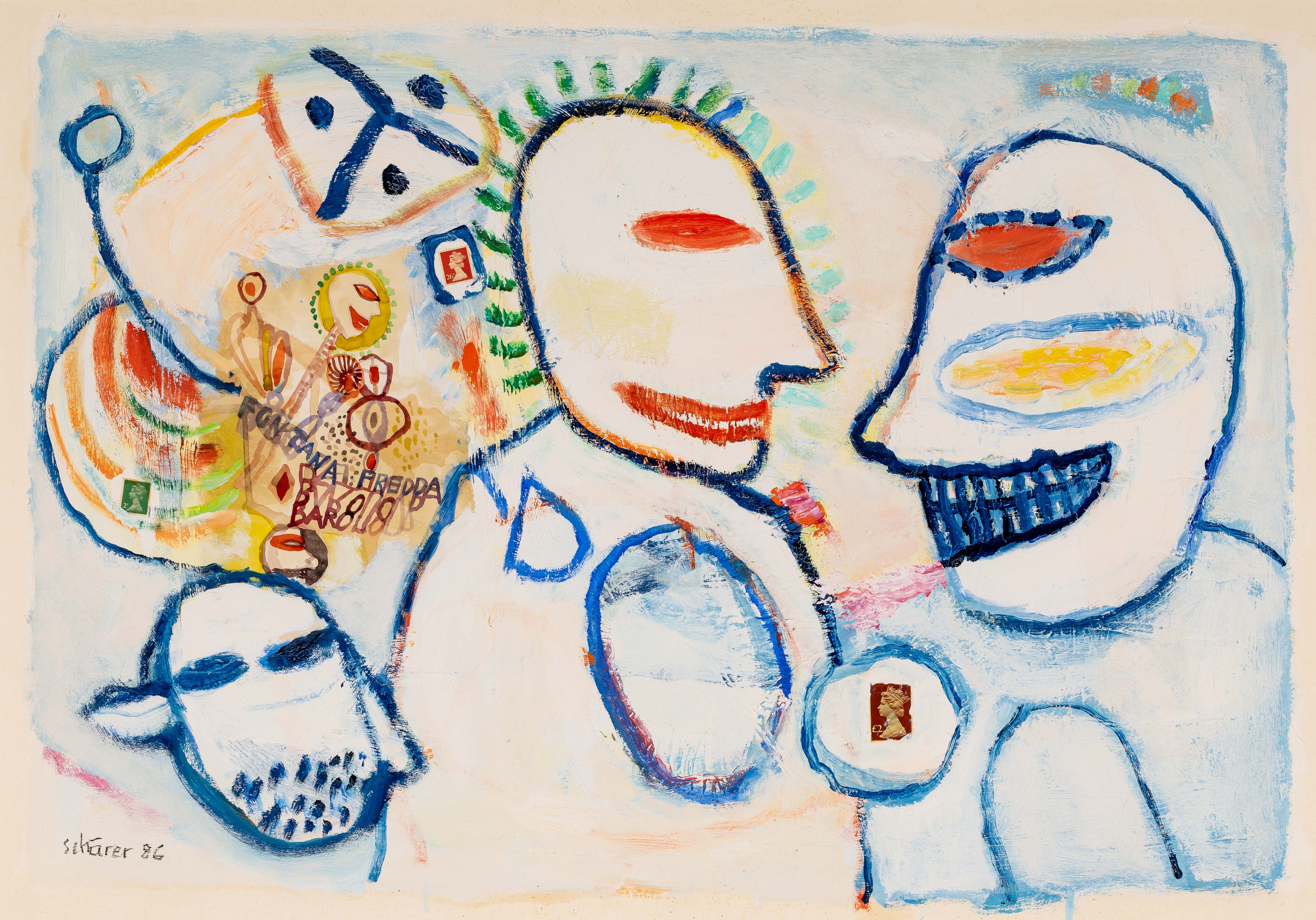
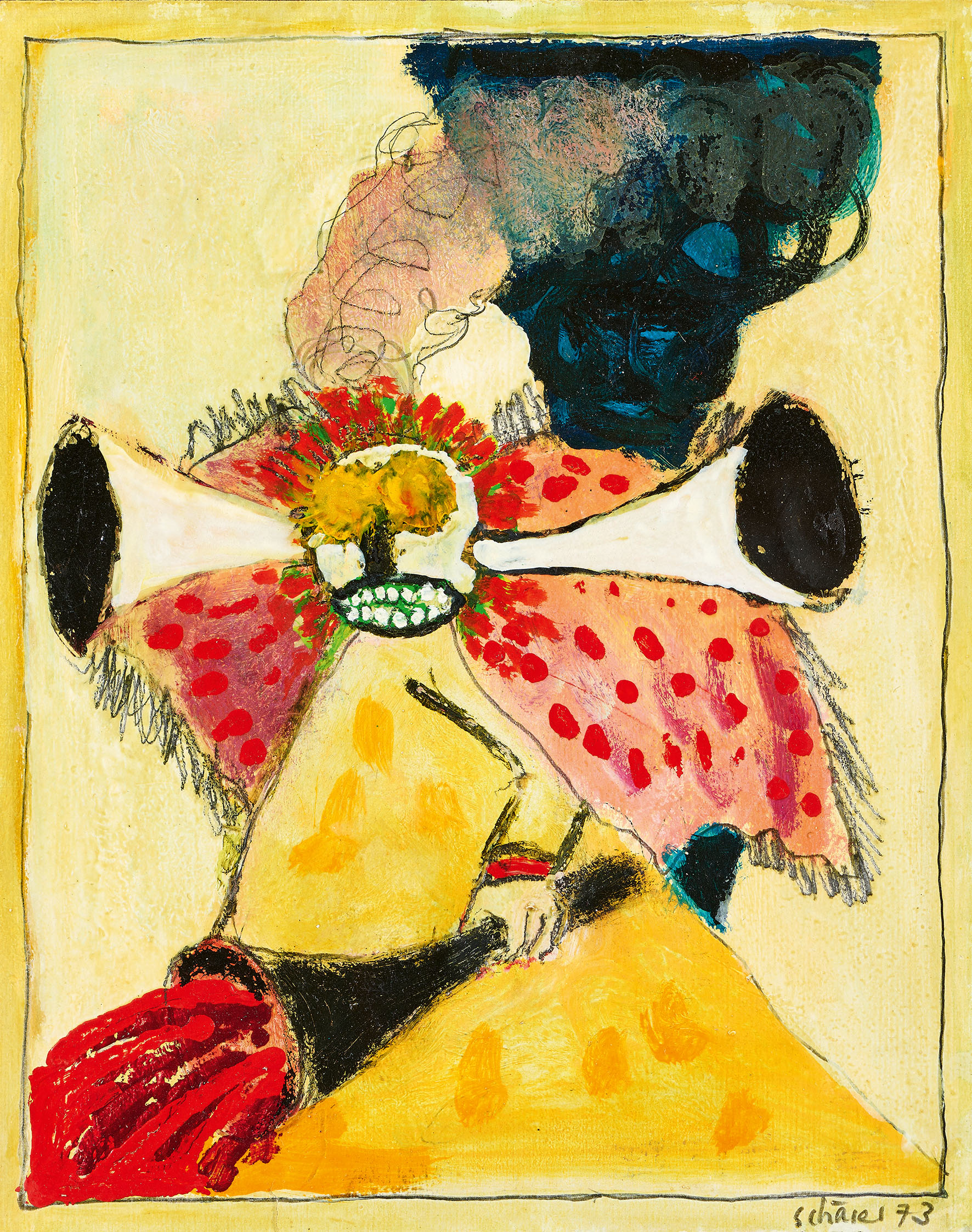
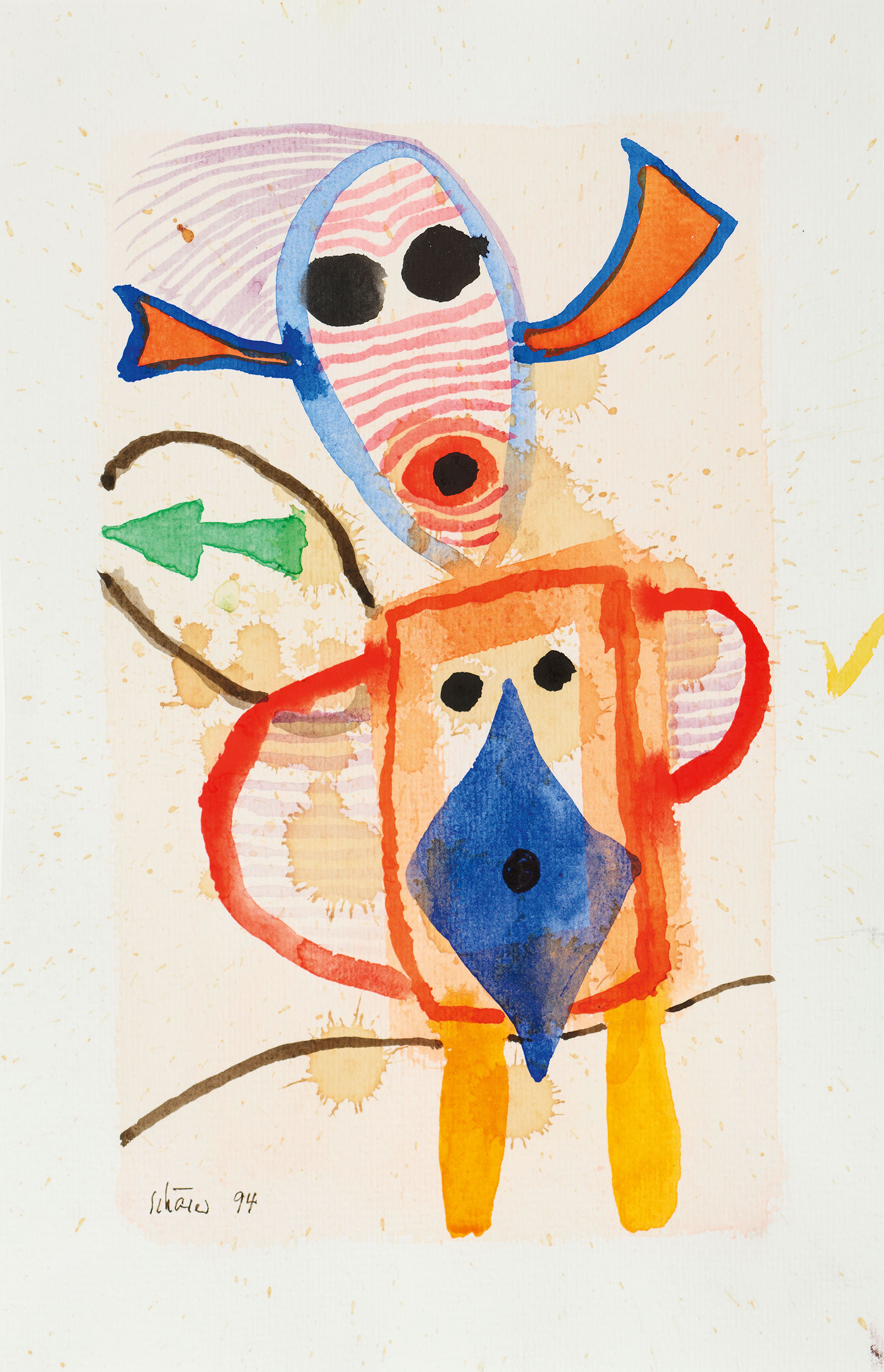
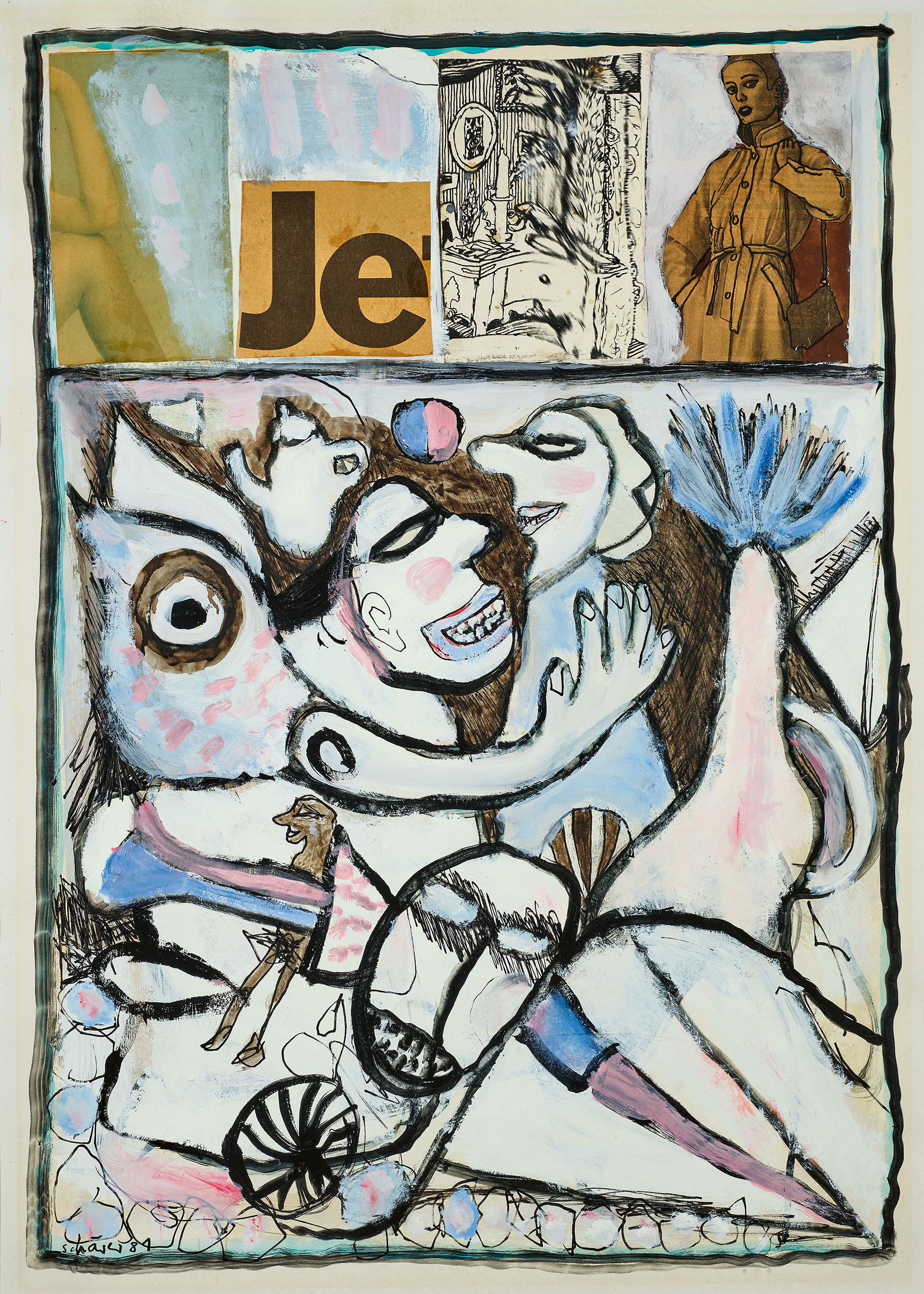
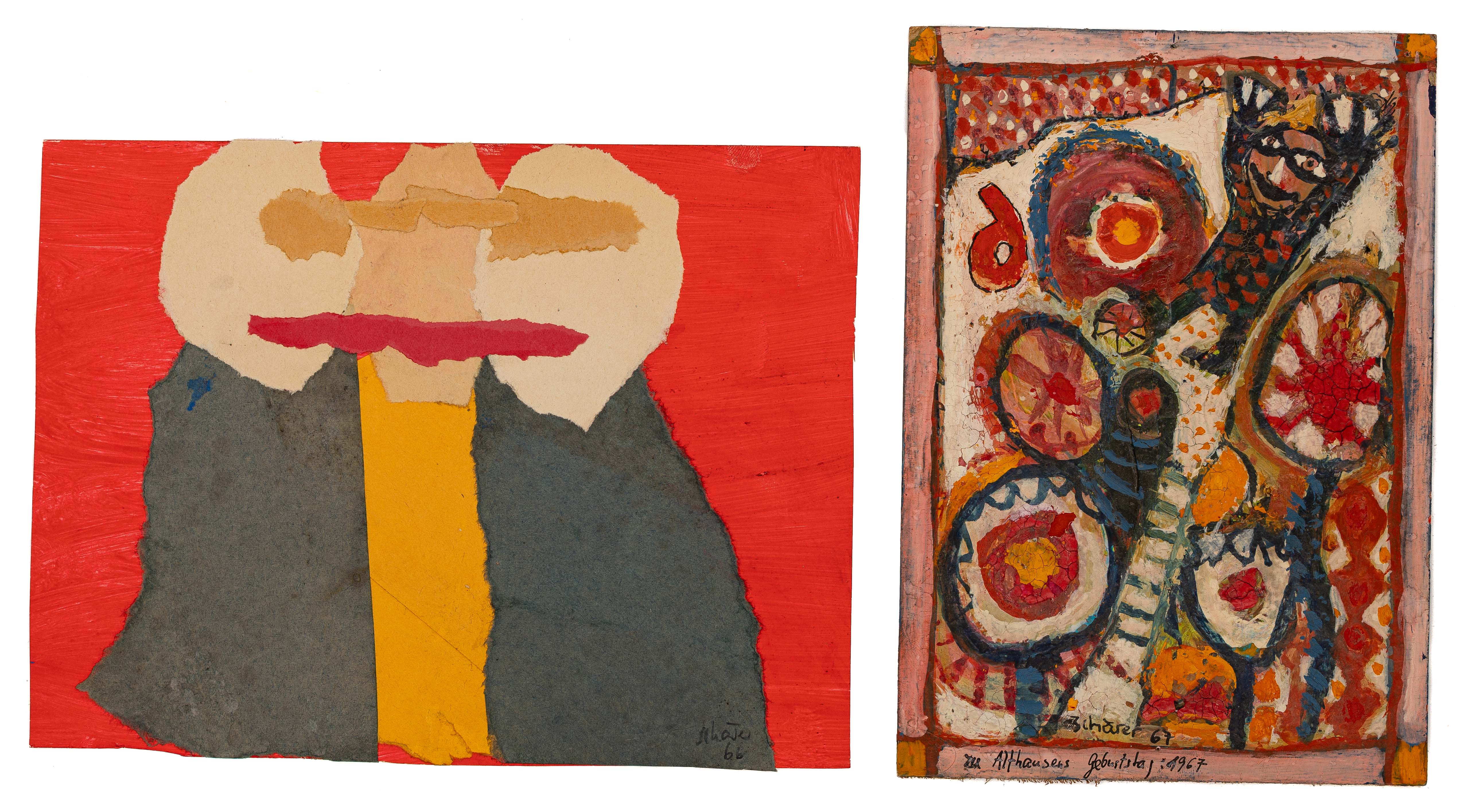
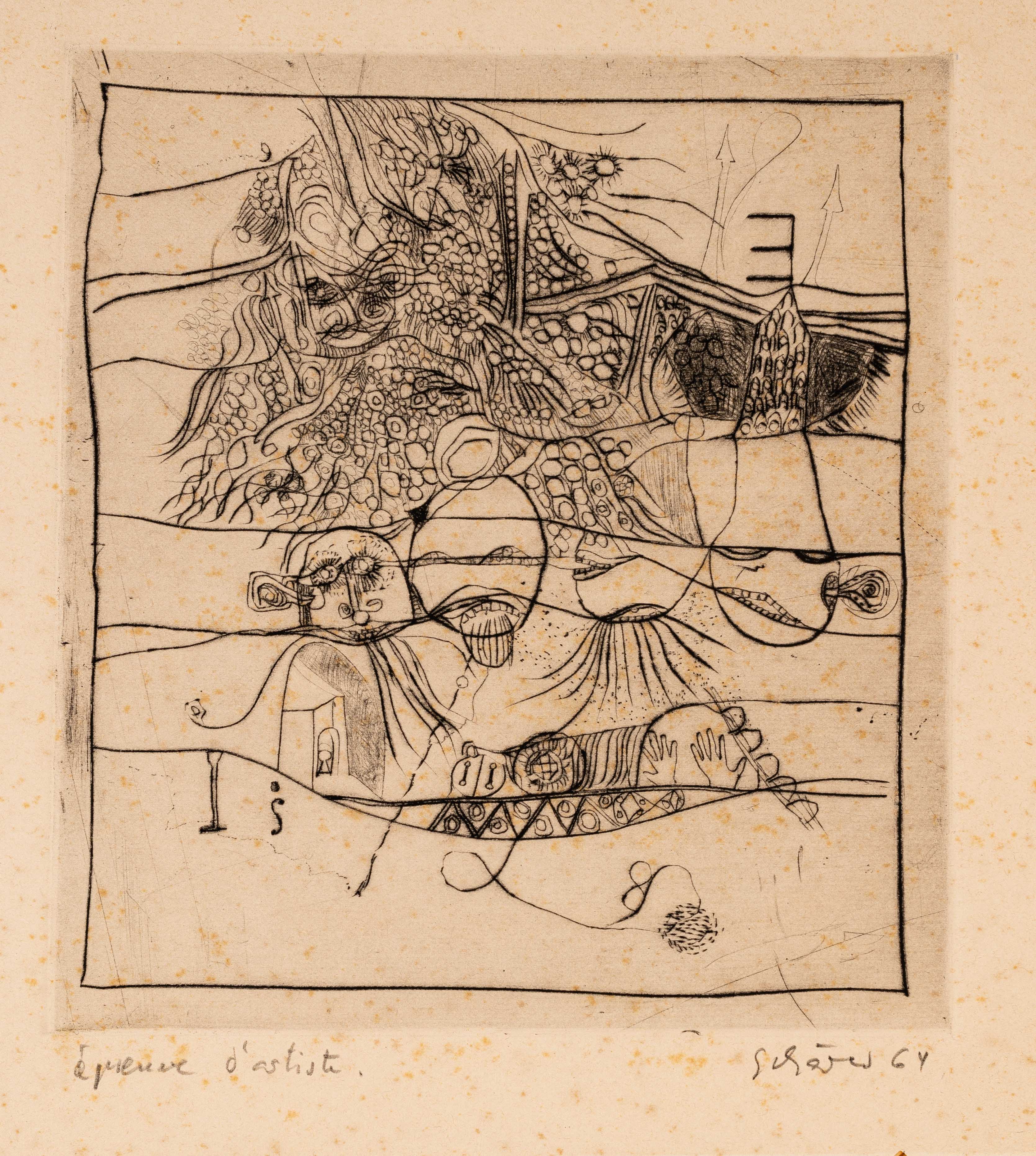
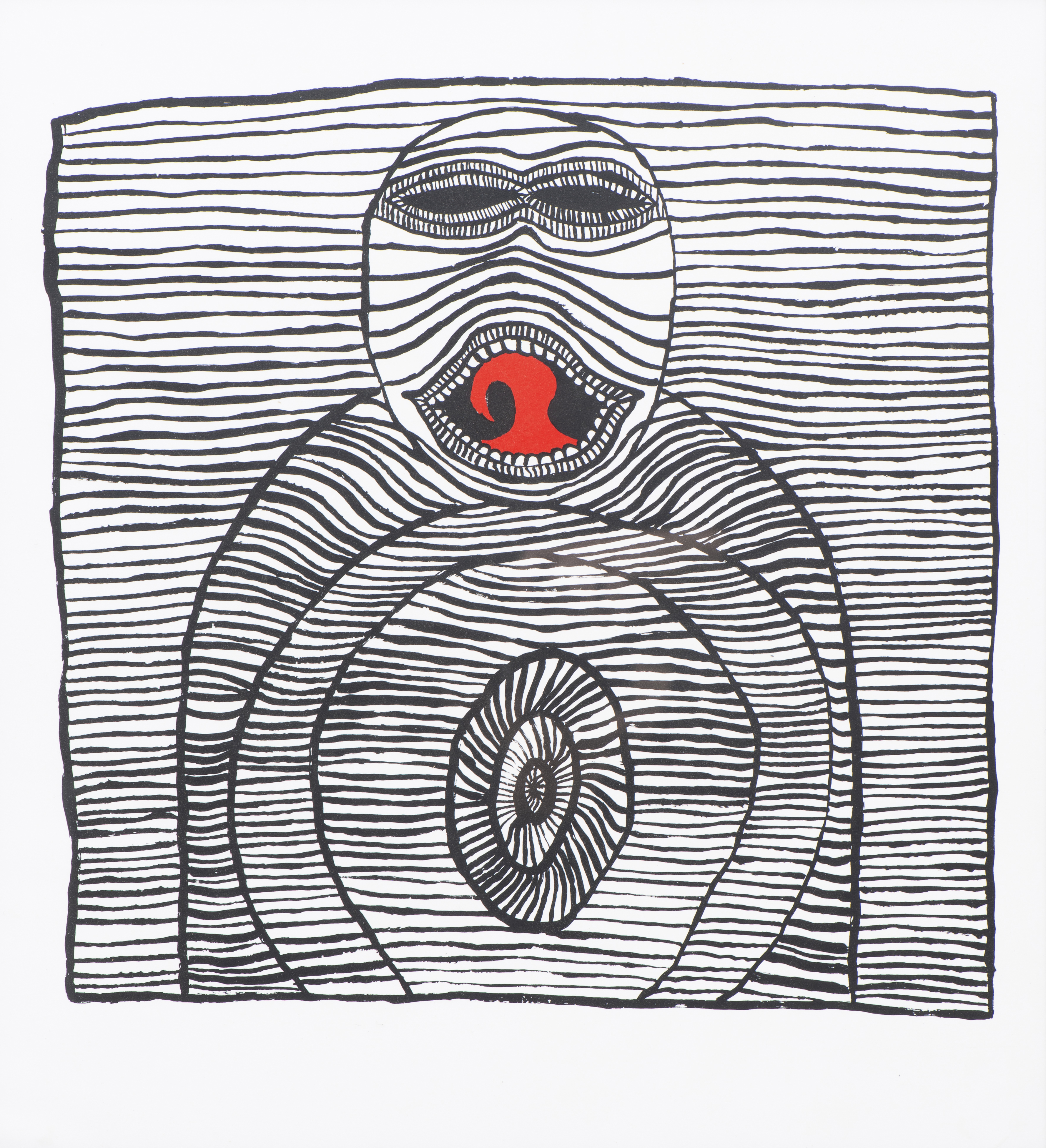
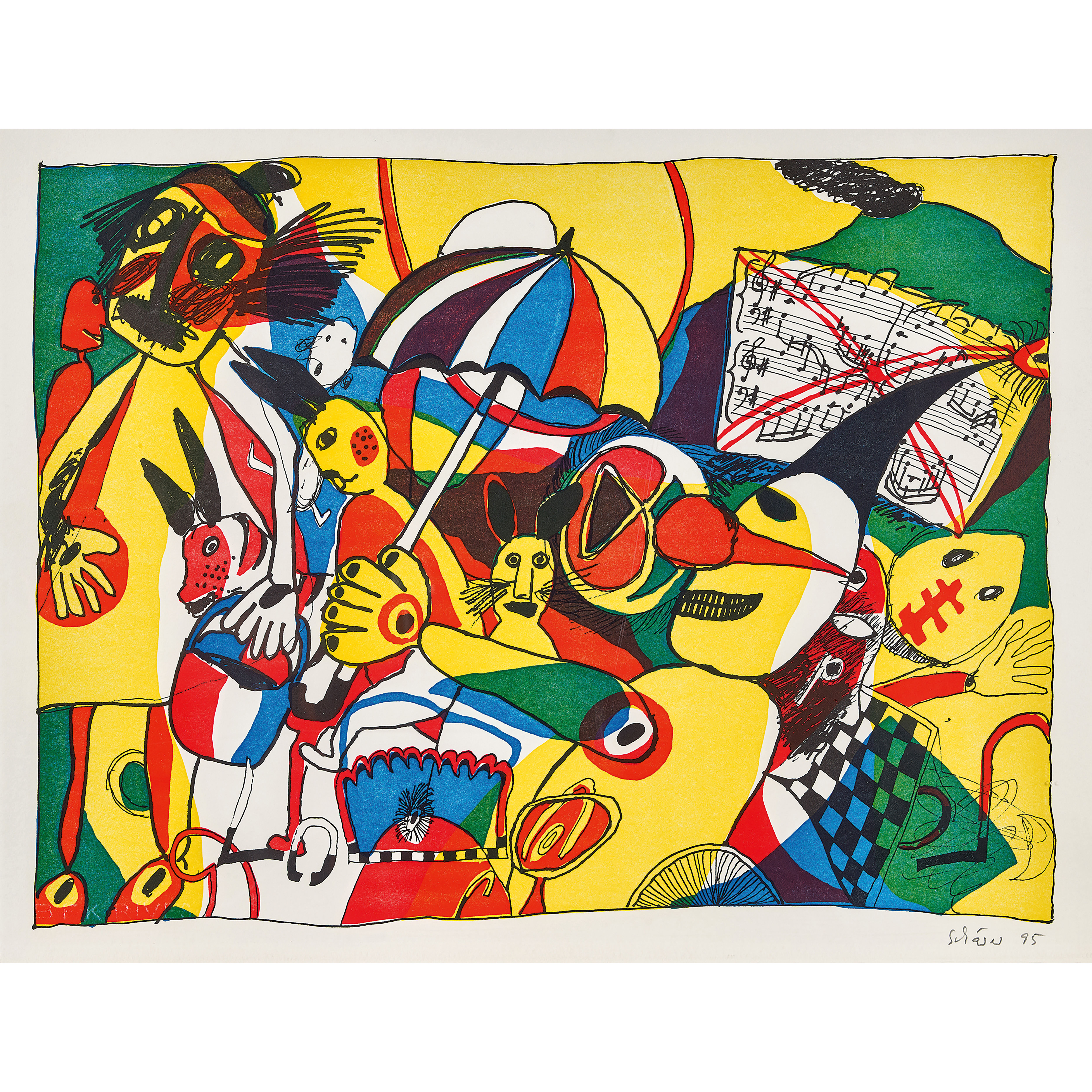
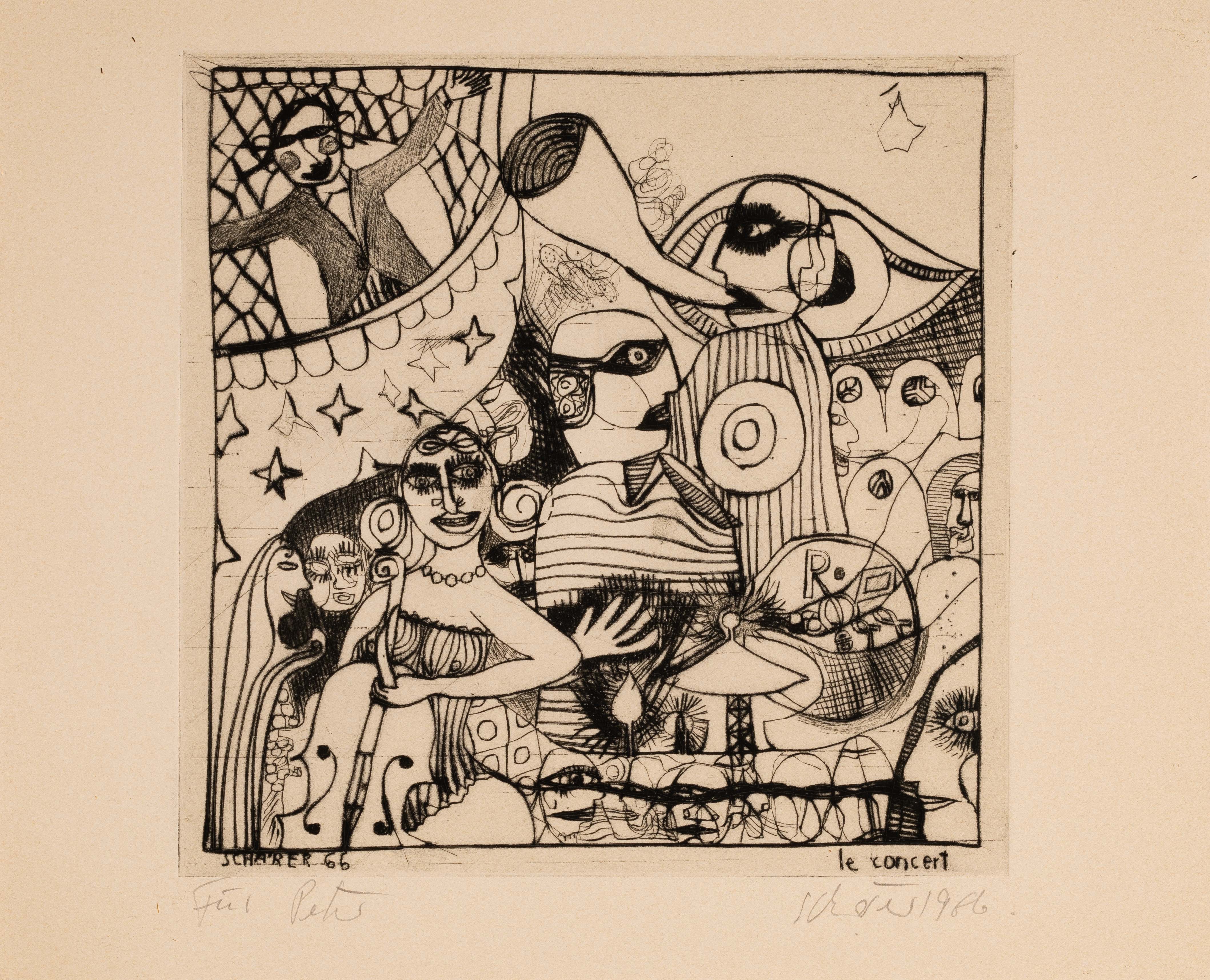
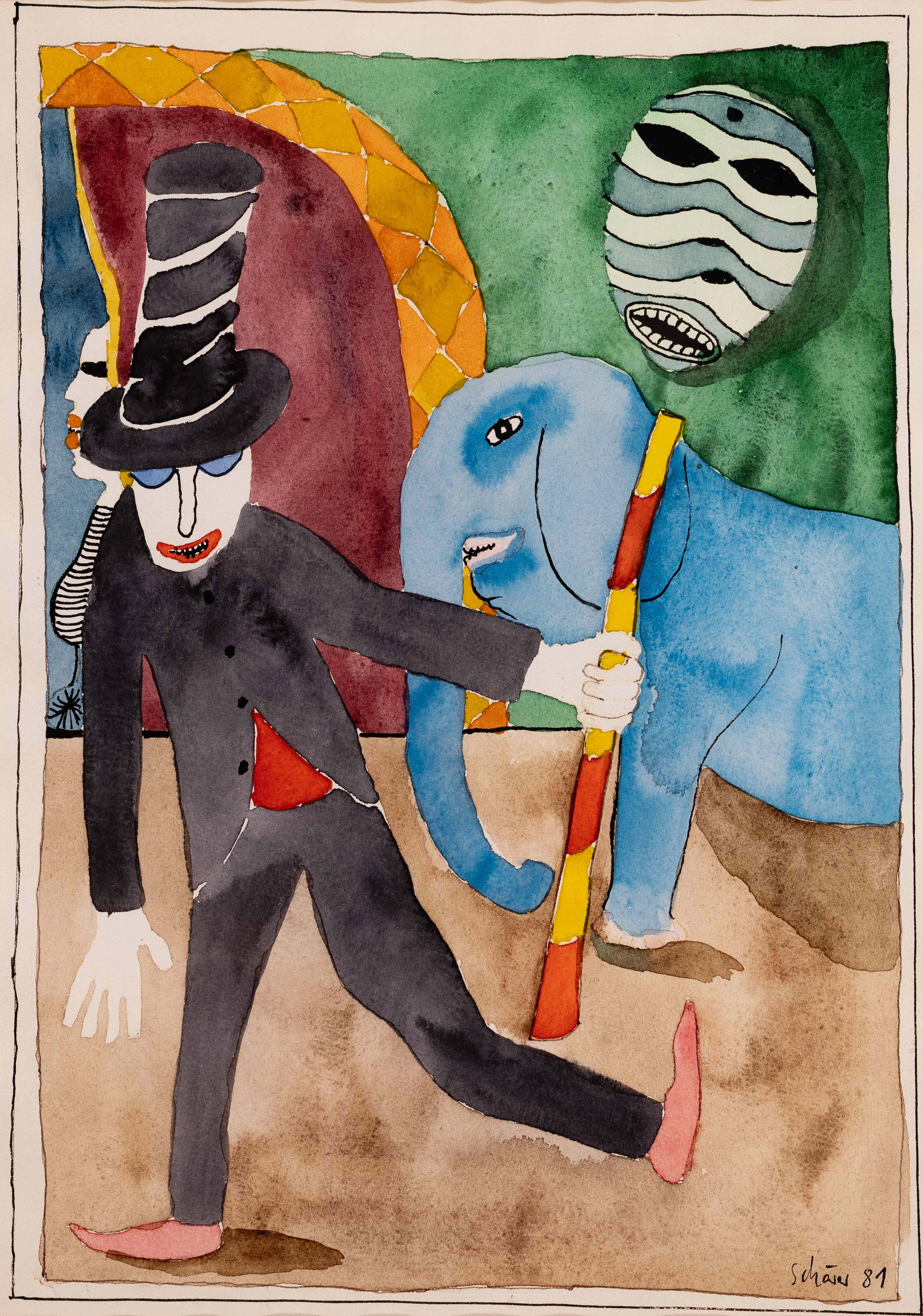
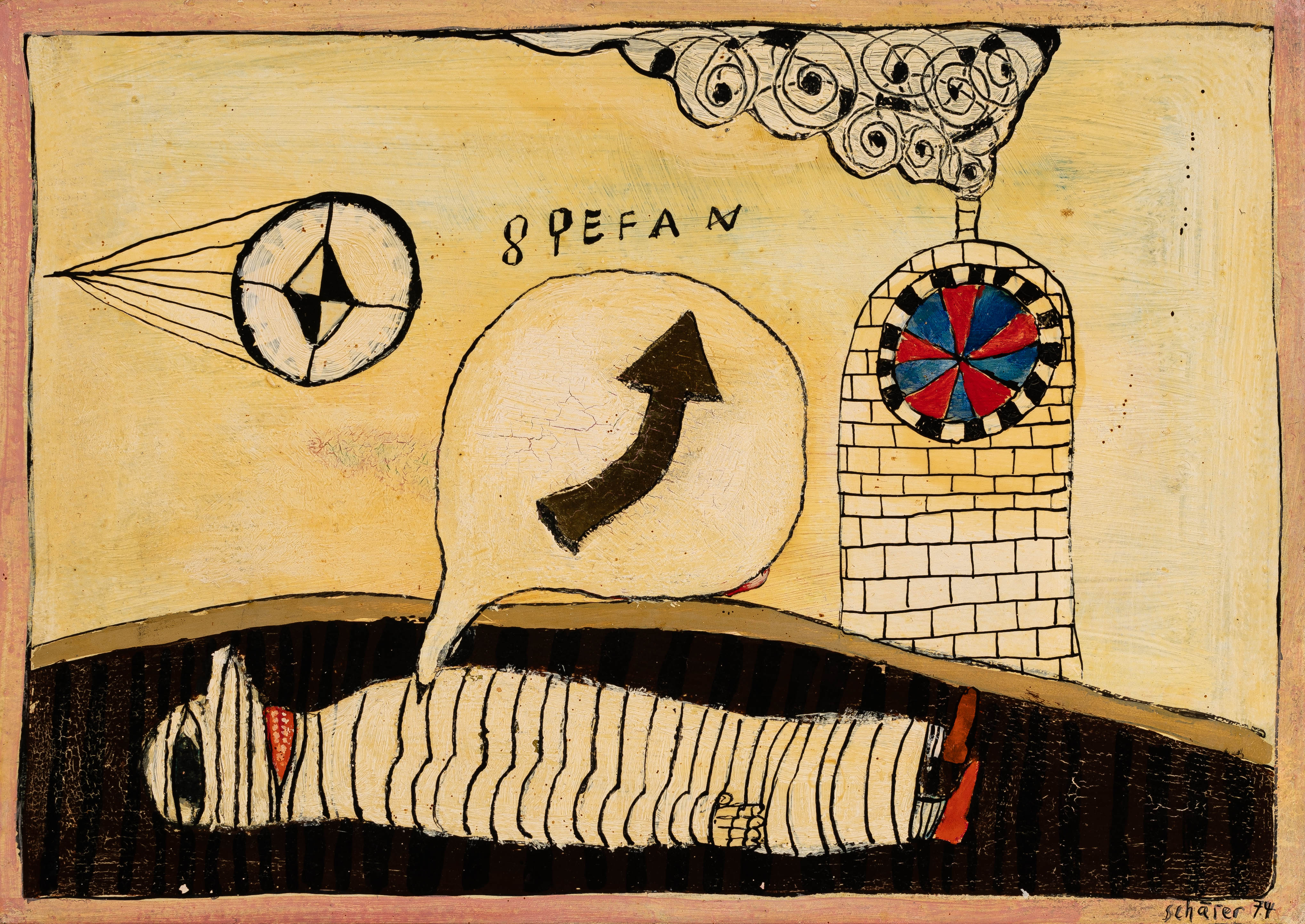
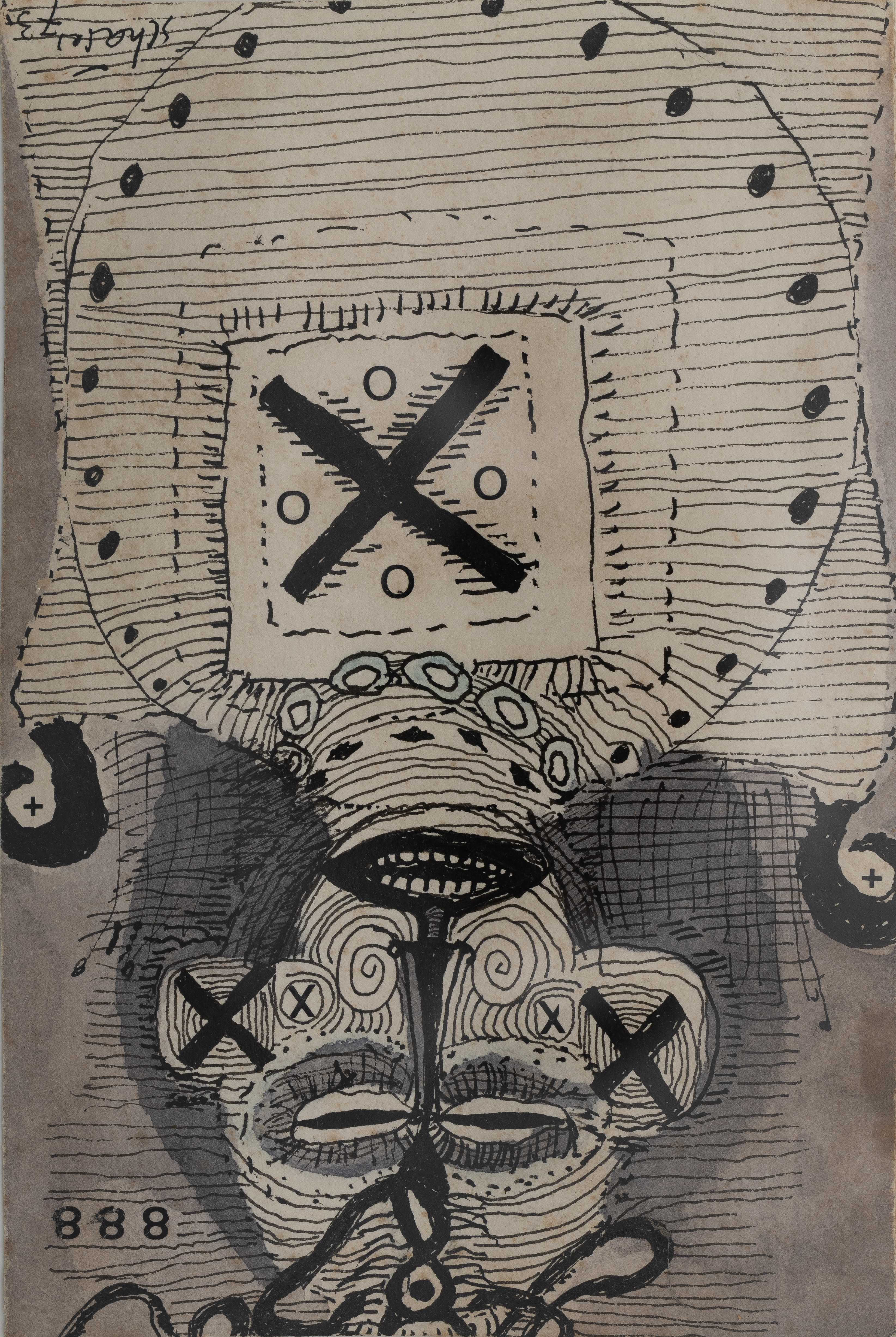
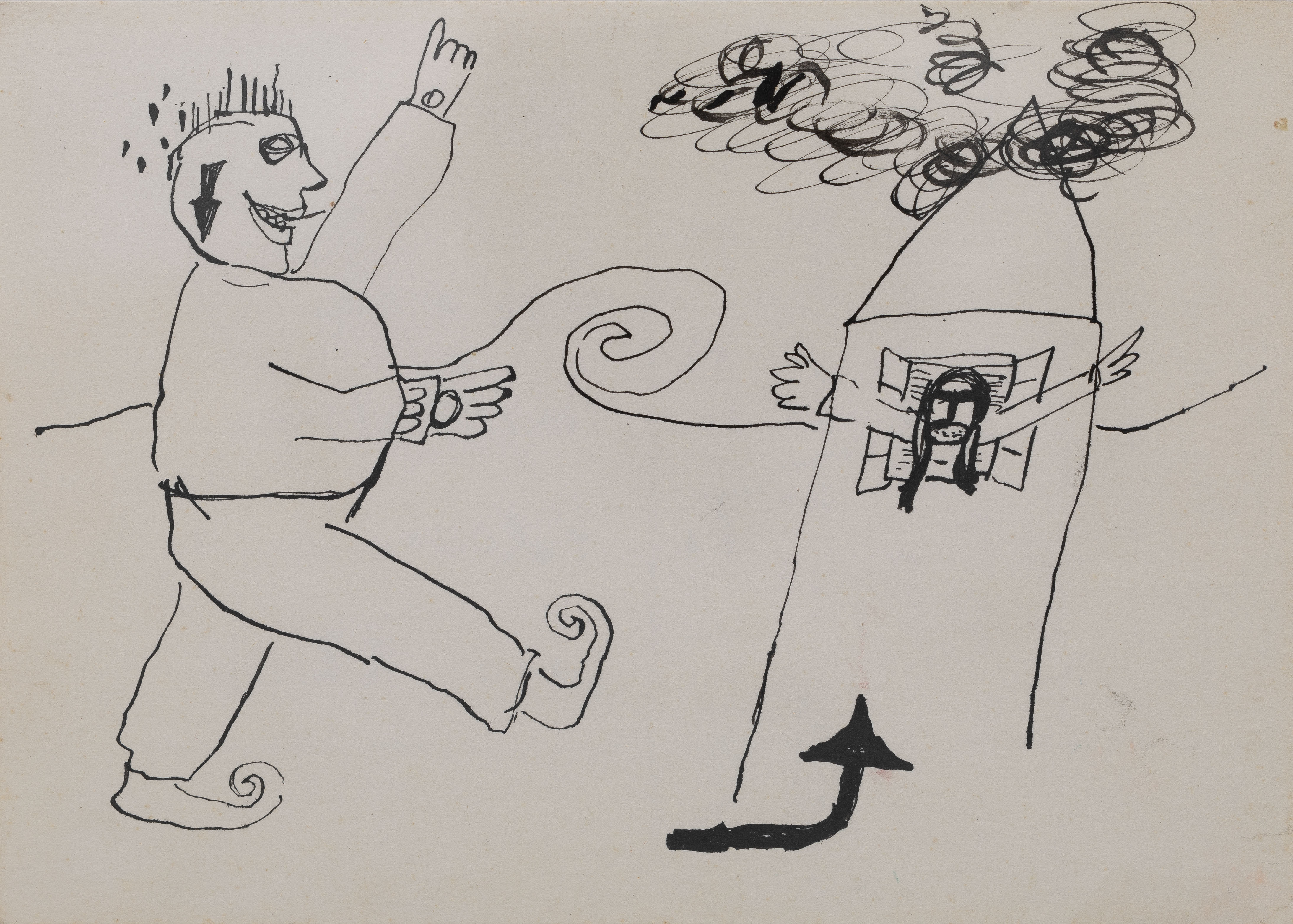
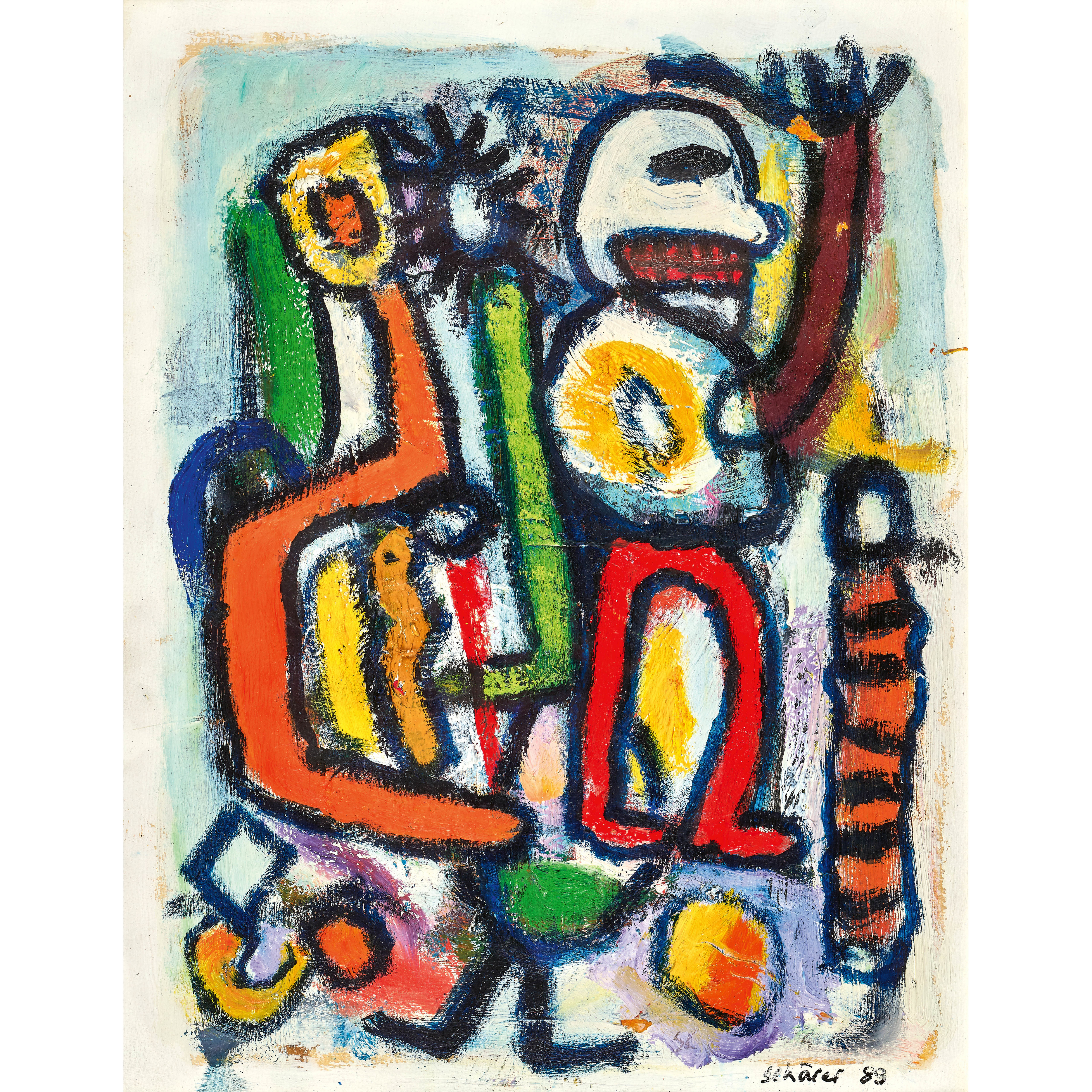
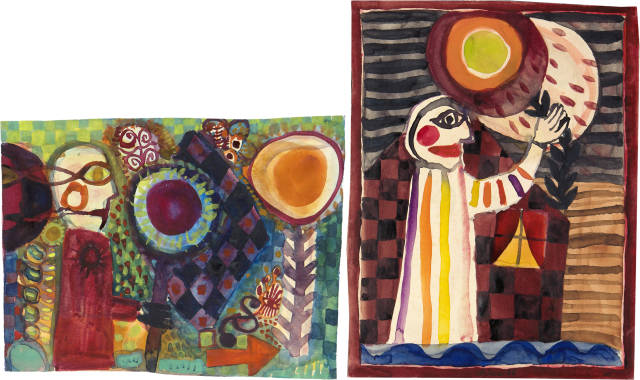
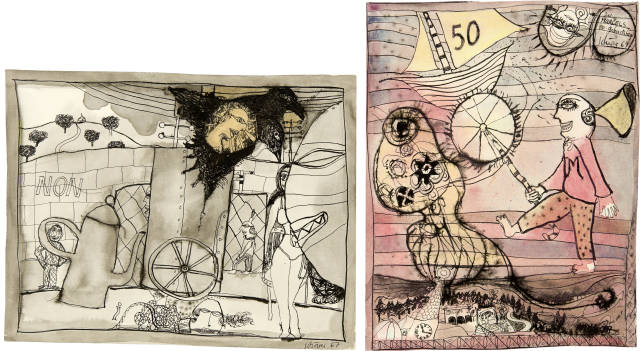
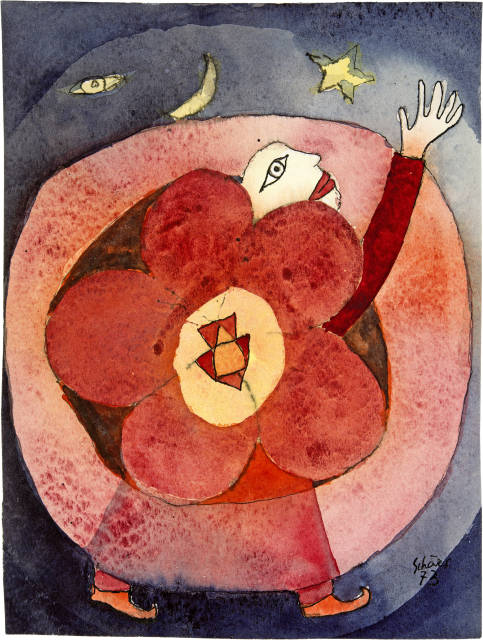
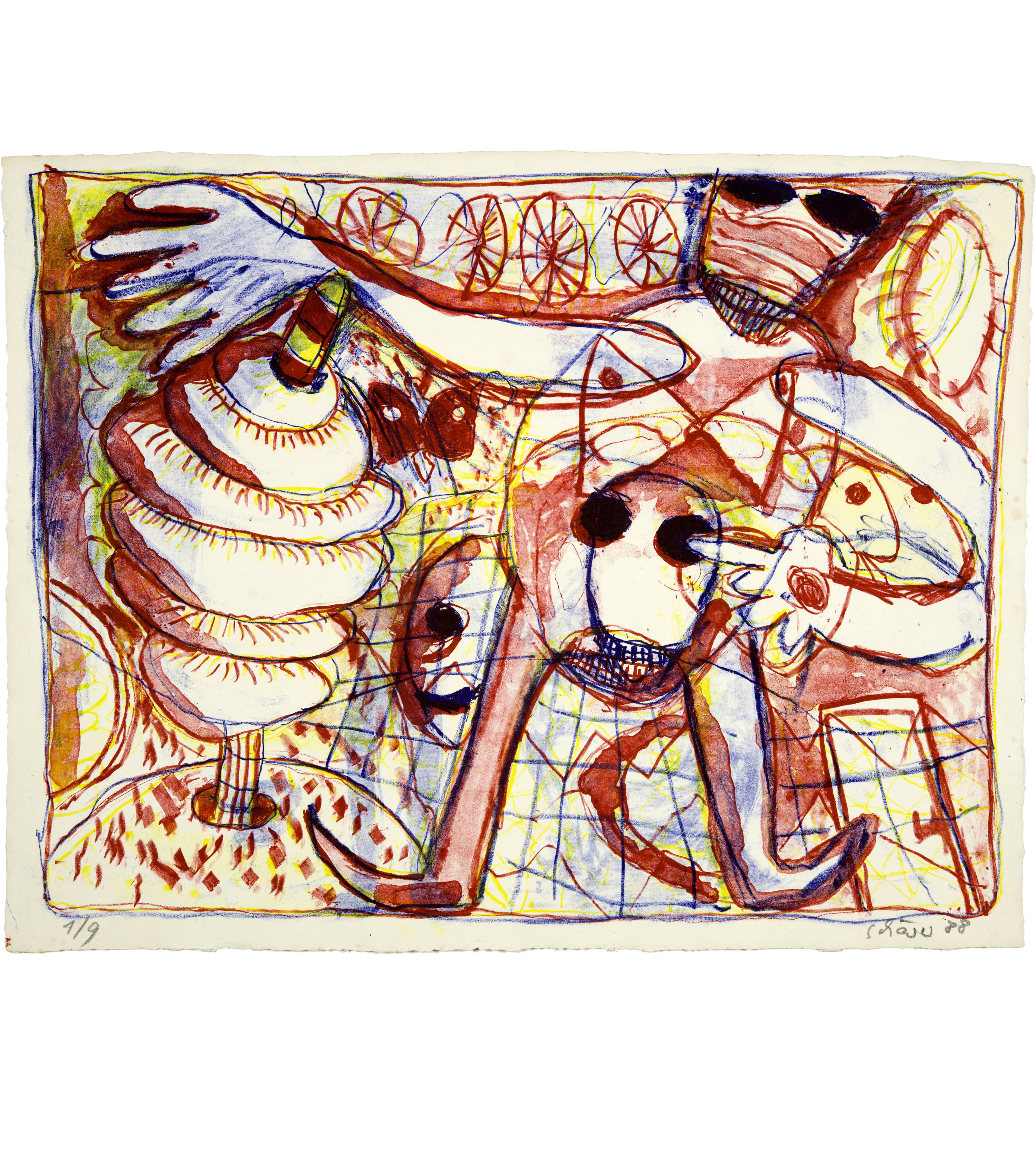
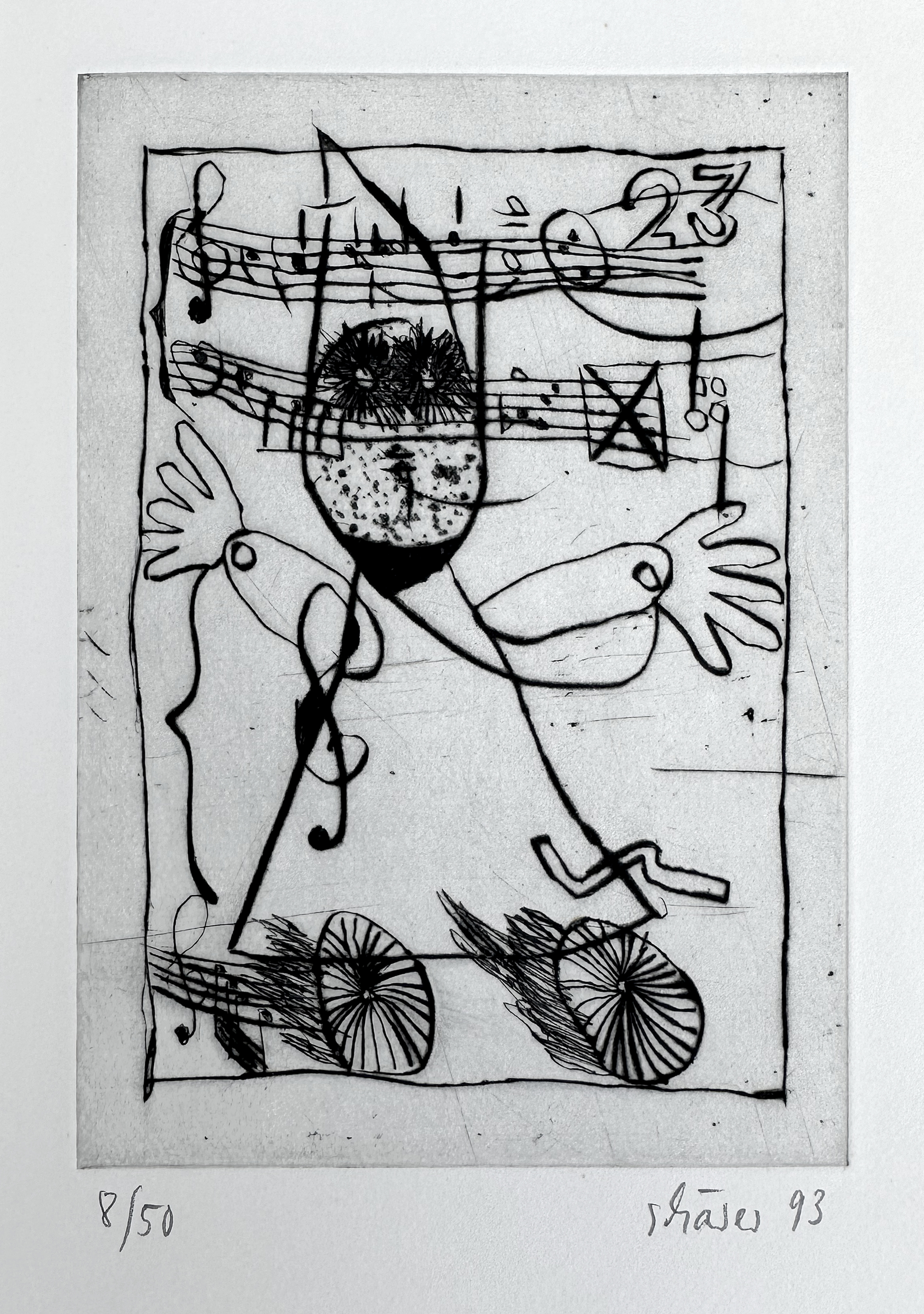
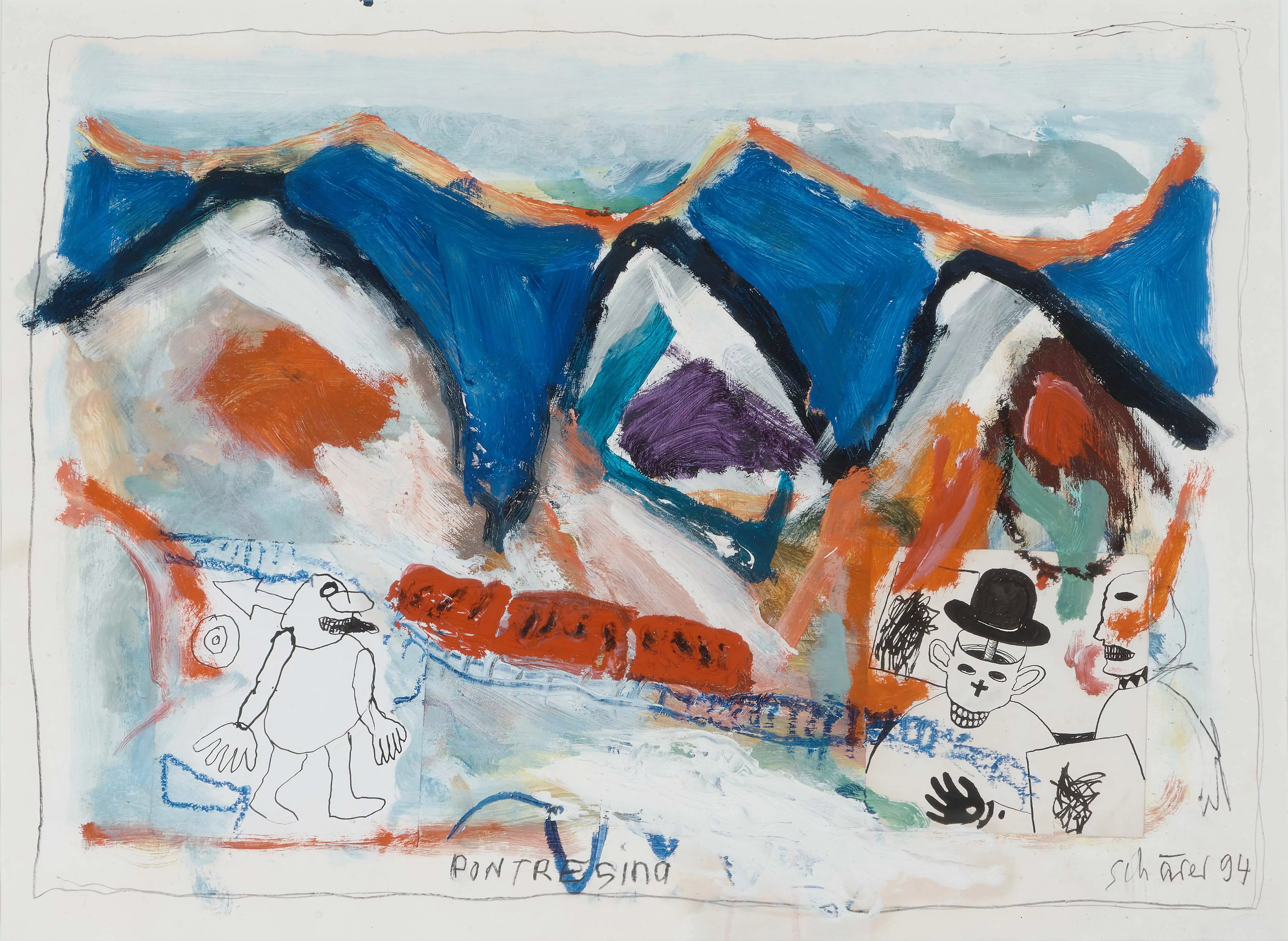
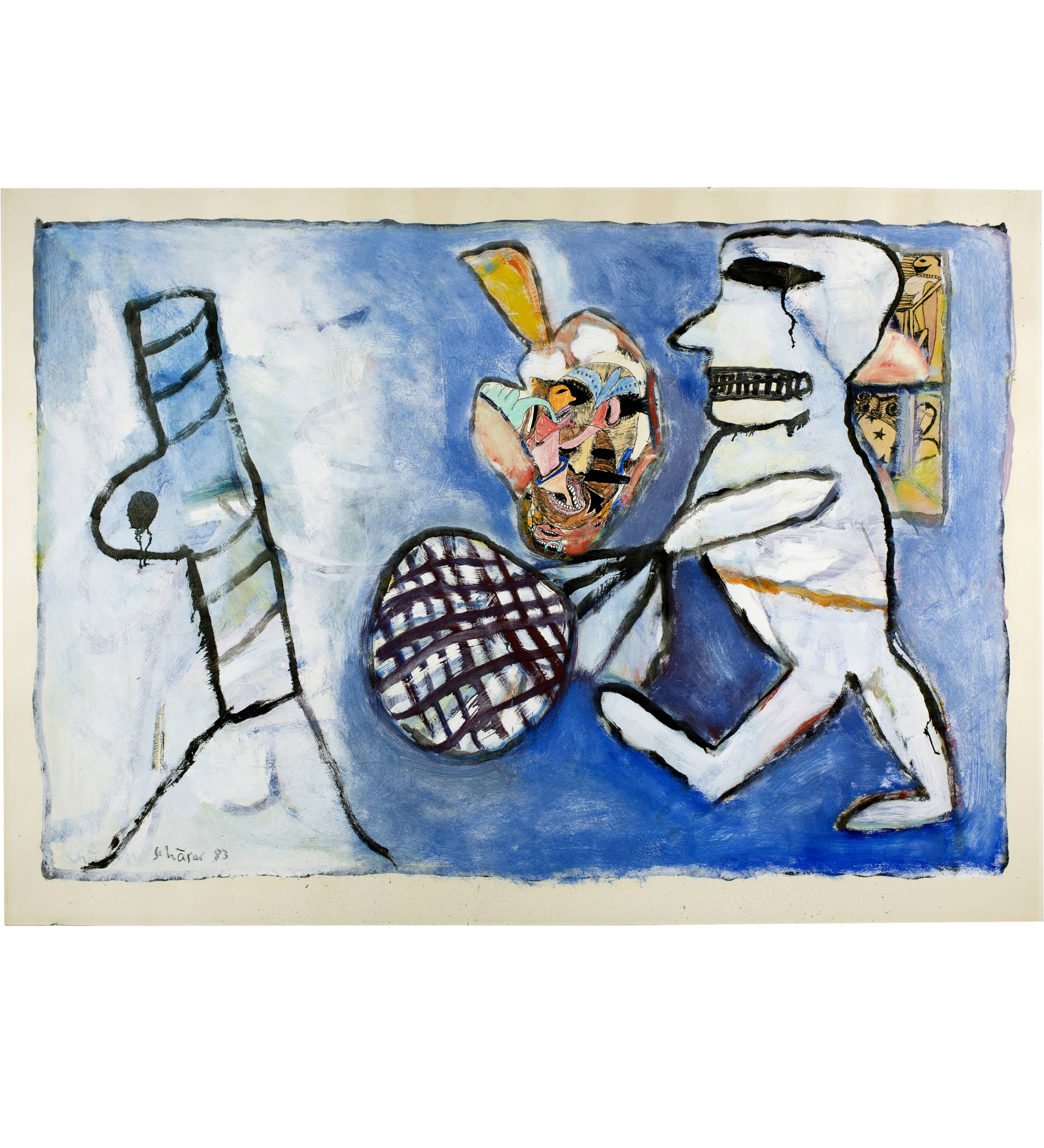
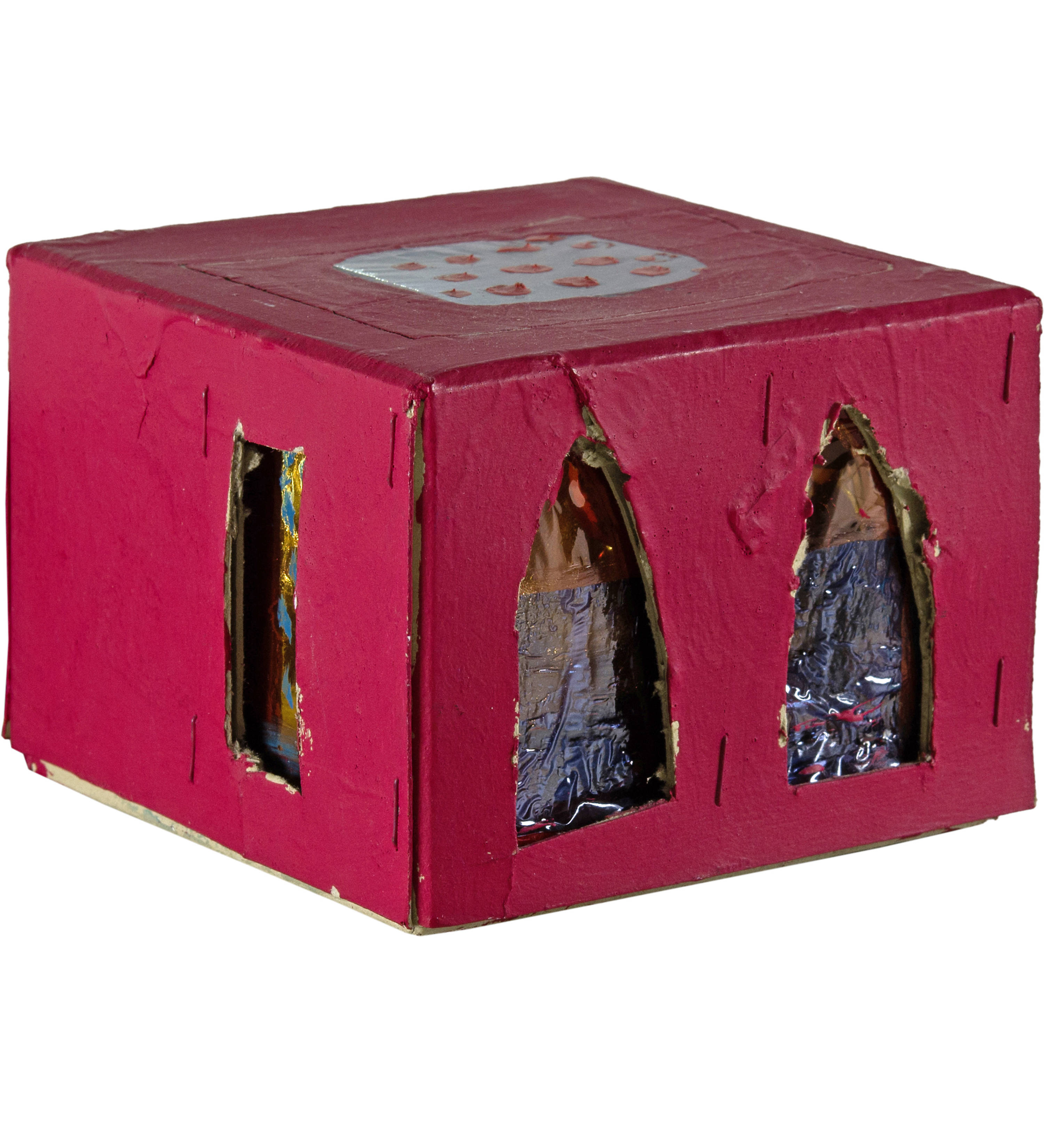
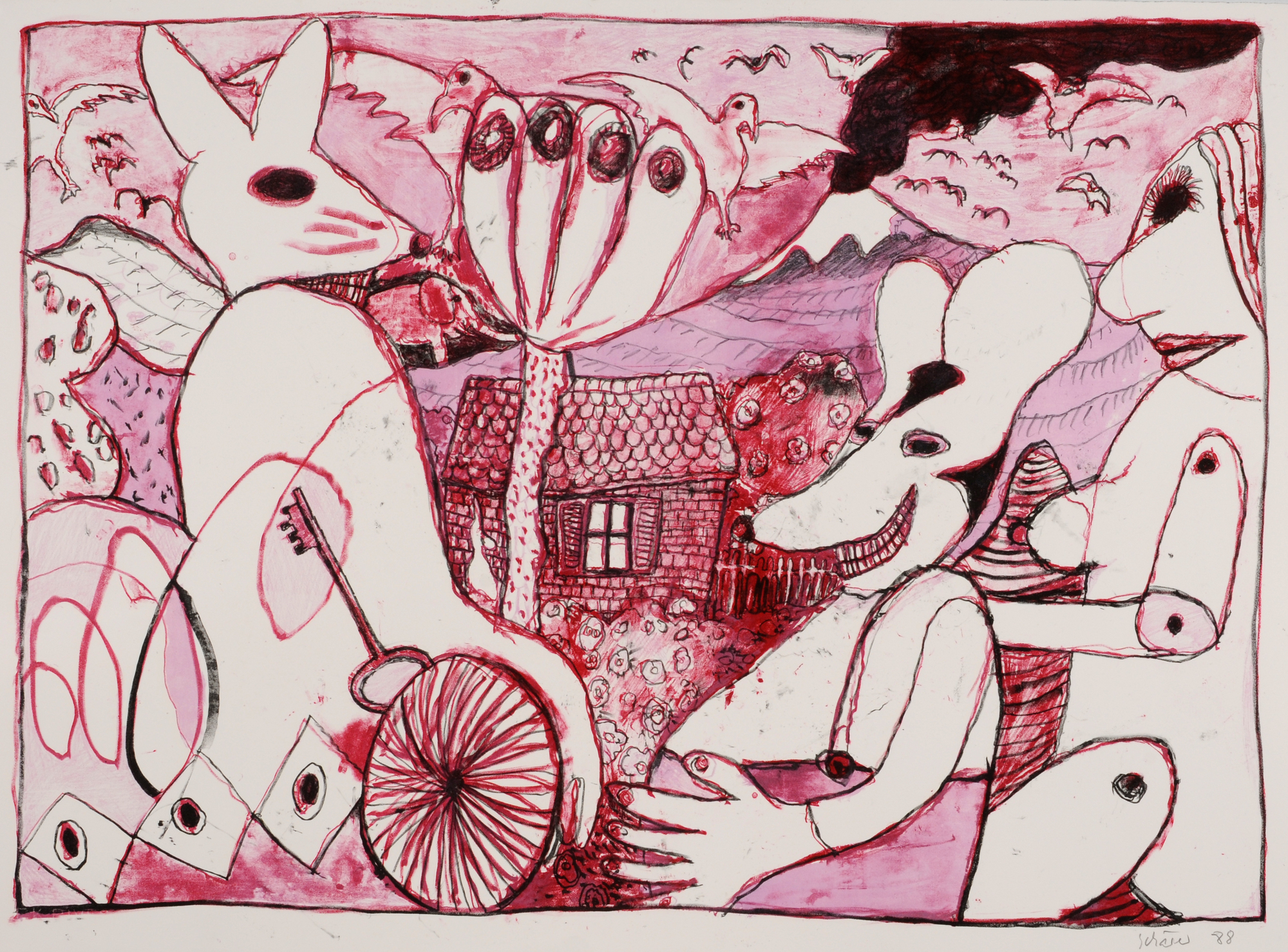
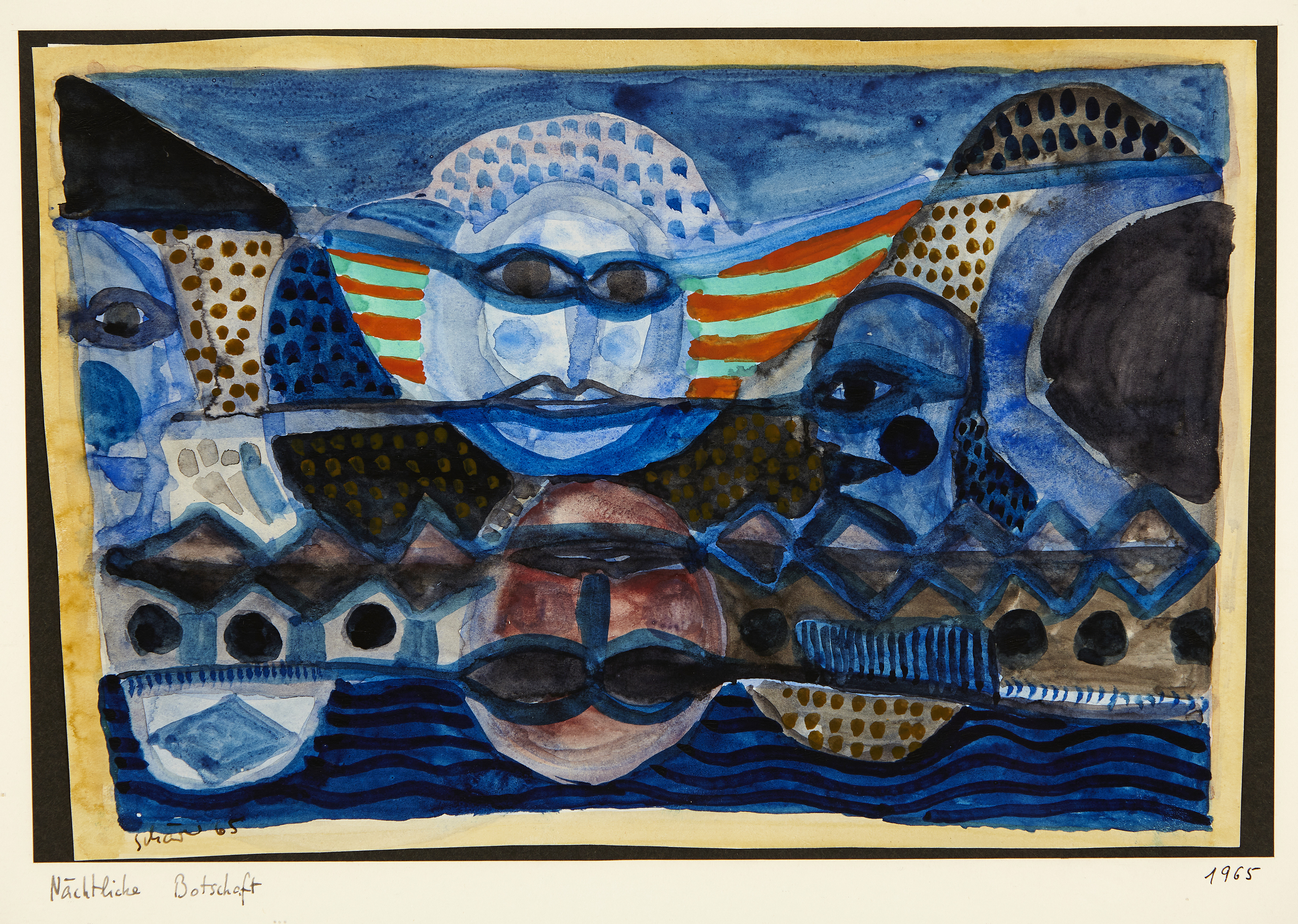
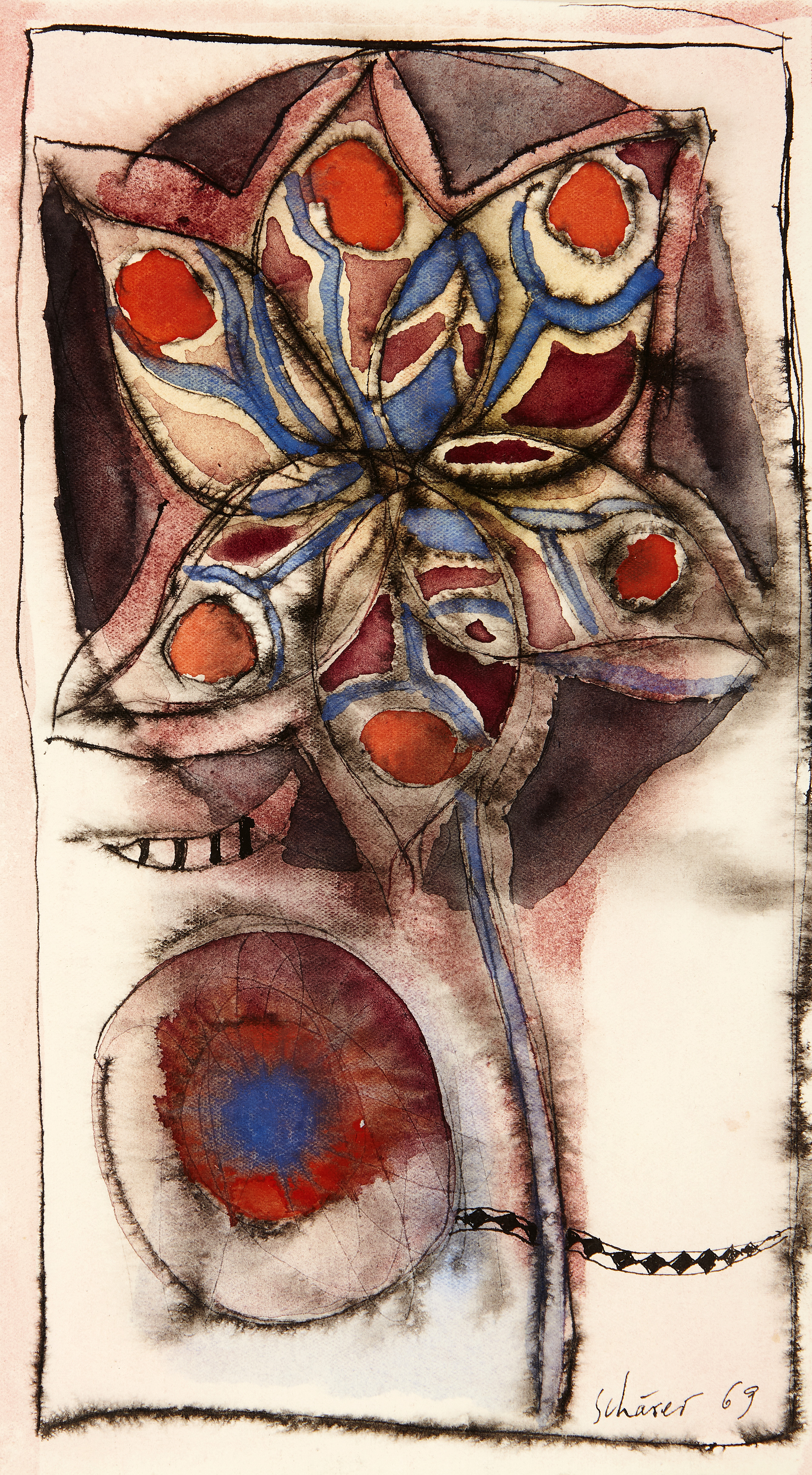
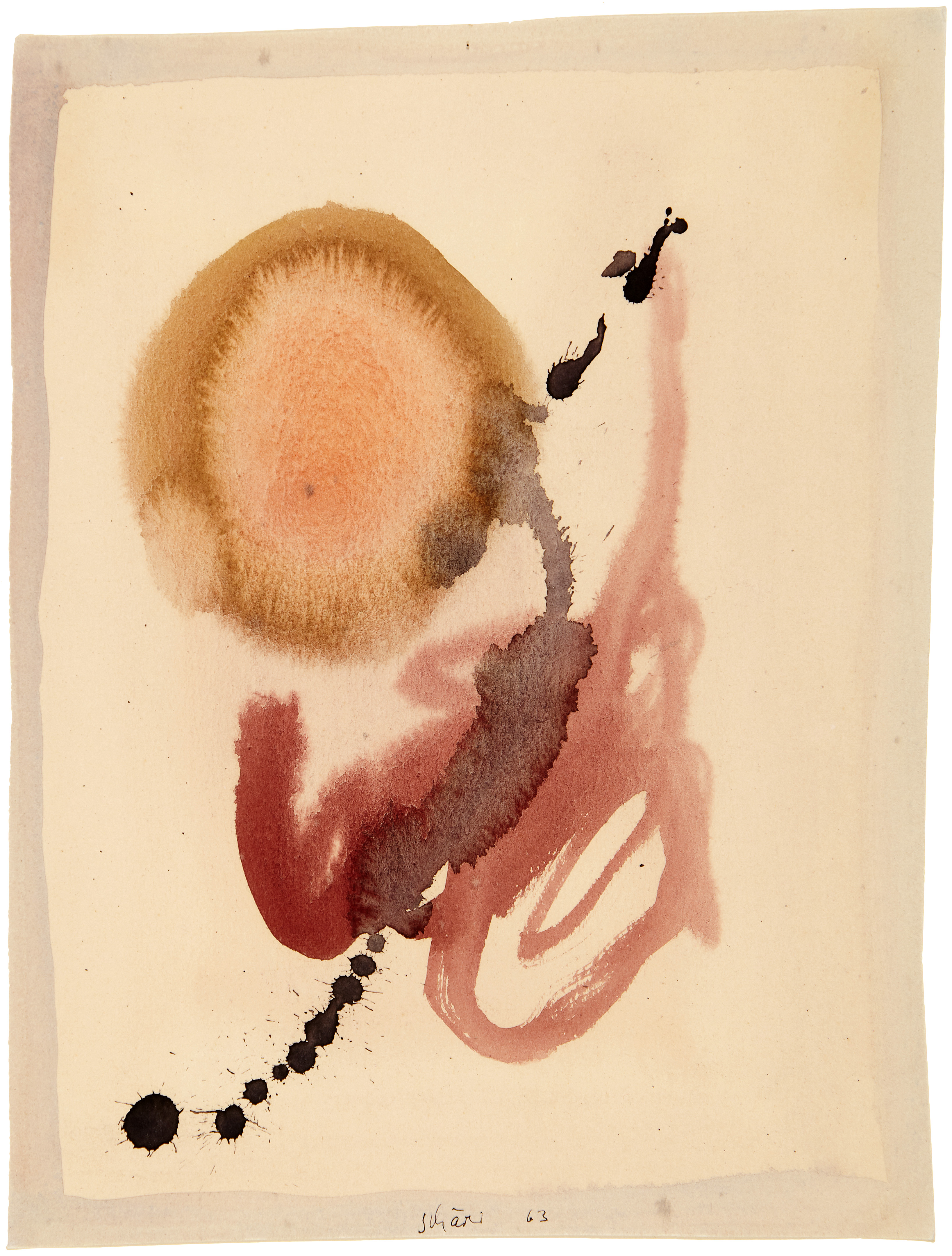
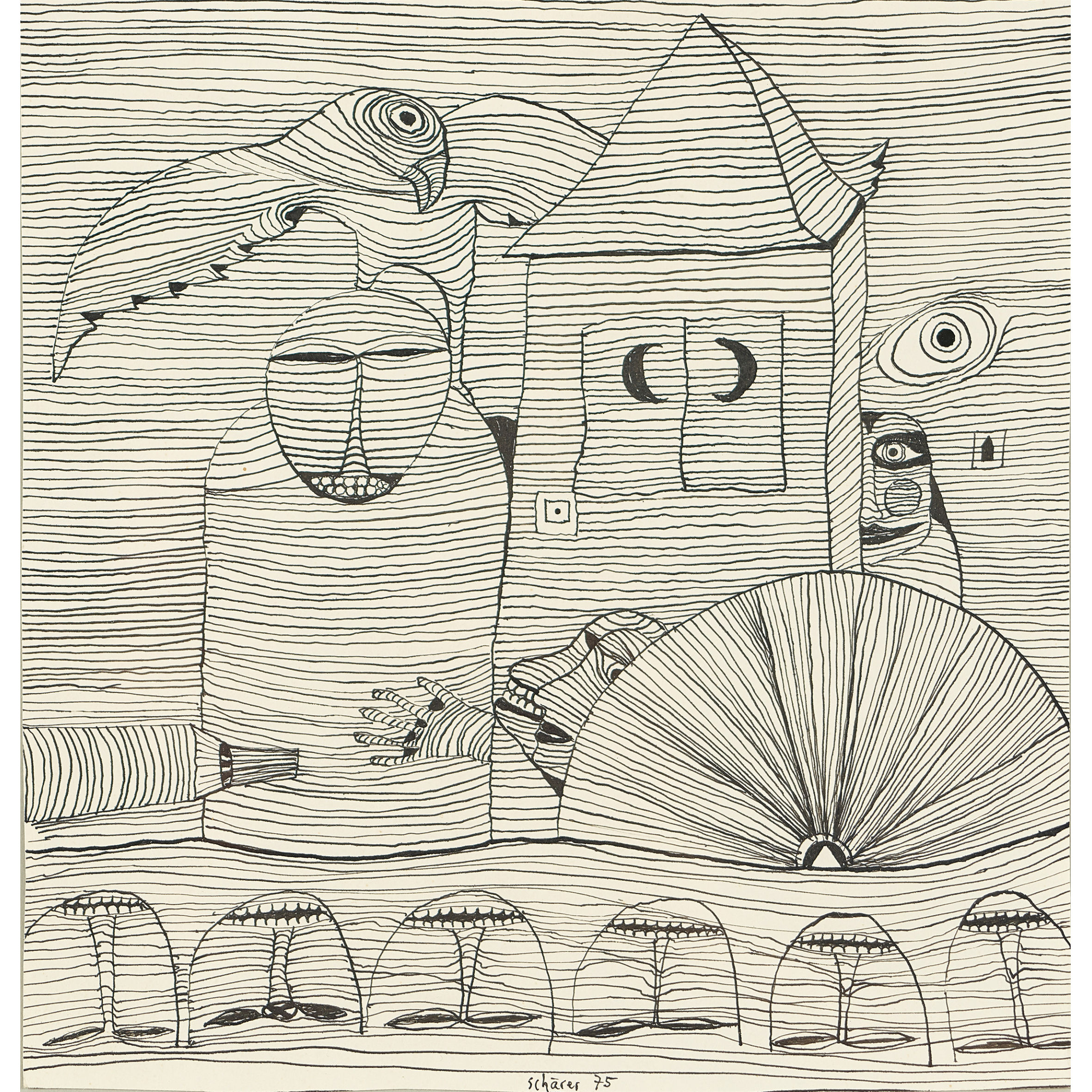
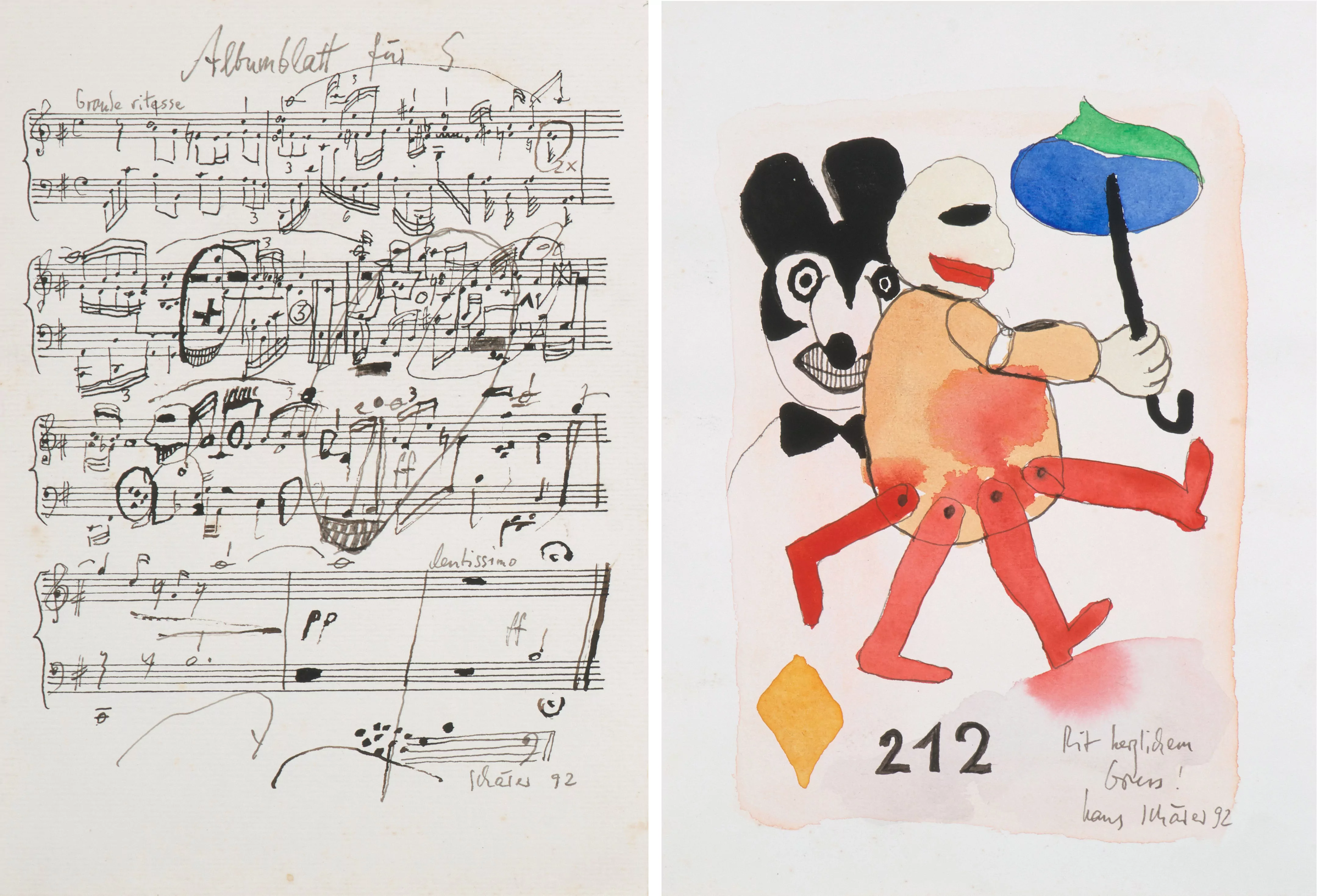
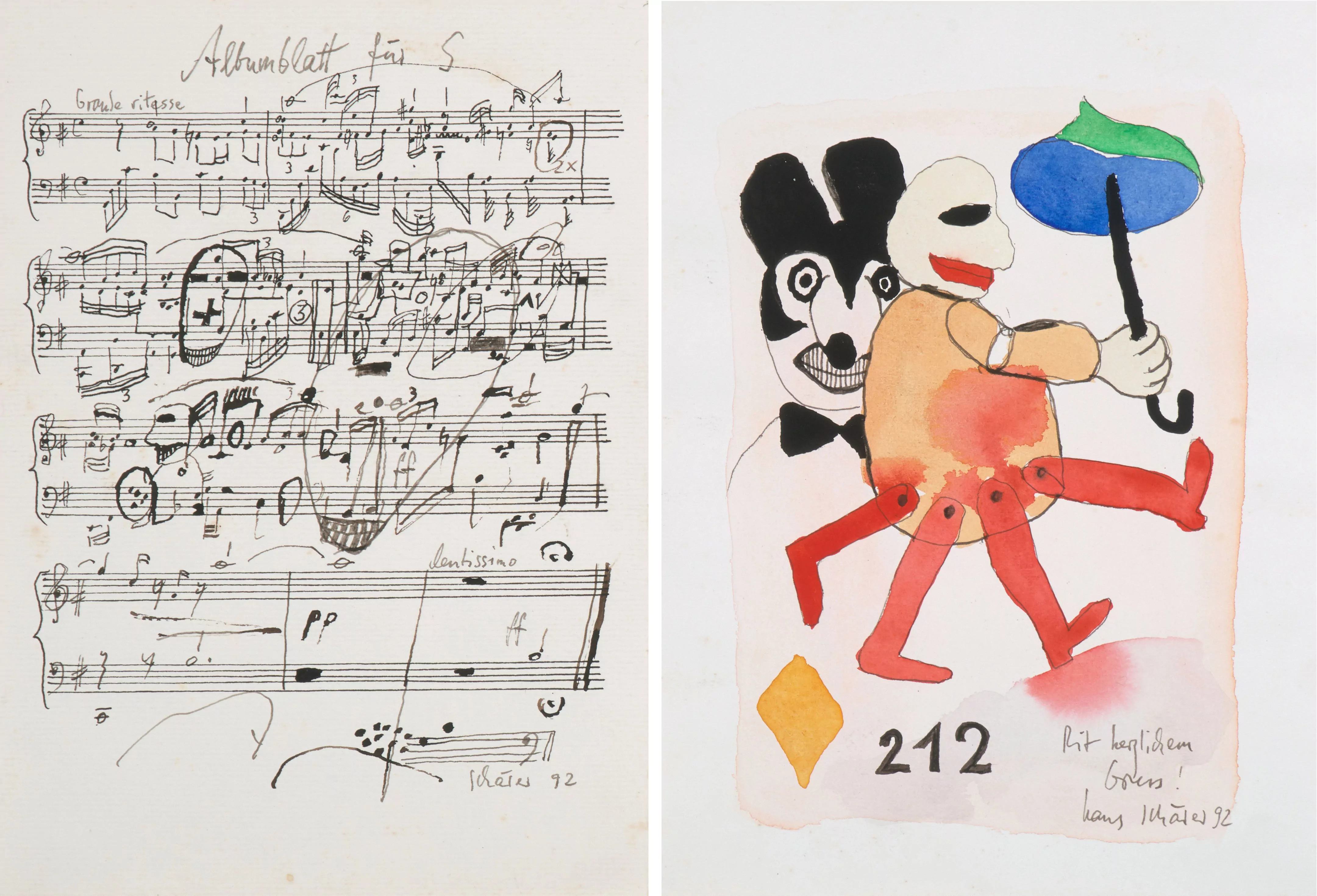
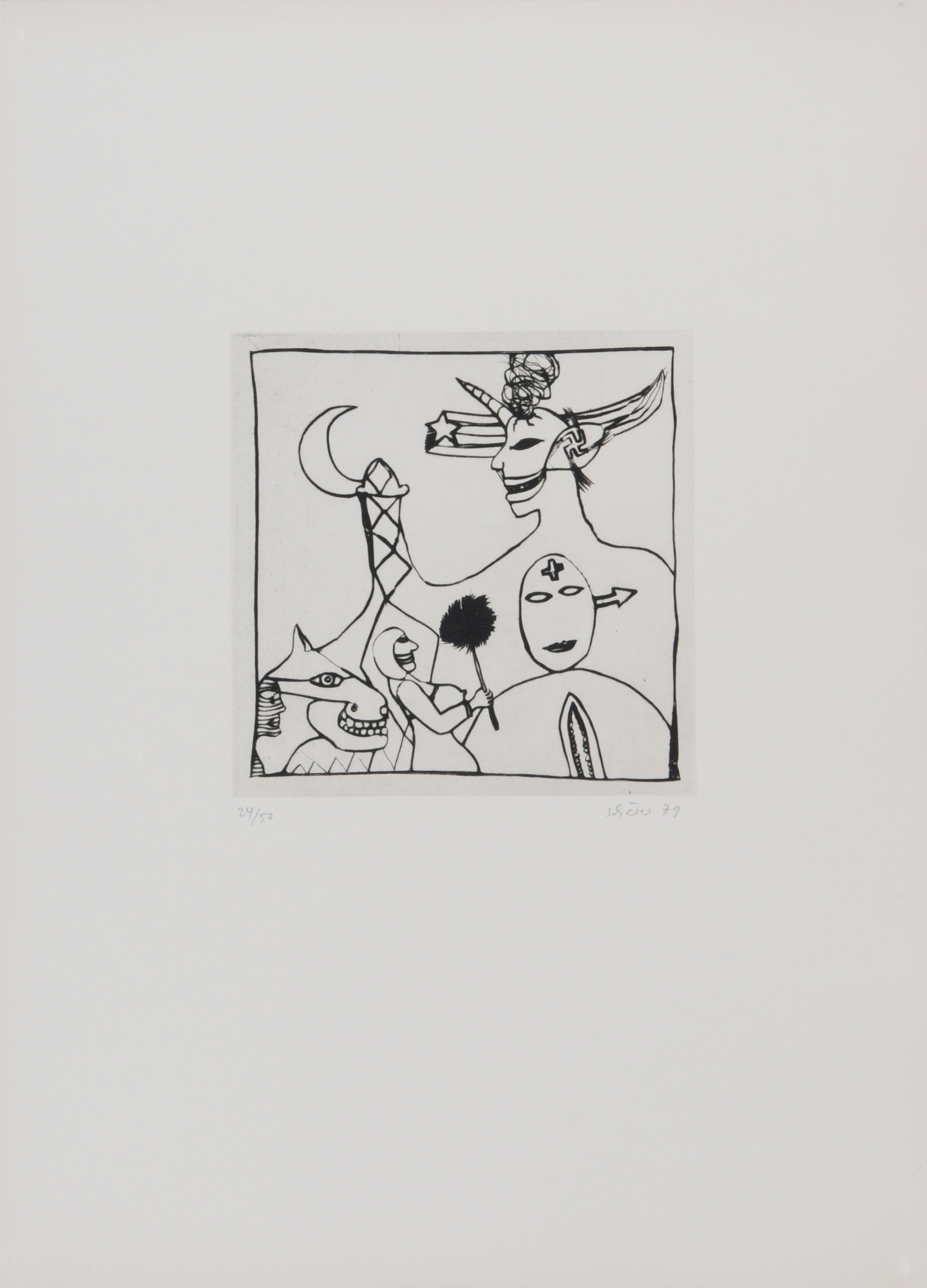
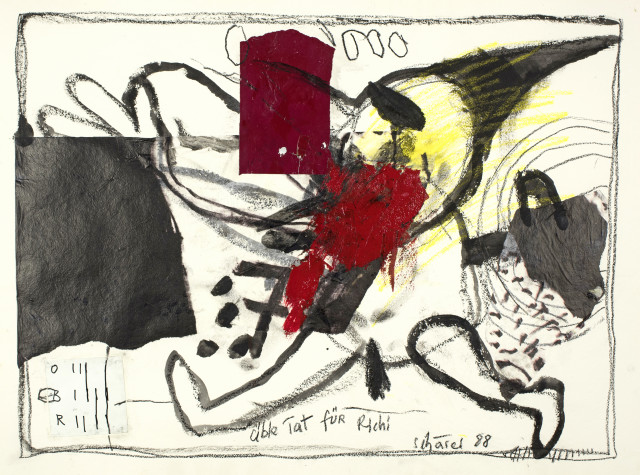
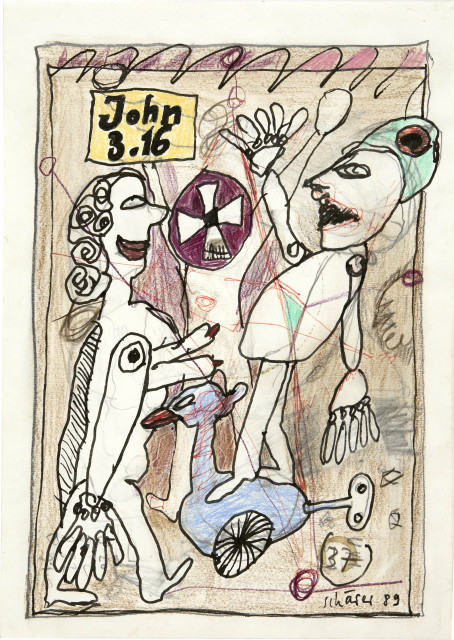
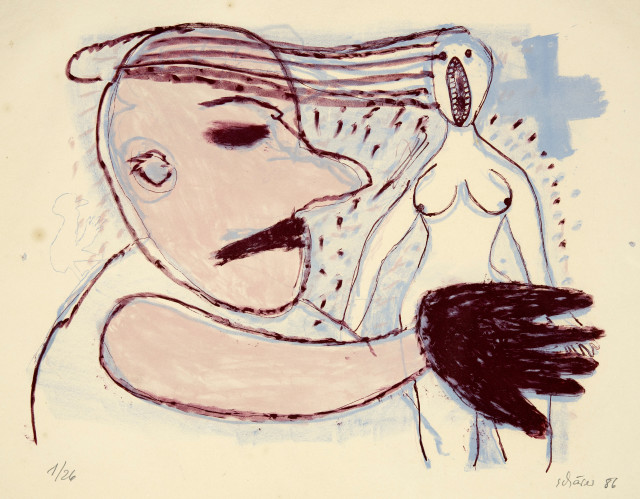
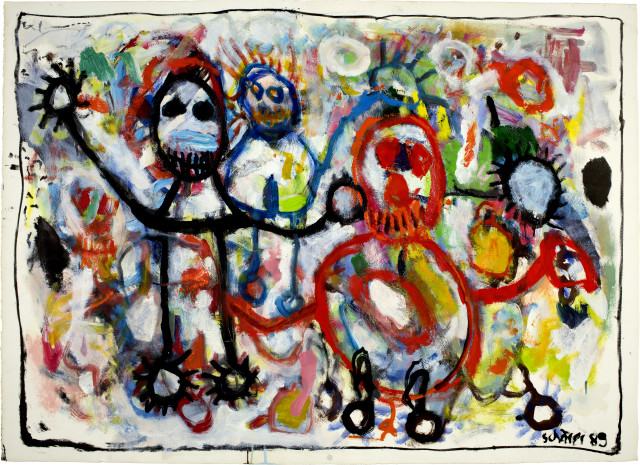
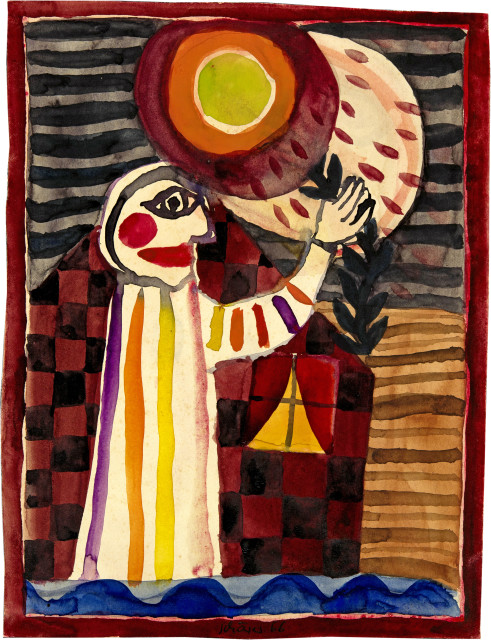
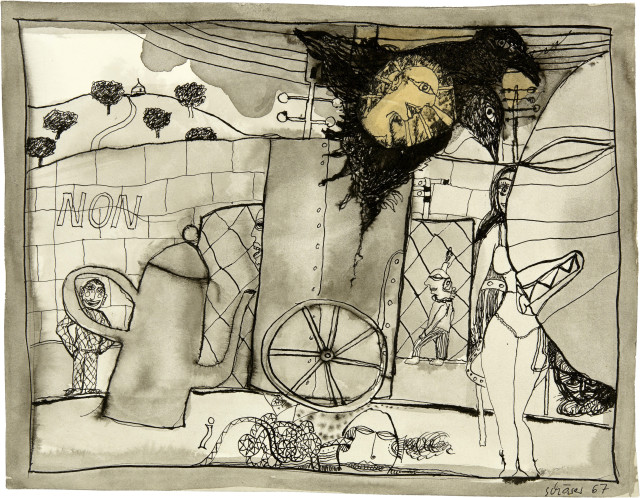
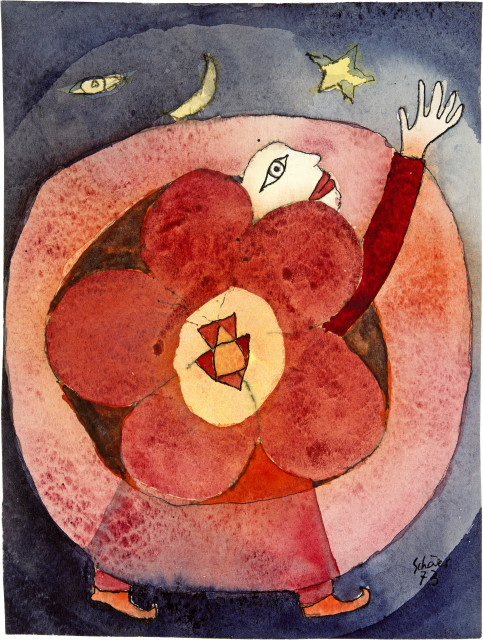
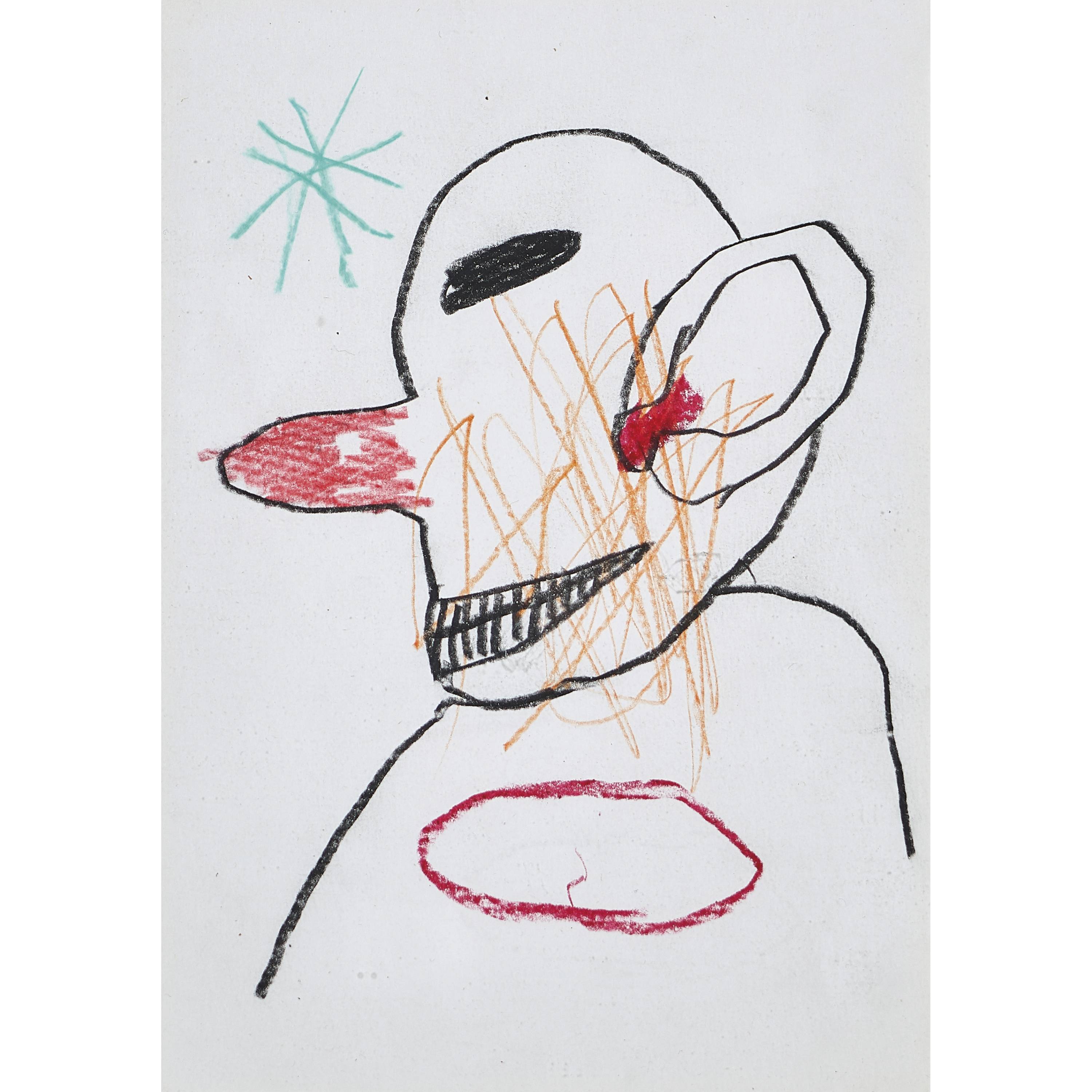
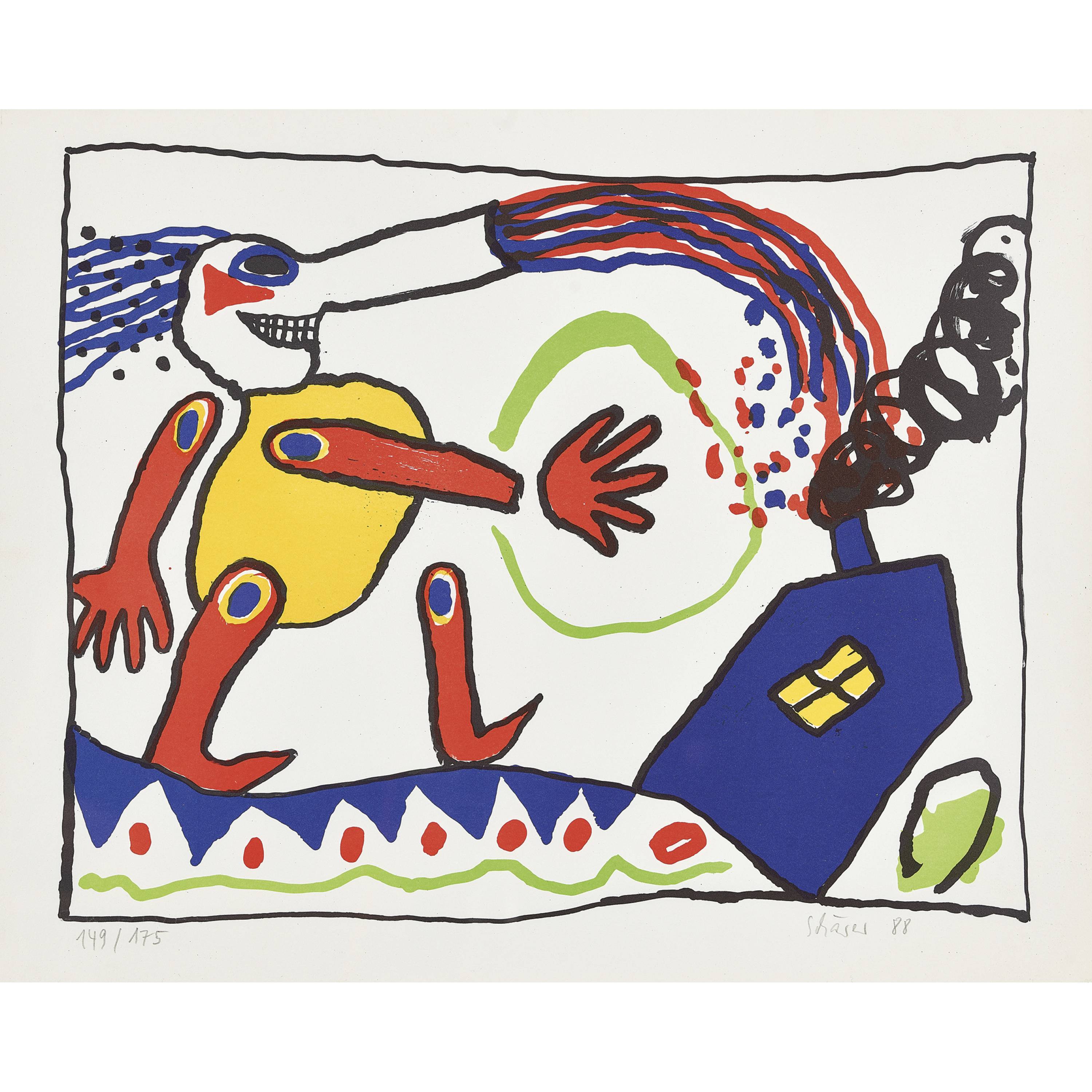
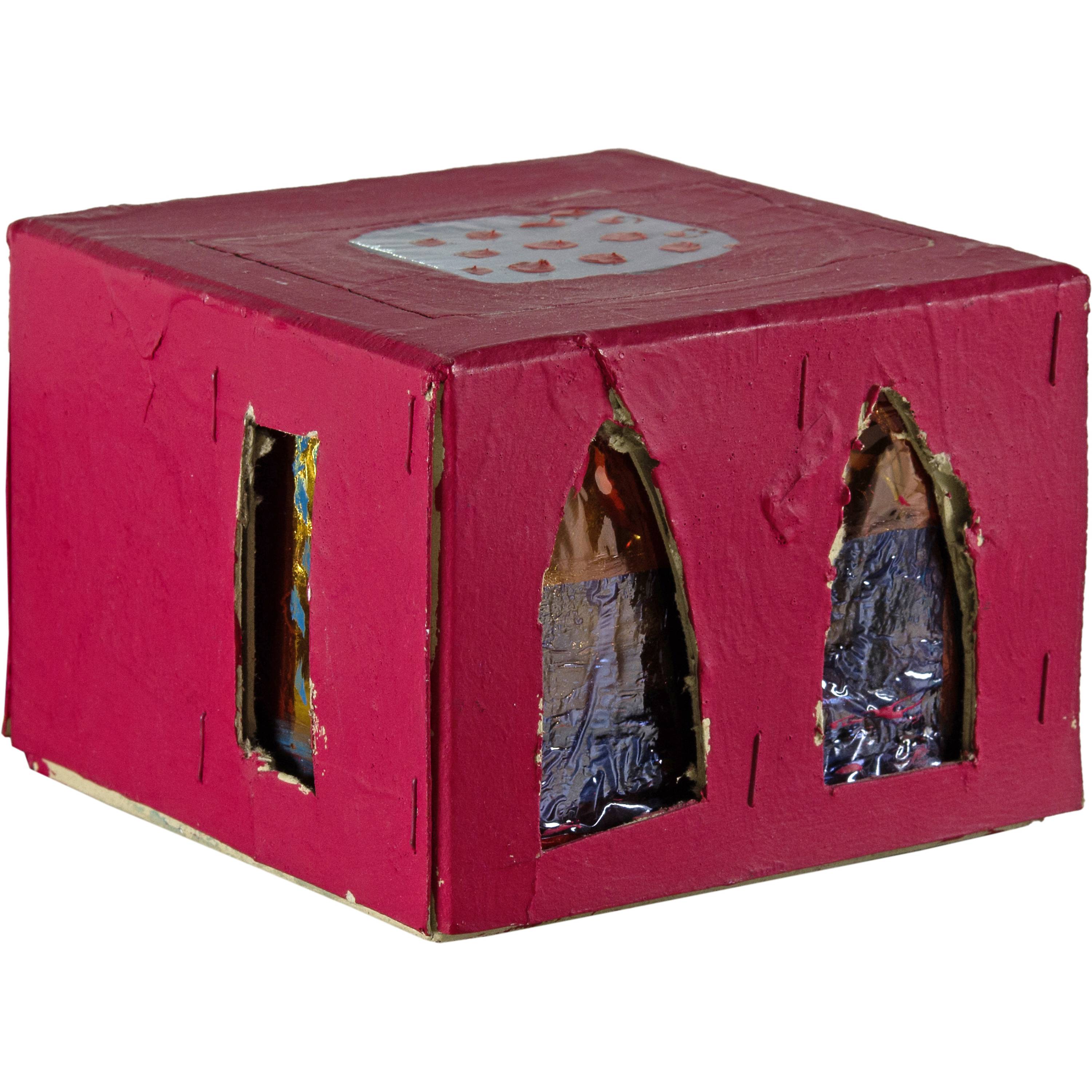
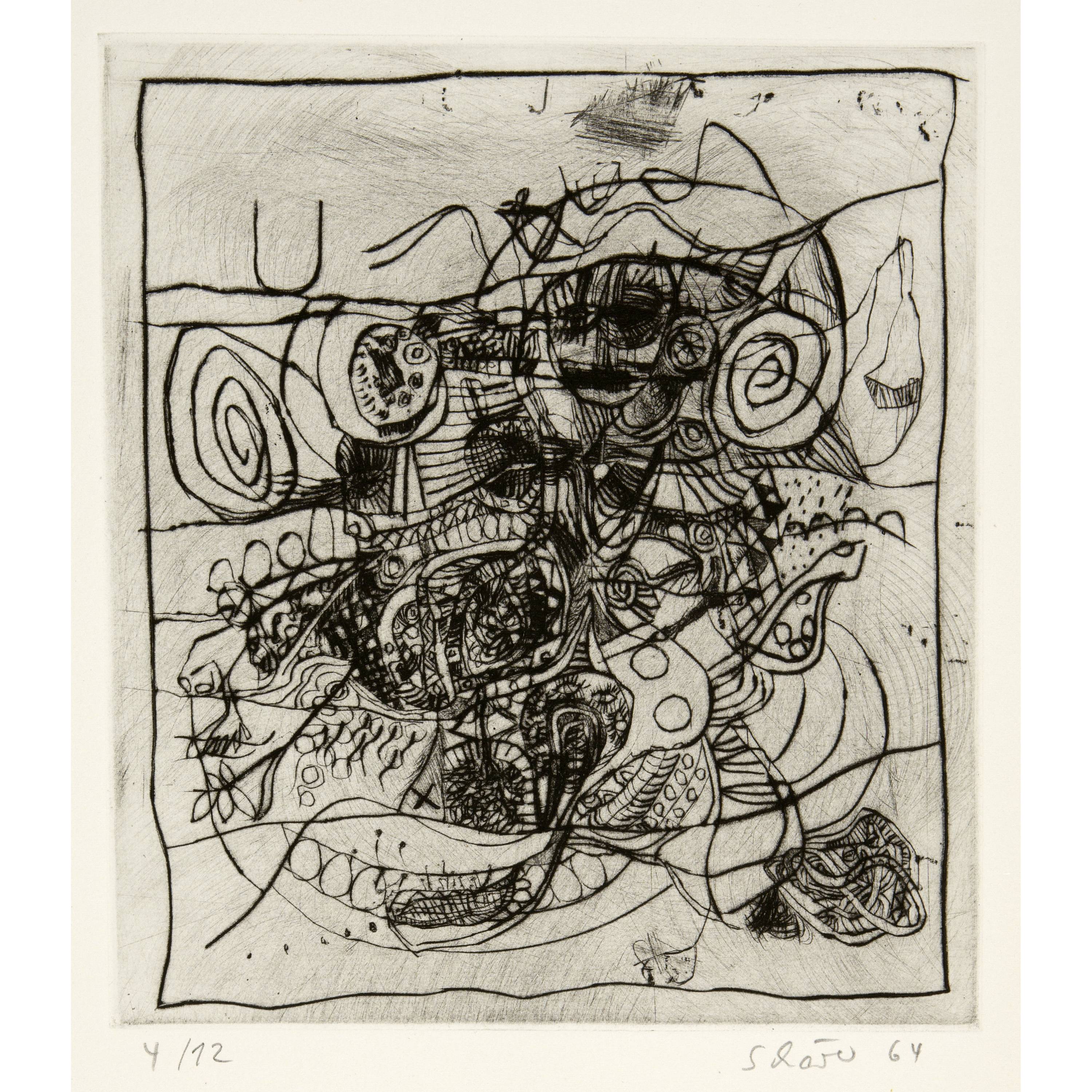
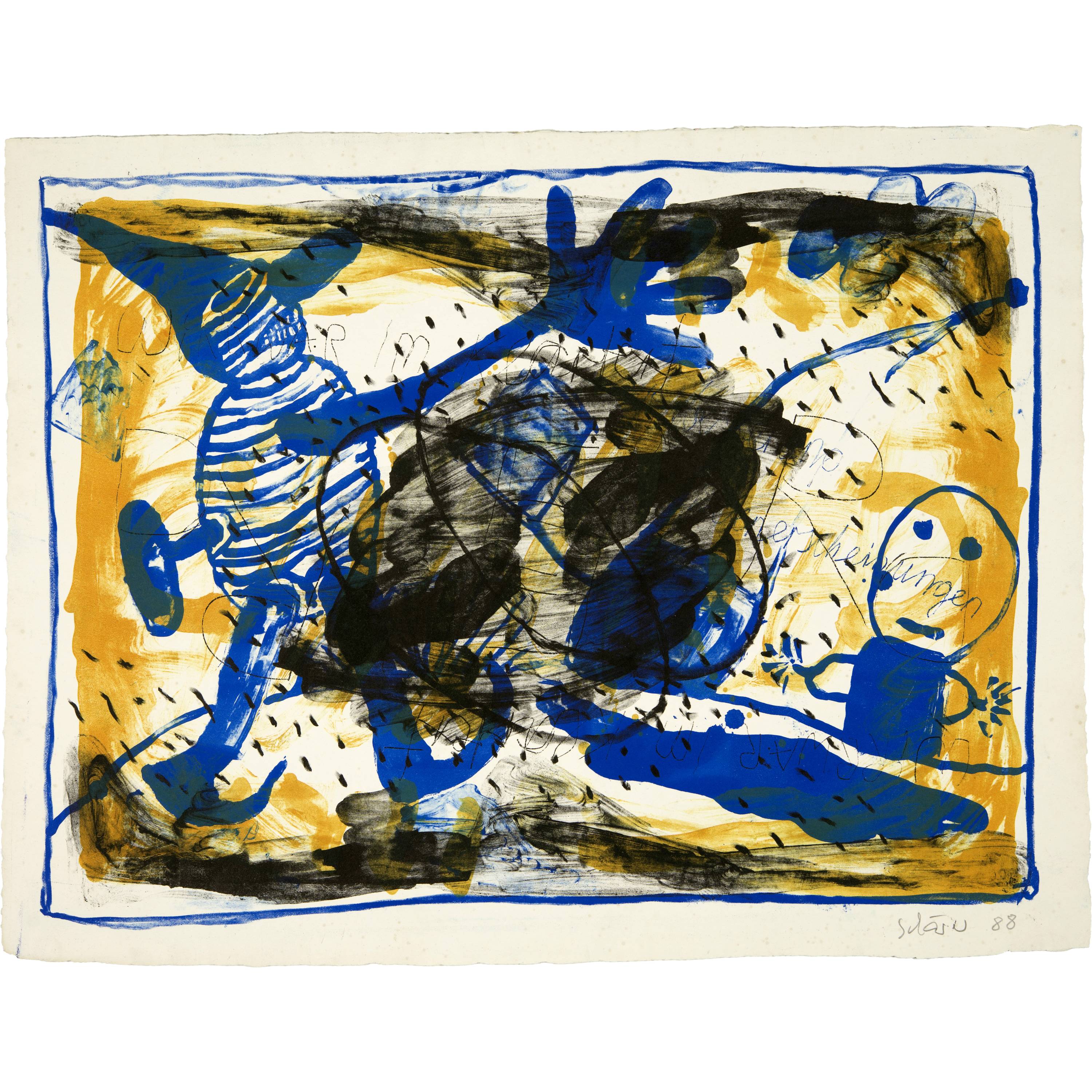
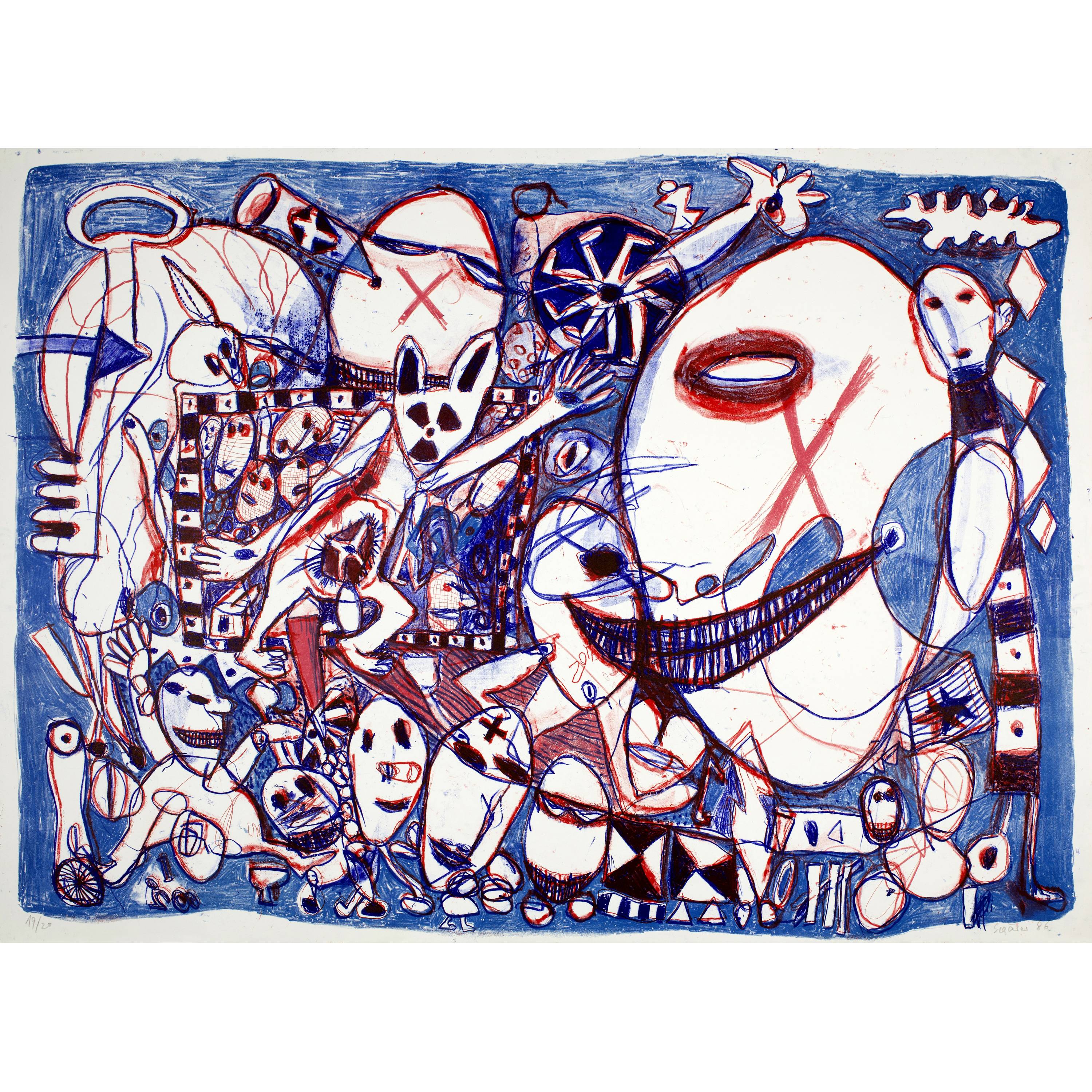
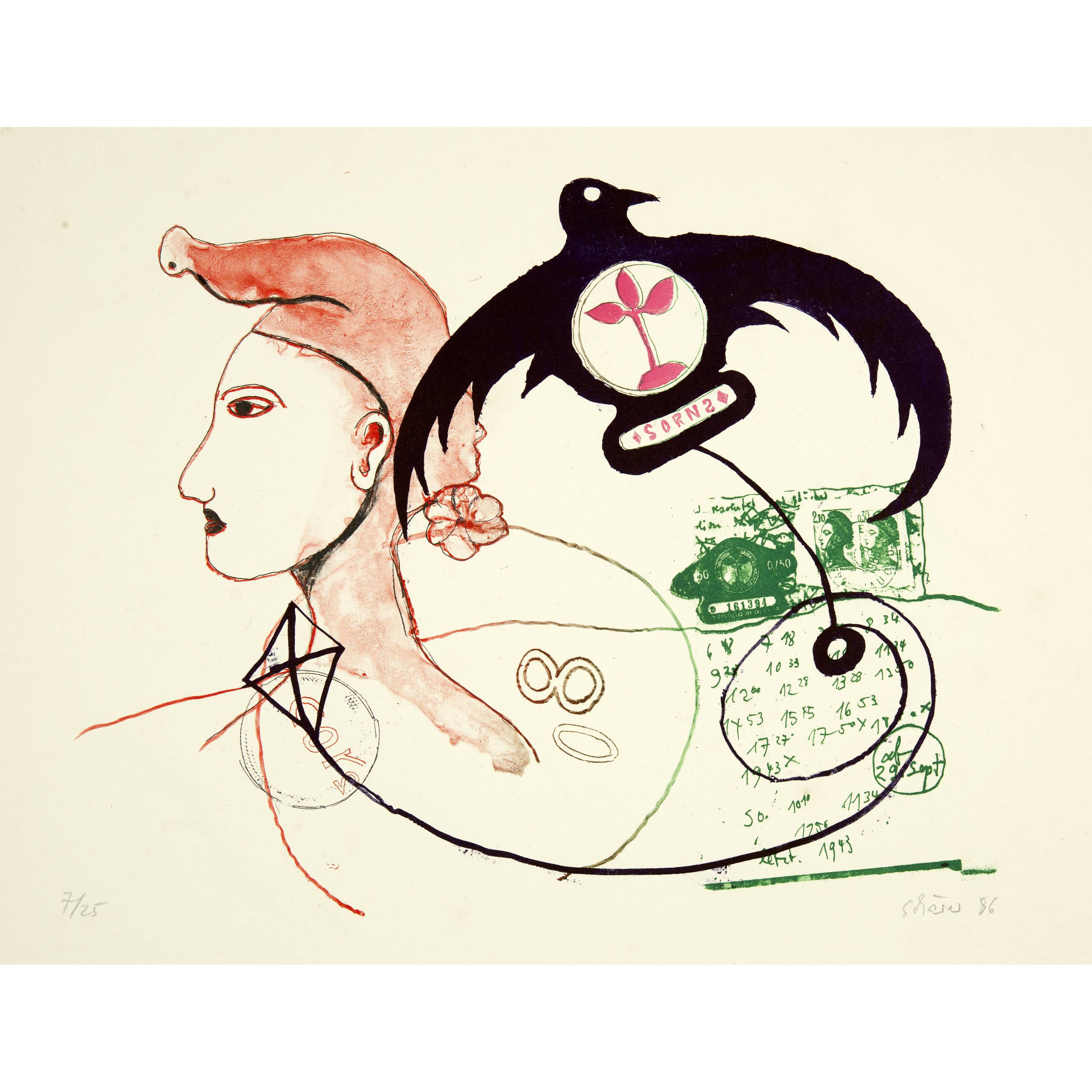
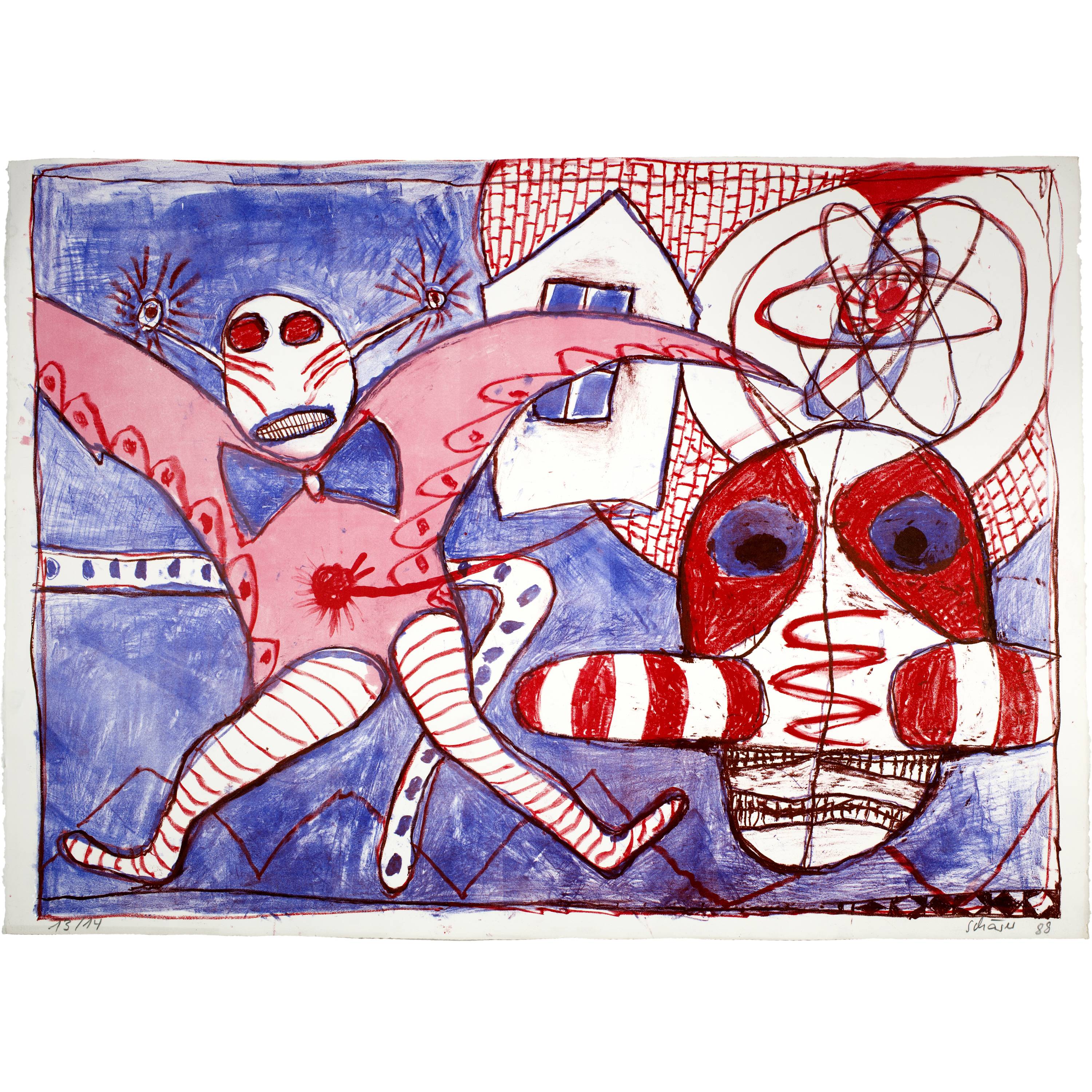
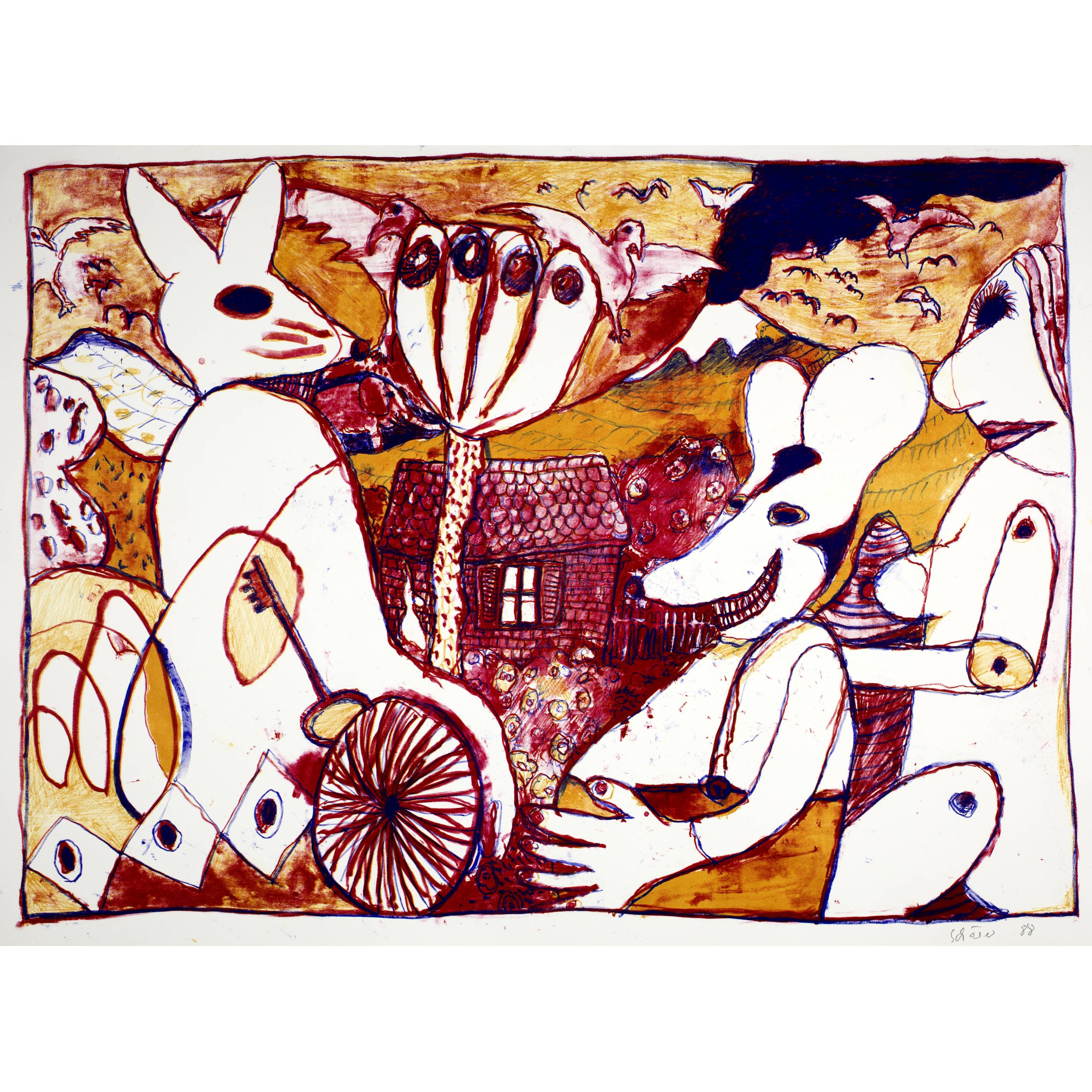
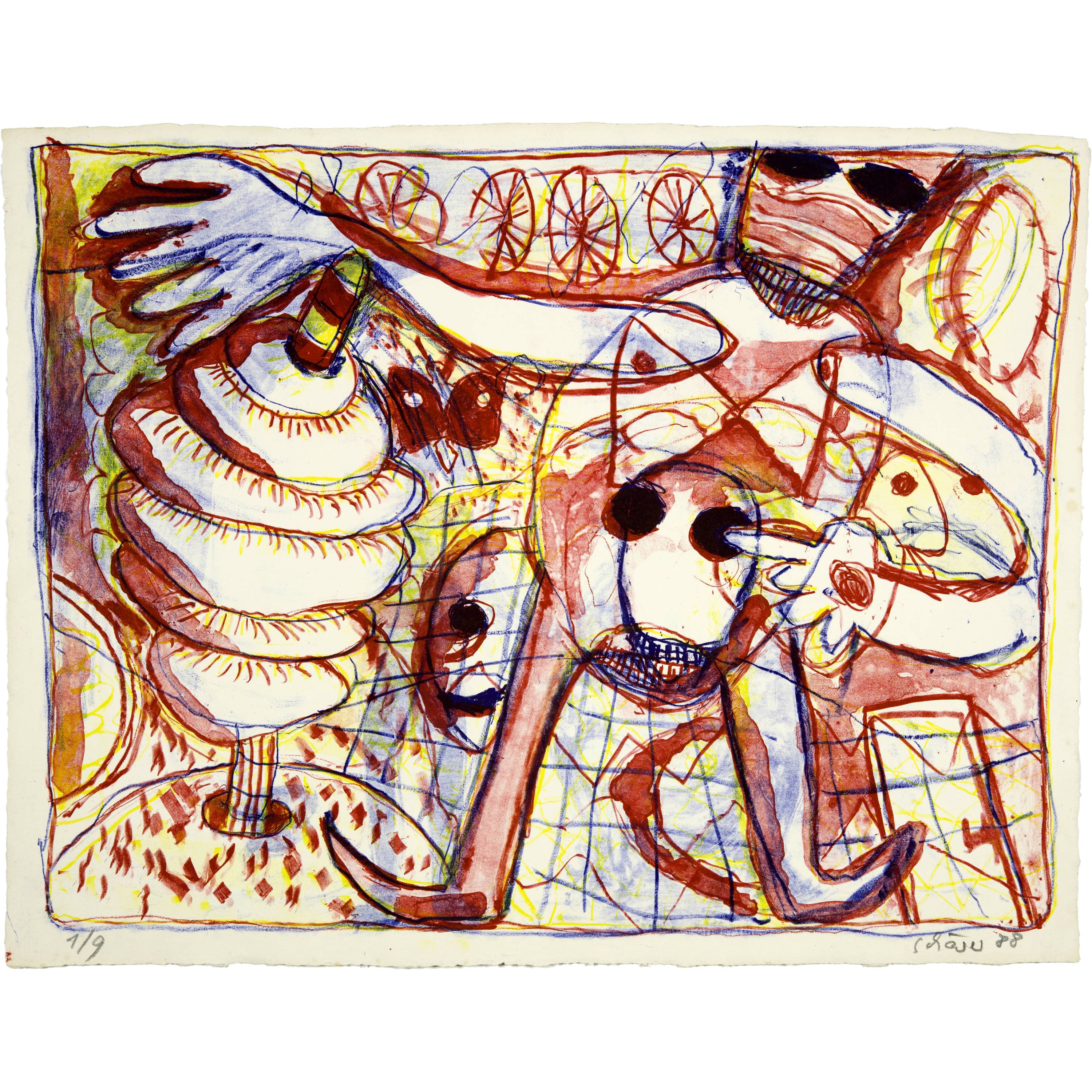
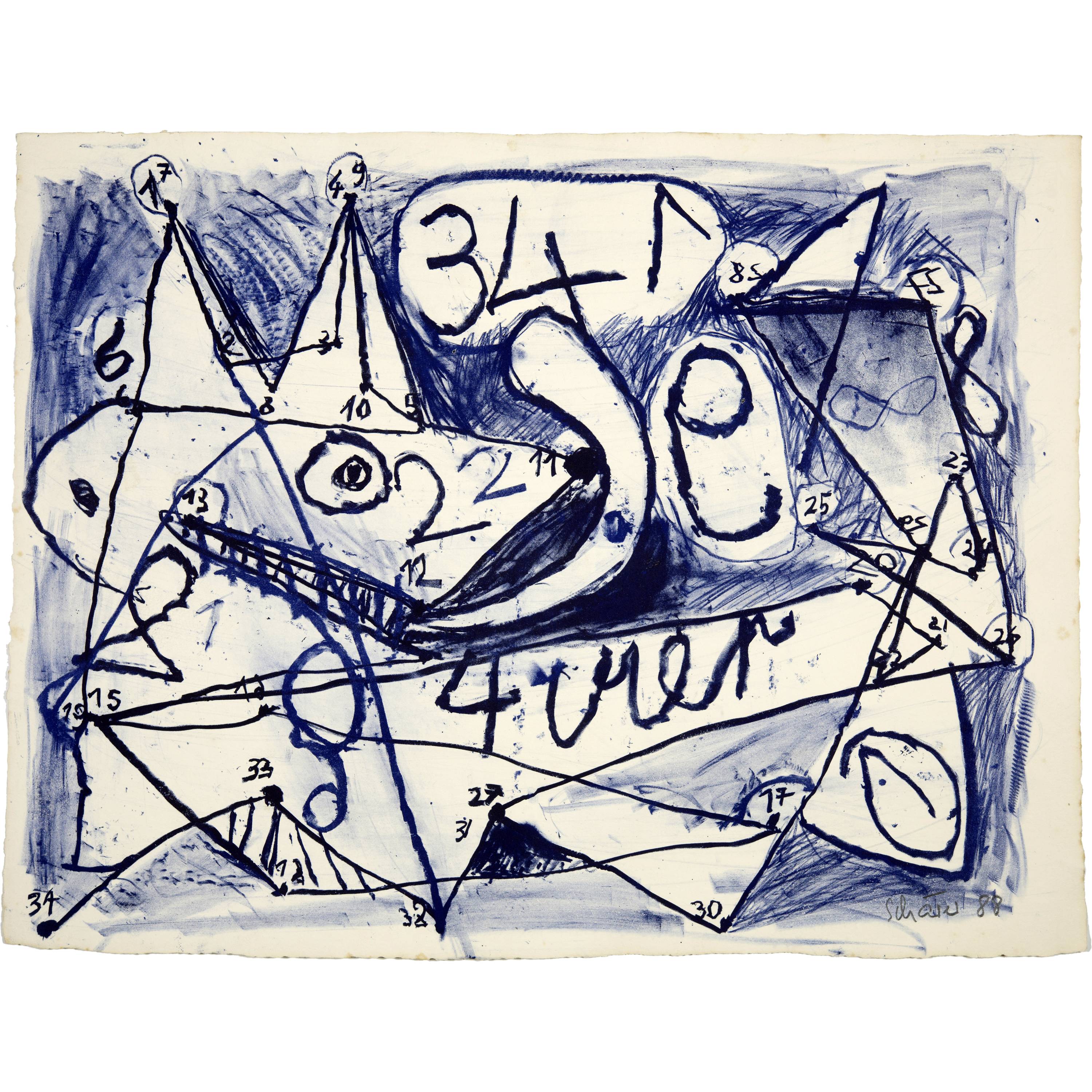
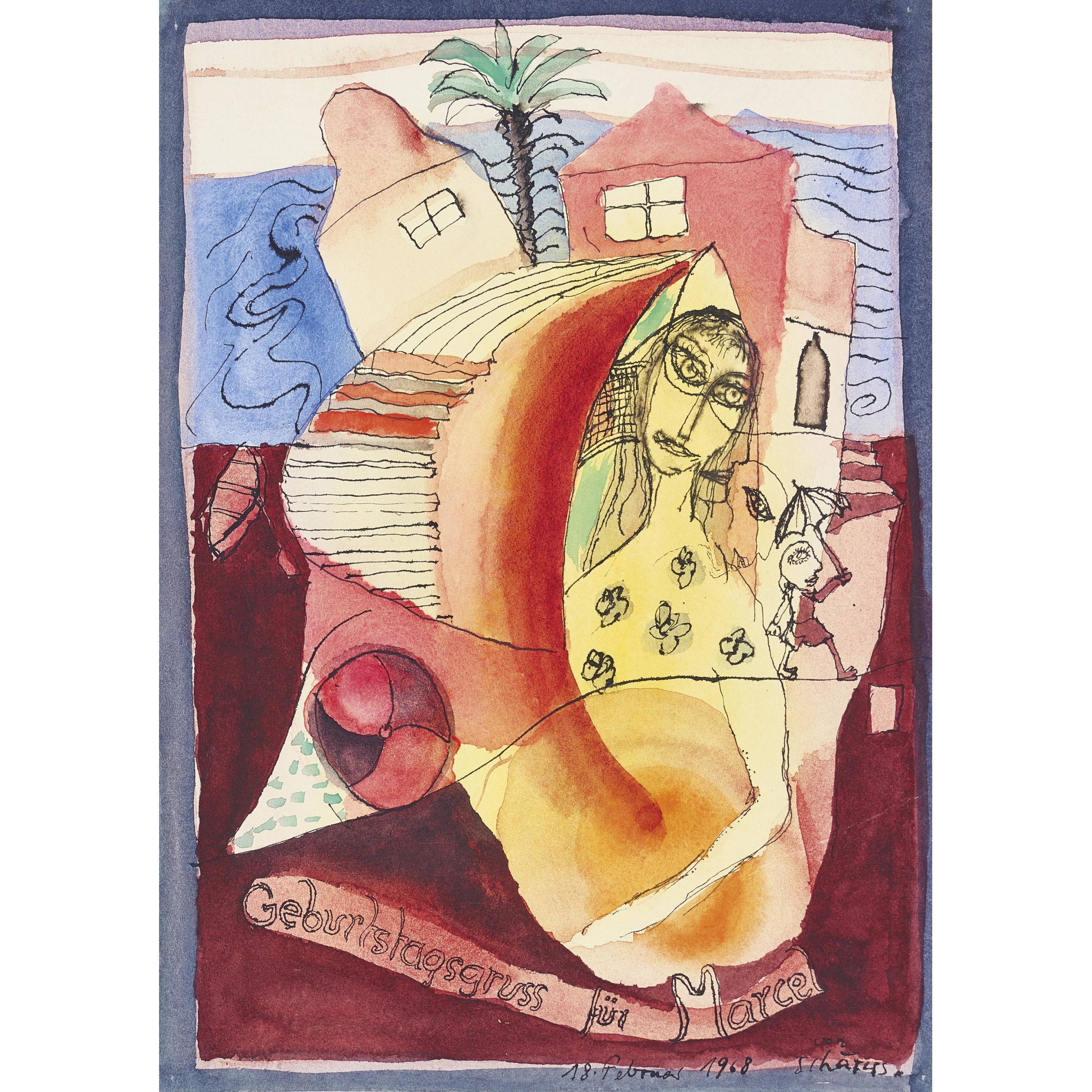
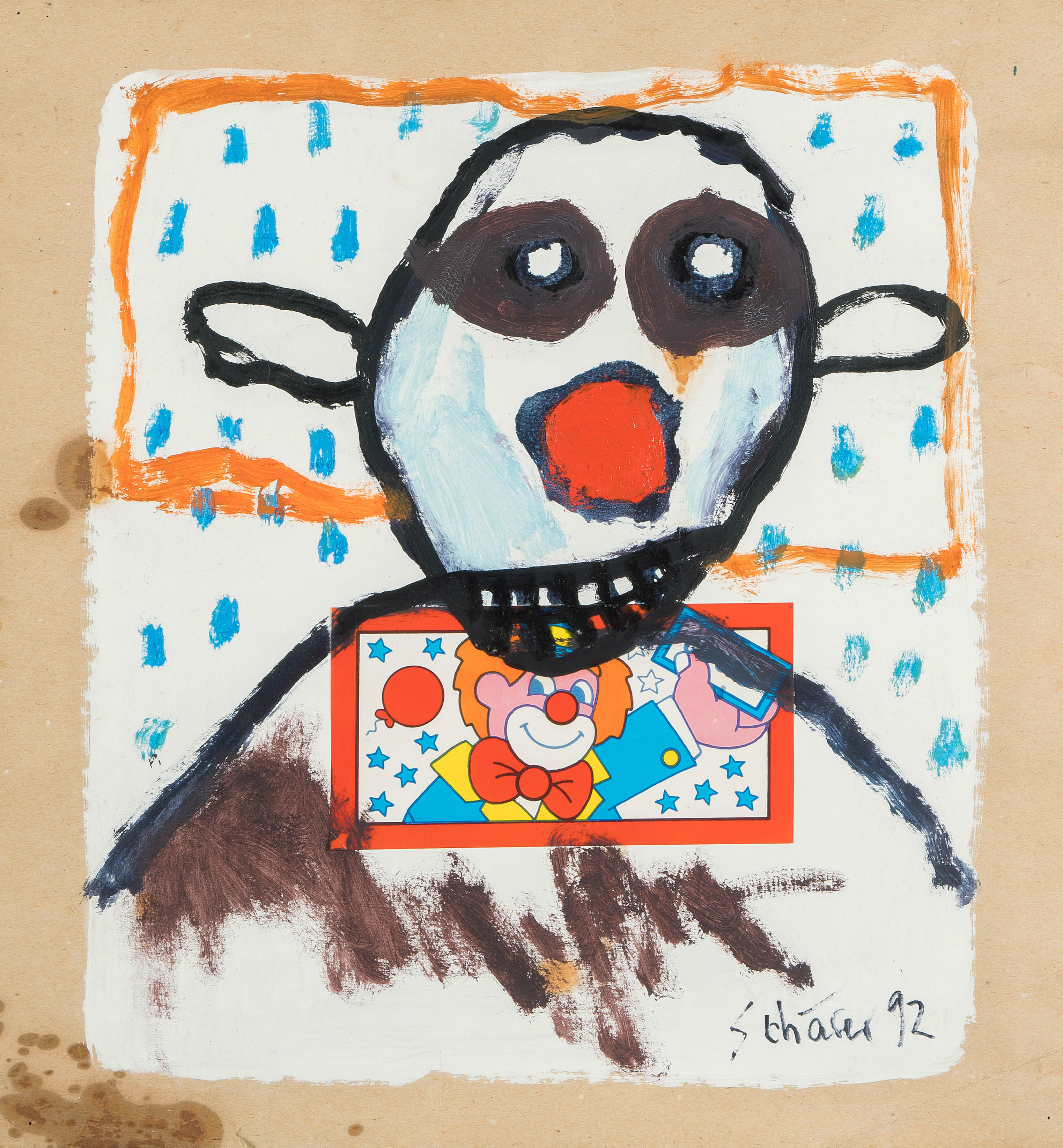
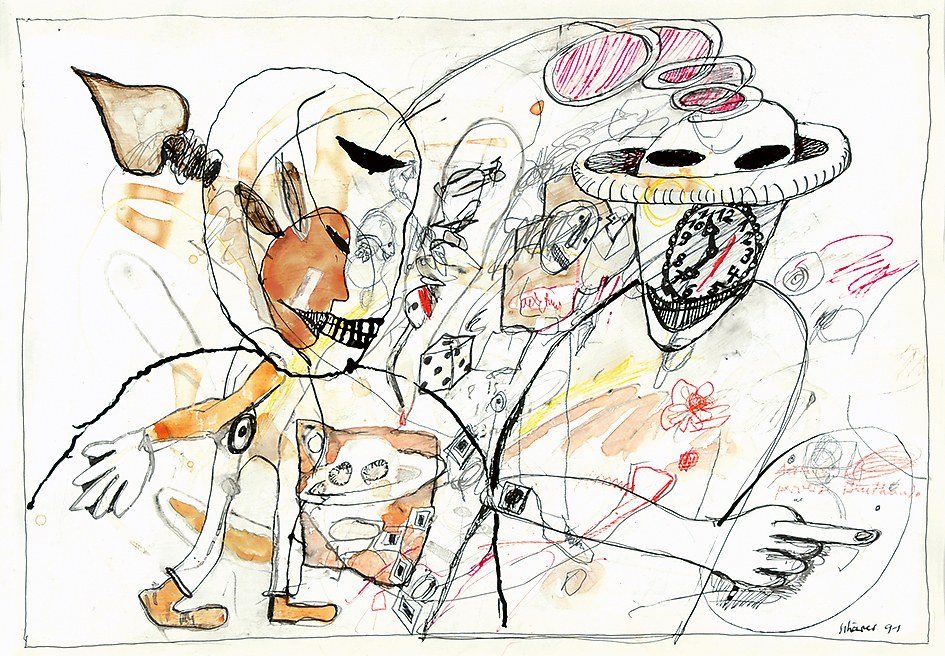
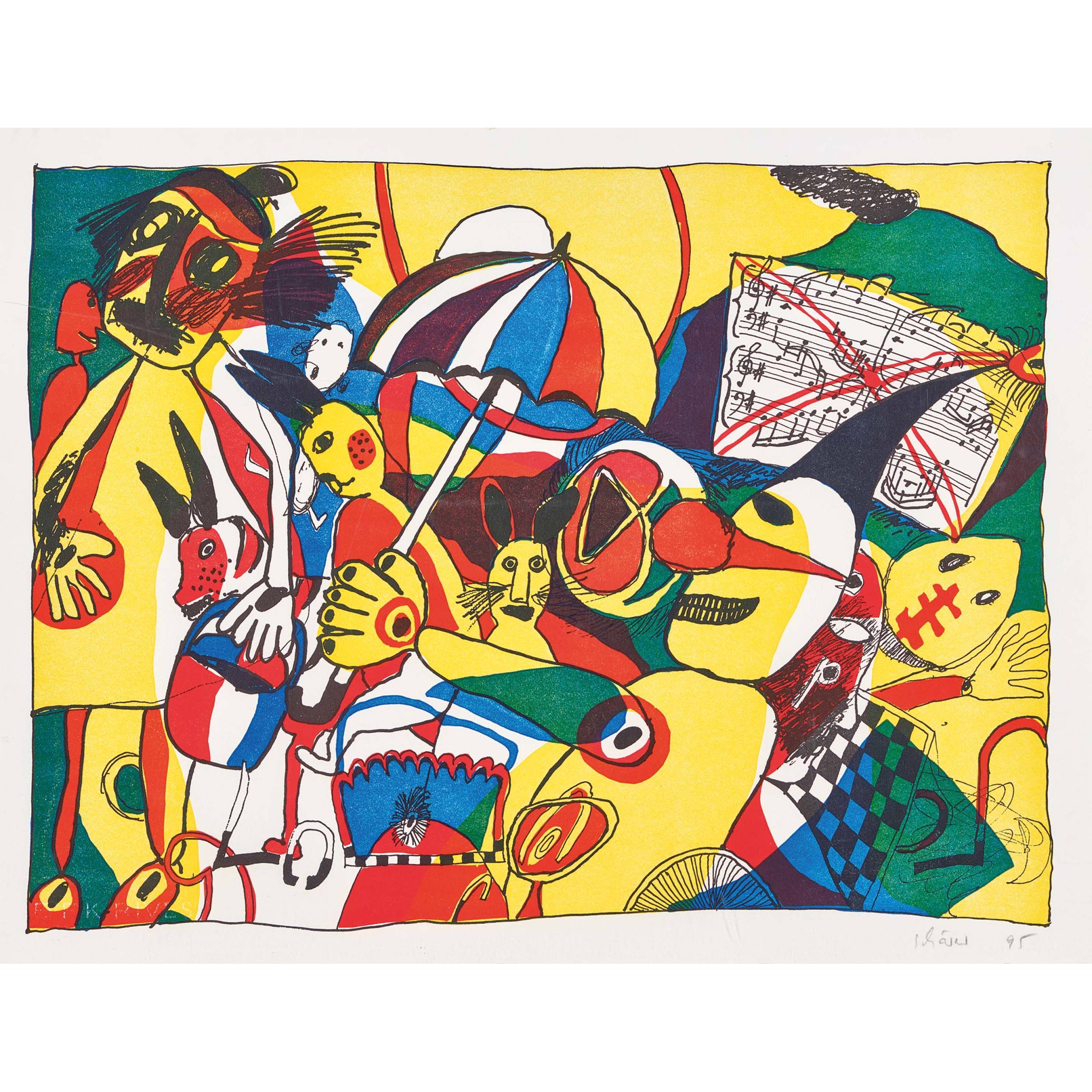
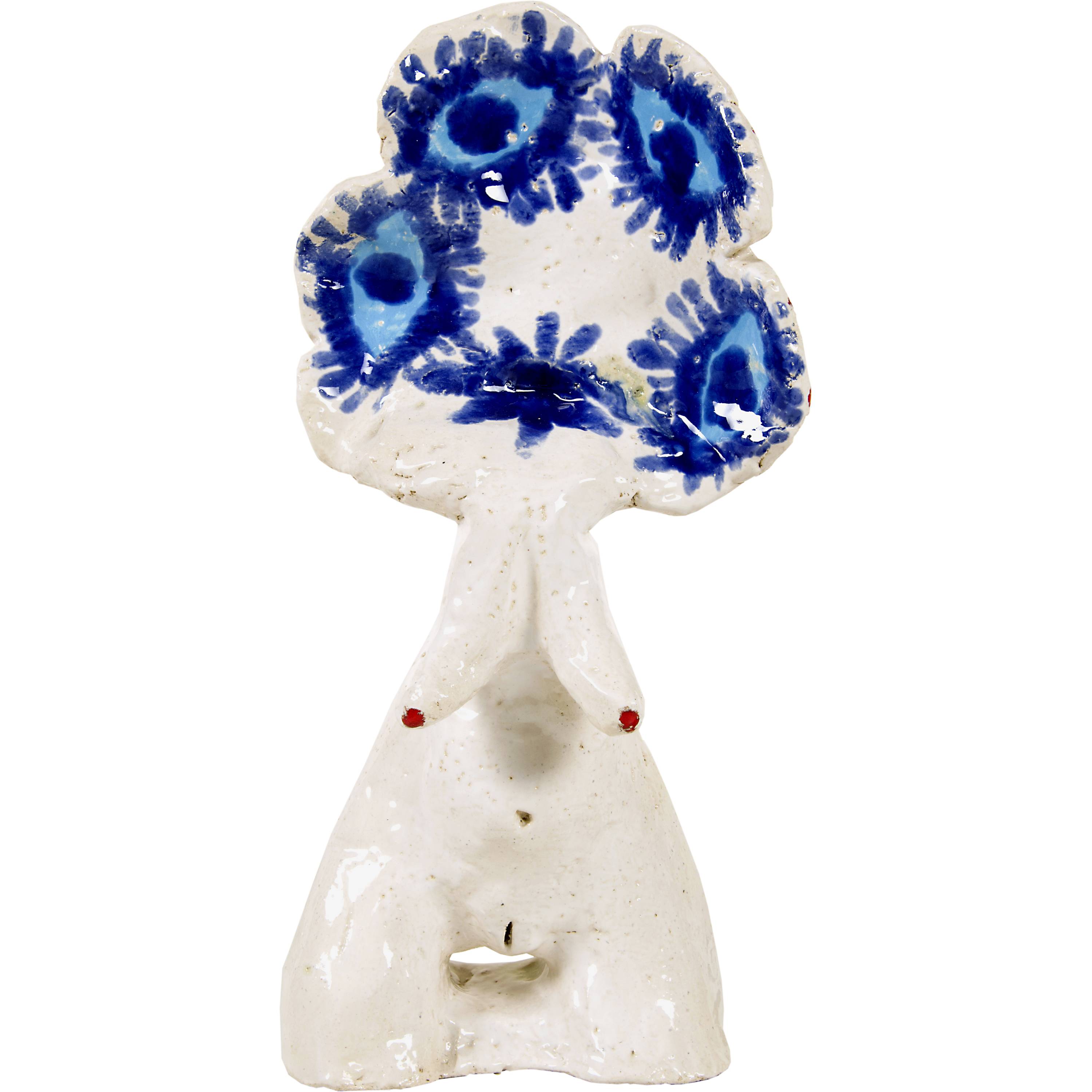
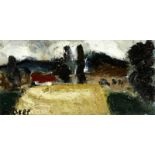
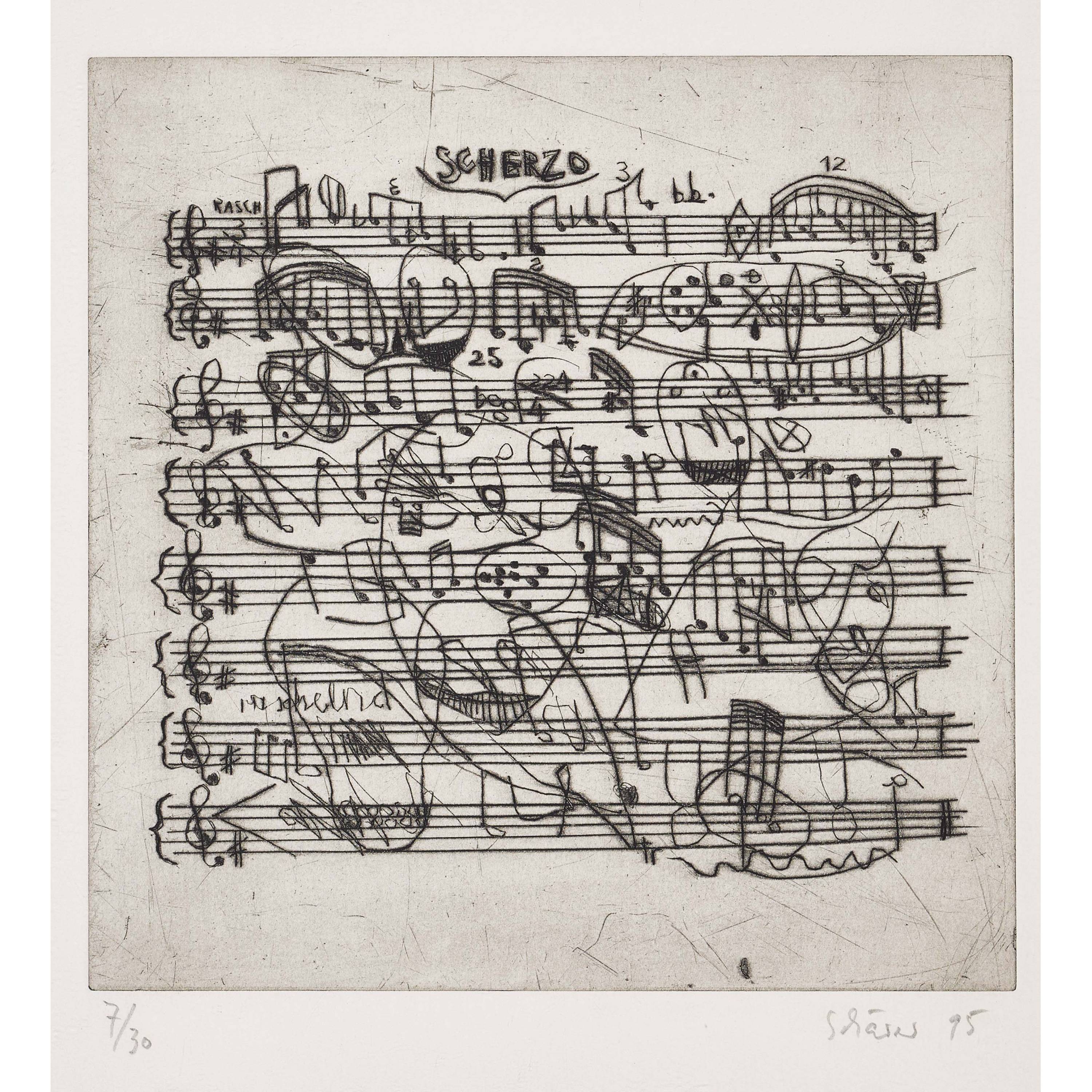
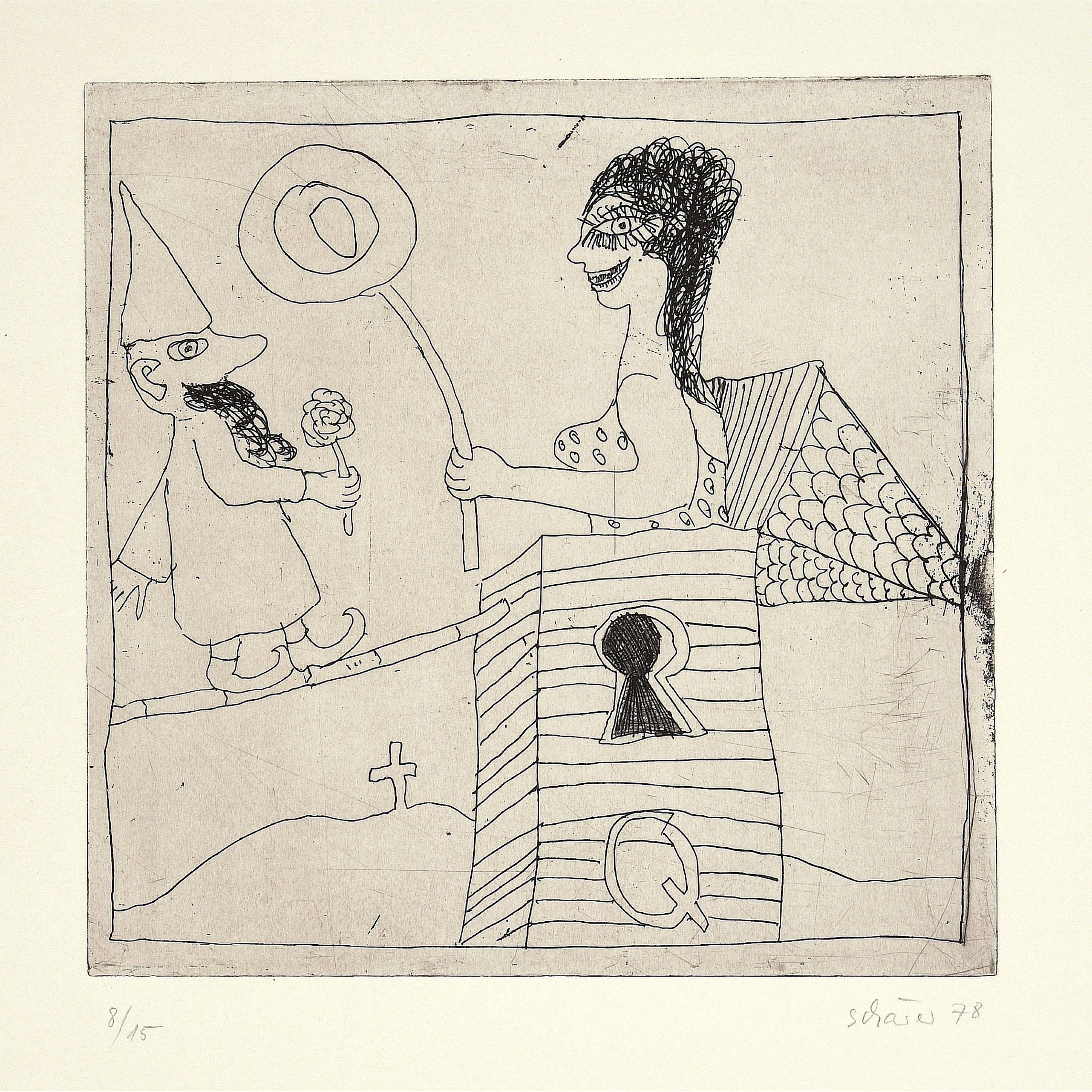
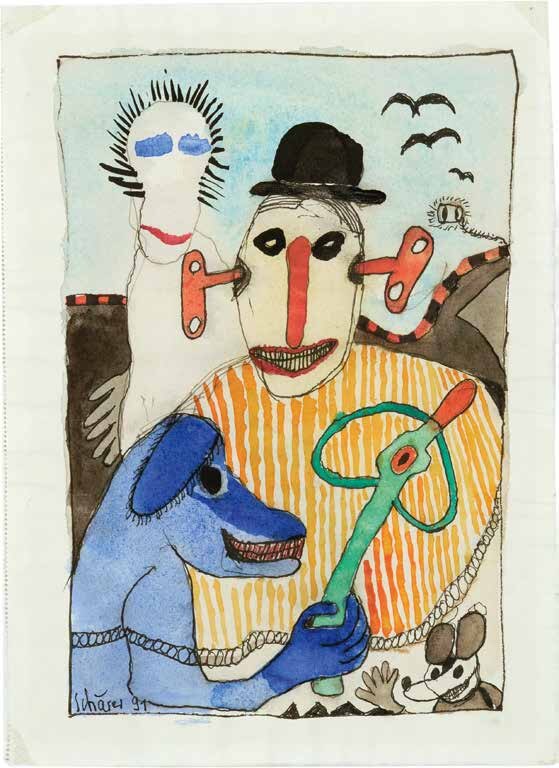
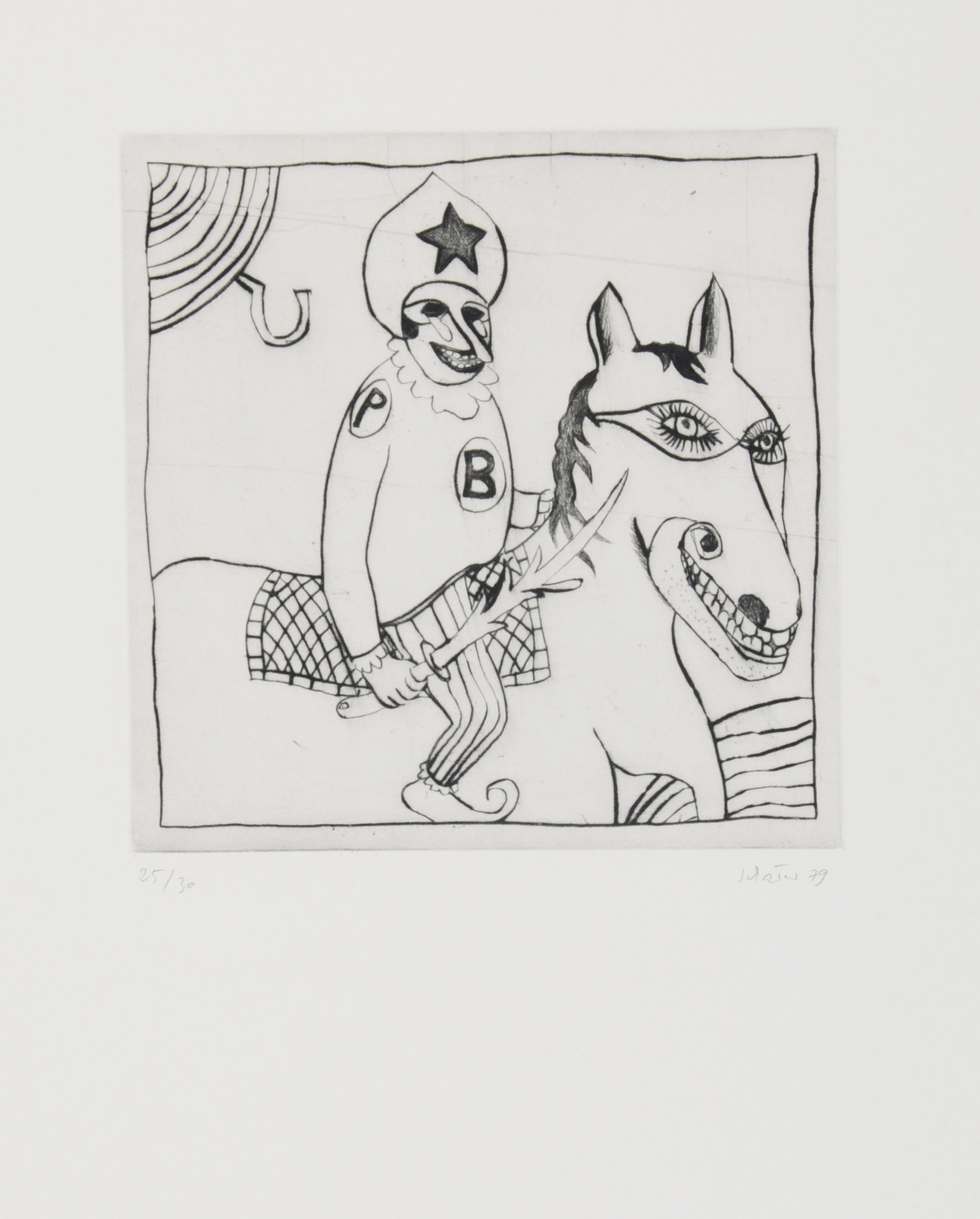
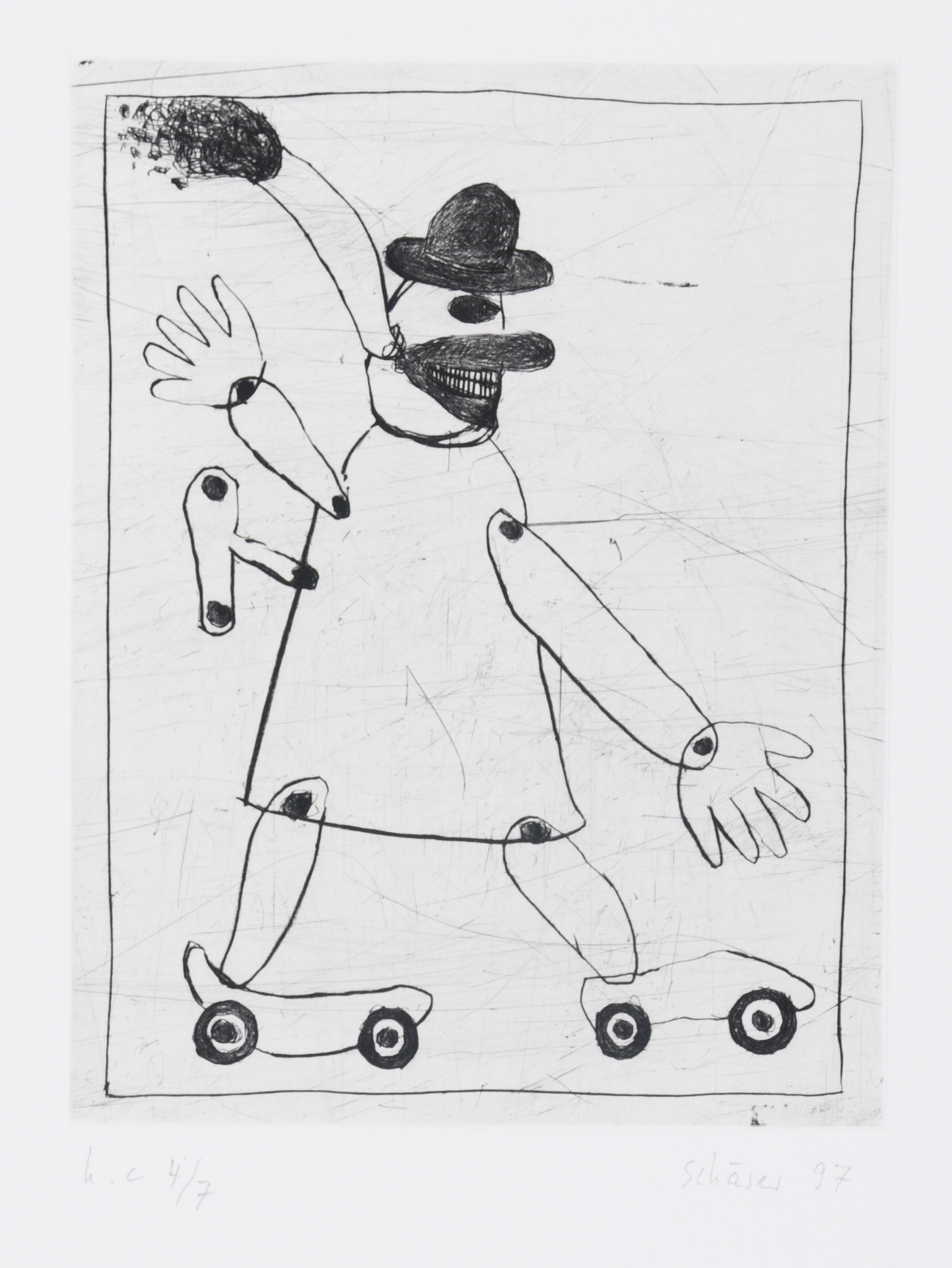
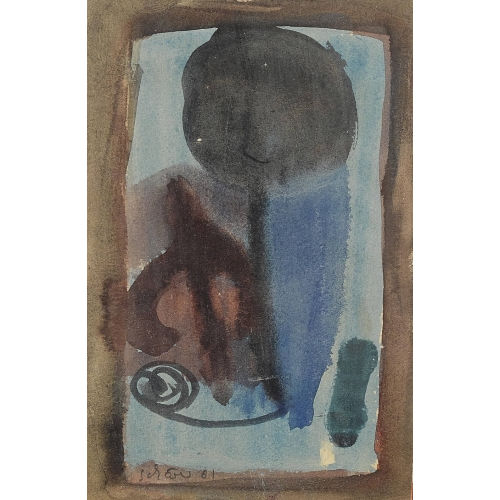
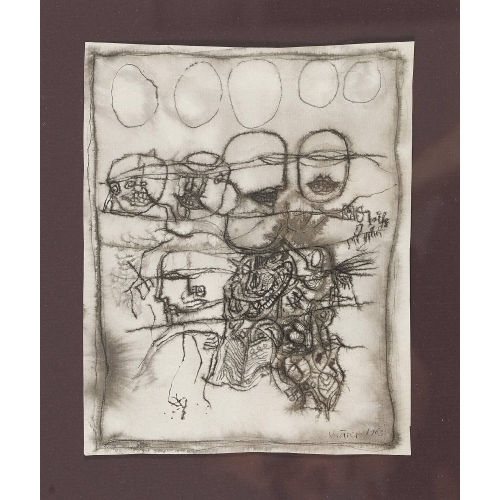
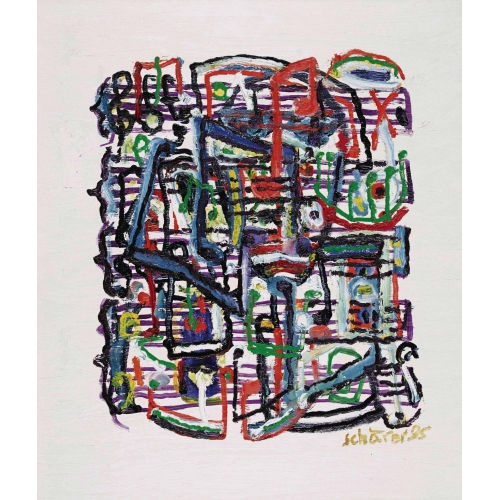
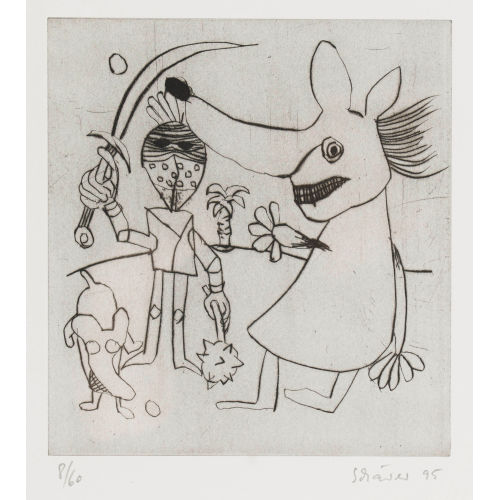
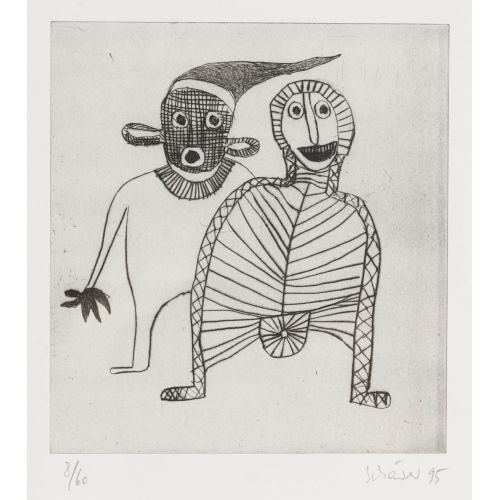
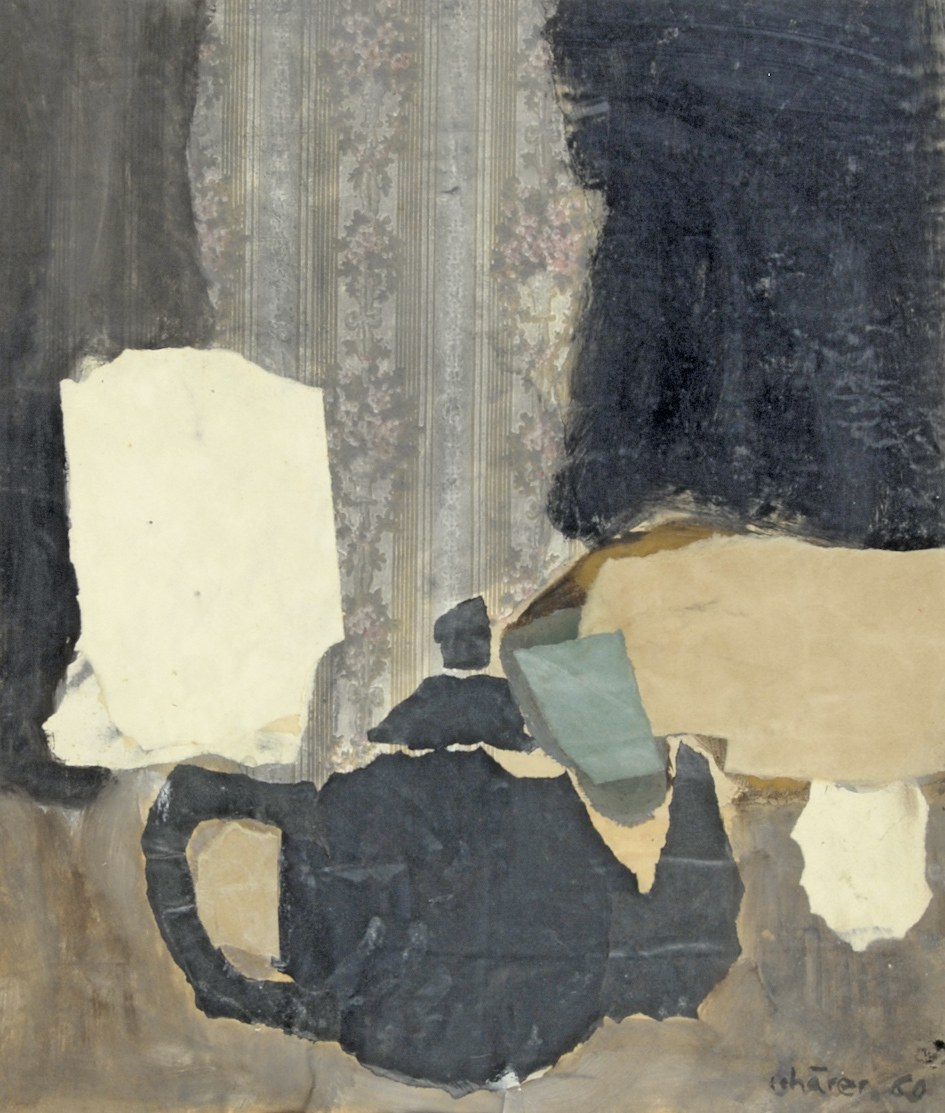
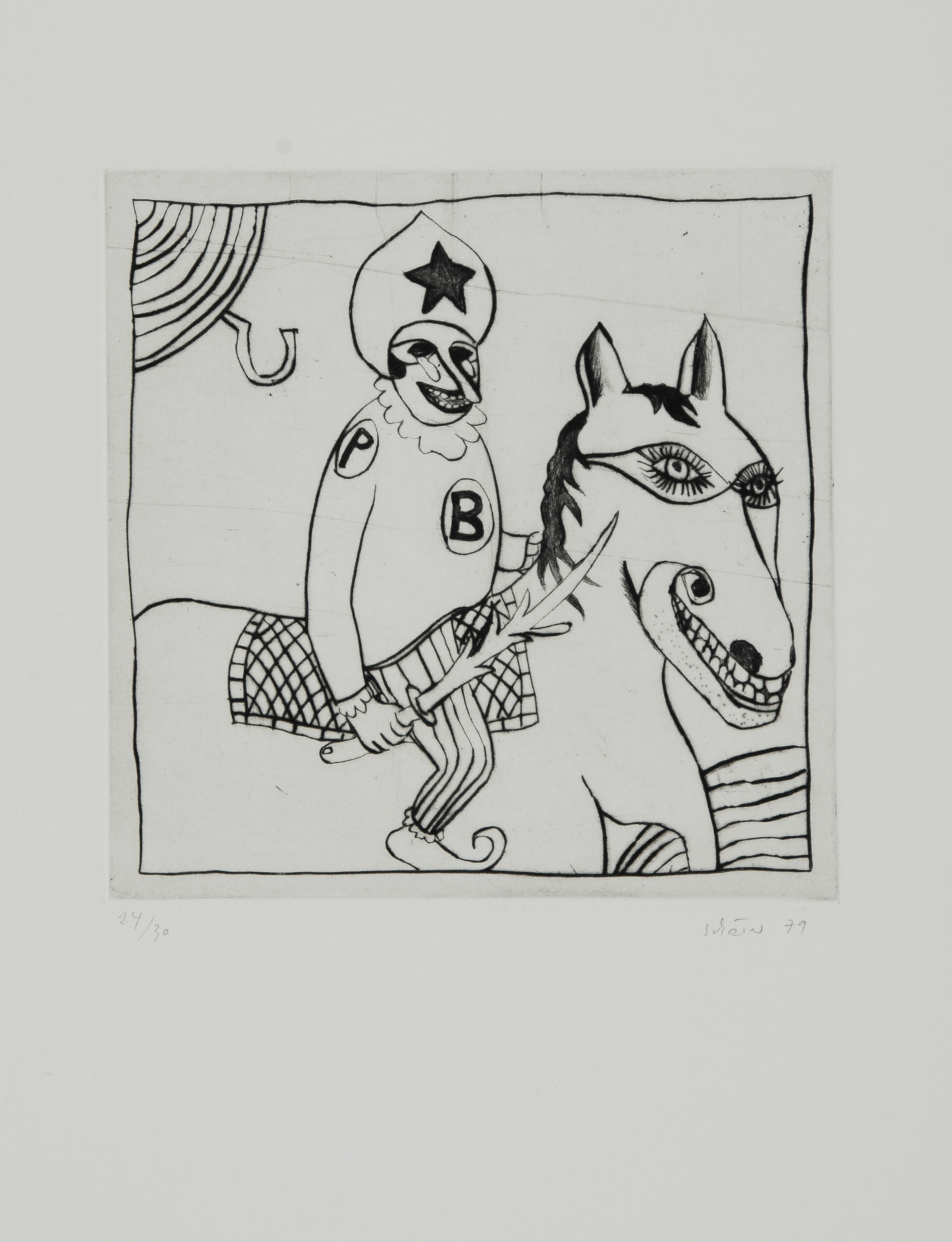
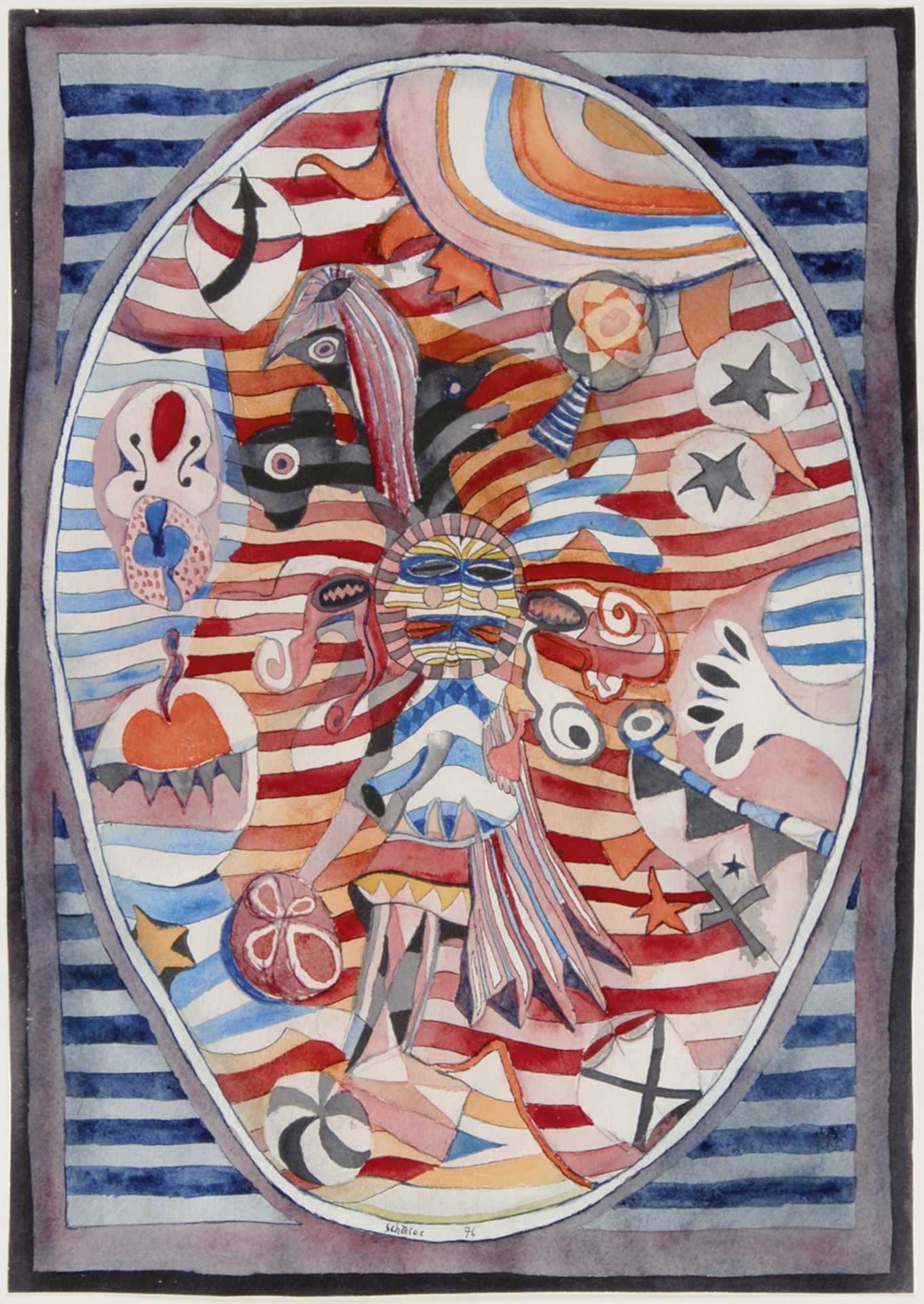
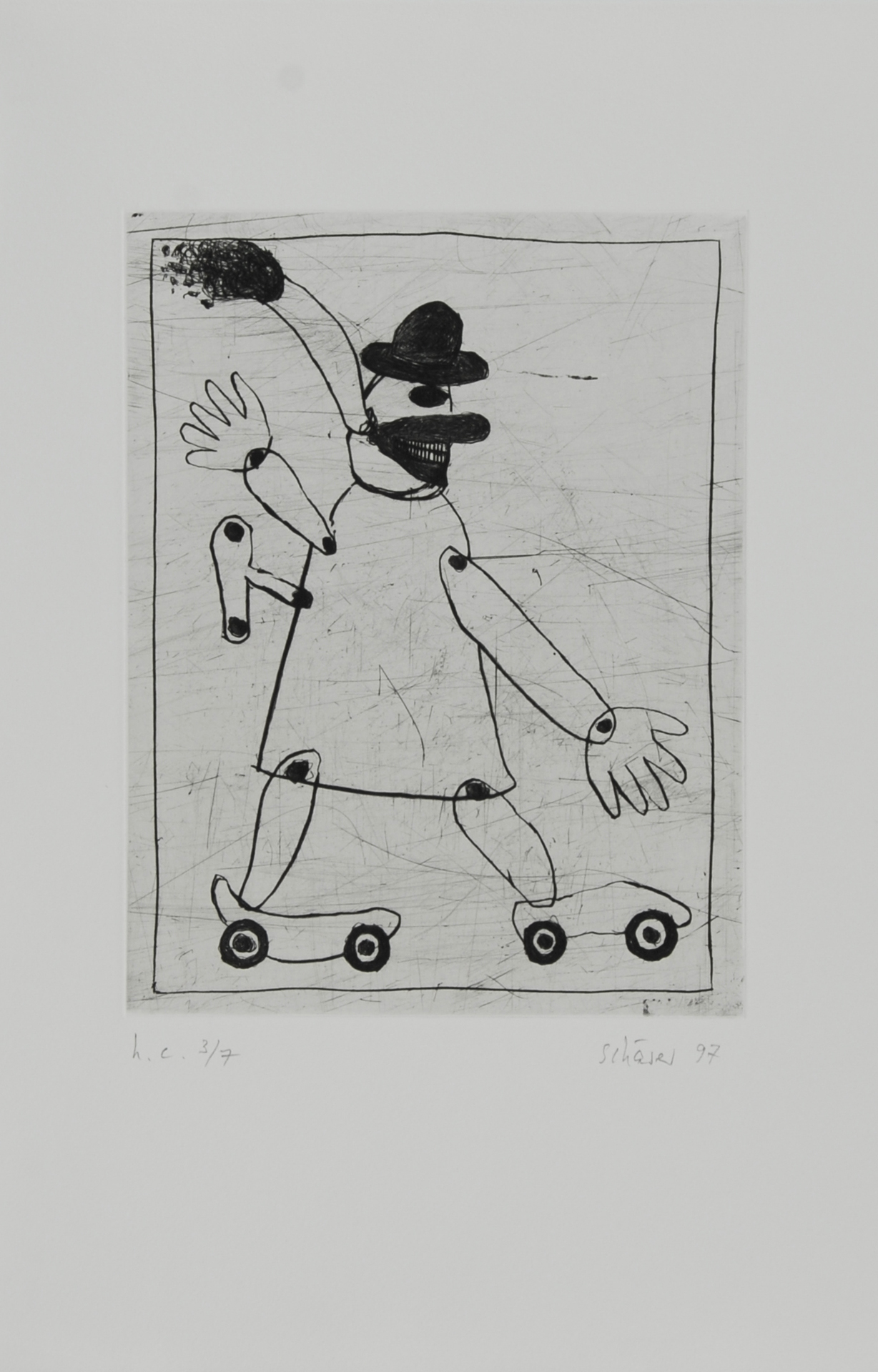
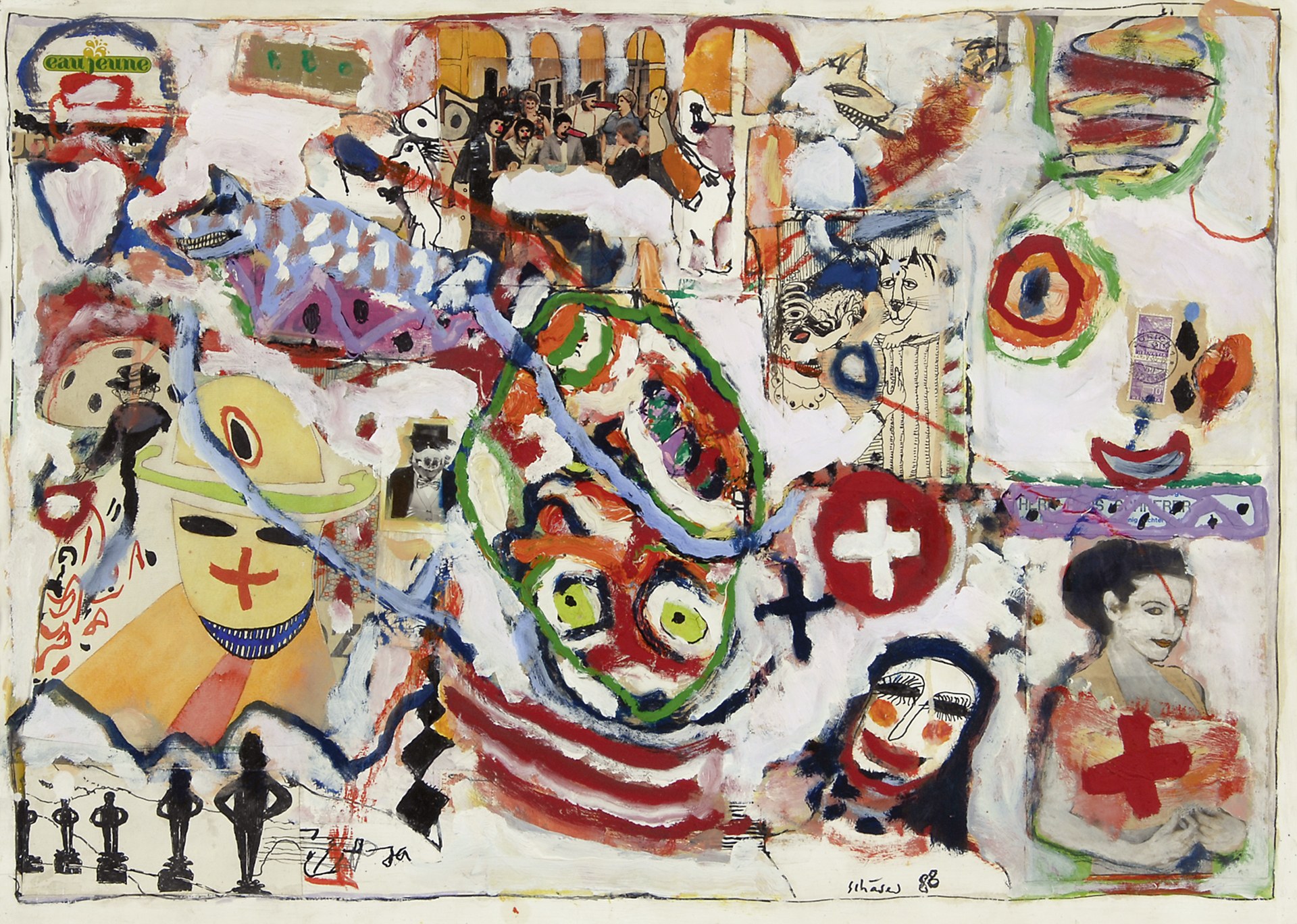
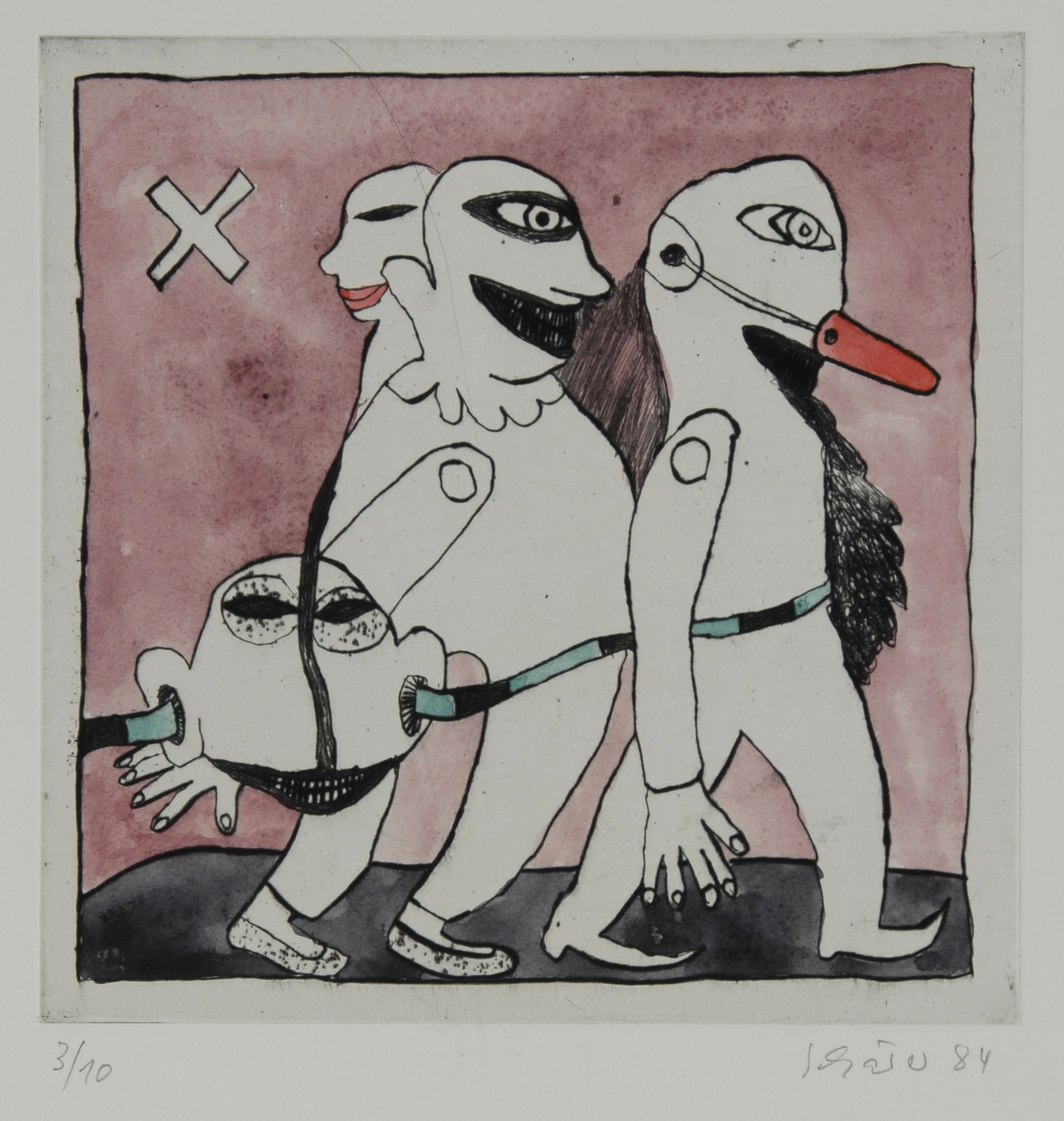
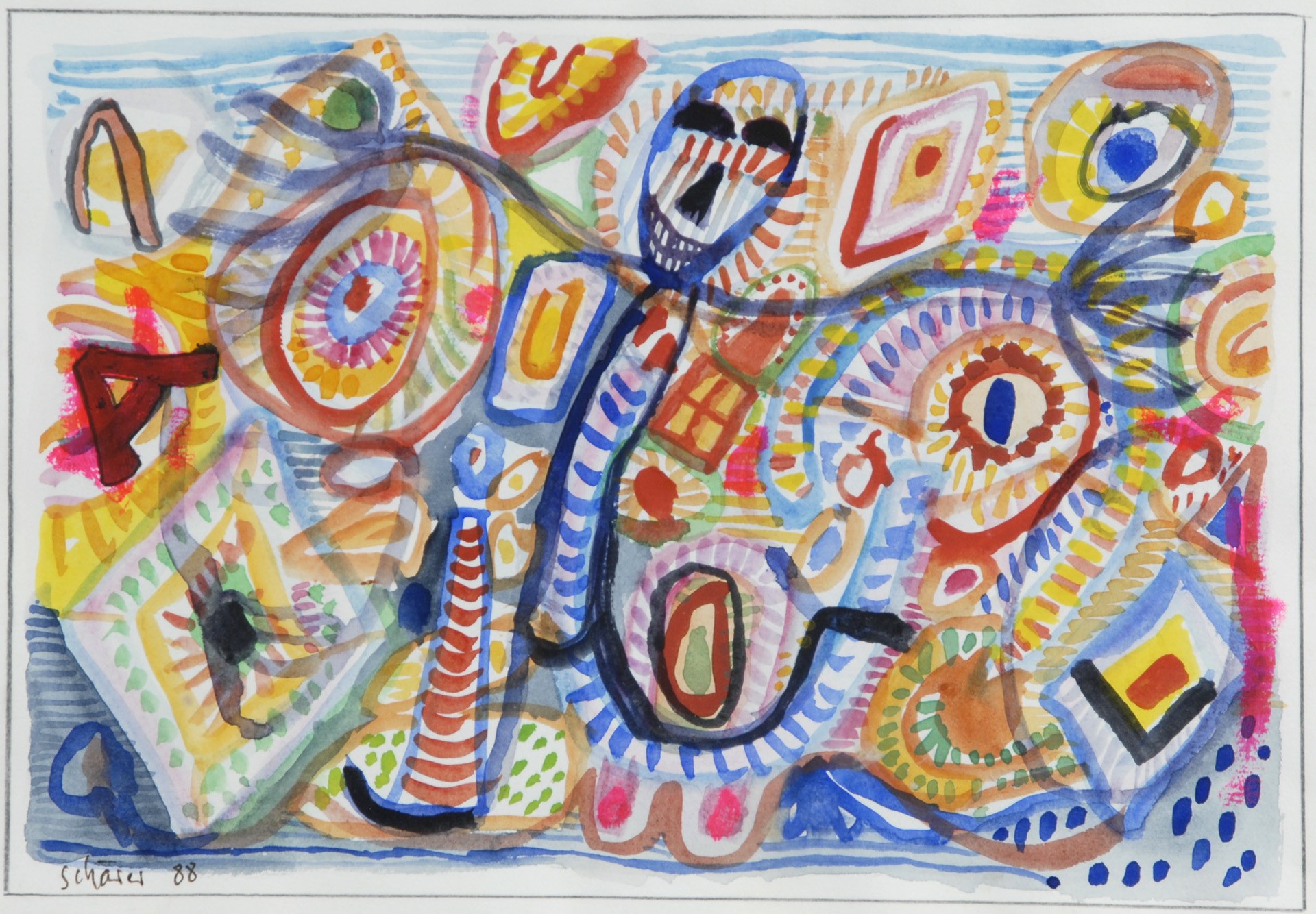
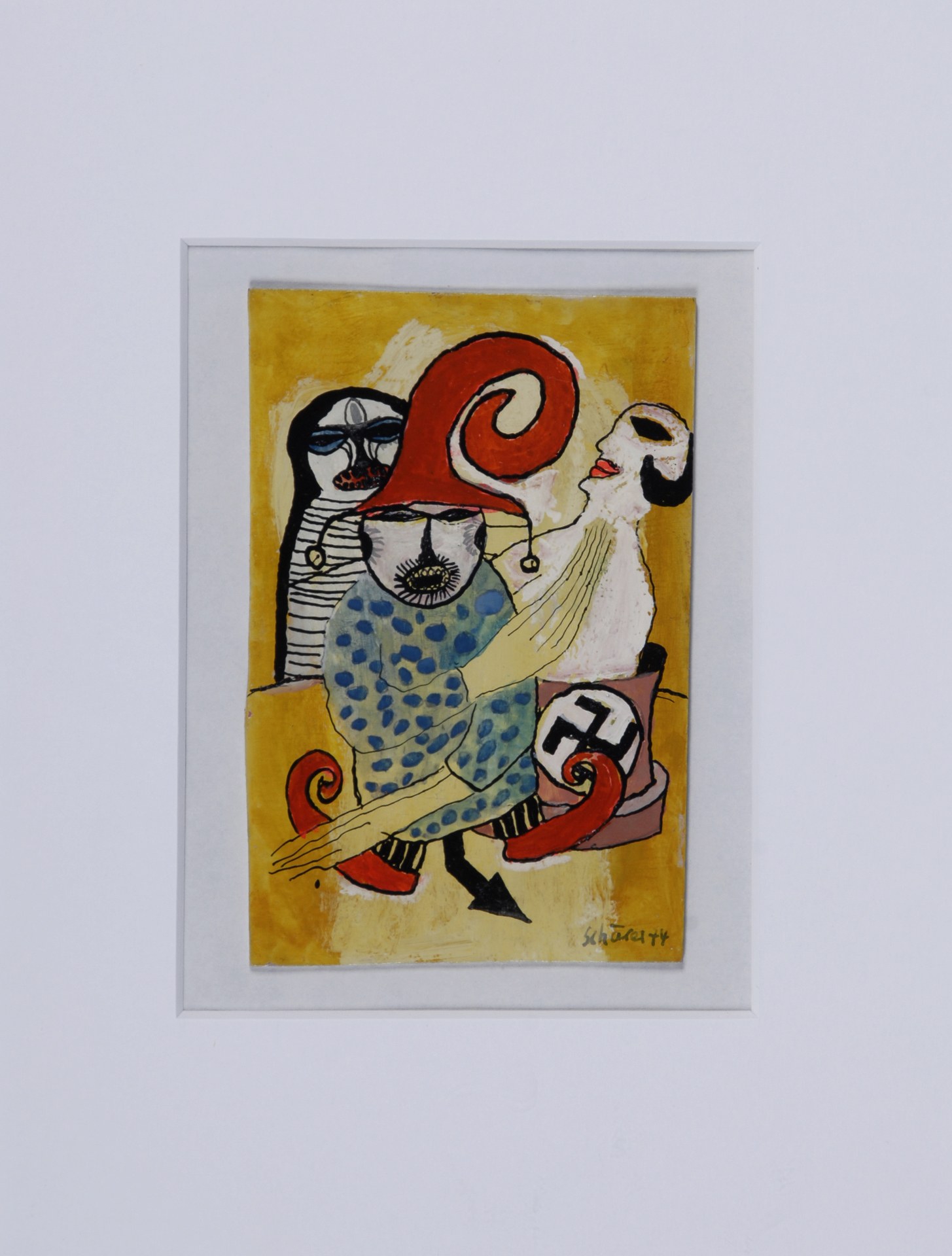
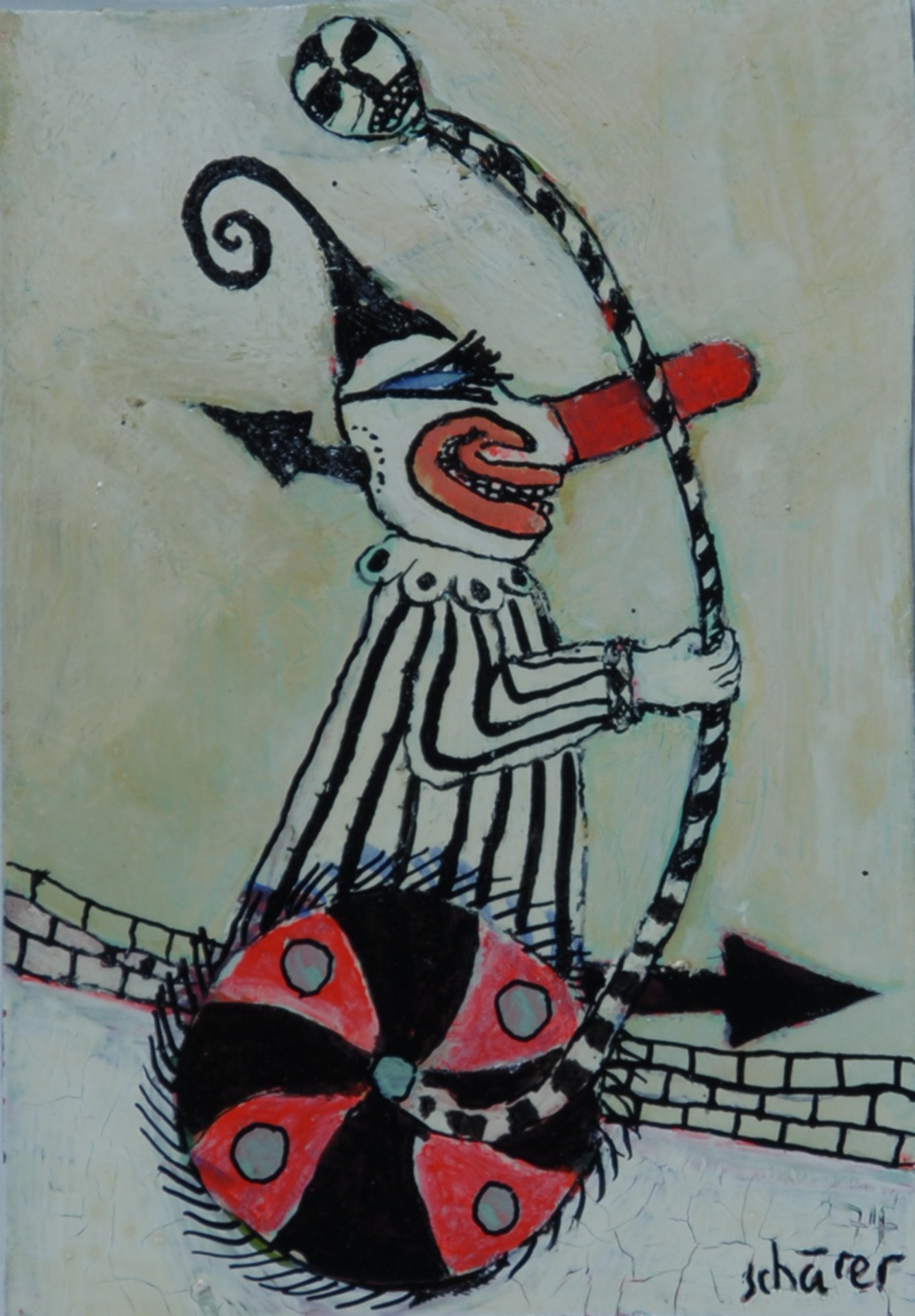
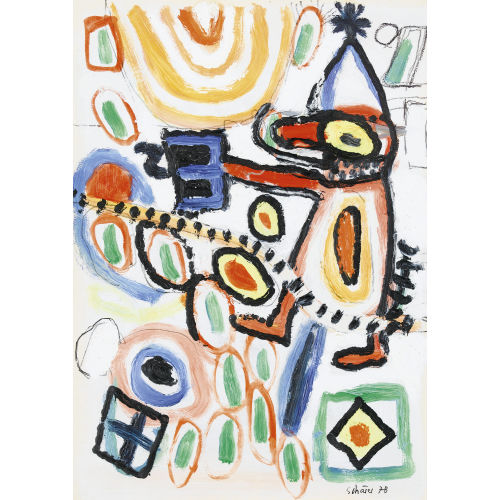
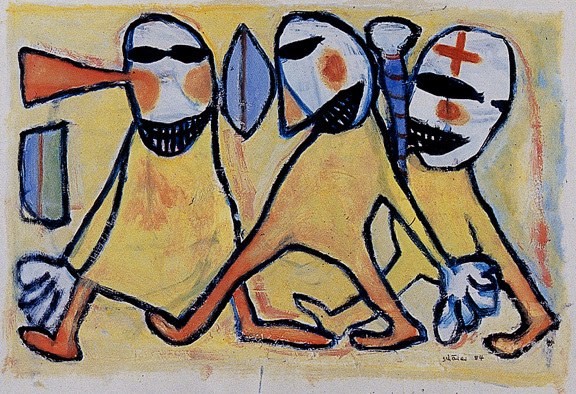
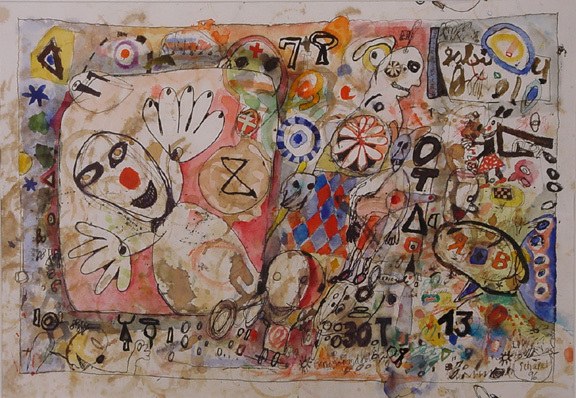
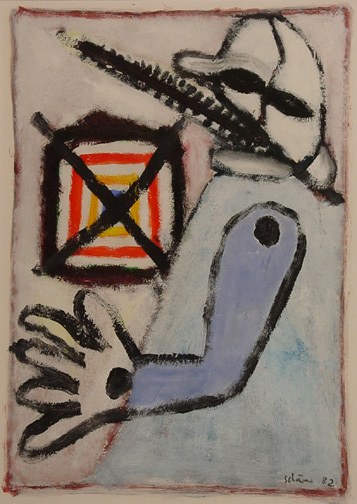
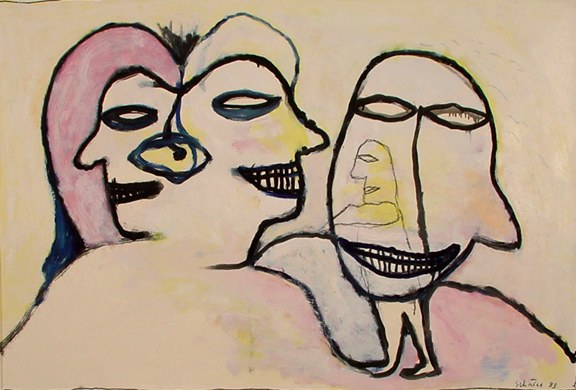
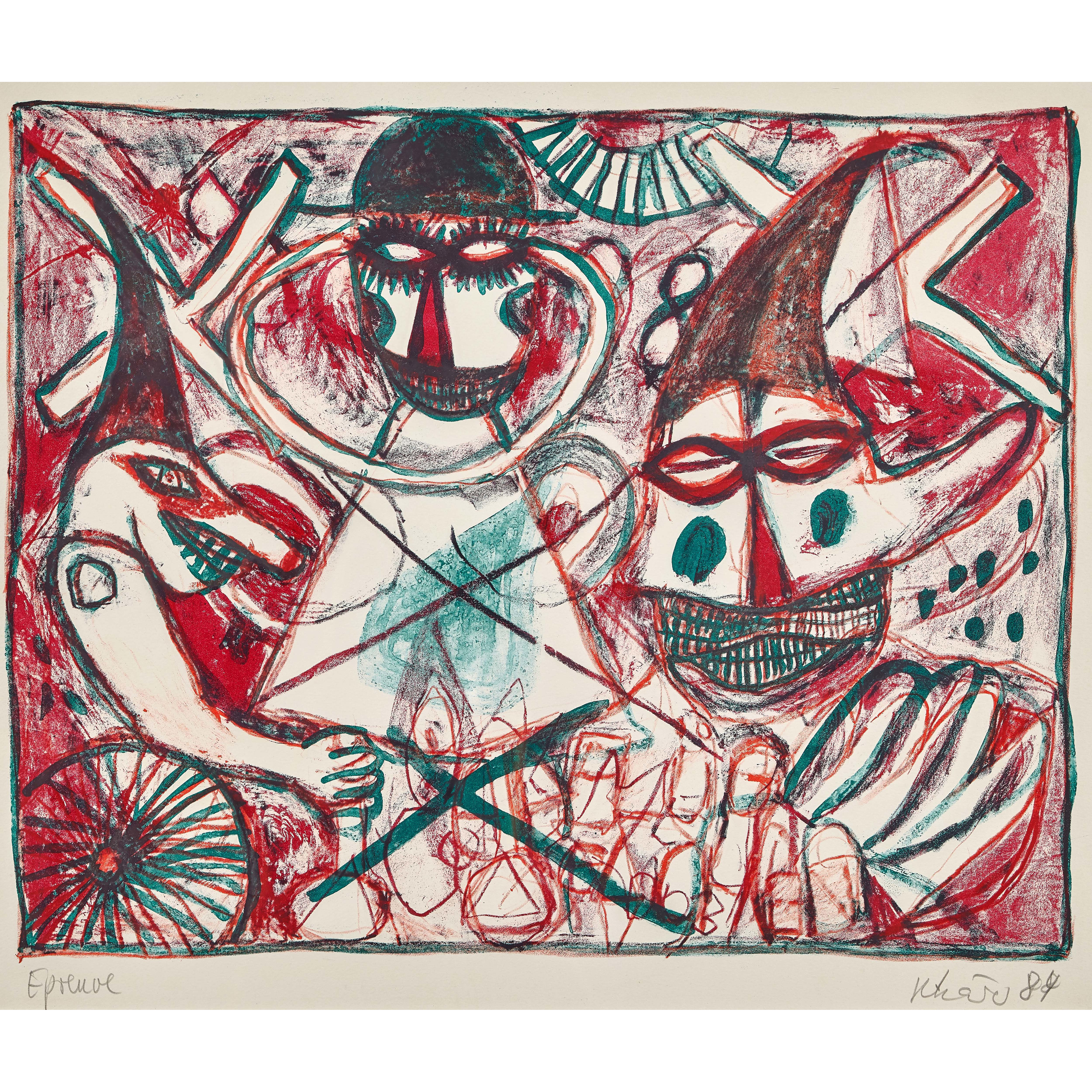
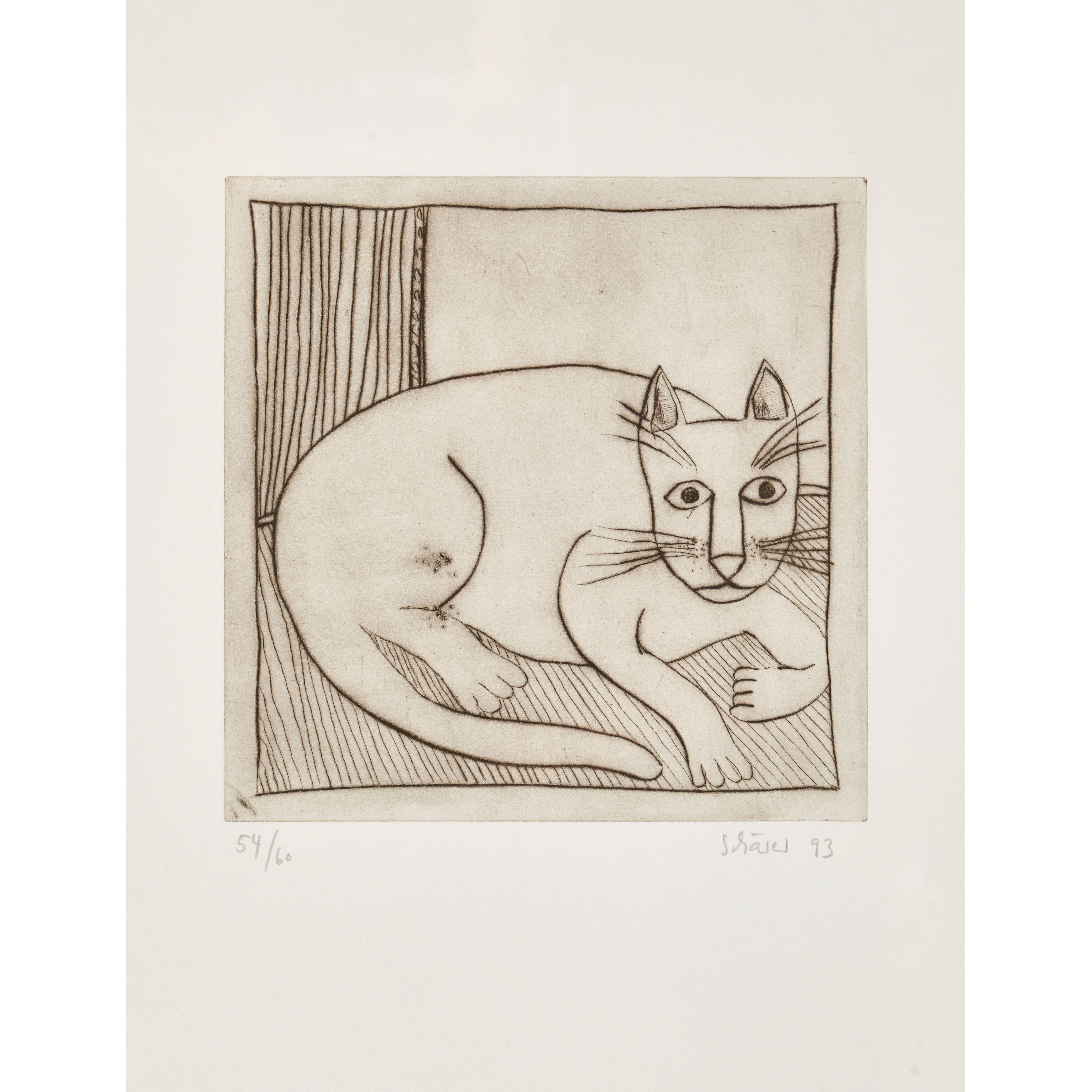
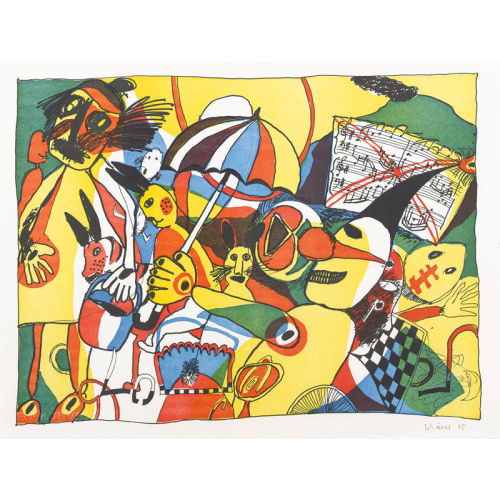
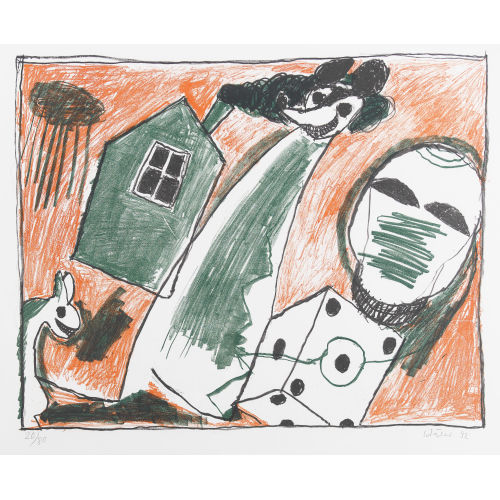
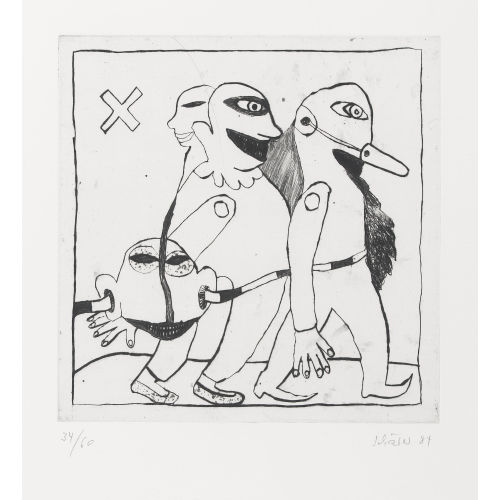
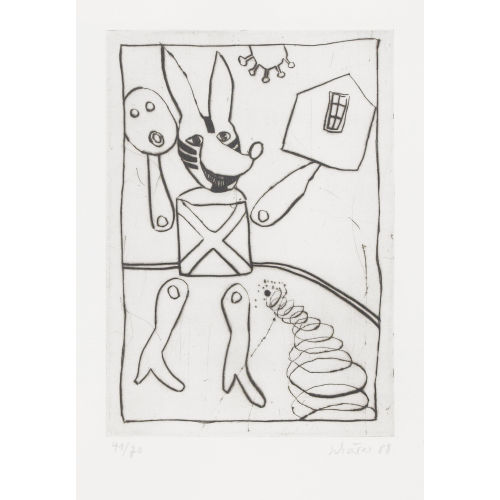
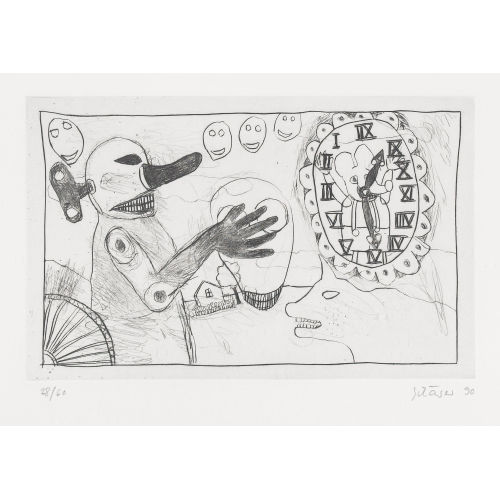
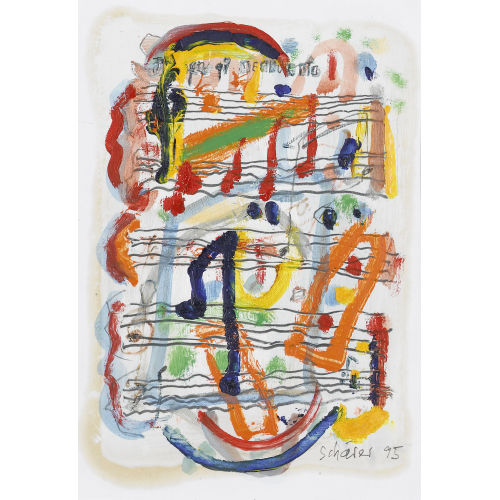
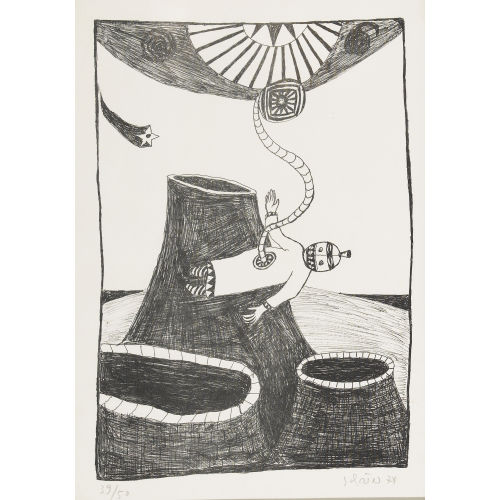
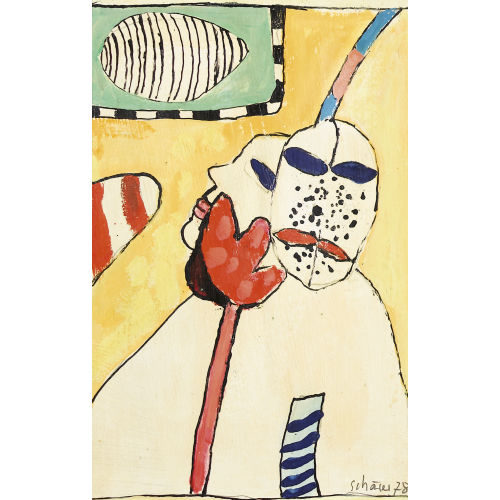
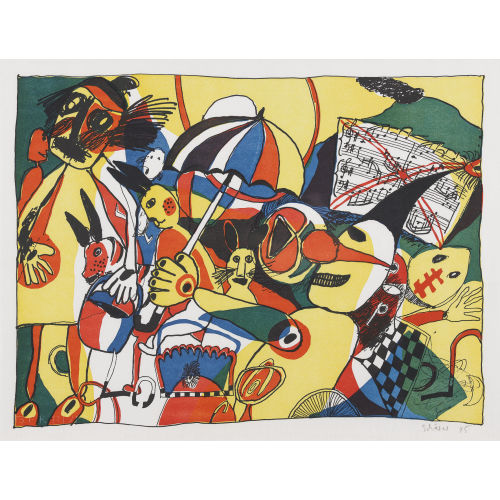
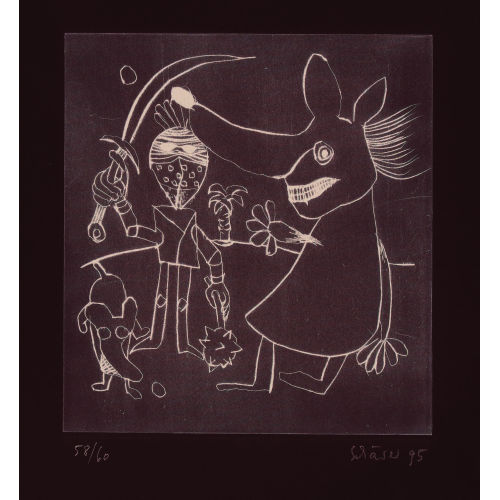
He stayed in Paris from 1949 to 1956 and developed his artistic training as a self-taught artist before settling in St. Niklausen, near Lucerne. There he developed a free-ranging œuvre in which painting exists alongside drawing, watercolour, collage, music and writing.
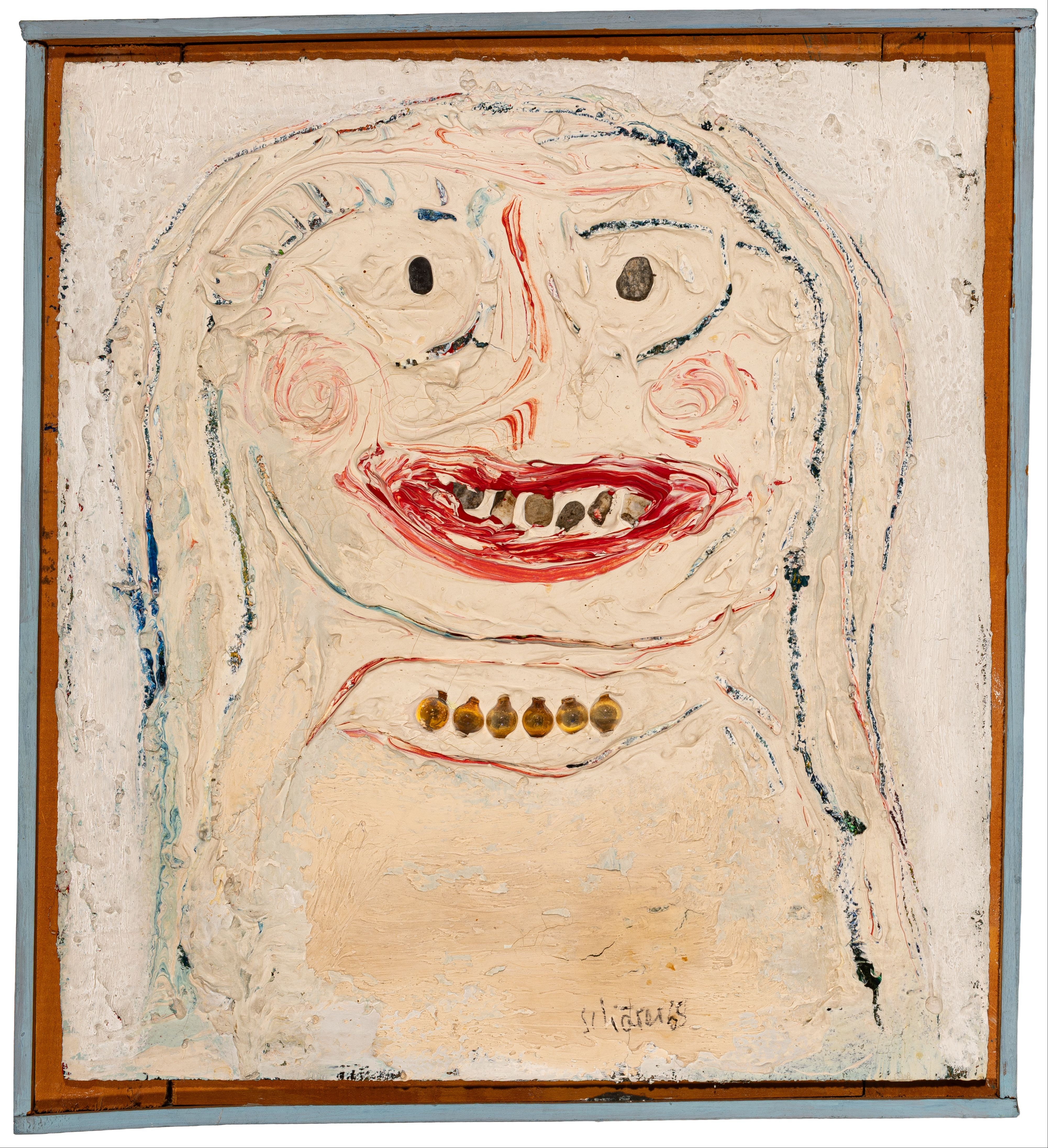
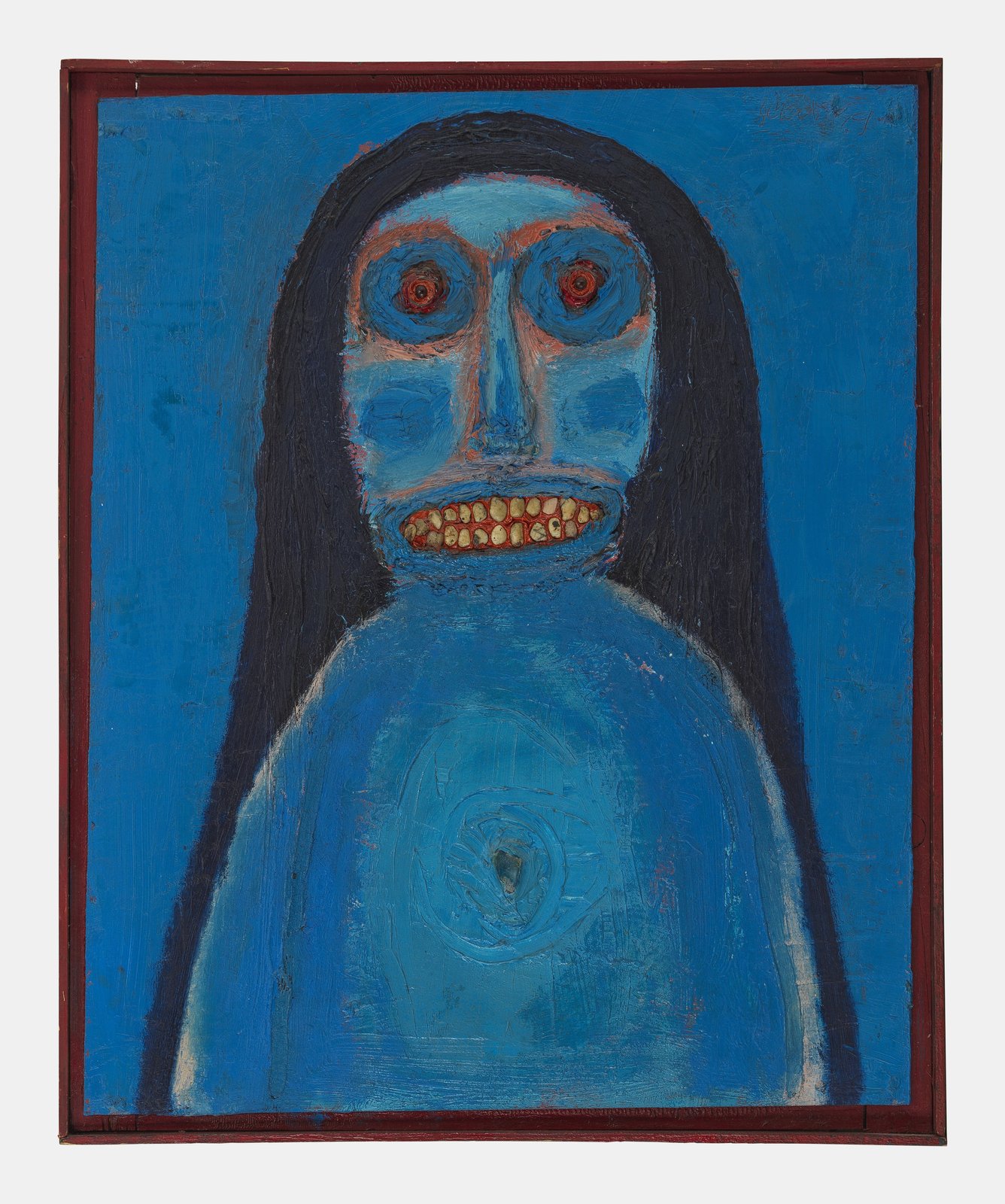
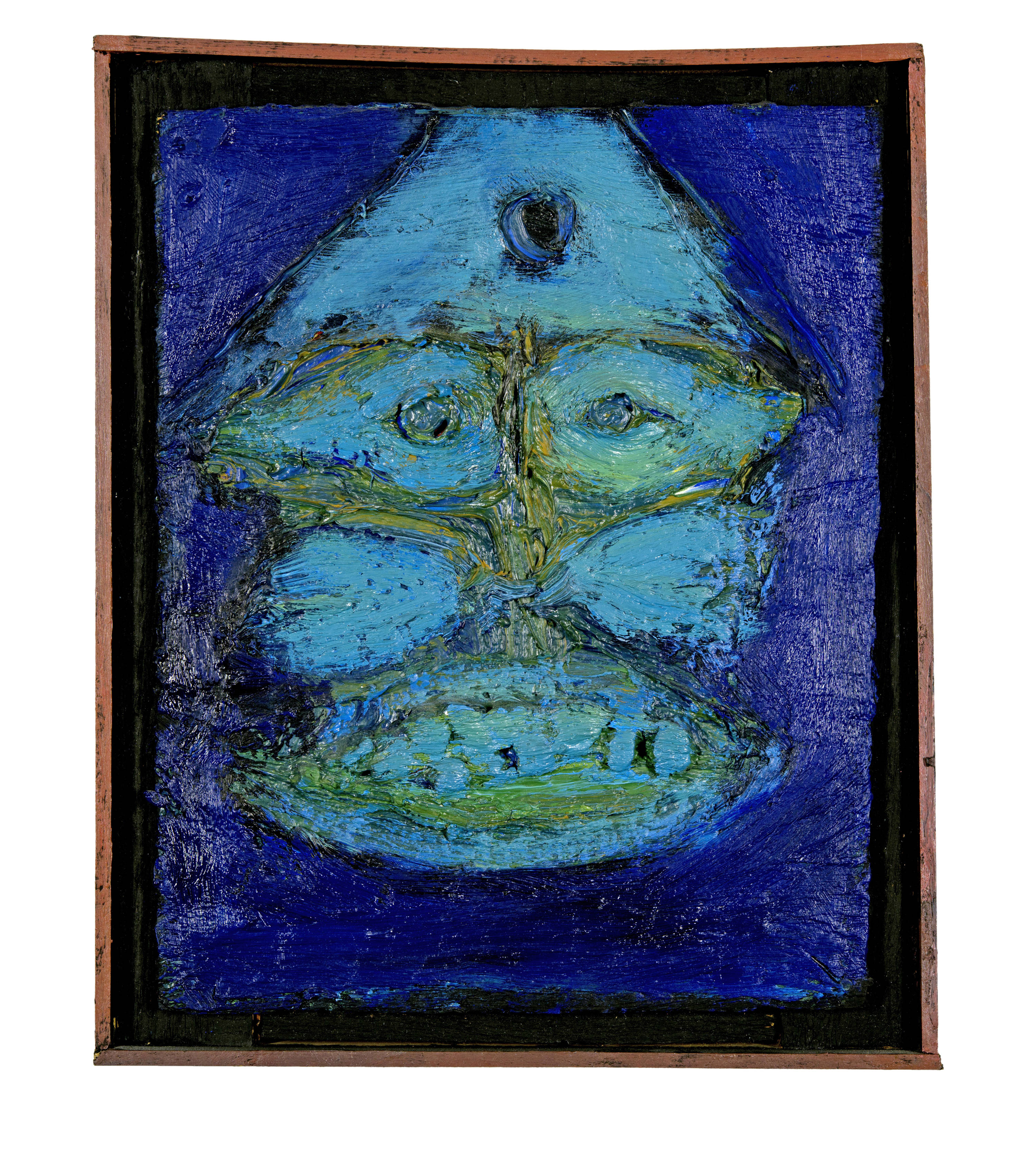
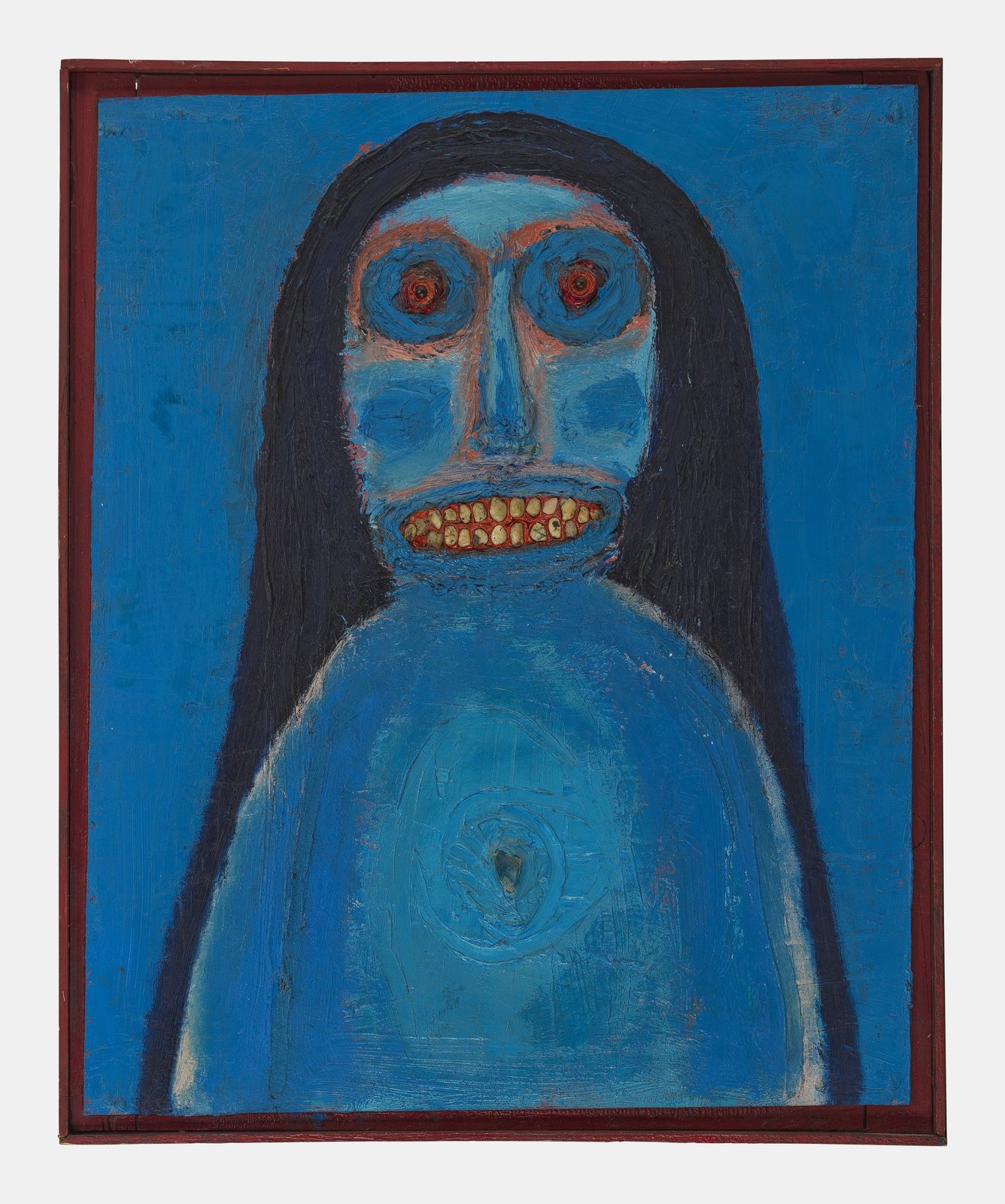
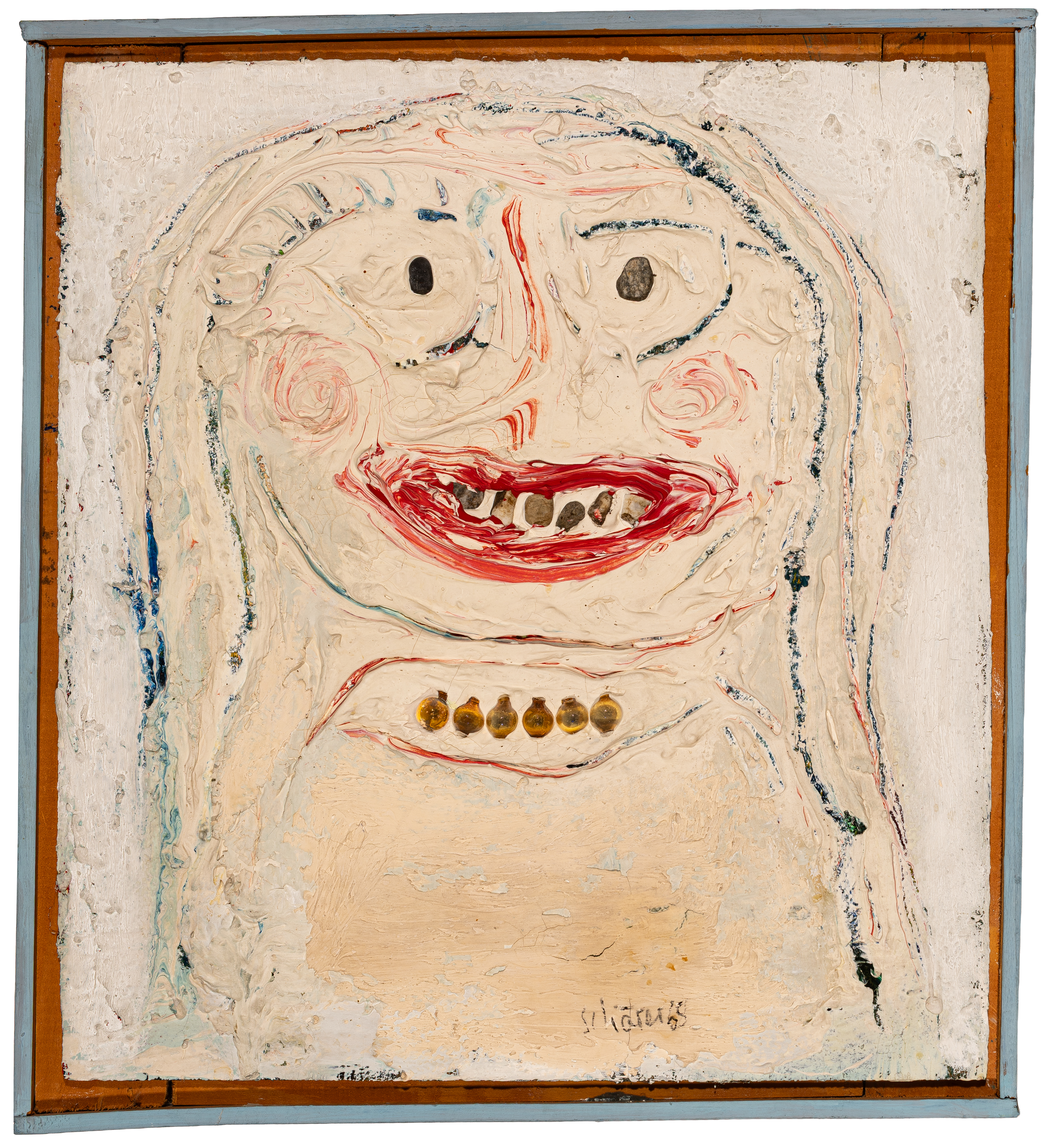
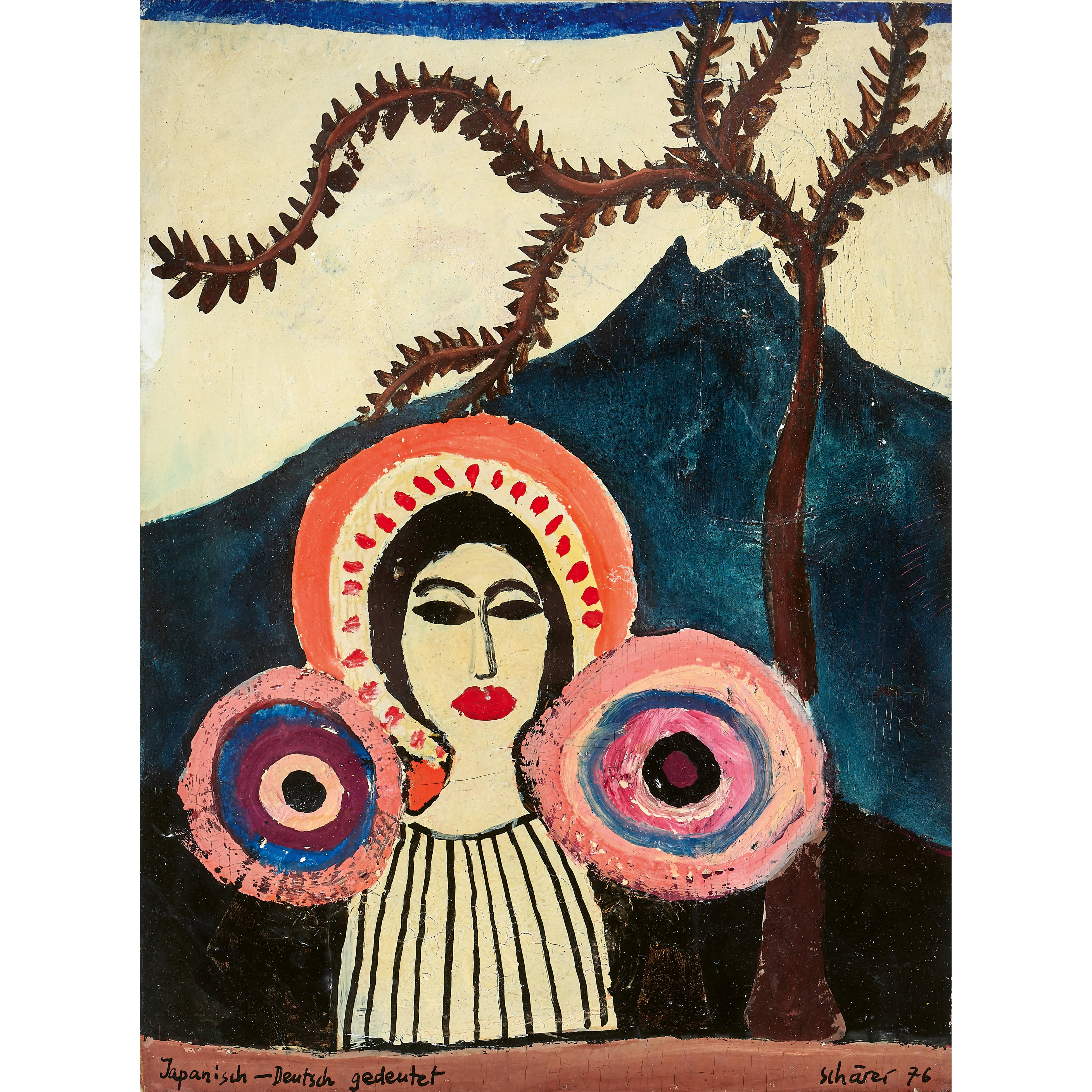
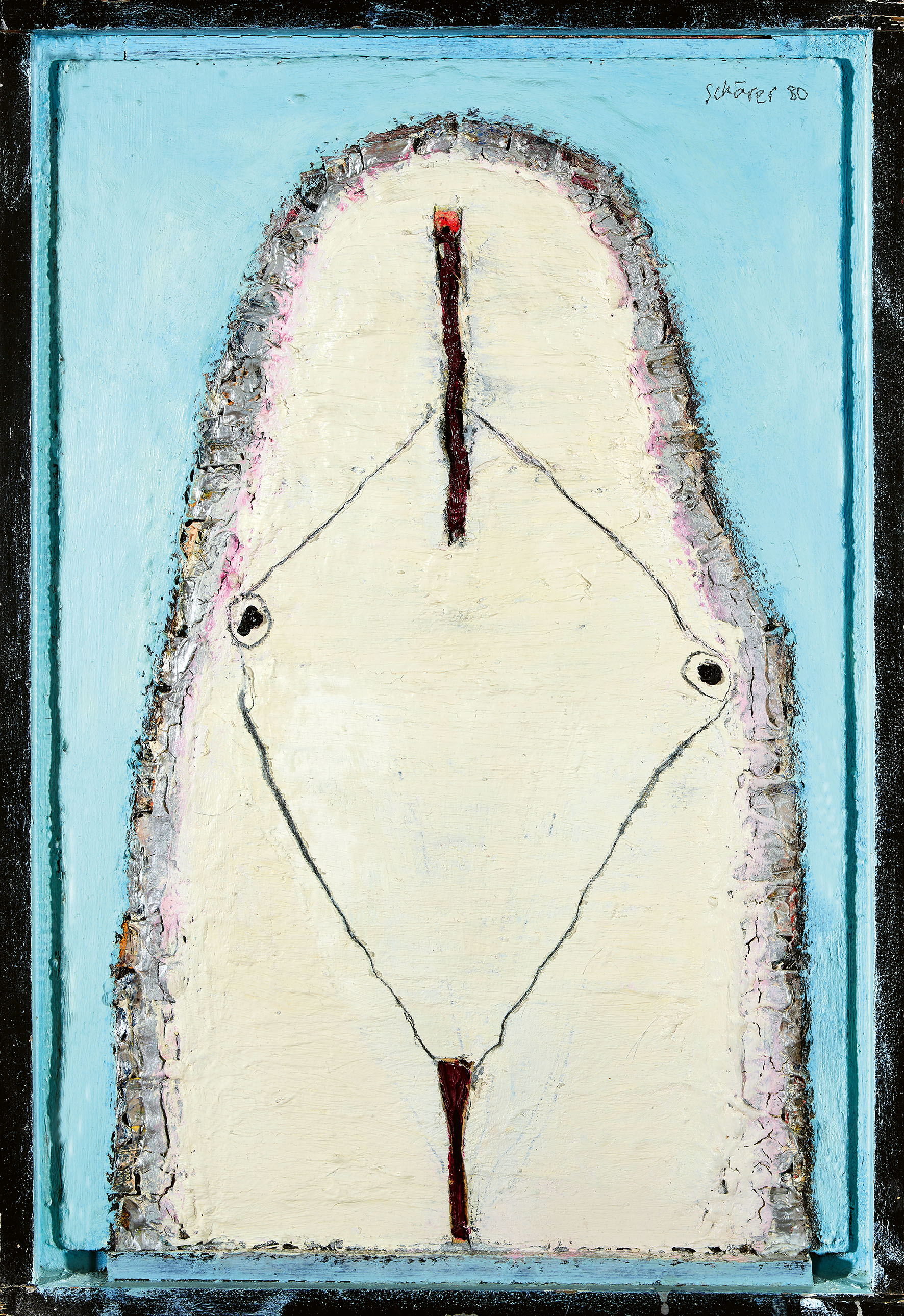
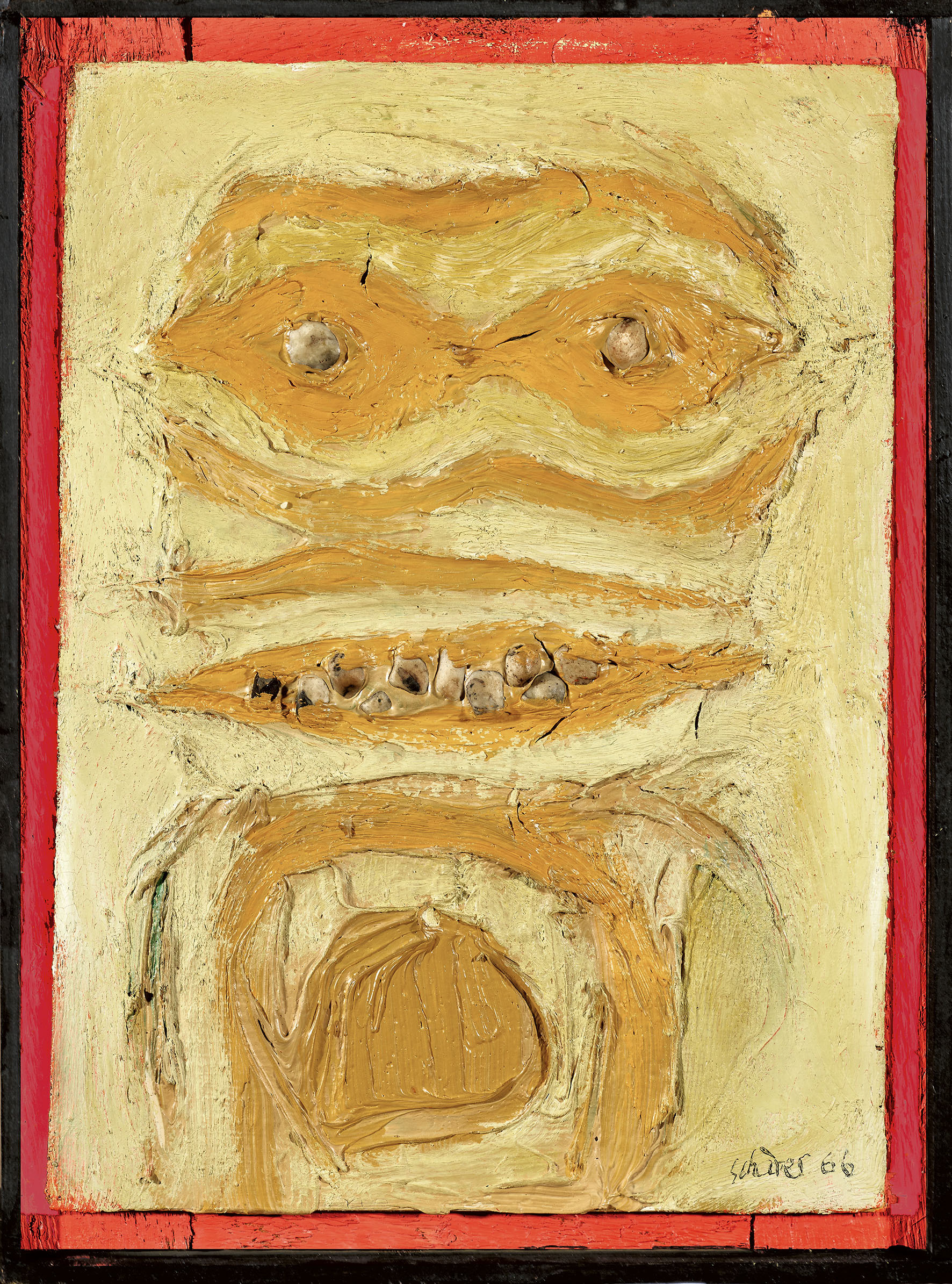
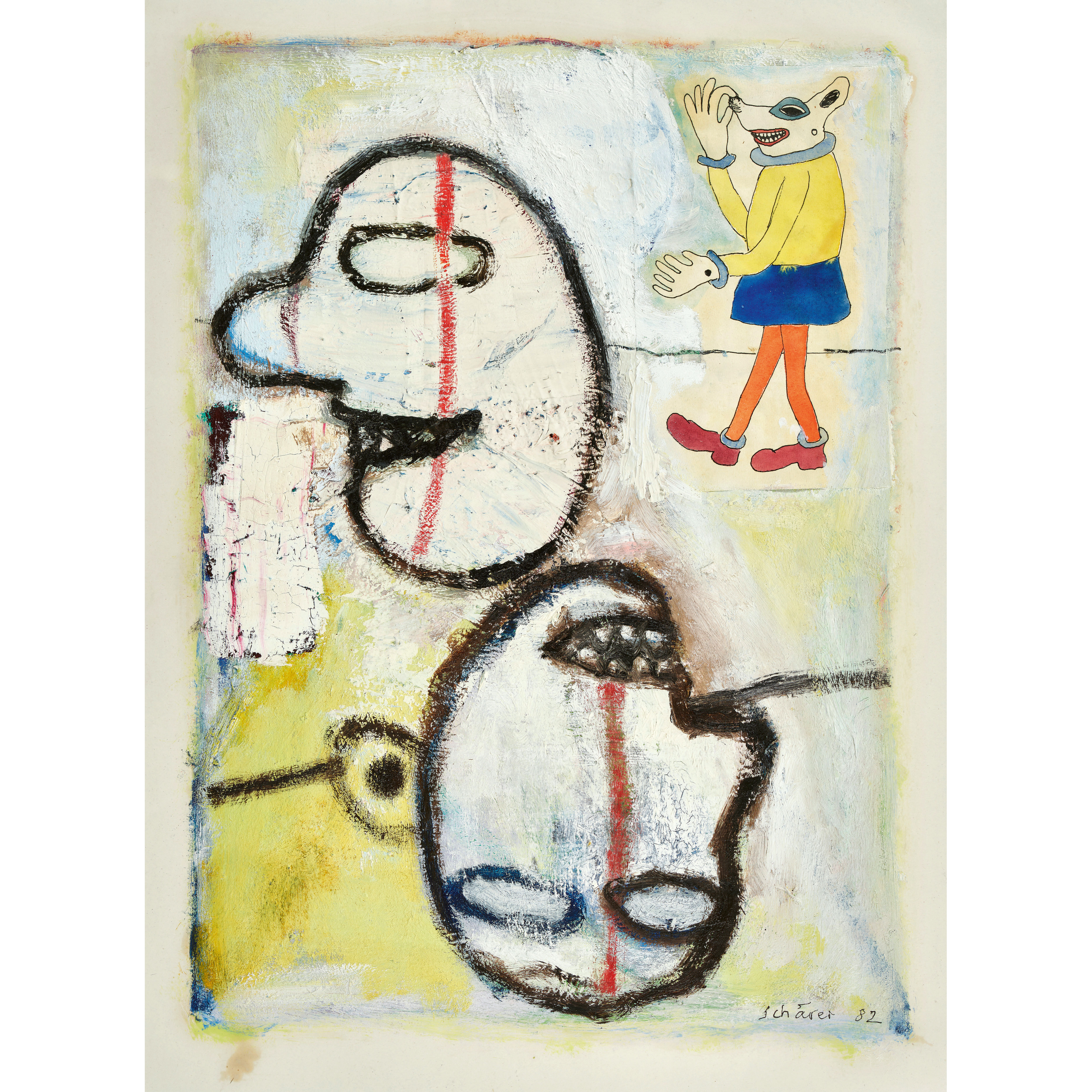
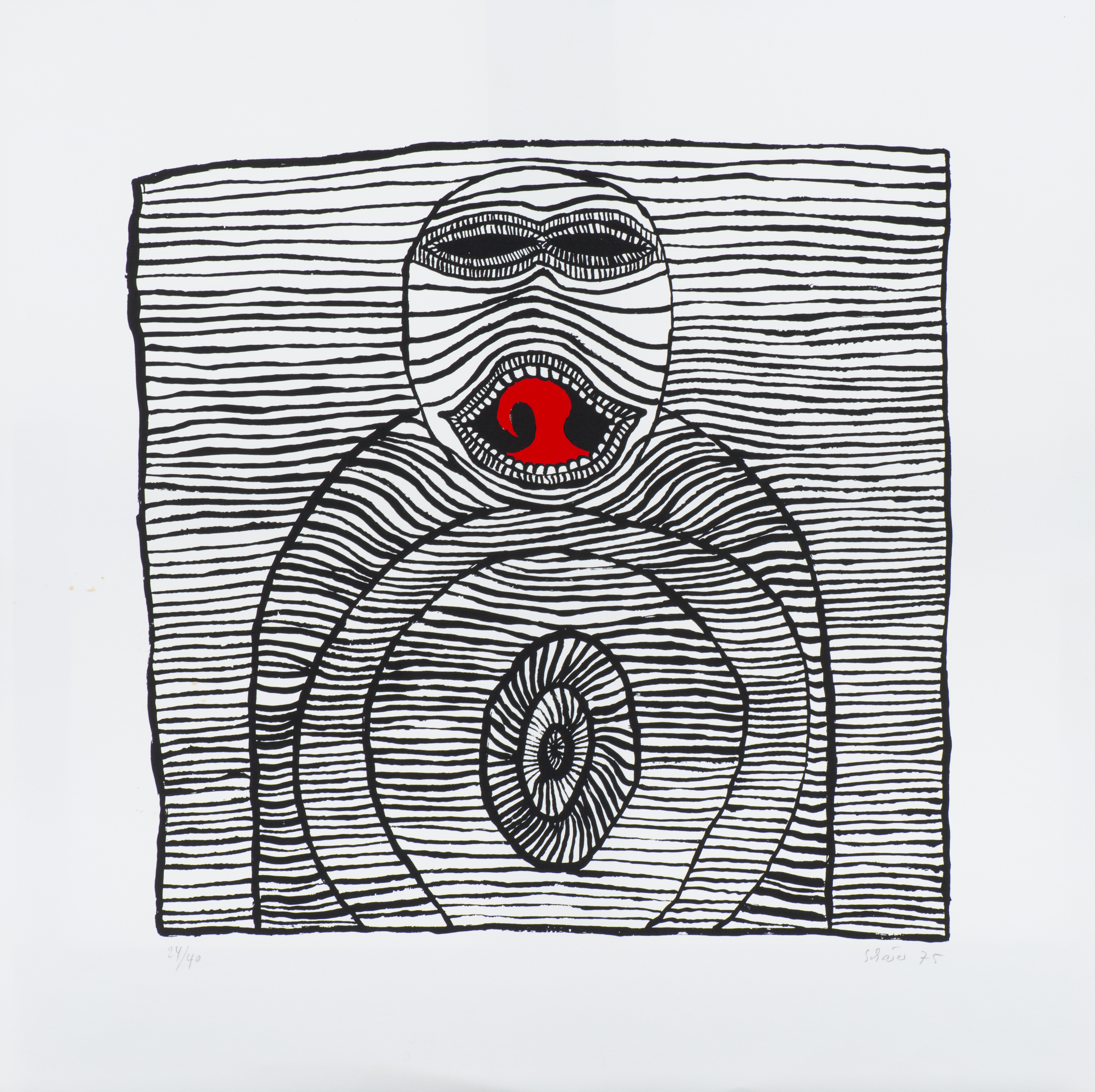
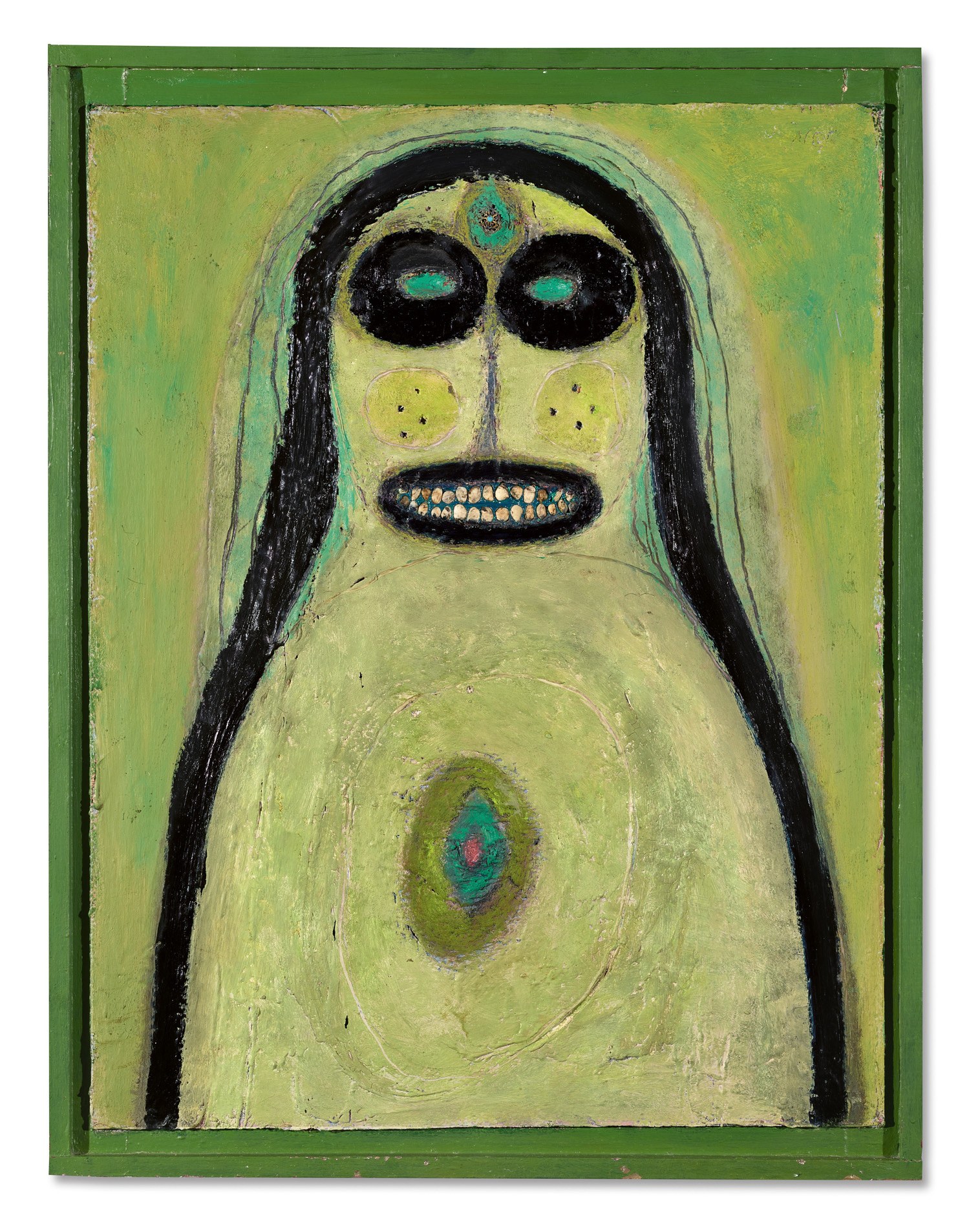
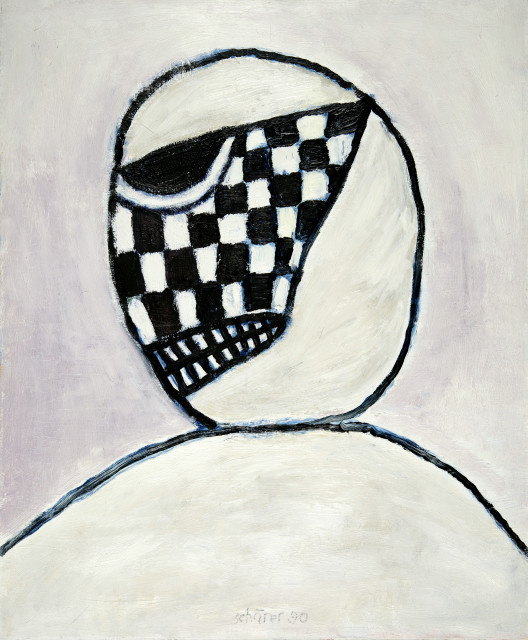
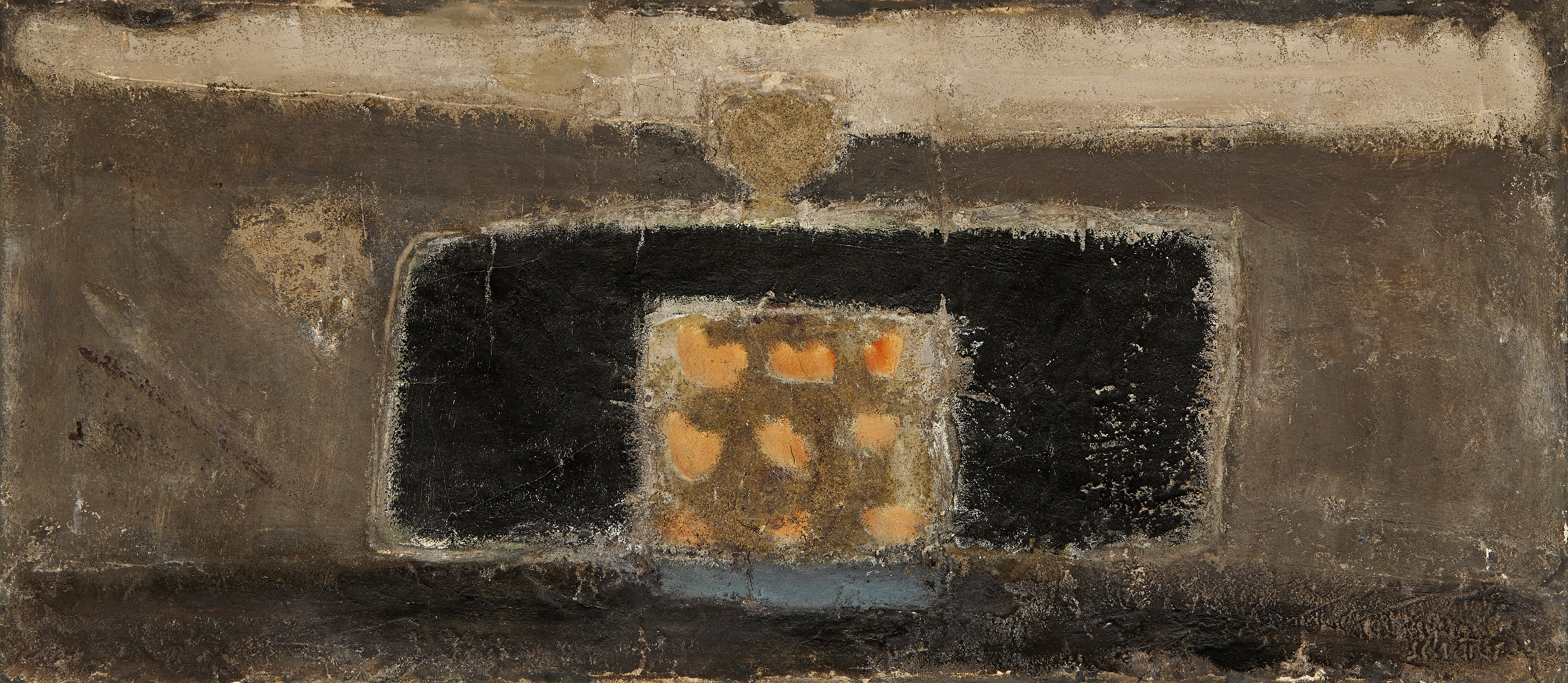
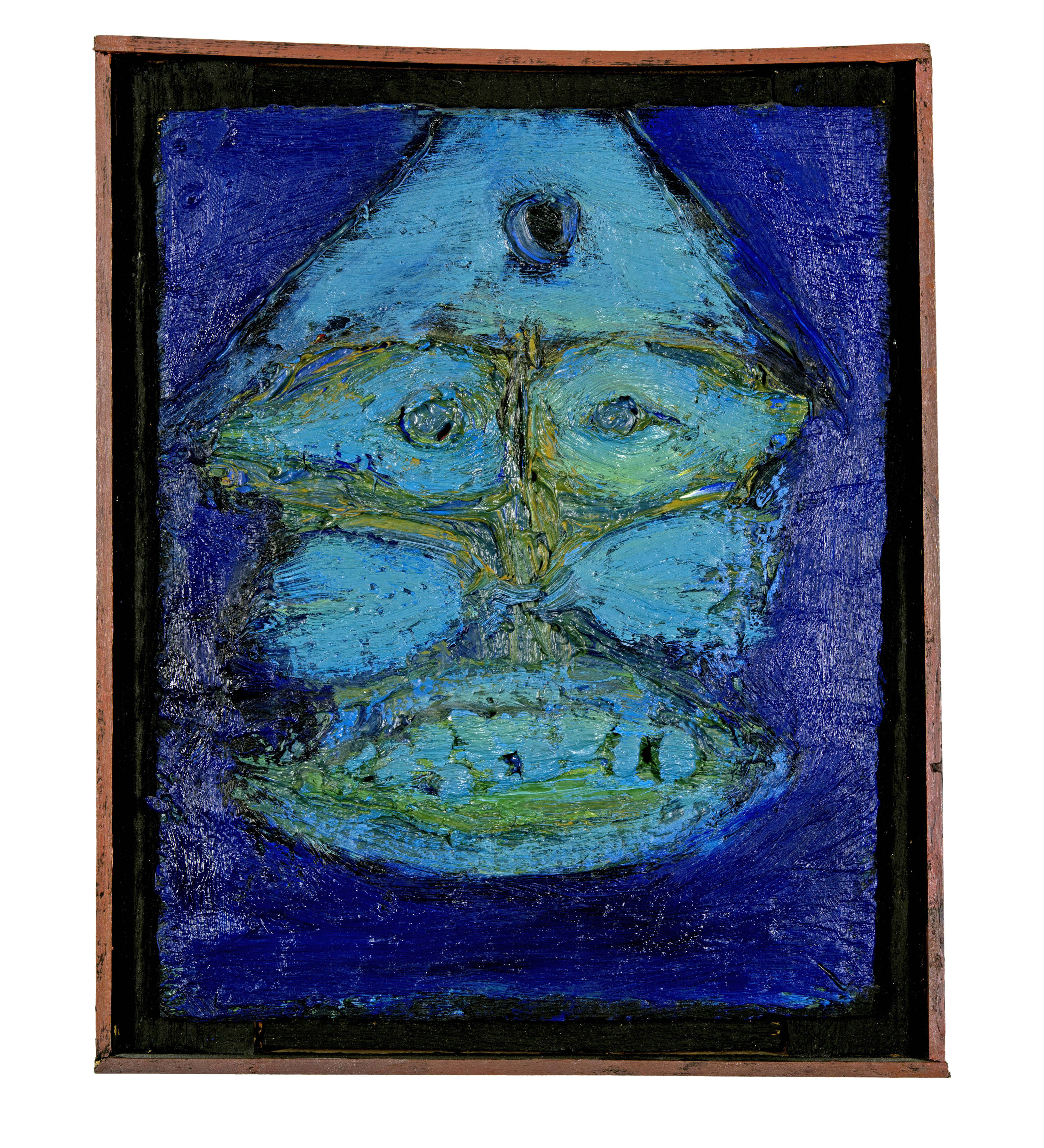
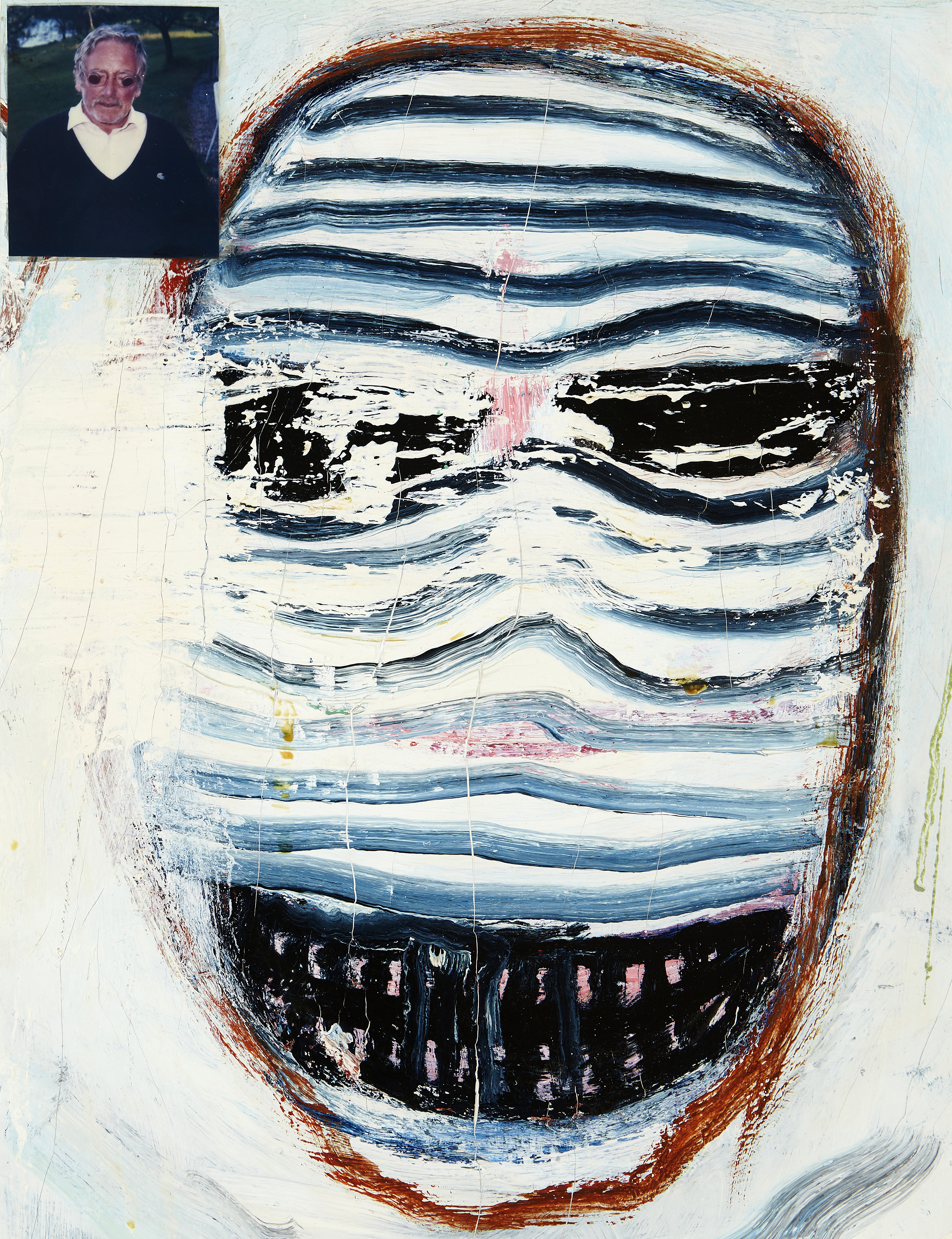
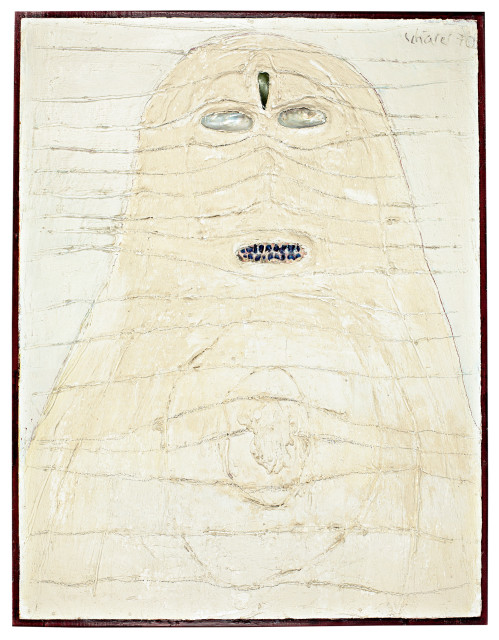
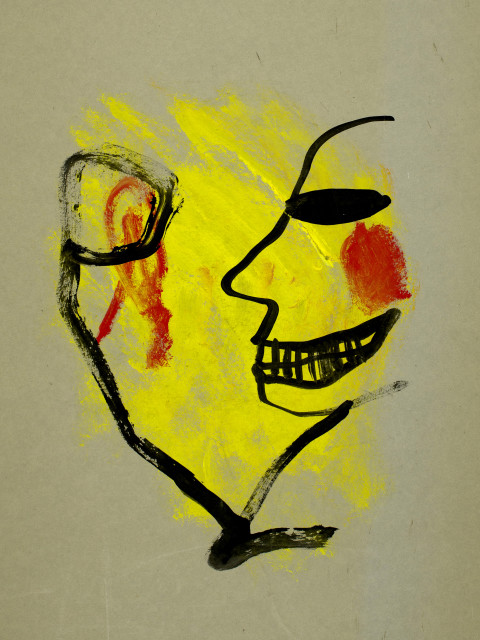
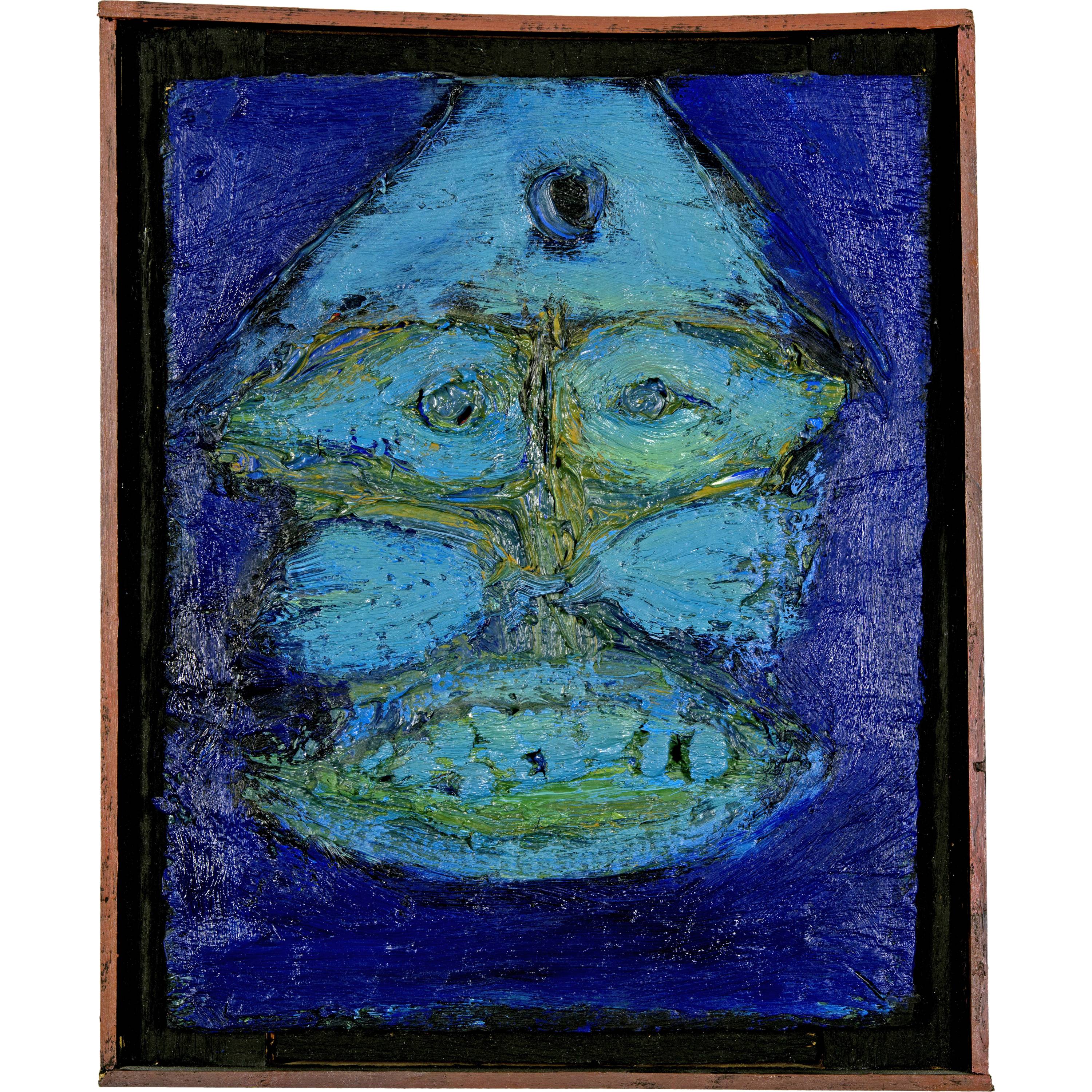
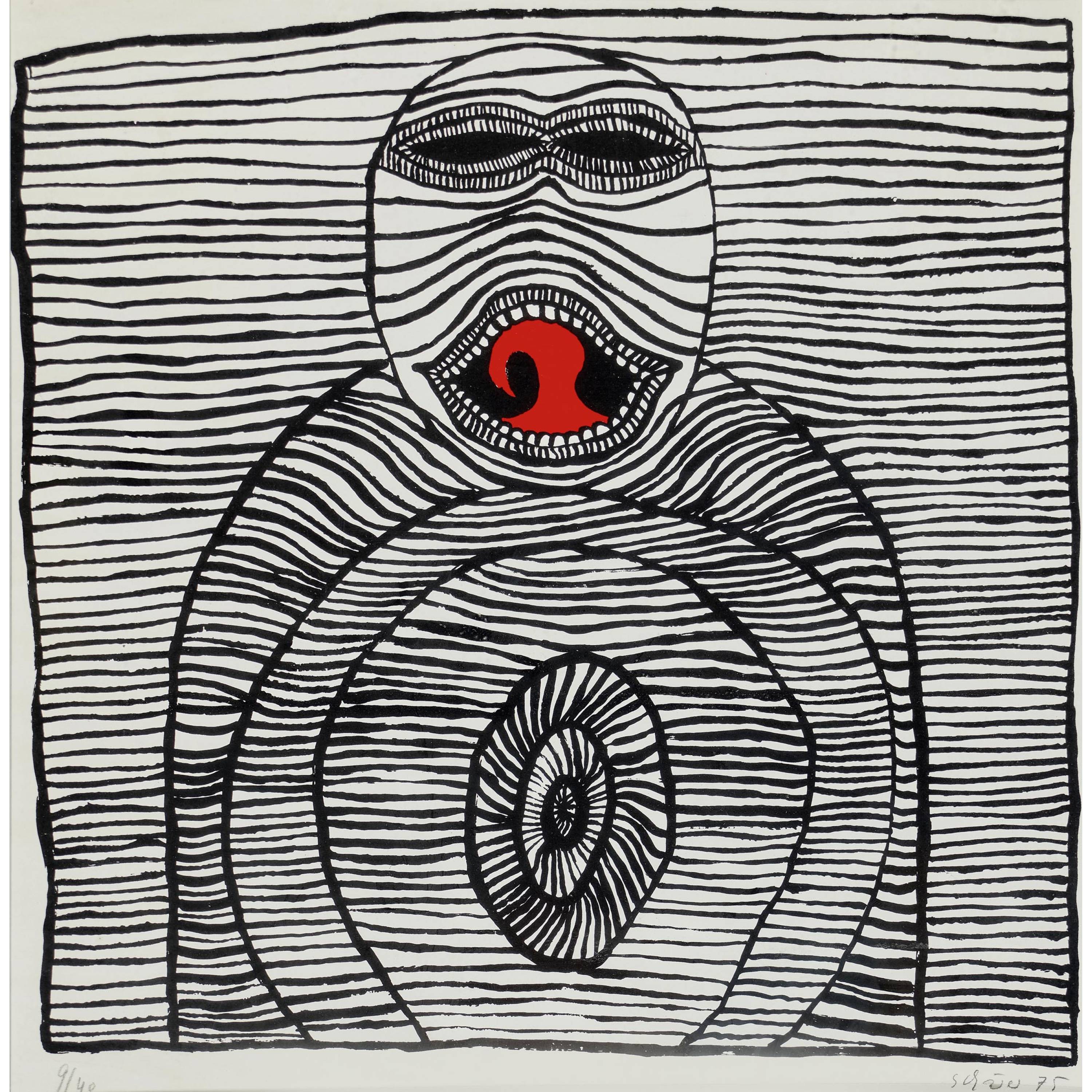
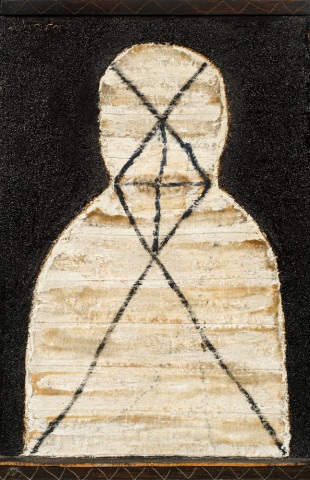
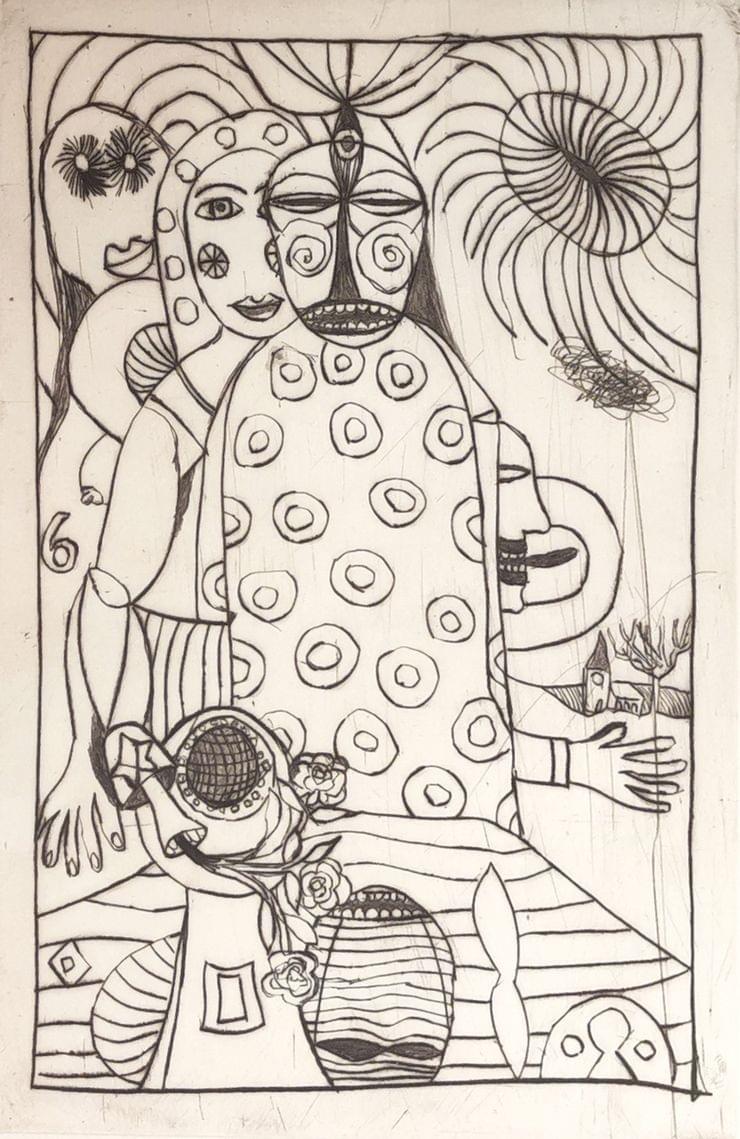
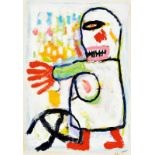
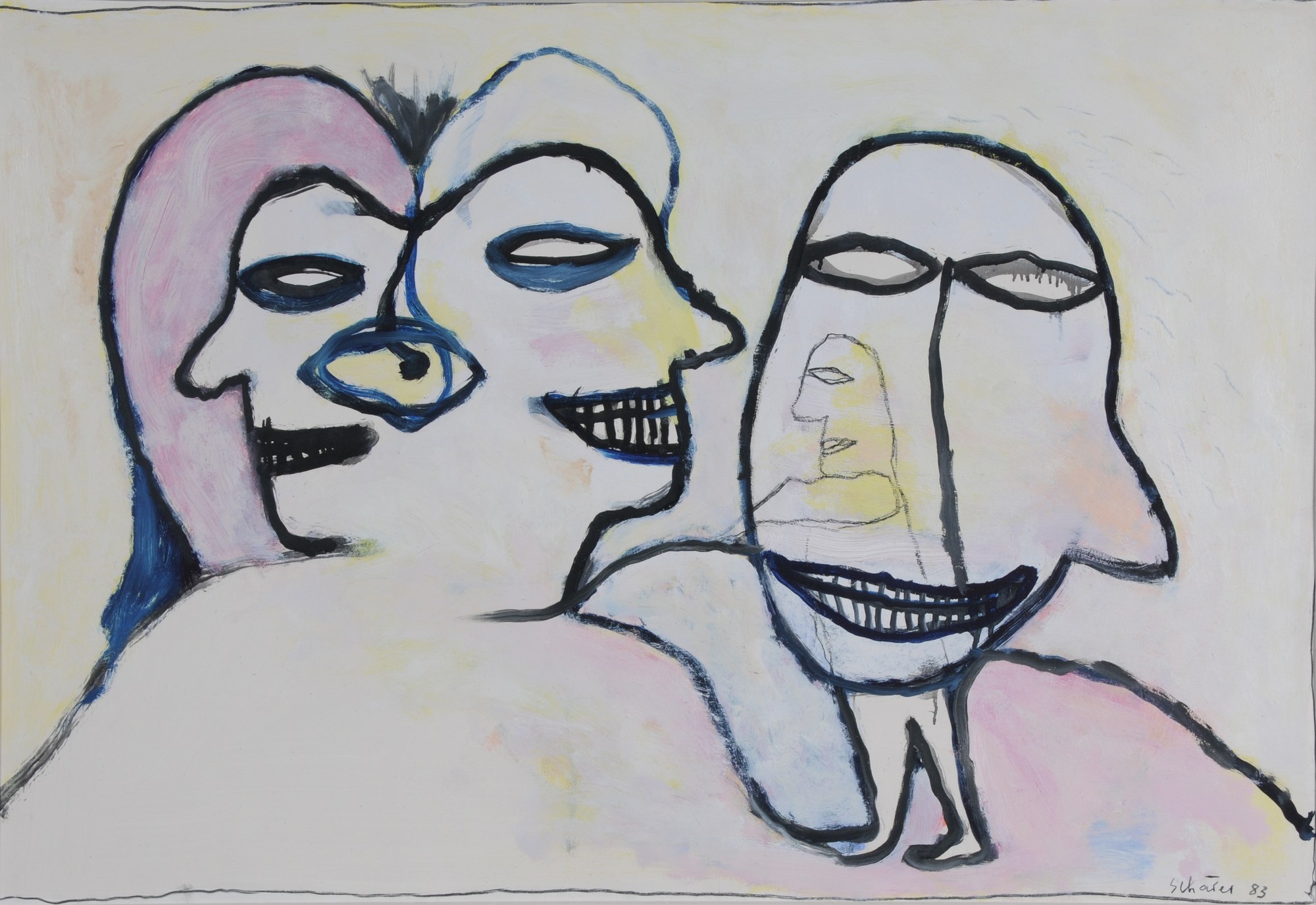
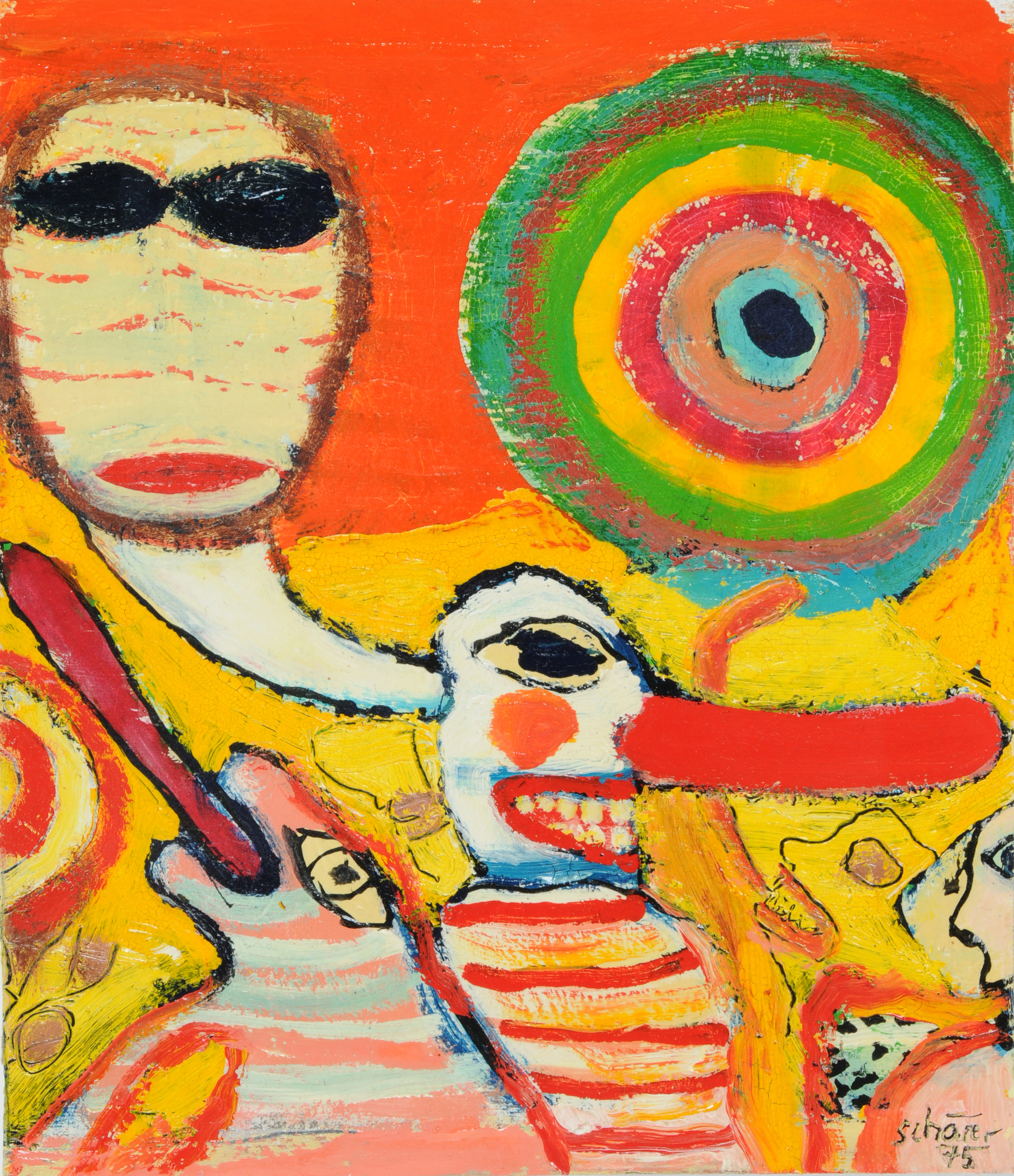
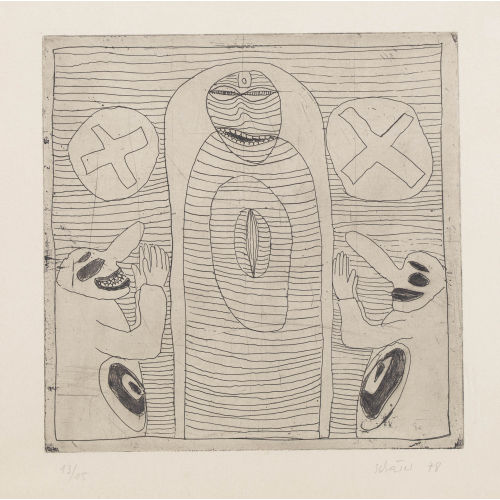
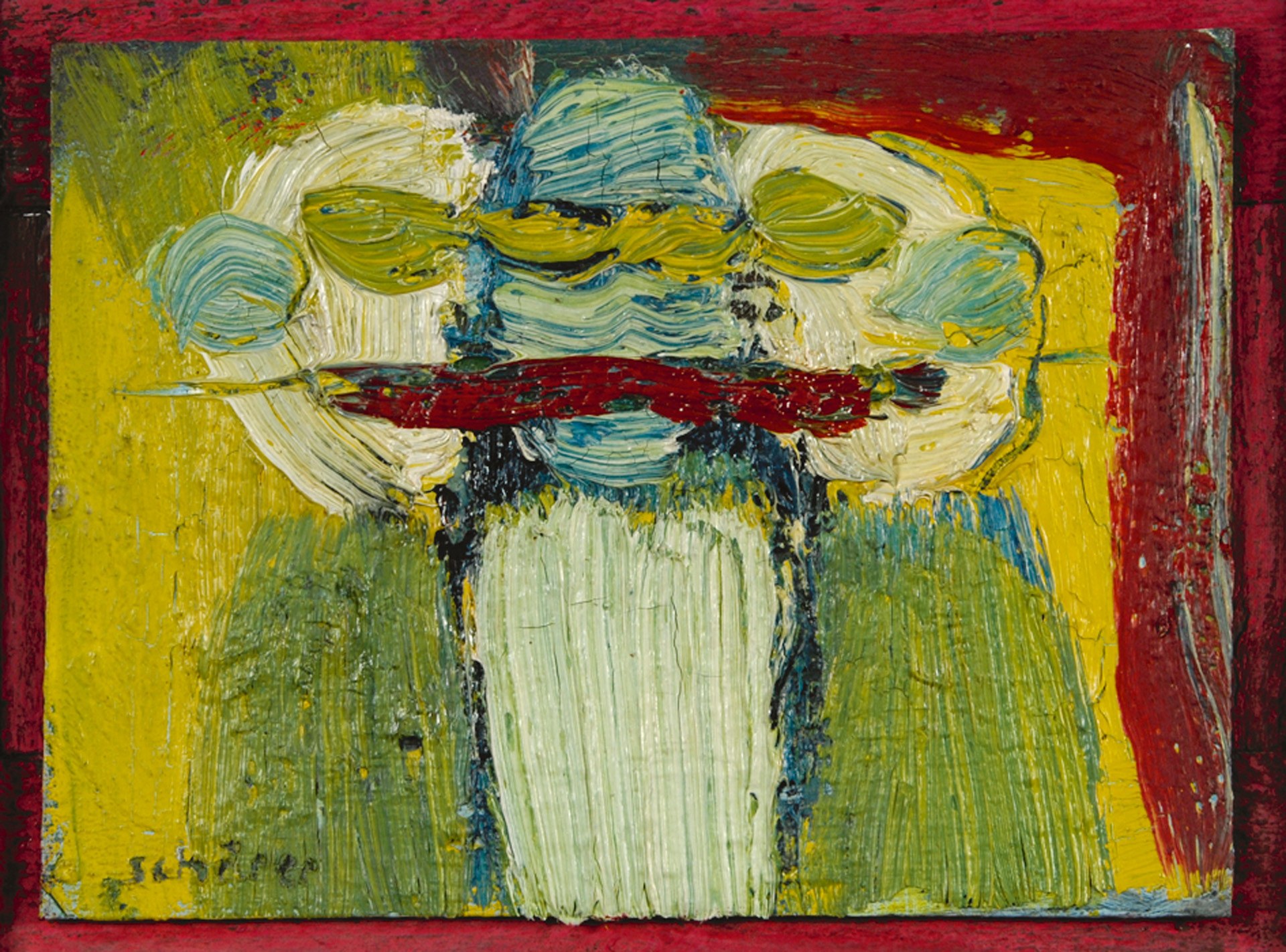
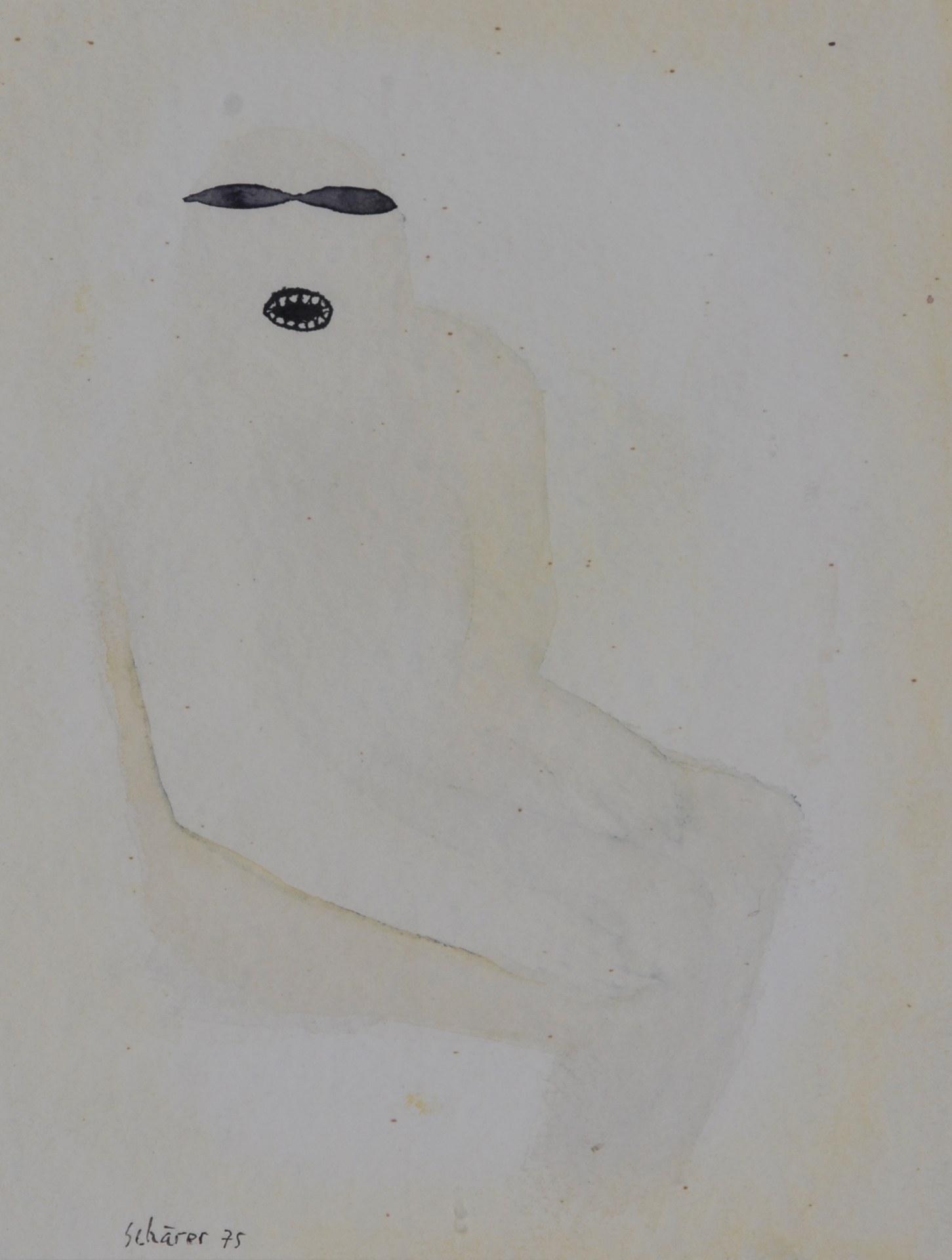
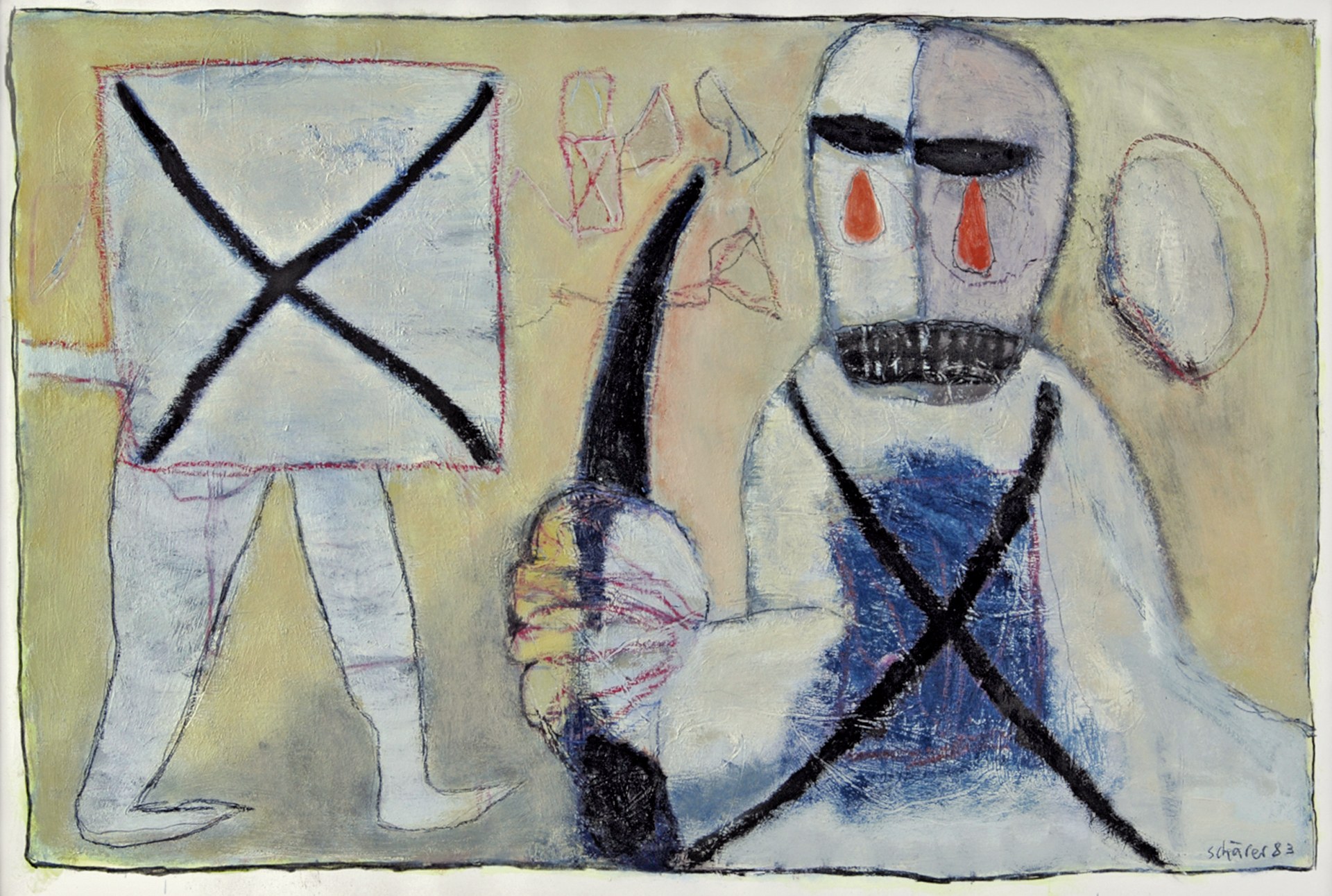
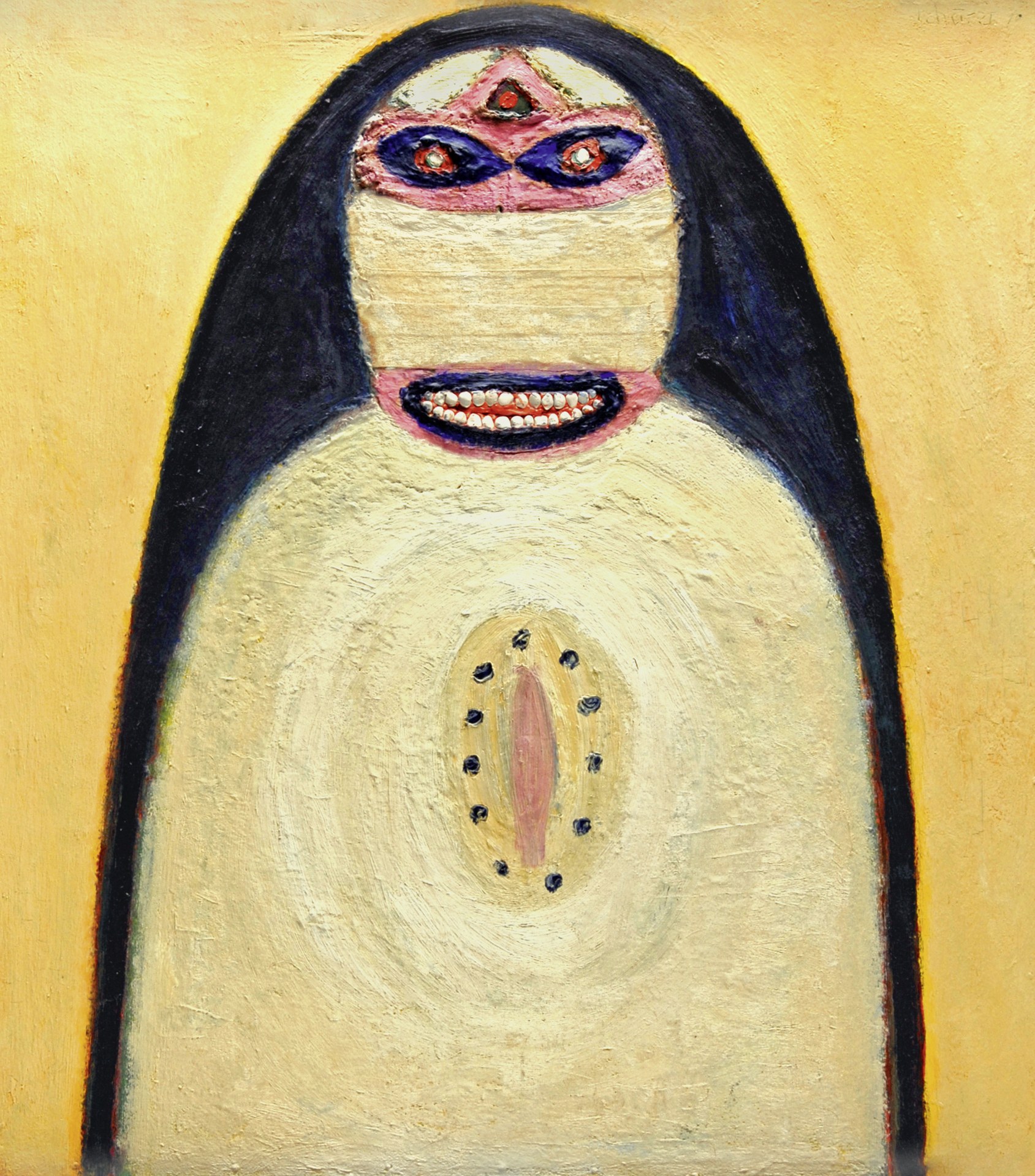
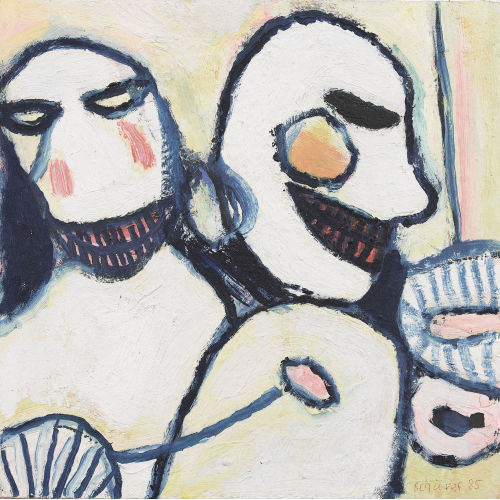
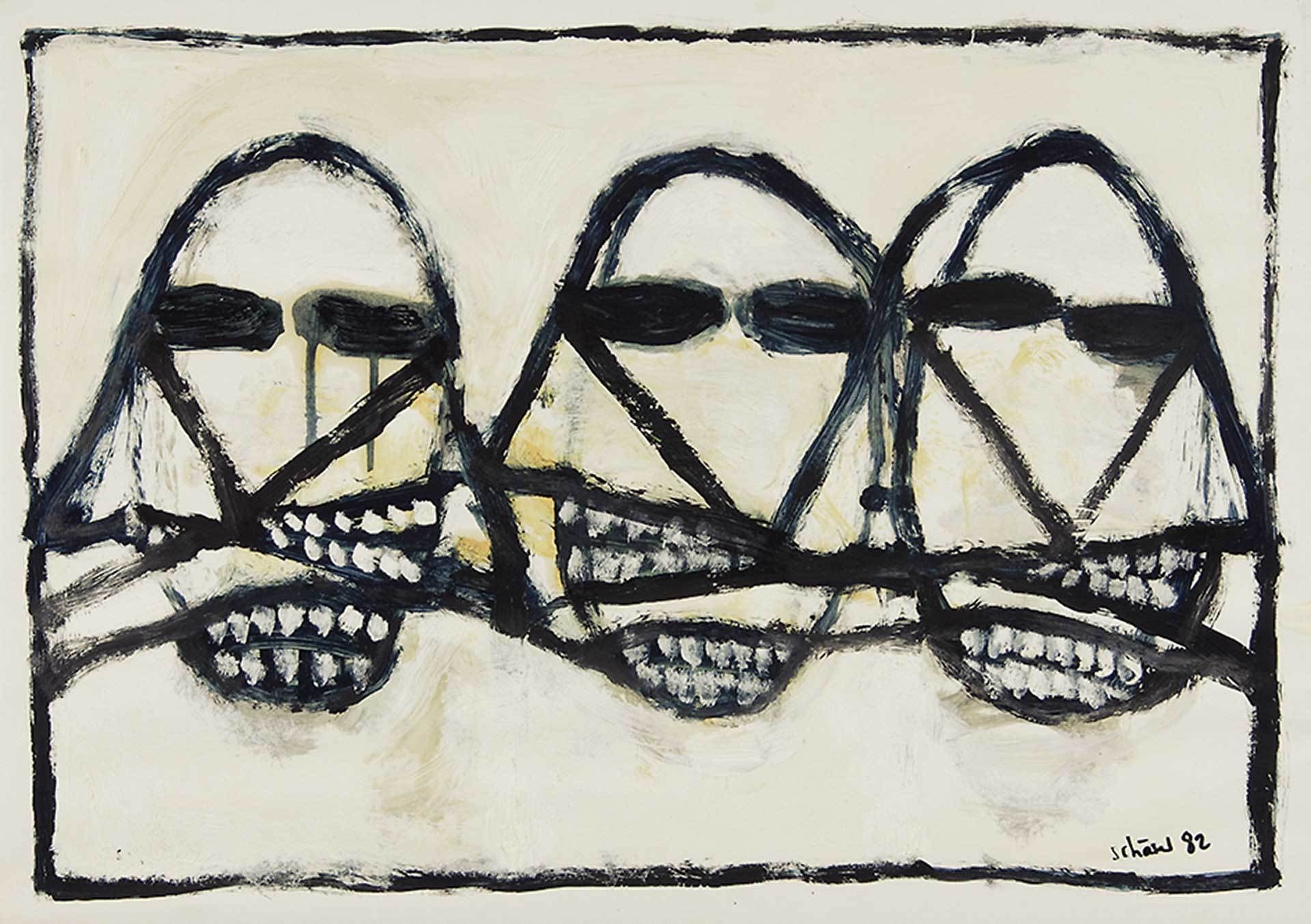
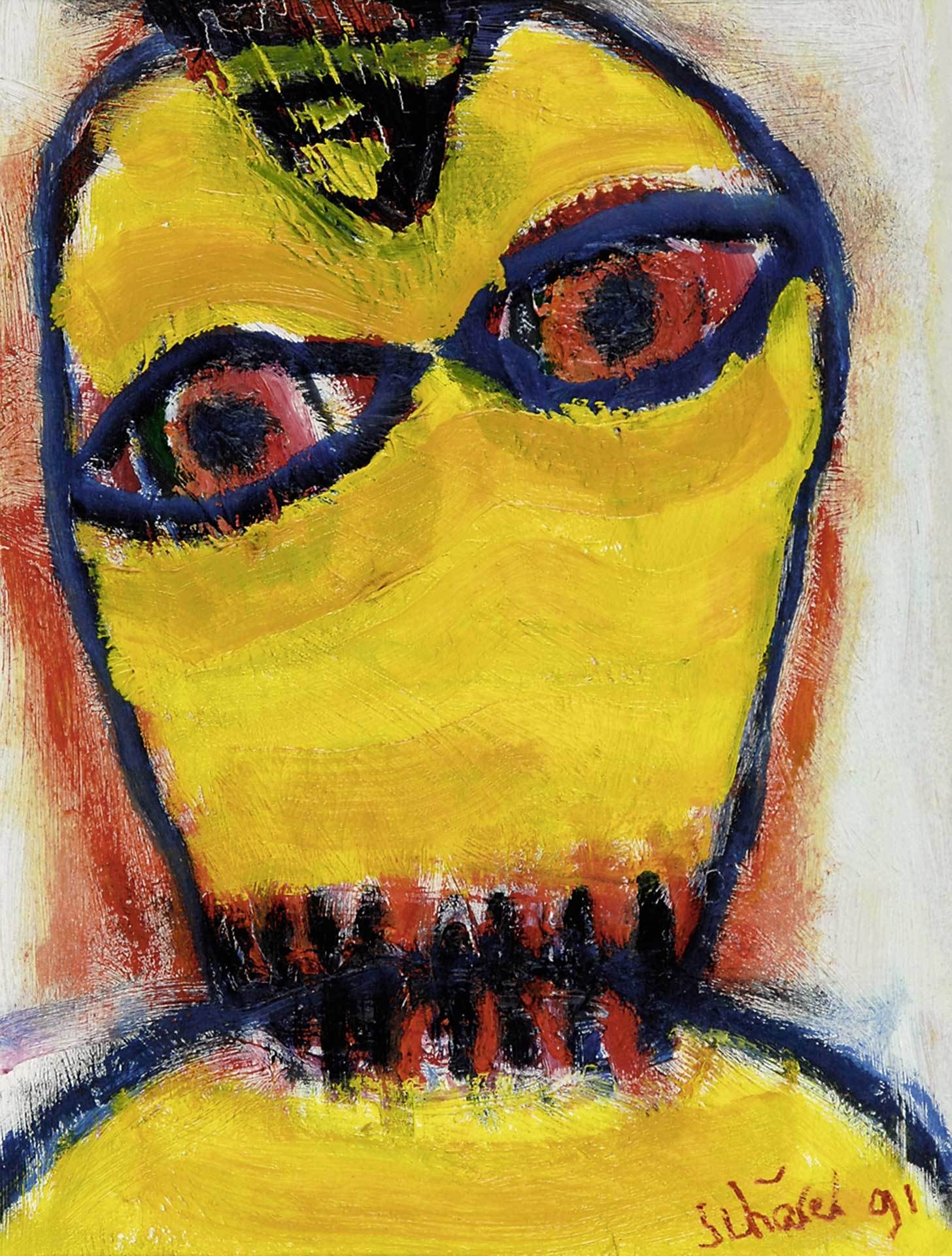
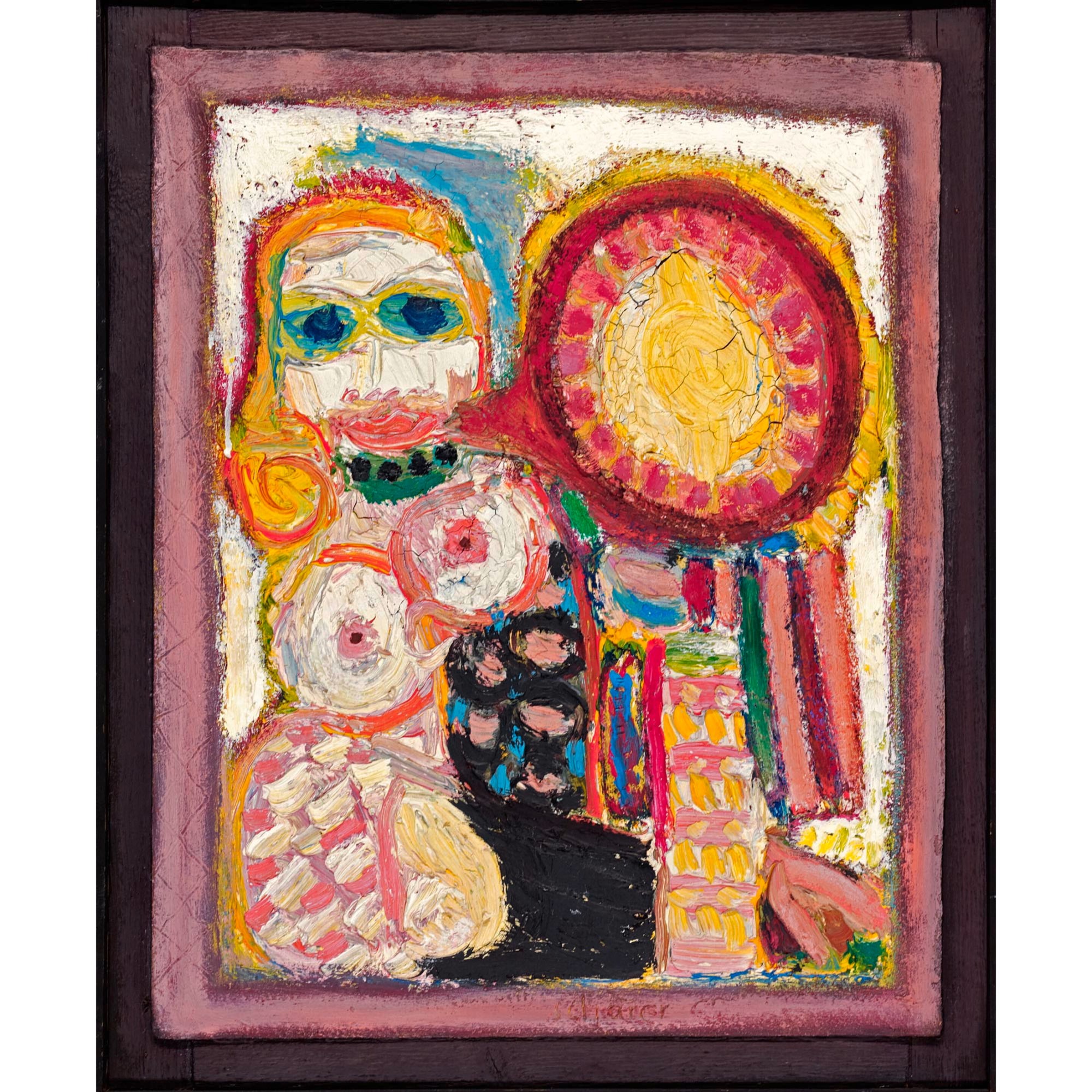
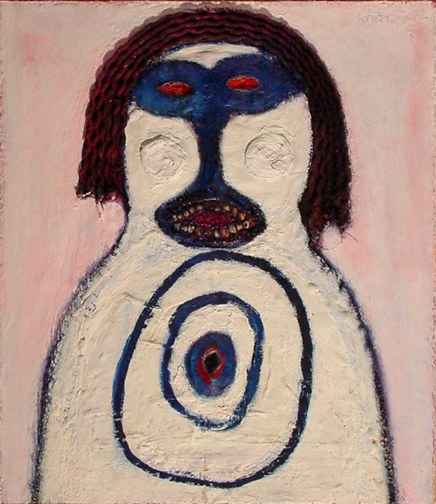
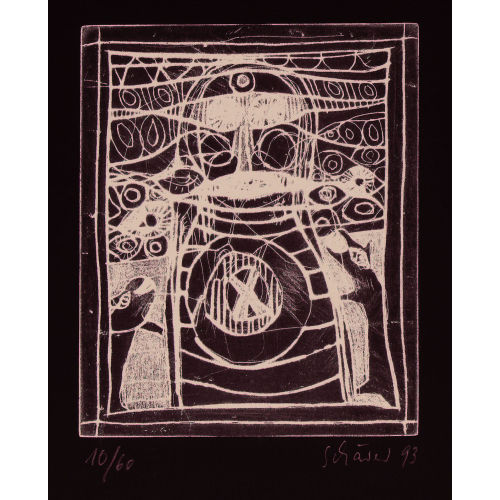
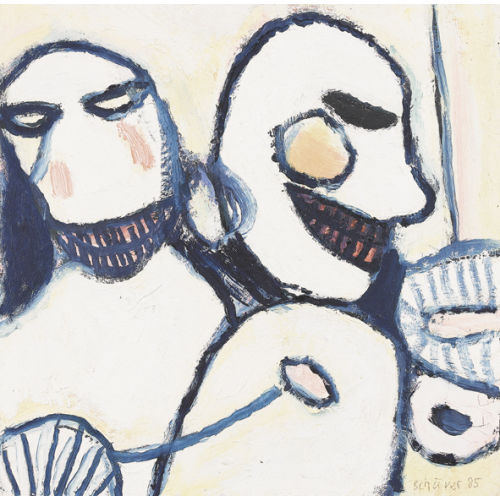
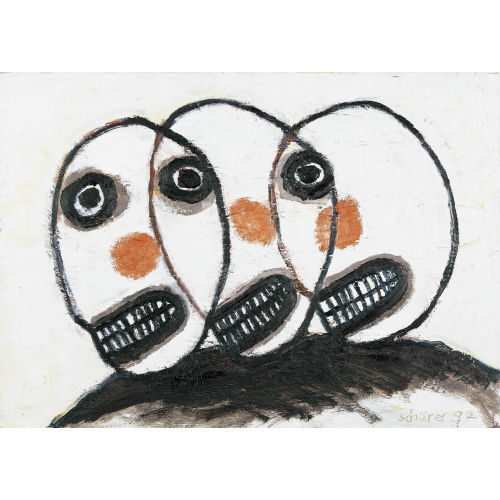
The “Madones”, developed from the late 1960s onwards, constitute his best-known body of work. Their frontal, solitary figures emerge from thick surfaces loaded with paint and sometimes with stones, hair, shells or found objects. A fixed gaze, an open mouth and the suggestion of a veil give them a presence that is at once fascinating and unsettling.
The Kunstmuseum Luzern locates the origins of this series in the material paintings of the 1960s and in the impression made on Schärer by the mosaic in the church of Santa Maria Assunta in Torcello. These images are nevertheless not simple representations of the Virgin: they also summon archaic and mythological female figures.
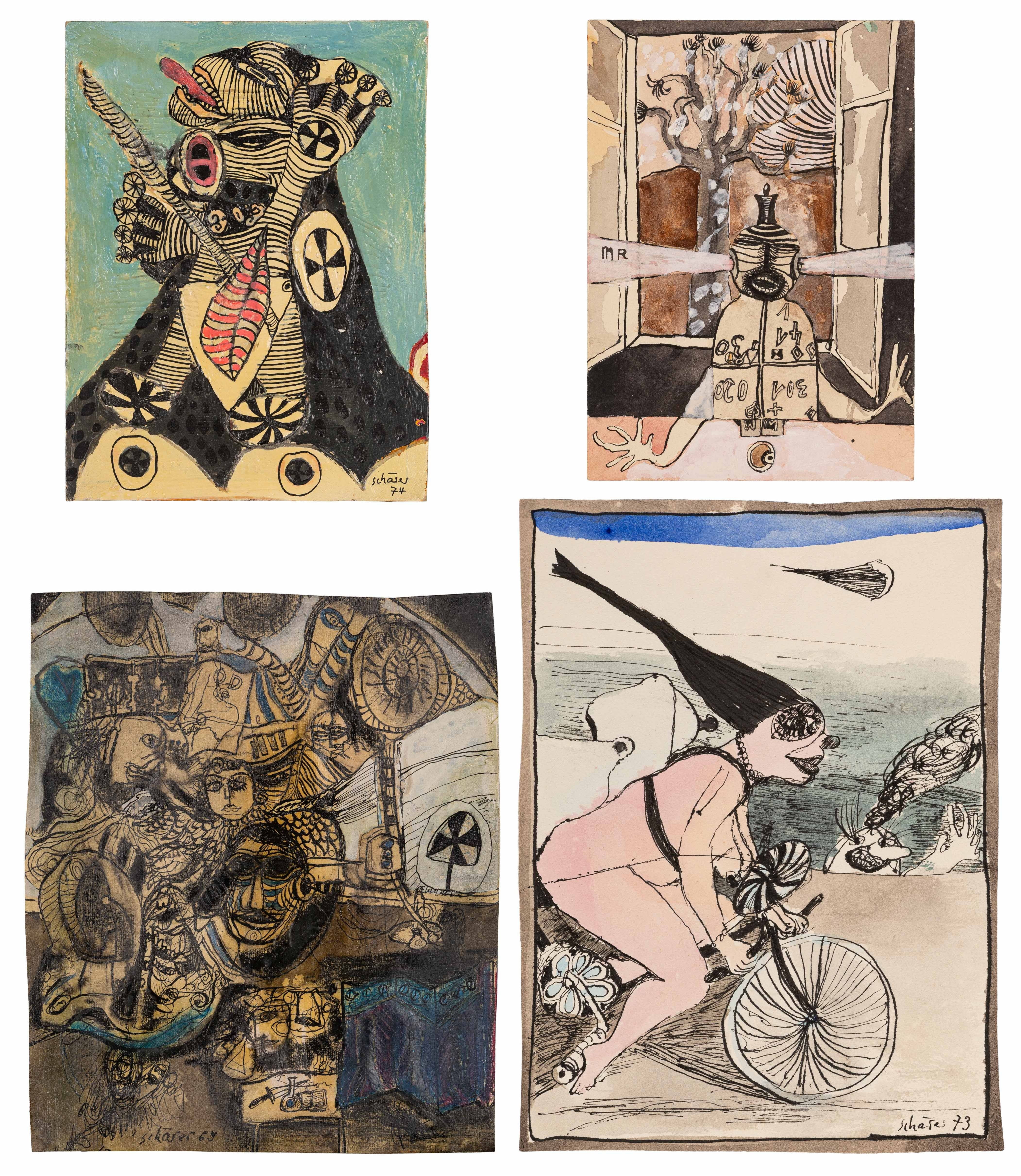
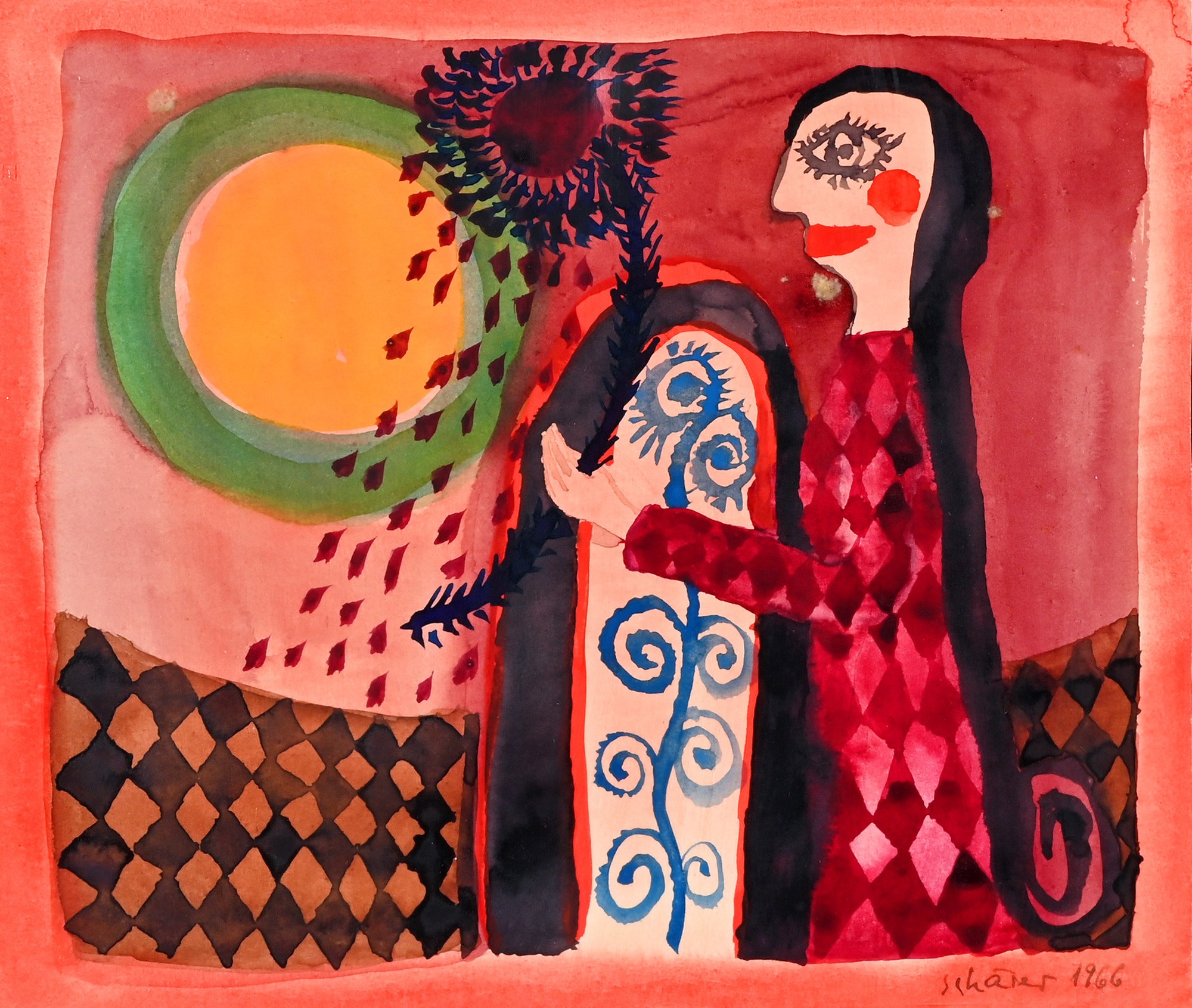
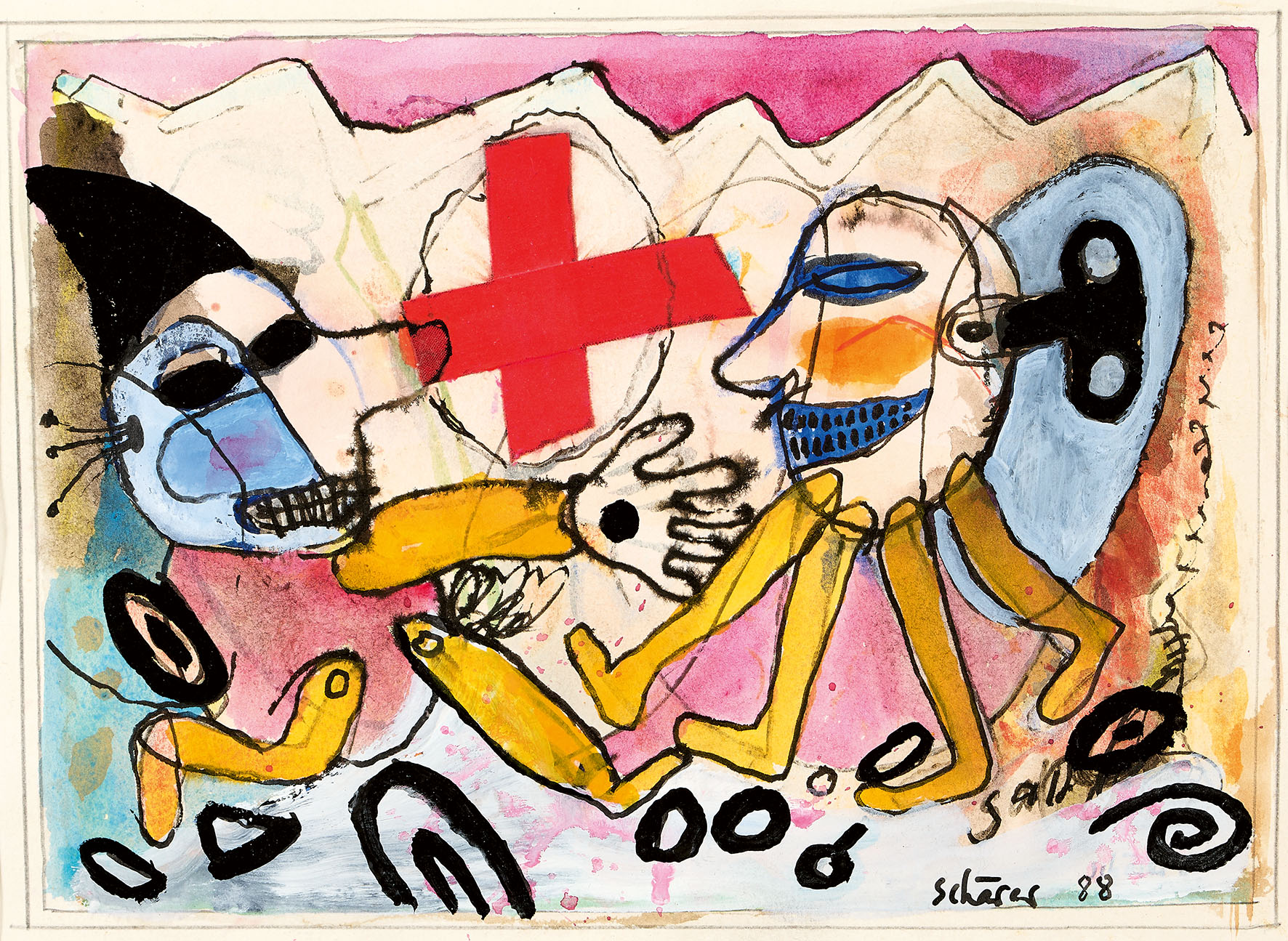
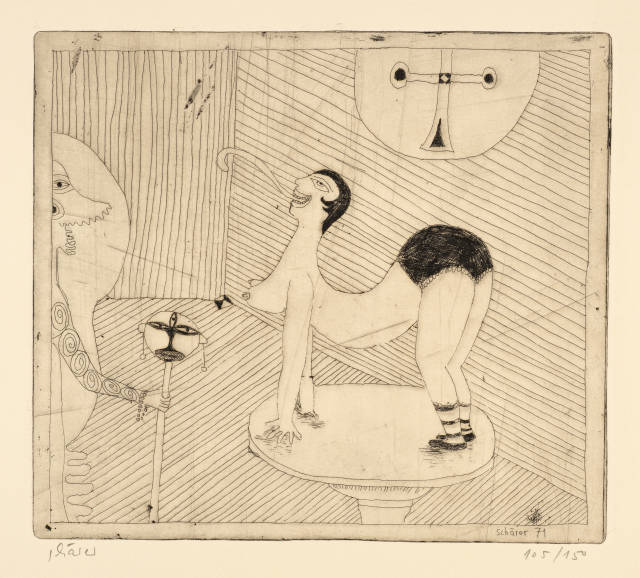
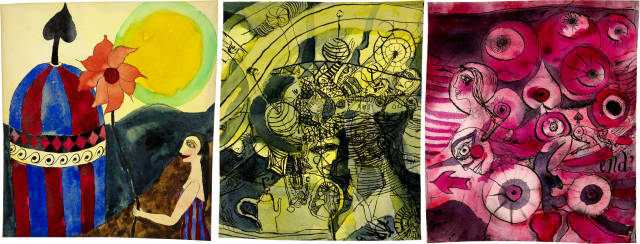
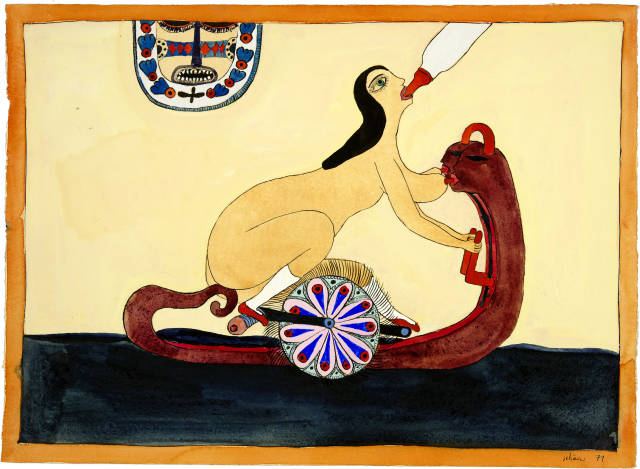
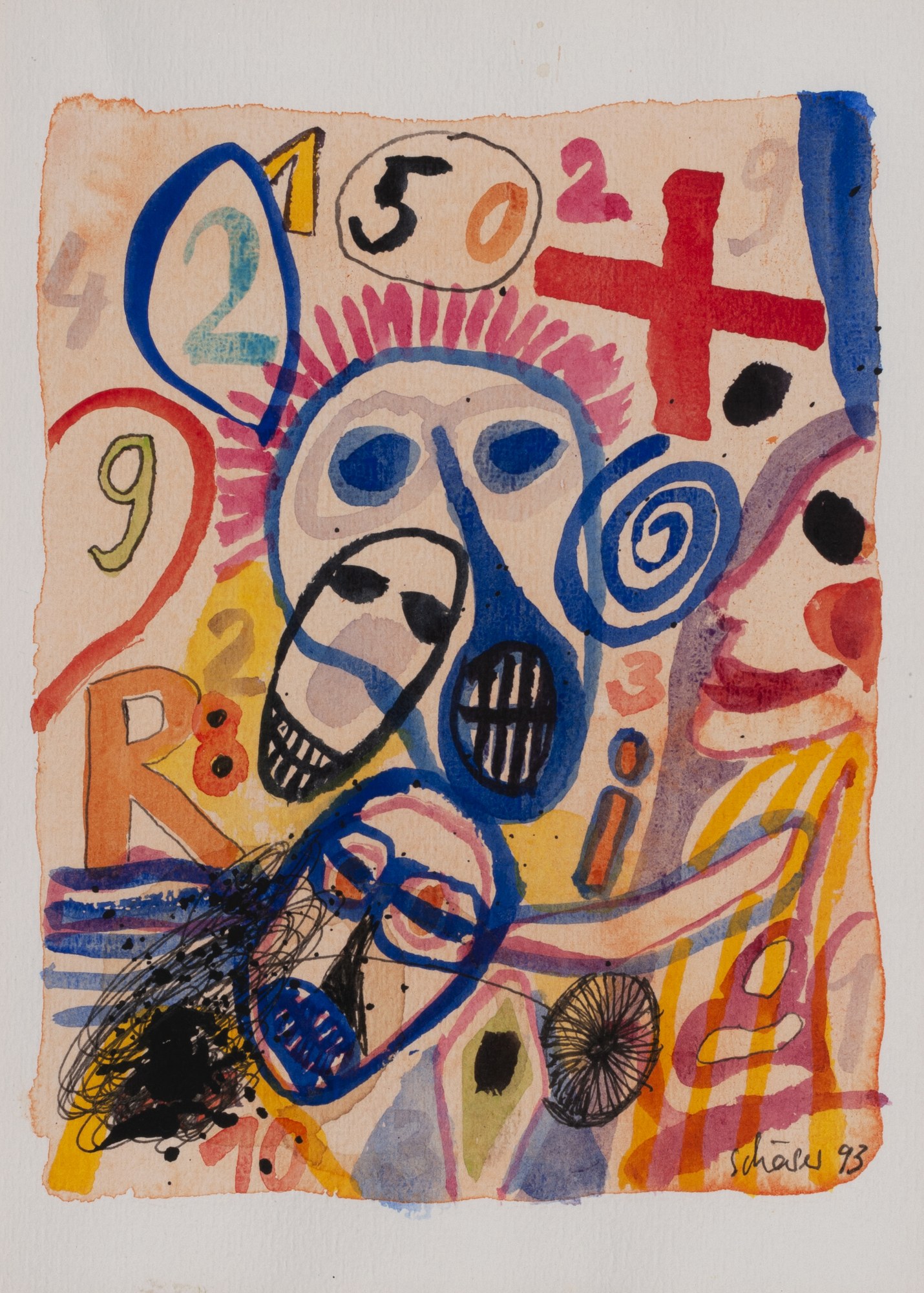
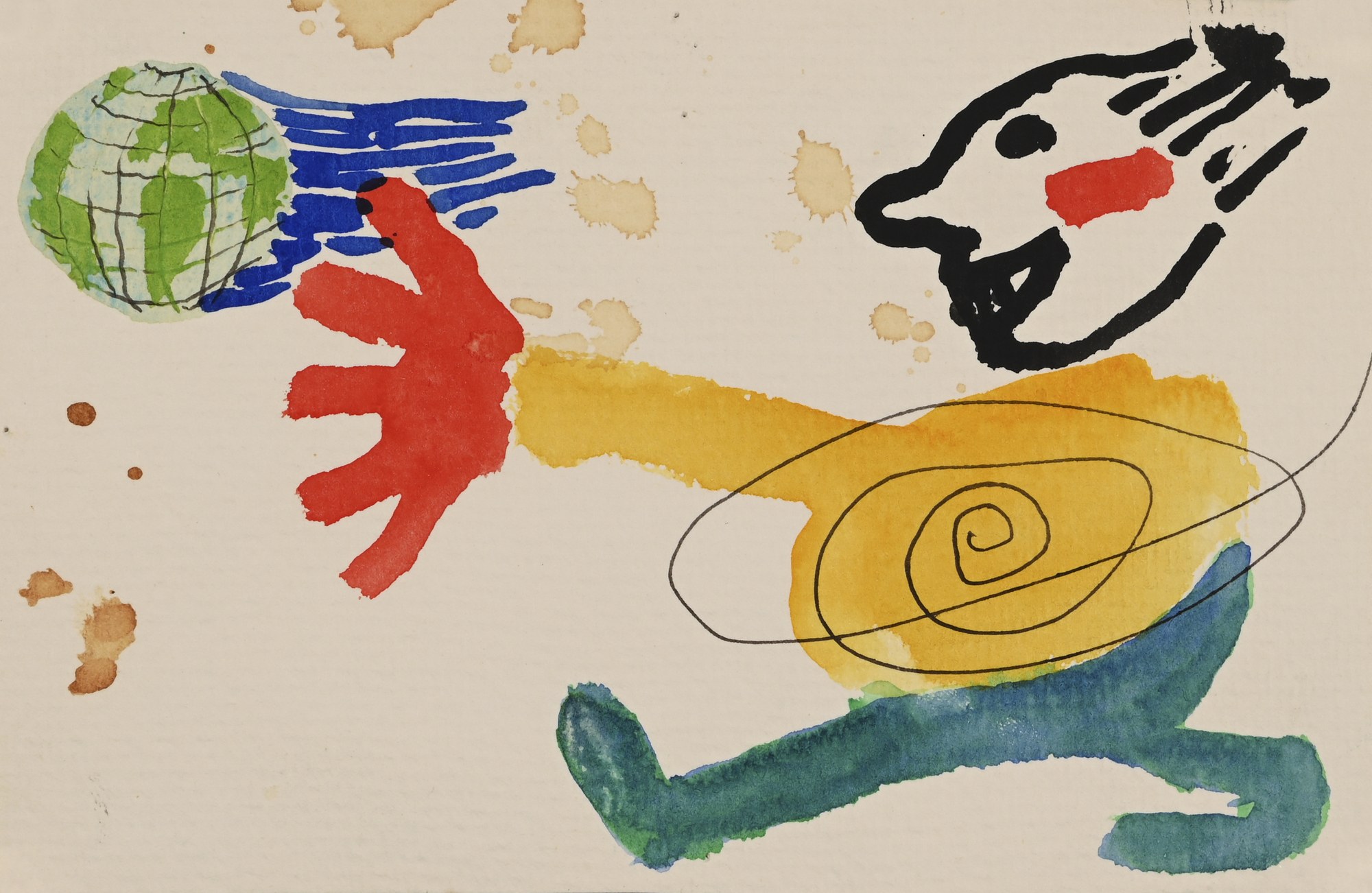
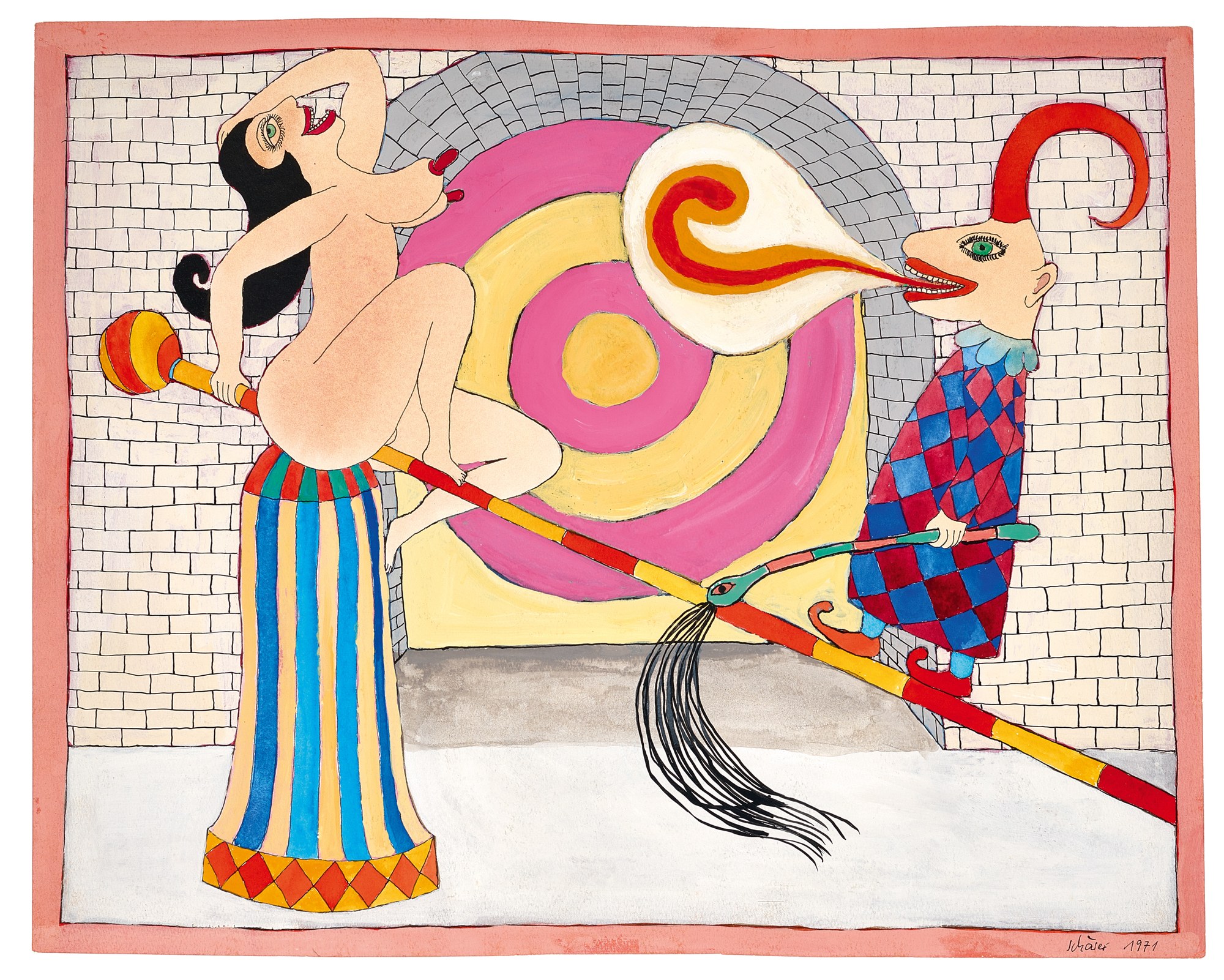
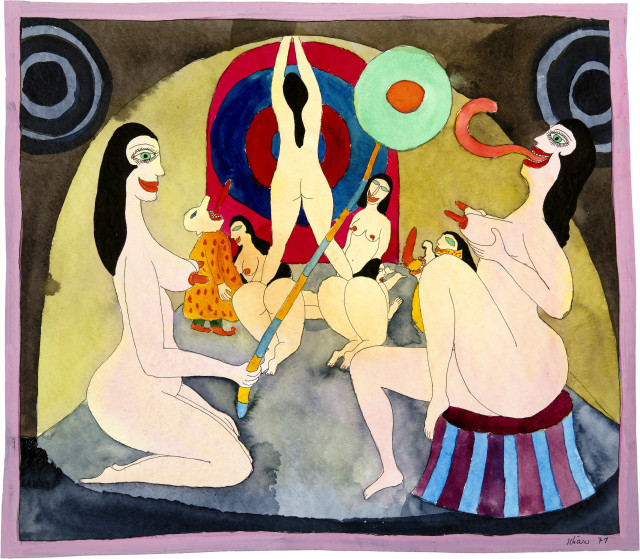
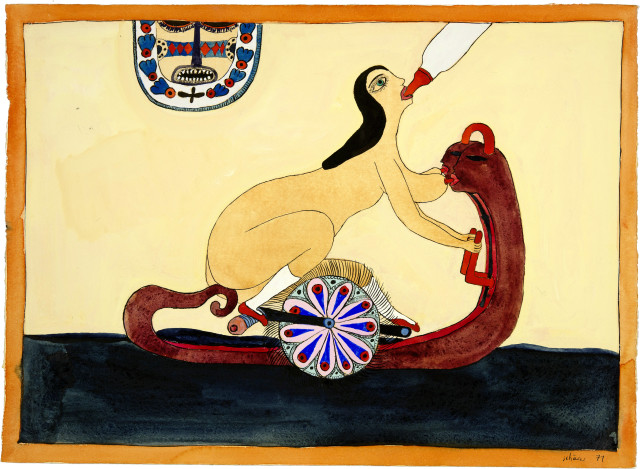
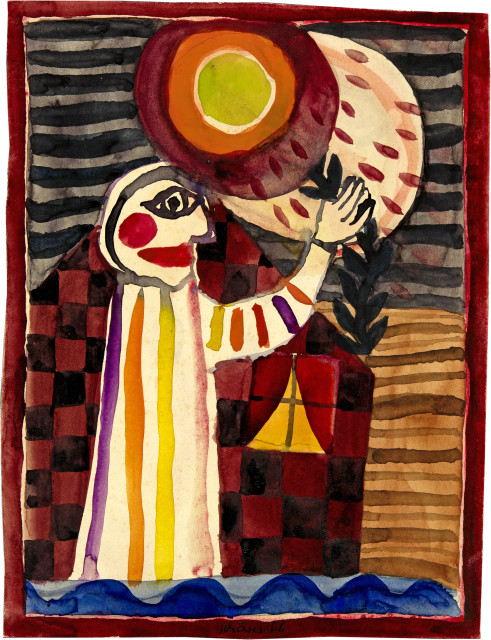
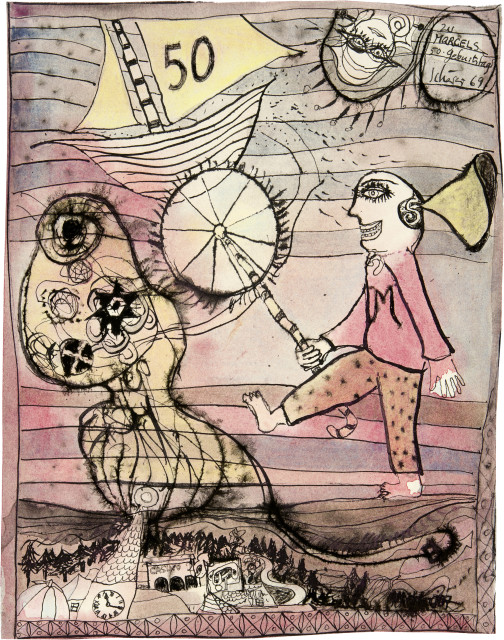
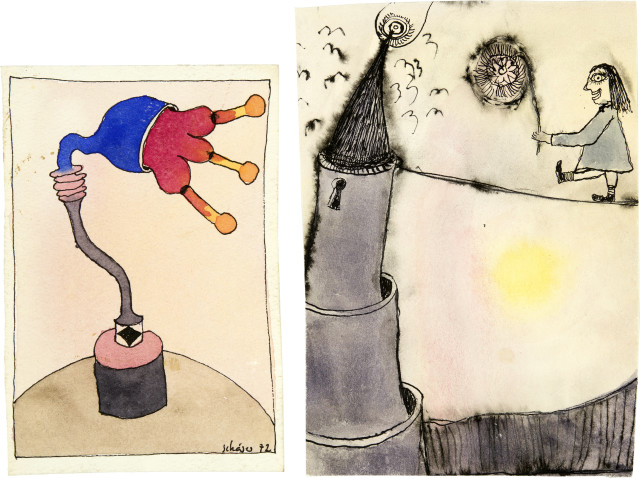
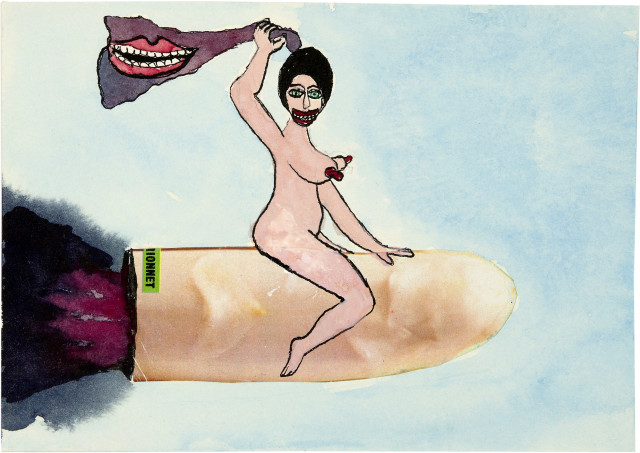
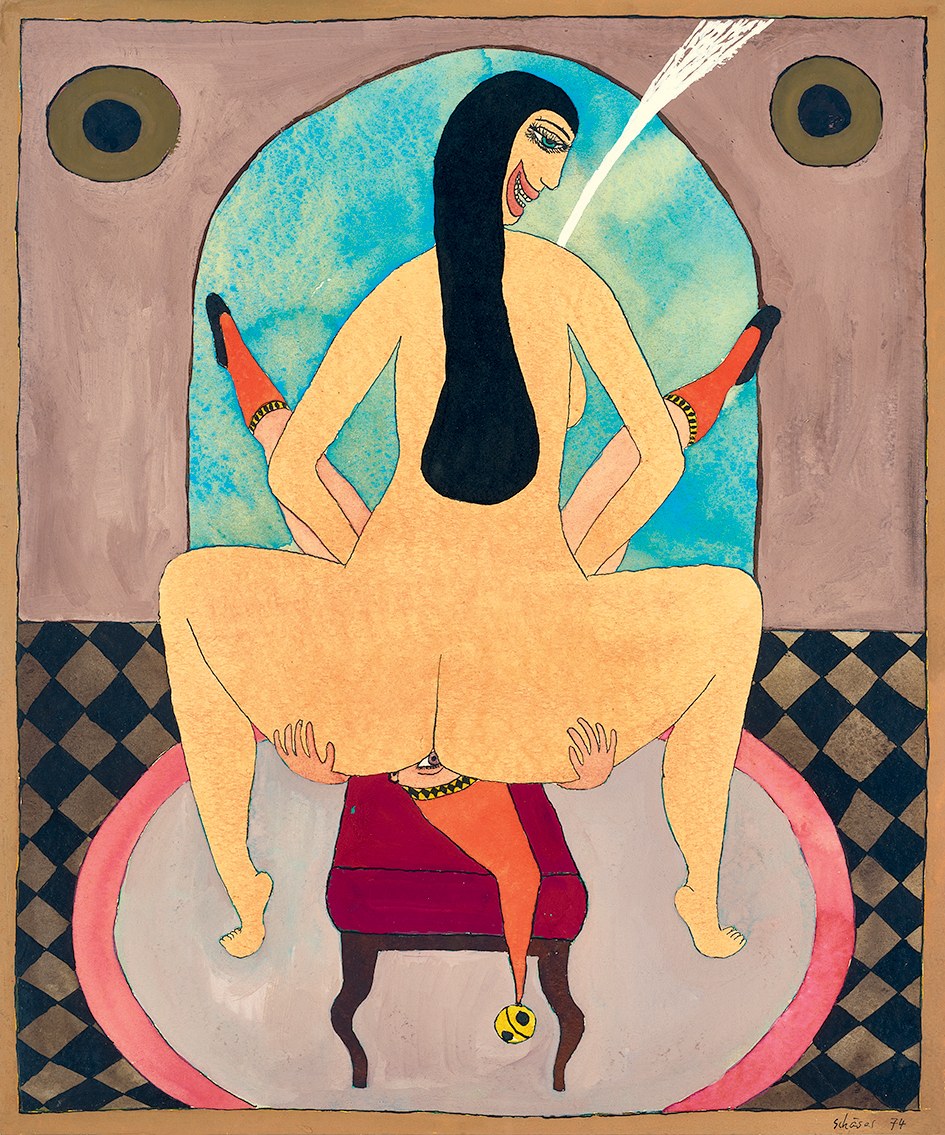
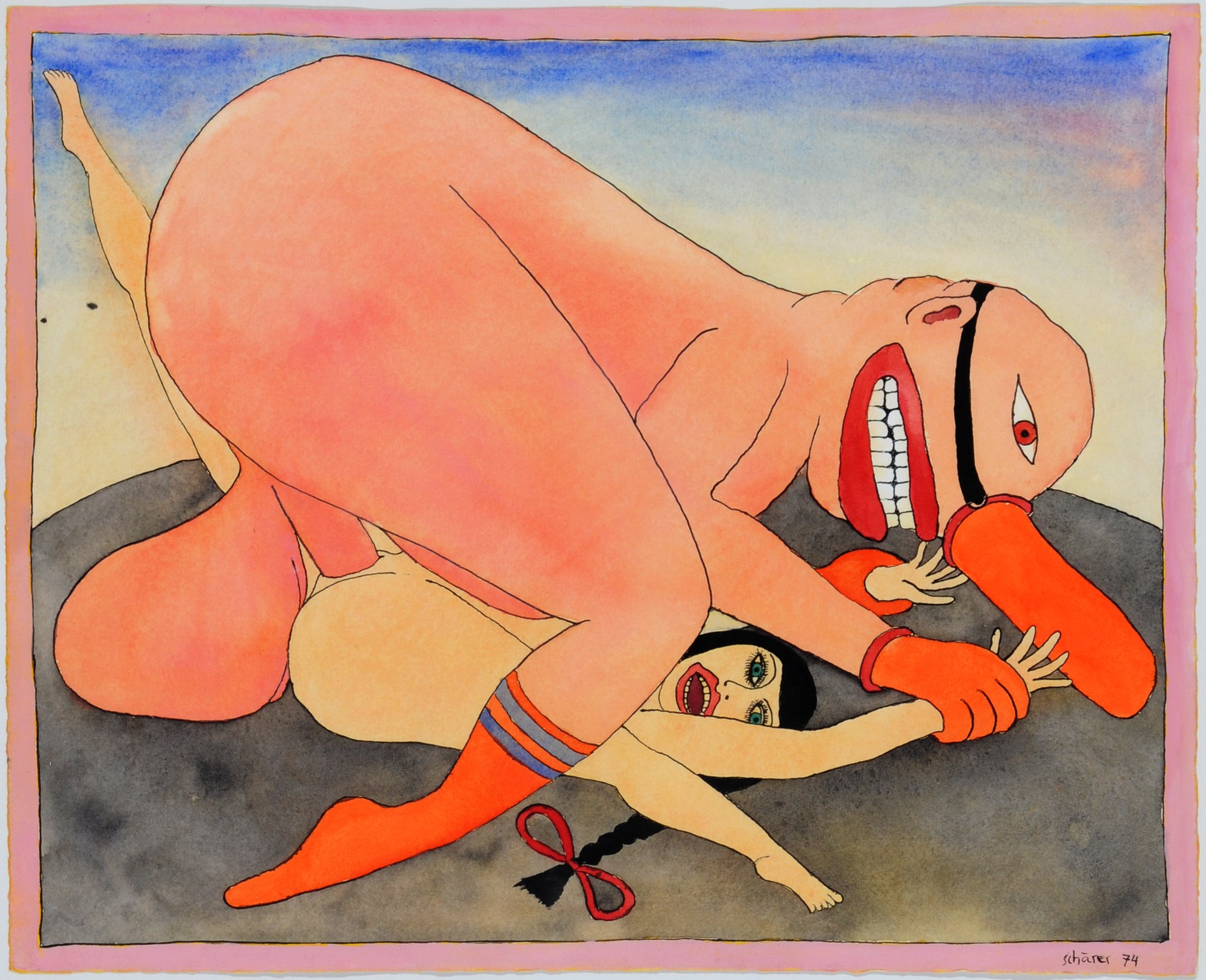
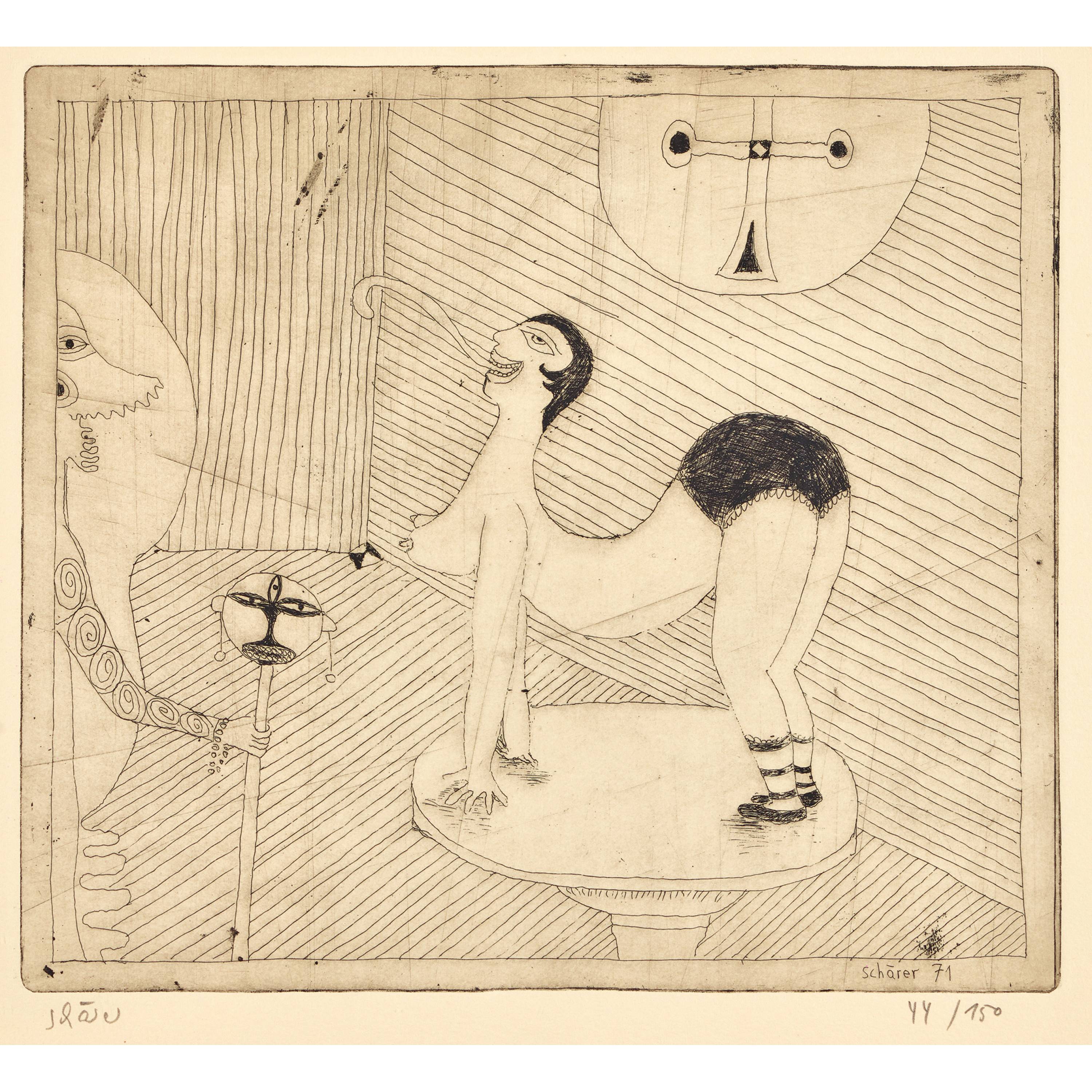
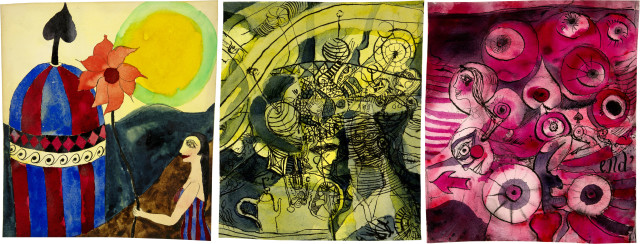
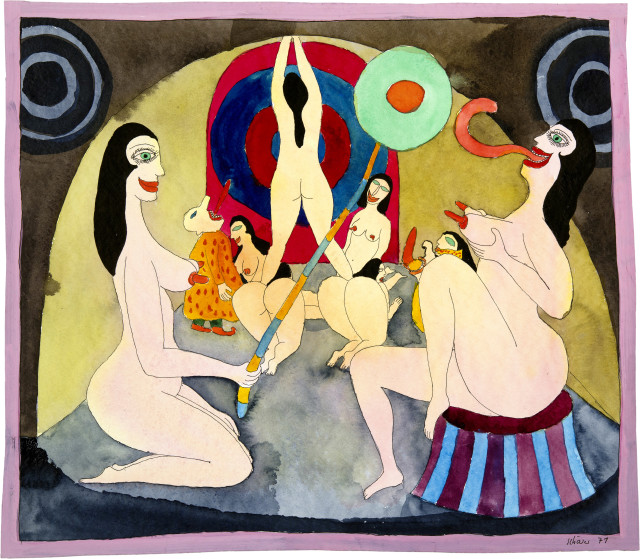
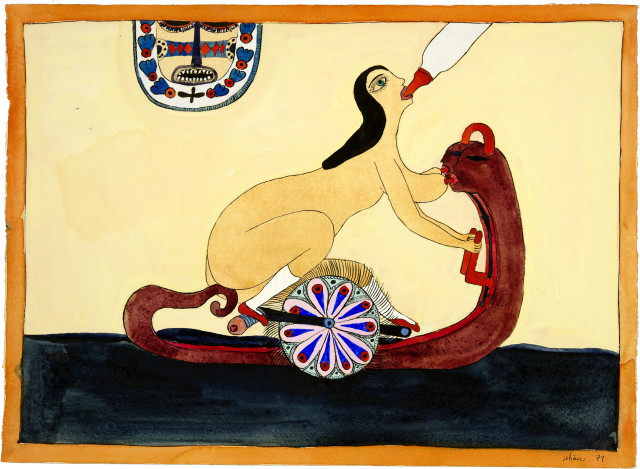
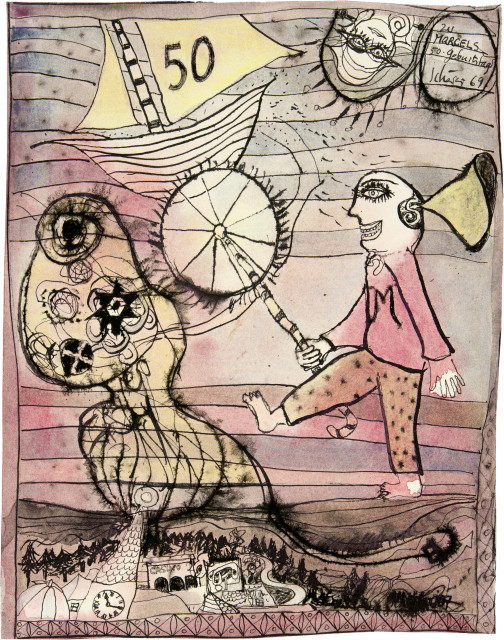
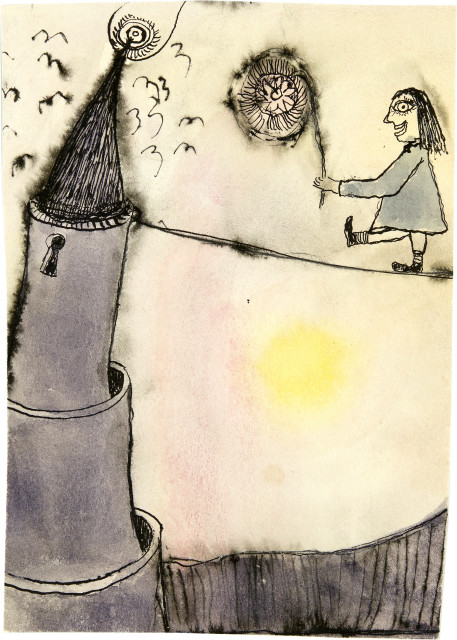
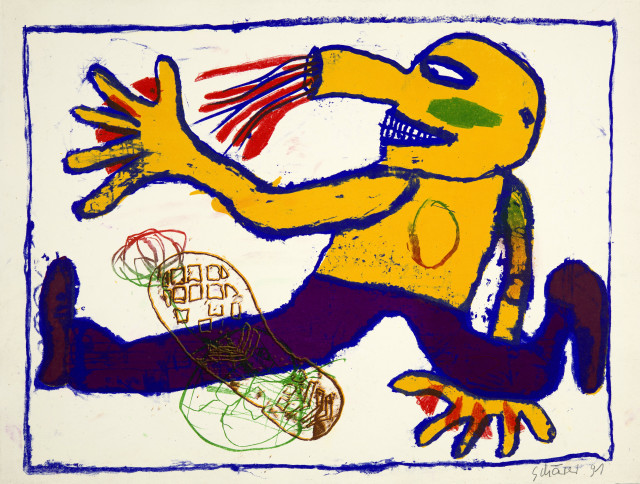
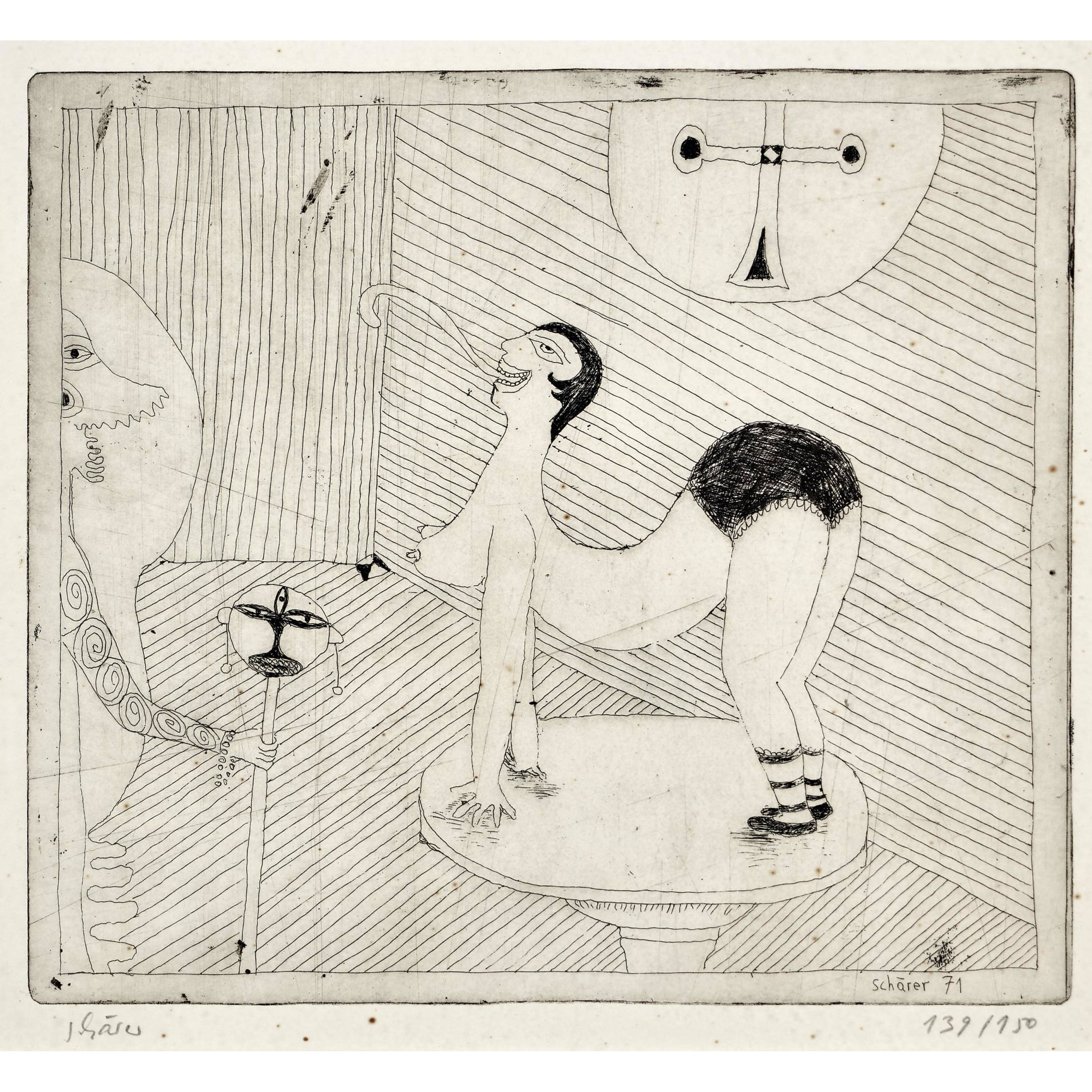
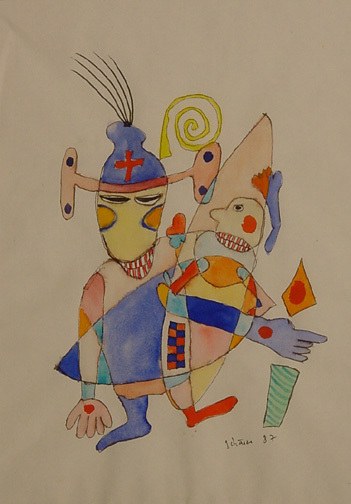
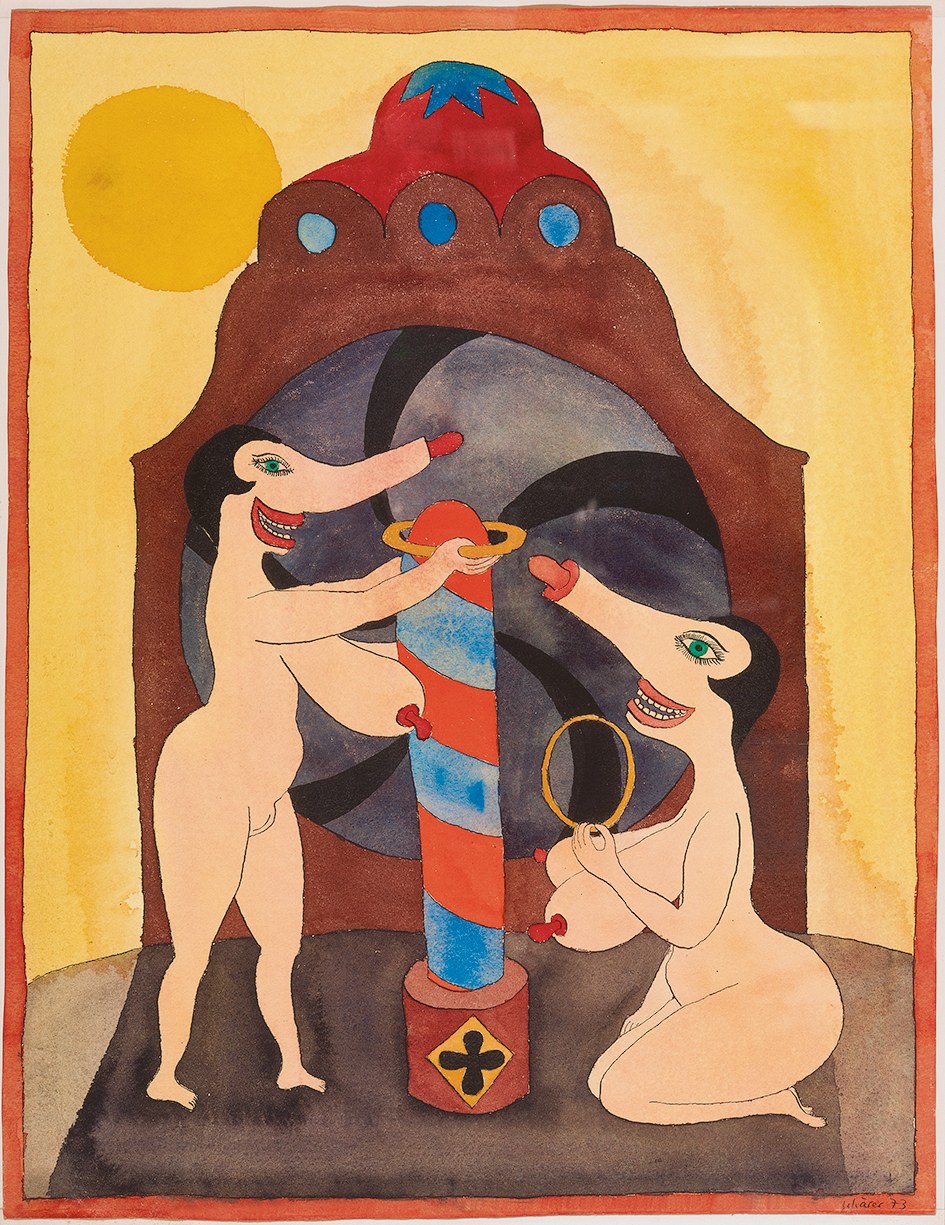
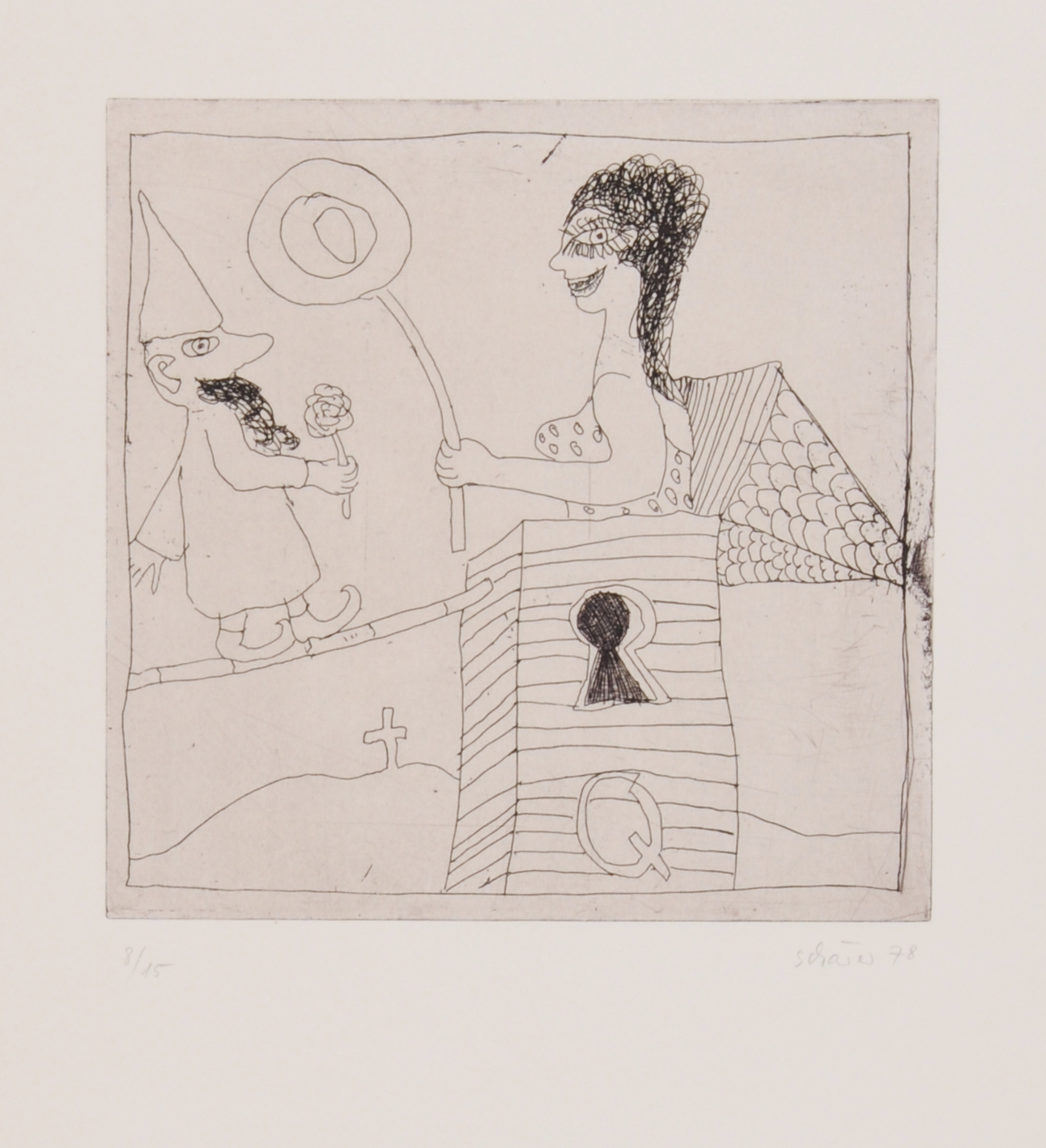
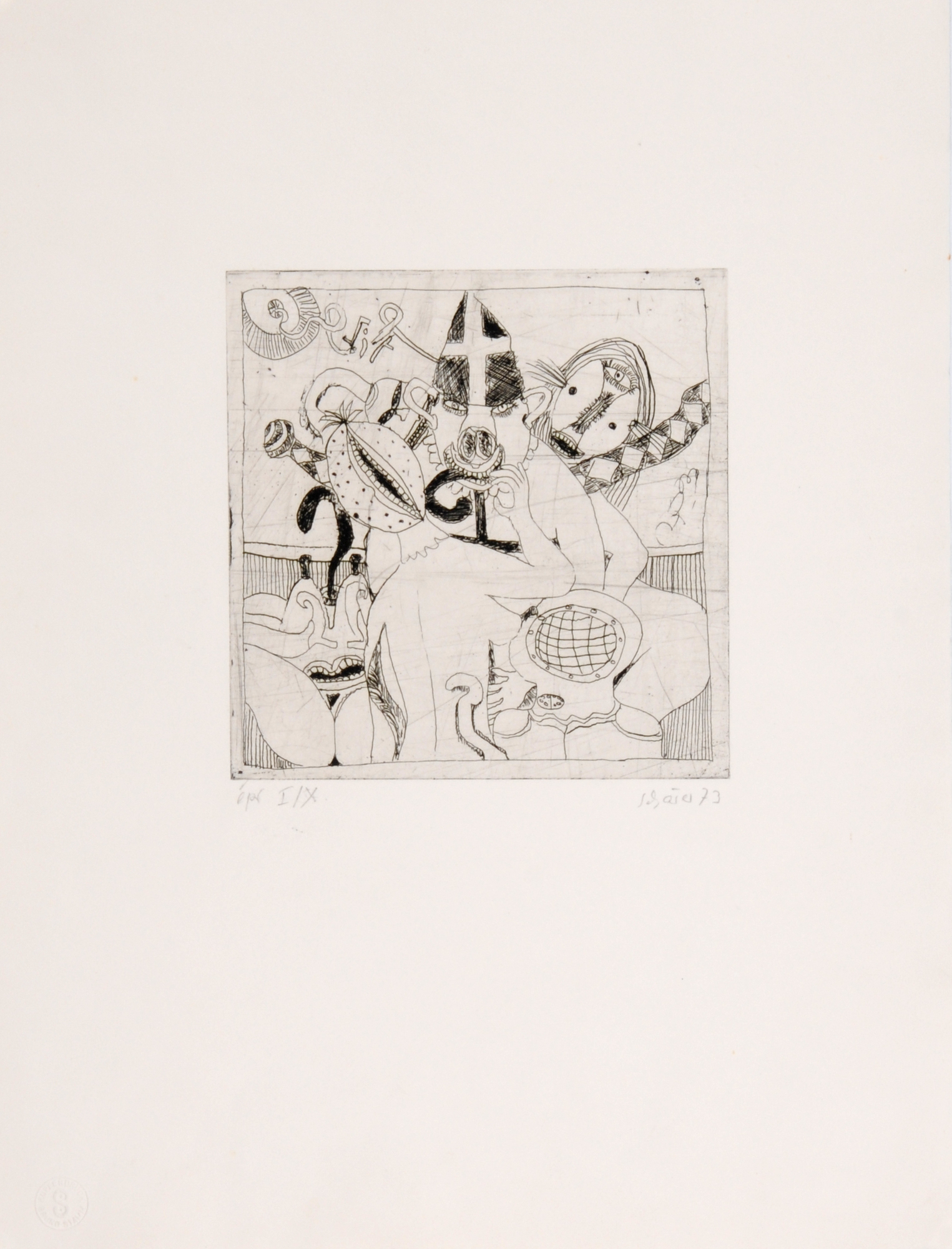
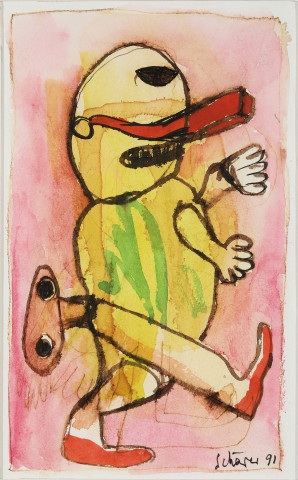
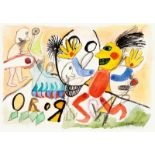
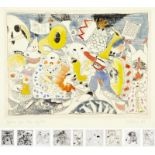
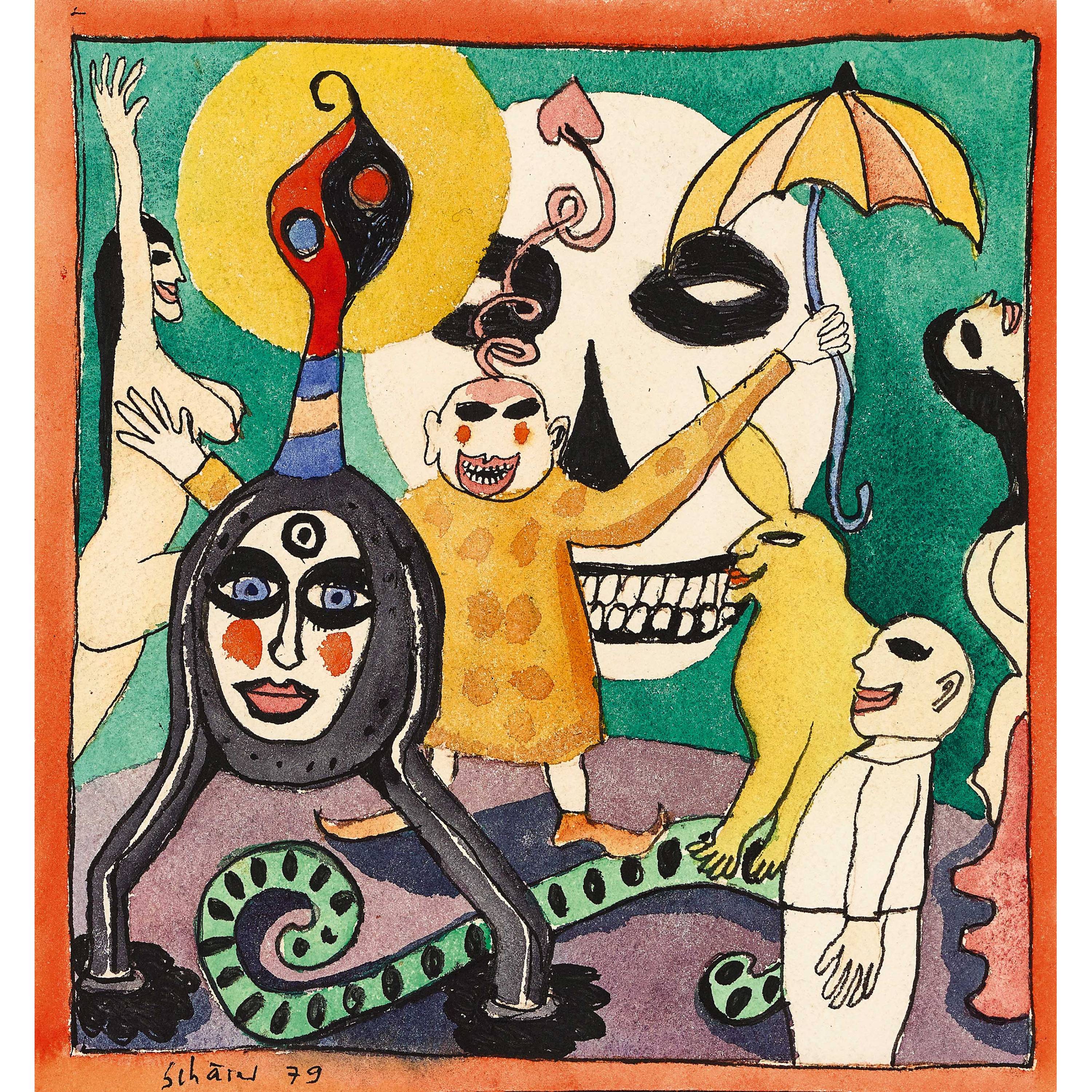
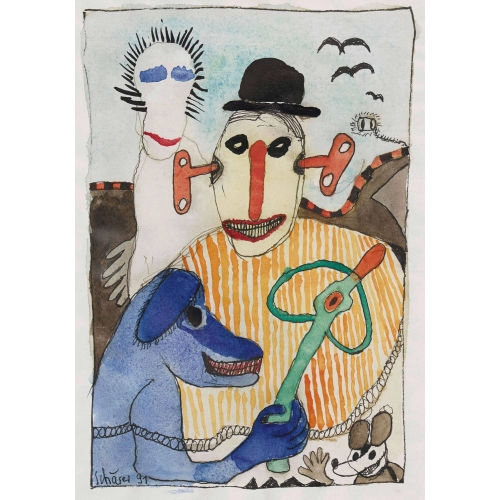
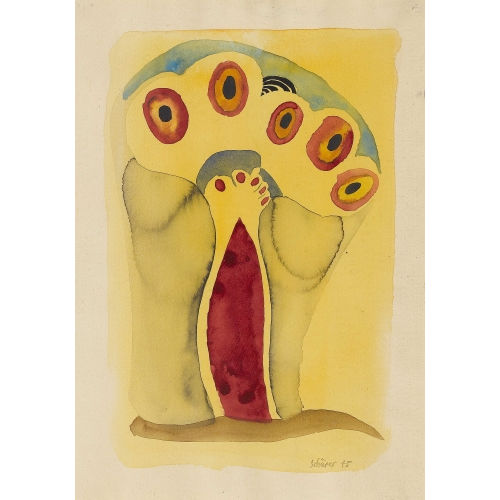
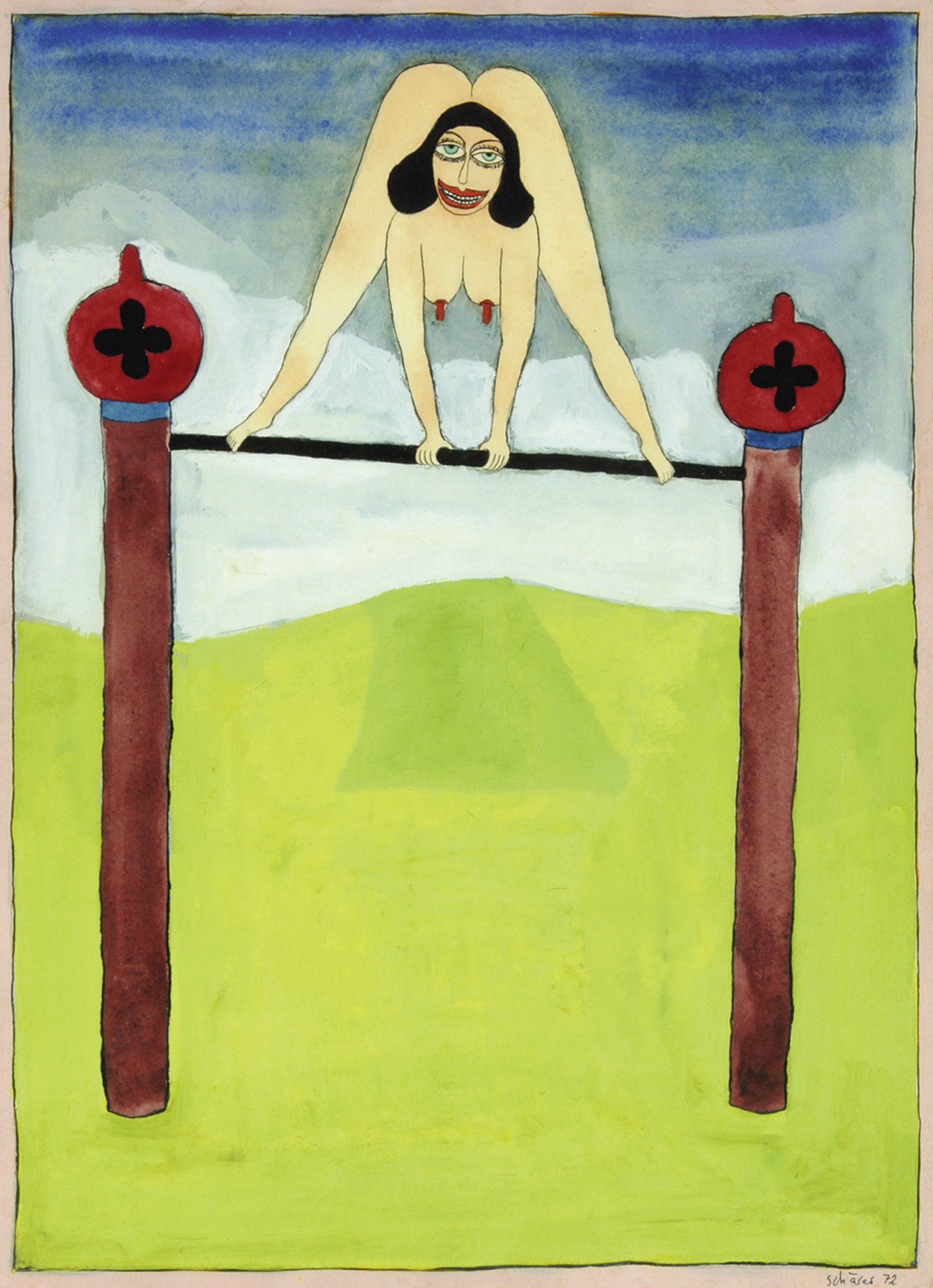
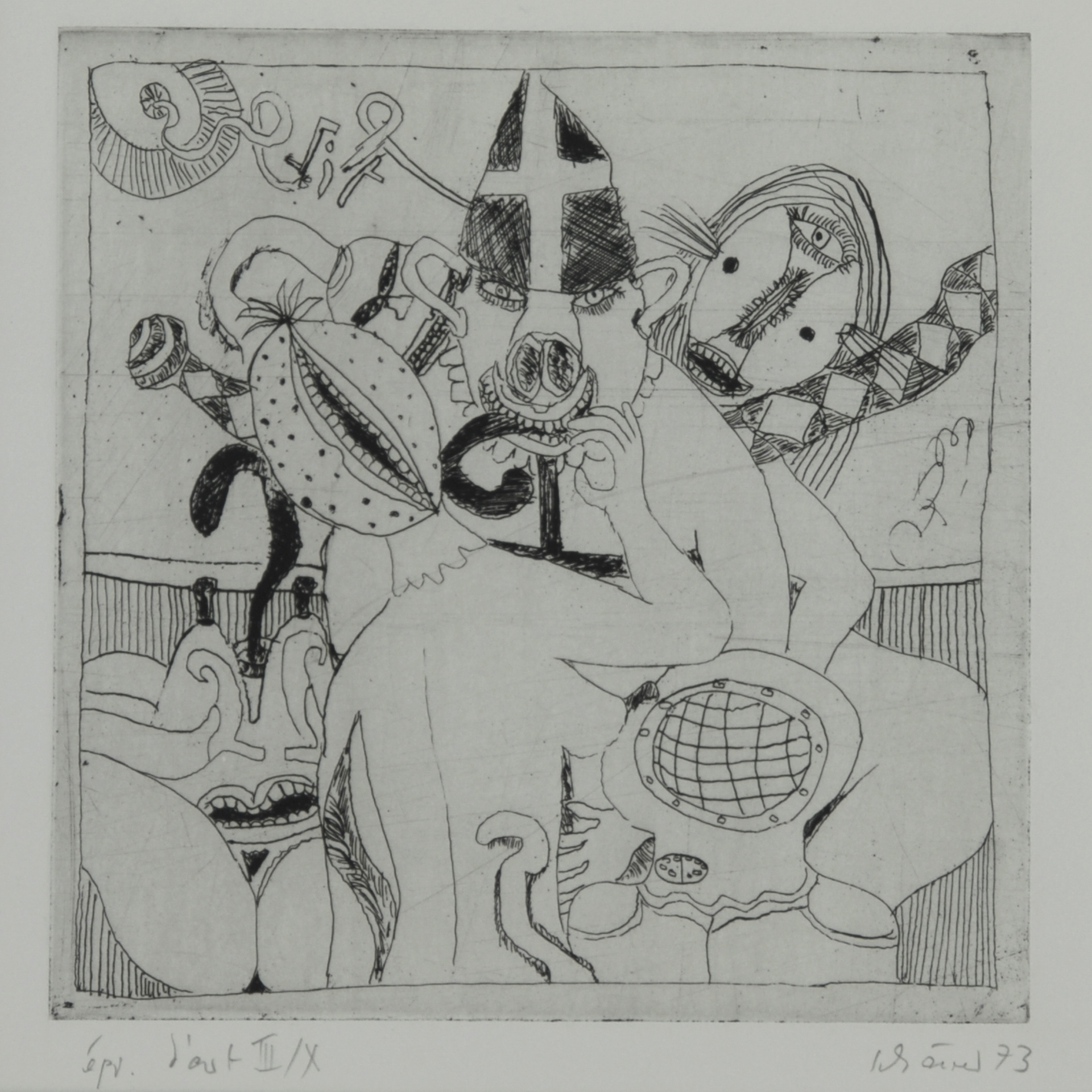
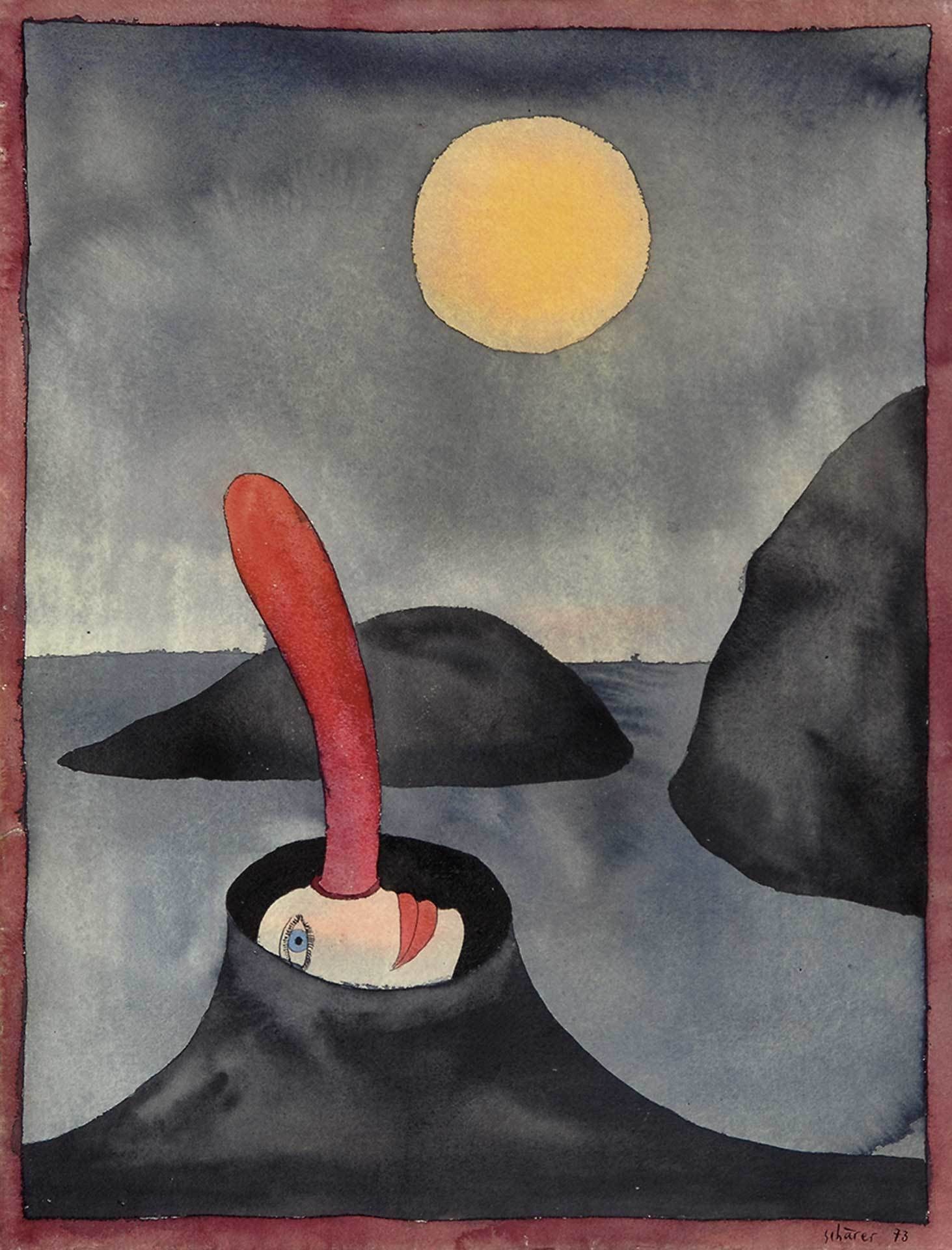
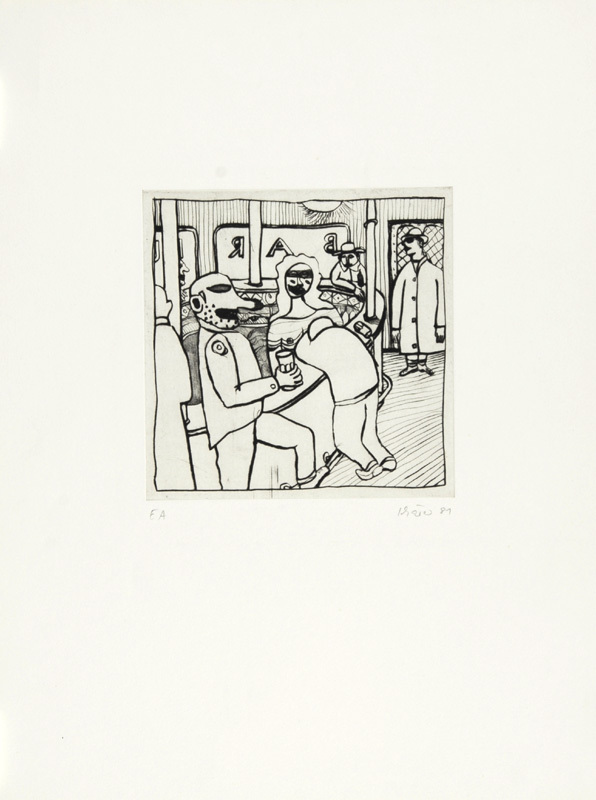
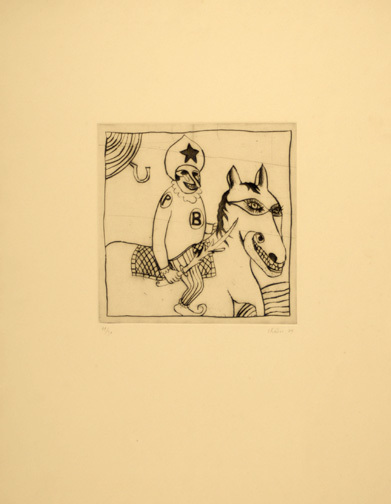
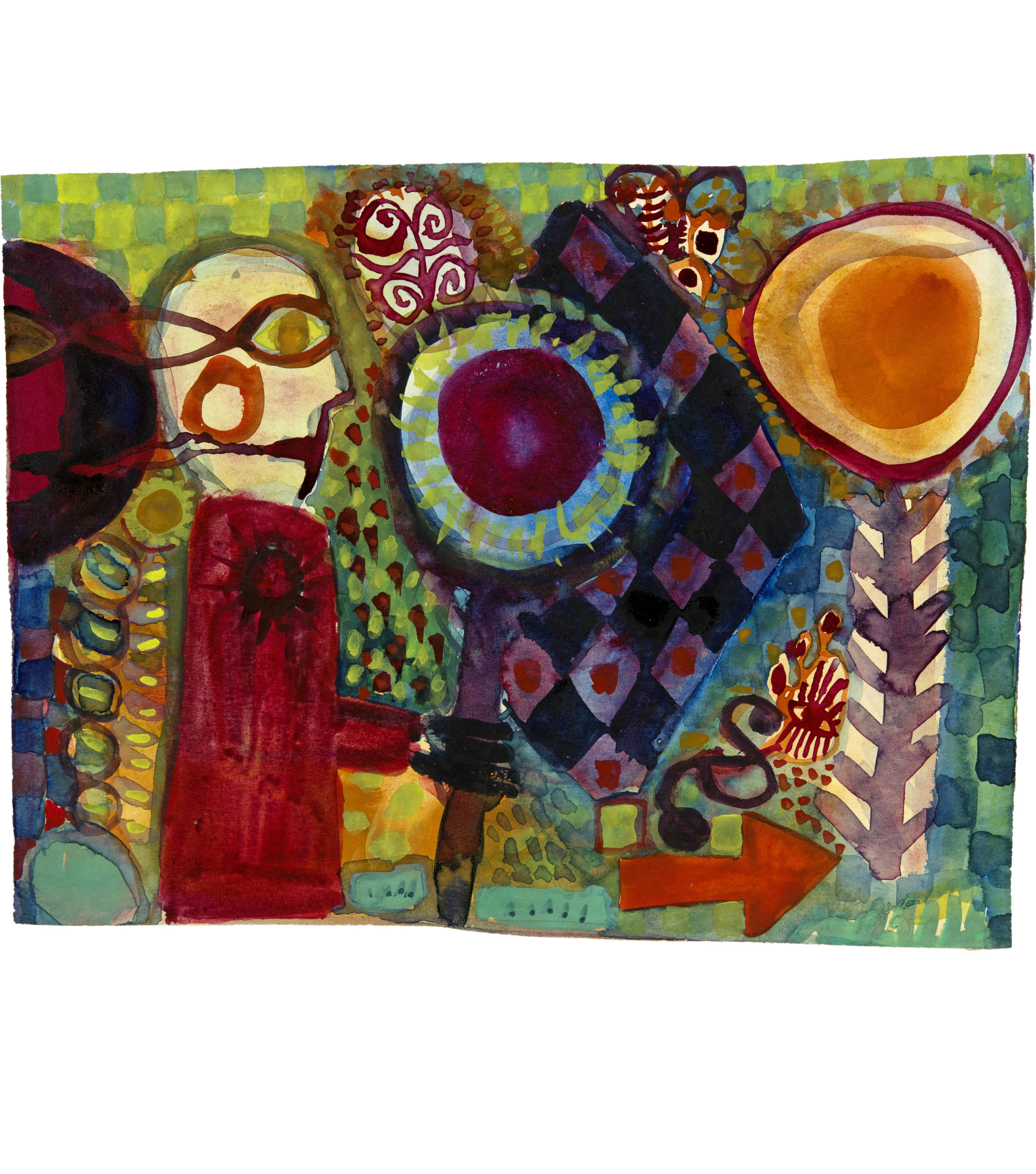
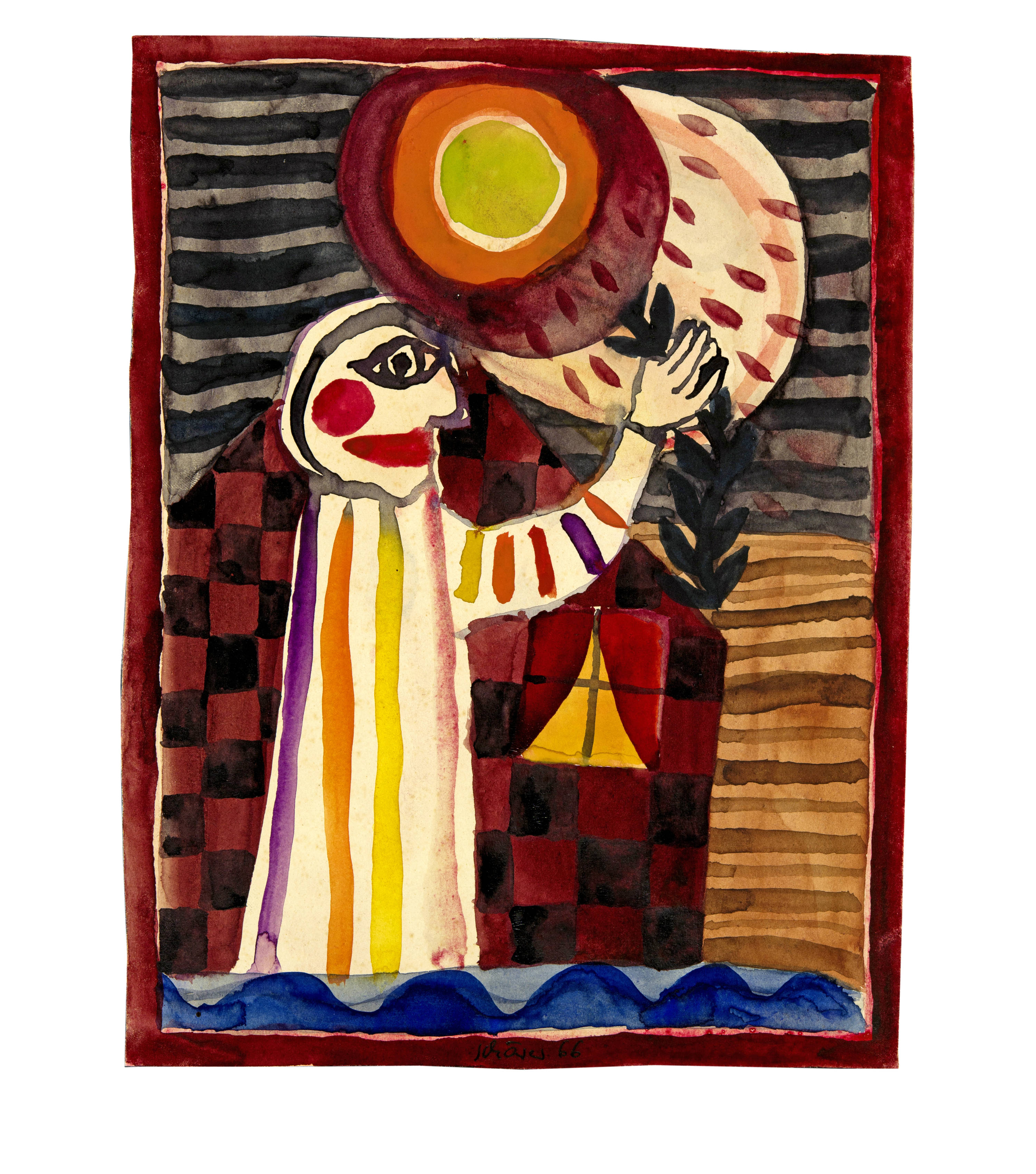
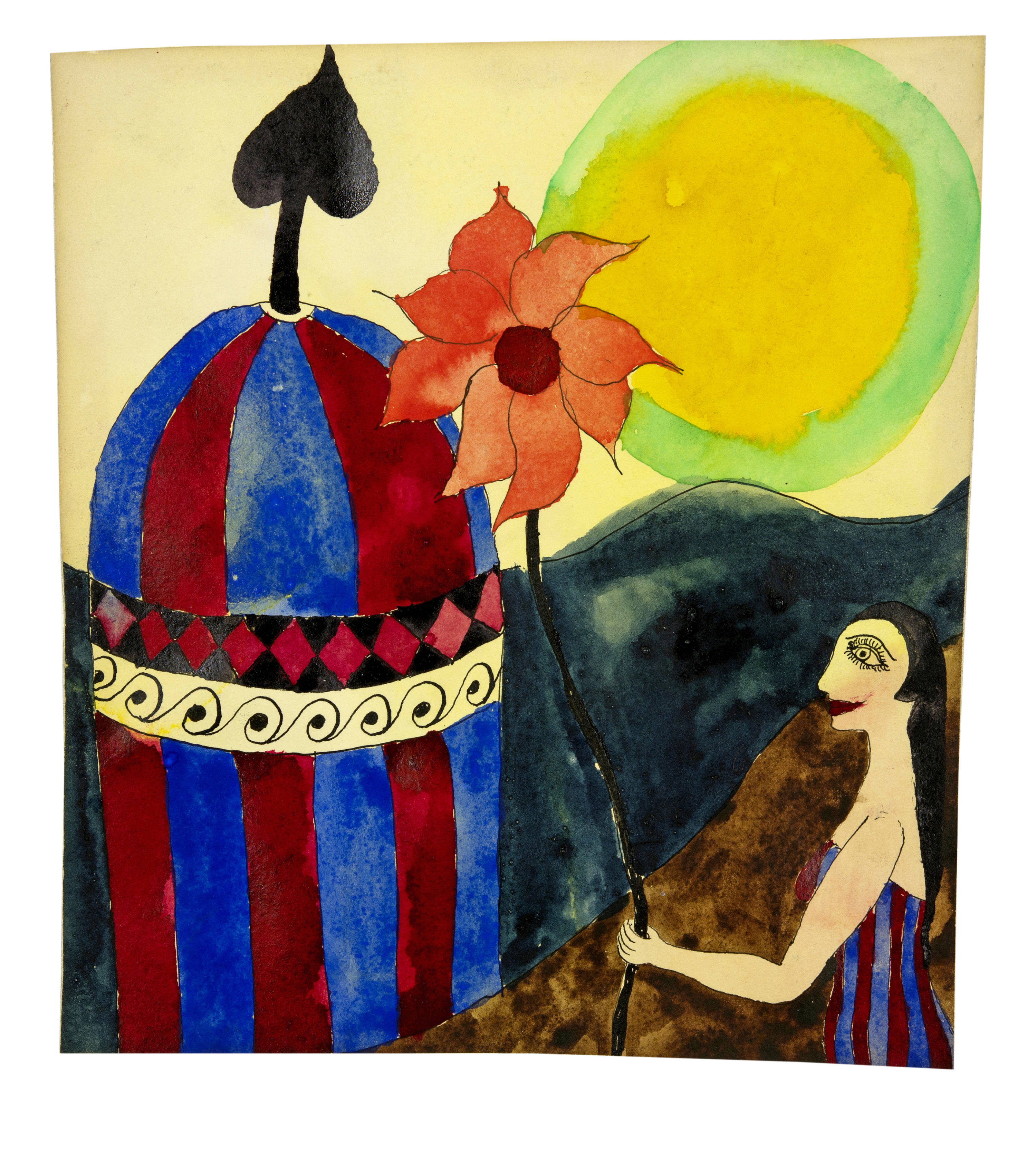
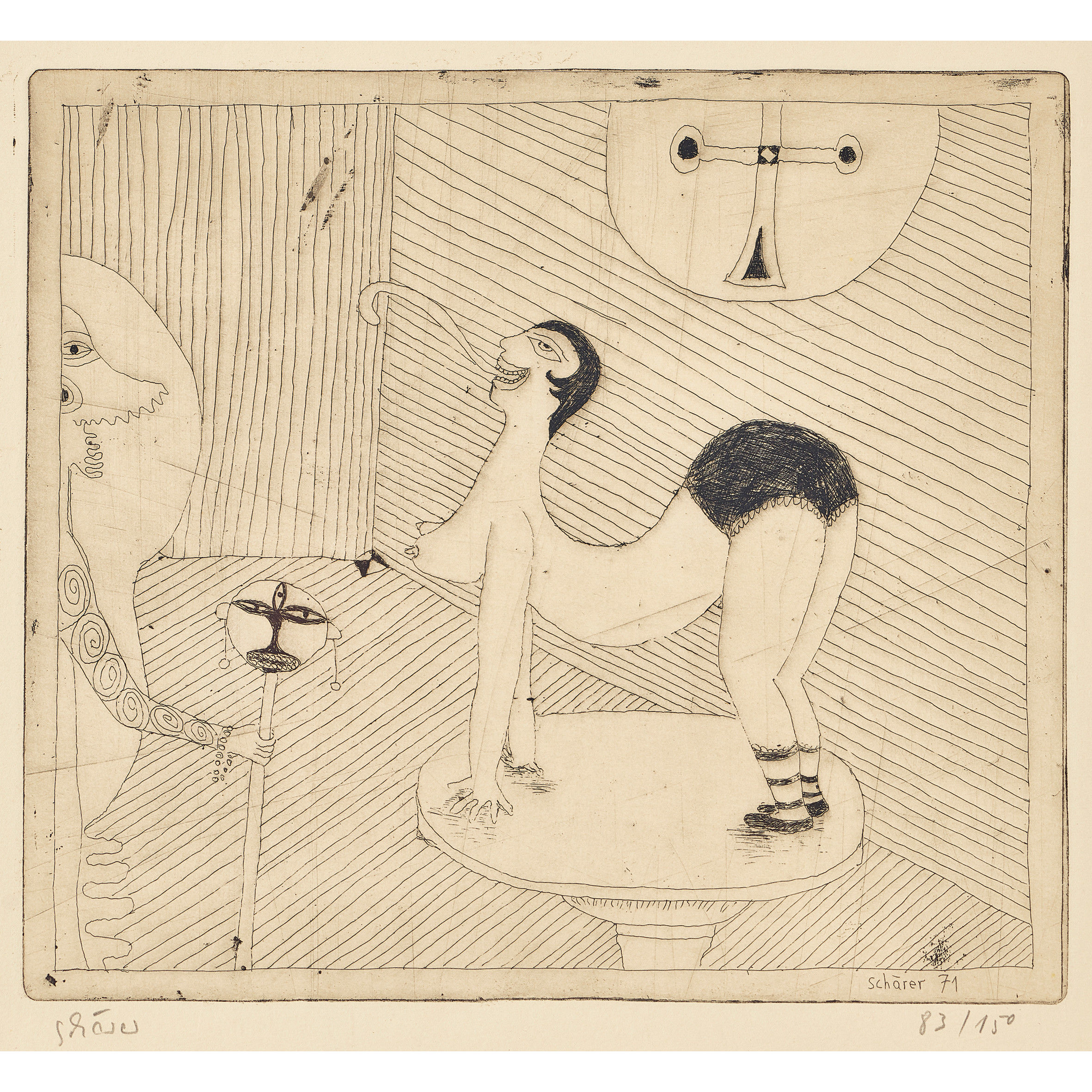
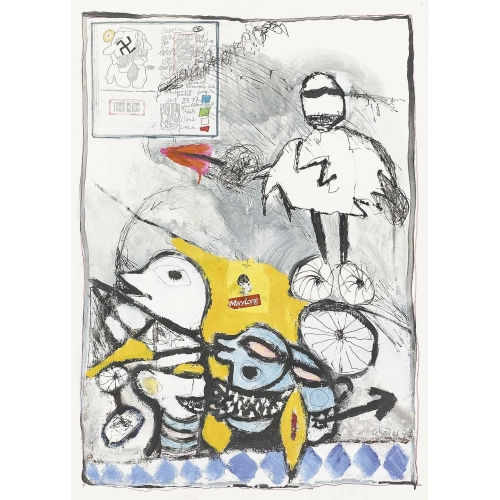
Alongside these imposing presences, the erotic watercolours unfold mobile bodies, sensual games and an almost carnivalesque fantasy. Their apparent lightness brings out the tension between desire, vitality and spirituality that runs through his work. Schärer also kept notebooks and, between 1966 and 1980, composed a “livre d’heures” of 193 drawings, watercolours and collages: fragments of everyday life transformed into images.
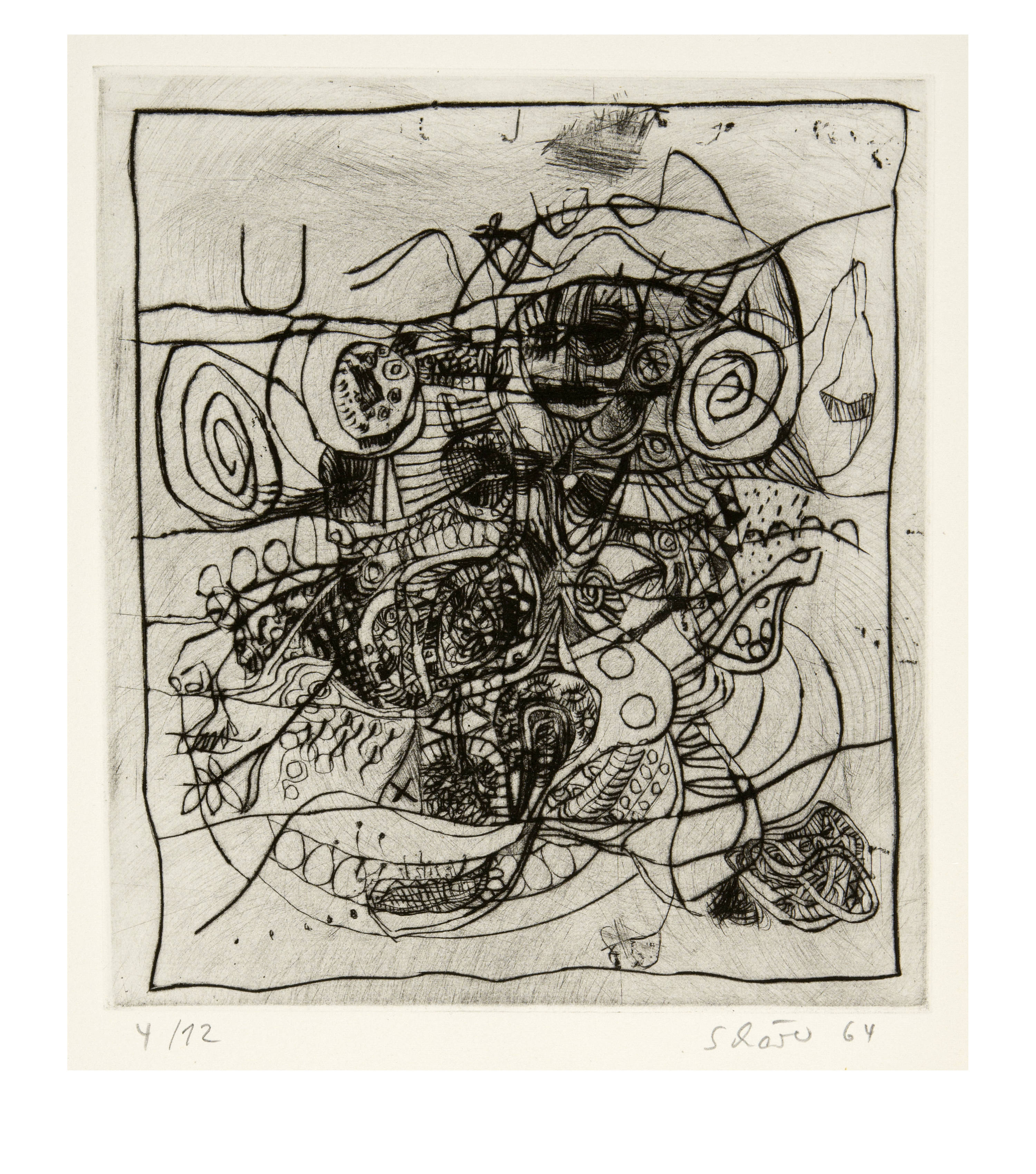
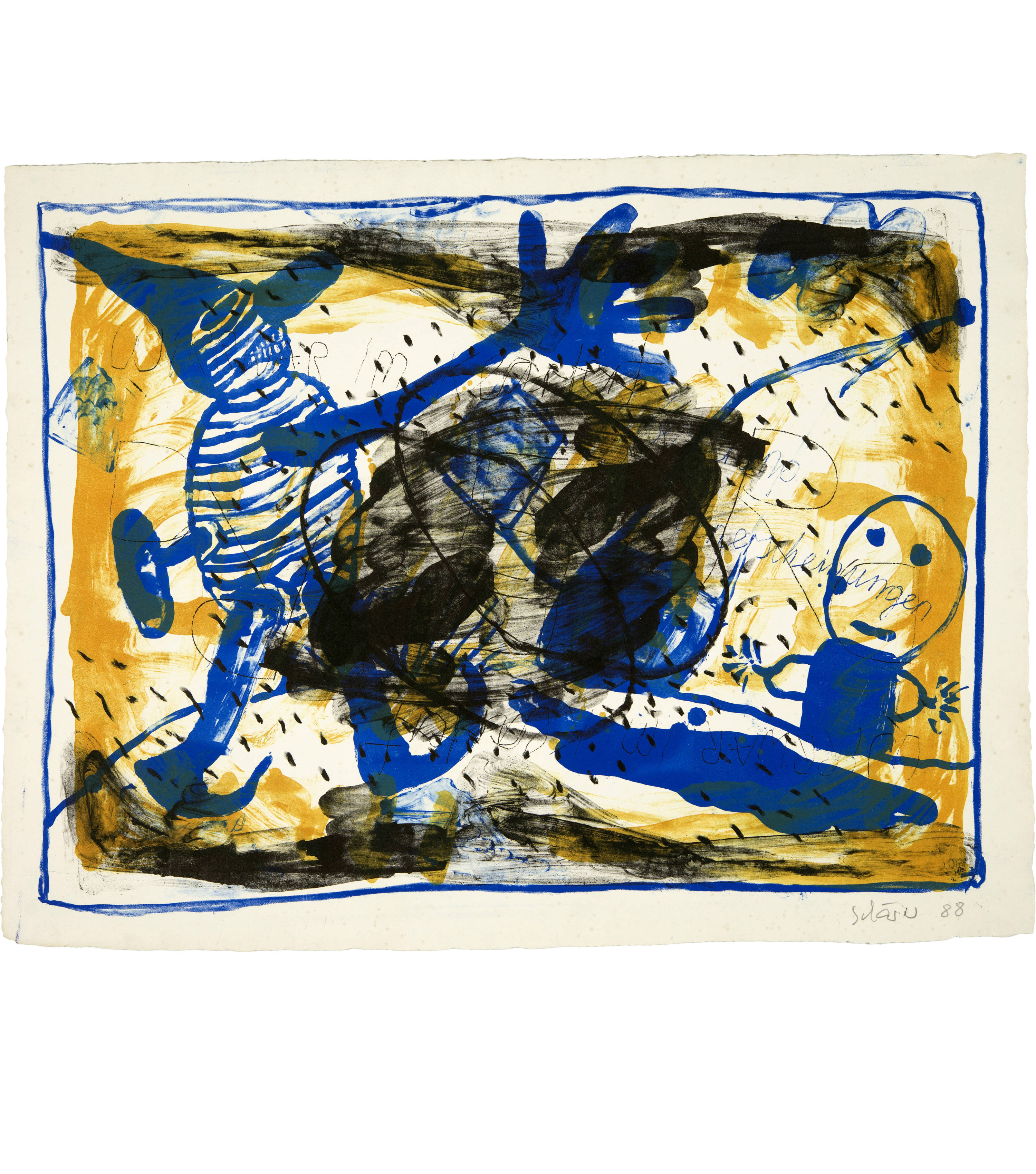
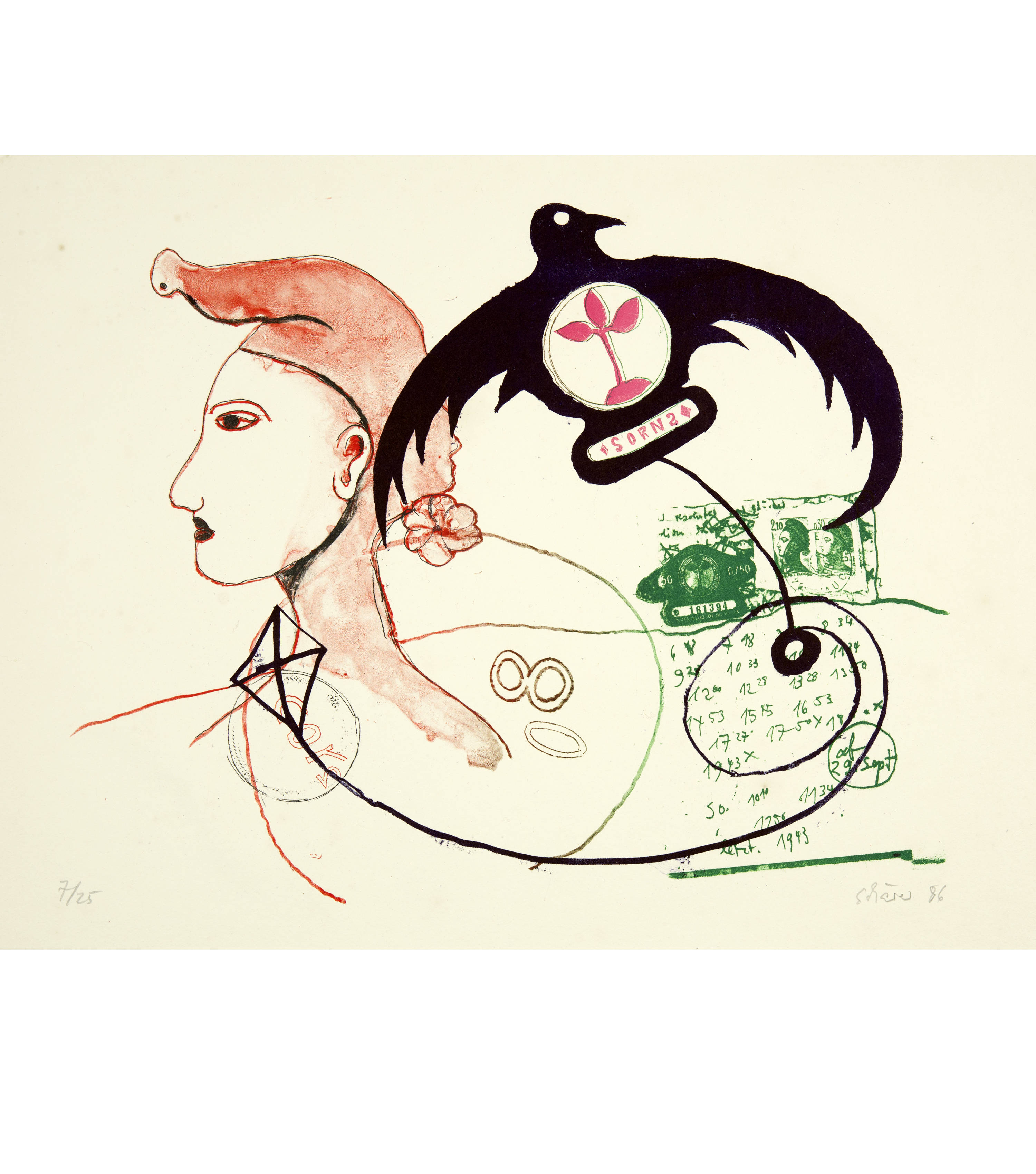
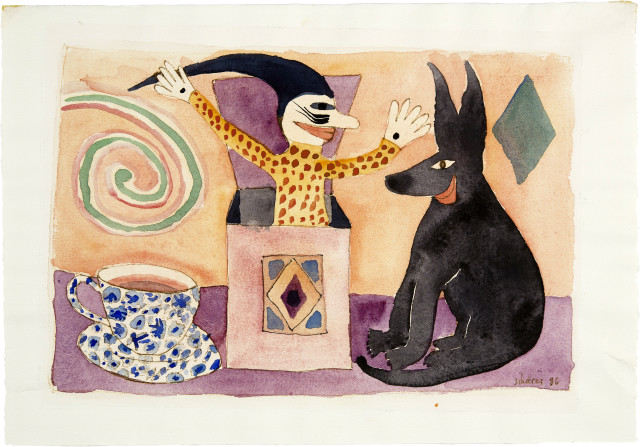
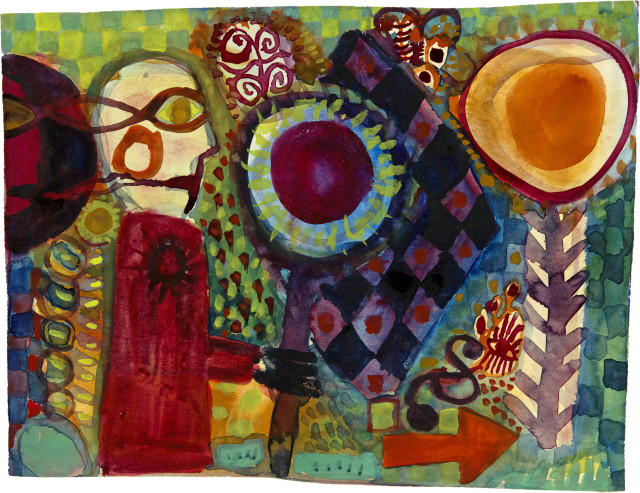
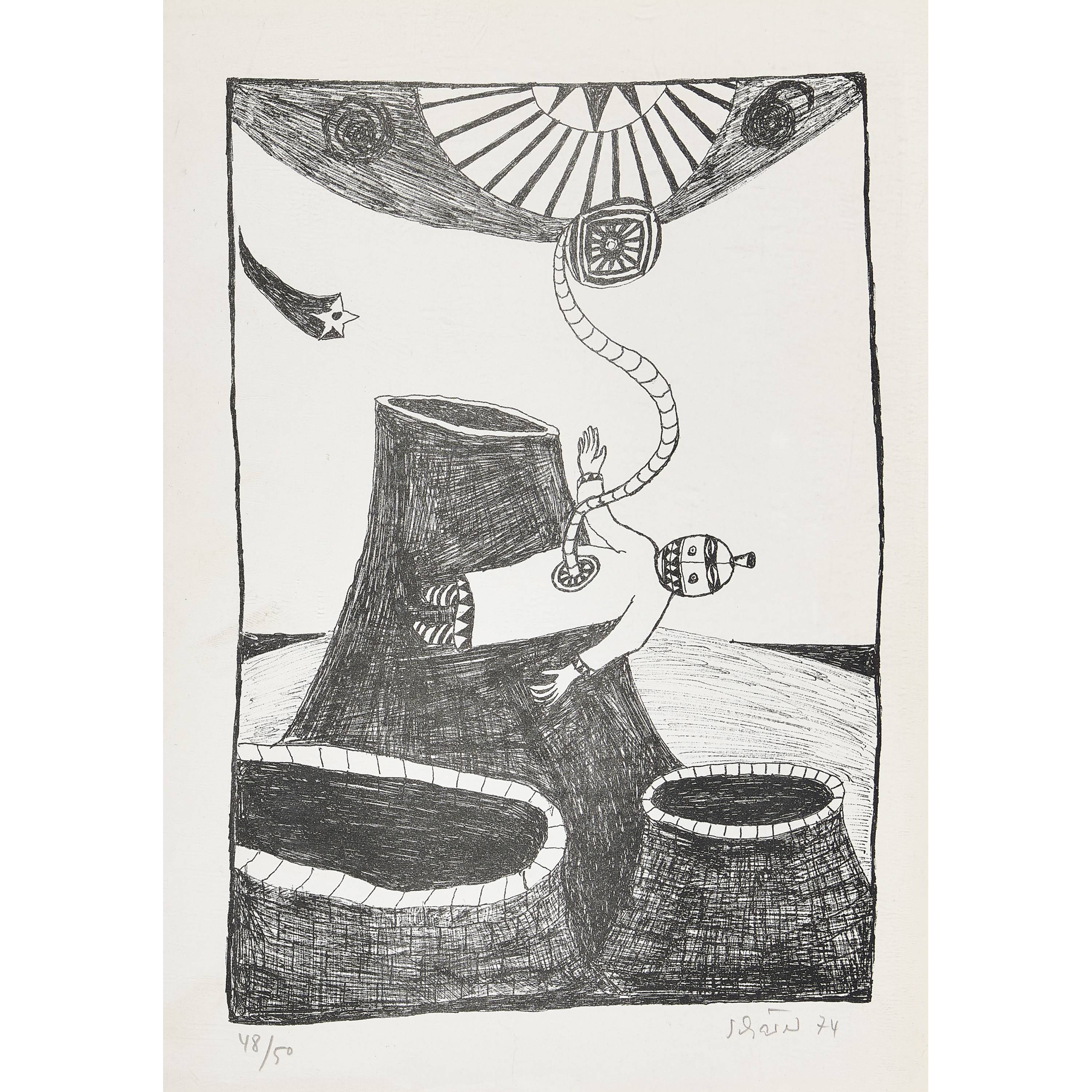
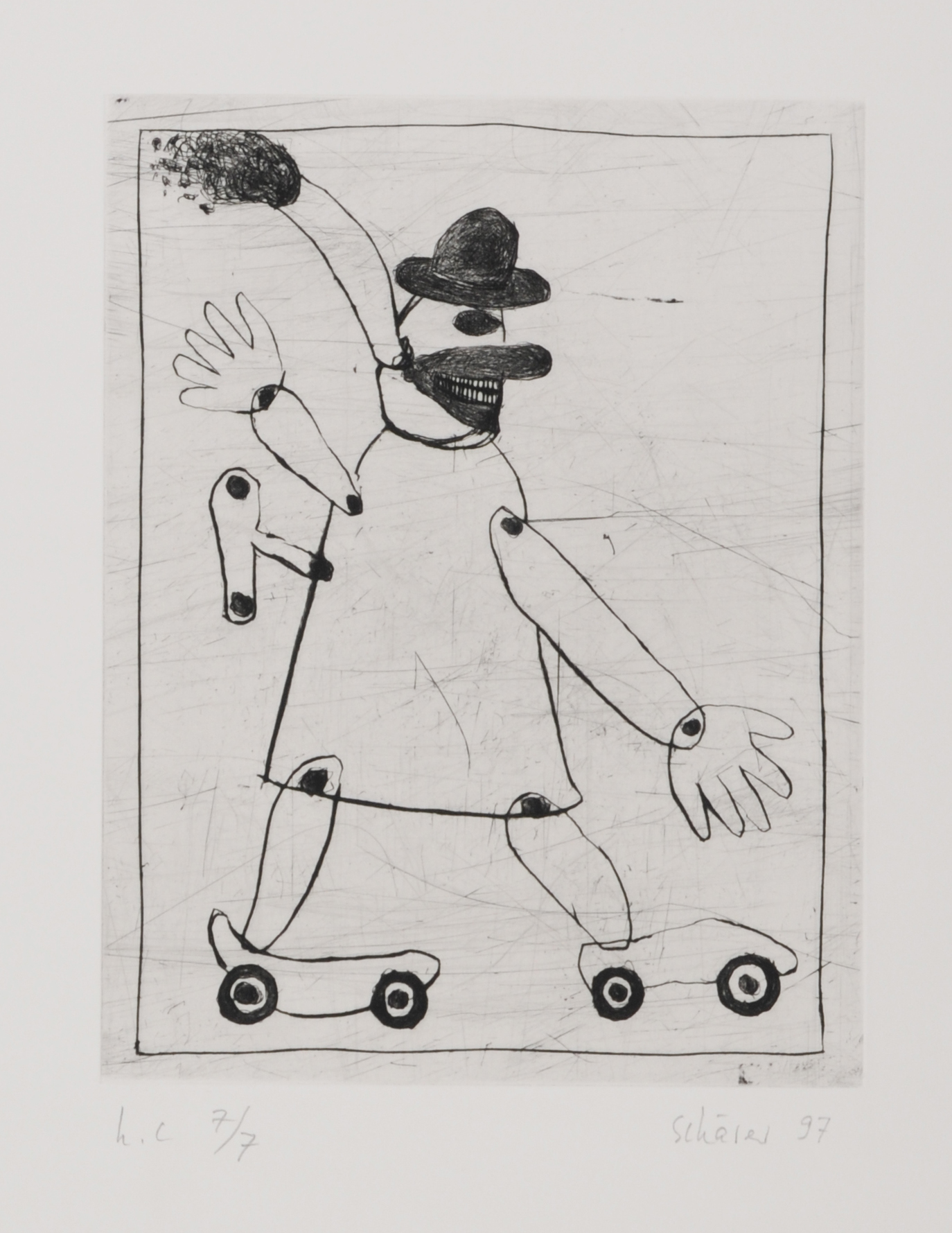
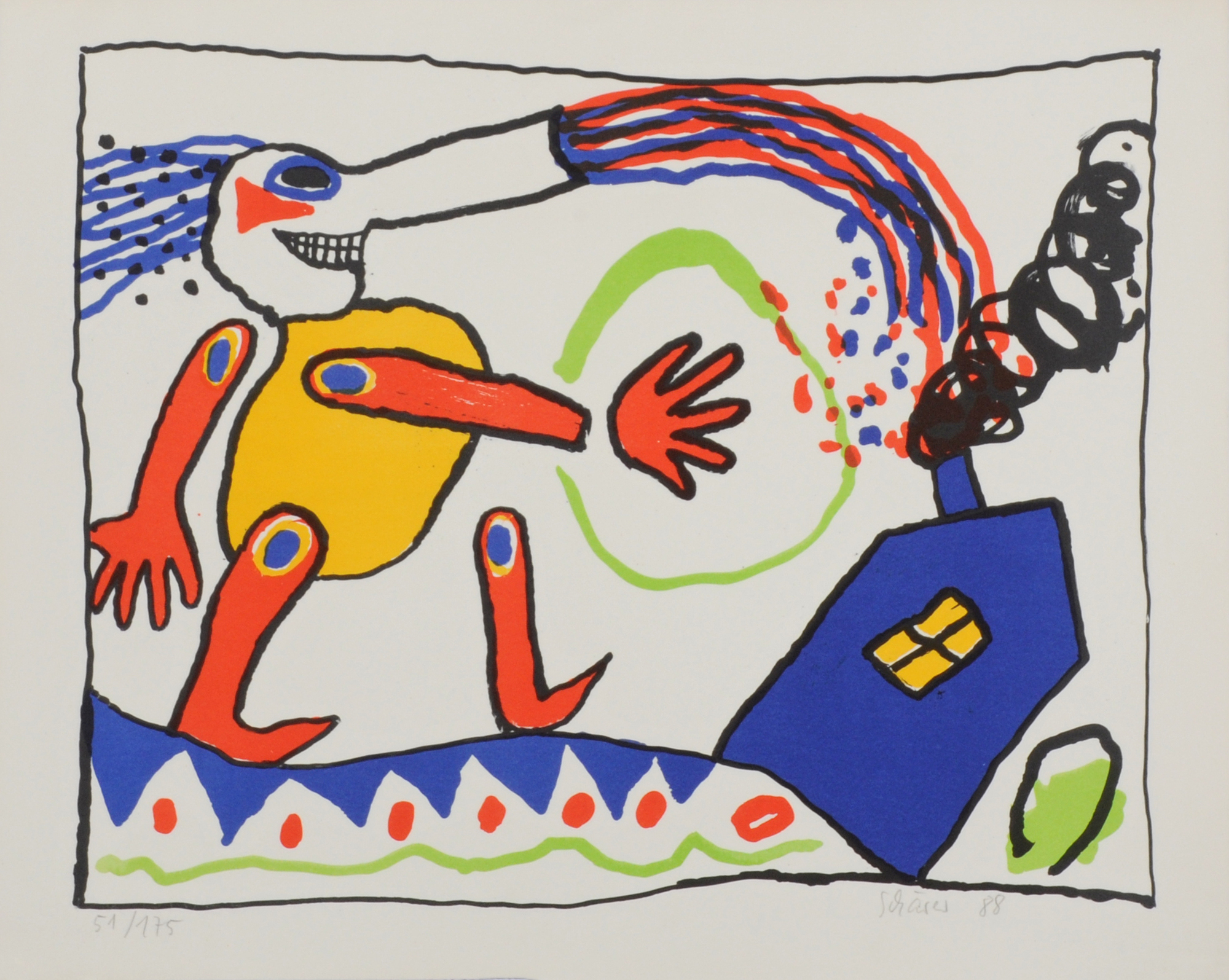
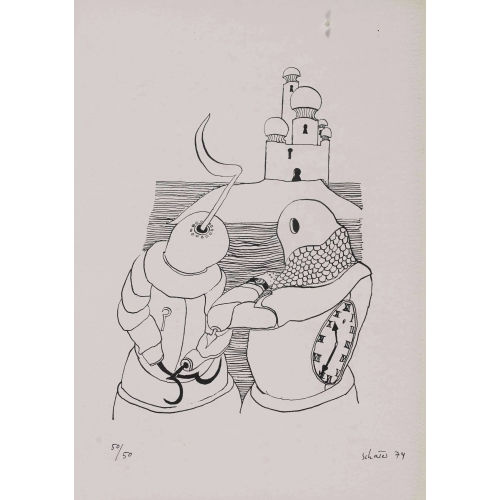
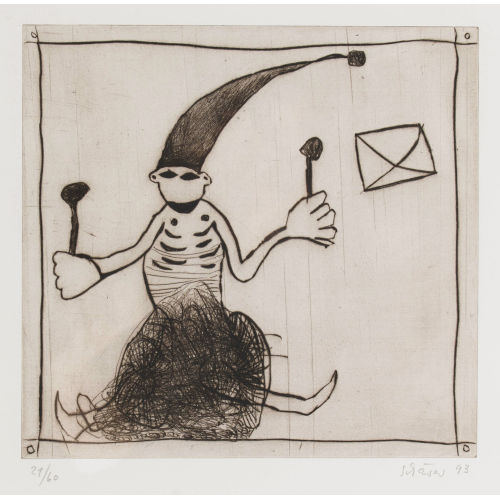
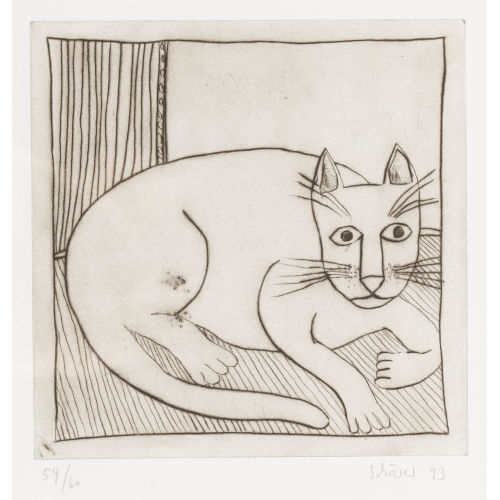
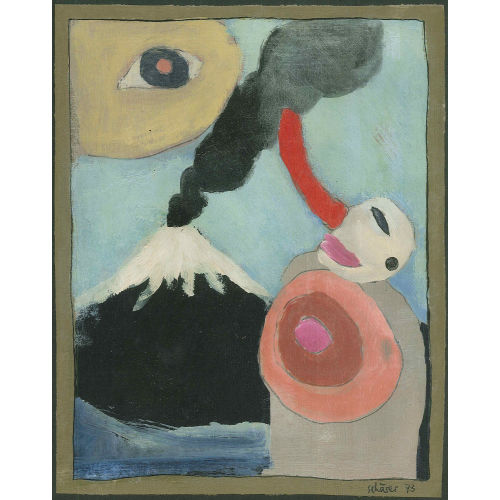
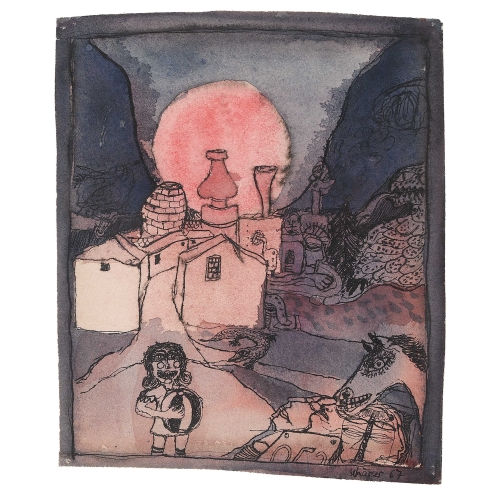
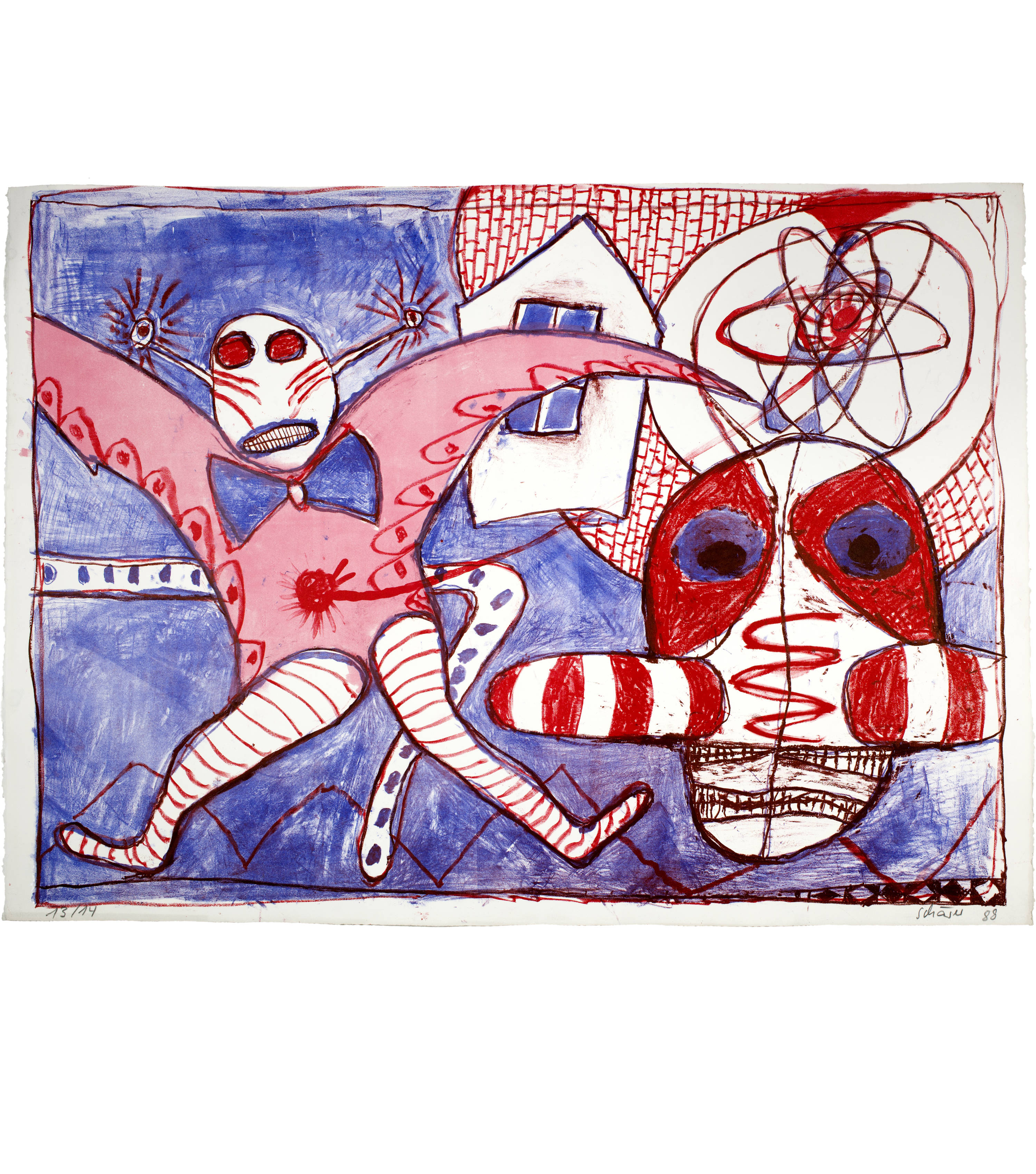
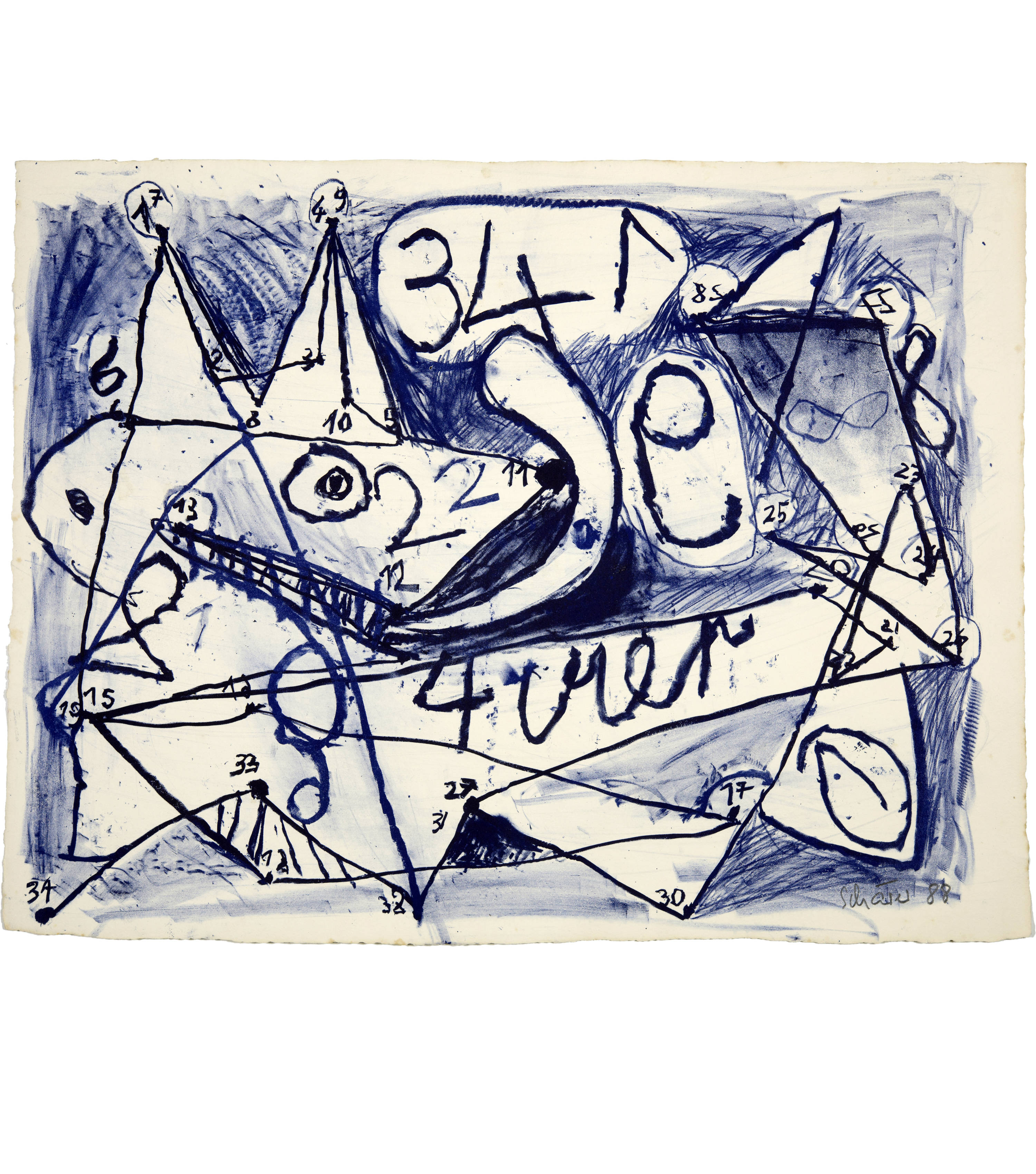
These works on paper reveal a far more diverse practice than his nickname, “painter of the Madones”, might suggest.
Present at the São Paulo Biennial in 1981, Schärer received the City of Lucerne’s art prize in 1982. His exhibitions at the Kunstmuseum Luzern, the Aargauer Kunsthaus and the Swiss Institute in New York continued to explore the contrasts and correspondences of this singular universe.