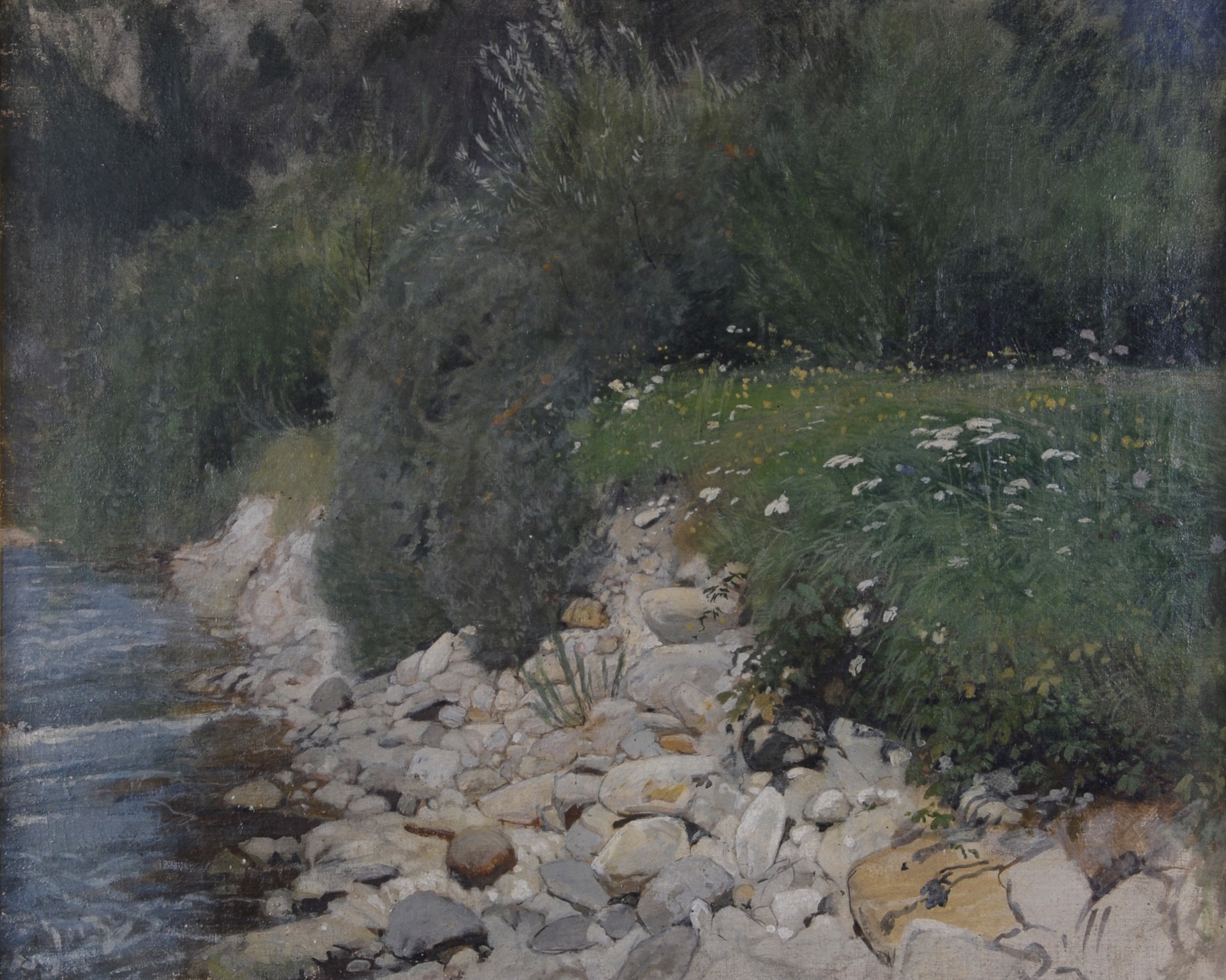
Hans Sandreuter
Born in 1850.
Died in 1901.
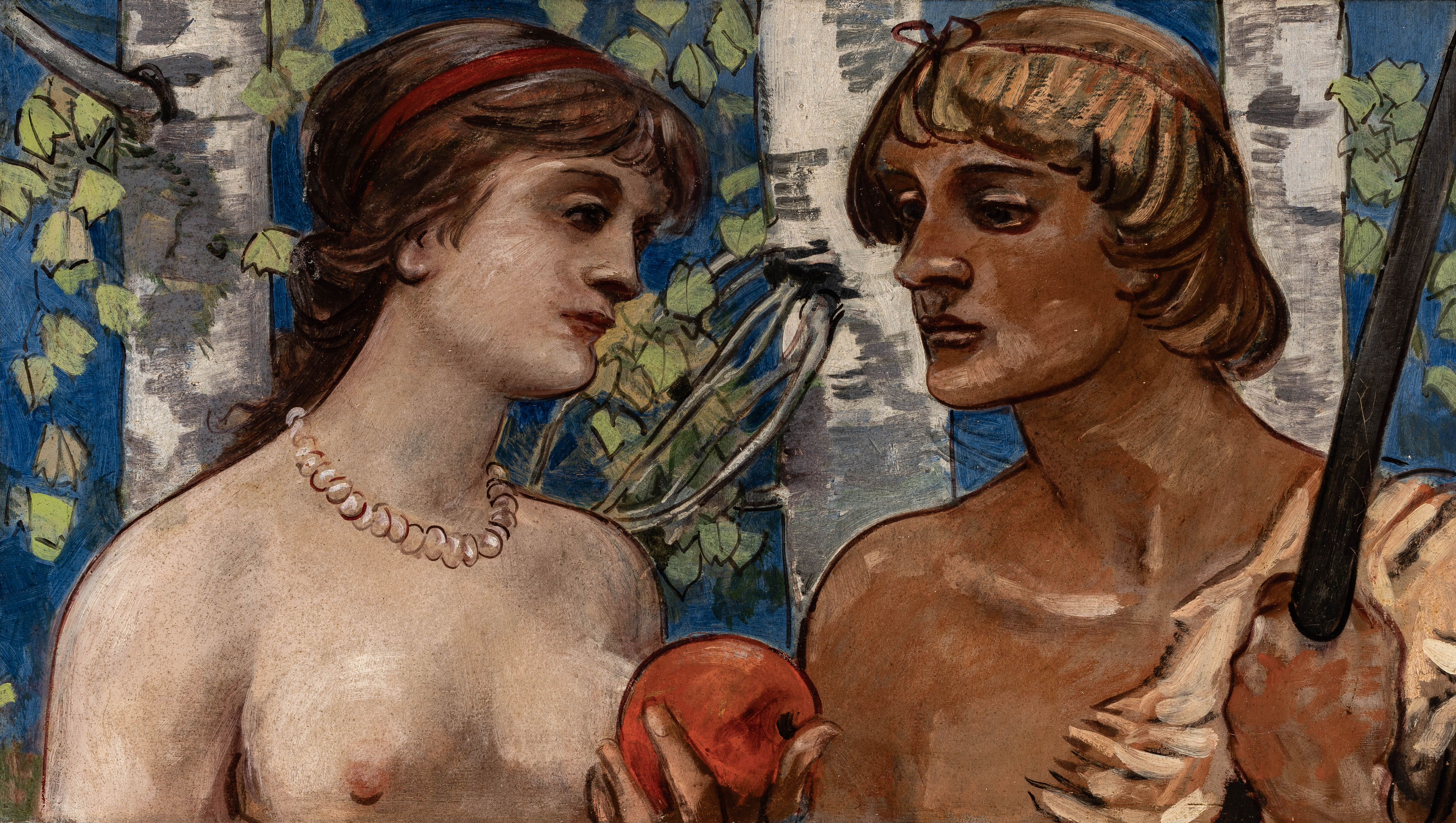
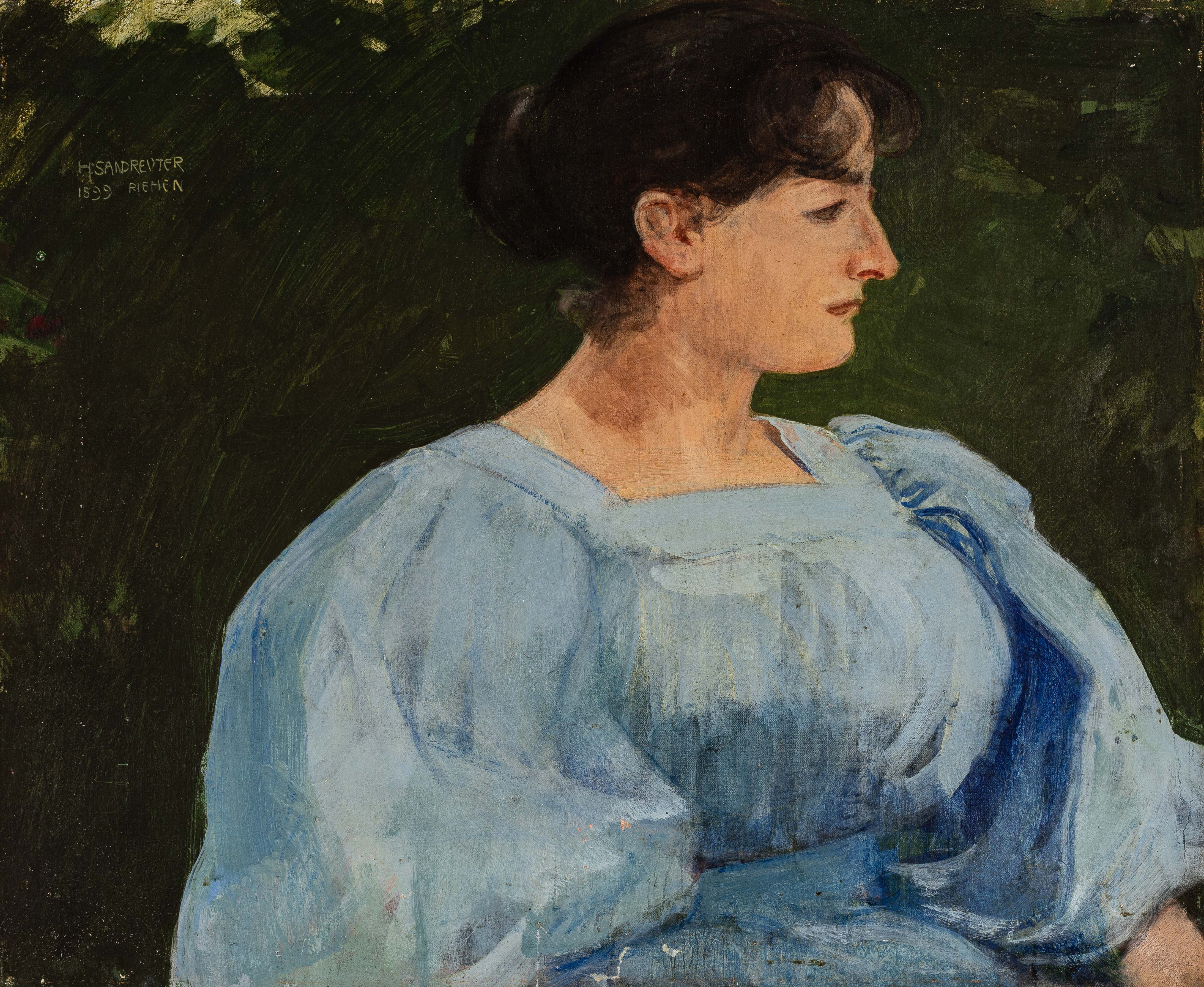
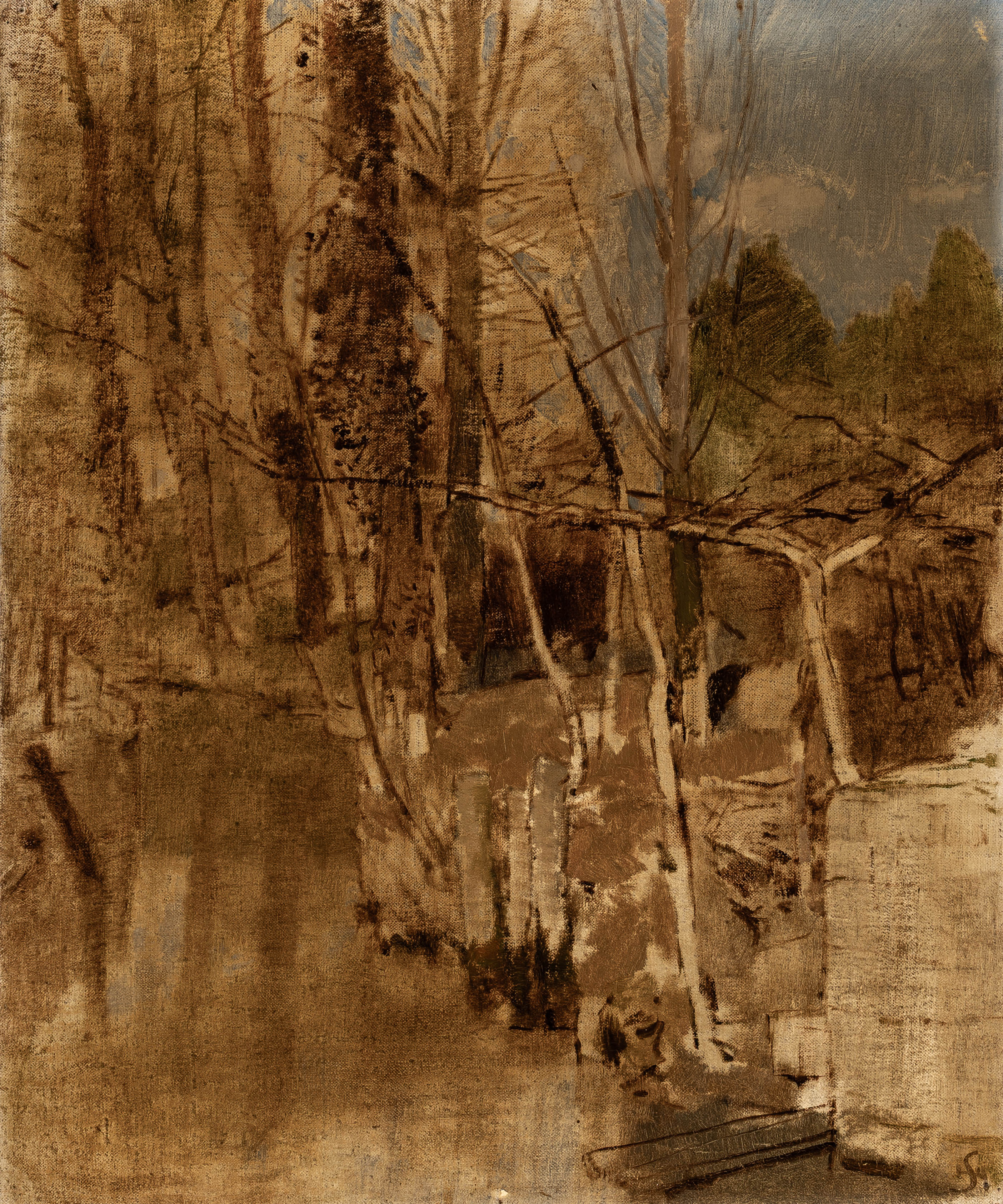
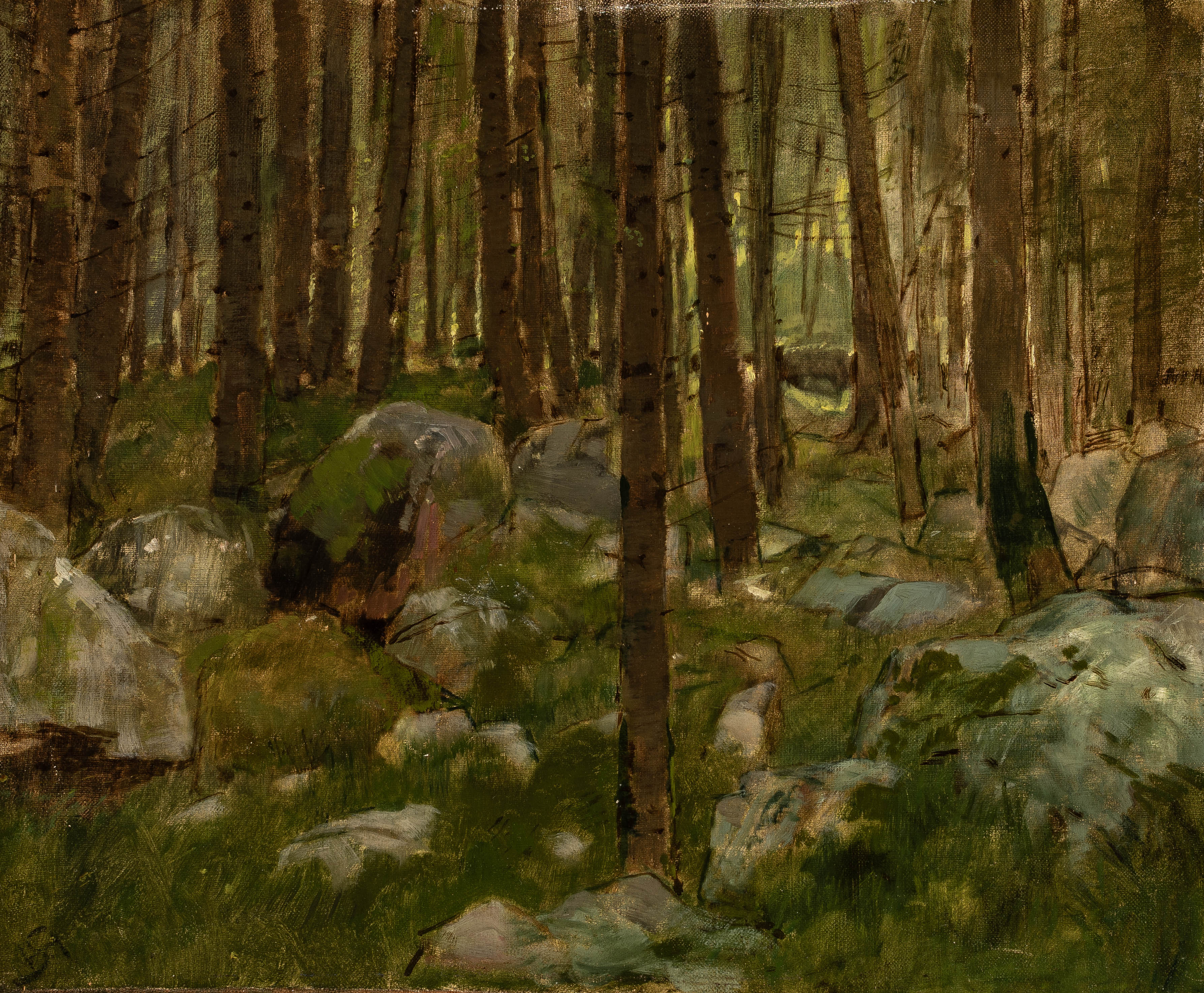
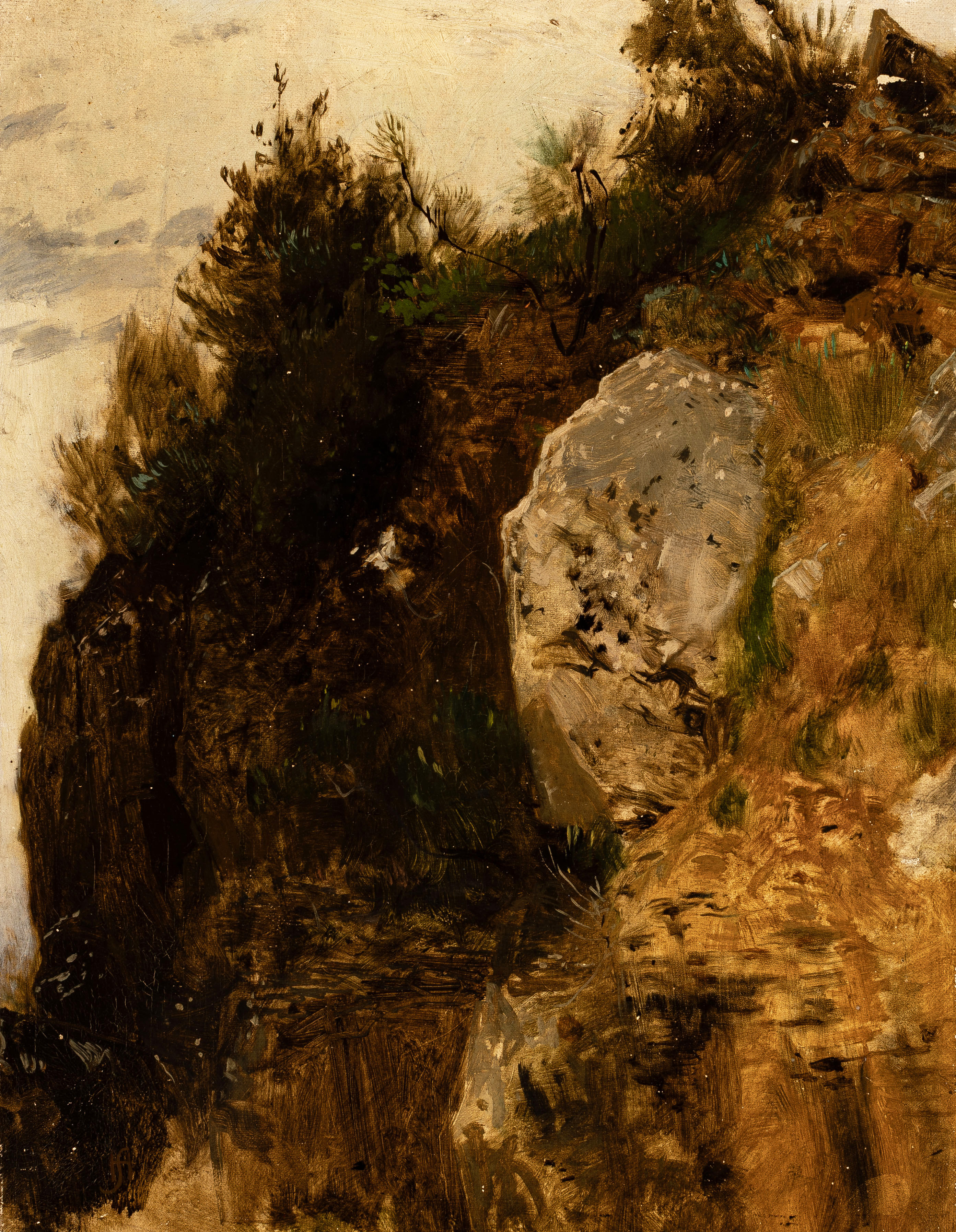
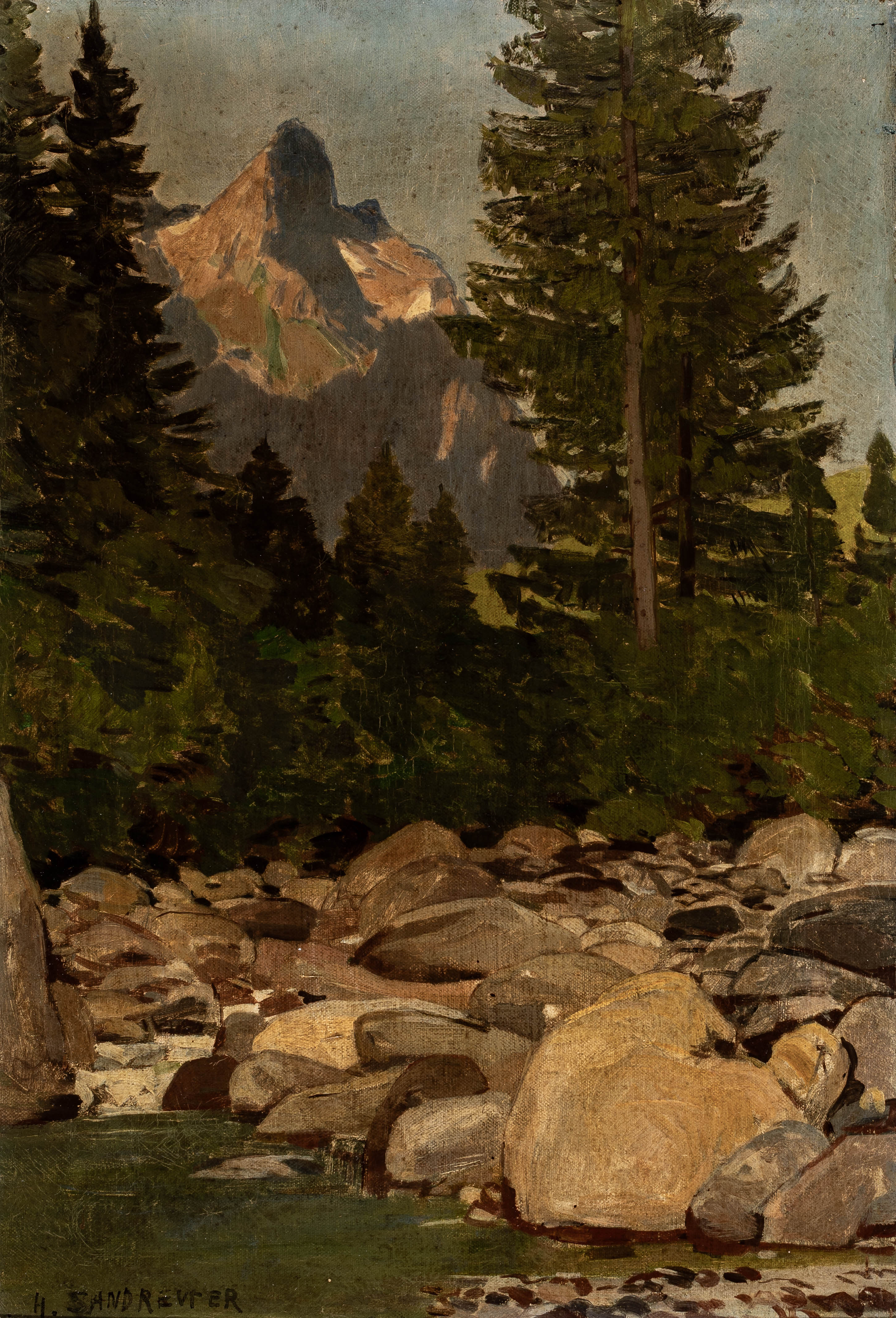
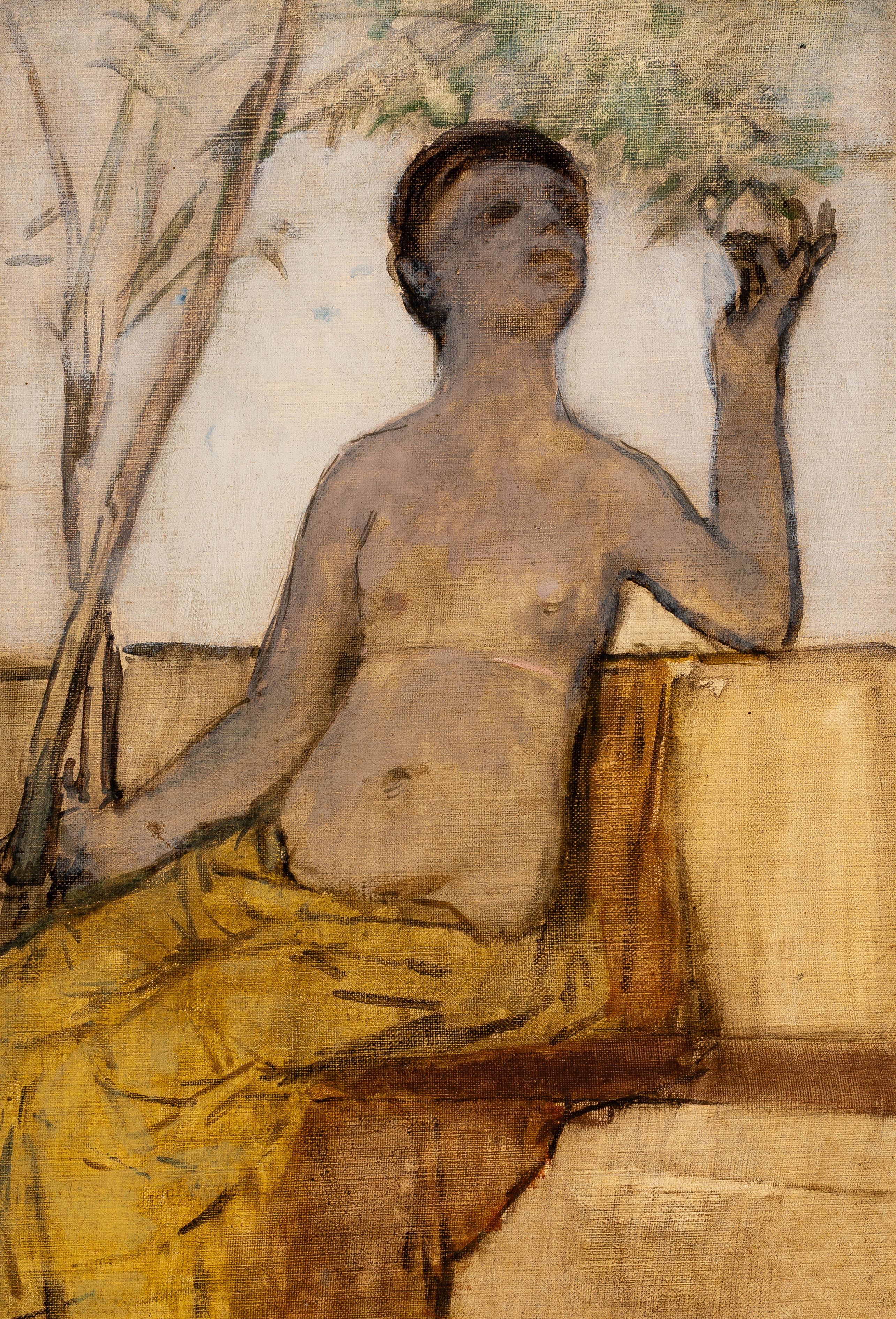
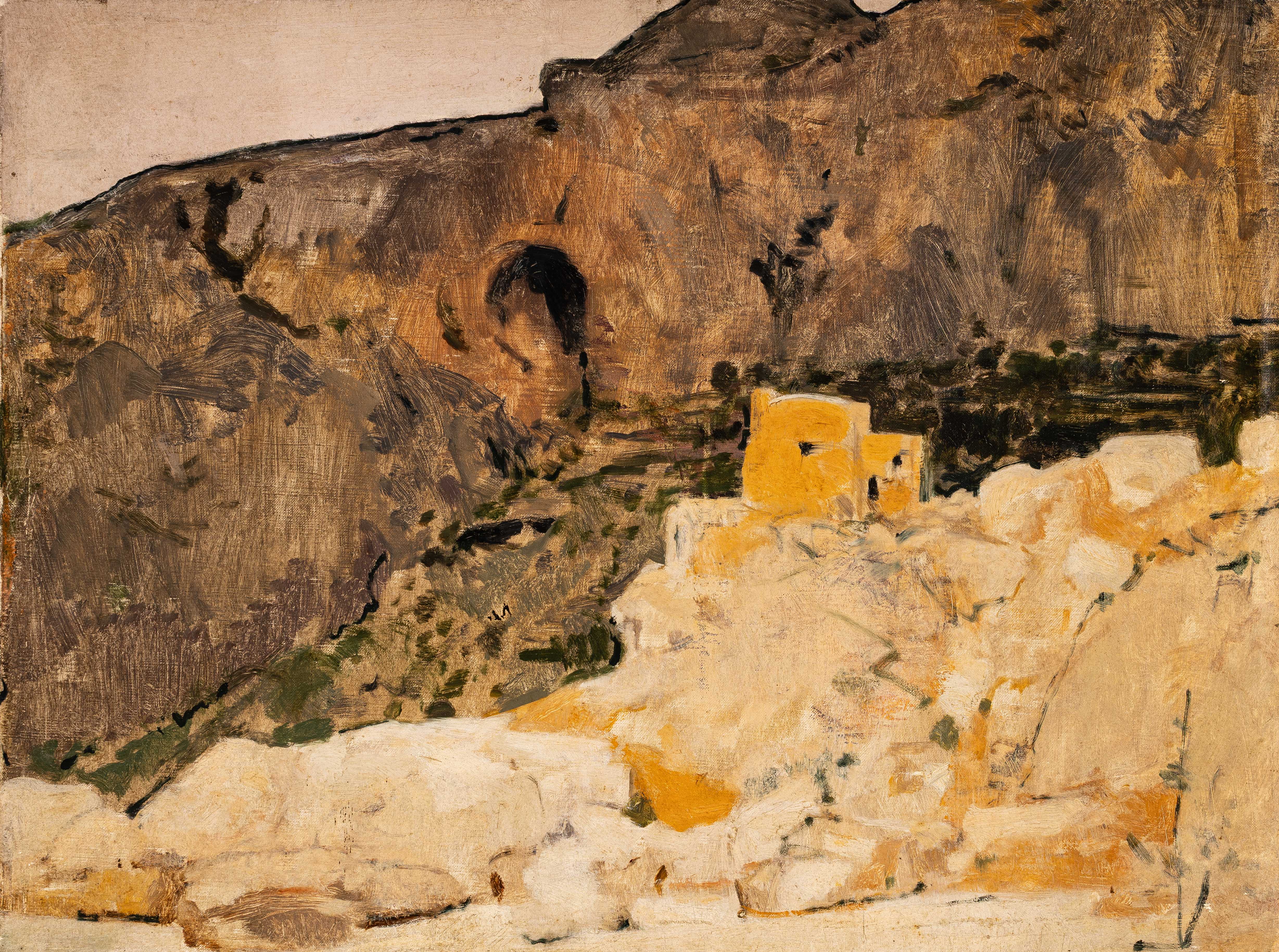
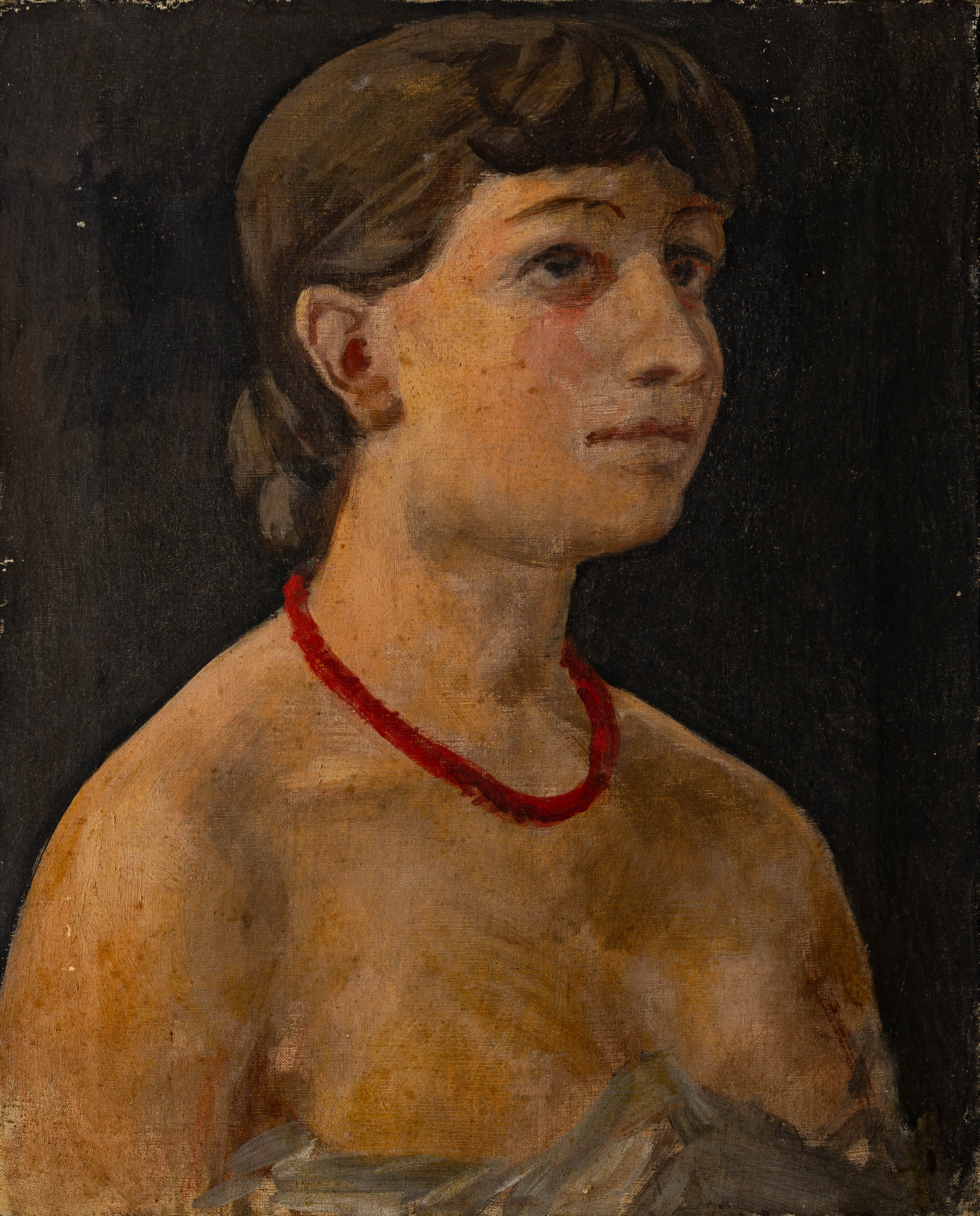
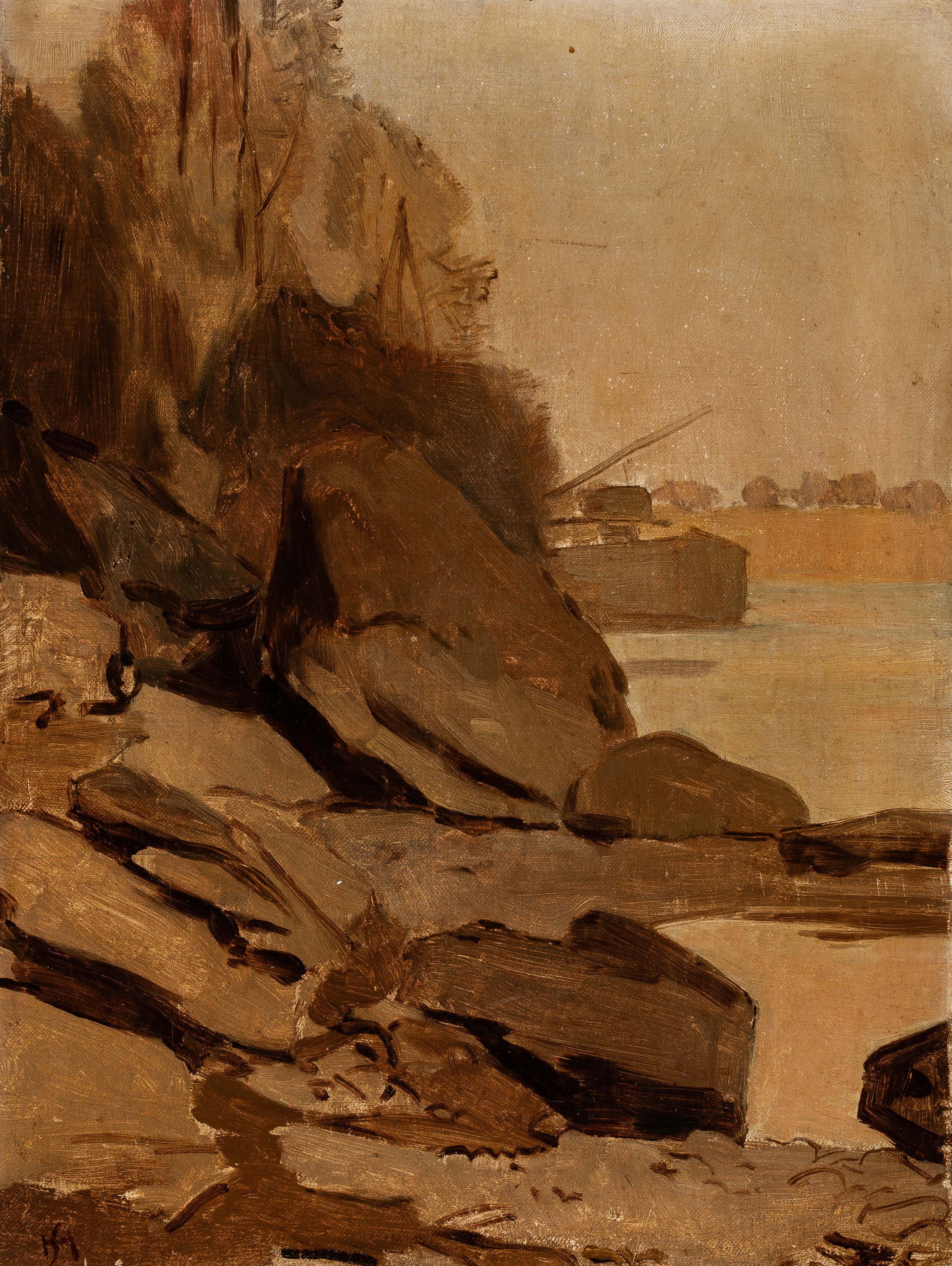
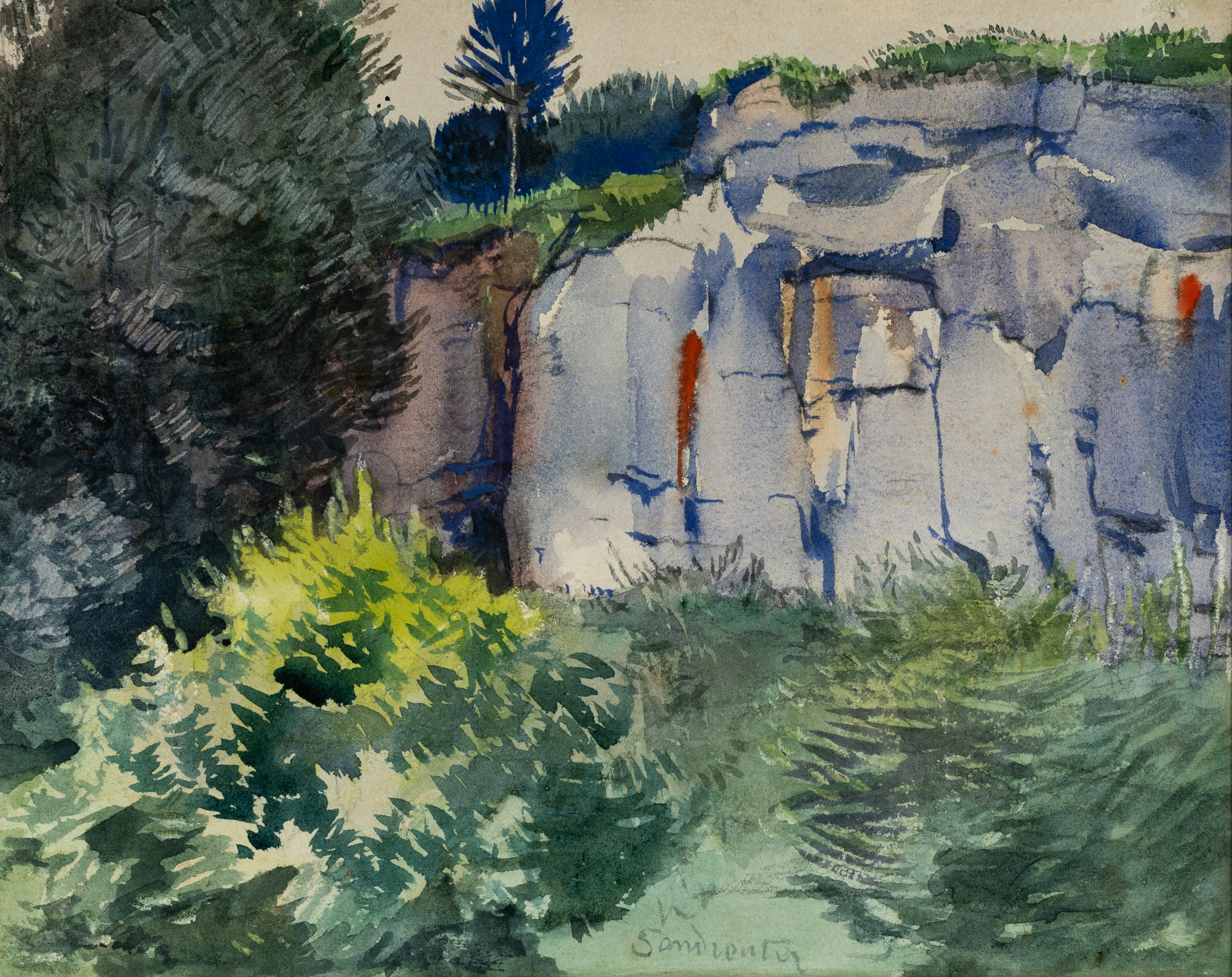
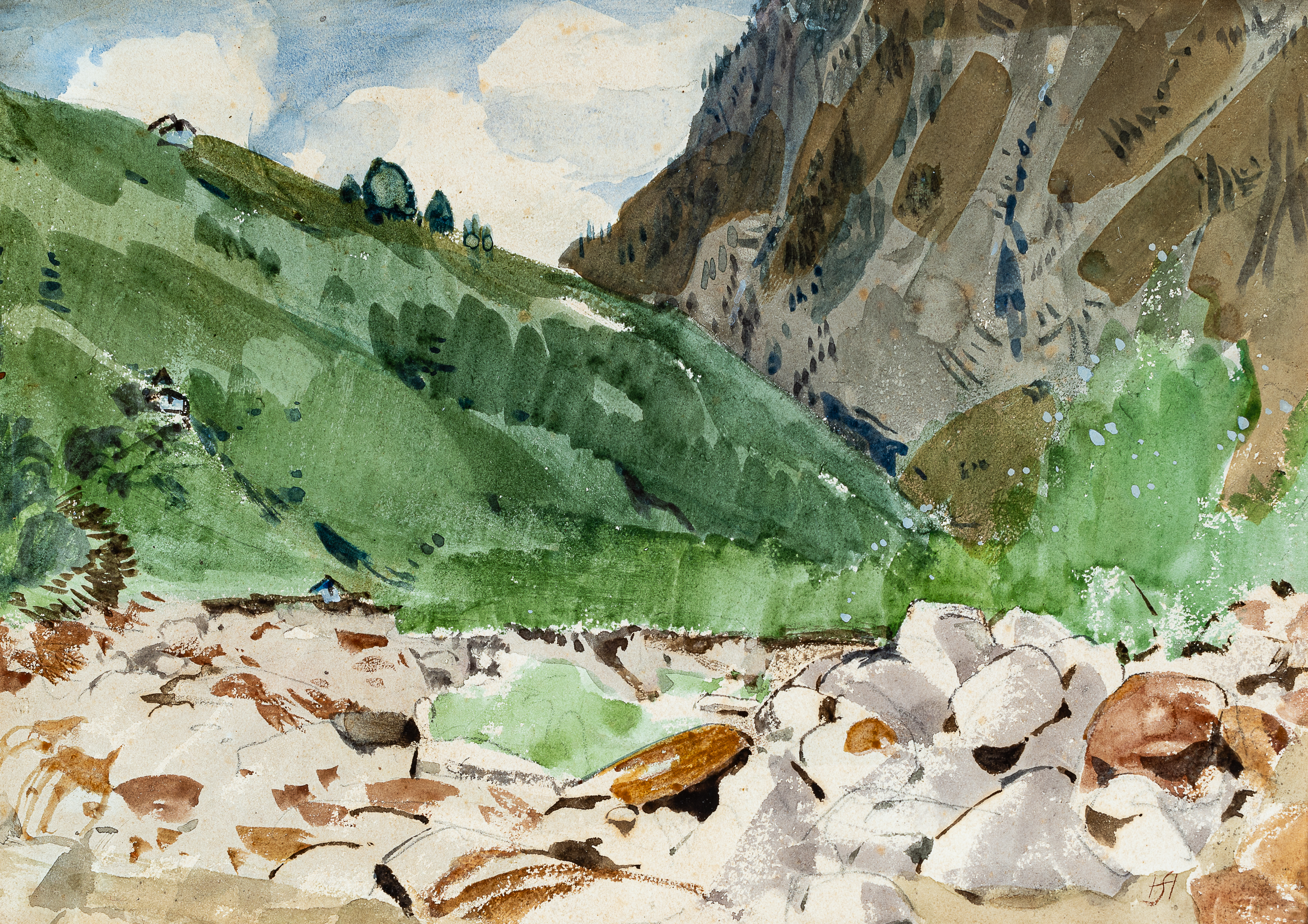
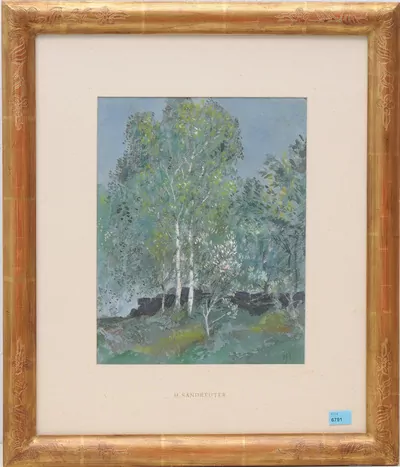
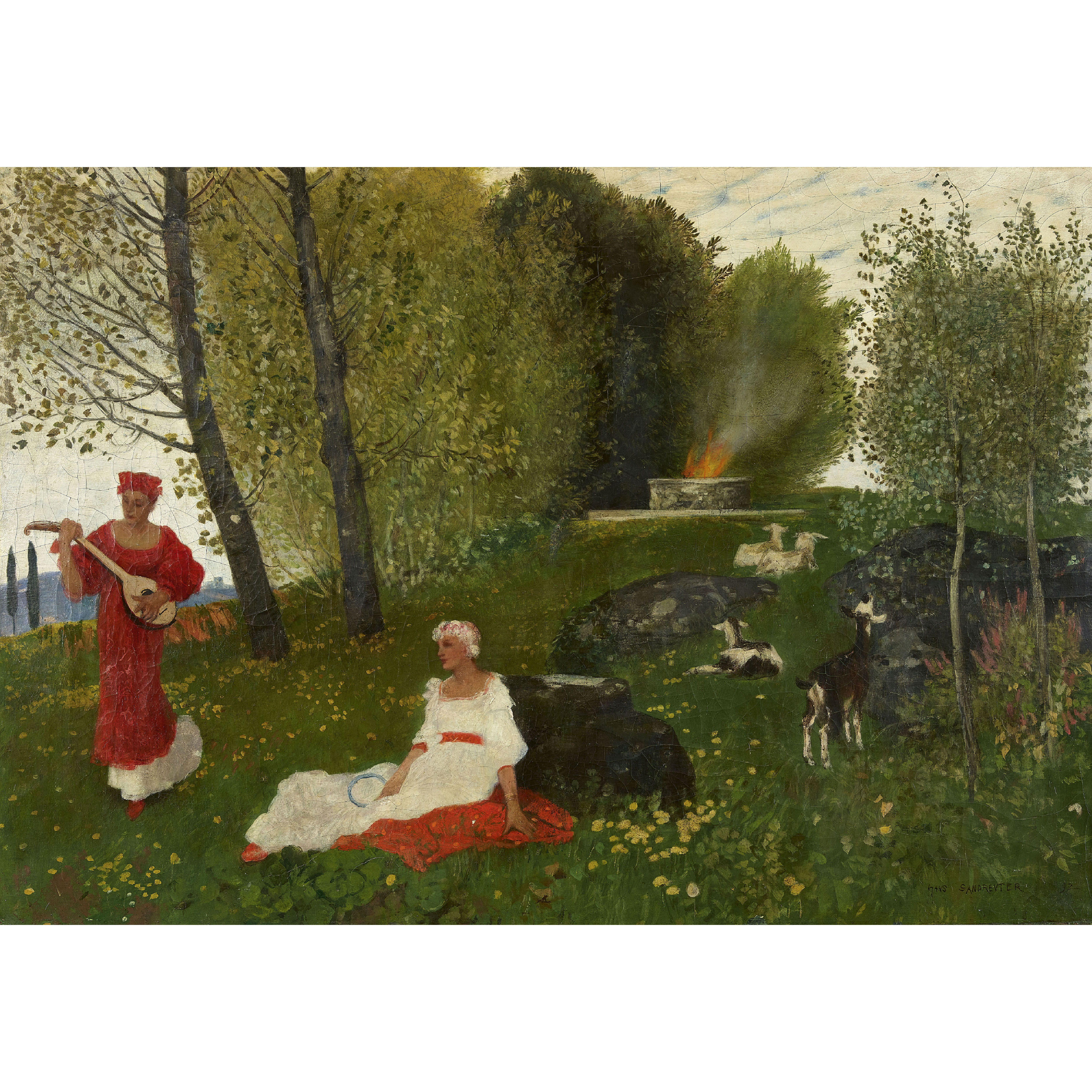
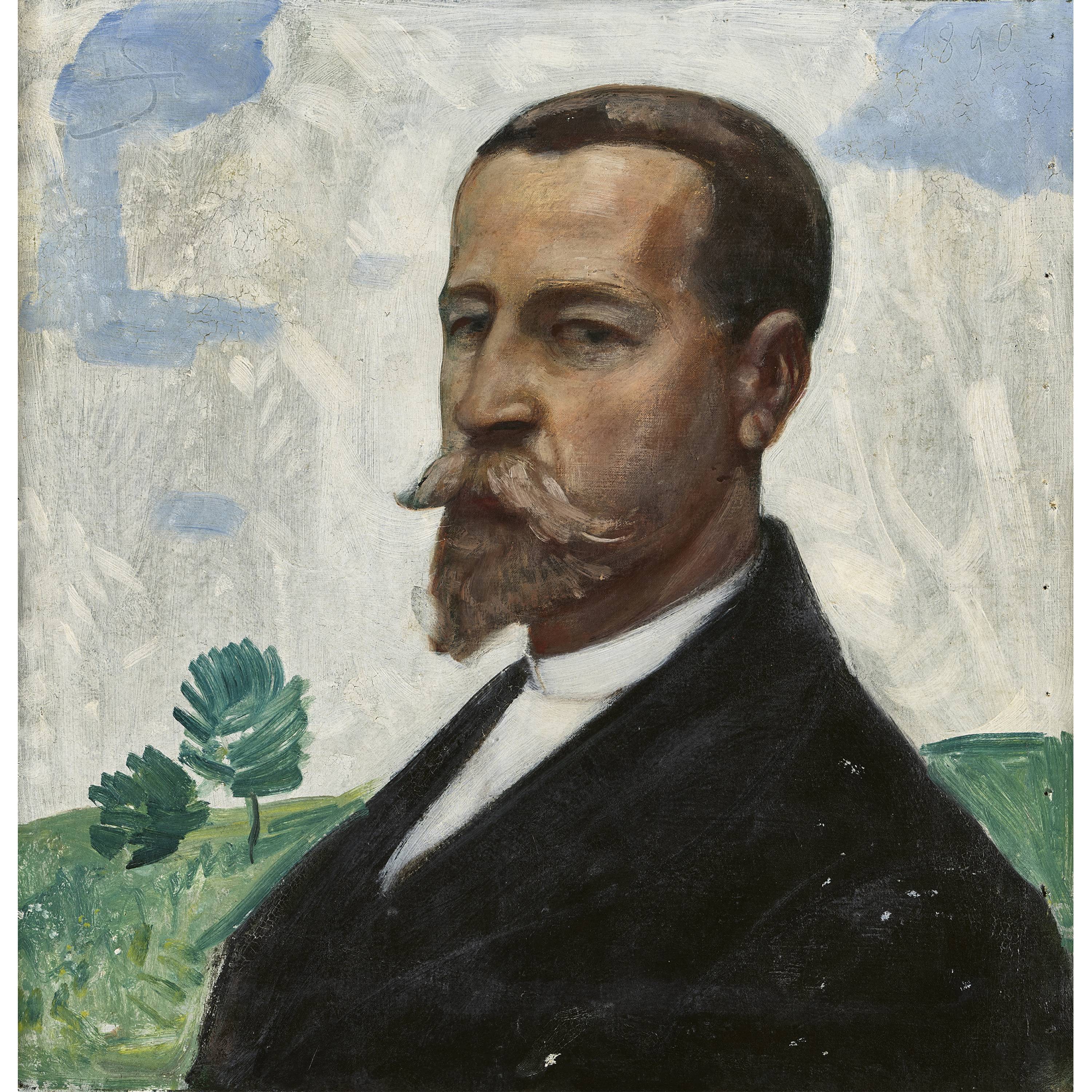
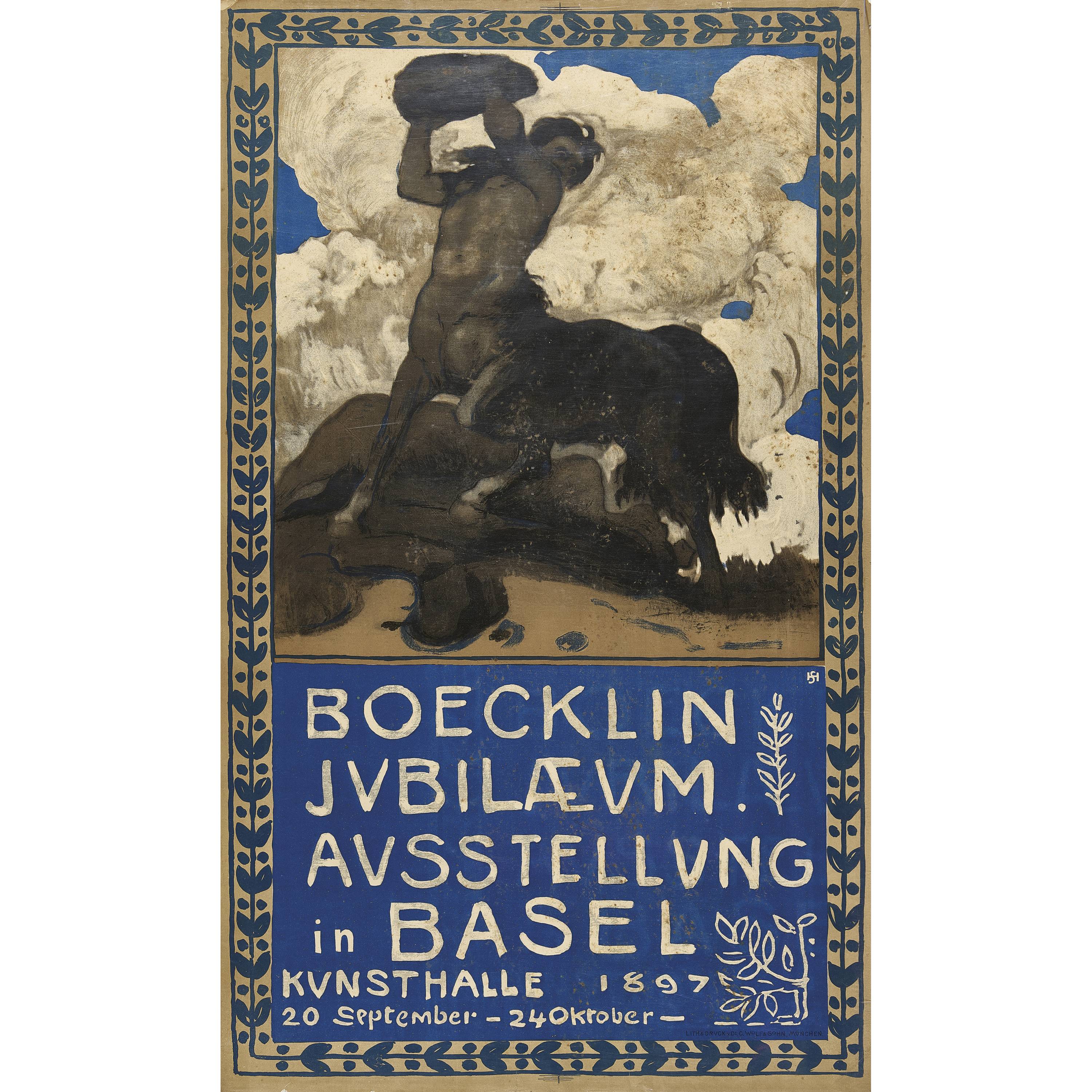
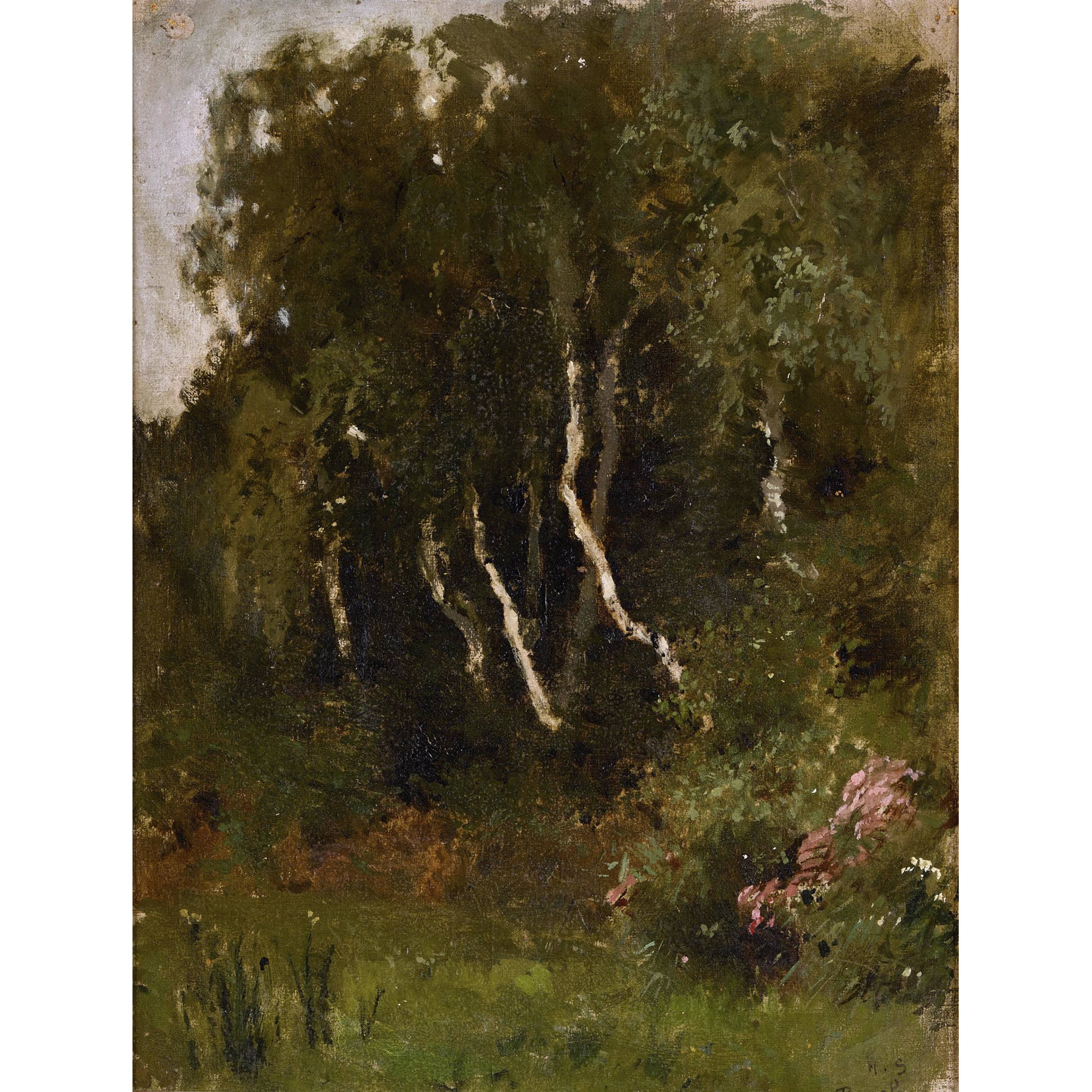
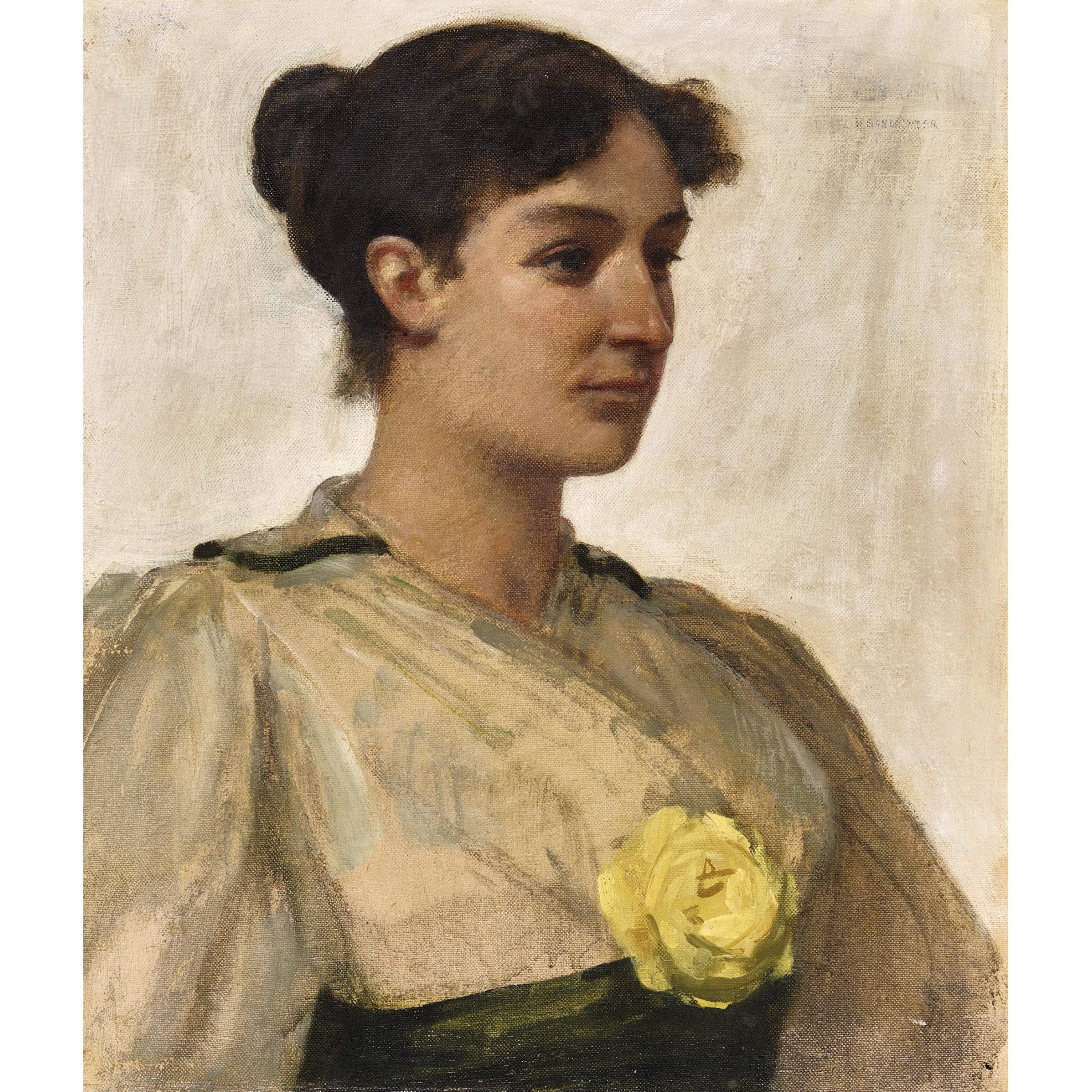
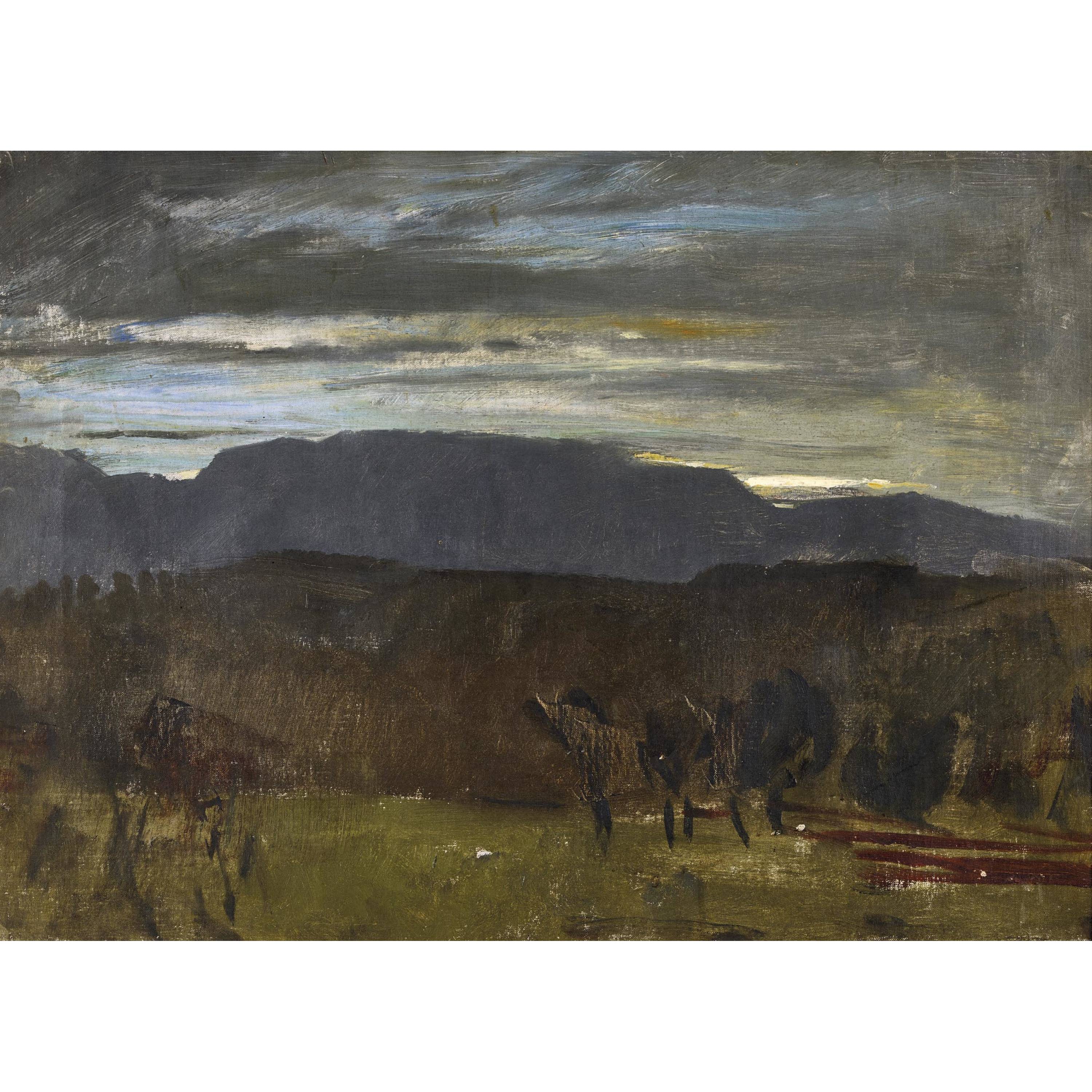
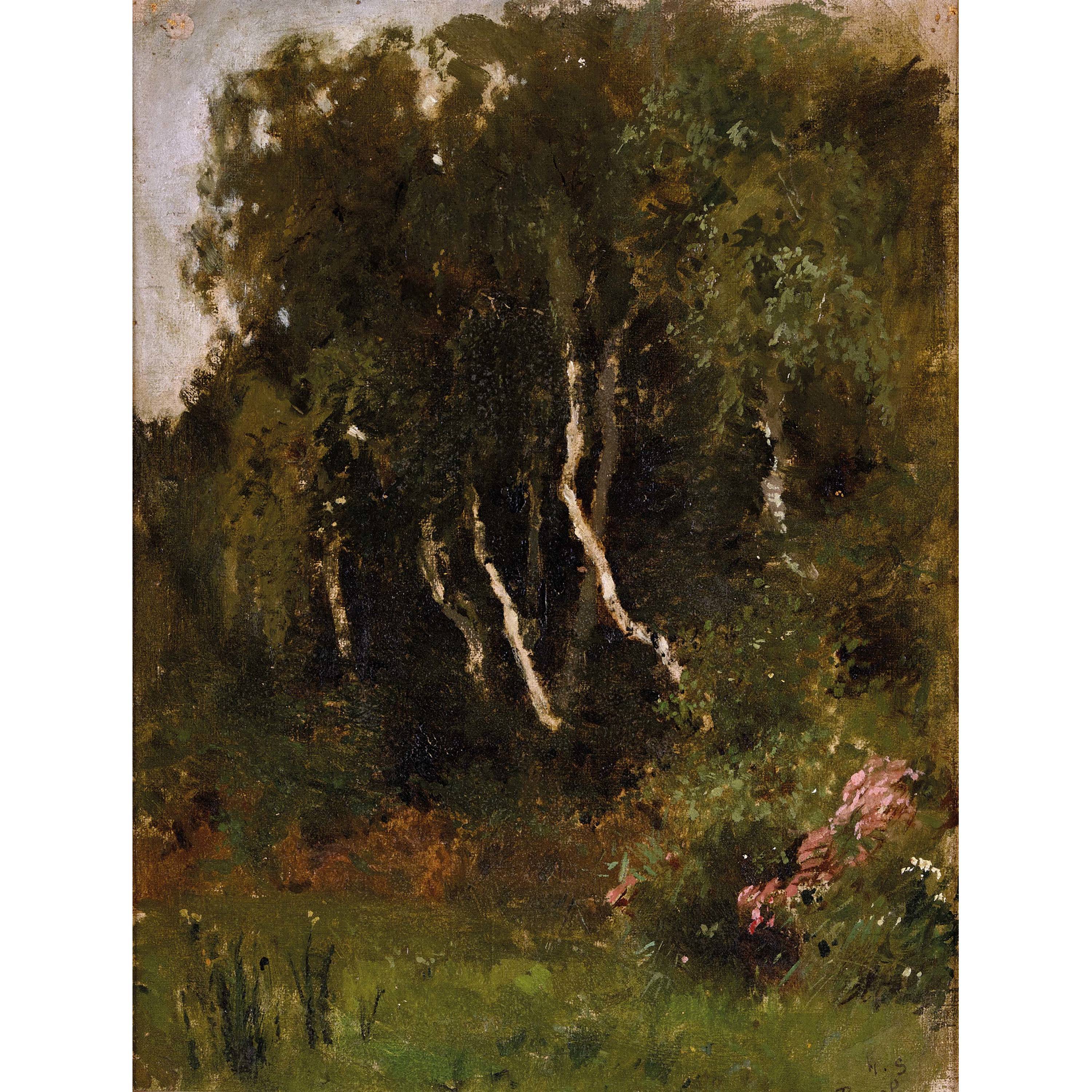
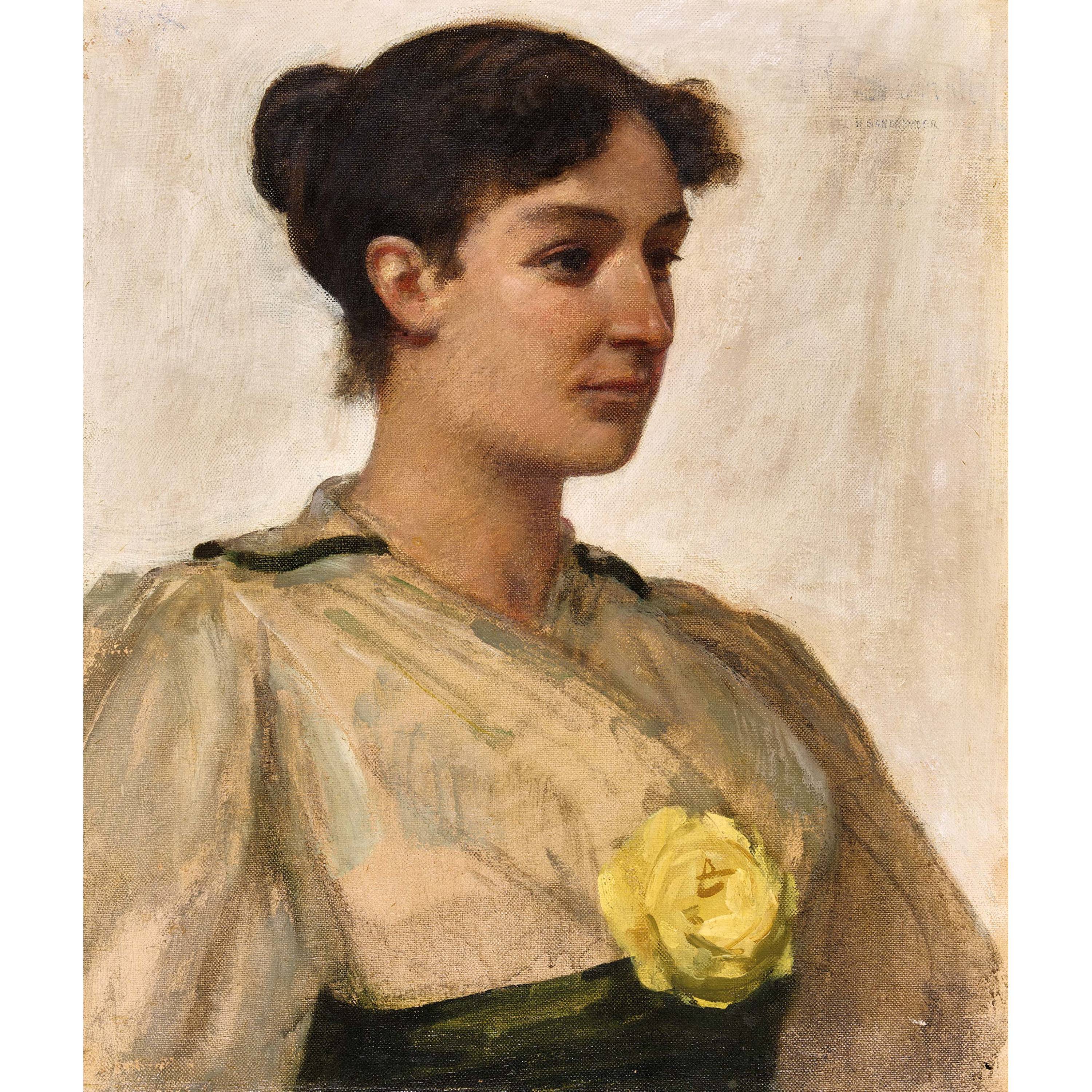
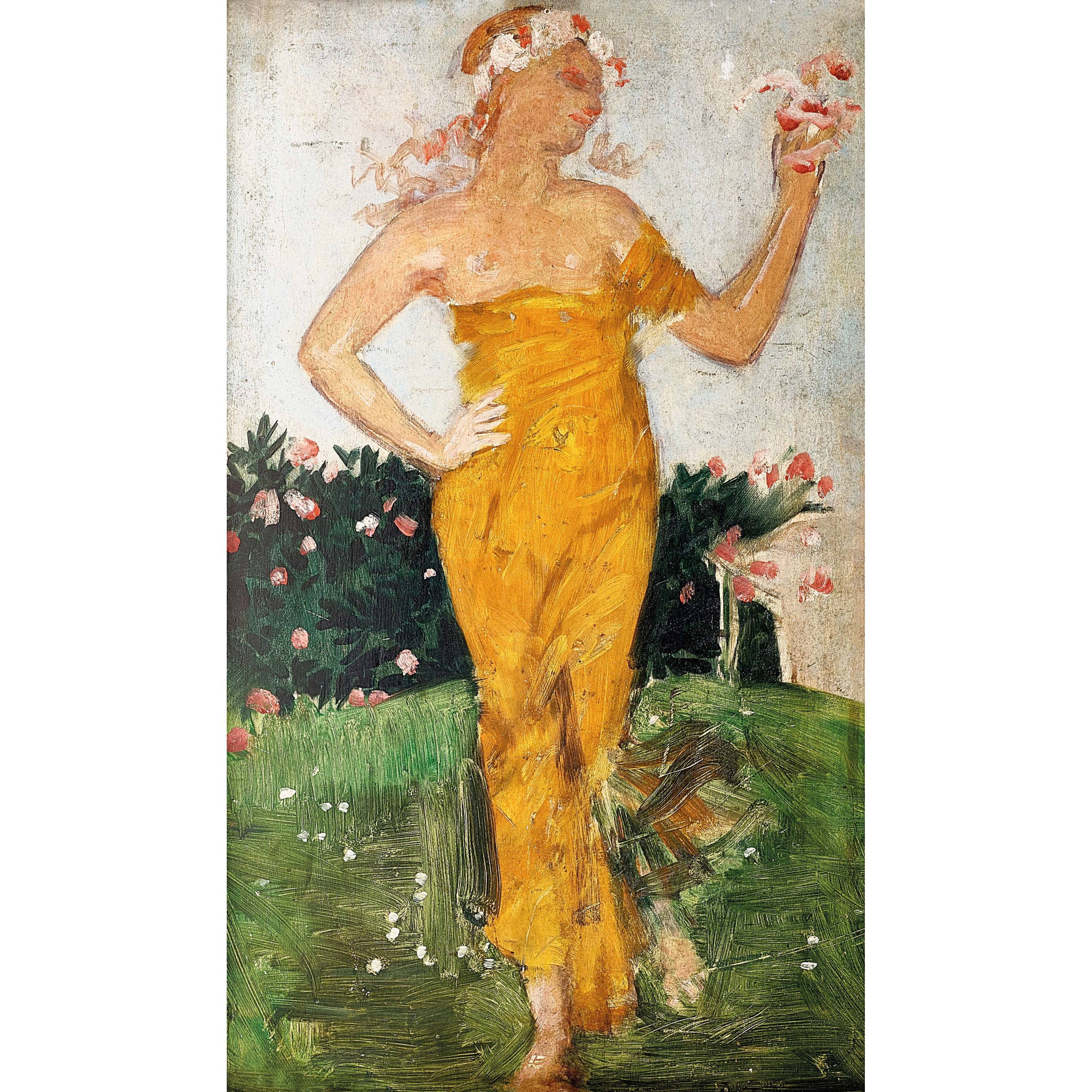
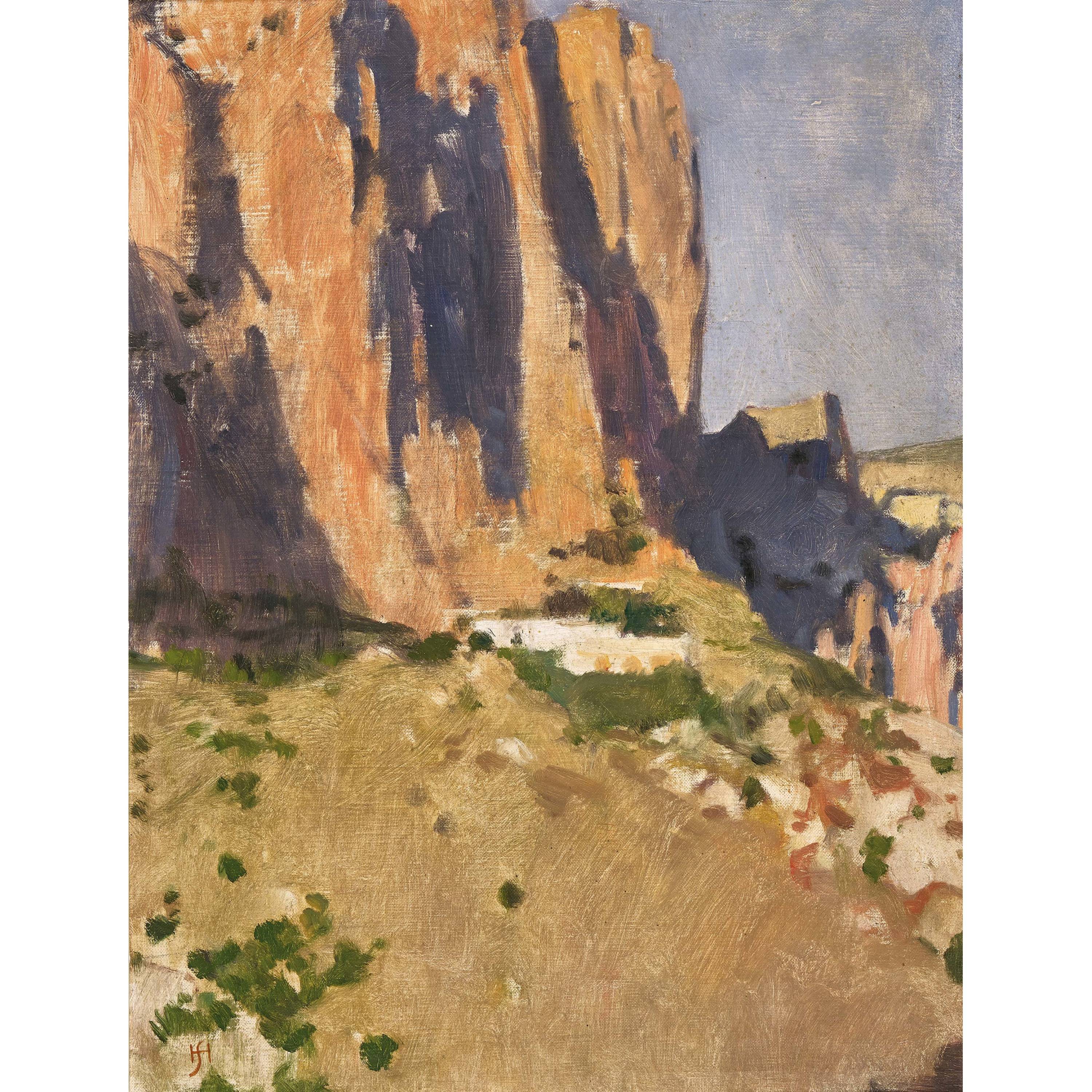
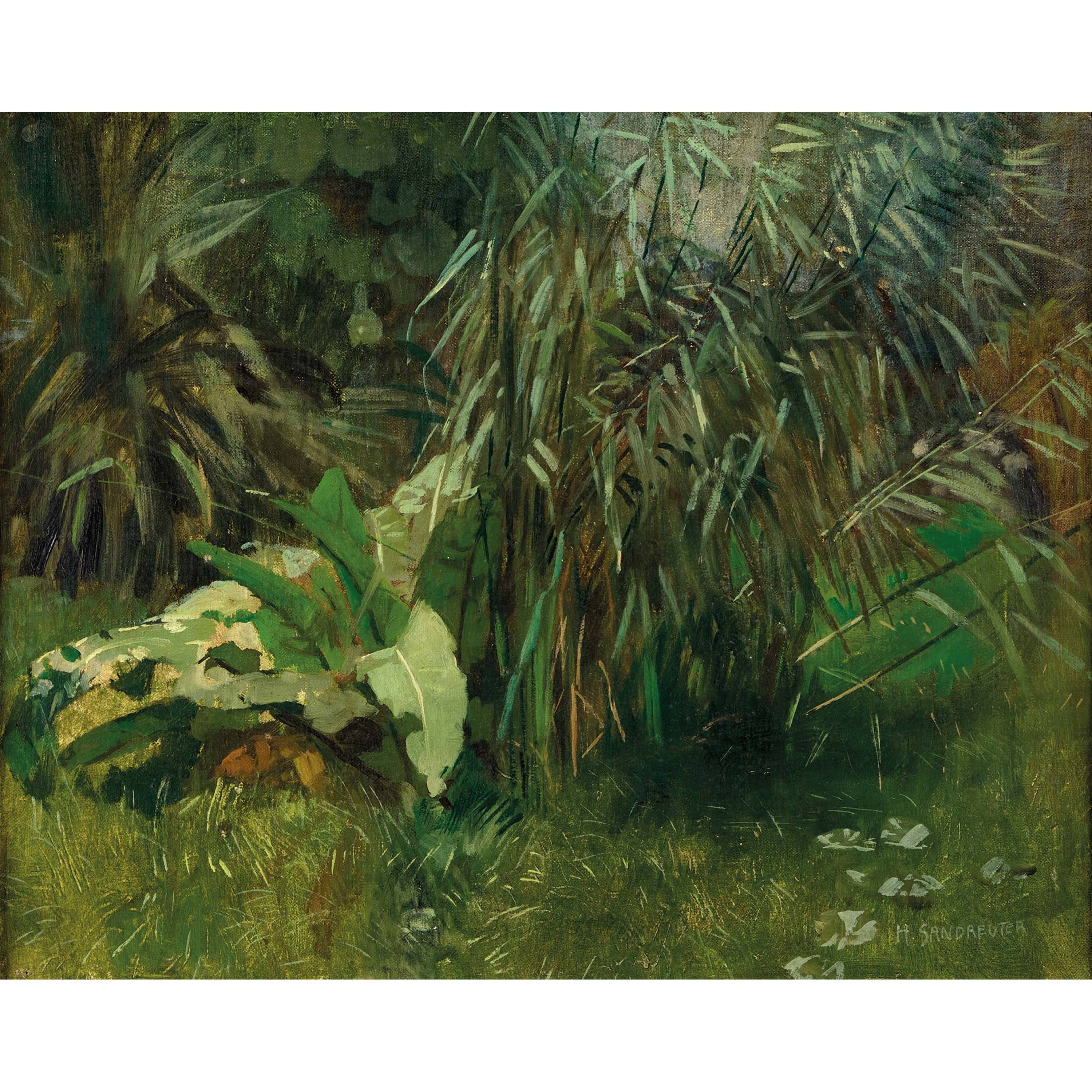
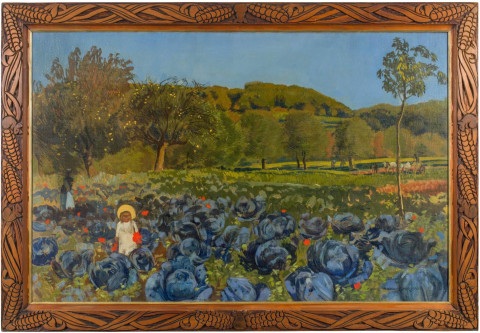
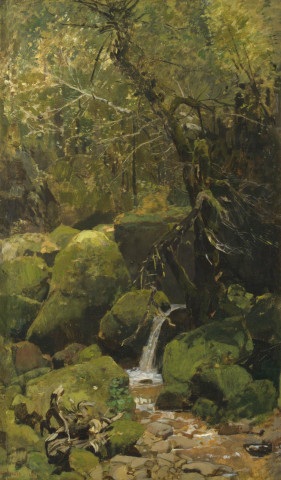
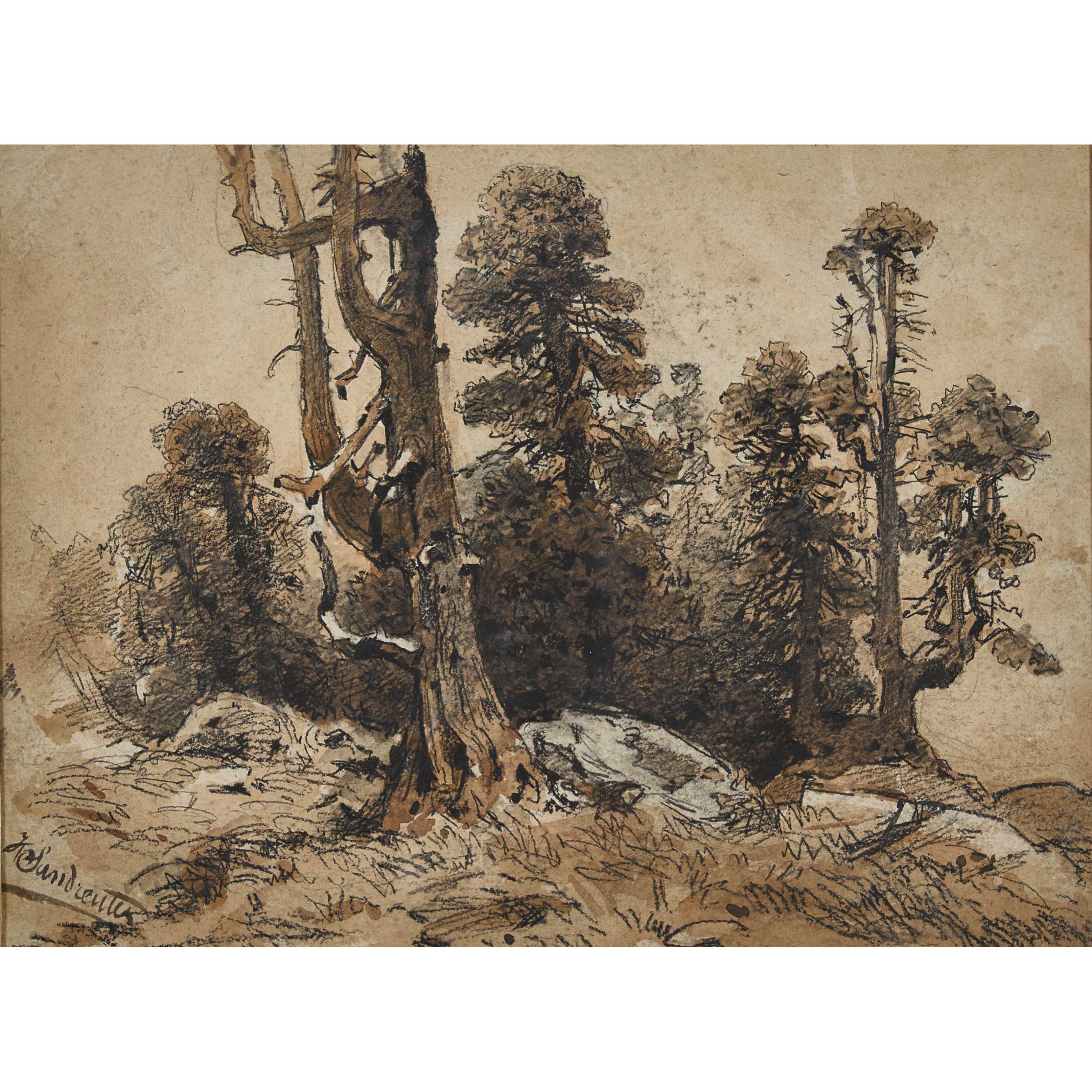
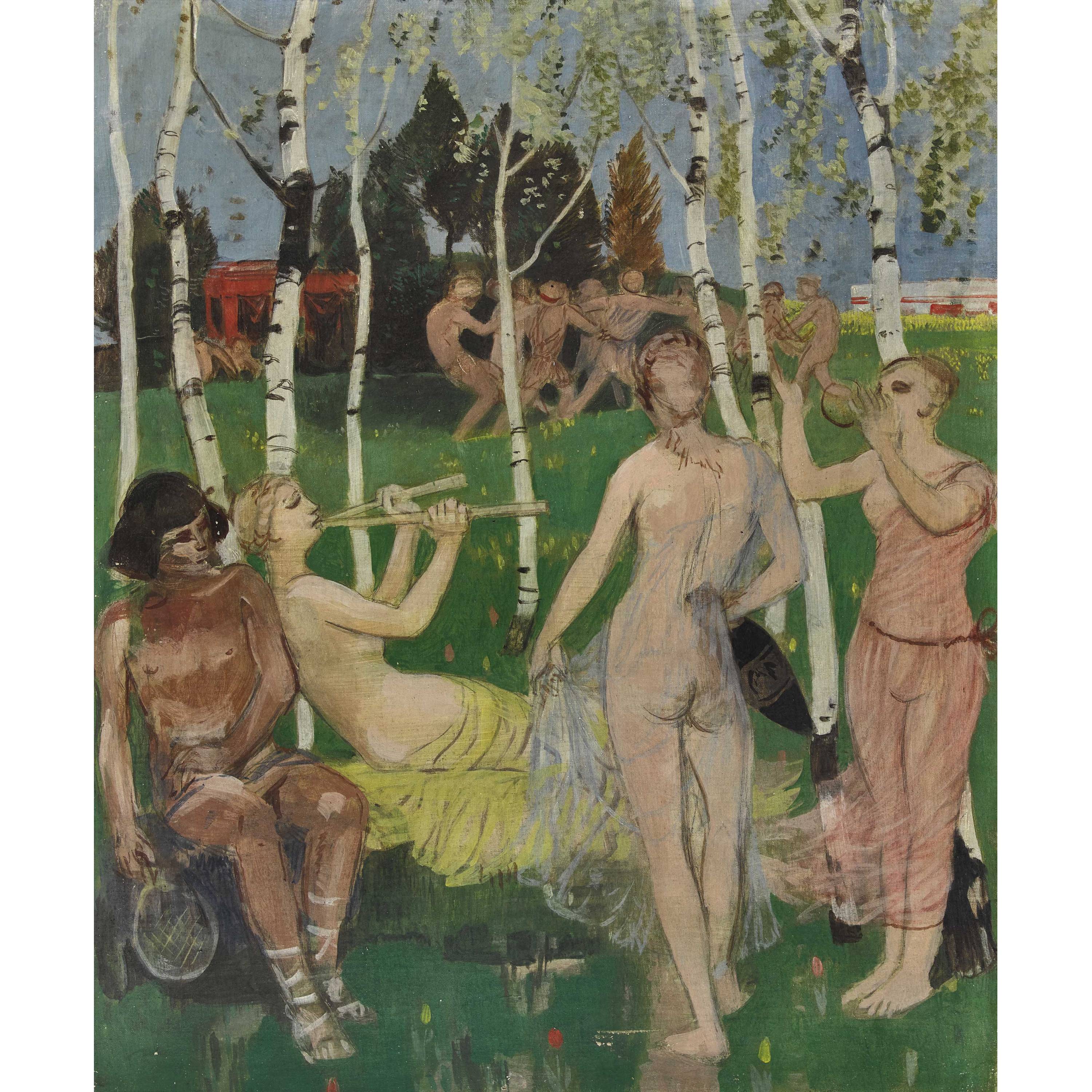
Hans Sandreuter (11 May 1850, Basel — 1 June 1901, Riehen) is presented in the documentation as a Swiss painter who also practised lithography. His artistic profile is often associated with that of Arnold Böcklin — he is «described as the latter’s closest disciple» — and sources link him to German Symbolism; this affinity took shape in Munich, where he furthered his training in 1873, met Böcklin, and attended evening drawing classes at the Academy with the support of Wilhelm von Kaulbach.
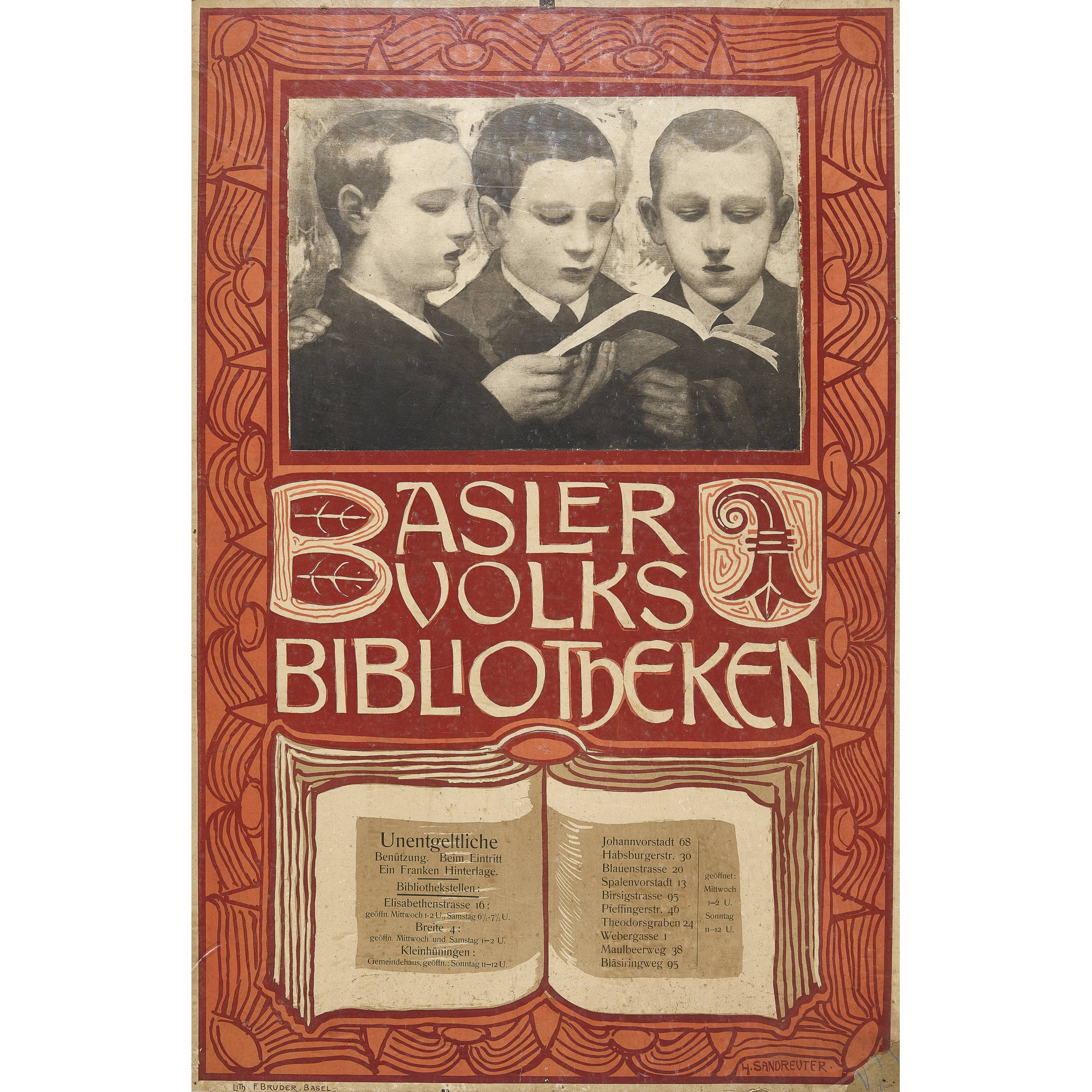
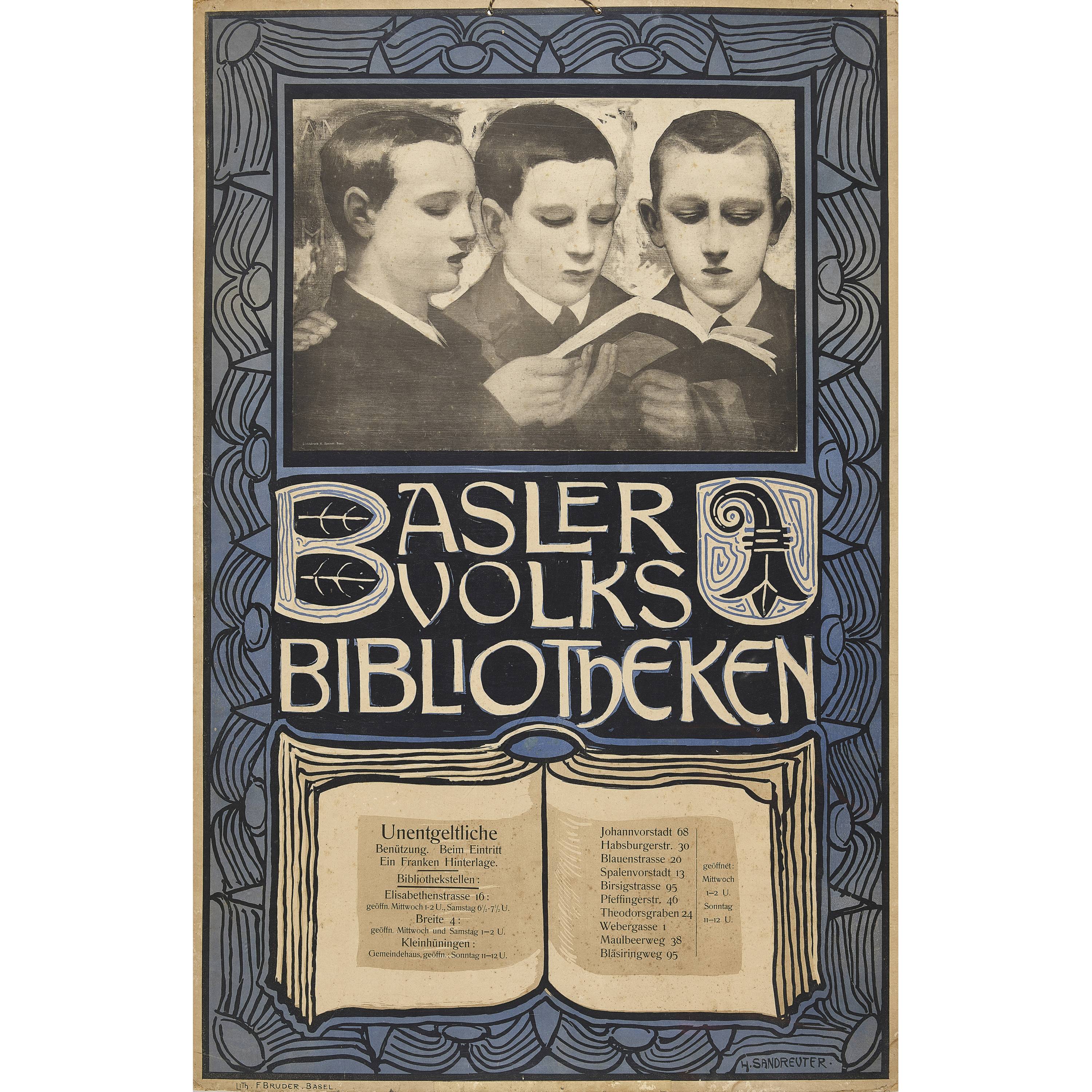
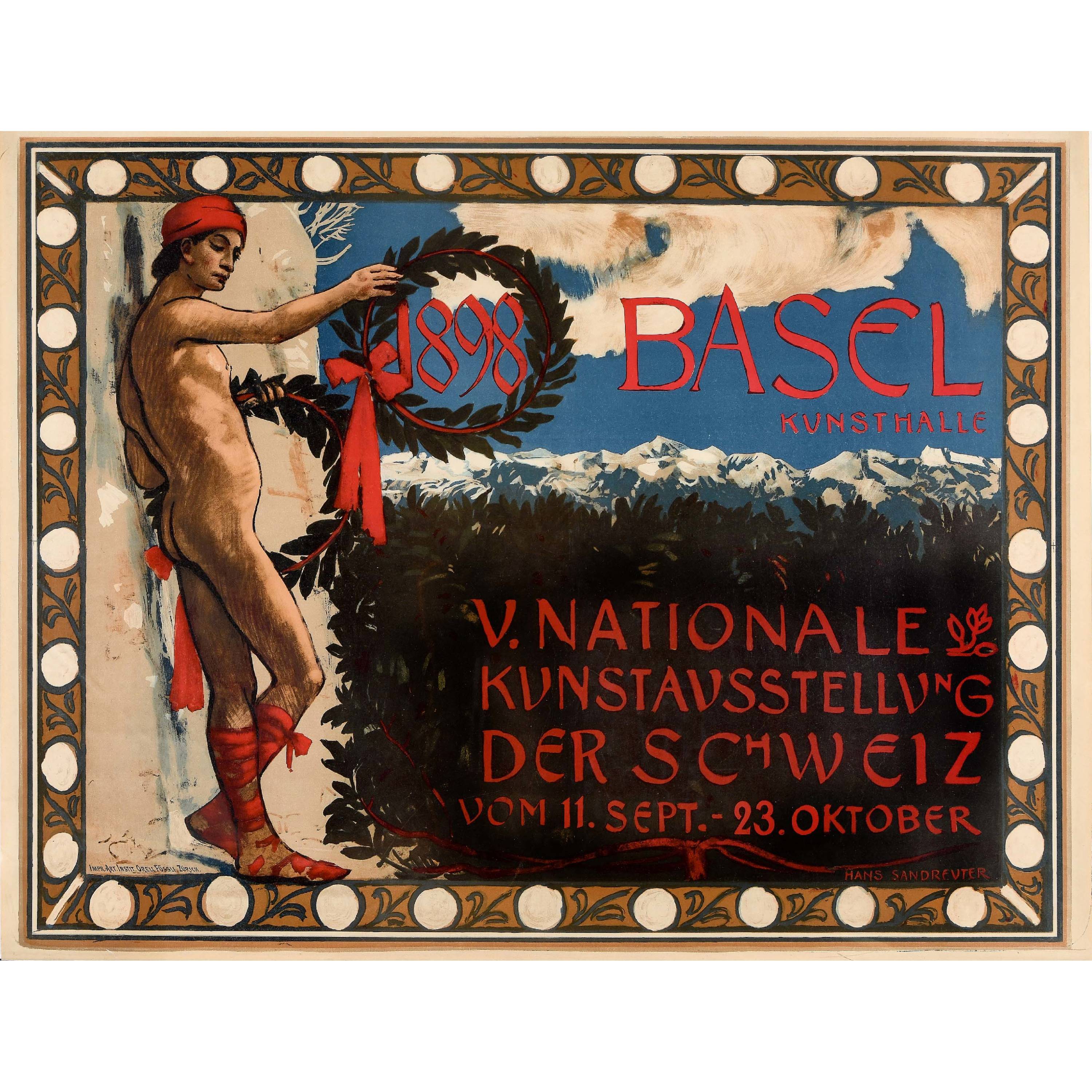
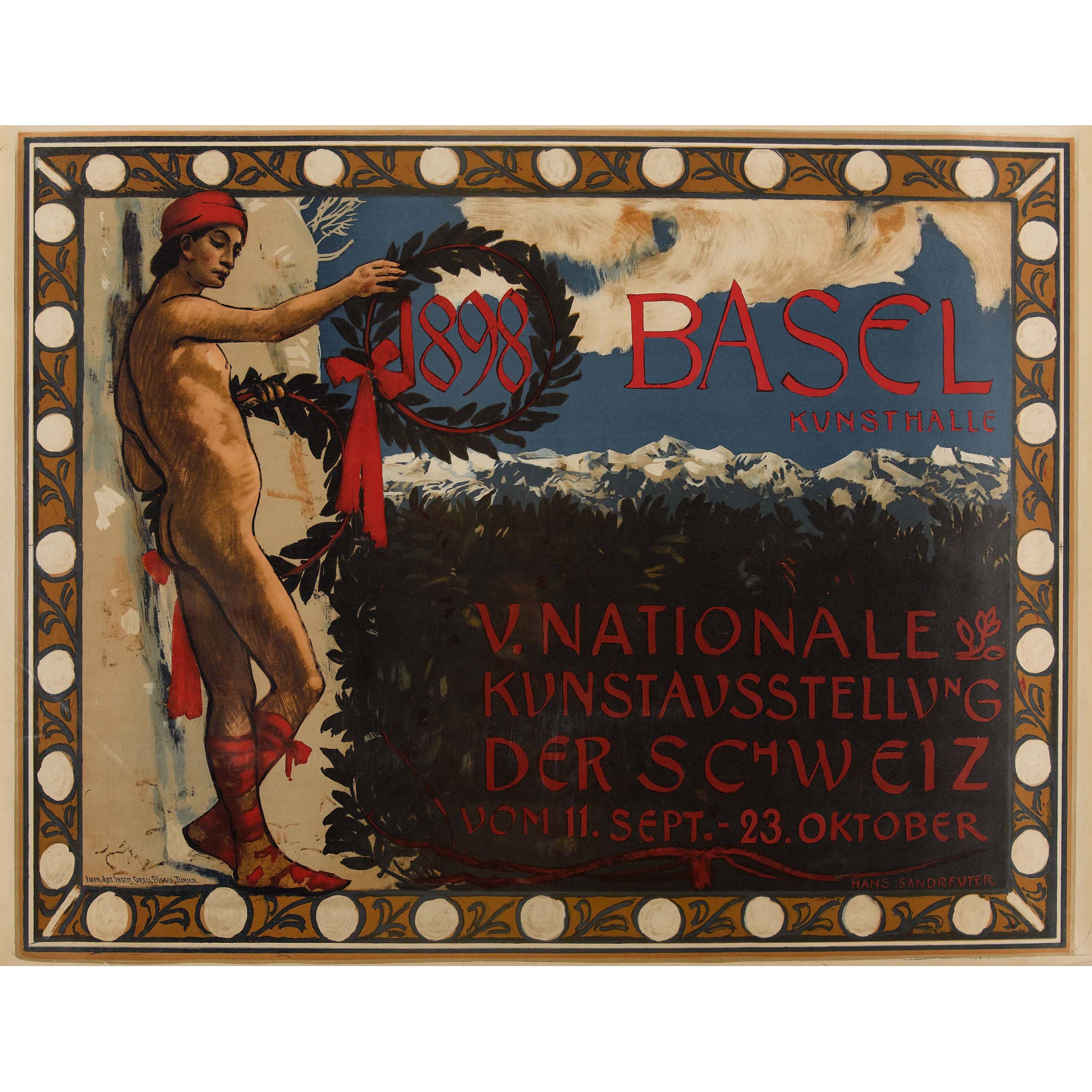
His training began with graphic techniques: from 1867, he undertook an apprenticeship in lithography. Following this training, he worked as a lithographer in Nuremberg and then in Verona, stages that preceded his establishment within Munich’s academic milieu.
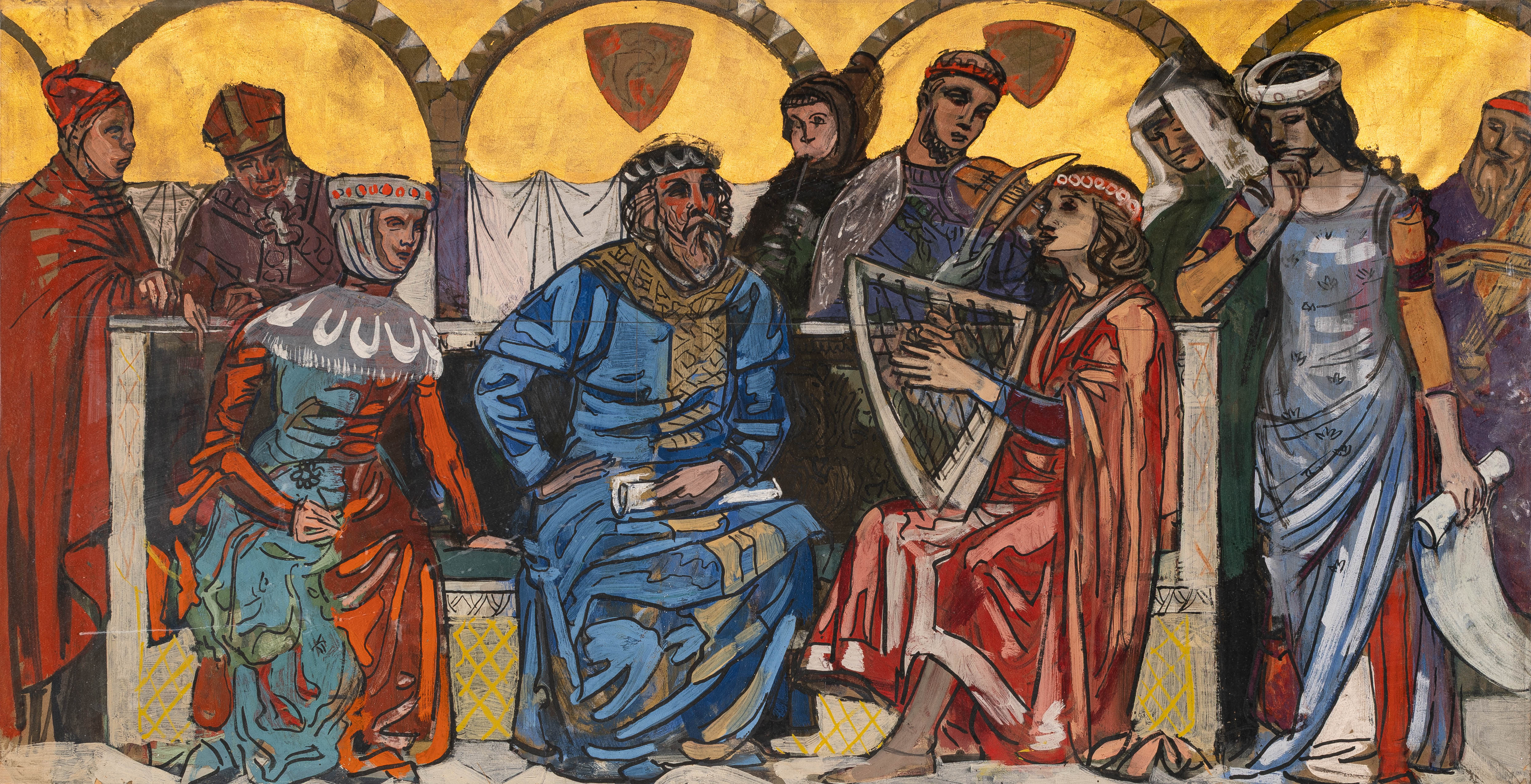
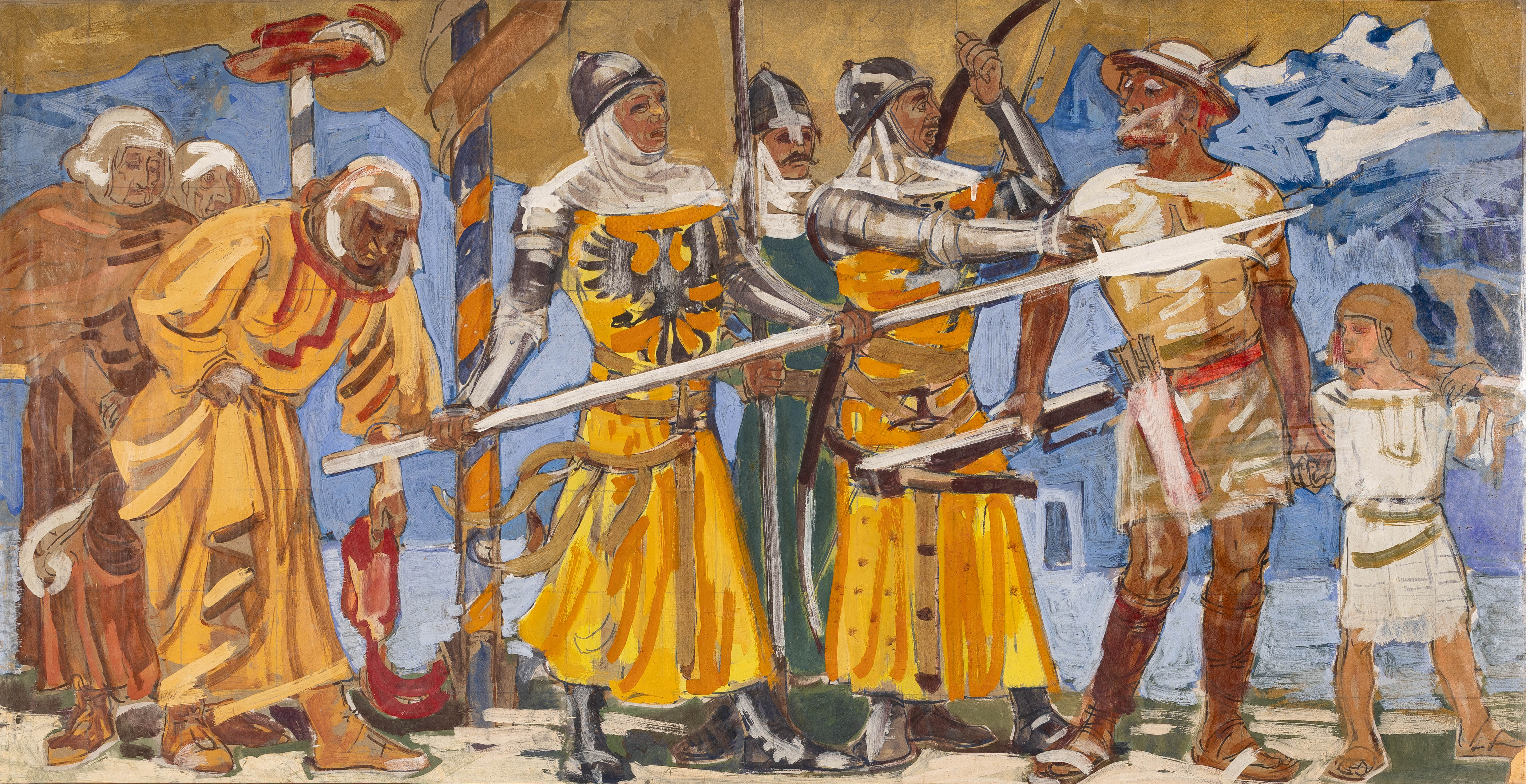
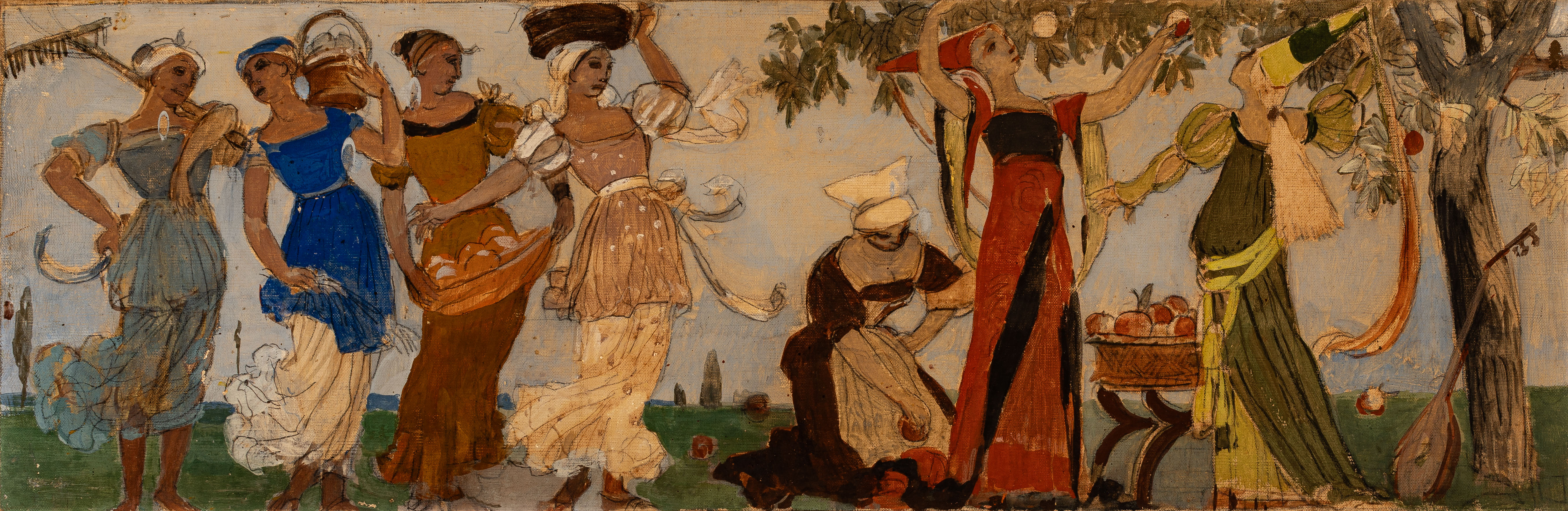
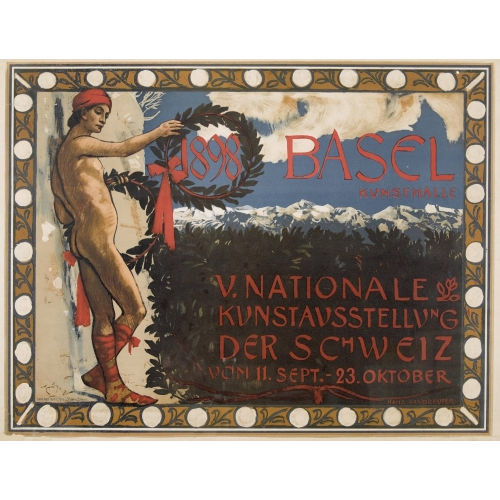
Sandreuter’s career included an important public dimension: he received numerous commissions for murals and decorative schemes for public buildings, and was entrusted with restoration work, notably at the monastery of Stein am Rhein. Several façades and urban decorations are attributed to him and are still recorded in Basel’s old town, including the façade of the Bärenzunft and the wall paintings of the Schmiedezunft. Beyond mural painting, his activity encompassed multidisciplinary practices: sources mention graphic works, stained-glass windows, and furniture designed by him.
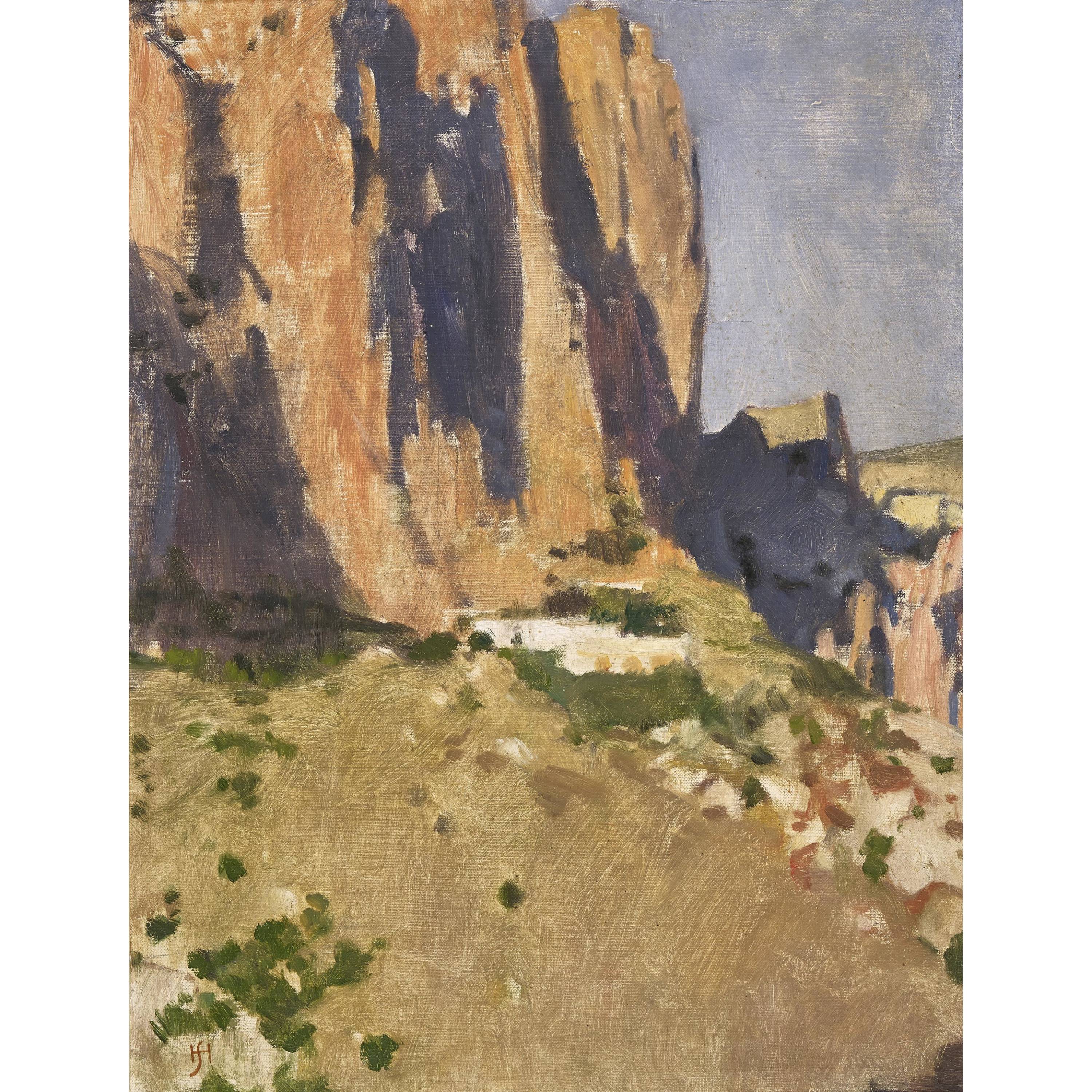
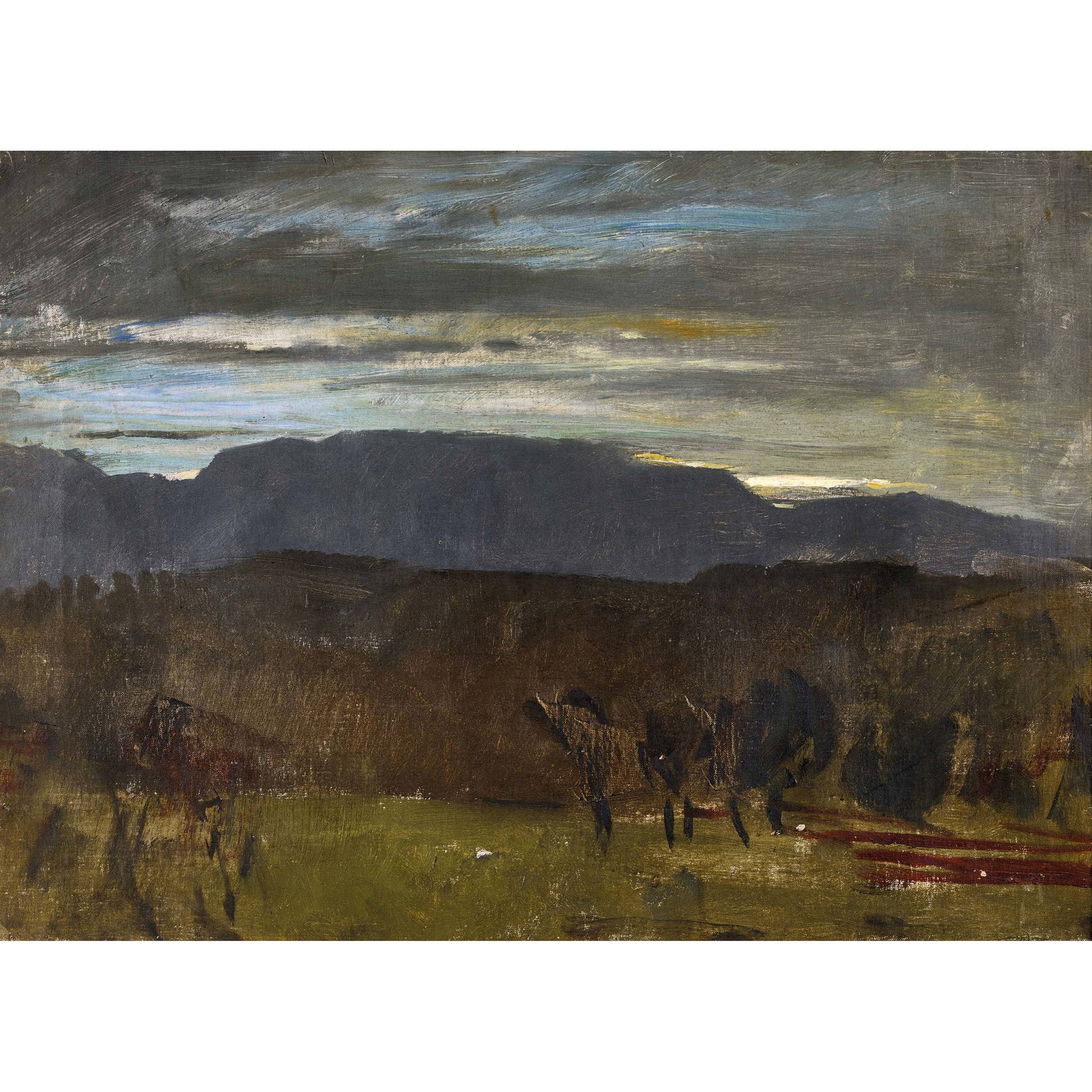
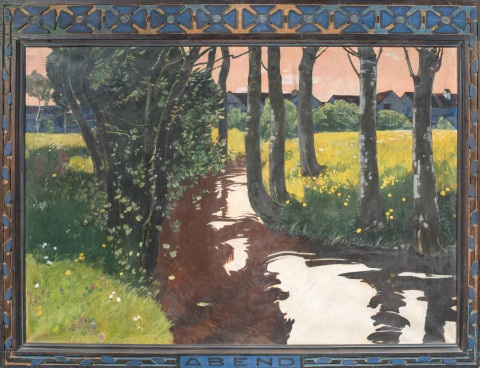
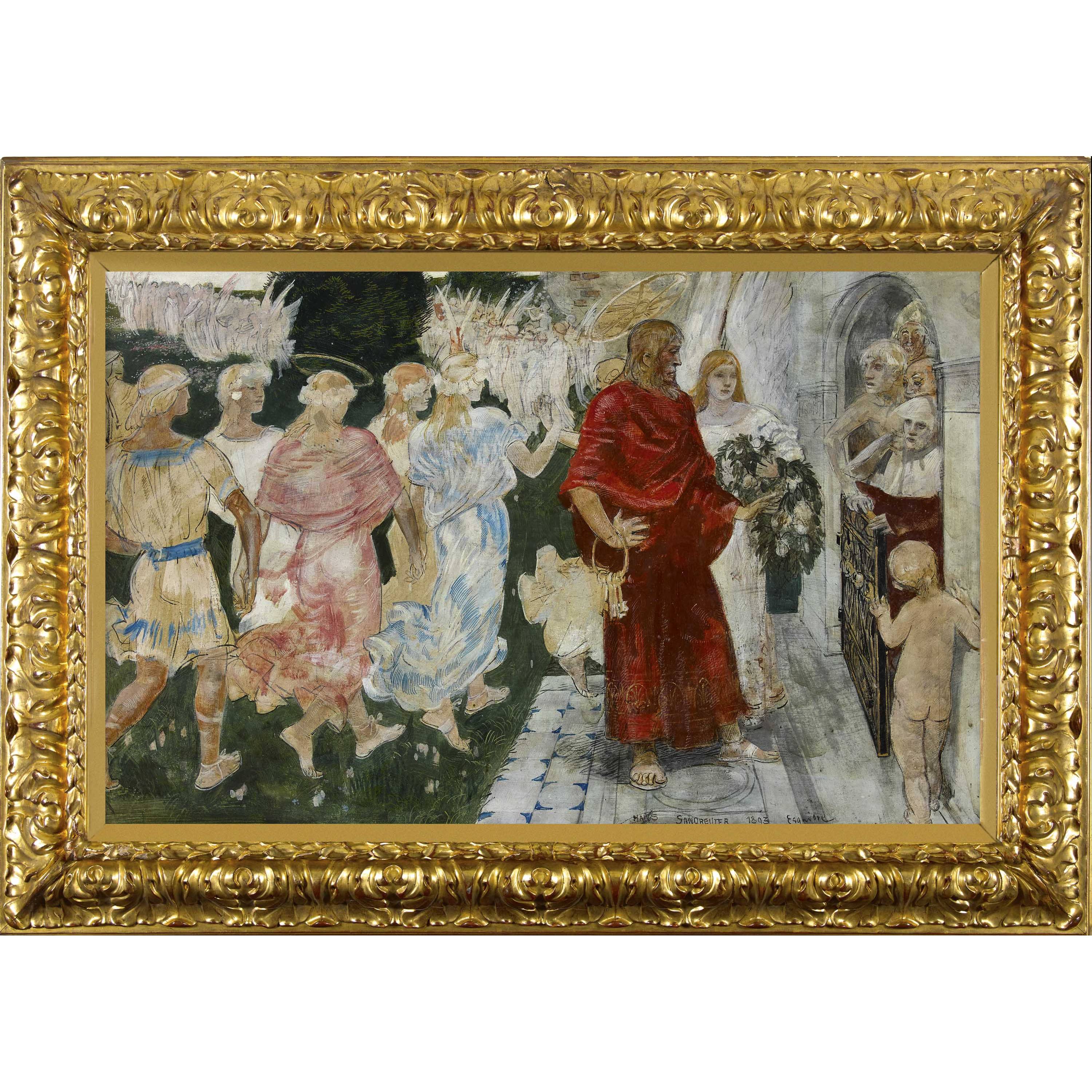
Among the recorded dated works are «À la Porte du Ciel» (1894), «Le Rhin à Bâle» (1900), and «Le soir», an oil on canvas dated 1900. Institutionally, he became a member of the Swiss Federal Commission of Fine Arts in 1896 and received the «Arnold Böcklin» medal in 1897, presented by Böcklin in Florence.
The contemporary reception of his work was reassessed on the centenary of his death: the Kunstmuseum Basel organised a retrospective exhibition in 2001–2002, and a monograph by Bernd Wolfgang Lindemann (Fin de Siècle in Basel. Hans Sandreuter 1850-1901, 2001) documents this body of work.