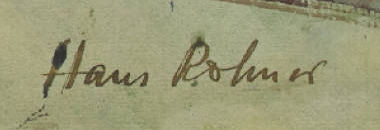
Hans Rohner
Born in 1898.
Died in 1972.
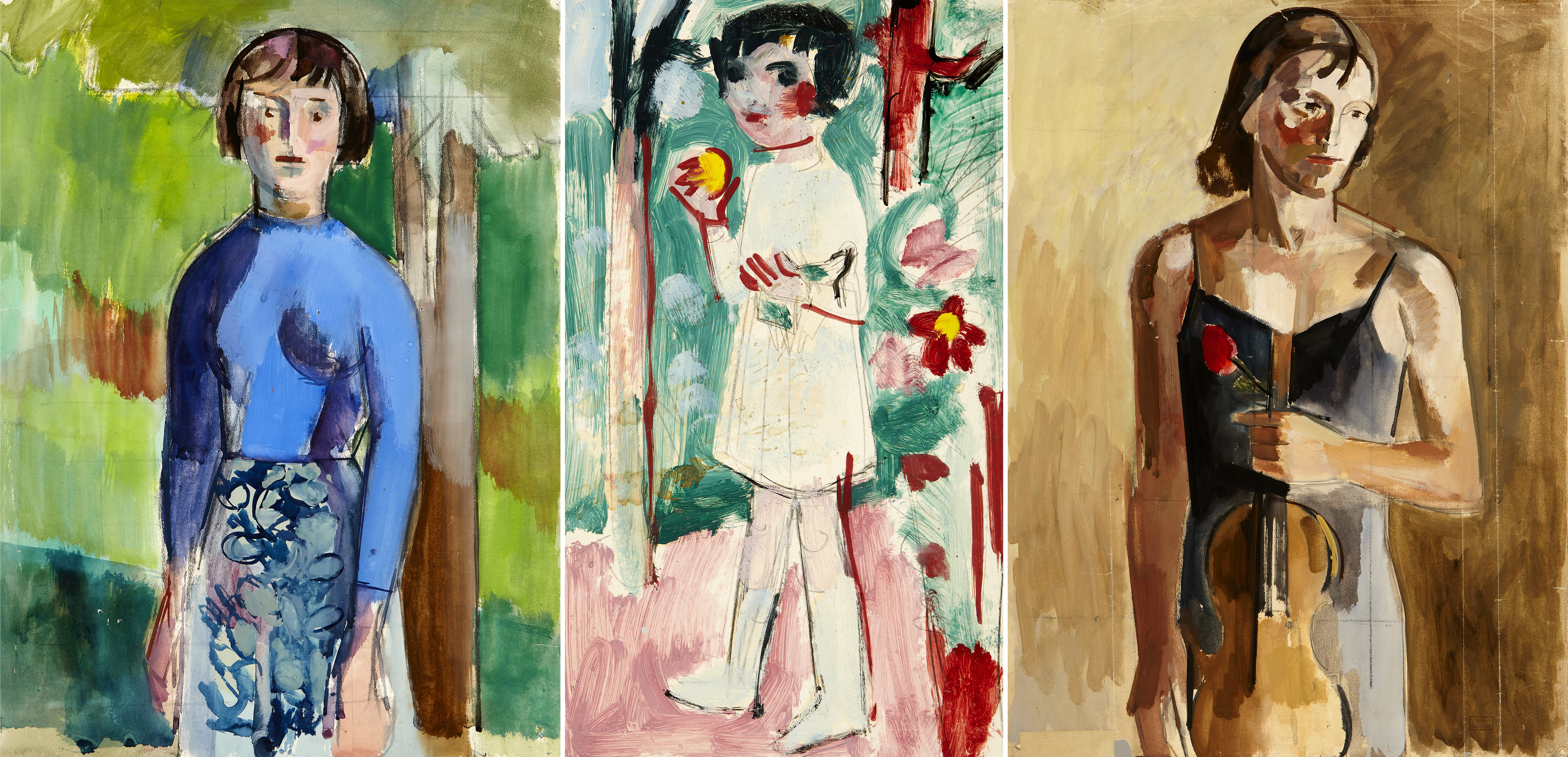
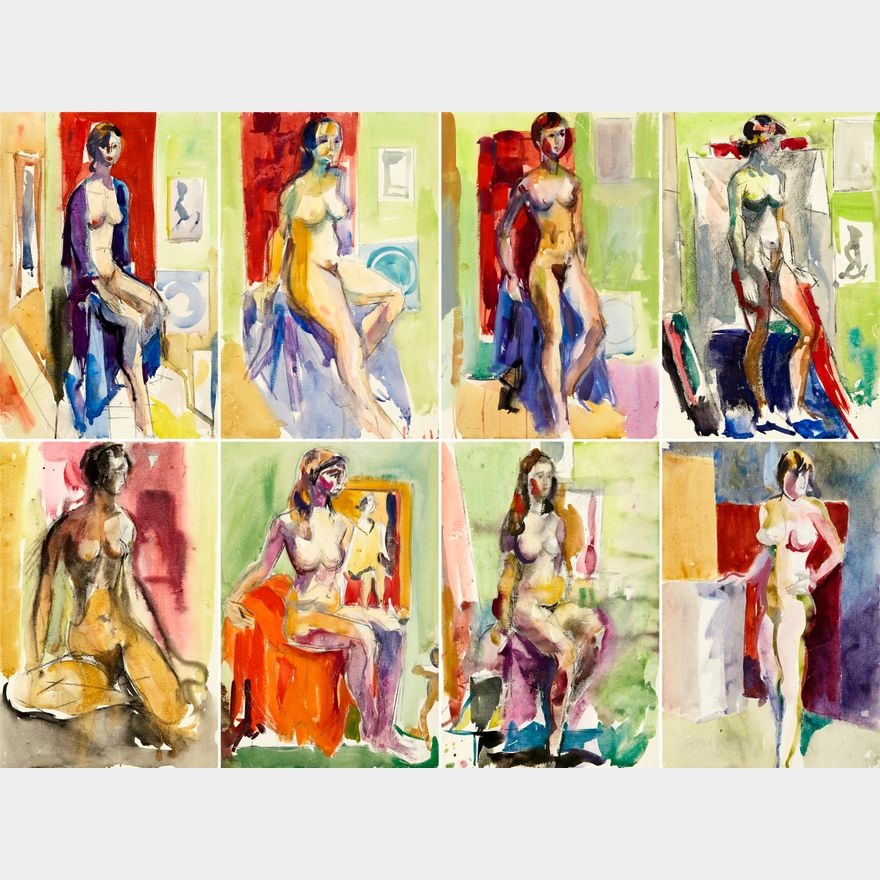
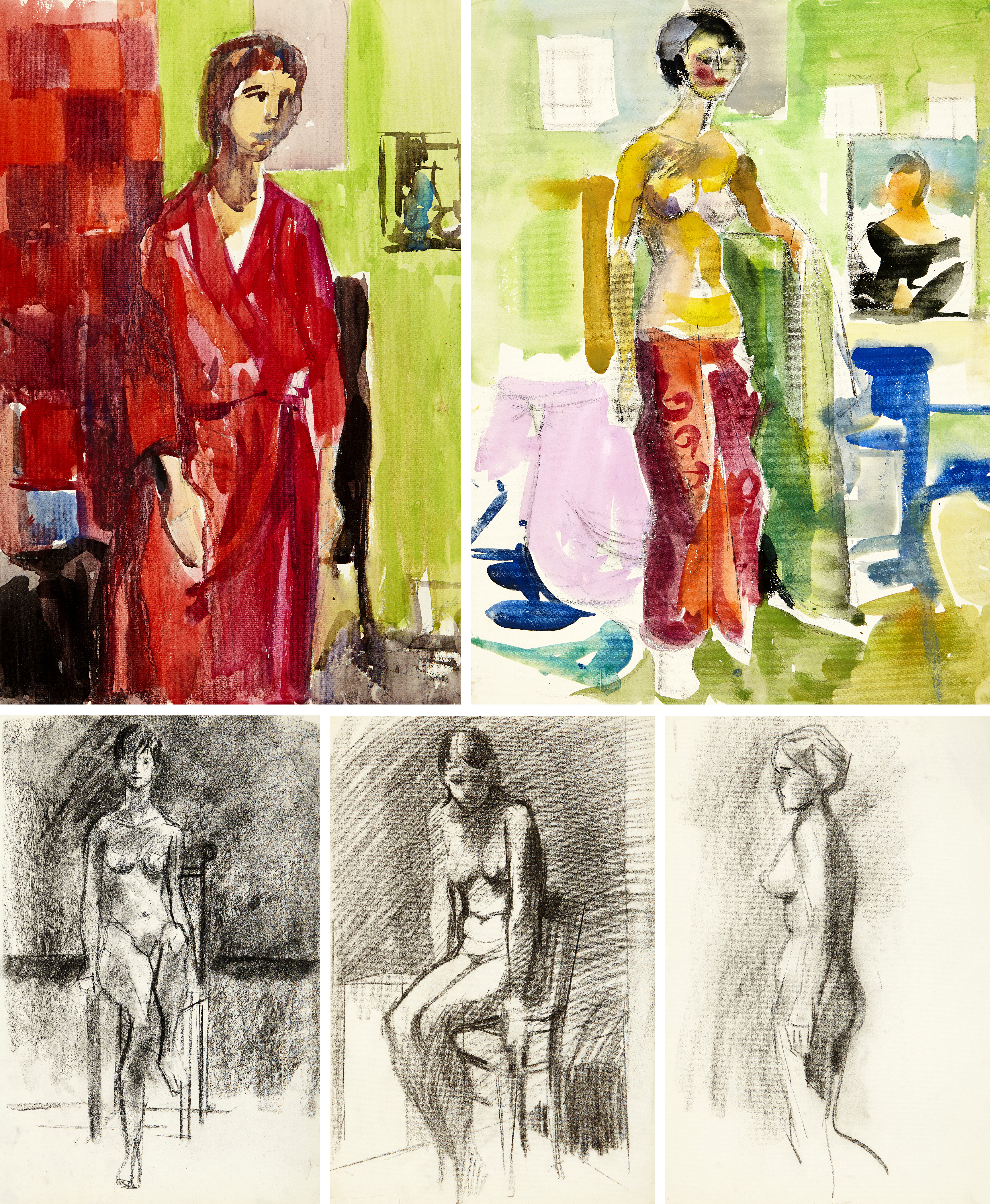
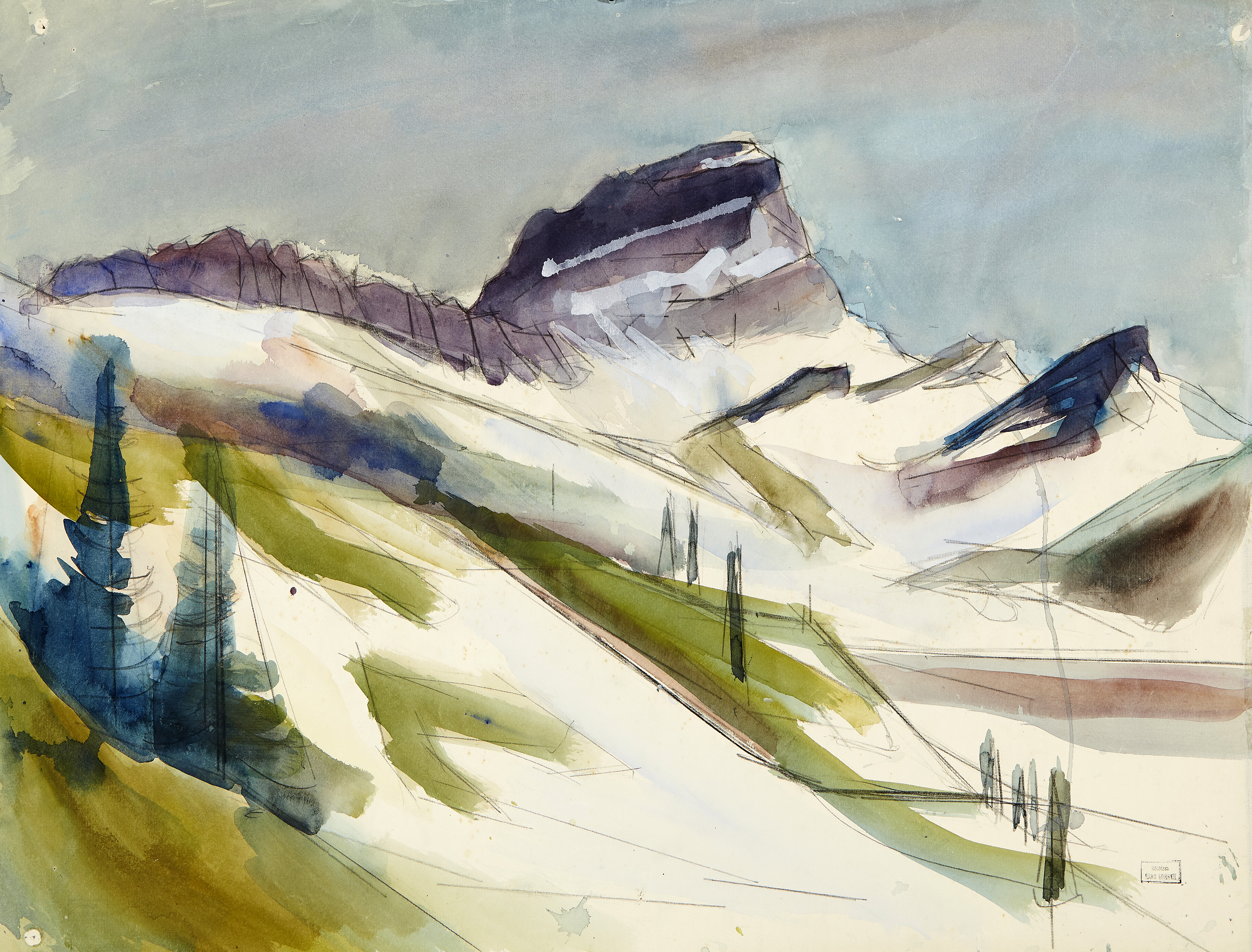
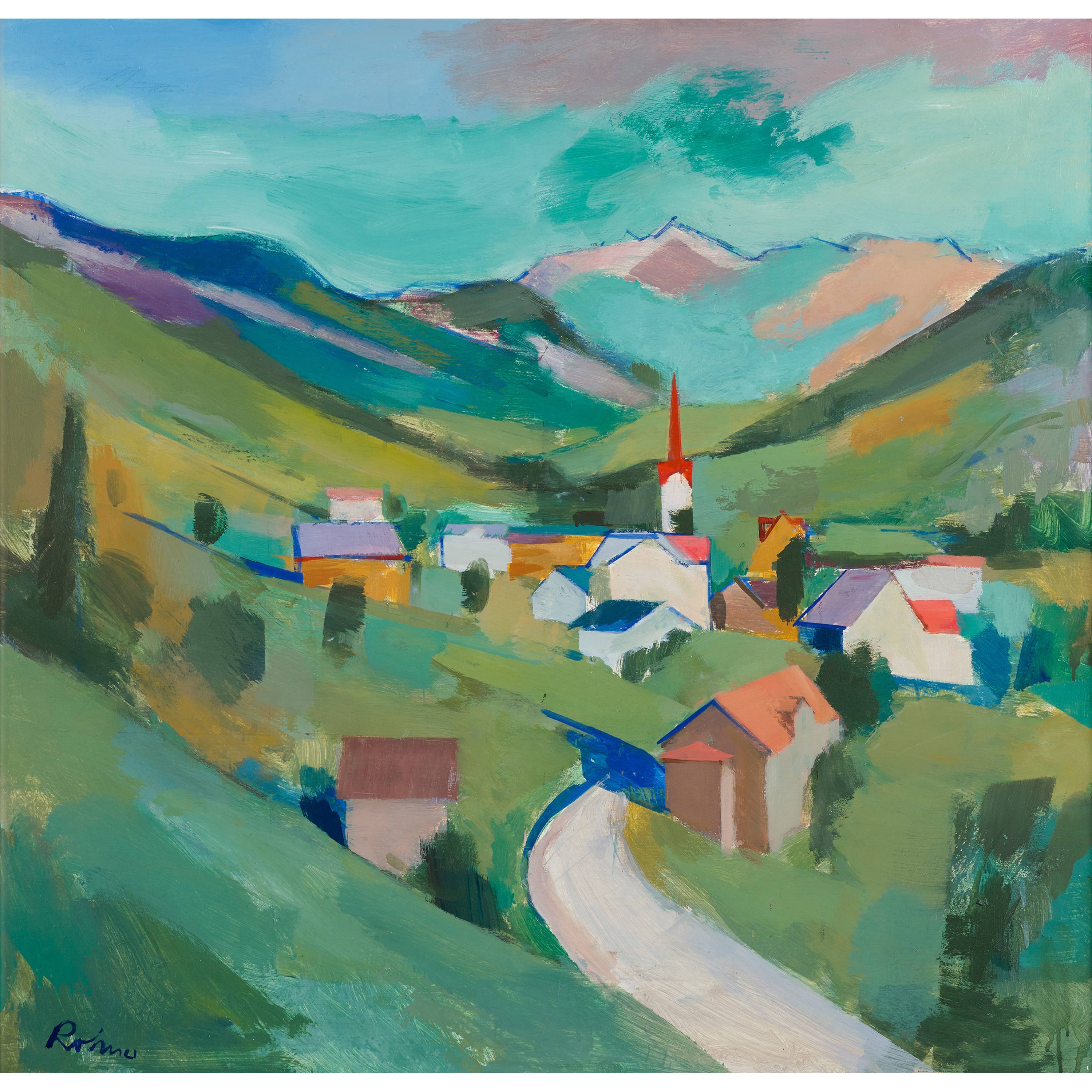
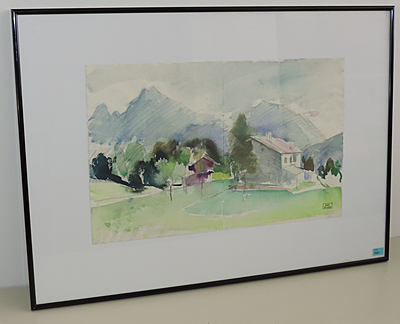
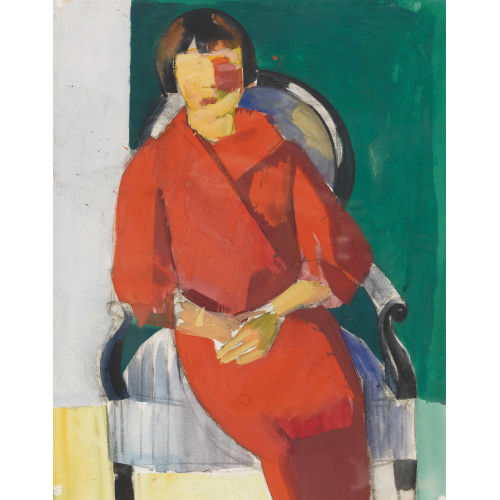
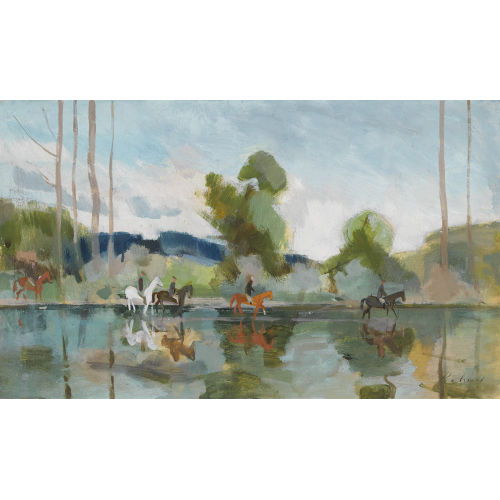
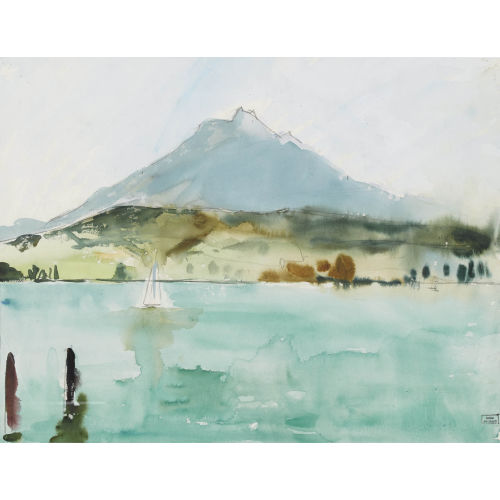
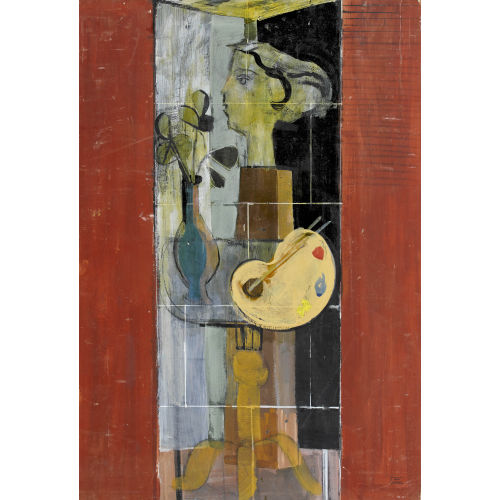
This Swiss painter belonged to a generation for whom colour and the construction of the picture opened up new paths for representation. Trained in Basel, he subsequently worked in Munich before settling in Zurich. His practice encompassed oil painting, watercolour and tempera, as well as experiments in mural decoration: the scene of Saint Martin sharing his cloak, executed in the early 1920s above the south portal of Basel’s Martinskirche, demonstrates his interest in an image intended for public space.
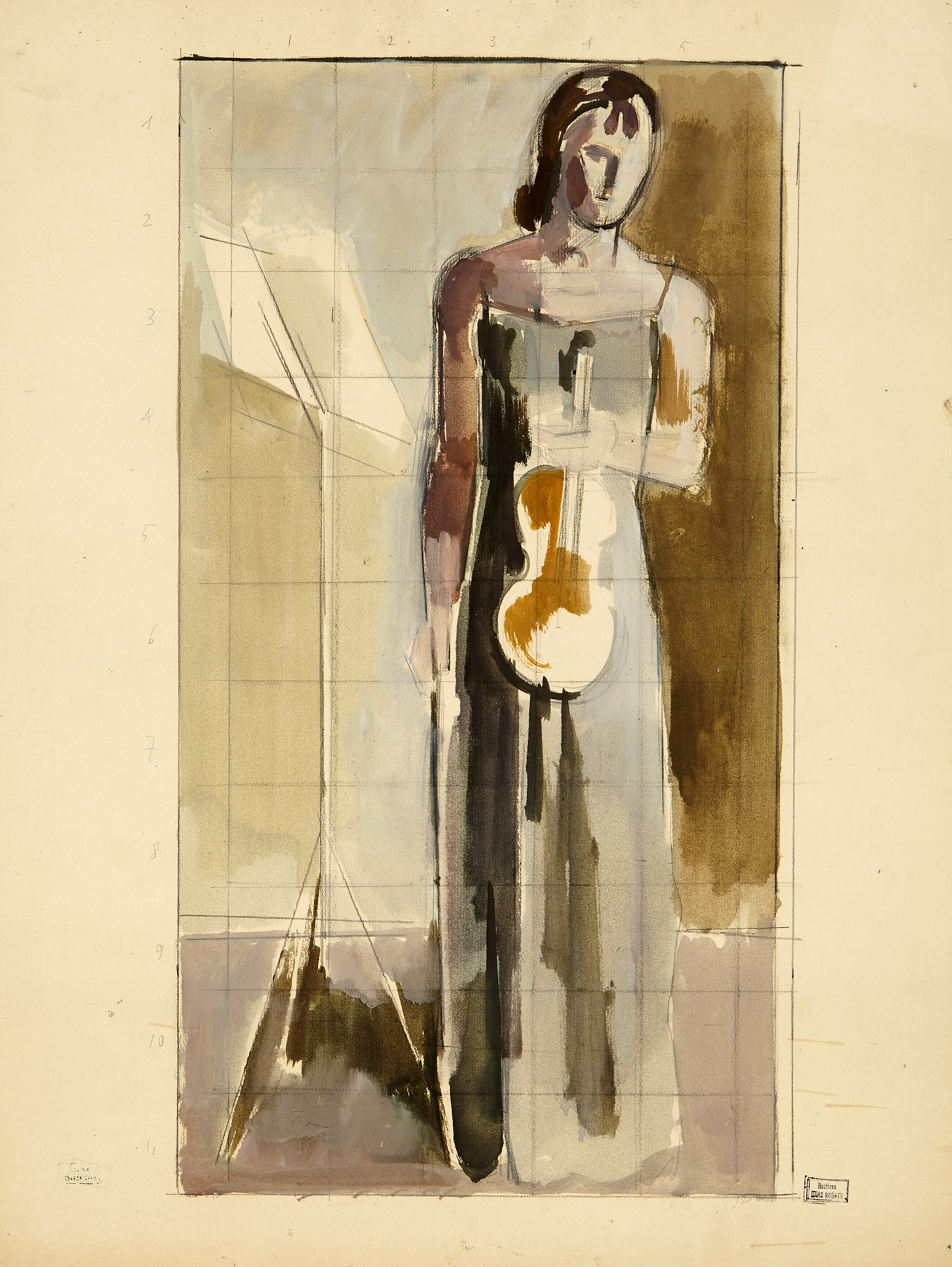
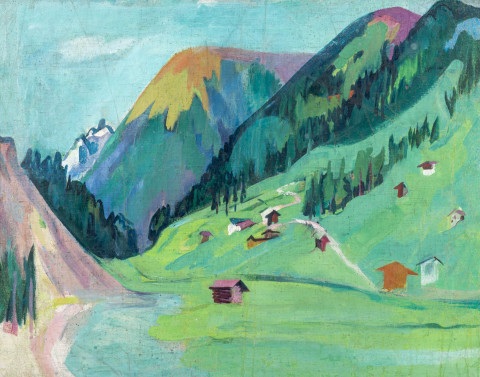
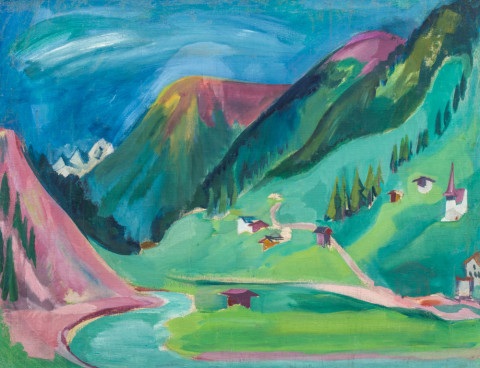
An important episode in his artistic life unfolded around Ernst Ludwig Kirchner. In 1928, Rohner and his wife, the violinist Lotte Kraft-Rohner, visited the painter in Davos; they subsequently became models for him. This proximity to Expressionism does not, however, sum up Rohner’s work.
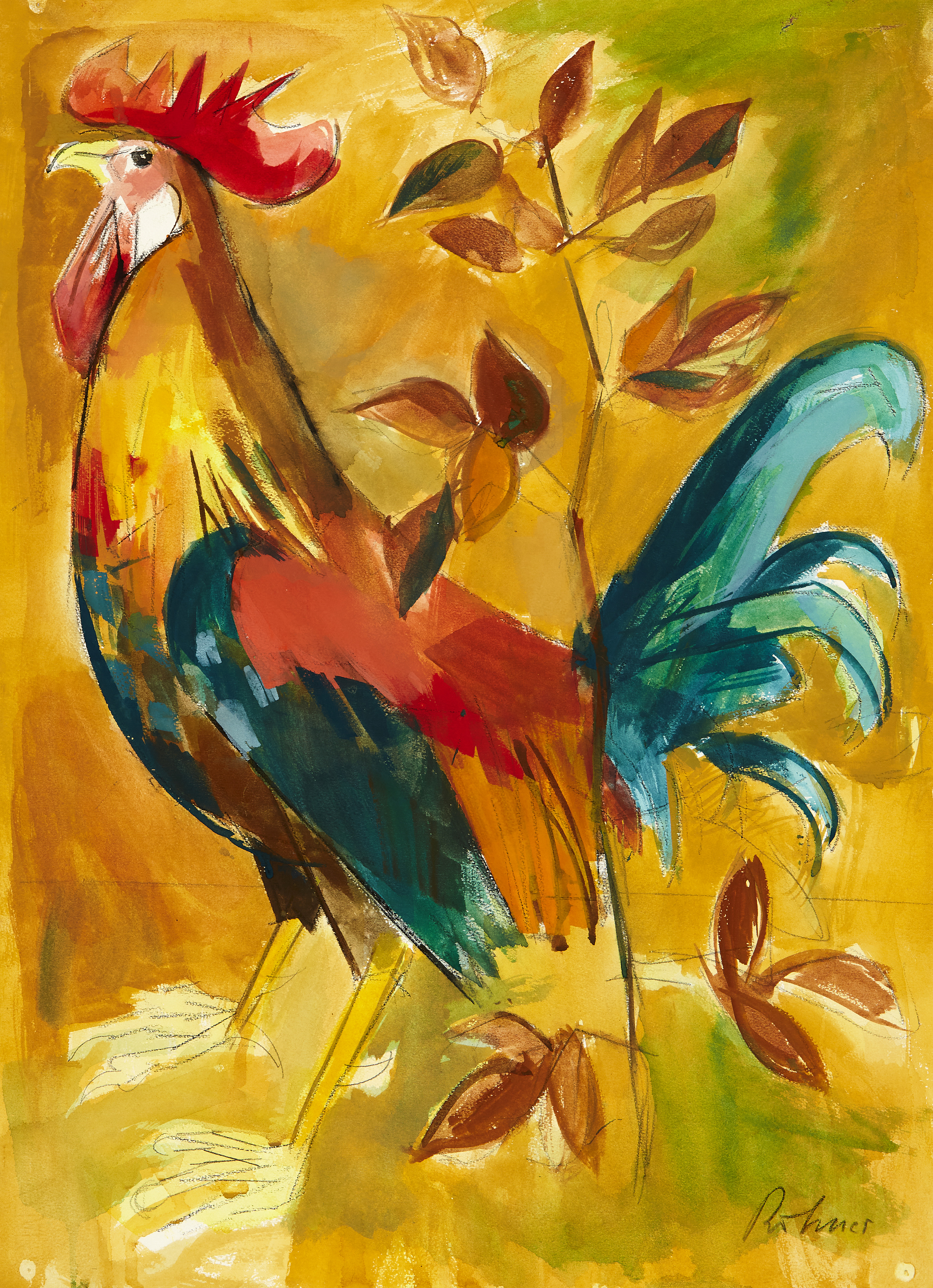
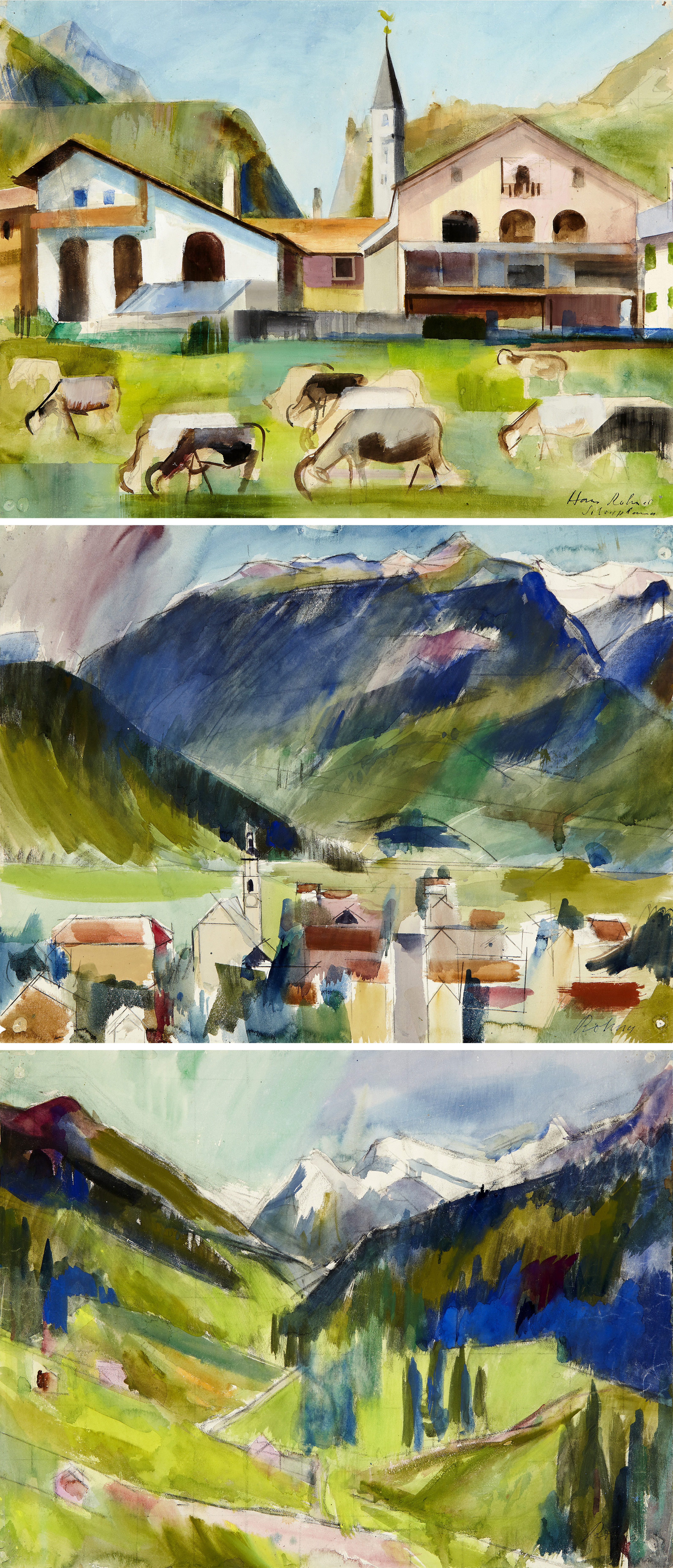
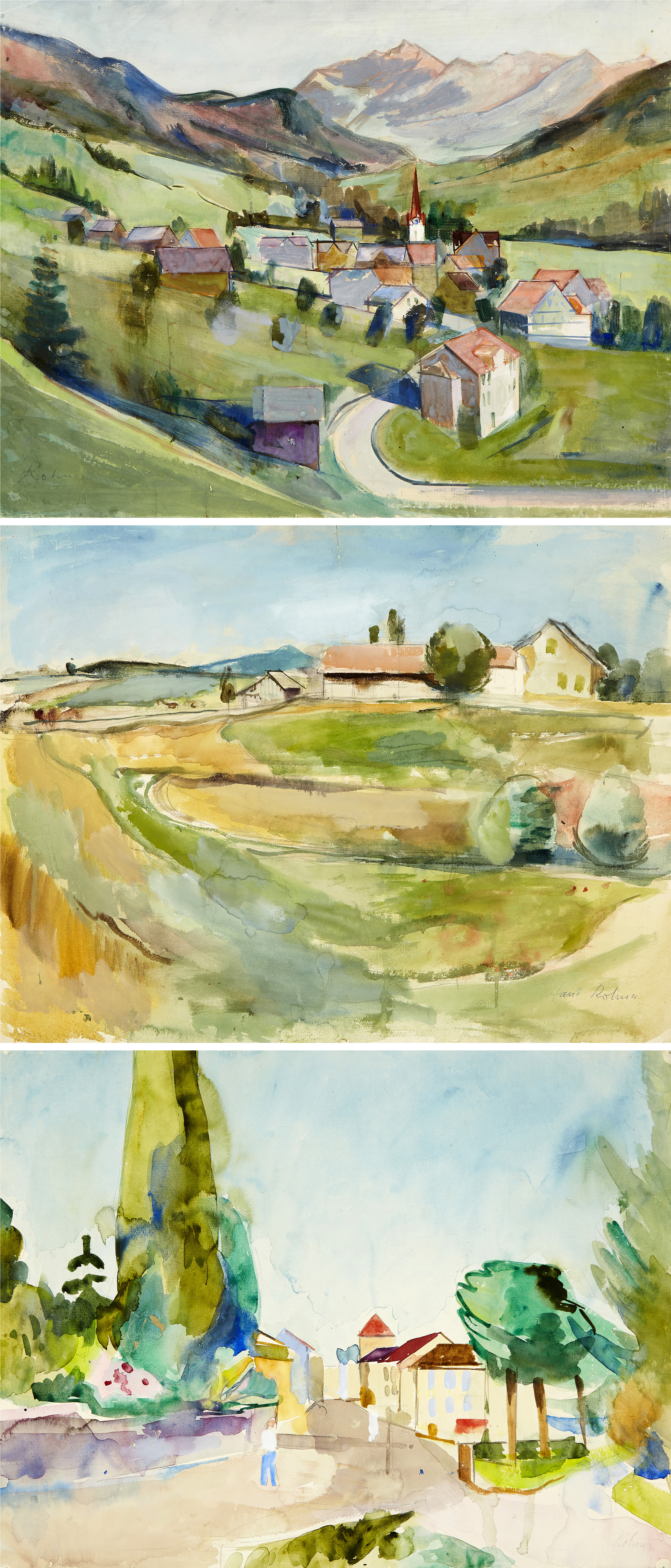
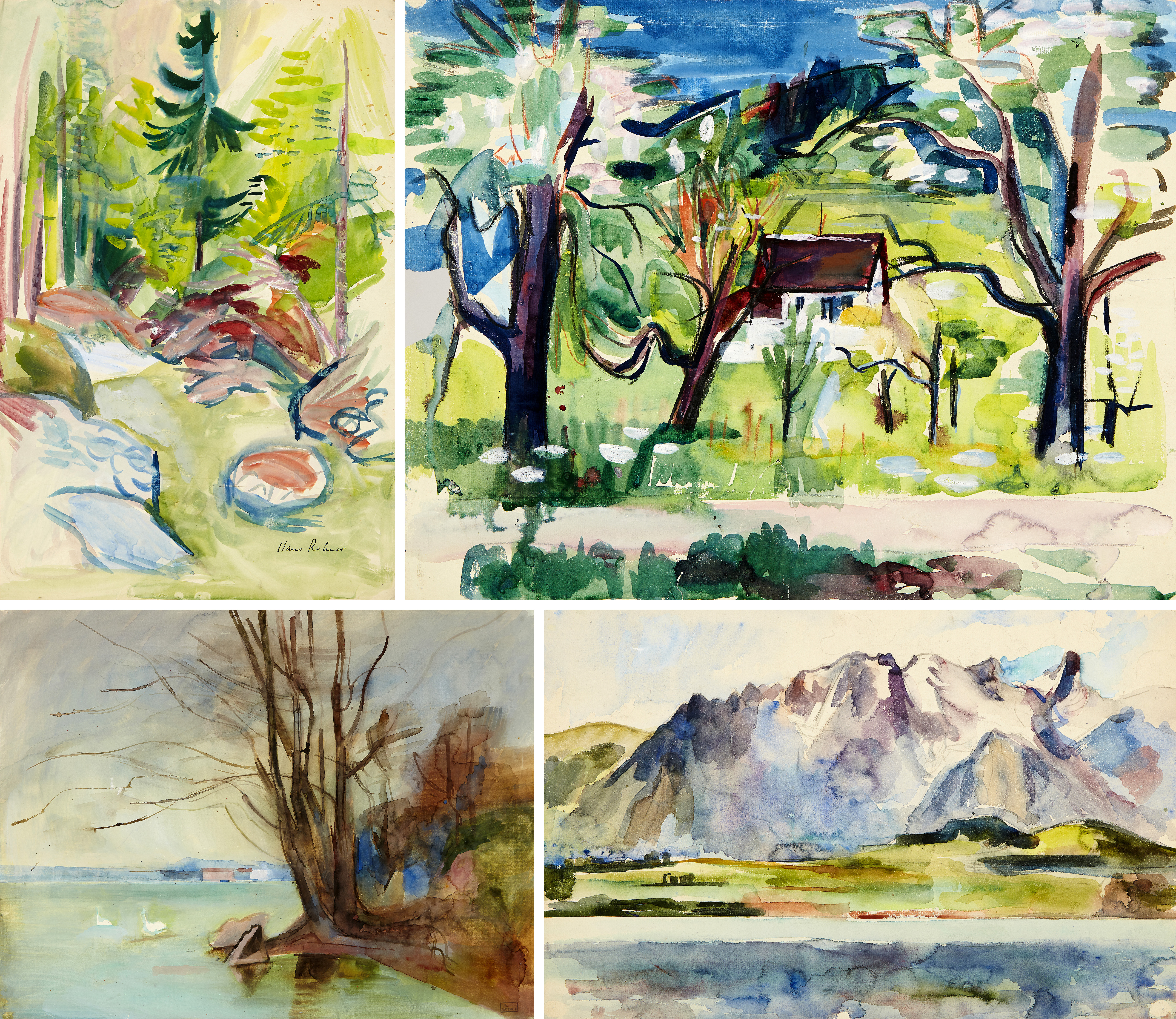
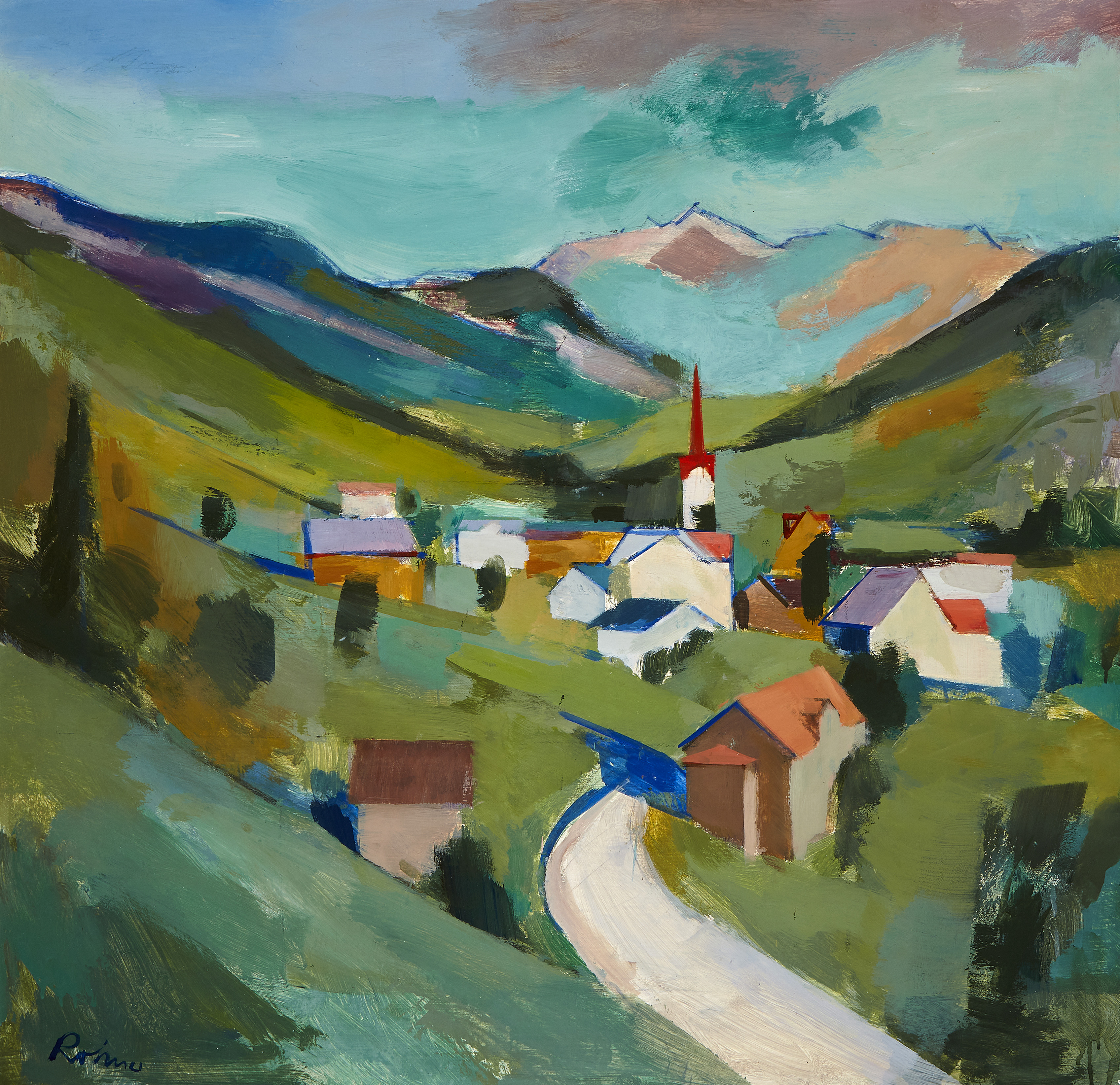
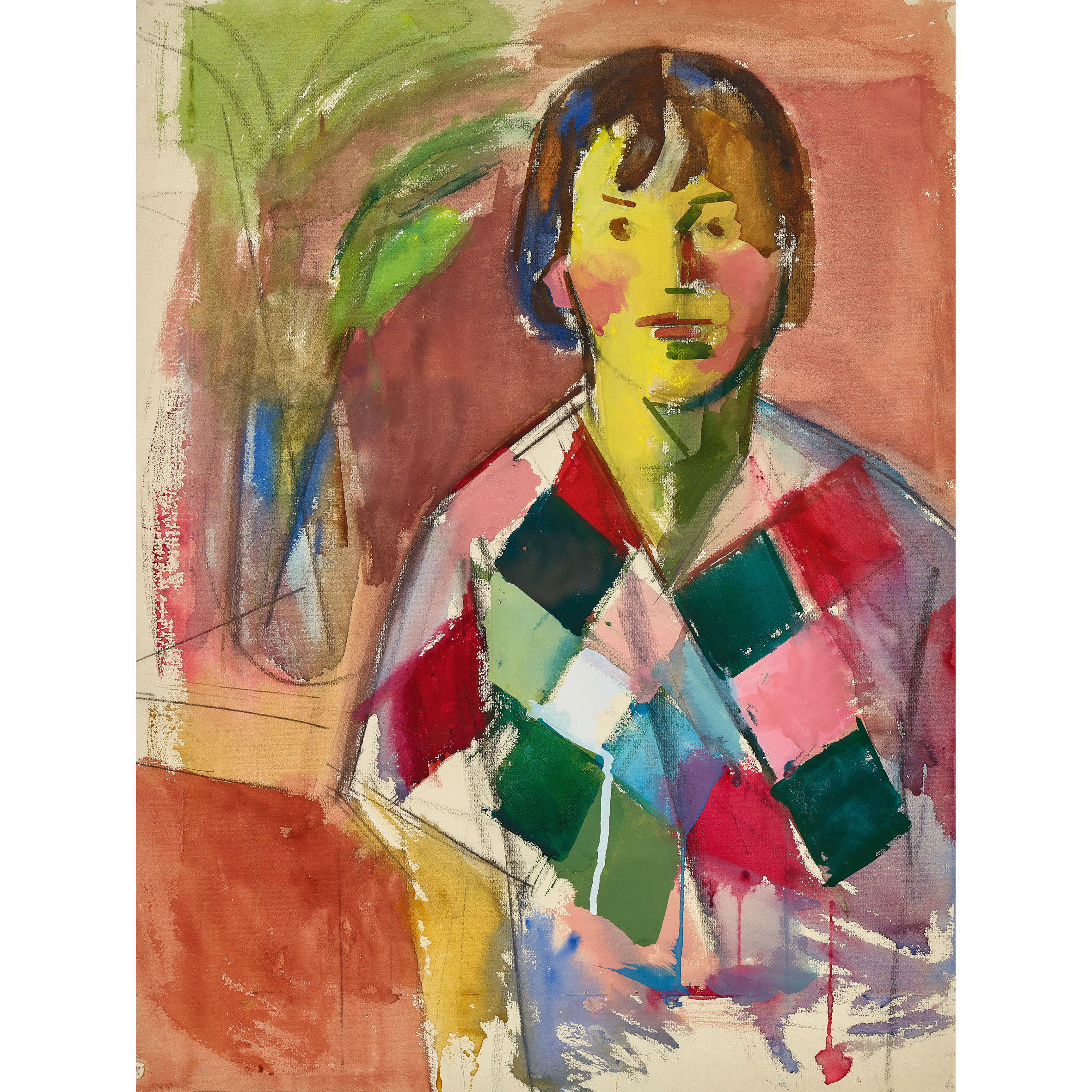
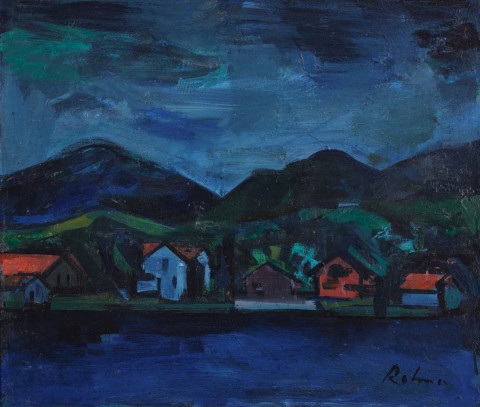
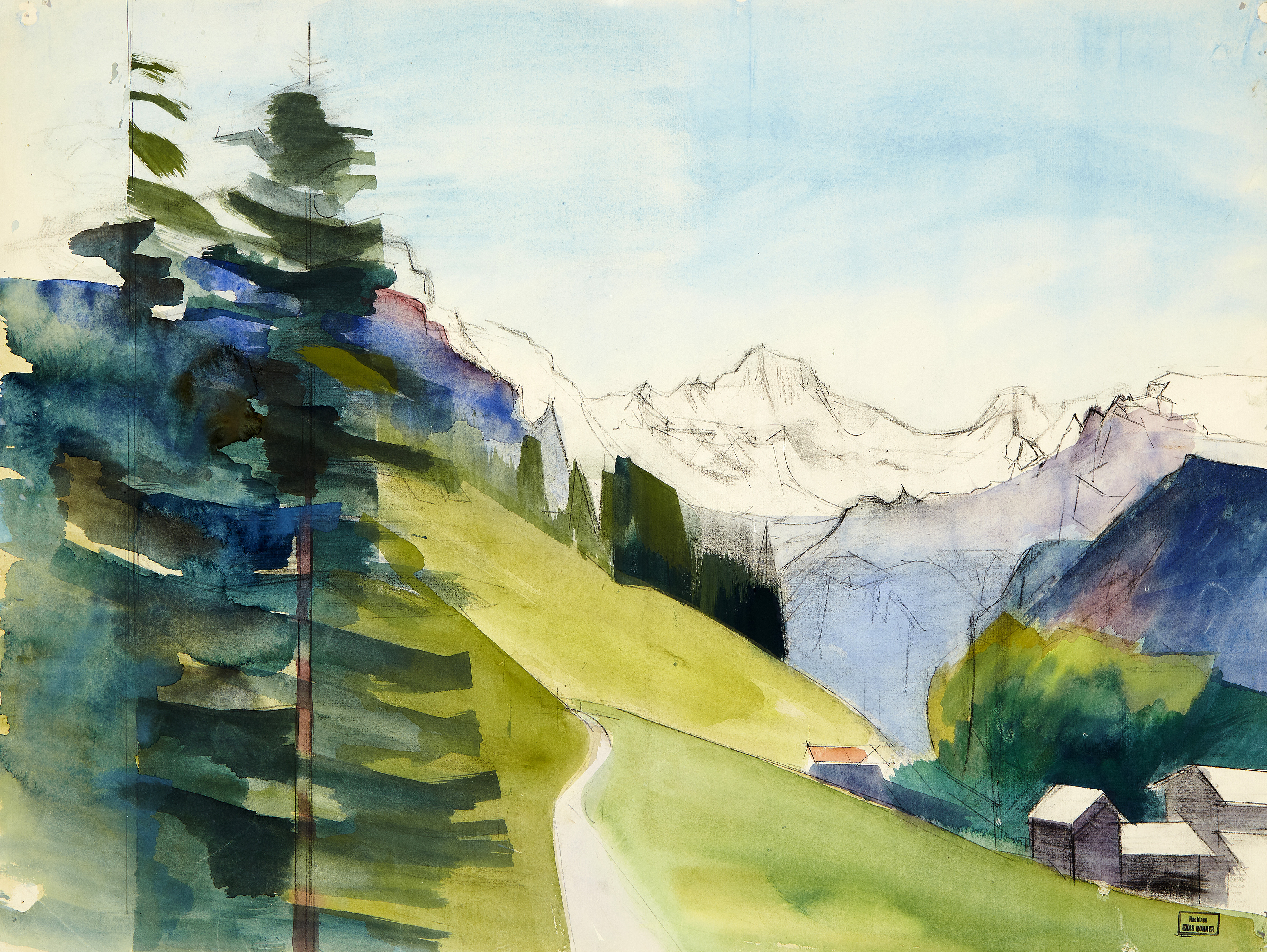
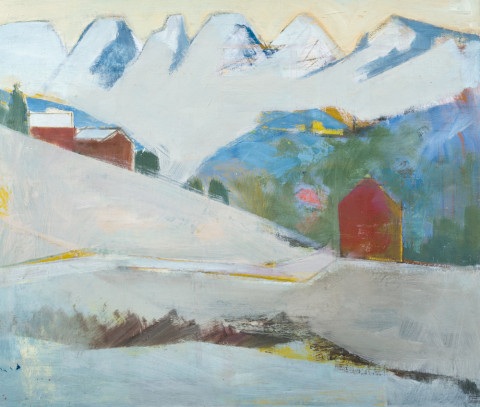
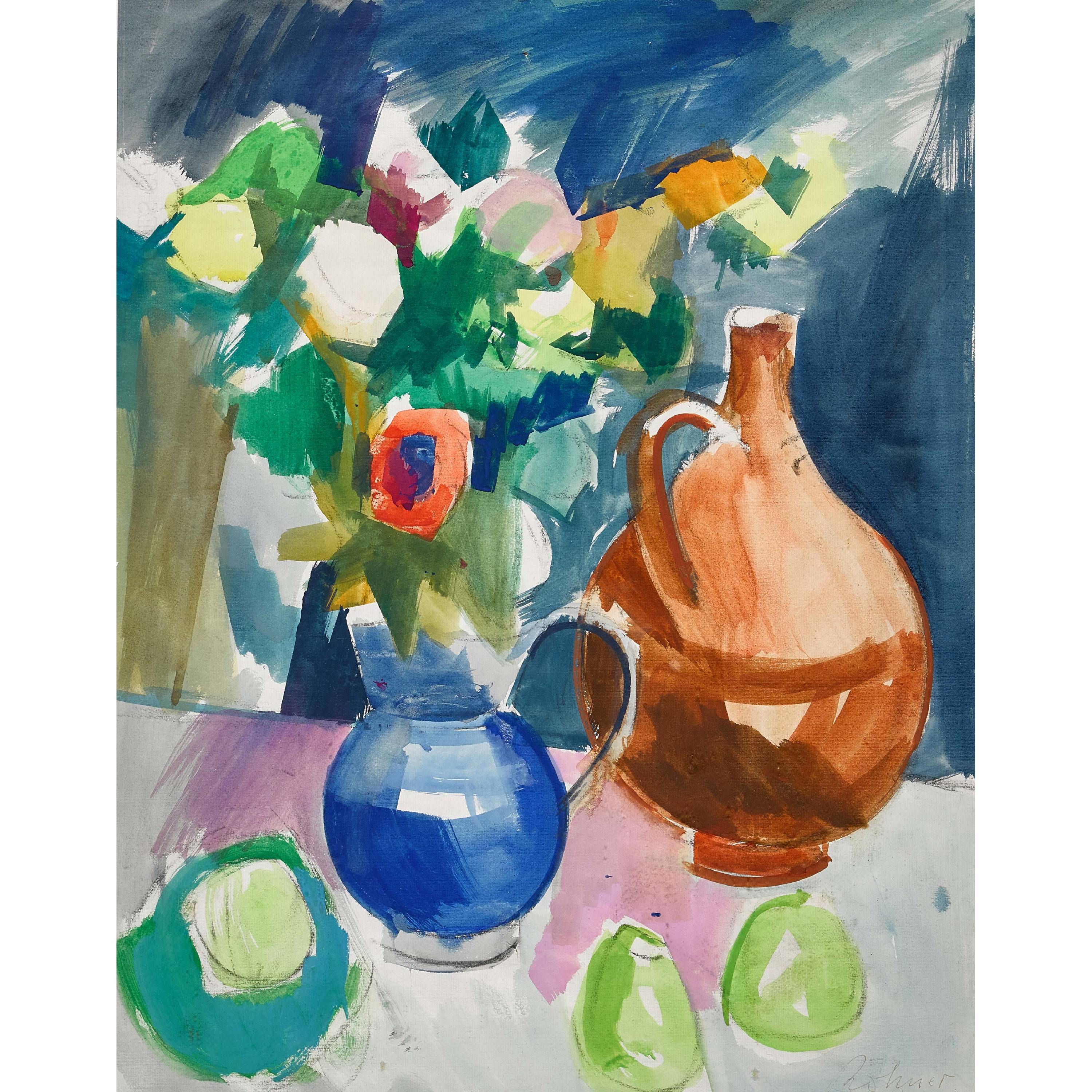
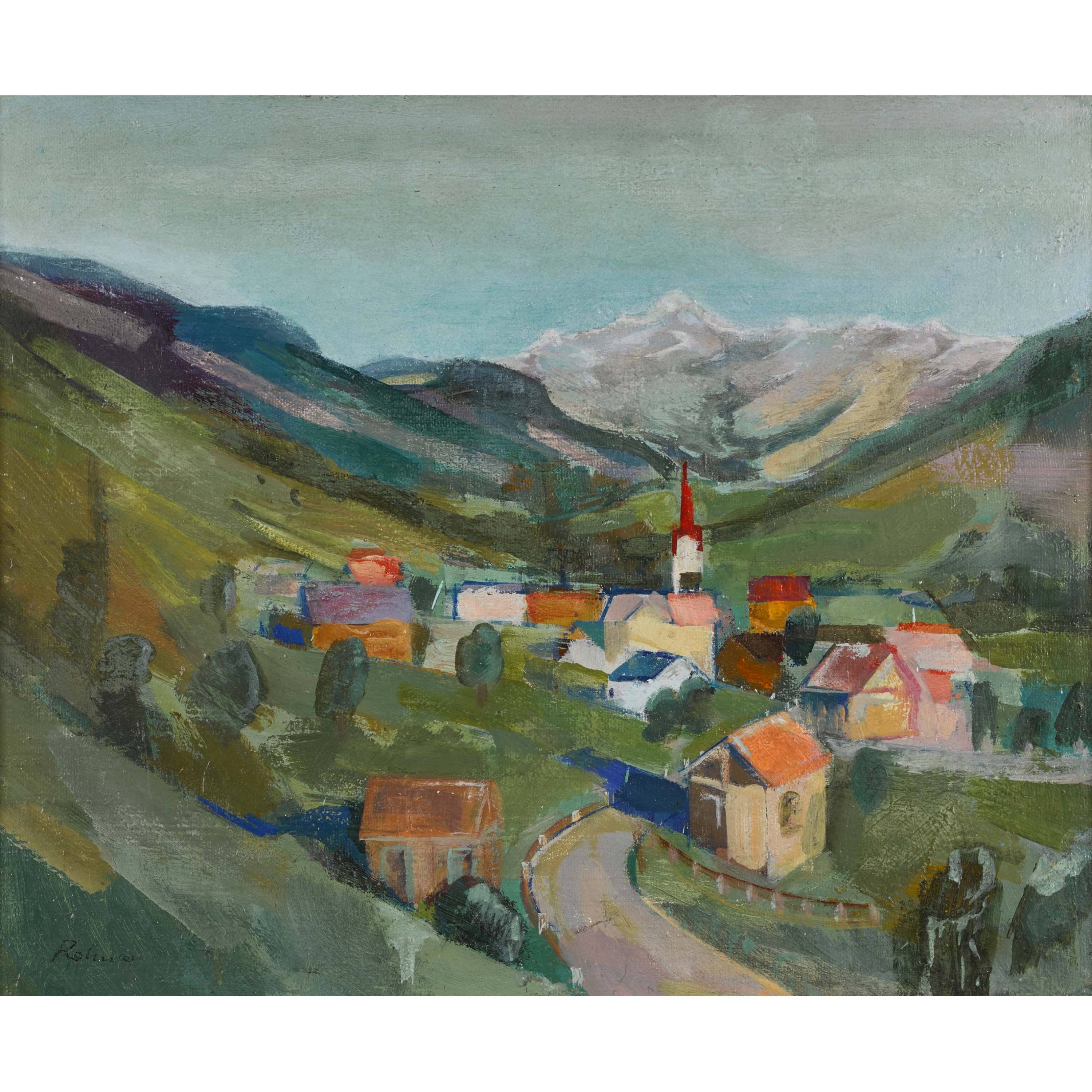
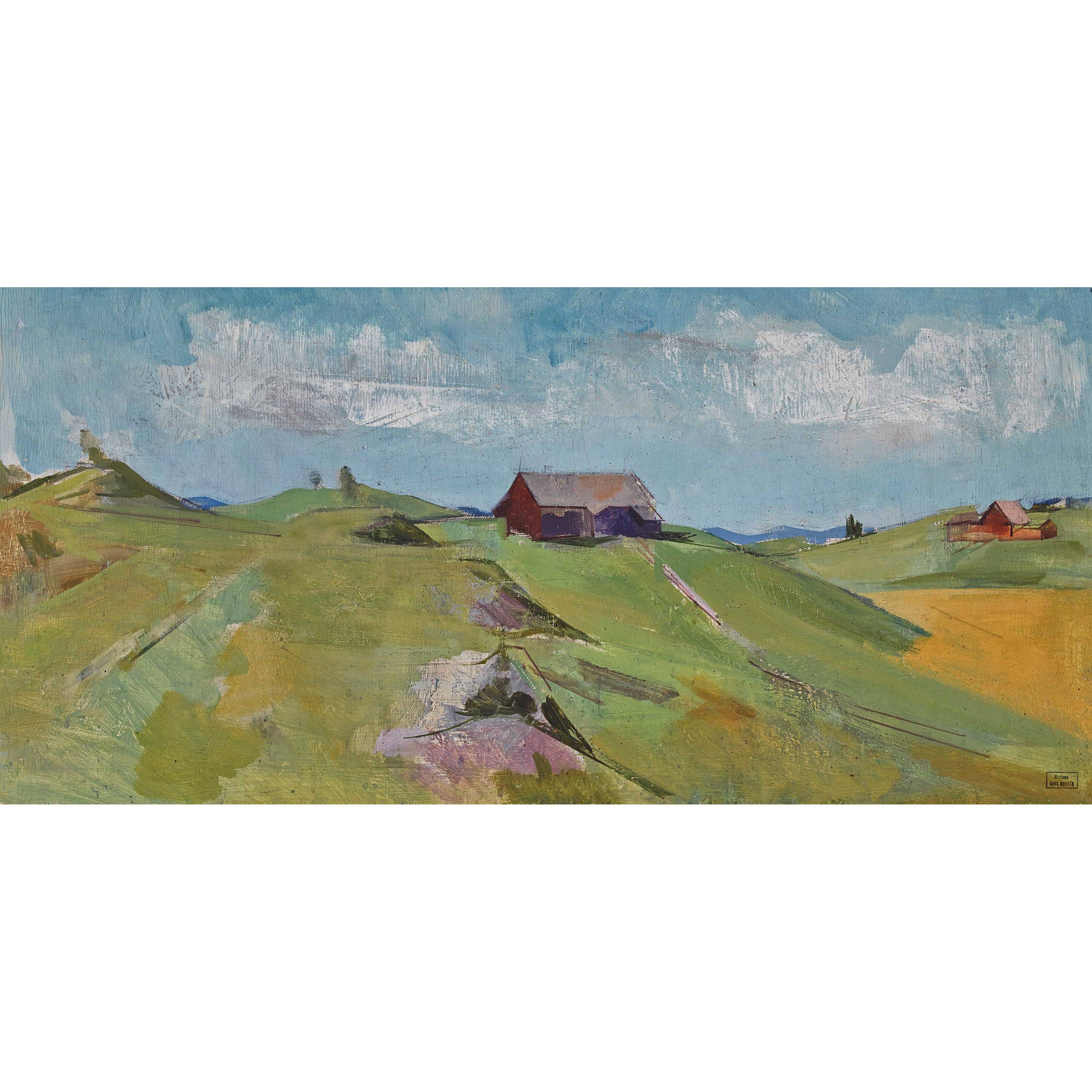
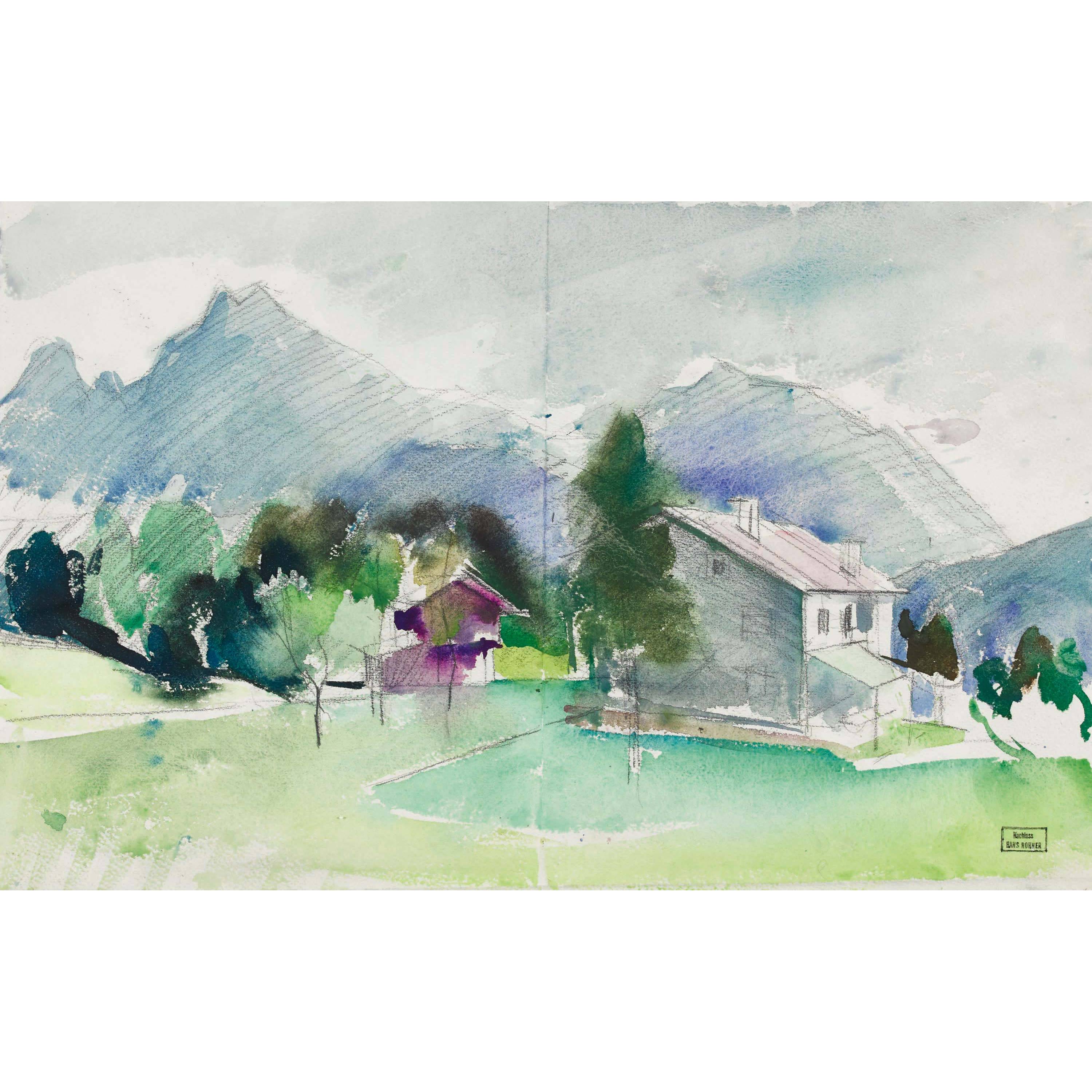
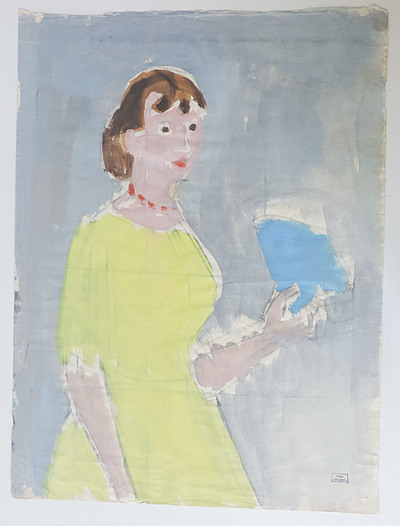
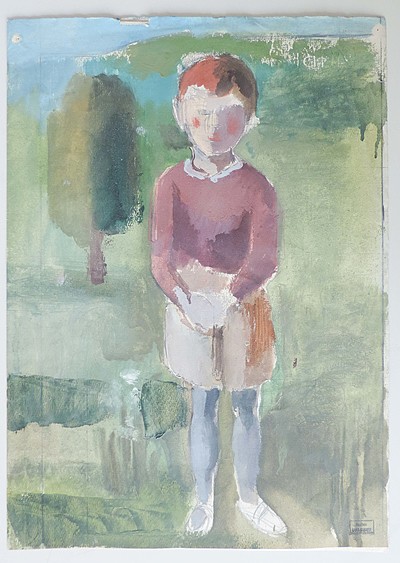
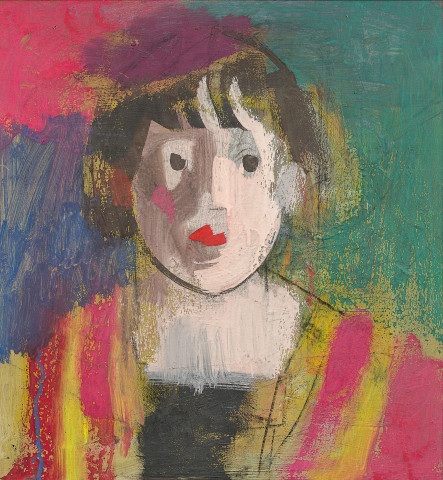
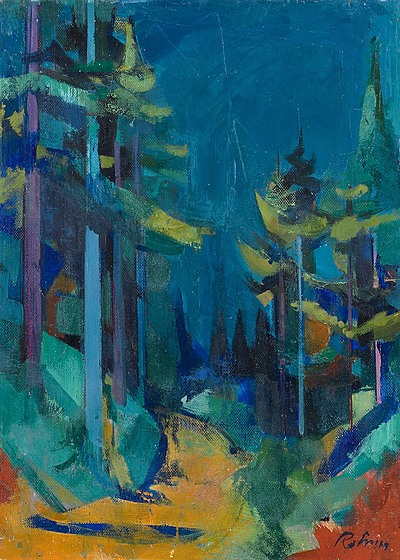
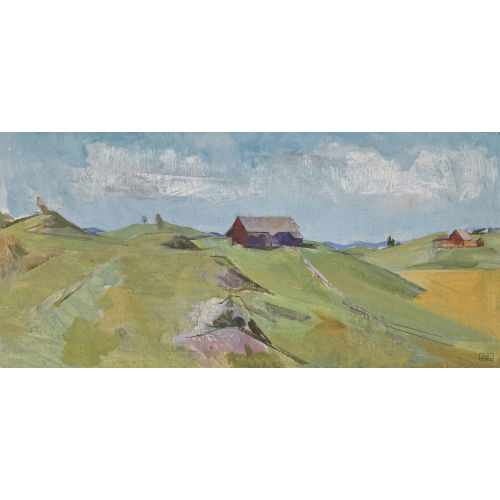
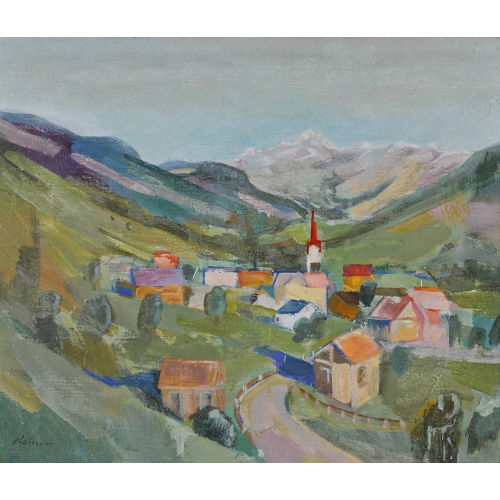
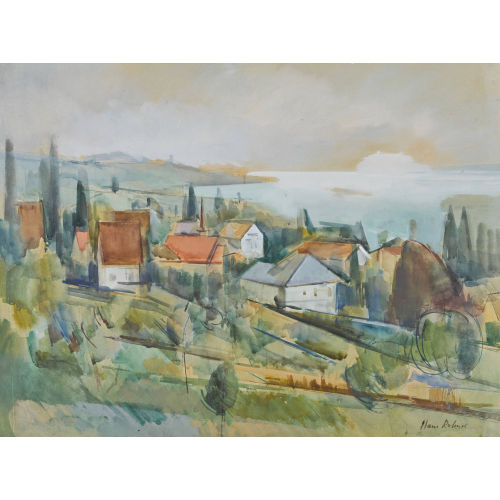
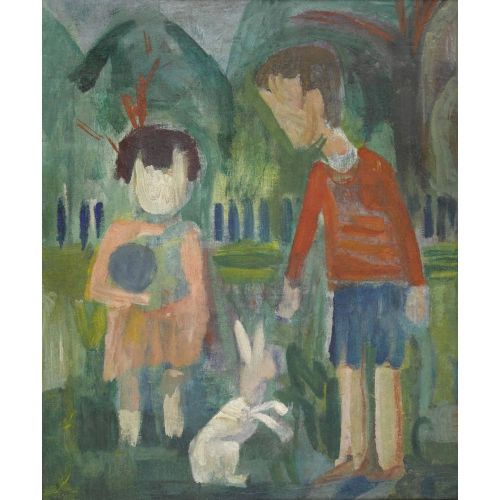
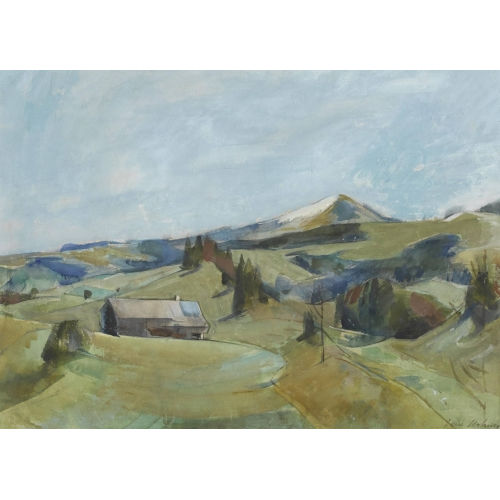
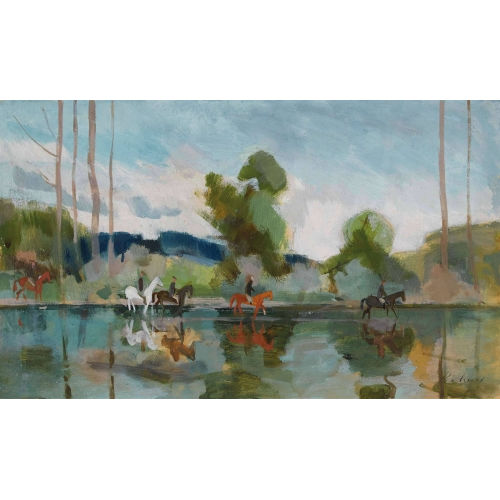
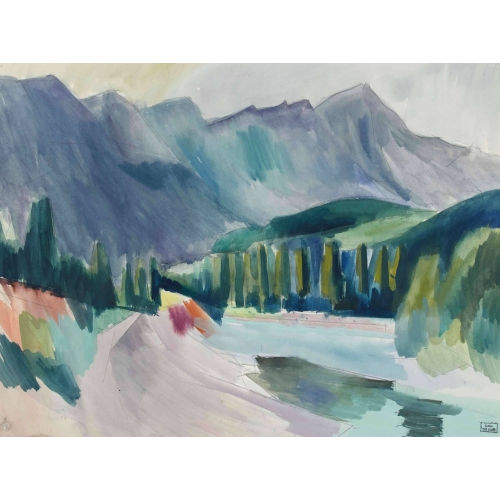
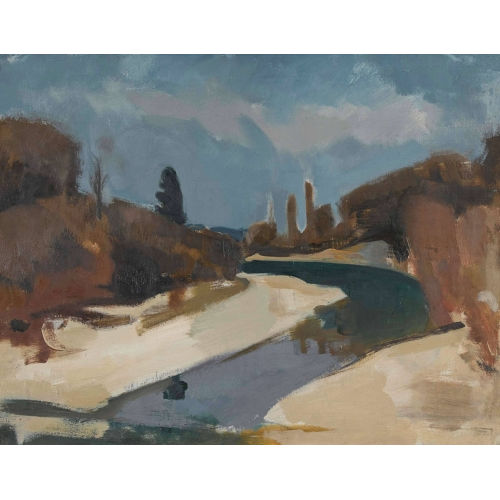
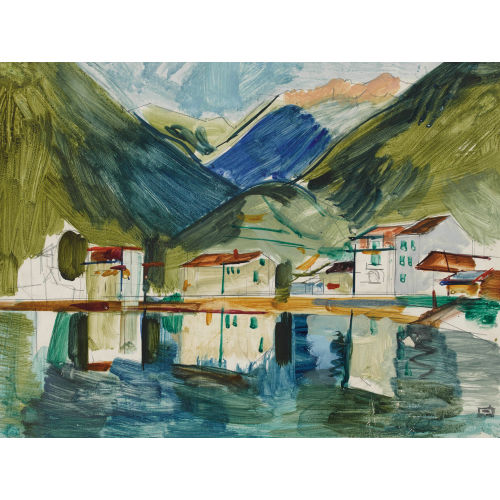
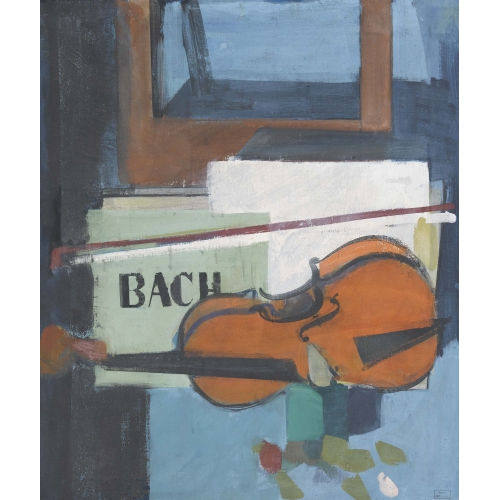
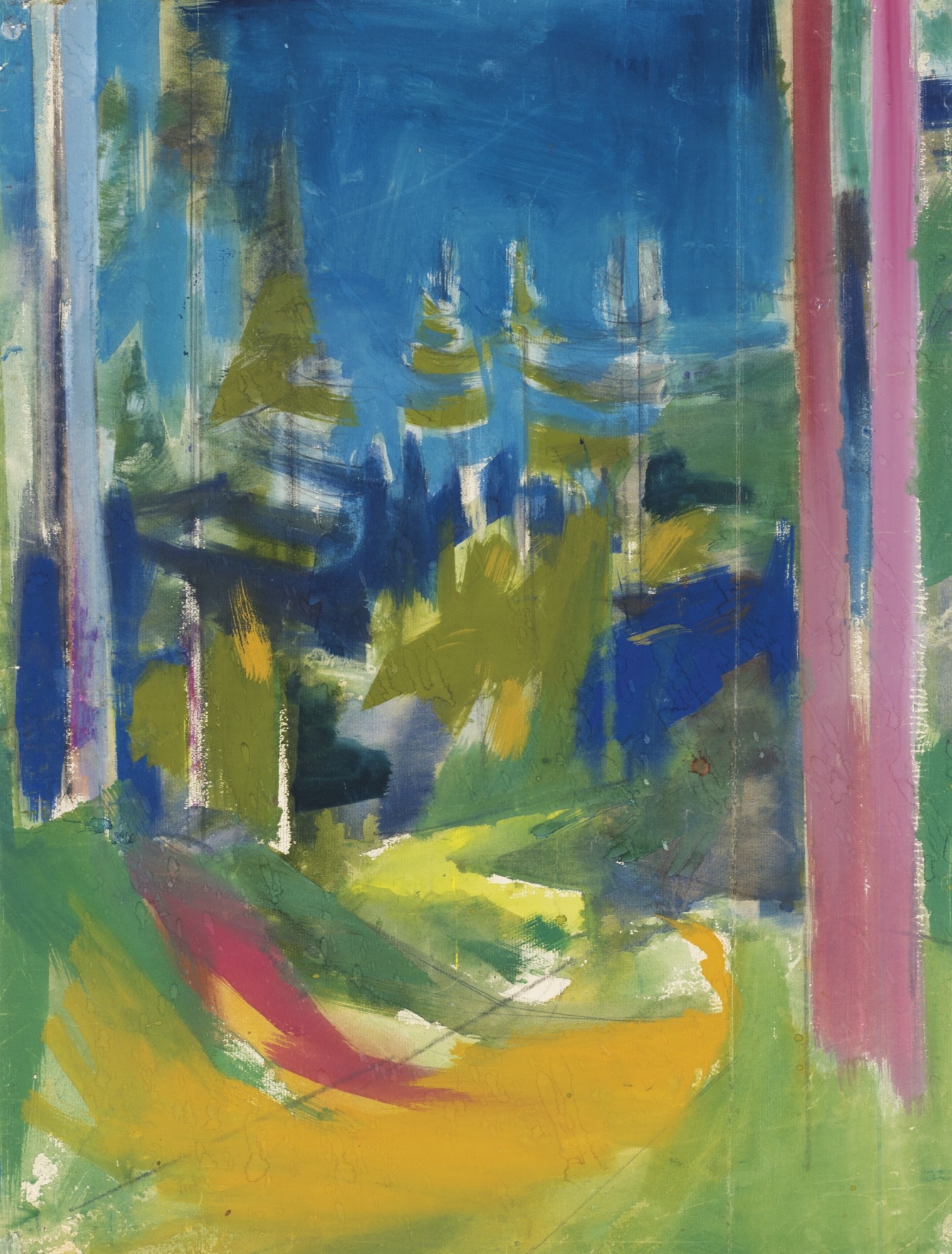
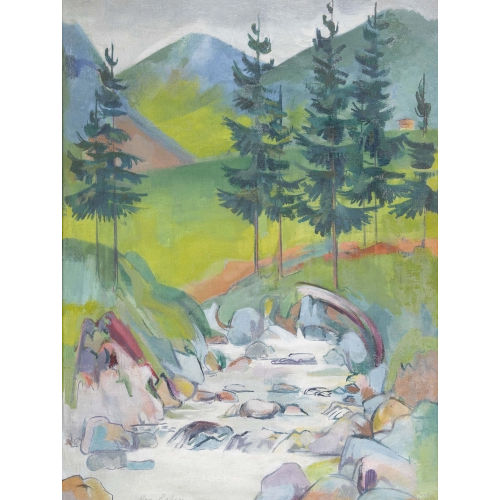
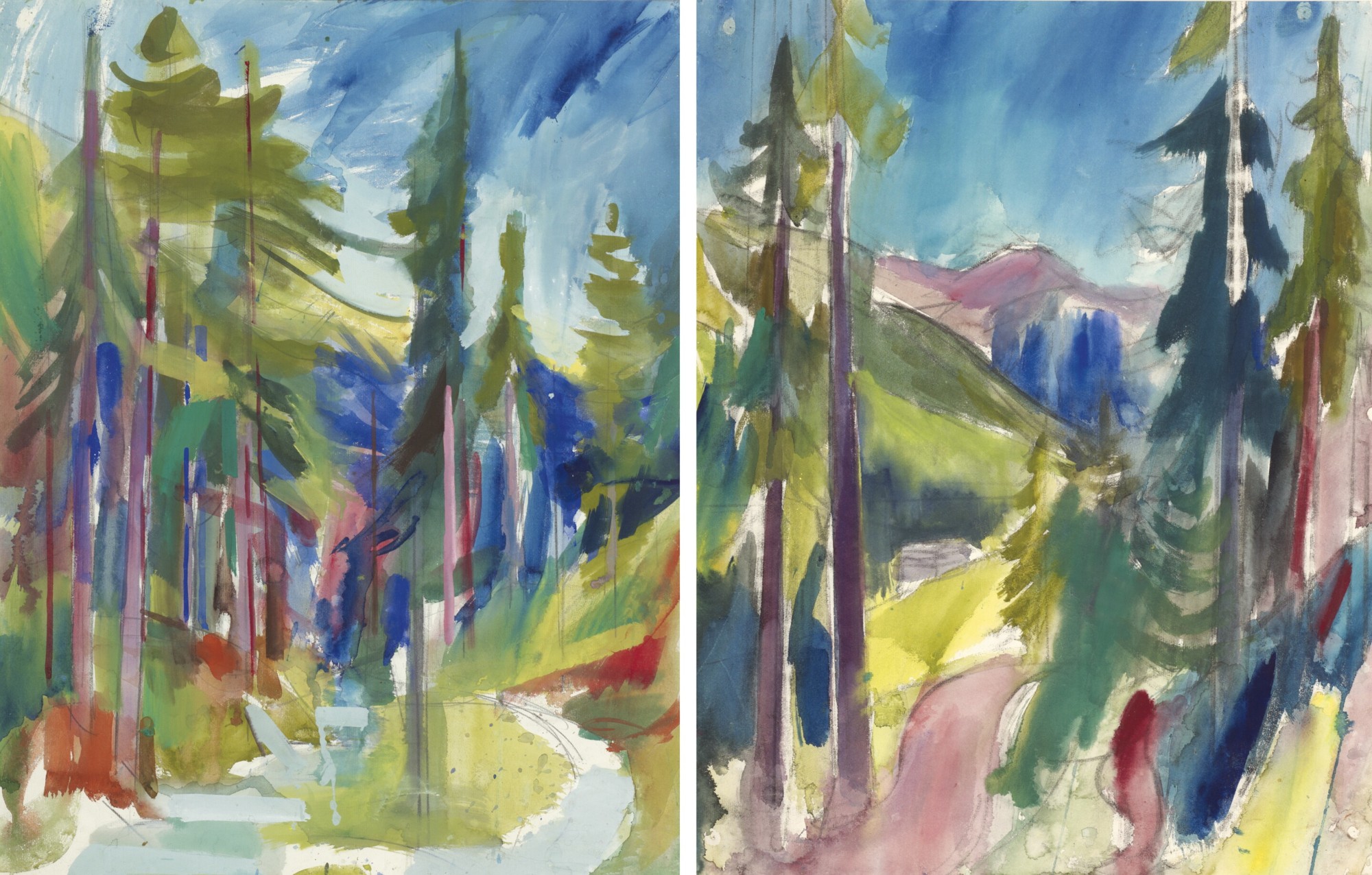
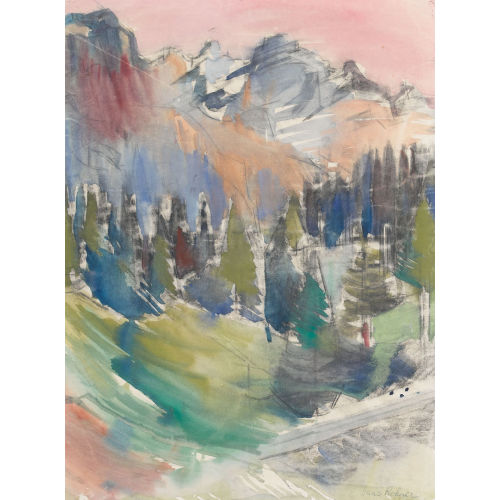
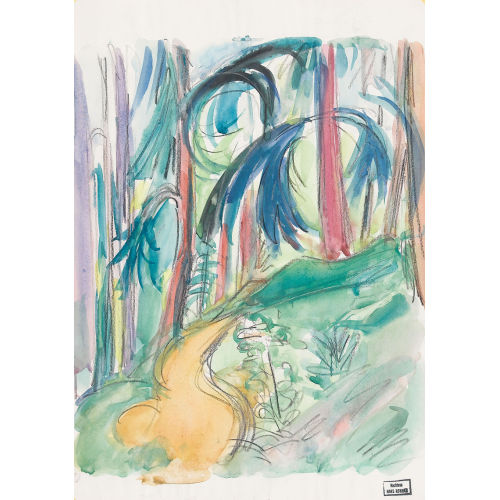
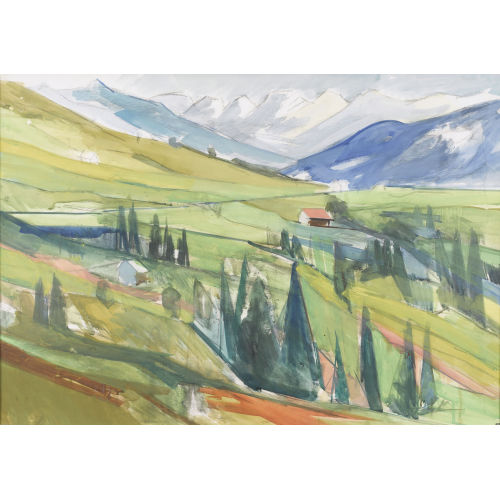
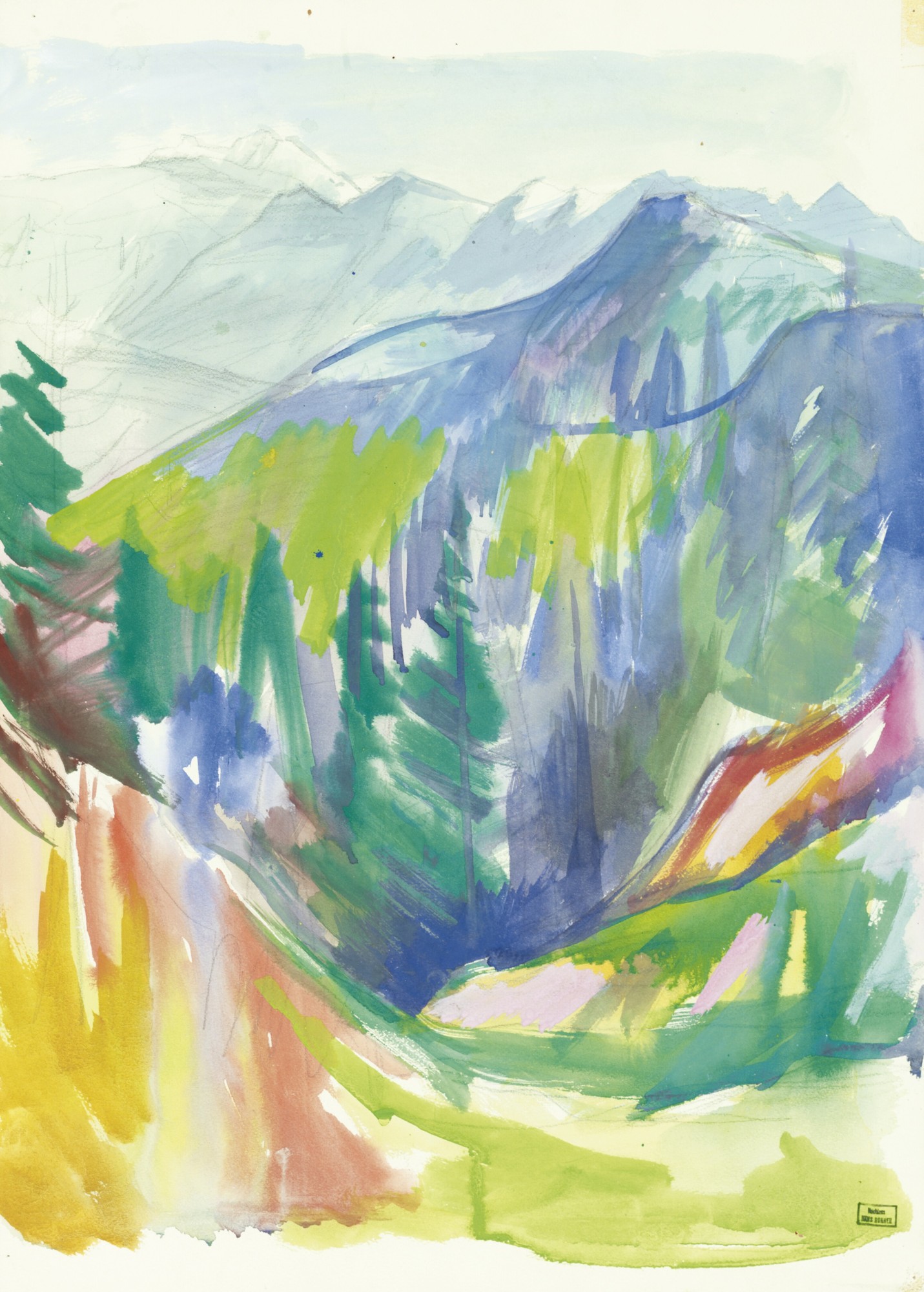
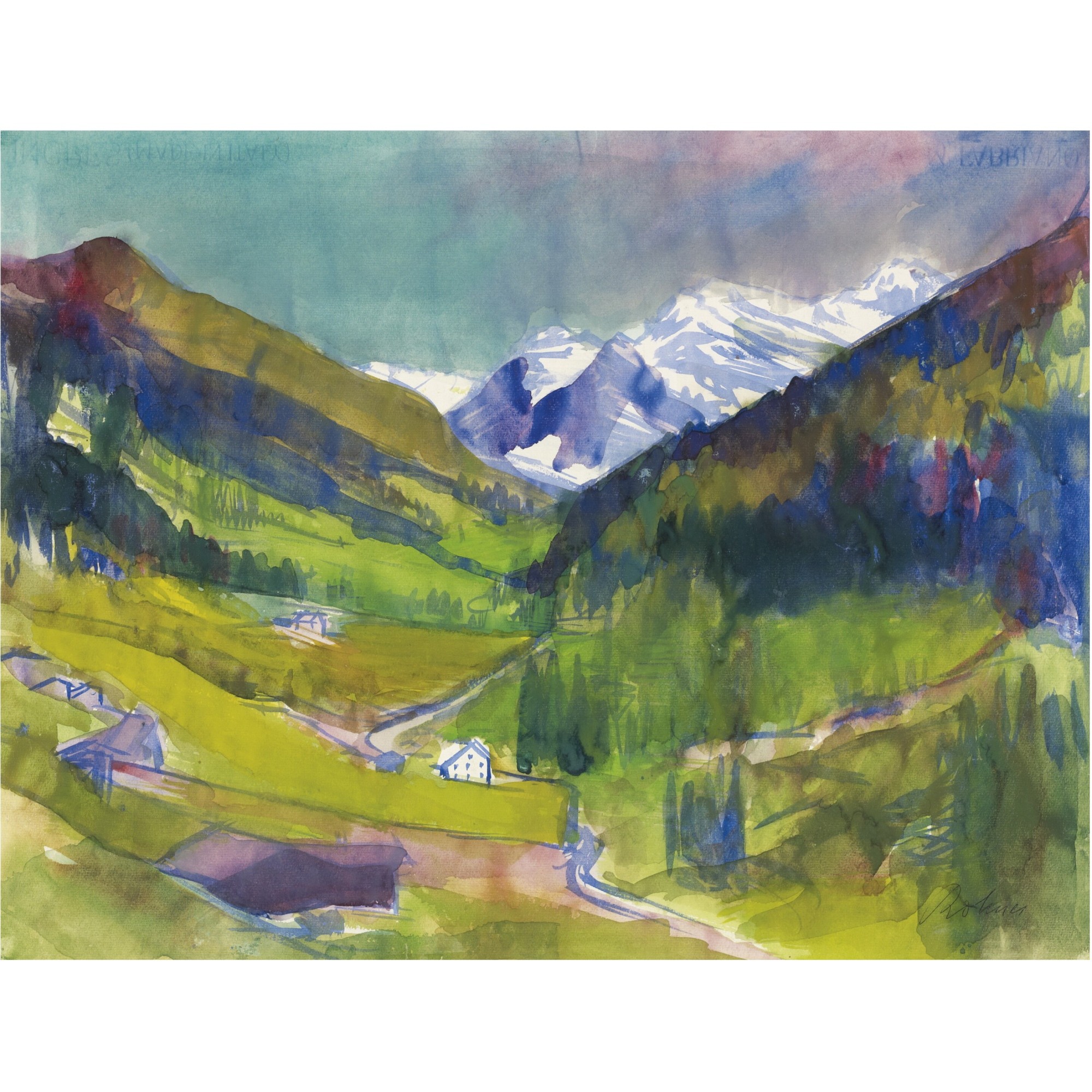
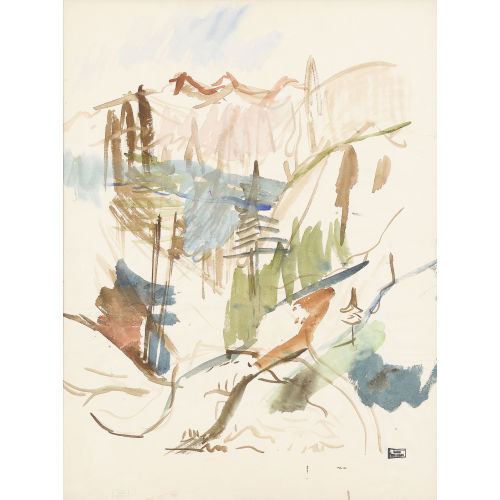
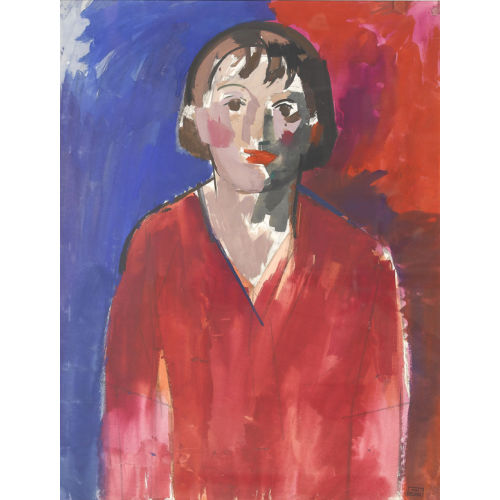
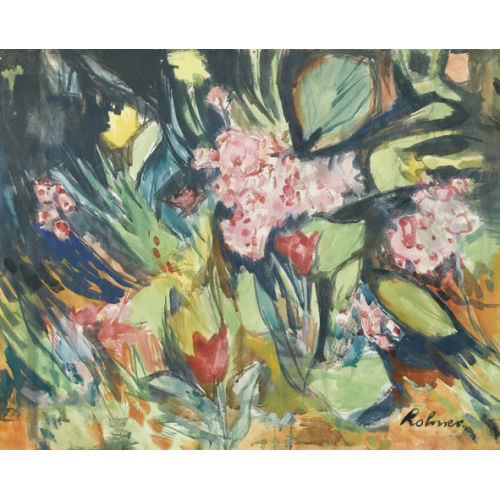
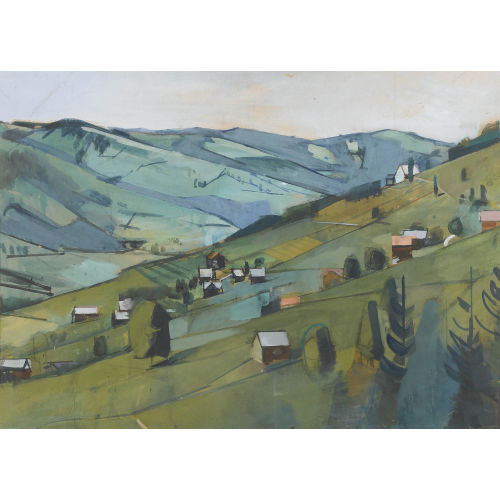
In his figures, still lifes and landscapes, the visible subject gives rise to a process centred on lines, planes and colour harmonies. His stays in the Grisons and his dialogue with other artists provided a setting for this personal exploration.
His activities connected several Swiss and German cultural milieus, from Basel and Munich to Davos and Zurich. The catalogues of the Getty Research Institute and the Swiss Institute for Art Research make it possible to trace this painter, who is sometimes presented under the fuller form Johann or Hans Friedrich Rohner. His encounter with Kirchner sheds light on part of his history, while his work invites us to consider, in its own right, the way he brings figure and painted space into dialogue.