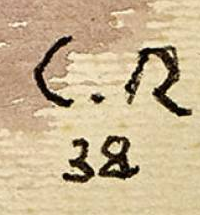
Carl Roesch
Born in 1884.
Died in 1979.
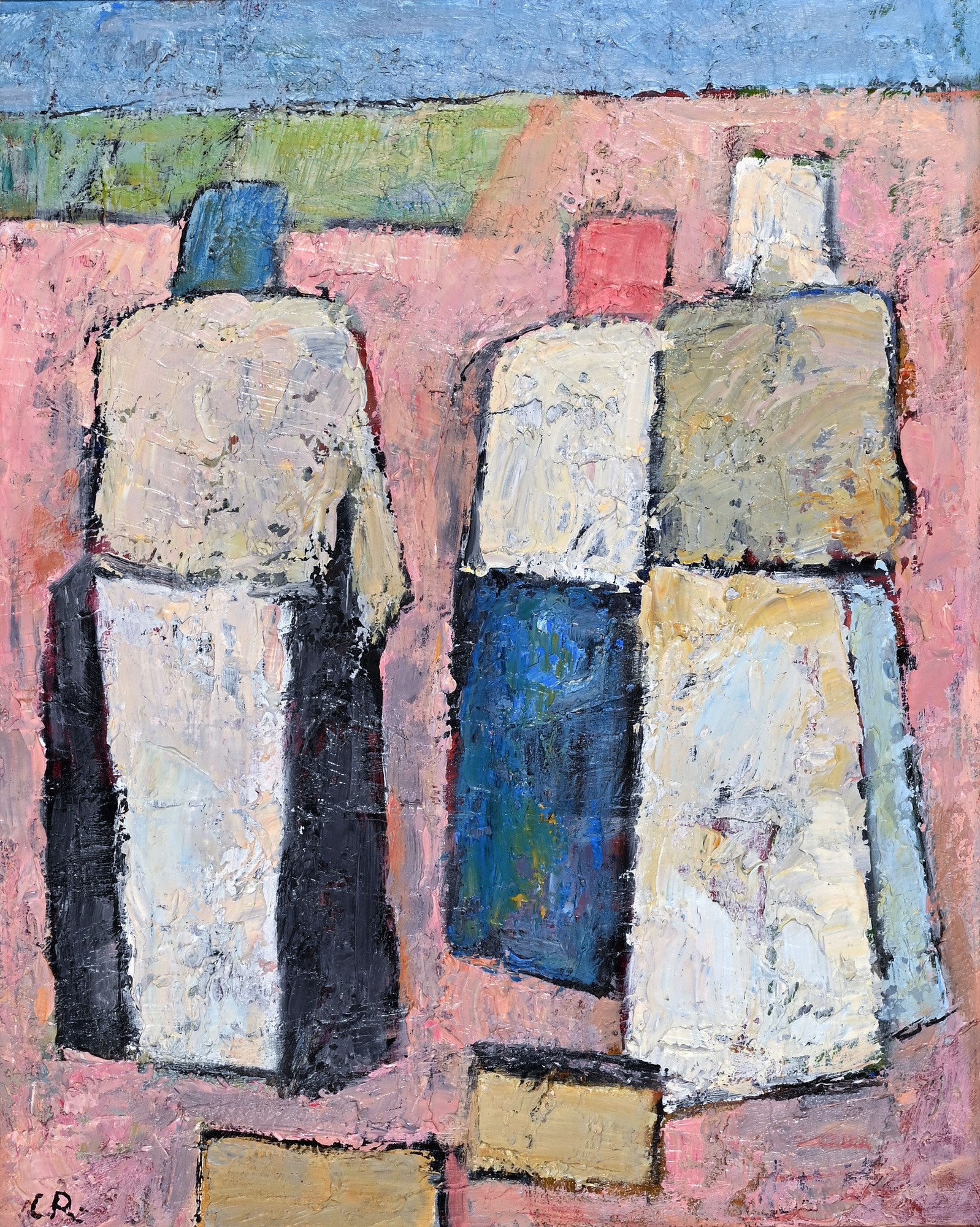
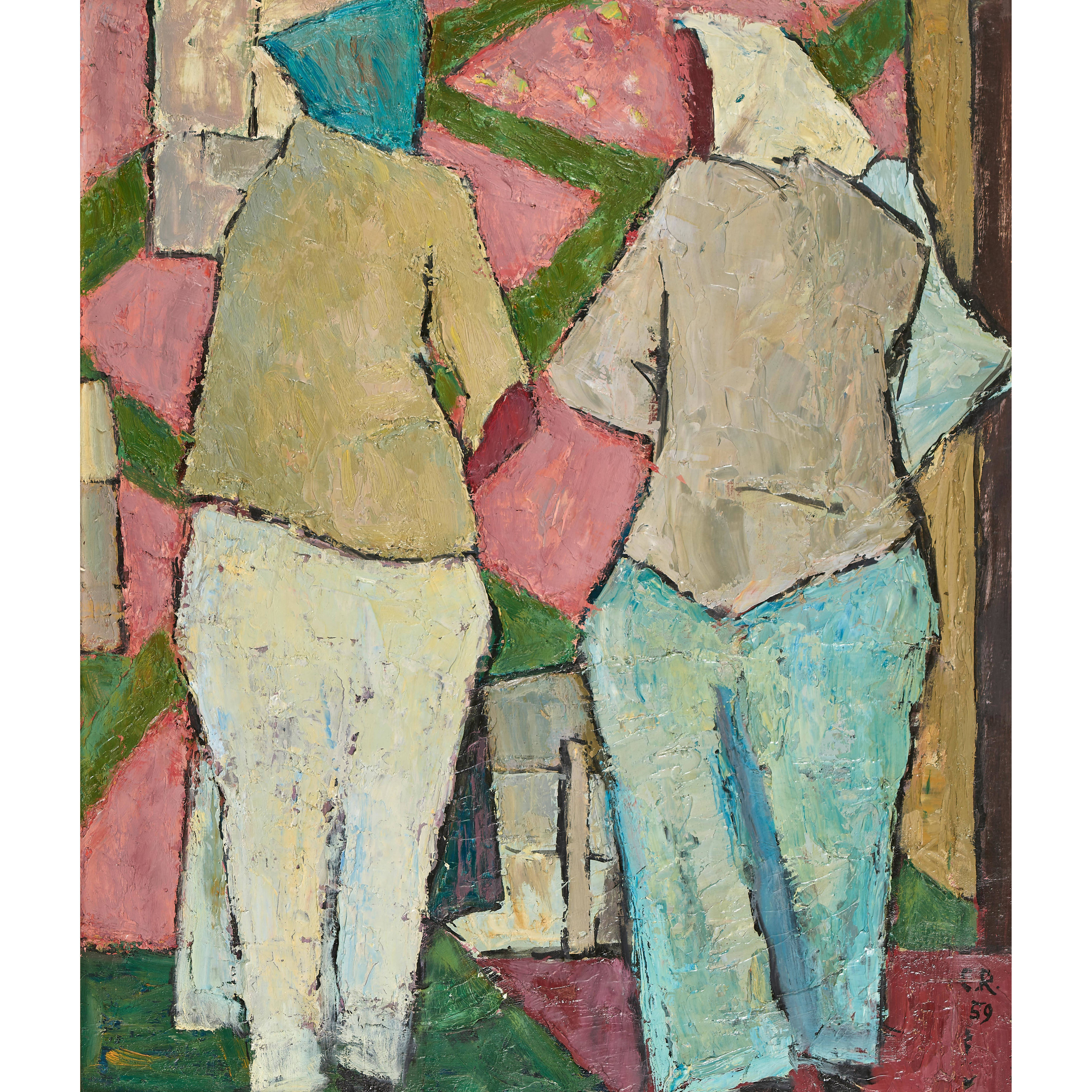
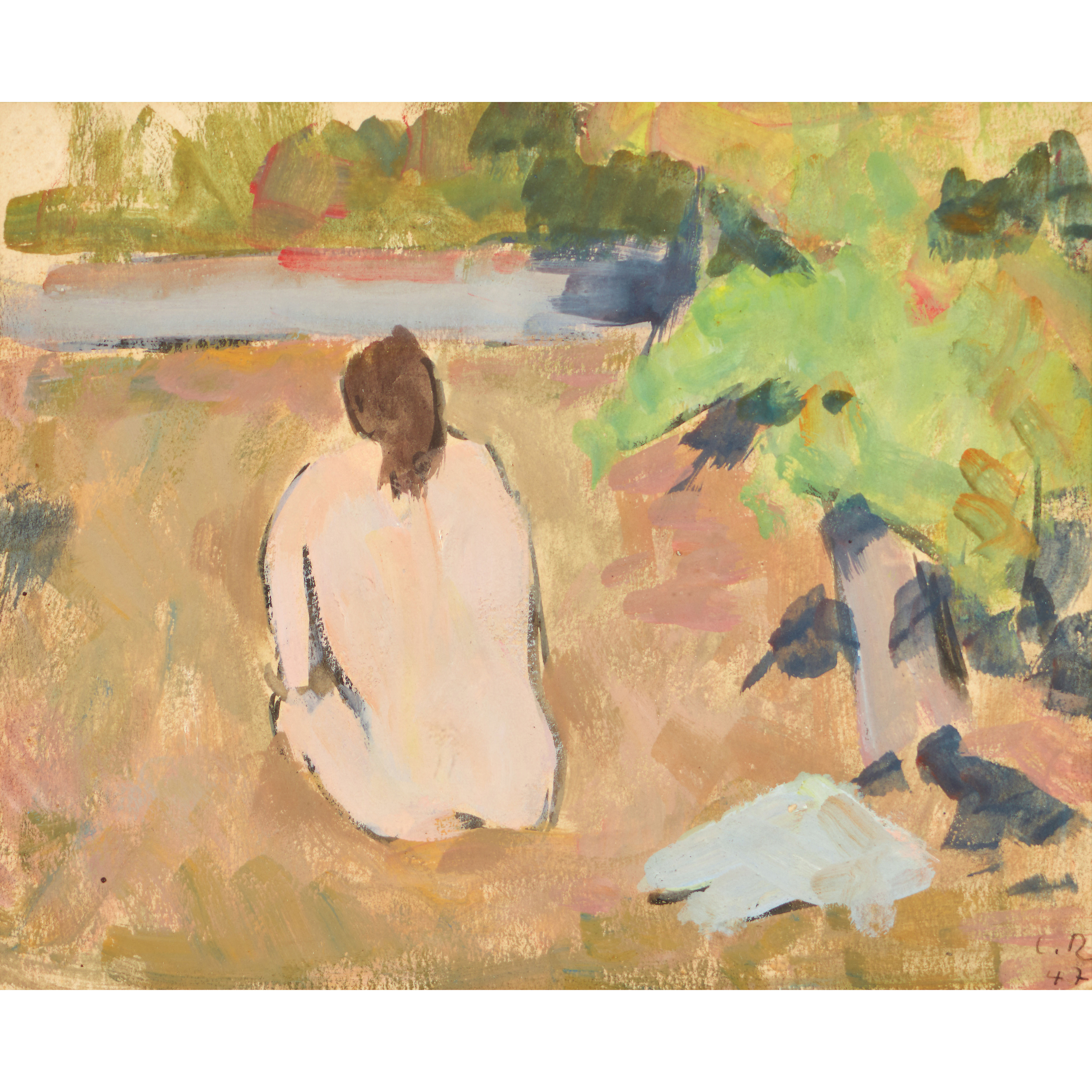
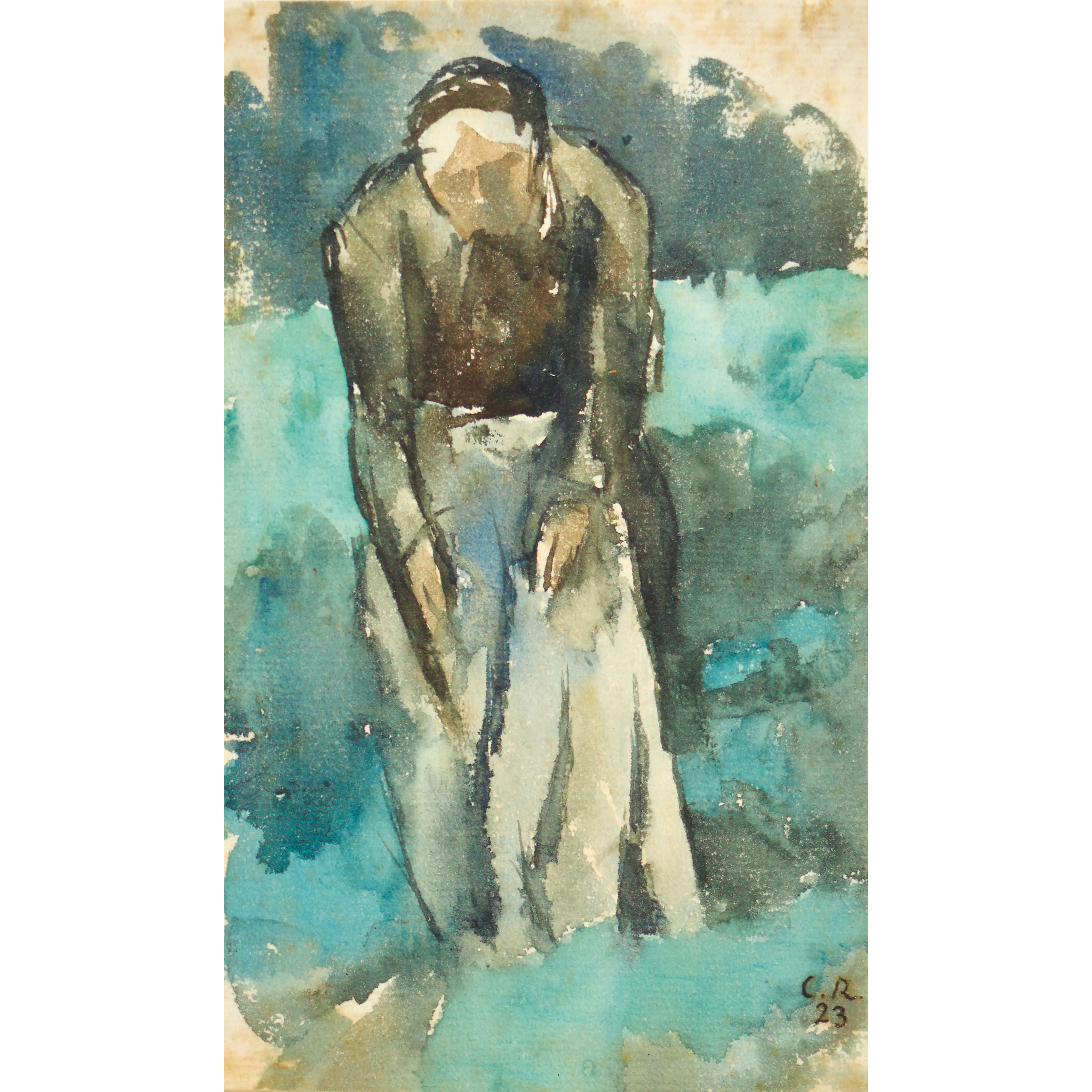
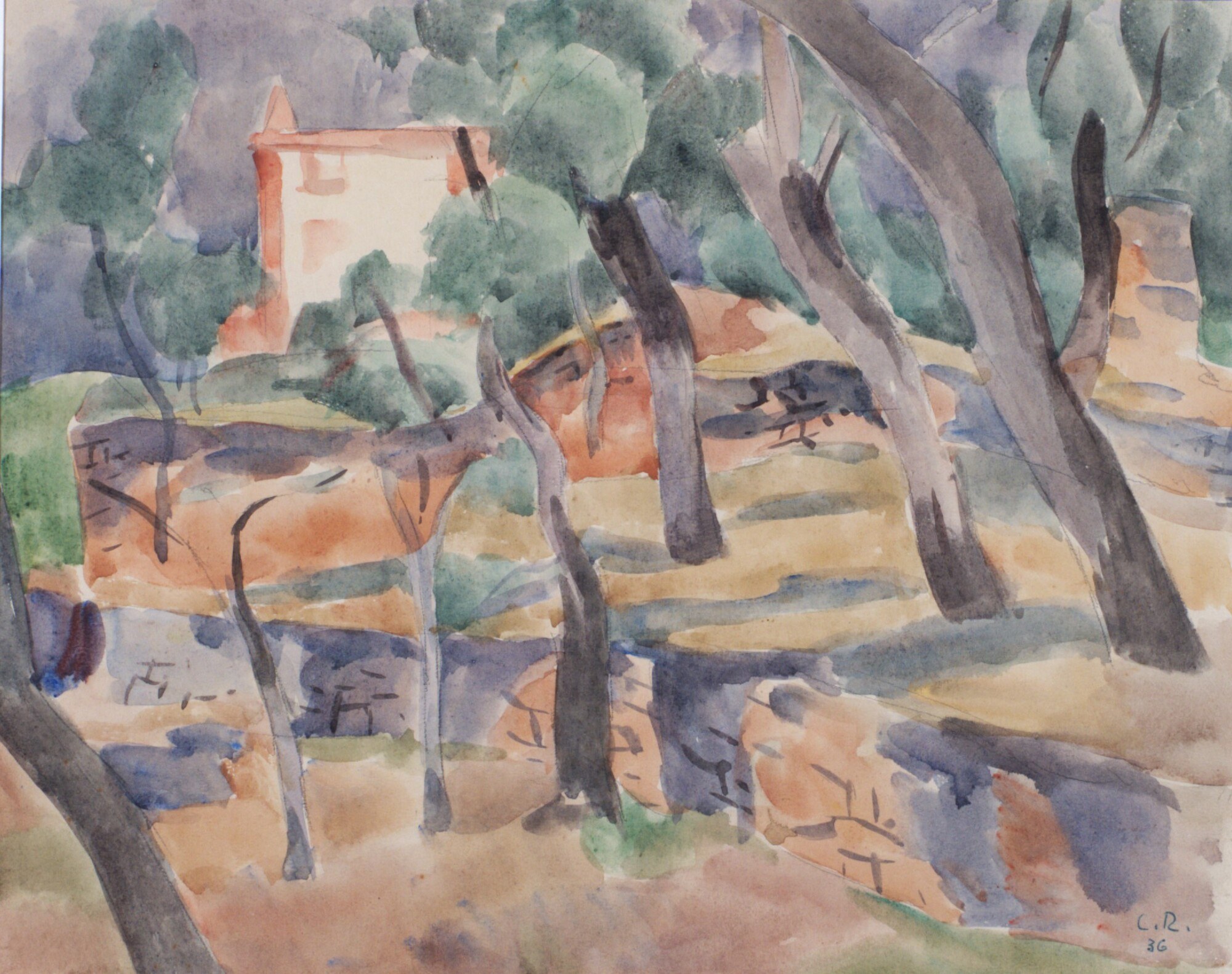
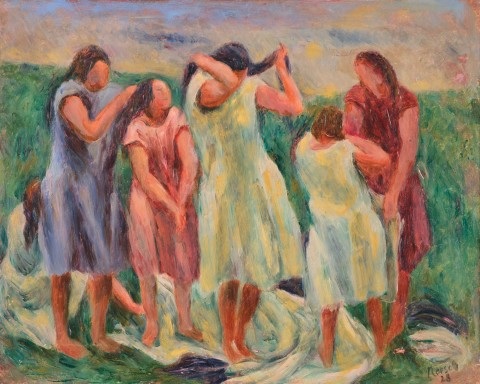
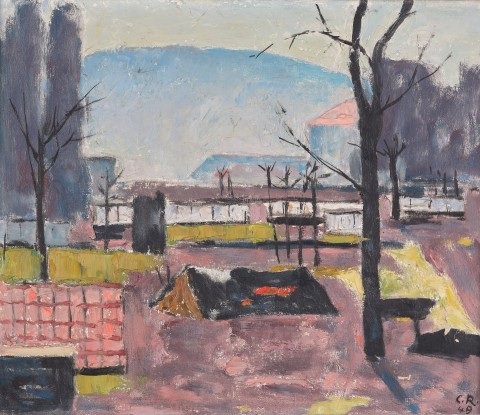
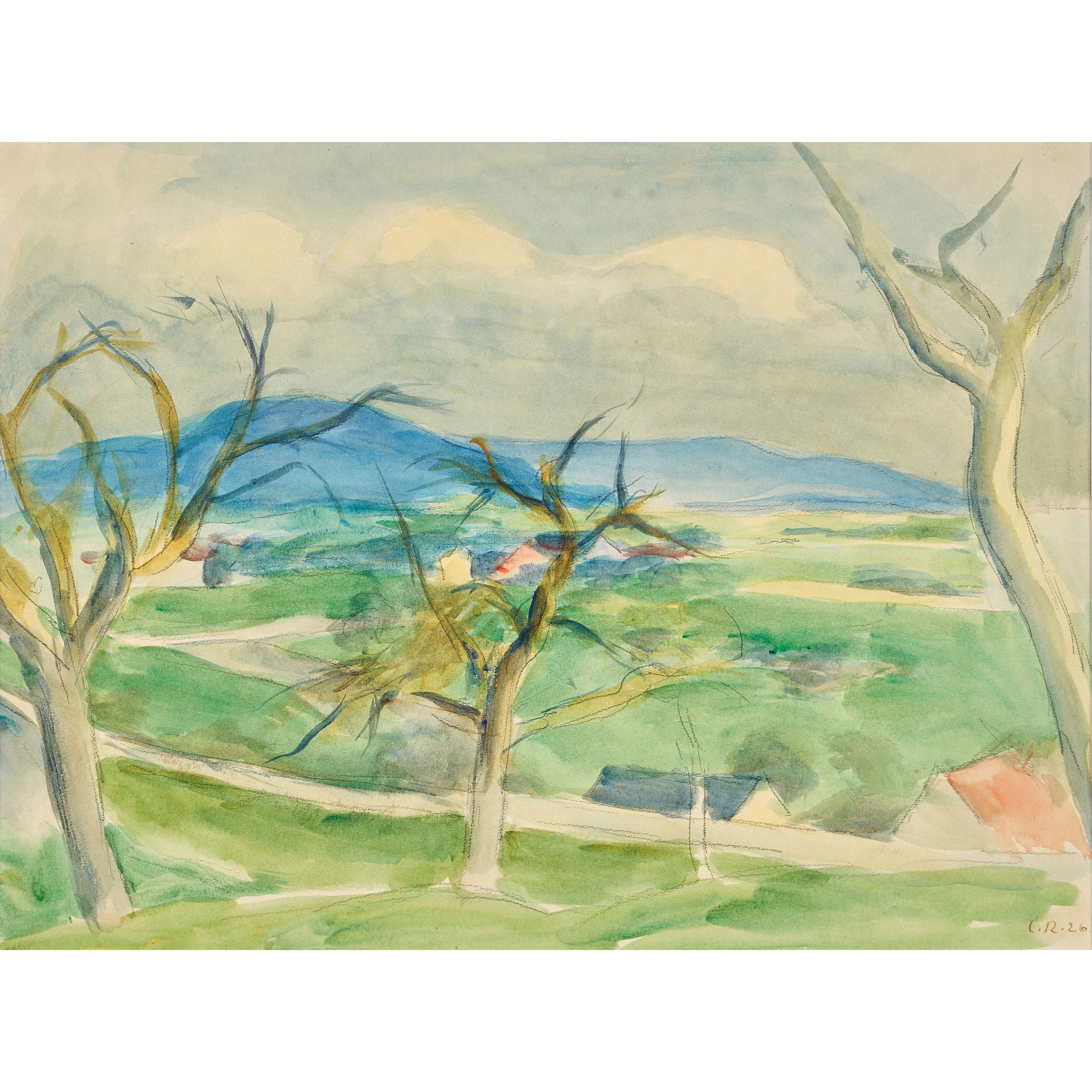
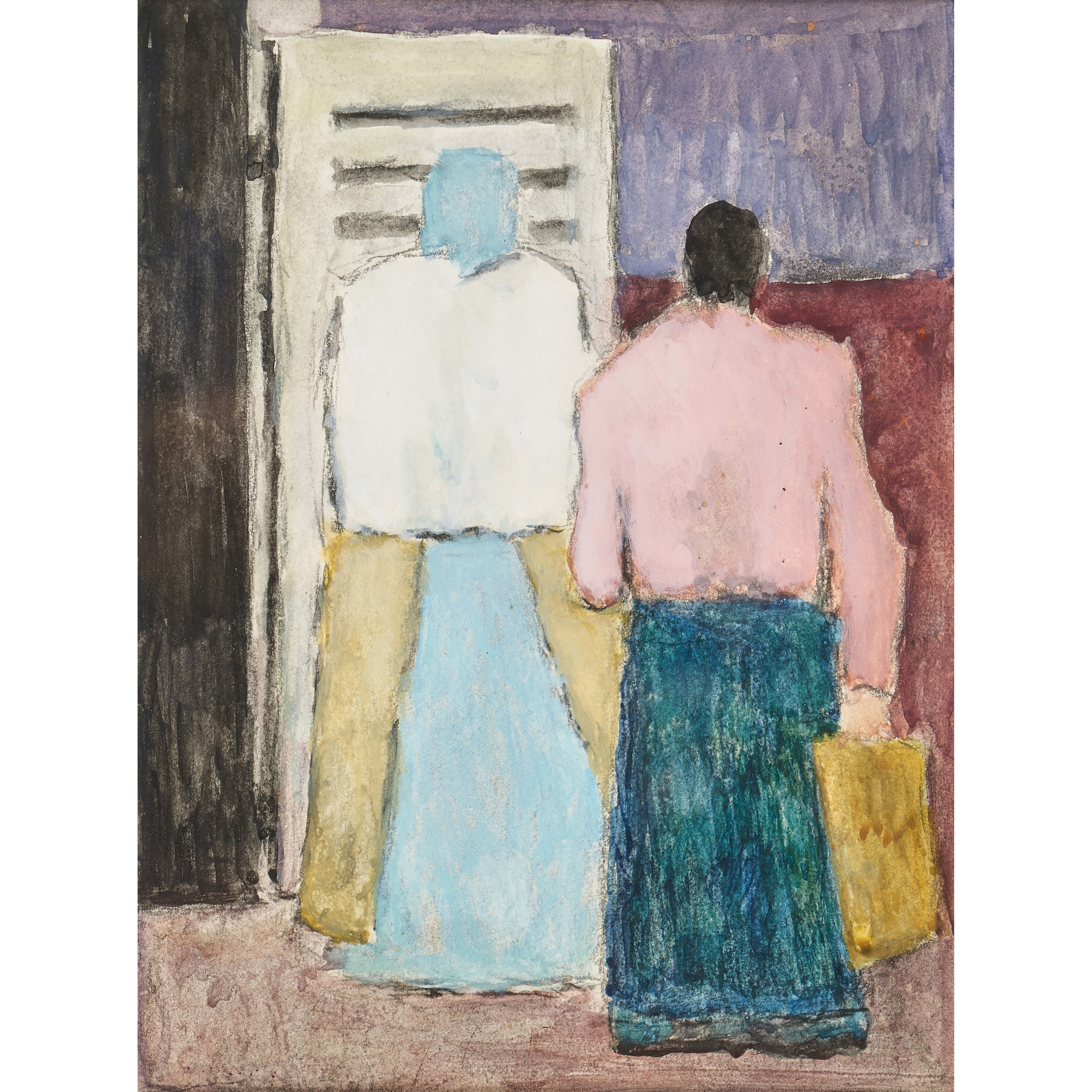
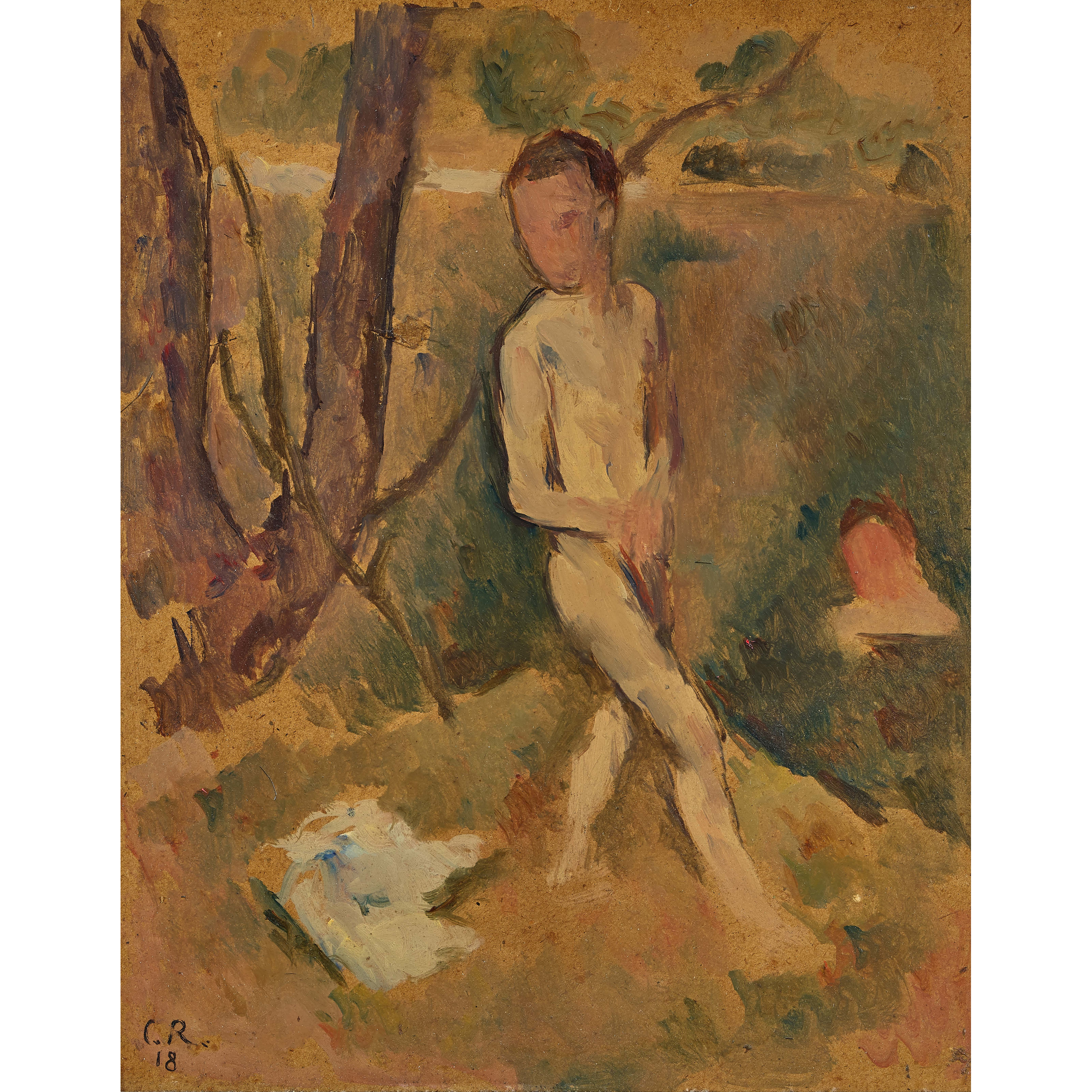
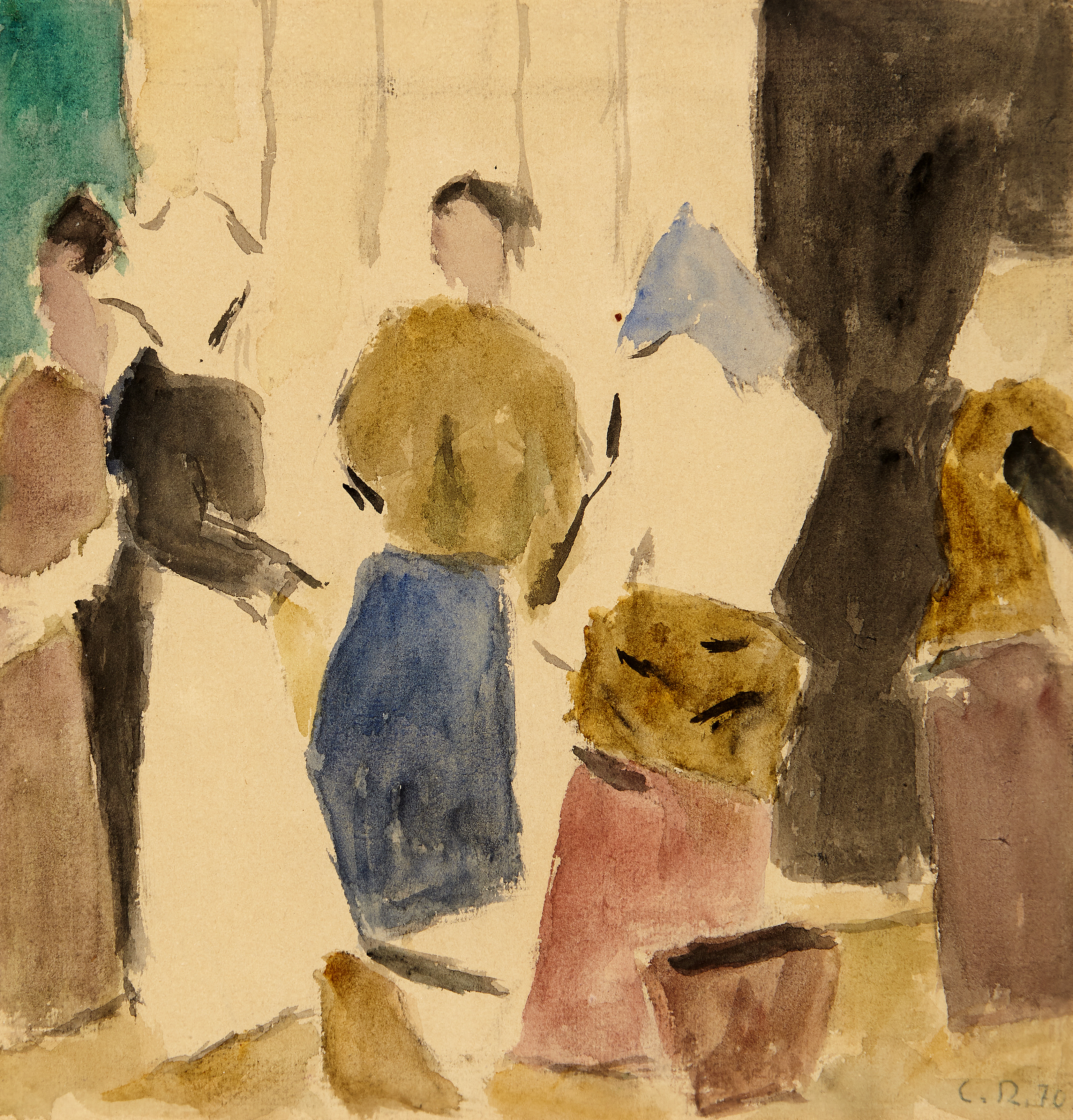
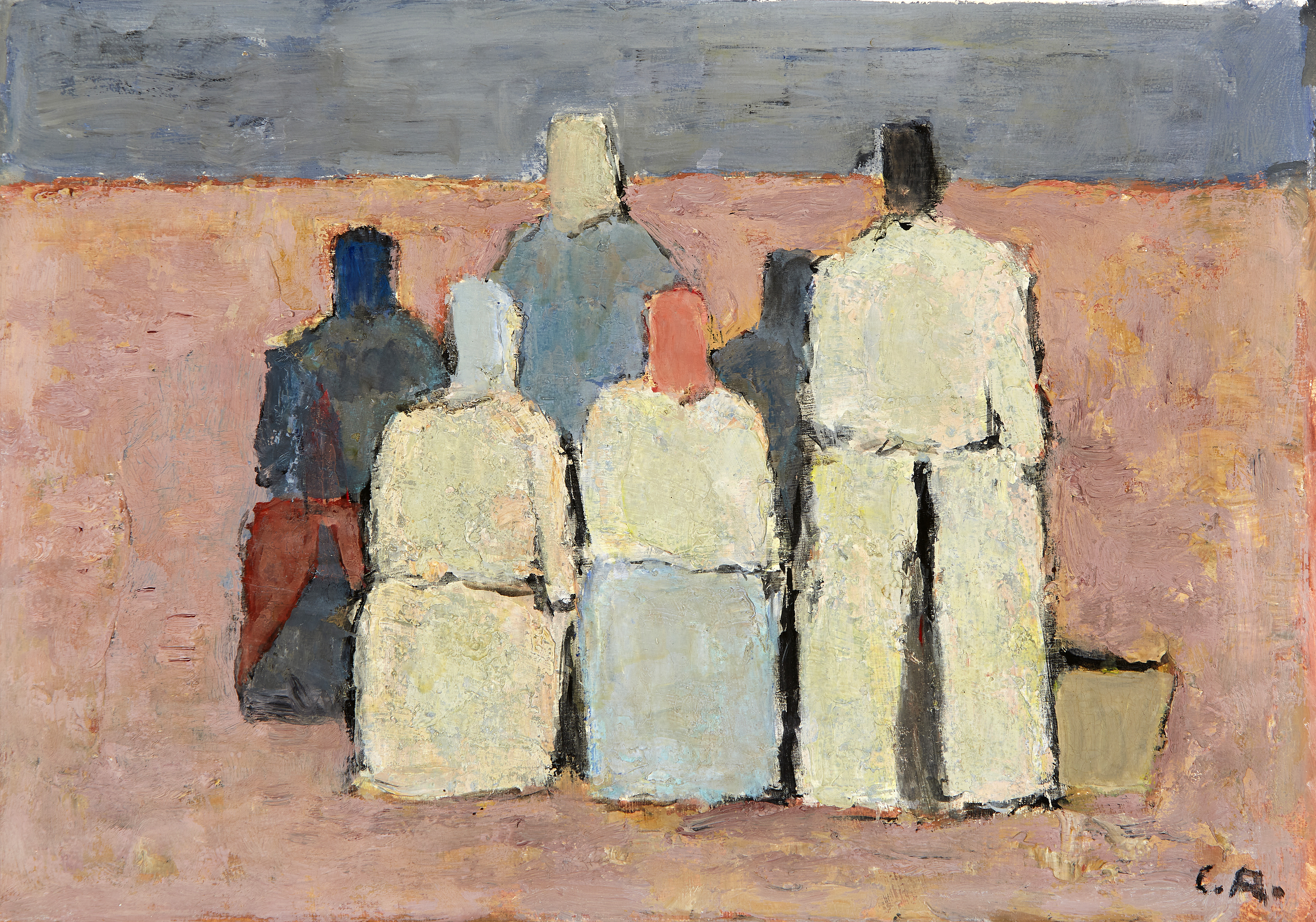
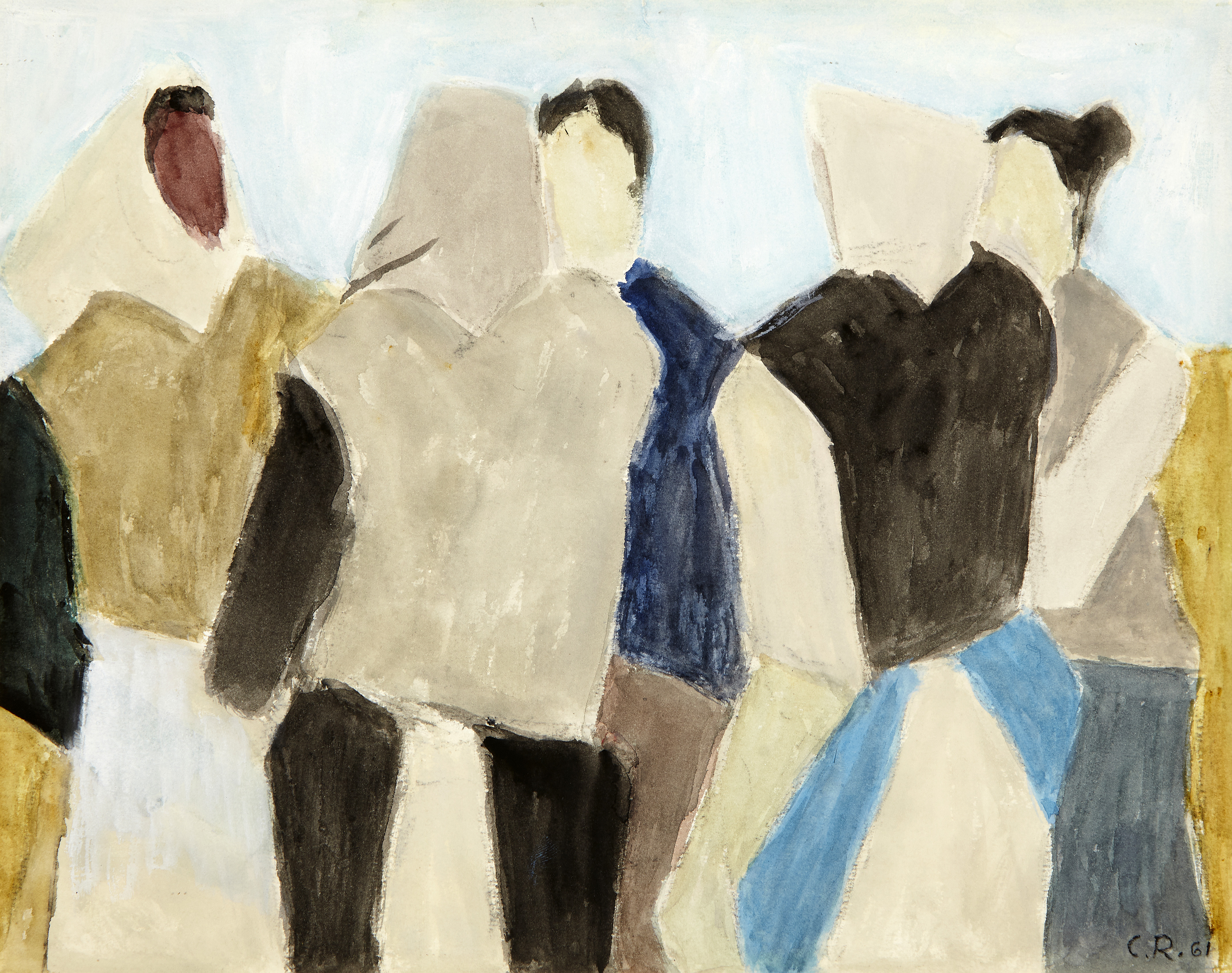
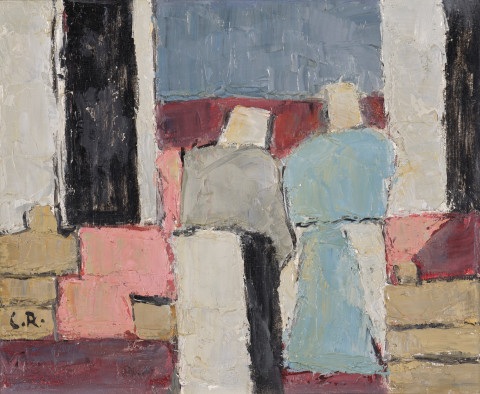
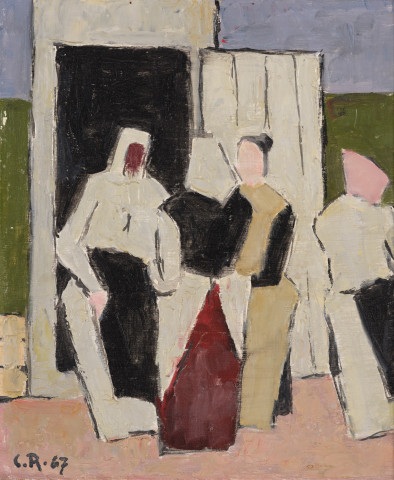
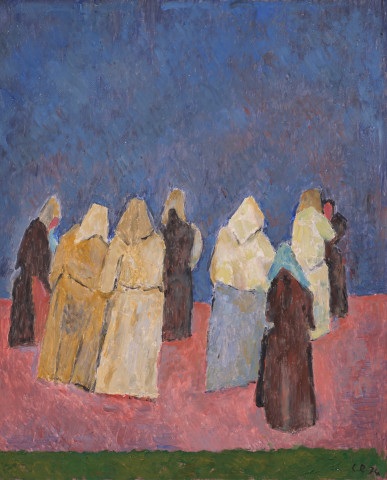
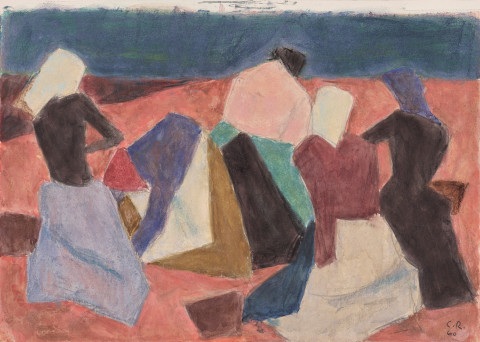
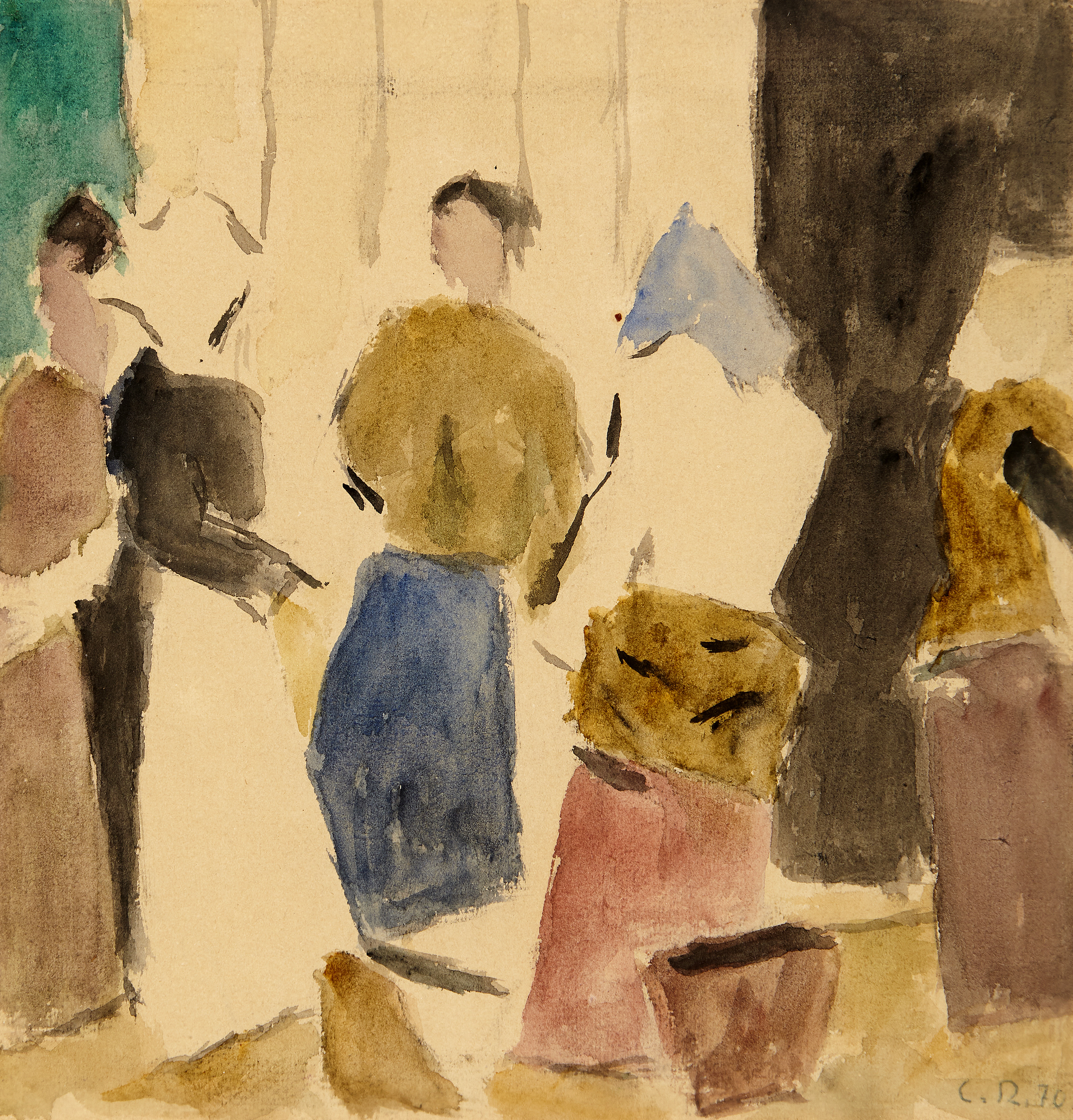
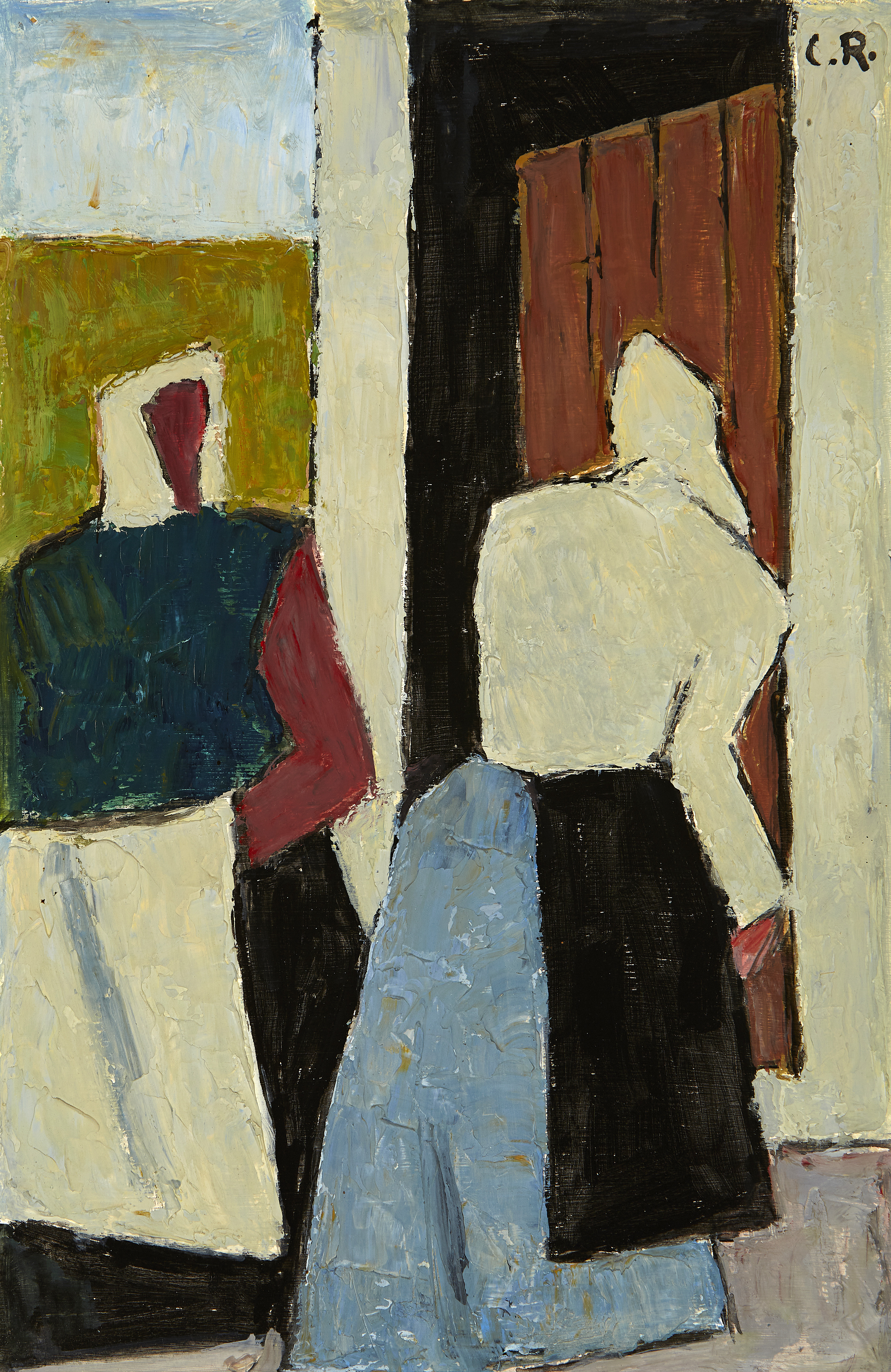
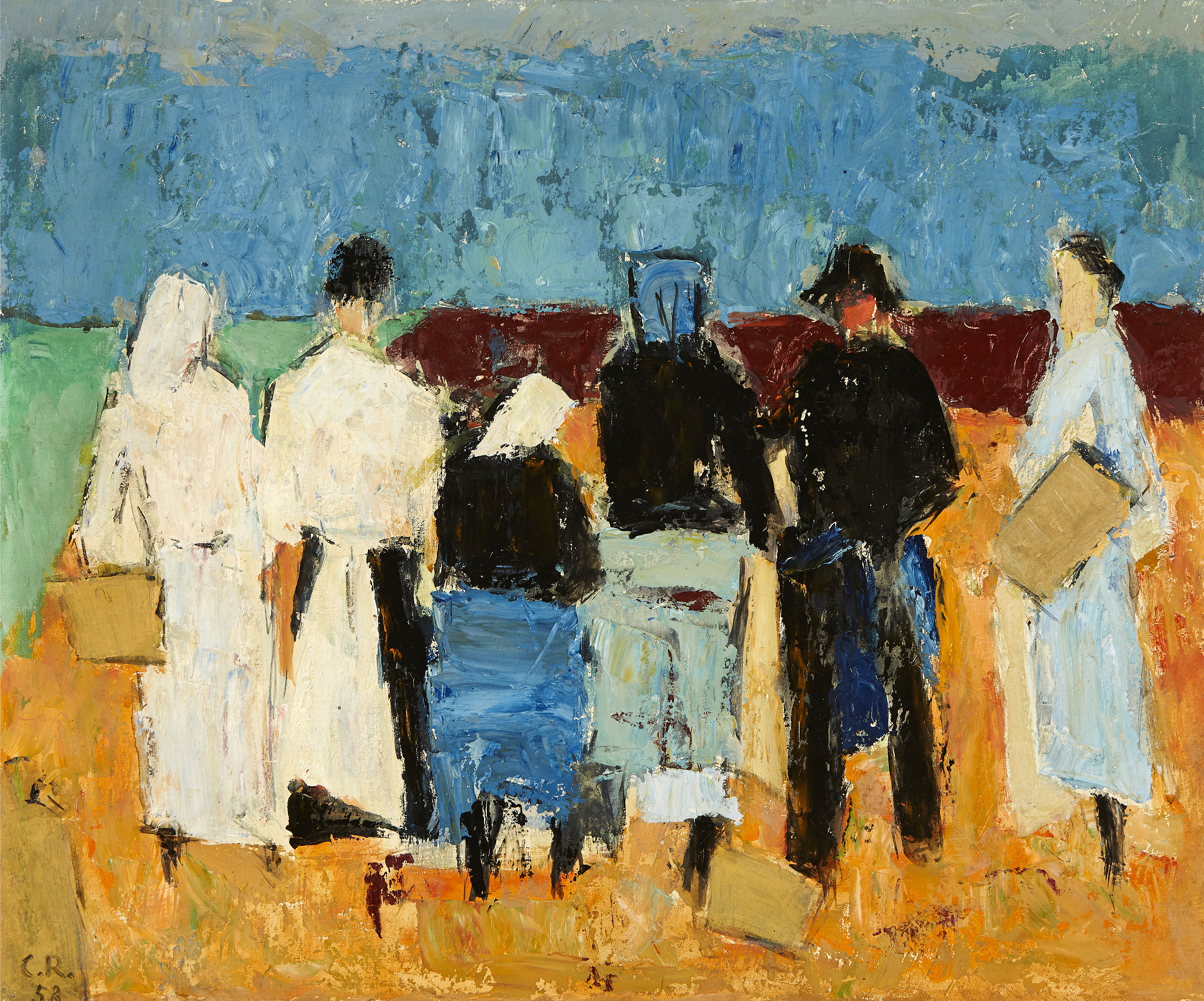
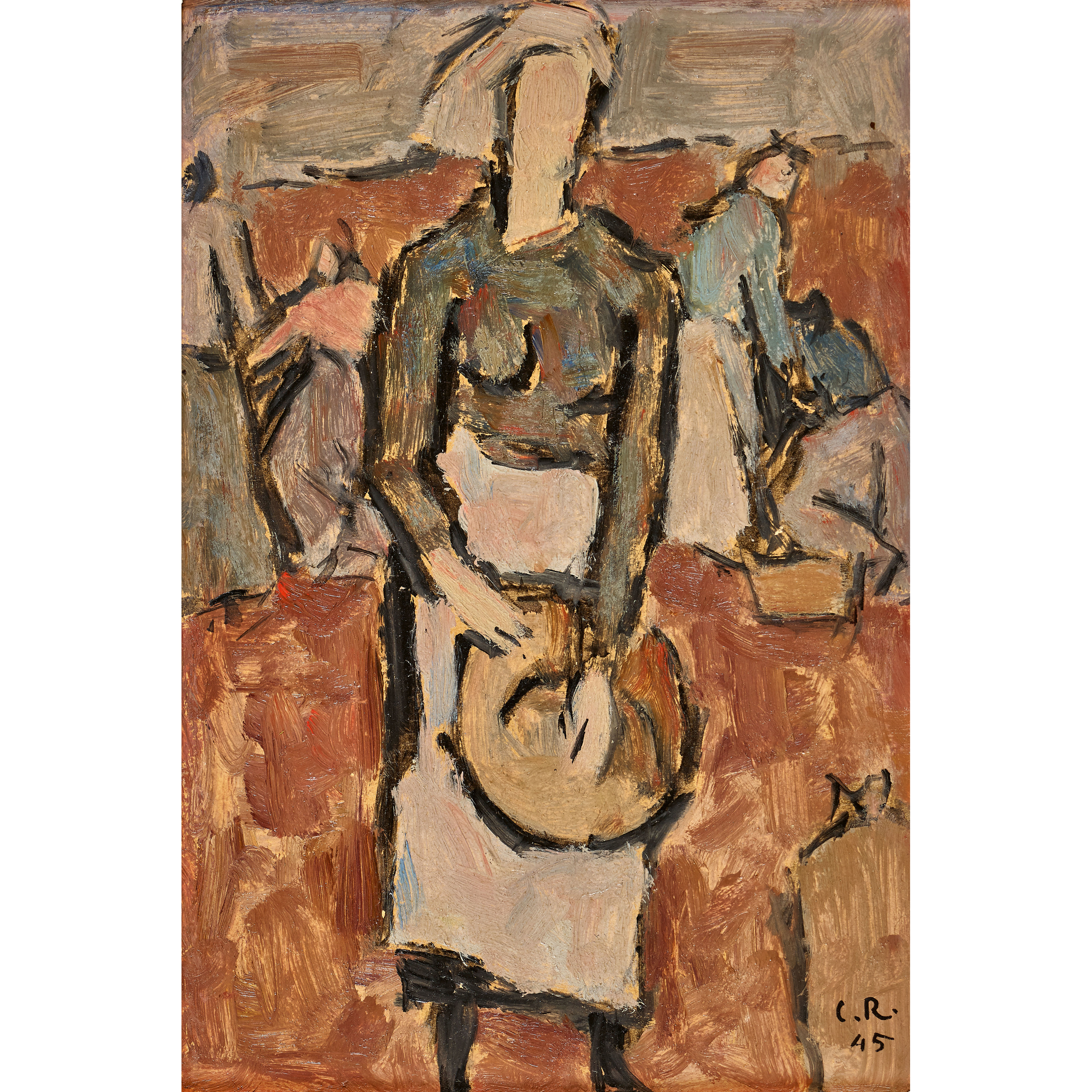
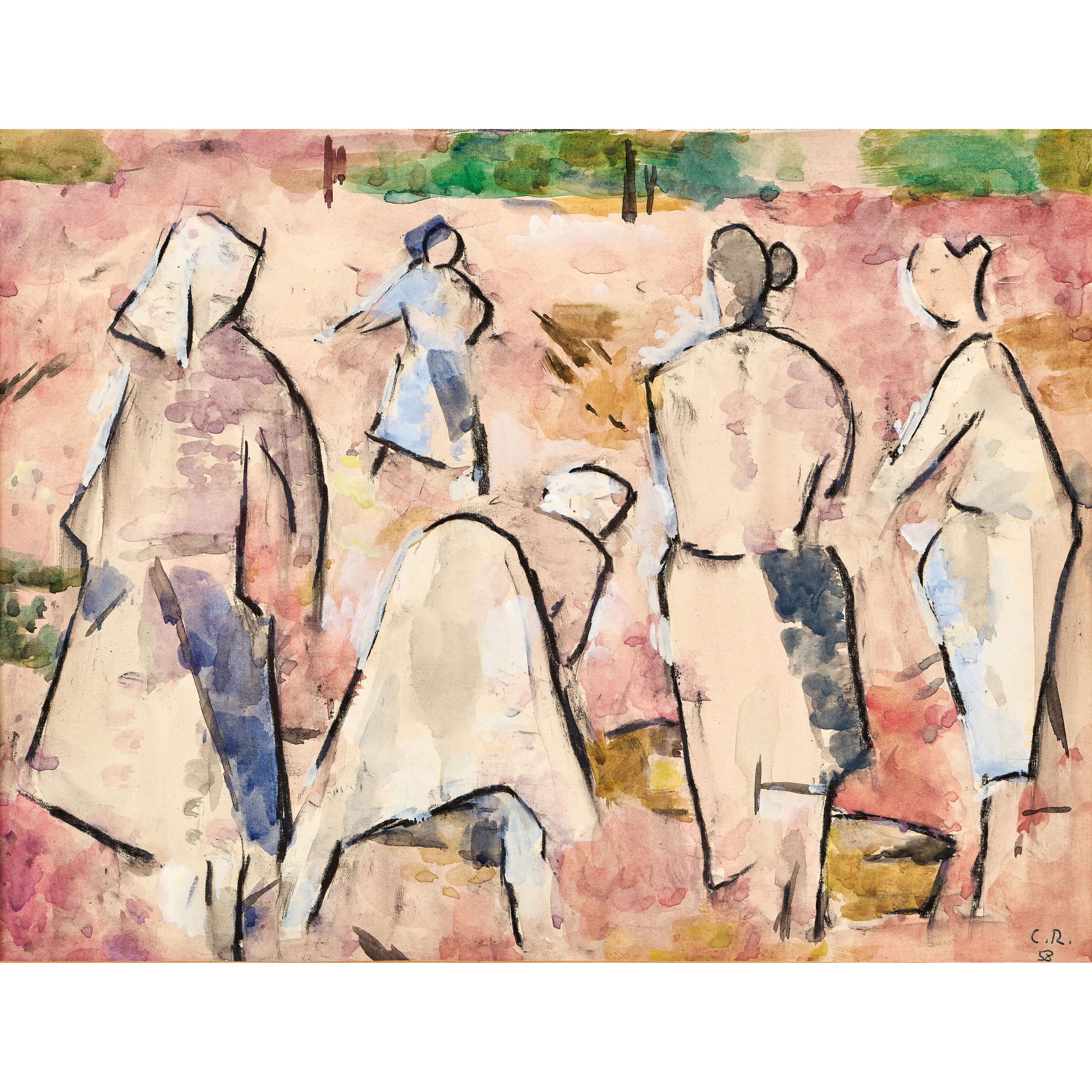
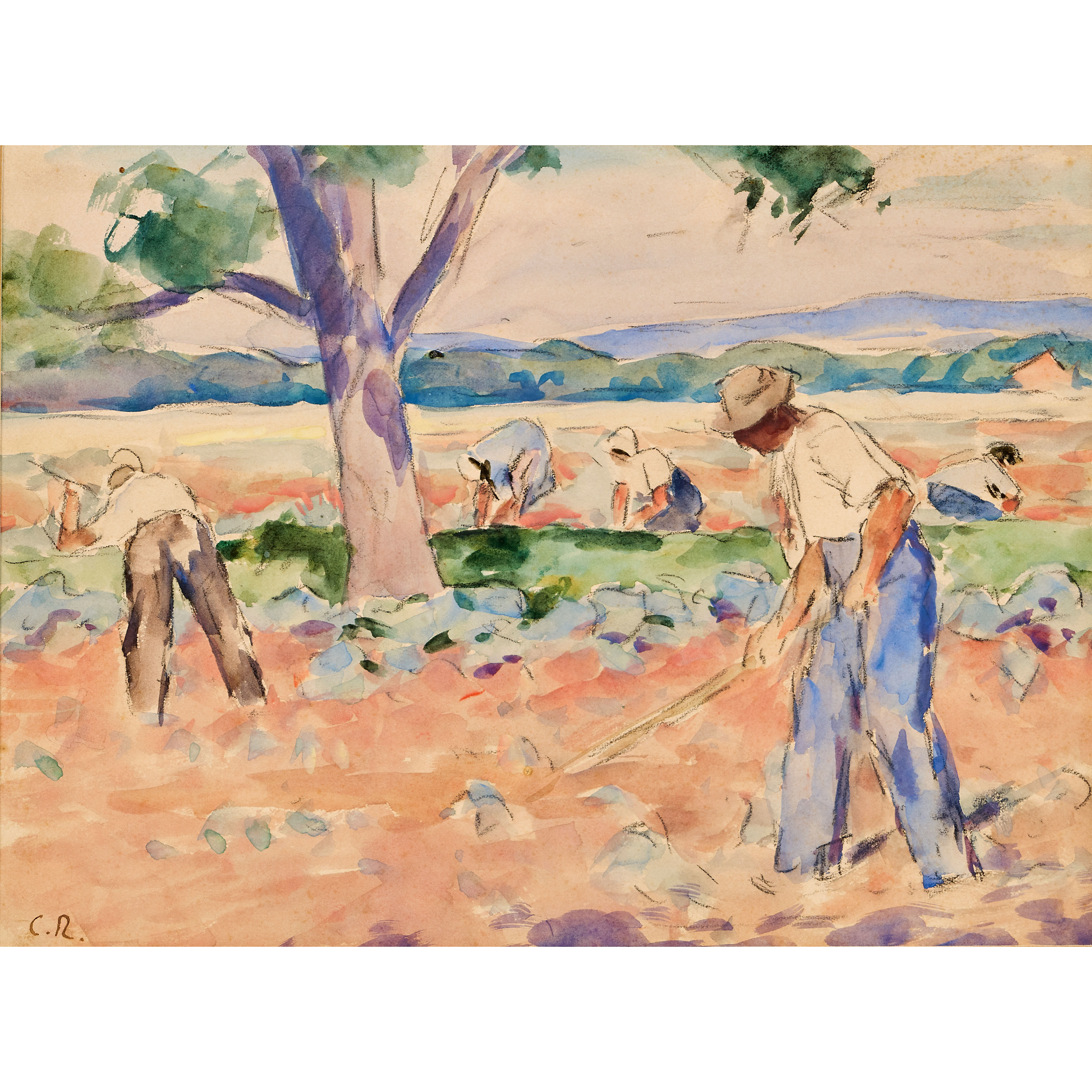
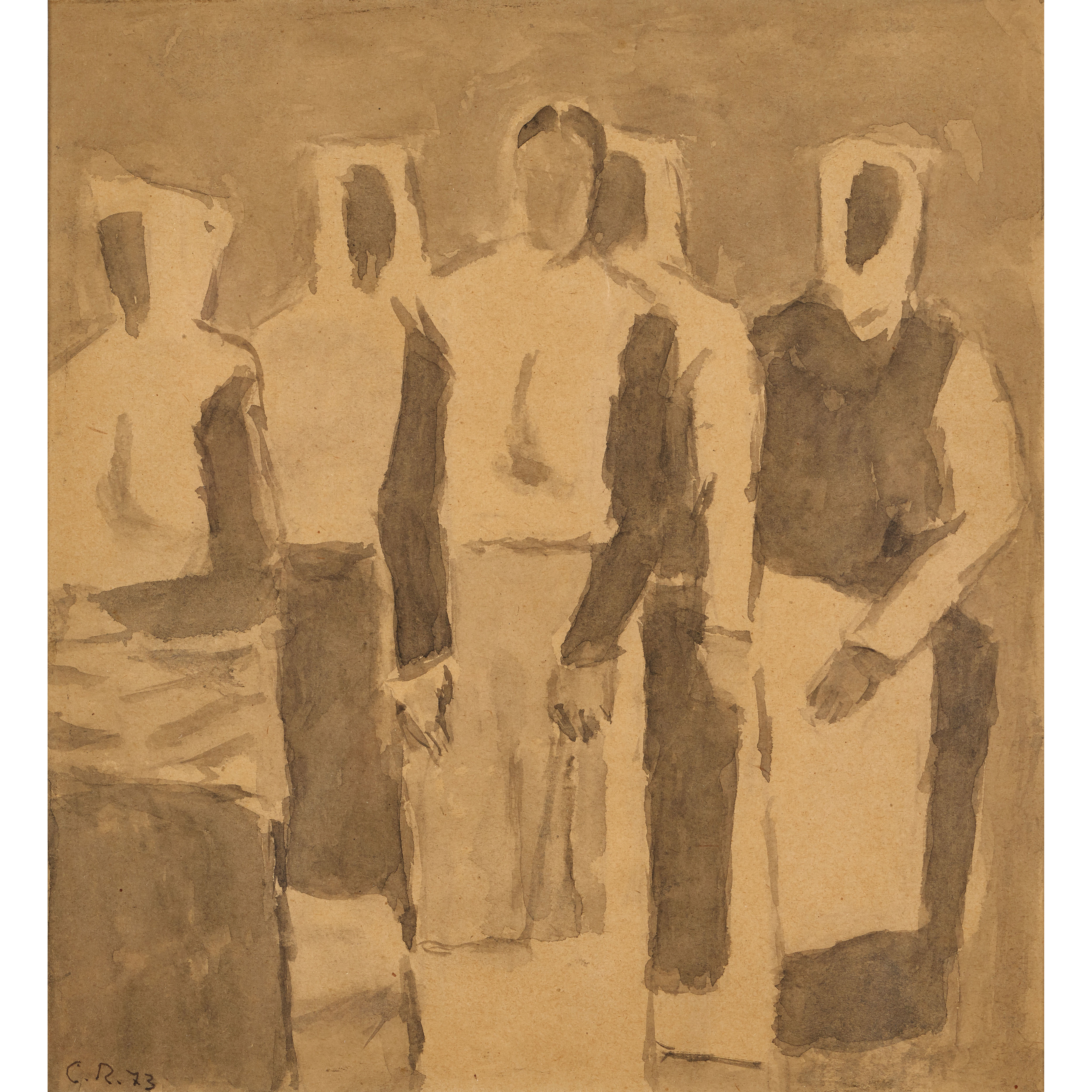
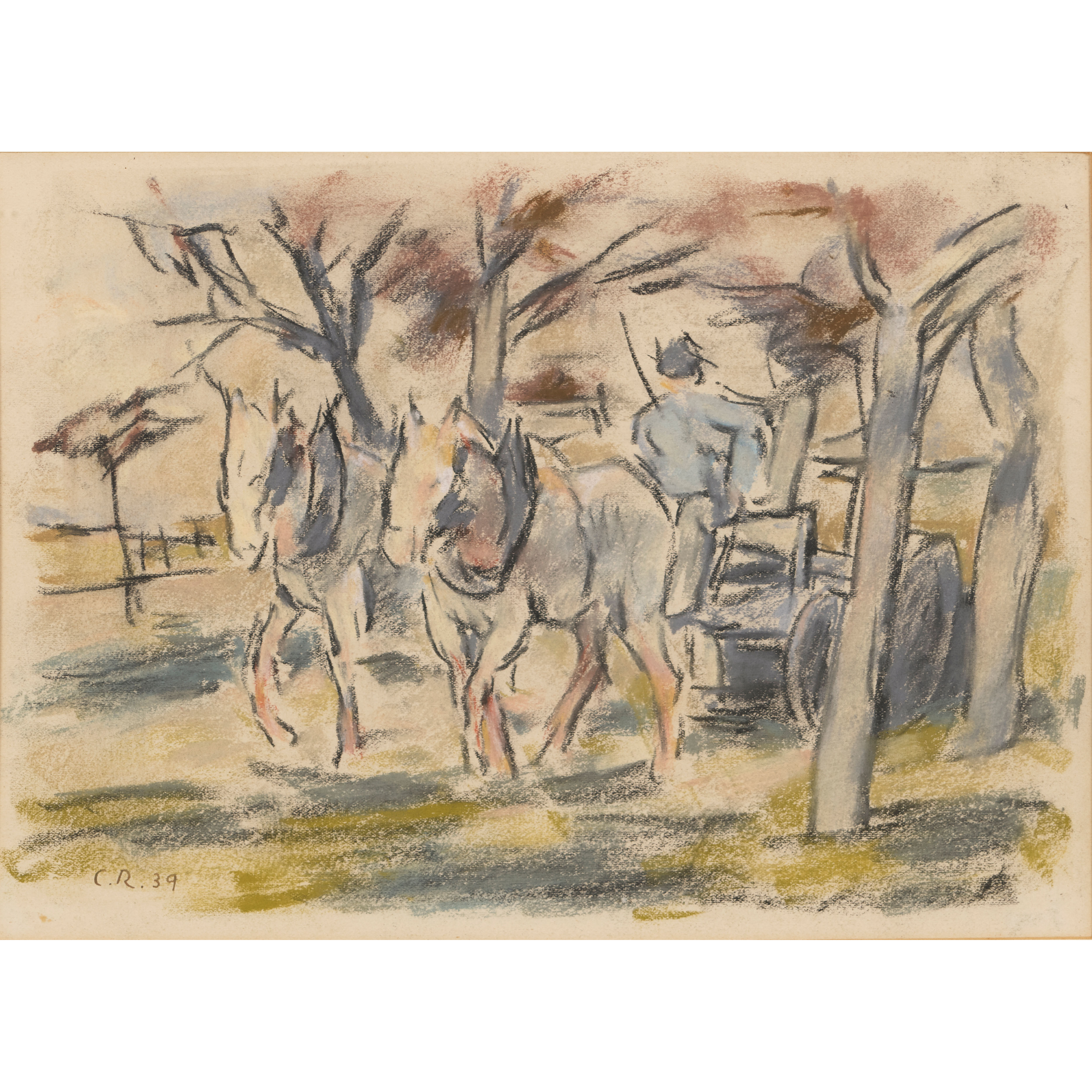
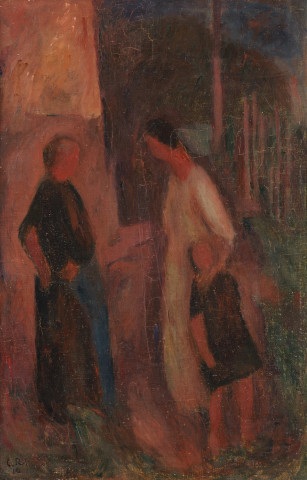
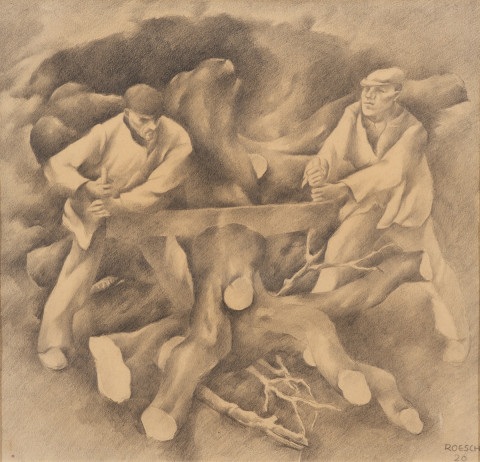
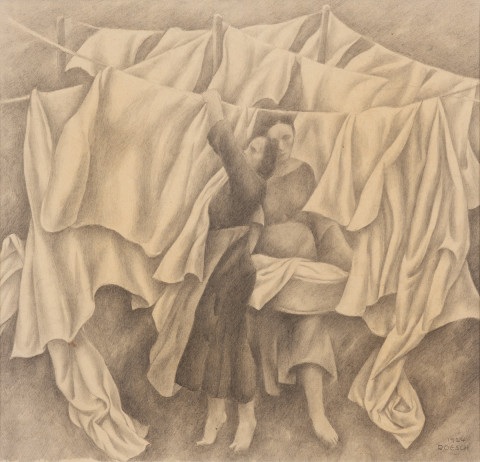
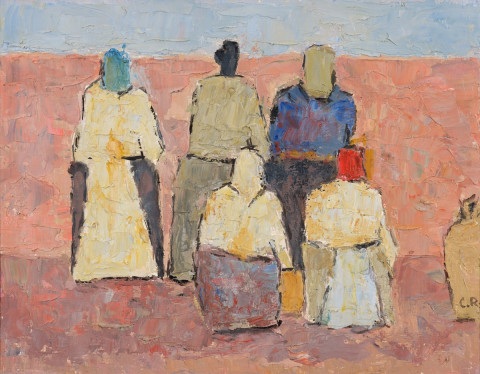
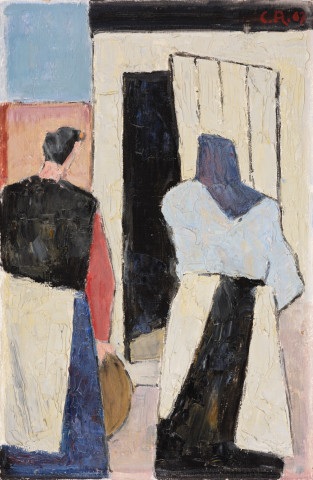
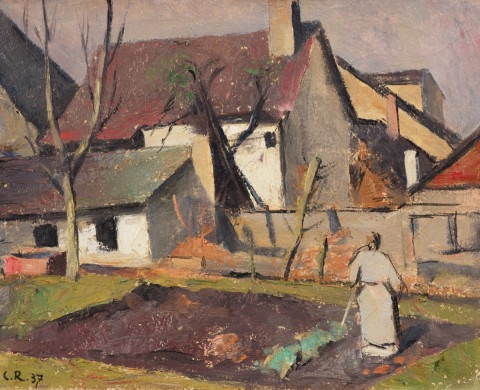
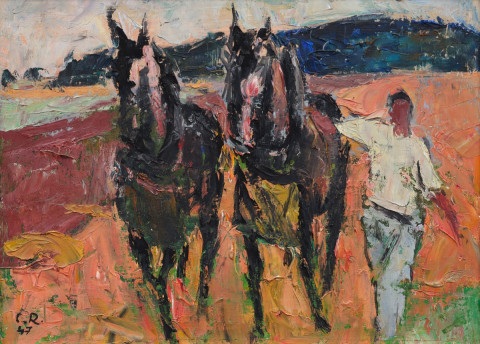
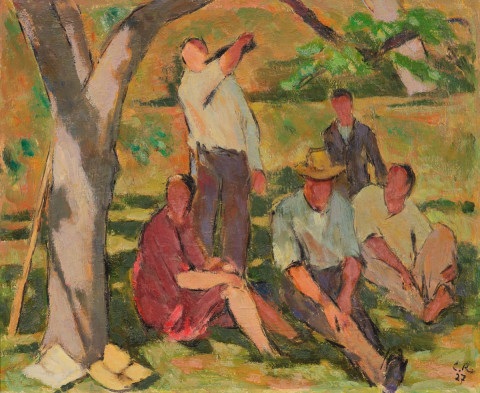
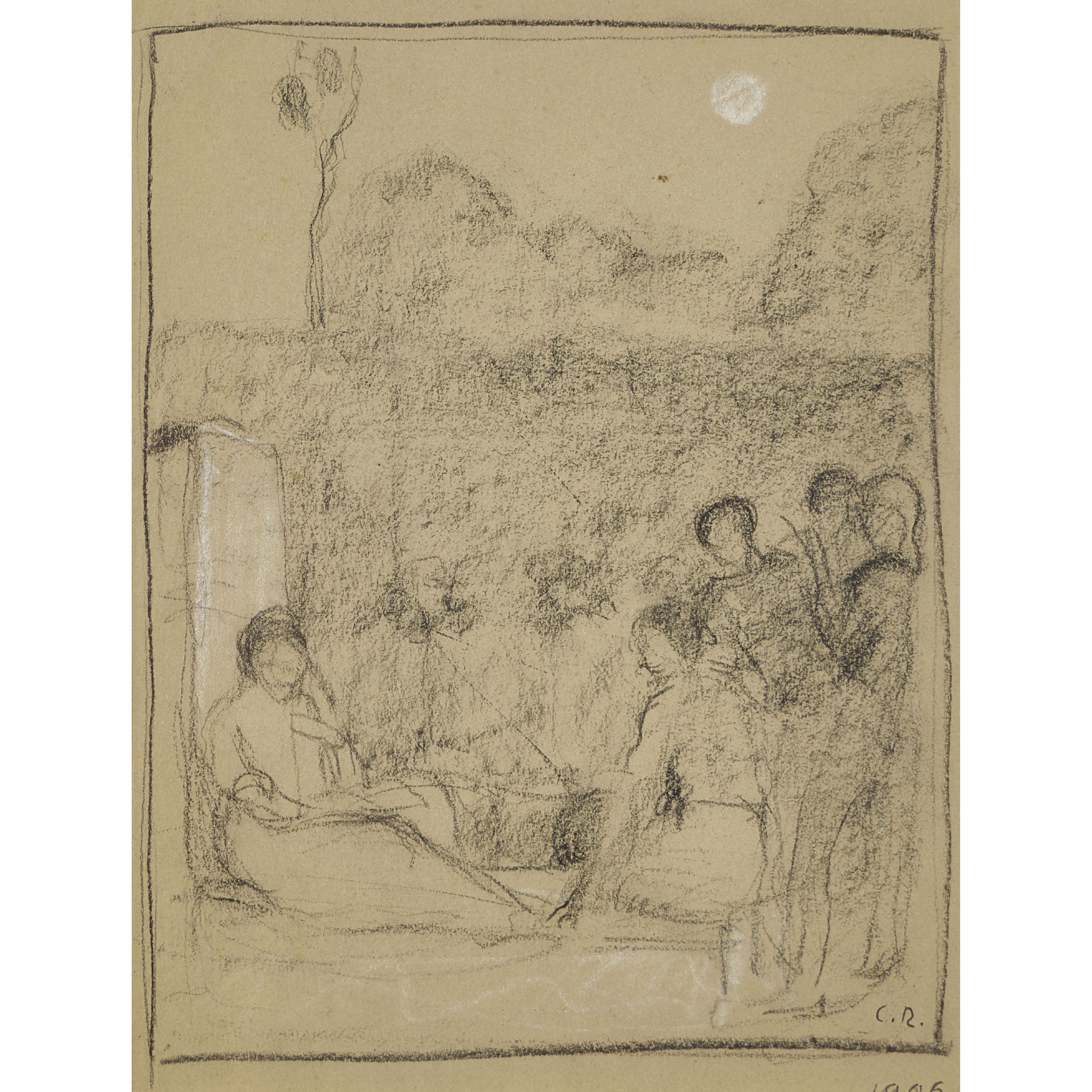
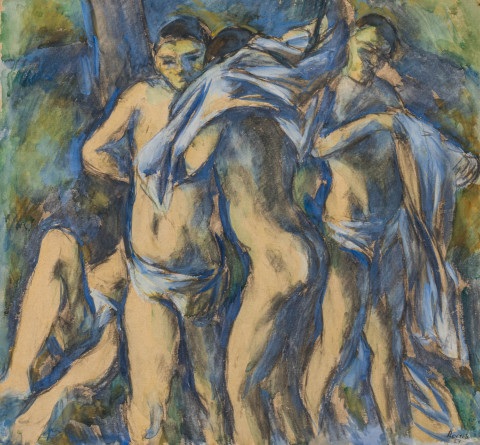
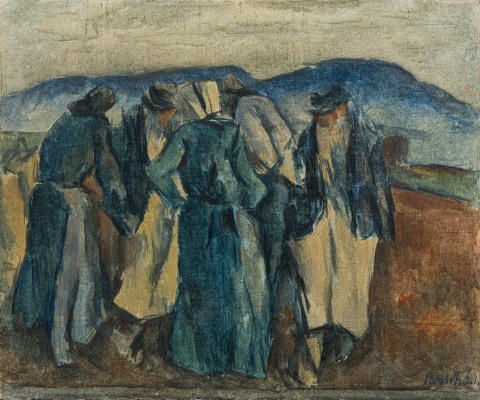
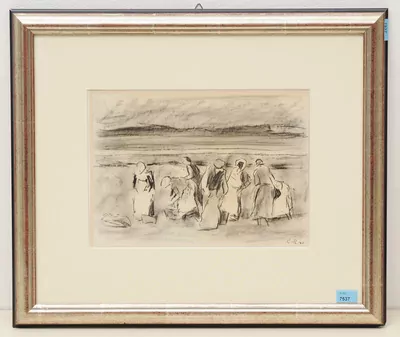
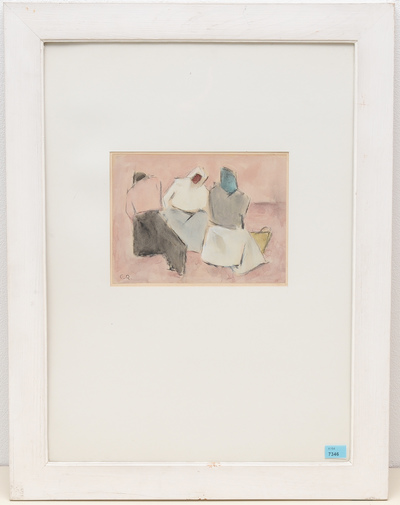
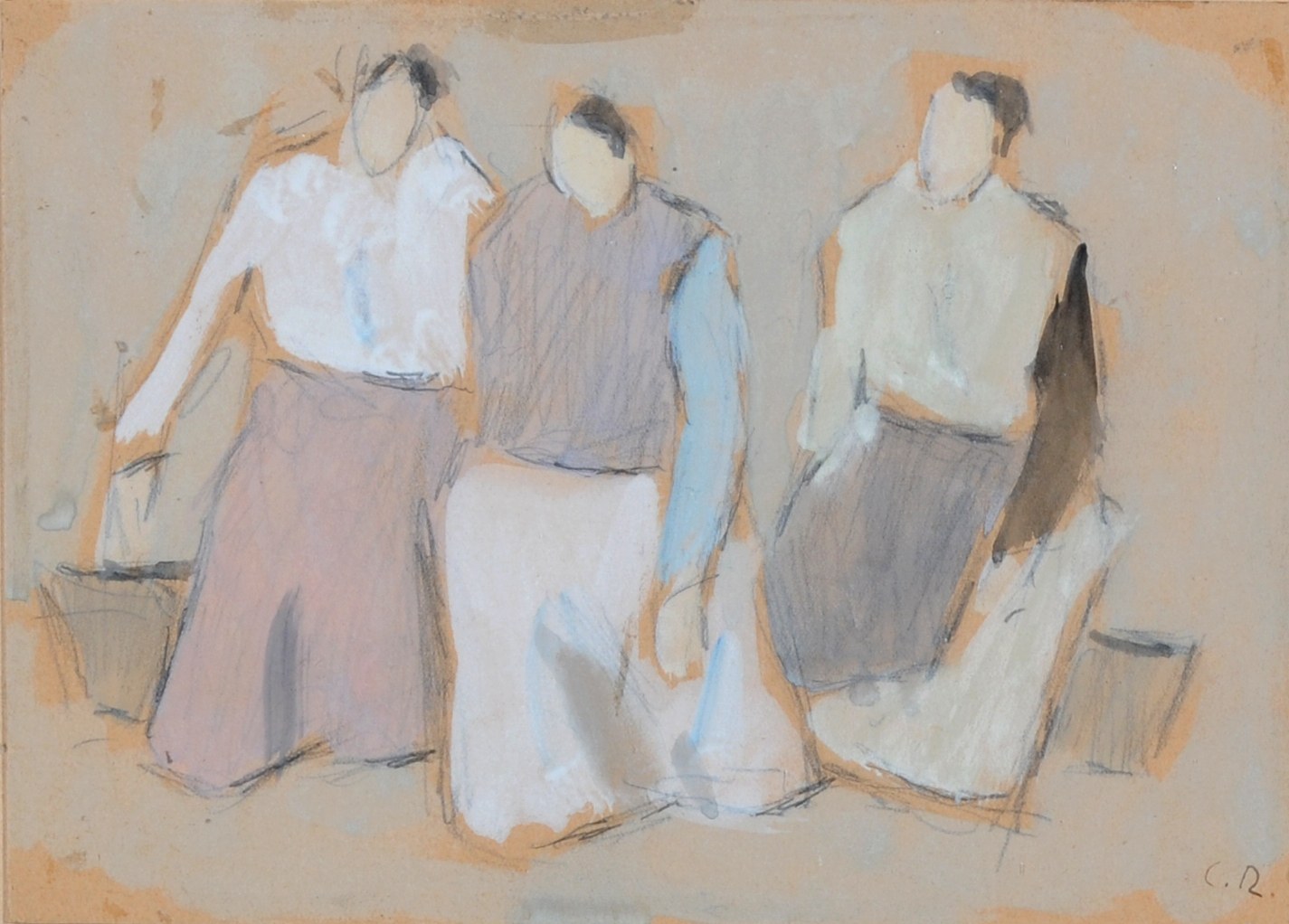
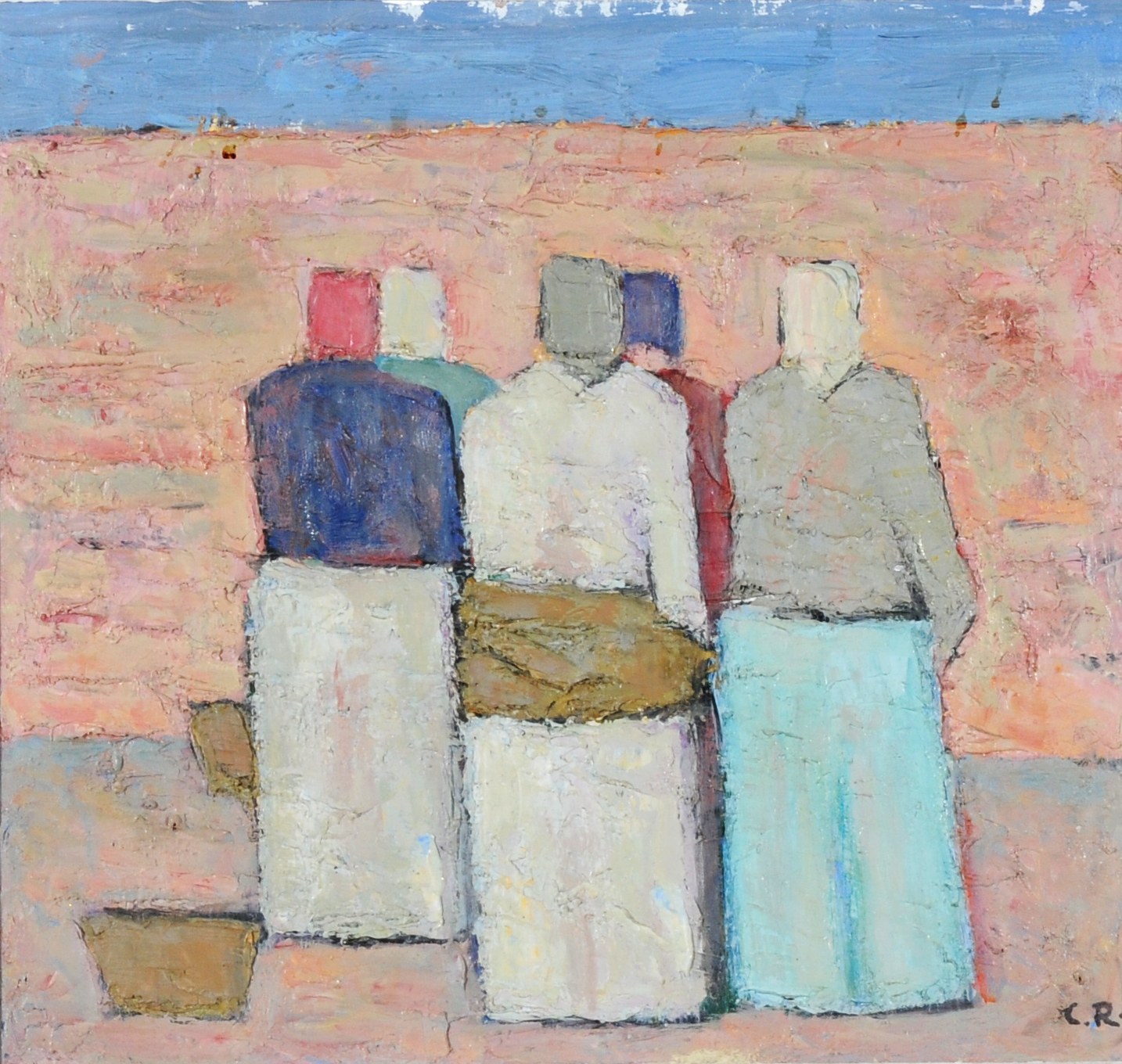
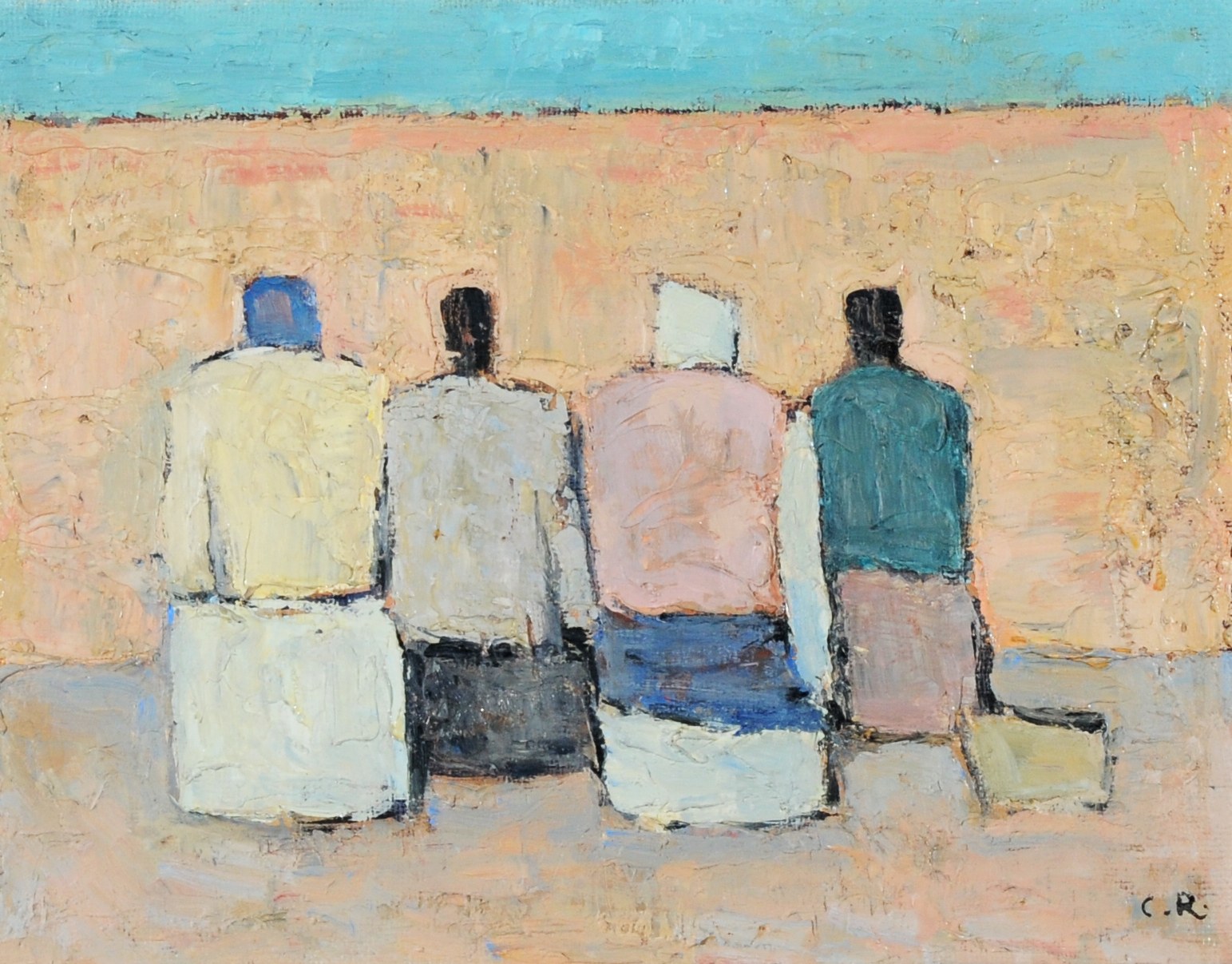
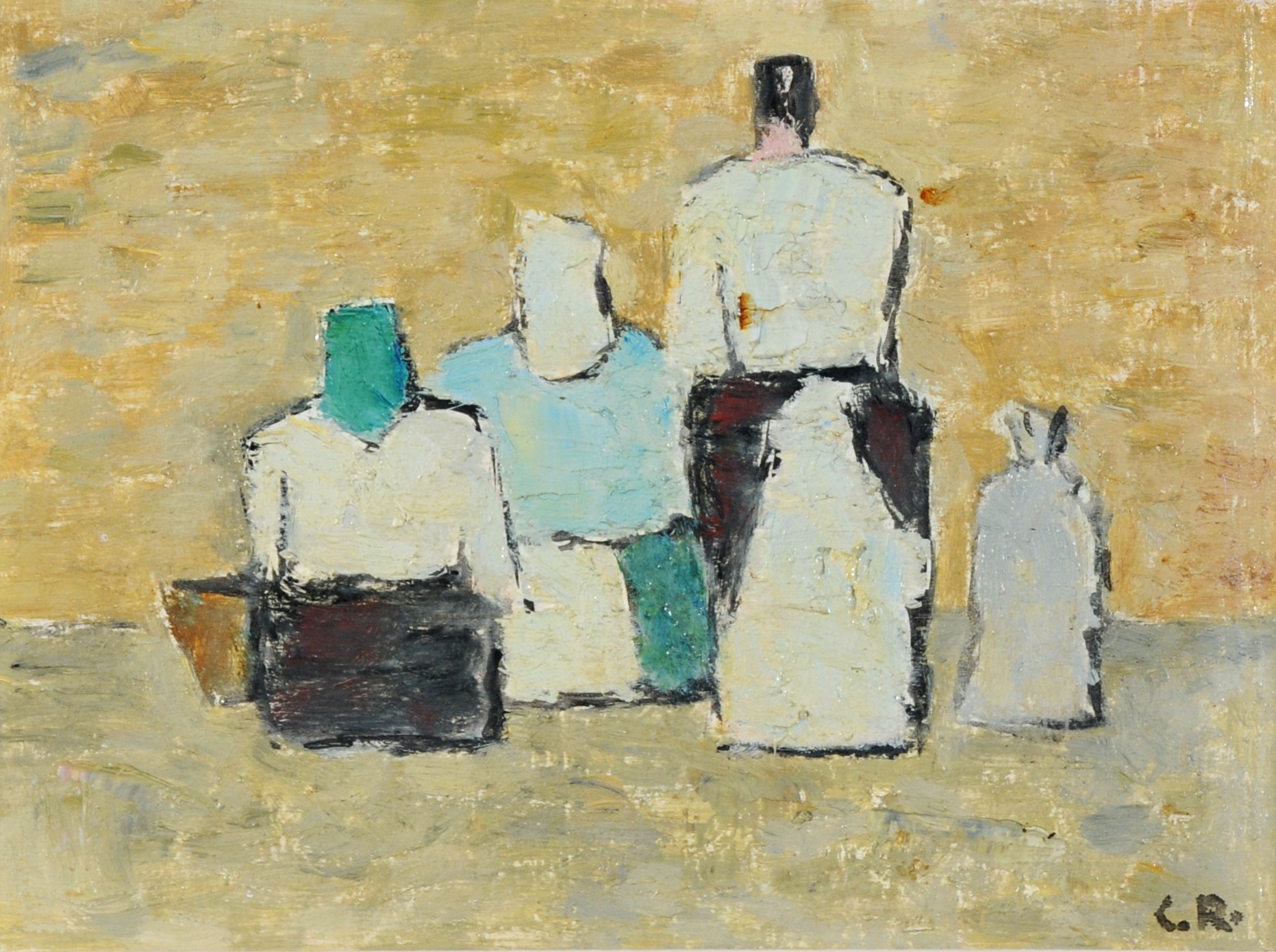
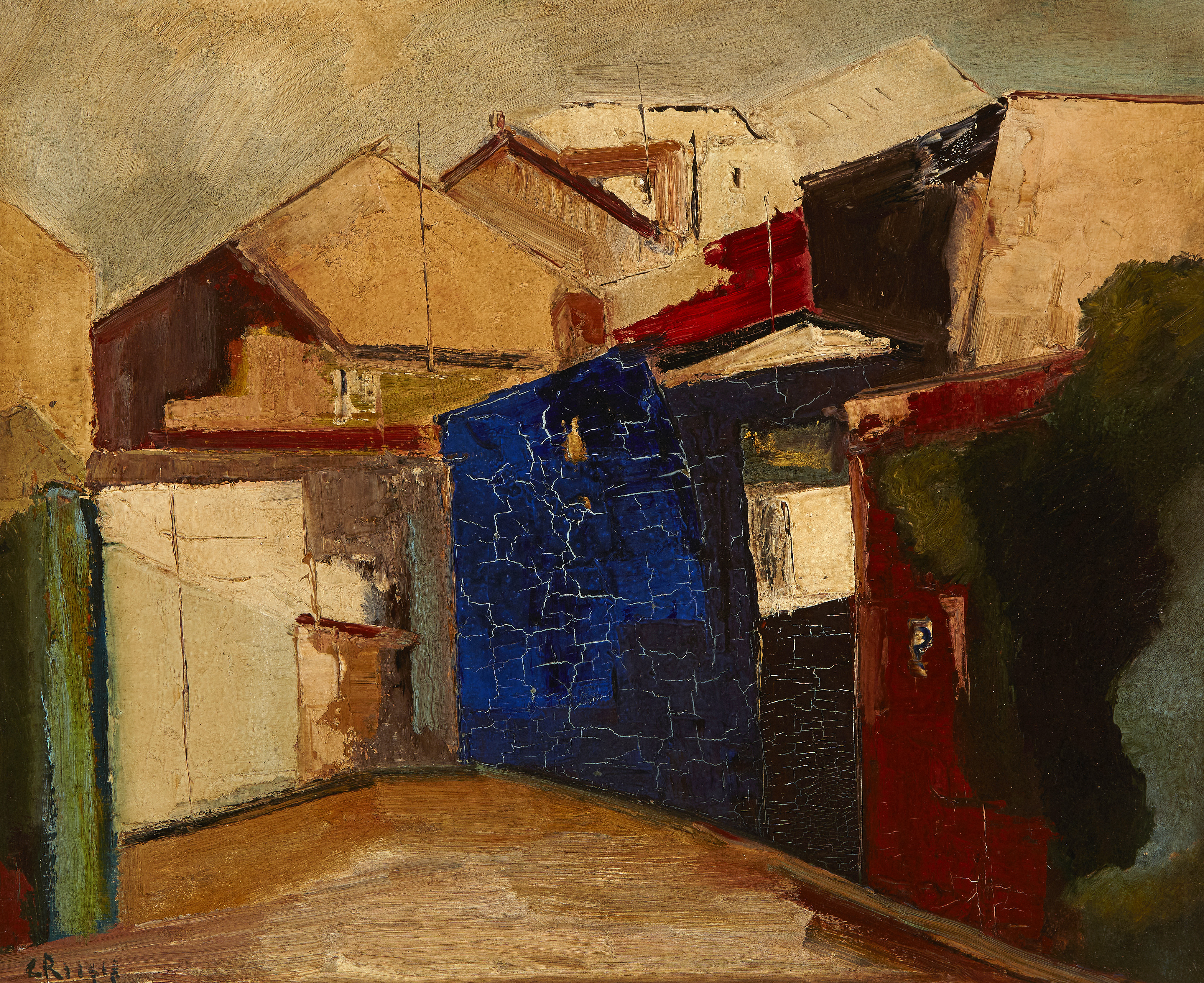
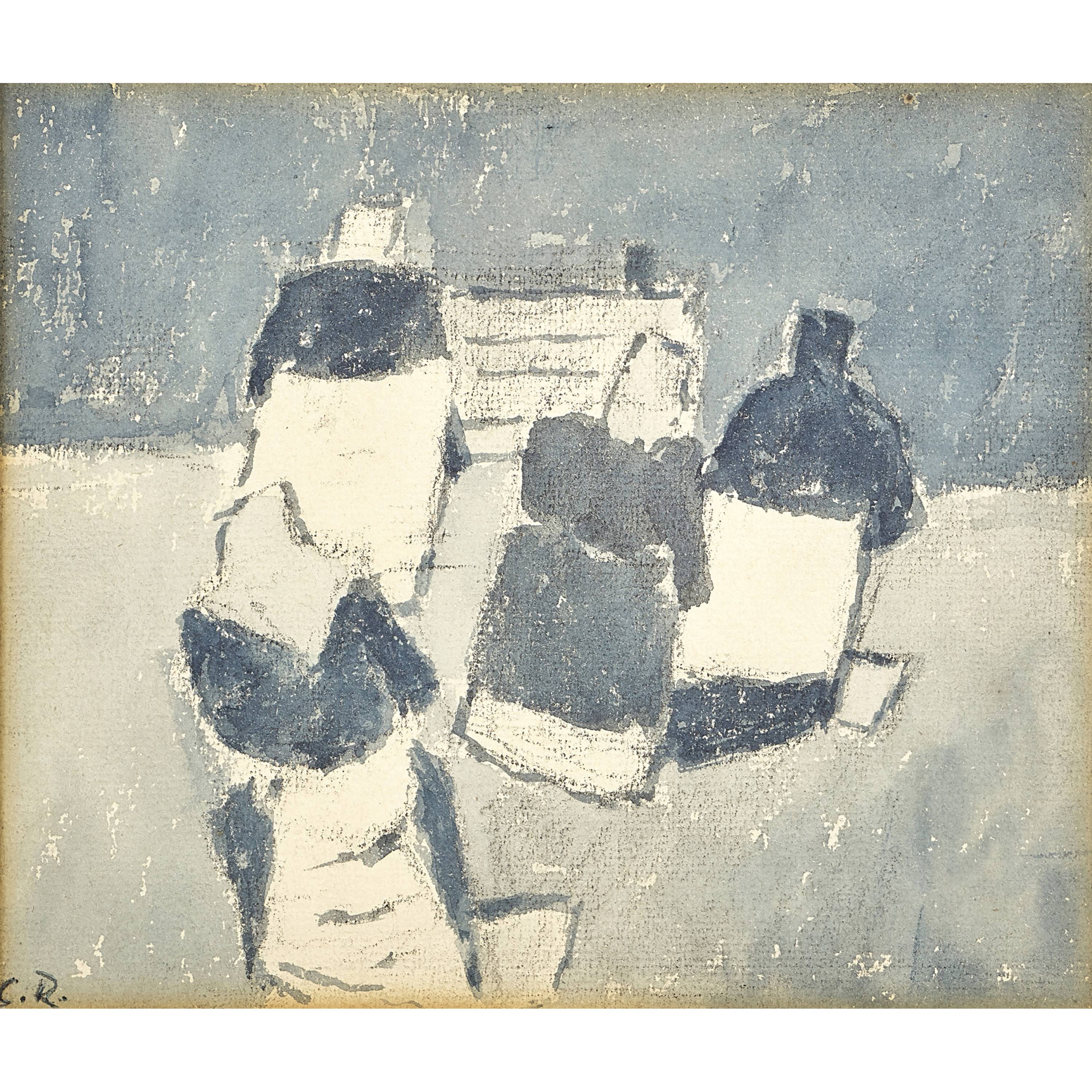
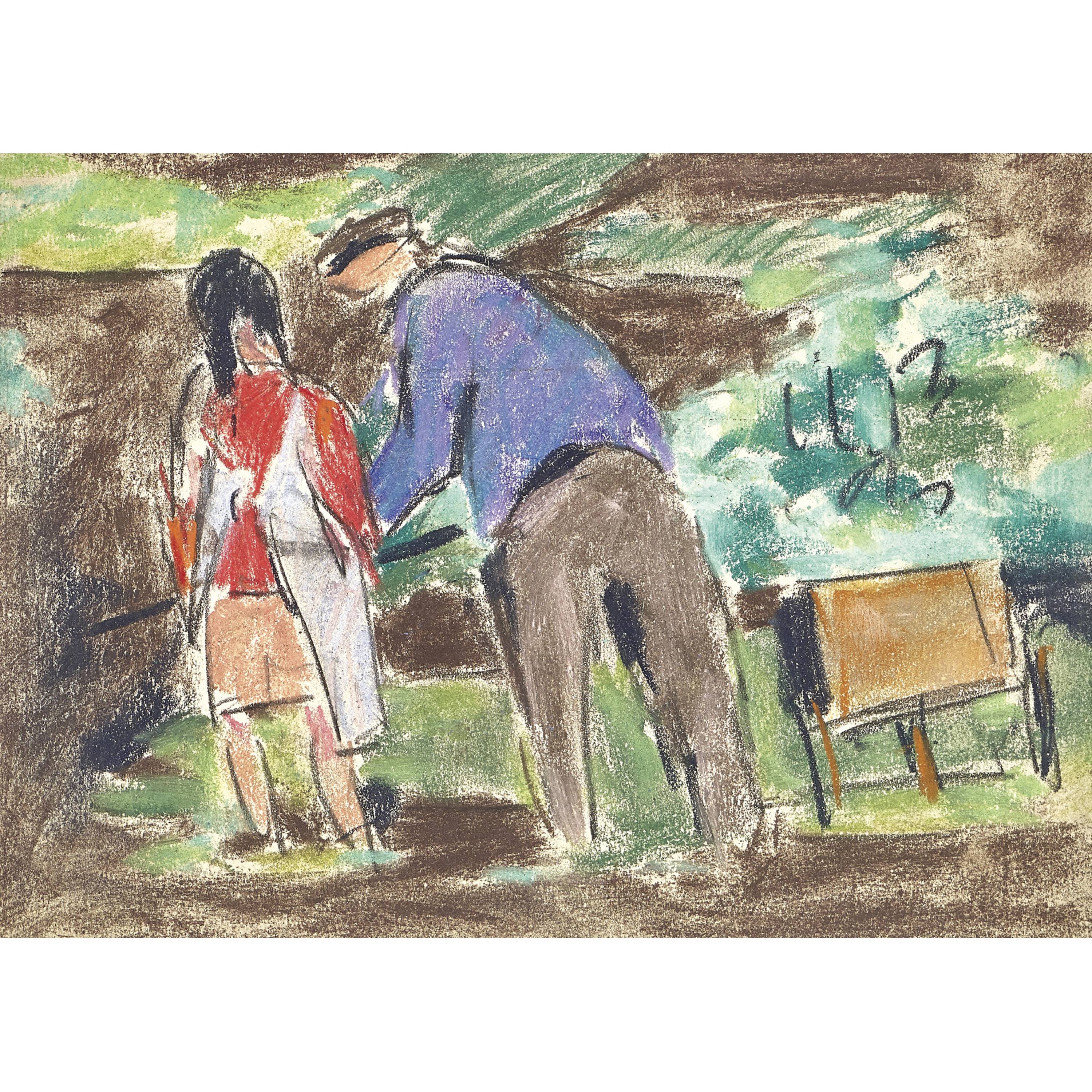
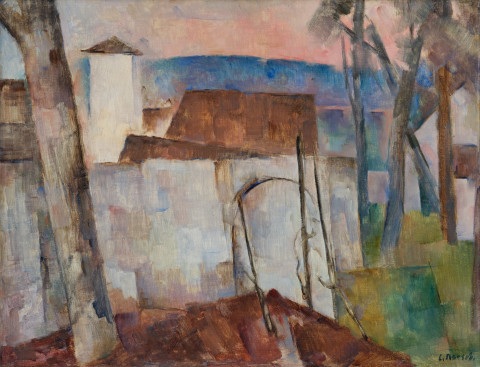
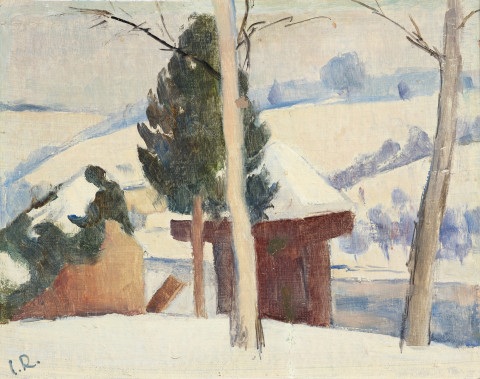
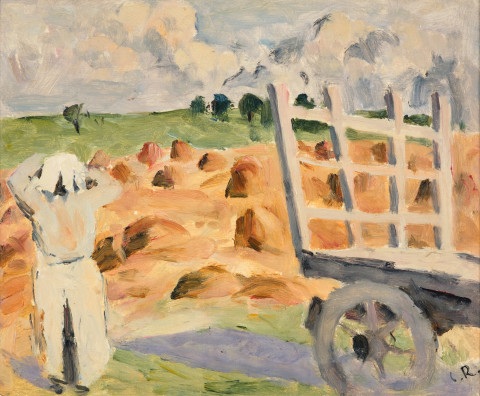
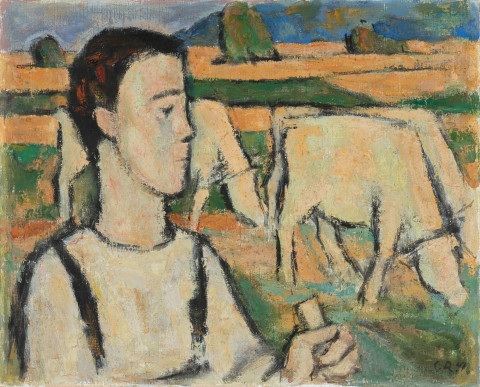
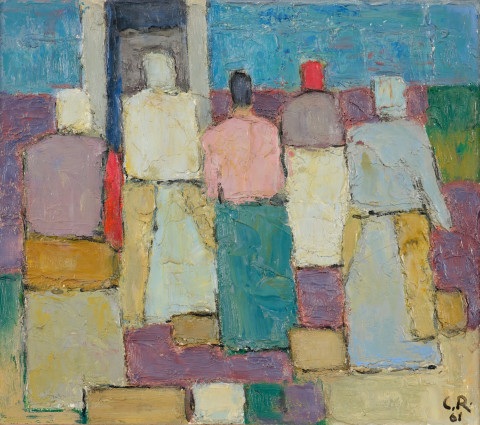
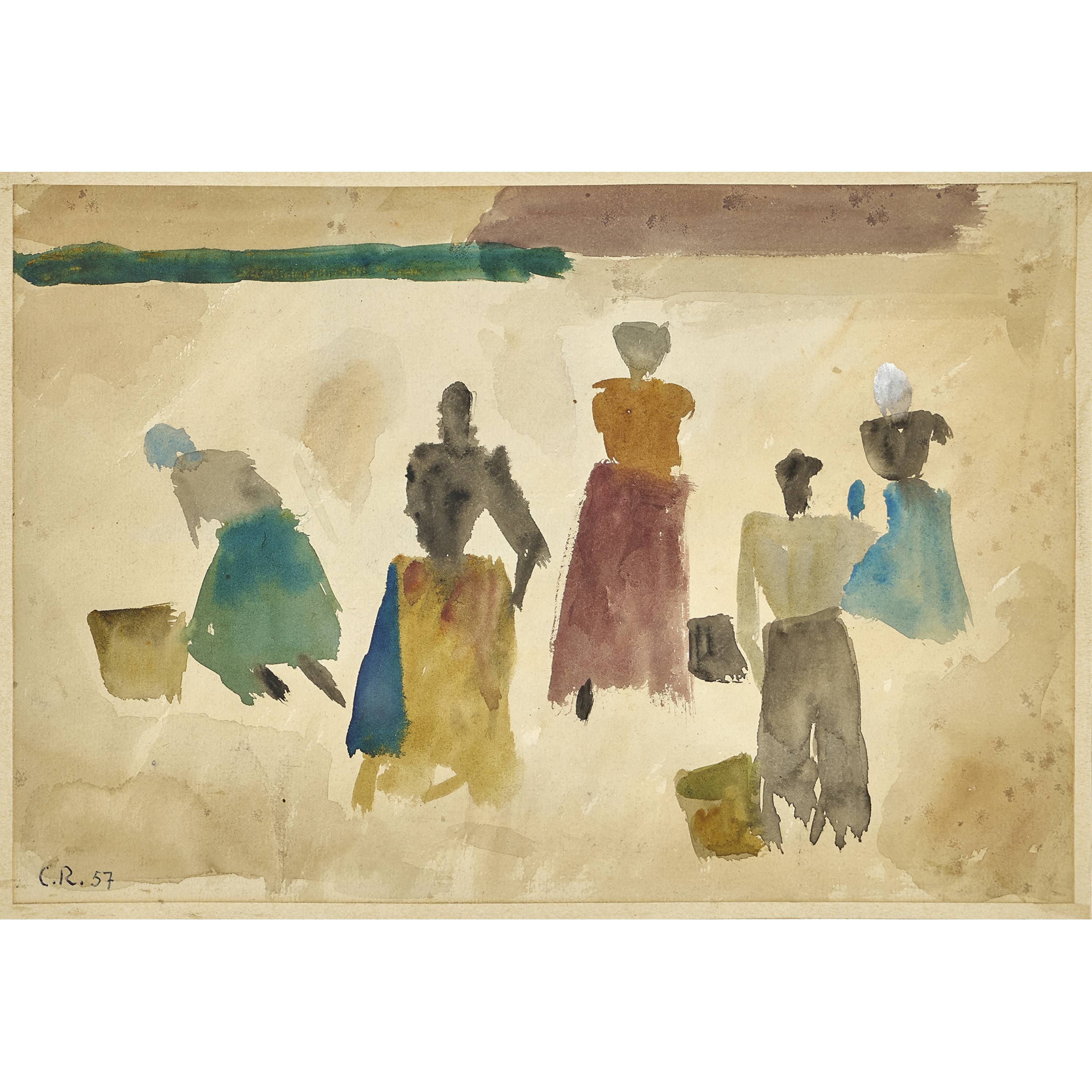
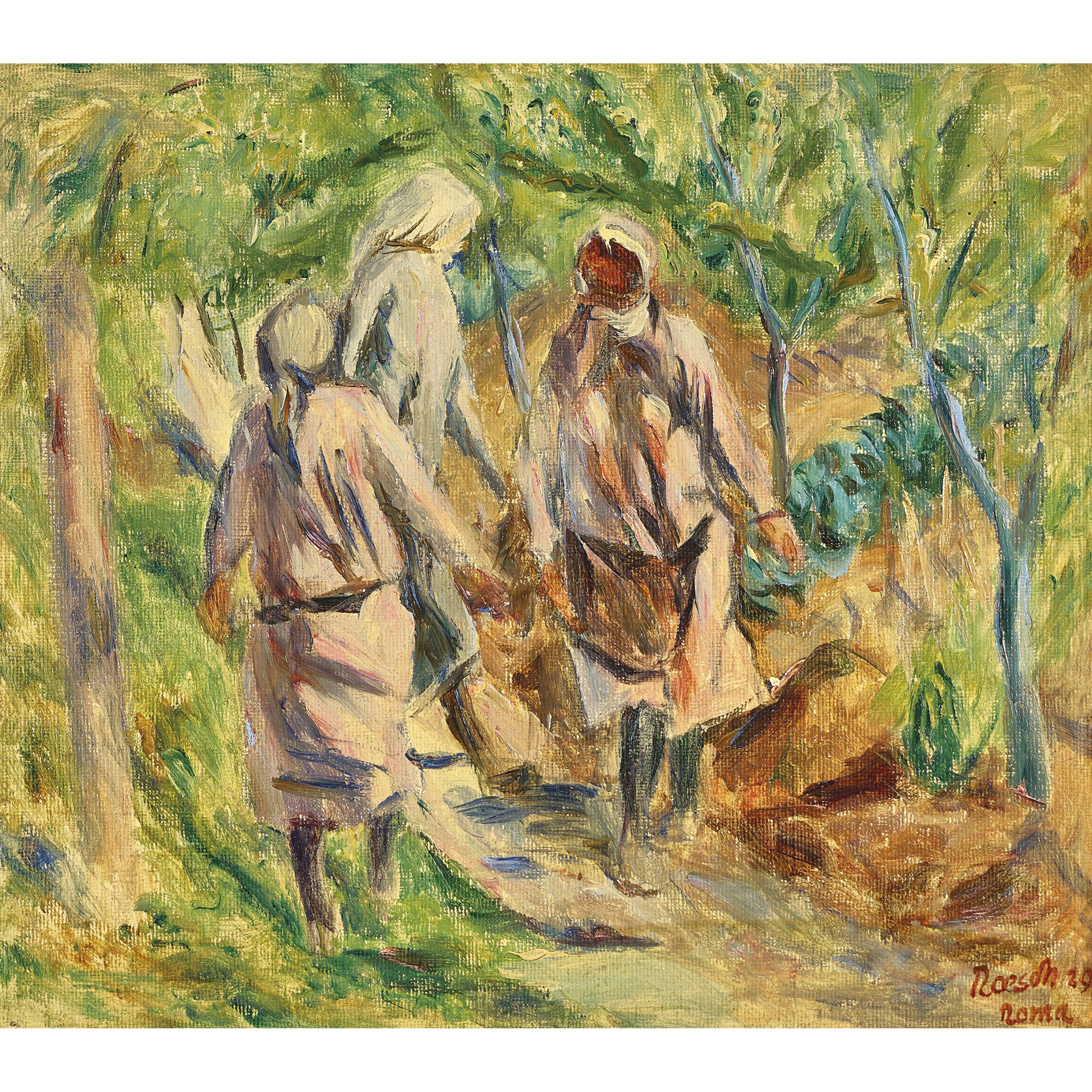
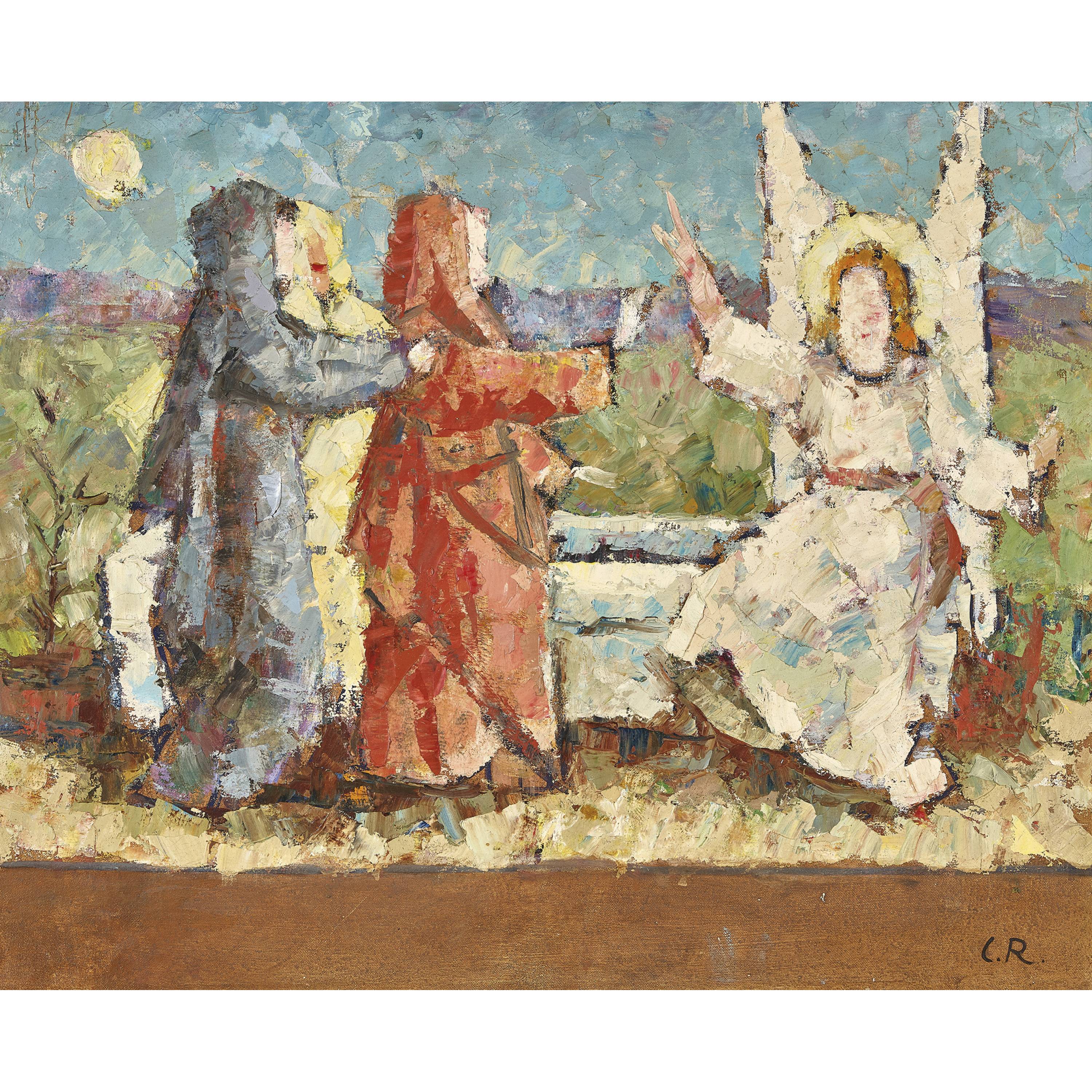
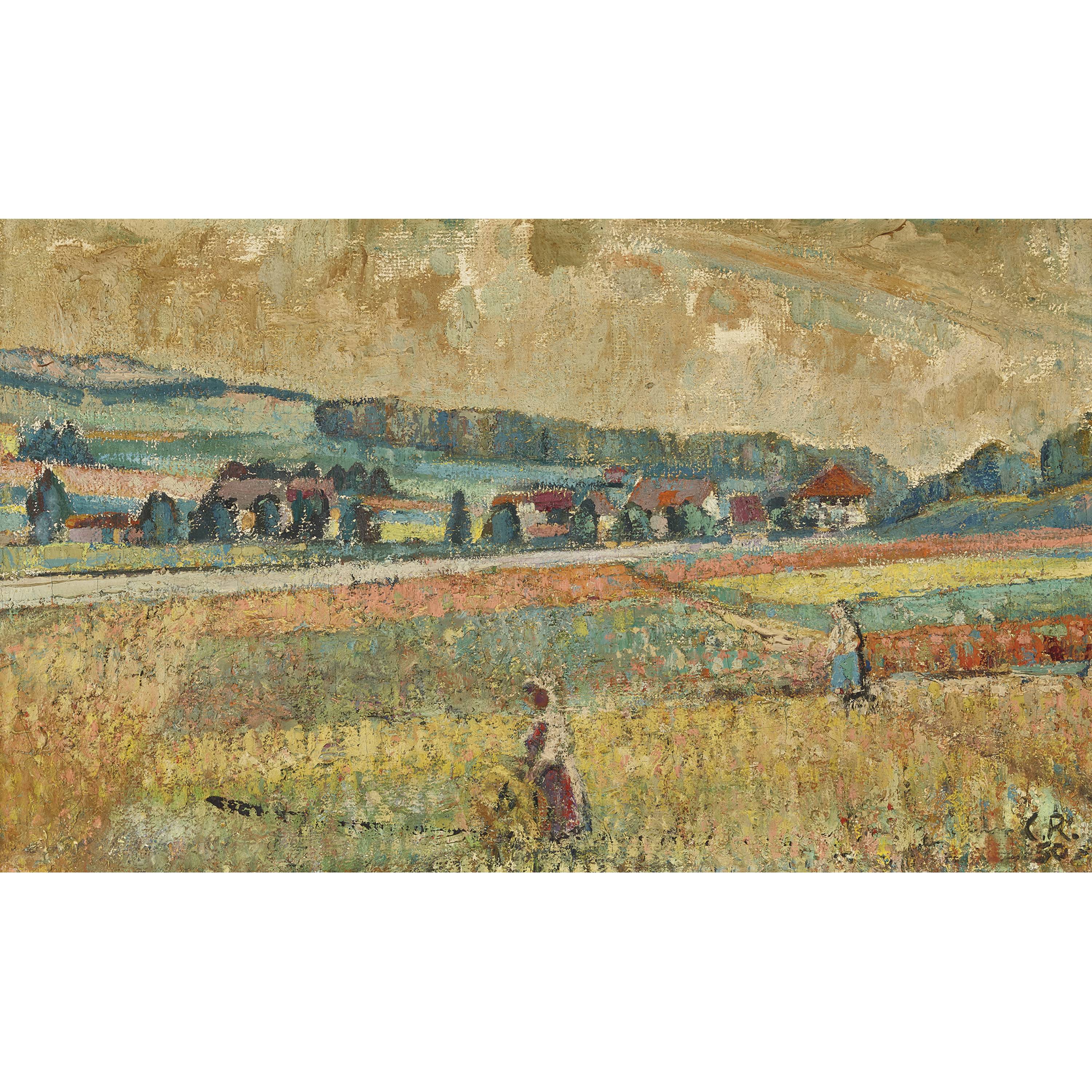
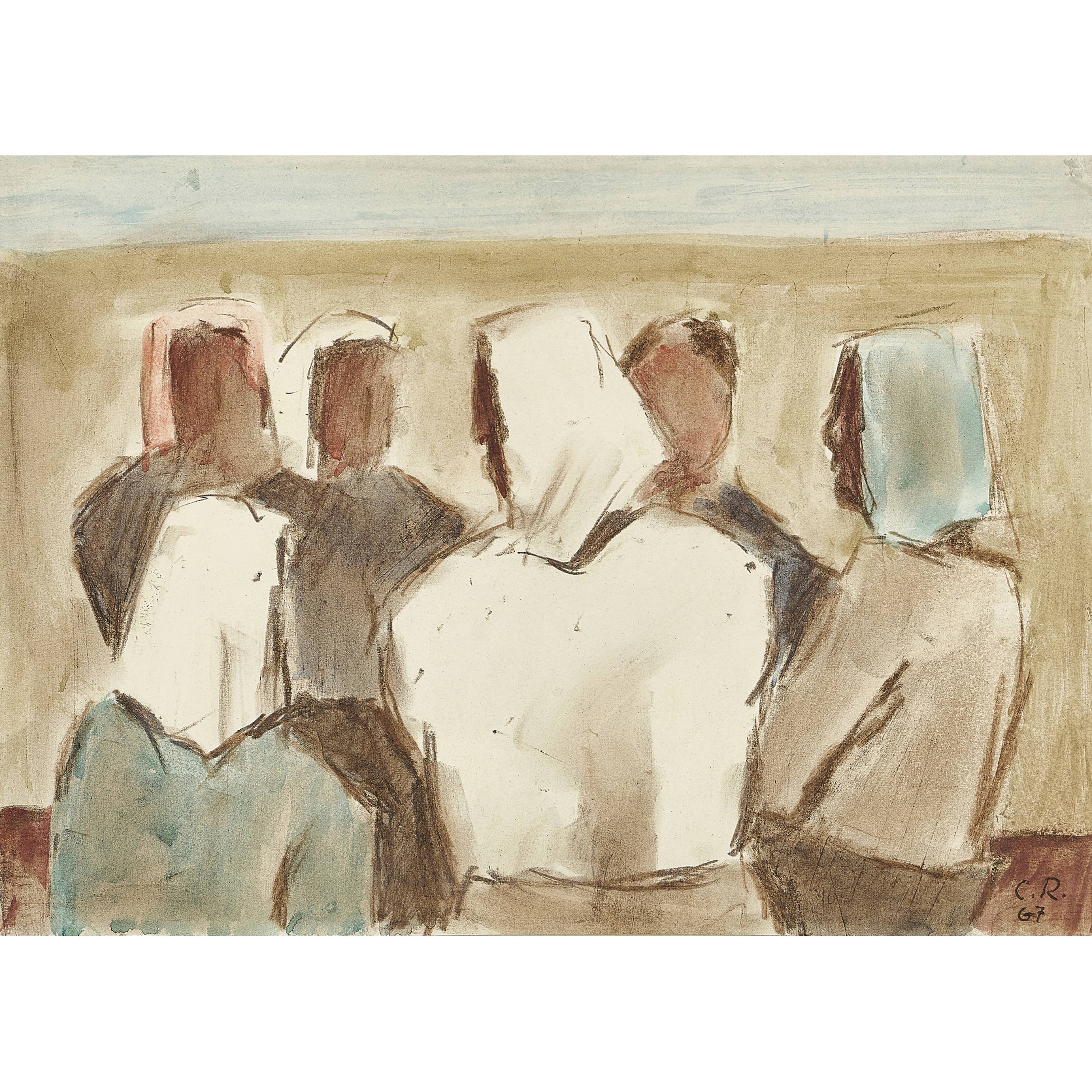
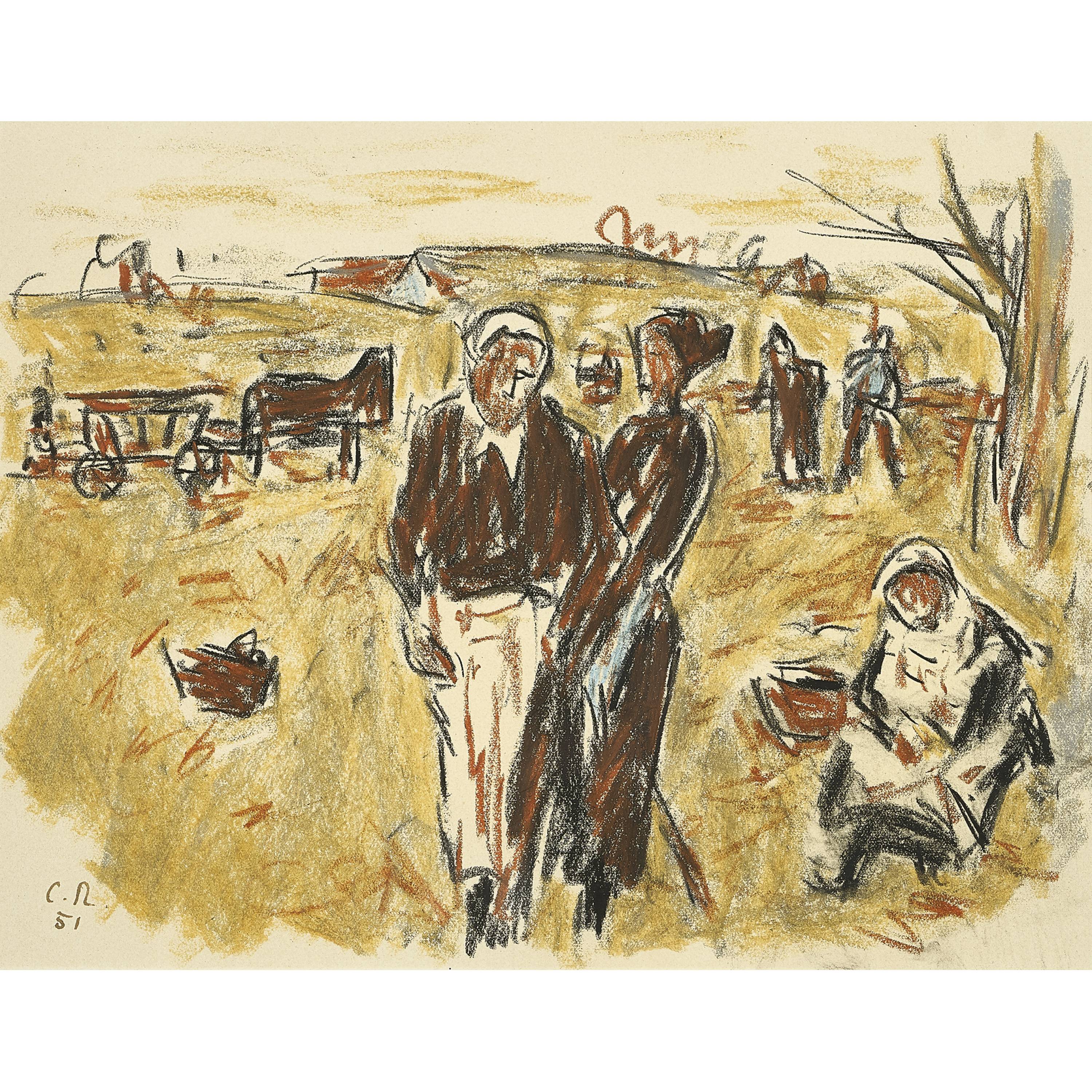
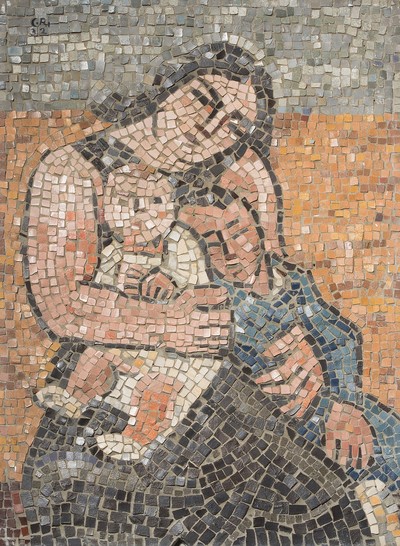
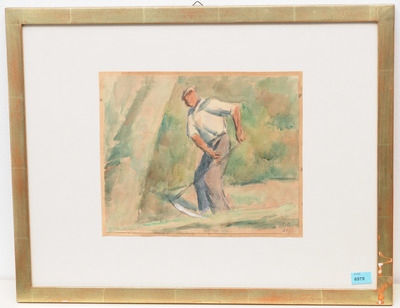
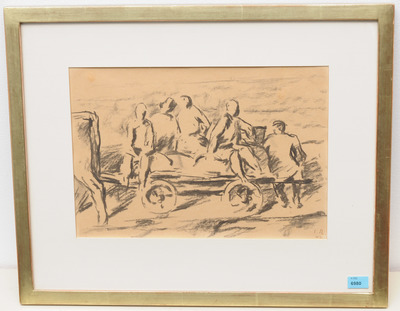
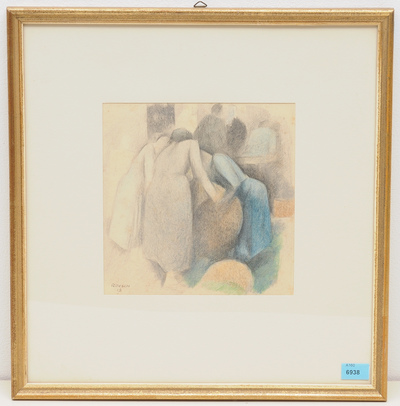
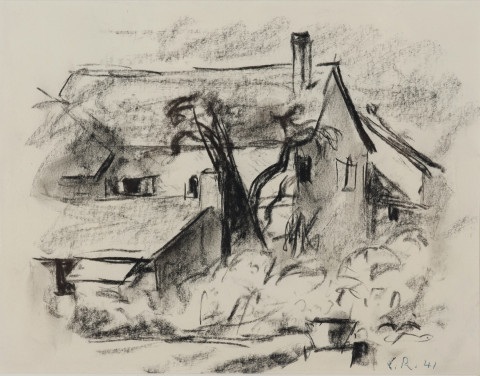
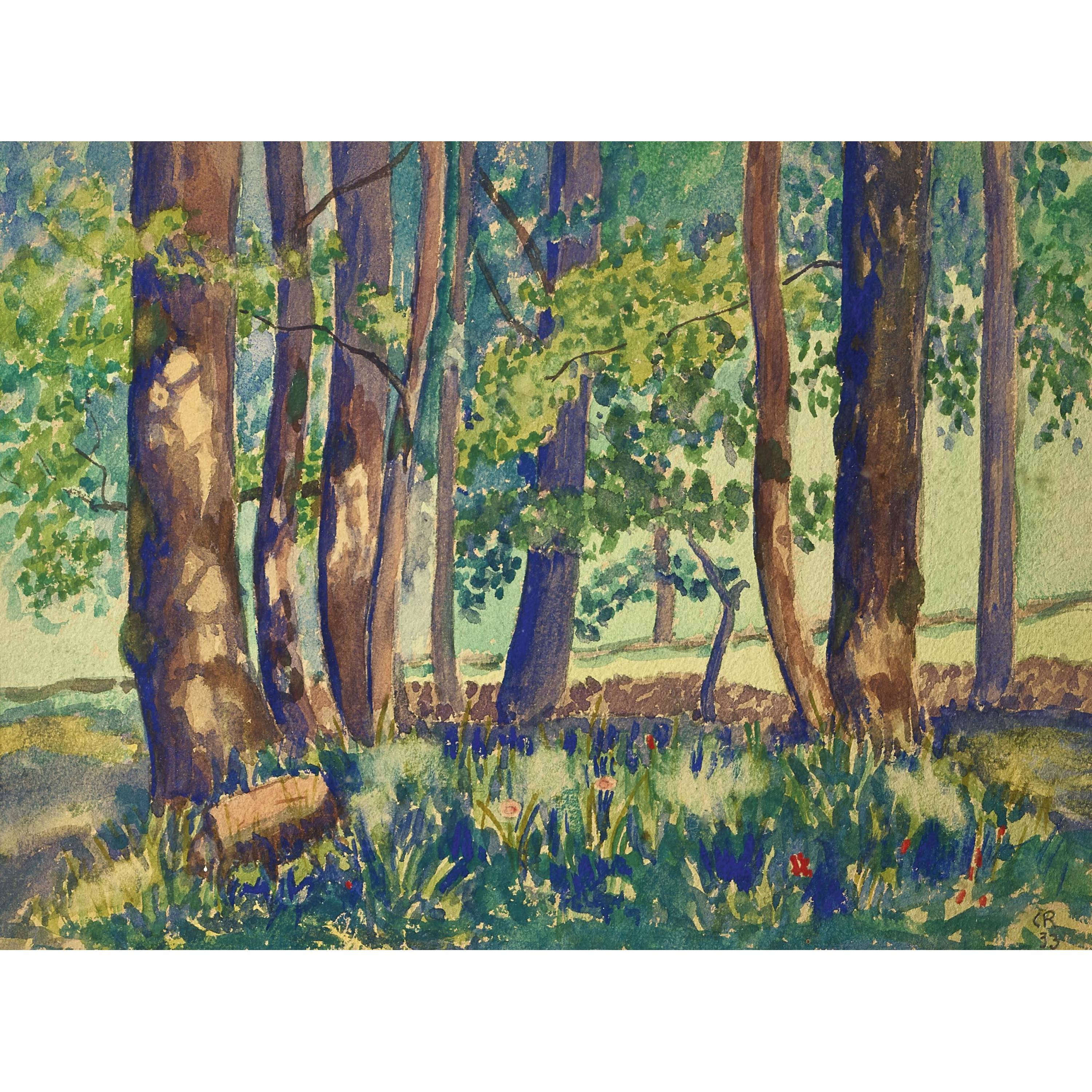
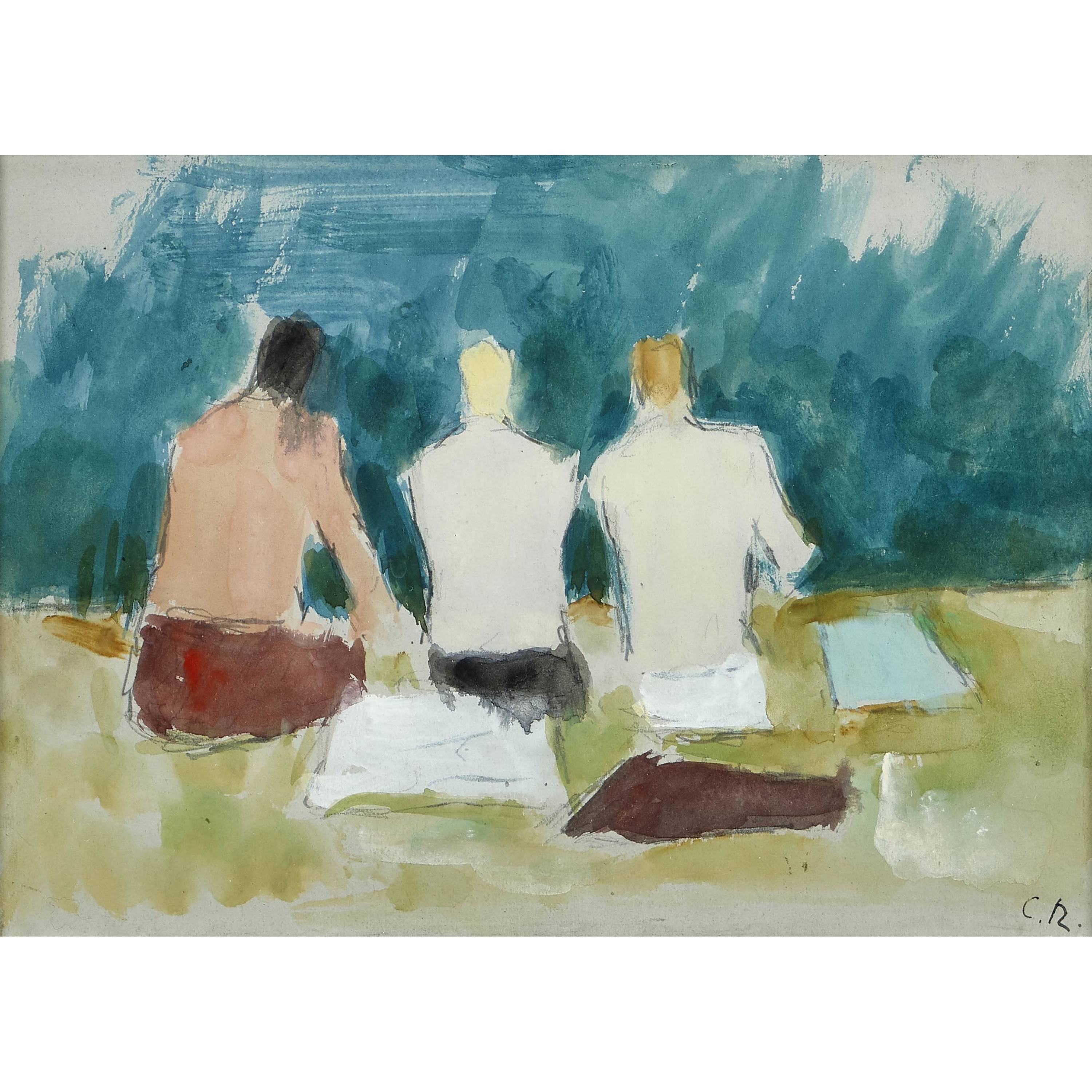
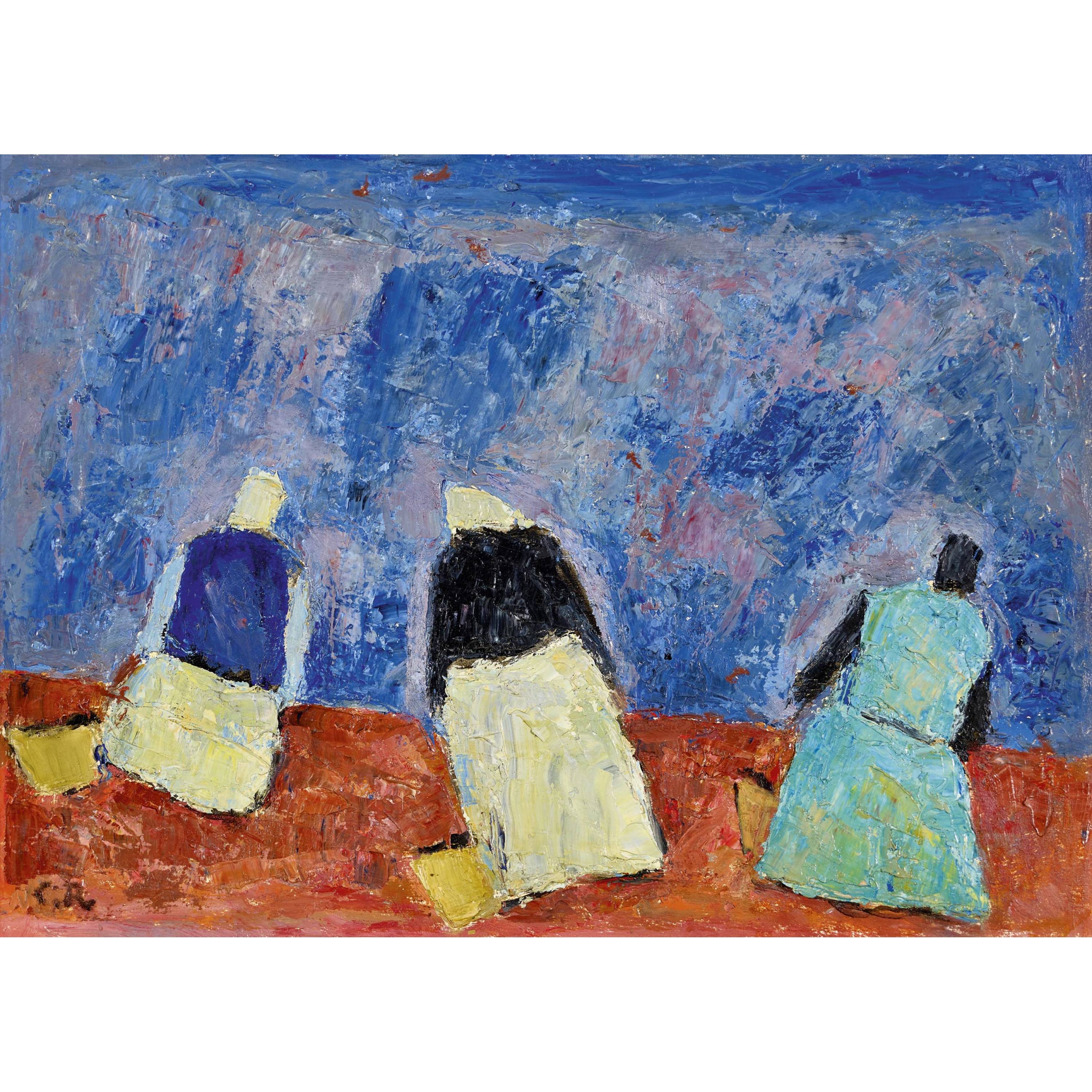
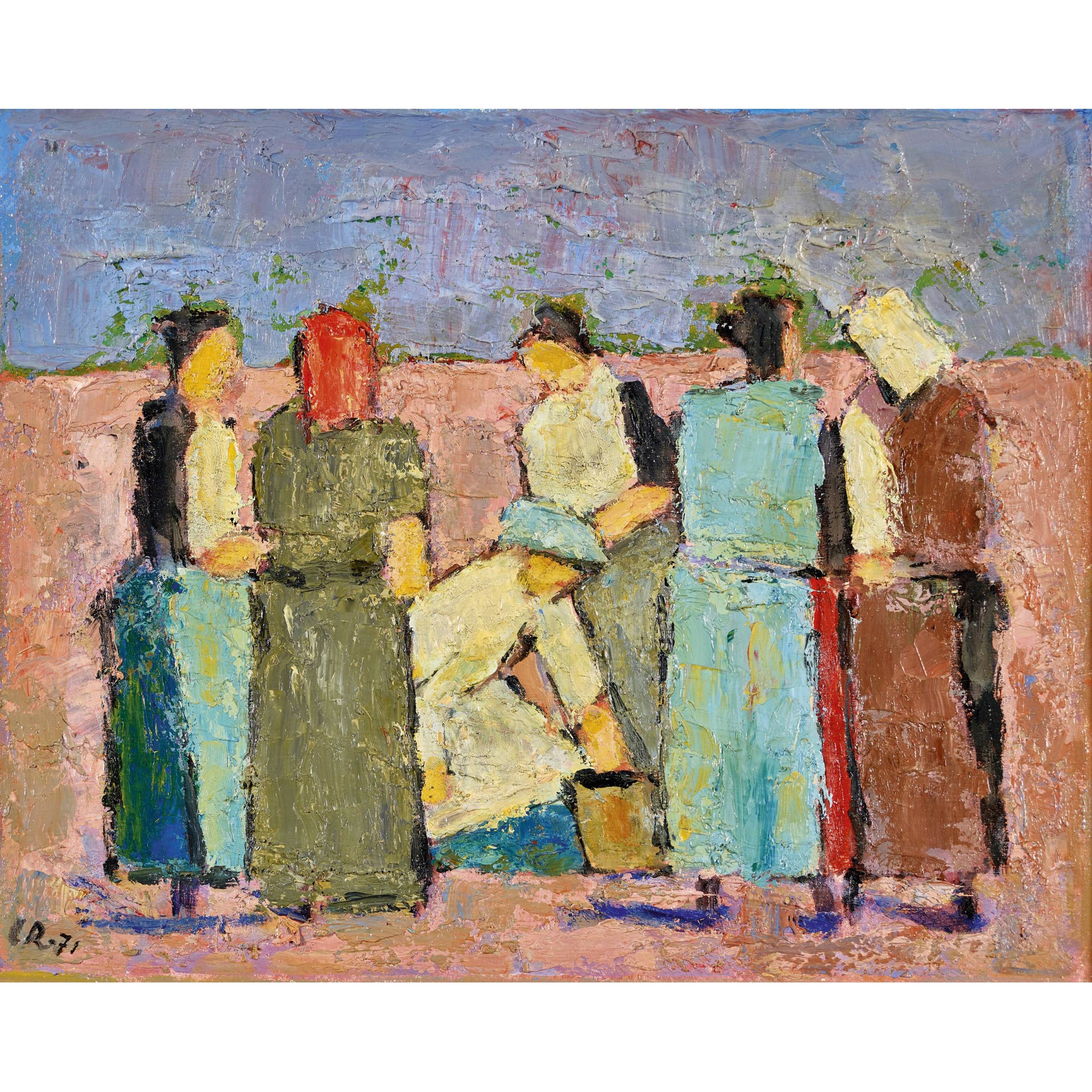
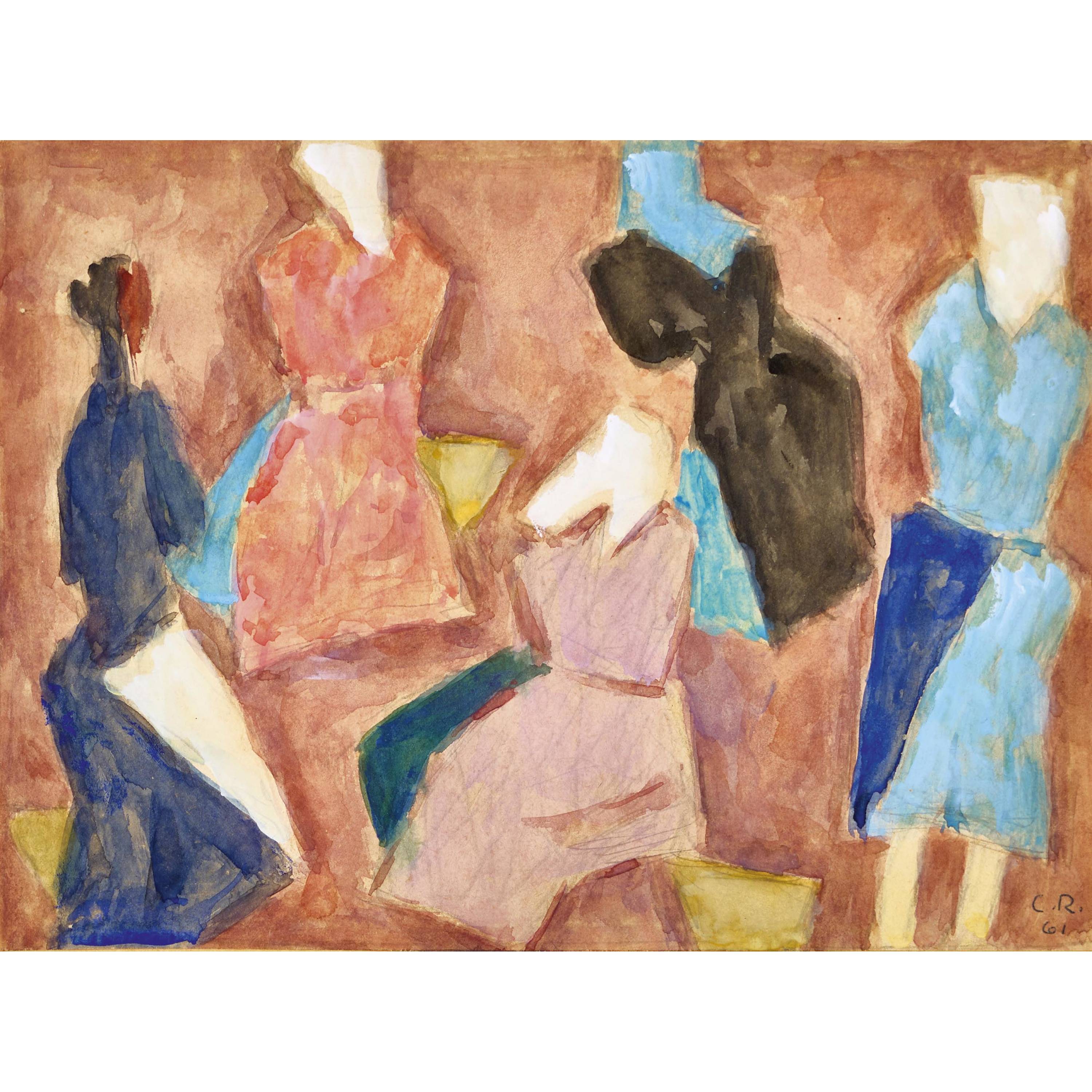
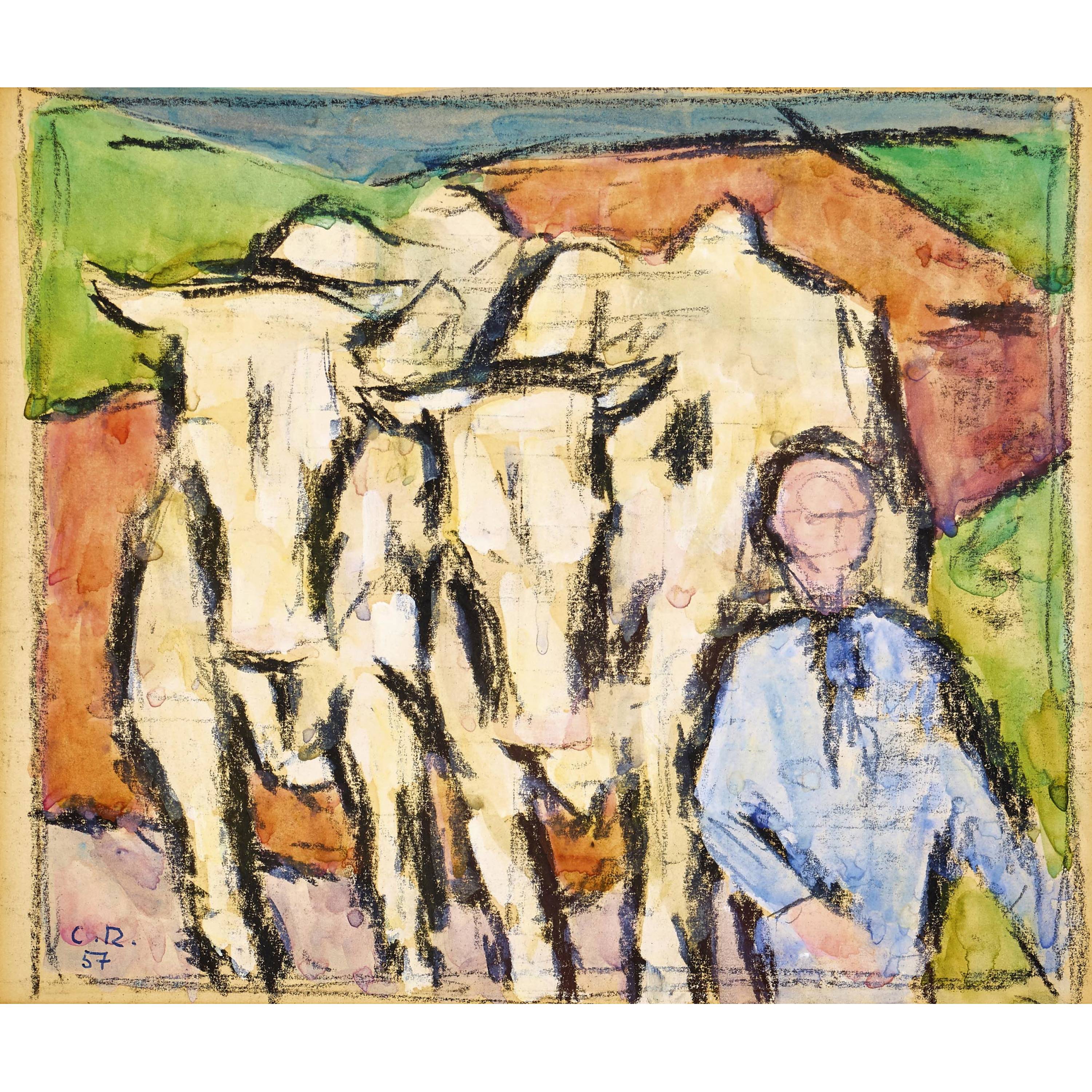
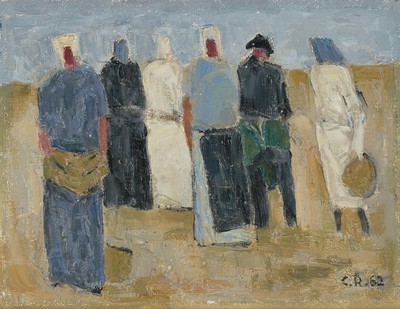
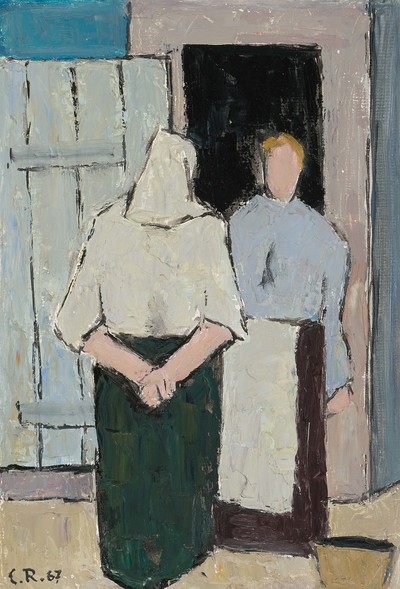
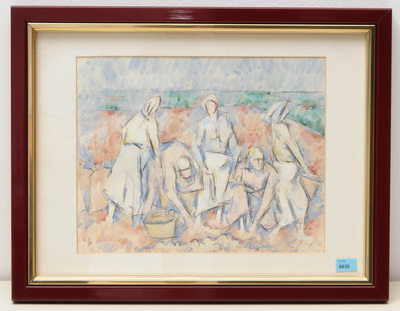
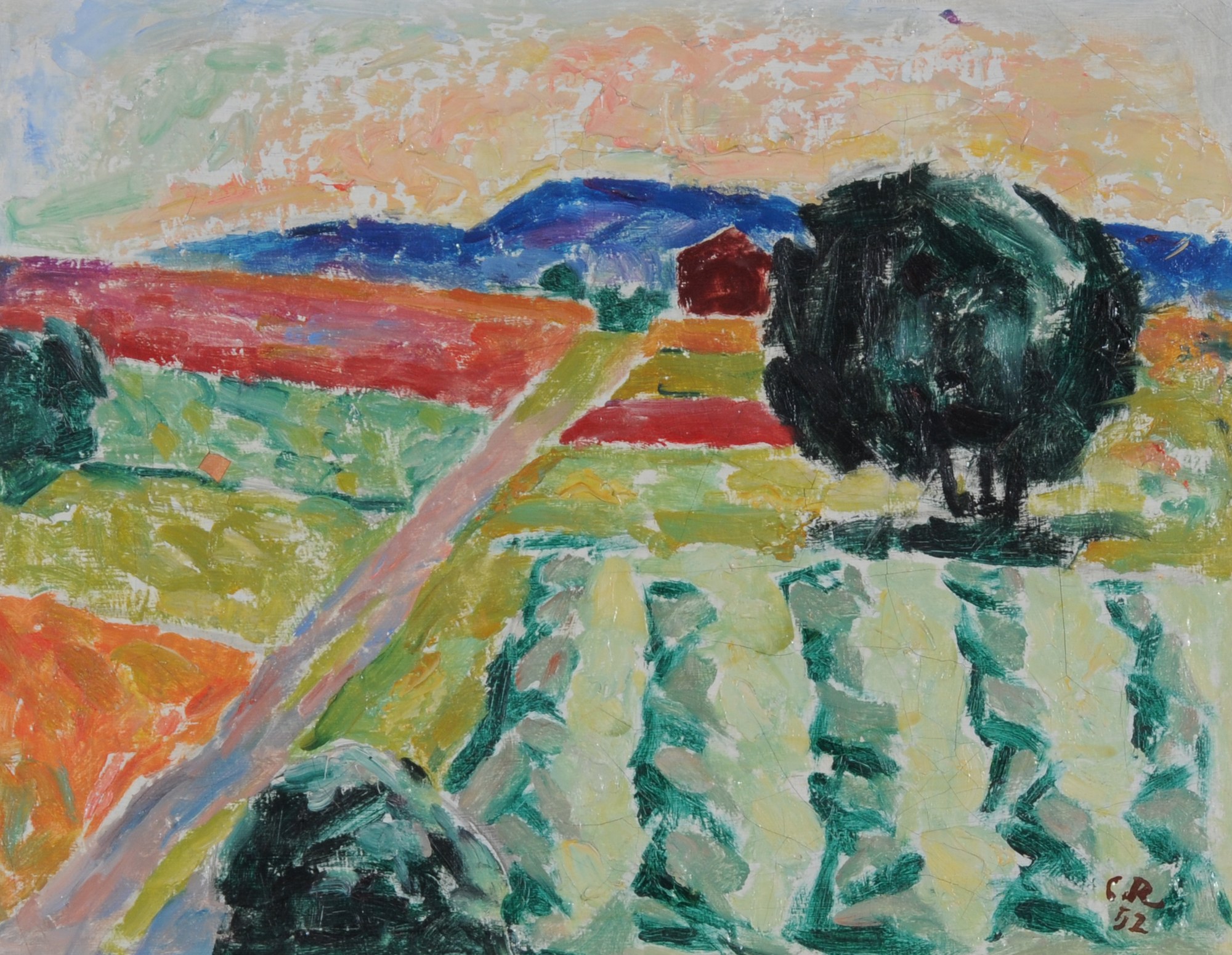
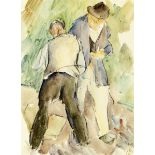
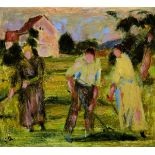
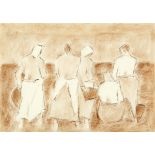
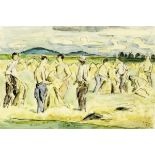
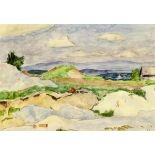
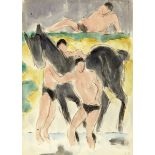
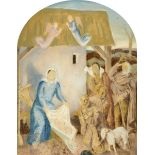
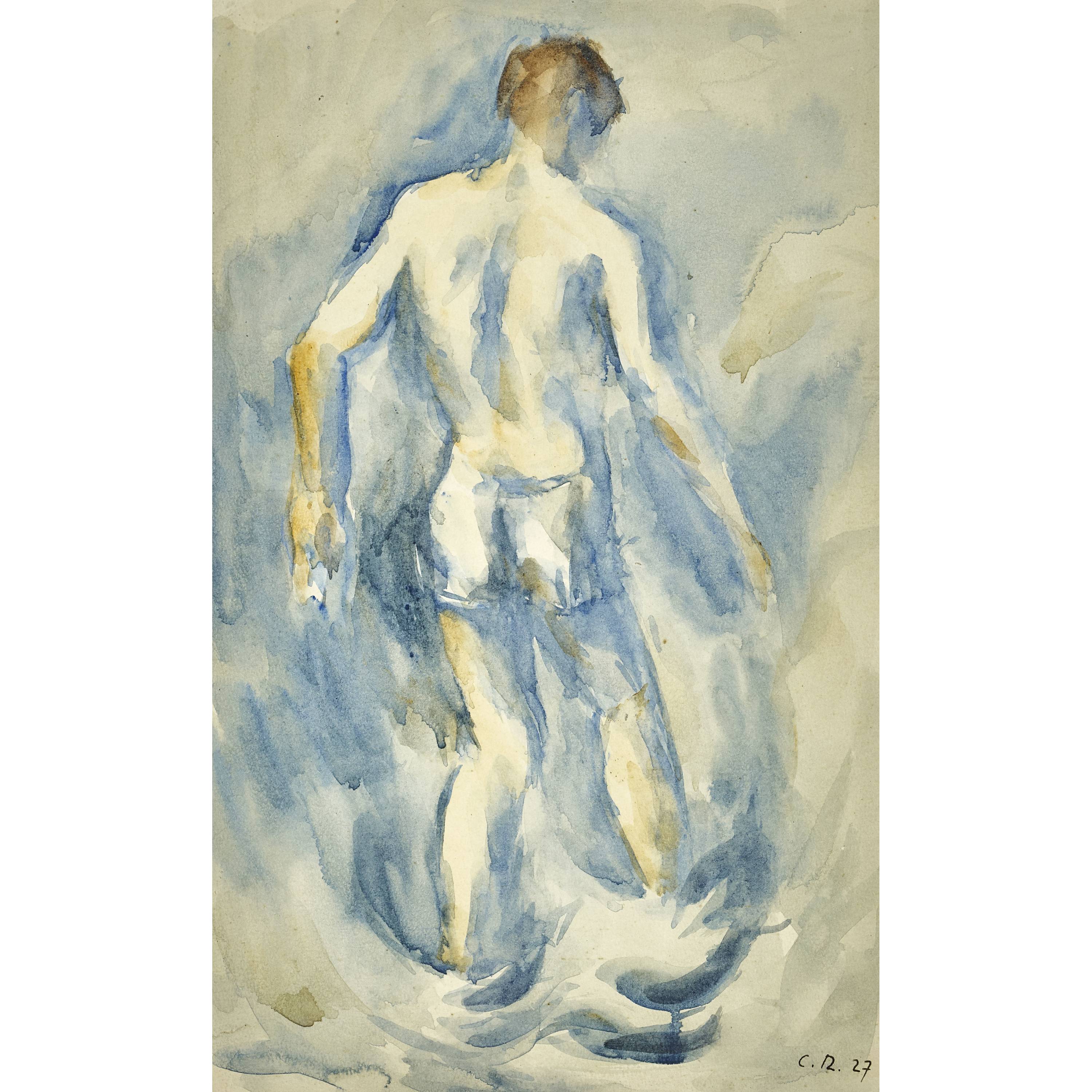
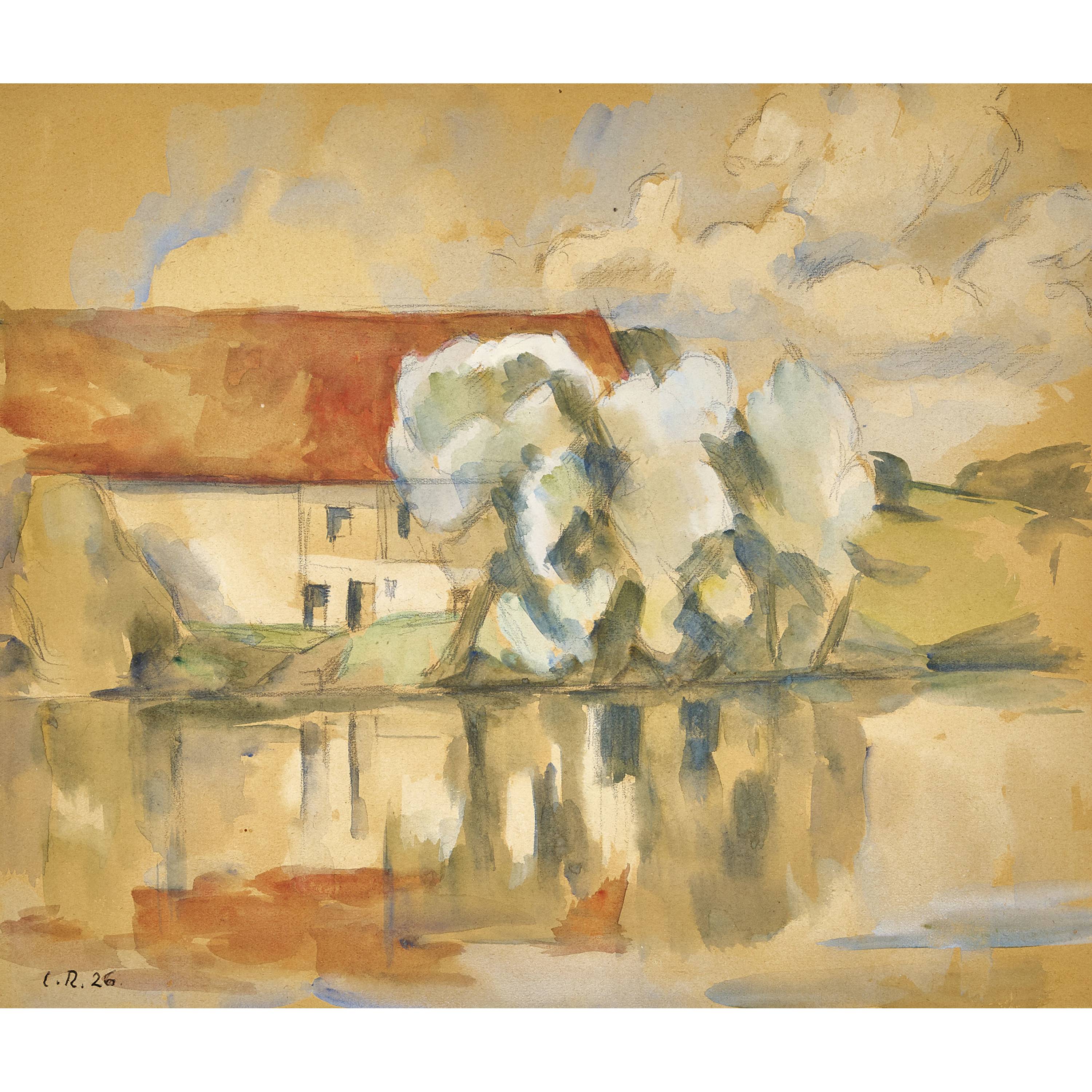
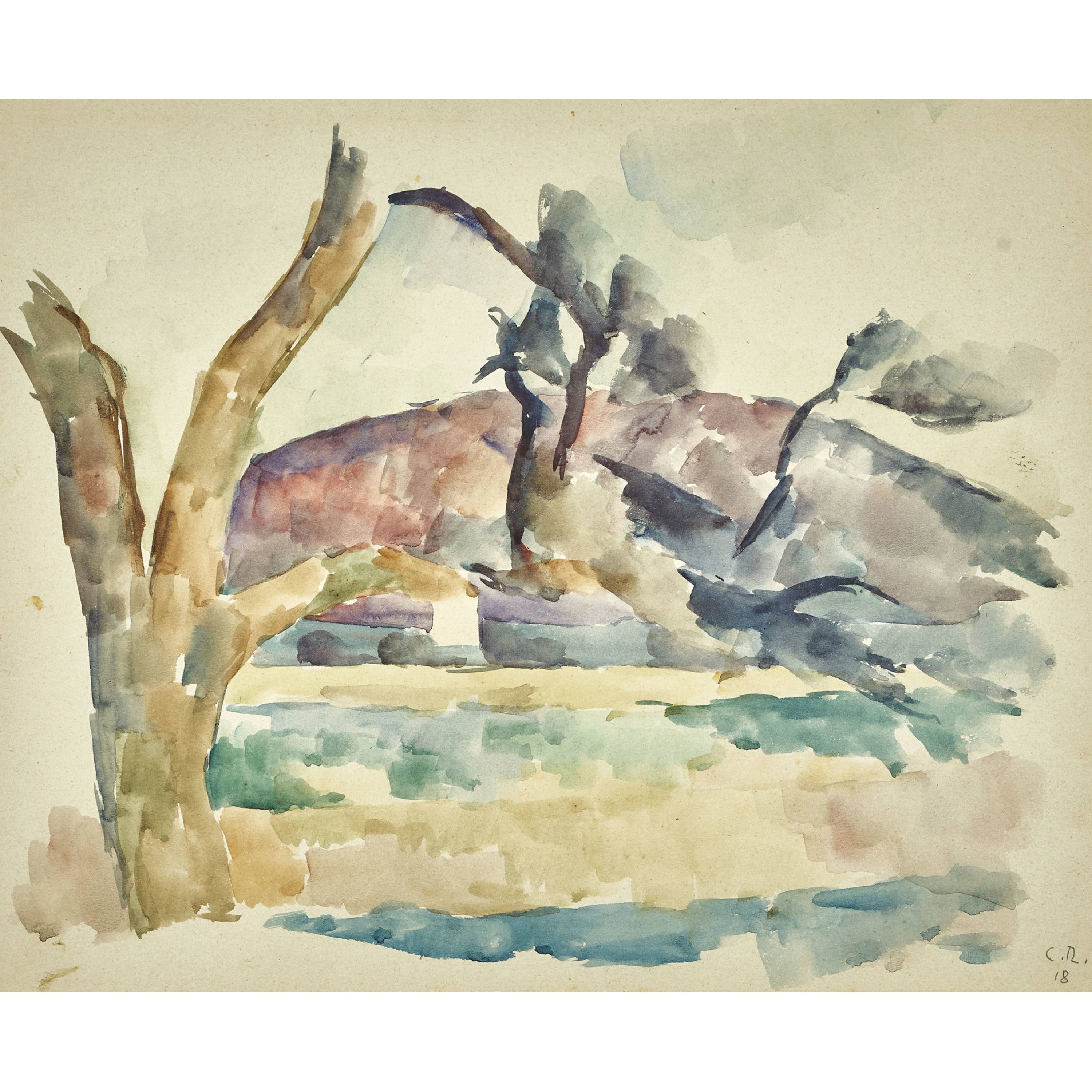
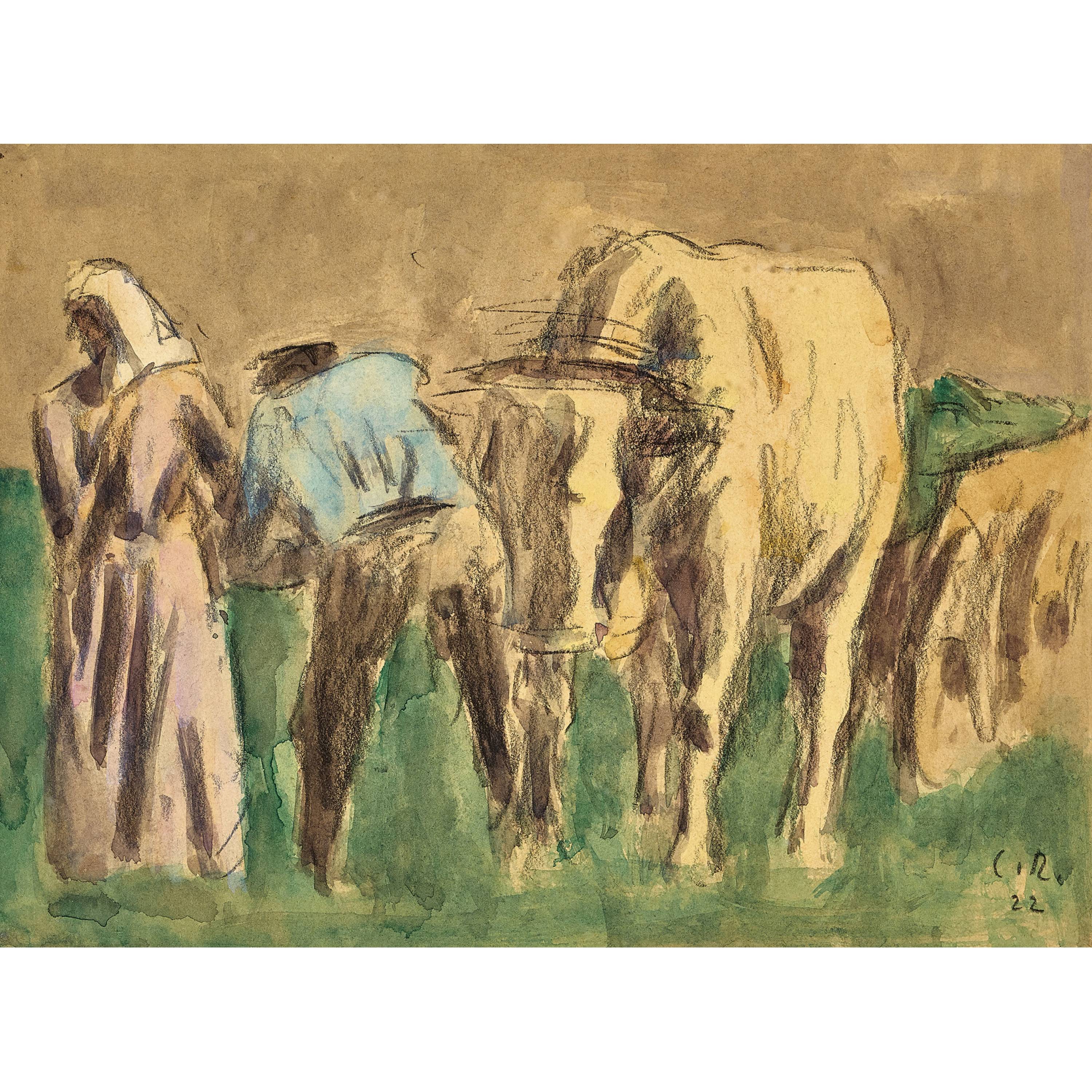
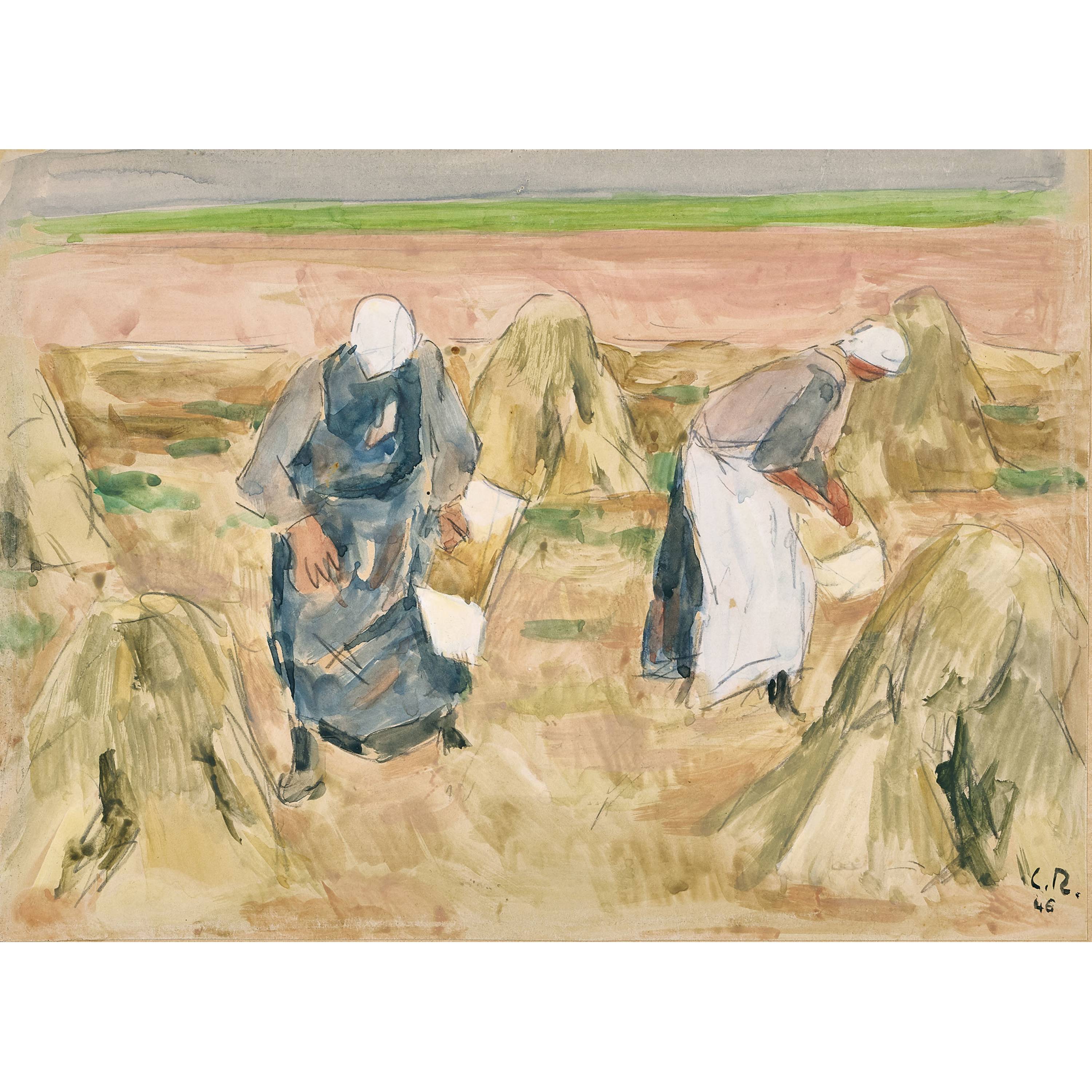
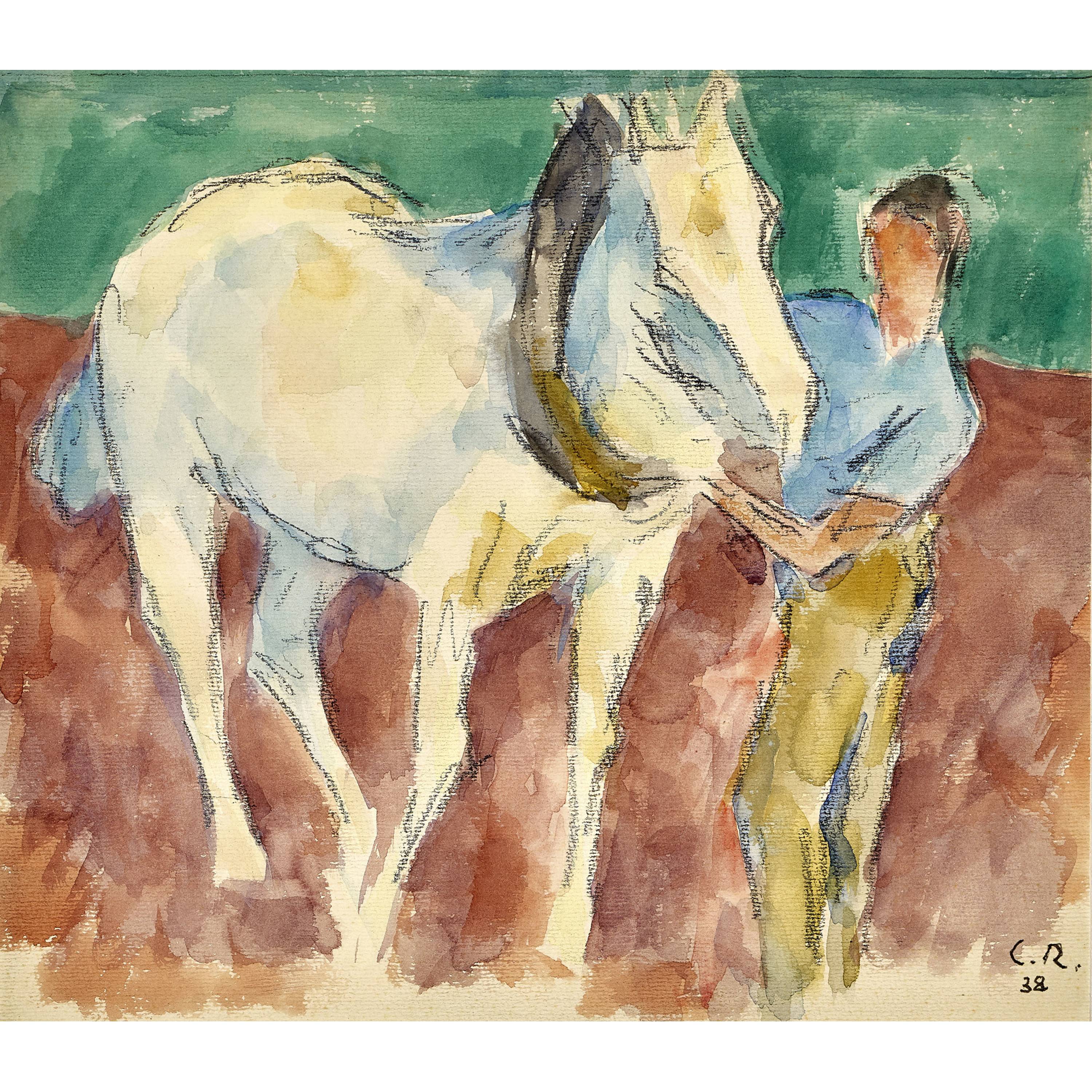
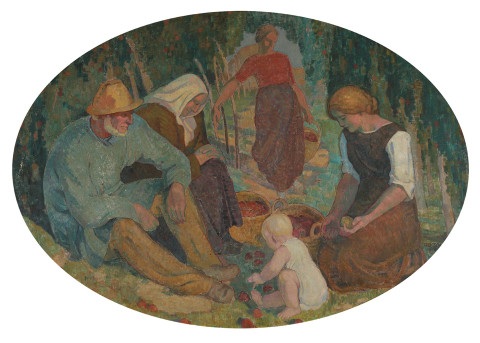
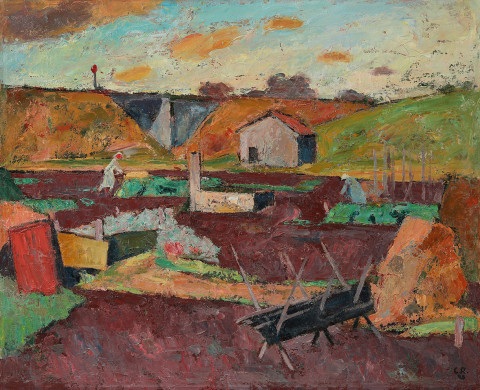
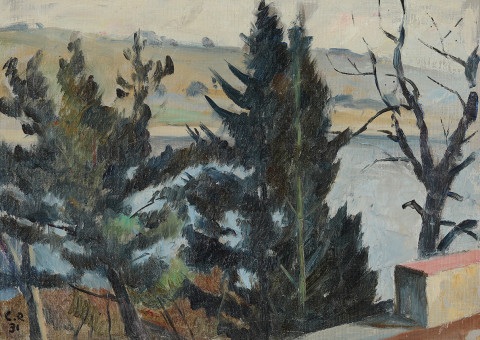
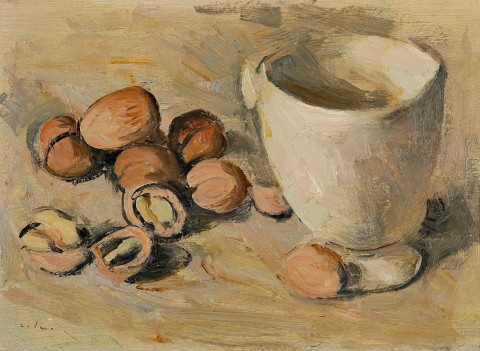
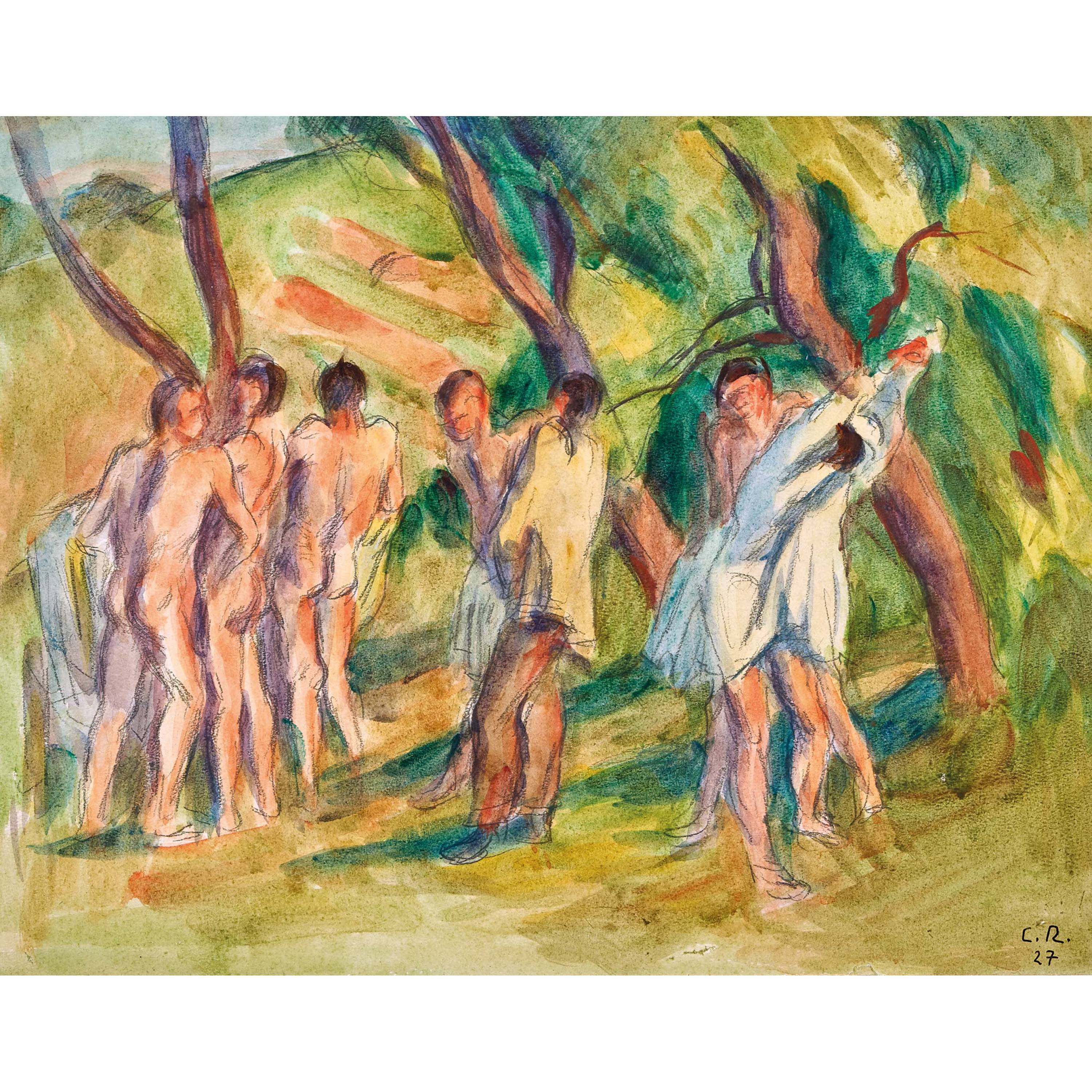
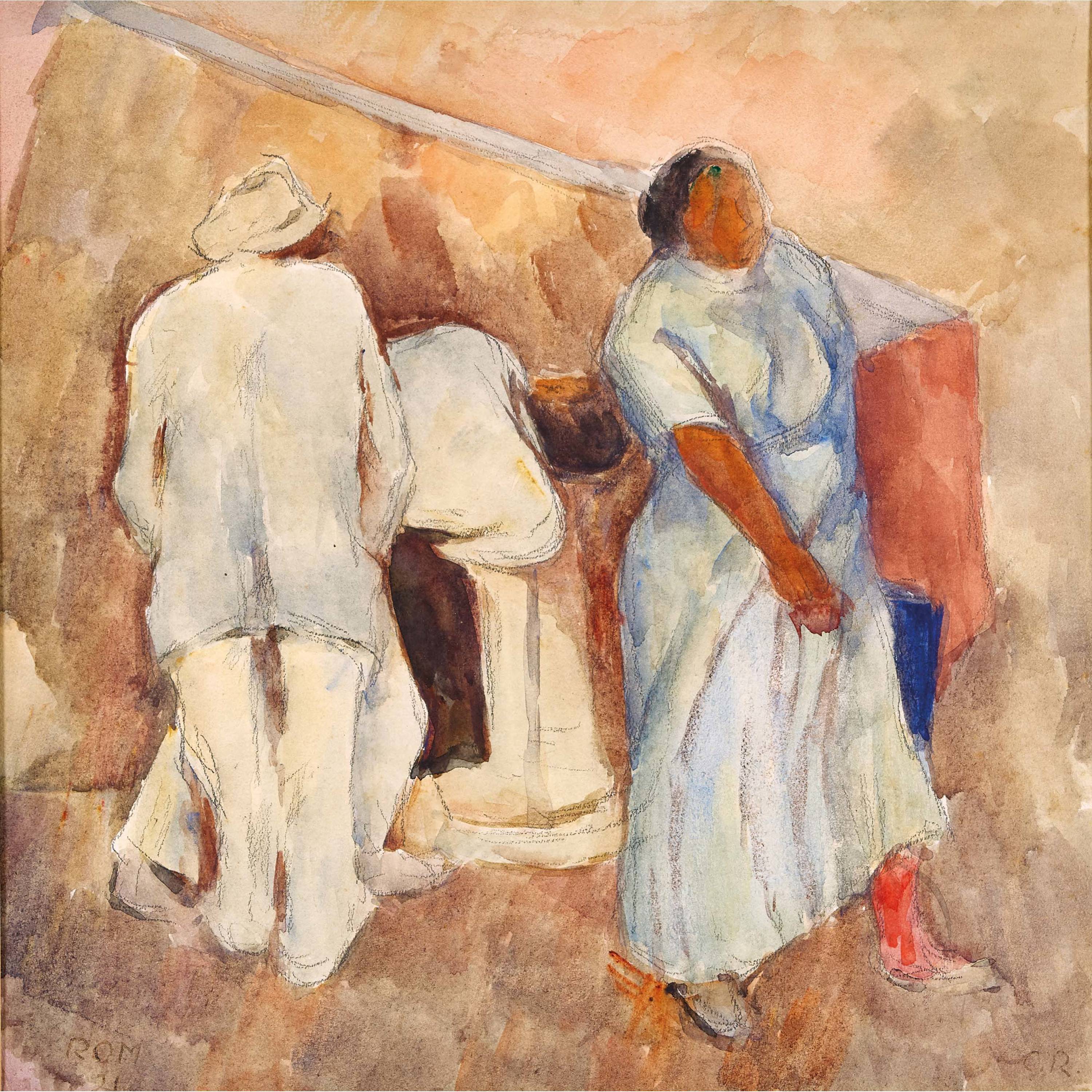
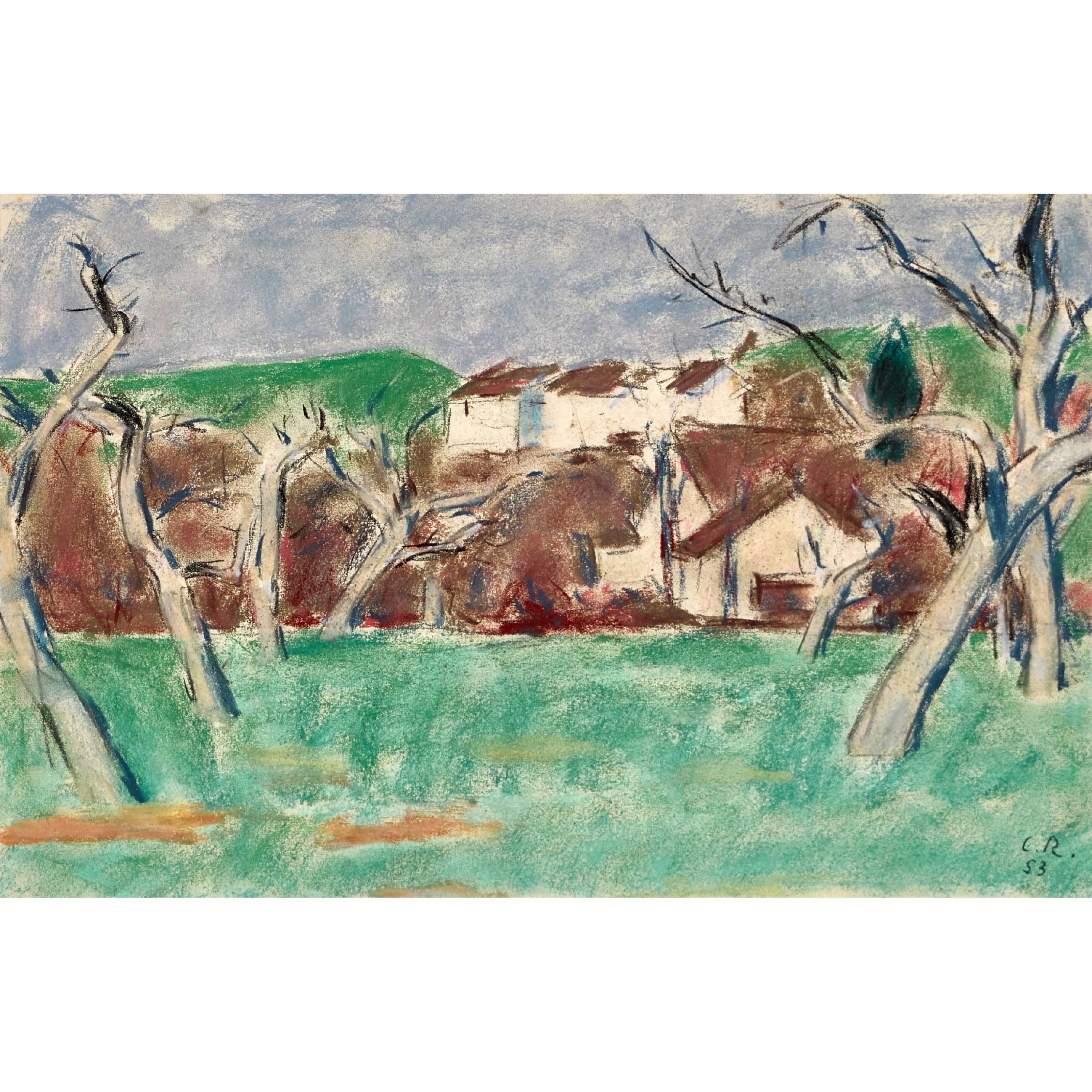
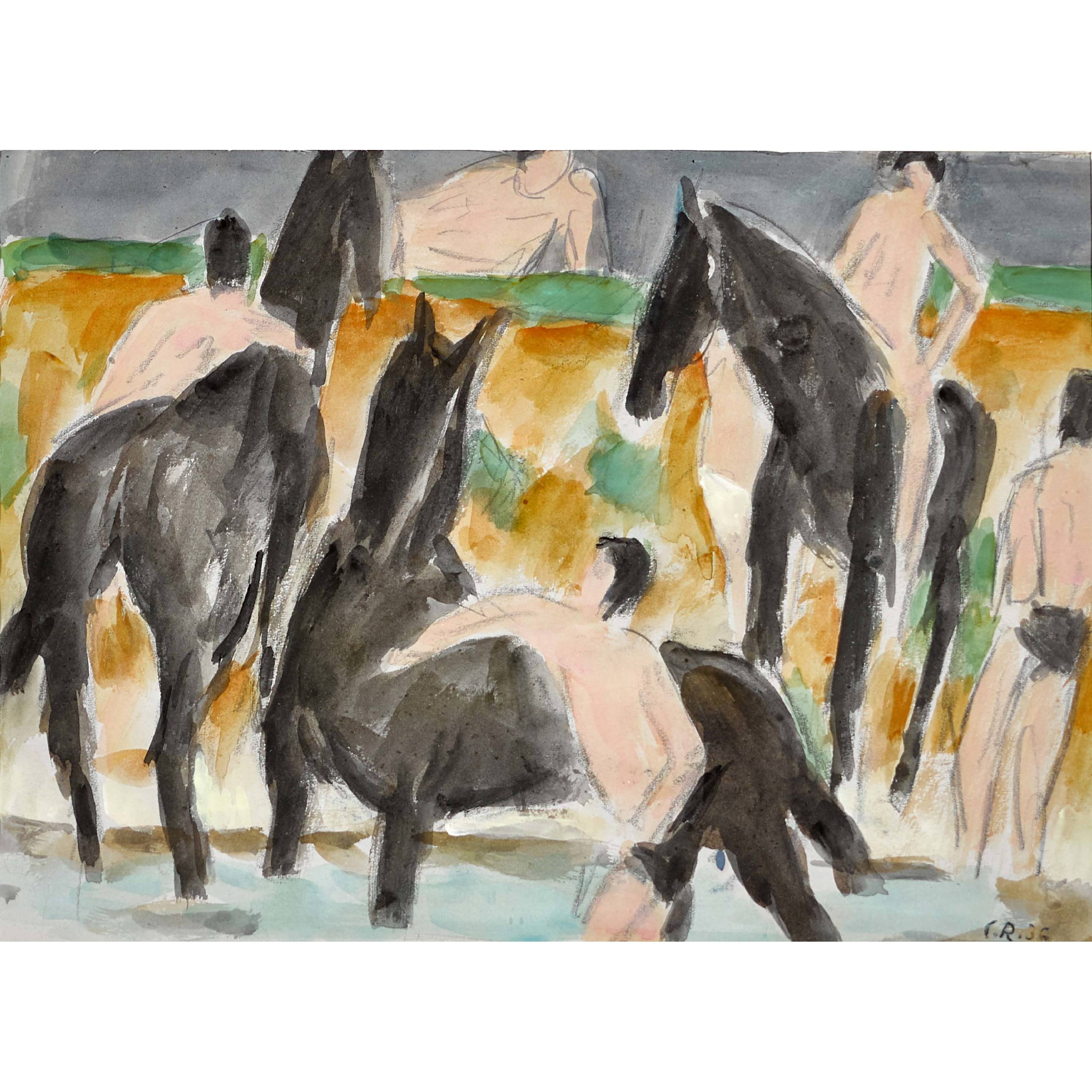
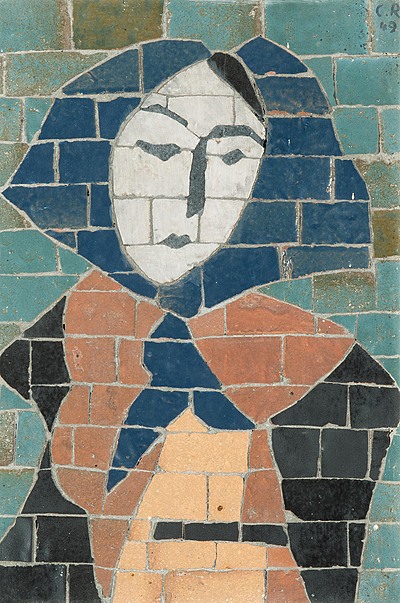
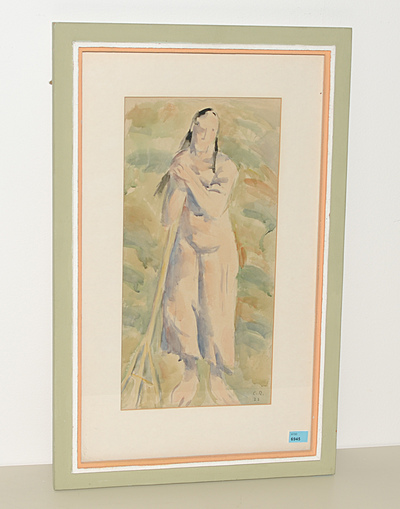
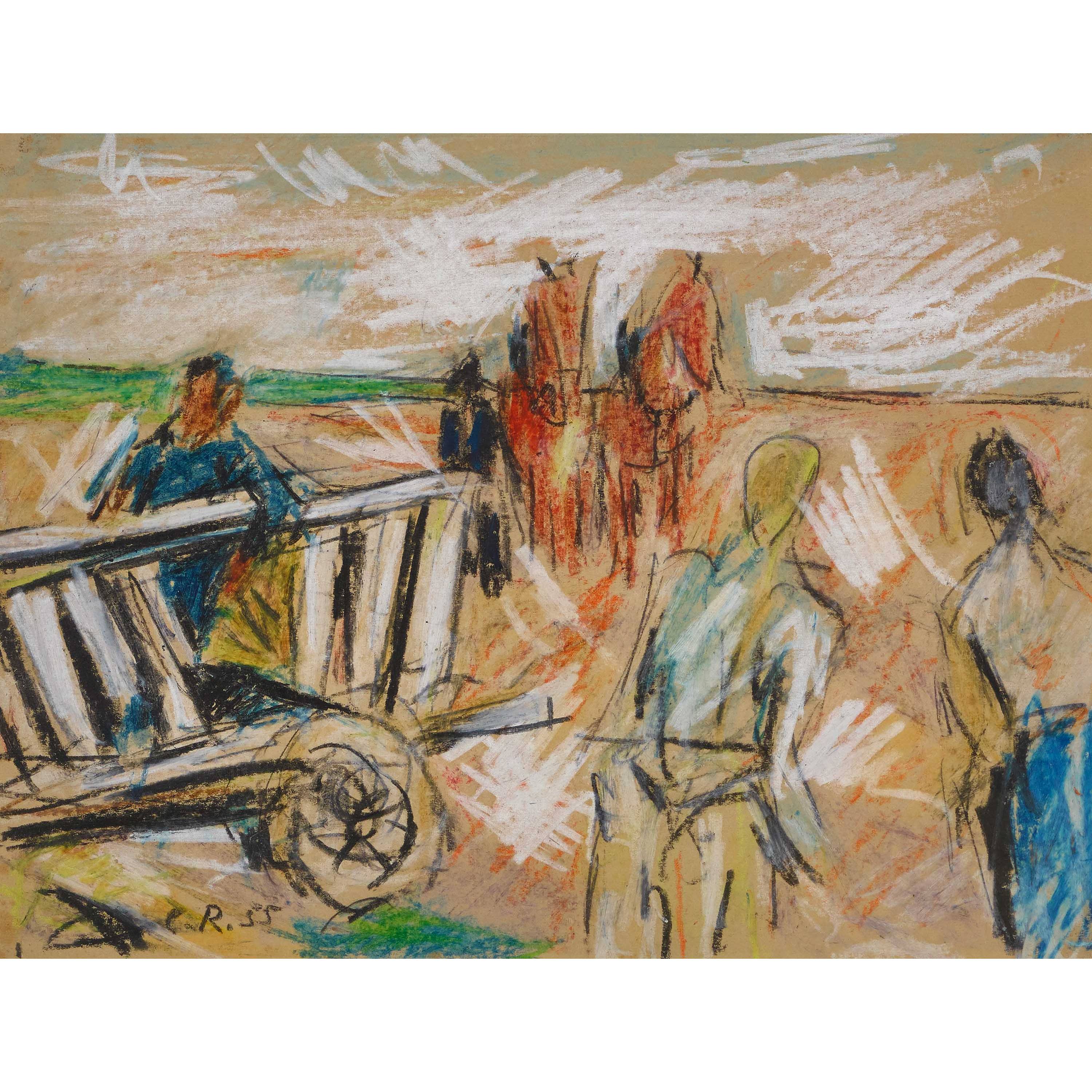
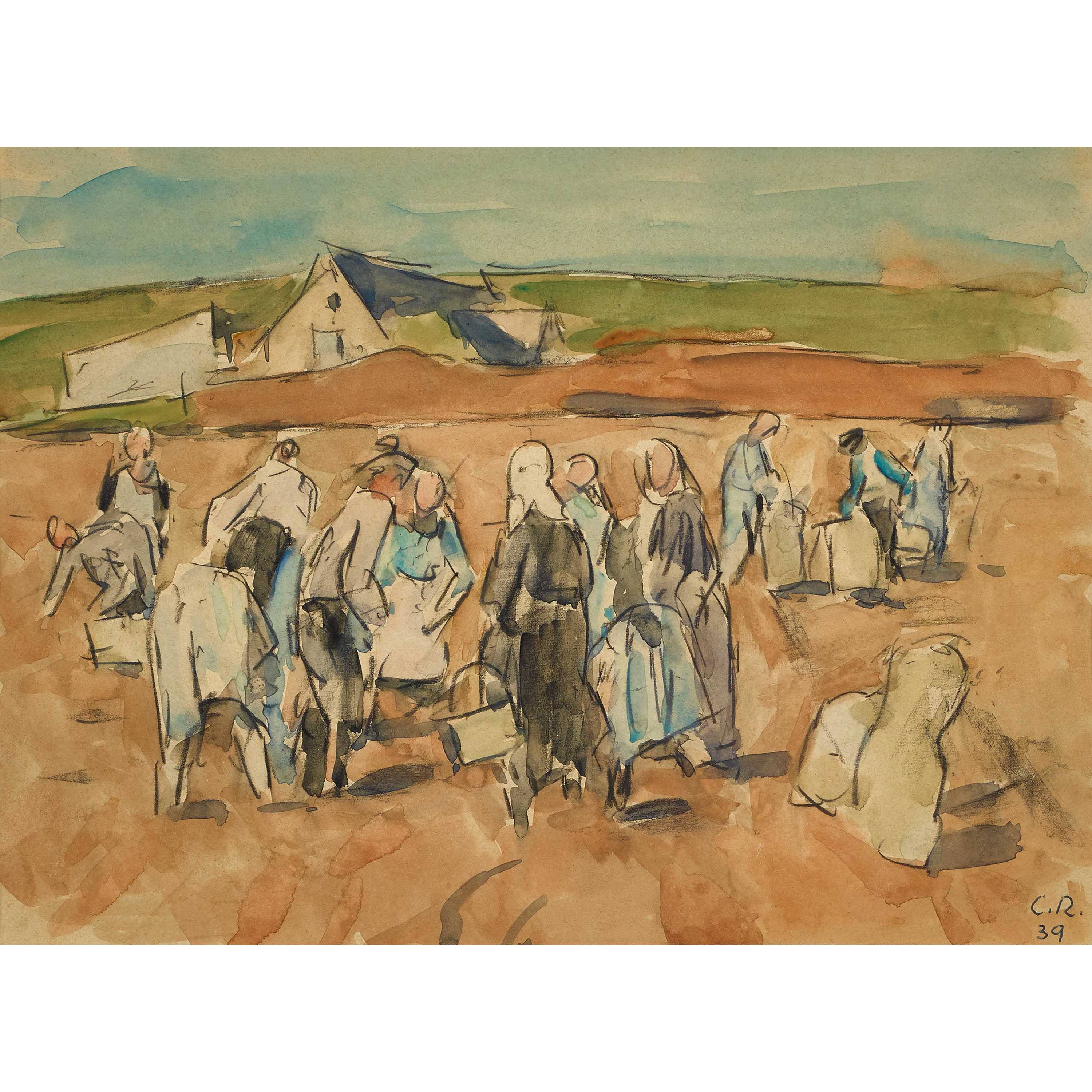
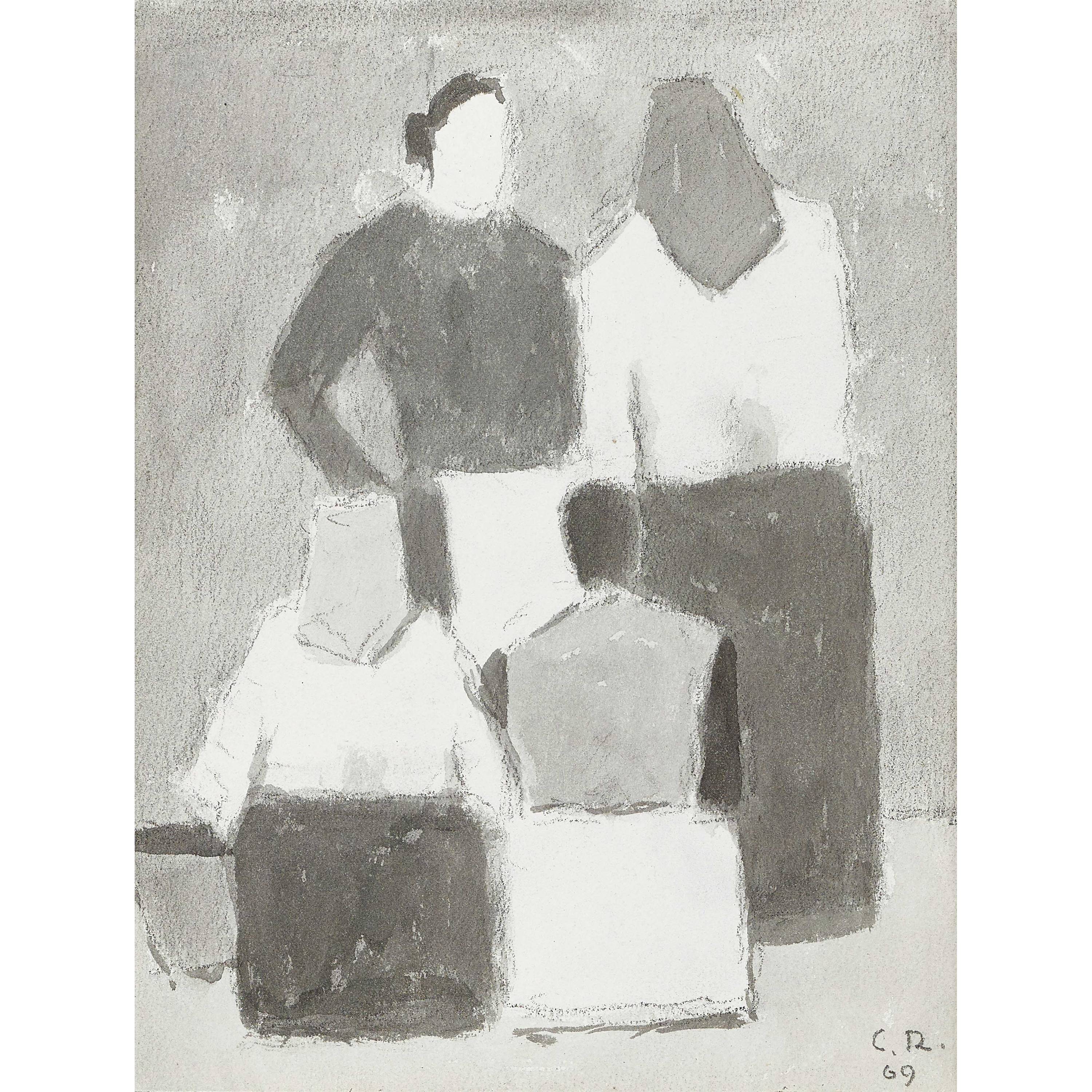
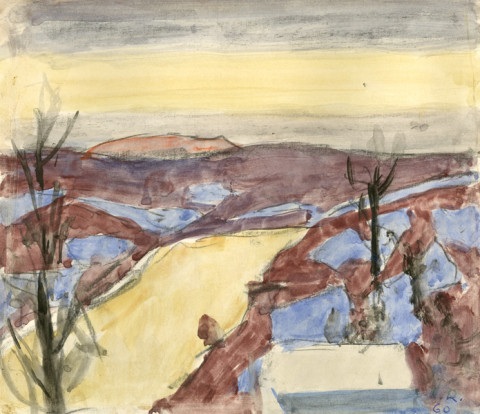
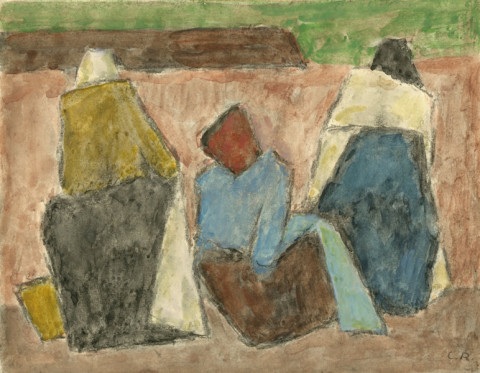
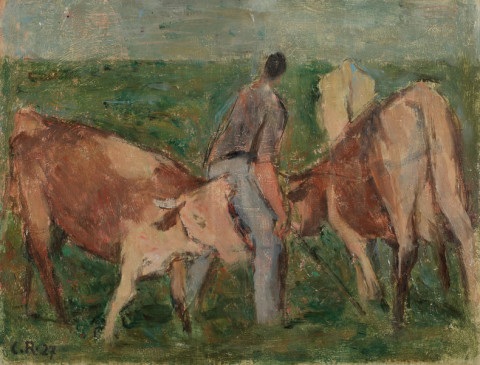
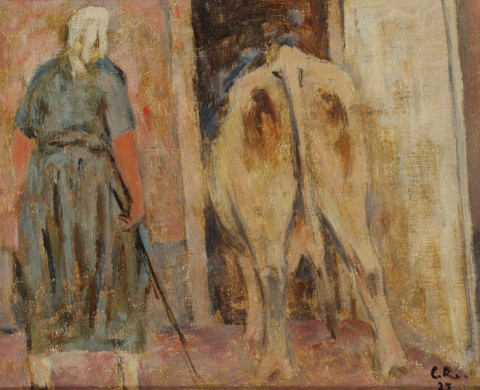
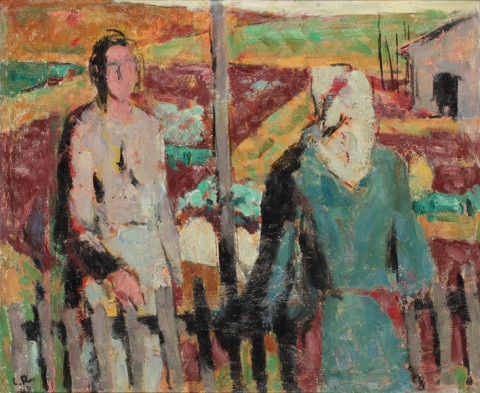
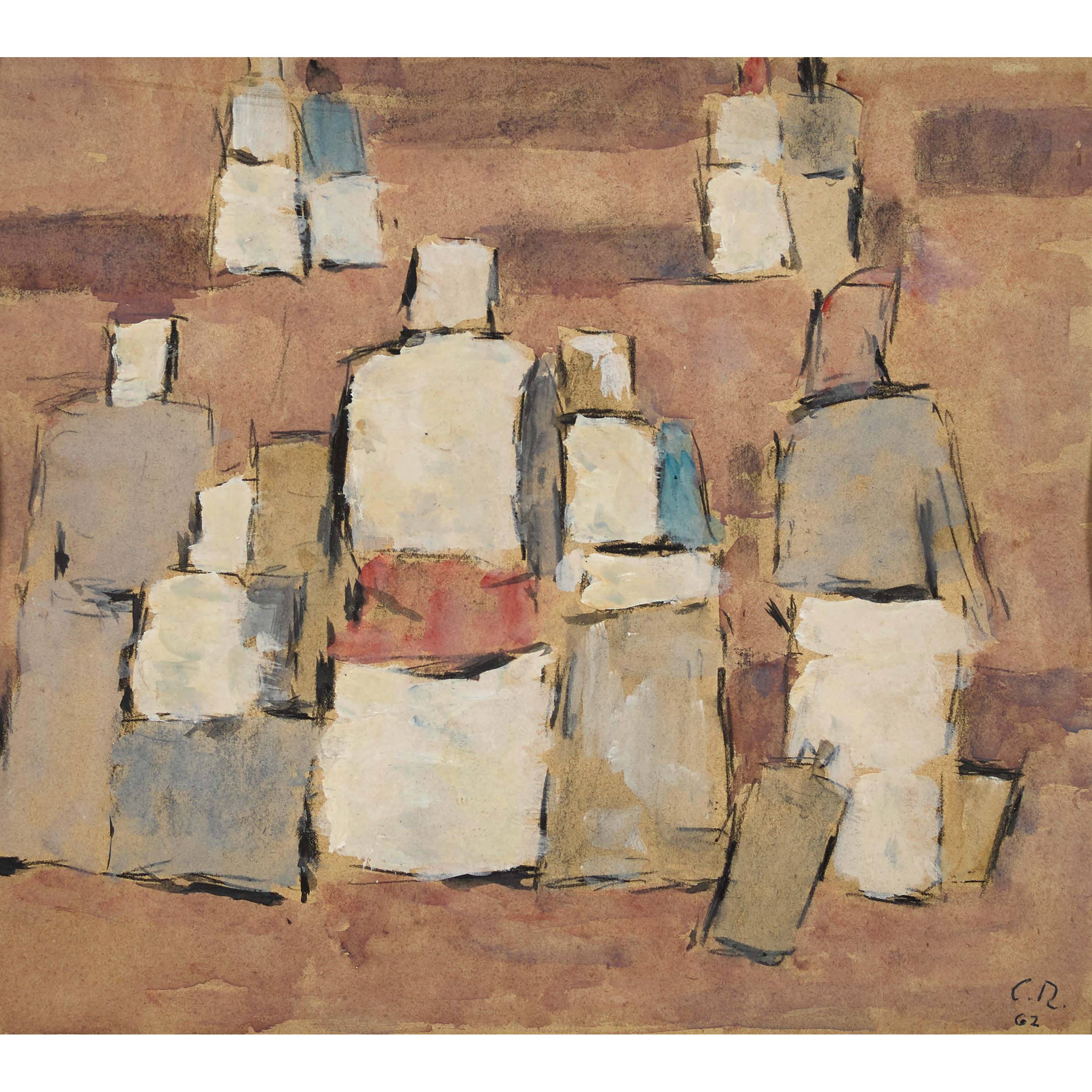
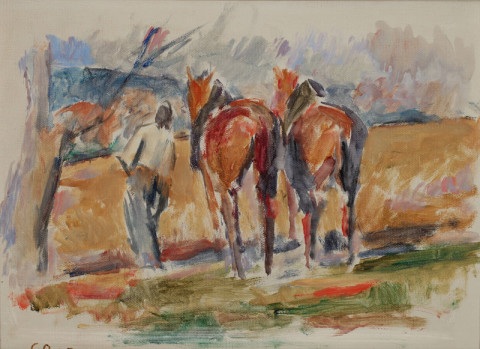
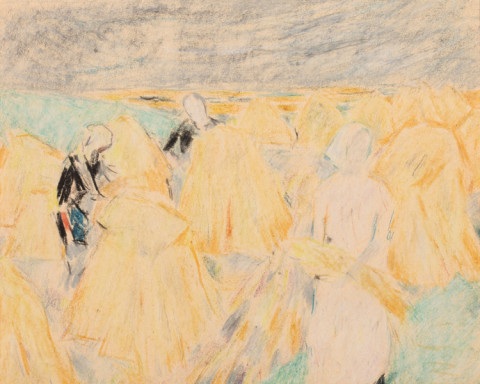
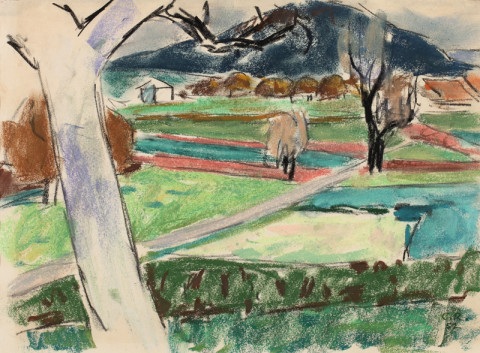
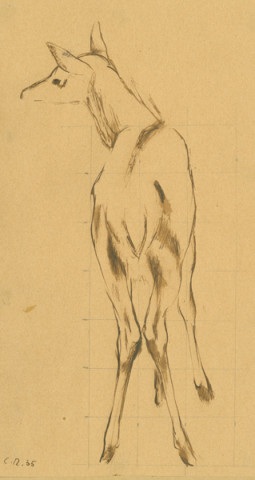
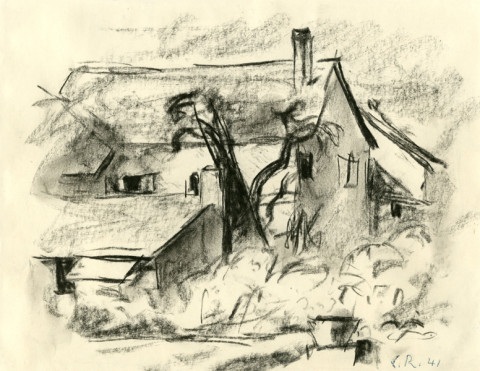
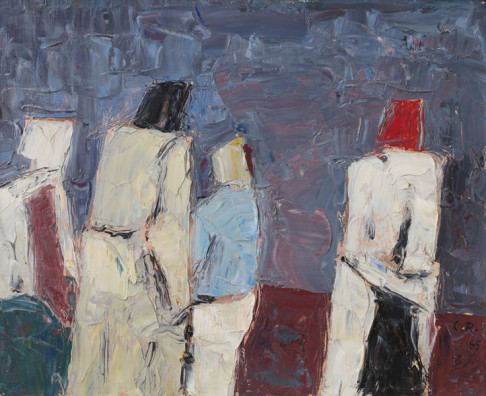
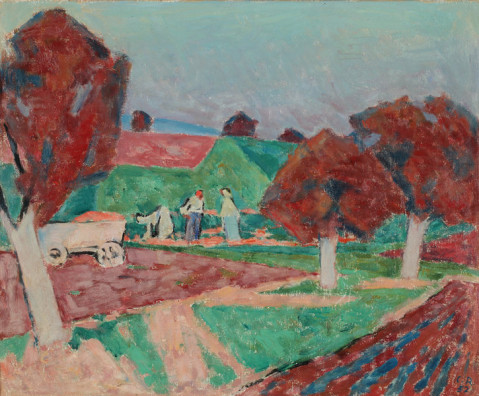
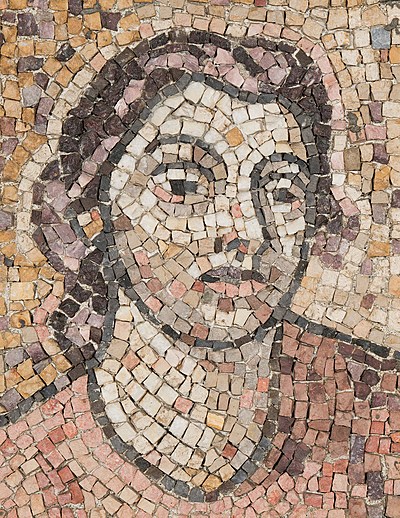
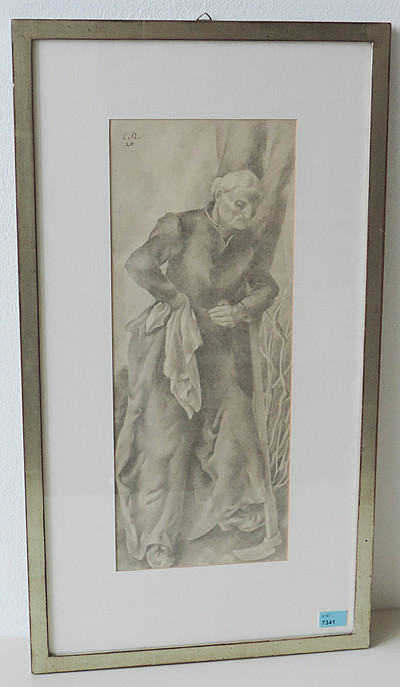
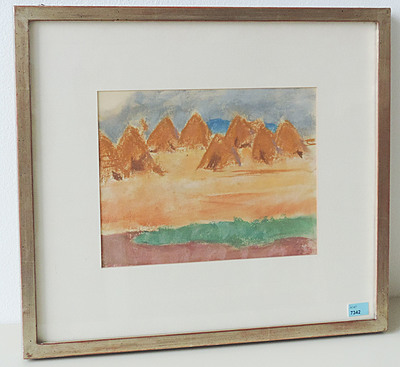
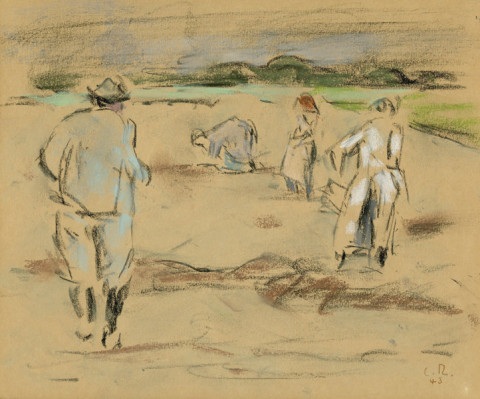
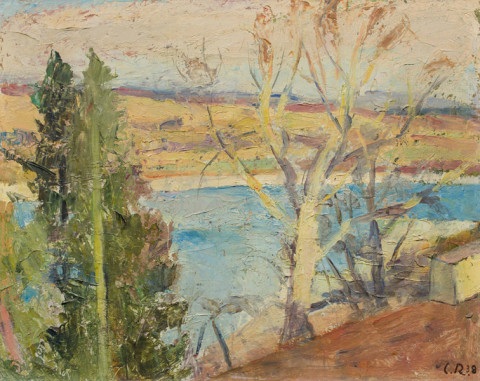
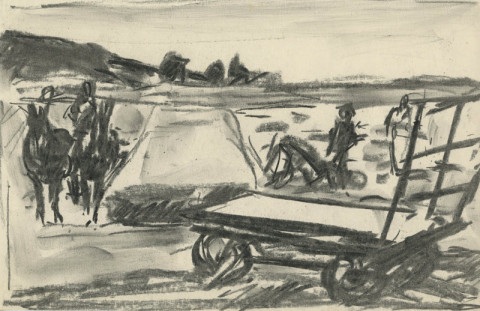
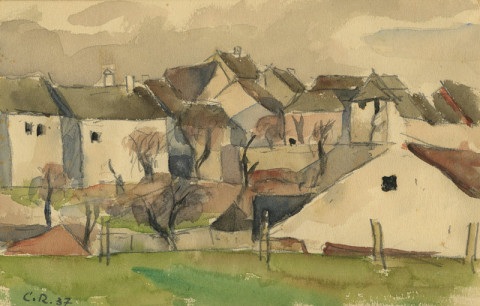
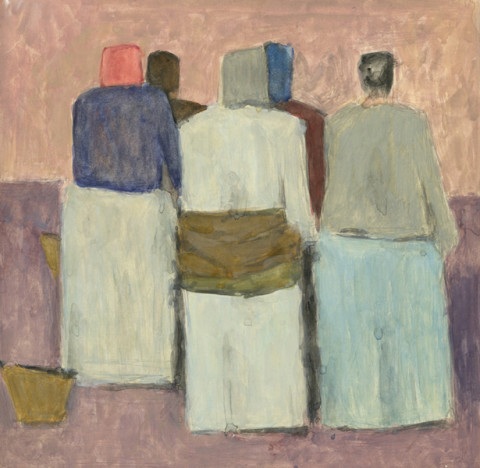
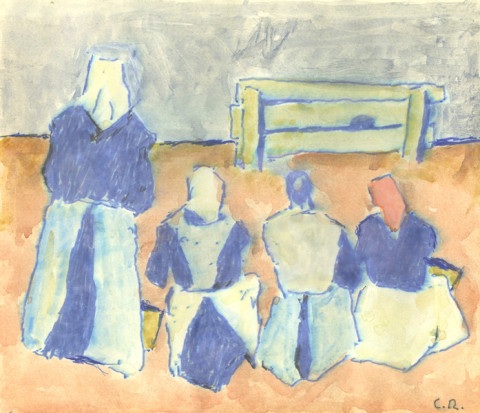
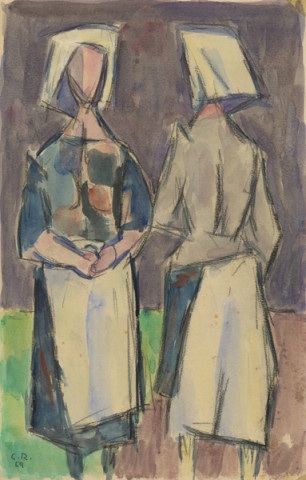
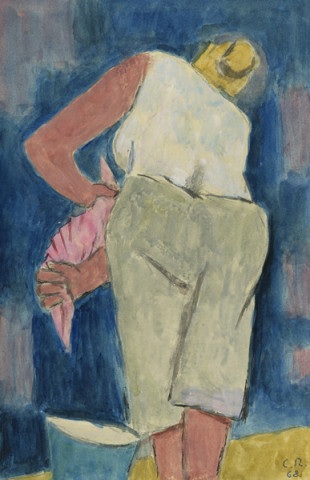
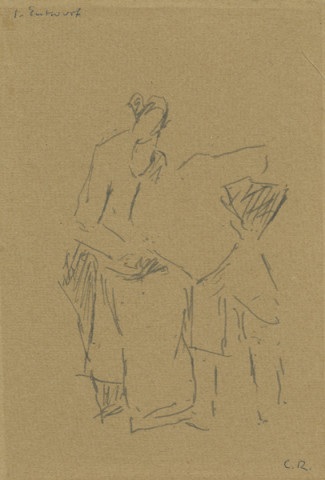
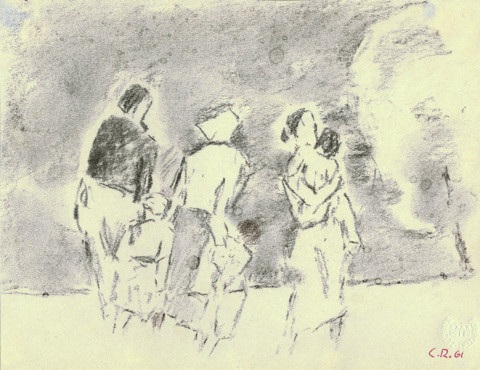
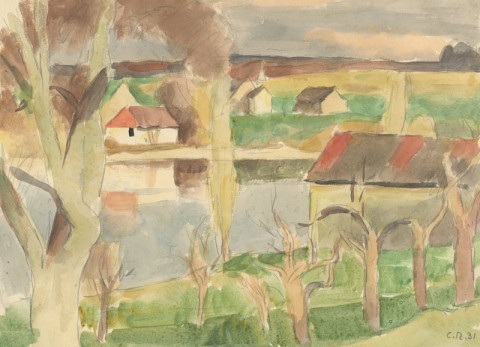
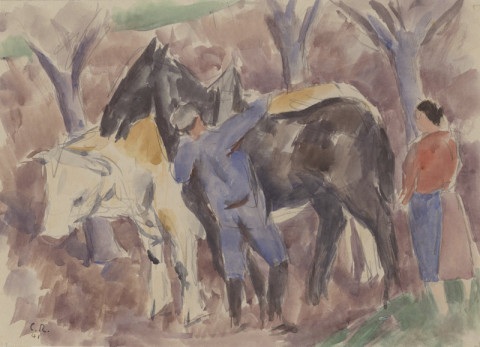
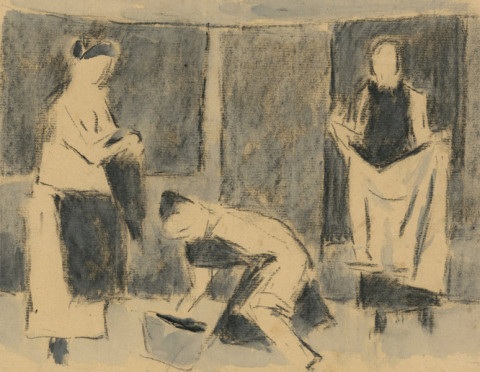
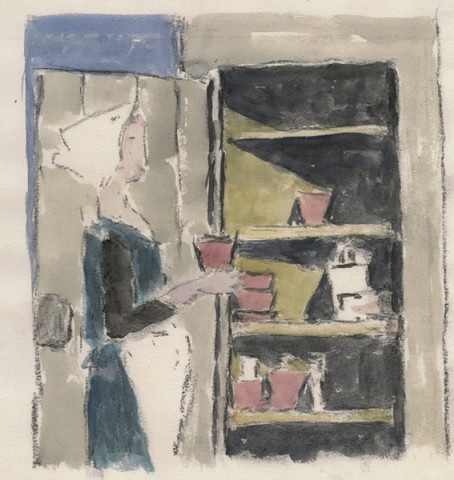
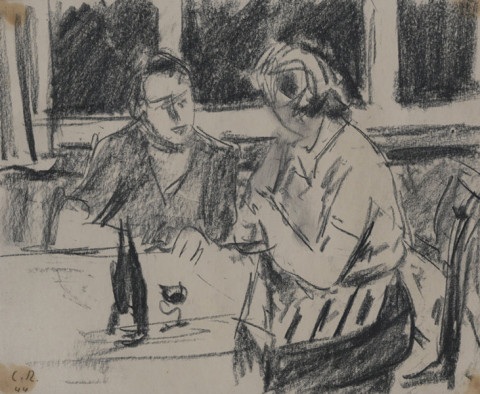
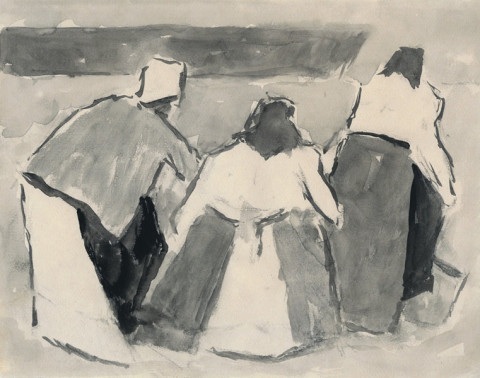
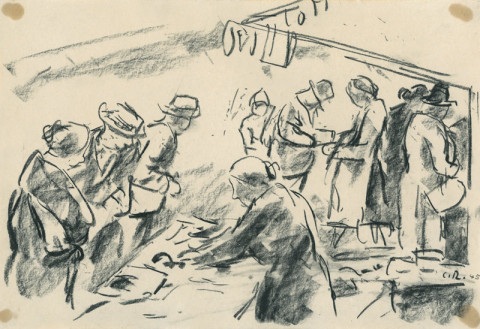
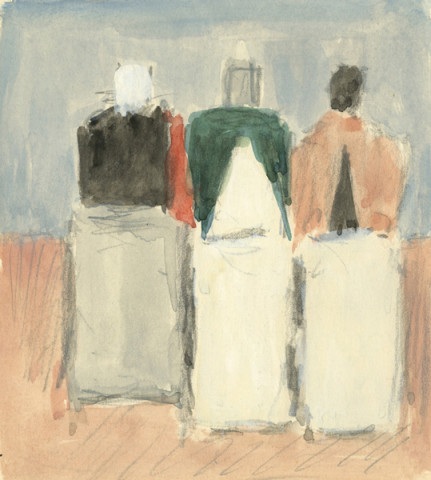
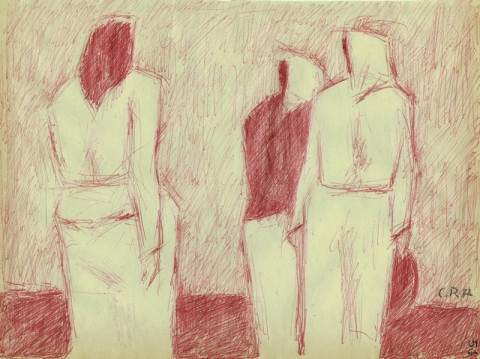
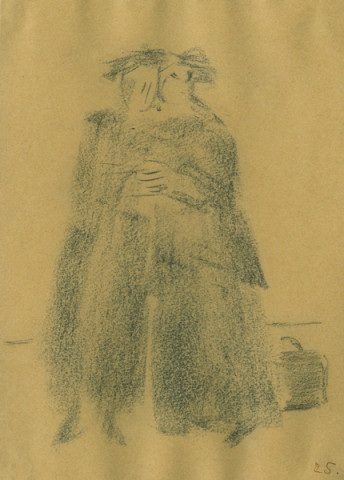
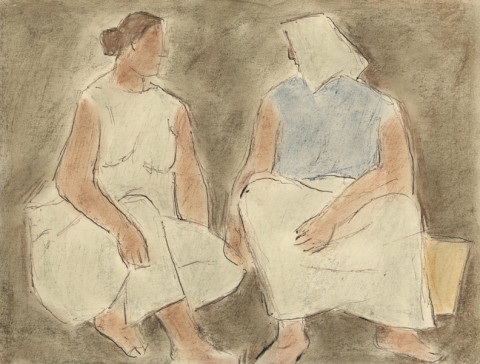
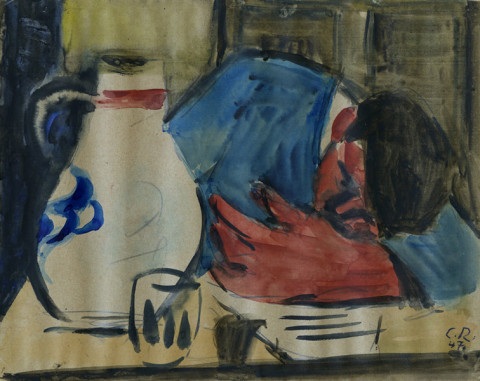
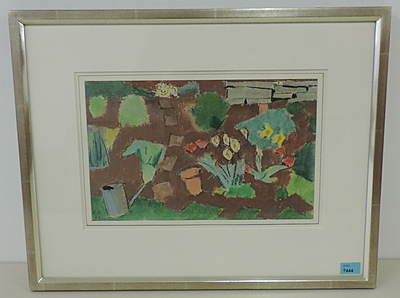
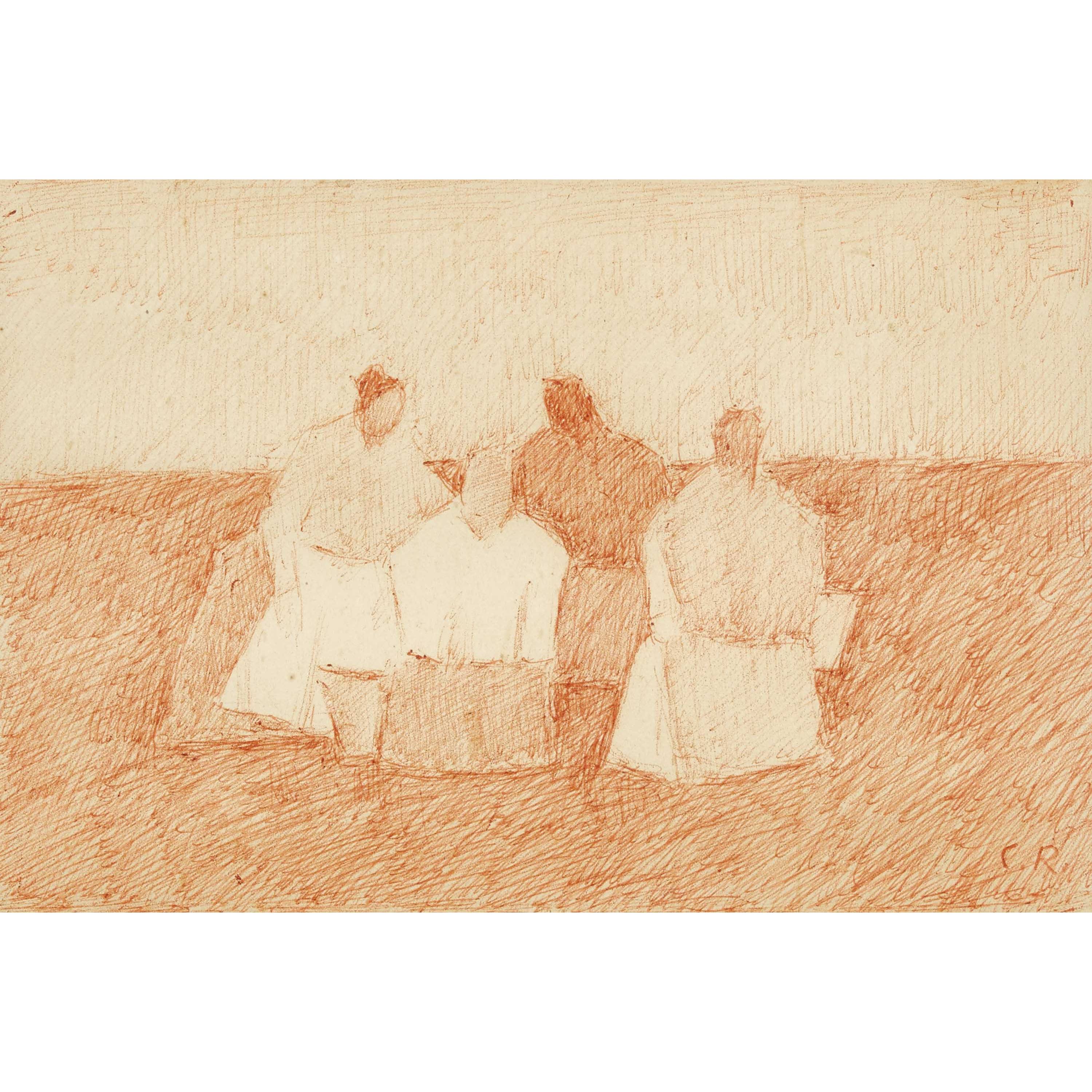
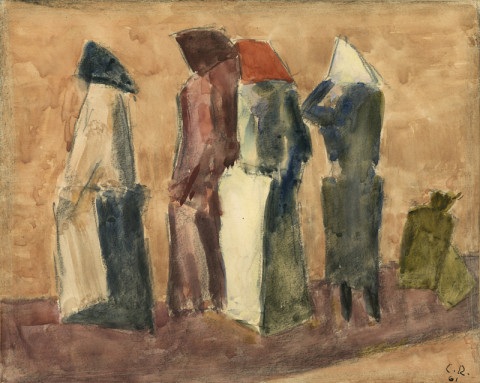
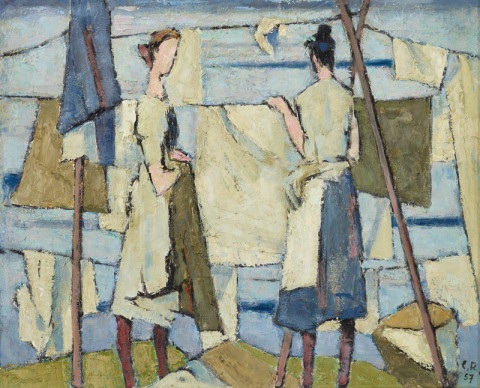
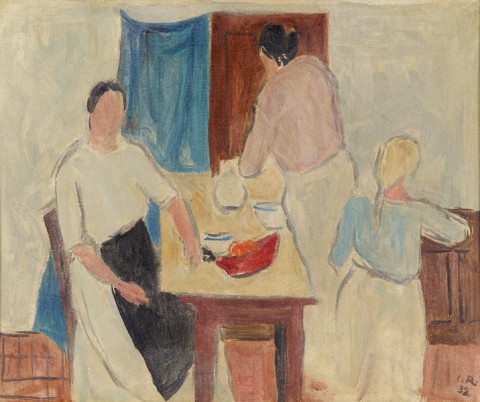
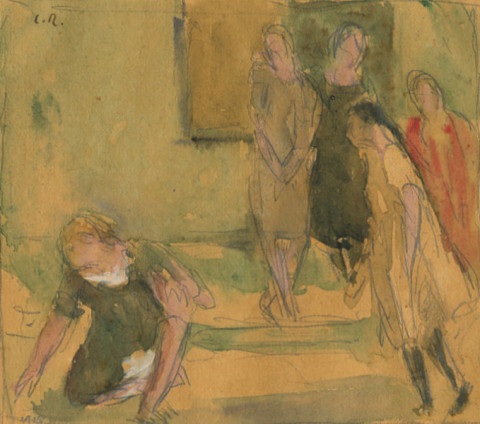
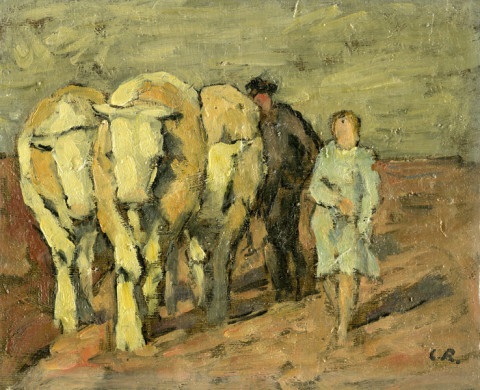
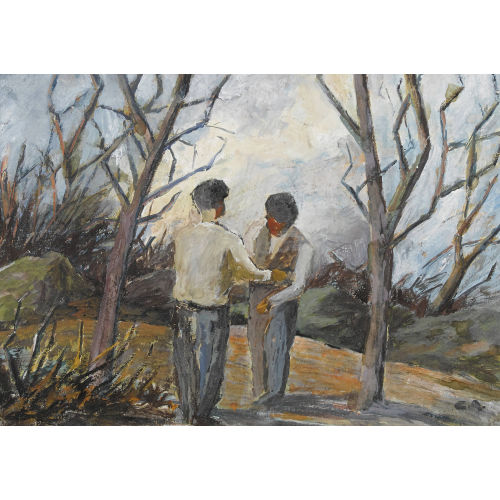
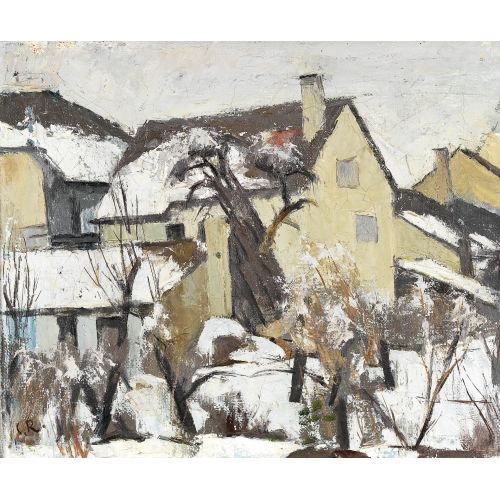
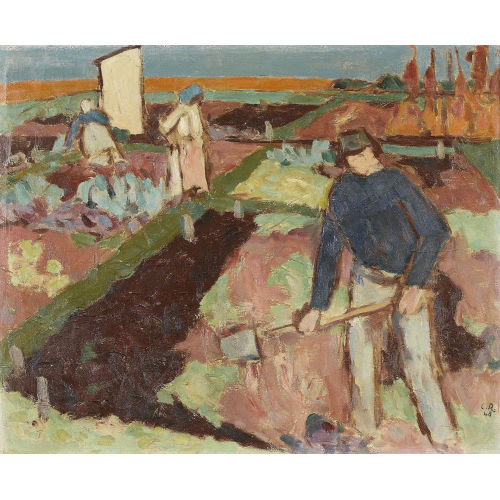
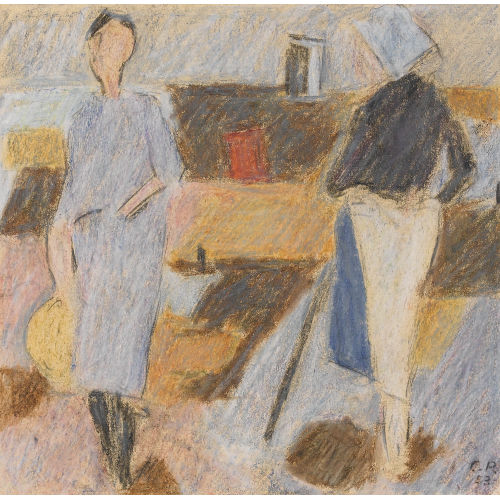
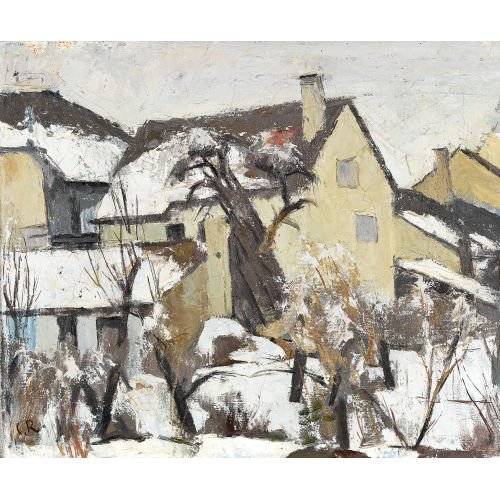
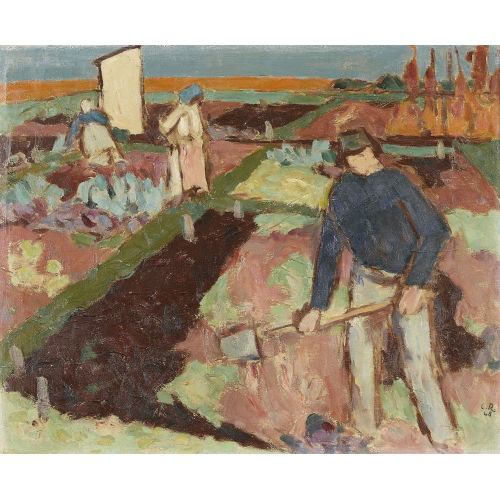
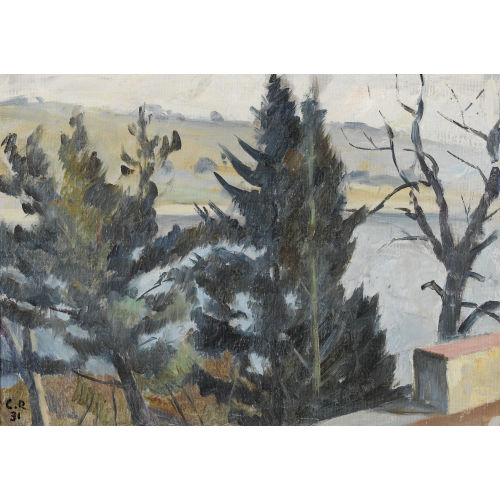
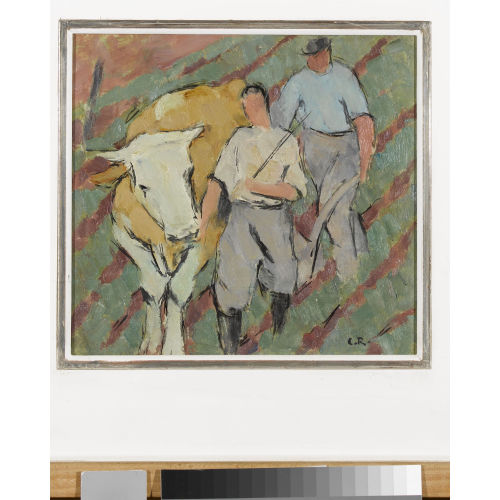
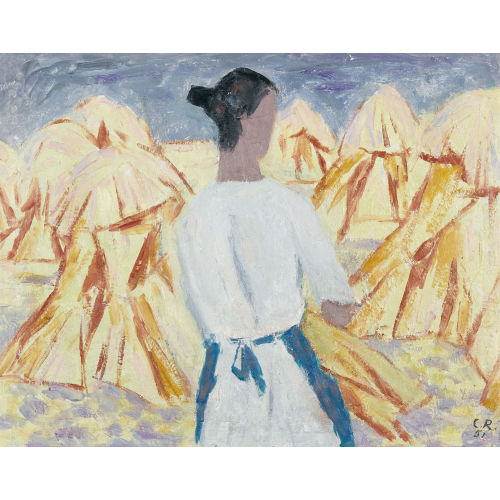
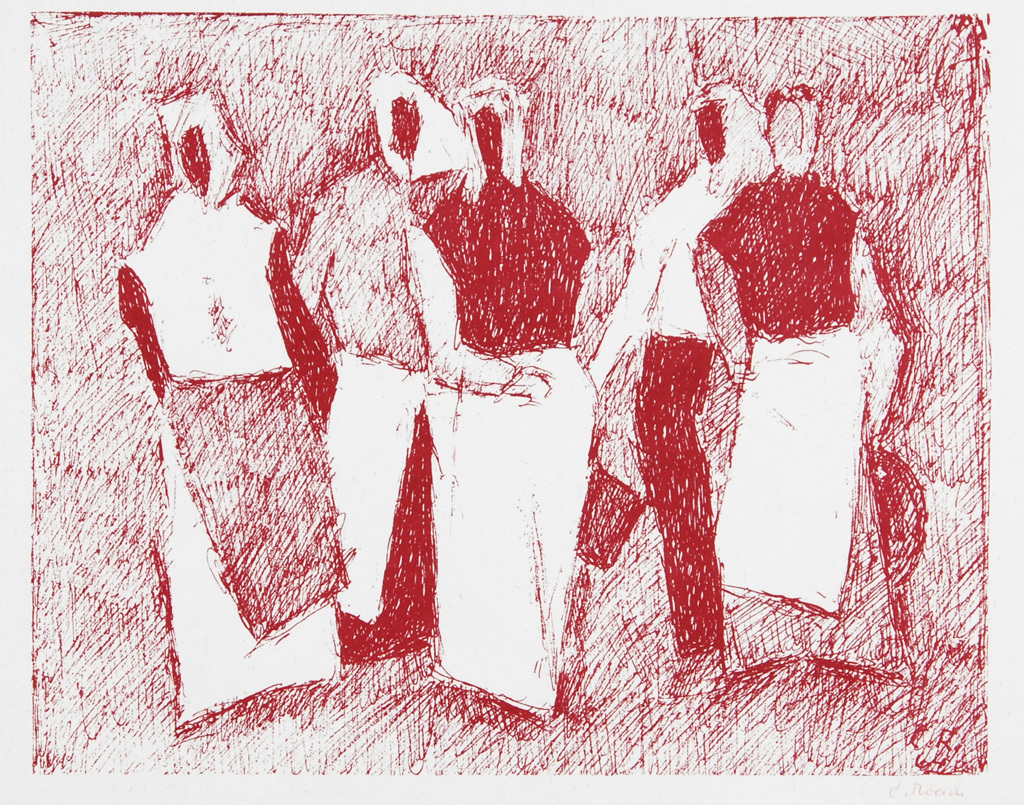
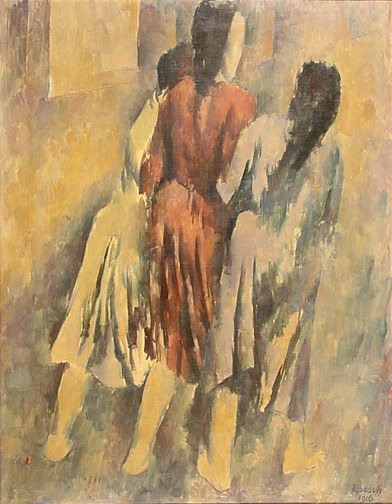
The work of Carl Roesch (1884–1979) unfolds between painting and public space. A painter, draughtsman and watercolourist, he also produced stained glass, mosaics and mural decorations. From one medium to another, he sought a clear organisation of forms, capable of lending strength to a figure or an architectural ensemble.
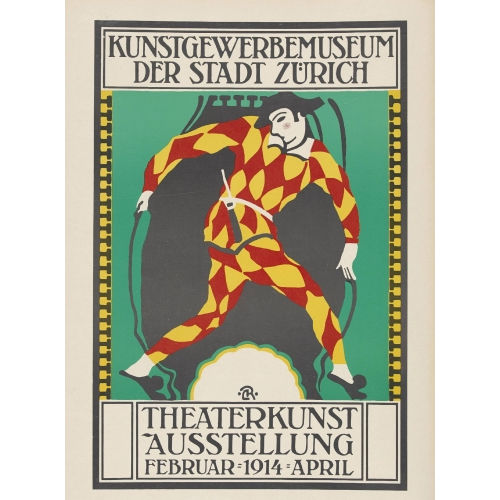
Born in Gailingen, Germany, Roesch grew up in Diessenhofen, the Swiss town with which his career would remain deeply connected. He trained, among other places, in Winterthur, Karlsruhe and Munich. His beginnings in the applied arts, illustration and theatre design informed a practice attentive to the intended function of the image.
In 1911, he married the artist Margrit Tanner, with whom he established his life in Diessenhofen.
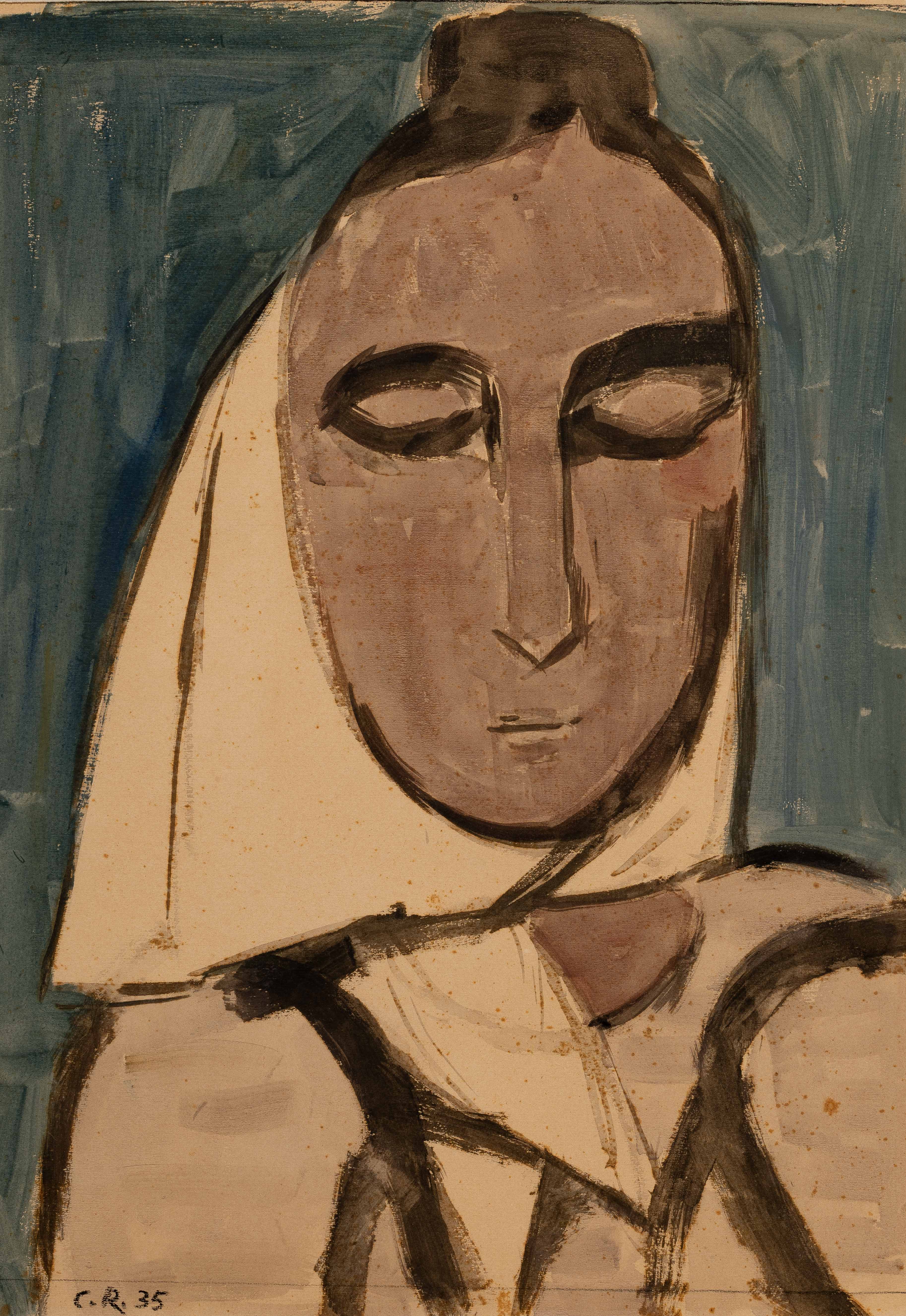
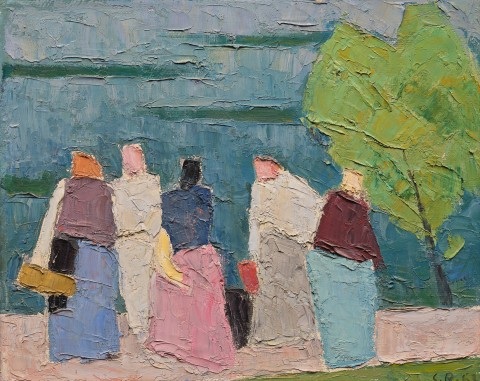
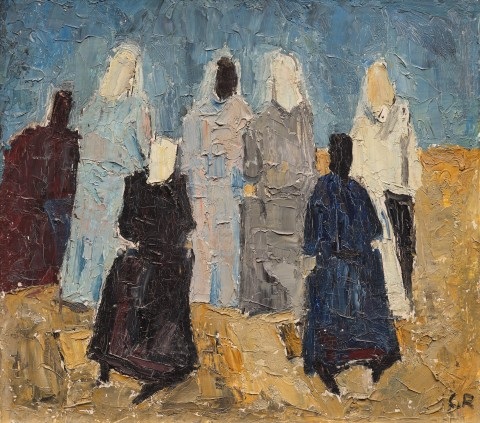
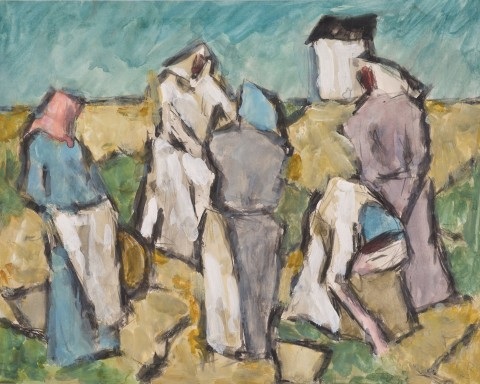
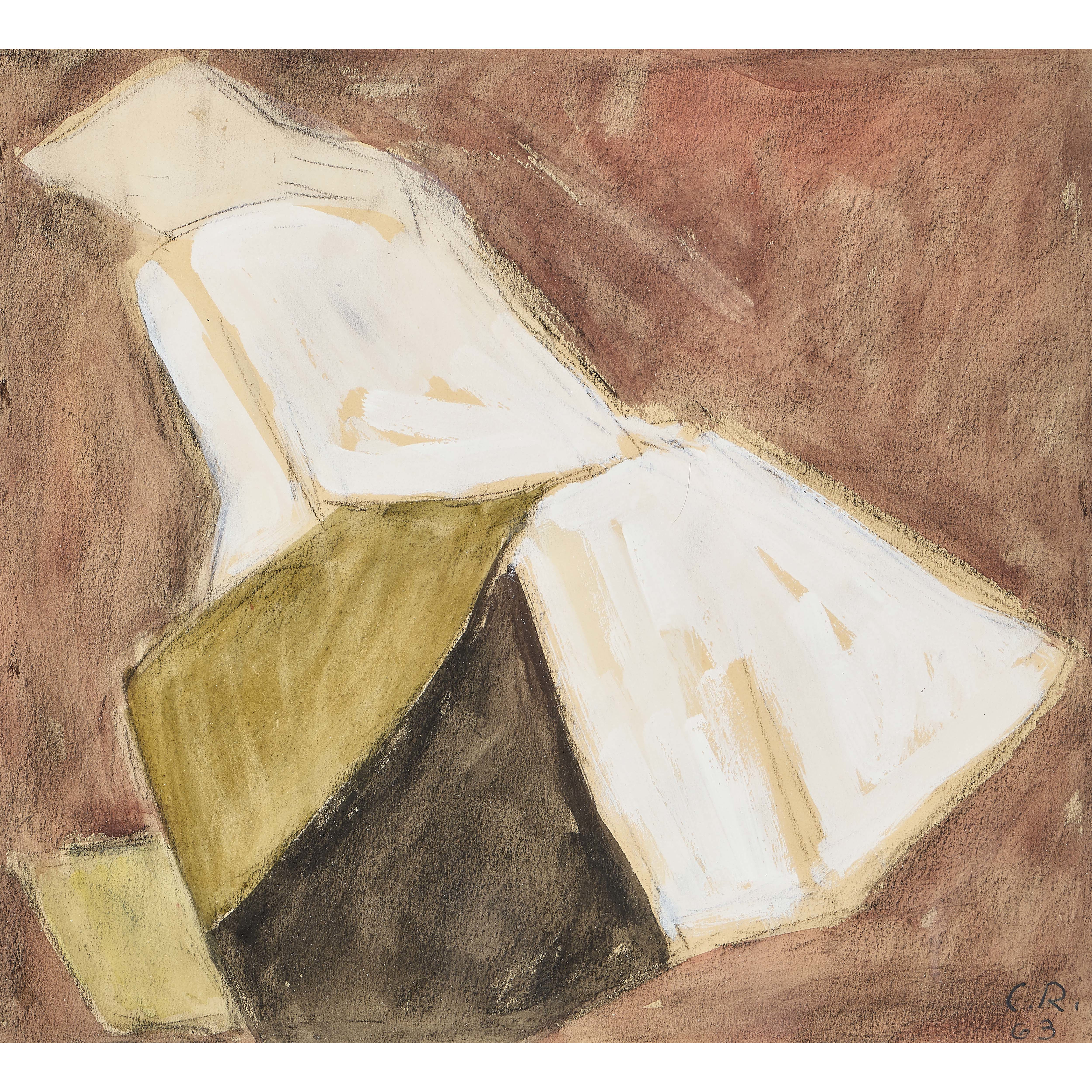
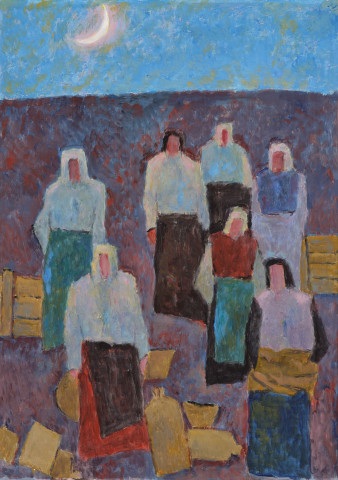
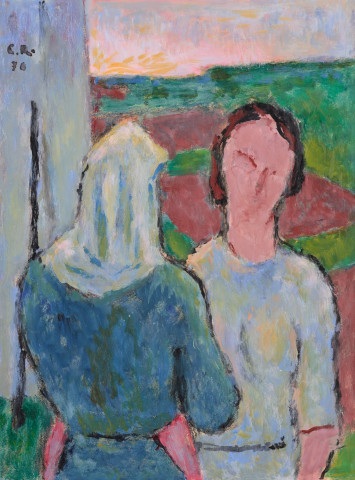
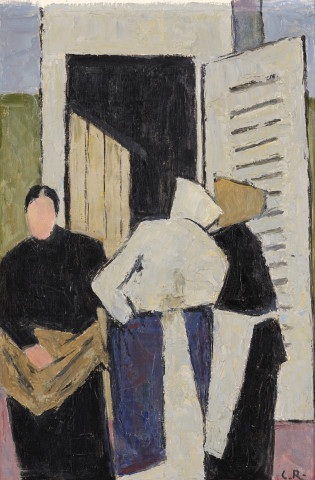
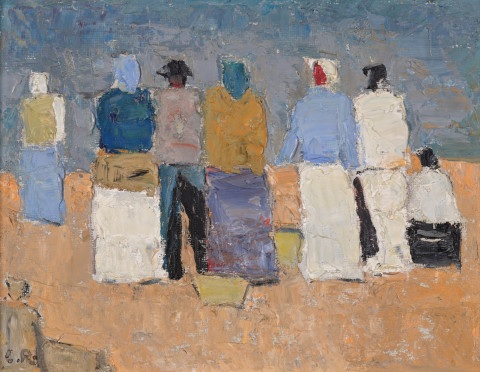
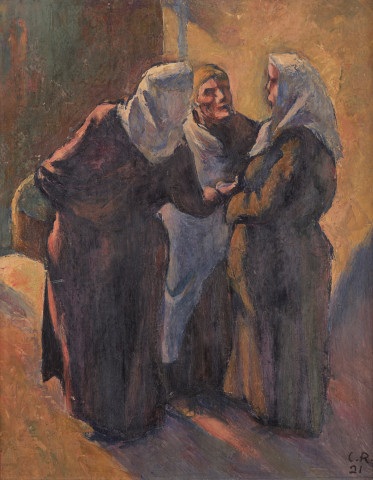
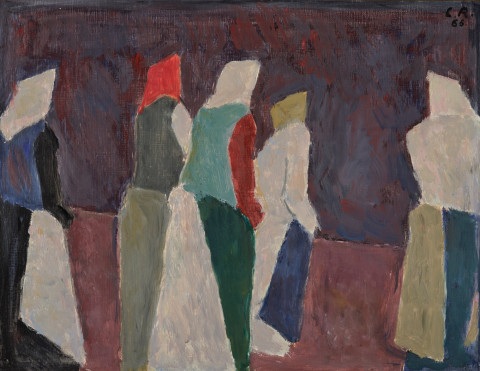
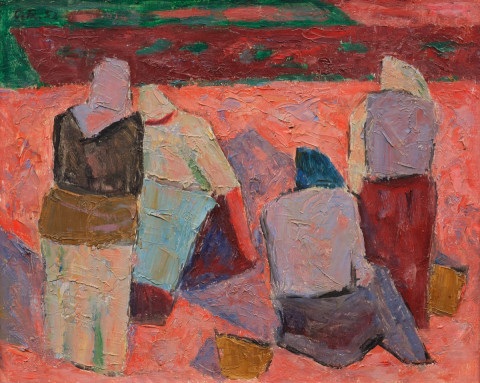
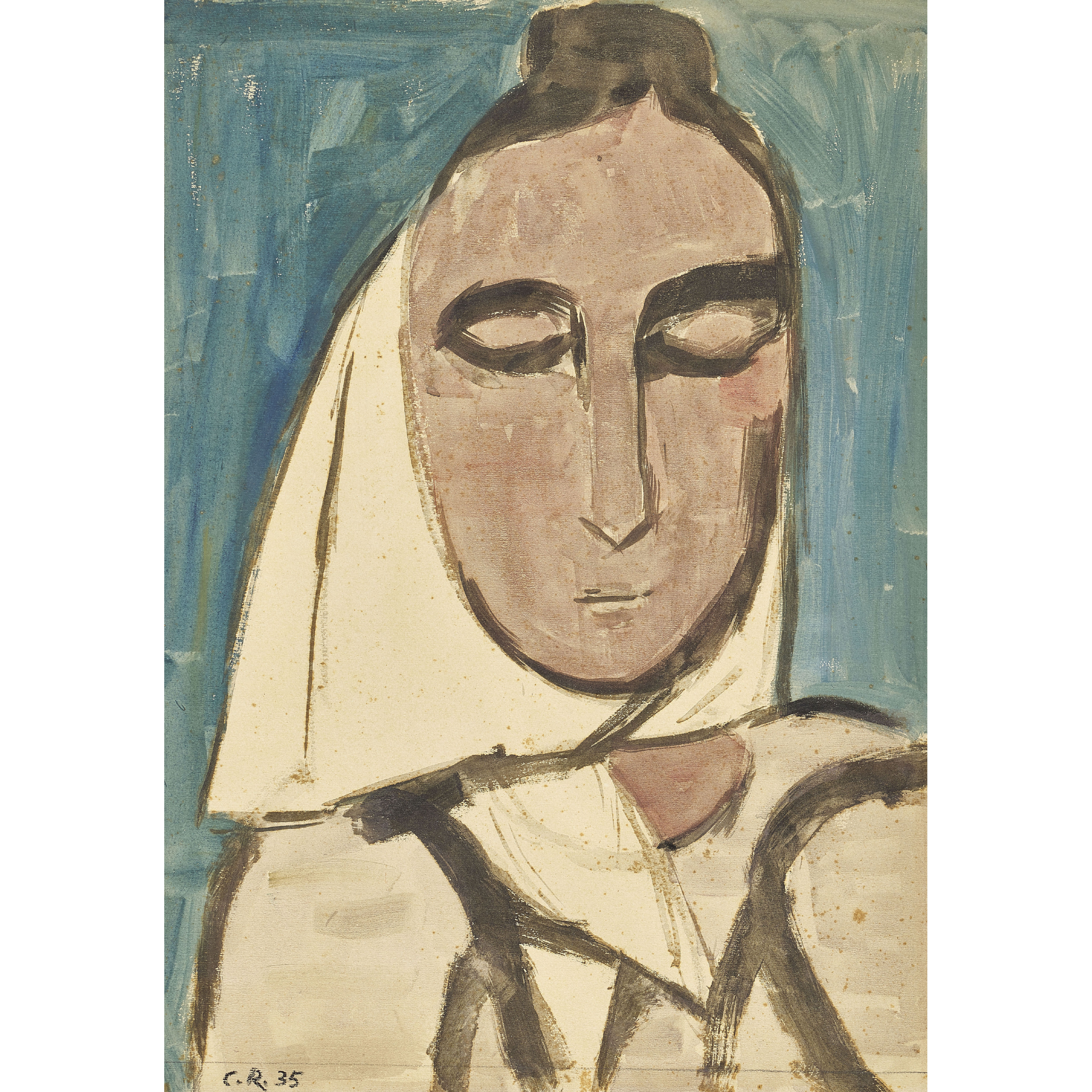
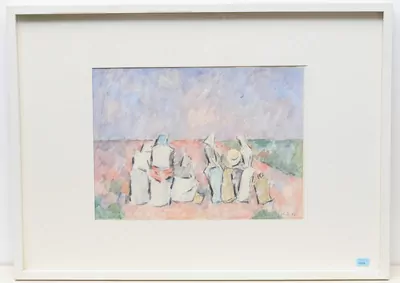
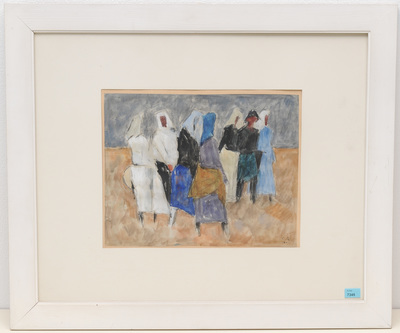
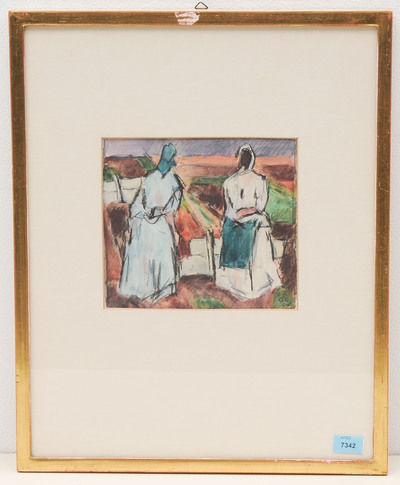
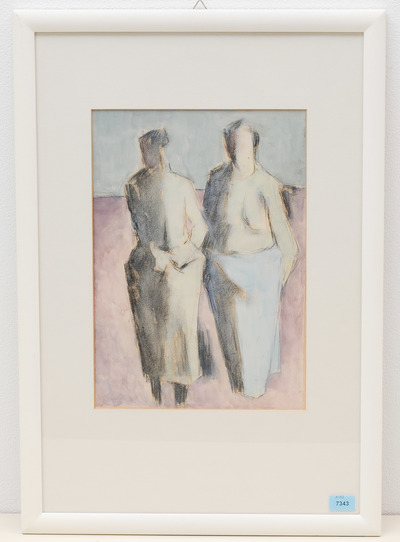
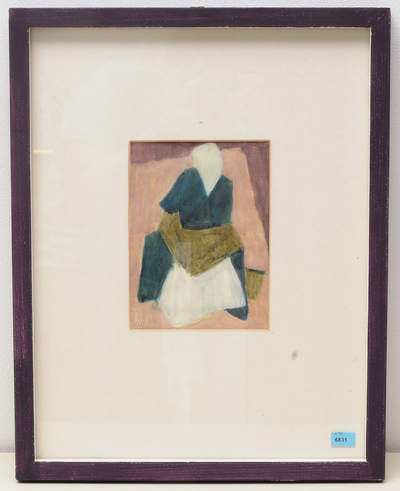
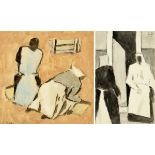
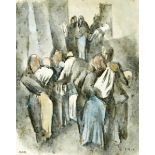
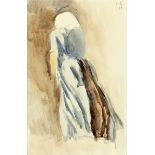
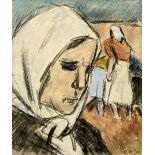
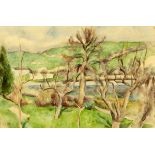
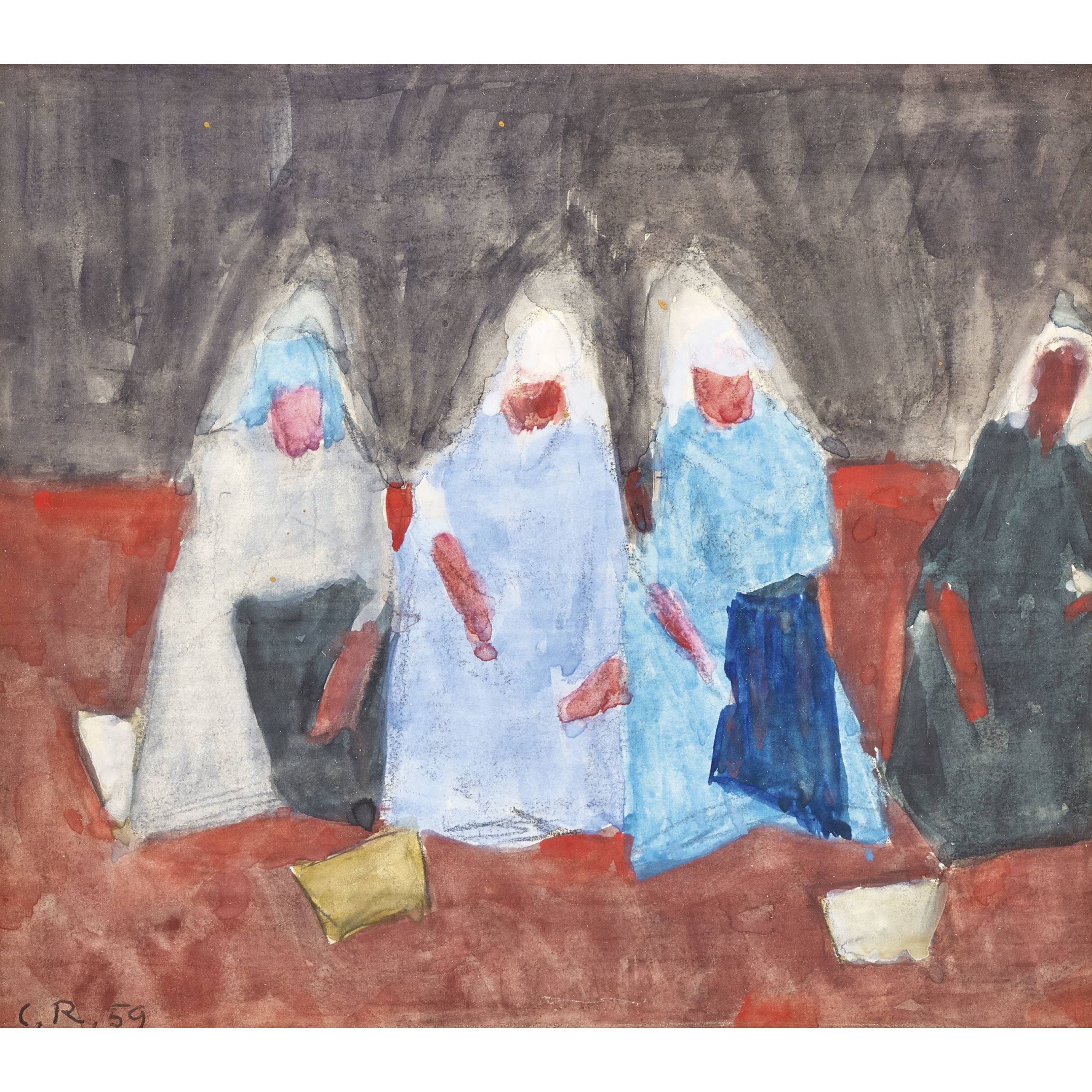
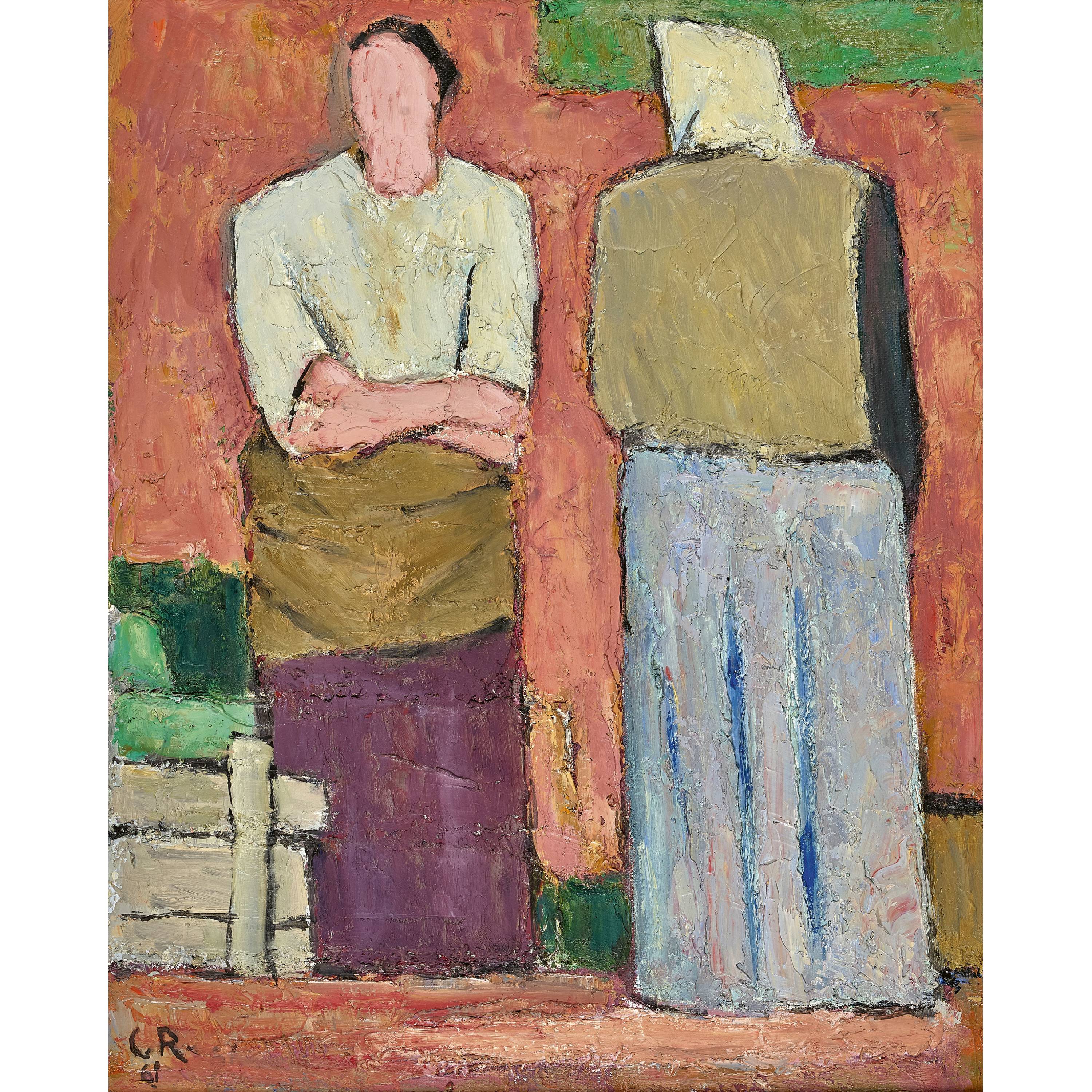
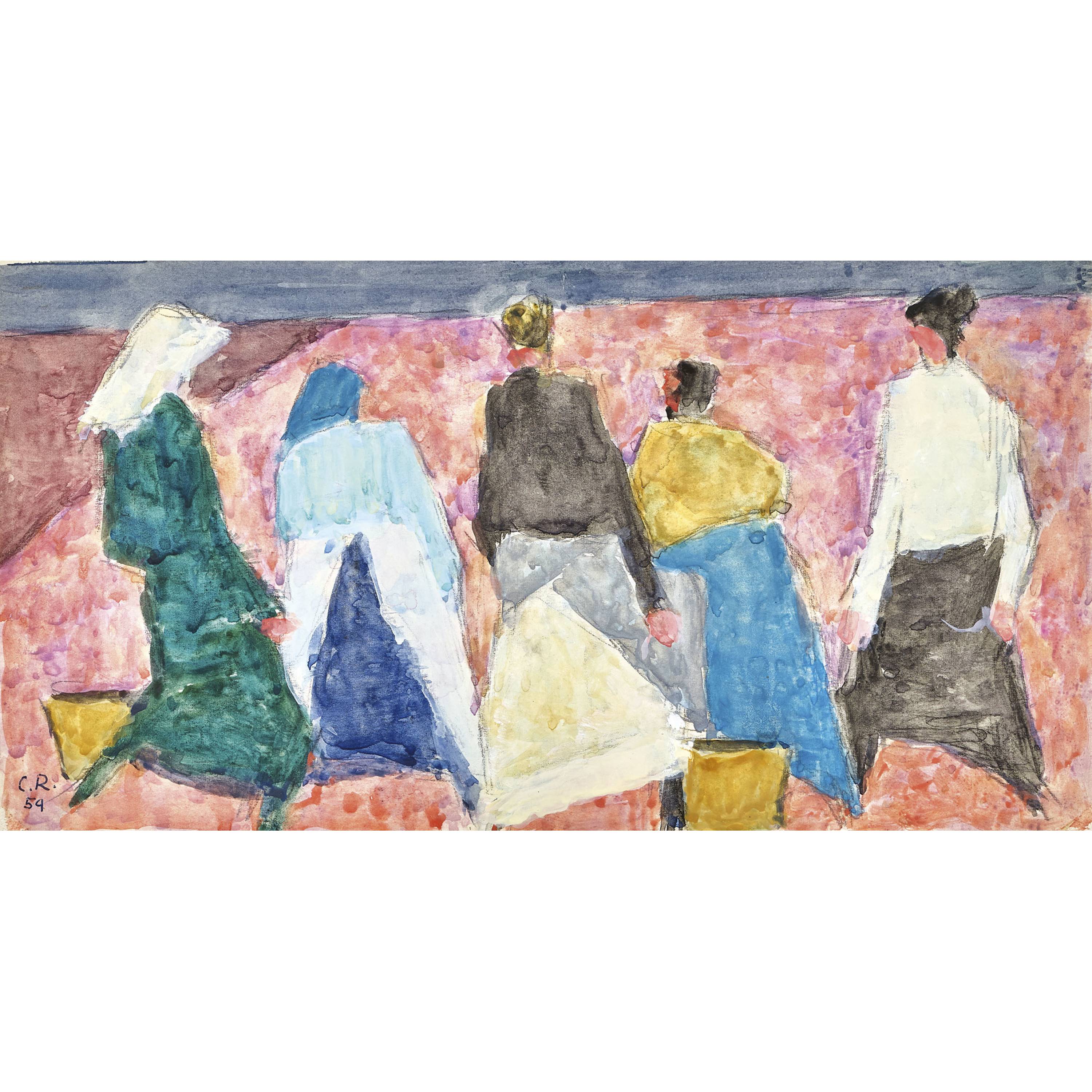
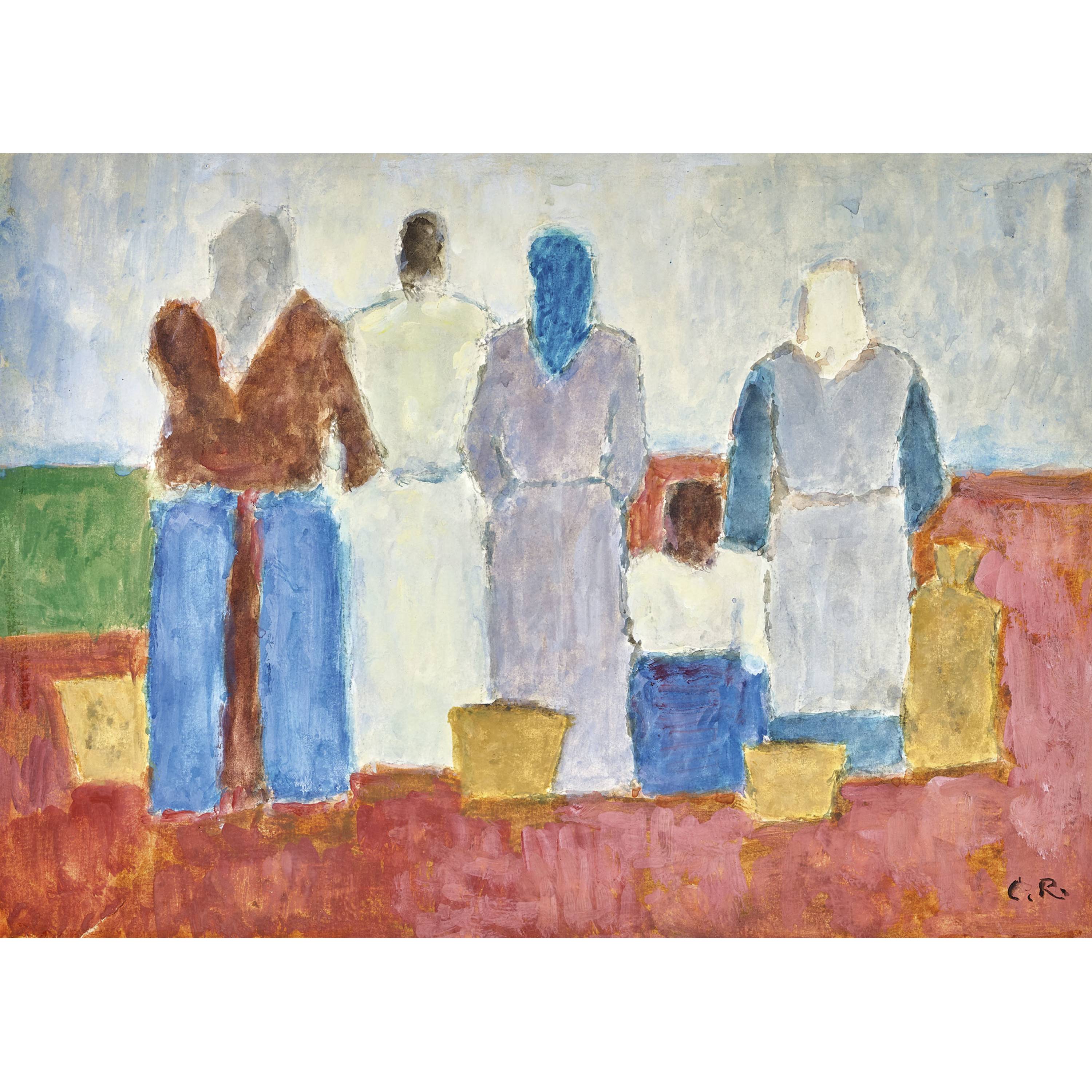
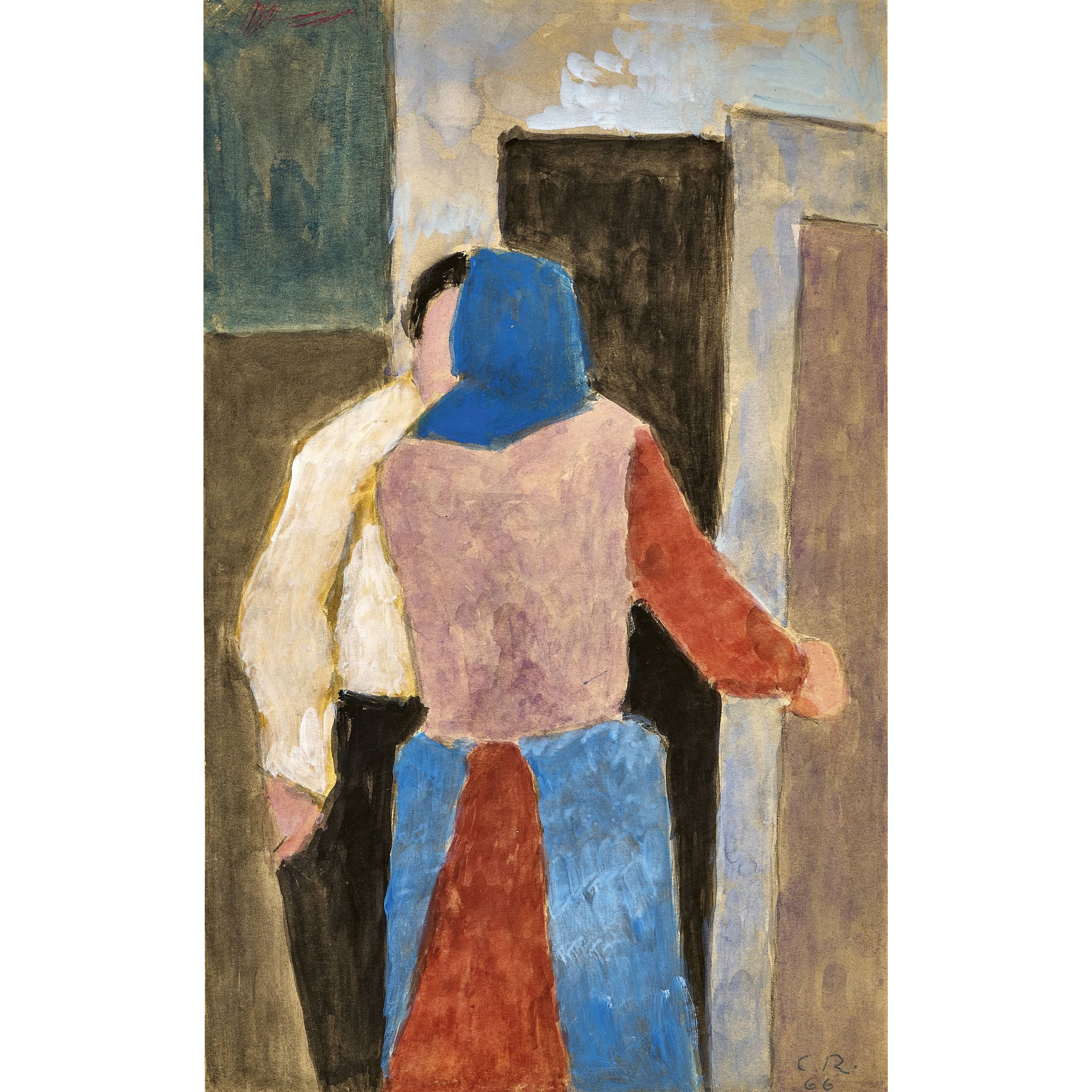
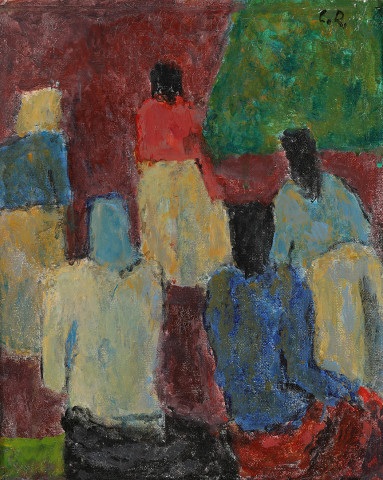
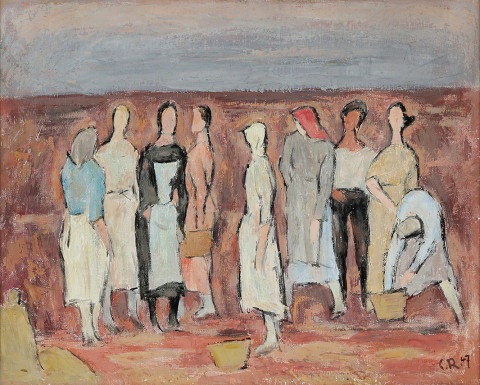
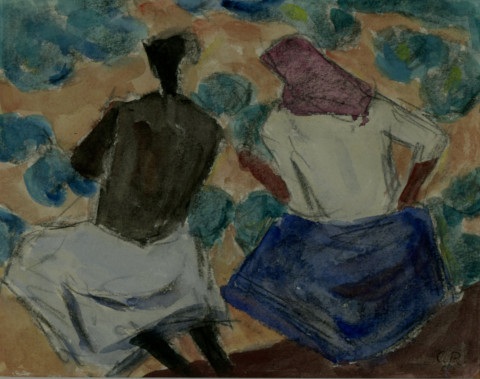
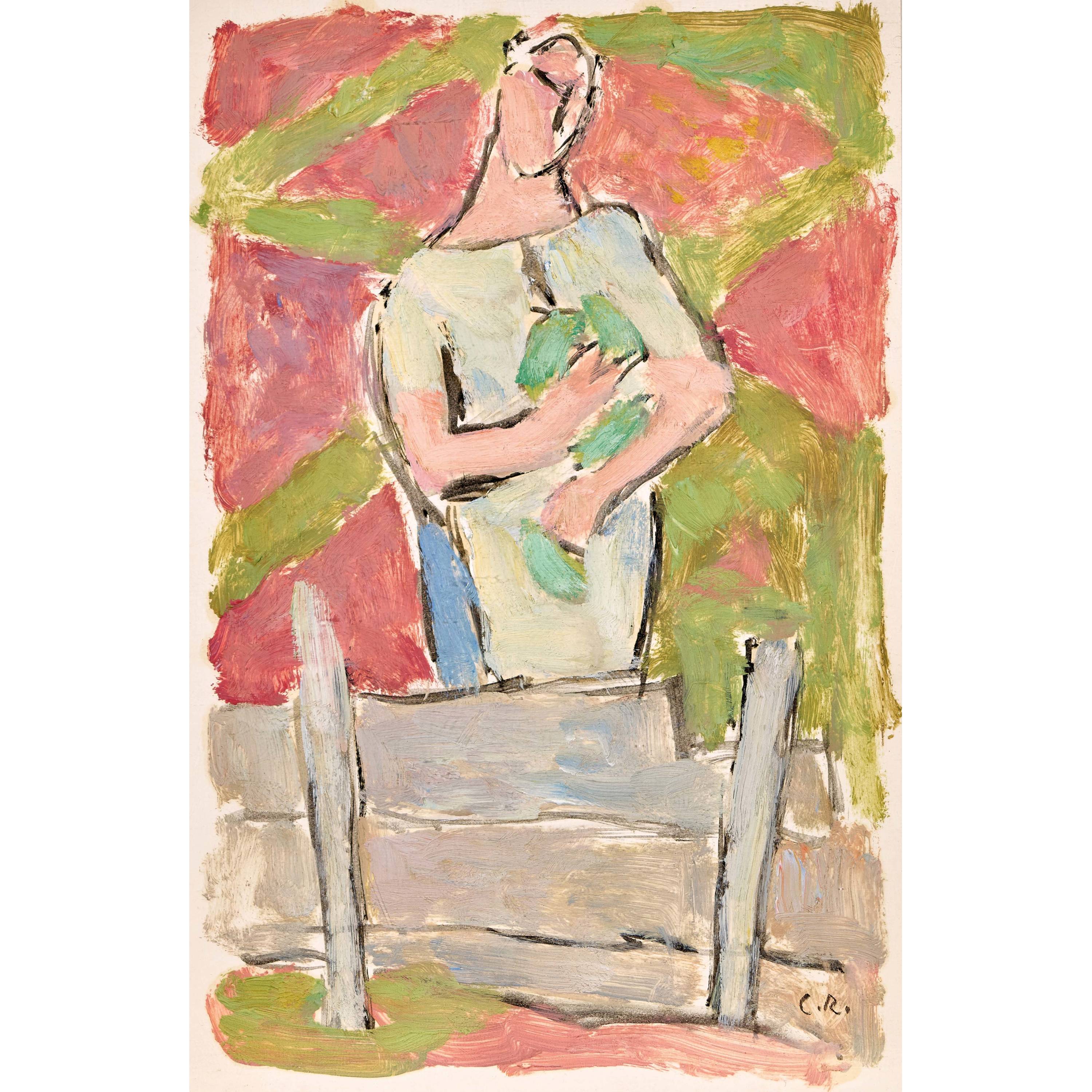
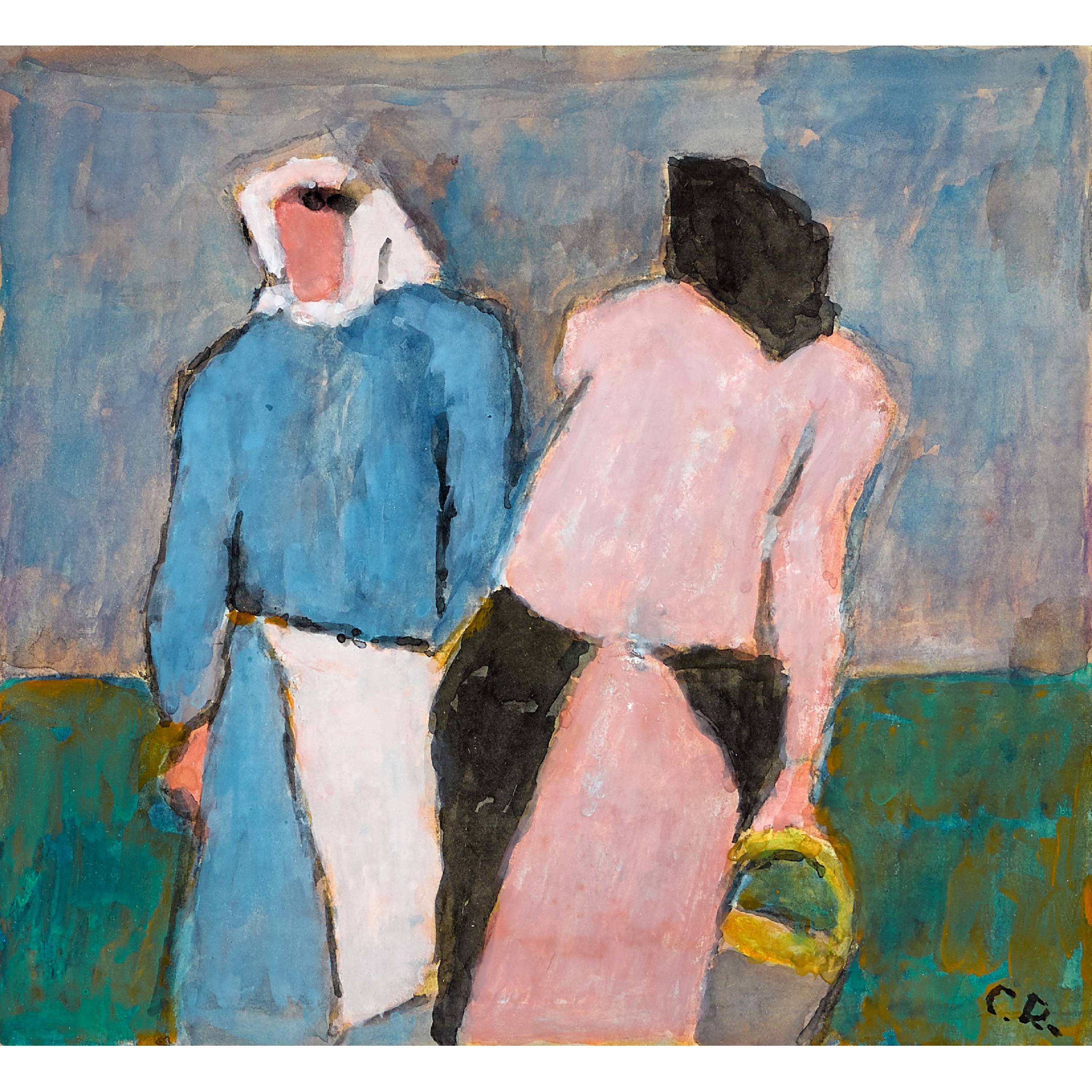
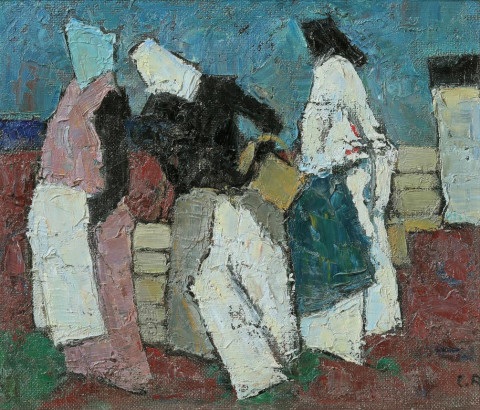
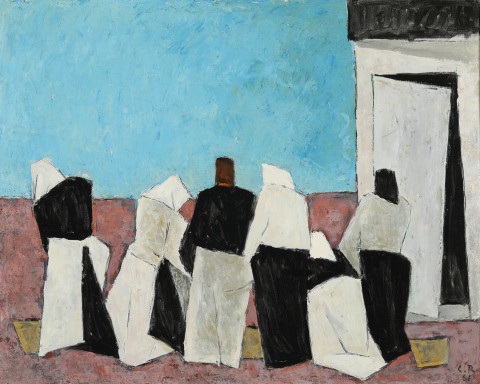
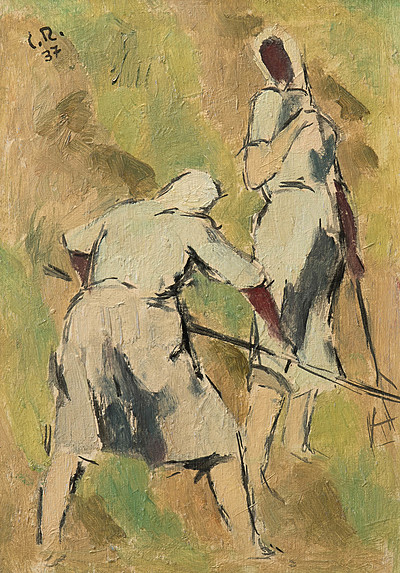
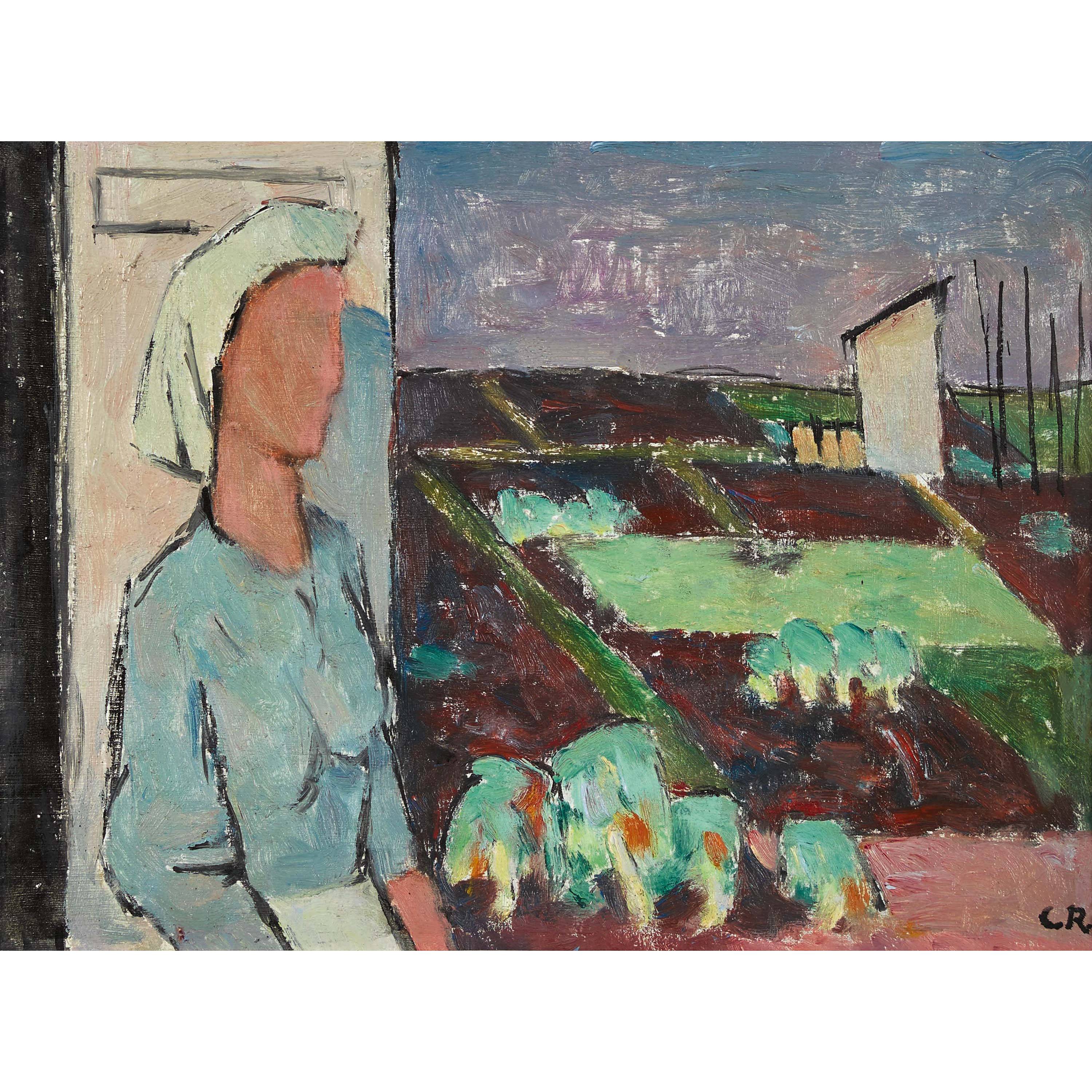
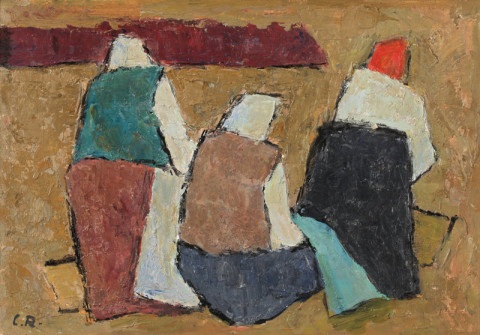
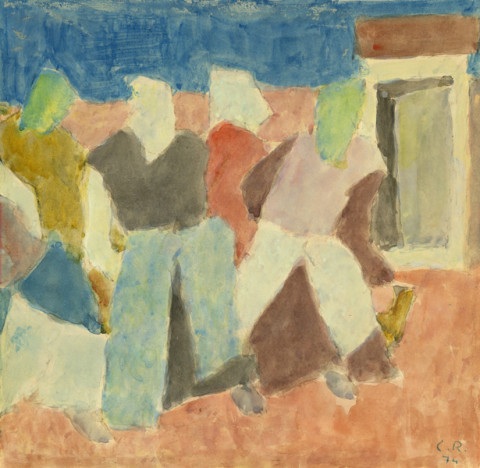
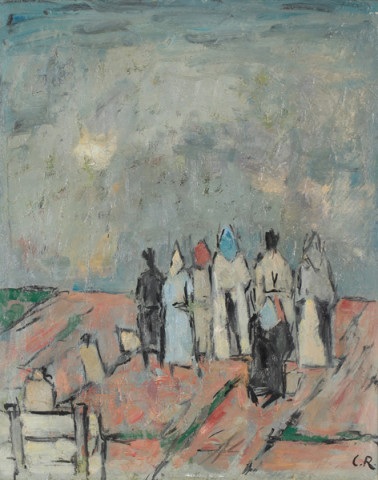
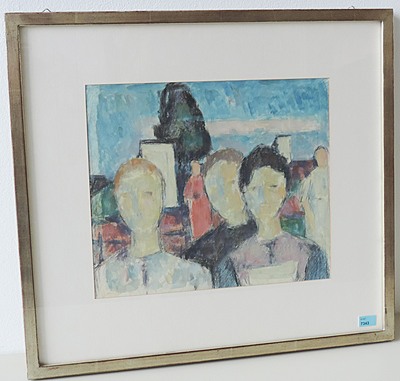
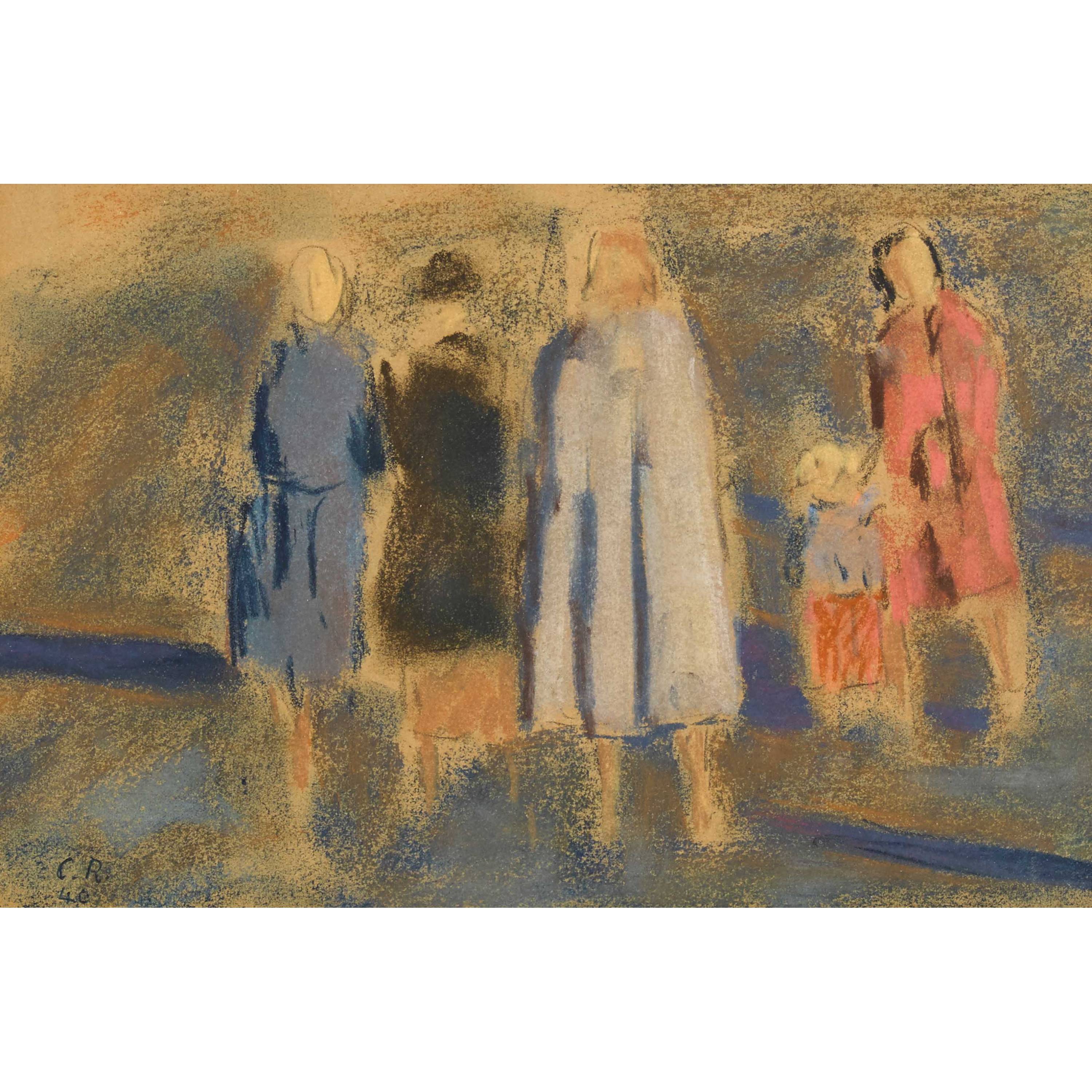
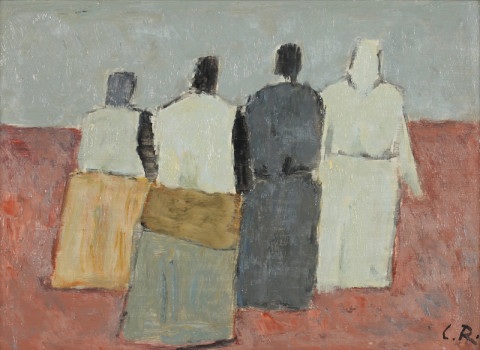
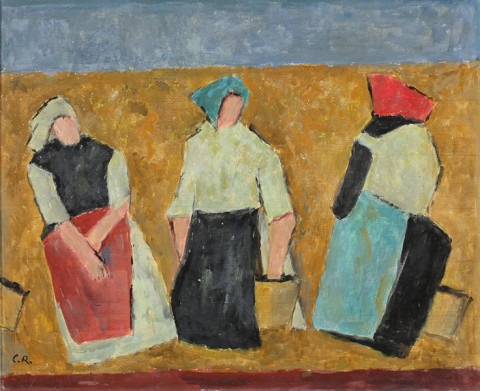
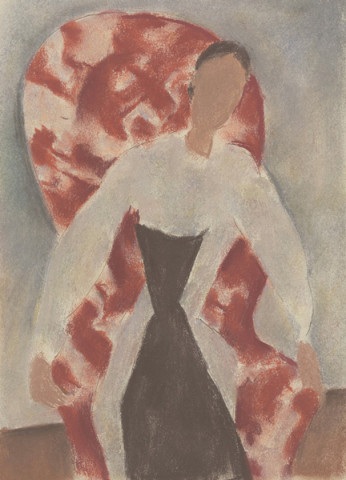
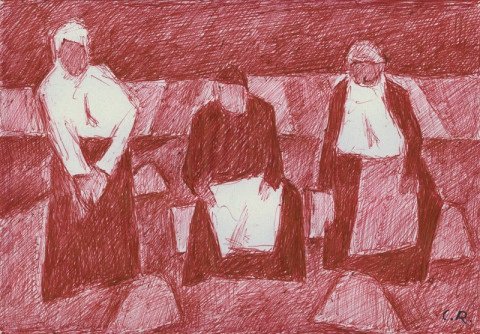
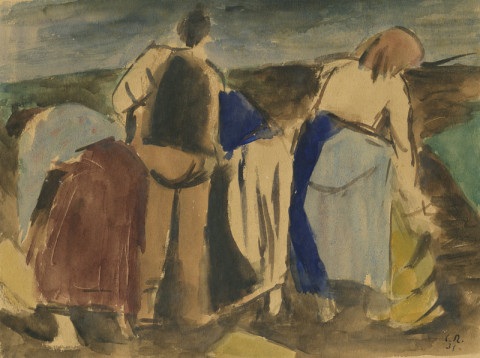
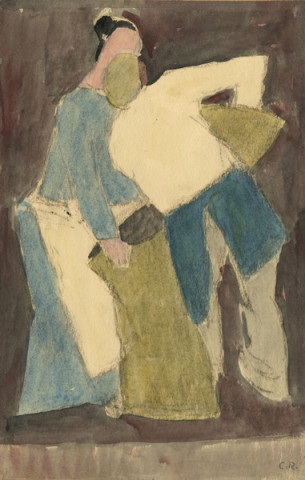
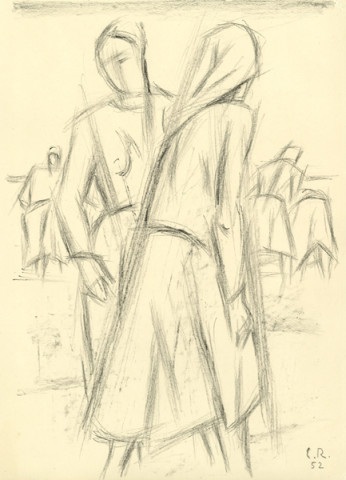
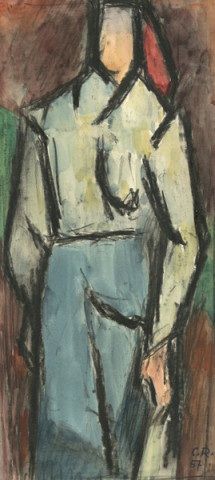
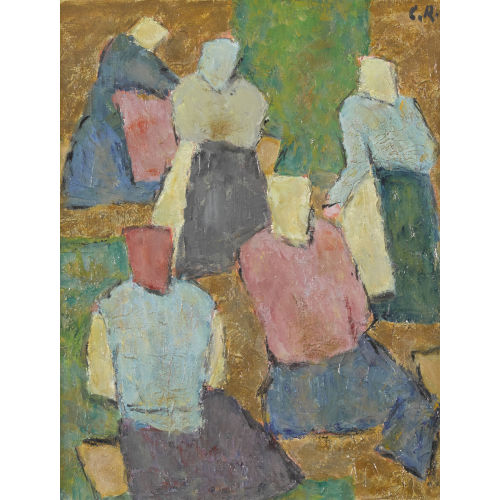
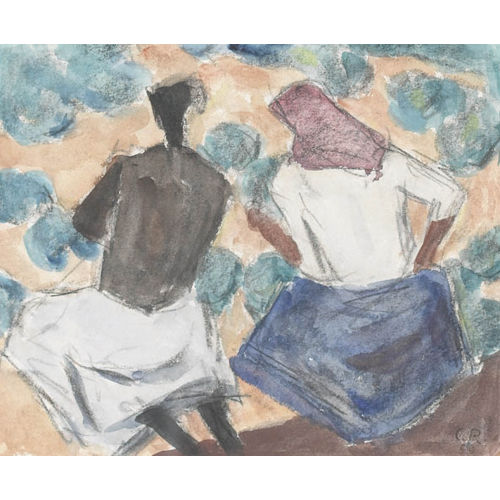
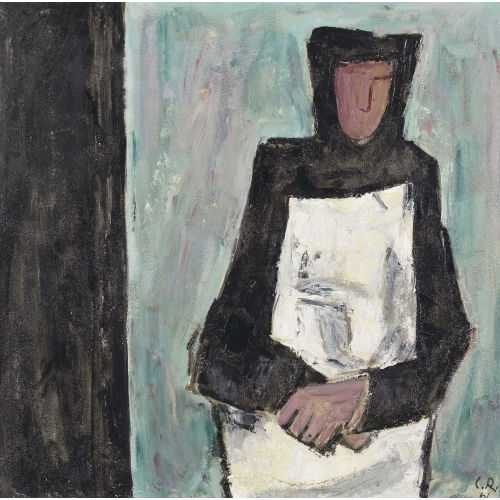
Travels and the study of modern works broadened this training. Cézanne’s painting, among other influences, nourished his reflection on composition. In his female figures, a recurring motif such as the scarf allows an evolution to be traced: still closely tied to portraiture in the early works, it sometimes becomes, in the later works, an almost autonomous coloured form.
The kunst + wissen Museum in Diessenhofen highlights this transition from expressive representation to a language close to abstraction.
Roesch took up stained glass in collaboration with specialised workshops. His works can be found notably in churches in Zurich, Amriswil, Rüschlikon and Schaffhausen. He was also drawn to mosaic by the precise decisions imposed by the assembly of materials.
His journals and his montages of reproductions bear witness to a reflection pursued over decades. More than two hundred boards bringing together images have been preserved in his archive. They offer another way of approaching his gaze: comparing, bringing together and organising.
This discreet work accompanies an oeuvre whose regional grounding goes hand in hand with a constant curiosity about the possibilities of art.