Auguste Frédéric Dufaux
Born in 1852.
Died in 1943.
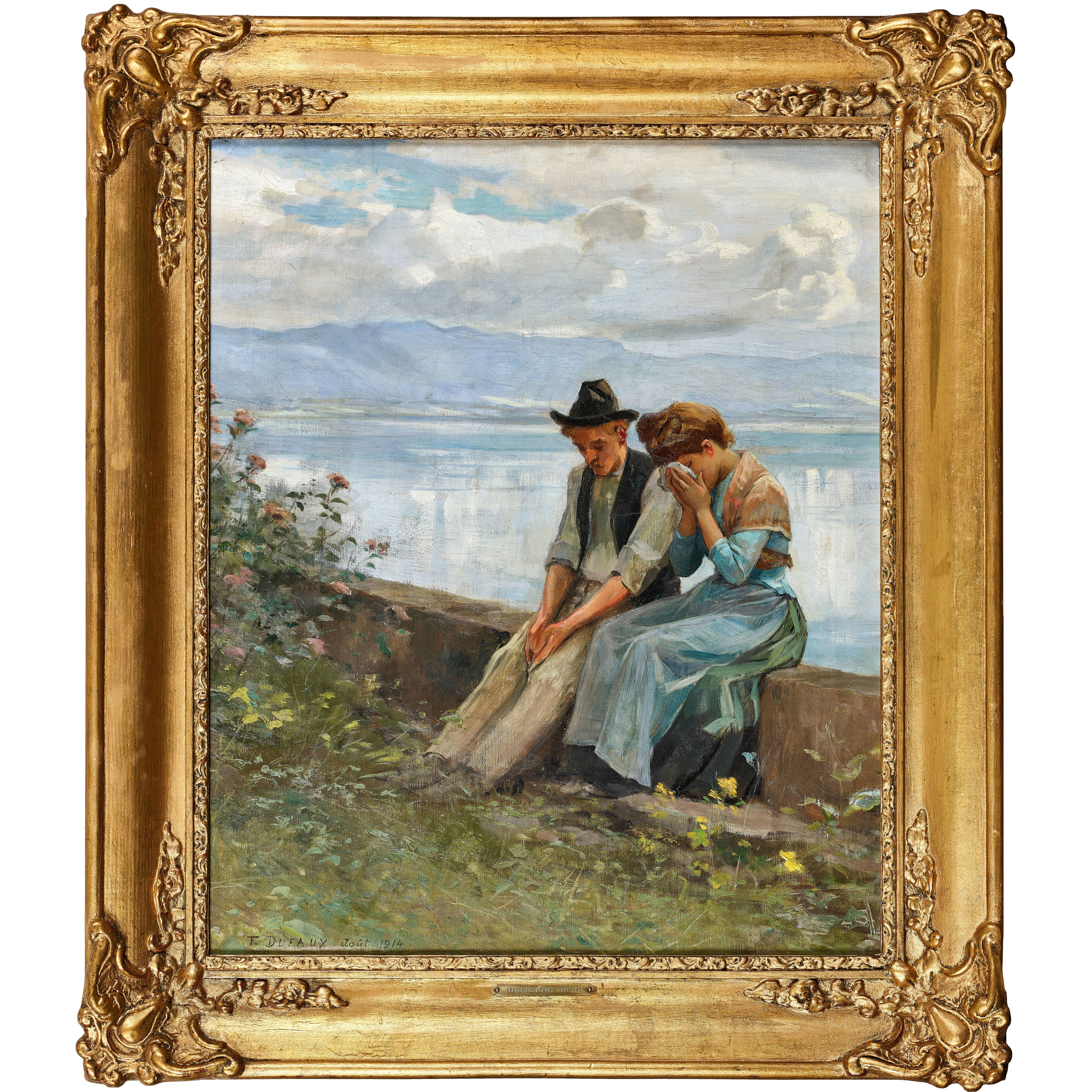
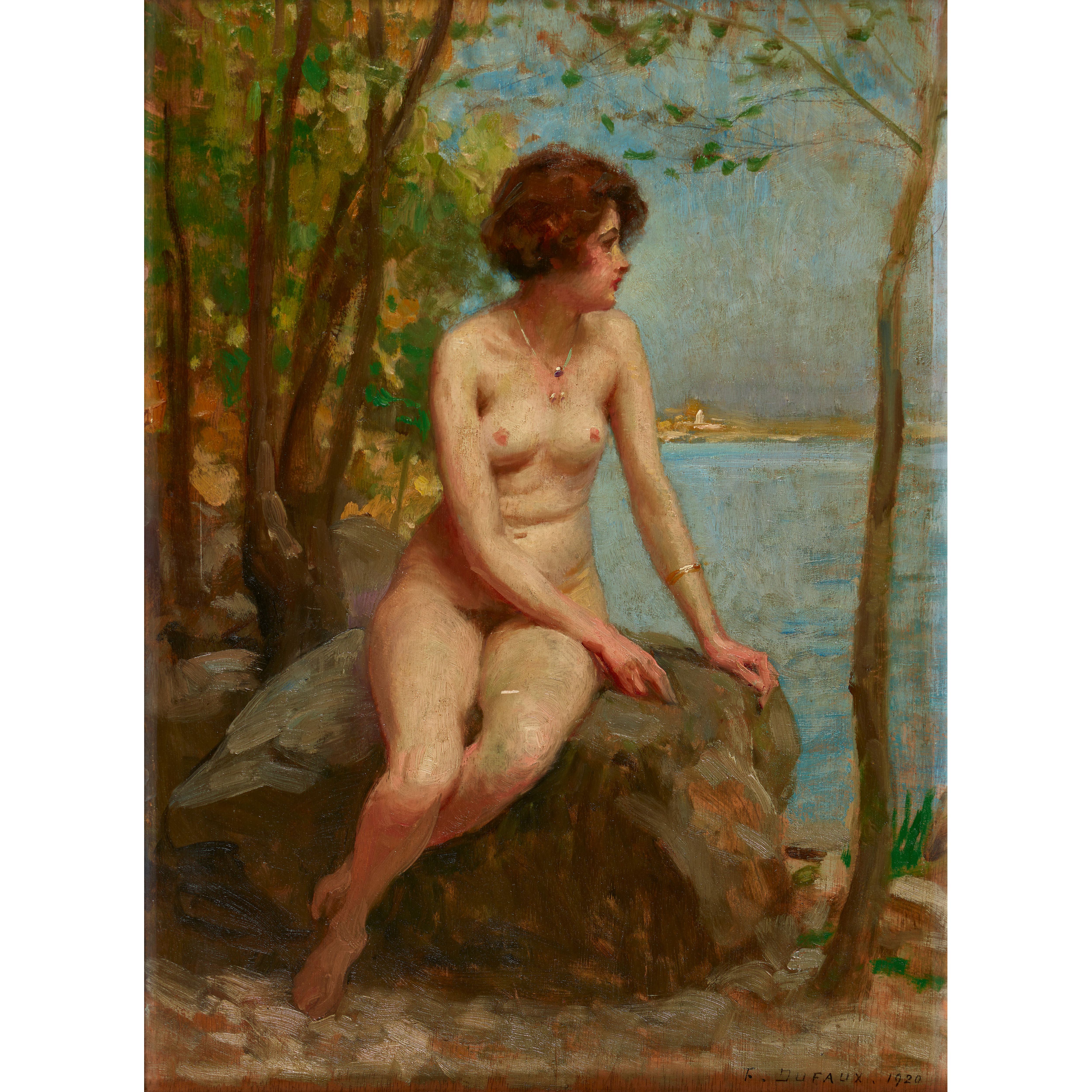
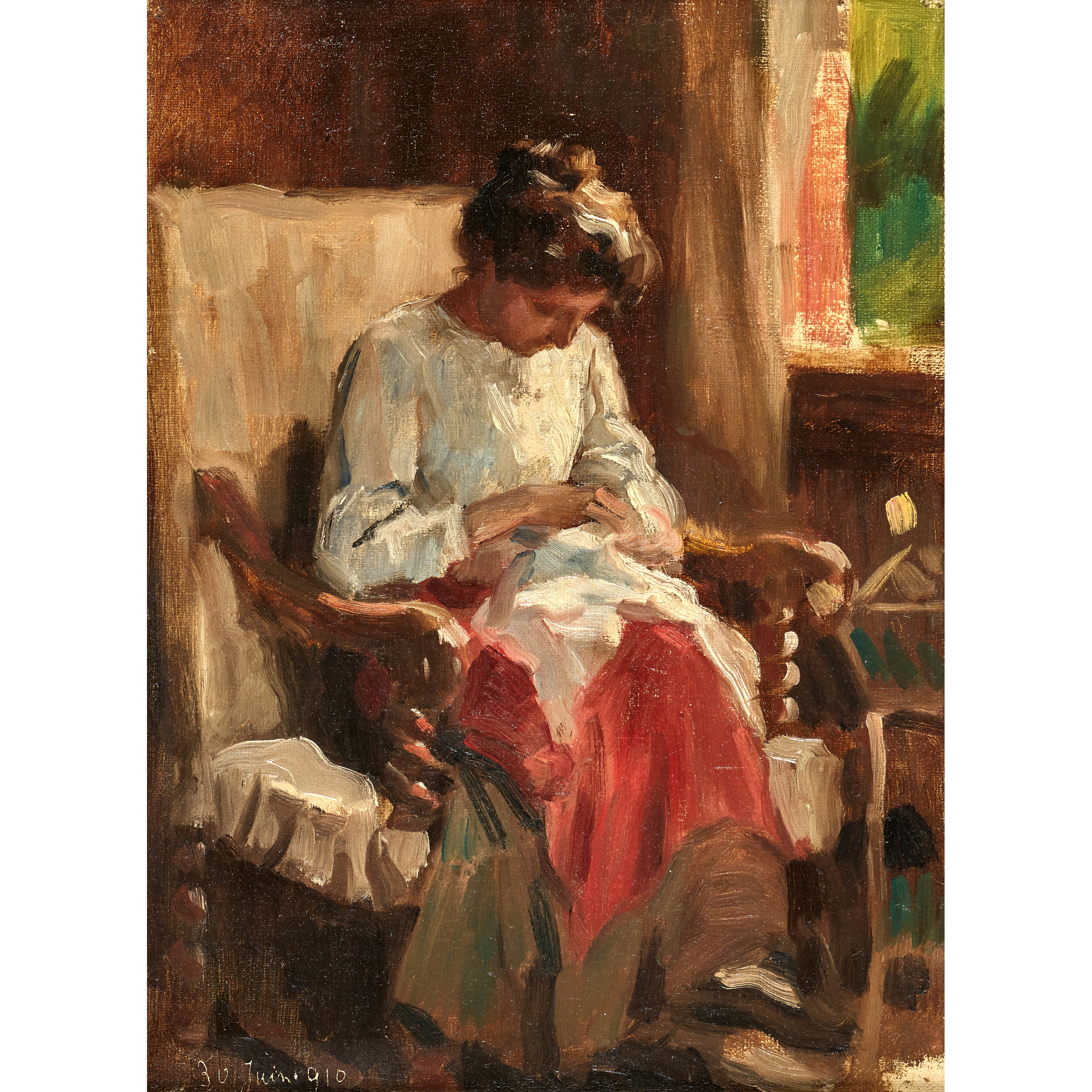
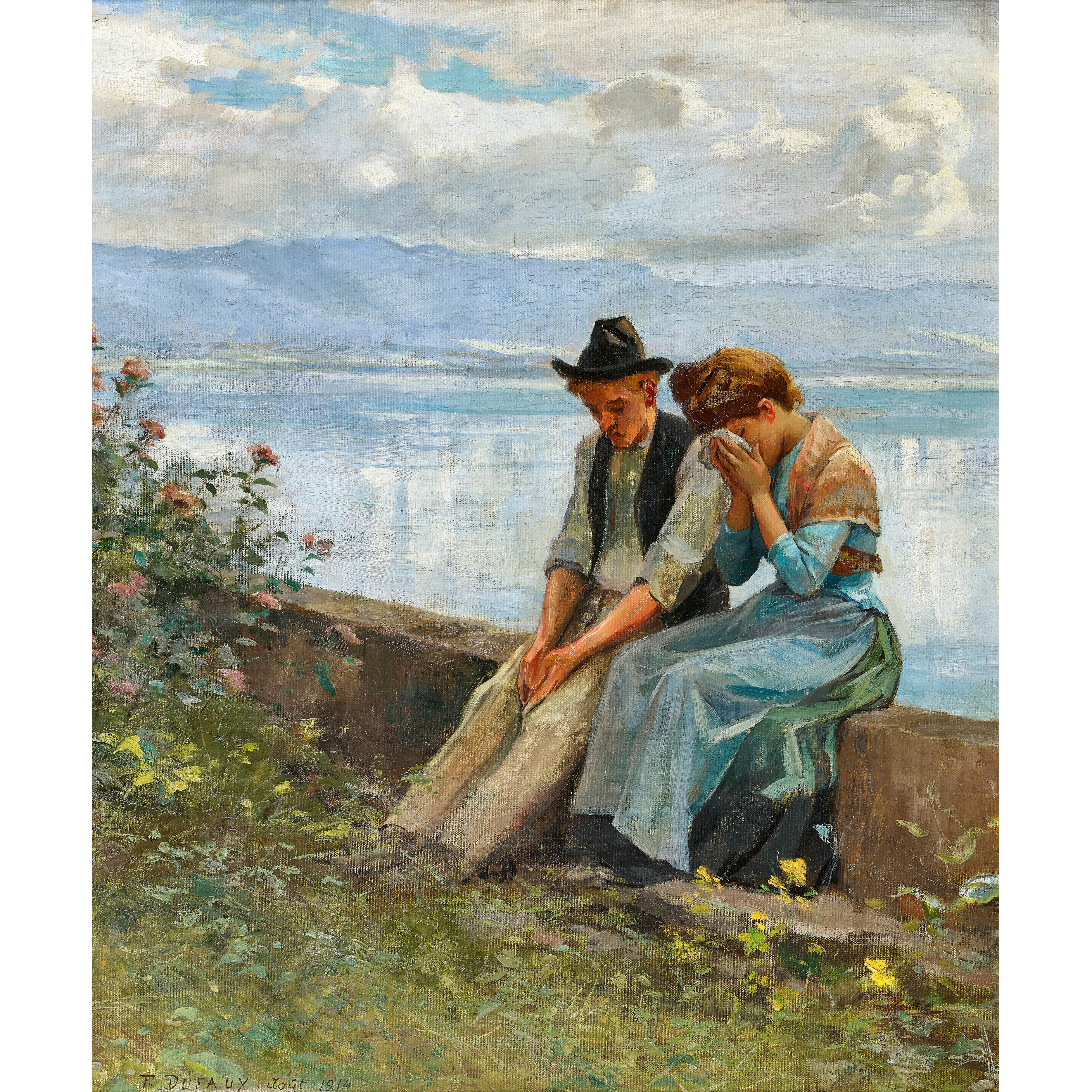
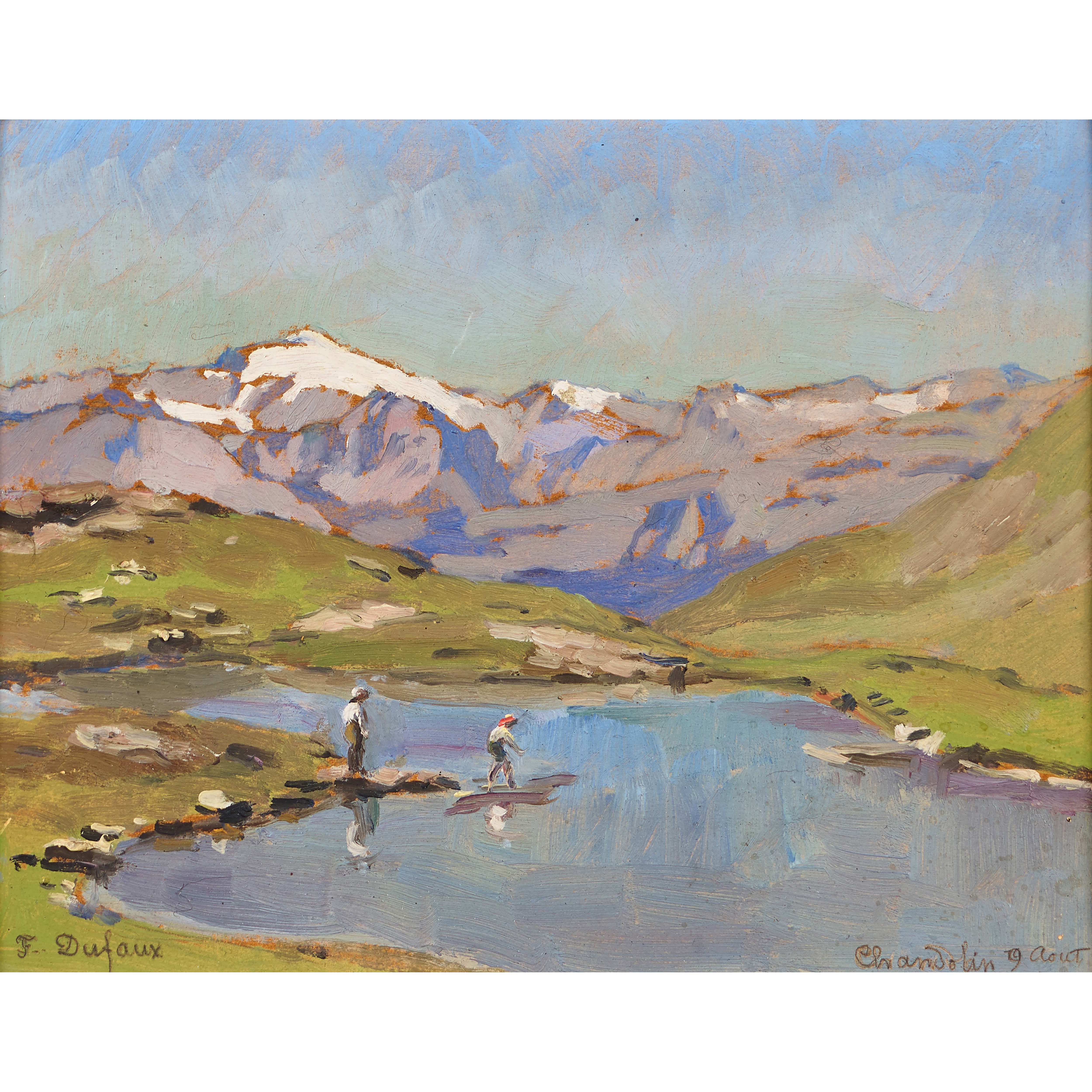
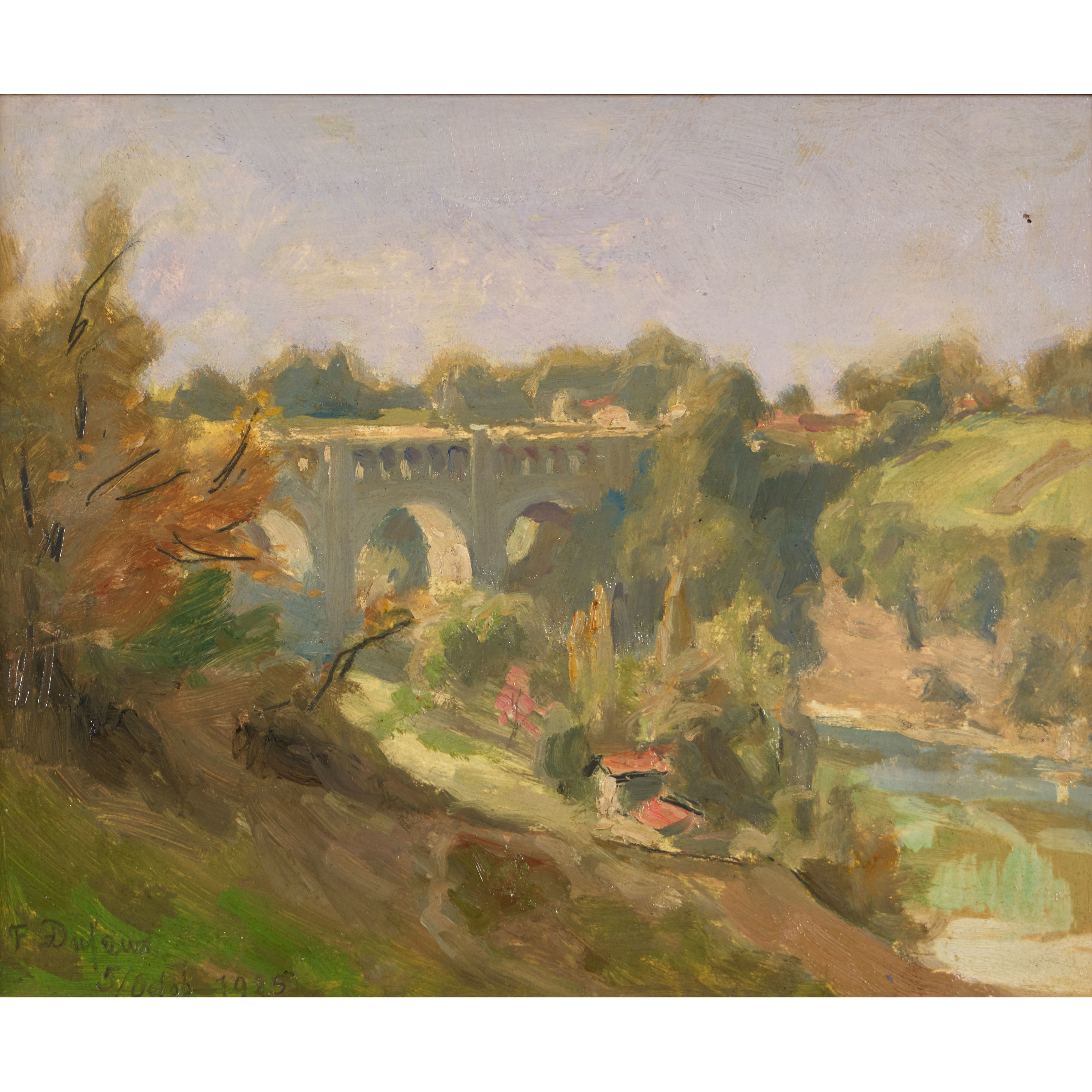
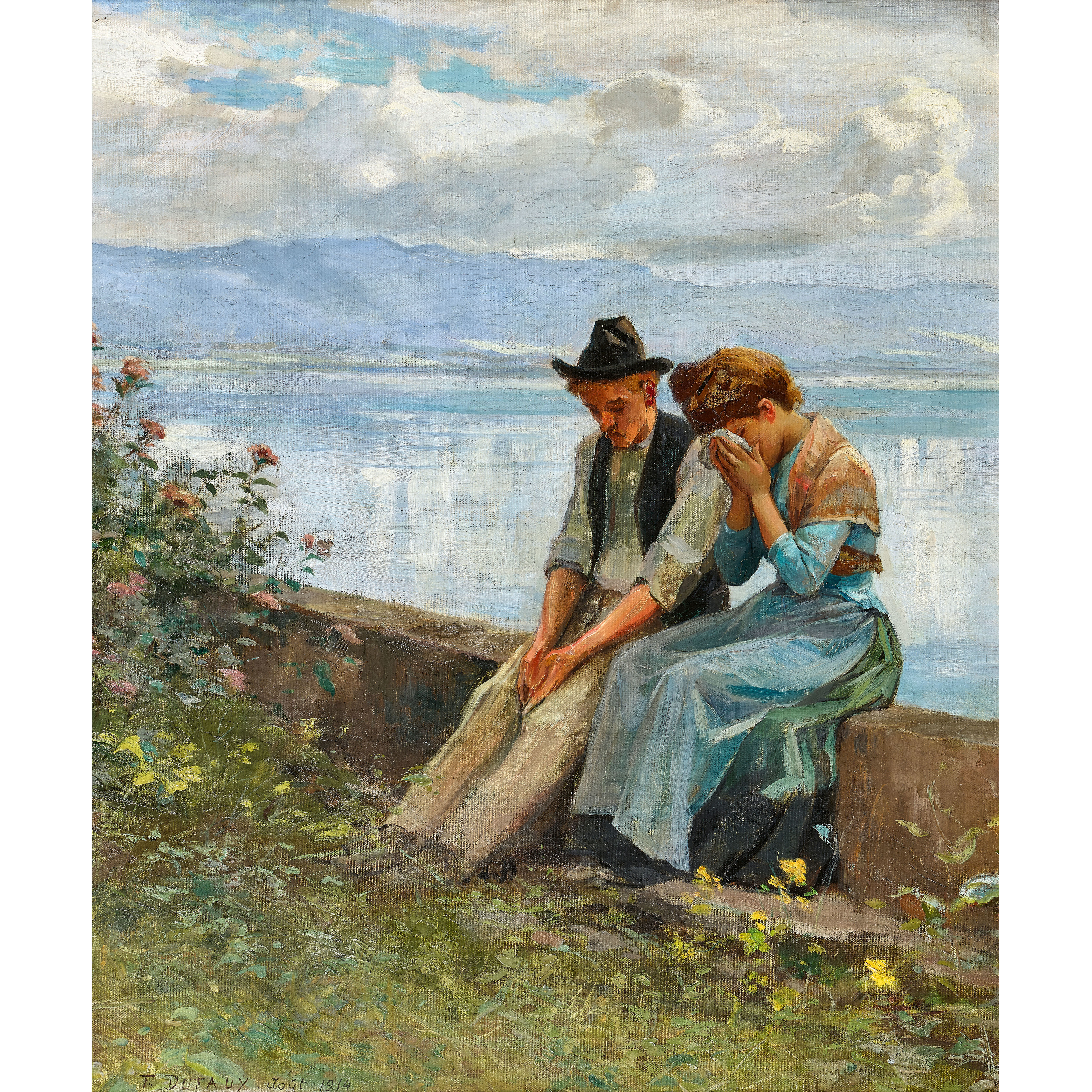
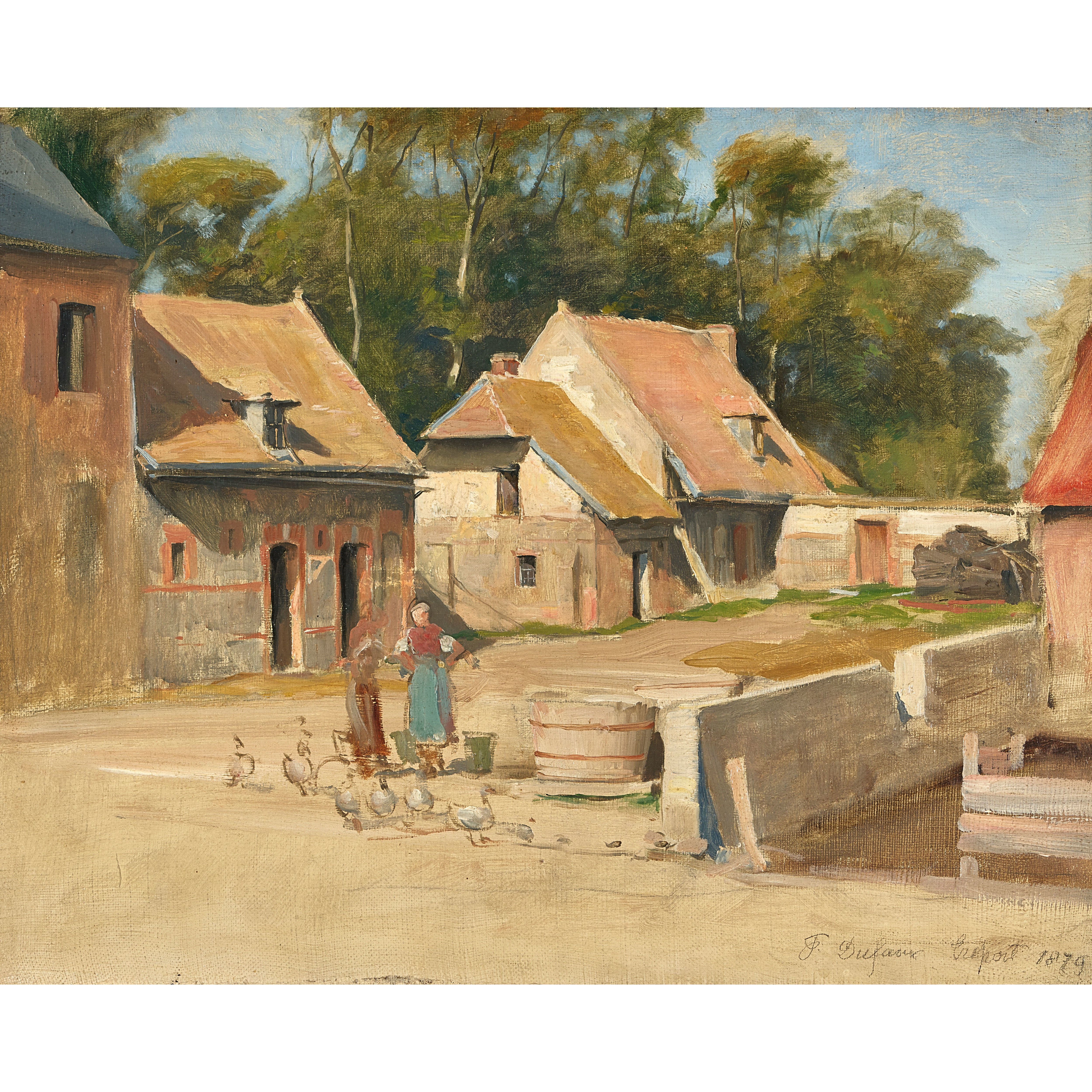
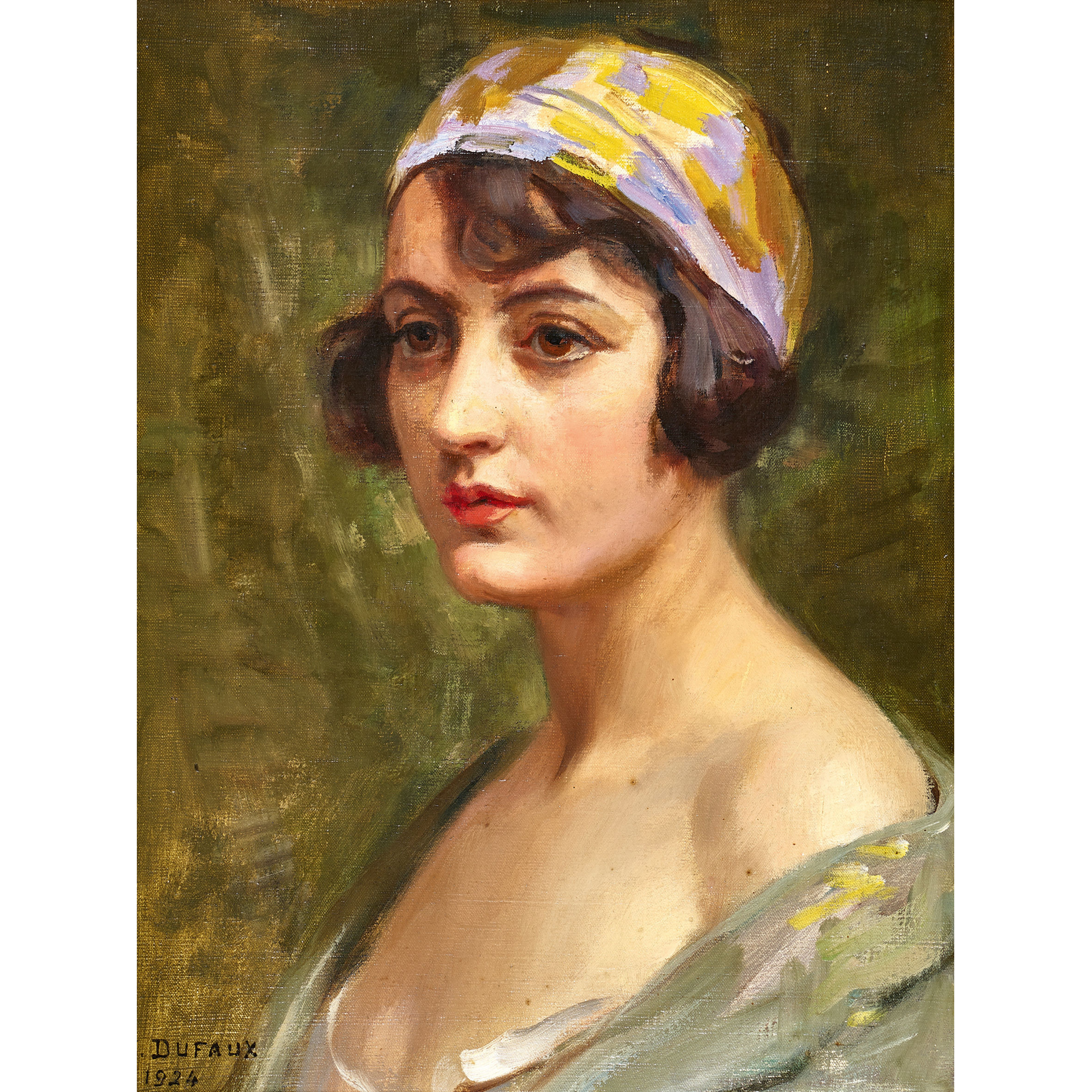
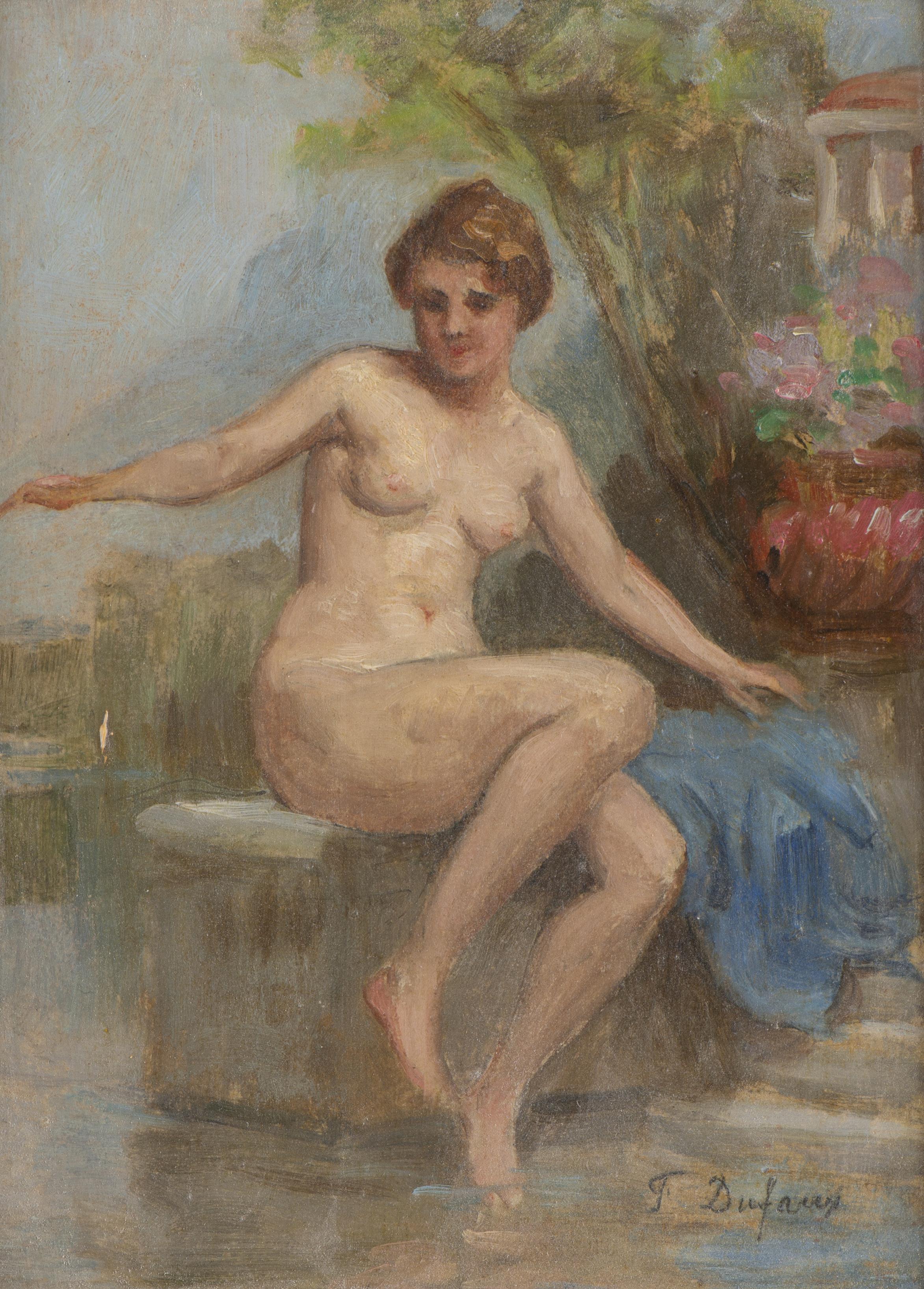
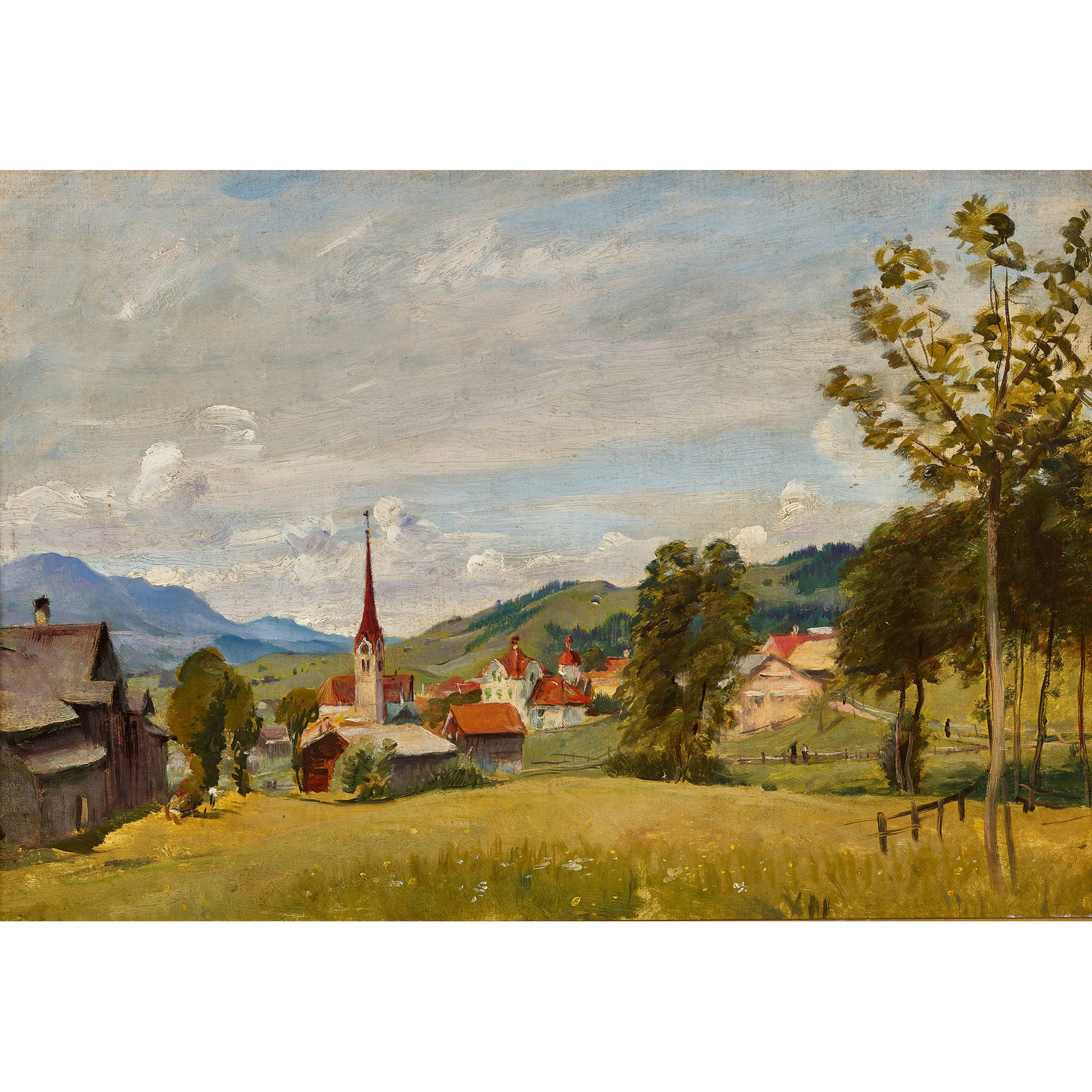
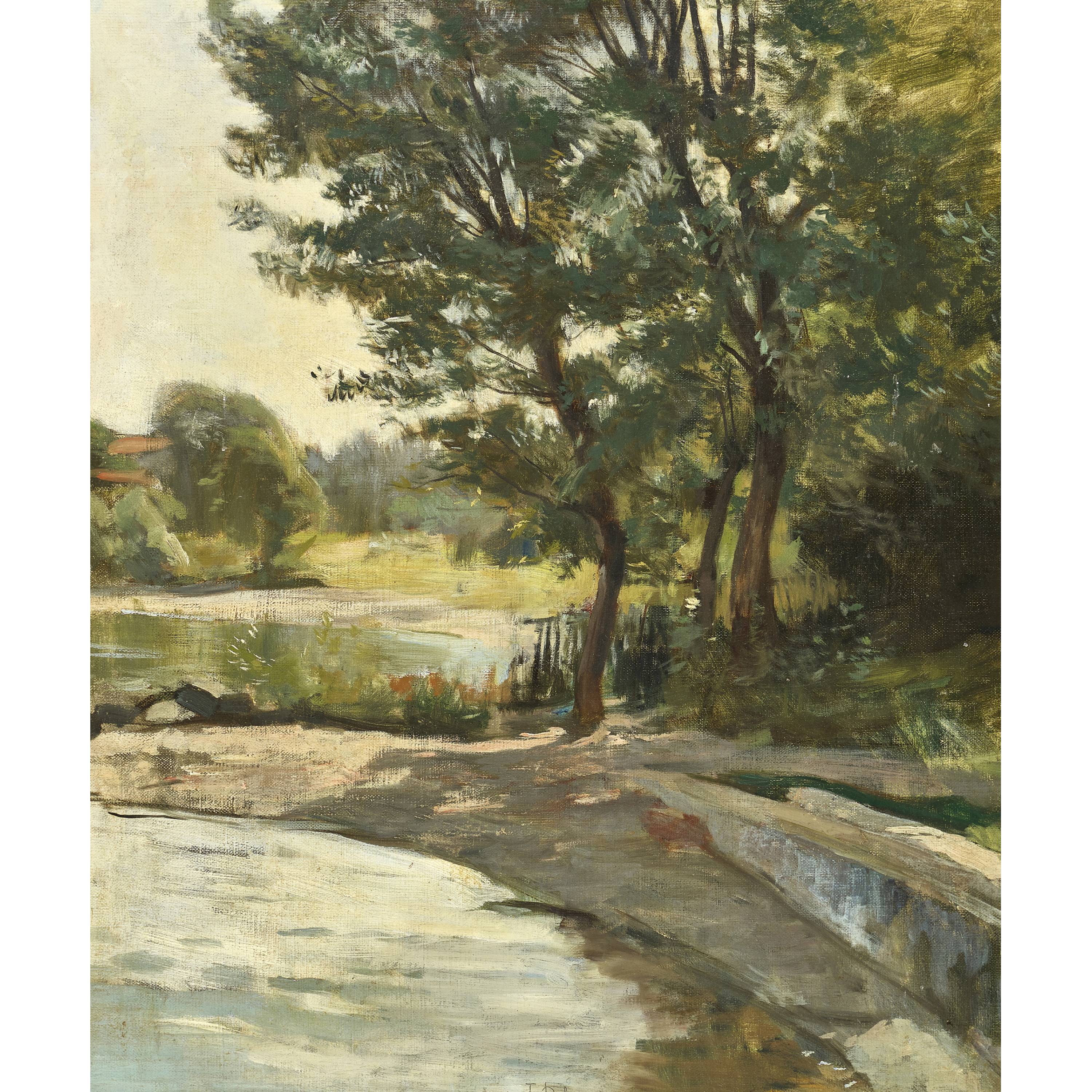
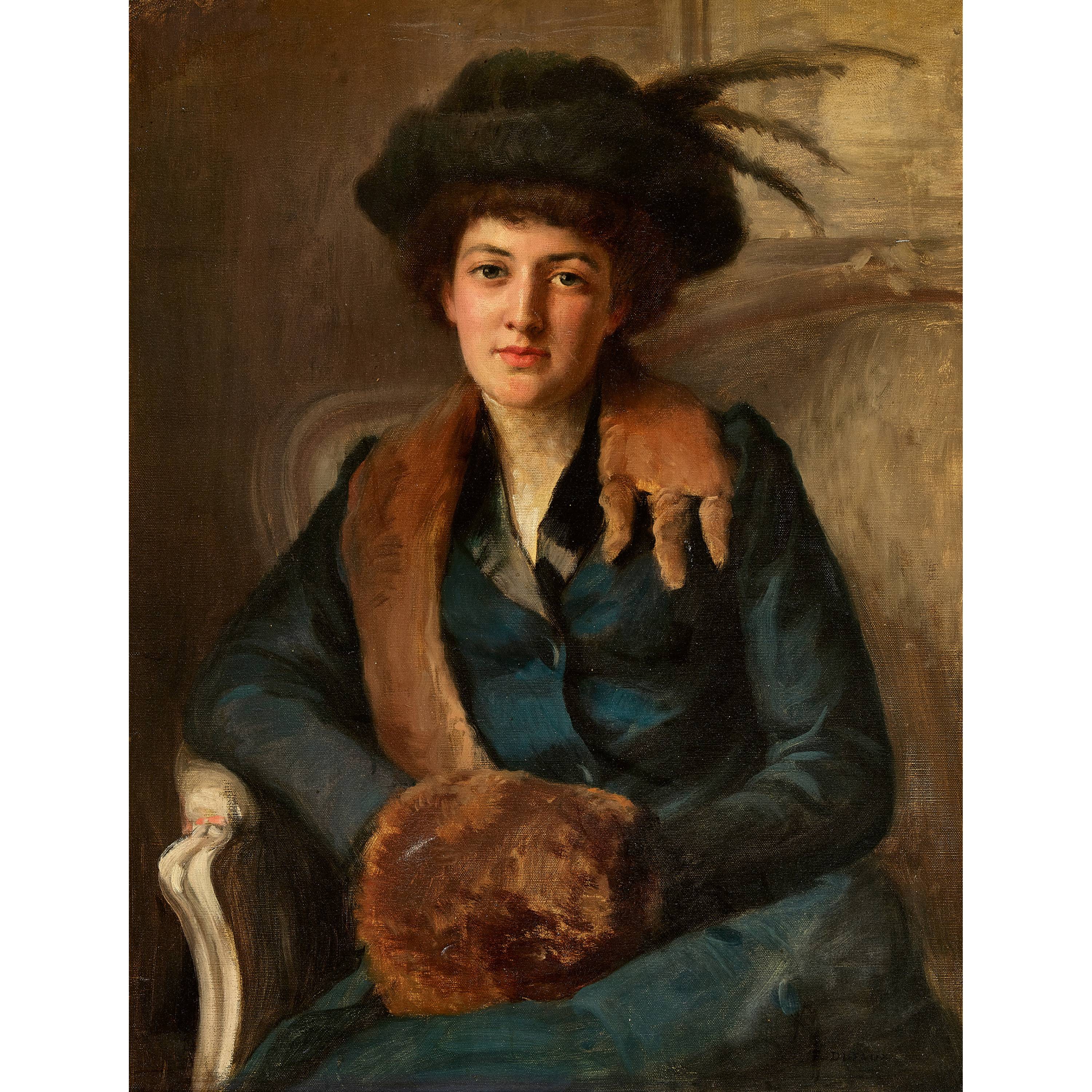
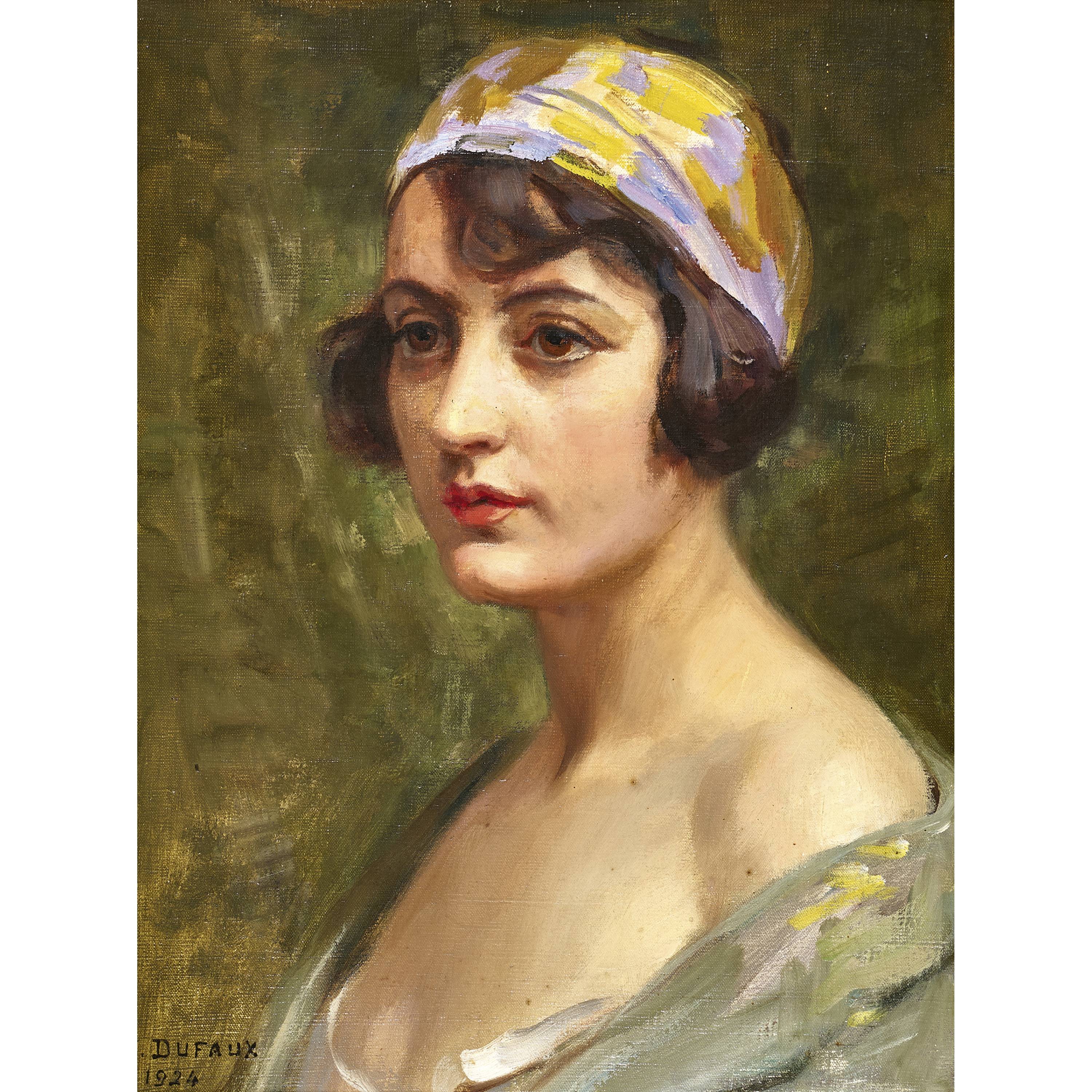
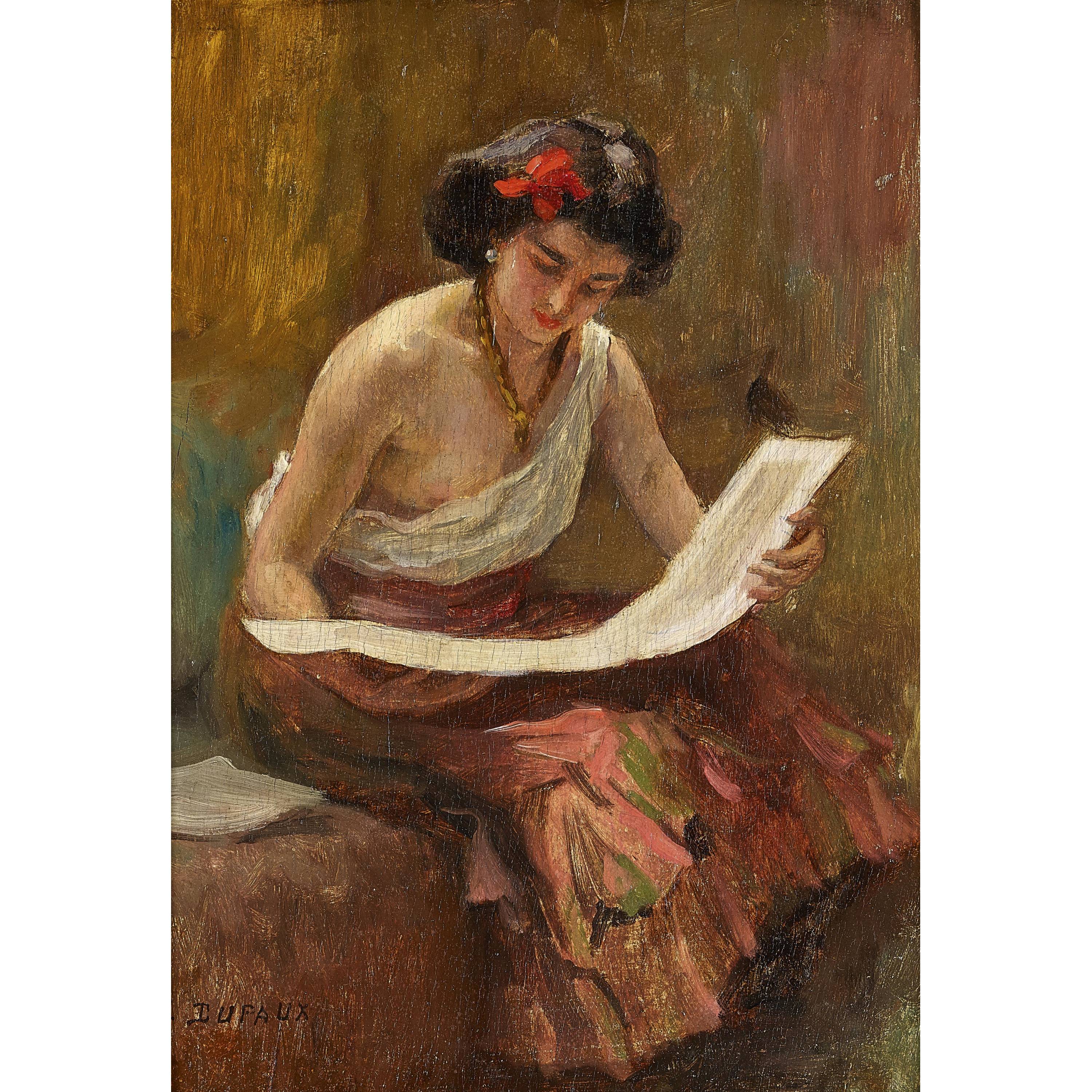
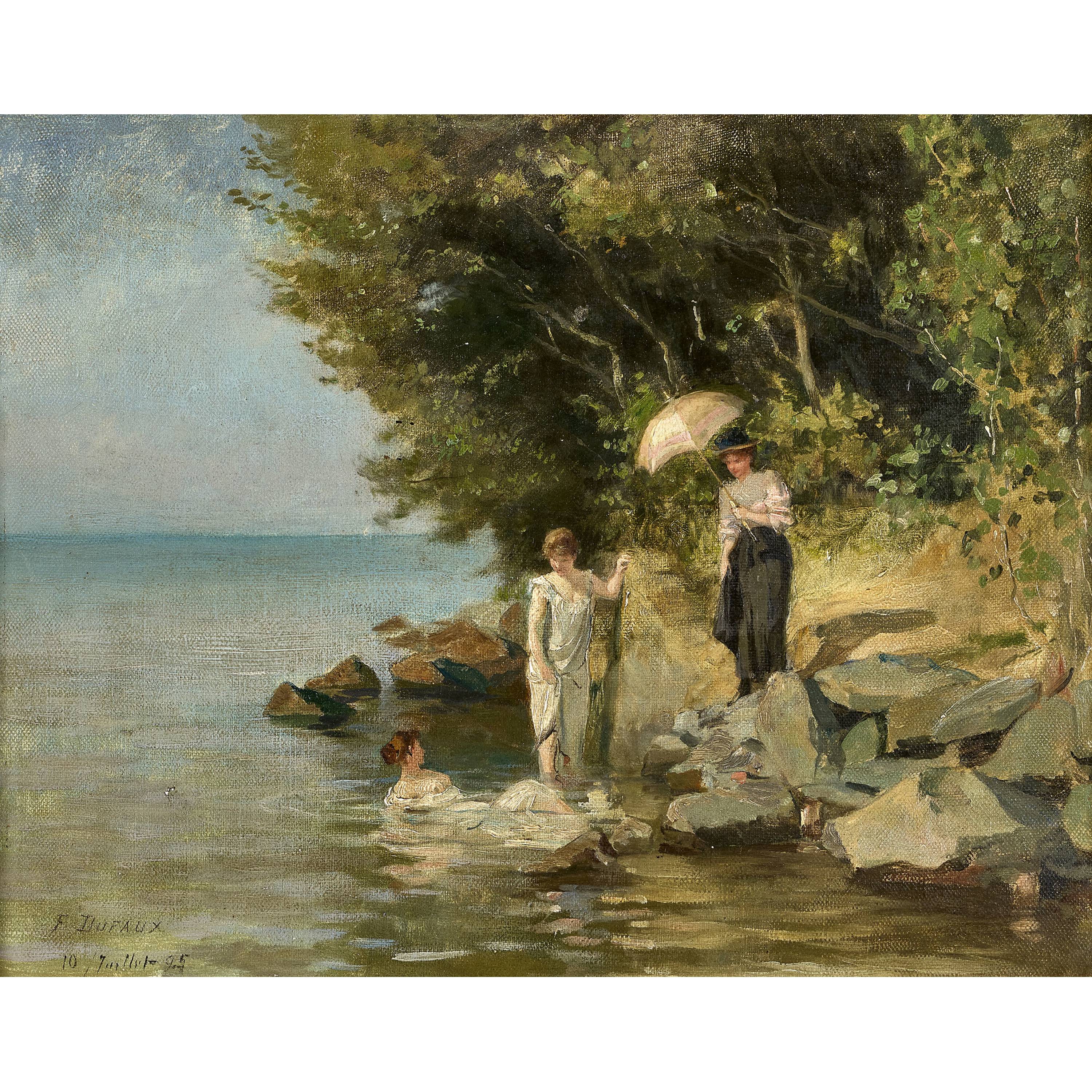
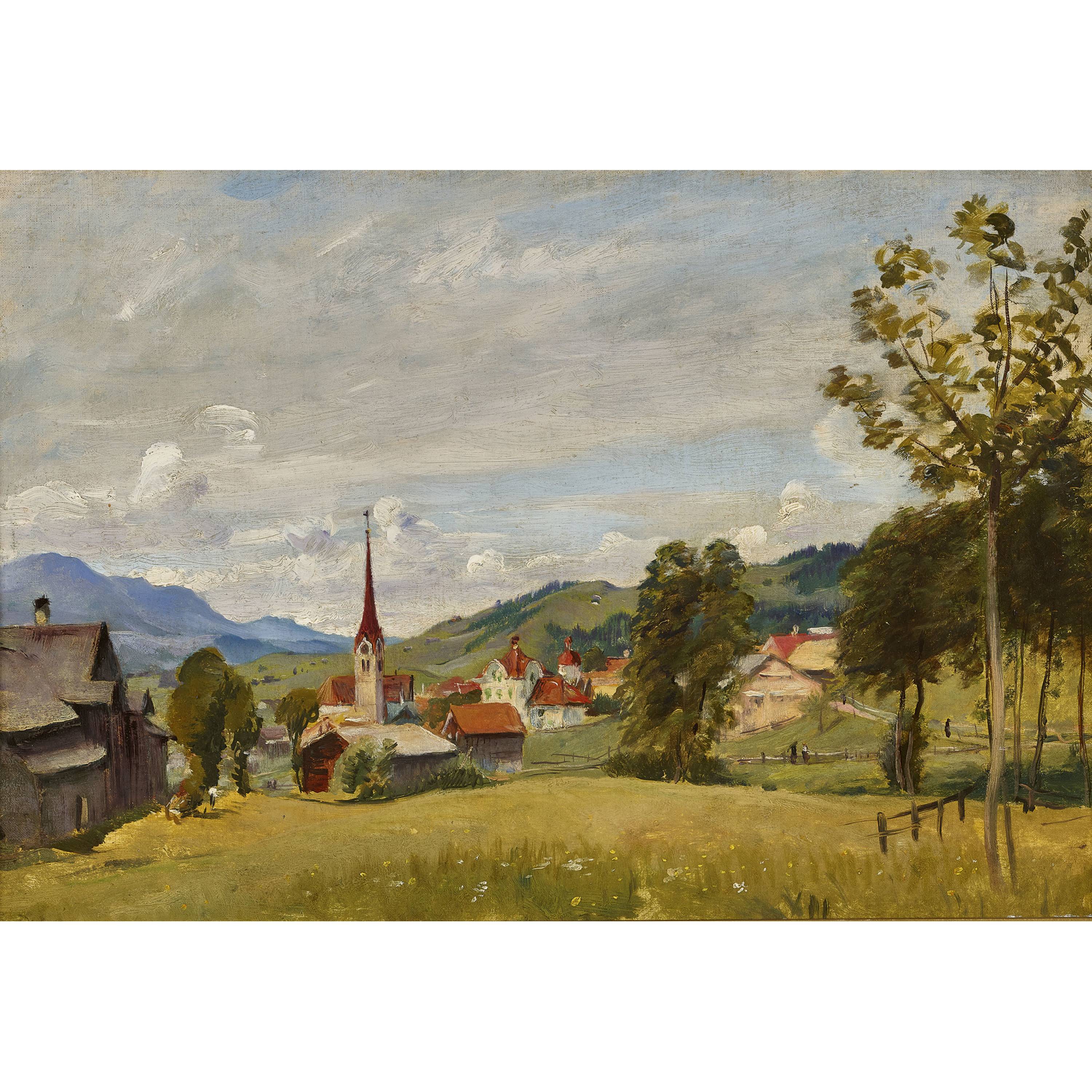
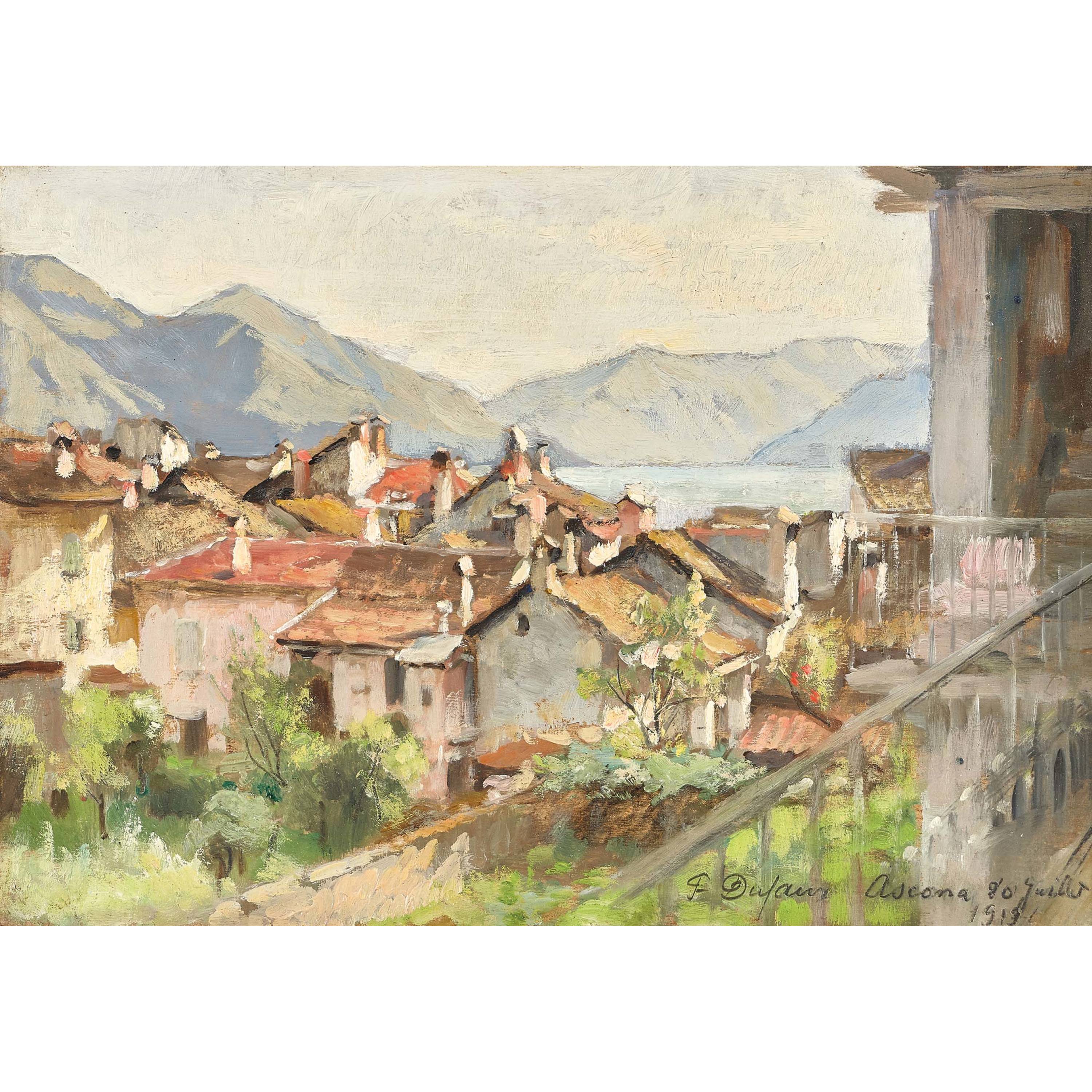
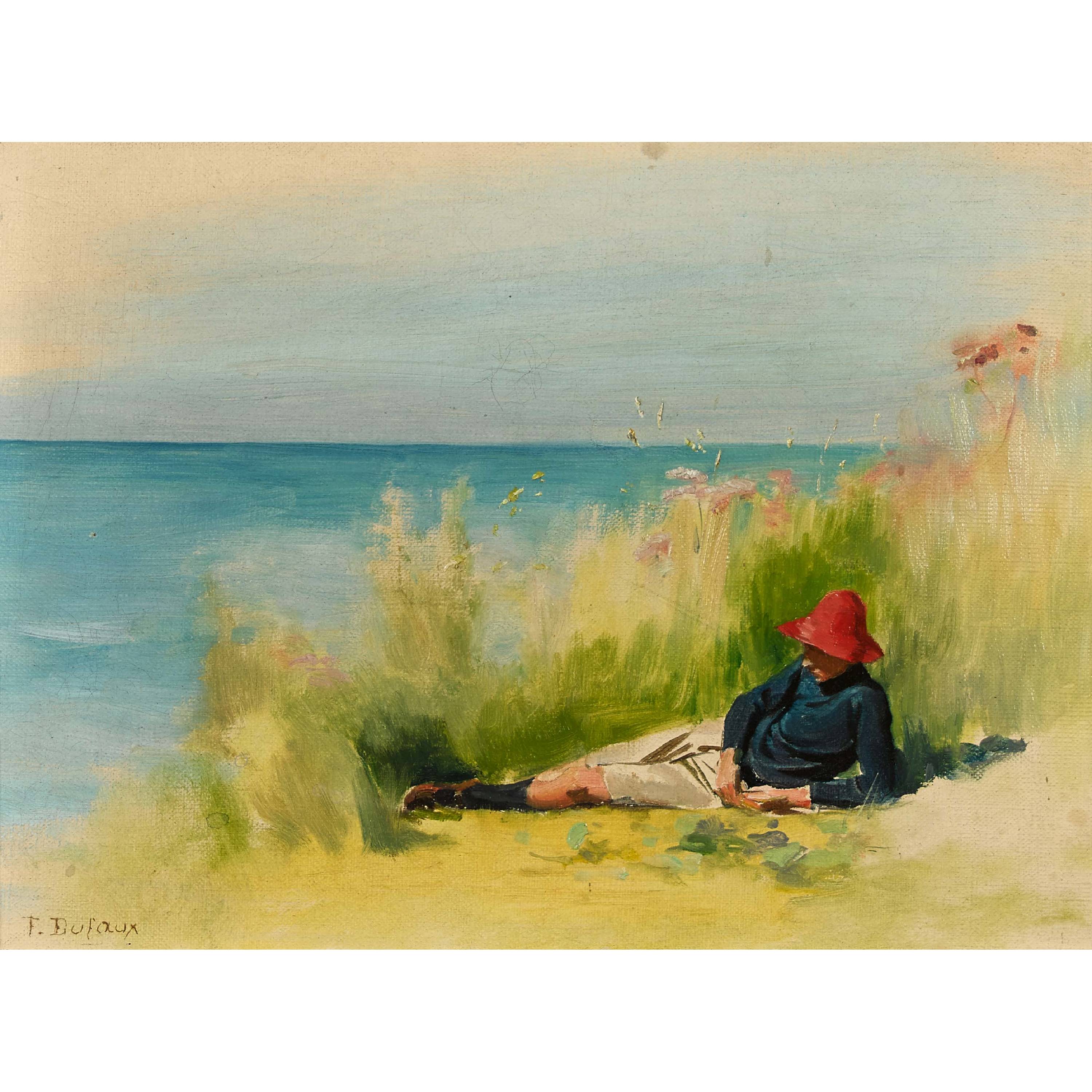
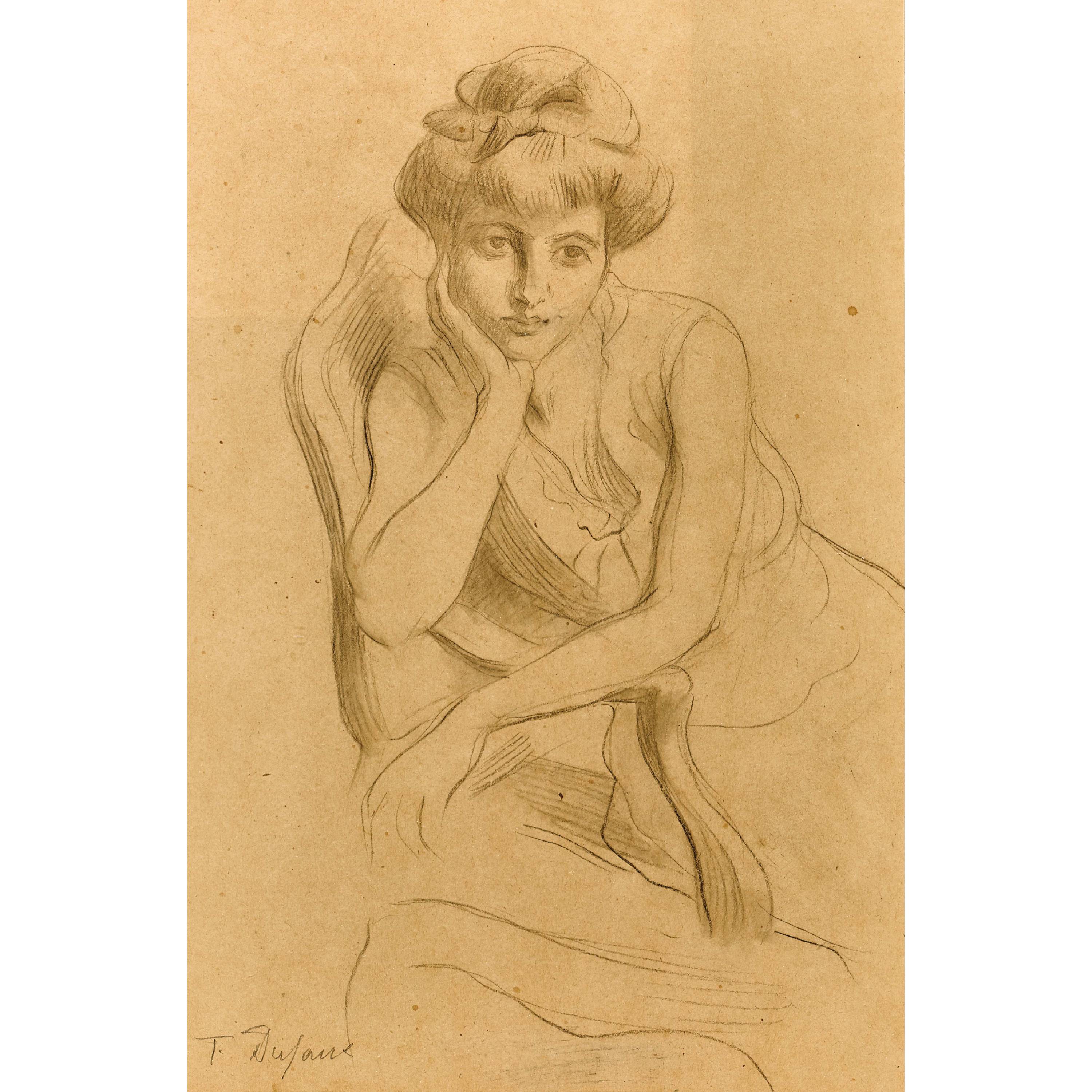
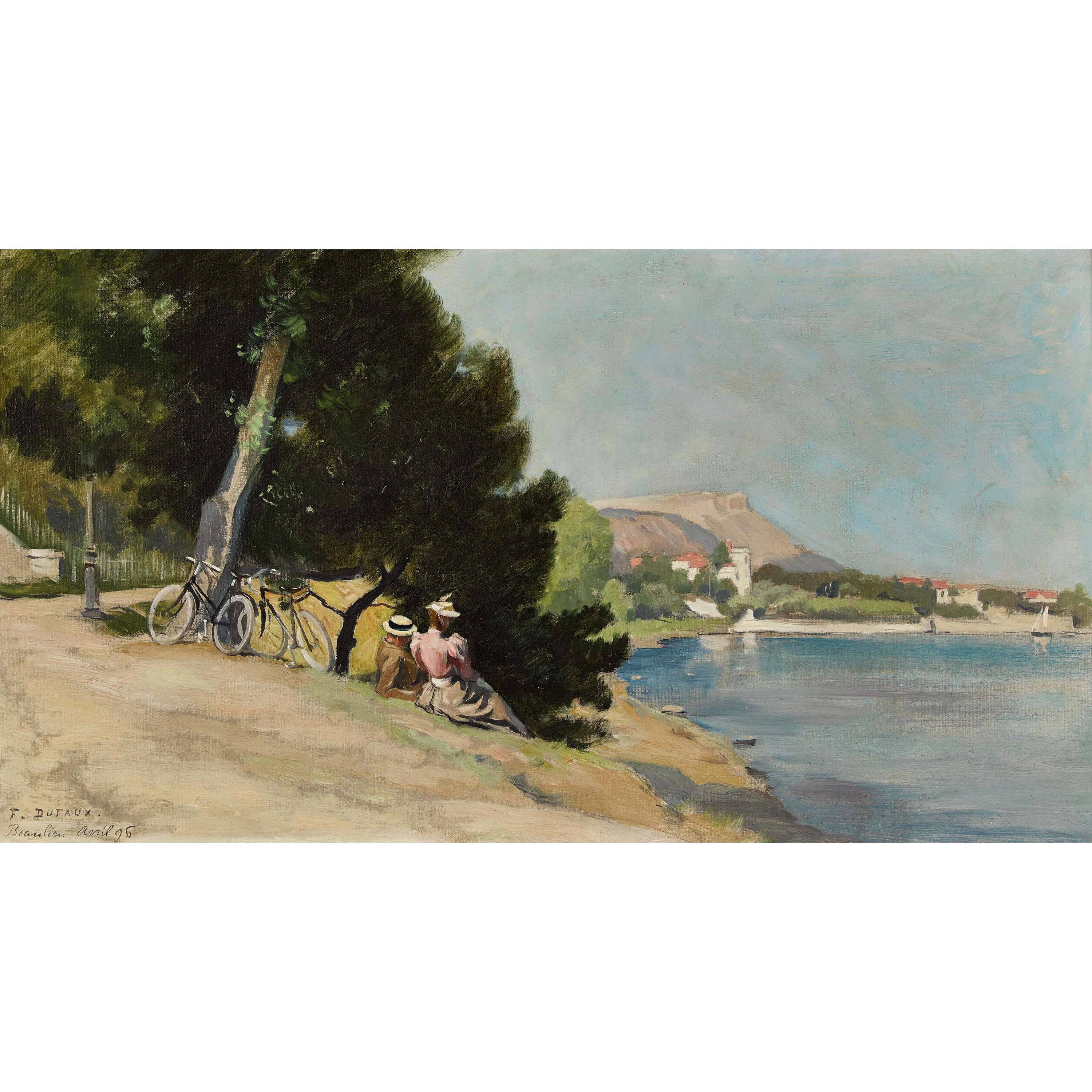
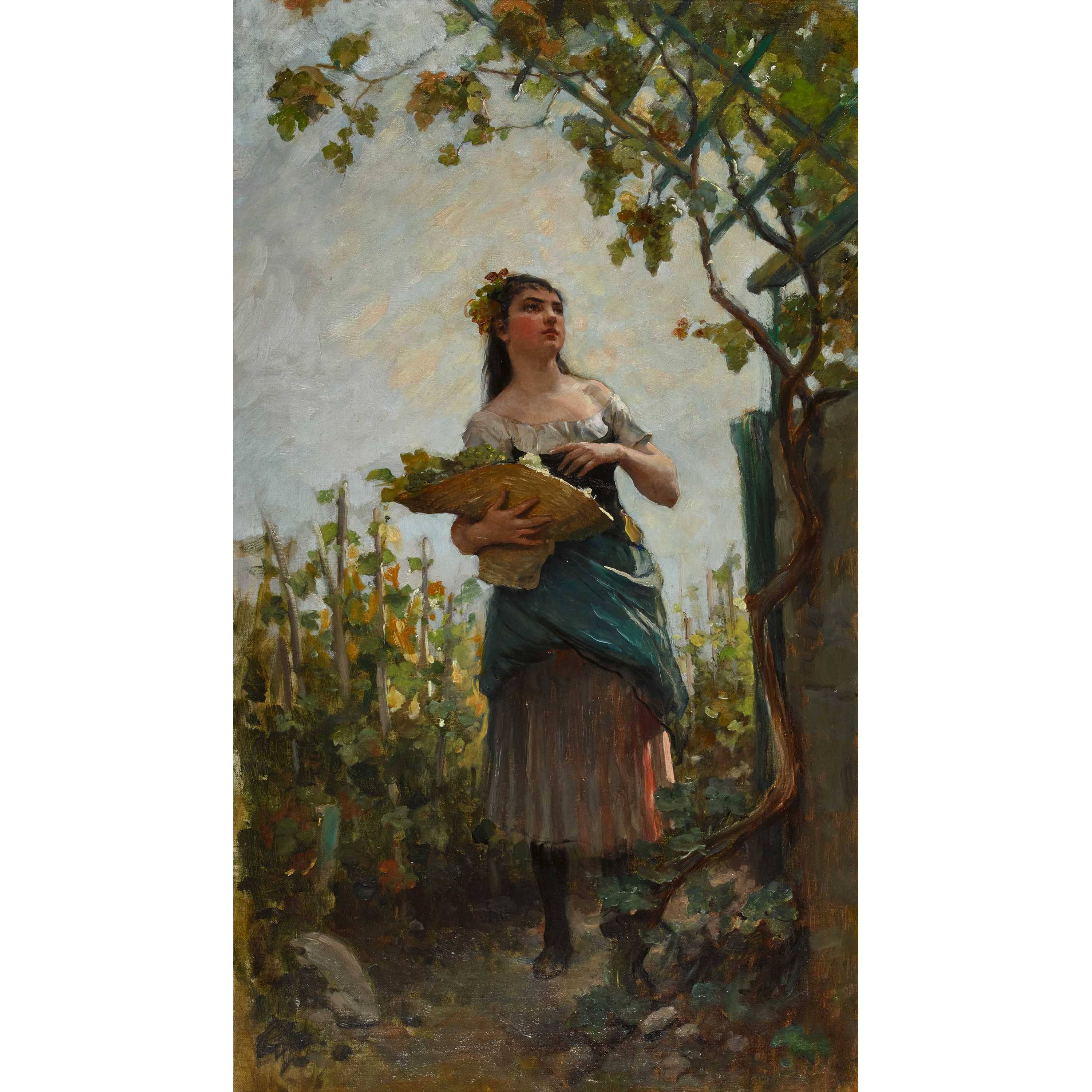
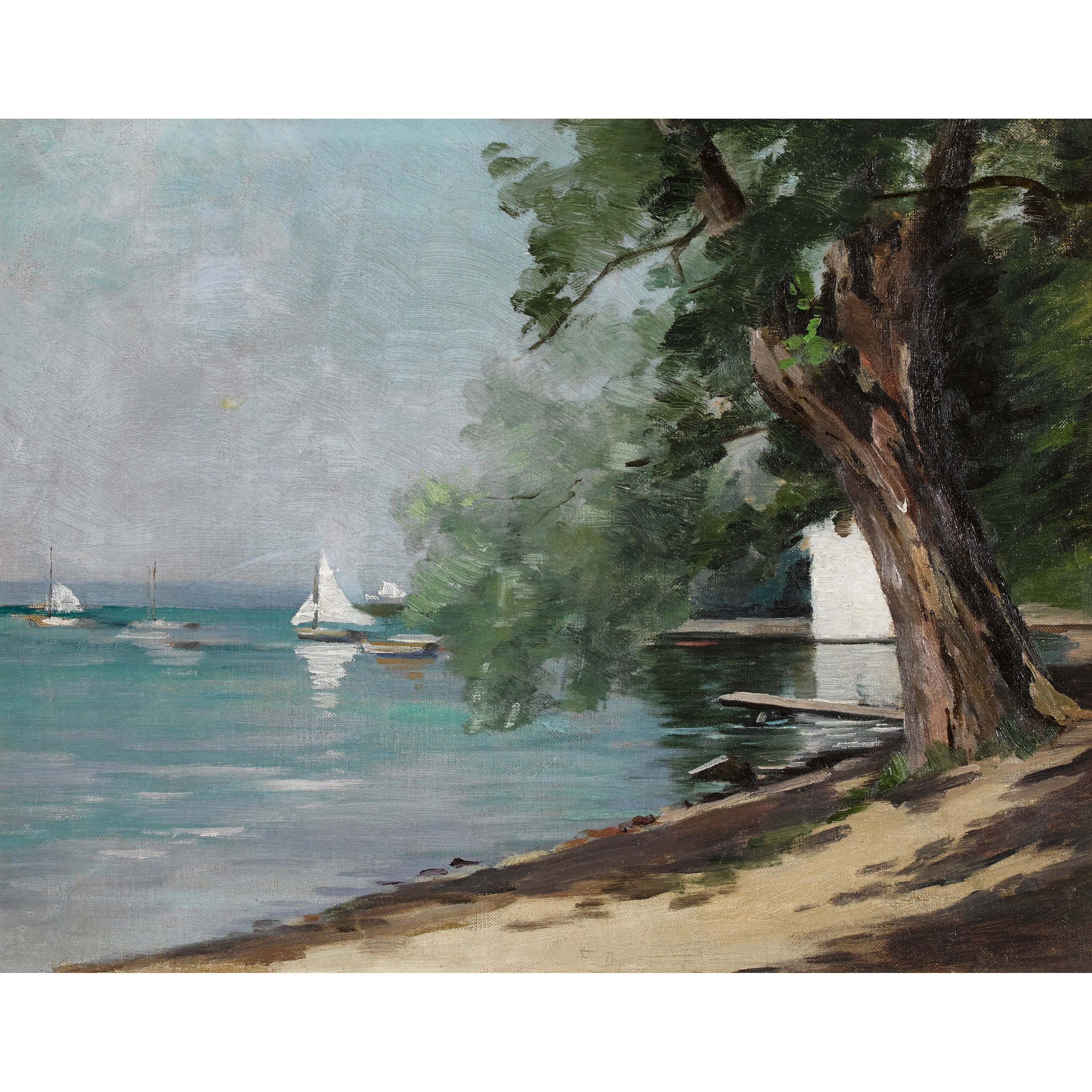
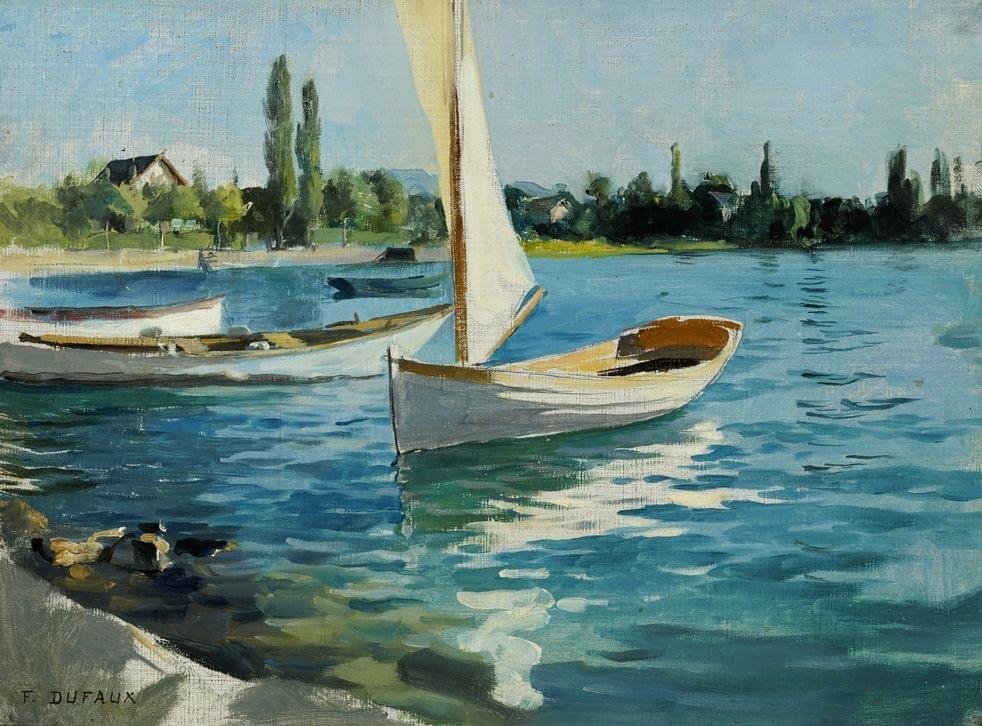
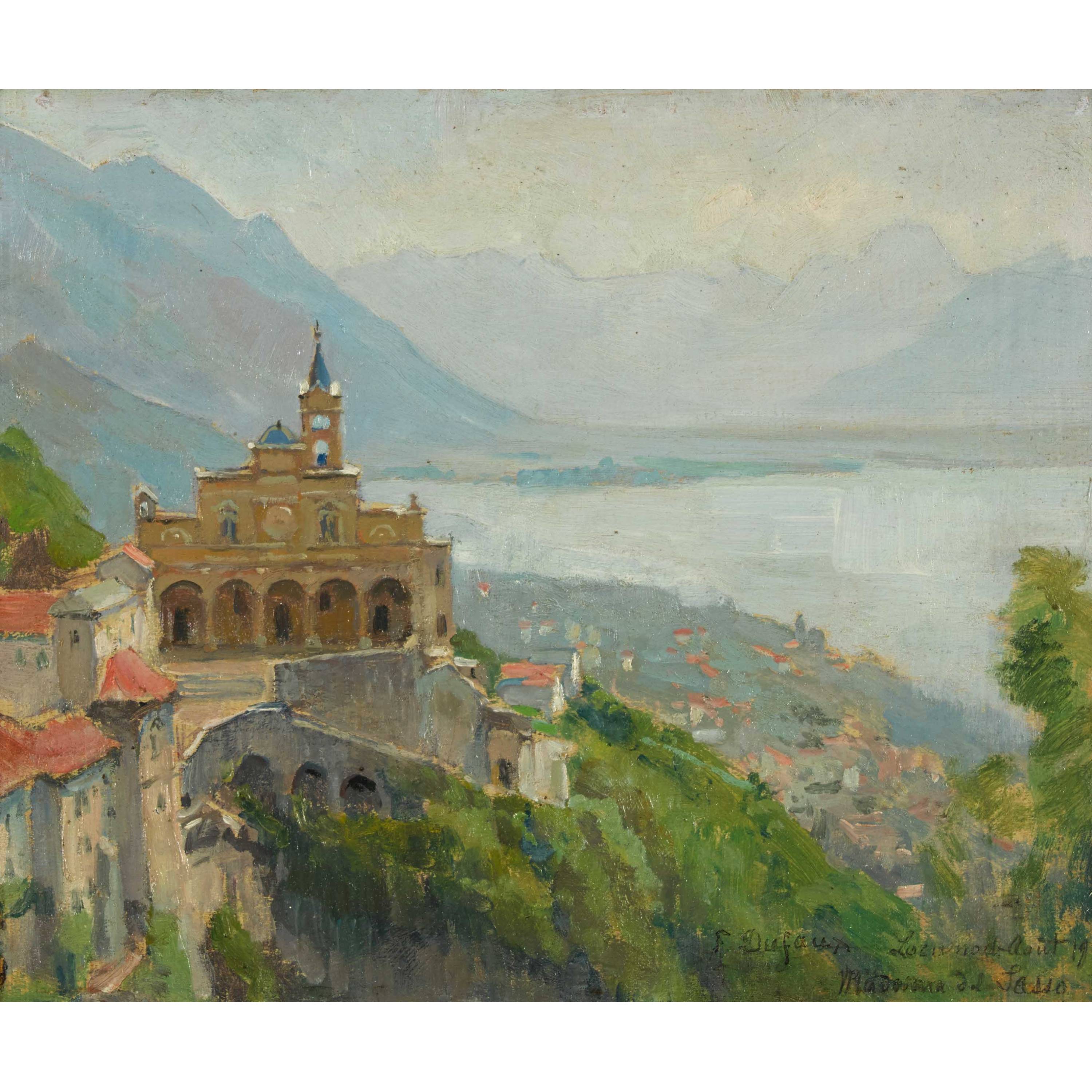
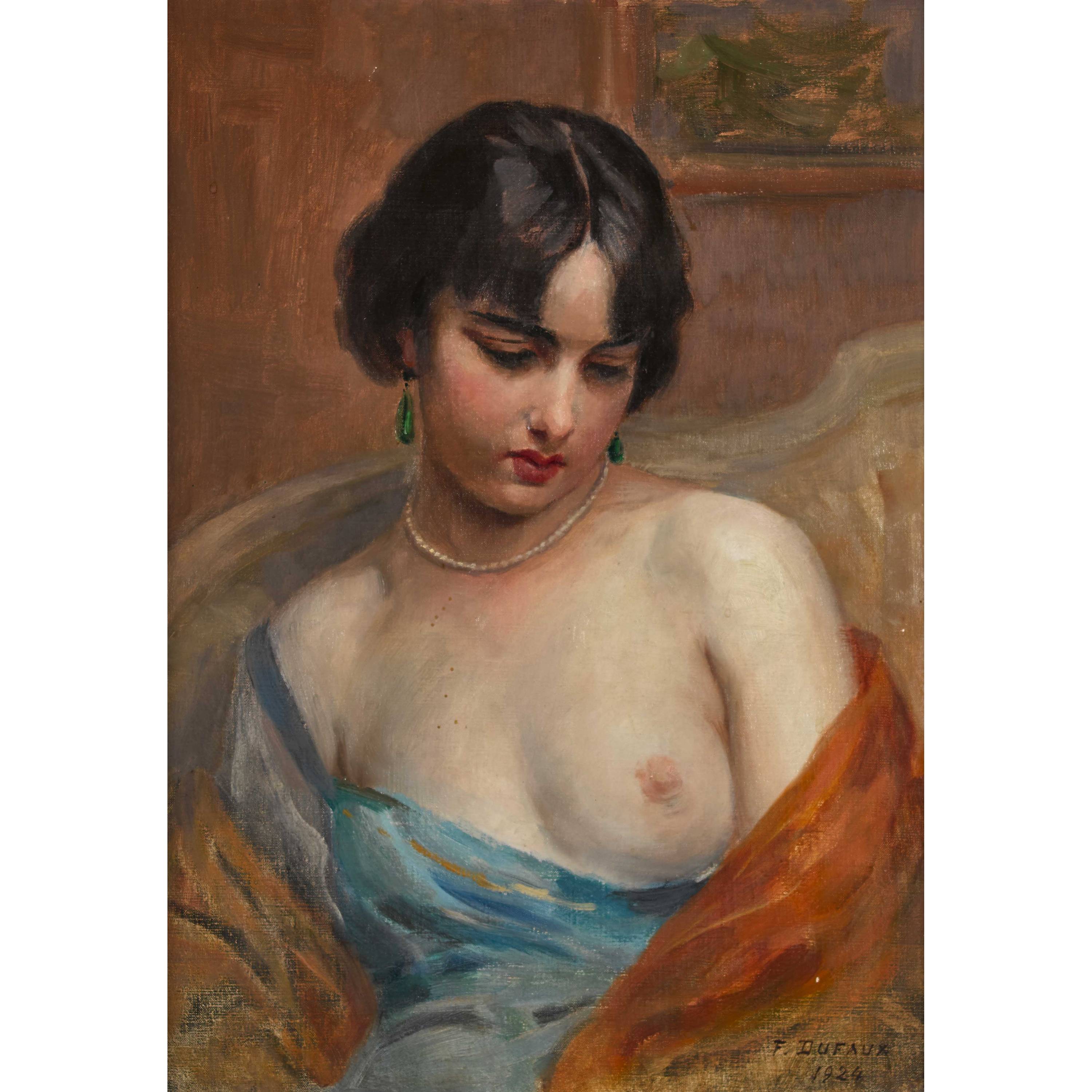
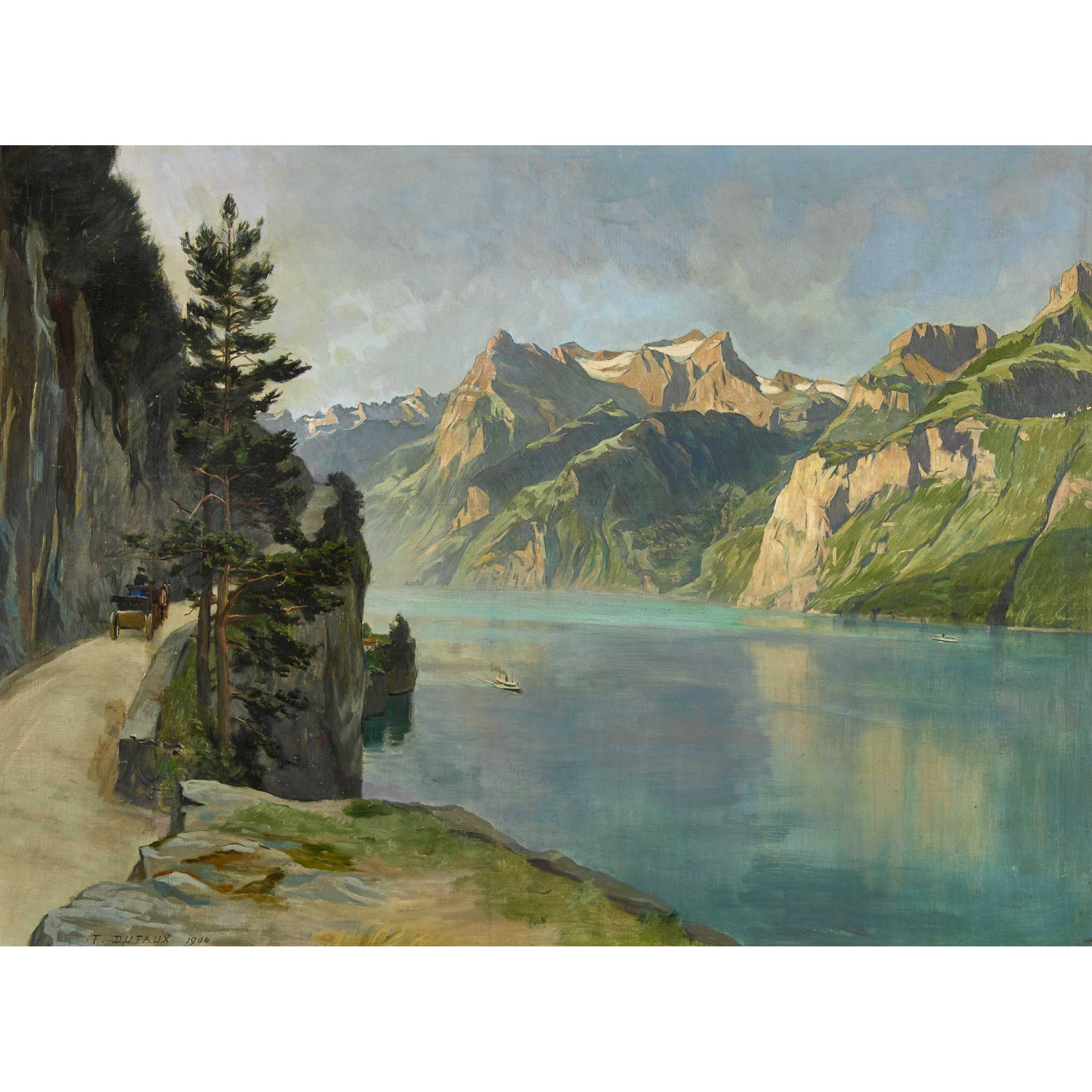
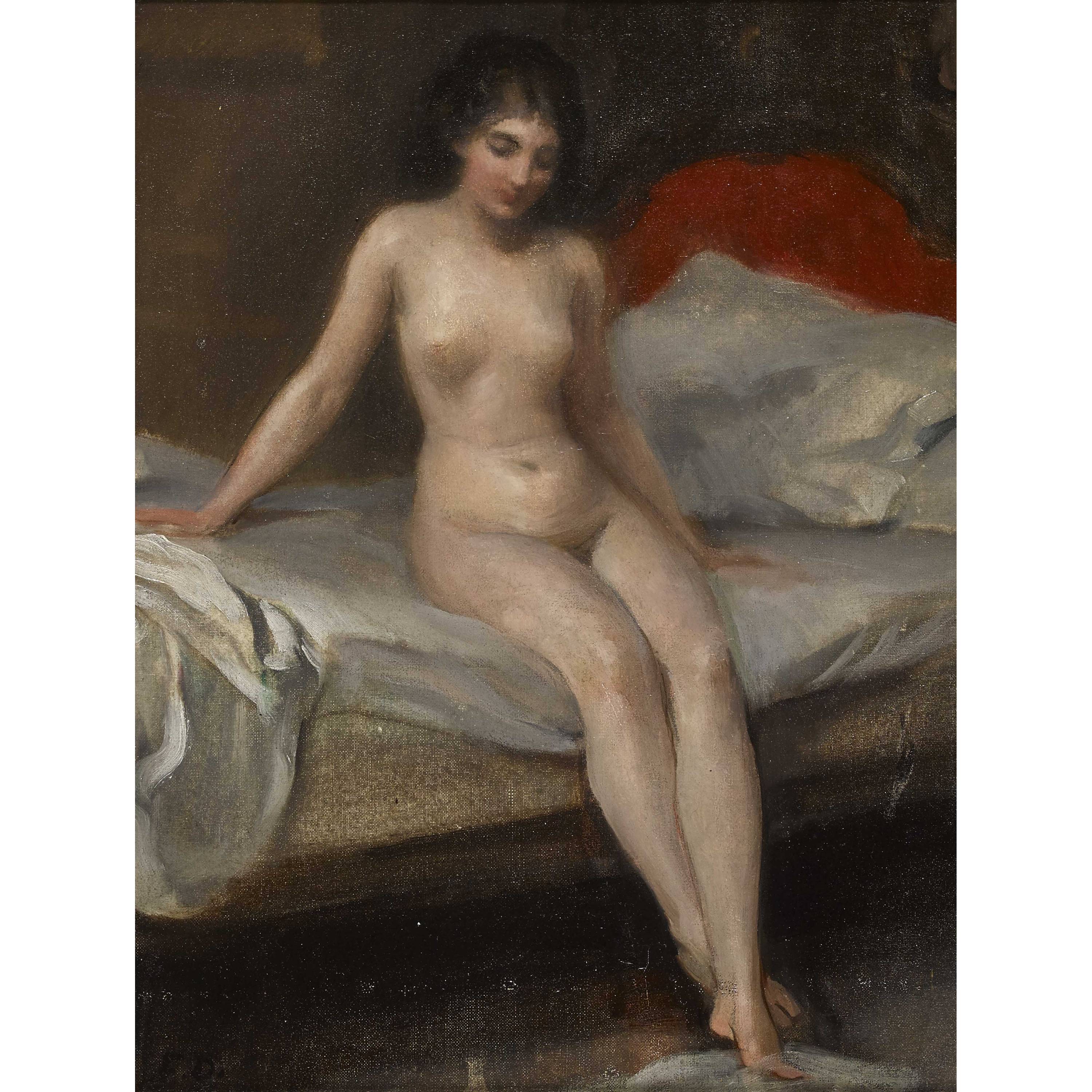
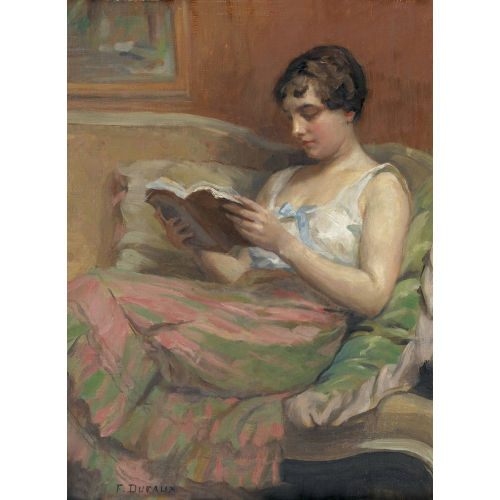
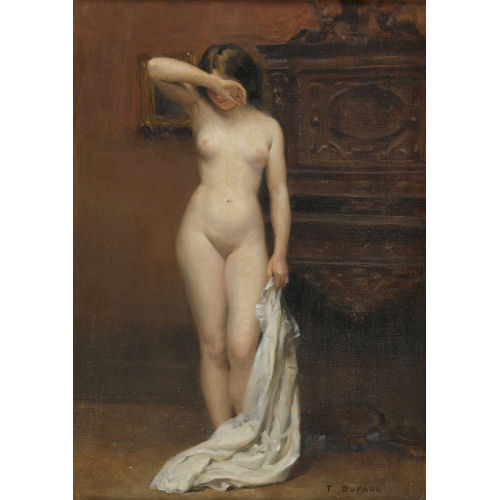
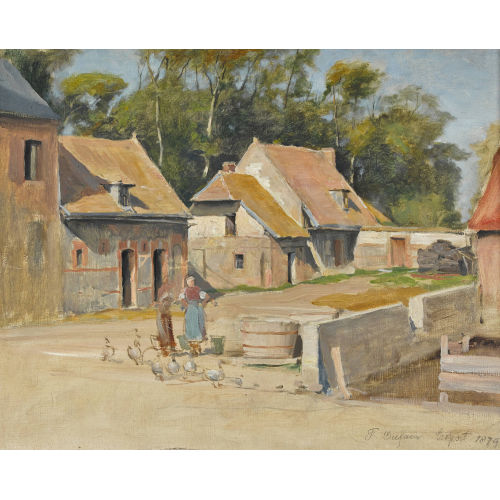
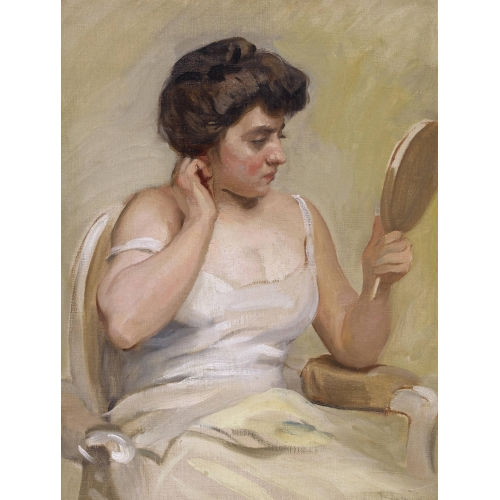
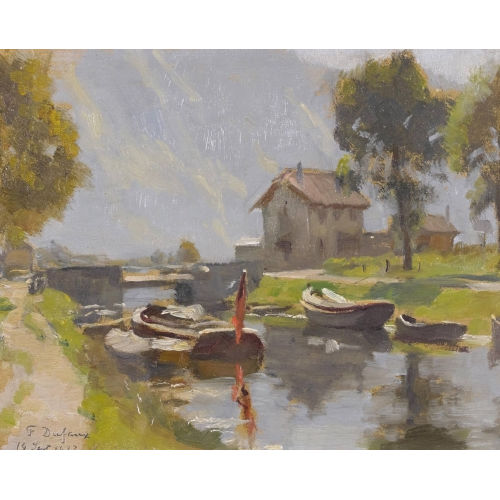
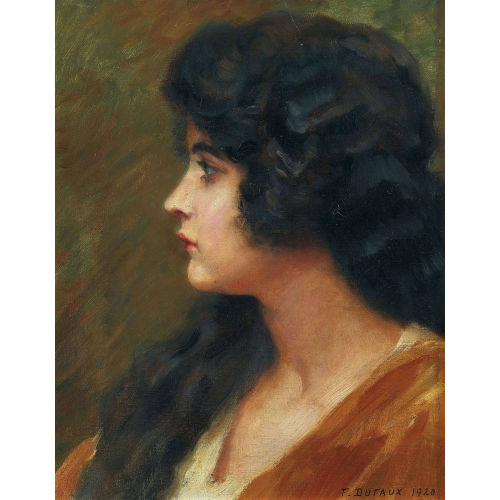
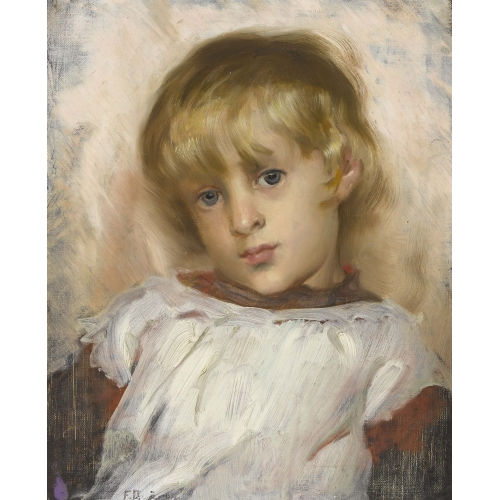
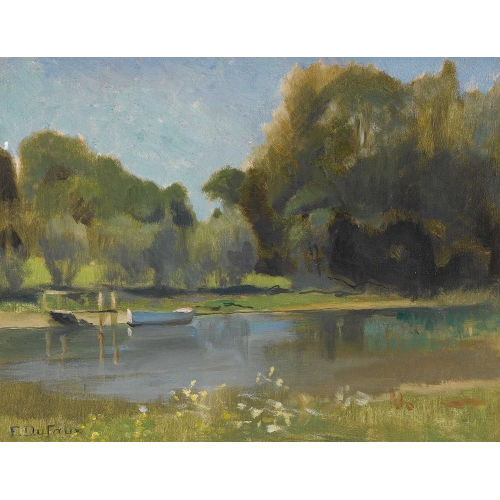
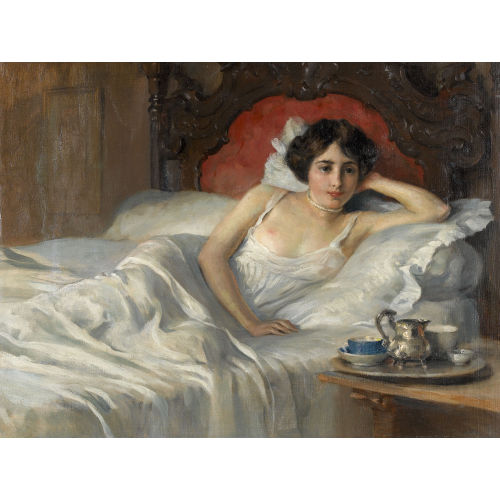
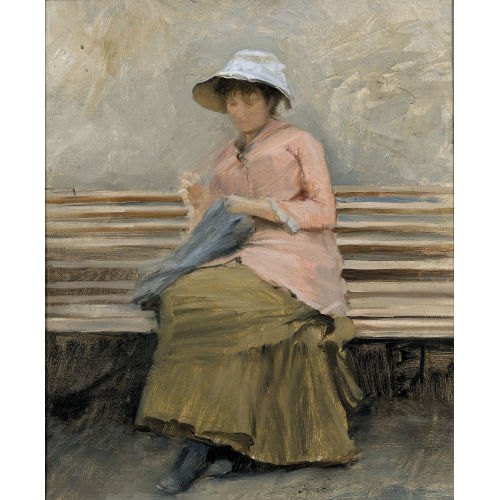
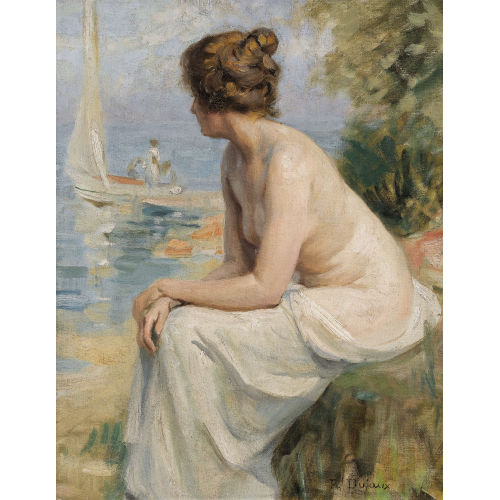
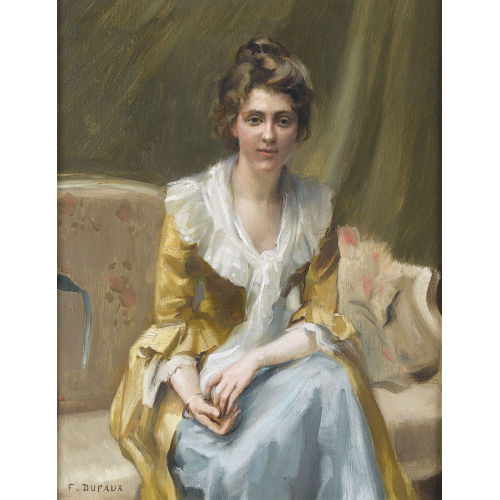
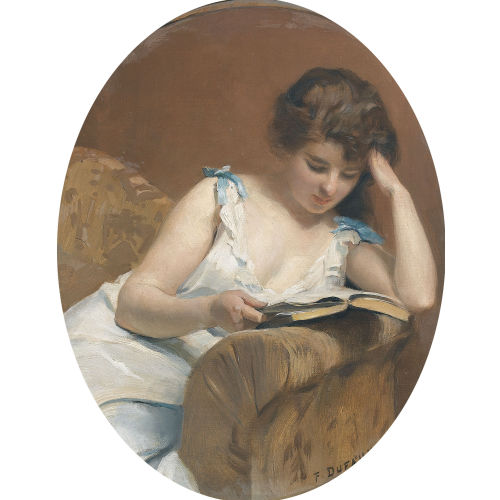
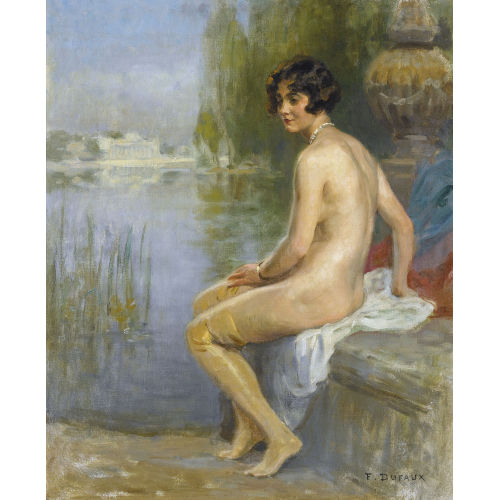
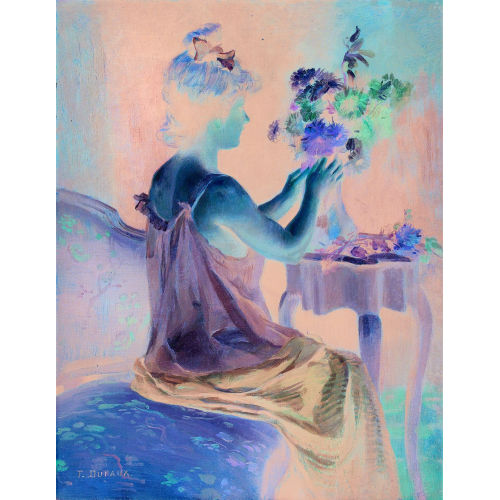
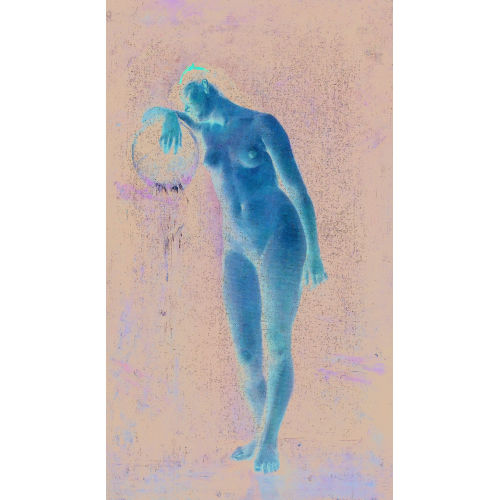
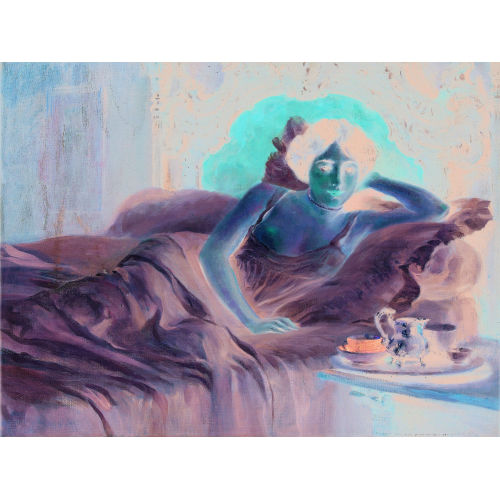
Auguste Frédéric Dufaux (12 July 1852–2 July 1943) is documented as a painter and sculptor born and deceased in Geneva. Initially trained by his father, Frédéric Guillaume Dufaux, he continued his studies at the École des beaux-arts de Genève, where he met his teacher Barthélemy Menn.
His activities included large-scale collaborations: together with Édouard Castres, he participated in the panorama L'entrée de l'armée française aux Verrières. For decorative commissions, at the request of Gustave Revilliod, he produced painted coffers containing mythological and allegorical scenes intended for the ceilings of the Musée Ariana. Alongside his pictorial production, he worked as a sculptor and executed several public busts, notably of François Diday, Jean-Jacques Rousseau, Marc Monnier and Jean-Étienne Dufour, which are preserved or displayed in places accessible to the public.
The dissemination of his work formed part of the official cultural life of the late nineteenth and early twentieth centuries: he exhibited, notably, at the Swiss National Exhibition in Zurich in 1883, at the Musée Rath in Geneva in 1885 and at the Exposition universelle in Paris in 1889, and was subsequently the subject of presentations in Geneva (Galerie Moos in 1923, Galerie Lador in 1929, Musée de l'Athénée in 1938, 1939 and 1941, Musée Rath in 1943).
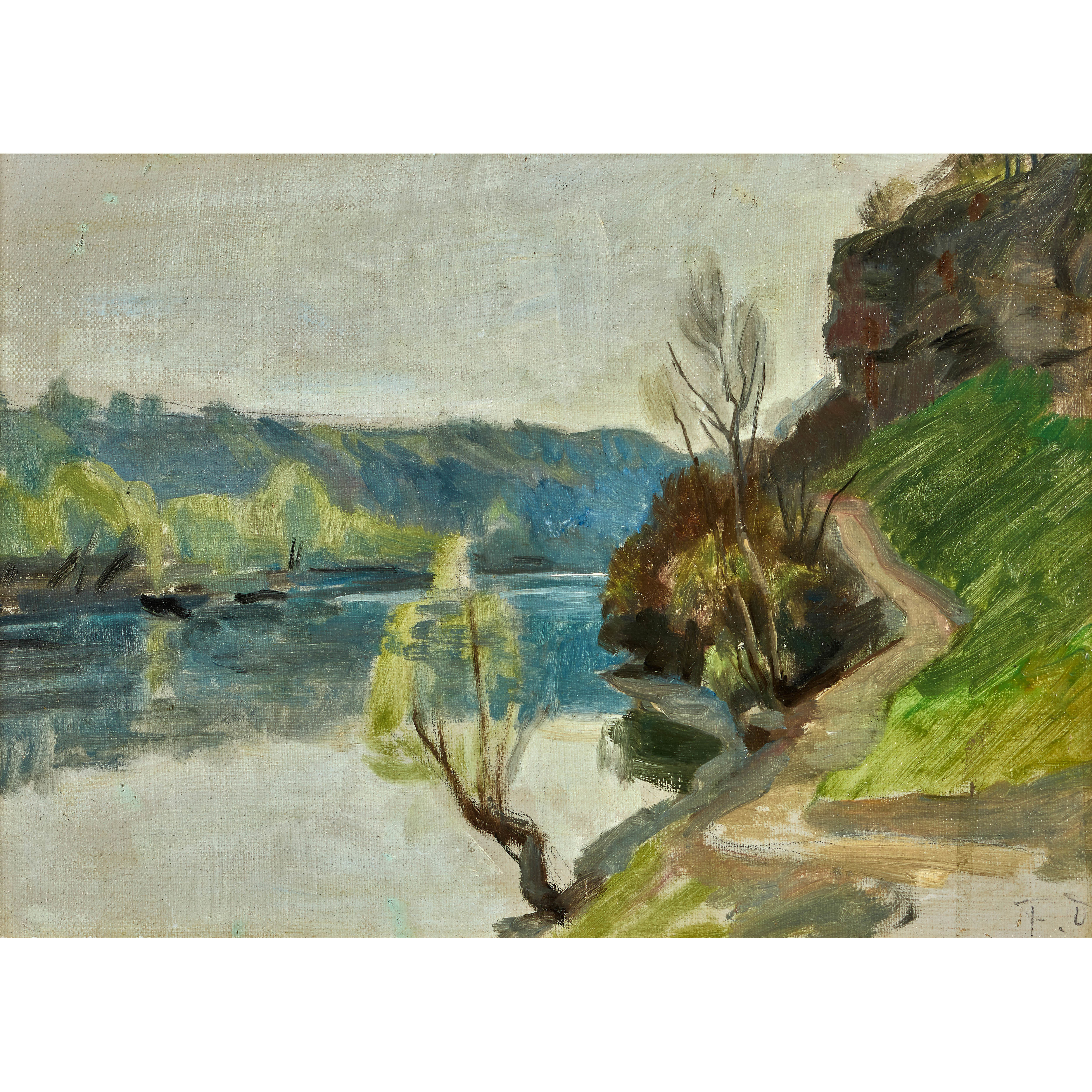
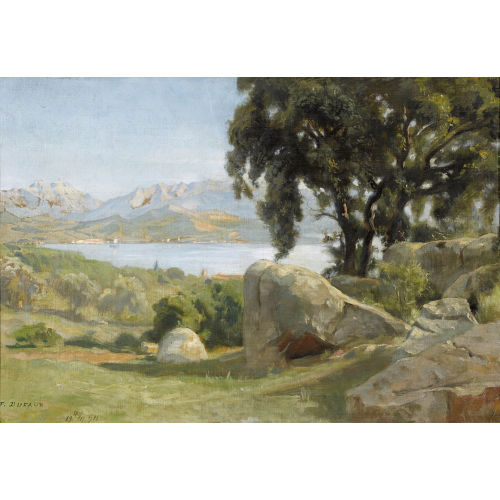
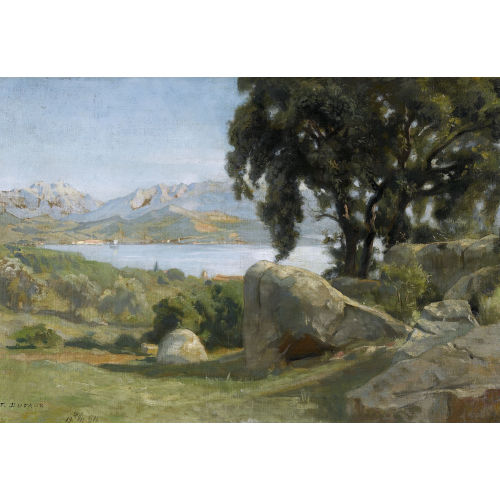
Works attributed to Auguste Frédéric Dufaux are held in public collections, notably at the Musée d'art et d'histoire de Genève and the Oskar Reinhart Foundation in Winterthur. In the contemporary and old-art market, a commercial listing mentions the sale of a small-format “paysage corse” attributed to Dufaux Auguste Frédéric, illustrating the occasional commercial presence of his name.
Overall, the available documentation presents Auguste Frédéric Dufaux as a Genevan artist active on several fronts—local training, decorative and sculptural production, collaborations on large-scale pictorial projects, national and international exhibitions, and a presence in Swiss public collections—revealing a career rooted in the Swiss artistic landscape of his time.