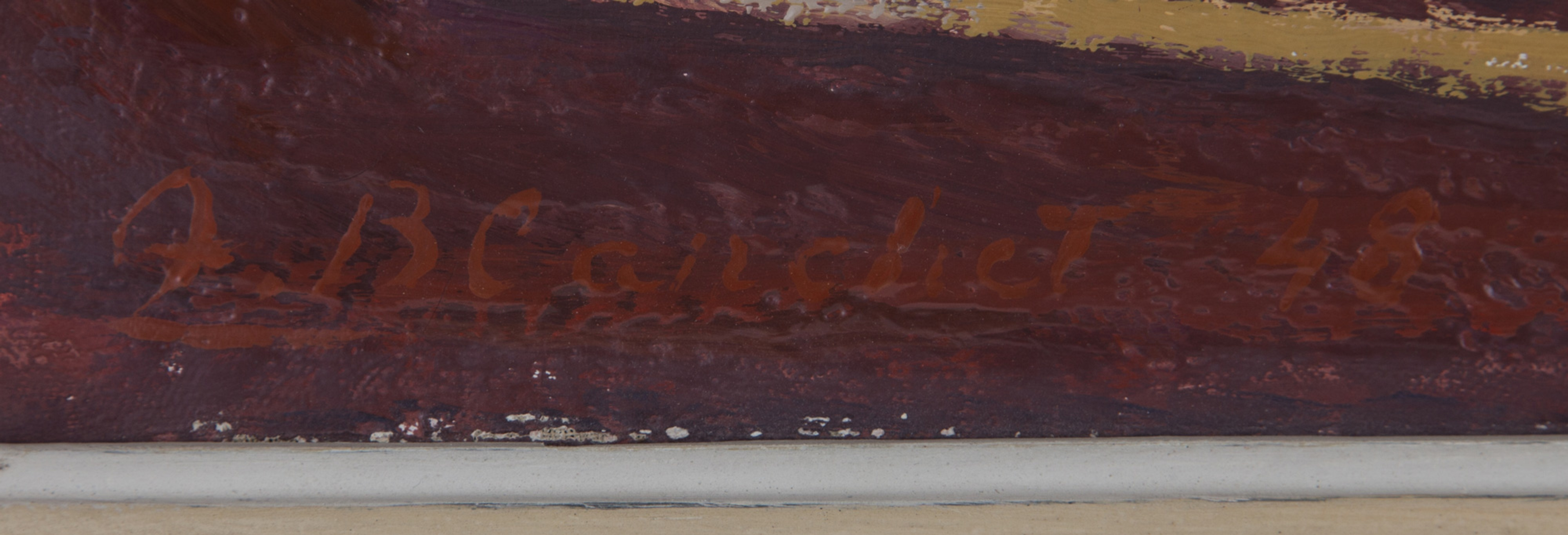
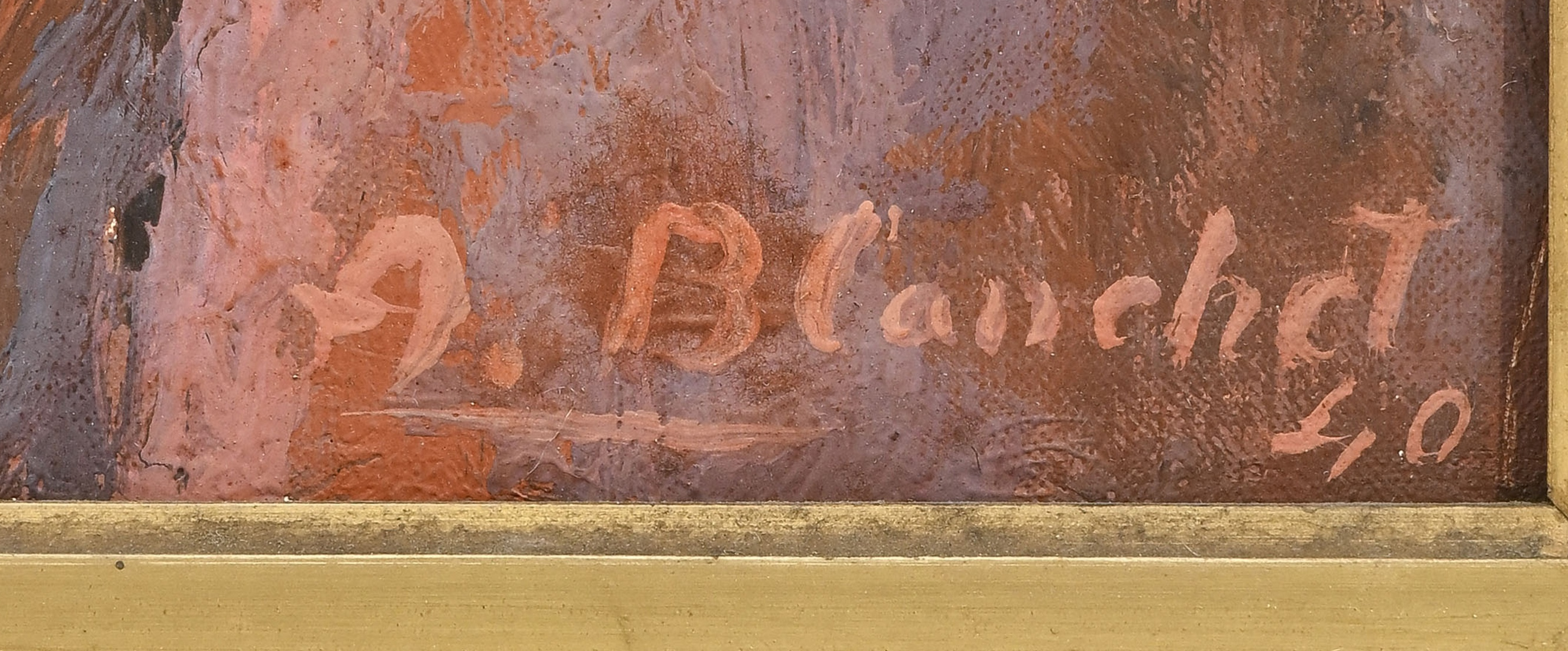
Alexandre Blanchet
Born in 1882.
Died in 1961.
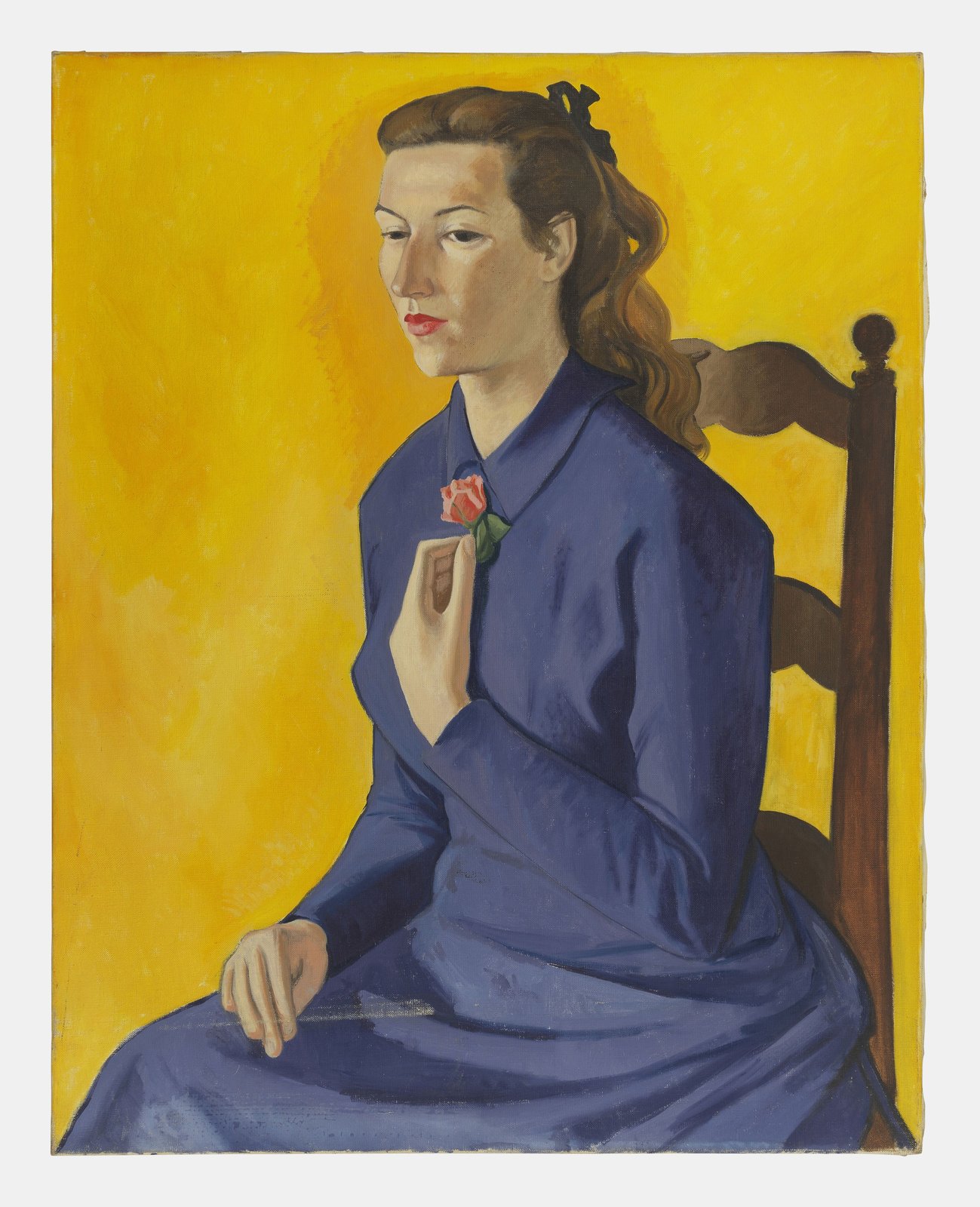
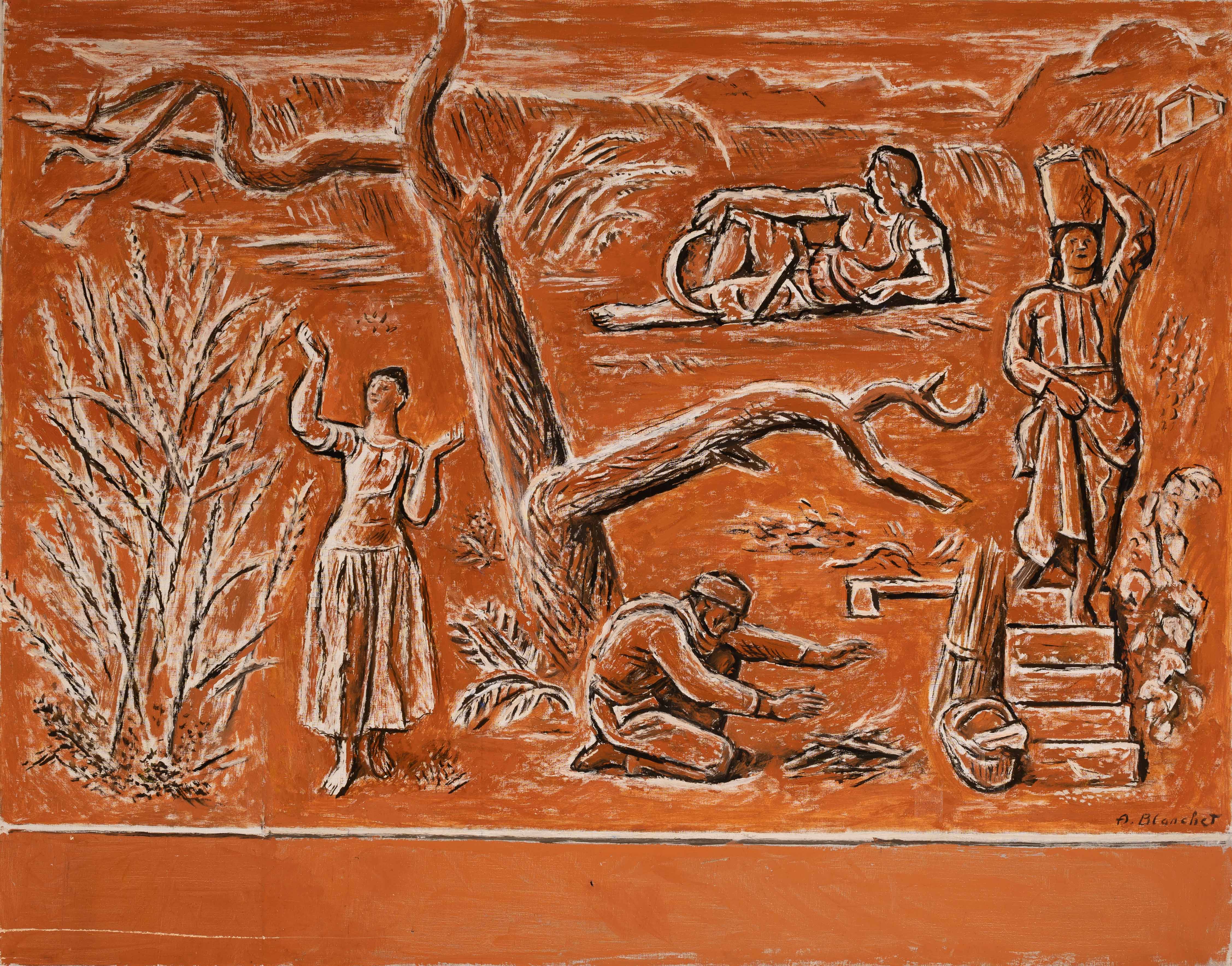
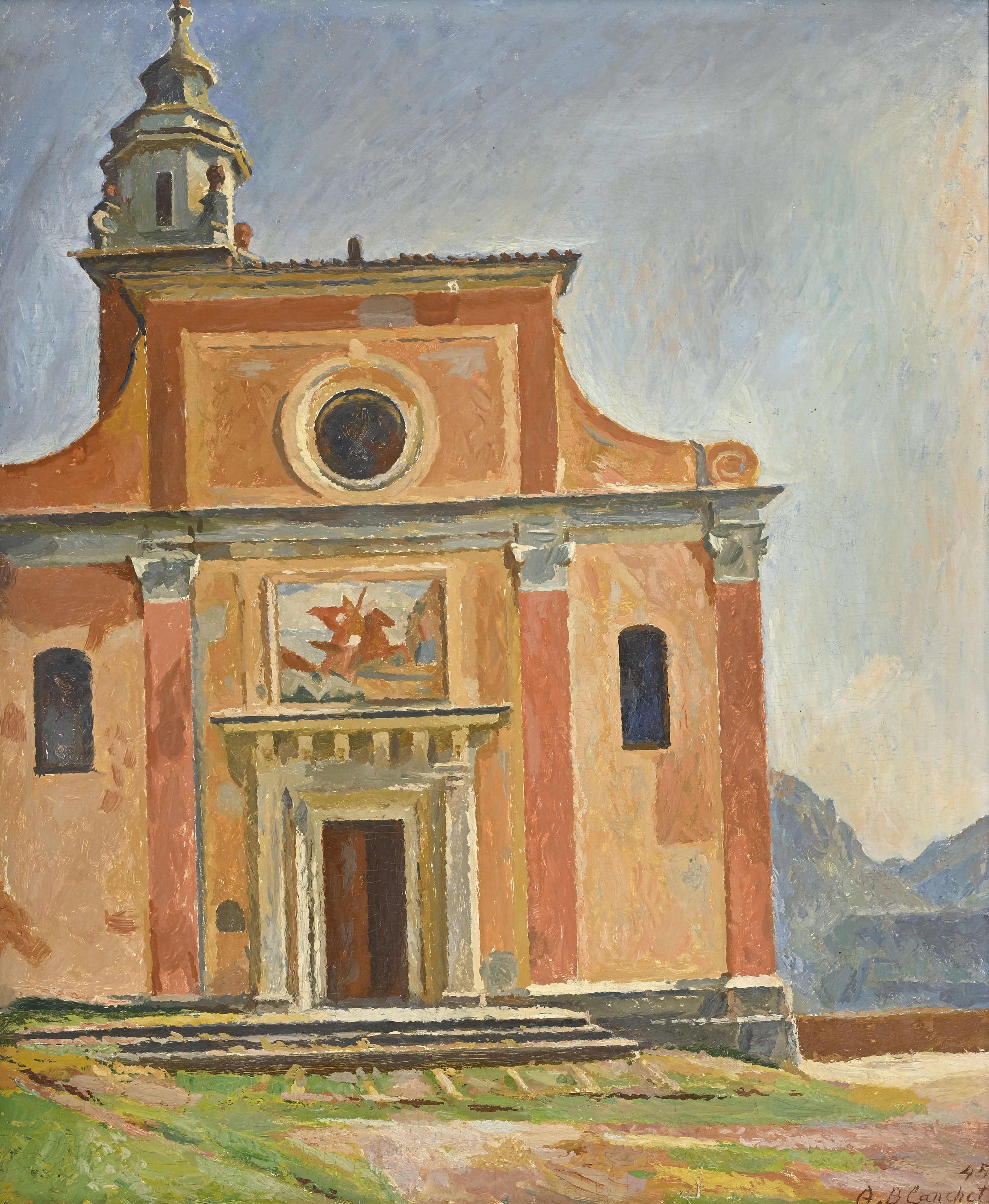
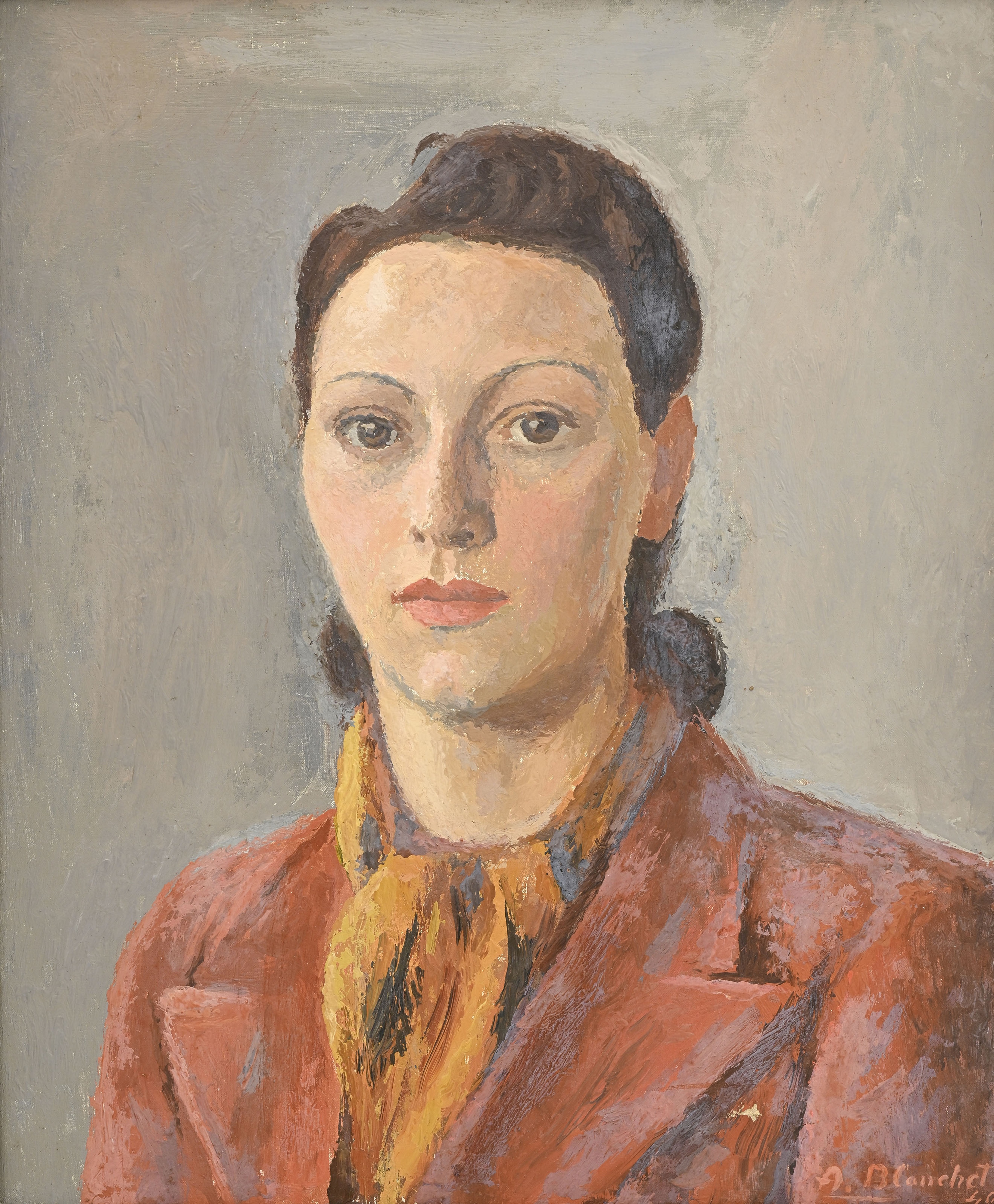
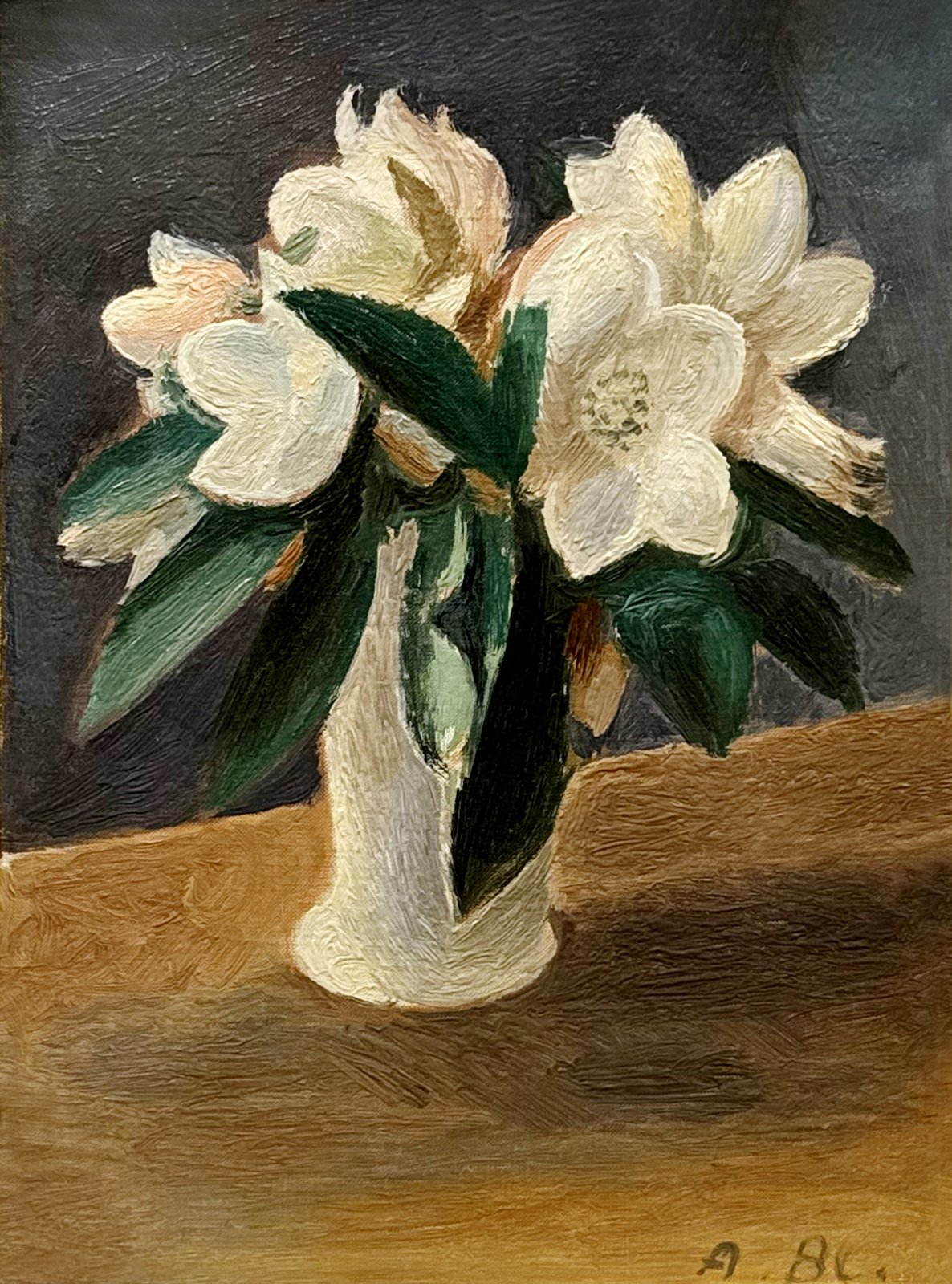
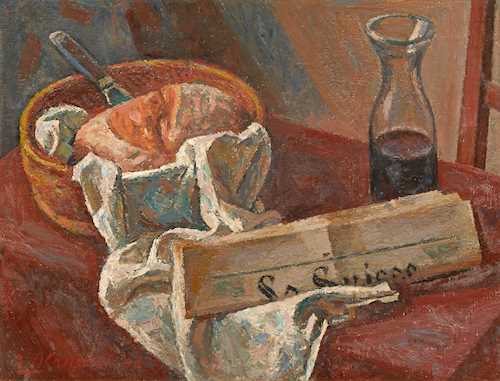
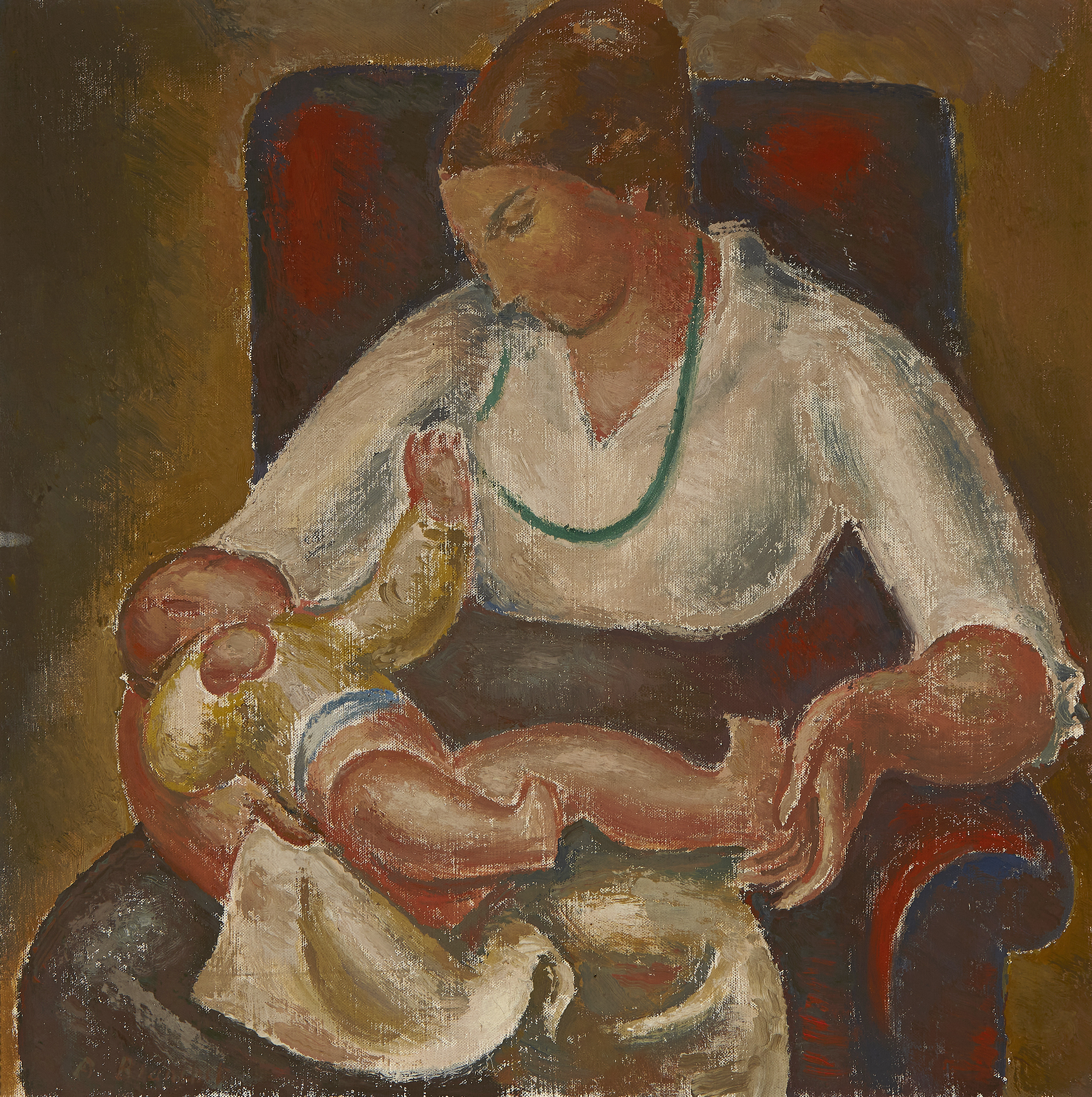
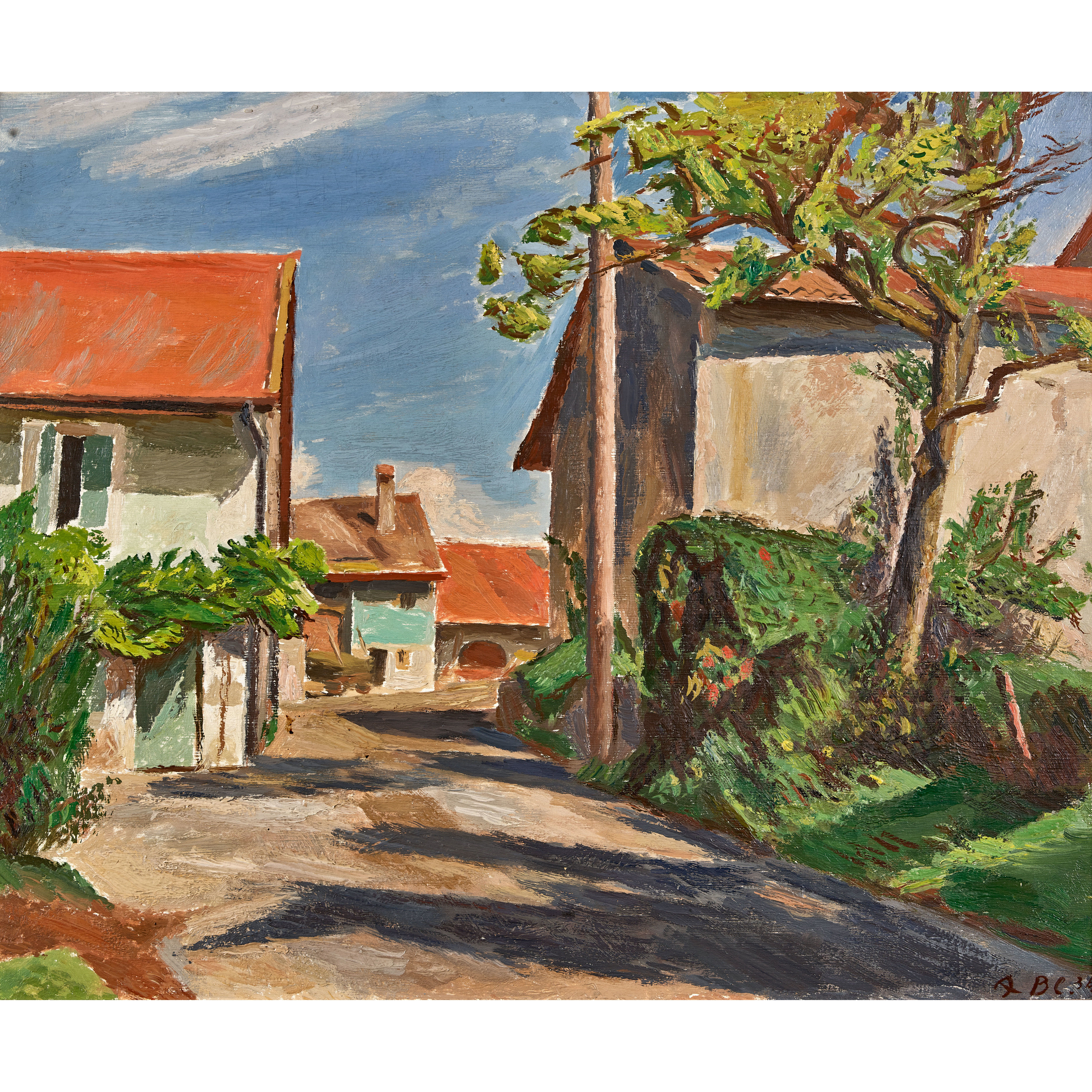
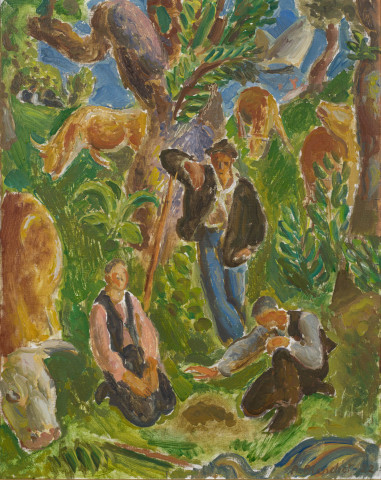
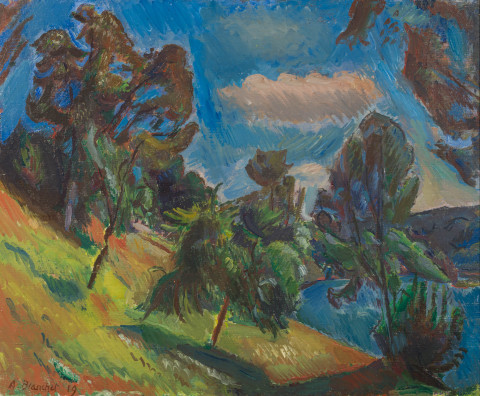
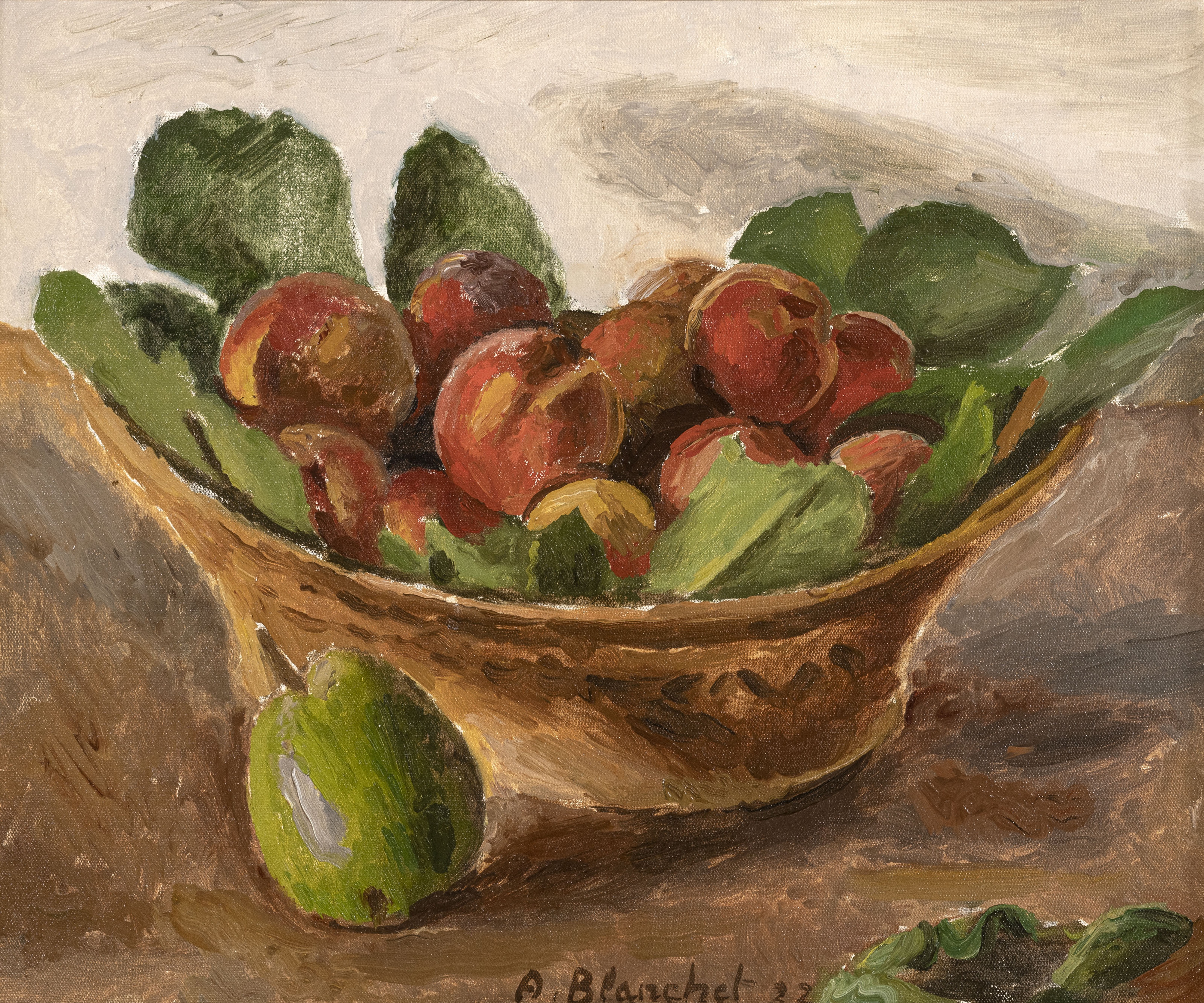
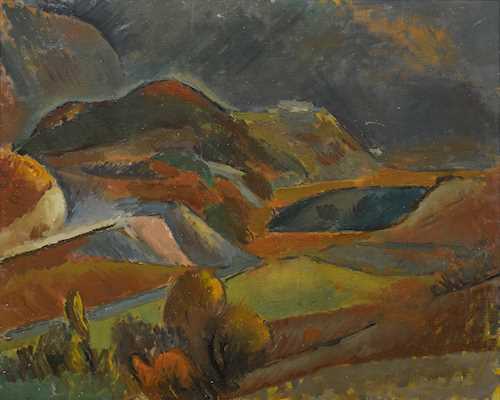
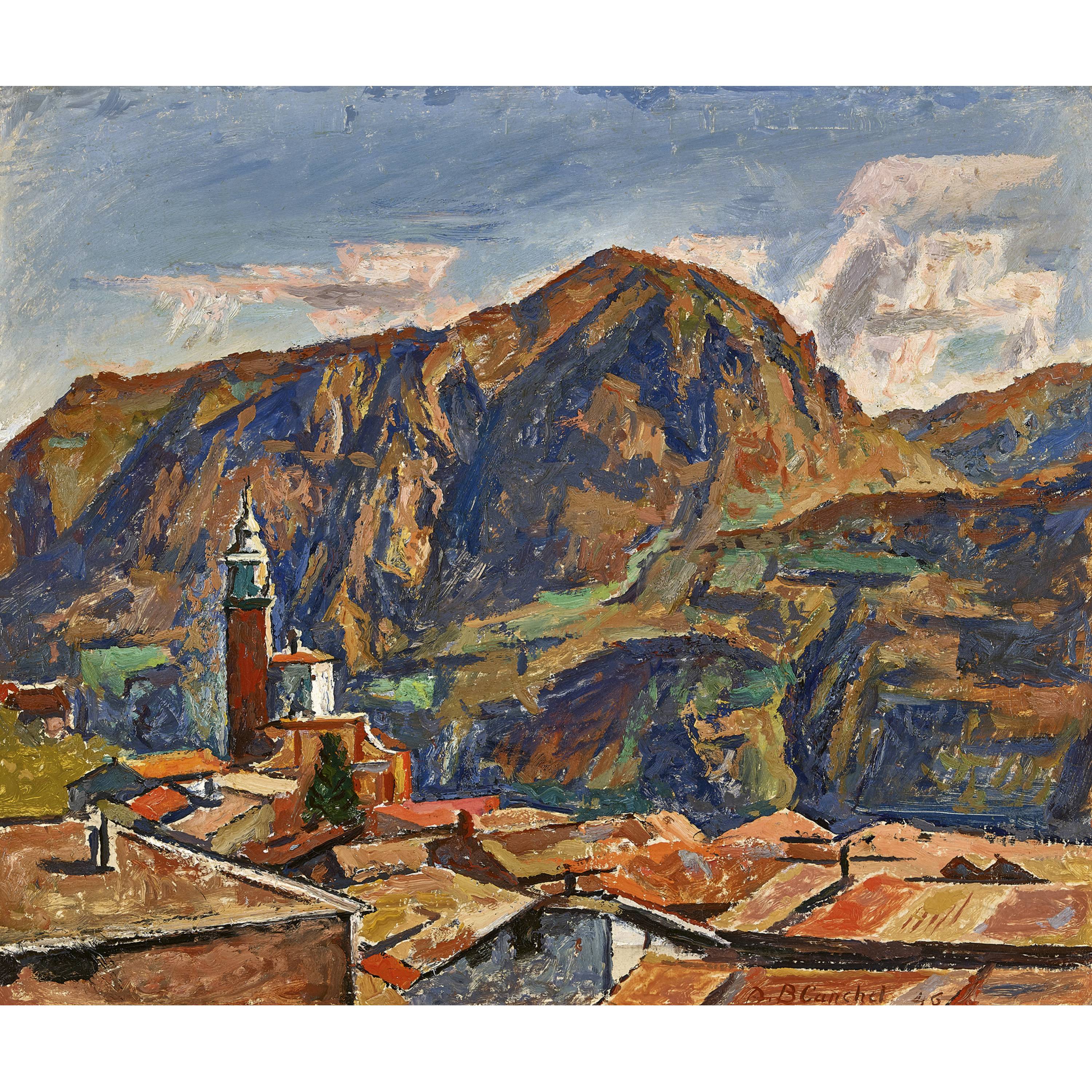
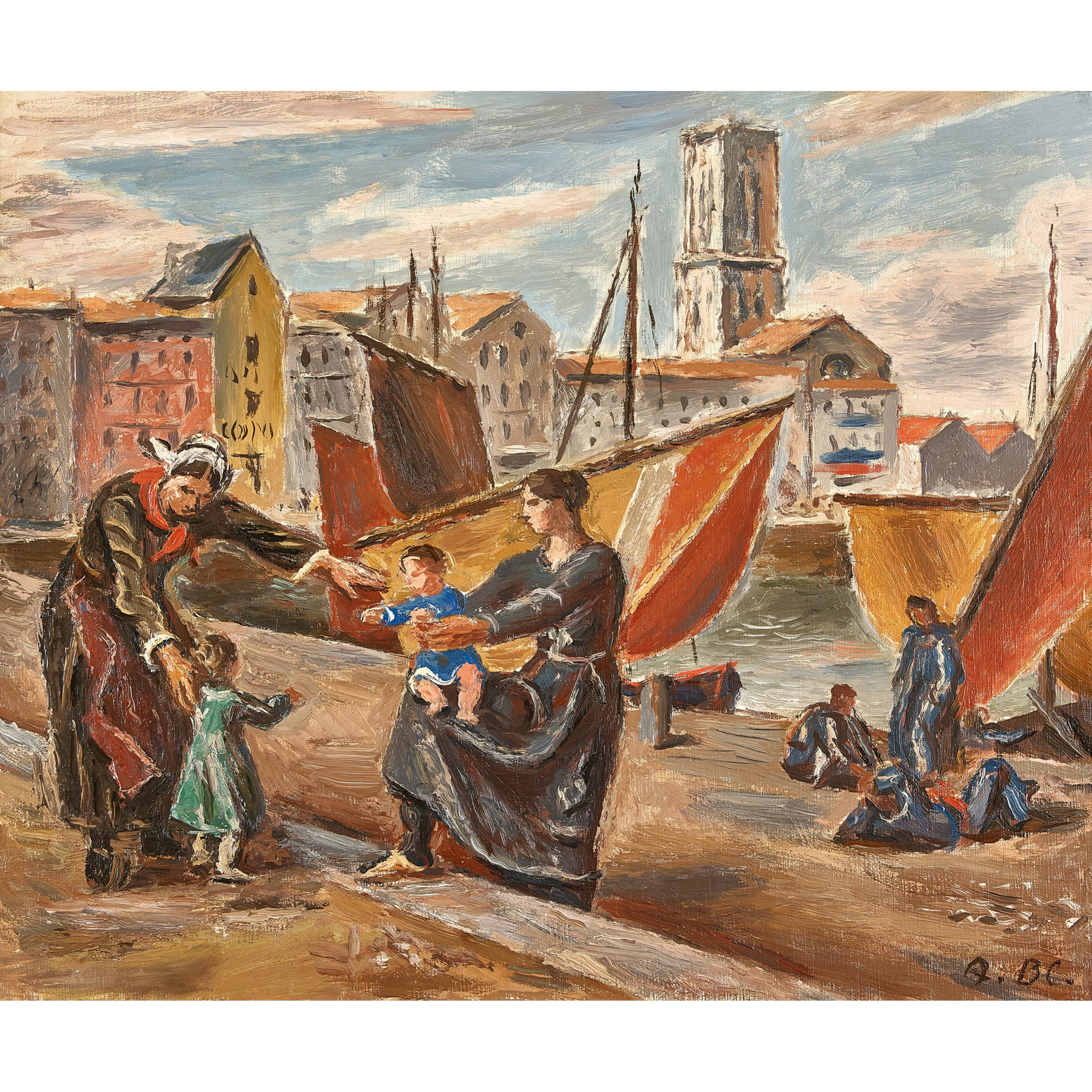
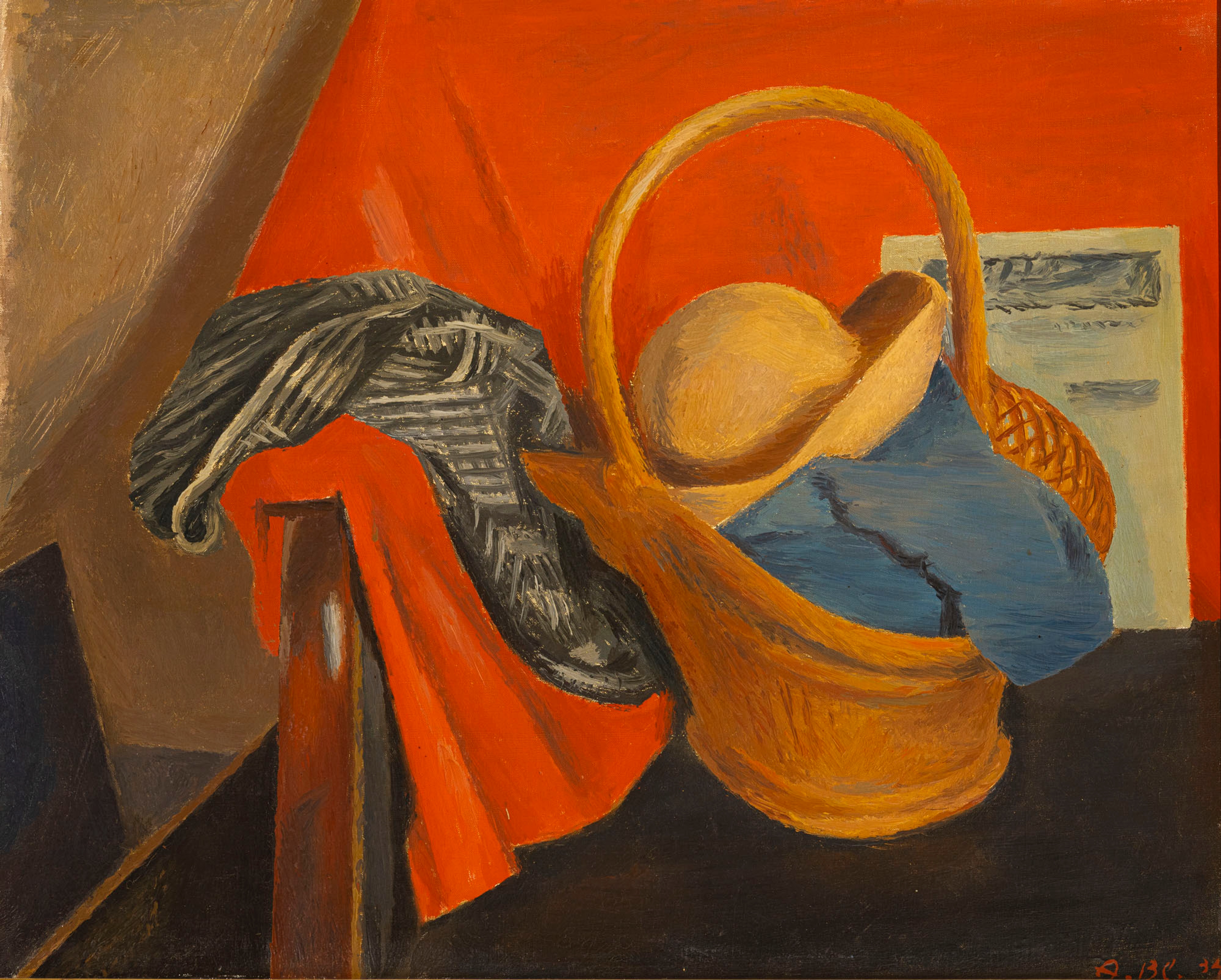
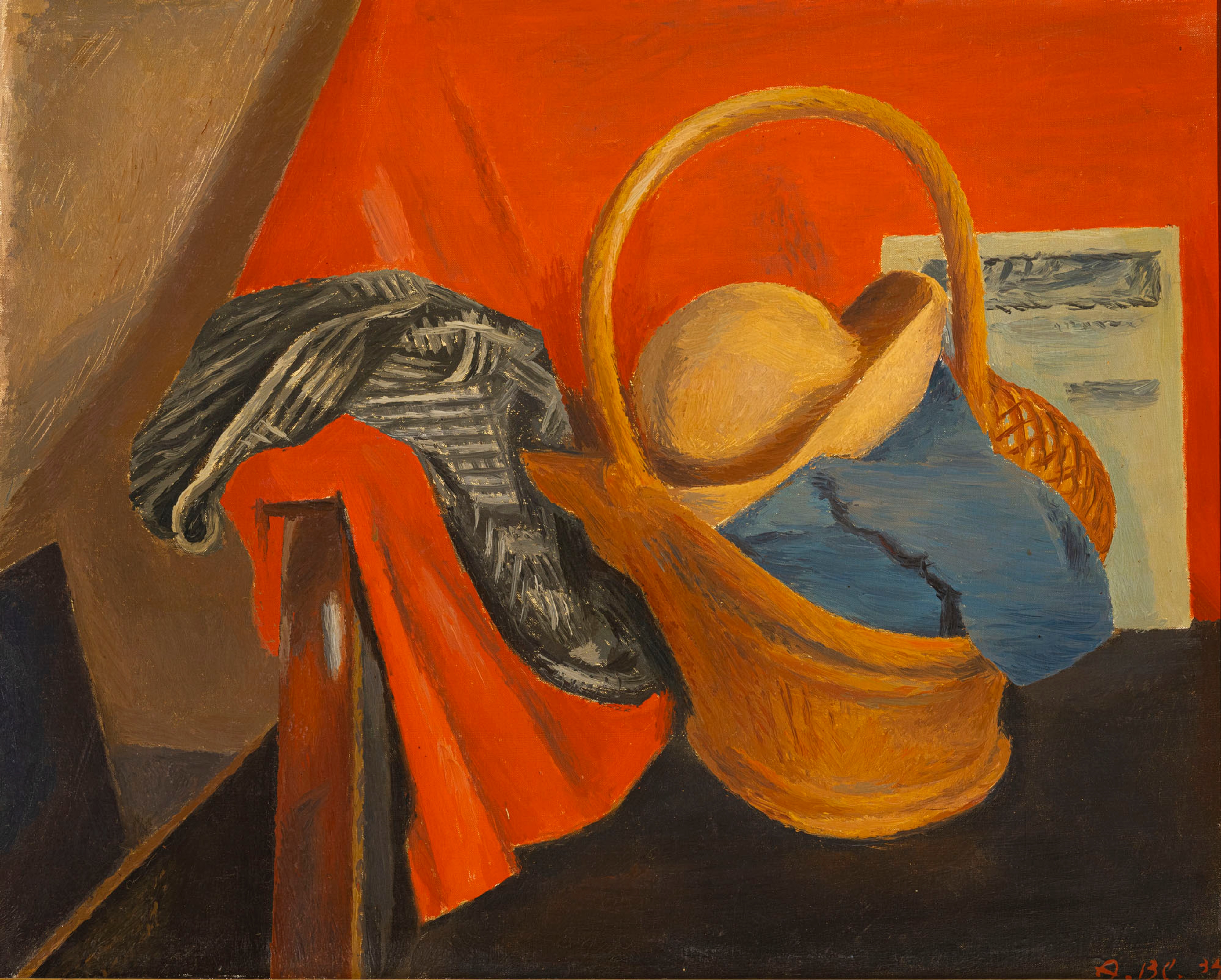
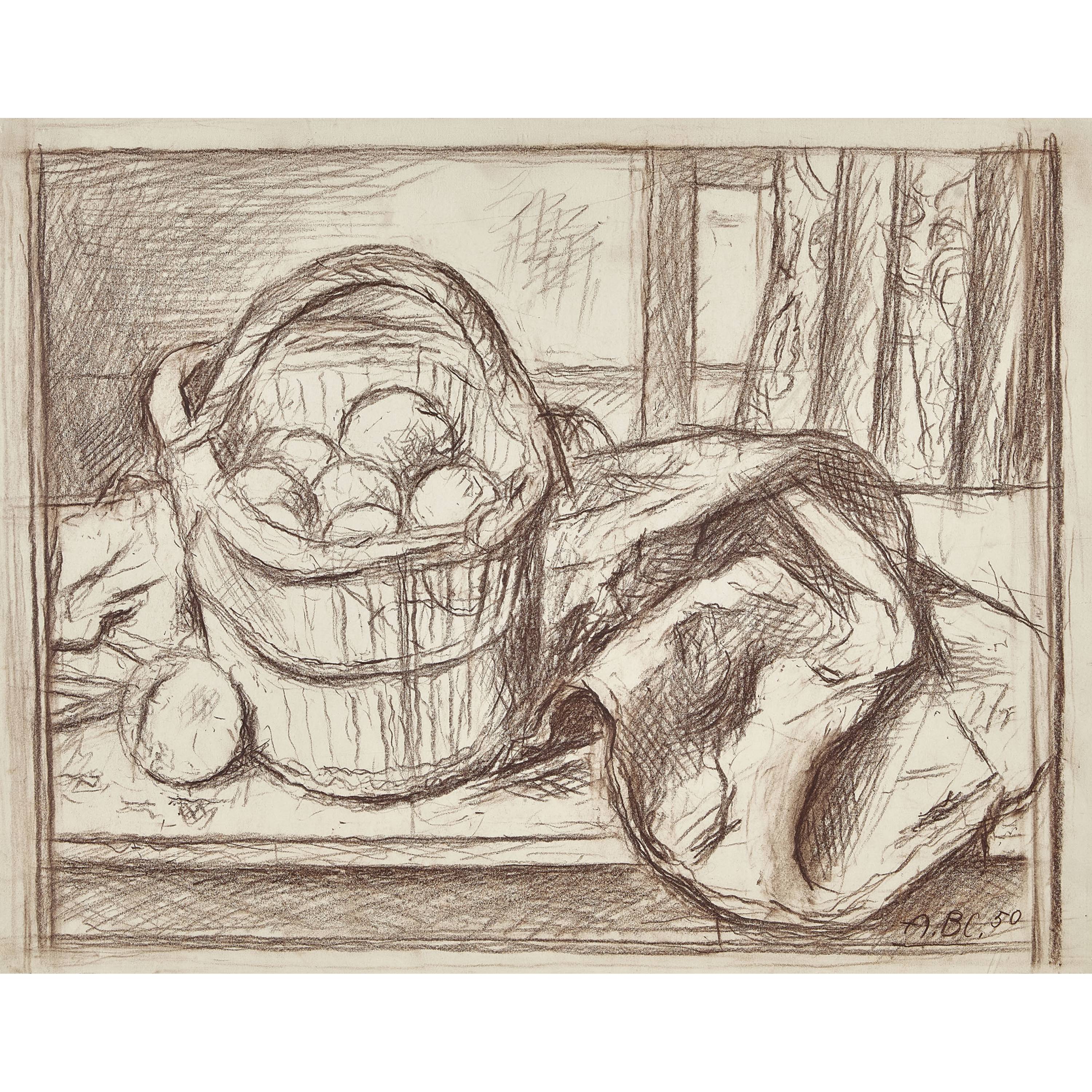
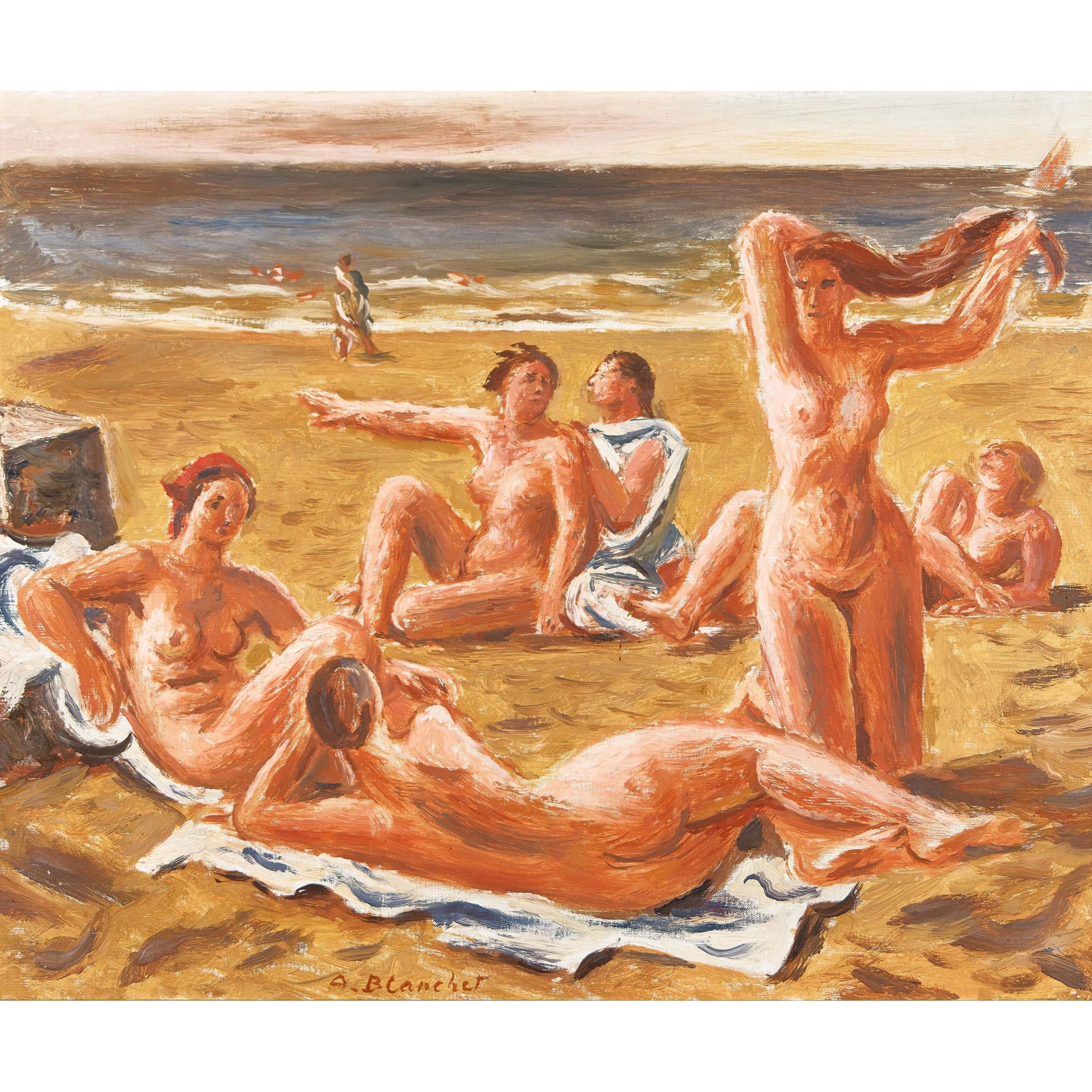
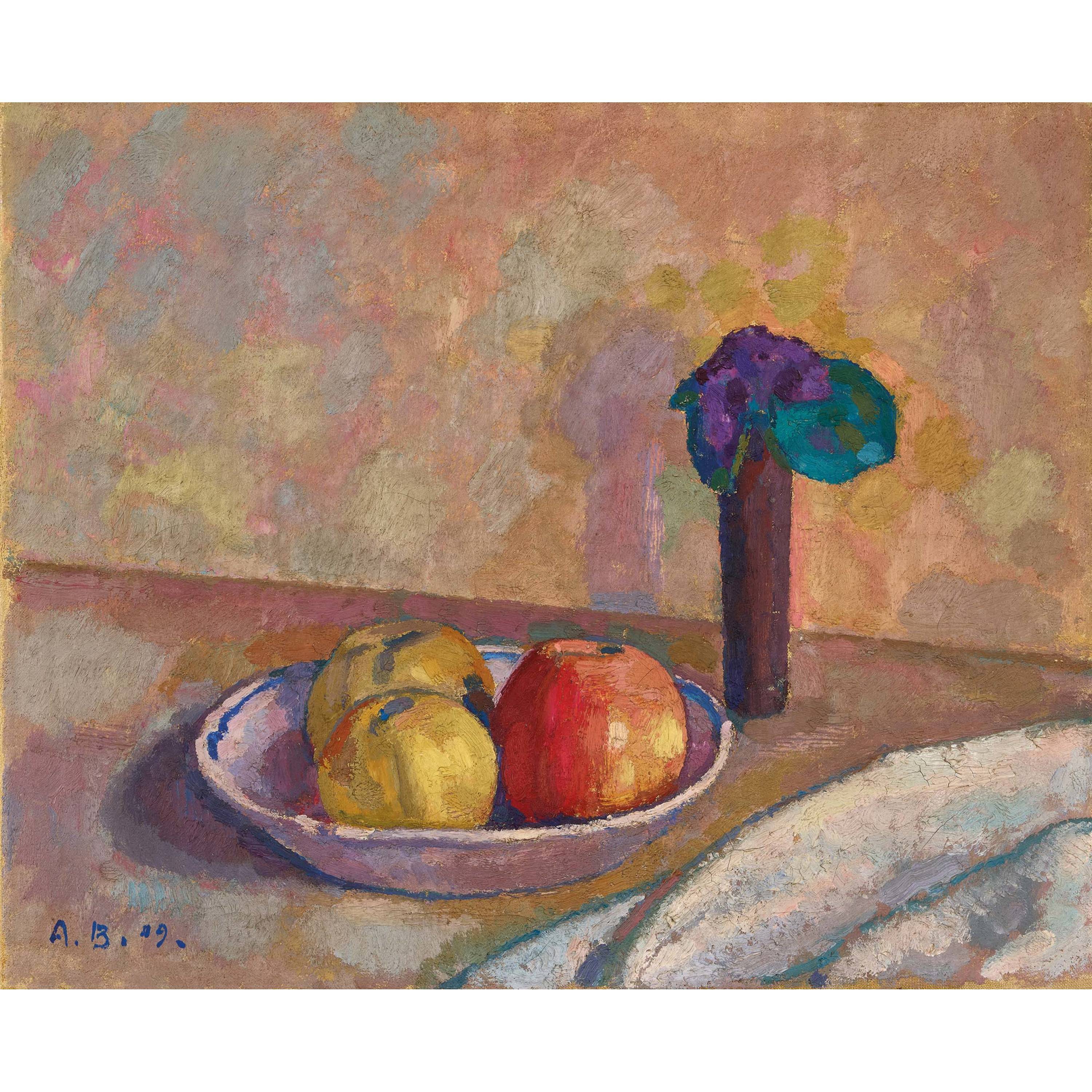
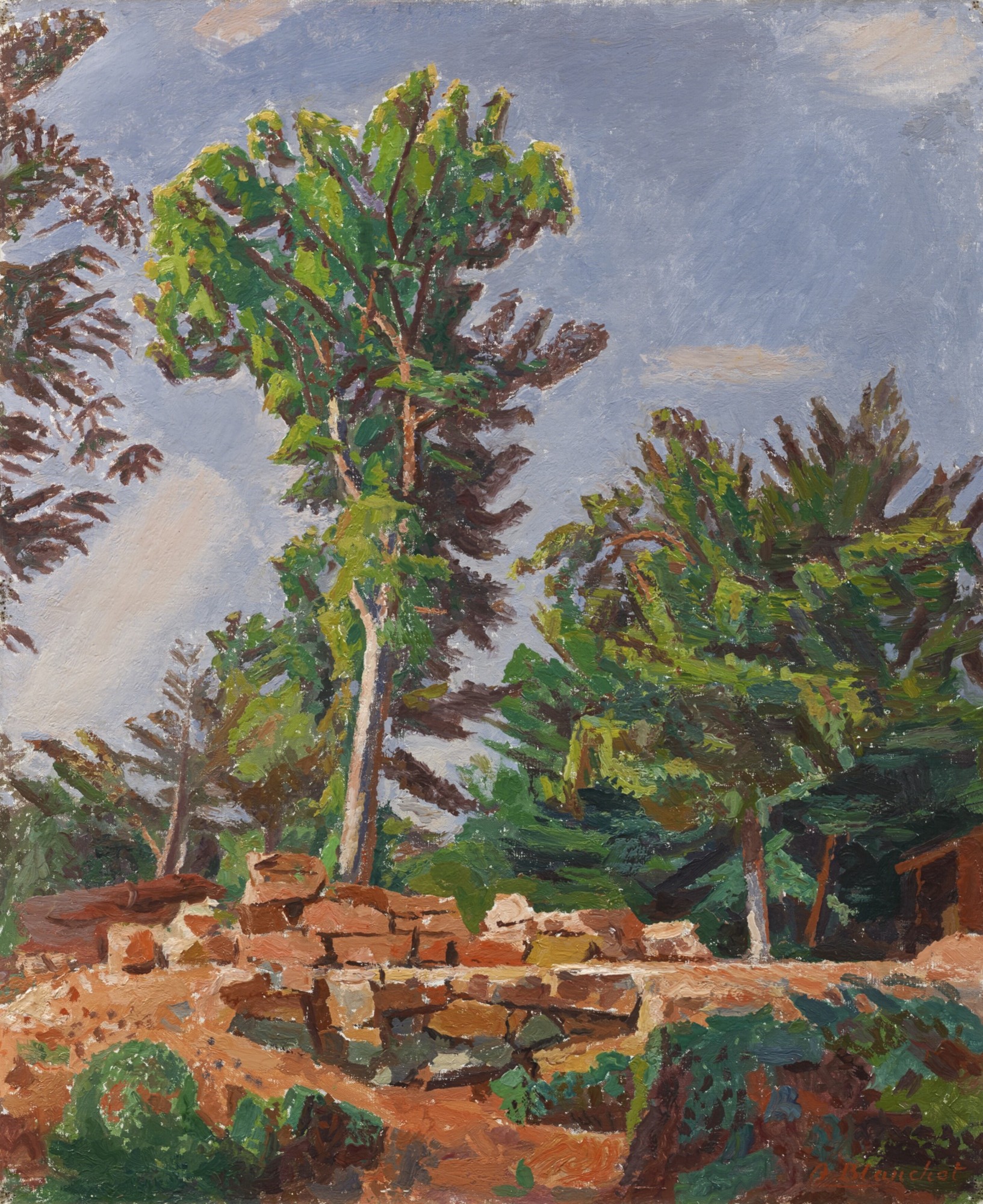
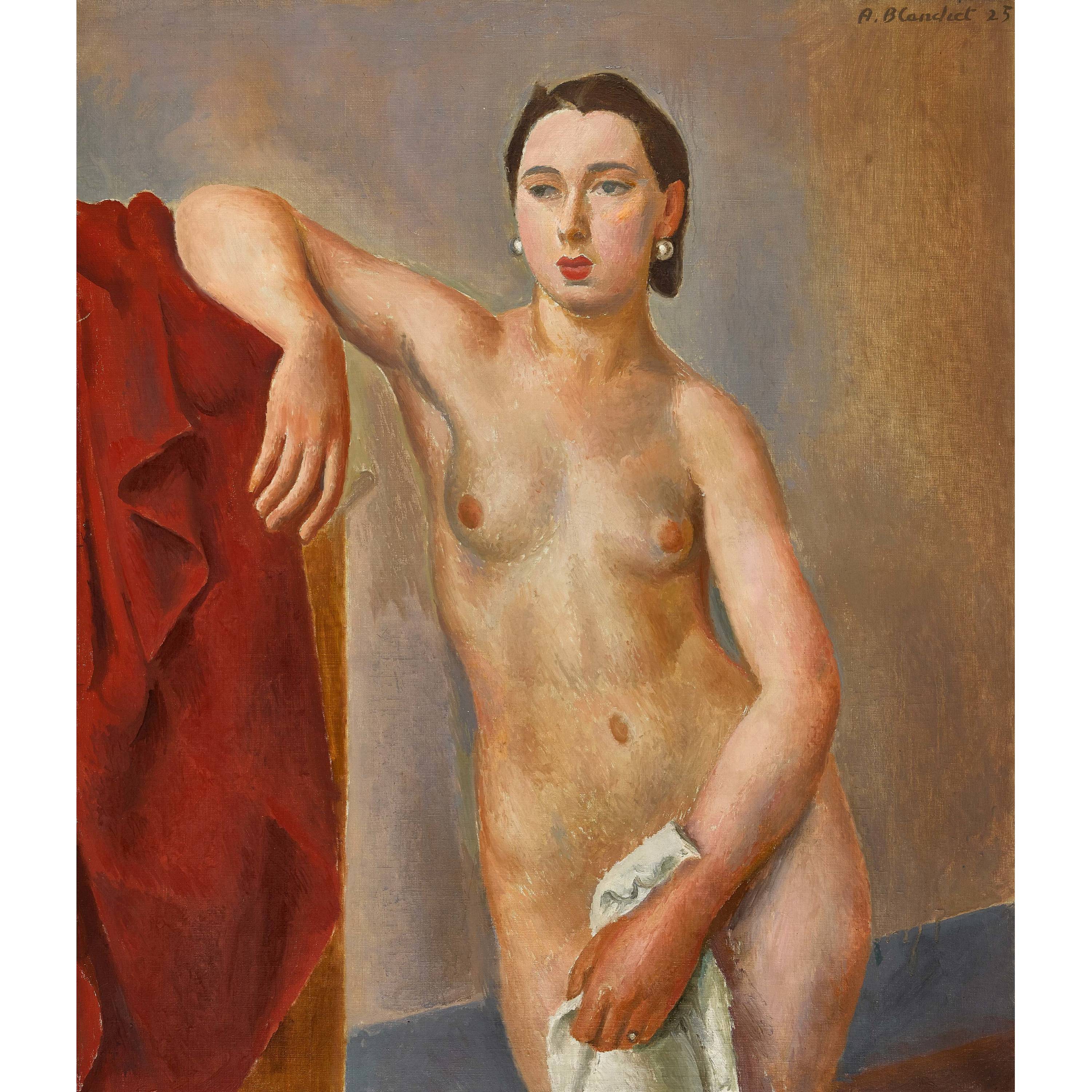
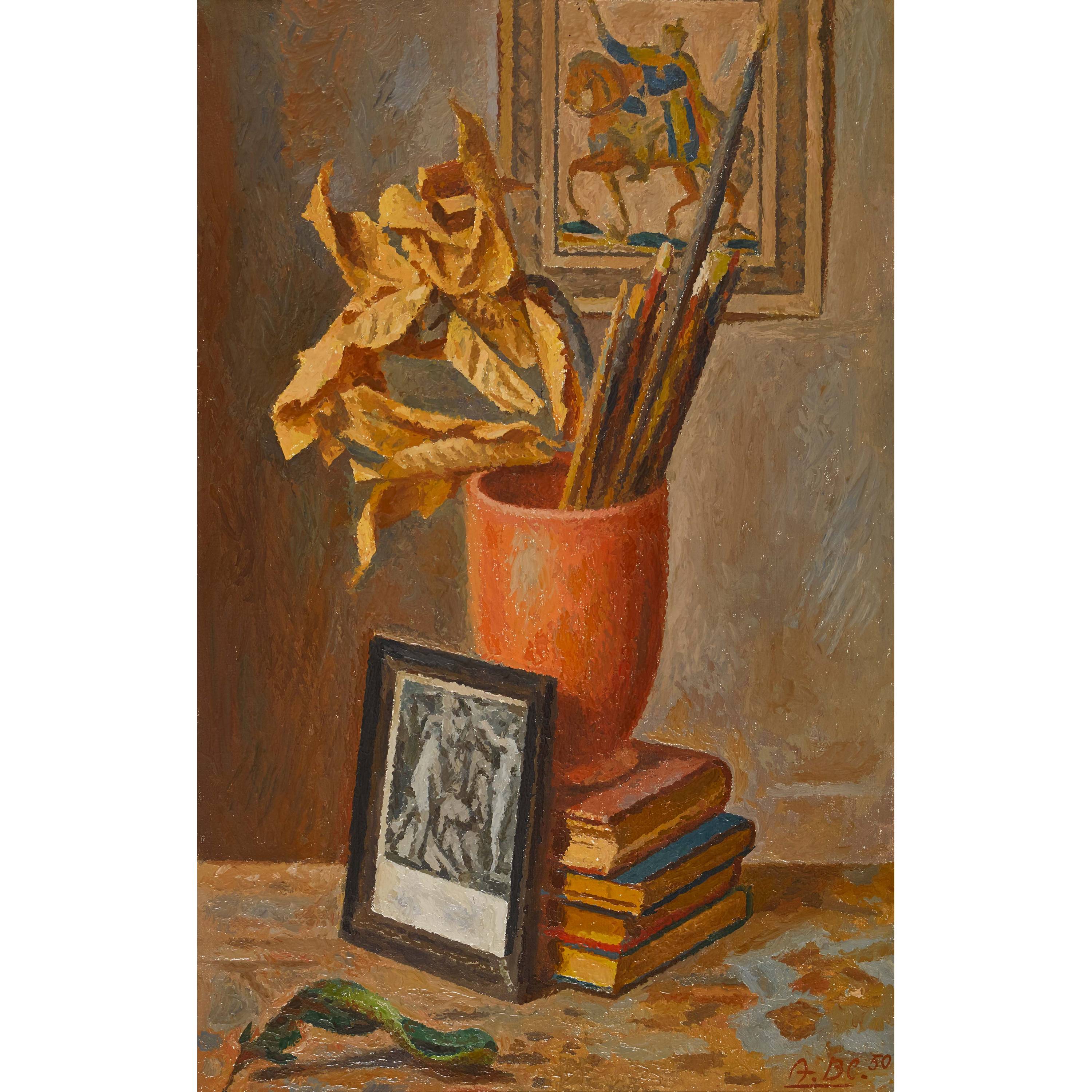
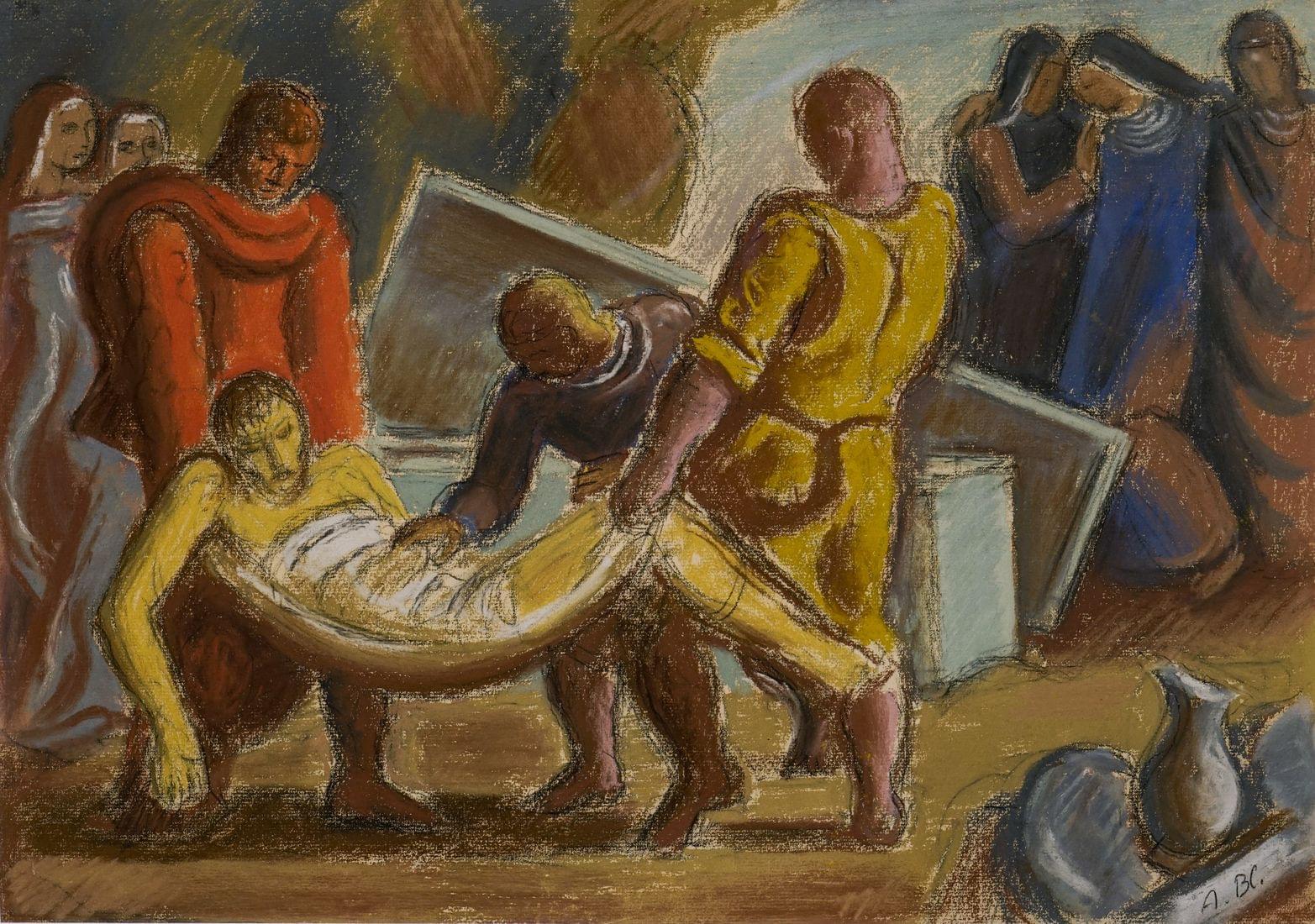
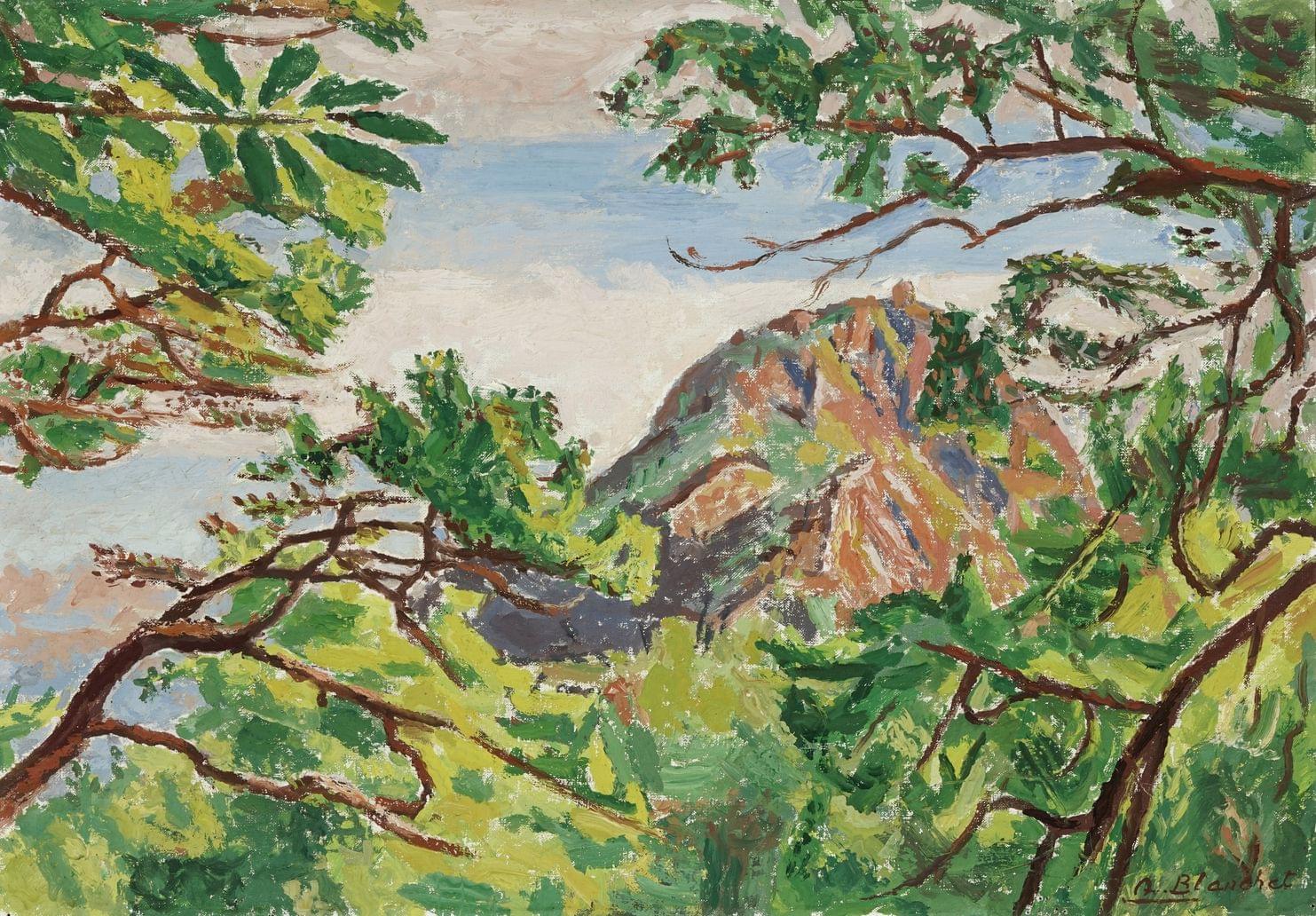
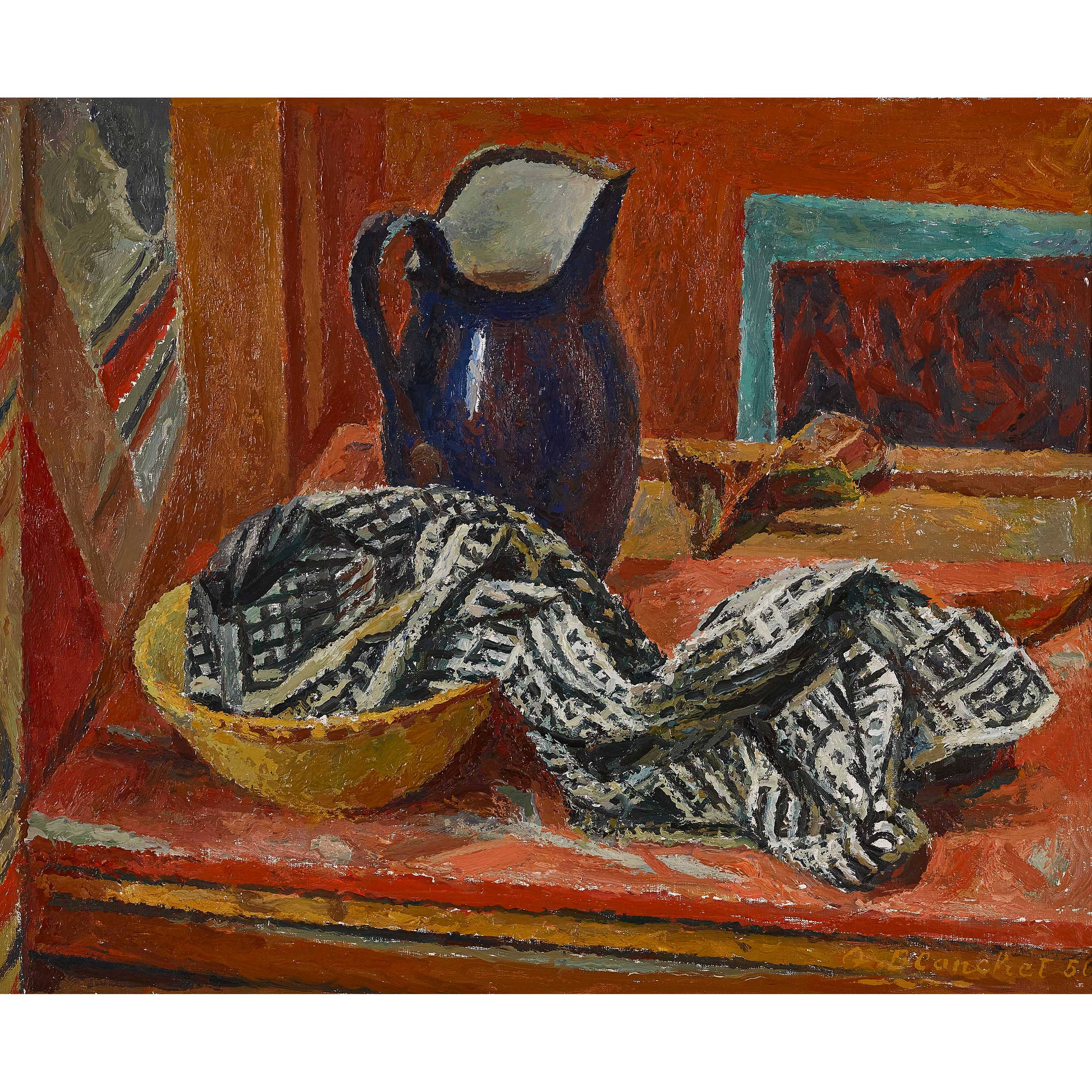
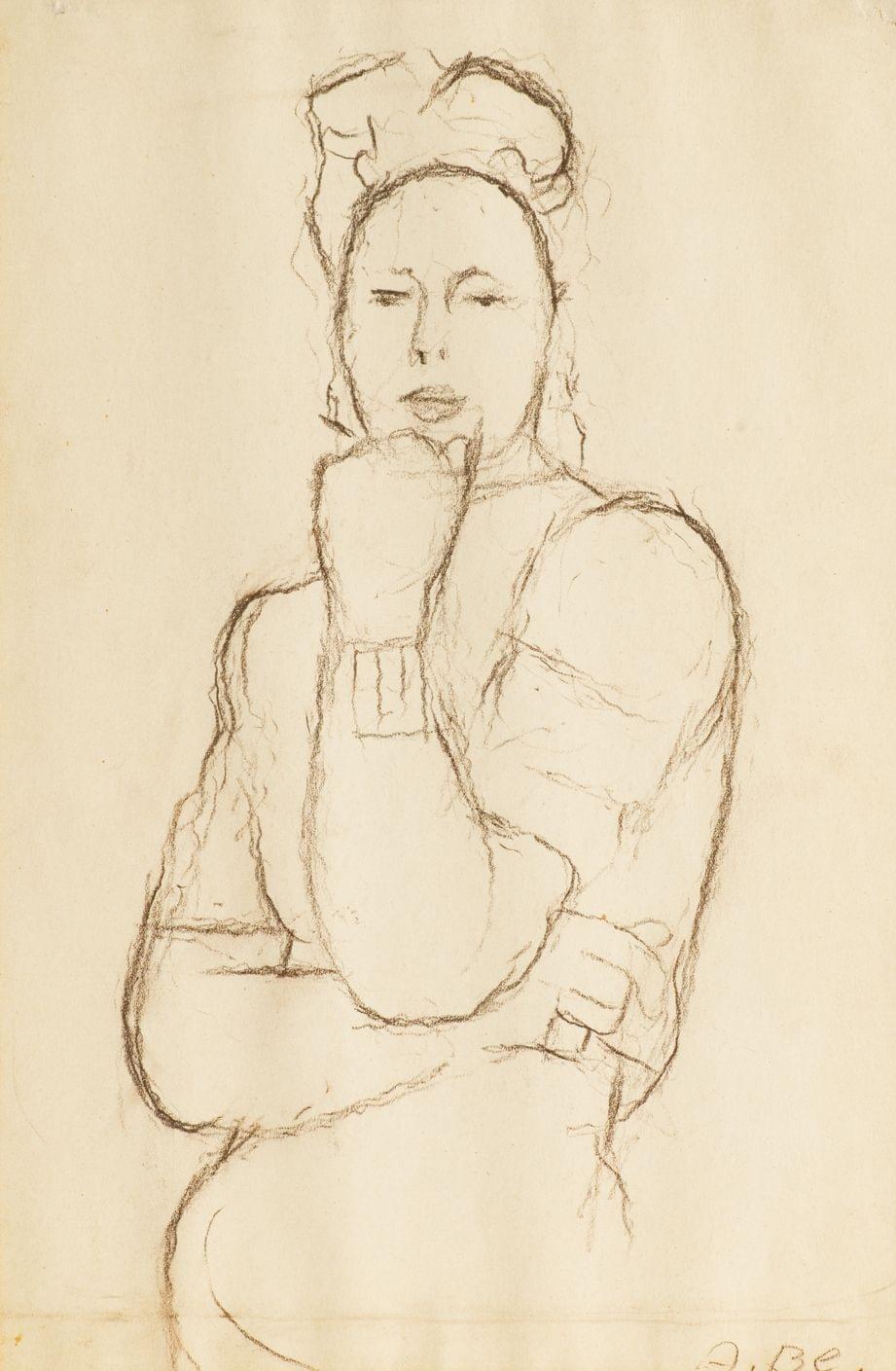
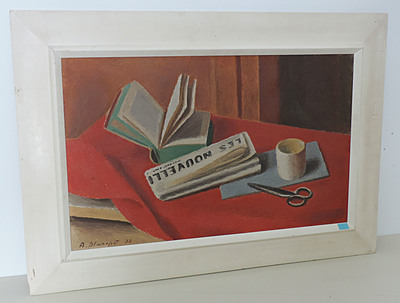
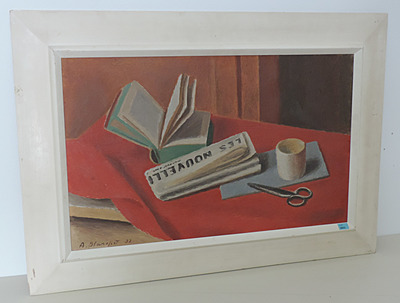
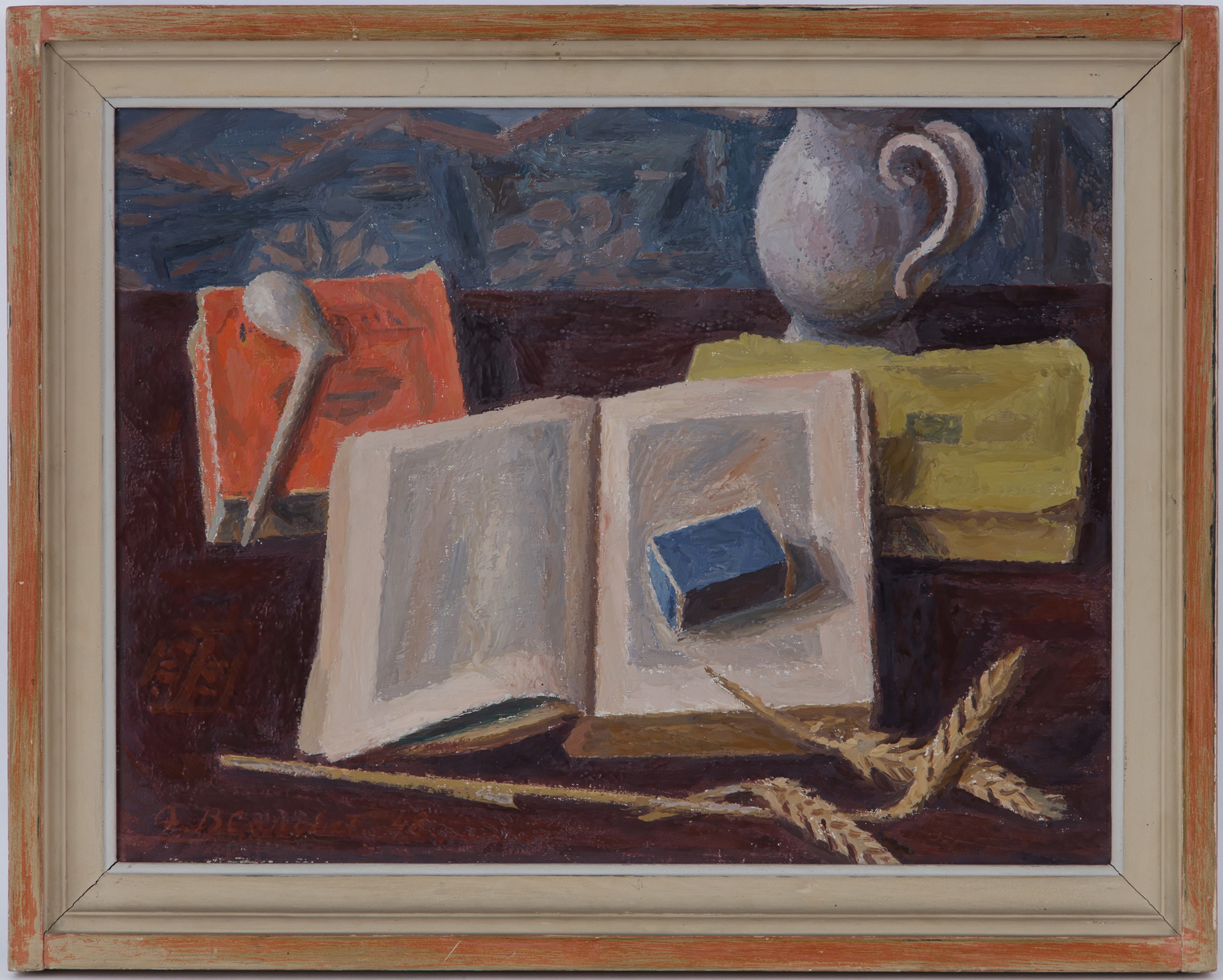
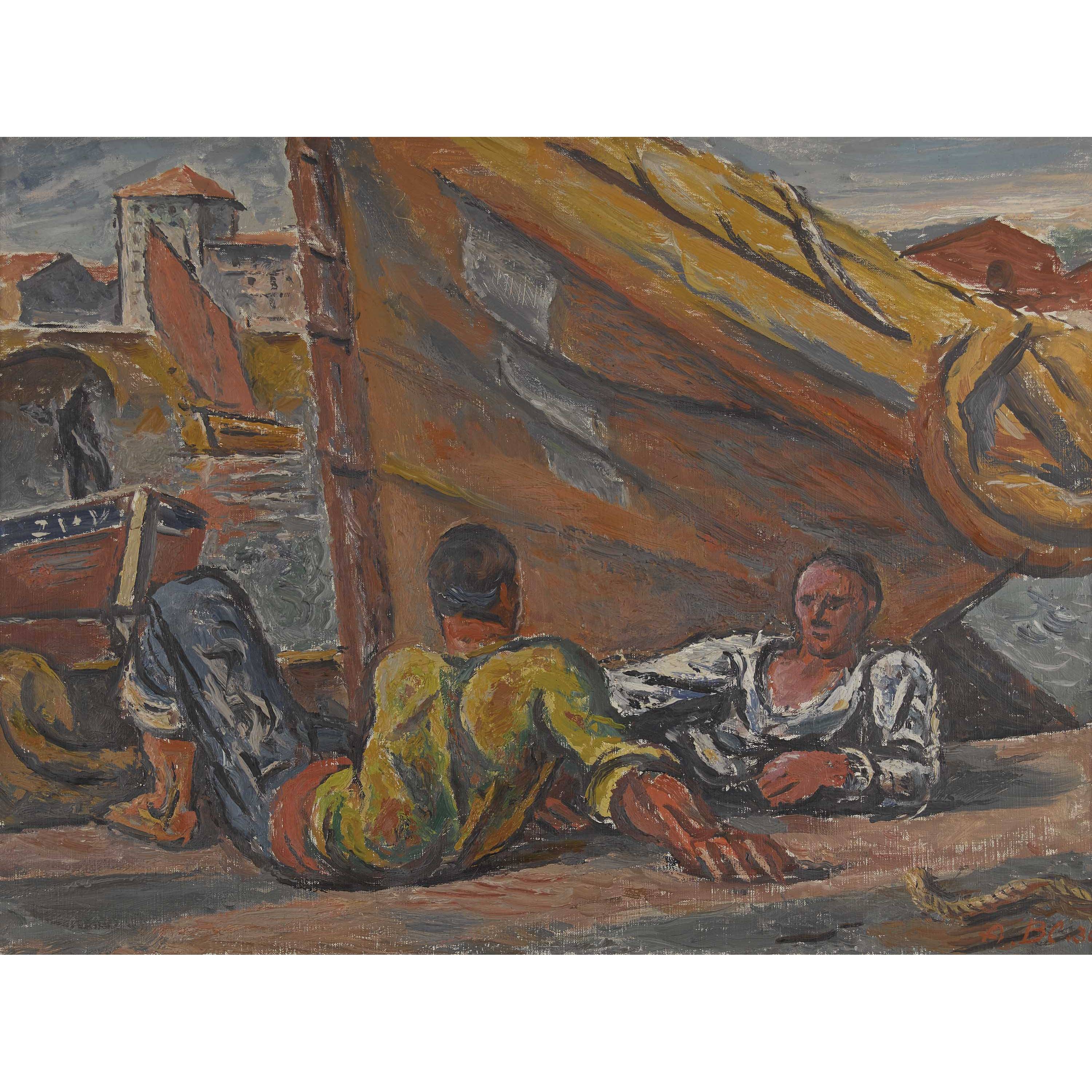
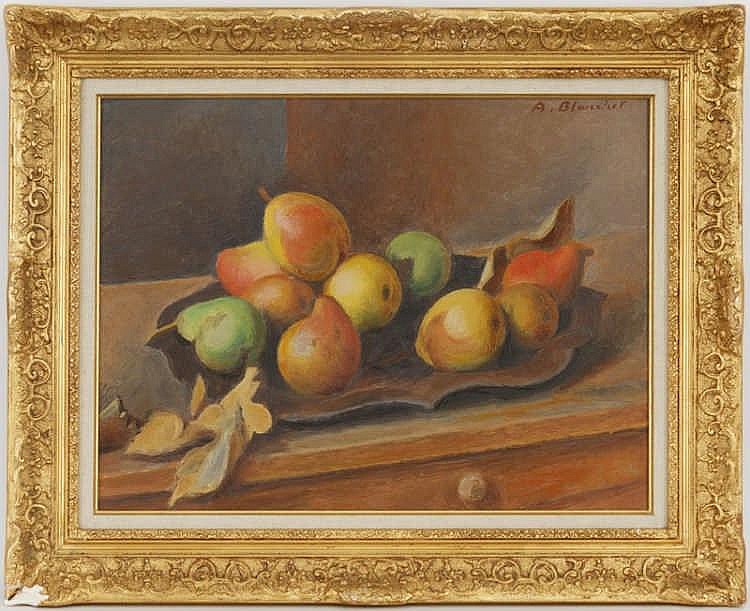
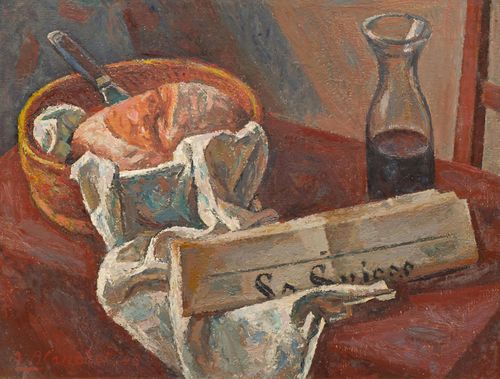
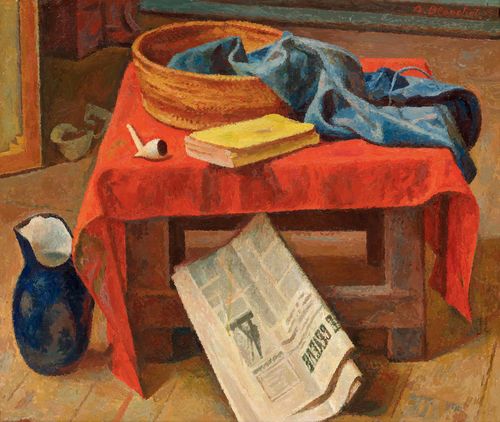
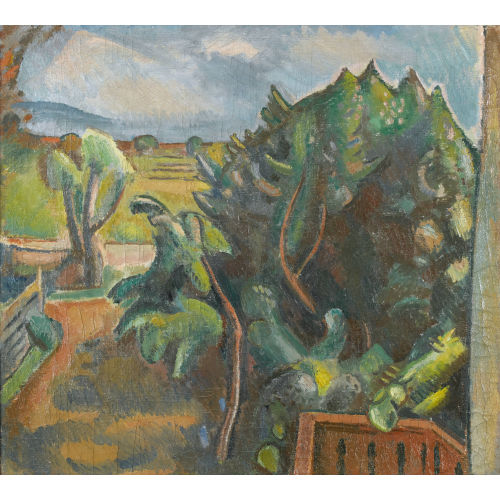
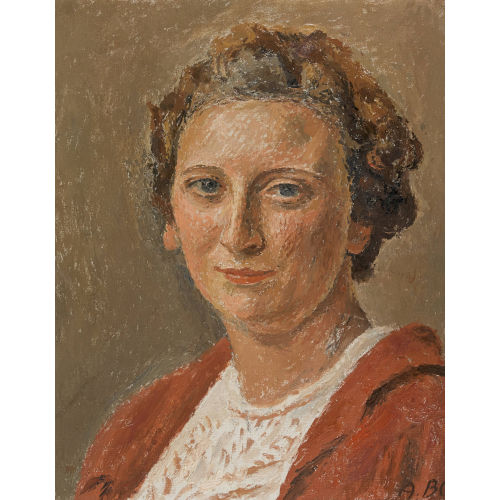
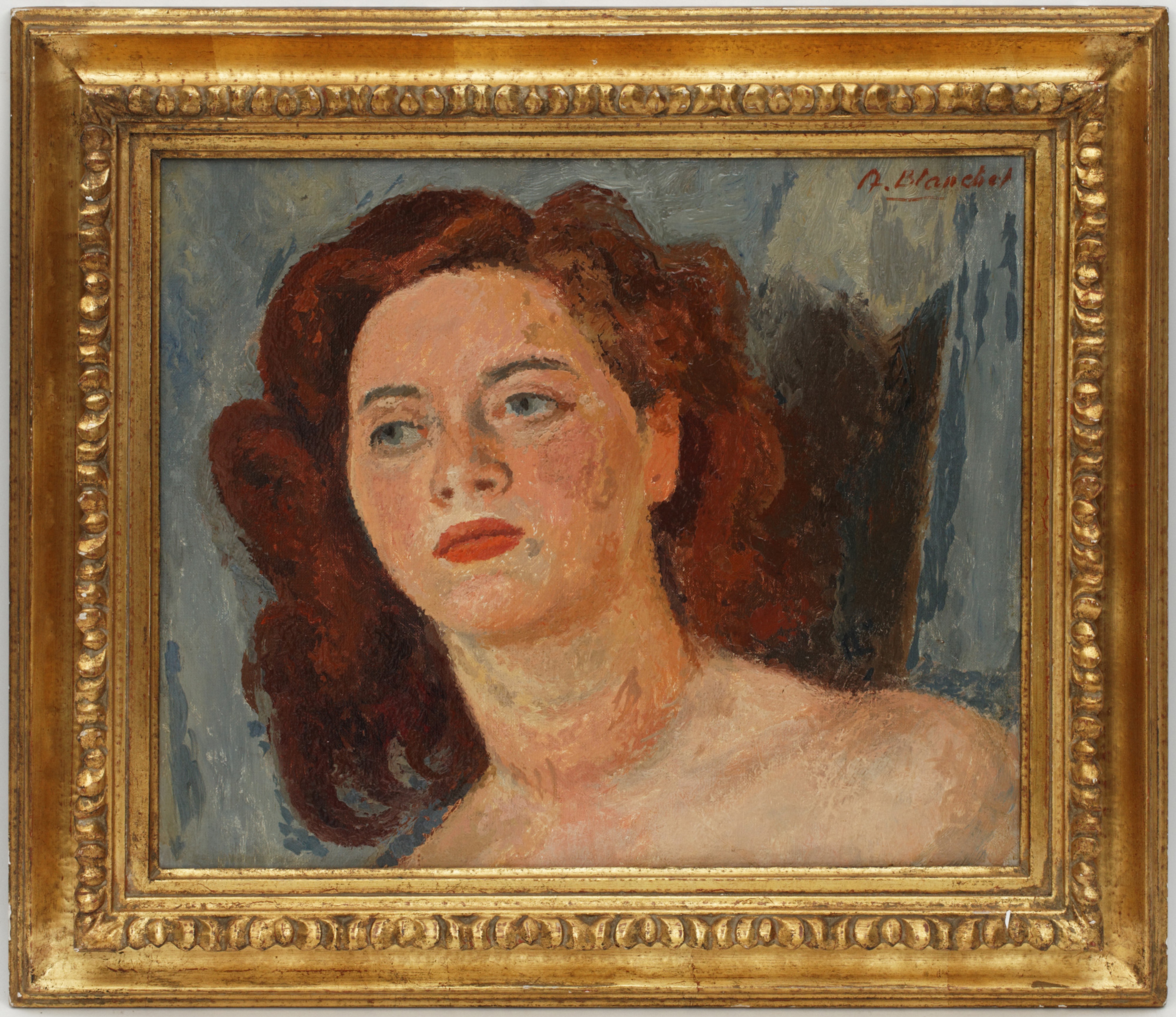
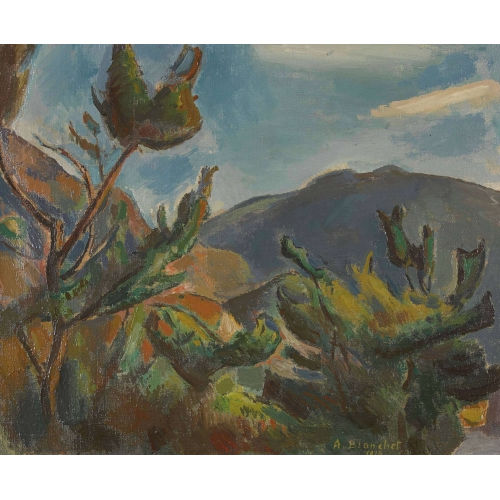
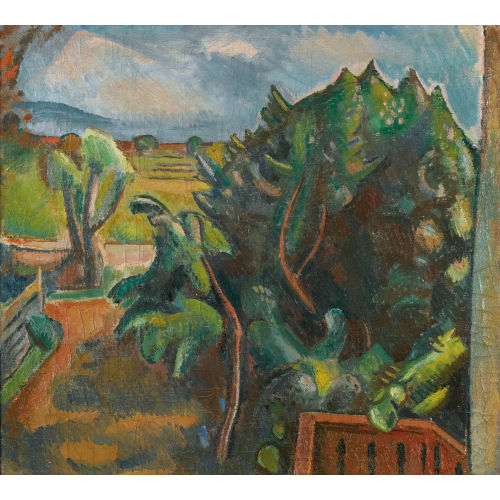
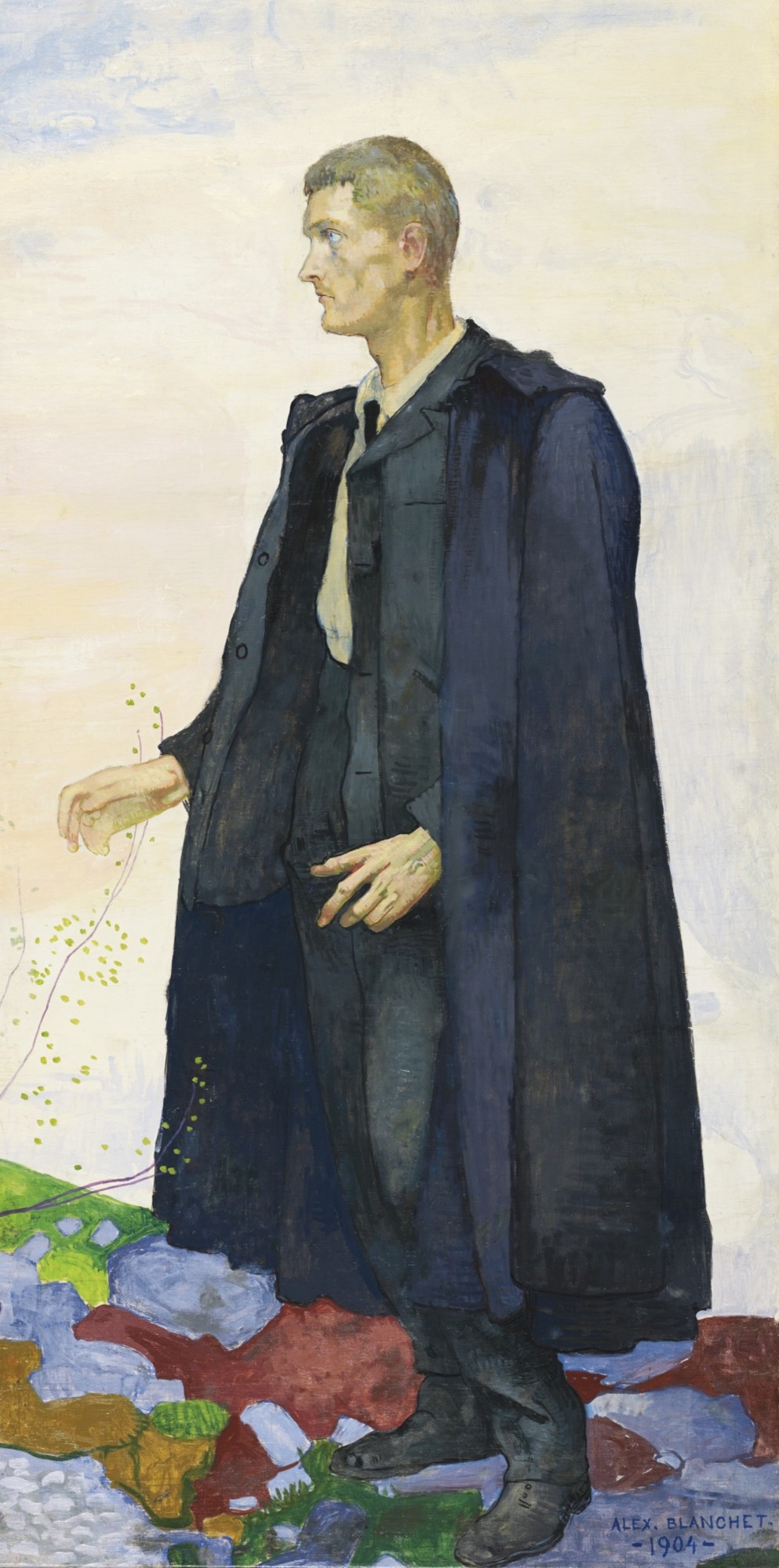
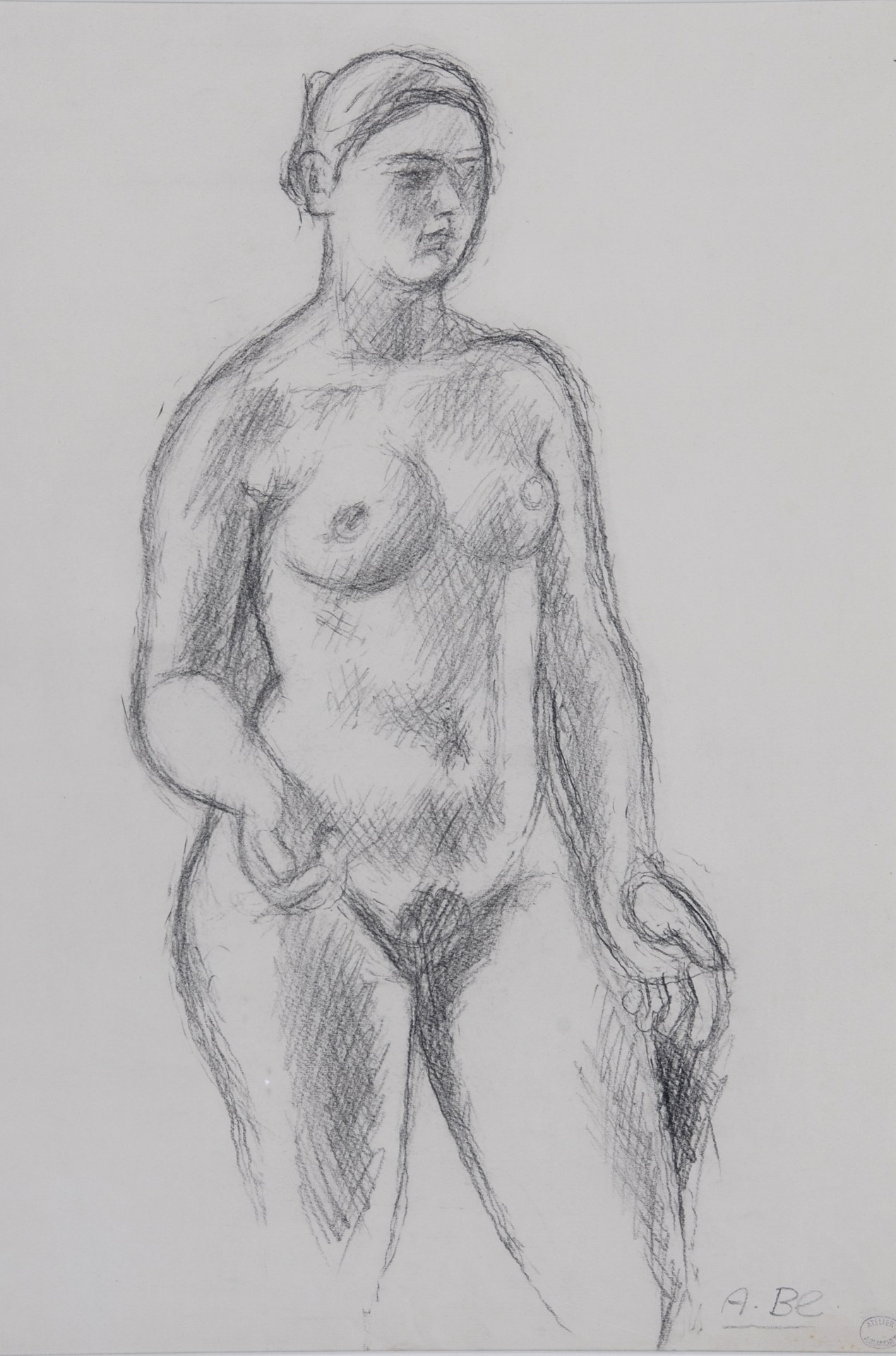
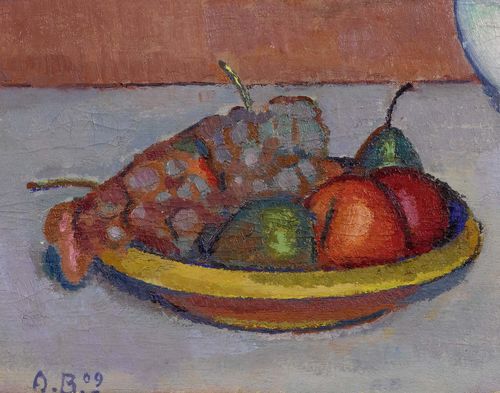
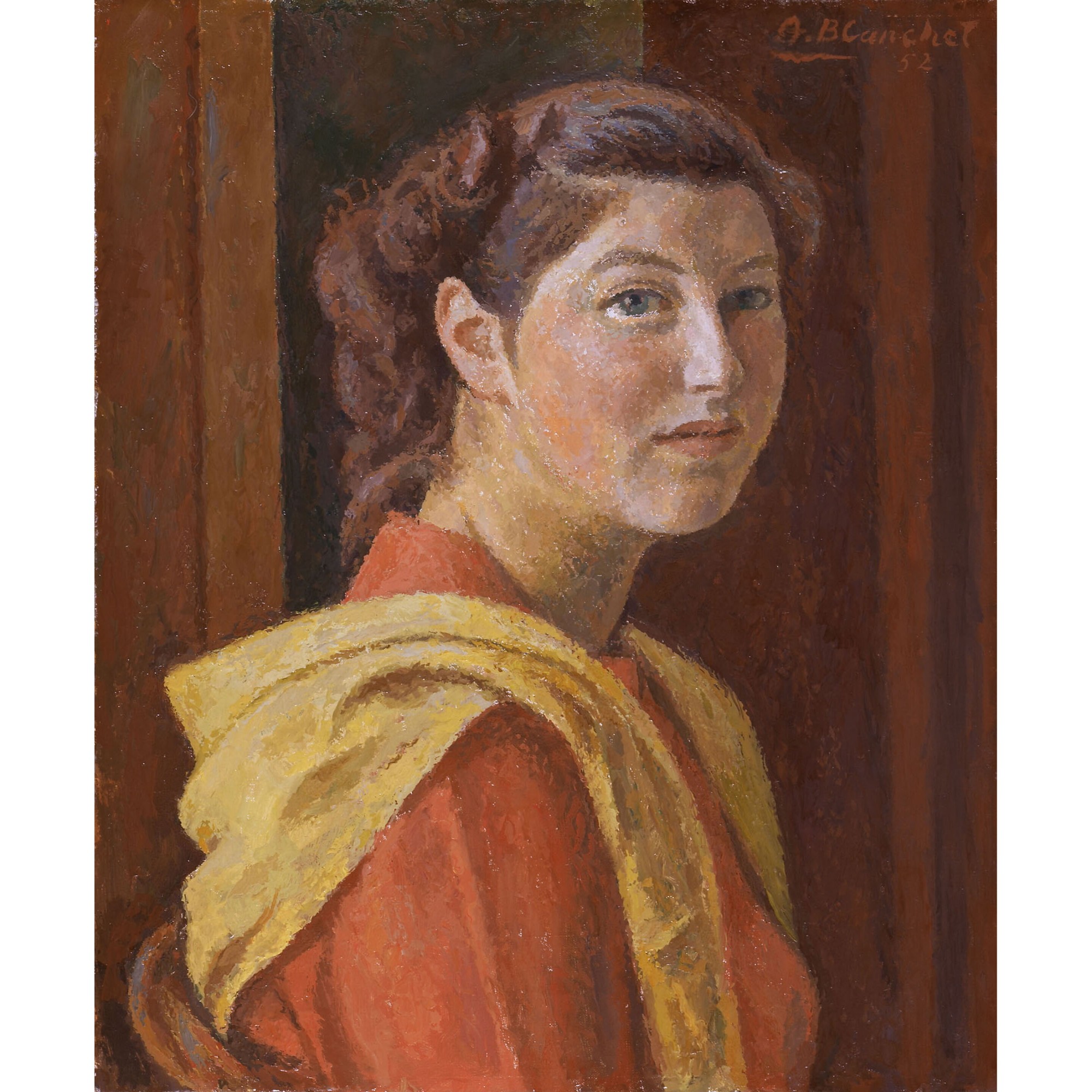
(f1, f2) His documented œuvre comprises nudes, landscapes, portraits and still lifes, as well as civil and religious wall decorations and sculptures. (f7) Among his works in enamel are pieces dated to around 1905, preserved at the Musée de l'horlogerie et de l'émaillerie de Genève—for example Homme assis and Femme assise (c. 1905, enamel painting, 19.5 × 19.5 cm).
(f16)
From 1898 to 1902, he attended classes at the École des arts industriels de Genève and, during the same documented period, undertook an apprenticeship as an enamel painter. (f3) In 1907, he settled in Paris, where encounters with contemporaries such as René Auberjonois and Charles Ferdinand Ramuz are reported in the source consulted. (f19) Returning to Geneva in 1914, he took part in numerous group exhibitions in Switzerland, according to the available notices.
(f5)
The first documented retrospective of his work took place in Basel in 1944, followed by presentations in other Swiss cities. (f8) In 1947, he was named the first recipient of the Prix de la ville de Genève pour la peinture, an honour accompanied by an exhibition at the Musée Rath in Geneva. (f10) The corpus preserved and recorded demonstrates a plural practice, alternating small formats (enamel paintings) with commissions for wall decorations or three-dimensional works.
(f7)
An inventory of his presence in public collections was compiled, according to the source, on the basis of the work by Busino‑Maschietto (1974); the entry in question mentions several Swiss museums and a few foreign institutions, without reproducing the complete list here. (f14) The specific examples preserved in Geneva institutions and cited in the dossiers—notably the enamel paintings from around 1905—illustrate the materiality and formats in which he practised his profession as a painter-gilder/enameller. (f16)
In summary, the available documentation presents Alexandre Blanchet as a practitioner trained in Geneva, active between studios and decorative commissions, present in Swiss exhibitions of the twentieth century and recognised through retrospectives and a municipal award in Geneva. (f1, f5, f7)