Albert Schnyder
Born in 1898.
Died in 1989.
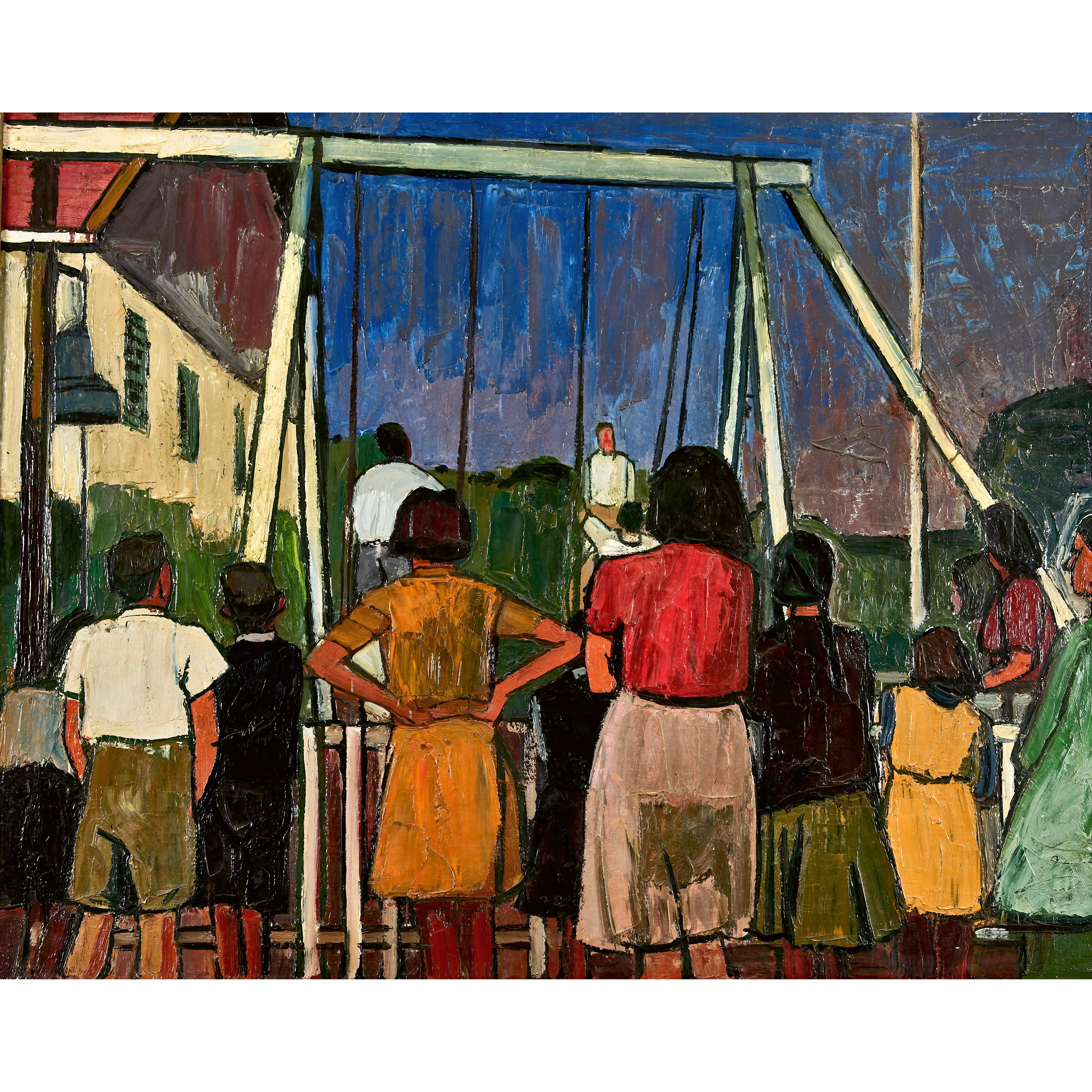
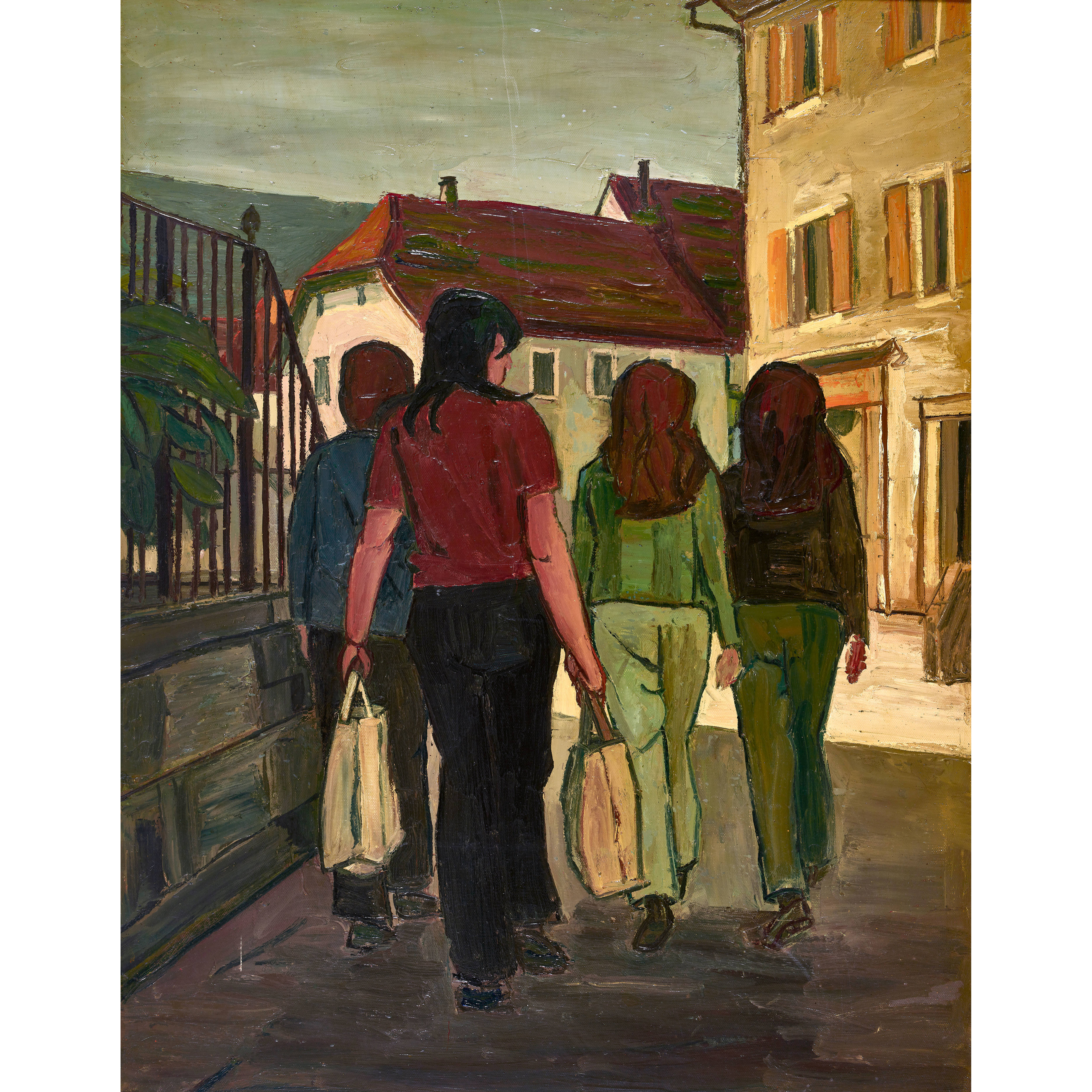
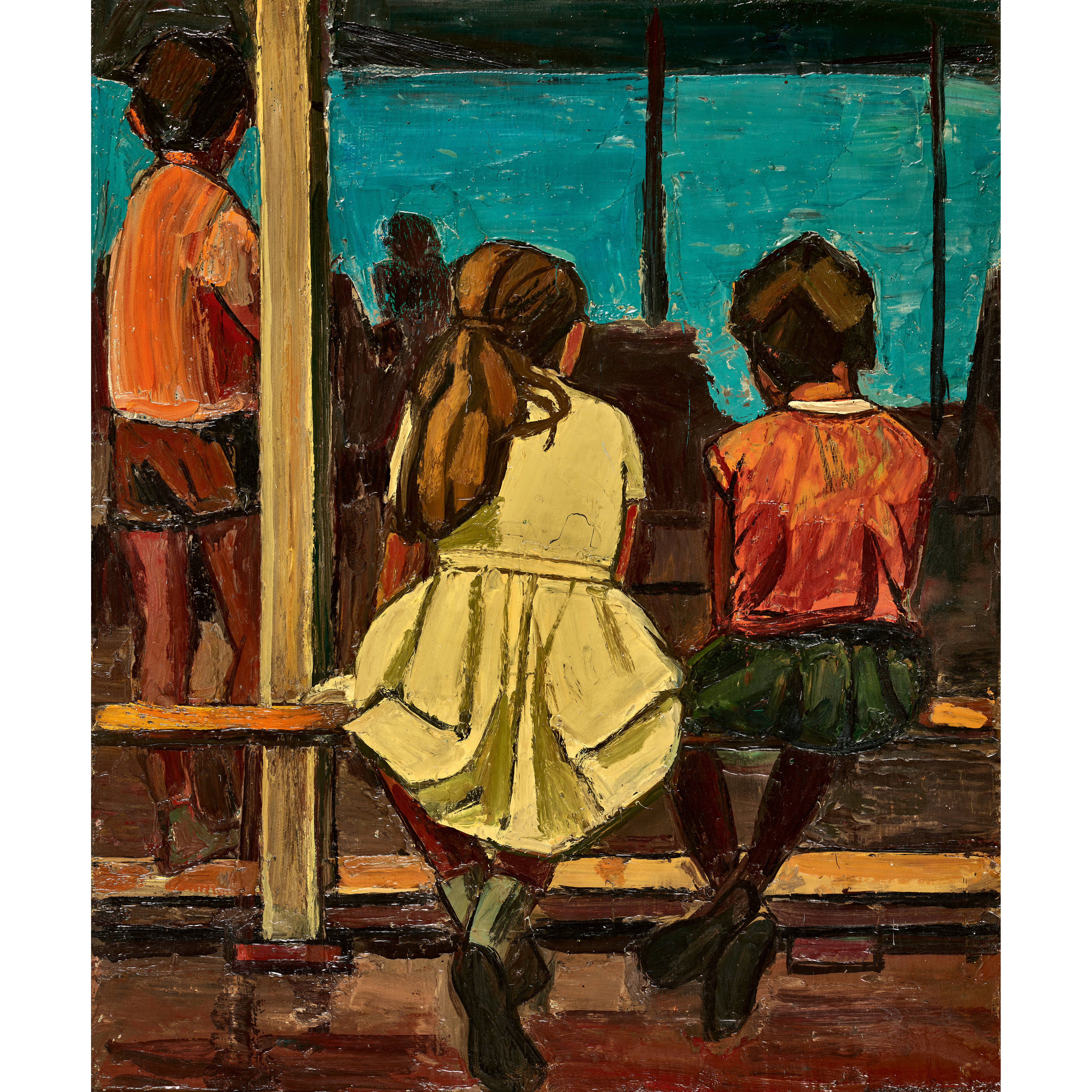
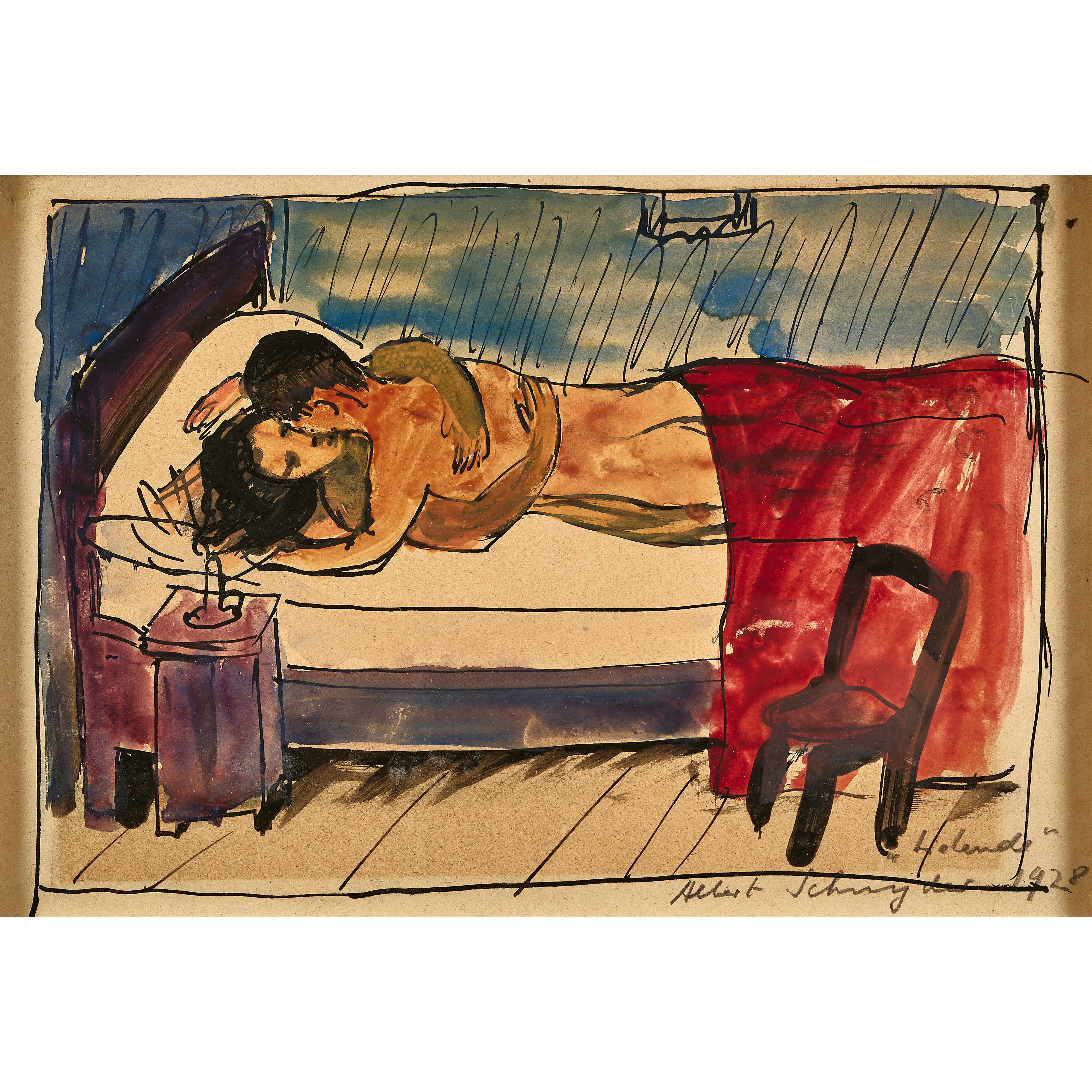
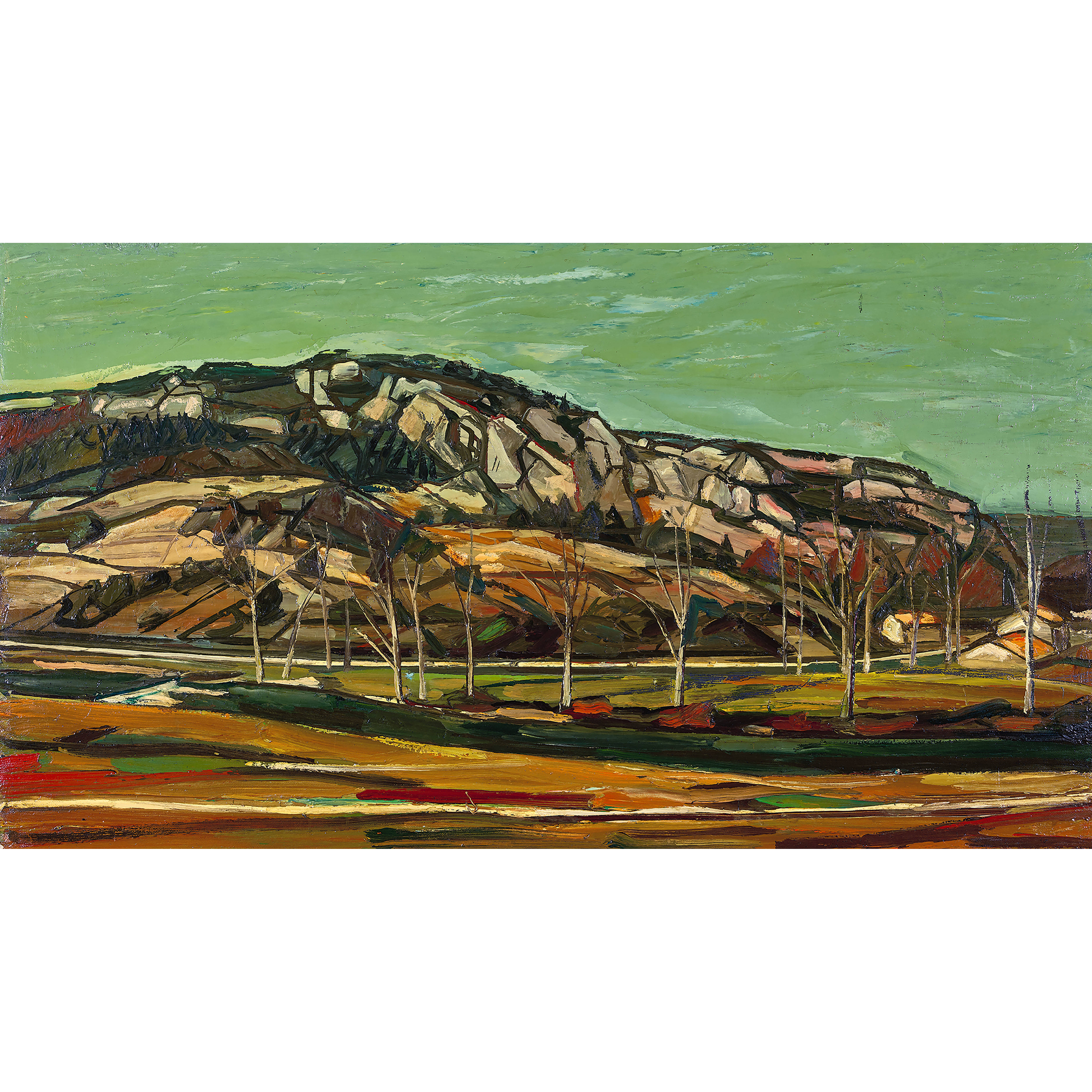
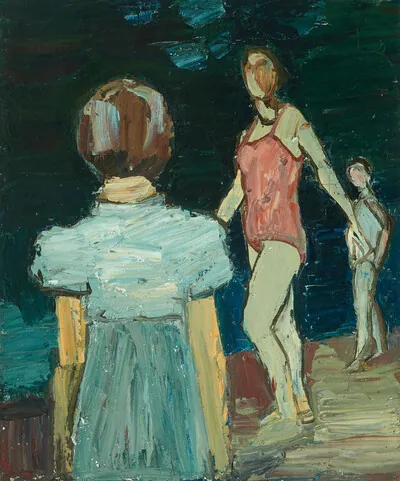
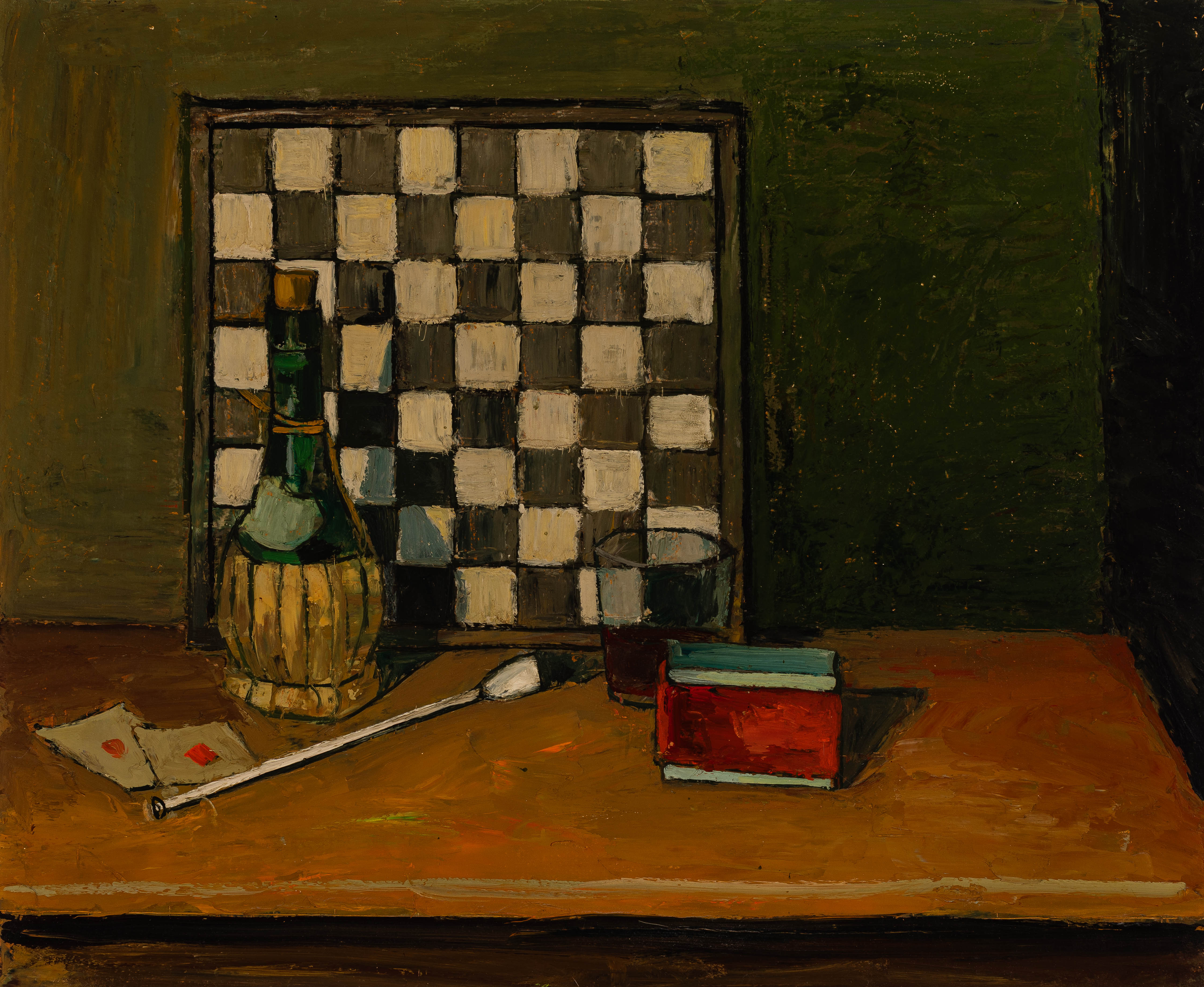
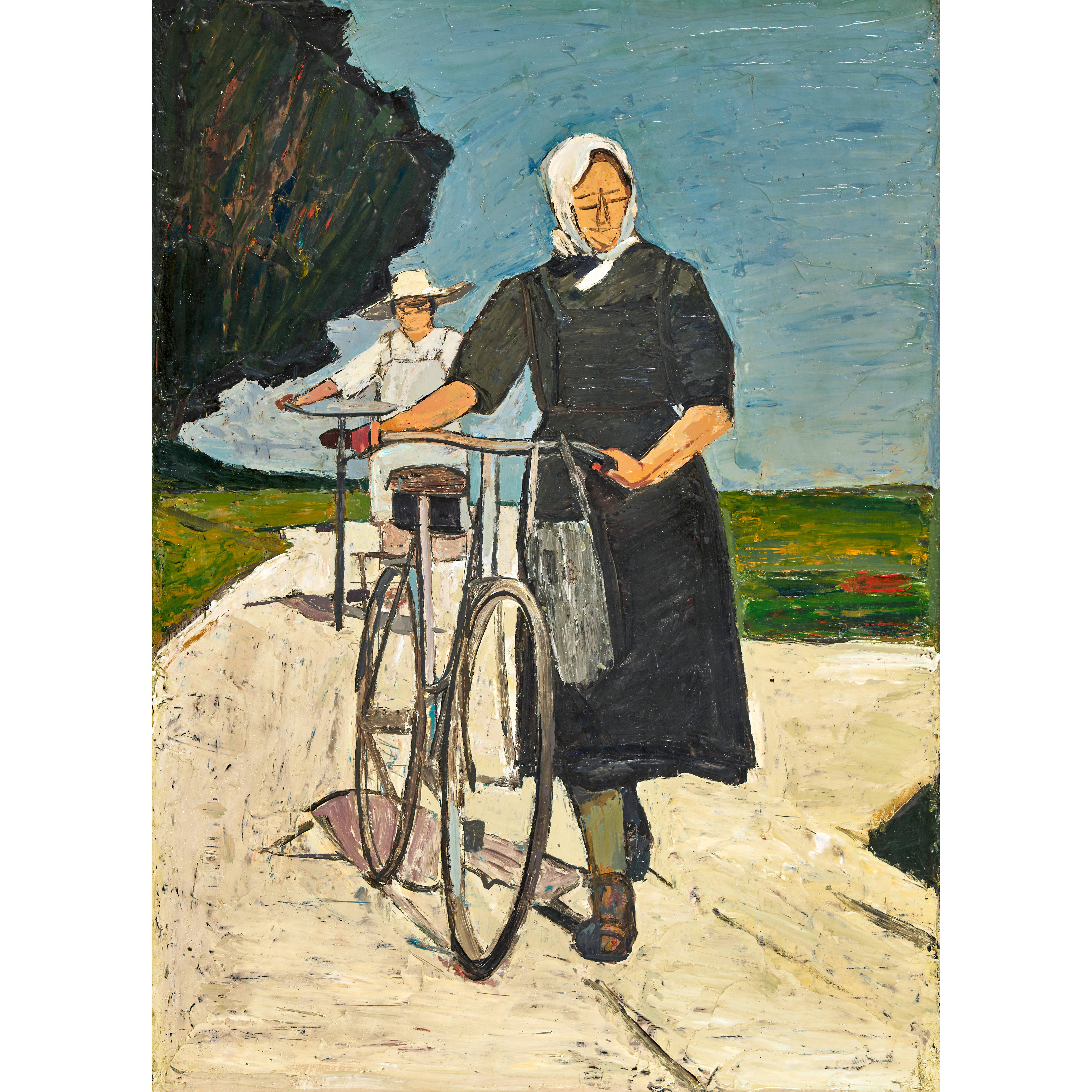
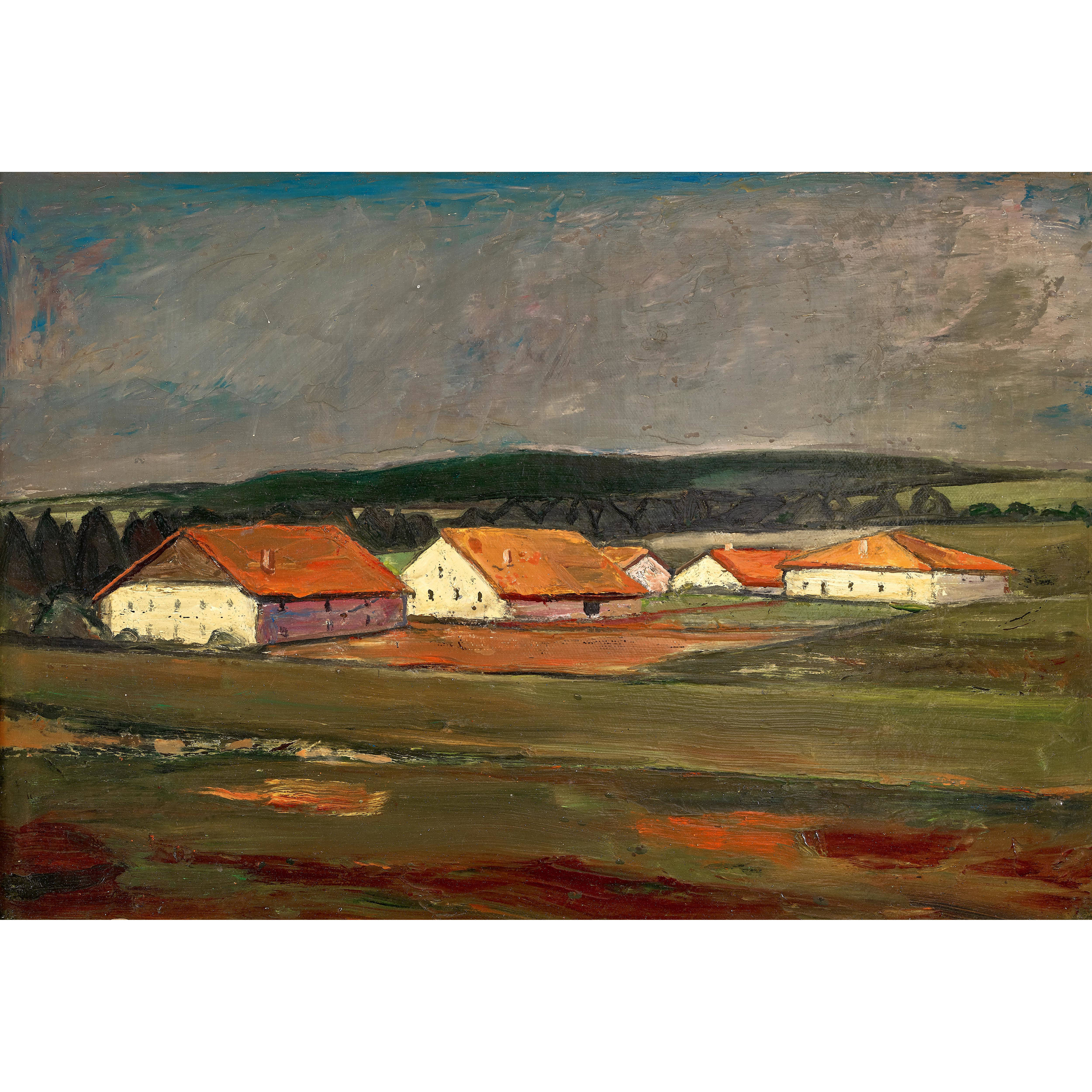
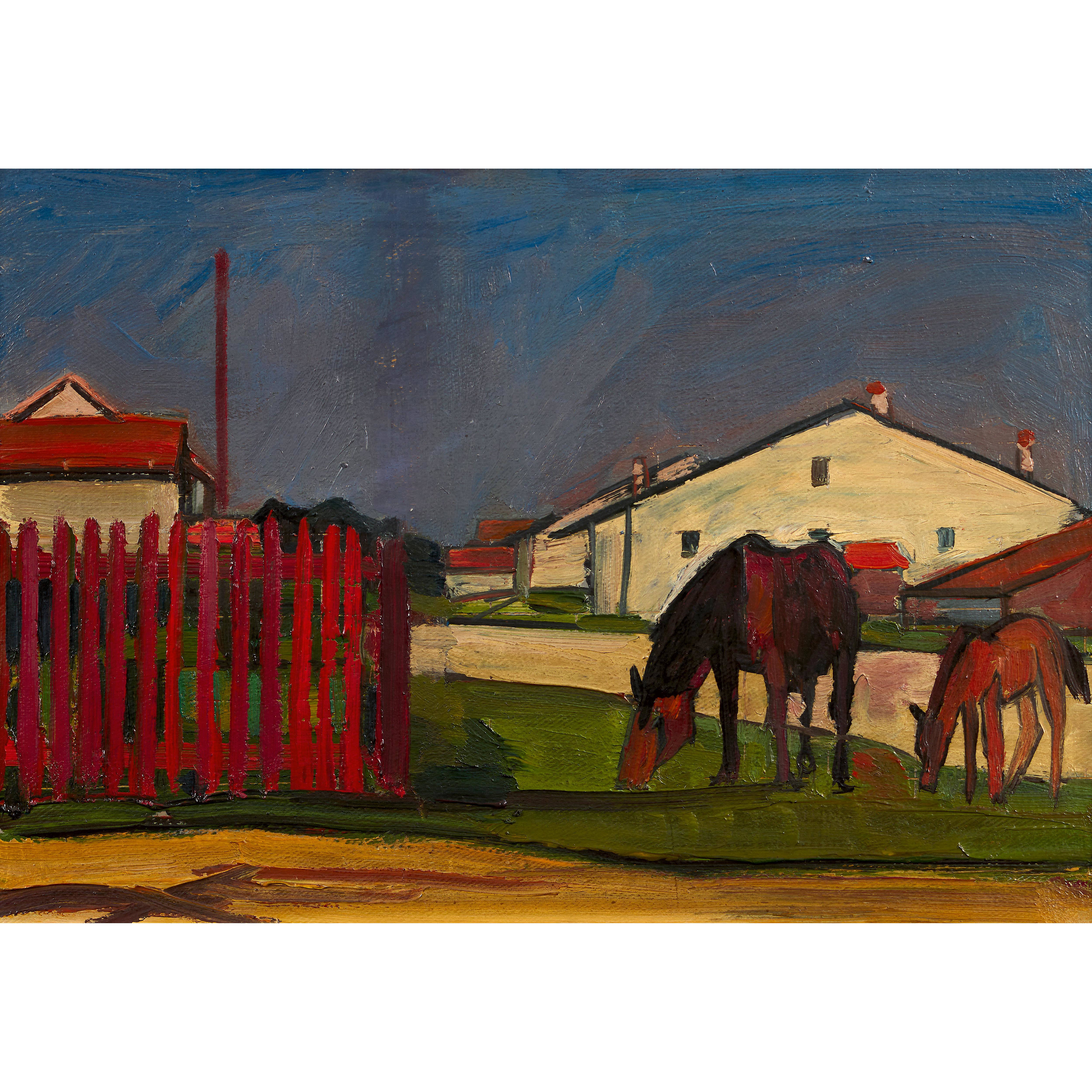
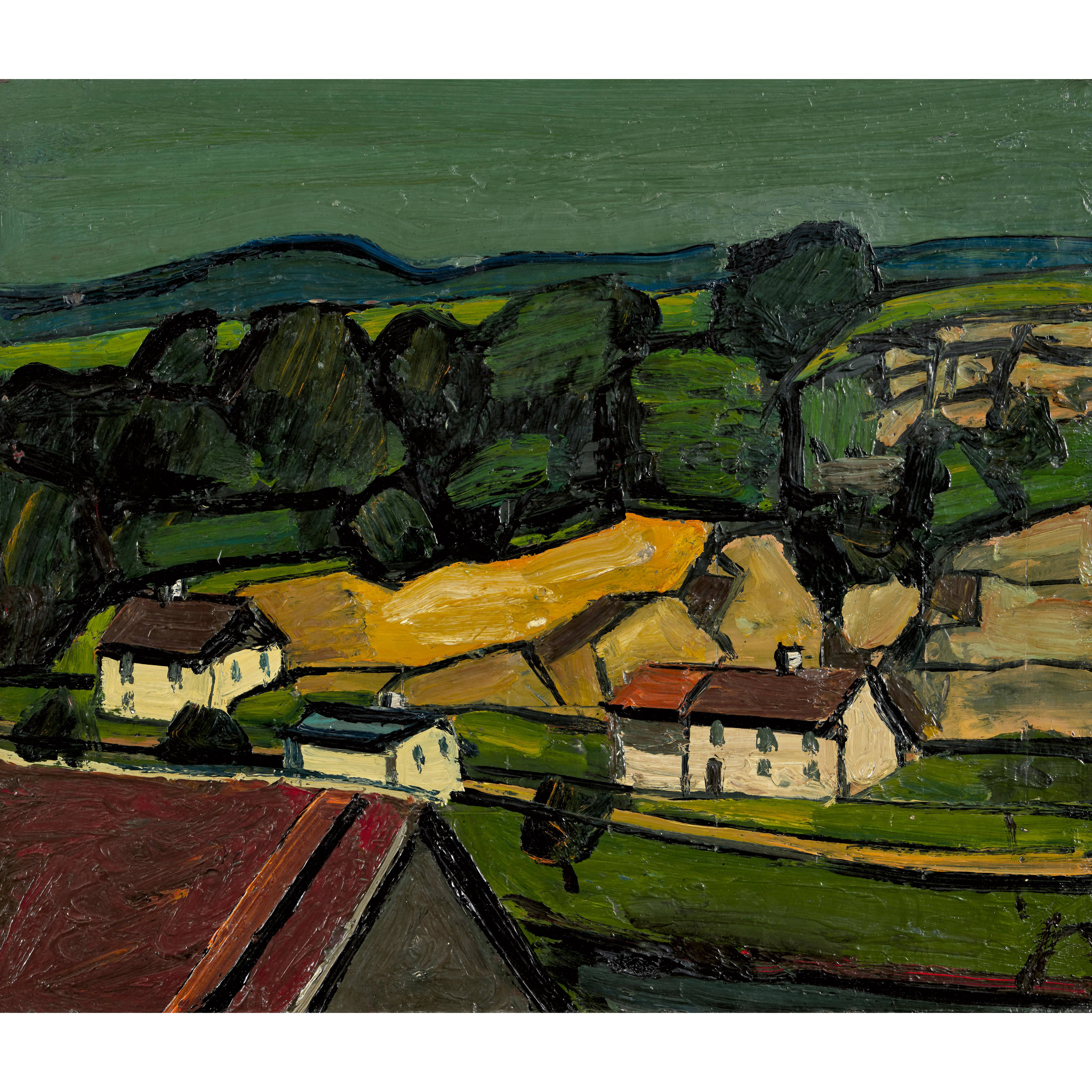
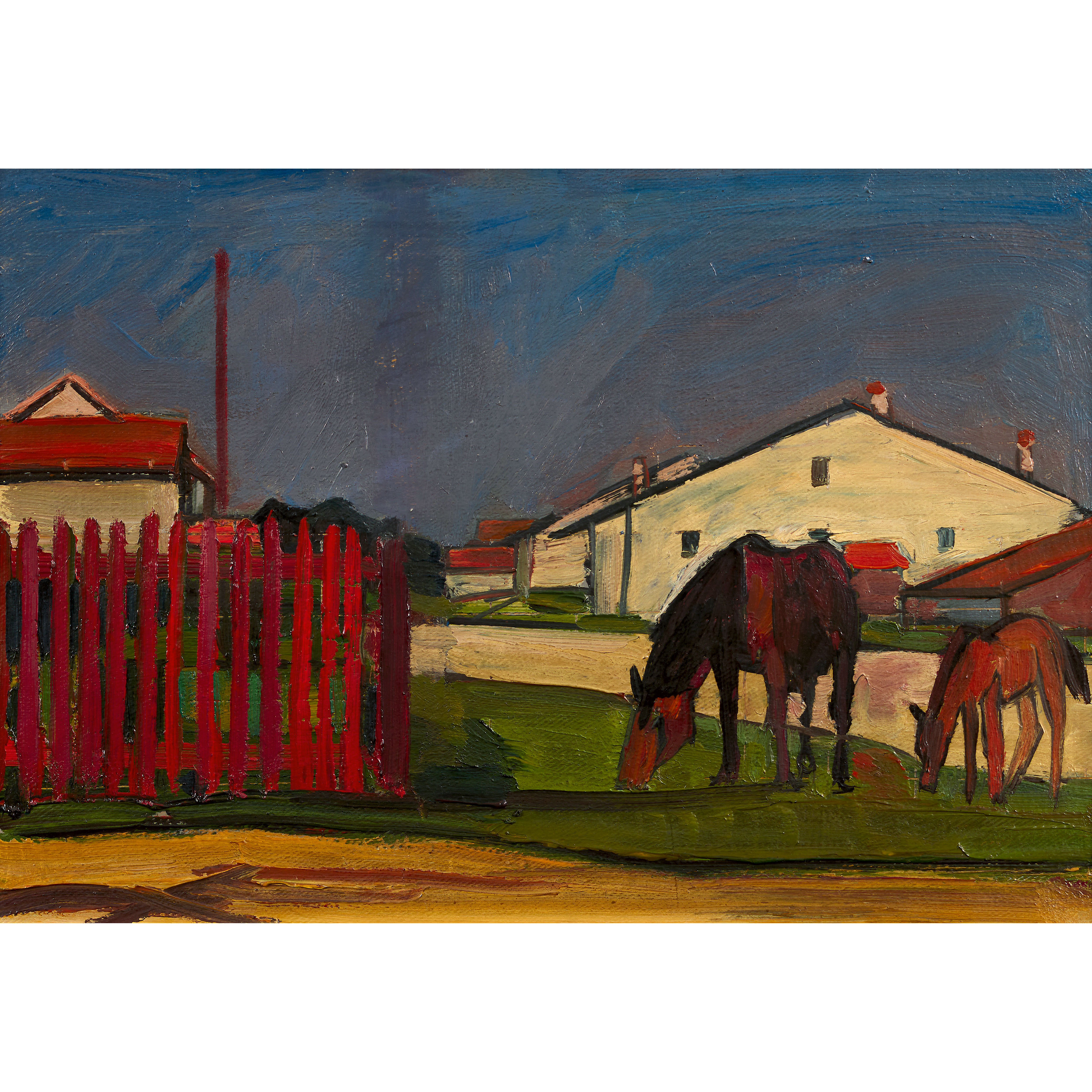
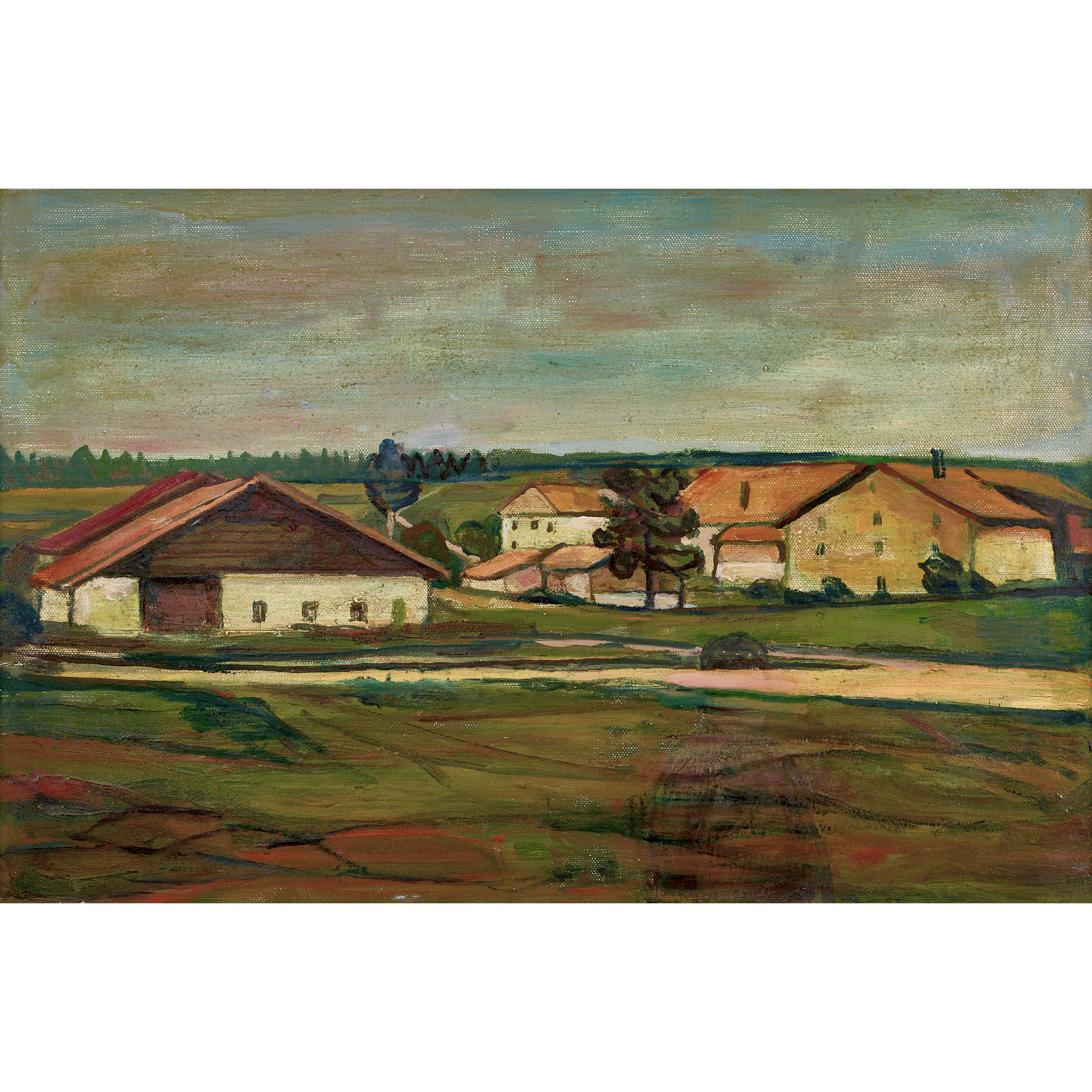
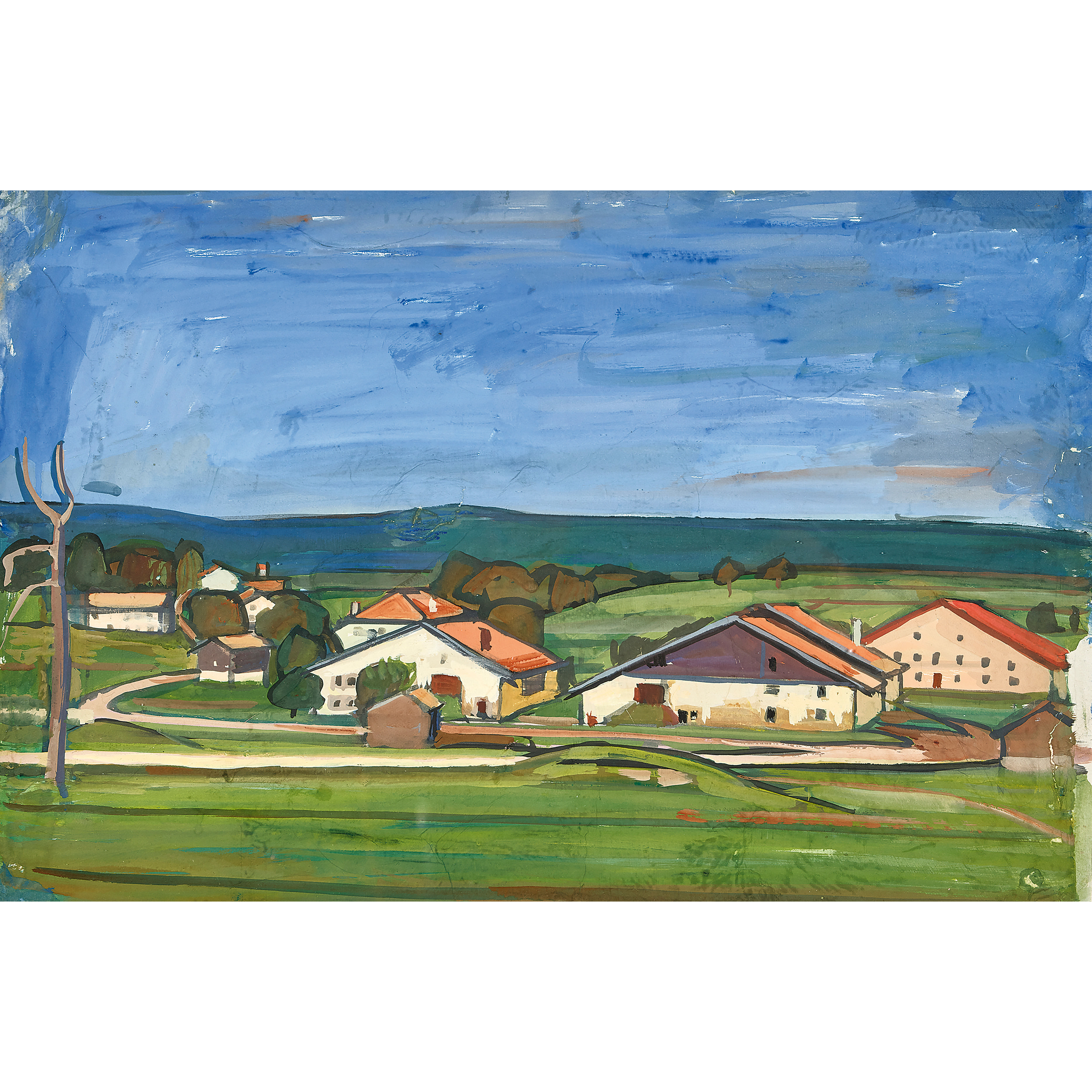
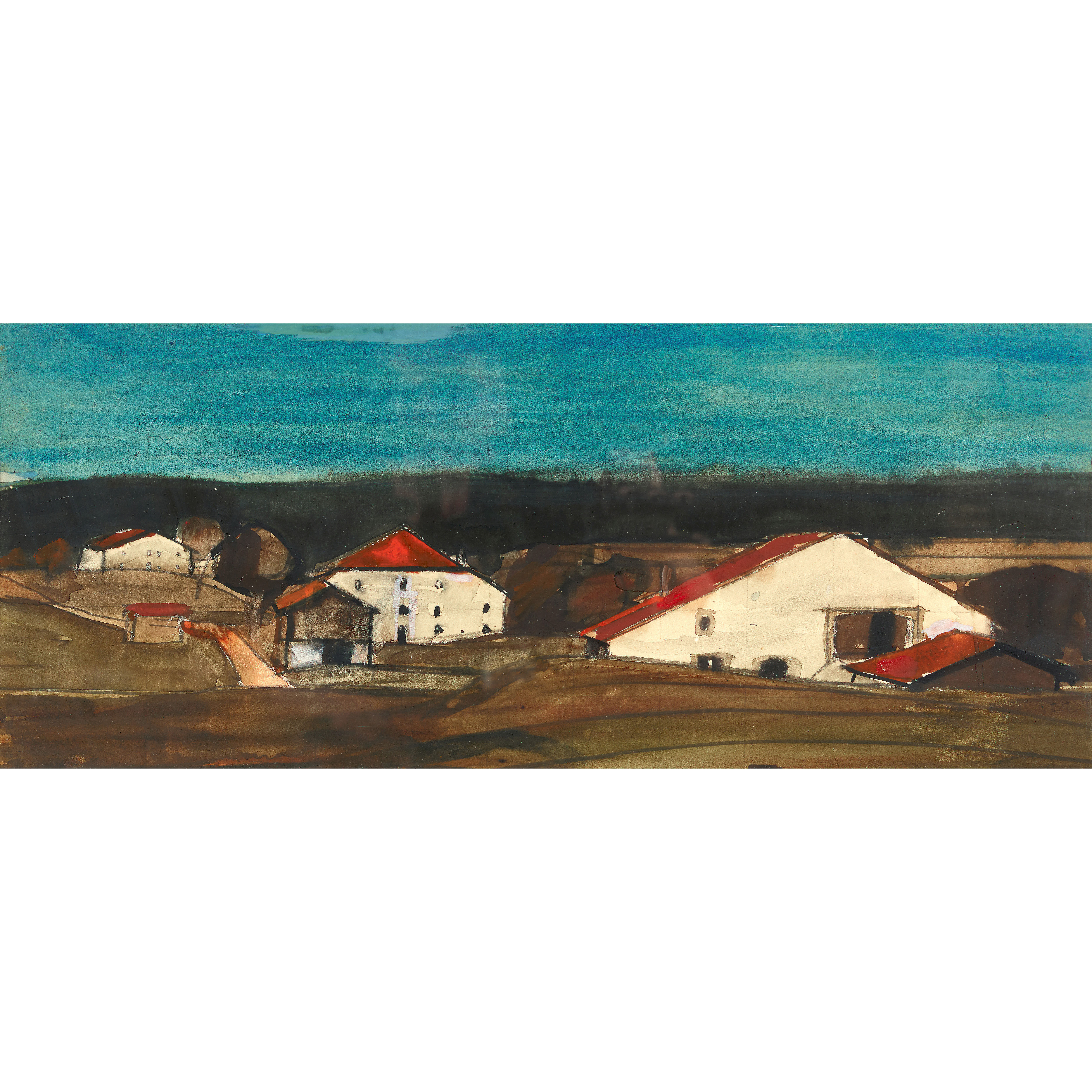
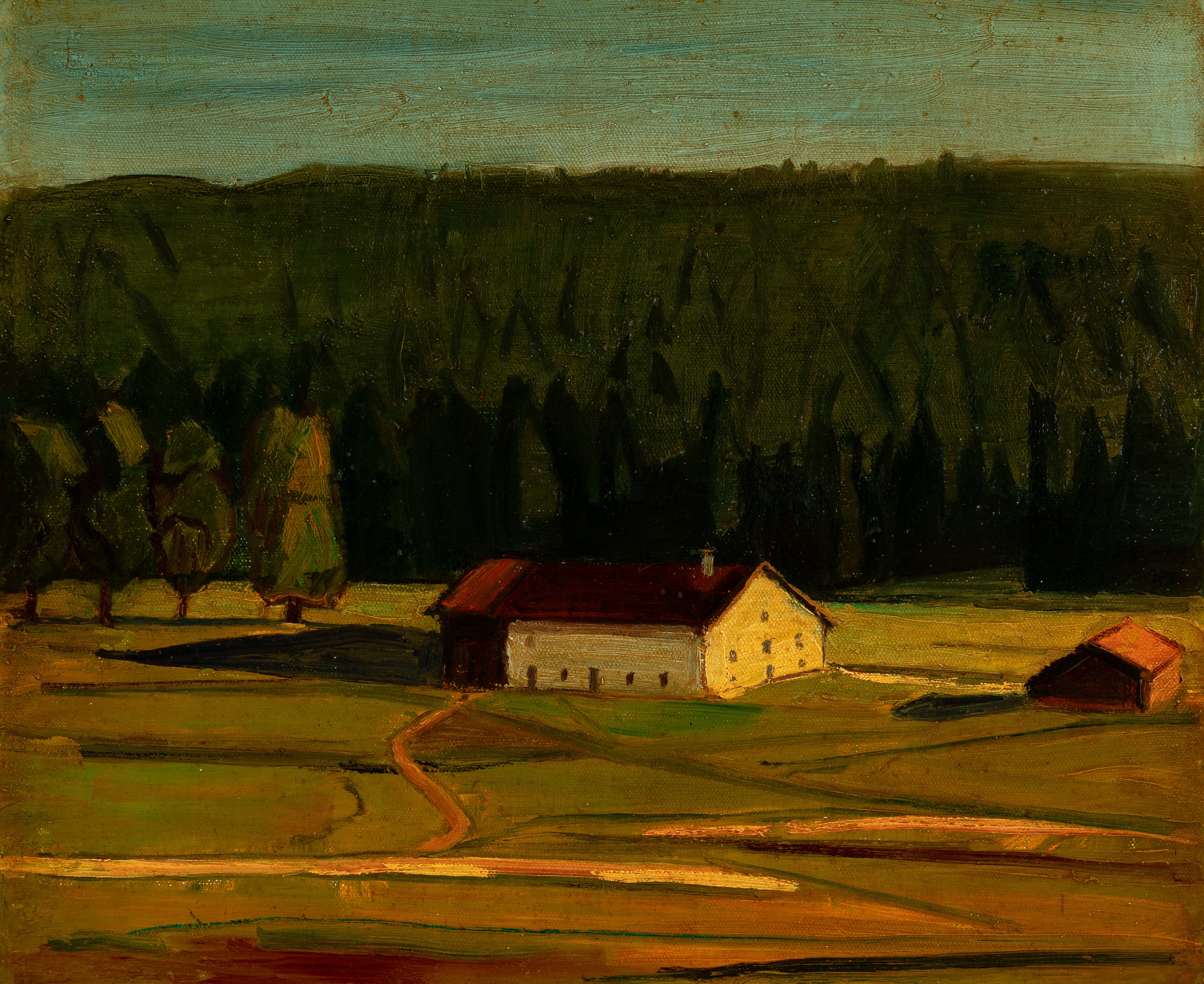
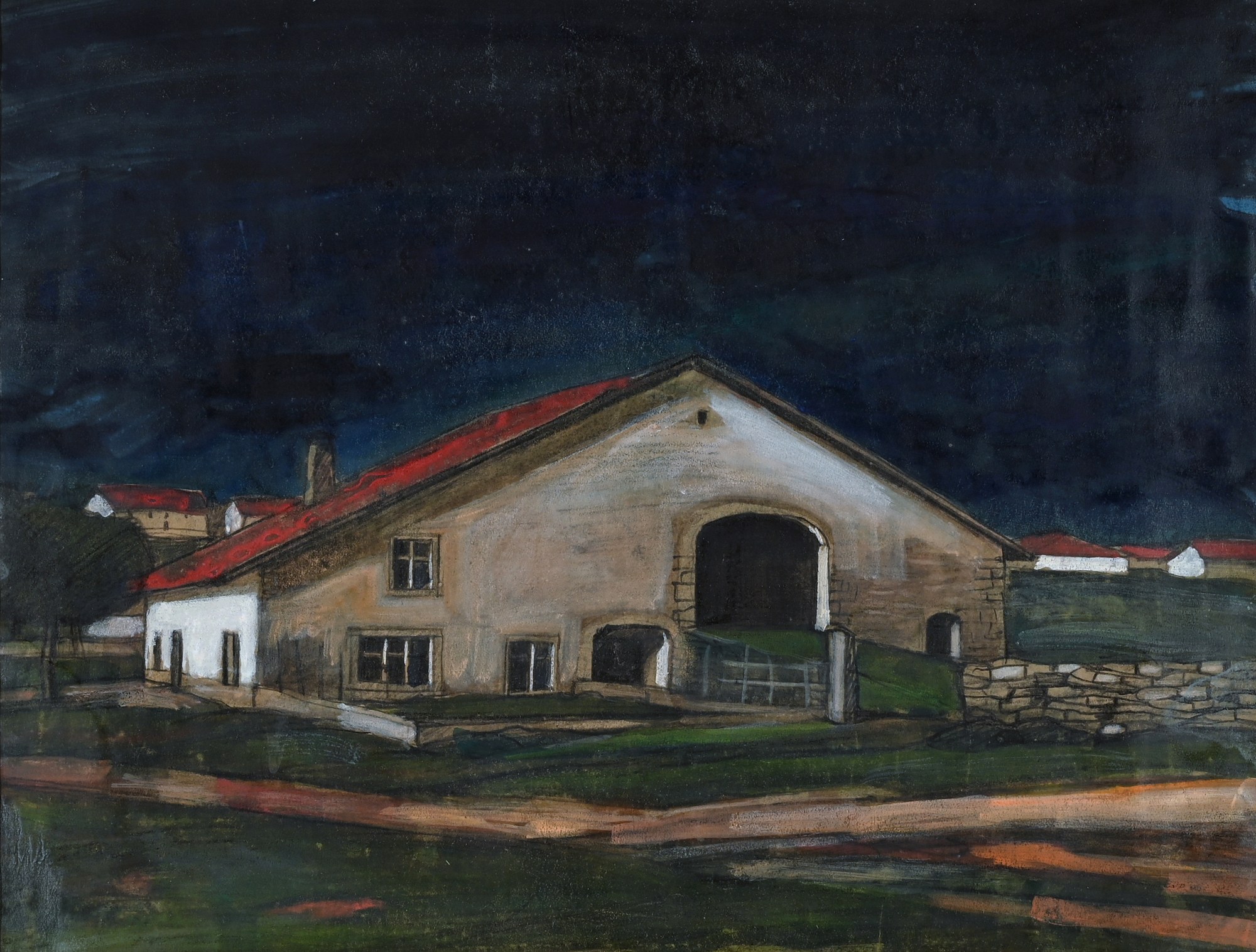
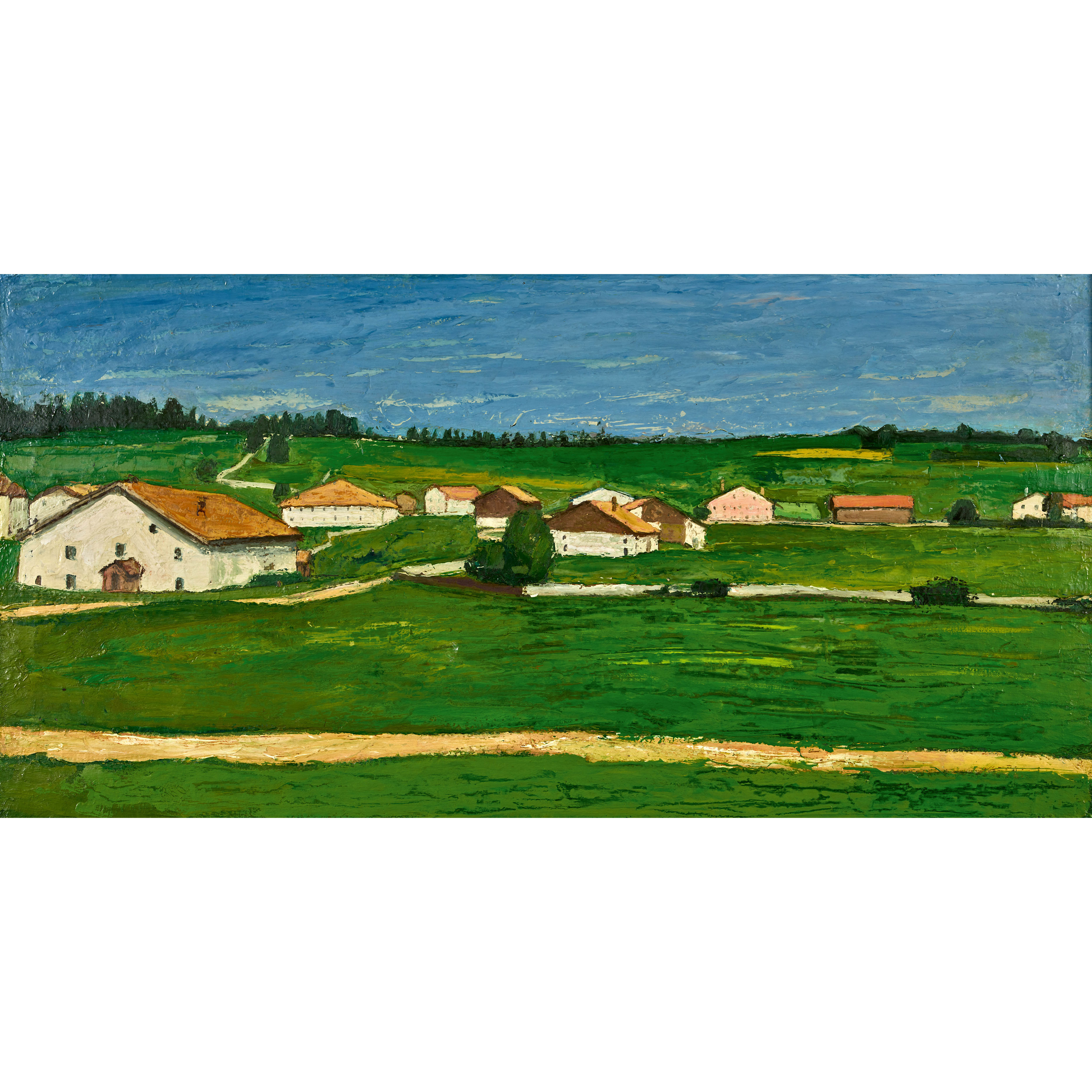
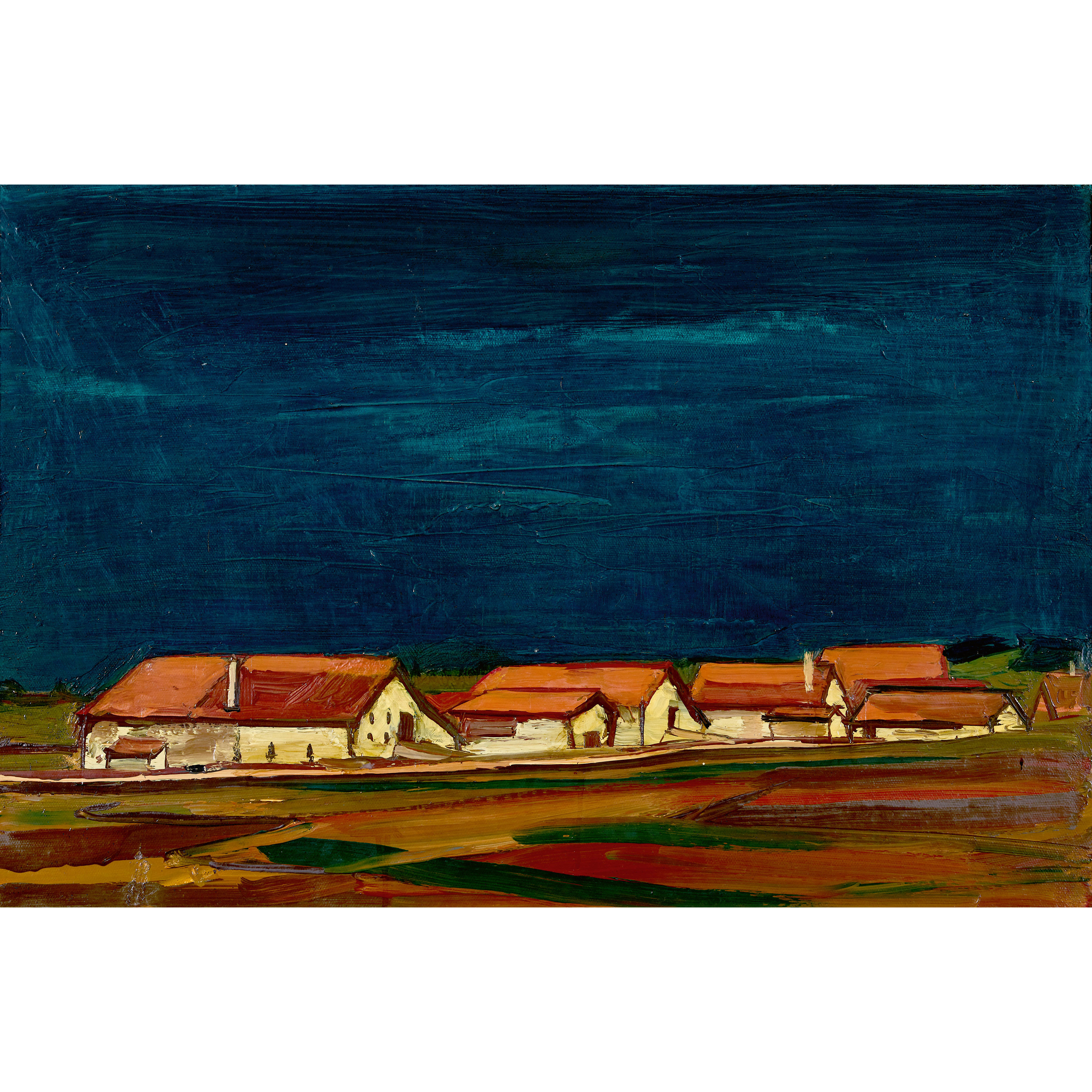
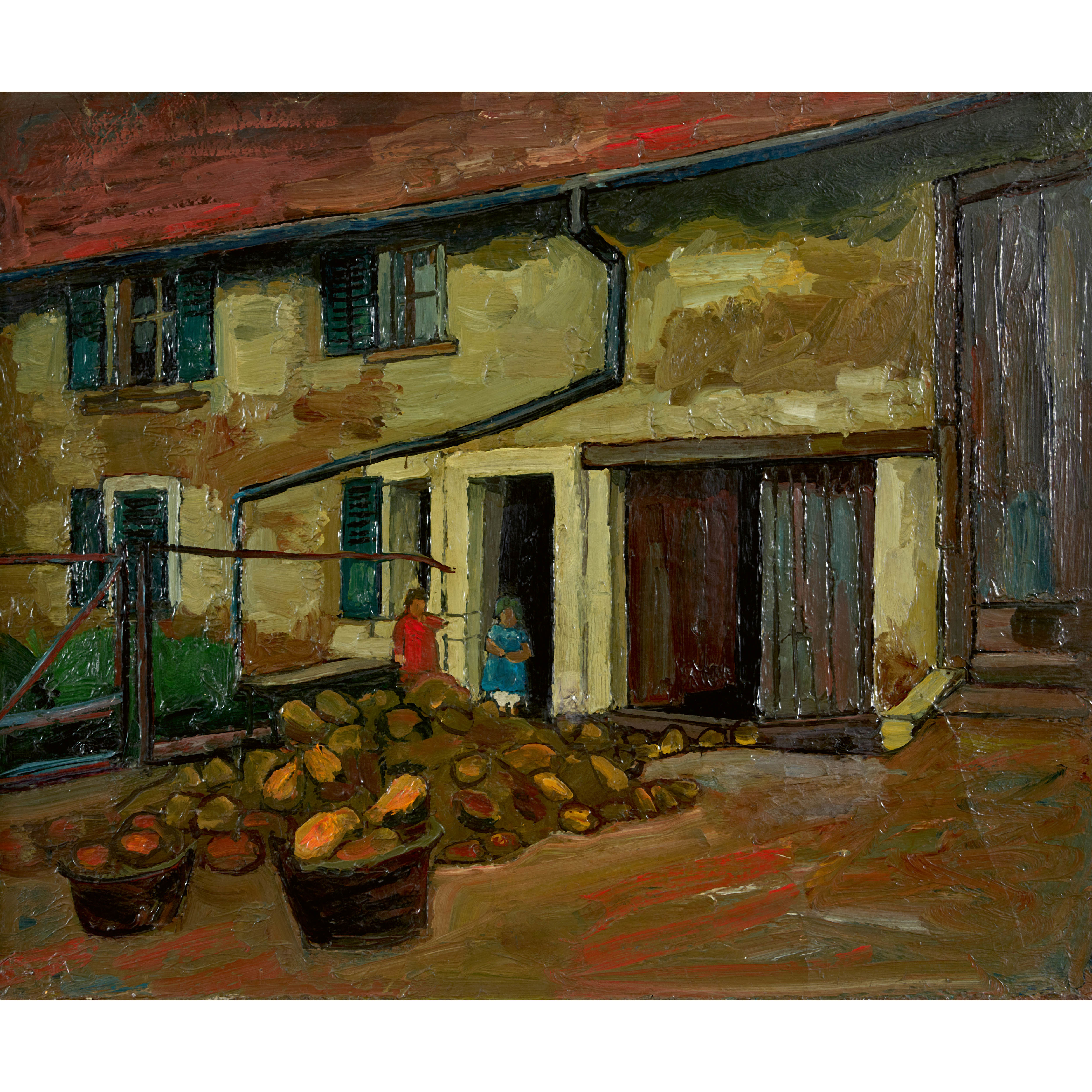
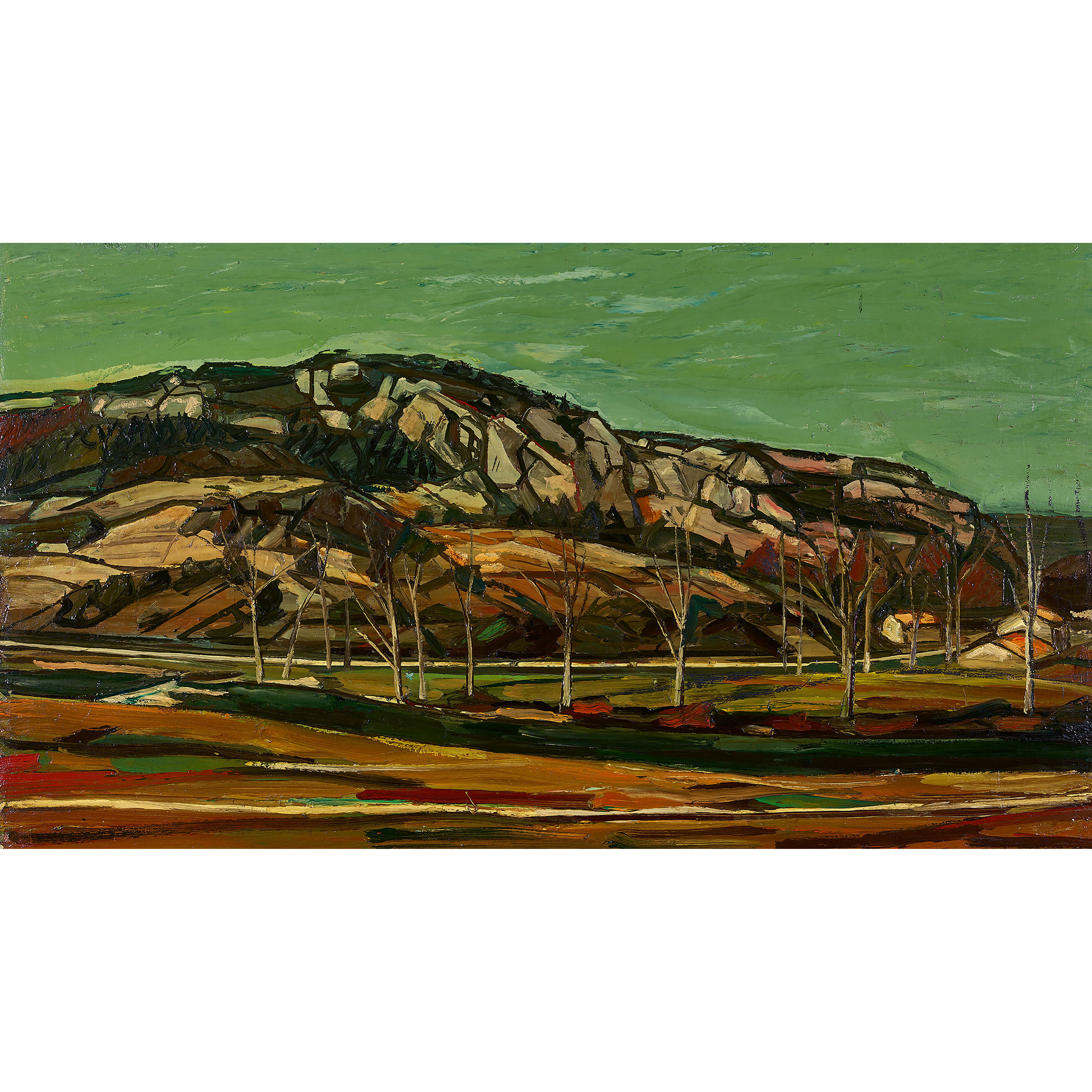
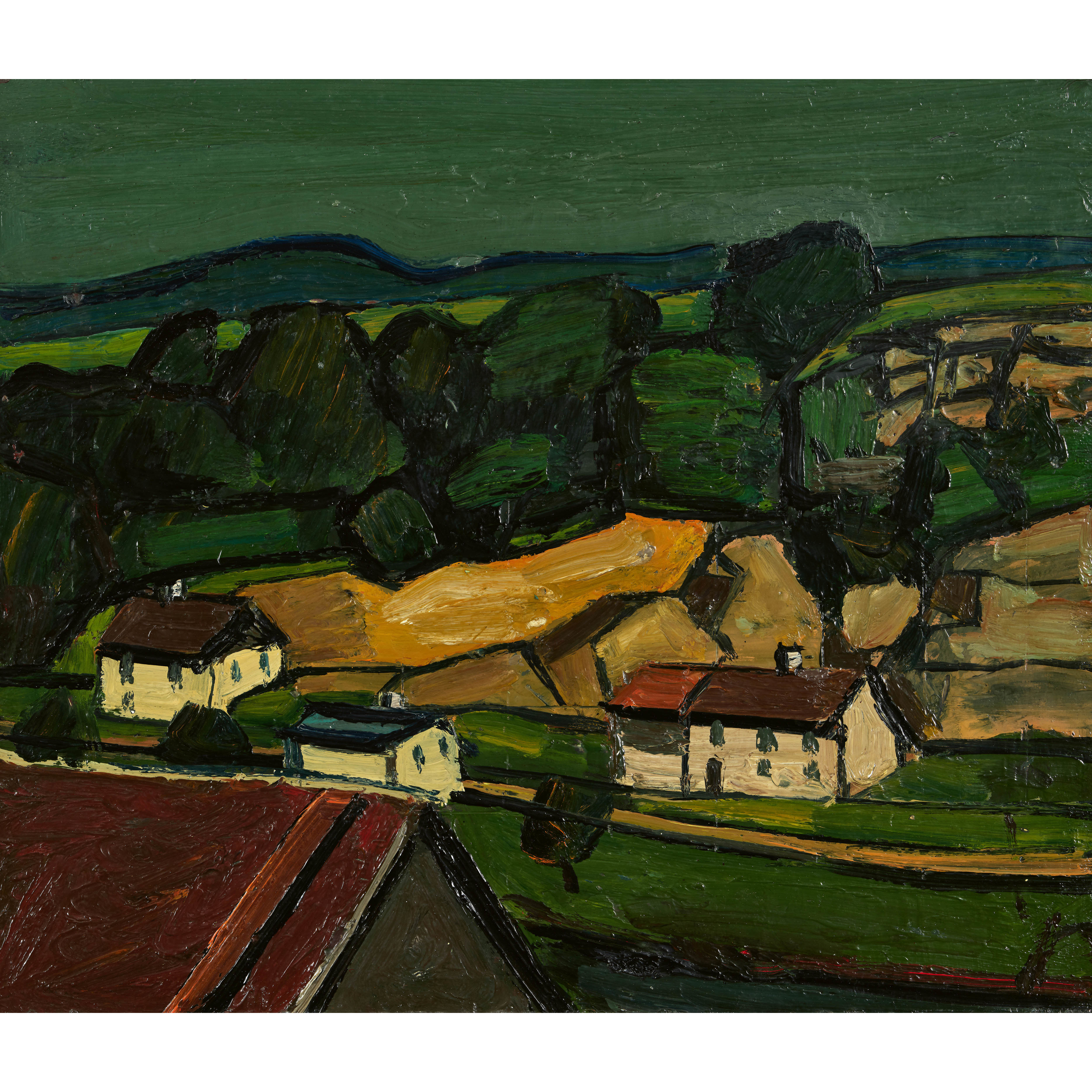
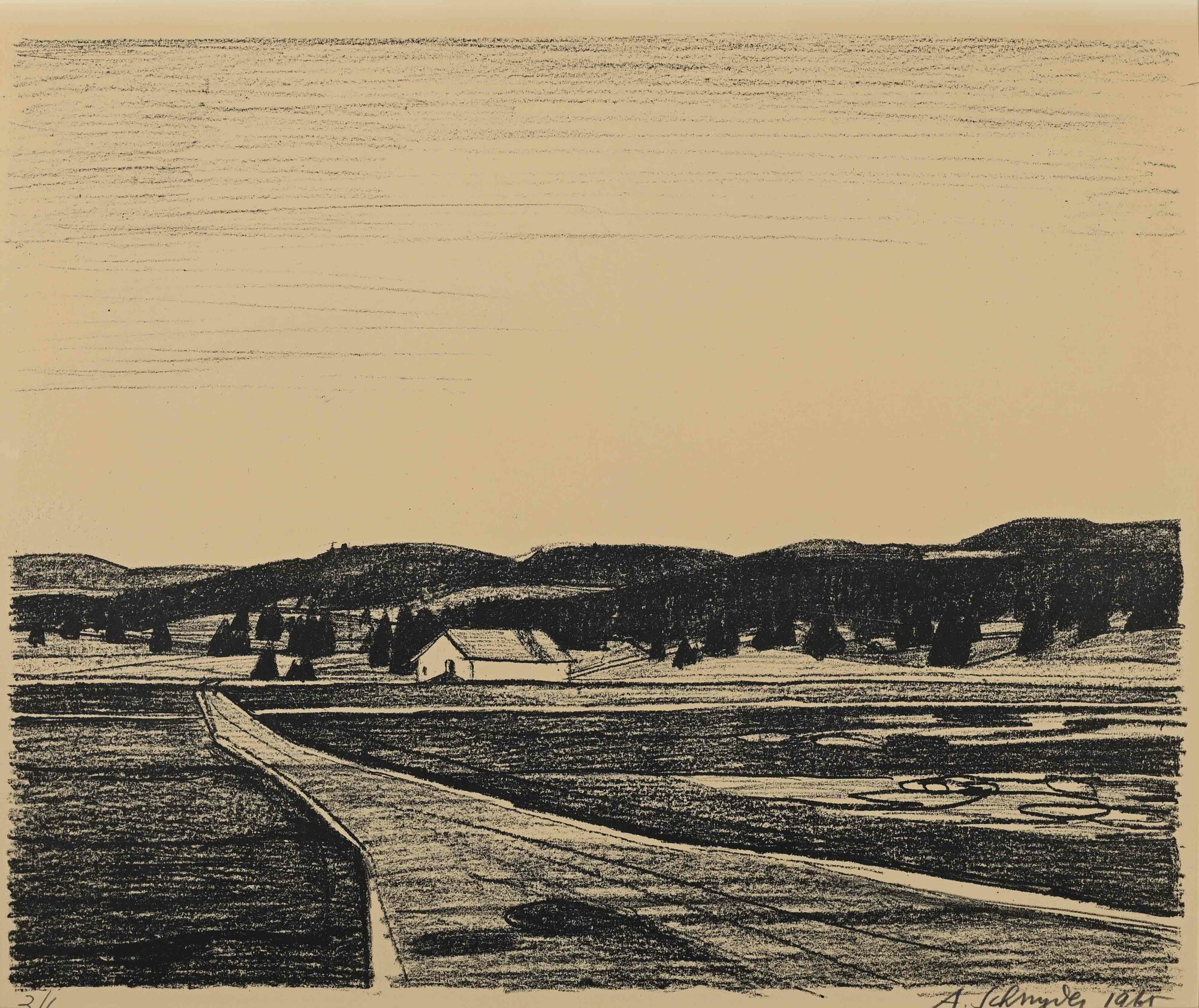
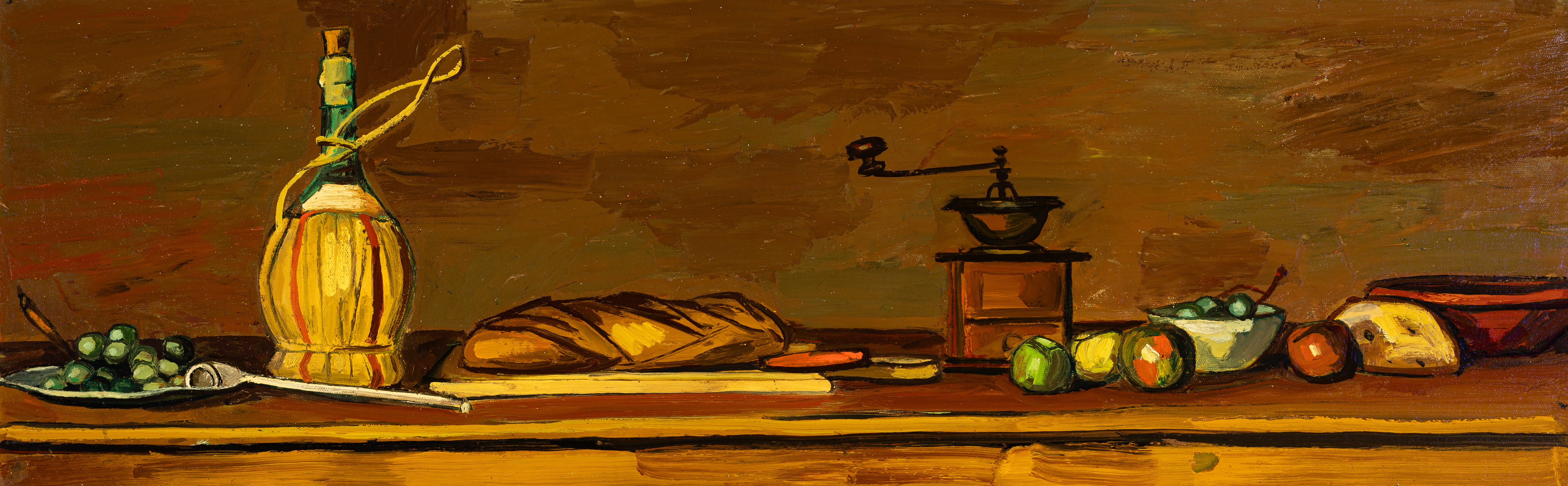
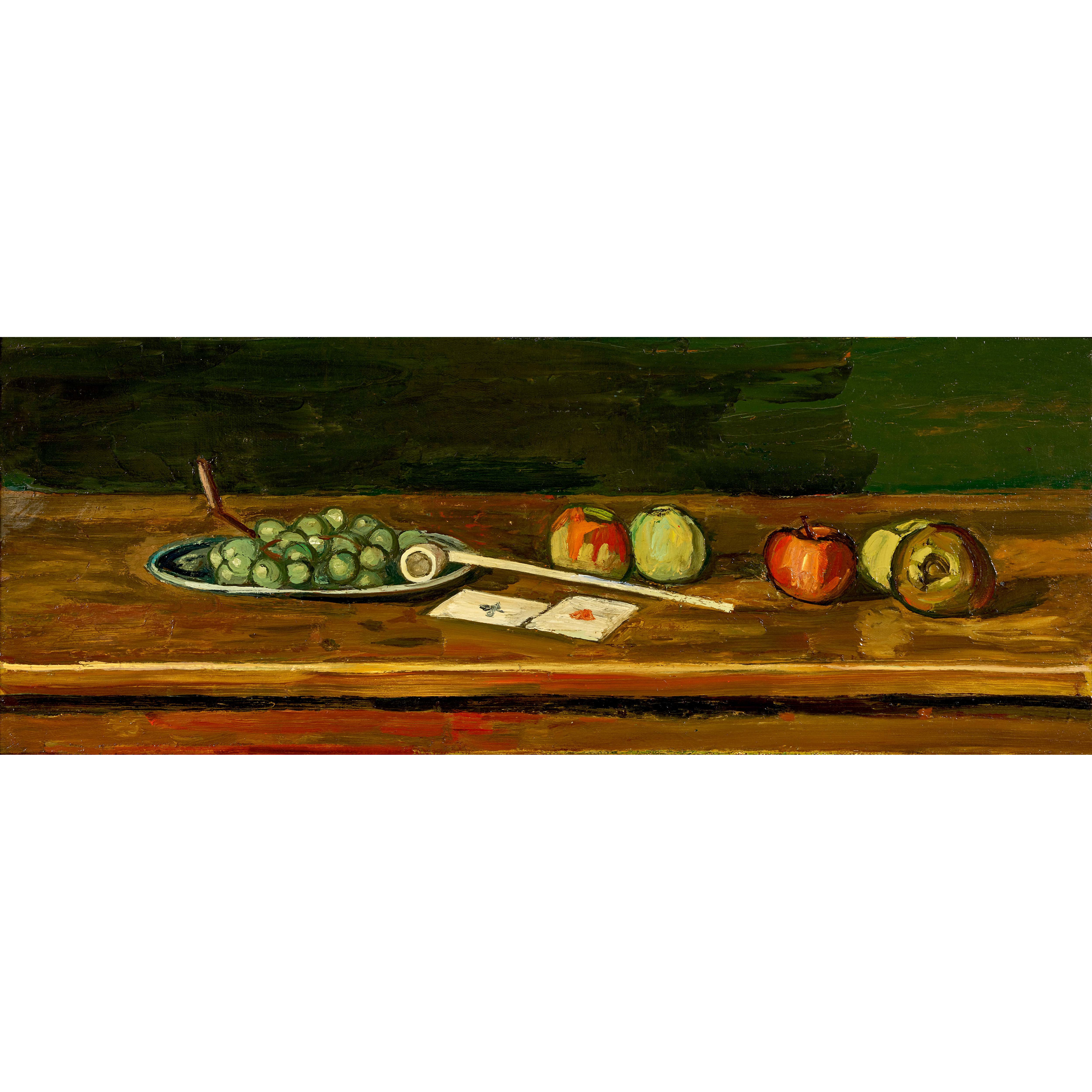
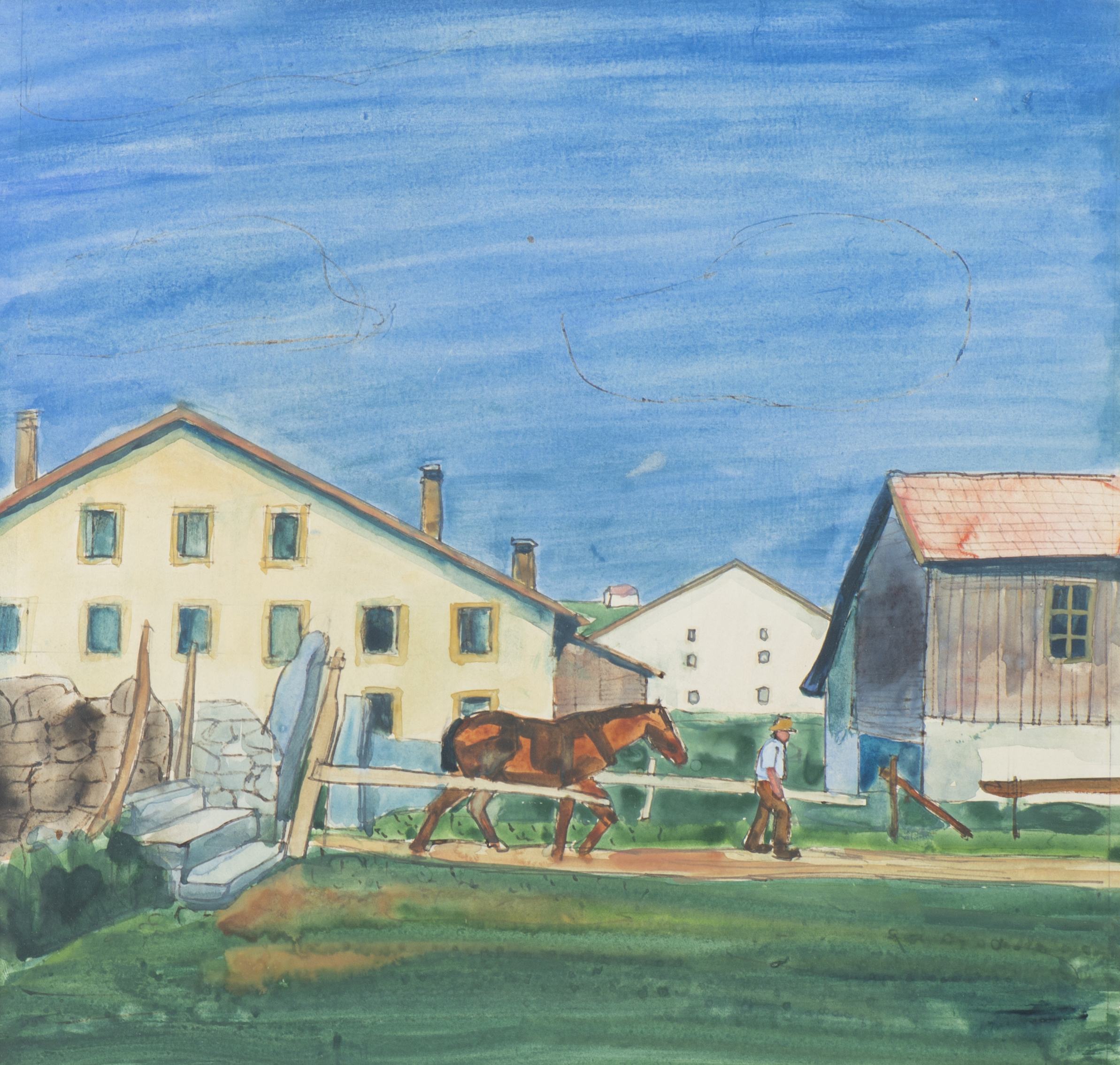
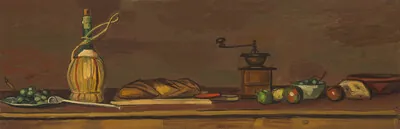
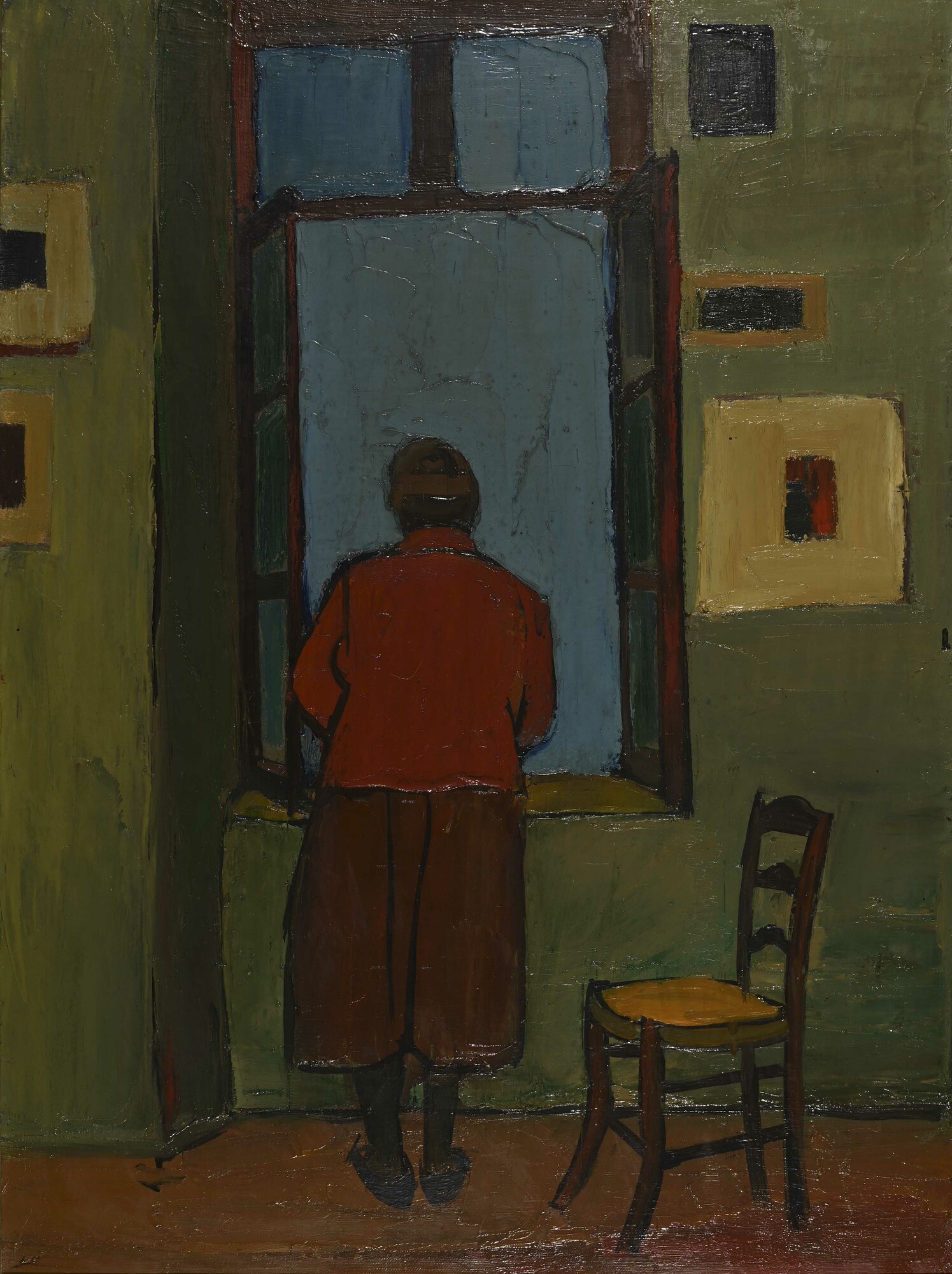
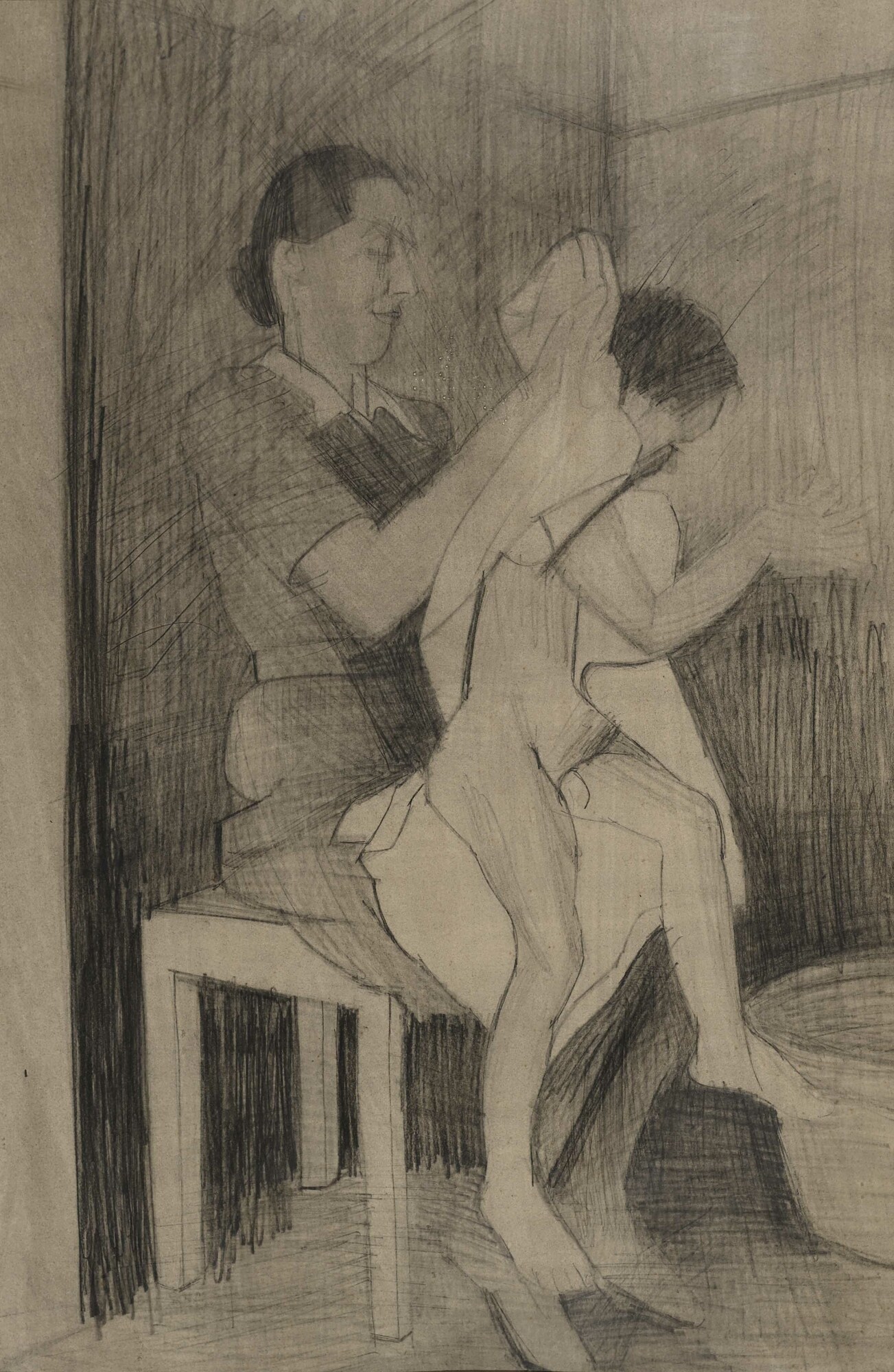
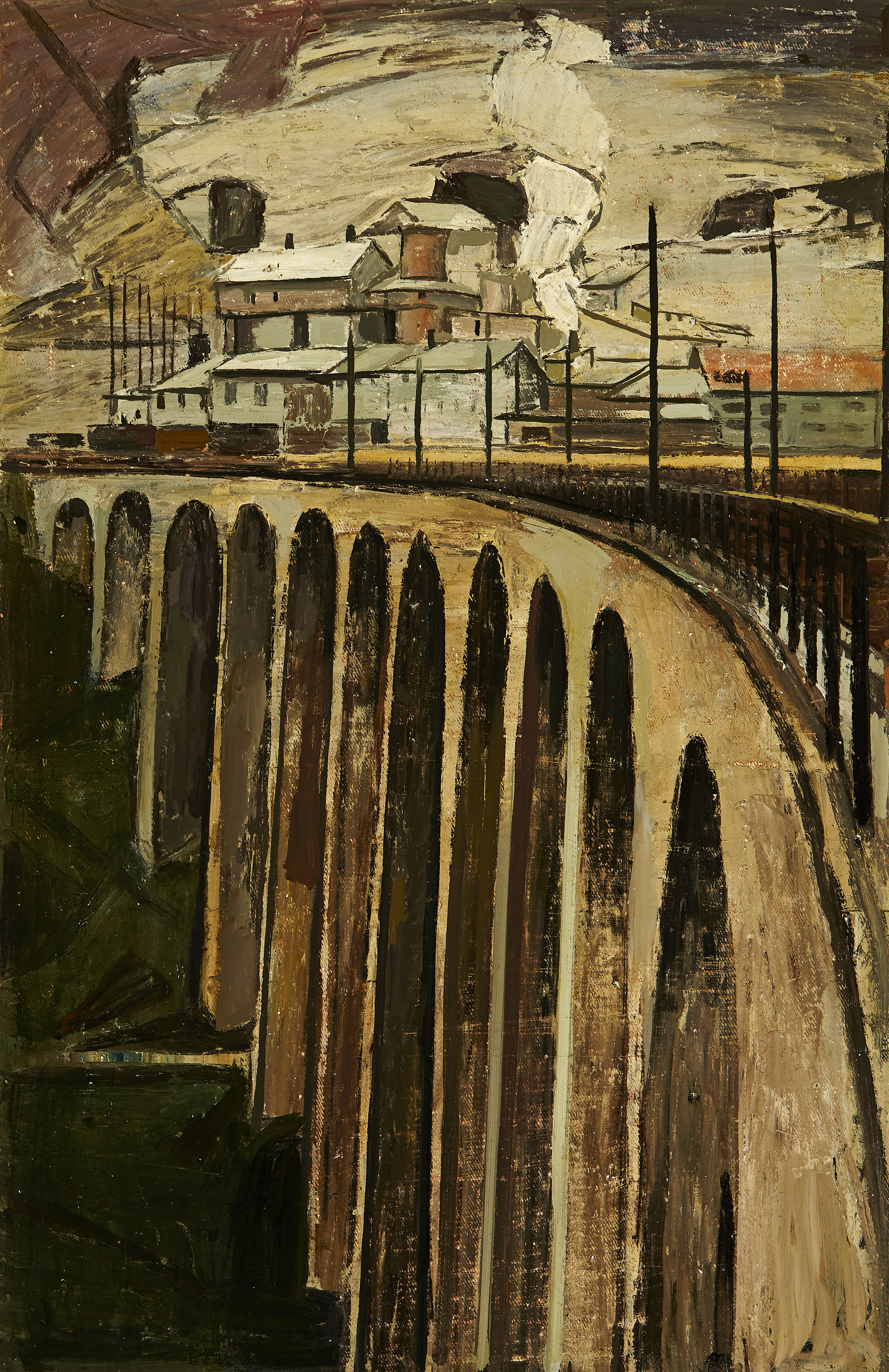
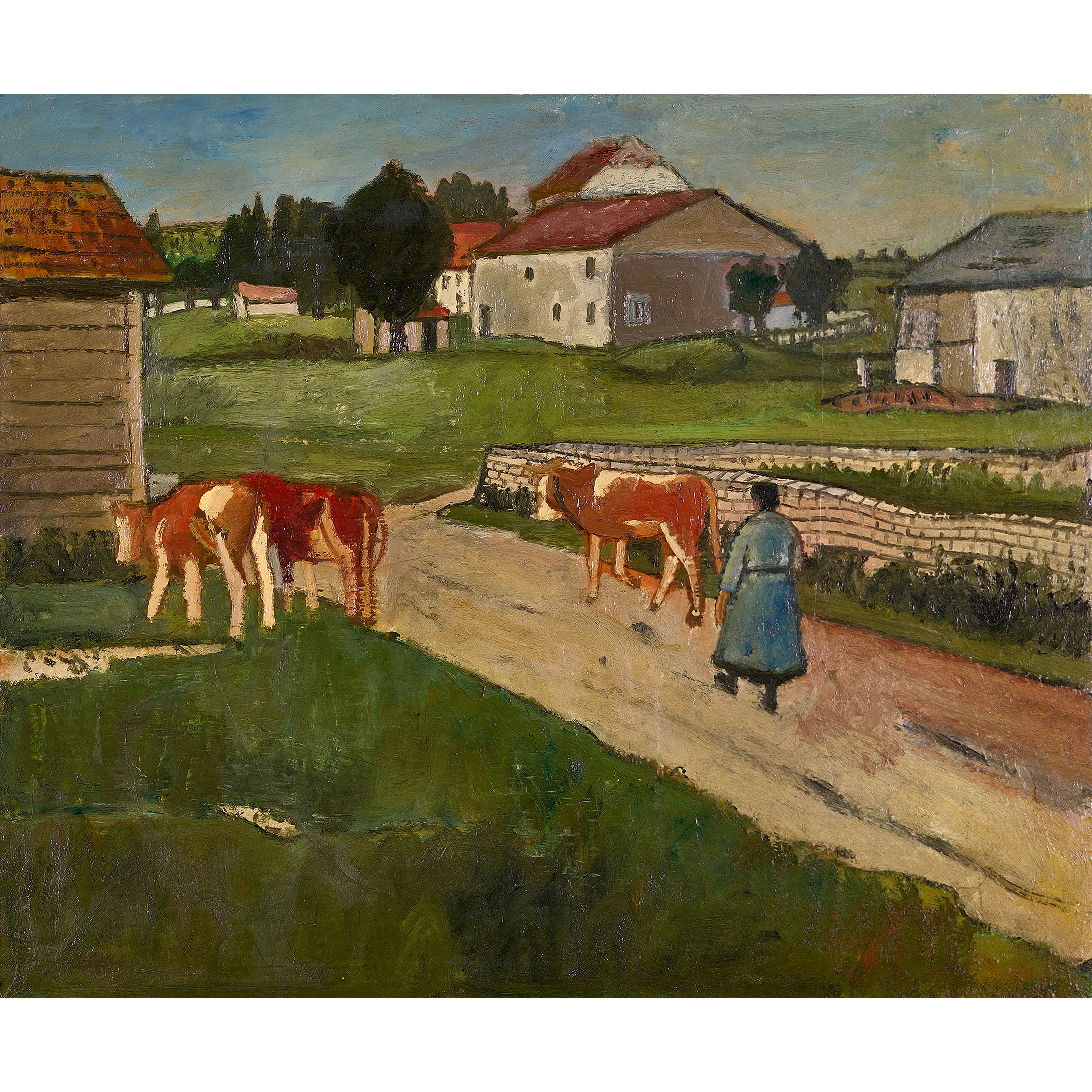
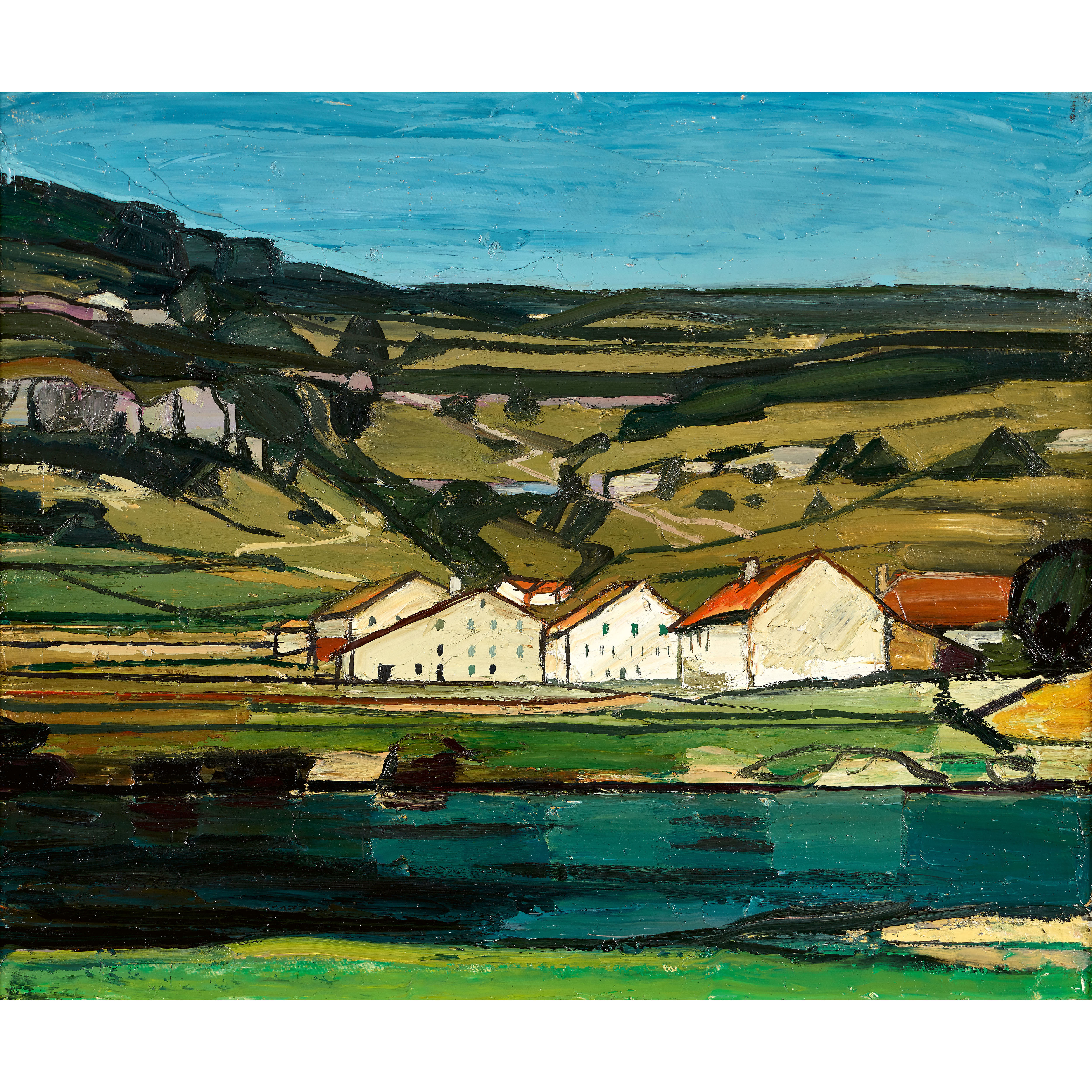
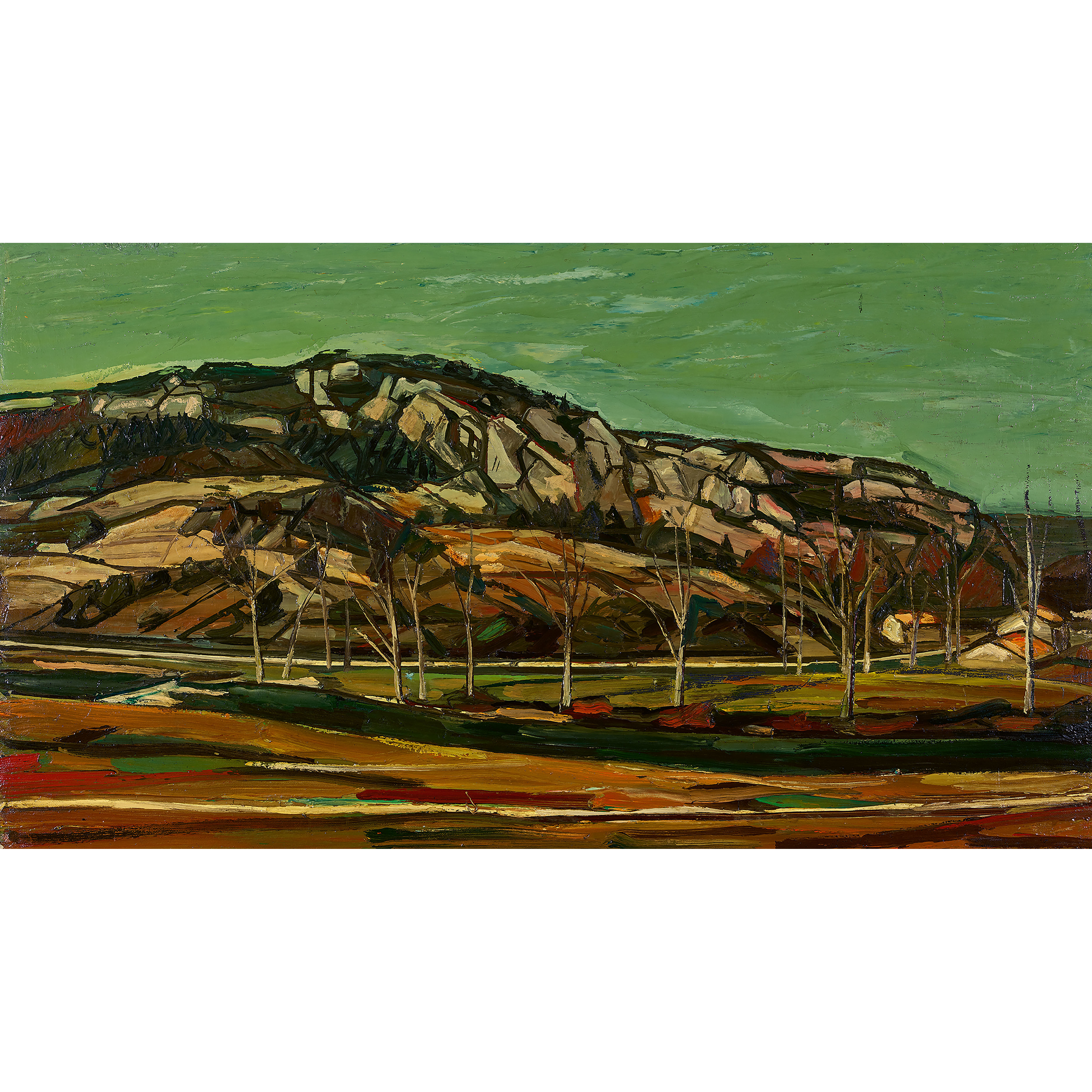
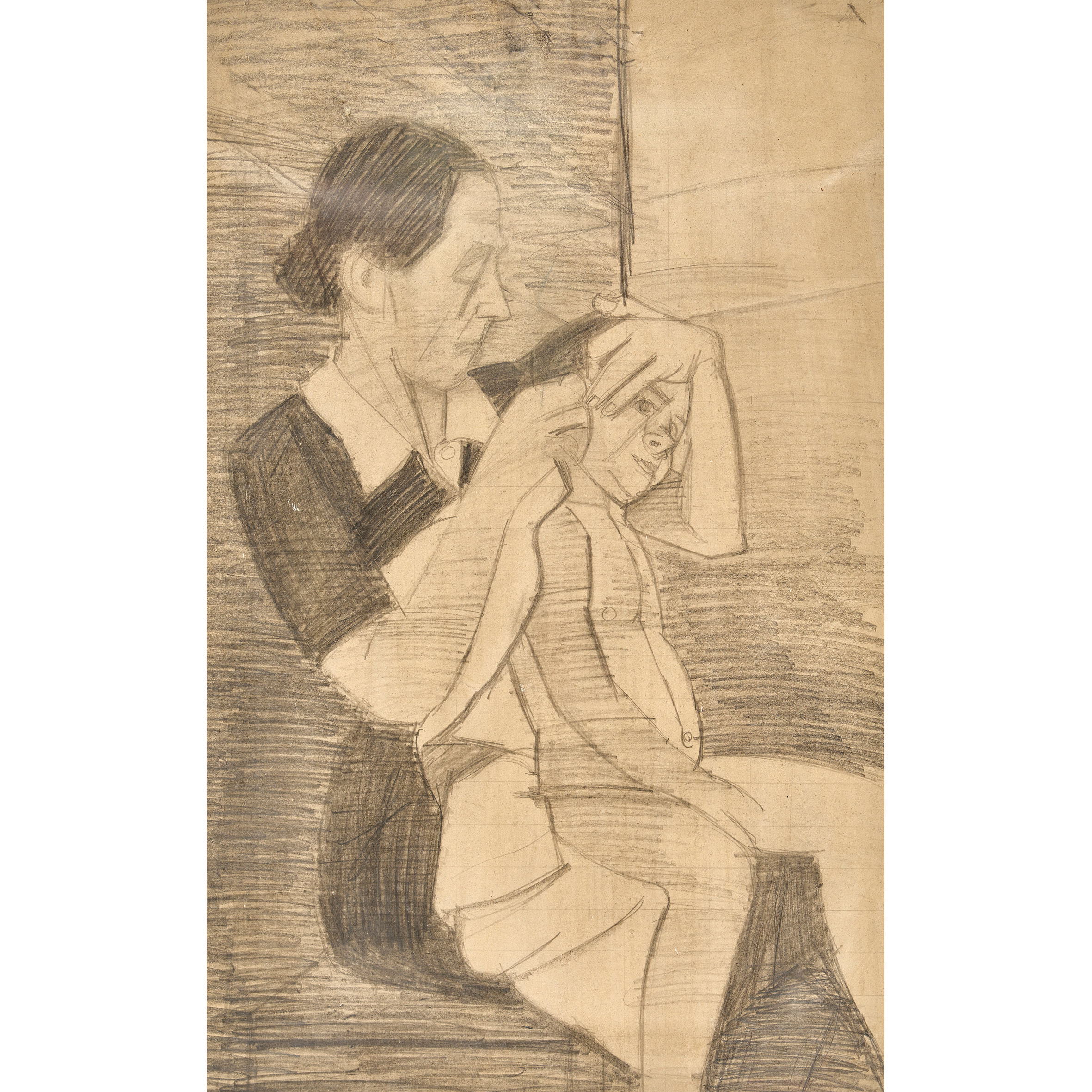
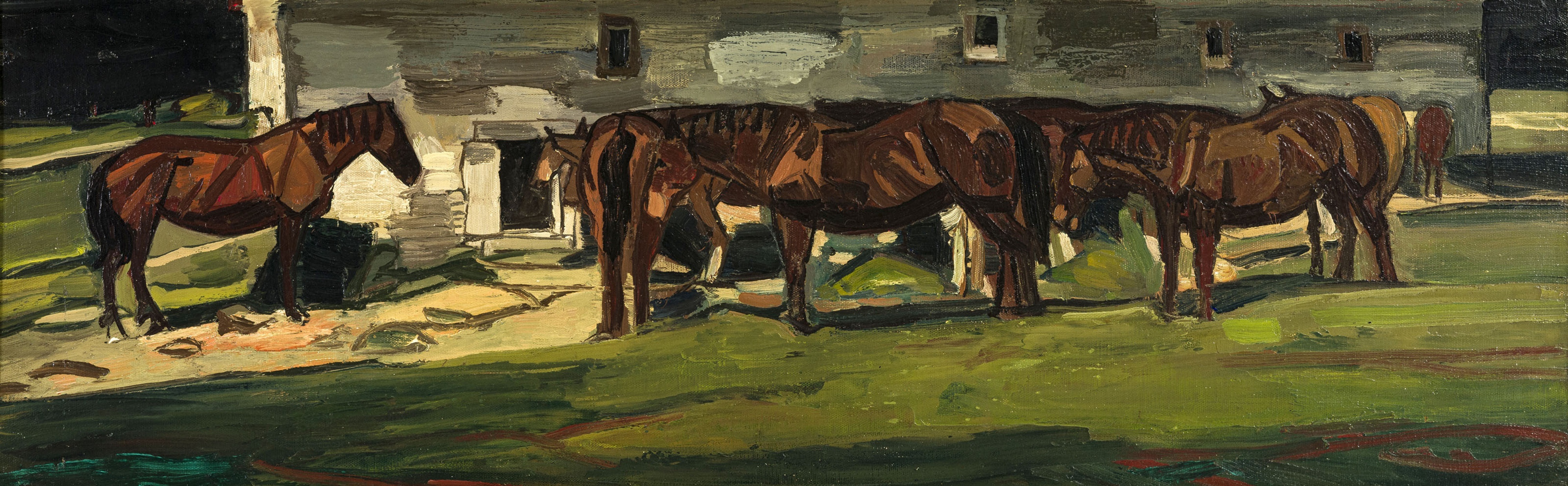
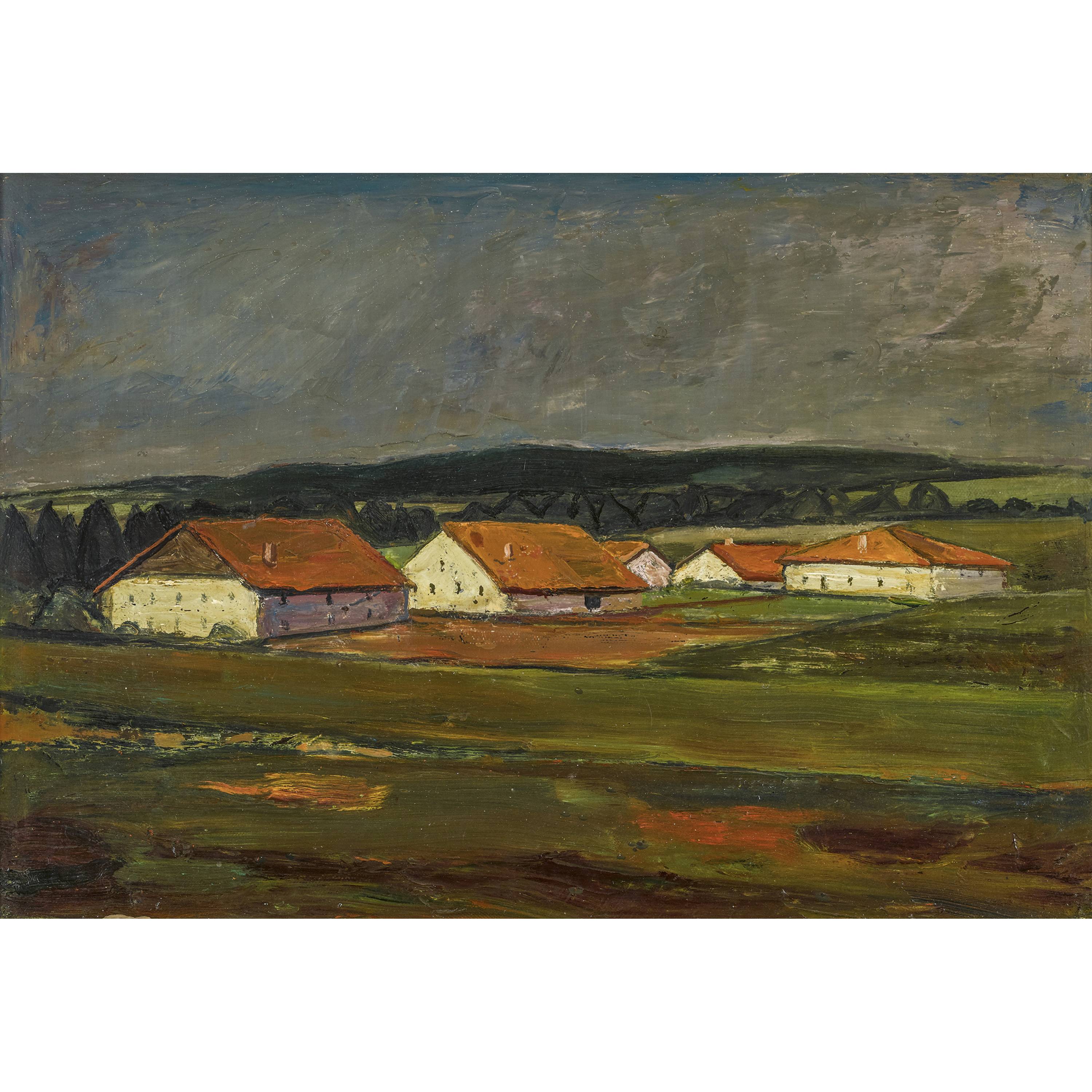
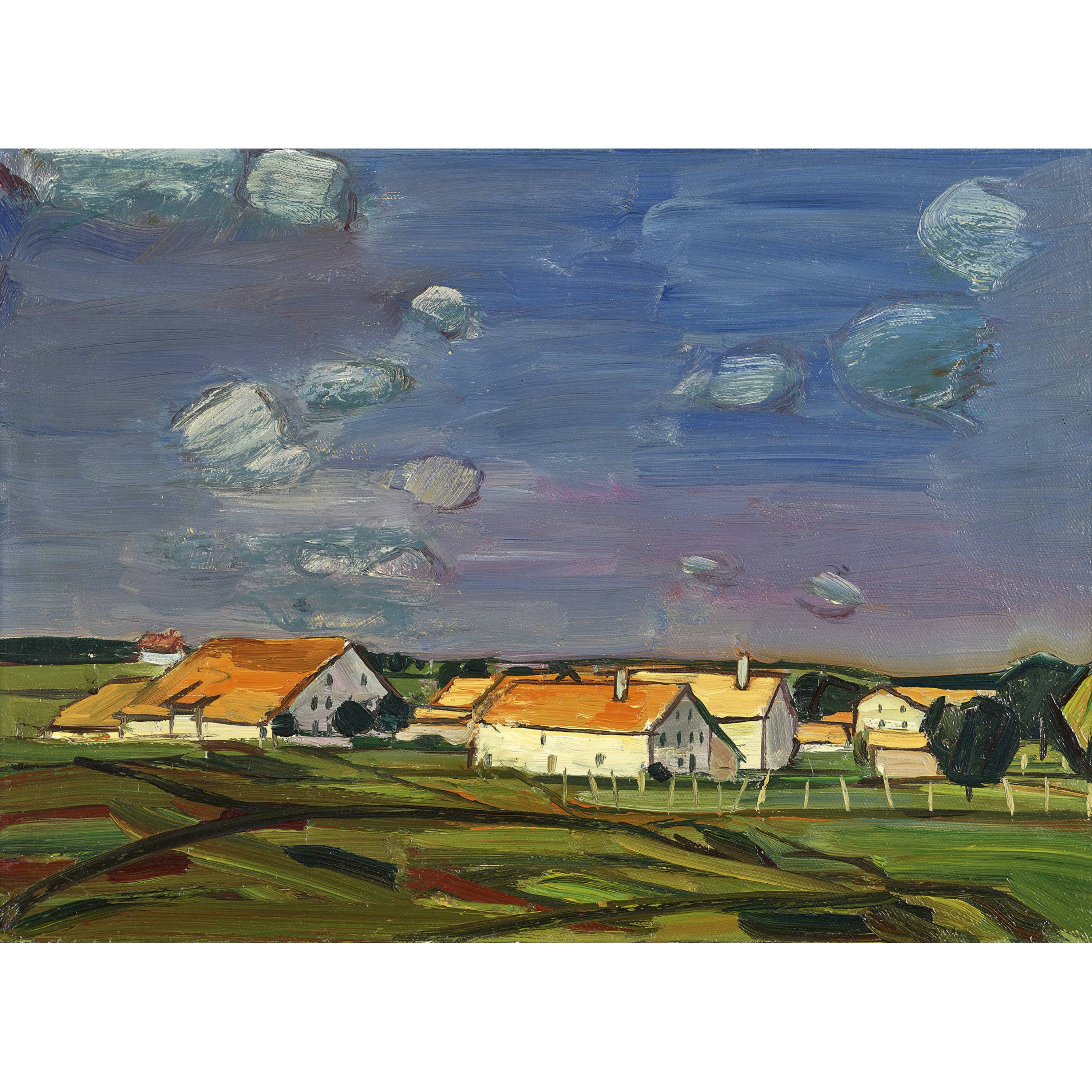
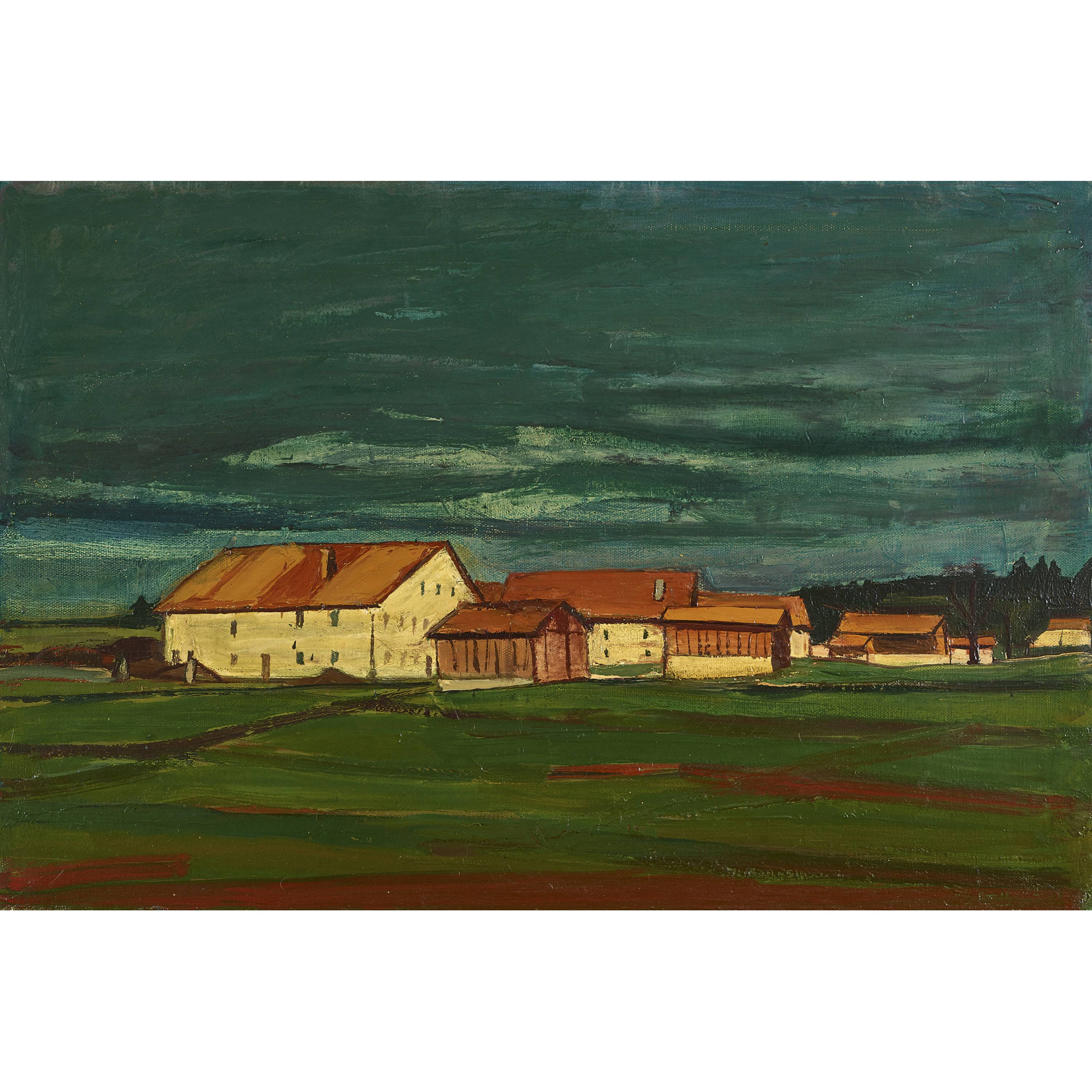
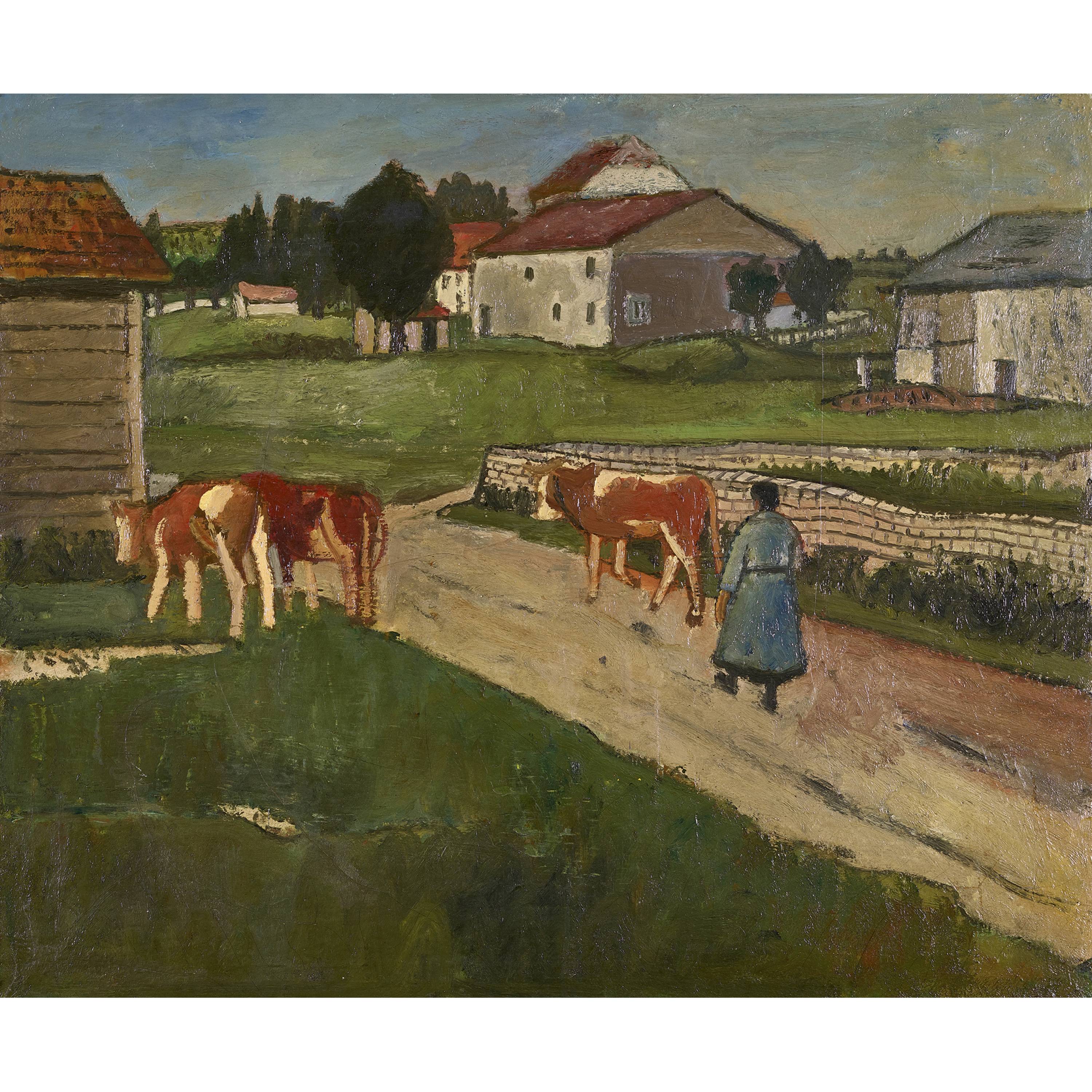
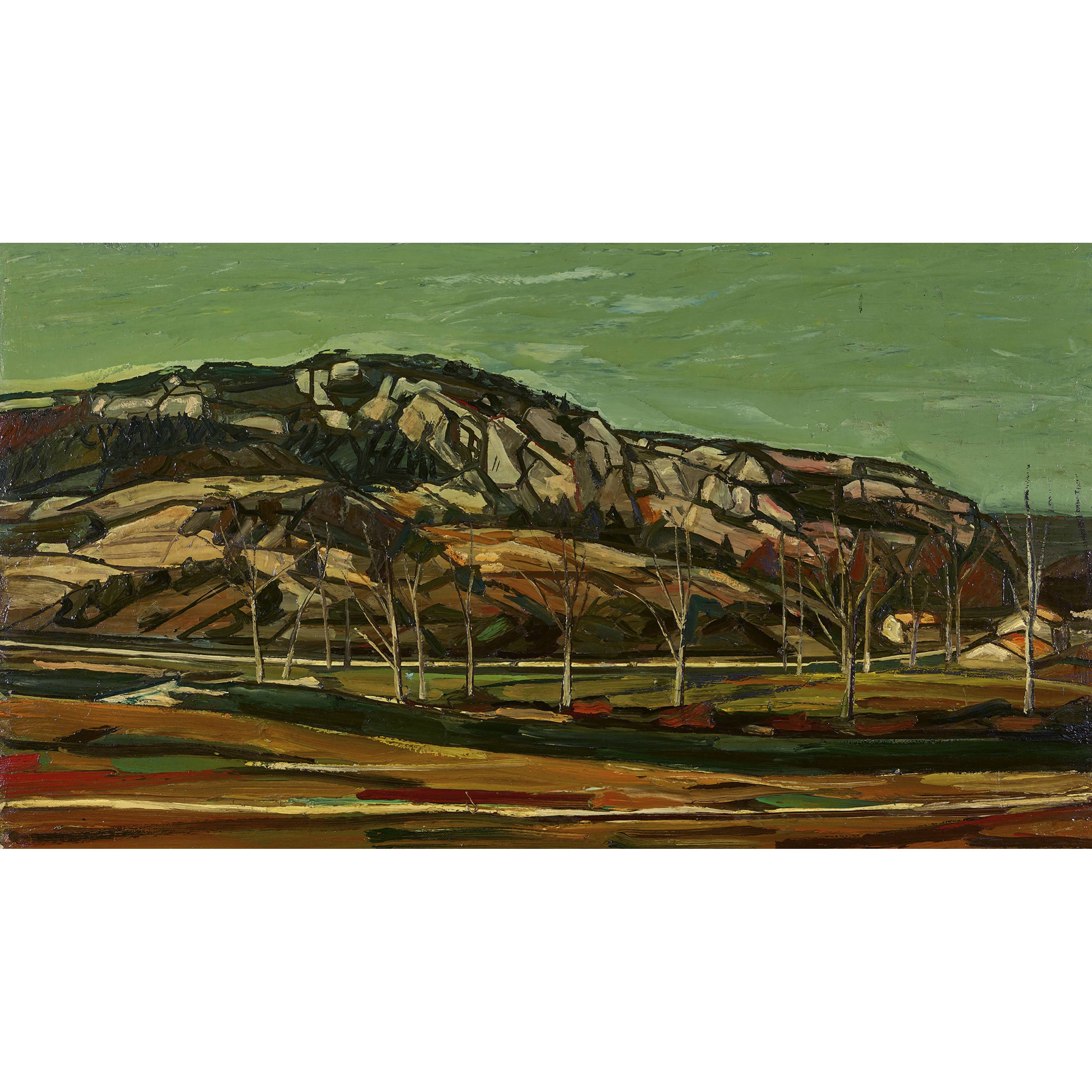
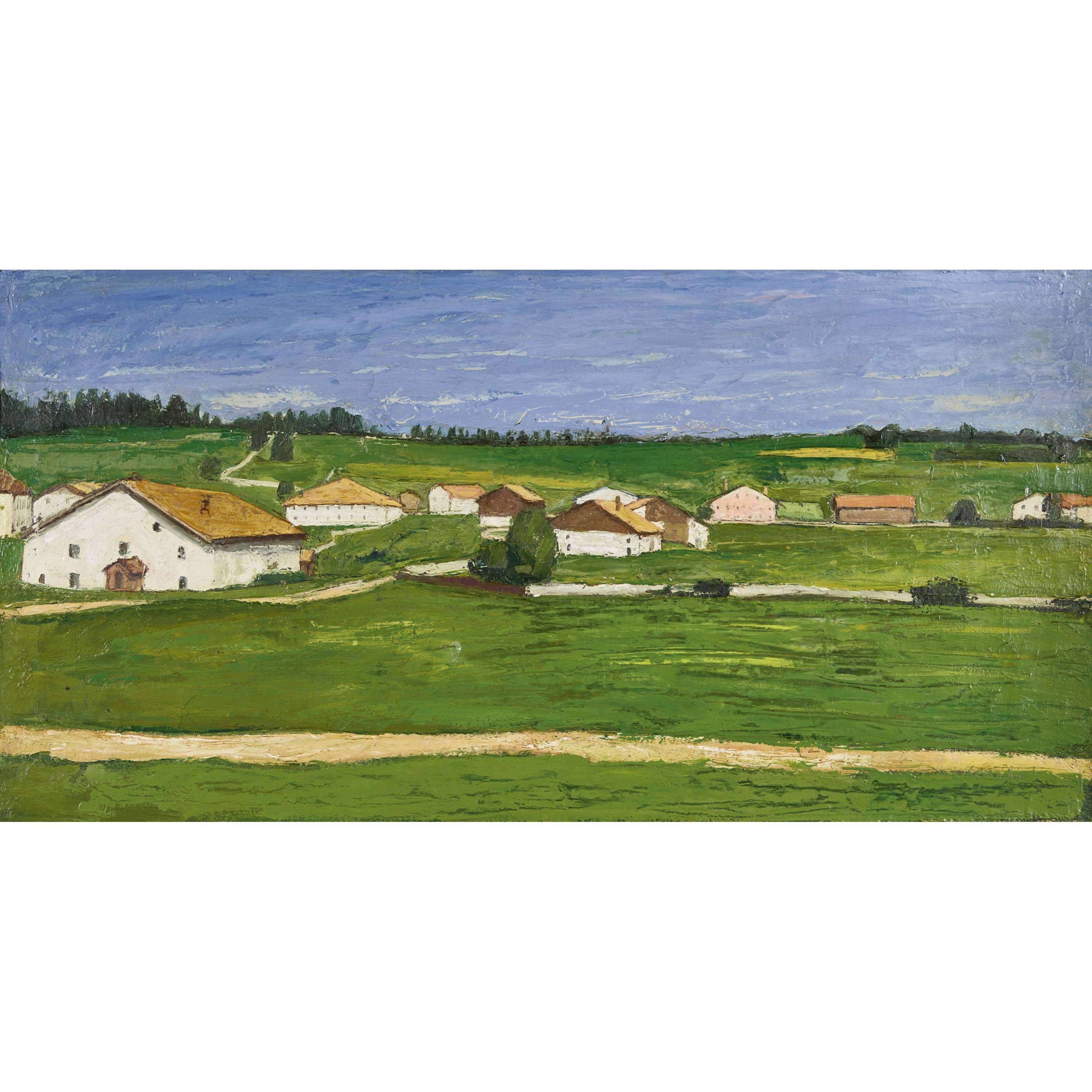
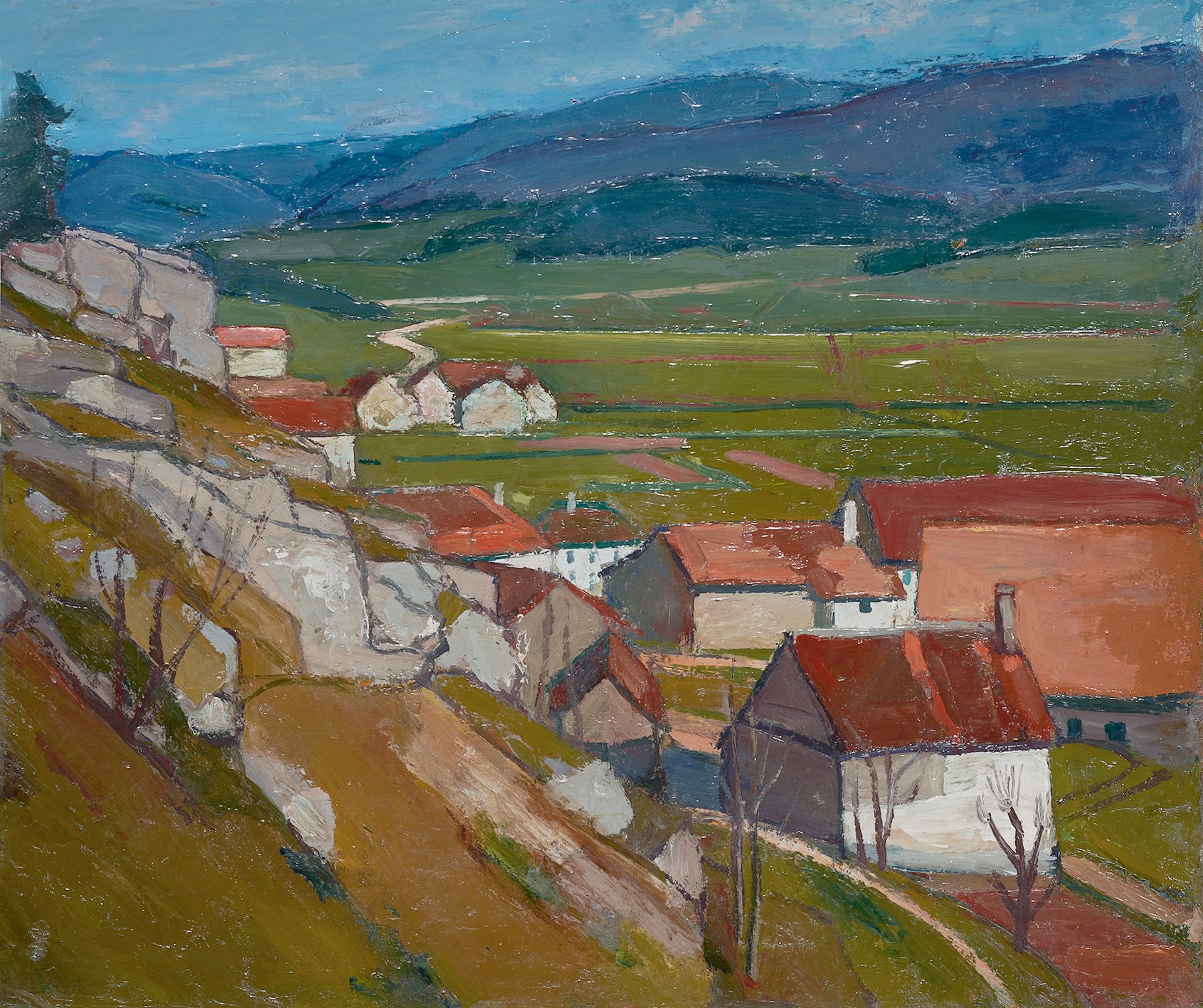
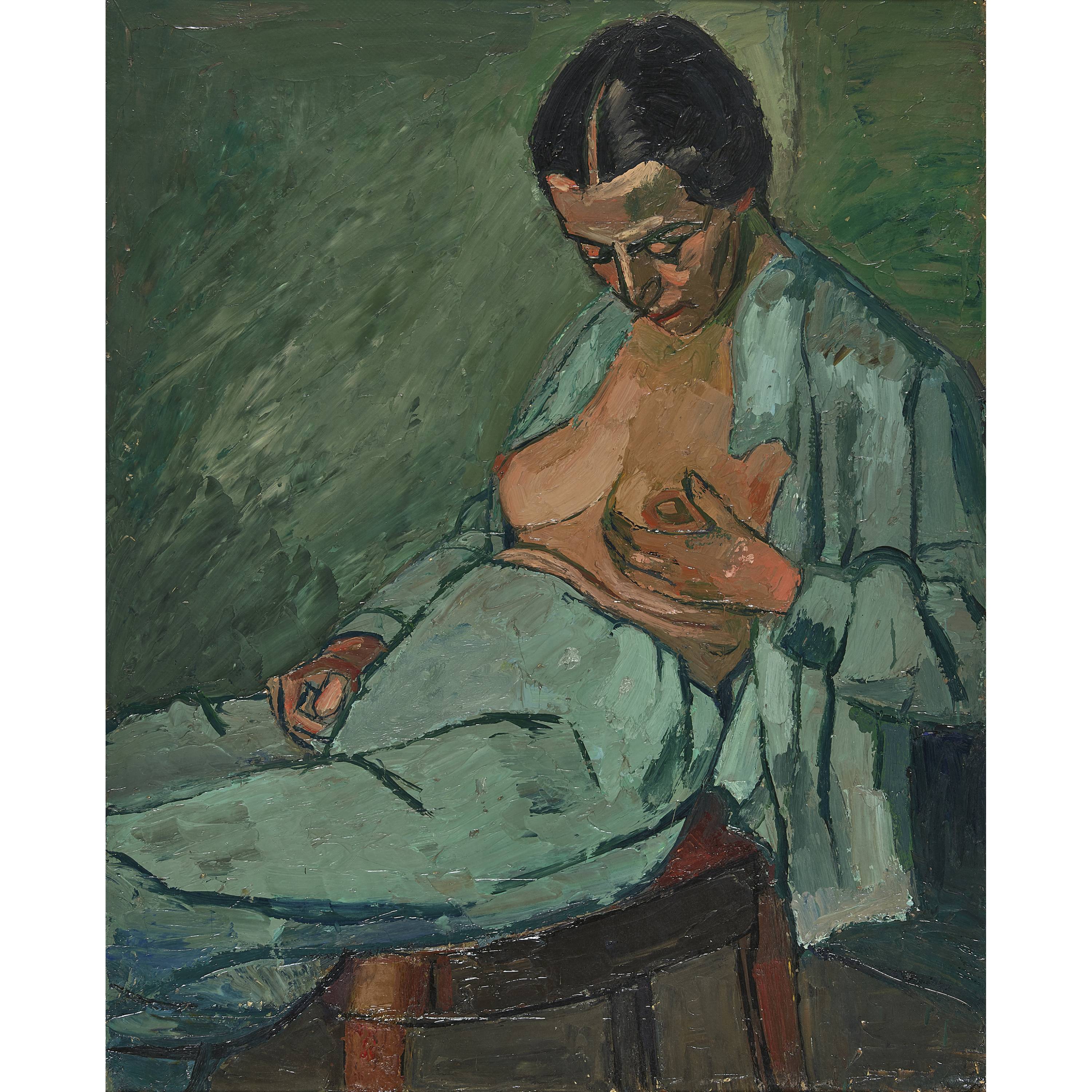
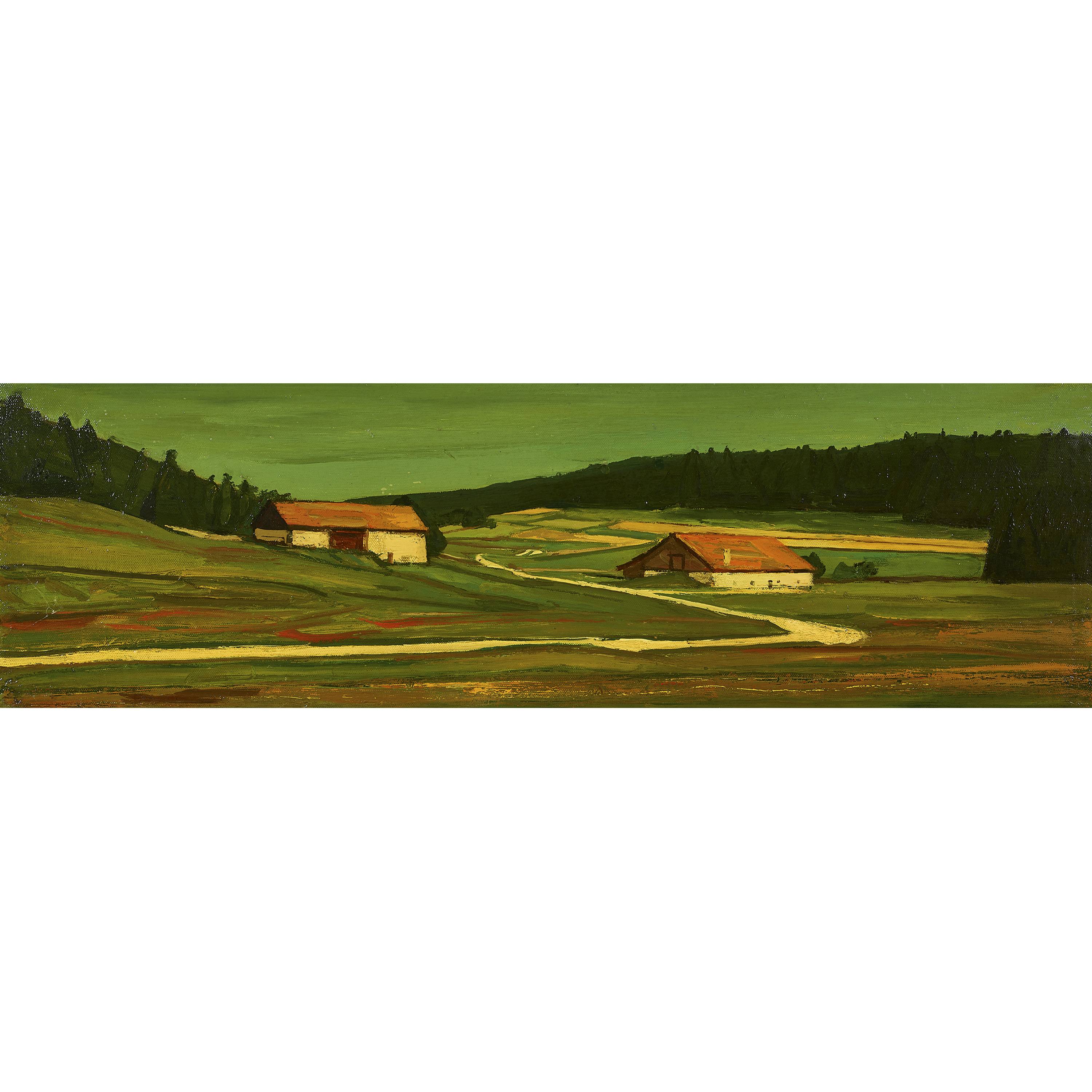
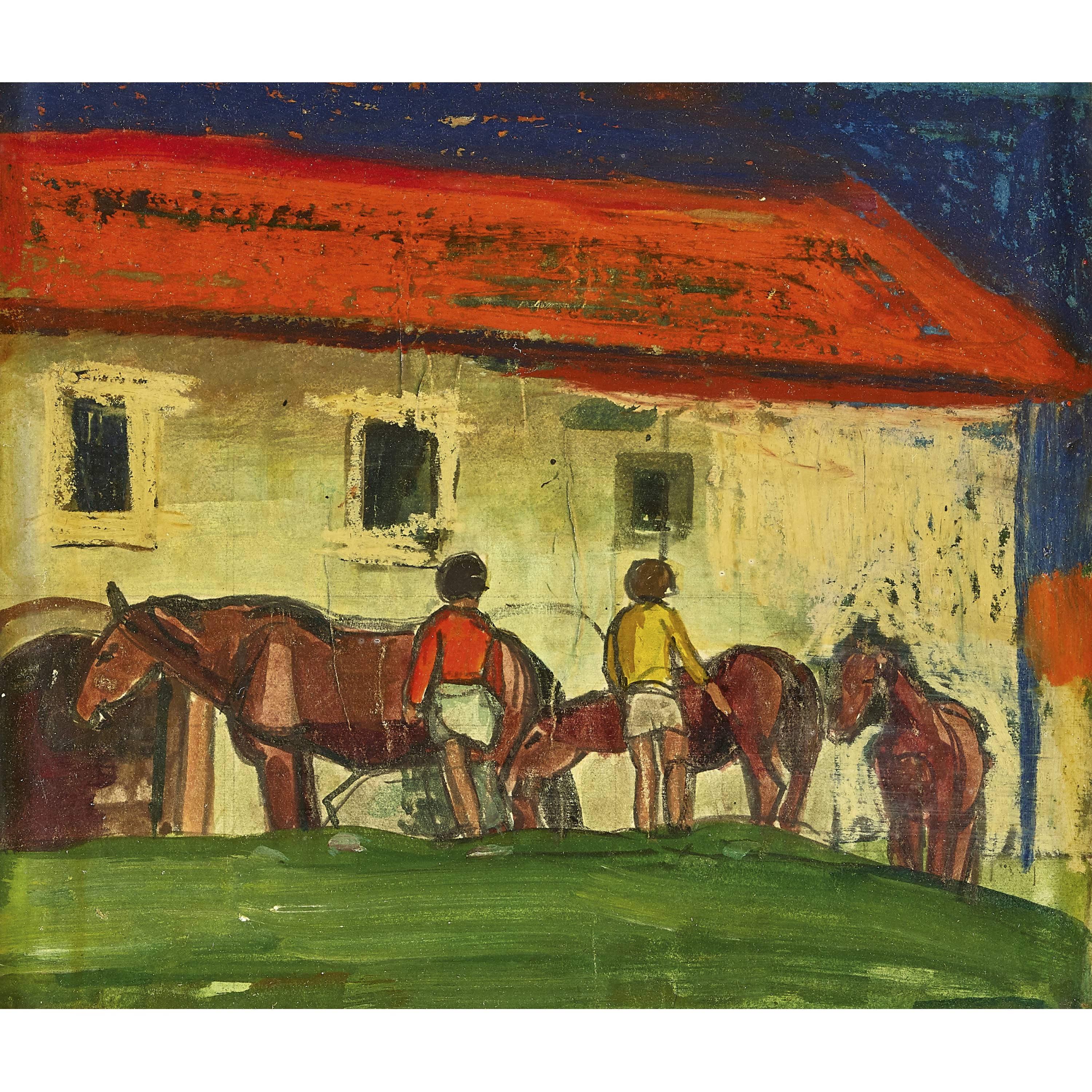
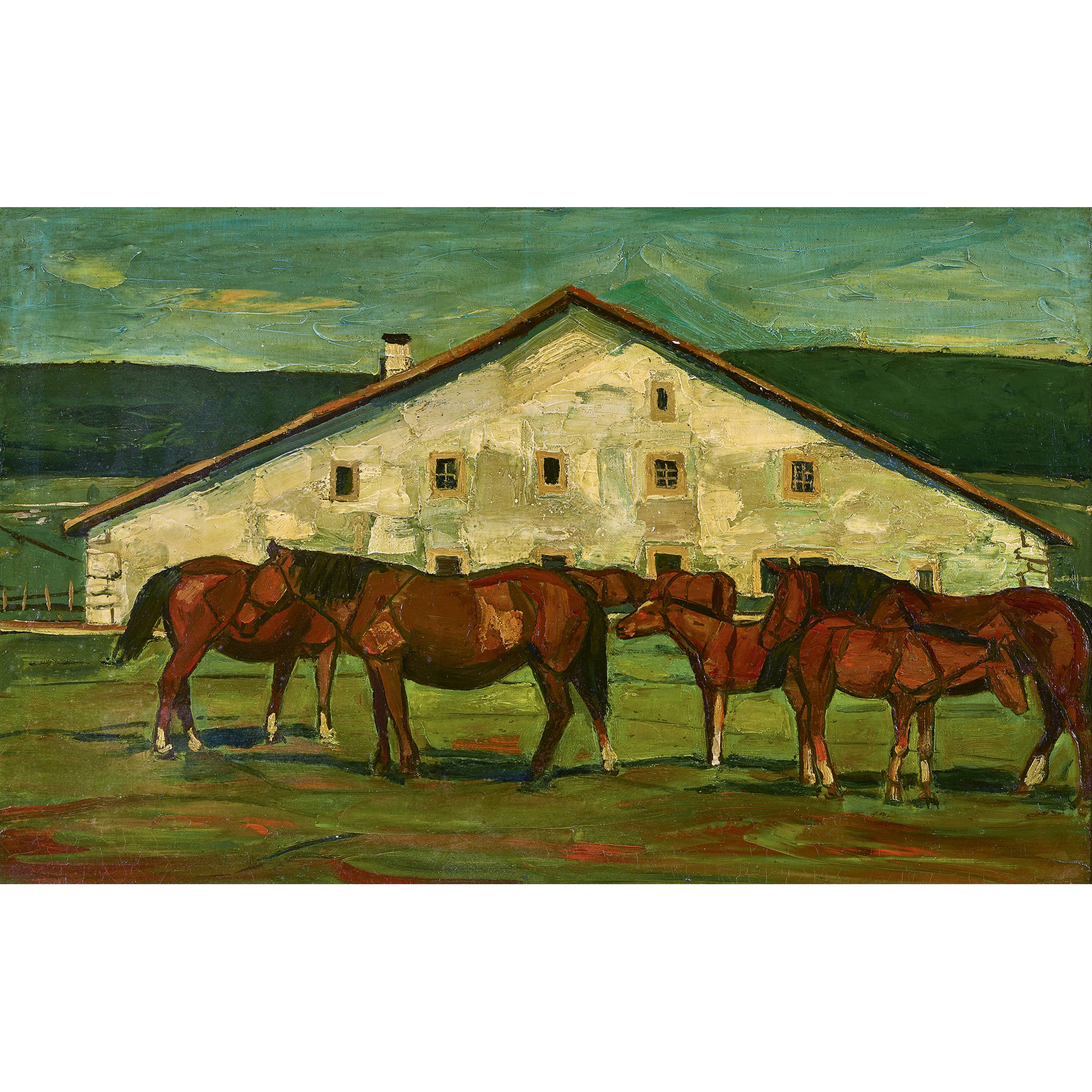
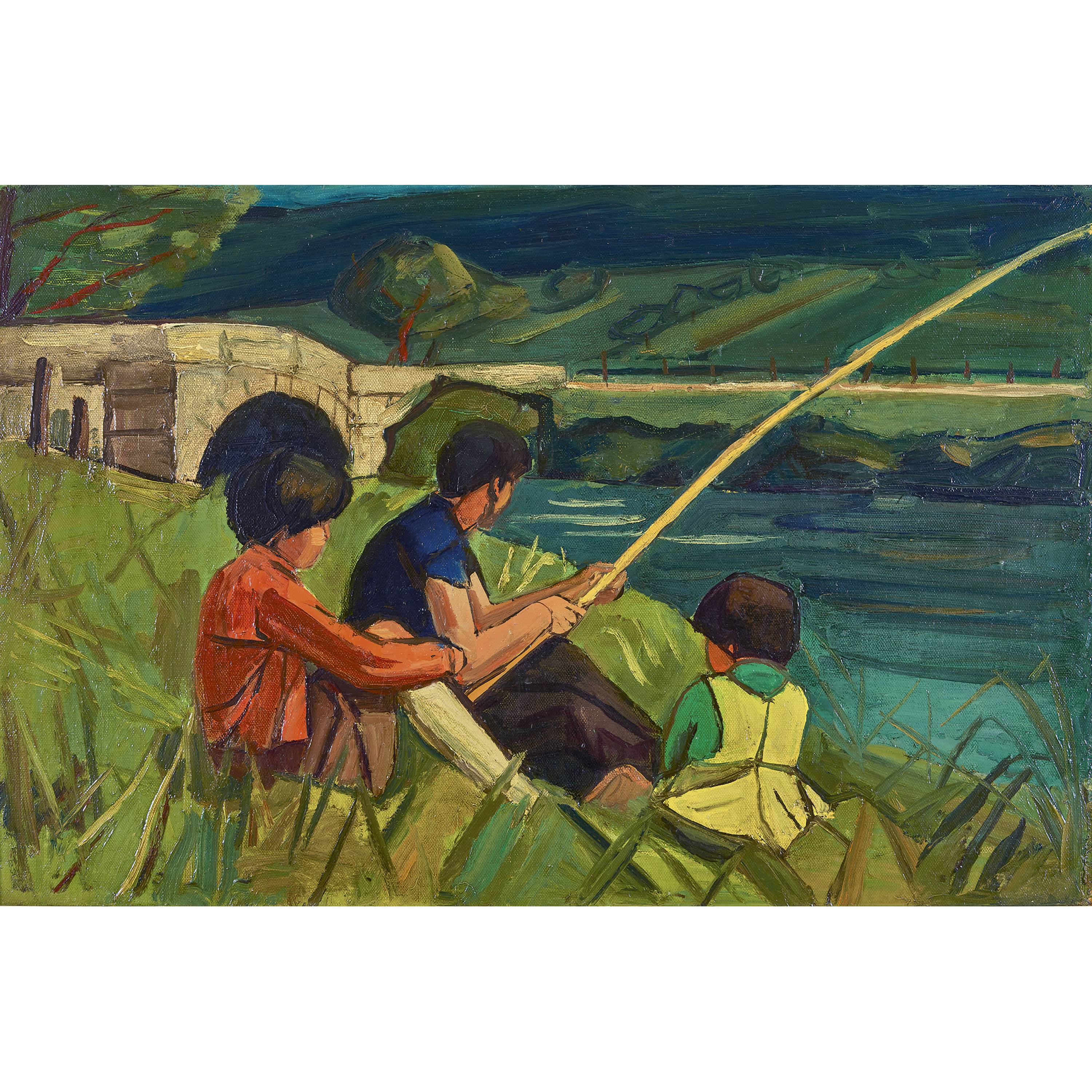
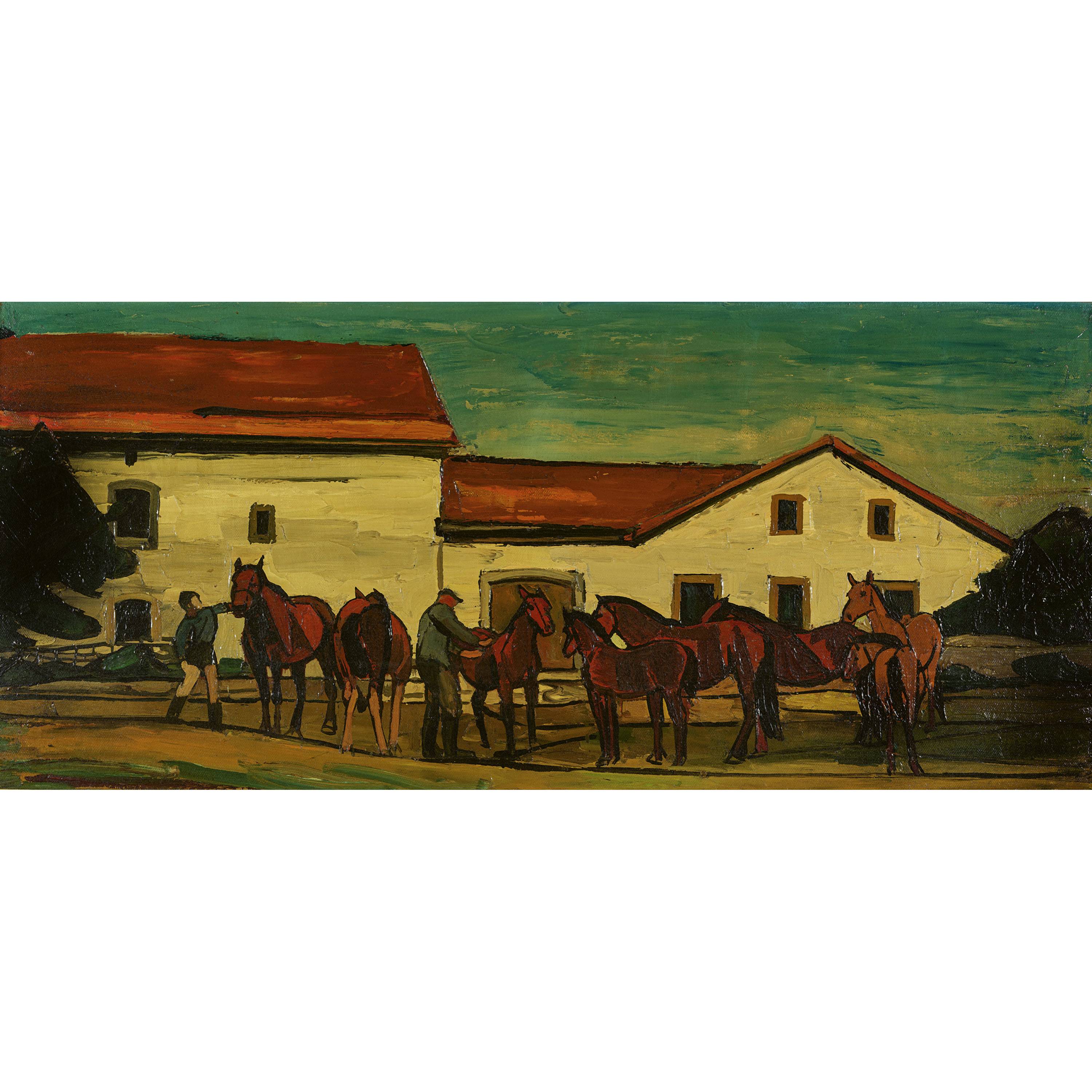
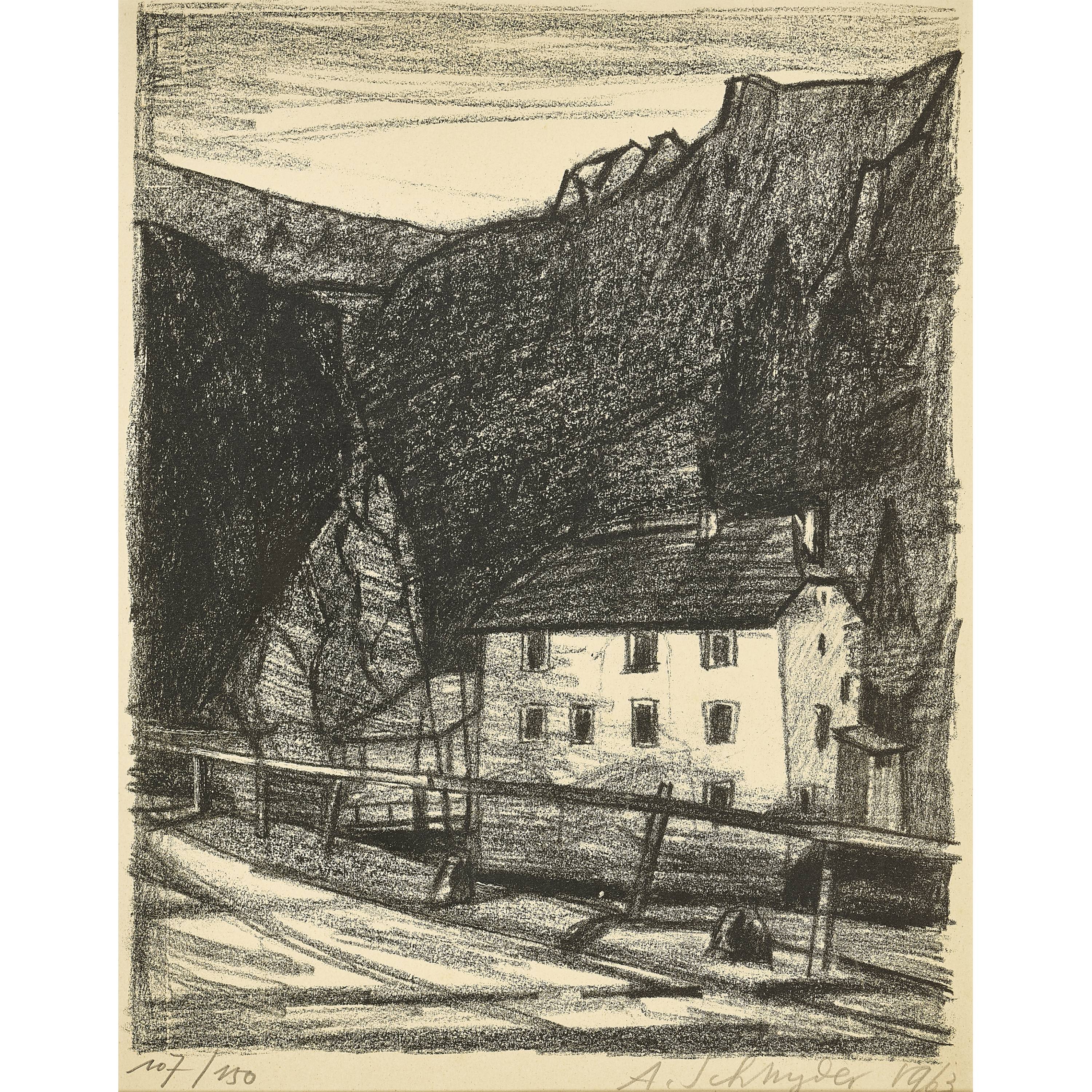
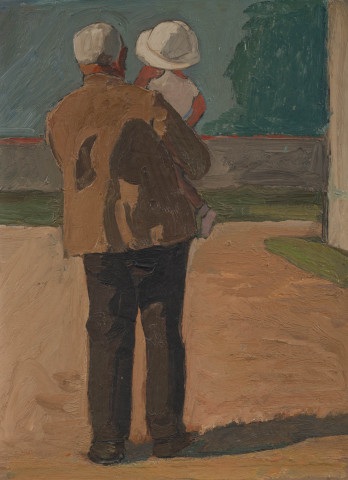
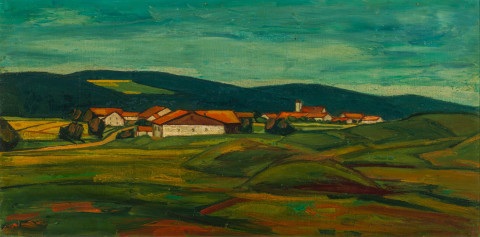
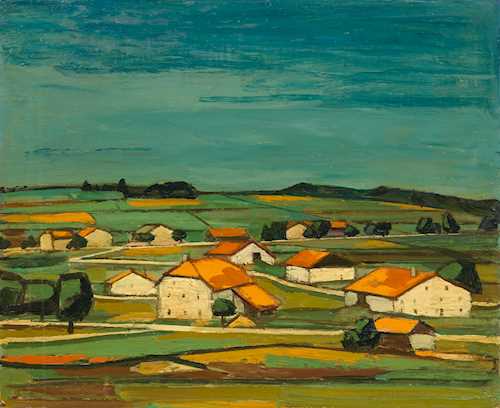
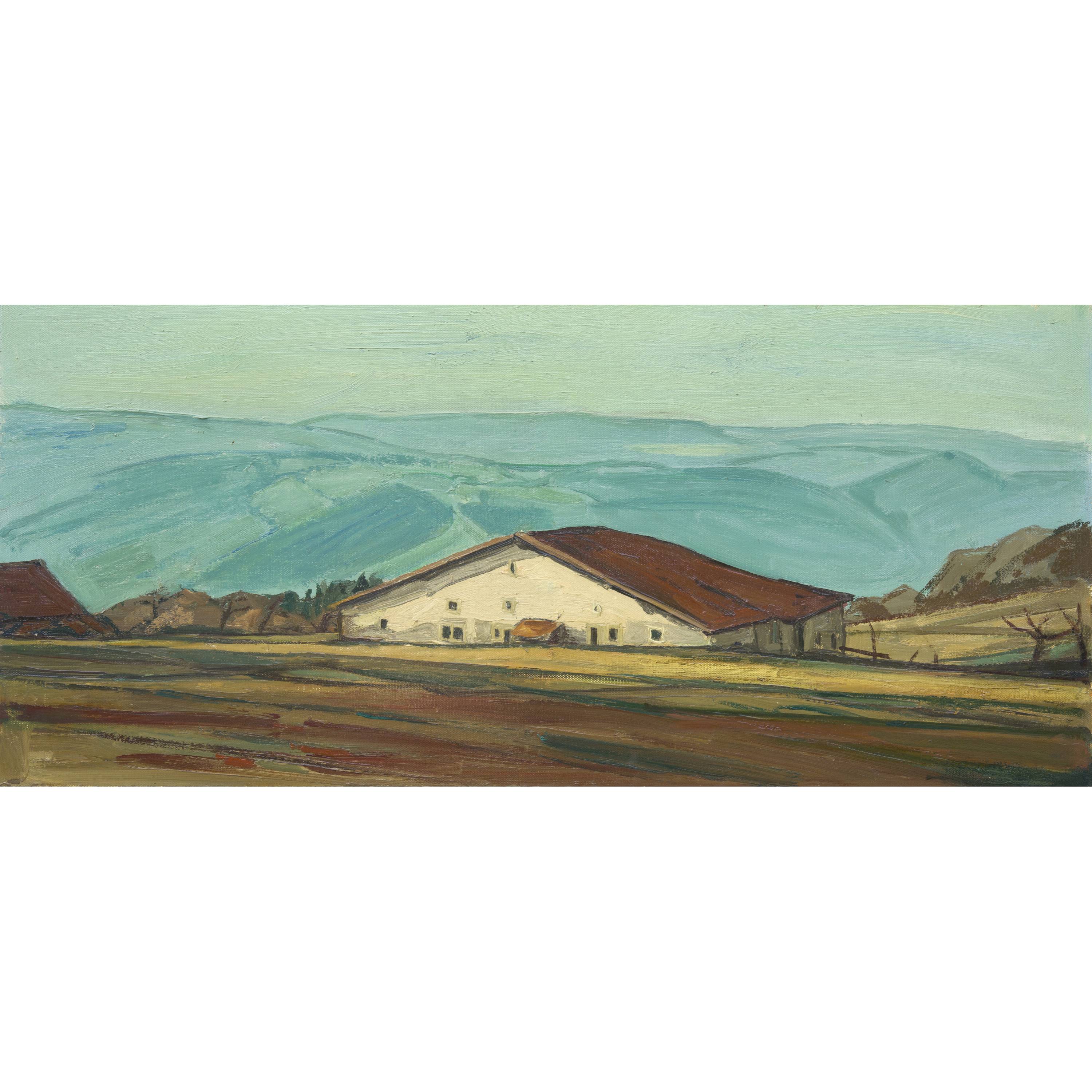
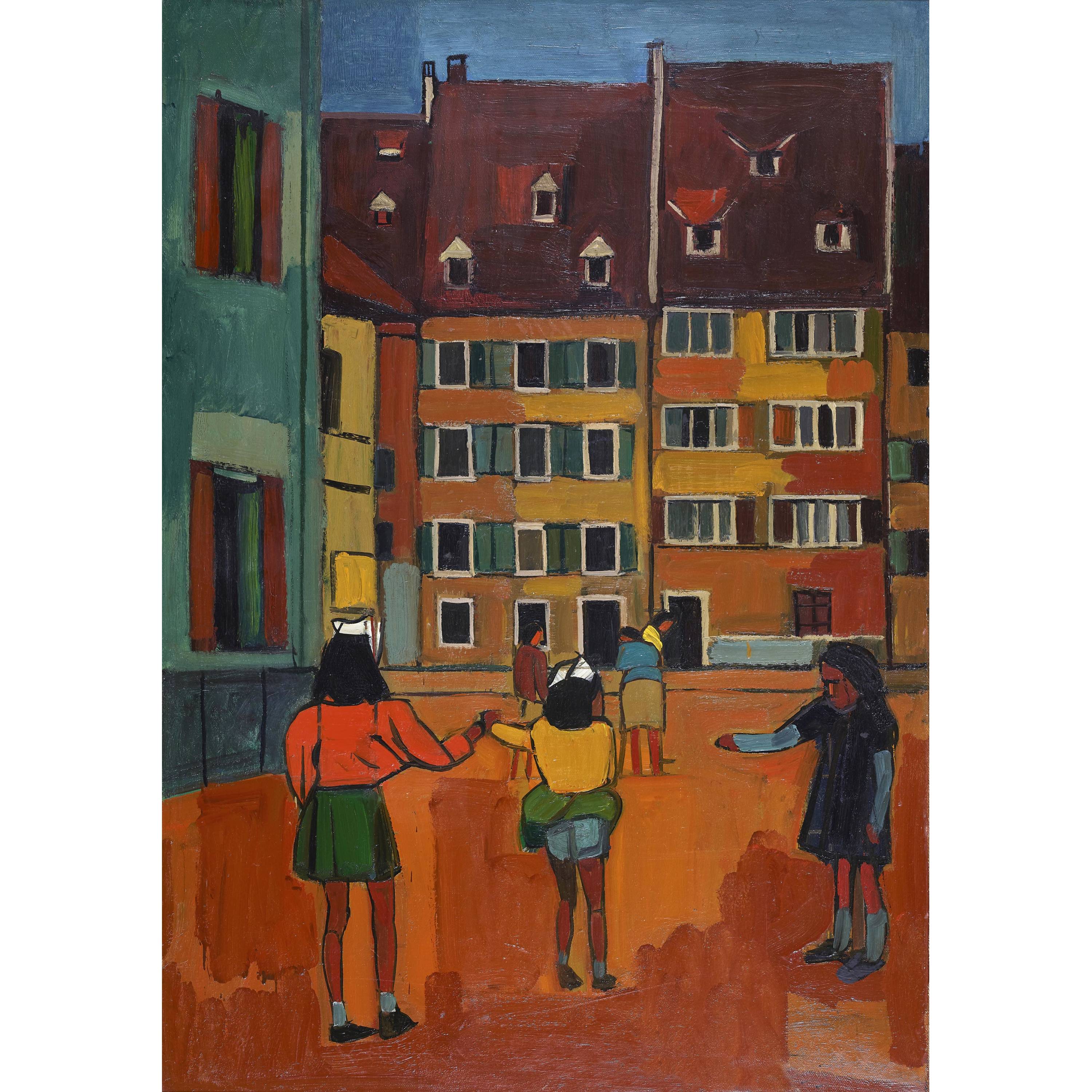
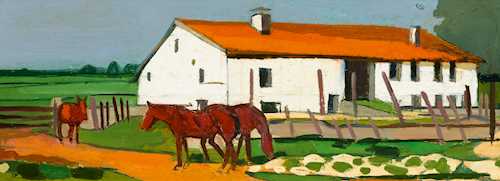
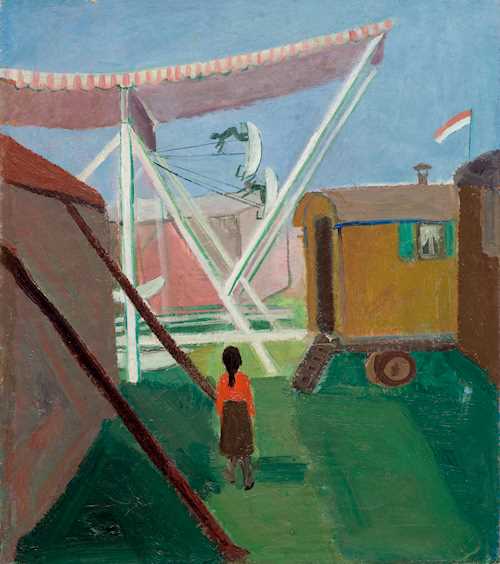
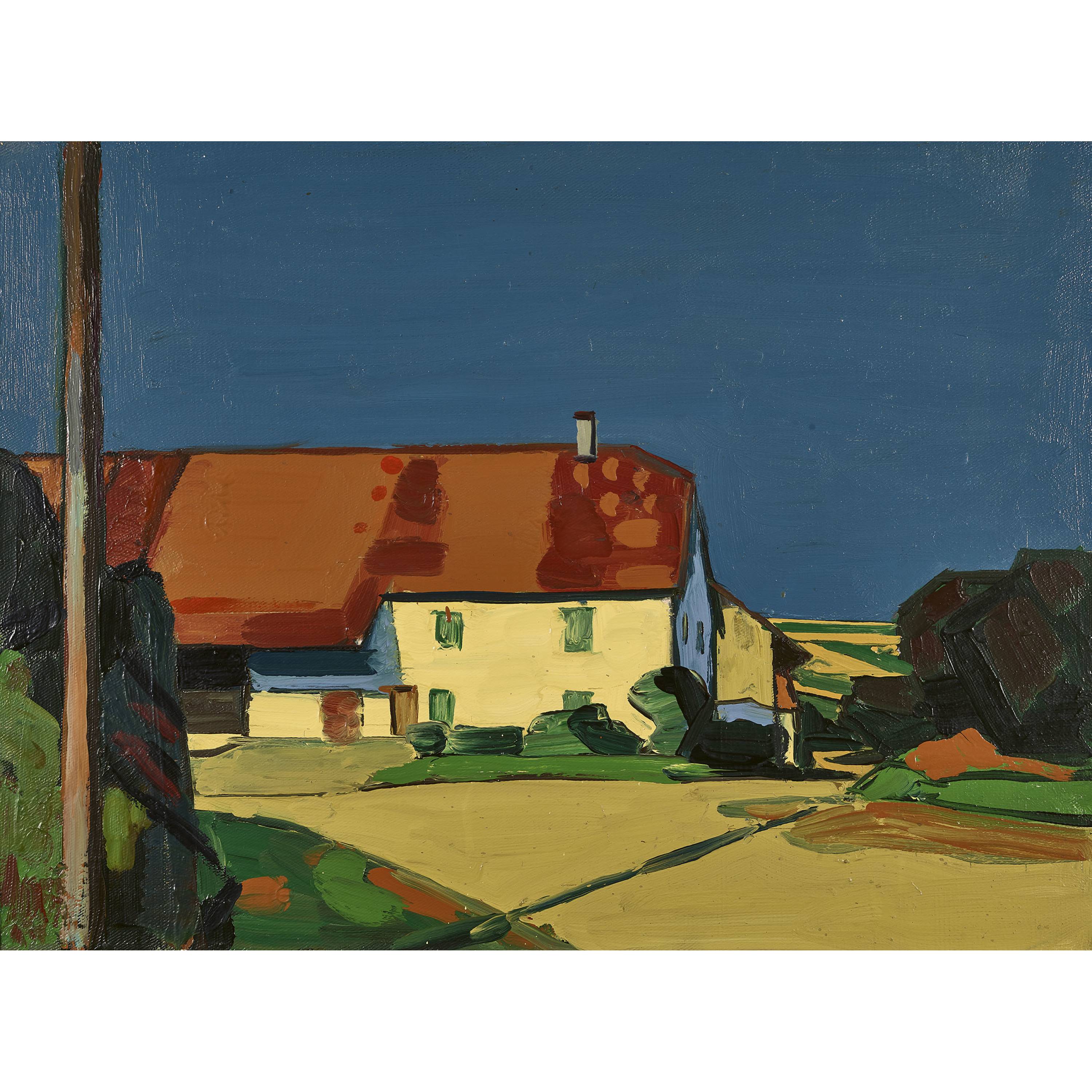
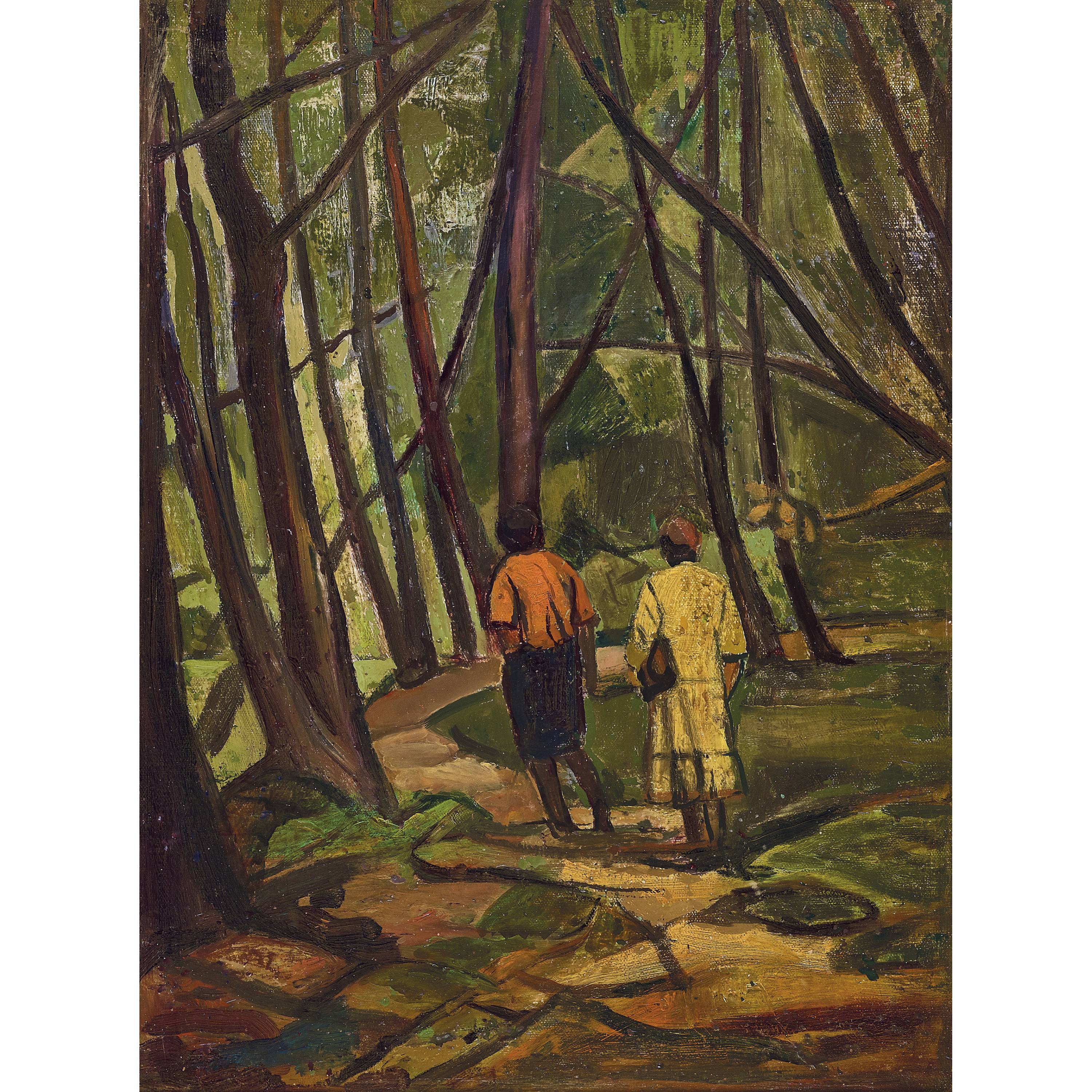
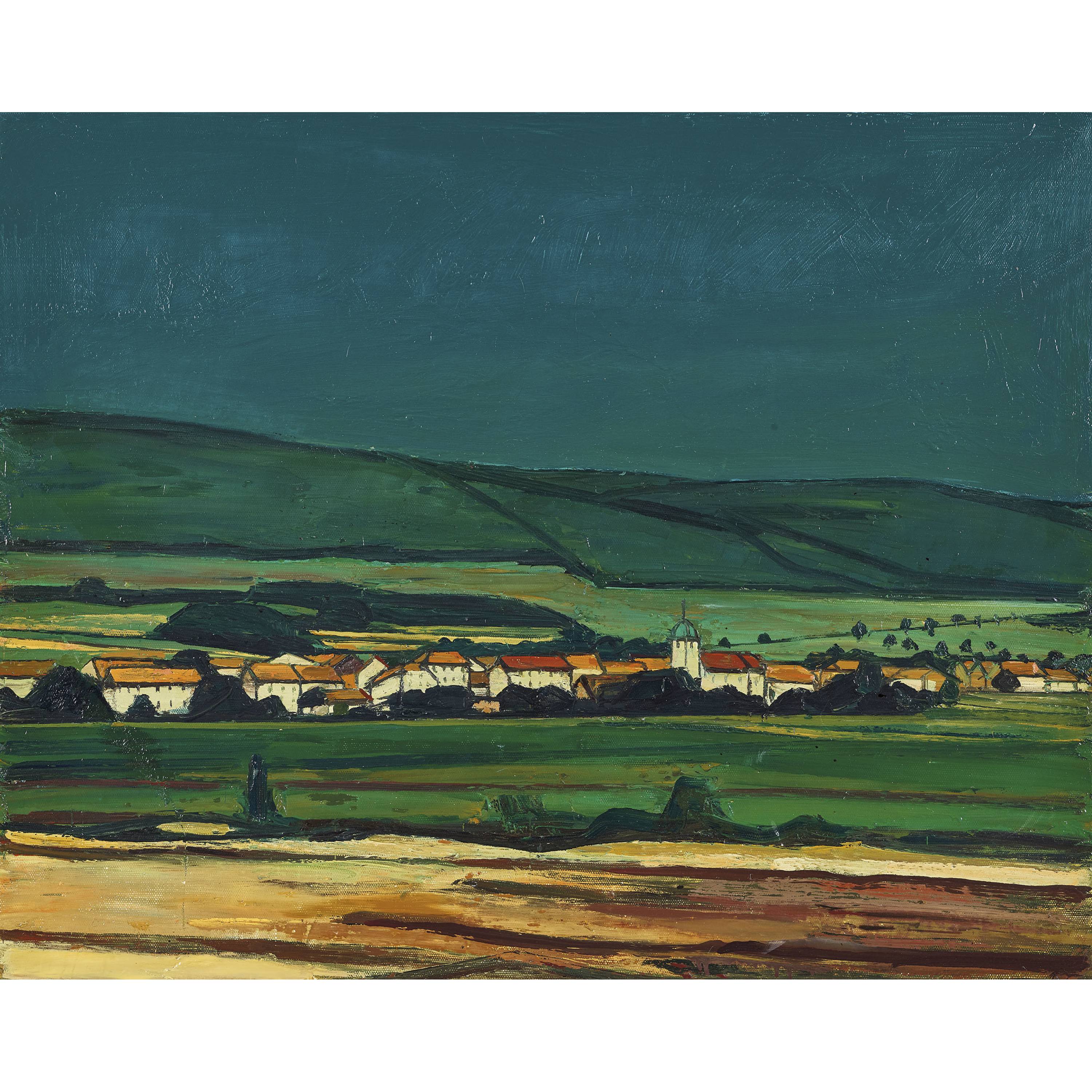
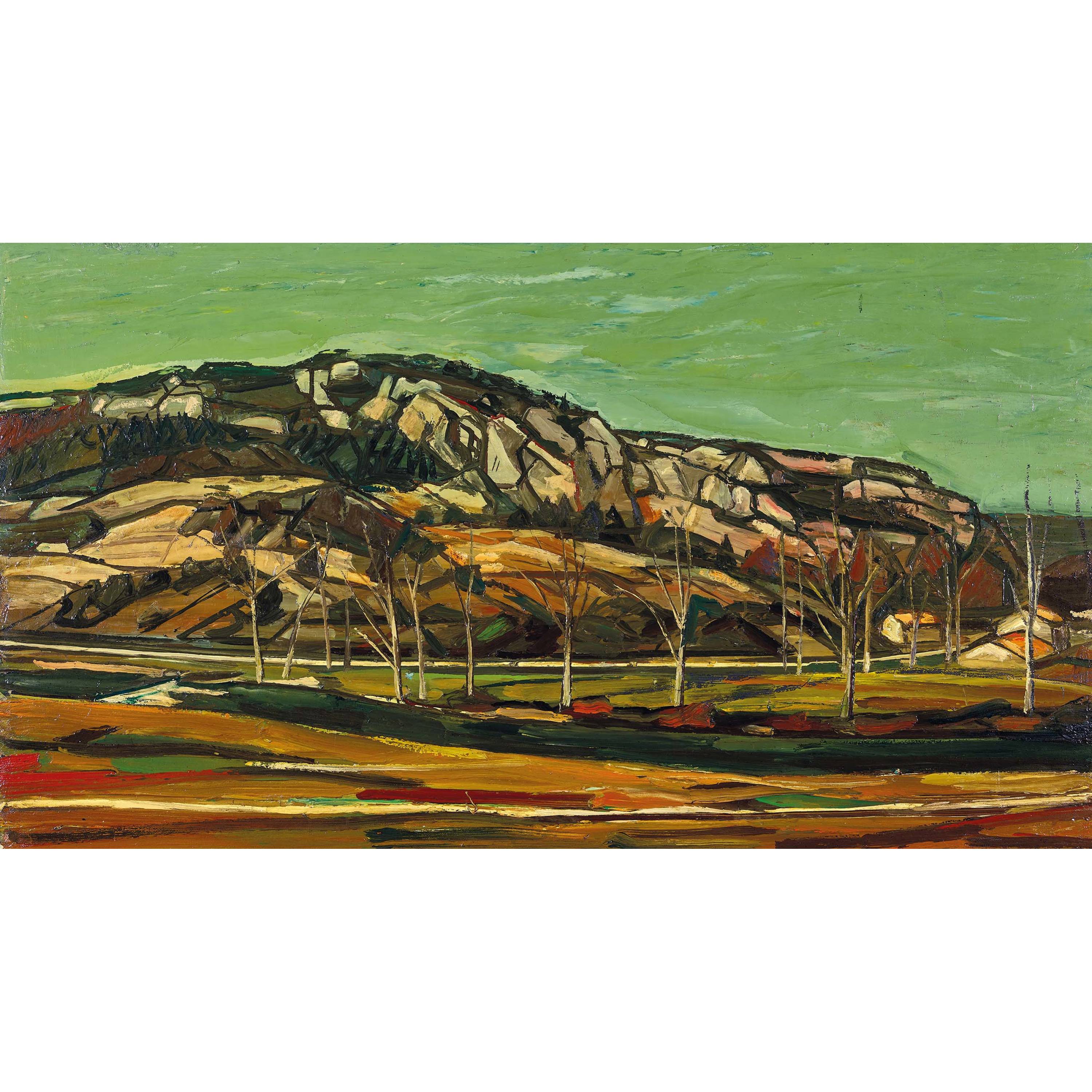
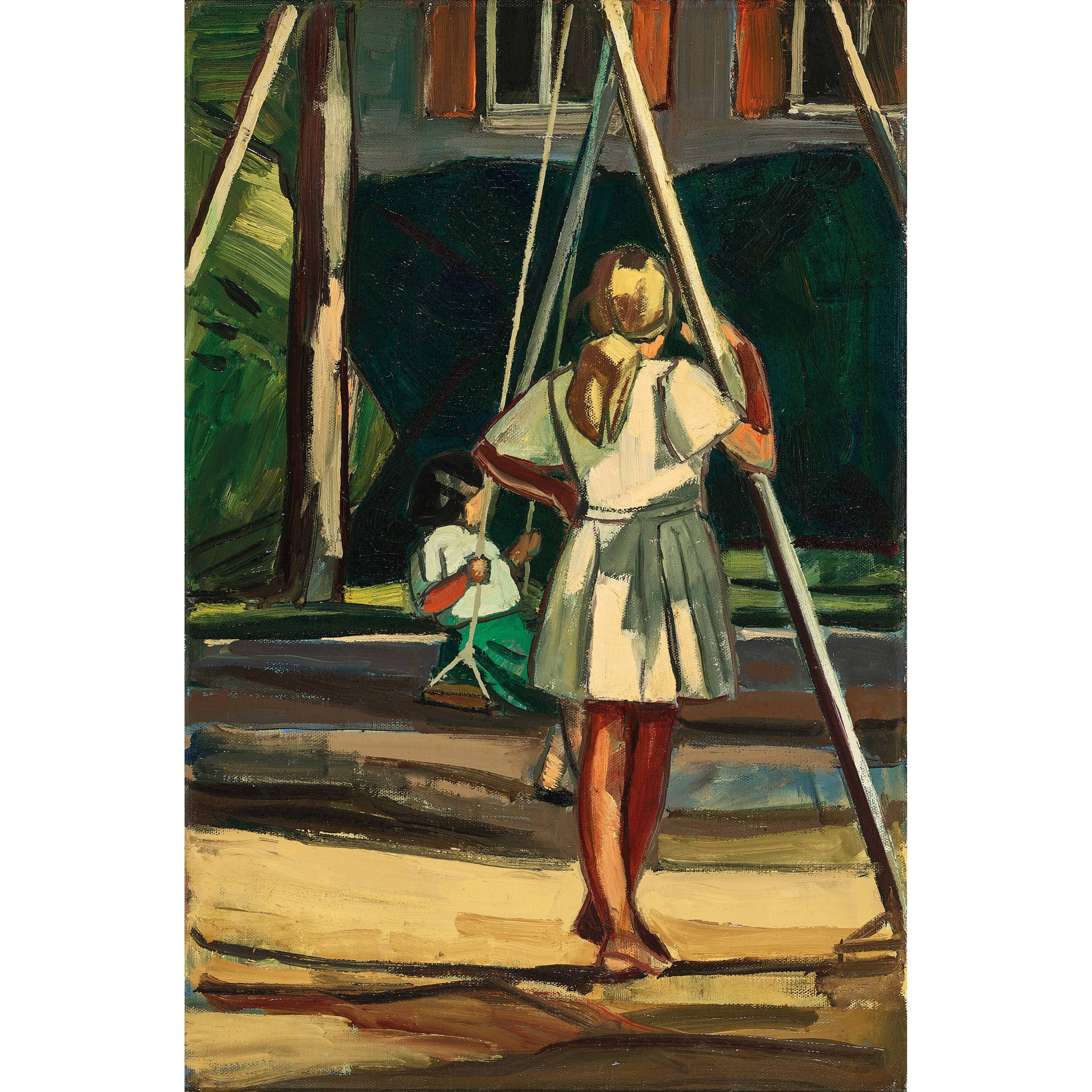
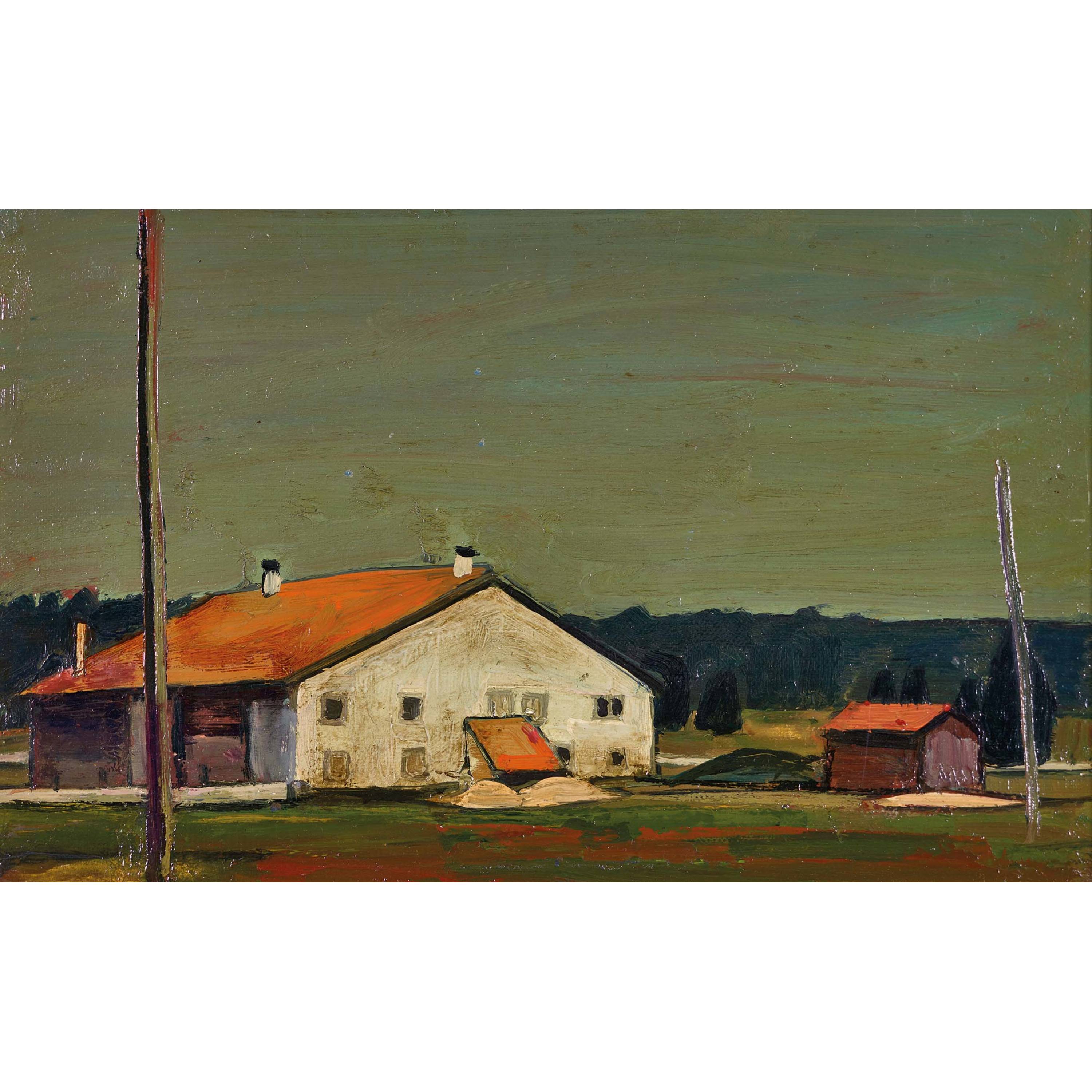
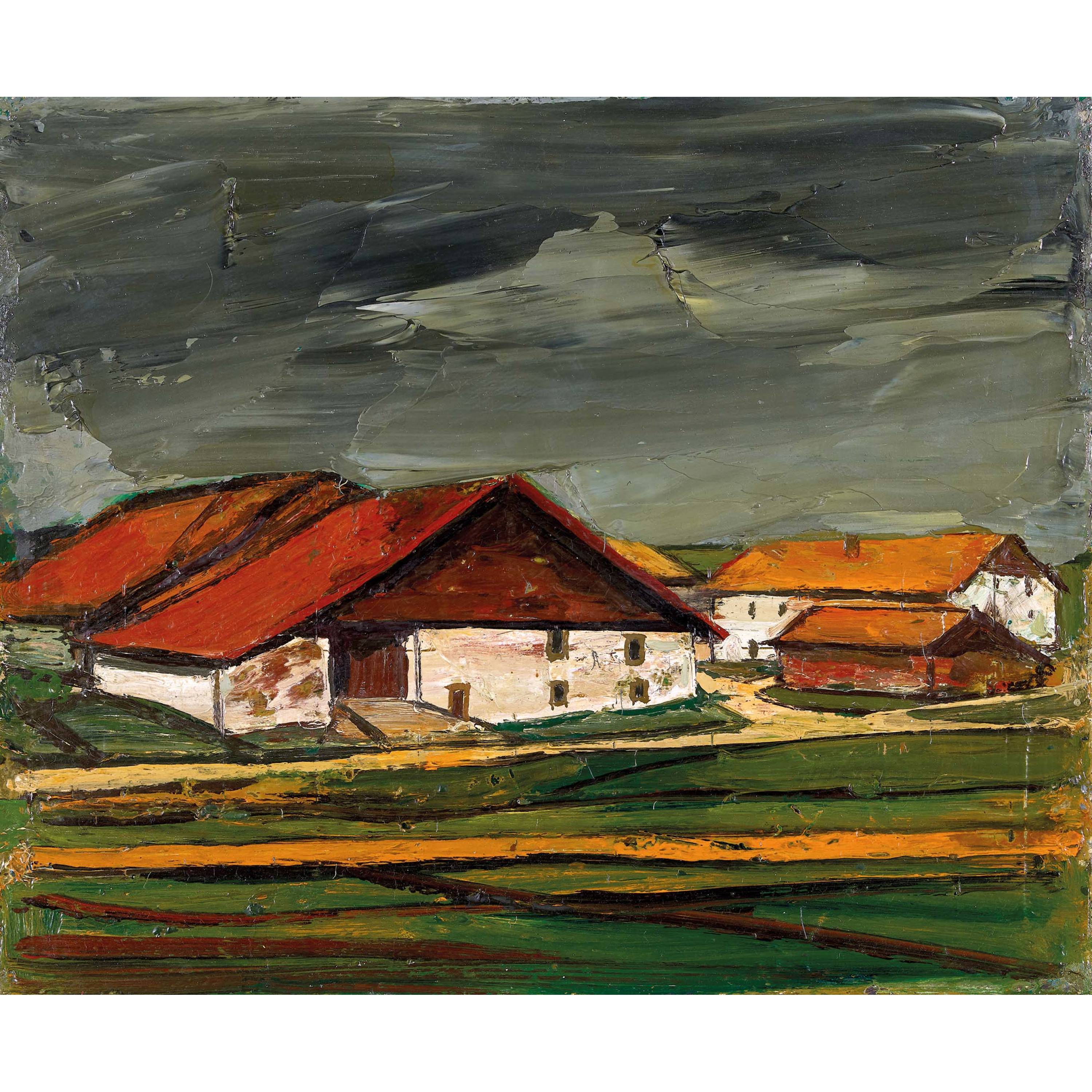
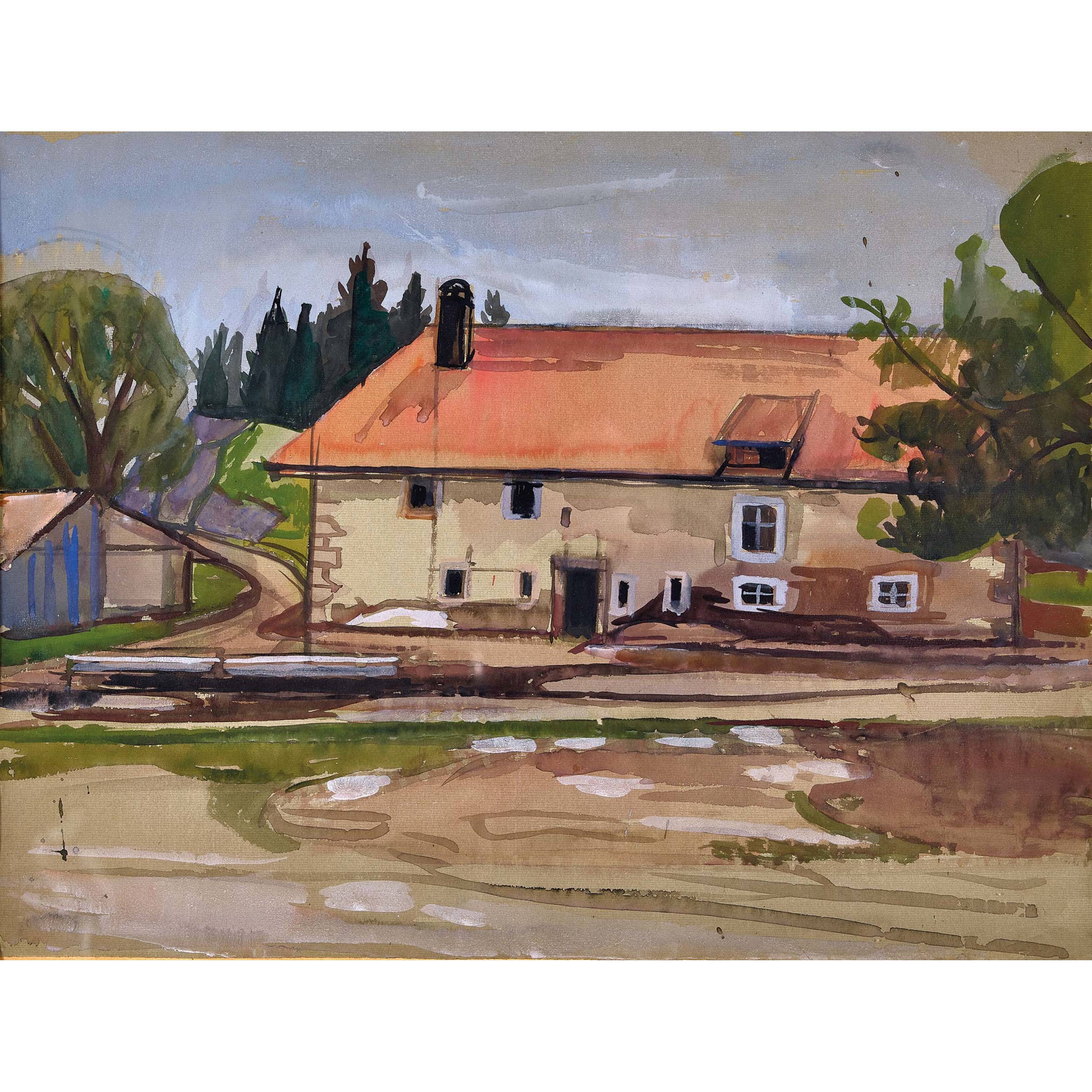
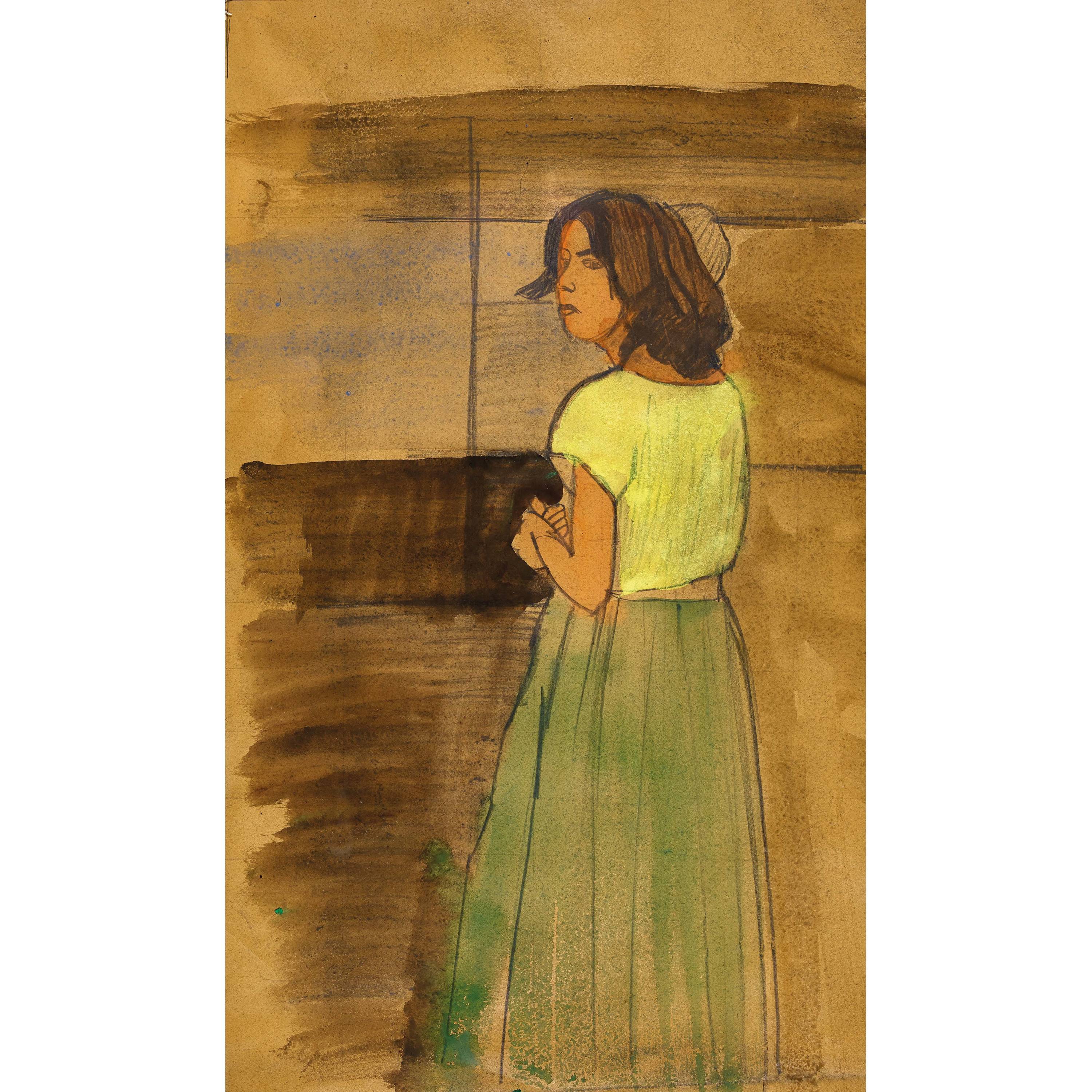
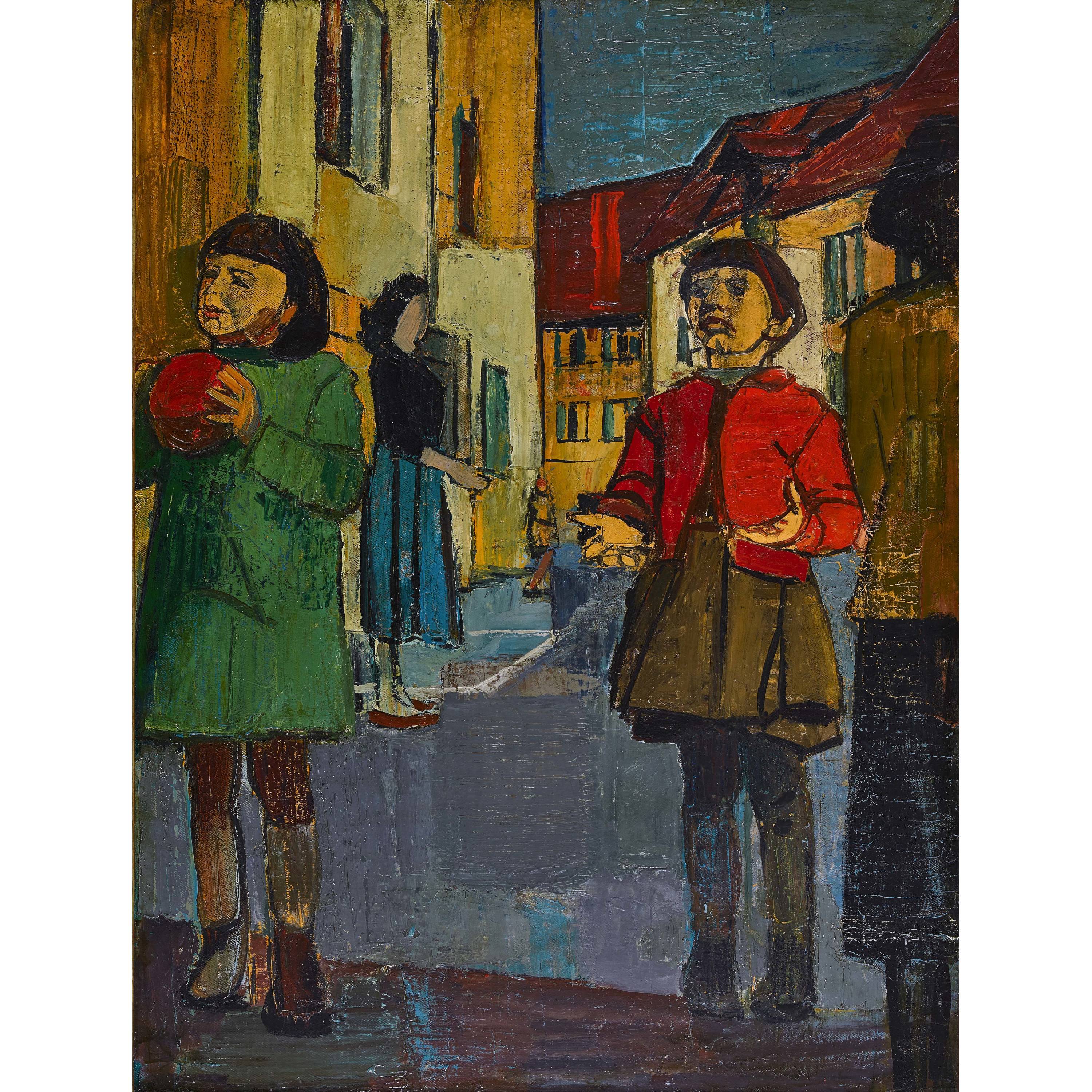
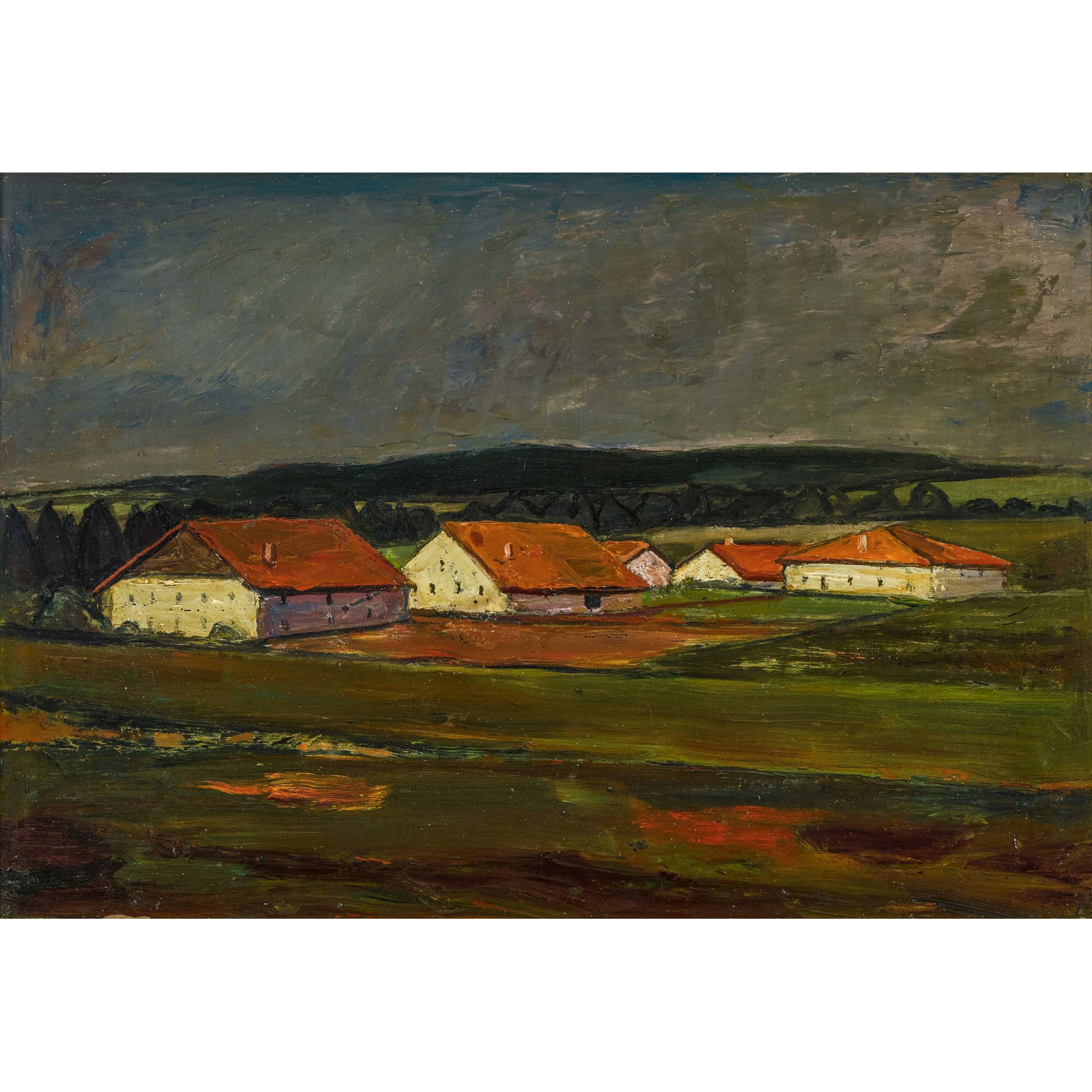
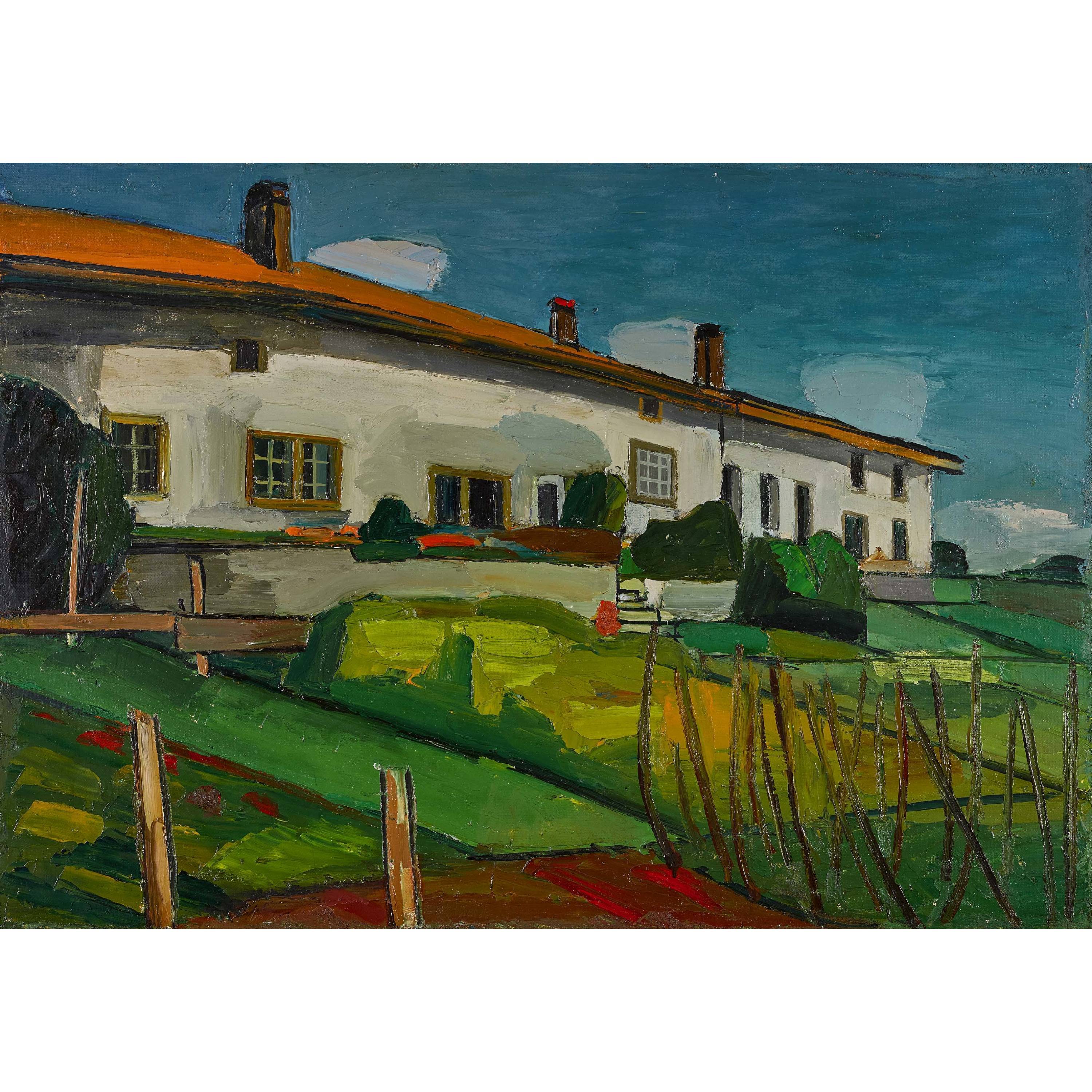
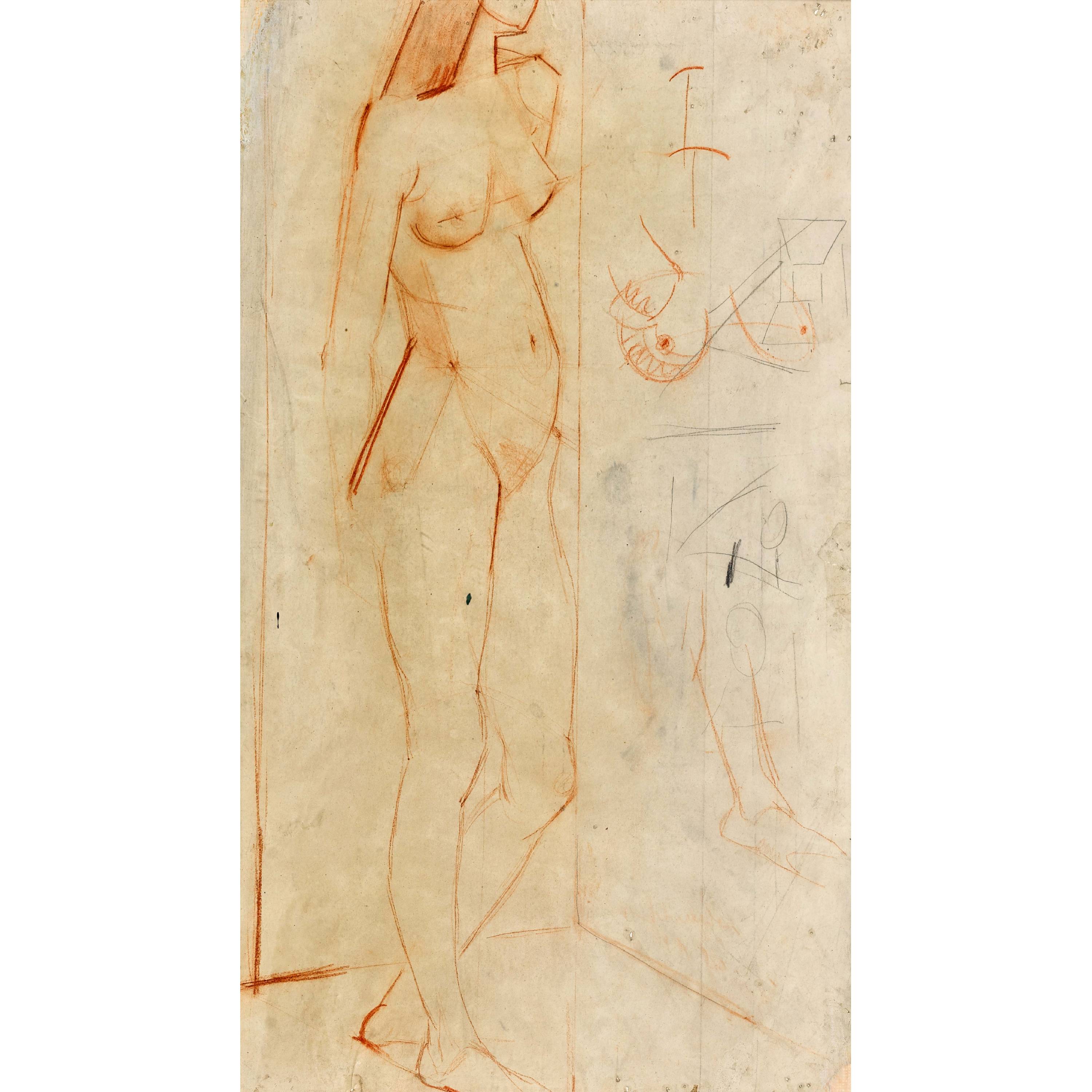
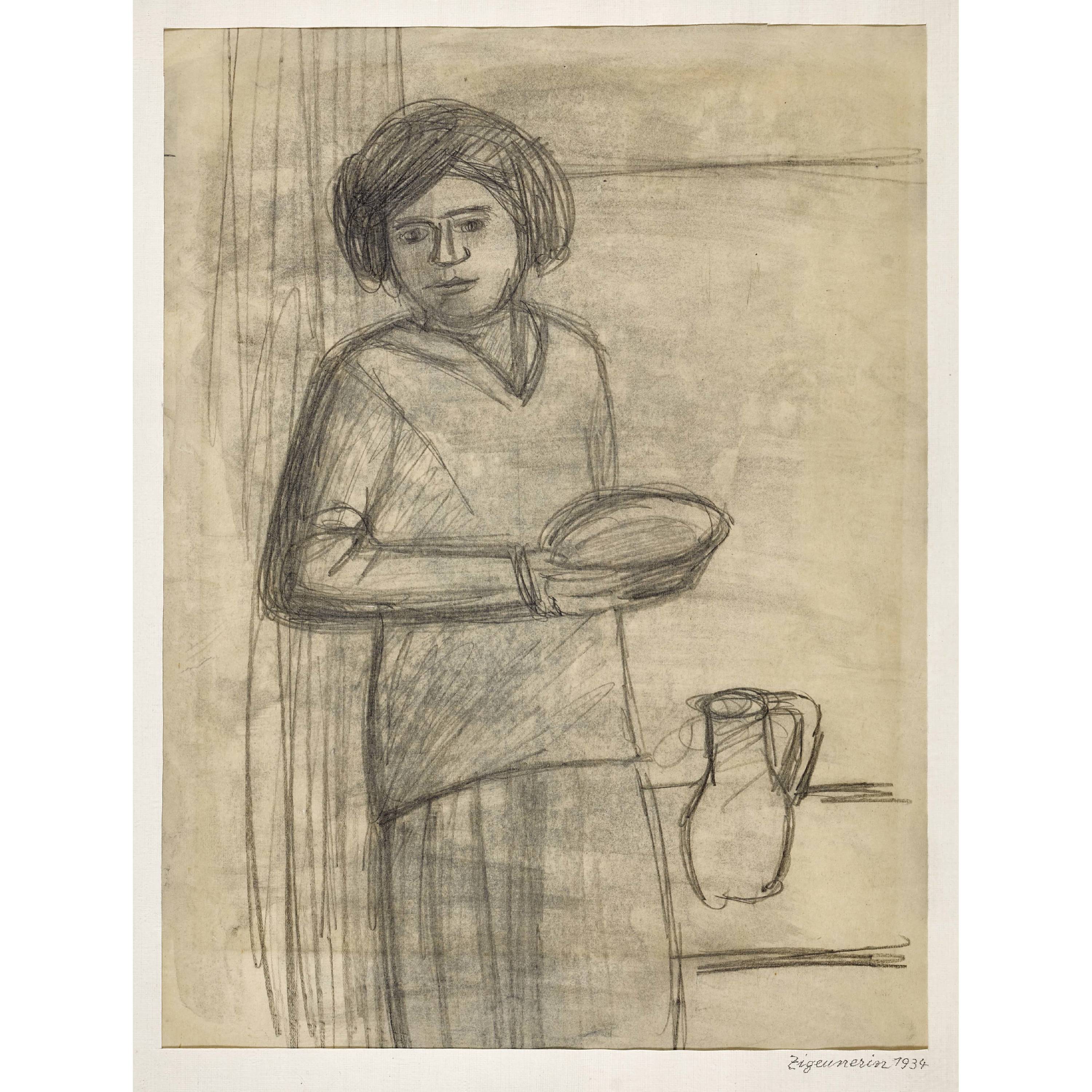
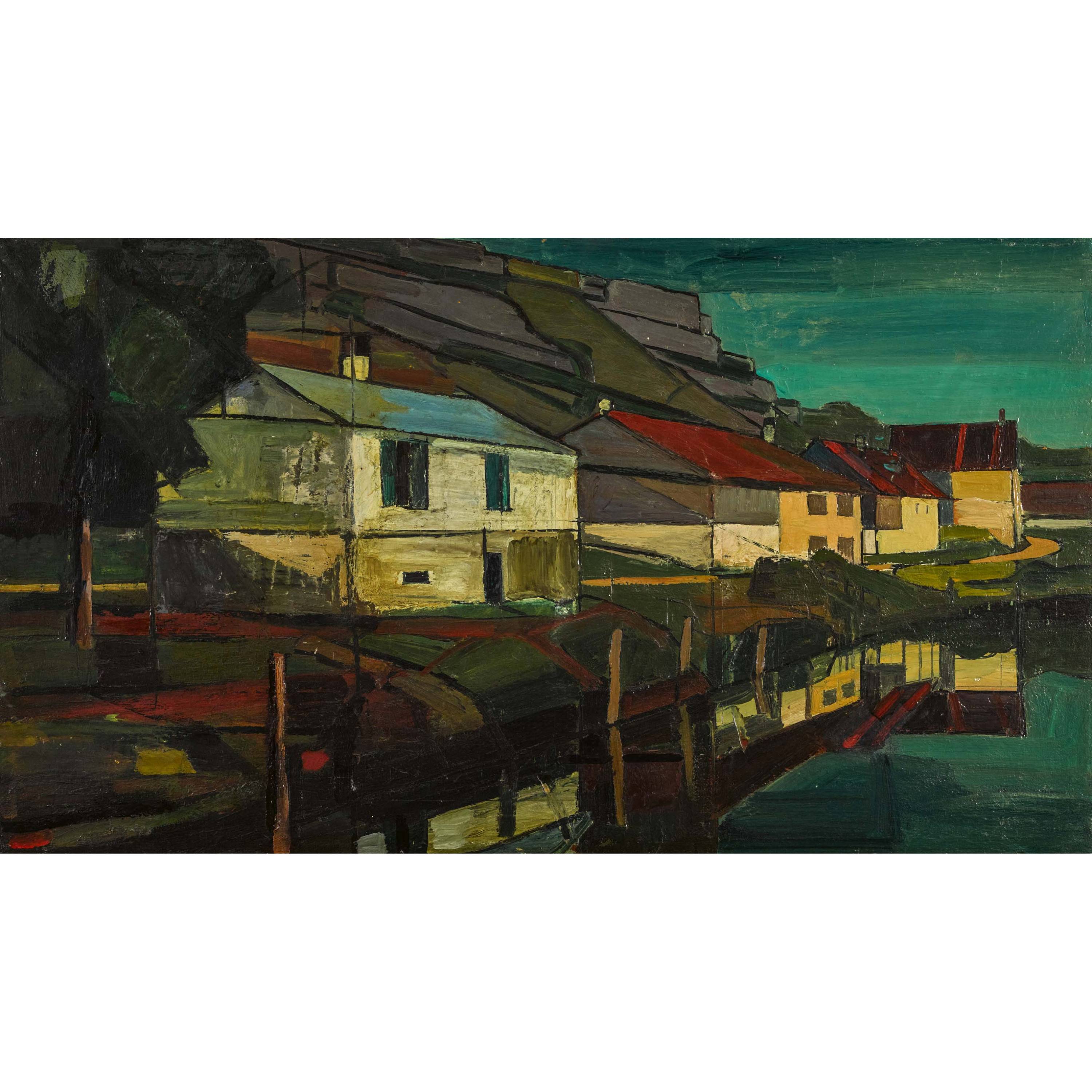
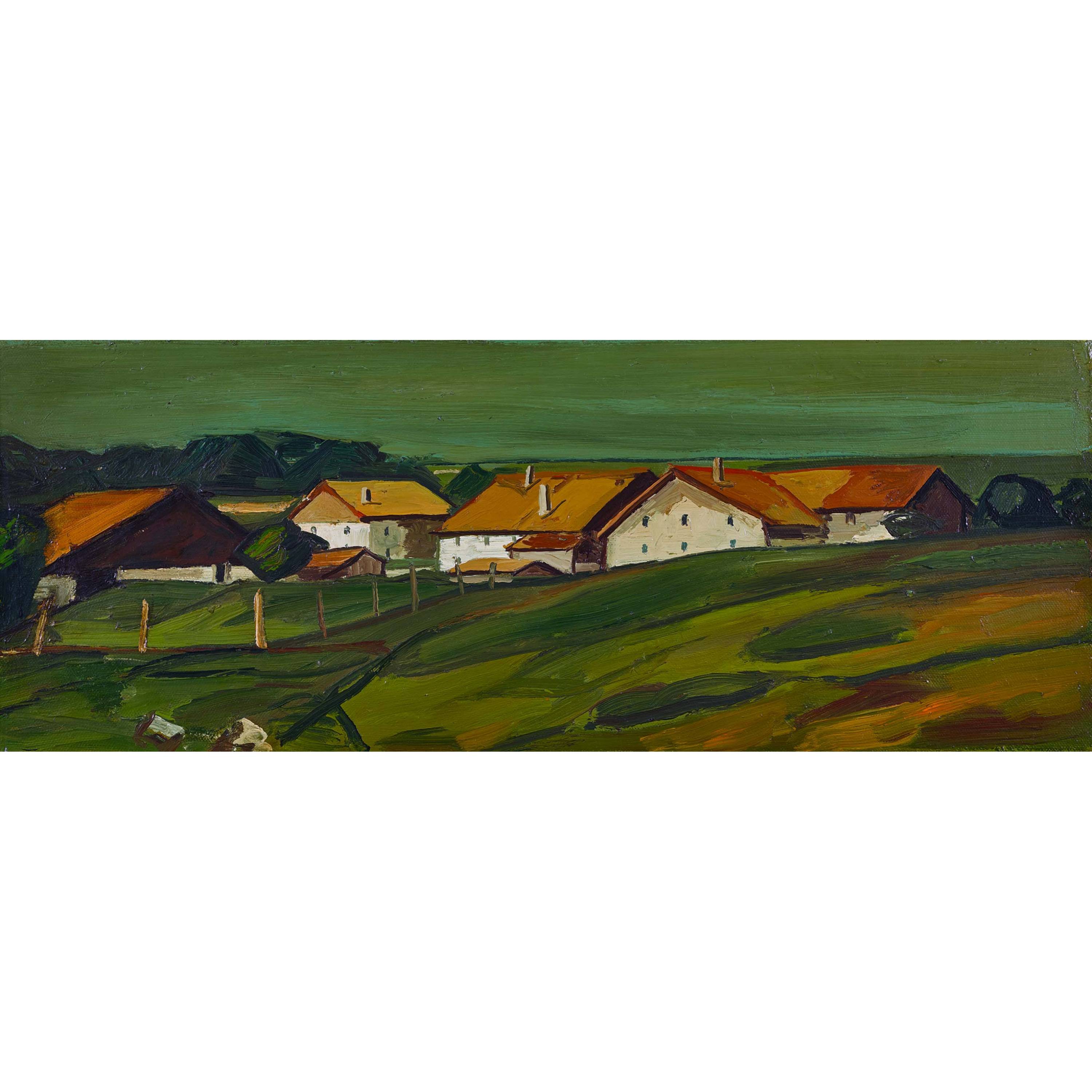
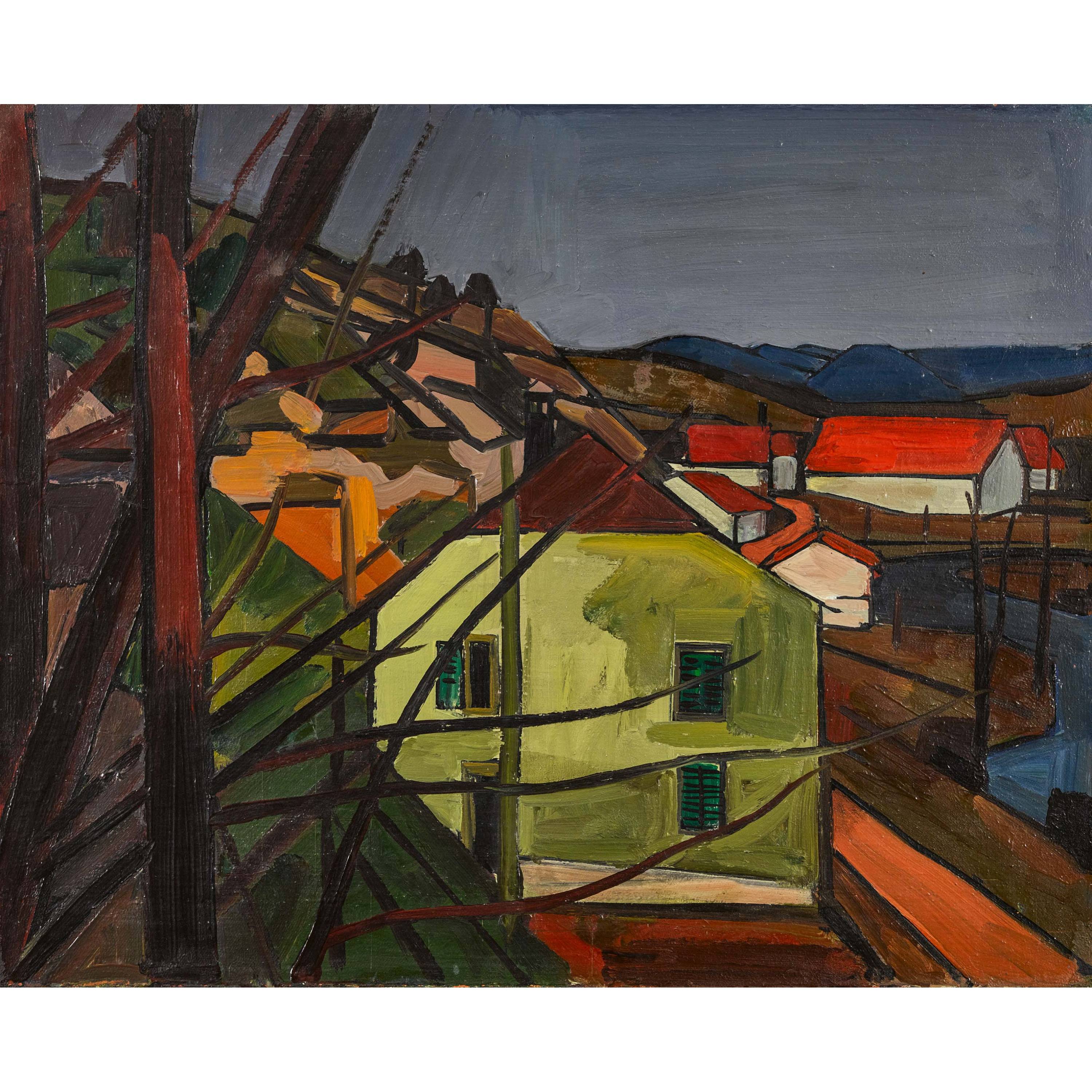
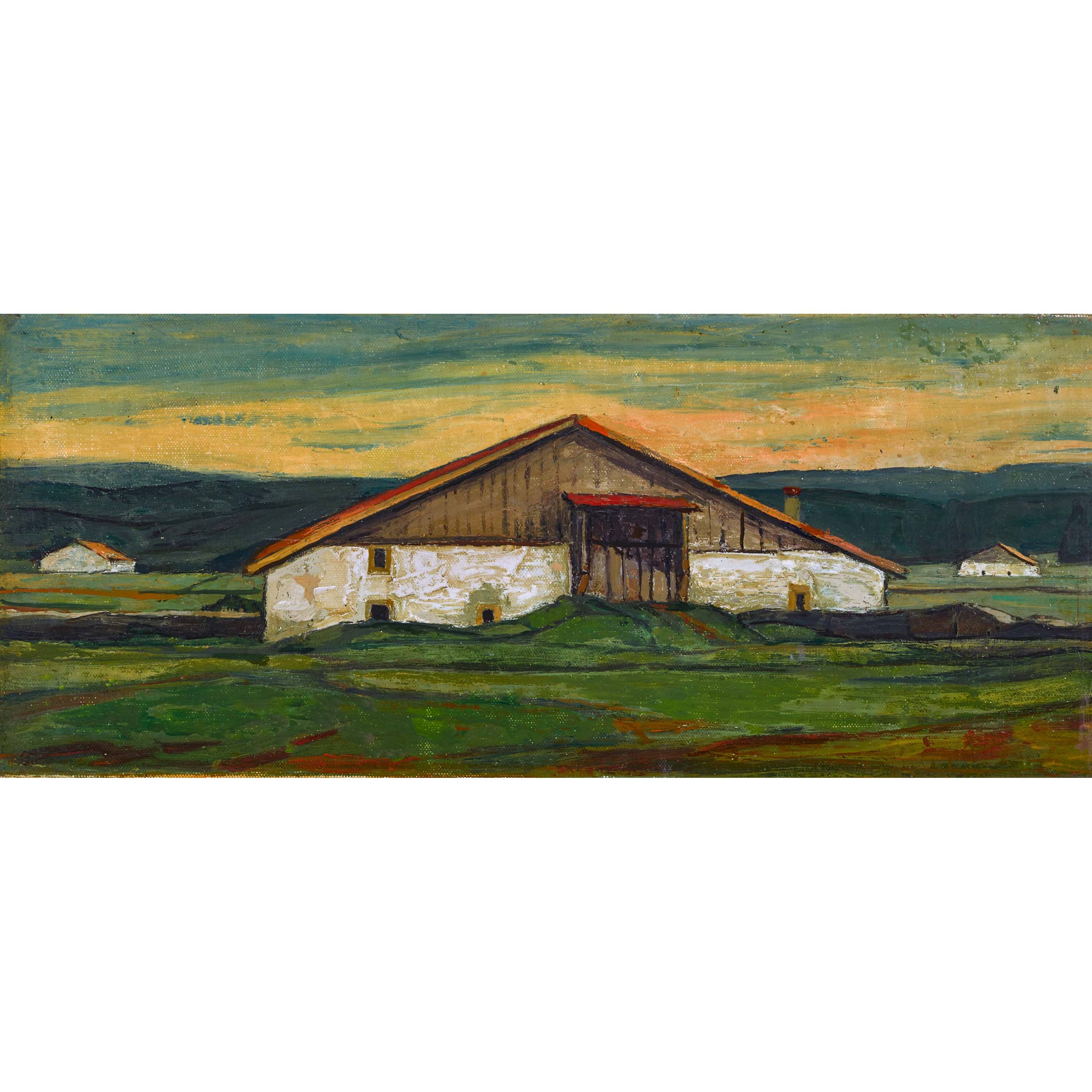
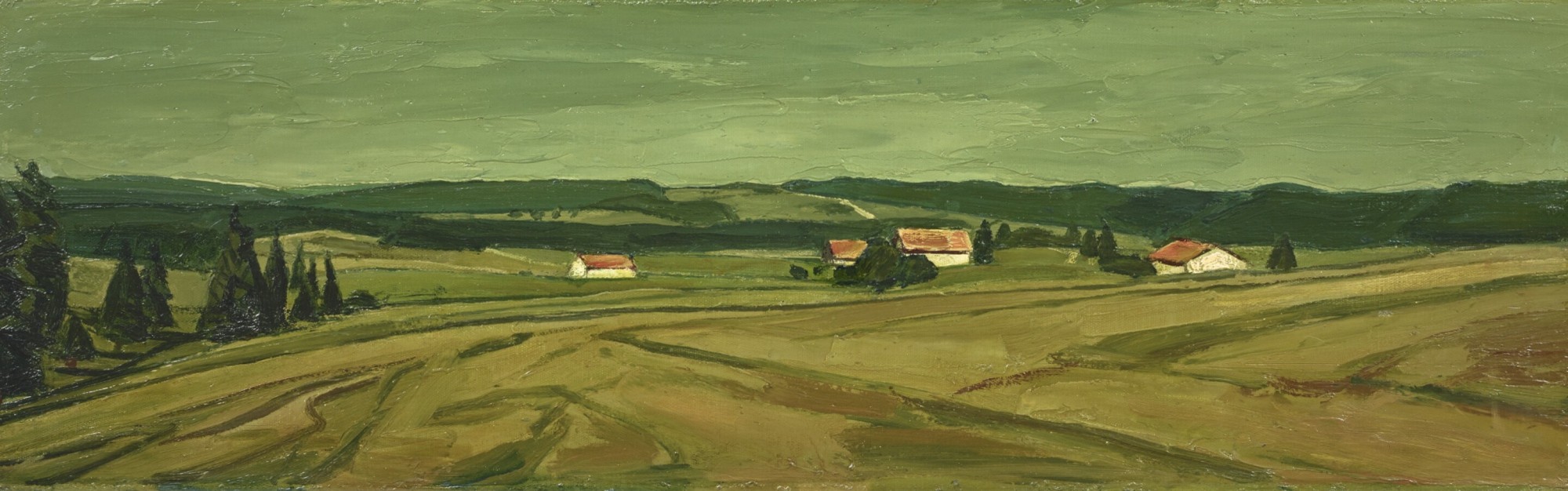
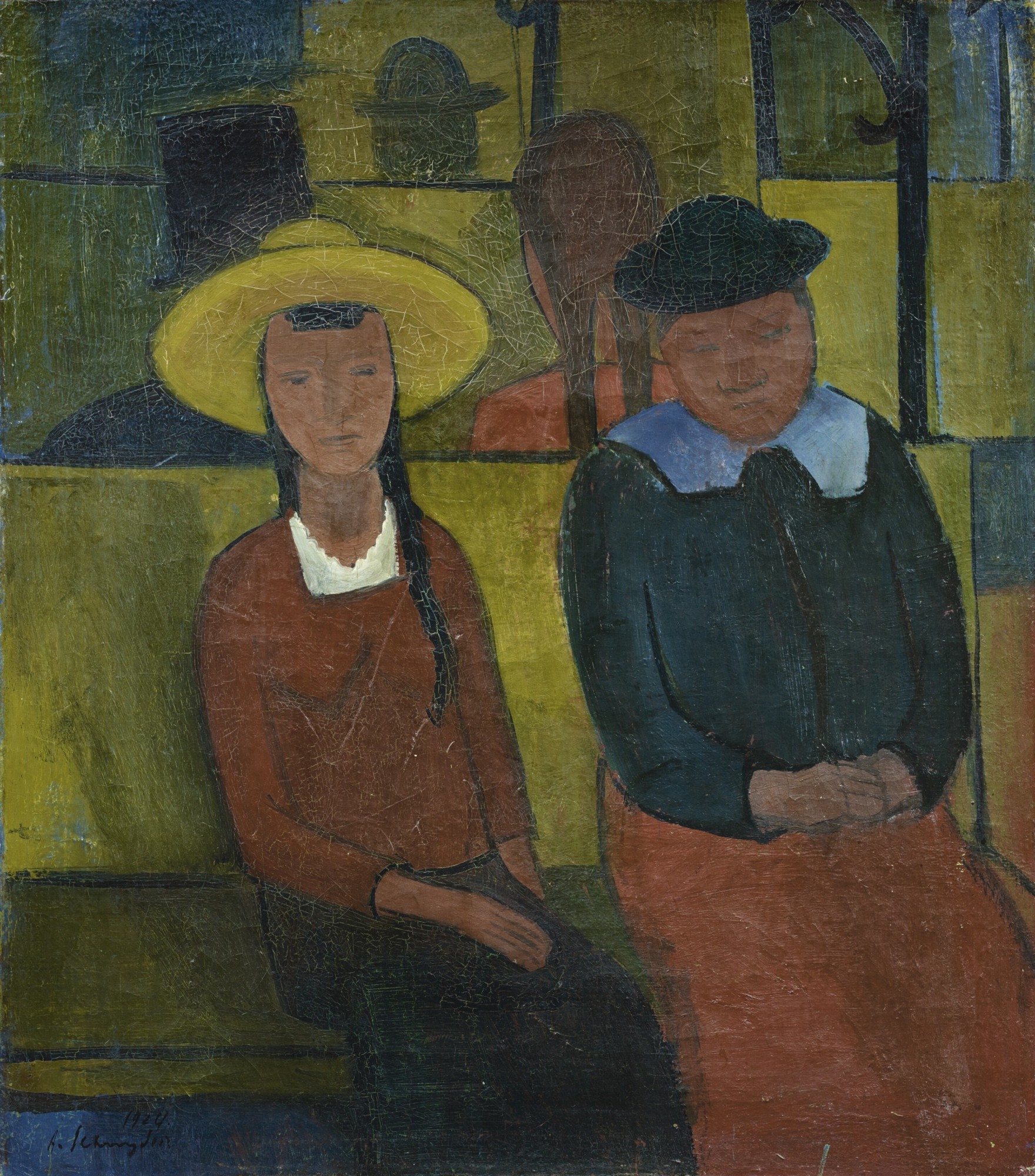
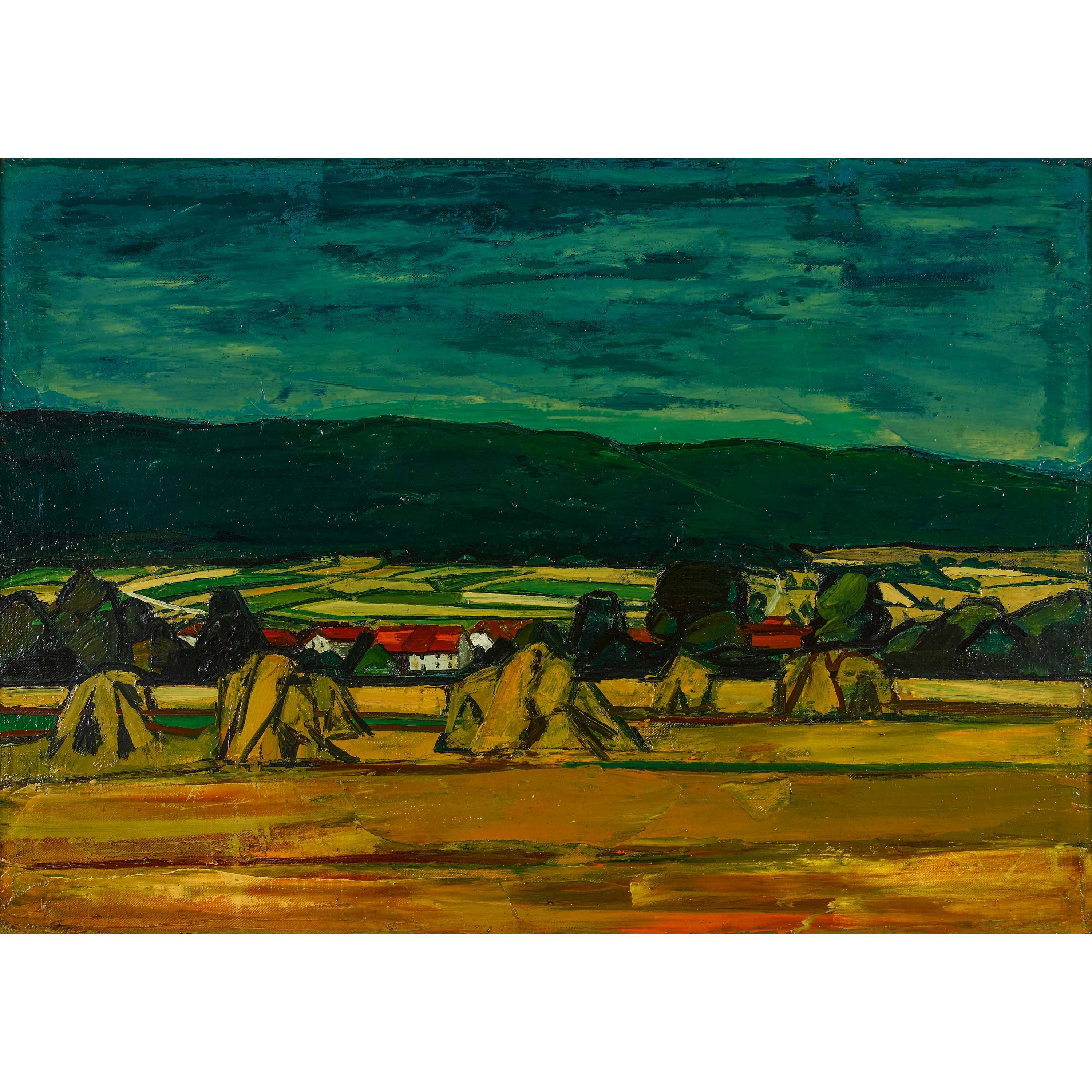
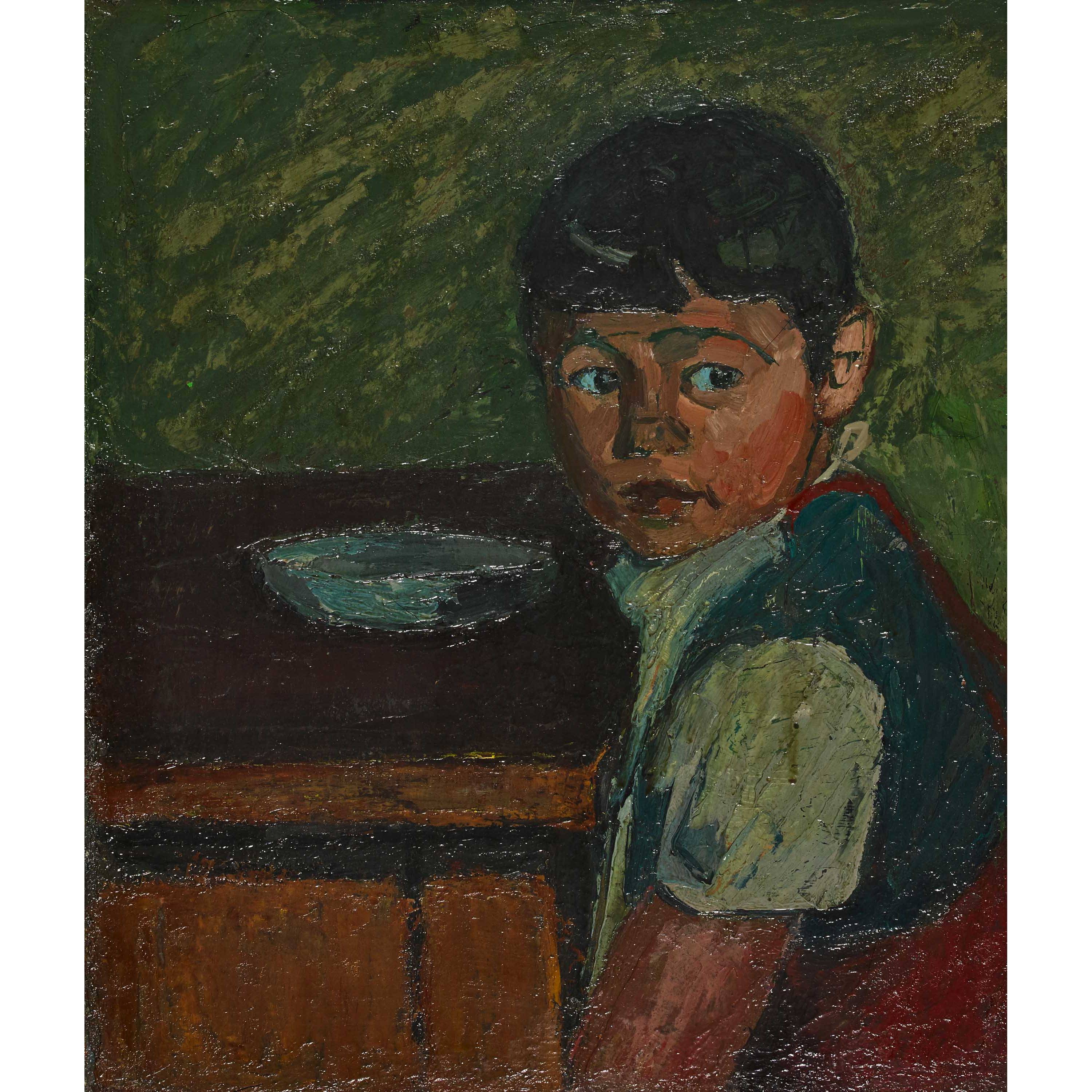
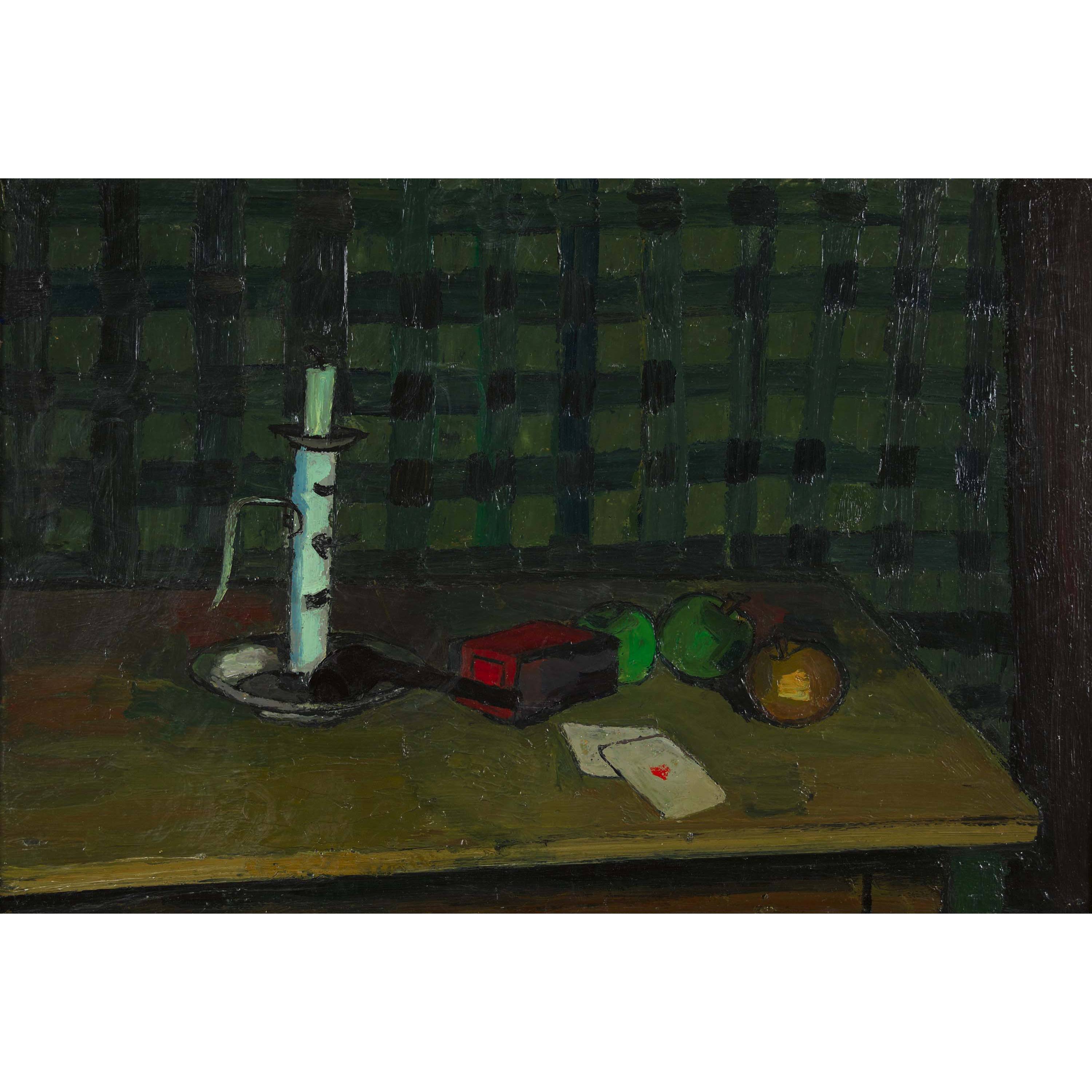
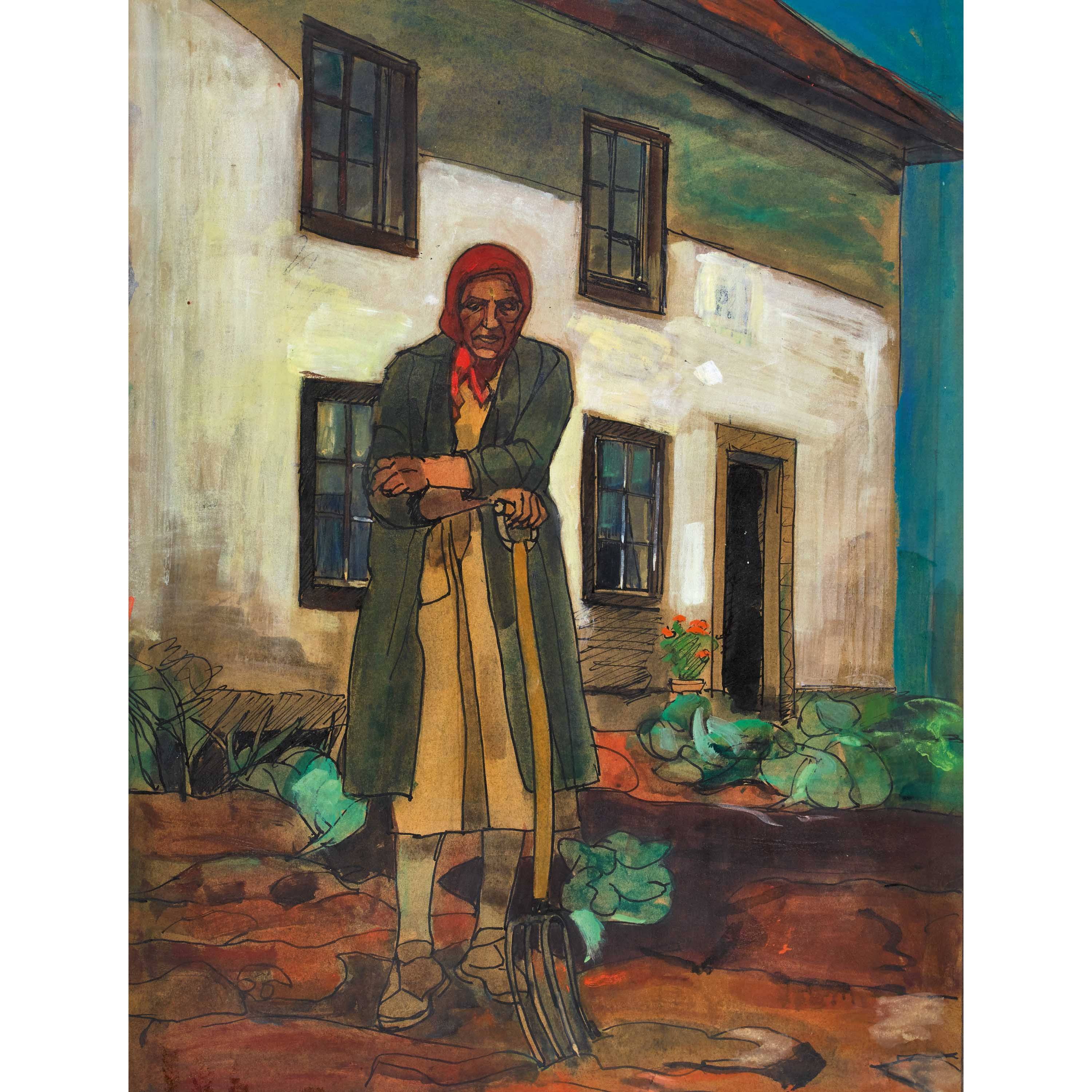
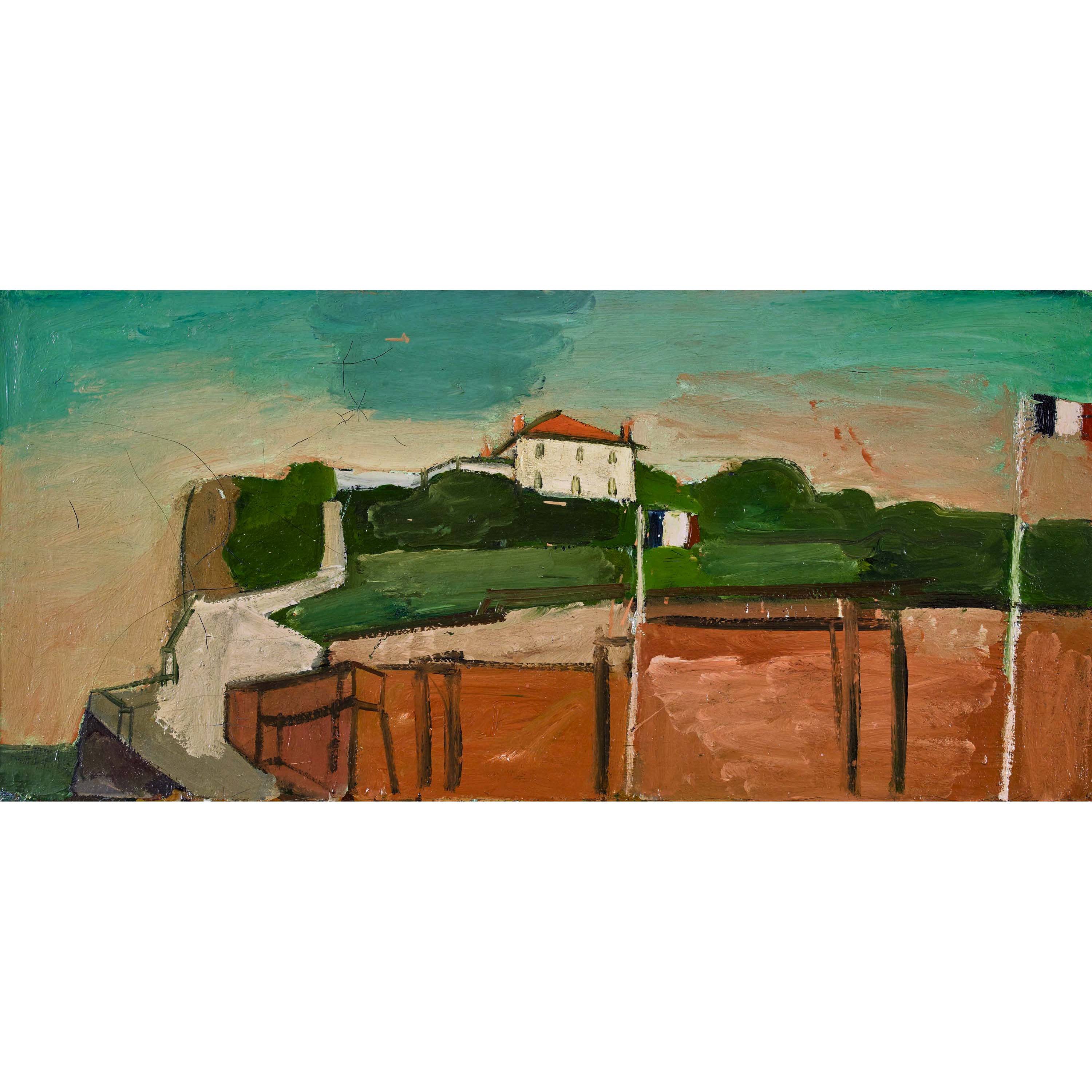
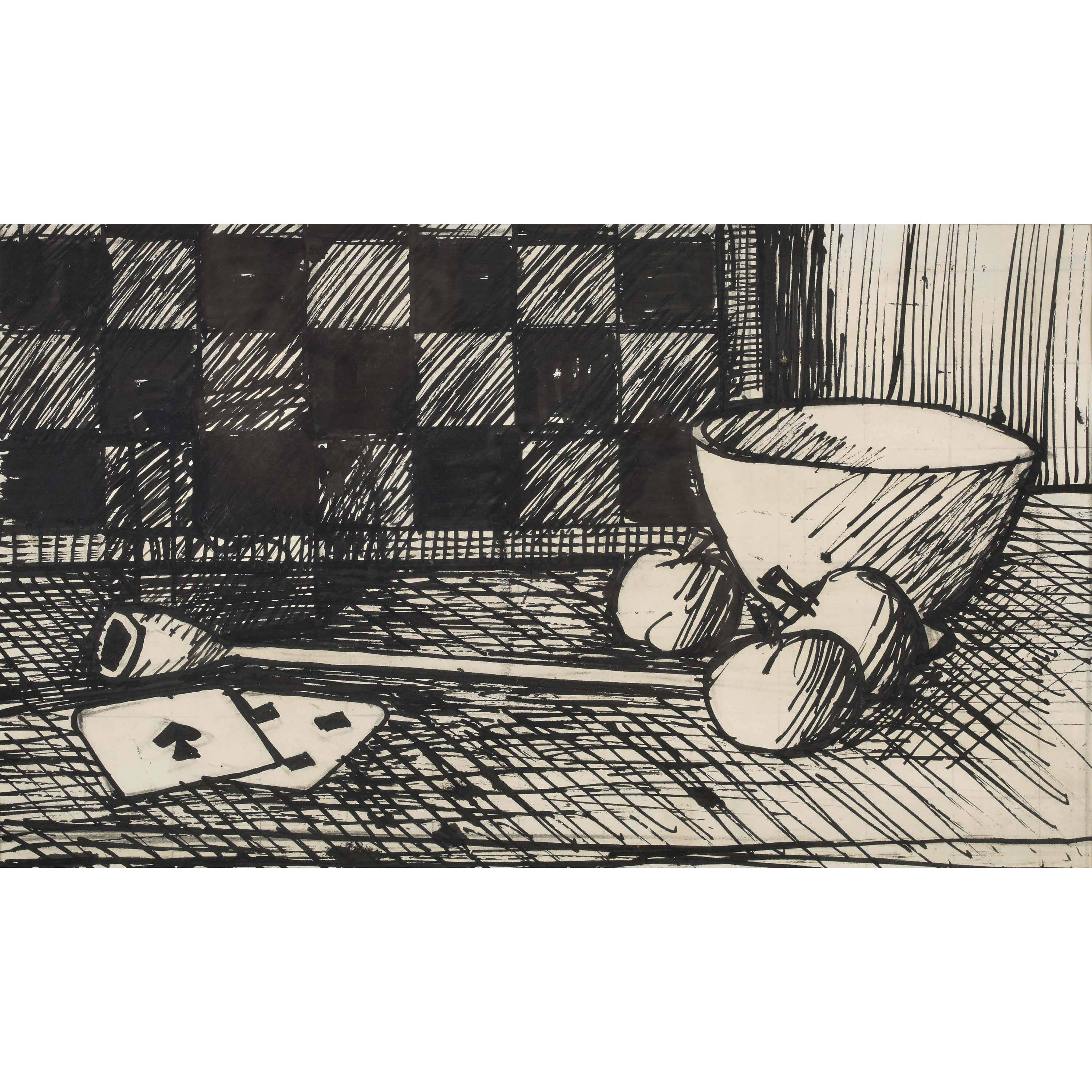
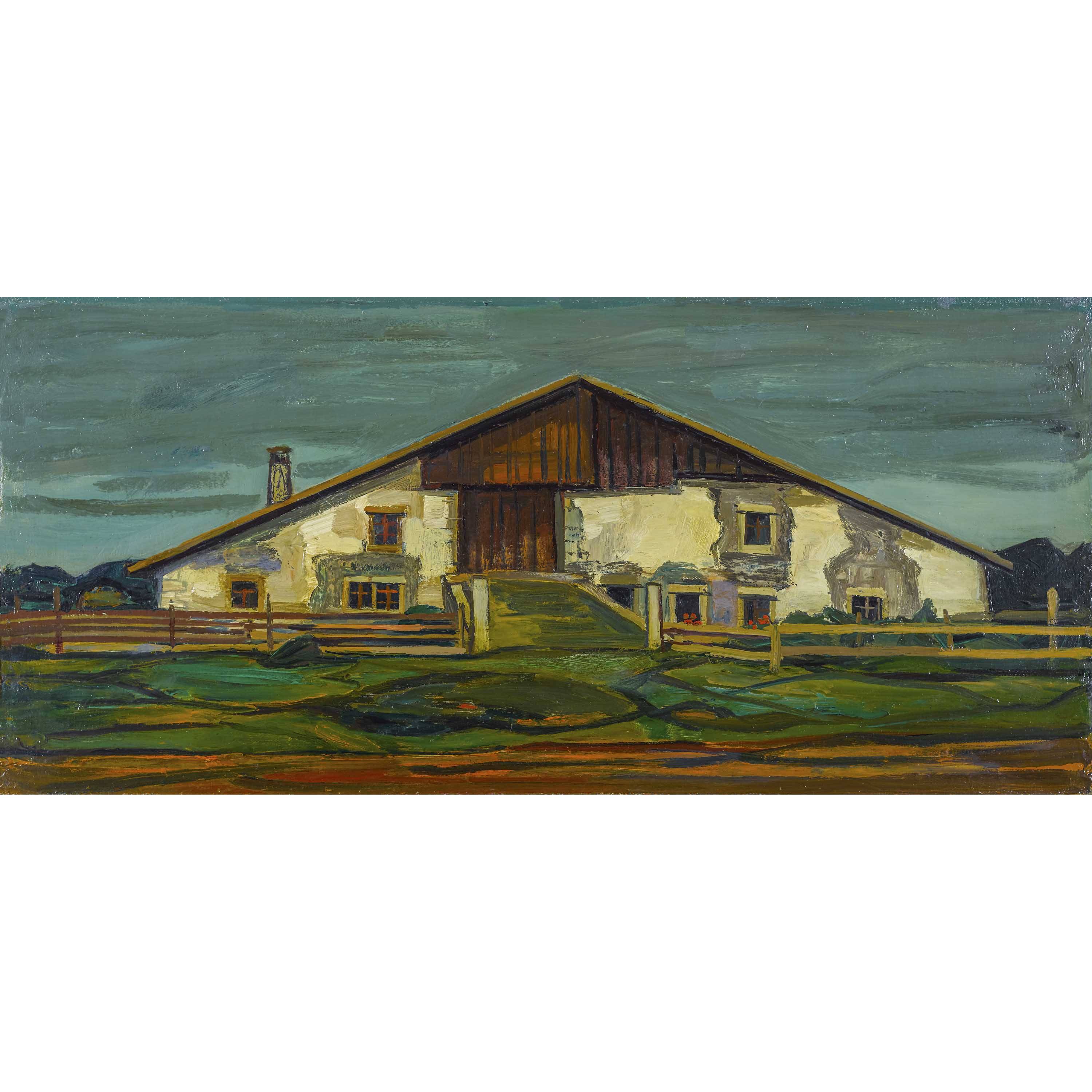
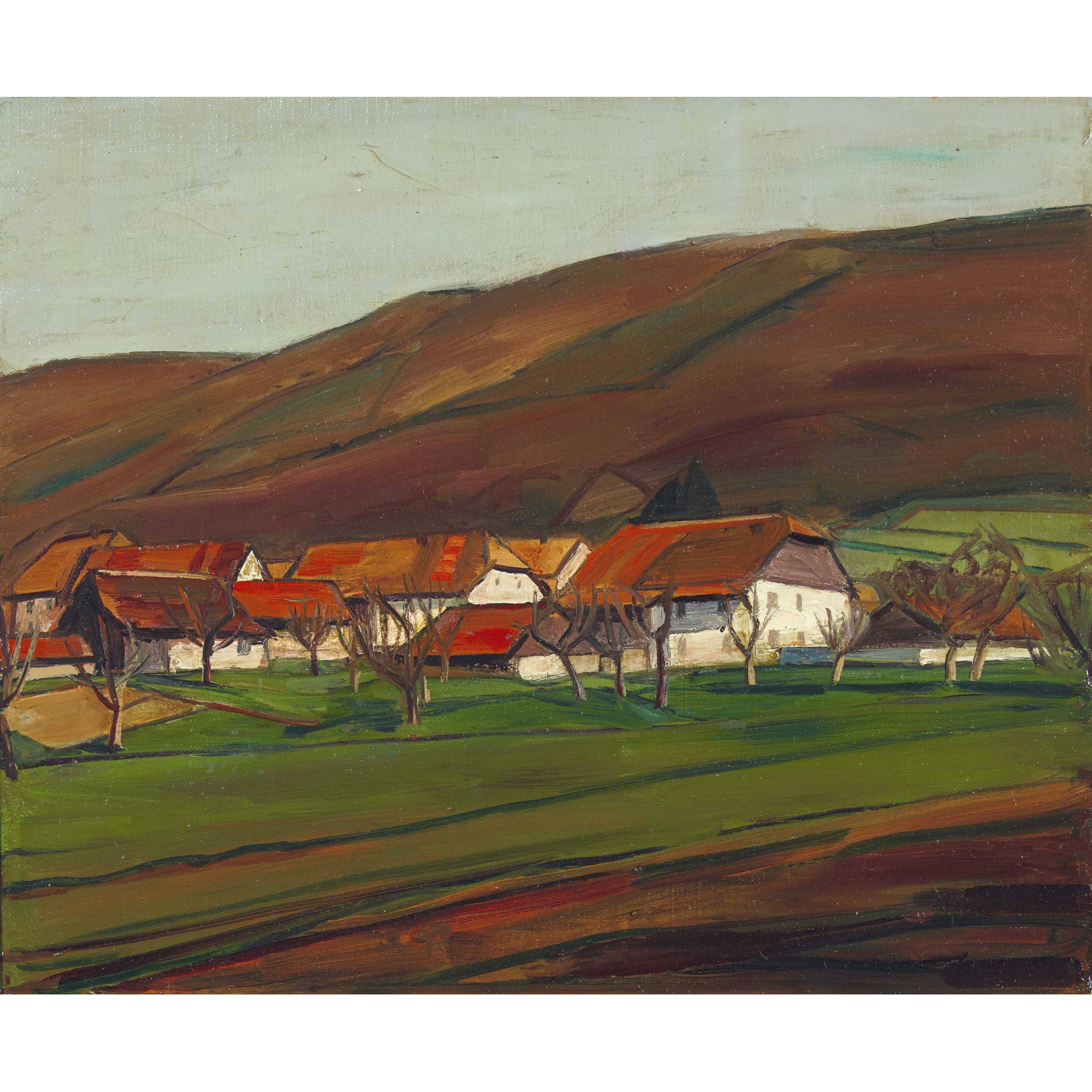
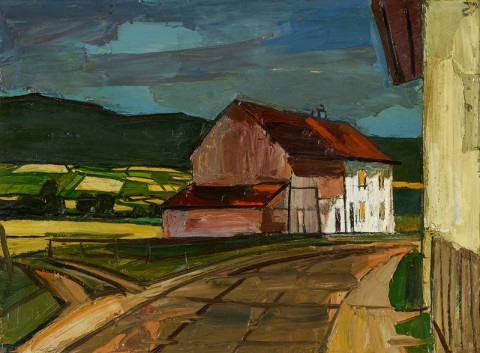
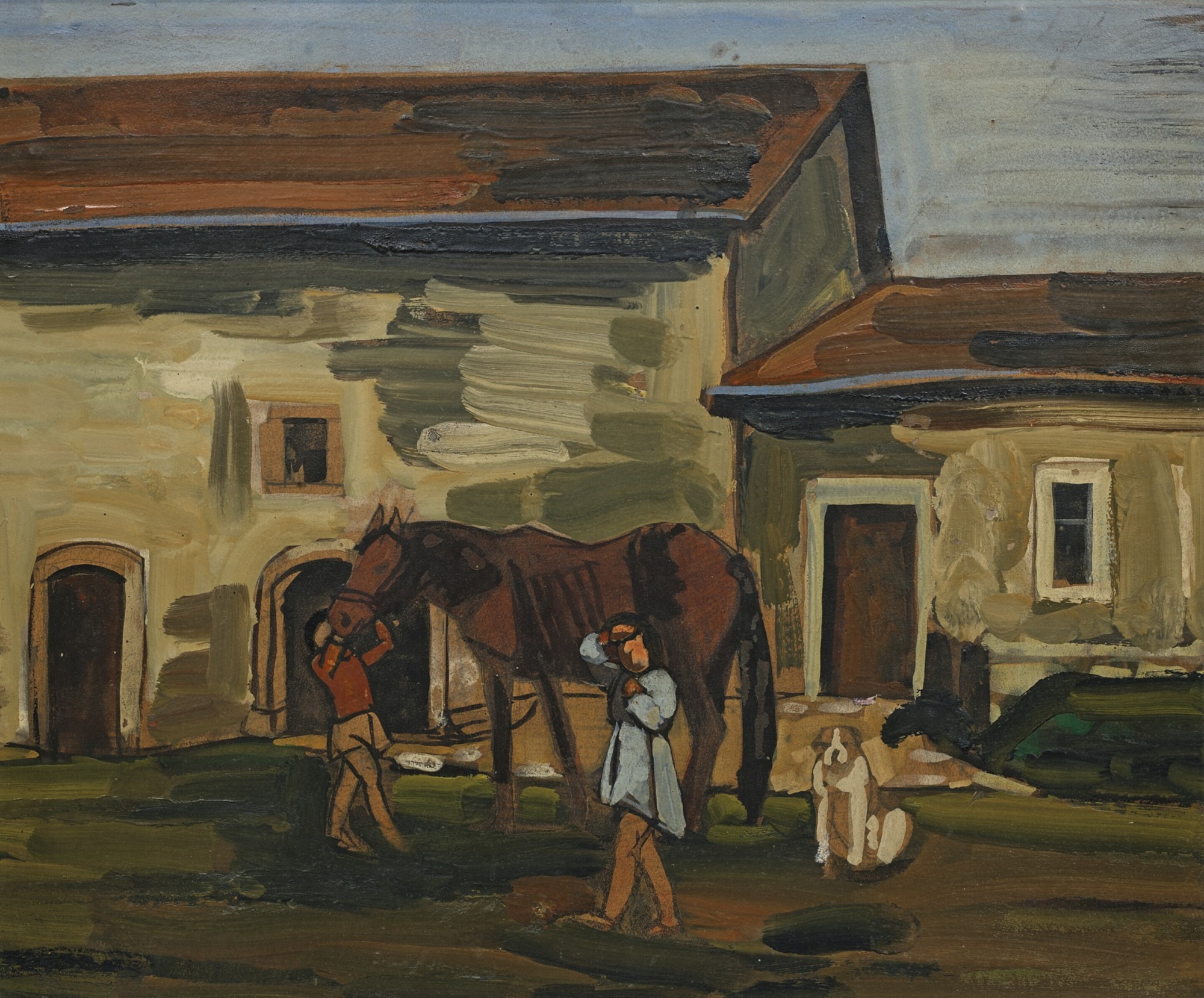
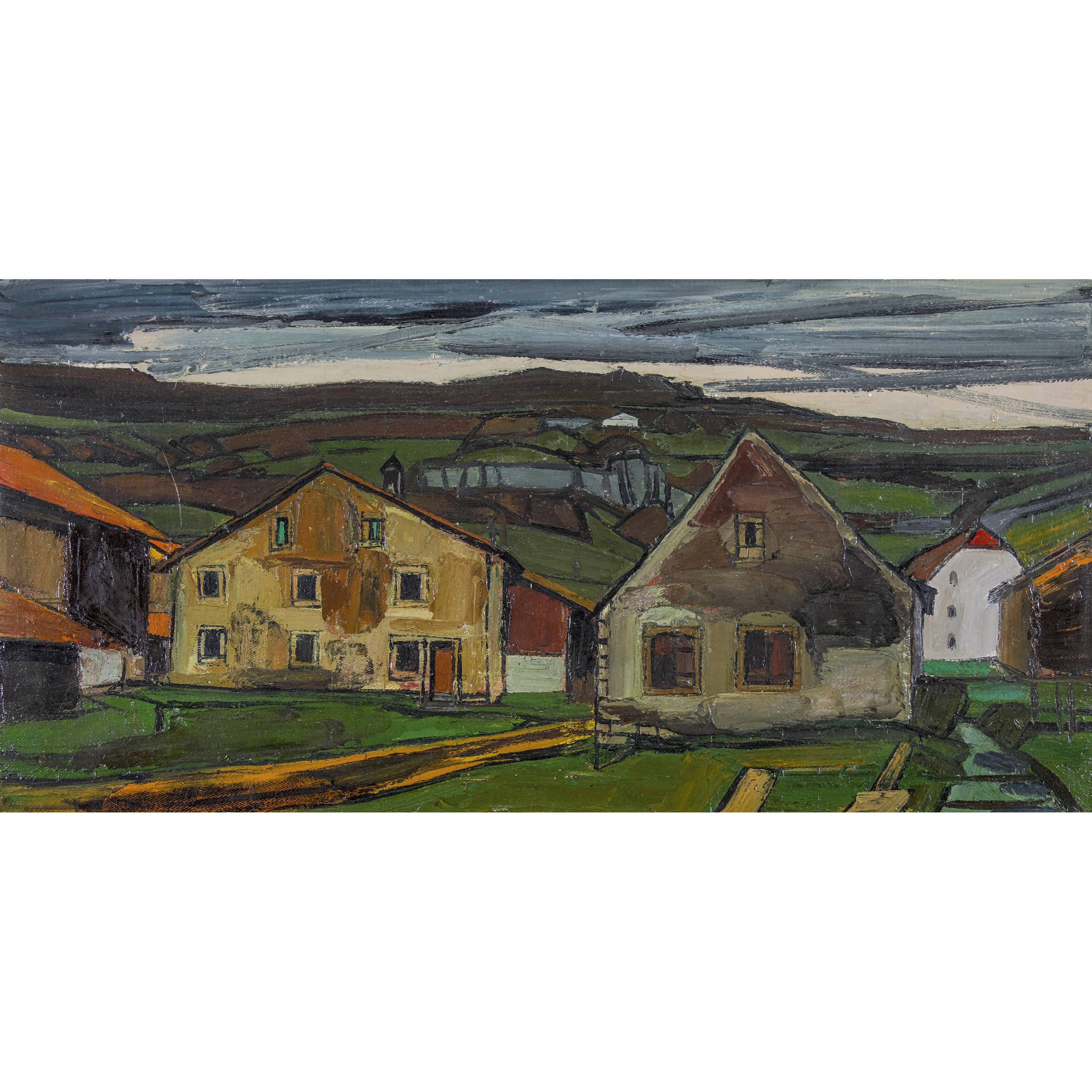
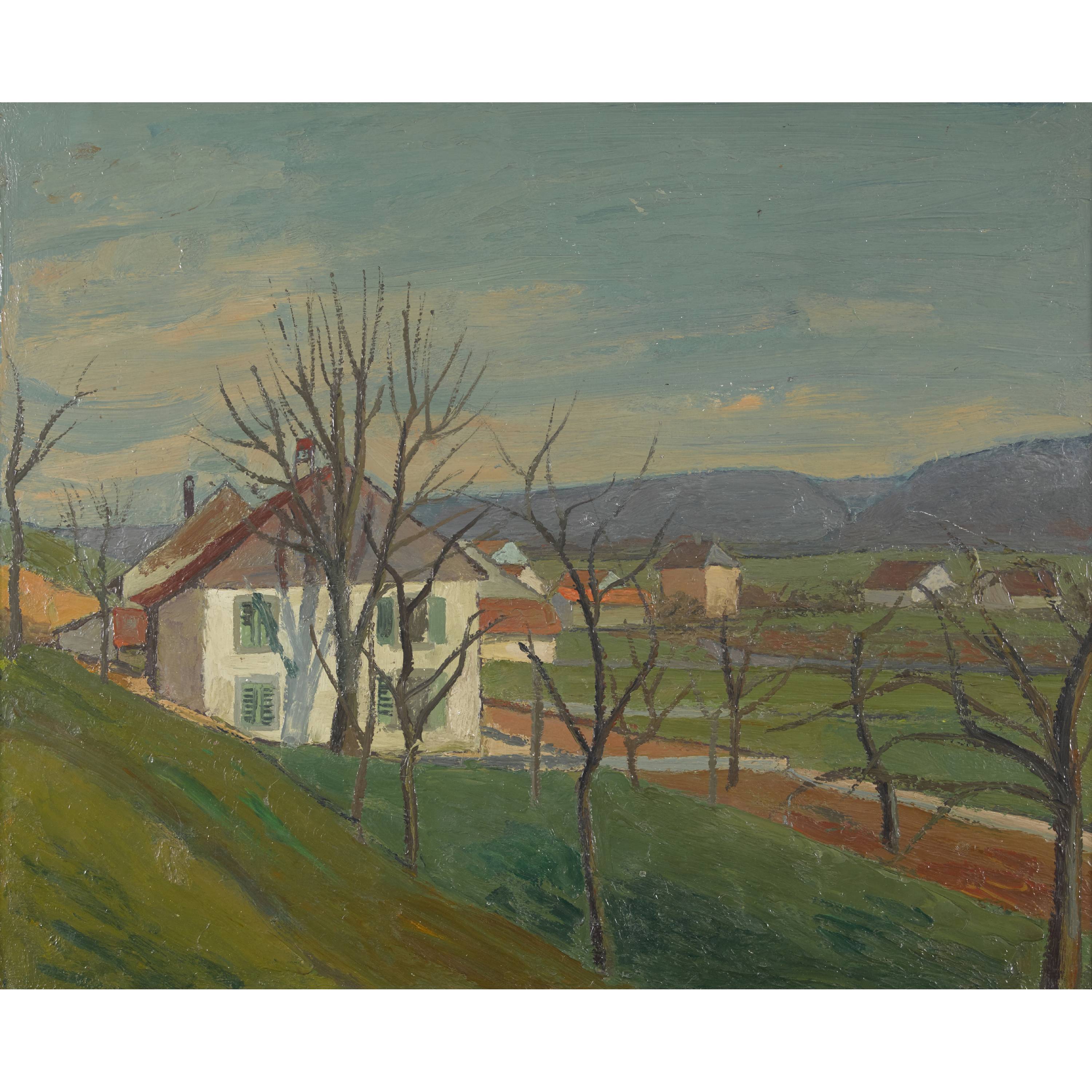
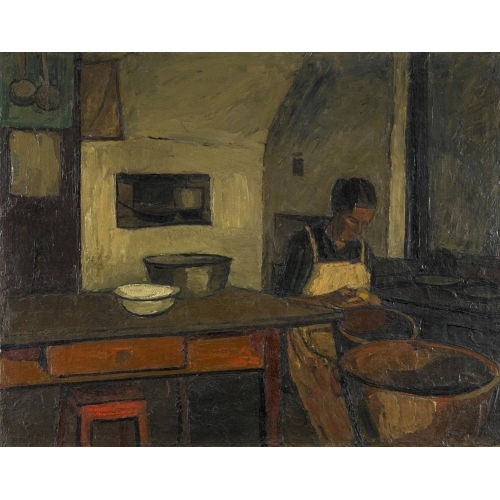
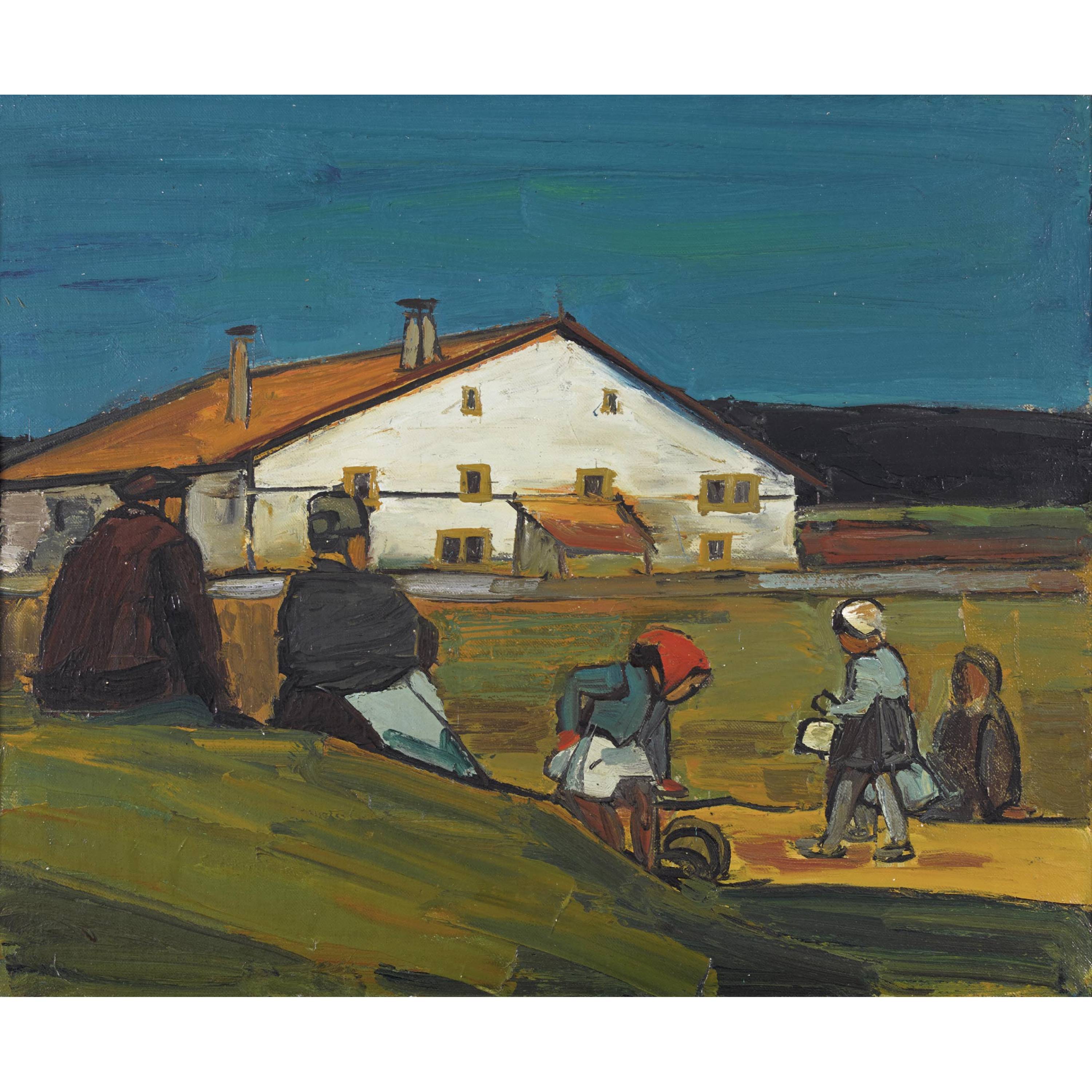
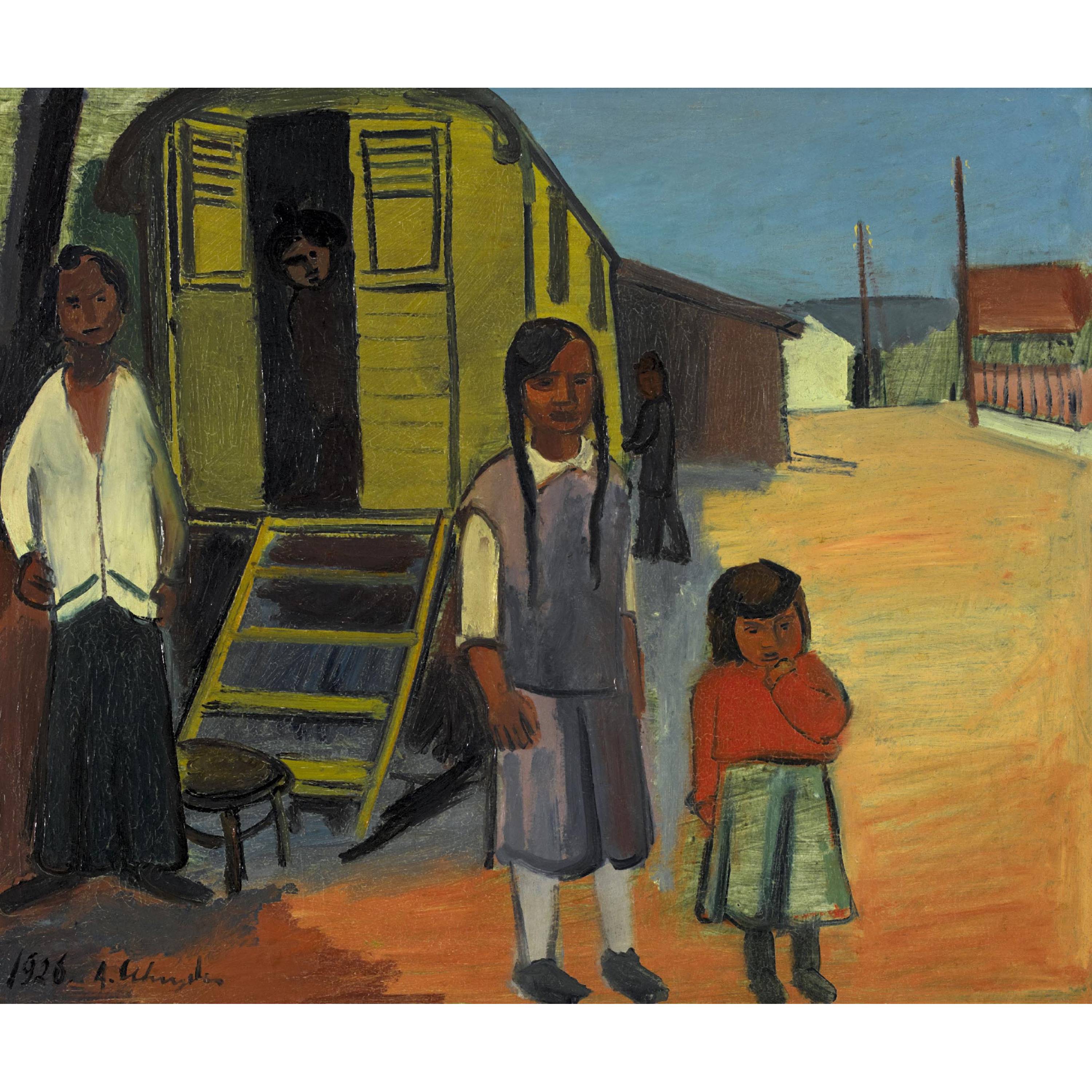
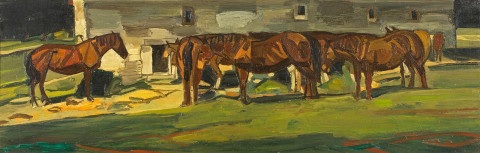
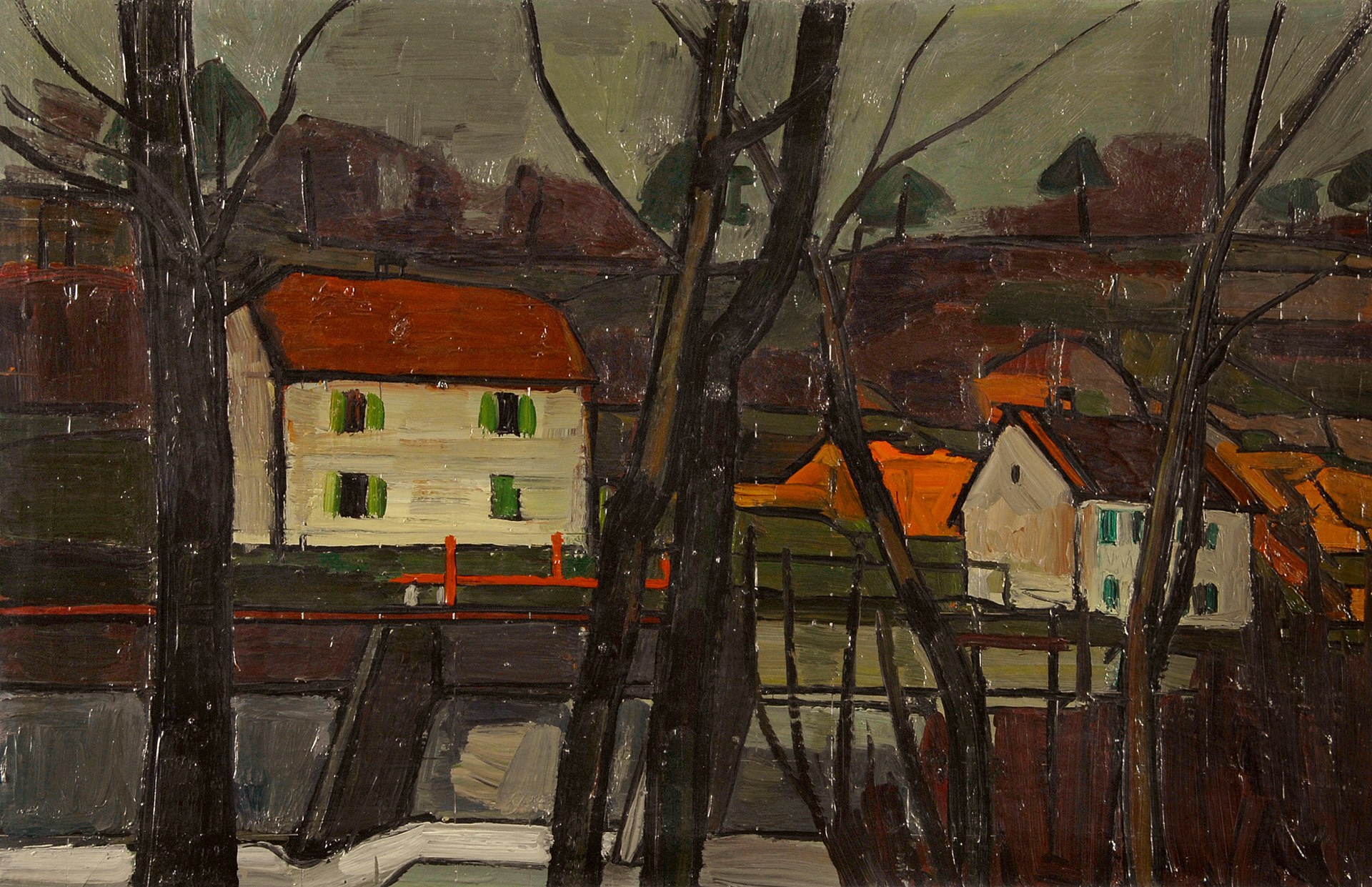
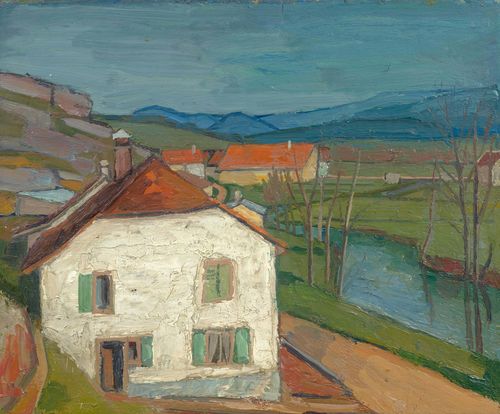
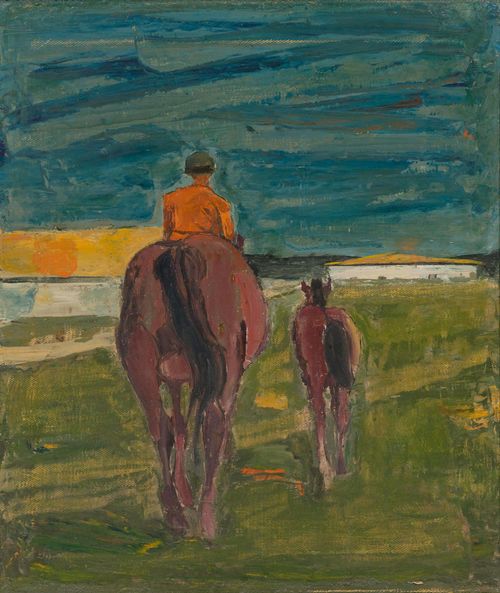
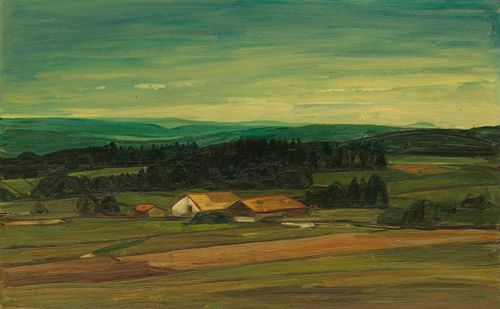
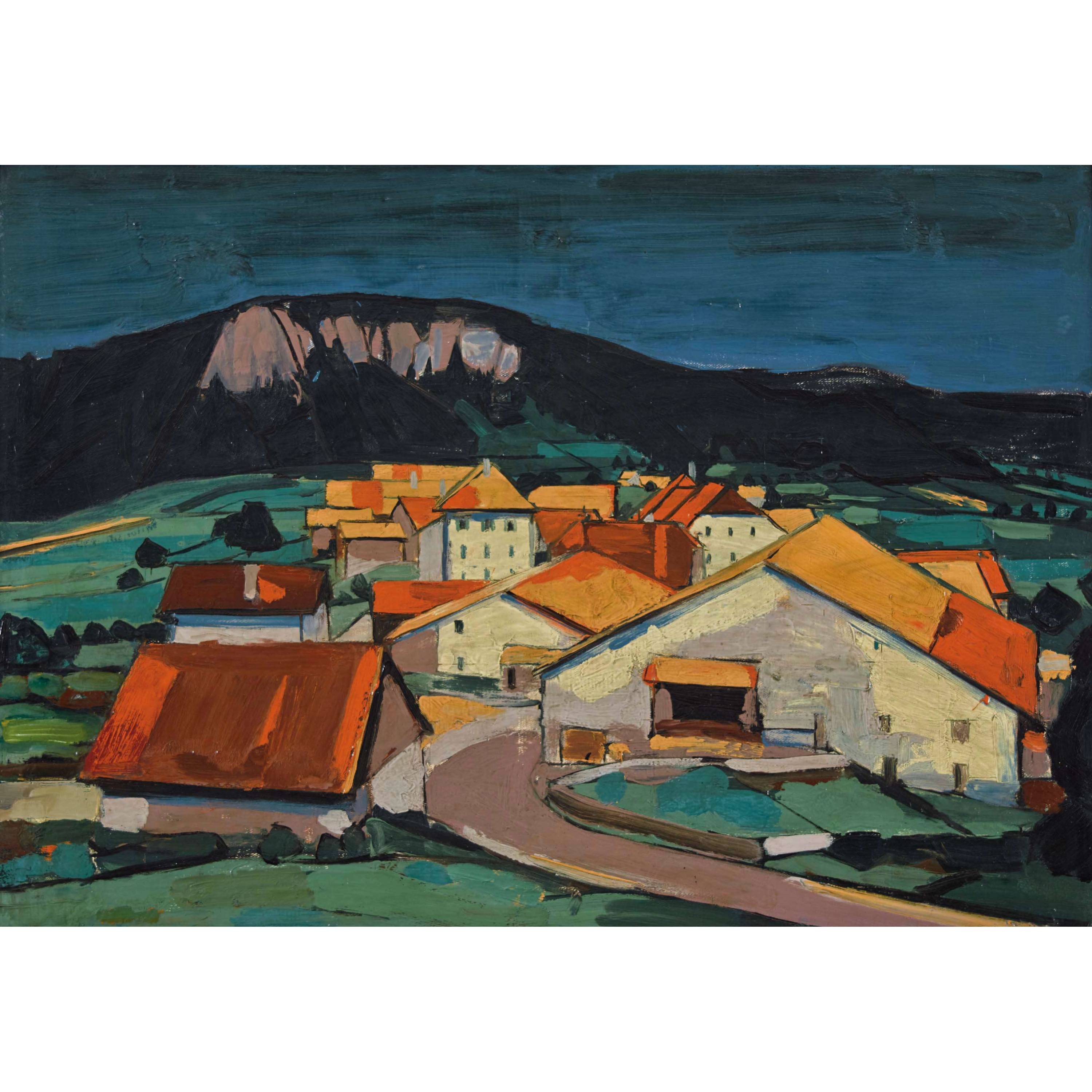
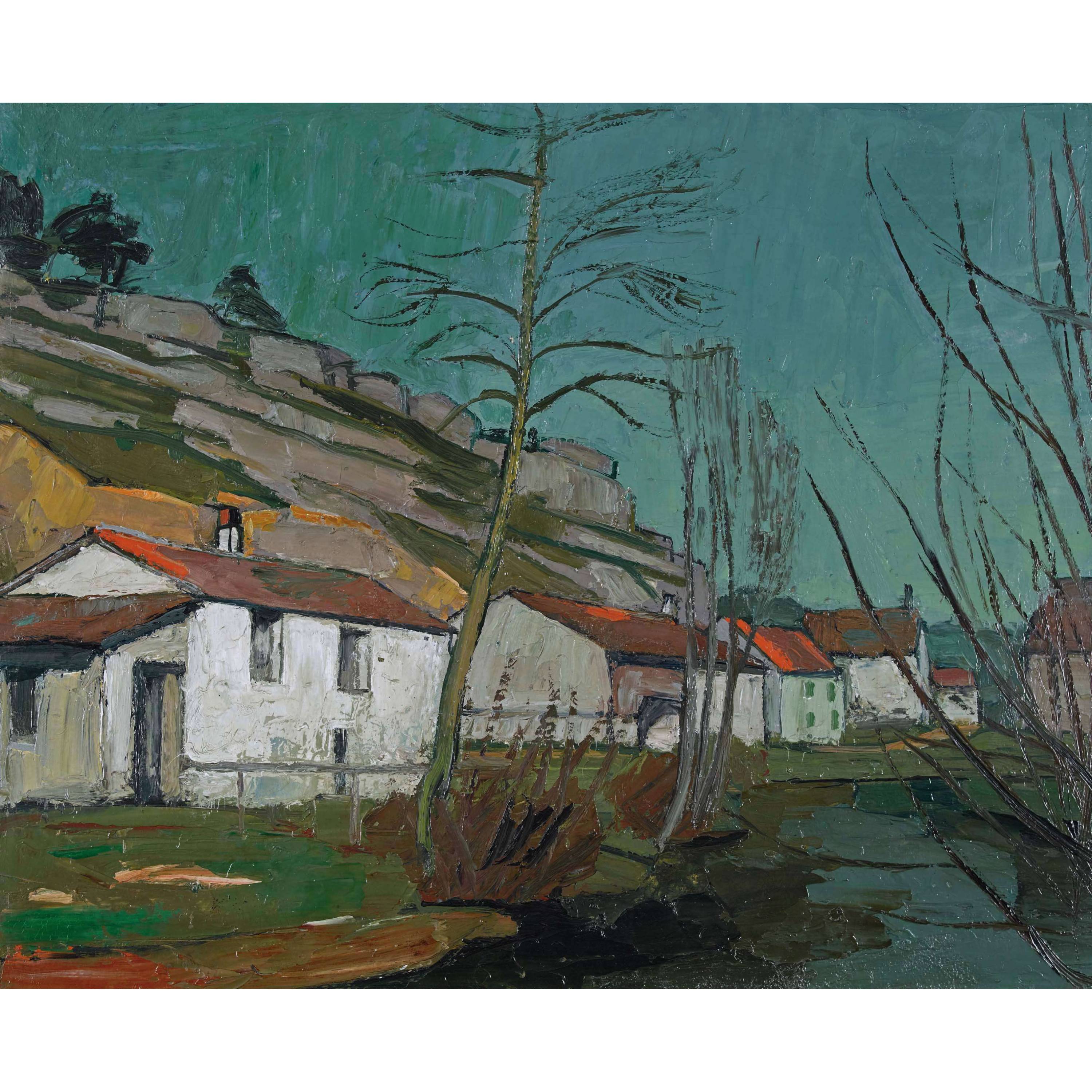
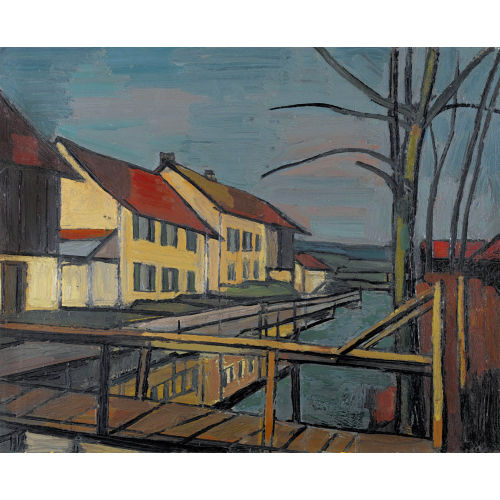
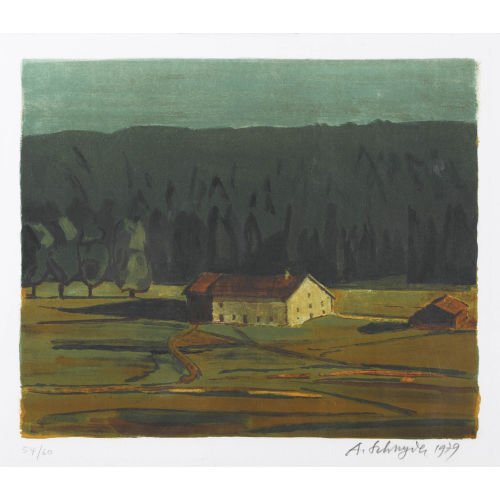
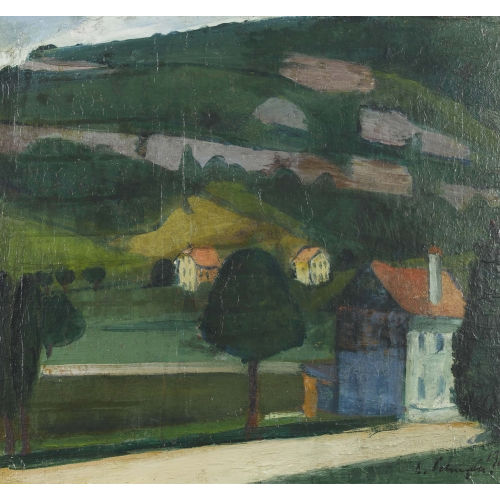
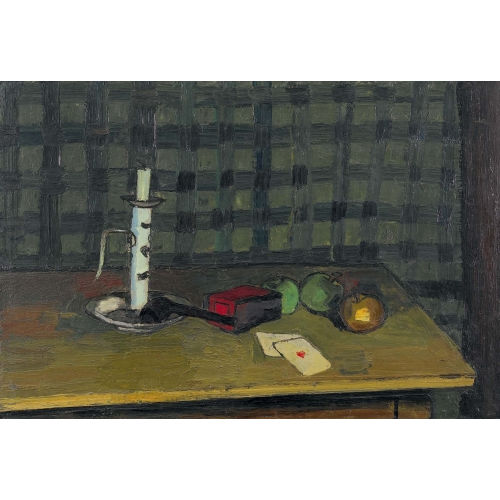
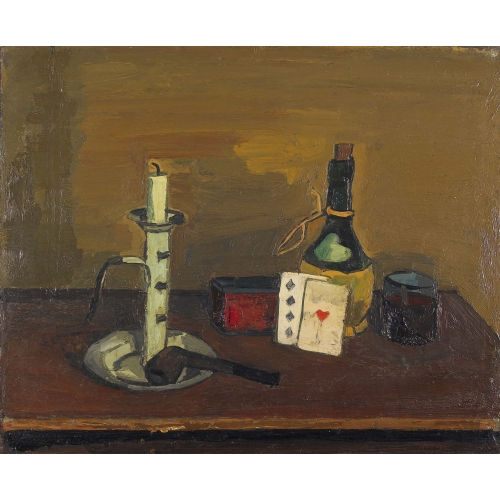
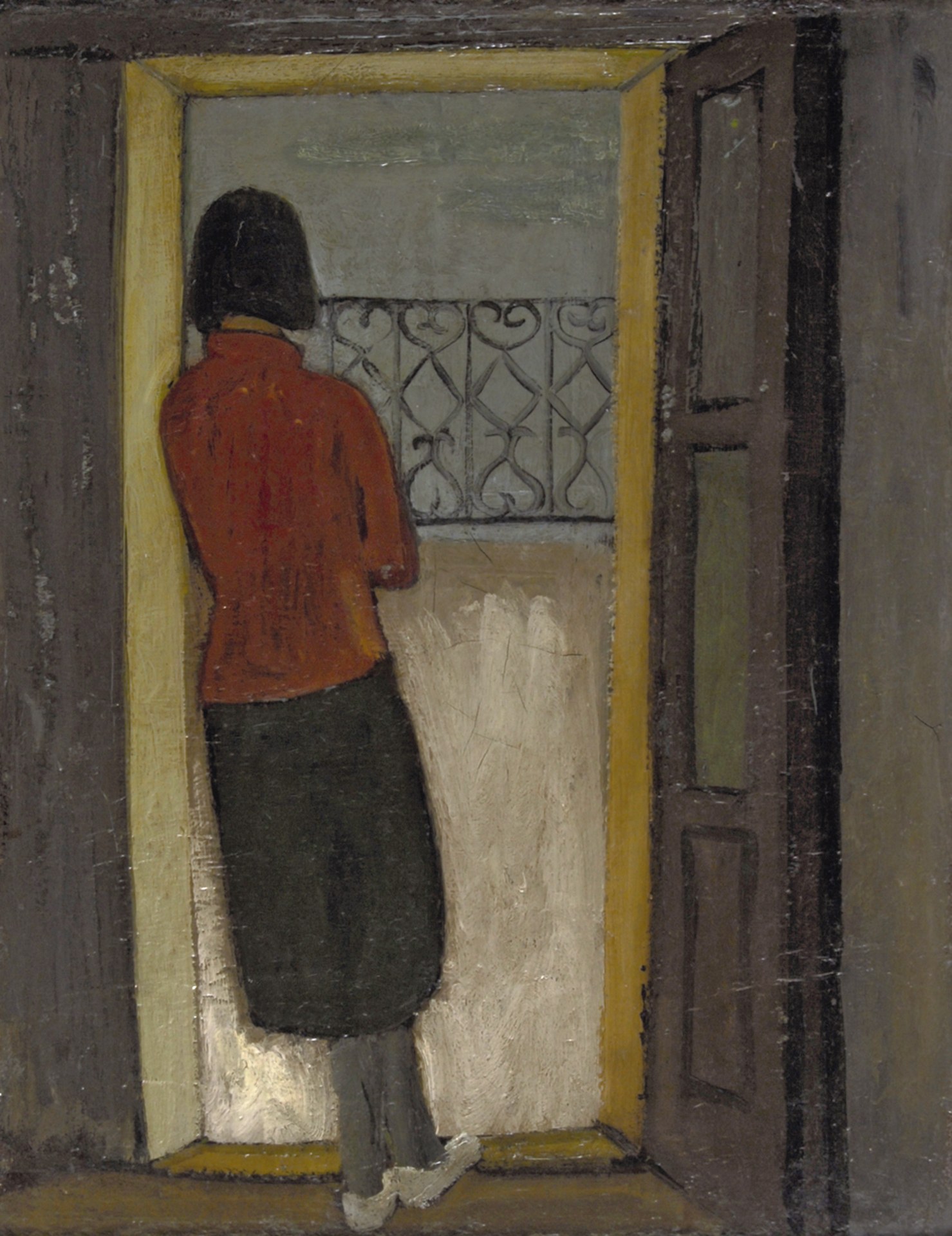
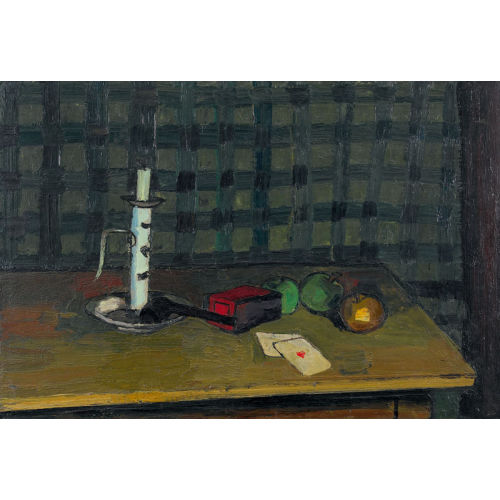
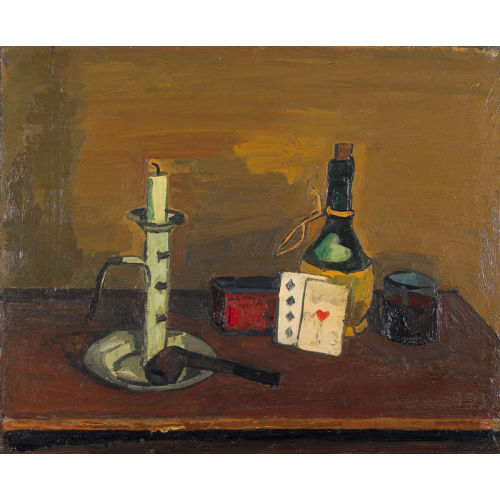
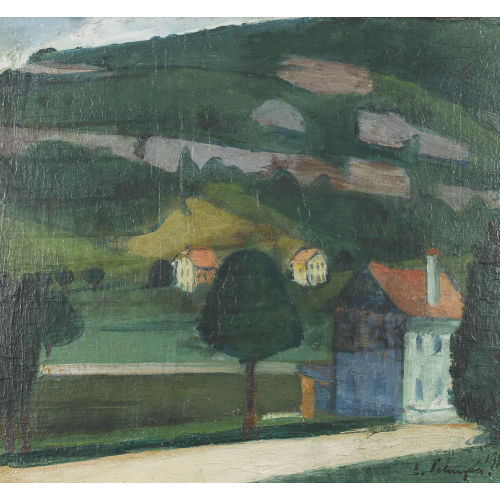
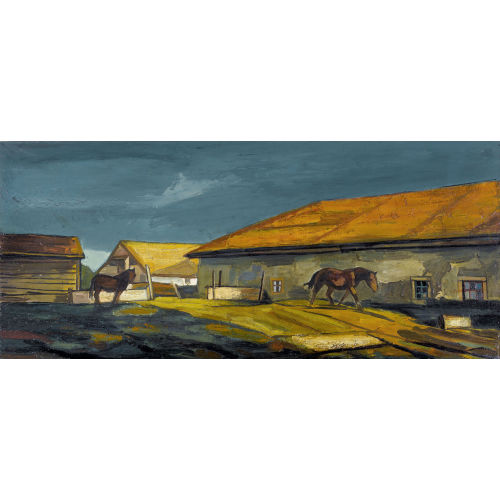
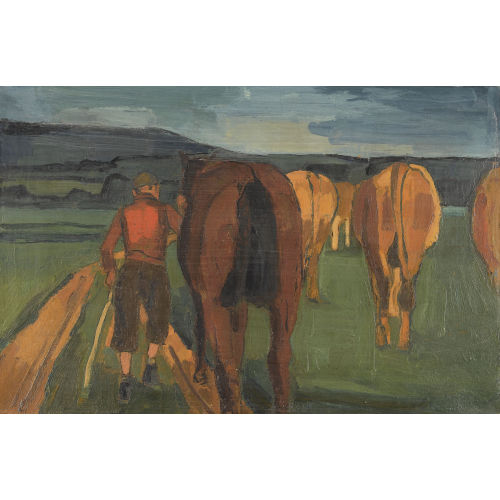
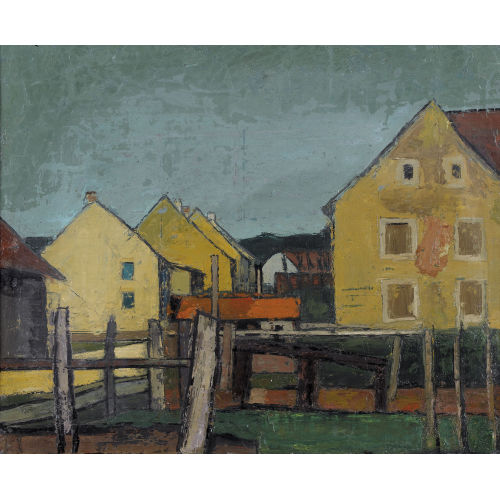
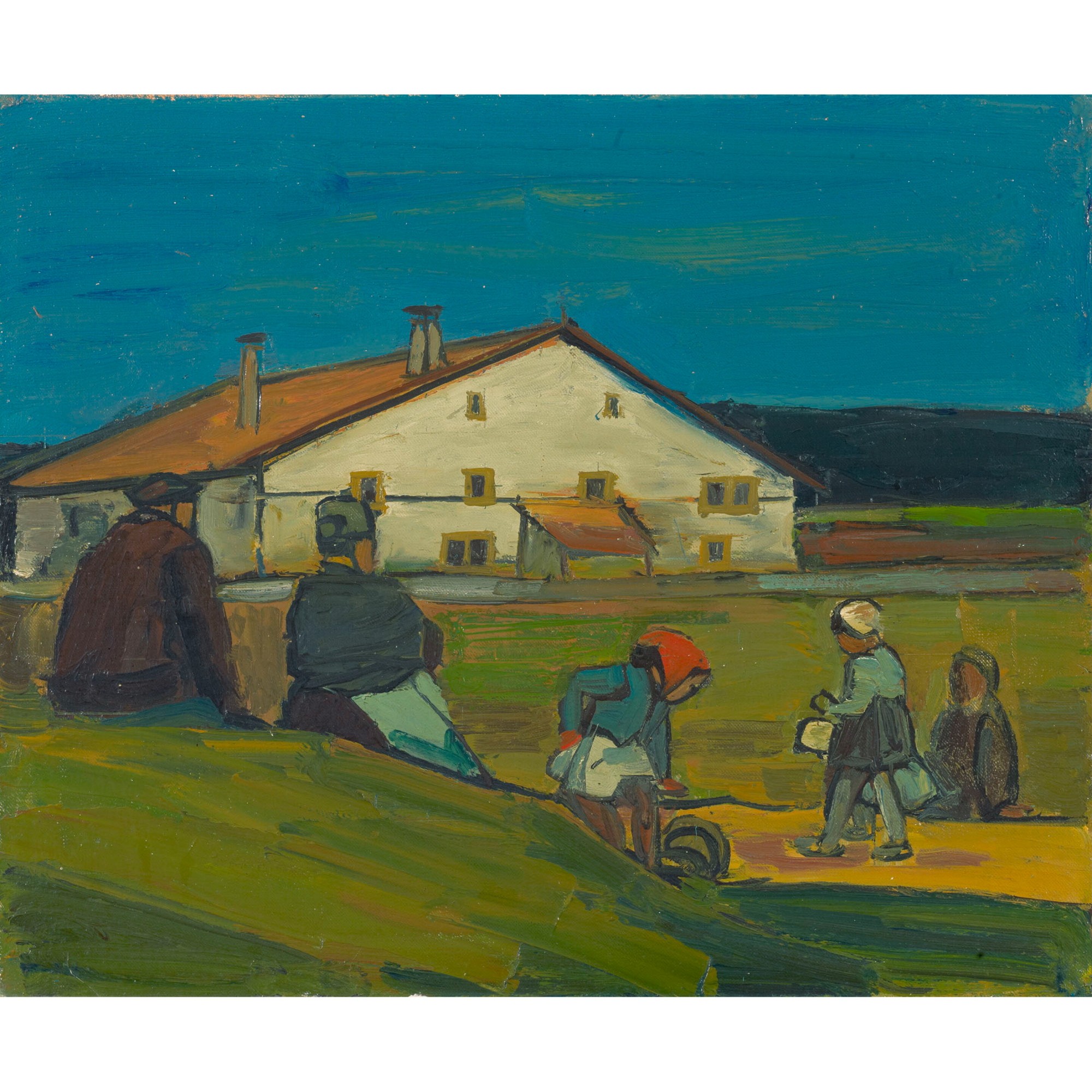
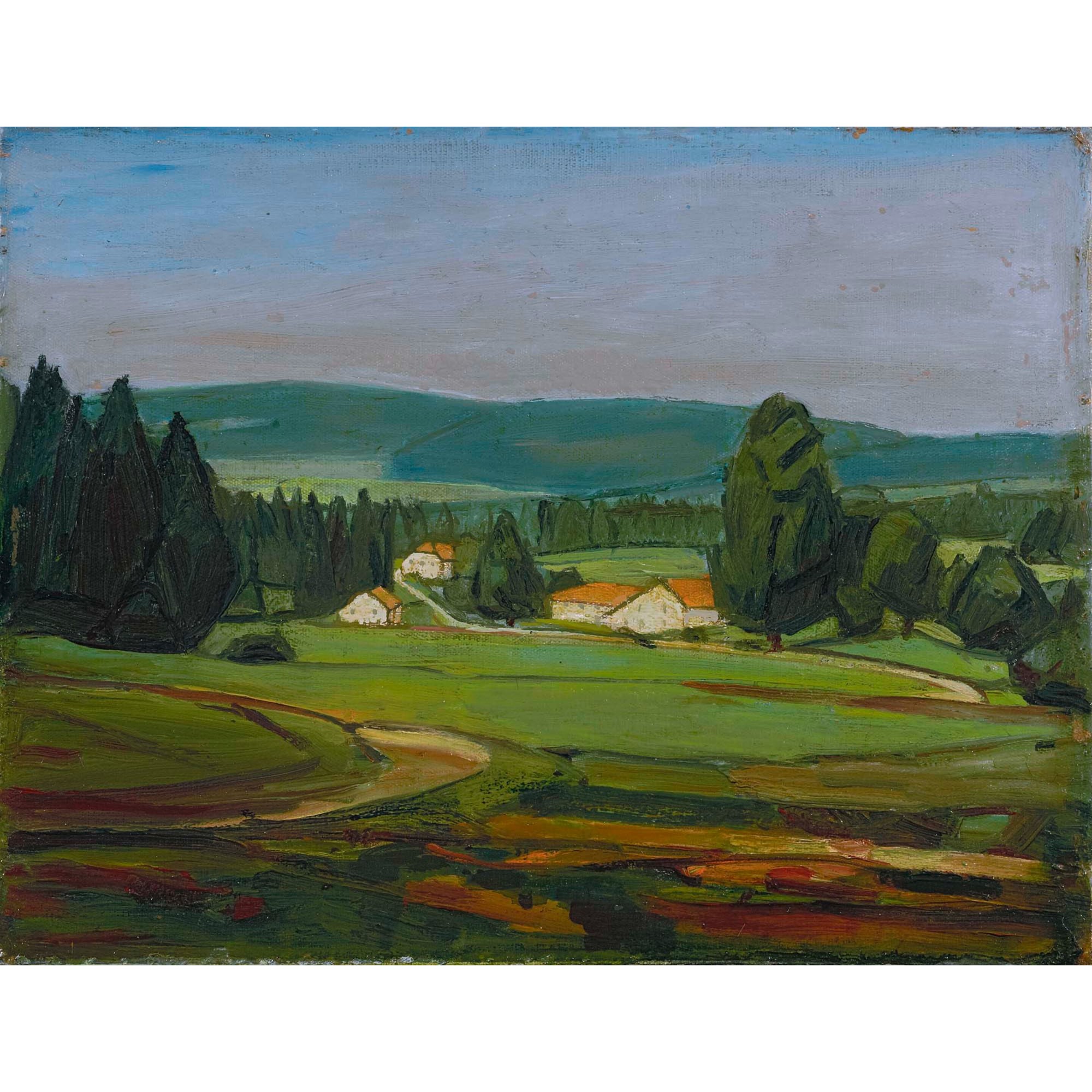
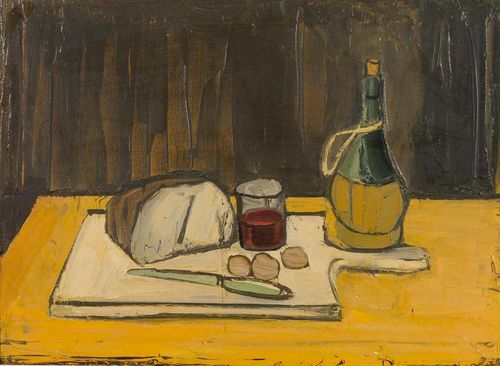
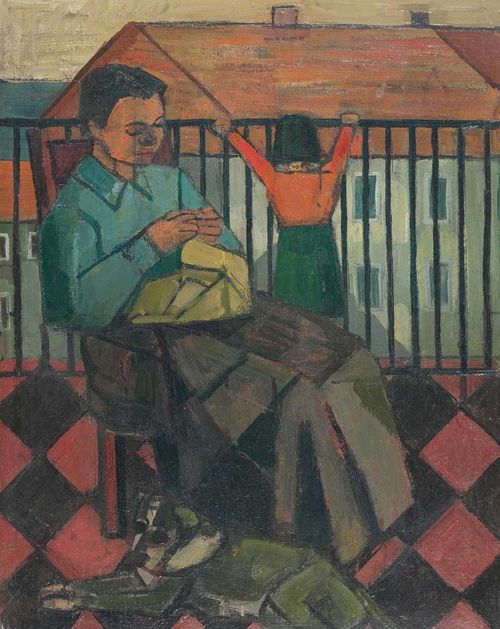
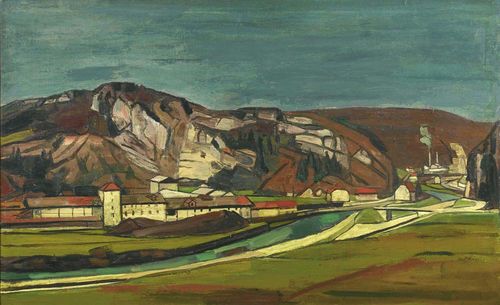
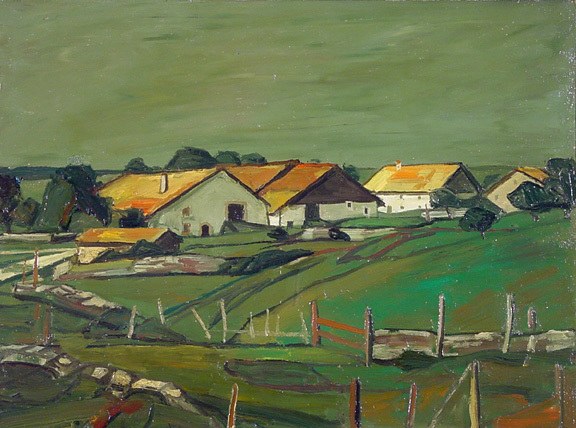
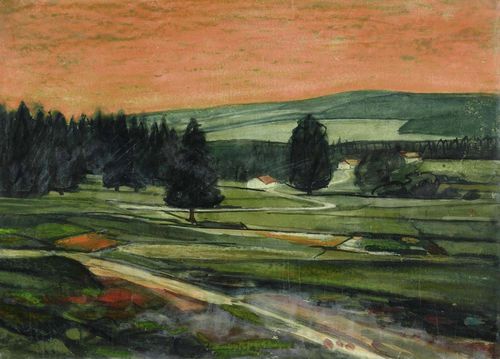
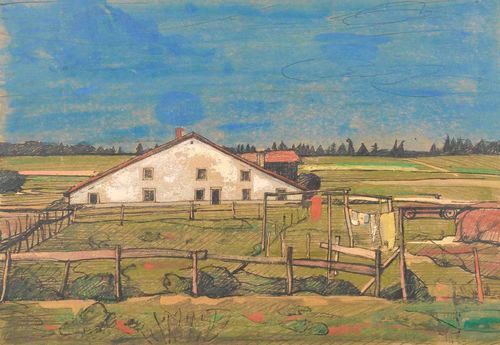
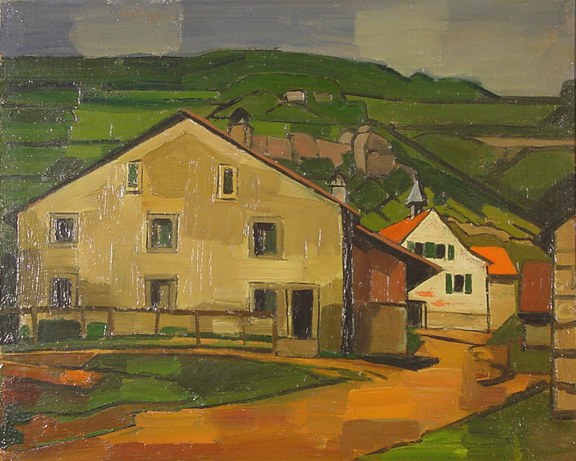
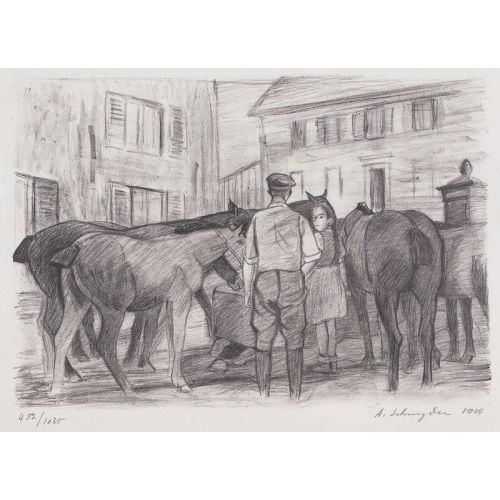
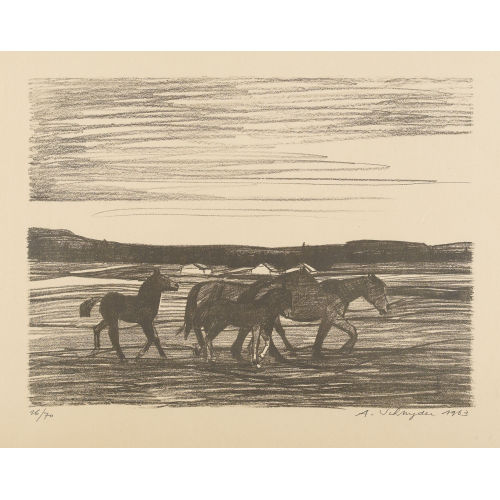
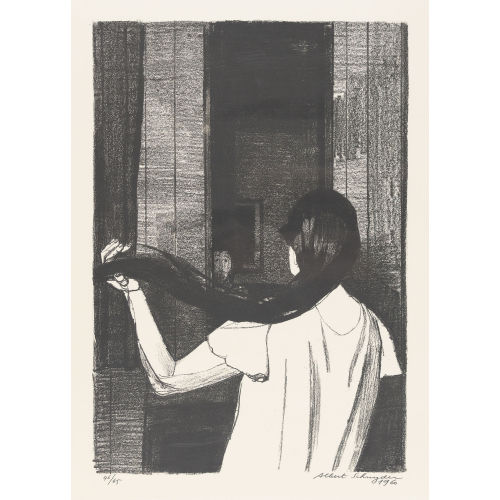
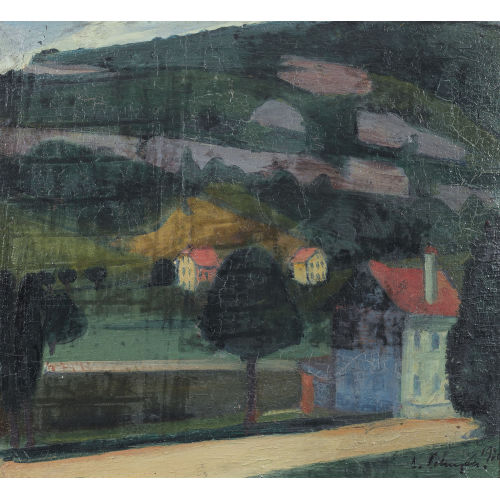
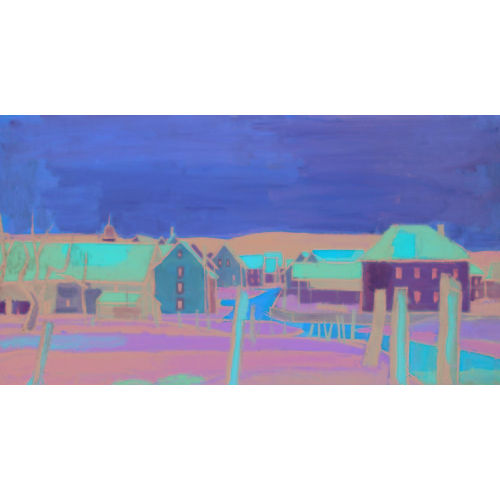
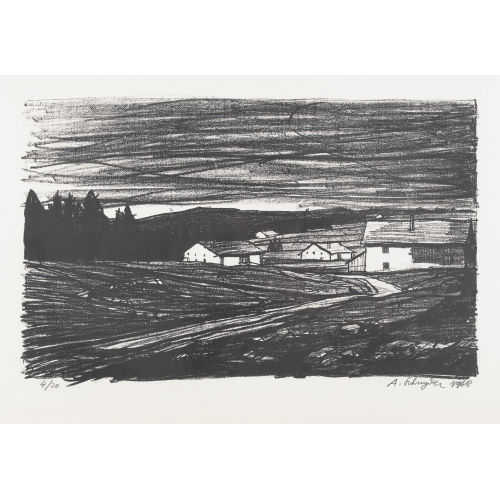
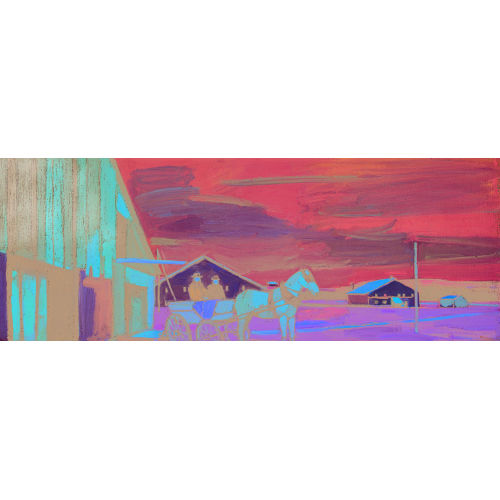
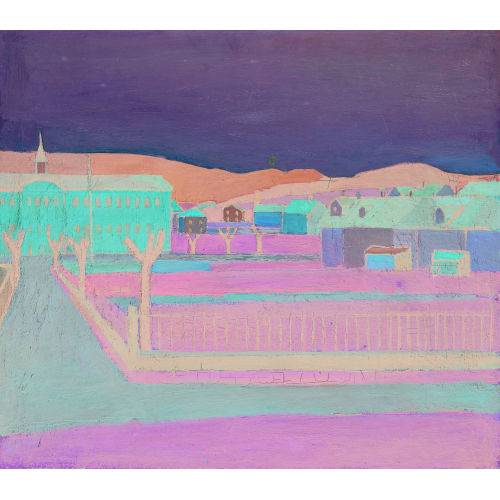
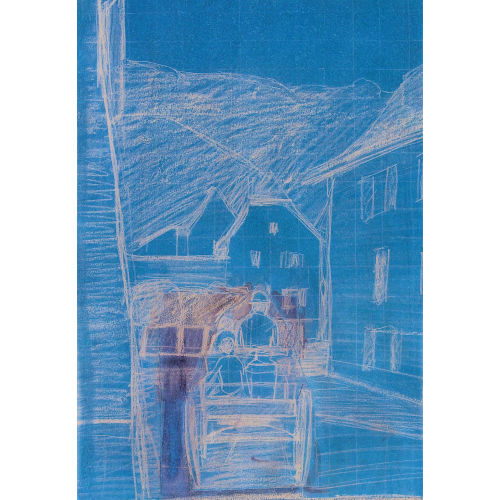
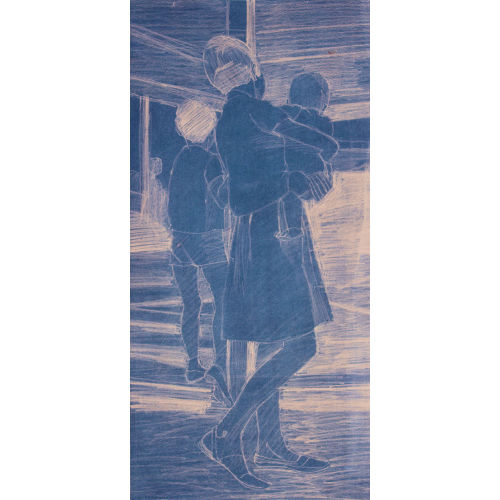
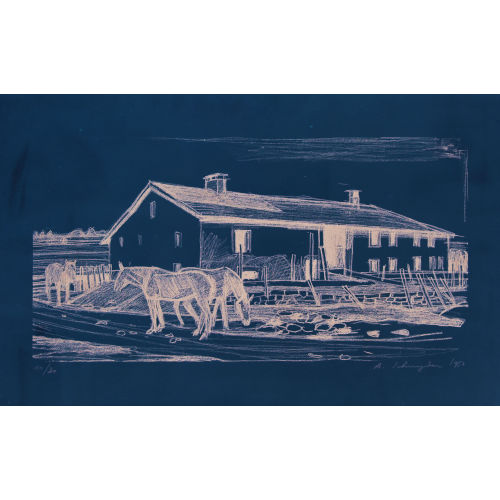
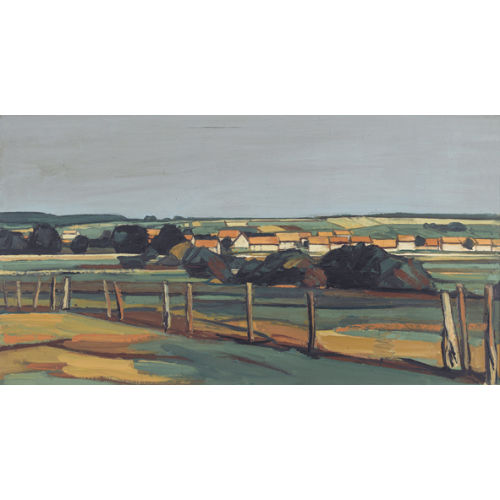
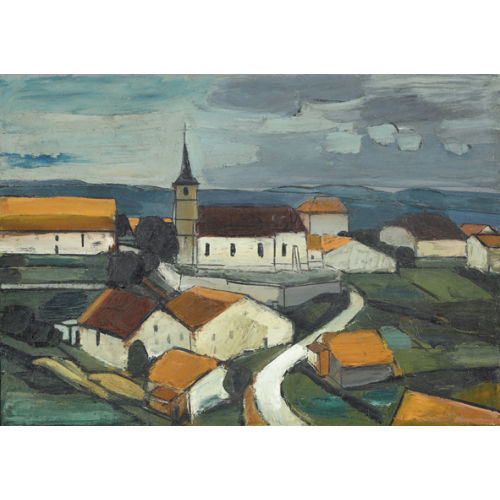
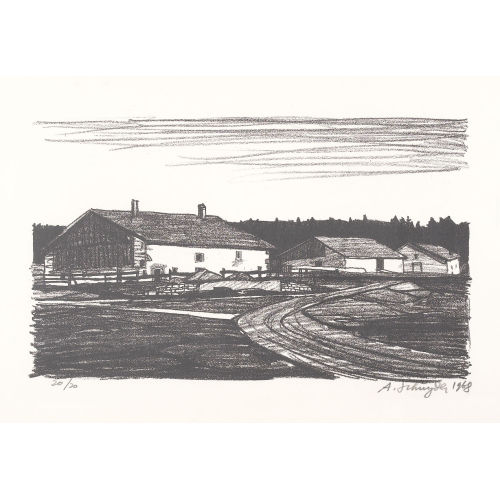
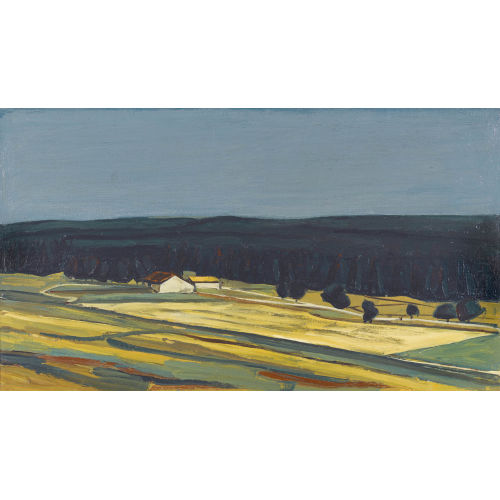
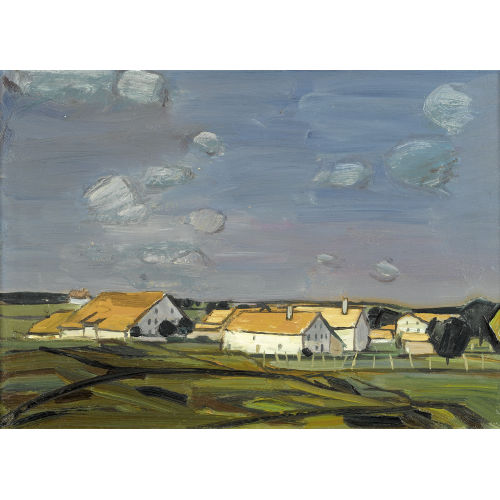
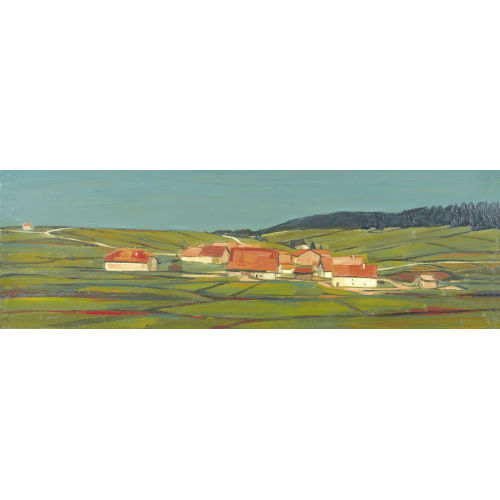
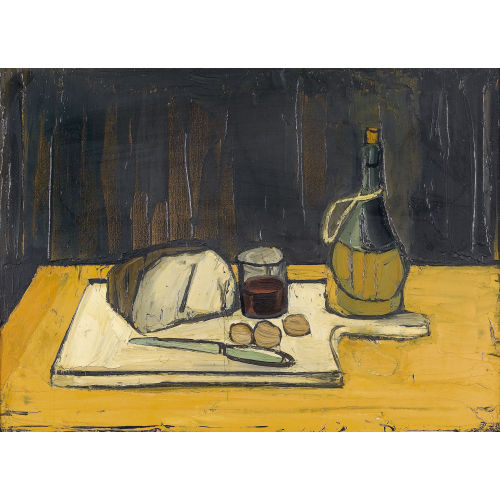
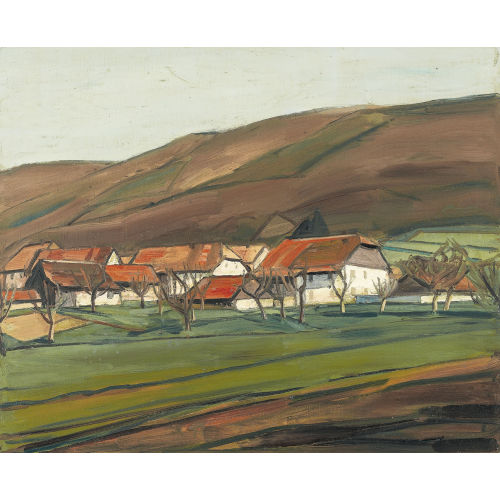
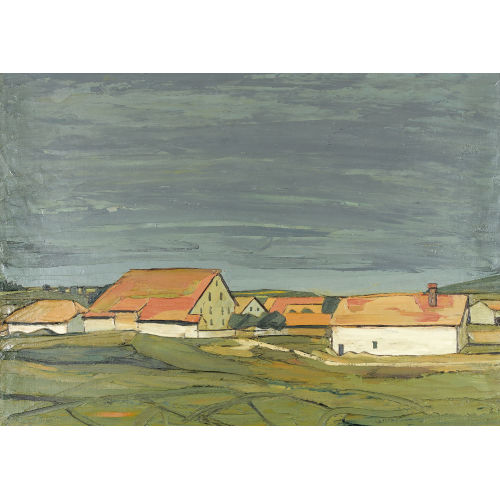
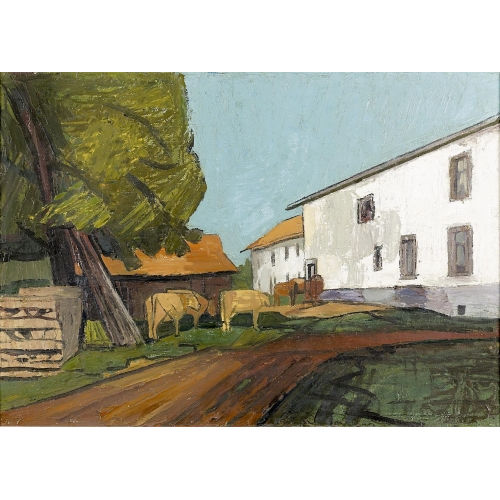
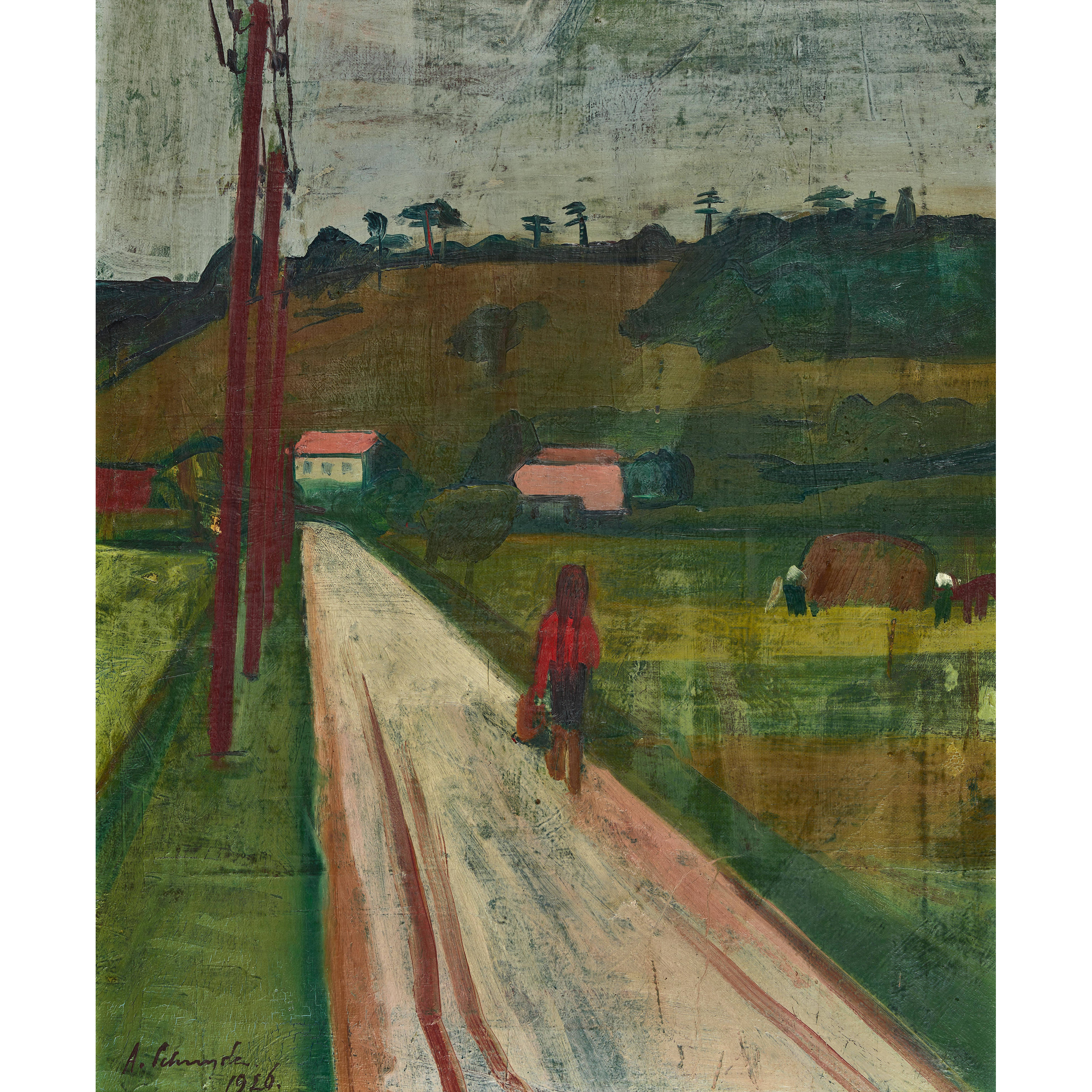
After an apprenticeship as a lithographer in Bern, he continued his training at the School of Arts and Crafts in Basel, then completed his studies through stays in Berlin, Munich and Paris. He returned to settle in Delémont in 1924. His early work bears the imprint of naïve art and Cubism, but he gradually developed a personal figurative painting closely connected to the Jura.
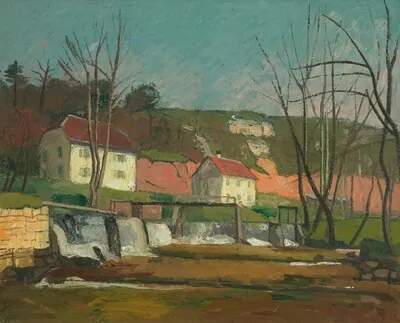
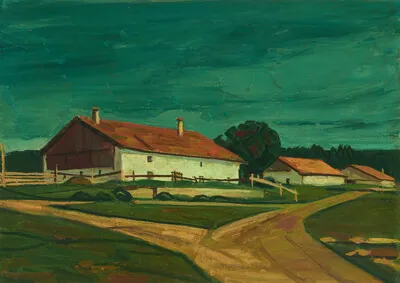
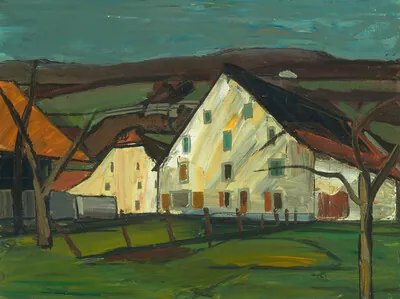
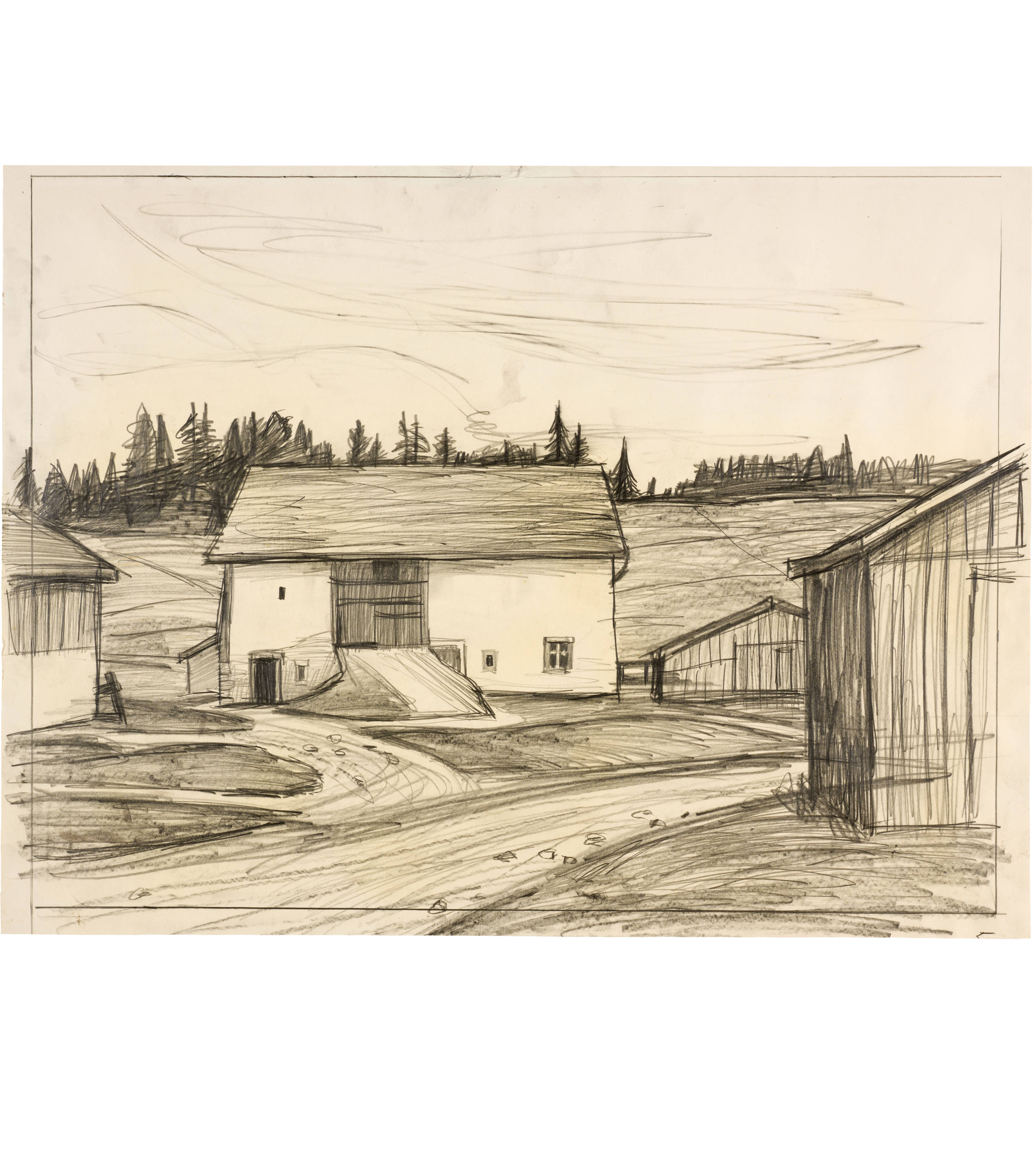
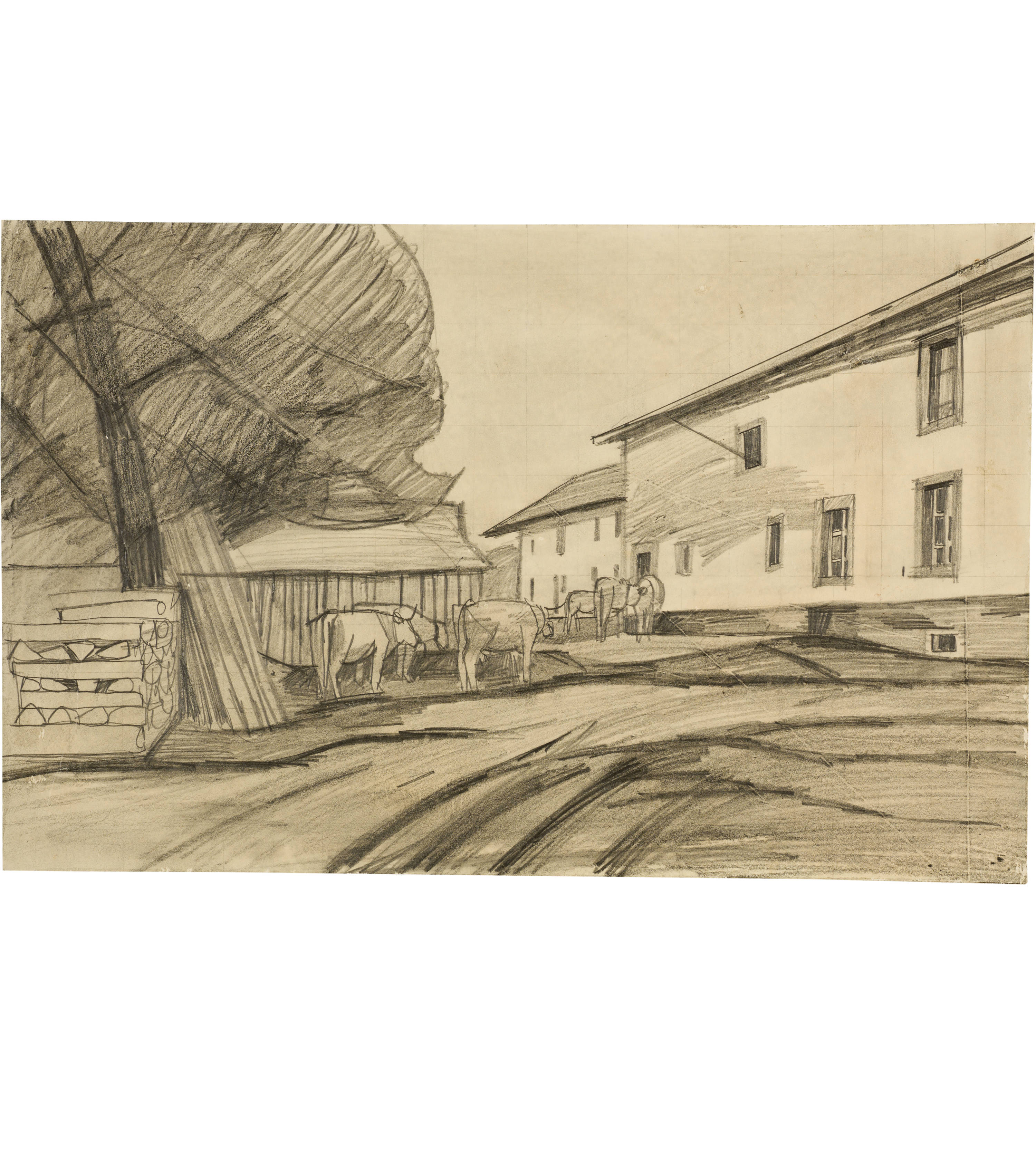
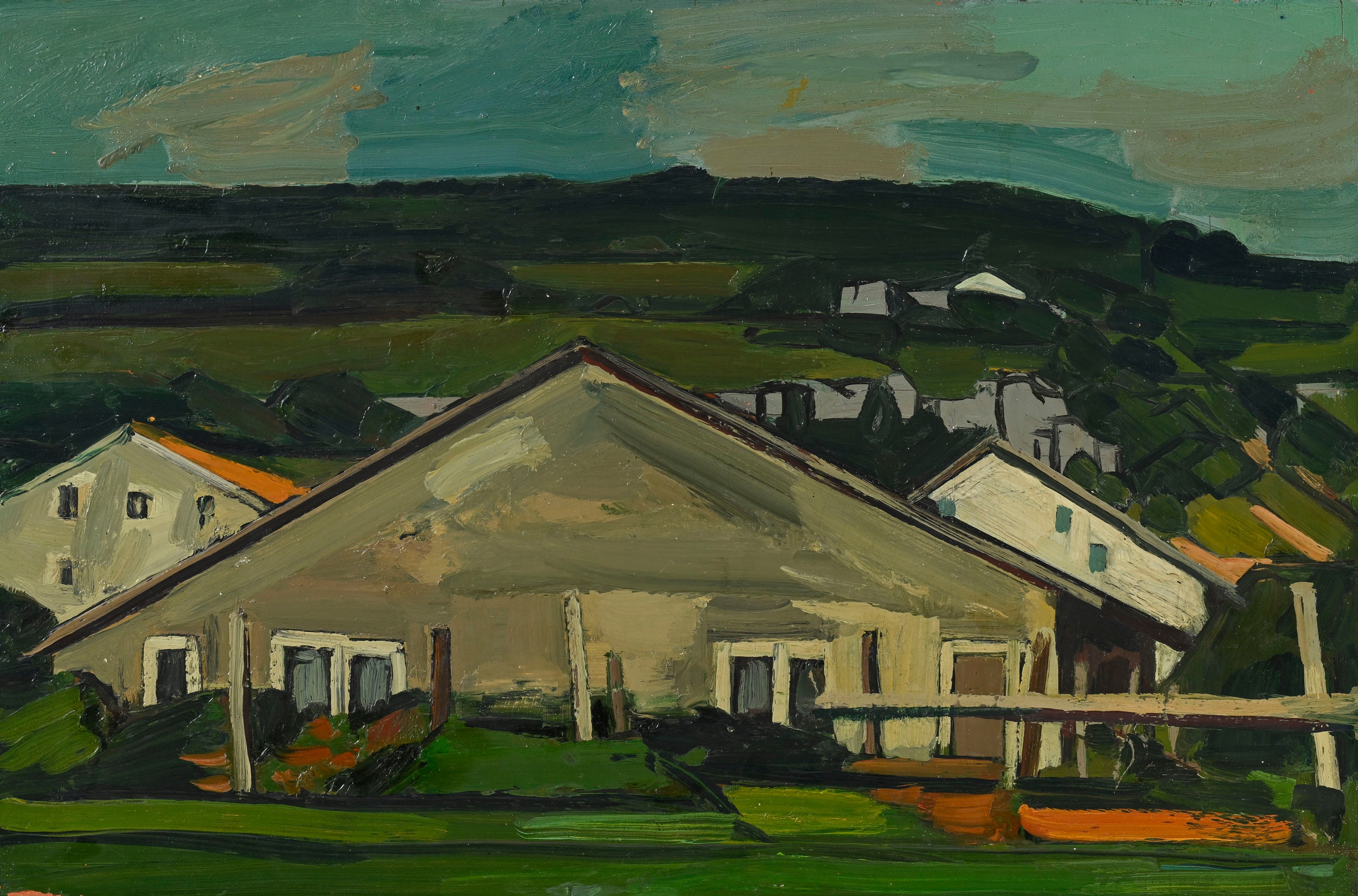
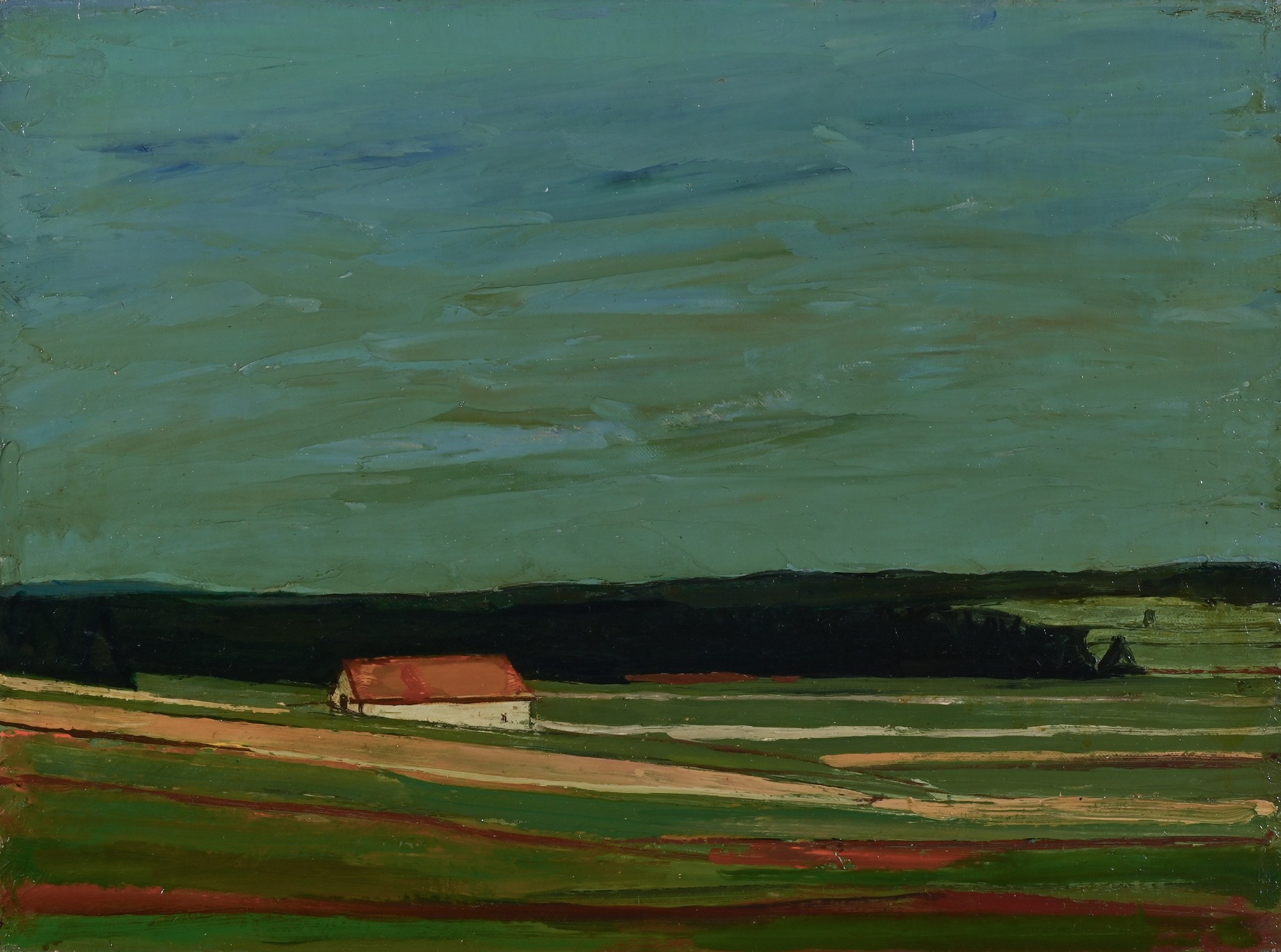
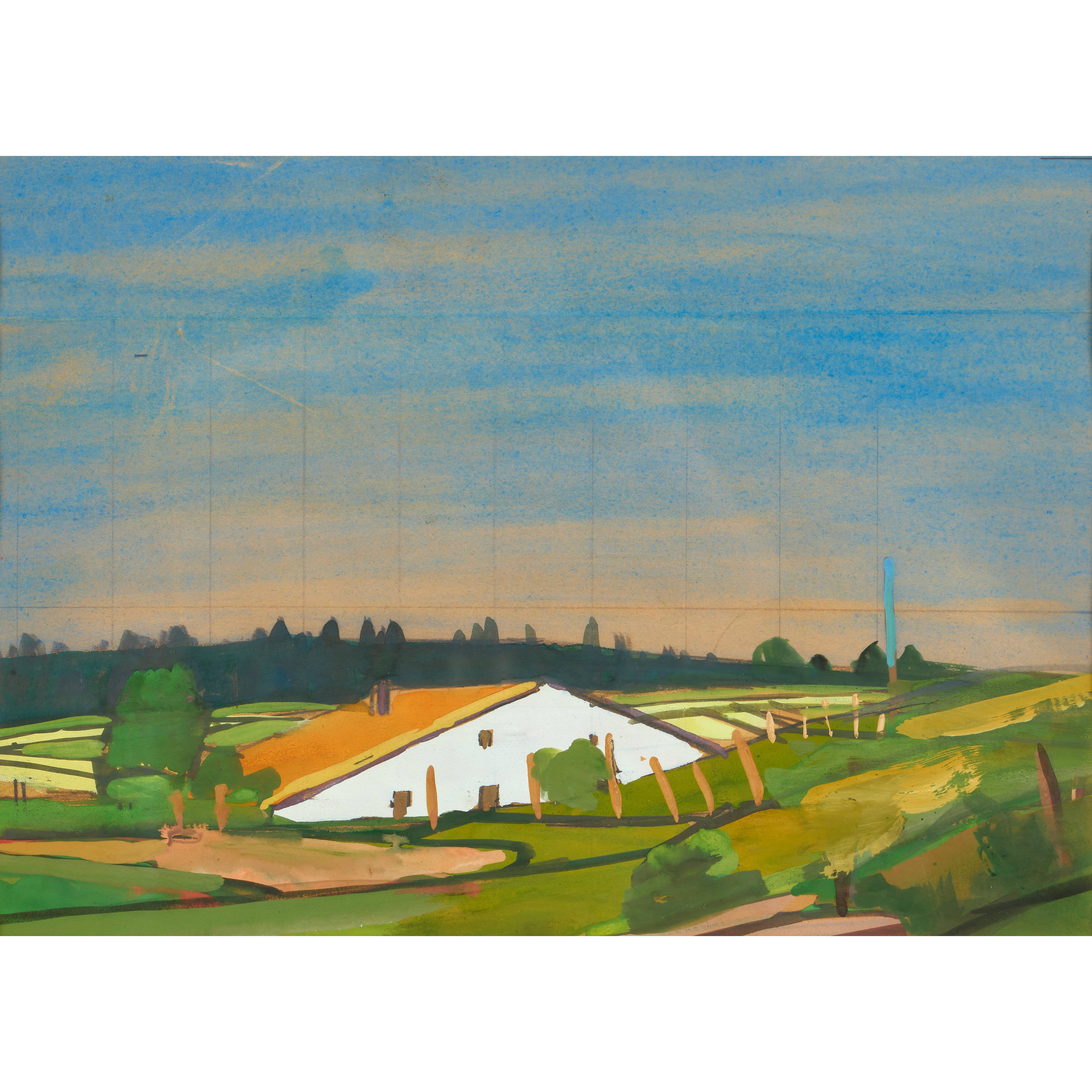
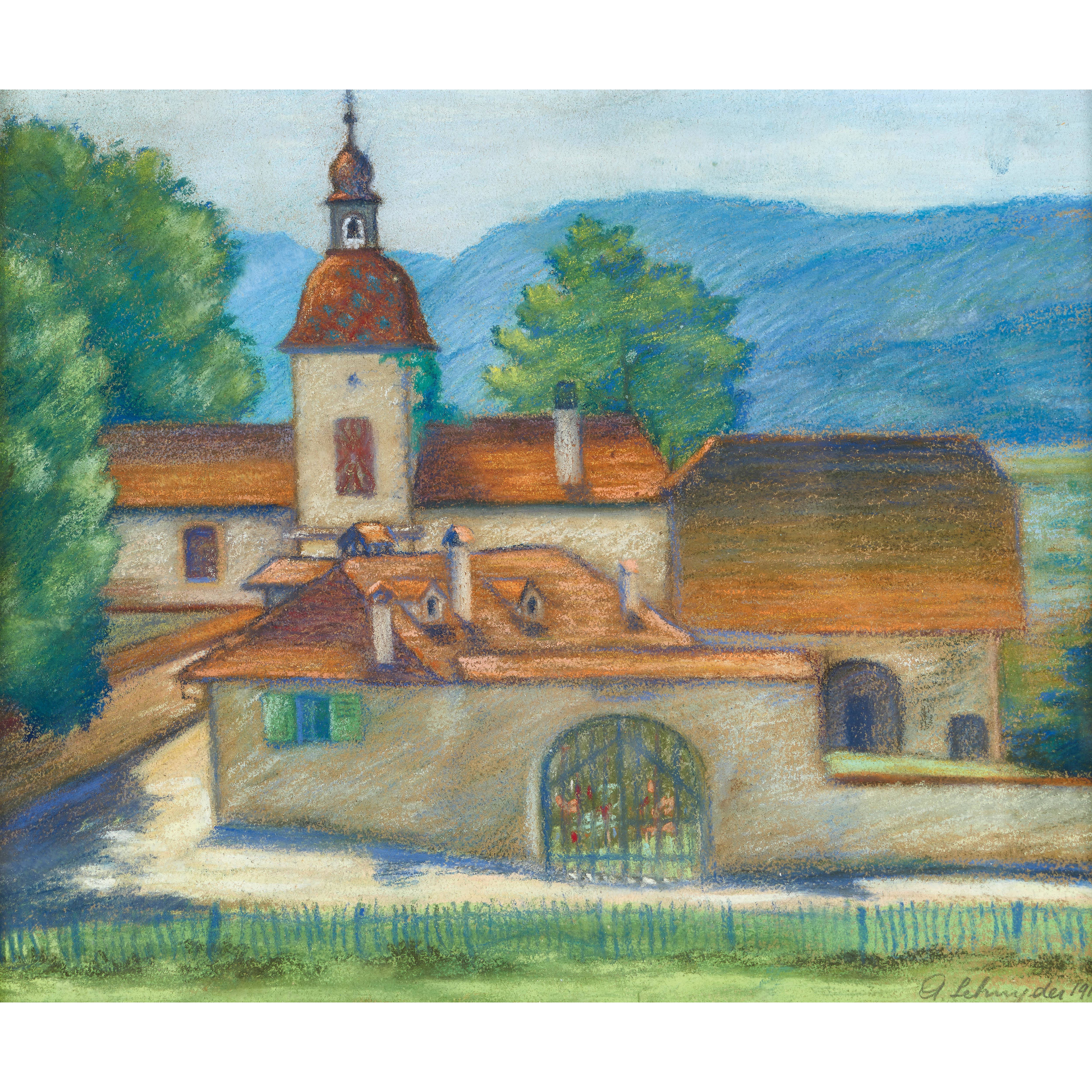
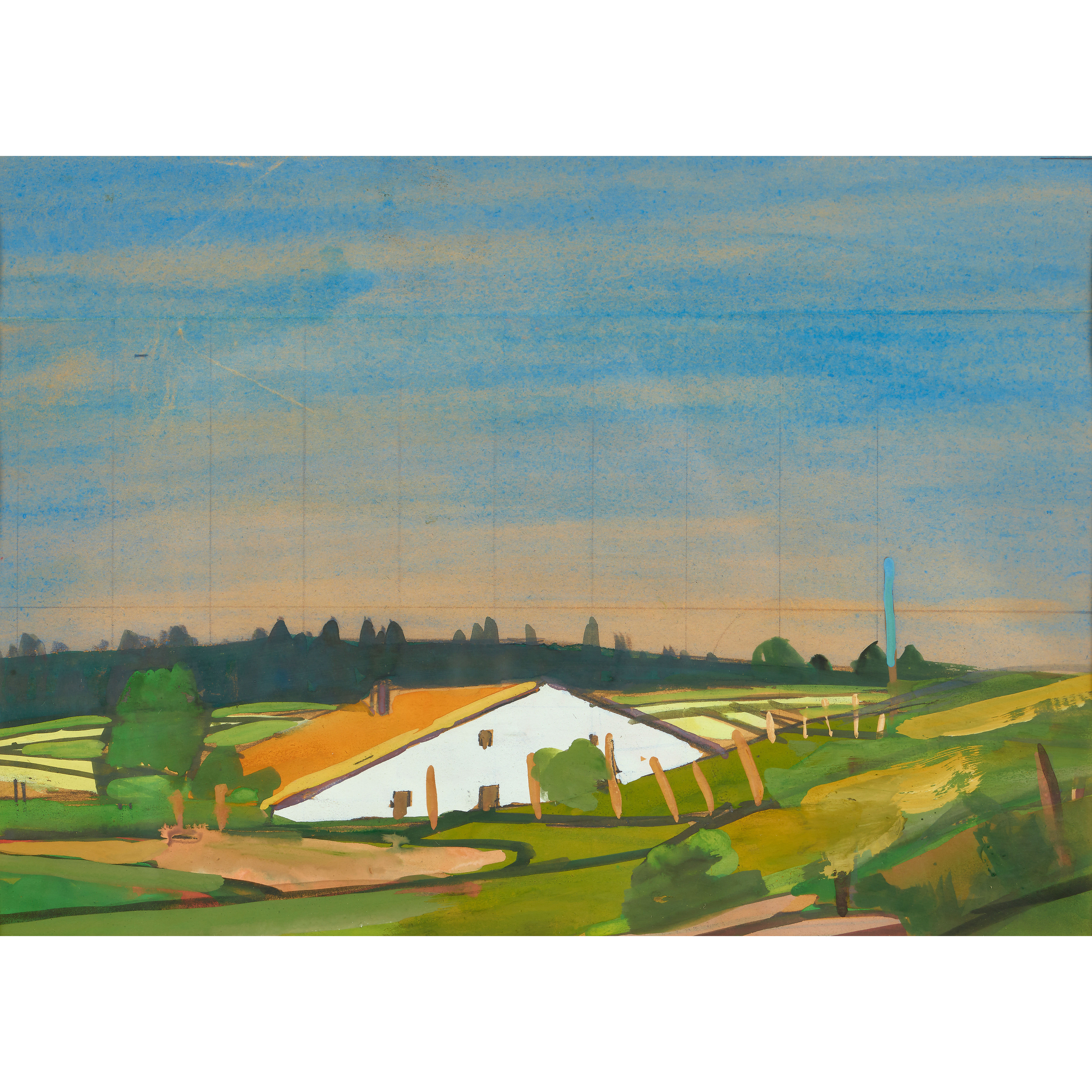
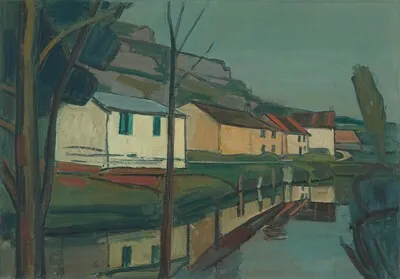
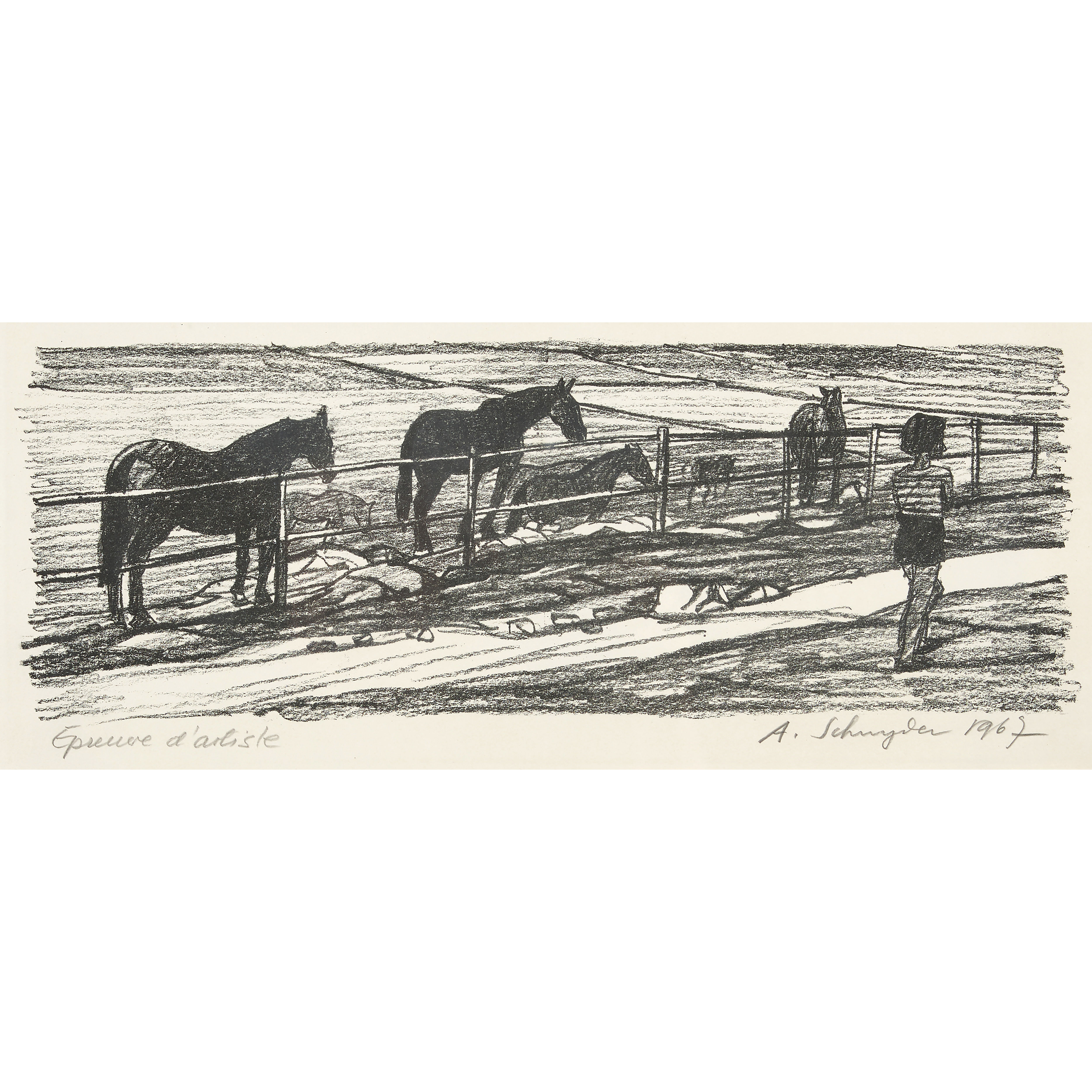
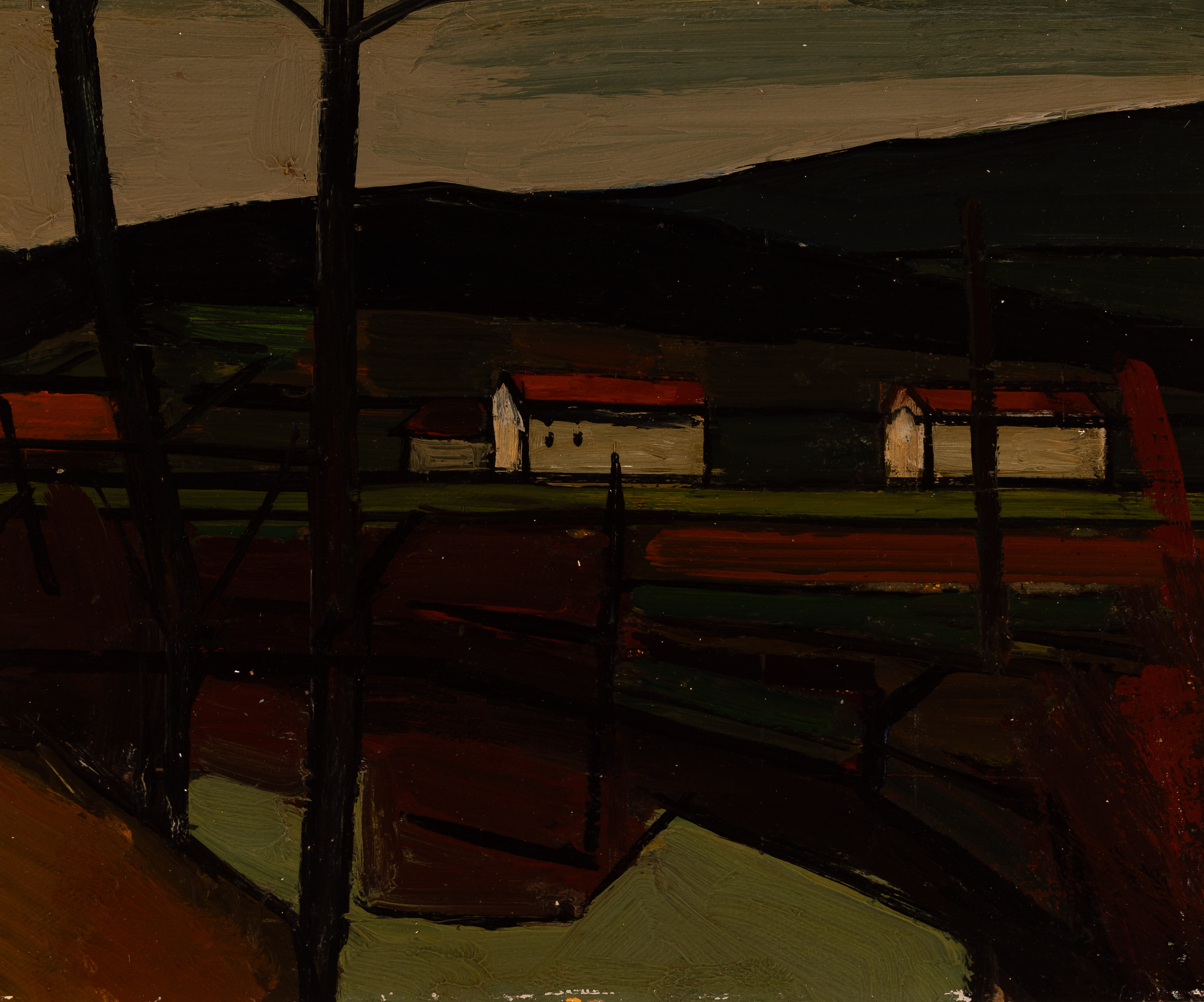
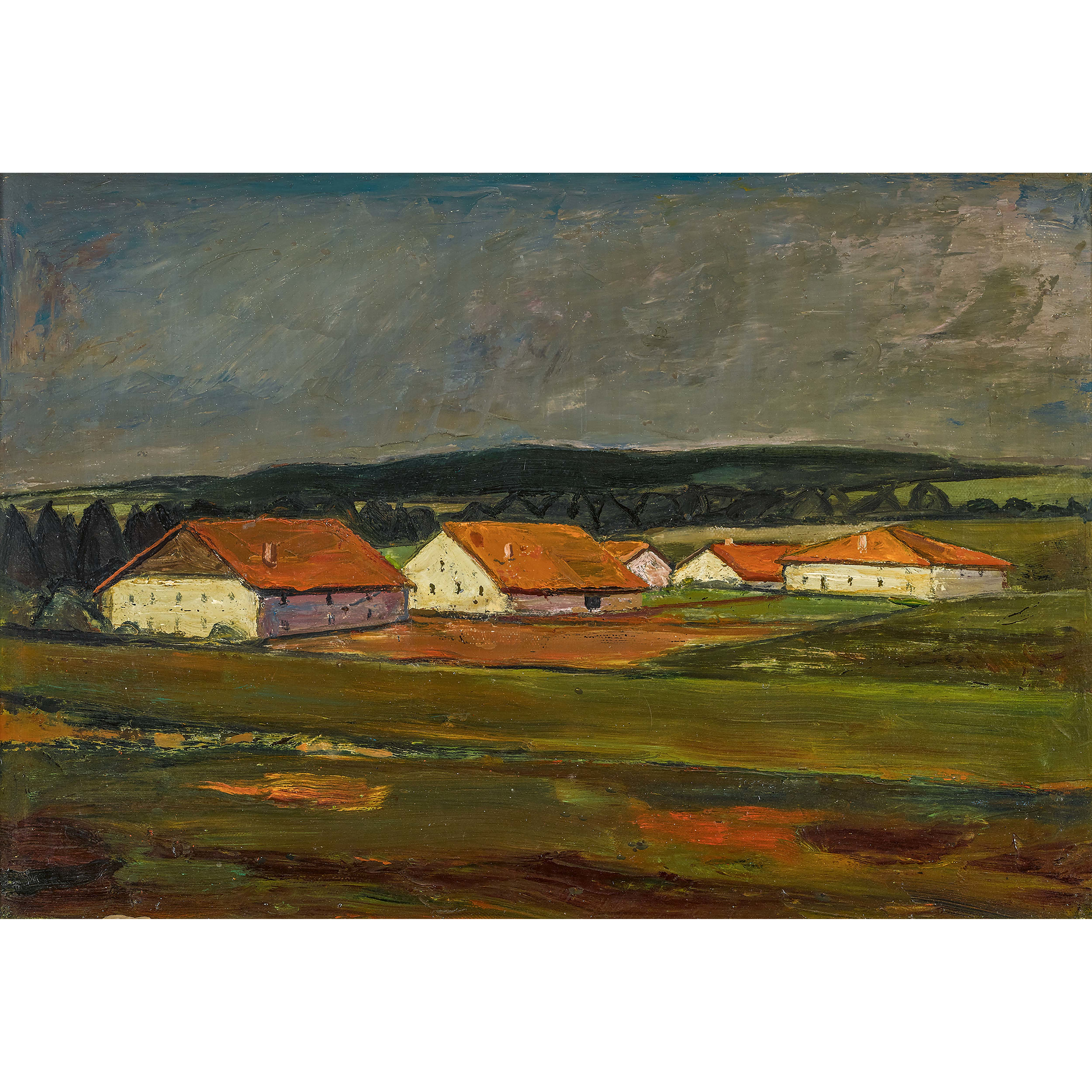
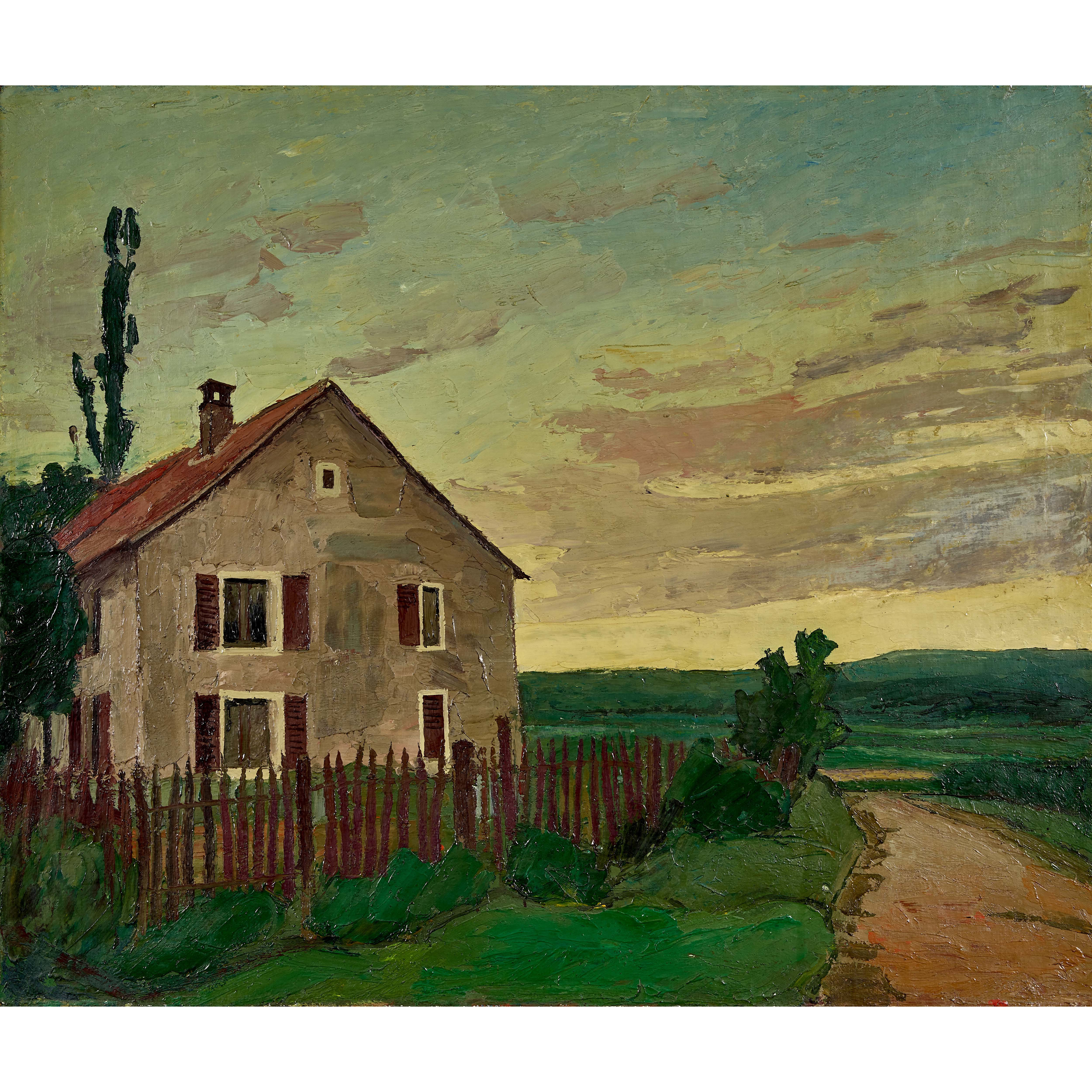
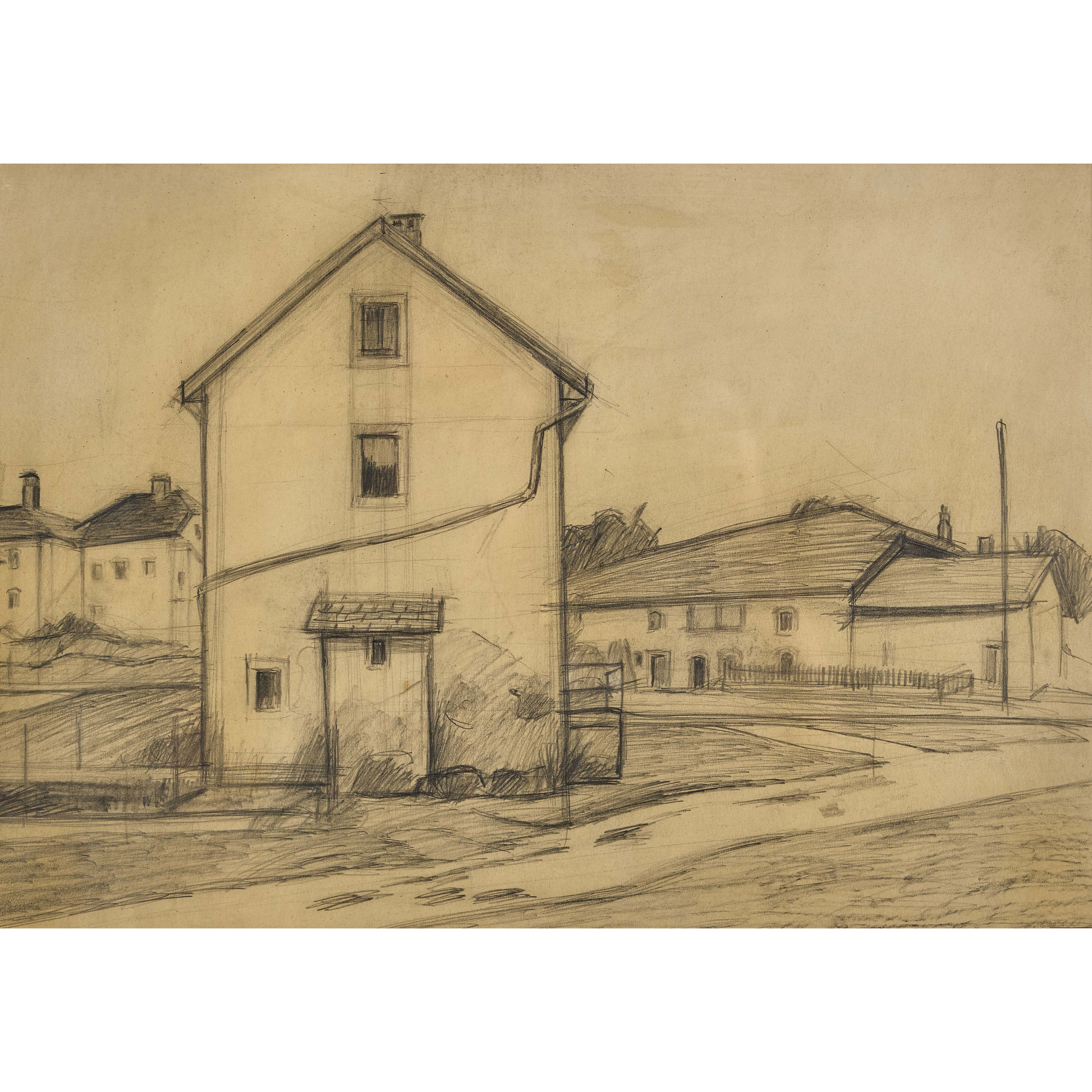
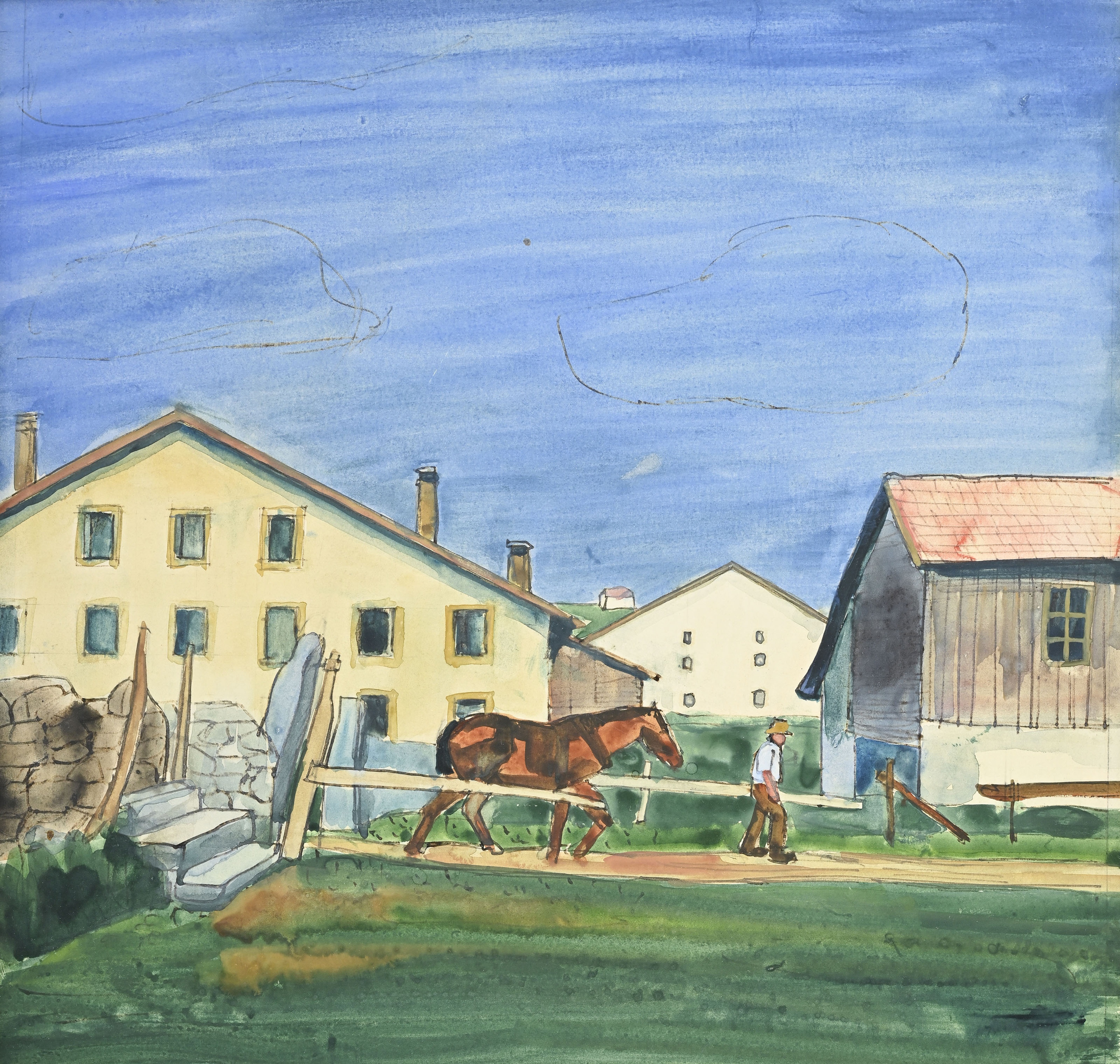
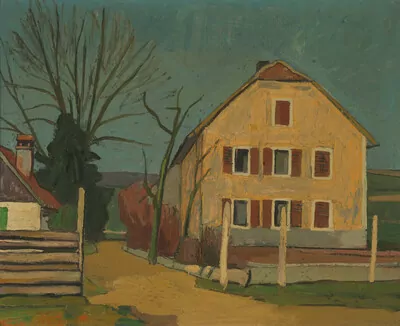
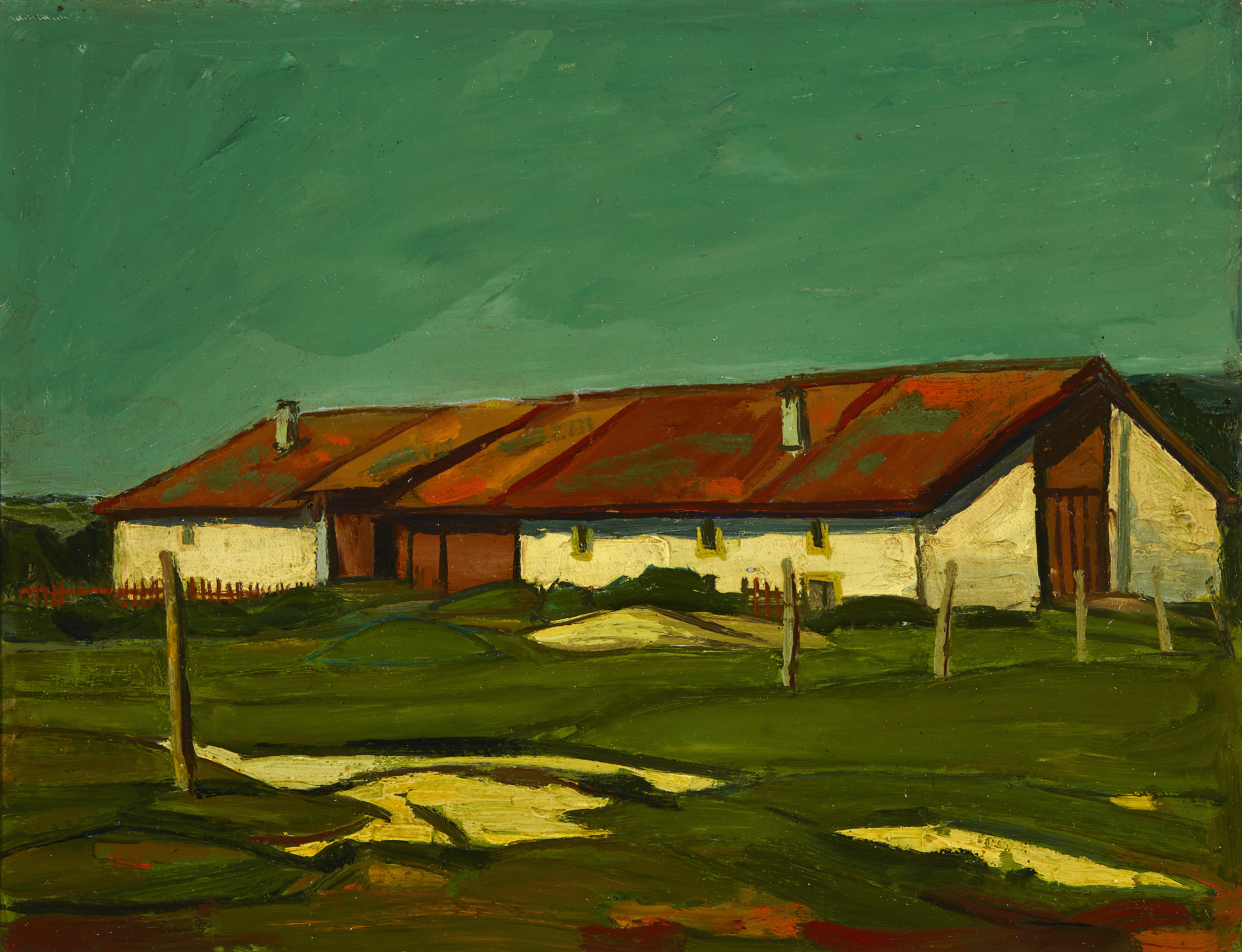
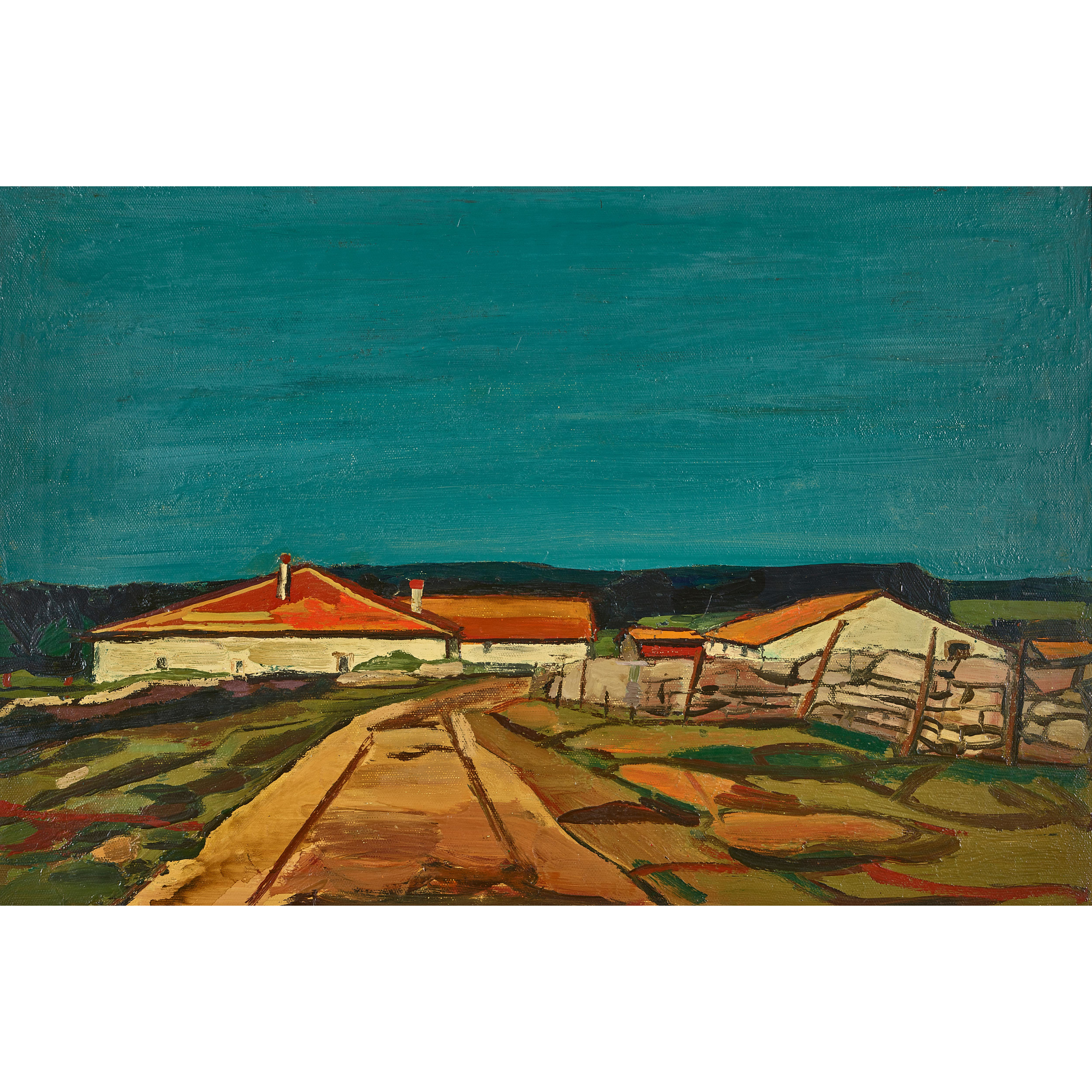
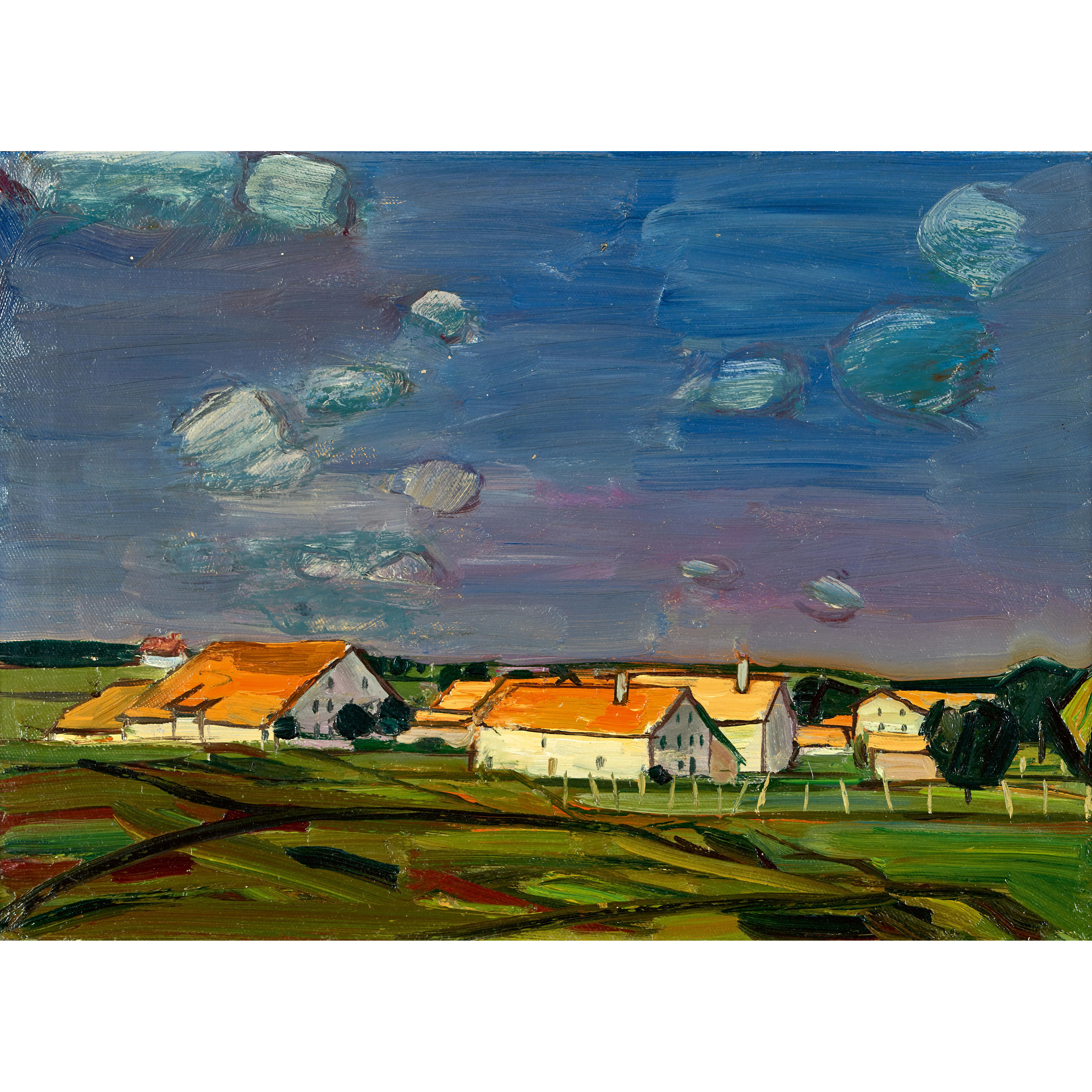
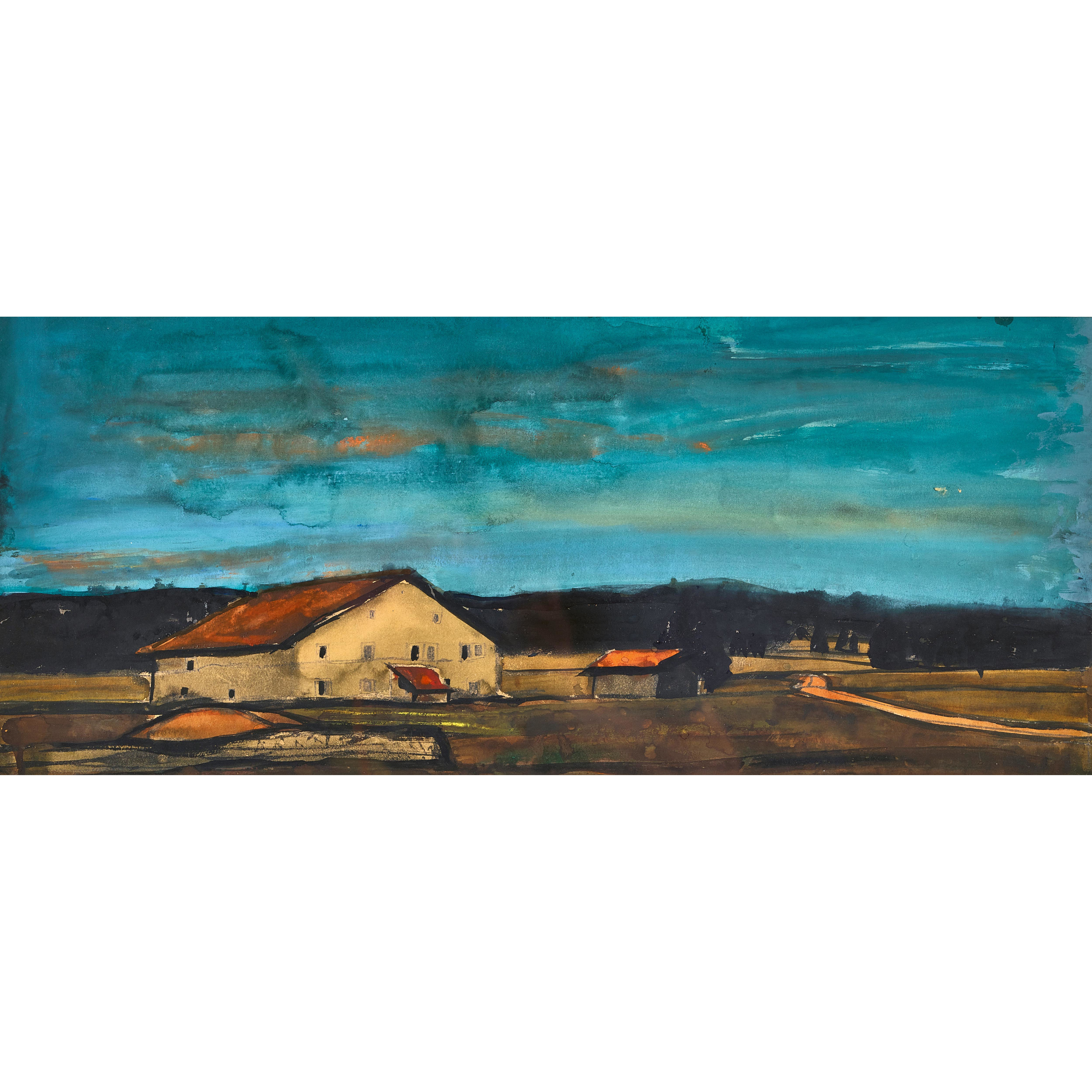
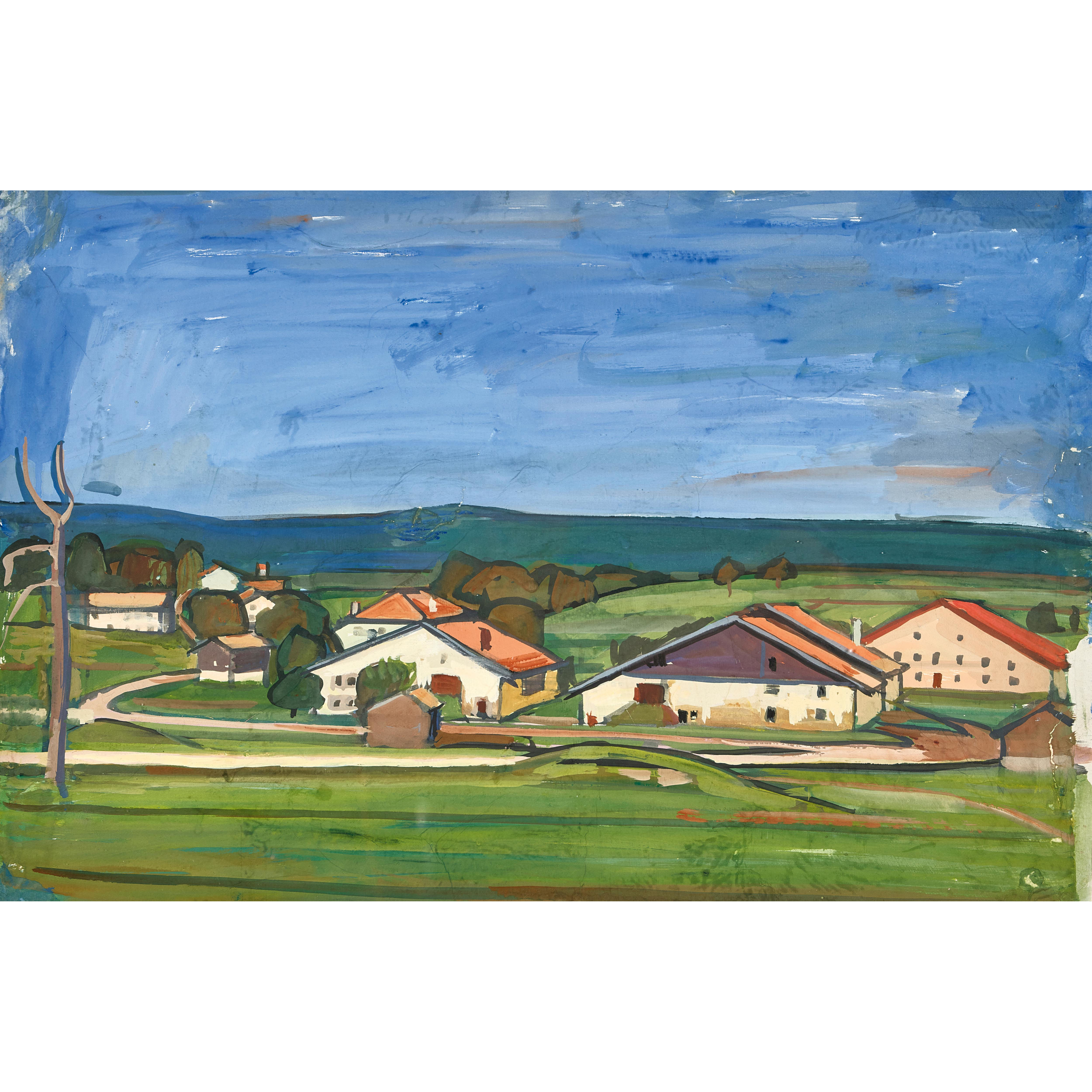
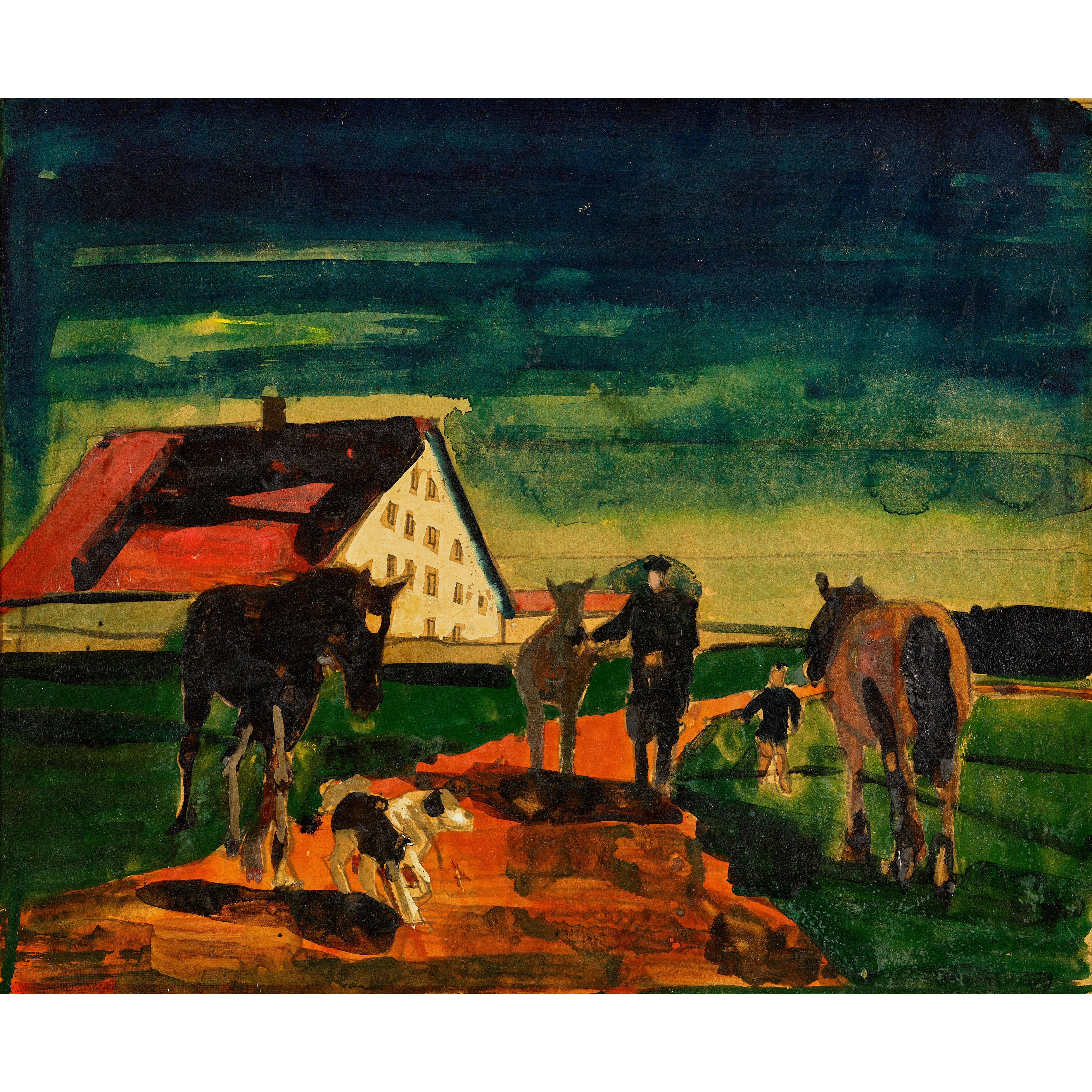
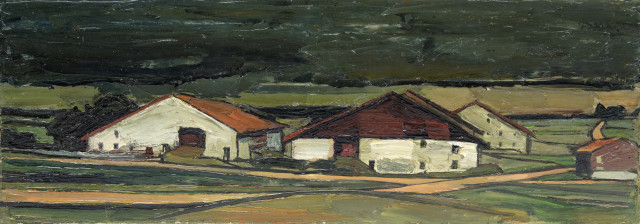
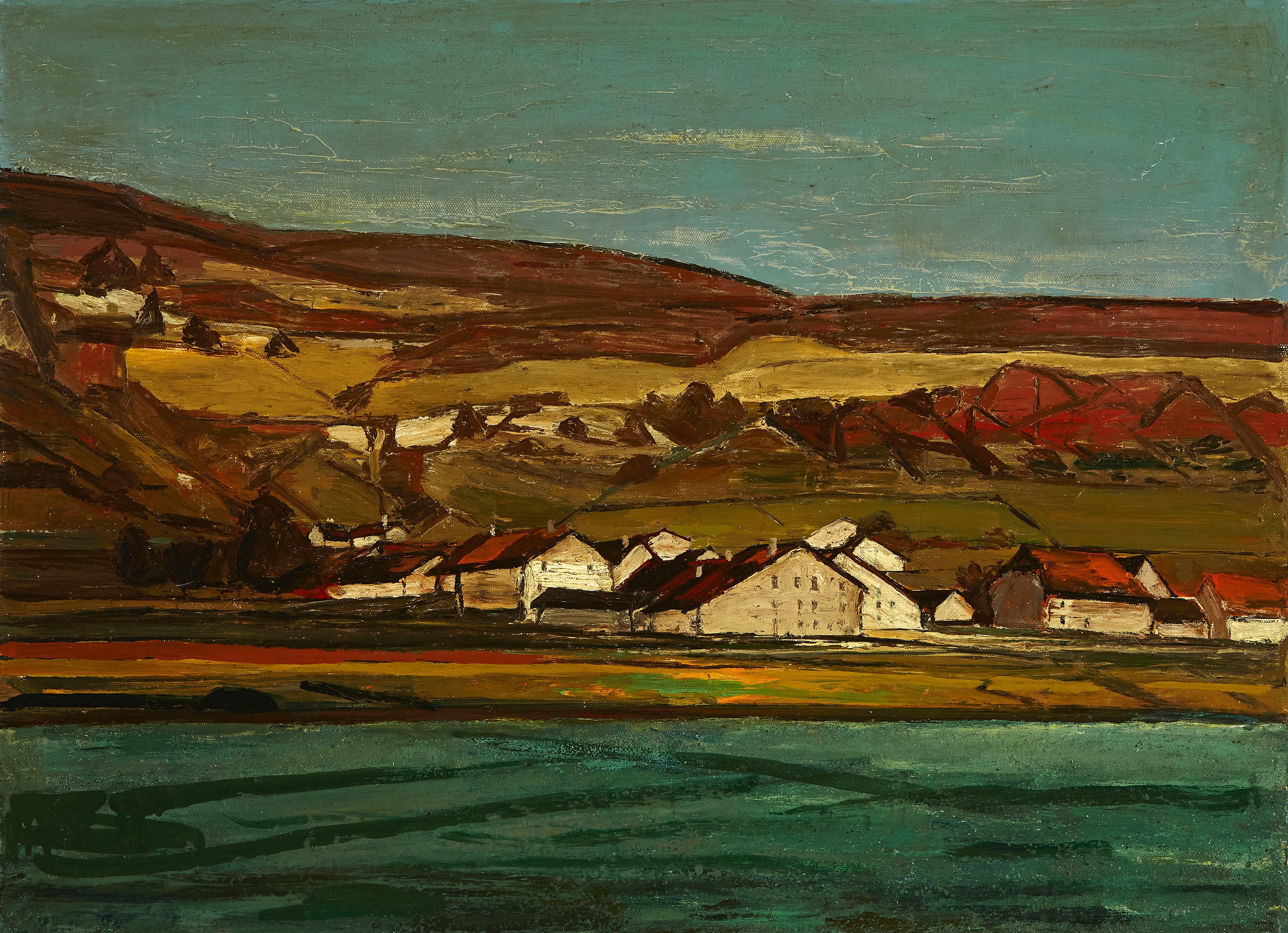
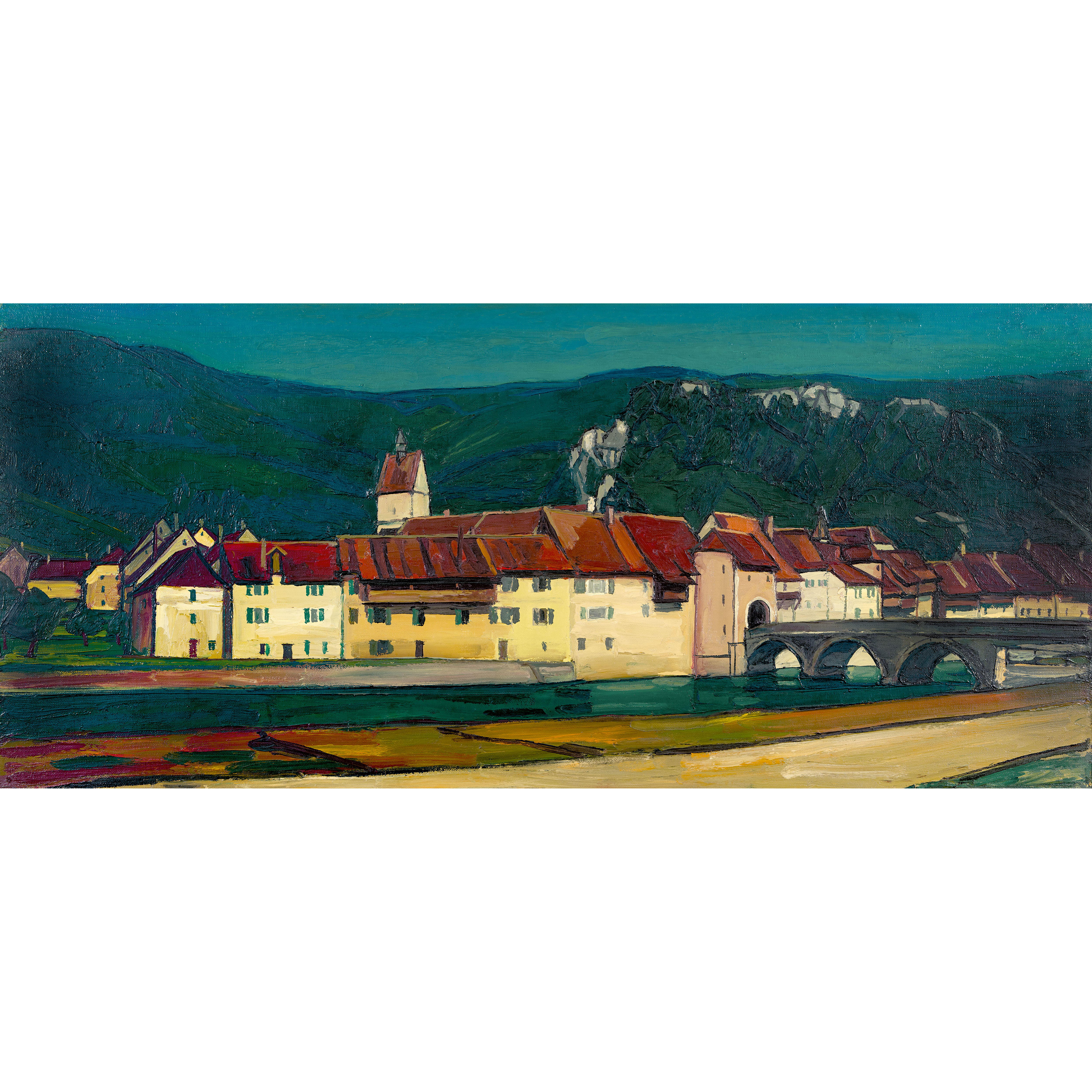
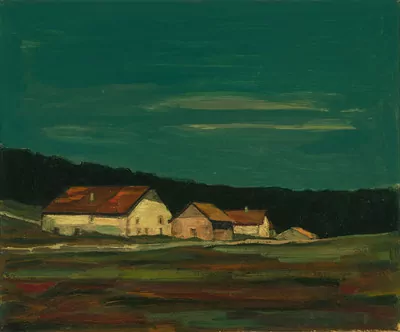
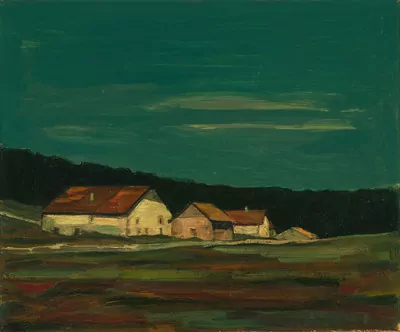
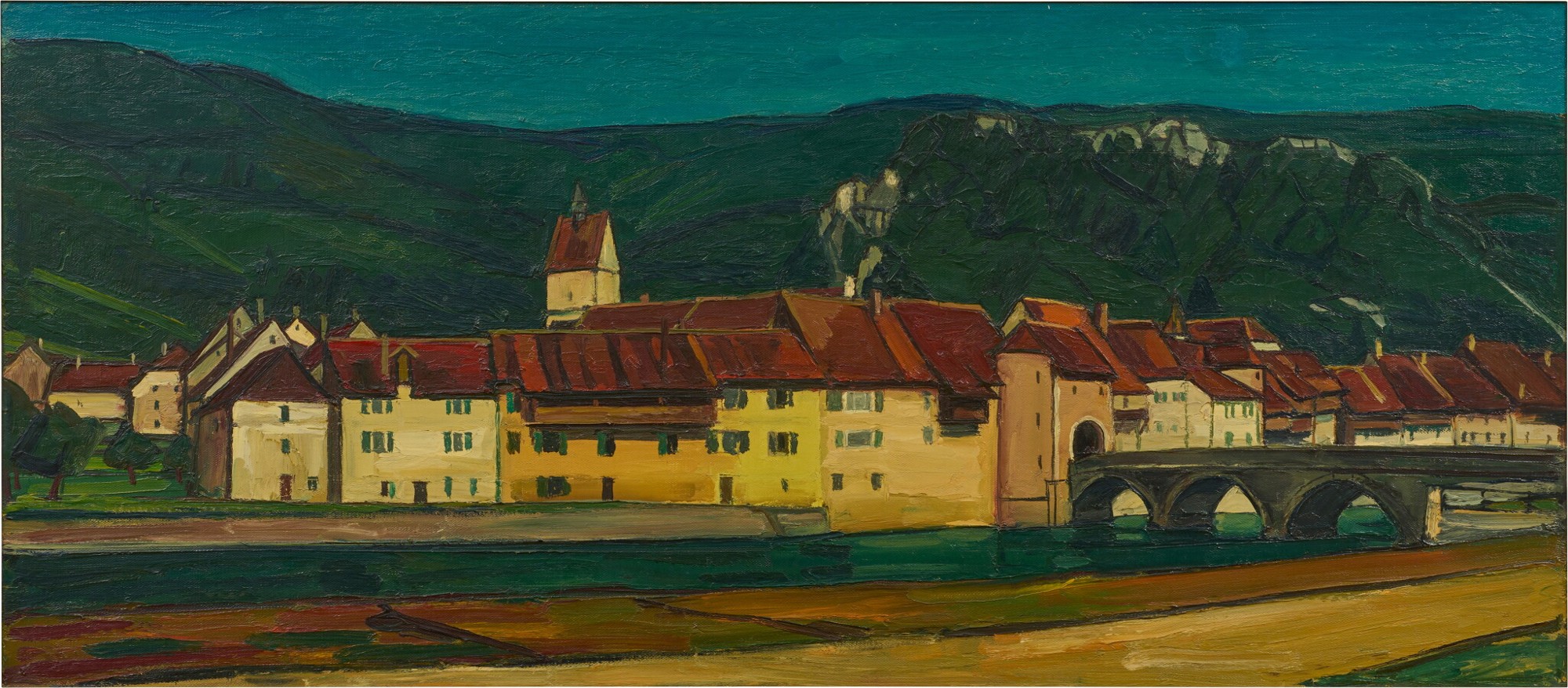
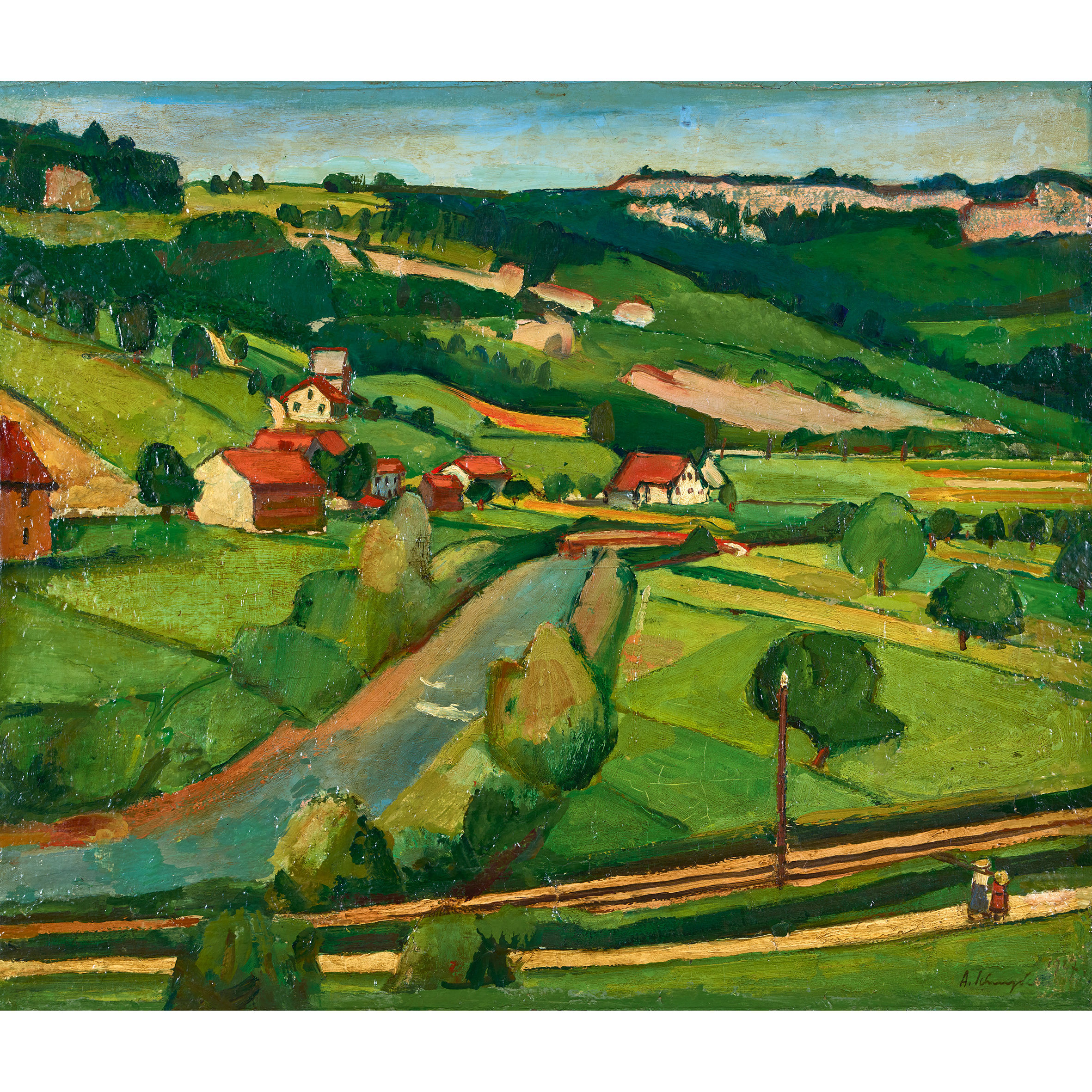
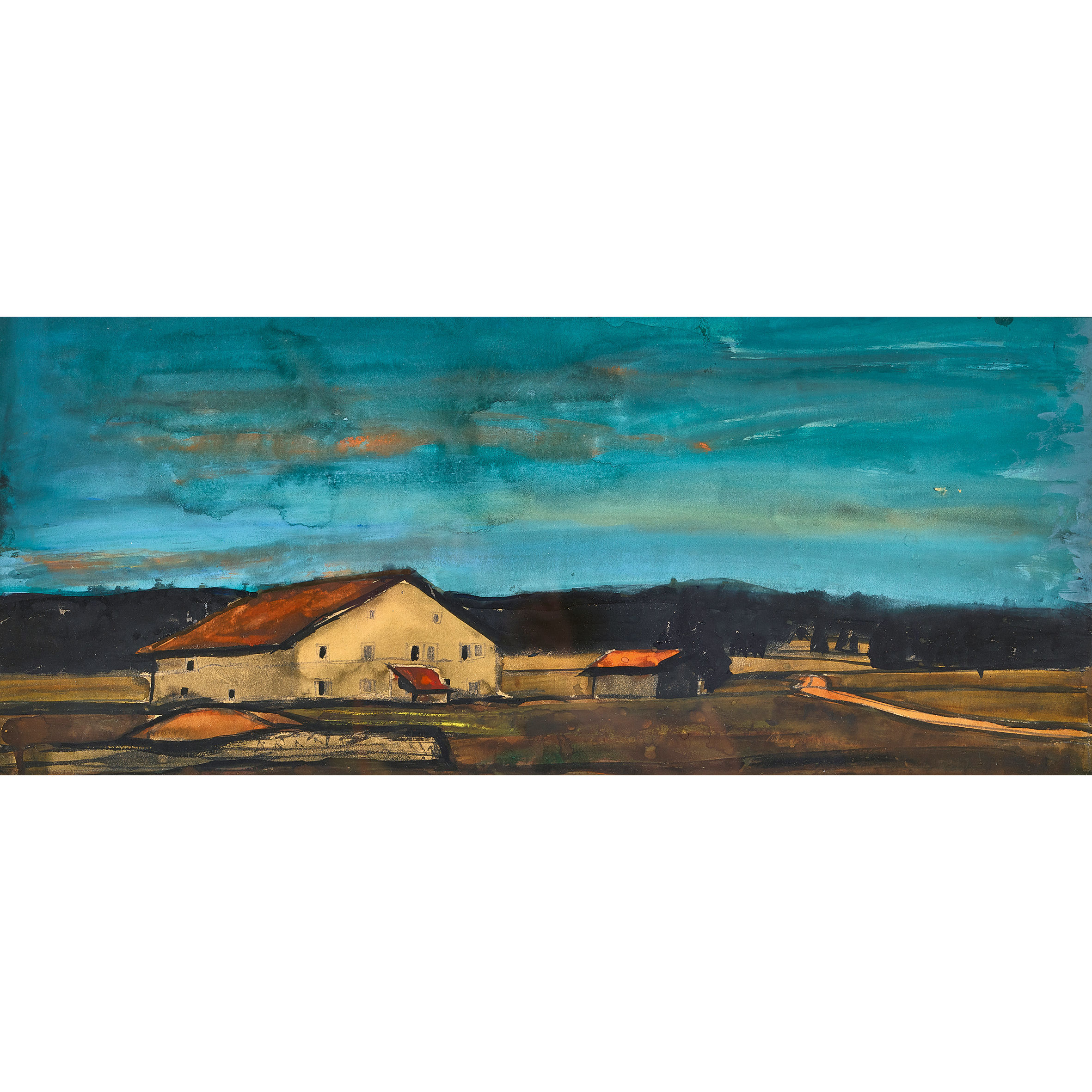
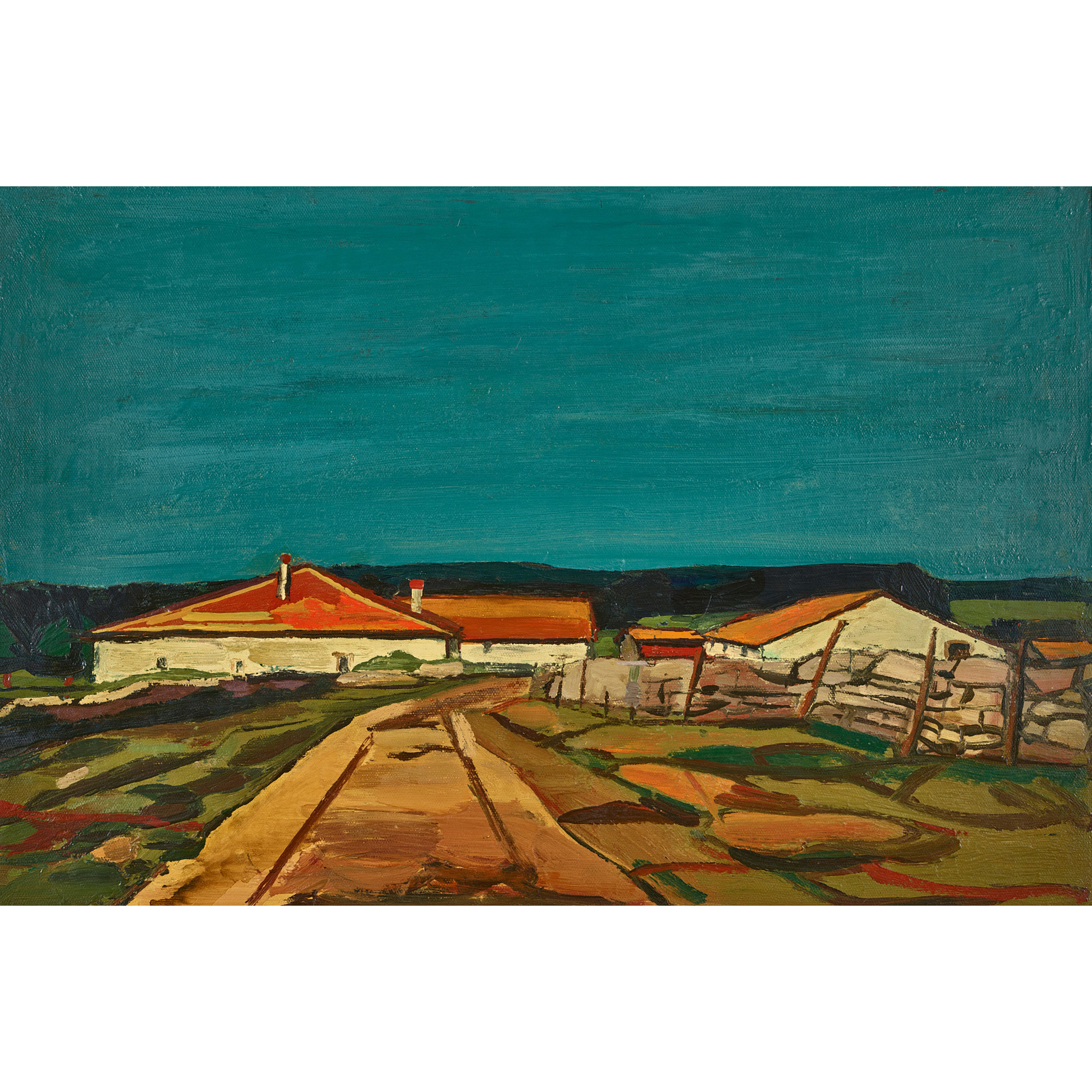
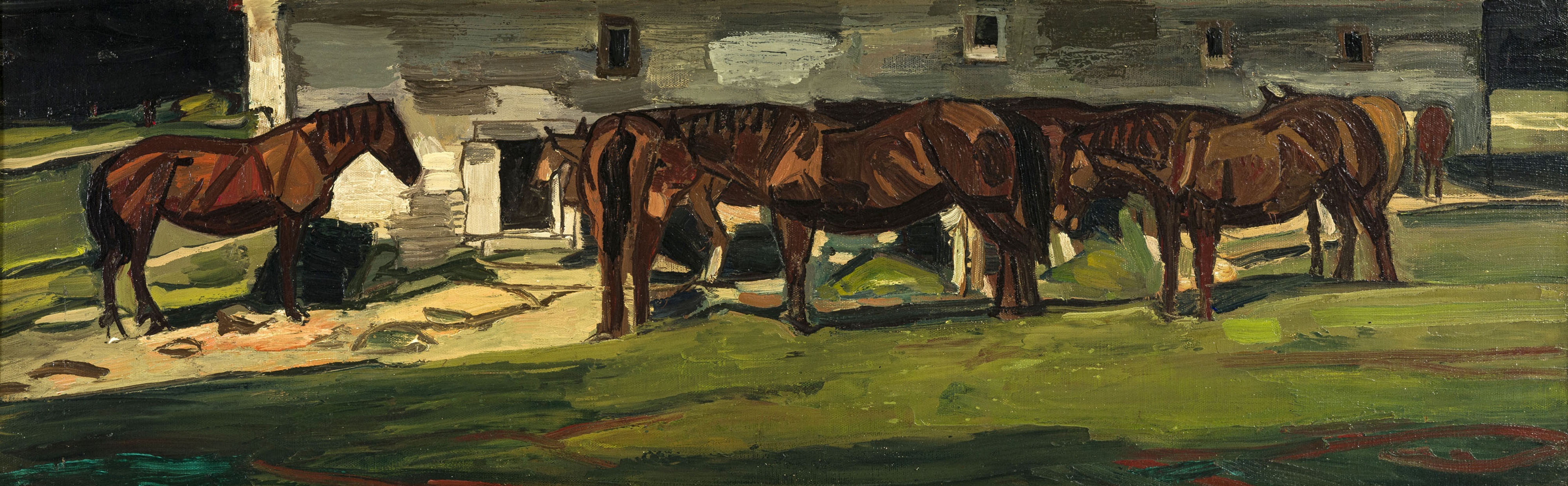
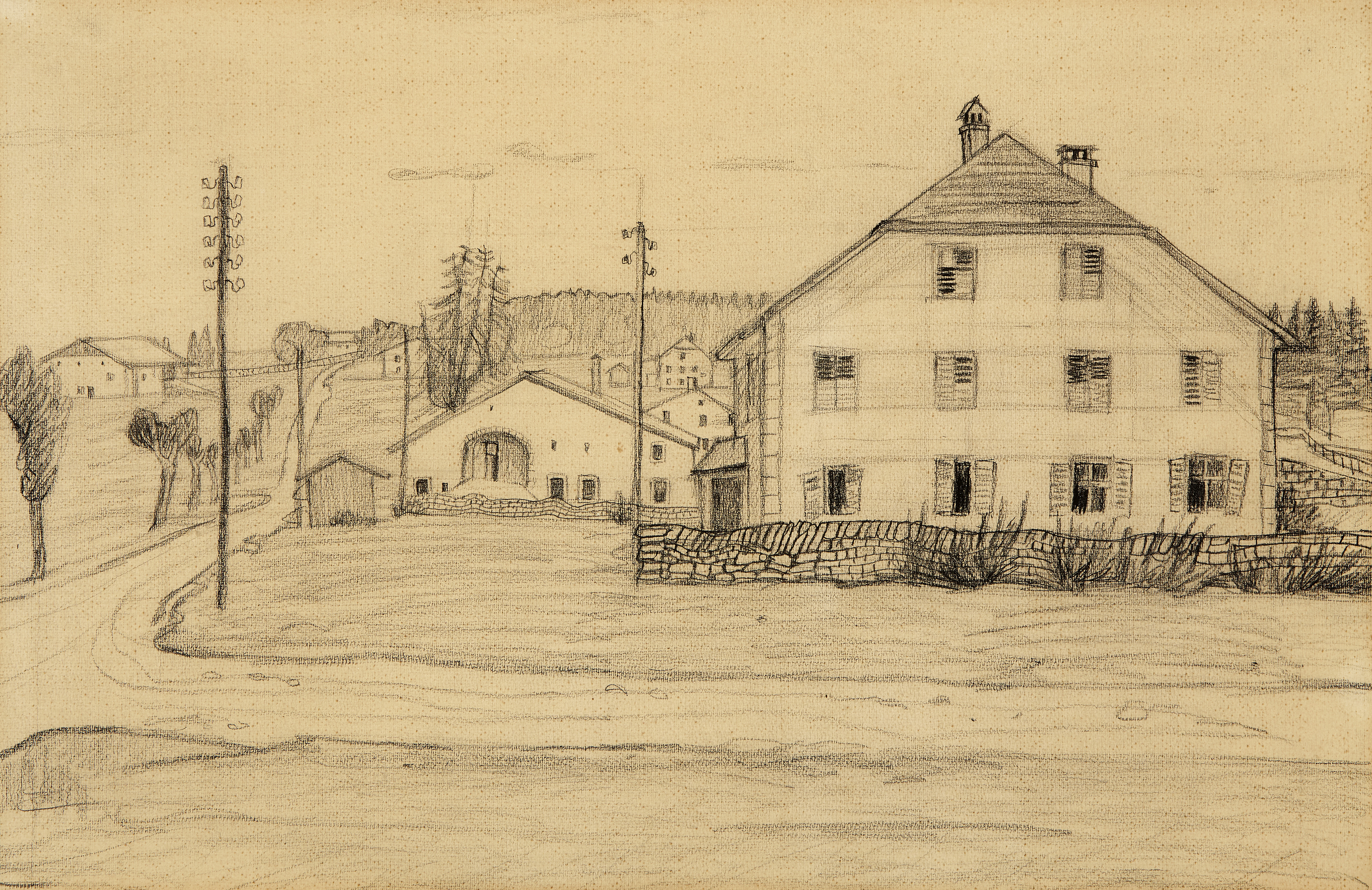
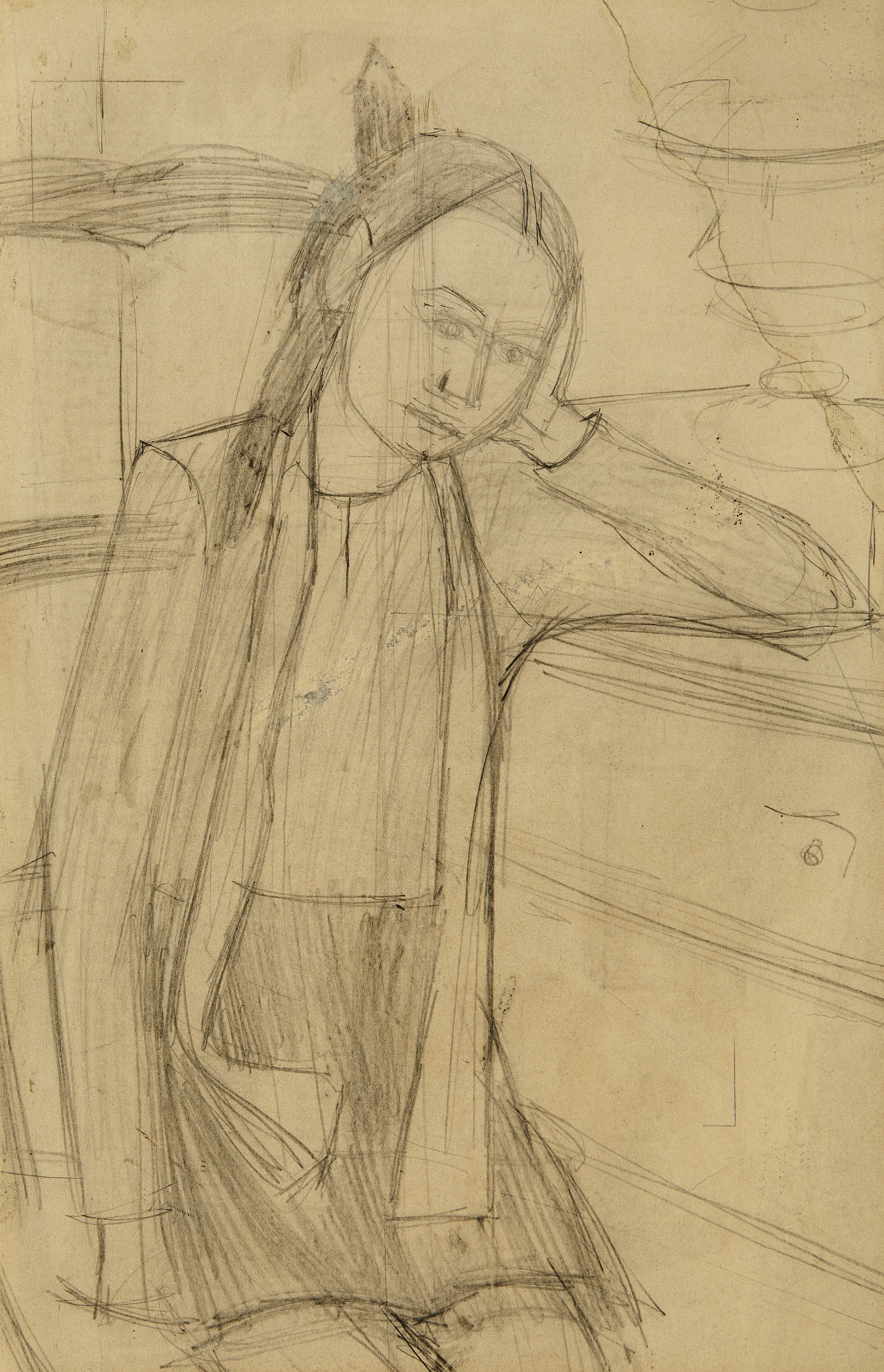
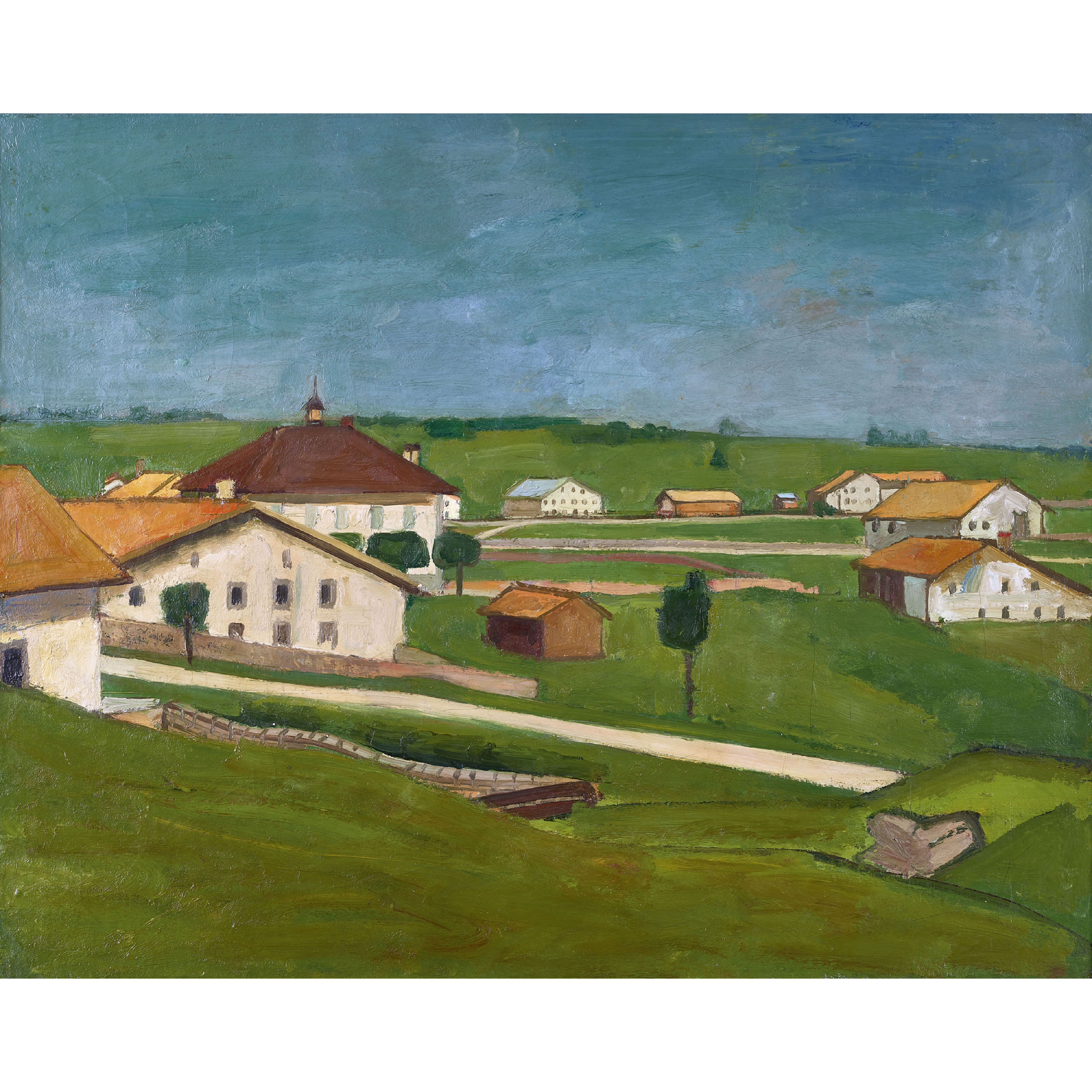
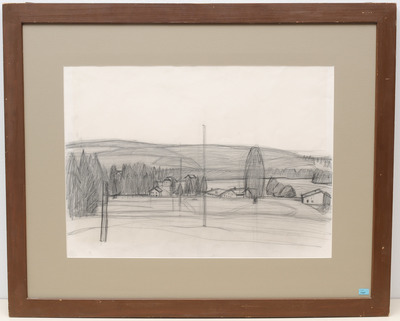
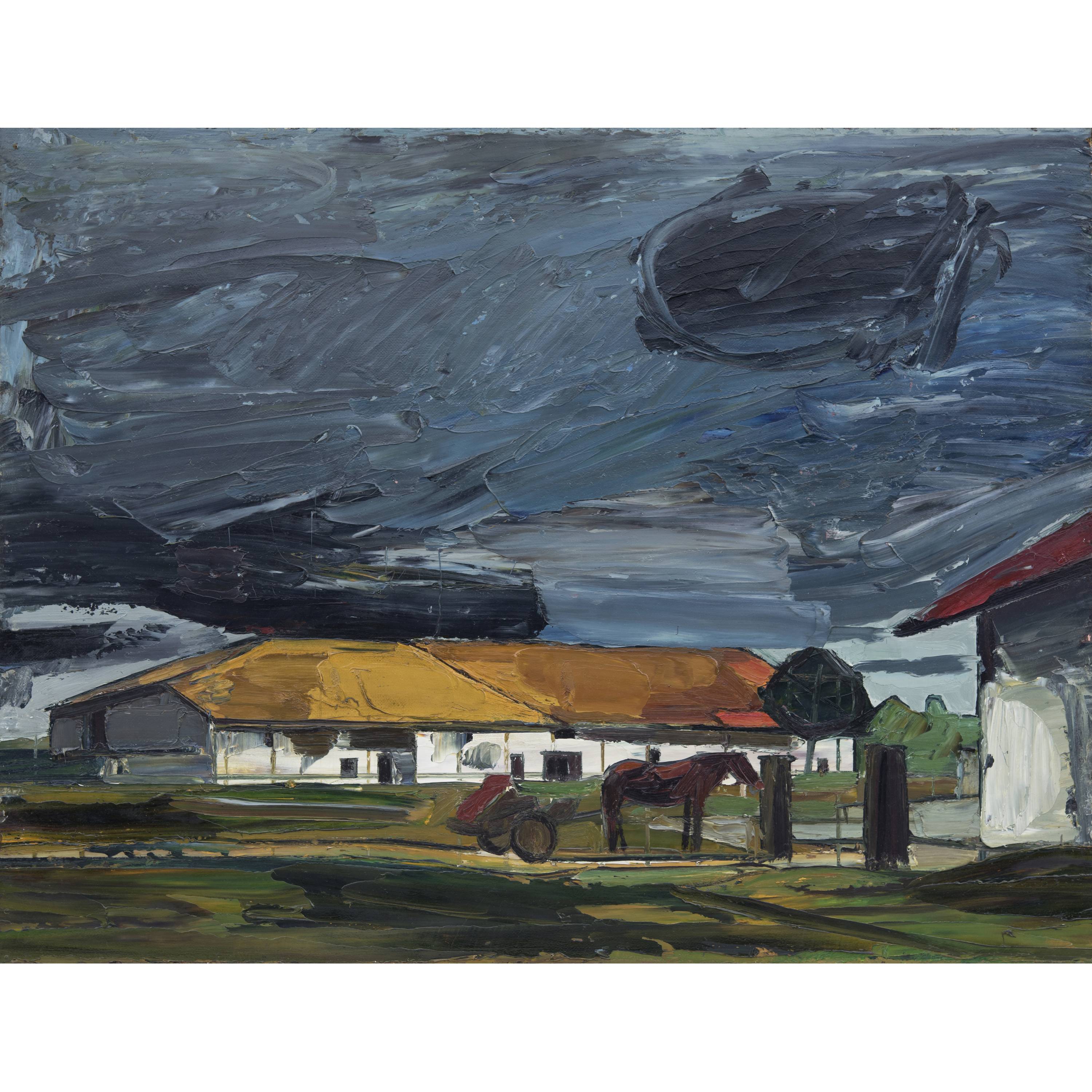
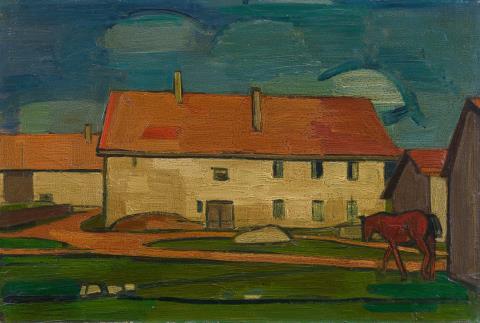
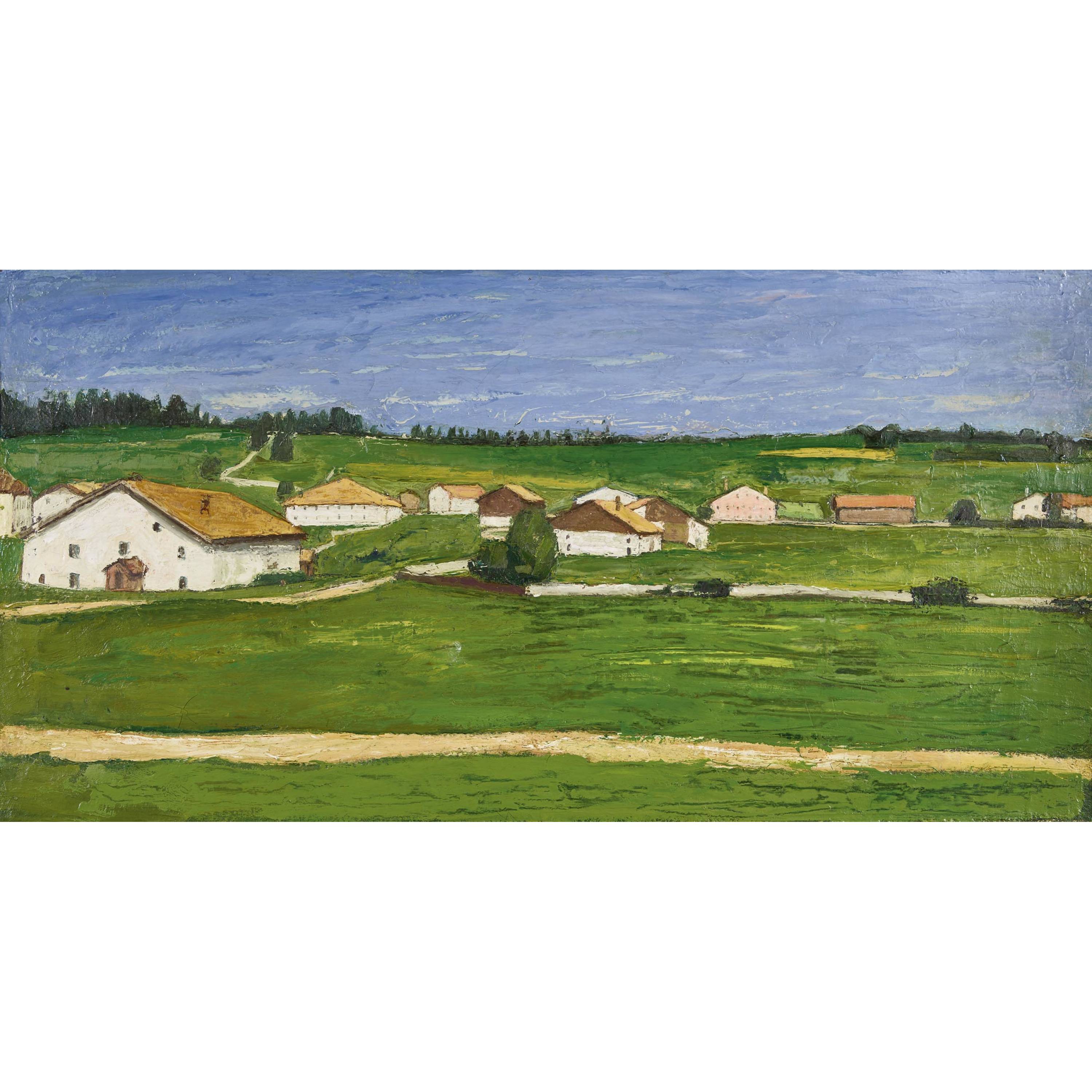
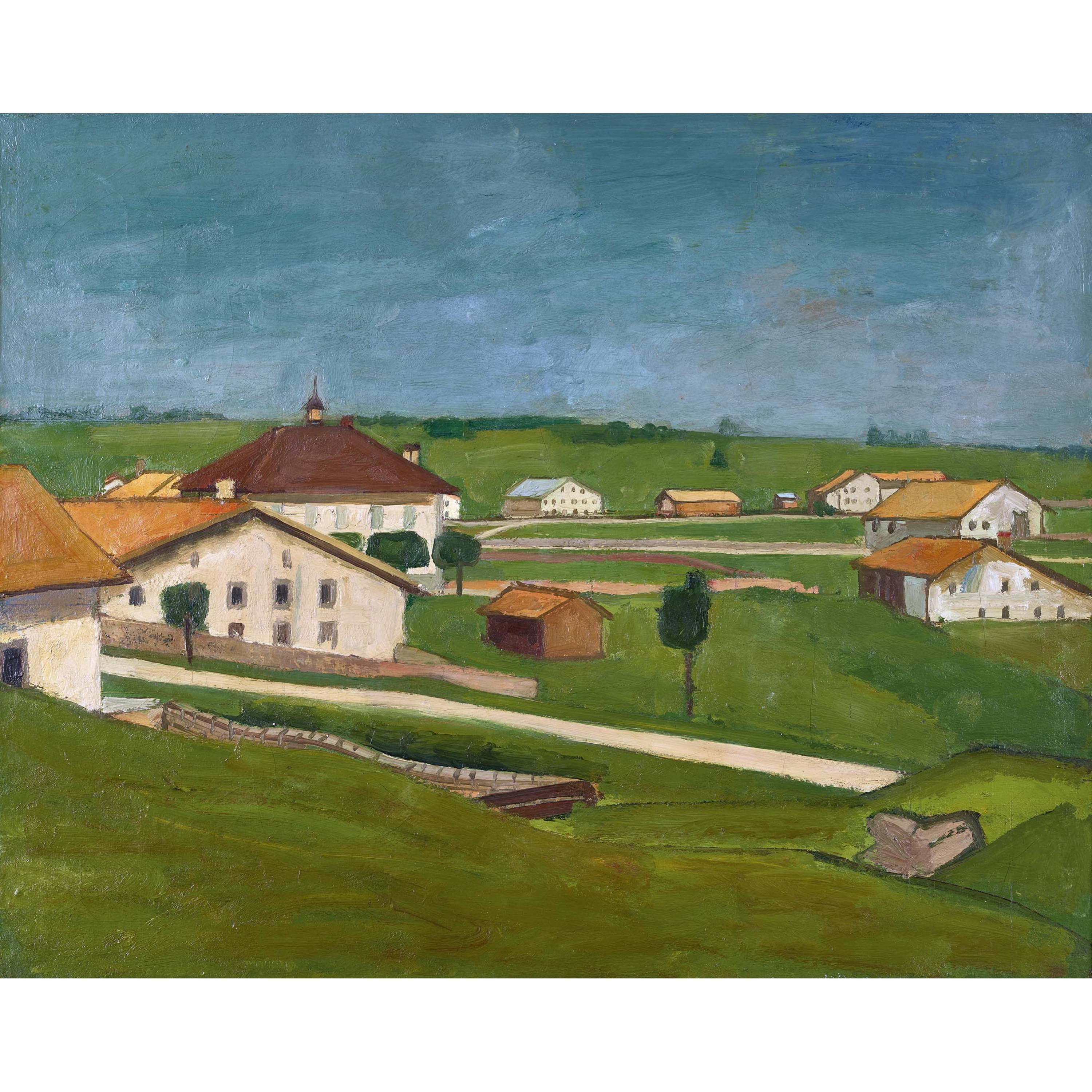
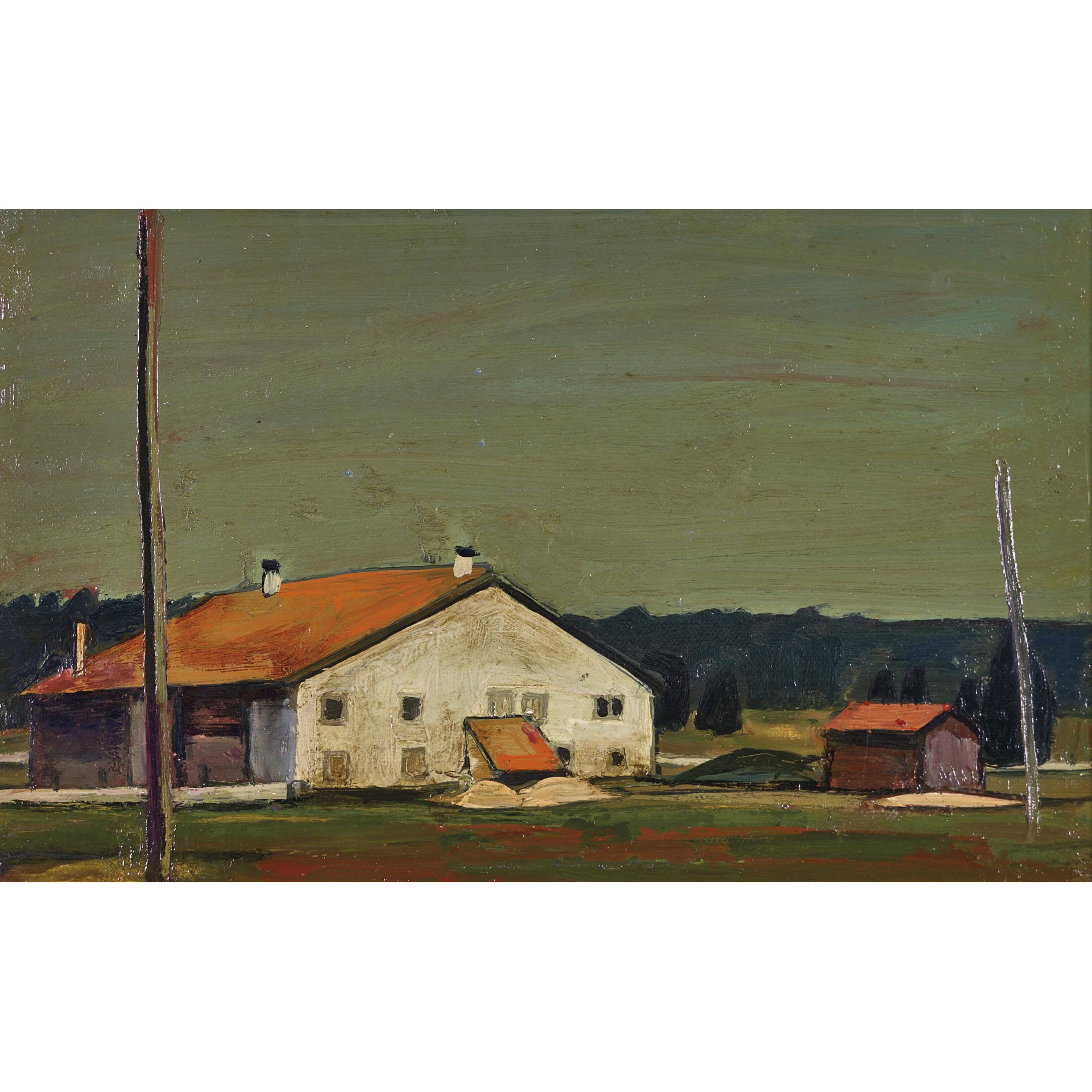
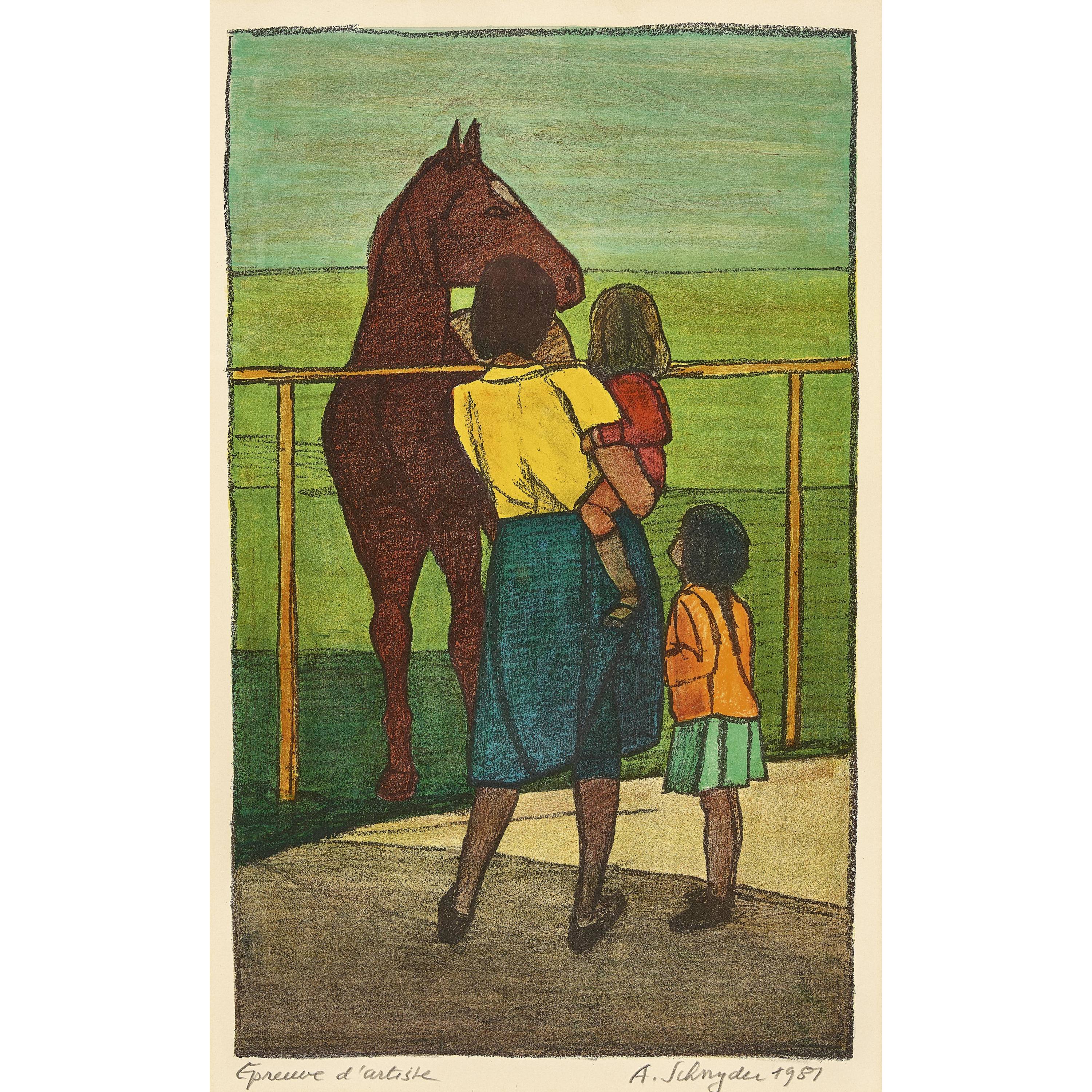
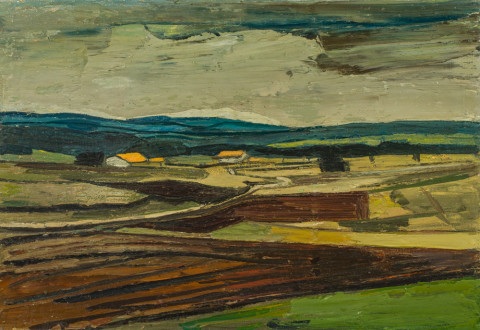
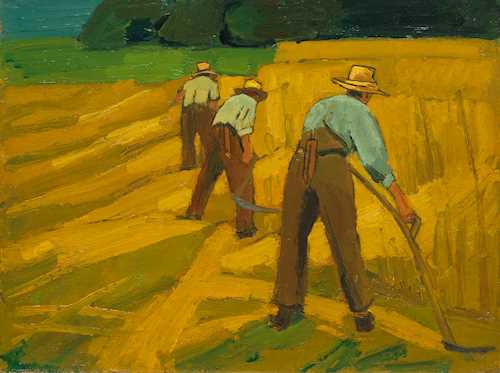
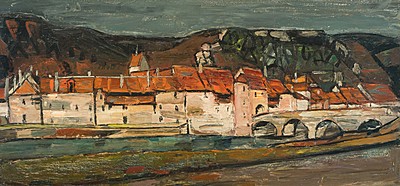
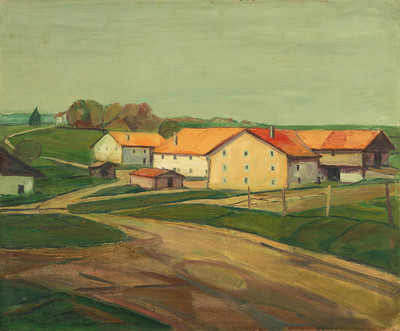
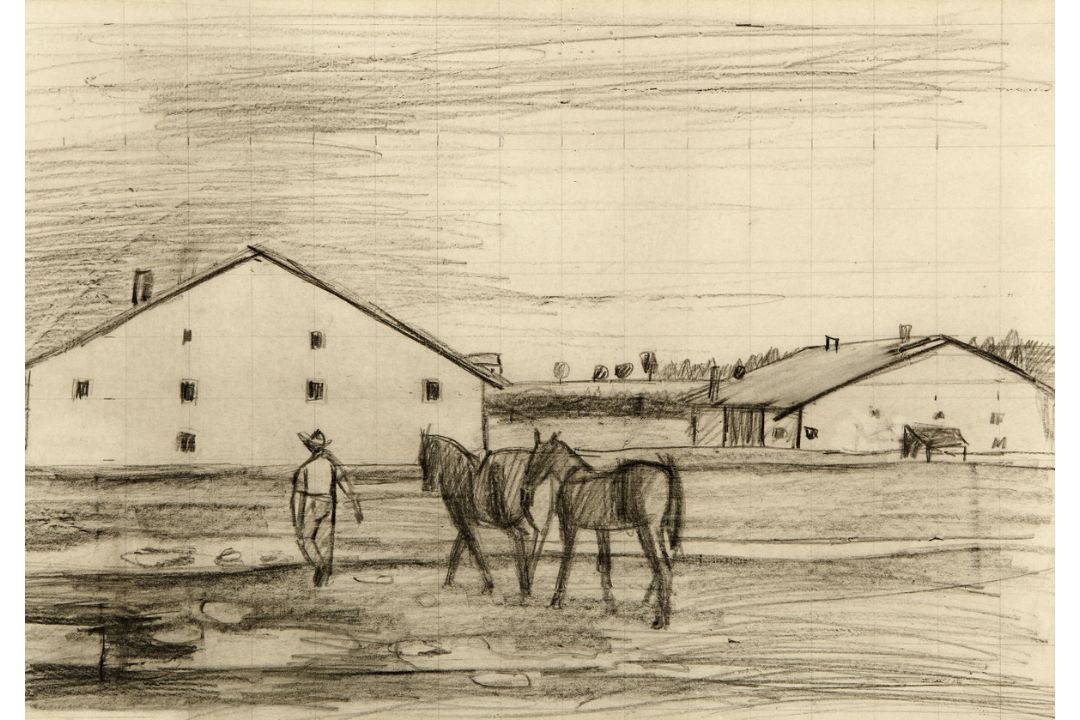
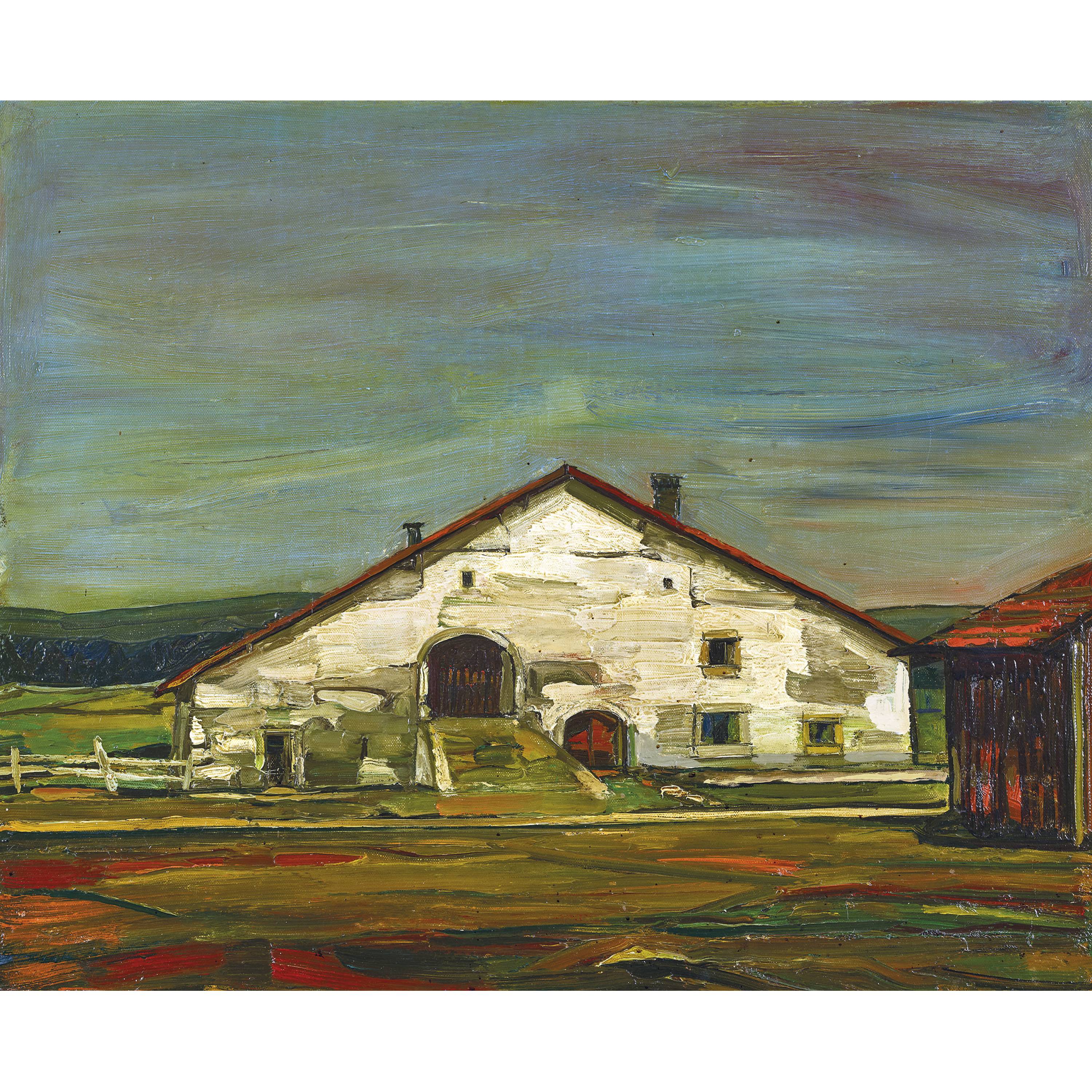
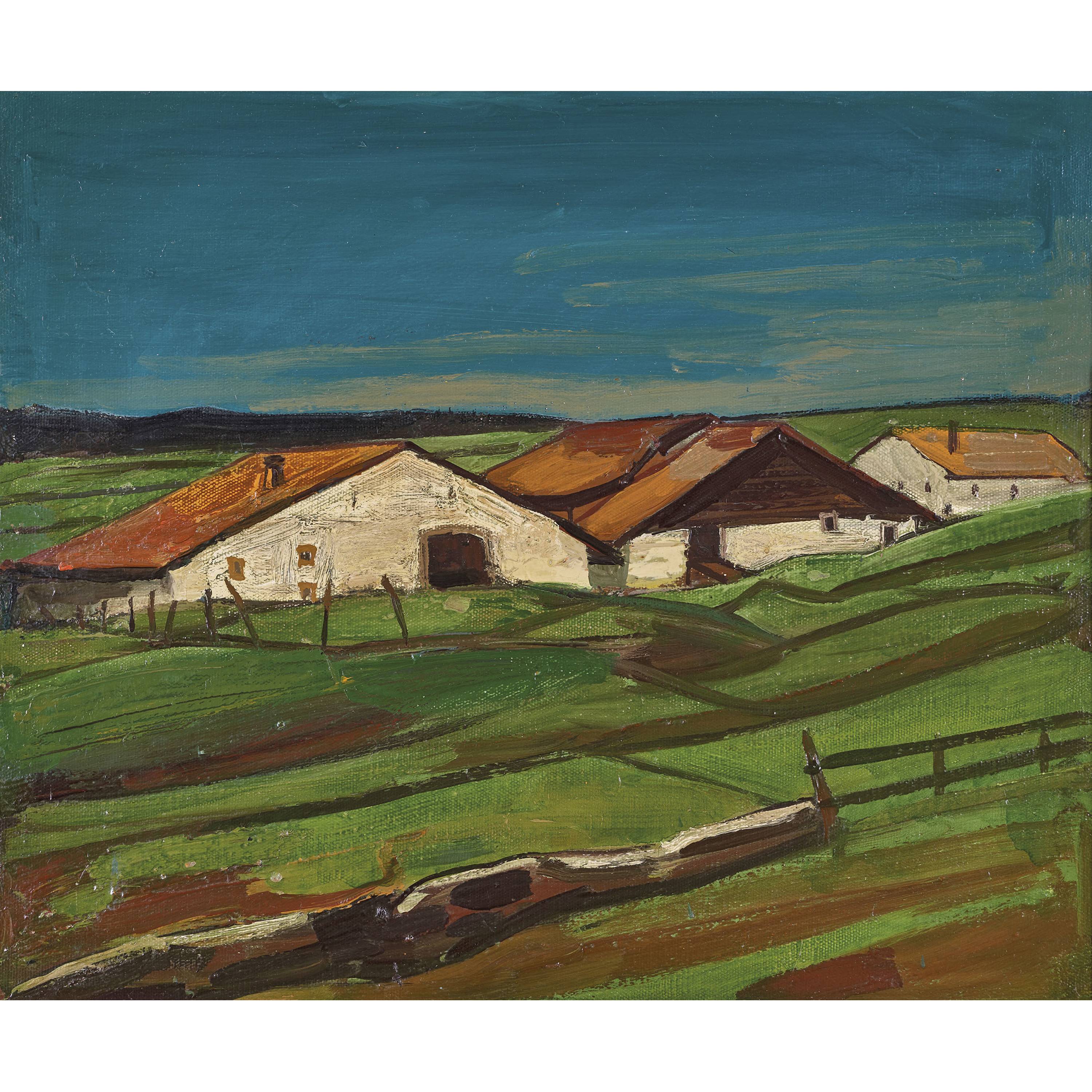
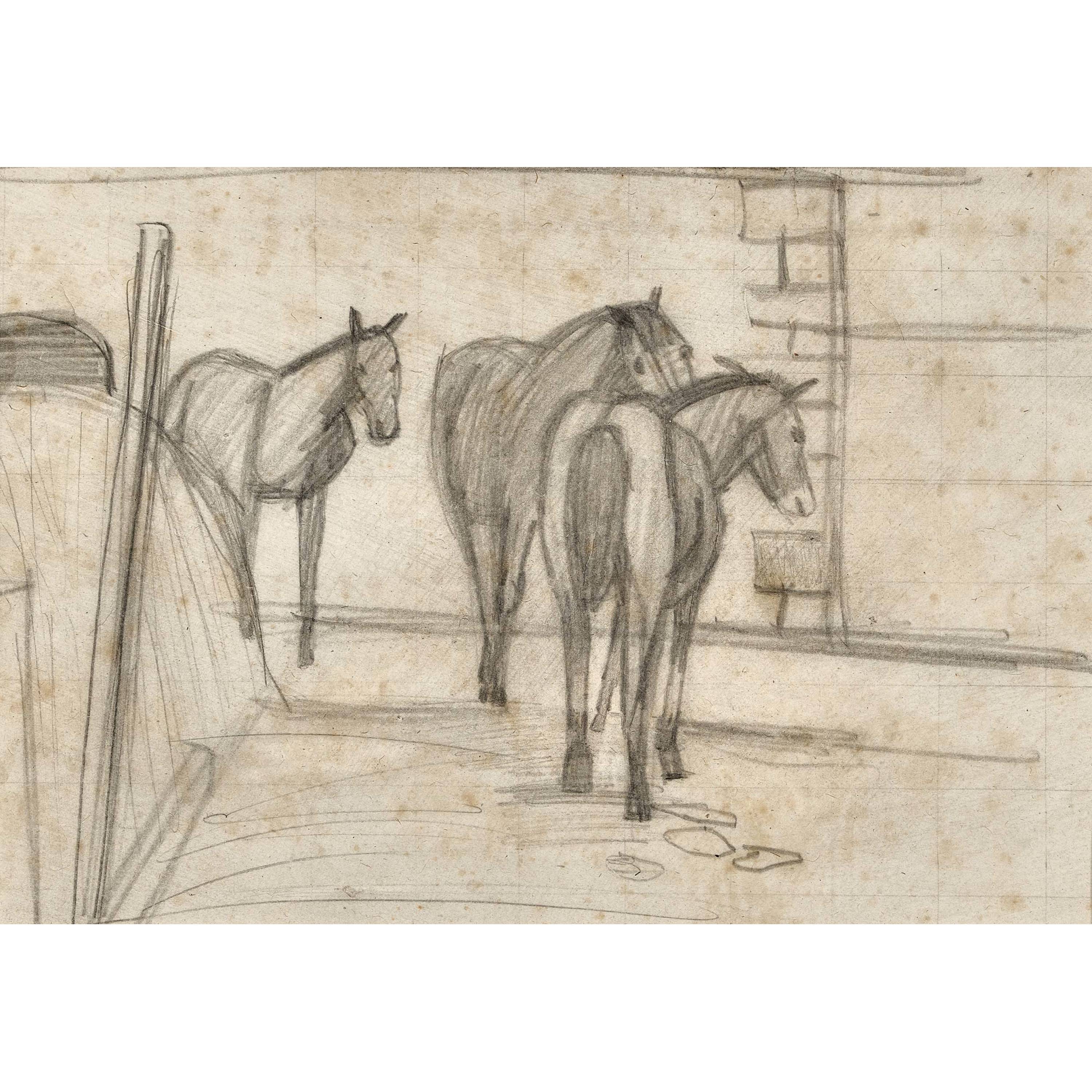
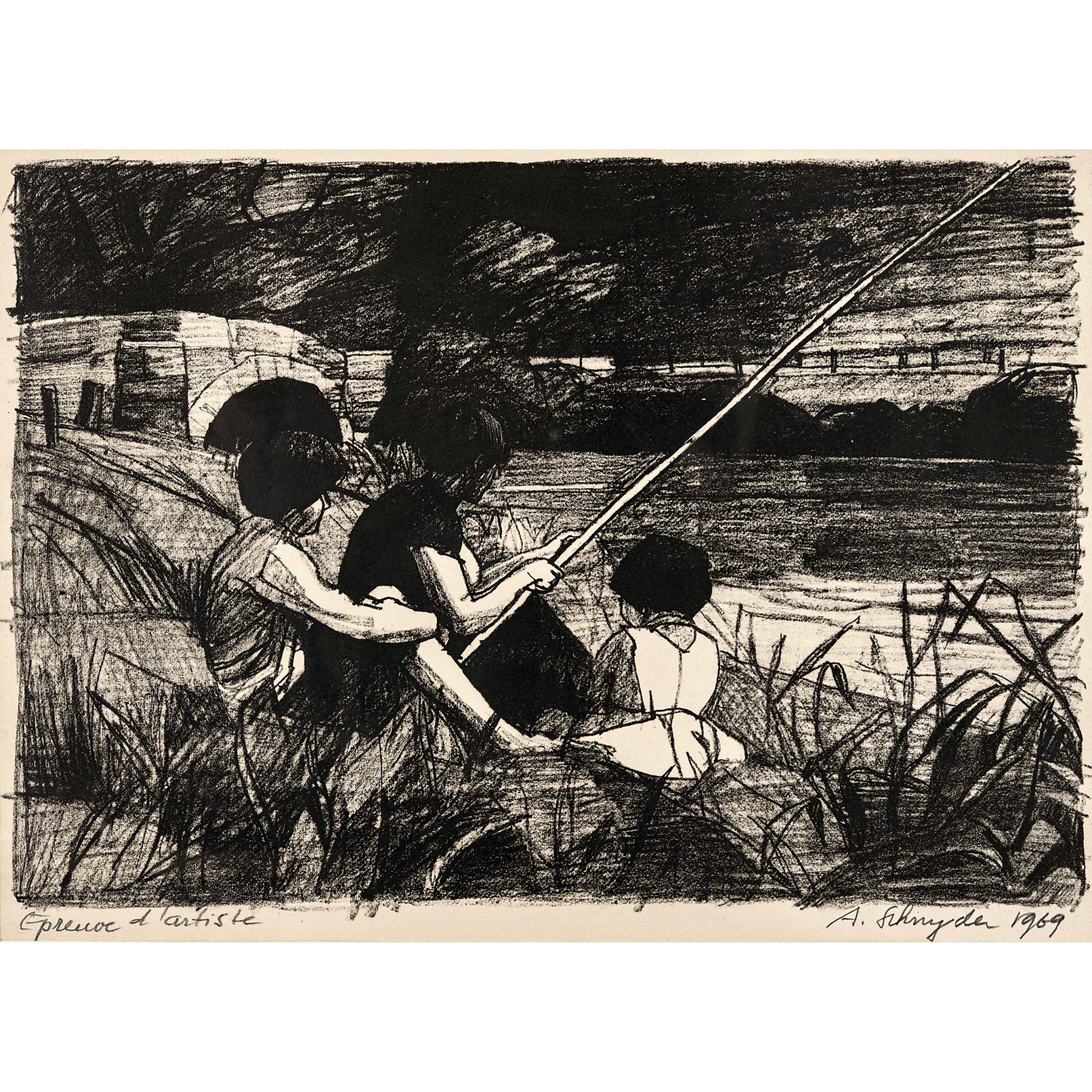
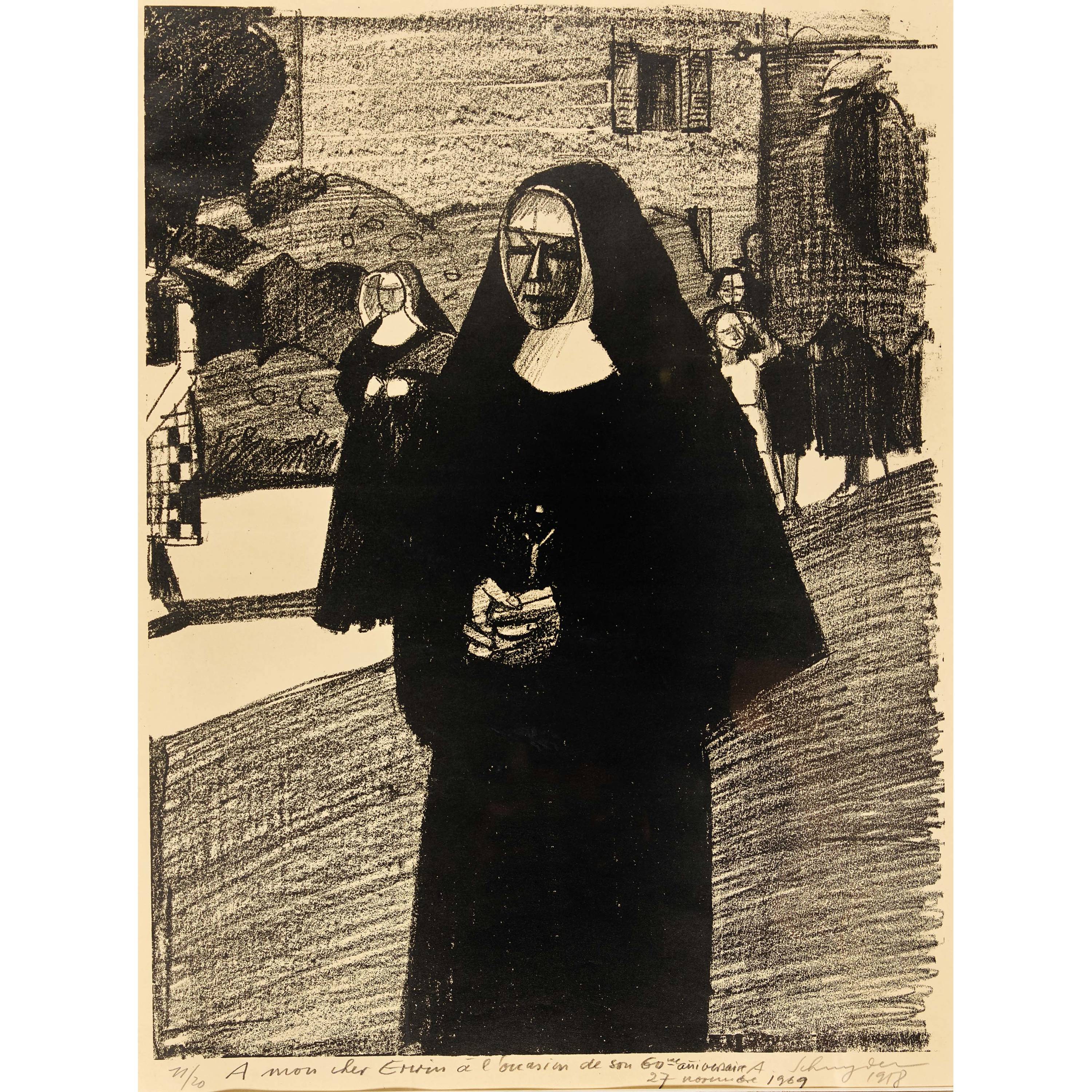
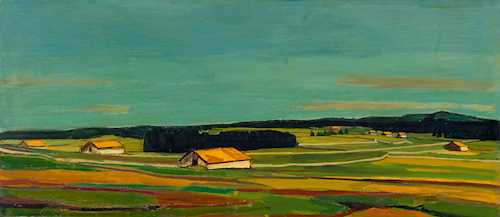
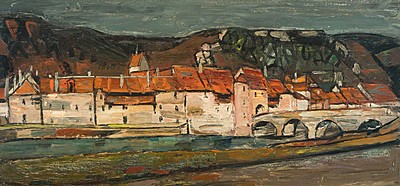
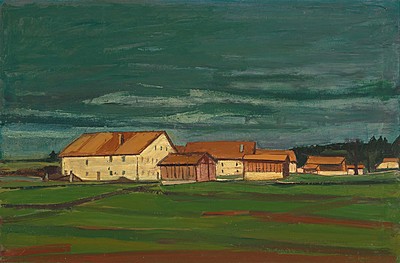
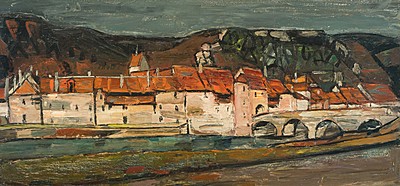
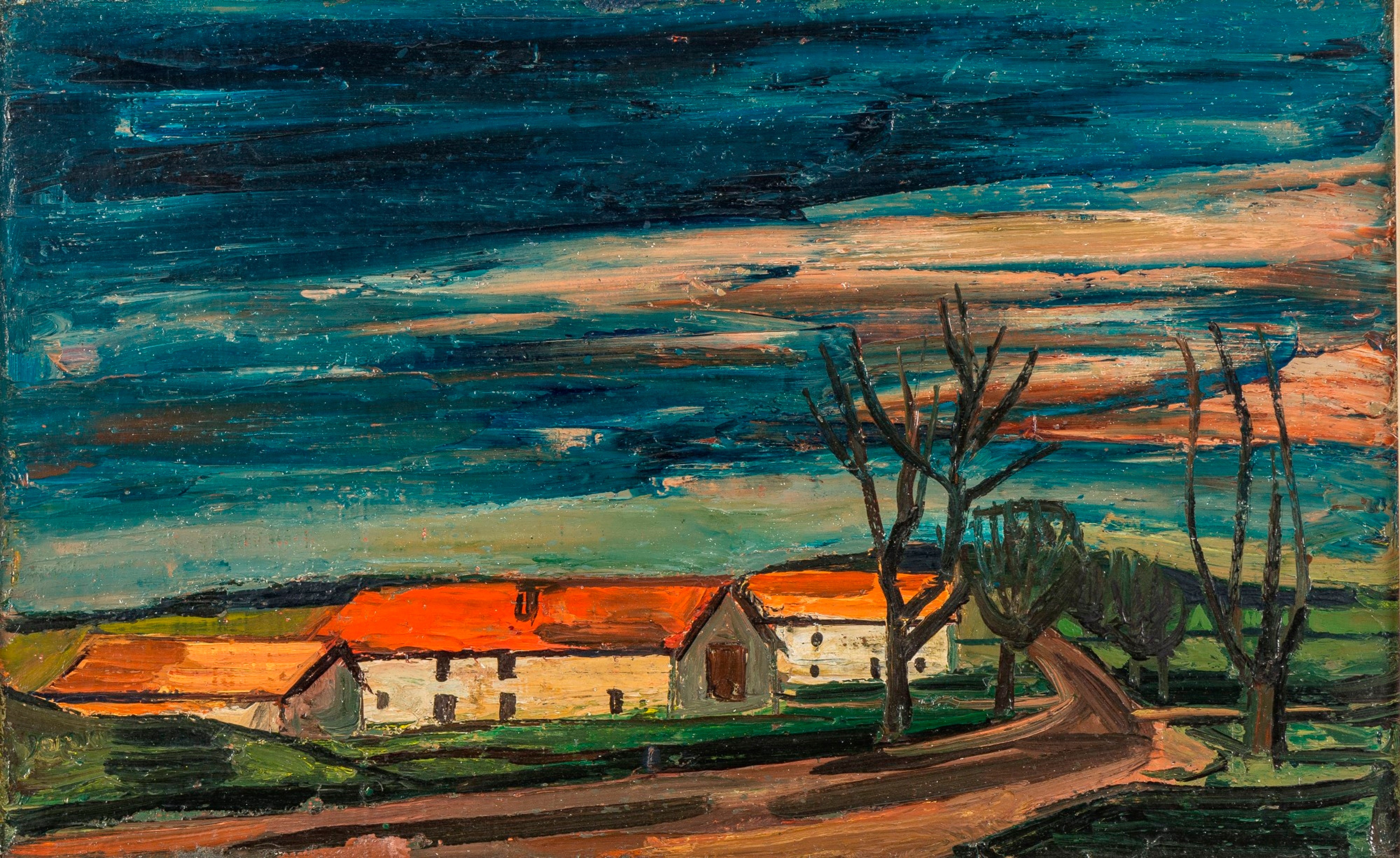
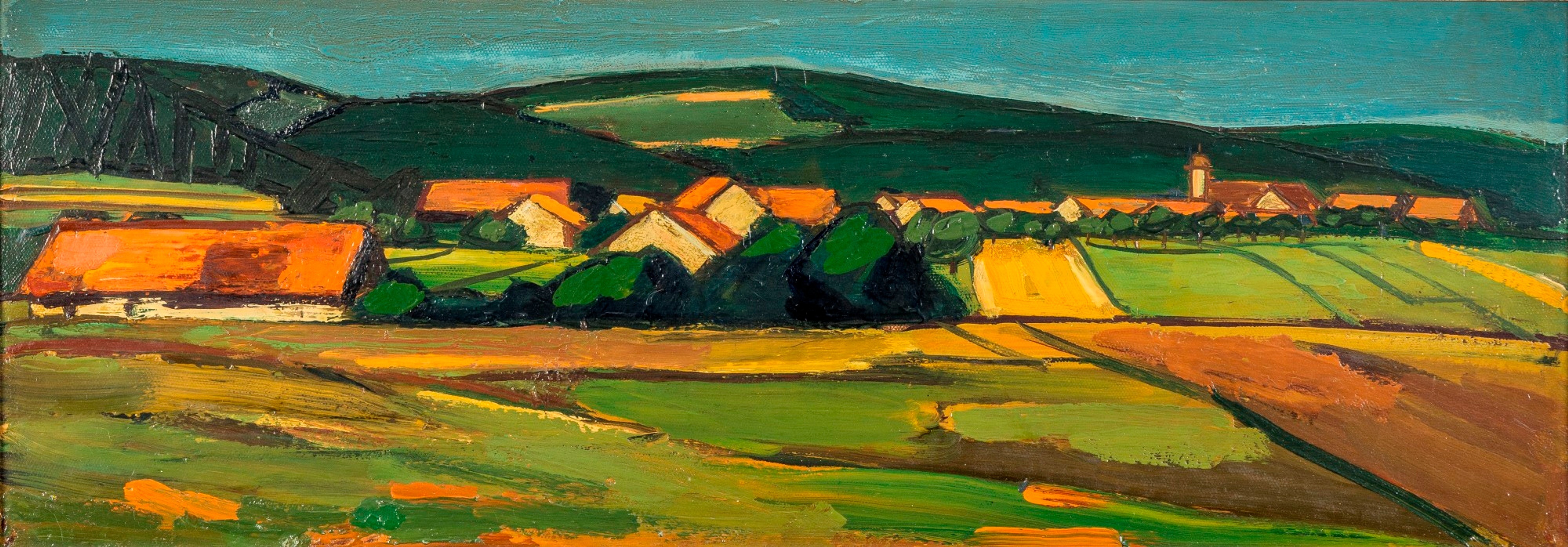
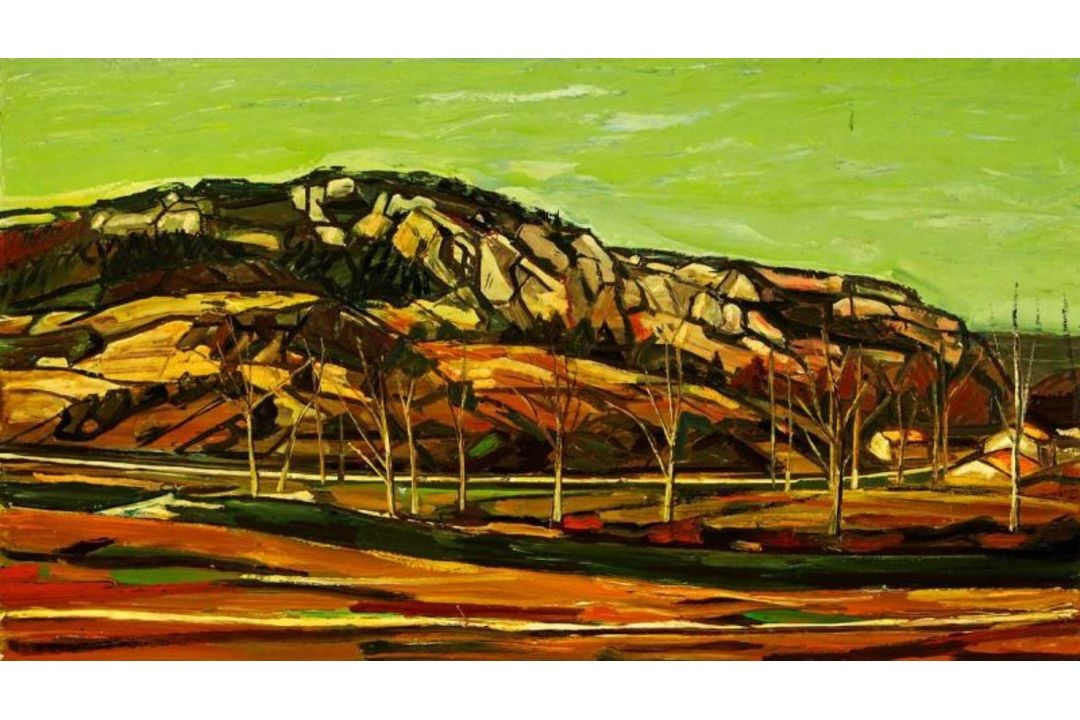
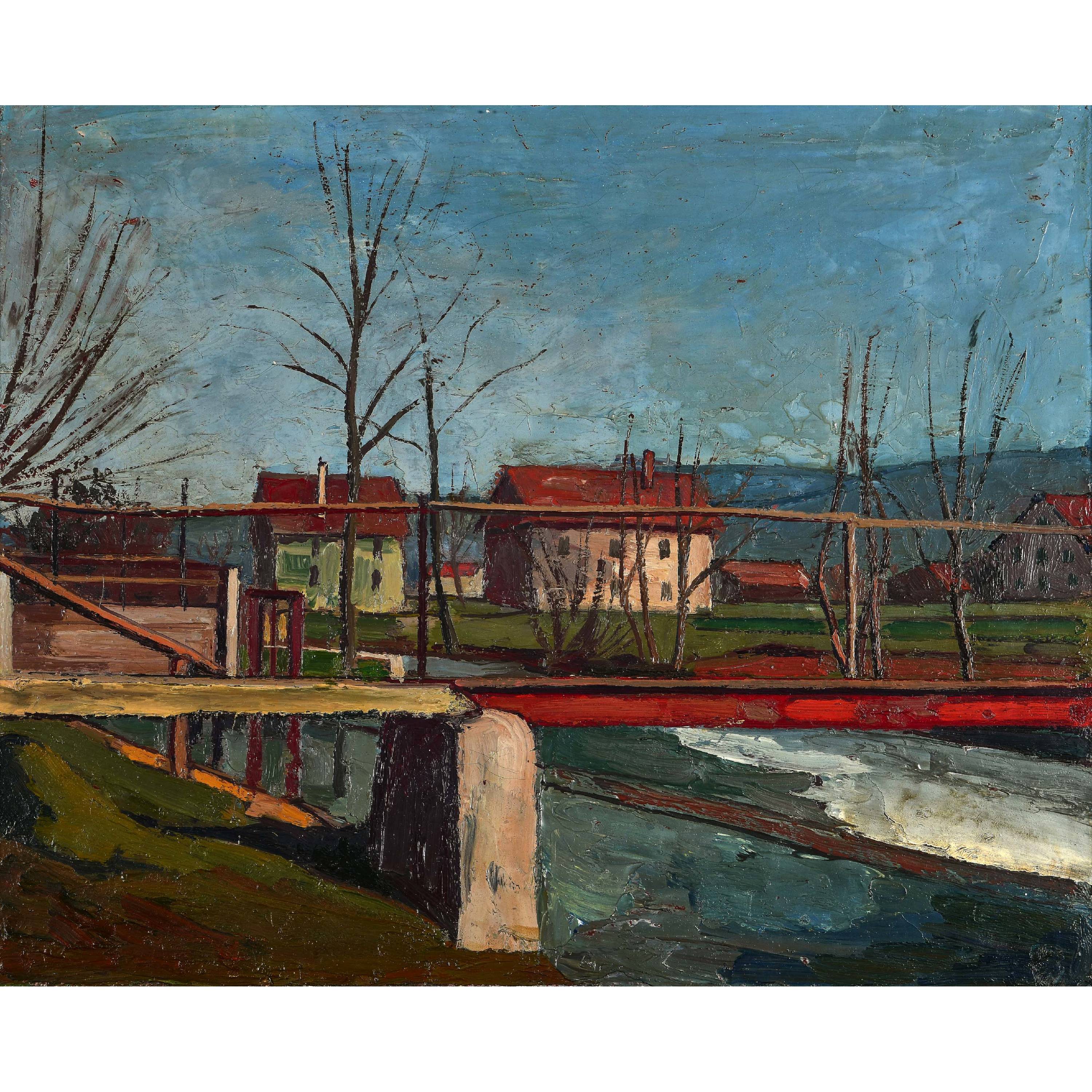
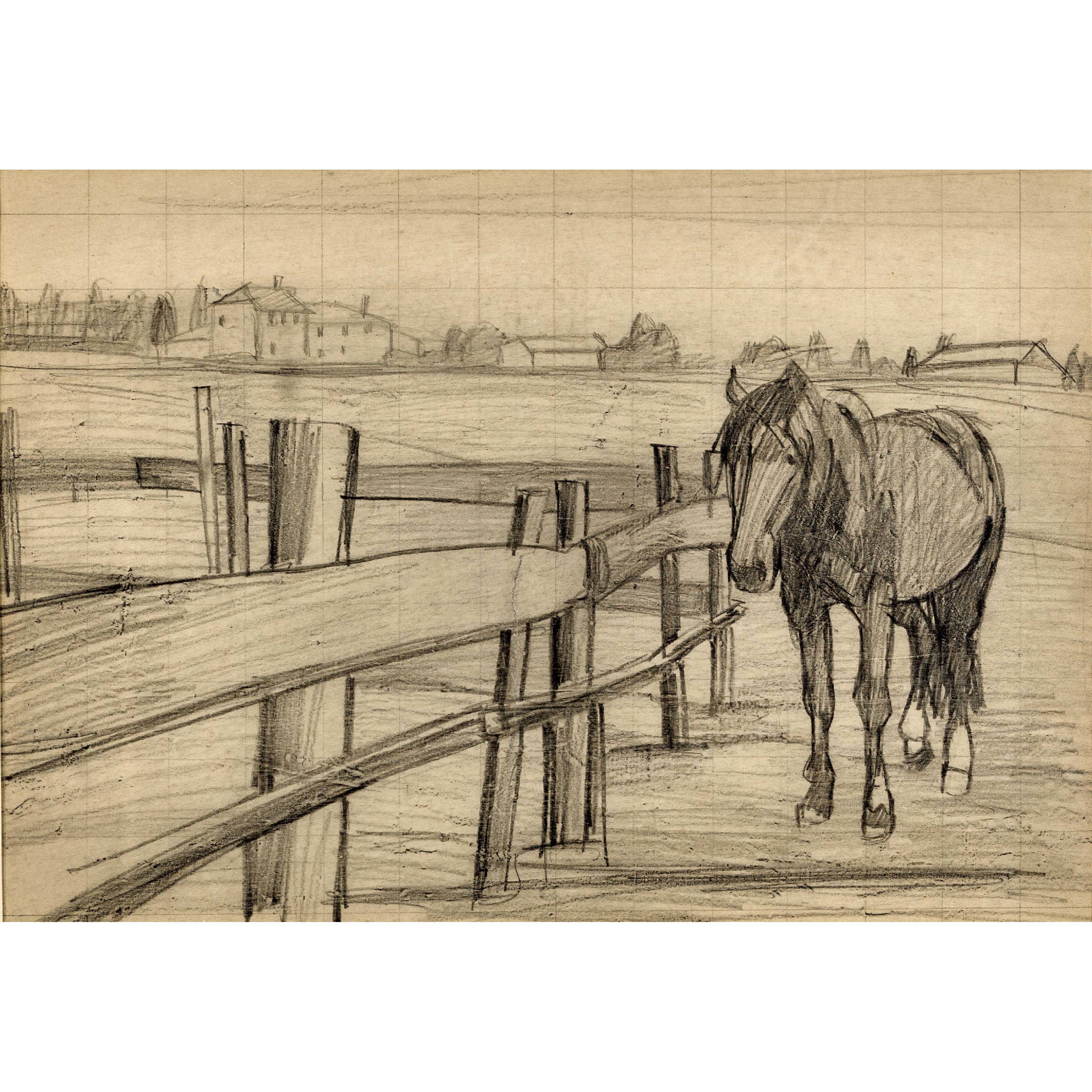
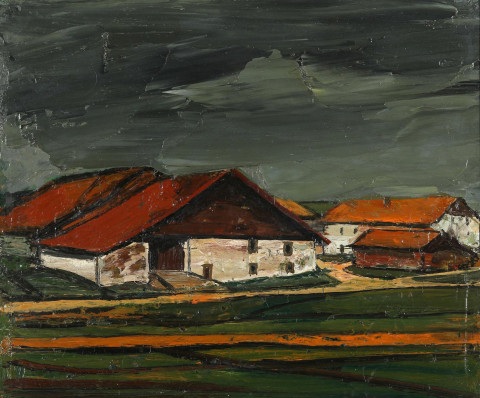
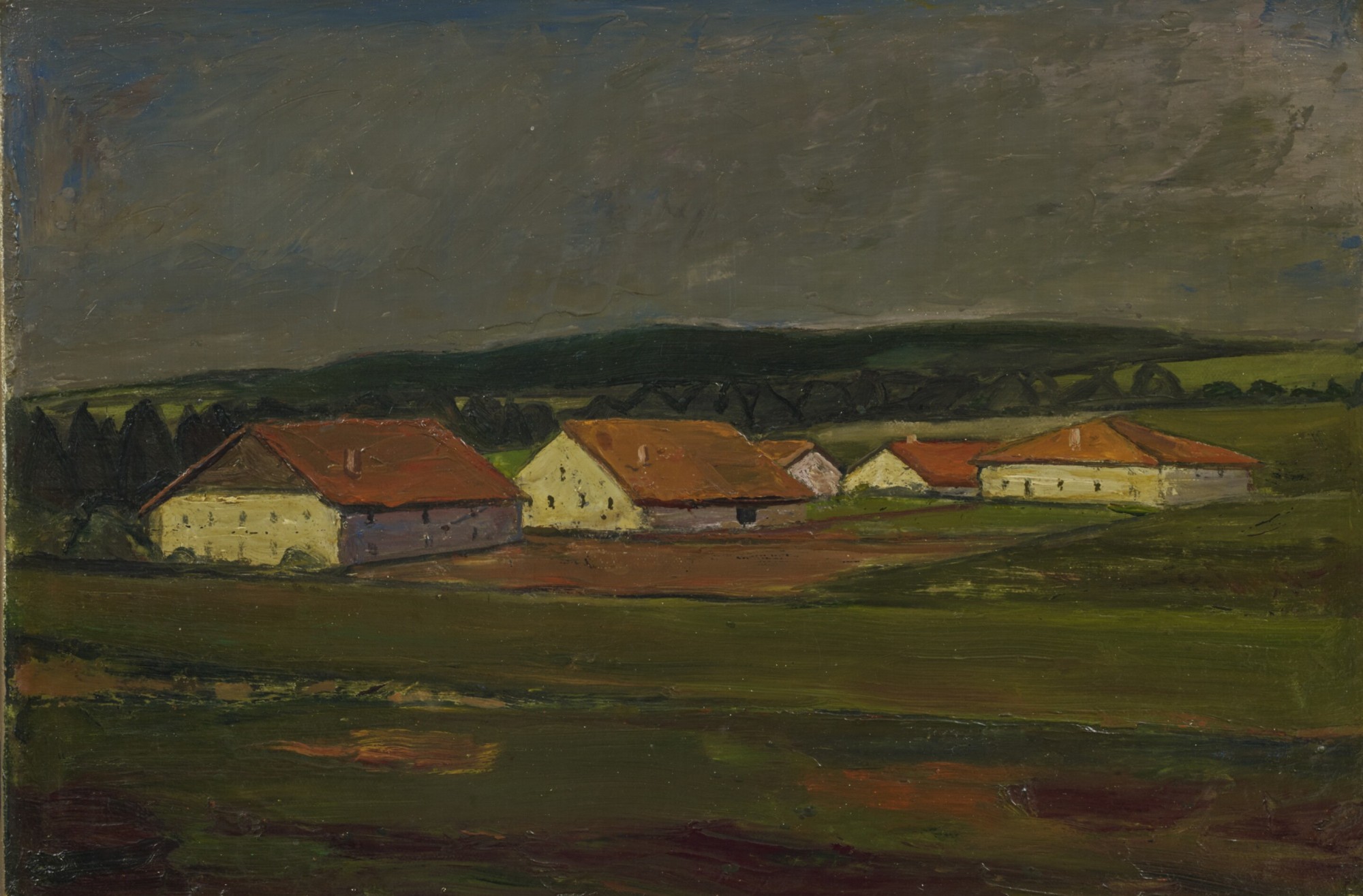
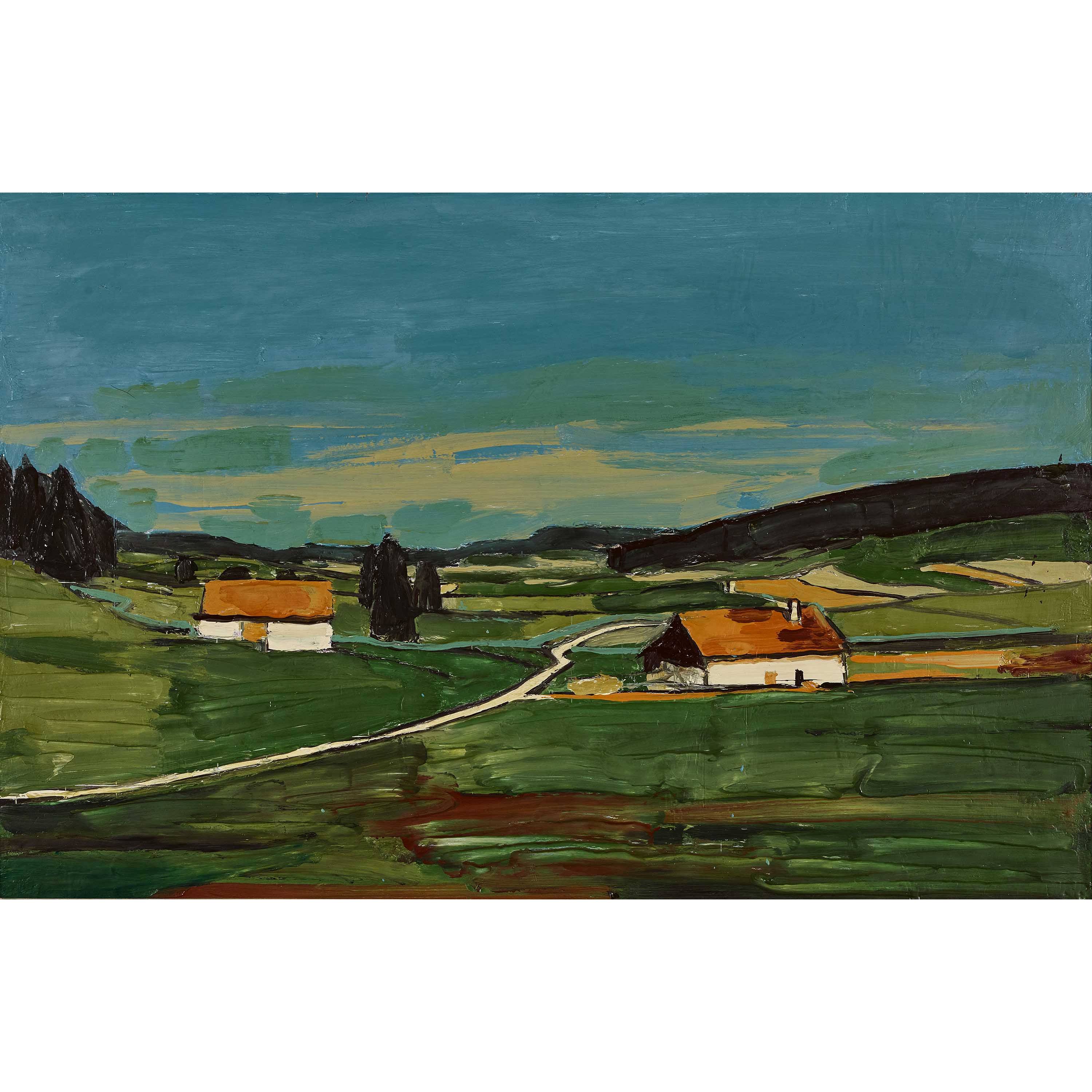
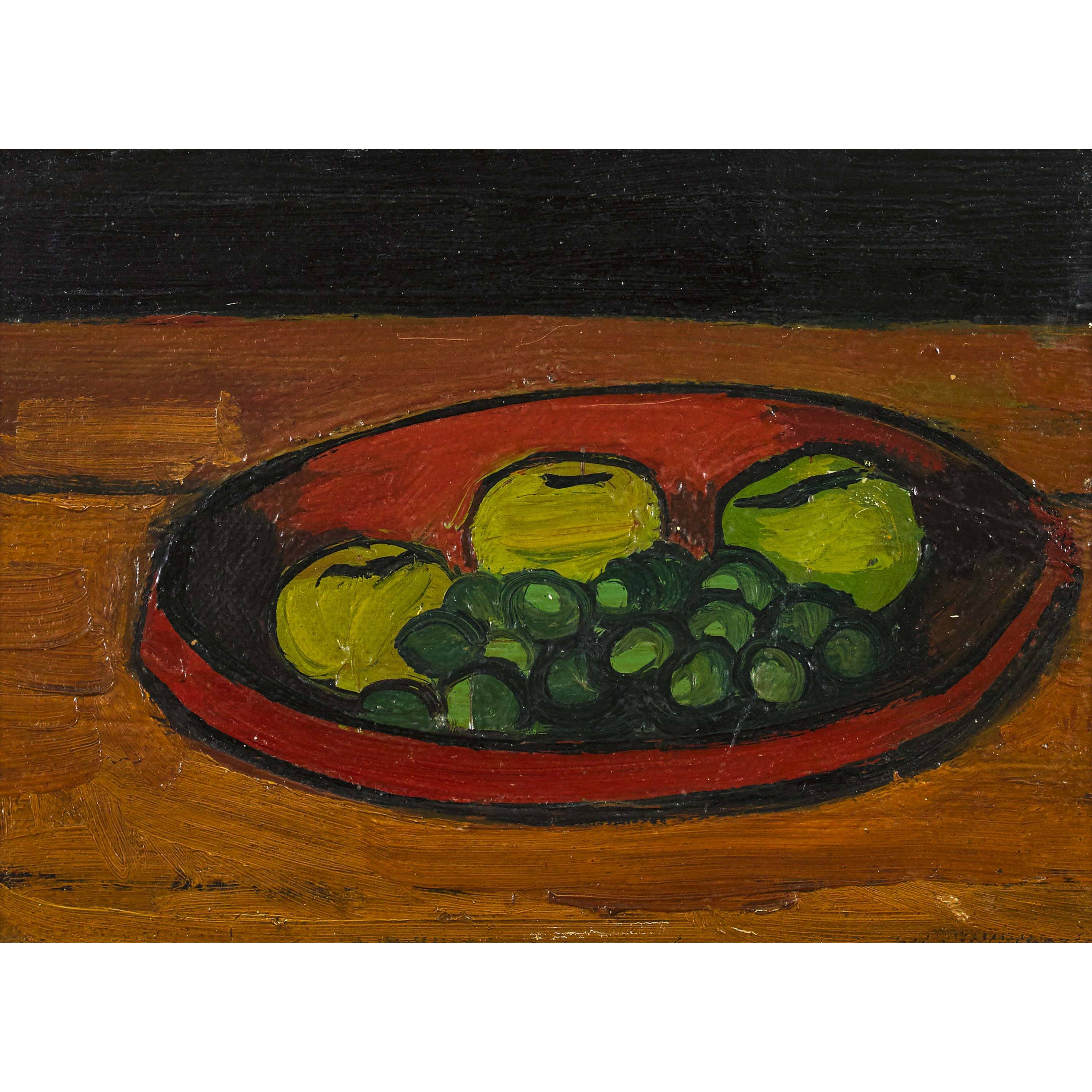
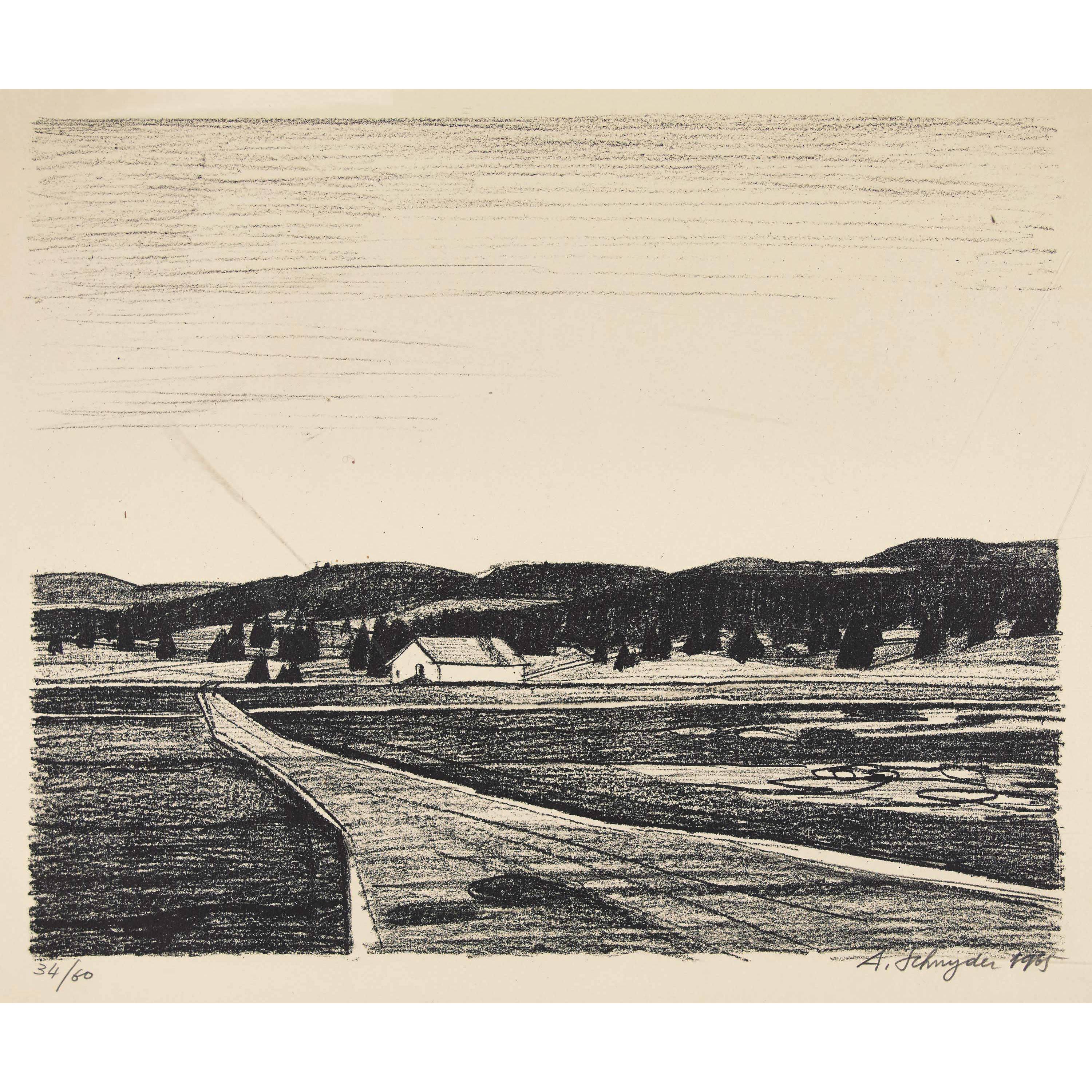
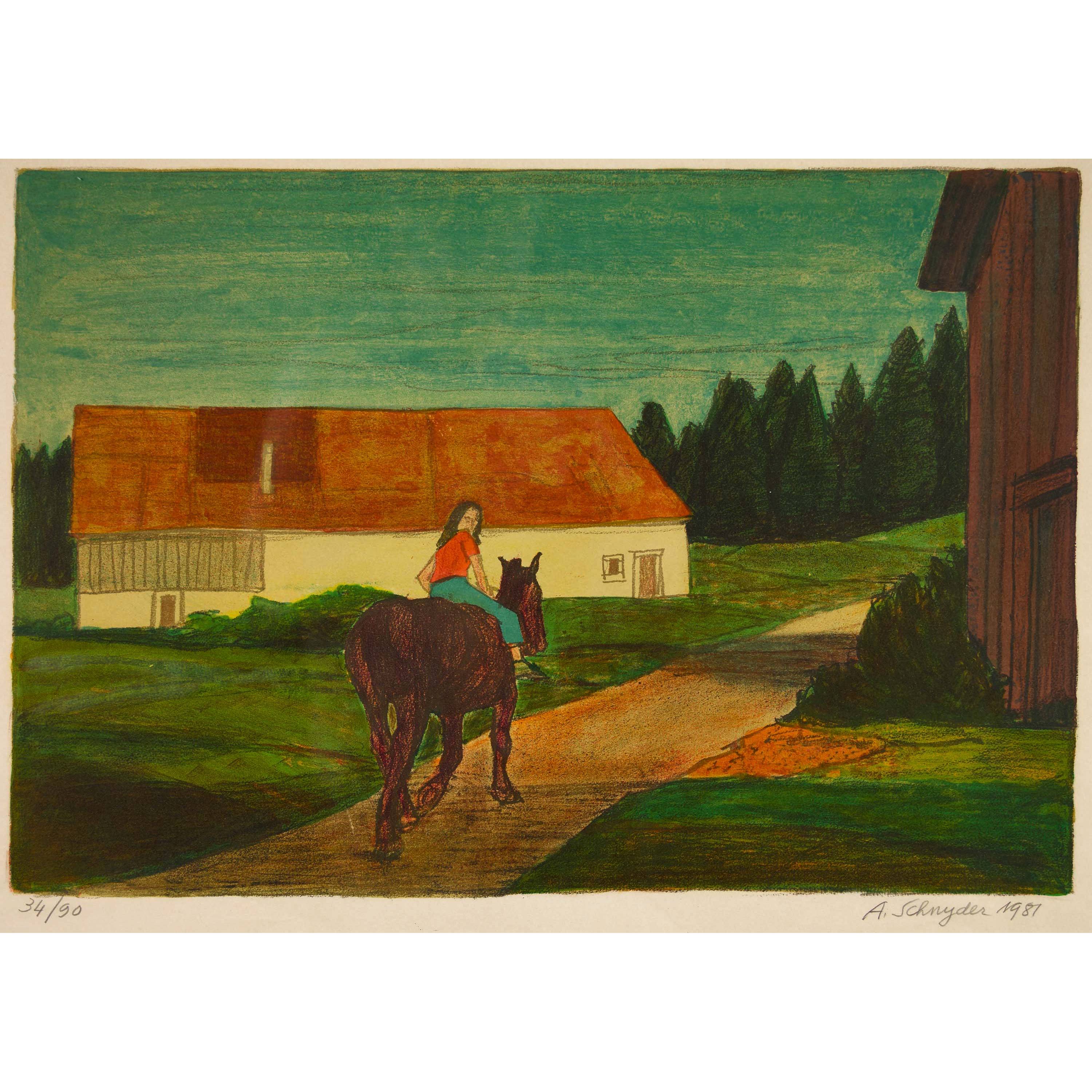
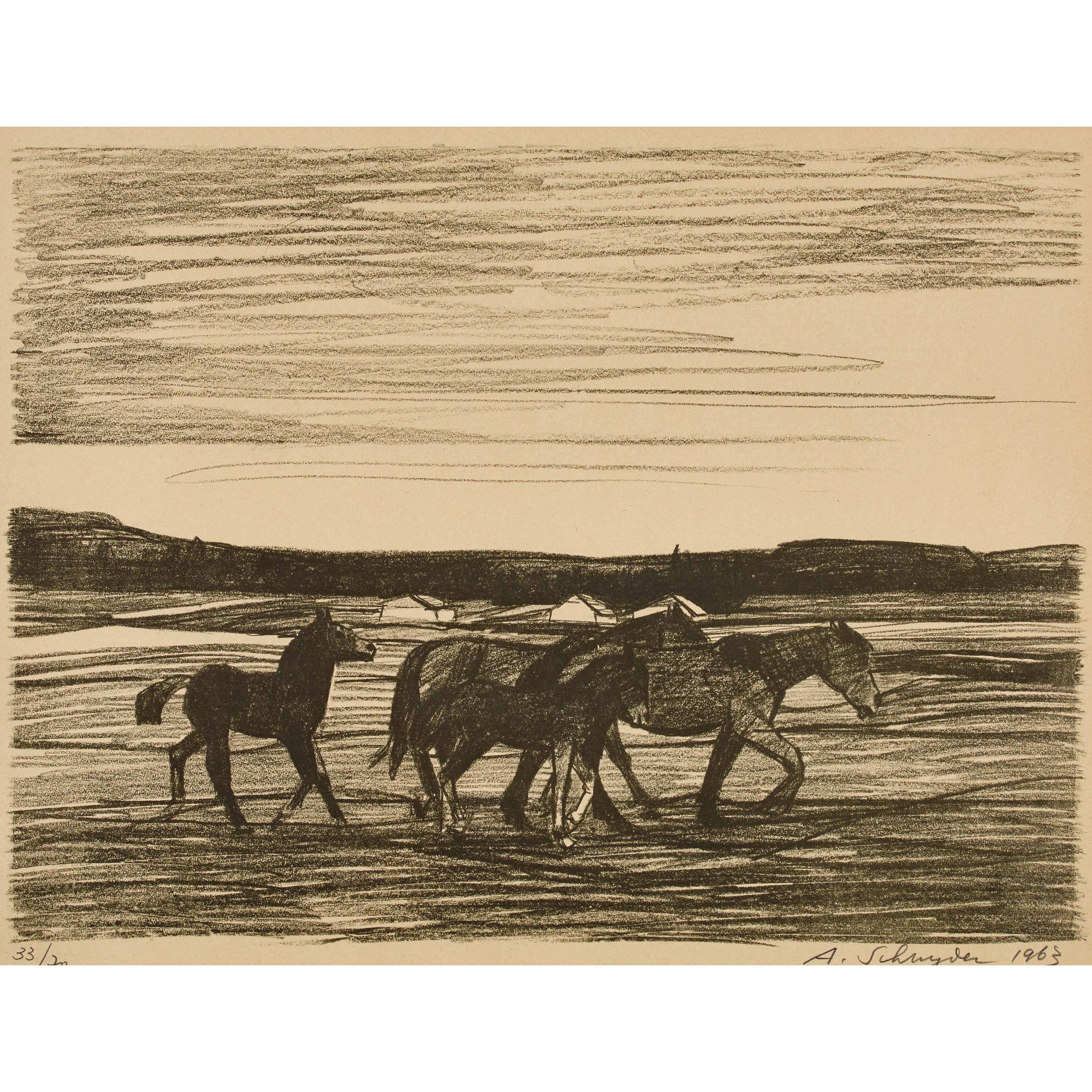
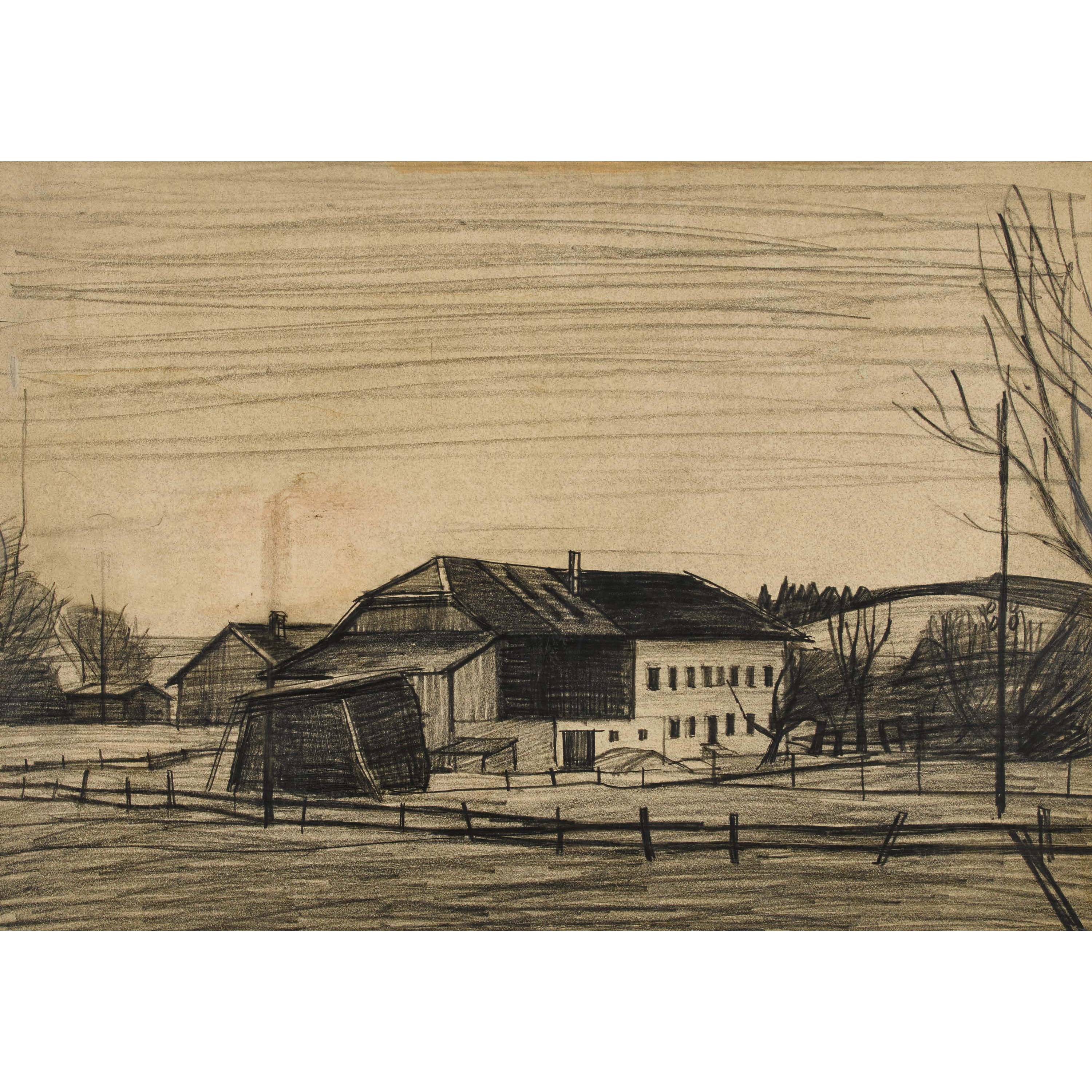
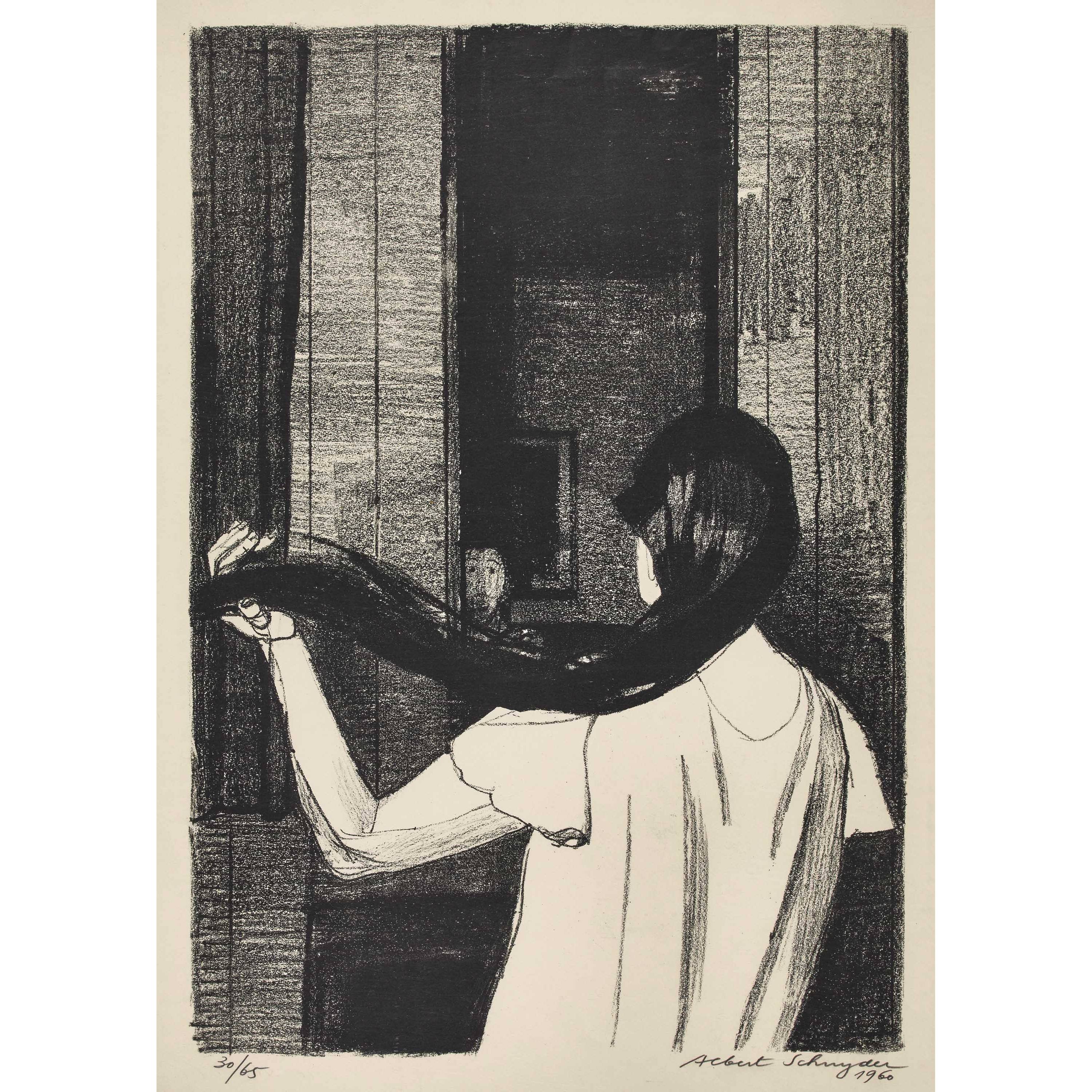
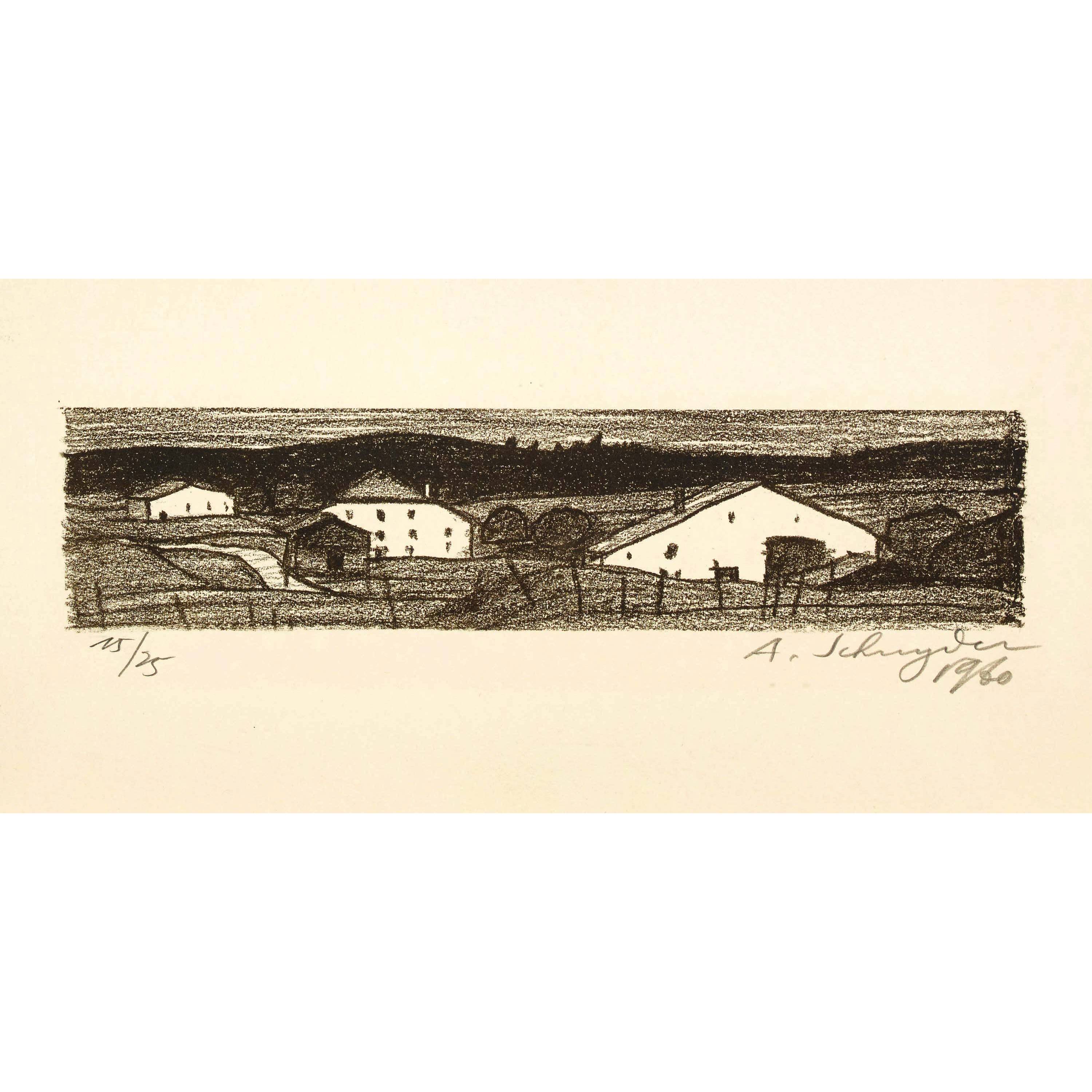
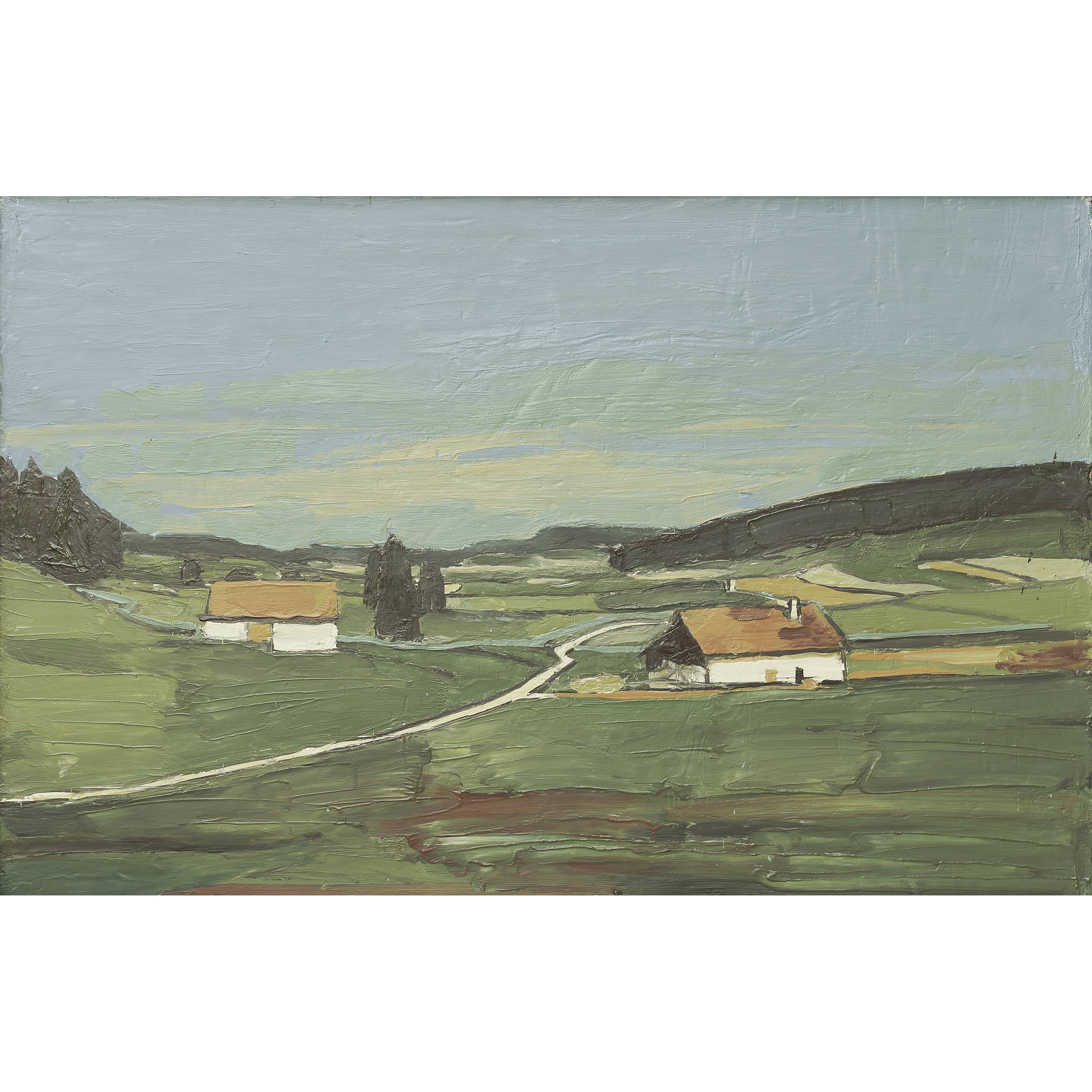
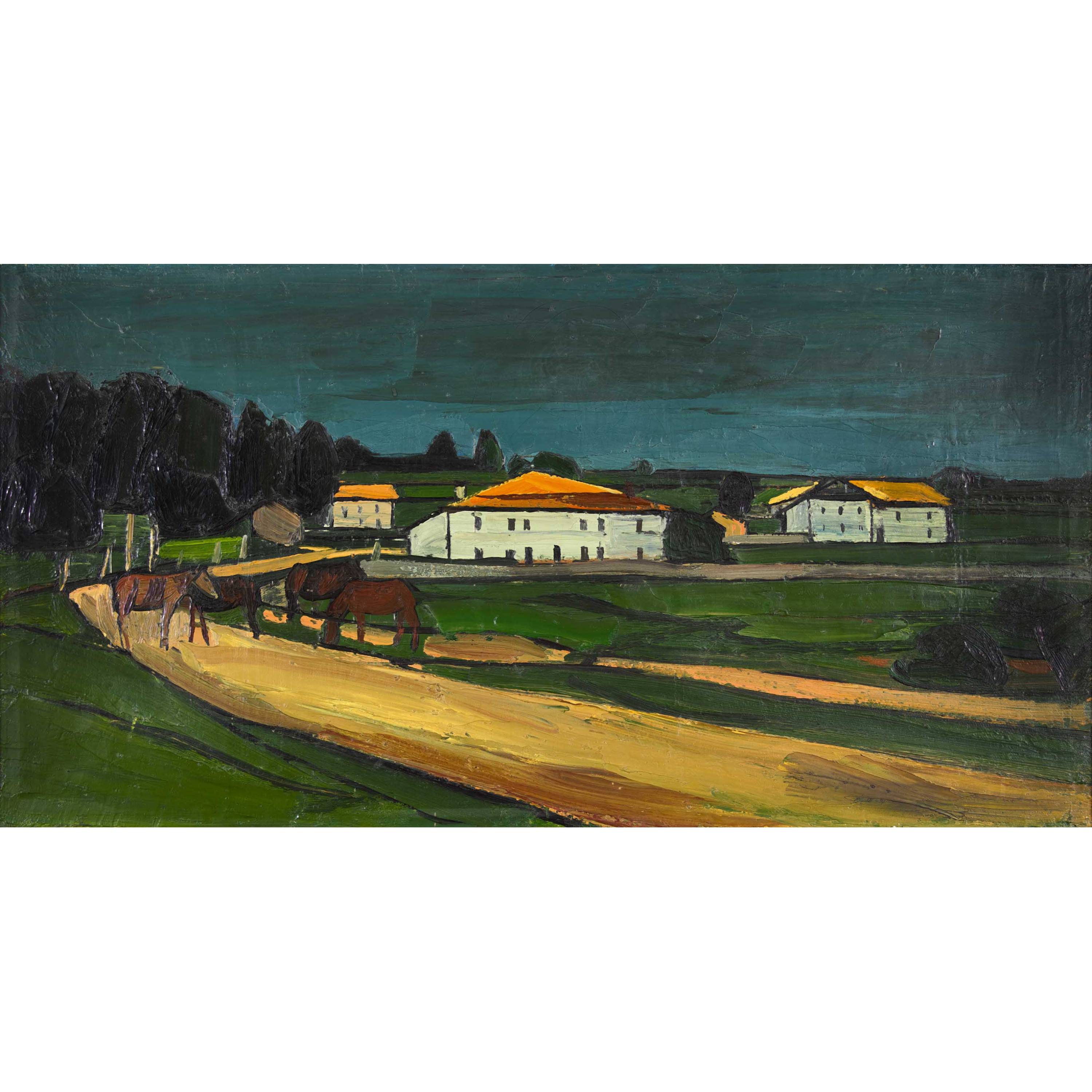
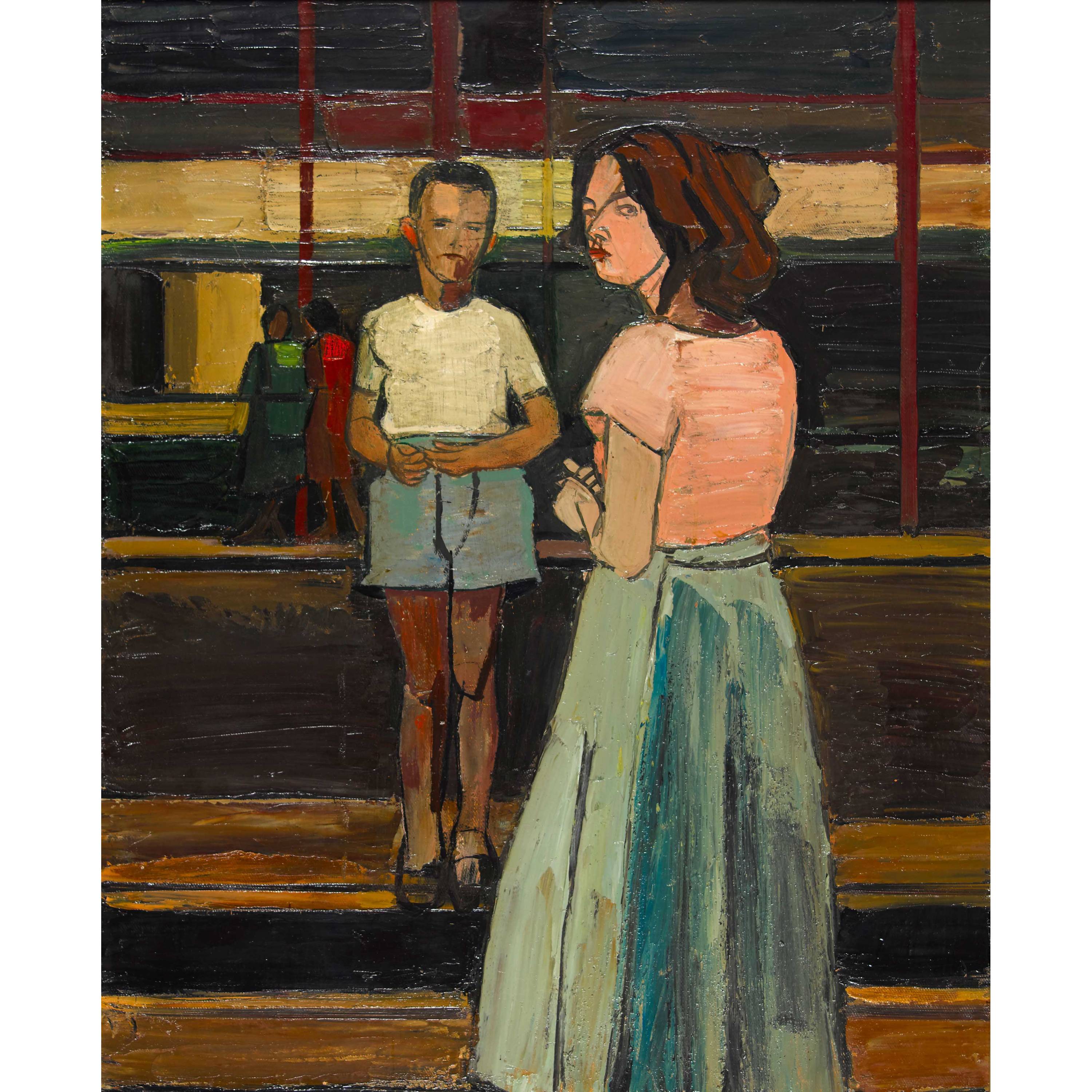
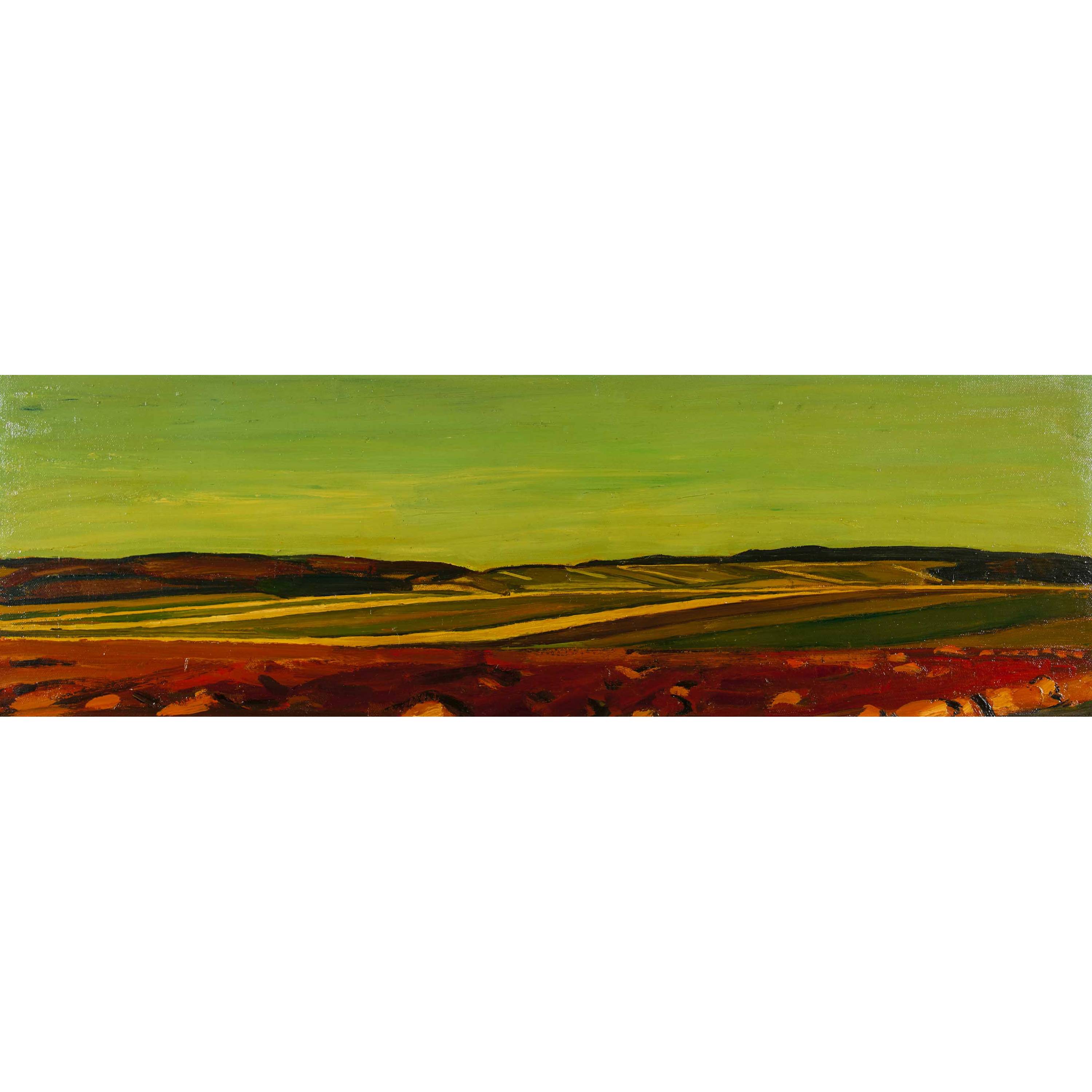
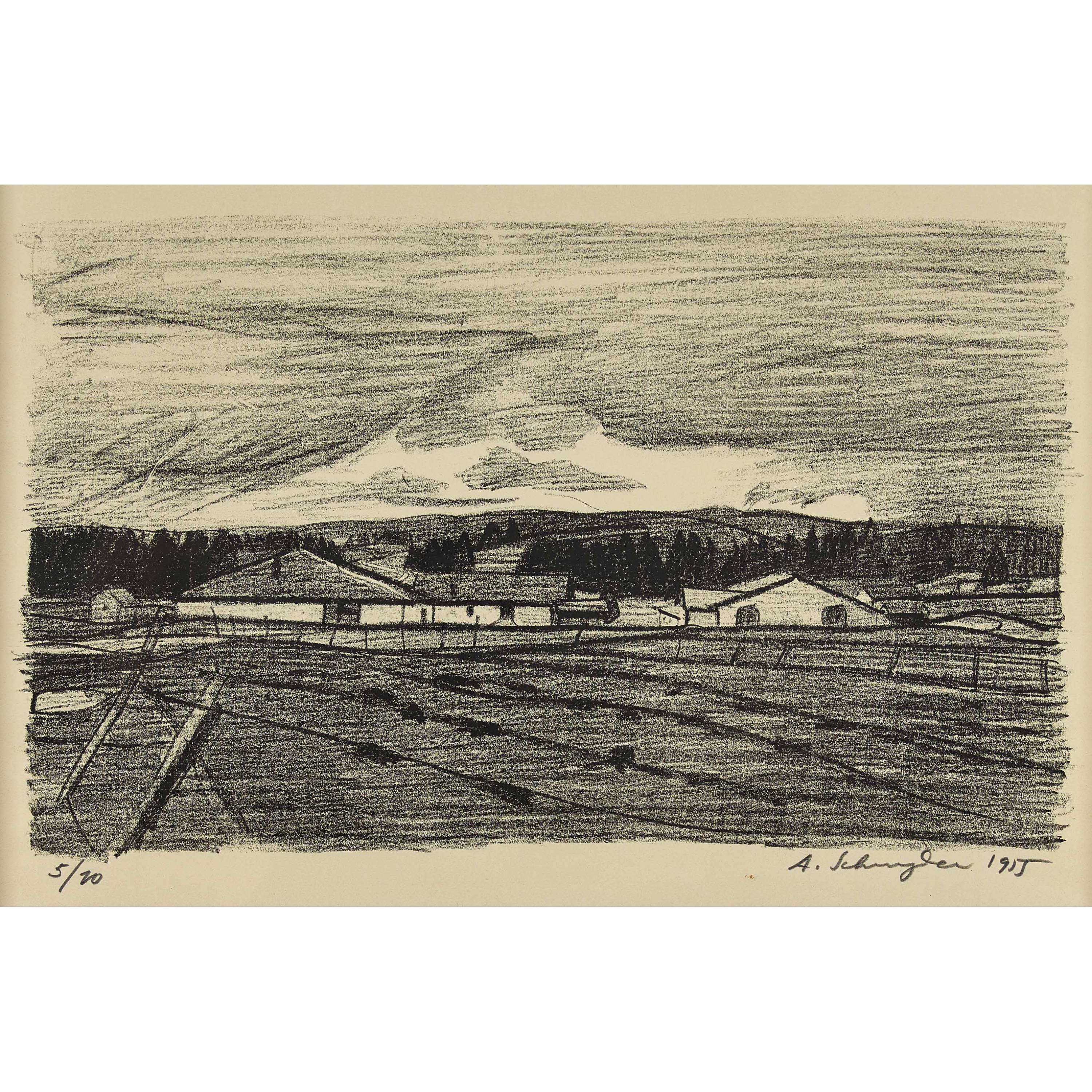
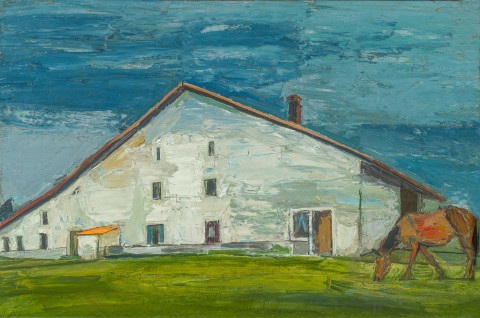
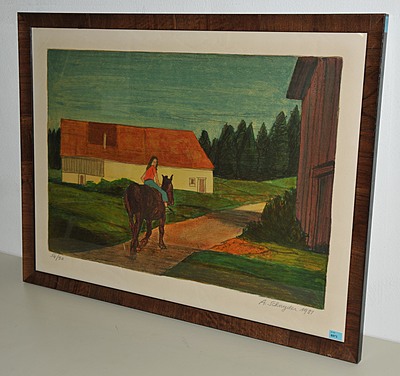
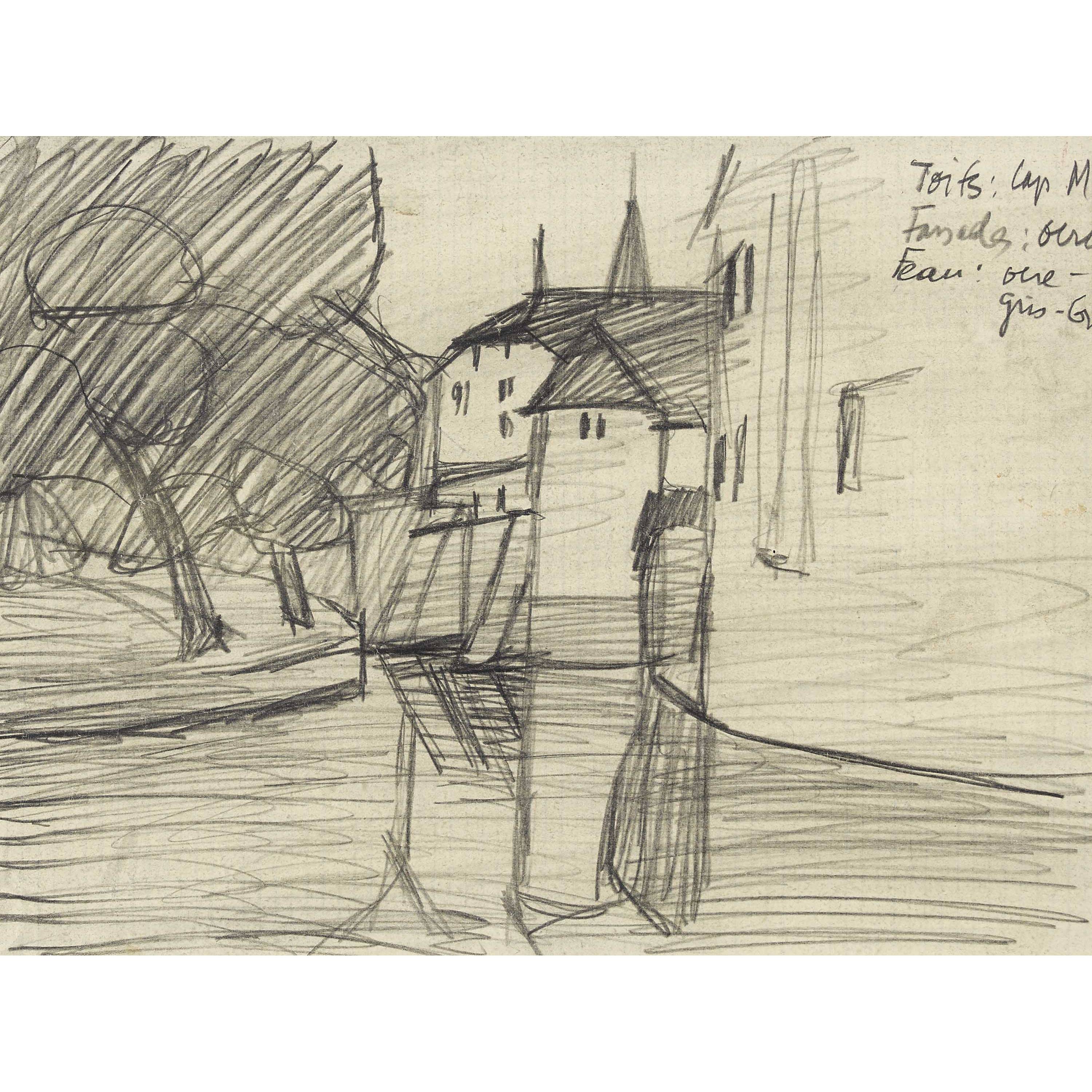
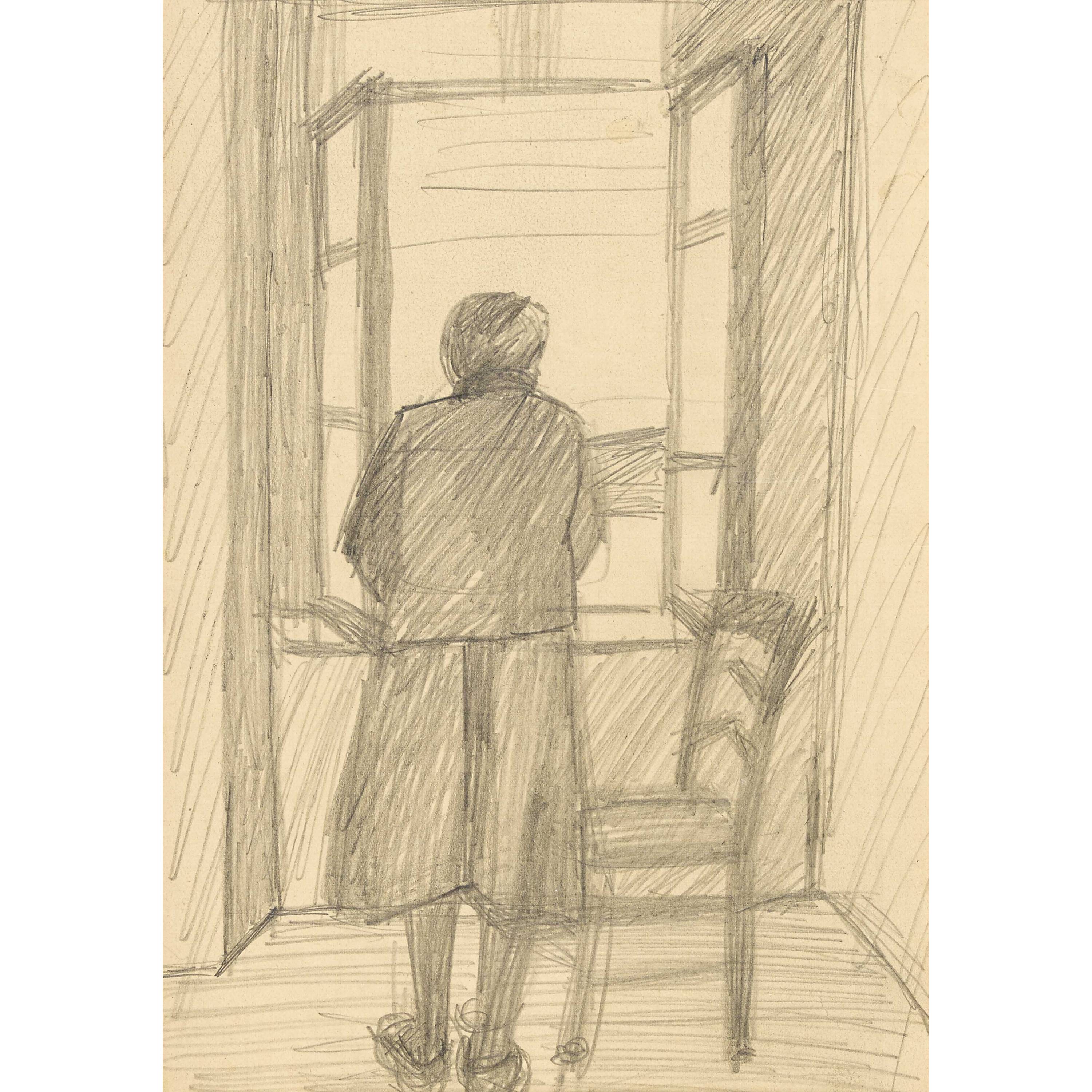
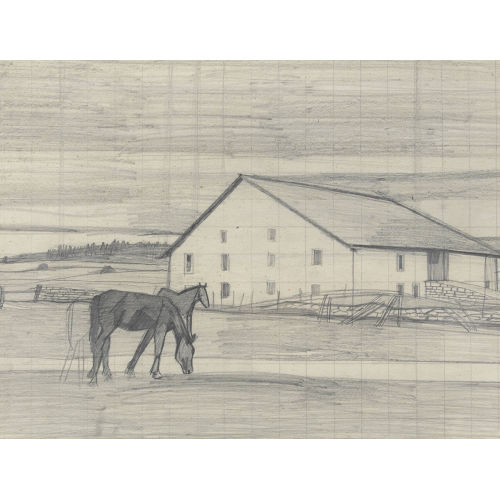
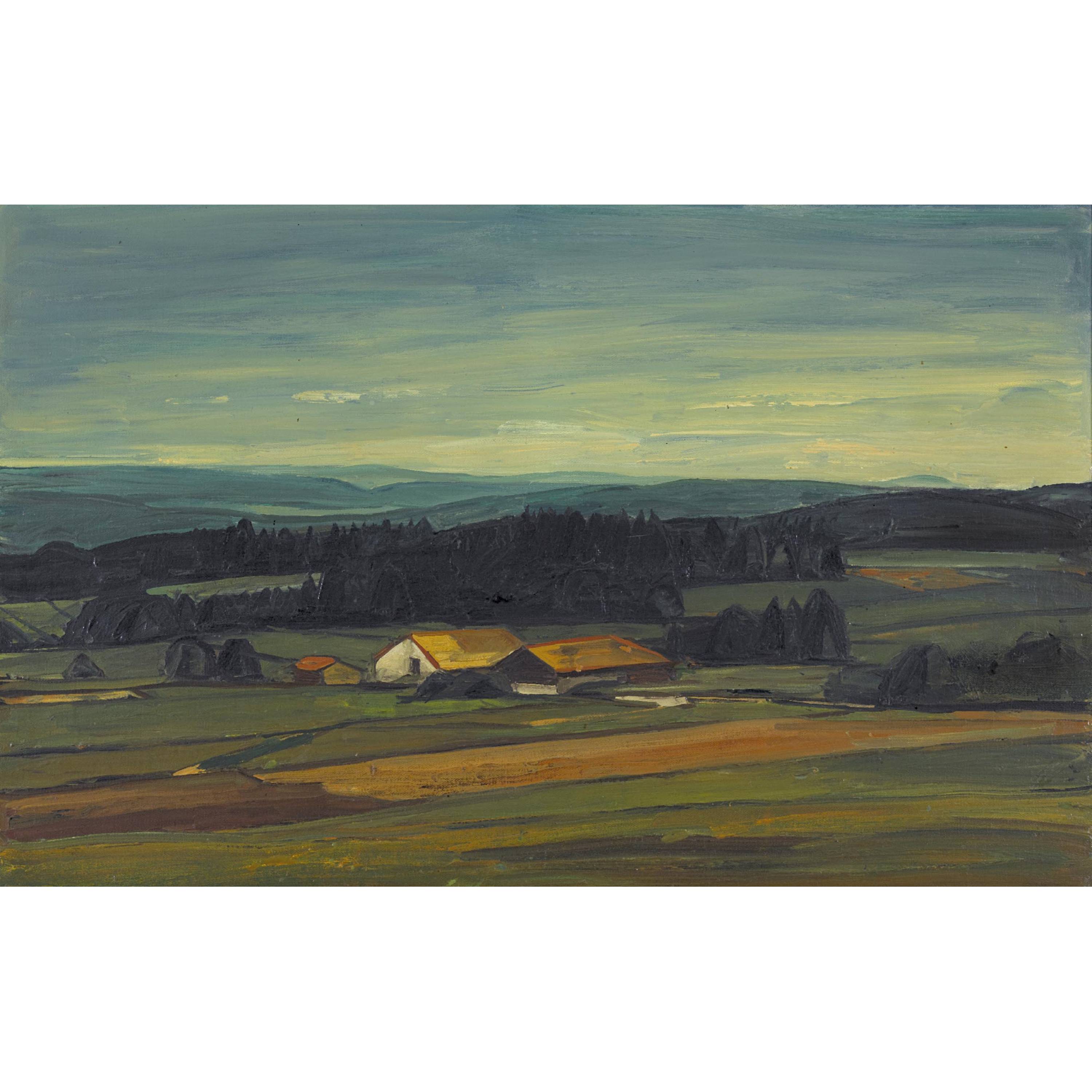
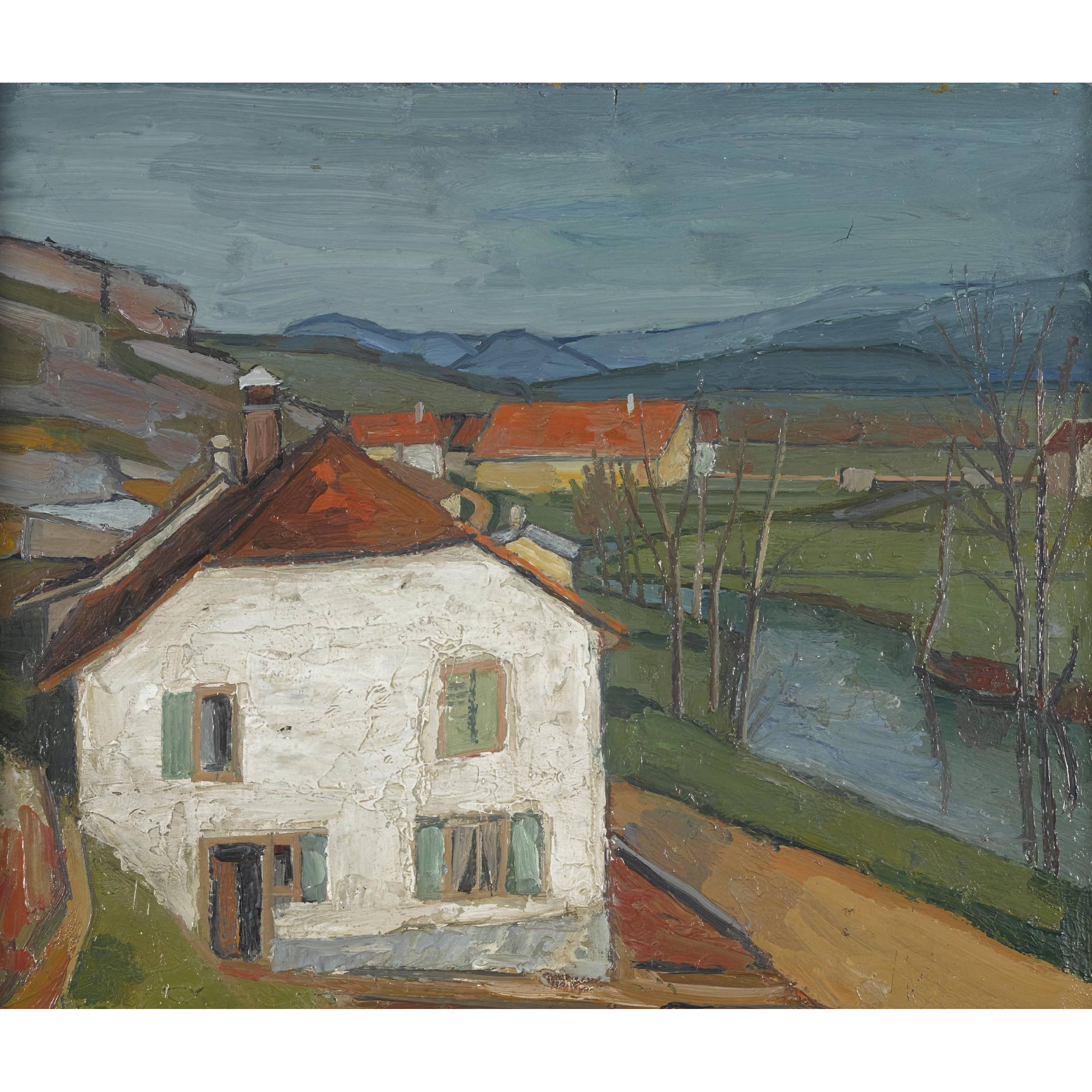
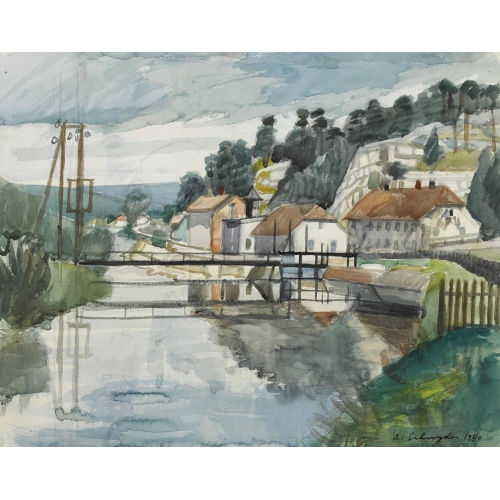
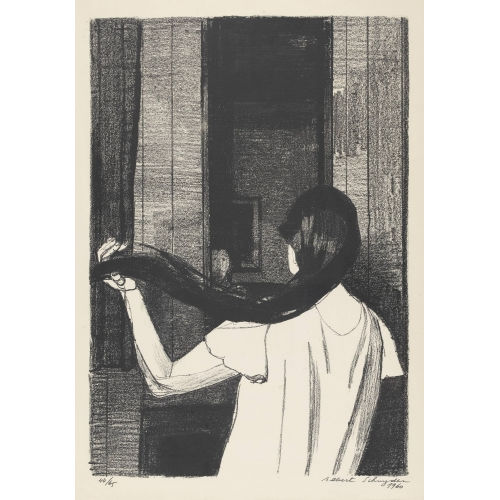
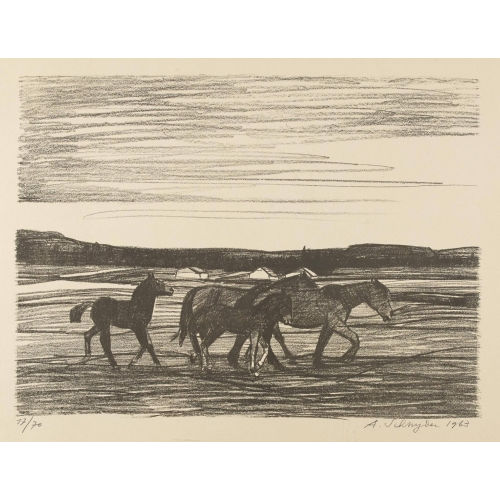
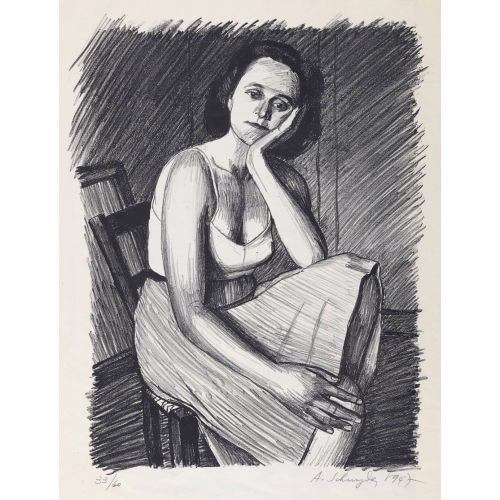
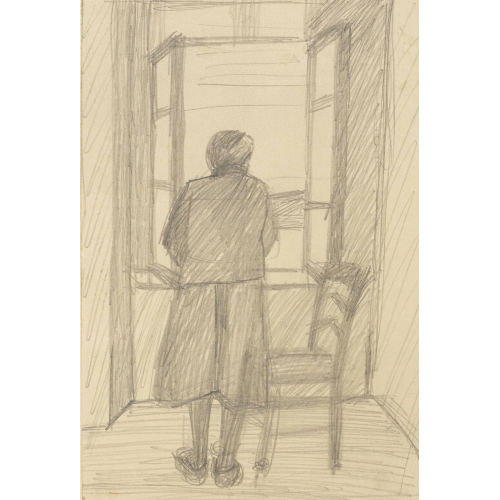
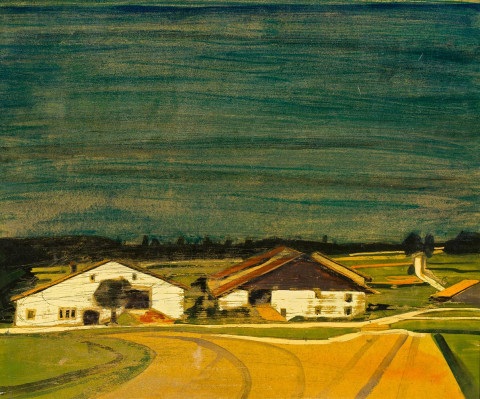
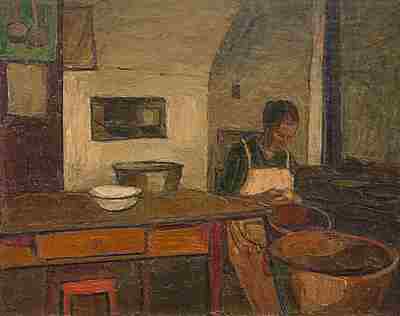
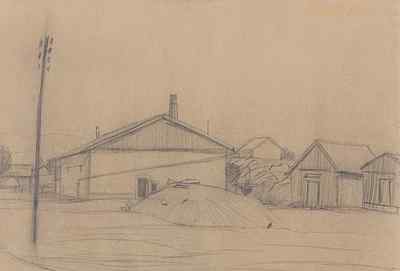
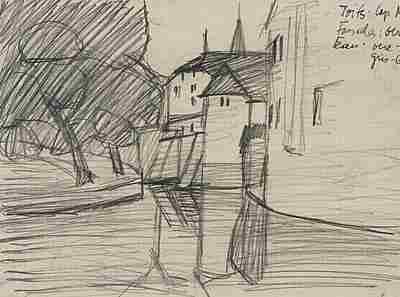
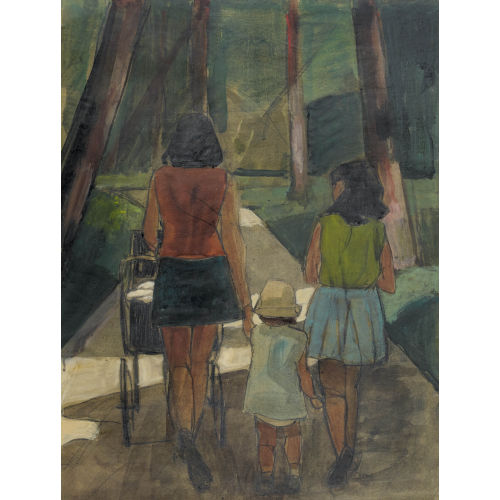
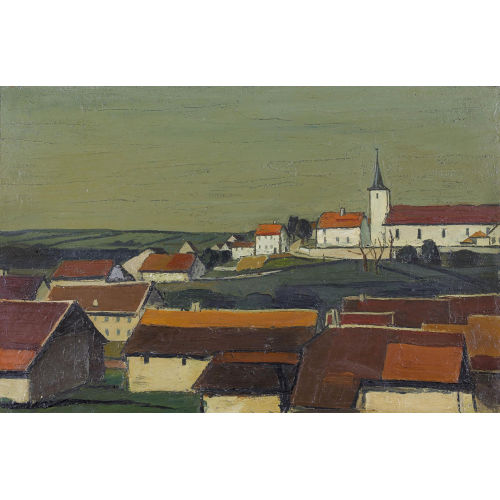
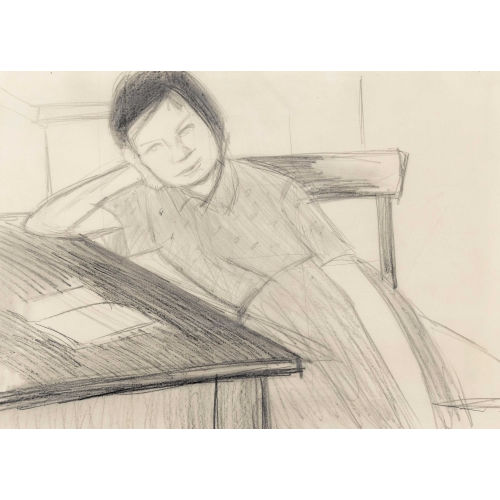
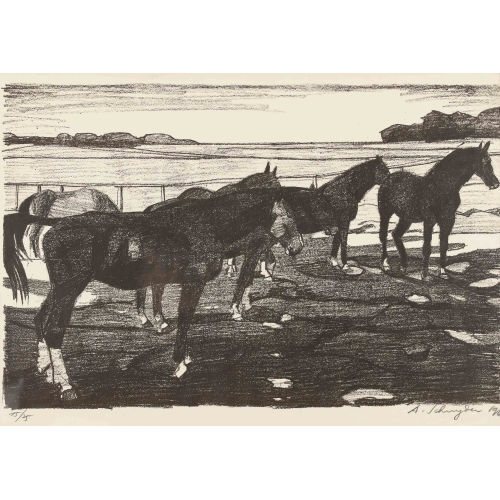
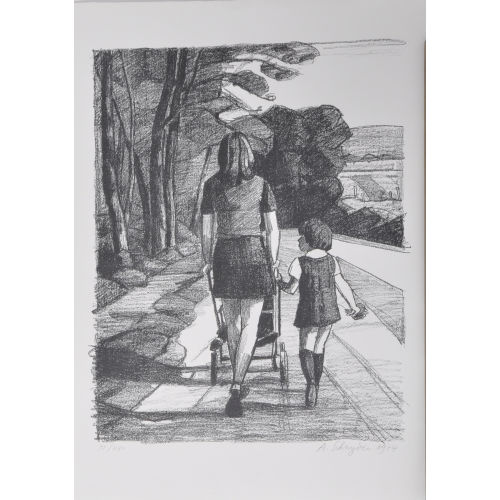
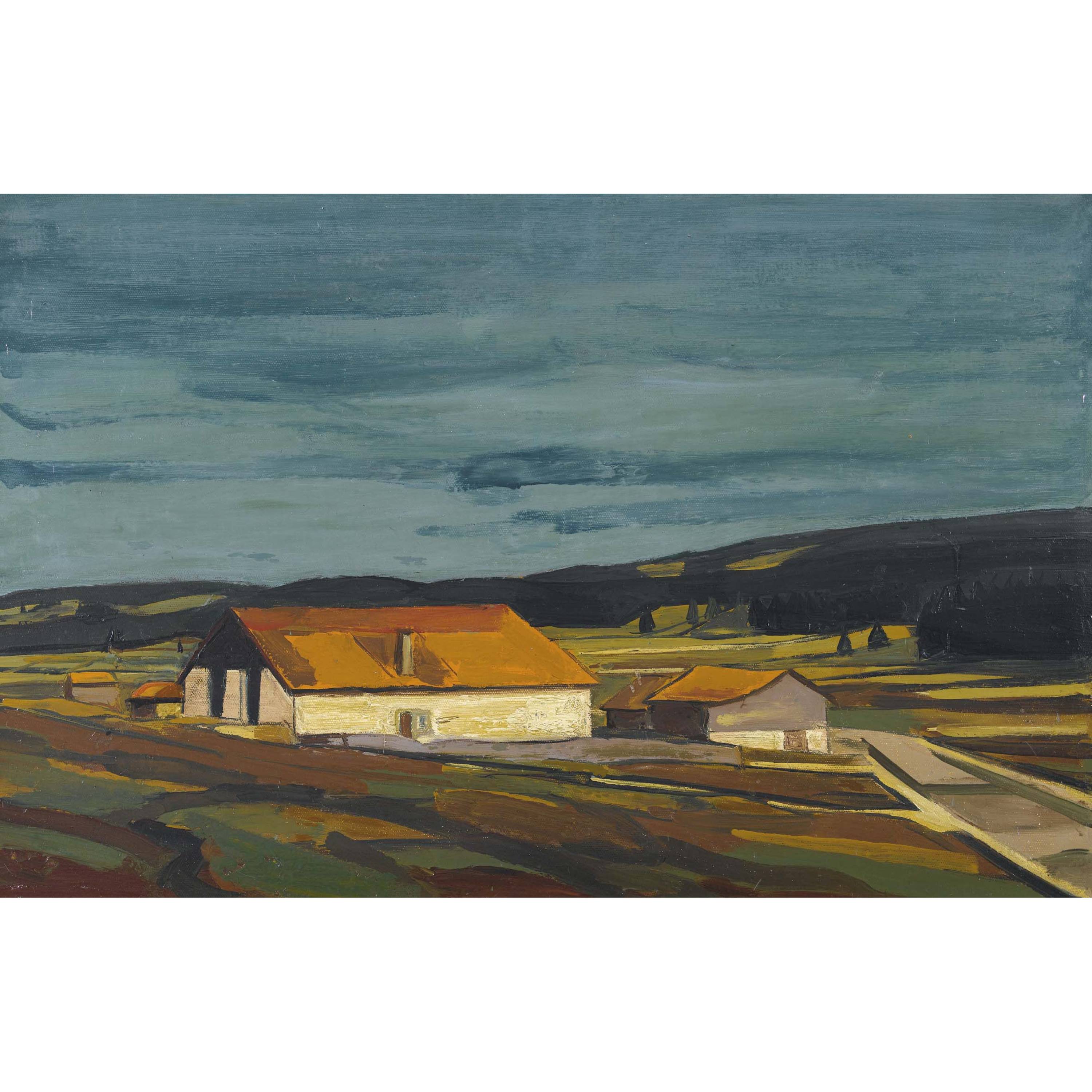
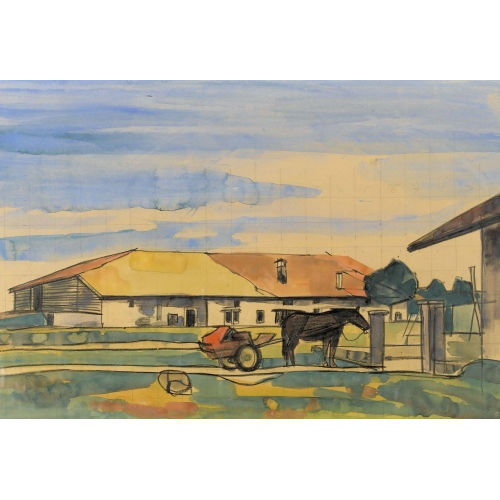
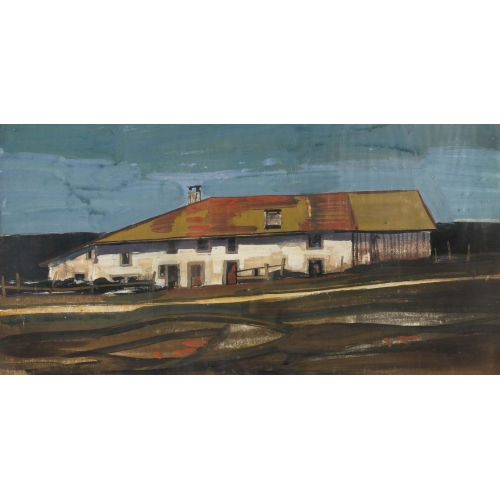
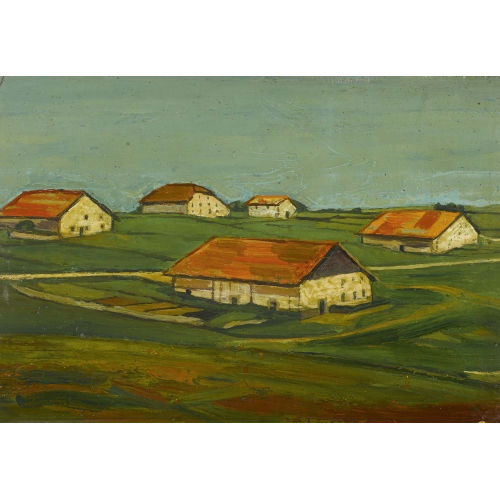
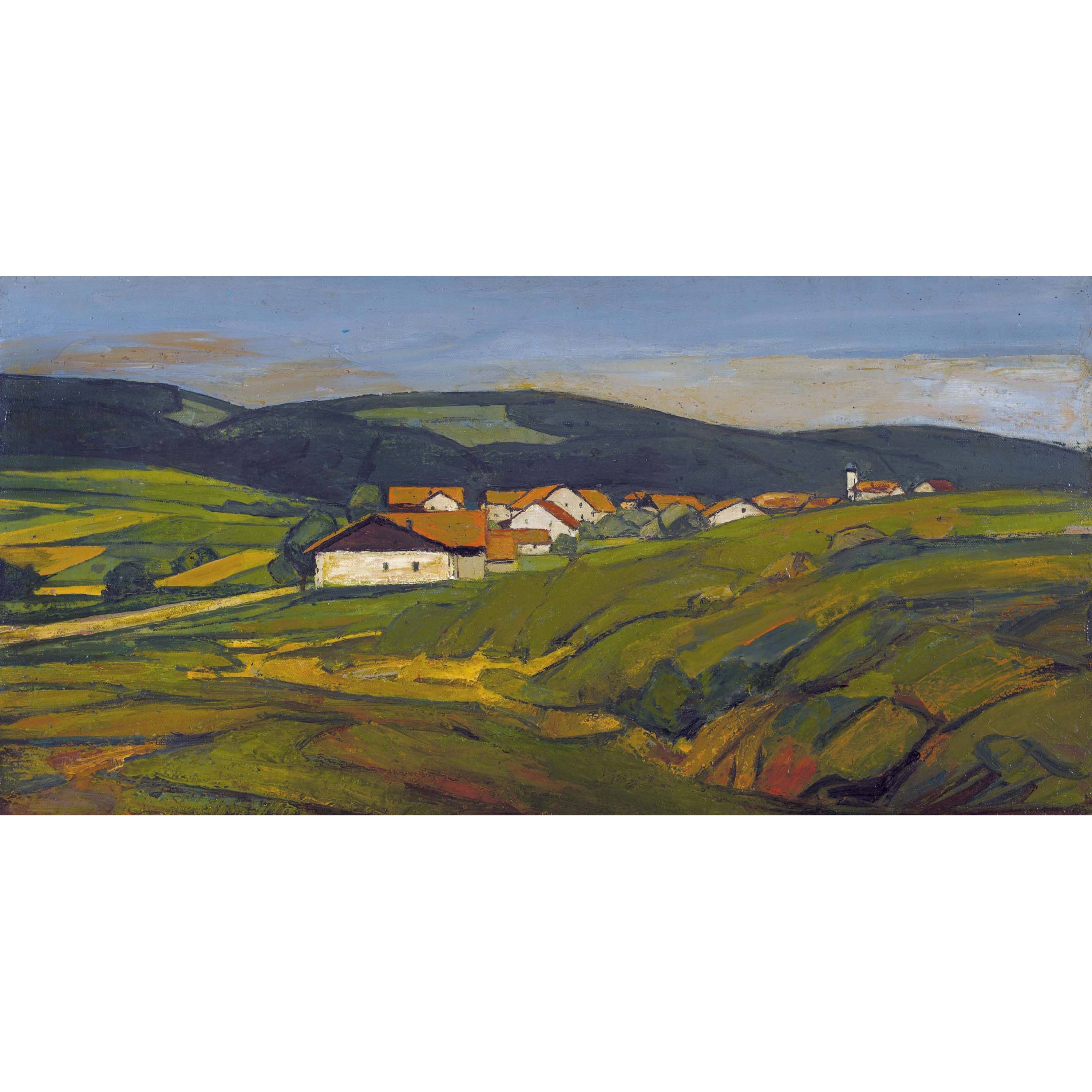
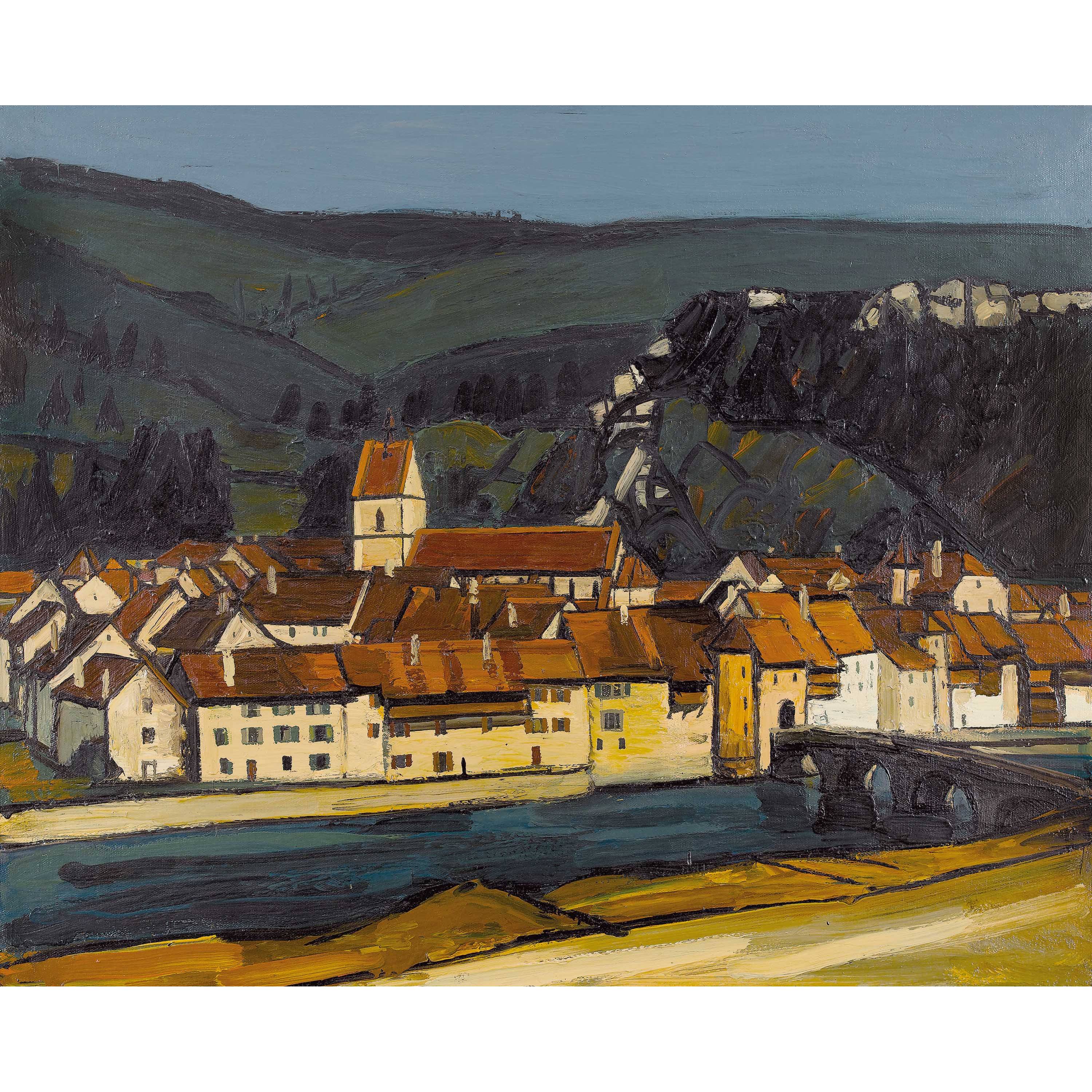
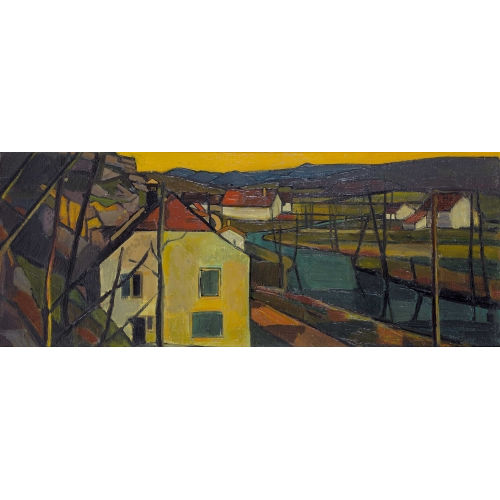
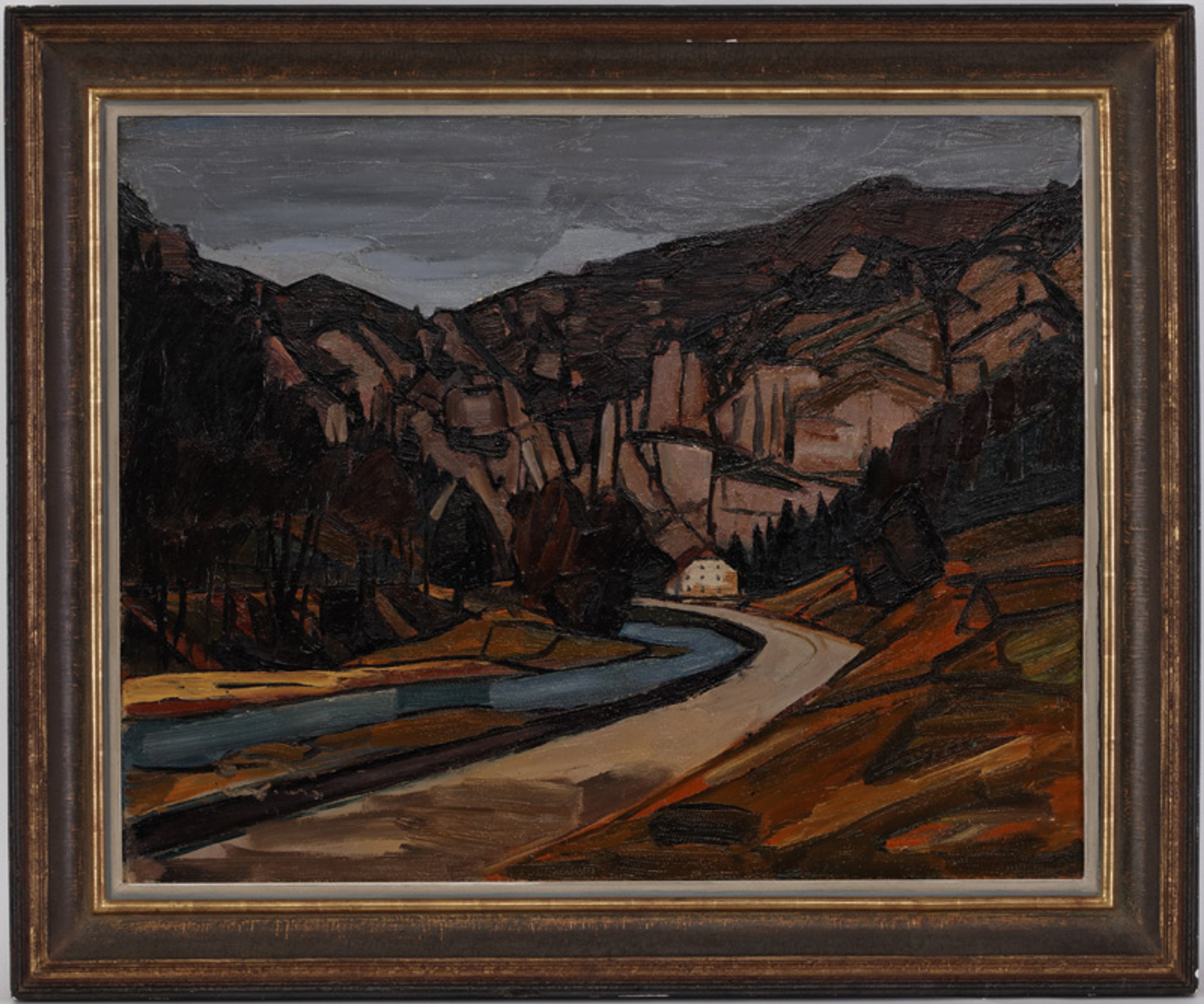
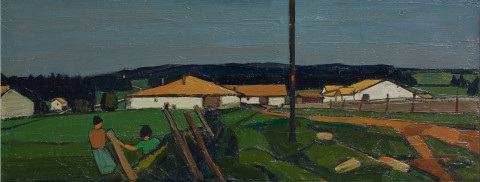
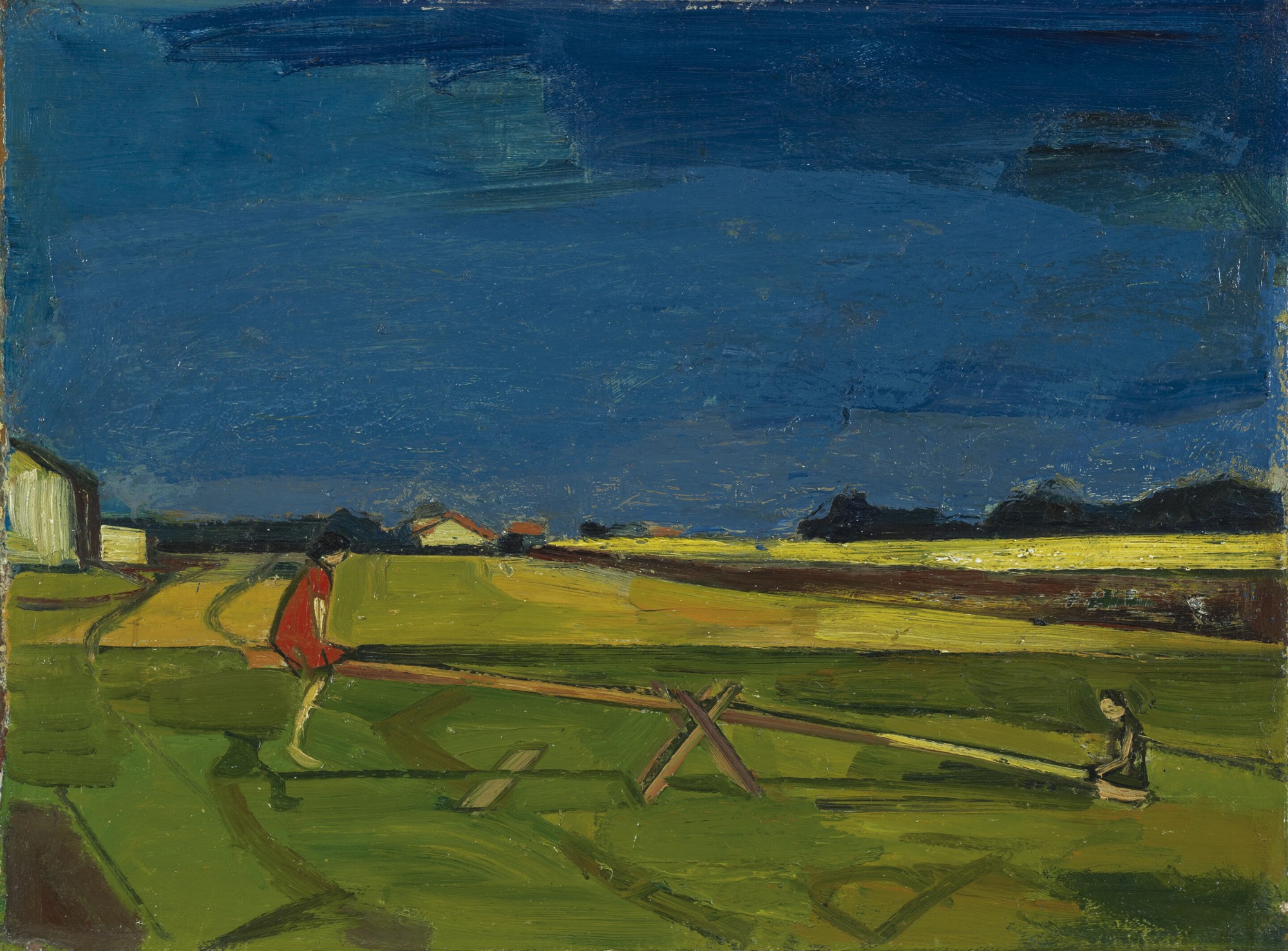
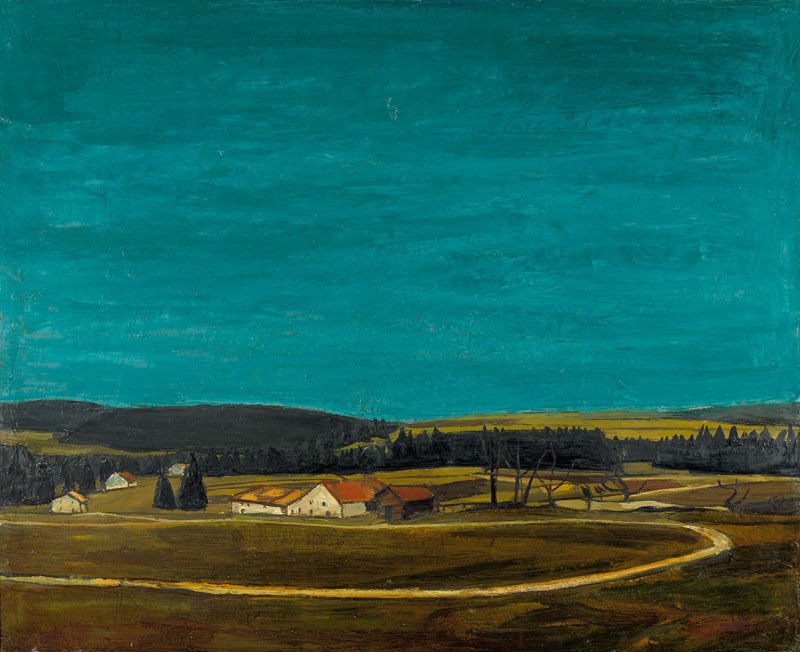
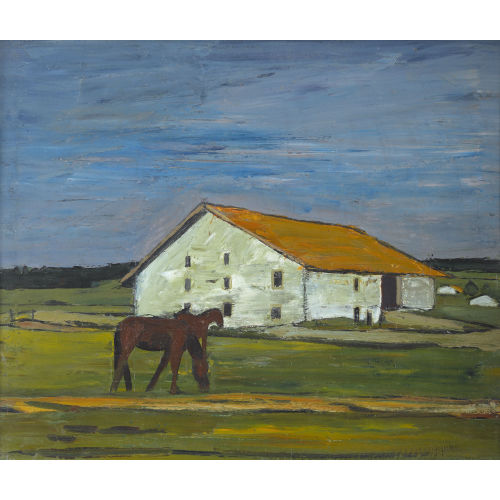
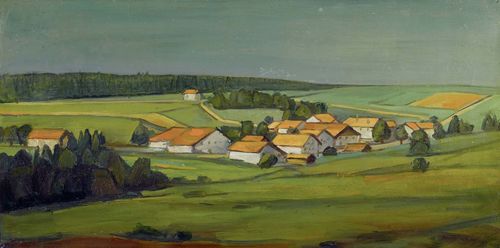
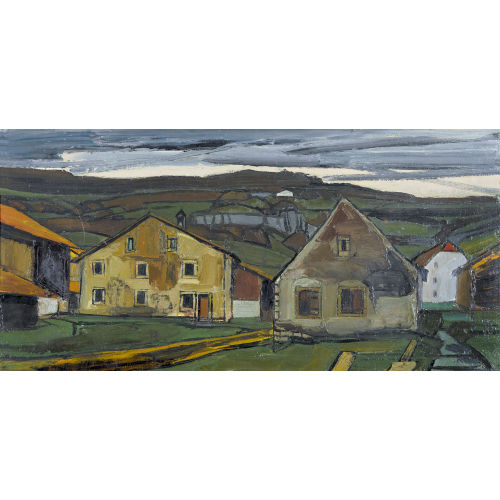
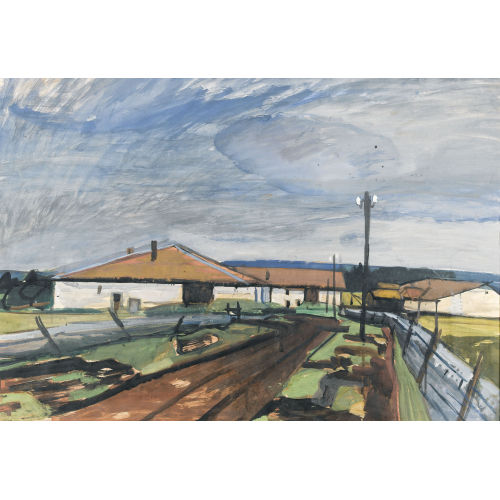
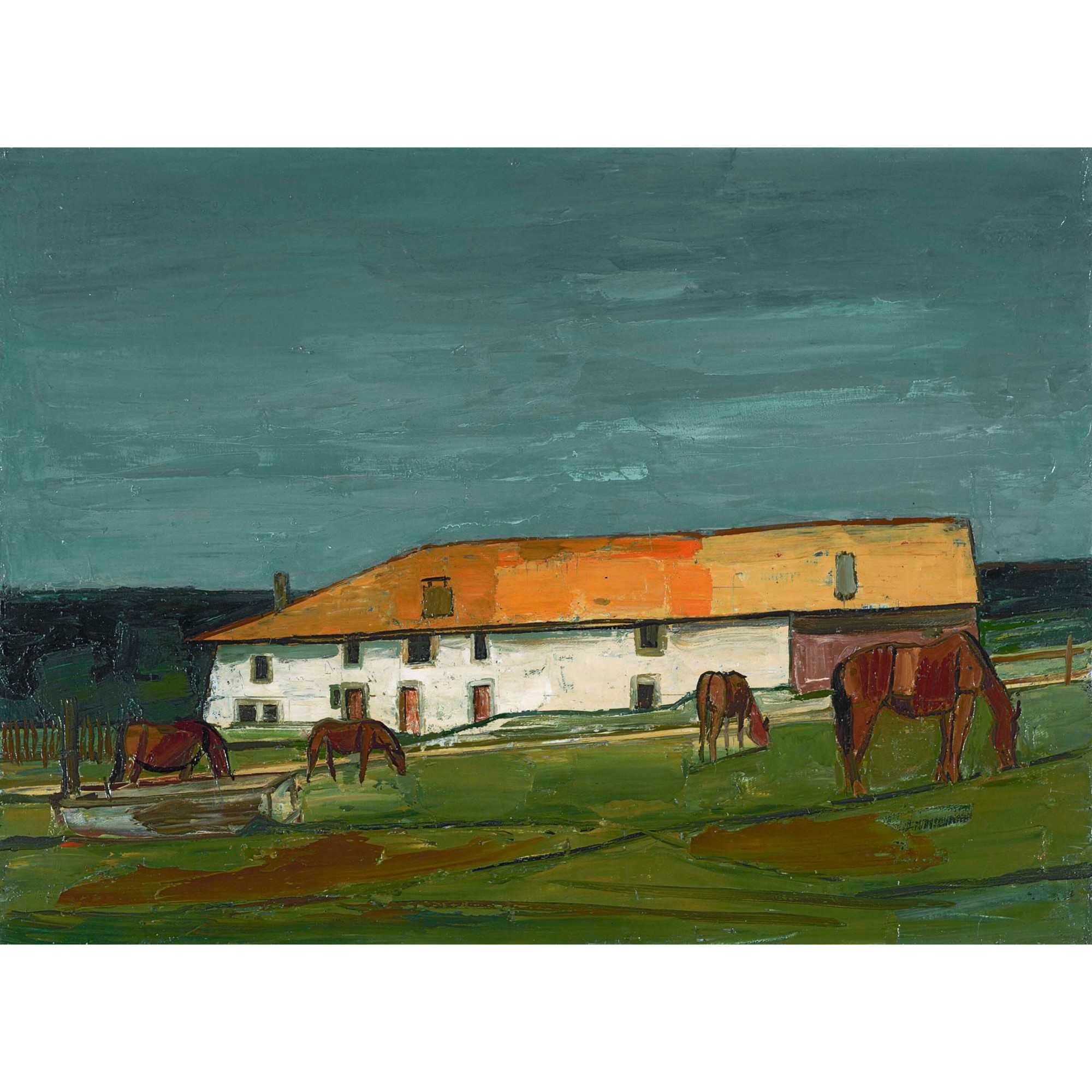
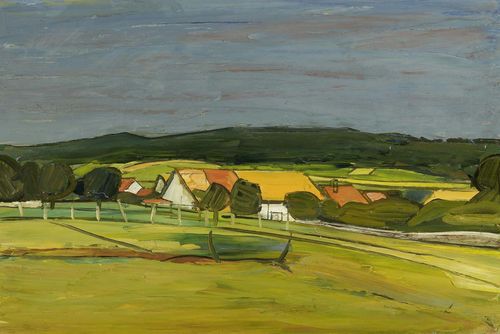
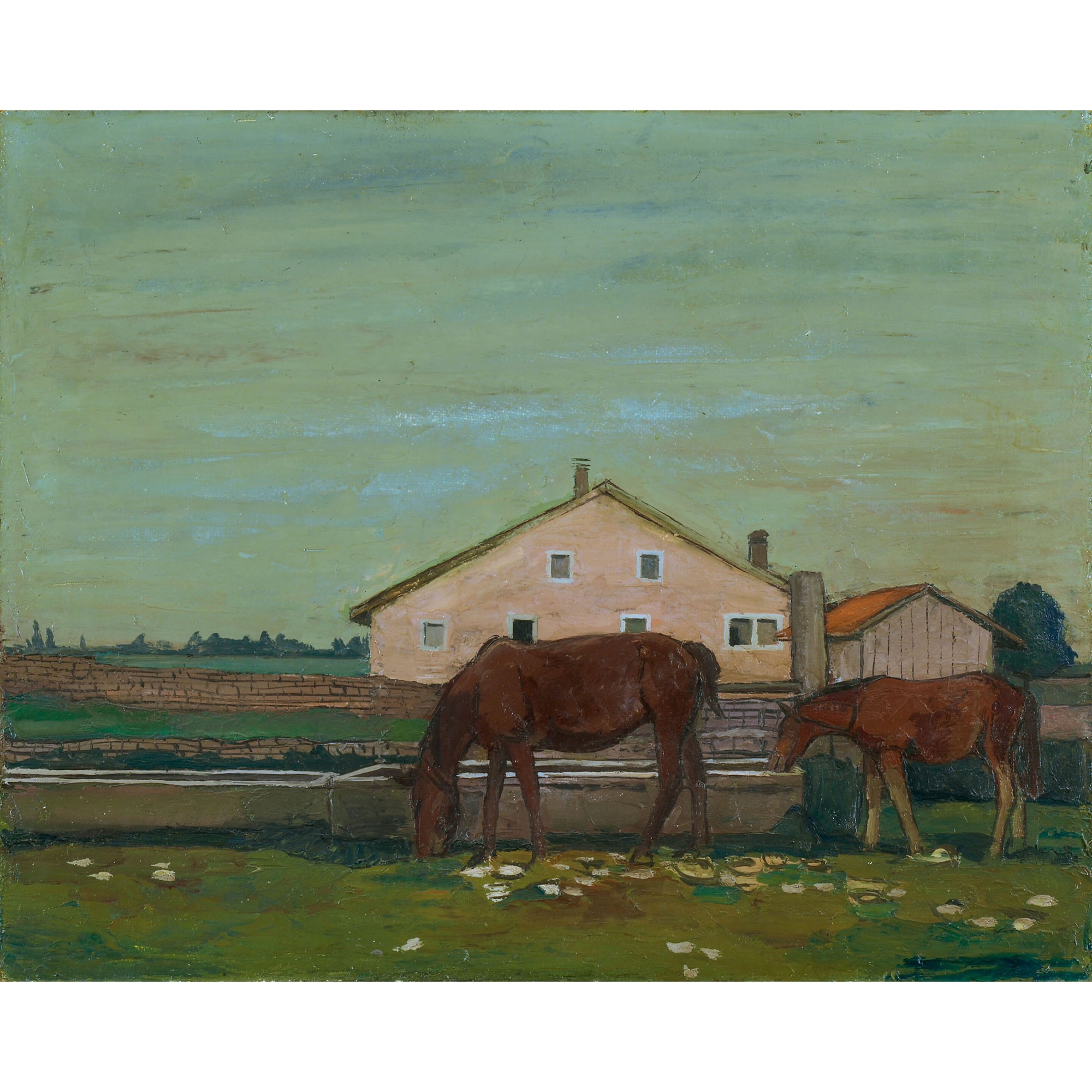
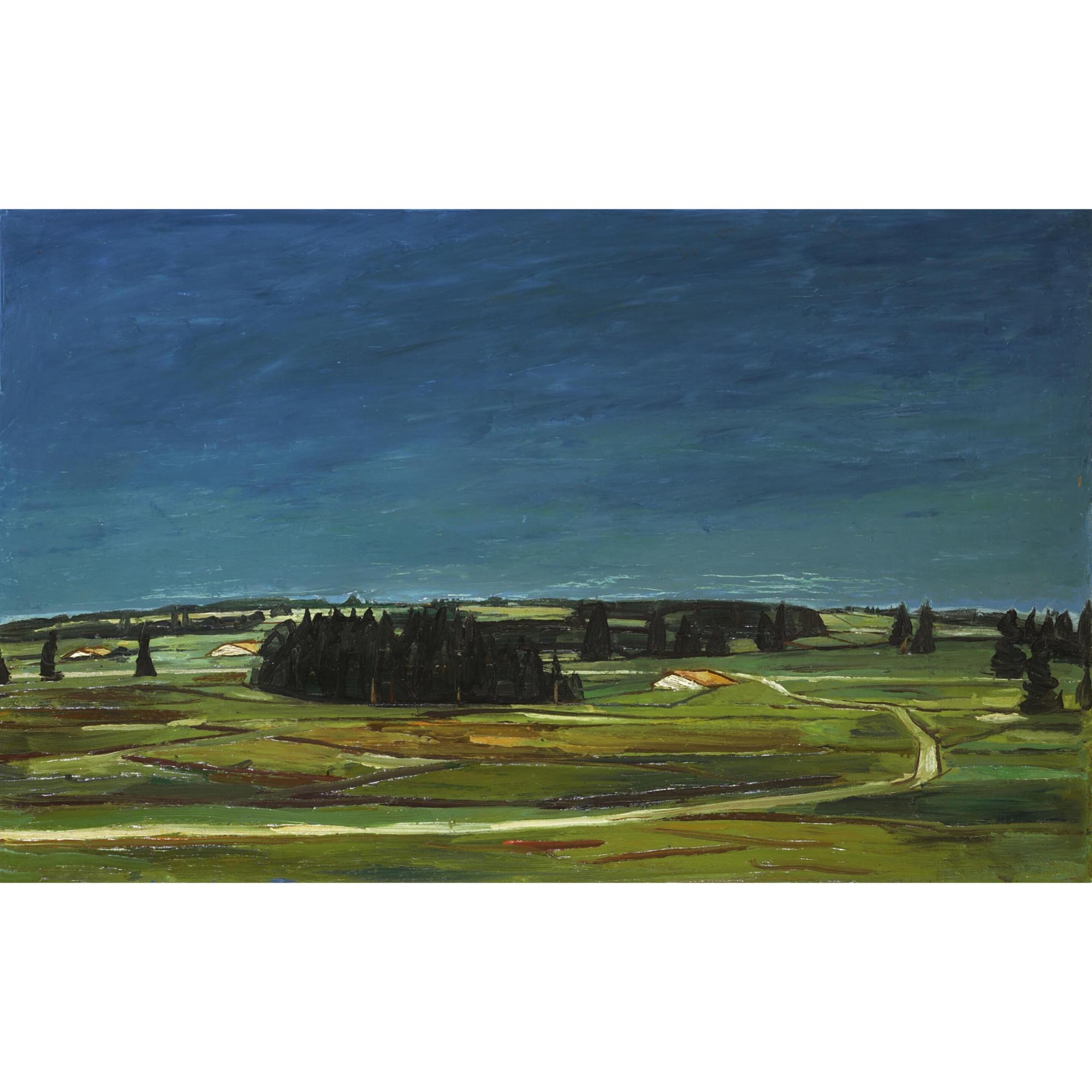
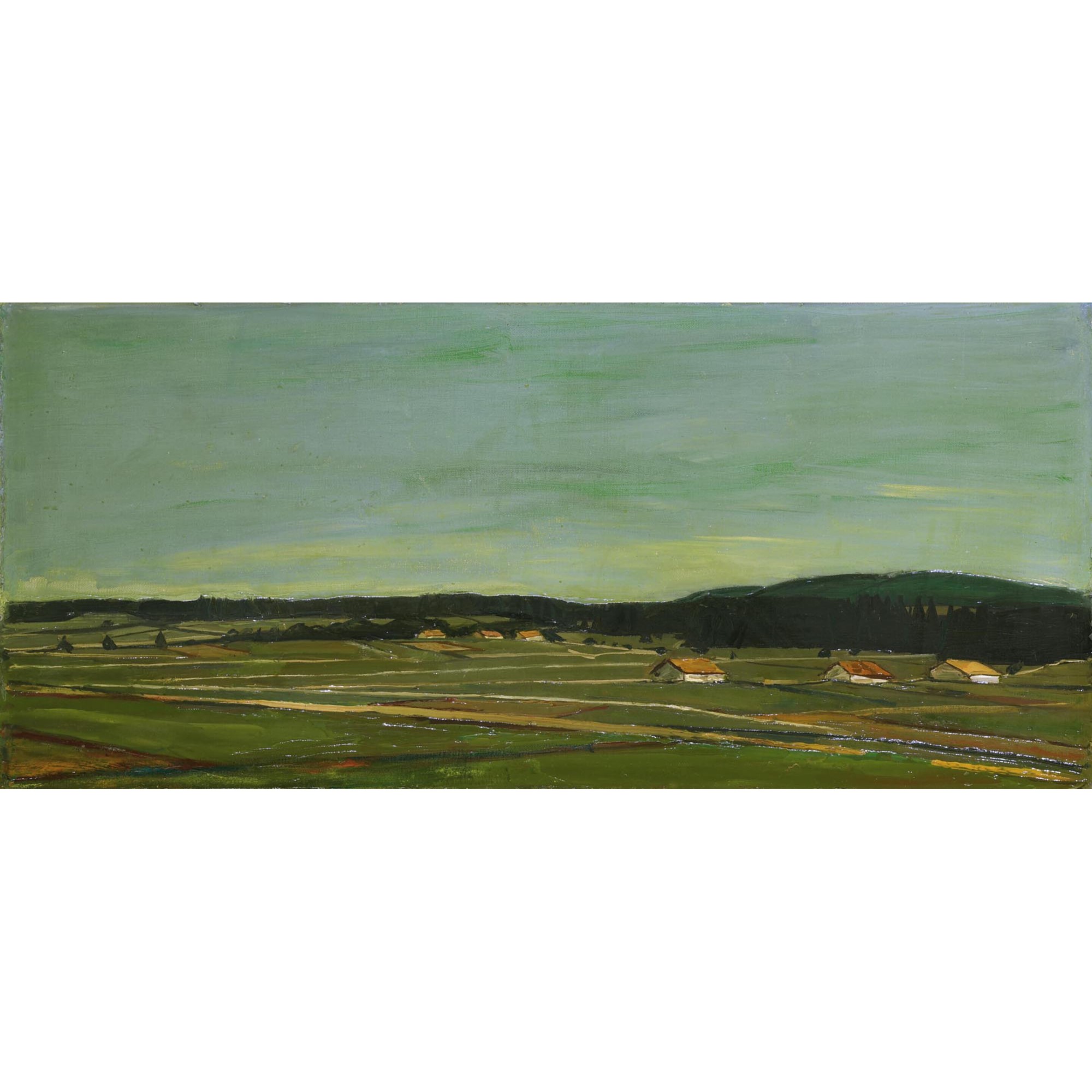
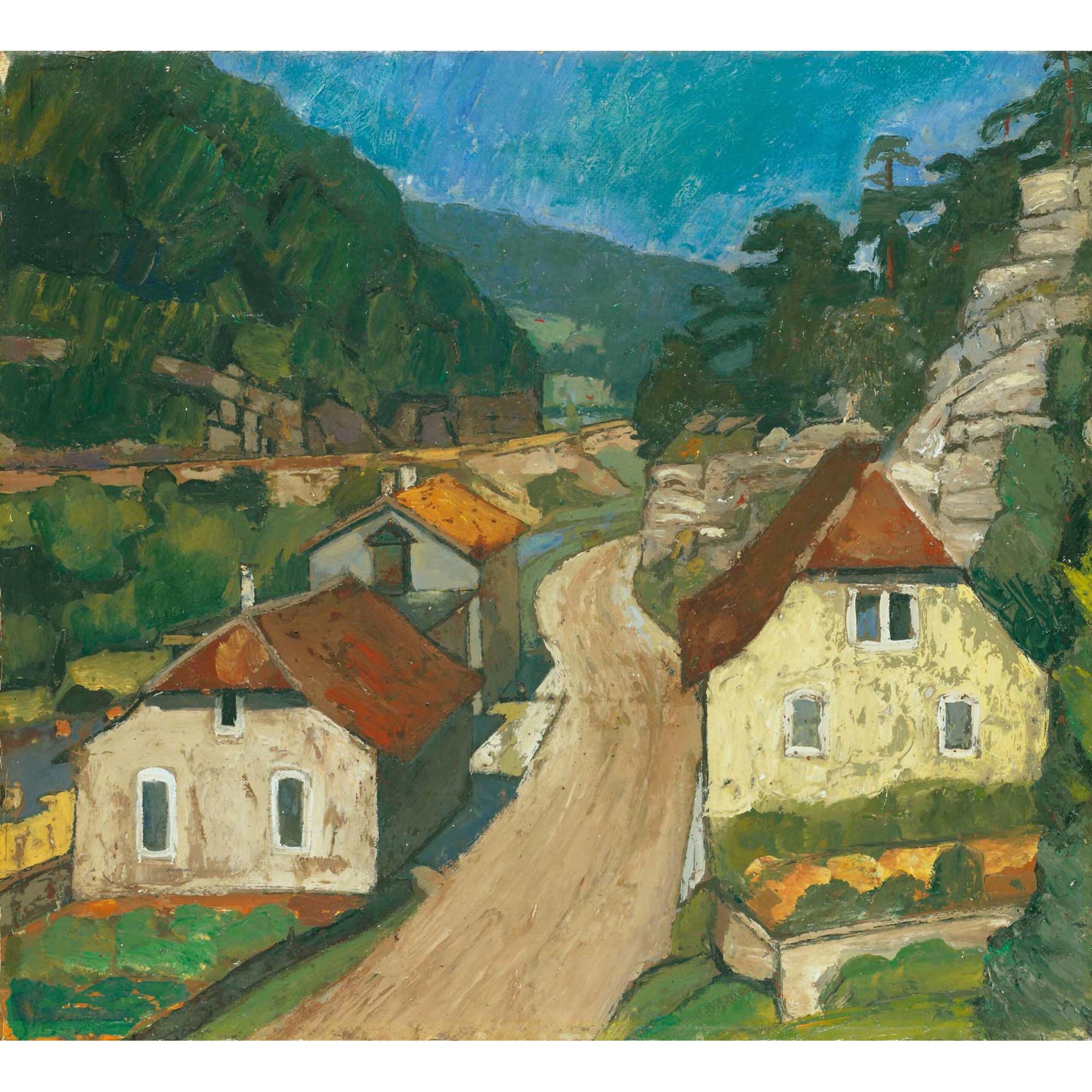
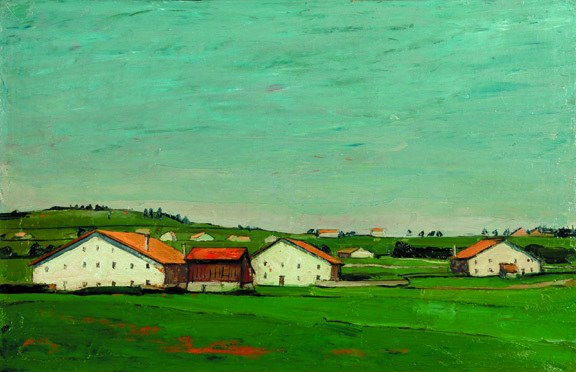
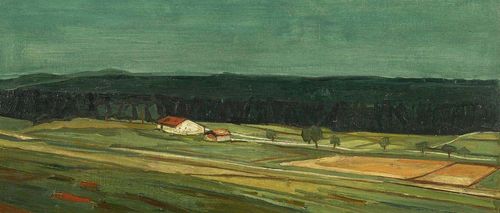
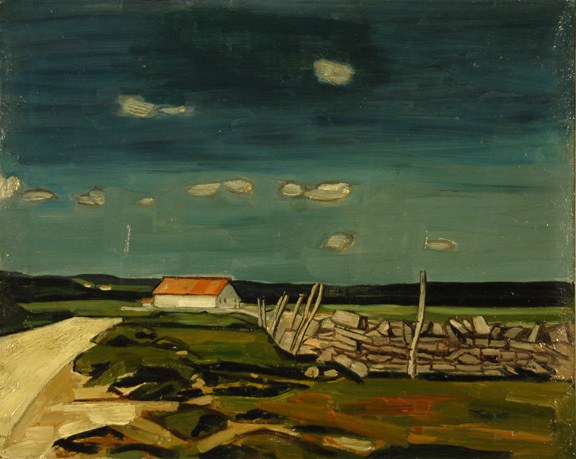
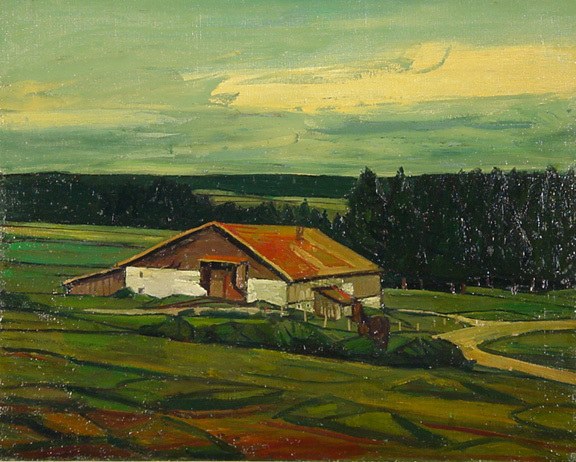
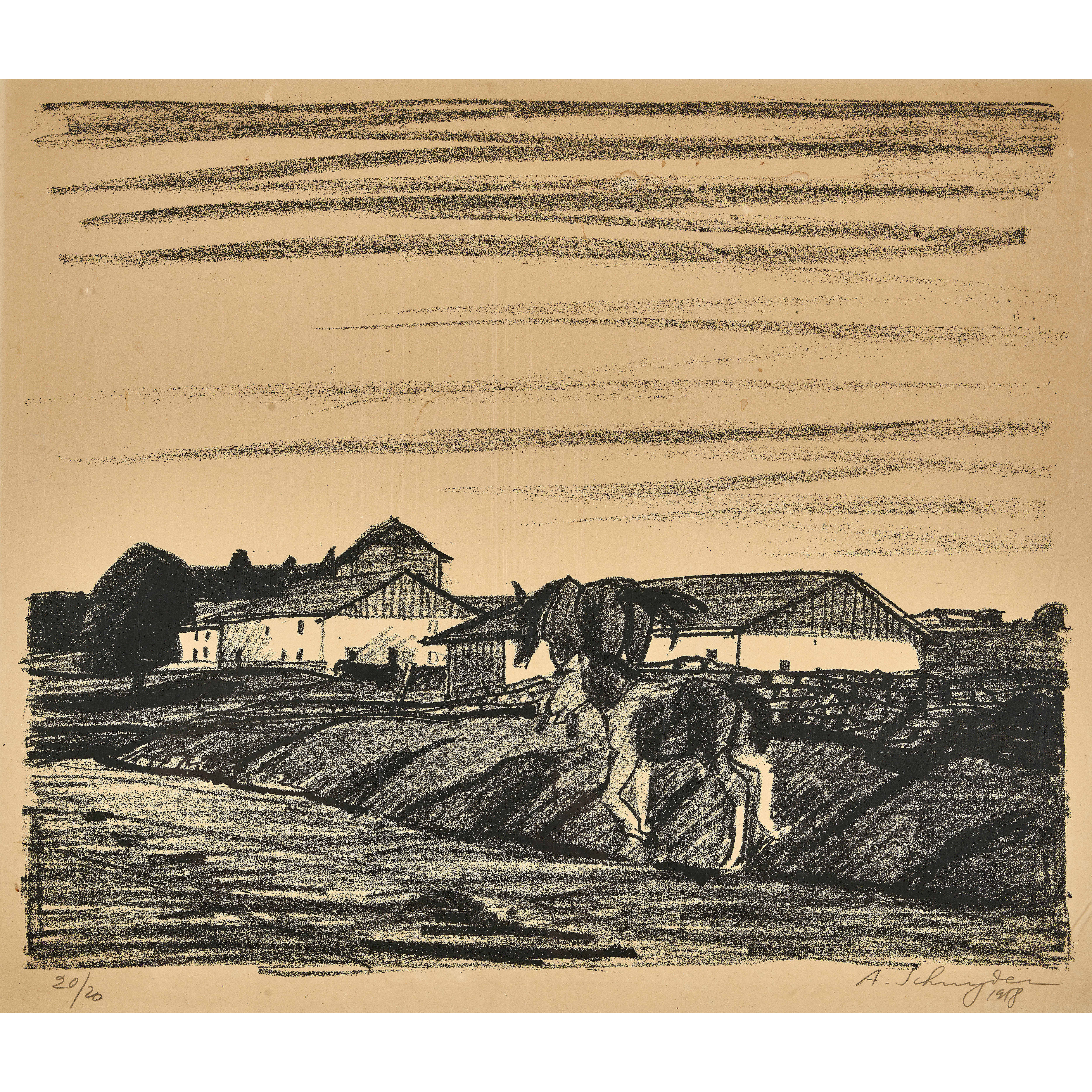
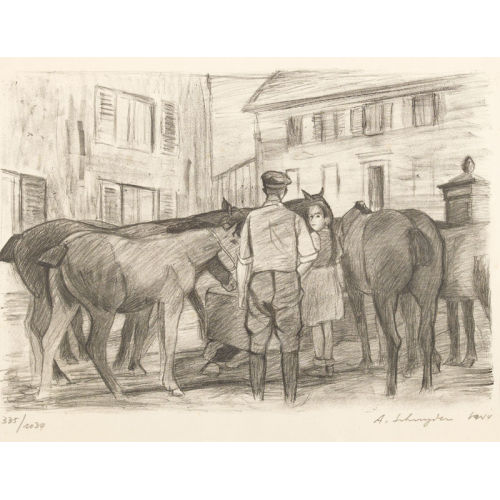
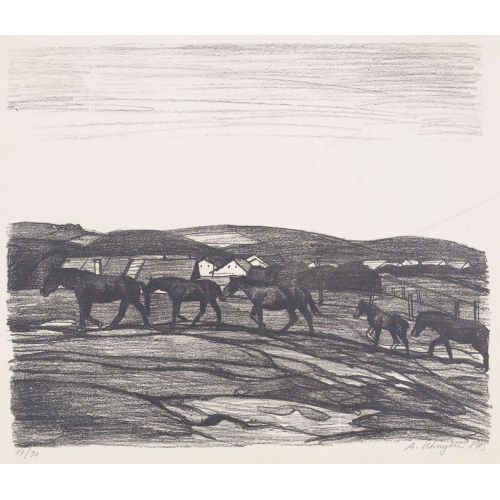
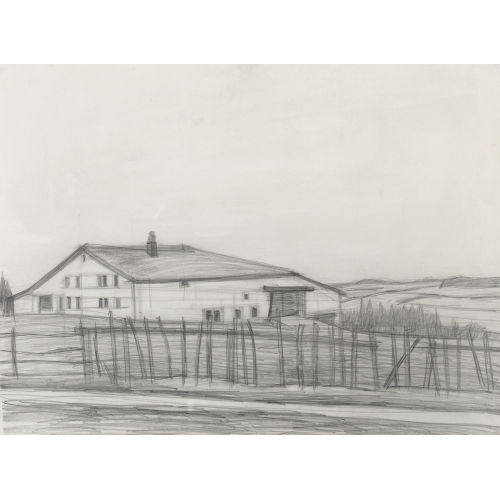
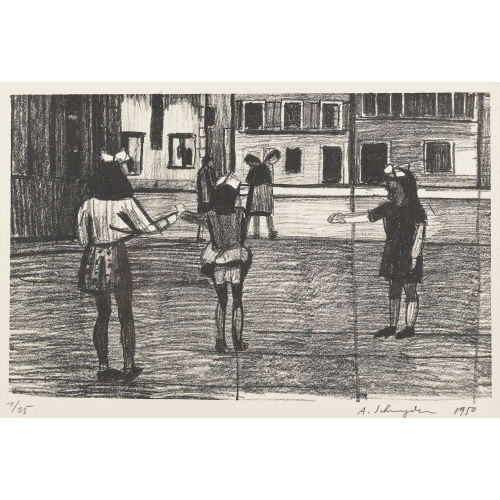
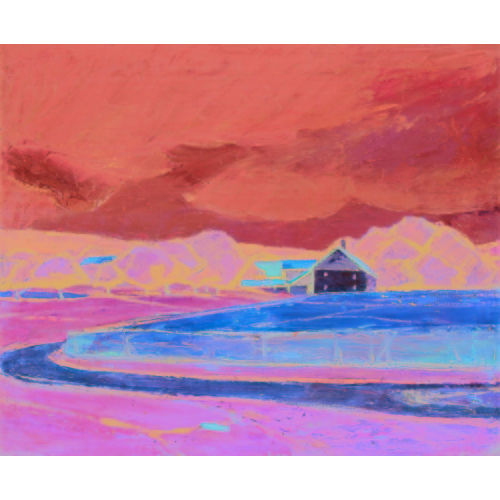
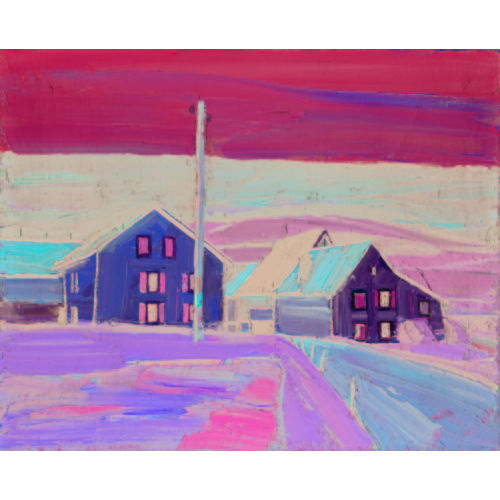
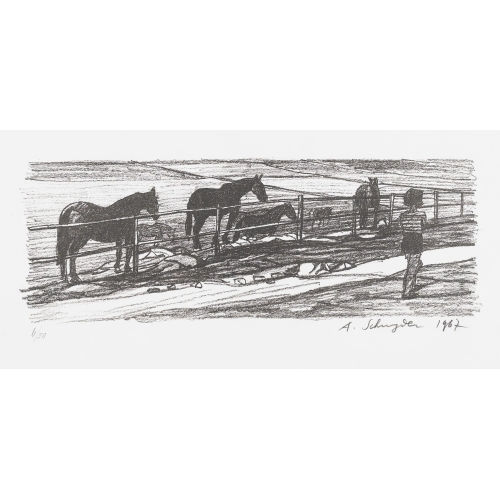
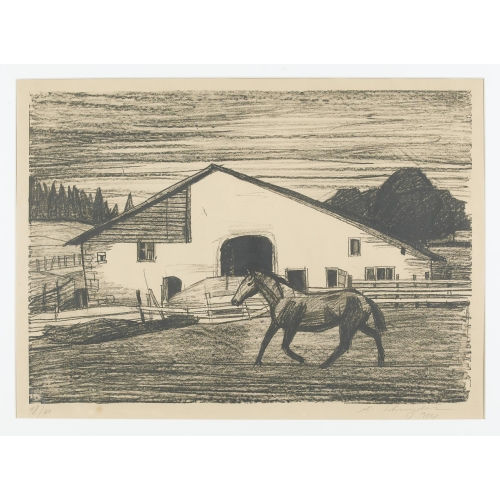
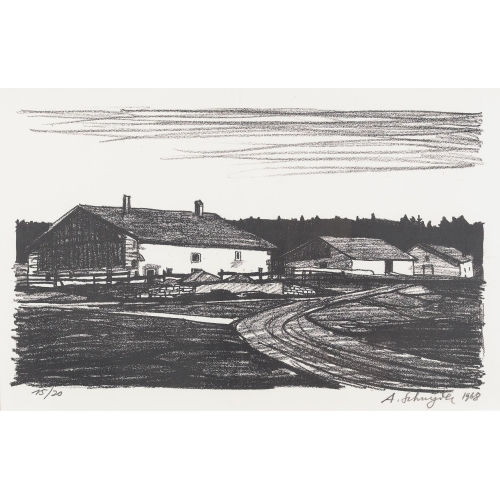
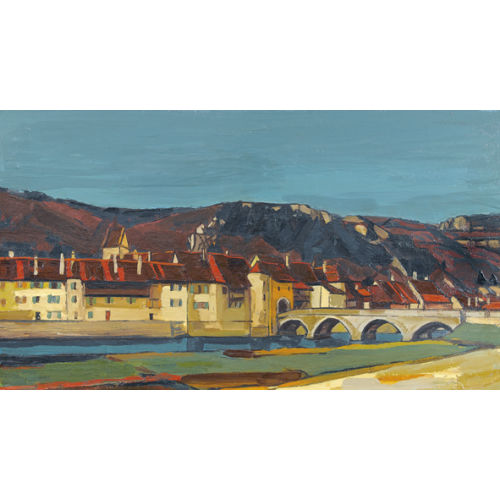
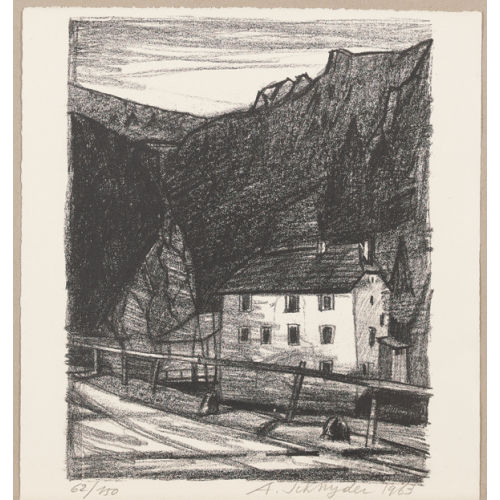
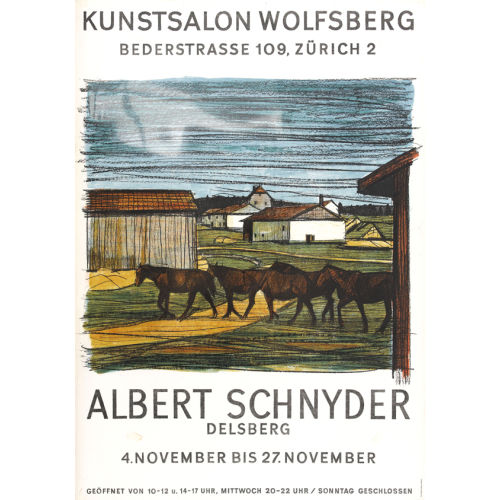
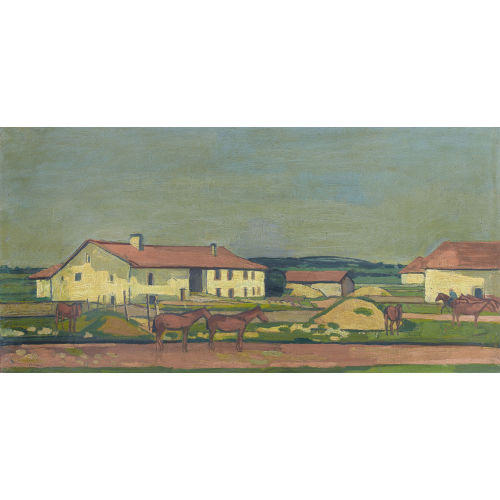
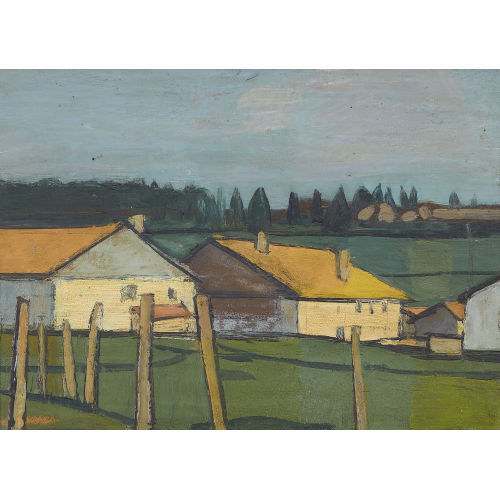
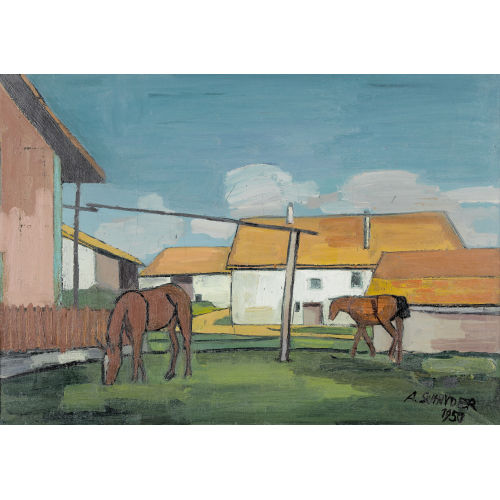
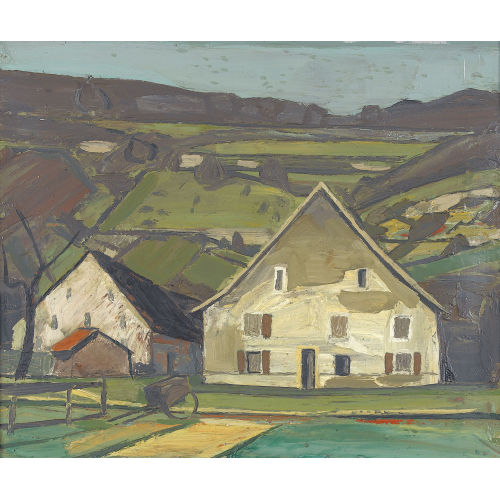
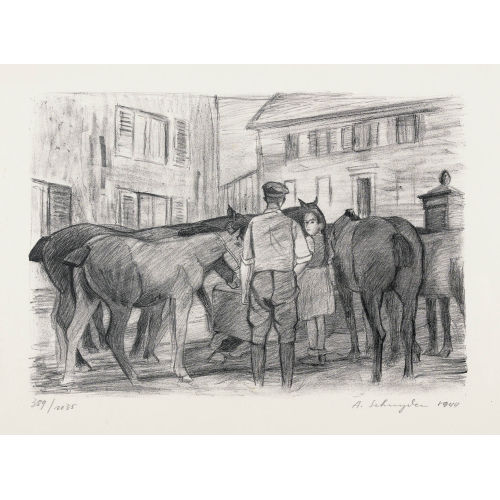
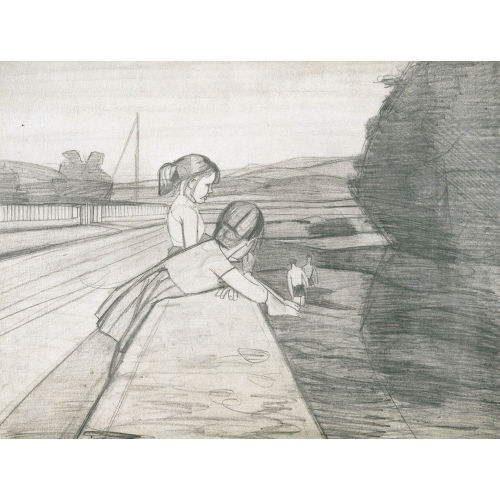
Schnyder painted the villages, farms, roads and landscapes of the region, as well as its inhabitants. He did not seek the picturesque anecdote: houses and landforms are constructed through simplified forms, firm lines and measured colour relationships. Familiar motifs thus acquire a monumental and almost timeless presence.
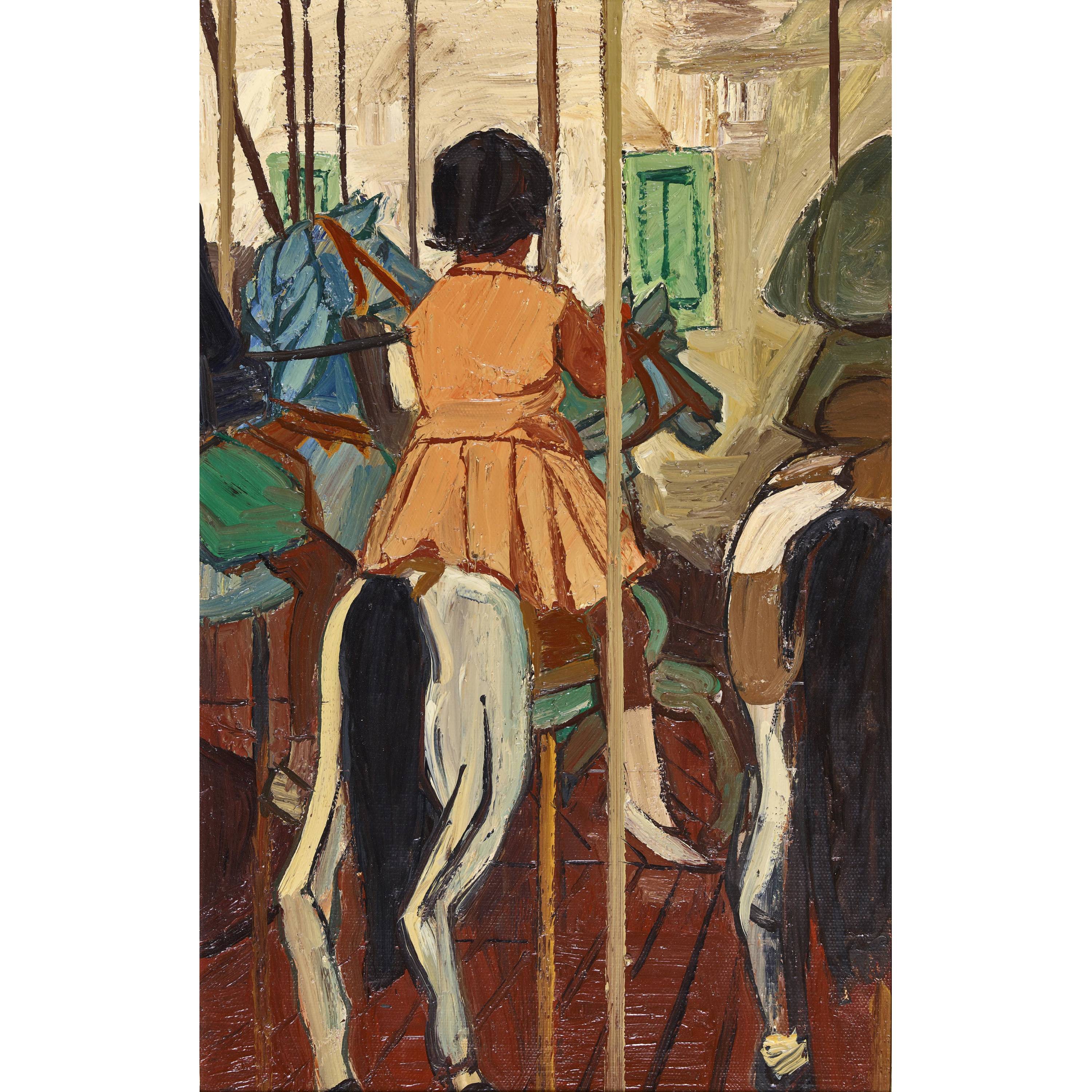
This manner, recognisable without being uniform, led to his being associated with Jurassian painting.
The Historical Dictionary of Switzerland emphasises both his regional rootedness and the place occupied by modern movements in his early work. The Jura heritage collections recall that Schnyder also produced works of public art, notably a mural for the chapel of Montcroix in Delémont. His career is marked by a fidelity to the territory in which he lived, while his pictorial language bears witness to an active assimilation of the European artistic investigations of the early twentieth century.
His paintings have been presented in museum exhibitions in Switzerland, including a retrospective at the Kunstmuseum Bern.